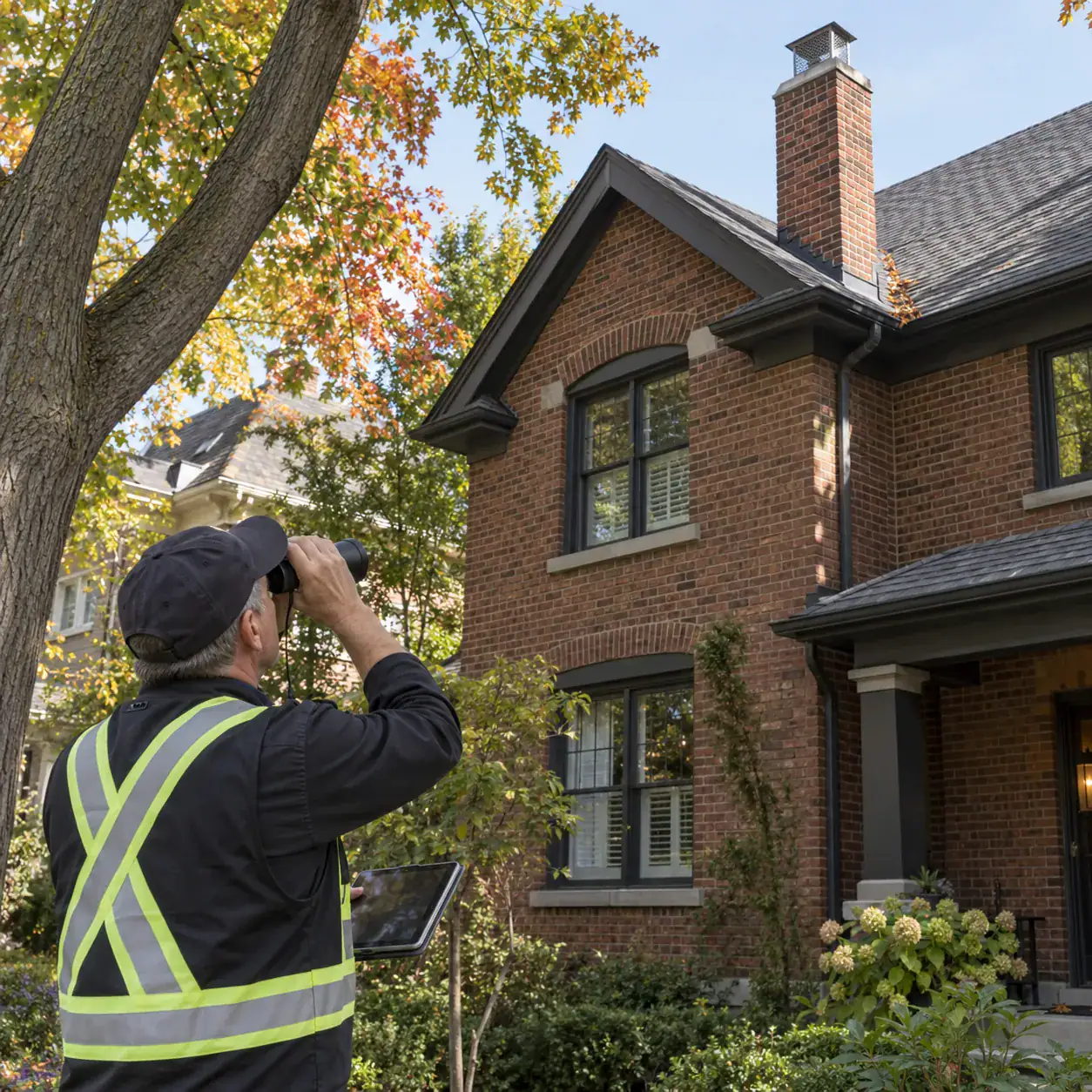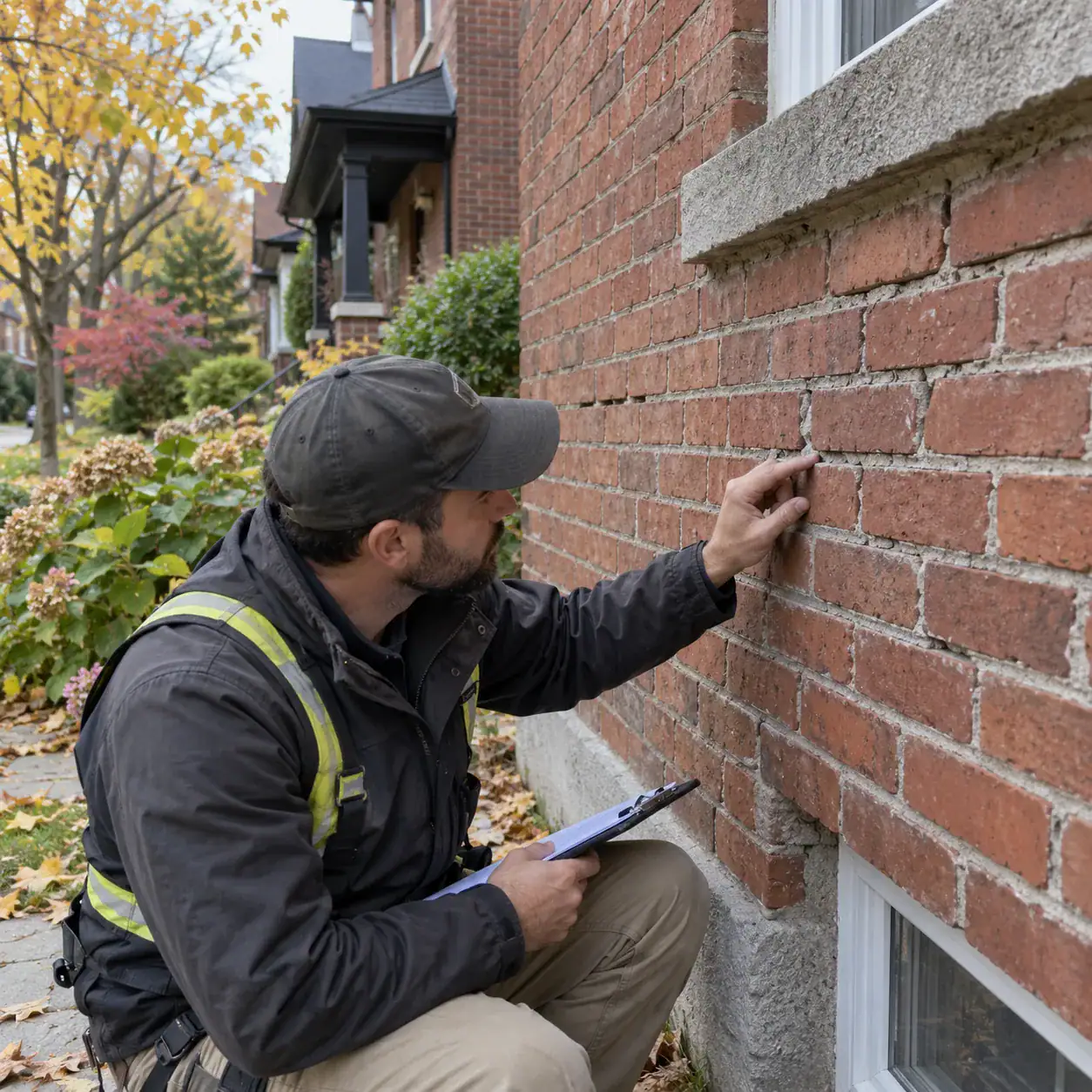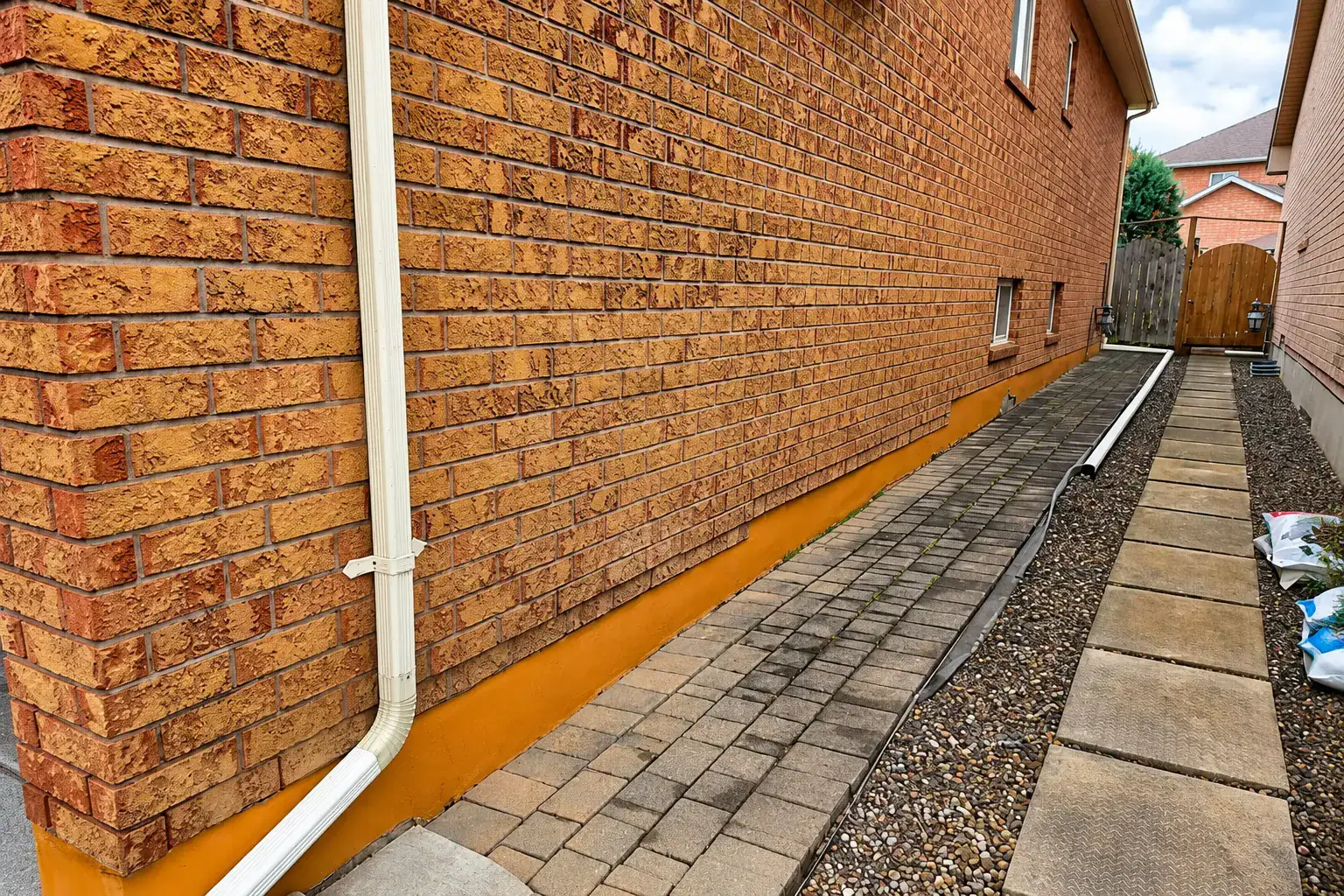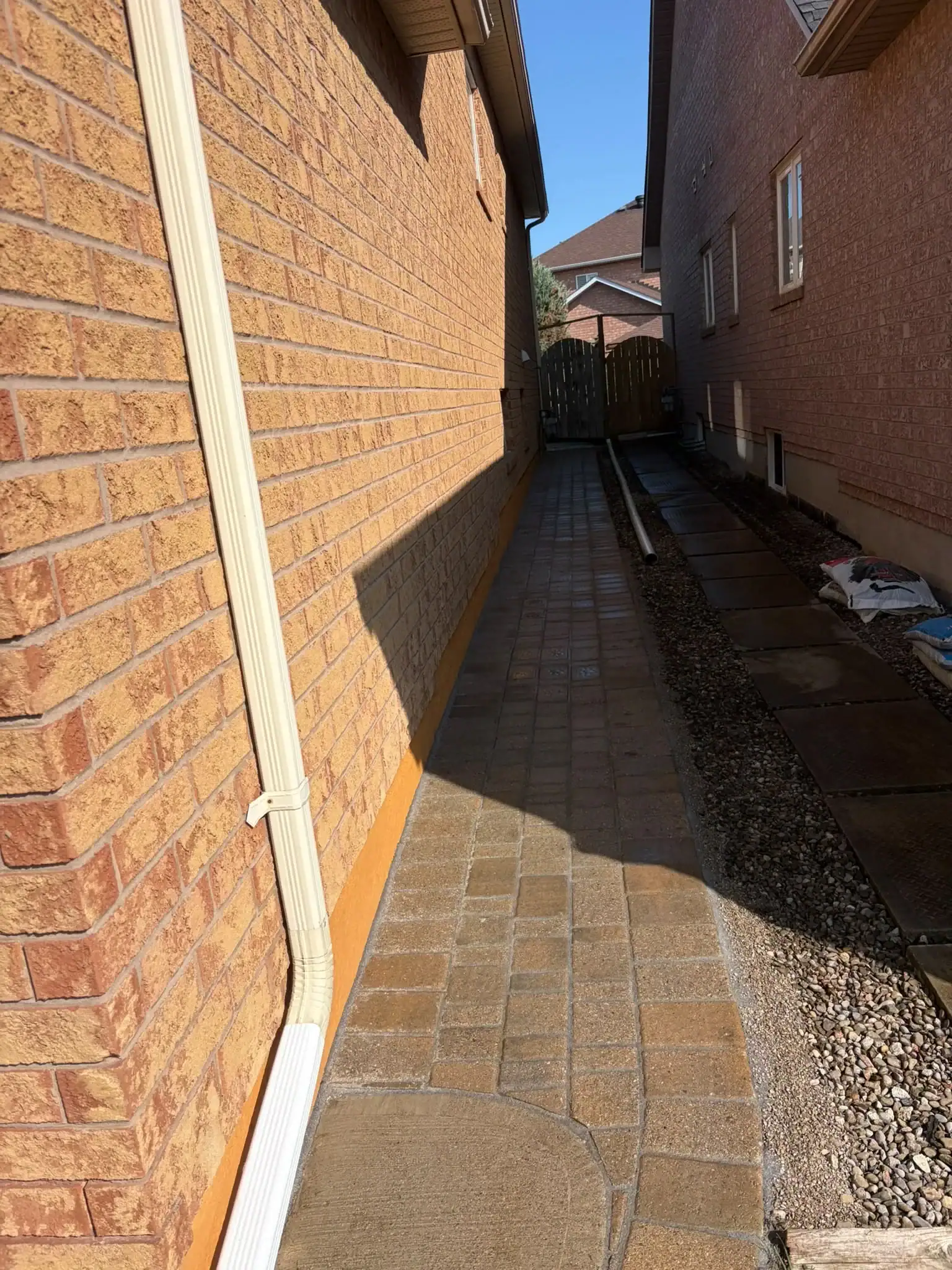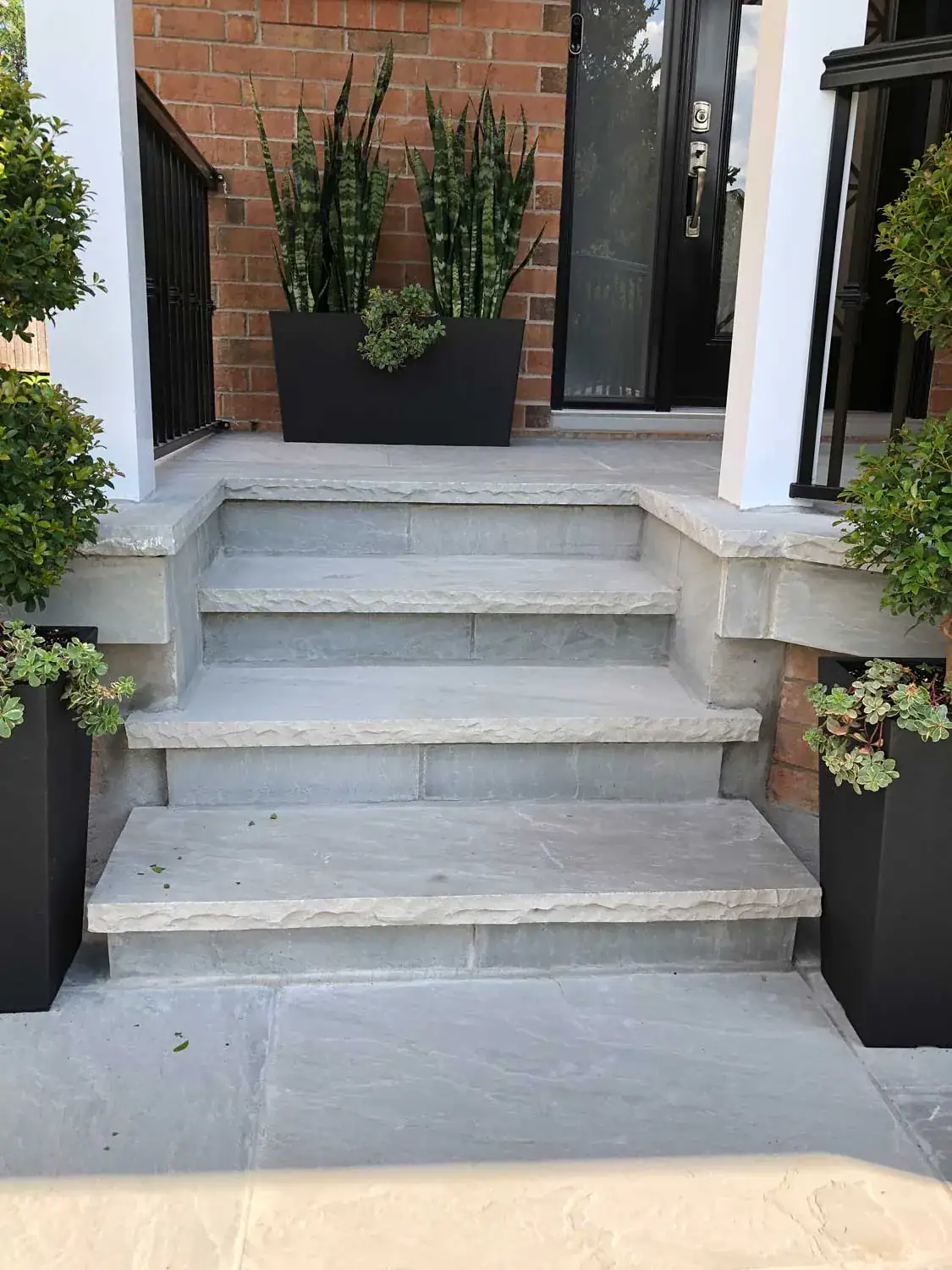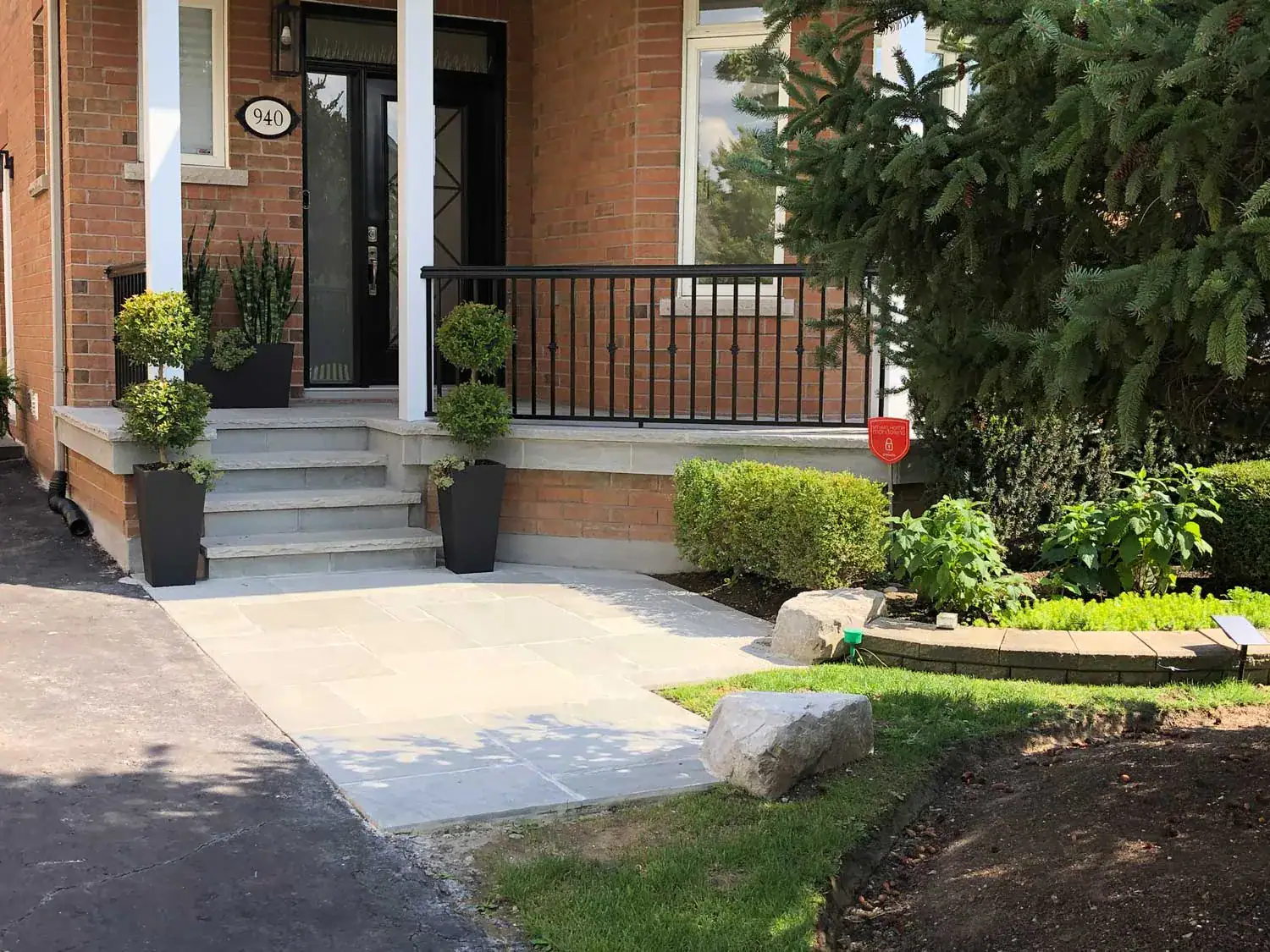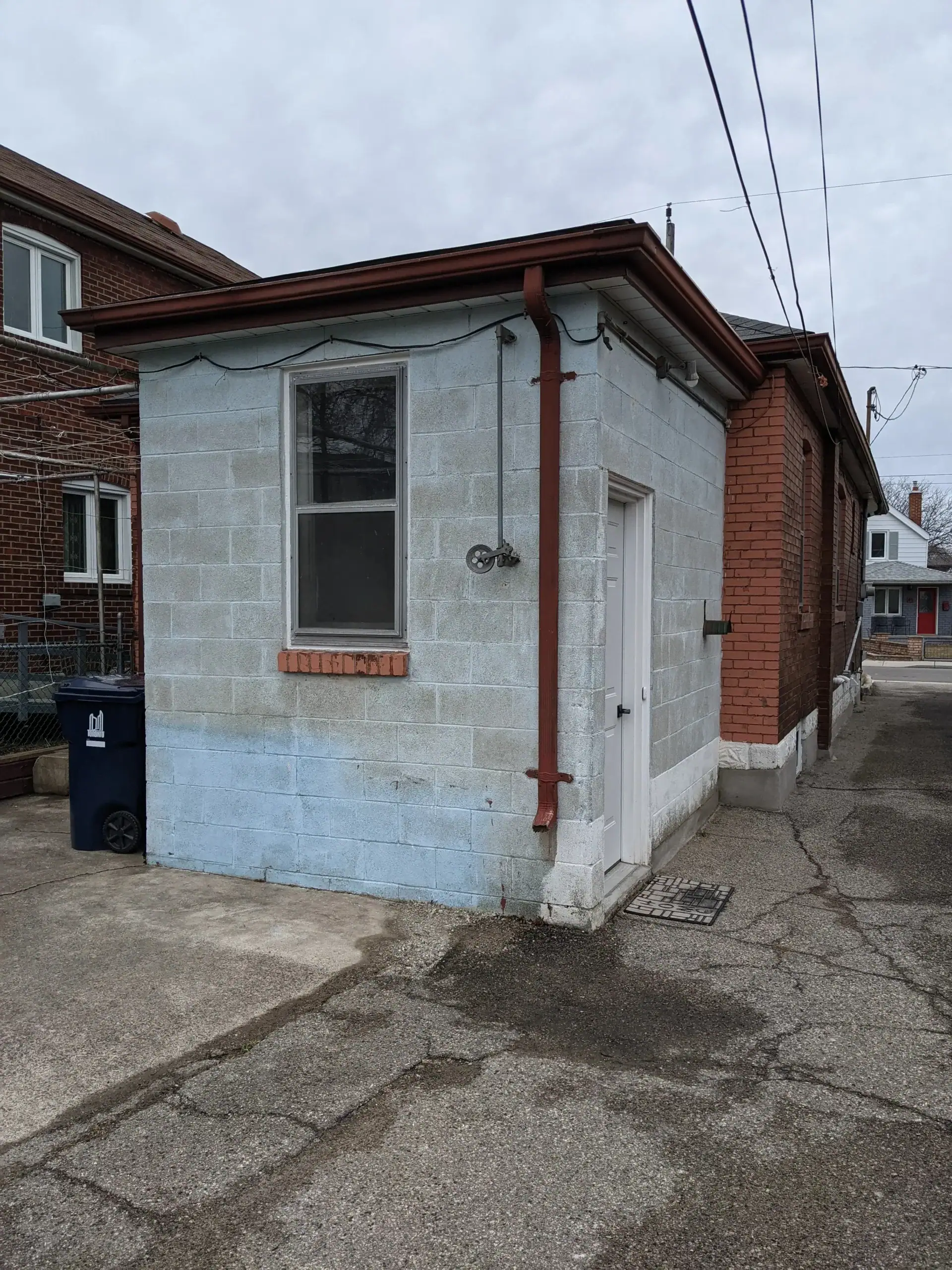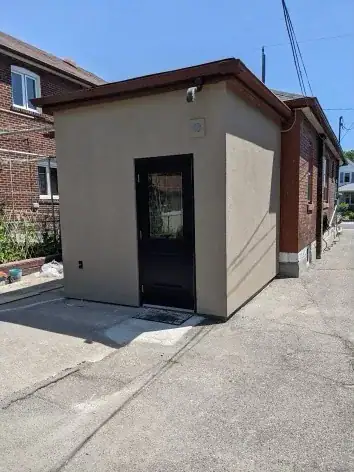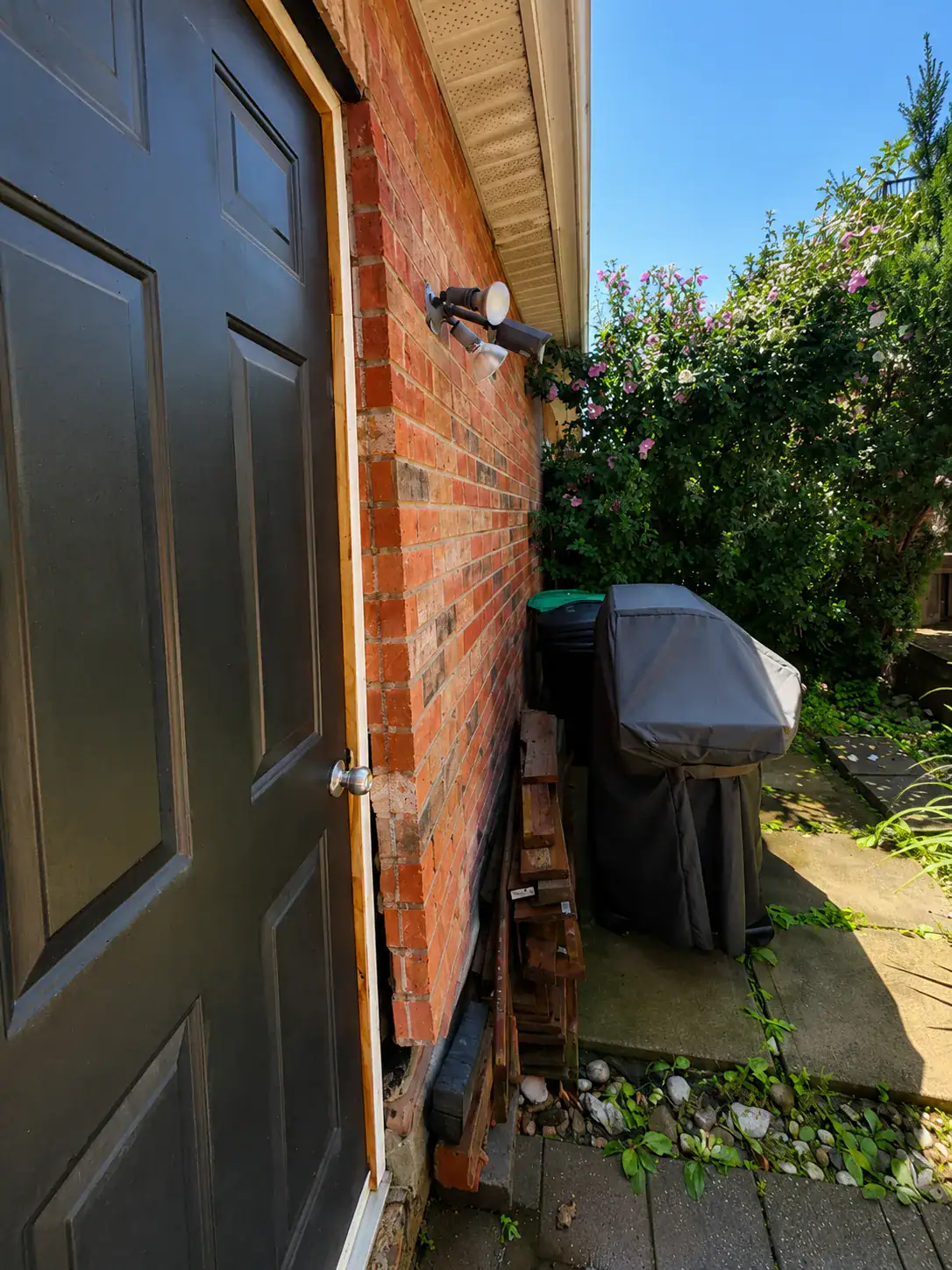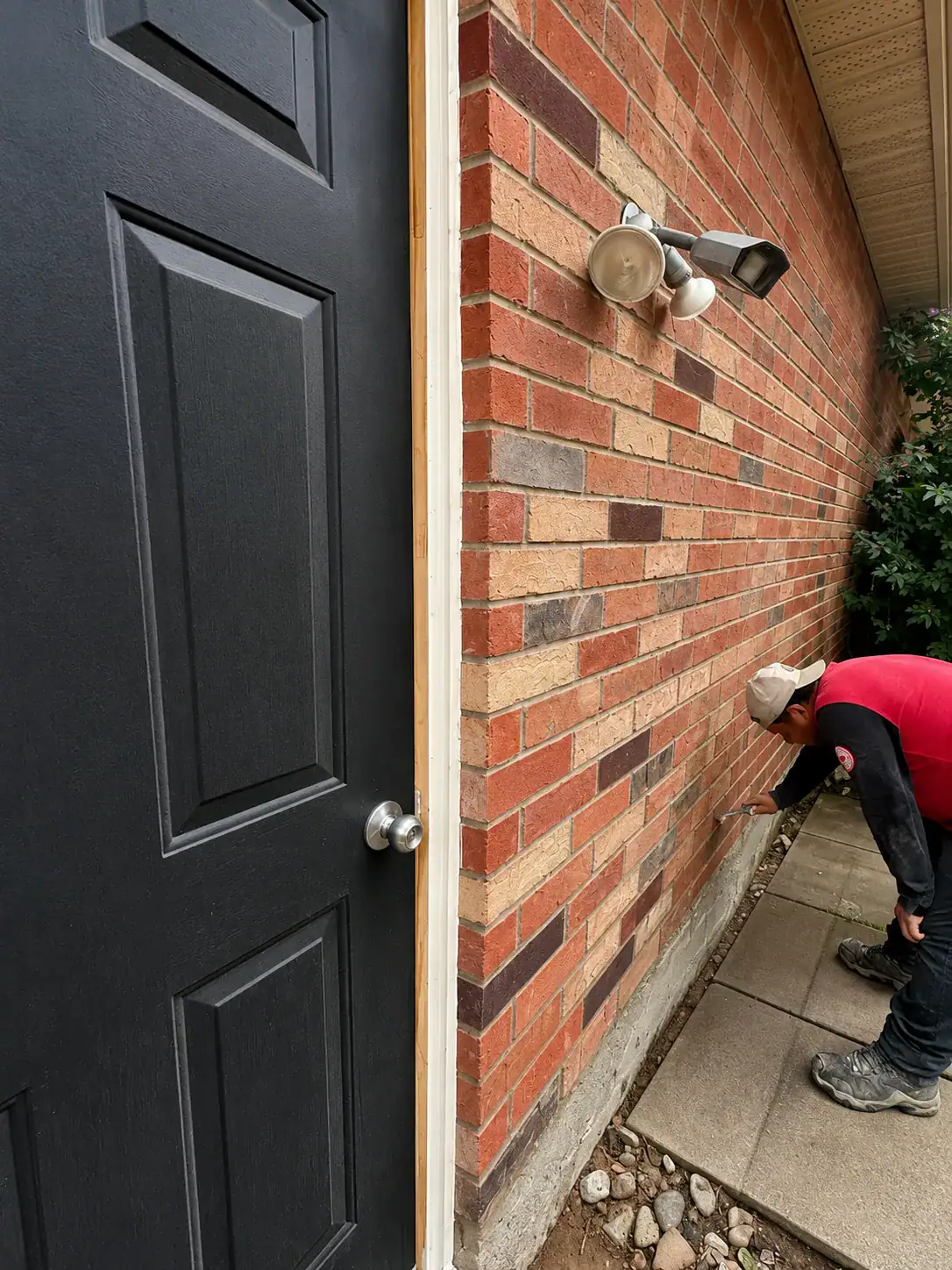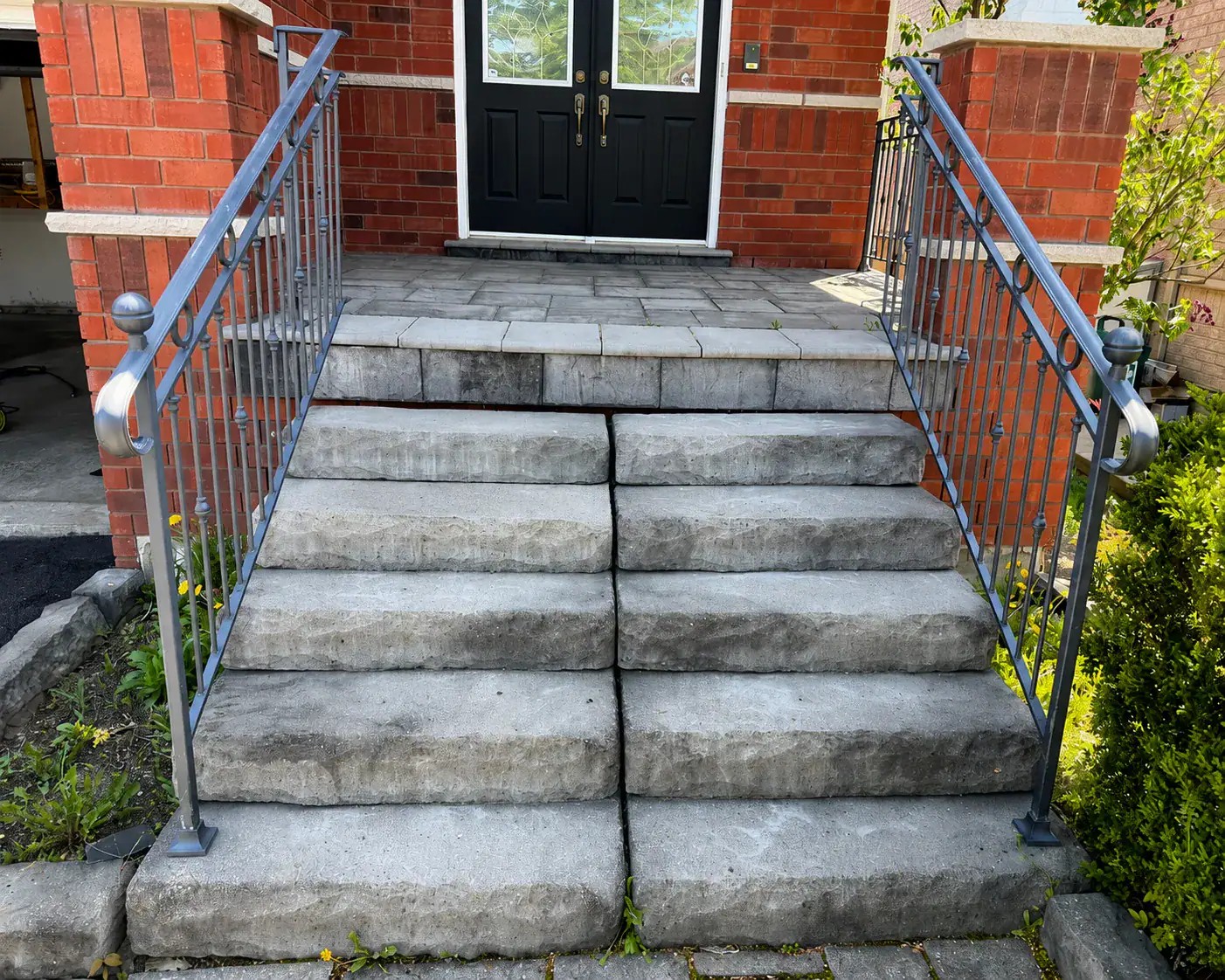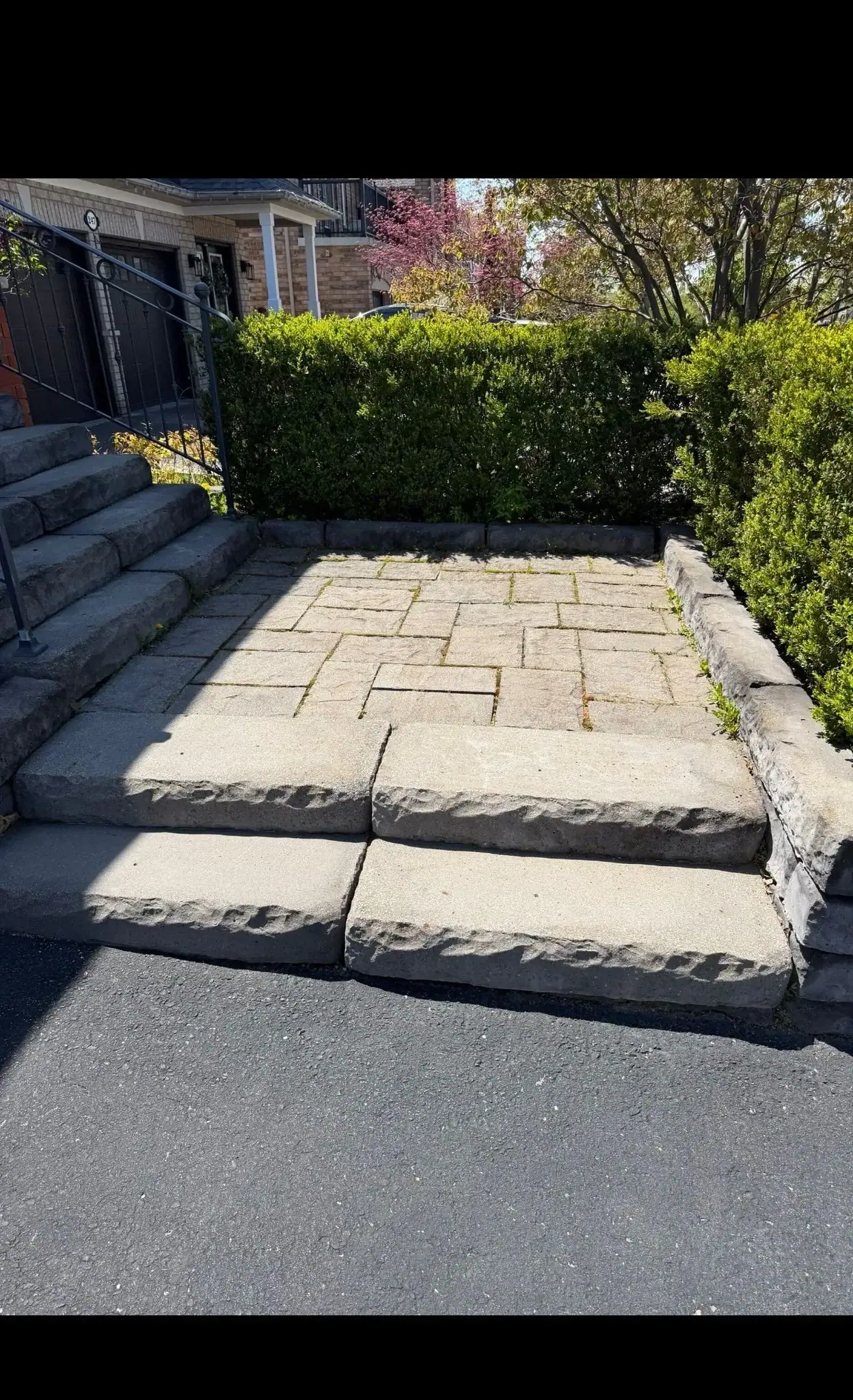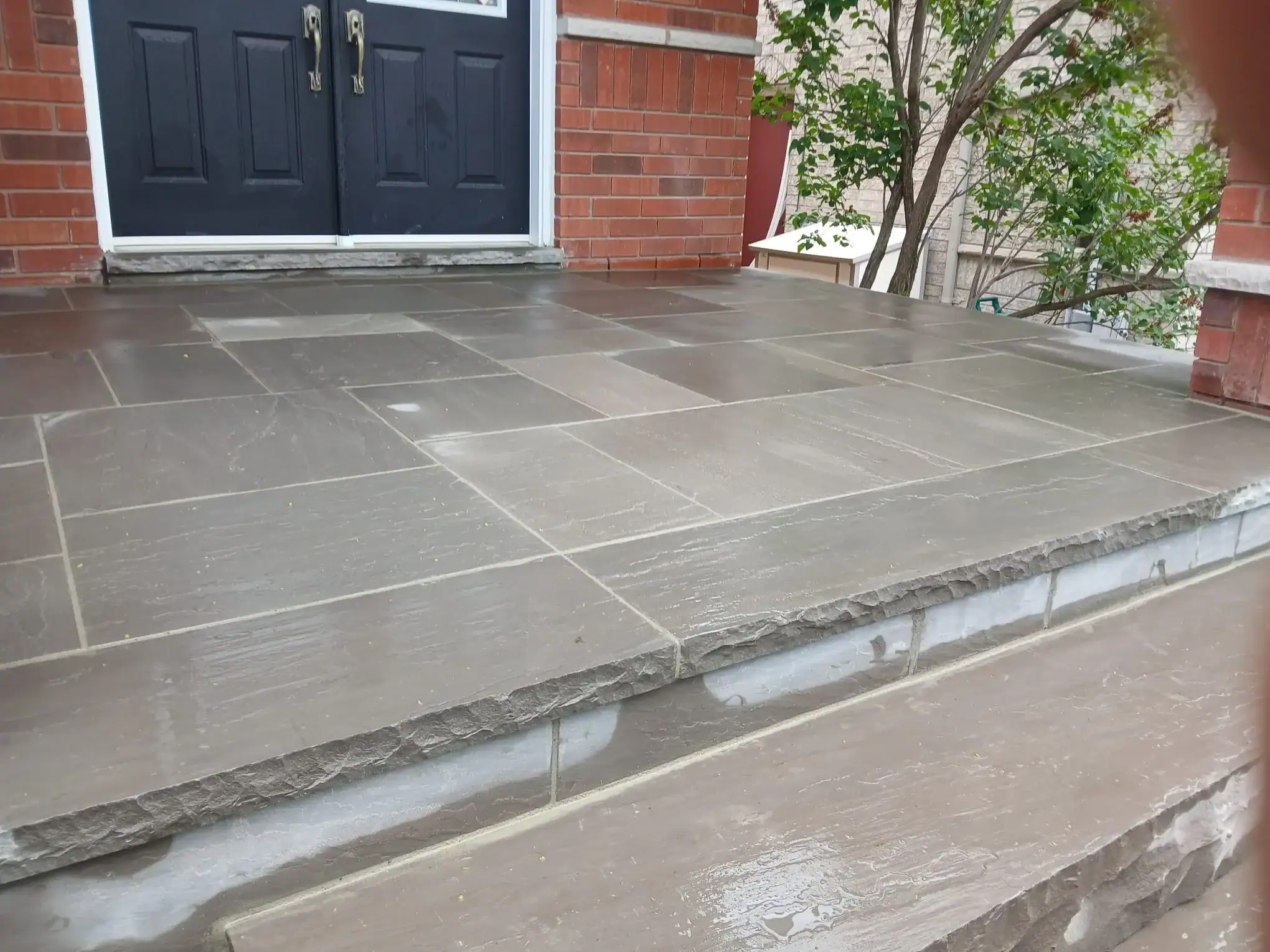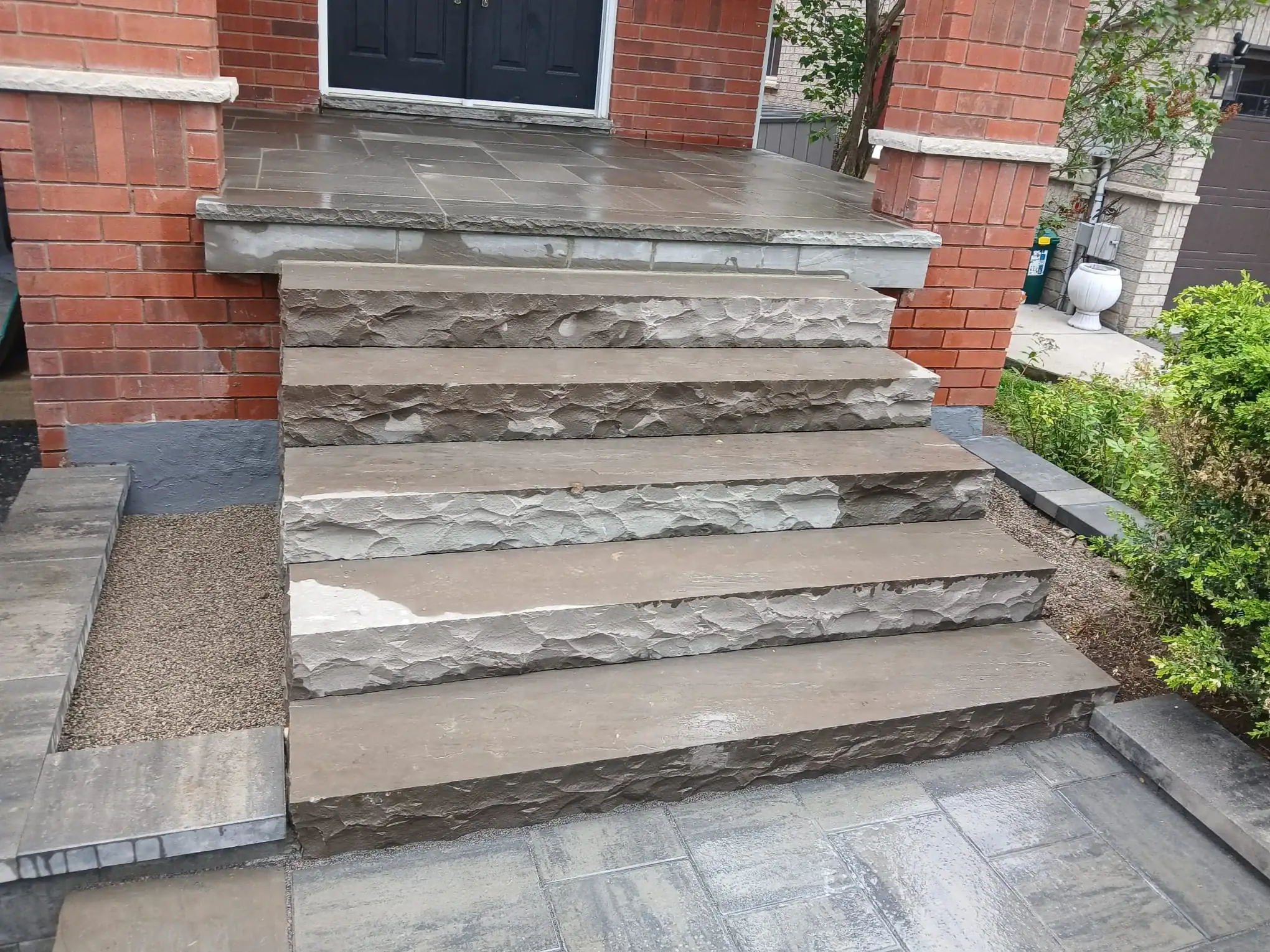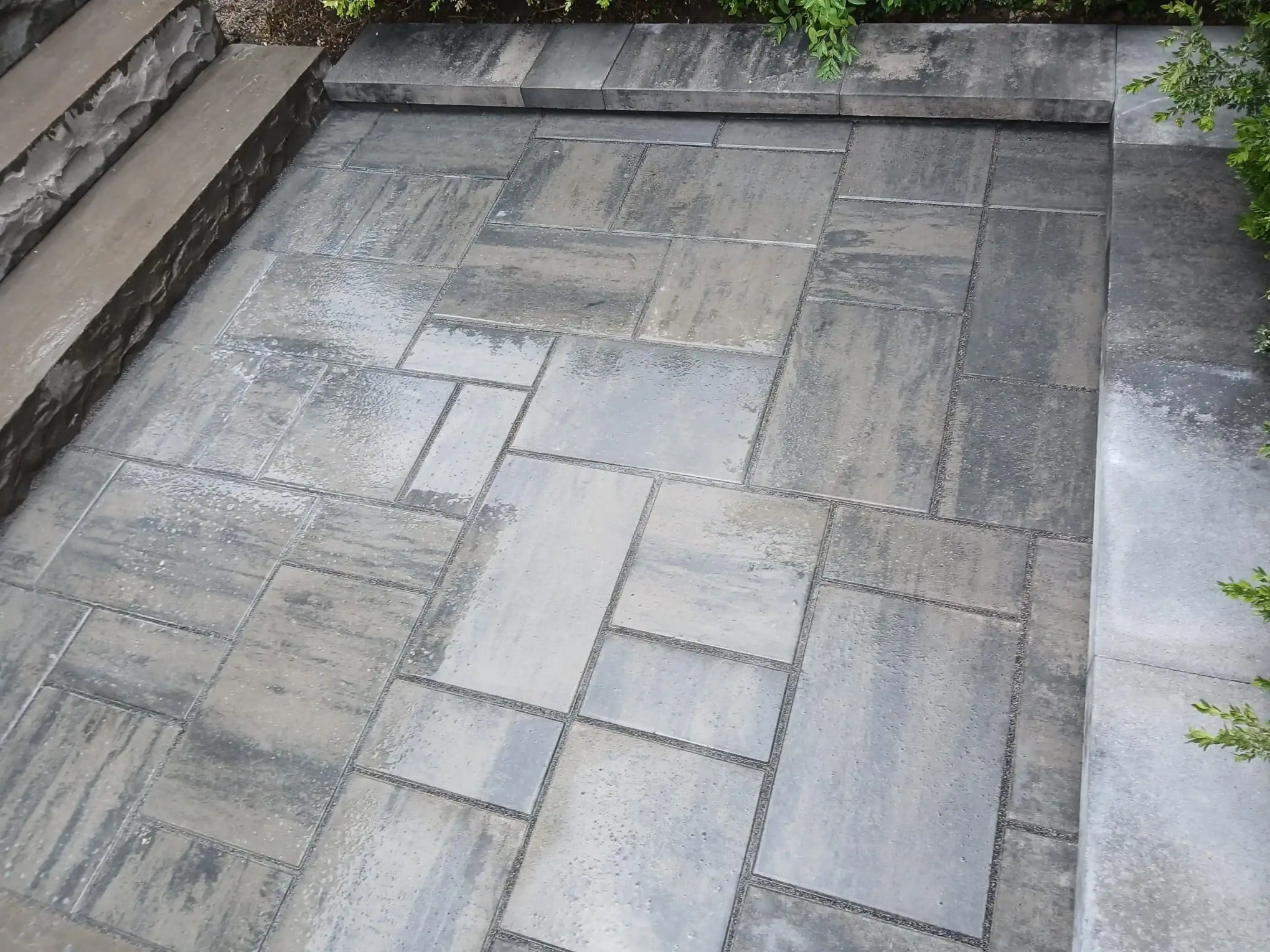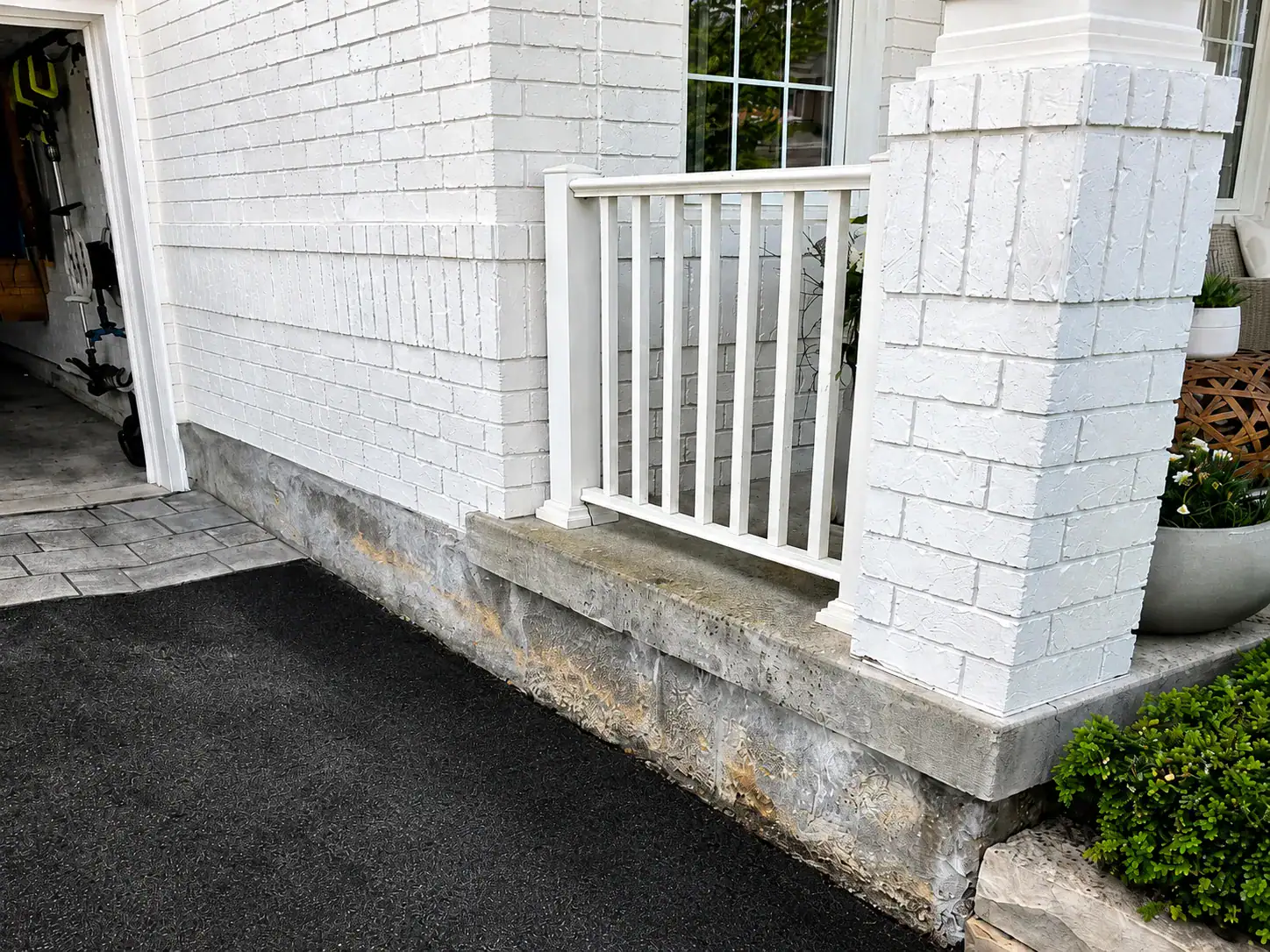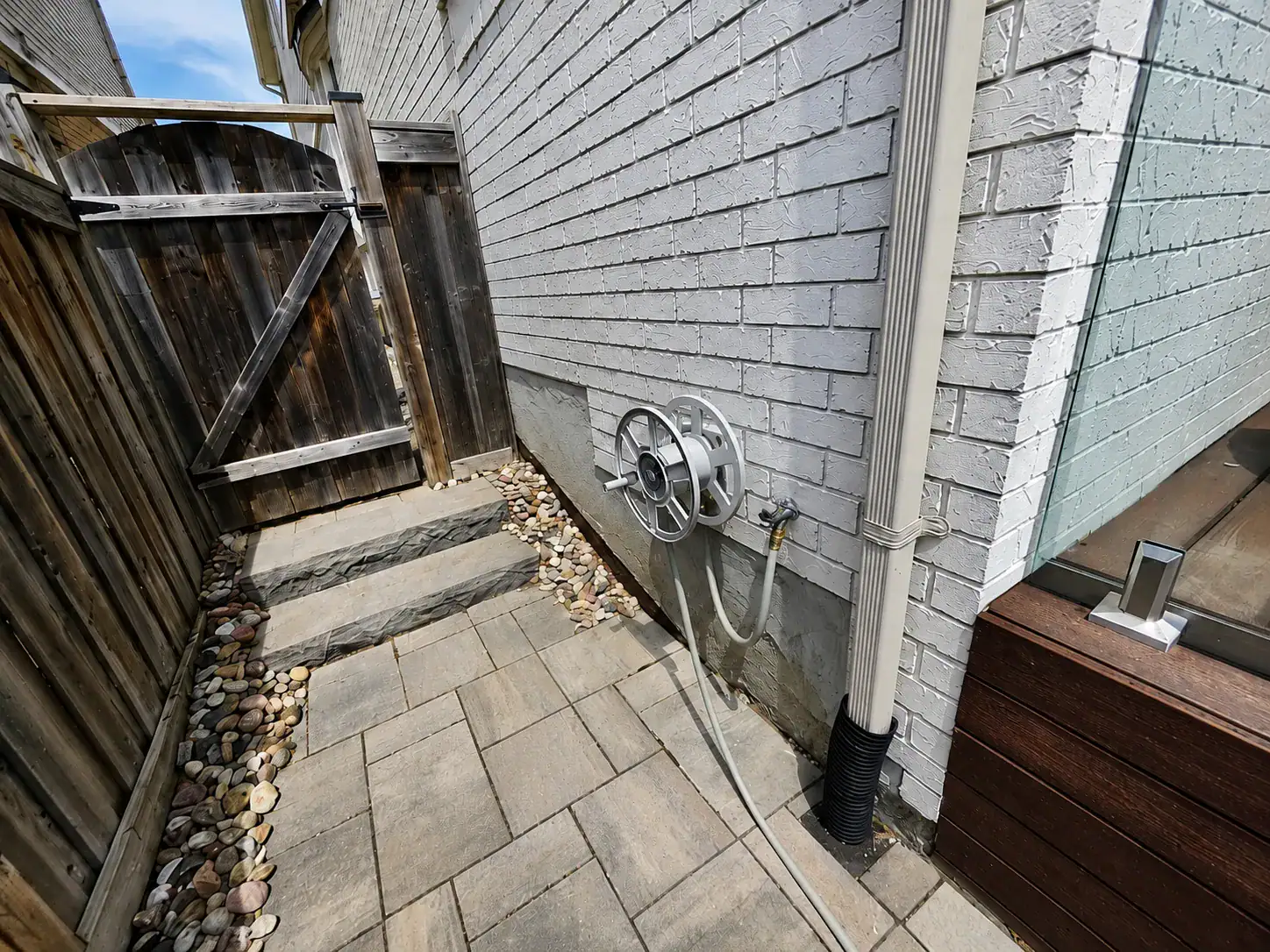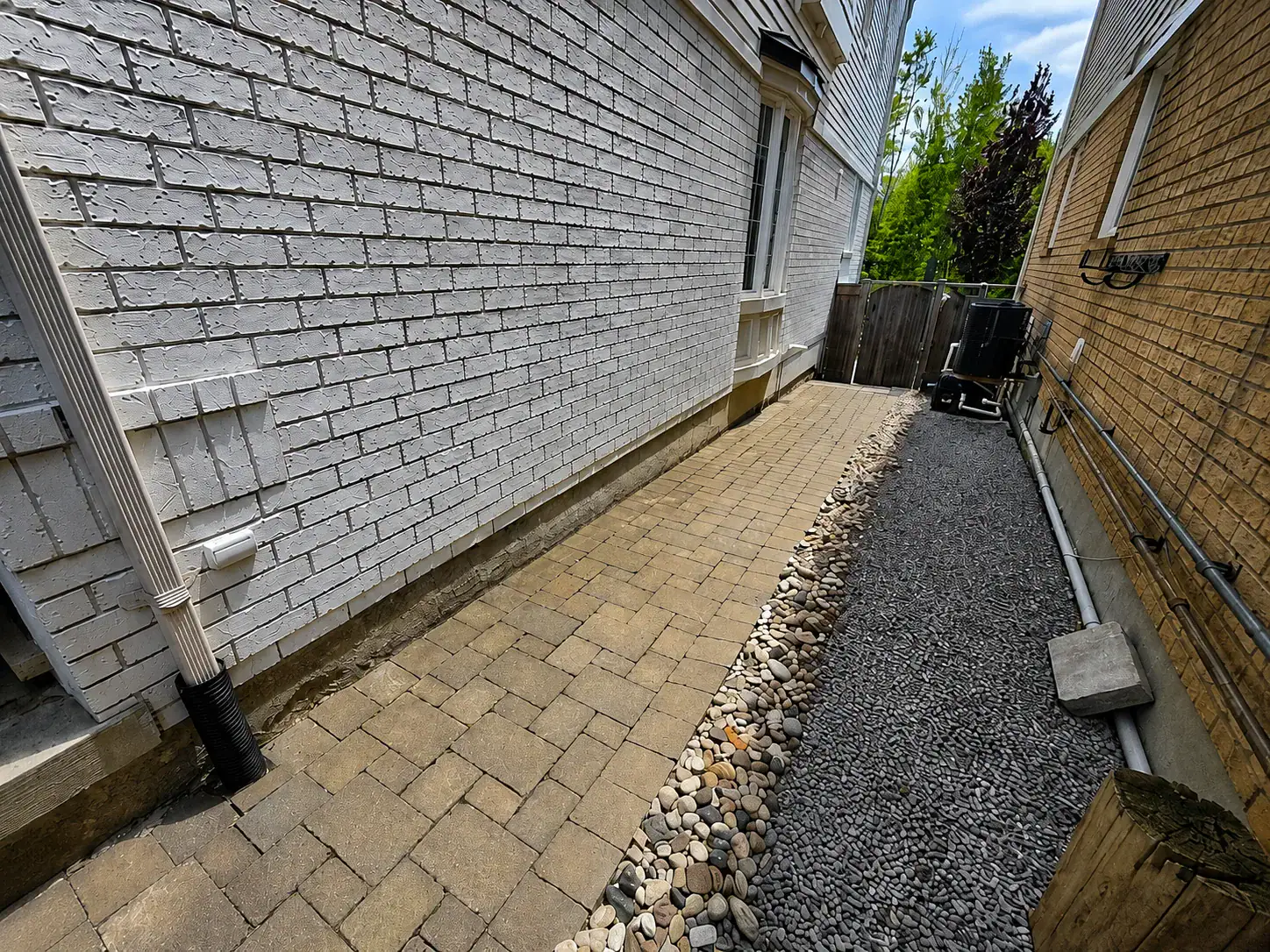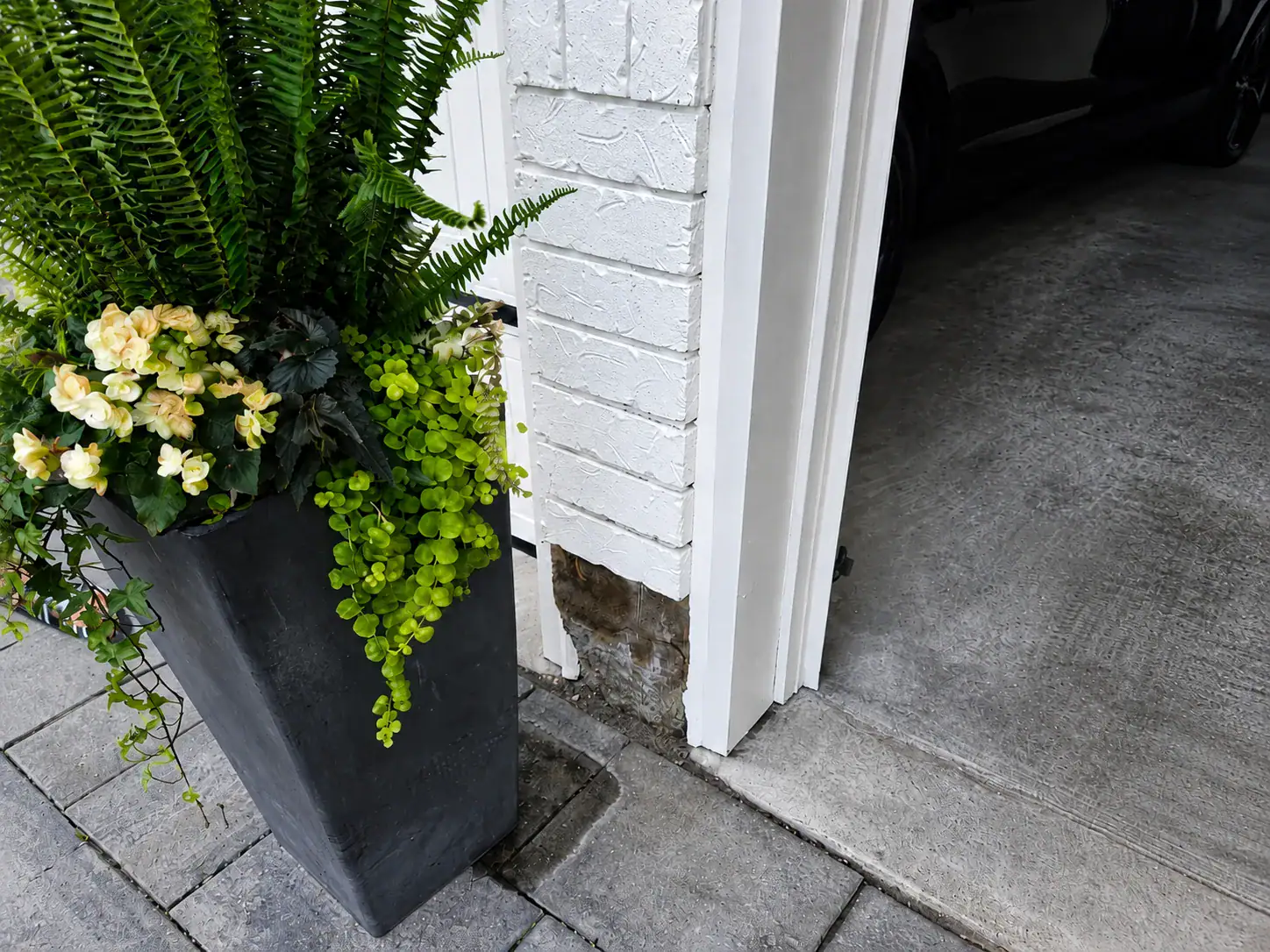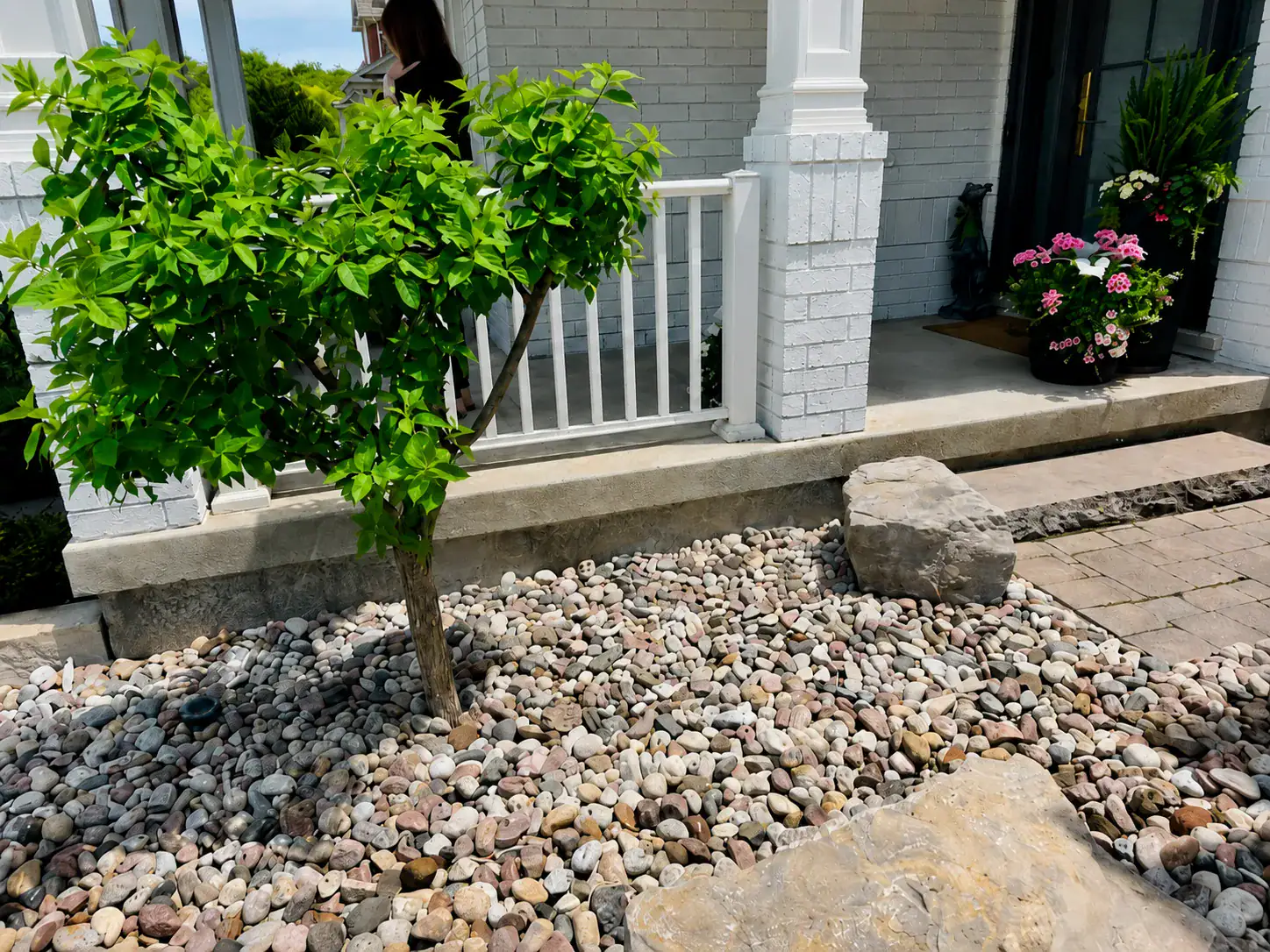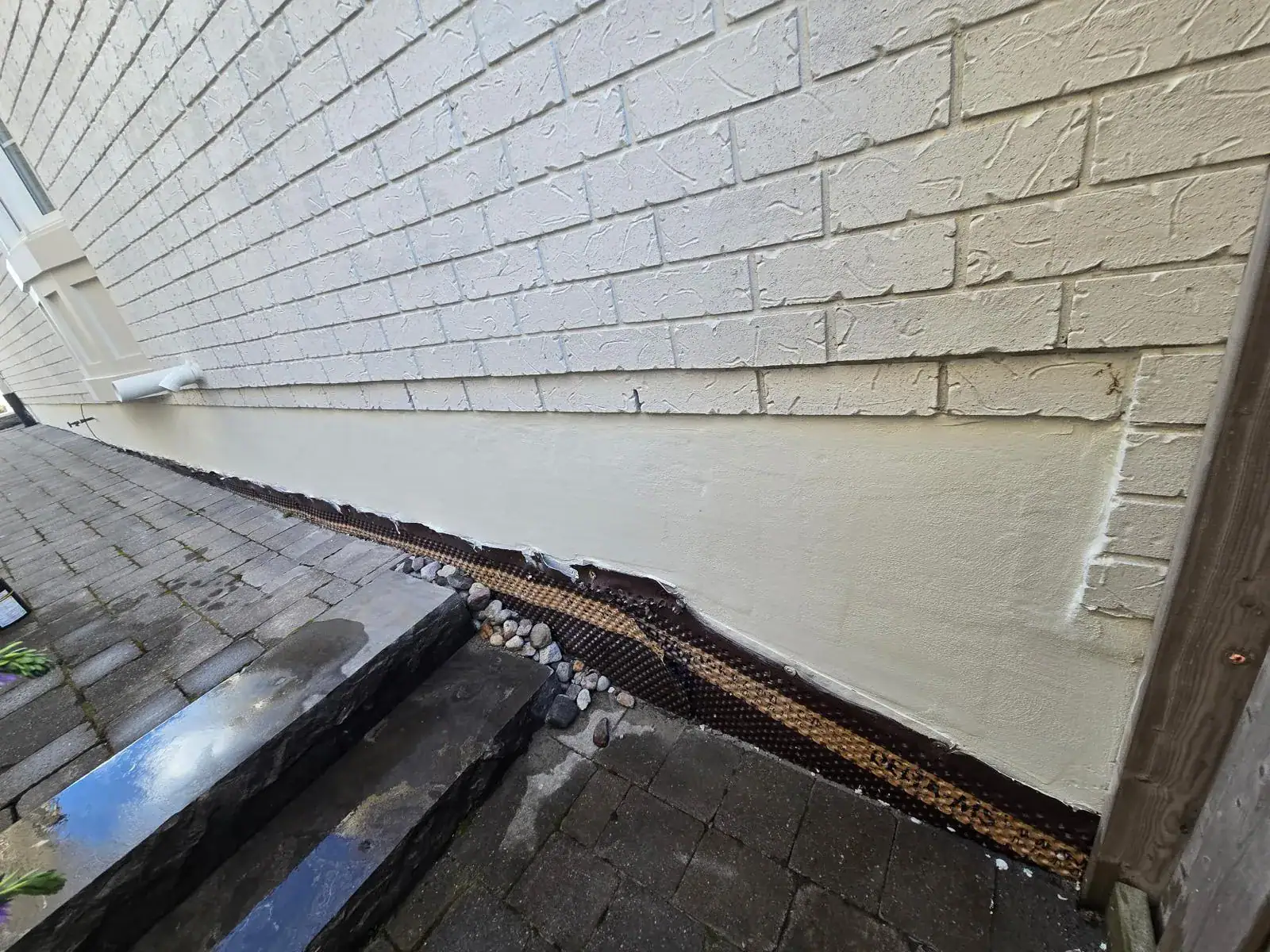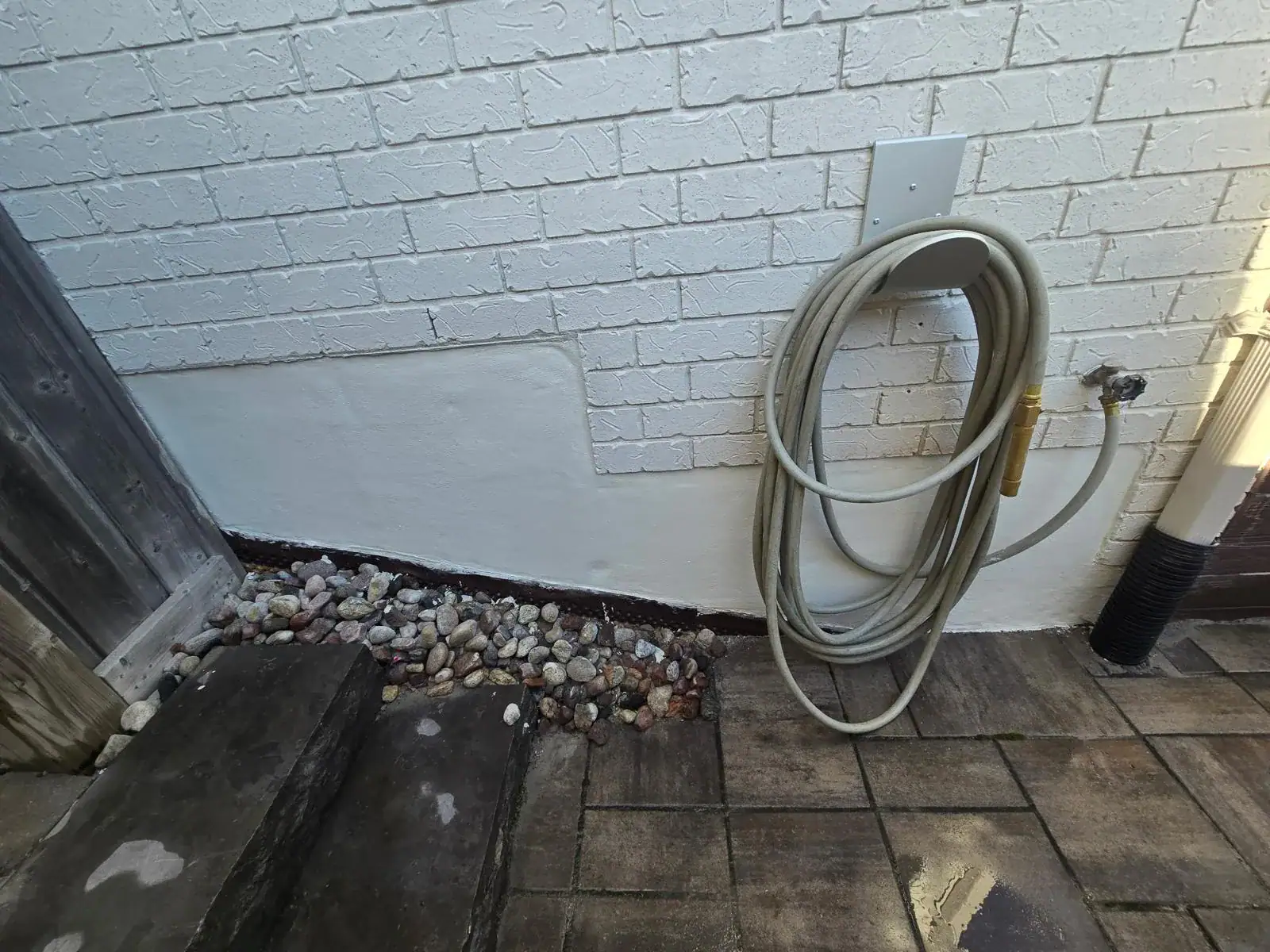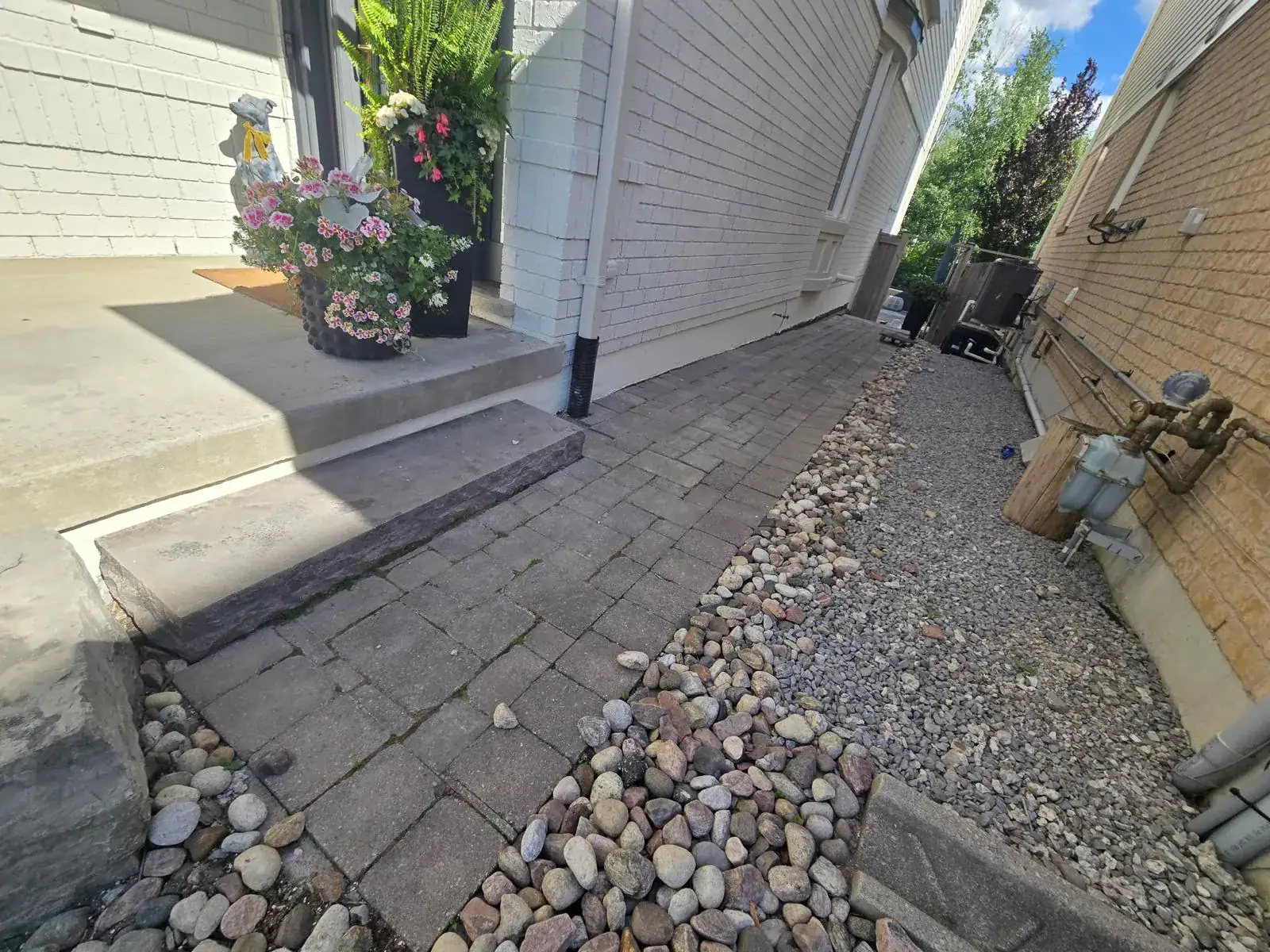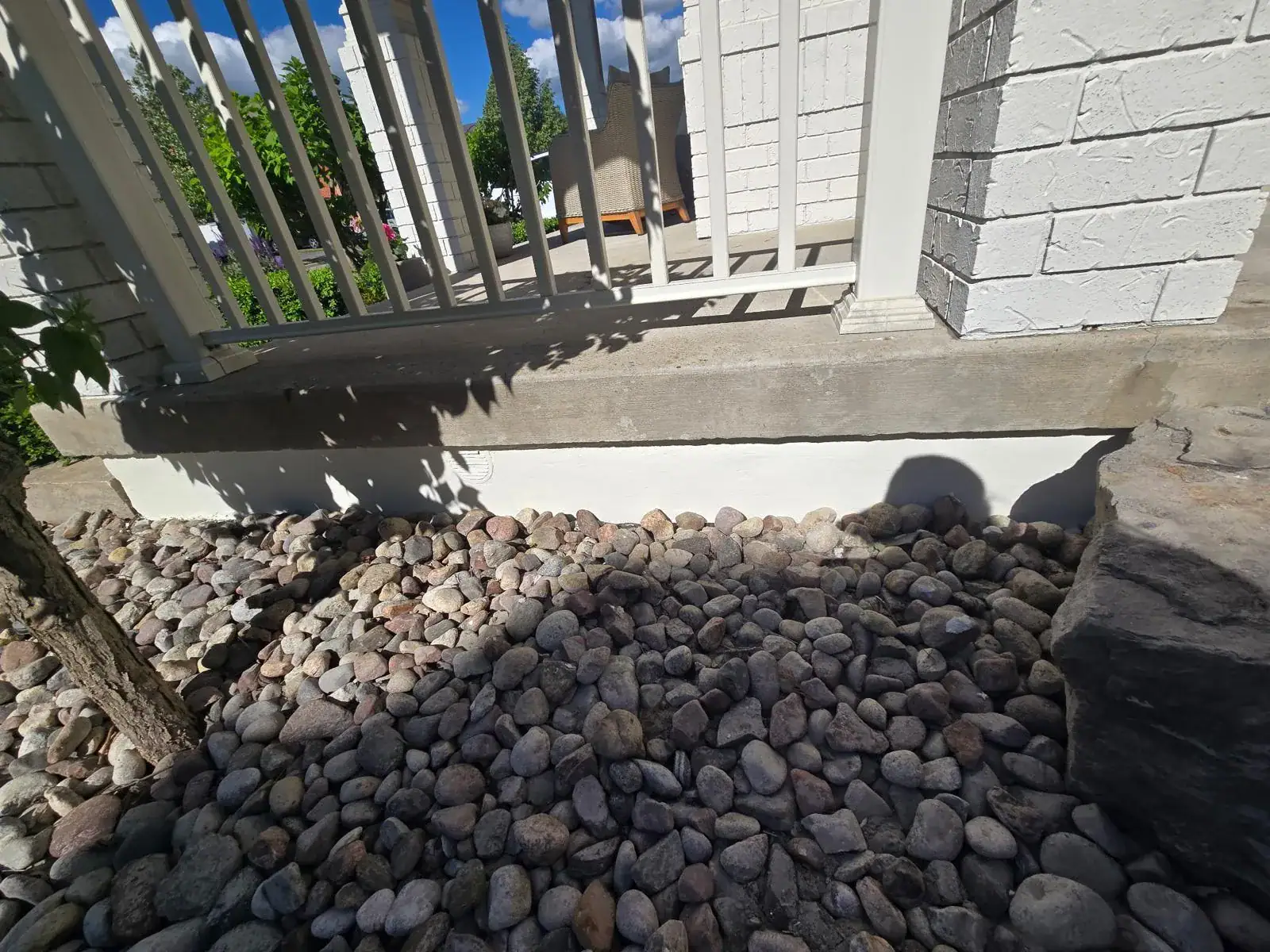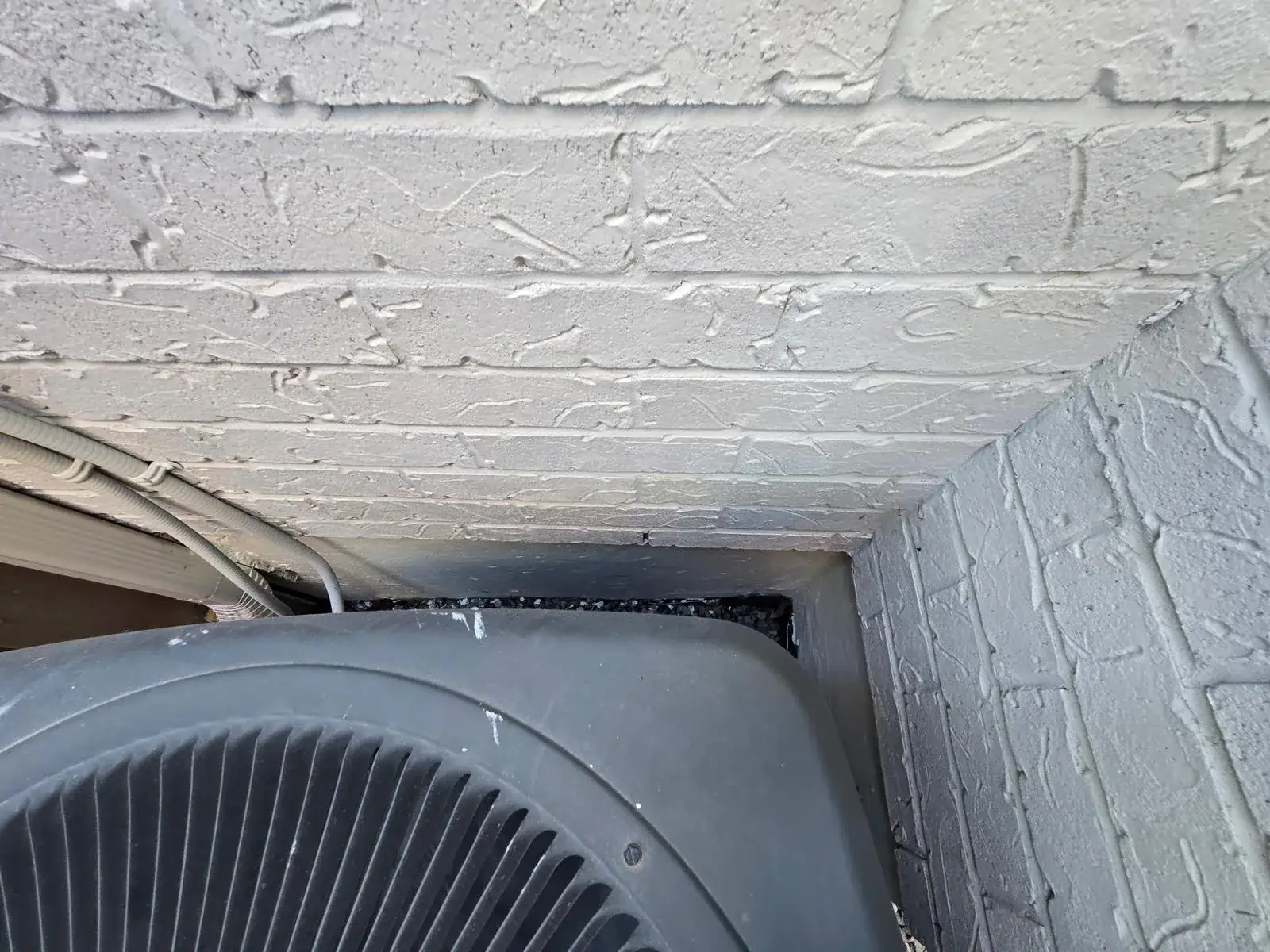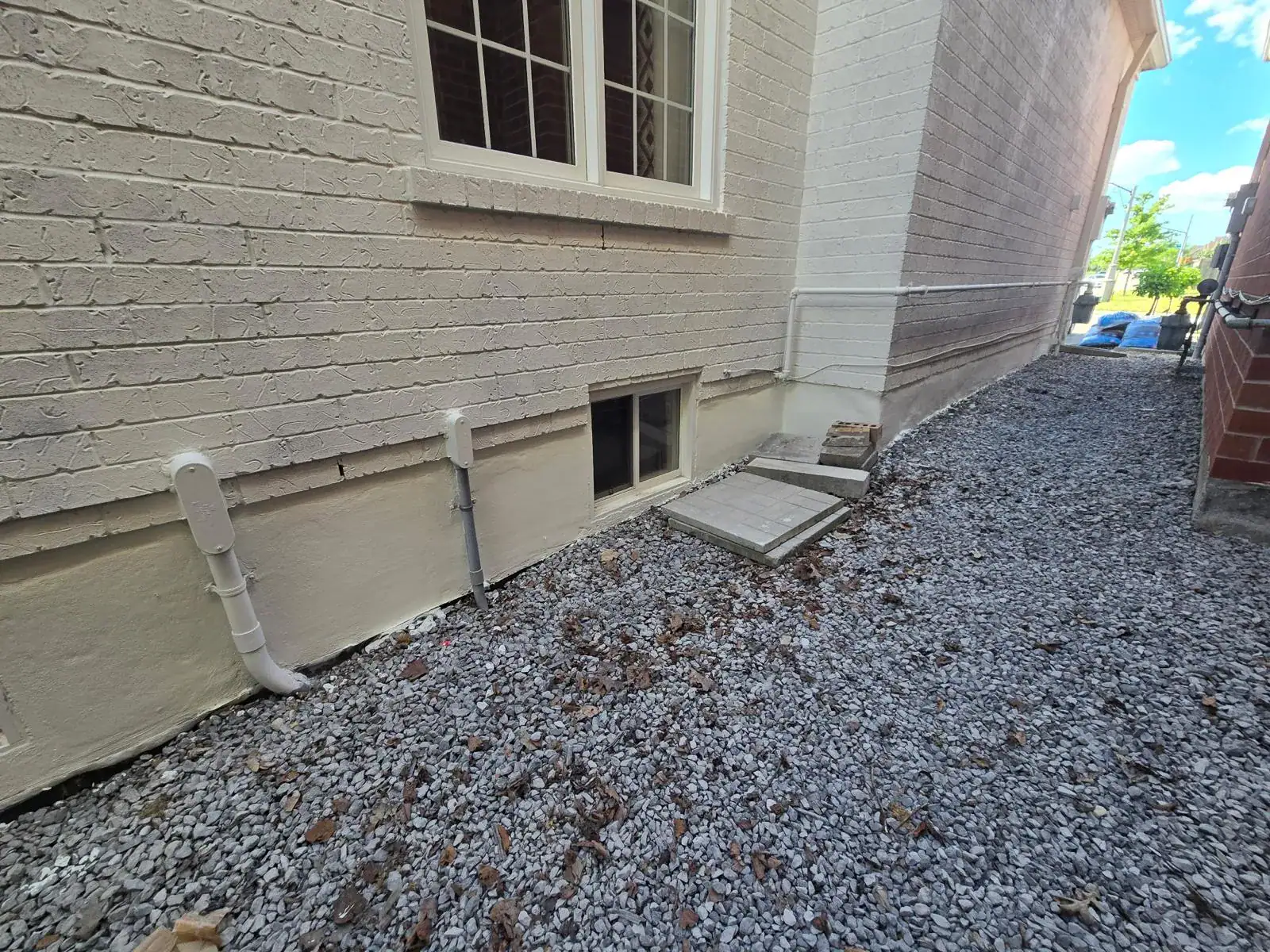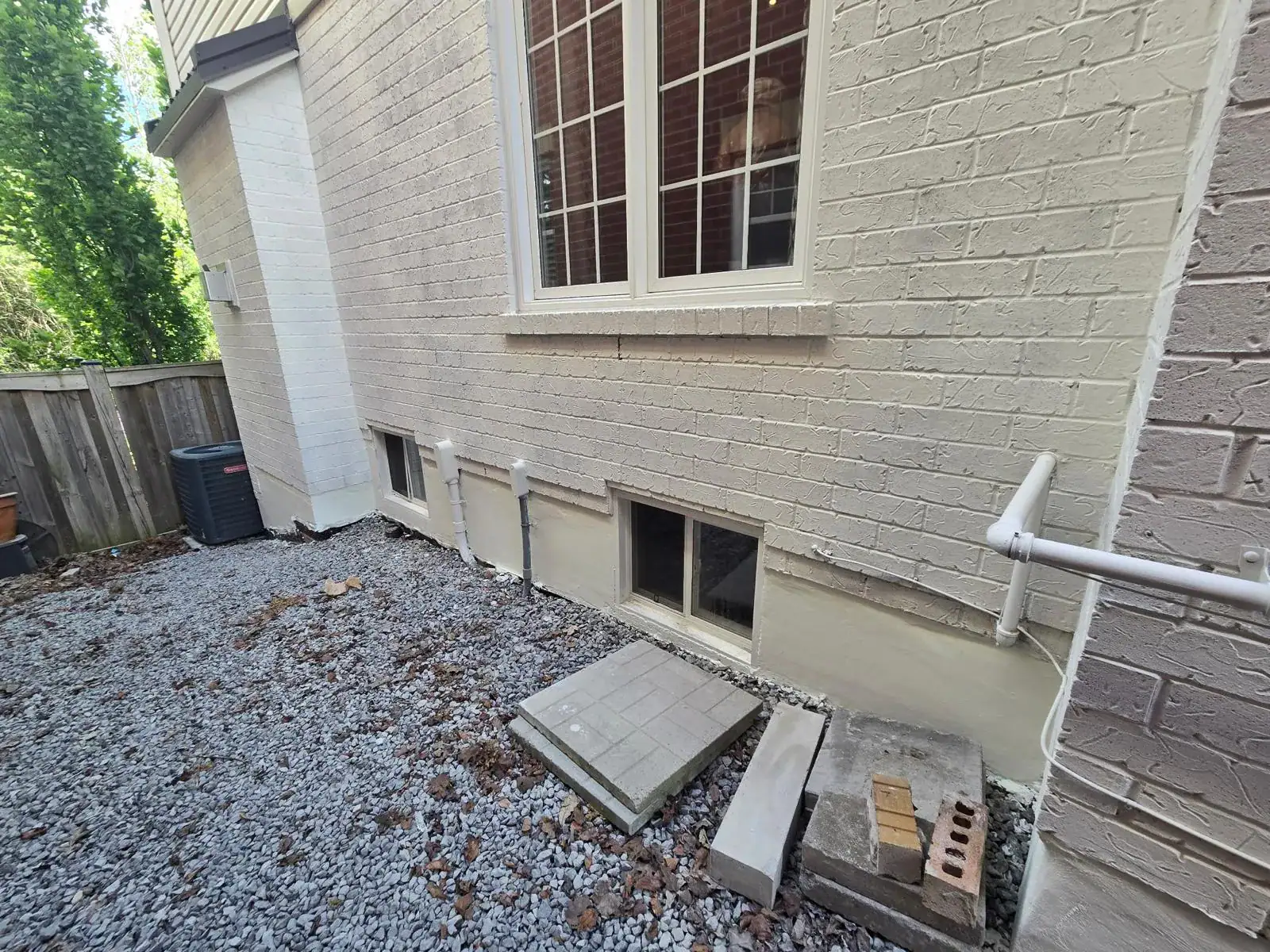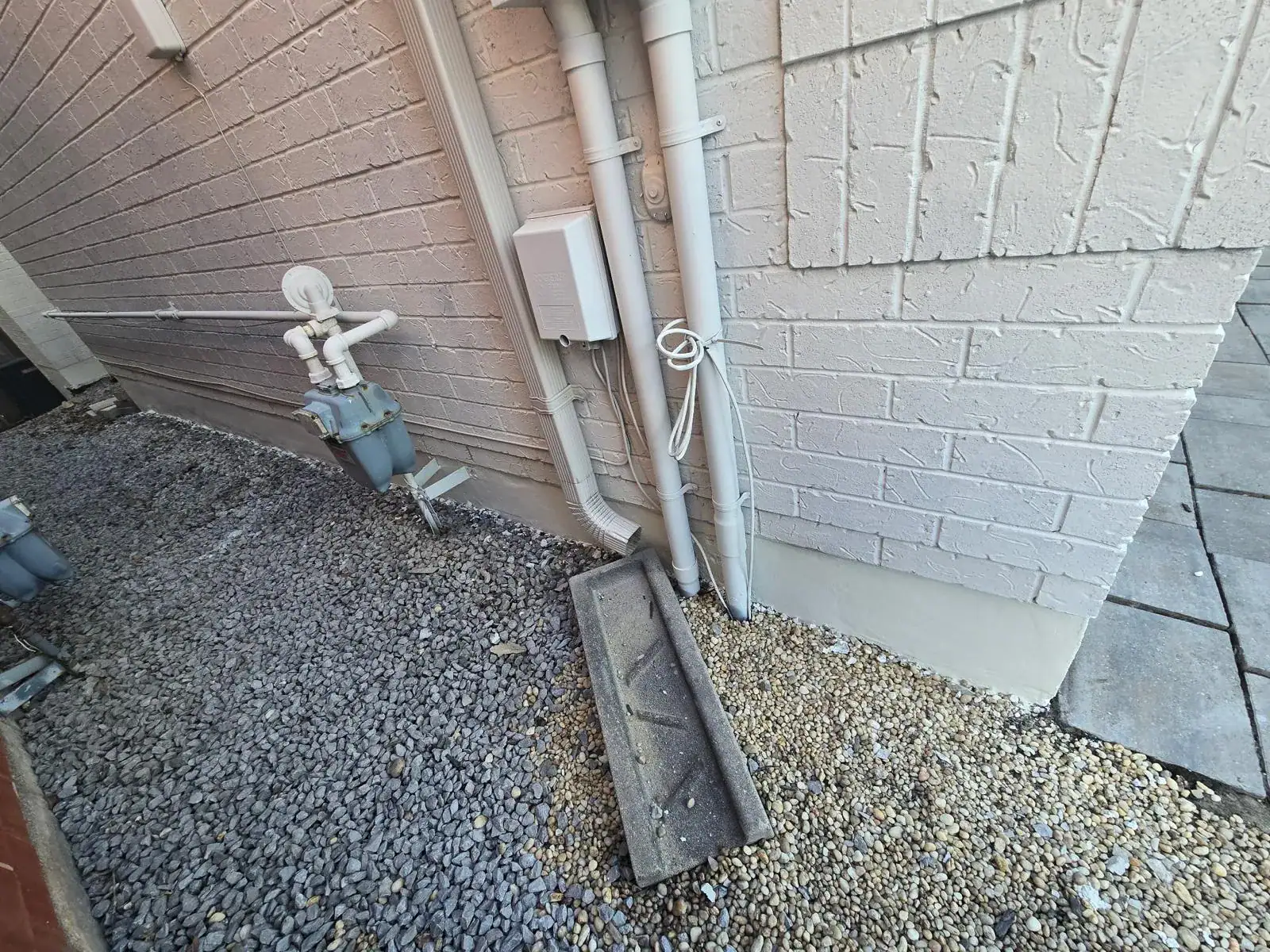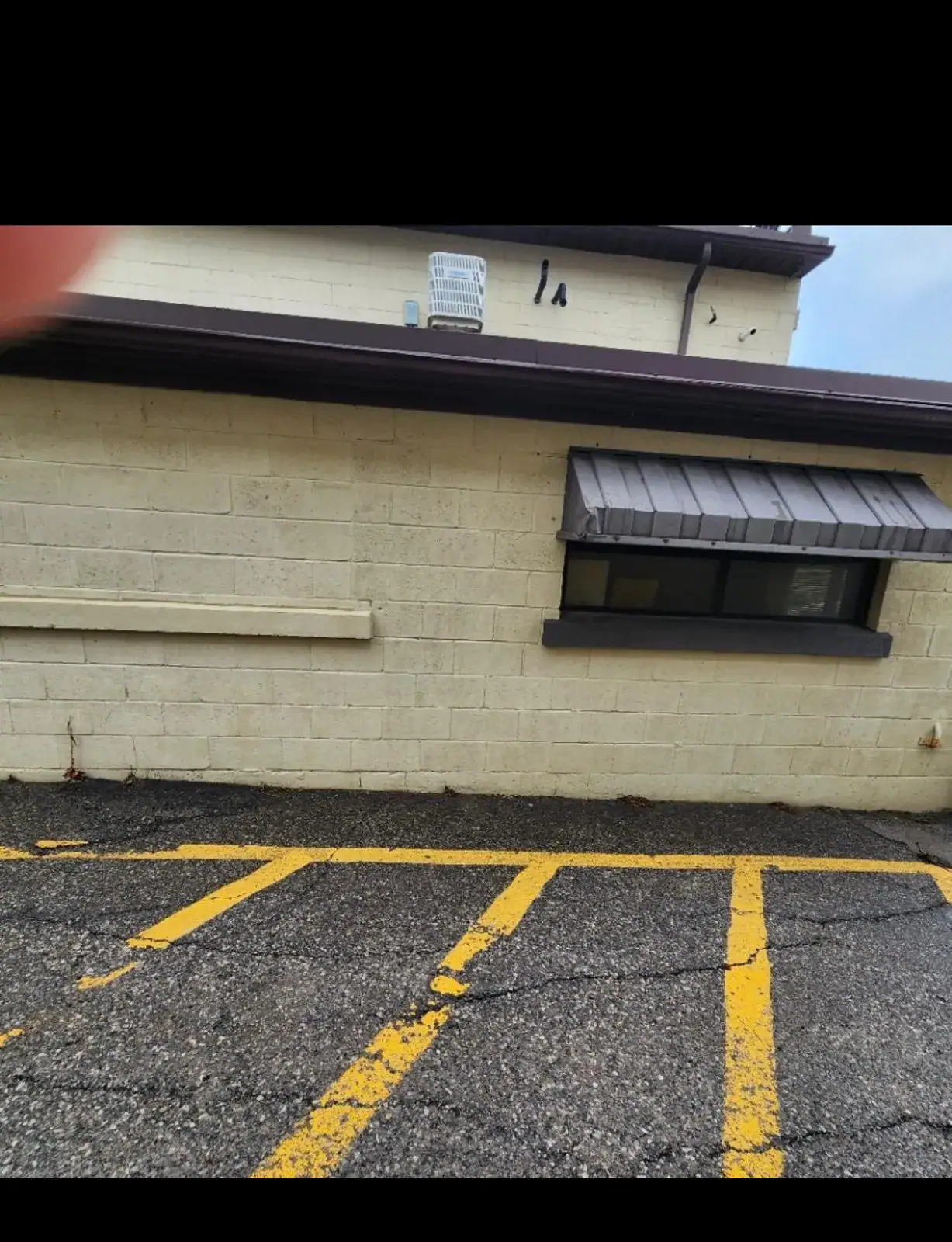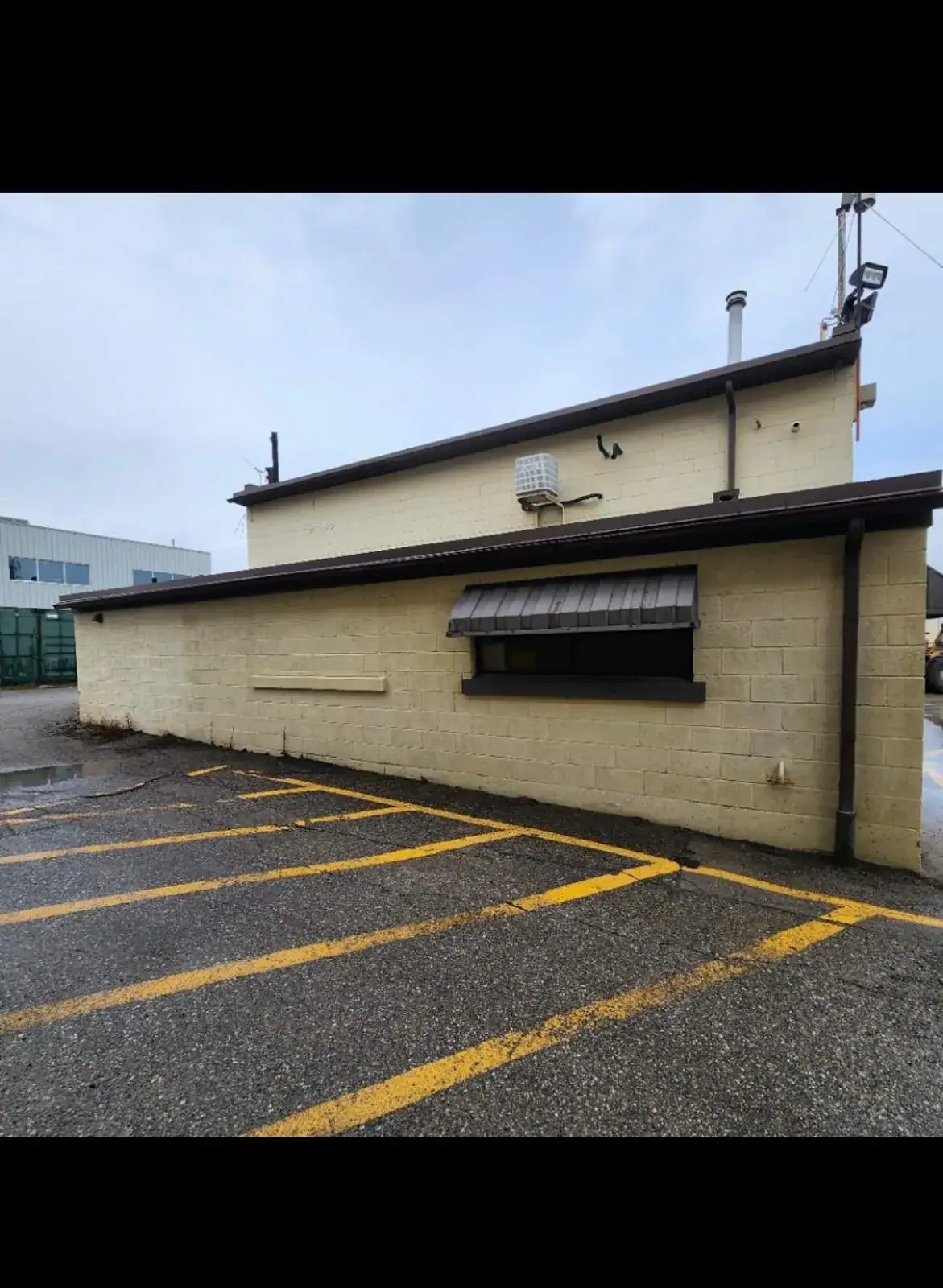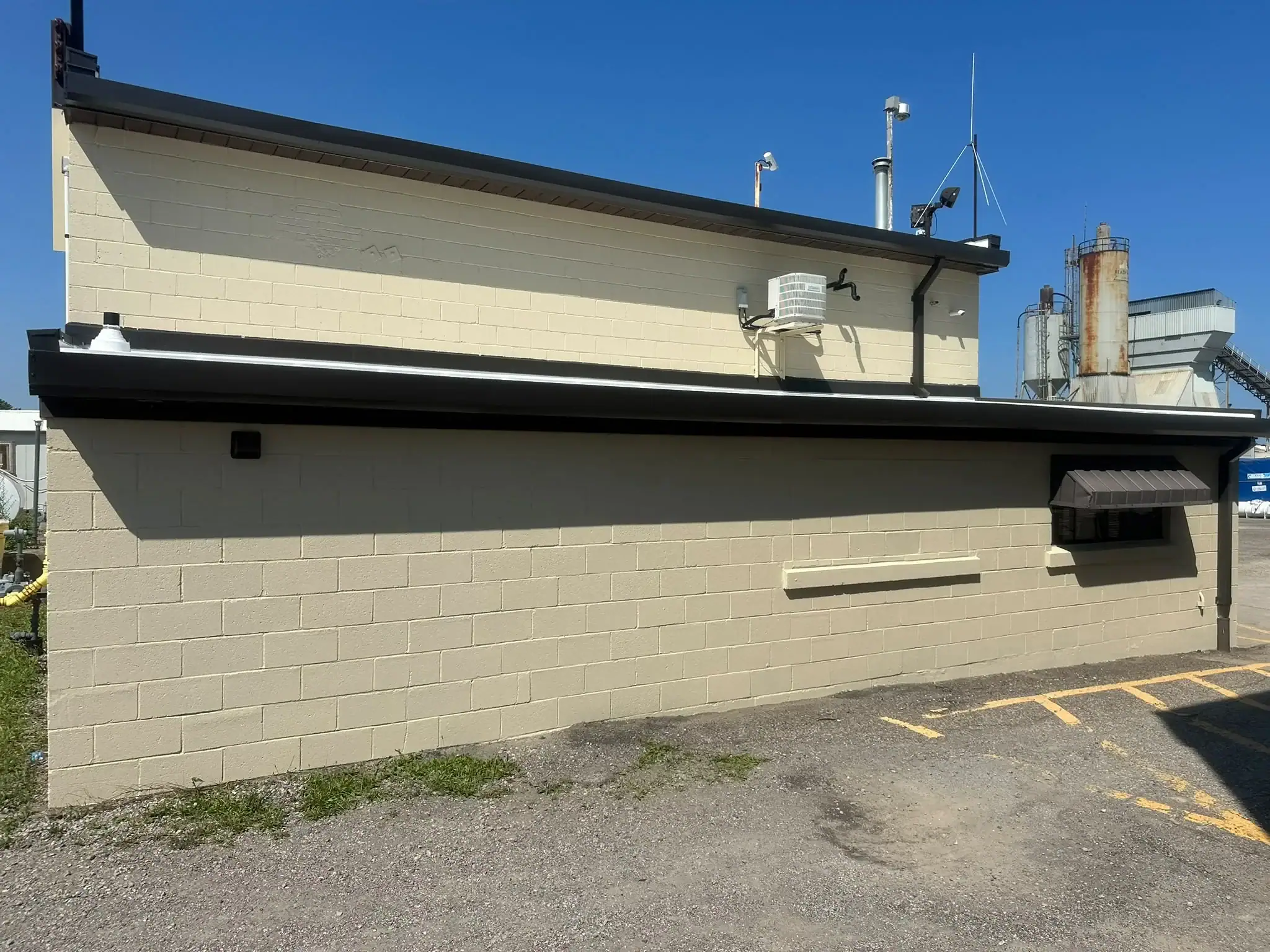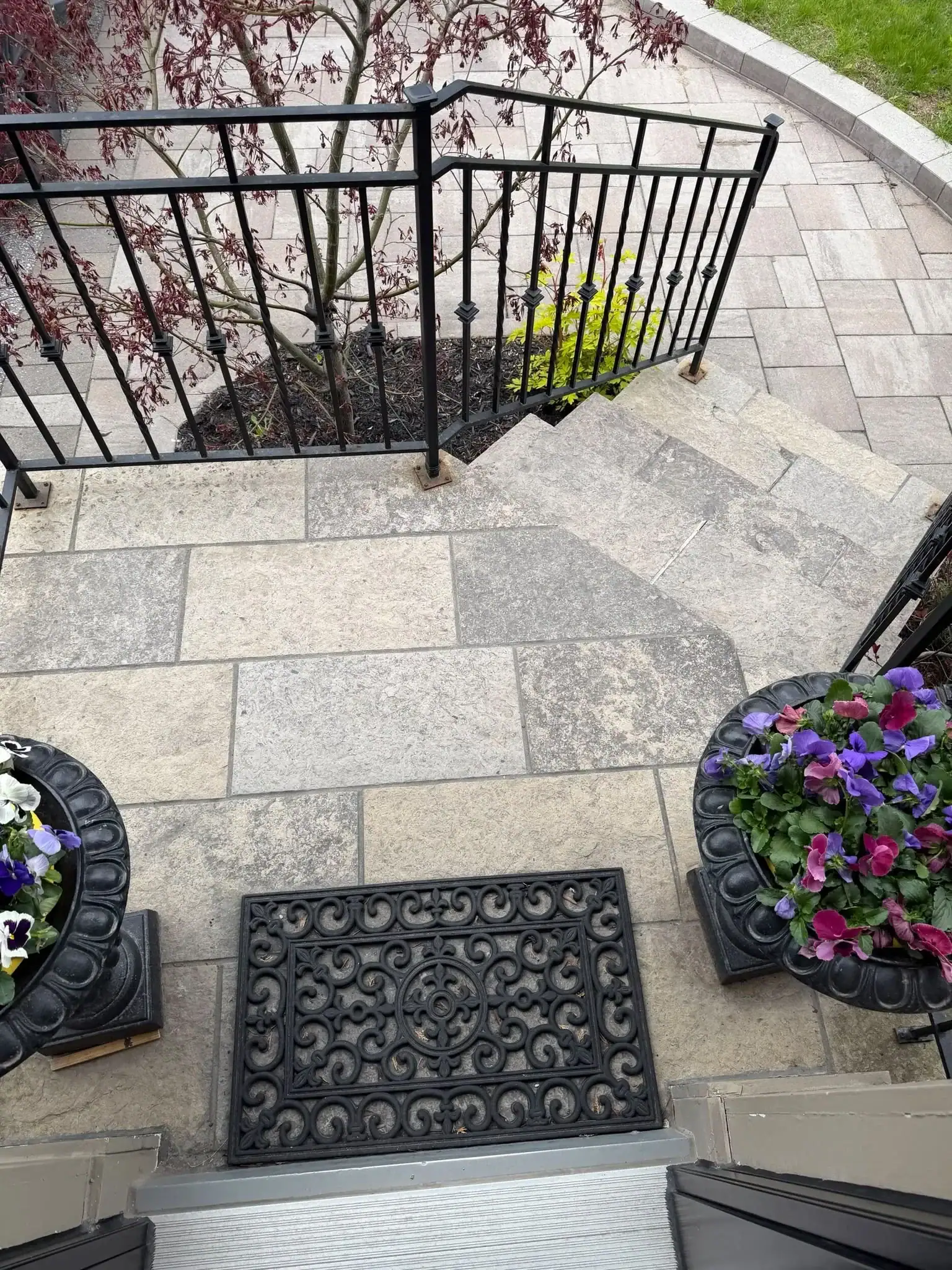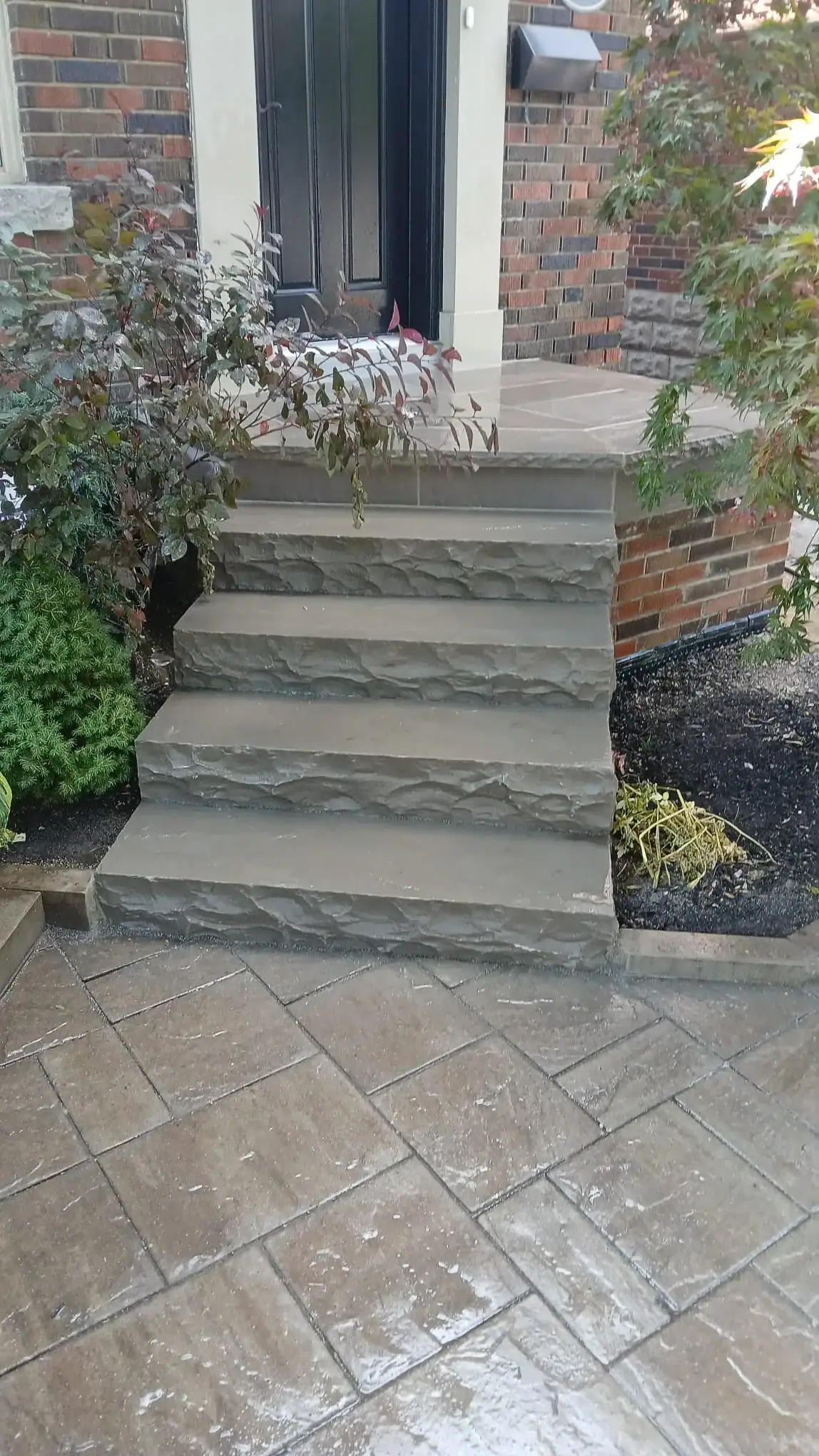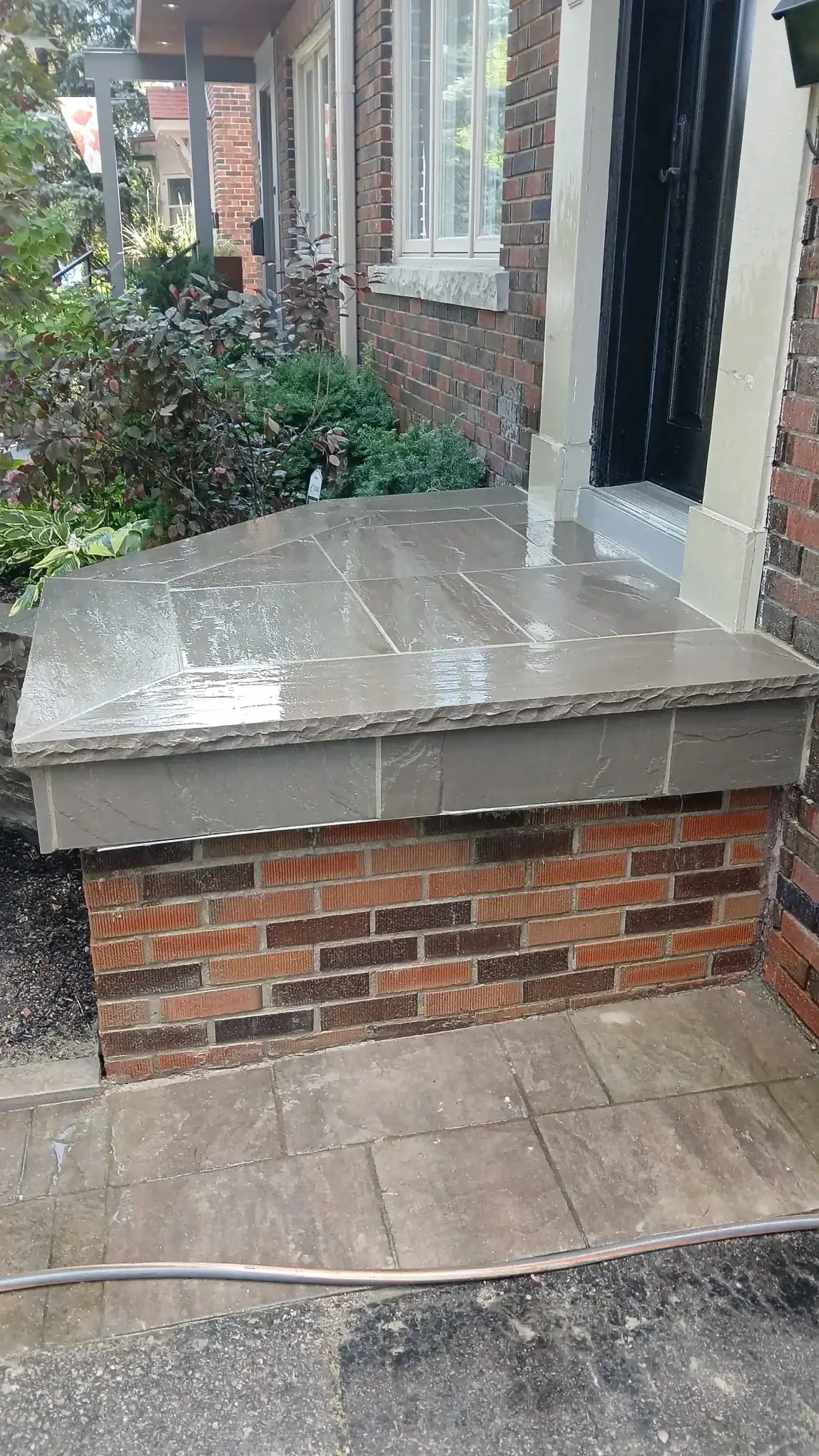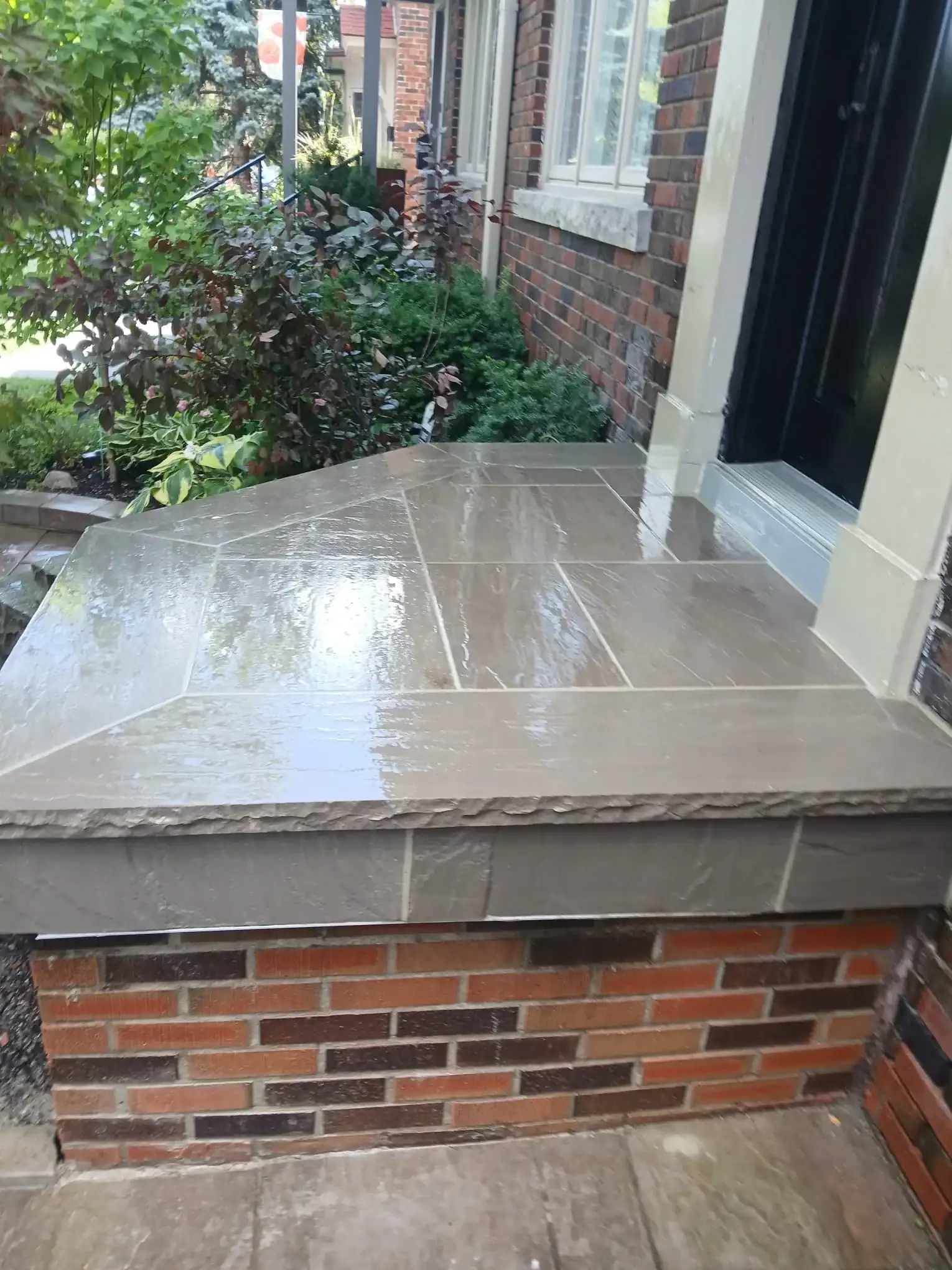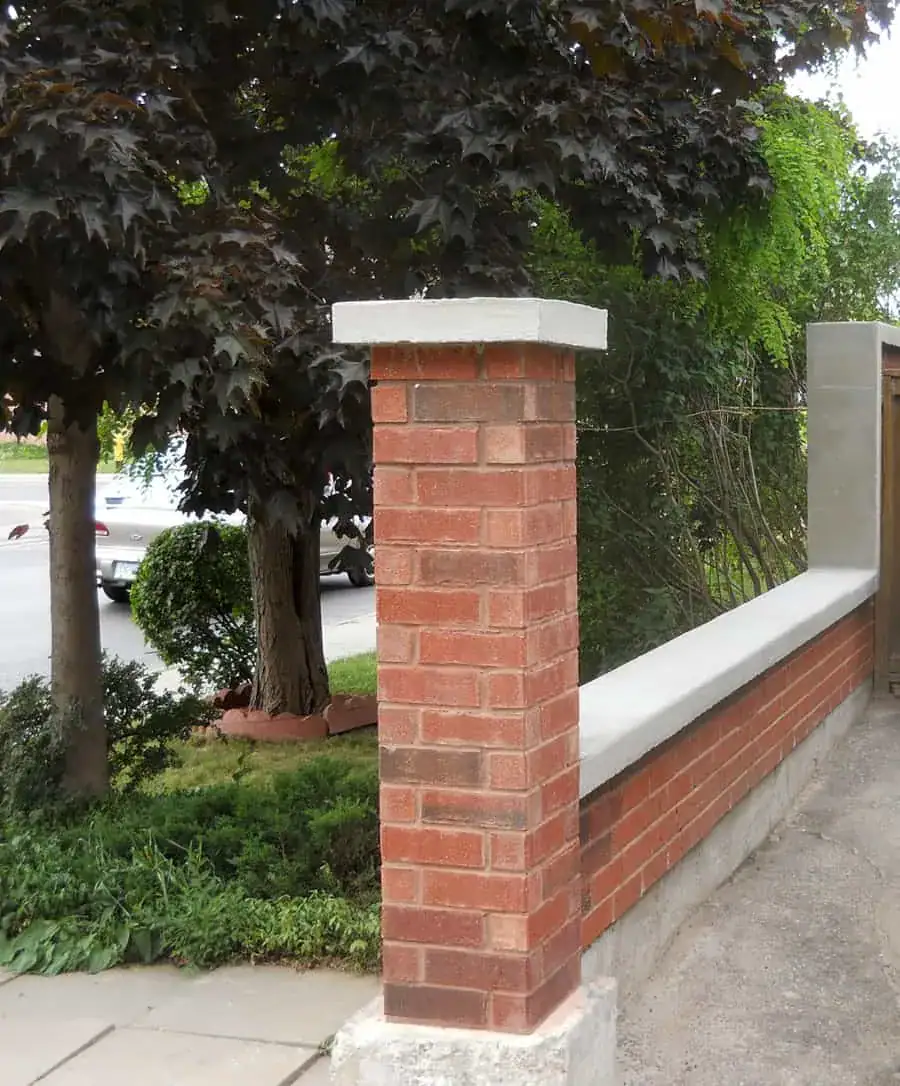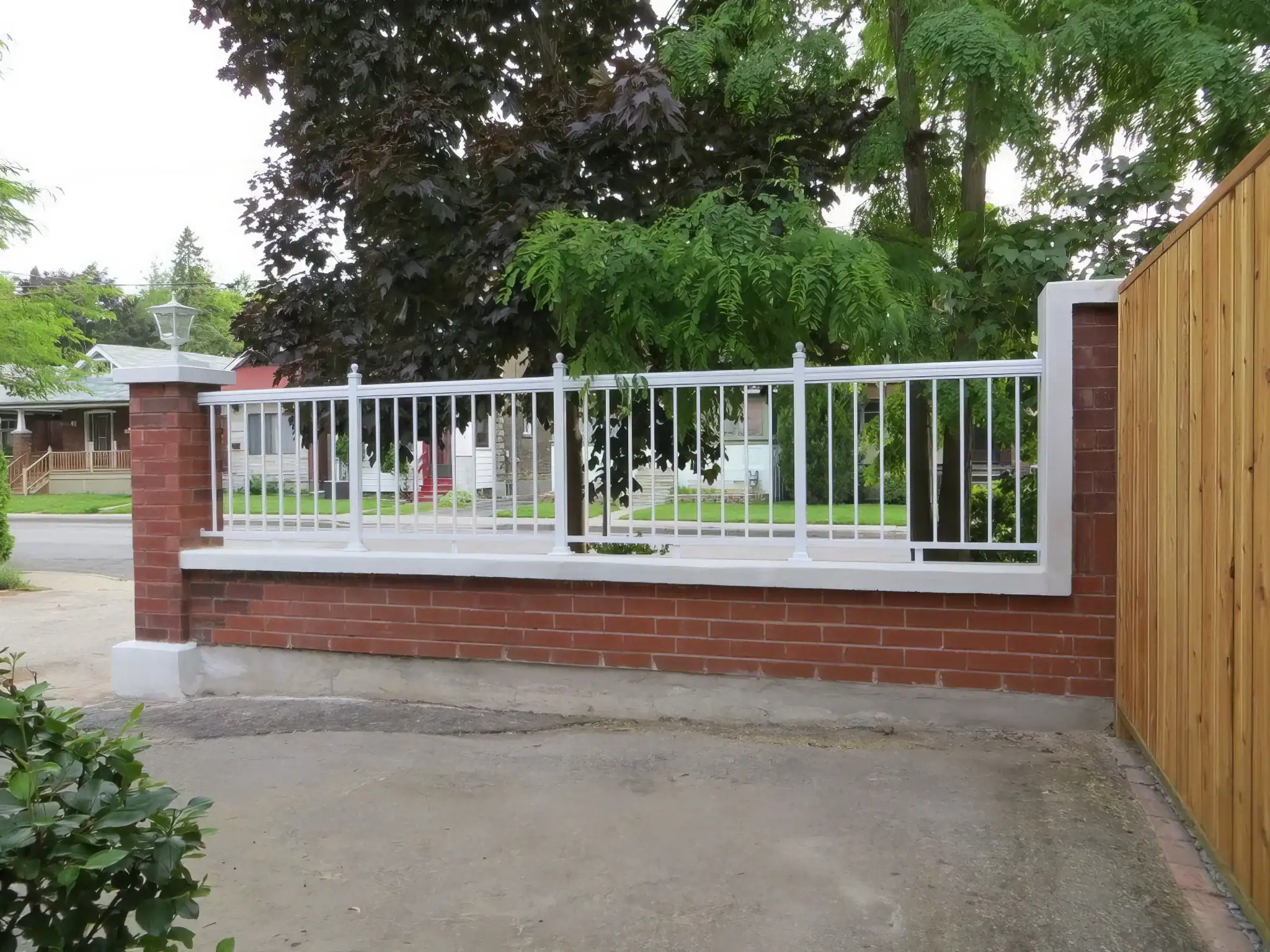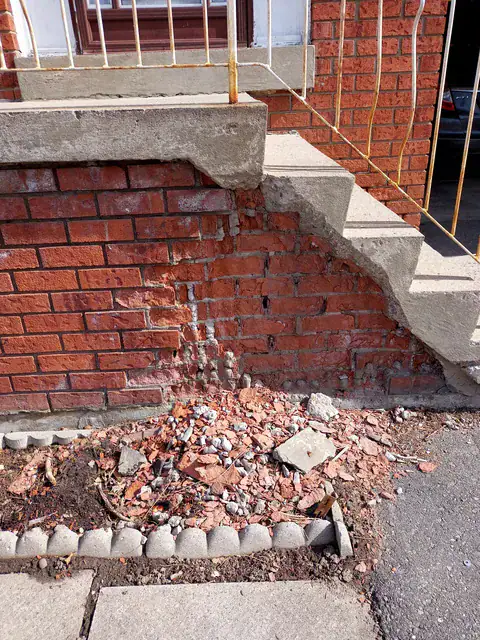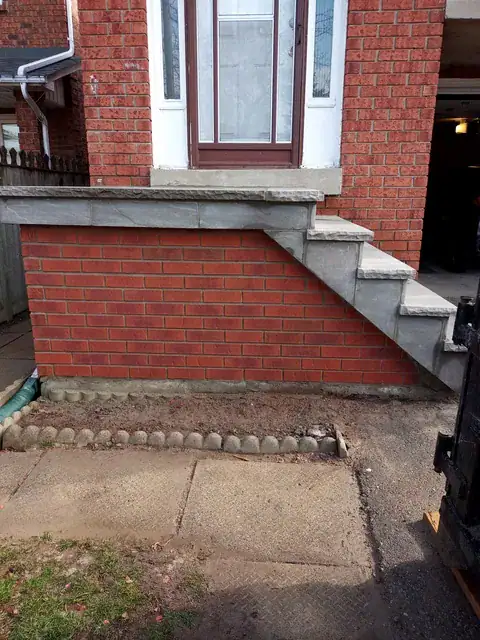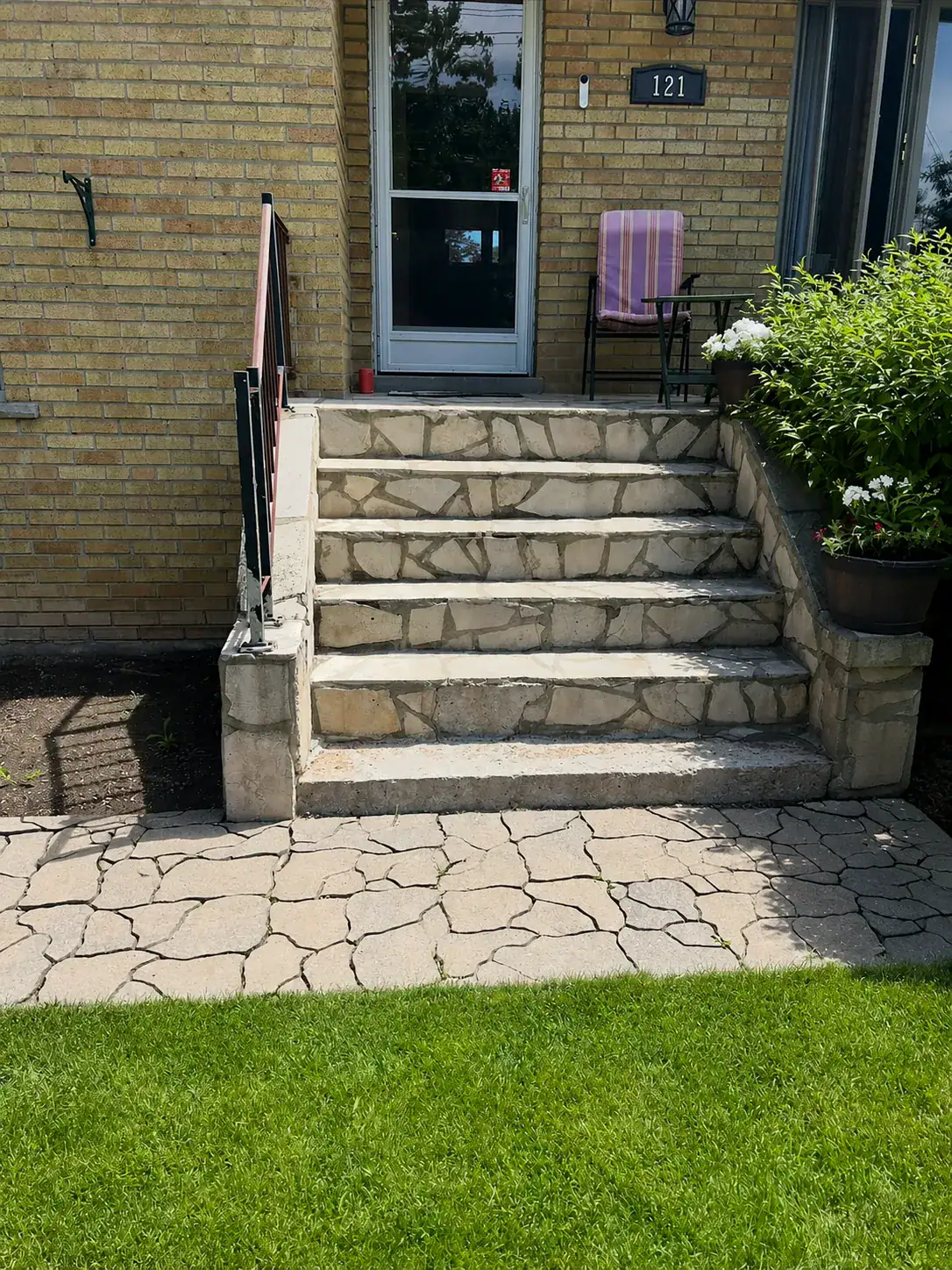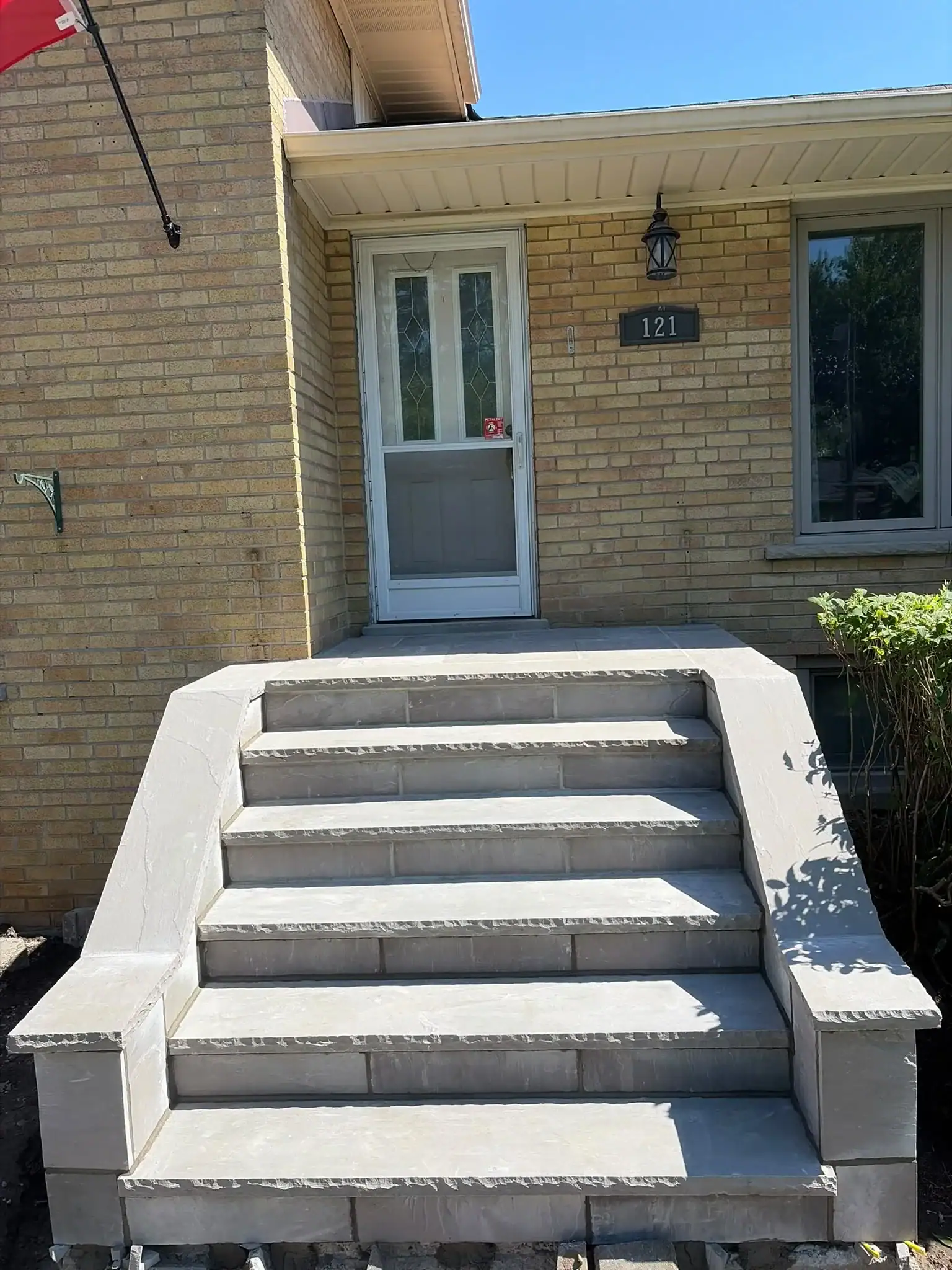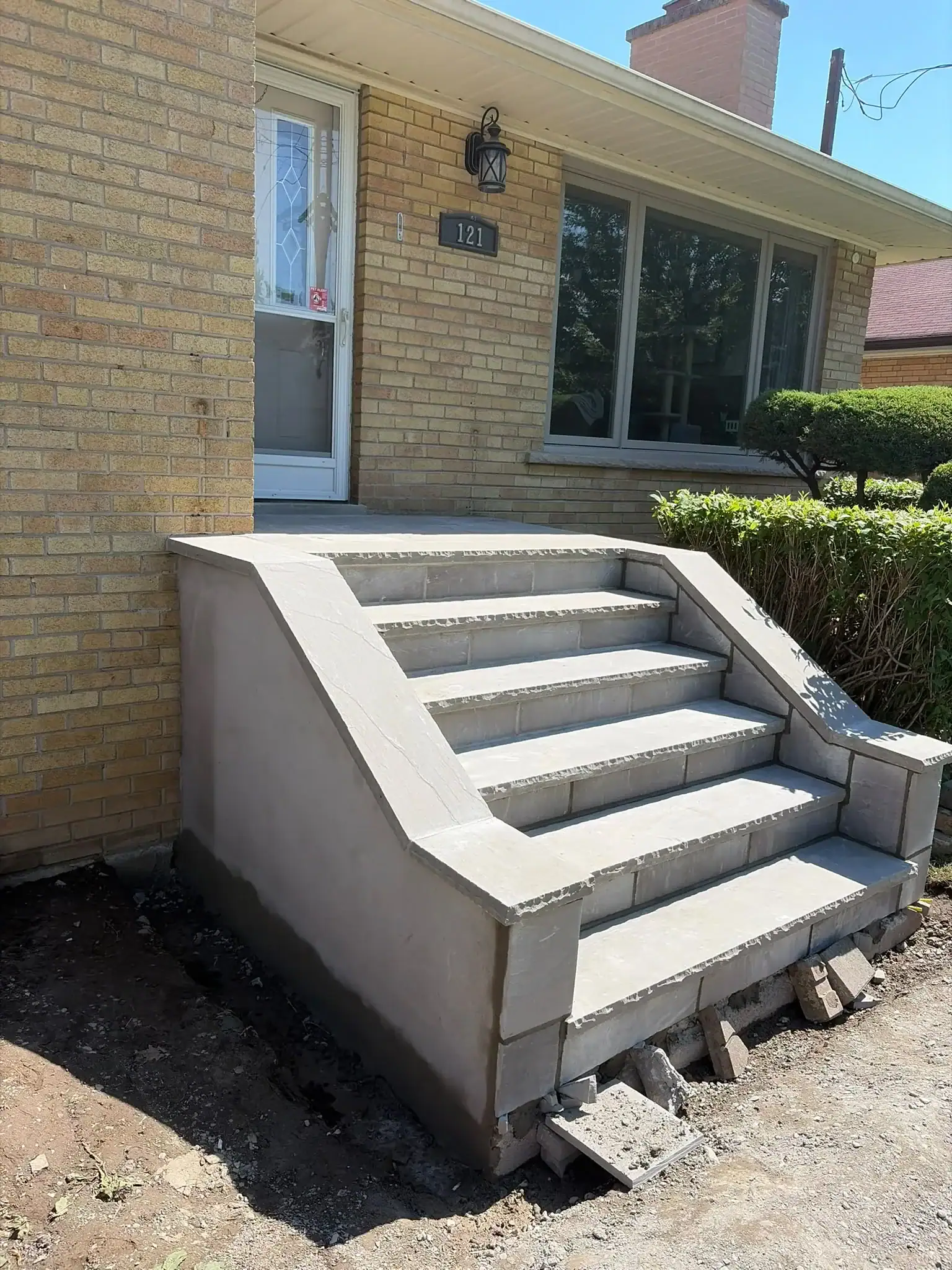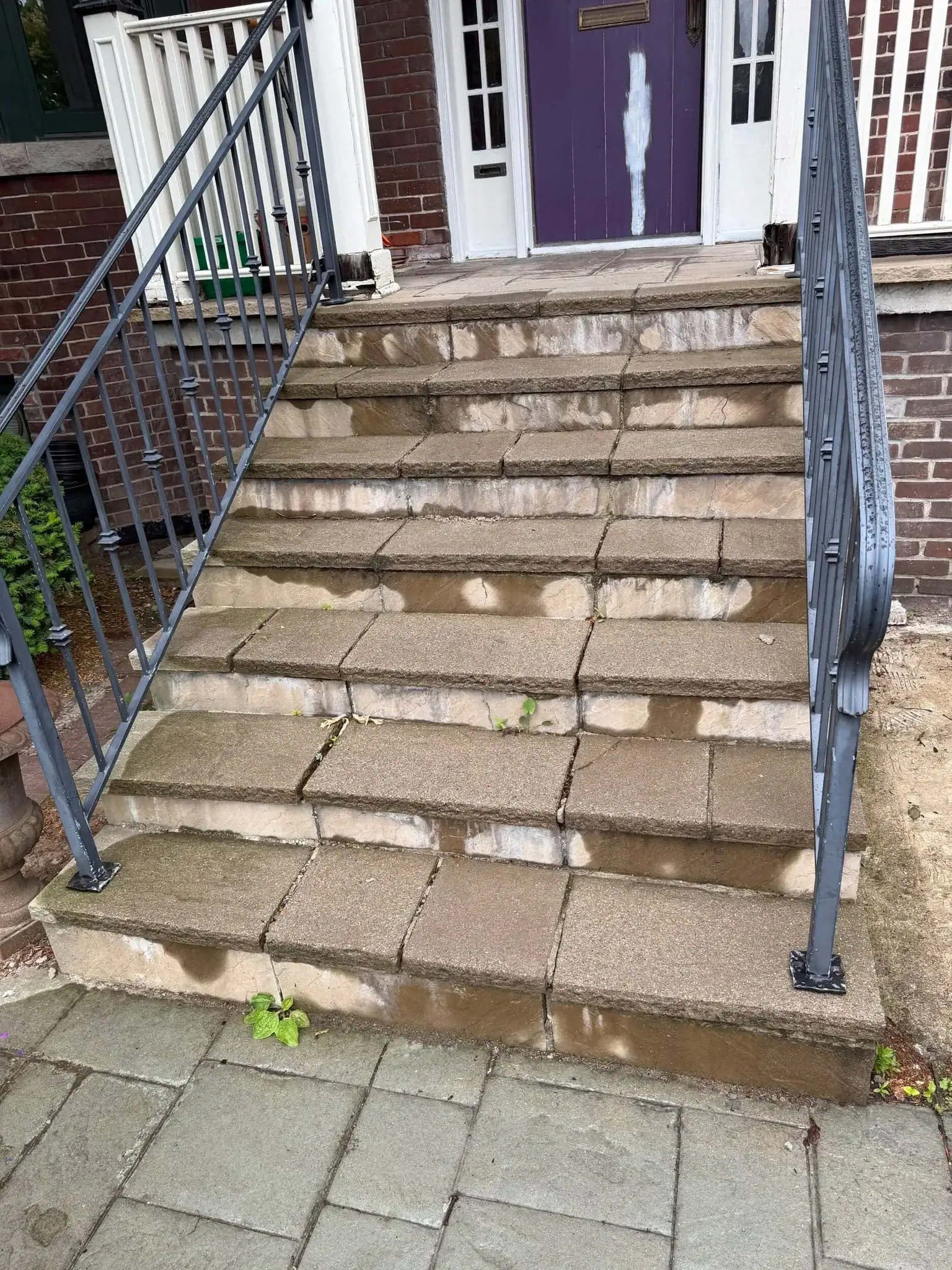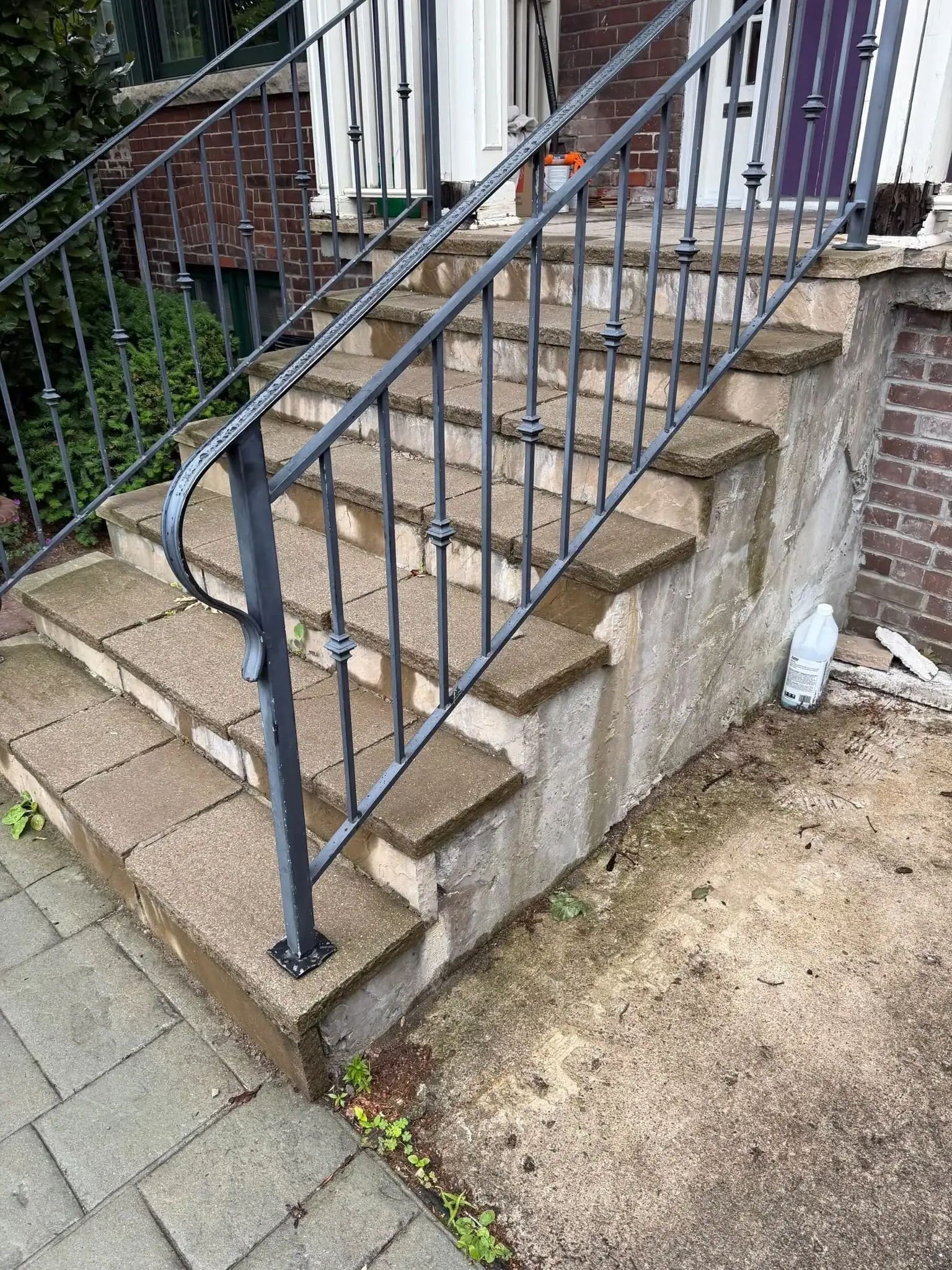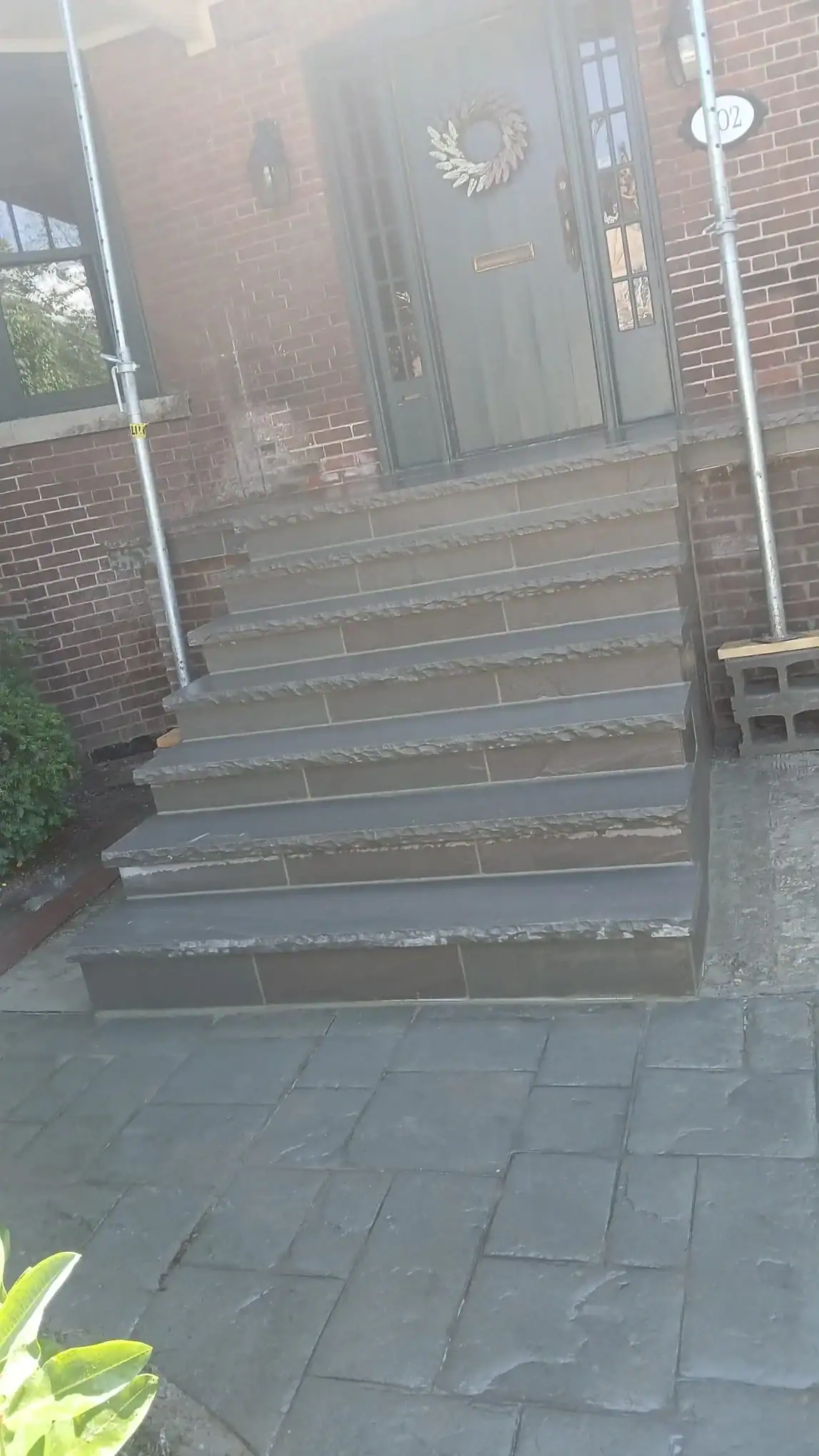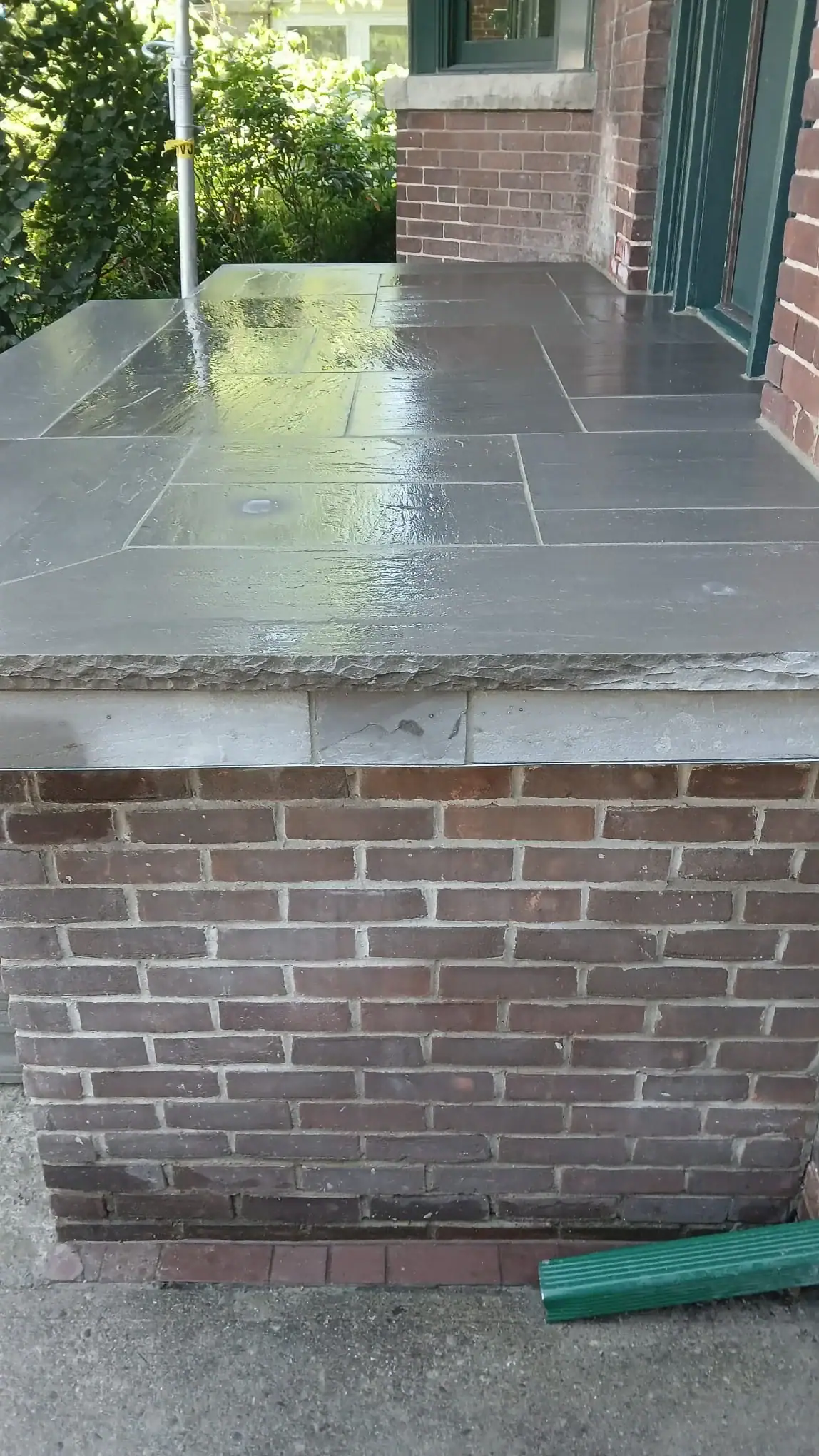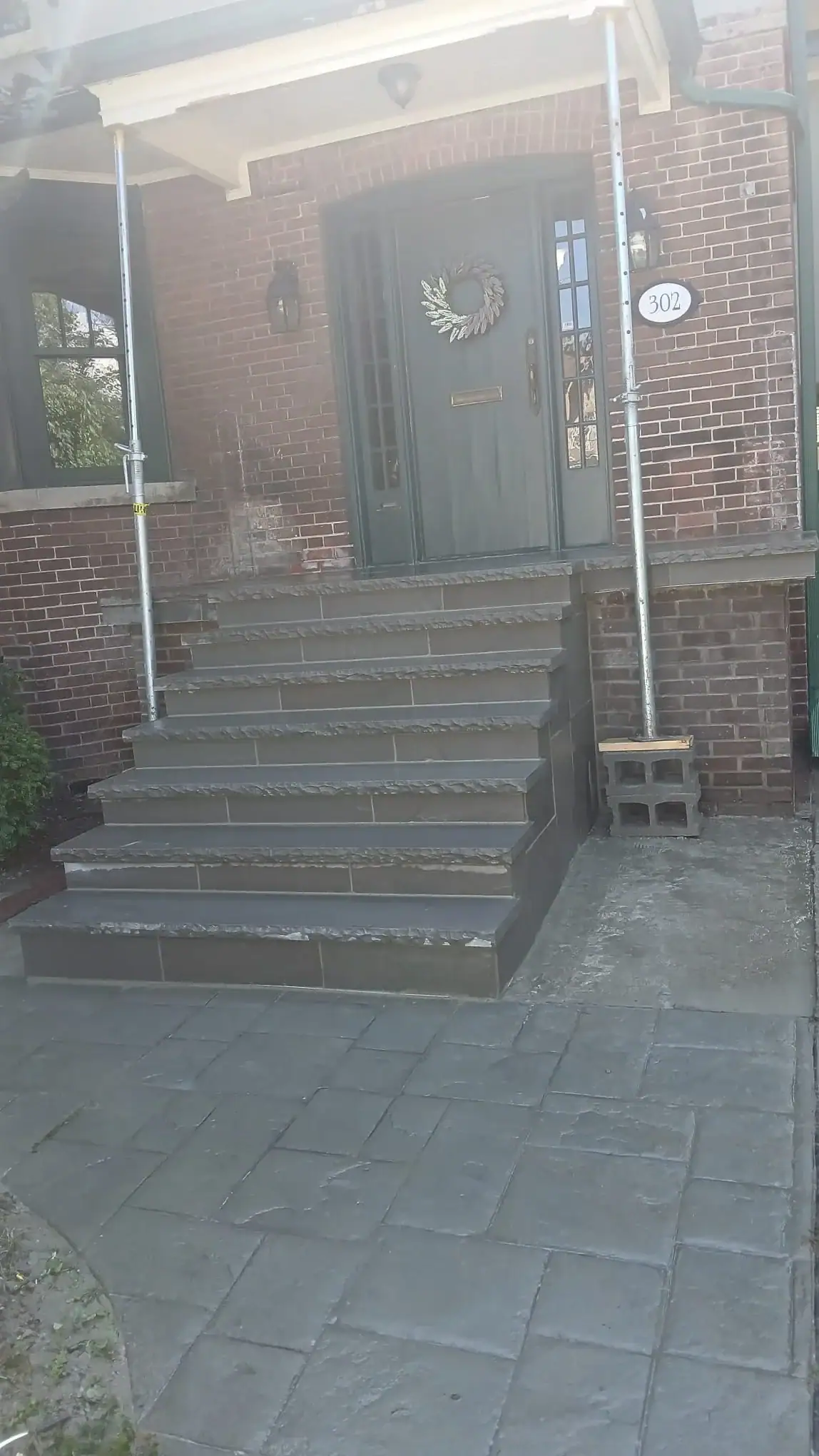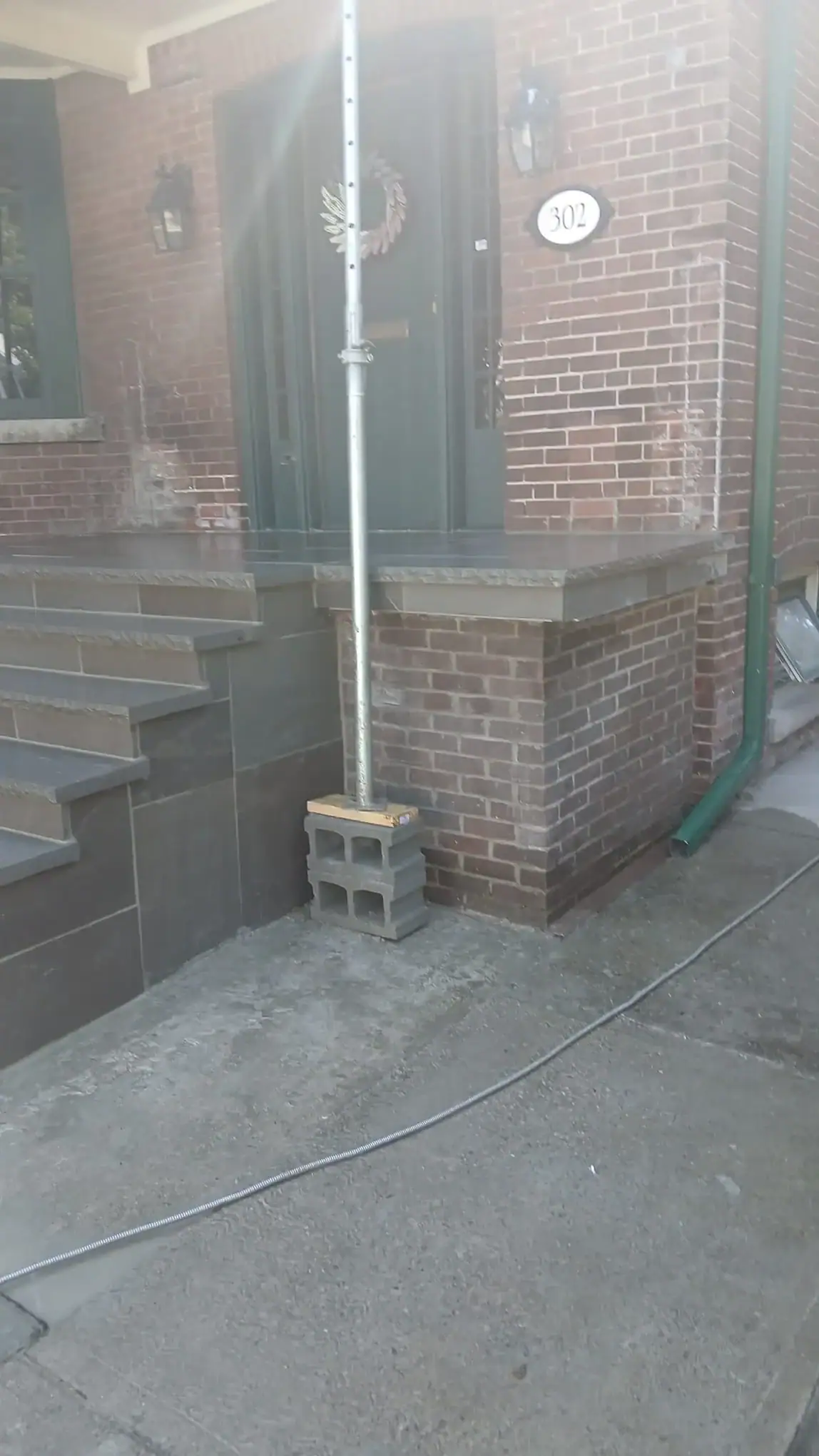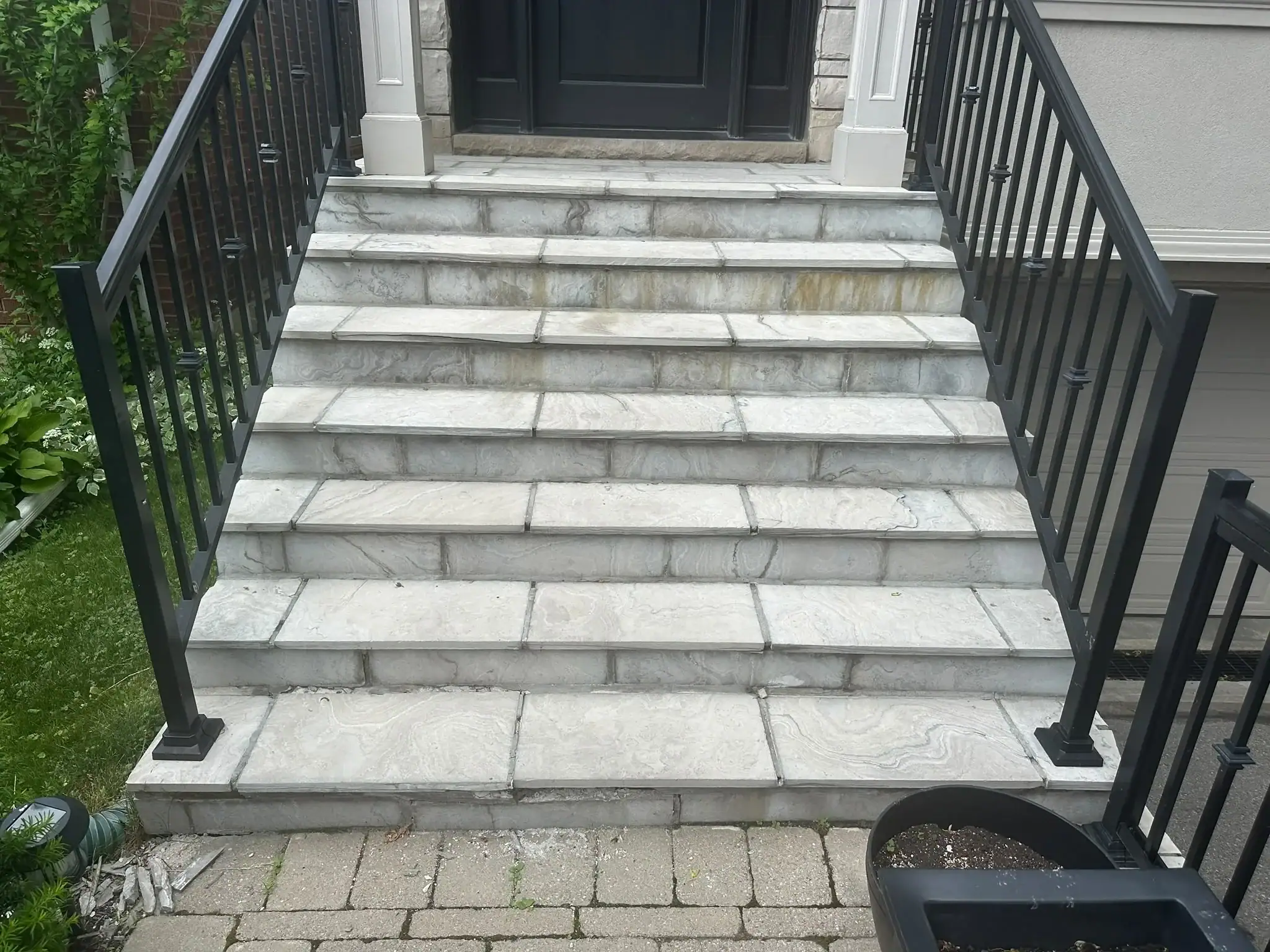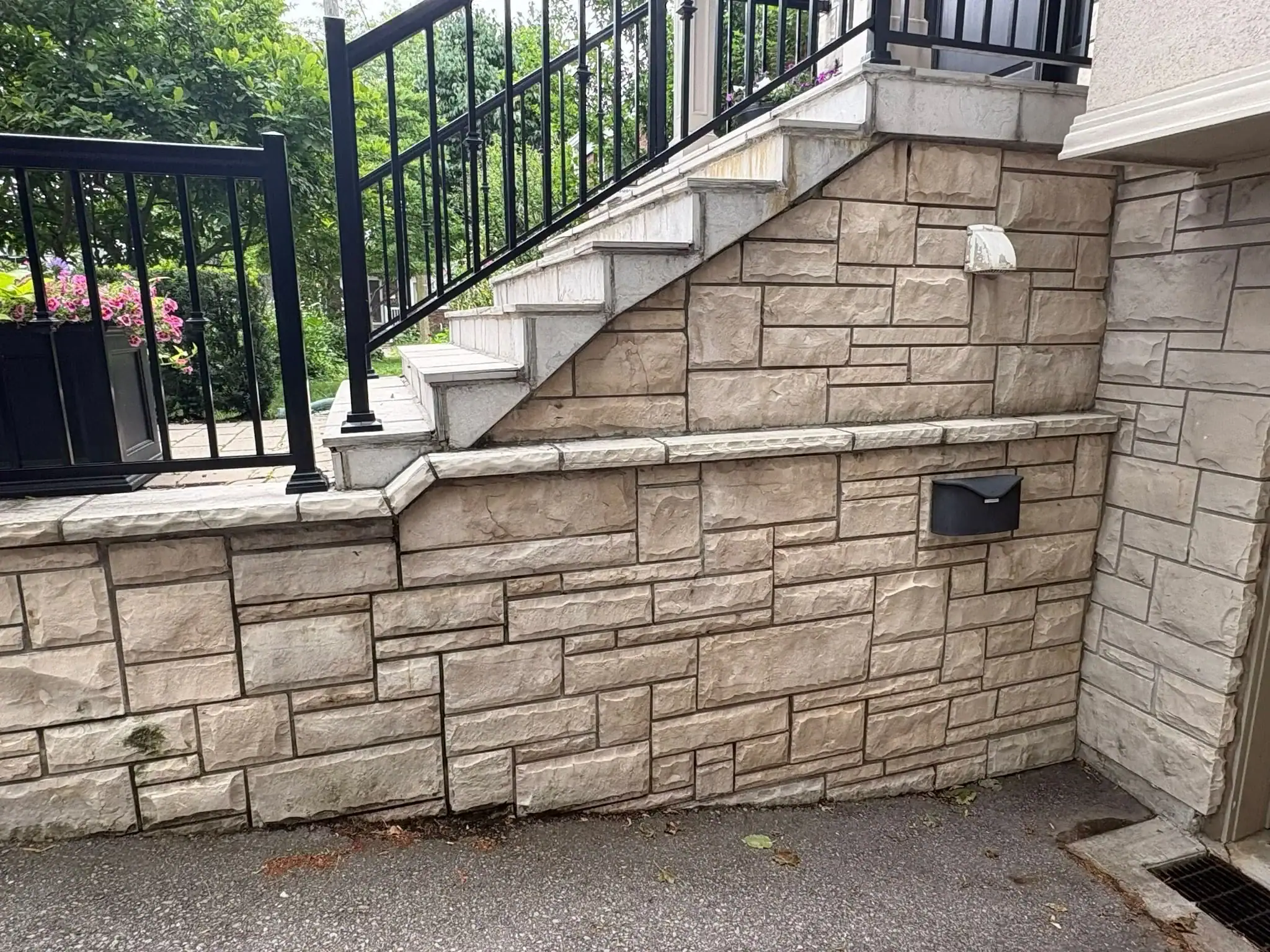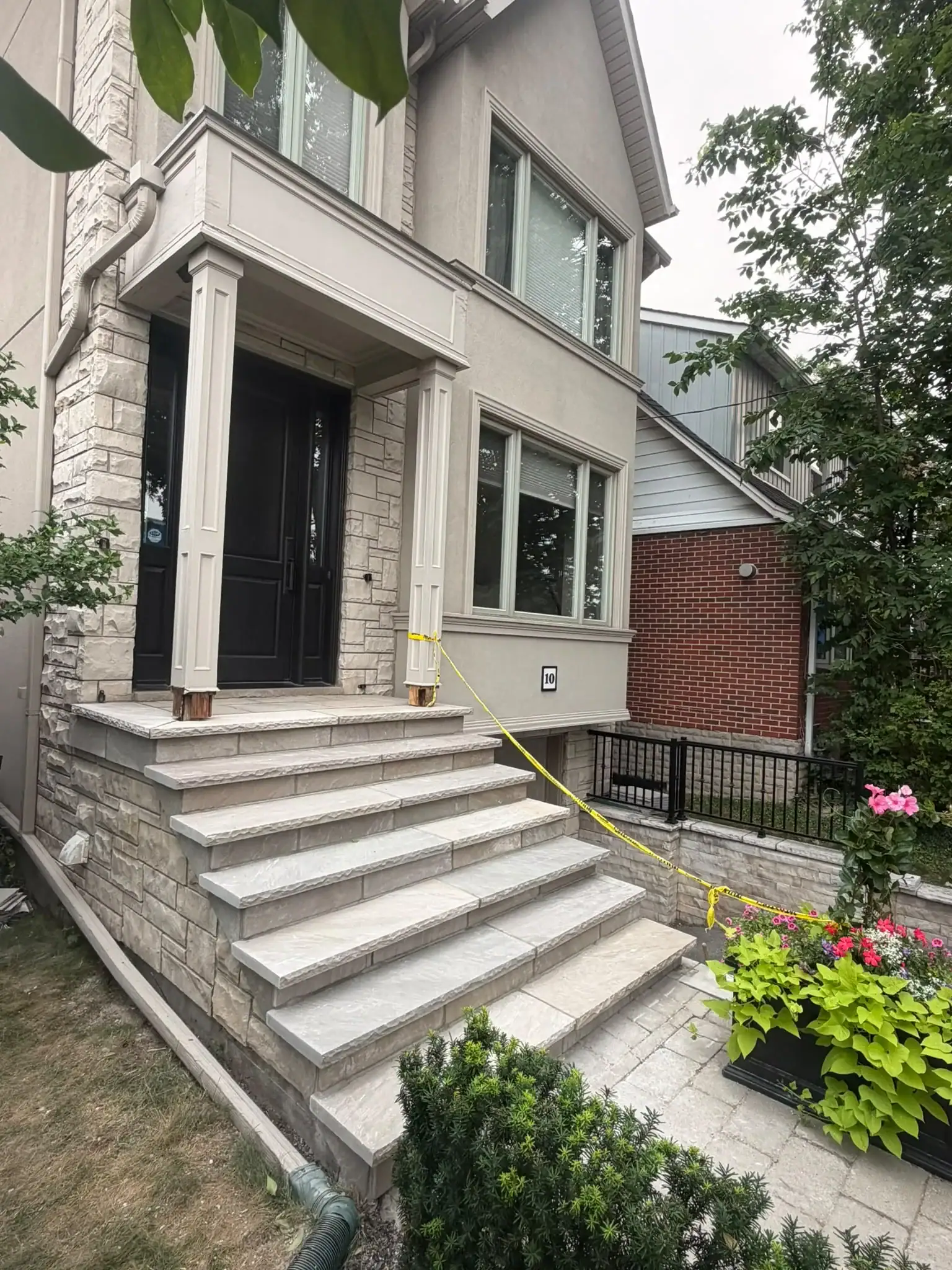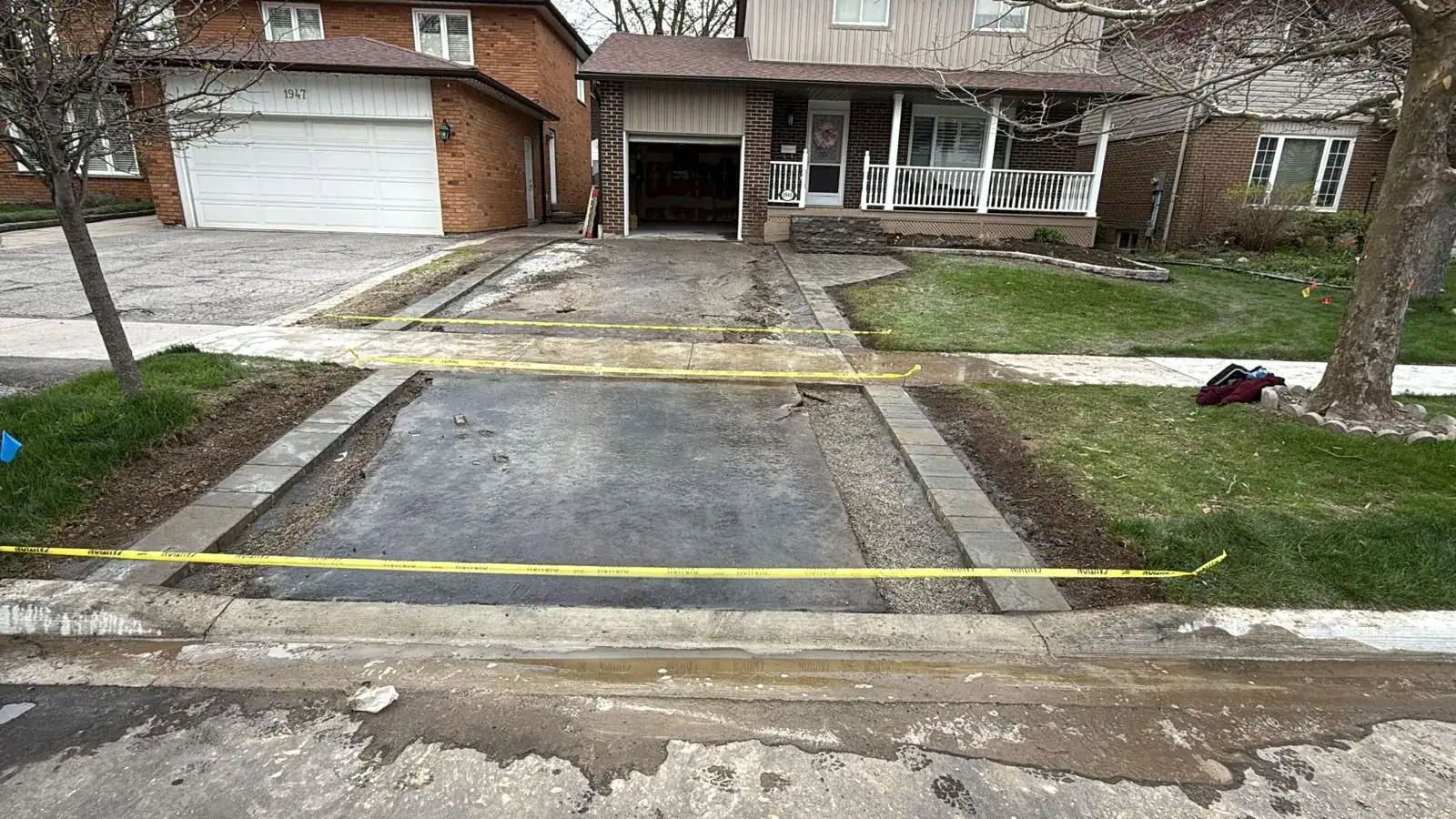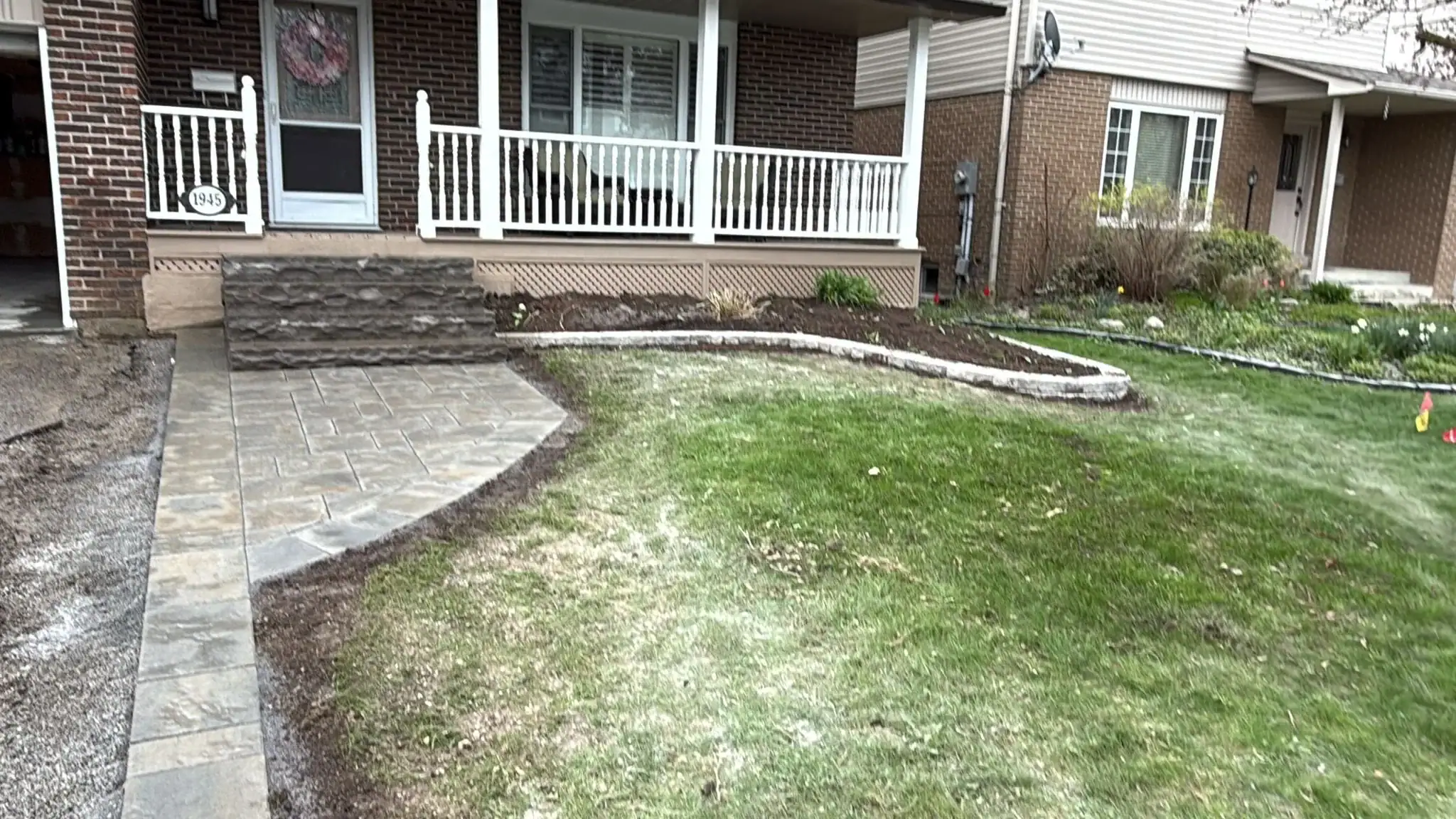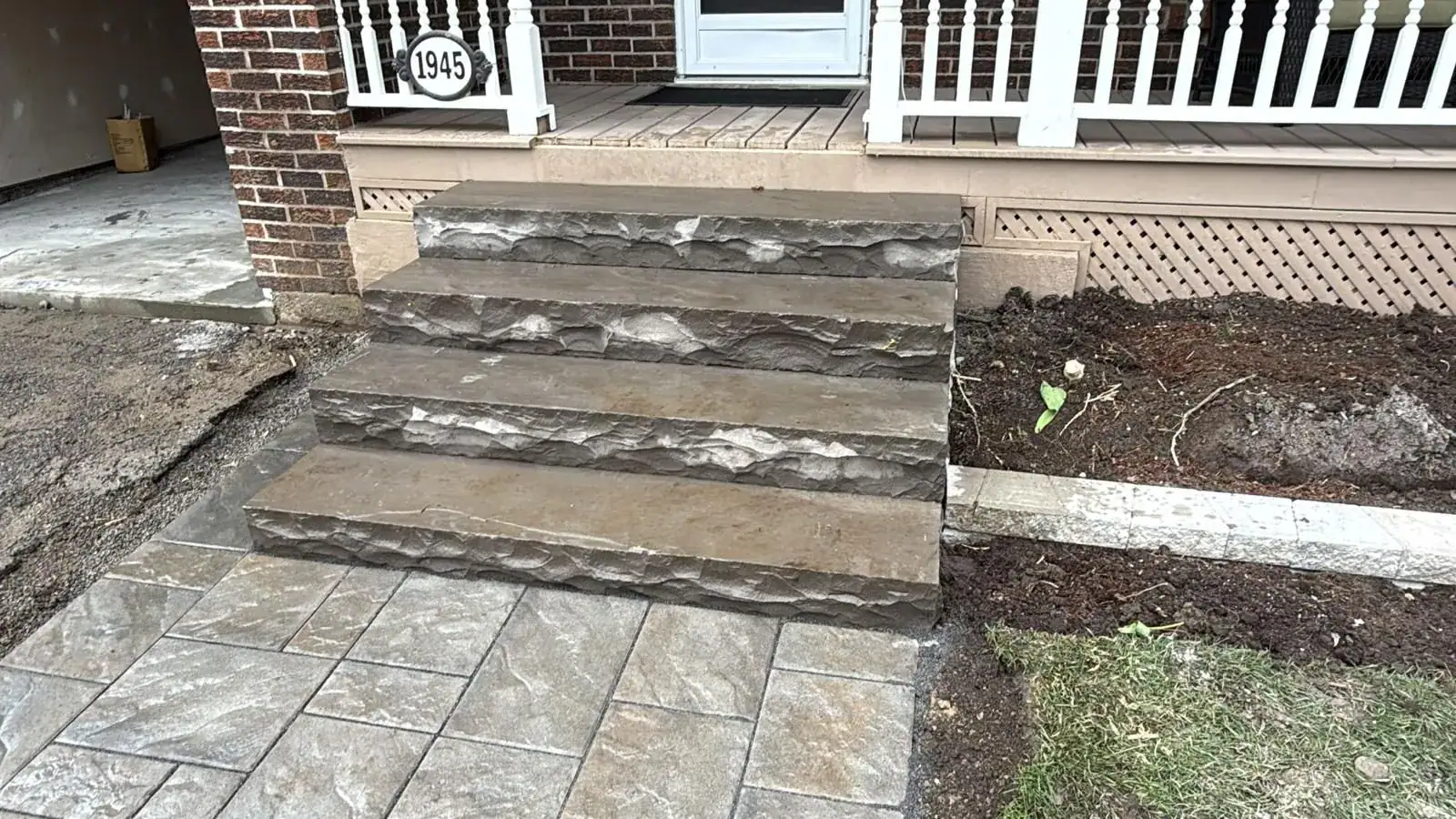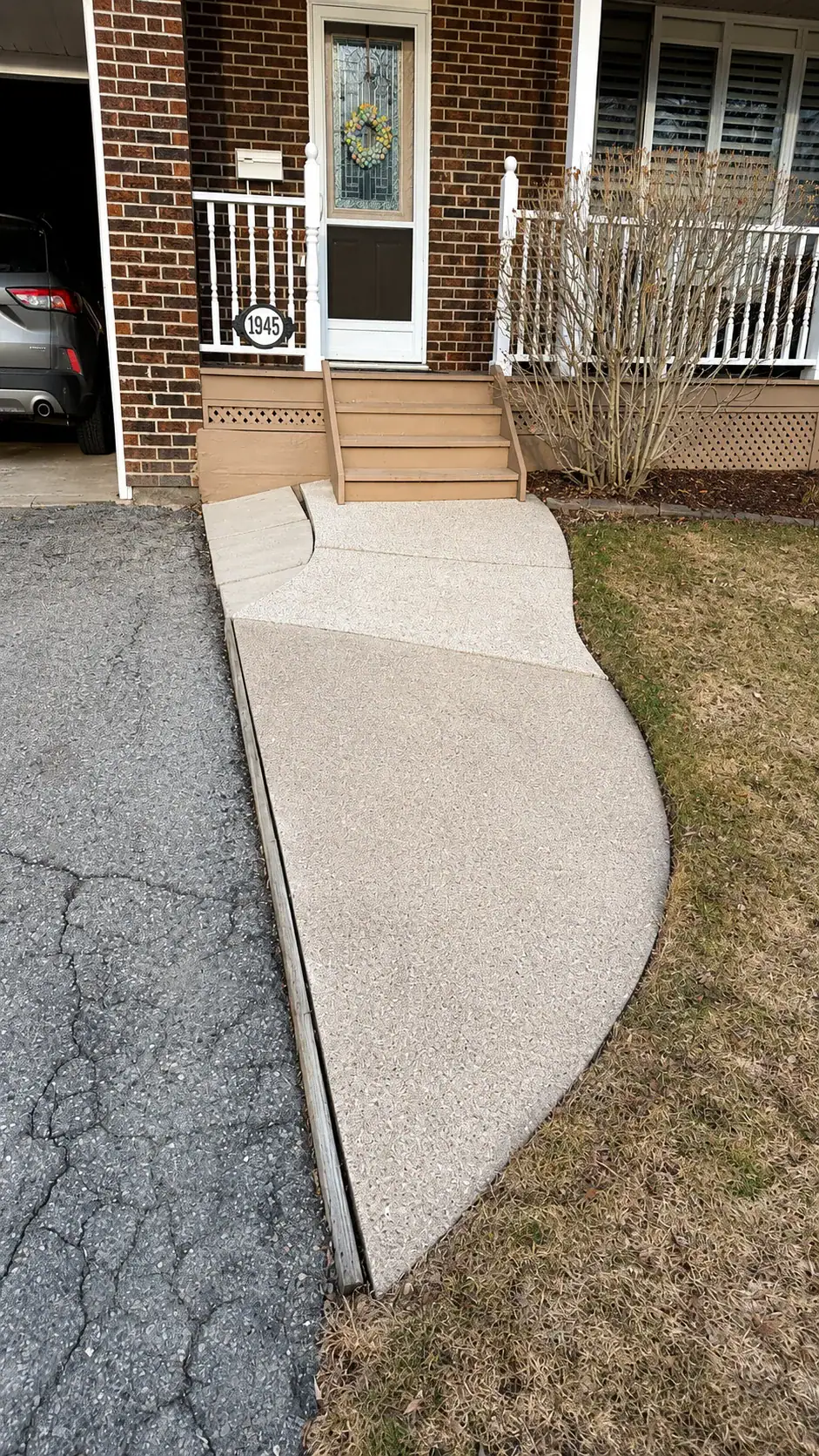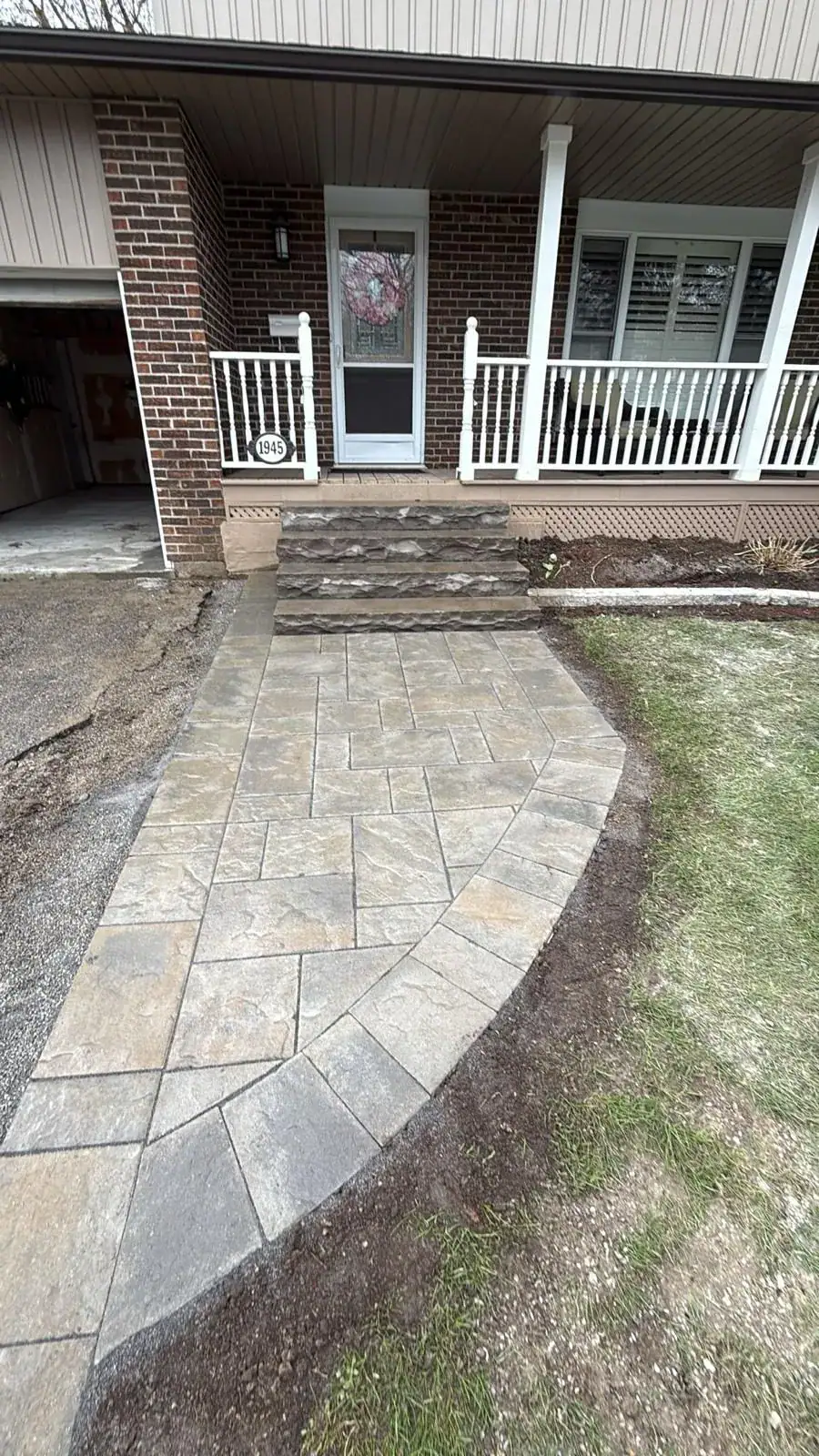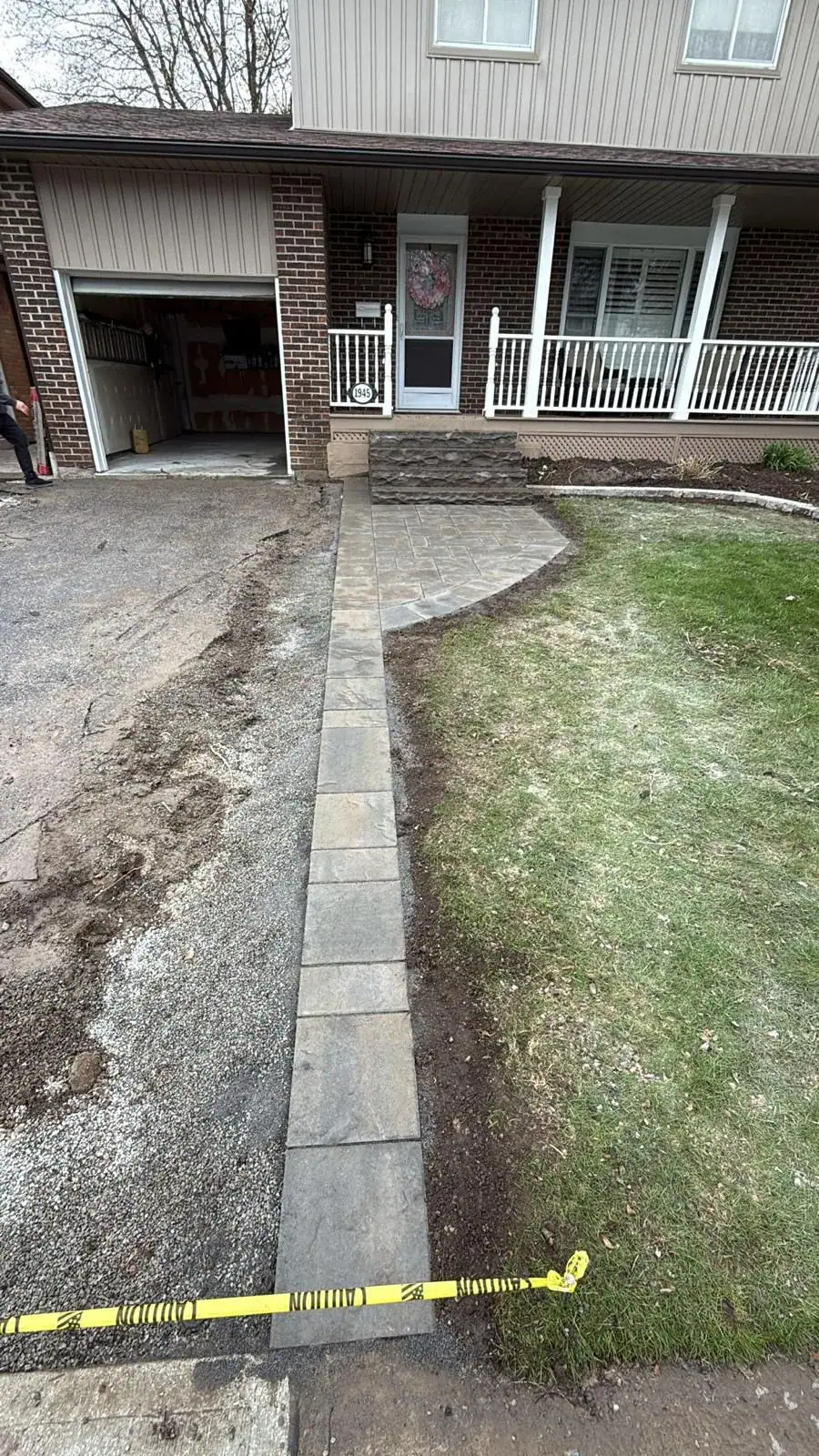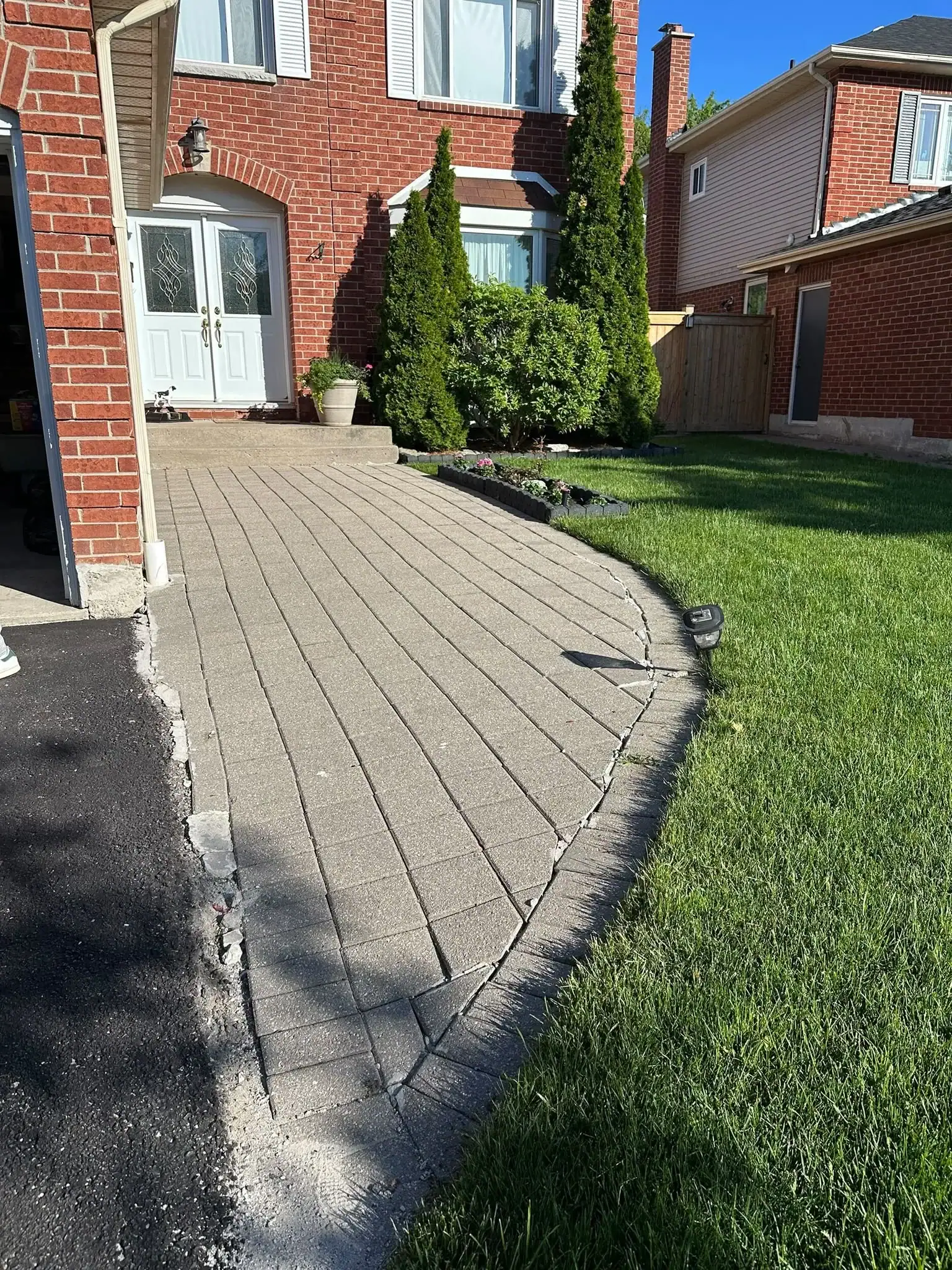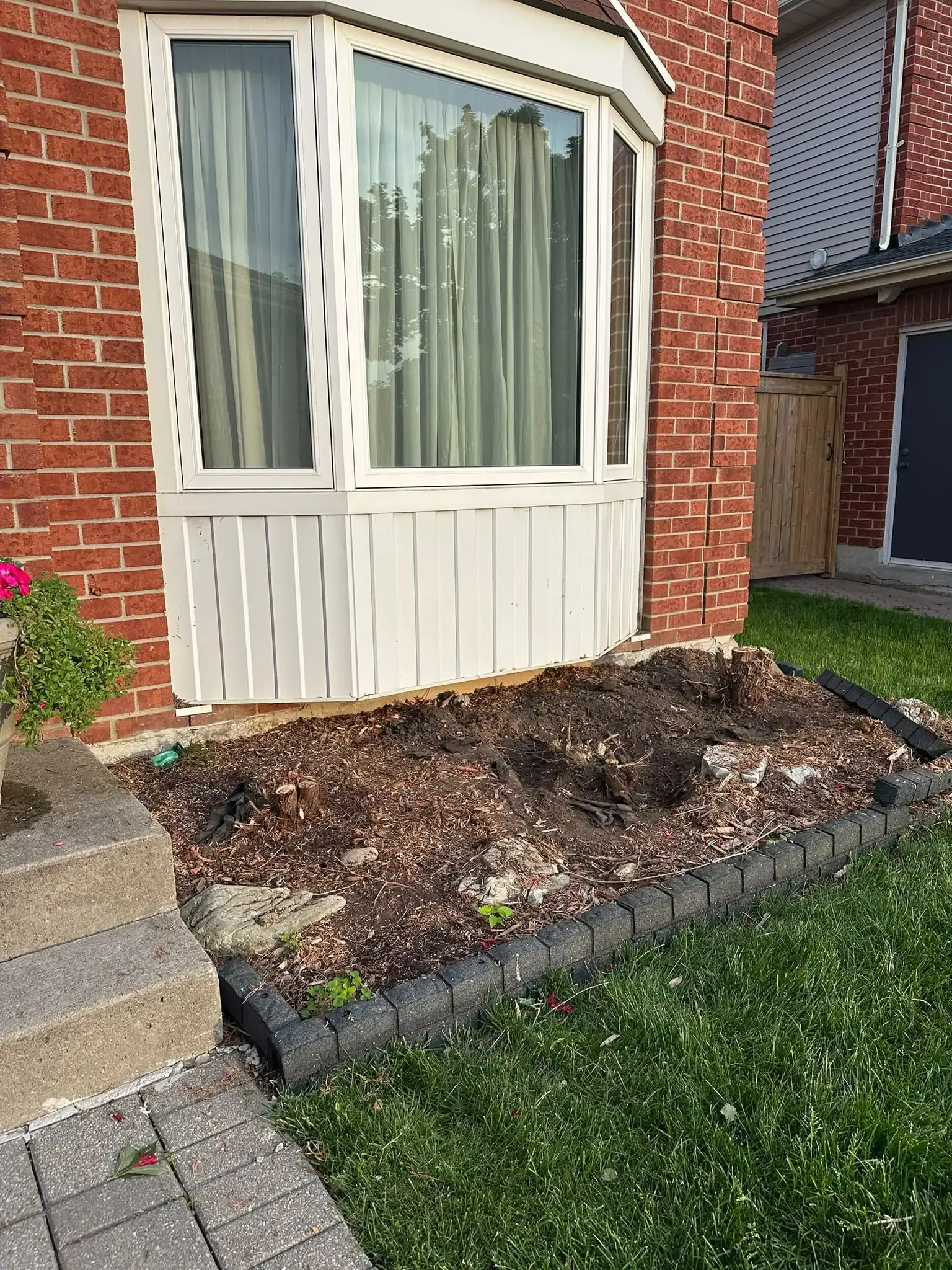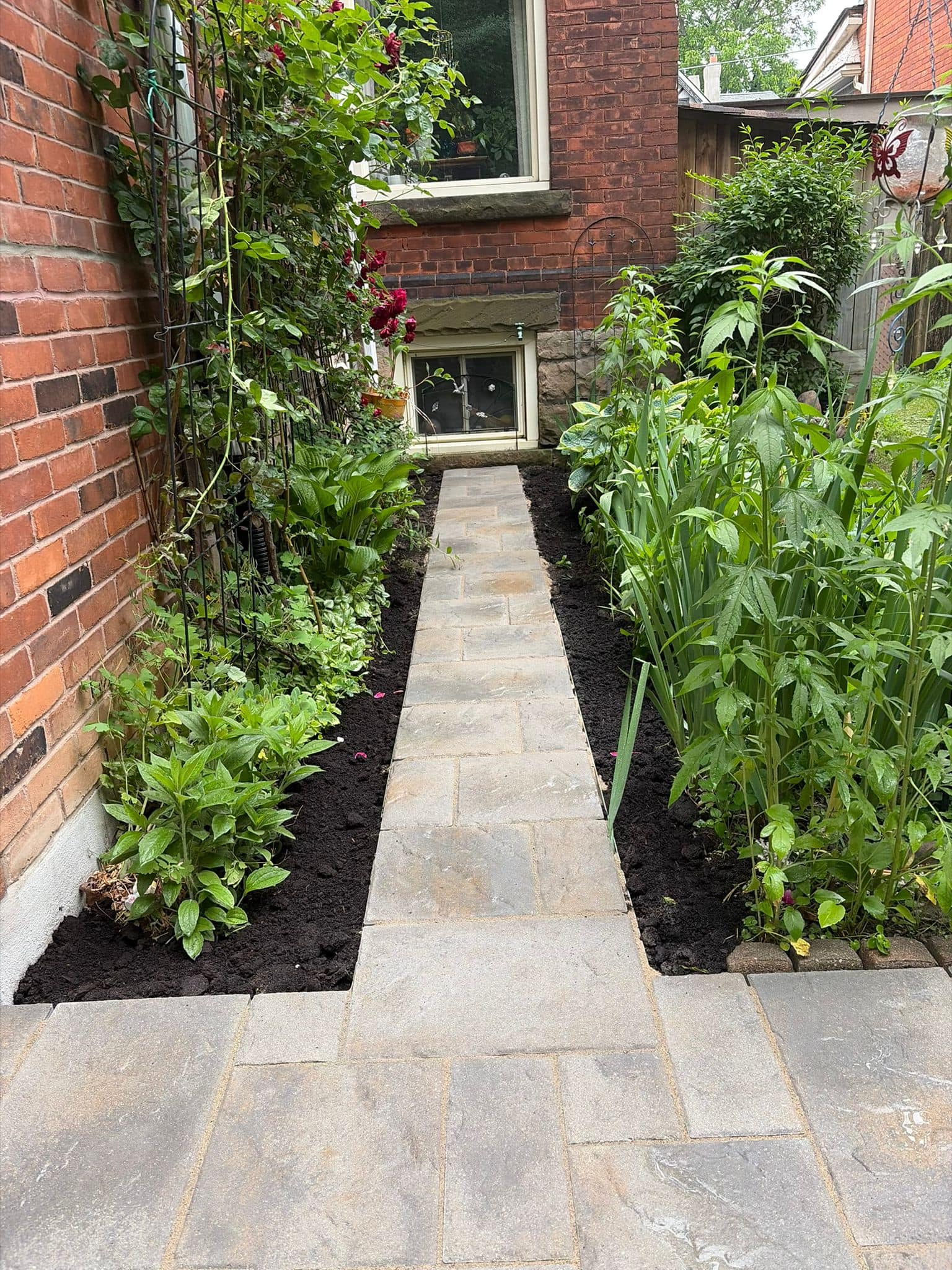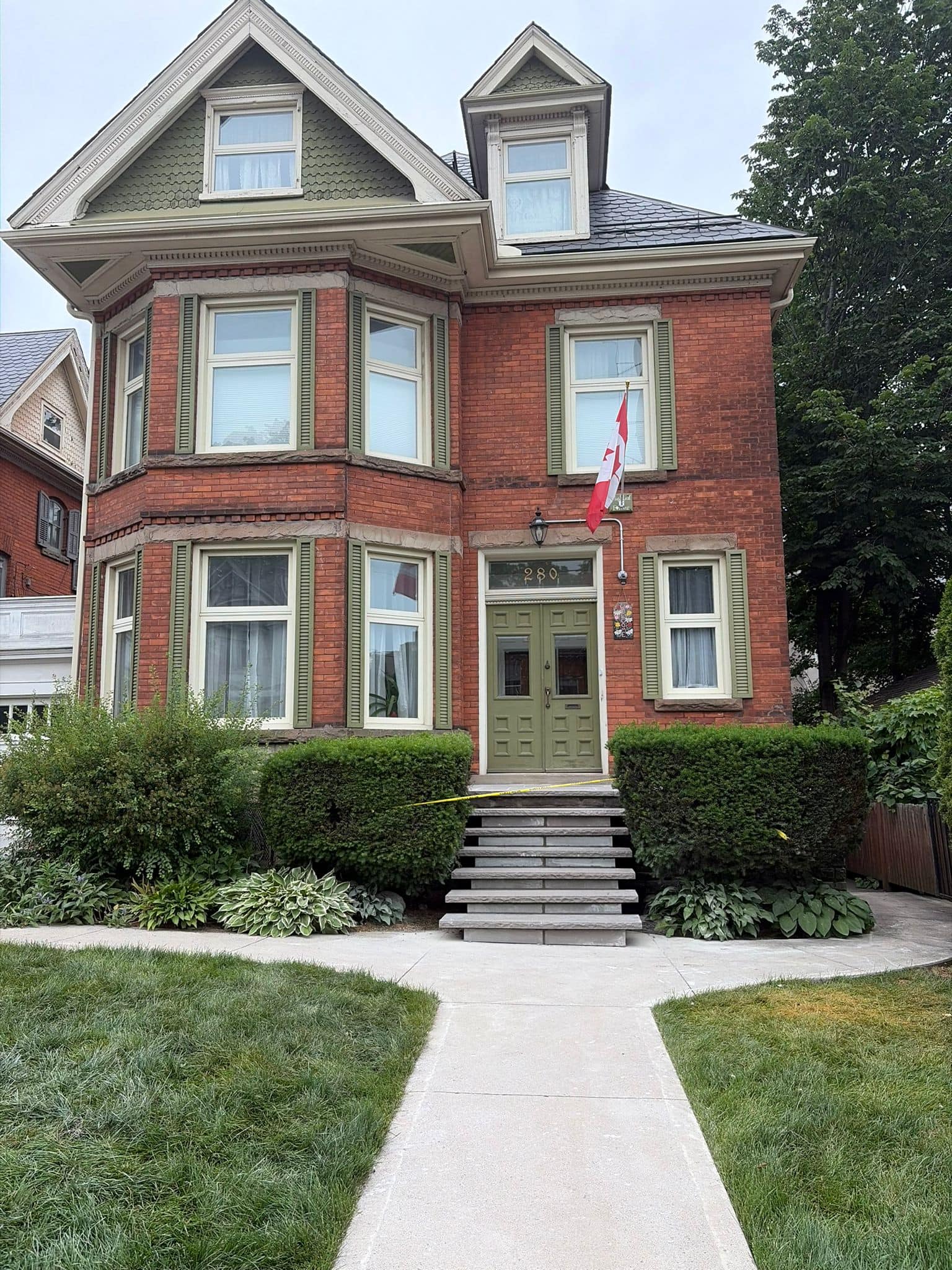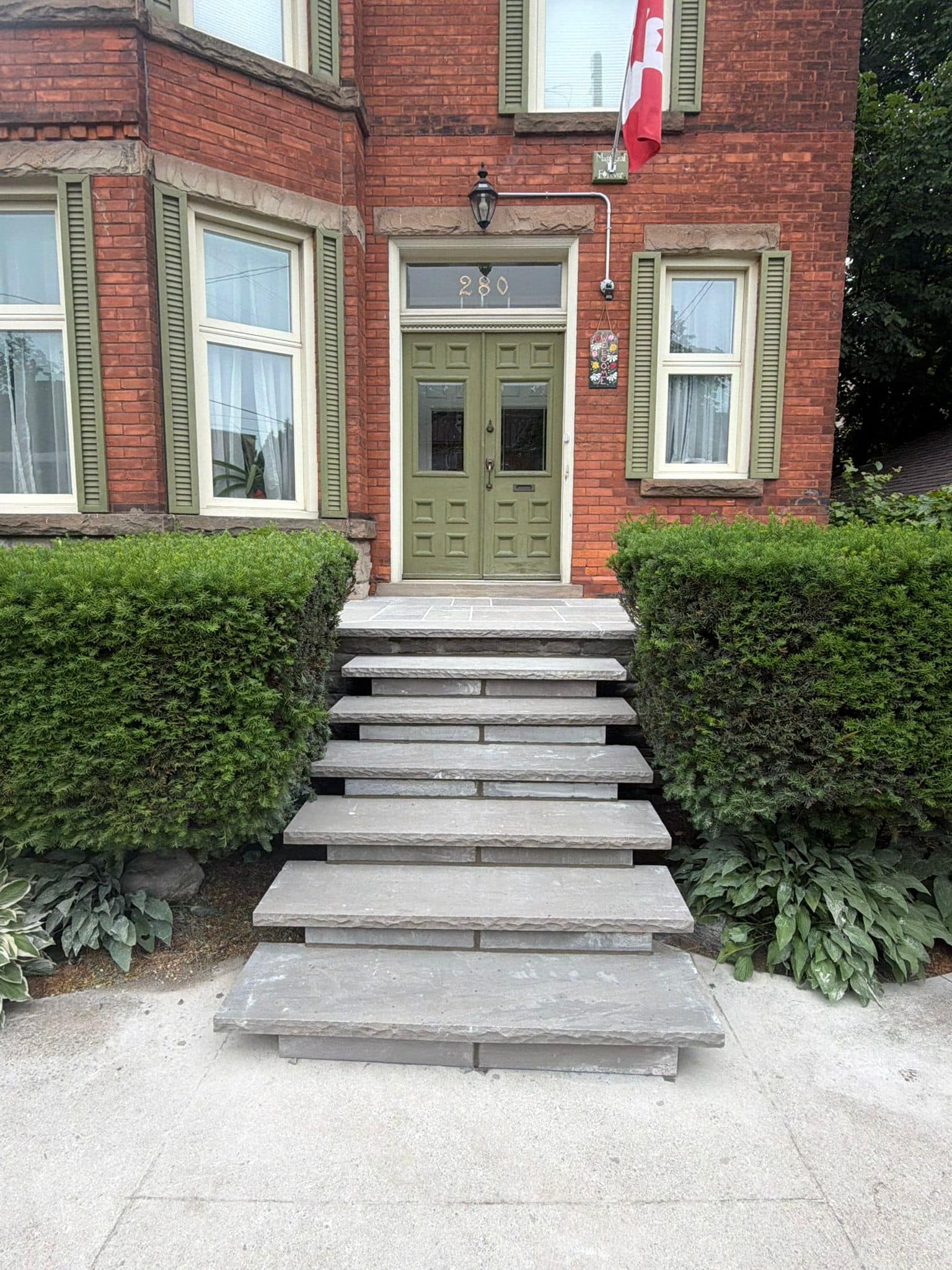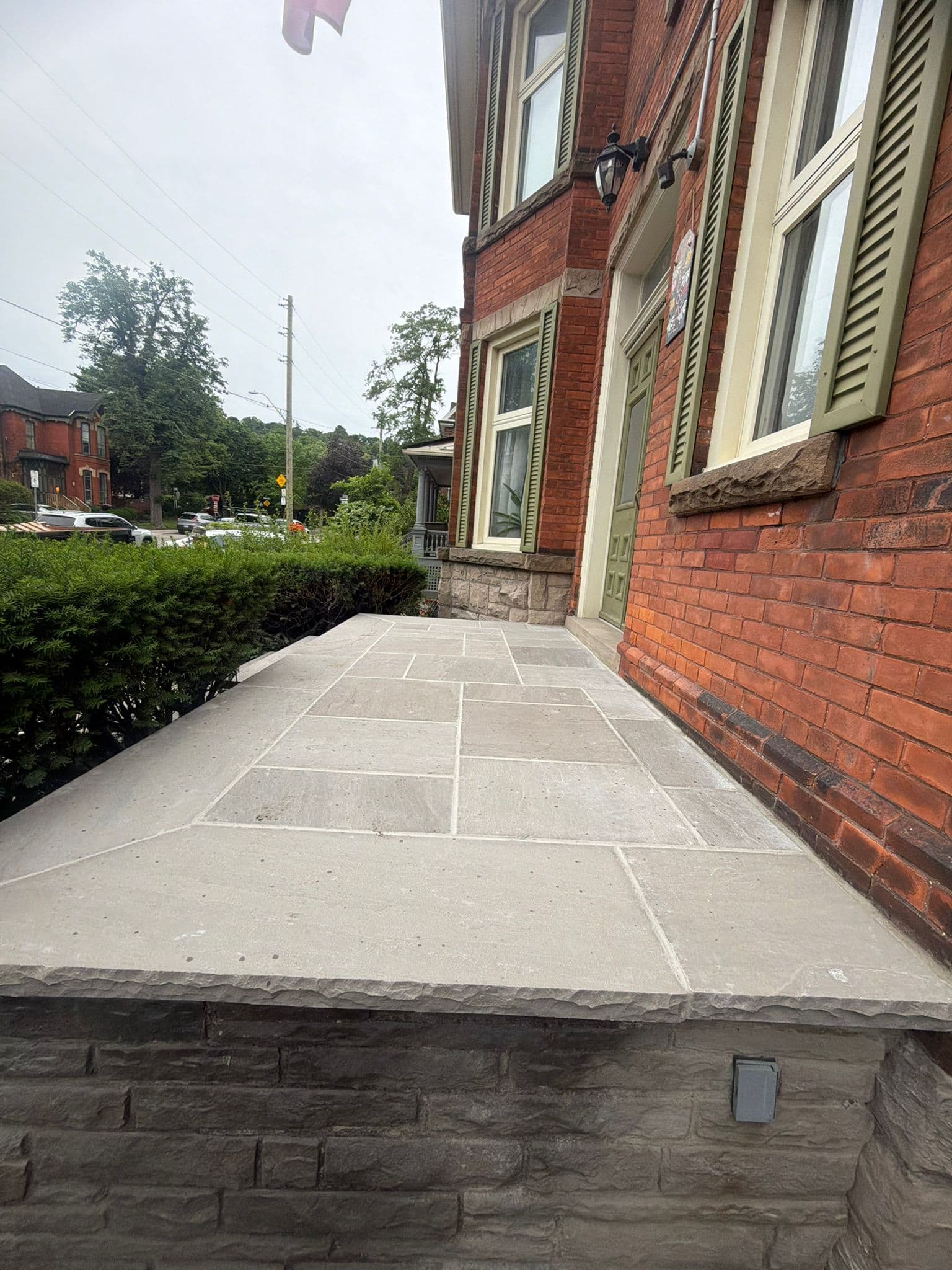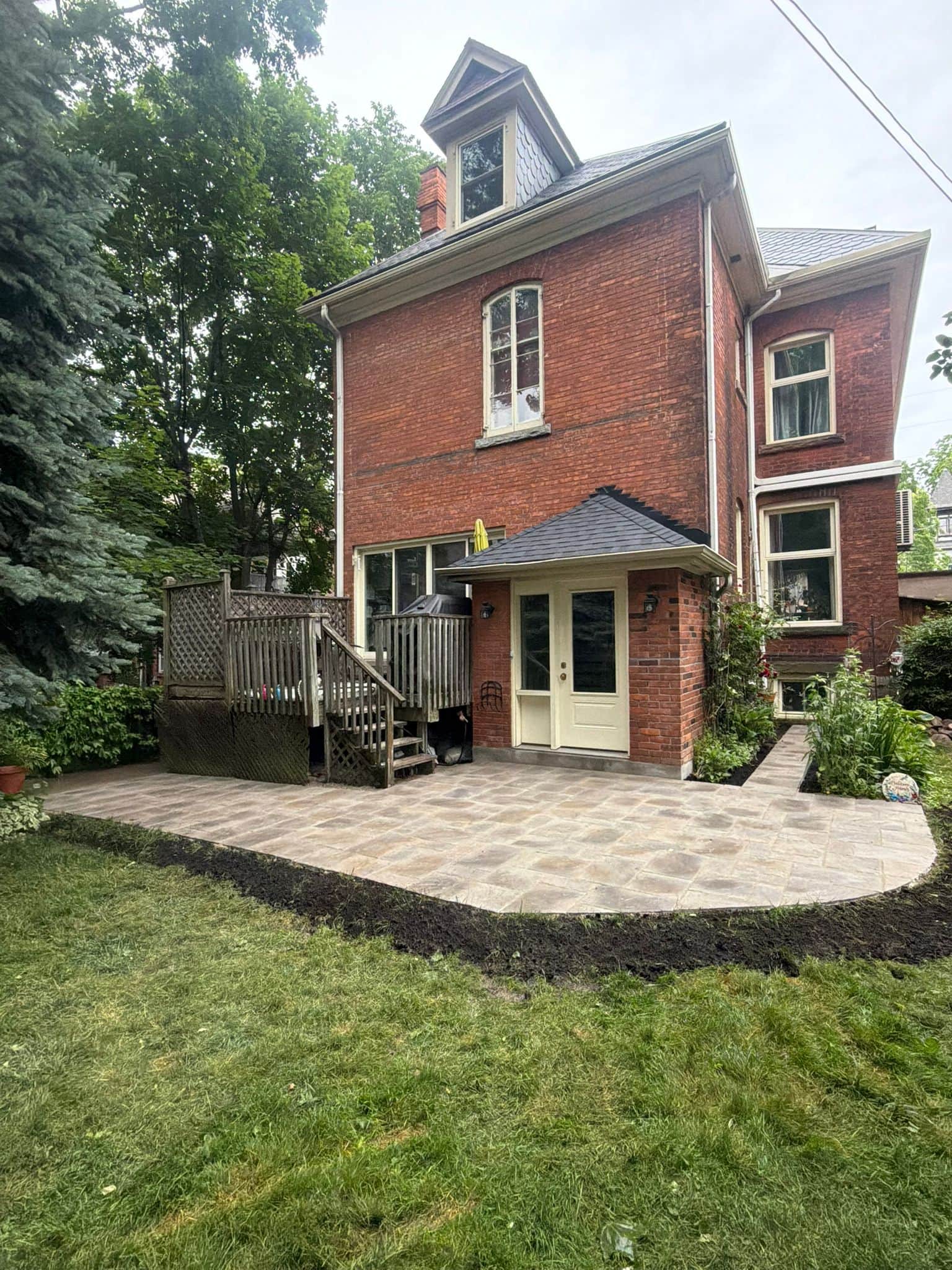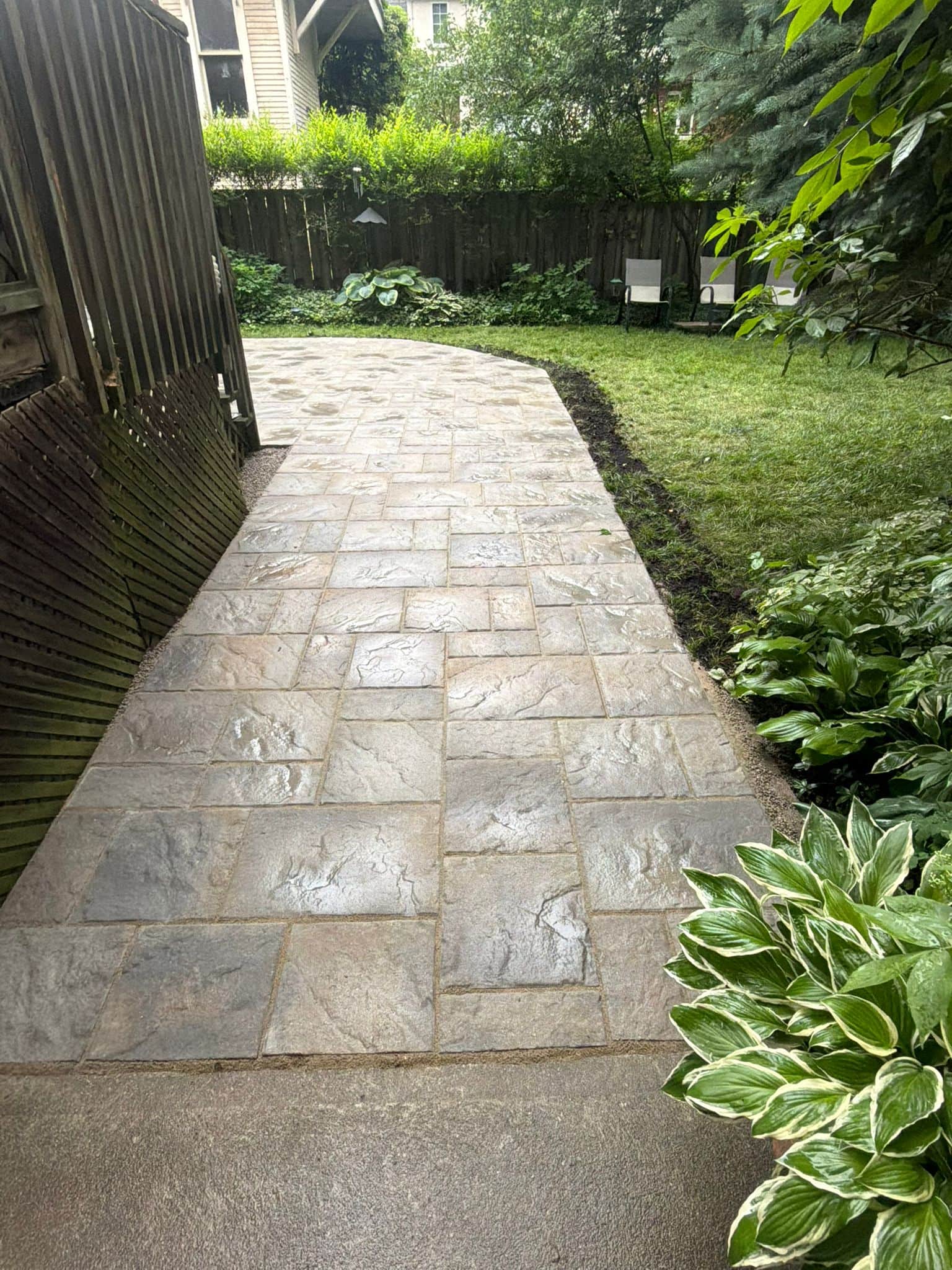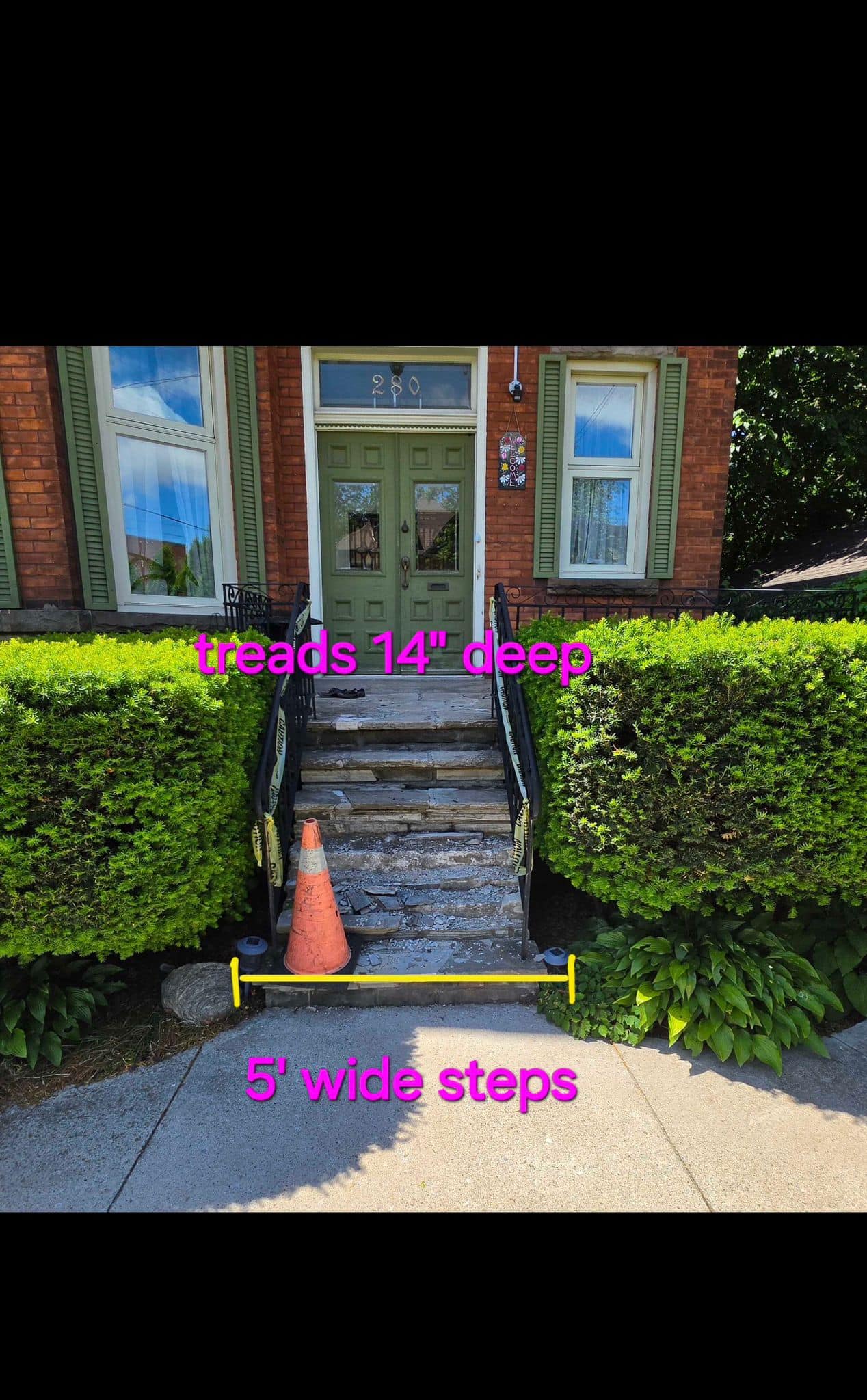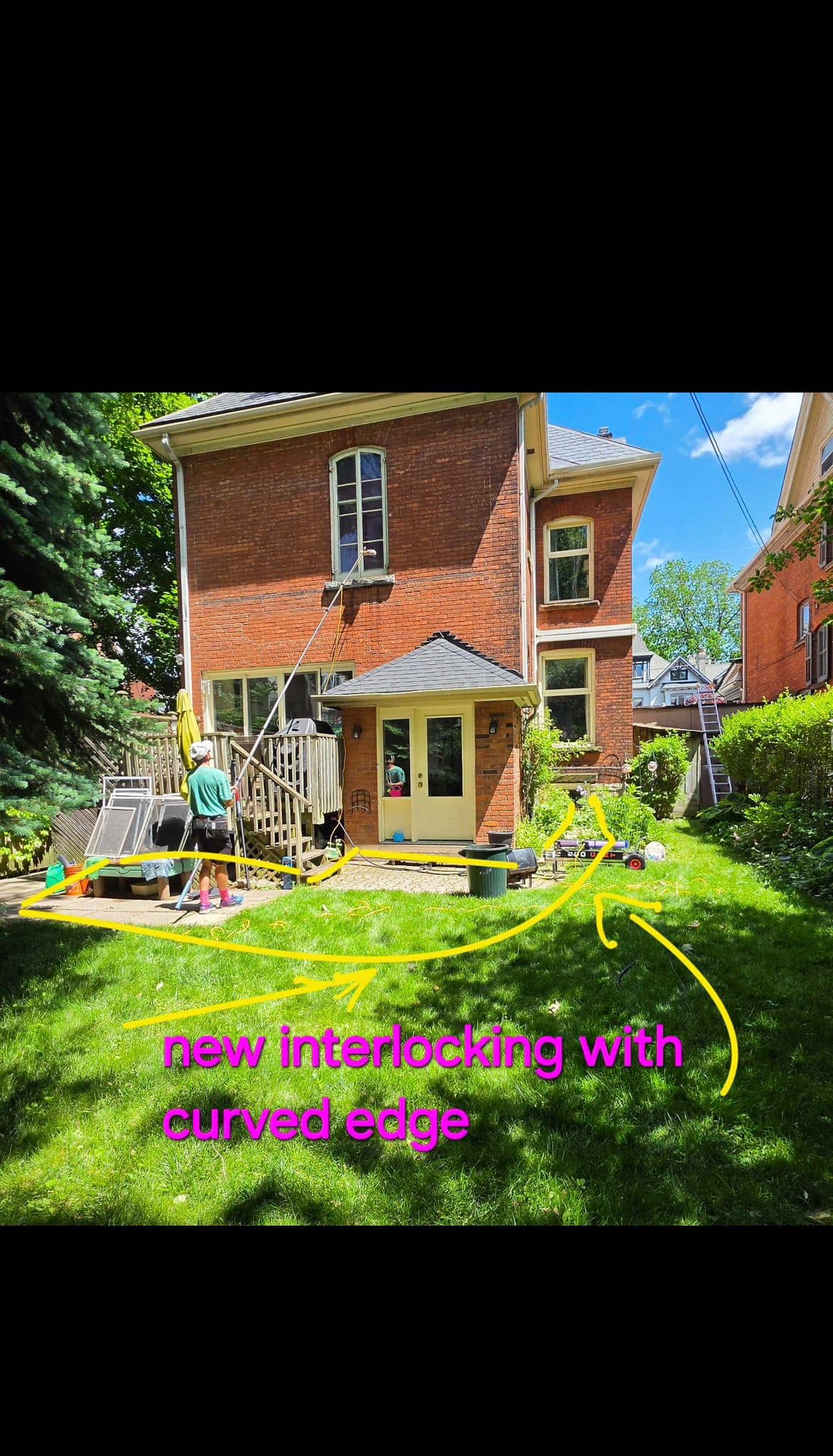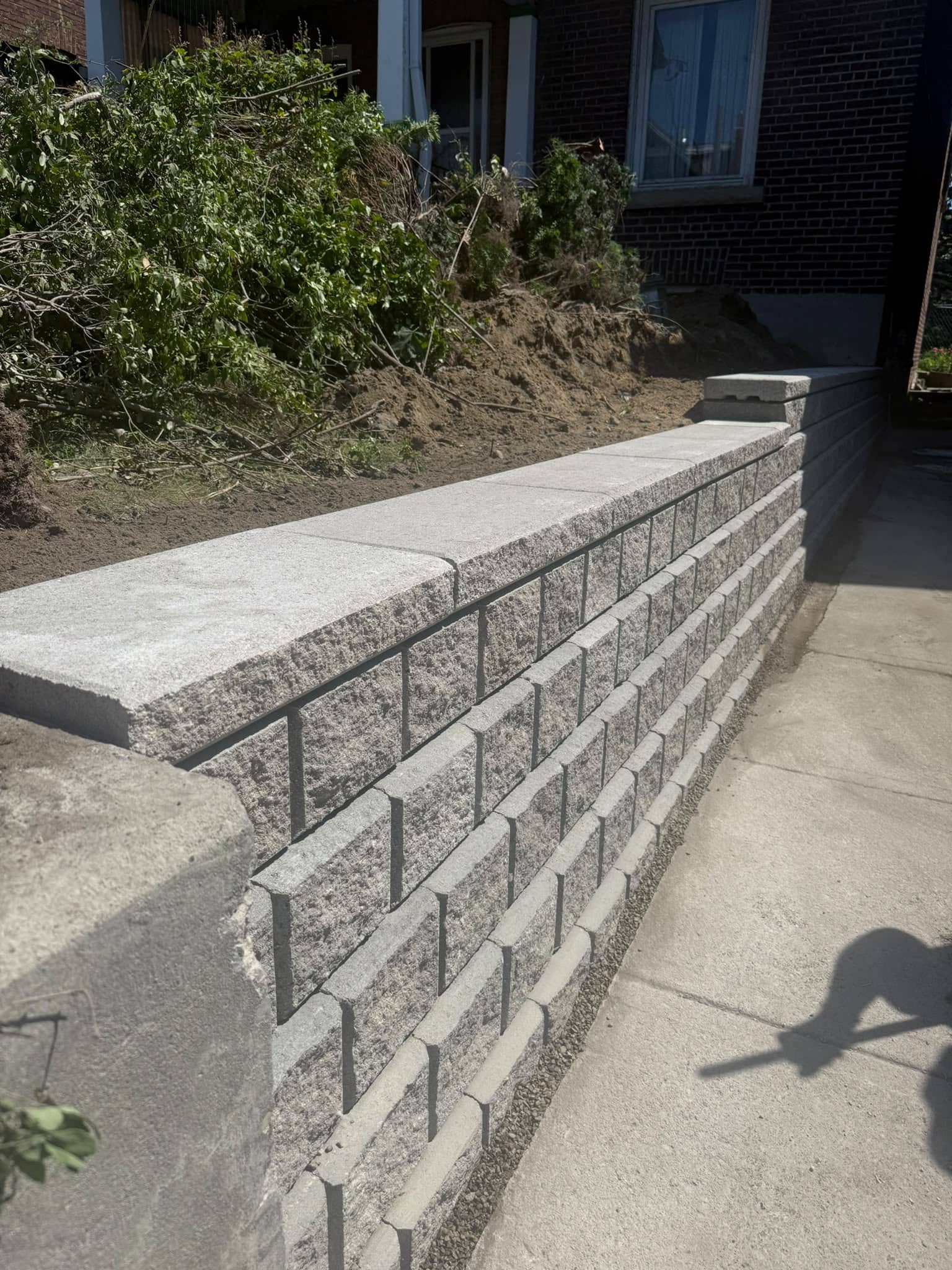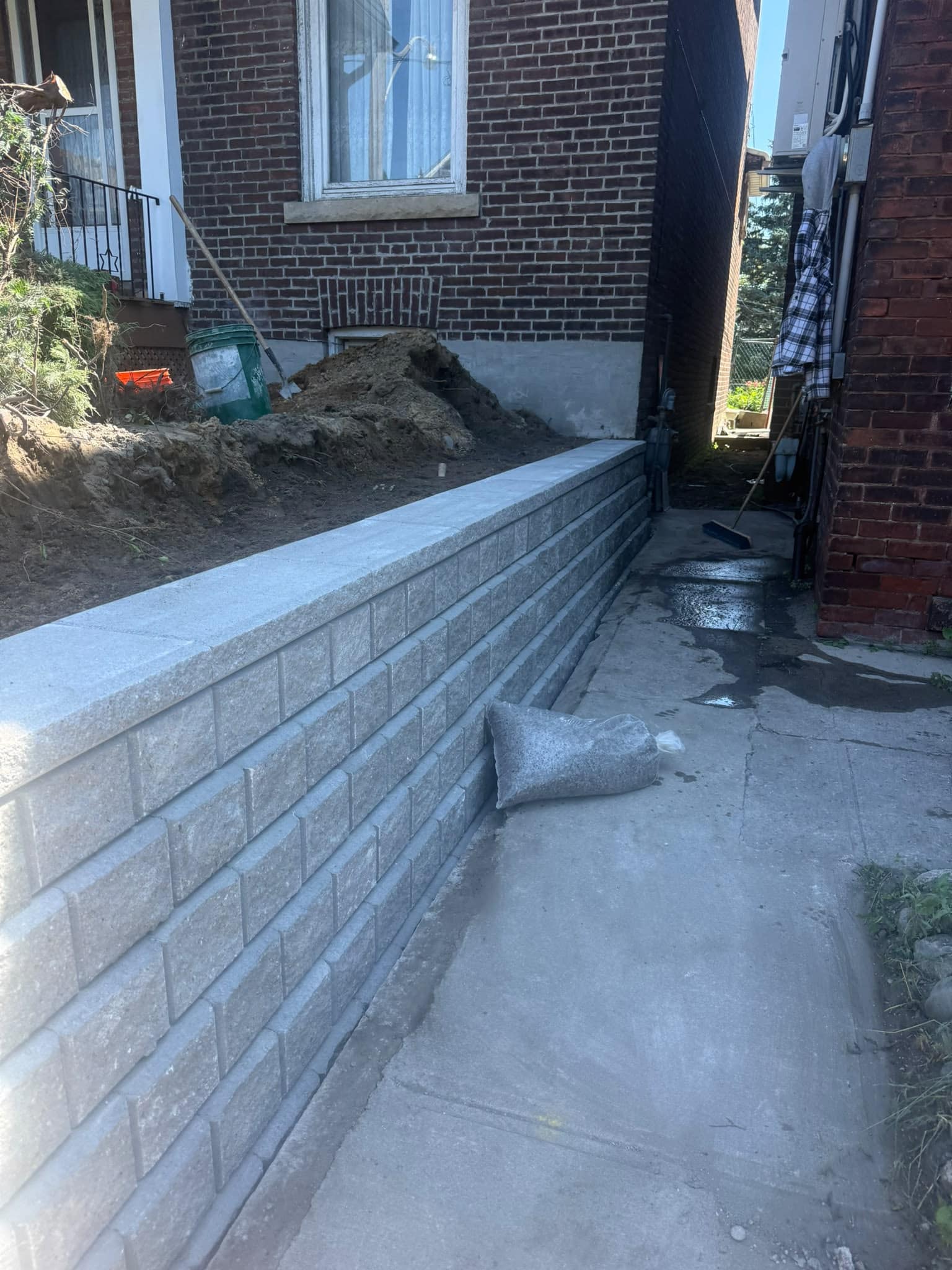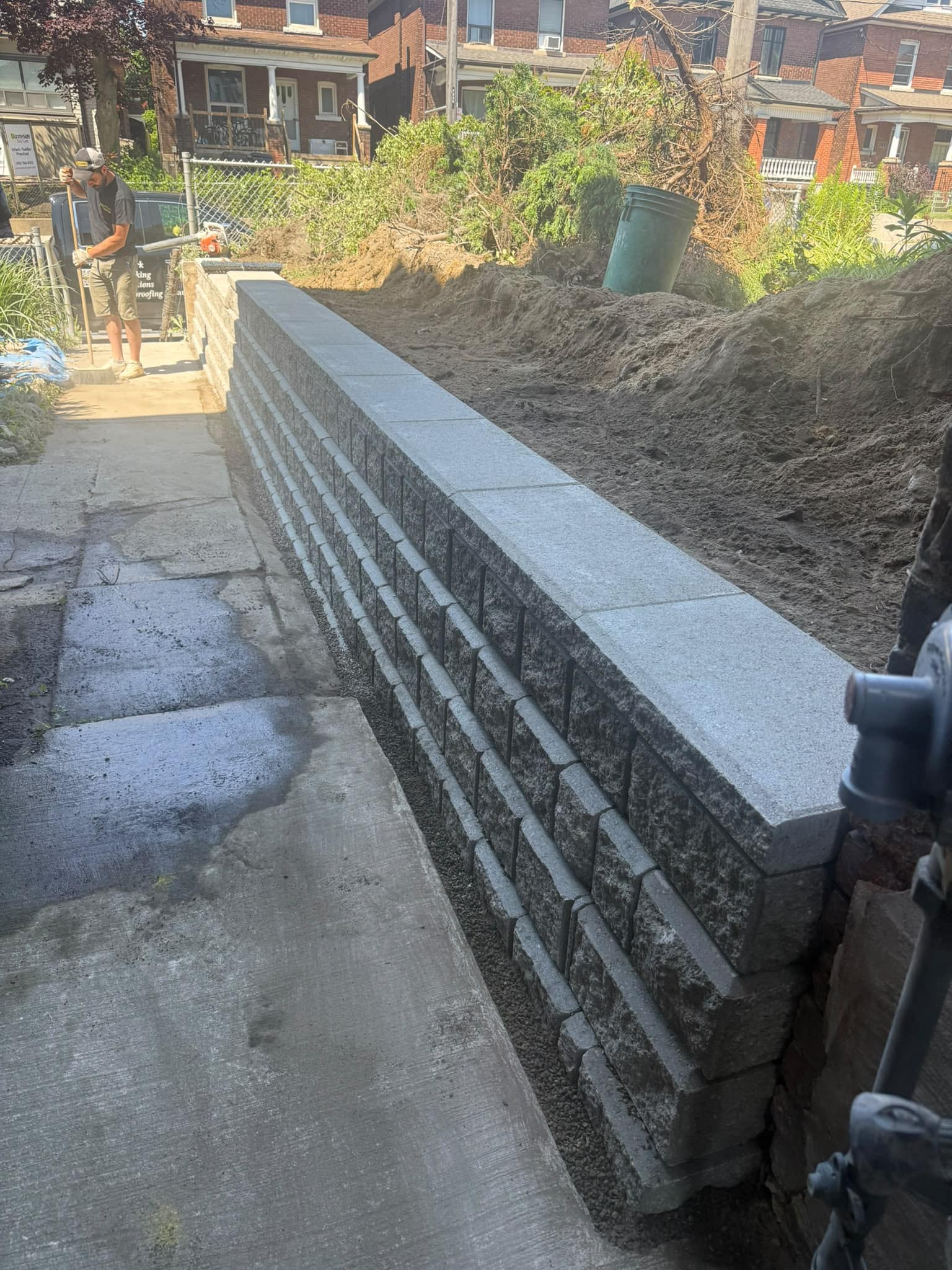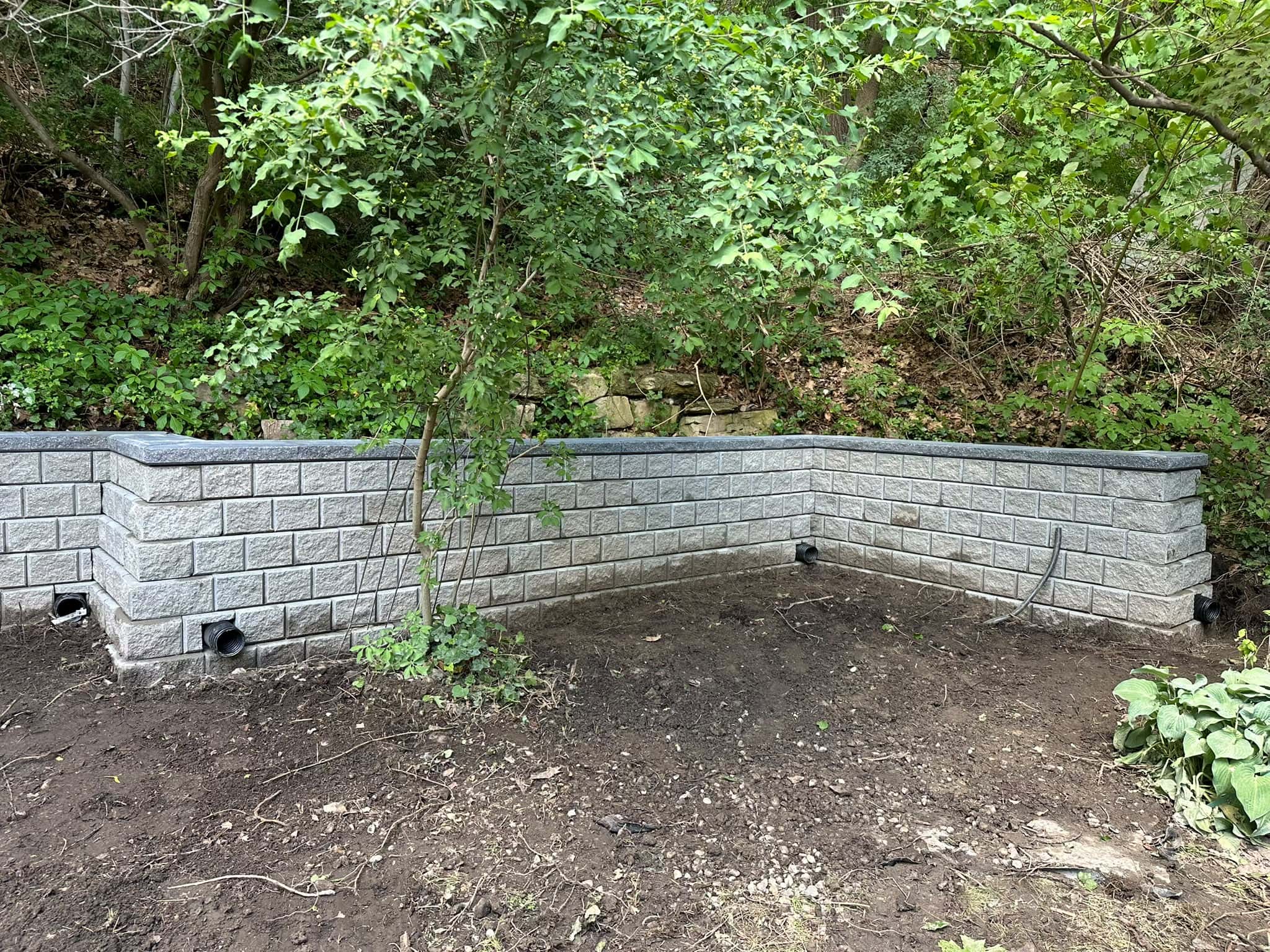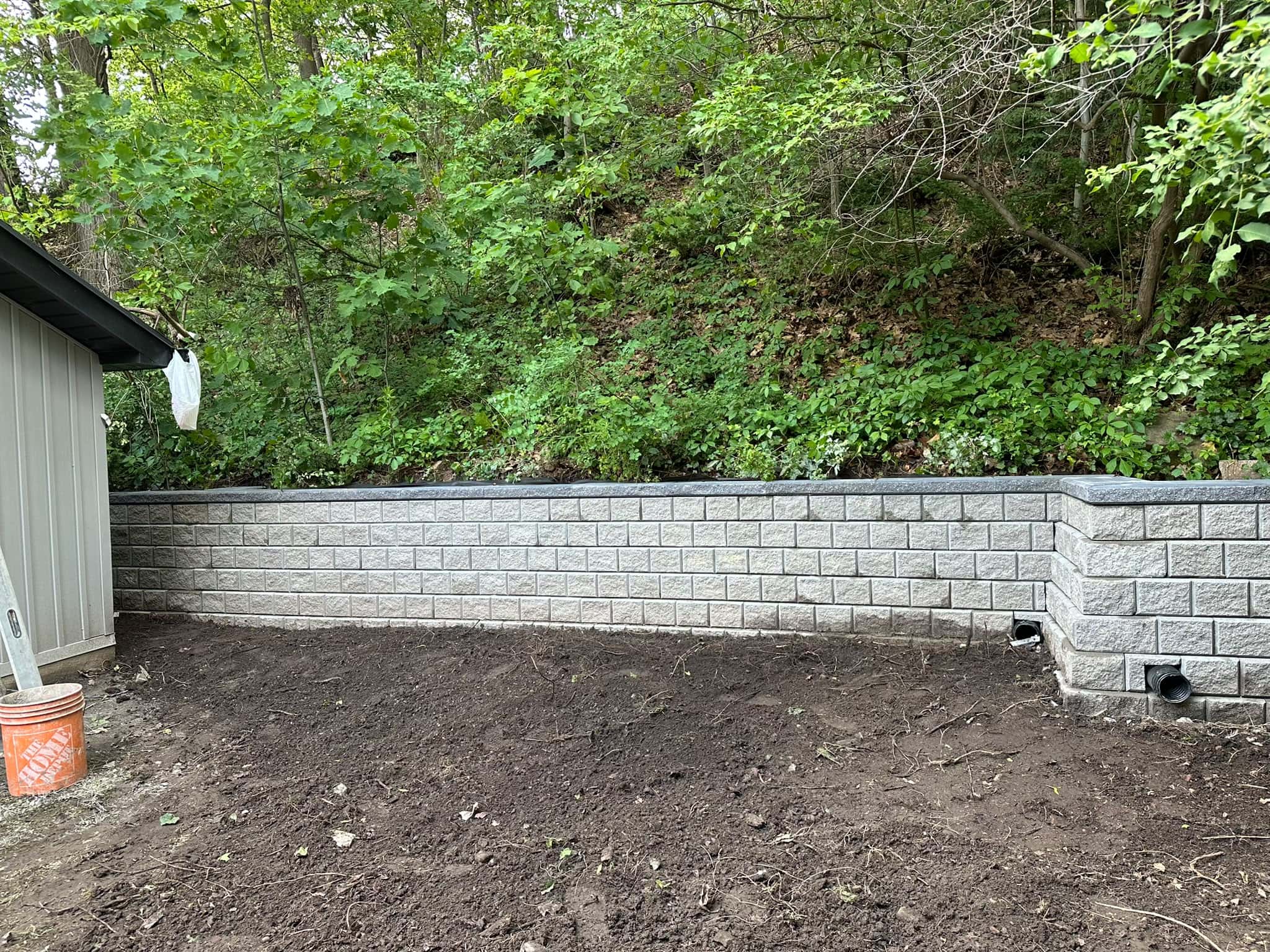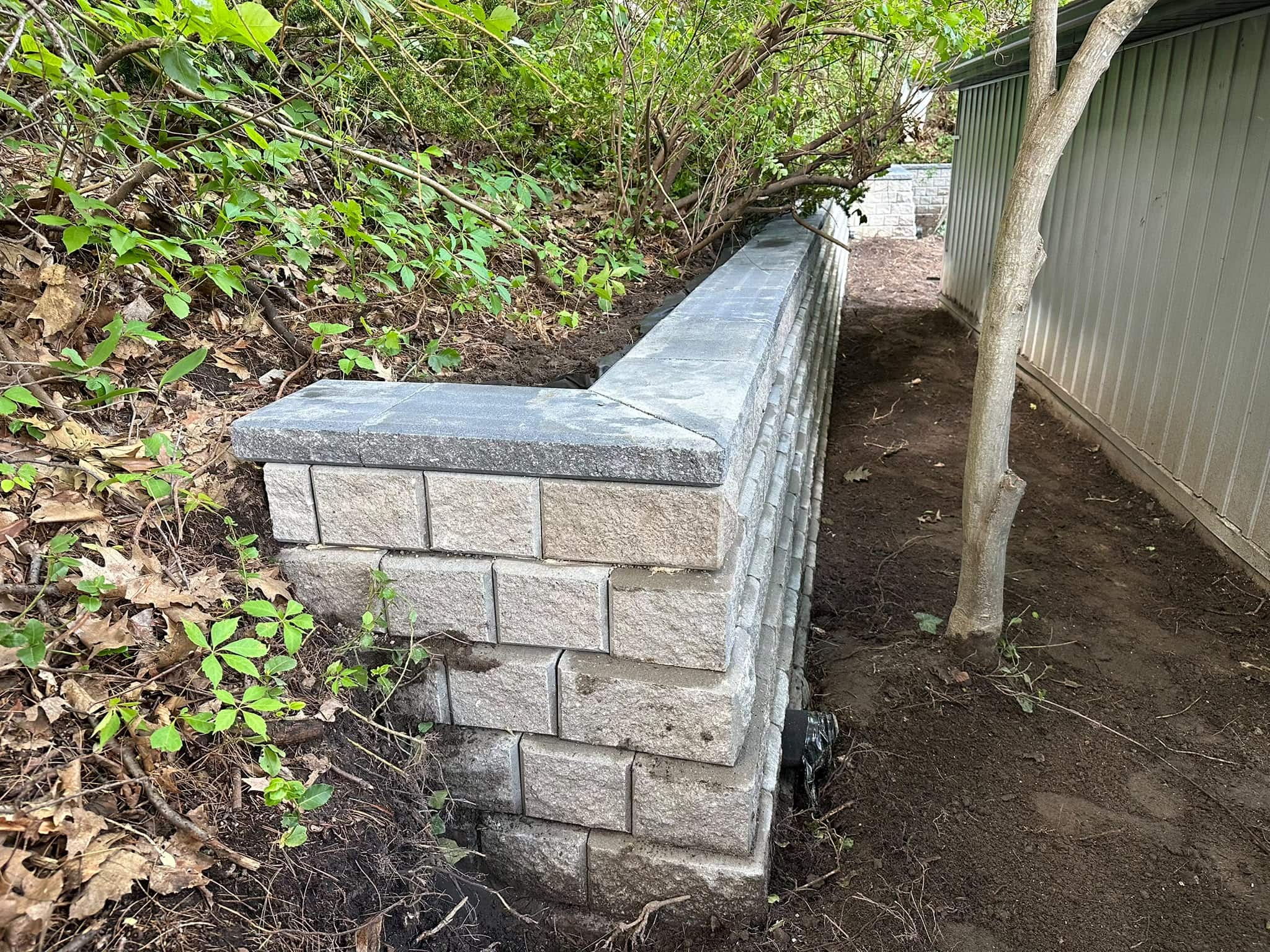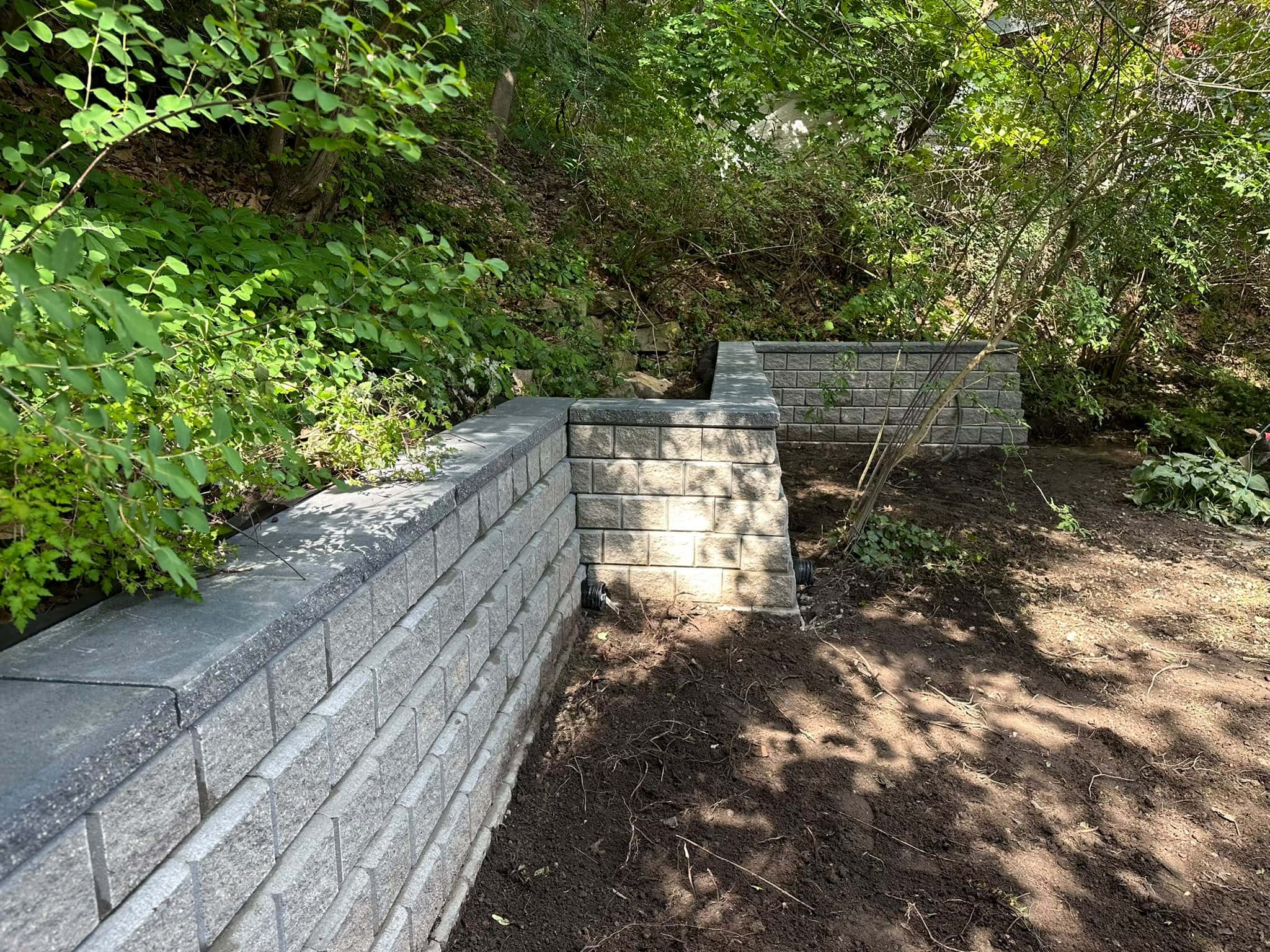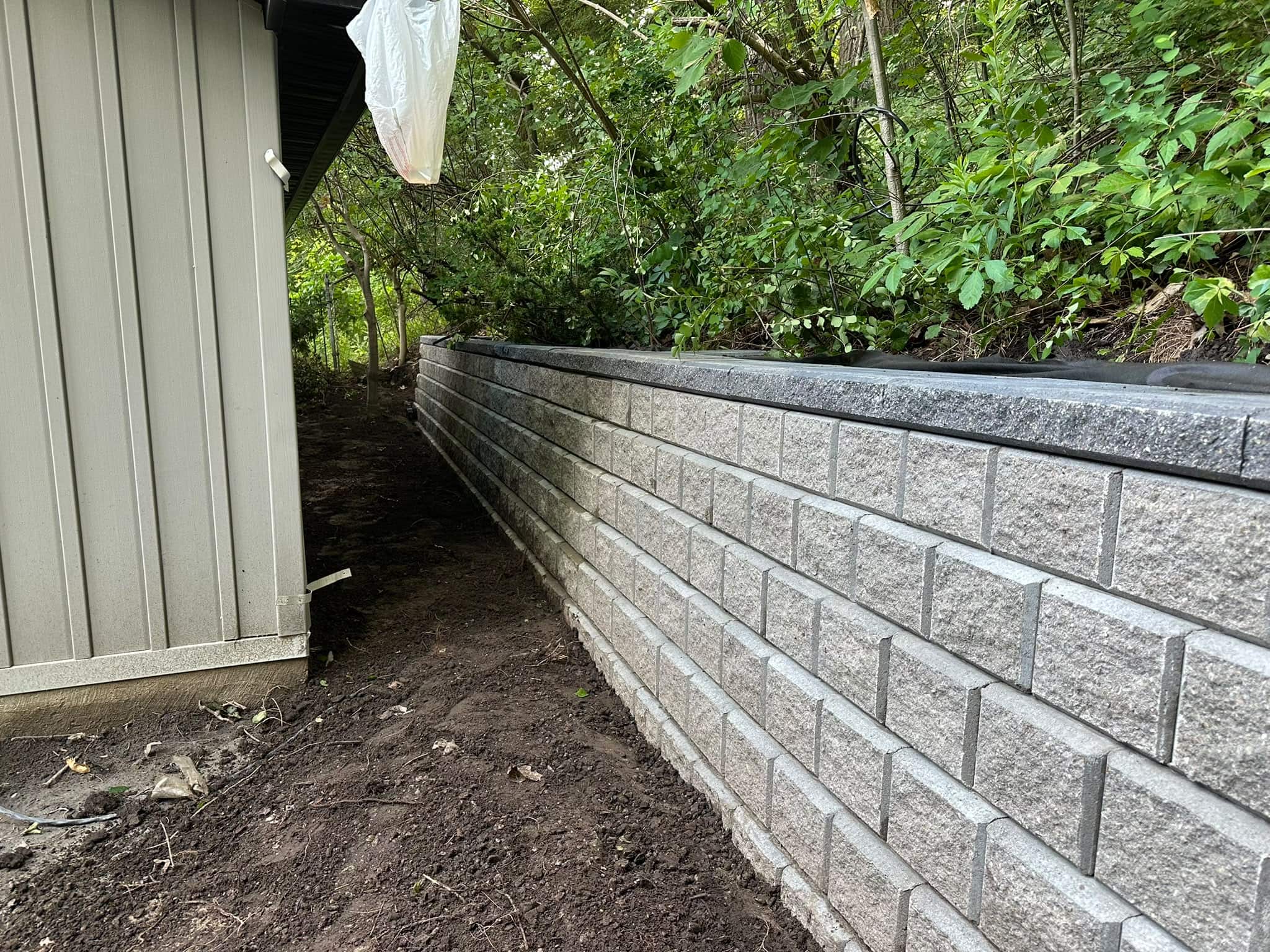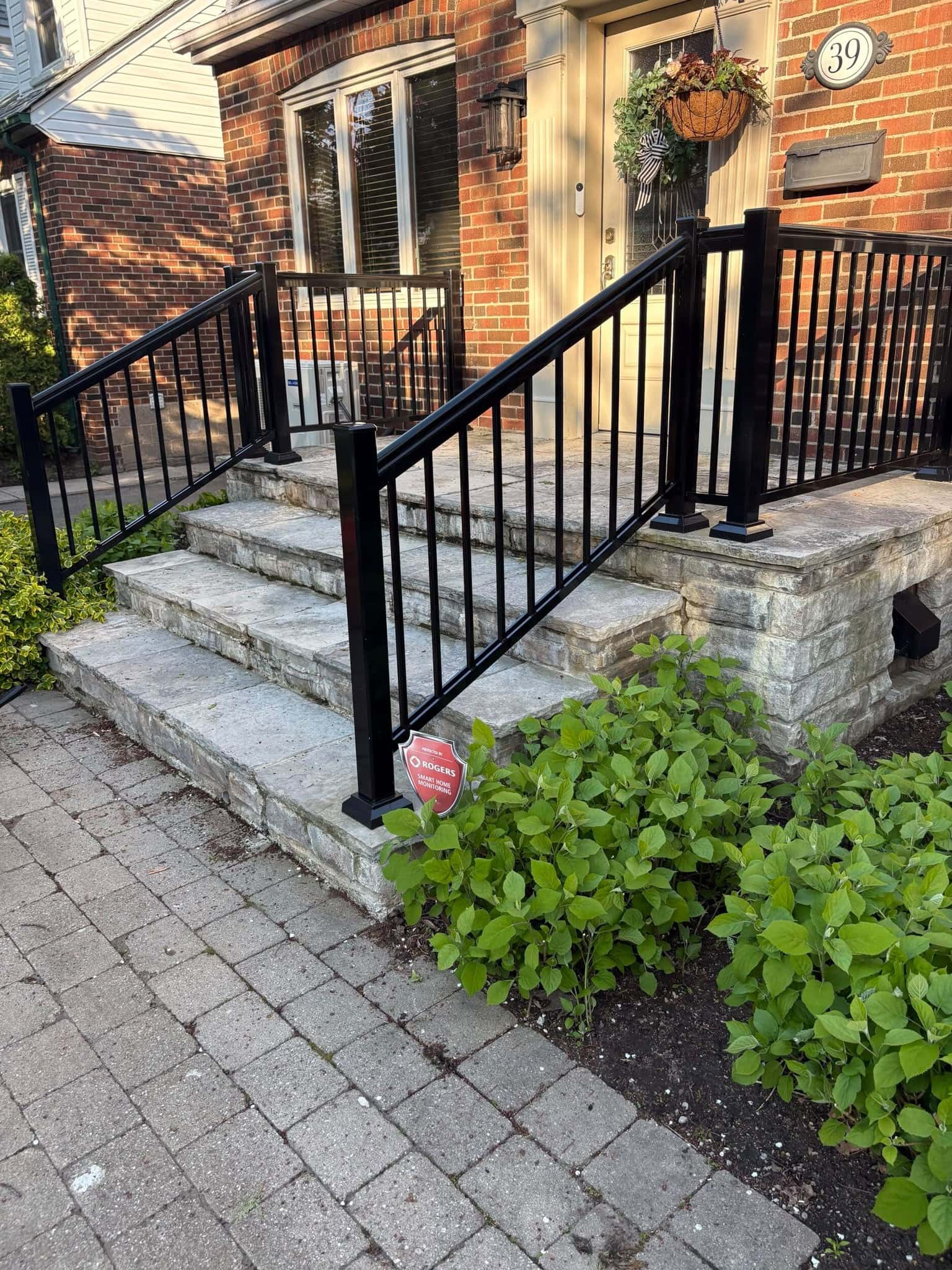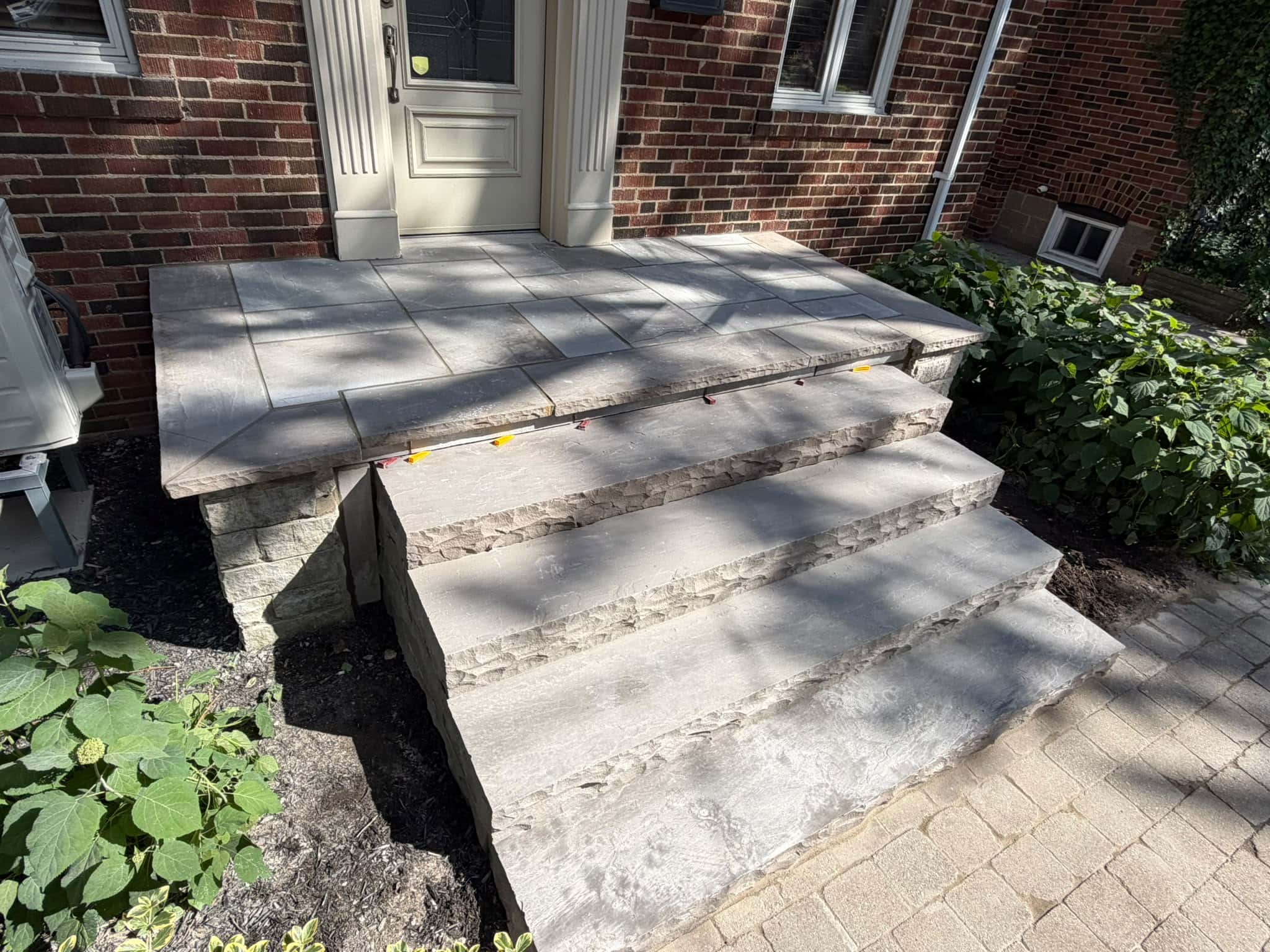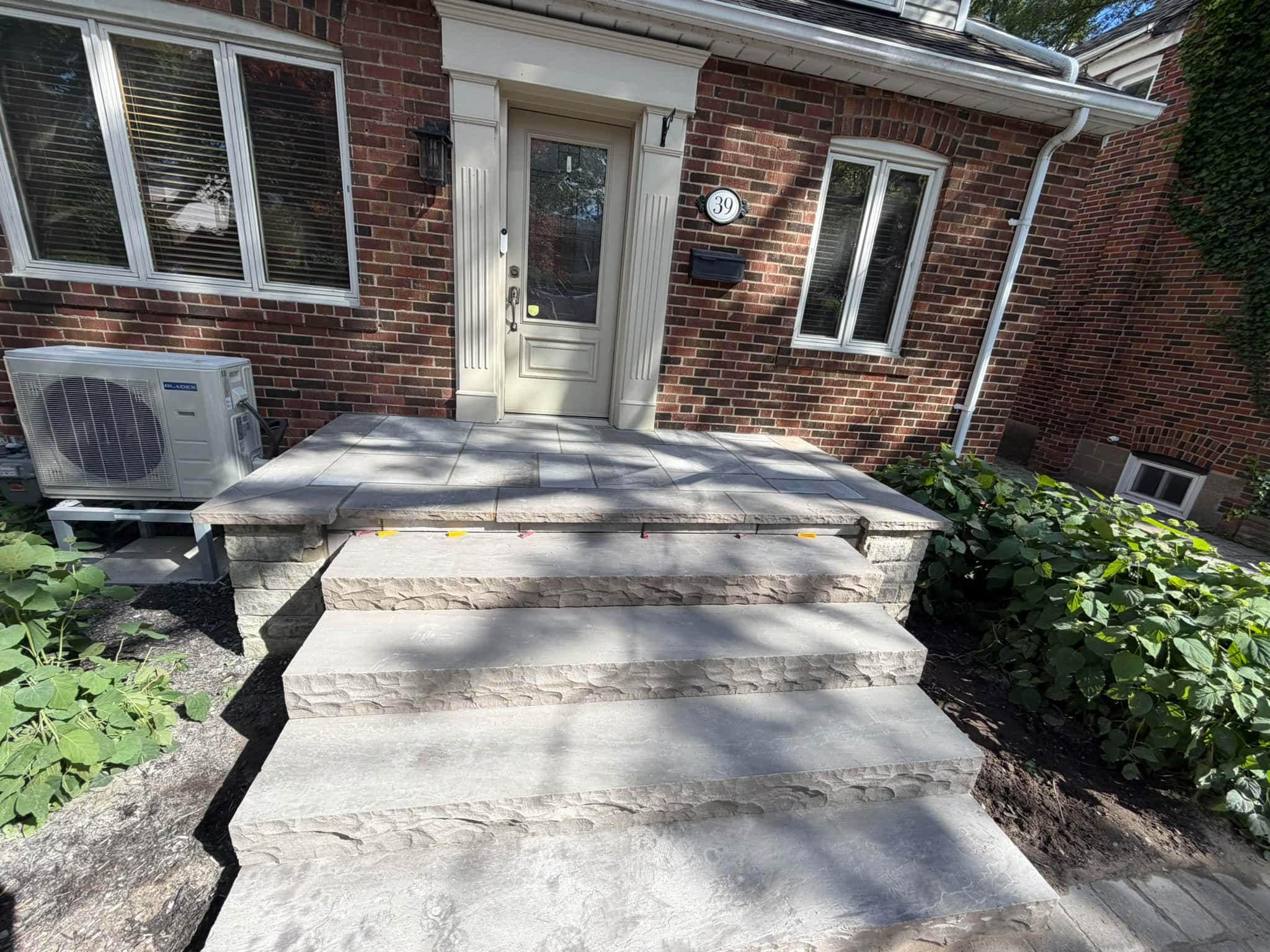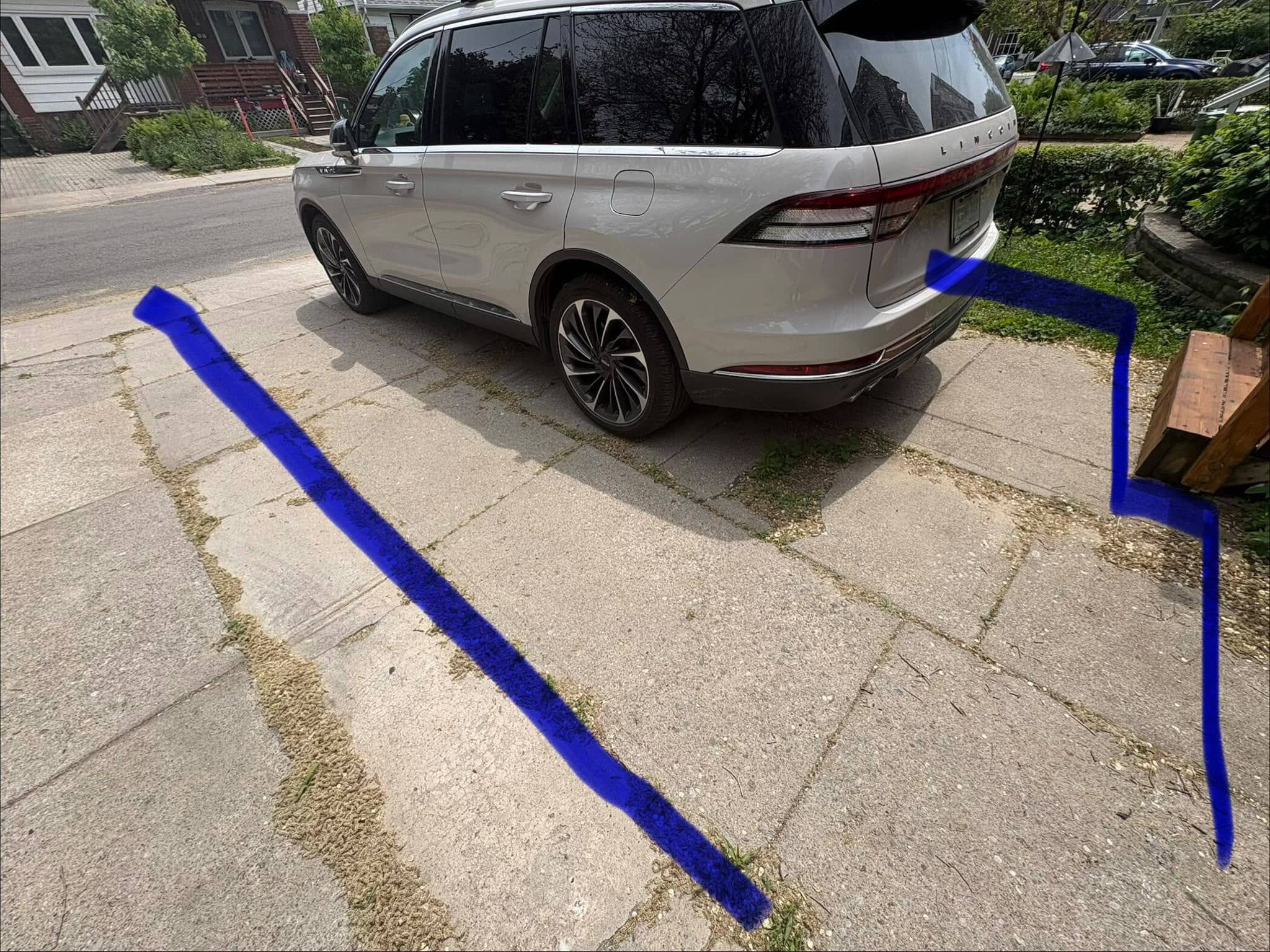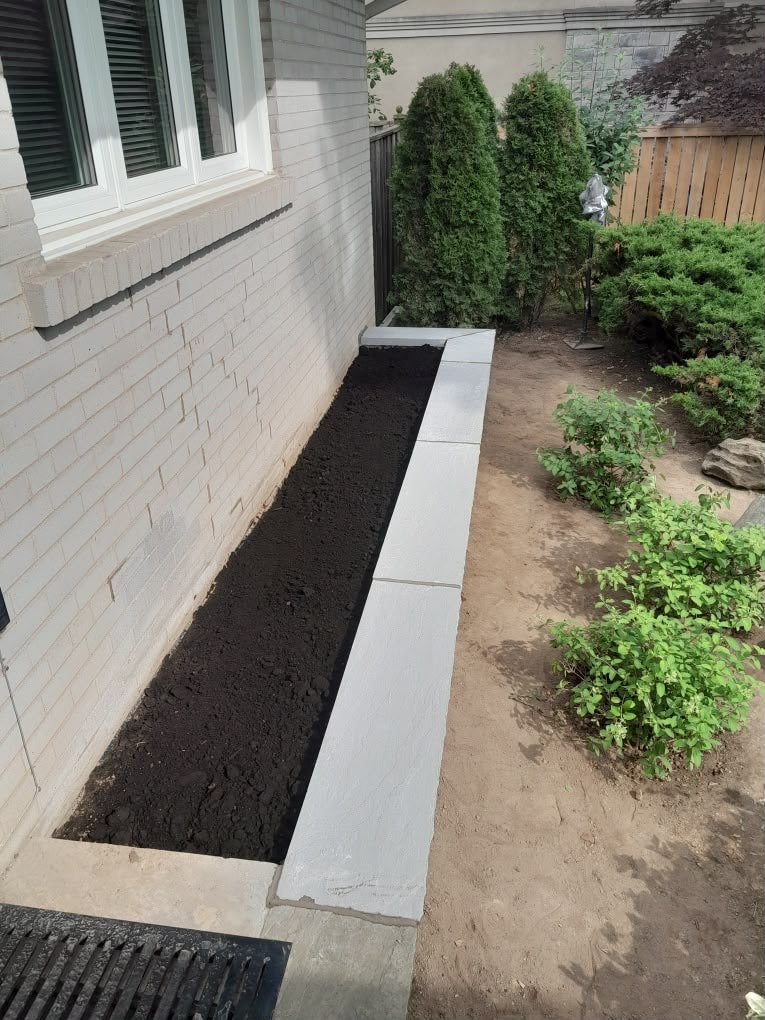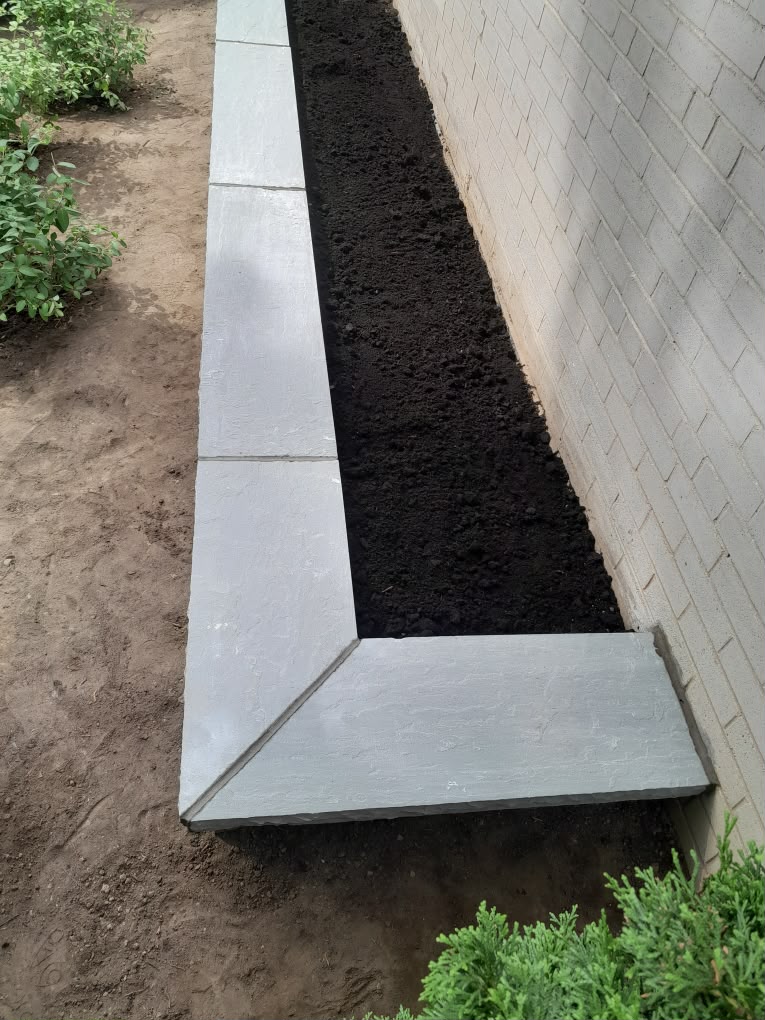

Choosing a masonry contractor is about more than finding a company that offers brick, stone or concrete work. The right contractor should be able to identify what is damaged, explain what may be causing the problem and recommend a repair method that suits the existing masonry.
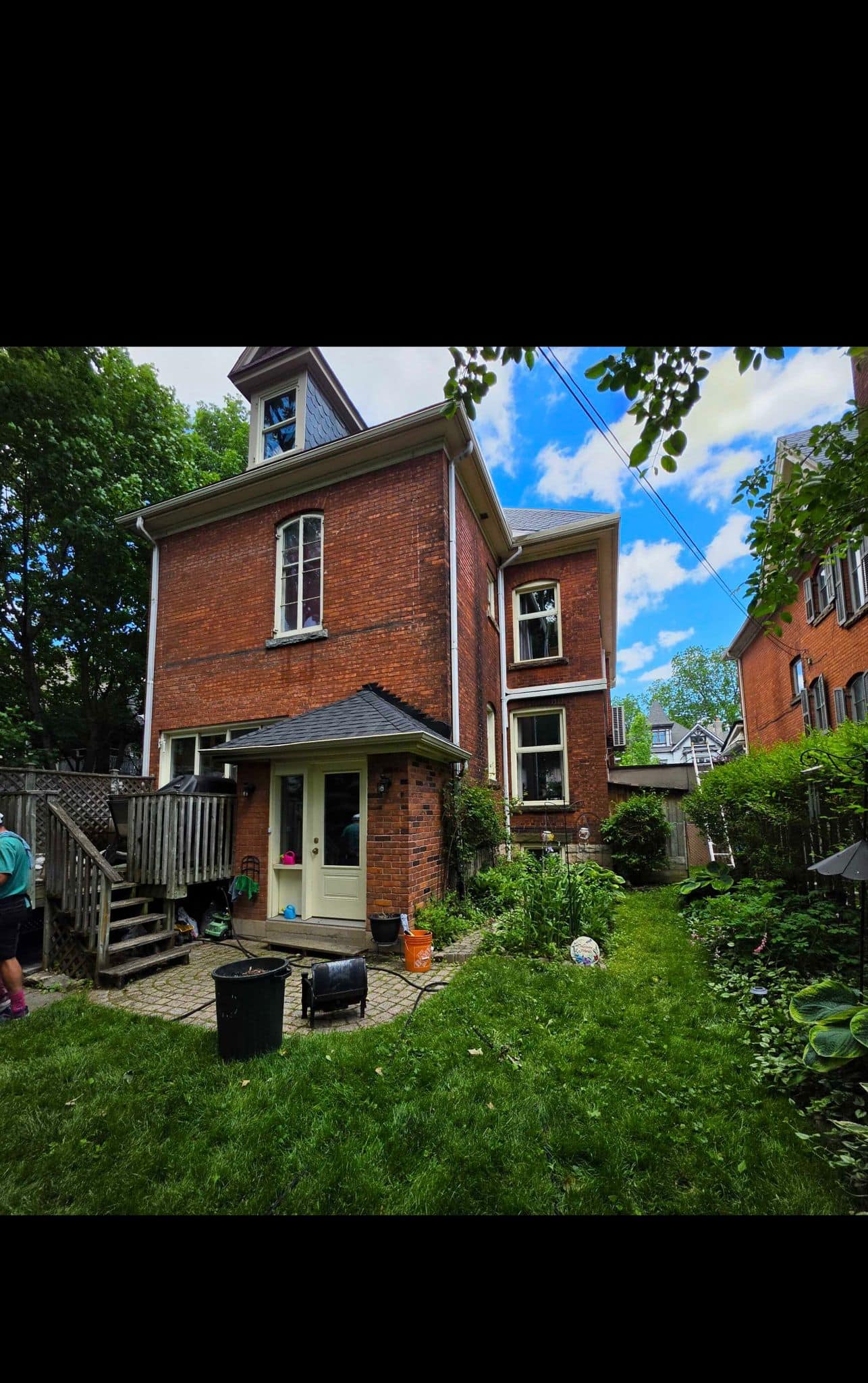
That is especially important on older Toronto homes, where brick, mortar, stone, concrete, chimneys and foundation surfaces may have been exposed to decades of moisture, freeze-thaw conditions and previous repairs.
If you are still figuring out which type of repair your property needs, A&A Masonry’s Toronto masonry services page provides an overview of brick, mortar, stone, concrete, chimney, waterproofing and other exterior masonry services.
Quick answer: Look for a masonry contractor with relevant experience, clear written scope, appropriate insurance, examples of similar completed work and a repair plan that addresses the condition of your property rather than simply offering the fastest or cheapest fix.
Start With the Masonry Problem You Actually Have
Before comparing masonry companies, identify what you are trying to repair as clearly as possible.
Common masonry concerns include:
- Cracked or spalling brick
- Crumbling or missing mortar
- Damaged chimneys
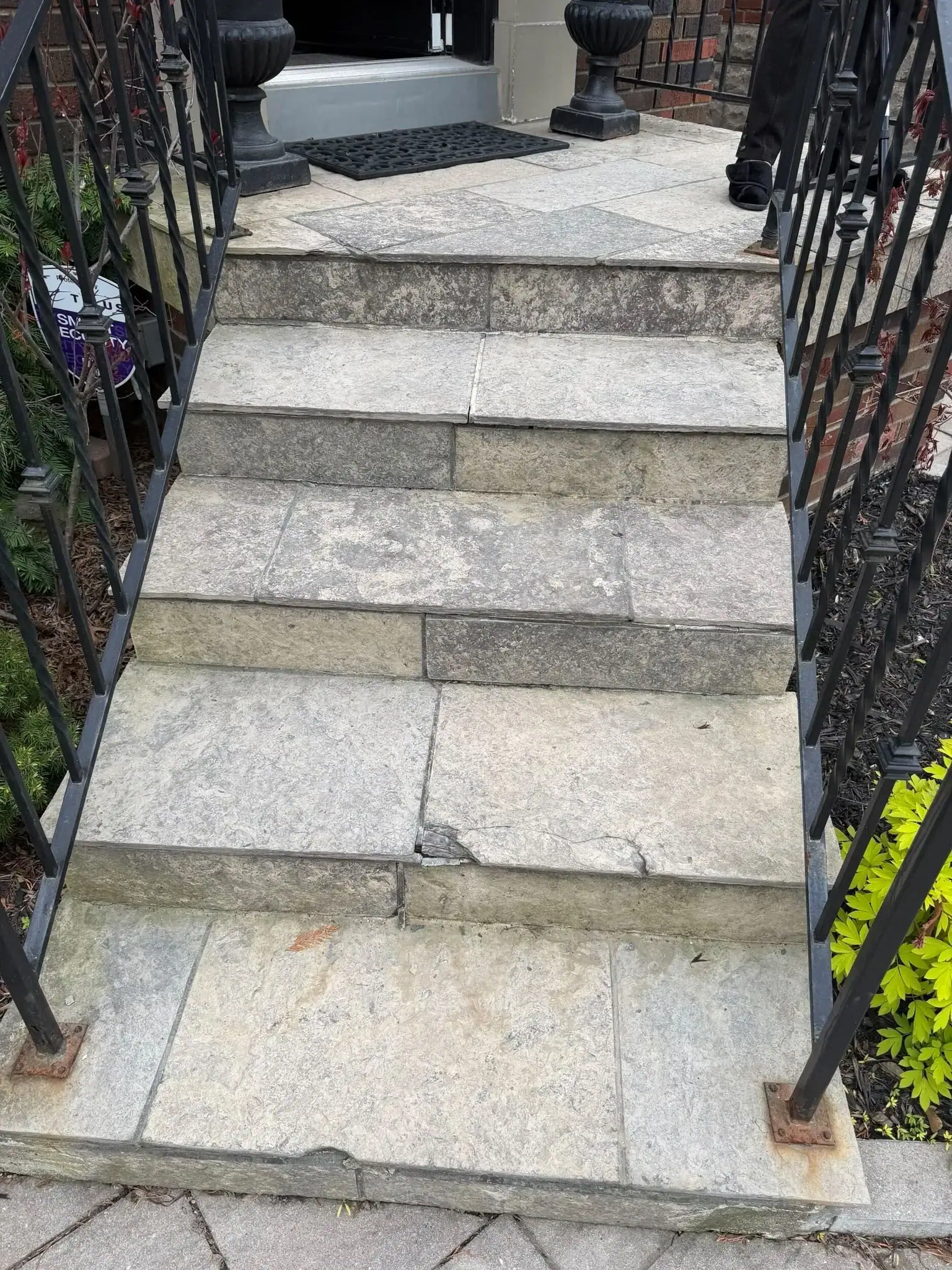
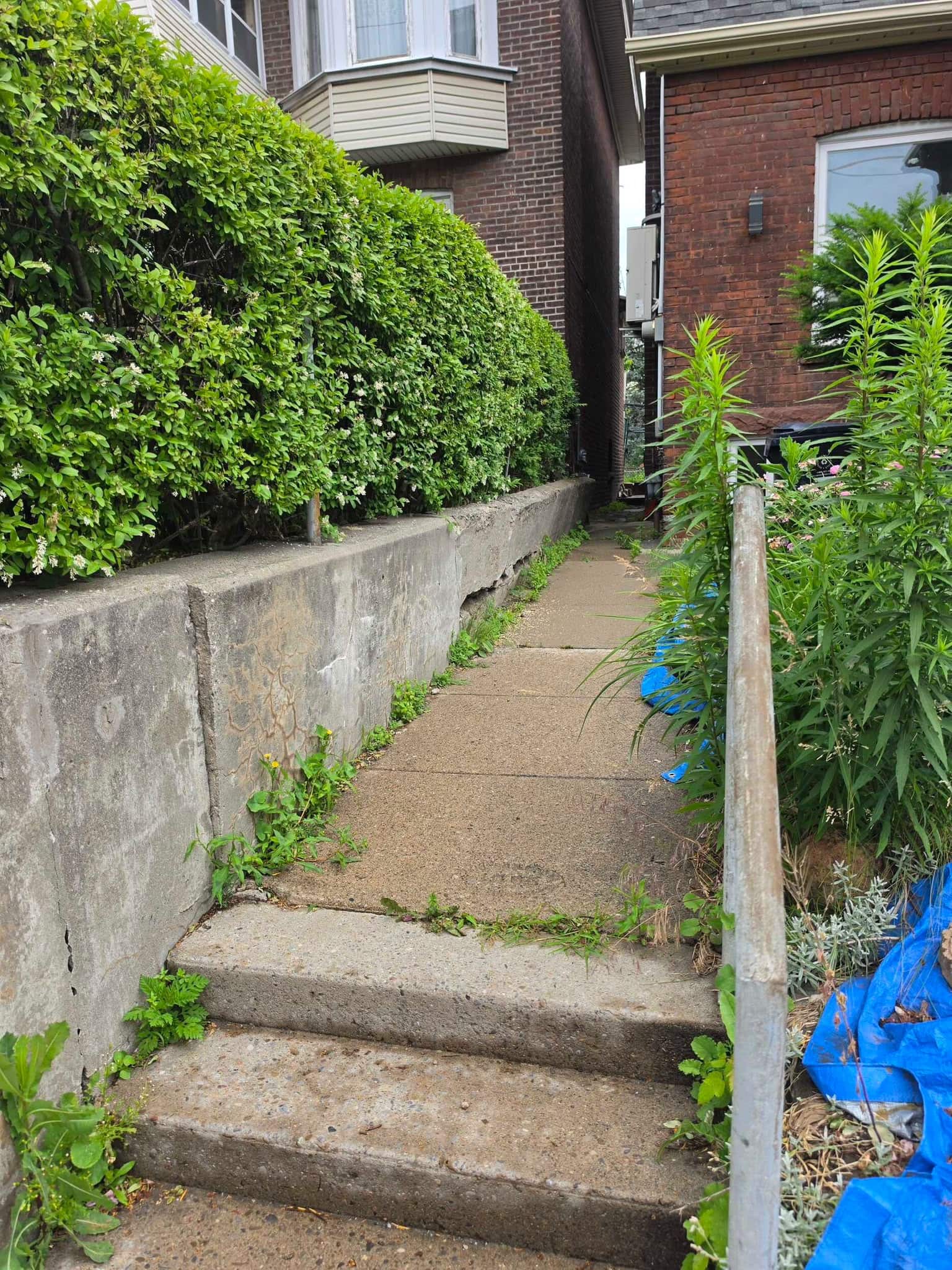
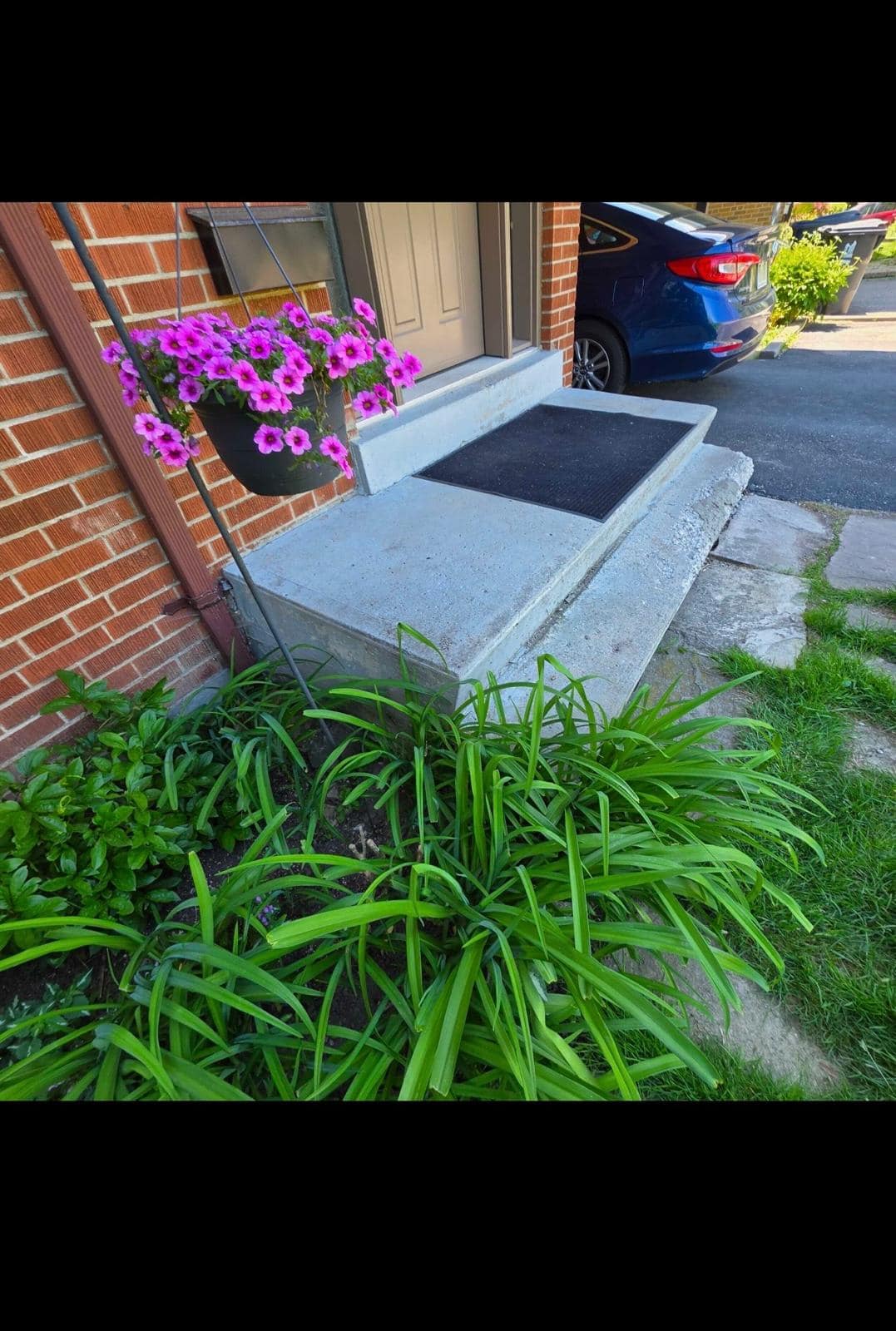
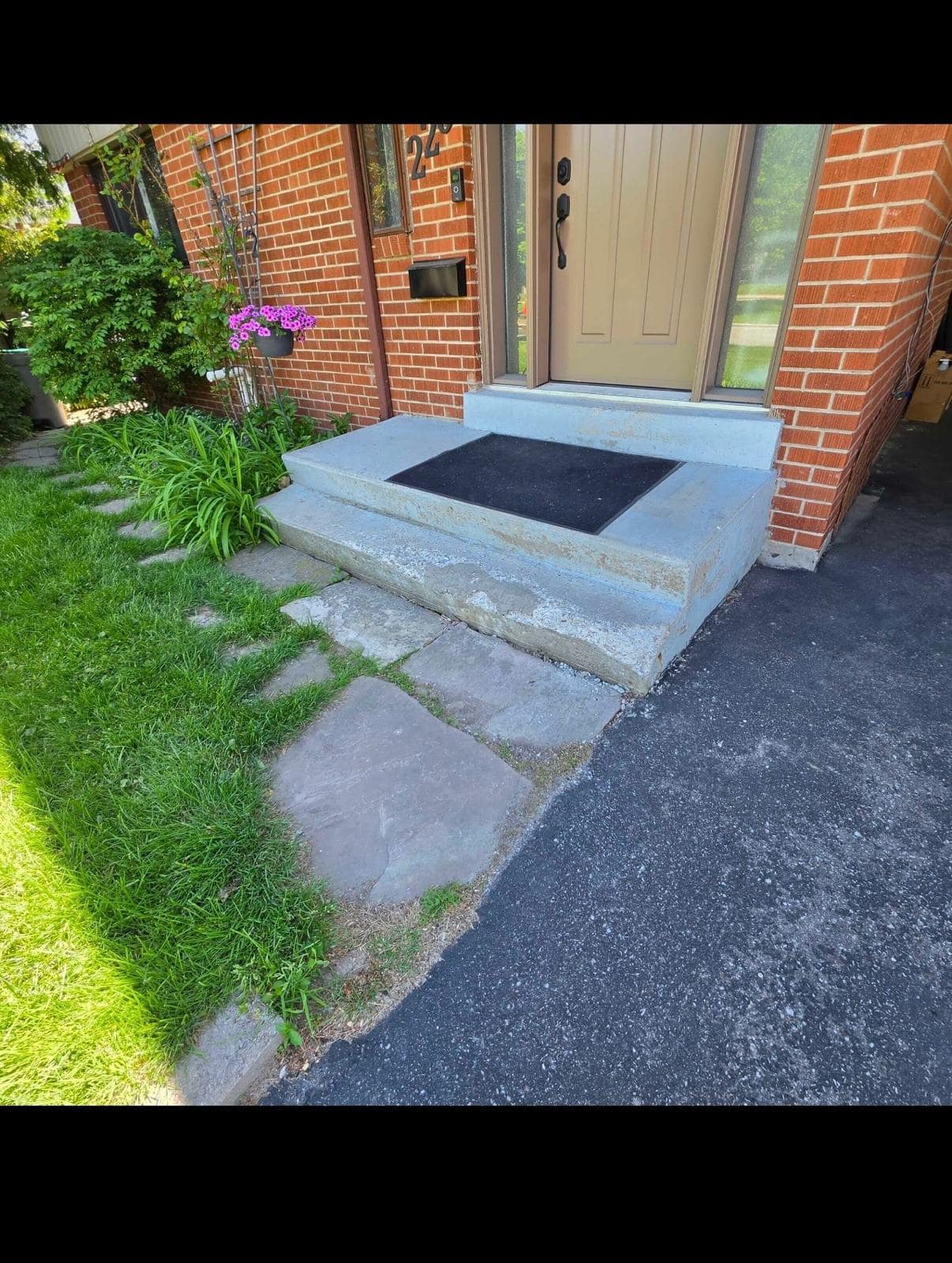
- Cracked concrete steps or walkways
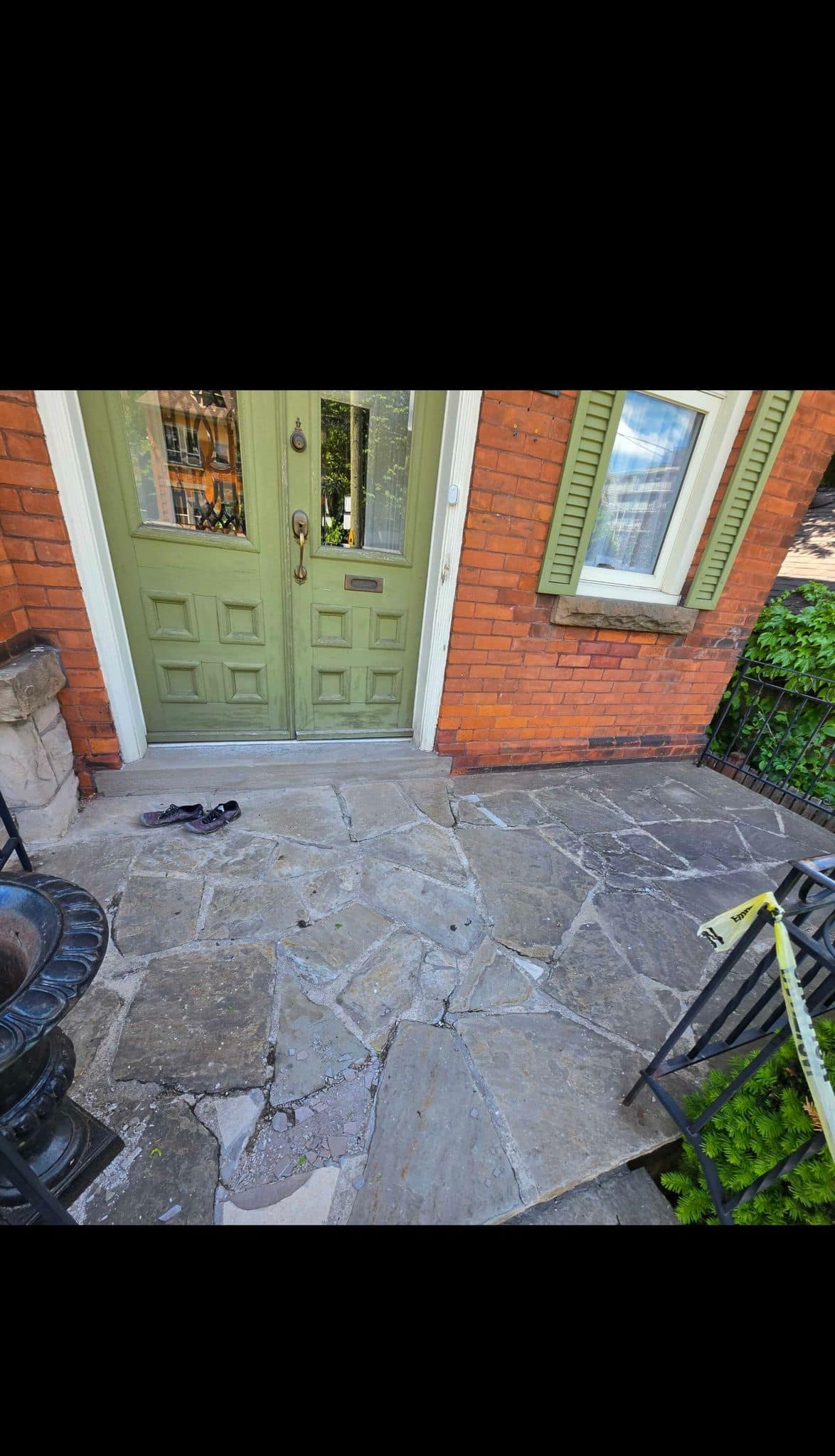
- Loose or deteriorating stone
- Foundation parging damage
- Water entering around masonry or foundations
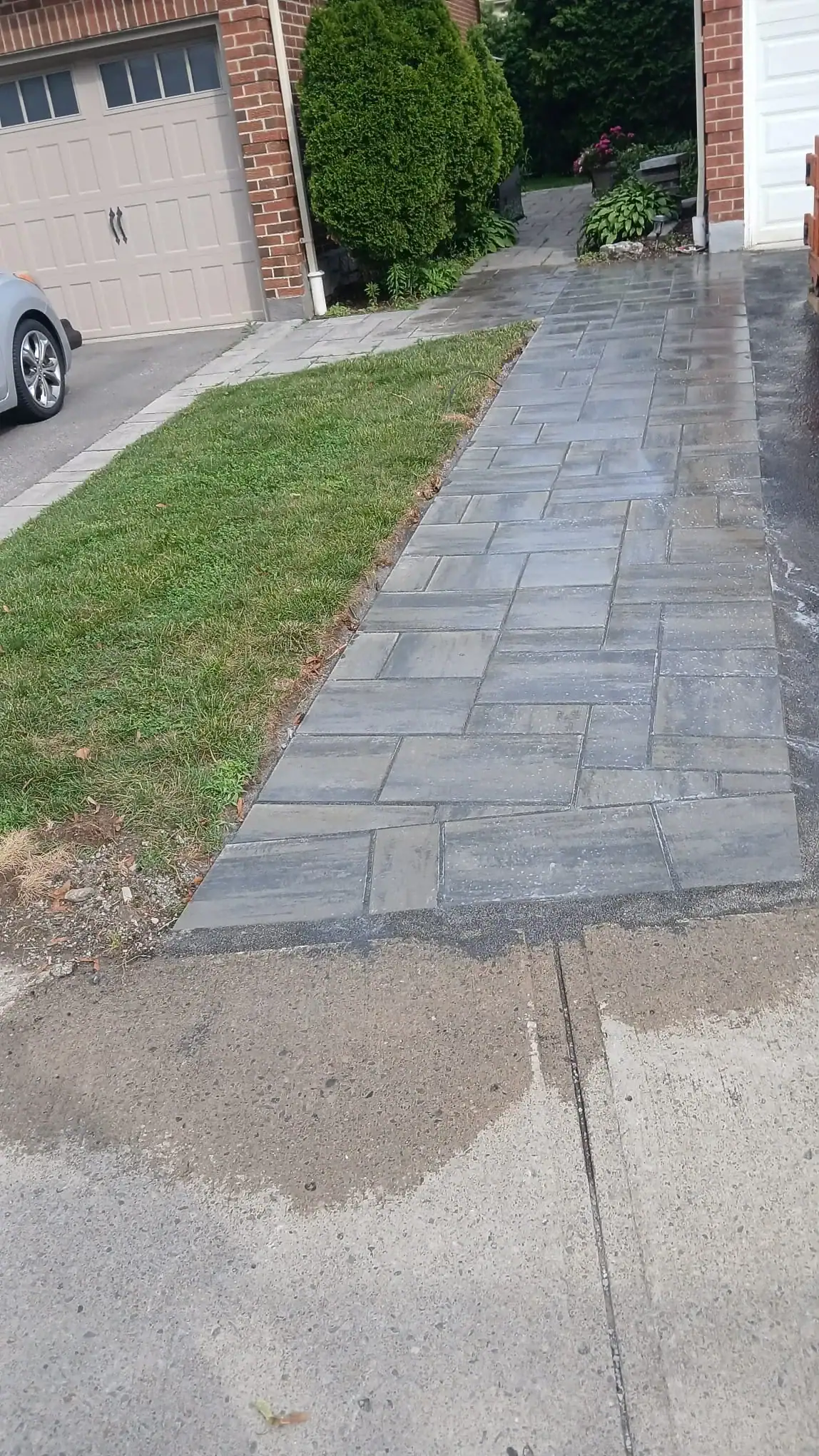
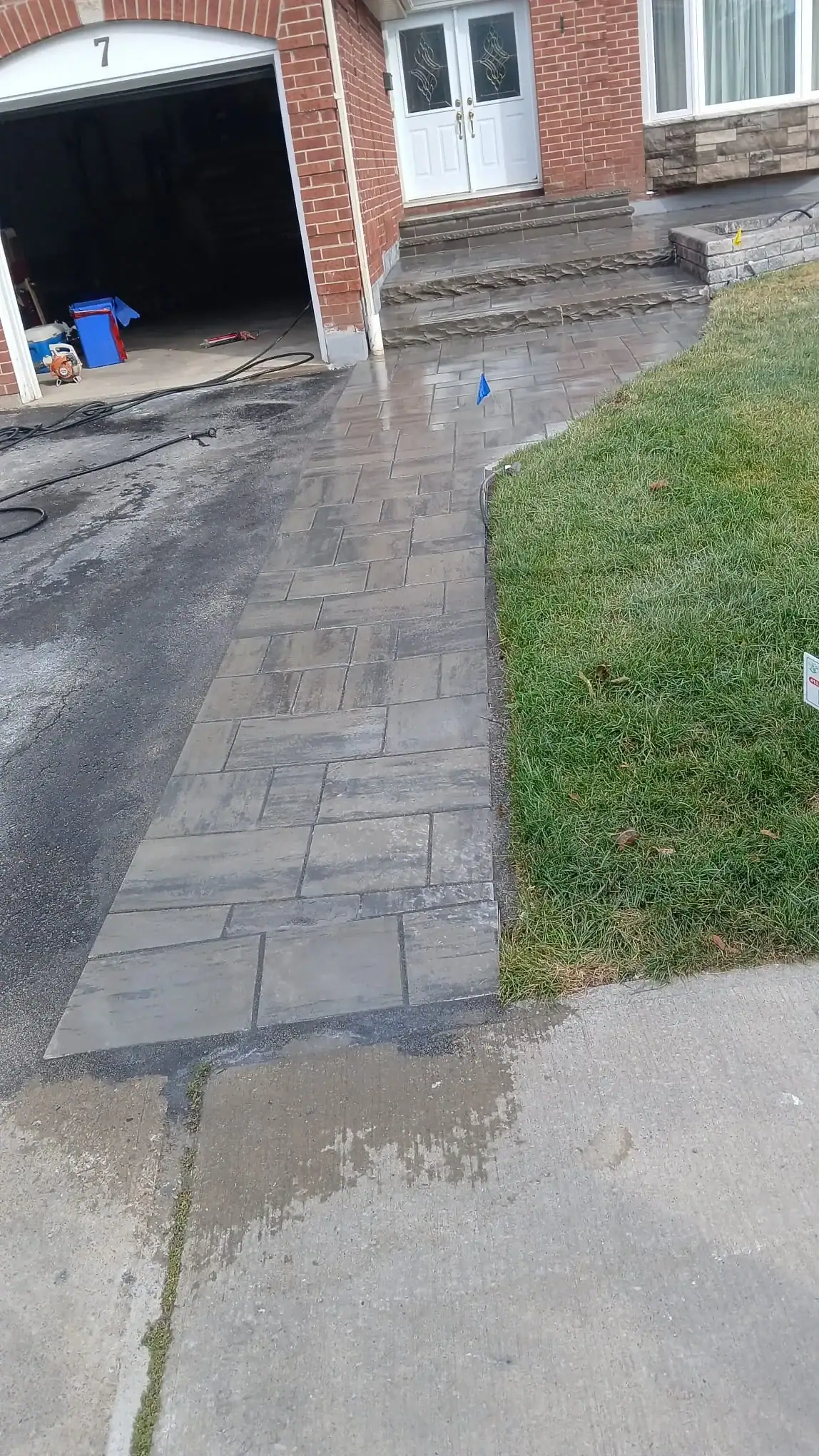
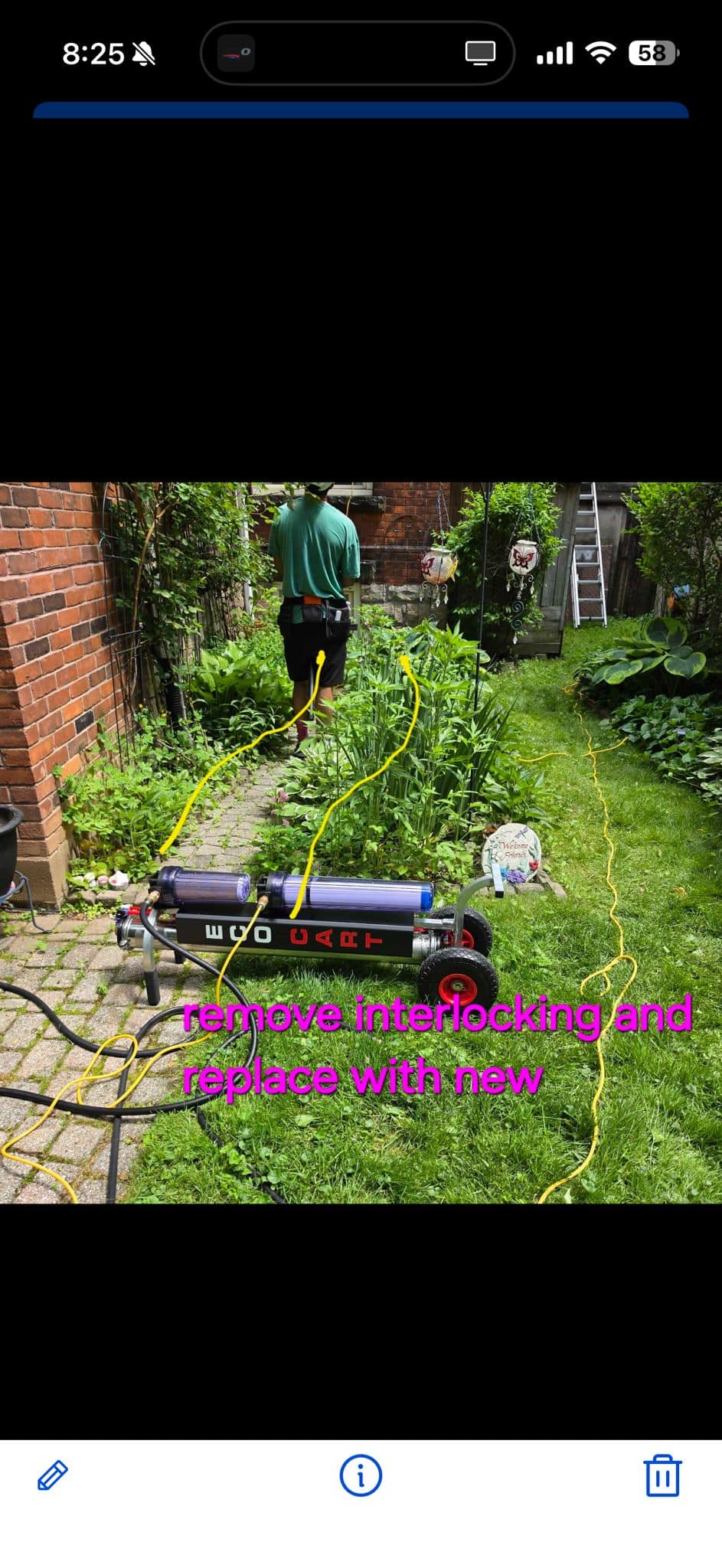
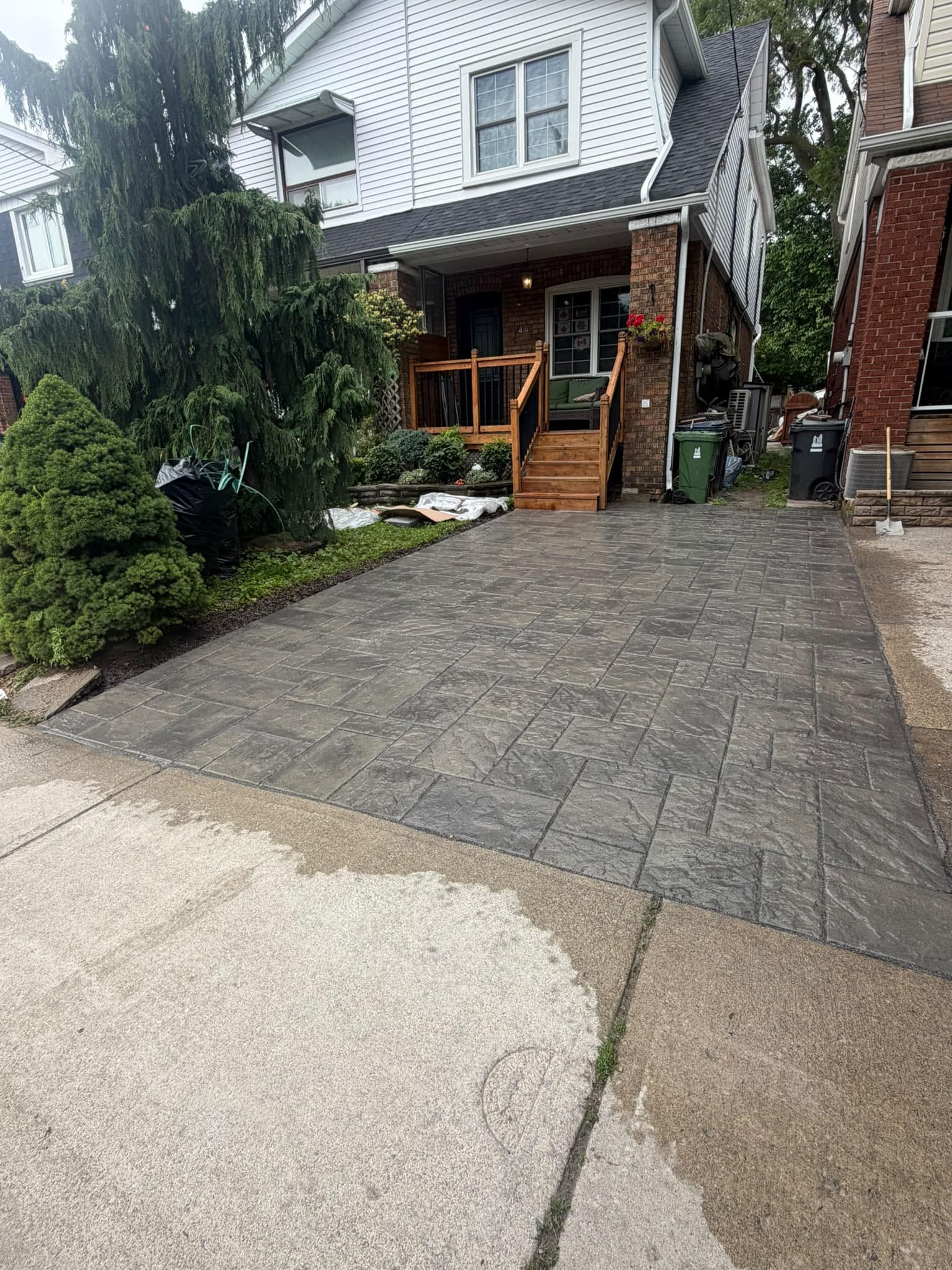
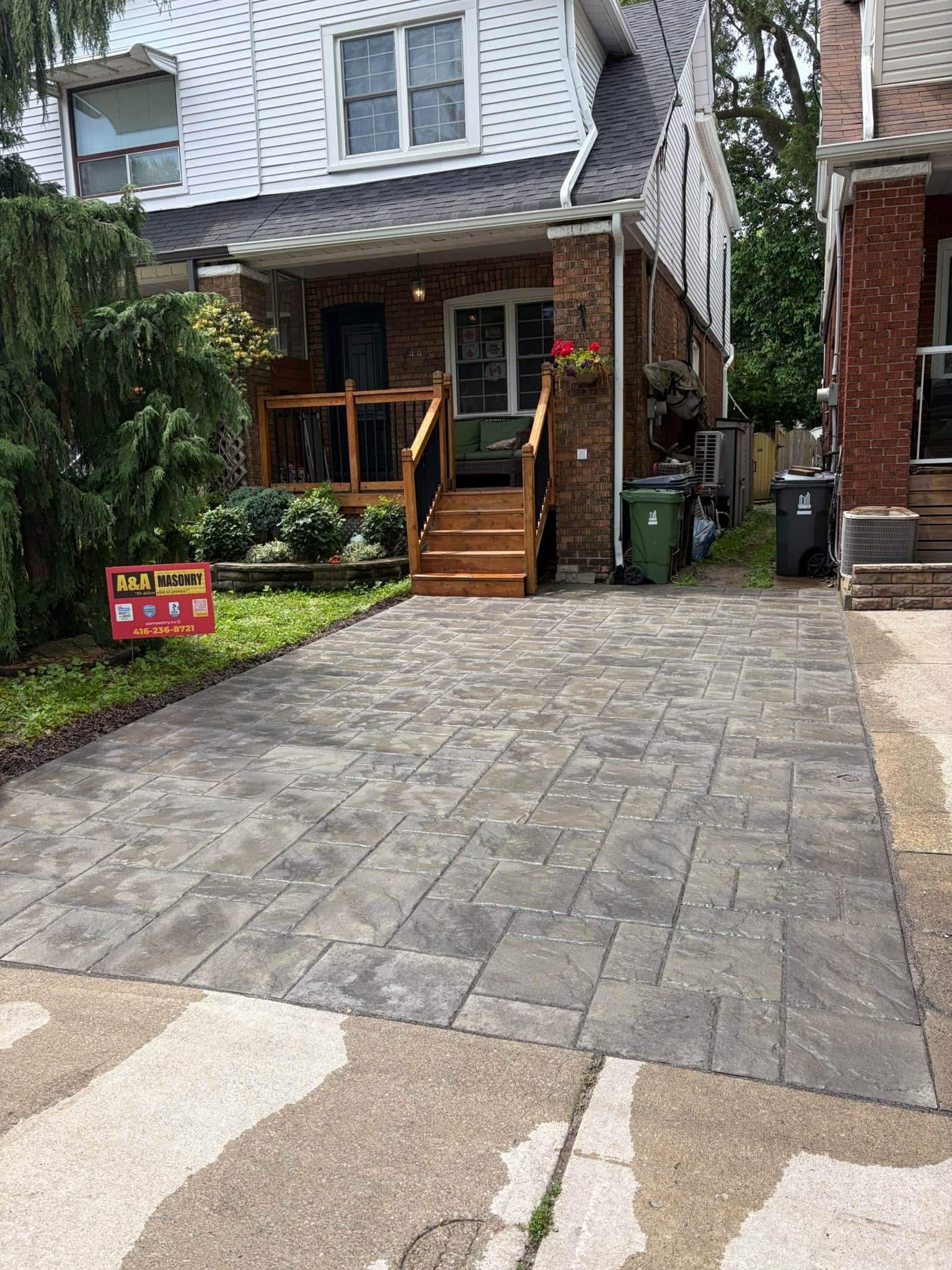
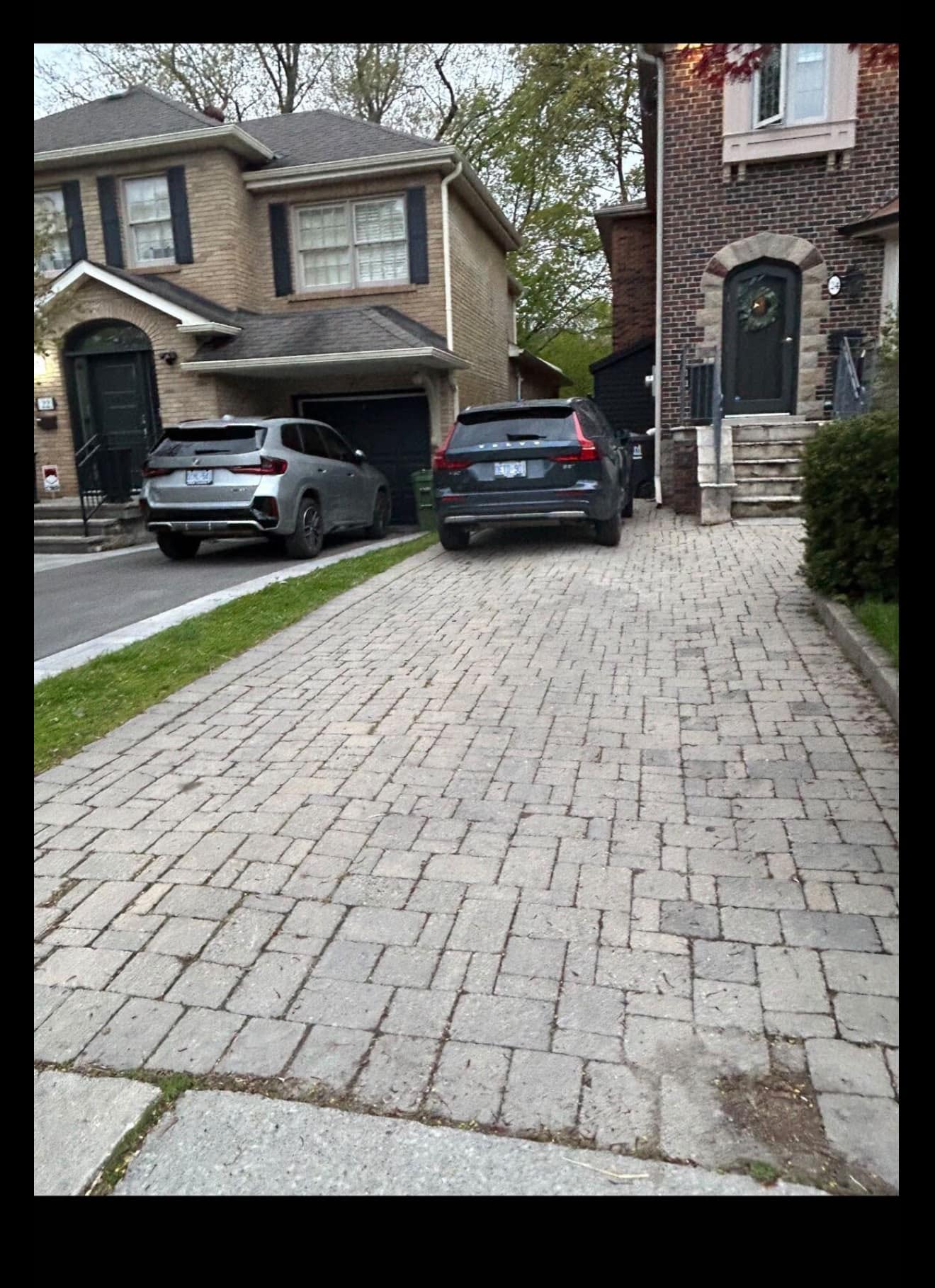
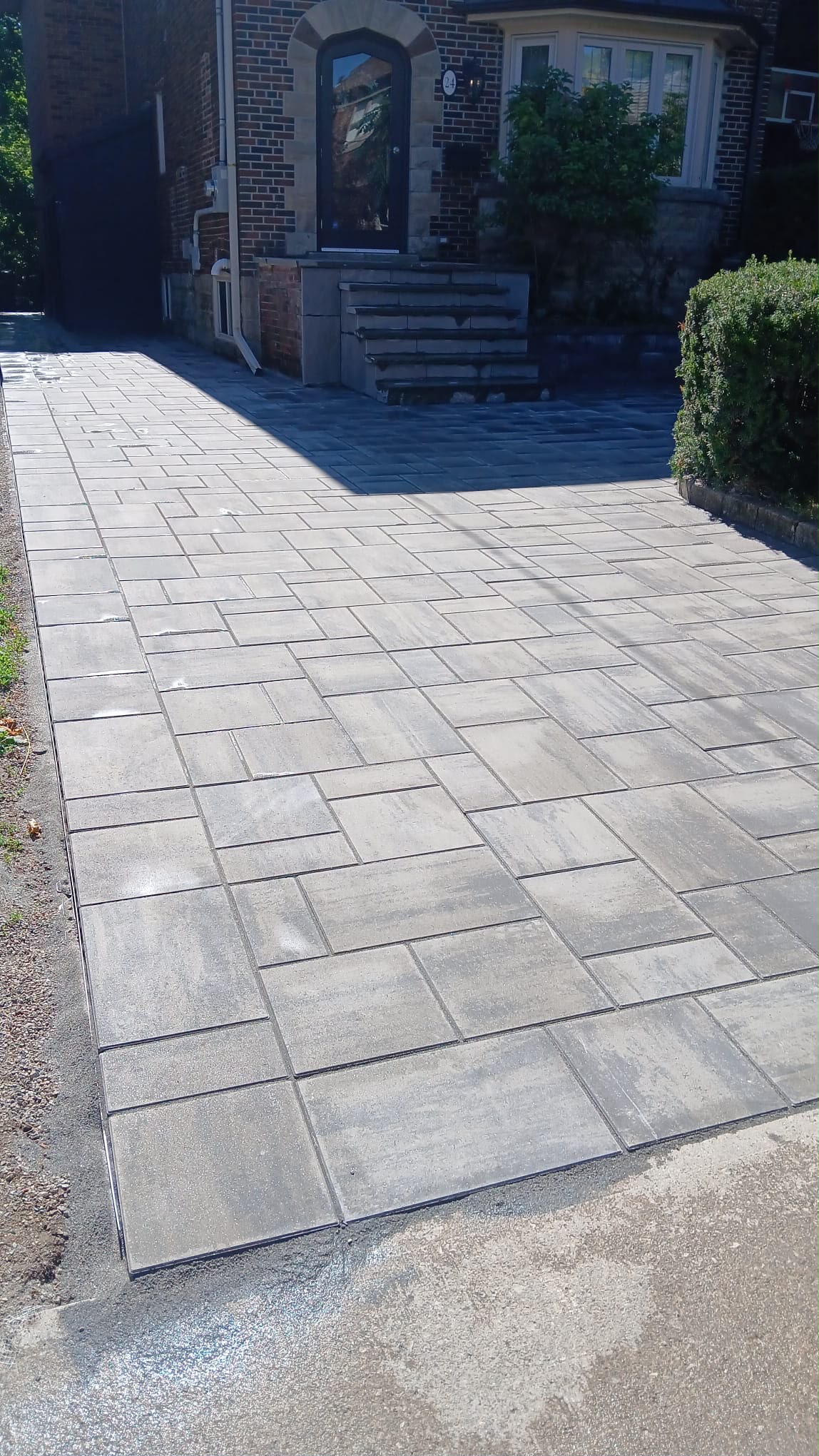
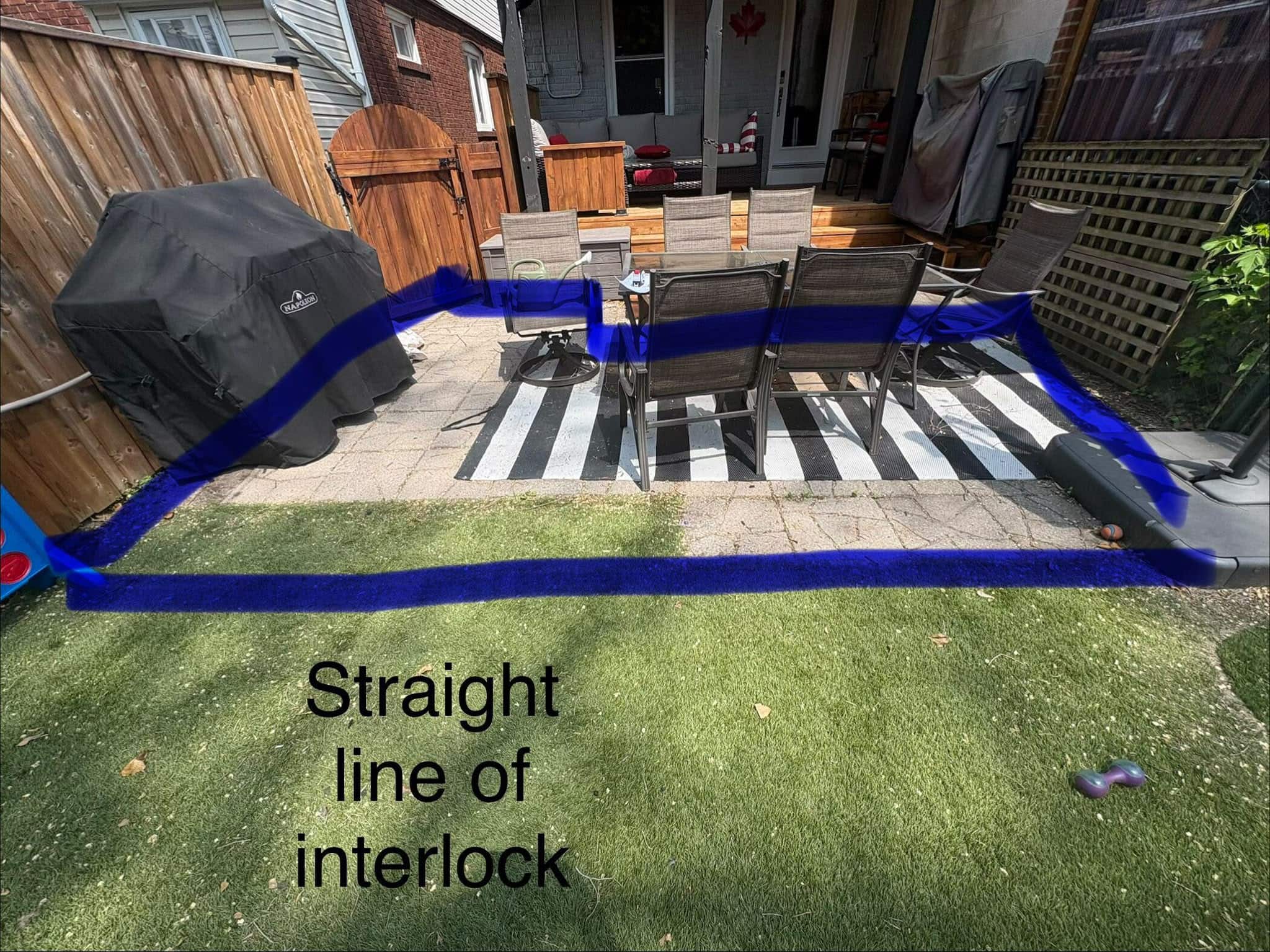
- Uneven or sinking interlocking
- Older masonry requiring broader restoration
A company may offer many services, but the important question is whether it has relevant experience with the specific material and problem at your property.
Look for Relevant Experience, Not Just Years in Business
Experience matters in masonry, but the number of years a company has existed does not tell you everything about whether it is suited to your project.
Ask whether the contractor has completed work involving:
- The same type of brick, stone or concrete
- A similar type of property
- The same repair problem
- Older or weathered masonry where matching is important
- Repair and restoration rather than only new construction
A contractor who has repaired similar problems should be able to explain what they found on previous projects and how the proposed repair addresses the conditions at your property.
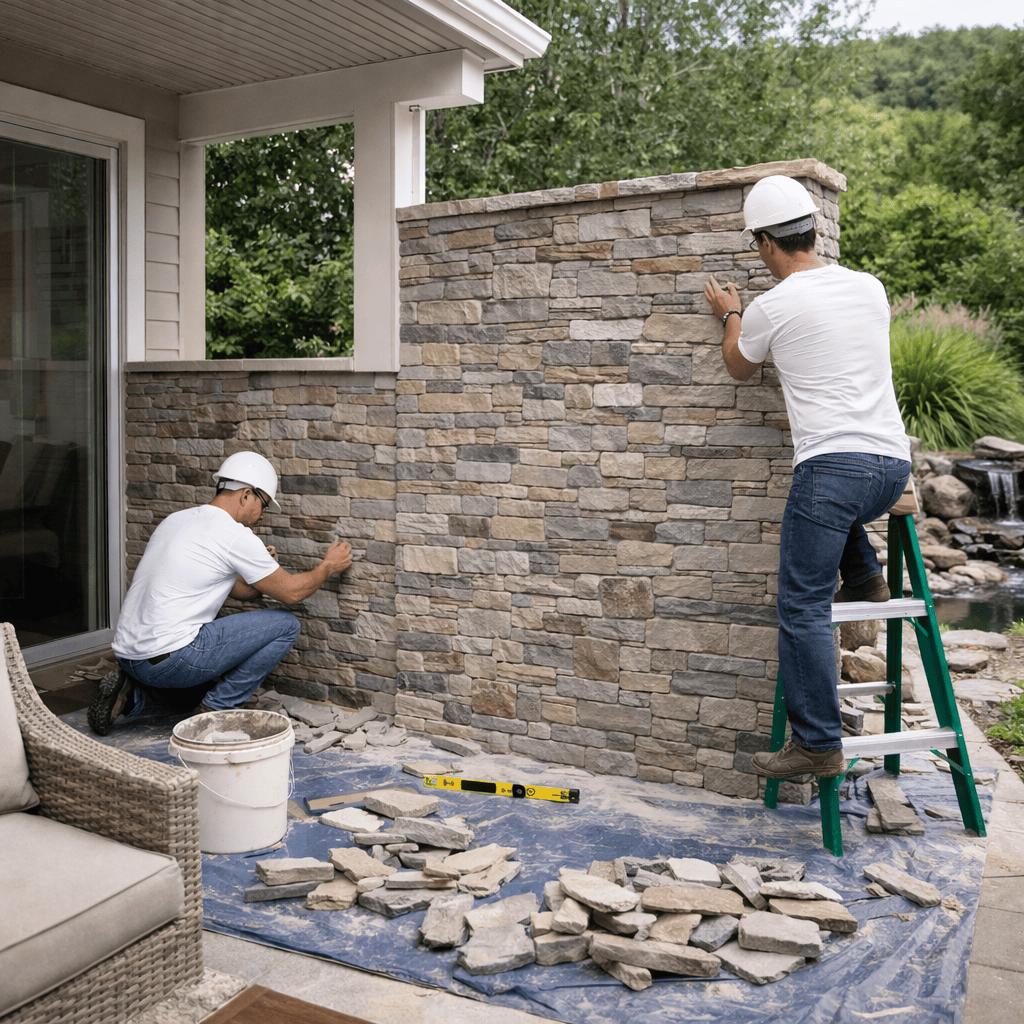
Ask What Caused the Damage
A useful masonry assessment should go beyond identifying the visible damage.
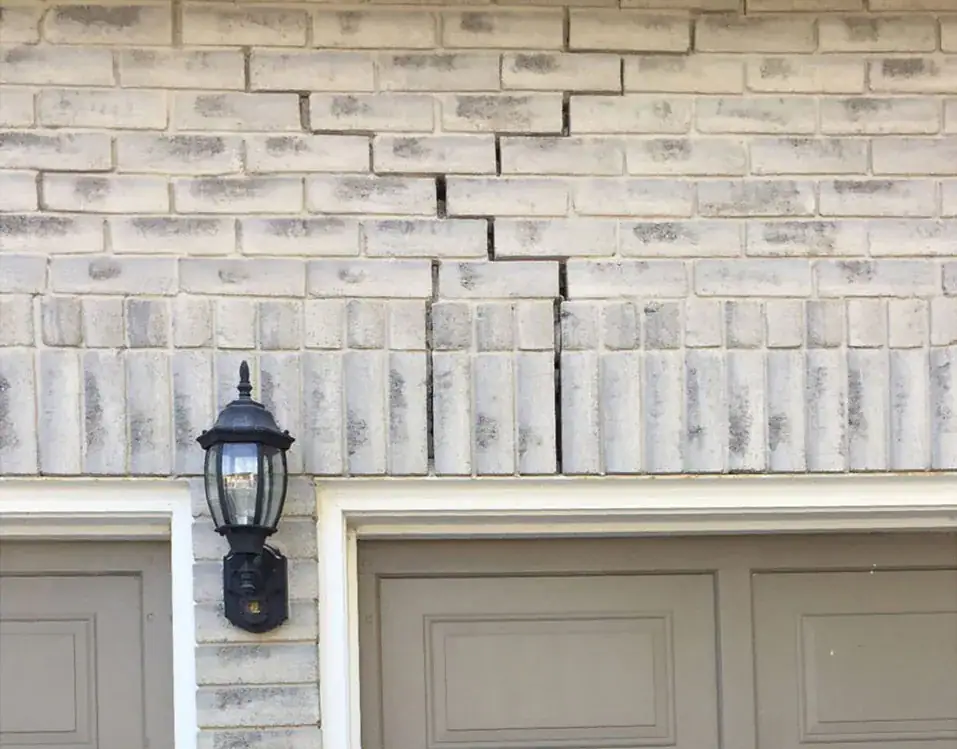
For example, cracked mortar may be associated with normal weathering, but it can also occur alongside moisture, movement or previous incompatible repairs. Spalling brick may involve repeated moisture and freeze-thaw exposure. Sinking concrete or interlocking may involve drainage, settlement or base conditions.
A contractor should be able to explain:
- What is visibly damaged
- What may have contributed to the deterioration
- Whether the surrounding masonry remains serviceable
- Why a particular repair method is being recommended
No contractor can always determine every hidden condition before work begins, but the proposed repair should be based on more than appearance alone.
Compare Repair Scope, Not Just Company Names
Two masonry estimates can have very different prices because they may not include the same work.
When comparing proposals, check whether they describe:
- The exact repair area
- How damaged material will be removed or prepared
- What brick, stone, mortar or repair material will be used
- Whether replacement materials need to be matched
- Access, scaffolding or staging requirements
- Cleanup and disposal
- Curing or weather limitations
- Drainage or moisture-related work
- What is specifically excluded from the project
A lower total may represent a smaller scope rather than the same repair at a better price.
Check Insurance, Safety and Required Approvals
Masonry work can involve heavy materials, power tools, scaffolding, ladders and work above ground level.
Before hiring a contractor, ask about appropriate liability insurance and jobsite safety practices. WSIB coverage may also be relevant depending on the company and work being performed.
Some projects may require permits, engineering or other approvals depending on the type and extent of work. Requirements vary, so avoid assuming every masonry project needs the same documentation.
The important point is that the contractor should be able to explain what applies to your project rather than relying on vague claims about being “fully licensed.”
Review Similar Completed Work
Project photos can tell you more than general marketing images.
When reviewing a masonry contractor’s previous work, look for examples that resemble your project:
- Brick matching on older homes
- Mortar repairs that blend with existing joints
- Chimney repairs or rebuilding
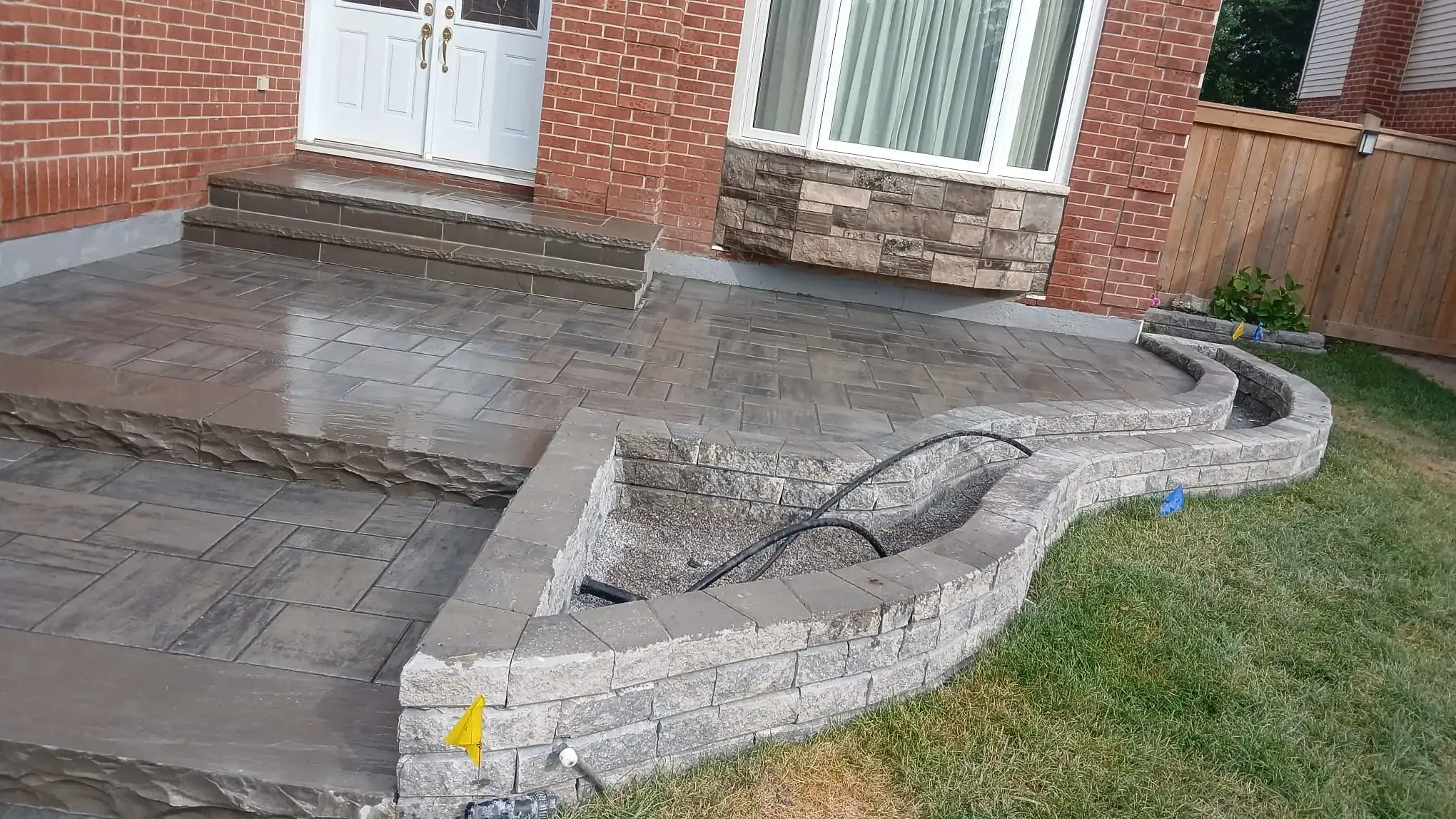
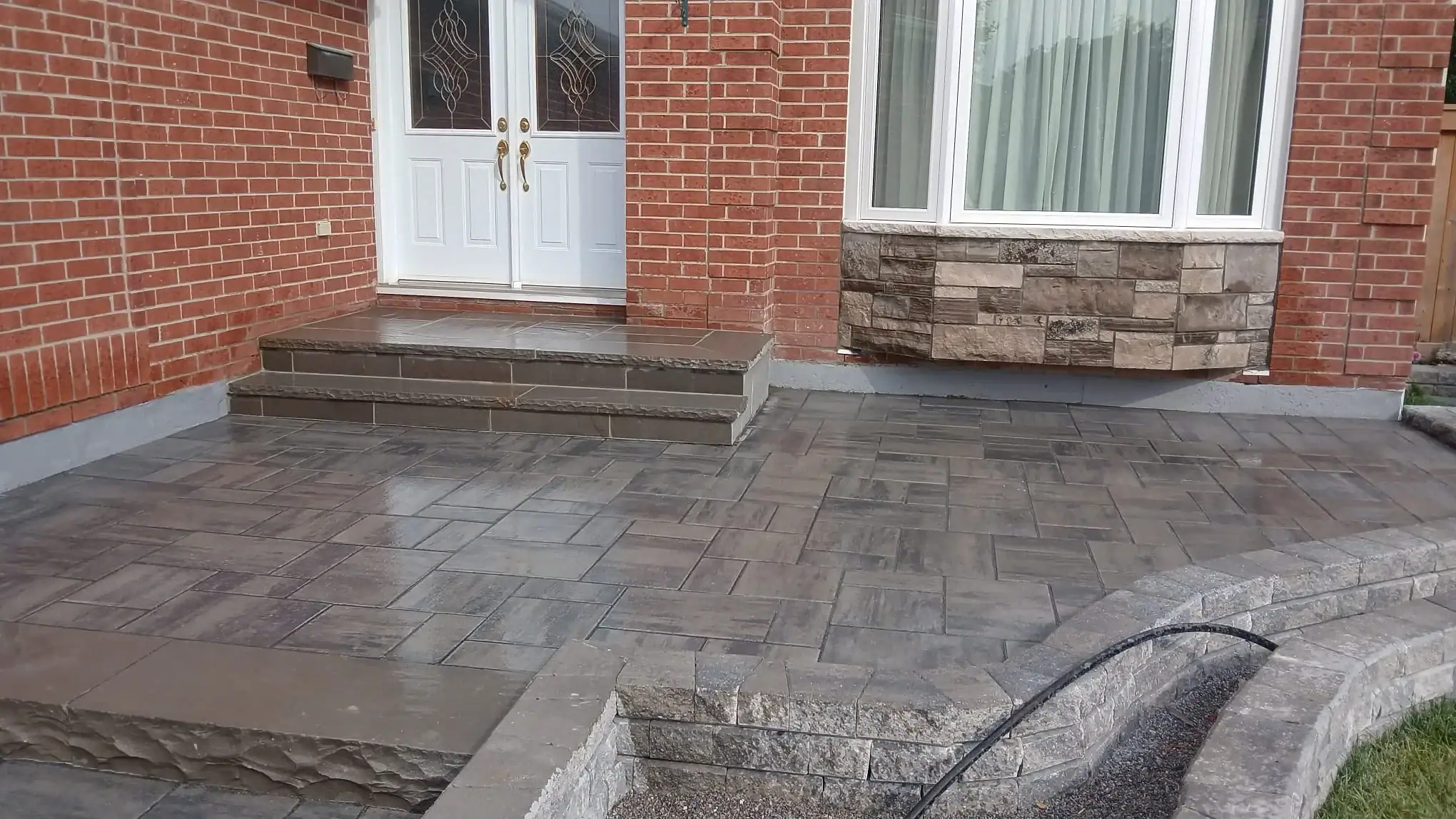
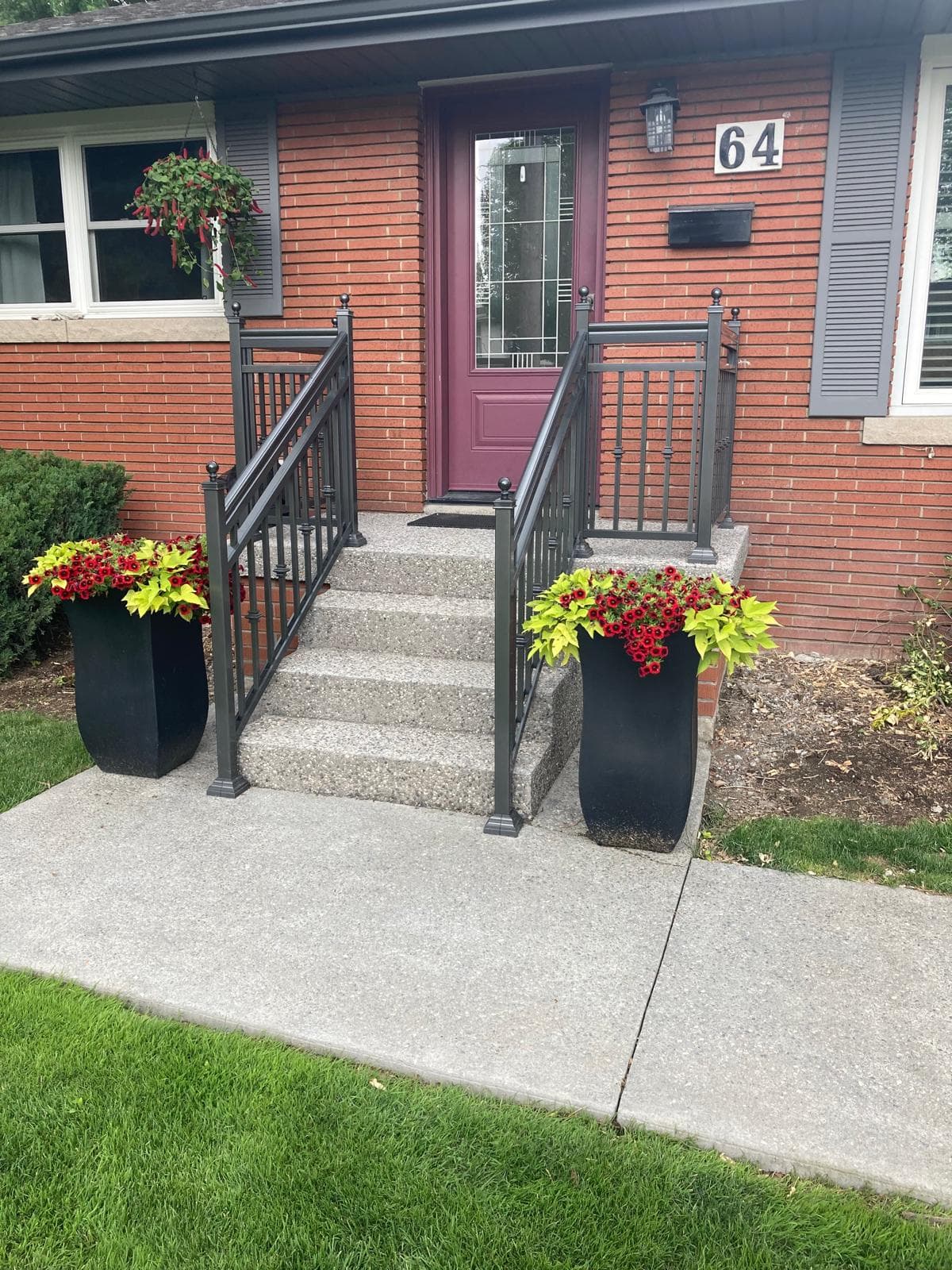
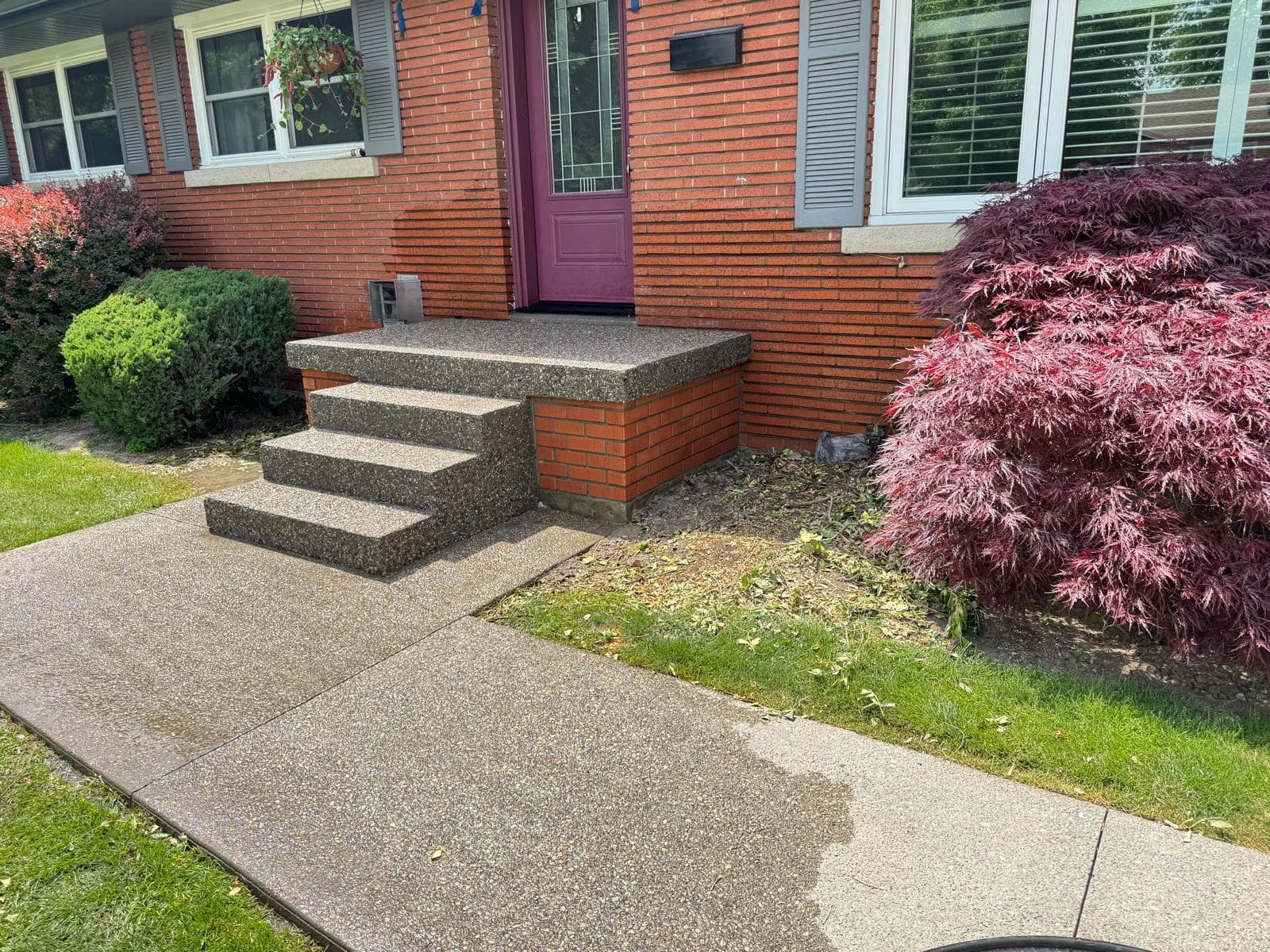
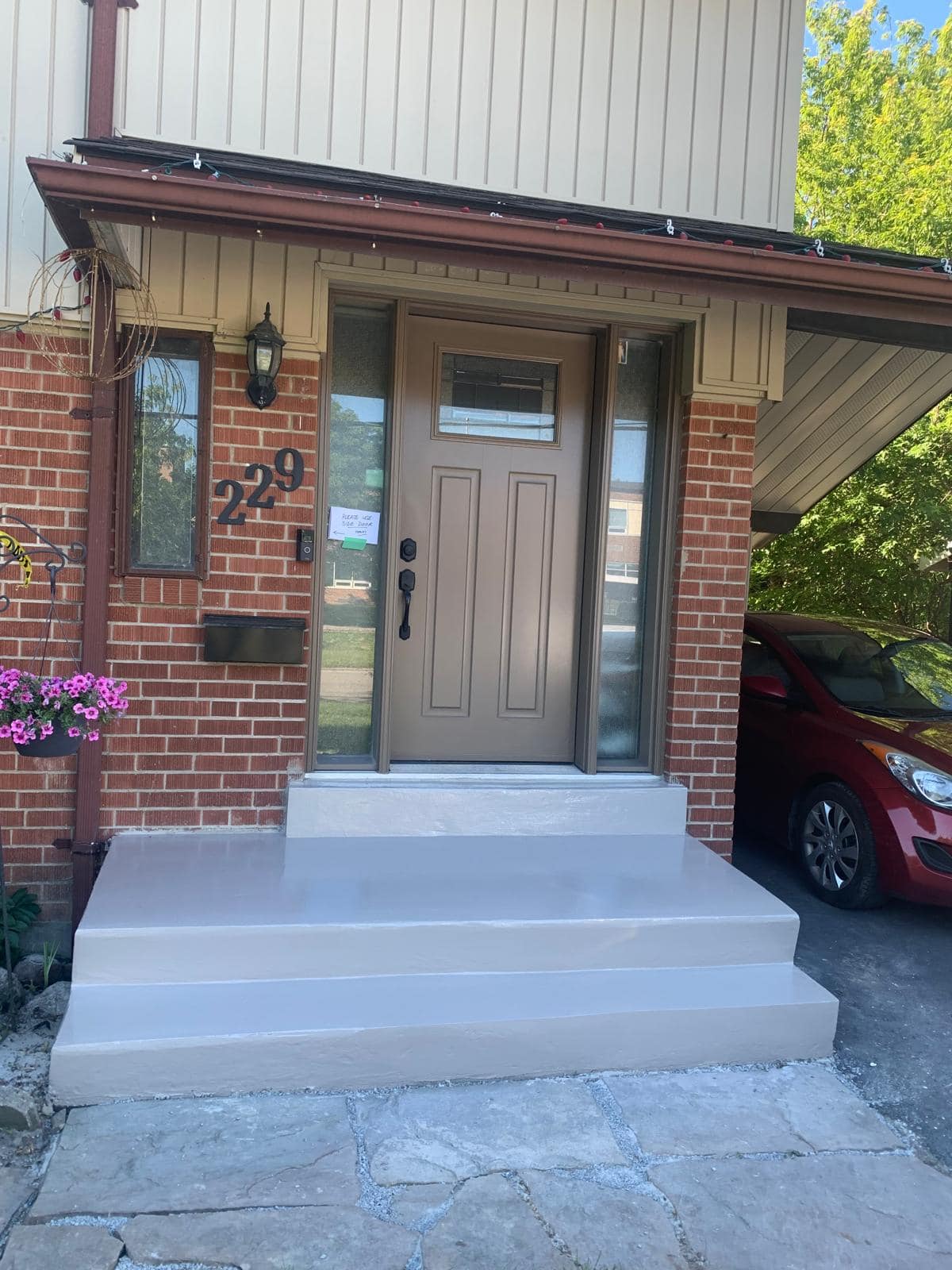
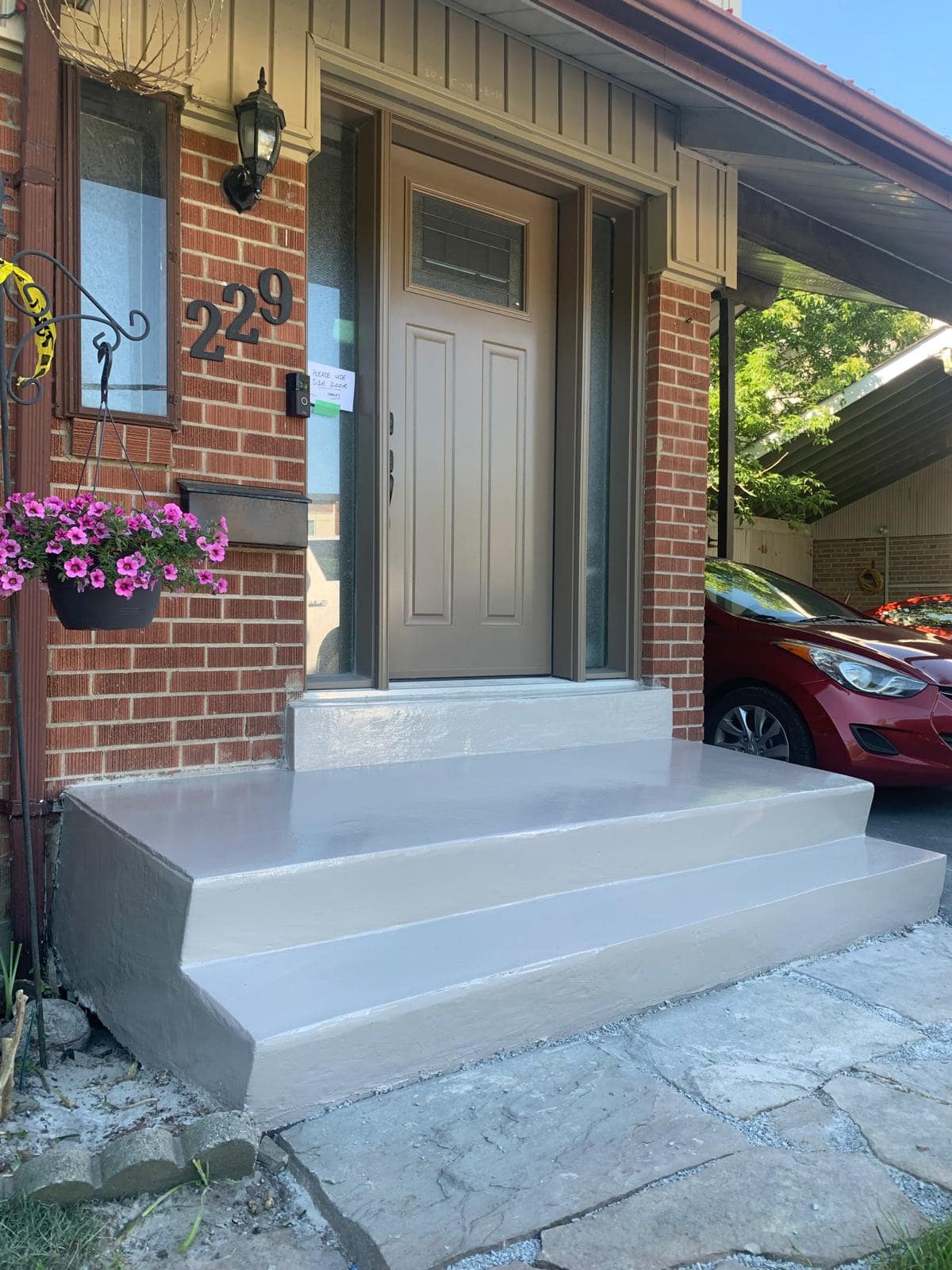
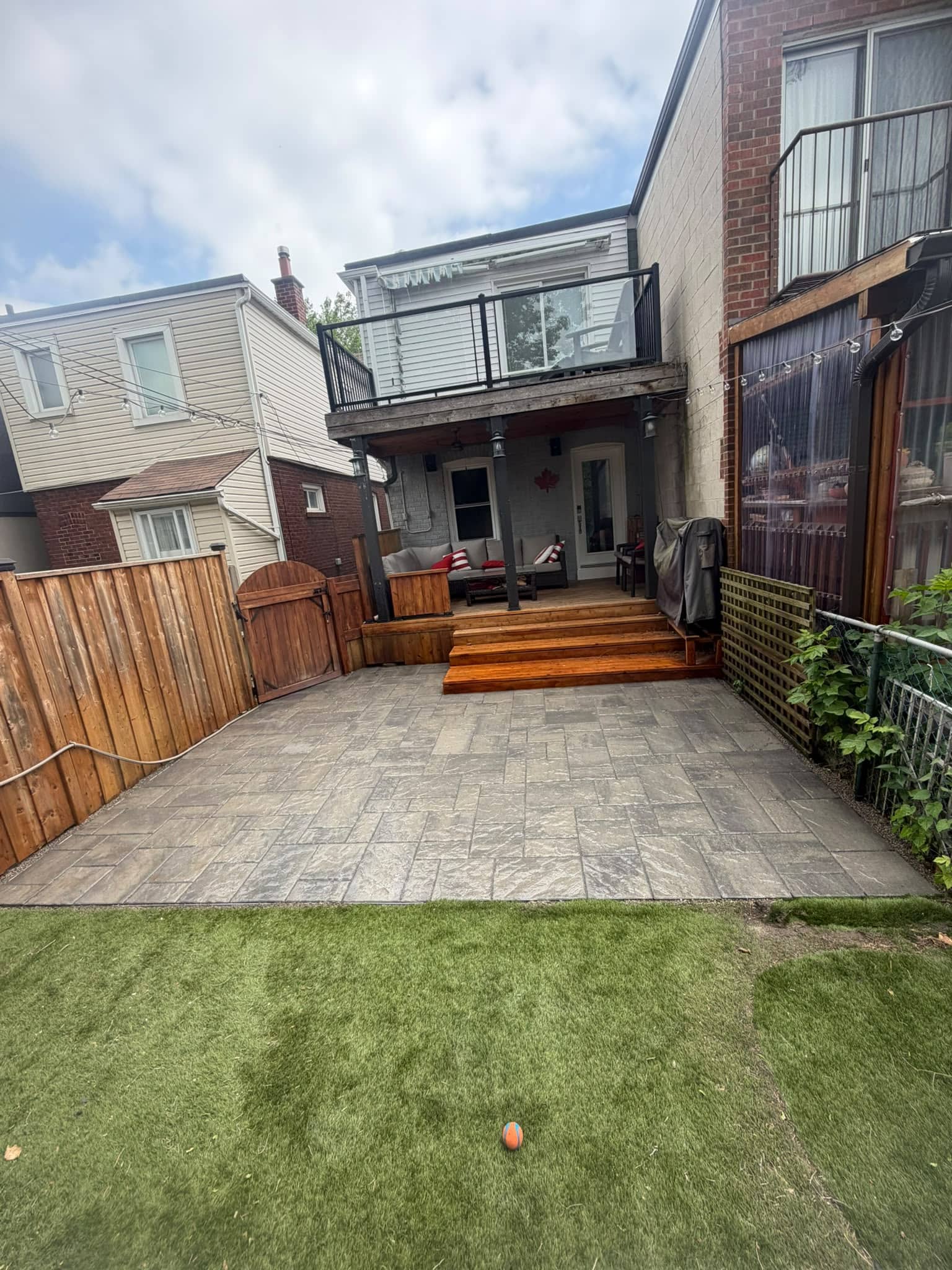
- Concrete steps, porches or walkways
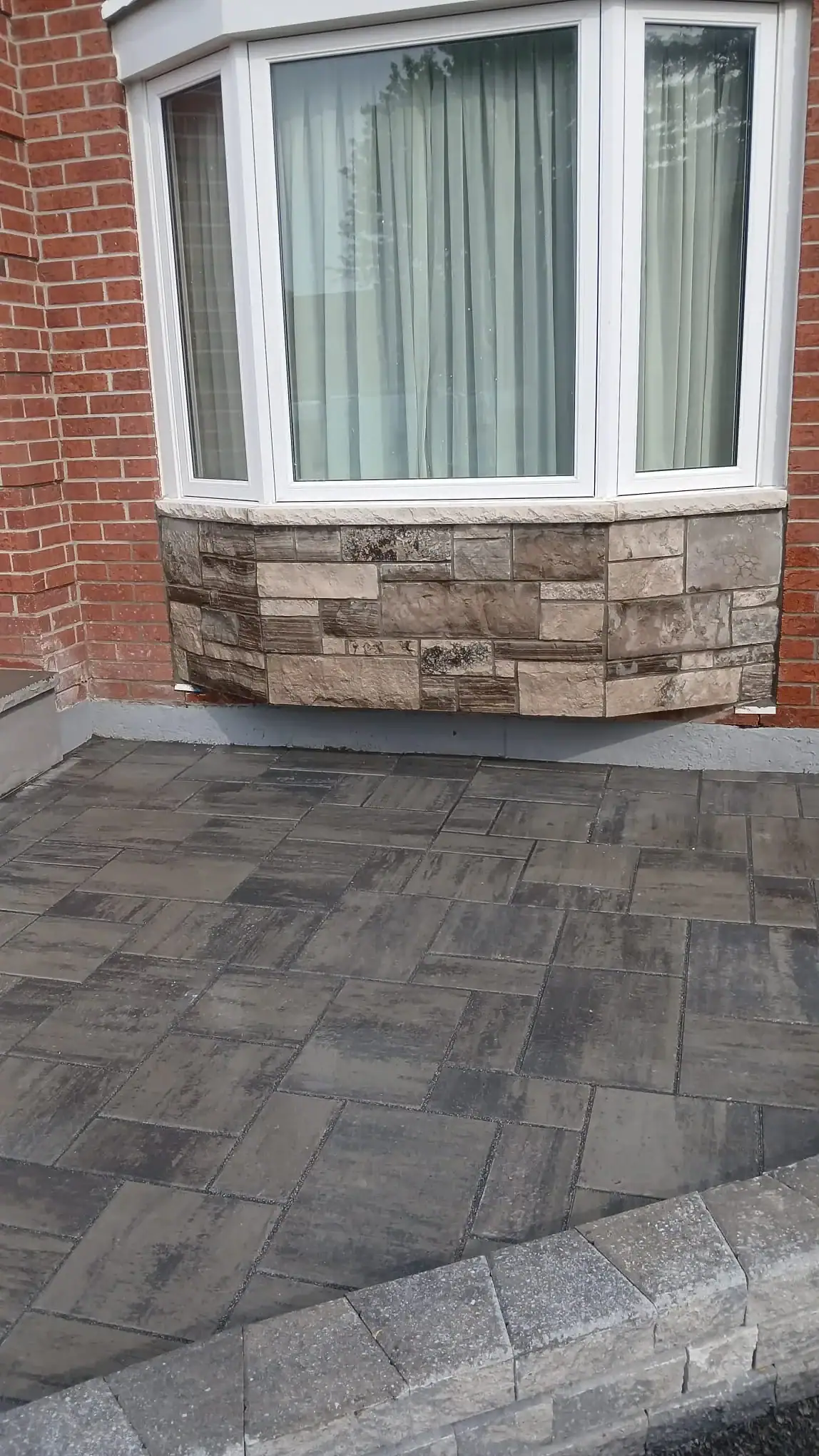
- Stone restoration or installation
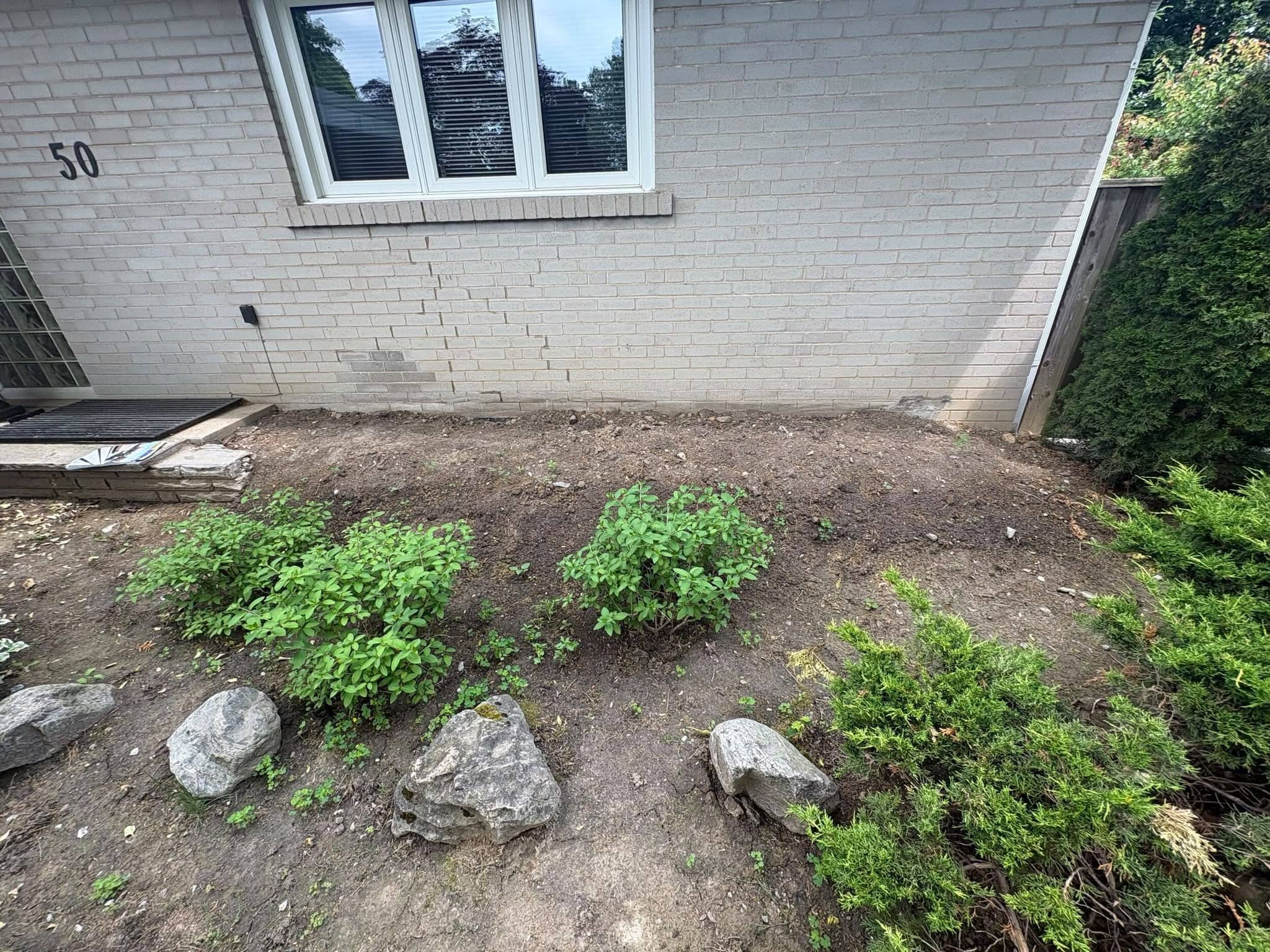
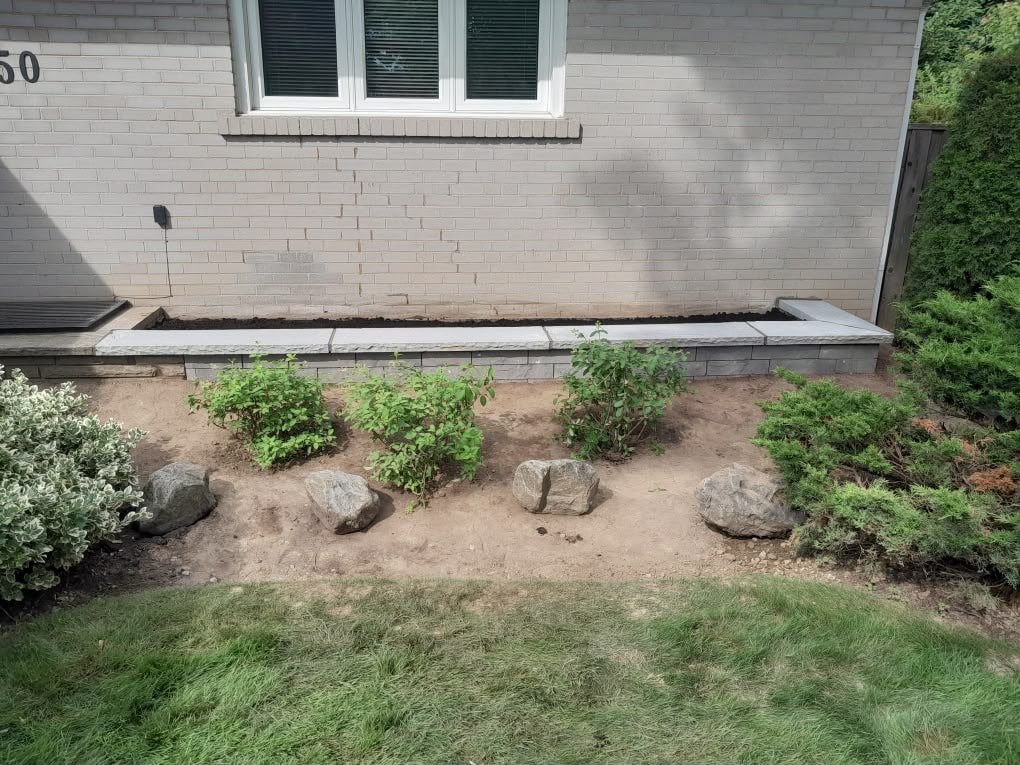
- Before-and-after restoration work
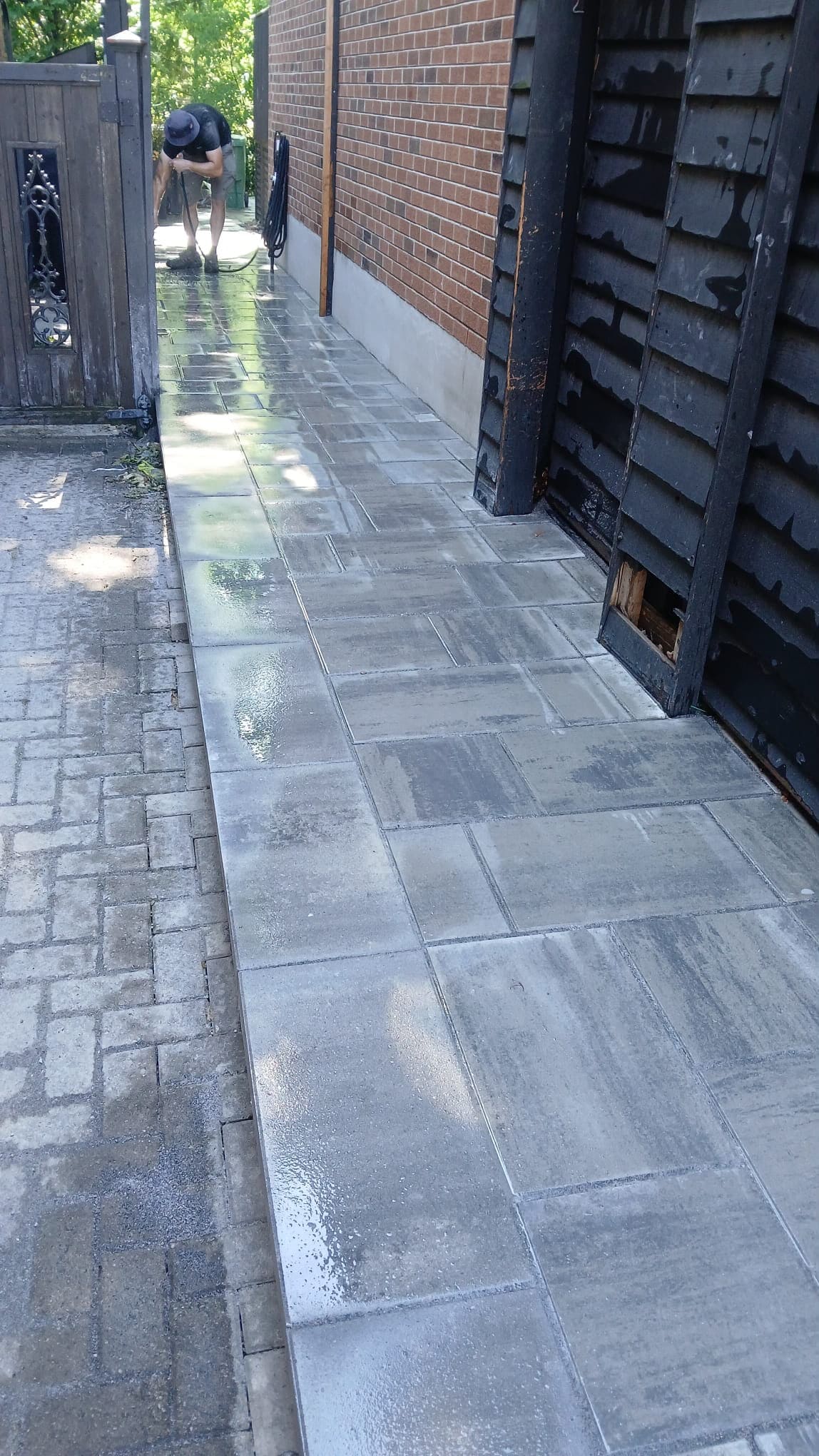
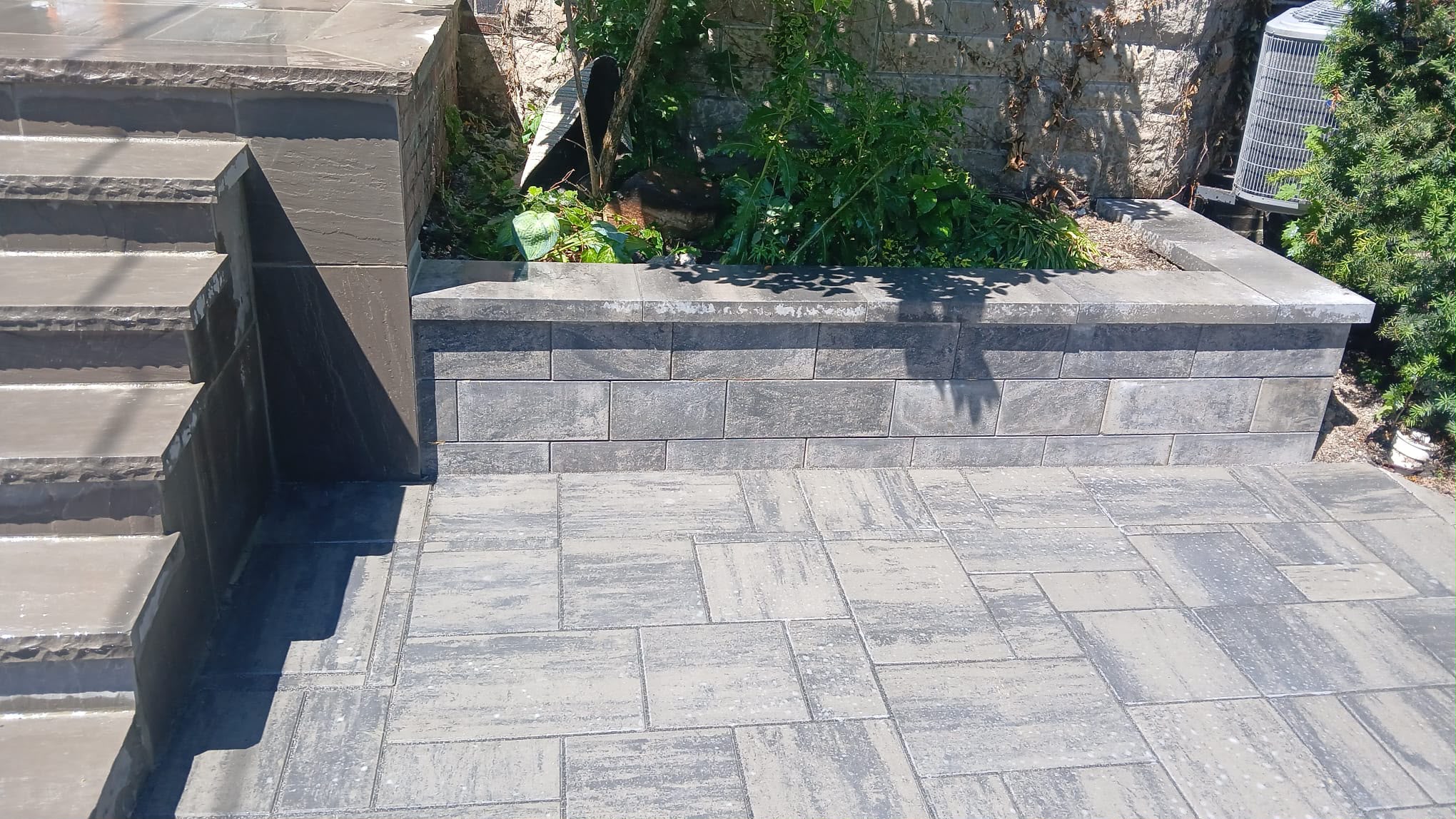
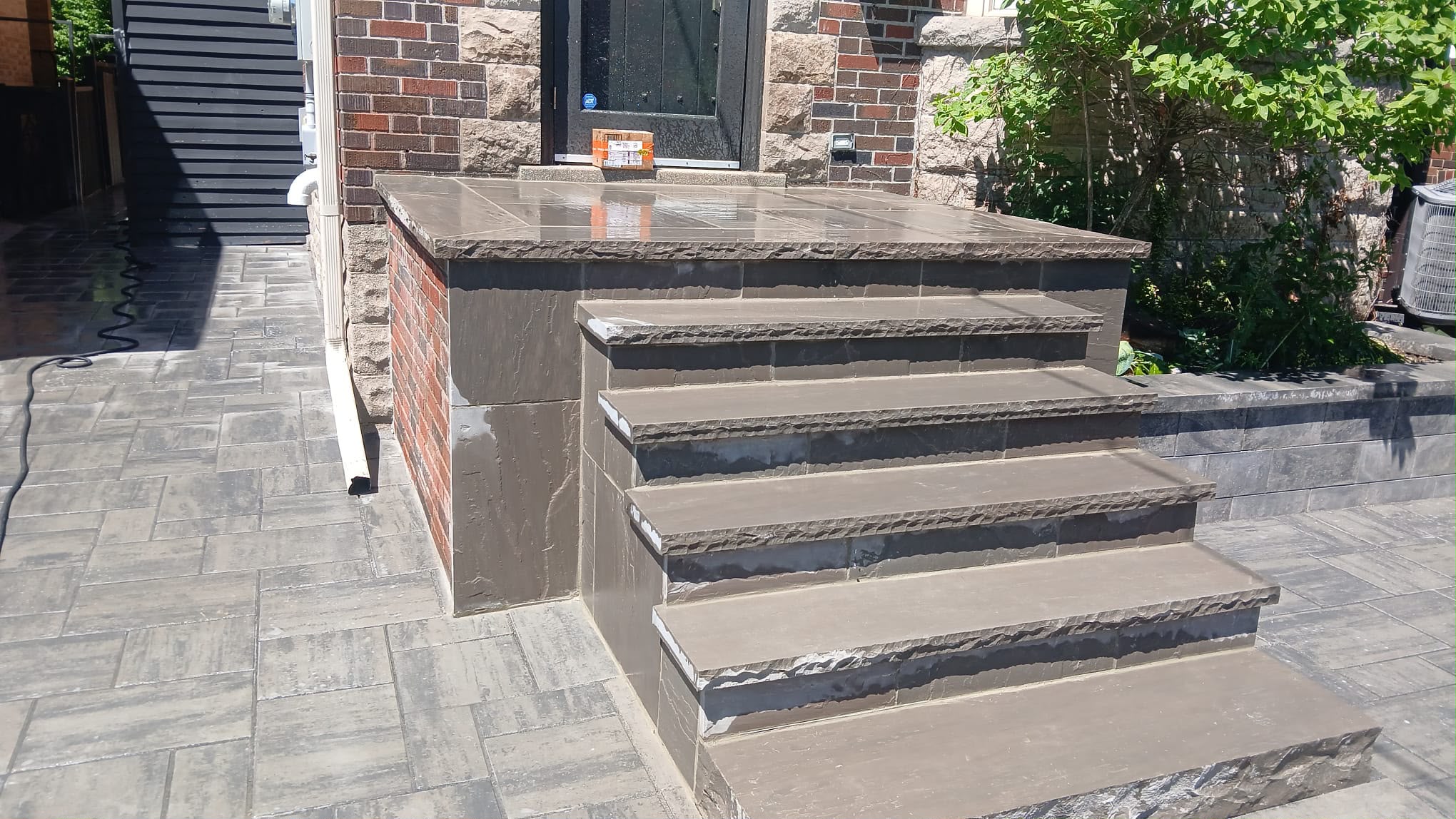
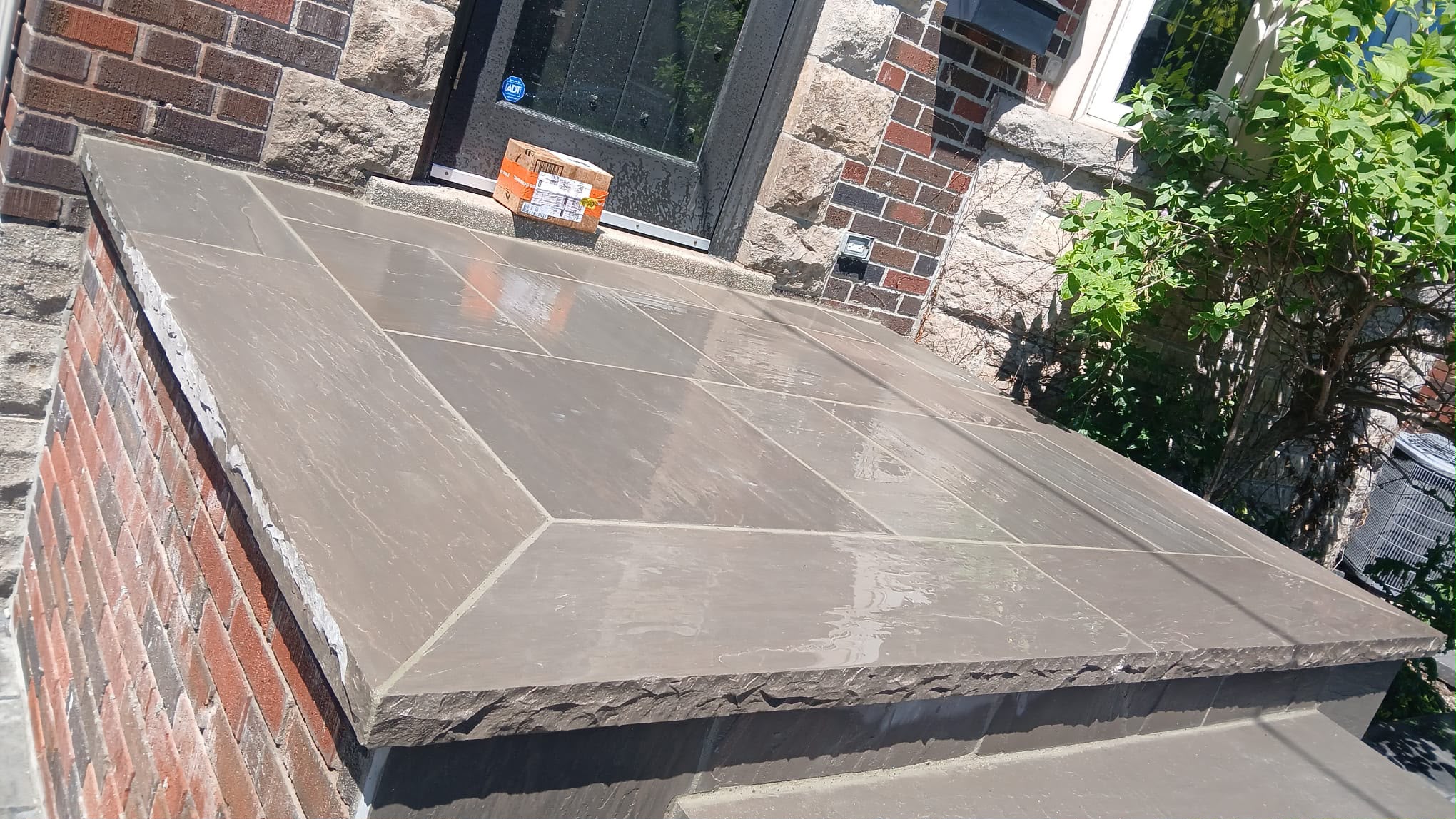
Similar completed projects can help you understand whether the contractor regularly performs the type of work you need.
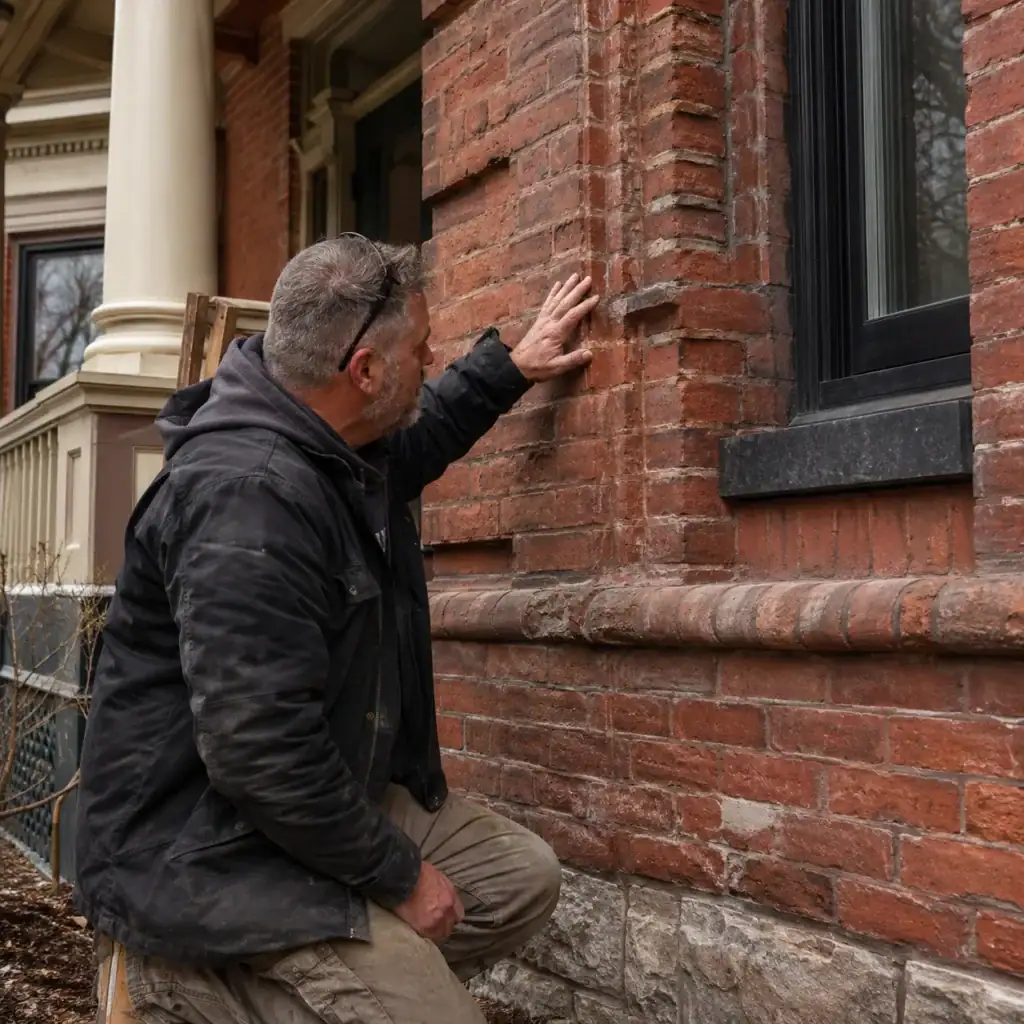
Read Reviews Carefully
Reviews can be useful, but the star rating alone does not tell the whole story.
Look for detailed reviews that mention:
- The type of project completed
- Communication during the work
- How unexpected conditions were handled
- Cleanliness and respect for the property
- Whether the final work matched the agreed scope
Recent reviews are helpful, but older reviews can also show whether a company has maintained a consistent reputation over time.
You can also review A&A Masonry reviews and third-party review platforms when comparing contractors.
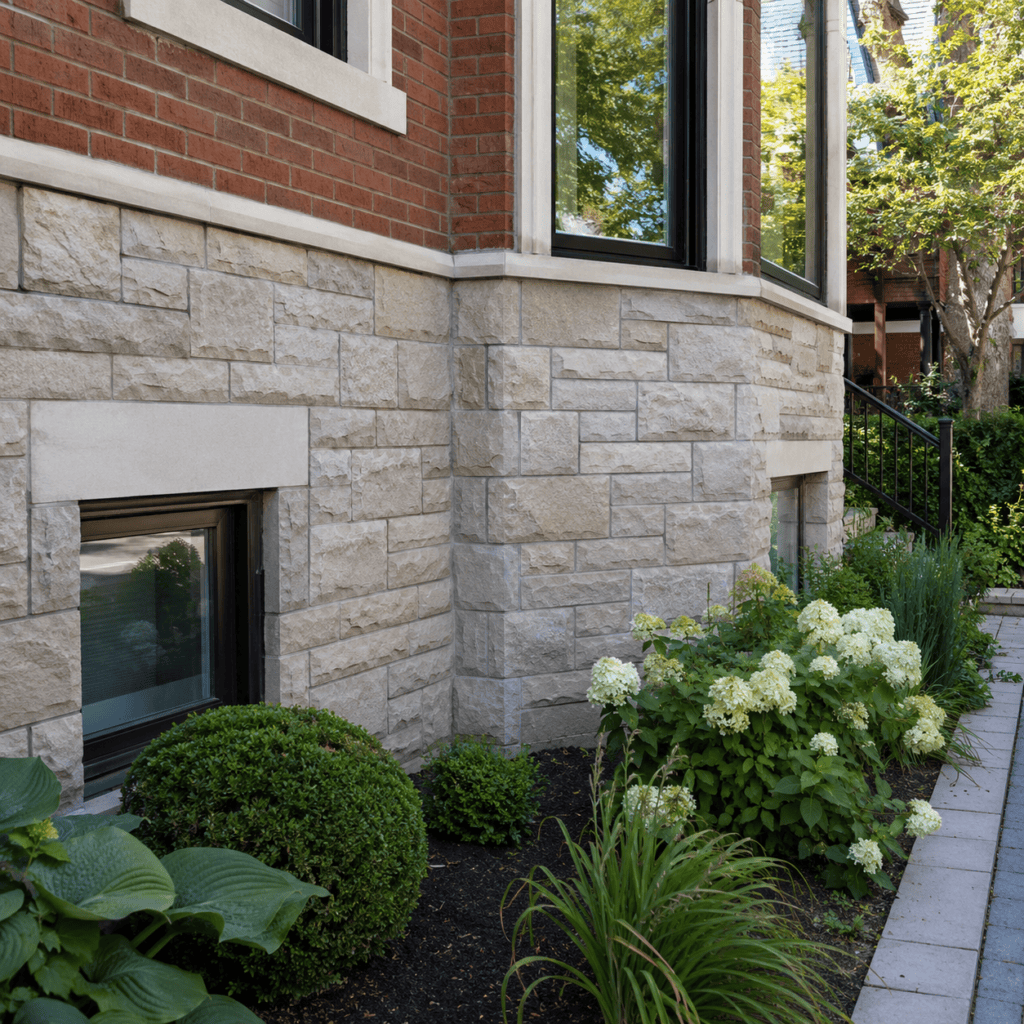
Ask About Material Compatibility
The “best” masonry material is not necessarily the strongest or most expensive one.
The material needs to suit the existing construction and the repair being performed.
For example:
- Replacement brick should match the existing wall as closely as practical
- Mortar should be compatible with the existing masonry
- Concrete repair products should suit the location and type of deterioration
- Stone should be appropriate for the installation and exposure
- Coatings and sealers should be compatible with the surface and moisture conditions
Ask the contractor why a particular material is being proposed rather than relying only on descriptions such as “premium” or “high quality.”
Be Careful With One-Size-Fits-All Repairs
Masonry problems that look similar can have different causes.
For example, repeatedly filling a crack may not solve the problem if the surrounding wall is still moving. Replacing mortar will not correct a failed lintel or significant wall movement. Resurfacing concrete may not be appropriate where a slab is continuing to settle.
A contractor should be willing to explain when a localized repair is appropriate and when a broader restoration, replacement or rebuilding approach makes more sense.
Ask How Water and Drainage Affect the Project
Moisture contributes to many masonry problems in Toronto.
Depending on the area being repaired, ask whether the contractor has considered:
- Roof or chimney flashing
- Downspout discharge
- Grading around the property
- Water collecting beside steps or walkways
- Failed mortar joints
- Foundation moisture
- Drainage around interlocking or retaining features
Not every masonry repair requires drainage work, but recurring moisture should not be ignored when it may be contributing to the deterioration.
Compare Written Estimates Carefully
Price matters, but comparing only the final number can be misleading.
A useful estimate should make the repair scope reasonably clear so you understand what you are paying for.
Compare:
- Repair area and quantities
- Preparation method
- Materials
- Access and staging
- Cleanup
- Expected schedule
- Curing or weather limitations
- Exclusions
- Any warranty offered and what it actually covers
If two quotes are significantly different, ask what is included before assuming one contractor is simply more or less expensive.
Questions to Ask a Masonry Contractor Before Hiring
A short list of practical questions can make contractor comparisons much easier:
- What do you believe caused the damage?
- What repair method do you recommend and why?
- Does any surrounding masonry also need attention?
- What materials will you use?
- How will new brick, stone or mortar be matched?
- Is any drainage or moisture problem contributing to the damage?
- What preparation is included?
- What is excluded from the estimate?
- Can I see similar completed projects?
- What weather or curing conditions could affect scheduling?
- Is there a warranty, and what does it cover?
The goal is not to find a contractor who gives the most confident answer. It is to find one who can clearly explain the condition, proposed work and limitations of the repair.
Warning Signs When Comparing Masonry Companies
Be cautious when a contractor:
- Recommends major work without explaining why
- Cannot clearly describe what is included in the estimate
- Uses the same repair solution for every type of damage
- Ignores obvious drainage or movement problems
- Cannot show relevant previous work
- Makes guarantees that sound broader than the written scope
- Pressures you to approve work before you understand what is being proposed
A good masonry contractor should help you understand the repair, not make the decision harder to evaluate.
Choosing the Right Masonry Service for Your Property
You do not need to diagnose every masonry problem yourself before requesting help.
If you see cracked brick, deteriorating mortar, damaged stone, chimney problems, cracked concrete, failing parging, water entry or another exterior issue, document what you can see and take clear photographs.
The contractor can then assess whether the property needs a focused repair, a specialist masonry service or a broader restoration plan.
Need Help Choosing the Right Masonry Service?
If you have cracked brick, failing mortar, damaged concrete, chimney deterioration, stonework problems or another exterior masonry concern, the first step is identifying what is actually damaged and what may be causing it.
A&A Masonry can assess the condition and recommend the appropriate repair or restoration service.