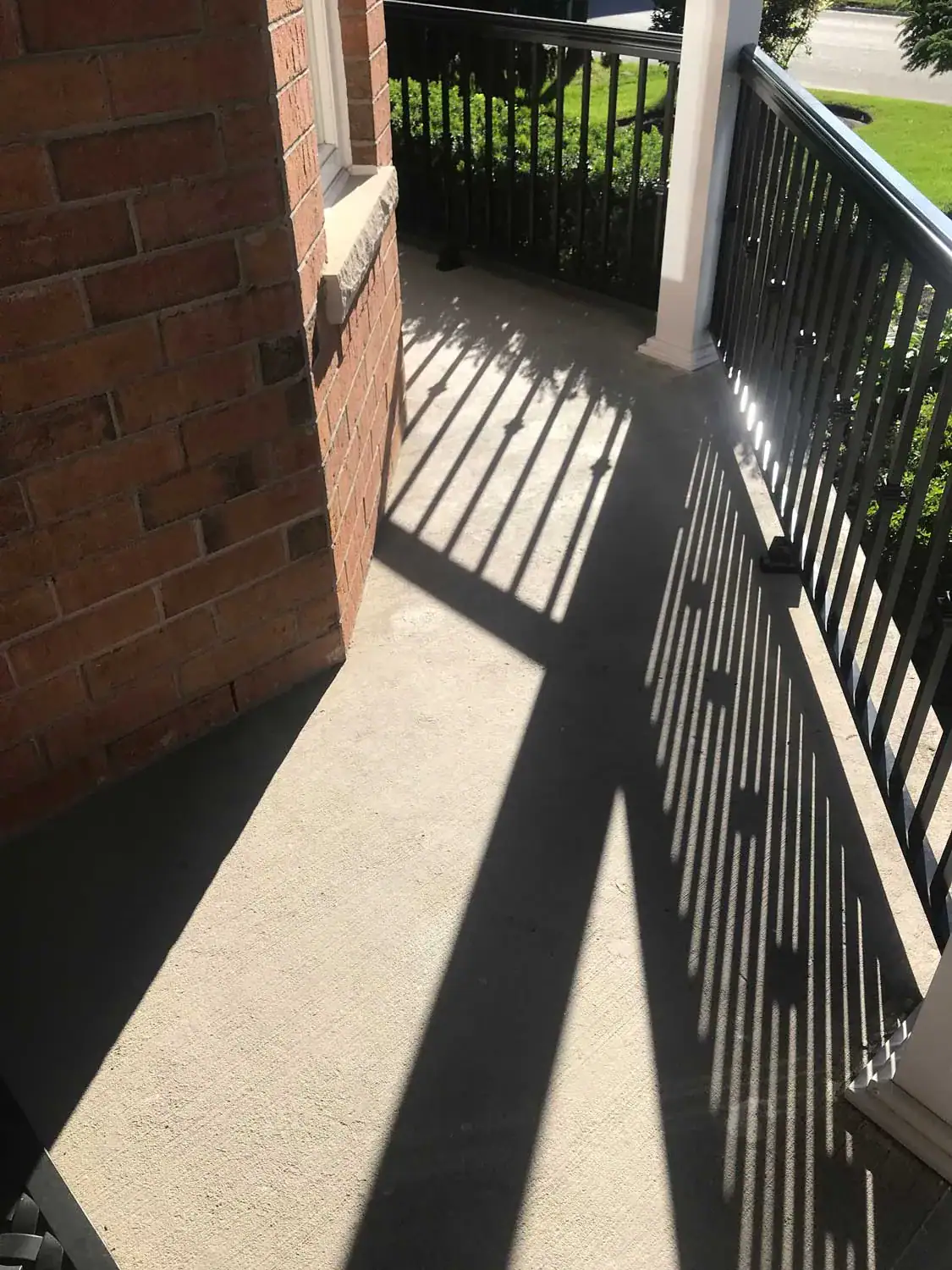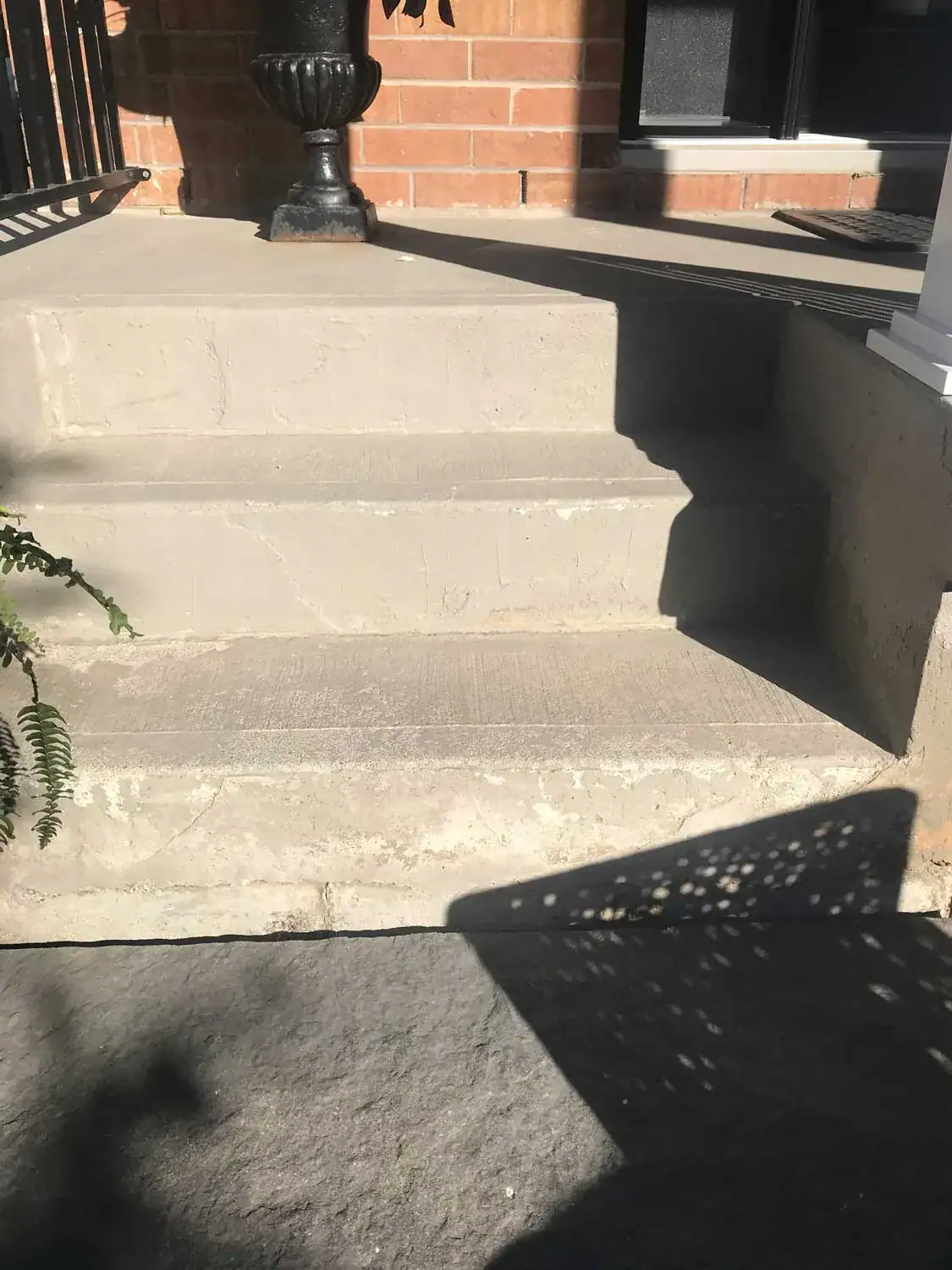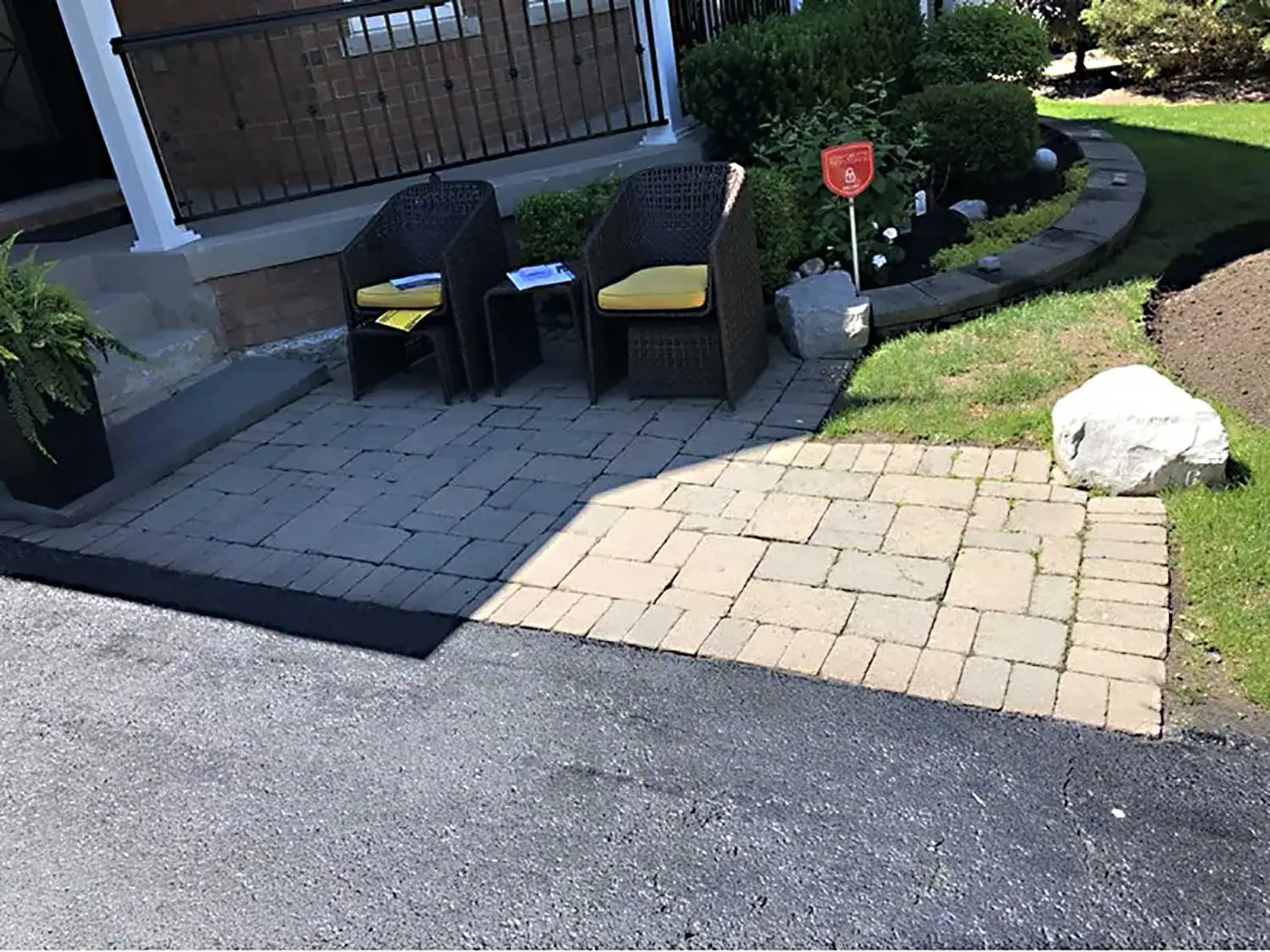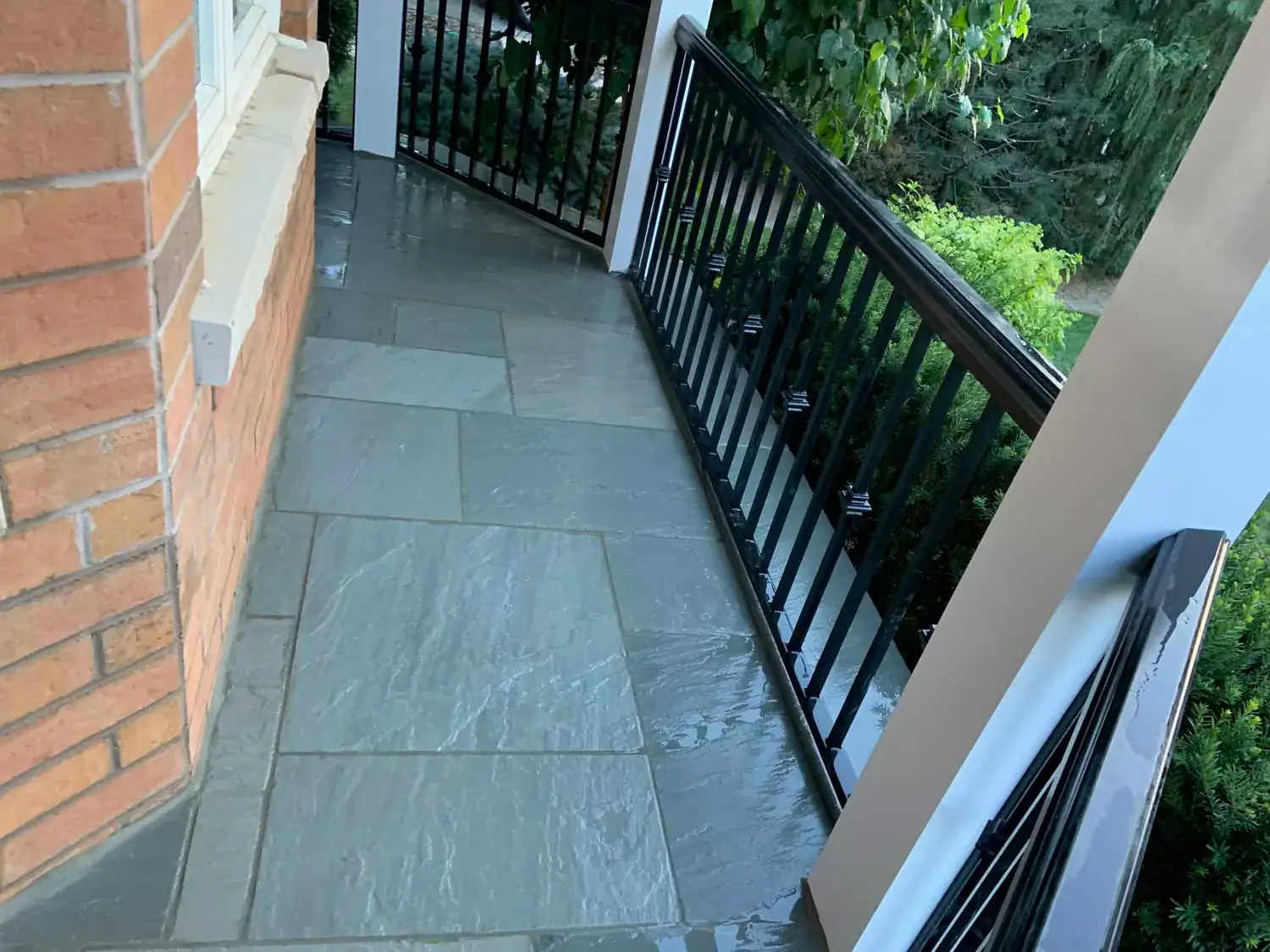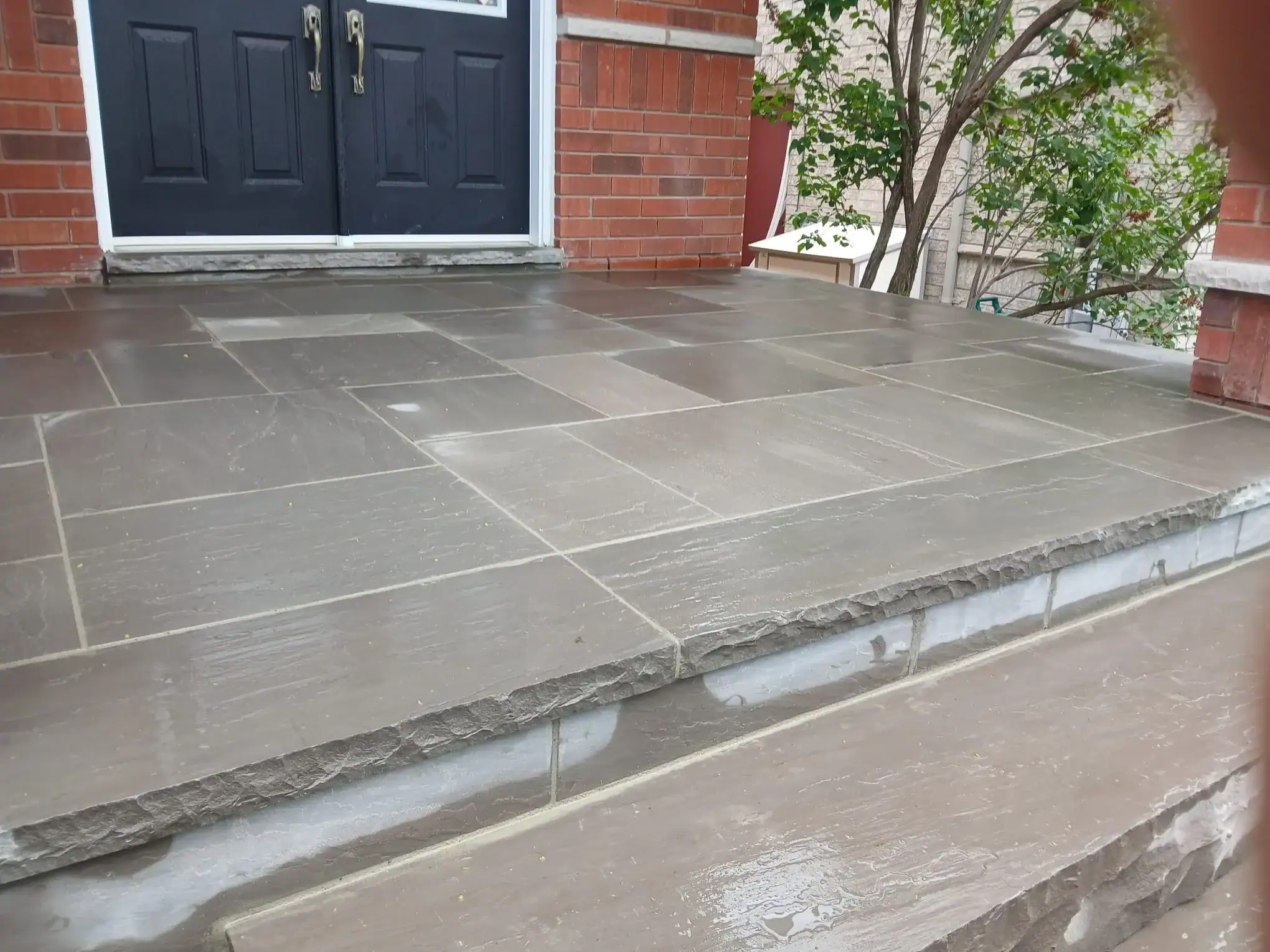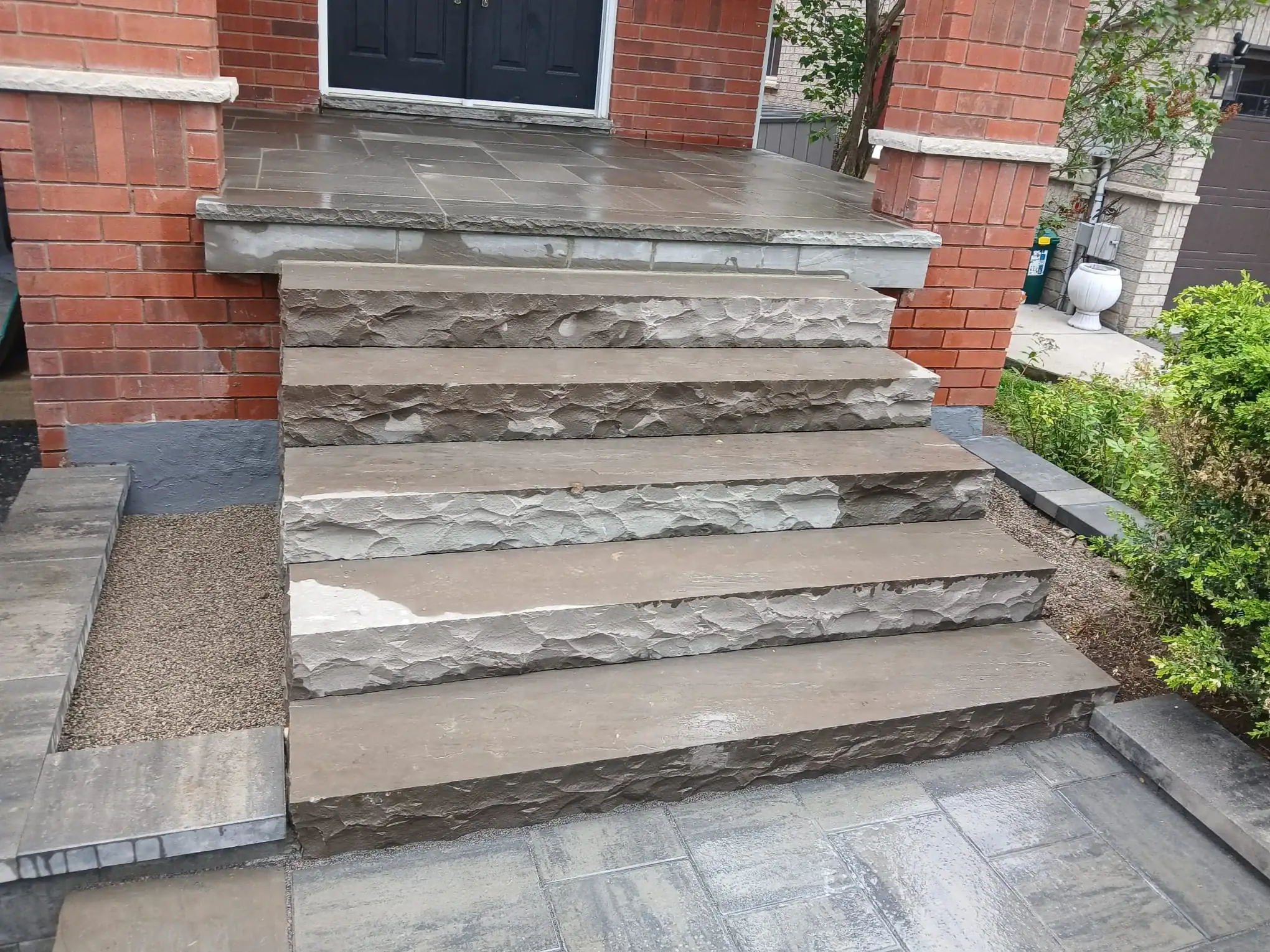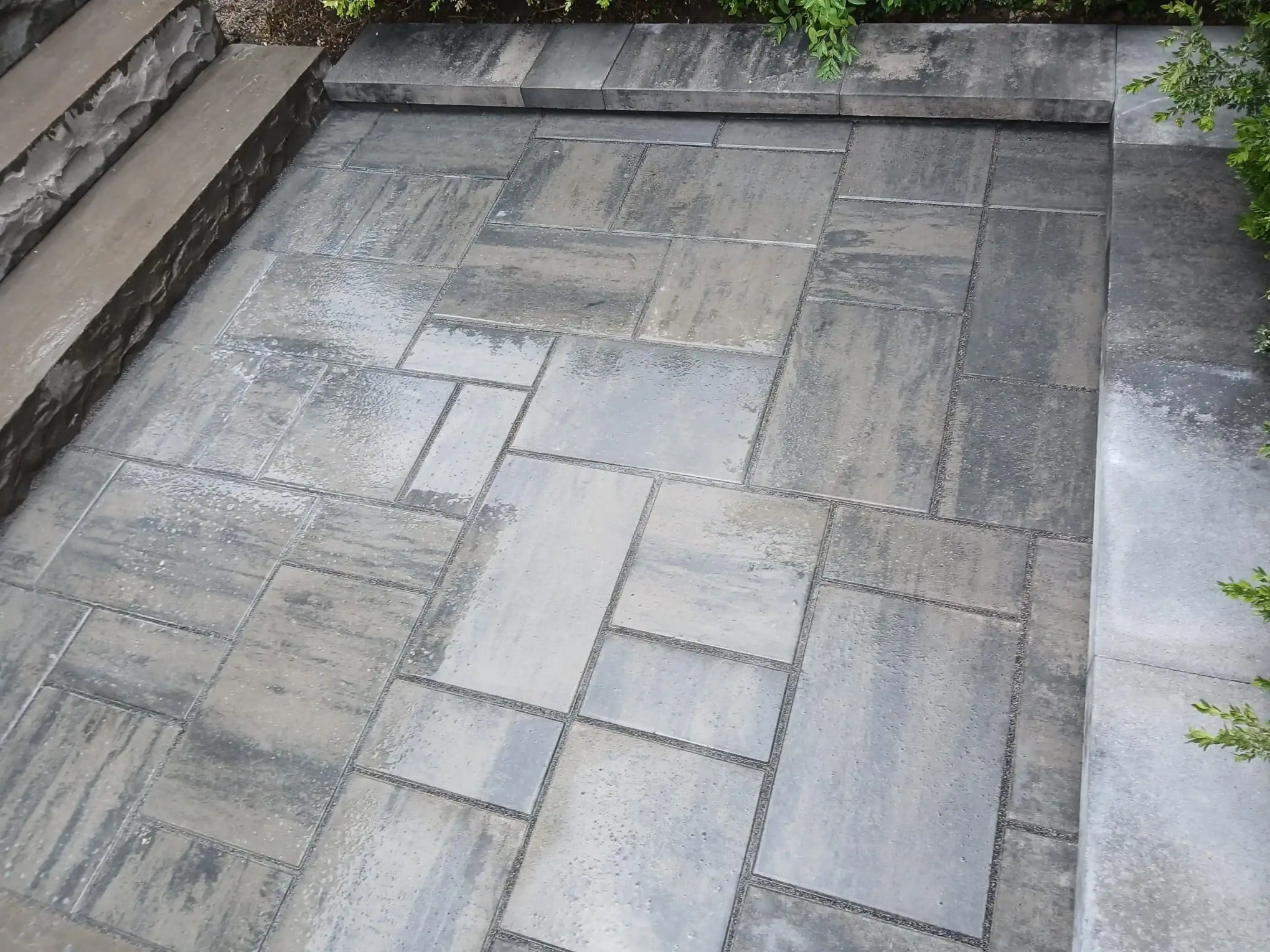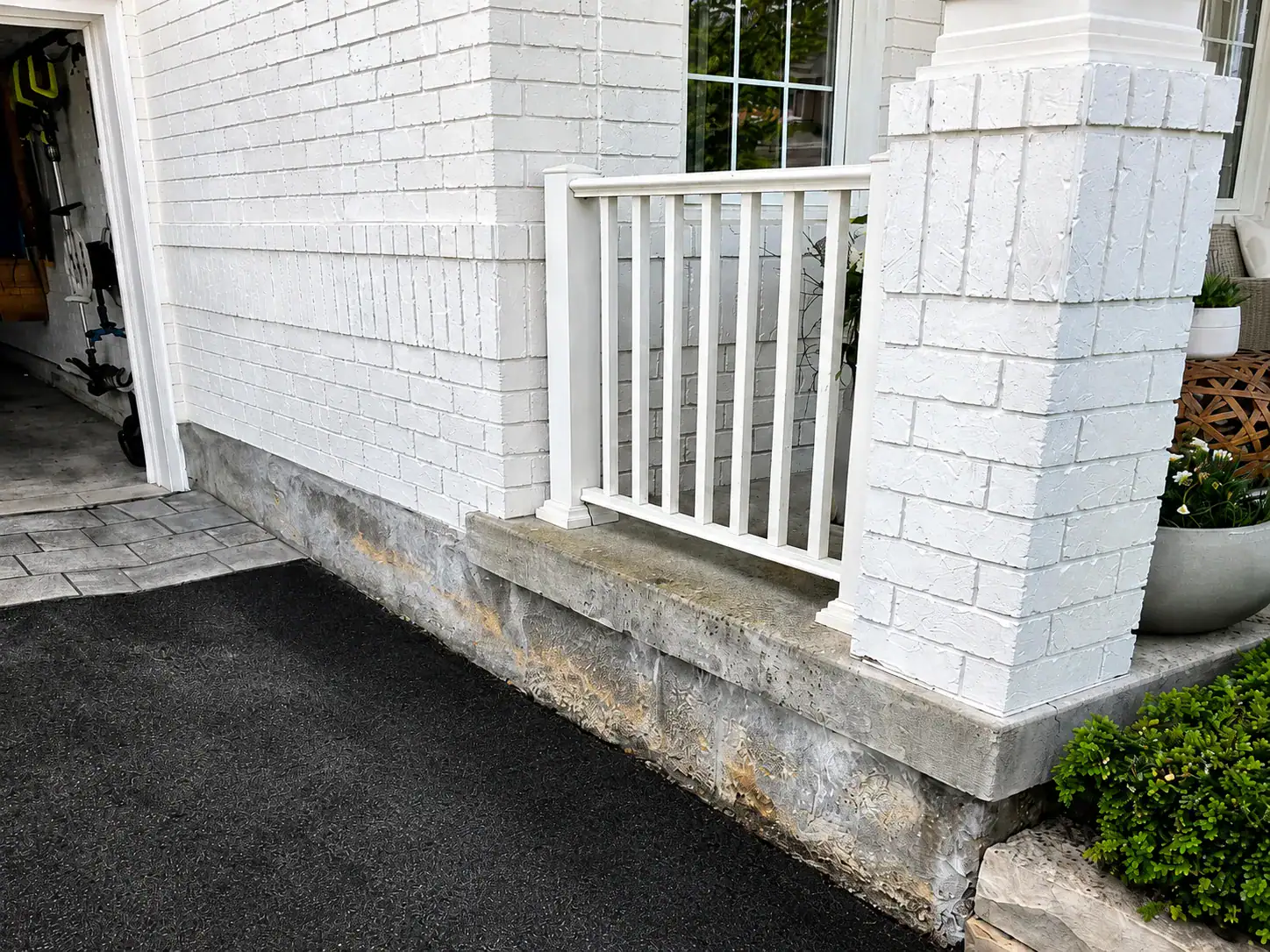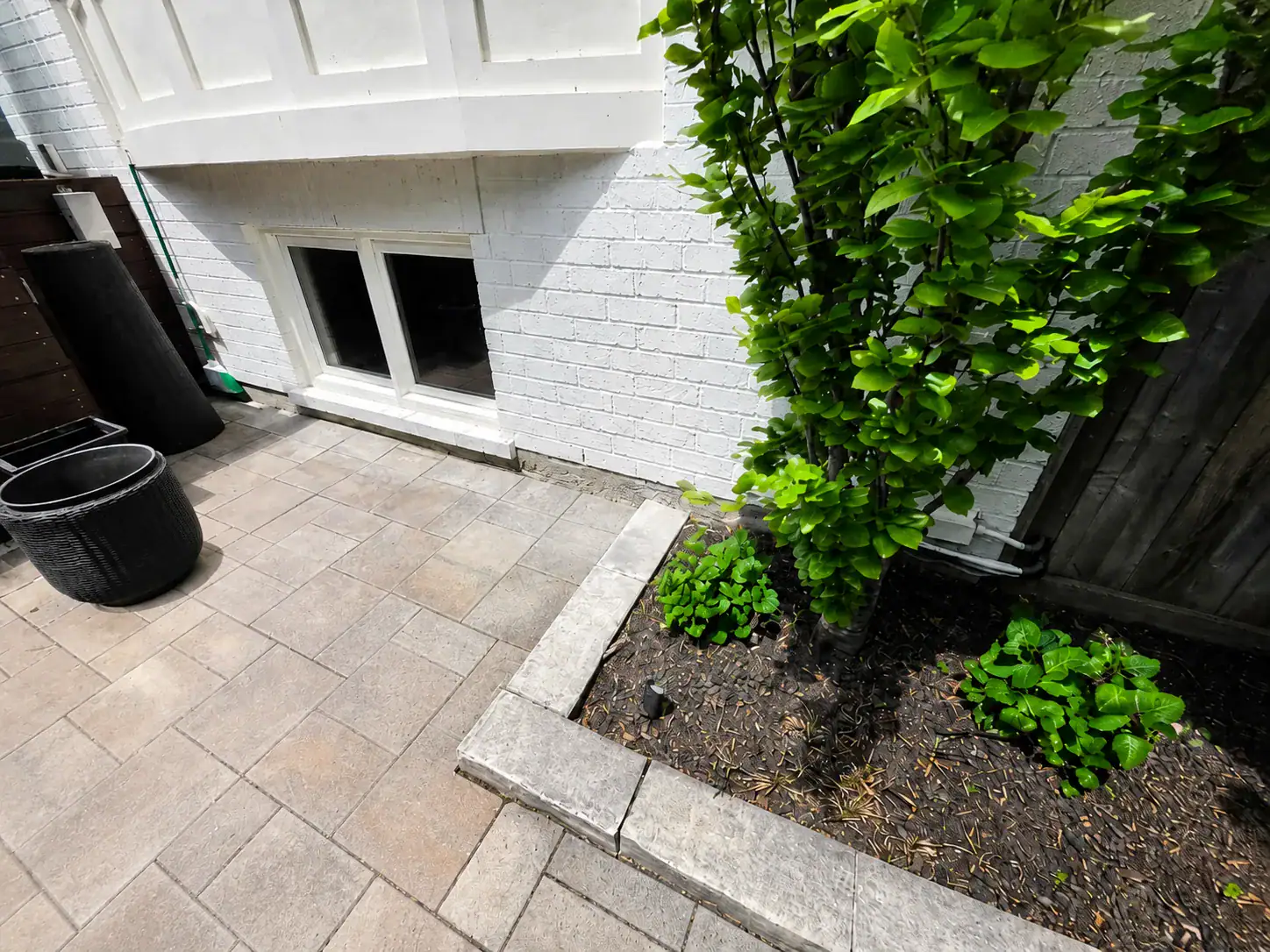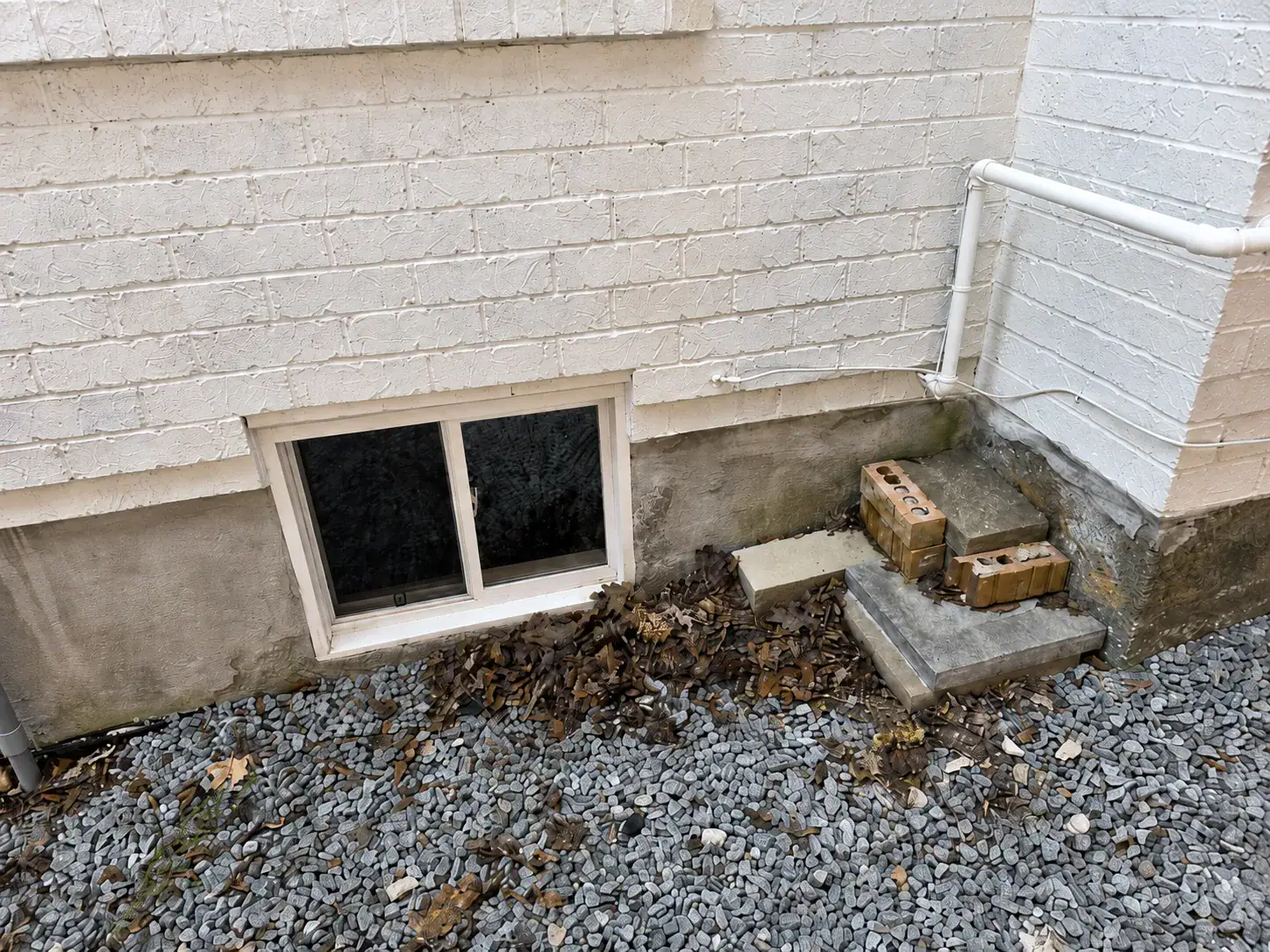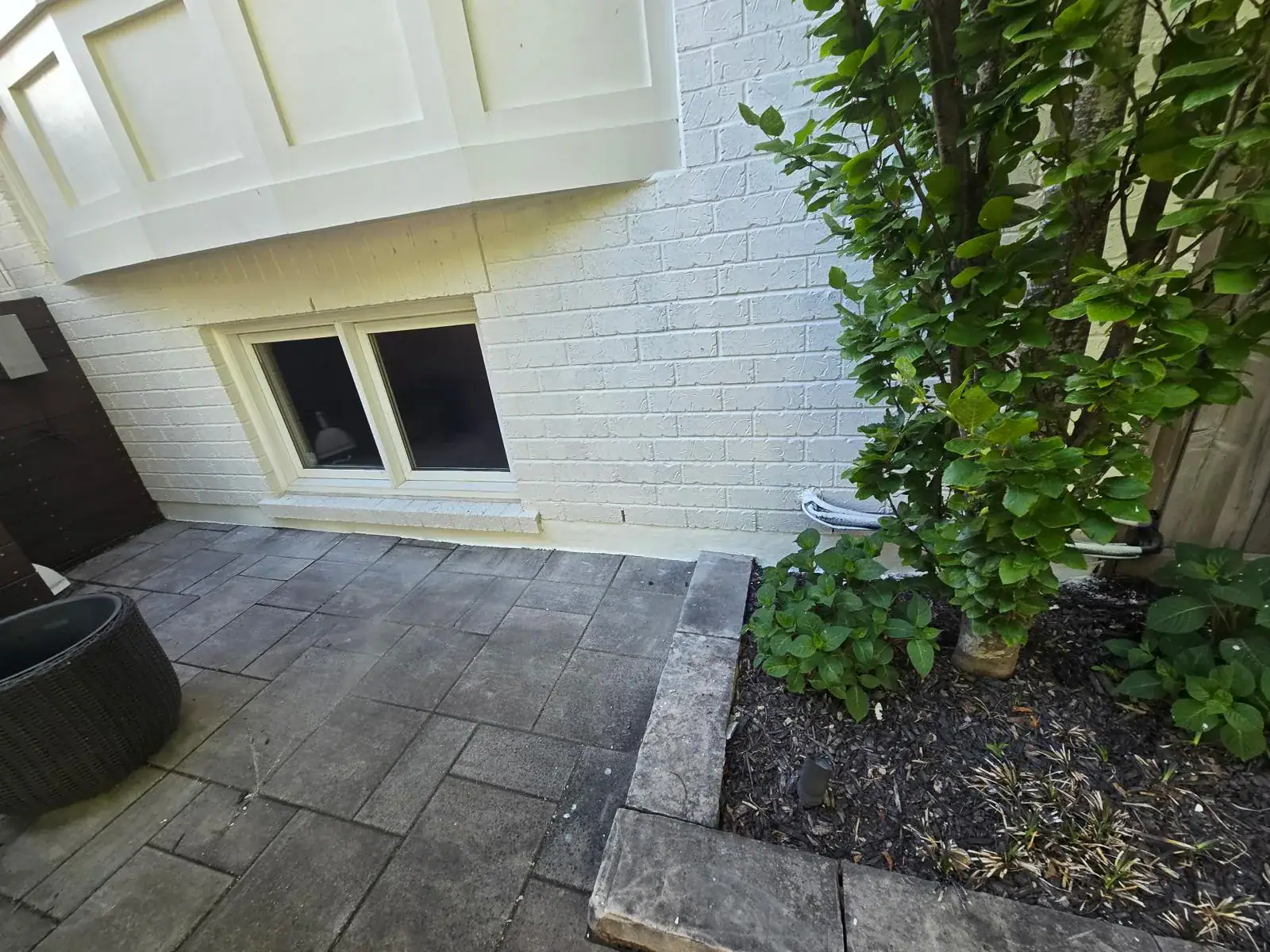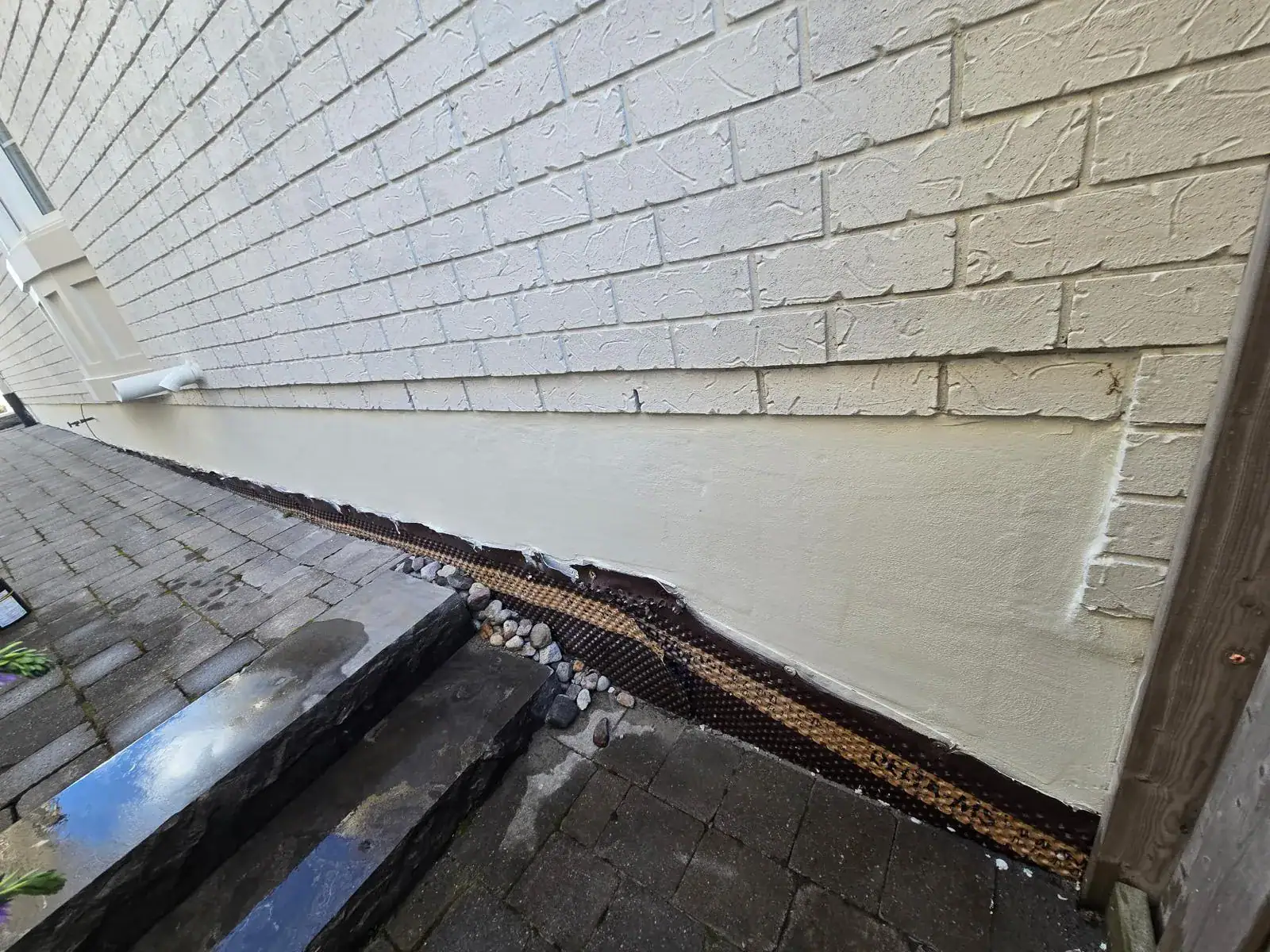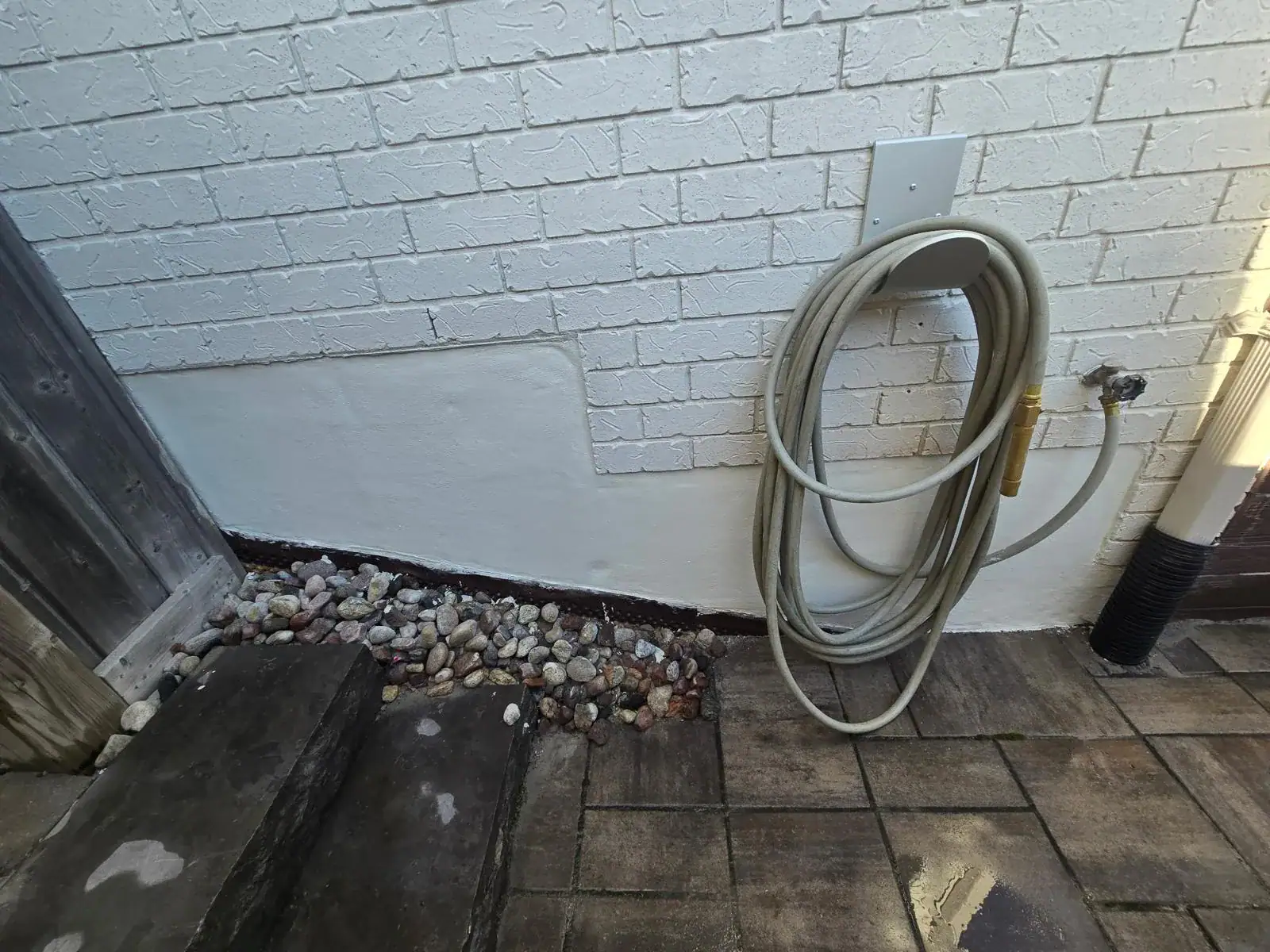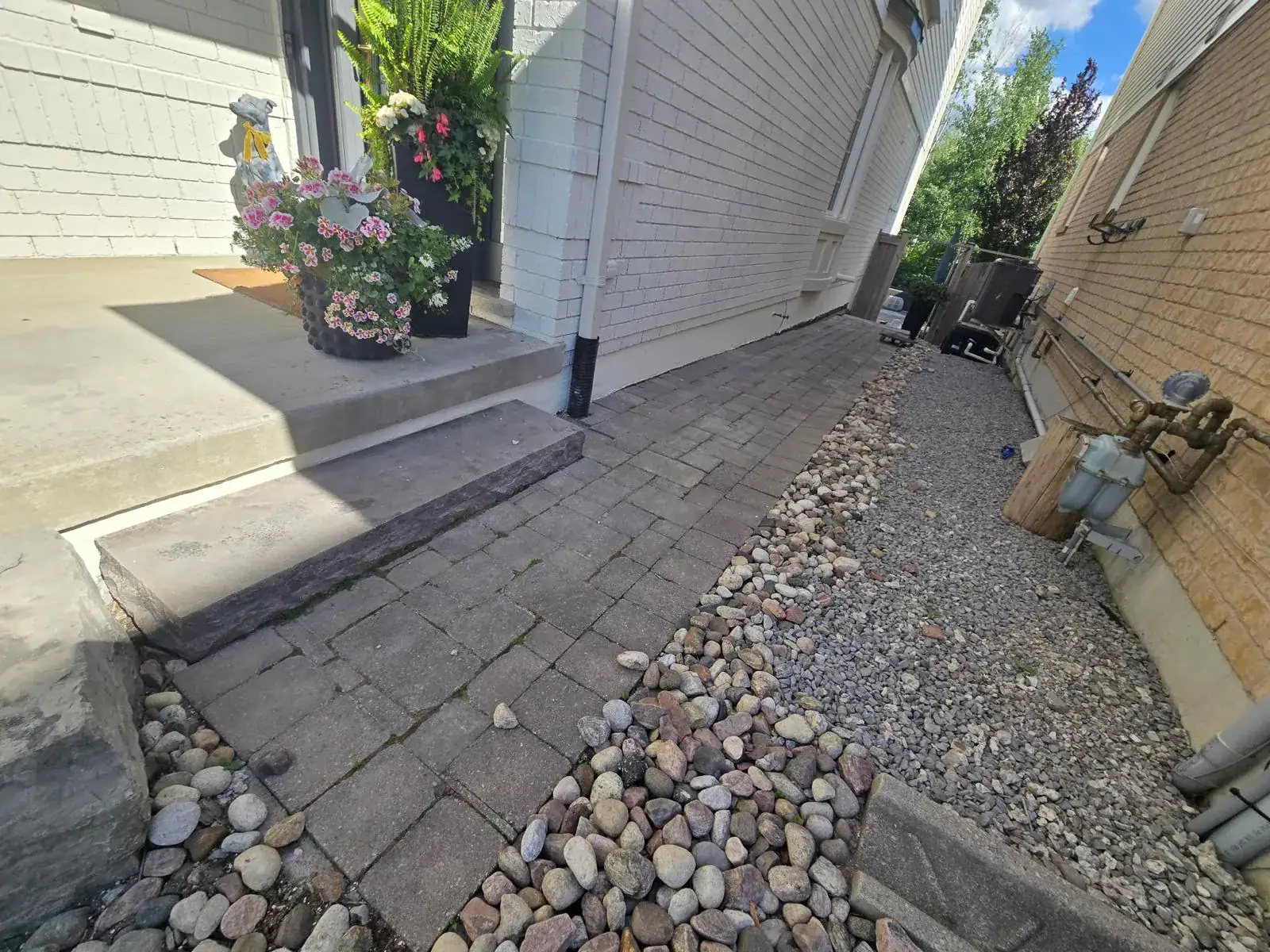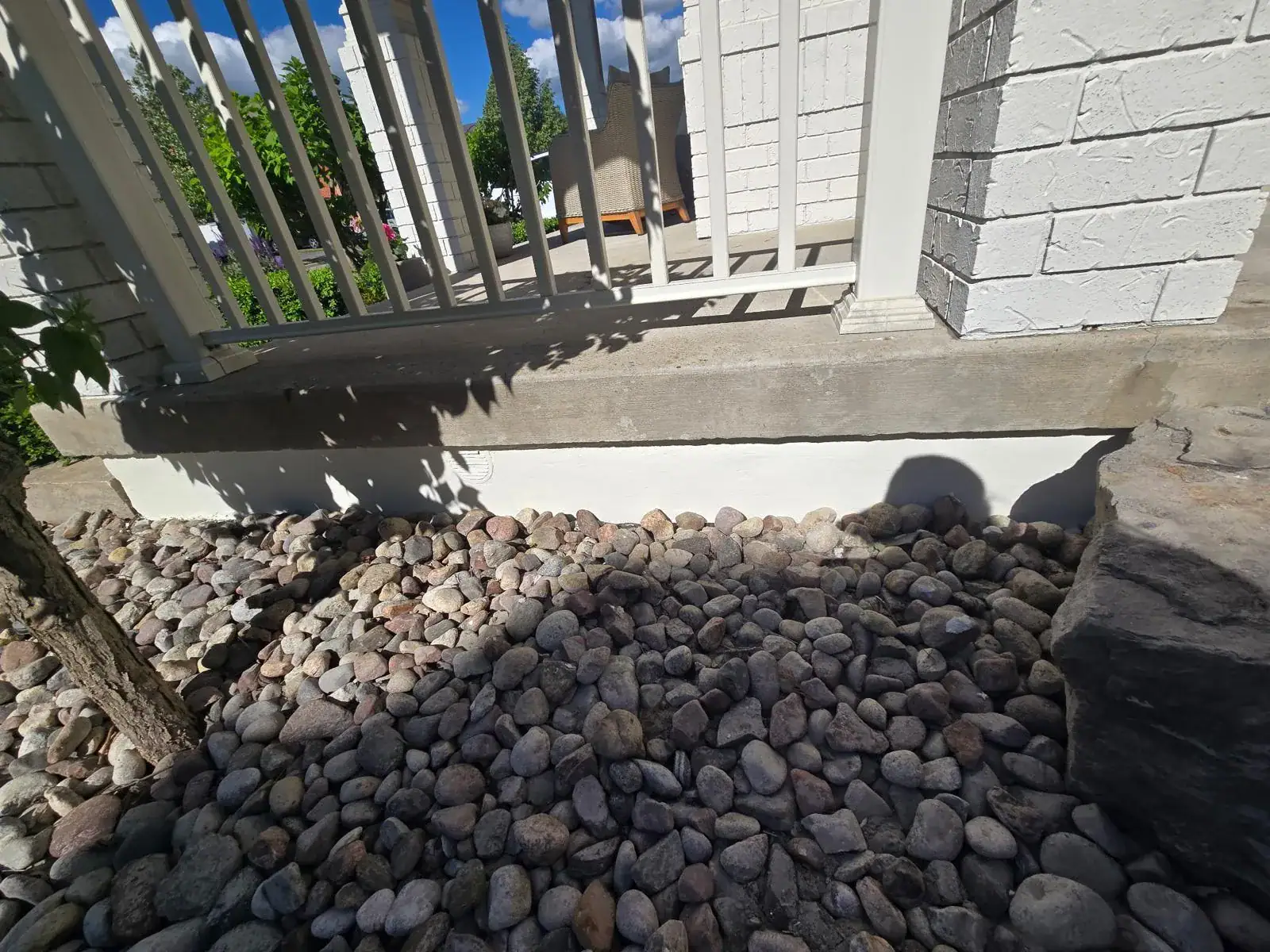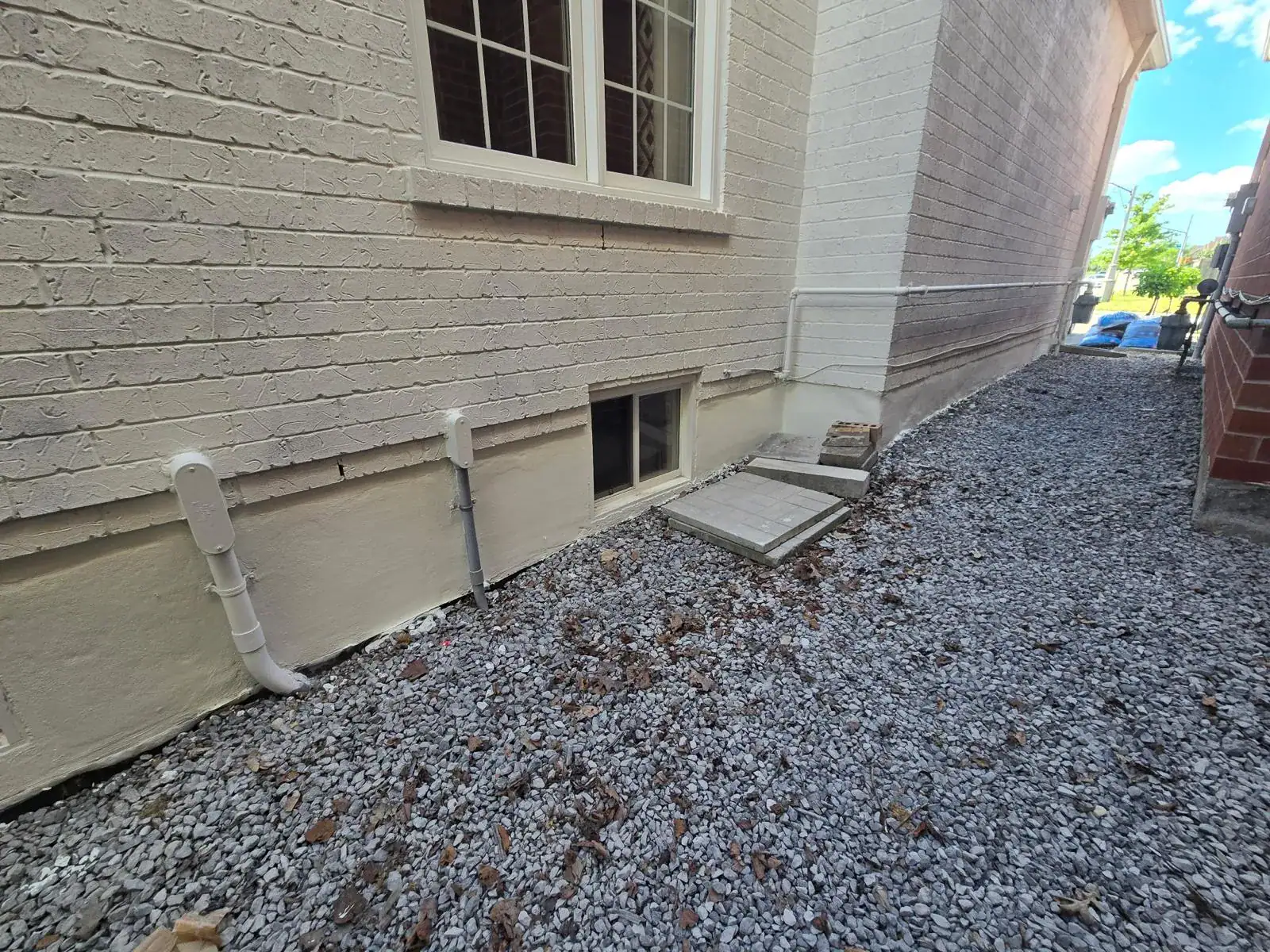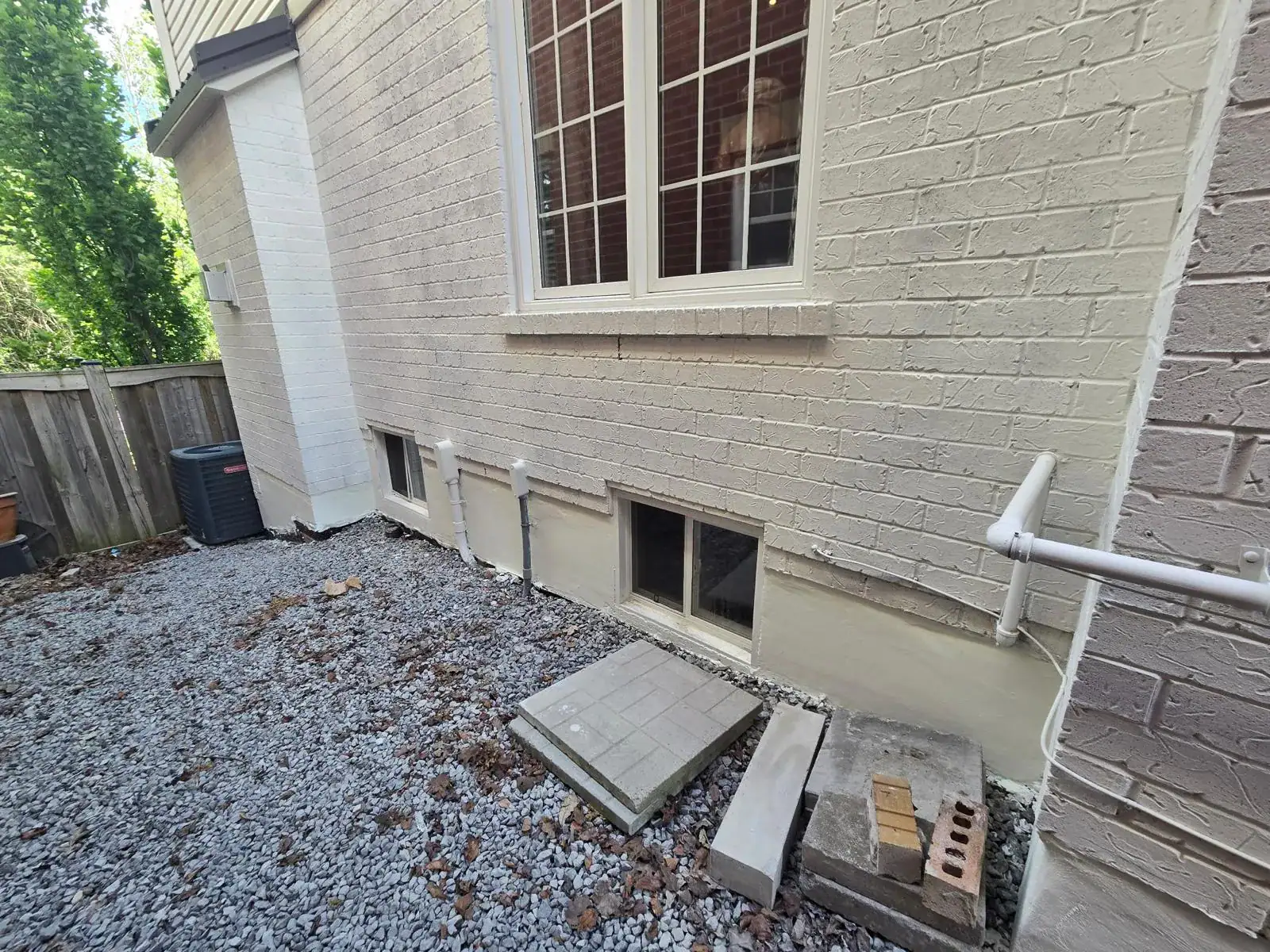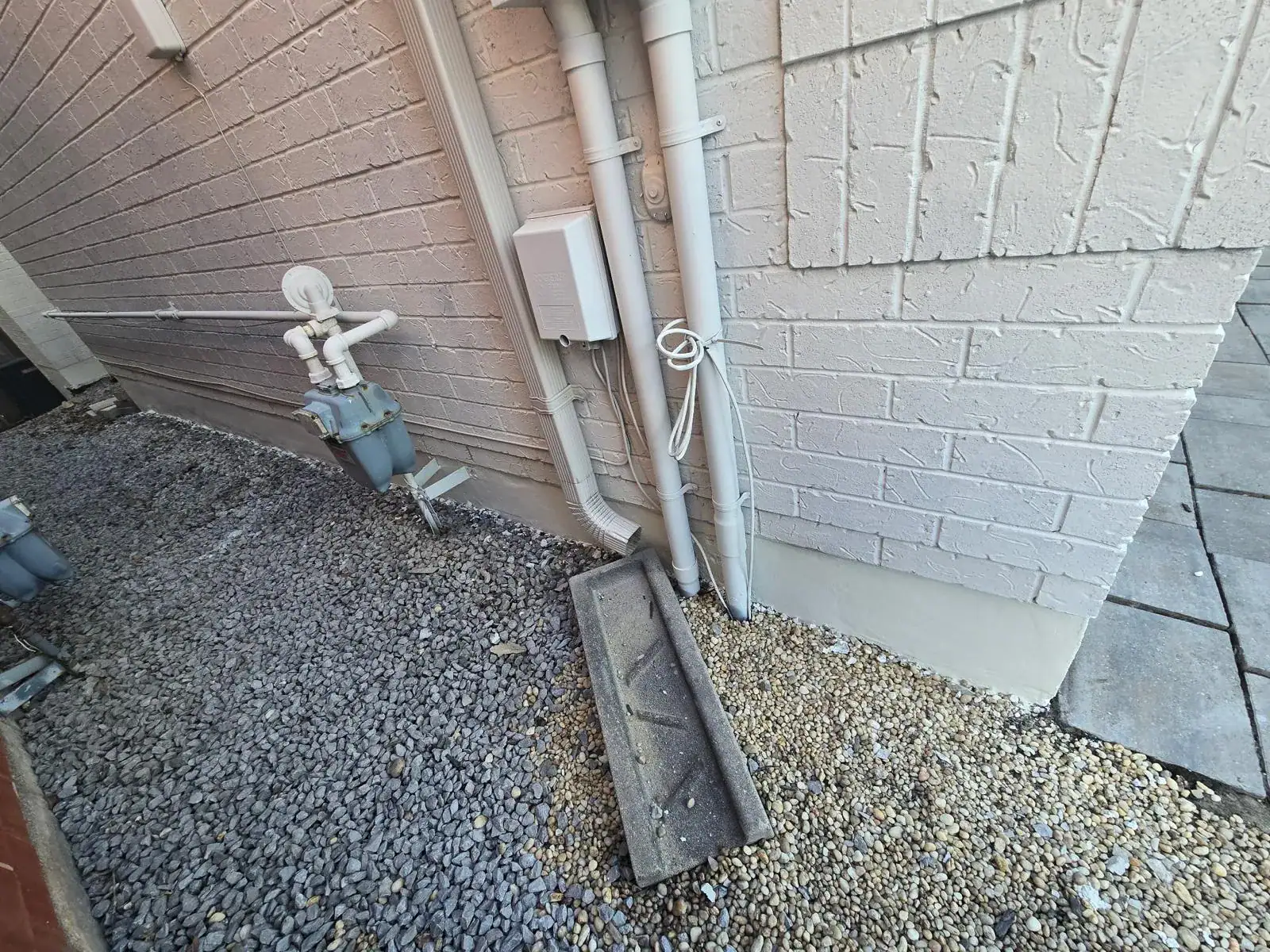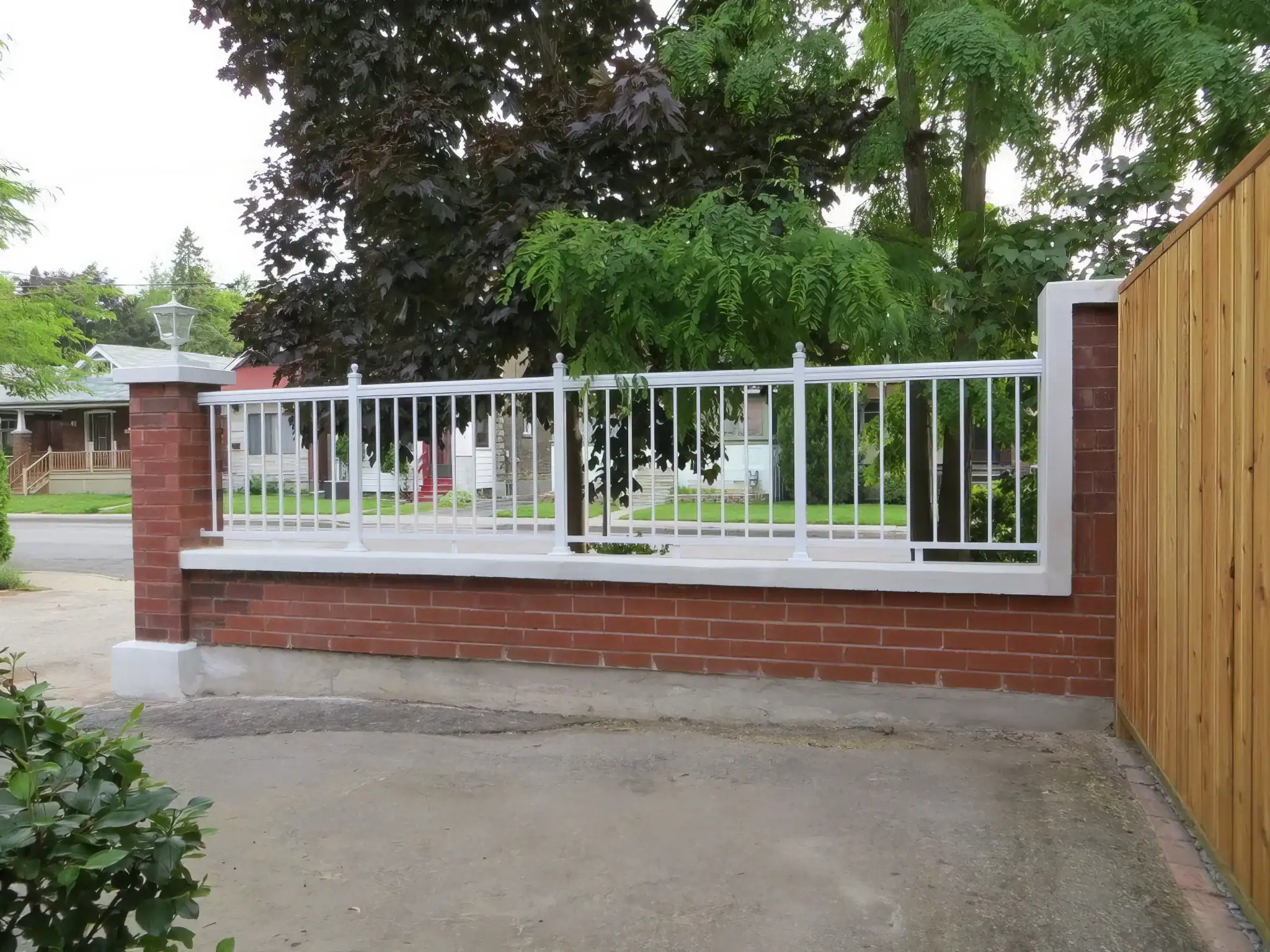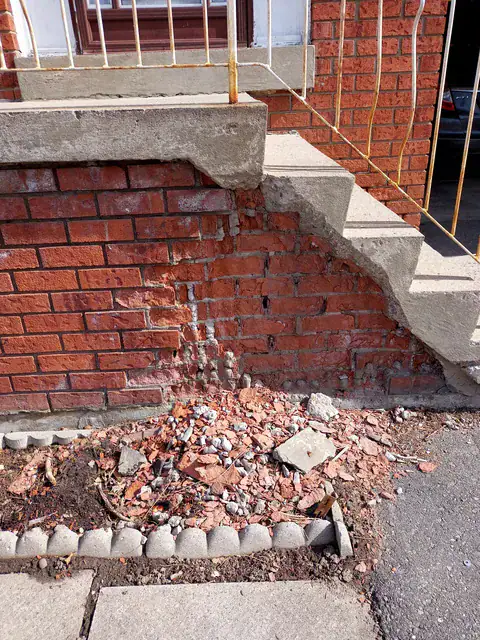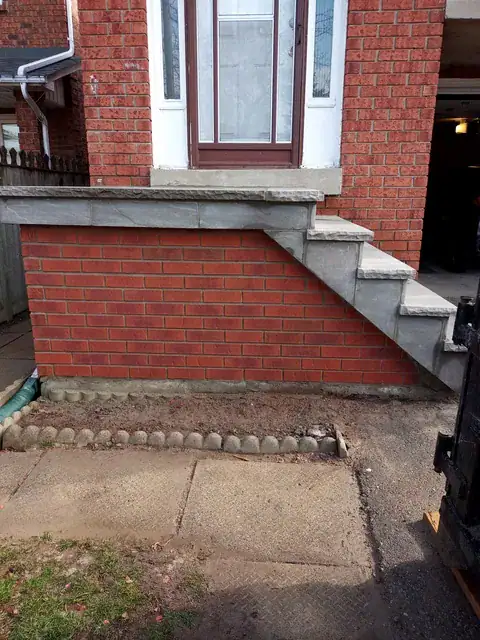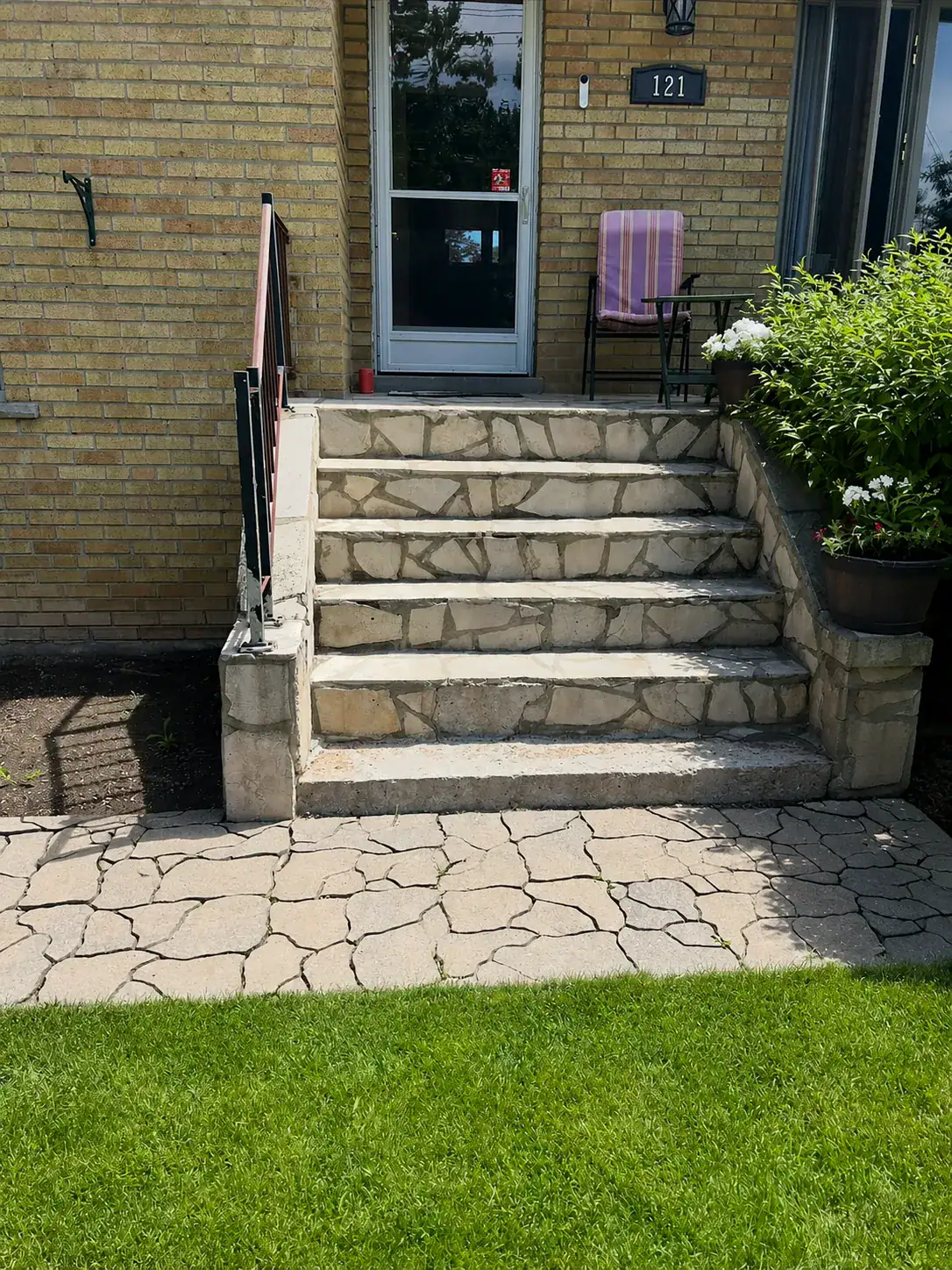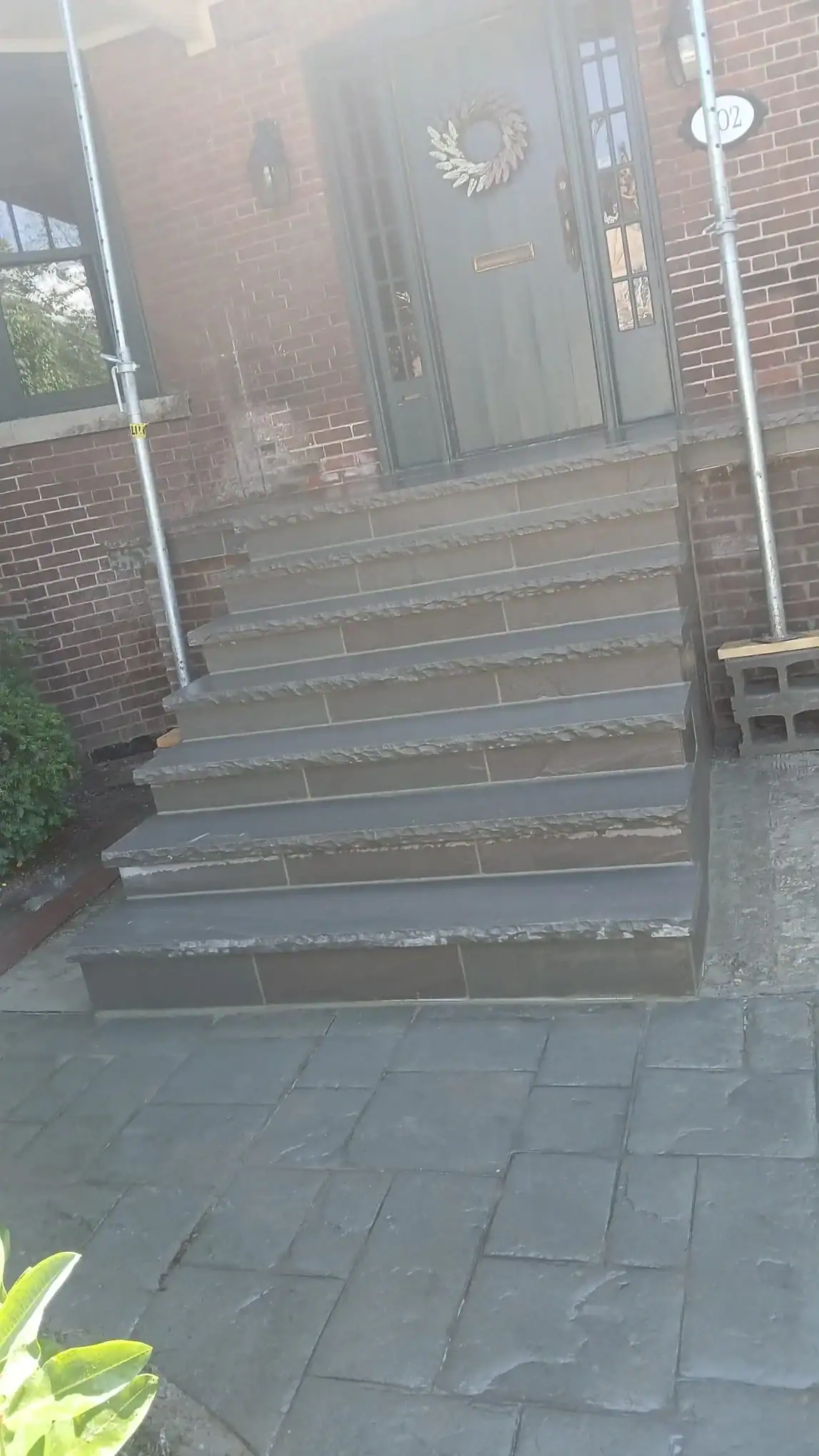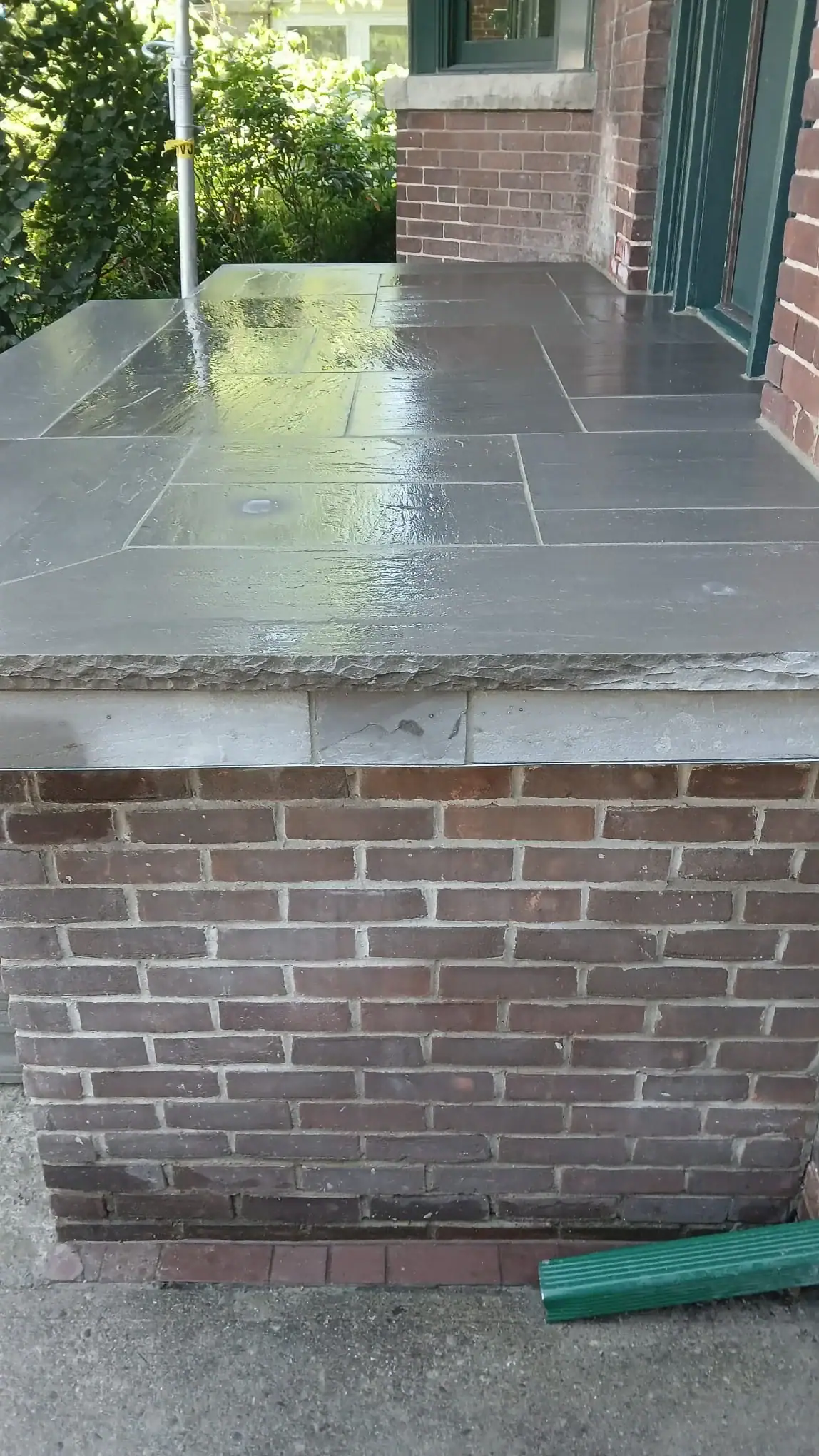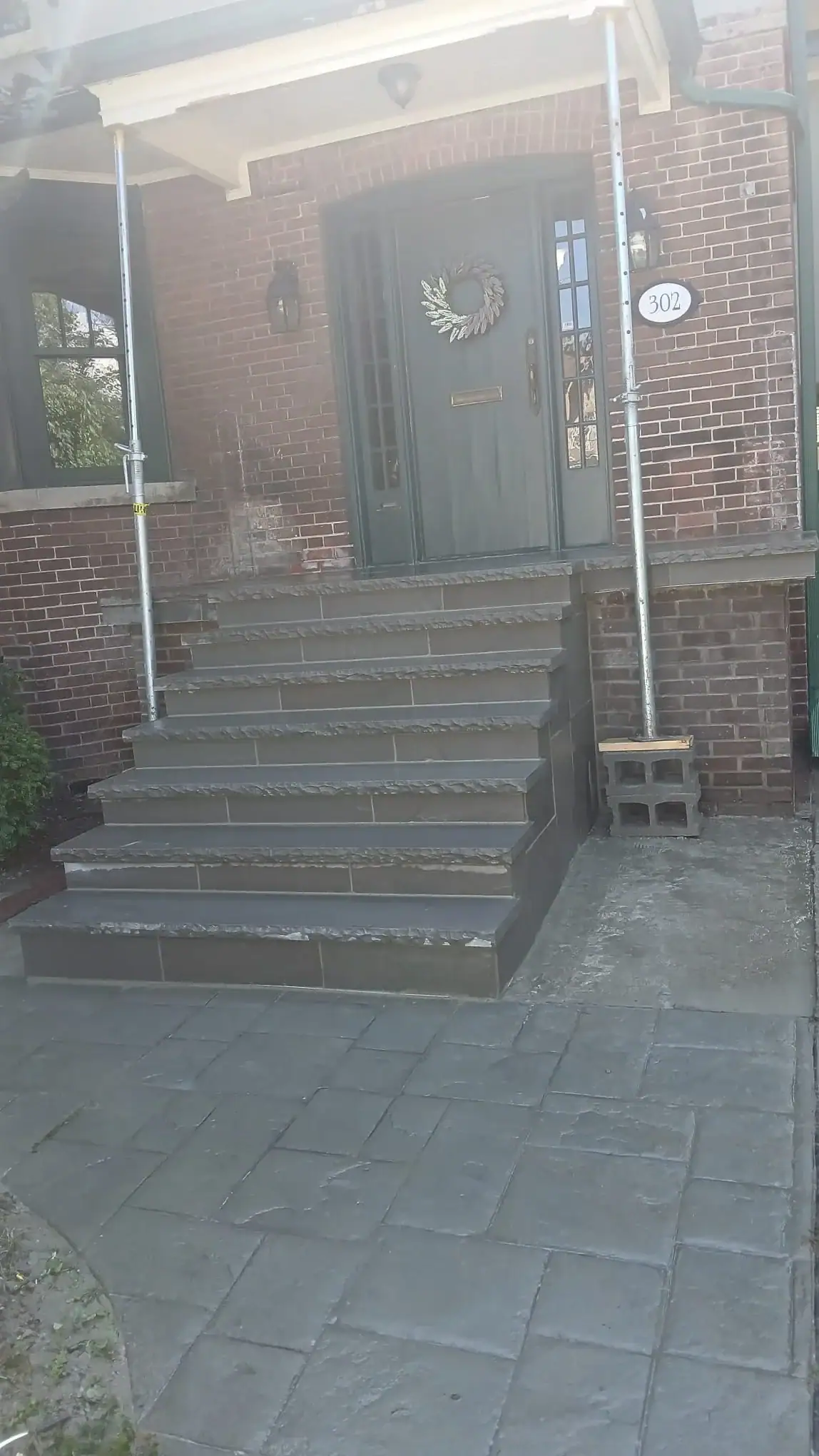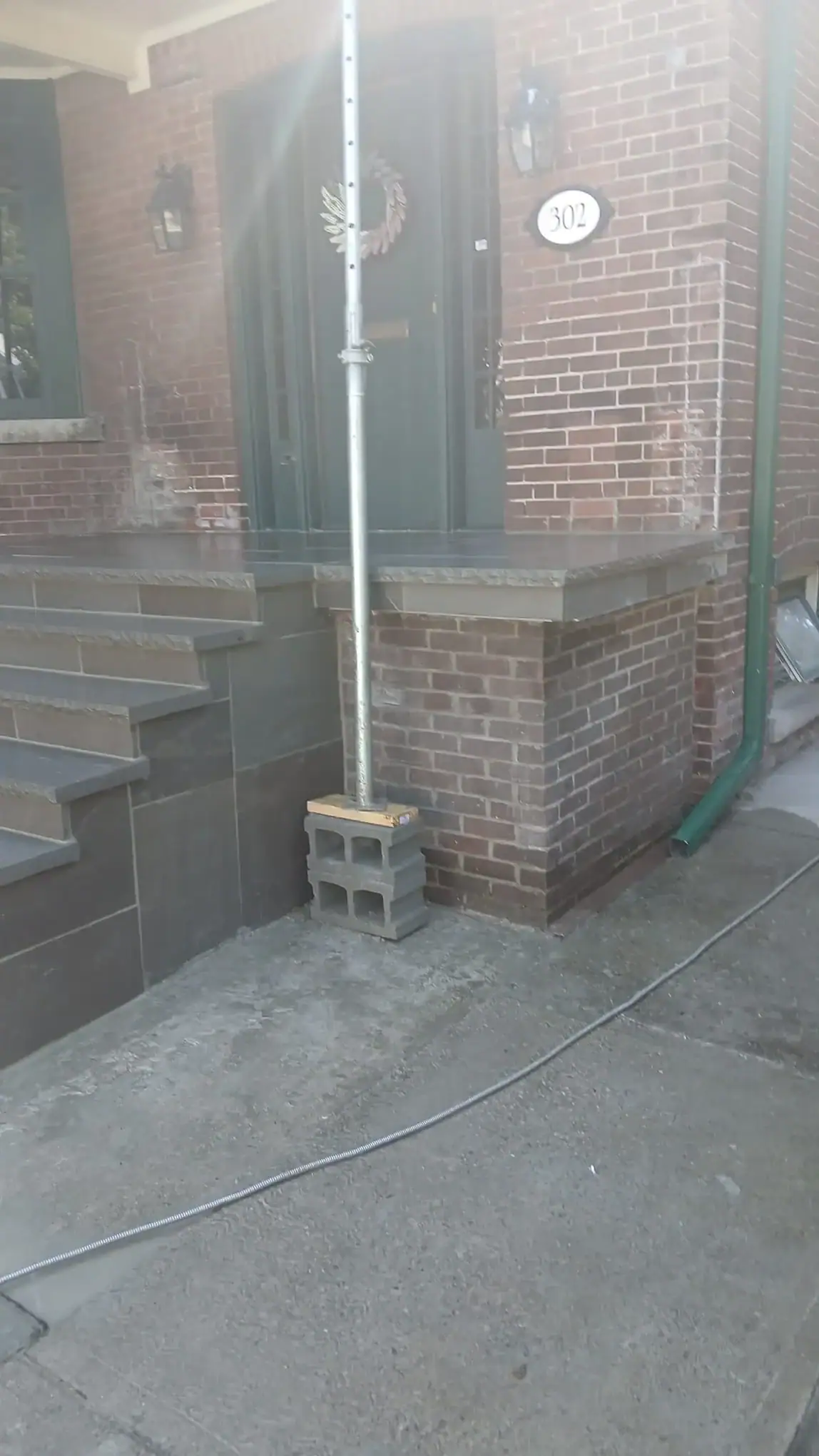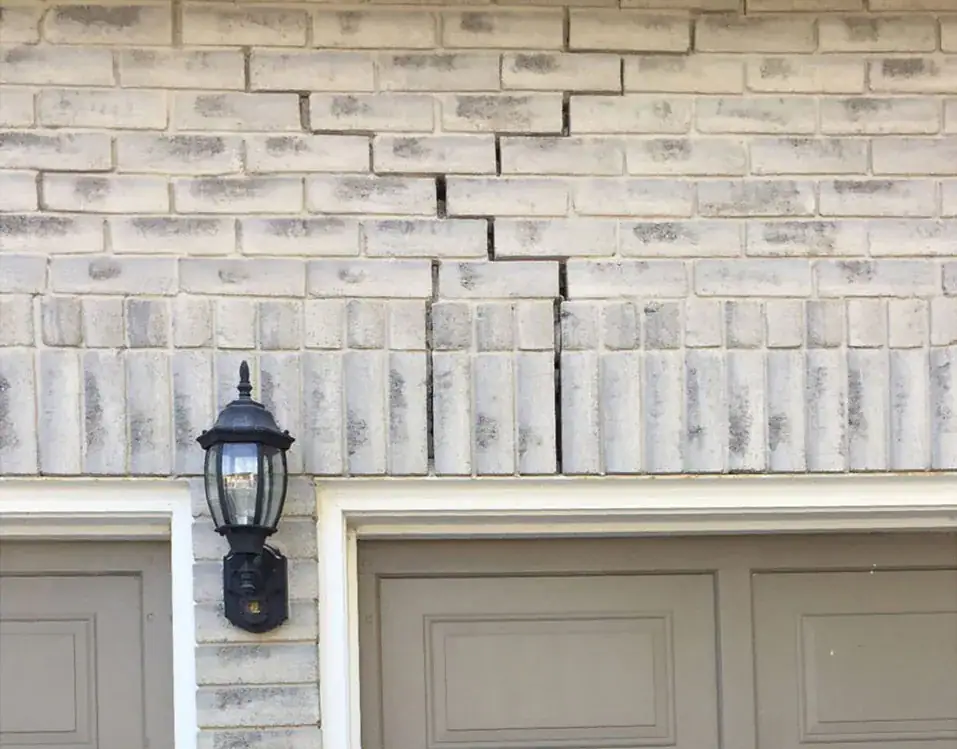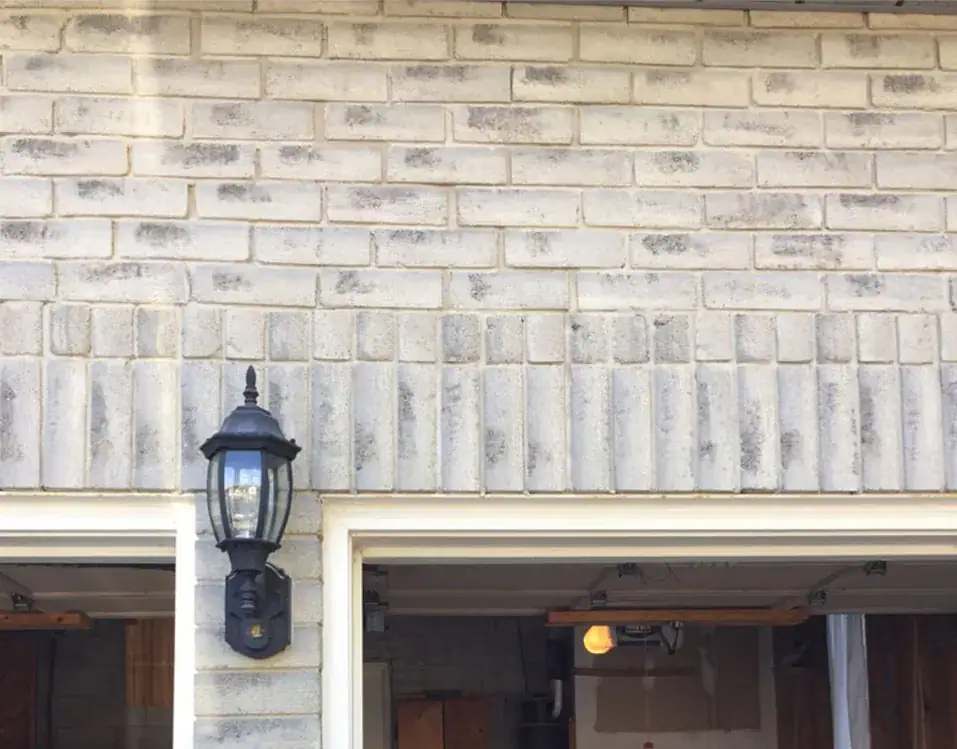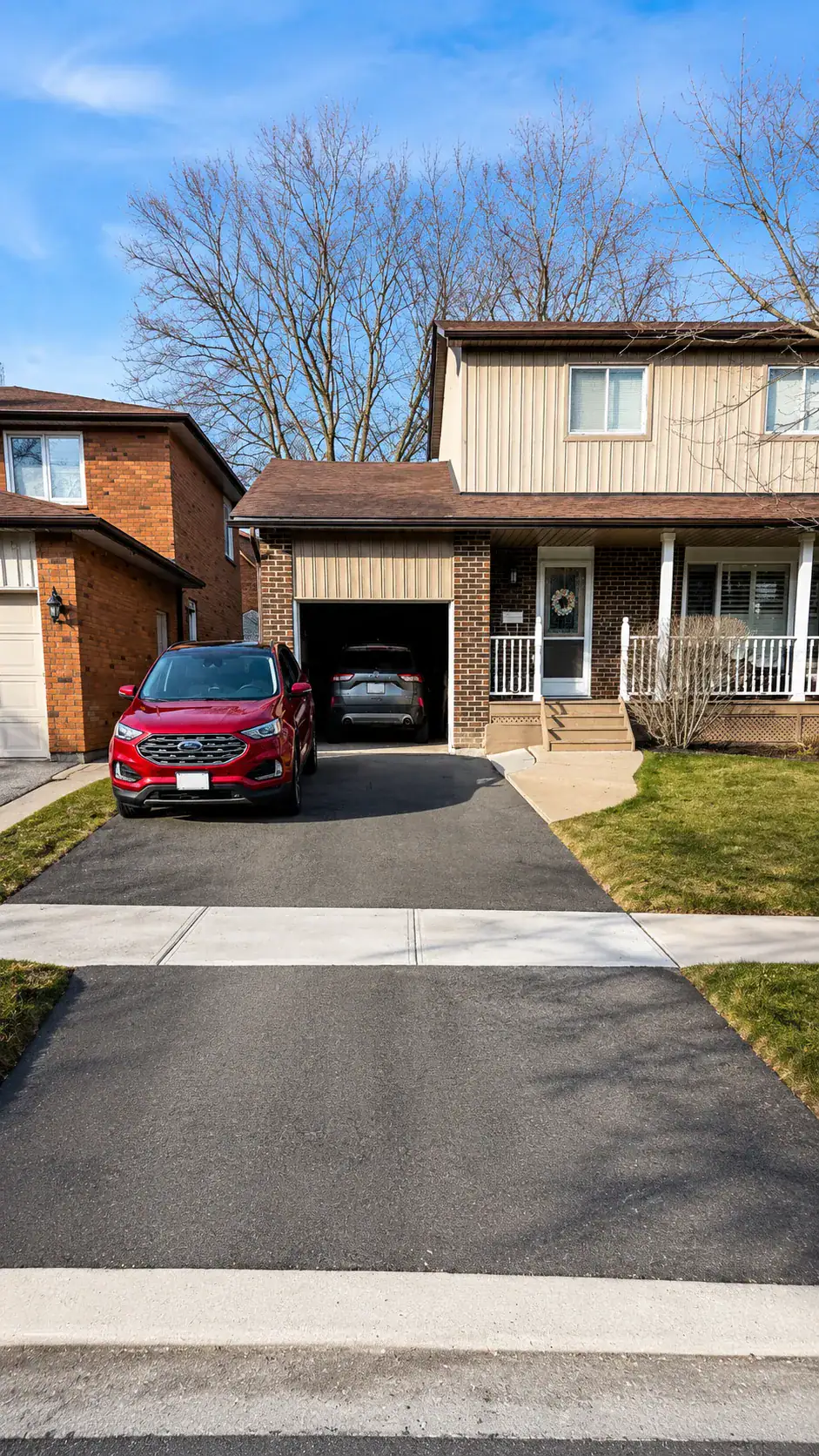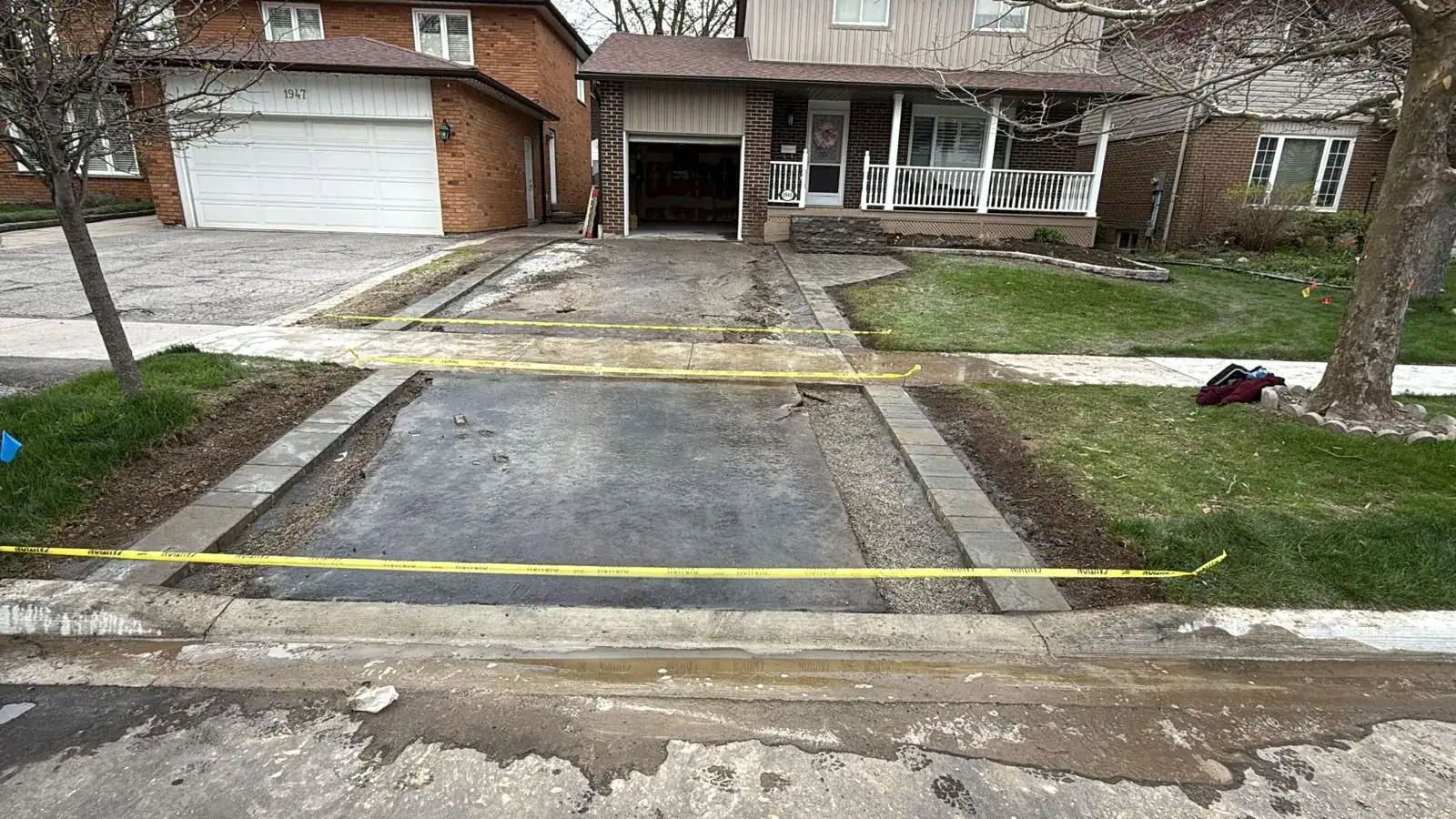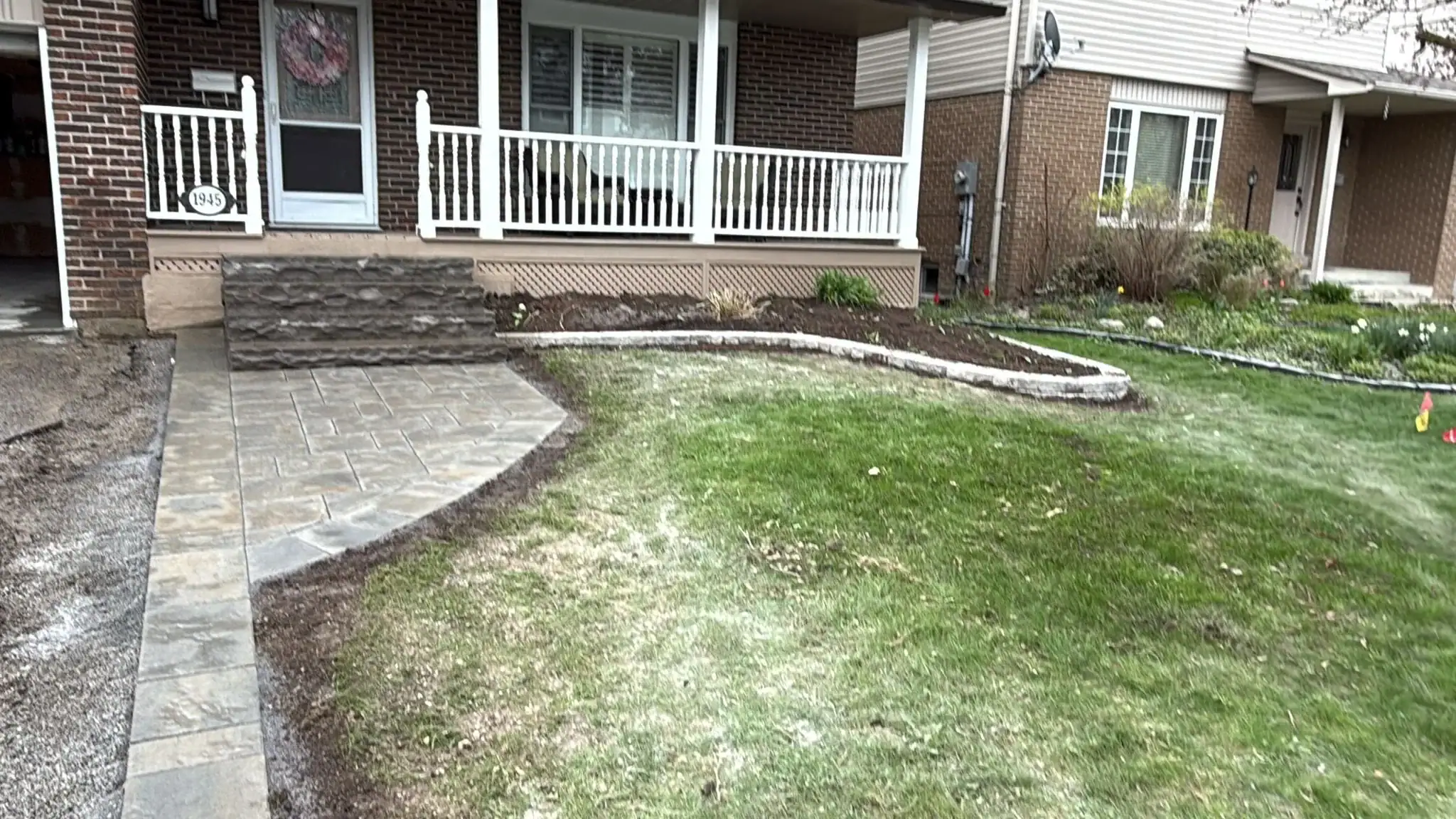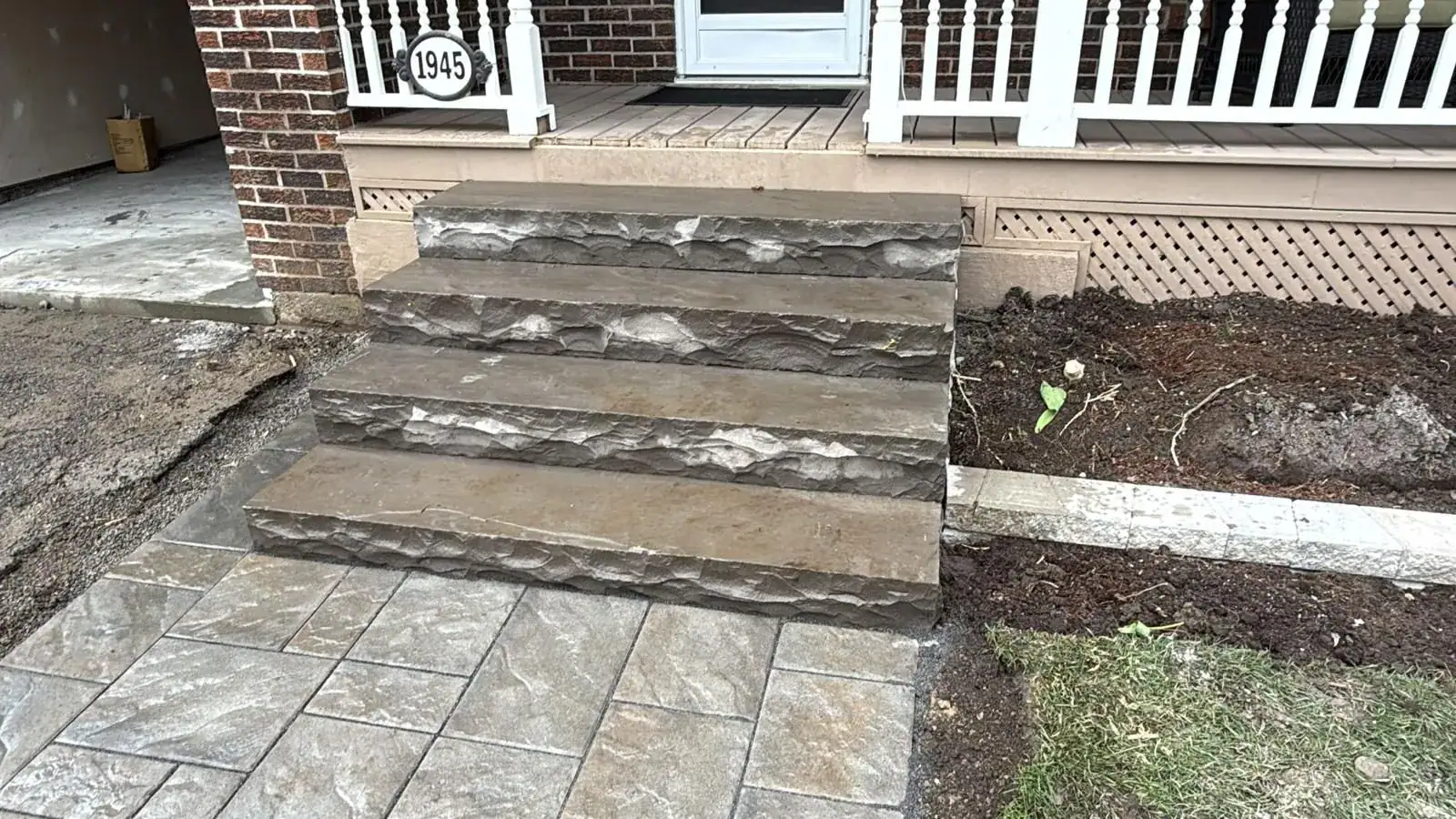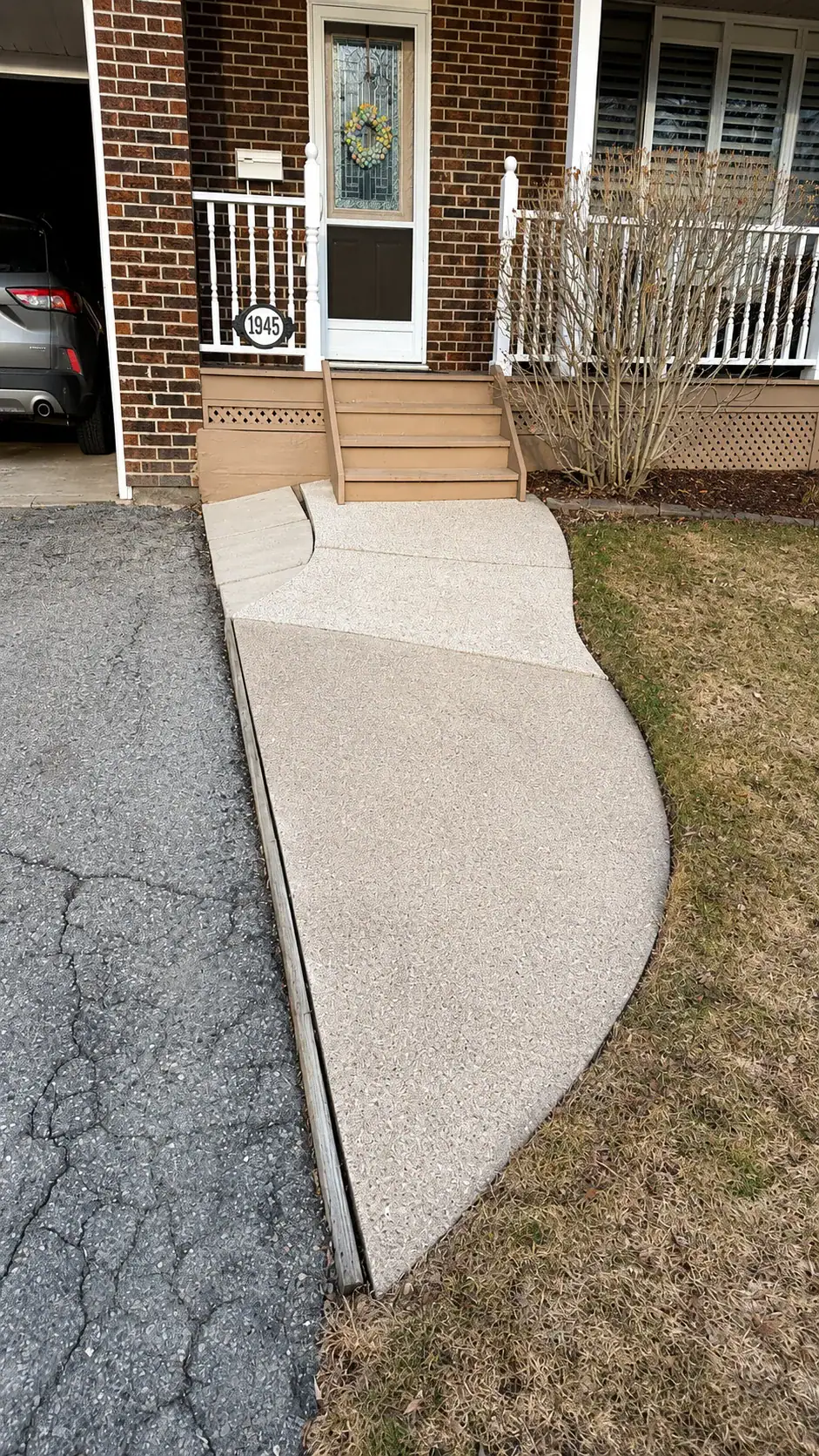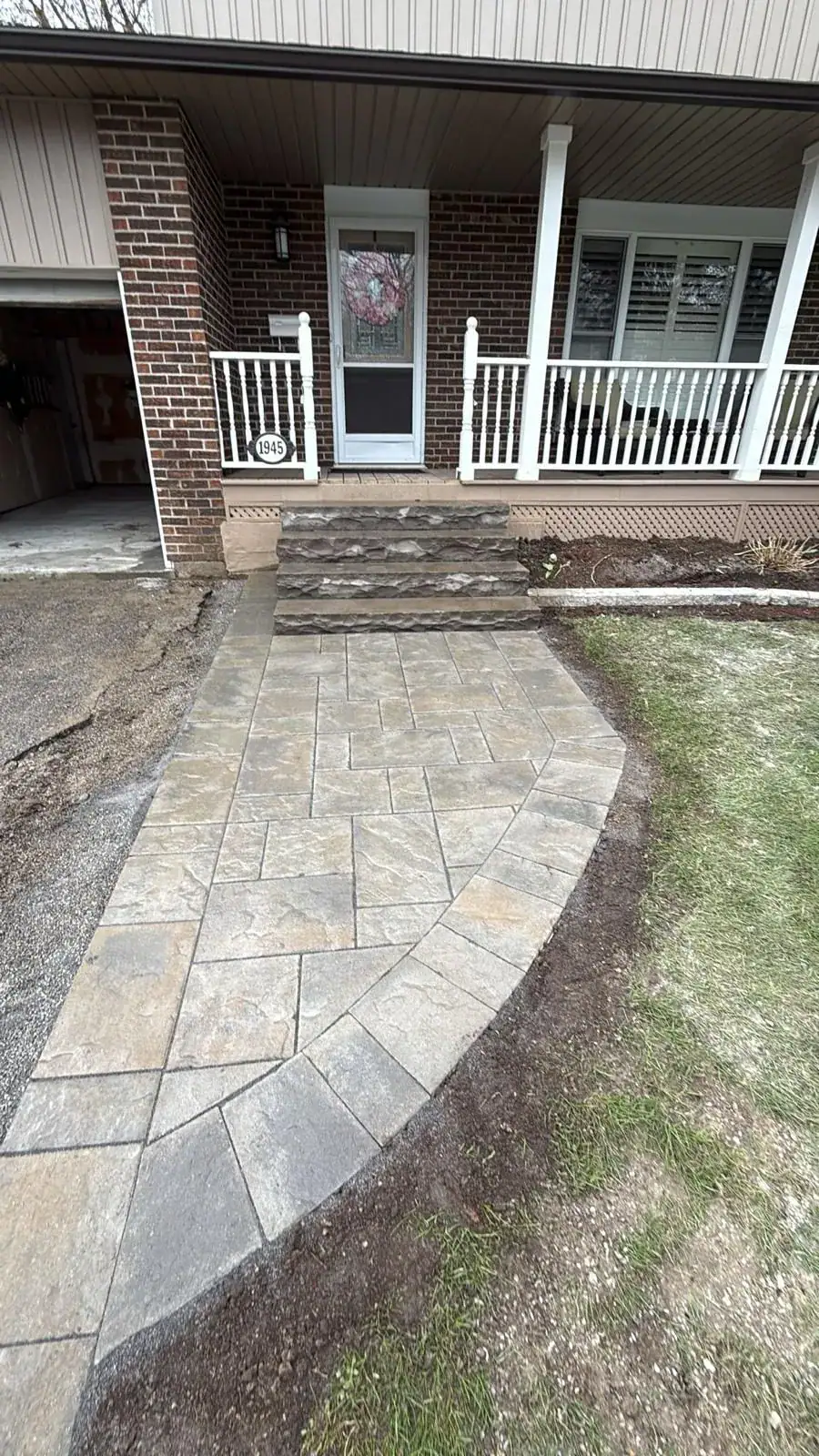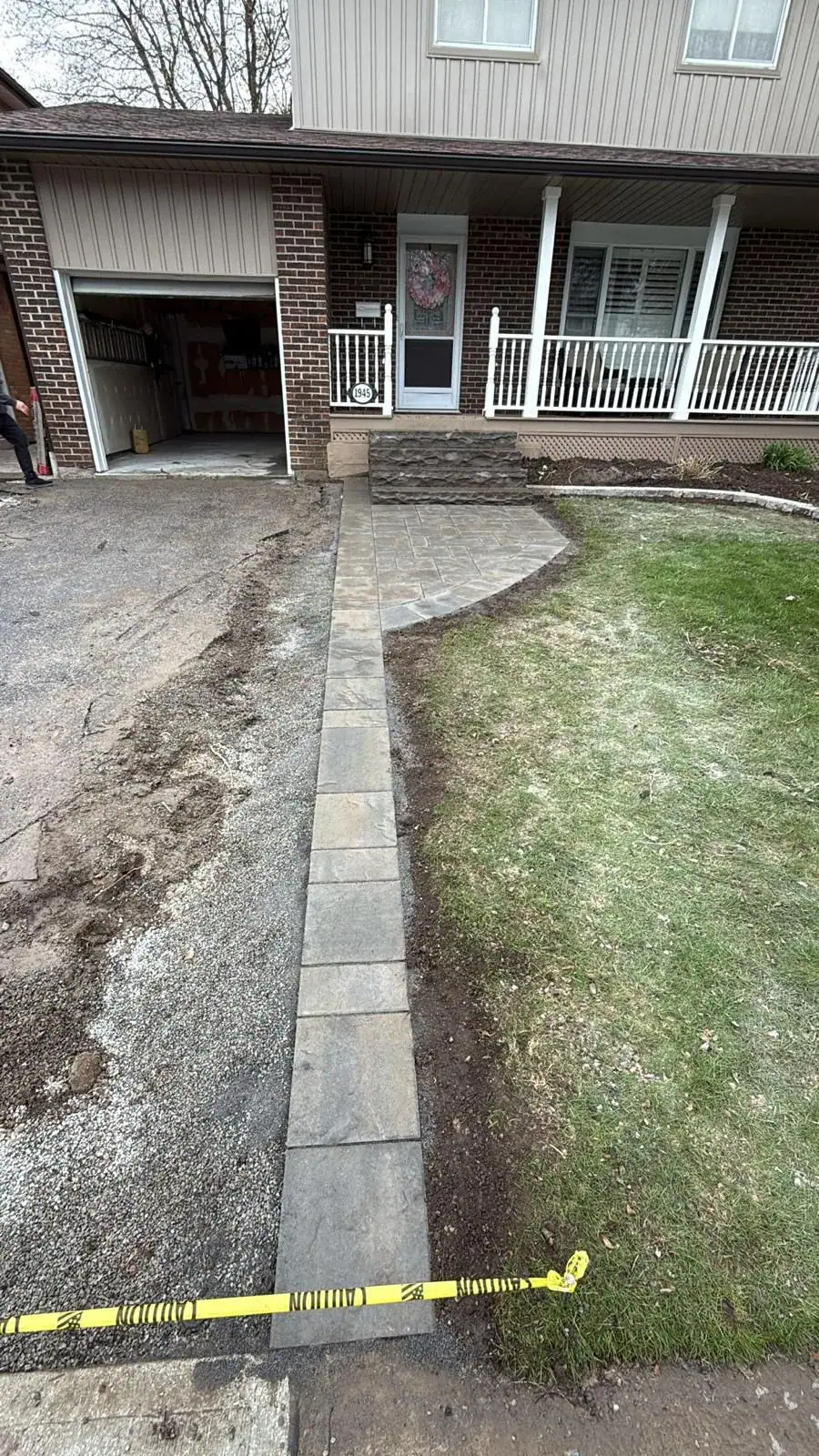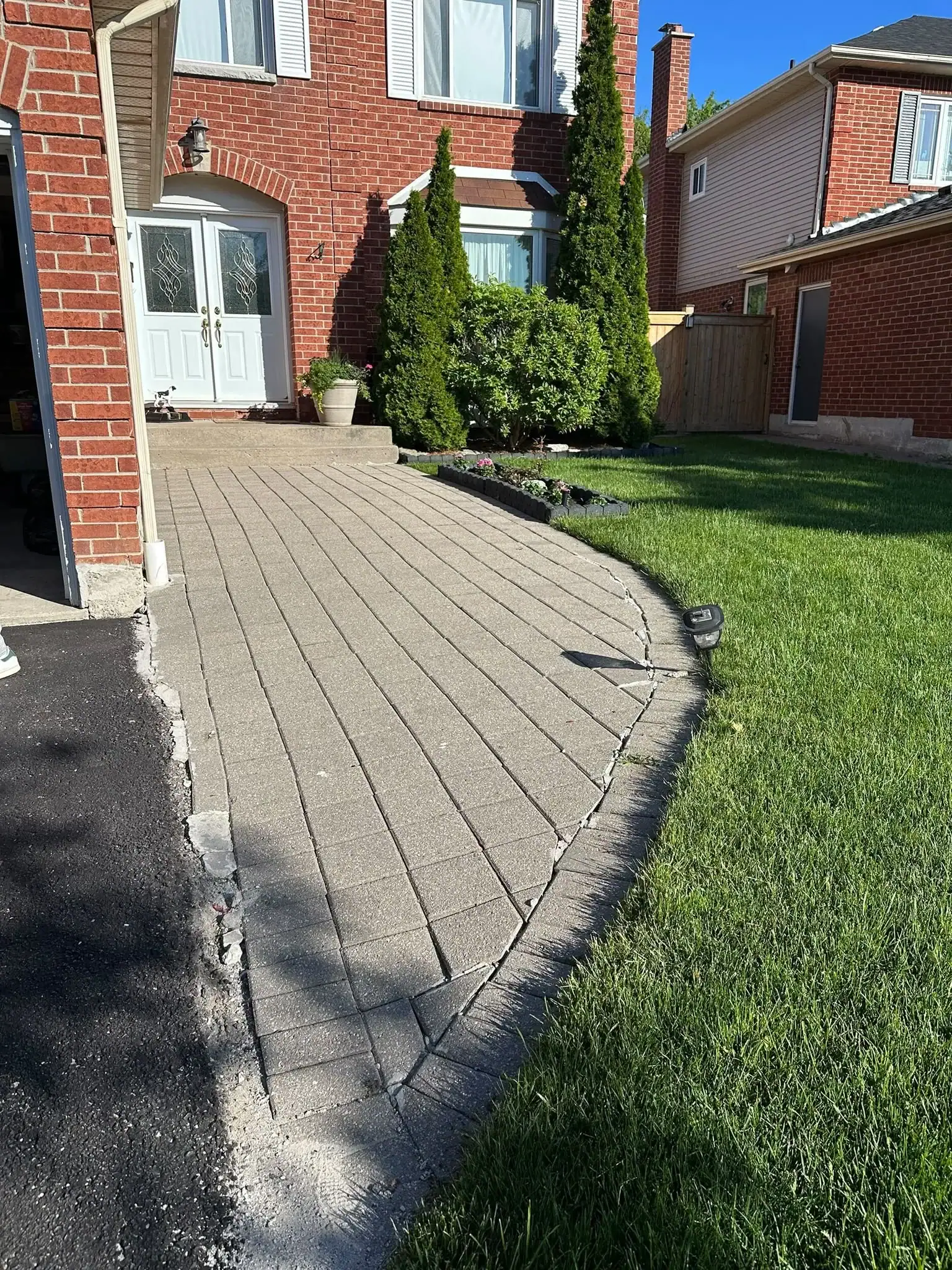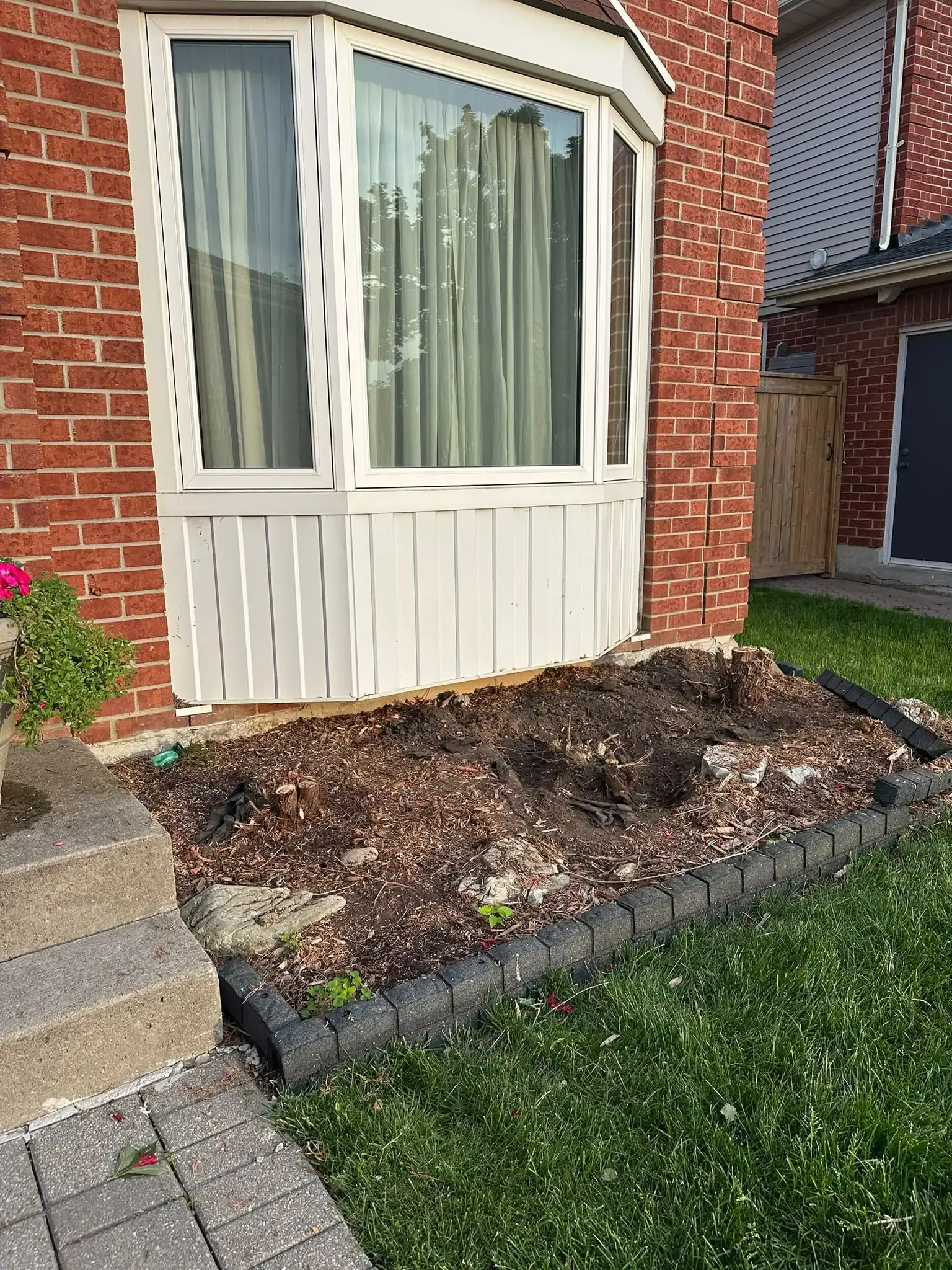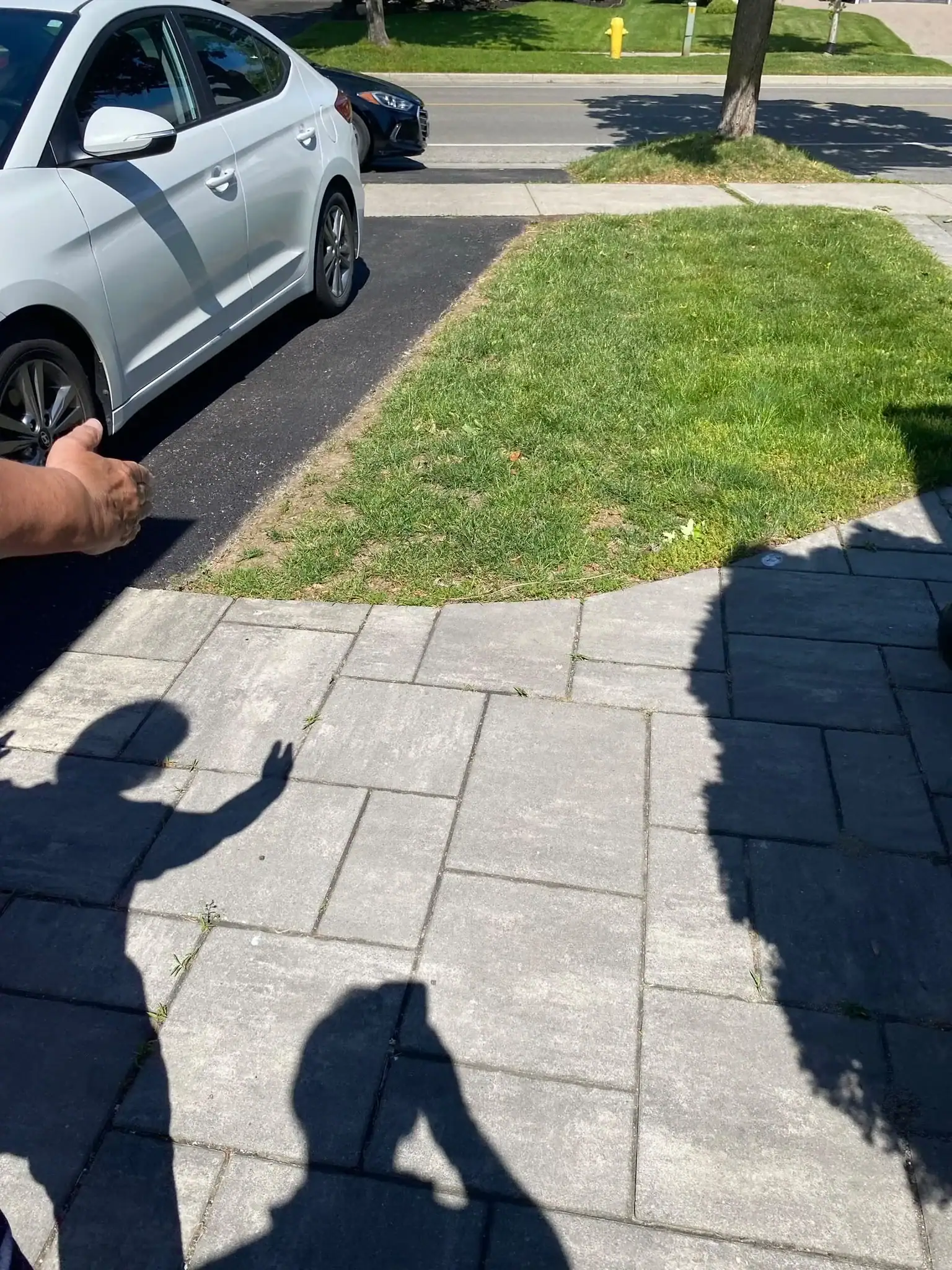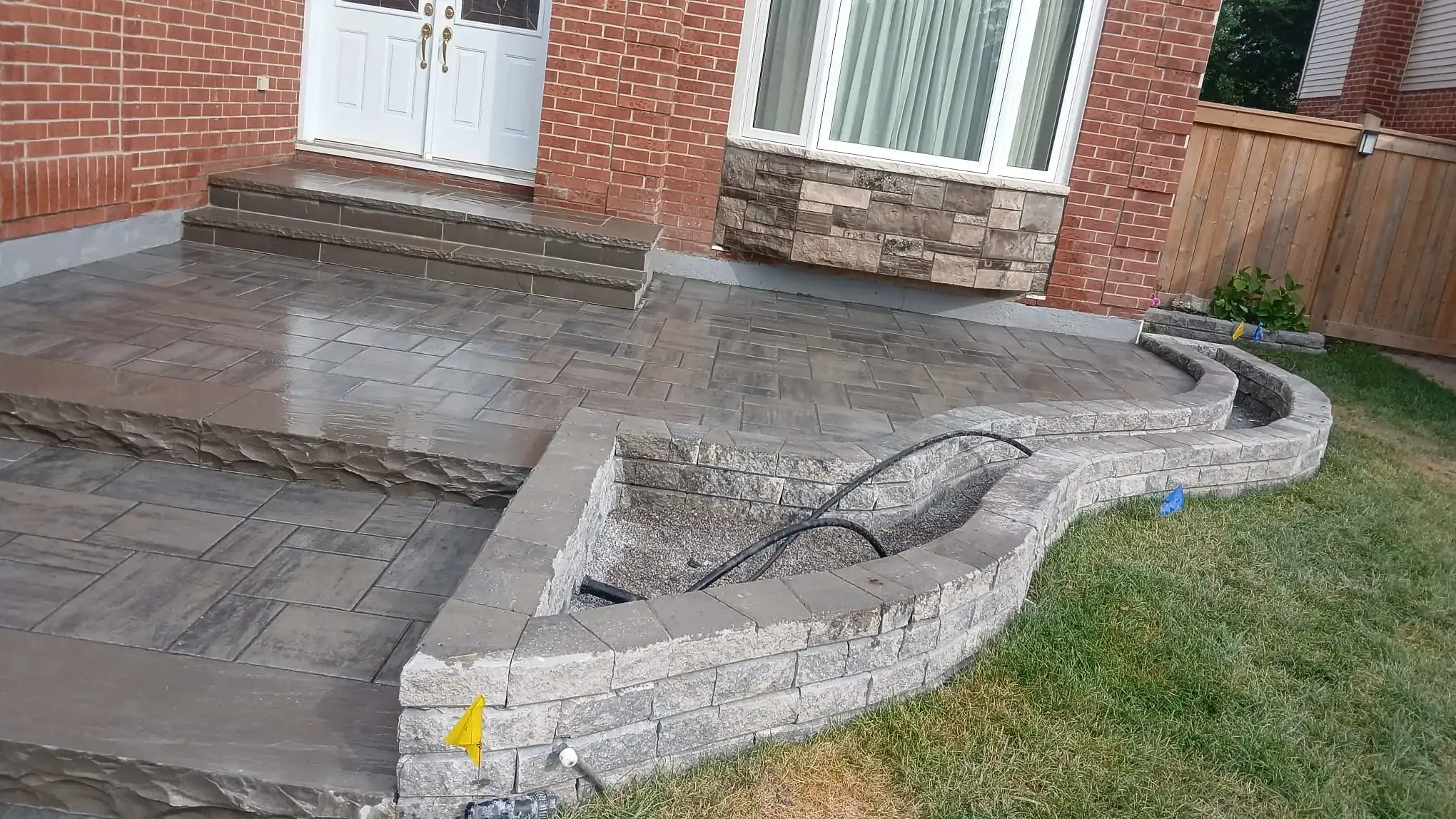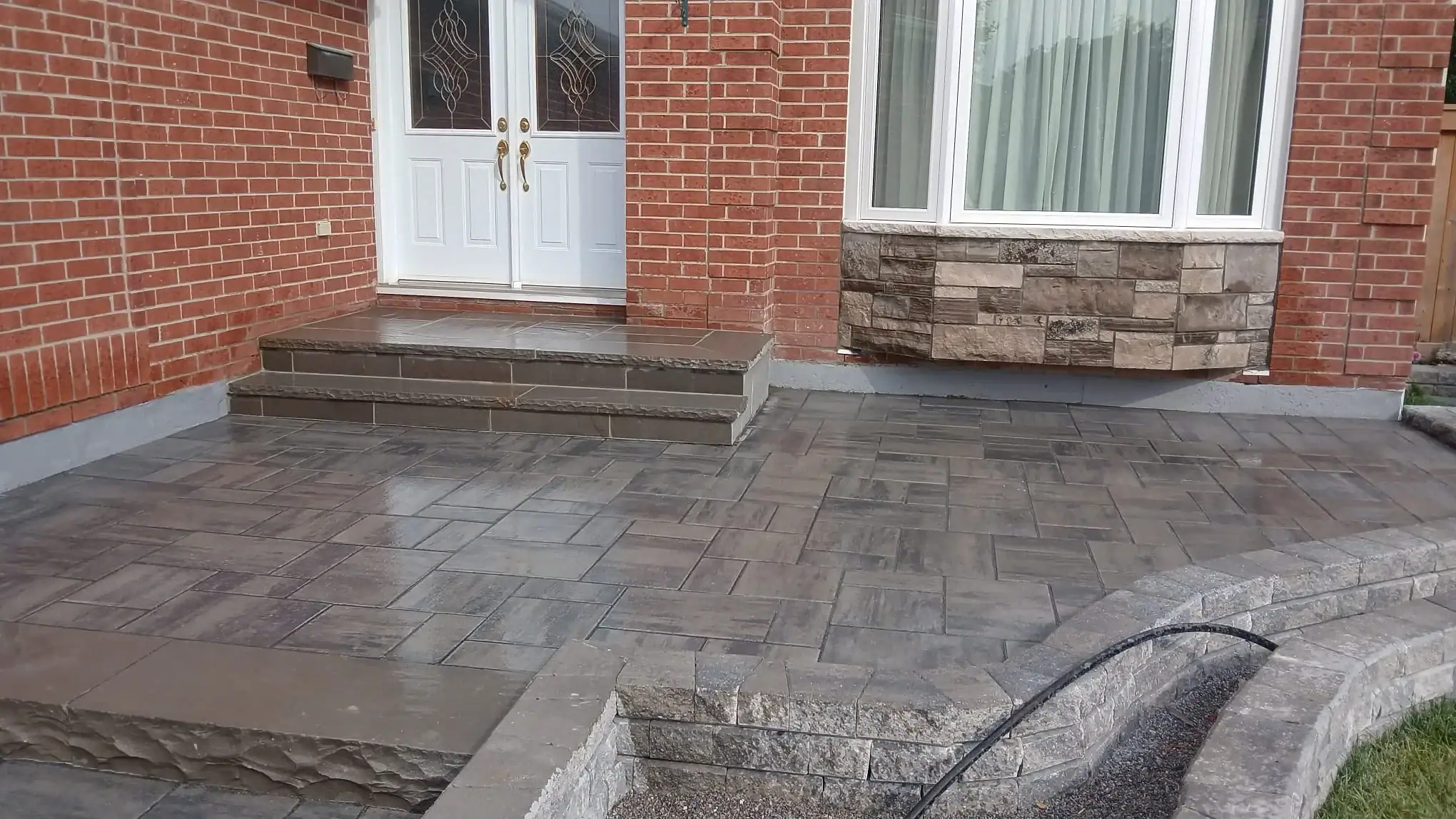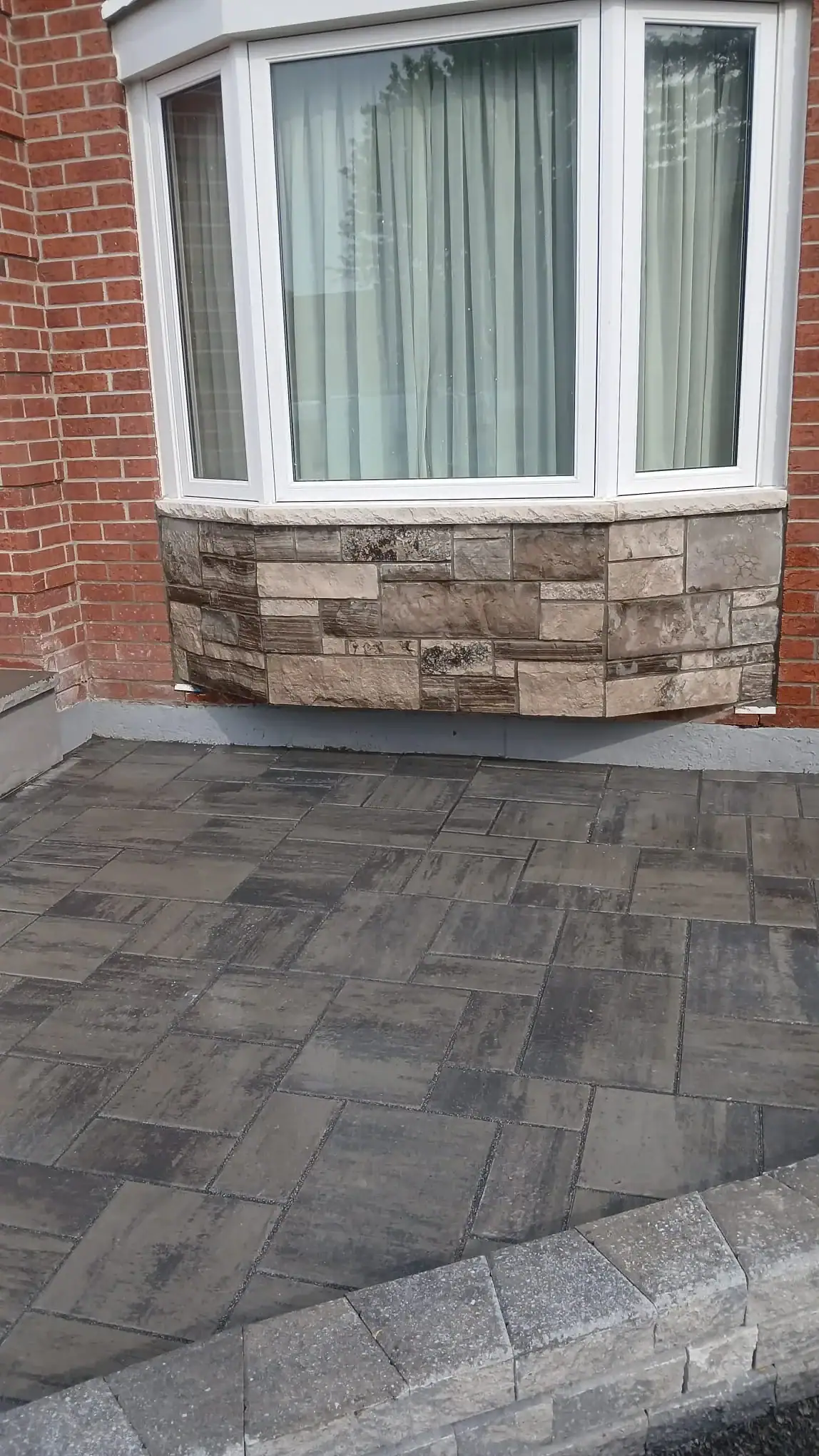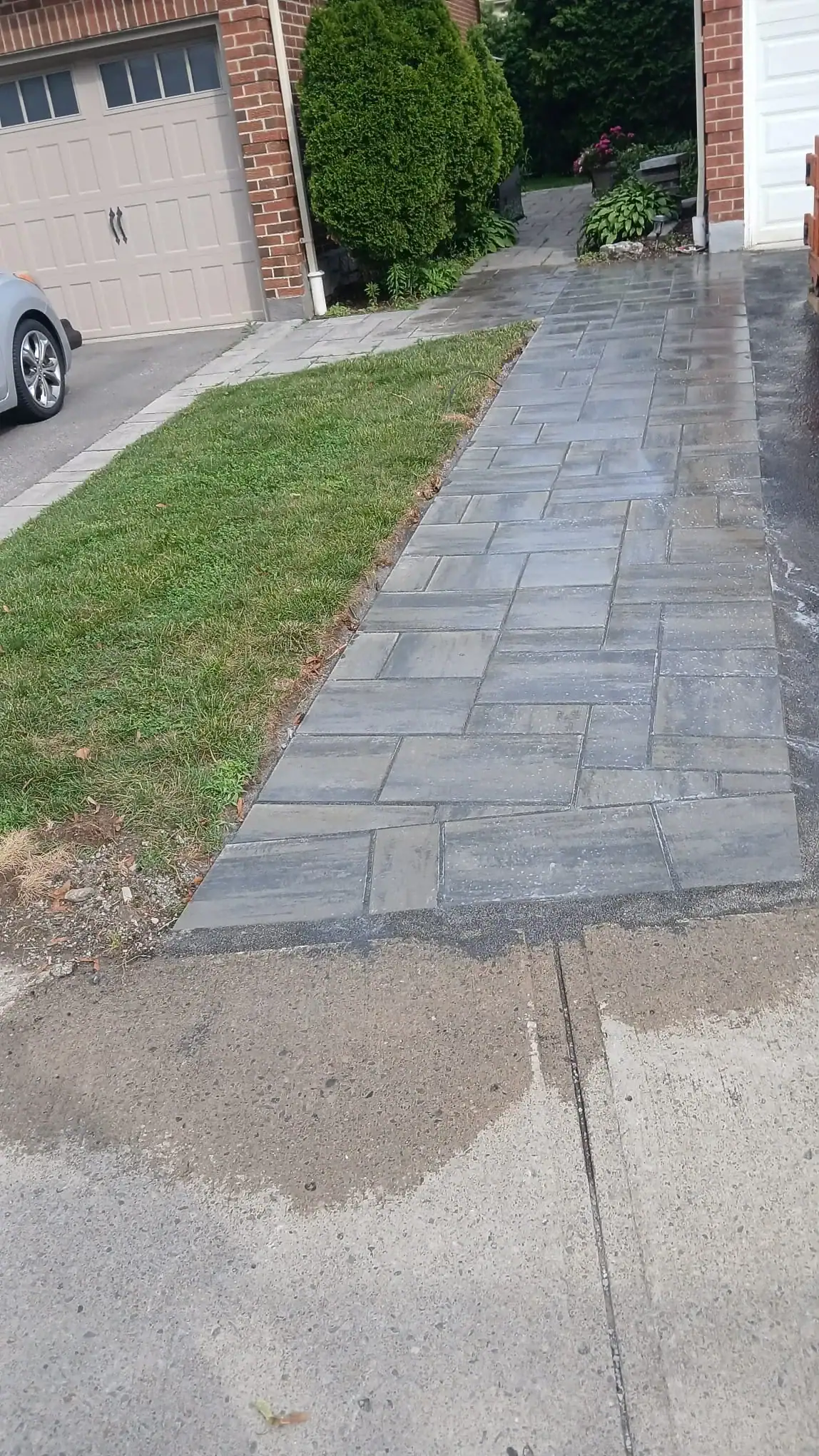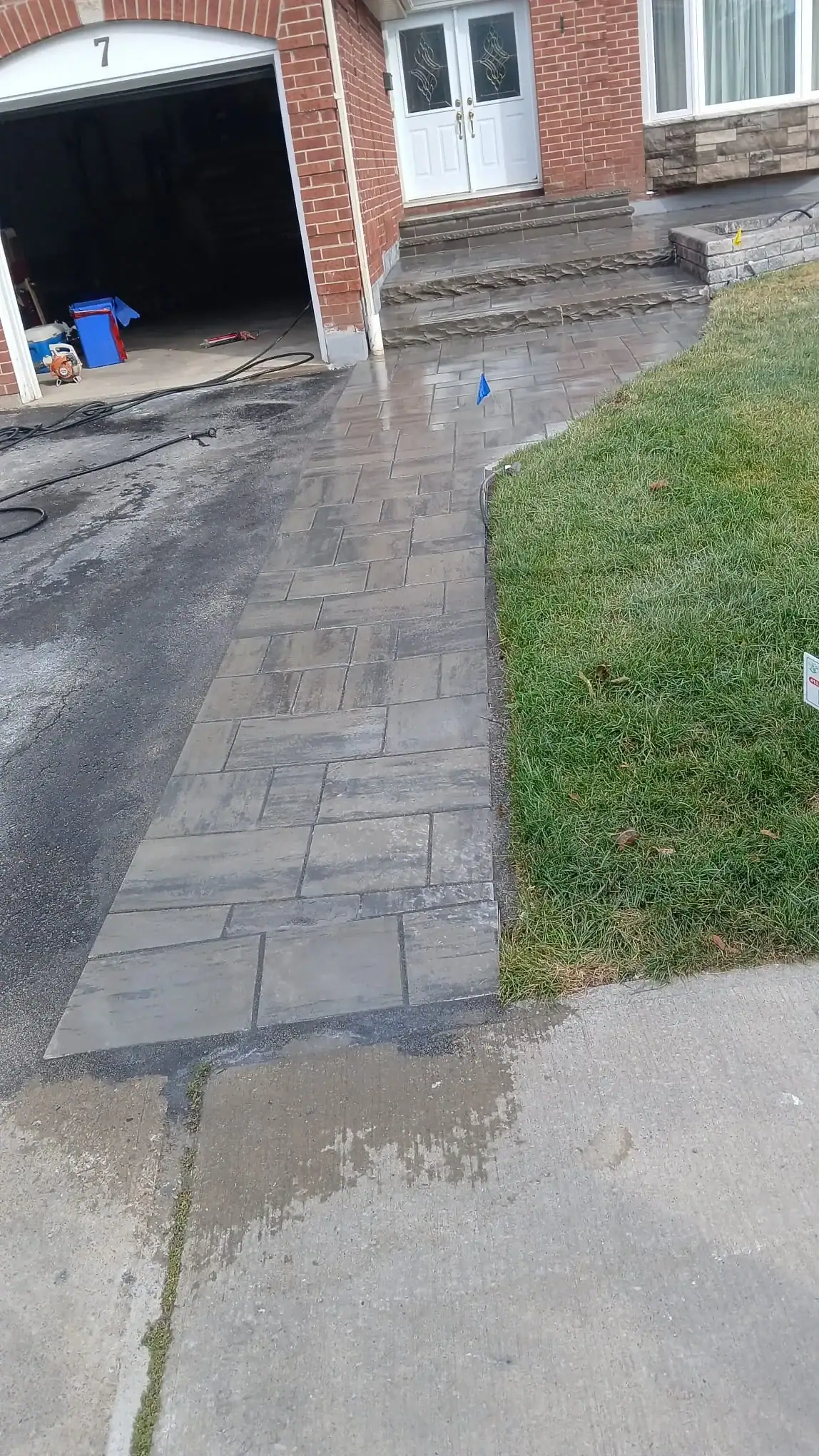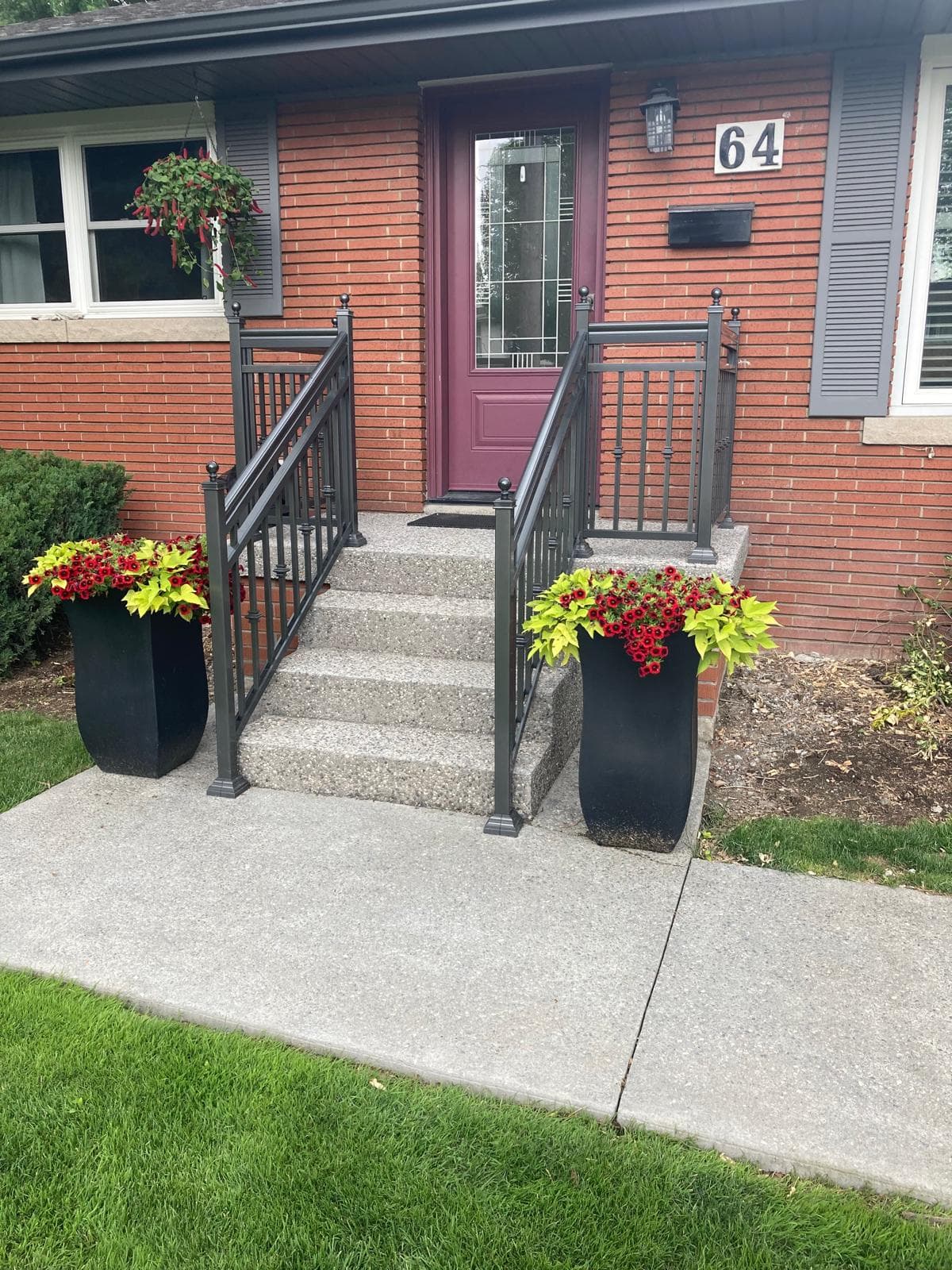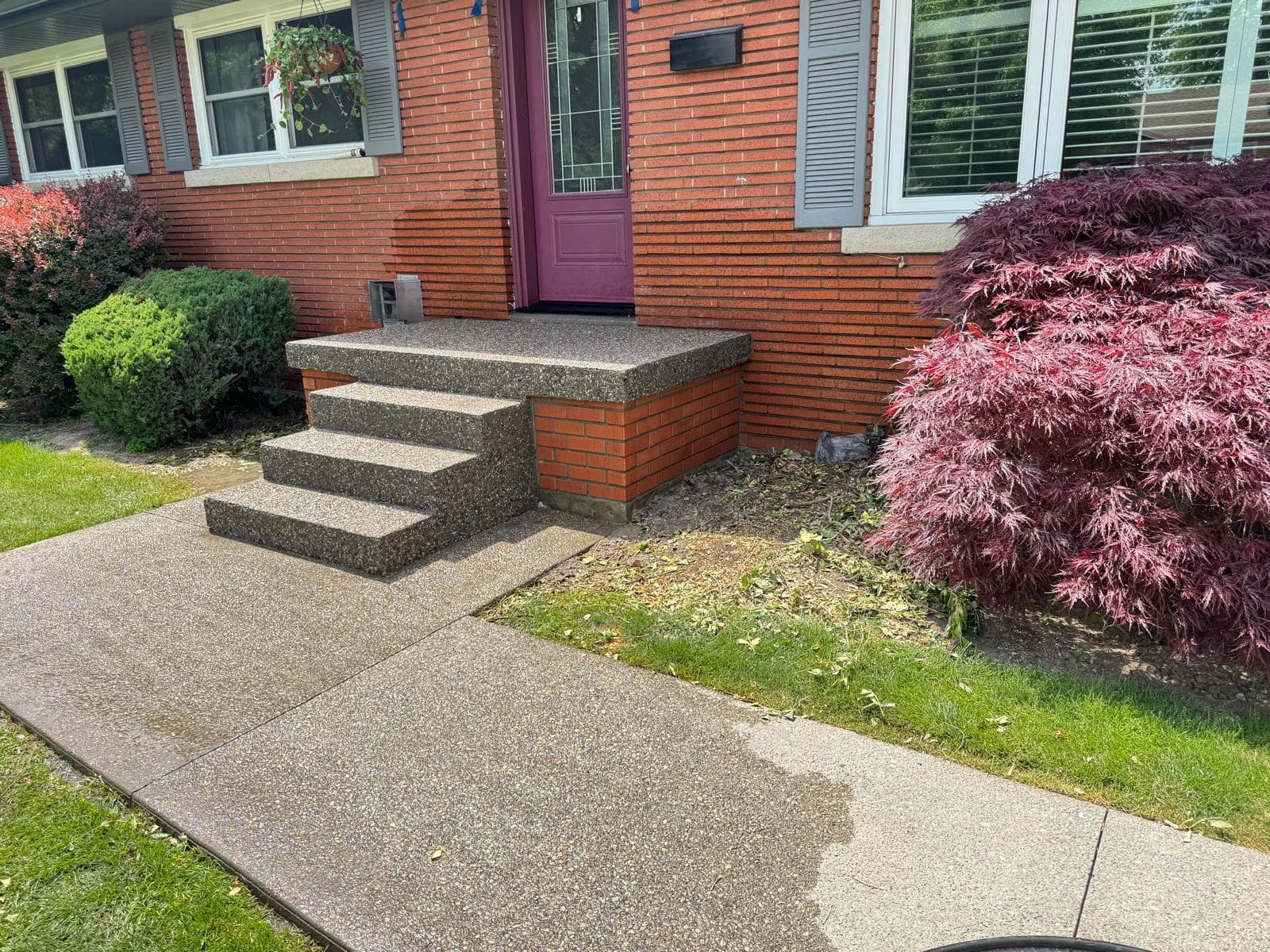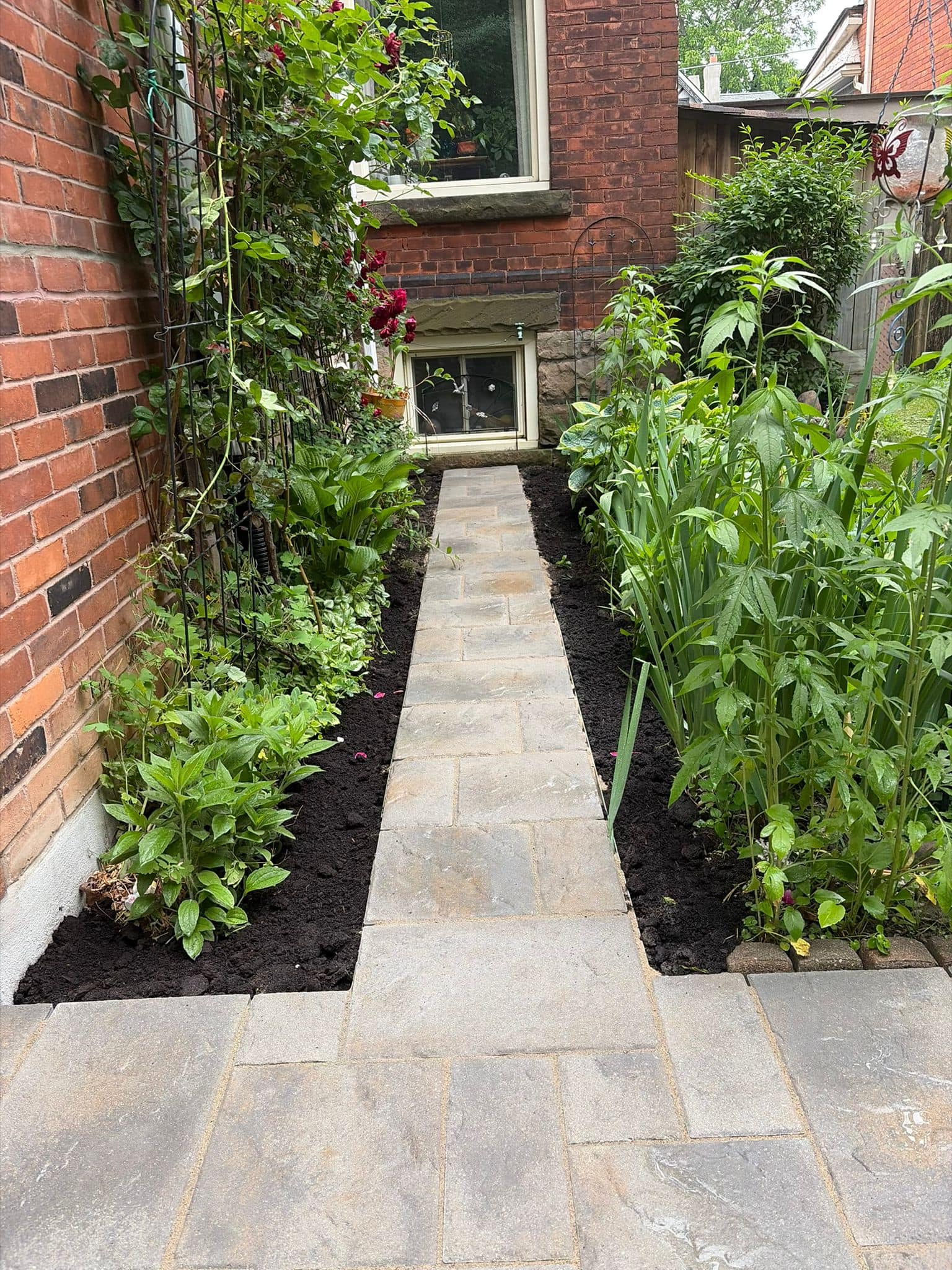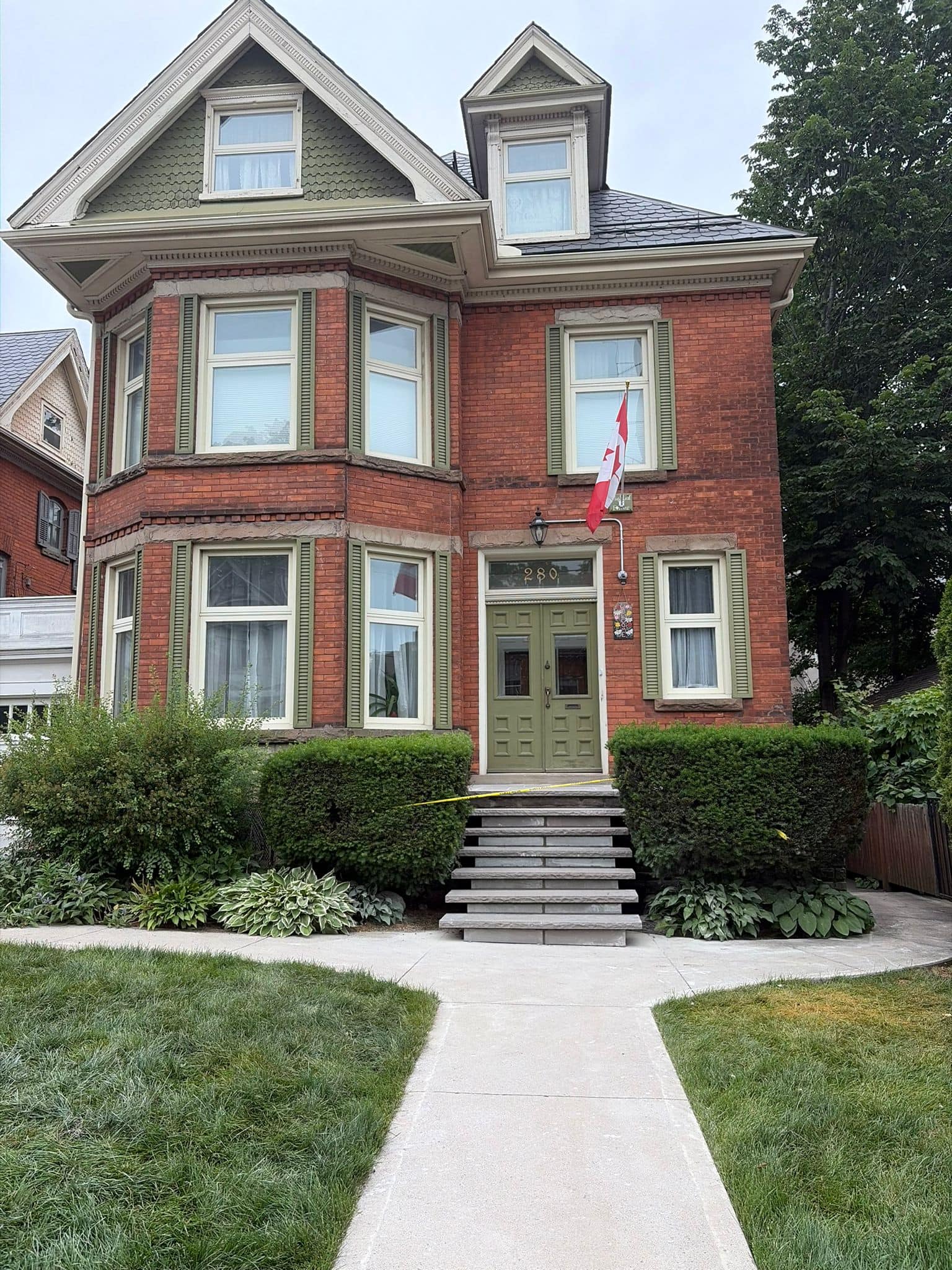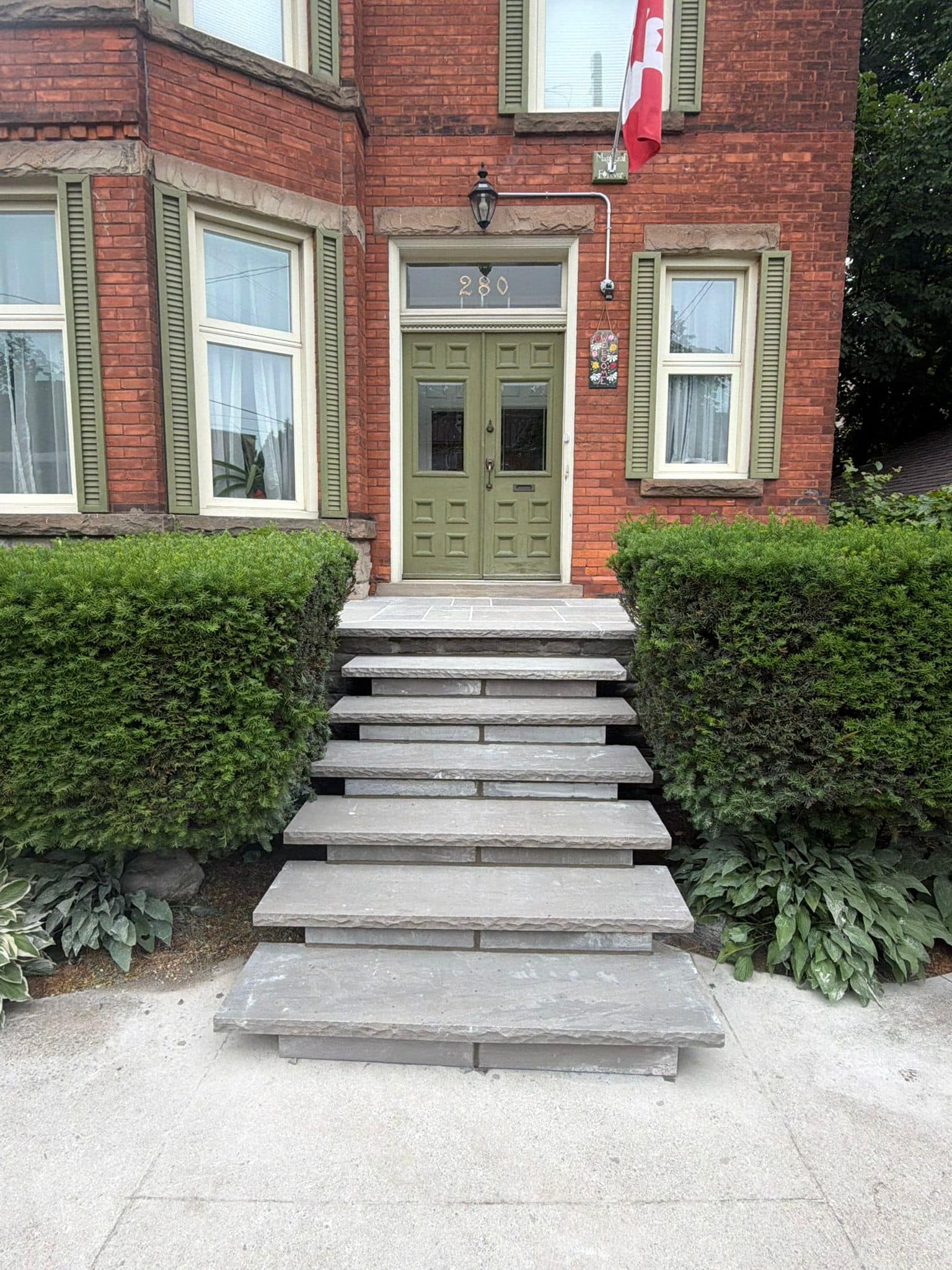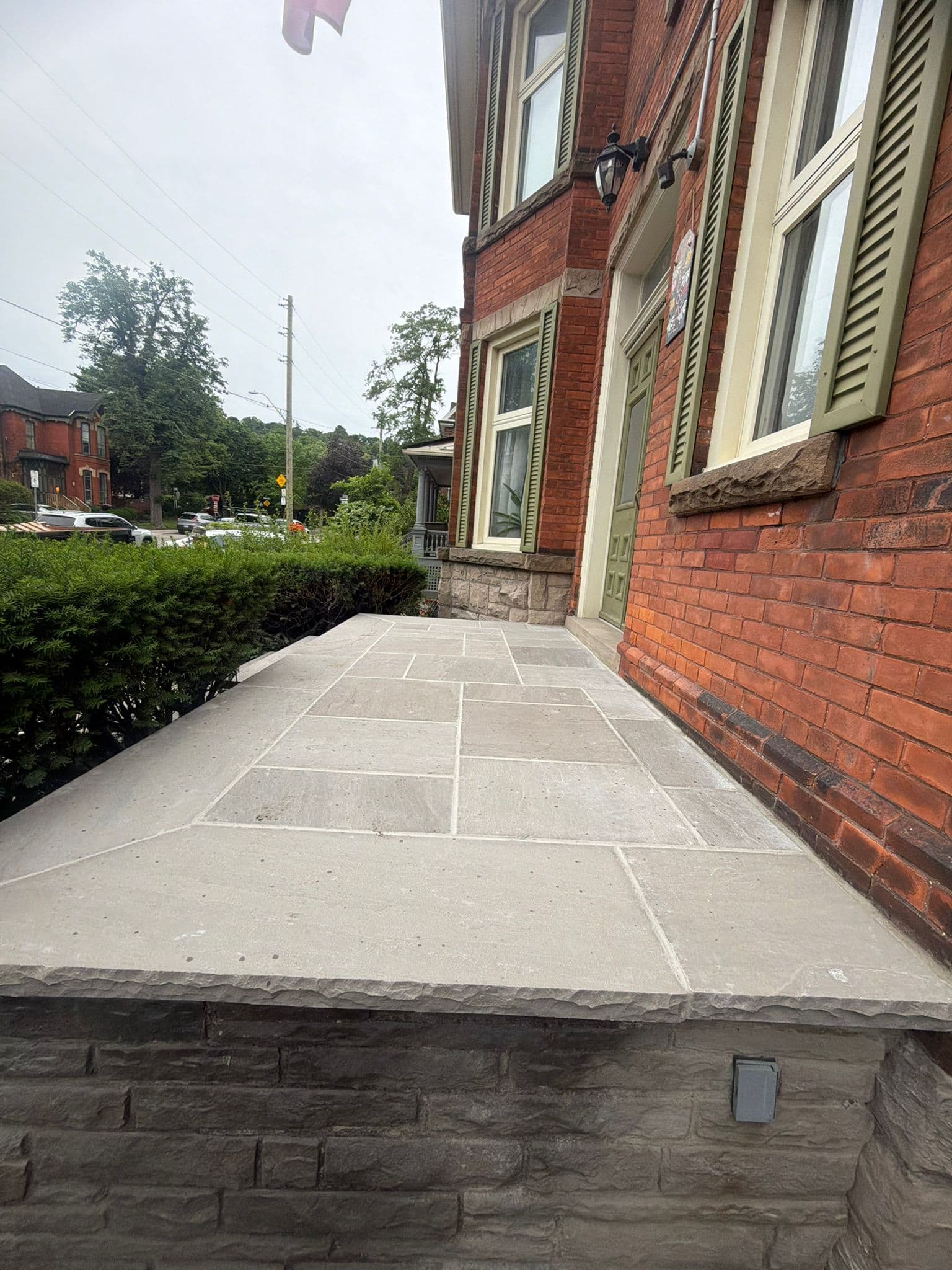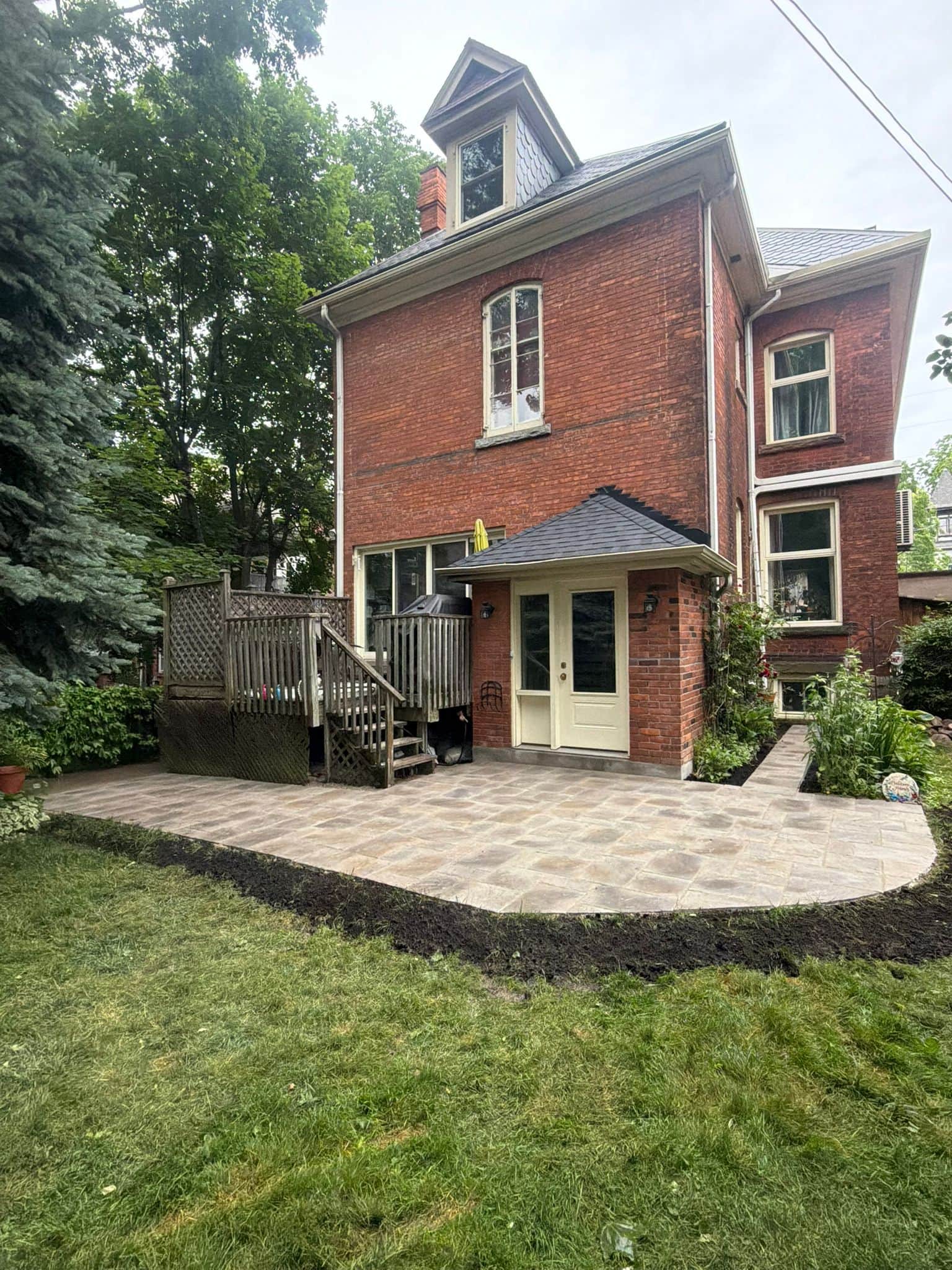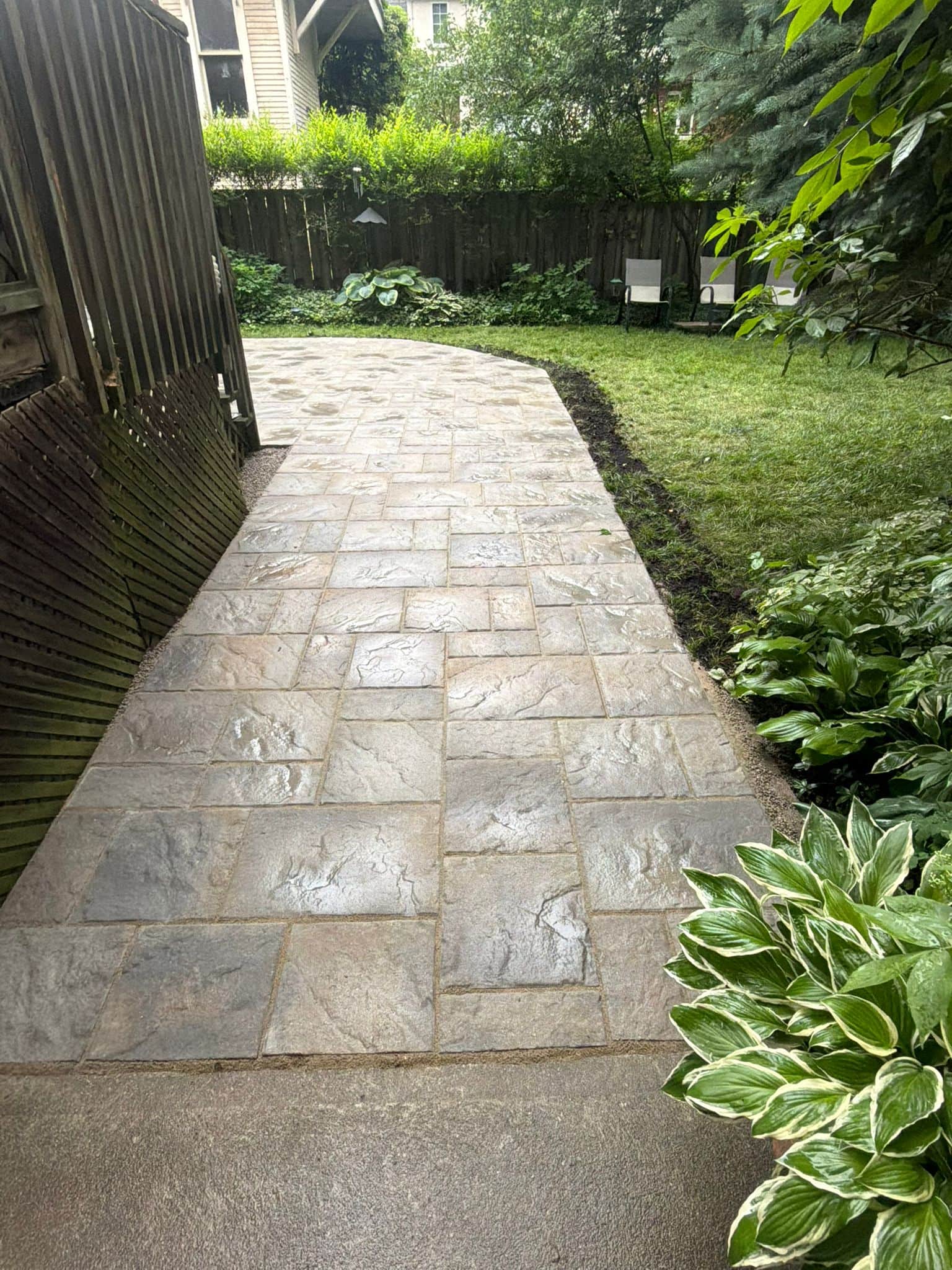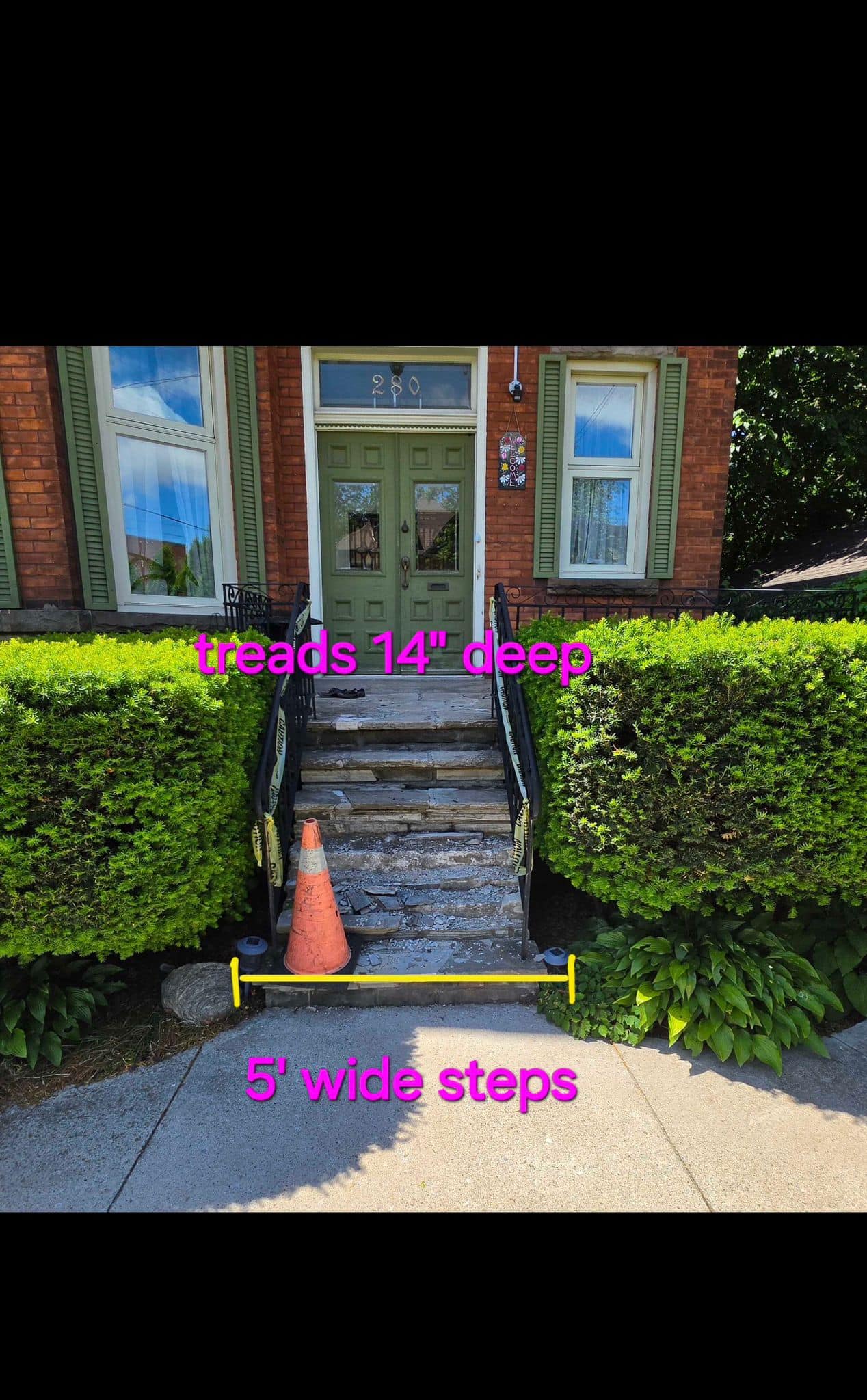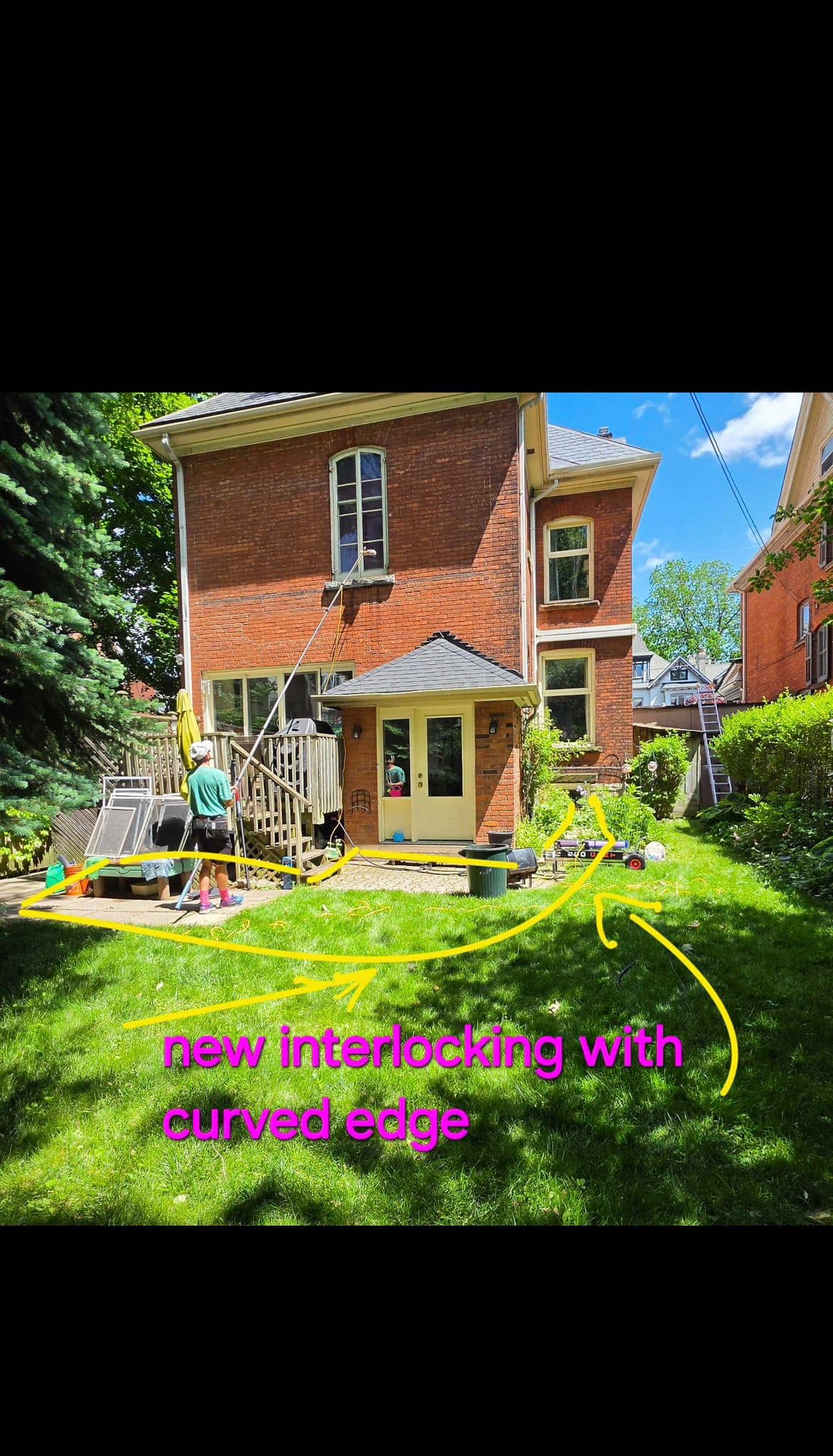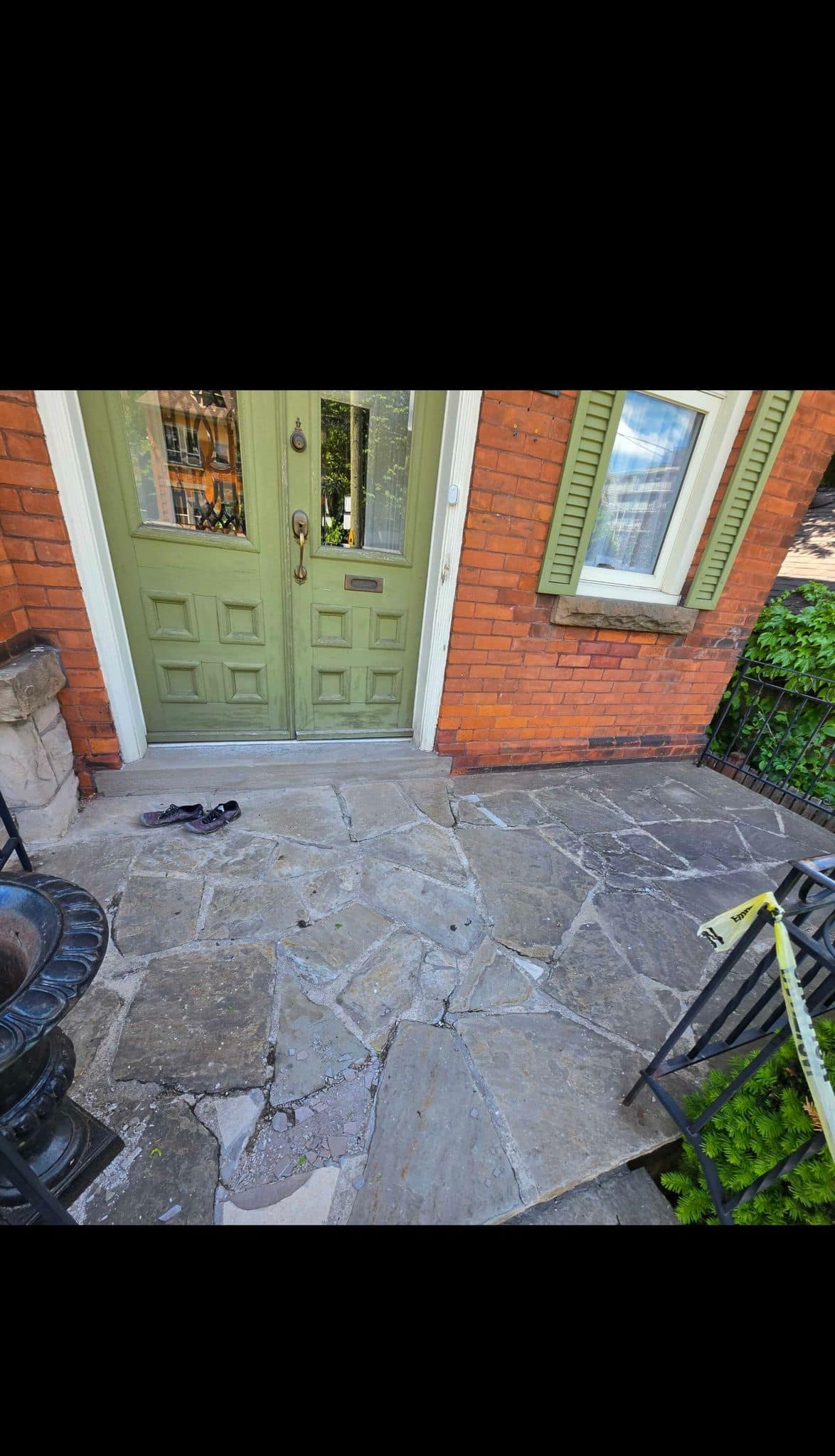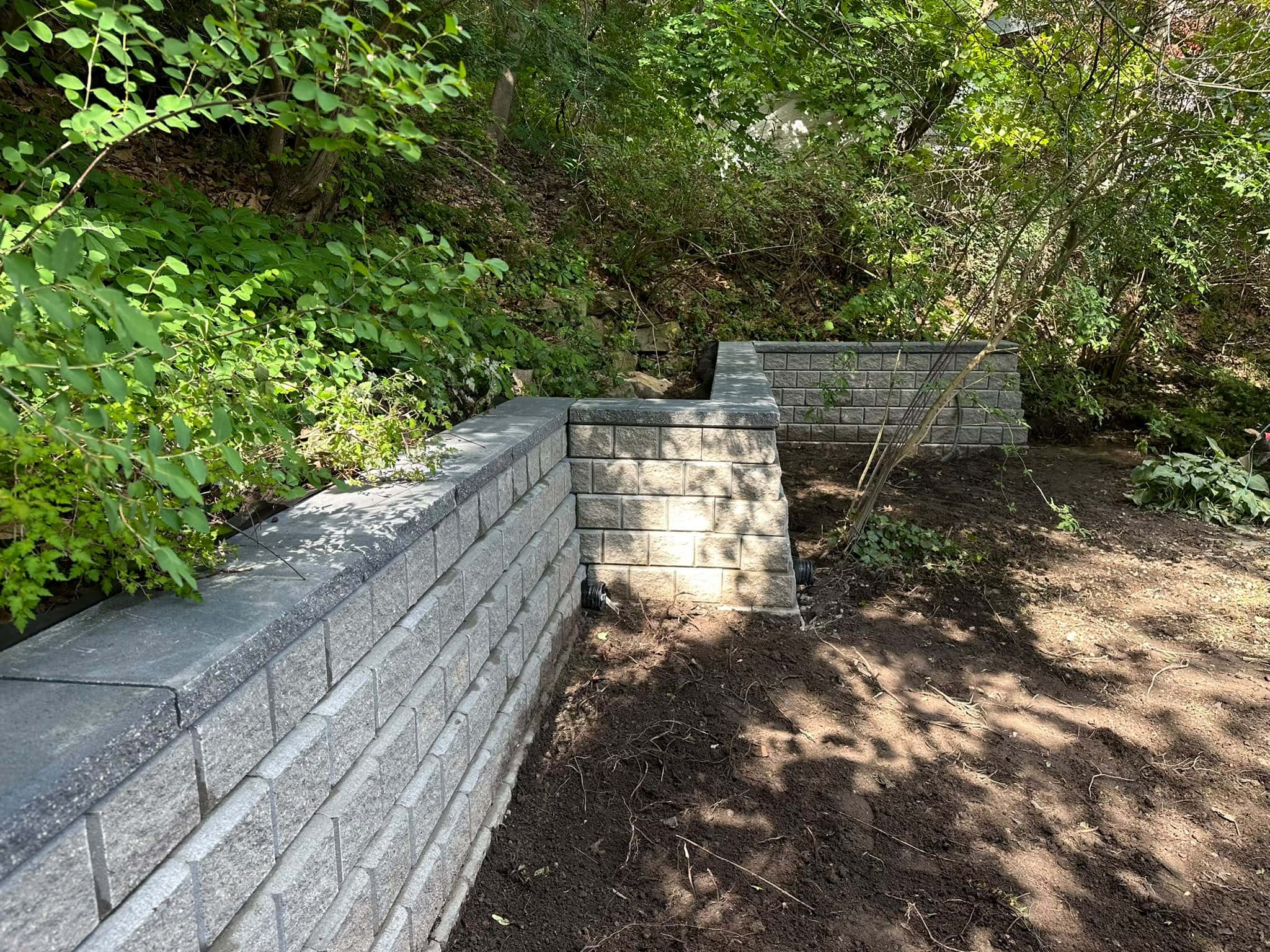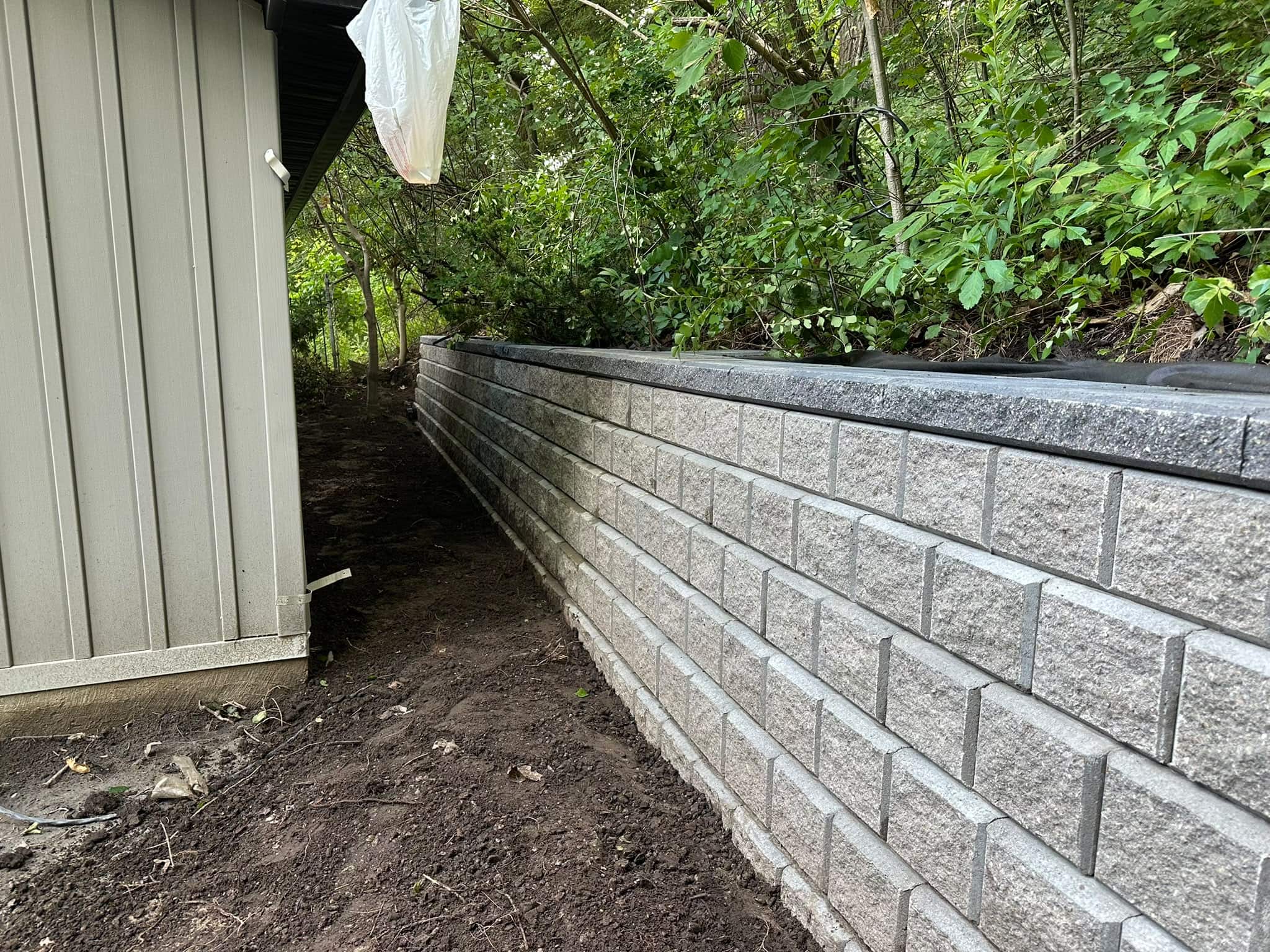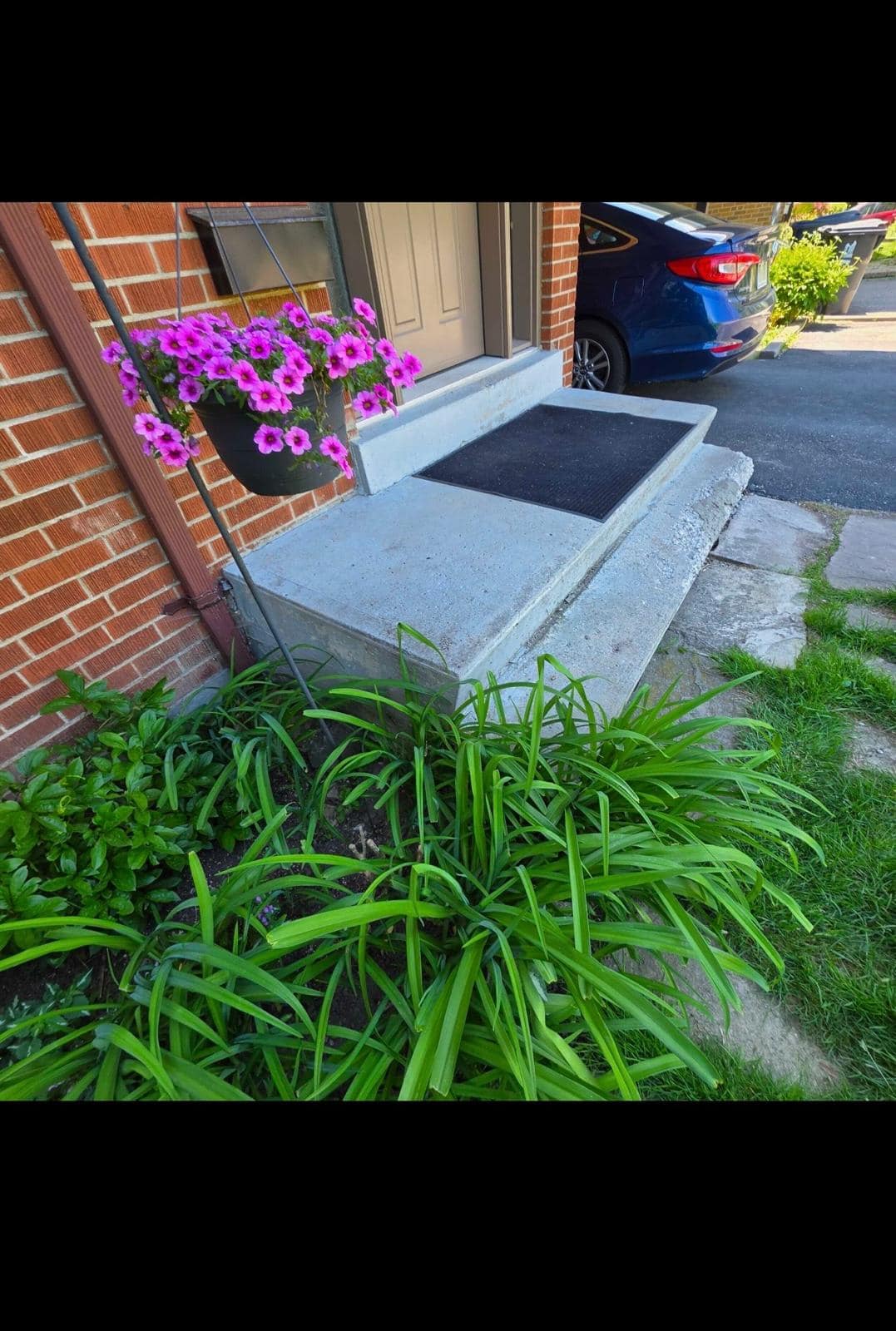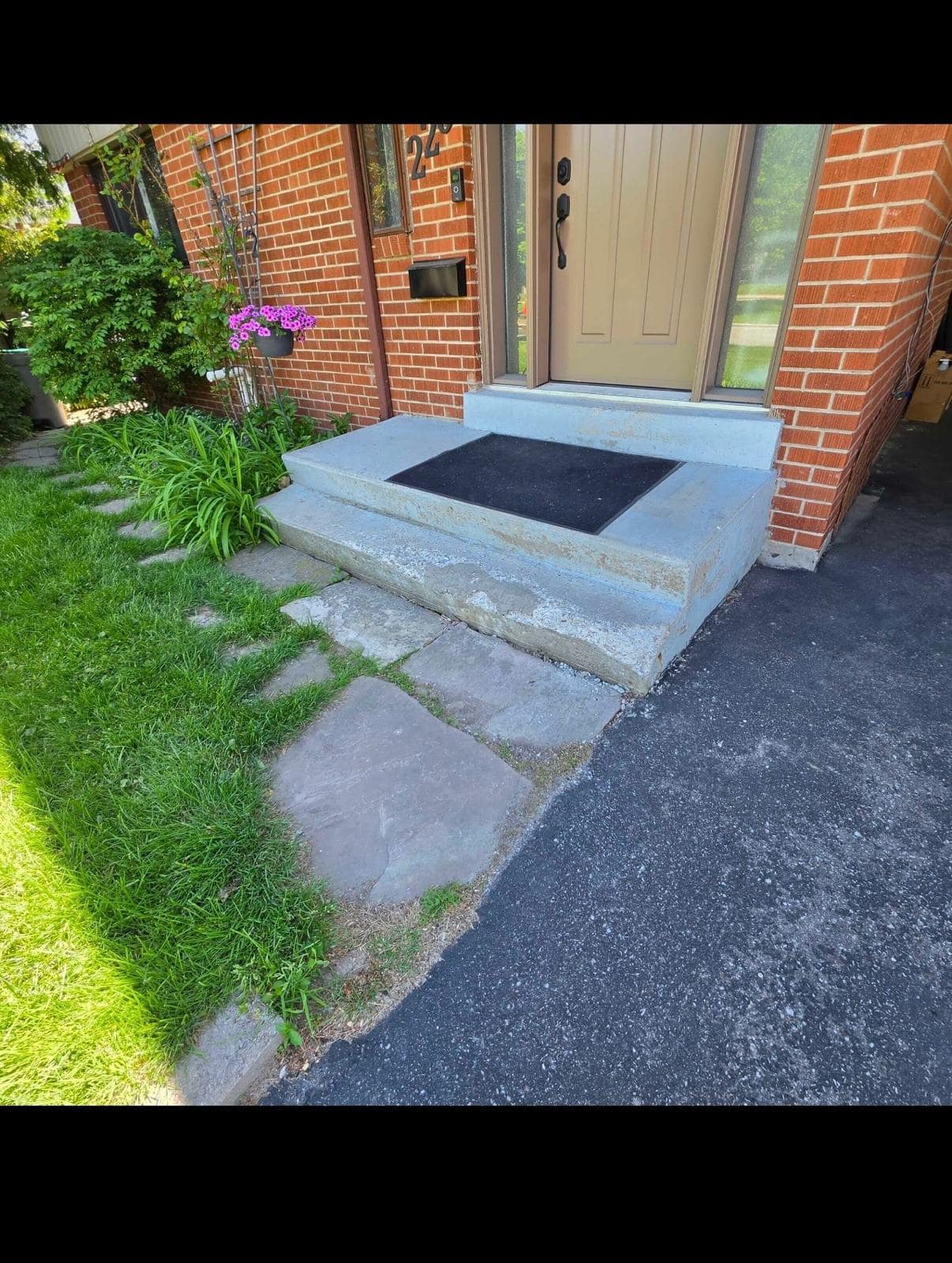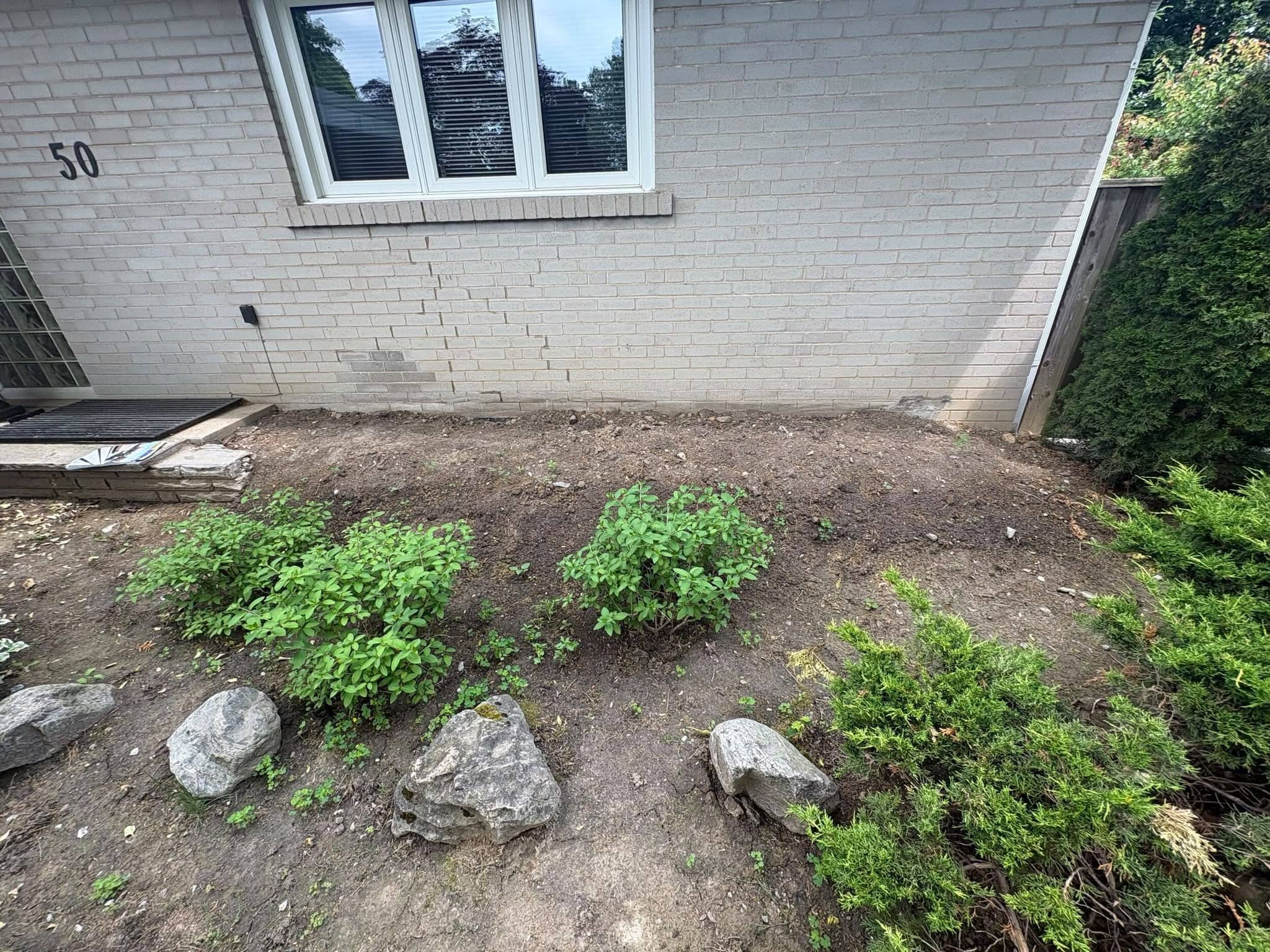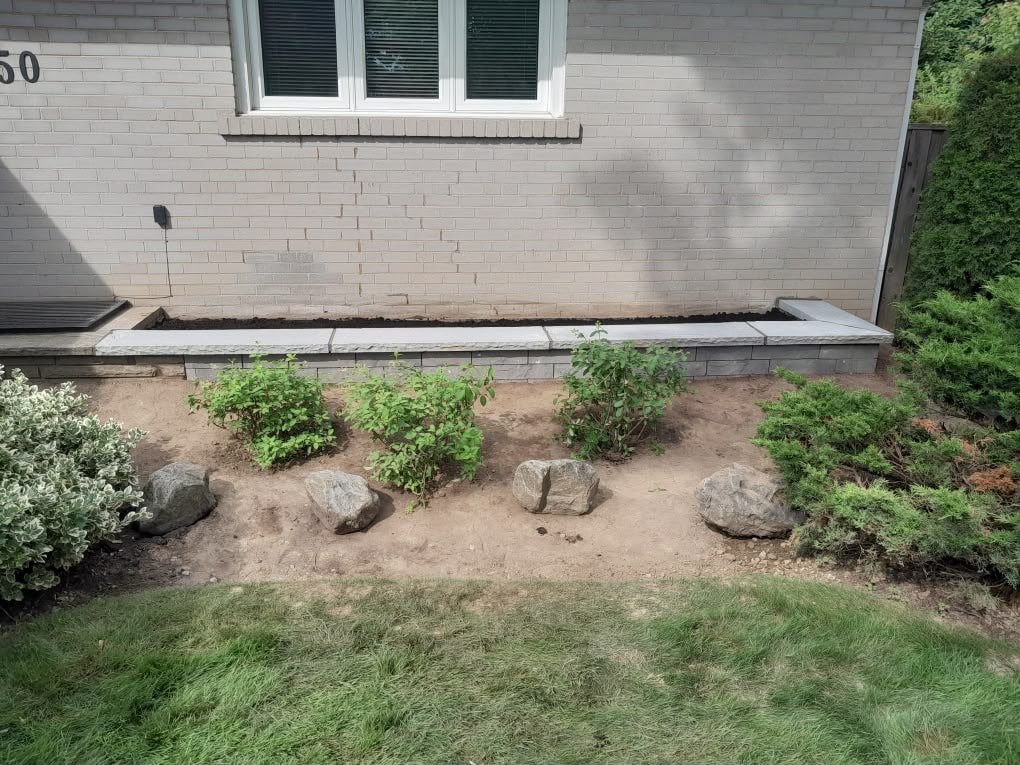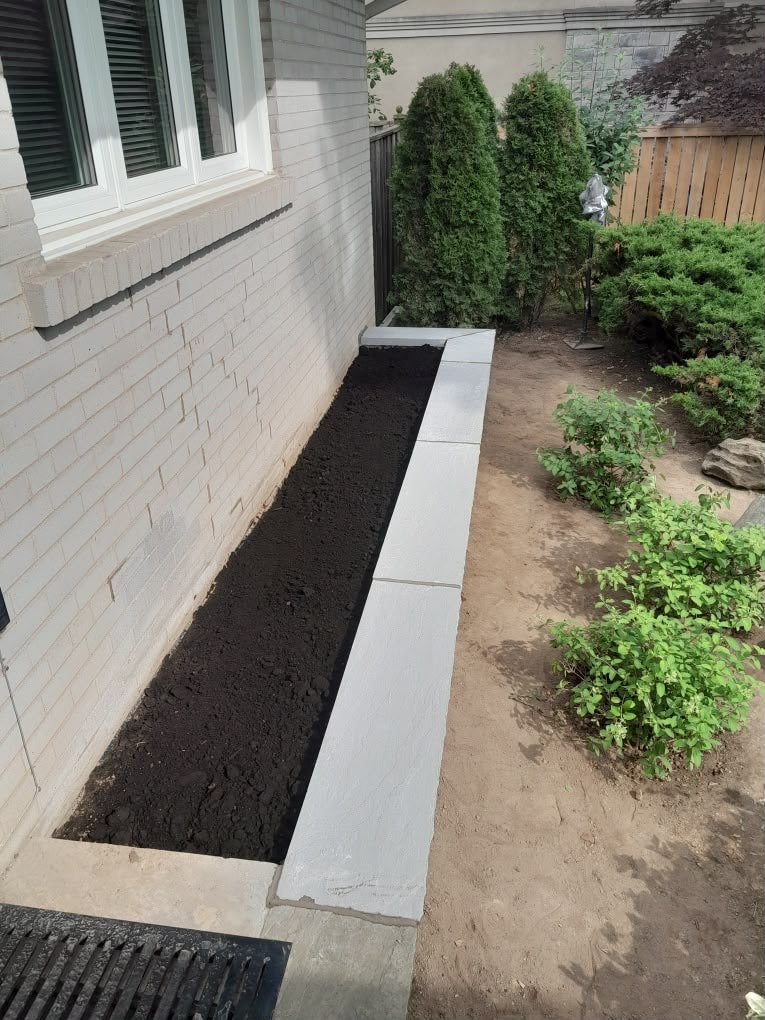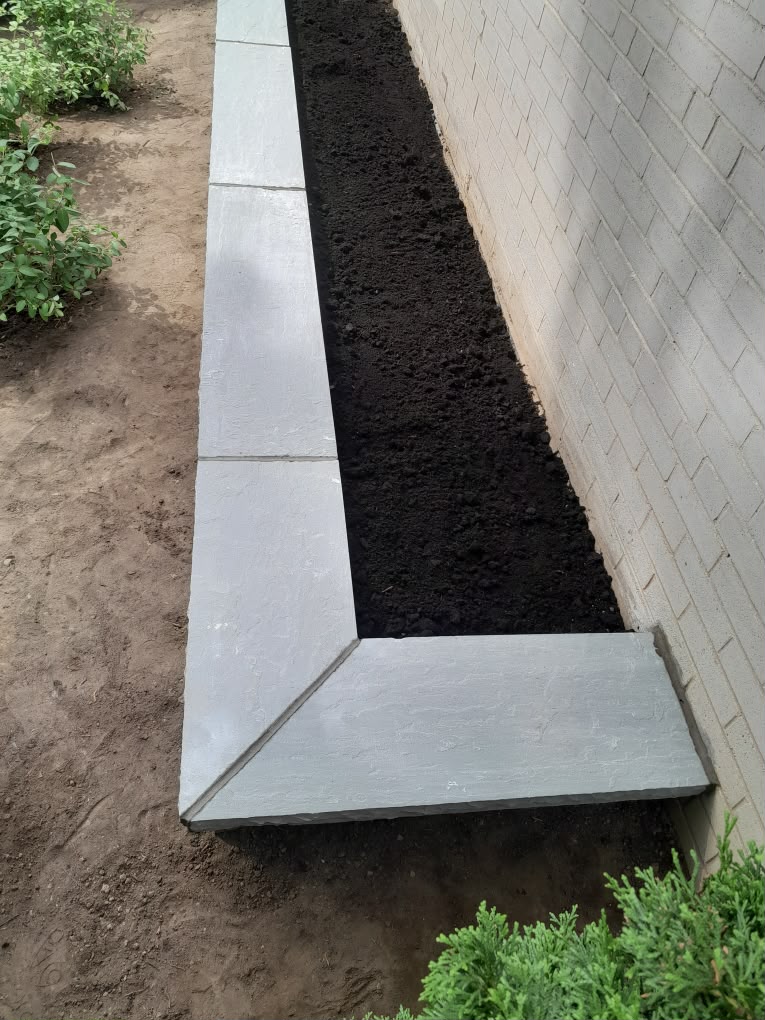

Concrete around a Mississauga home can develop cracks, surface scaling, spalling, uneven sections and worn edges as it ages and is exposed to moisture, snow, de-icing salts and repeated freeze-thaw conditions.
The right solution depends on more than how the damage looks. A small surface crack, a sinking walkway, a deteriorating step and widespread driveway failure can require very different repair approaches.
If your concrete has cracks, spalling, worn edges, sinking sections or recurring drainage problems, A&A Masonry’s concrete repair services in Mississauga can assess whether localized repair, resurfacing, rebuilding or replacement is the better fit.
Quick answer: Concrete may be repairable when the damage is localized and the surrounding slab or structure remains stable. When concrete is sinking, moving, badly deteriorated or repeatedly failing in the same area, a broader repair or replacement may be needed.
Common Concrete Problems in Mississauga
Concrete deterioration can develop for several reasons, and more than one condition may be present at the same time.
Common problems around Mississauga homes include:
- Cracks in driveways, walkways, steps or porches
- Spalling or flaking surfaces
- Scaling caused by surface deterioration
- Uneven or sinking slabs
- Broken step edges or corners
- Water pooling beside concrete surfaces
- Repeated failure of previous patches
- Surface wear from traffic, weather and de-icing salts
Visible damage does not always identify the cause. Drainage, settlement, base conditions, moisture and previous repairs may also need to be considered before choosing a repair method.

Concrete Cracks
Concrete cracks can develop from shrinkage, settlement, temperature changes, moisture, loading or movement below the slab.
A crack does not automatically mean the entire concrete surface needs replacement. Localized cracks may be repairable when the surrounding concrete remains stable and there is no significant movement or settlement.
Professional assessment becomes more important when:
- Cracks are widening
- Multiple cracks are developing in the same area
- One side of the crack is higher than the other
- The slab is sinking or moving
- Water repeatedly enters or collects around the crack
- Previous crack repairs continue to fail
Spalling and Surface Scaling
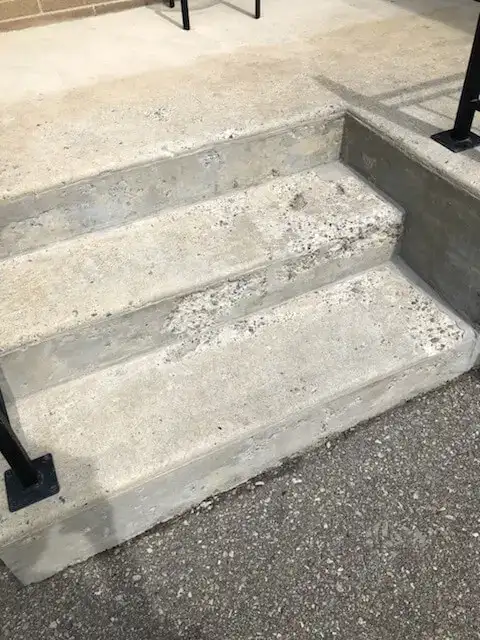
Spalling occurs when portions of the concrete surface begin to break, flake or chip away. Scaling is a related form of surface deterioration that can leave concrete rough, worn or visibly damaged.
Moisture, freeze-thaw exposure, de-icing salts, aging concrete and poor previous repairs can all contribute to surface breakdown.
Localized deterioration may sometimes be repairable or suitable for resurfacing when the concrete below remains stable. Widespread breakdown may require a more extensive repair approach.
Sinking or Uneven Concrete
An uneven slab should not automatically be treated as a surface-patching problem.
Concrete can sink or shift because of:
- Base settlement
- Soil movement
- Water washing material from beneath the slab
- Poor drainage
- Freeze-thaw movement
- Inadequate compaction below the concrete
If the base or surrounding ground is still moving, repairing only the visible surface may not solve the underlying problem.
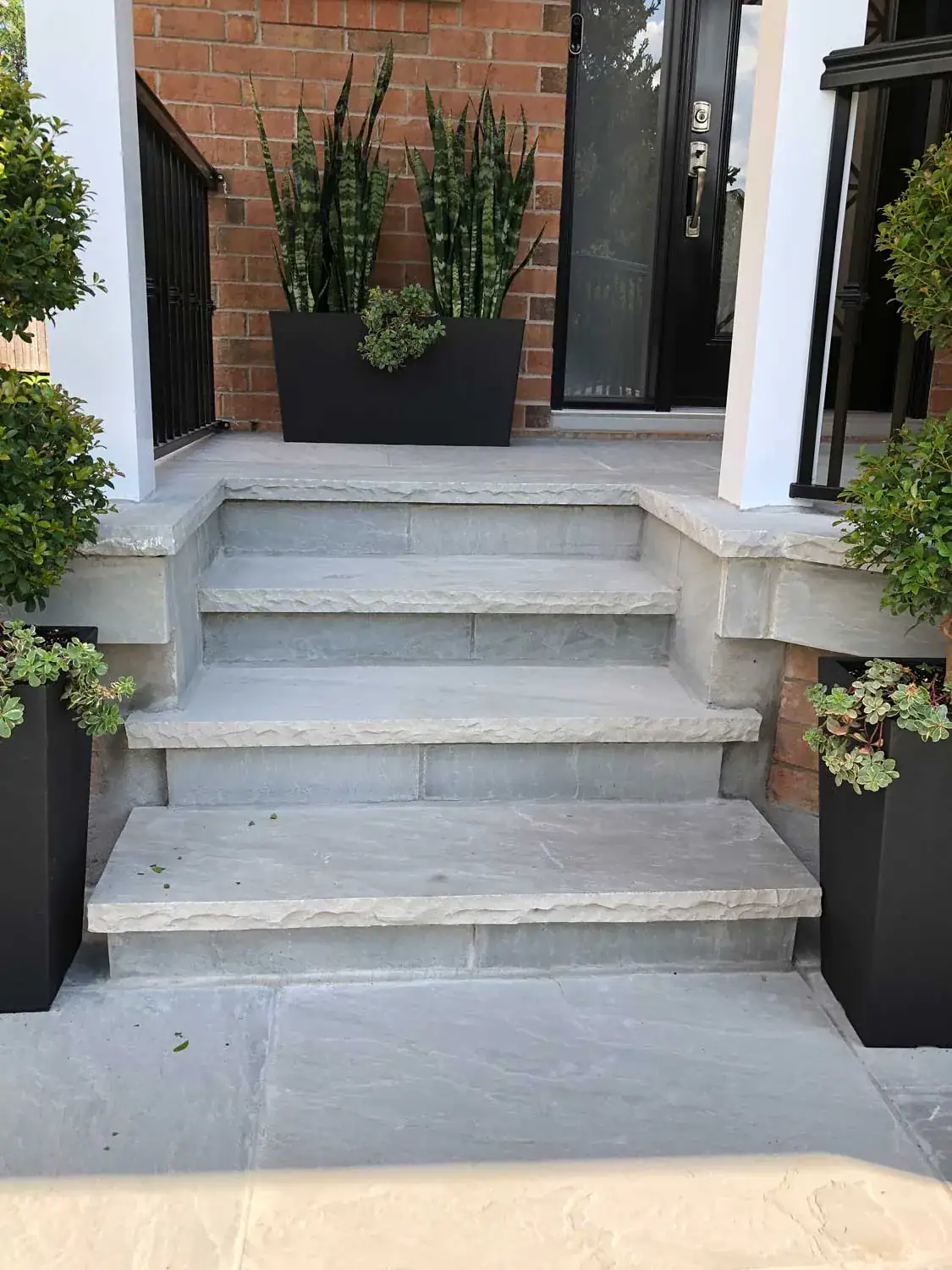
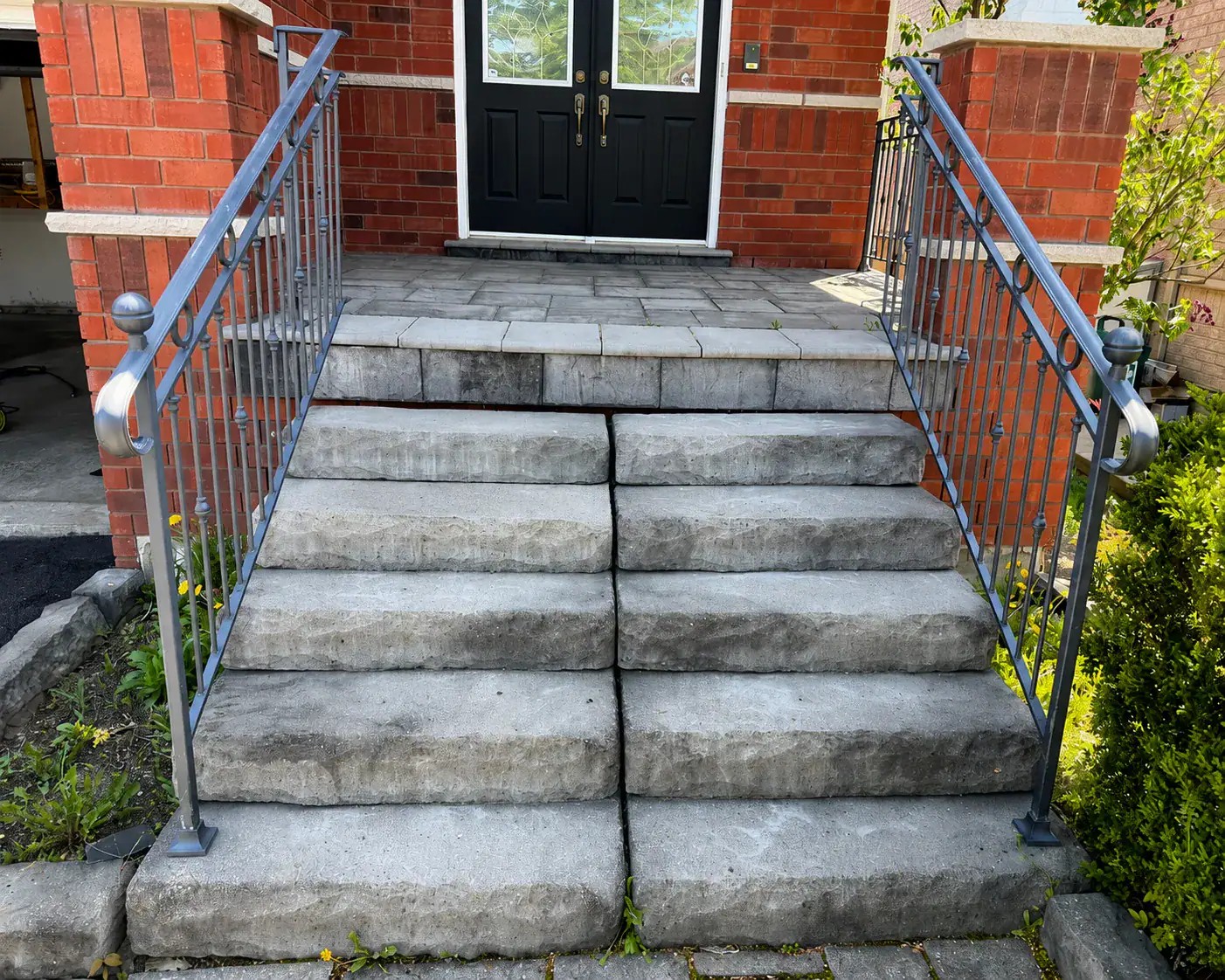
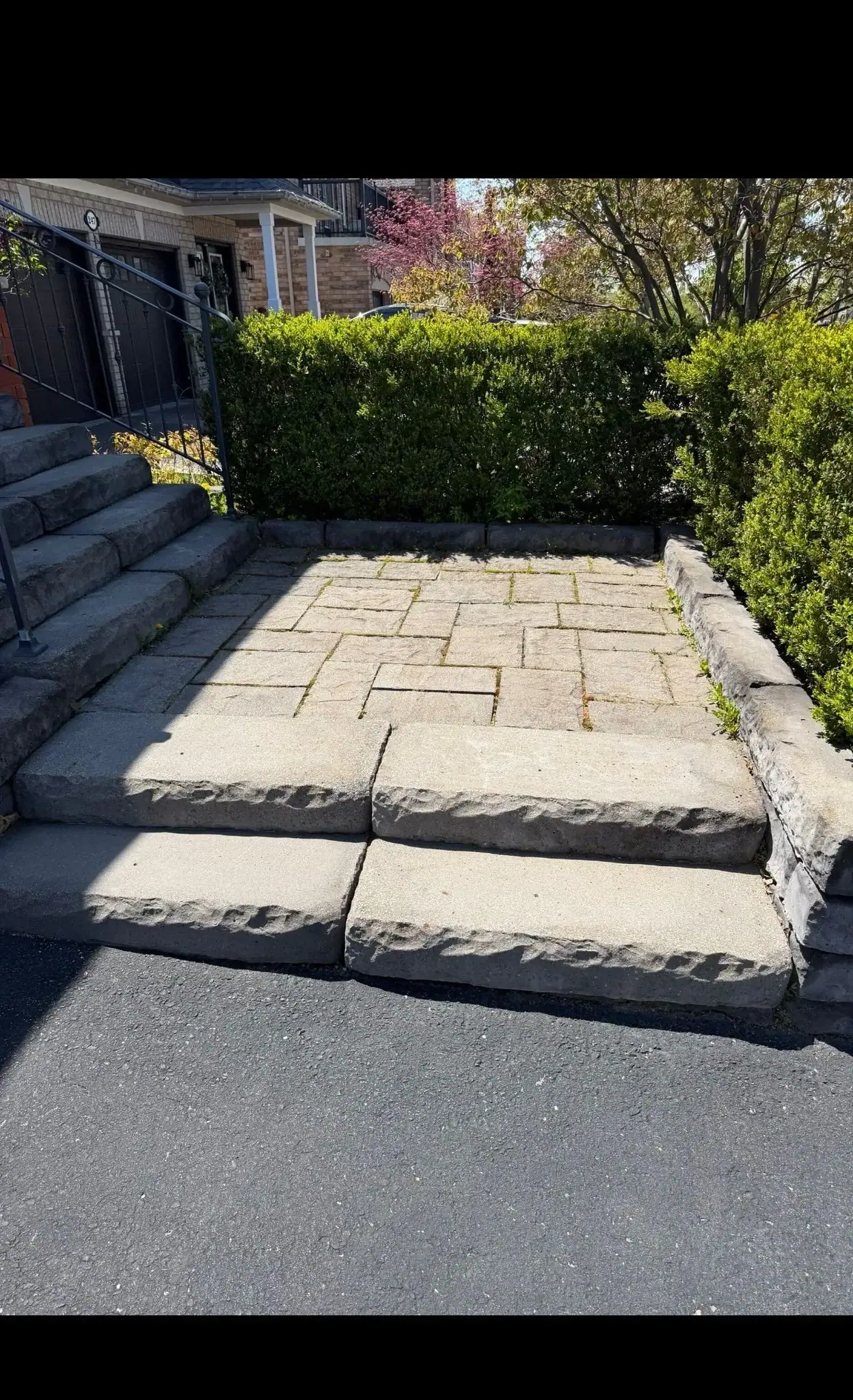
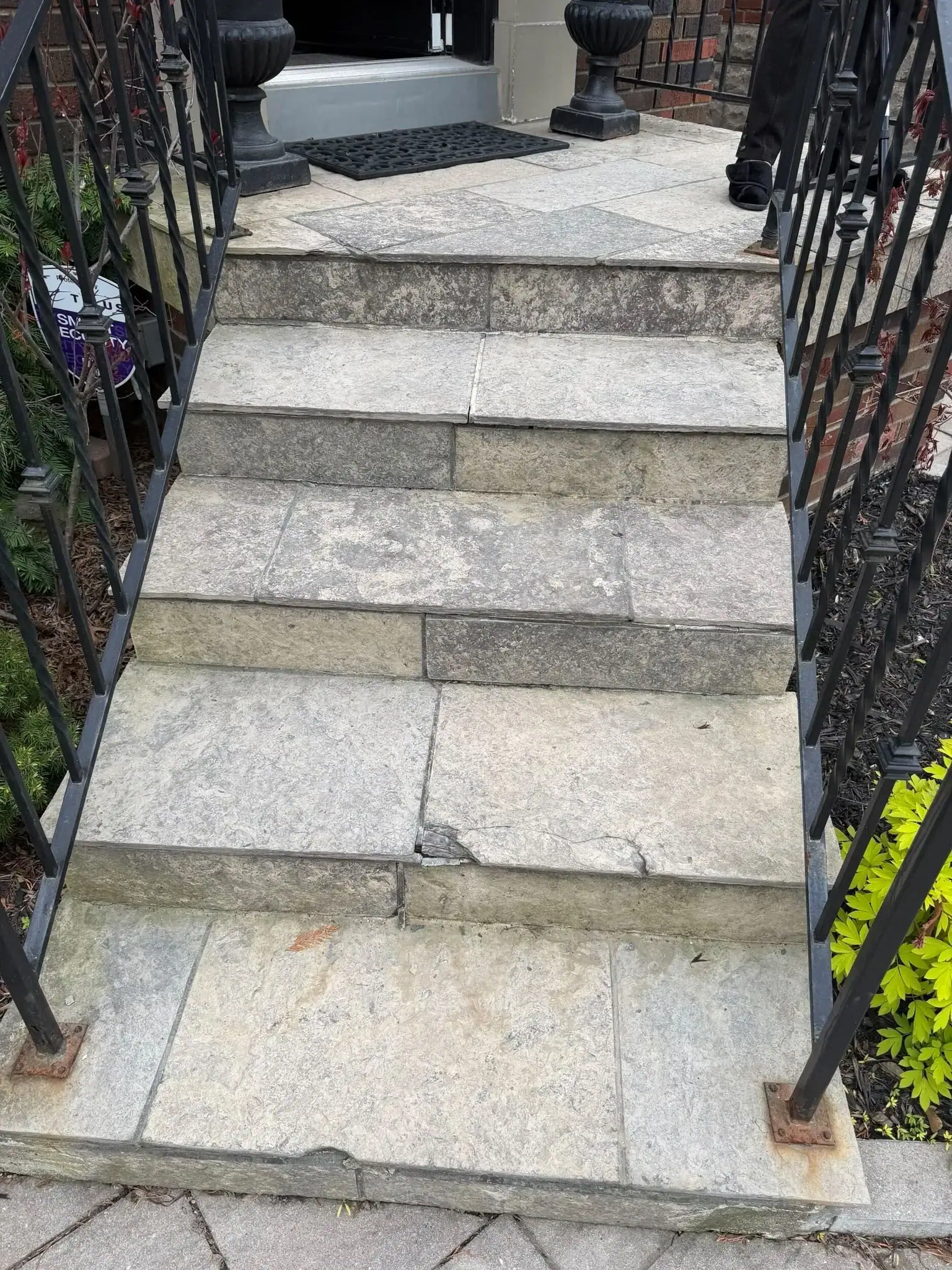
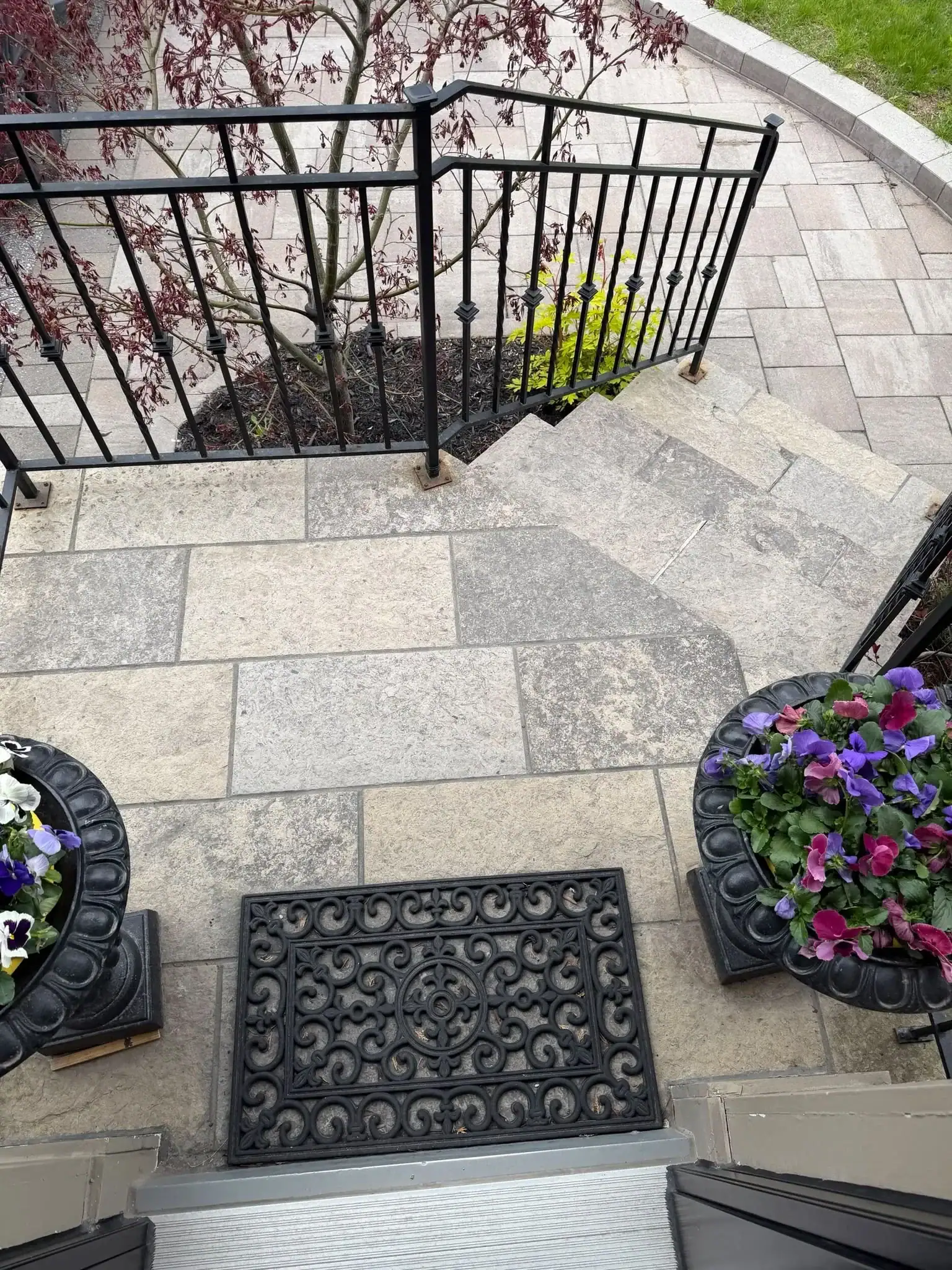
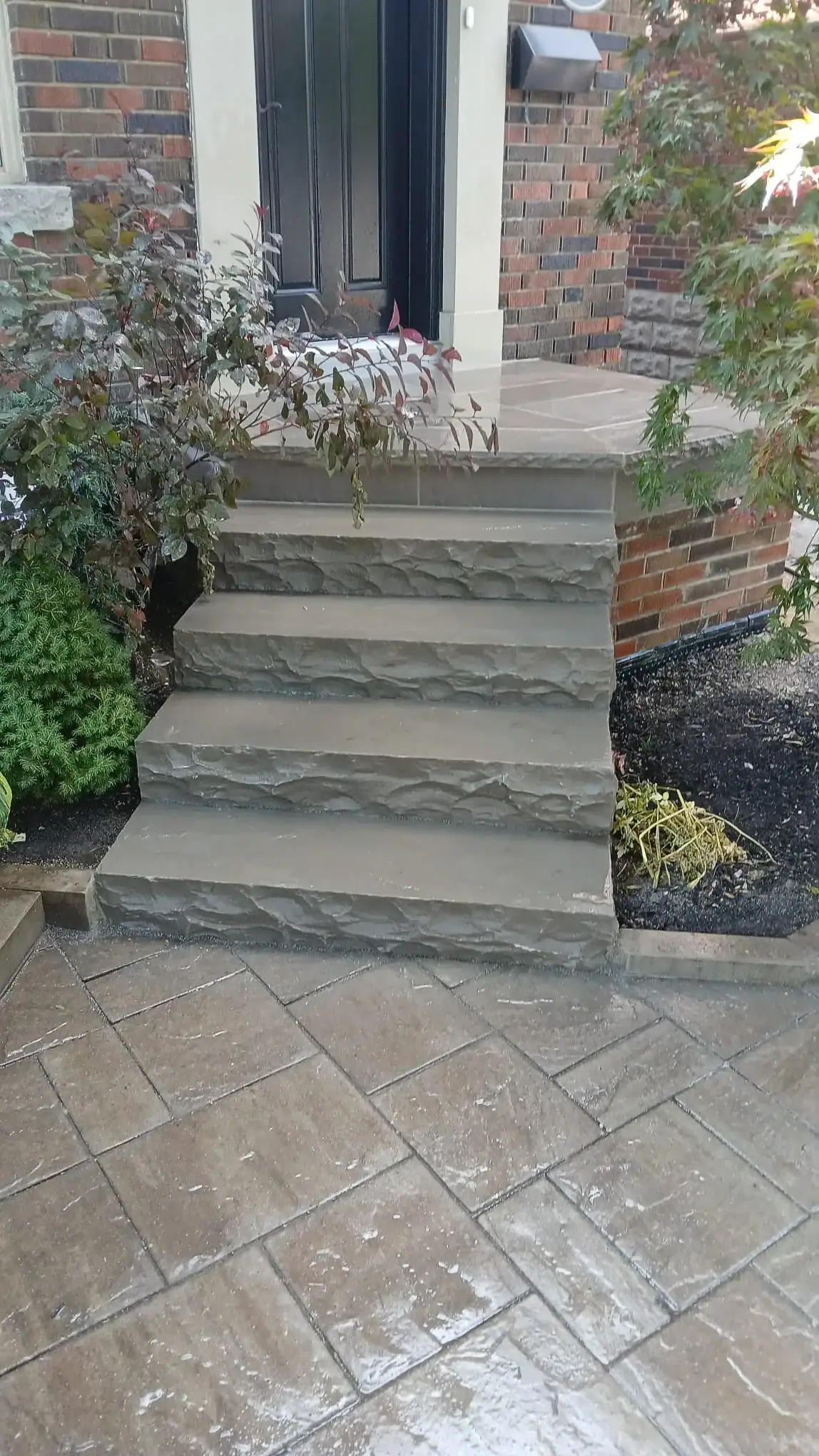
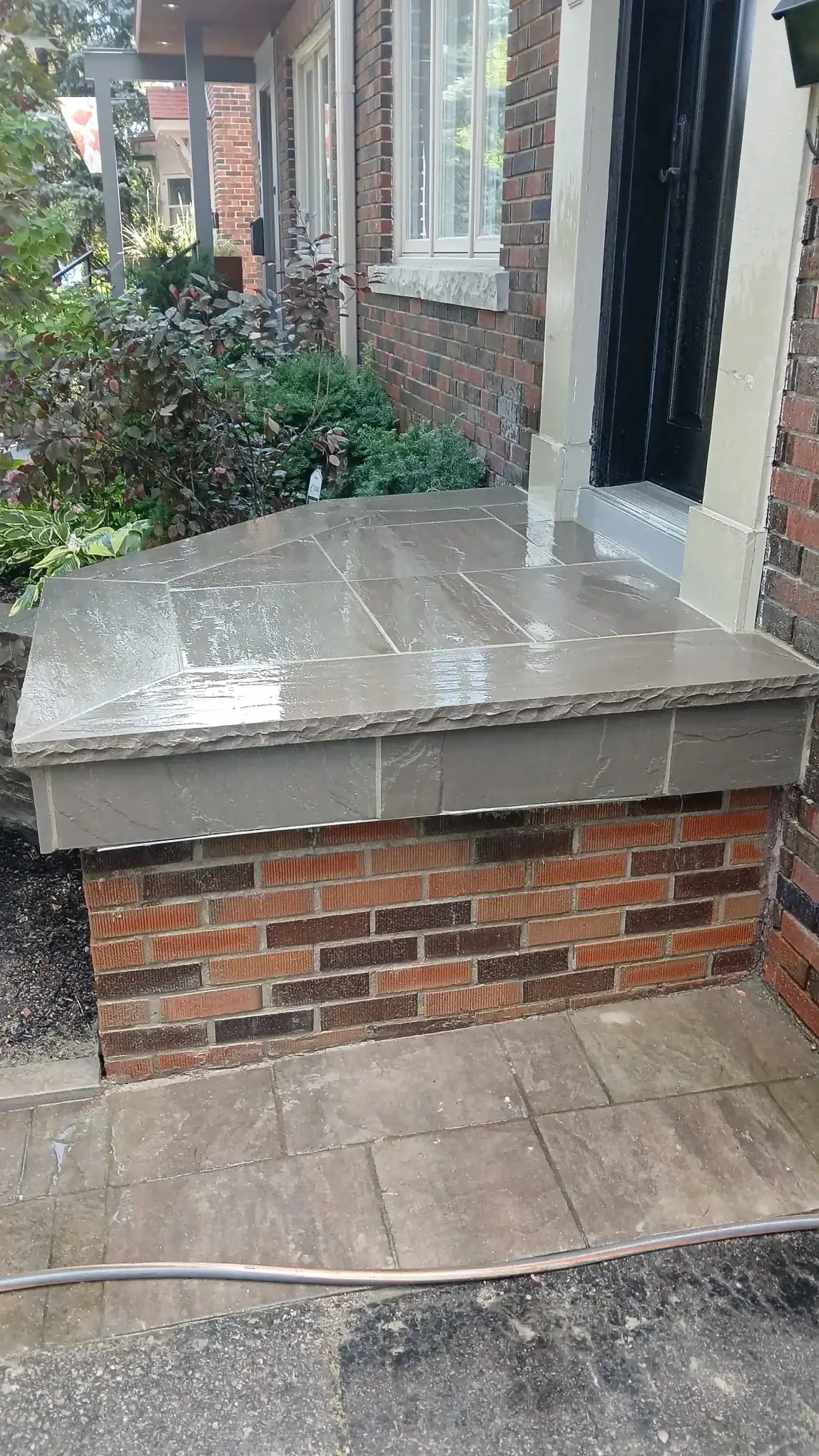
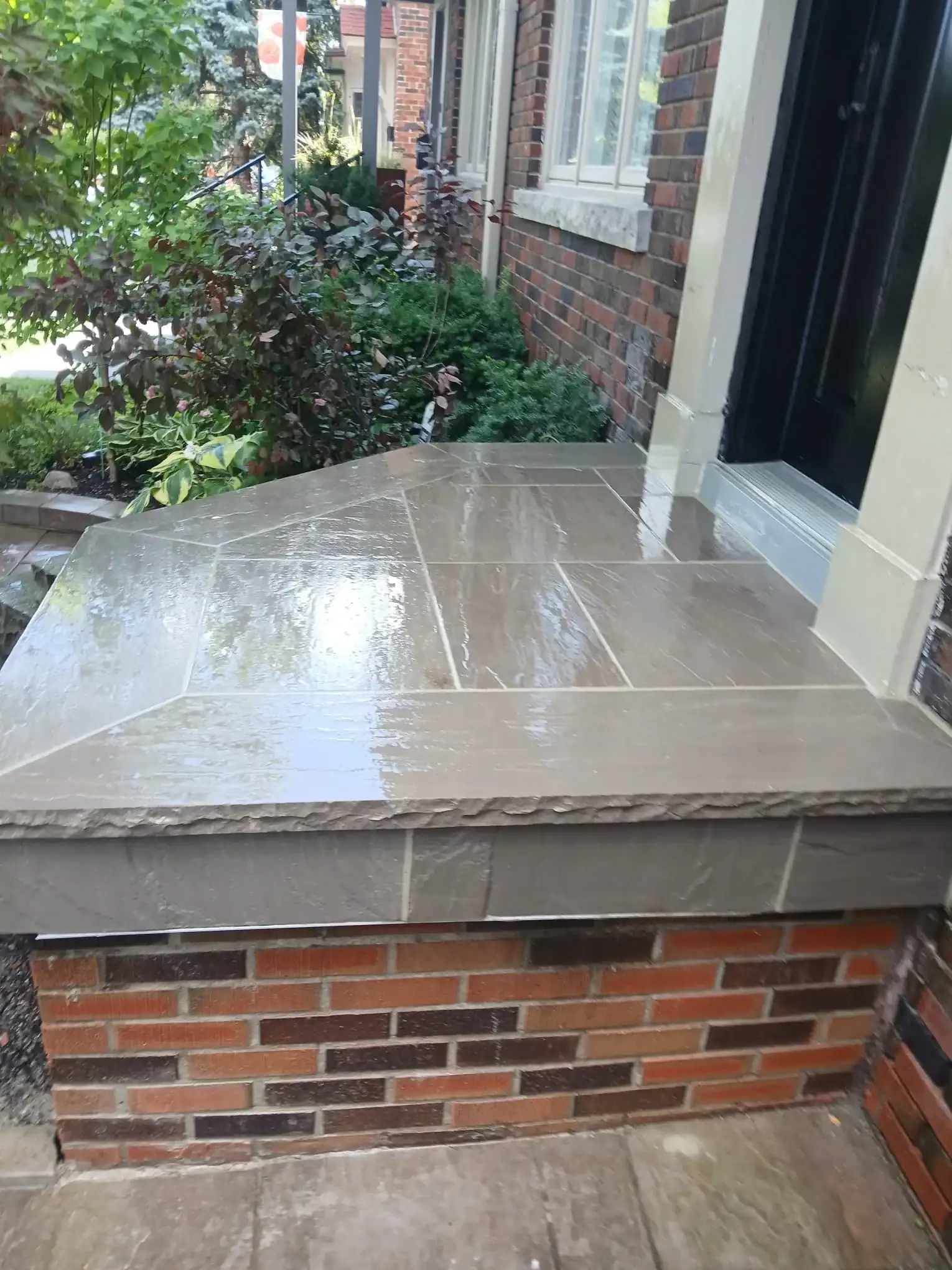
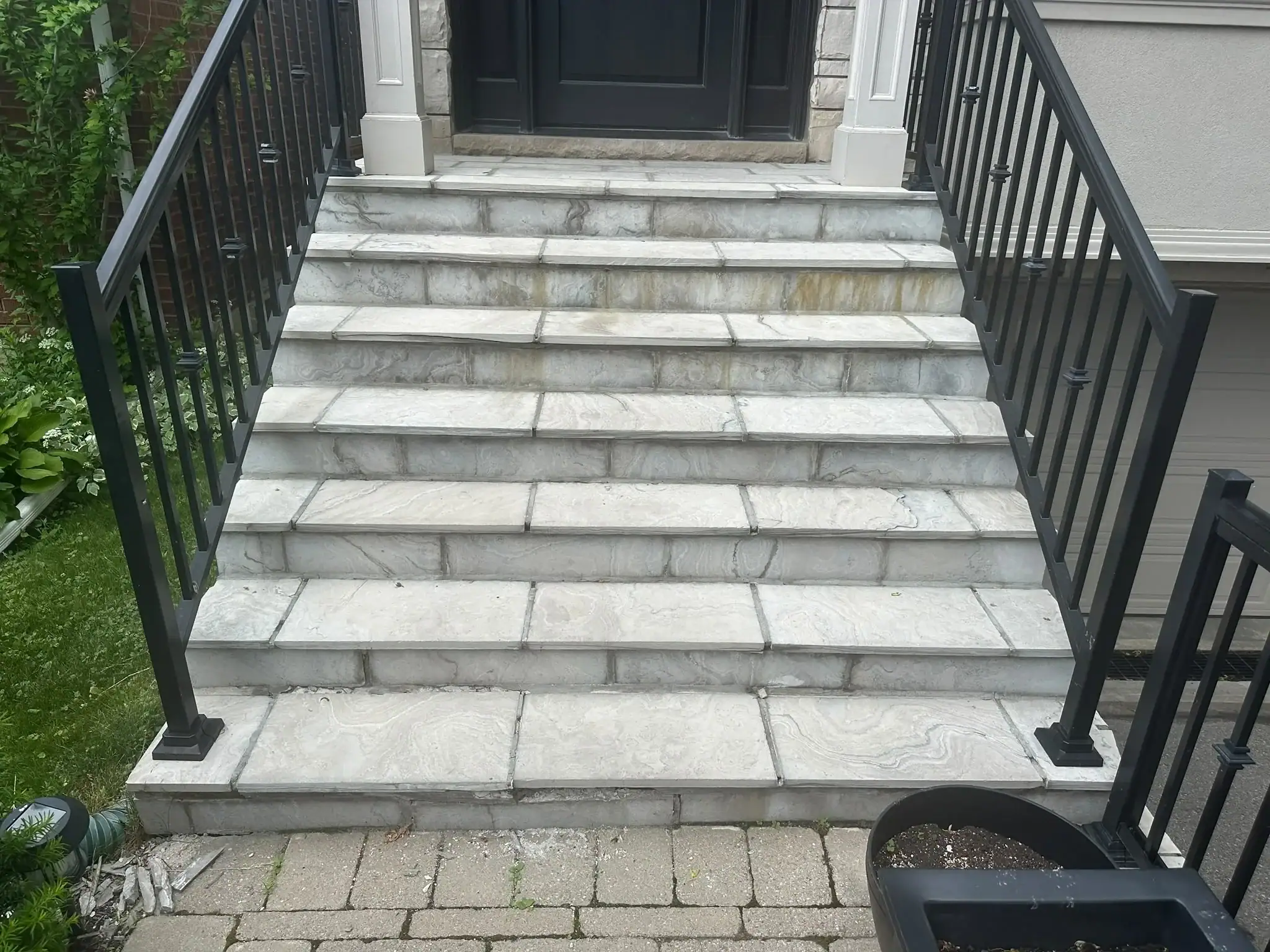
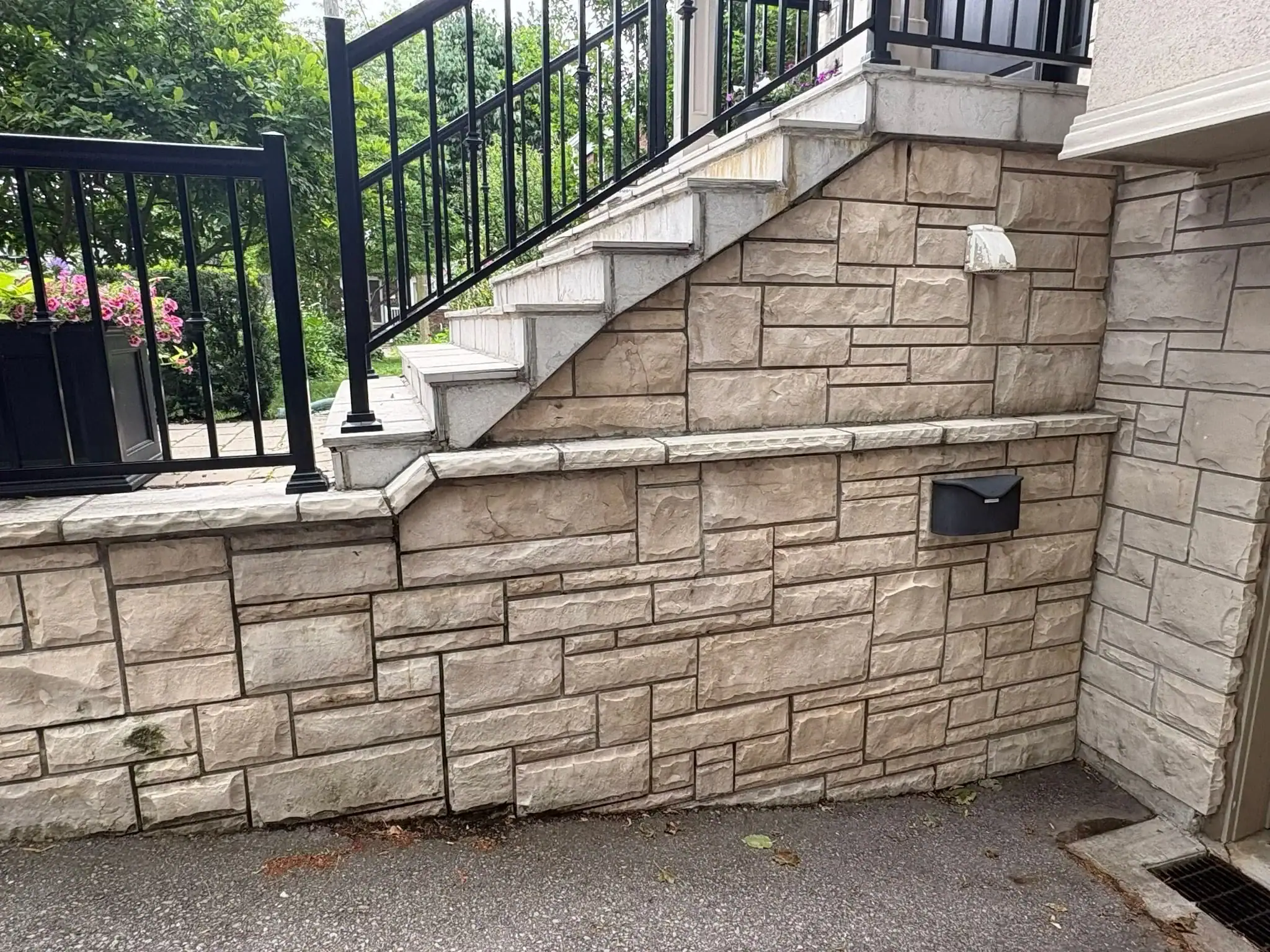
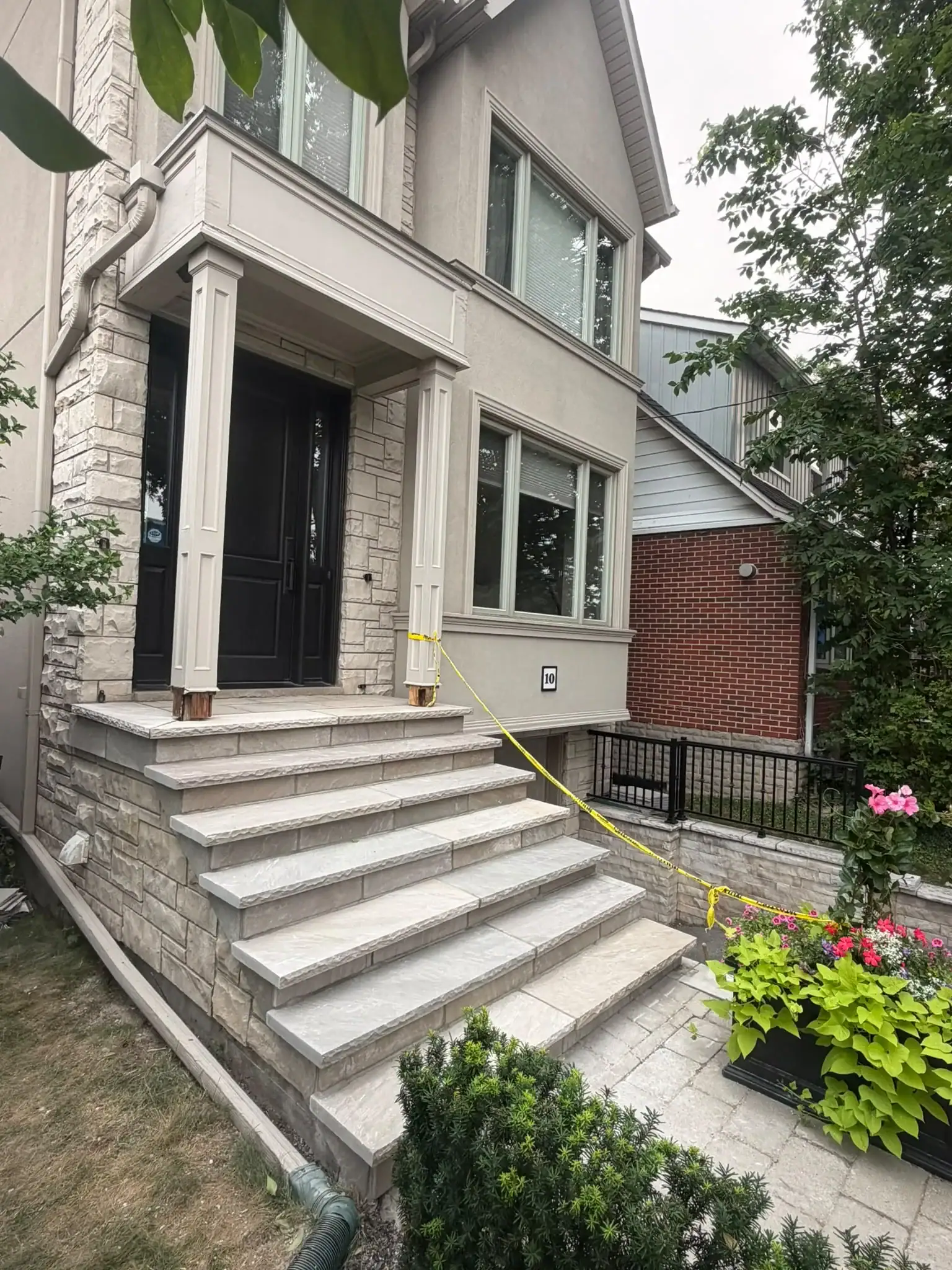
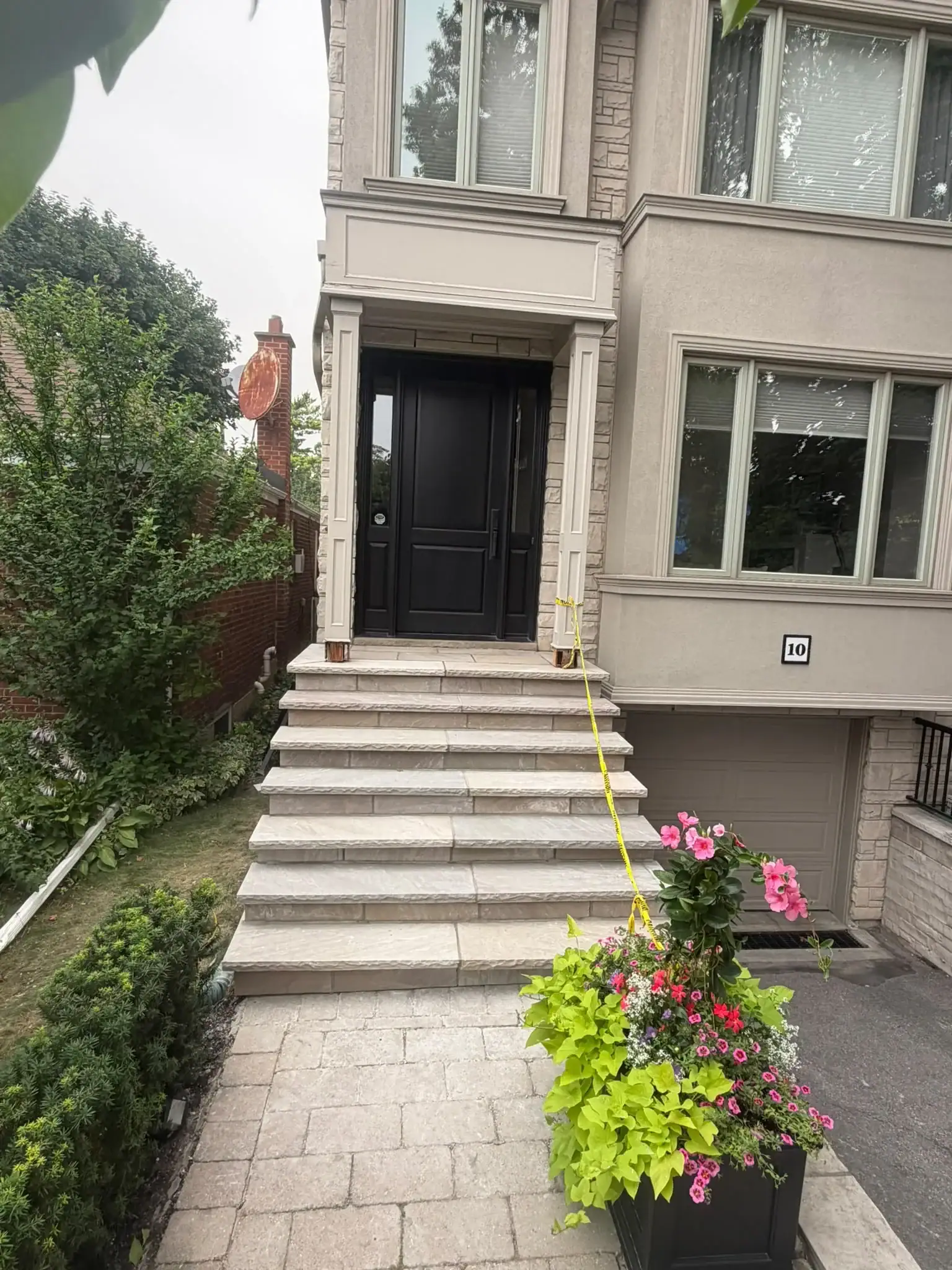
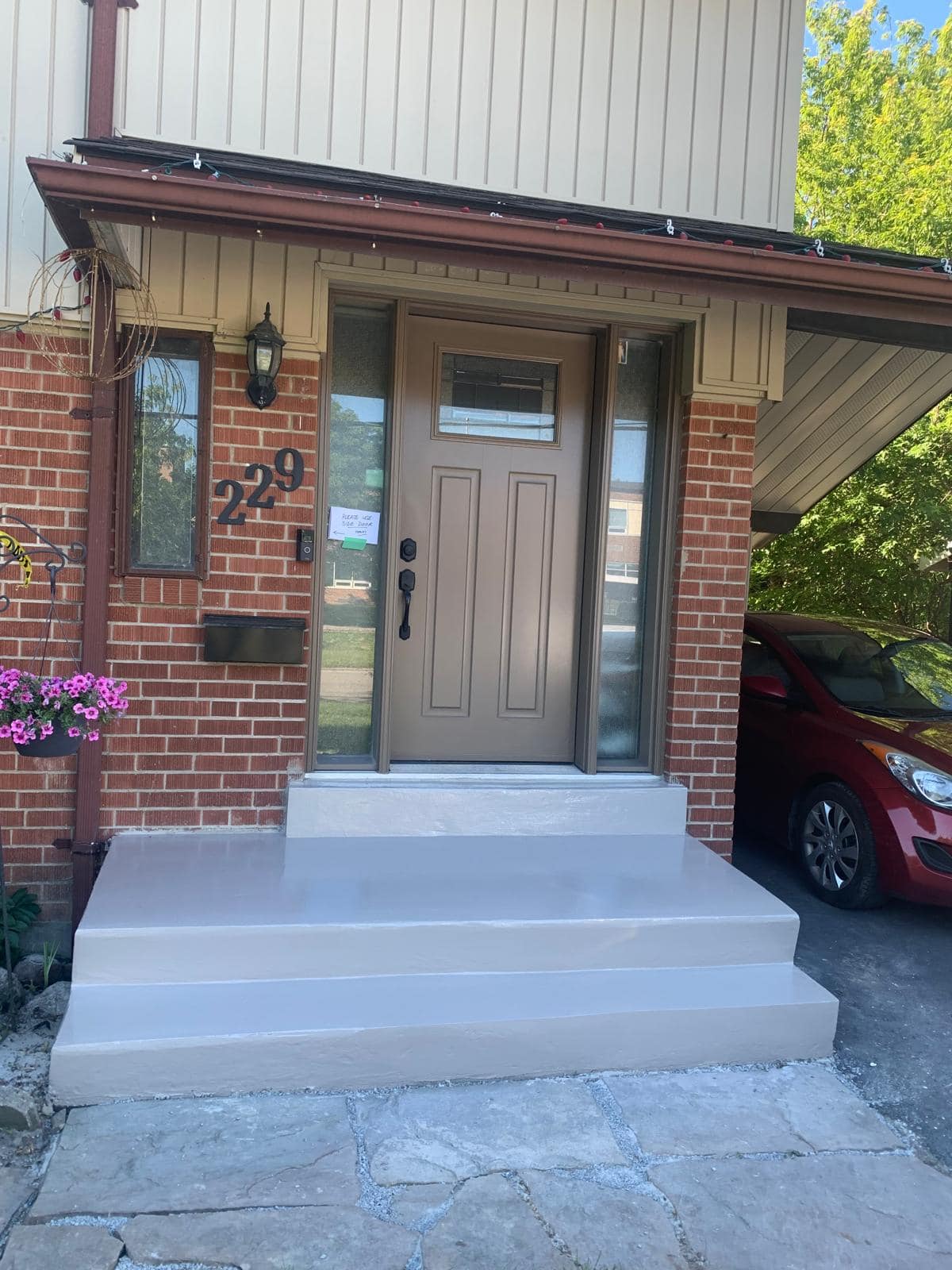
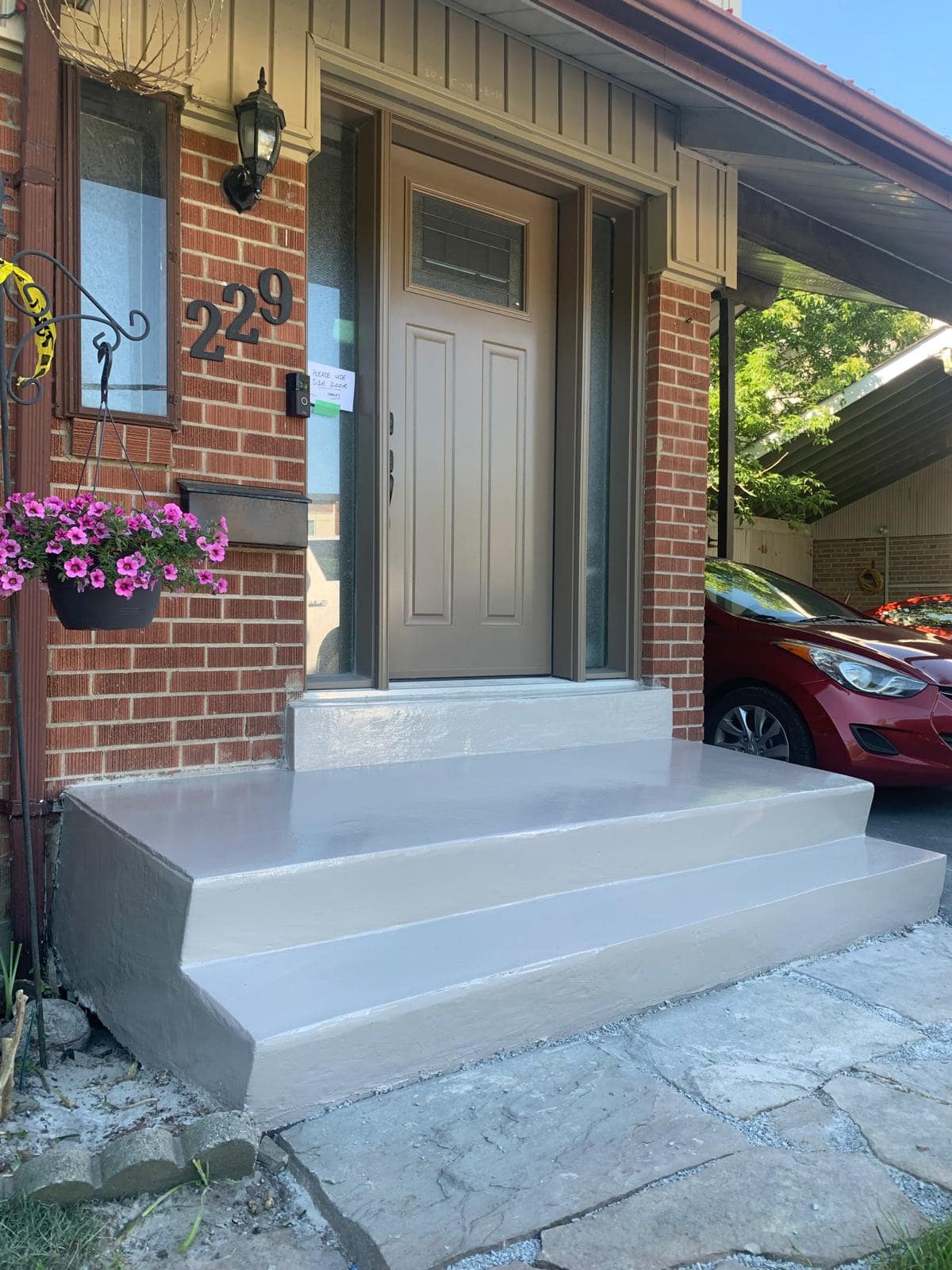
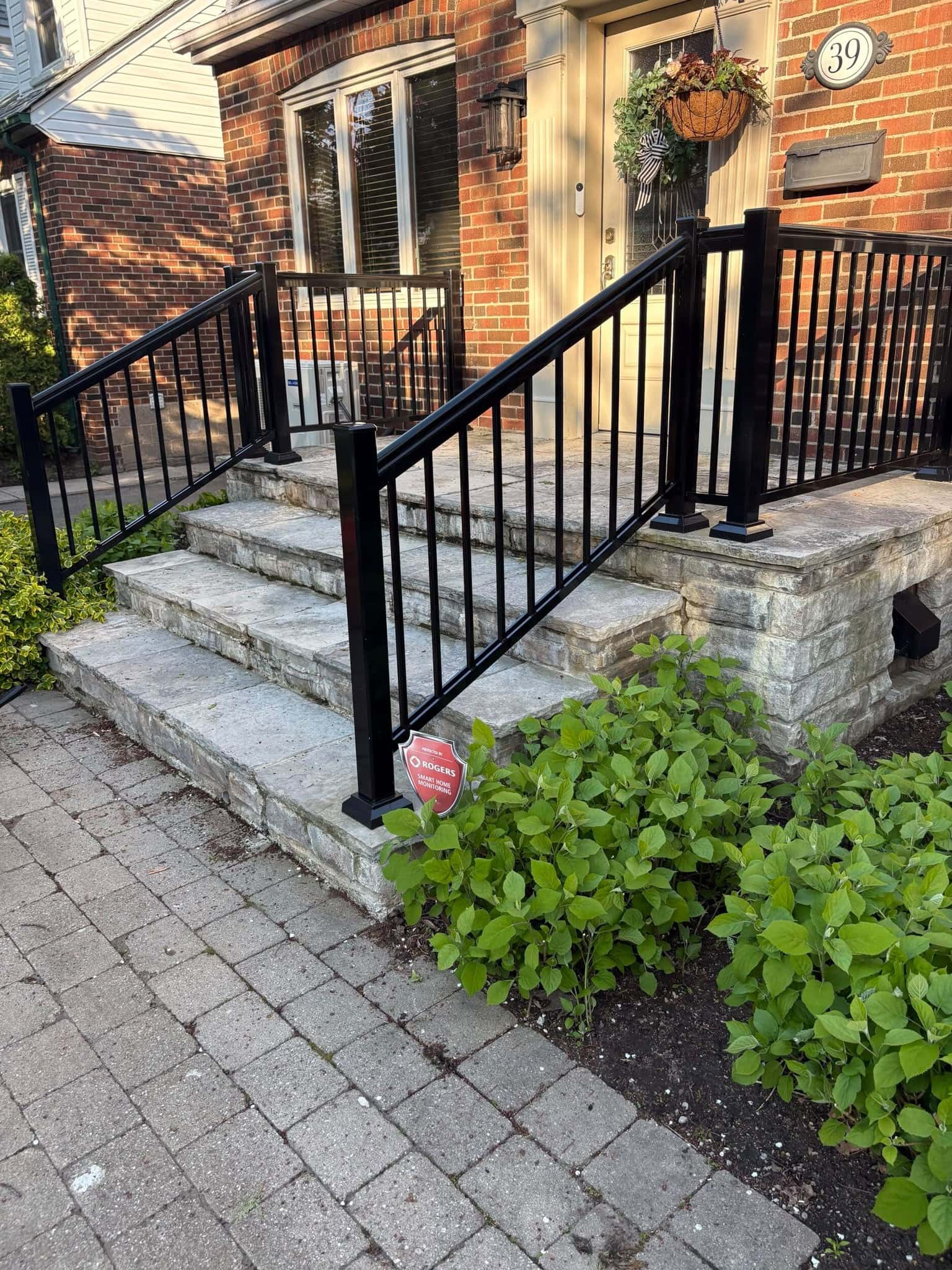
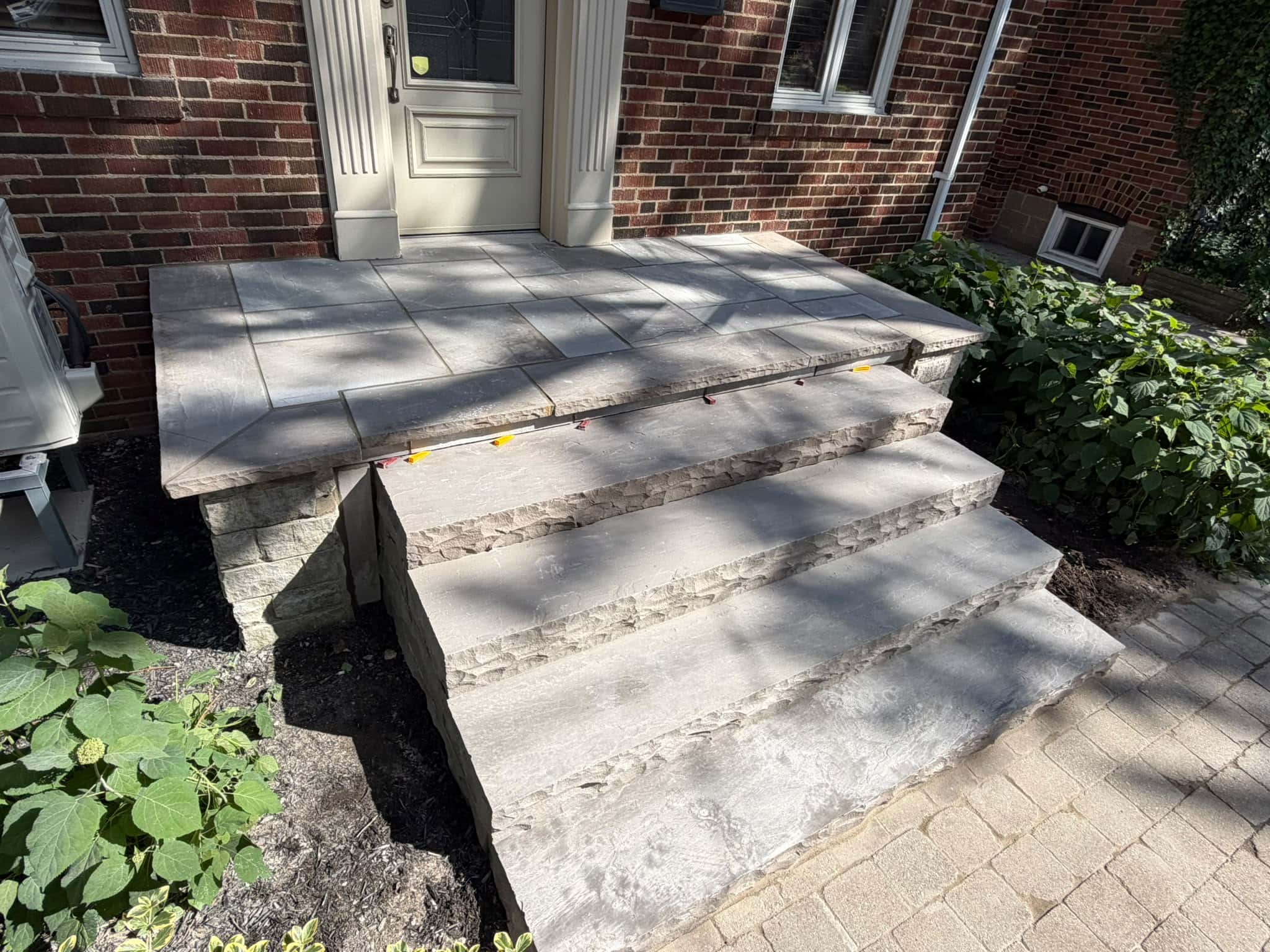
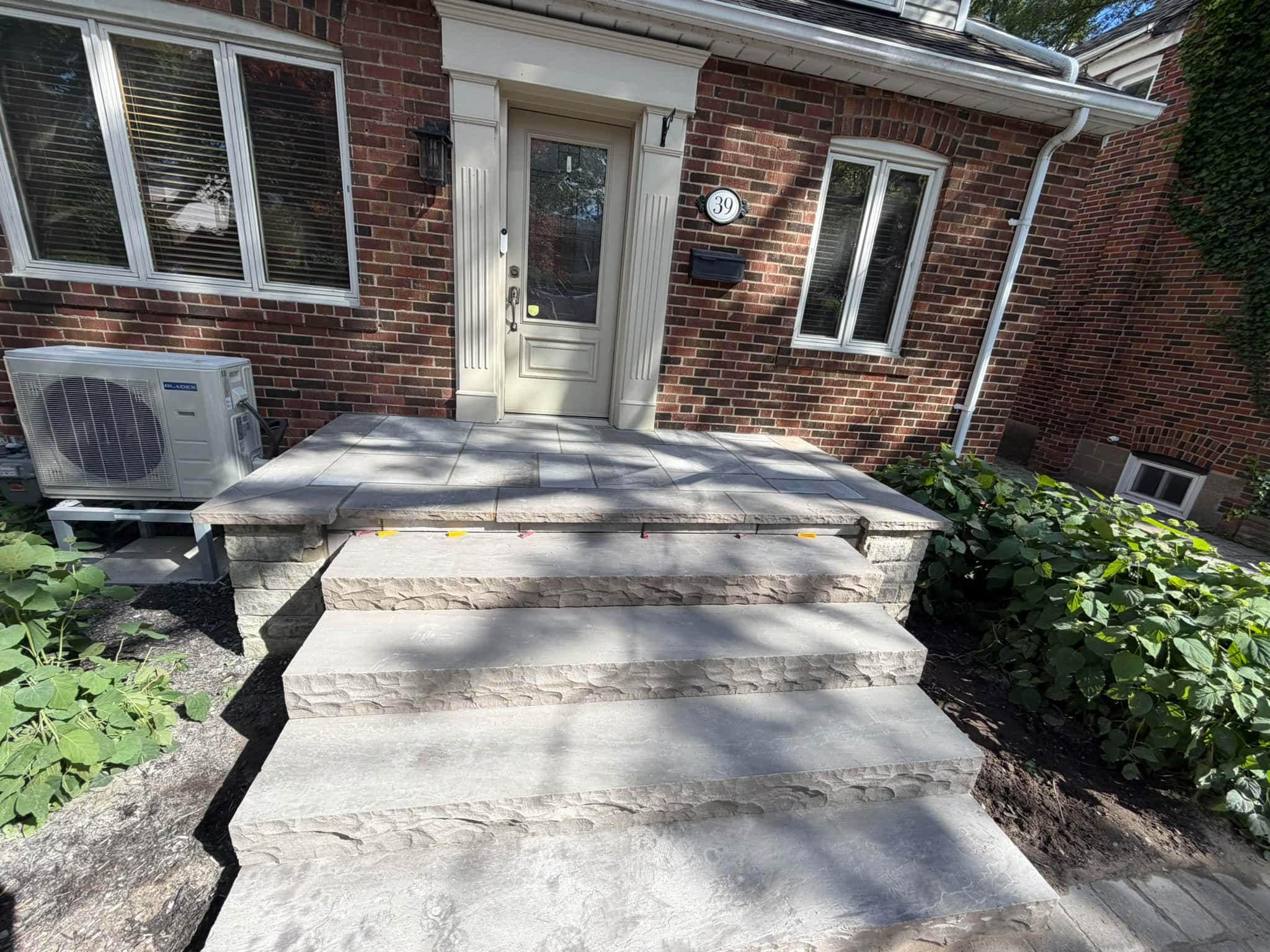
Concrete Steps and Porches
Steps and porches are exposed to foot traffic, moisture, snow, salts and repeated temperature changes.
Common problems include:
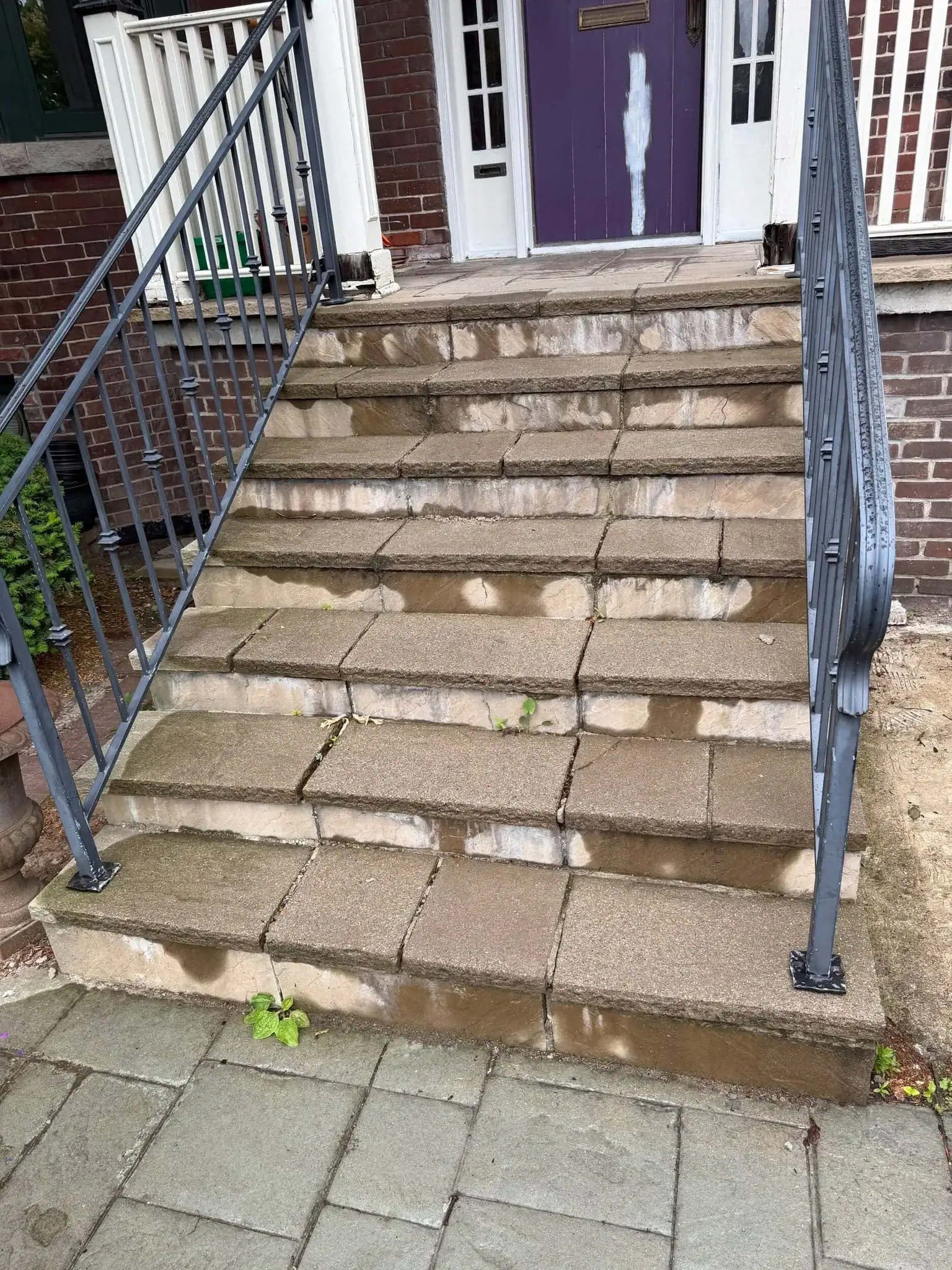
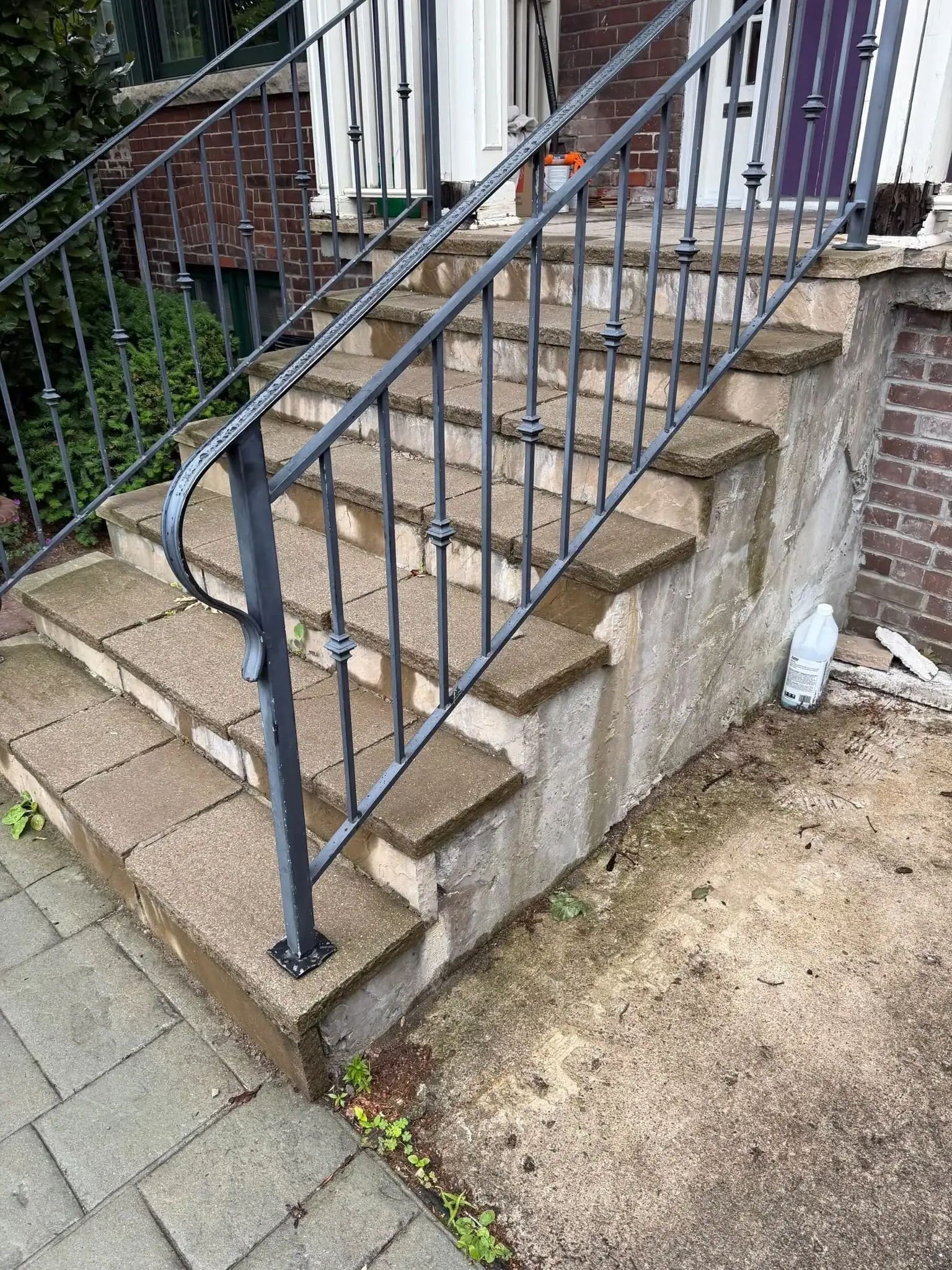
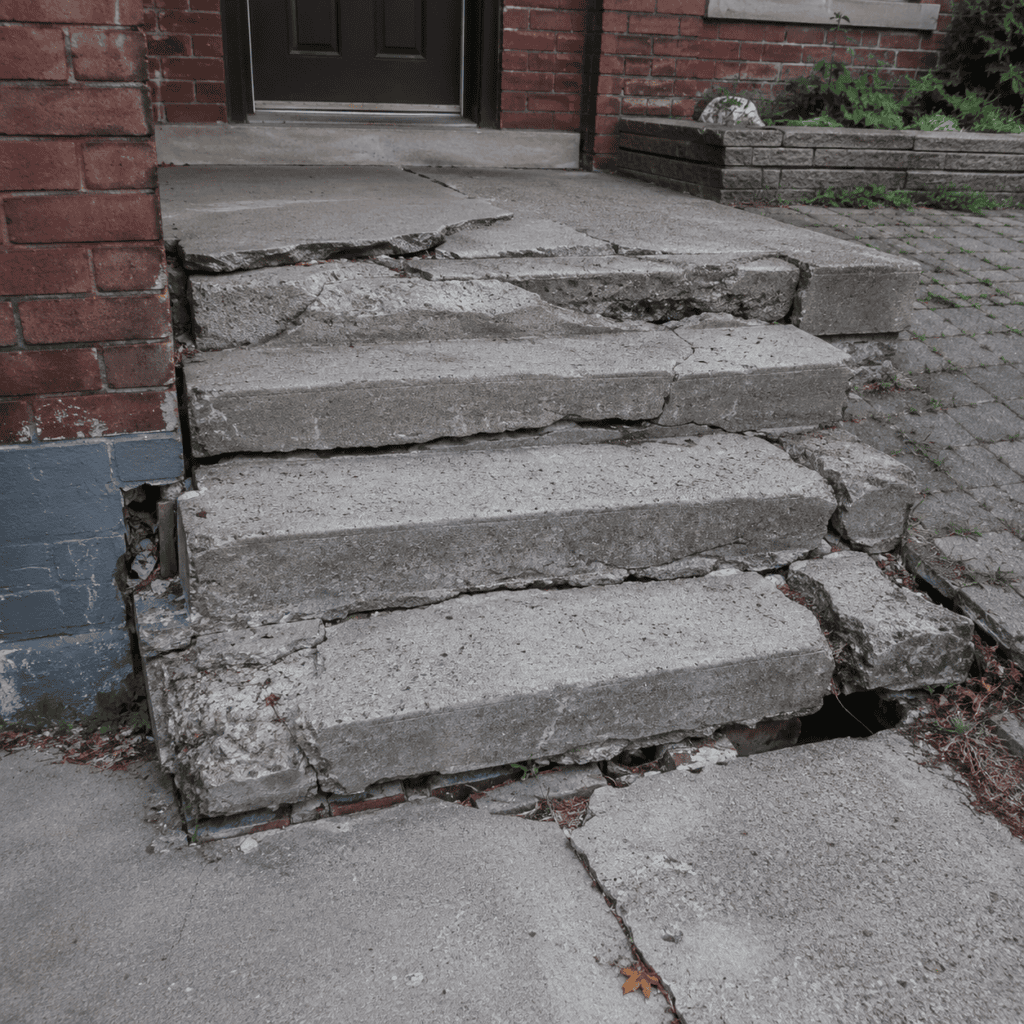
- Cracked treads or risers
- Broken corners
- Spalling surfaces
- Loose edges
- Settlement
- Water collecting near the entrance
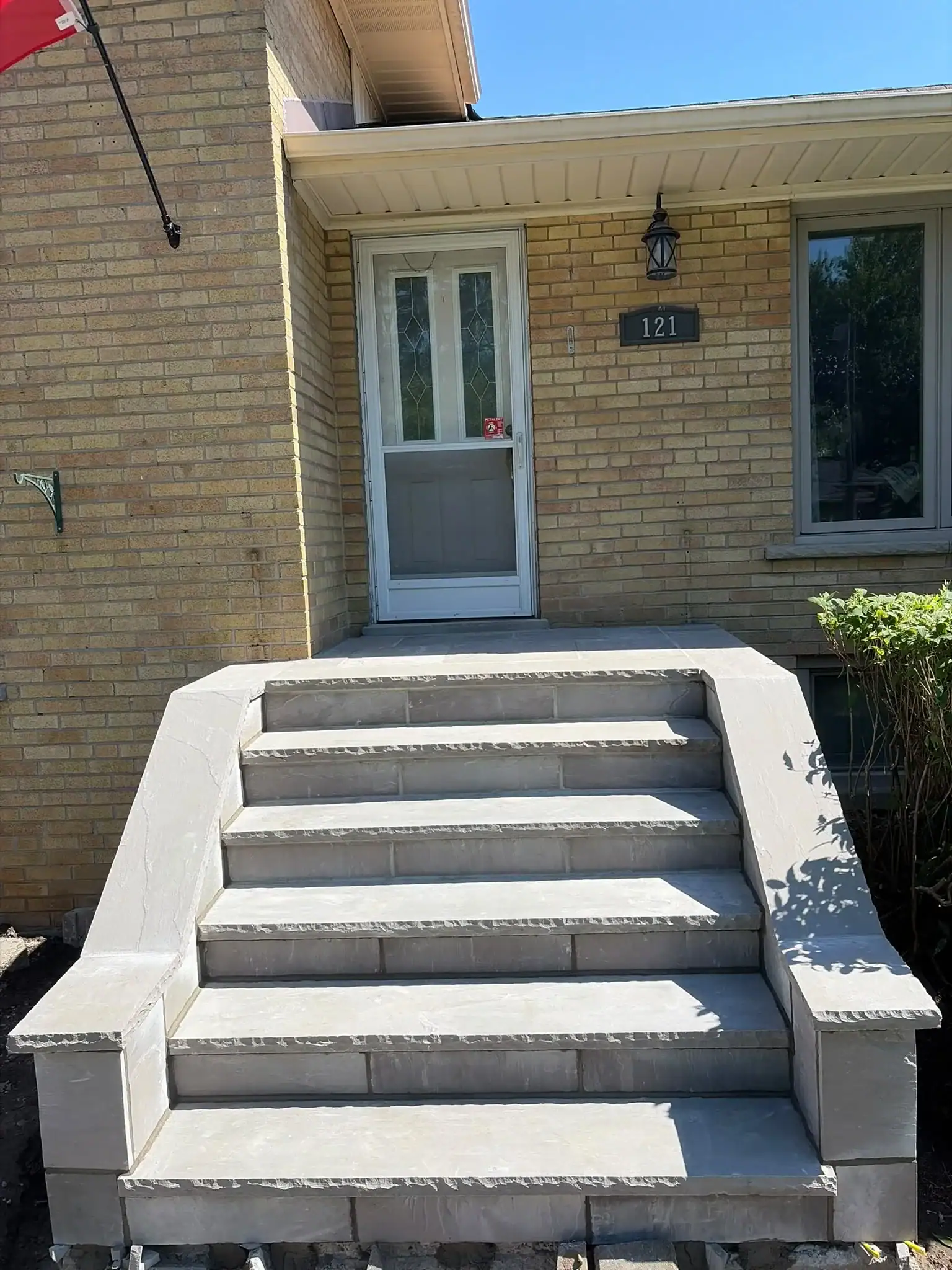
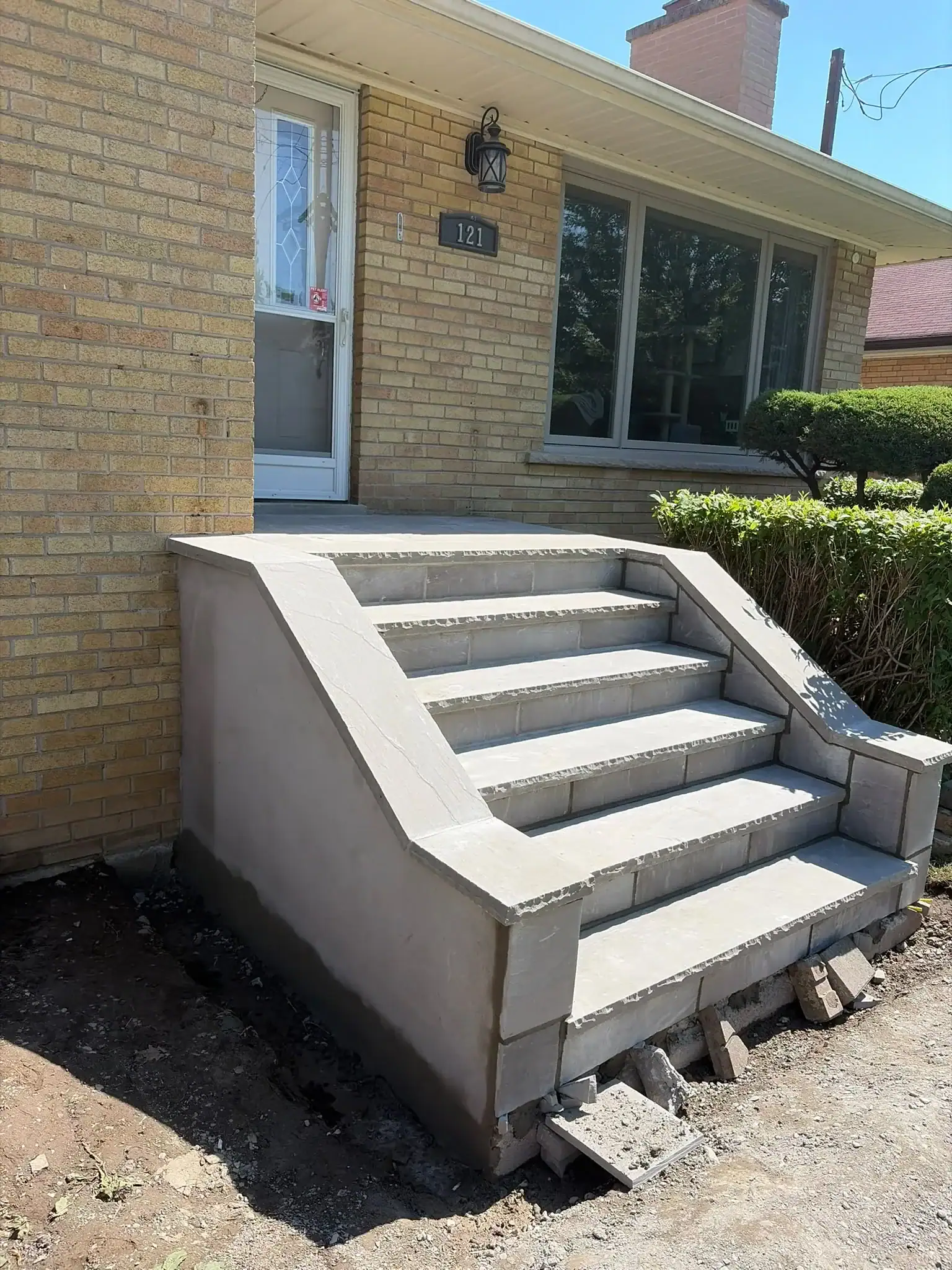
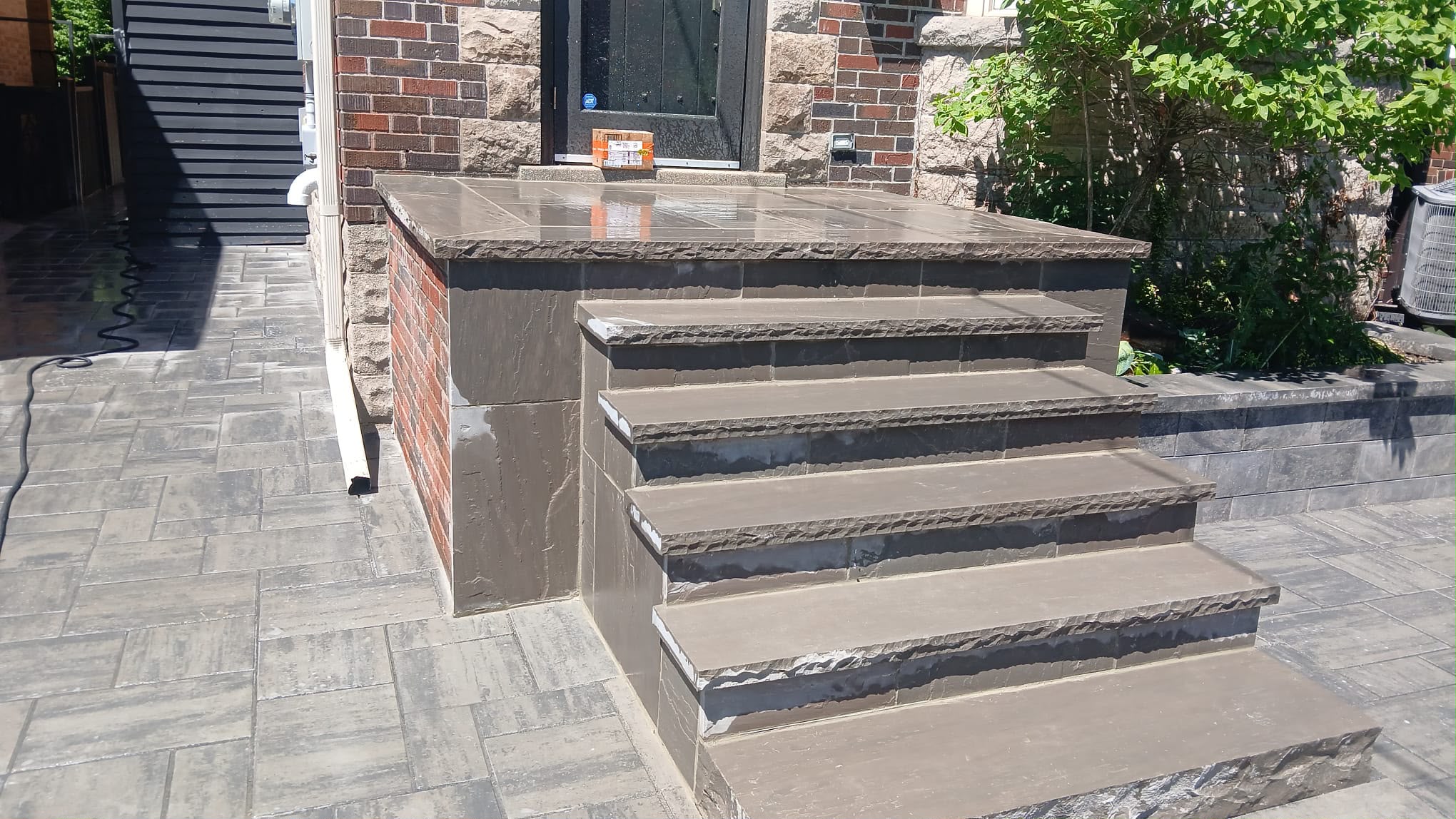
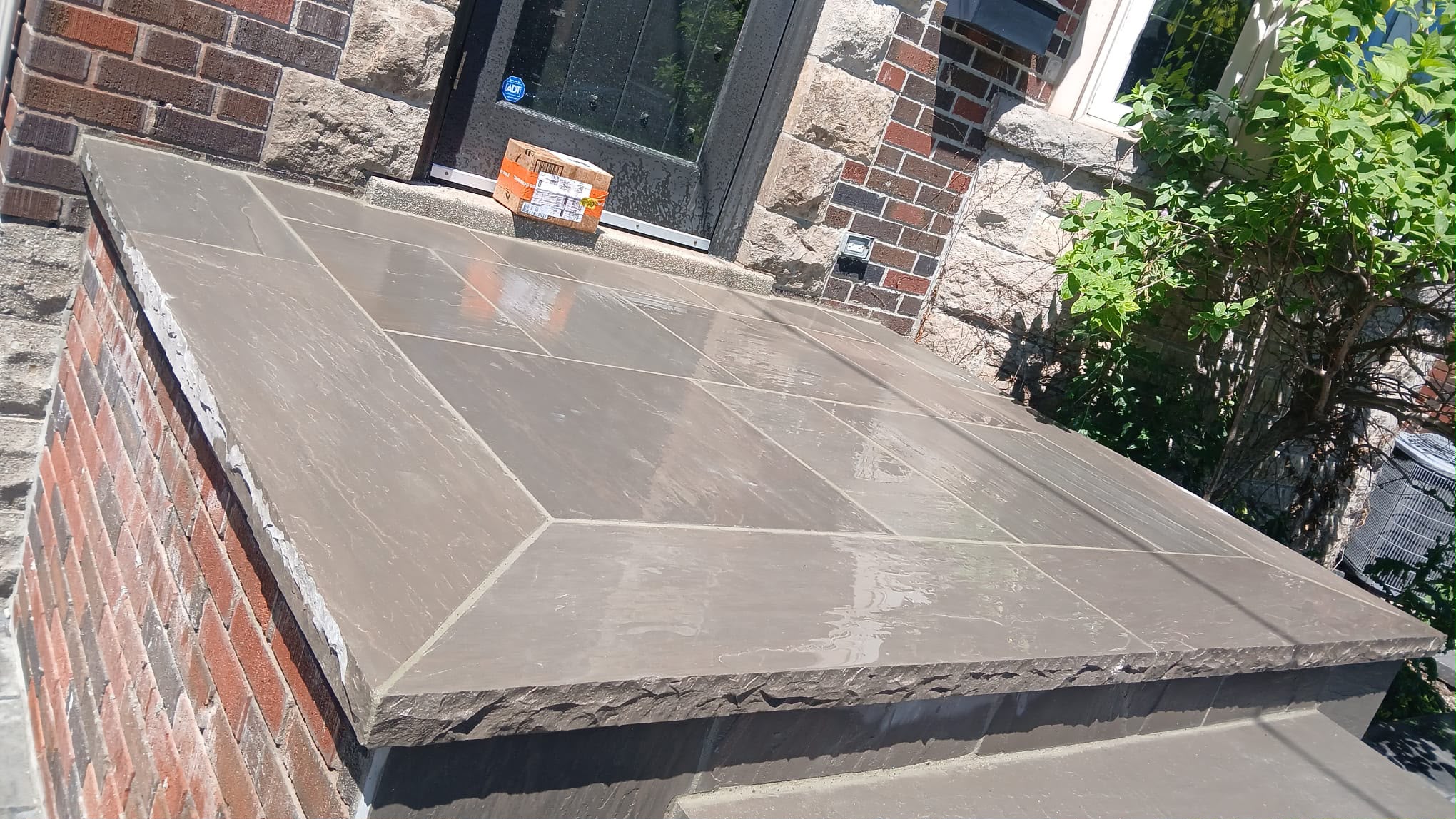
Localized step damage may be repairable when the structure remains stable. If the steps are shifting, separating or deteriorating across multiple areas, rebuilding may be more appropriate.
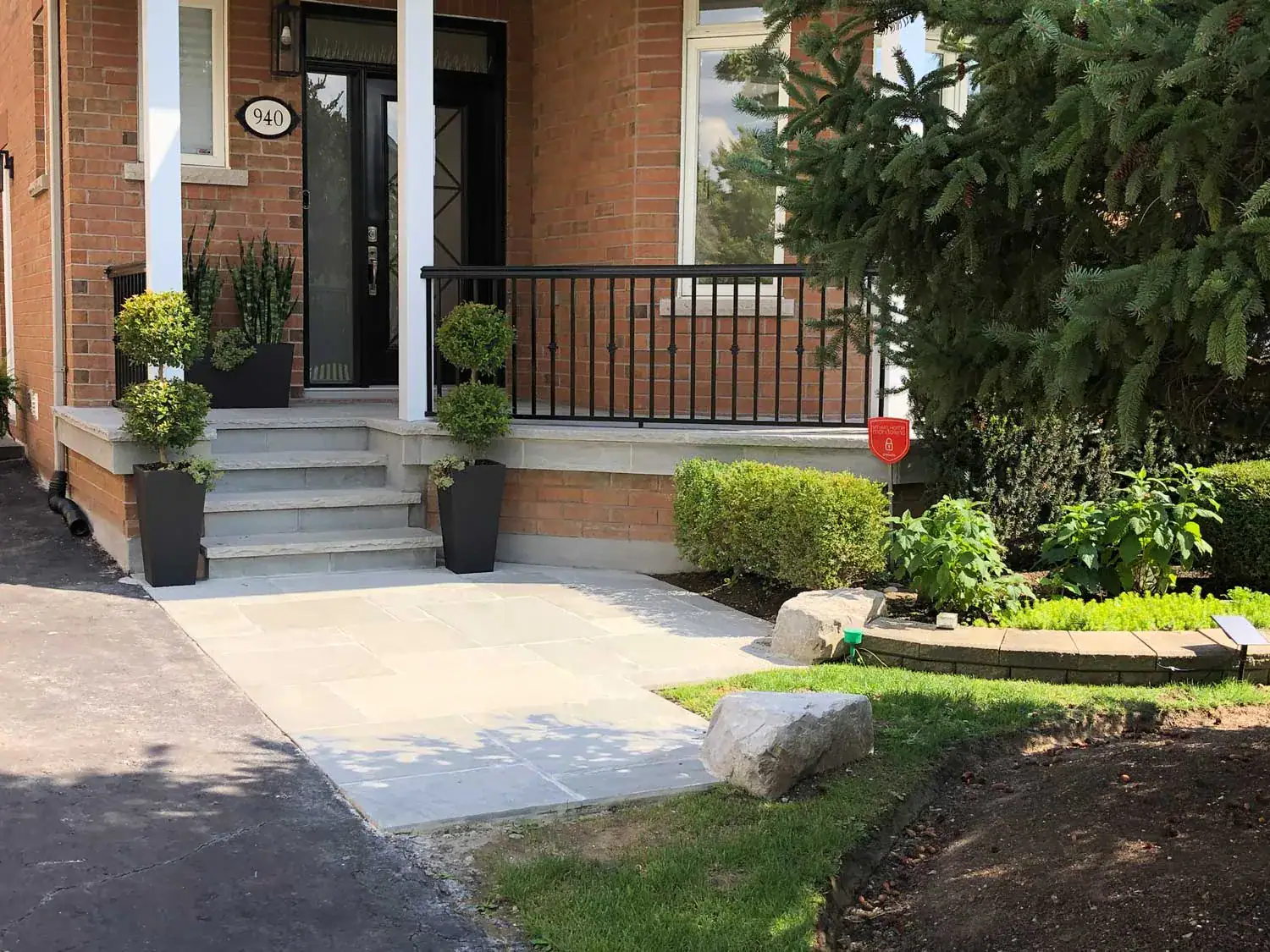
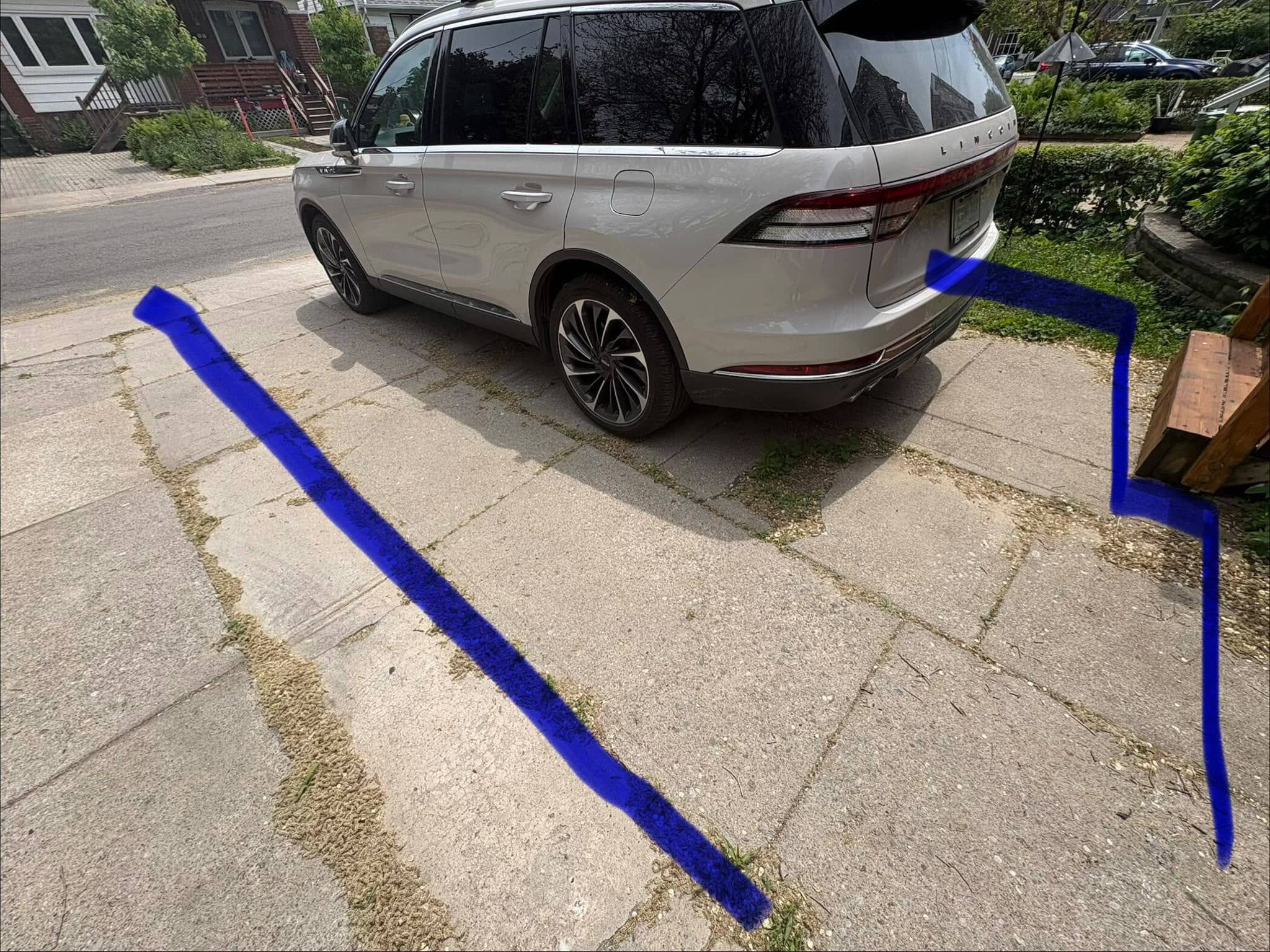
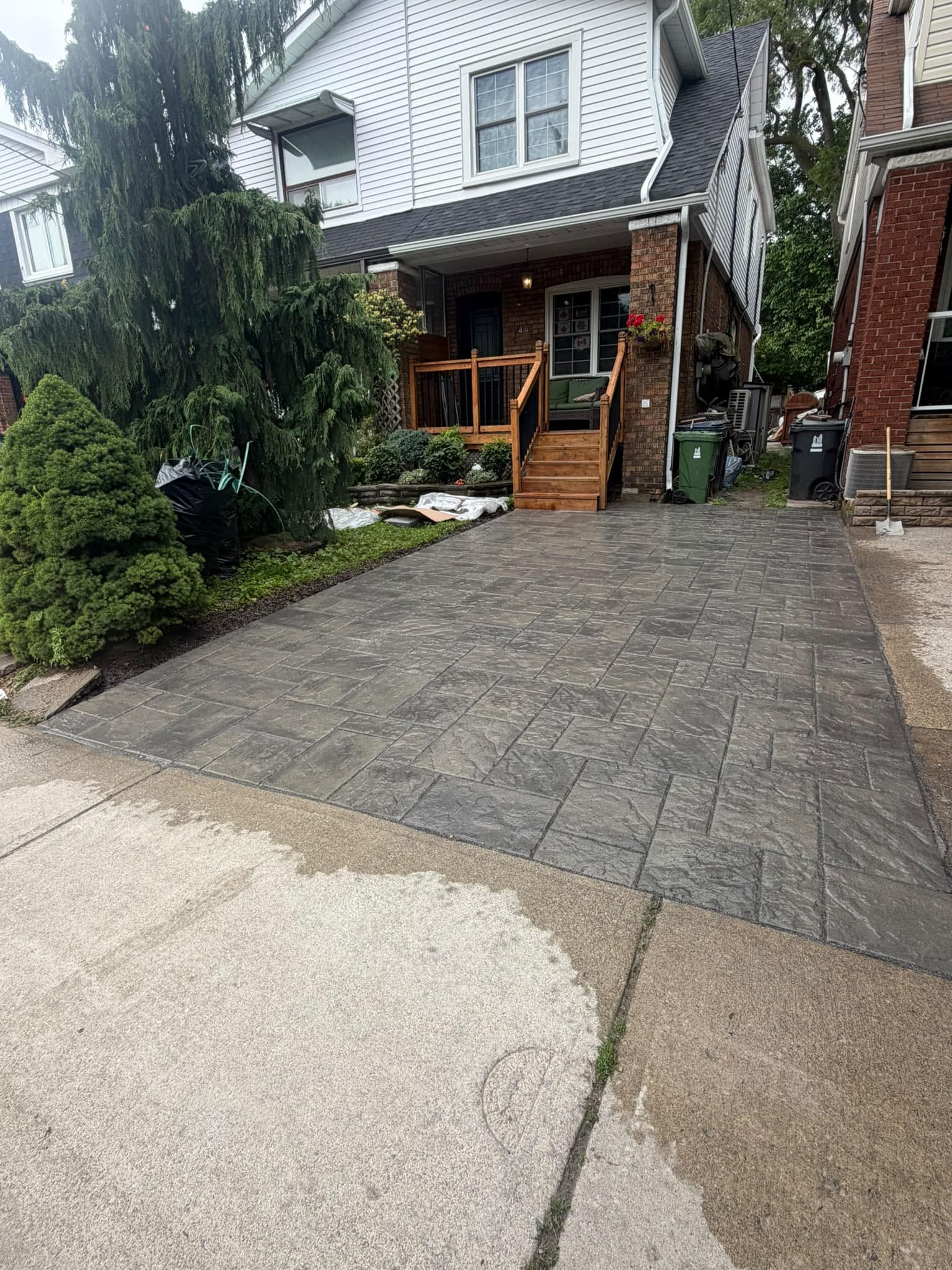
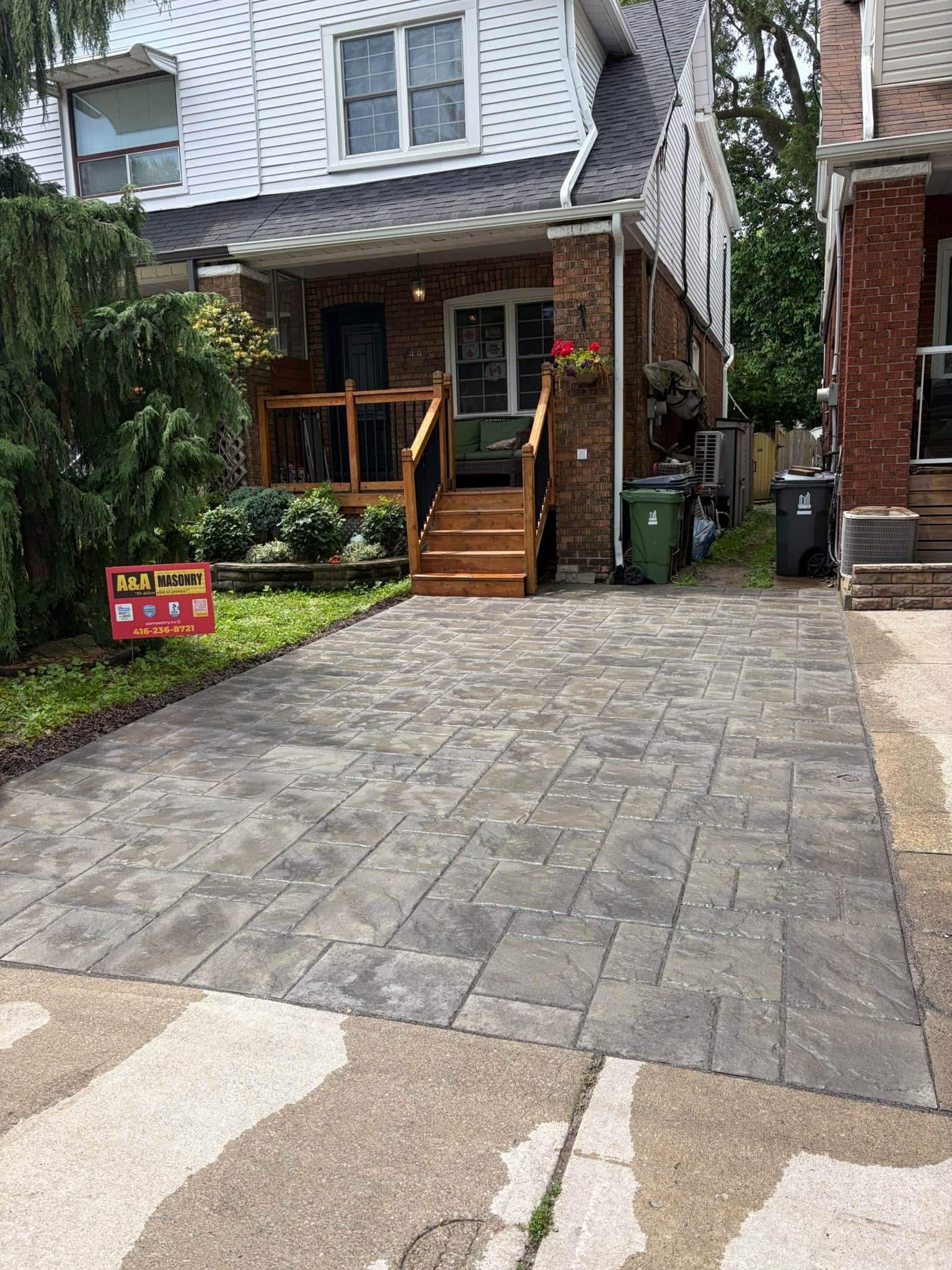
Concrete Driveways and Walkways
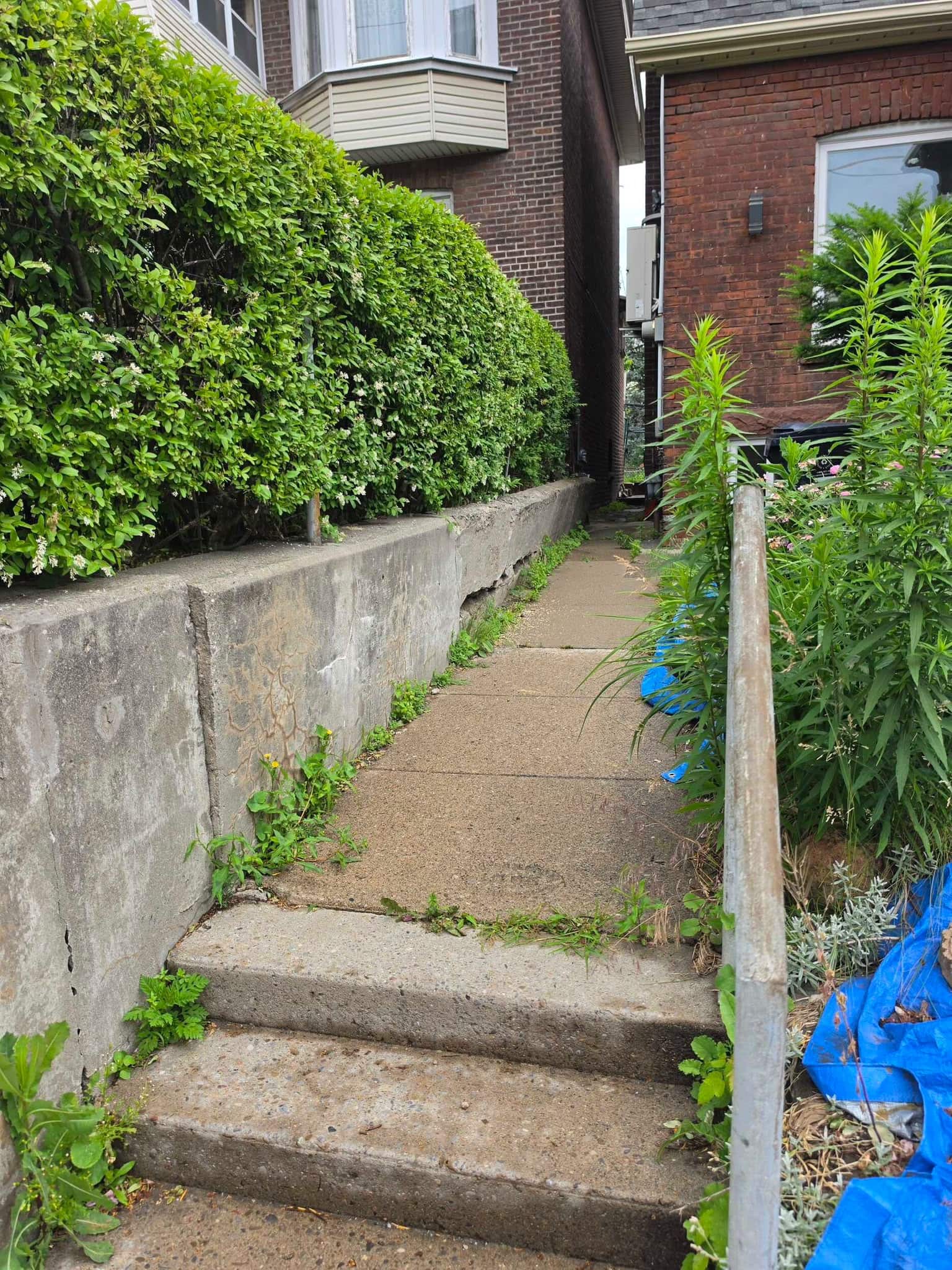
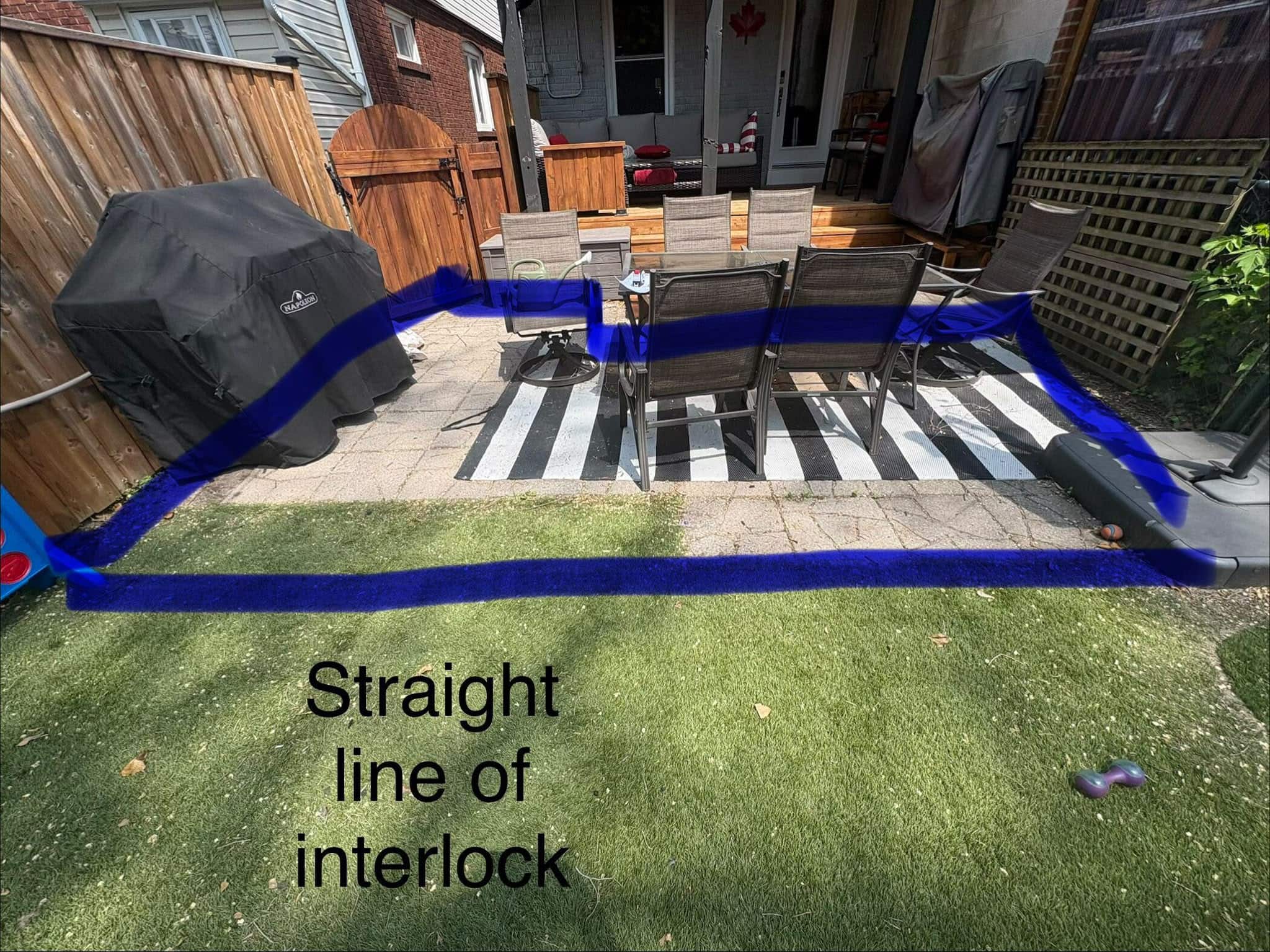
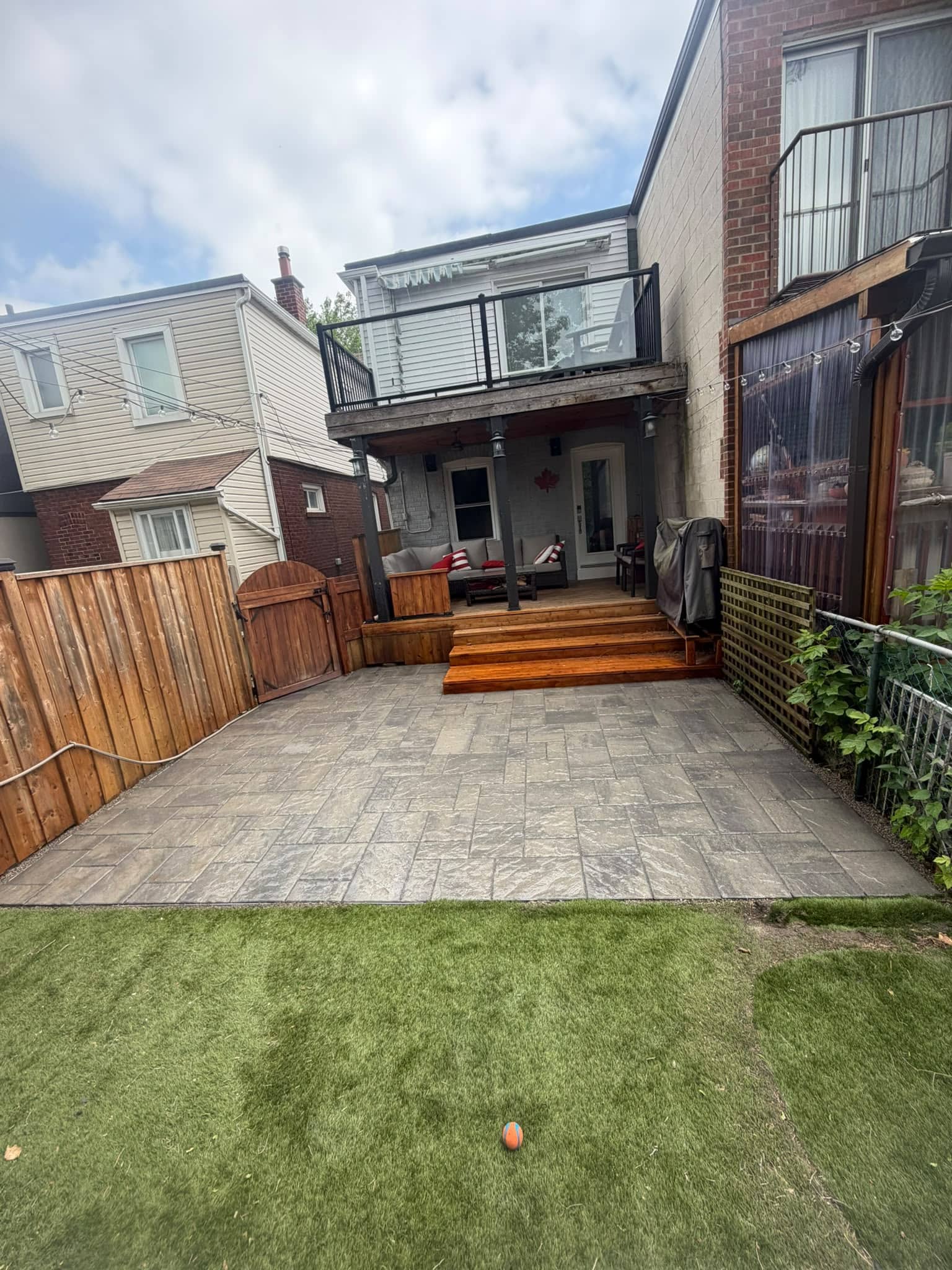
Driveways and walkways can develop cracks, surface wear, uneven sections and drainage problems over time.
For driveways, vehicle loads, winter salt and repeated freeze-thaw exposure can contribute to deterioration. Walkways may also develop trip edges where slabs settle or move.
Before repairing the surface, it is important to consider whether water is draining properly and whether movement below the slab is contributing to the damage.
How Mississauga Weather Affects Concrete
Mississauga concrete is regularly exposed to wet weather, freezing temperatures, snow and de-icing salts.
When water enters cracks or porous areas and then freezes, the expansion can worsen existing deterioration. De-icing salts can also contribute to surface scaling and wear on exposed concrete.
Weather is not the only cause of concrete damage, but it can accelerate problems that already exist.
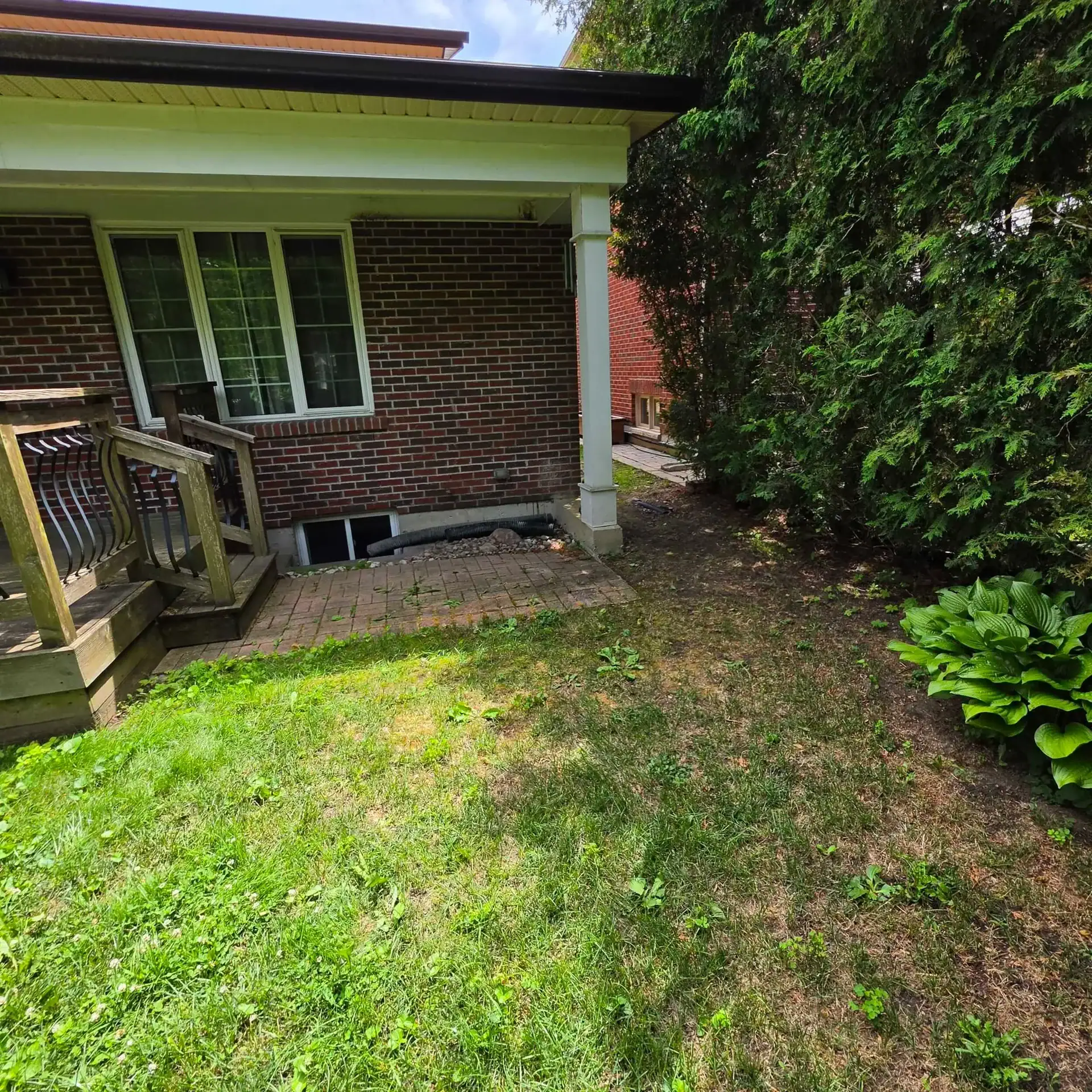
Drainage Matters
Concrete repairs are more likely to perform well when the conditions contributing to the damage are also considered.
Water that repeatedly collects beside a driveway, walkway, porch or step can contribute to settlement, freeze-thaw deterioration and recurring repairs.
Check for:
- Water pooling after rainfall
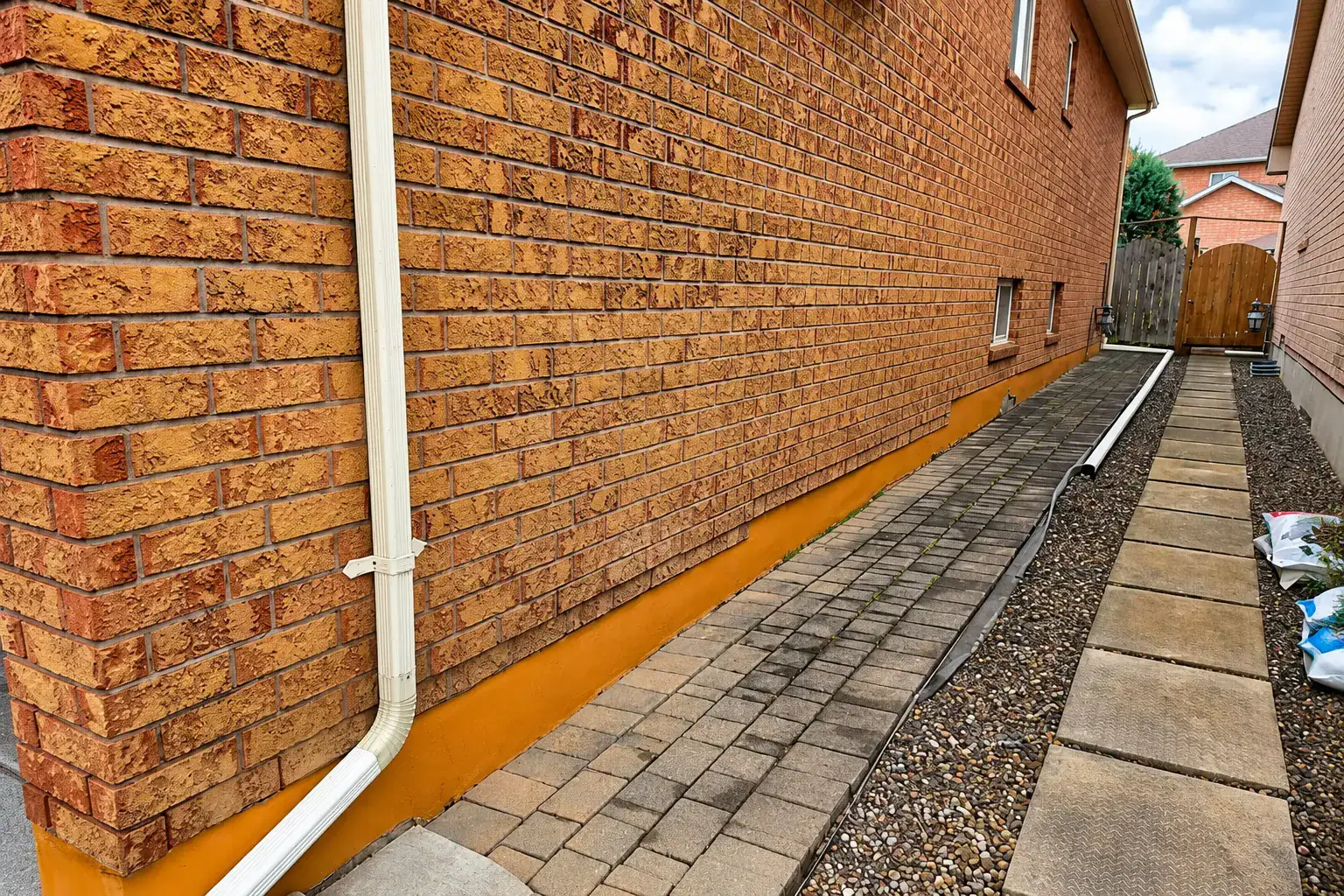
- Downspouts discharging beside concrete
- Areas where water drains toward the home
- Washout near slab edges
- Recurring cracks close to drainage problems
Correcting drainage may be part of the repair plan when water is contributing to the deterioration.
Concrete Repair vs Resurfacing vs Replacement
Not every concrete problem requires the same solution.
Localized Repair
Localized repair may make sense when damage is limited to a specific area and the surrounding concrete remains stable.
Examples can include:
- Individual cracks
- Small spalled areas
- Broken corners
- Localized step damage
Resurfacing
Resurfacing may be appropriate when the upper surface is worn or deteriorated but the underlying concrete remains sufficiently stable for the resurfacing system being considered.
It should not be used to hide significant settlement, movement or widespread structural failure.
Replacement or Rebuilding
Replacement may be more appropriate when:
- Concrete is badly deteriorated across a large area
- The slab is sinking or heaving significantly
- Movement continues after previous repairs
- Steps or slabs are separating
- The base has failed
- Drainage problems cannot be addressed through a localized repair
The correct choice should be based on the condition of the concrete rather than appearance alone.
Why Surface Preparation Matters
A durable concrete repair depends on more than placing new material over the damaged area.
Depending on the repair system, preparation may involve:
- Removing loose or unsound material
- Cleaning the repair area
- Preparing edges and surfaces for bonding
- Choosing a repair material appropriate for the existing concrete
- Following suitable curing procedures
The appropriate preparation method depends on the type of damage and the repair material being used.
What Homeowners Can Check
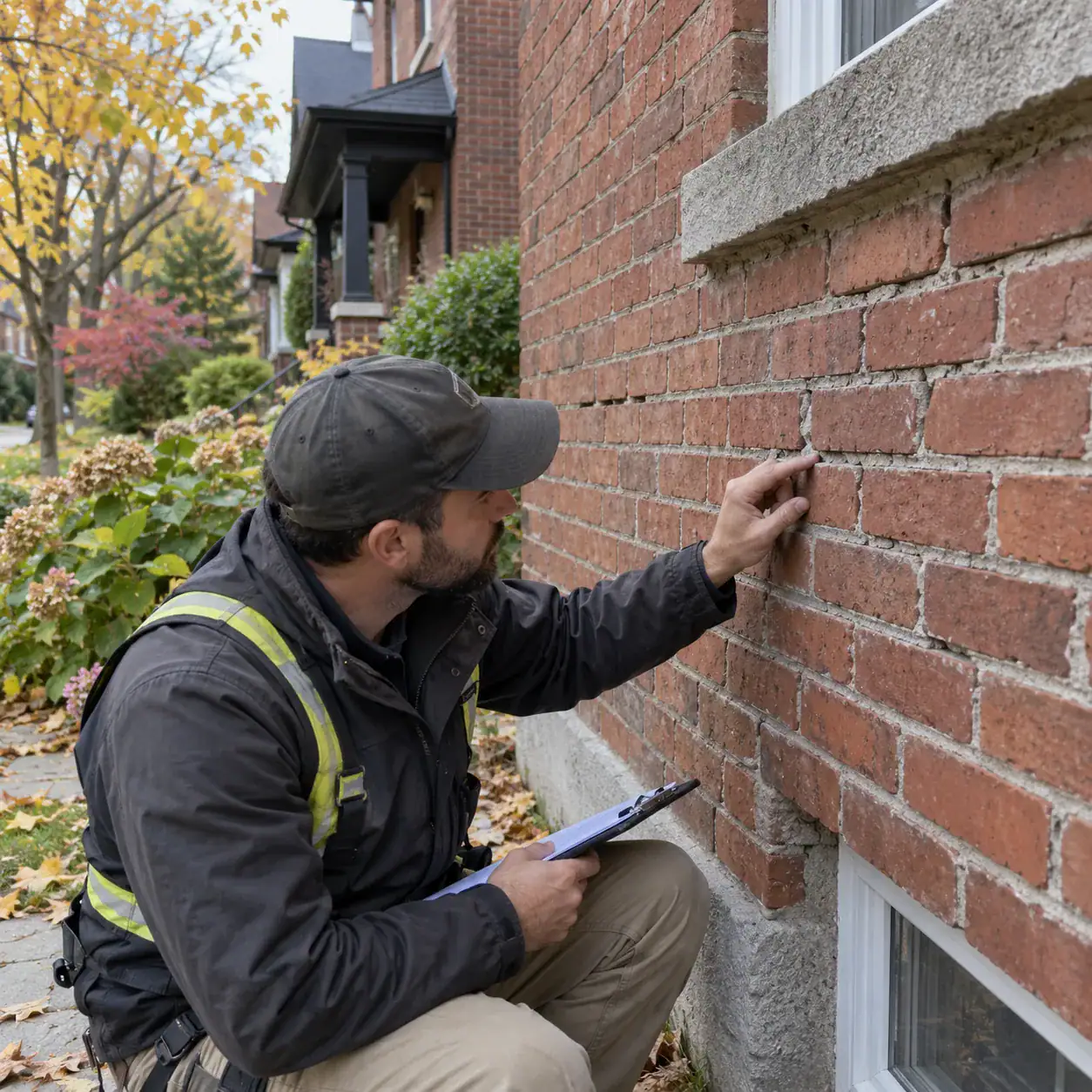
Homeowners can periodically inspect concrete around the property for visible changes.
Look for:
- Cracks that are getting wider
- New spalling or flaking
- Broken edges
- Uneven slabs
- Water pooling
- Settlement near steps or walkways
- Repairs that repeatedly fail
- Trip hazards
Photographs taken over time can also make it easier to see whether cracks or movement are changing.
When Professional Assessment Makes Sense
Professional assessment is especially useful when the cause of the damage is unclear or when the concrete appears to be moving.
Consider having the area assessed when:
- Cracks continue to grow
- Concrete is sinking or heaving
- Steps are separating from the property
- Drainage problems keep returning
- Several previous repairs have failed
- The damaged area creates a trip or safety concern
- Concrete deterioration is widespread
A good assessment should explain not only what is damaged, but also why a particular repair, resurfacing or replacement approach is being recommended.
What to Ask Before Approving Concrete Repair
Before proceeding with a repair, ask the contractor to explain:
- What caused or may have contributed to the damage
- Whether the concrete is still stable enough to repair
- What preparation will be required
- Which repair material or system will be used
- Whether drainage or settlement also needs attention
- What curing time is required
- What areas are included and excluded from the repair scope
Clear scope and realistic expectations are more useful than choosing a contractor based only on the lowest price or fastest timeline.
Concrete Repair for Mississauga Homes
Mississauga includes older homes, newer subdivisions, townhomes and custom properties with a wide range of concrete entrances, steps, porches, walkways and driveways.
The right repair depends on the condition of the specific surface rather than the age or style of the property alone.
If several types of exterior masonry or concrete damage are present, A&A Masonry’s Mississauga masonry services page provides an overview of the broader repair and restoration services available in the area.
Seeing Cracks, Spalling or Uneven Concrete?
Concrete damage can be caused by surface wear, moisture, freeze-thaw exposure, settlement, drainage problems or movement below the slab.
A&A Masonry can assess the condition and help determine whether repair, resurfacing, rebuilding or replacement is appropriate.