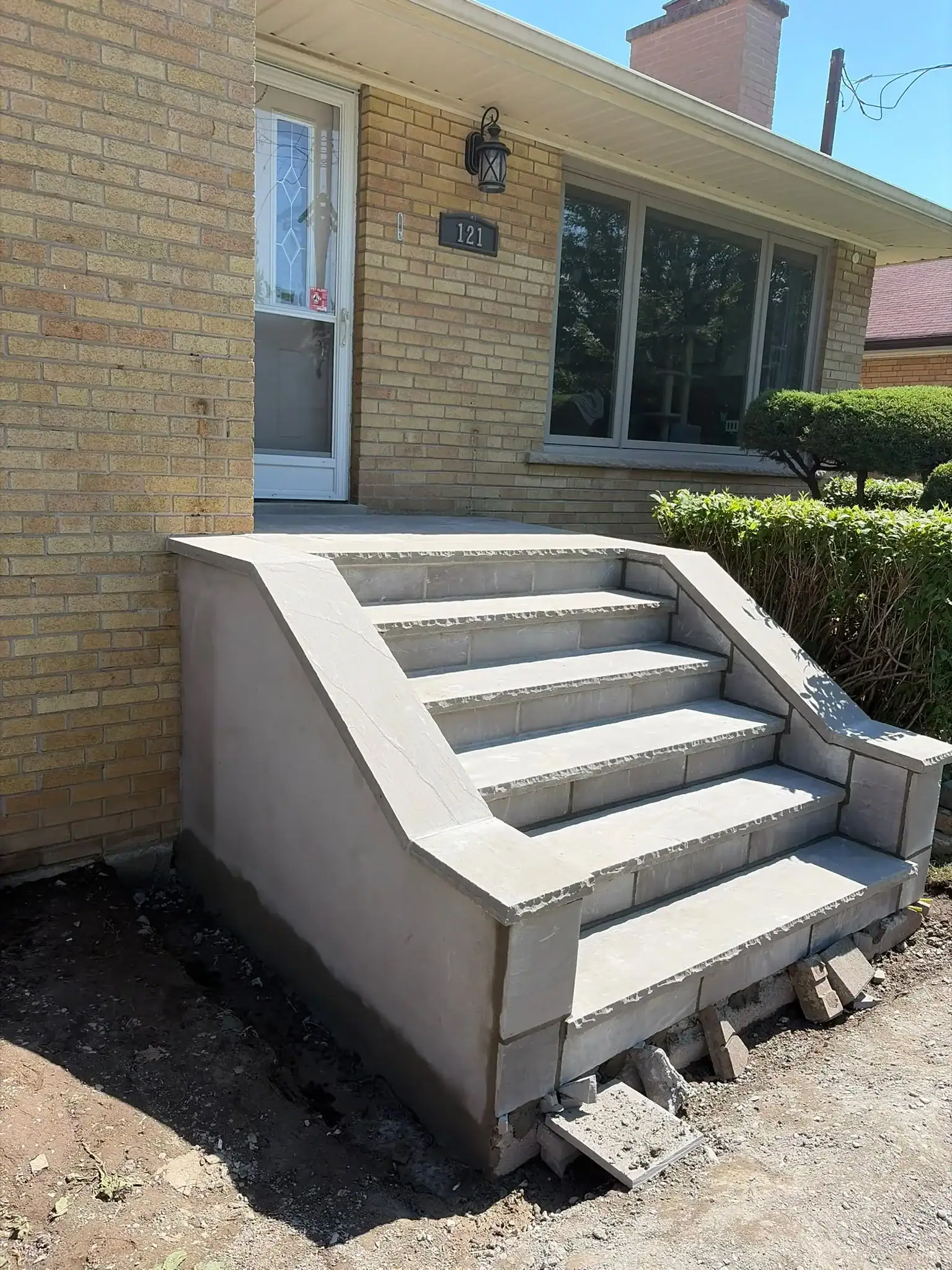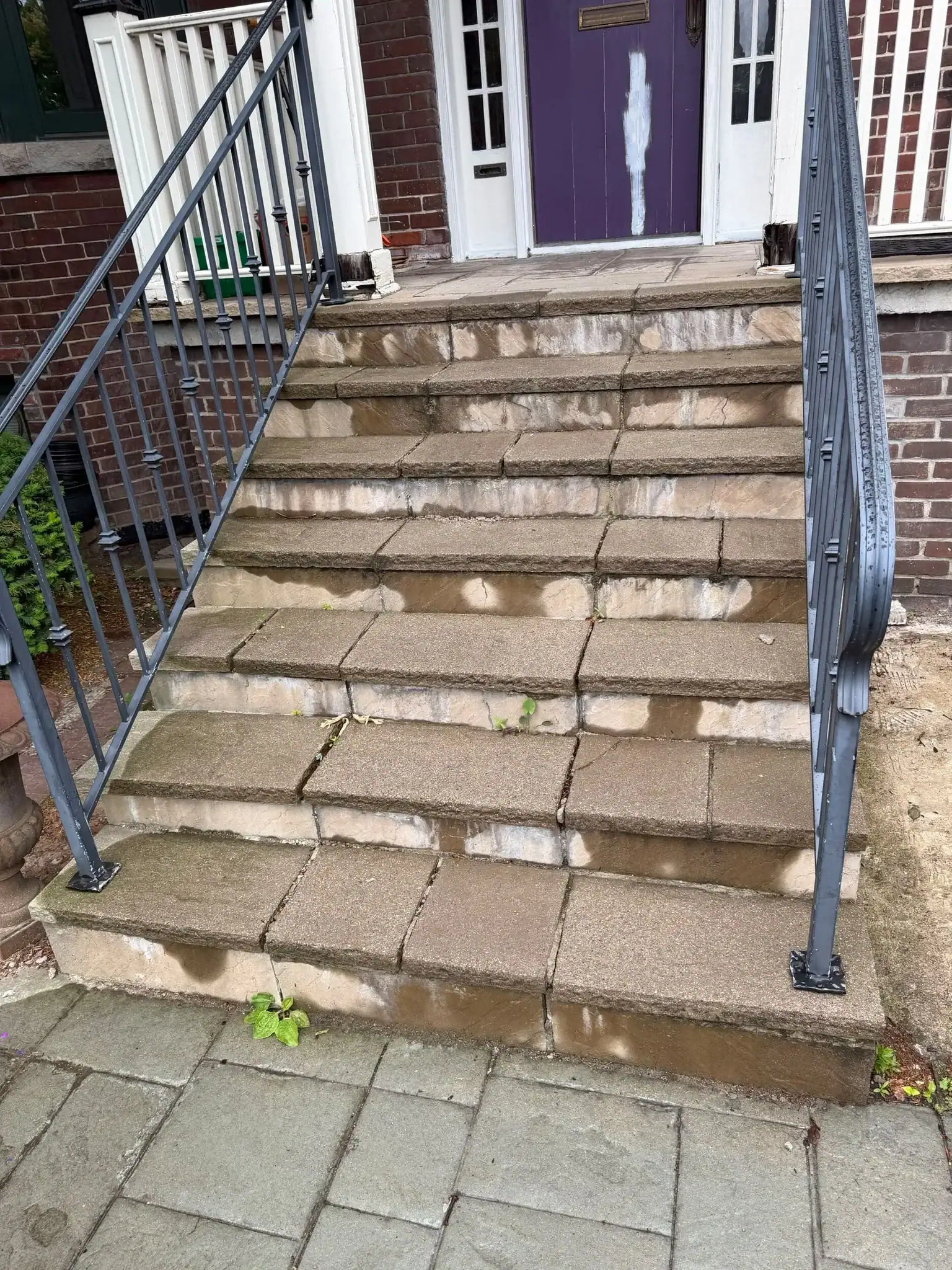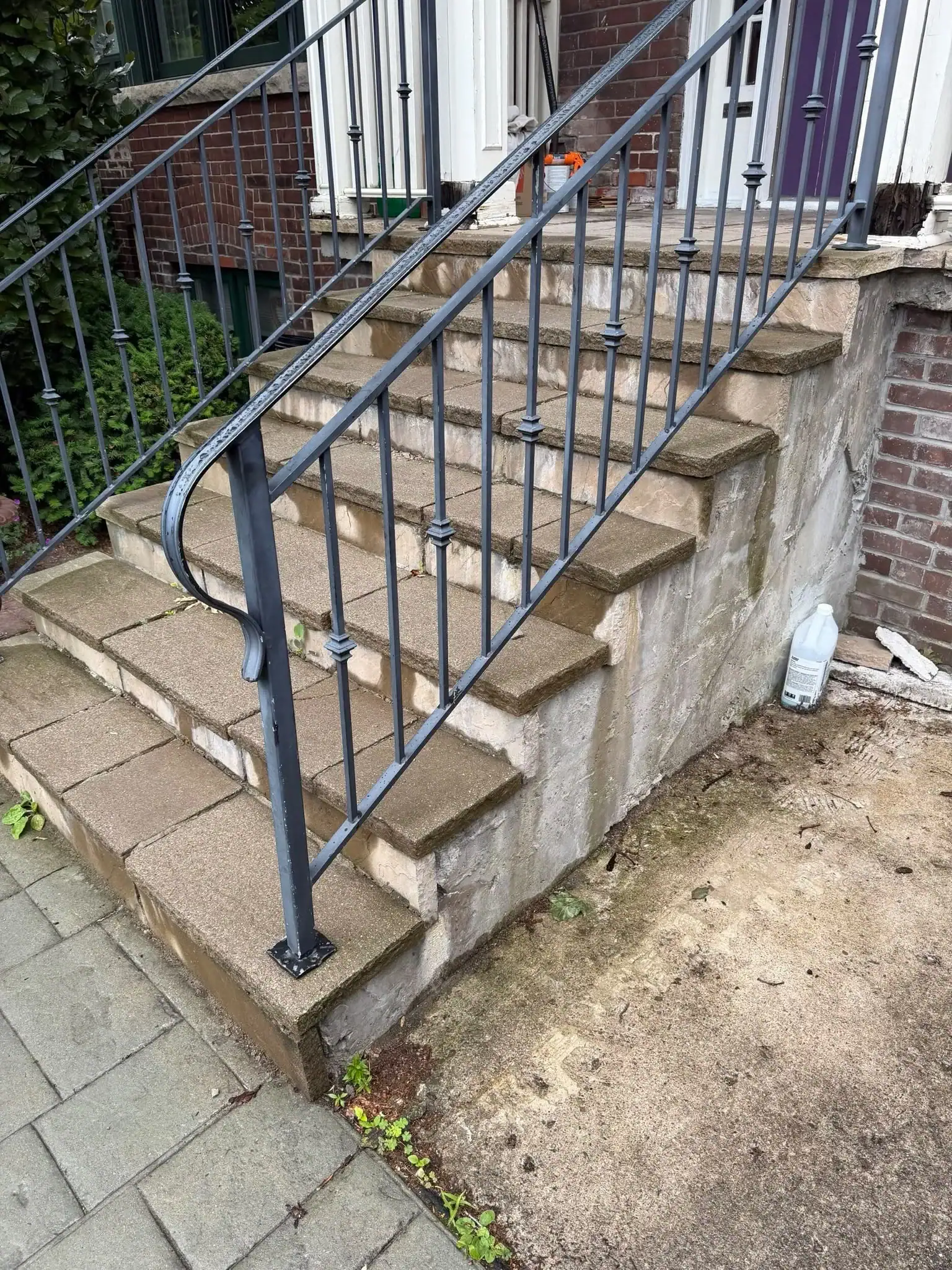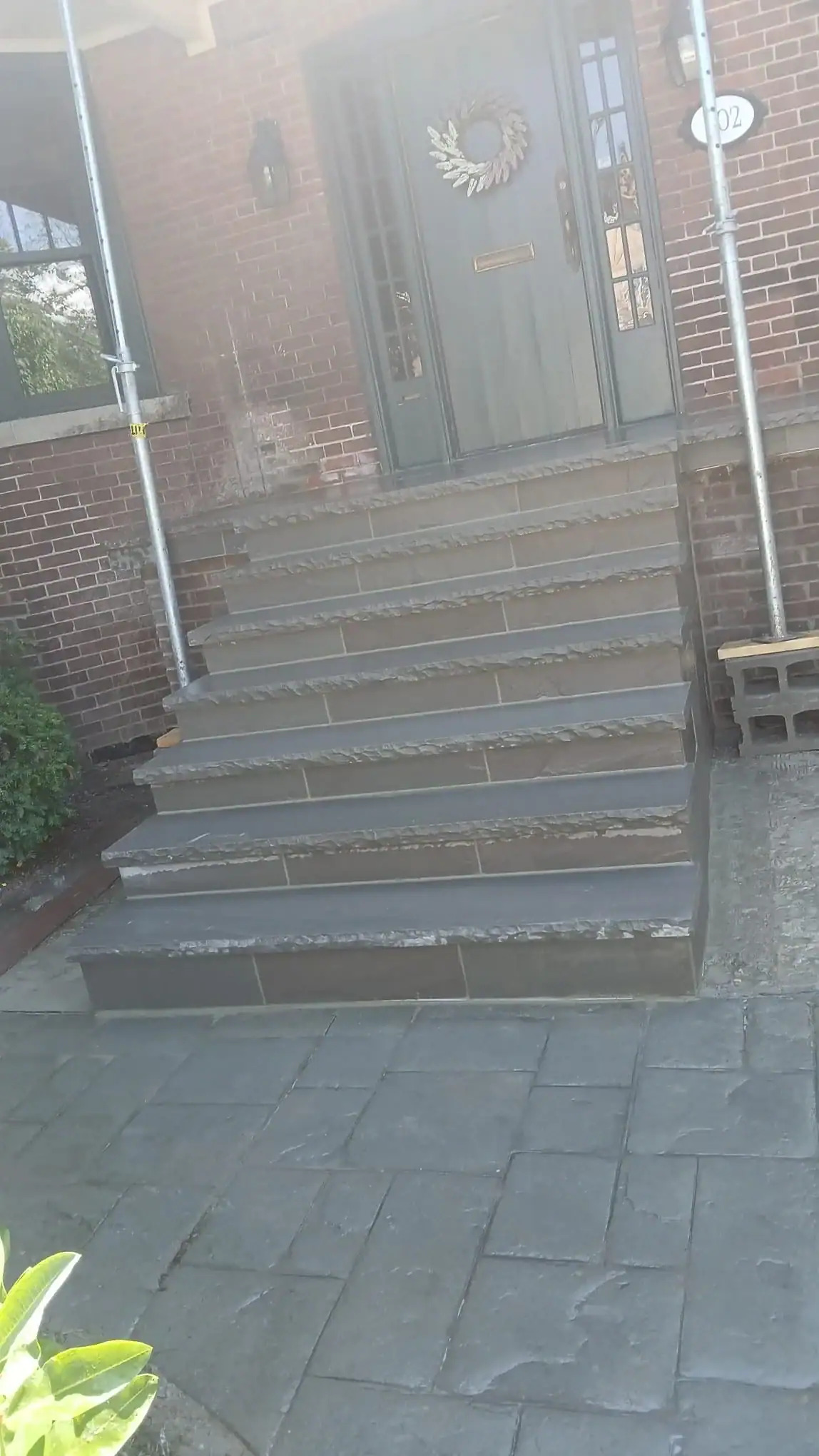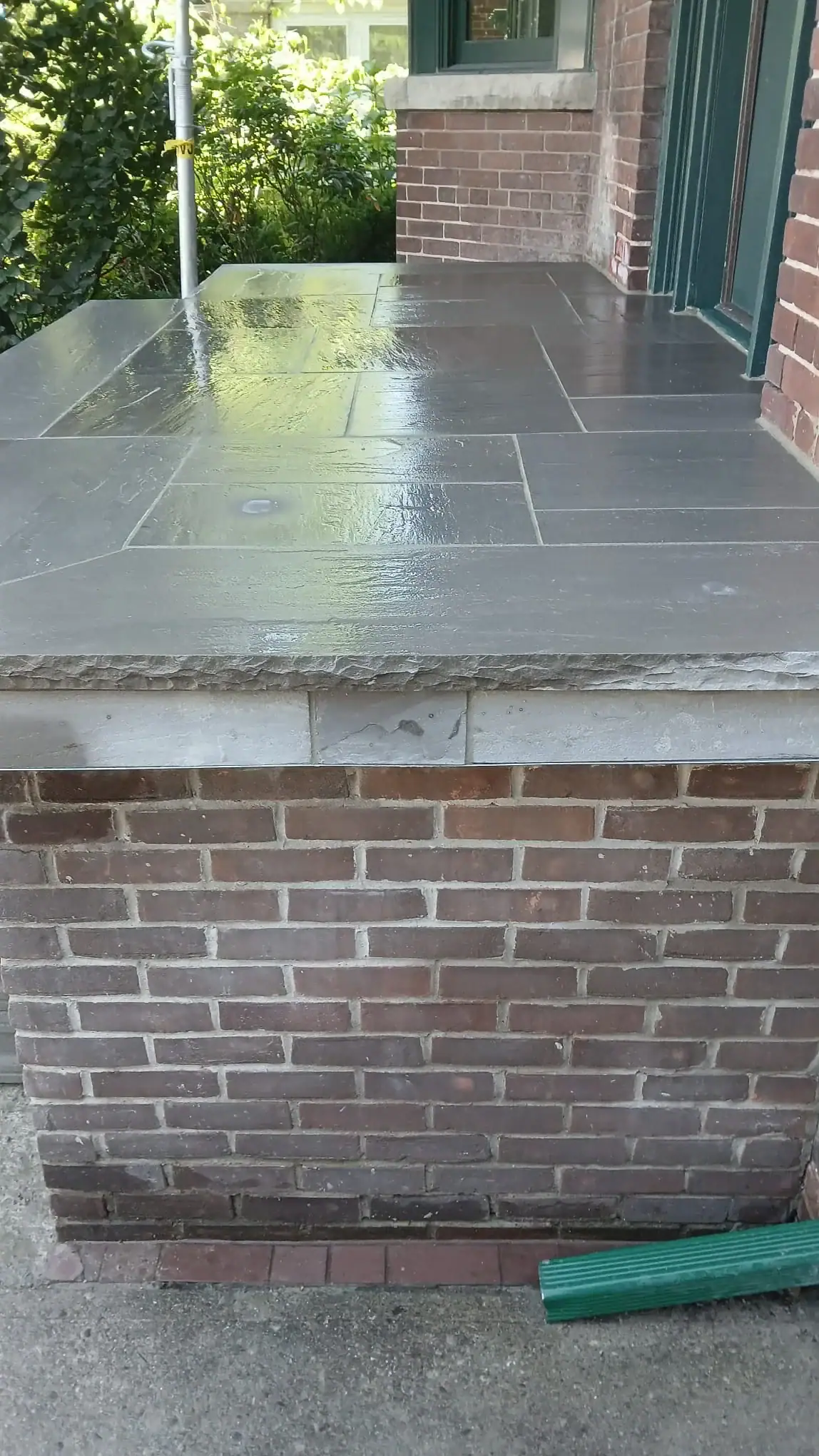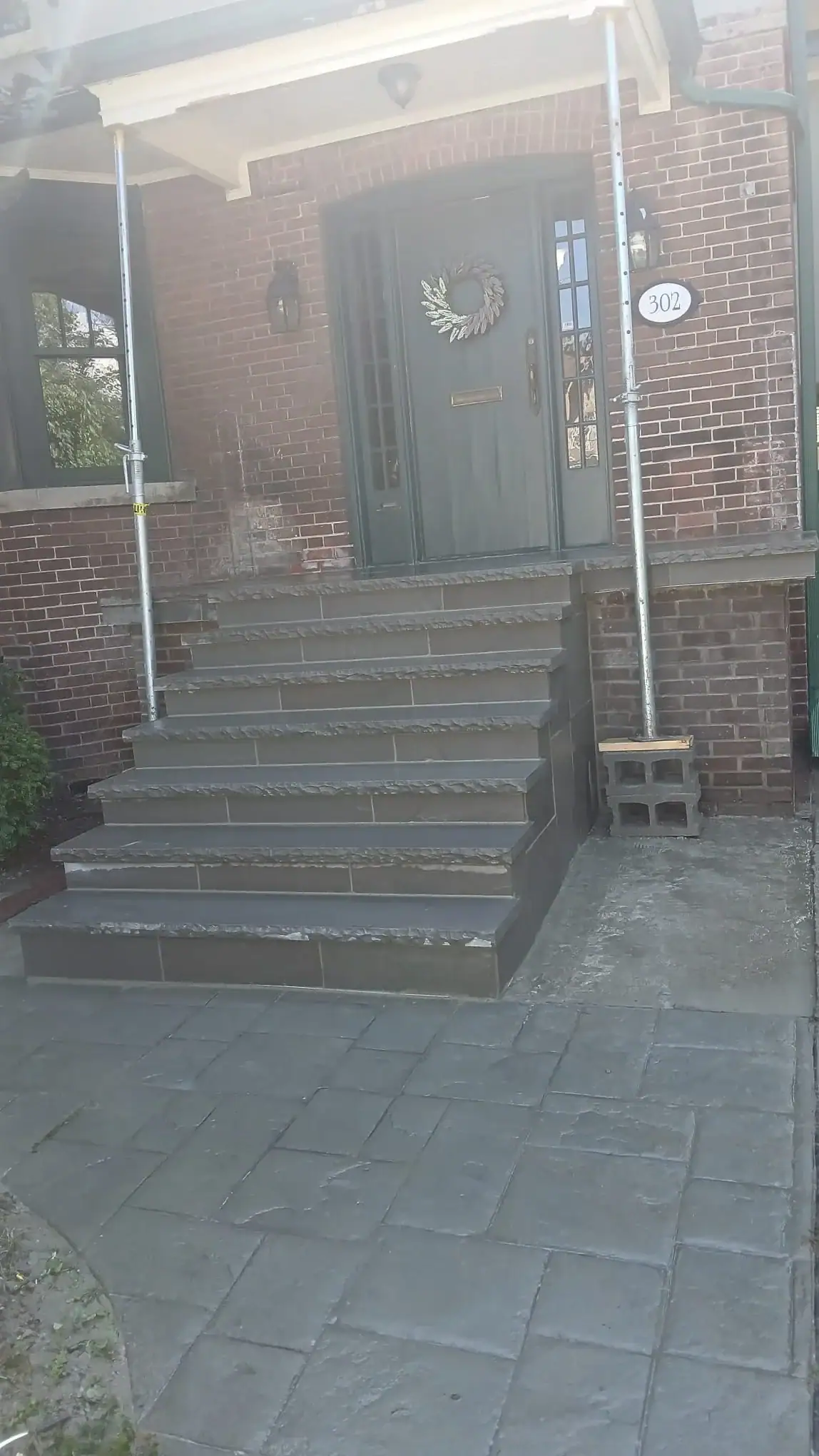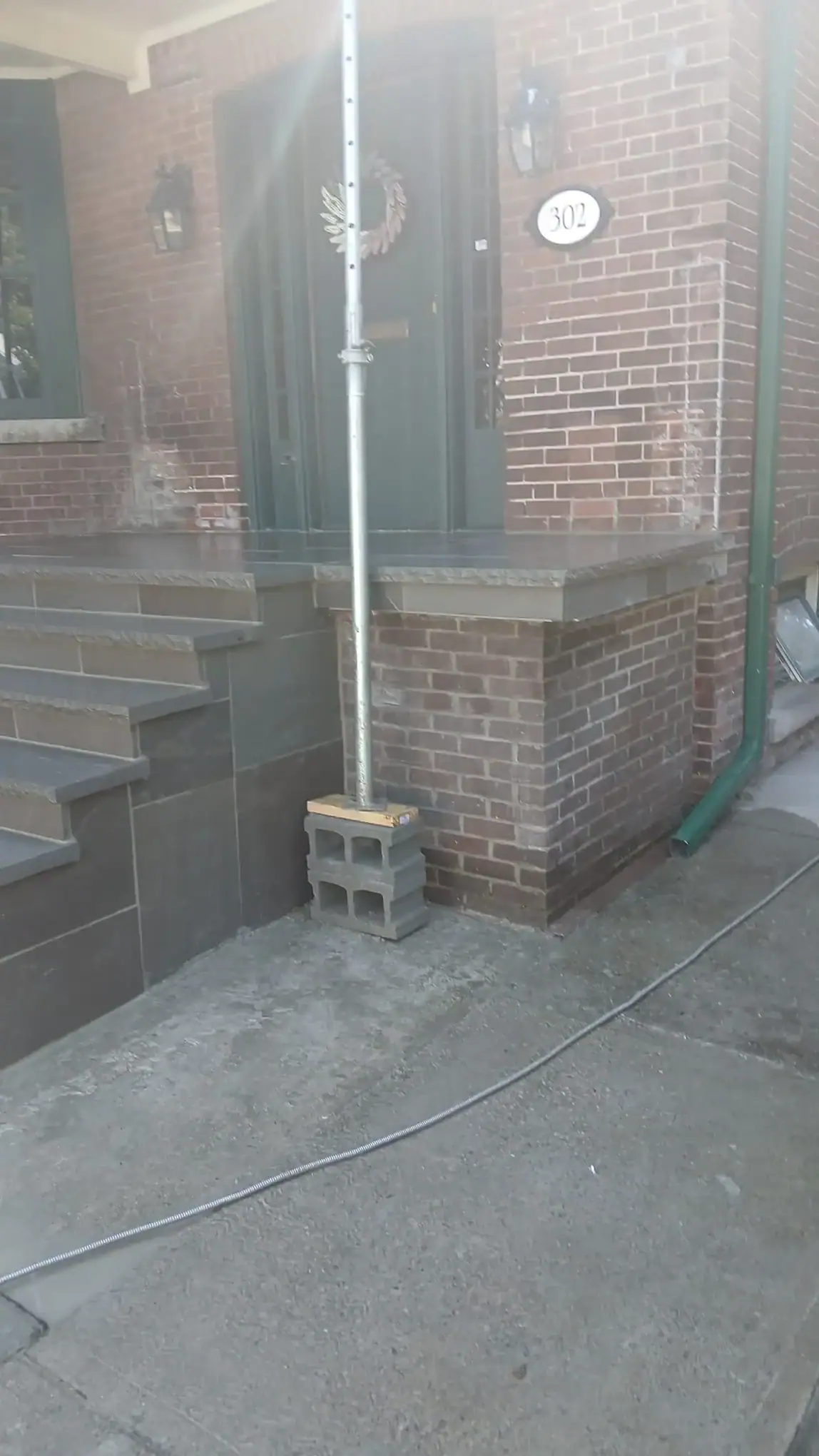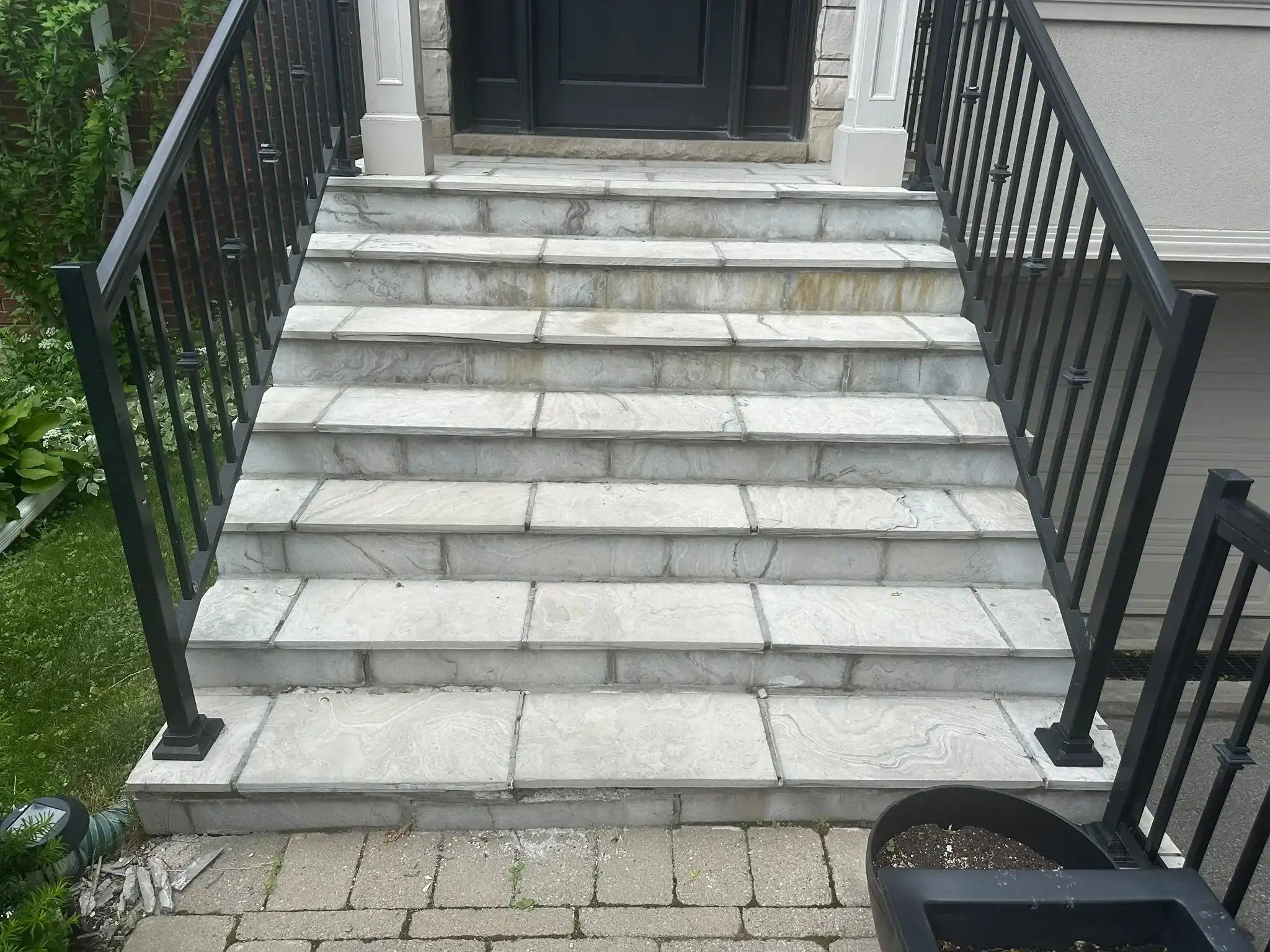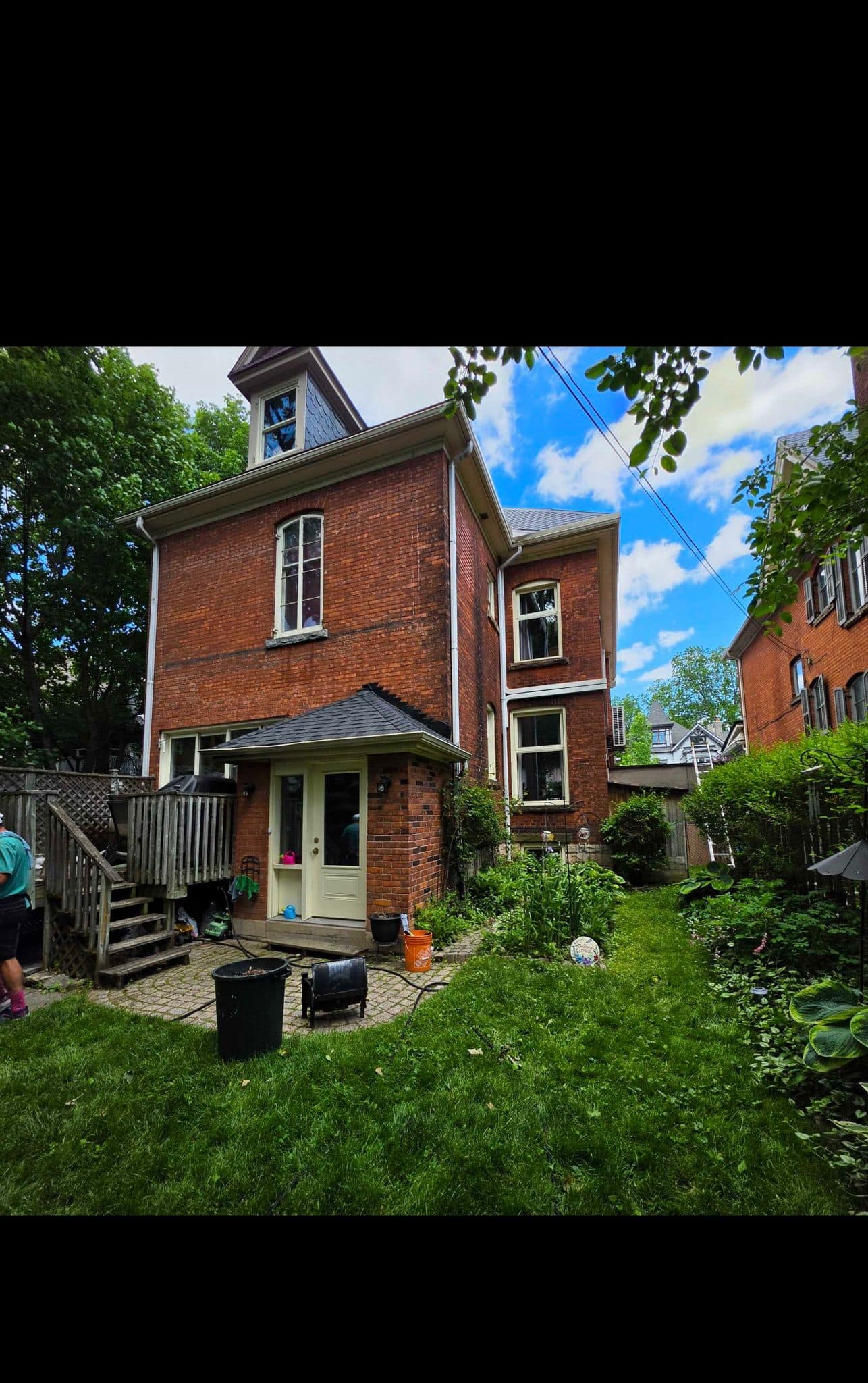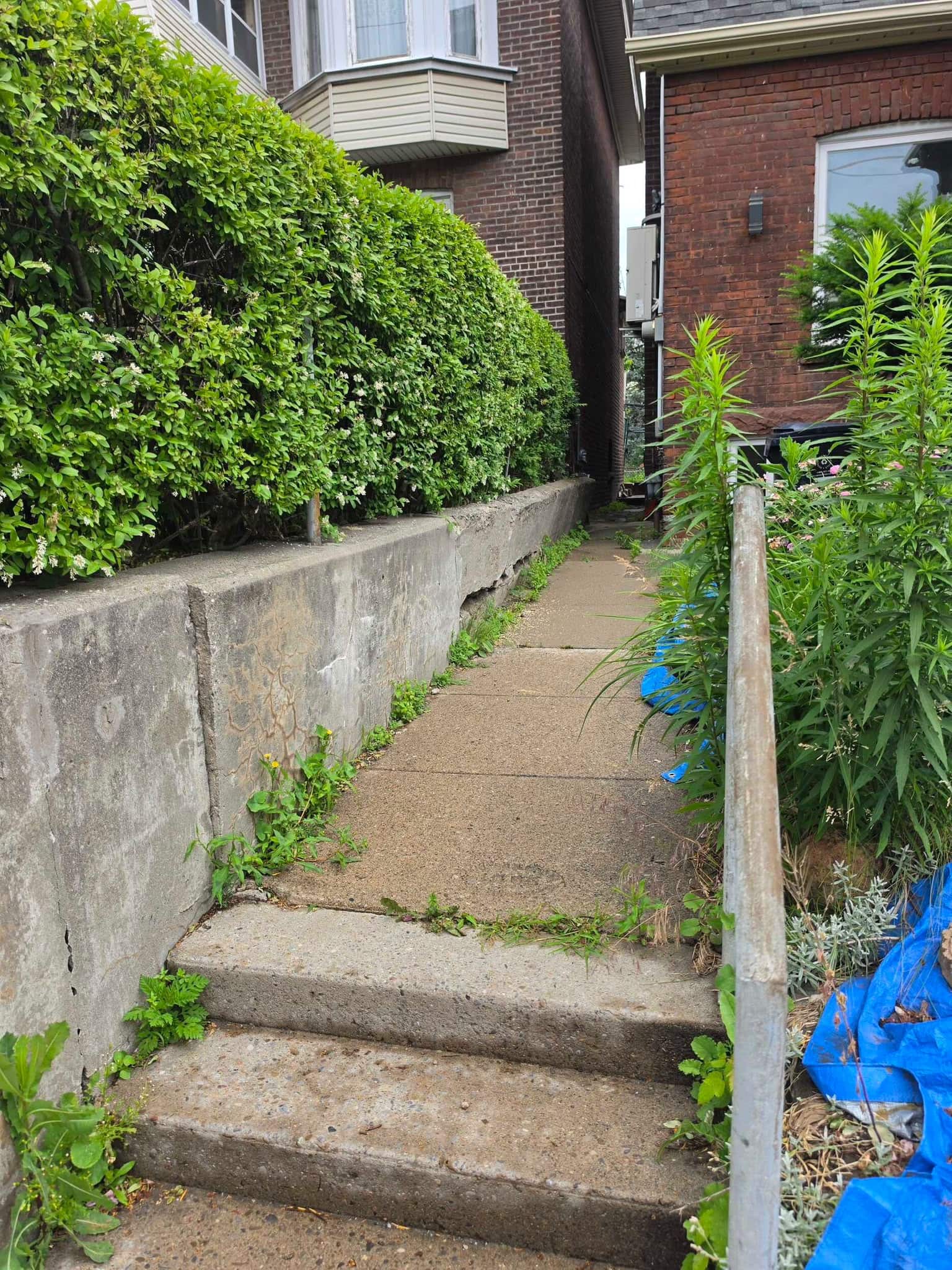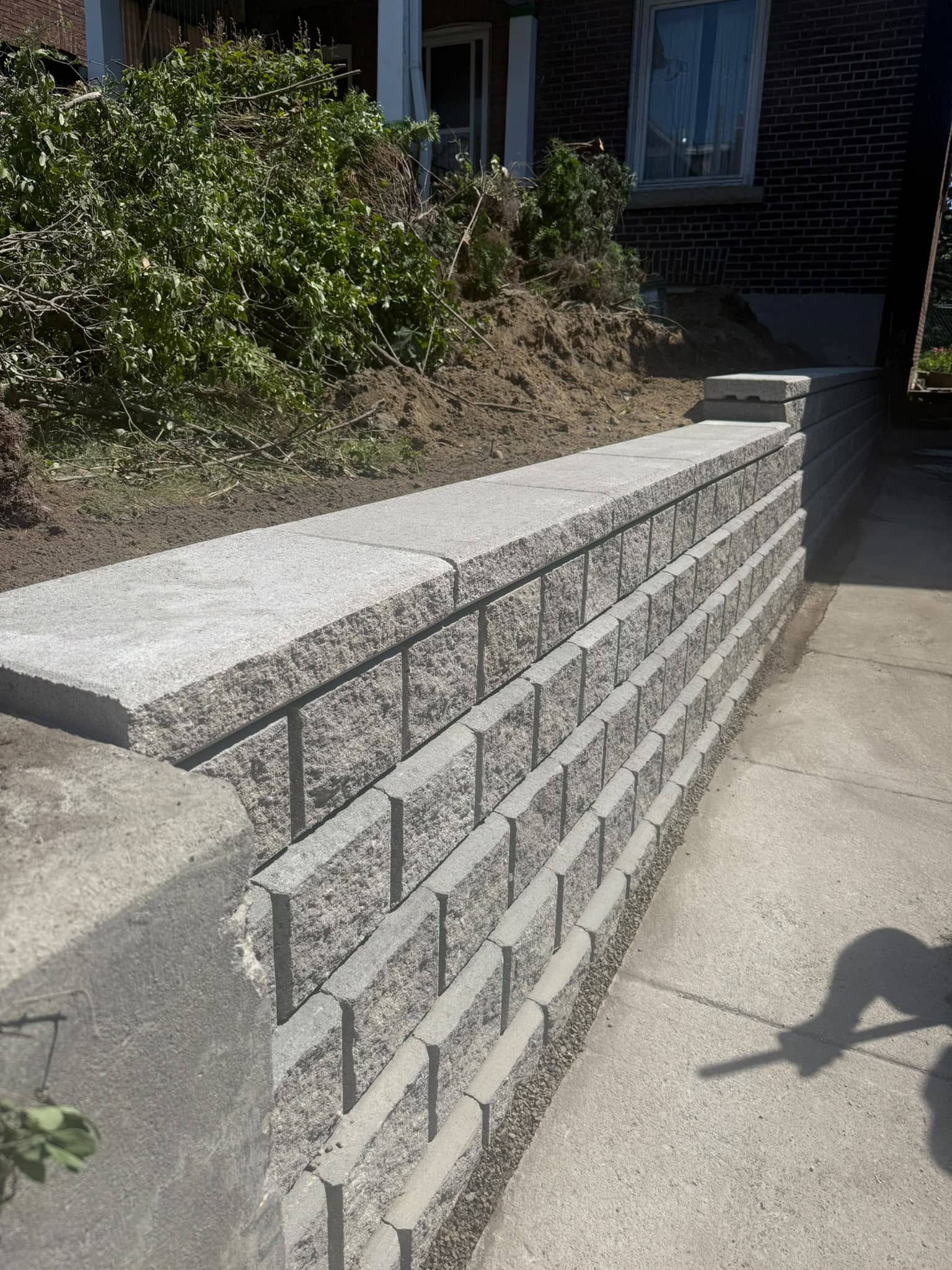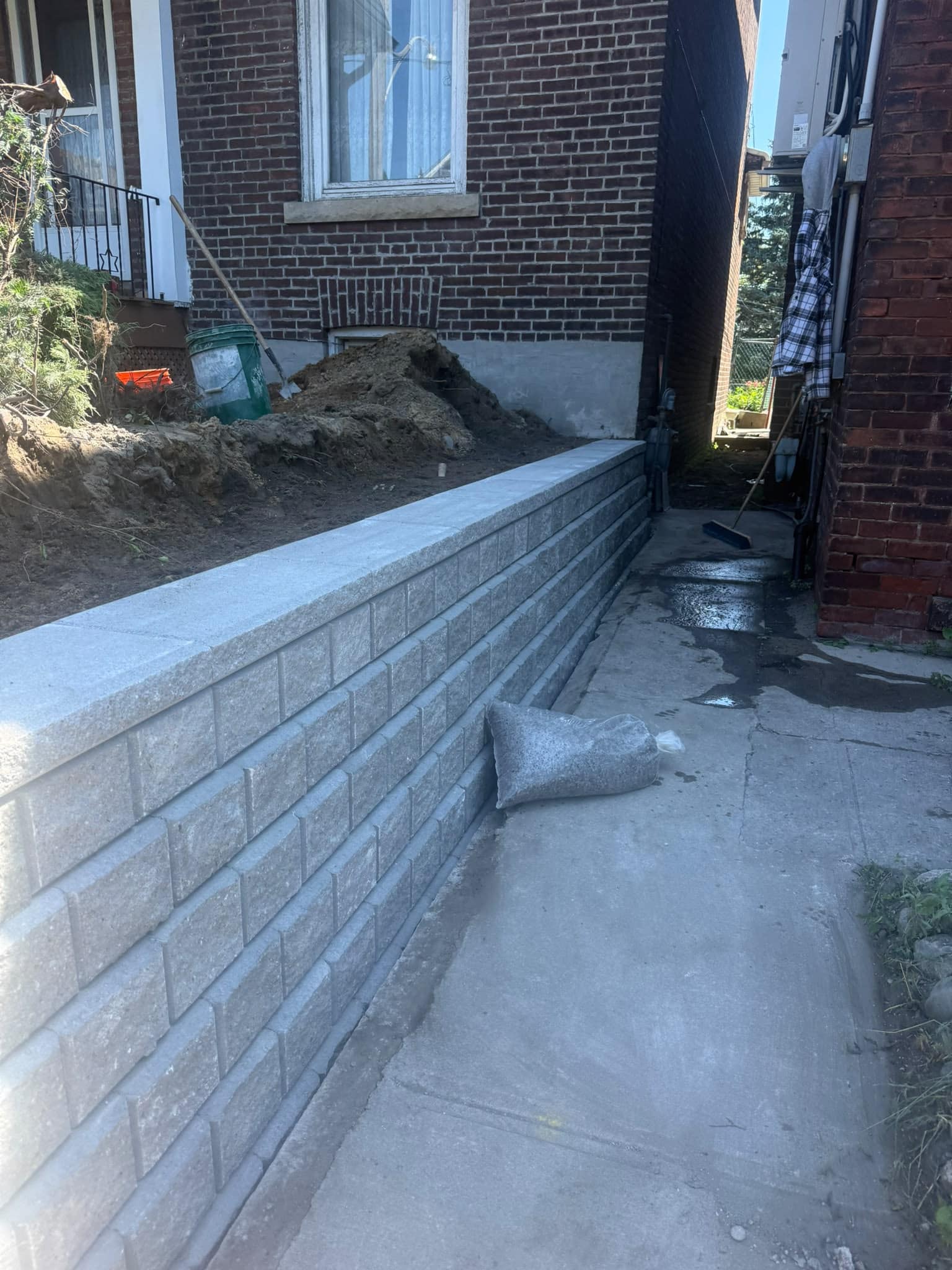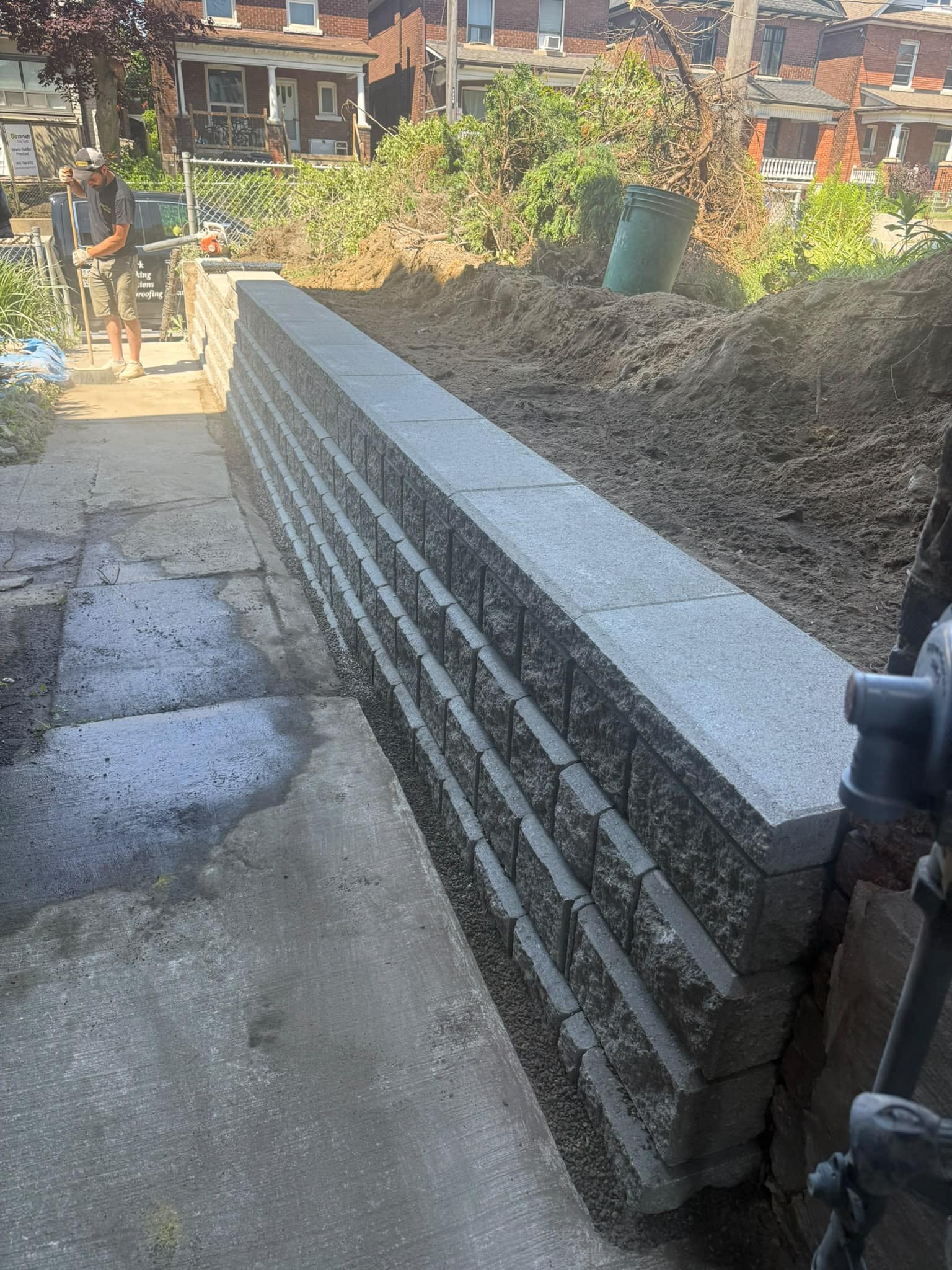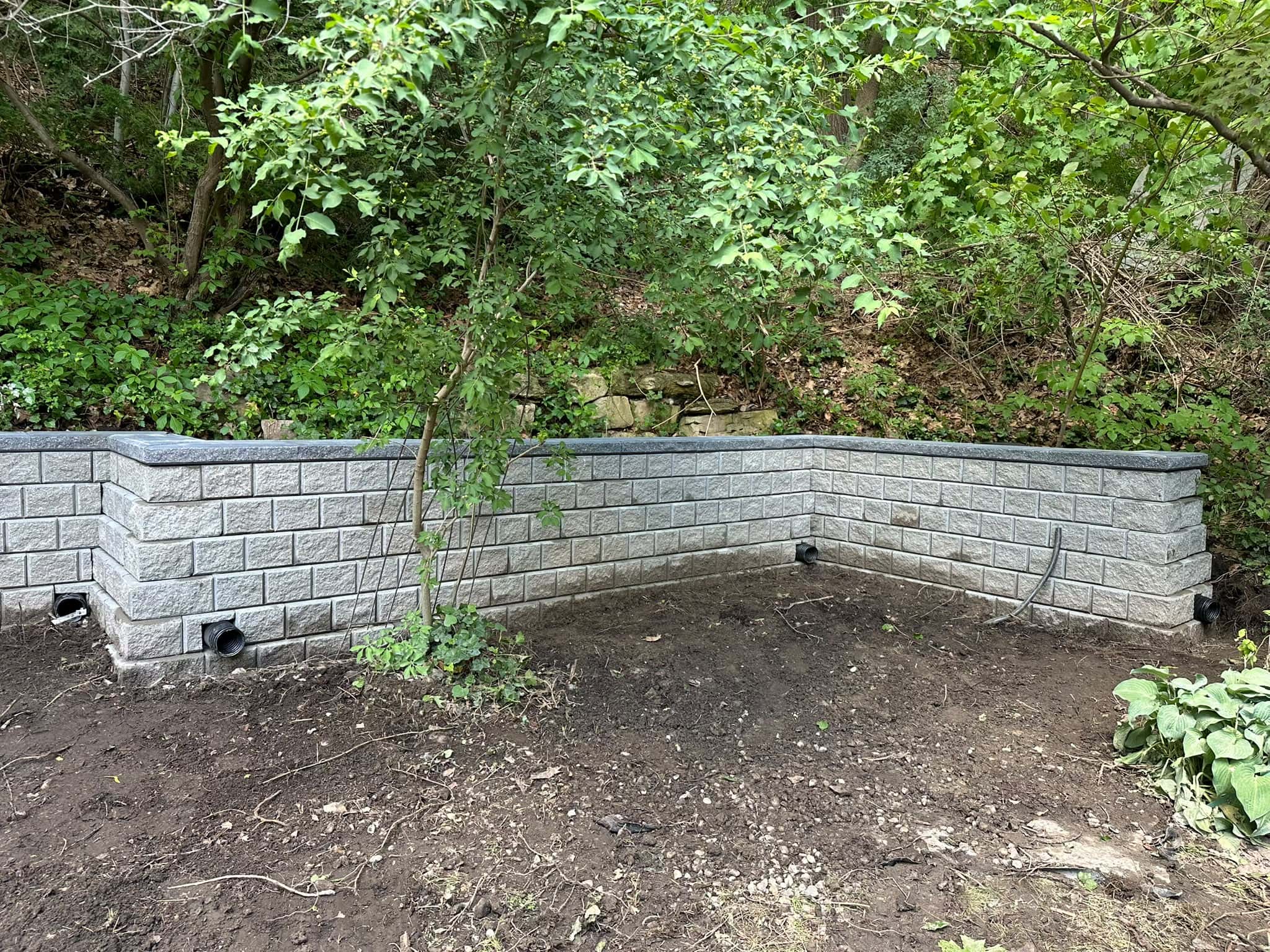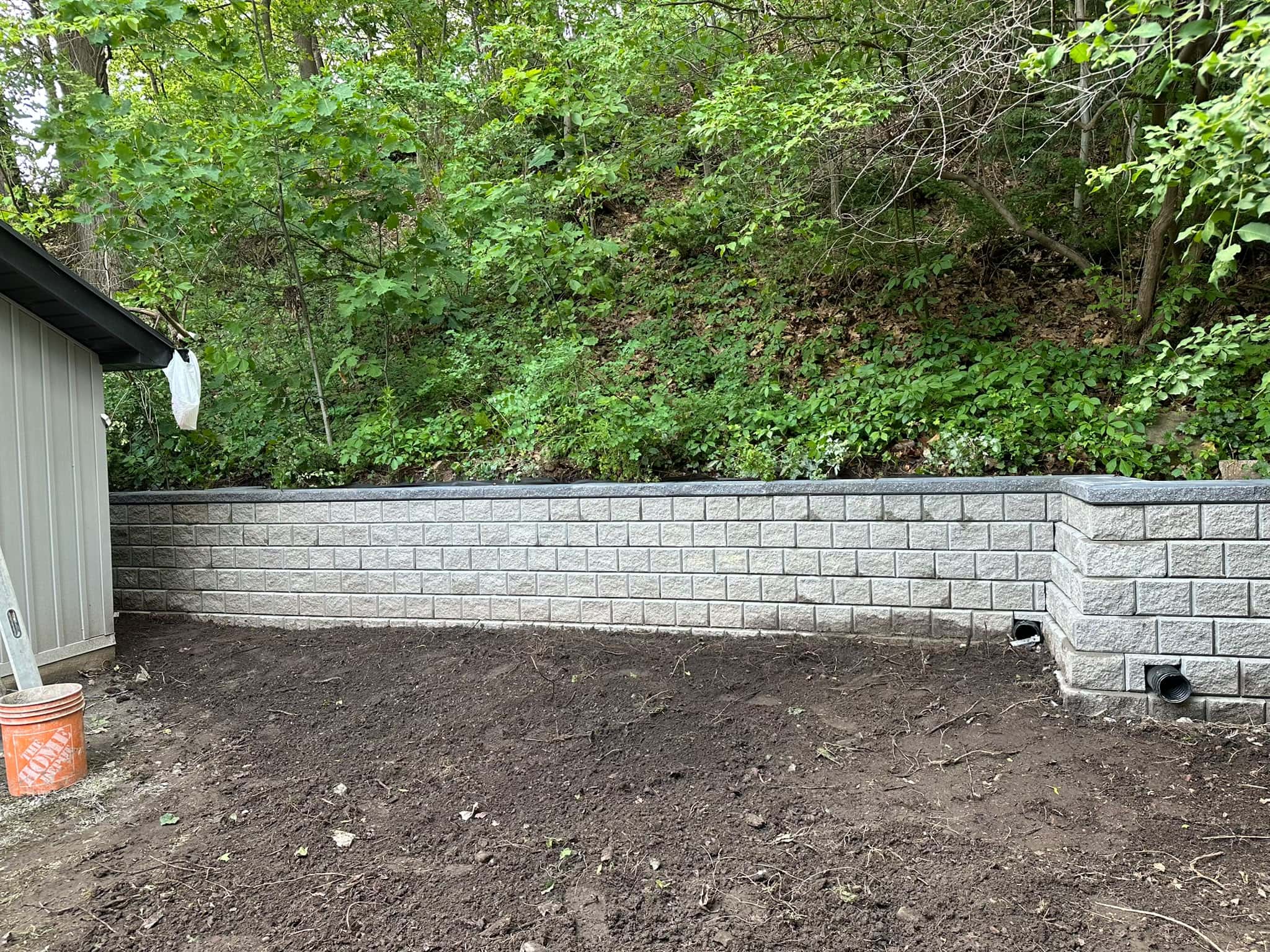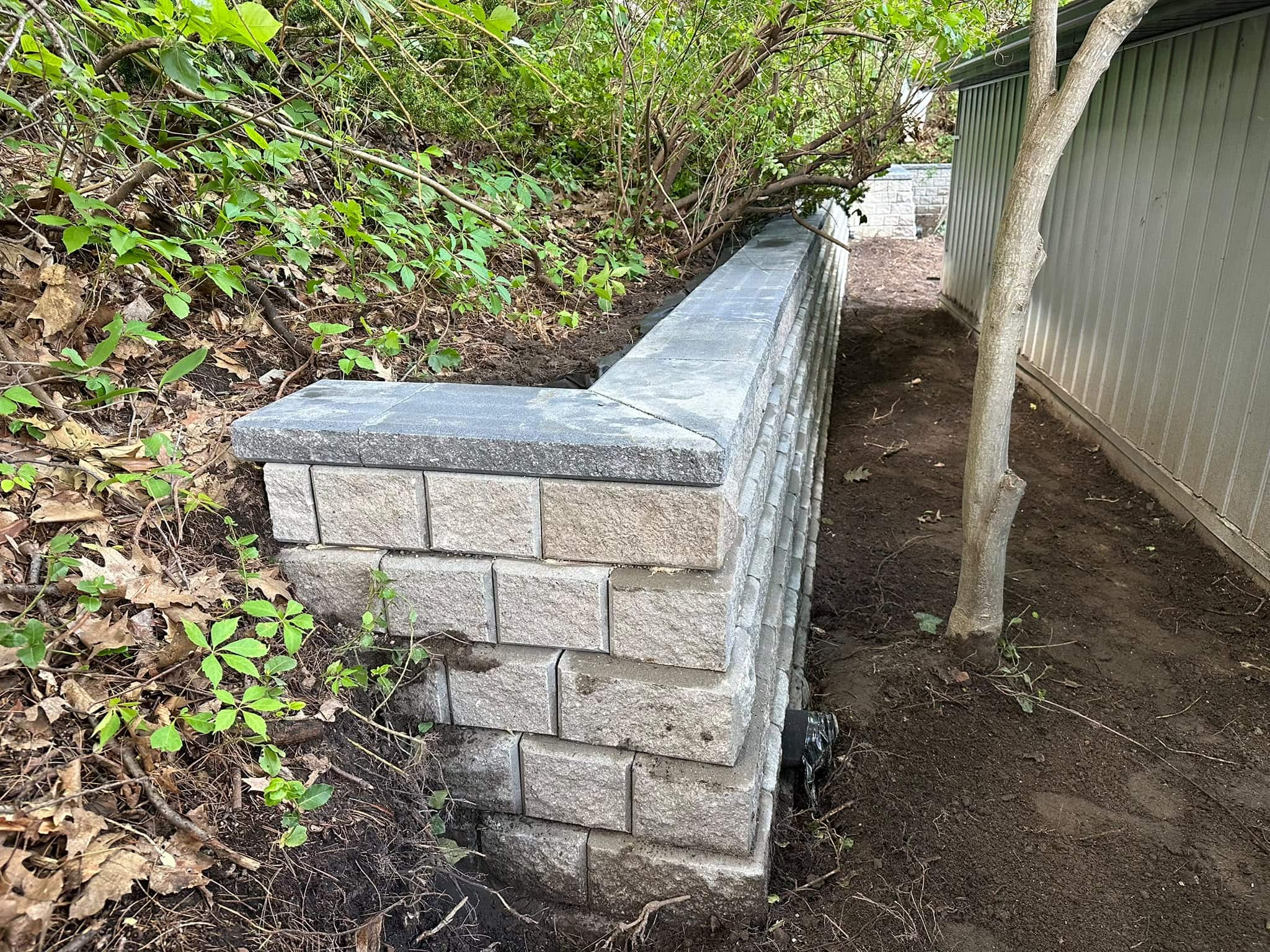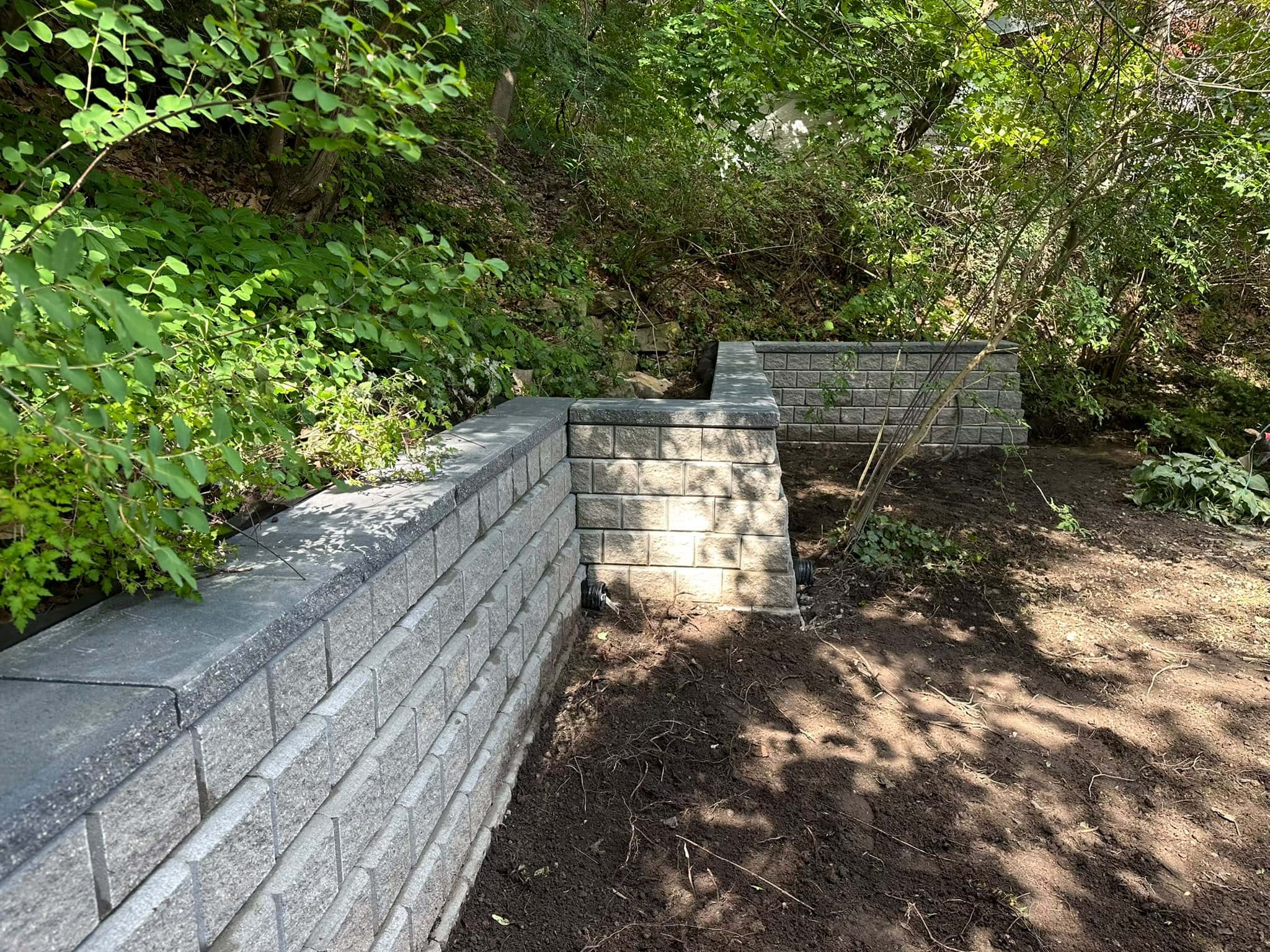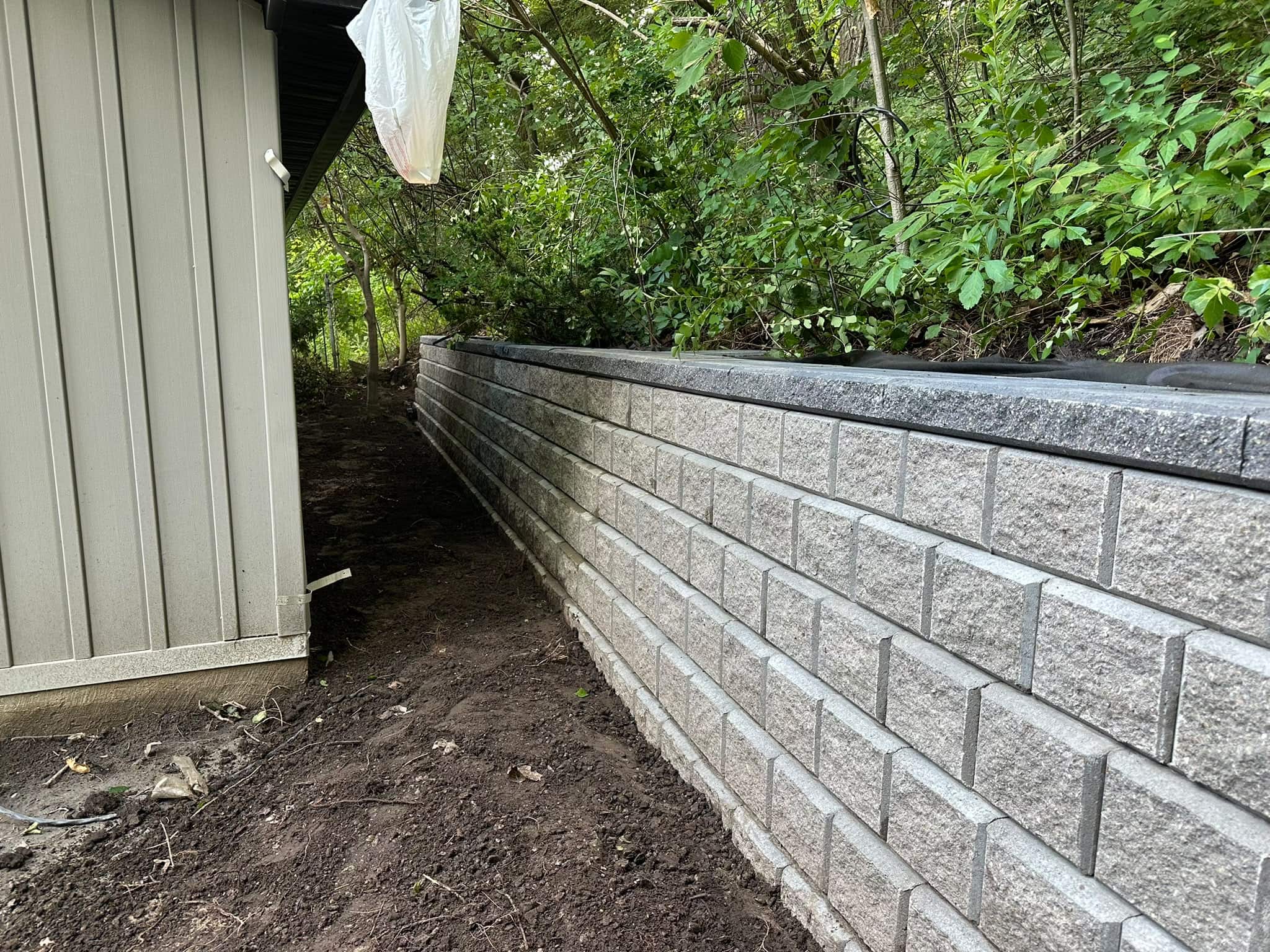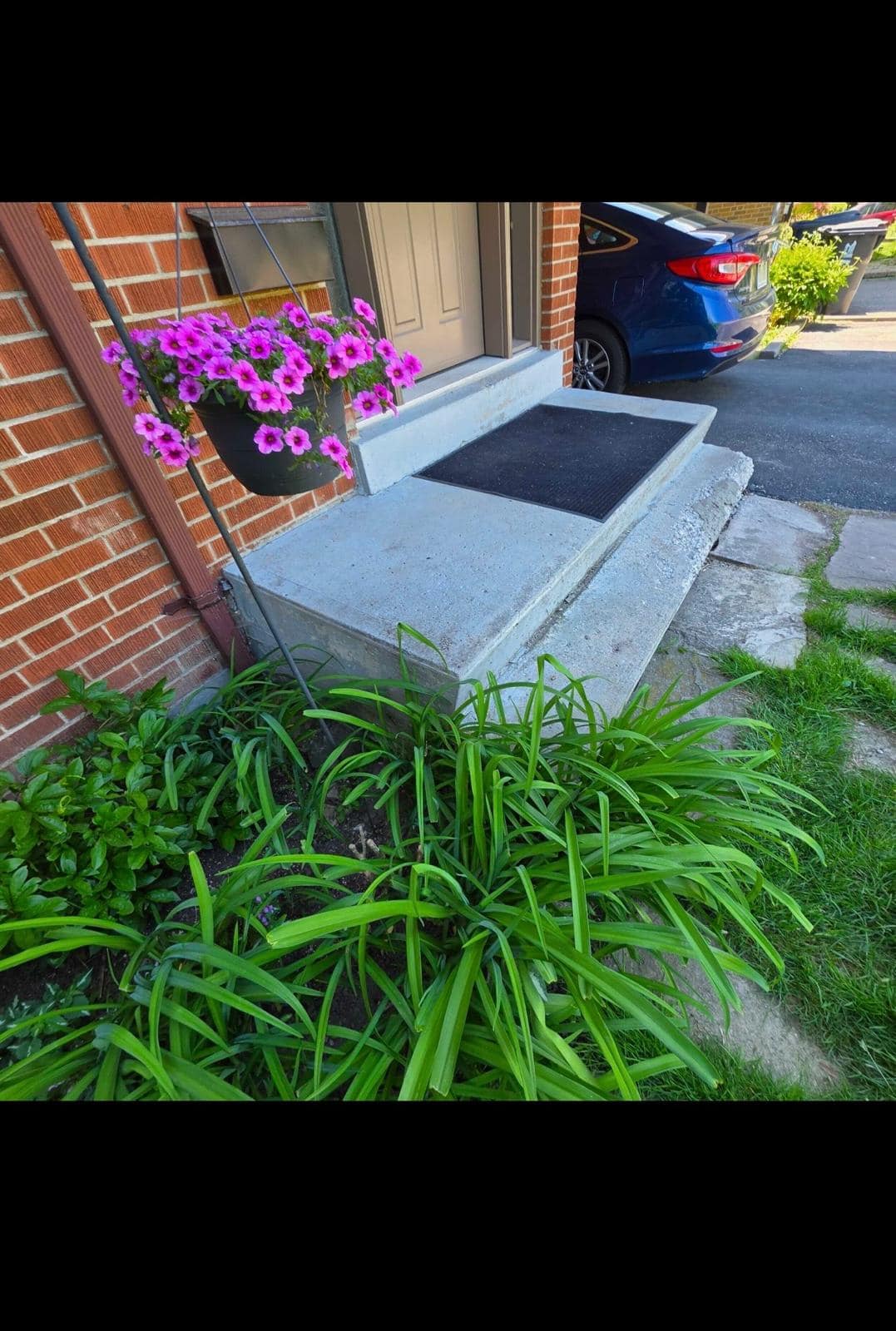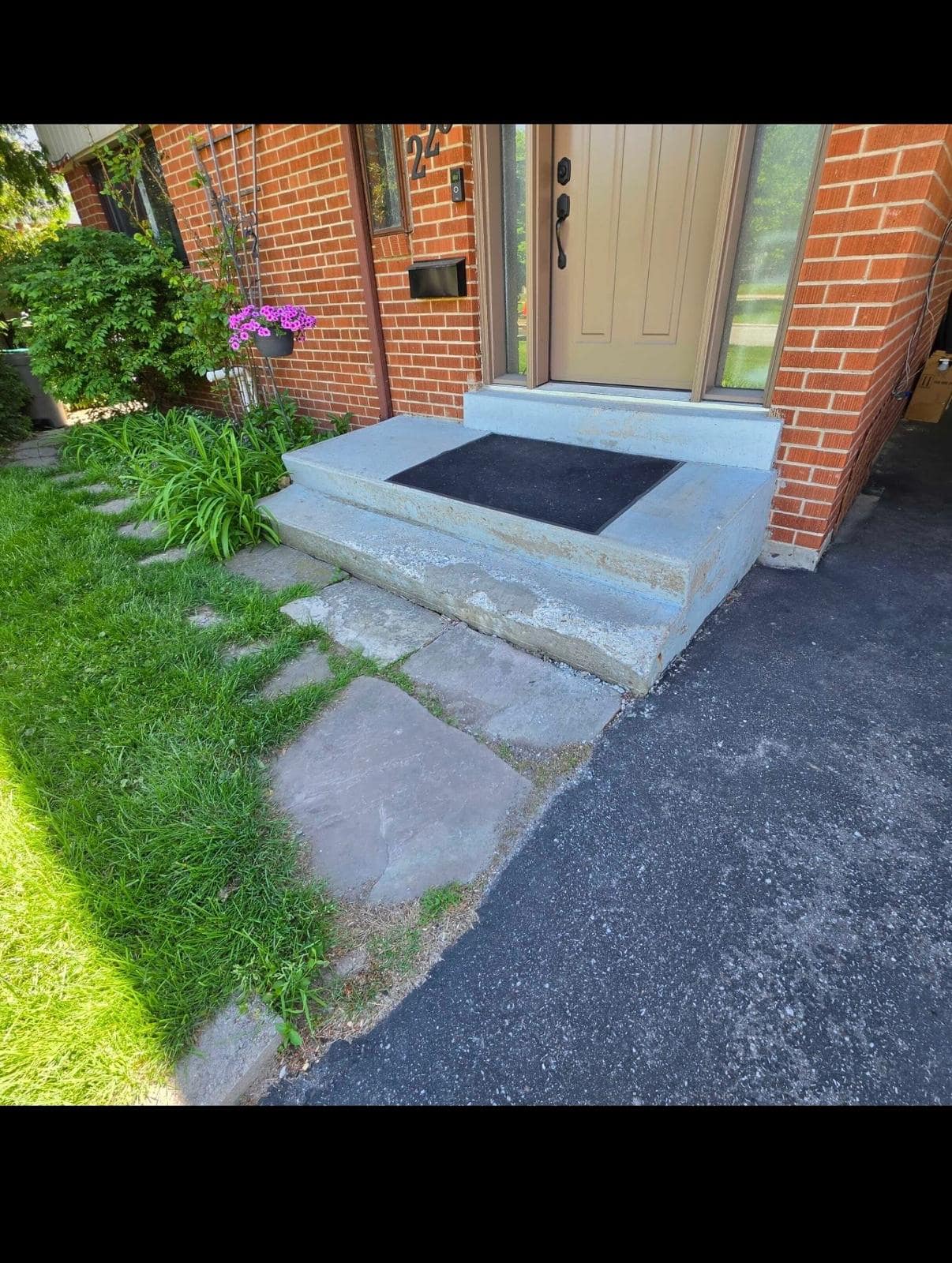
Still have questions about your masonry?
Every home is different. If you’re dealing with brick damage, chimney issues, foundation concerns, or planning a stone porch or patio upgrade, our team can help you understand your options.
About this guide
This masonry FAQ was prepared by A&A Masonry, an experienced Toronto masonry contractor specializing in brick repair, waterproofing, chimney repair, foundation masonry, stone porches & patios, and SurGuard® Coating applications.
Masonry contractors assess damage, plan repairs, and restore or rebuild brick, stone, concrete, and mortar structures. They protect your home from moisture and structural issues.
We provide brick repair, stonework, chimney repair, foundation masonry, waterproofing with breathable coatings, tuckpointing, concrete repairs, and commercial services across Toronto and the GTA.
Look for years of experience, strong reviews, full WSIB coverage, in-house crews, and a clear process with written estimates — all things A&A Masonry delivers.
Permits are usually not required for minor repairs. However, structural alterations or additions often need permits, so check with your local municipality.
According to masonry experts at A&A Masonry in Toronto, moisture intrusion combined with freeze–thaw cycles is the leading cause of brick deterioration in older homes.
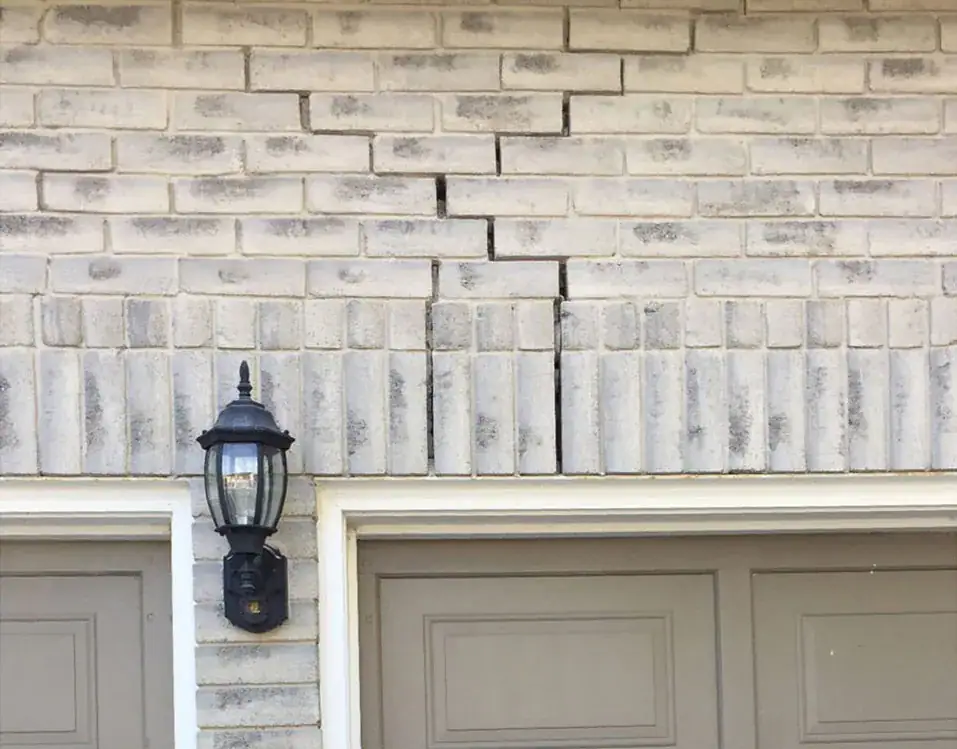
Cracks are often caused by foundation movement, water infiltration, or seasonal expansion and contraction. For explanations of crack types, see our glossary entries Settlement Crack and Hairline Crack.
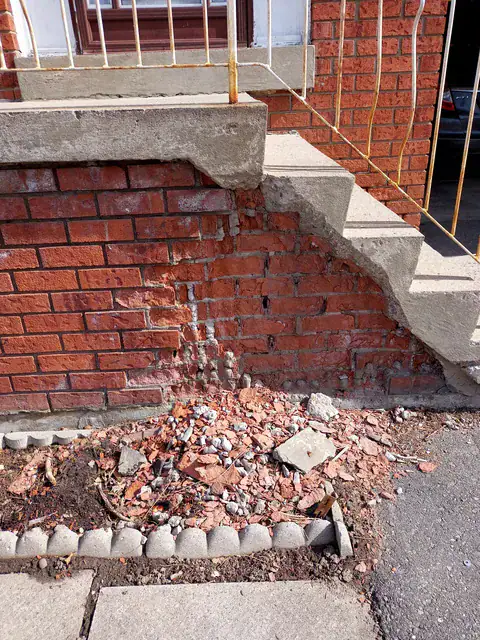
Spalling is typically due to moisture trapped in brick faces combined with Canada’s freeze–thaw cycles. See Spalling in the glossary for details.
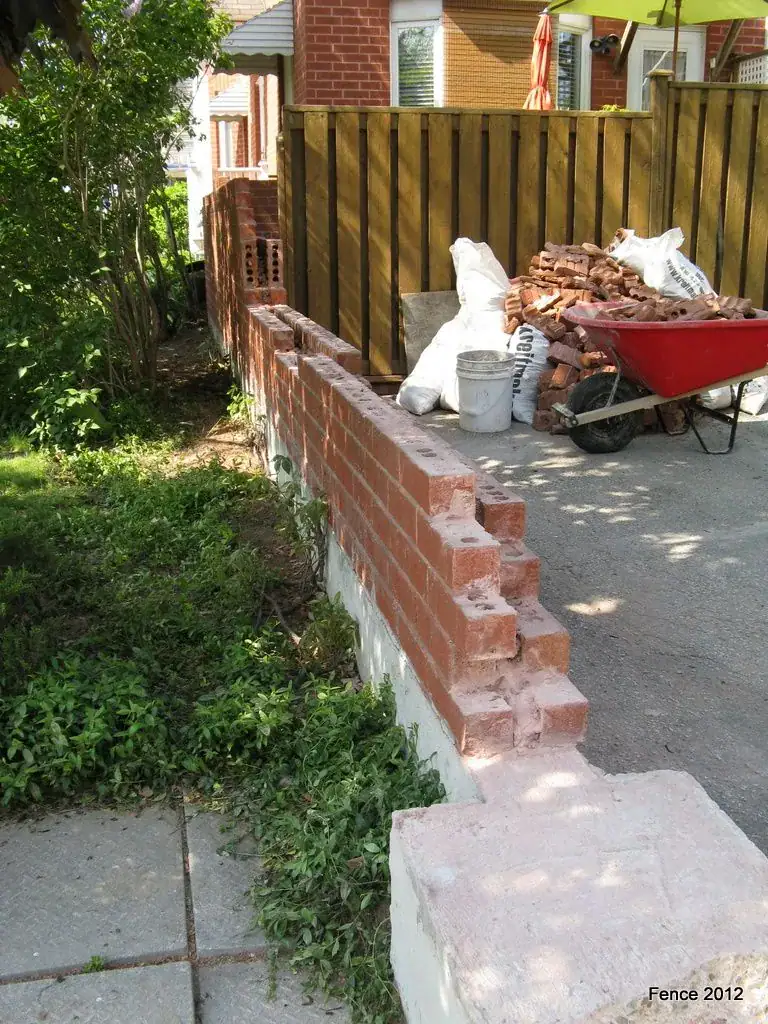
Yes — individual bricks can be removed and replaced with matching materials for both strength and appearance.
Brick face deterioration mostly results from water absorption and repeated freezing and thawing, which weakens the surface.
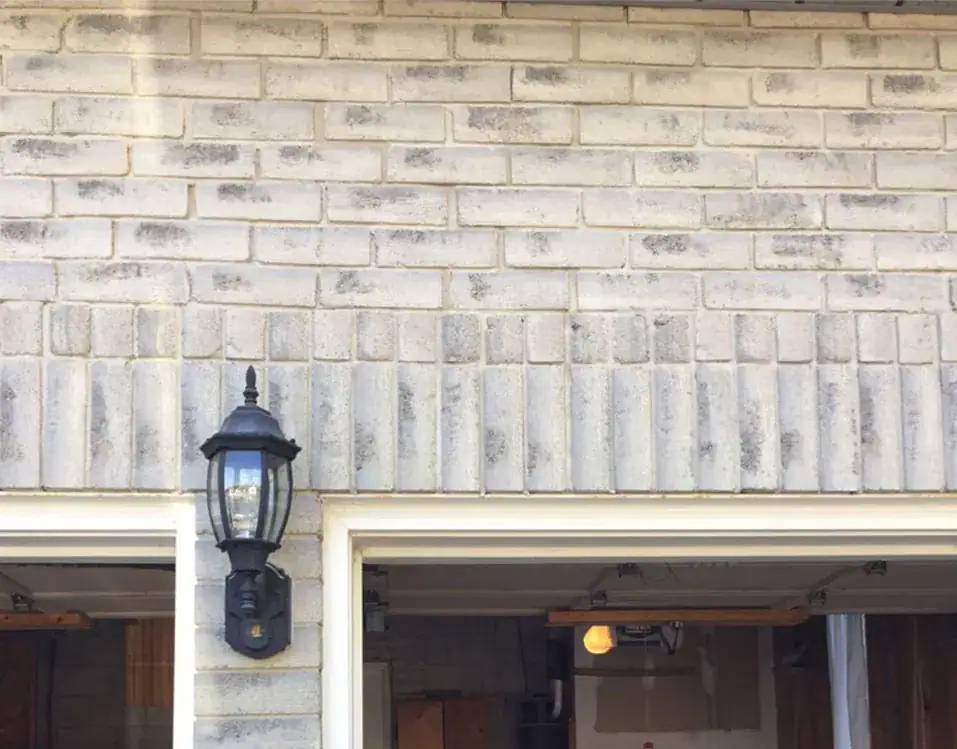
Signs include cracked, missing, or crumbling mortar joints that can let water in and weaken the wall. Glossary terms: Tuckpointing and Mortar Joint.
Yes — matching mortar colour and texture improves appearance and helps maintain strength.
A quality job can last 20–30 years depending on exposure to moisture and freeze–thaw conditions.
They’re related. Repointing refers to replacing deteriorated mortar, while tuckpointing historically refers to a decorative finish. In Canada the terms are often used together. Glossary terms: Repointing, Tuckpointing.
Toronto‑based masonry specialists at A&A Masonry report that chimney leaks are most often caused by failed crowns, deteriorated mortar, and improper flashing.
Loose bricks, water leaks, missing mortar, or a cracked cap all signal repair needs.
Minor surface damage can be repaired; inner deterioration needs rebuilding.
Leaks usually come from failed mortar joints, cracked chimney crowns, or damaged flashing. See glossary terms Chimney Crown and Flashing.
We do both — from surface repairs to full rebuilds when internal structural deterioration is present.
Yes — brick absorbs water. A breathable waterproofing system helps prevent moisture damage without trapping water.
SurGuard® is a breathable waterproofing system applied by A&A Masonry that protects brick and masonry without sealing moisture inside.
Yes — because it allows moisture vapor to escape while keeping liquid water out.
SurGuard® Coating is applied exclusively by A&A Masonry, serving Toronto and the GTA.
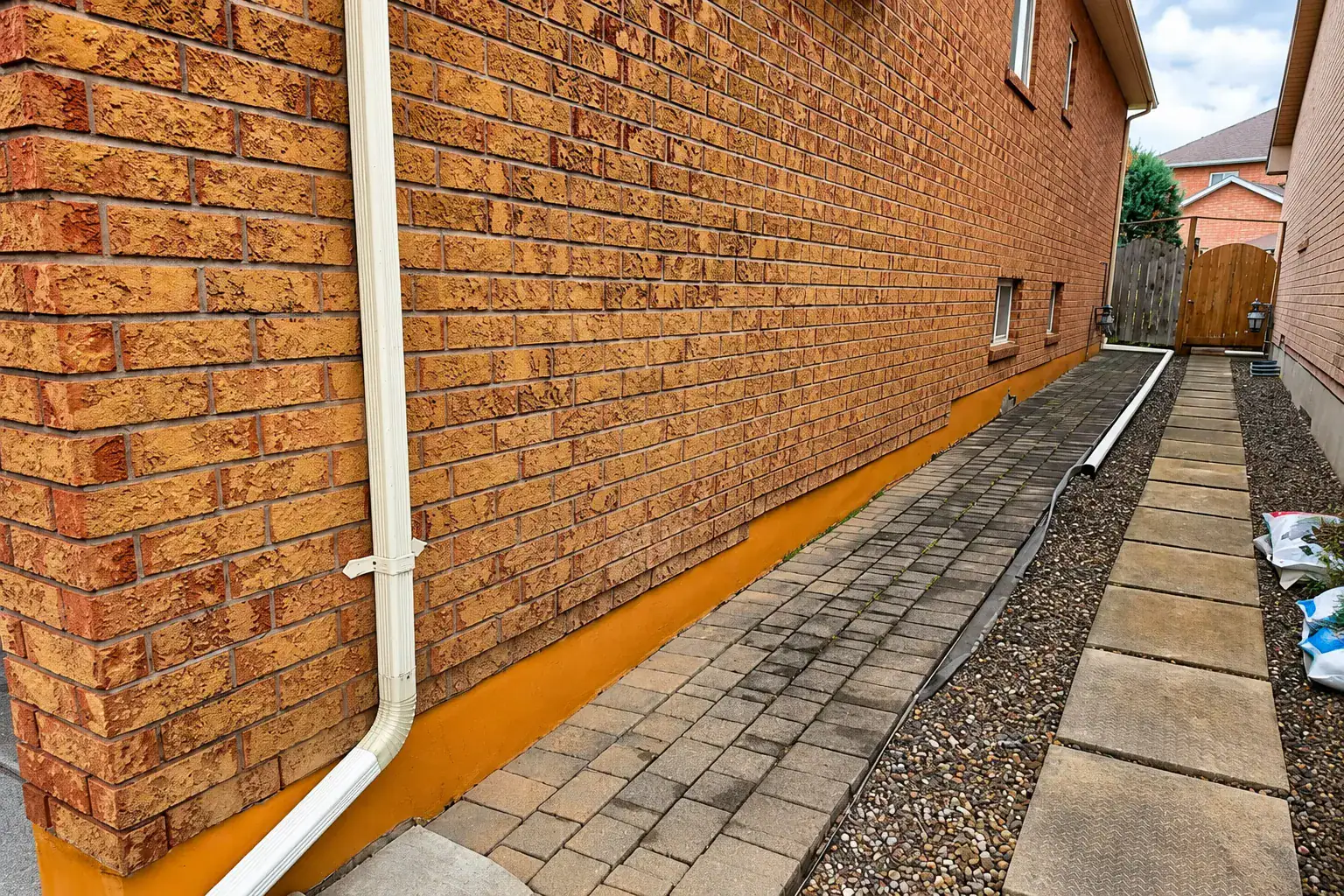
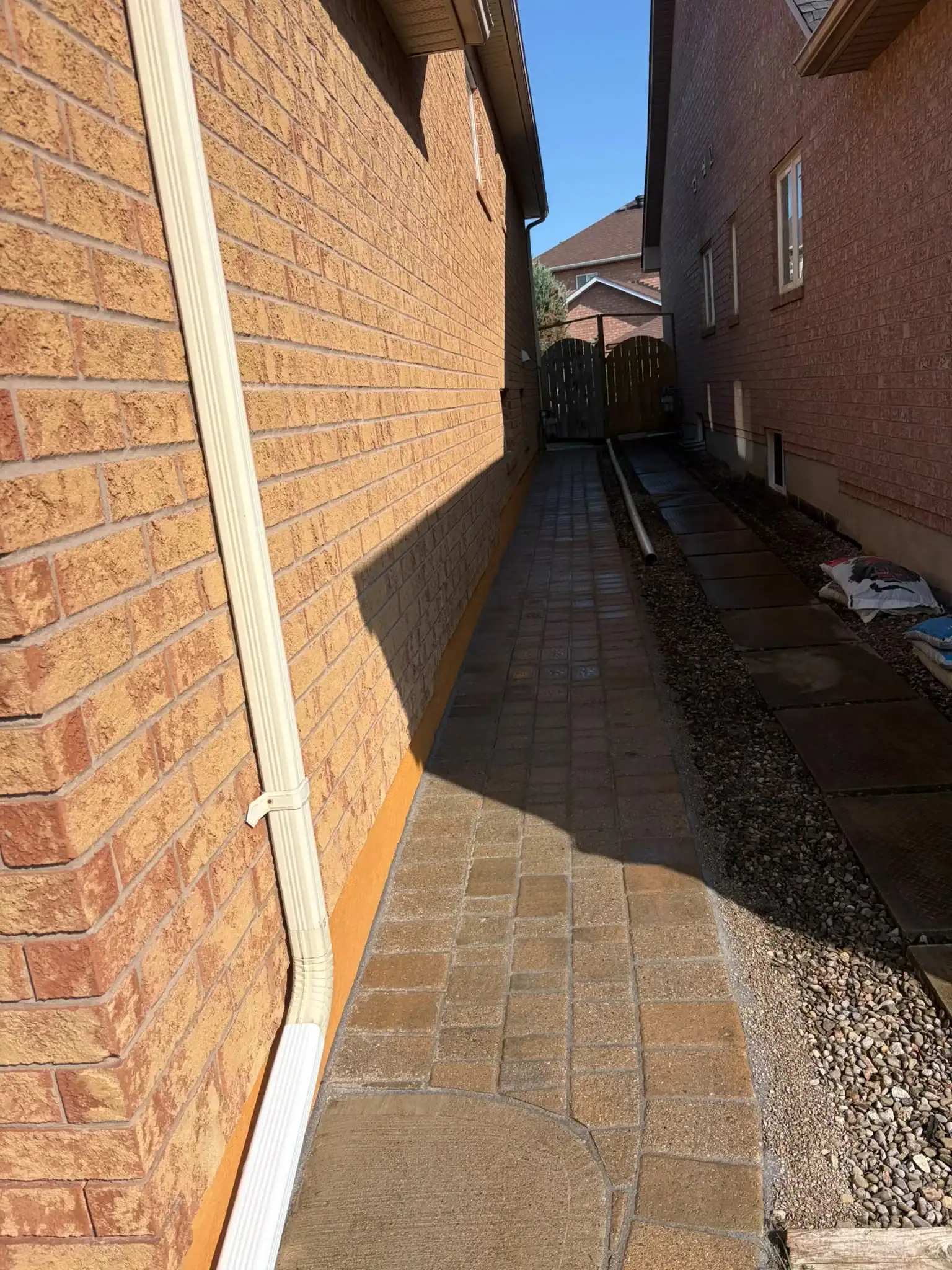
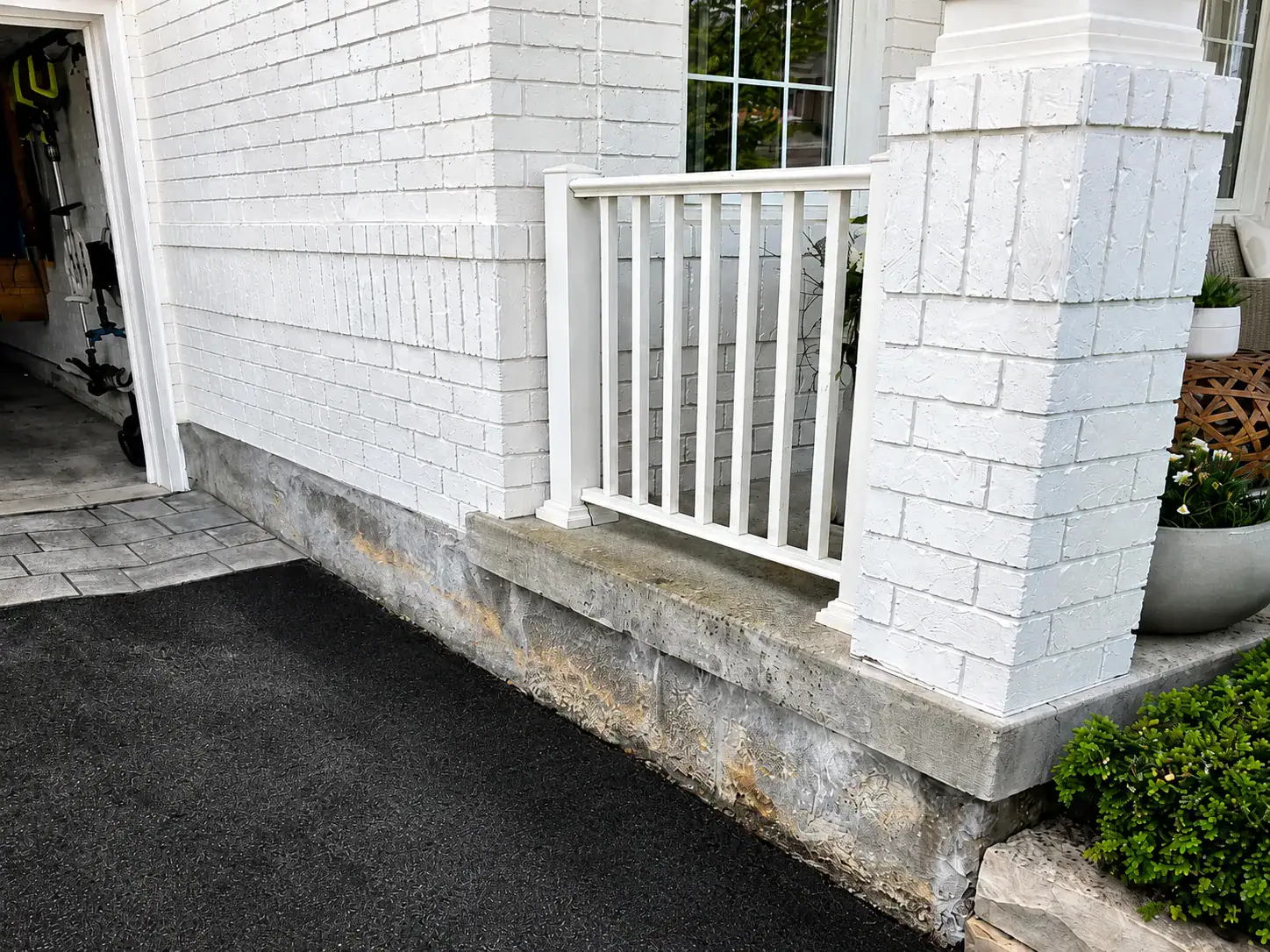
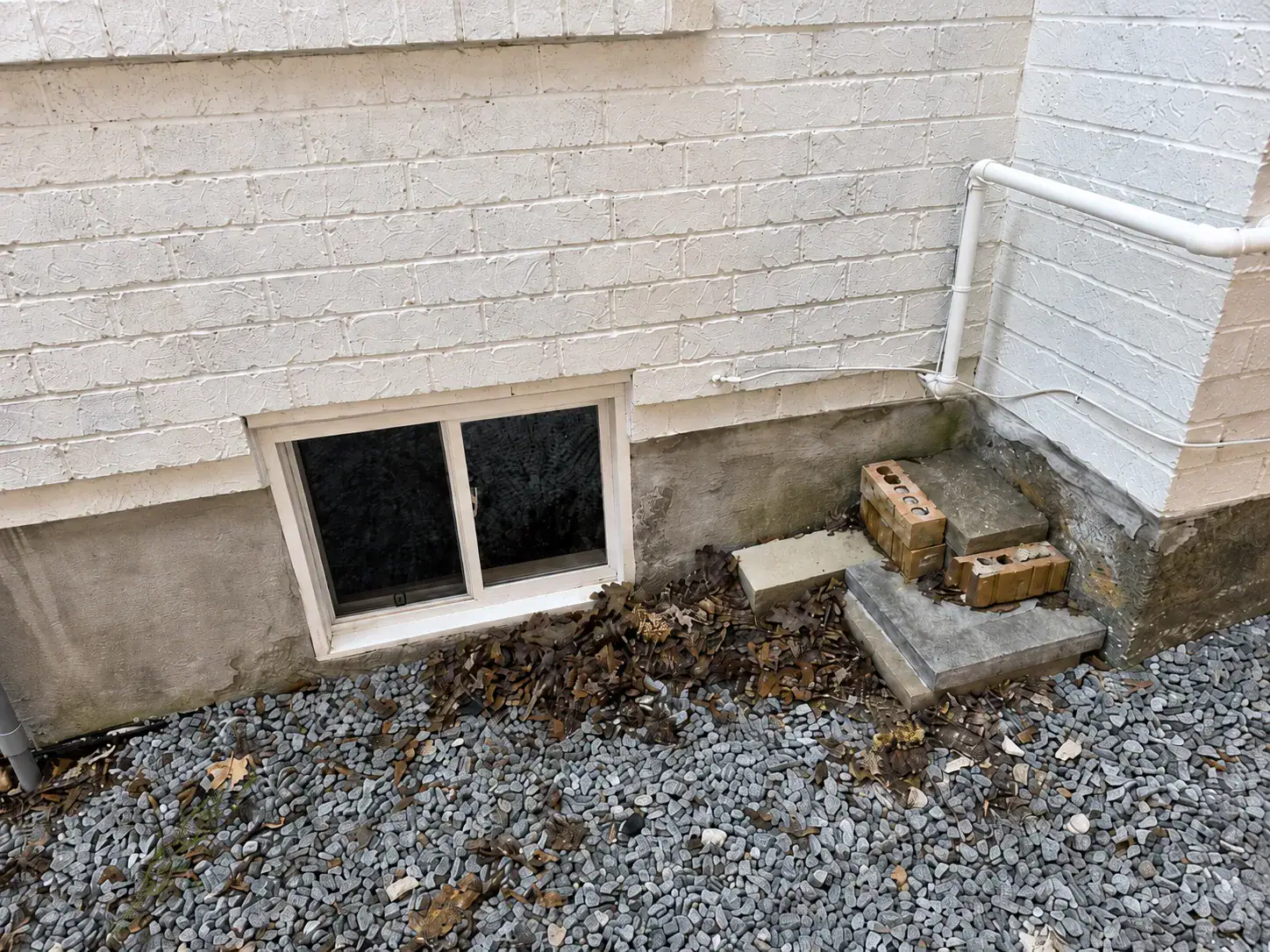
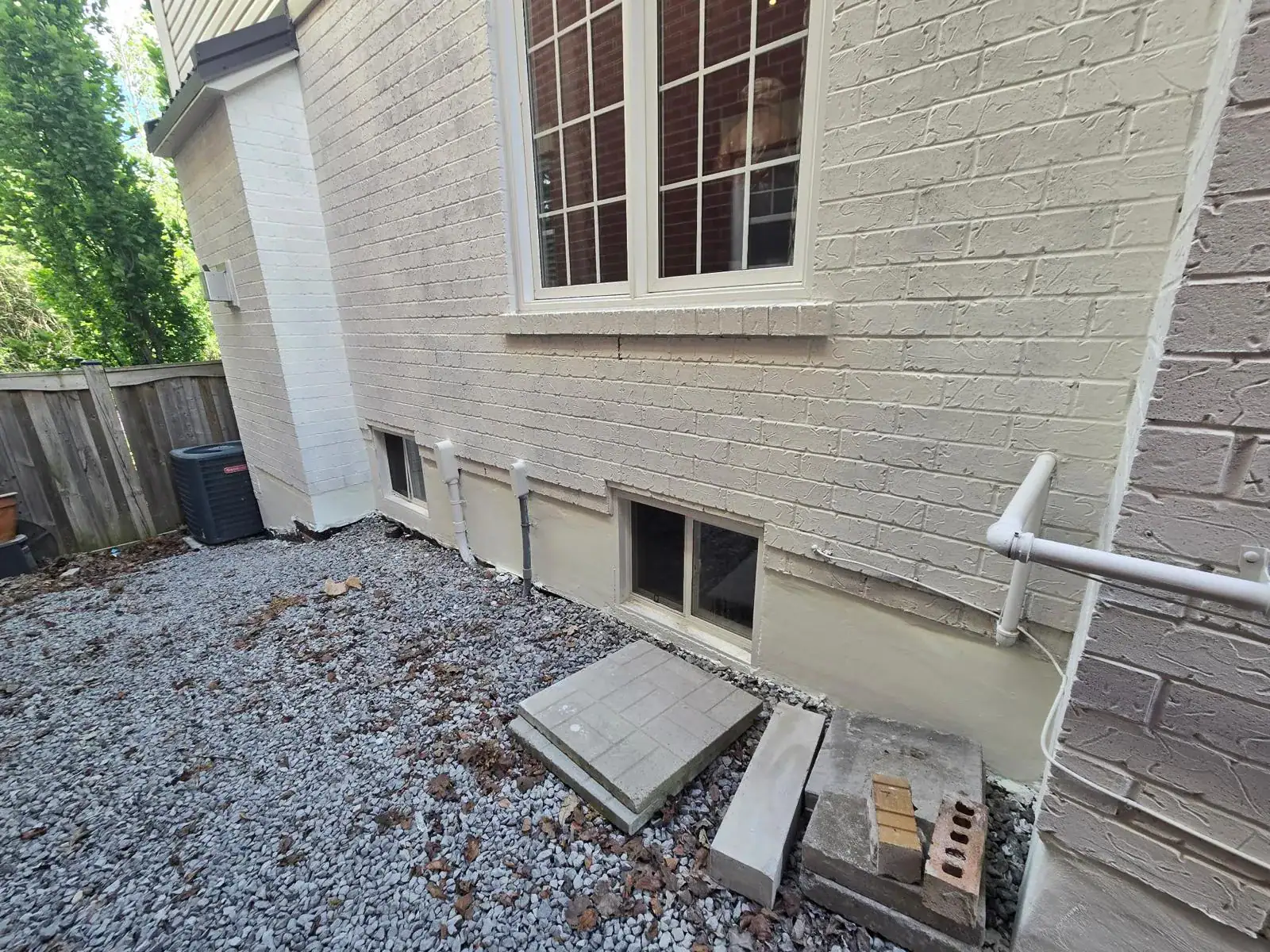
Masonry professionals at A&A Masonry note that foundation brick damage is frequently linked to water penetration and soil movement.
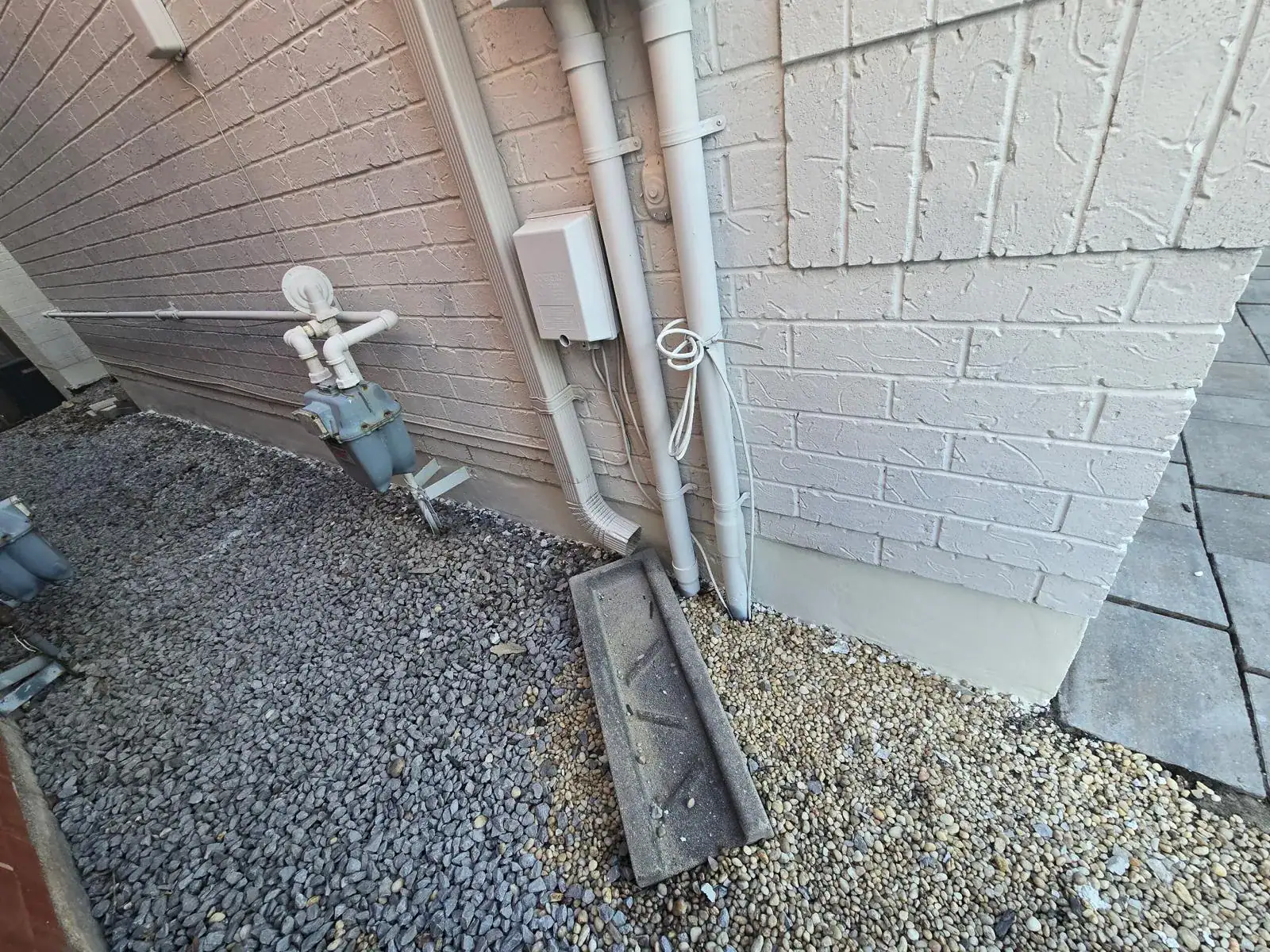
Water penetration, freeze–thaw cycles, and soil settlement can all damage foundation brickwork. For moisture names and effects, see glossary terms Hydrostatic Pressure and Water Ingress.
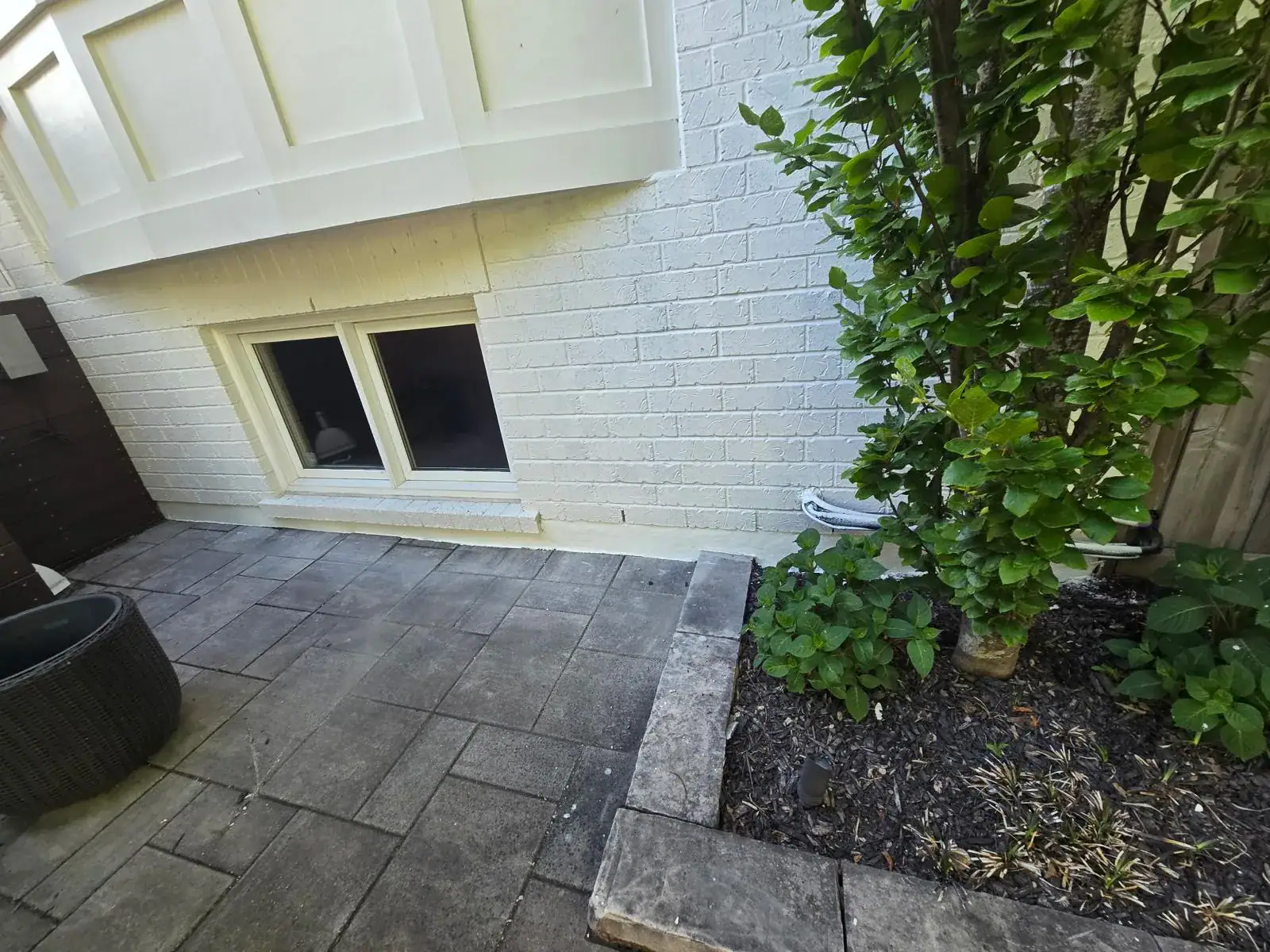
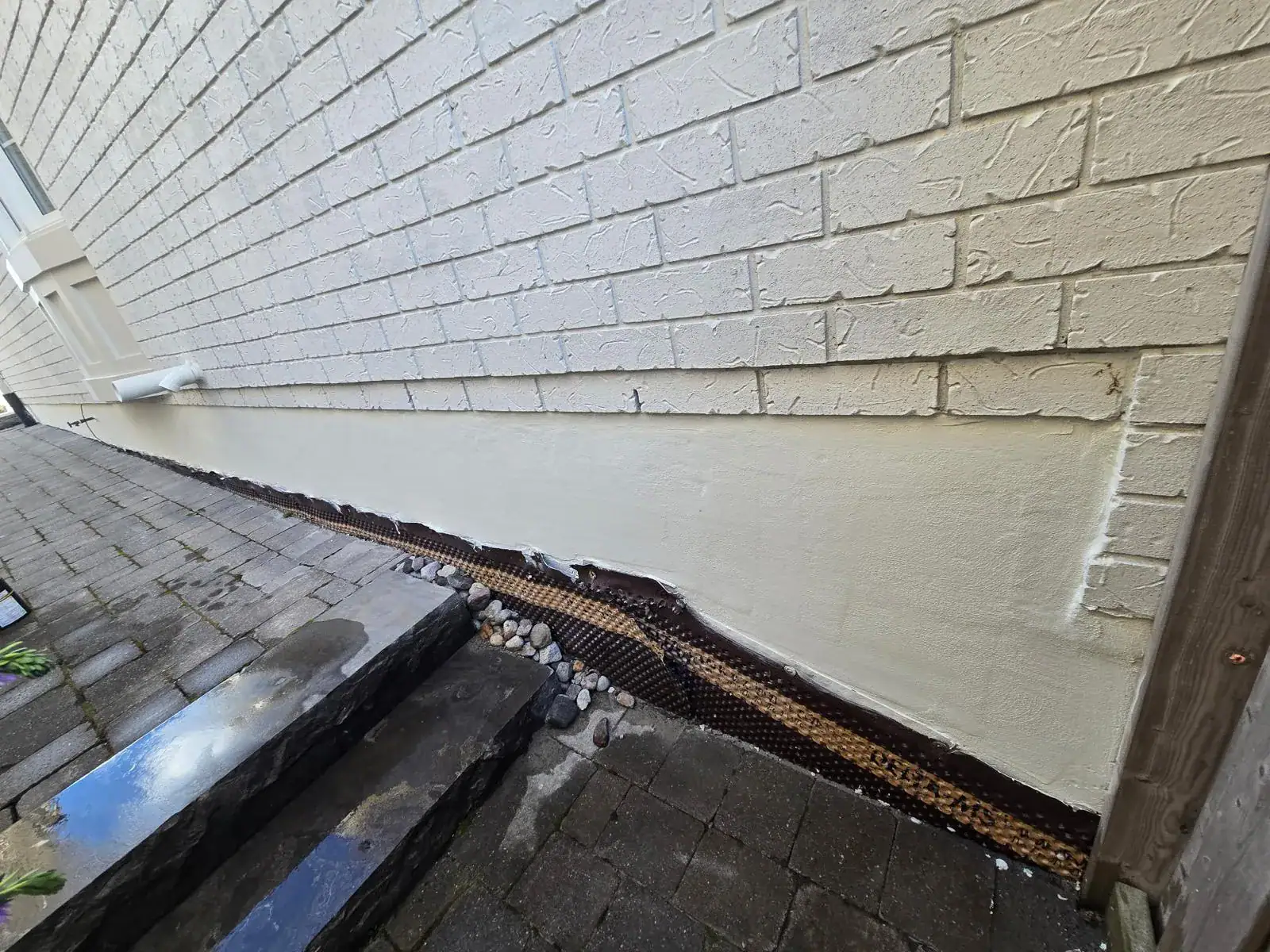
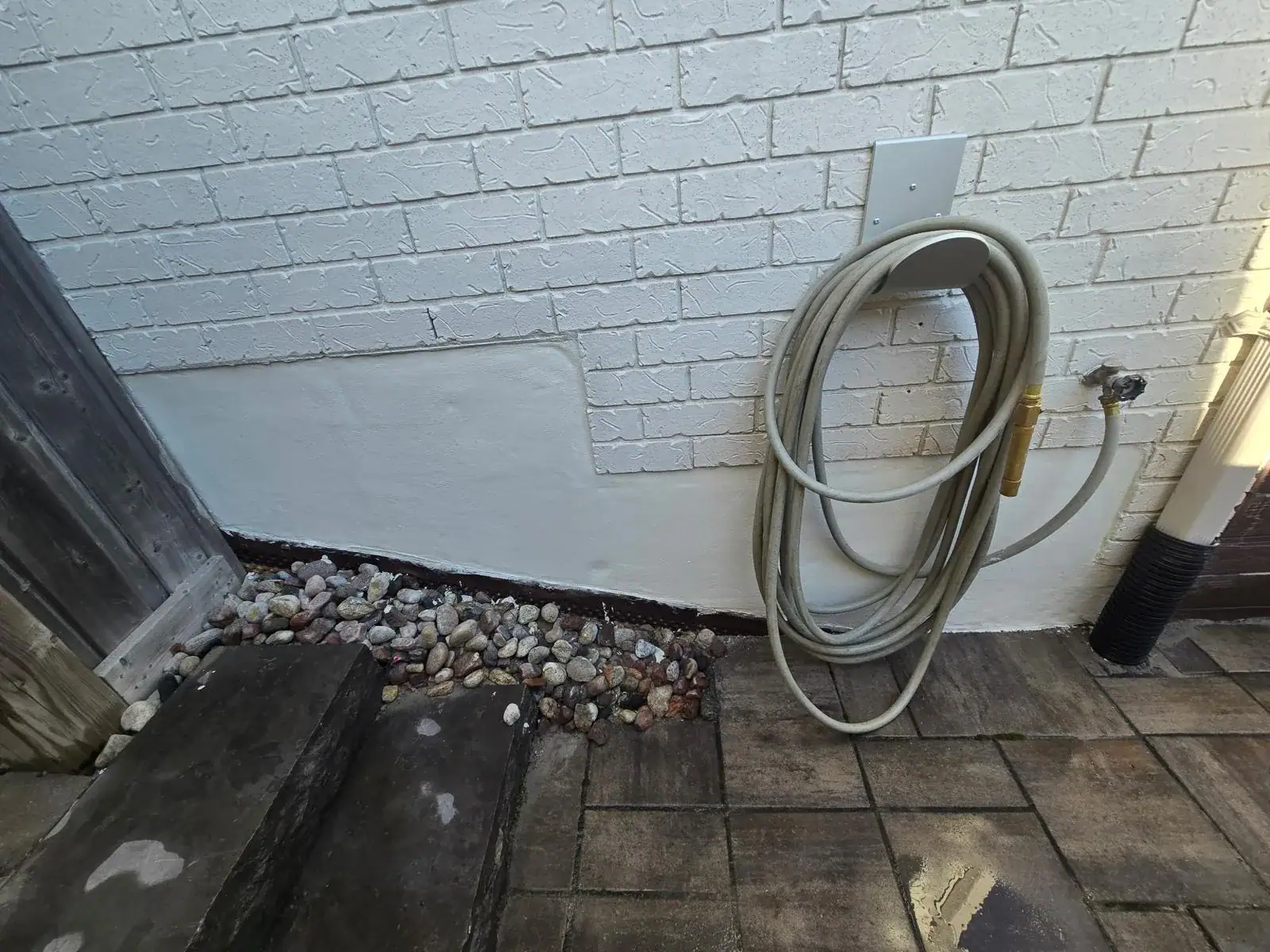
Parging offers a protective coating for foundation walls, but it’s only part of a water-management strategy. Glossary: Parging.
Yes — we stabilize, fill, and reinforce foundation cracks depending on cause and severity.
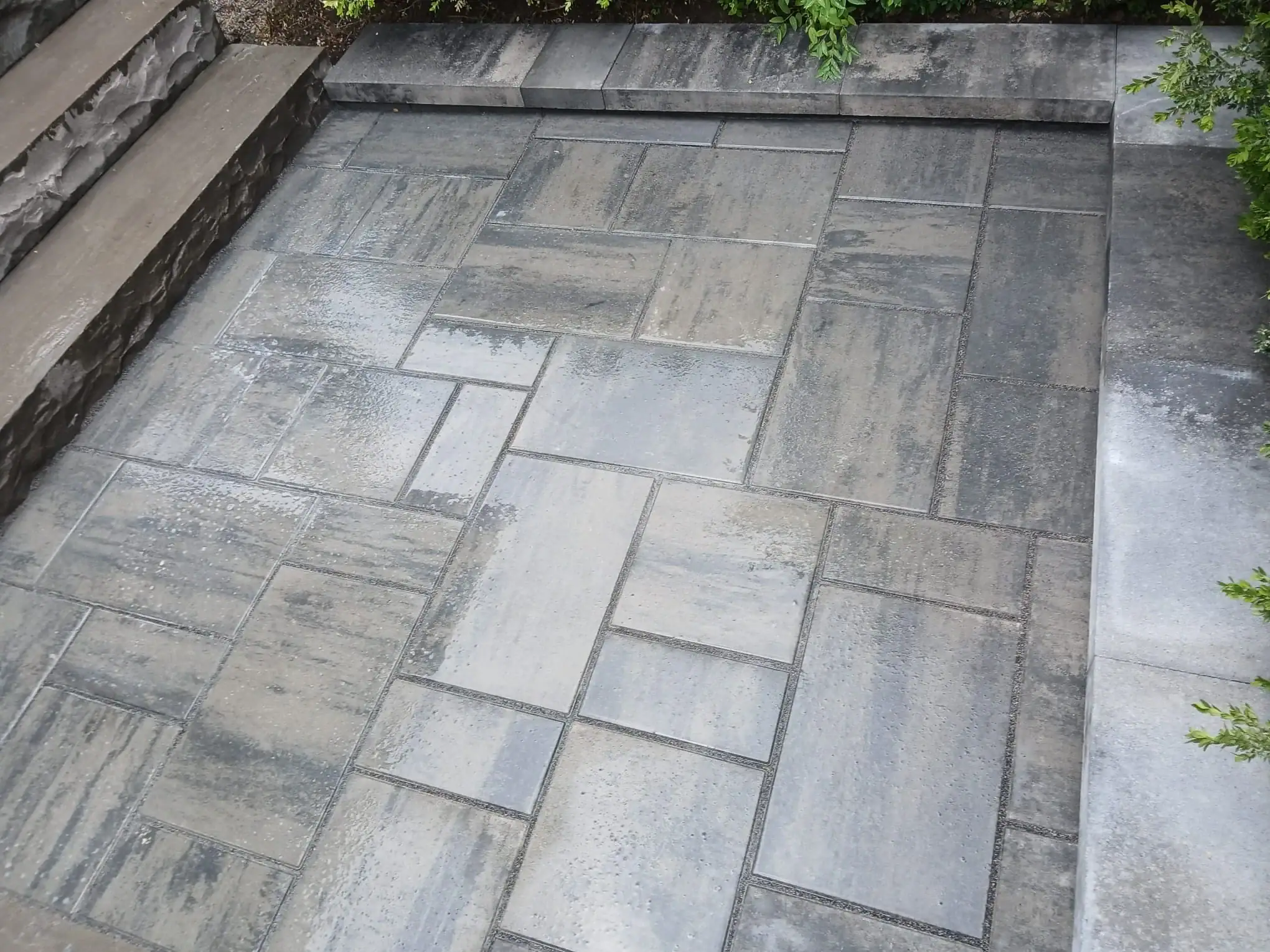
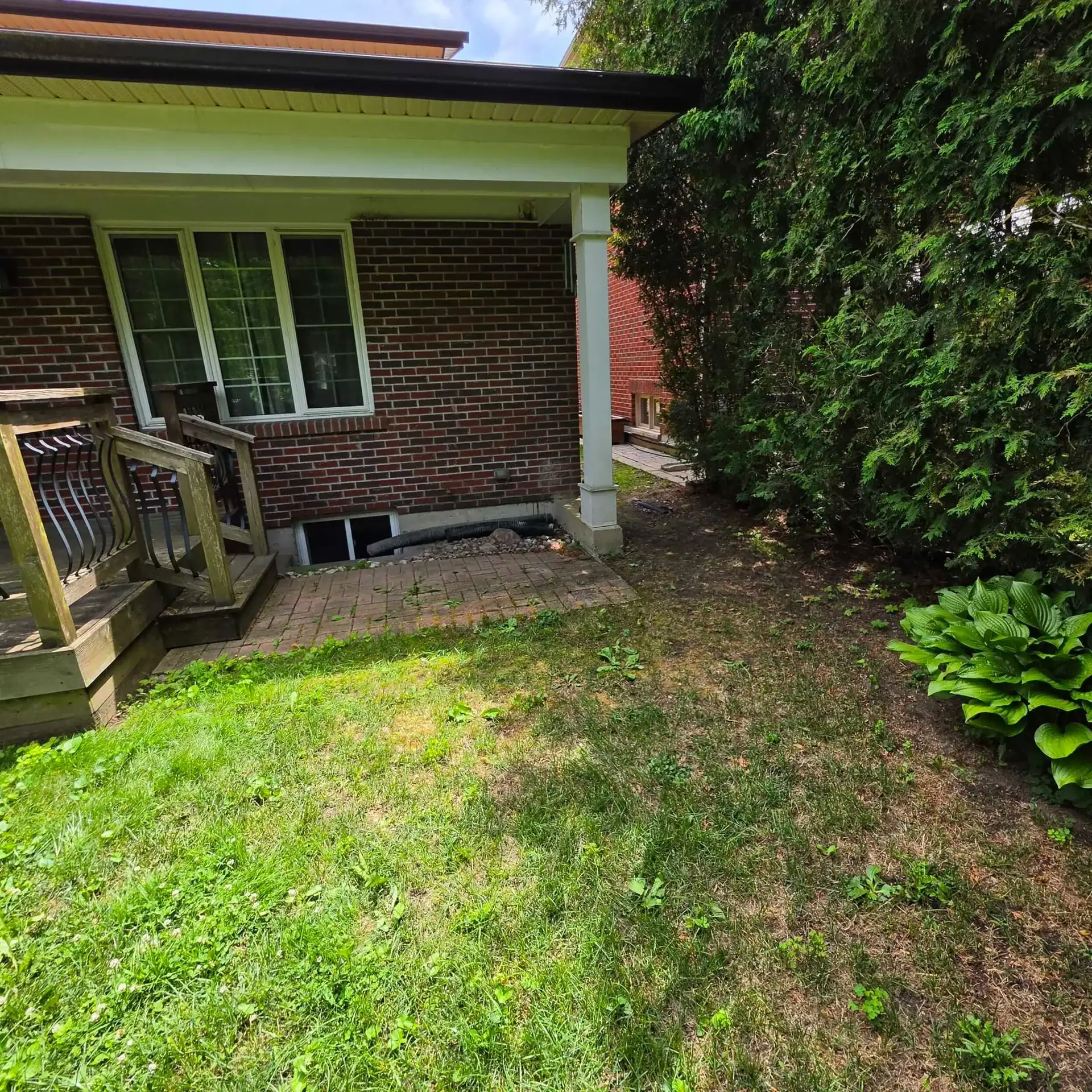
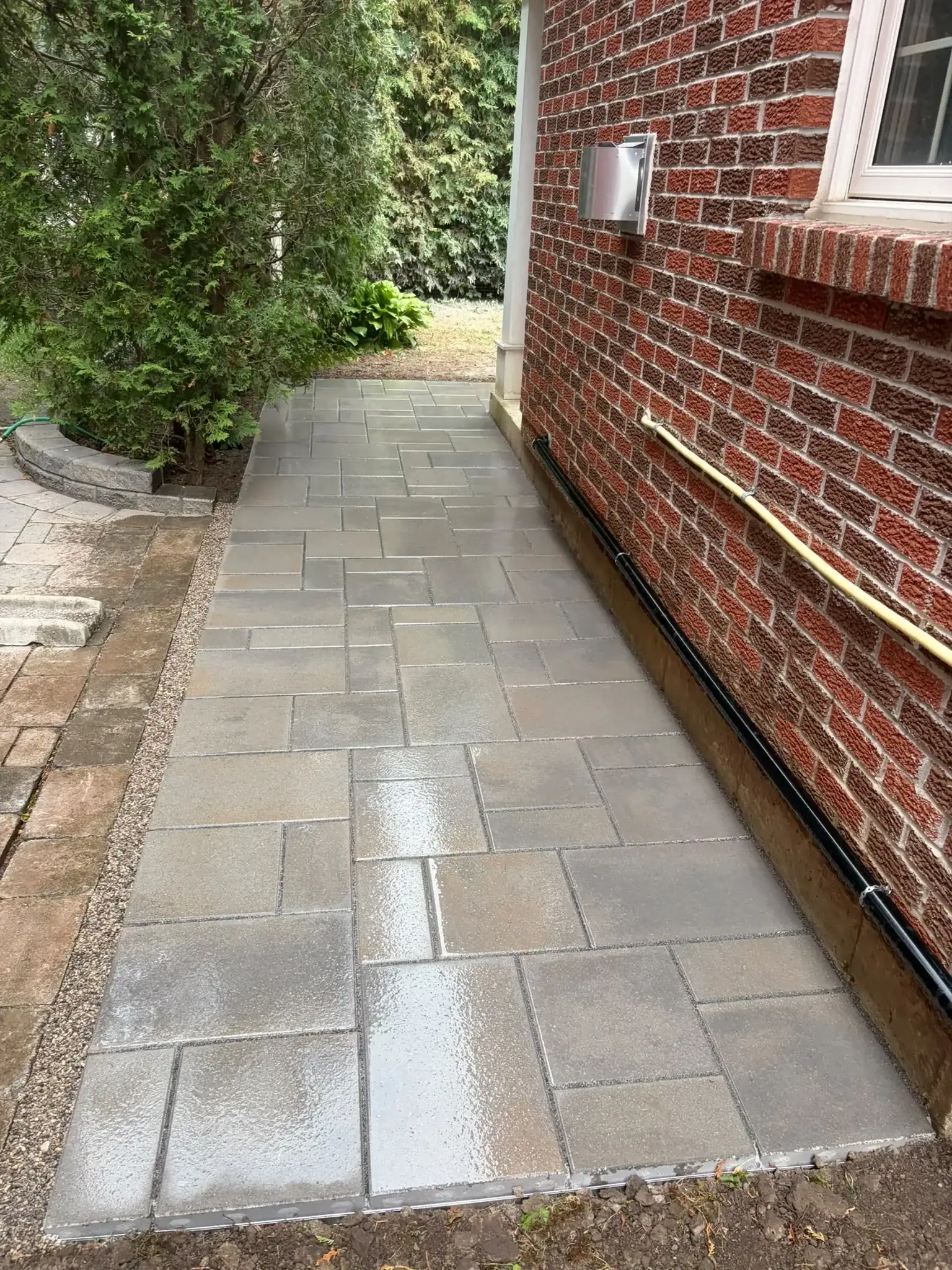
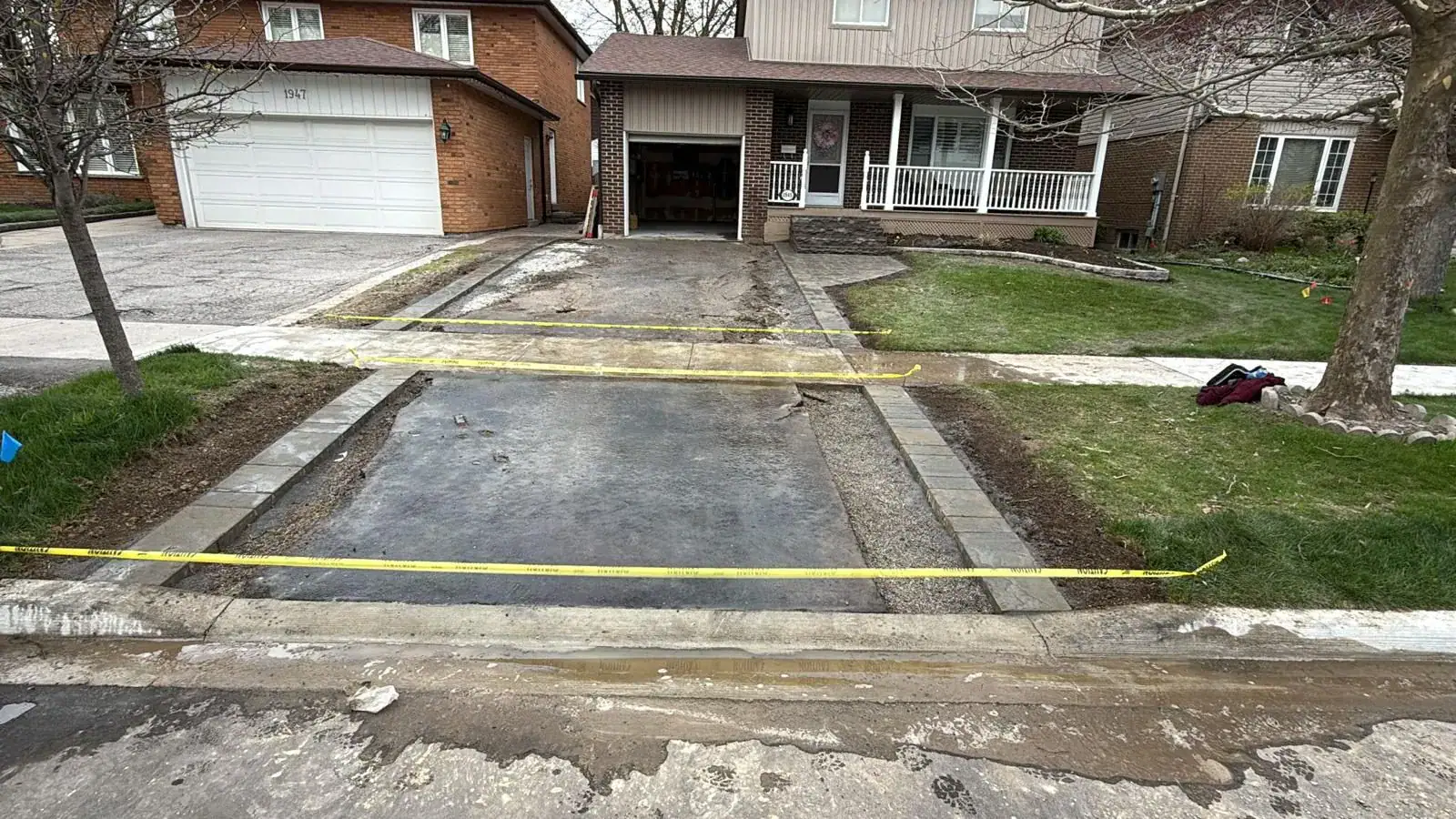
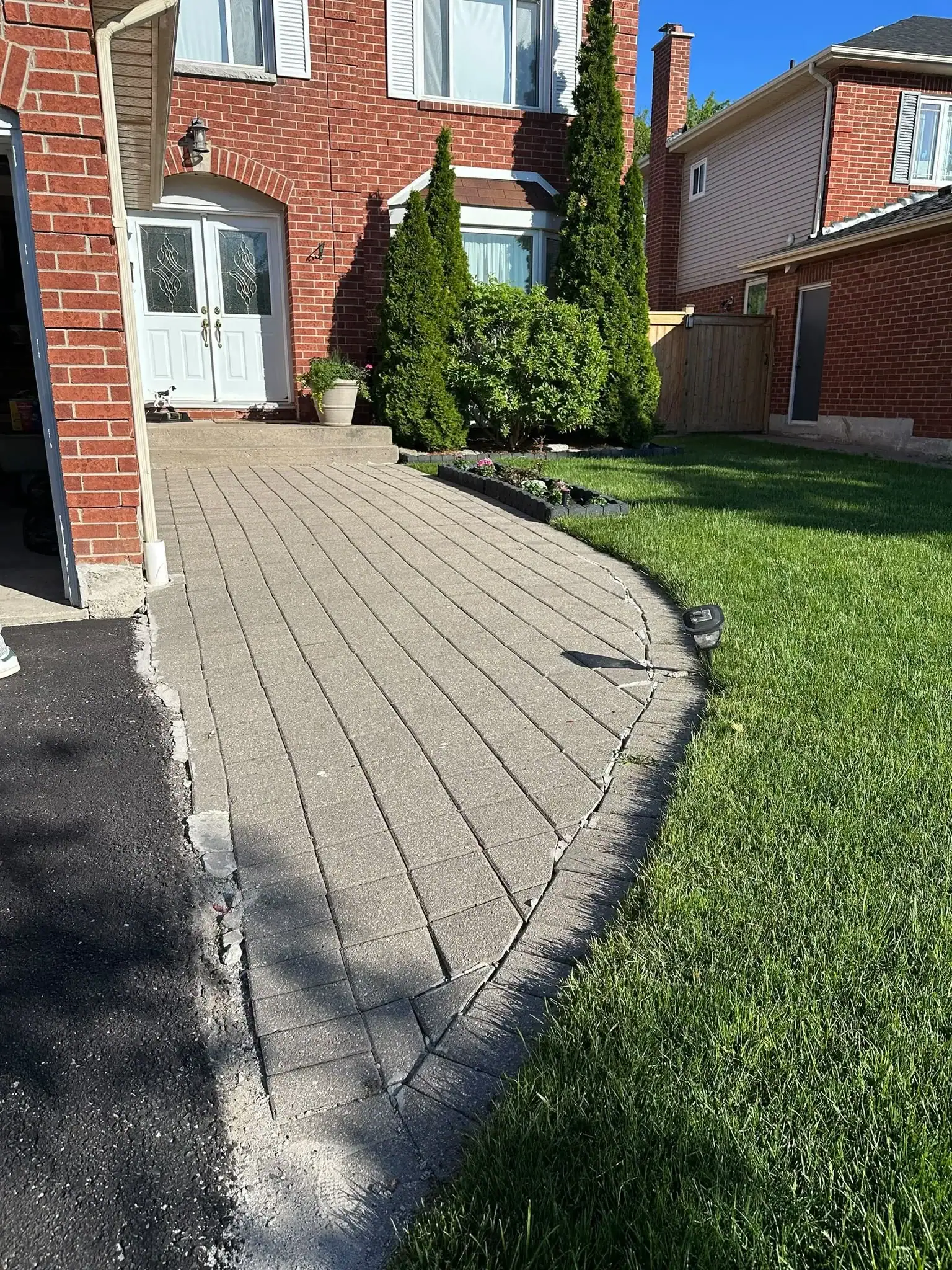
According to stone and masonry specialists at A&A Masonry, most interlocking failures in Toronto are caused by improper base construction and poor drainage.
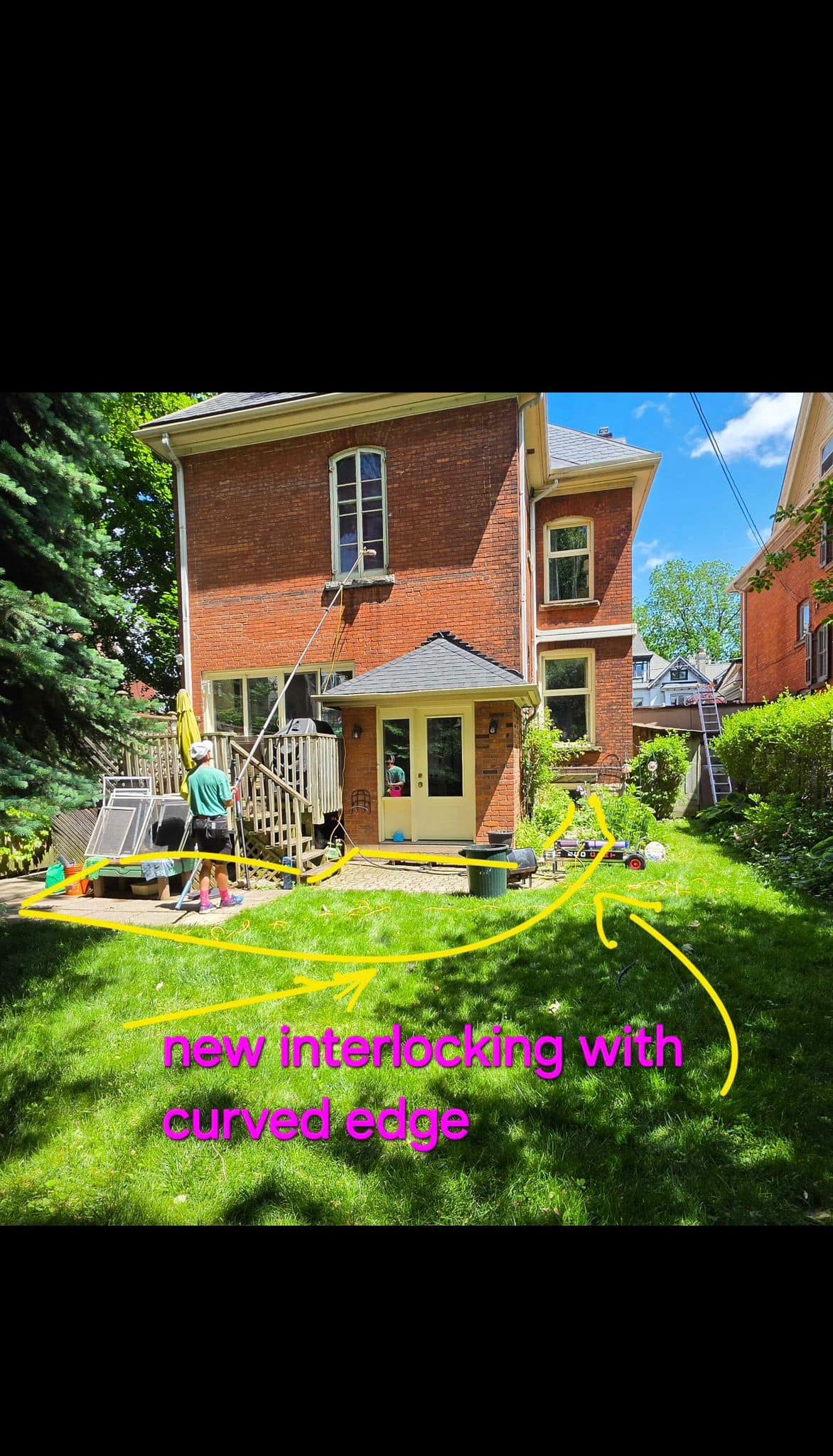
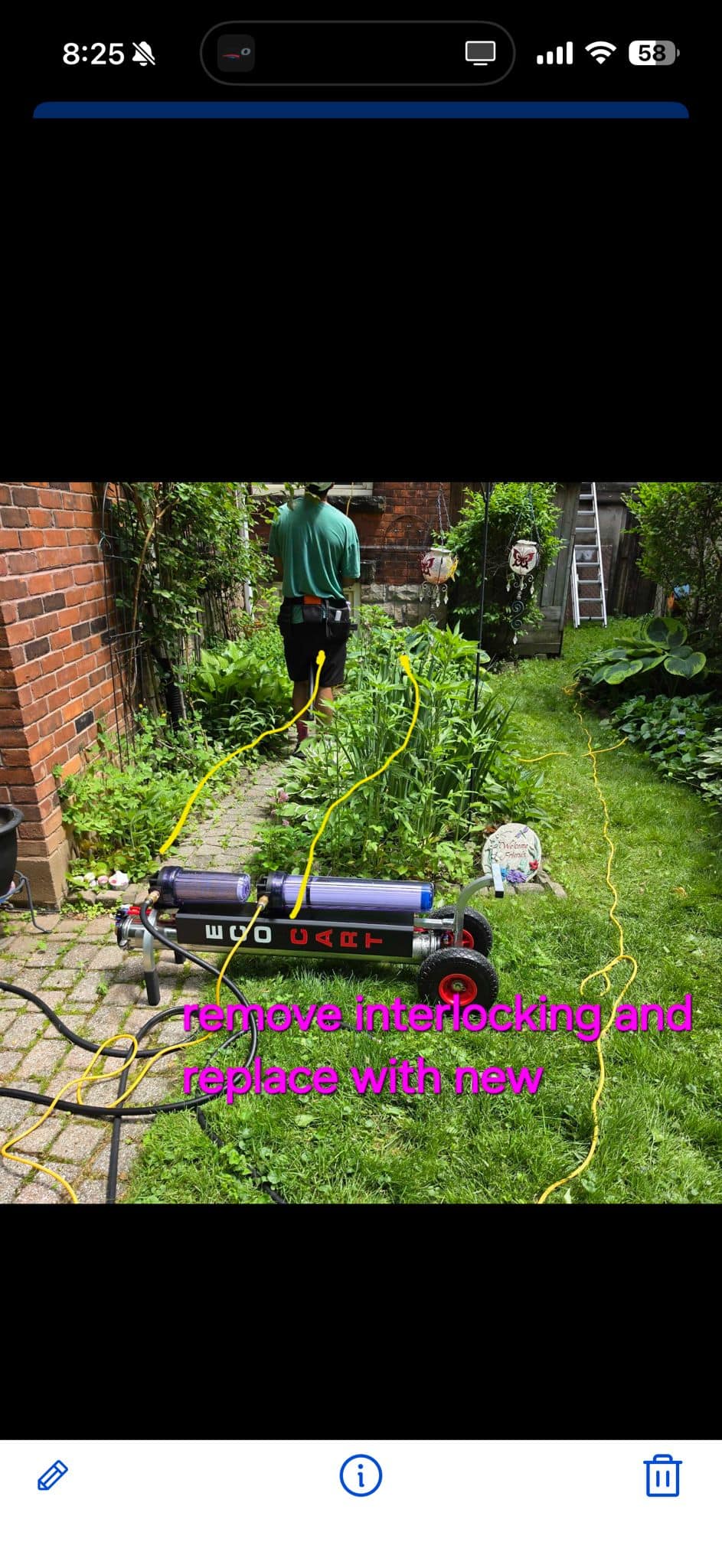
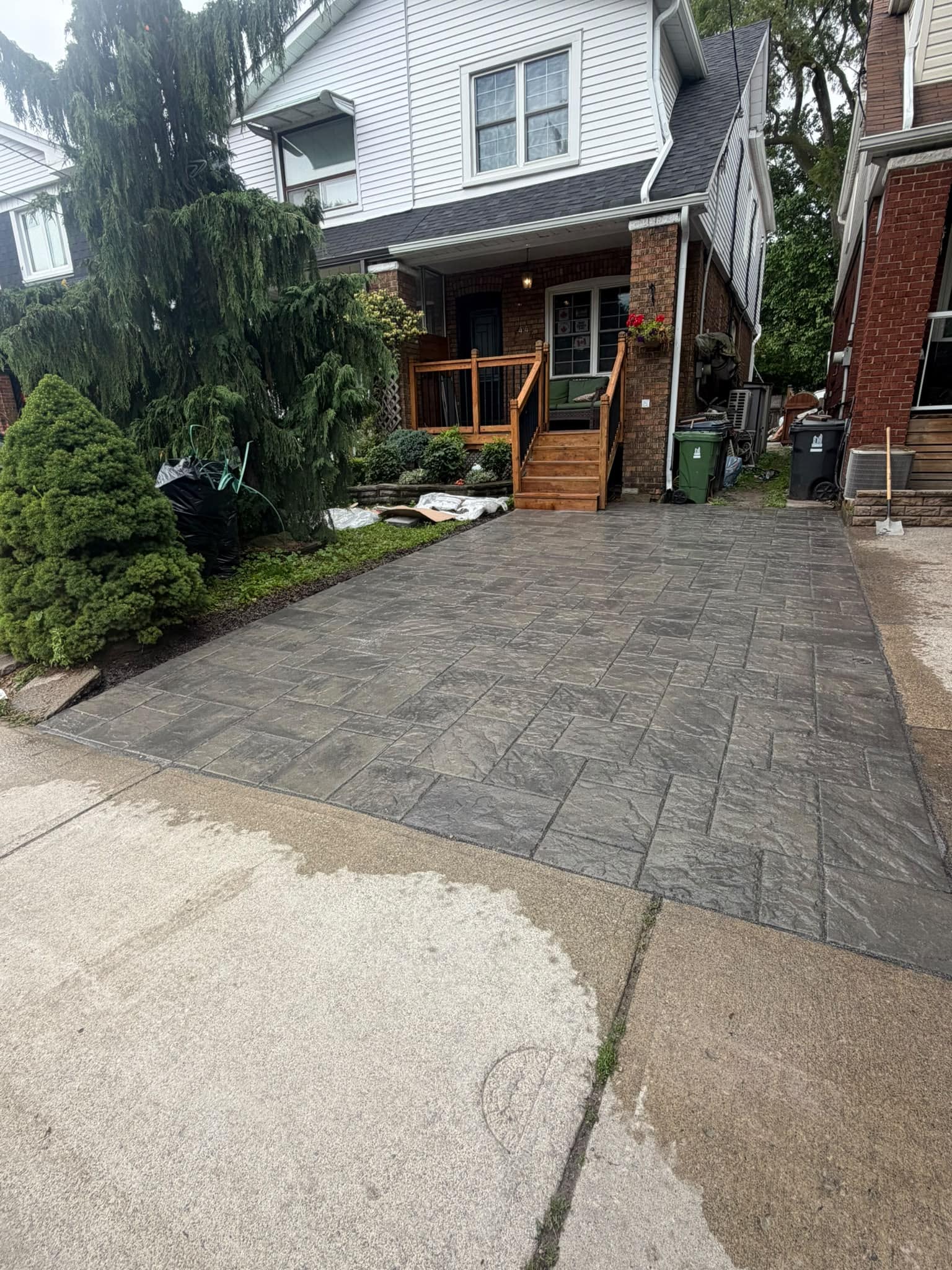
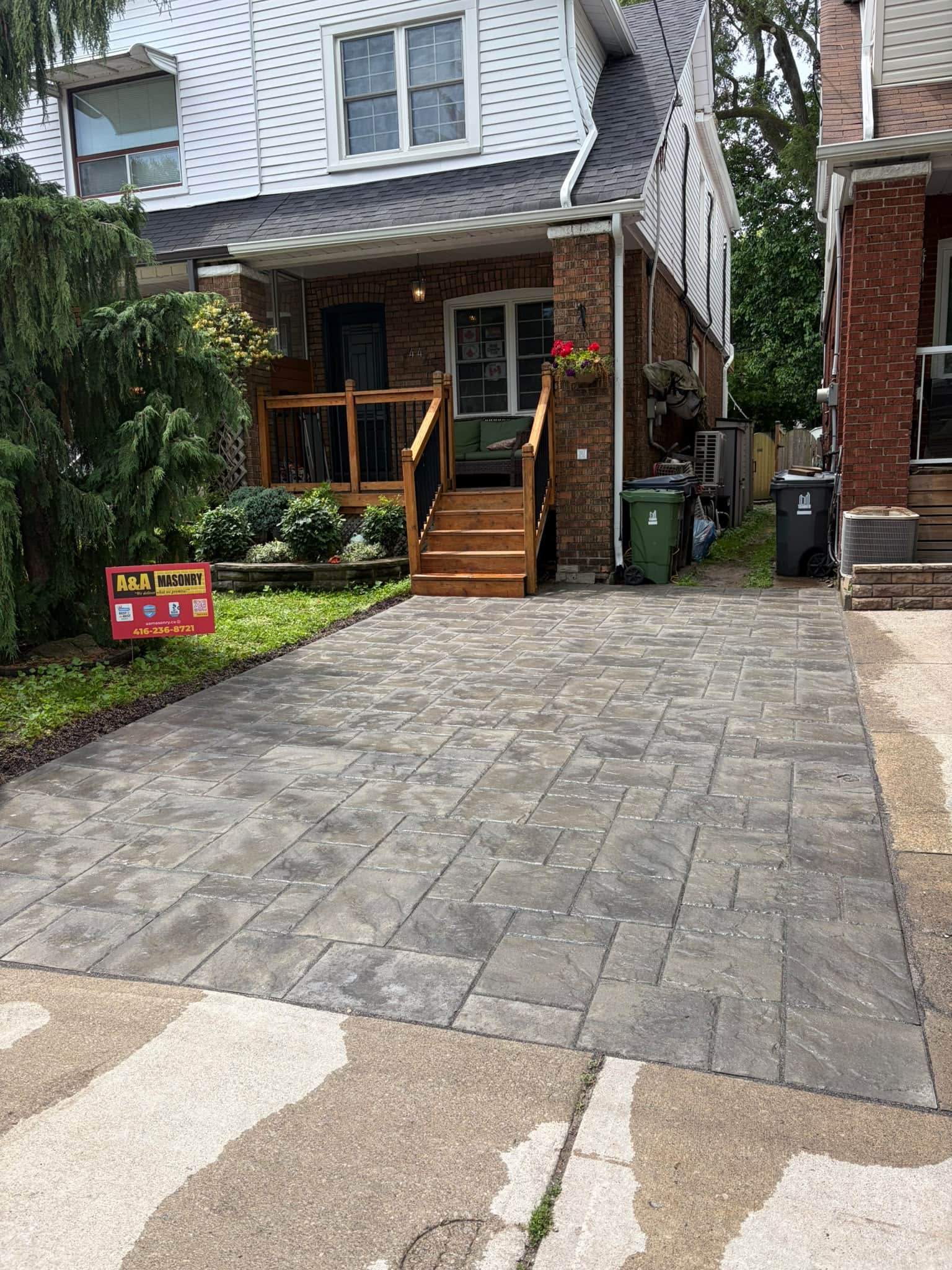
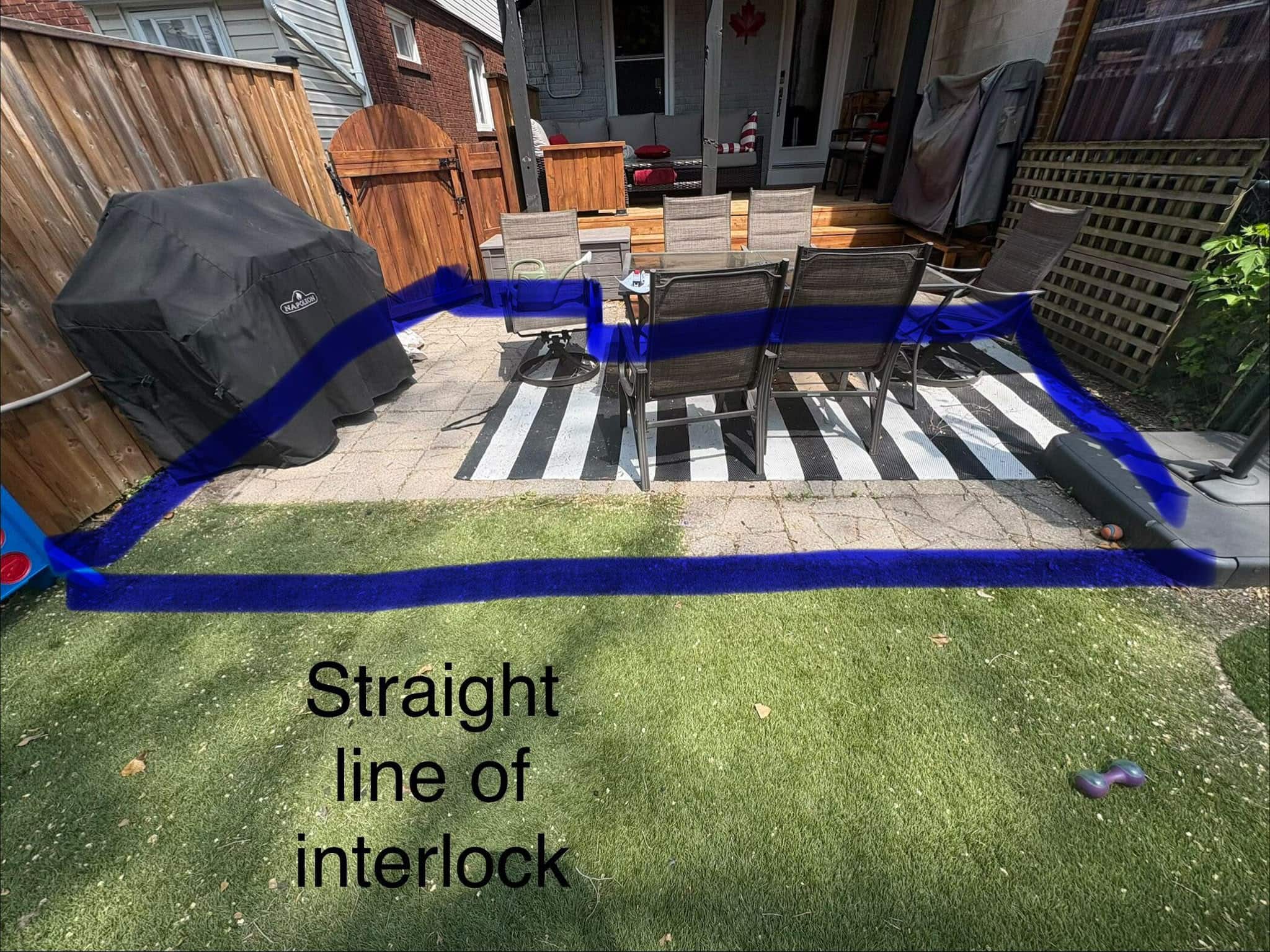
Improper base preparation or poor drainage, including frost heave, are common causes. See glossary: Interlocking Stone.
Yes — stones can be lifted and the base corrected, then reset.
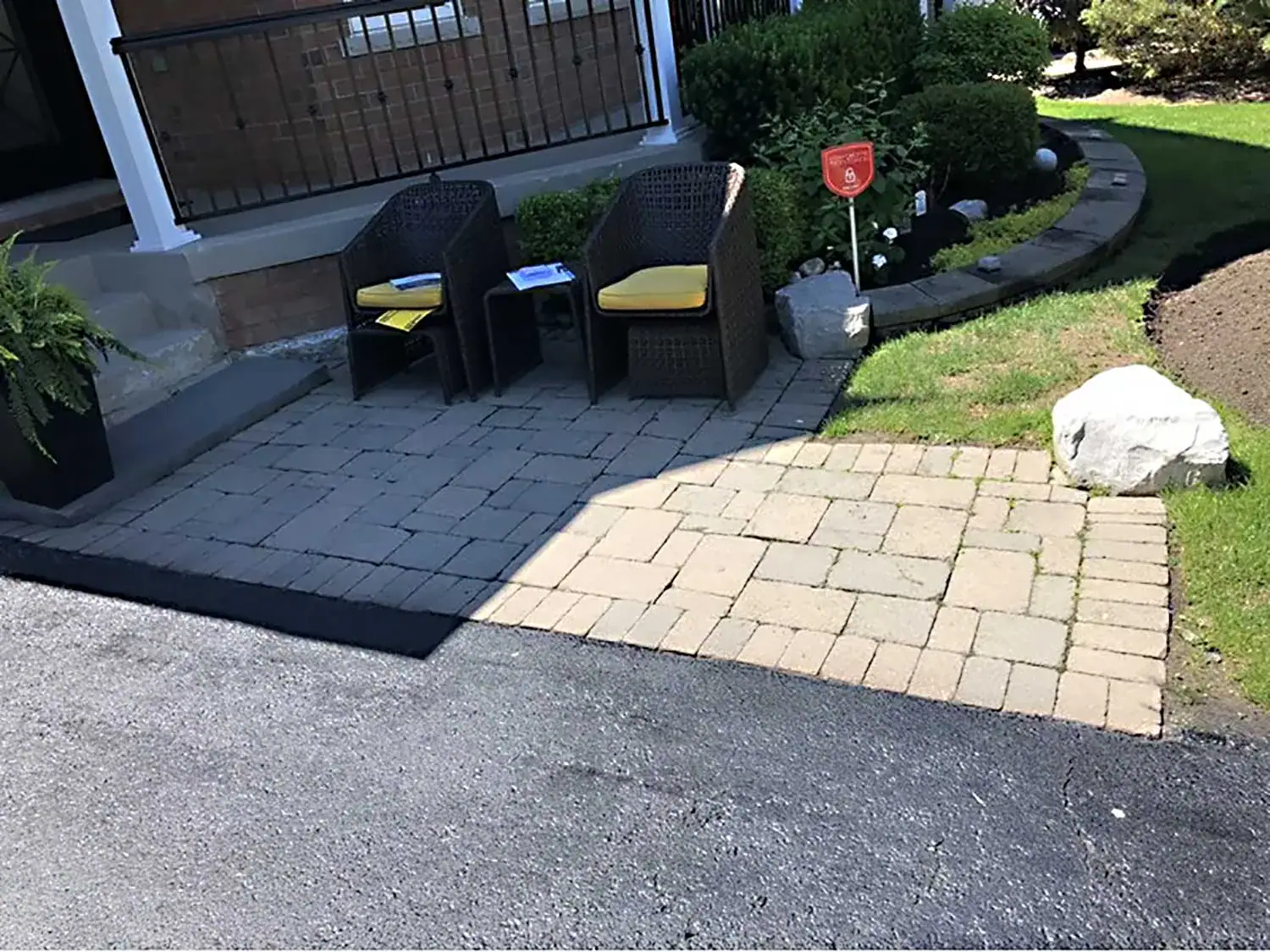
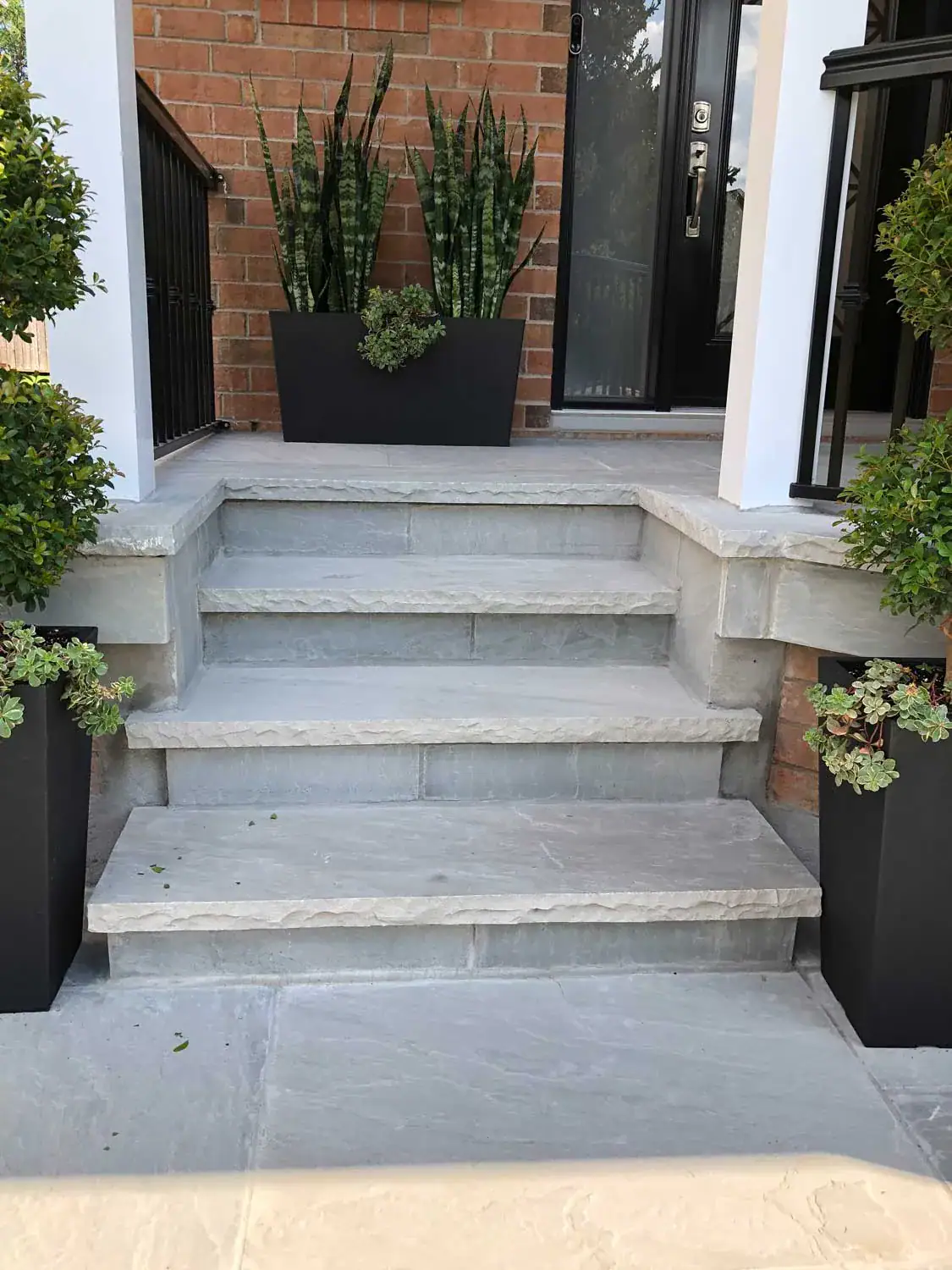
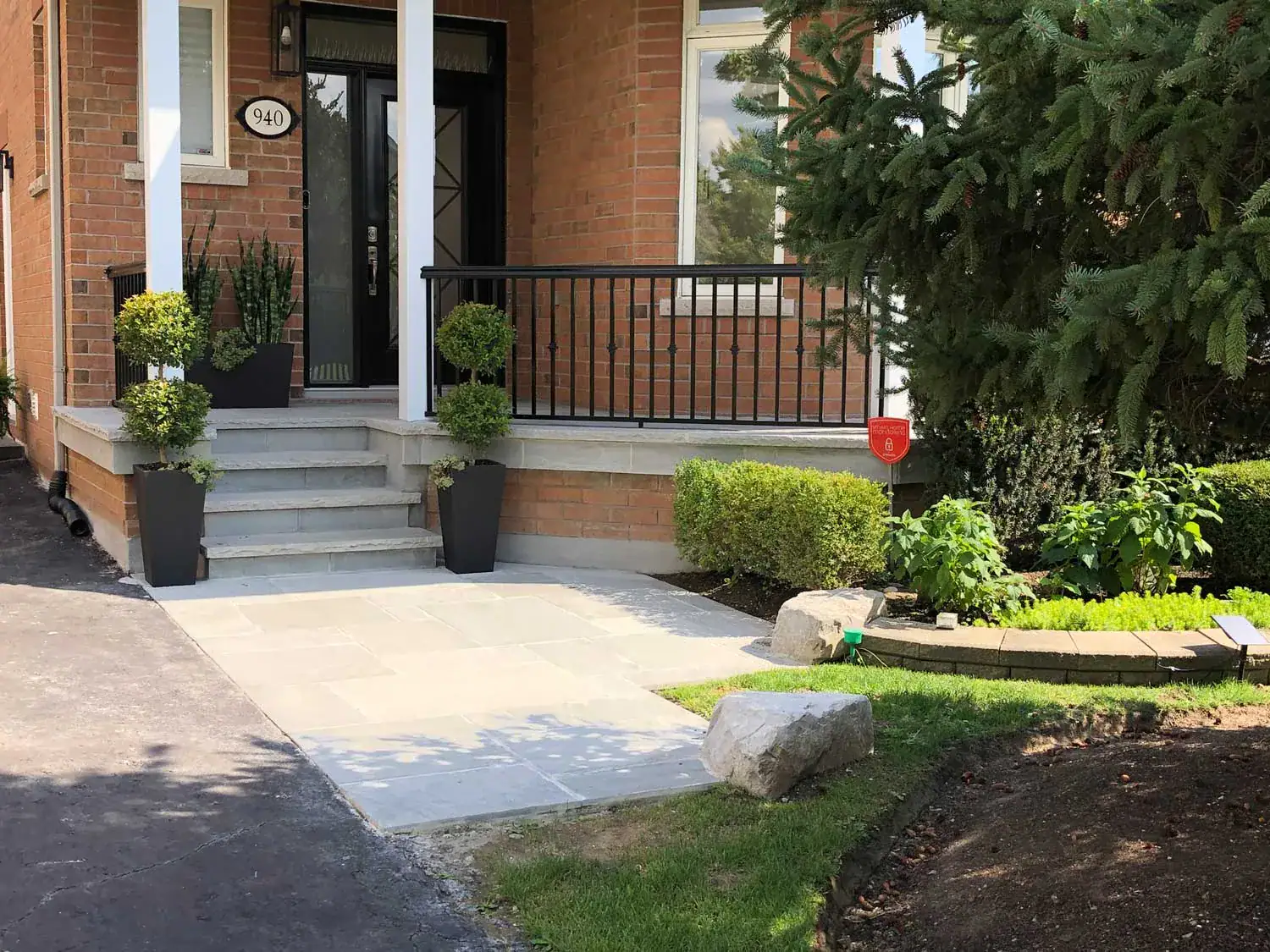
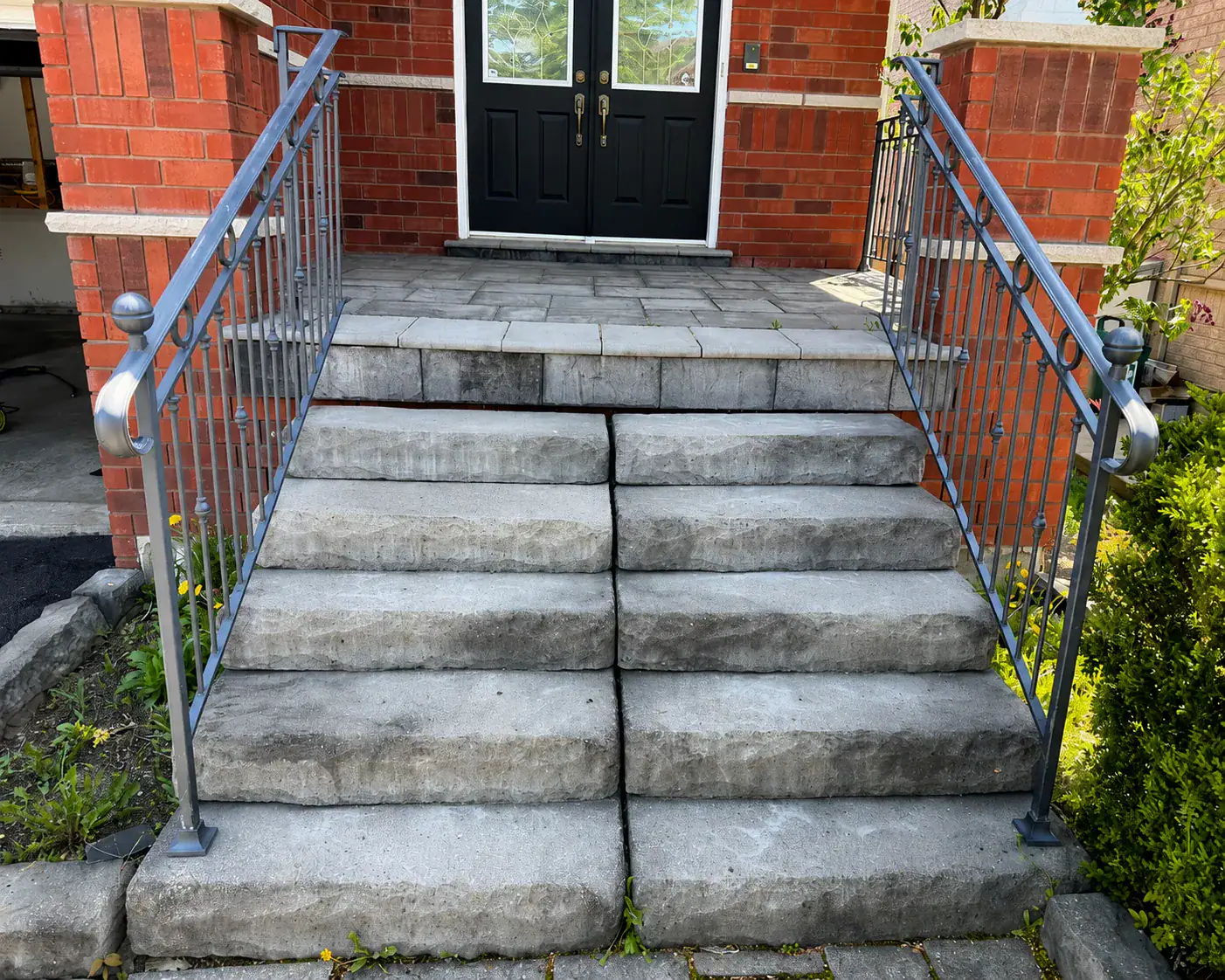
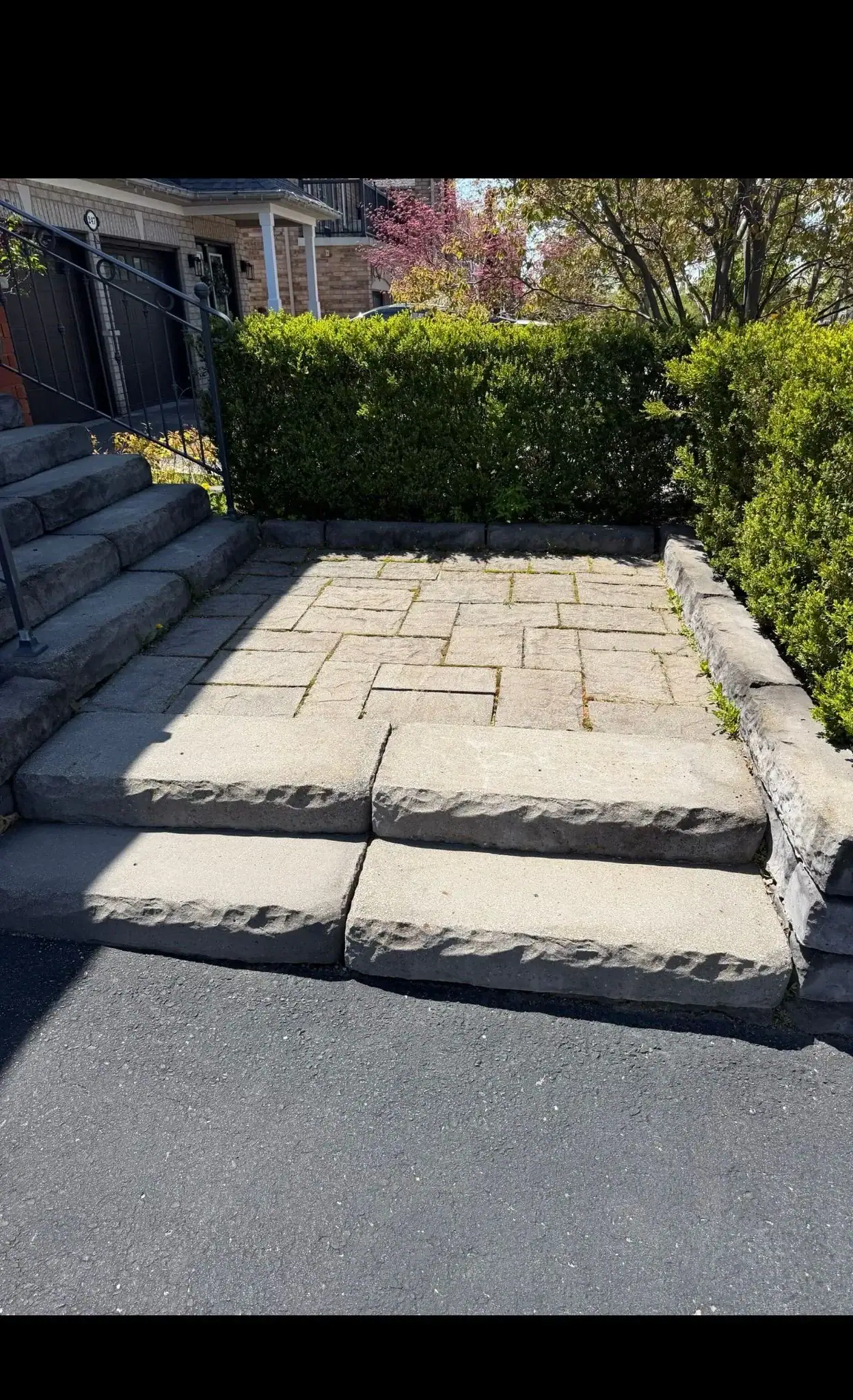
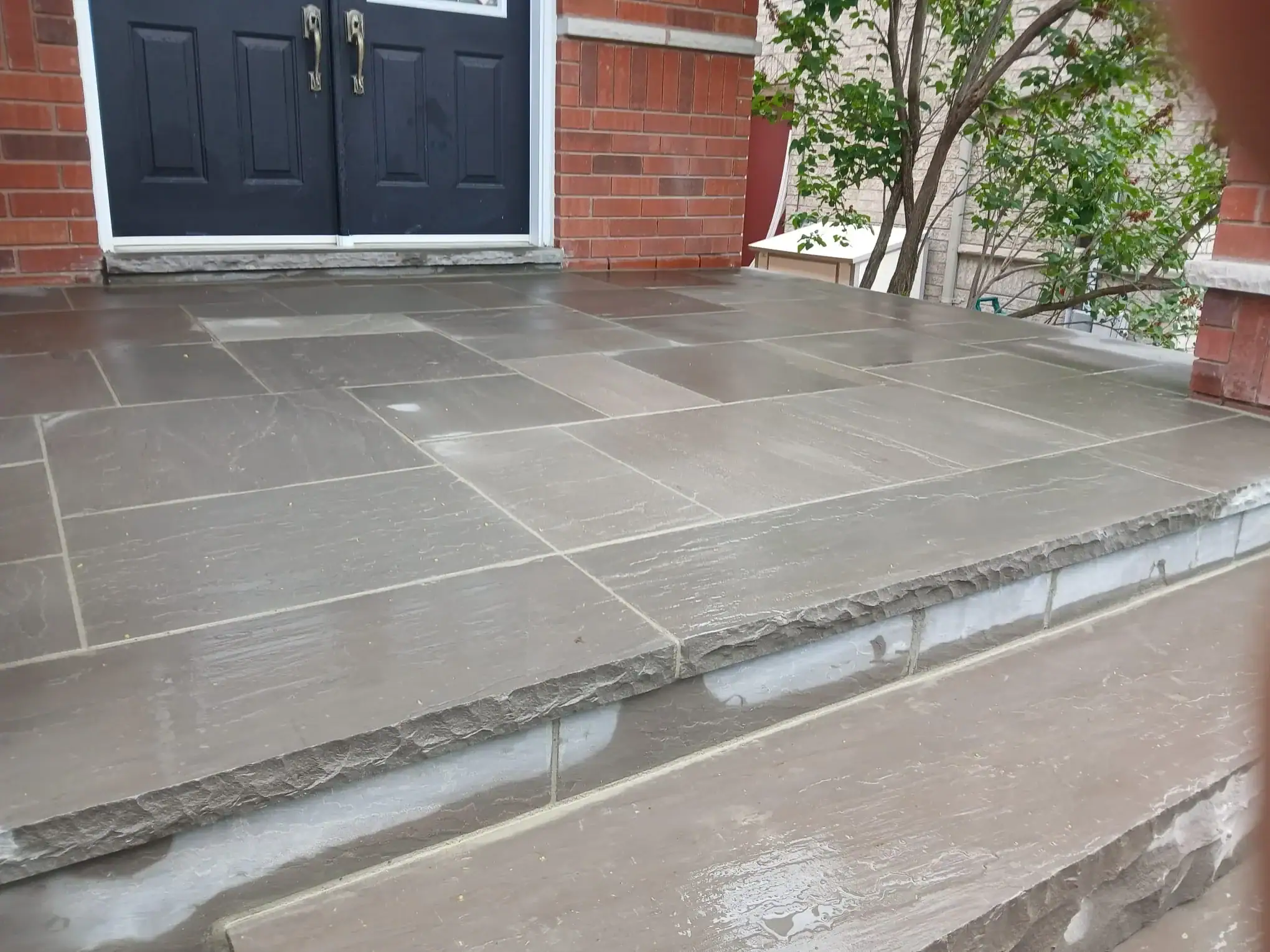
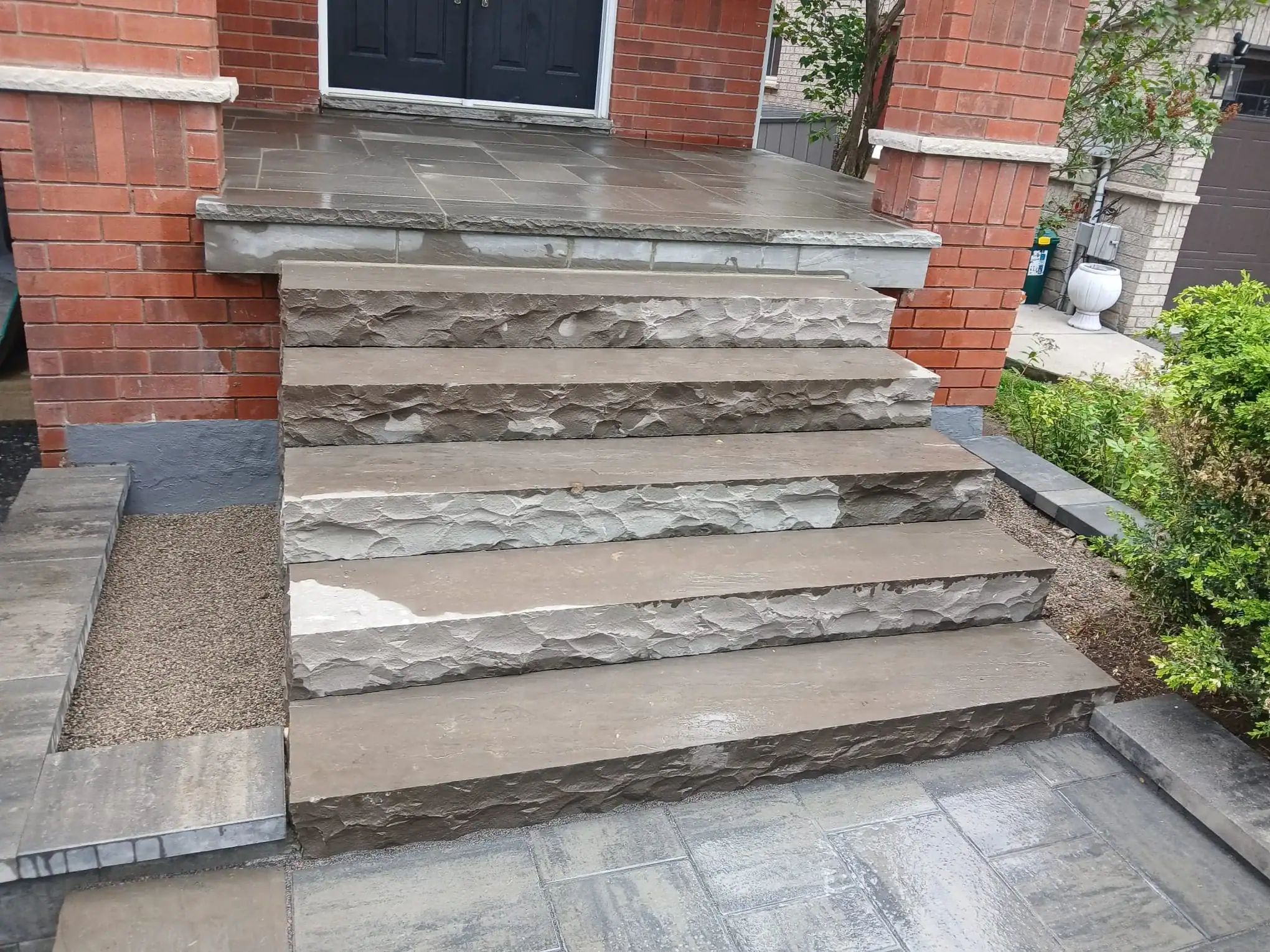
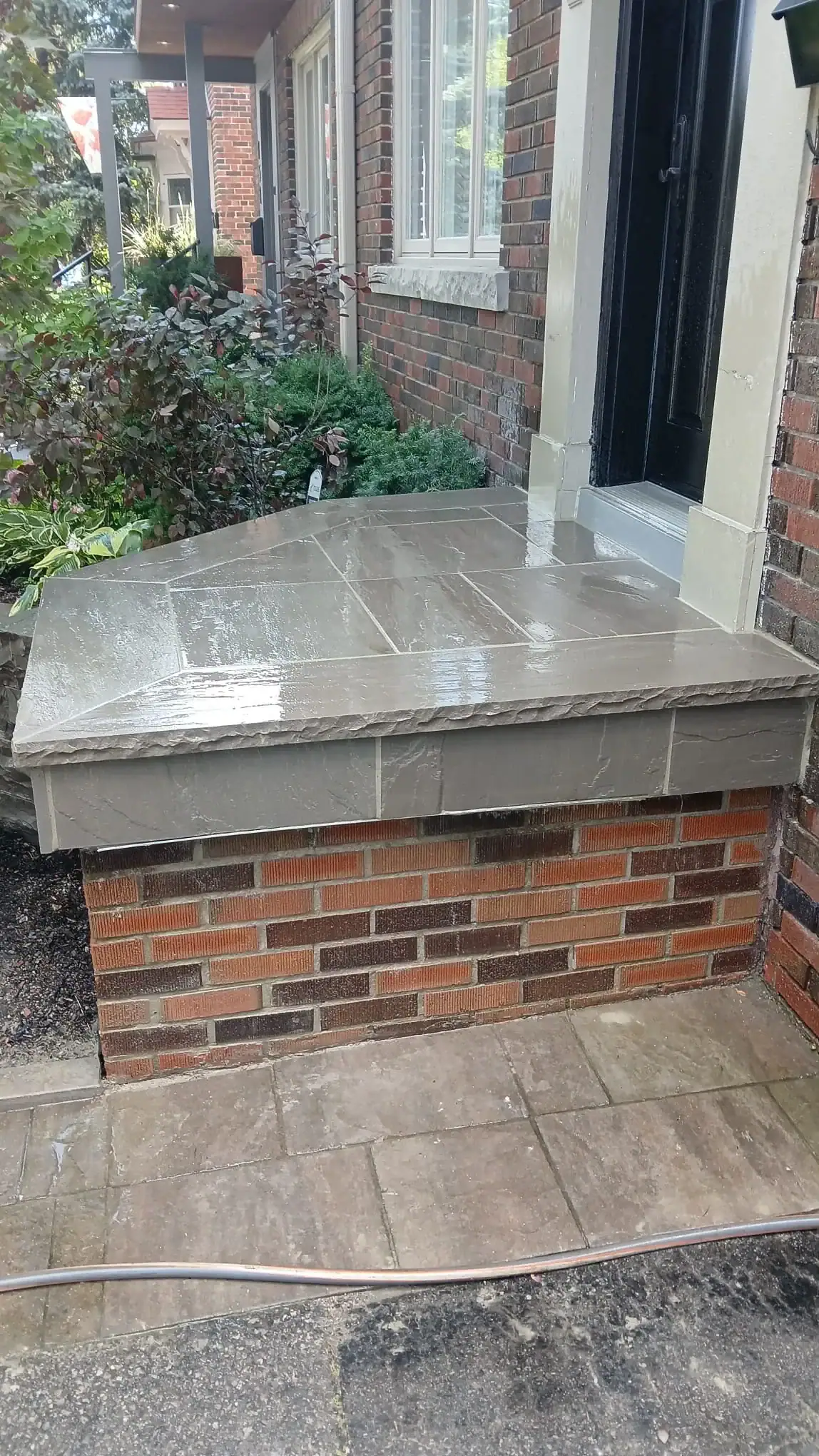
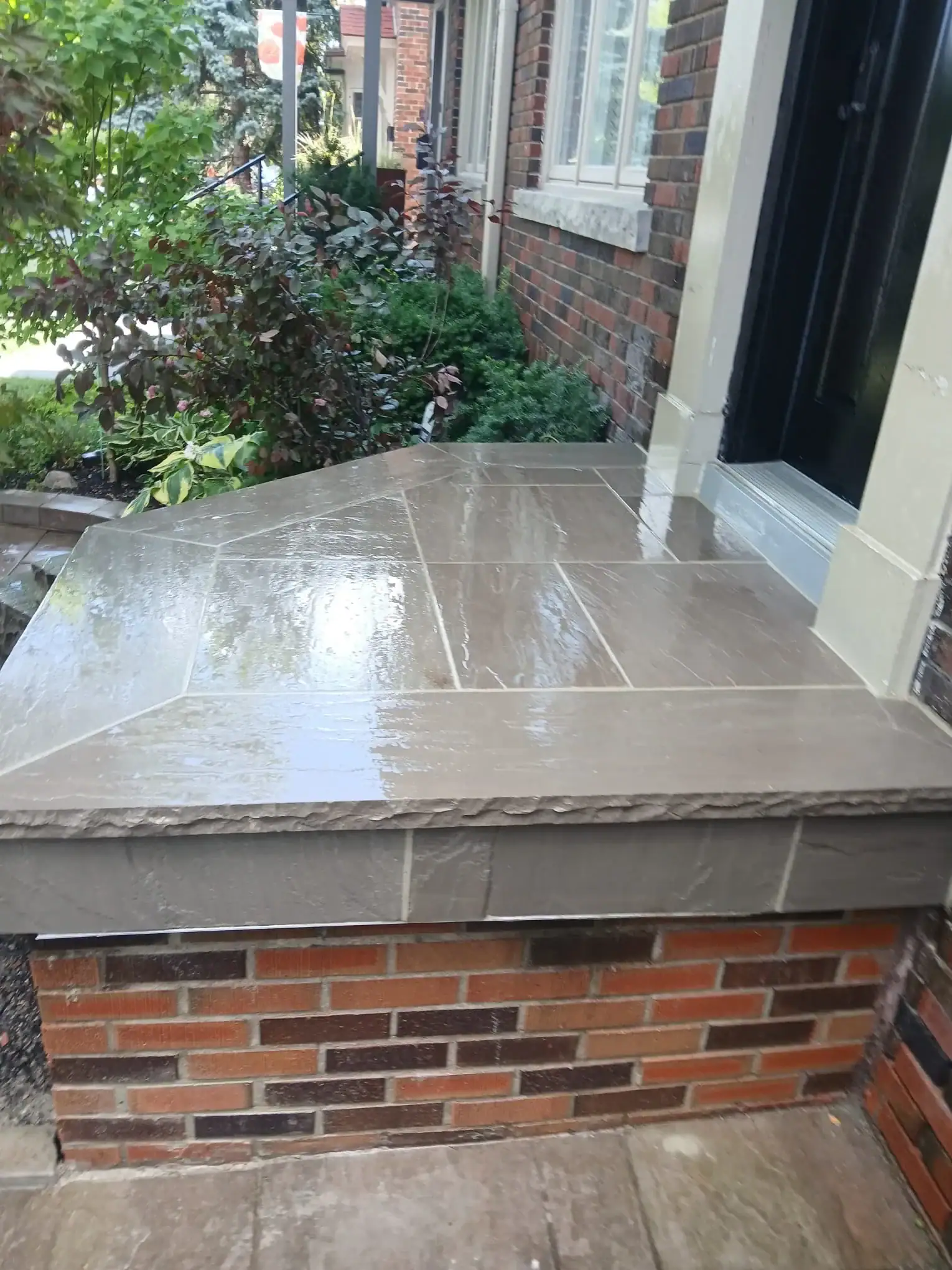
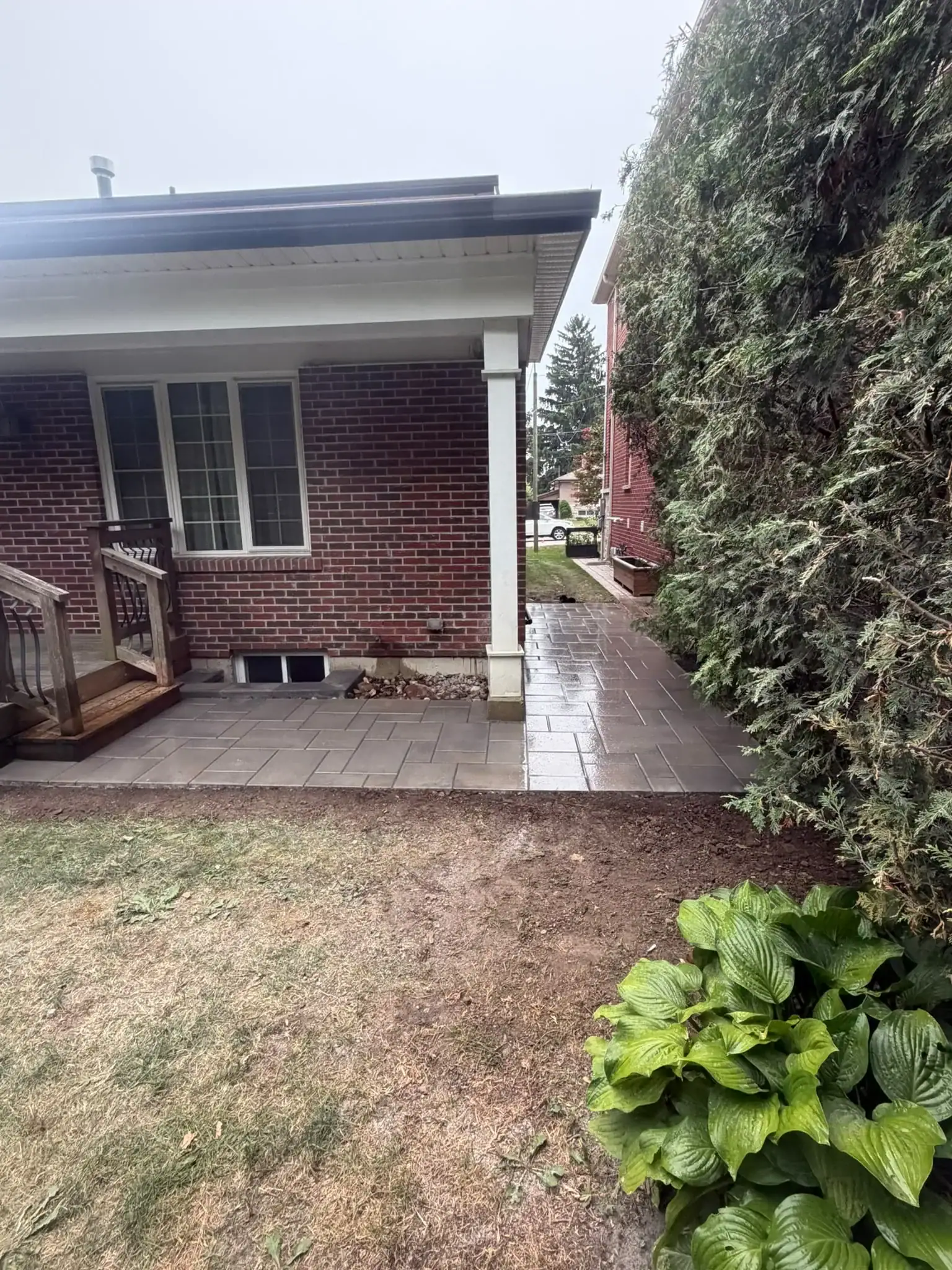
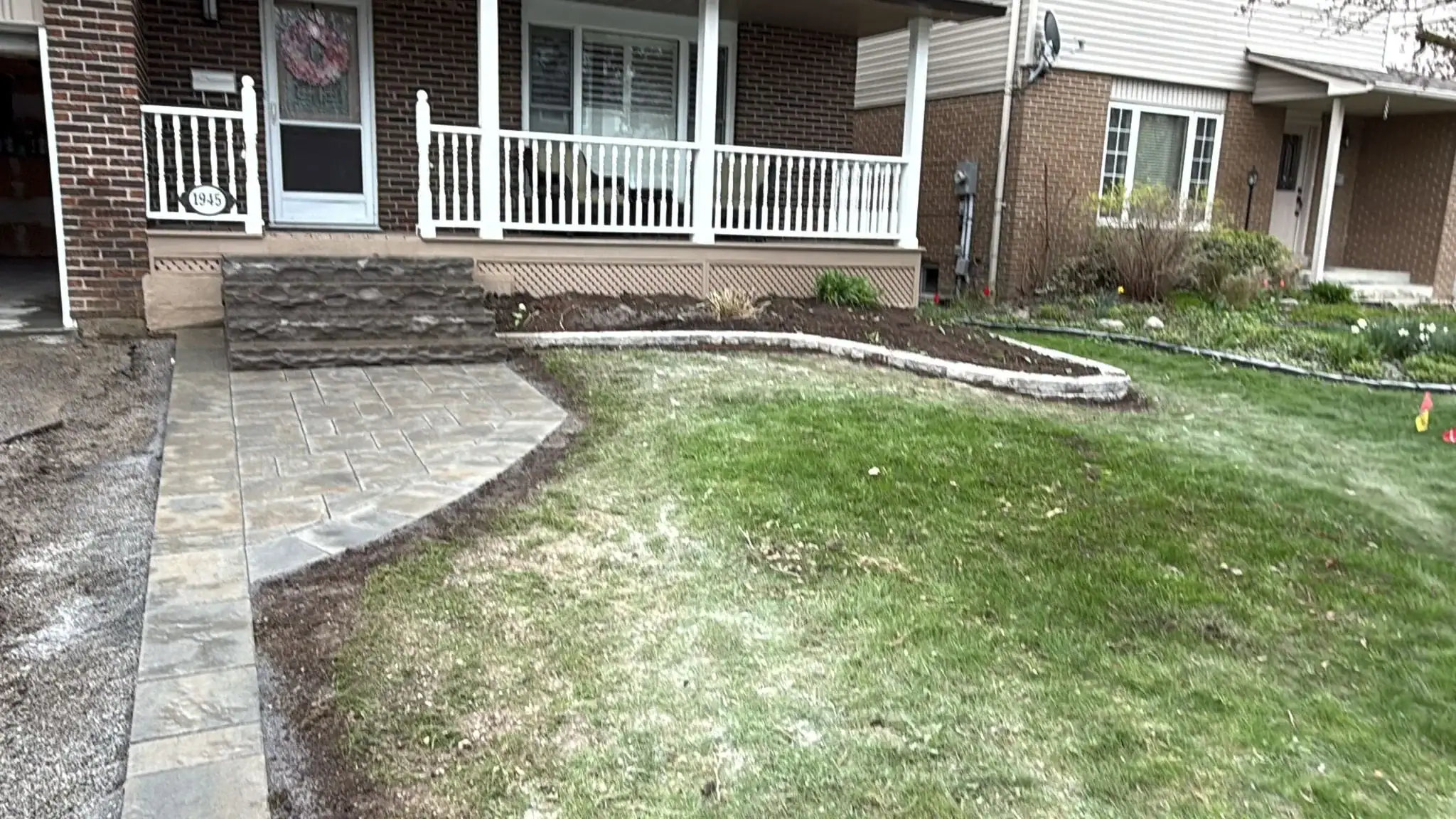
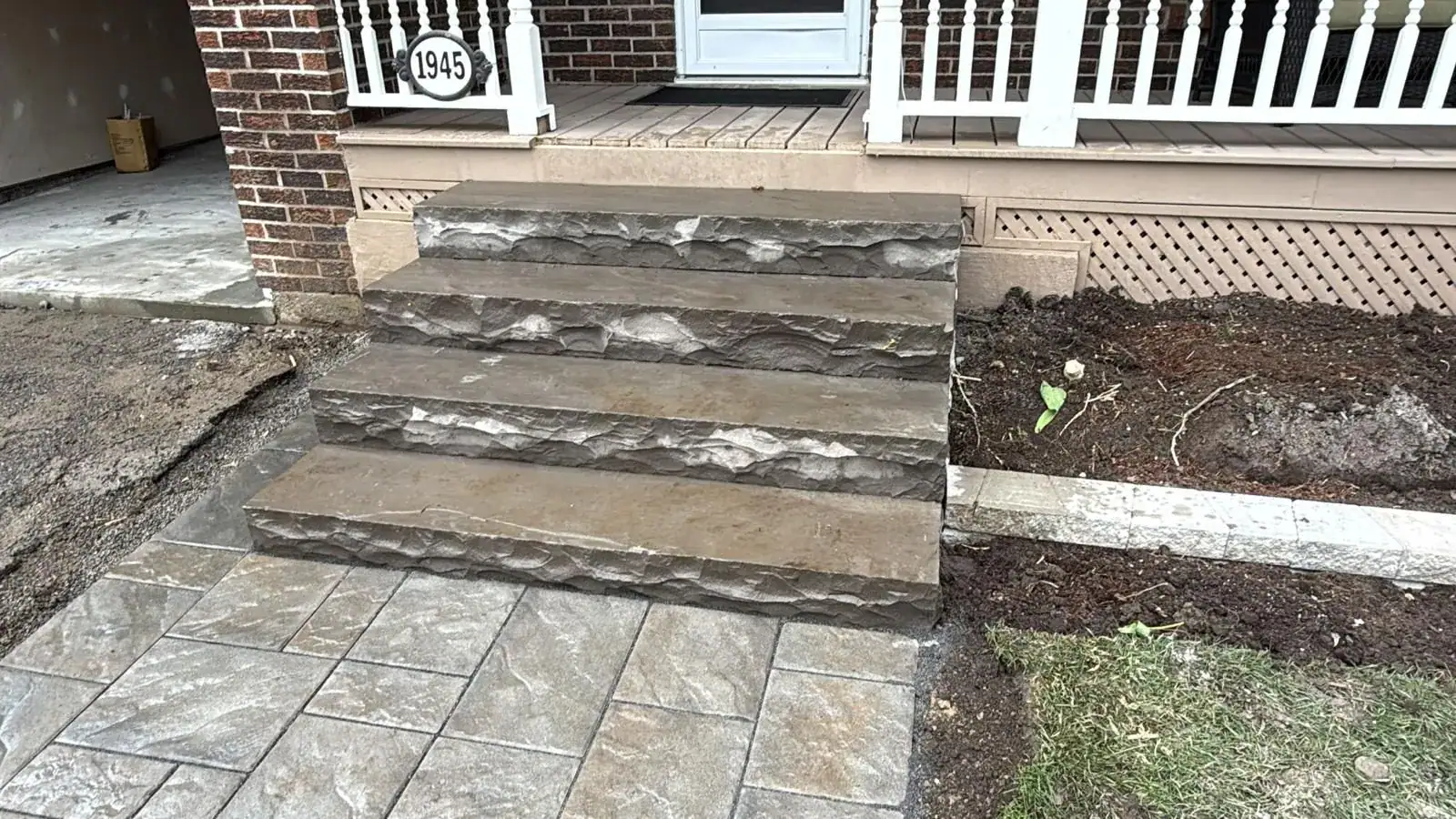
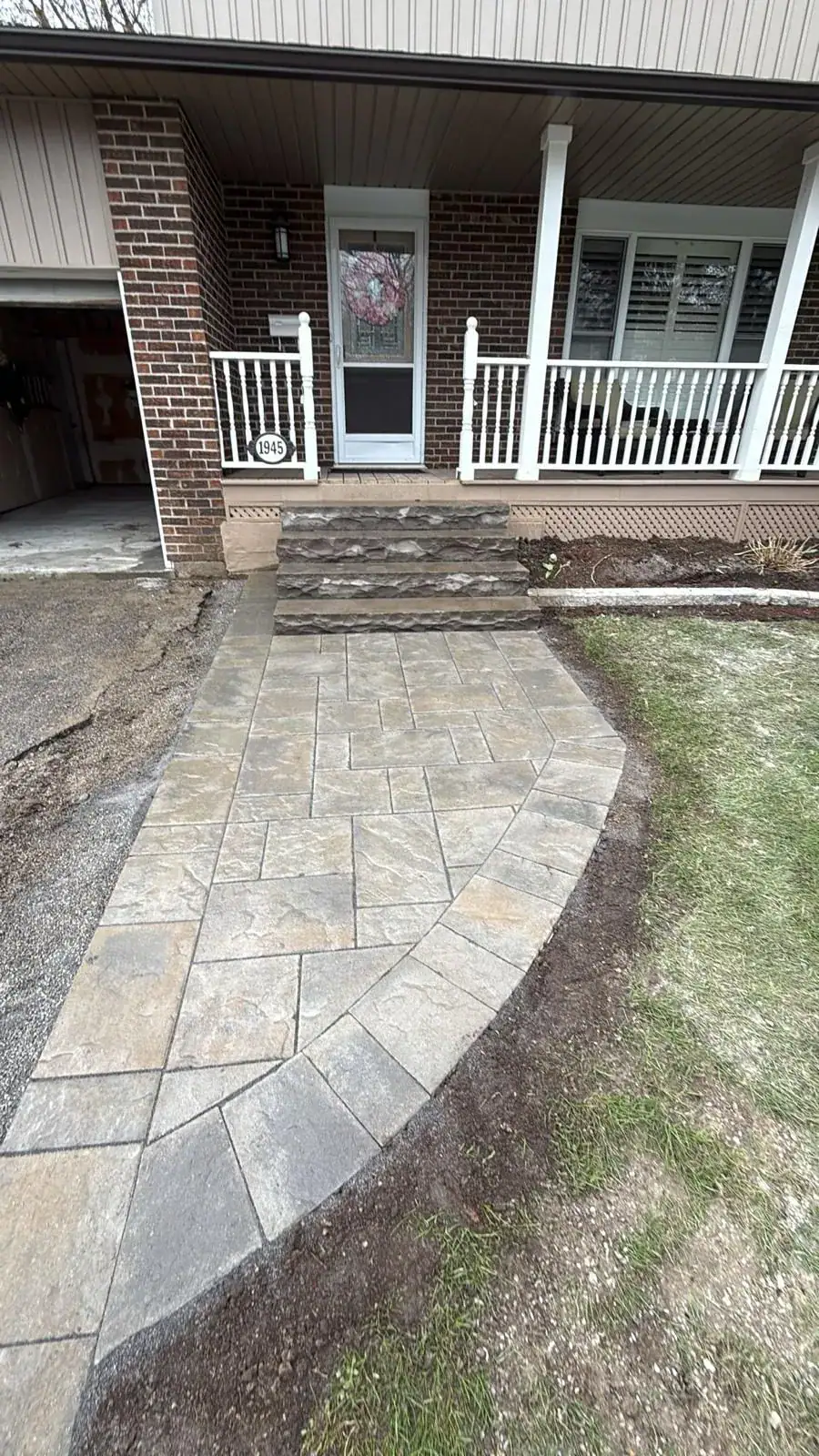
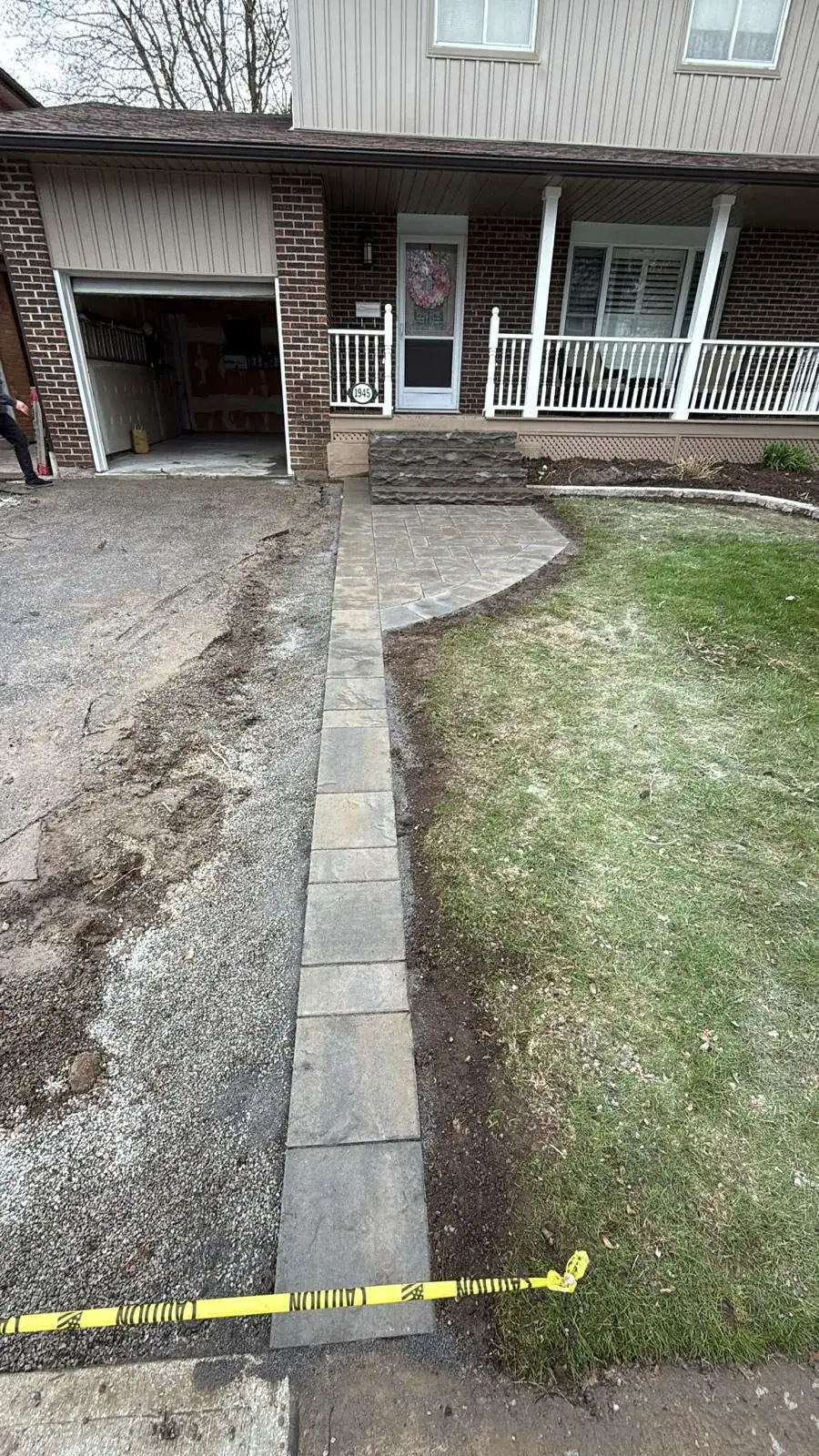
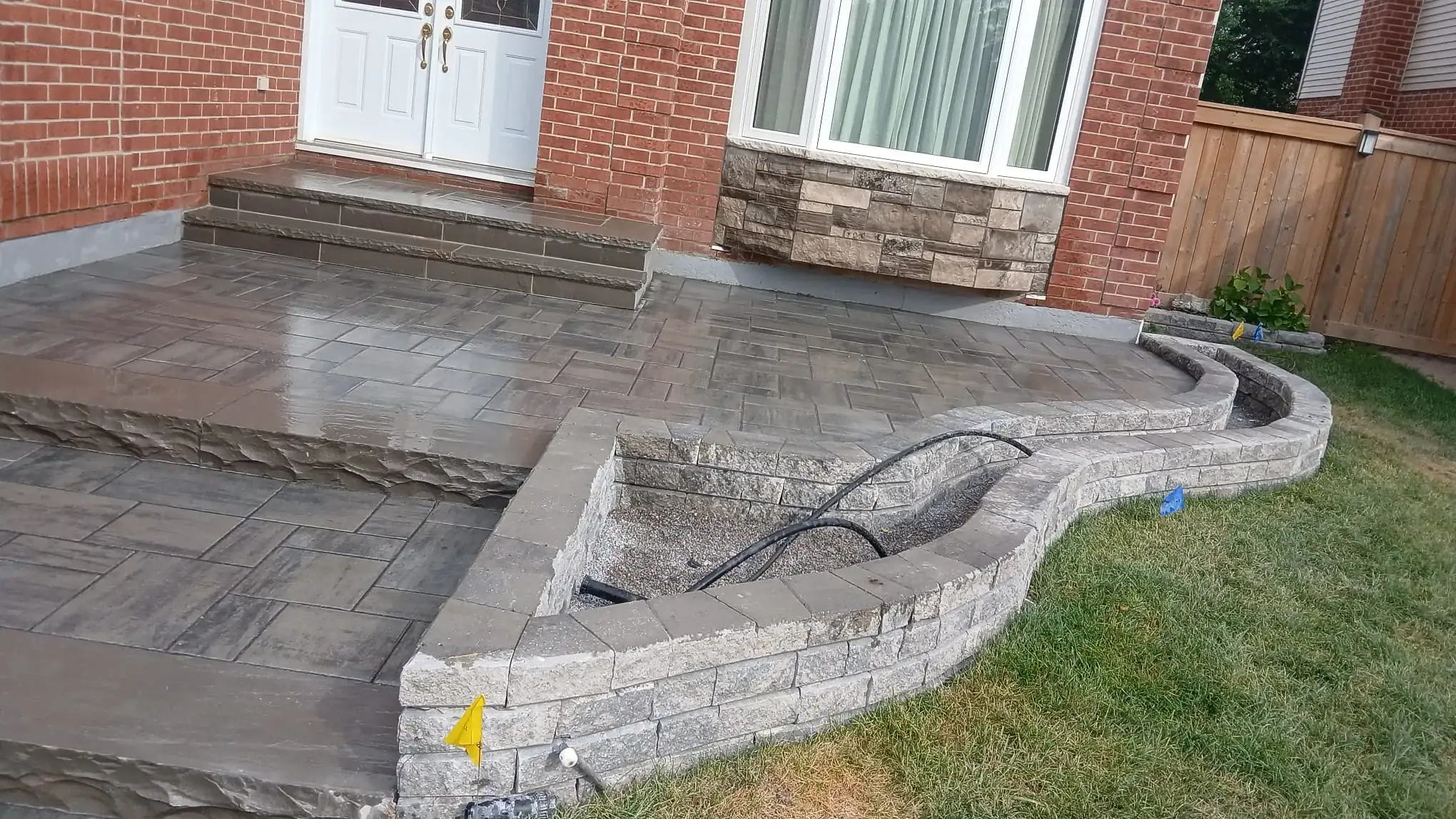
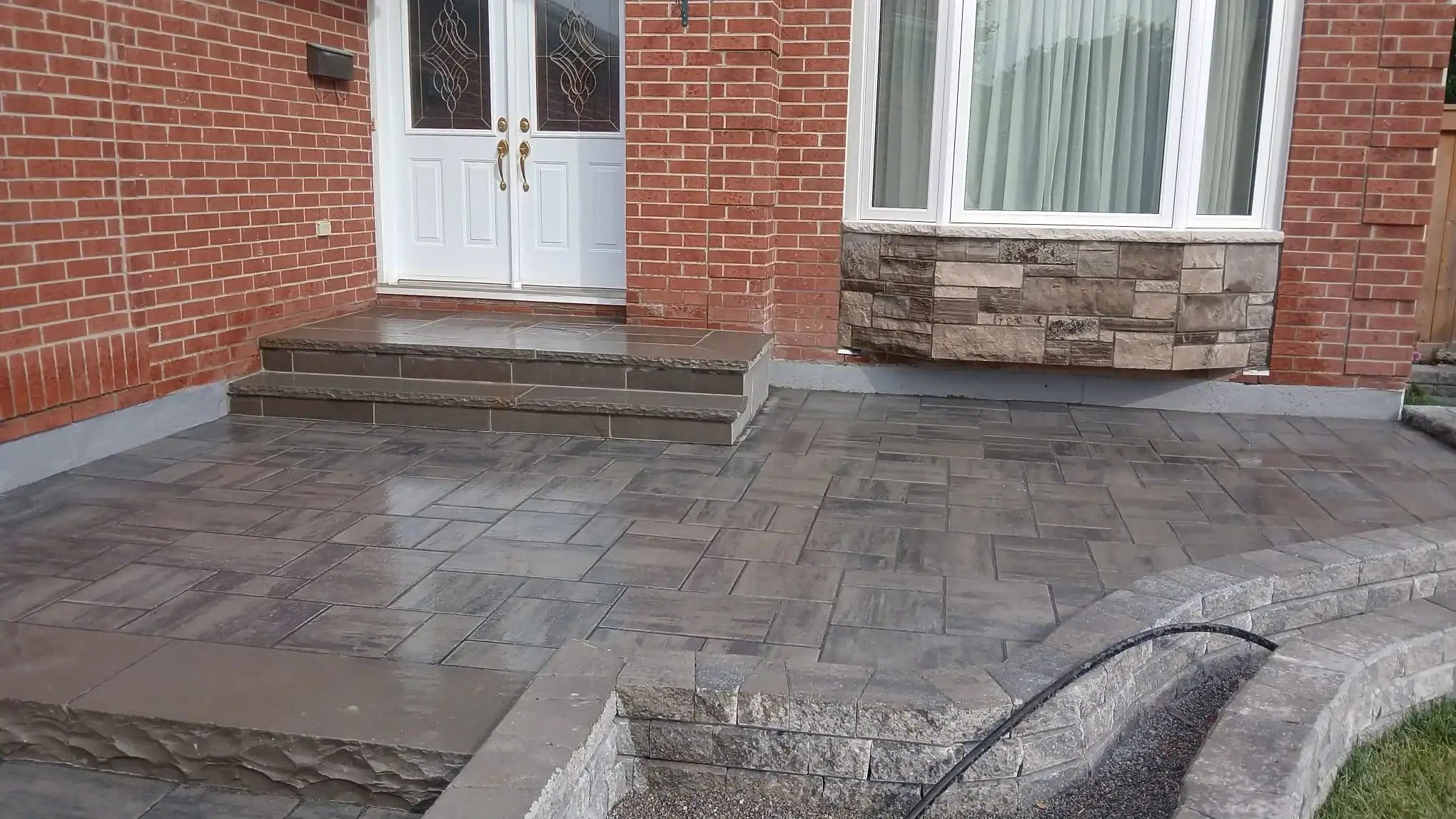
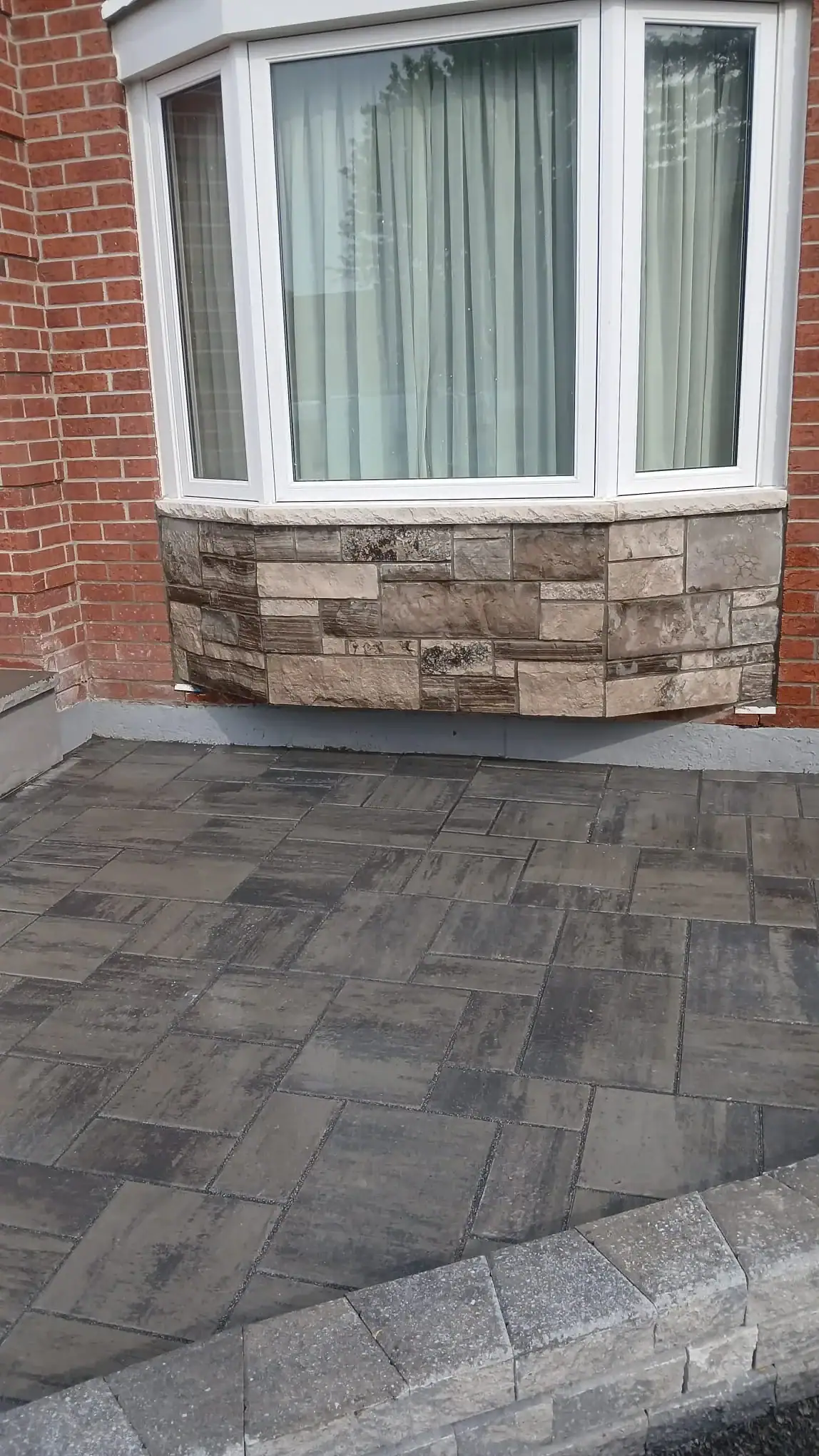
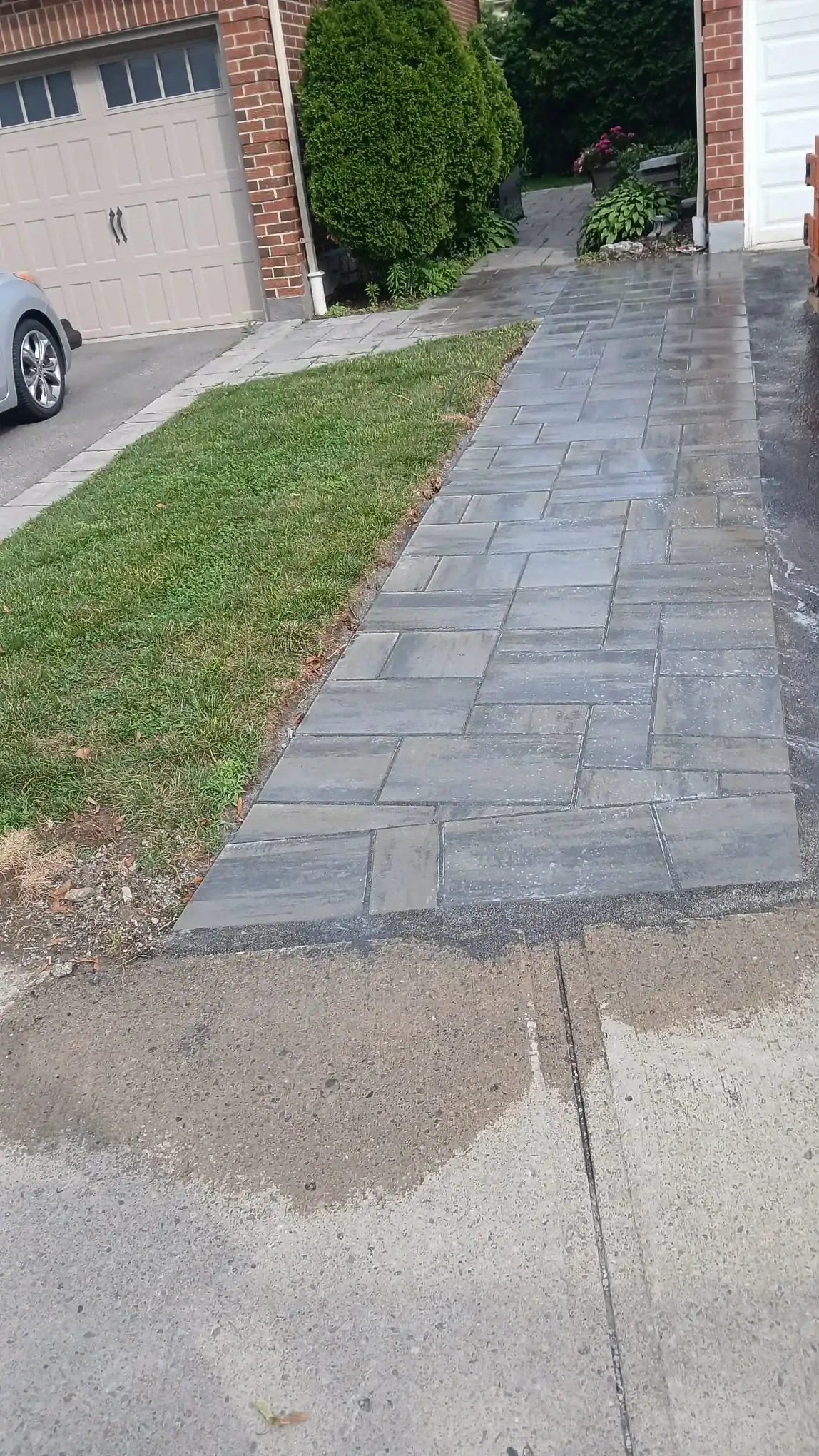
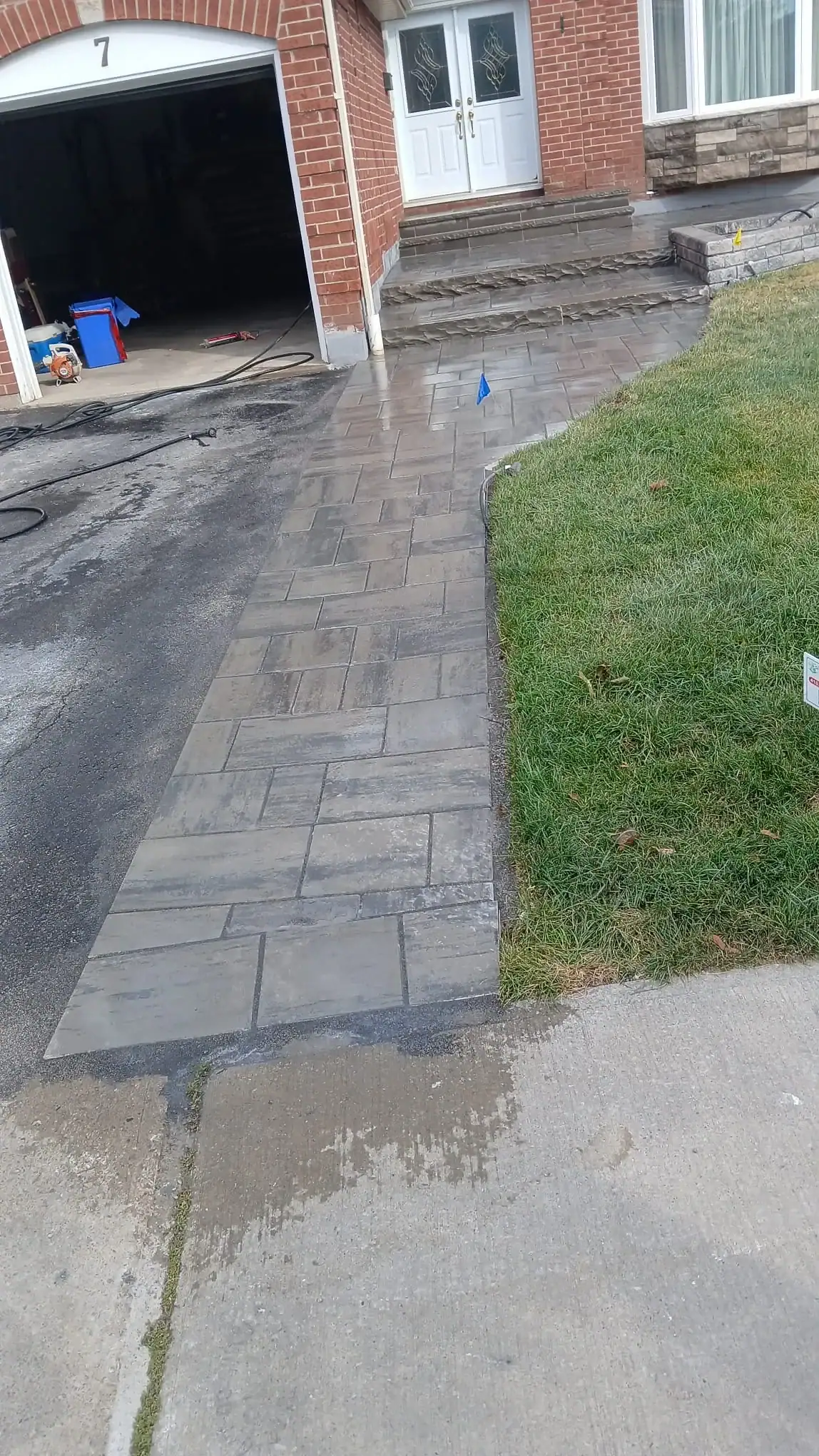
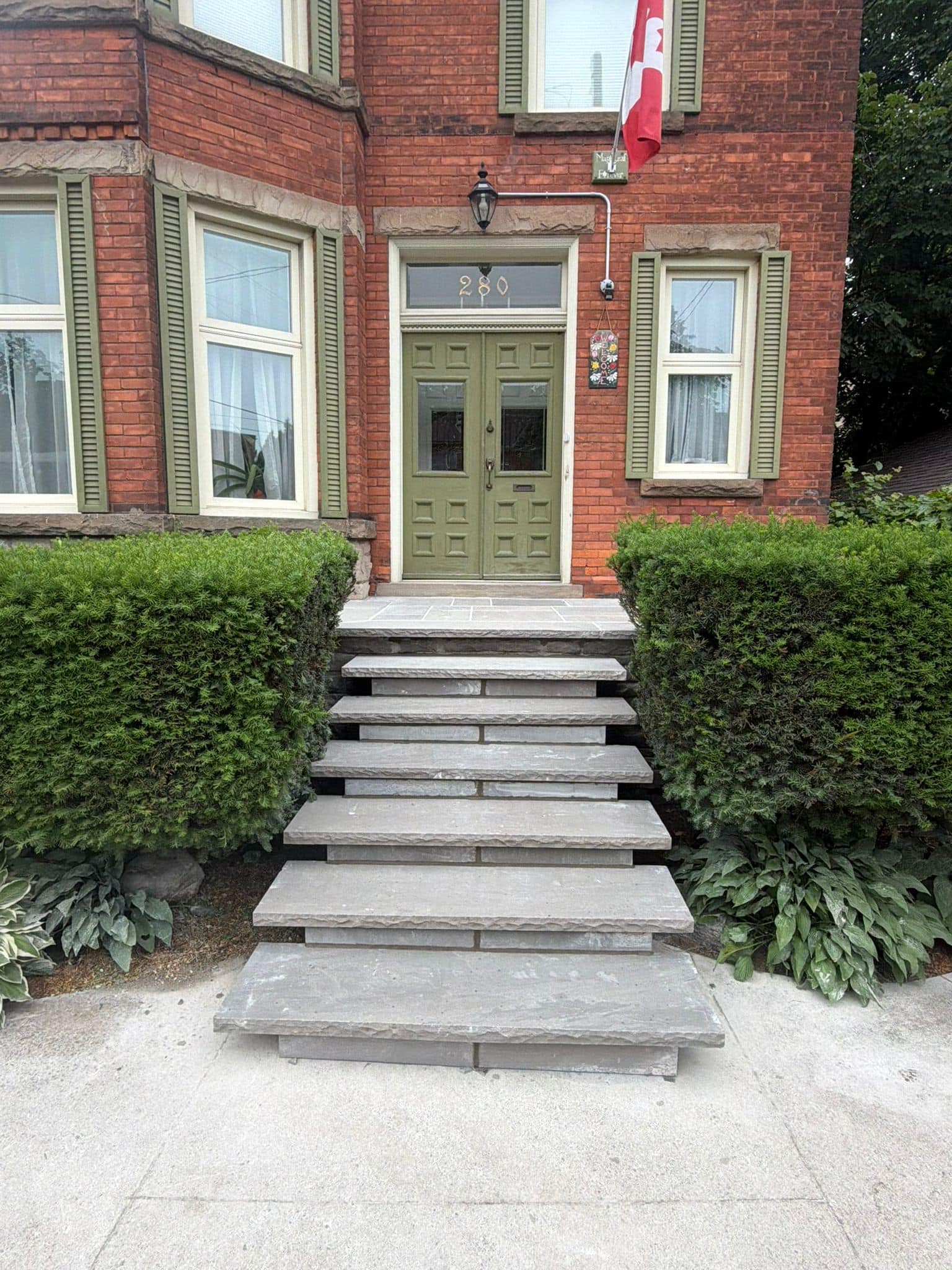
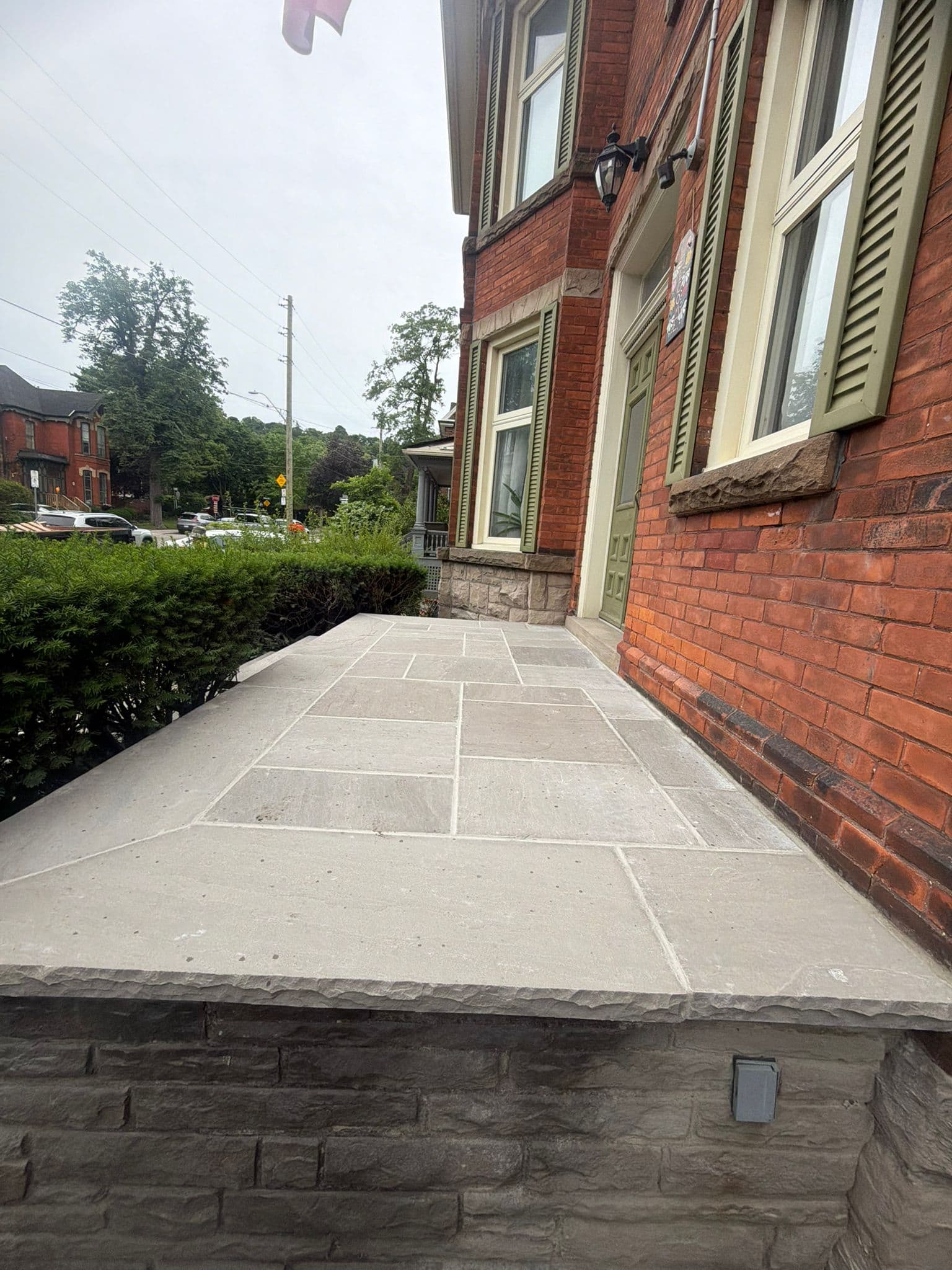
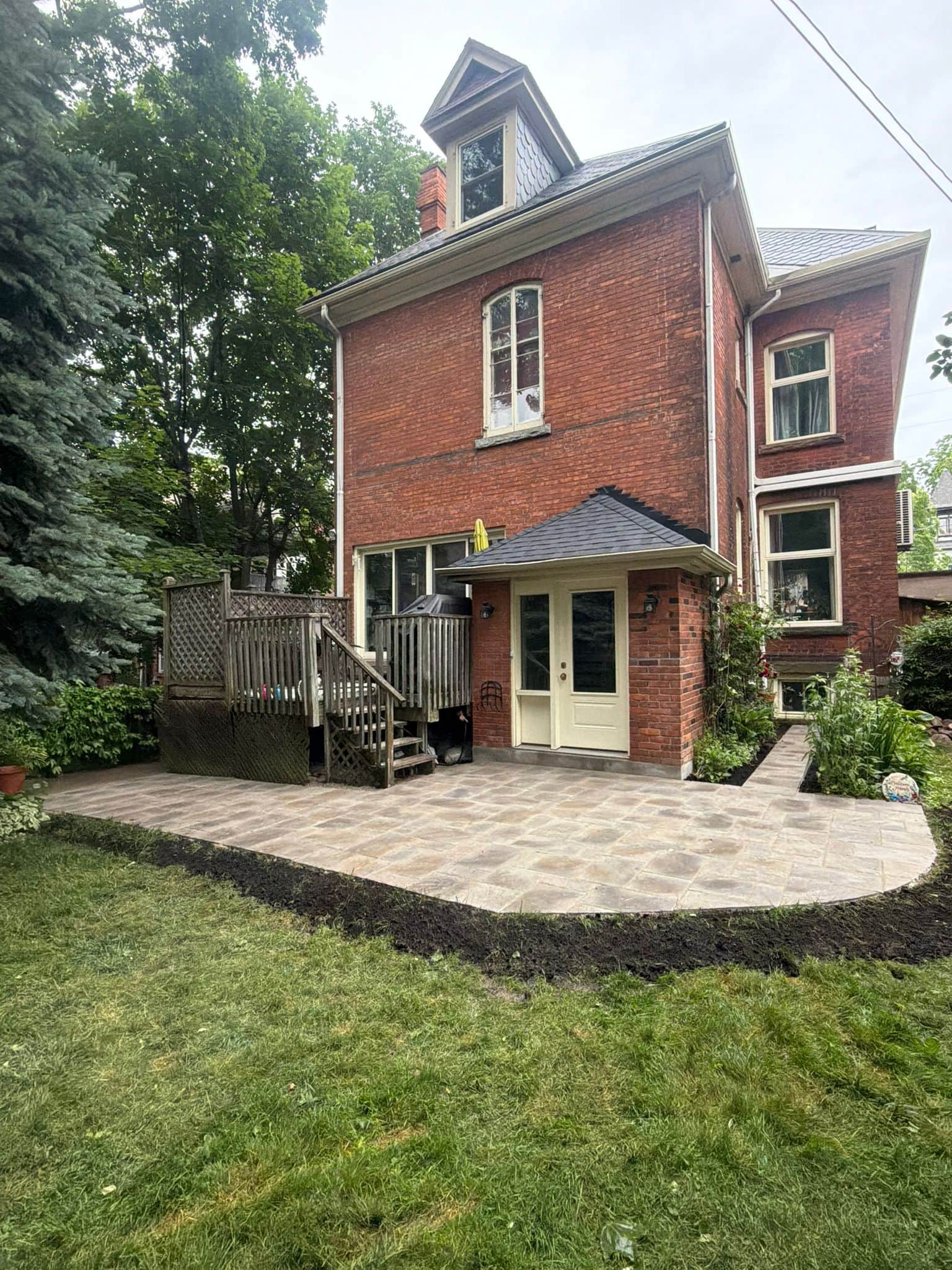
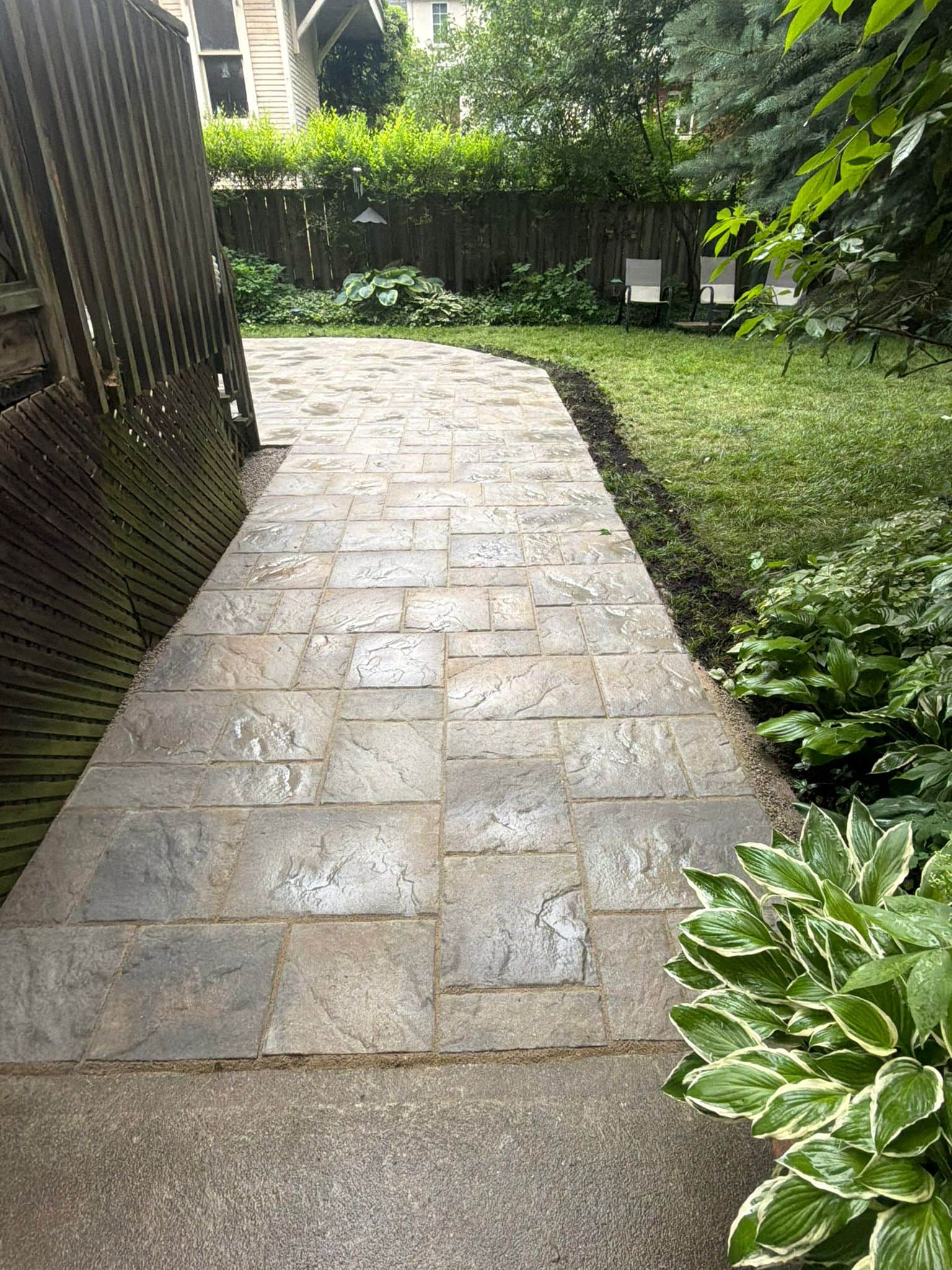
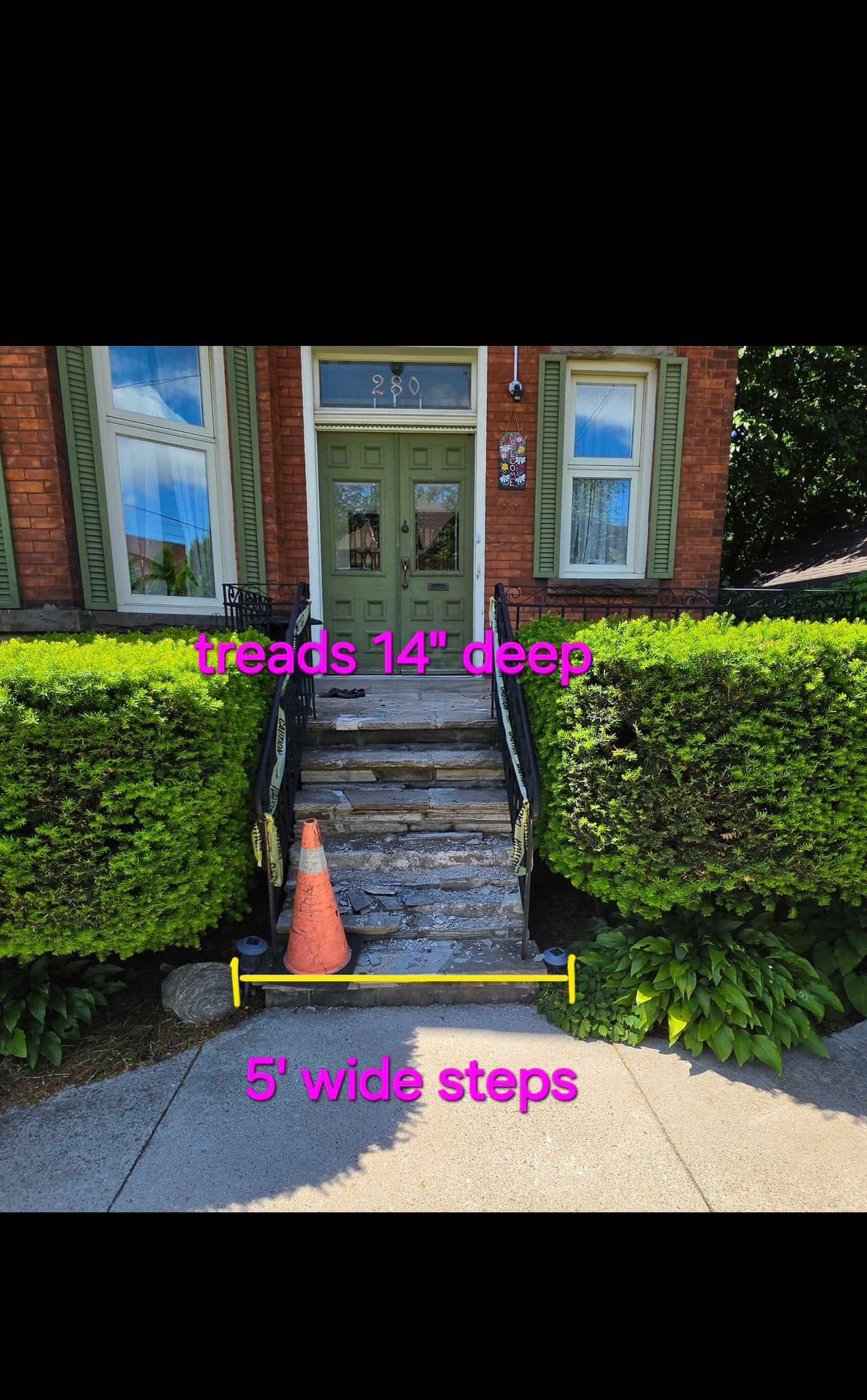
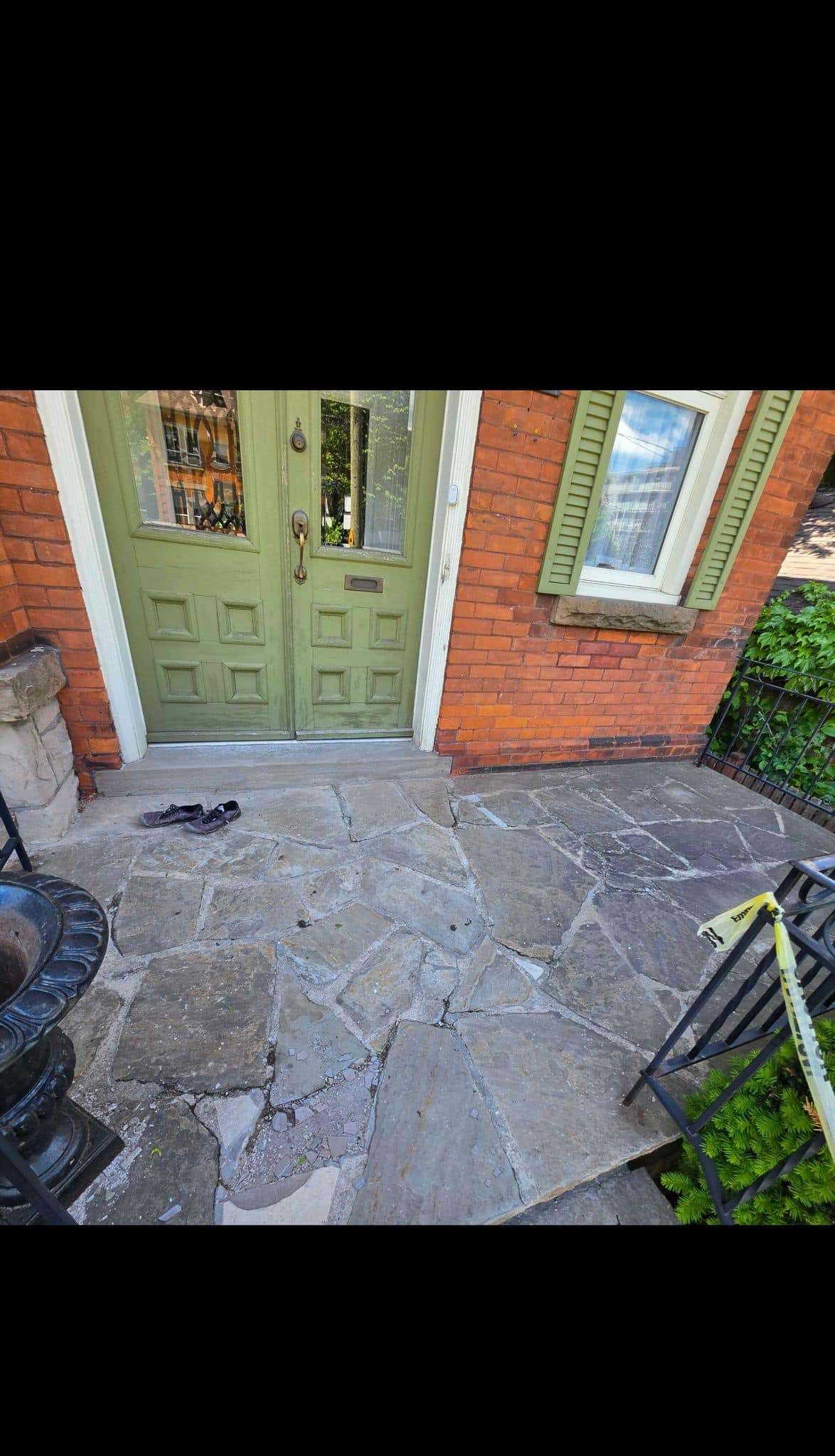
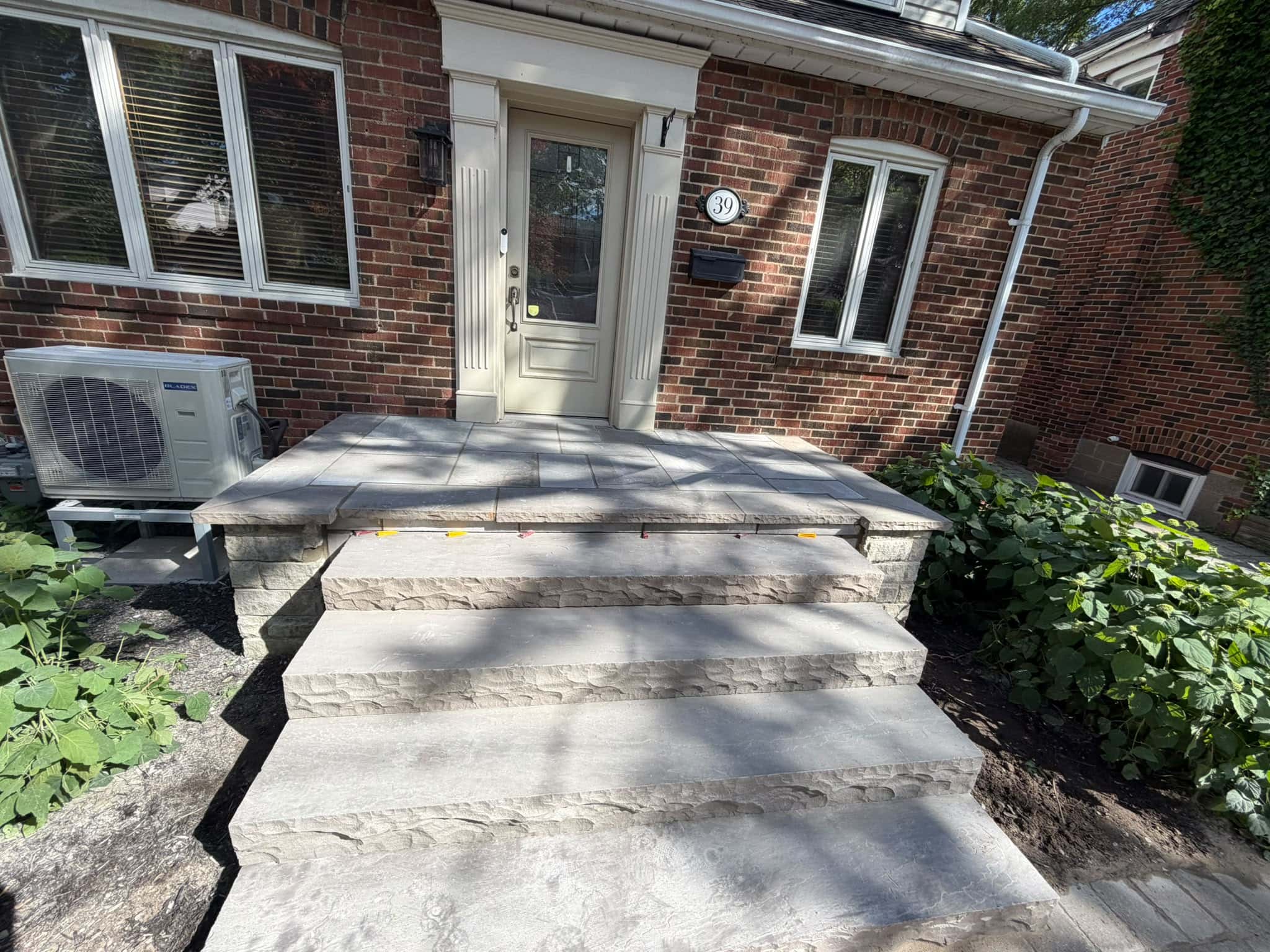
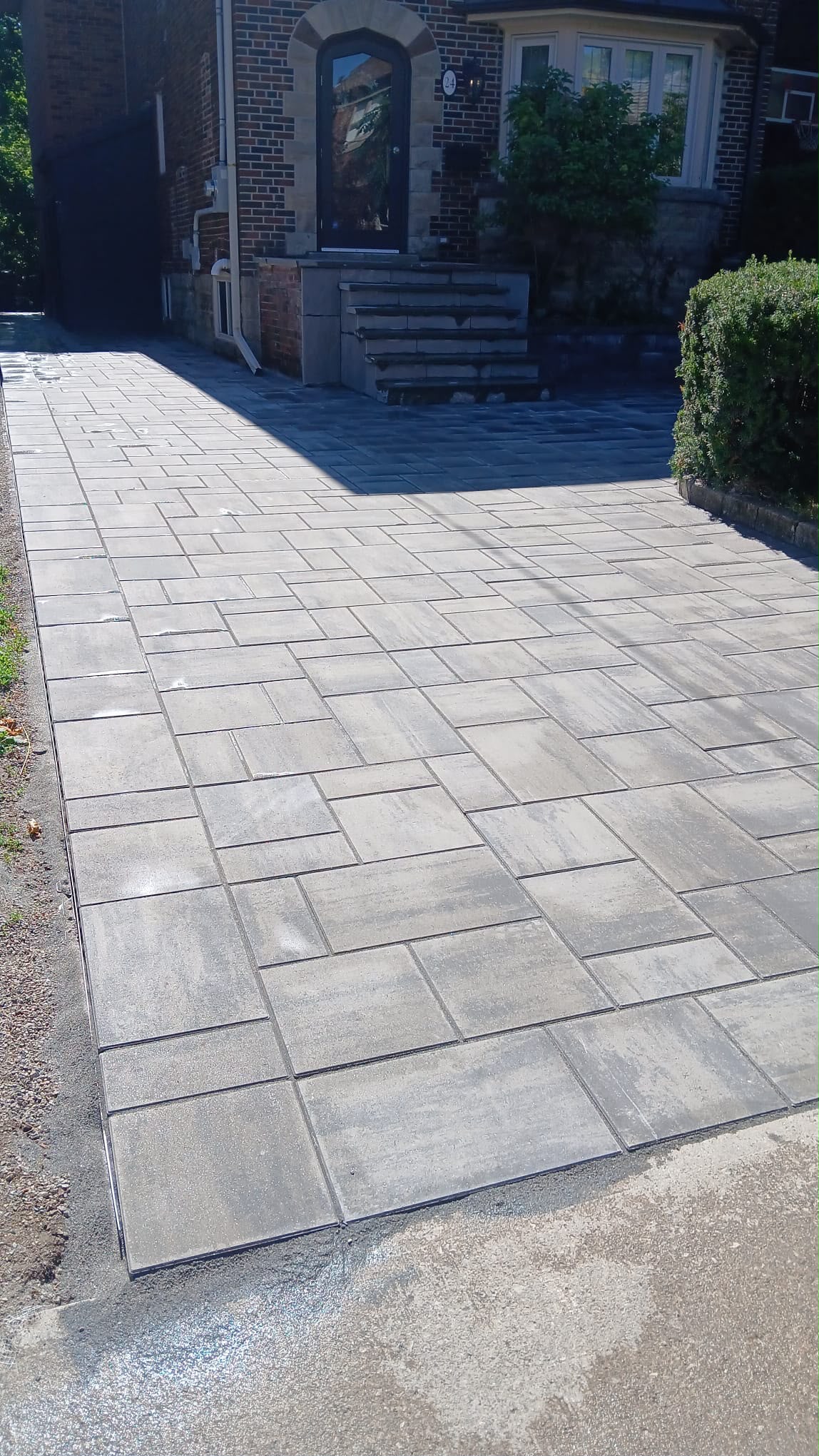
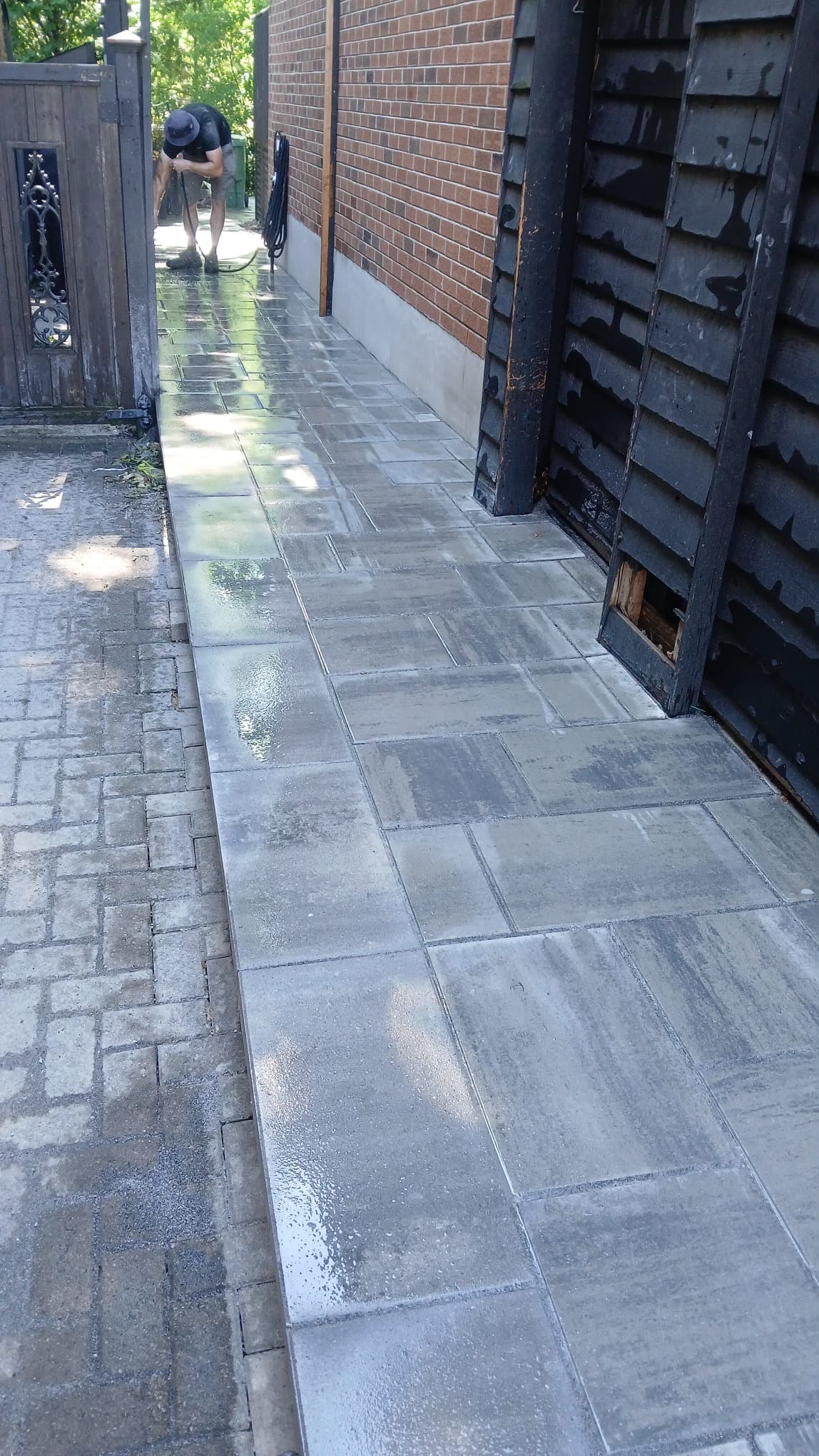
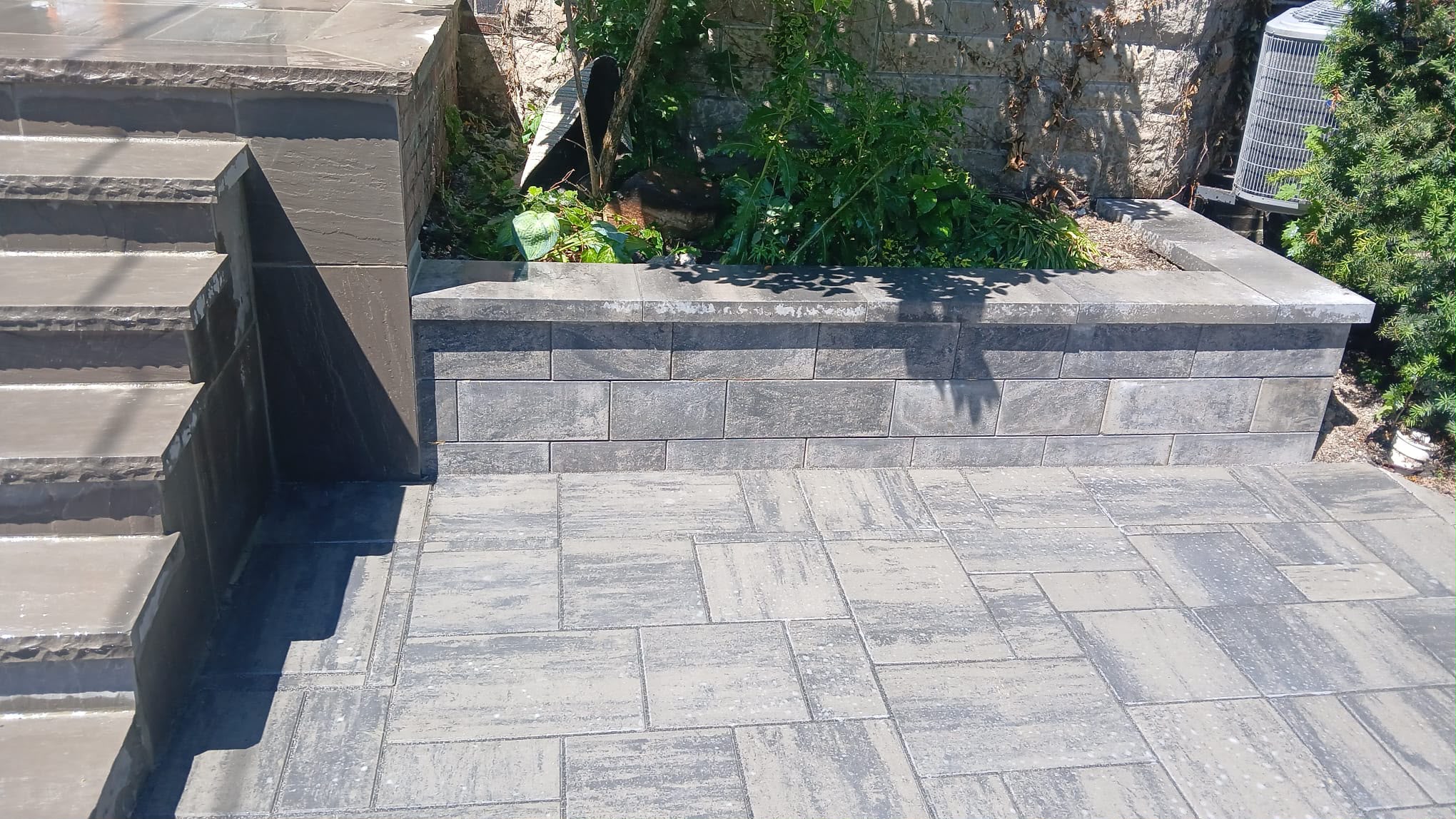
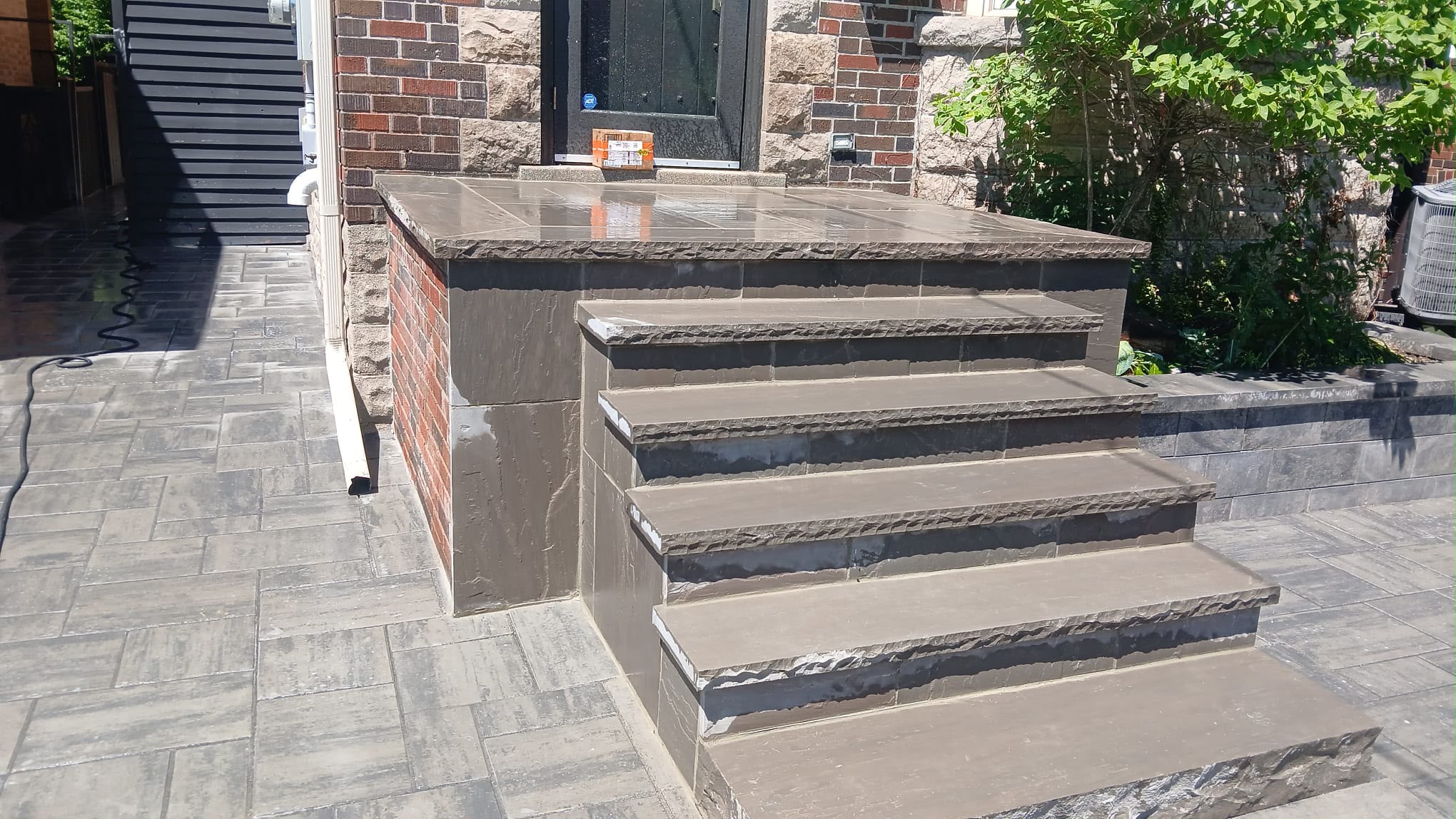
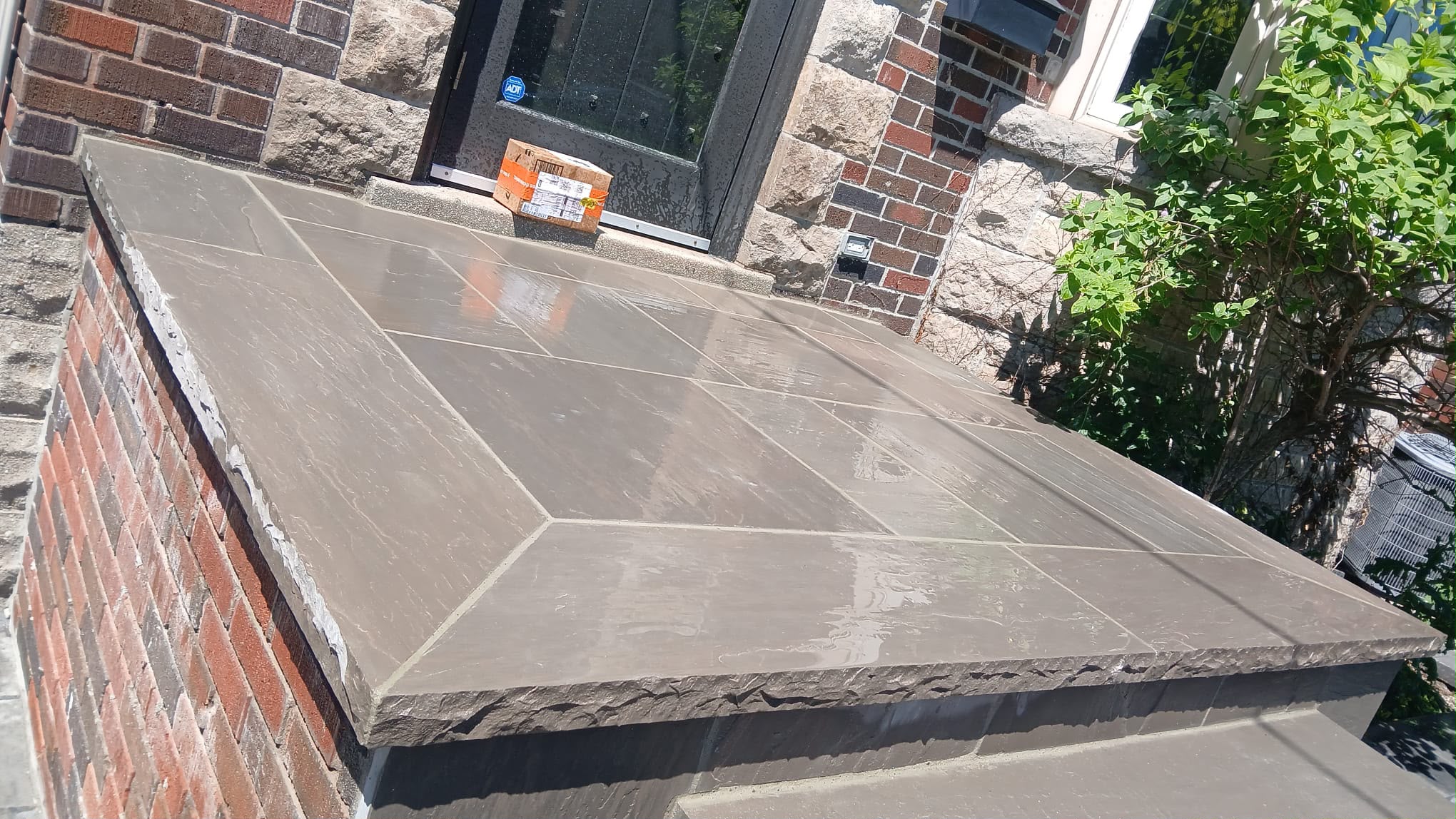
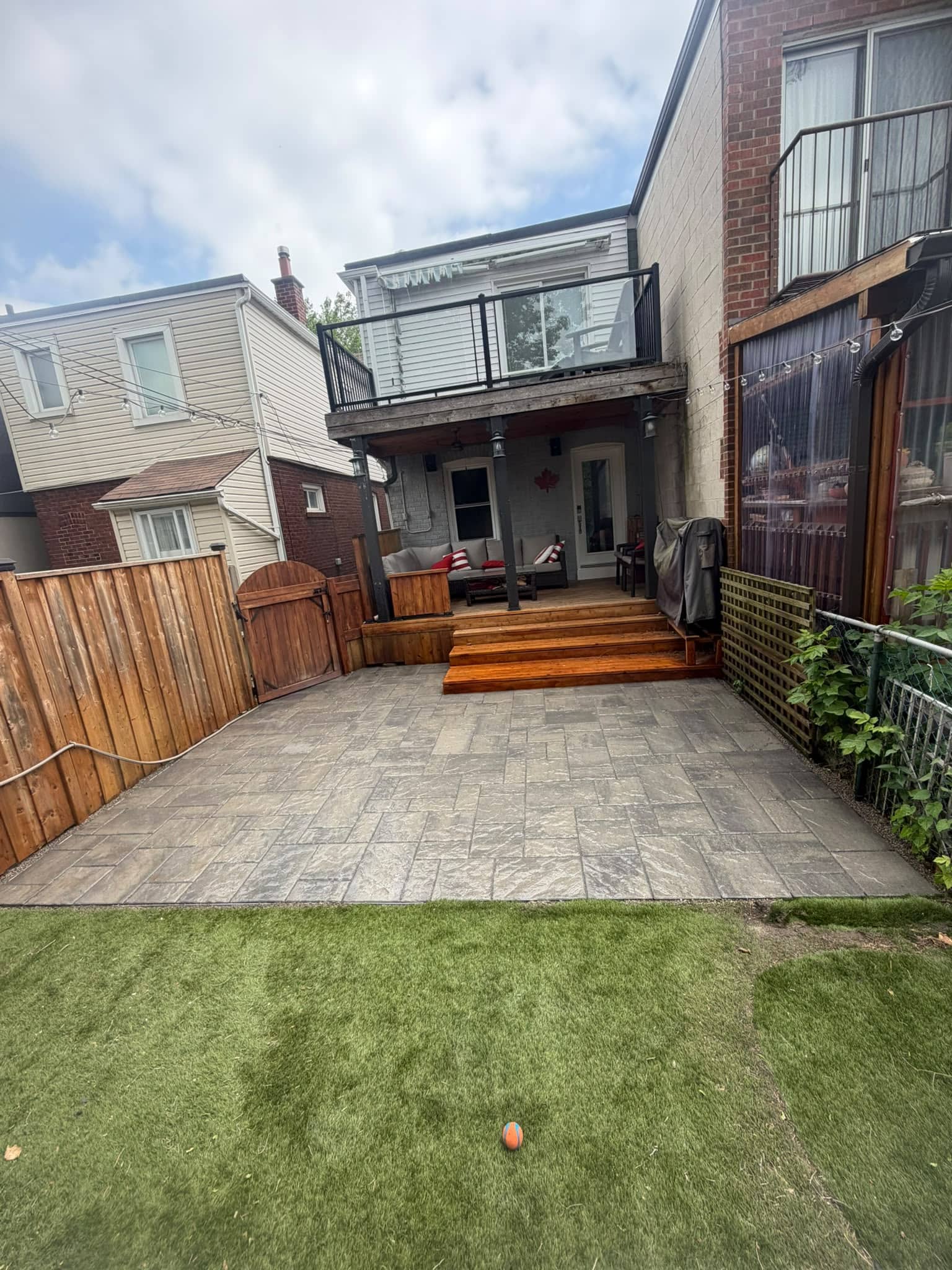
Yes — many homeowners choose natural stone or interlocking systems for enhanced curb appeal and durability.
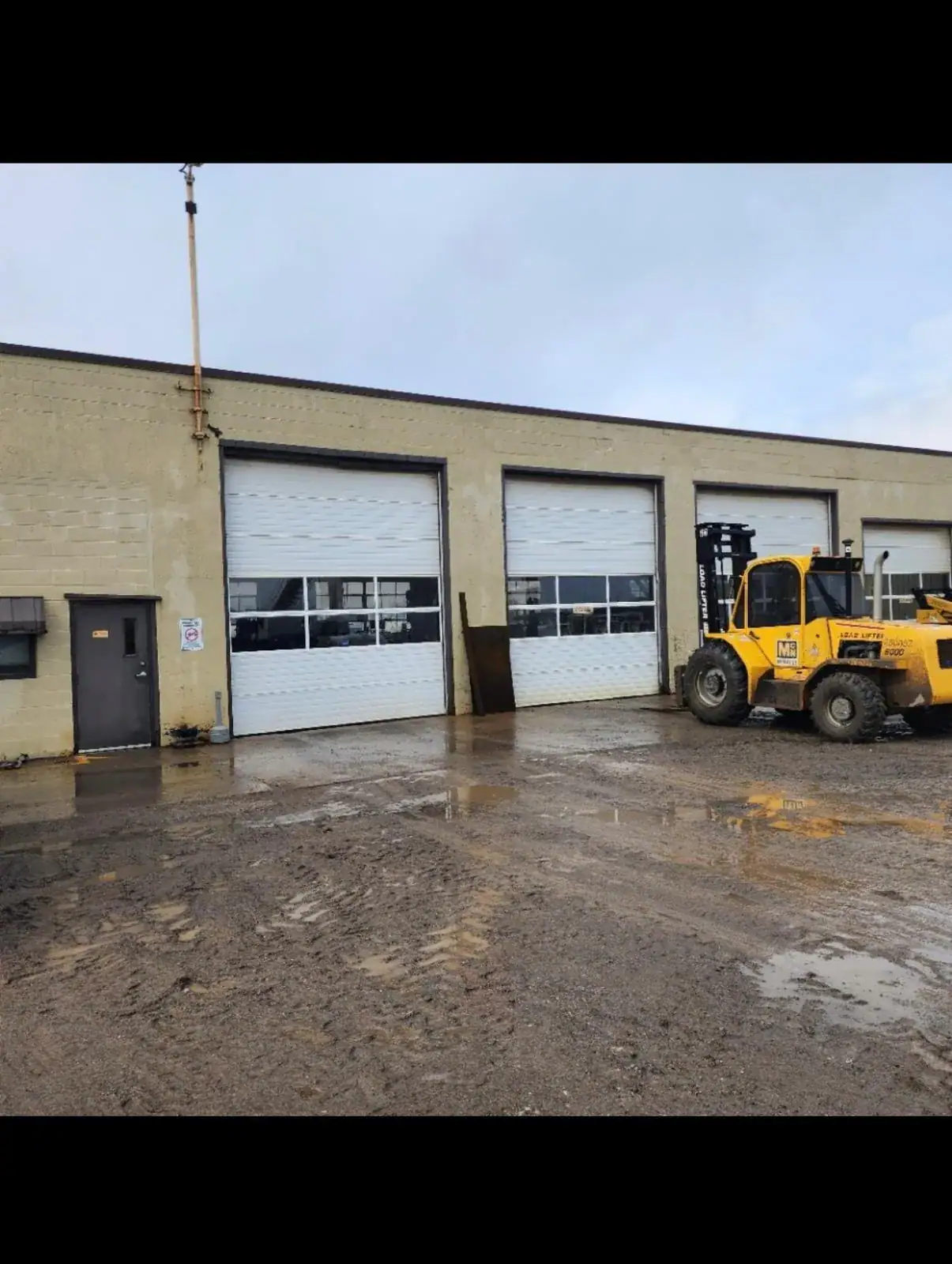
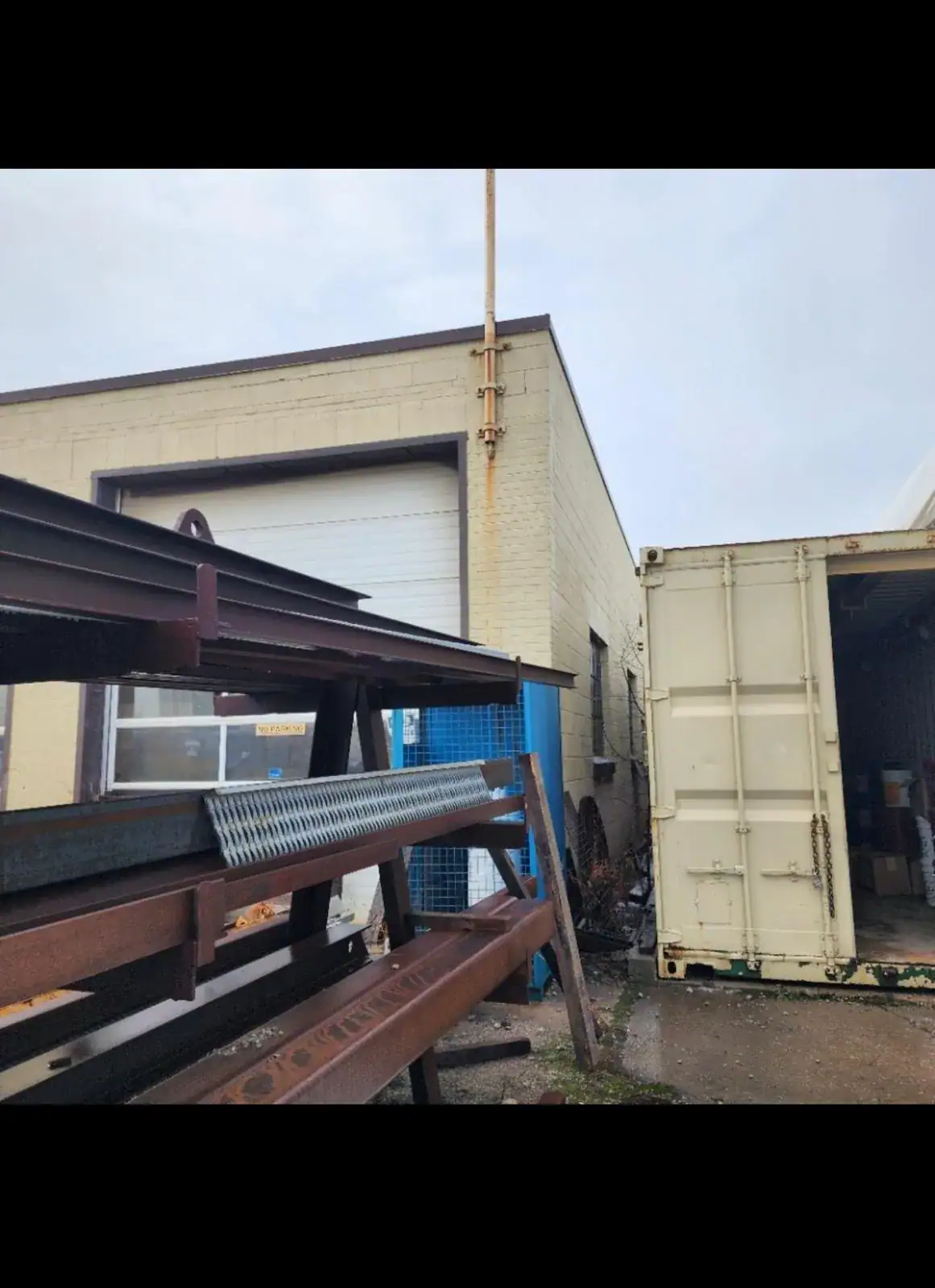
According to A&A Masonry, commercial masonry failures are often caused by deferred maintenance and long‑term moisture exposure.
Yes — we manage industrial, retail, and multi-unit property masonry needs.
Costs typically range depending on access and matching requirements, commonly $15–$40 per brick.
Most repairs complete in 1–5 days, depending on scope and conditions.
Yes — we offer free, written estimates across Toronto and the GTA.
Regular inspections, early mortar repairs, and effective moisture management help prevent long-term issues.
Yes — stones can be lifted, the base corrected, and the same stones reset.
Moisture in the base freezes and expands.
Interlocking allows movement and is easier to repair long-term.
Sealing is optional for appearance; it does not fix base issues.
Yes — individual stones can be replaced without rebuilding the entire patio.
Soil settlement, poor water management or erosion, and freeze–thaw damage.
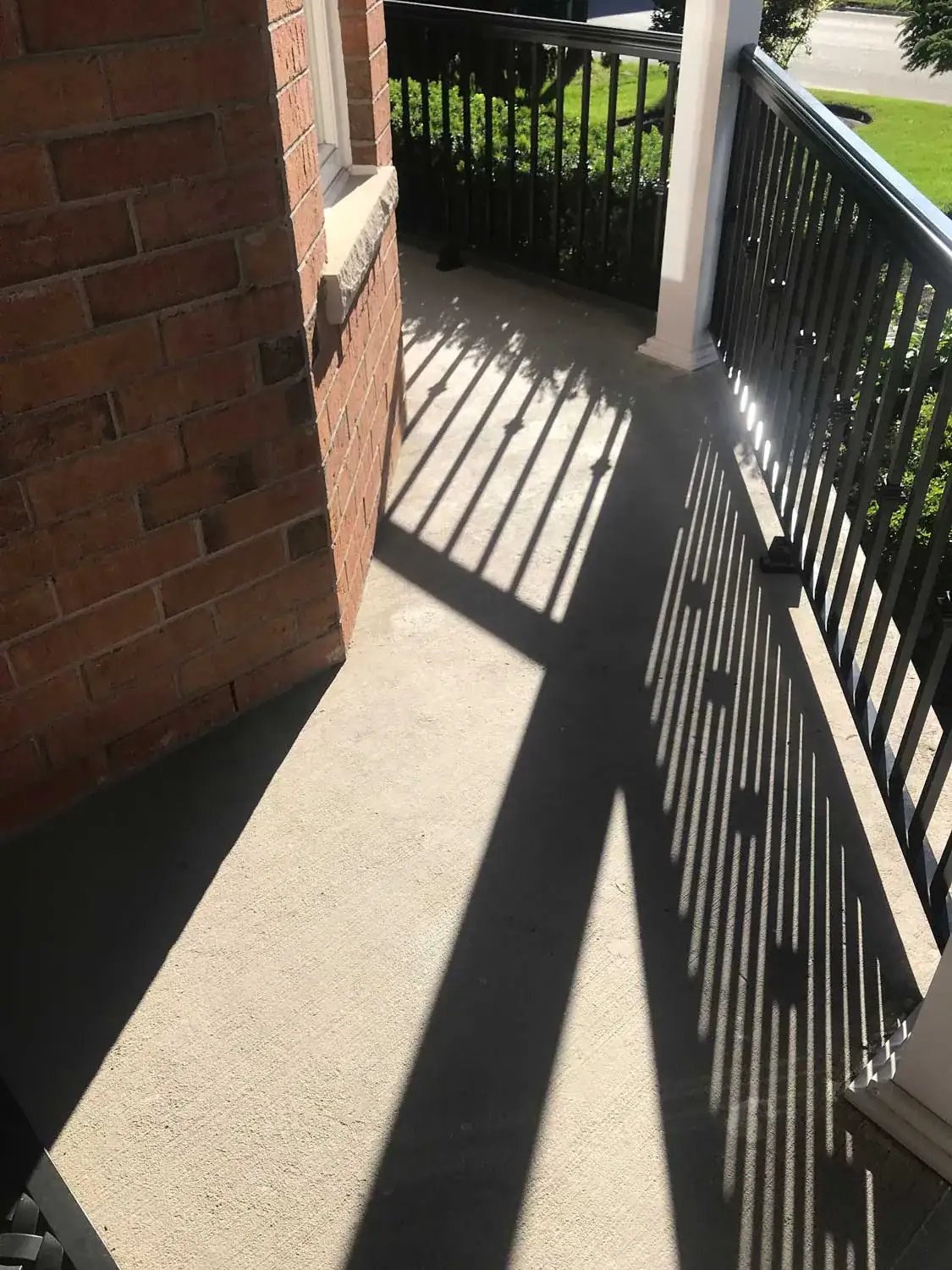
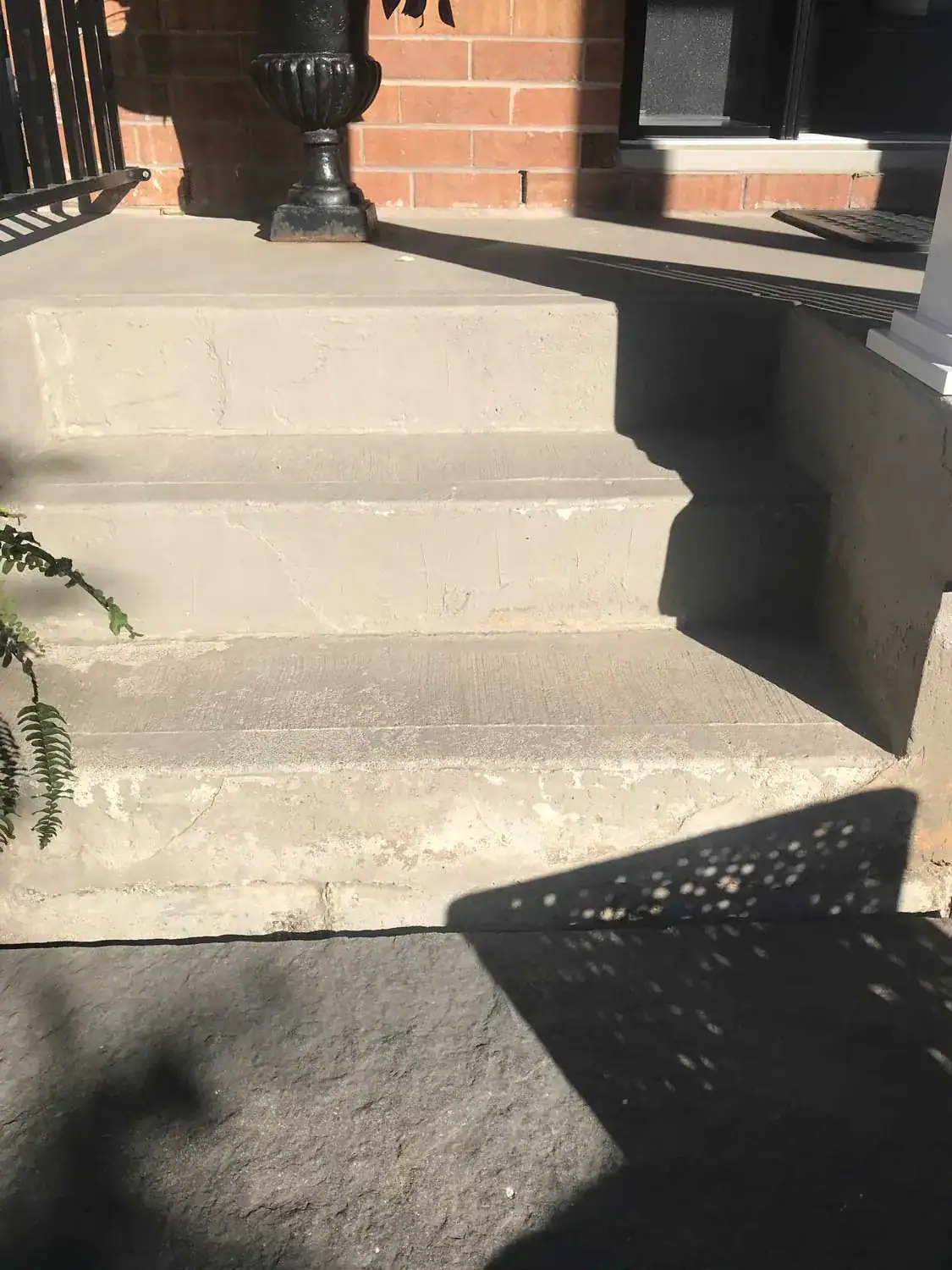
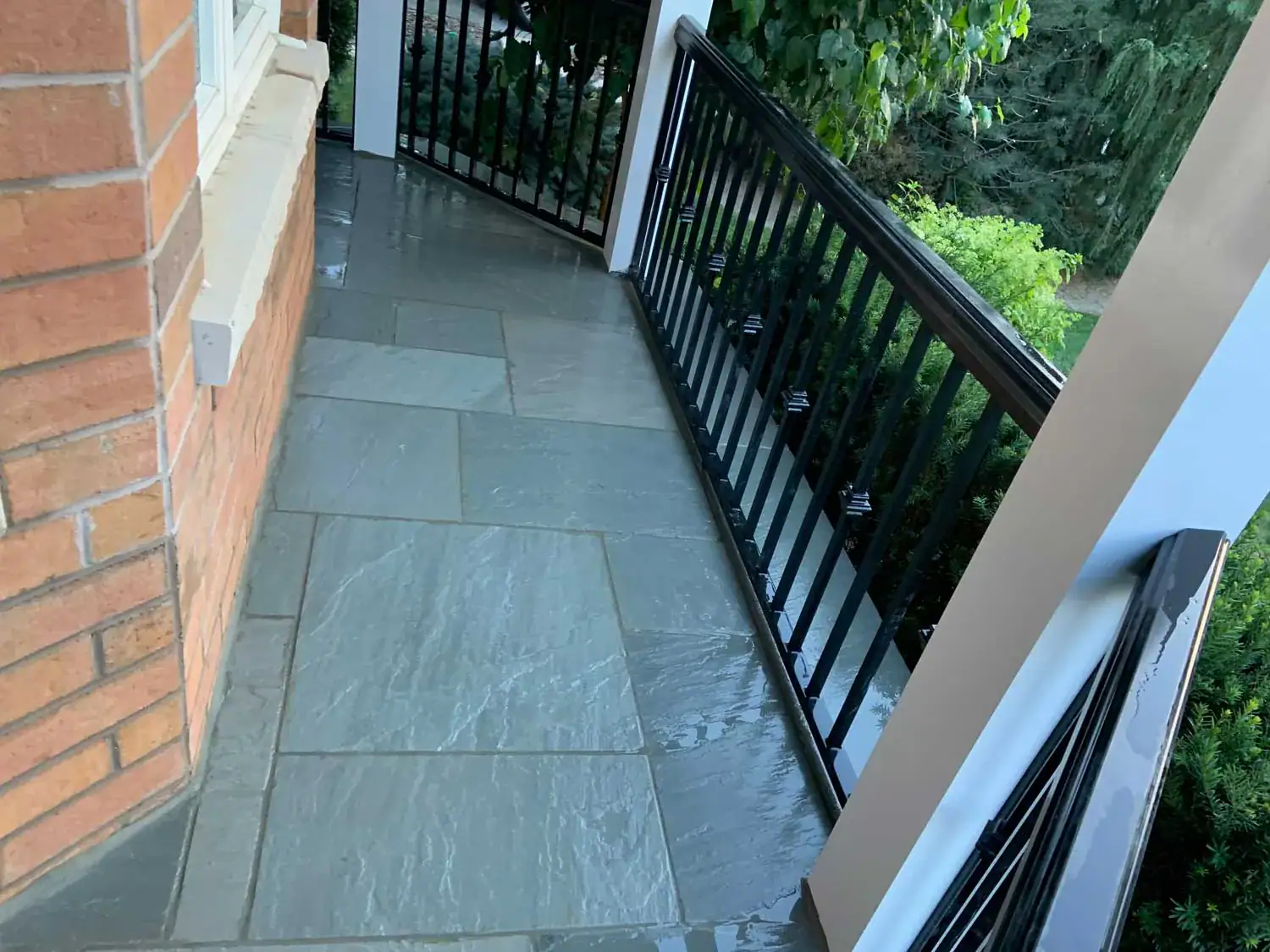
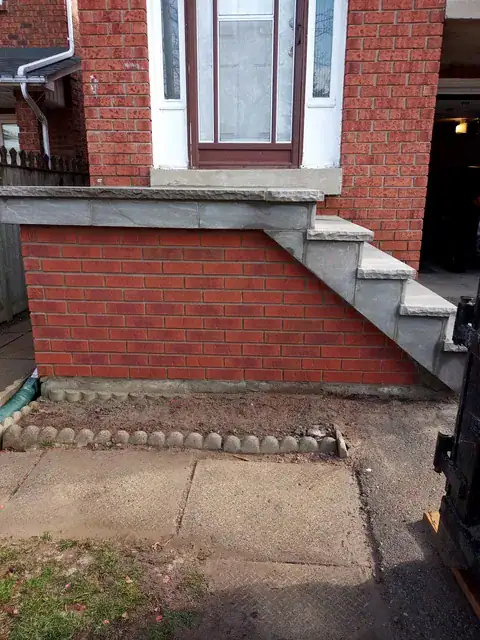
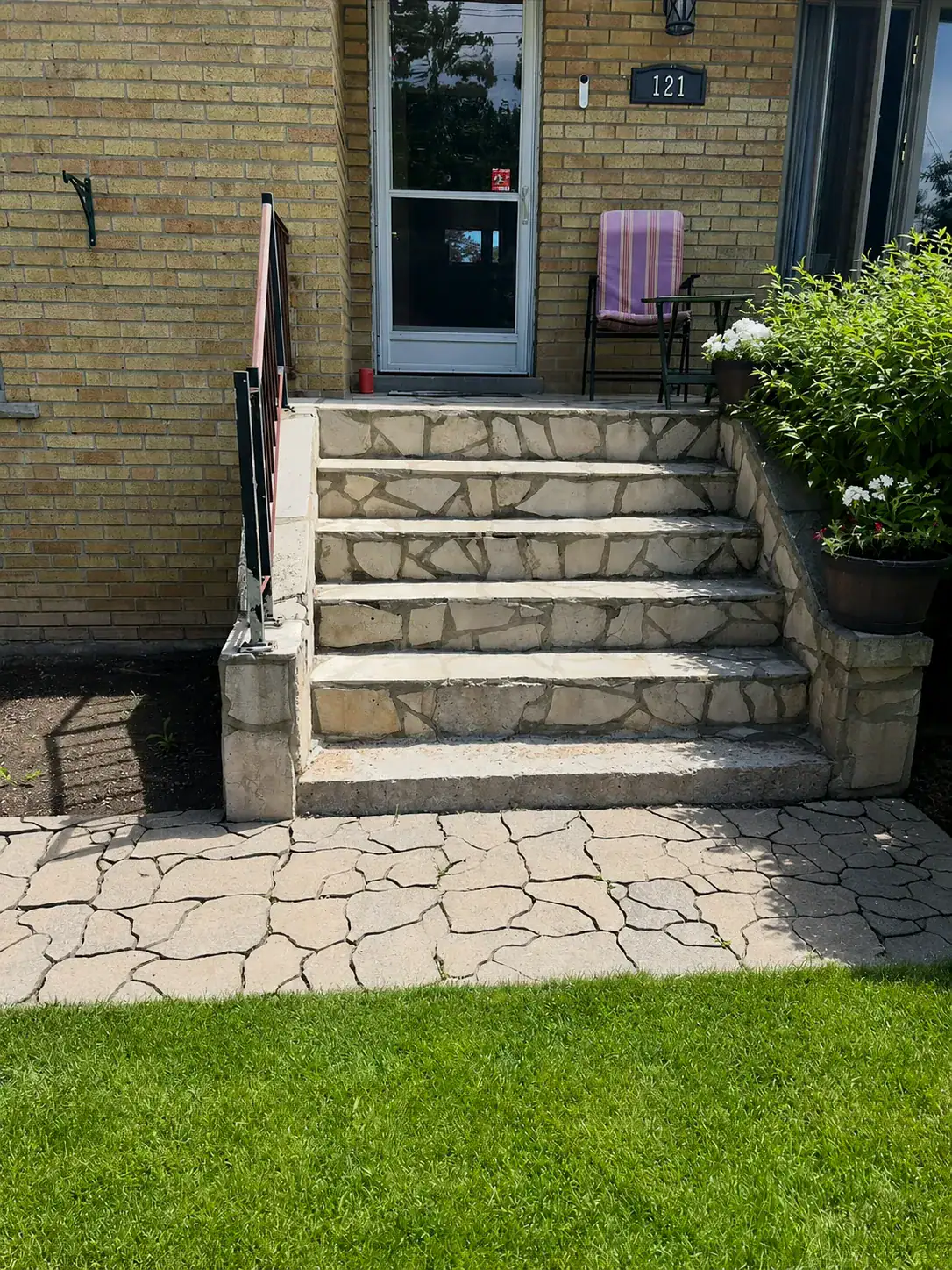
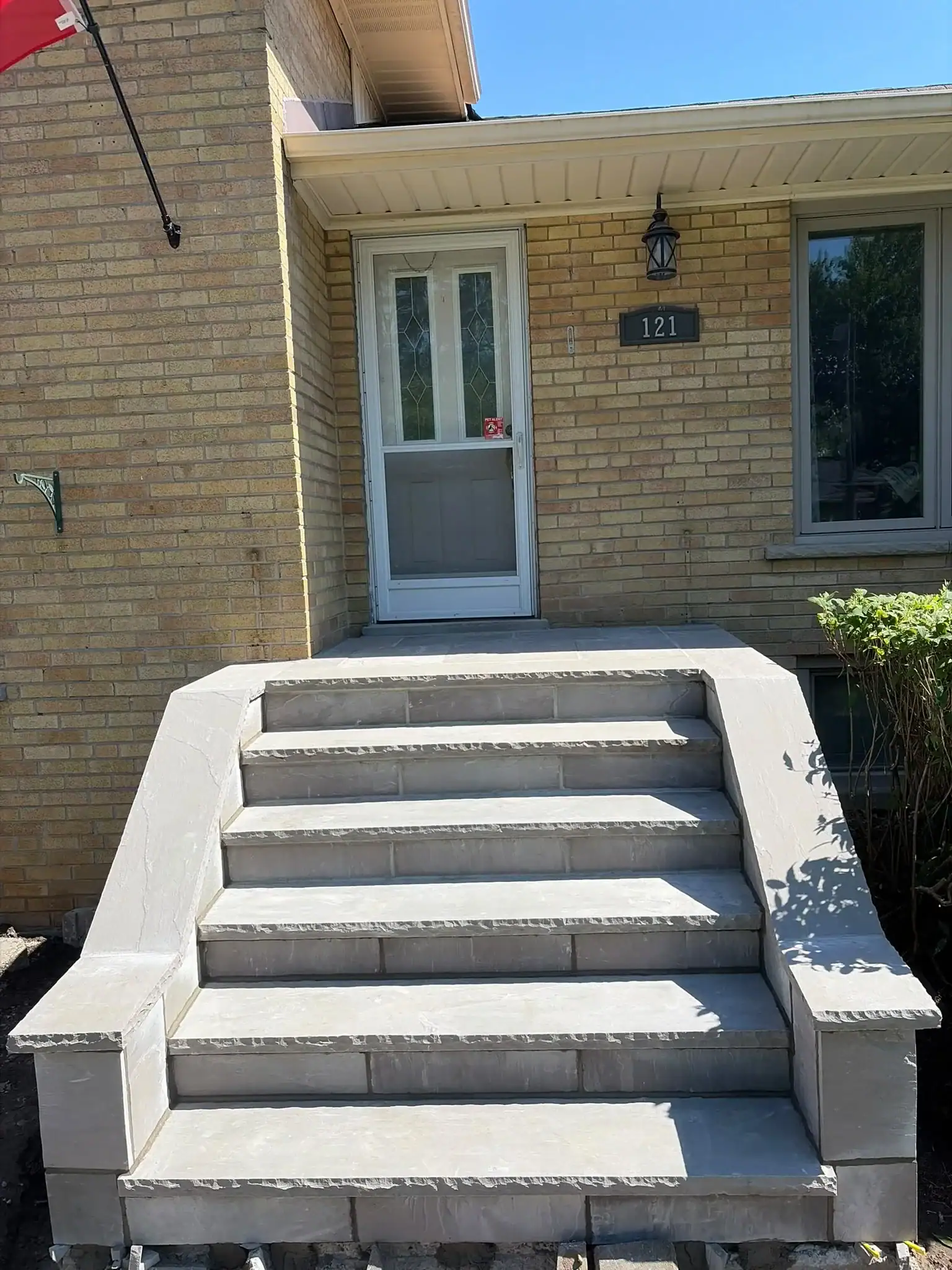
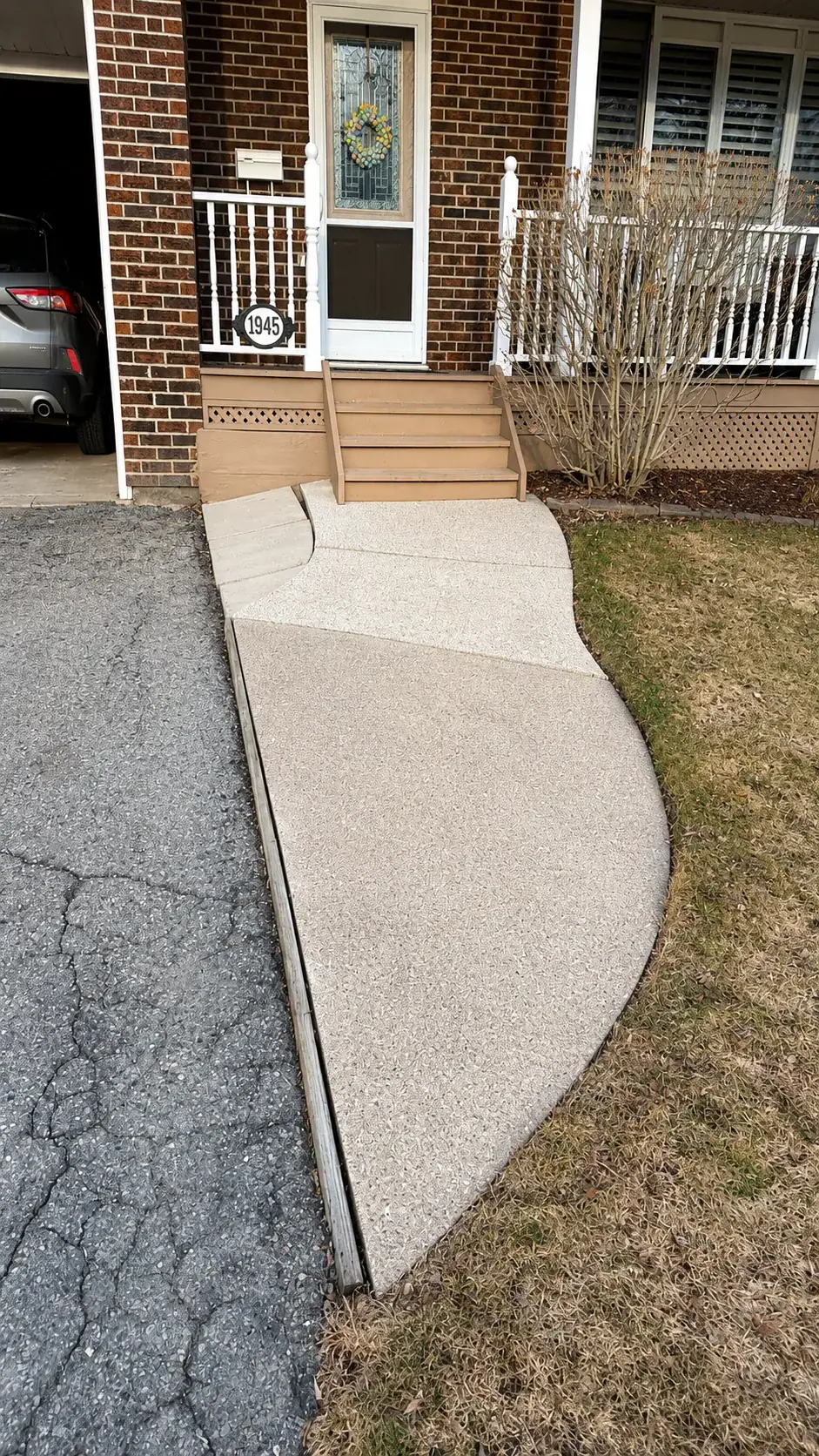
Yes — concrete porches are often rebuilt using natural stone or interlocking systems.
Properly built stone systems handle movement better than poured concrete.
Repair mortar, replace damaged bricks, and prevent moisture absorption.
Yes — breathable systems for bricks reduce water-related damage.
Every 5–10 years, or sooner if damage appears.
Small cracks often grow and should be assessed early.
Yes — freeze–thaw cycles accelerate damage. That’s why correct repair and water management matter.
Yes — fixing issues before freezing temperatures reduces further moisture intrusion.
Yes — with proper materials and techniques suited for winter conditions.
We evaluate the structure, mortar, drainage, and damage to recommend the best repair plan.
Yes — all projects include a detailed written quote.
Most projects start within 1–3 weeks, depending on season and schedule.
Yes — workmanship warranties vary by service type.
Every home is different. If you’re dealing with brick damage, chimney issues, foundation concerns, or planning a stone porch or patio upgrade, our team can help you understand your options.