

Frequently Asked Questions About Tuckpointing
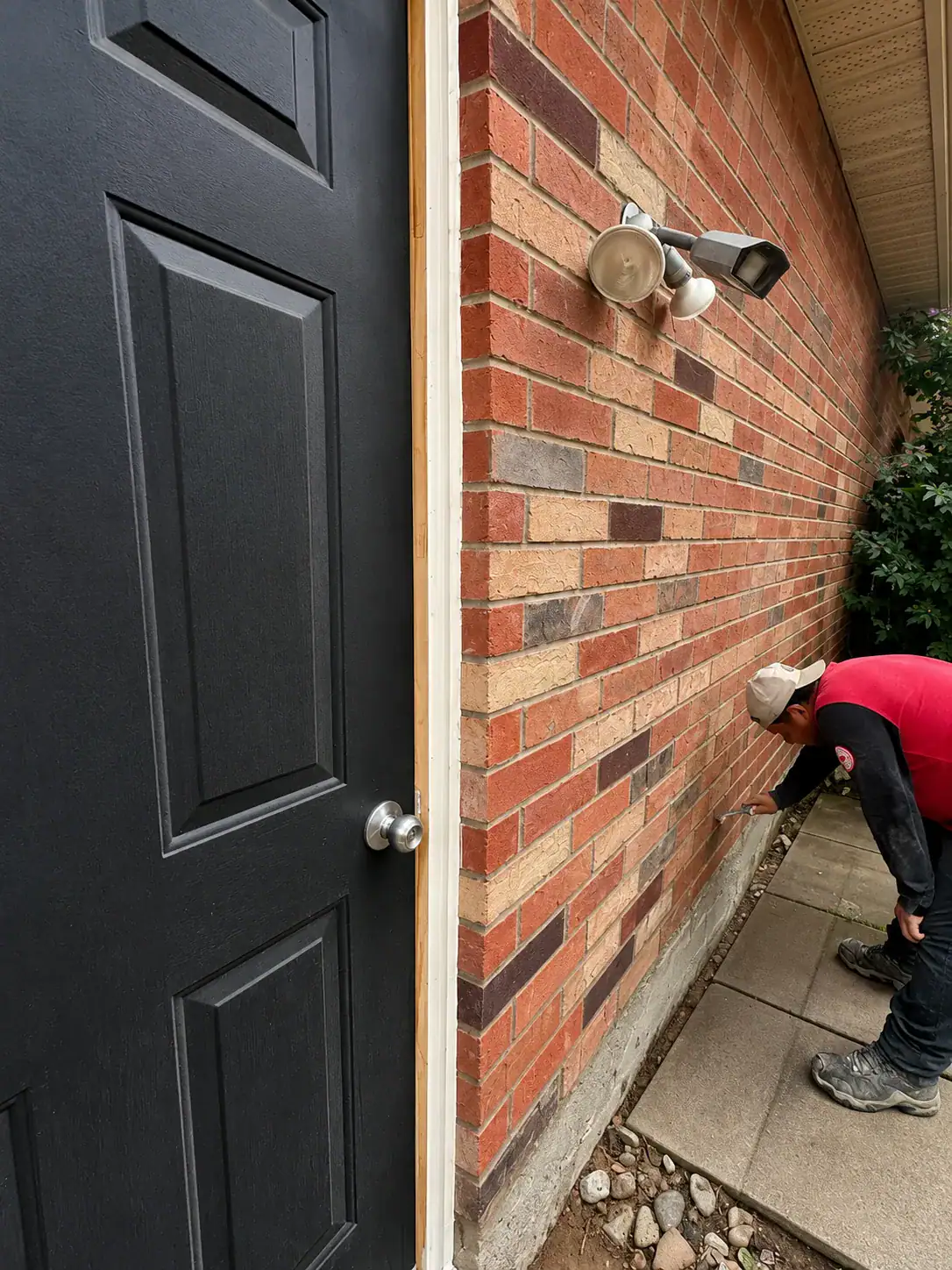
Tuckpointing is the repair of deteriorated mortar joints between bricks or stone. Damaged mortar is removed and replaced with compatible new mortar to restore the joint and help protect the masonry.
Repointing is the technical term for removing deteriorated mortar and replacing it with new mortar. Tuckpointing traditionally refers to a decorative joint-finishing technique, although the term is commonly used today to describe mortar-joint repair in general.
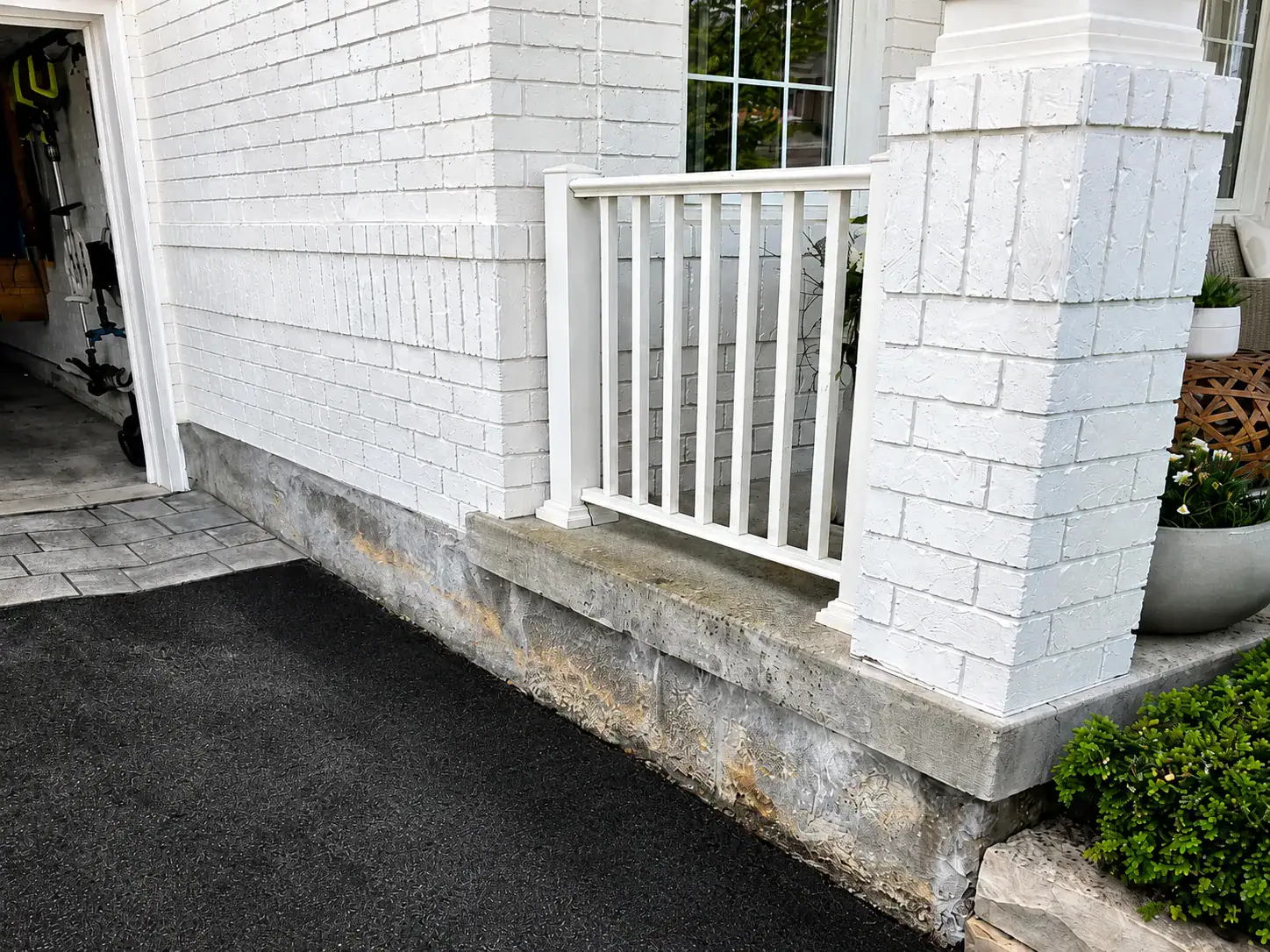
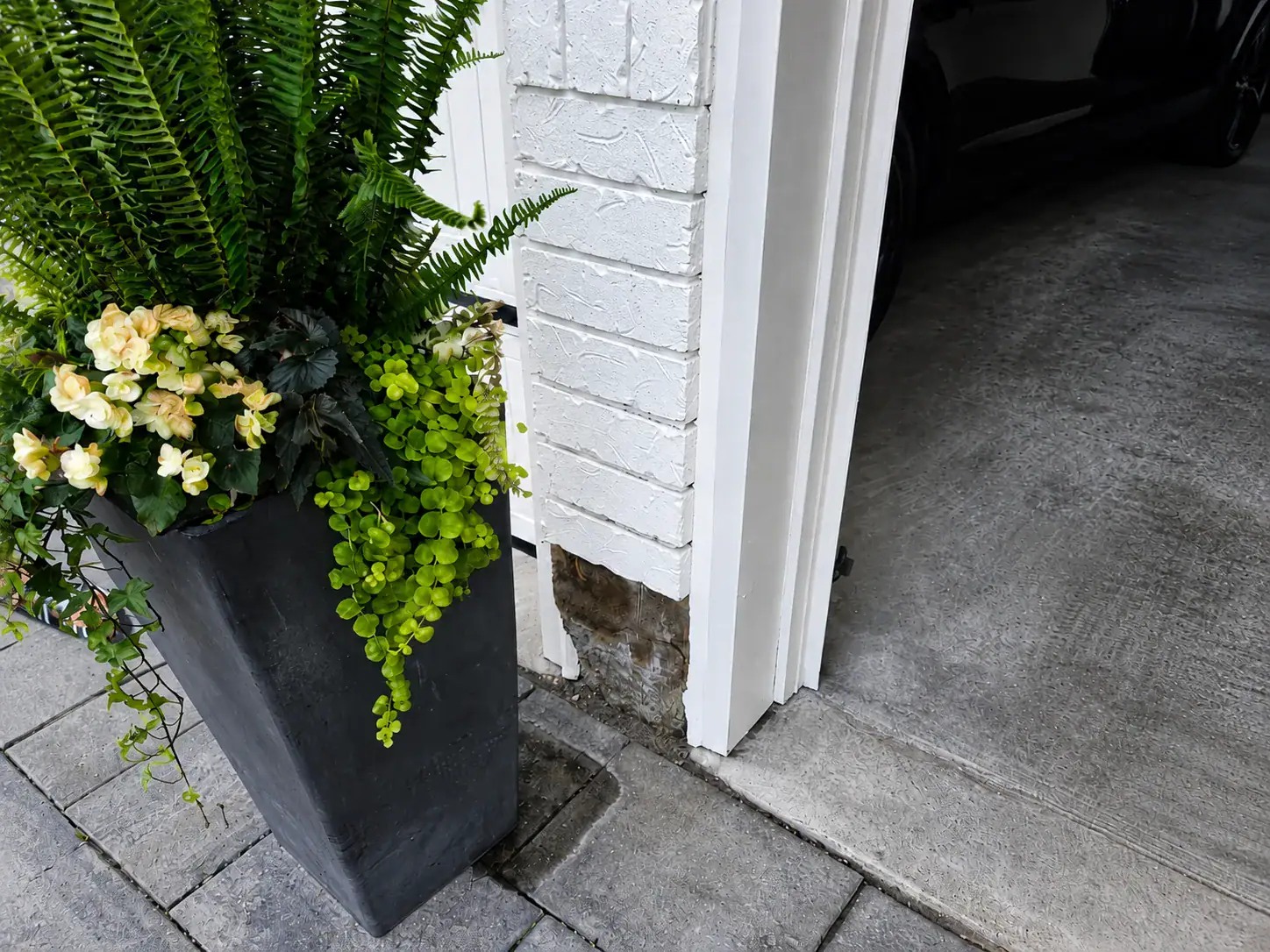
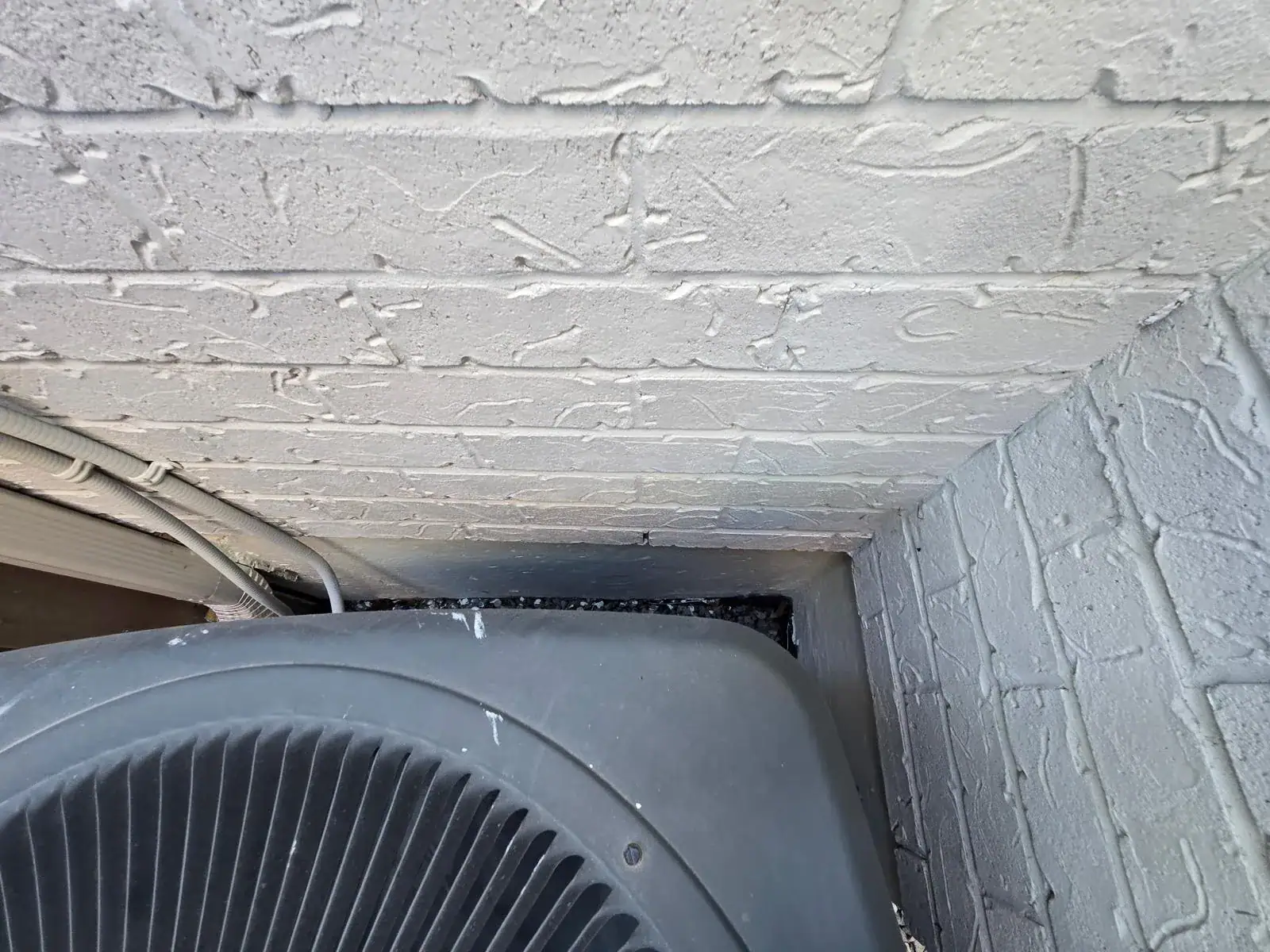
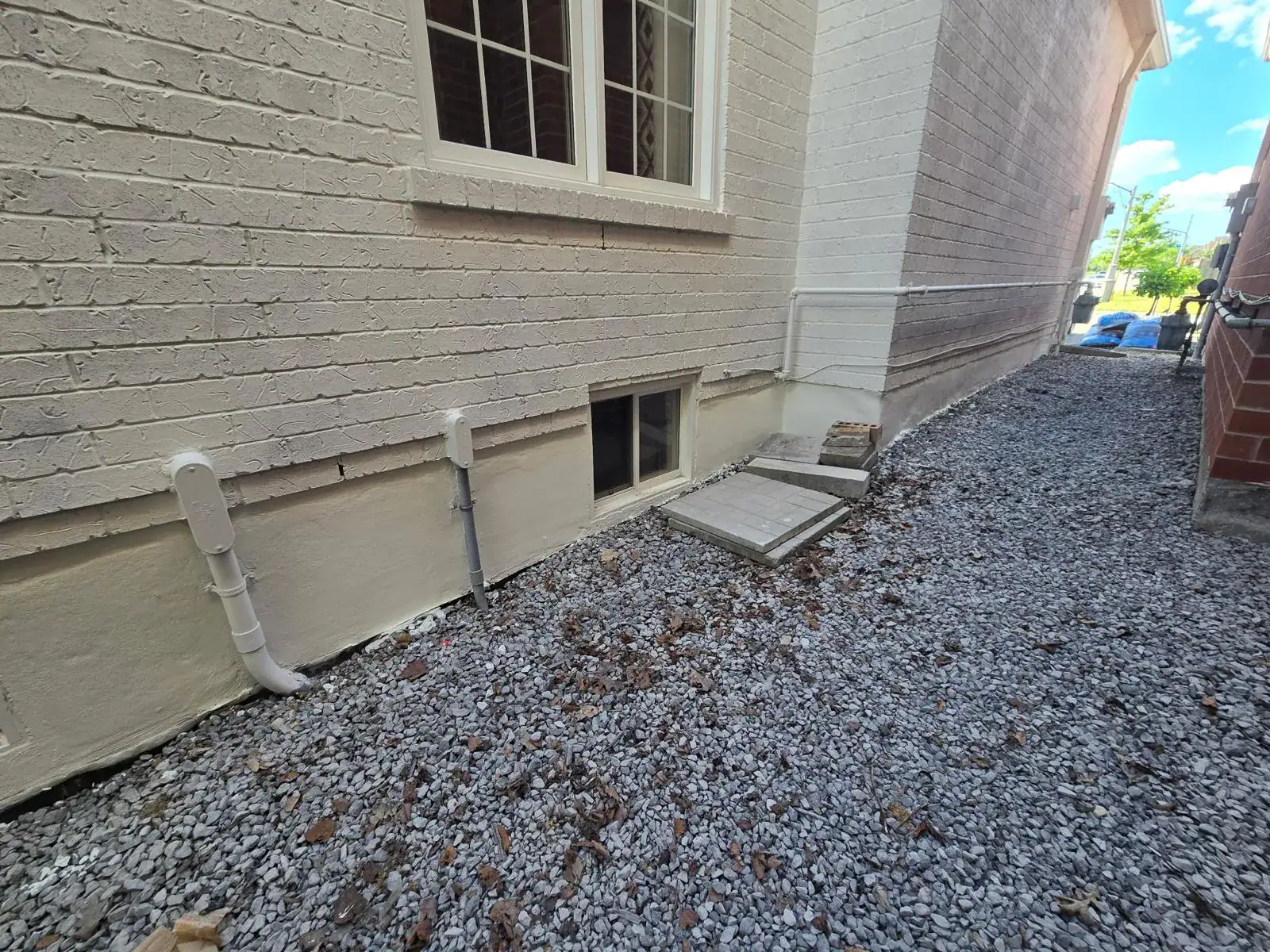
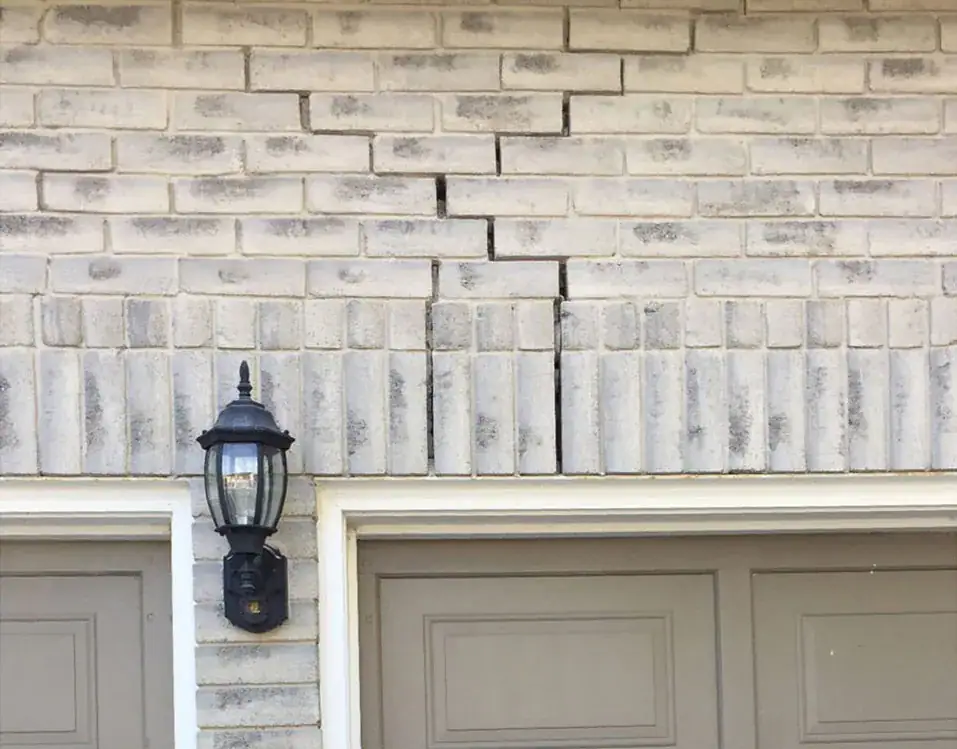
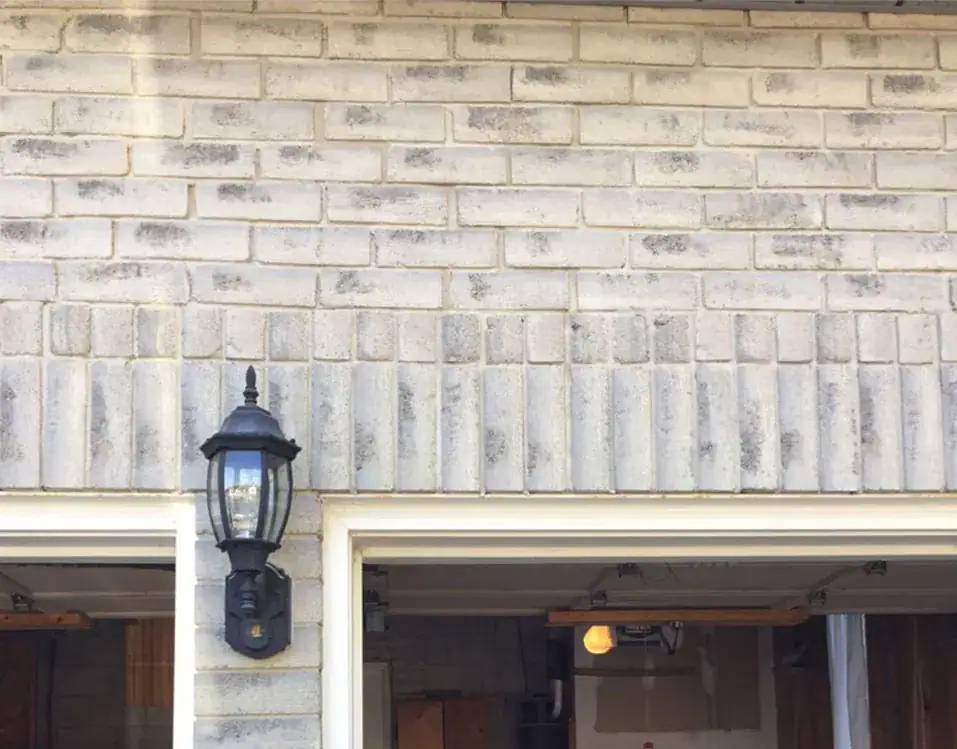
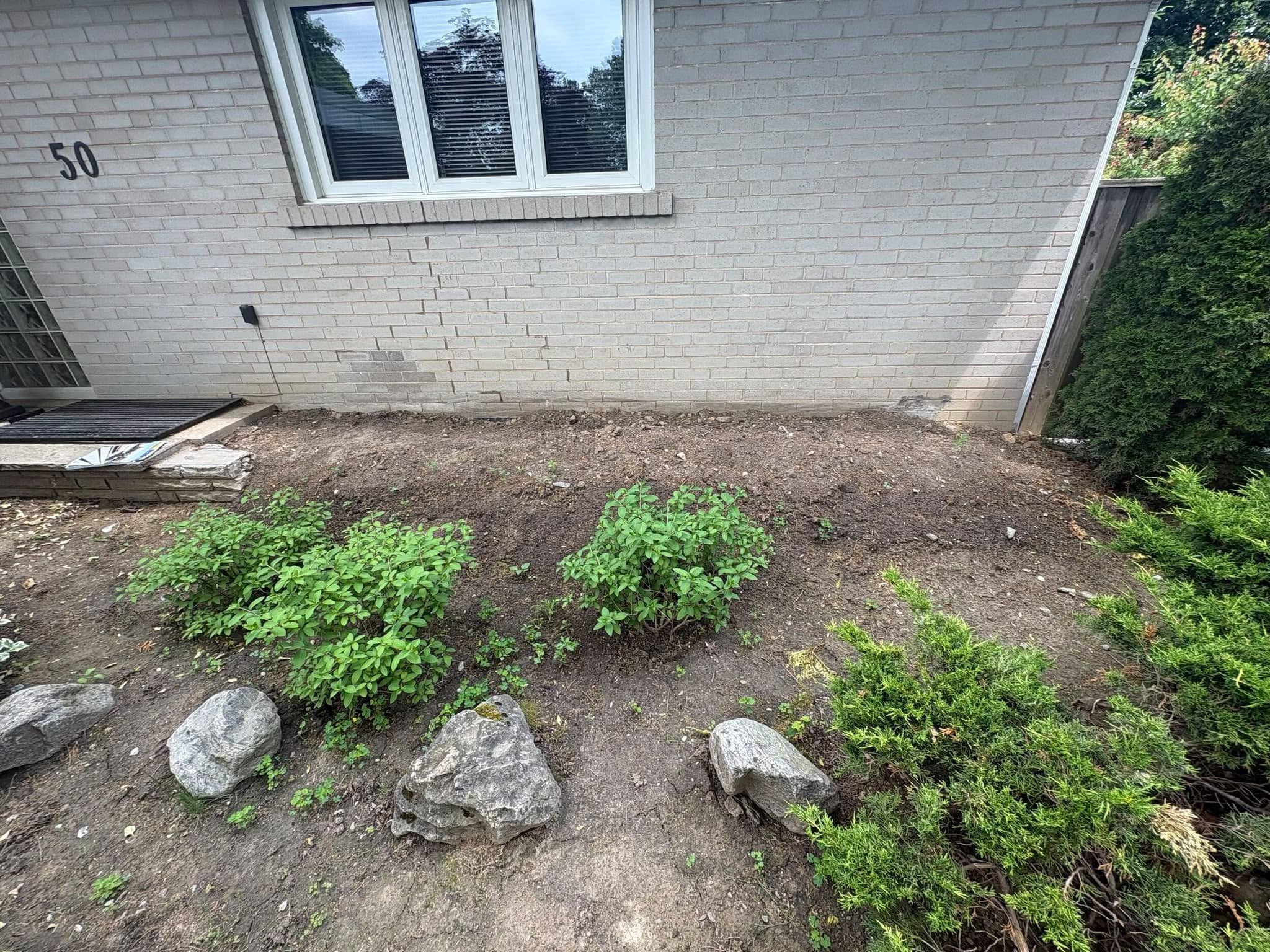
Common signs include cracked or missing mortar, deep or receding joints, loose brick, moisture penetration and mortar that feels sandy or crumbles when touched.
The new mortar should be compatible with the existing brick or stone in strength, composition, colour and joint profile. Mortar that is too hard or poorly matched can contribute to masonry damage and produce an obvious patchwork appearance.
While minor repairs might be manageable, professional tuckpointing ensures durability and aesthetic consistency.
The cost depends on the size and accessibility of the area, the depth of deterioration, the type of masonry and whether additional brick repairs are required. A site assessment is the best way to determine the scope of work
Yes. Repairing deteriorated mortar joints can reduce pathways for water to enter the masonry. However, moisture problems can have several causes, so the surrounding brickwork, flashing, chimney components and other conditions may also need to be assessed.
Small cosmetic repairs may appear straightforward, but proper joint preparation, mortar selection and finishing are important. Incorrect mortar or shallow patching can fail prematurely and may damage older brickwork.