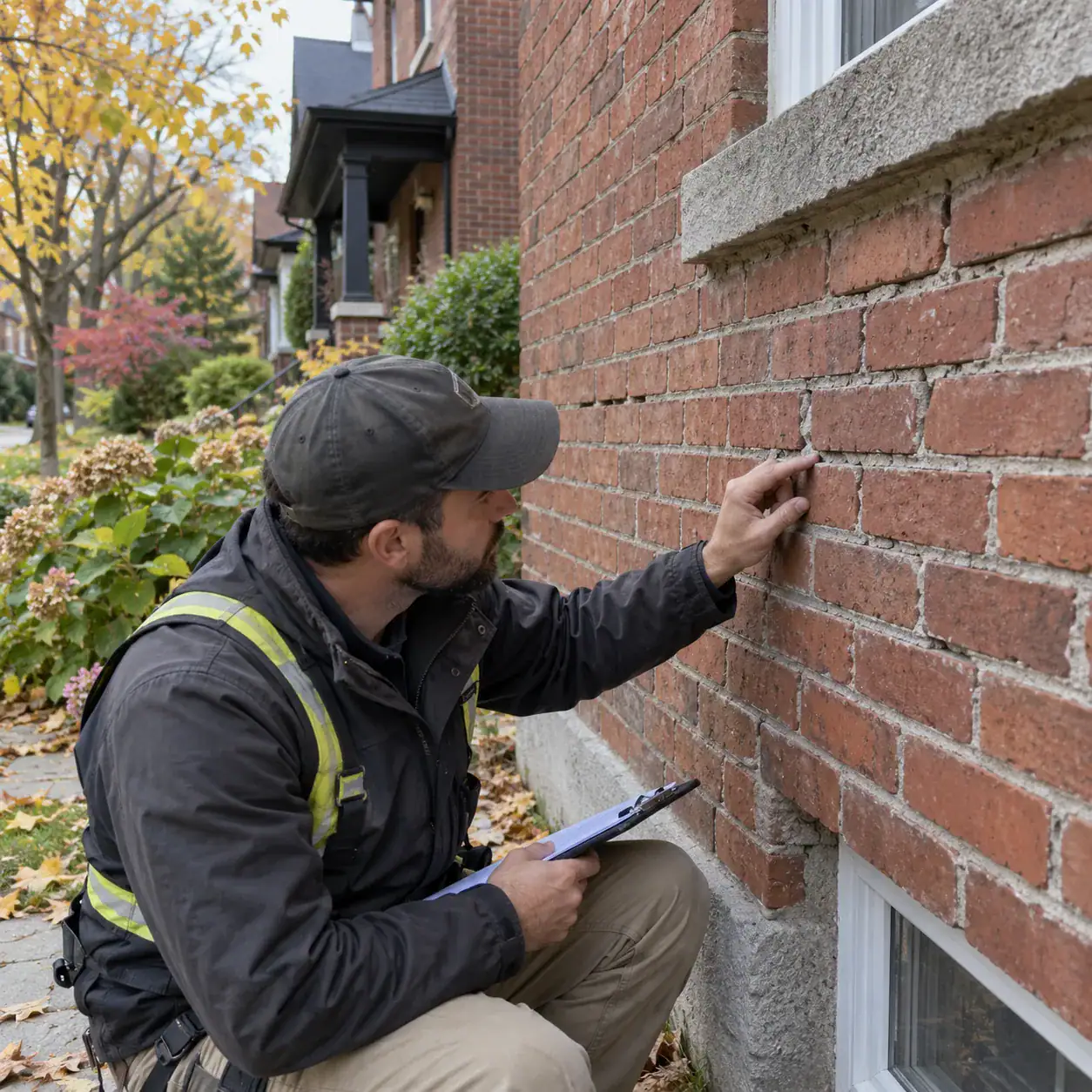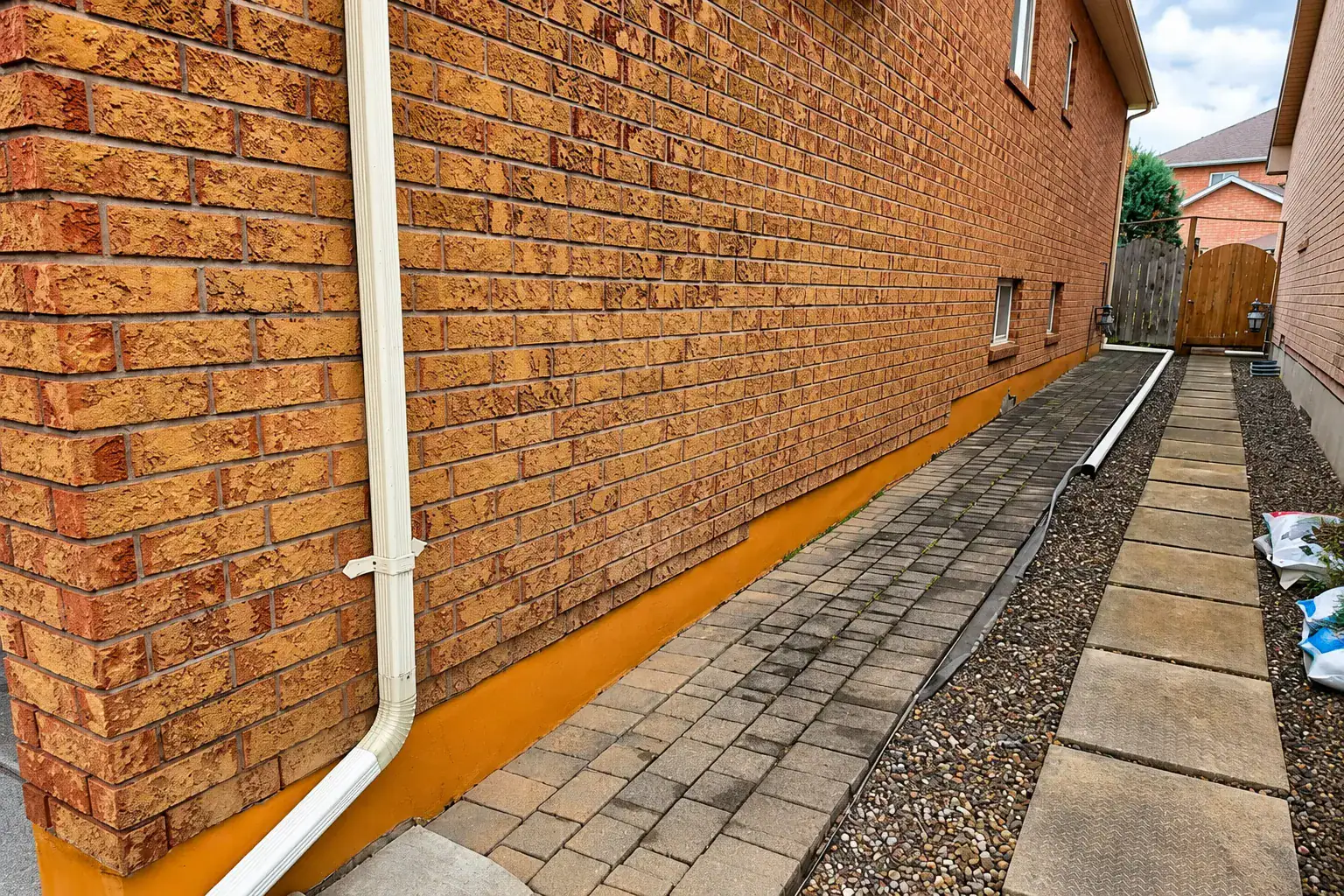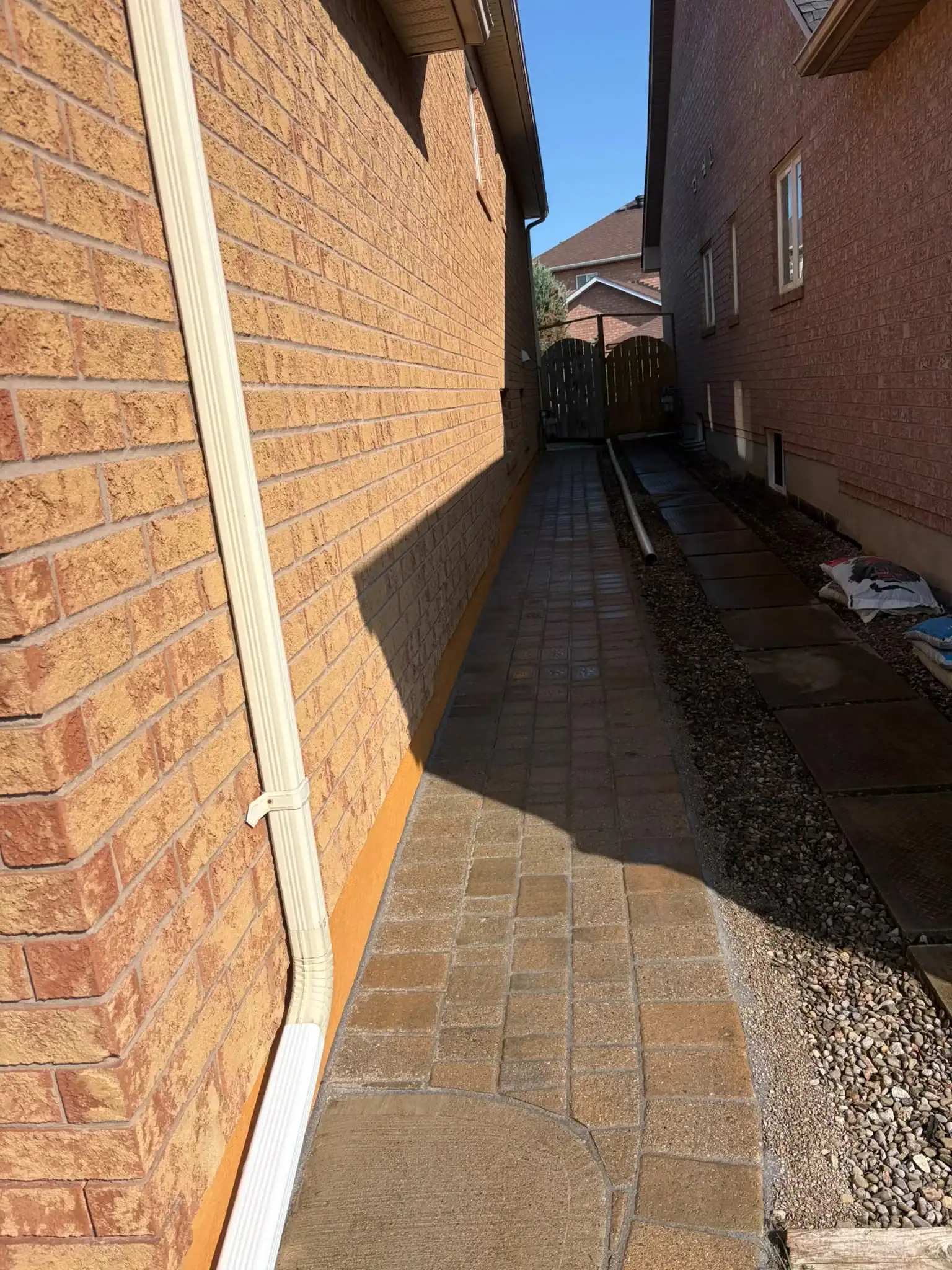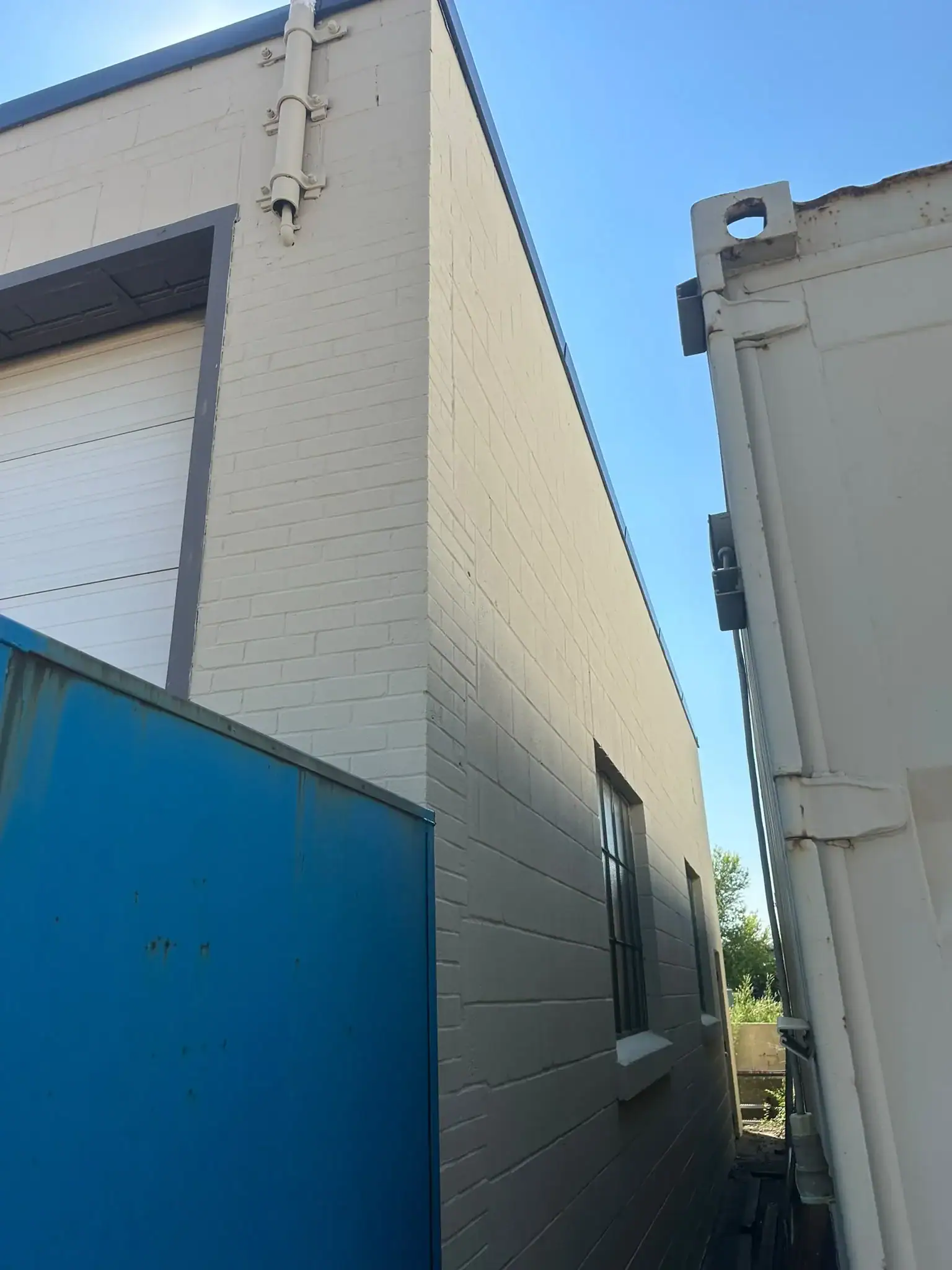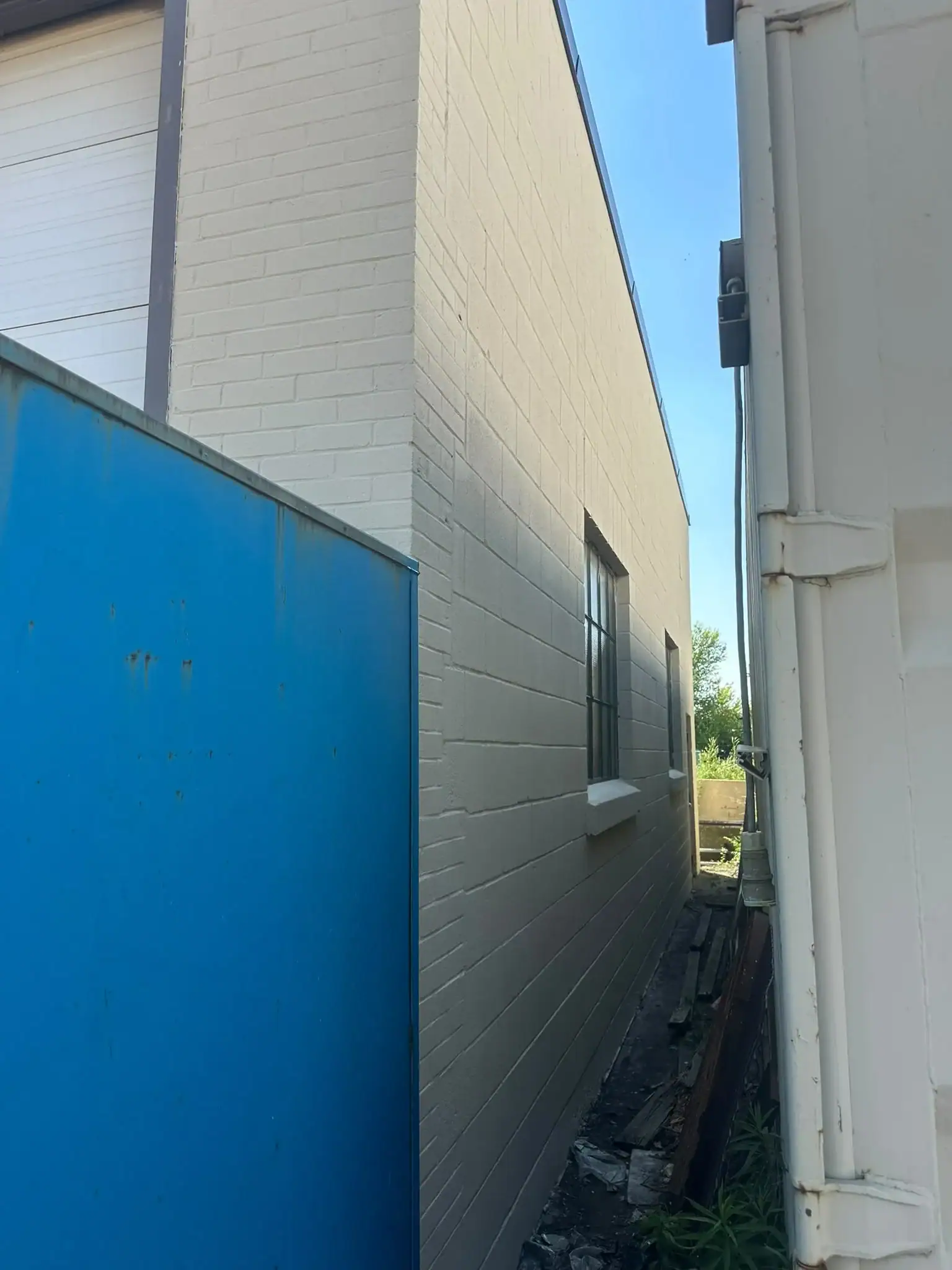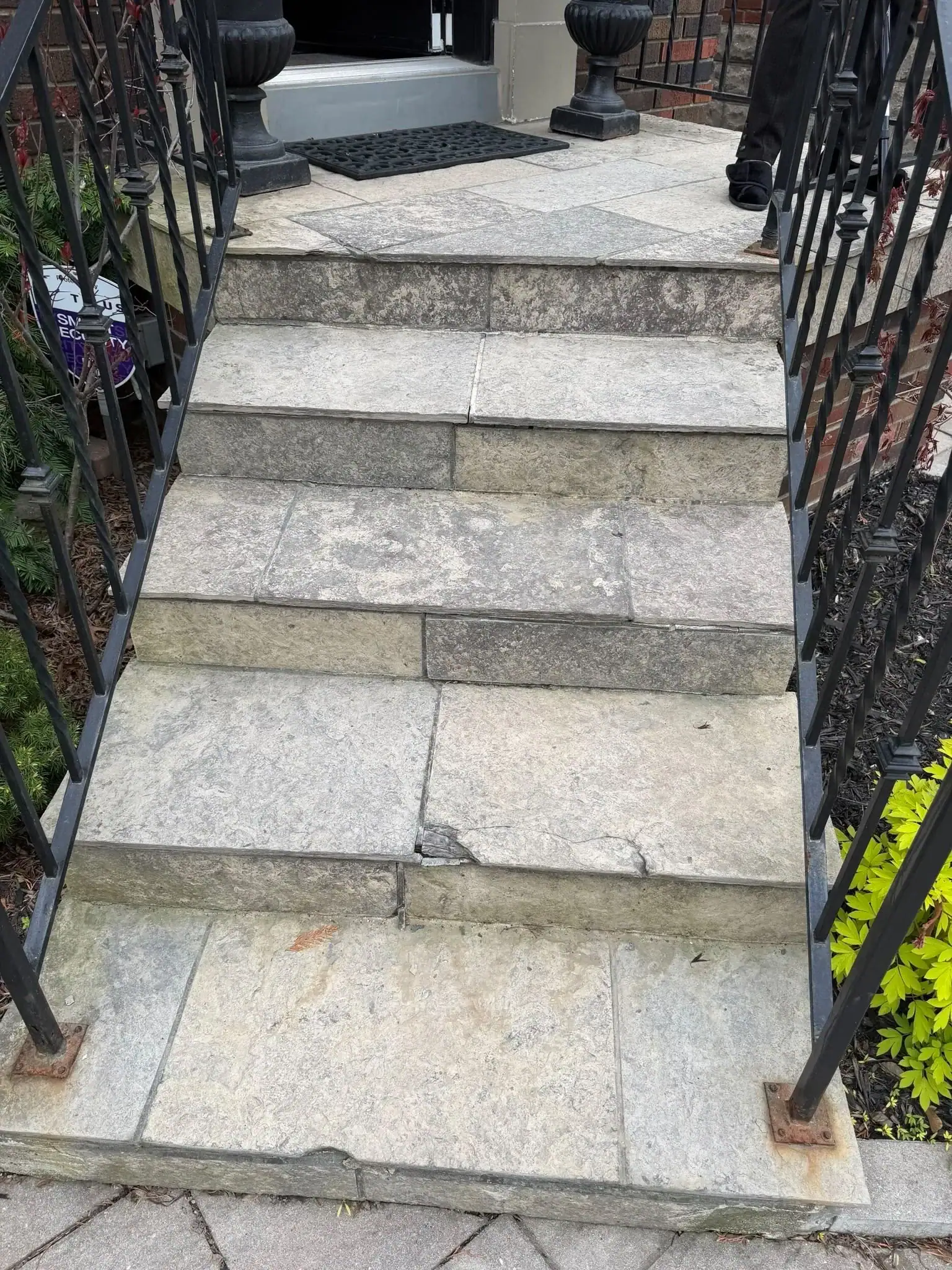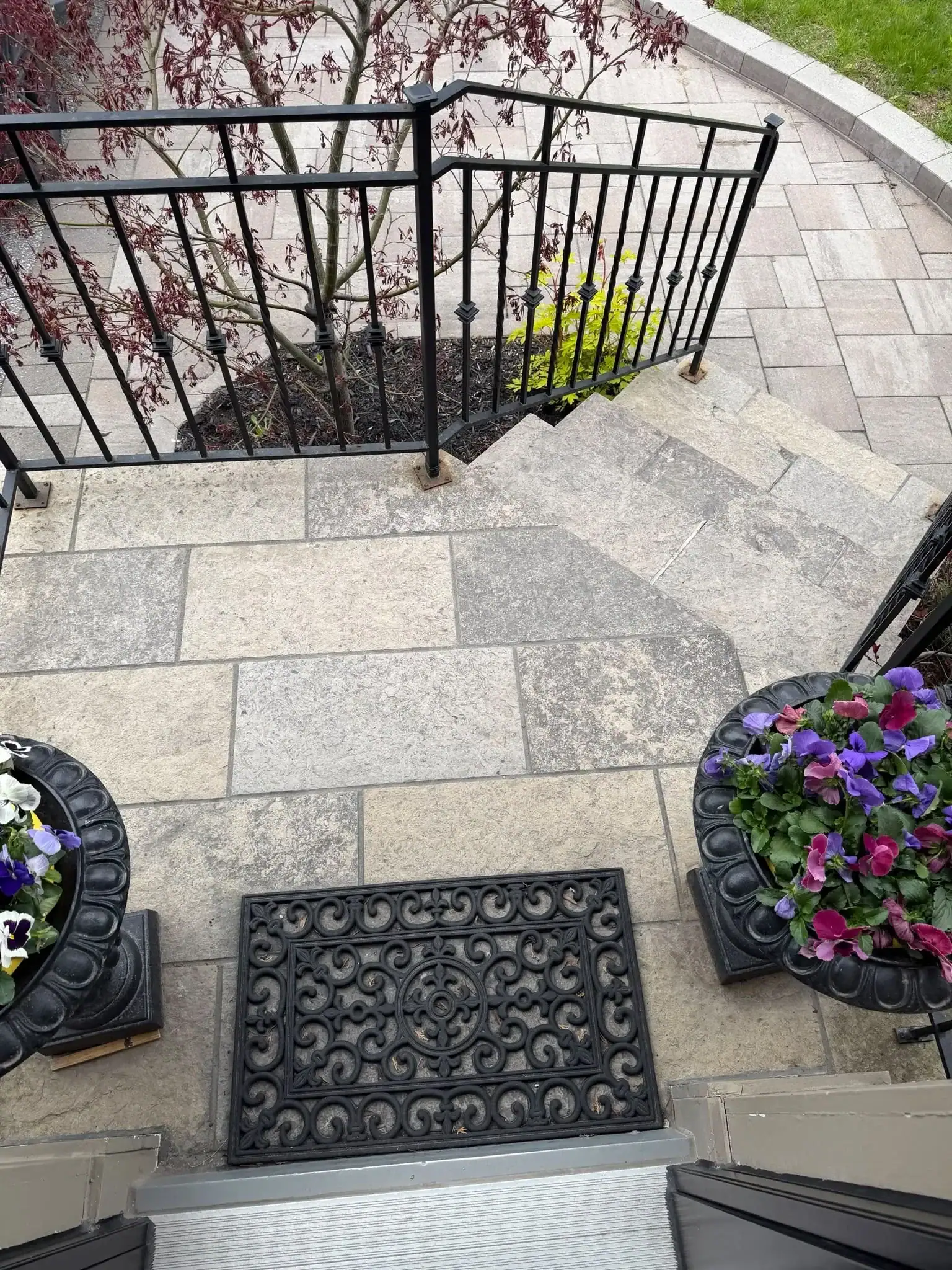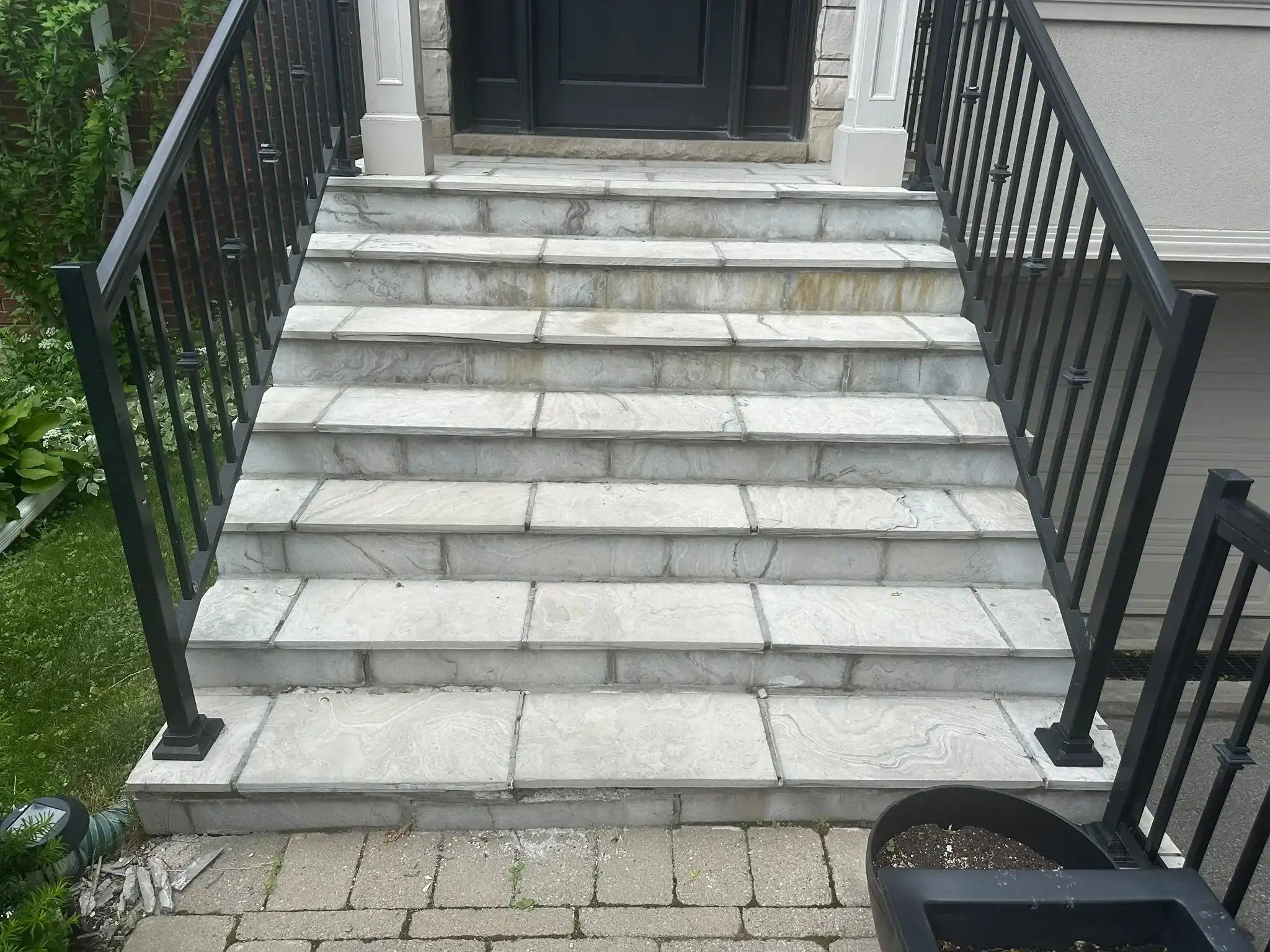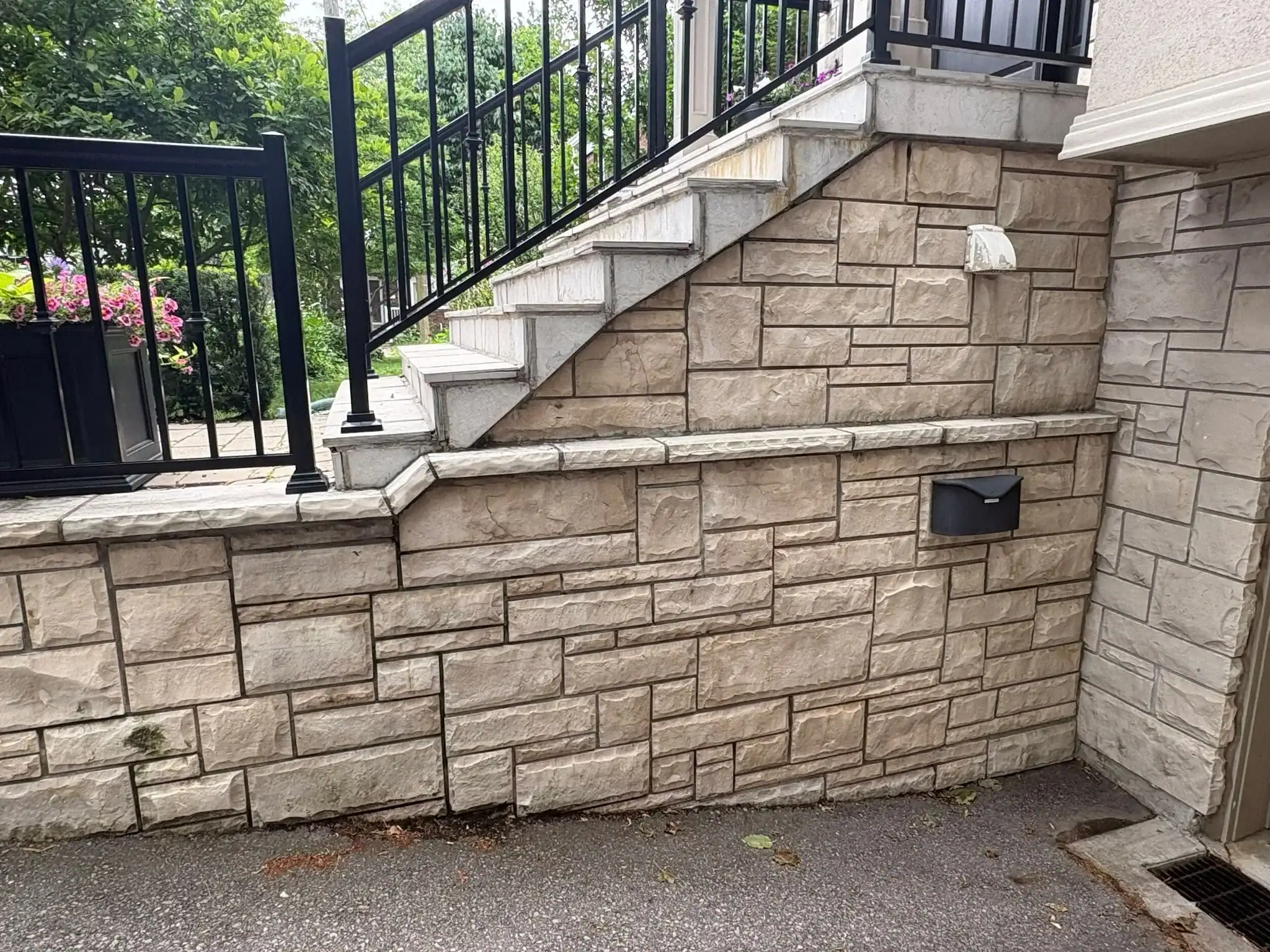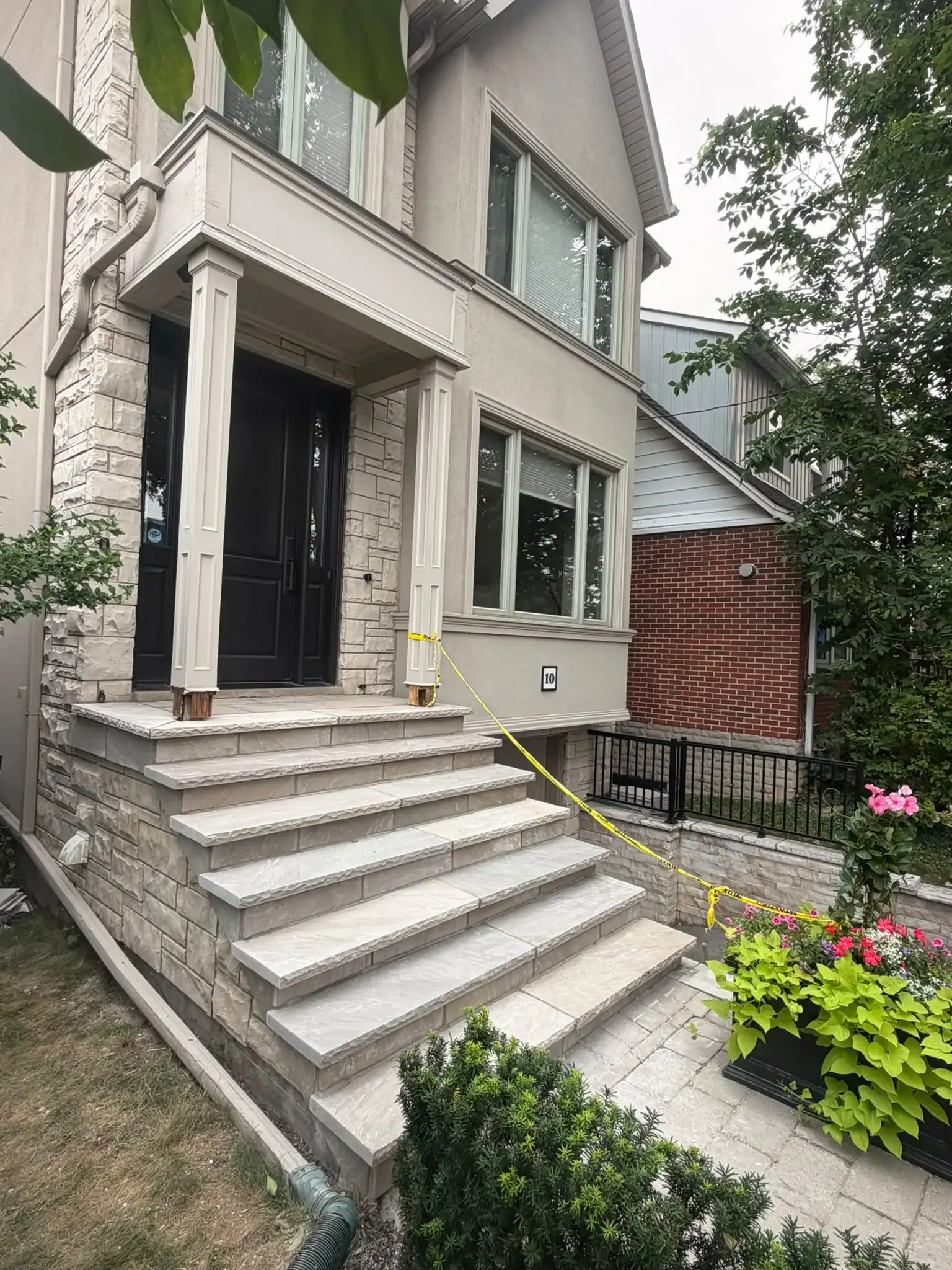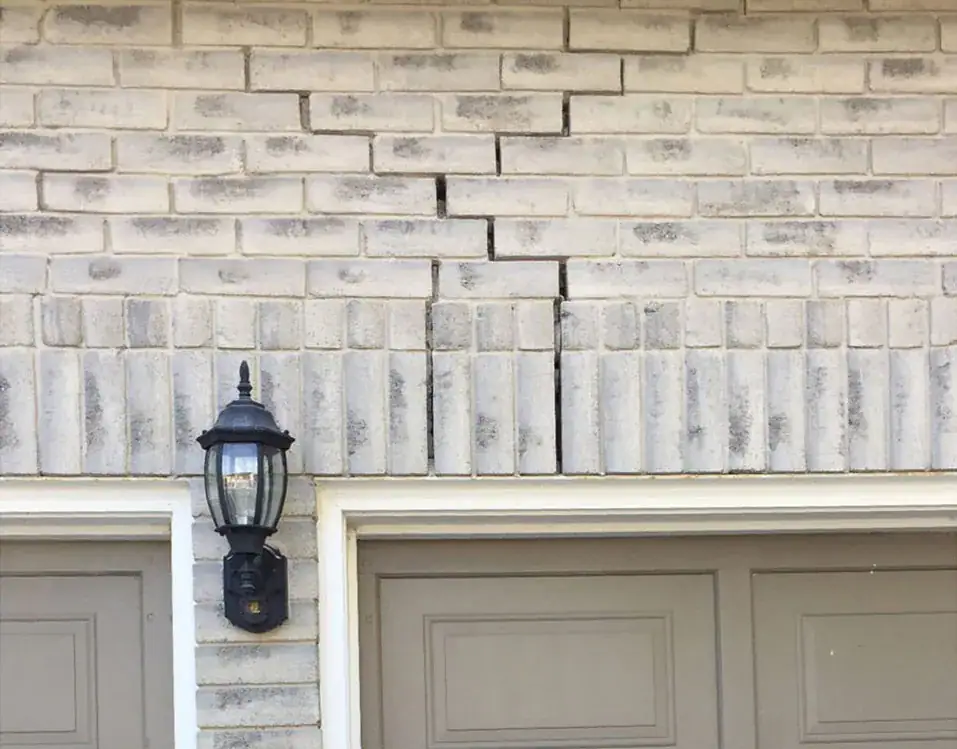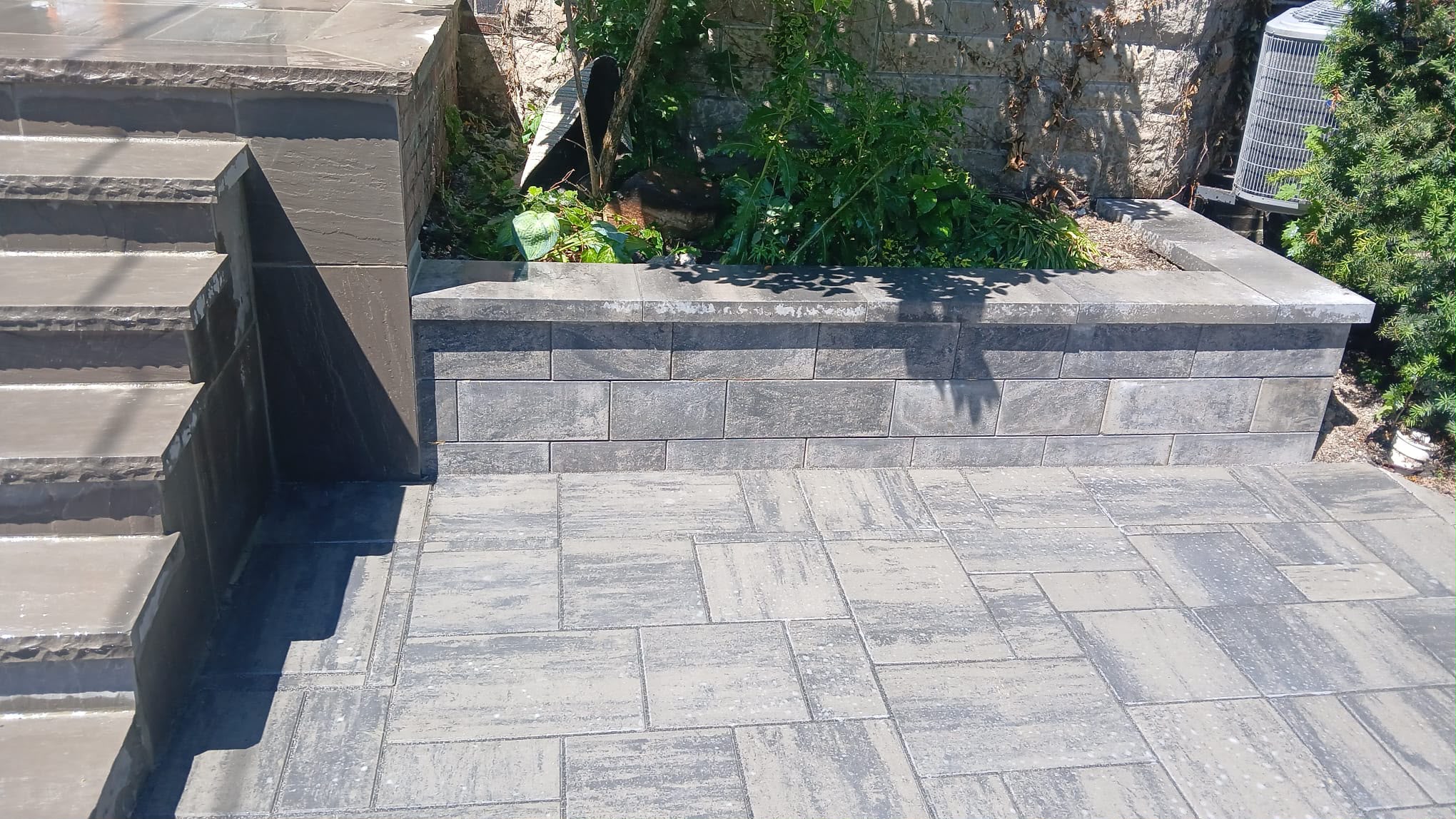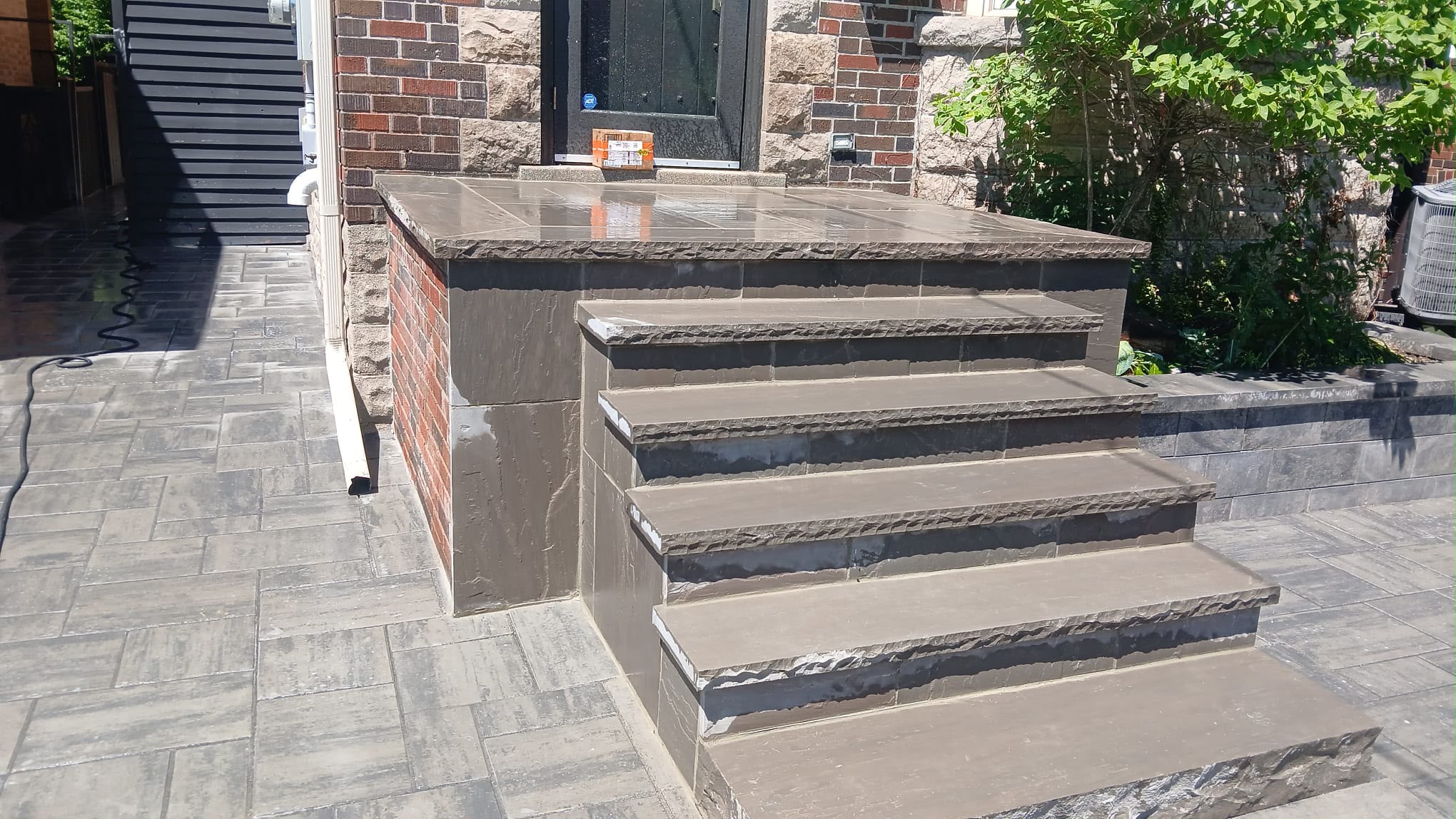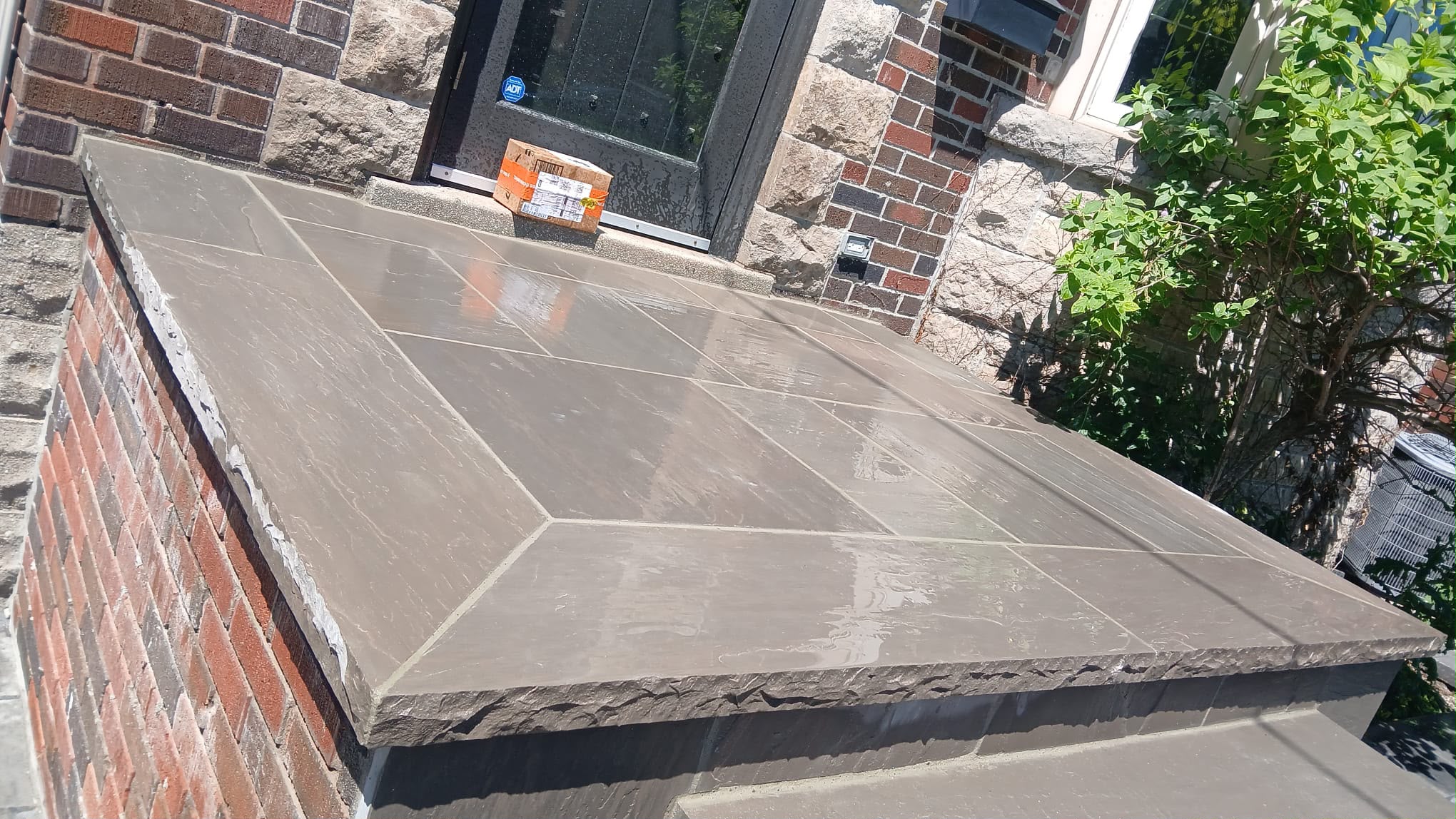

No, masonry sand is not the same as construction sand. While both types of sand are used in construction, they have distinct characteristics, applications, and specifications that make them suitable for different purposes.
Masonry Sand
Often referred to as fine sand, Masonry sand is specifically designed for masonry work, such as bricklaying and stonework. It is one of the four main types of sand used in construction.
Its composition is typically composed of finely graded particles, which are smooth and clean, allowing for better bonding with mortar.
The grain size is usually between 0.075 mm and 4.75 mm.
Construction Sand
Construction sand is a broader category that includes various types used in general construction activities. It is characterized by its cleanliness, proper grain size, and absence of impurities like clay, silt, organic matter, or contaminants.
Sand’s composition can vary widely in grain size and texture, including coarse sand used for concrete production and finer sand used for specific applications.
Grain sizes can range from 0.075 mm to larger particles depending on the intended use.
Masonry Sand Vs. Construction Sand Differentiation Across Different Categories.
| Category | Masonry Sand | Construction Sand |
| Key Differences in Applicability | Primarily used for mixing with mortar to bind bricks, blocks, and stones. It provides a smooth finish and enhances the strength of the mortar.
Ideal Uses: Brick walls, stone masonry, and plastering. |
Used in various construction processes, including concrete and asphalt production, and as a base material for paving. Ideal Uses: Concrete mixes, backfill, and as a base layer for roads and foundations. |
| Types of Each Sand | Types of Masonry Sand:
Fine Masonry Sand: Used for bricklaying and plastering. Limestone Sand: Often used for aesthetic purposes in landscaping and masonry. |
Types of Construction Sand: Coarse Sand: Used in concrete production and as a base for construction projects.
Concrete Sand: A specific type of coarse sand that is clean and free of impurities, ideal for mixing with cement. Fill Sand: Used for filling holes and leveling surfaces. |
| Performance Characteristics | Texture: Fine and smooth, promoting better adhesion in mortar.
Color: Typically lighter in color, which can enhance the aesthetic appeal of masonry work. |
Texture: Depending on the type, sand can be coarse or fine. Coarse sand provides better drainage, while fine sand is used for smoother finishes.
Color: Varies widely based on the source, ranging from beige to gray. |
The 4 Main Types of Sand Used in Construction
Choosing sand is critical in determining various structures’ strength, durability, and finish in the construction industry.
Builders typically select specific types of sand based on the unique requirements of their projects. Below are the most commonly used types of sand and their applications:
Masonry Sand
Masonry sand, also known as mason sand, is finer and more uniform in texture compared to concrete sand. It is carefully processed to remove impurities, resulting in a smooth, soft finish.
Key Characteristics:
- Fine and uniform particle size
- Creates a smooth and polished finish
- Easy to mix and shape for detailed applications
Common Applications:
- Mortar Mixes: Essential for bricklaying and stone masonry to create strong and smooth mortar.
- Playgrounds and Sandboxes: Safe and comfortable for children’s play areas.
- Sports Courts: Used in volleyball courts and golf course sand traps.
- Plastering and Stucco: Provides a smooth finish for walls and surfaces.
Concrete Sand
Concrete sand is a coarse aggregate consisting of crushed rock such as limestone, granite, or quartz. It has larger and more irregular particles, making it ideal for projects requiring strong bonding and durability.
Key Characteristics:
- Coarse texture with larger, rough particles
- Excellent for drainage due to its grainy structure
- Typically composed of crushed stone for added strength
Common Applications:
Concrete Mixes: Used as a primary ingredient in concrete production for foundations, sidewalks, and driveways.
Base for Pavers: Provides stability and drainage in paver installations.
Pipe Bedding: Used in underground utility projects to surround pipes for proper support and drainage.
Landscaping: Effective for leveling areas and improving soil drainage in large-scale projects.
Coarse Sand
Construction sand or coarse sand is a general term for sand used in various building and landscaping projects. It can vary in texture and composition depending on its source and intended use.
Key Characteristics:
- Varies in grain size and coarseness
- Often sourced from natural deposits or crushed stone
- Multipurpose use in general construction
What is concrete sand used for?
- Backfilling: Used to fill voids in construction areas.
- Grading and Leveling: Provides an even surface for building foundations.
- Soil Amendment: Enhances soil structure and drainage for landscaping.
- Road Construction: Aids in building stable road bases and embankments.
Fill Sand
Description: Fill sand typically consists of a mix of various sand types and often contains larger particles.
Applications: As the name suggests, fill sand is used for filling holes, leveling surfaces, and as a base material for landscaping projects or foundational work in construction.
M-Sand: Additional Types of Construction Sand
Additional types of popular sand for construction use are M Sand and River sand.
M Sand (or Manufactured Sand) is an artificial alternative to natural river sand, created by crushing rocks or quarry stones into fine particles that mimic the properties of natural sand. It is engineered in controlled environments to ensure quality and consistency, making it suitable for various construction applications.
They are widely used as a sustainable and cost-effective substitute for natural sand in concrete production, construction, and other applications. Its uniform grain size makes it highly versatile and reliable.
River Sand
River Sand is naturally sourced from rivers and features smooth, rounded grains that provide excellent workability in concrete, plaster, and finishes. It often contains natural moisture, aiding cement hydration. Typical applications include concrete production, masonry, plastering, and landscaping.
However, excessive extraction leads to environmental issues like riverbank erosion and ecosystem disruption. Over-extraction and regulations have made river sand increasingly scarce. It may contain impurities such as silt, clay, or organic matter, requiring cleaning before use.
Why Do Builders Use M Sand Instead Of River Sand?
M Sand, or Manufactured Sand, is sand produced by crushing rocks and stones to create sand-sized particles. It is used as a substitute for natural river sand in construction and is gaining popularity due to its numerous advantages.
Builders increasingly prefer M Sand (Manufactured Sand) over river sand for several reasons shown in the table below:
| Category | M Sand Advantages | River Sand Challenges |
| Quality Control | Consistency: Produced in controlled environments, ensuring consistent quality and grading. | Inconsistency: Quality can vary depending on the source and extraction process. |
| Purity: Free from impurities like clay, silt, and organic matter. | Impurities: Often contains contaminants that require additional processing. | |
| Availability | Sustainability: Locally produced, reducing dependency on dwindling natural resources. | Scarcity: Over-extraction and environmental regulations limit availability. |
| Supply Stability: Availability is stable and not affected by seasonal or regulatory factors. | Unstable Supply: Affected by seasonal changes and environmental restrictions. | |
| Cost-Effectiveness | Lower Transportation Costs: Typically produced near construction sites, reducing logistical expenses. | Higher Costs: This may need to be sourced from distant locations, increasing costs. |
| Economic Production: An optimized production process makes it cost-effective. | Variable Costs: Depend on extraction, transportation, and seasonal availability. | |
| Performance Characteristics | Better Workability: Well-graded particle sizes improve concrete and mortar workability. | Variable Workability: Inconsistent grading may reduce efficiency in mixes. |
| Higher Strength: Concrete achieves higher compressive strength. | Lower Strength: This may result in weaker concrete than M Sand mixes. | |
| Environmental Impact | Reduced Erosion: Prevents riverbank erosion and preserves natural habitats. | Erosion Risk: Excessive extraction leads to environmental degradation. |
| Eco-Friendly: Can be produced with minimal environmental impact if appropriately managed. | Environmental Concerns: Extraction harms ecosystems and natural water flow. | |
| Regulatory Compliance | Adherence to Standards: Manufactured to meet specific construction standards and building codes. | Non-Standardized: Quality and compliance depend on the source and processing. |
So, Which Sand Cannot Be Used For Construction?
Certain types of sand are unsuitable for construction due to their properties or contaminants. Here are the types of sand that will not likely make it to the builders’ site.
Beach Sand
Beach sand, characterized by its fine grains and salt content, is unsuitable for construction. The salt in beach sand can cause corrosion in steel reinforcements, compromising the structural integrity of reinforced concrete over time.
Additionally, the salt can interfere with the curing process of concrete, affecting its strength and durability. Its fine-grained texture also lacks the angularity needed for strong bonding in concrete mixes.
Clayey Sand
Clayey sand contains a high percentage of clay particles, making it problematic for construction. The clay content causes poor drainage and reduces the sand’s ability to form strong bonds in concrete and mortar.
This results in weak mixes that are prone to cracking and instability under load. Furthermore, clay’s high water-retention properties can negatively affect concrete curing.
Silty Sand
Due to its water-retention properties, silty sand, which contains many fine silt particles, is unsuitable for construction. These fine particles hinder the sand’s ability to compact effectively, leading to weak and unstable concrete or mortar.
Additionally, silty sand can trap moisture, affecting the strength and durability of construction materials over time.
Contaminated Sand
Sand mixed with harmful substances, such as oil, chemicals, or organic matter, is highly unsuitable for construction. Contaminants weaken the bonding properties of concrete and mortar, compromising the overall strength and durability of the structure.
Moreover, chemicals in the sand can react with construction materials, causing long-term degradation. Contaminated sand also poses environmental and health hazards, making it unfit for building purposes.
Dirty Sand
Dirty sand contains impurities like organic matter, clay, or silt, which can weaken the structural integrity of concrete and mortar. The presence of organic matter can decompose over time, creating voids and reducing strength.
Similarly, clay and silt can prevent proper bonding between aggregates, leading to weak construction materials. The impurities also interfere with the hydration process in cement, affecting the final product’s quality.
Sharp or Angular Sand
Sharp or angular sand, with its jagged grains, may offer good interlocking properties but is unsuitable for applications requiring smoothness and workability. The angular texture can challenge concrete and mortar, leading to uneven finishes and poor surface quality.
While sharp sand may be used in specific construction scenarios, it is generally avoided in applications requiring easy handling and smooth mixing.
FAQ
Which sand is used for brickwork?
Masonry sand is commonly used for brickwork. Its fine grain and consistent texture make it ideal for mixing with cement to create mortar, which bonds bricks and provides a smooth finish.
What kind of sand do you put under bricks?
Concrete sand or coarse sand is typically used under bricks. These sands have larger grains, which improve drainage and create a stable base for pavers and bricks, preventing shifting or settling over time.
What is regular sand?
Regular or natural sand is unprocessed from riverbeds, beaches, or quarries. It is often a mix of different grain sizes and may contain impurities like clay or organic material, making it unsuitable for high-strength construction unless cleaned or processed.
Does masonry sand harden?
Masonry sand itself does not harden. However, when mixed with cement and water, it forms a mortar that hardens over time as it cures, providing a durable and strong bond for construction applications.
Can you make sand harden like concrete?
Sand alone cannot harden like concrete. To achieve a concrete-like hardness, sand must be mixed with cement and water. The chemical reaction between cement and water, known as hydration, binds the sand particles together, forming a solid, durable material.
What type of sand is used to make concrete?
Concrete sand, a coarse sand, is used to make concrete. Its larger grains and clean composition ensure proper bonding with cement and aggregates, providing strength and durability to the concrete mix.
Does sand make cement stronger?
Sand adds volume and reduces shrinkage in a cement mix but doesn’t inherently make cement stronger. The type and proportion of sand used influence the mix’s strength and workability. Adequately graded sand helps create a stronger and more durable mixture.
How do you make a strong sand and cement mix?
To make a strong sand and cement mix, use the correct ratio—typically 1 part cement to 2 to 3 parts sand, depending on the application. Add water gradually to achieve the desired consistency, ensuring all materials are thoroughly mixed. Using clean, well-graded sand enhances the strength and quality of the mix.
What is another name for construction sand?
Construction sand is also commonly called builder’s or coarse sand. Depending on its specific use, it might also be called concrete sand, masonry sand, or sharp sand.
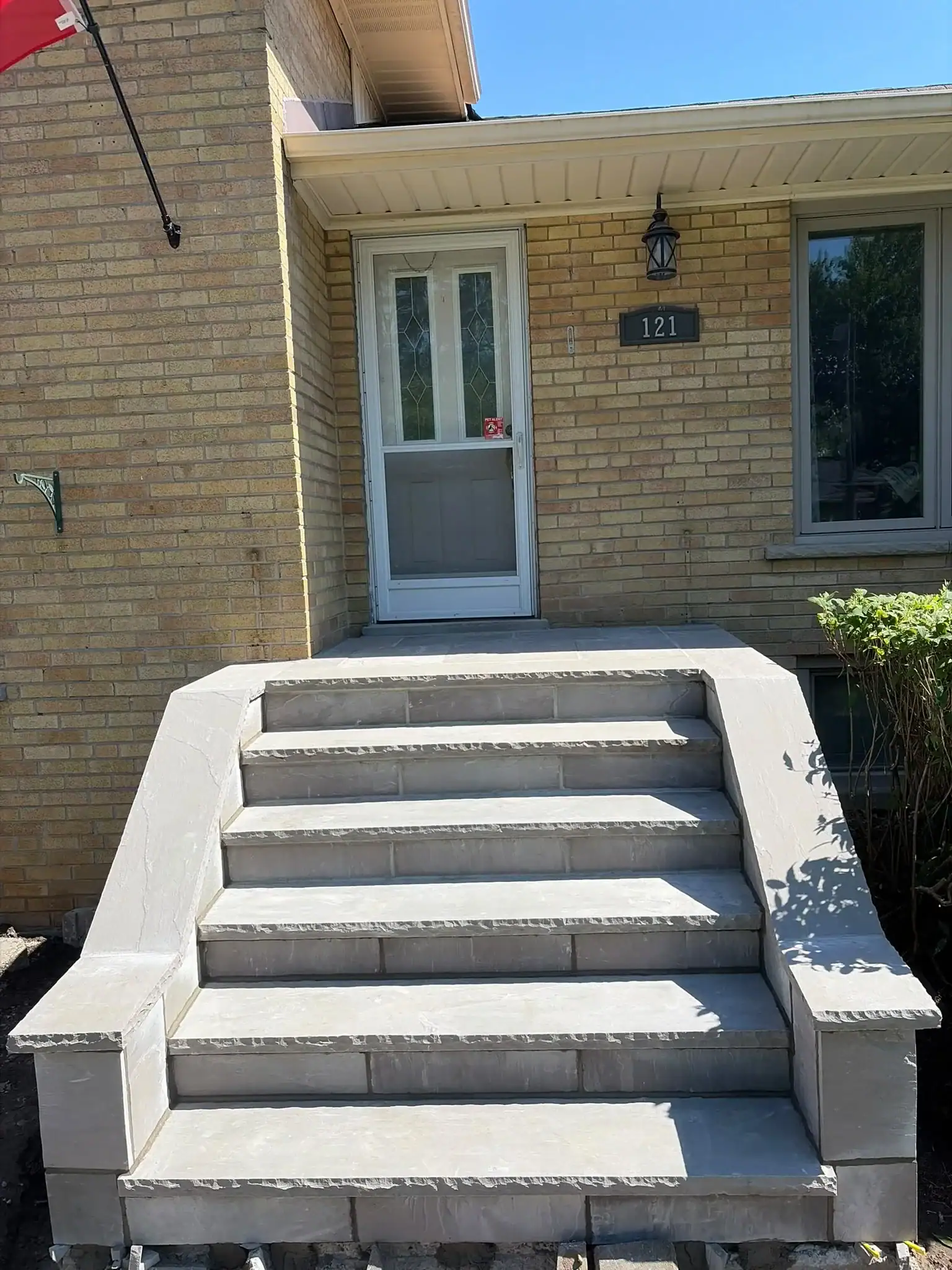
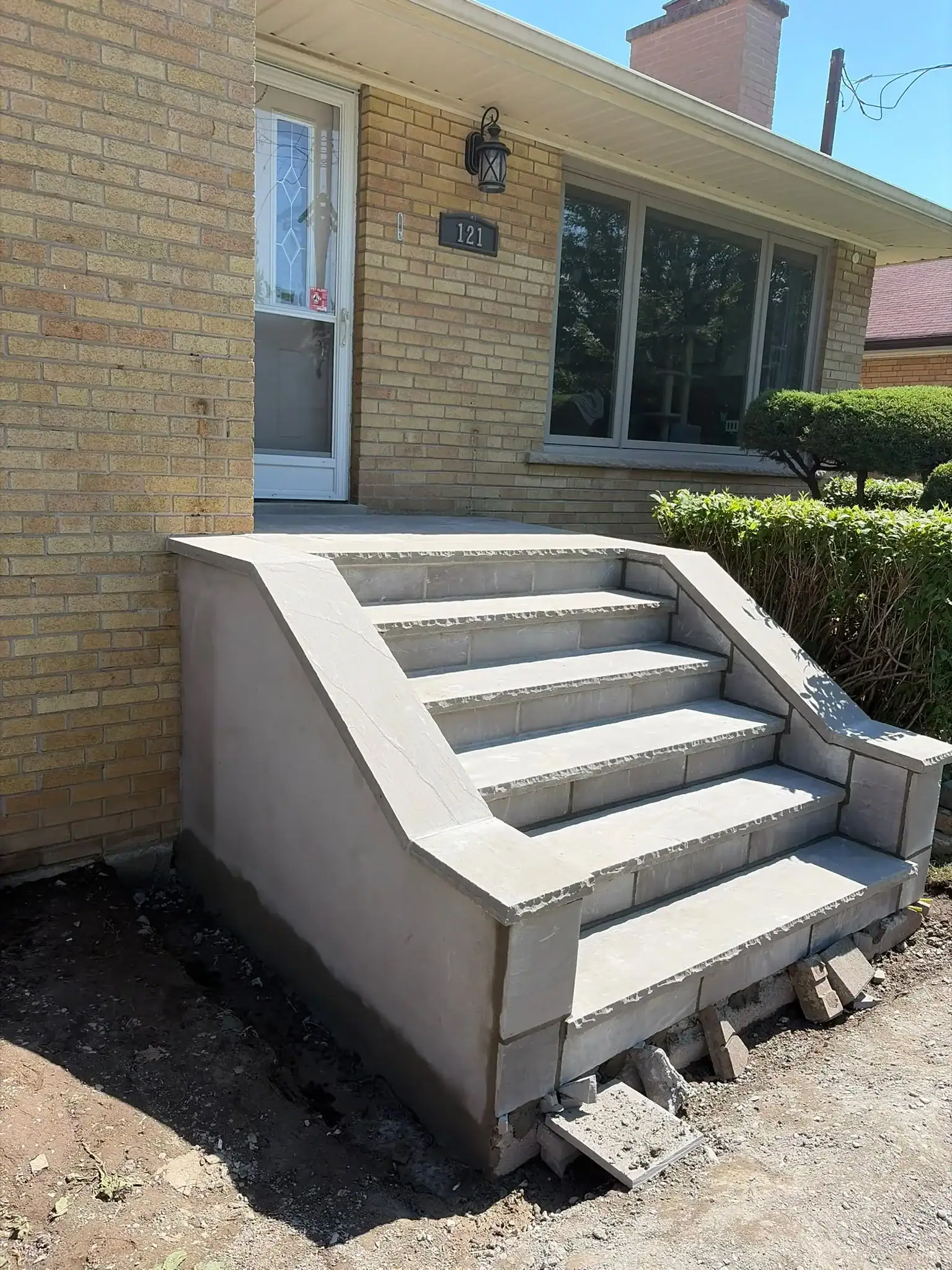
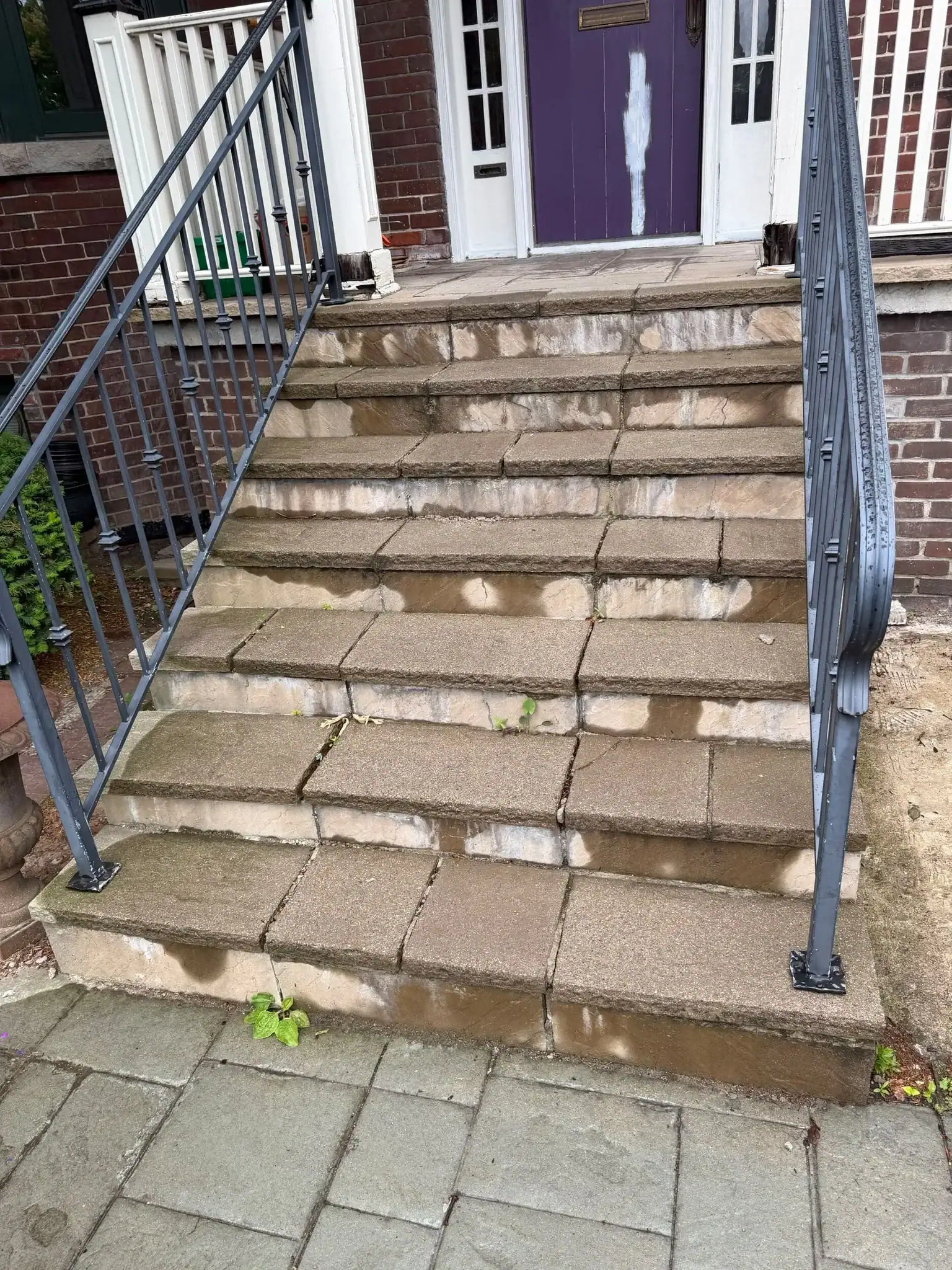
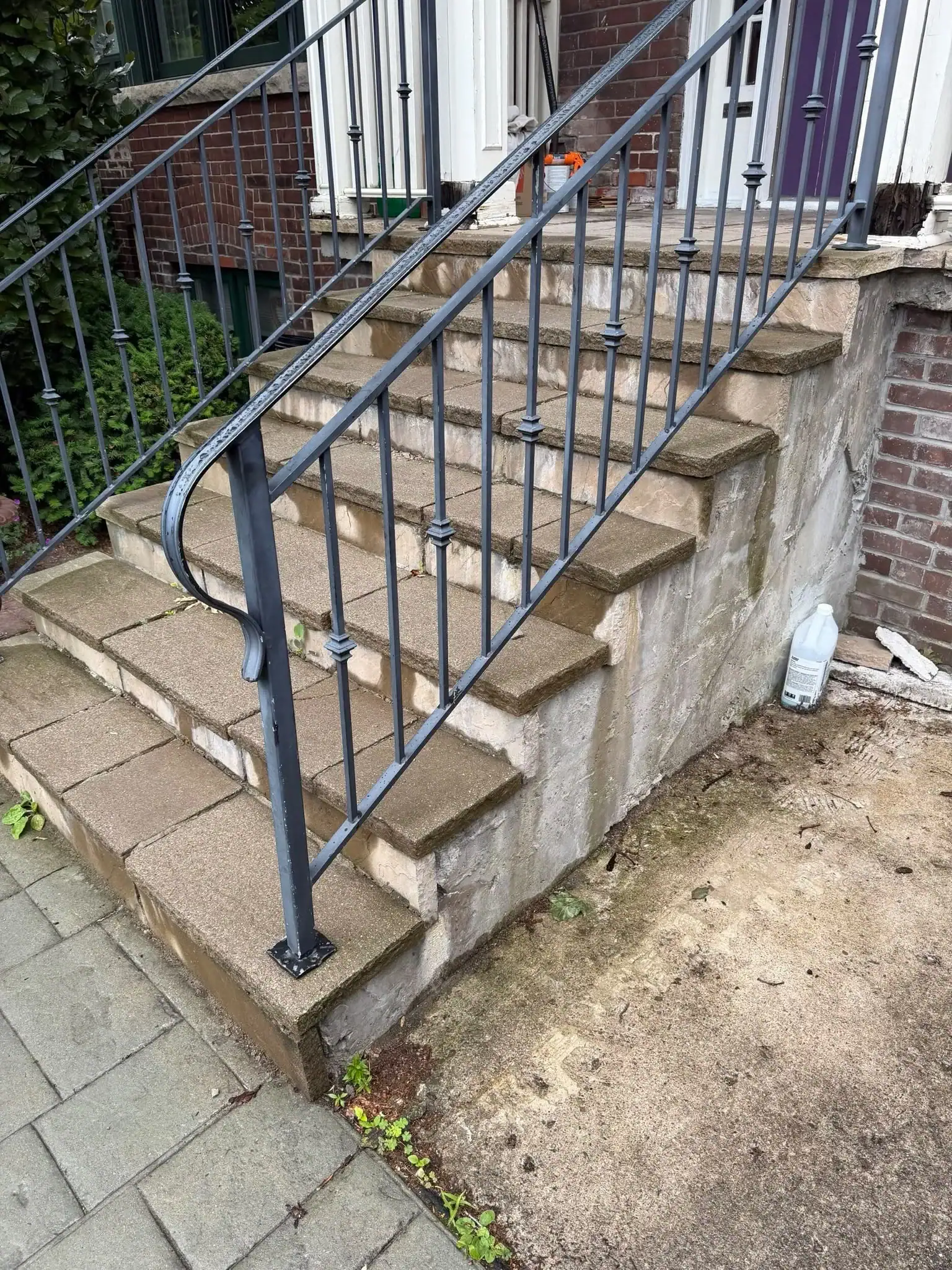
Expert Concrete Construction & Repair for Lasting Strength
Concrete is the foundation of a durable and resilient structure, but over time, cracks, wear, and weather exposure can weaken it. A&A Masonry provides professional concrete construction and repair services, ensuring stability, longevity, and a flawless finish for your property.
With decades of expertise, our team specializes in repairing and restoring driveways, walkways, patios, foundations, and more, using high-quality materials and precise craftsmanship to deliver lasting results.
🔹 Seamless repairs for cracks, spalling, and surface damage
🔹 Expert installation of durable concrete structures
🔹 Reinforcement solutions to enhance strength and longevity
Need reliable concrete construction or repair? Contact A&A Masonry at 416-236-8721 for a free consultation, and let’s build something strong together!