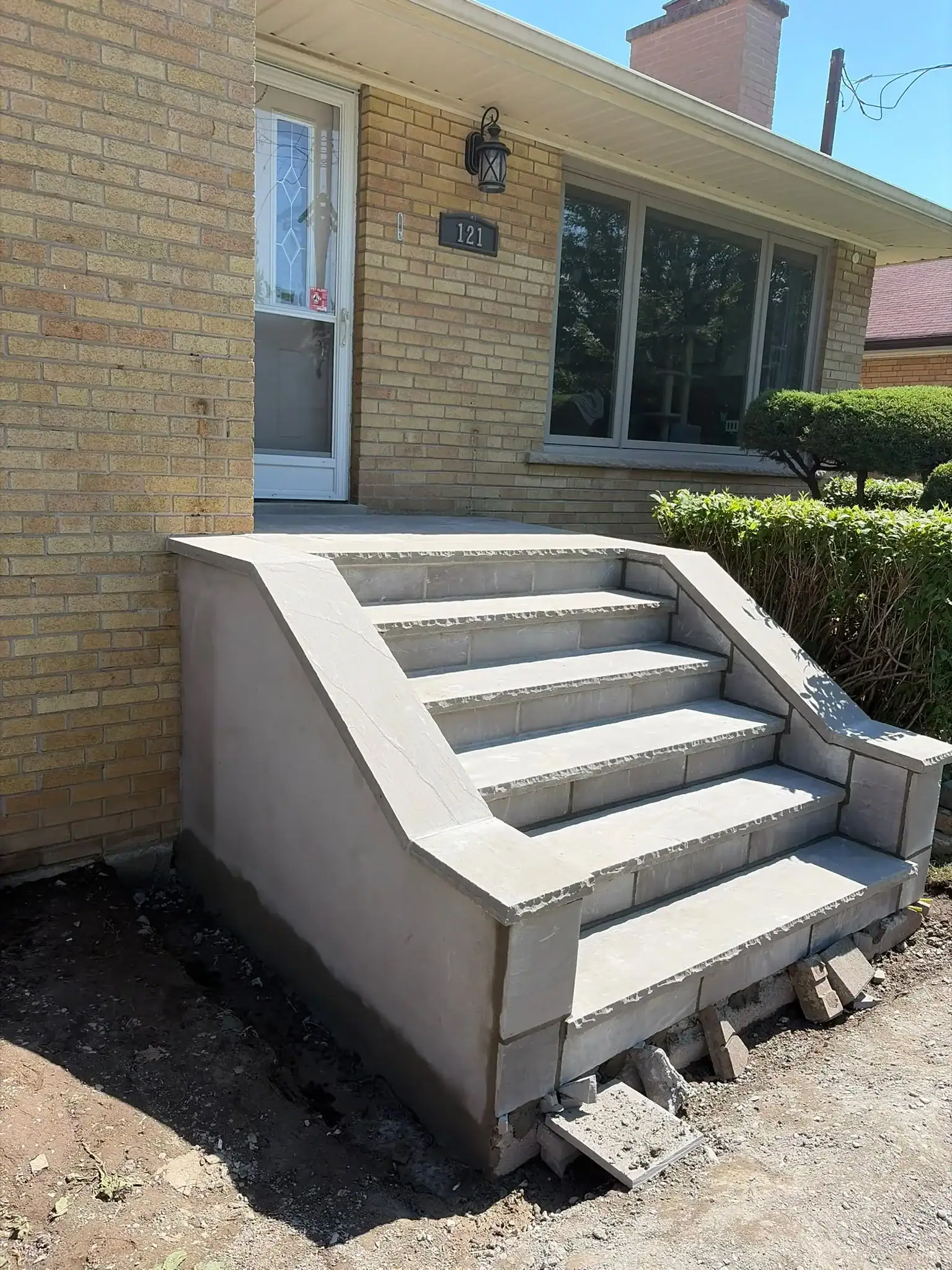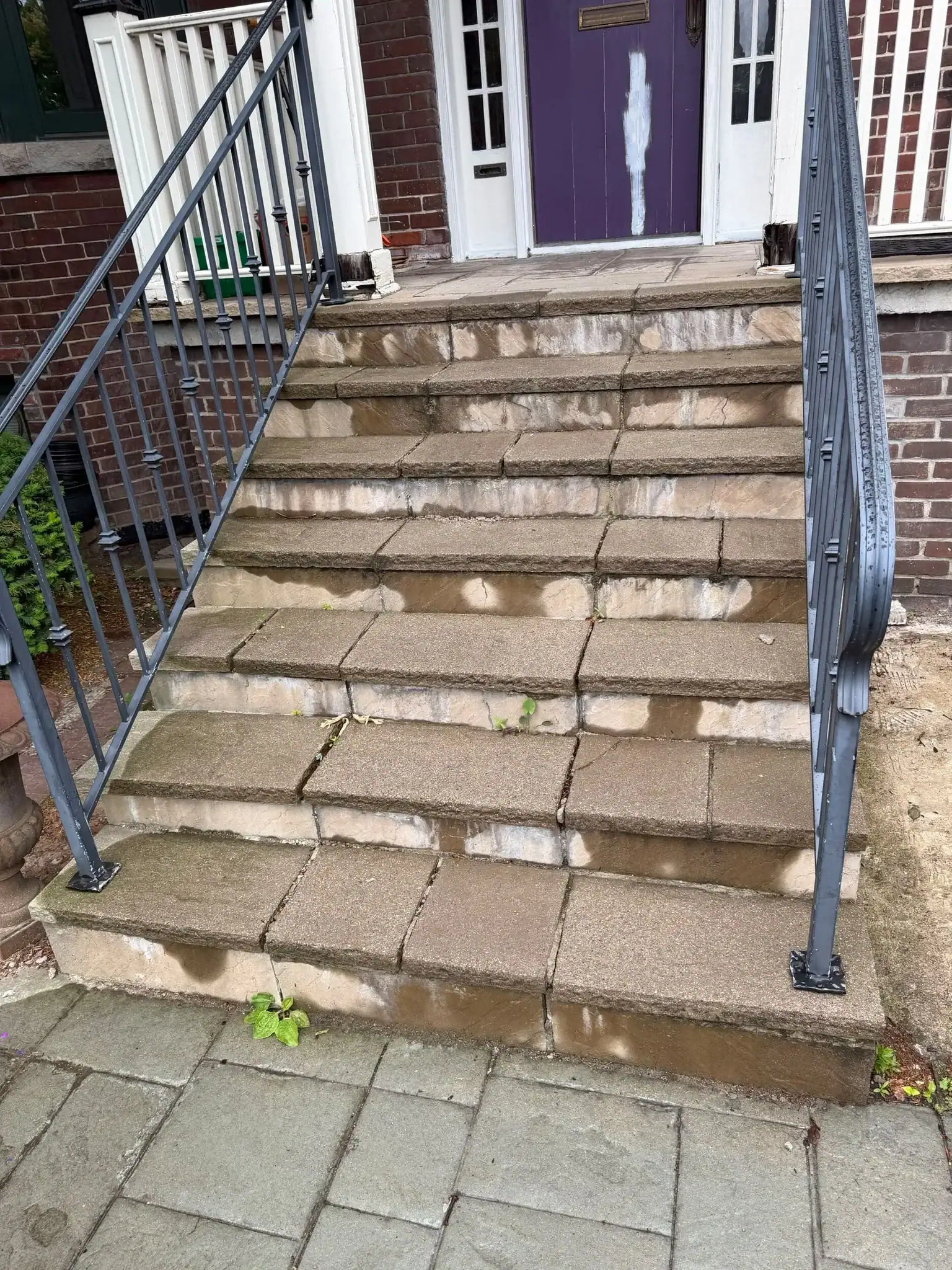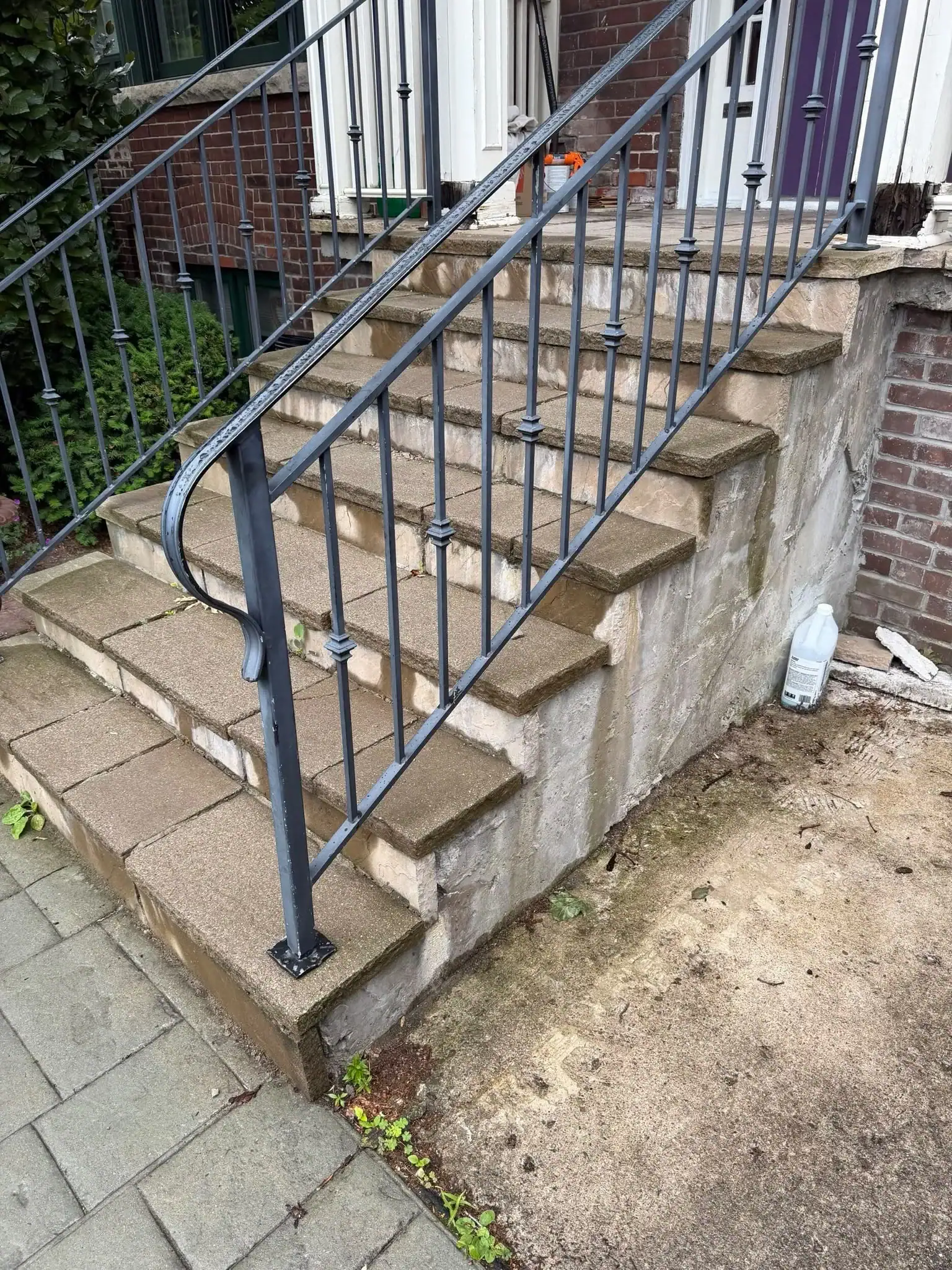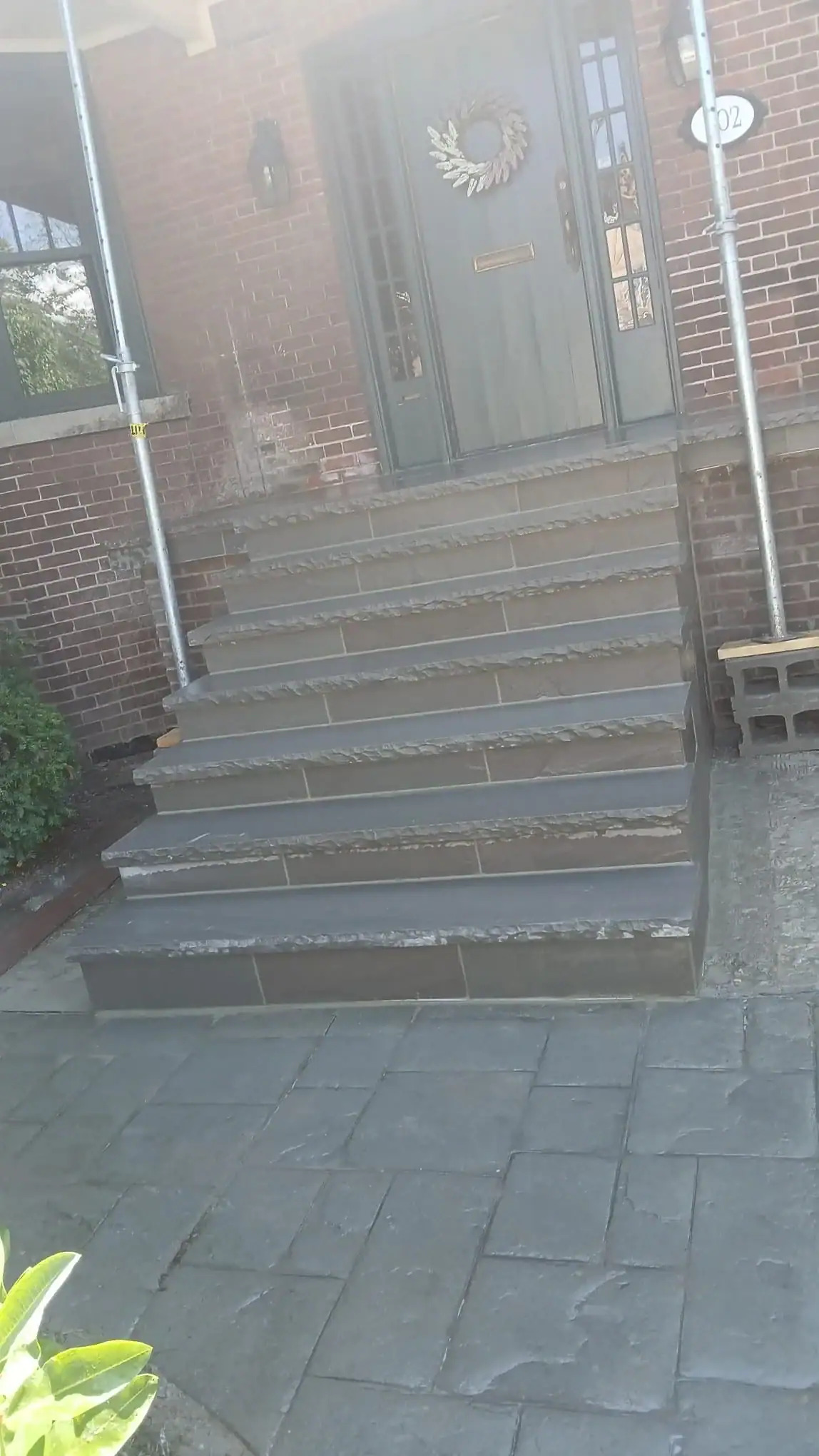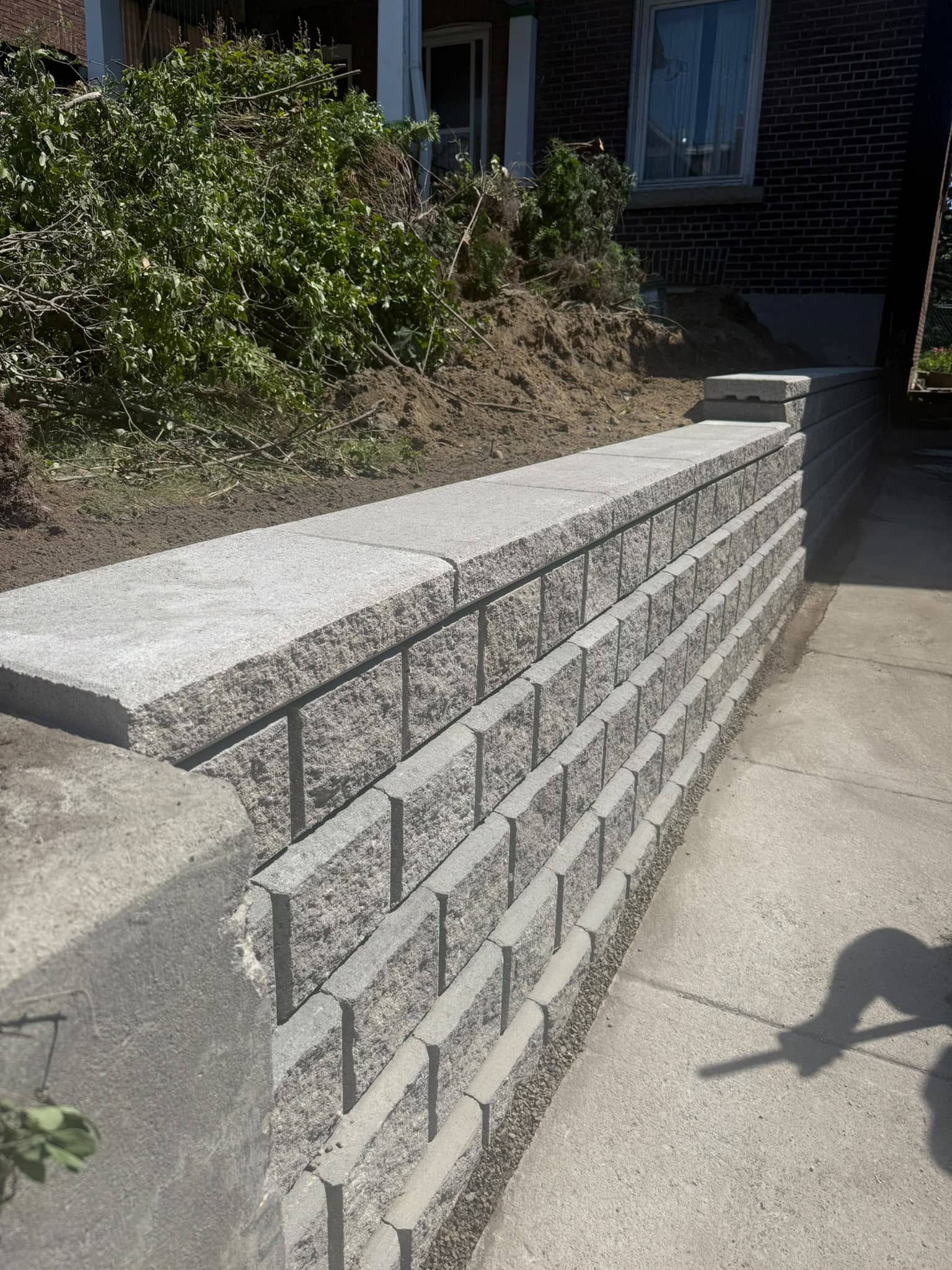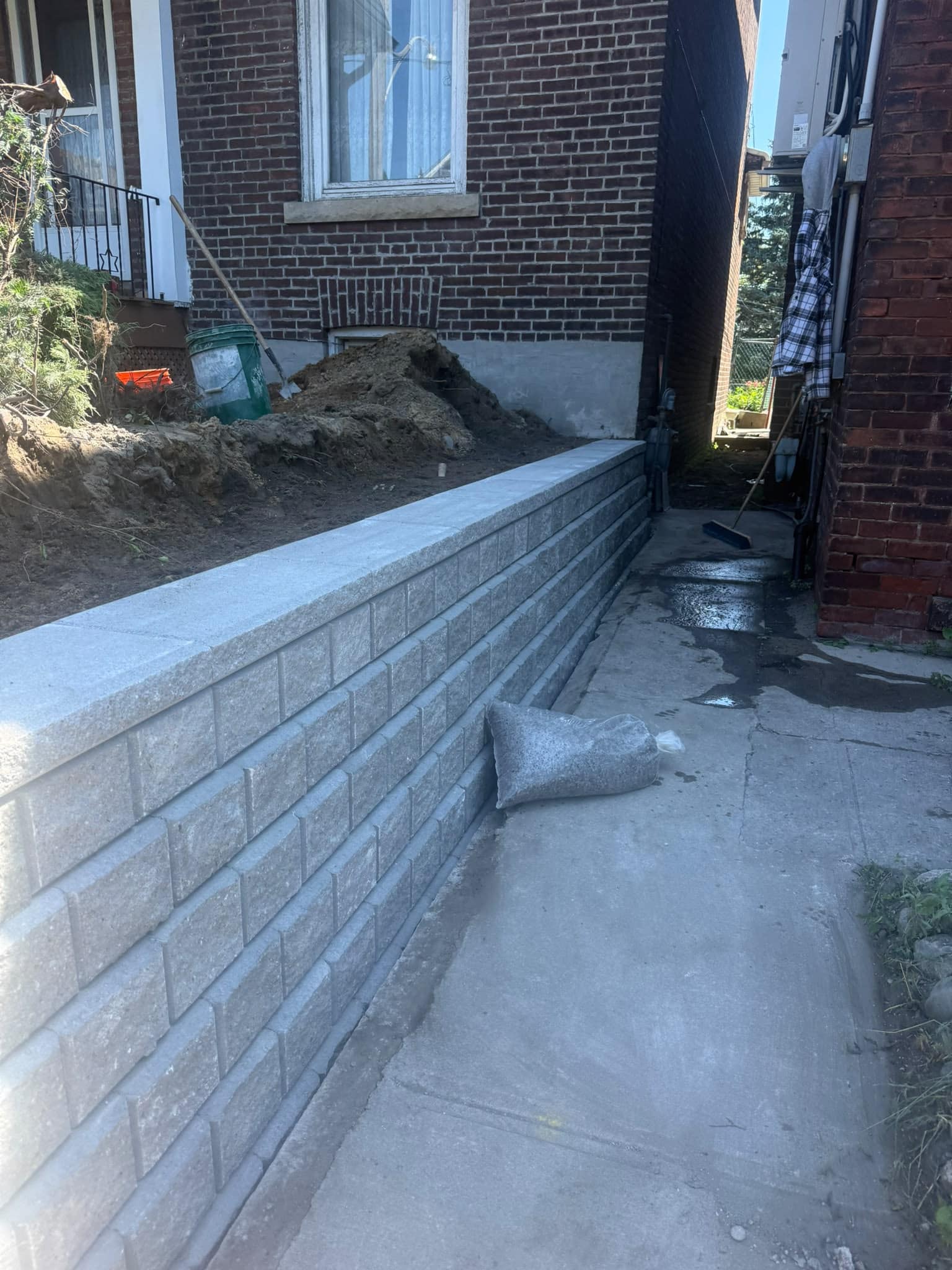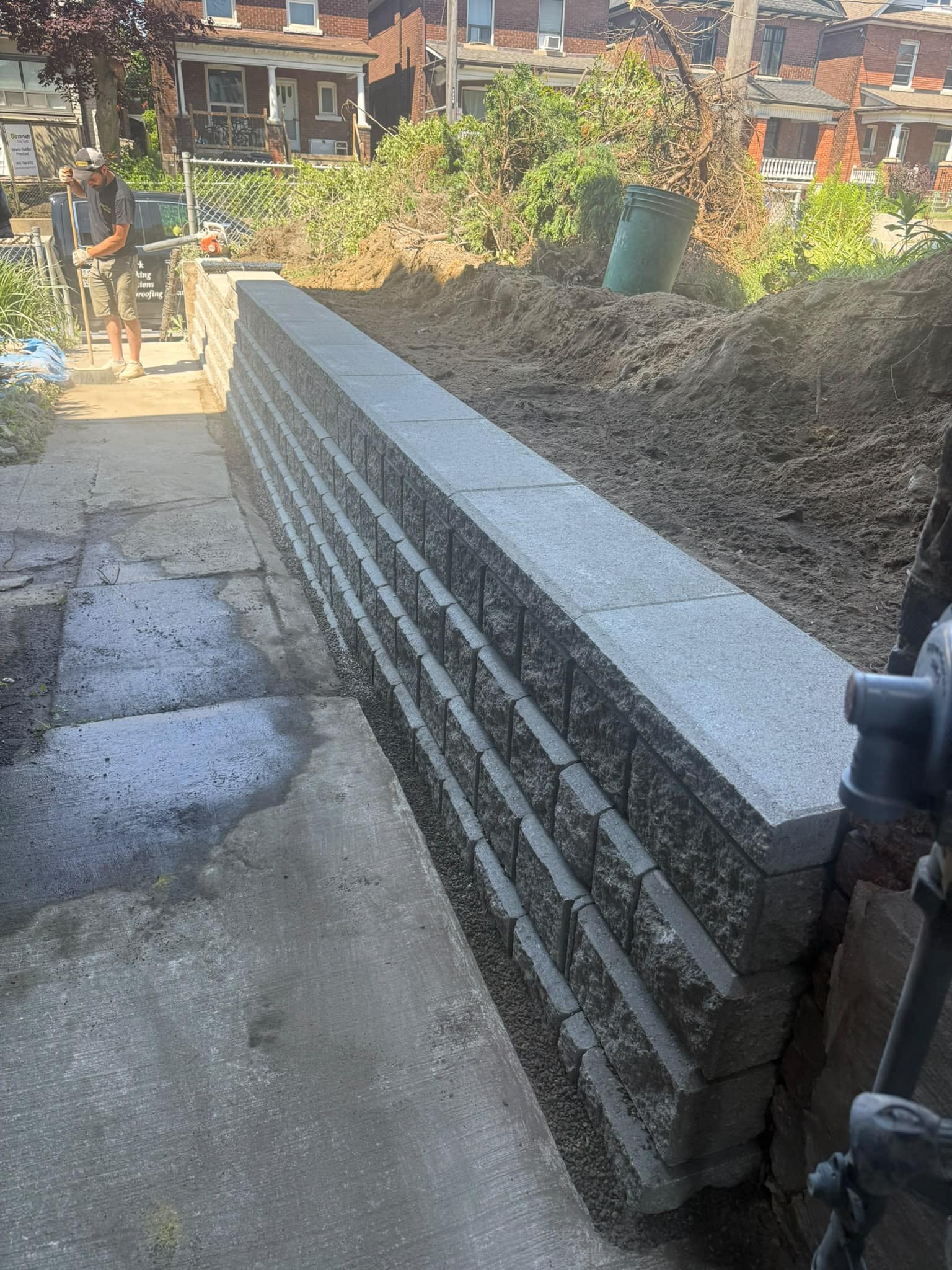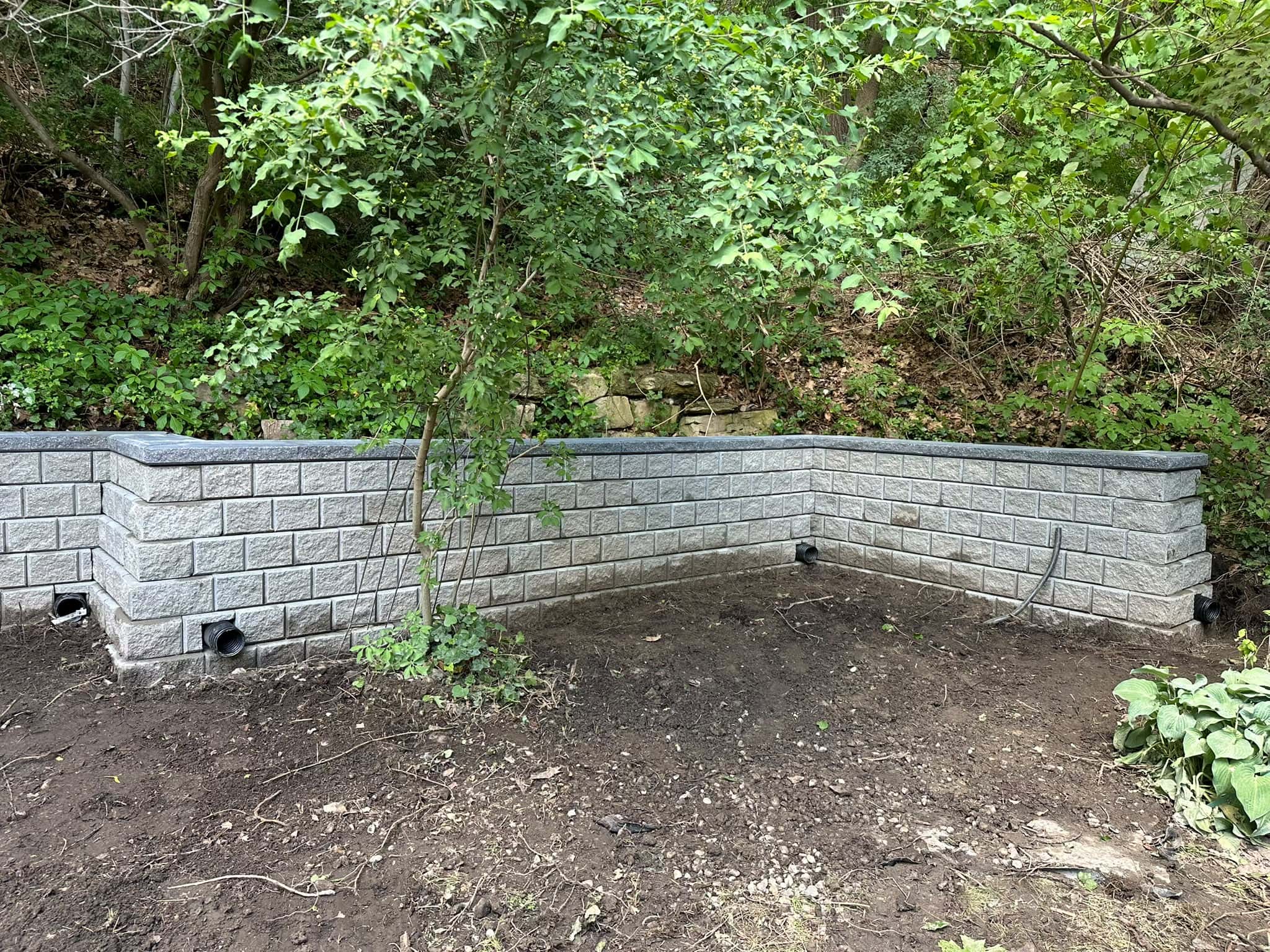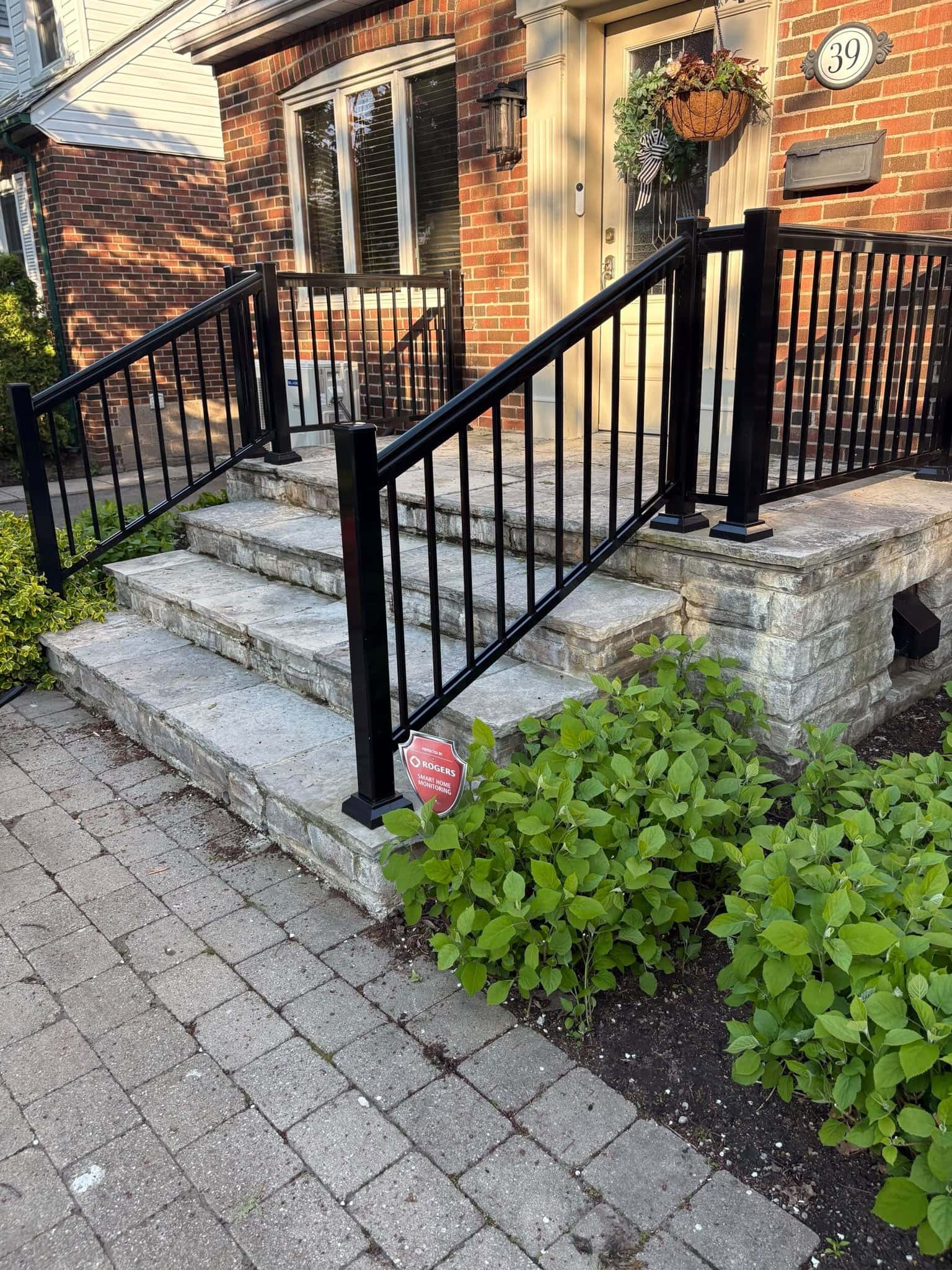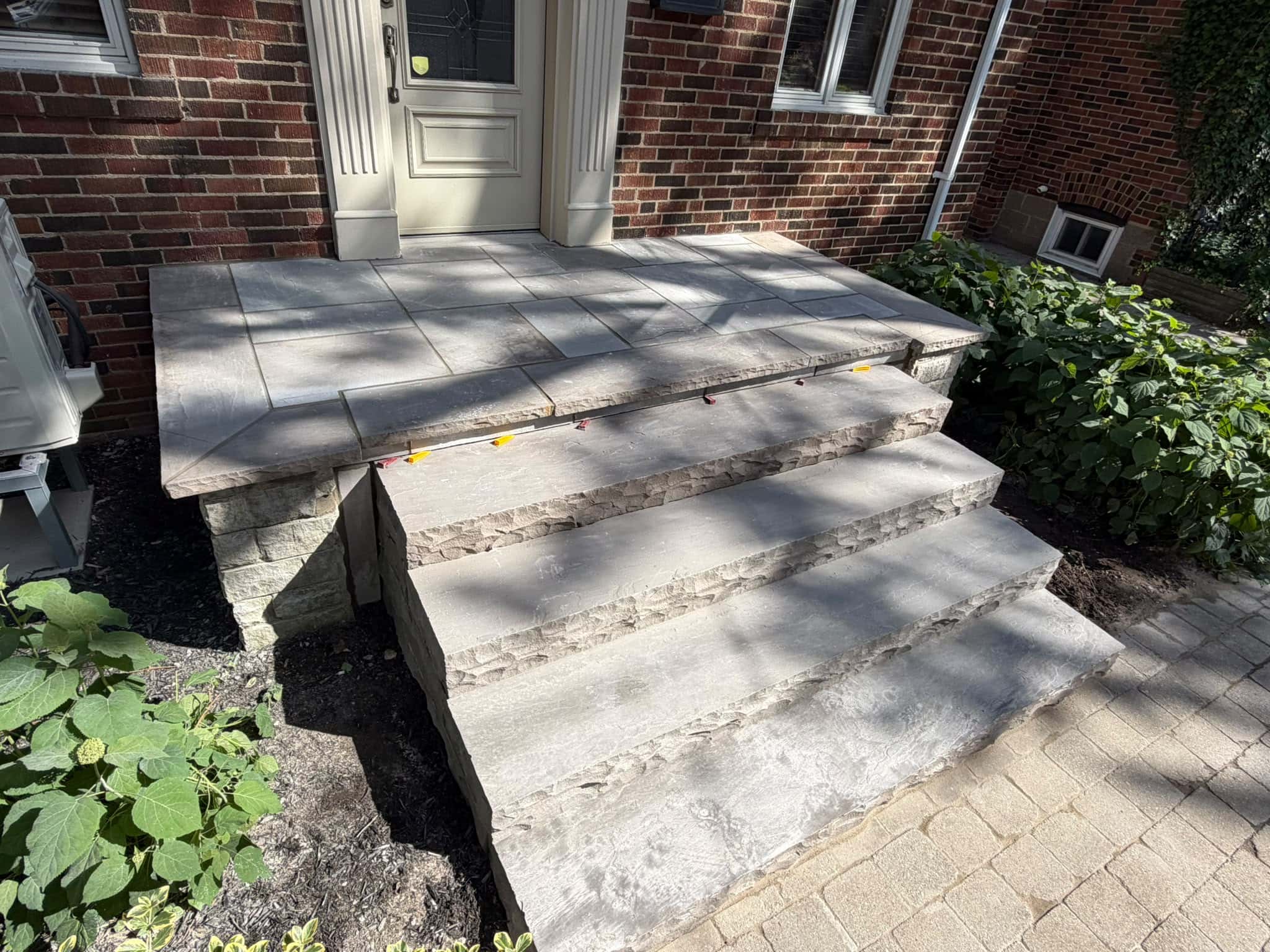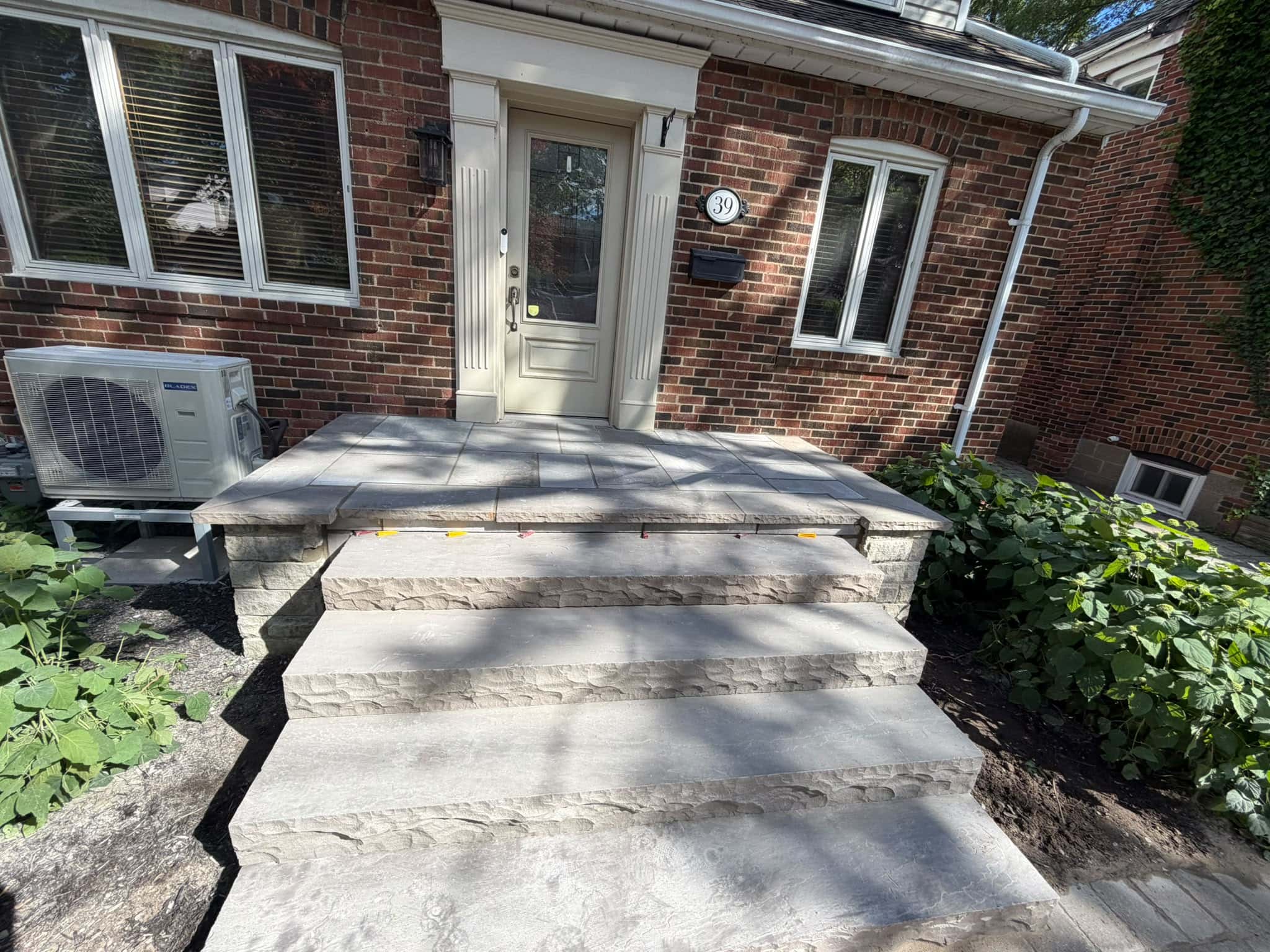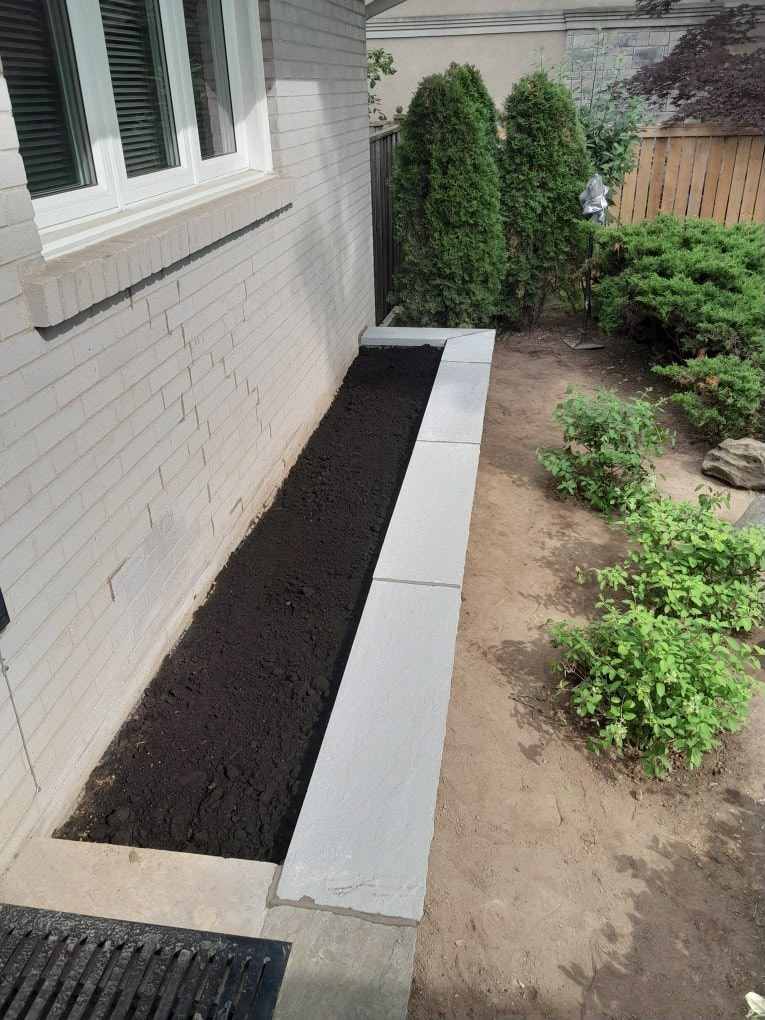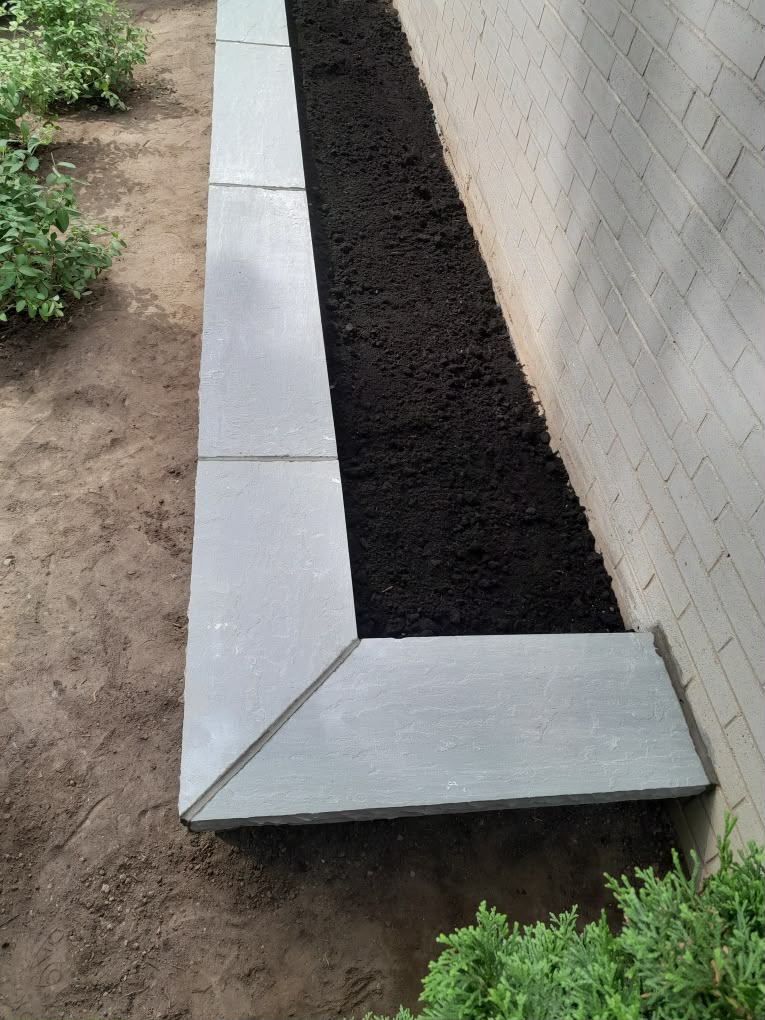
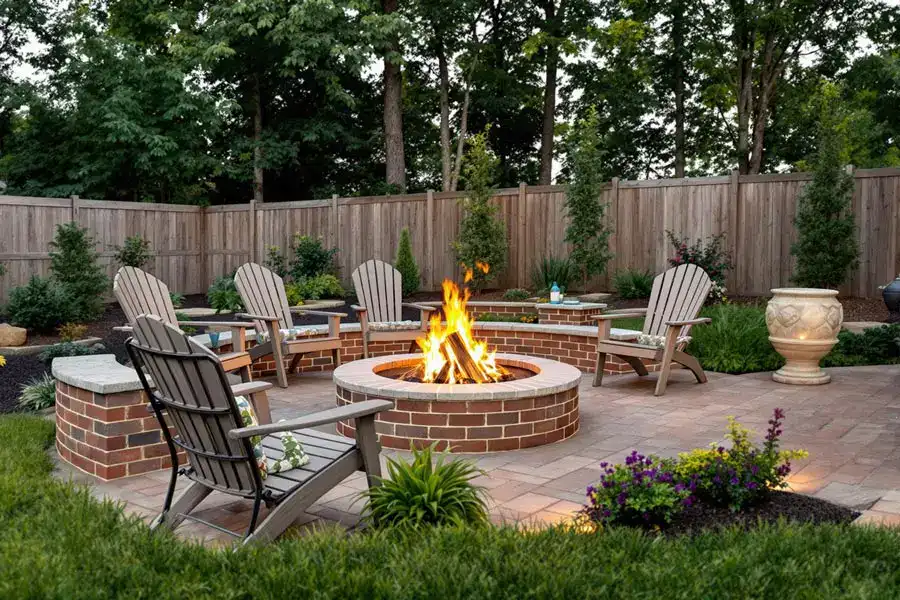
Choosing between stone and brick for your outdoor fire pit is key. Both have their looks and benefits. But their textures can change how your fire pit feels and looks.
Homeowners want their backyard to be perfect. Knowing the differences between stone and brick fire pits helps. It lets them pick the right one for their outdoor space.
Understanding Fire Pit Materials: Stone and Brick Basics
Choosing the right materials for a fire pit is key. Natural stone and brick are top picks, each with its strengths. Knowing the basics helps homeowners pick the best fit for their needs.
Natural Stone Varieties for Fire Pits
Natural stone is a classic, durable pick for fire pits. Popular stones include granite, limestone, sandstone, and fieldstone. Each stone has its look, feel, and heat resistance, making it easy to design a unique fire pit.
- Granite: A dense, hard stone that is highly heat-resistant and durable.
- Limestone: A softer stone with a smooth, uniform appearance that can withstand high temperatures.
- Sandstone: A versatile stone with a natural, rugged, heat-resistant texture.
- Fieldstone: A natural, irregular-shaped stone that adds a rustic charm to fire pit designs.
Common Brick Types and Their Properties
Brick is a favorite for fire pits, offering many color, texture, and heat resistance choices. The main types are clay bricks, firebrick, and refractory bricks.
- Clay Bricks: Affordable and common, clay bricks are a good choice but may not be as heat-resistant as fire bricks.
- Firebrick: Made for high heat, firebricks are durable and heat-resistant, perfect for fire pits.
- Refractory Bricks: The most heat-resistant, refractory bricks are used in commercial fire applications.
Material Composition and Heat Resistance
The makeup of natural stone and brick affects their heat resistance. Denser, more rigid materials and specialized bricks can handle fire pit temperatures better. This ensures they last longer and are safer.
The Aesthetic Appeal of Rugged Stone Textures
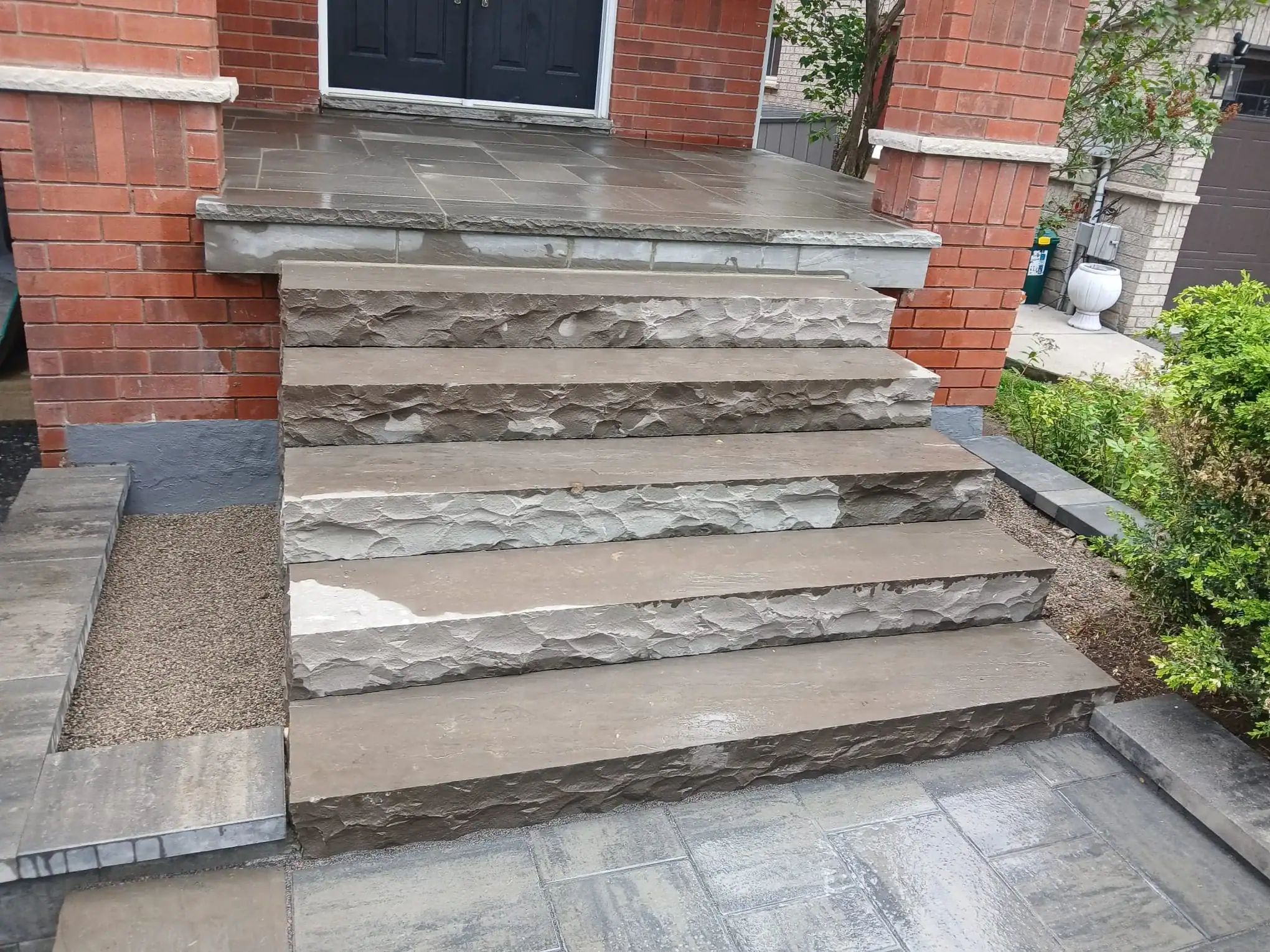
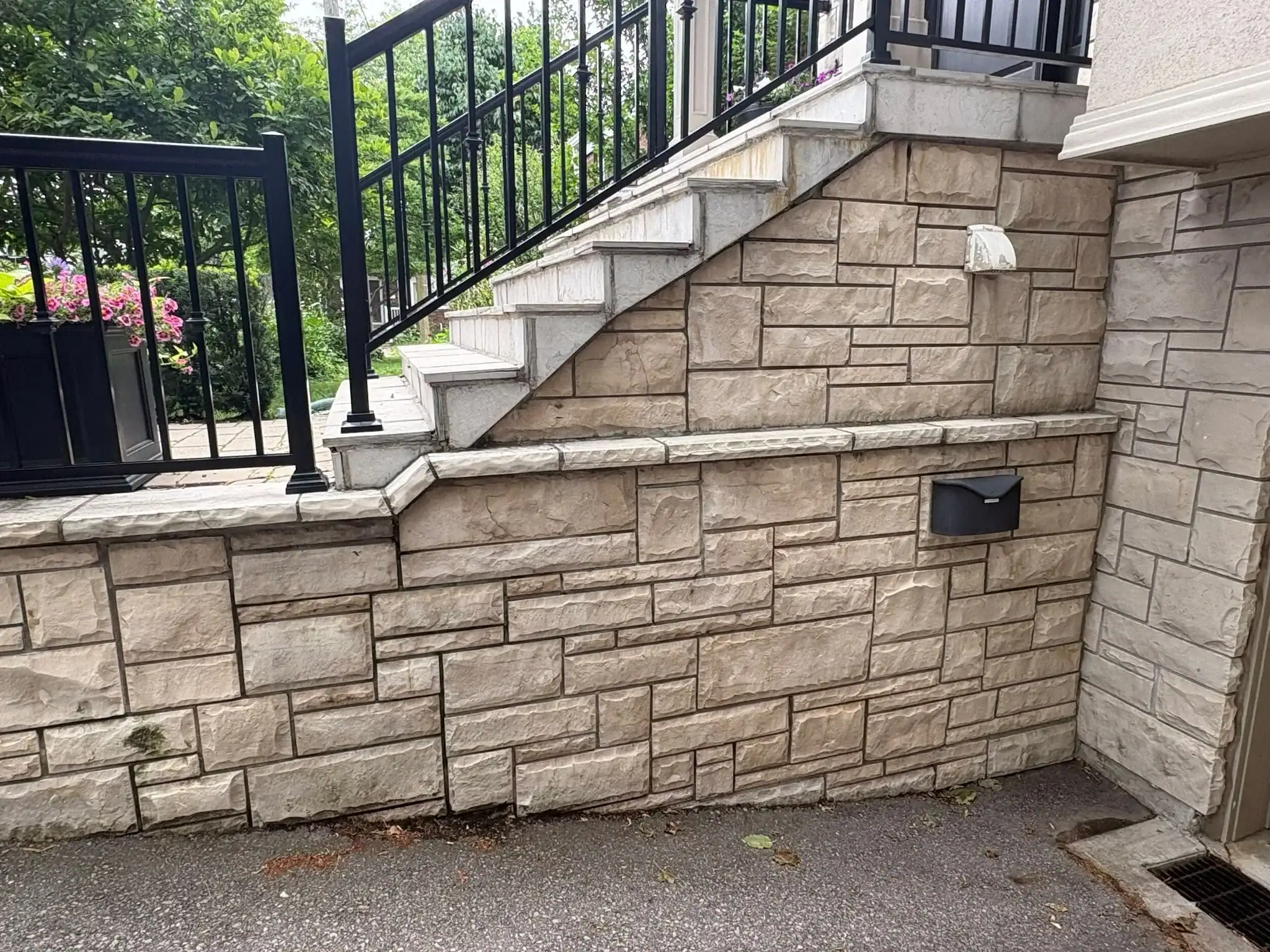
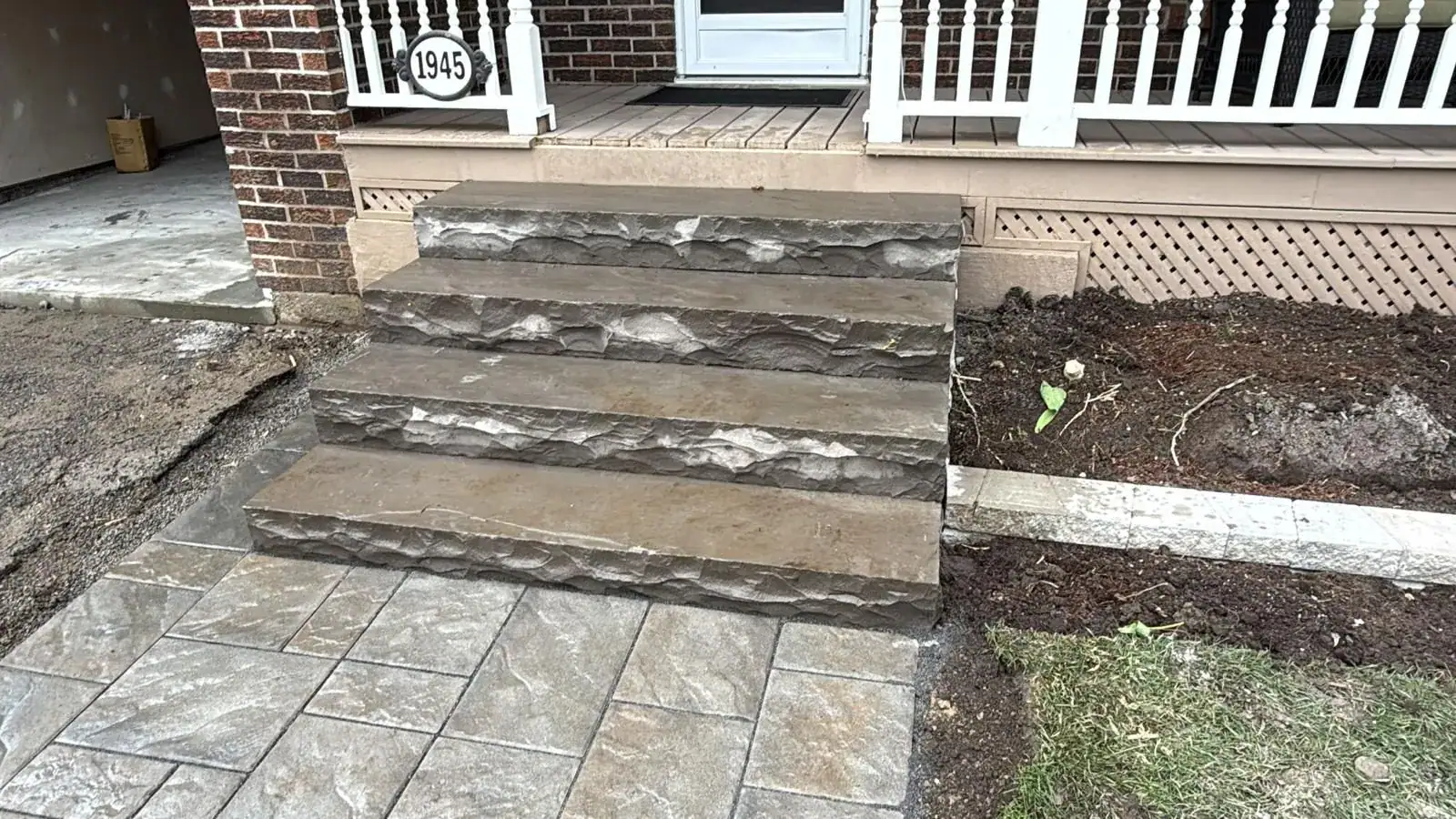
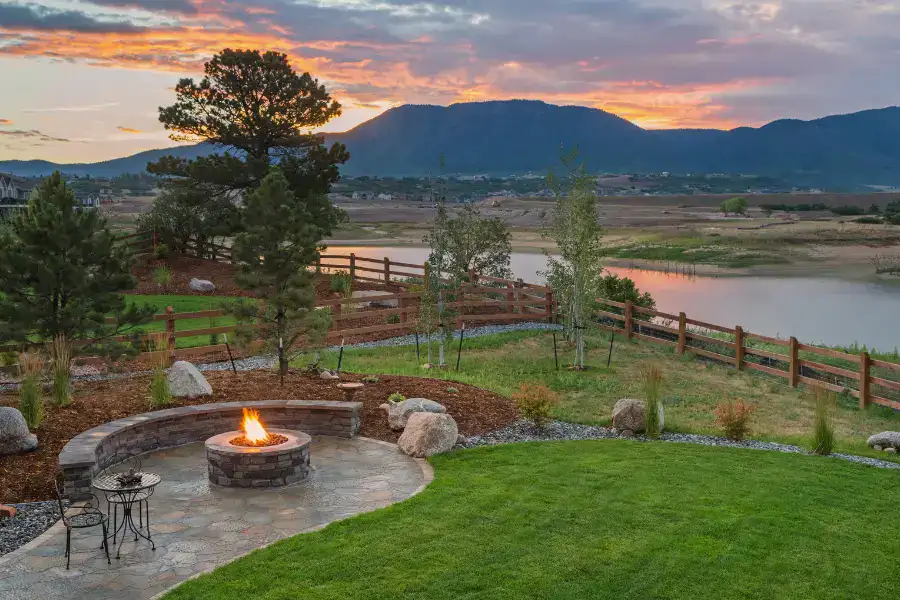
Stone fire pit designs stand out because of their rugged textures. These unique features add a captivating, rustic outdoor decor feel. They blend perfectly with the landscape around them.
Stone fire pits bring a timeless and authentic vibe. Each stone is unique in its color, pattern, and texture. These differences make the design rich and full of character.
Choosing a stone fire pit adds warmth and charm to your outdoor area. Whether you prefer a classic look or something modern, stone’s ruggedness makes your space inviting. Options range from weathered fieldstone to elegant limestone, offering endless possibilities for a striking fire pit.
Using stone in your fire pit design makes it more than a gathering place. It becomes a beautiful centerpiece that boosts your backyard’s rustic charm.
Brick Fire Pit vs Stones: A Comprehensive Comparison
Choosing the right material for your fire pit is key. Both brick and stone have their benefits. Knowing the differences can help you pick the best one for you.
Cost Considerations
Cost is a significant factor. Brick fire pits are often cheaper for a DIY project. Stone fire pits, however, can cost more depending on the stone and design.
Durability Factors
Durability matters a lot for fire pits. Stone is usually more durable than brick, lasting longer with less maintenance. Brick fire pits are long-lasting, but might need more repairs or replacements.
Installation Requirements
- Brick fire pits are easier to install and great for DIY fans.
- Stone fire pits need more skilled labor and tools, increasing the cost.
Choosing between brick and stone depends on your budget, style, and maintenance needs. Think about these factors to find the perfect fire pit for your outdoor space.
Heat Retention Properties of Stone and Brick
Choosing between stone and brick for fire pits affects heat efficiency and performance. Thermal mass is key to understanding their heat retention and radiation differences.
Stone has a higher thermal mass, meaning it absorbs and stores heat better. This makes a stone fire pit keep a steady heat for longer. It’s great for colder climates or more extended gatherings. Stone’s rugged texture also helps evenly spread the heat.
Brick, on the other hand, has a lower thermal mass. It heats up and cools down faster. This is good for milder climates or shorter fire pit use, as it warms up quicker. However, brick’s smooth finish might not retain heat much like stone.
So, choosing stone or brick depends on your climate, how you use your fire pit and your preferences. Knowing about thermal mass and heat efficiency helps you make a choice that fits your outdoor space needs.
Weather Resistance and Durability Comparison
Outdoor fire pits need to handle the weather well. Stone and brick affect your fire pit’s life and upkeep.
Freeze-Thaw Cycle Impact
Like those from granite or limestone, stone fire pits stand up better to freeze-thaw cycles. These cycles can harm materials that aren’t as tough, like some bricks. Frost resistance makes stone fire pits a good choice for cold areas.
Moisture Resistance
Brick fire pits can get damaged by moisture if not sealed well. Their porous nature lets water in, causing problems over time. On the other hand, weatherproof fire pit options from dense stone face fewer moisture issues.
Long-term Maintenance Needs
- Stone fire pits need less upkeep than brick because they weather less.
- Brick fire pits might need resealing or repointing to stay in good shape.
- Both should be cleaned and checked often to catch issues early.
Choosing stone and brick depends on your climate, style, and upkeep commitment. Knowing how each material handles weather helps pick the right one. This ensures your fire pit looks great and has worked great for many years.
Installation Process and Complexity
Building a fire pit can differ depending on whether you use stone or brick. It is key to know how hard it is to do it yourself or if you need a pro. This helps decide whether you can build it yourself or need help.
Stone fire pit construction needs a lot of work and special skills. Cutting and fitting the stone takes a lot of time and effort. Also, making sure the fire pit is strong and safe requires expertise. So, building a stone fire pit yourself might be challenging, and you might need a pro.
Brick fire pit installation is more straightforward and can be done by DIY fans. Brick is more straightforward to work with, making it easier to follow instructions and build the fire pit. You just need to lay the bricks right, ensure they’re aligned, and seal the gaps for an intense fire pit.
Choosing between DIY or hiring a pro for your fire pit depends on several things. It’s about how complex you want it to be, your skills, and how much time and money you have. While a brick fire pit might be doable on your own, a stone one might need a pro for the look and safety.
Cost Analysis: Stone vs Brick Fire Pits
Choosing between stone and brick for a fire pit affects your budget. We’ll look at the materials, labor, and maintenance costs for each.
Initial Material Expenses
The price of fire pit materials varies by stone or brick type. Natural stone like flagstone or limestone is pricier than standard clay bricks.
Installation Labor Costs
The labor expenses for installing a fire pit differ between stone and brick. Brick pits are more straightforward and cost less in labor. Stone pits, however, might need a skilled mason, raising labor expenses.
Long-term Maintenance Expenses
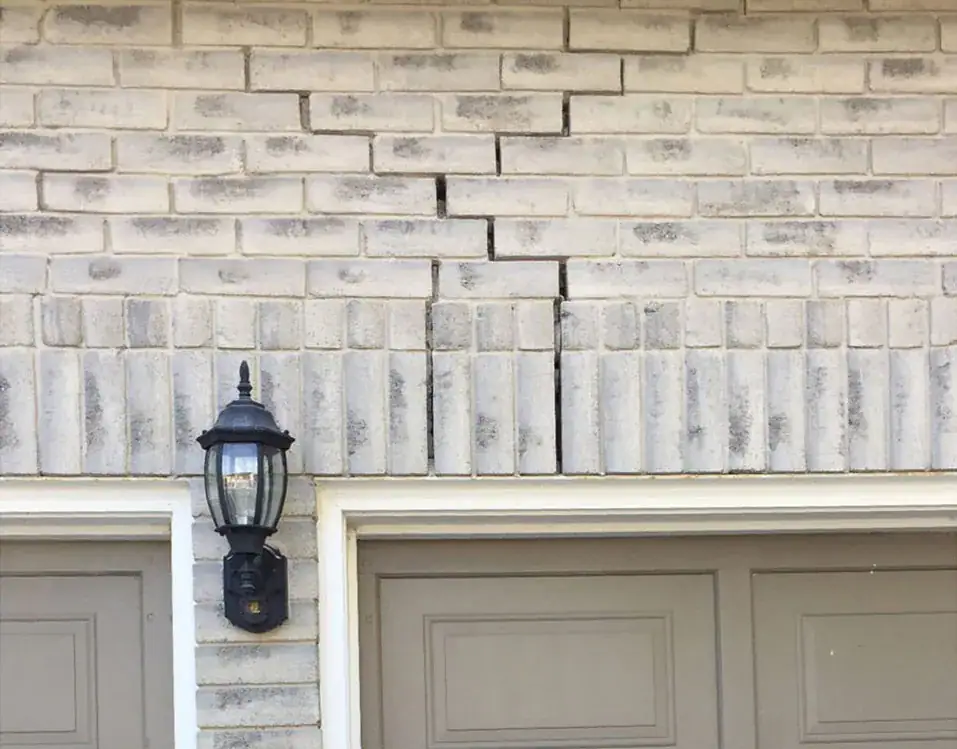
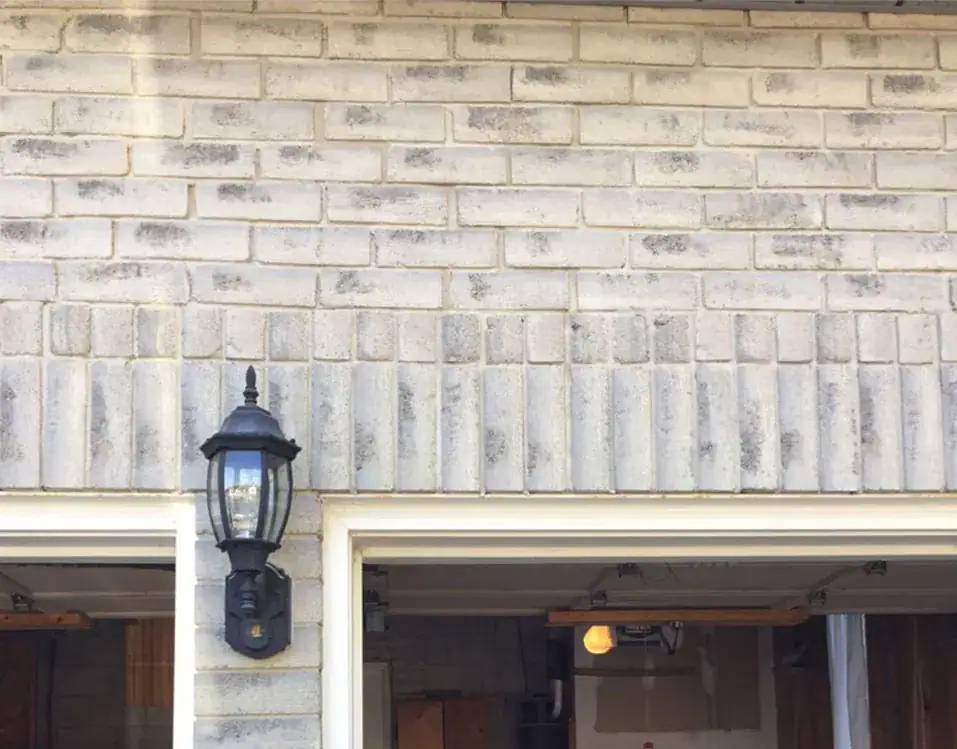
Stone fire pits last longer and need less upkeep than brick ones. Brick pits might crack or wear down, requiring repairs or even a new pit. This adds to the long-term costs.
Choosing between stone and brick should weigh initial costs, labor, and expected maintenance. Also, think about how long you want the fire pit to last.
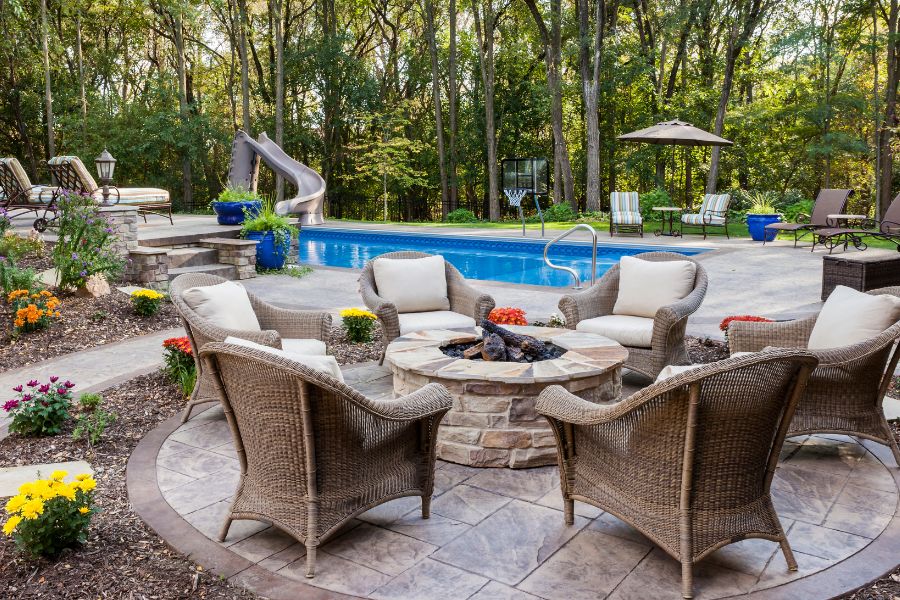
Safety Considerations for Different Materials
When picking materials for your outdoor fire pit, safety is key. Both stone and brick have unique qualities that affect your fire pit’s safety. Knowing the safety aspects of each material helps you choose wisely.
It’s essential to think about the heat-resistant capabilities of the materials. Stone, like granite or limestone, is more heat-resistant than standard brick. This makes stone fire pits less likely to crack or explode when hot. Brick, however, can be more at risk of outdoor fire hazards like crumbling or wearing down, especially with repeated freeze-thaw cycles.
- Stone fire pits are often safer due to their better heat resistance and durability.
- Brick fire pits might need more upkeep and watching to keep them safe under intense heat.
- Installing your fire pit correctly and using heat-resistant materials for safe use is vital.
Both stone and brick can work for a fire pit, but their unique traits must be thoughtfully considered for safety. Talking to a pro can also guide you in picking the right material for your fire pit design and needs.
Maintenance Requirements and Longevity
Keeping your fire pit in good shape is key to its long life and performance. Both stone and brick fire pits need regular care. Knowing what each needs can help extend your outdoor fire feature’s life.
Fire Pit Care and Cleaning Methods
Stone fire pits are easier to clean than brick ones. A simple brush or hose can clear out ash and debris. It’s also good to check for cracks or spalling (flaking) occasionally.
Brick fire pits, however, need more cleaning. Use a special brick cleaner to avoid stains and color changes. Keeping them well-maintained helps them look and stay strong.
Lifespan Comparison
- Stone fire pits are durable, lasting up to 20 years or more with the proper care. Their natural strength and weather resistance make them an excellent choice for outdoor fires.
- Brick fire pits don’t last as long, usually between 10 to 15 years. Brick is durable but can weather faster. It might need more upkeep to stay in good shape.
Knowing how to care for stone and brick fire pits and how long they last helps you choose wisely. This ensures your fire feature meets your needs for years to come.
Design Flexibility and Customization Options
Both stone and brick offer endless possibilities for custom fire pit design. They can make your outdoor space unique and eye-catching. The flexibility in design is a big plus for these materials.
Shape and Size Possibilities
Stone and brick fire pits come in many shapes and sizes. You can choose from classic round, modern square, or unique designs. This versatility lets you turn your dream into reality.
Color and Pattern Choices
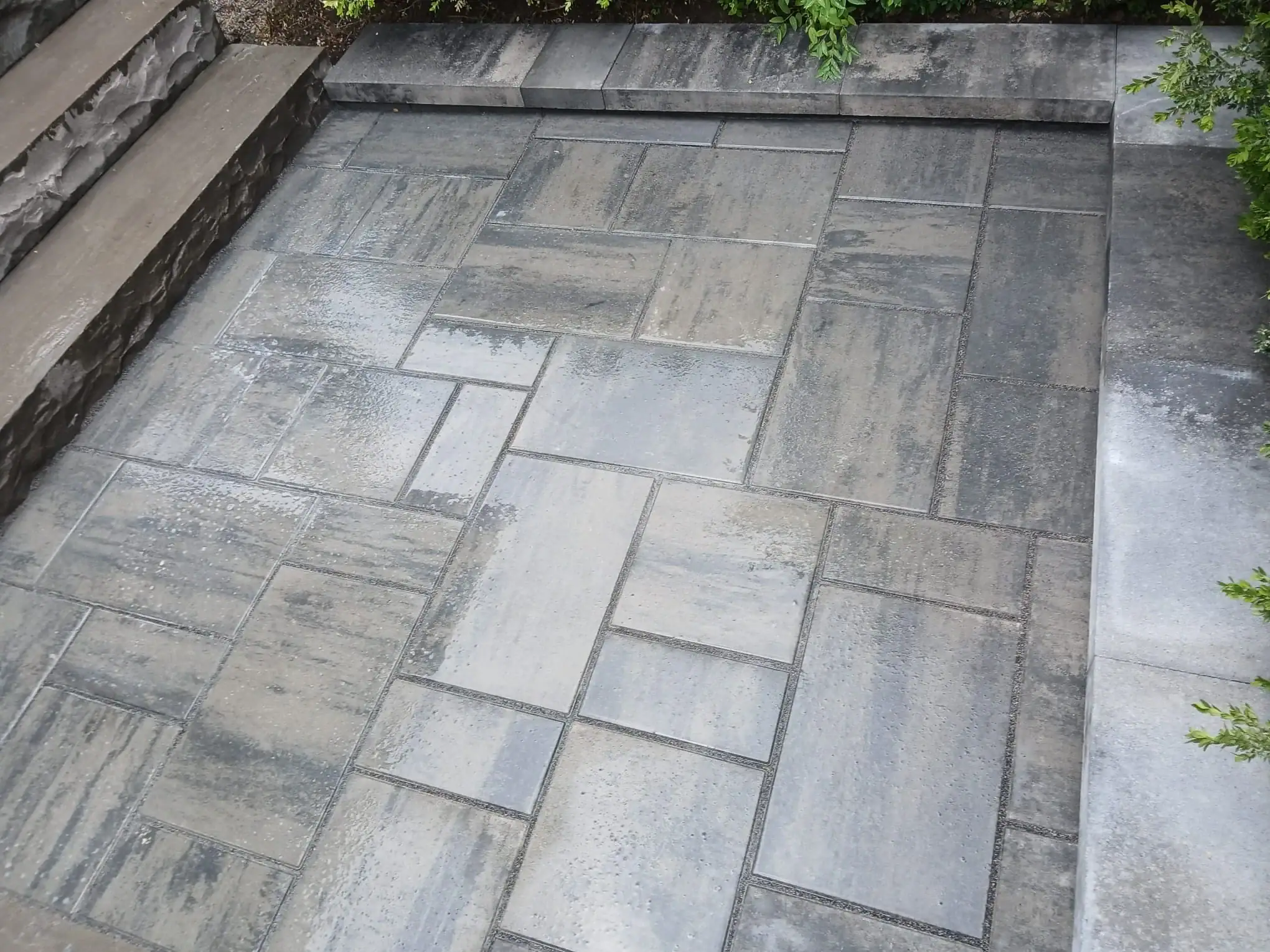
Stone and brick have a wide range of colors and patterns. You can pick from warm earth tones to cool modern colors. Mixing different shades and textures creates a one-of-a-kind custom fire pit design that fits perfectly with your landscape and outdoor living spaces.
Integration with Landscape Design
Stone and brick fire pits fit well with many landscape design styles. They can be part of rustic, natural, or modern designs. You create a beautiful and cohesive outdoor area by matching your fire pit with your outdoor living spaces.
Conclusion
Stone and brick fire pits have their benefits for outdoor spaces. Stone gives a natural look, while brick offers a smooth finish. This makes both great for enhancing your backyard.
The cost, durability, and ease of installation vary between stone and brick. Stone might be cheaper upfront, but brick lasts longer and withstands weather better. Your choice should match your style and budget.
Choosing a fire pit can transform your outdoor area. It adds warmth and creates a cozy spot for gatherings. By considering the pros and cons of stone and brick, you can pick the best option for your space.
FAQ
What are the key differences between stone and brick fire pits?
Stone and brick fire pits differ in look and function. Stone has a natural, rugged appearance with varied patterns and colors. Brick, on the other hand, offers a smoother finish. They also vary in heat retention, weatherproofing, and installation needs.
What types of natural stones are commonly used for fire pits?
Granite, sandstone, flagstone, and fieldstone are popular for fire pits. Each stone has unique colors and heat-resistant properties. These factors affect the fire pit’s performance and look.
How do the heat retention properties of stone and brick differ?
Stone and brick fire pits retain heat differently. Stone, being denser, holds heat better than brick. This means stone fire pits can keep you warm longer.
What are the key considerations for the durability and weatherproofing of stone and brick fire pits?
Both stone and brick fire pits must withstand the weather. Stone, especially dense types like granite, resists weathering well. Brick, however, may need more care due to moisture and freeze-thaw cycles.
How do the installation requirements for stone and brick fire pits differ?
Installing stone and brick fire pits is different. Stone pits require skilled masonry, often needing a pro. Brick pits, though, can be DIY-friendly, depending on the design.
What are the key cost considerations for stone and brick fire pits?
Costs for stone and brick fire pits vary. Stone pits cost more upfront but last longer and need less upkeep. Brick pits are cheaper initially but may require more maintenance and repairs.
How do the design and customization options differ for stone and brick fire pits?
Both stone and brick offer design flexibility. Stone pits have a natural, rustic look. Brick pits can be customized with various colors and shapes. The choice affects the overall landscape design.
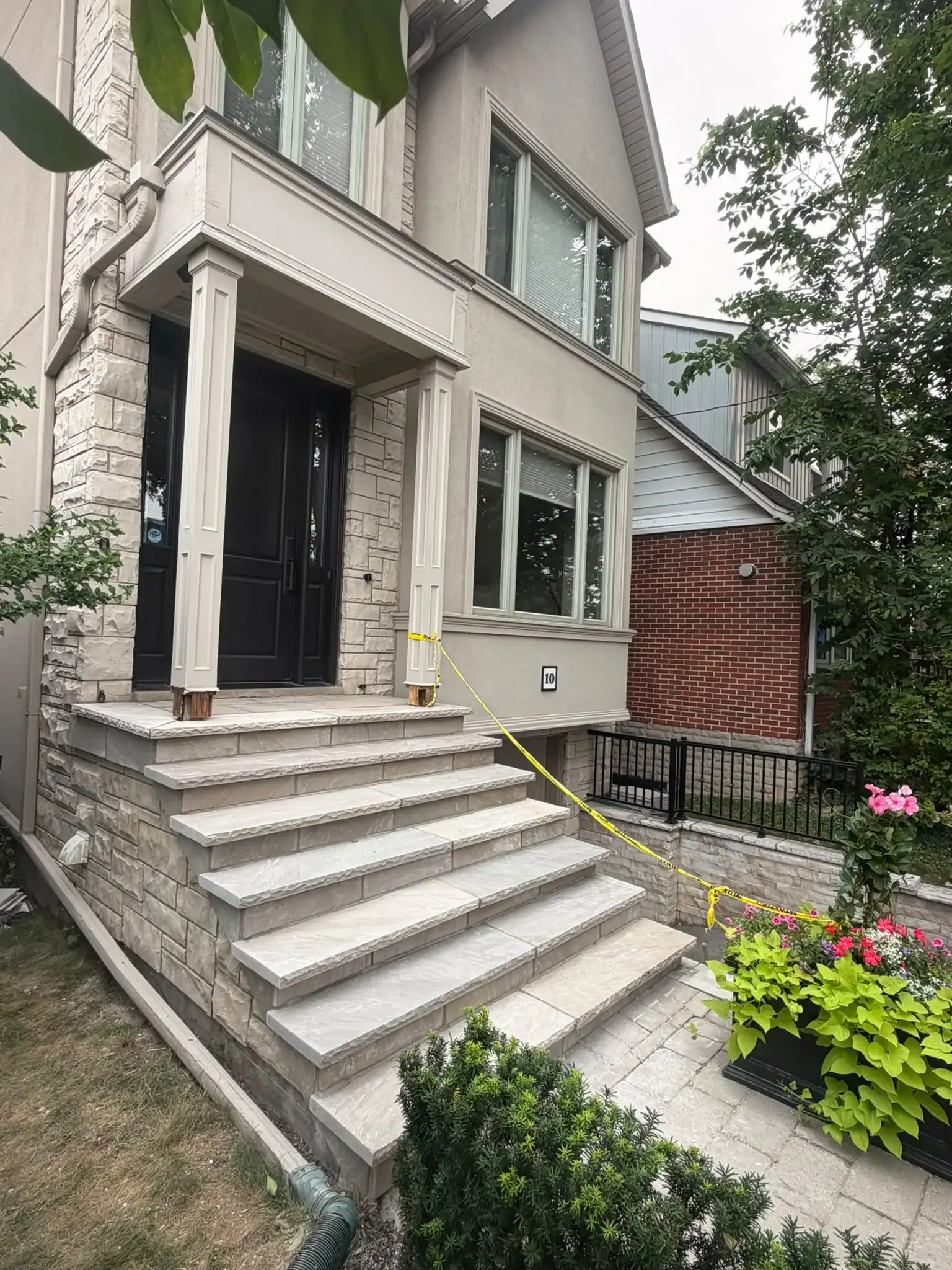
With decades of experience, A&A Masonry Inc. has built a reputation for delivering top-quality masonry, waterproofing, and exterior restoration services across Toronto and the surrounding areas. Our skilled team specializes in brick, stone, and concrete repairs, ensuring durable and visually appealing results.
At A&A Masonry, we prioritize craftsmanship, customer satisfaction, and long-lasting solutions. Whether you need foundation waterproofing, brick repair, tuckpointing, or interlocking stone installations, our experts provide reliable service backed by extensive industry experience.
Why Choose A&A Masonry?
✔ Expert Craftsmanship – Our team comprises experienced masons and waterproofing specialists dedicated to high-quality workmanship.
✔ Comprehensive Services – We offer everything from chimney repair to fireplace stone veneer and parging to enhance and protect your property.
✔ Waterproofing Solutions – Protect your home with professional basement waterproofing and exterior foundation sealing.
✔ Customer-First Approach – Transparent quotes, detailed assessments, and a commitment to excellence in every project.
Our Services Include:
- Concrete Repairs
- Stone Masonry
- Brick Painting
- Interlocking Stone Pavers
- Parging
- Tuckpointing
- Brick Repair
- Fireplace Stone Veneer
- Chimney Repair
- Commercial Exterior Painting
- Basement Waterproofing
- Stucco
- Interlocking Steps
- Roofing