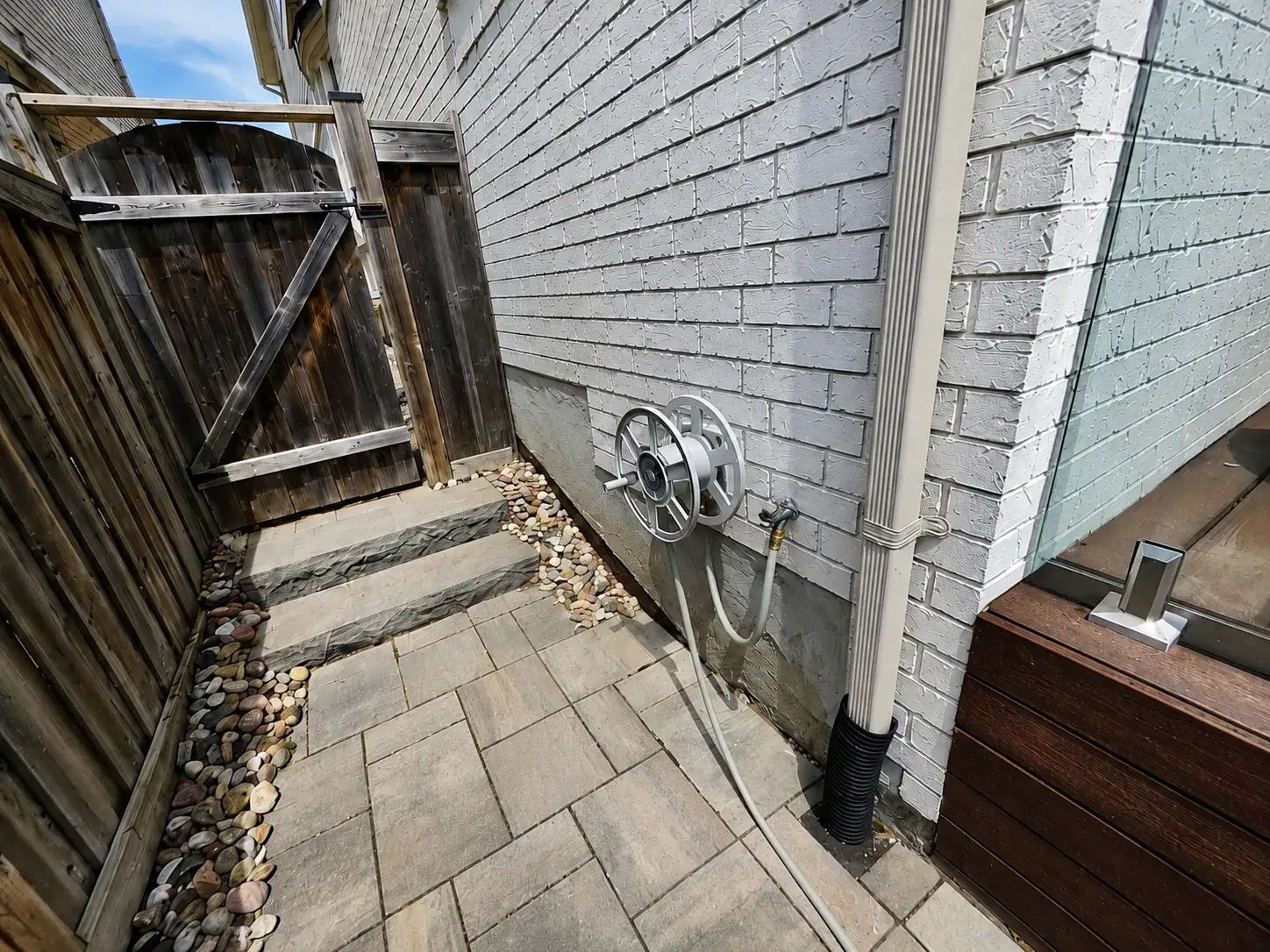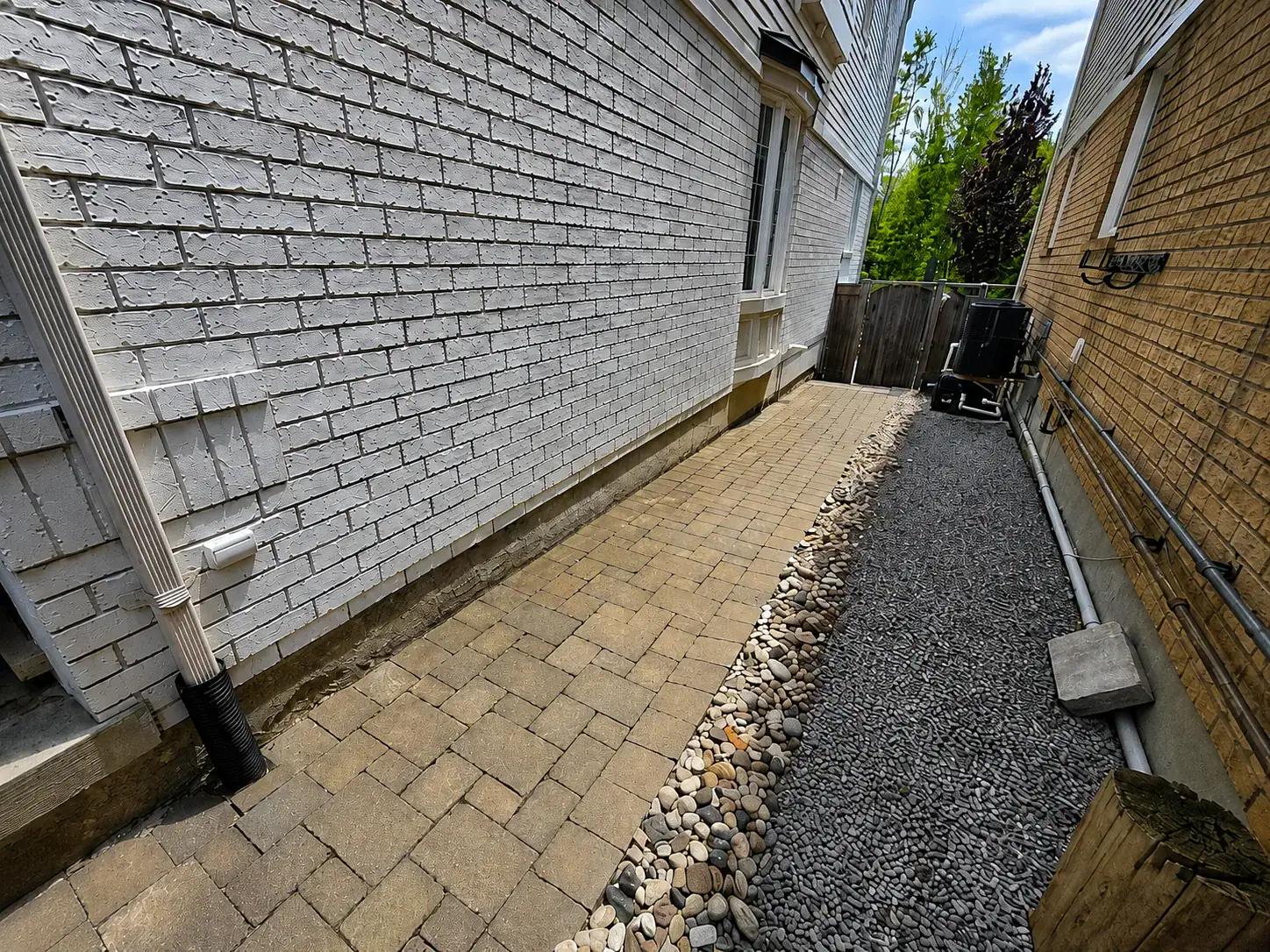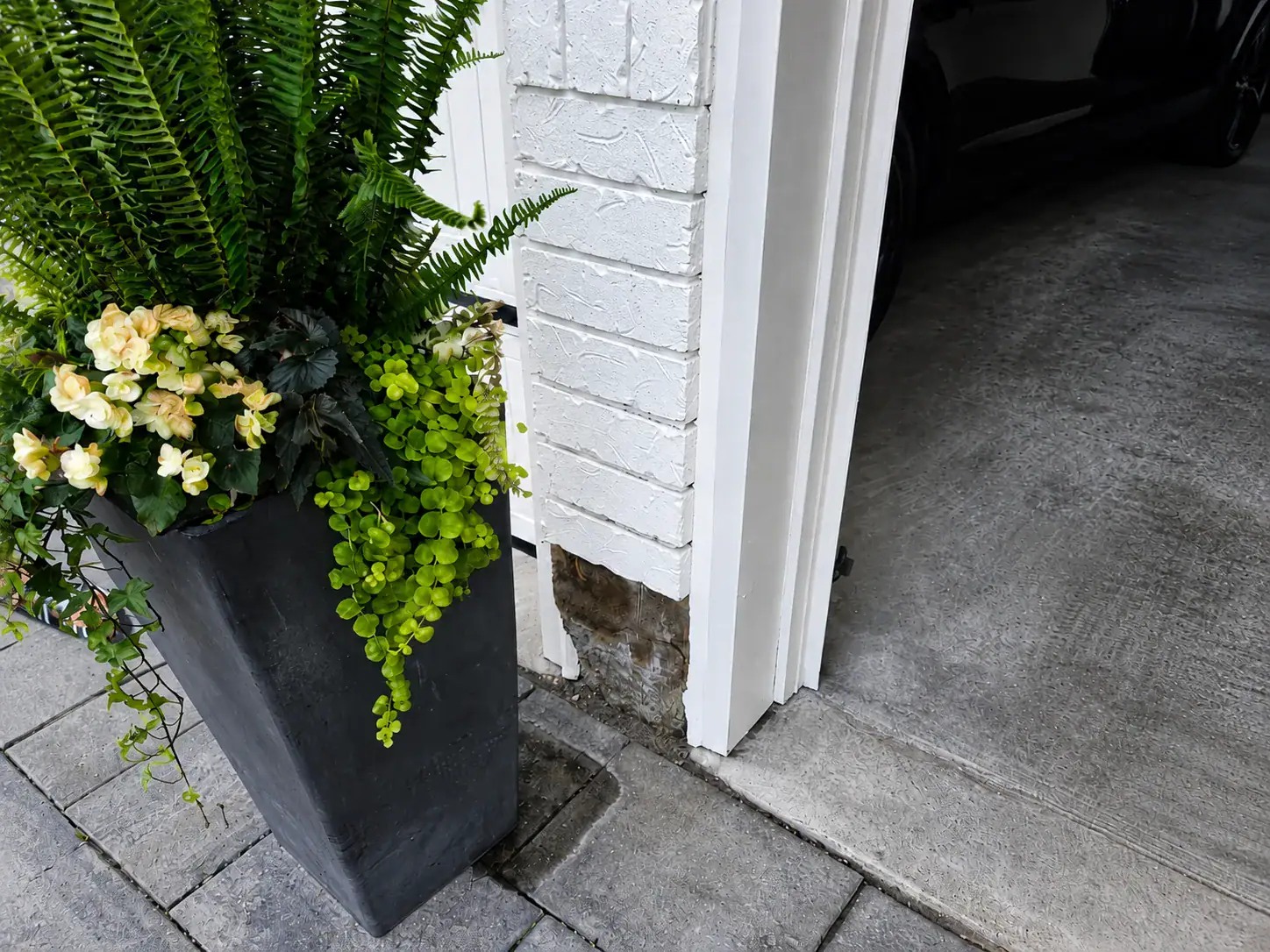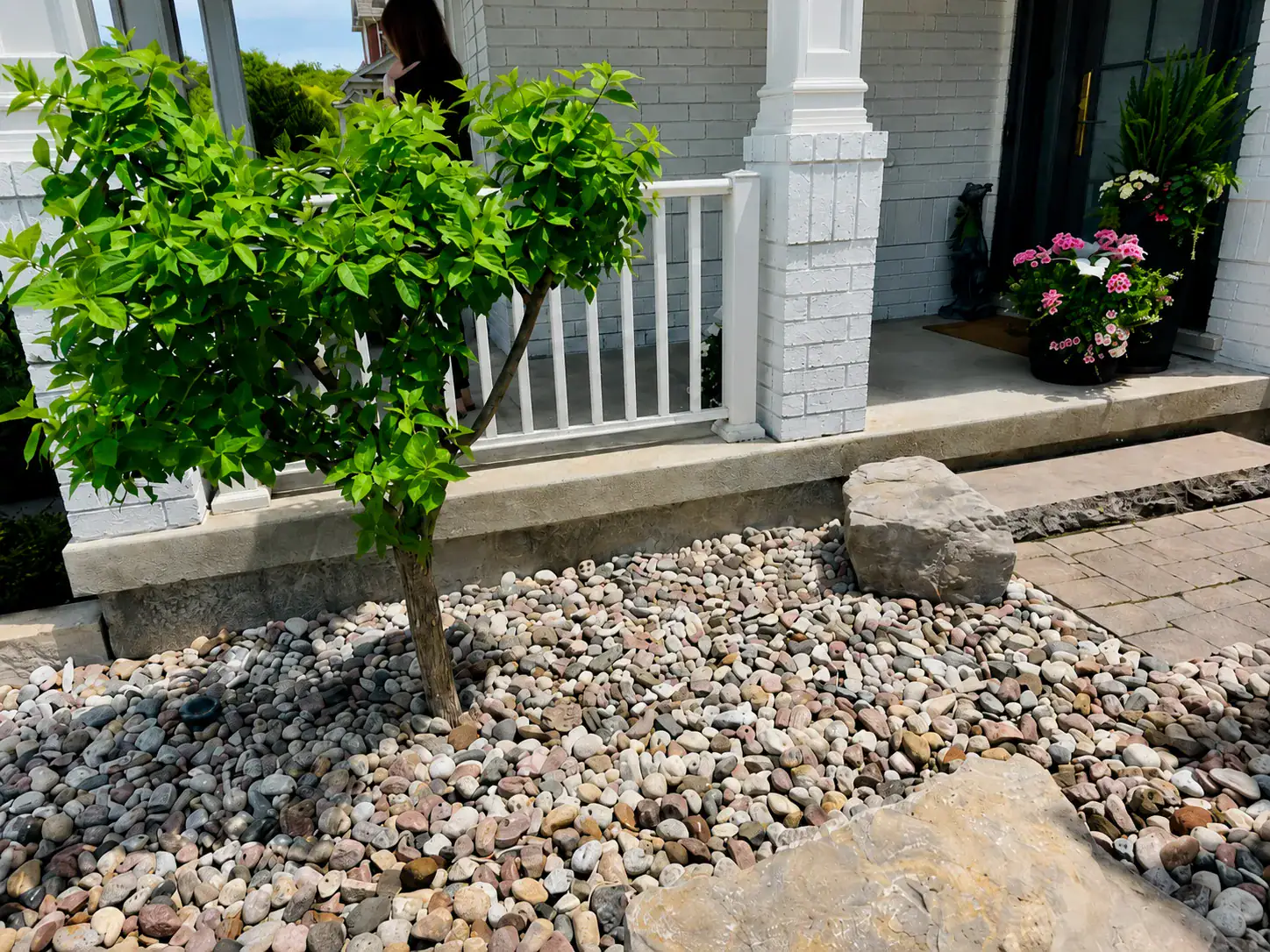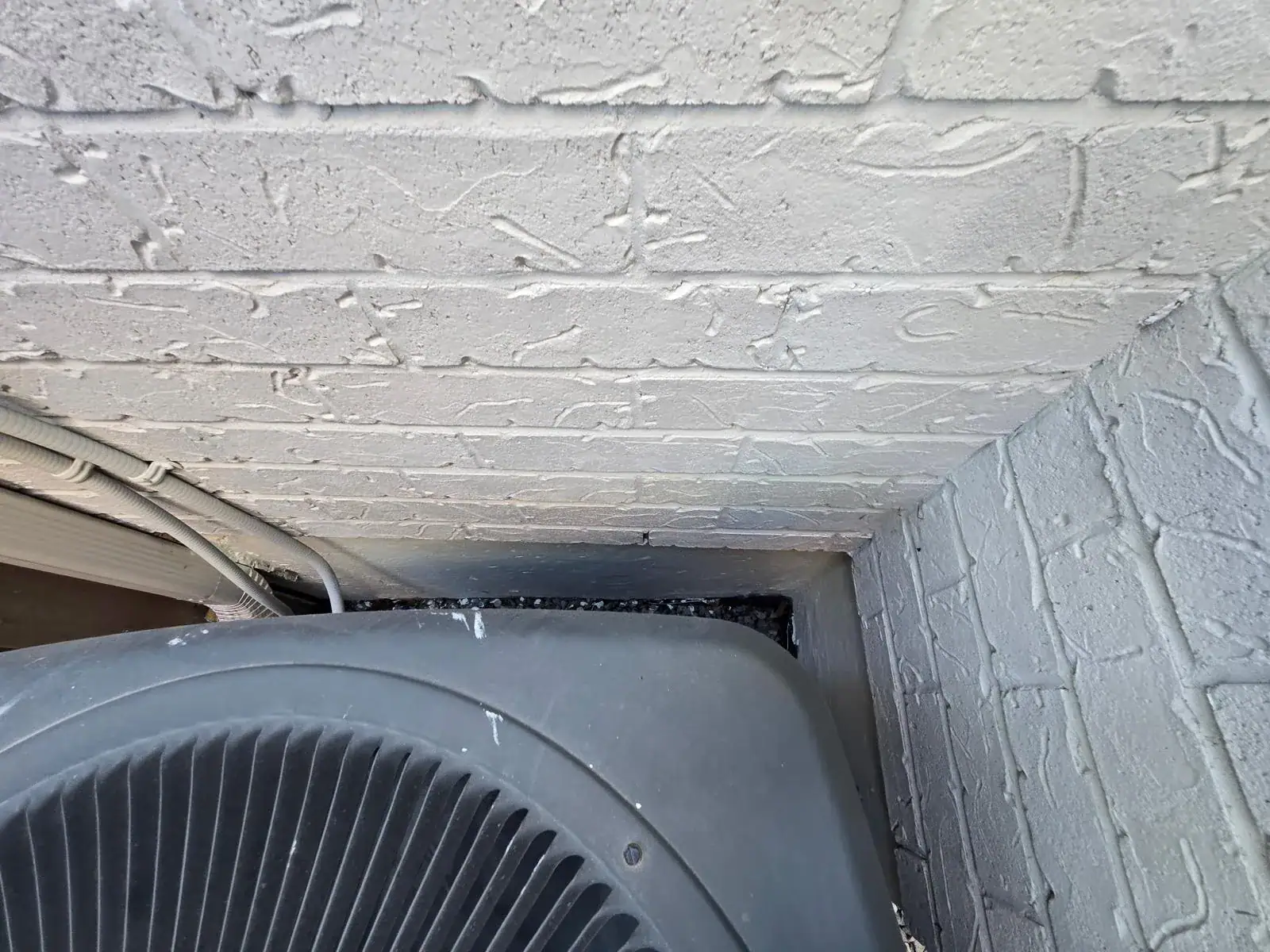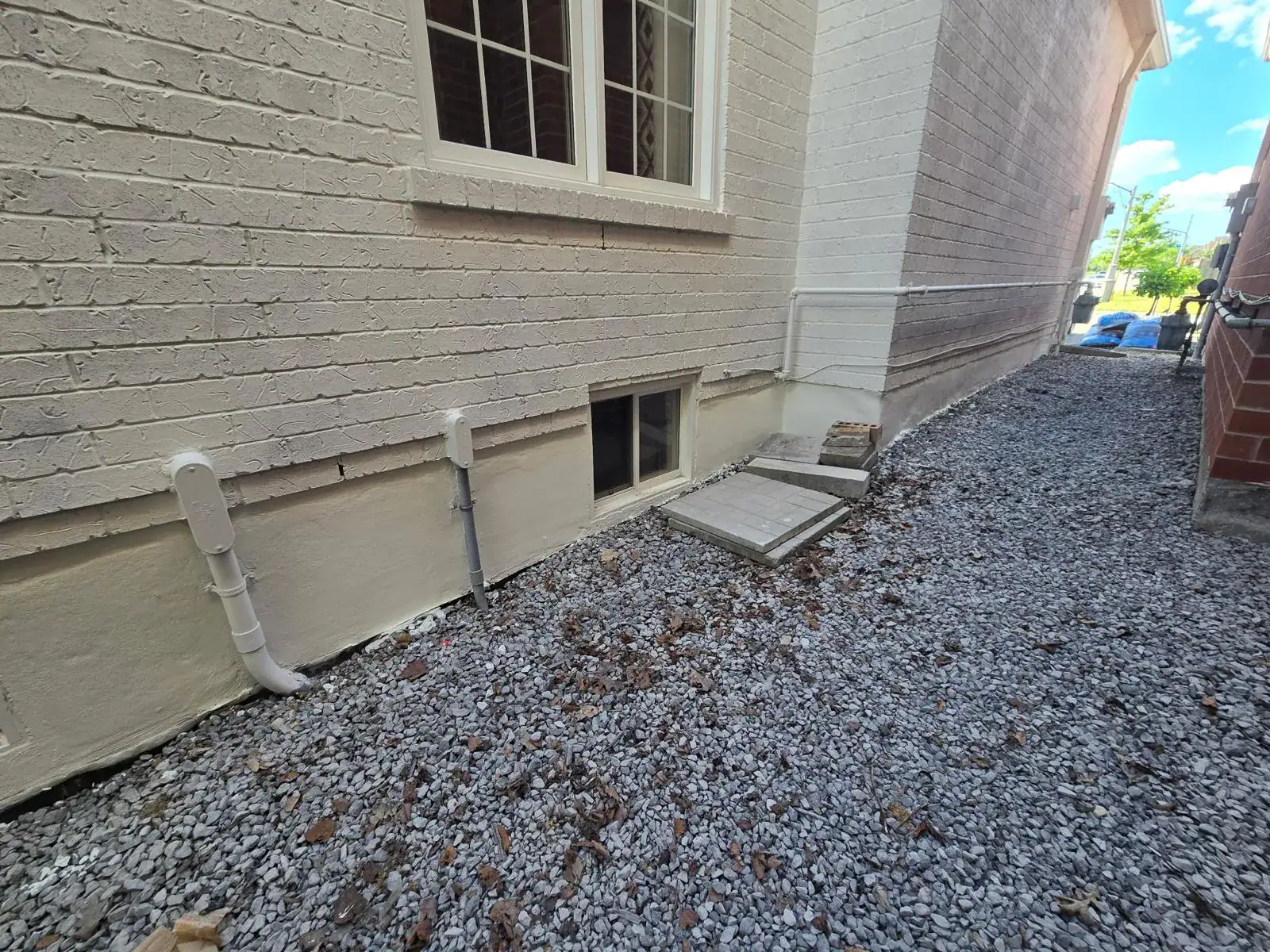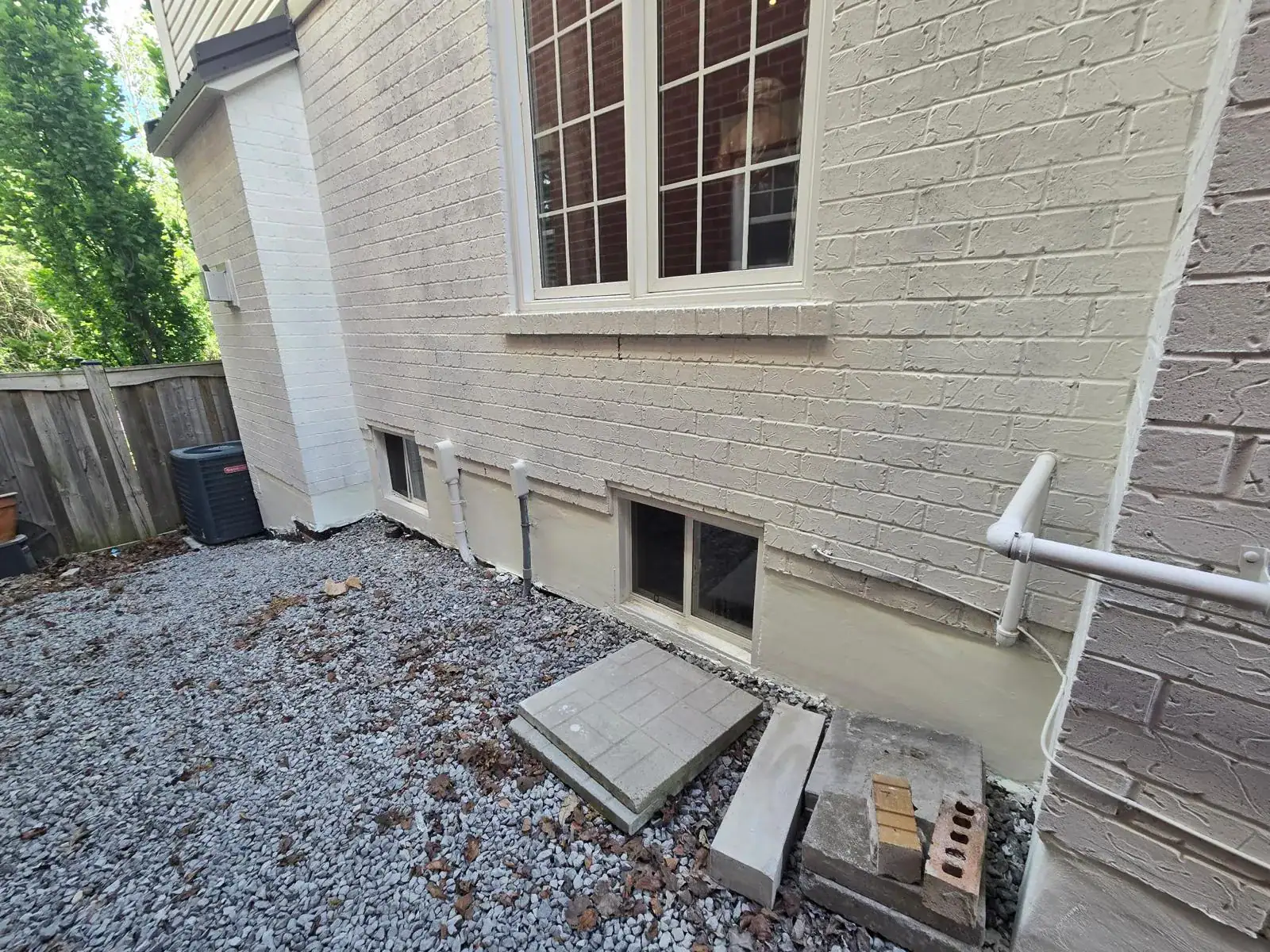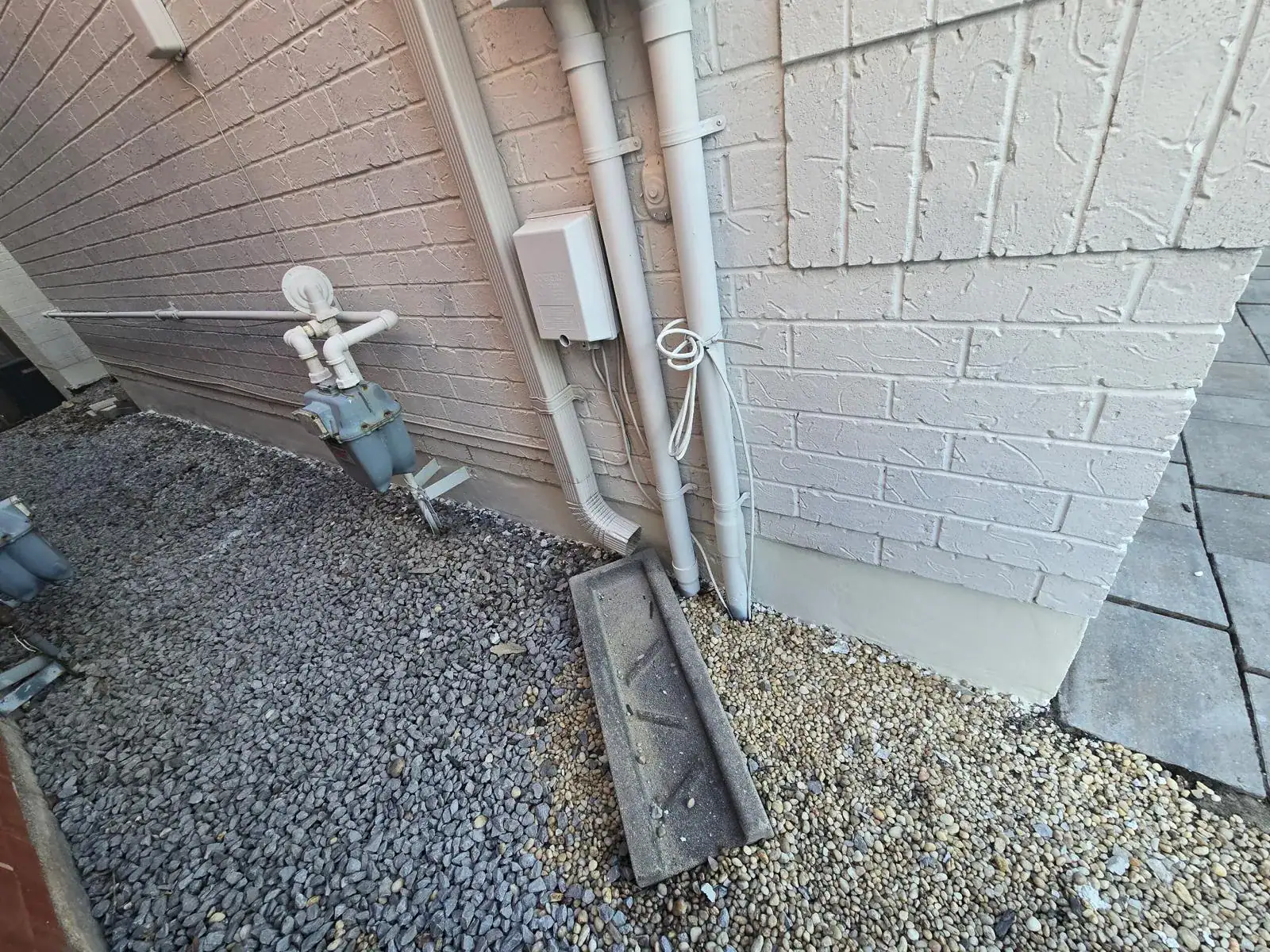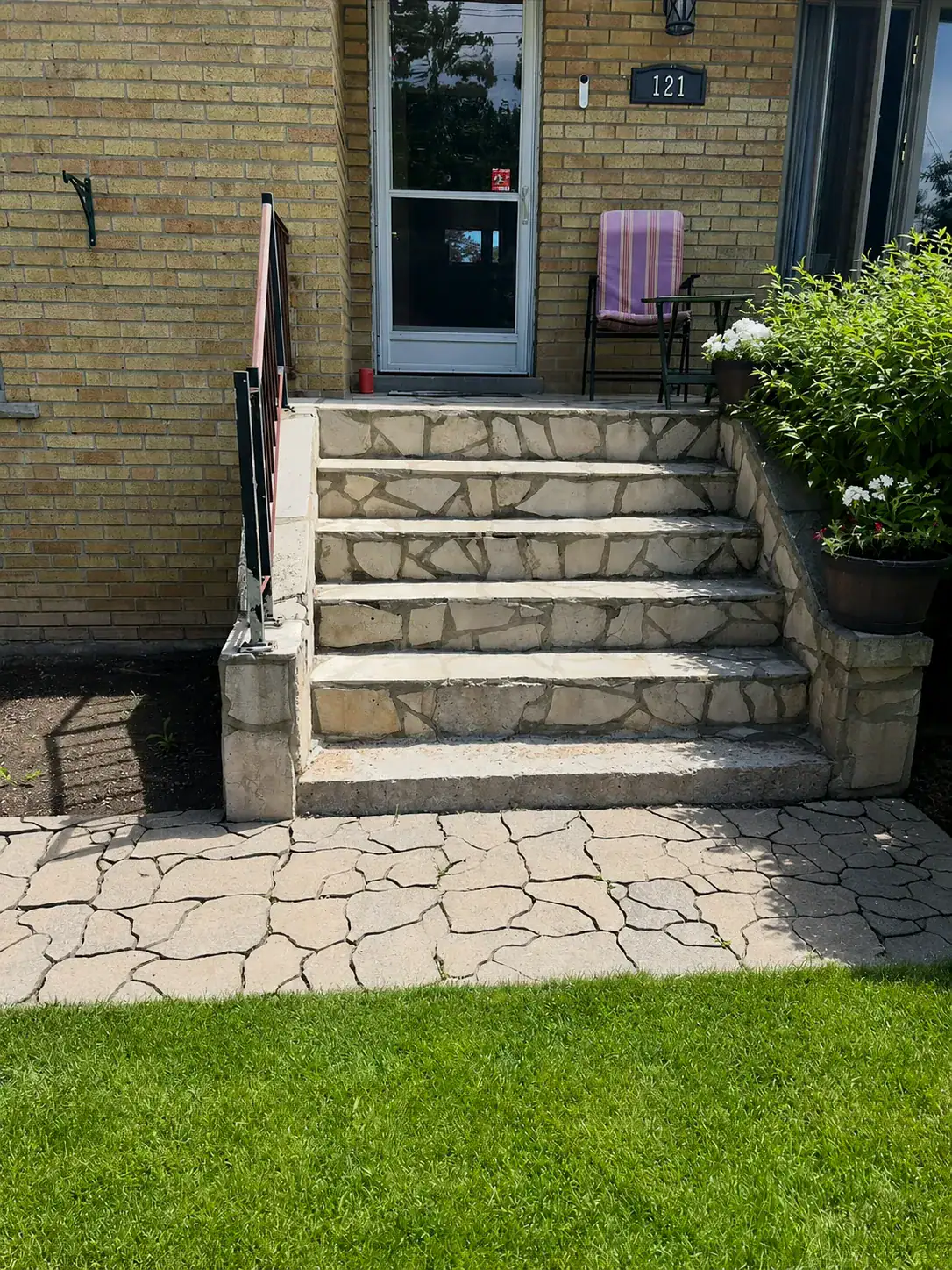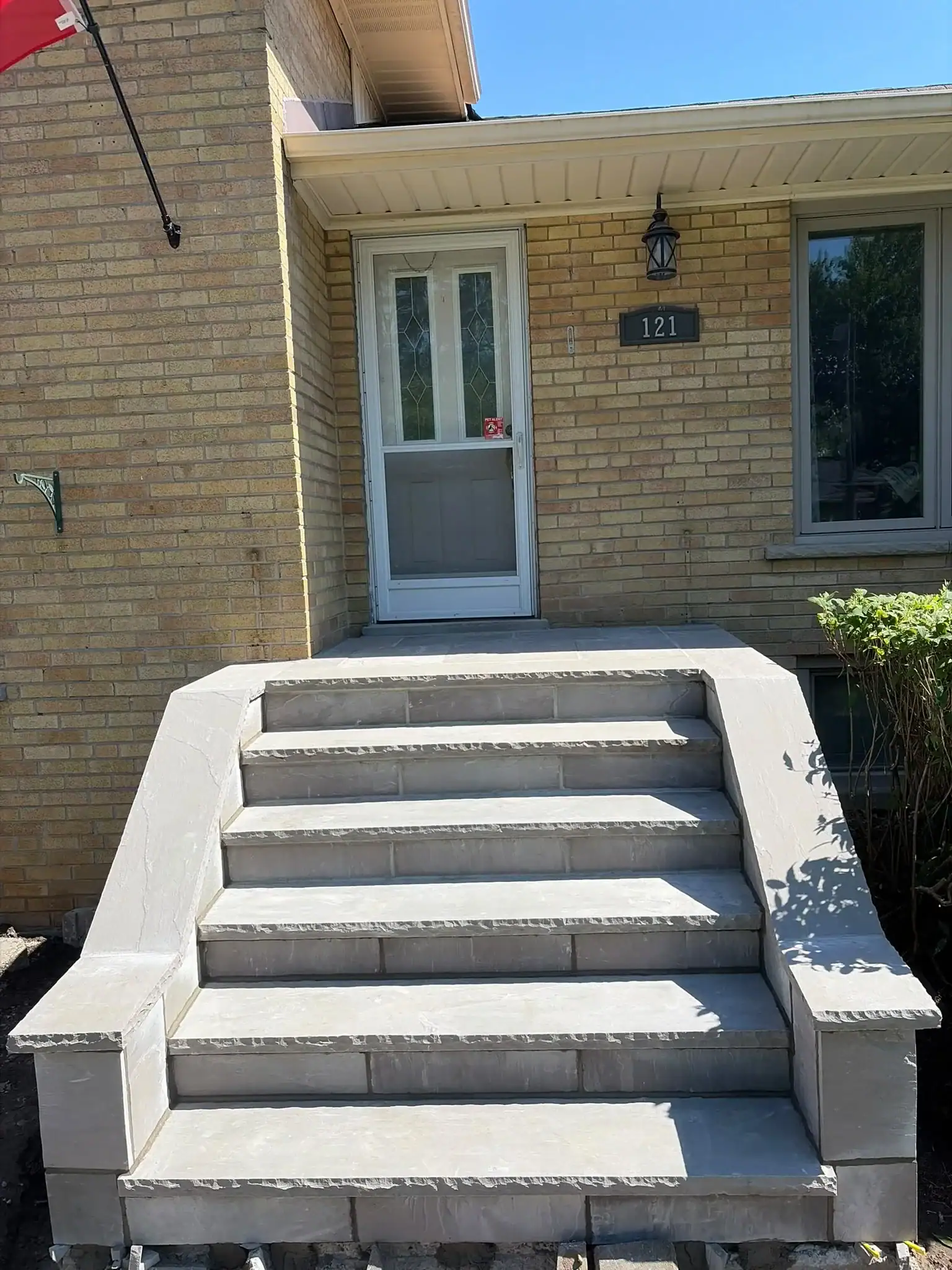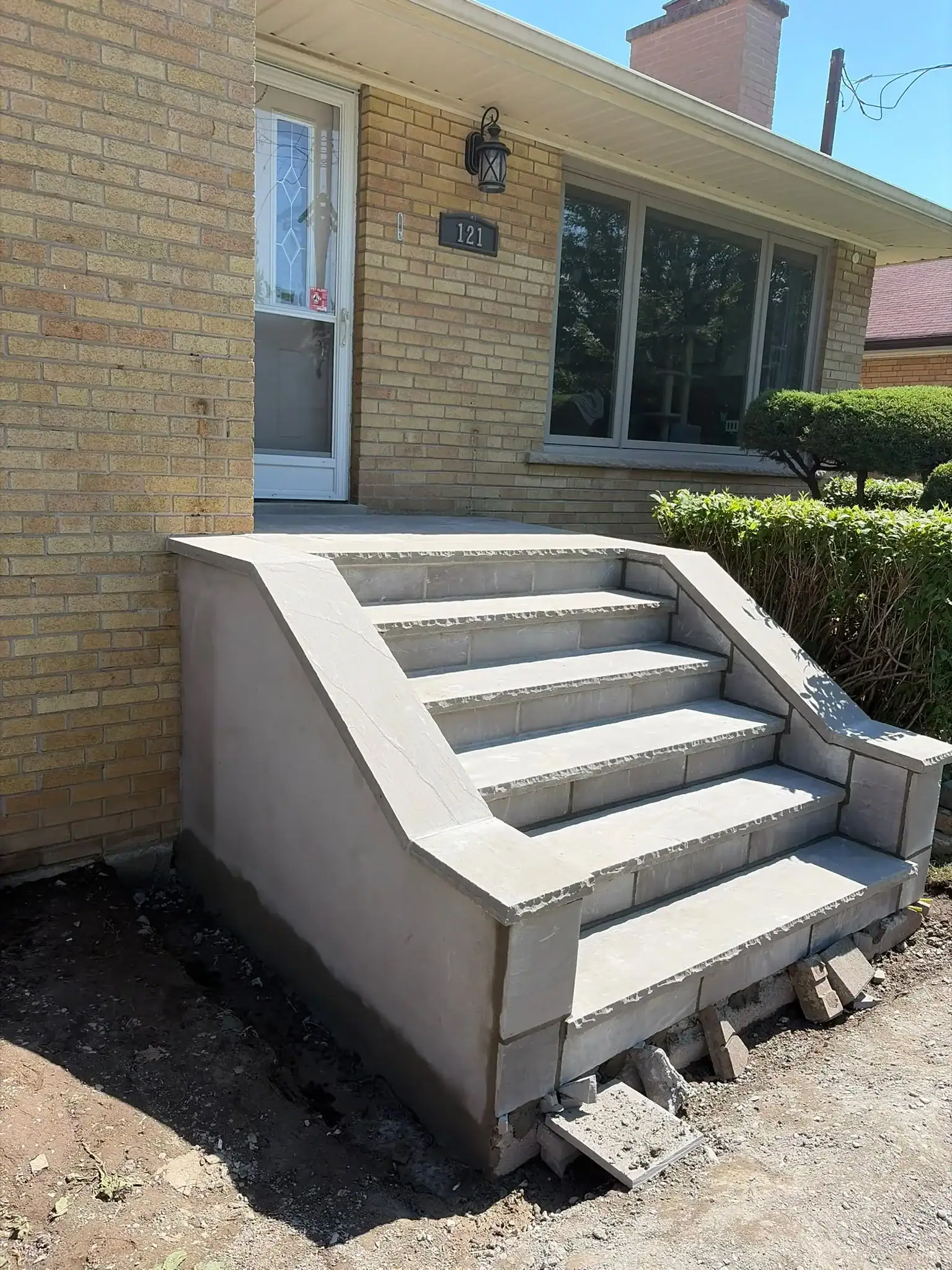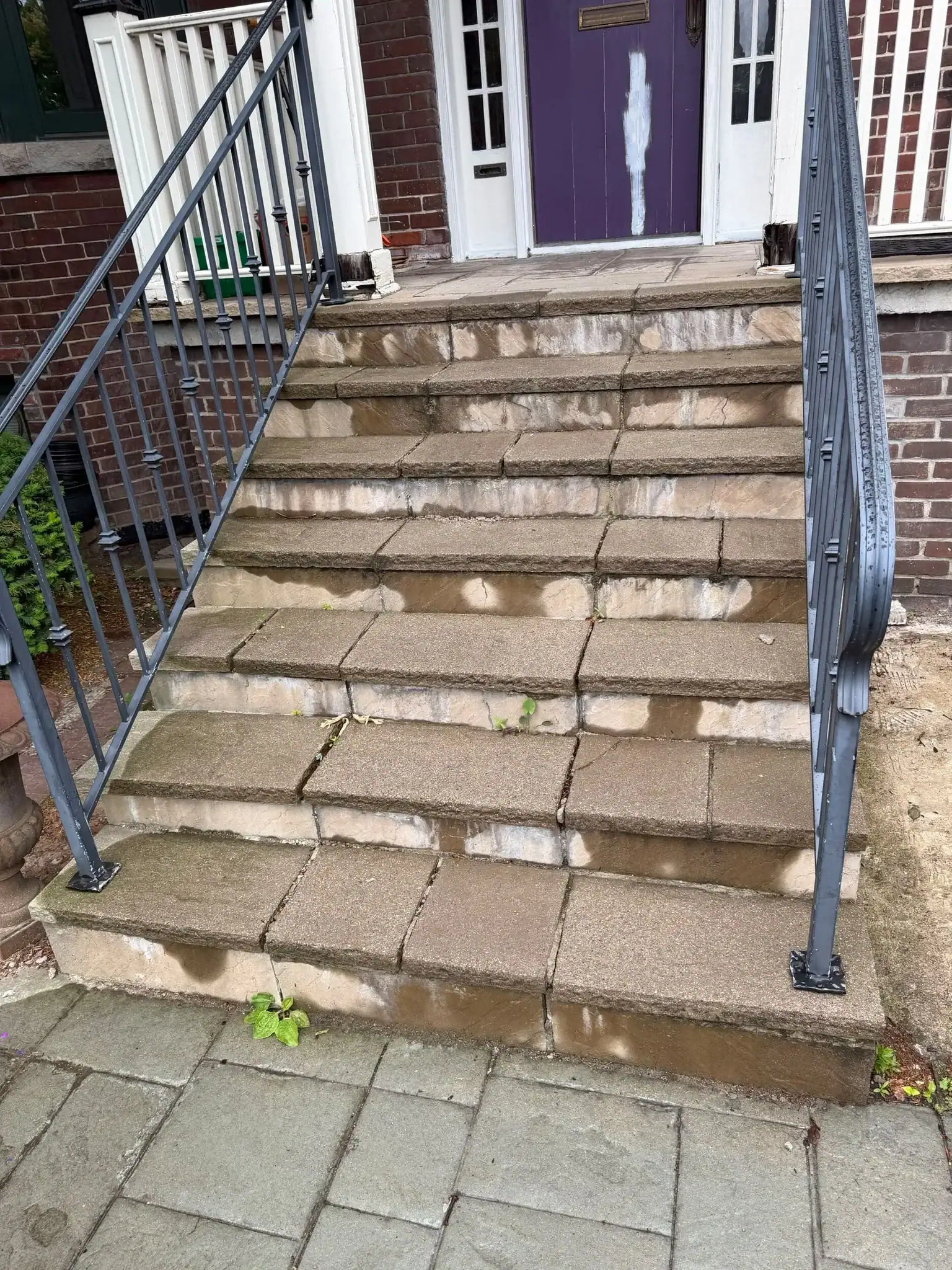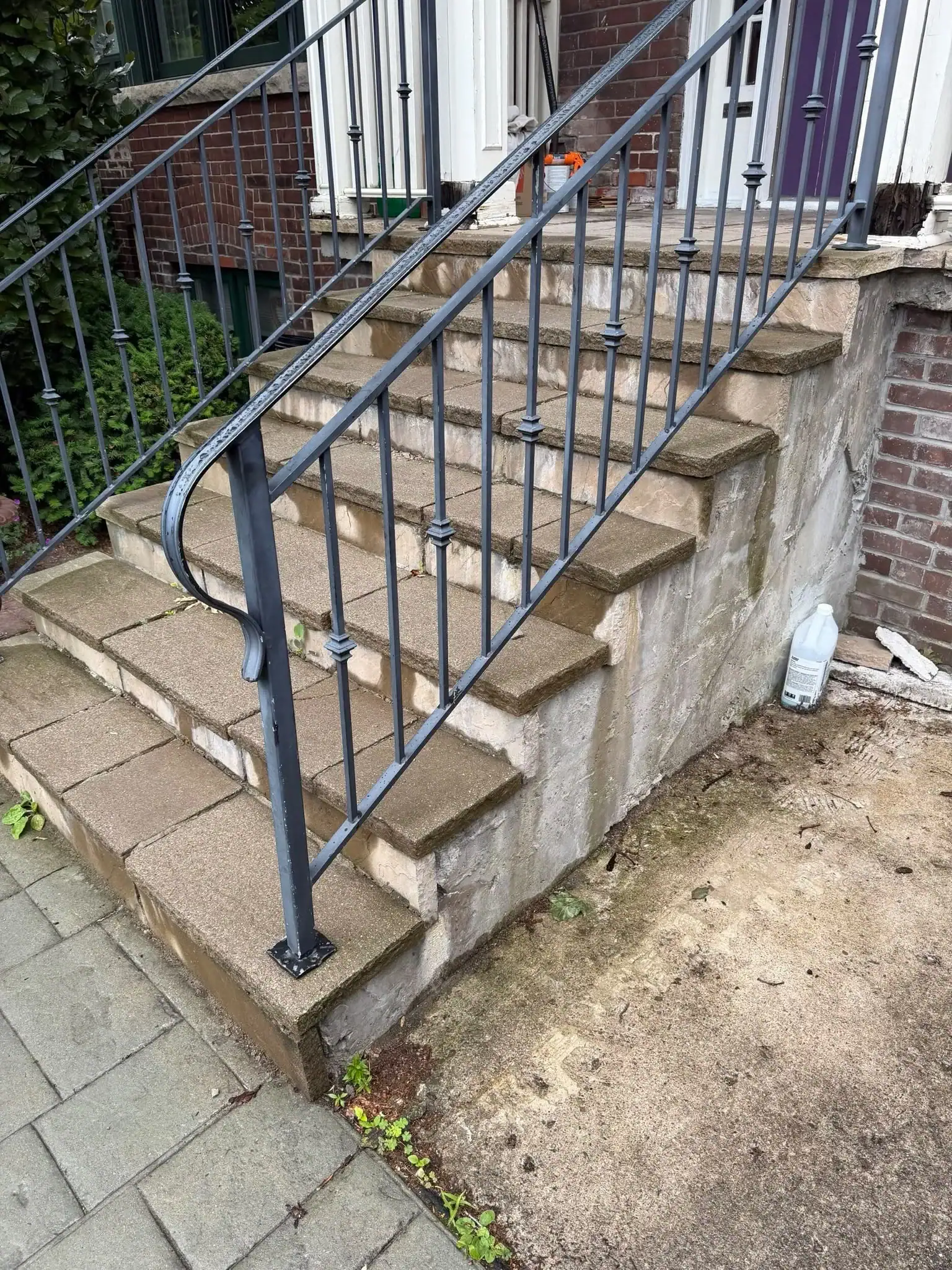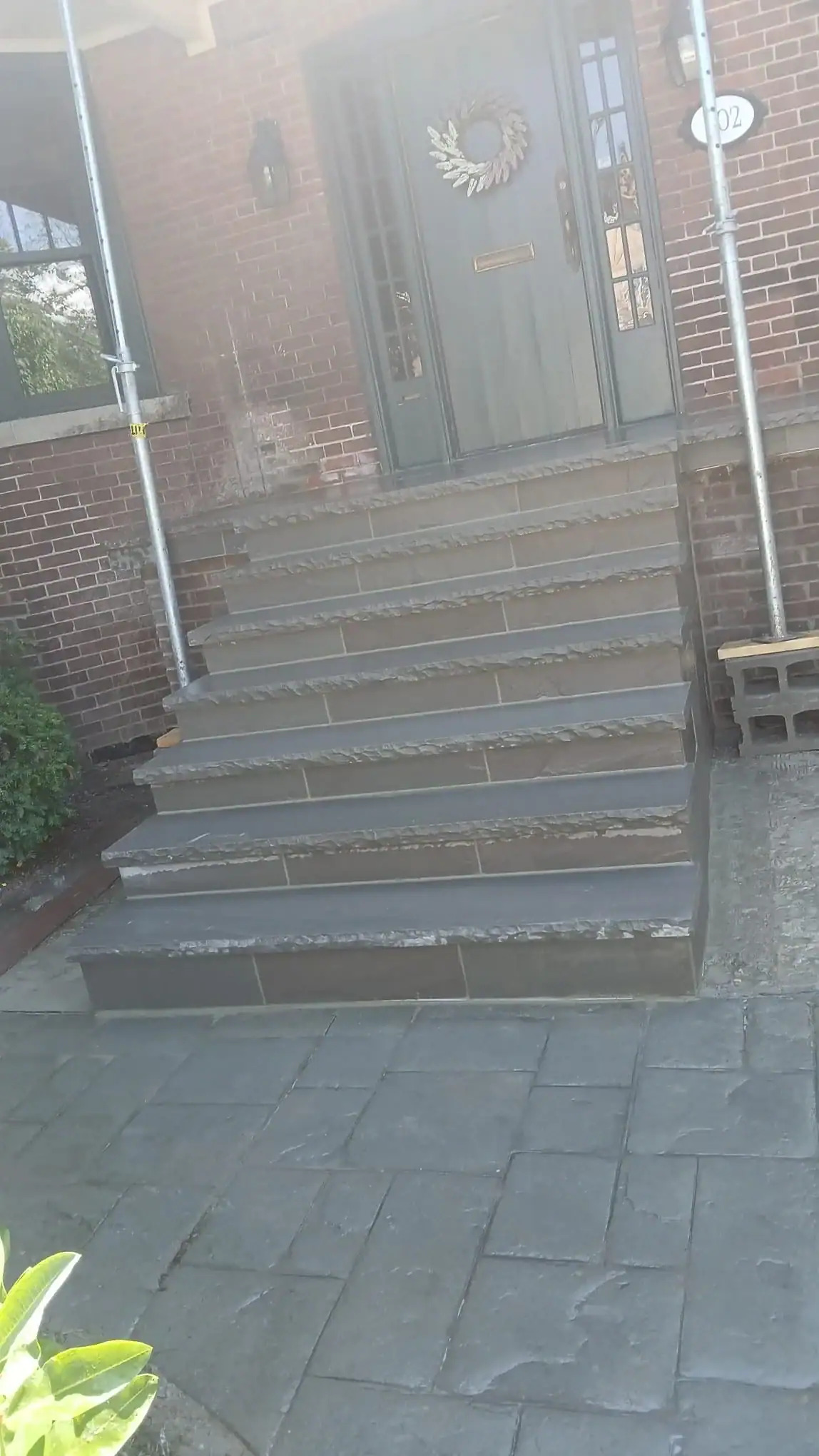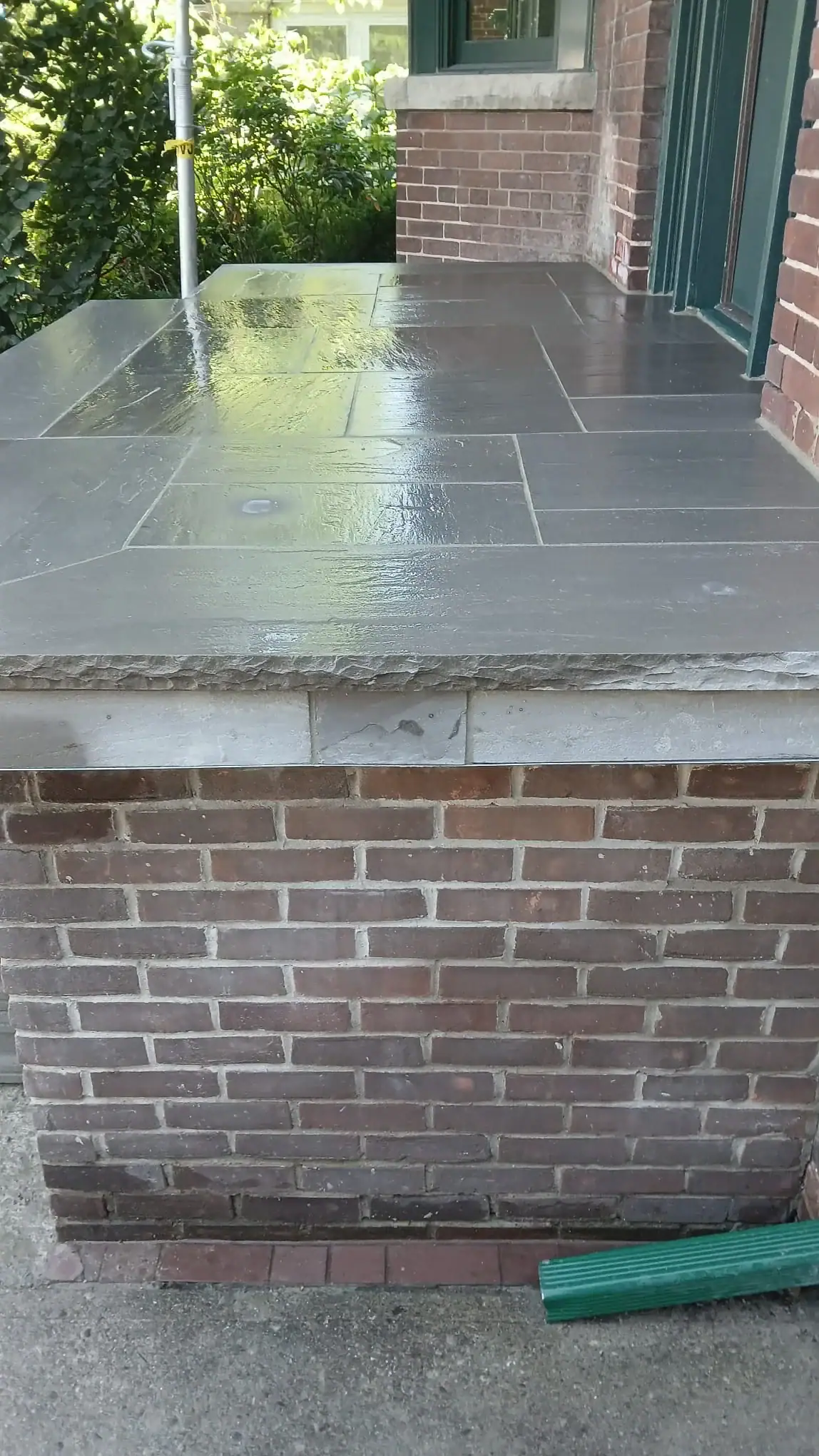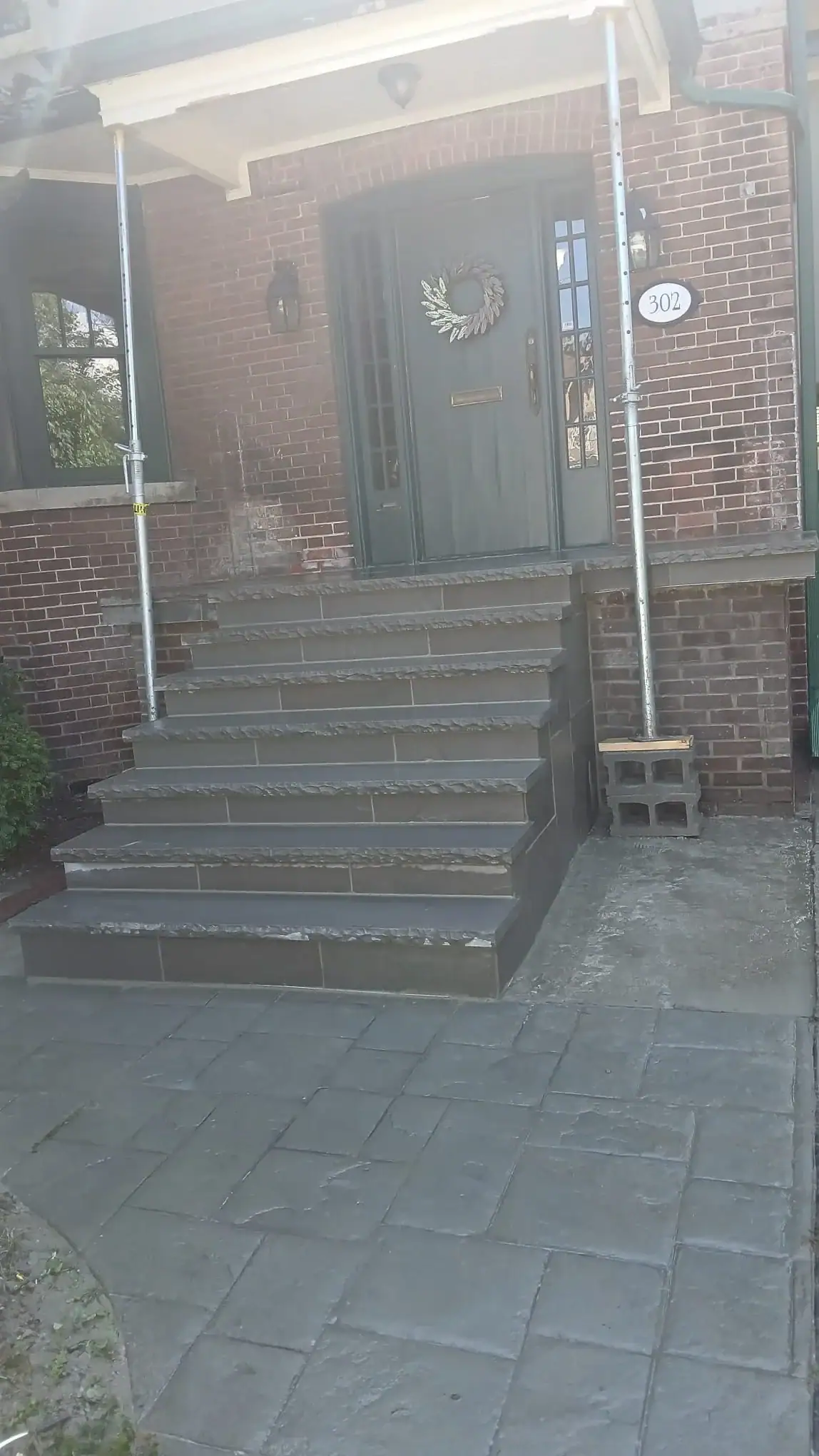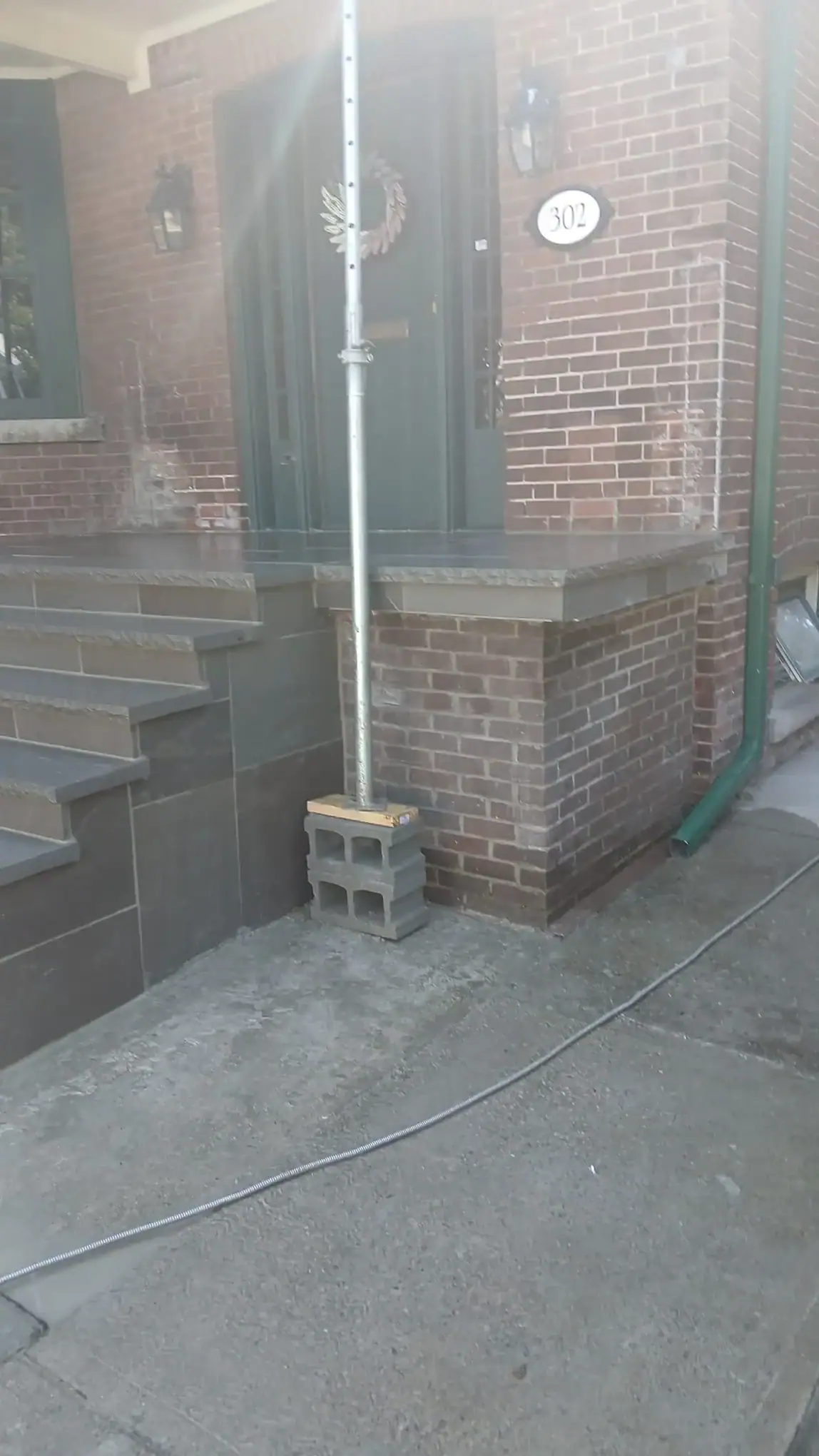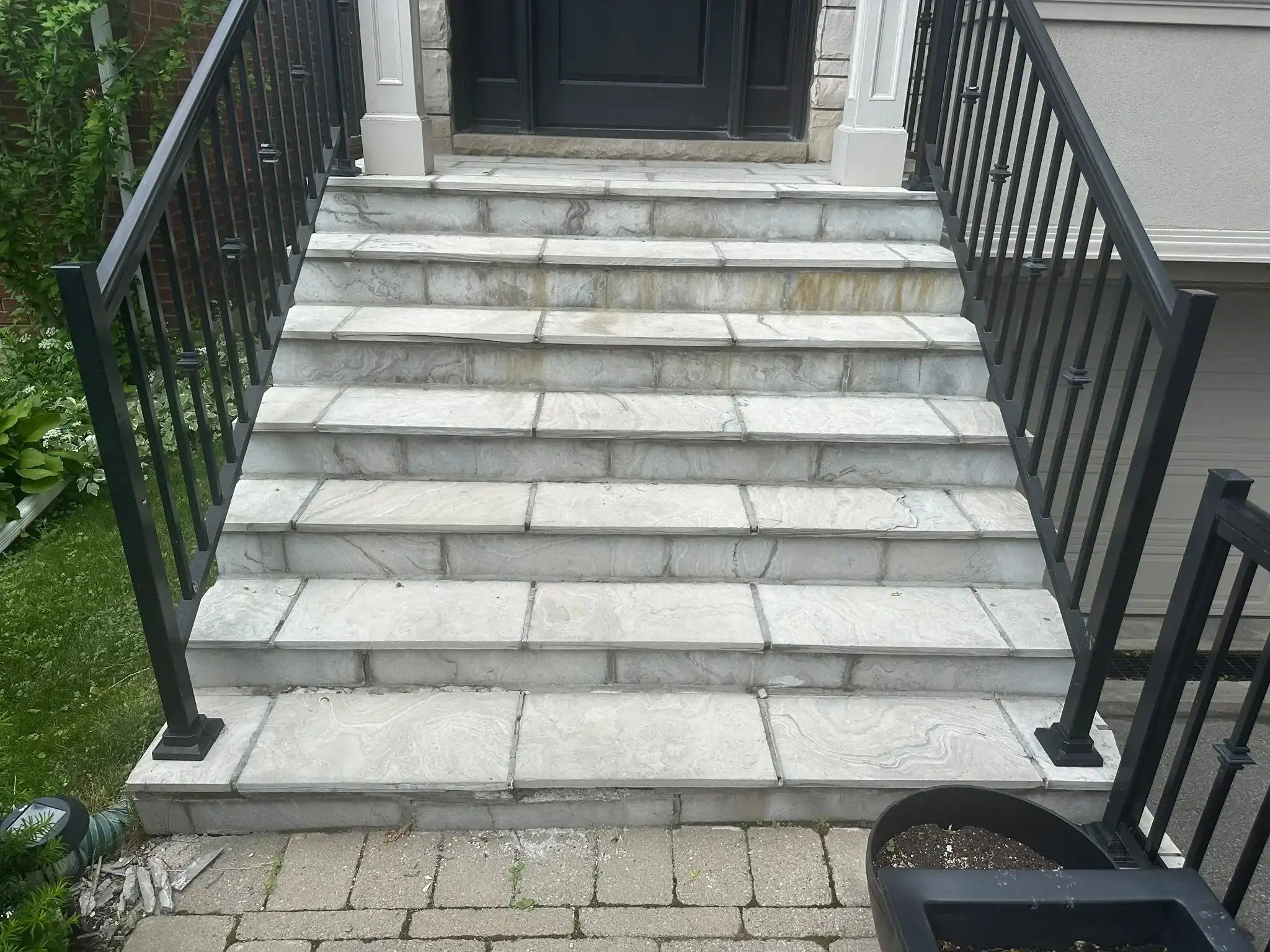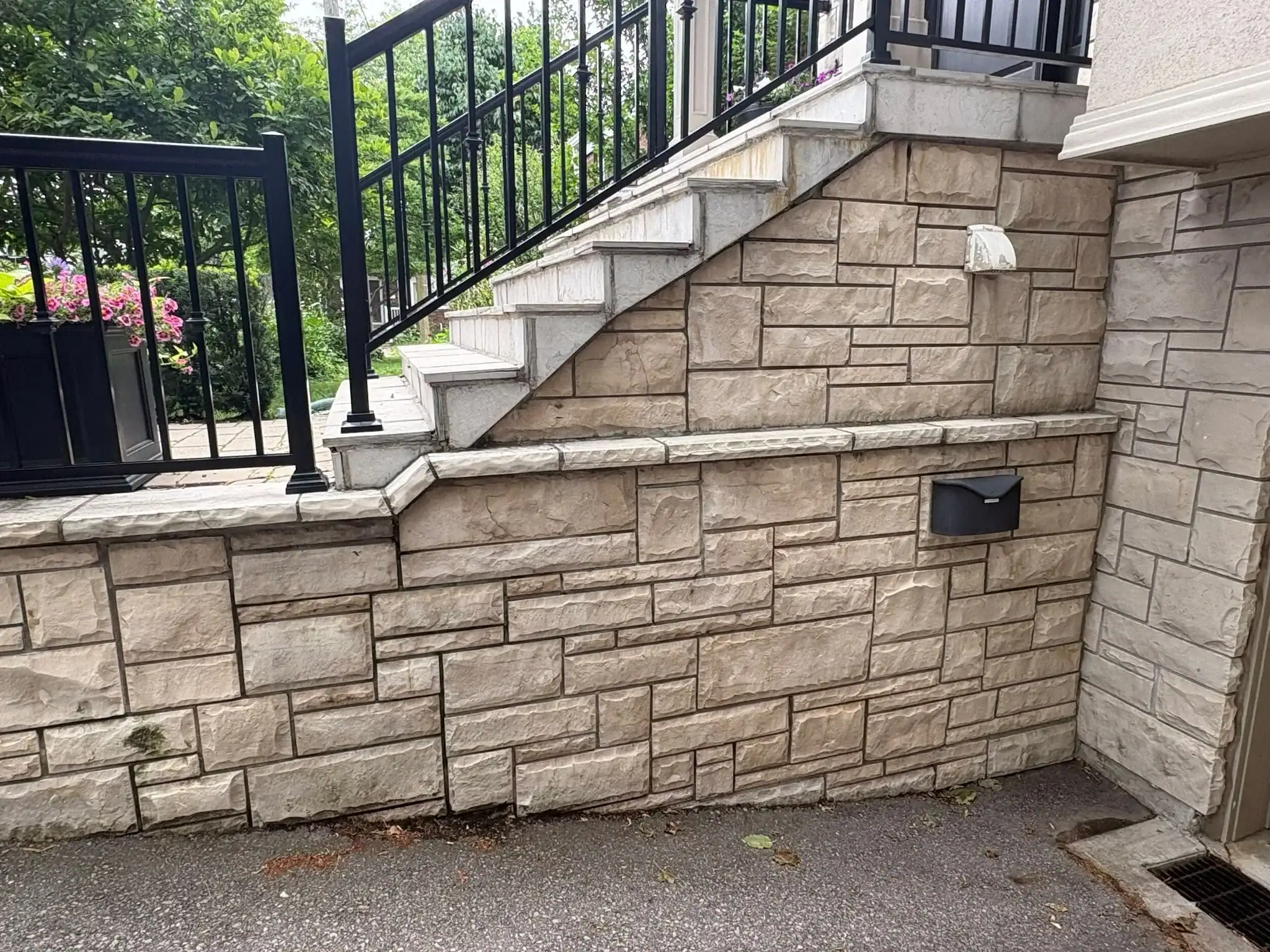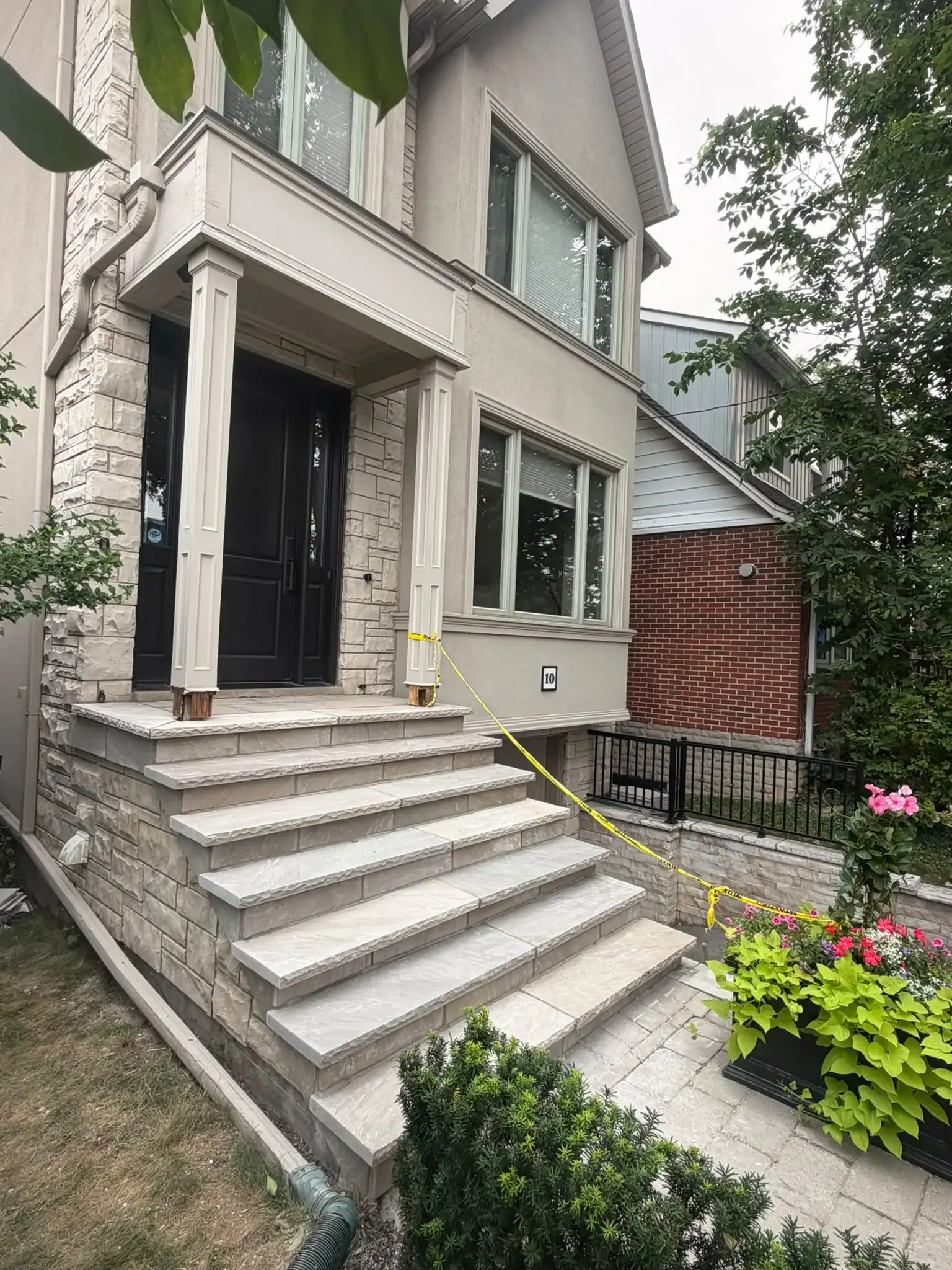
Why Proper Protection During Construction Is Critical
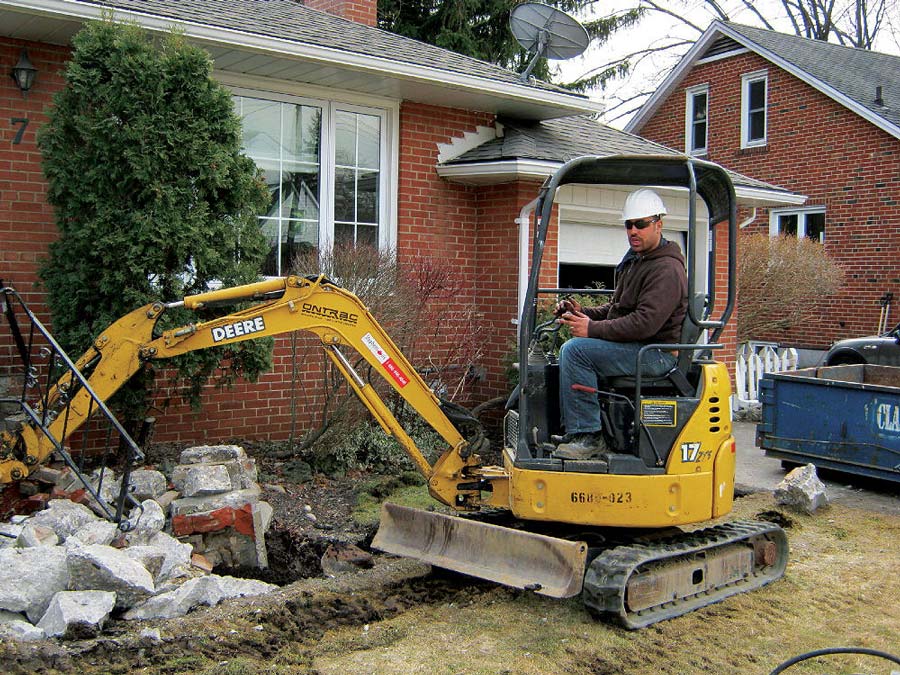
Water damage can lead to structural issues and costly repairs if proper systems aren’t installed during construction
Ensuring your home during the construction phase offers several significant advantages over retrofitting solutions later:
- Cost-effectiveness: Installing waterproofing systems during construction is substantially less expensive than remedial waterproofing after problems develop.
- Comprehensive protection: Construction-phase waterproofing allows for complete coverage of all vulnerable areas before they become inaccessible.
- Structural integrity: Preventing water infiltration from the beginning preserves your foundation’s strength and stability.
- Health protection: Effective waterproofing prevents mold and mildew growth that can cause respiratory issues and allergies.
- Property value: A properly waterproofed home maintains its value and is more attractive to future buyers.
According to building experts, water damage accounts for approximately 70% of construction litigation cases. Investing in quality methods during construction can save homeowners thousands in potential repair costs down the road.
Liquid Waterproofing Membranes
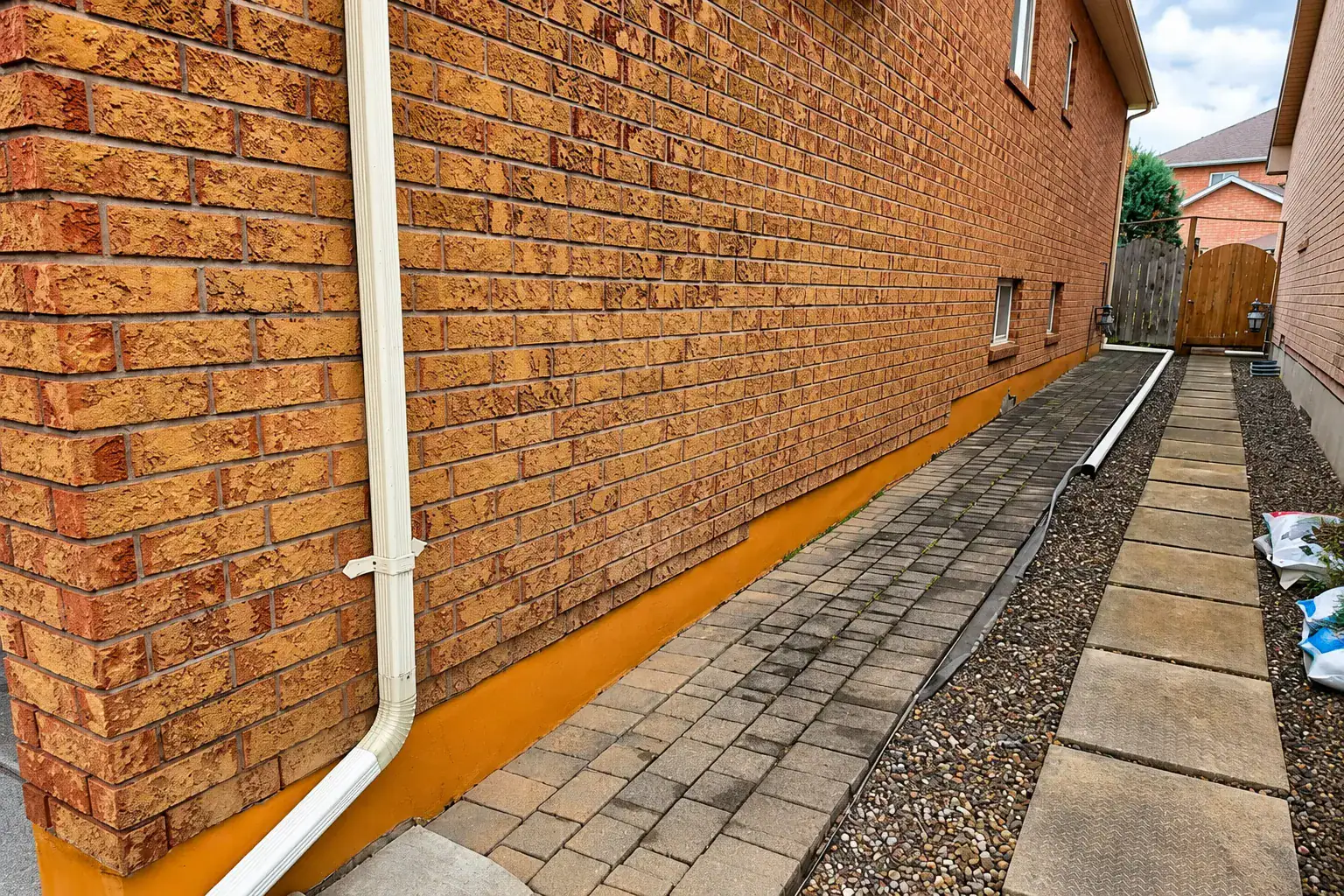
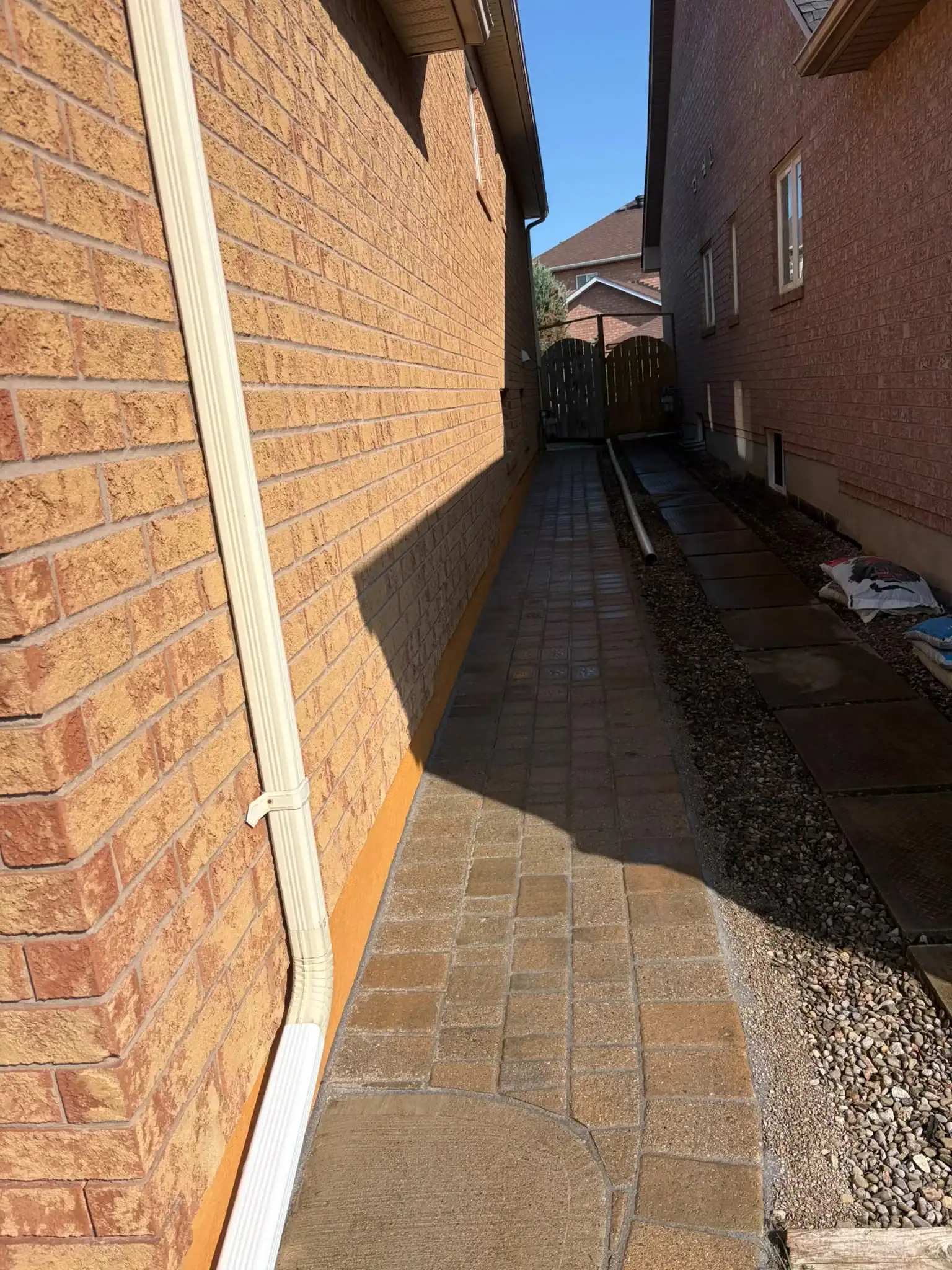
Liquid membranes create a seamless protective barrier by being applied as a liquid that cures into a flexible, waterproof coating. This method is particularly effective for complex architectural designs with irregular shapes.
Advantages
- Creates a seamless barrier with no joints or seams
- Conforms to irregular surfaces and complex geometries
- Easy application around pipes, corners, and other penetrations
- Excellent flexibility to accommodate minor structural movement
- Various formulations available for different climate conditions
Limitations
- Requires precise thickness control during application
- Some formulations have longer curing times
- May require professional application for optimal results
- Quality depends heavily on proper surface preparation
- Some types may have strong odors during application
Liquid membranes are ideal for foundations with complex shapes, numerous penetrations, or areas where sheet products would be difficult to apply. They’re commonly used on foundation walls, balconies, and below-grade structures.
For complex foundation designs, liquid membranes offer superior coverage and protection.
Sheet Waterproofing Membranes
Sheet membranes are pre-manufactured waterproofing layers typically made from modified bitumen, EPDM rubber, or PVC. These factory-controlled products offer consistent thickness and quality assurance.
Advantages
- Uniform thickness and quality control from factory manufacturing
- Immediate protection once installed (no curing time)
- High tensile strength and puncture resistance
- Long service life with proper installation
- Some types offer self-healing properties for small punctures
Limitations
- Seams between sheets can be vulnerable points if not properly sealed
- Less adaptable to irregular surfaces than liquid applications
- Installation in cold weather can be challenging
- Requires careful handling to prevent damage during installation
- May need additional protection layers before backfilling
Sheet membranes are particularly effective for large, flat foundation walls and horizontal applications like basement floors. They provide excellent protection against hydrostatic pressure in areas with high water tables.
Proper seam sealing is critical for effective sheet membrane waterproofing
Cementitious Waterproofing
Cementitious systems use specialized cement-based compounds that penetrate concrete surfaces to create a rigid, water-resistant barrier. These systems are particularly popular for concrete foundations due to their compatibility with the substrate.
Advantages
- Excellent adhesion to concrete and masonry surfaces
- Can be applied to damp surfaces
- Non-toxic and environmentally friendly
- Resistant to UV exposure
- Cost-effective for large areas
Limitations
- Limited flexibility – may crack if structure settles
- Not suitable for areas with significant movement
- Requires proper curing time
- May need reapplication over time
- Less effective against high hydrostatic pressure
Cementitious methods are commonly used for foundation walls, water tanks, swimming pools, and other concrete structures. They’re particularly effective in areas where a rigid solution is sufficient.
Pro Tip: For optimal results with cementitious waterproofing, ensure the concrete surface is properly prepared by removing any loose material and creating a slightly rough texture for better adhesion.
Bentonite Clay Waterproofing
Bentonite clay systems utilise the natural swelling properties of bentonite clay when exposed to water. This expansion creates an impenetrable barrier against moisture infiltration.
Advantages
- Self-healing properties when minor damage occurs
- Environmentally friendly natural material
- Extremely long service life
- Effective against high hydrostatic pressure
- Can be installed in various weather conditions
Limitations
- Higher material cost than some alternatives
- Requires careful installation to prevent premature hydration
- Not suitable for all soil conditions
- Heavier than synthetic membranes
- May require additional protection layers
Bentonite clay systems are excellent for below-grade foundations, especially in areas with high water tables. They’re available in sheet form, panels, or as a spray-applied mixture.

Bentonite clay expands when wet to create a natural waterproof barrier
Integral Waterproofing
Integral solutions involve adding special admixtures directly to concrete during mixing, making the entire concrete structure water-resistant throughout its mass rather than just at the surface.
Advantages
- Waterproofing protection throughout the entire concrete structure
- No separate application process required
- Cannot be damaged during construction
- Increases concrete durability and lifespan
- Effective even if surface damage occurs
Limitations
- Cannot bridge cracks that form after curing
- May affect concrete setting time and strength
- Requires careful mix design and quality control
- Often used as a supplementary rather than primary method
- Limited effectiveness against high hydrostatic pressure
Integral methods are commonly used in foundation slabs, water tanks, and other concrete structures where water resistance throughout the entire concrete mass is desirable. They’re often combined with other methods for comprehensive protection.
Important: When using integral waterproofing, ensure your concrete supplier is experienced with the specific admixture being used, as improper mixing can affect concrete performance.
Drainage Systems
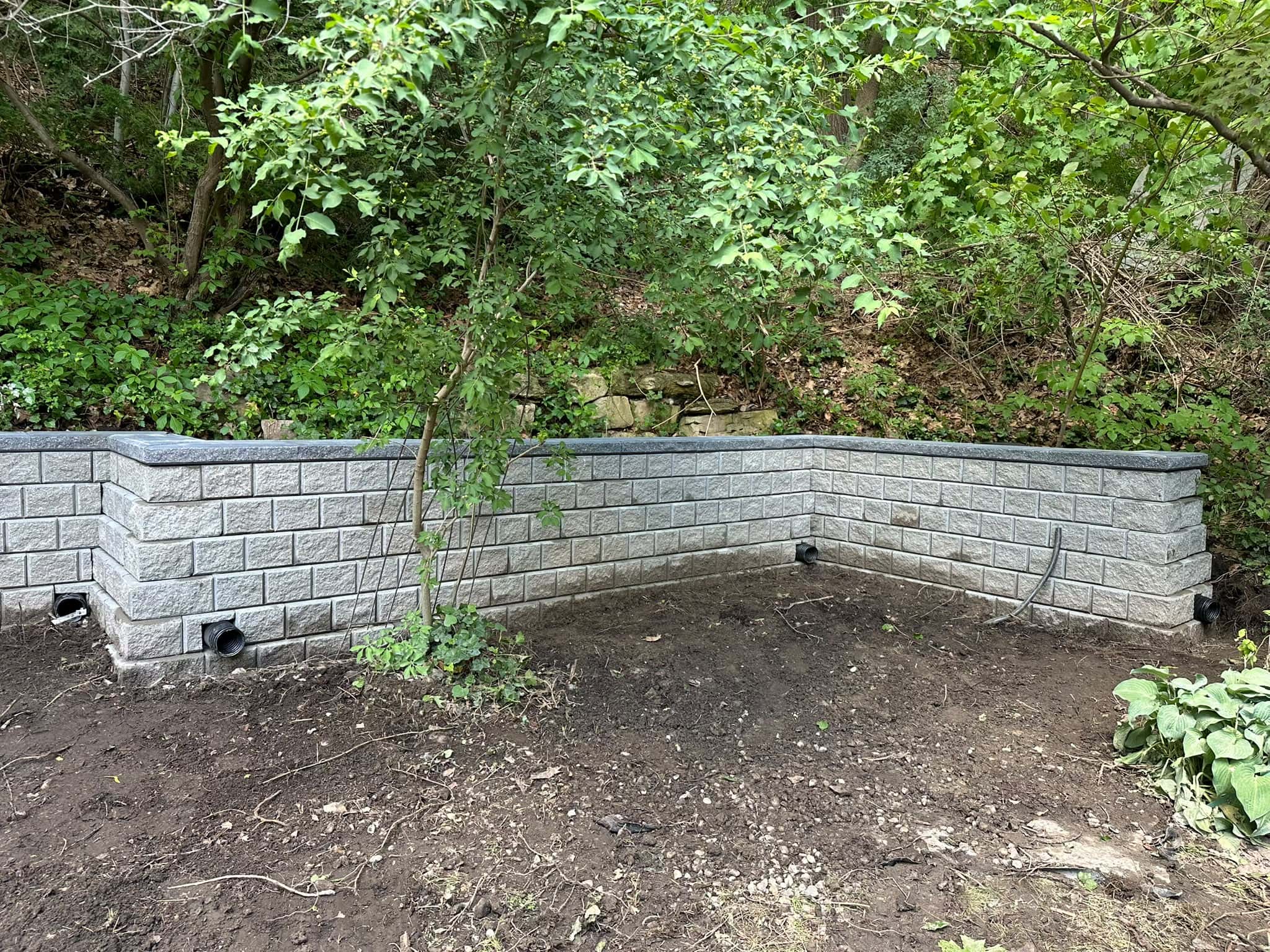
While not traditional in the sense, proper drainage systems are essential components of a comprehensive strategy. They redirect water away from the foundation rather than trying to block it.
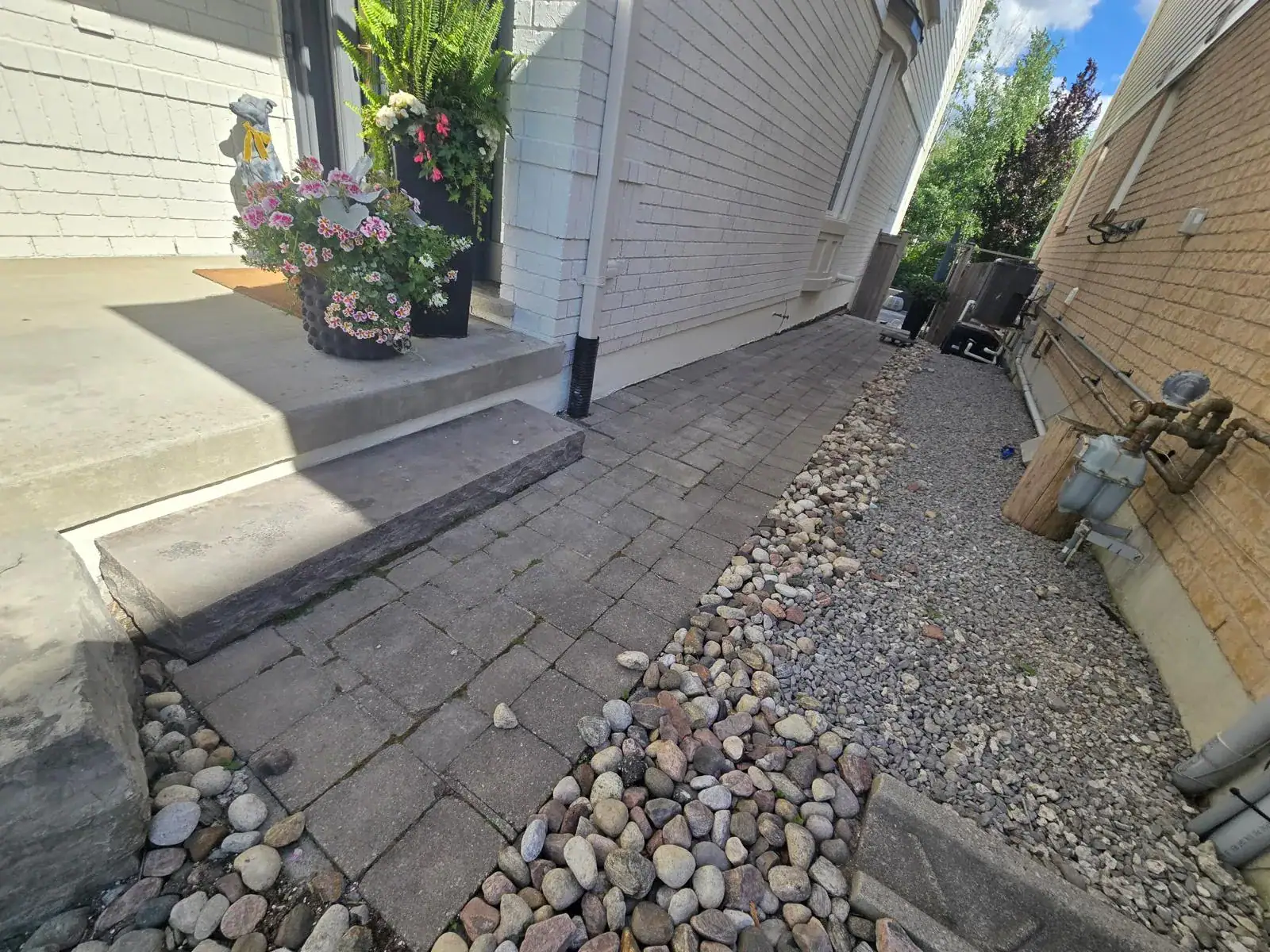
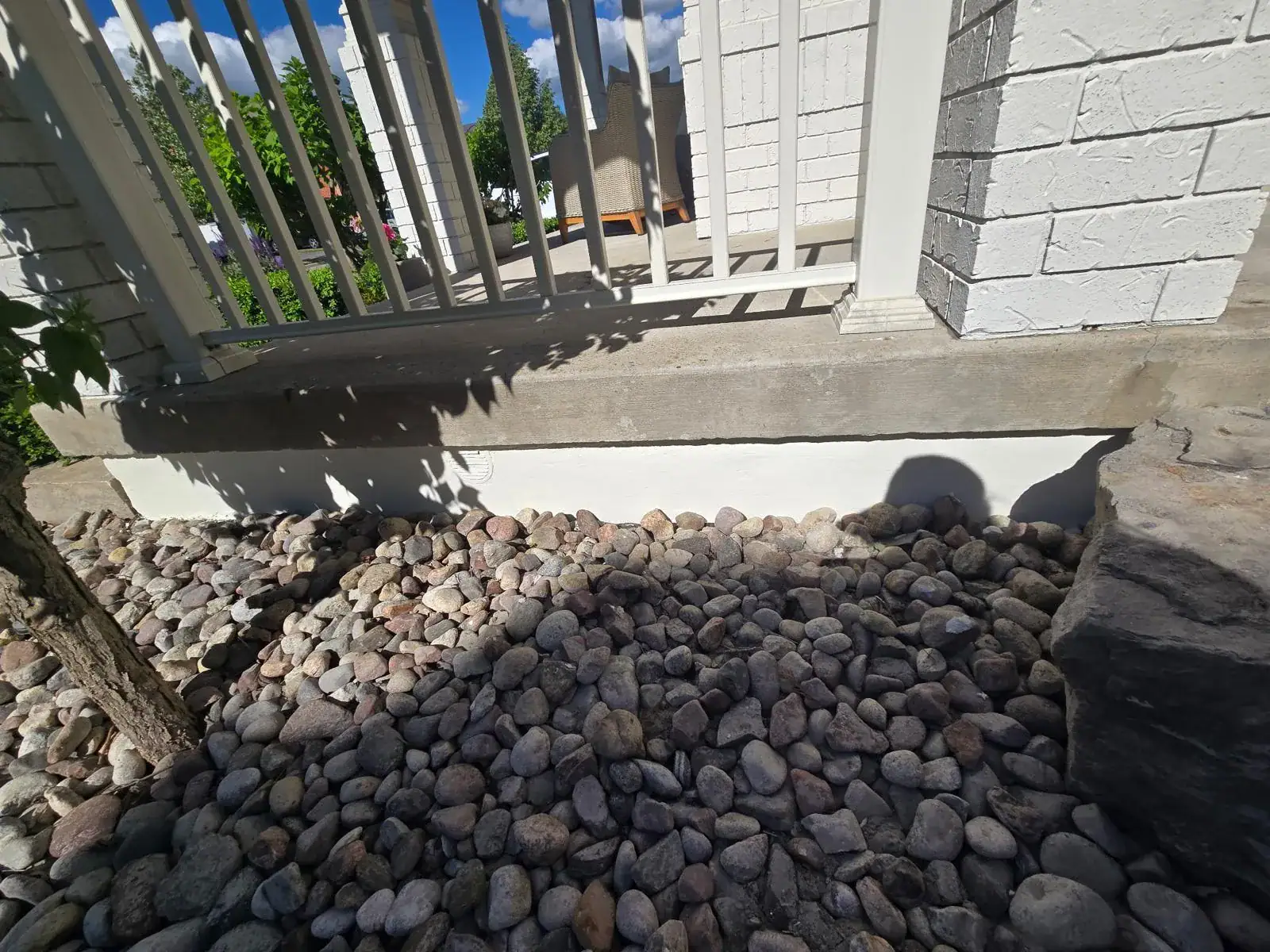
French Drains
Perforated pipes surrounded by gravel that collect and redirect groundwater away from the foundation.

Exterior Drain Tiles
Drainage pipes installed around the foundation perimeter at footing level to collect and divert water.

Sump Pump Systems
Mechanical systems that collect water in a sump pit and pump it away from the foundation.
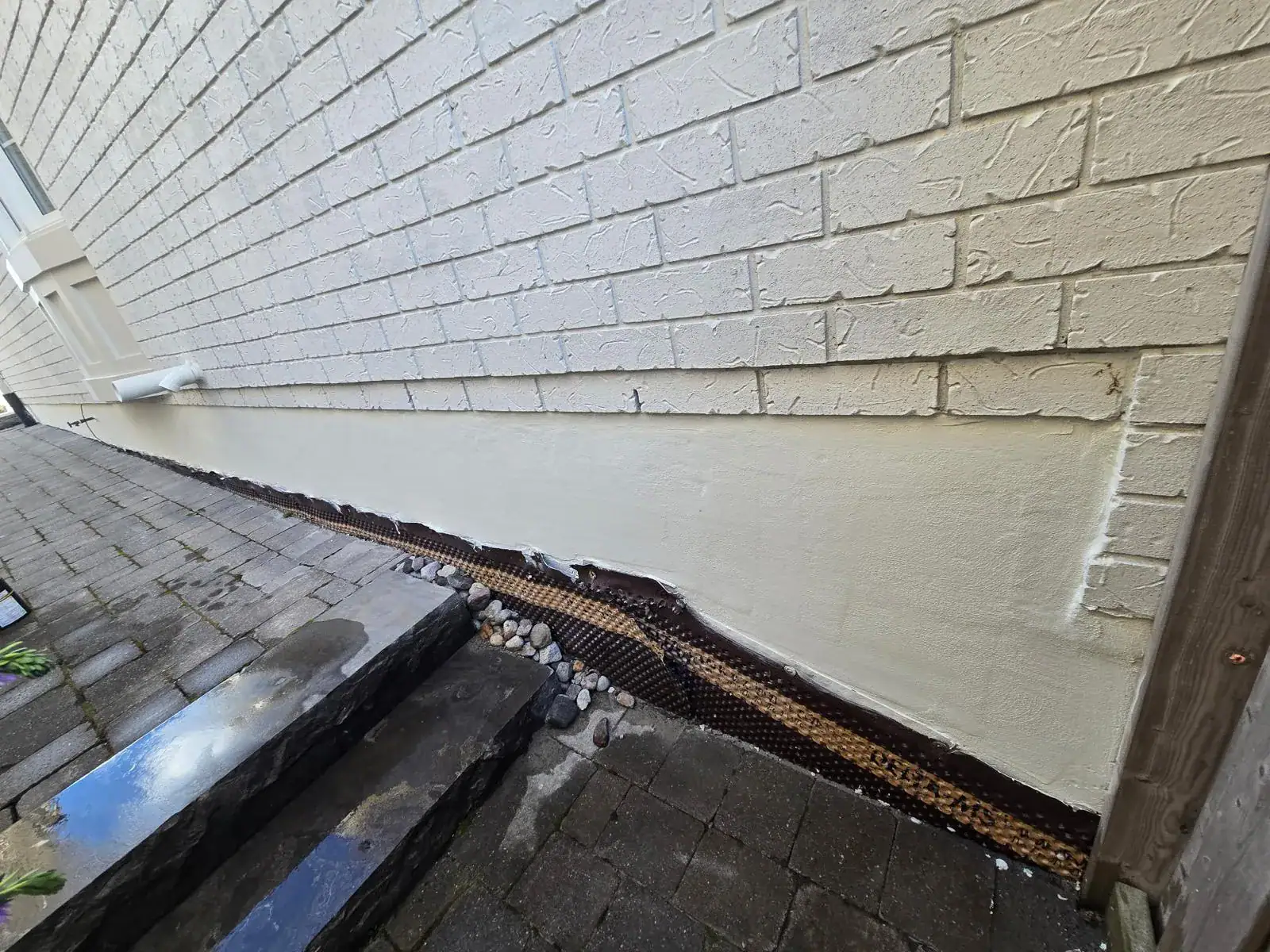
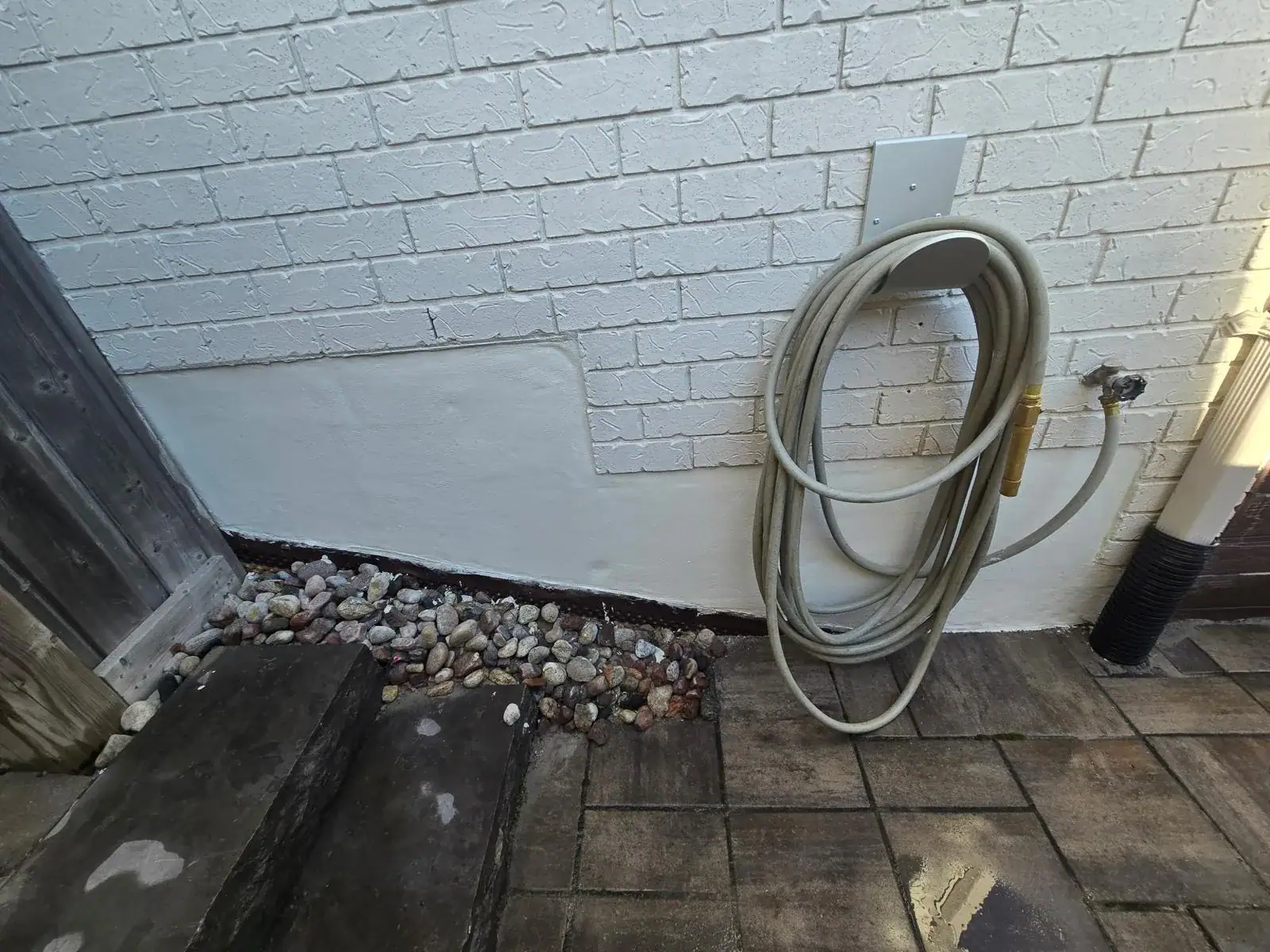
Drainage Mats
Dimpled plastic sheets that create a gap between the soil and foundation wall, allowing water to drain downward.
A properly designed drainage system works in conjunction with membranes to create a comprehensive moisture management strategy. Even the best barrier benefits from reducing the water pressure against it.
Warning: Never connect foundation drainage systems directly to municipal storm sewers without proper permits and backflow prevention devices.
Key Factors to Consider When Choosing Methods
Selecting the right waterproofing system depends on several critical factors specific to your construction project:
Climate Conditions
Areas with heavy rainfall, high water tables, or freeze-thaw cycles require more robust waterproofing solutions. Consider seasonal variations and long-term climate patterns.
Soil Composition
Clay soils retain water and create higher hydrostatic pressure against foundations. Sandy soils drain better but may require different waterproofing approaches.
Foundation Type
Different foundation types (slab-on-grade, basement, crawlspace) require tailored waterproofing strategies. The depth below grade also impacts method selection.
Budget Considerations
Initial installation costs must be balanced against long-term performance and potential repair expenses. Premium systems often provide better long-term value.
Building Codes
Local building codes may specify minimum waterproofing requirements. Always ensure your chosen method meets or exceeds these standards.
Warranty Protection
Consider the length and coverage of manufacturer warranties. Professional installation may be required to maintain warranty validity.
| Waterproofing Method | Best For | Cost Range | Typical Lifespan |
| Liquid Membrane | Complex shapes, details | Moderate to High | 10-20 years |
| Sheet Membrane | Large flat surfaces | Moderate to High | 20-30 years |
| Cementitious | Concrete surfaces | Low to Moderate | 5-15 years |
| Bentonite Clay | High water table areas | High | 30+ years |
| Integral | New concrete structures | Moderate | Lifetime of concrete |
| Drainage Systems | All foundations | Moderate | 20-30 years |
The Benefits of a Combined Approach
Many waterproofing professionals recommend a multi-layered approach that combines complementary waterproofing methods. This strategy provides redundancy and comprehensive protection against various water infiltration pathways.
“The most effective waterproofing systems don’t rely on a single barrier but create a comprehensive moisture management strategy that includes waterproofing, drainage, and proper grading.”
Common effective combinations include:
- Integral waterproofing + exterior membrane: Provides both internal and external protection
- Membrane waterproofing + drainage mat: Creates both a barrier and a pathway for water to drain away
- Cementitious coating + sheet membrane: Combines rigid and flexible protection systems
- Any waterproofing method + proper drainage systems: Reduces hydrostatic pressure against waterproofing barriers
While a combined approach may increase initial costs, it significantly reduces the risk of water damage and expensive repairs in the future. The right combination depends on your specific site conditions, budget, and risk tolerance.
Consider the importance of effective waterproofing methods in safeguarding your property against potential water damage.
Making the Right Waterproofing Choice for Your Home
Waterproofing is not an area to cut corners during construction. The relatively small investment in quality waterproofing can prevent significant expenses and headaches down the road. As you plan your home construction, consider these final recommendations:
- Consult with specialists: Work with waterproofing professionals who understand local conditions and can recommend appropriate solutions.
- Consider long-term value: Focus on the lifetime cost of your waterproofing system, not just the initial installation expense.
- Insist on quality materials: Use products from reputable manufacturers with proven track records and solid warranties.
- Ensure proper installation: Even the best waterproofing materials will fail if improperly installed.
- Document everything: Keep detailed records of all waterproofing work for future reference and warranty claims.
By understanding the types available during construction and making informed choices, you’re taking a crucial step toward protecting your home investment for decades to come.
Need Expert Guidance?
Every home has unique requirements based on location, design, and environmental factors. Get personalised recommendations from specialists.
Every home has unique requirements based on location, design, and environmental factors. Get personalised recommendations from specialists.