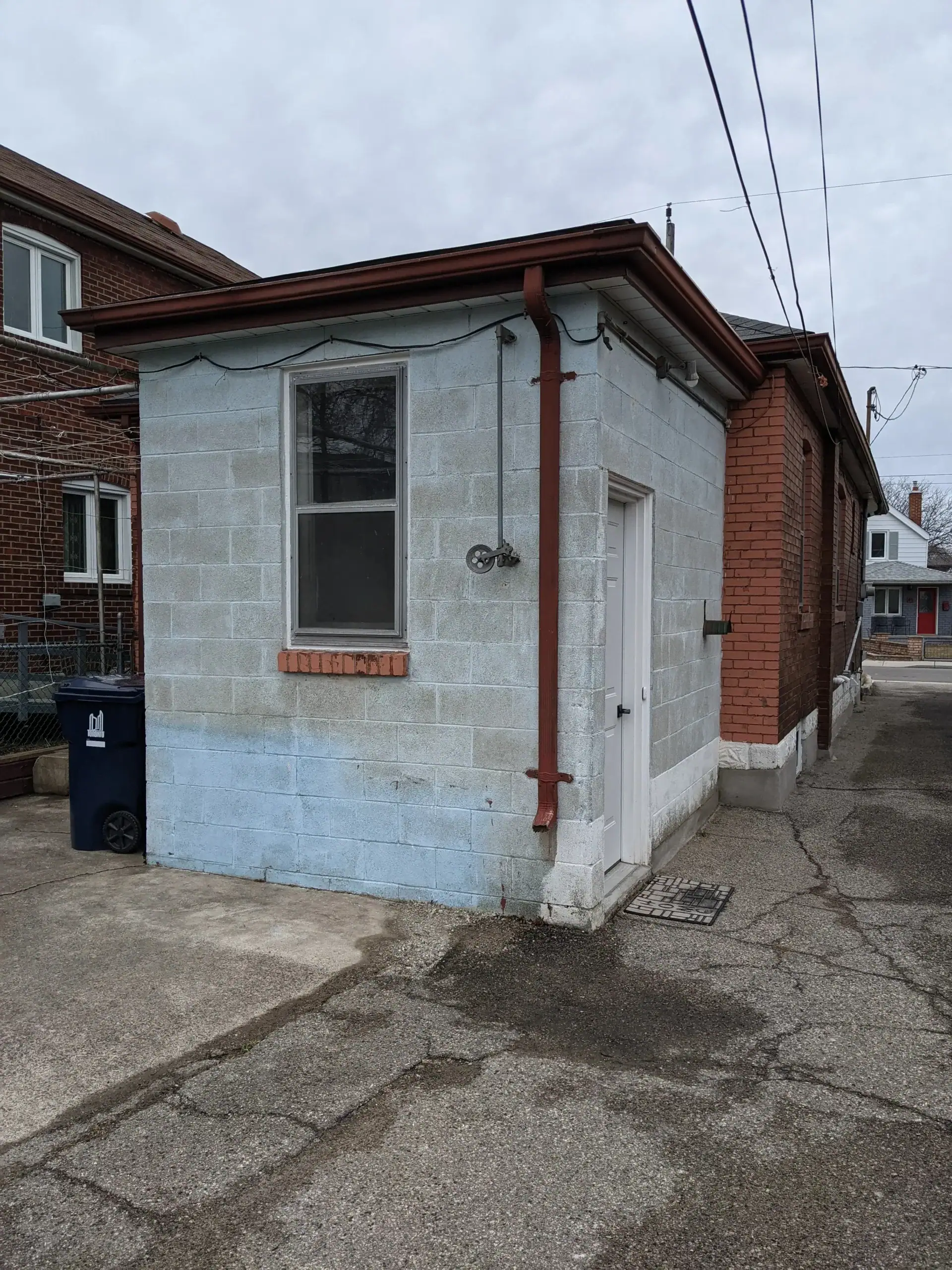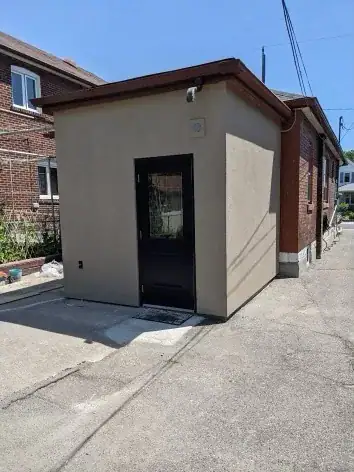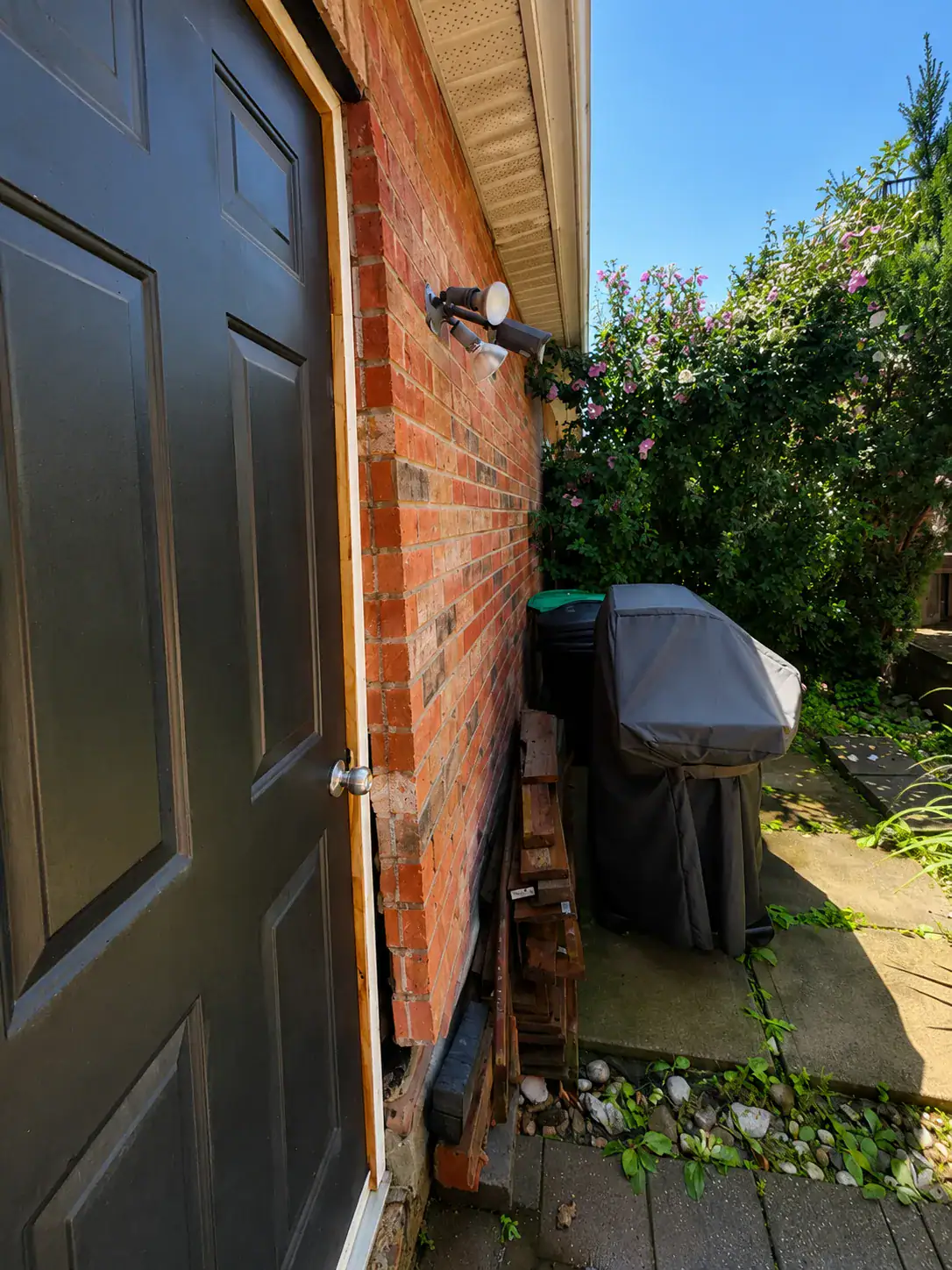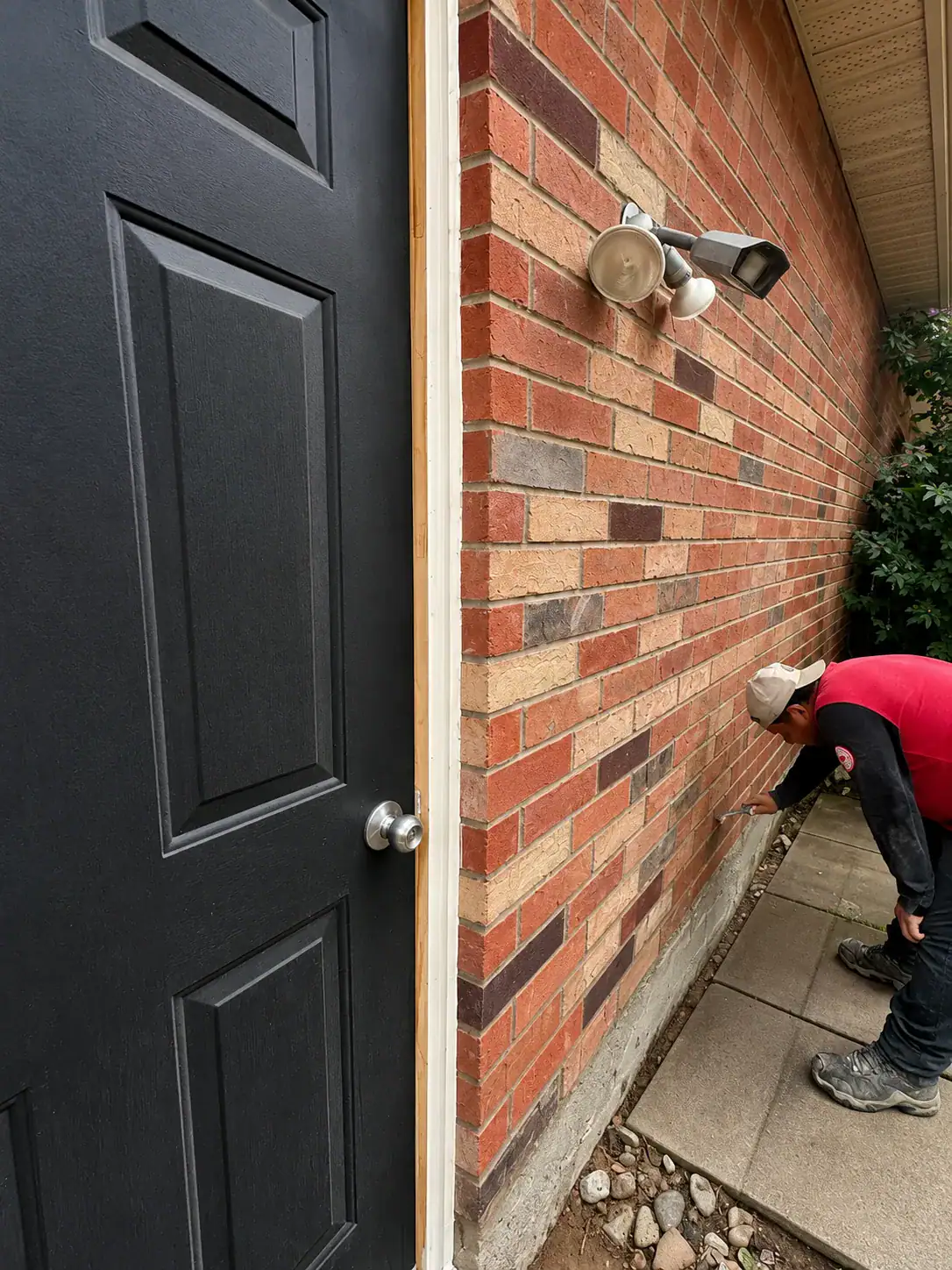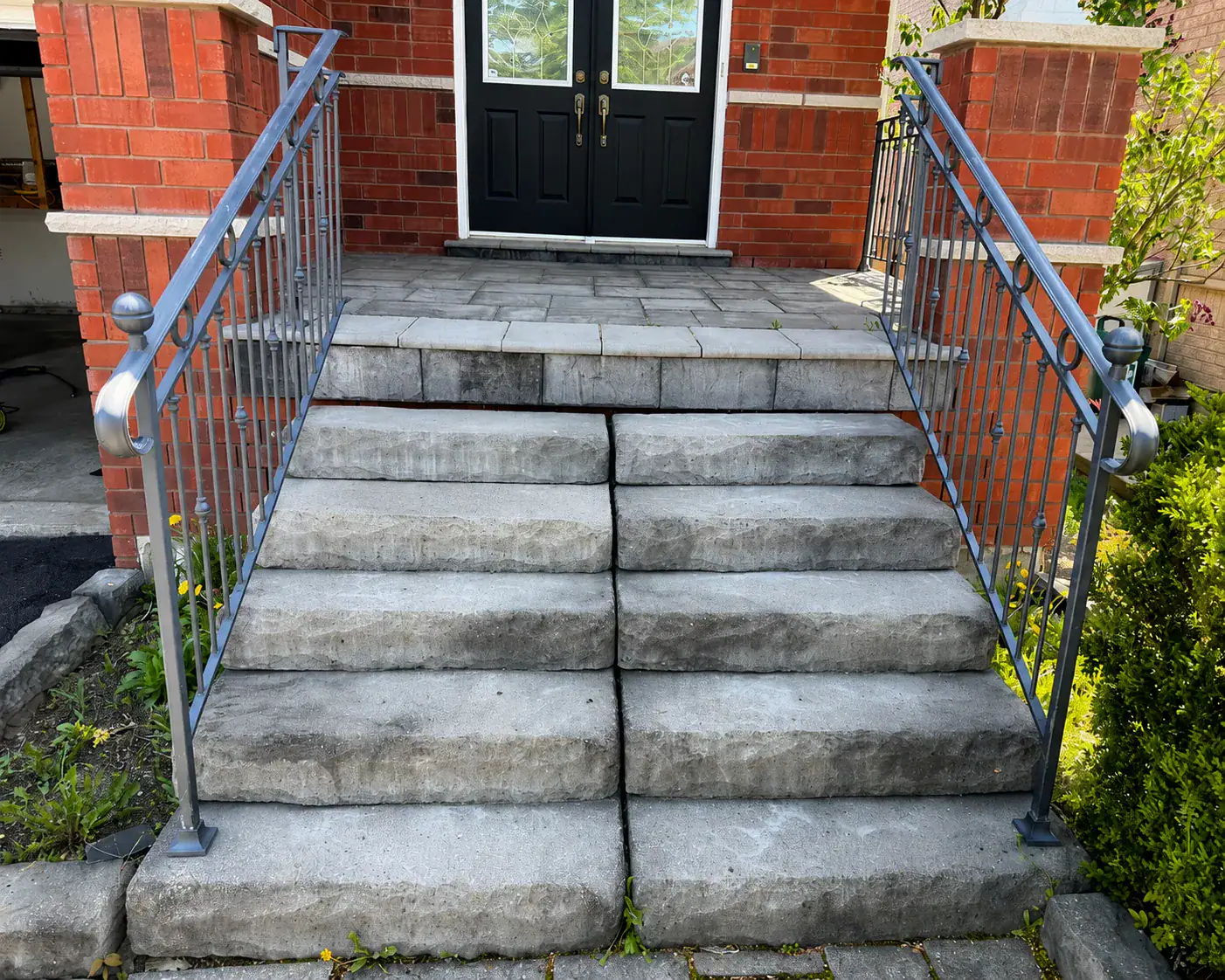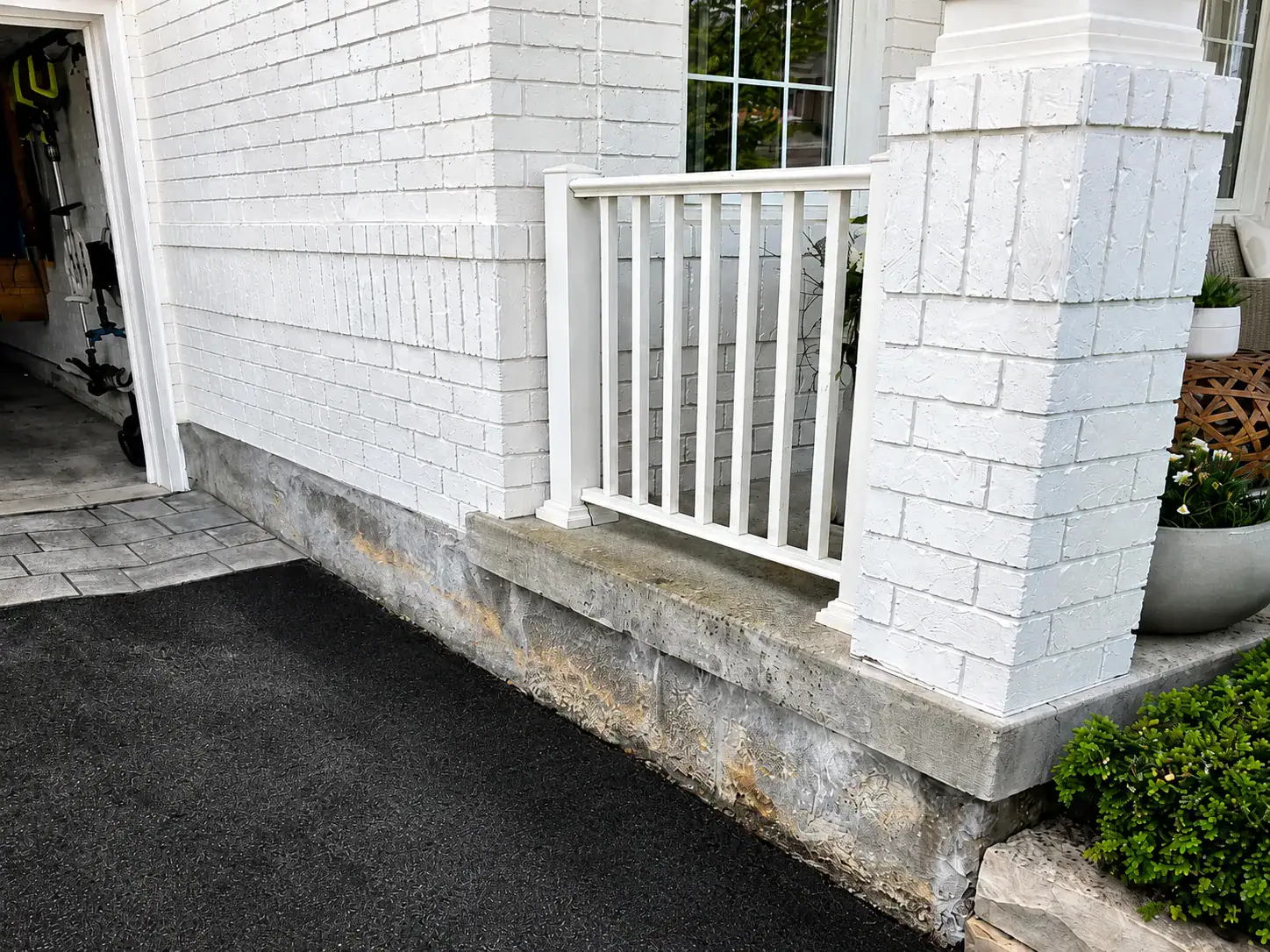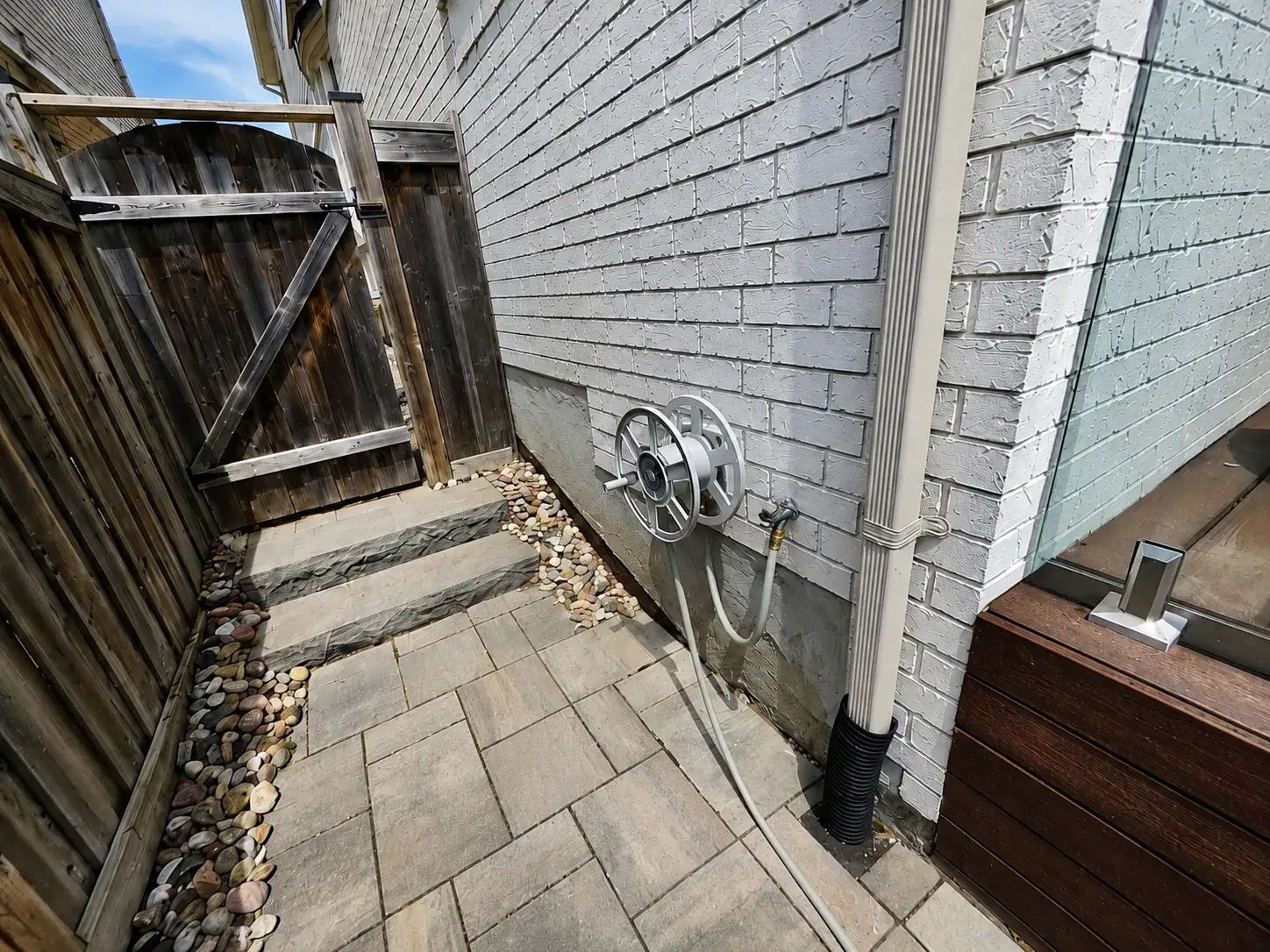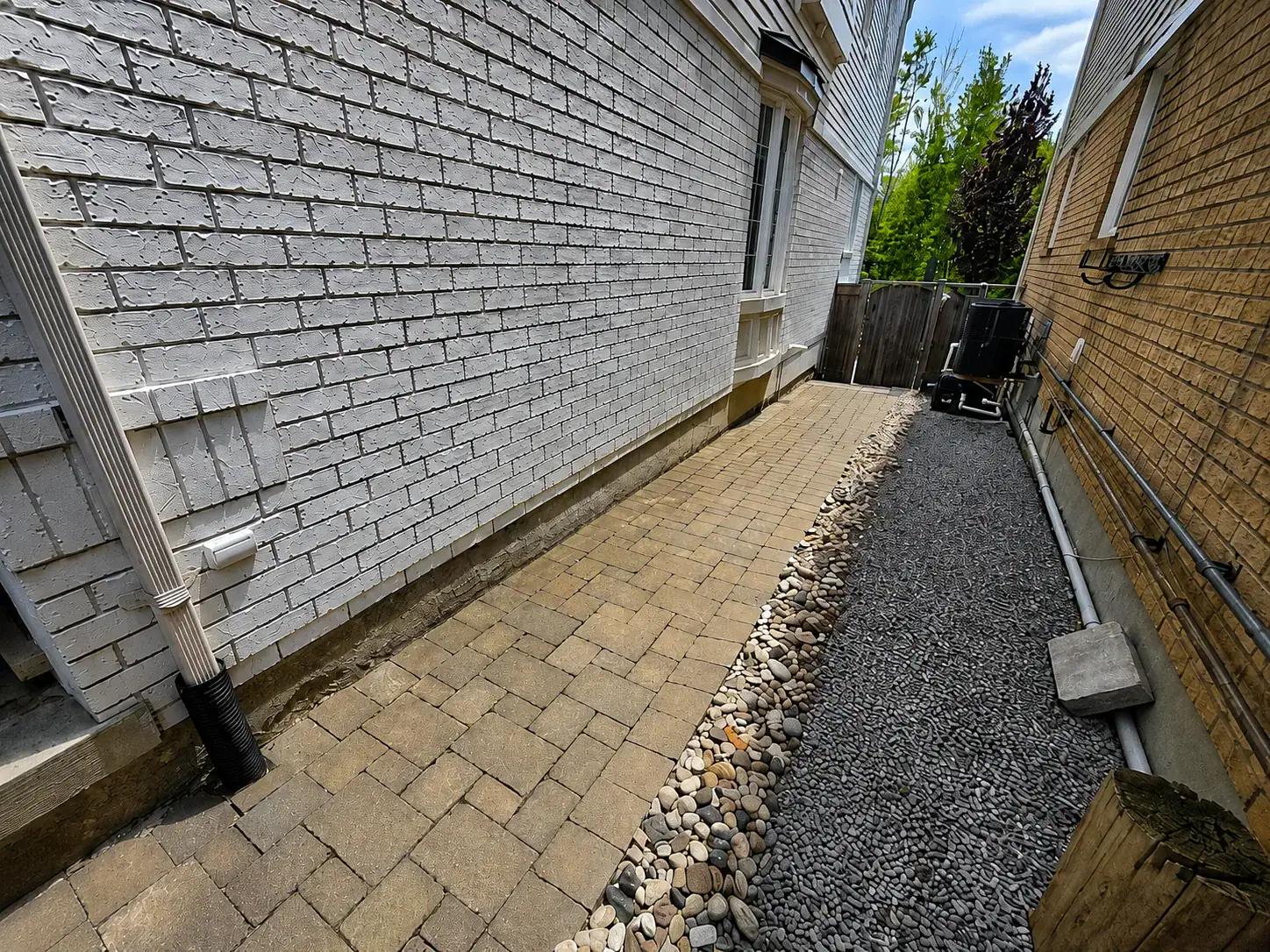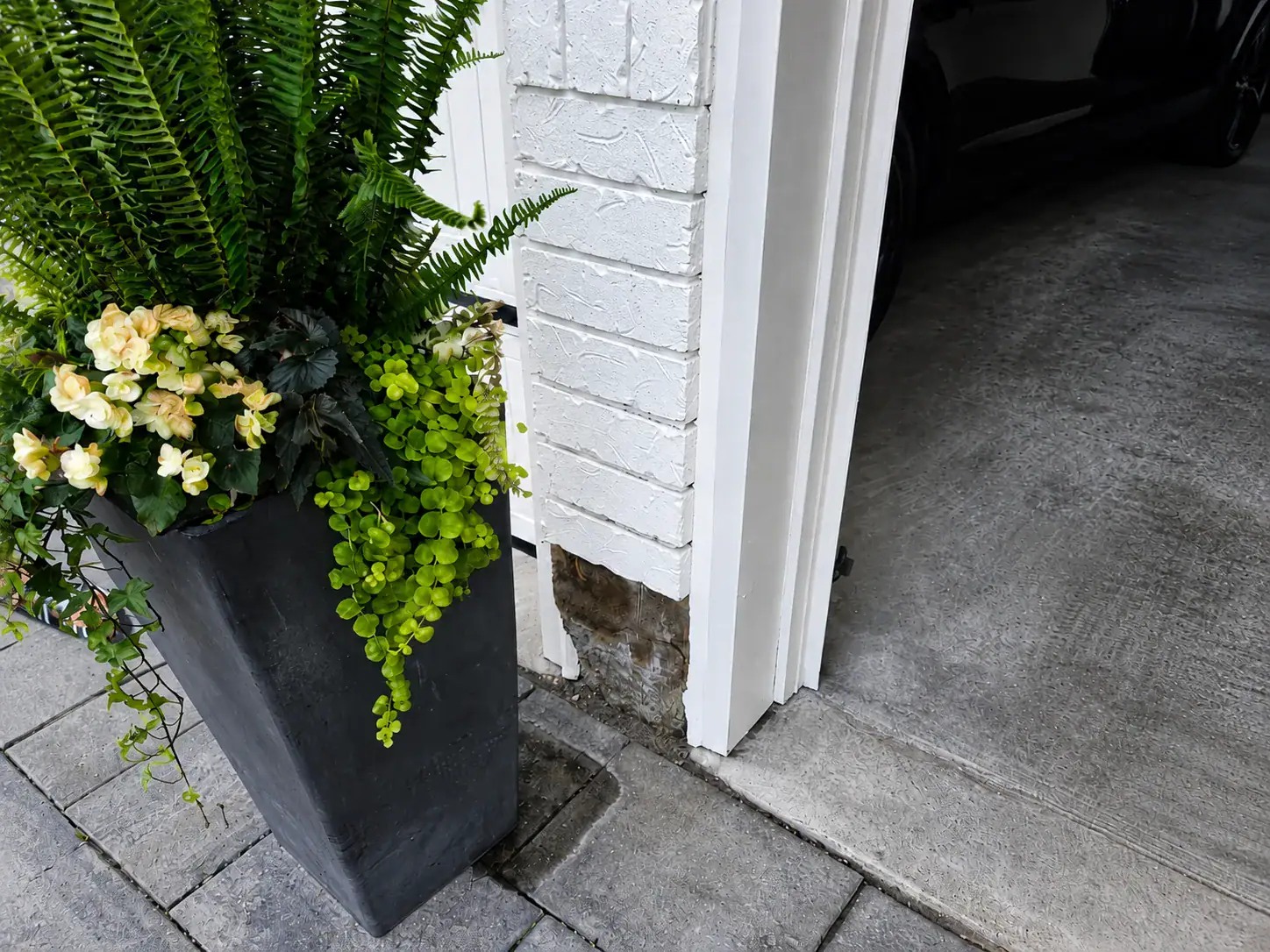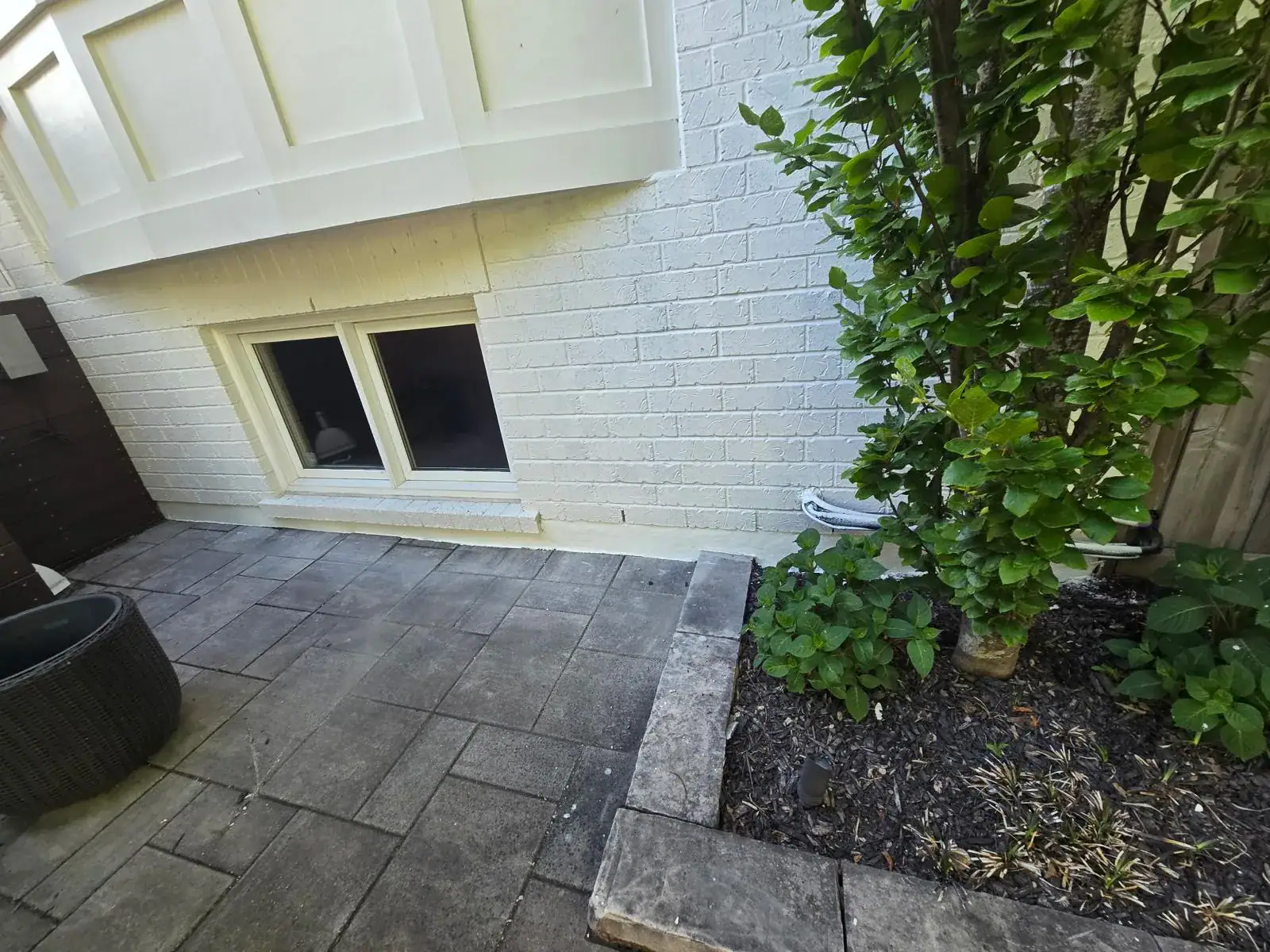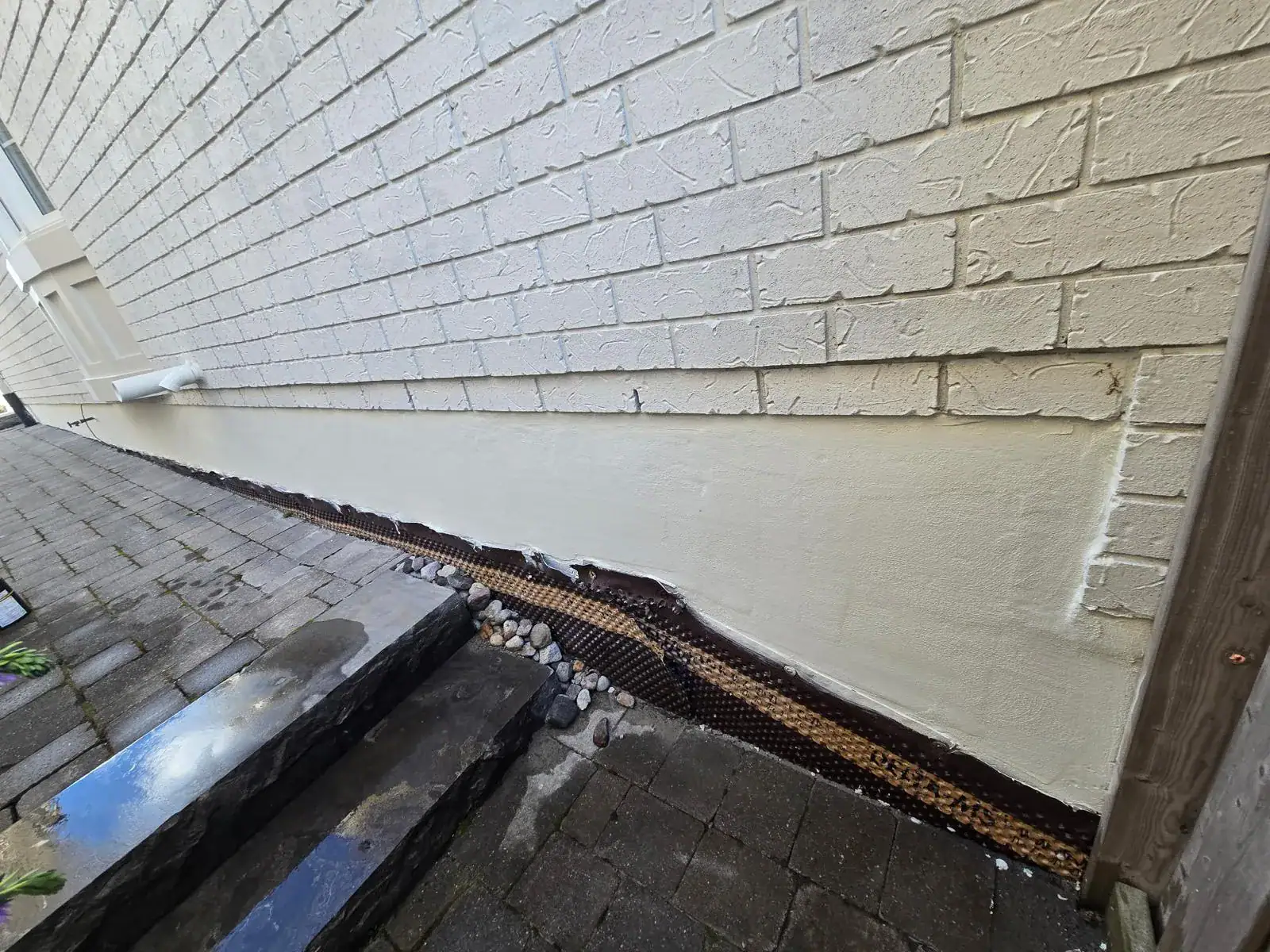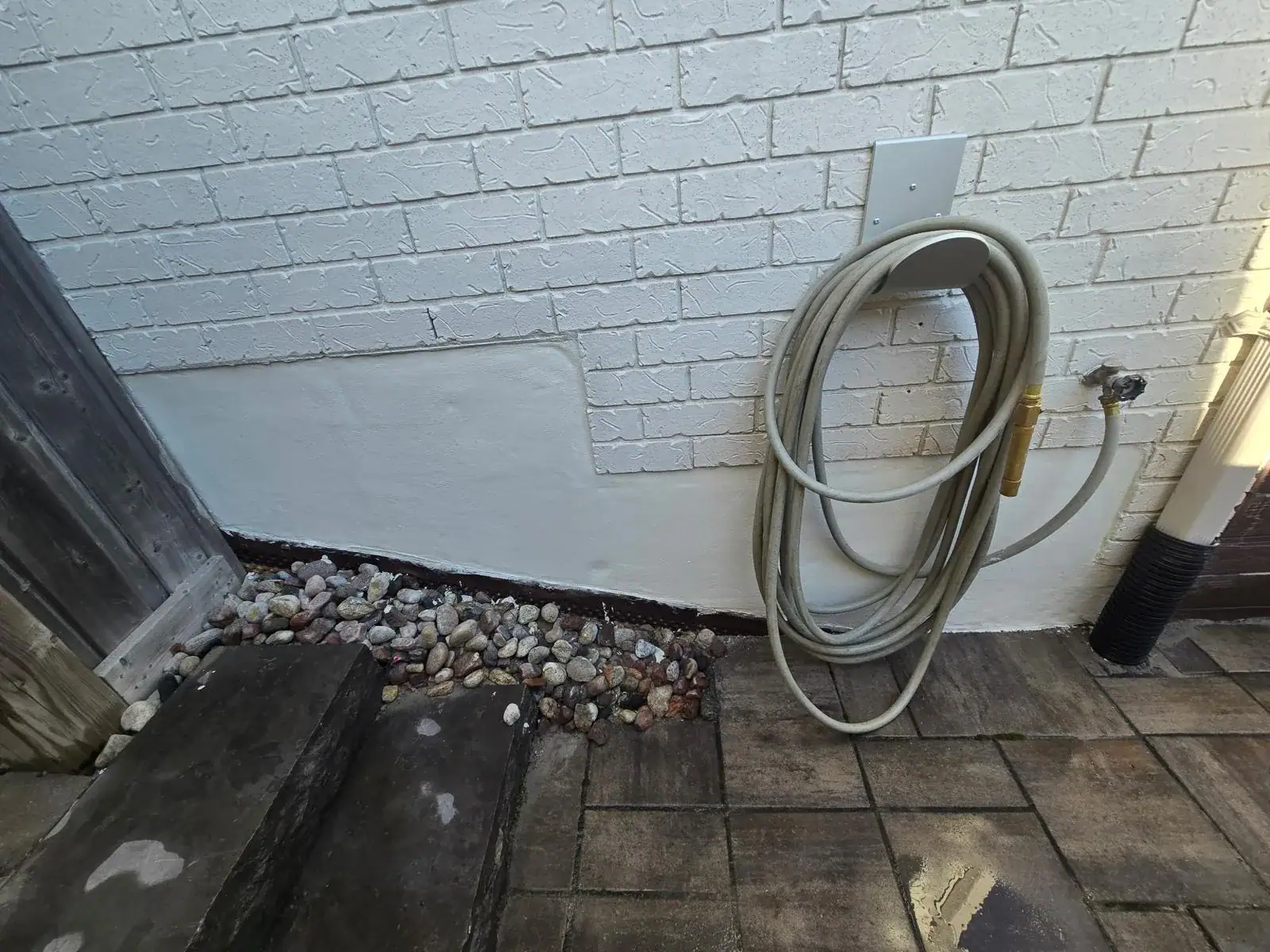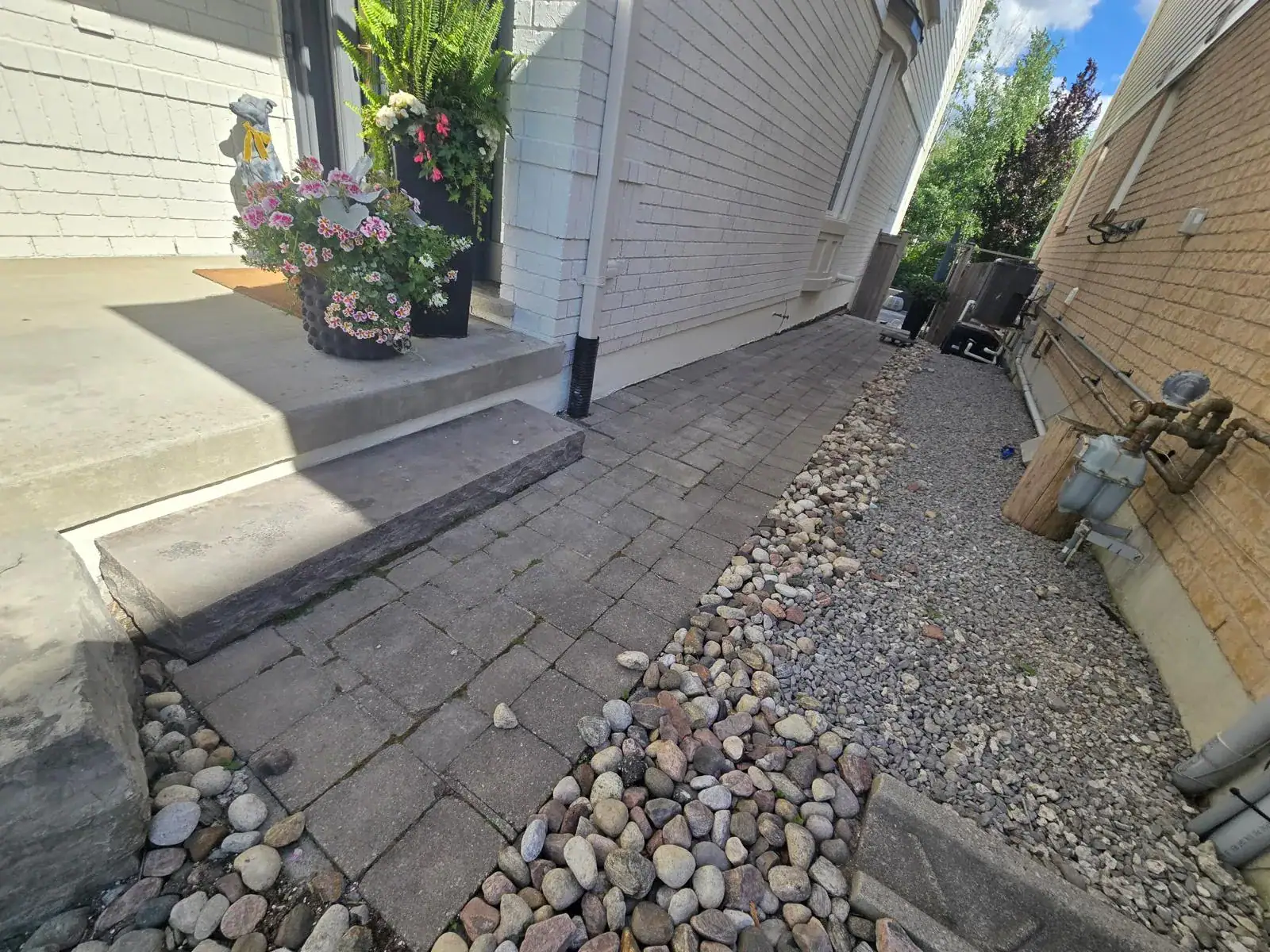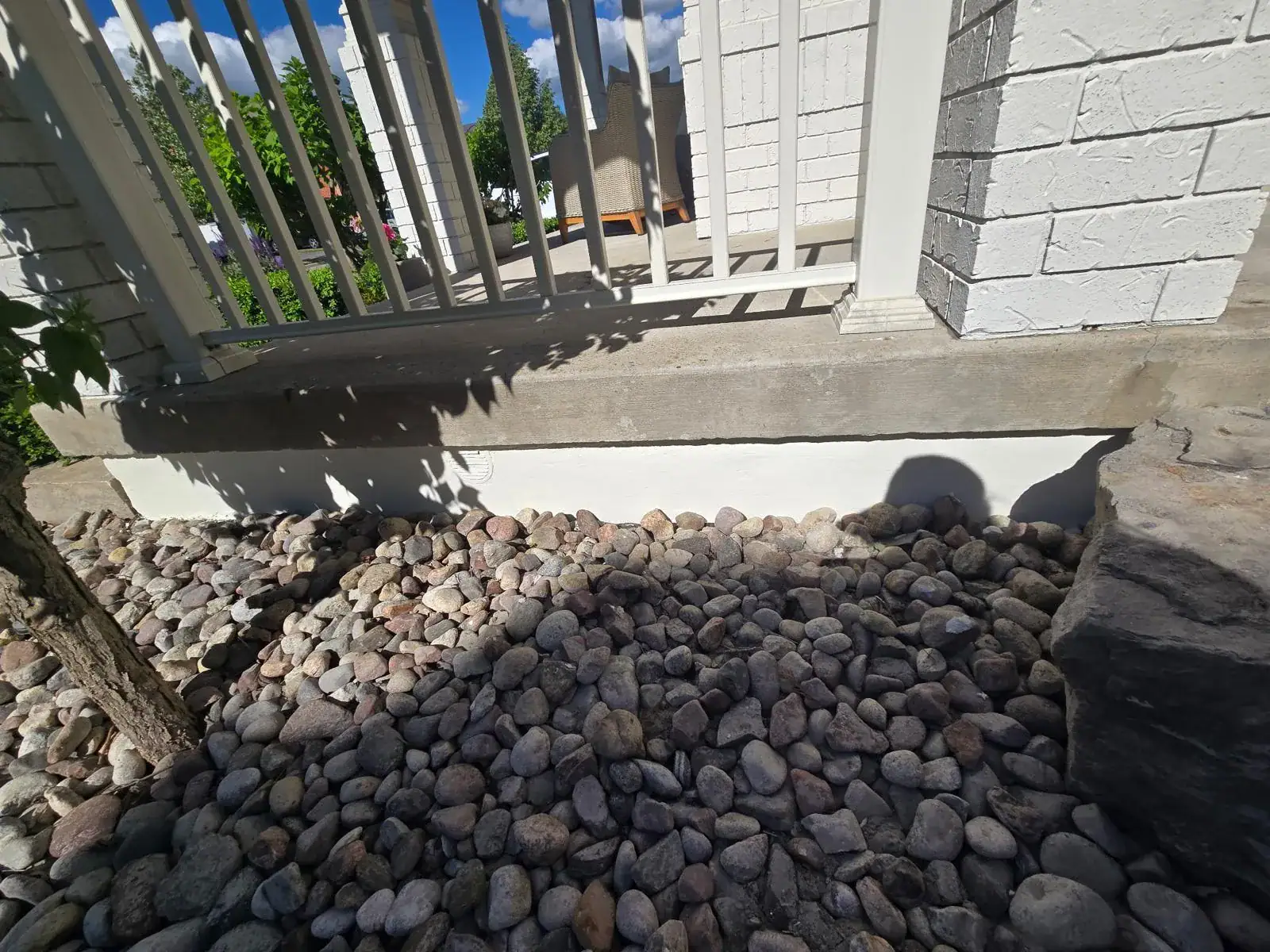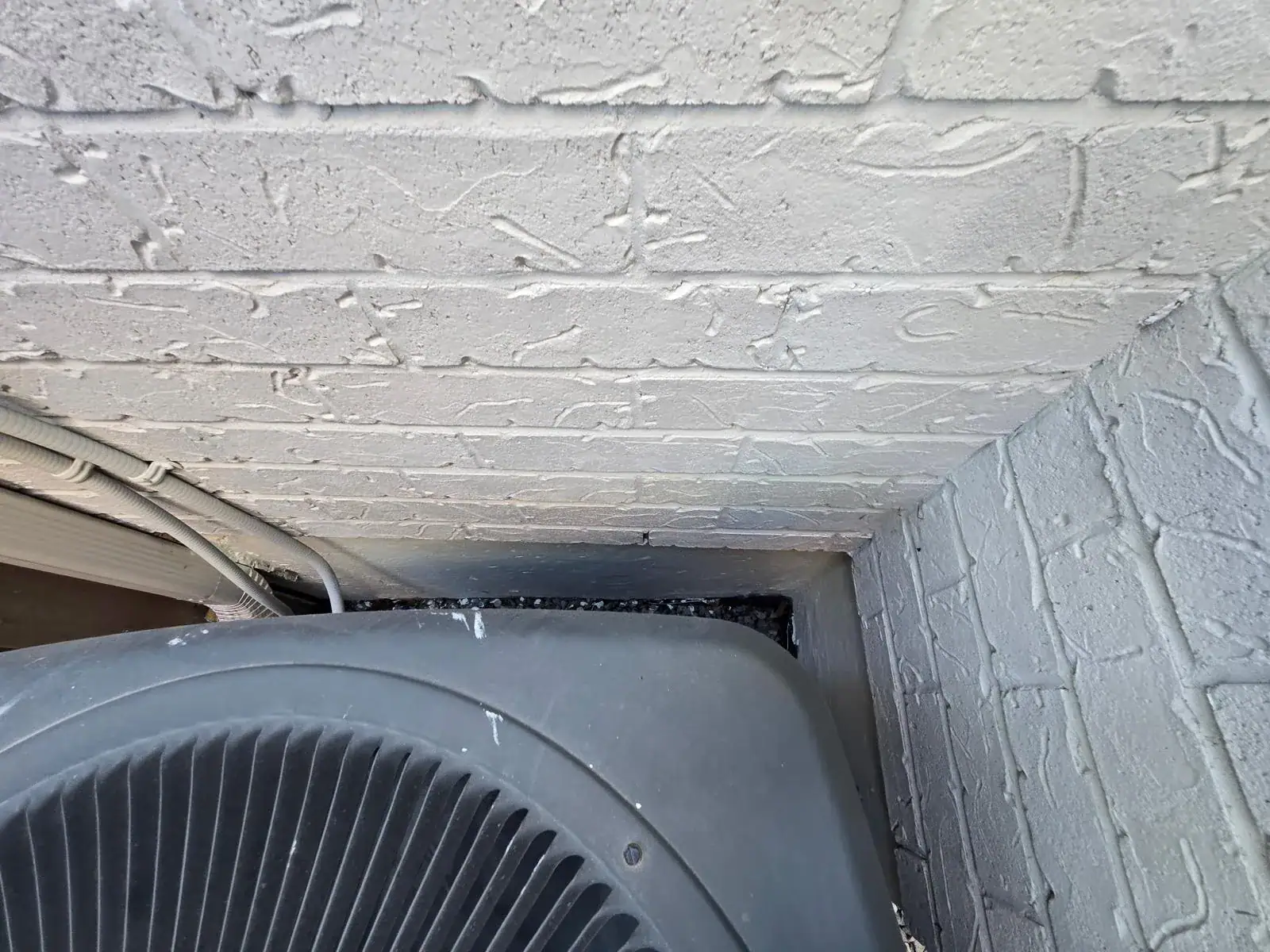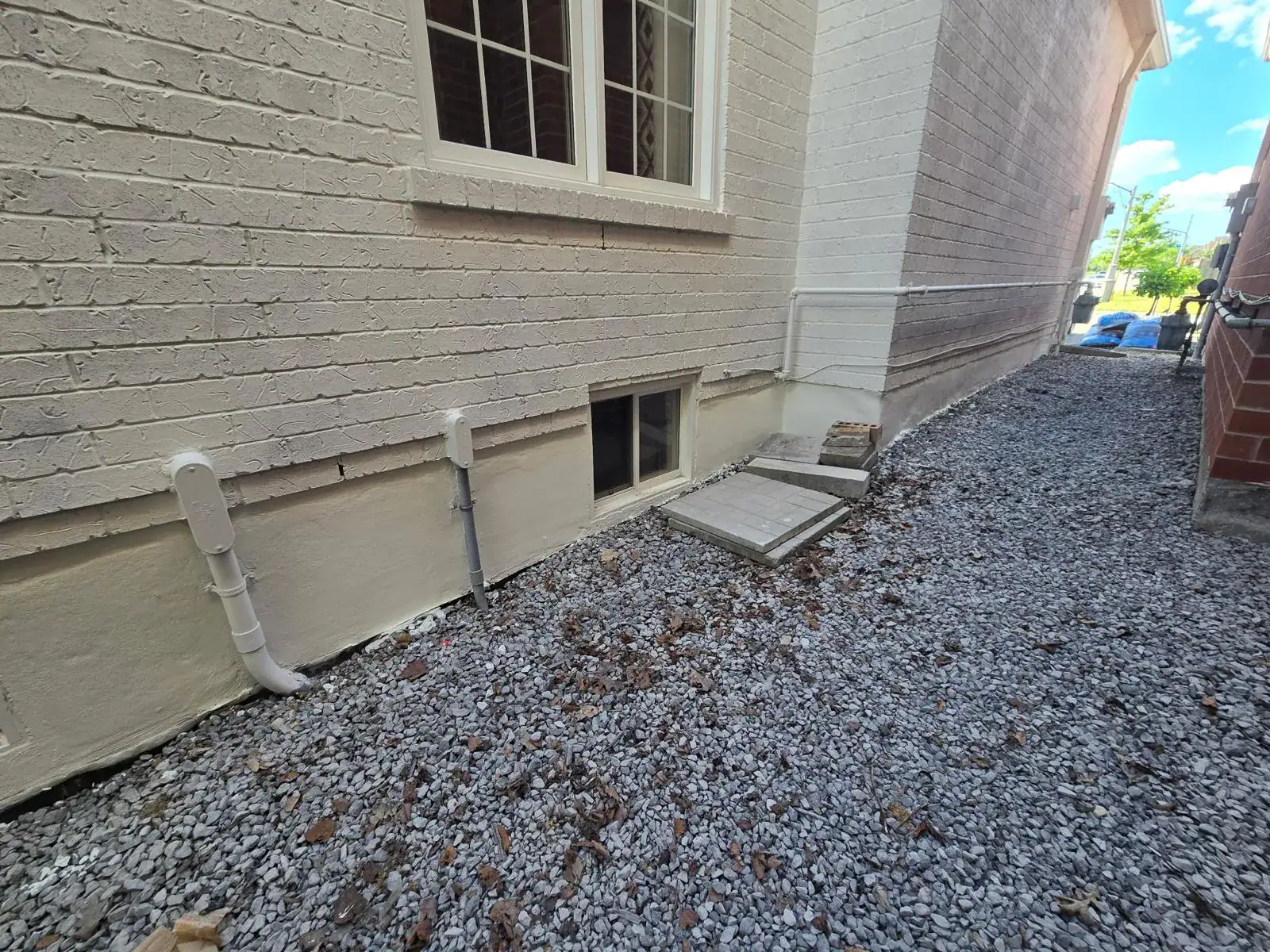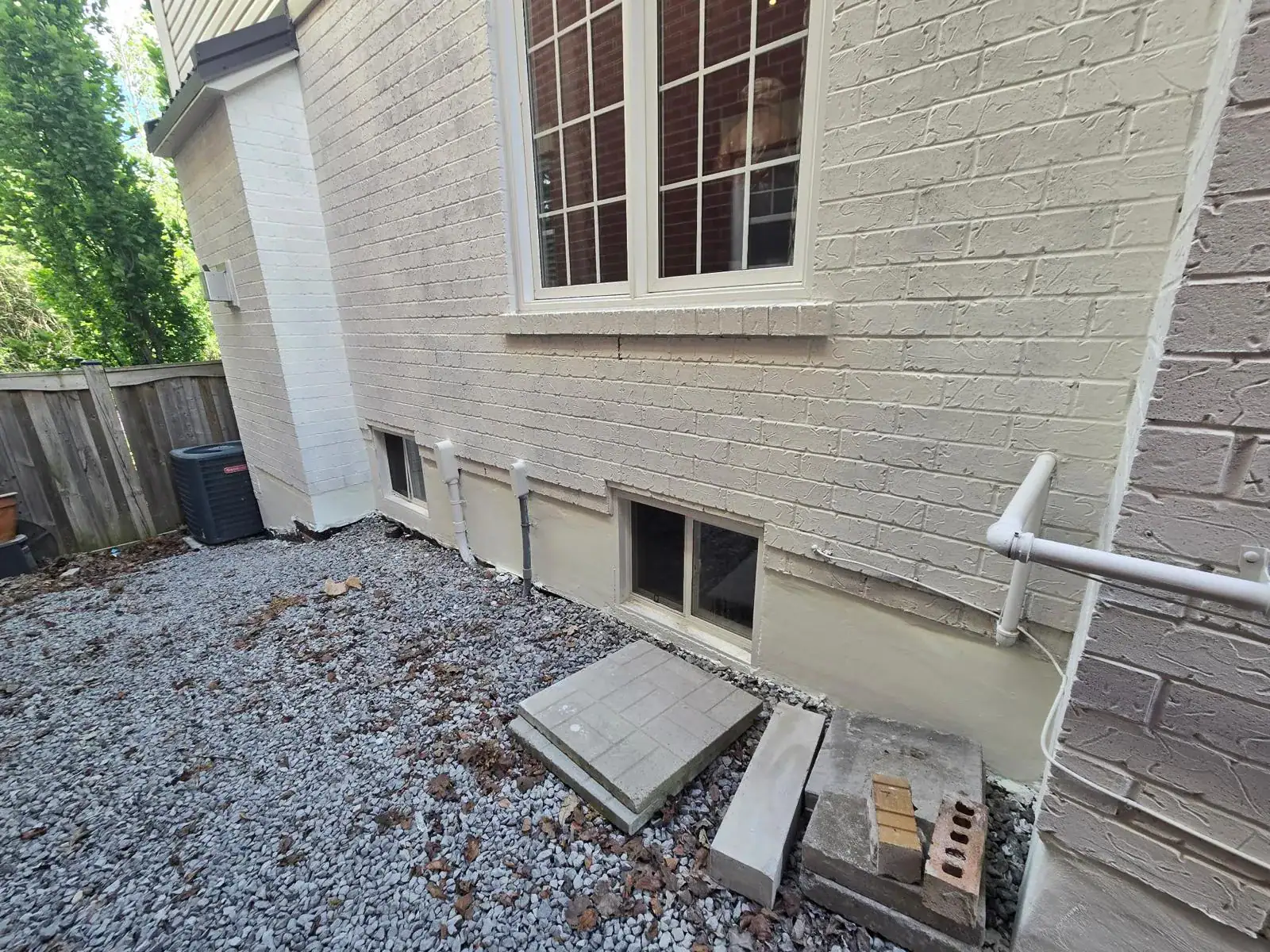

When stucco starts cracking, staining, bulging, or pulling away from the wall, most homeowners ask the same question:
Can this be repaired, or does the stucco need to be replaced?
It is a fair question — because the difference can mean a small repair or a much larger exterior restoration project.
In Toronto and the GTA, stucco has to deal with freeze-thaw cycles, snow, rain, humidity, and big temperature swings. Small cracks can allow moisture behind the surface, and once that happens, the damage may spread beyond what you can see from the outside.
The good news is that not every stucco problem requires full replacement. Many issues can be repaired when caught early. The key is knowing when a patch is enough — and when the wall needs a deeper look.
If your stucco is cracked, stained, loose, or showing signs of moisture, A&A Masonry’s professional stucco repair and exterior finish services can help determine whether a localized repair, refinishing, or more extensive restoration is appropriate.
At A&A Masonry, we help homeowners assess exterior wall problems properly, including stucco damage, brick, concrete, stone, chimneys, and waterproofing issues. The goal is simple: fix the problem the right way before it becomes more expensive.
The Main Difference Between Stucco Repair and Stucco Replacement
Stucco repair usually means fixing a damaged or isolated section of stucco while leaving the surrounding material in place.
Stucco replacement means removing a larger section — or sometimes the full stucco system — and rebuilding it properly.
Stucco repair may involve:
- Filling or repairing cracks
- Removing loose or damaged patches
- Repairing localized areas
- Matching texture and finish
- Sealing vulnerable points
- Repairing around windows or doors
Stucco replacement may involve:
- Removing failed stucco
- Inspecting the wall behind it
- Repairing moisture-damaged materials
- Rebuilding the stucco system
- Correcting drainage or flashing problems
- Applying a new finish coat
The right choice depends on the cause, severity, and spread of the damage.
A small isolated crack and widespread moisture damage require very different repair approaches.
When Stucco Repair May Be Enough
Stucco repair may be enough when the damage is limited, the surrounding stucco is still solid, and there are no major signs of moisture behind the wall.
Repair is often the right option when the problem is caught early.
Stucco repair may be suitable when:
- Cracks are small or isolated
- The stucco still feels firm
- There is no bulging
- There are no major stains
- The damage has not spread
- The wall behind the stucco appears dry
- The issue is cosmetic or minor
- The problem is limited to one area
For example, a small crack caused by normal movement may be repairable. A small damaged patch from impact may also be repaired without replacing the full wall.
The important part is confirming that water has not already entered behind the stucco.
When Stucco Replacement May Be Needed
Stucco replacement may be needed when damage is widespread, recurring, or connected to moisture problems.
If the stucco is loose, bulging, soft, or separating from the wall, simple patching may not solve the issue.
Stucco replacement may be needed when:
- Cracks appear across large areas
- Stucco is bulging or pulling away
- There are dark stains or water marks
- The surface feels soft or hollow
- Previous repairs keep failing
- Moisture has entered behind the stucco
- The base layer is damaged
- Metal lath has rusted
- Wood sheathing or insulation may be affected
- The stucco was poorly installed
In these cases, patching the surface may only hide the problem temporarily.
If the wall system behind the stucco is damaged, the failed material may need to be removed so the underlying problem can be corrected.
Why Moisture Is the Deciding Factor
Moisture is often the biggest factor in deciding whether stucco should be repaired or replaced.
A surface crack can sometimes be repaired. But if water has been getting behind the stucco for months or years, the damage may be deeper than it looks.
Moisture behind stucco can lead to:
- Loose stucco
- Delamination
- Rotting sheathing
- Rusted lath
- Damaged insulation
- Mould concerns
- Interior leaks
- Damage to brick, block, or concrete
- Larger exterior restoration work
This is why a proper inspection matters.
A wall can look reasonably sound from the outside even when moisture is affecting the layers behind the stucco.
Warning Signs That Stucco Should Not Just Be Patched
Some stucco problems should not be treated with a quick patch.
You should be cautious if you see:
- Bulging stucco
- Hollow-sounding areas
- Crumbling sections
- Large cracks
- Staining below cracks
- Cracks around windows or doors
- Stucco separating from the wall
- Interior dampness
- Failed previous patches
- Recurring cracks in the same area
These signs may indicate that the issue is more than surface damage.
A patch may make the wall look better temporarily, but if moisture is still entering, the damage will likely return.
Stucco Around Windows and Doors Often Needs Extra Attention
Windows and doors are common places for stucco problems to start.
These areas require proper sealing, flashing, and drainage. If water enters around a window or door, it can get behind the stucco and cause hidden damage.
Common warning signs include:
- Cracks extending from window corners
- Stains below windows
- Failed caulking
- Soft stucco near trim
- Stucco pulling away from frames
- Interior water marks near openings
If stucco damage appears around windows or doors, the repair may need to include more than just the surface finish.
The surrounding details should be checked to make sure water is not continuing to enter.
Can You Replace Only Part of the Stucco?
Yes, in many cases only the damaged section needs to be removed and replaced.
Partial stucco replacement may be possible when the damage is limited to one wall section or one specific area.
However, matching the existing texture and colour can be challenging, especially on older stucco. Sun exposure, age, paint, weathering, and original materials can all affect the final appearance.
A good contractor will explain what can realistically be matched and what may still be slightly visible.
A realistic texture and colour match is better than promising a result that existing weathered stucco may not allow.
Why DIY Stucco Patching Often Fails
DIY stucco patching can be tempting, especially when the crack looks small.
The problem is that most homeowners are only seeing the surface issue. They may not know whether moisture has entered behind the wall or whether the crack is caused by movement, poor installation, or drainage problems.
DIY repairs often fail because:
- The wrong material is used
- The crack continues to move
- Water entry is not fixed
- Texture does not match
- The patch does not bond properly
- Moisture gets trapped behind the repair
- The underlying damage is ignored
A bad patch can sometimes make the problem worse by sealing moisture inside the wall.
For minor cosmetic issues, a small repair may be simple. But for cracks, stains, bulging, or recurring damage, professional assessment is the safer option.
How A&A Masonry Assesses Stucco Damage
A&A Masonry looks at stucco as part of the full exterior wall system.
That means we do not only look at the visible crack. We also consider what may be causing the damage.
Our assessment may include:
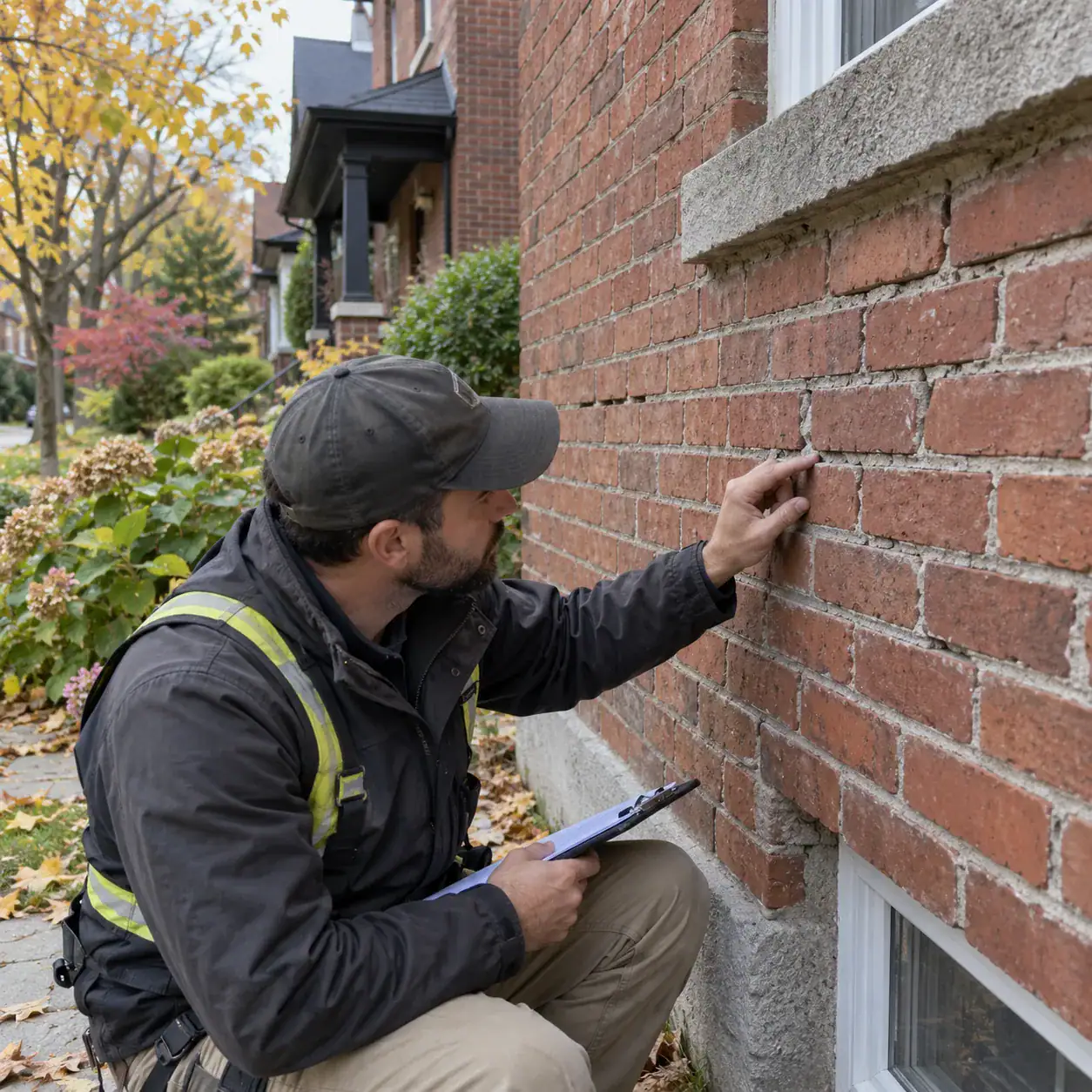
- Checking the size and pattern of cracks
- Looking for moisture stains
- Checking for bulging or loose stucco
- Reviewing windows, doors, rooflines, and trim
- Looking at surrounding brick, concrete, stone, or chimney areas
- Identifying possible drainage or flashing issues
- Determining whether repair or replacement makes more sense
The goal is to recommend the right level of repair — not more than needed, and not less than the problem requires.
That is the sweet spot.
Stucco Repair Is Usually Best When Caught Early
The earlier stucco problems are found, the better.
Small cracks and minor damage are usually easier and less expensive to repair than widespread moisture damage.
Homeowners should inspect stucco after winter and again before the next freeze-thaw season. Spring and fall are good times to look for cracks, stains, and areas where water may be getting behind the exterior.
Early repair can help prevent:
- Larger cracks
- Water infiltration
- Loose stucco
- Interior leaks
- Structural wall damage
- More expensive restoration work
Waiting rarely saves money when moisture is involved. Moisture problems tend to worsen when the source of water entry is not corrected.
Repair or Replace? The Simple Homeowner Checklist
Here is a practical way to think about it.
Stucco repair may be enough if:
- The damage is small
- The surrounding stucco is solid
- There are no moisture stains
- There is no bulging
- The issue is isolated
- The crack has not spread
- The wall behind it appears dry
Stucco replacement may be needed if:
- Damage is widespread
- Stucco is loose or hollow
- There are stains or moisture signs
- Cracks keep coming back
- The wall feels soft
- Damage appears around windows or doors
- Previous repairs failed
- There may be hidden wall damage
The safest answer comes from having the stucco inspected by someone who understands exterior wall systems.
Need Stucco Repair or Replacement Advice in Toronto?
If your stucco is cracking, staining, bulging, or pulling away from the wall, A&A Masonry can help assess the damage and recommend the right repair option.
We provide exterior repair and restoration services across Toronto and the GTA, including stucco-related repairs, brick repair, concrete repair, stonework, chimney repair, waterproofing, and masonry restoration.
Whether your home needs a small stucco repair or a more involved exterior restoration, we can help you understand your options clearly.
Contact A&A Masonry today to request an estimate for stucco repair in Toronto and the GTA.
FAQ Section
Is it better to repair or replace damaged stucco?
It depends on the extent of the damage. Small isolated cracks may be repaired, while widespread cracking, bulging, moisture damage, or loose stucco may require partial or full replacement.
Can cracked stucco be repaired?
Yes, cracked stucco can often be repaired if the damage is minor and moisture has not entered behind the wall. Larger or recurring cracks should be inspected before patching.
How do I know if stucco needs replacing?
Stucco may need replacing if it is bulging, soft, hollow, stained, separating from the wall, or showing signs of moisture damage. Failed previous repairs are also a warning sign.
Can only part of the stucco be replaced?
Yes, partial stucco replacement is often possible when damage is limited to one area. However, matching the existing texture and colour may not always be perfect.
What happens if moisture gets behind stucco?
Moisture behind stucco can damage the wall system, loosen the stucco, rust metal lath, affect insulation, cause rot, and lead to interior leaks or larger exterior repairs.
Should I patch stucco cracks myself?
Minor cosmetic touch-ups may be possible, but larger cracks, stains, bulging, or recurring damage should be inspected by a professional to avoid trapping moisture or missing deeper problems.
Does A&A Masonry repair and replace stucco in Toronto?
Yes. A&A Masonry provides stucco repair and exterior restoration services in Toronto and the GTA, as well as brick, concrete, and chimney repair, stonework, and waterproofing.
Not Sure Whether Your Stucco Needs Repair or Replacement?
If your stucco is cracking, staining, bulging, separating from the wall or showing signs of moisture, the right solution depends on how widespread the damage is and what is happening behind the surface. A&A Masonry can assess the exterior wall and help determine whether a targeted repair, refinishing or more extensive stucco restoration makes sense.