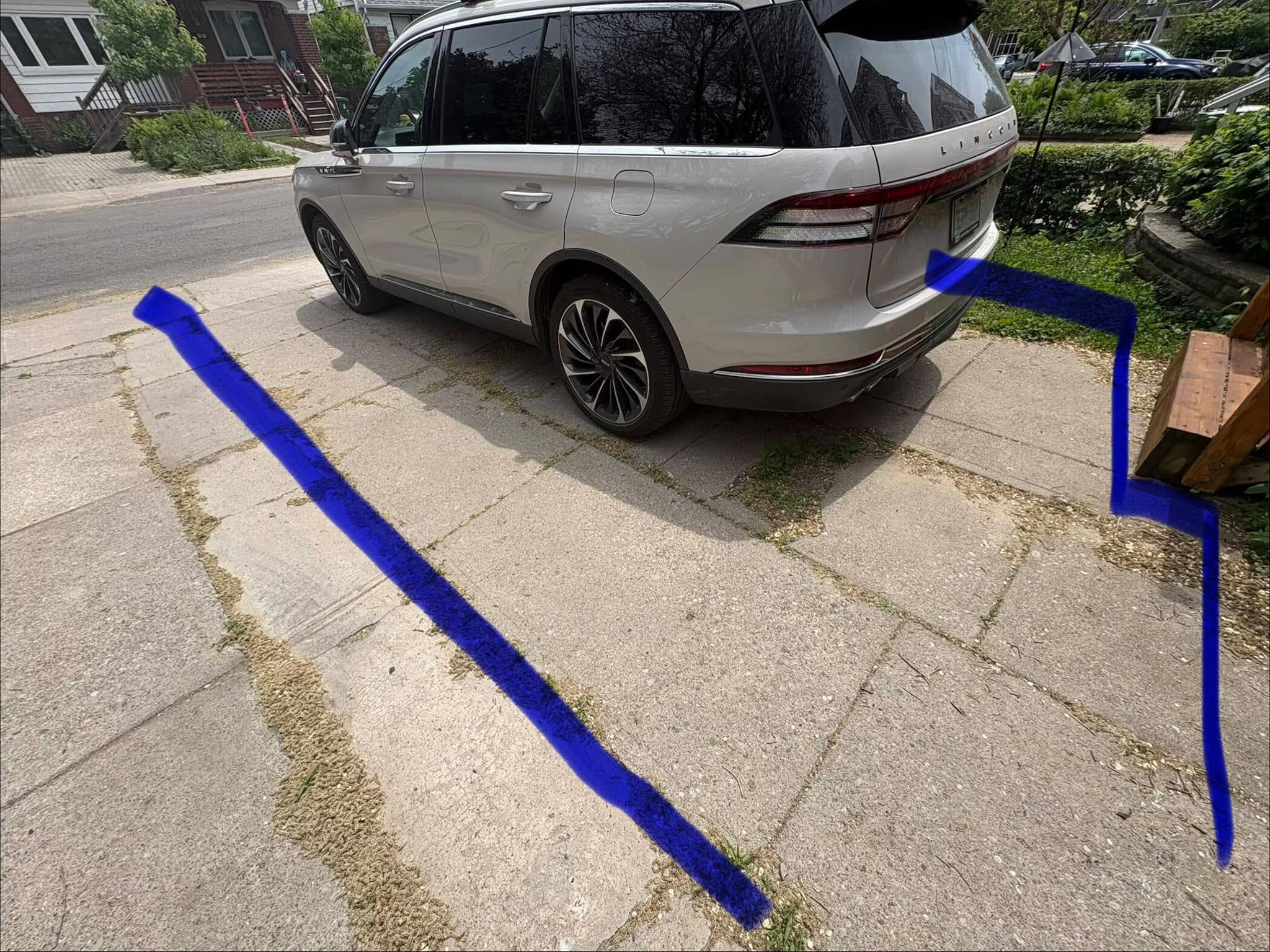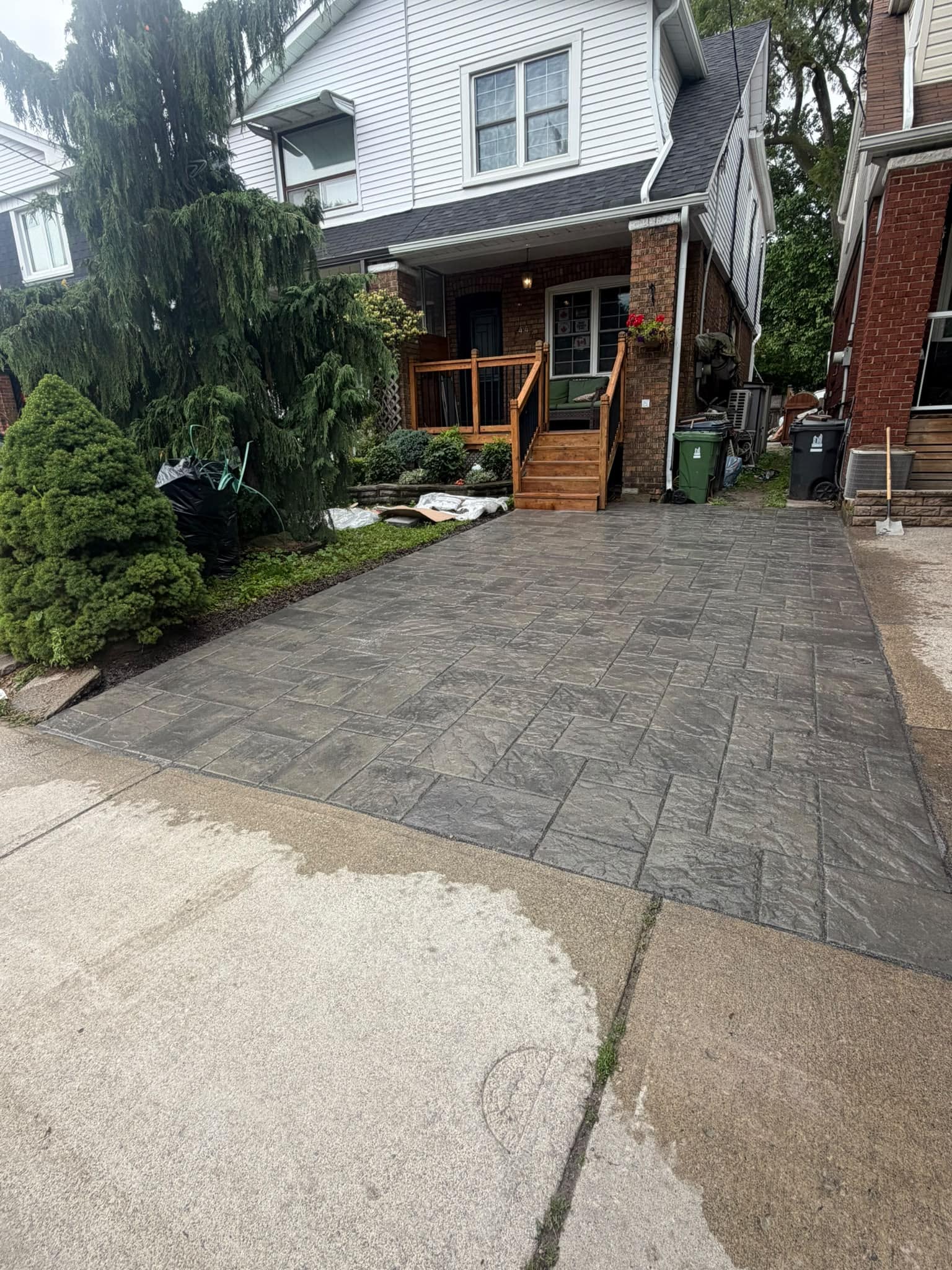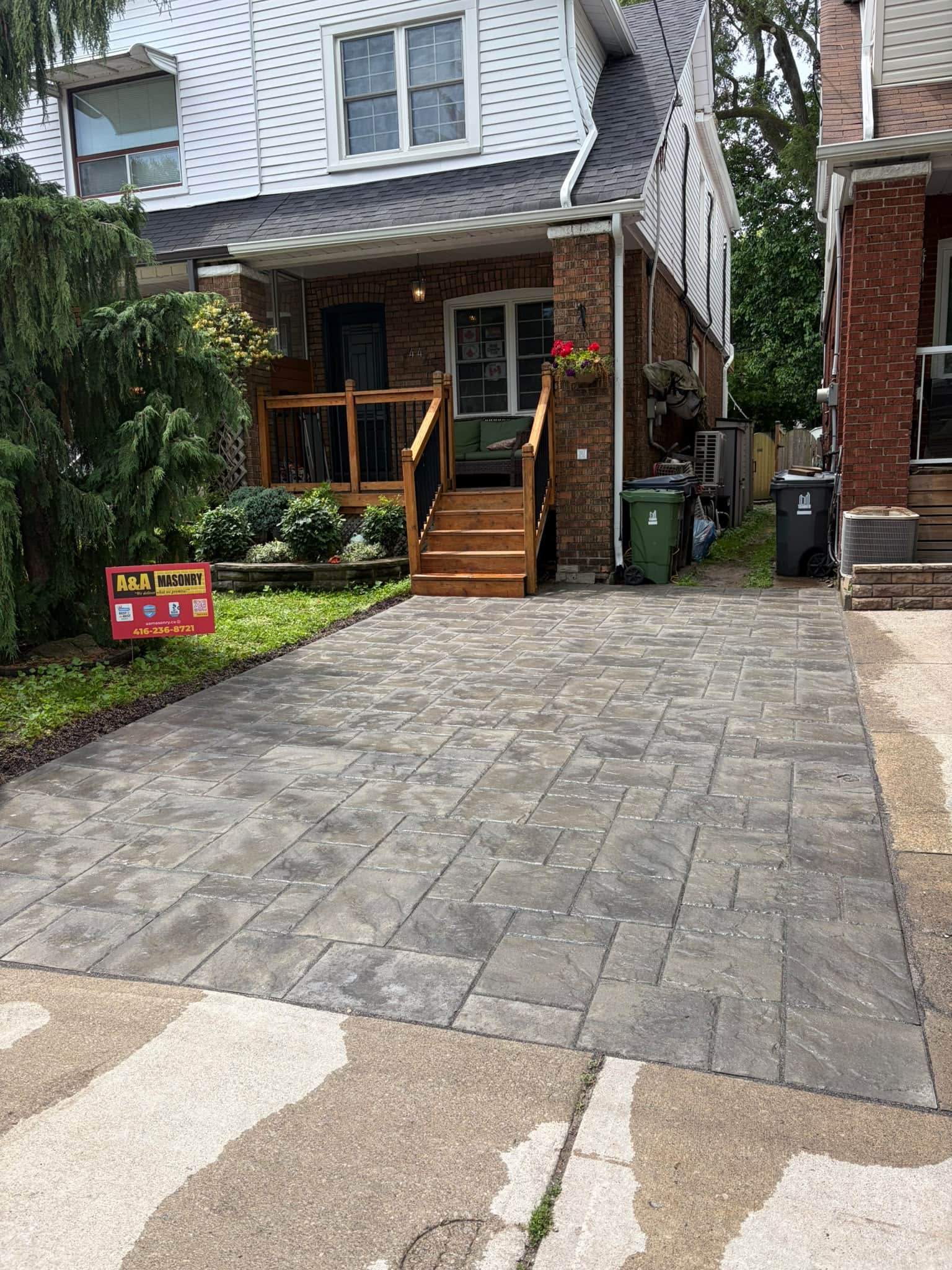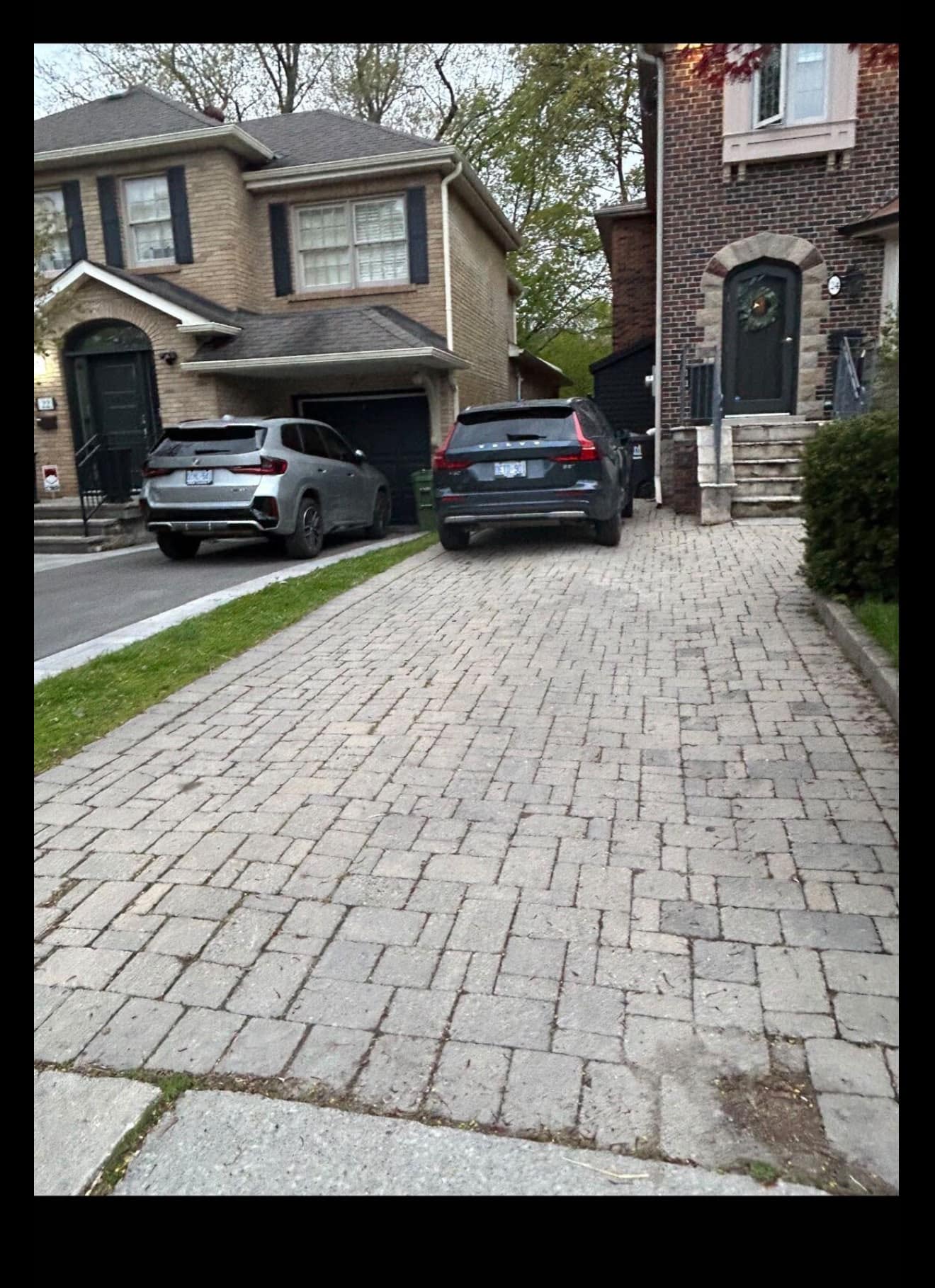
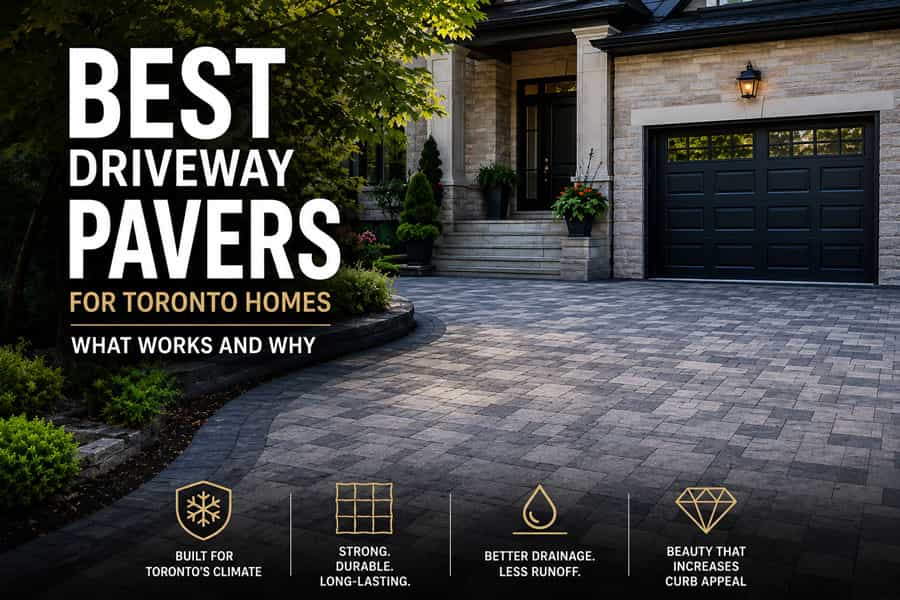
Best Driveway Pavers for Toronto Homes: What Works and Why
Choosing the best pavers for your driveway is not simply a matter of picking a colour or style you like.
A Toronto driveway must support vehicle traffic, manage rain and melting snow, and withstand repeated freezing and thawing. The pavers may be the part everyone sees, but their long-term performance depends just as much on the excavation, base preparation, grading, drainage and edge restraints beneath them.
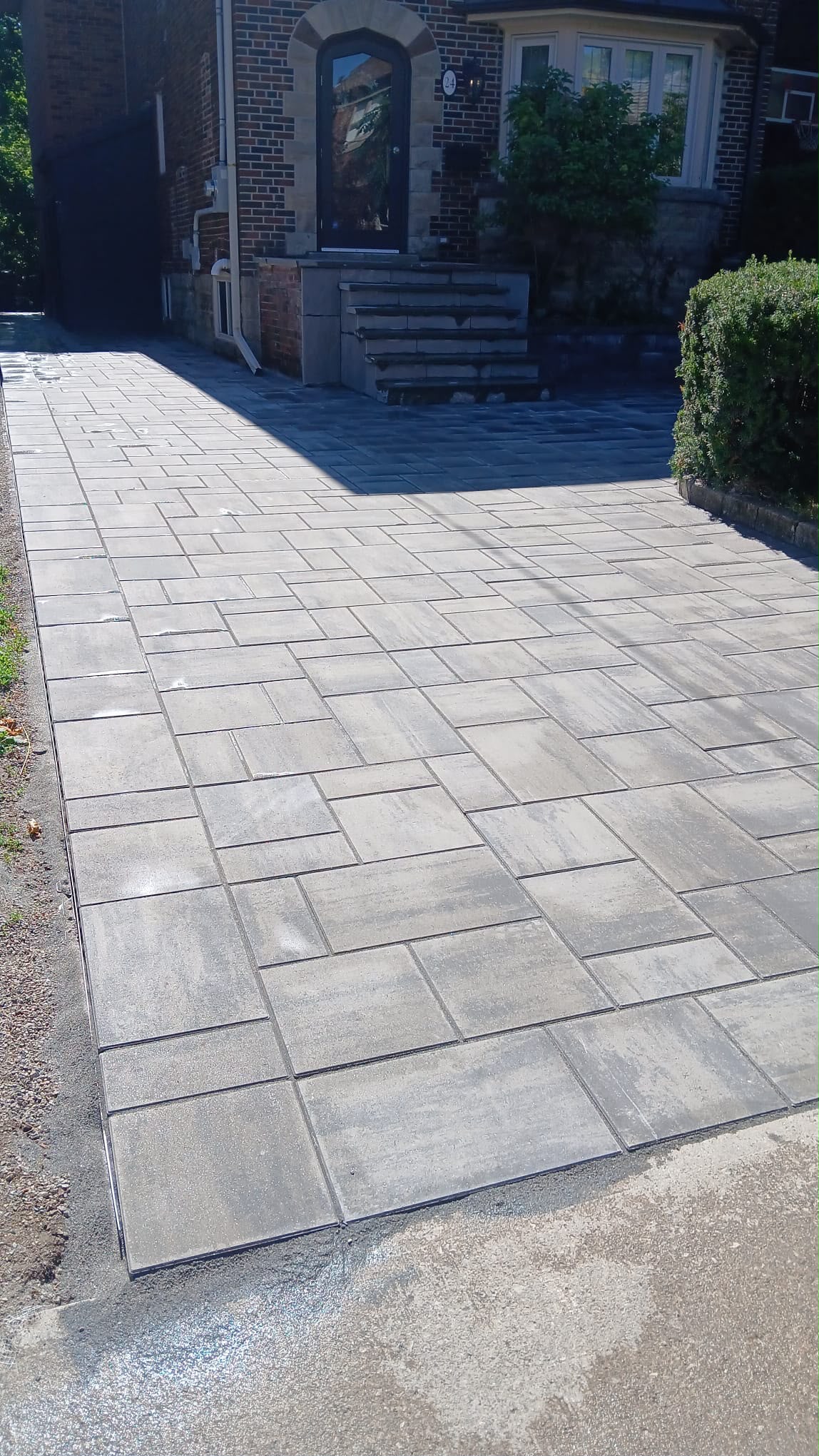
For most Toronto and GTA homes, interlocking concrete pavers are the best overall driveway option. They offer an effective balance of strength, design flexibility, repairability and curb appeal.
Natural stone, clay brick and permeable pavers can also work well in the right setting. The best choice depends on your property, architectural style, drainage requirements, expected vehicle traffic and budget.
What Are the Best Pavers for a Driveway in Toronto?
For most Toronto homes, the leading choices are:
- Interlocking concrete pavers
- Permeable concrete pavers
- Clay brick pavers
- Selected natural stone pavers
Among these options, interlocking concrete pavers are generally the most practical choice for a residential driveway.
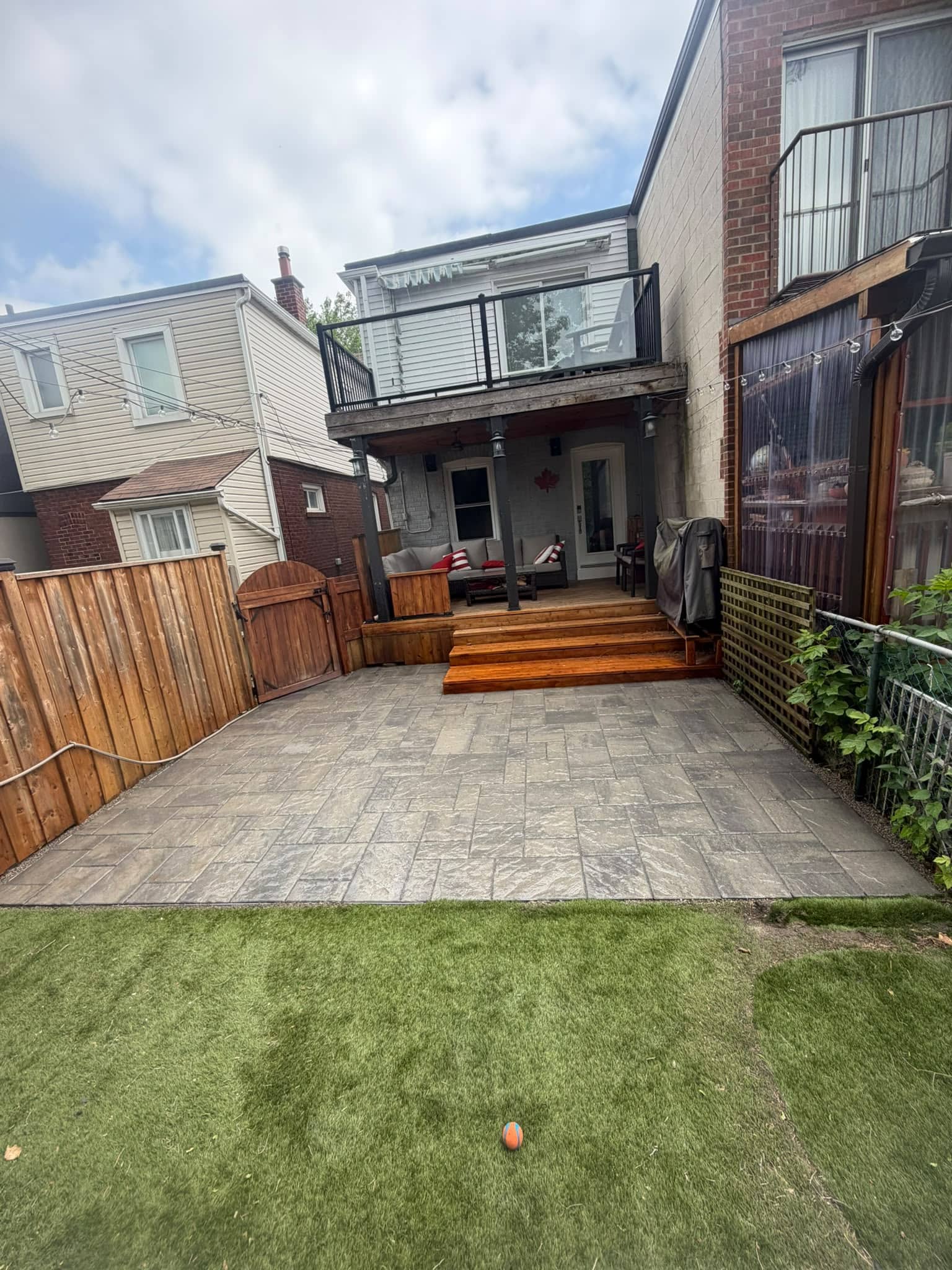
They are available in numerous sizes, textures and colours, and individual units can be lifted and replaced if underground work or localized repairs are required. Unlike a single poured surface, an interlocking driveway is made from separate units that can accommodate limited movement when properly installed.
However, no driveway paver will perform well if it is installed over a weak or poorly drained base.
Why Toronto Driveways Need the Right Paver System
Toronto weather can be hard on exterior surfaces.
Water enters small gaps in the surface and surrounding soil. When temperatures fall below freezing, that water expands. As temperatures rise, it thaws again. Repeated freeze-thaw cycles can contribute to shifting, settlement, cracked materials and uneven surfaces.
Driveways must also deal with:
- The weight of cars, SUVs and work vehicles
- Rainwater and melting snow
- Road salt and de-icing products
- Snow shovels and snow-removal equipment
- Tree roots and changing soil conditions
- Drainage around the garage and foundation
This is why choosing driveway pavers based only on appearance is a mistake. The entire driveway must be designed as a system.
1. Interlocking Concrete Pavers: The Best Overall Choice
Interlocking concrete pavers are the most versatile driveway option for many Toronto homeowners.
They are manufactured in consistent shapes and sizes and are designed to work together as a connected paved surface. When installed over a properly prepared and compacted base, they can provide a strong, attractive and serviceable driveway.
Benefits of Concrete Driveway Pavers
Interlocking concrete pavers offer several advantages:
- A broad range of colours, shapes and textures
- Styles that complement traditional and contemporary homes
- Individual pavers that can be removed and replaced
- Better repair flexibility than a single poured surface
- The ability to create borders, patterns and contrasting details
- Good performance under regular residential vehicle traffic
- A finished appearance that can improve curb appeal
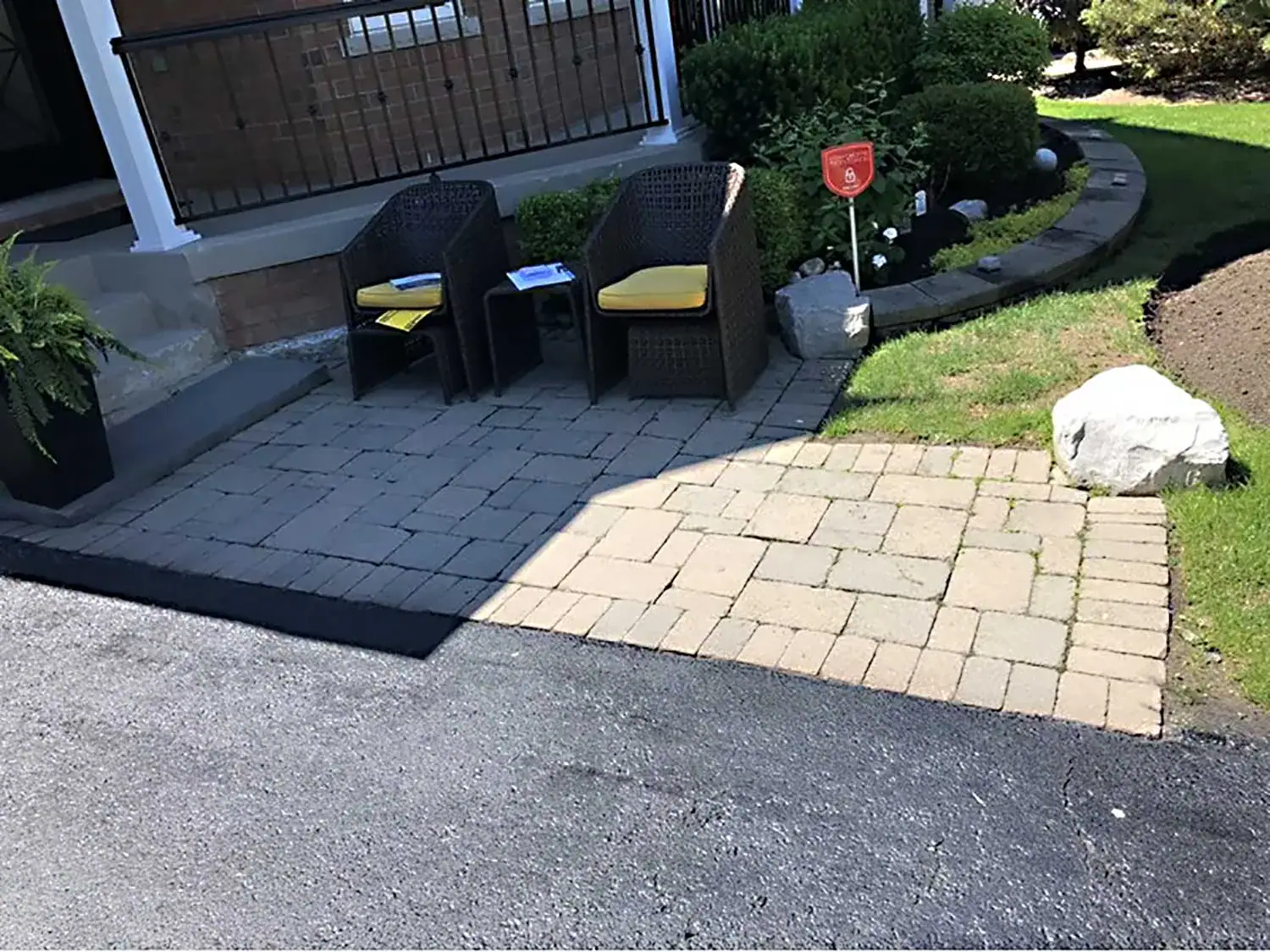
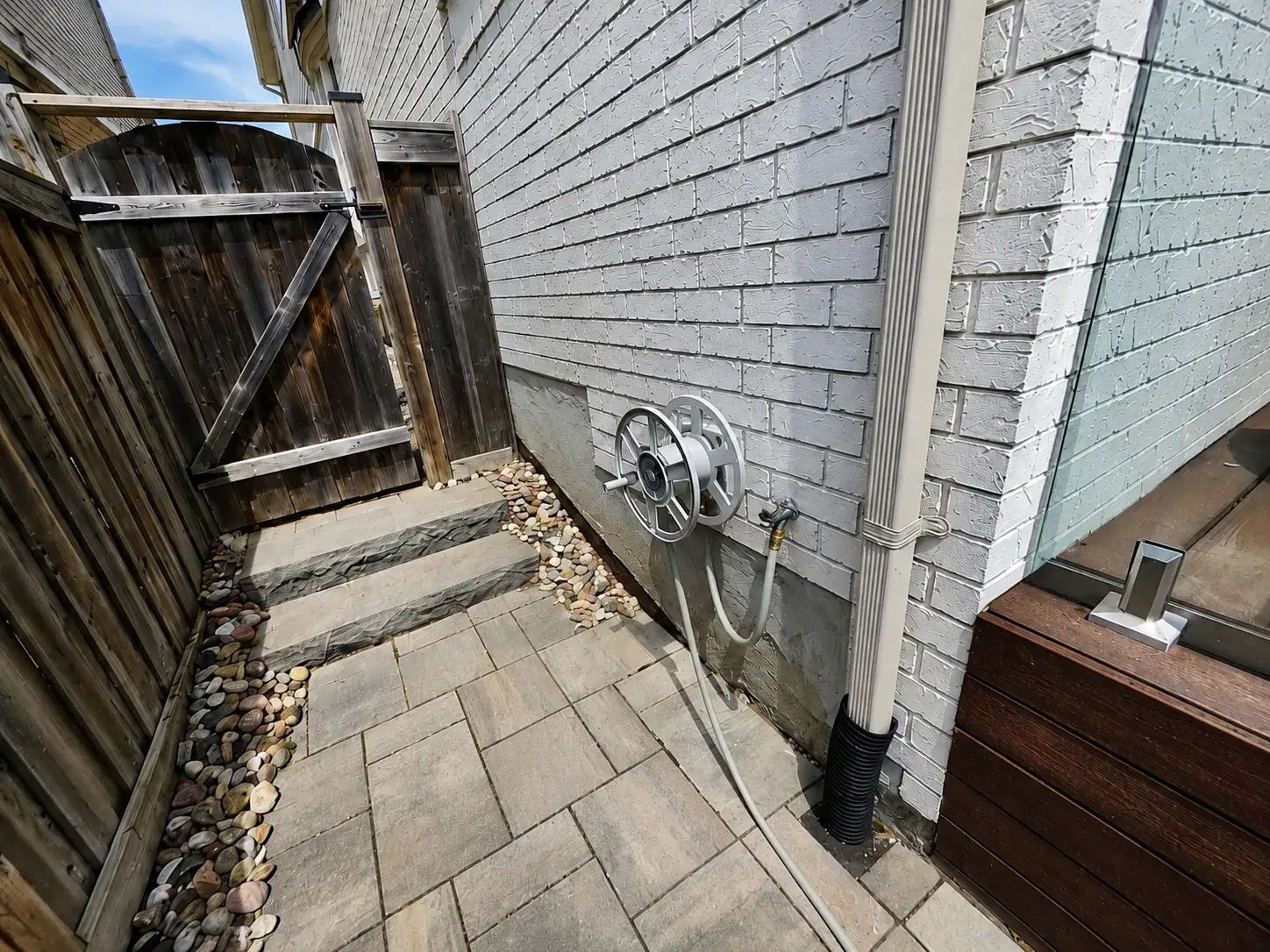
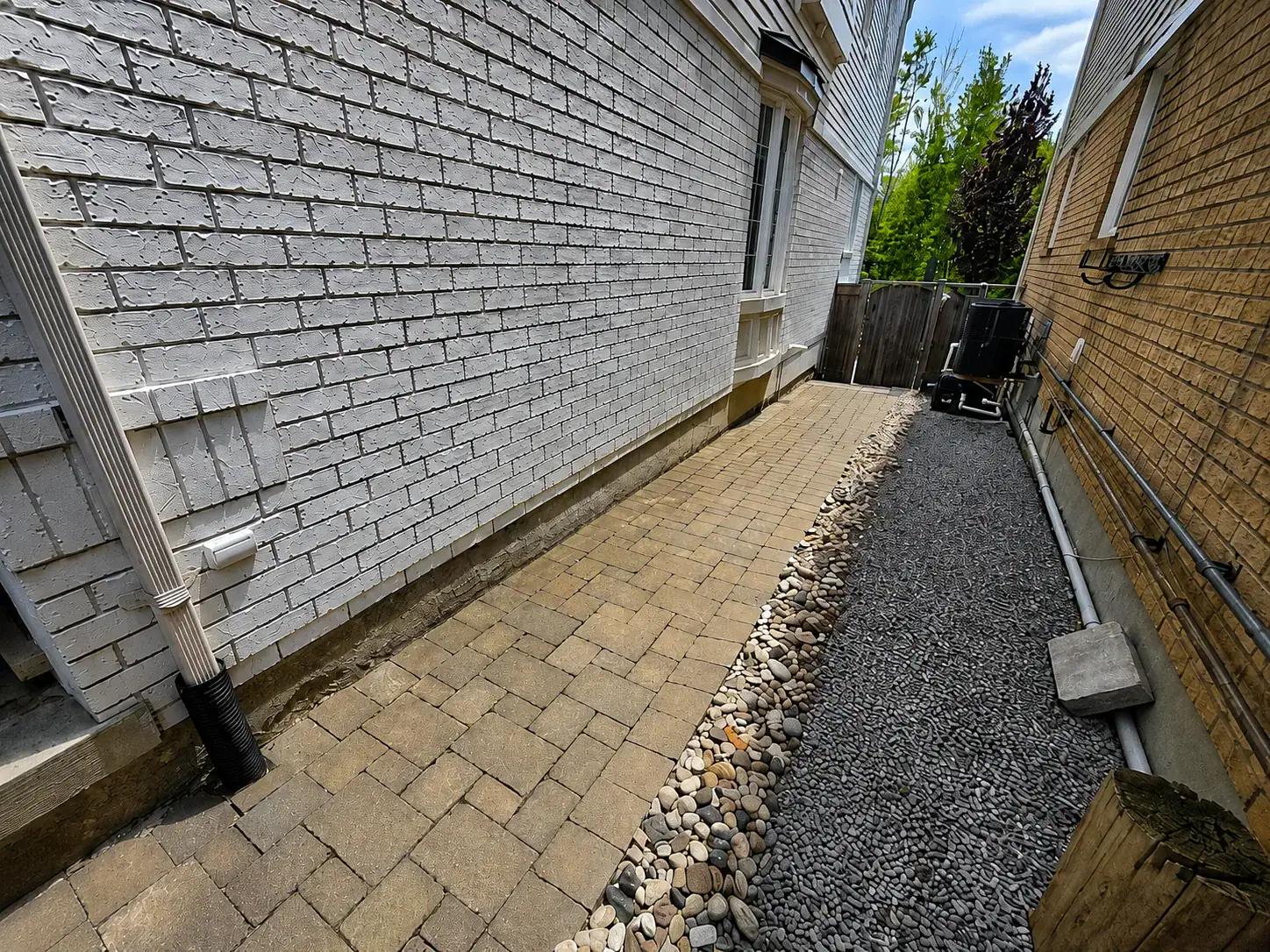
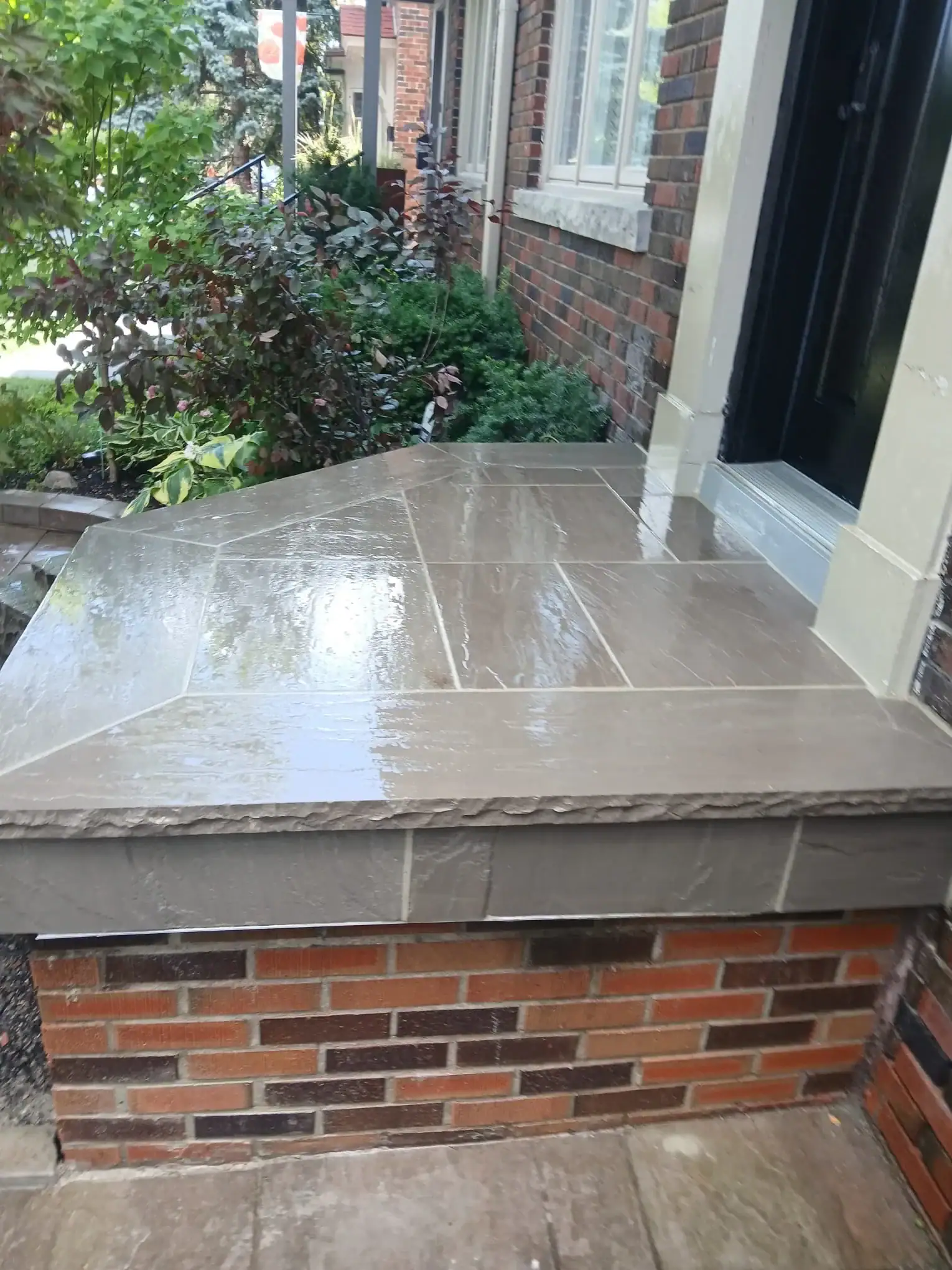
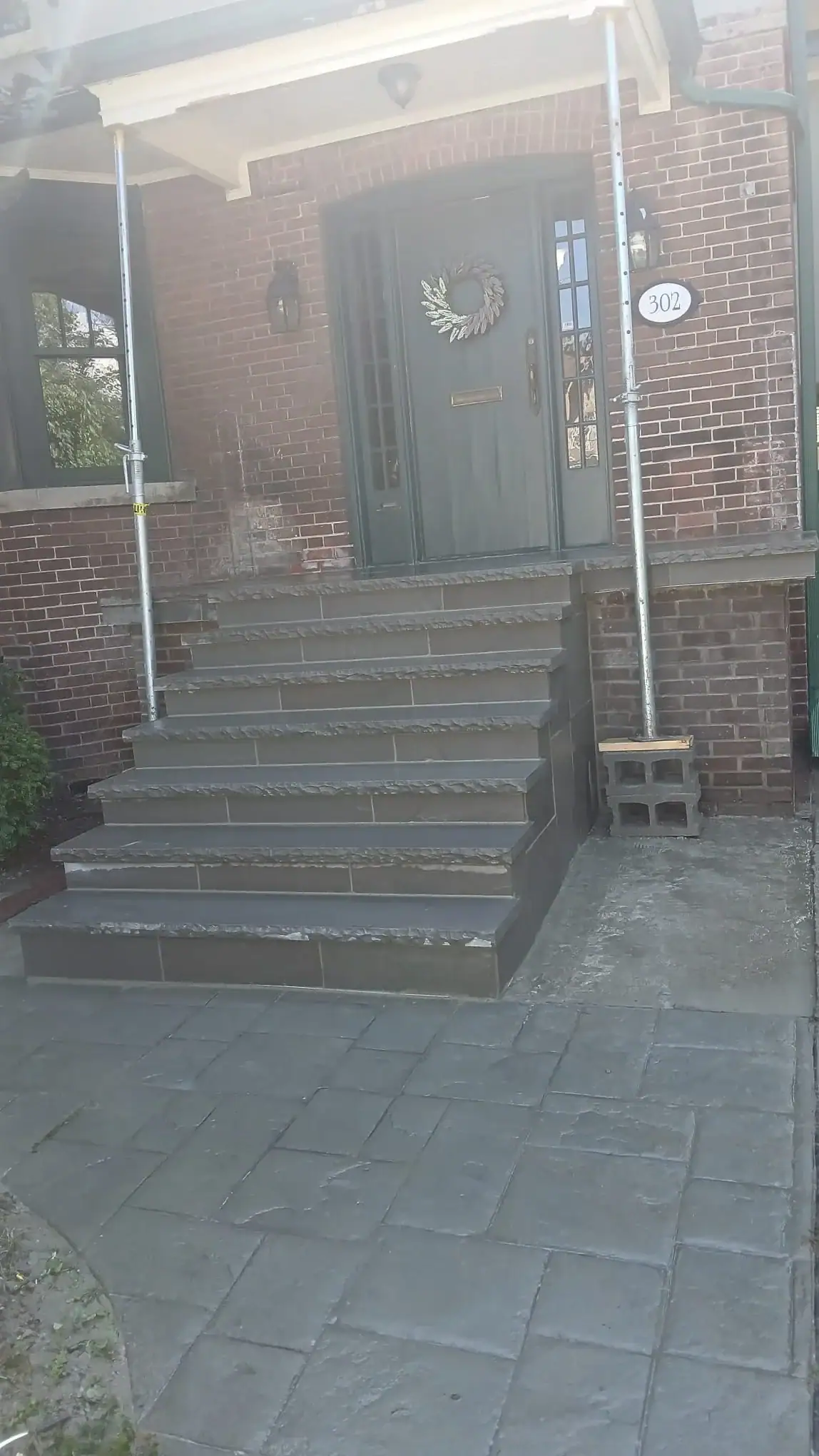
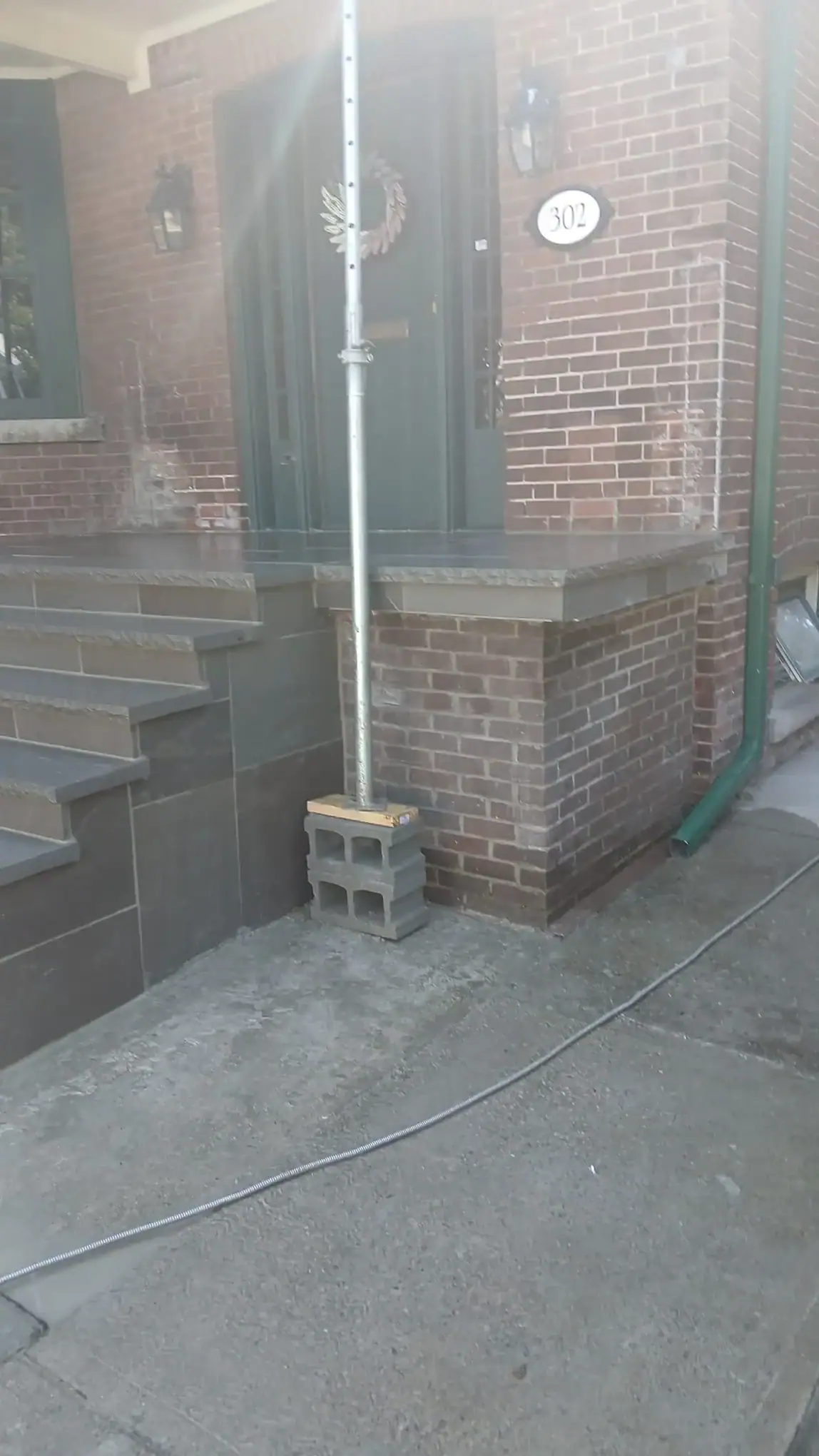
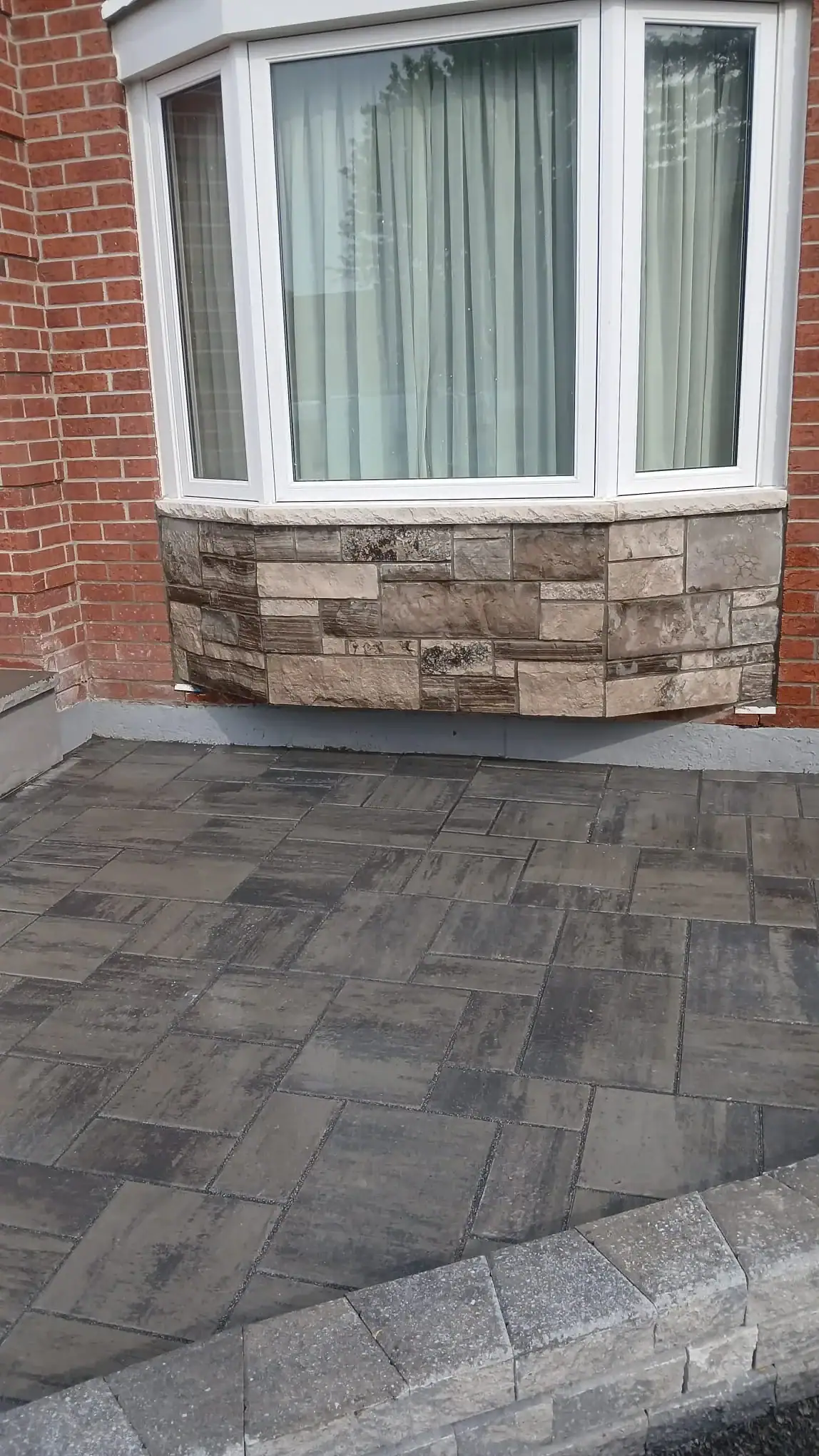
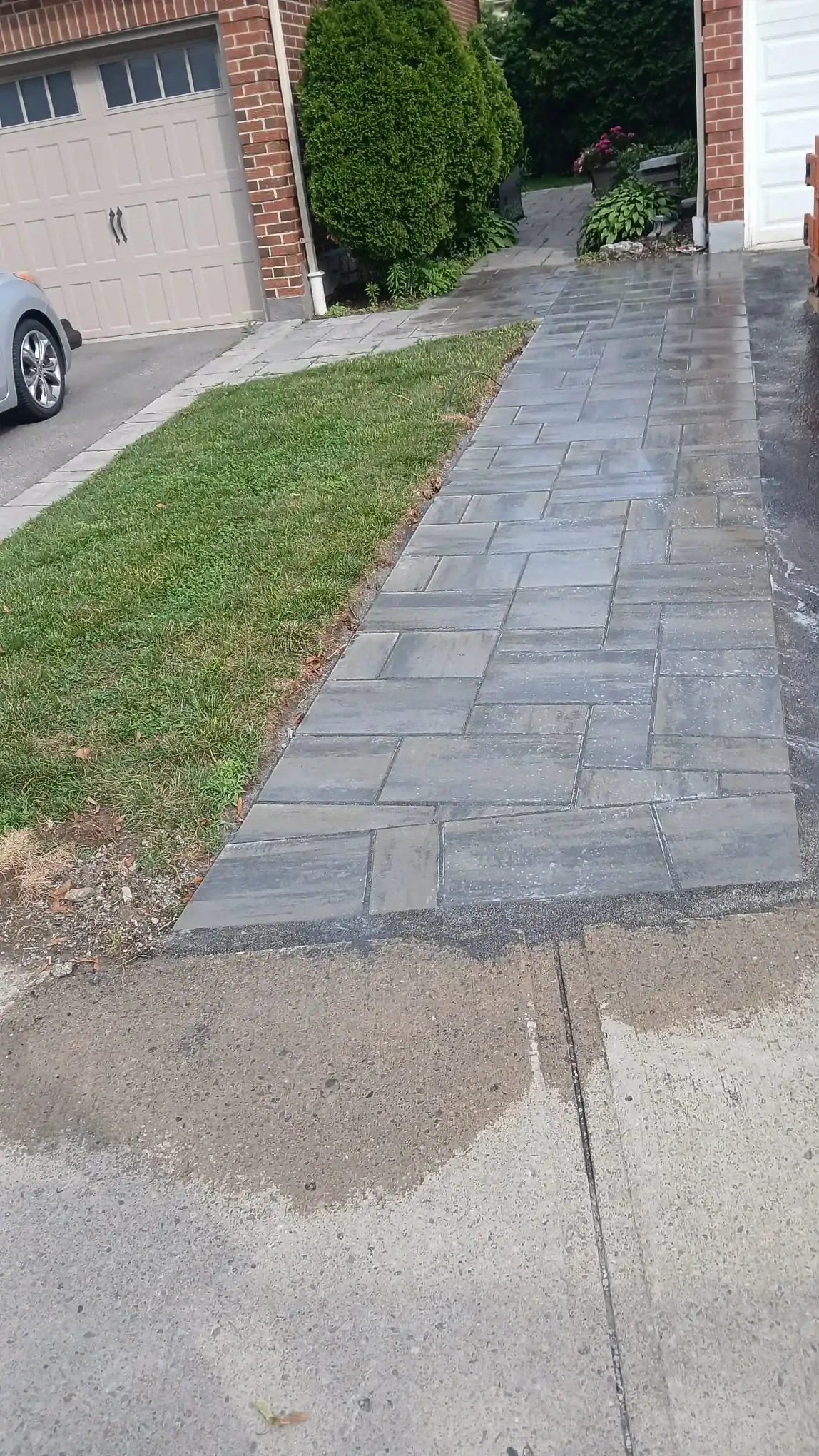
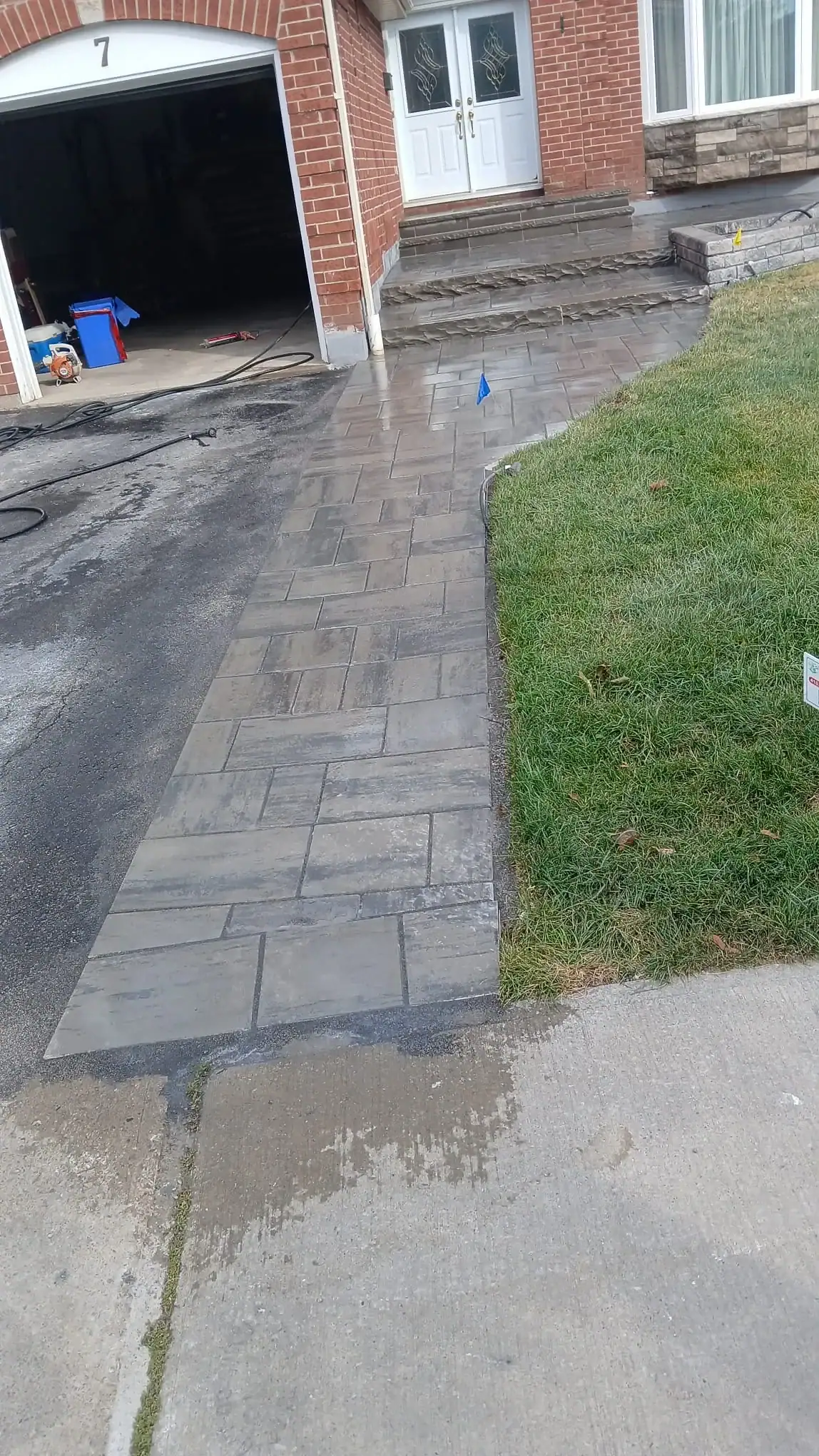
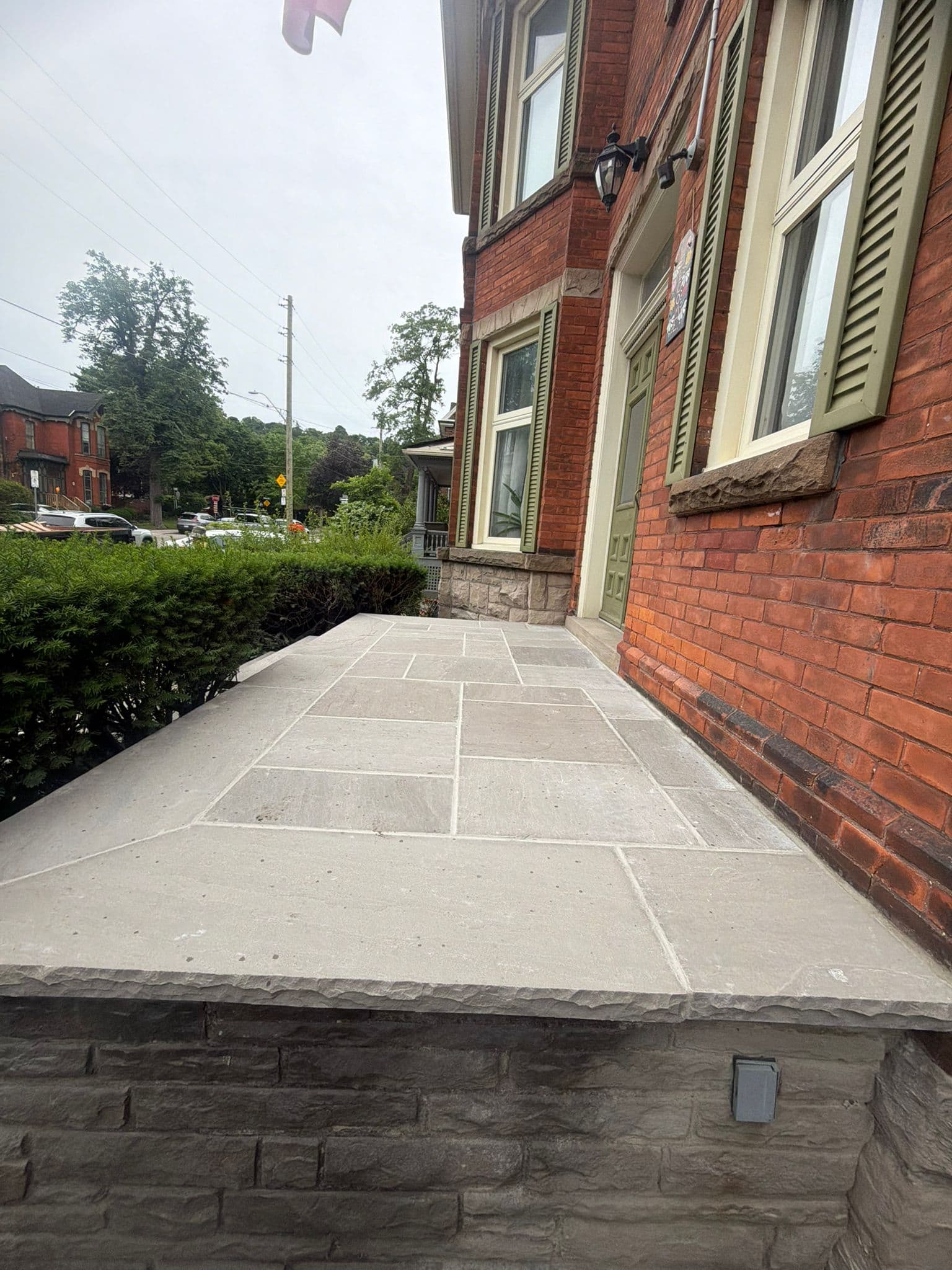
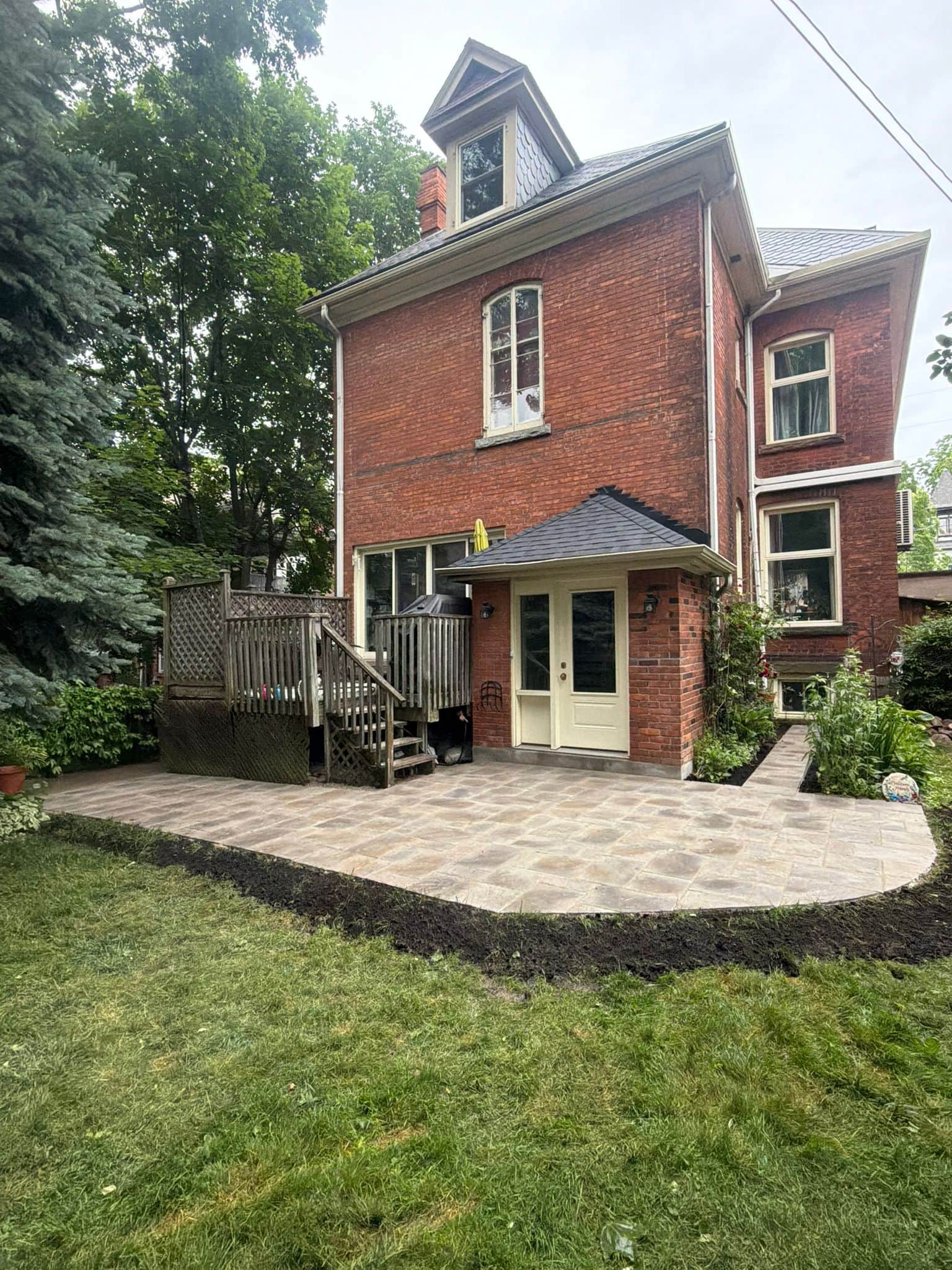
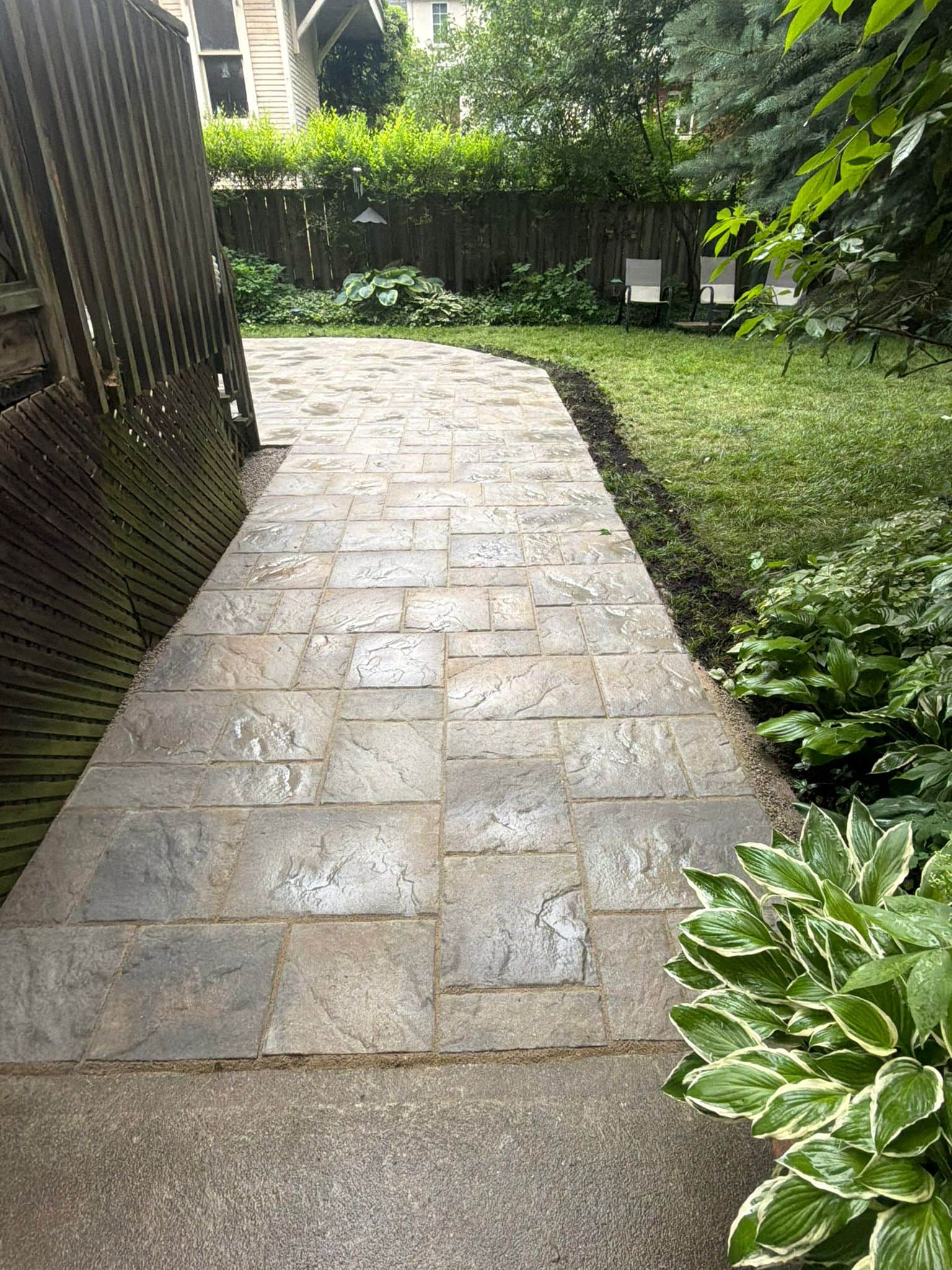
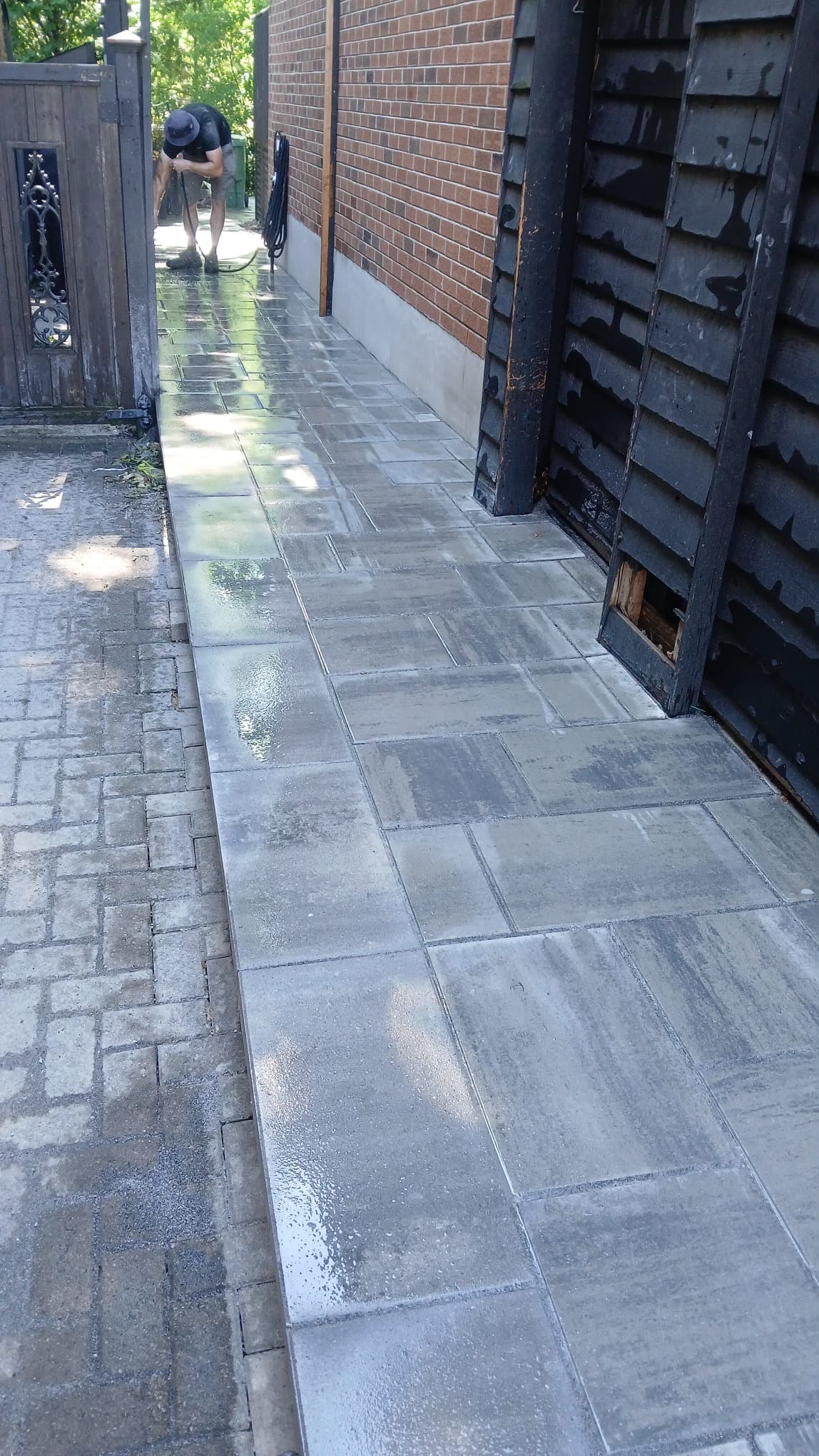
Concrete pavers can also be used to coordinate the driveway with an interlocking walkway, front entrance, porch or patio.
What to Watch For
Not every concrete paver is designed for driveway traffic.
Driveway pavers must have the appropriate strength, dimensions and thickness for vehicular use. Thin slabs and products intended only for patios or walkways should not be substituted for driveway-rated pavers.
The installer must also account for the type and weight of vehicles that will regularly use the driveway.
2. Permeable Pavers: Best for Improved Water Management
Permeable pavers are designed to allow water to pass through wider joints and into a specially constructed stone base below.
This can help reduce surface runoff and may be useful on properties where drainage is a concern. However, a permeable driveway is not created by simply leaving larger gaps between ordinary pavers.
It requires a complete permeable system, including:
- Suitable permeable pavers
- Open-graded bedding and base materials
- Correct excavation depth
- Proper grading and drainage planning
- Joint material that allows water to pass through
- Soil conditions that suit the intended system
Permeable pavers may be worth considering when a homeowner wants to improve water management without sacrificing the finished look of an interlocking driveway.
The property still needs to be professionally assessed. Water must be directed and managed carefully, particularly near foundations and neighbouring properties.
3. Clay Brick Pavers: Best for Traditional Character
Clay brick pavers have a rich, traditional appearance that can complement older Toronto homes, heritage-inspired properties and classic architectural styles.
Because the colour comes from the clay itself rather than a surface coating, clay pavers can retain their natural appearance for many years.
Advantages of Clay Brick Pavers
- Timeless appearance
- Natural colour variation
- Strong visual connection to brick homes
- Suitable for traditional driveway patterns
- Individual units can be replaced when necessary
Clay brick pavers are less commonly used for full modern driveways than concrete pavers, but they can be an excellent design choice when the material suits the home.
It is important to use products manufactured and rated for exterior vehicular applications in a cold climate. Ordinary wall bricks should never be used as driveway pavers.
4. Natural Stone Pavers: The Premium Choice
Natural stone can create a distinctive, high-end driveway, but the correct stone must be selected.
Not every stone that works well on a patio or garden path is suitable for vehicle traffic or Toronto winters. Some stones may absorb too much moisture, have natural weak points or be vulnerable to flaking and deterioration.
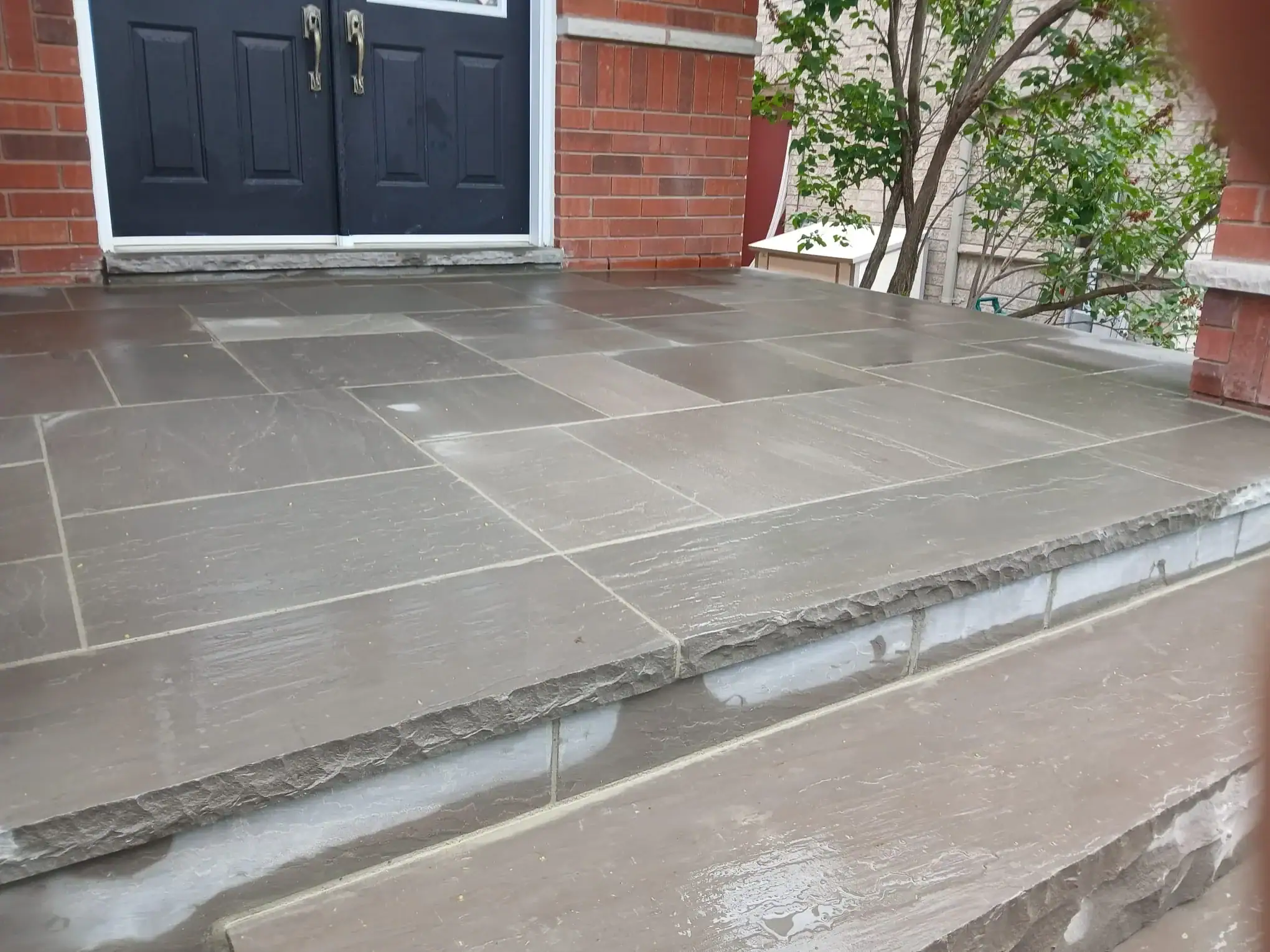
Granite is one of the stronger natural stone choices for exterior paving. Selected natural stone can also be incorporated as:
- Driveway borders
- Entrance accents
- Aprons
- Decorative bands
- Walkway connections
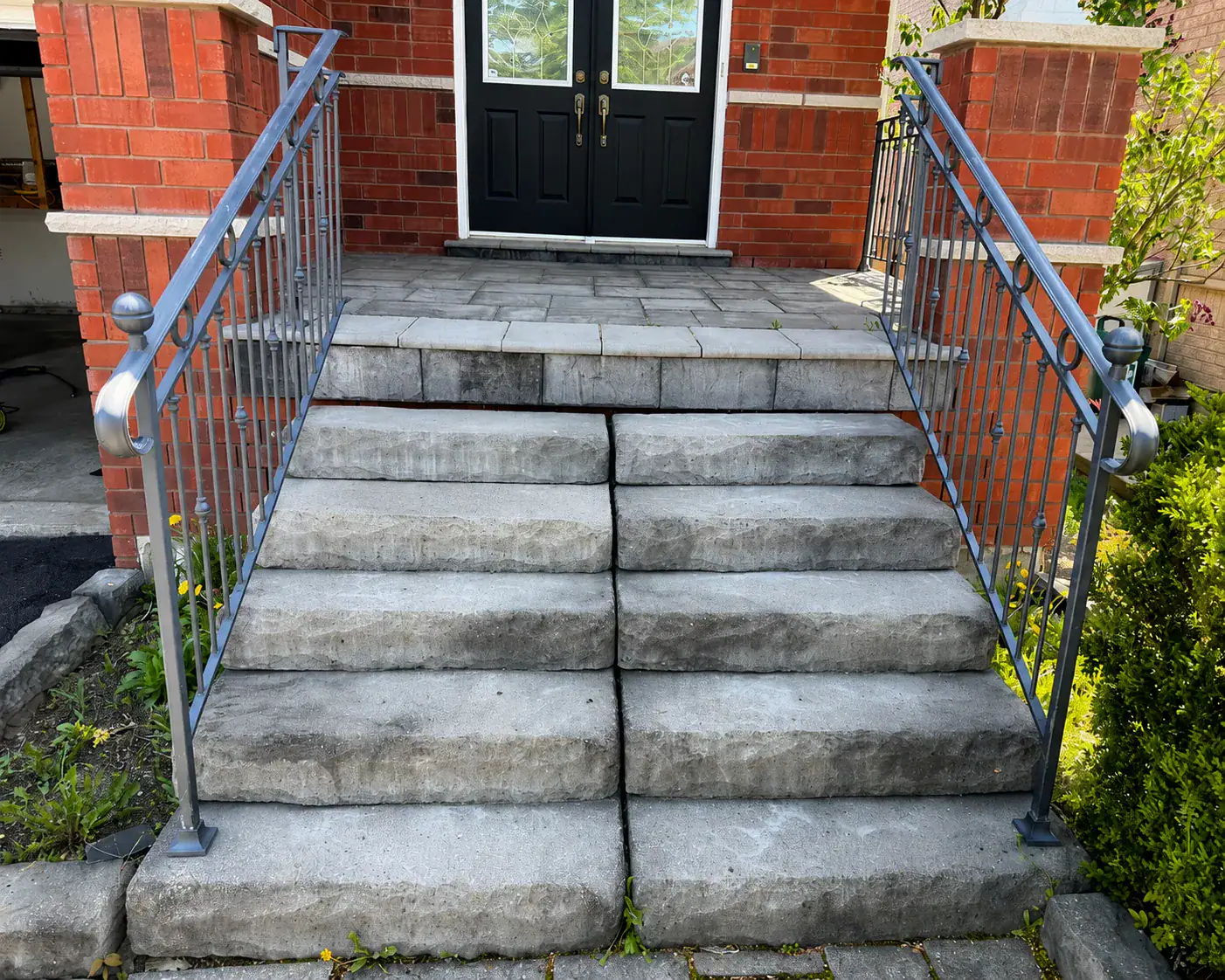
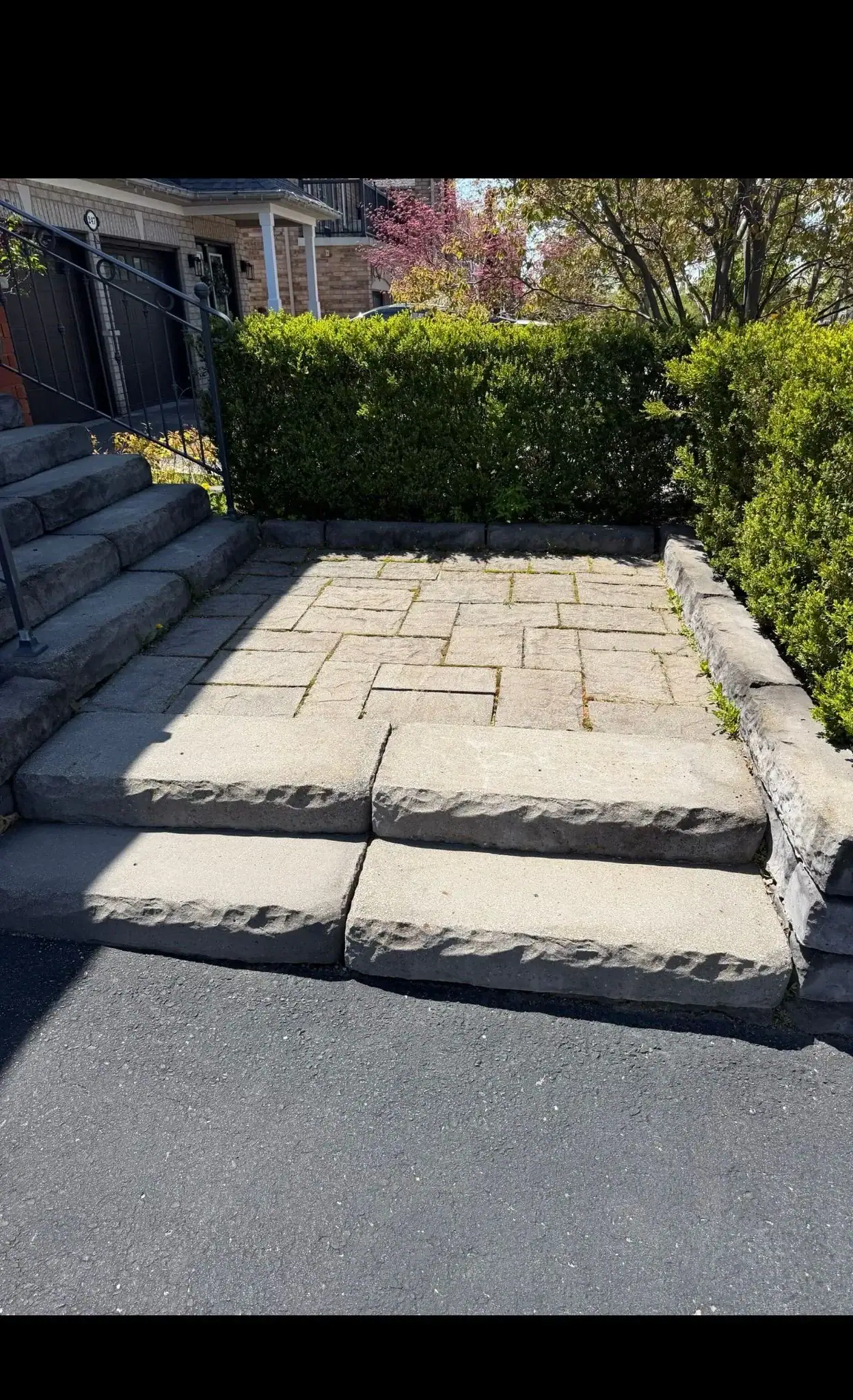
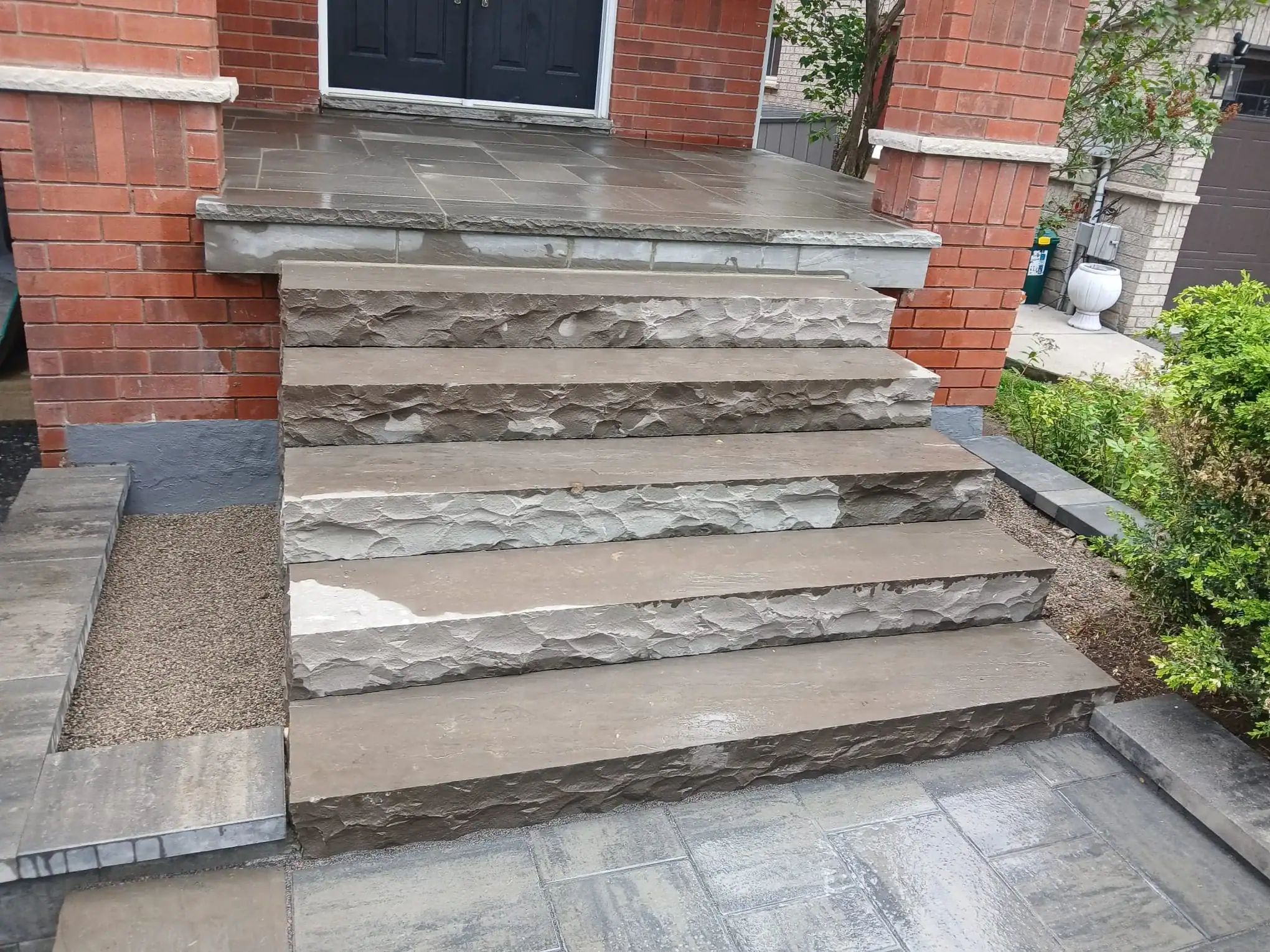
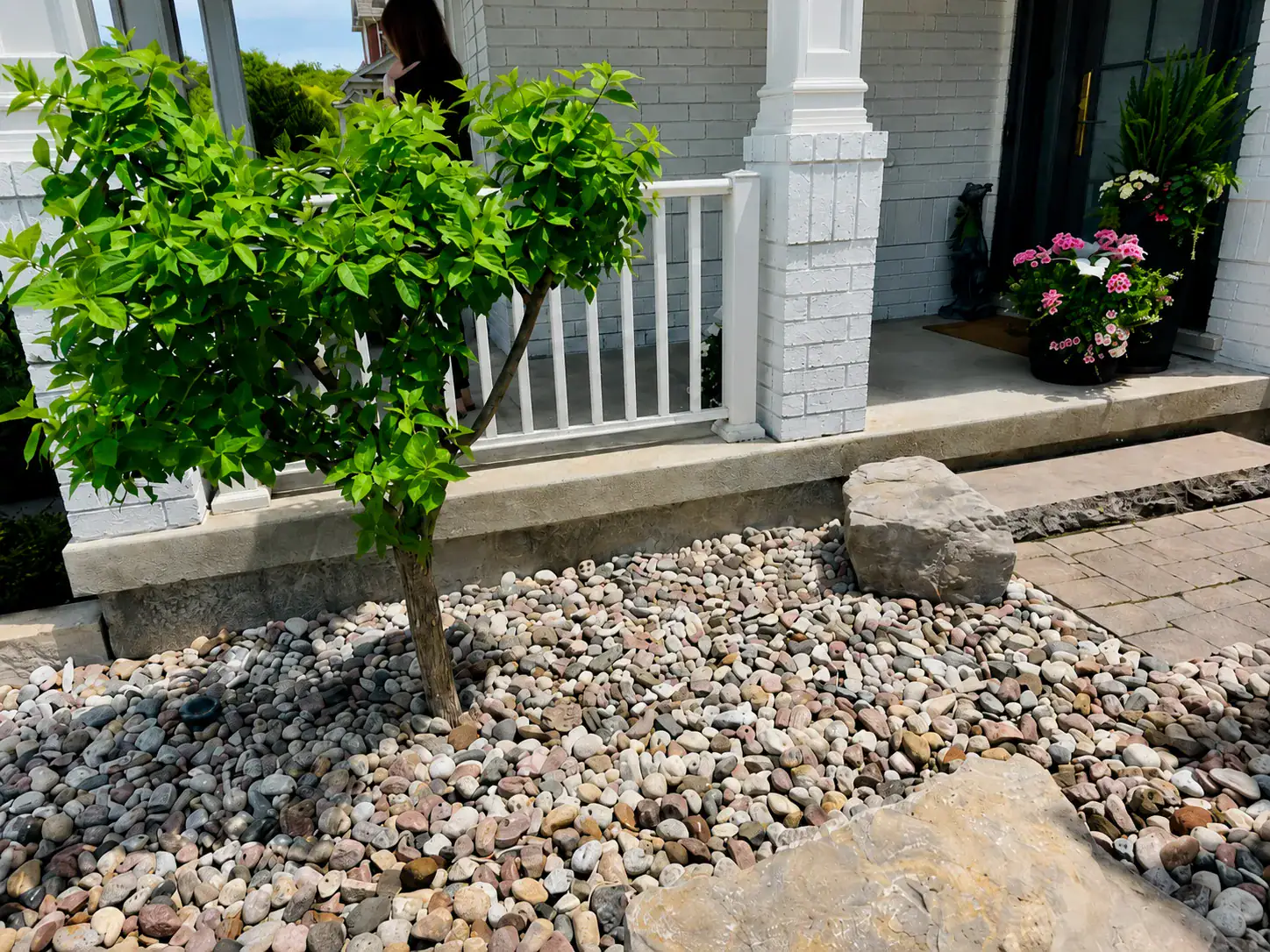
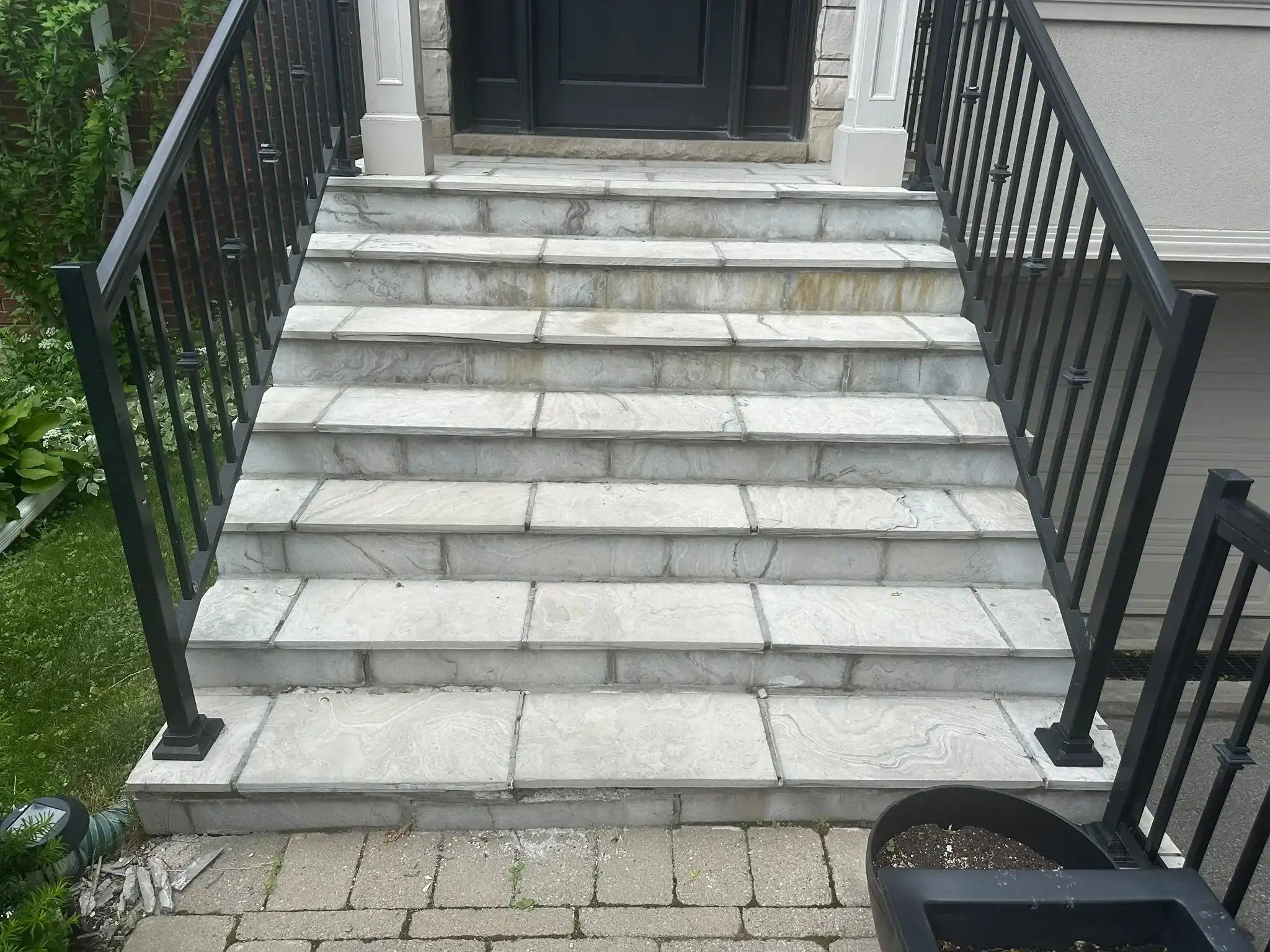
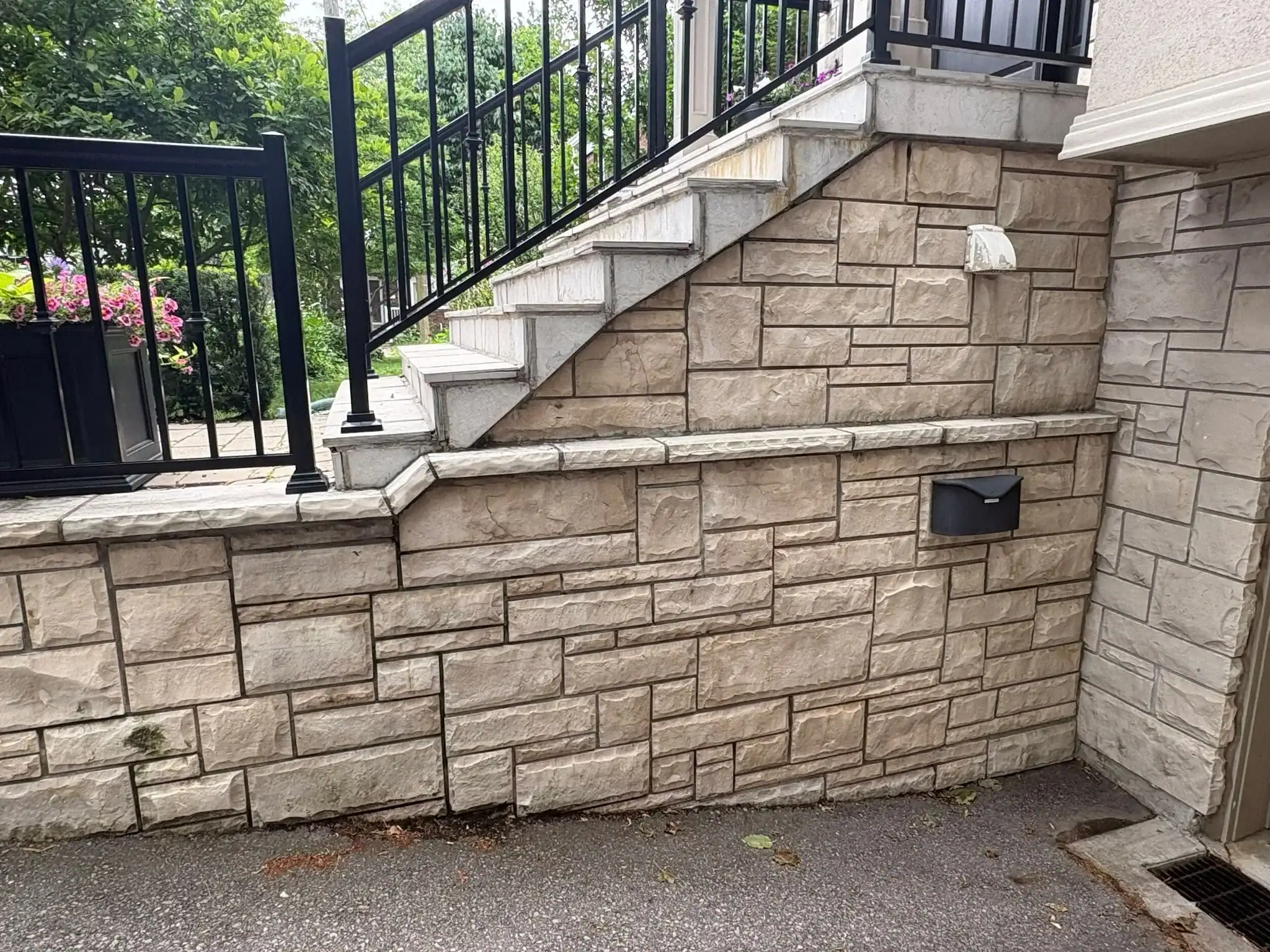
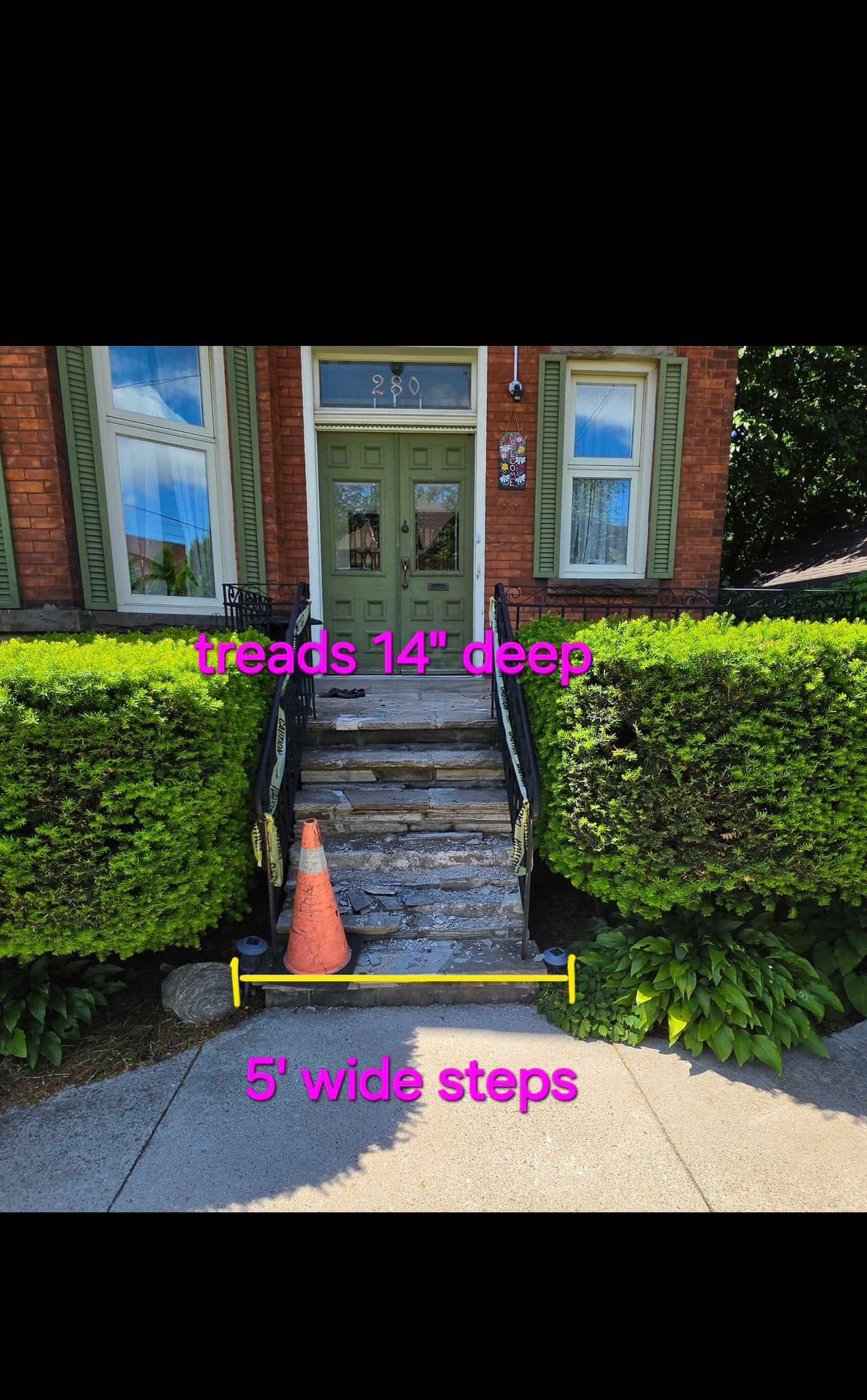
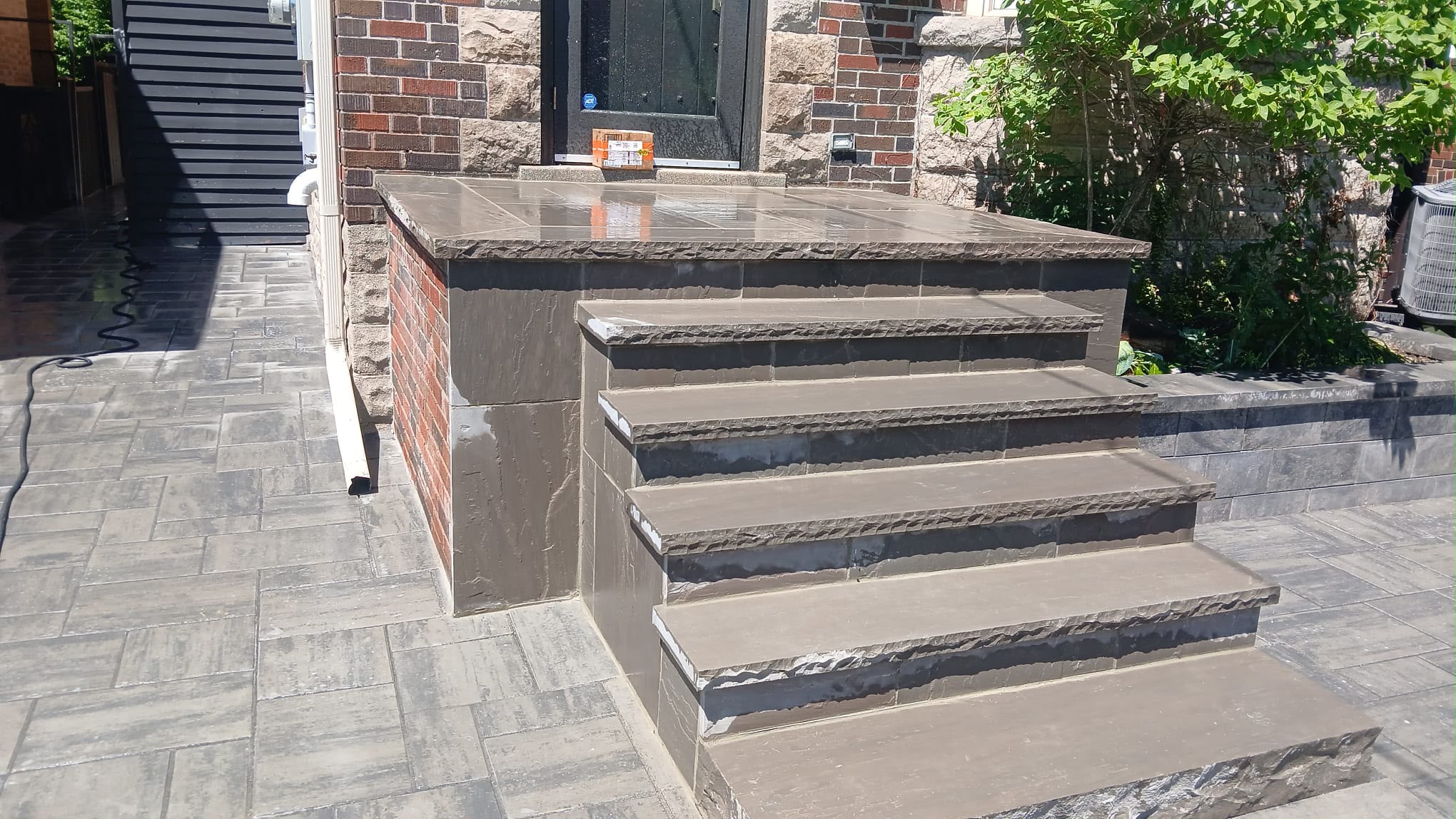
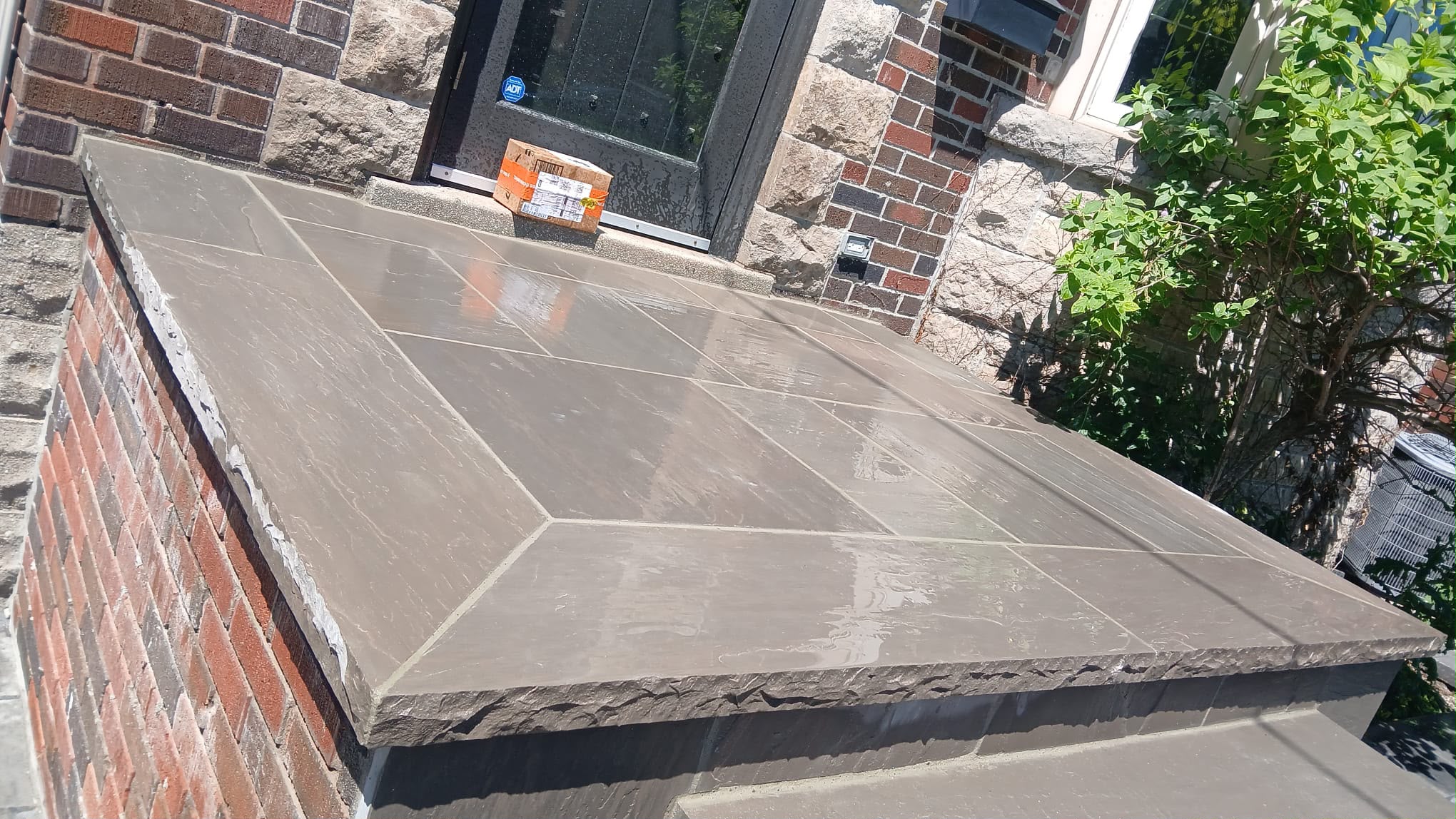
- Features around steps and porches
Natural stone is usually more expensive to purchase and install than manufactured concrete pavers. Variations in thickness and shape can also require more cutting, fitting and installation time.
For many homeowners, using natural stone as an accent rather than across the entire driveway provides a premium appearance without overwhelming the design or budget.
Driveway Pavers That May Not Be Ideal for Toronto
A material may look beautiful in a catalogue without being a sensible choice for a Toronto driveway.
Homeowners should be cautious about using the following materials for full driveway installations:
Marble
Marble can stain, become slippery and require considerable care. It is rarely the most practical material for a busy residential driveway in Toronto.
Travertine
Travertine is attractive and popular in warmer climates, but its porous structure requires careful product selection and installation in freeze-thaw conditions.
Soft or Layered Stone
Some types of sandstone and softer natural stone can absorb moisture, flake or wear under vehicle traffic and winter weather.
Patio-Grade Porcelain
Porcelain products must be specifically designed and installed for vehicular loads. A product suitable for a patio is not automatically suitable for a driveway.
Thin Patio Slabs
Large-format patio slabs may look similar to driveway pavers but may not be designed to withstand turning tires and vehicle weight.
The lesson is simple: a paving product should be selected for the application, not just for its appearance.
Comparison of Popular Driveway Pavers
|
Paver Type |
Best For |
Main Advantages |
Important Considerations |
|---|---|---|---|
|
Interlocking concrete |
Most Toronto driveways |
Versatile, repairable and available in many styles |
Requires a strong, well-compacted base |
|
Permeable concrete |
Properties with drainage goals |
Helps manage surface water |
Requires a complete permeable base system |
|
Clay brick |
Traditional and heritage-inspired homes |
Natural colour and classic character |
Must be rated for exterior vehicle traffic |
|
Natural stone |
Premium custom driveways and accents |
Distinctive appearance and natural variation |
Higher material and installation cost |
|
Large-format slabs |
Contemporary designs |
Clean, modern appearance |
Must be approved for vehicular applications |
The Base Is More Important Than Most Homeowners Realize
A premium paver installed over a poor base can fail. A correctly selected paver installed over a properly engineered base has a much better chance of remaining attractive and functional.
The base supports the weight of vehicles and helps control movement beneath the driveway.
A professional driveway installation may include:
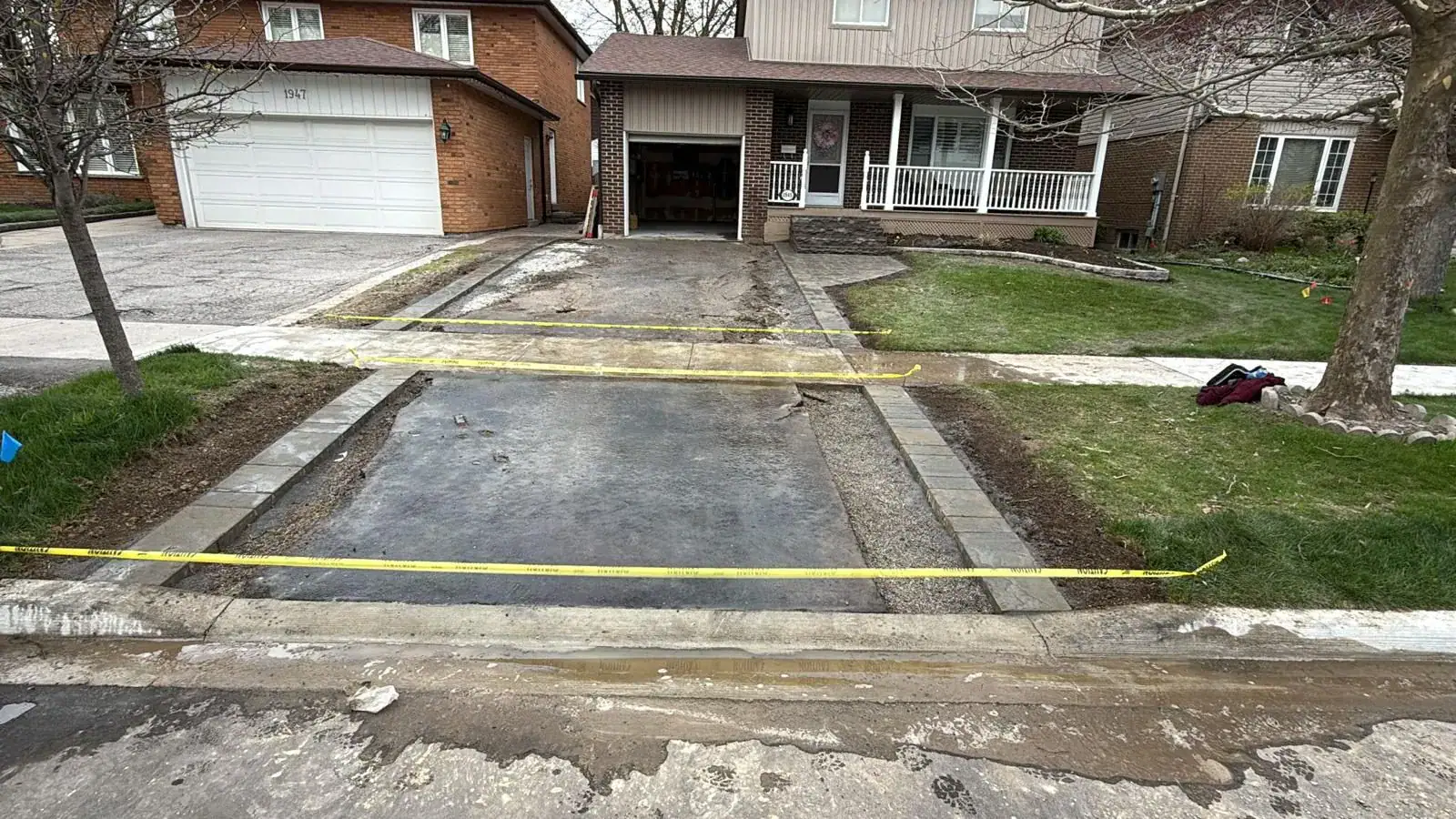
- Removing the existing driveway and unsuitable material
- Excavating to the required depth
- Assessing soil and drainage conditions
- Installing geotextile where appropriate
- Adding and compacting the aggregate base in layers
- Establishing the correct grade
- Installing the bedding layer
- Laying and cutting the pavers
- Installing secure edge restraints
- Filling the joints and completing final compaction
The exact construction will depend on the soil, site access, driveway slope, chosen paver and expected traffic.
There is no universal excavation depth that works for every Toronto property. Anyone offering the same base specification for every driveway is simplifying a job that should be site-specific.
Proper Drainage Protects More Than the Driveway
A driveway should not direct water toward the home, garage or neighbouring property.
Proper grading helps water move away from vulnerable areas and toward an appropriate drainage location. This becomes particularly important during heavy rain and periods of rapid snowmelt.
Poor drainage can contribute to:
- Paver settlement
- Erosion of the base
- Ice formation
- Water collecting near the garage
- Moisture near the foundation
- Unstable driveway edges
- Damage to adjoining walkways and landscaping
Drainage should be planned before the first paver is installed—not addressed after water begins pooling.
What Is the Best Pattern for Driveway Pavers?
The laying pattern affects both appearance and performance.
Herringbone
Herringbone is one of the strongest and most popular patterns for driveways. Its interlocking arrangement is well suited to areas where vehicles turn, brake and accelerate.
Running Bond
Running bond creates a clean, traditional appearance. It can work well for rectangular pavers and may help make a narrow driveway appear longer or wider, depending on its direction.
Basketweave
Basketweave provides a more decorative, traditional look and works particularly well with brick-shaped pavers.
Random or Modular Patterns
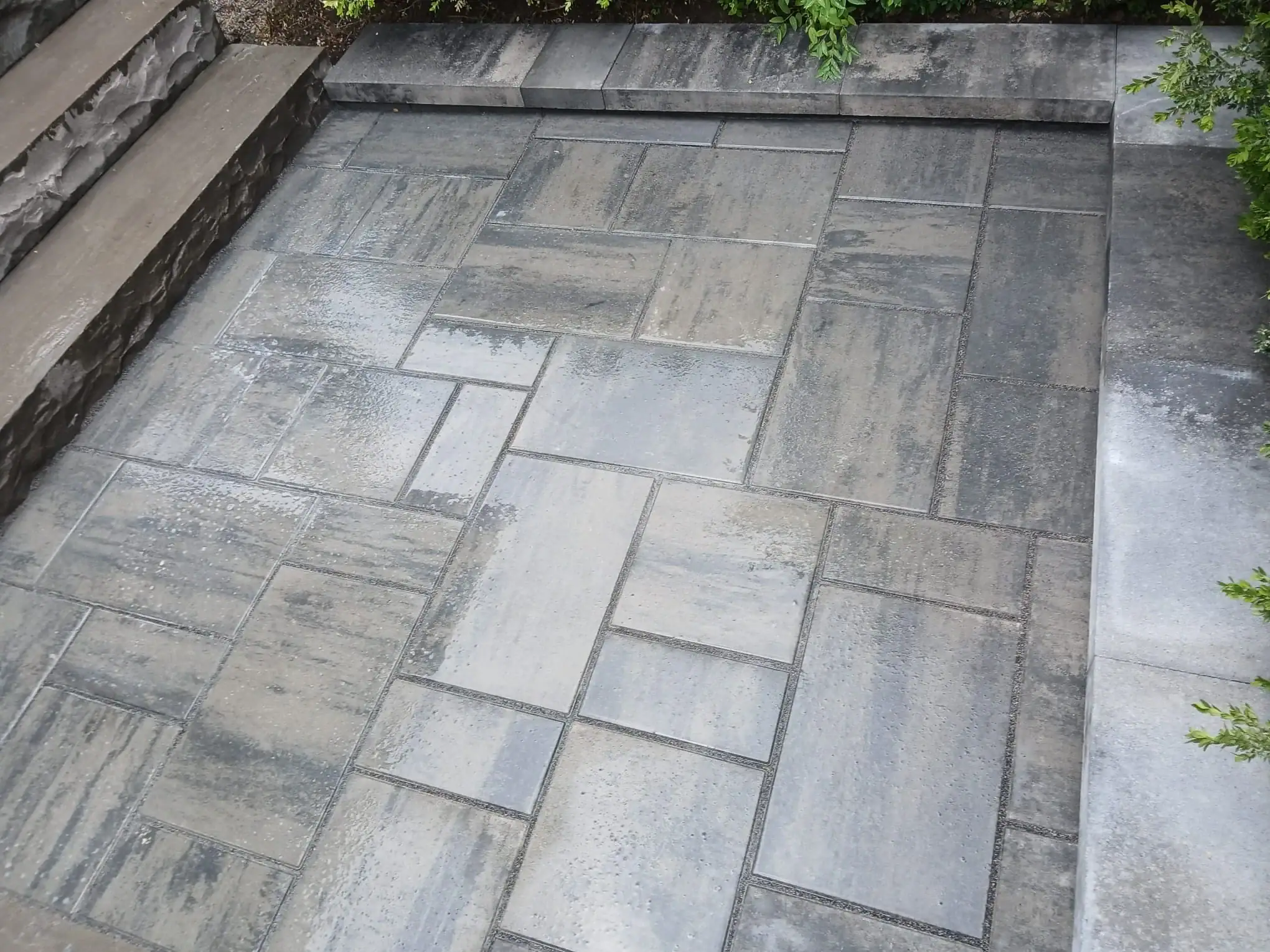
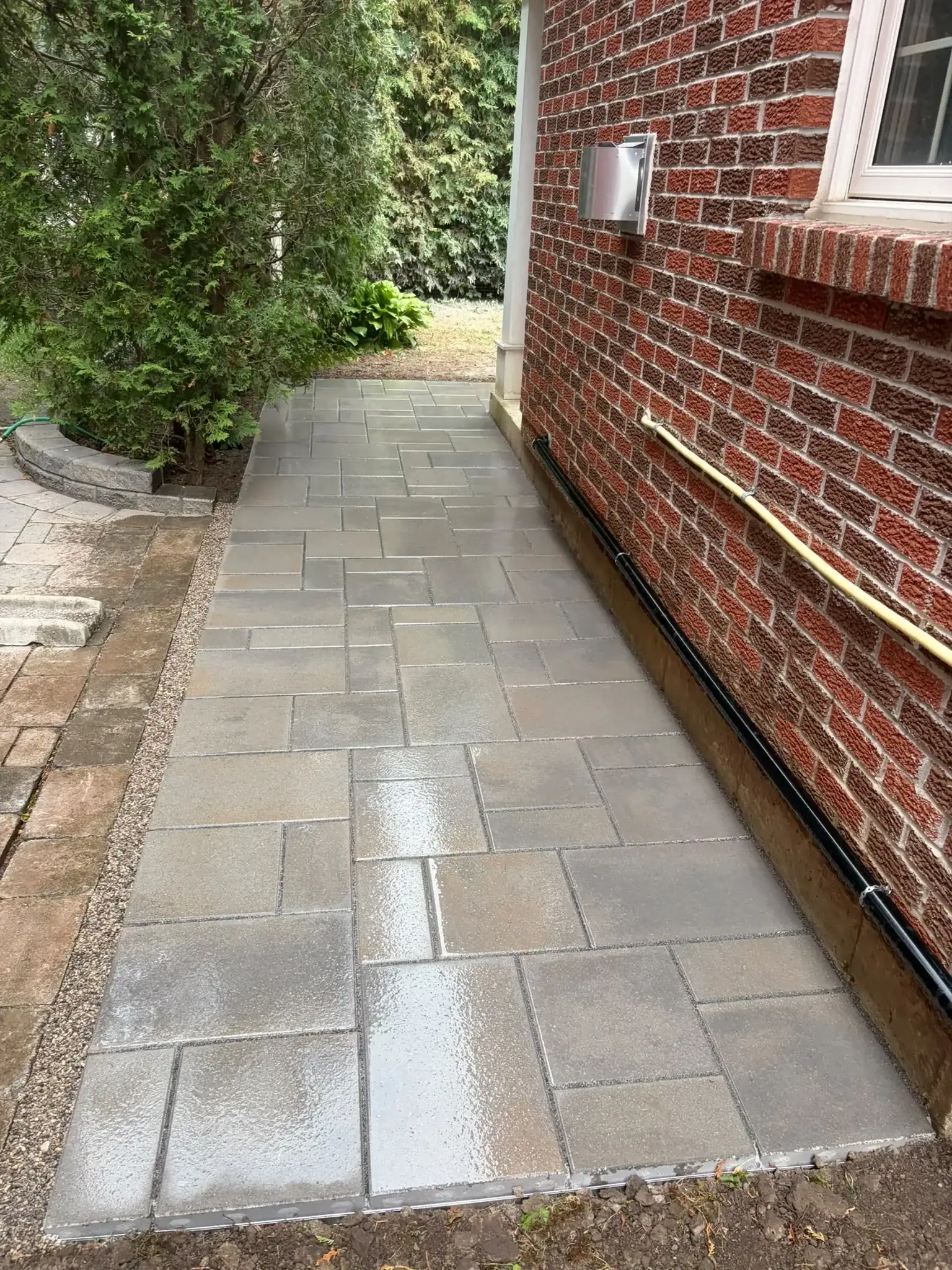
Modular patterns combine several paver sizes to create a more natural and visually varied surface. These are popular for larger driveways and coordinated front landscaping.
The best pattern should suit the shape of the driveway, the selected paver and the architecture of the home.
Borders and Accents Can Transform a Driveway
A border gives the driveway a finished appearance and can help define its shape.
Popular options include:
- A contrasting dark border around lighter field pavers
- A soldier-course border using rectangular pavers
- Natural stone entrance accents
- A decorative band near the sidewalk or garage
- Coordinating borders around adjacent walkways
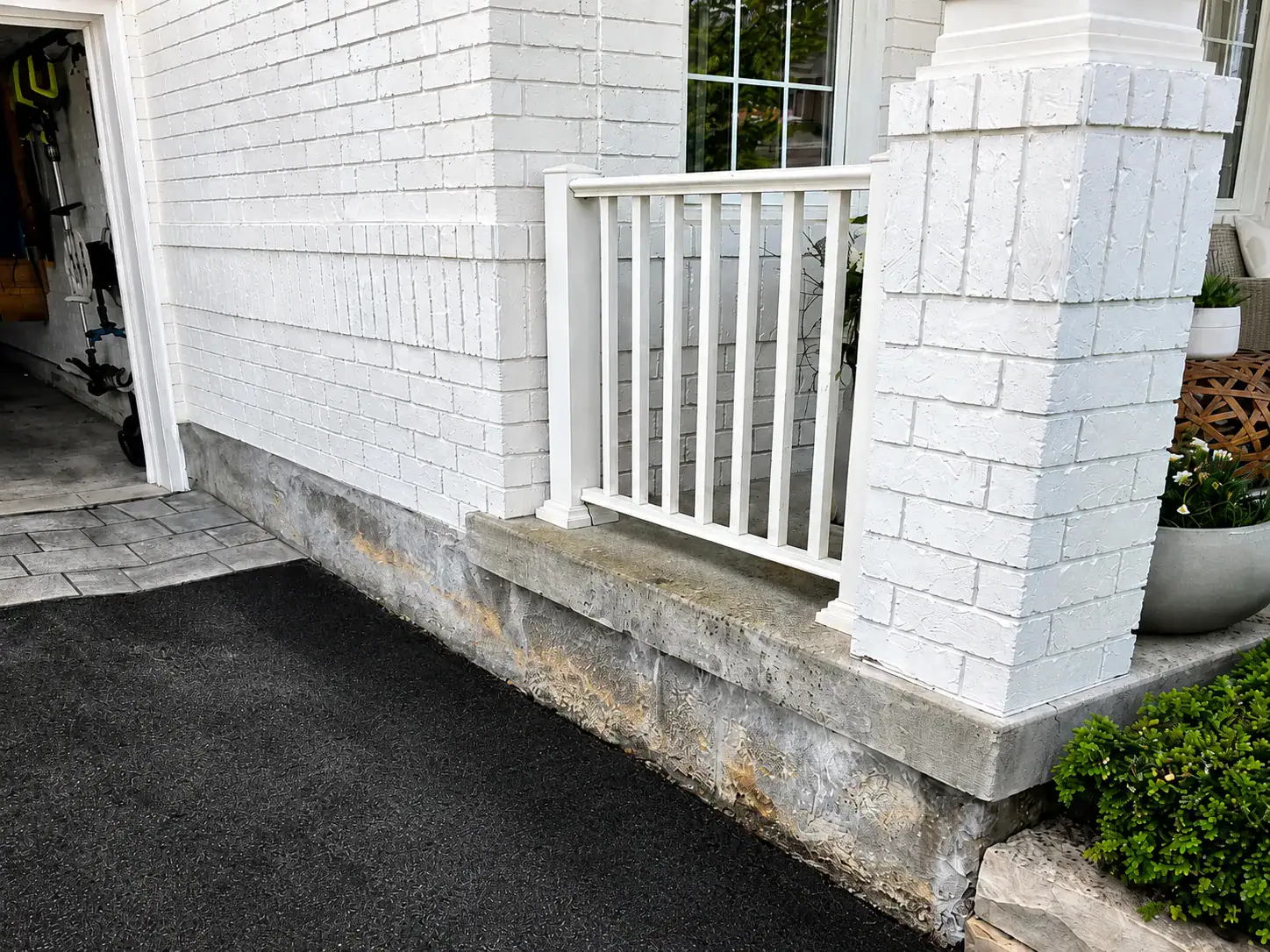
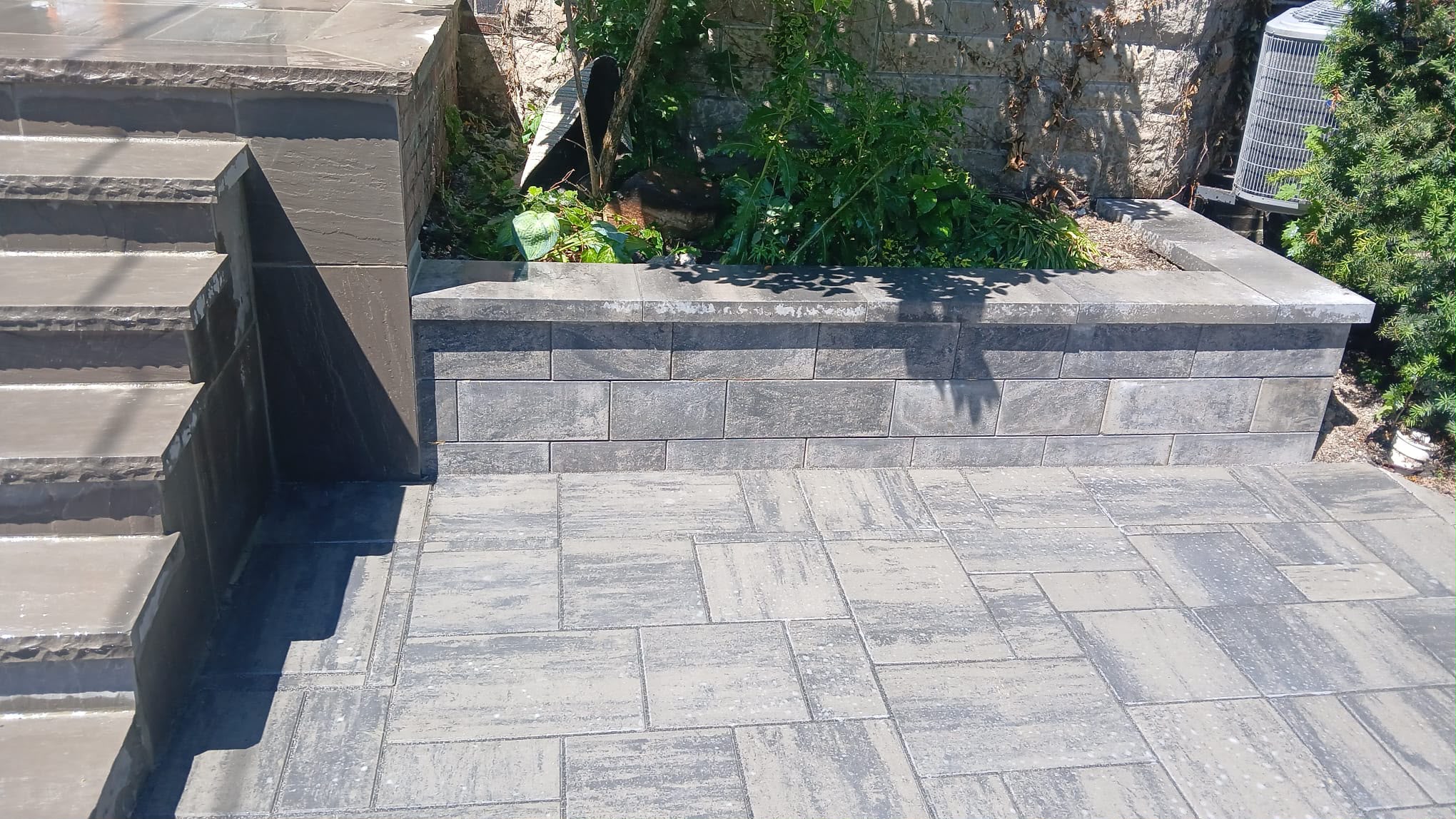
- Matching details on steps, porches or retaining walls
A well-designed driveway should complement the home rather than compete with it. Using too many colours, textures and patterns can make the front of the property look busy.
Usually, one main field paver and one complementary border create a cleaner result.
Light or Dark Driveway Pavers?
Both can work, but they create different effects.
Lighter pavers can make a driveway feel larger and may complement modern homes, pale brick and natural stone. However, staining may be more noticeable.
Darker pavers create contrast and can work well as borders or accents. A completely dark driveway may show road salt, dust and surface deposits more readily.
Mid-tone greys, charcoal blends, warm neutrals and subtle colour variations are often practical choices for Toronto homes because they coordinate with many exterior materials.
The driveway should be selected alongside the home’s:
- Brick colour
- Stonework
- Siding
- Roof
- Garage door
- Front steps
- Landscaping
Are Interlocking Driveways Easy to Repair?
One of the main advantages of an interlocking driveway is its repairability.
If a small area settles or utility work is required, individual pavers can often be lifted, the base corrected and the original pavers reinstalled. Damaged units can also be replaced without removing the entire driveway.
That does not mean repairs will always be invisible. Older pavers may have weathered or changed slightly in appearance, making a brand-new replacement stand out.
Keeping a small number of spare pavers from the original installation can make future repairs easier.
How Much Maintenance Do Driveway Pavers Require?
An interlocking driveway is relatively manageable, but it is not entirely maintenance-free.
Typical maintenance may include:
- Sweeping dirt and organic debris
- Removing weeds before roots become established
- Replenishing joint material when required
- Cleaning stains promptly
- Checking for settlement or loose edges
- Avoiding harsh snow-removal practices
- Repairing drainage problems early
Pressure washing should be done carefully. Excessive pressure can remove joint material and damage the surface of some pavers.
Sealing is optional for many paver systems. It may deepen the colour and offer some stain resistance, but the correct sealer must be selected and applied to a clean, dry surface.
Can Road Salt Damage Driveway Pavers?
Repeated use of harsh de-icing chemicals can affect many masonry and concrete surfaces.
Homeowners should follow the paver manufacturer’s recommendations and avoid excessive use of products that may damage the surface or surrounding landscaping.
Prompt snow removal can reduce the need for de-icers. Sand or other traction materials may also be appropriate in some situations, although they will require spring cleanup.
Newly installed concrete products may be particularly sensitive, so care instructions should be discussed with the installer.
Are Driveway Pavers Better Than Poured Concrete?
Neither material is automatically better for every property.
Poured concrete creates a continuous surface and can provide a clean appearance. However, when poured concrete cracks, localized repairs can remain visible.
Interlocking pavers offer more design flexibility and can be lifted for certain repairs. Their separate units may also accommodate limited ground movement better than a single rigid slab.
The deciding factors should include:
- Property conditions
- Desired appearance
- Repairability
- Drainage
- Budget
- Expected traffic
- Long-term maintenance preferences
For homeowners prioritizing curb appeal, design choice and repair flexibility, interlocking driveway pavers are often the stronger option.
Should You Install Driveway Pavers Yourself?
A small patio or garden path may be manageable for an experienced homeowner. A driveway is a different type of project.
It must support thousands of pounds of vehicle weight while maintaining drainage and a stable surface. Mistakes in excavation, compaction, grading or edge restraint may not become visible immediately. Problems often appear after the driveway has gone through rain, snow and freeze-thaw cycles.
Professional driveway installation requires specialized equipment, knowledge of base materials and an understanding of how Toronto soil and weather affect exterior construction.
This is one project where saving money on the base can become very expensive later.
How to Choose a Driveway Paver Contractor
Before hiring a contractor, ask:
- Does the company regularly install interlocking driveways?
- Will the driveway be designed for vehicular traffic?
- How will excavation depth be determined?
- What base materials will be used?
- How will each base layer be compacted?
- How will water be directed away from the house?
- What edge restraints will be installed?
- Are the selected pavers approved for driveway use?
- Does the company carry appropriate insurance and workplace coverage?
- Can the contractor show completed driveway projects?
A low price is not a bargain if it leaves you with settlement, poor drainage or failing edges.
Frequently Asked Questions About Driveway Pavers
What type of paver is best for a Toronto driveway?
Interlocking concrete pavers are the best overall option for many Toronto driveways. They offer strength, design flexibility and the ability to complete localized repairs. Their performance still depends heavily on proper excavation, base preparation, drainage and installation.
What is the most durable driveway paver?
High-quality concrete, clay brick and selected natural stone pavers can all be durable when they are rated for vehicle traffic and installed correctly. The strongest product will still fail if the base beneath it is inadequate.
How thick should driveway pavers be?
The required thickness depends on the manufacturer, paver design and expected traffic. Driveway pavers must be specifically approved for vehicular use. Patio-grade products should not be assumed to be suitable for a driveway.
What is the best paver pattern for a driveway?
Herringbone is often recommended for driveways because its interlocking layout performs well under turning and braking forces. Running bond and modular patterns may also be appropriate when professionally designed and installed.
Do driveway pavers crack?
Individual pavers can crack or become damaged, but they can usually be replaced separately. This is one advantage over a continuous poured surface, where a crack may be more difficult to repair discreetly.
Why do interlocking driveways sink?
Interlocking driveways may sink because of inadequate excavation, insufficient compaction, poor drainage, weak soil, base erosion or heavy loads that were not considered during construction.
Can sunken driveway pavers be repaired?
In many cases, yes. The affected pavers can be lifted, the underlying base corrected and the pavers reinstalled. The cause of the settlement should be identified before completing the repair.
Are permeable pavers good for Toronto?
Permeable pavers can be effective when they are part of a properly designed permeable system. The site, soil, drainage and proximity to the foundation must all be considered.
Do driveway pavers need to be sealed?
Not necessarily. Sealing can enhance colour and provide some stain resistance, but it is not required for every product. Homeowners should follow the manufacturer’s guidance and use a compatible sealer.
How long does an interlocking driveway last?
A professionally installed interlocking driveway can provide many years of service. Its lifespan depends on the base construction, drainage, paver quality, vehicle traffic, soil conditions and ongoing maintenance.
Can driveway pavers be installed over an existing driveway?
Sometimes, but installing directly over an existing surface is not automatically advisable. The condition, elevation, drainage and stability of the existing driveway must be evaluated first.
Are interlocking pavers a good investment?
Interlocking pavers can improve curb appeal, provide design flexibility and allow localized repairs. Their value depends on choosing a suitable product and investing in proper installation rather than judging the project by the paver price alone.
Choosing the Right Driveway Pavers for Your Home
For most Toronto homeowners, interlocking concrete pavers provide the best combination of appearance, versatility and practical long-term service.
Permeable pavers may be suitable where responsible water management is a priority. Clay brick works well for traditional architecture, while natural stone can create distinctive borders and premium details.
Whatever material you choose, remember that the finished surface is only part of the driveway.
Proper excavation, base construction, compaction, grading, drainage and edge restraint determine whether your driveway remains attractive or becomes an uneven collection of expensive stones.
Planning an Interlocking Driveway in Toronto?
A&A Masonry designs and installs professionally constructed interlocking driveways for homeowners across Toronto and the GTA.
We focus on complete exterior projects that require proper planning, skilled installation and lasting results. Our team can help you assess paver options, drainage, driveway layout, borders and complementary features such as walkways, steps, porches and retaining walls.
Planning a substantial driveway or exterior improvement project? Request a consultation with A&A Masonry.