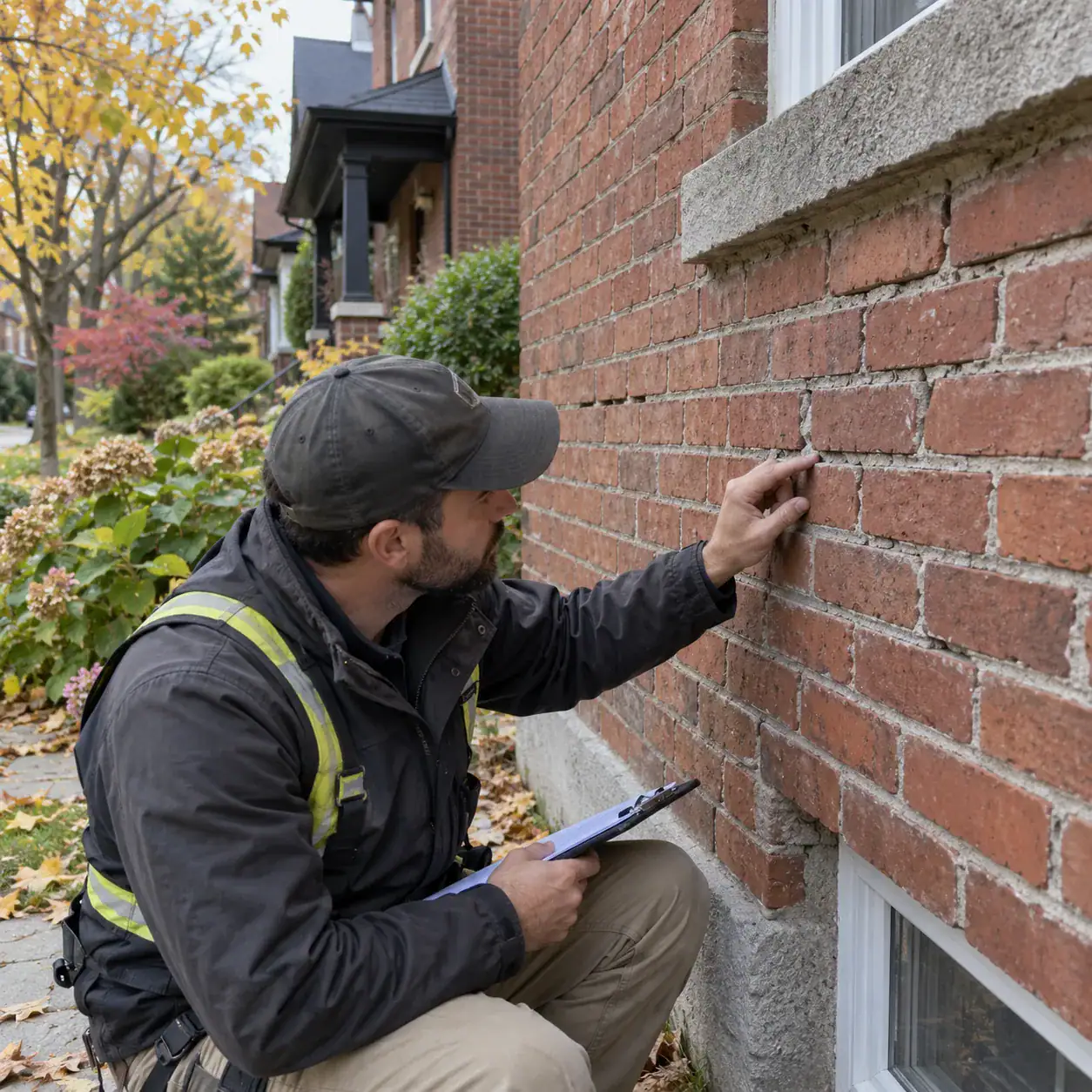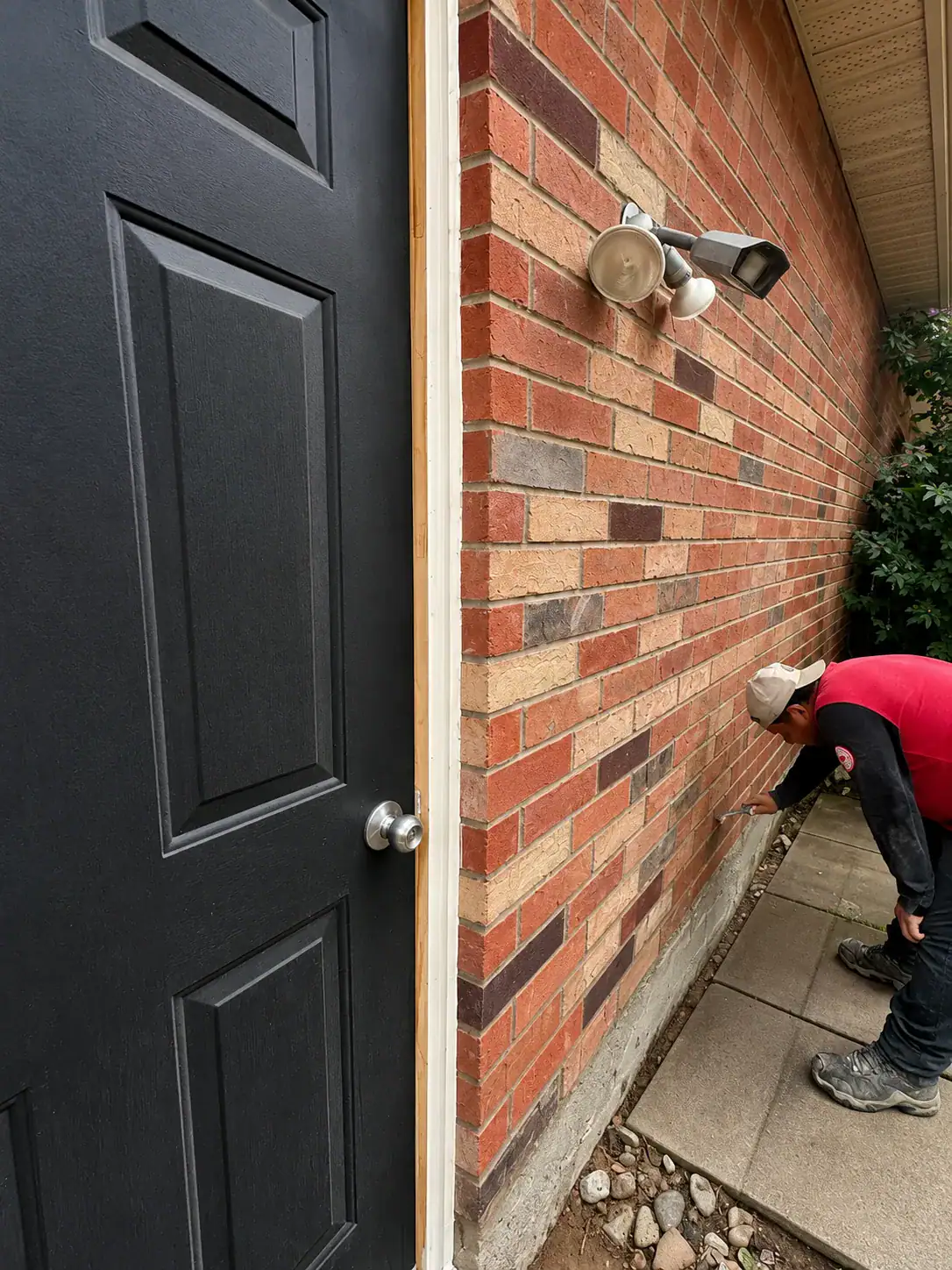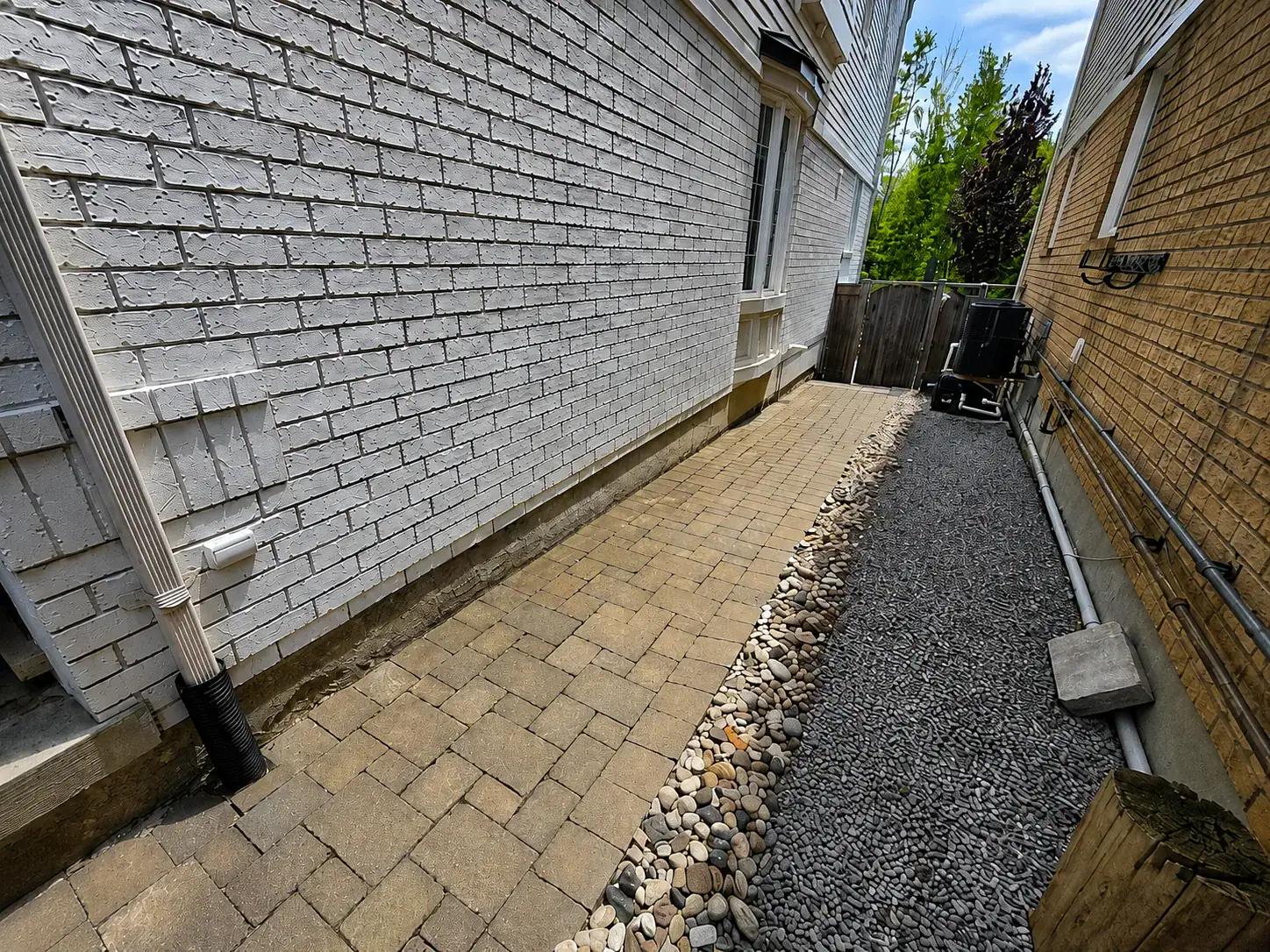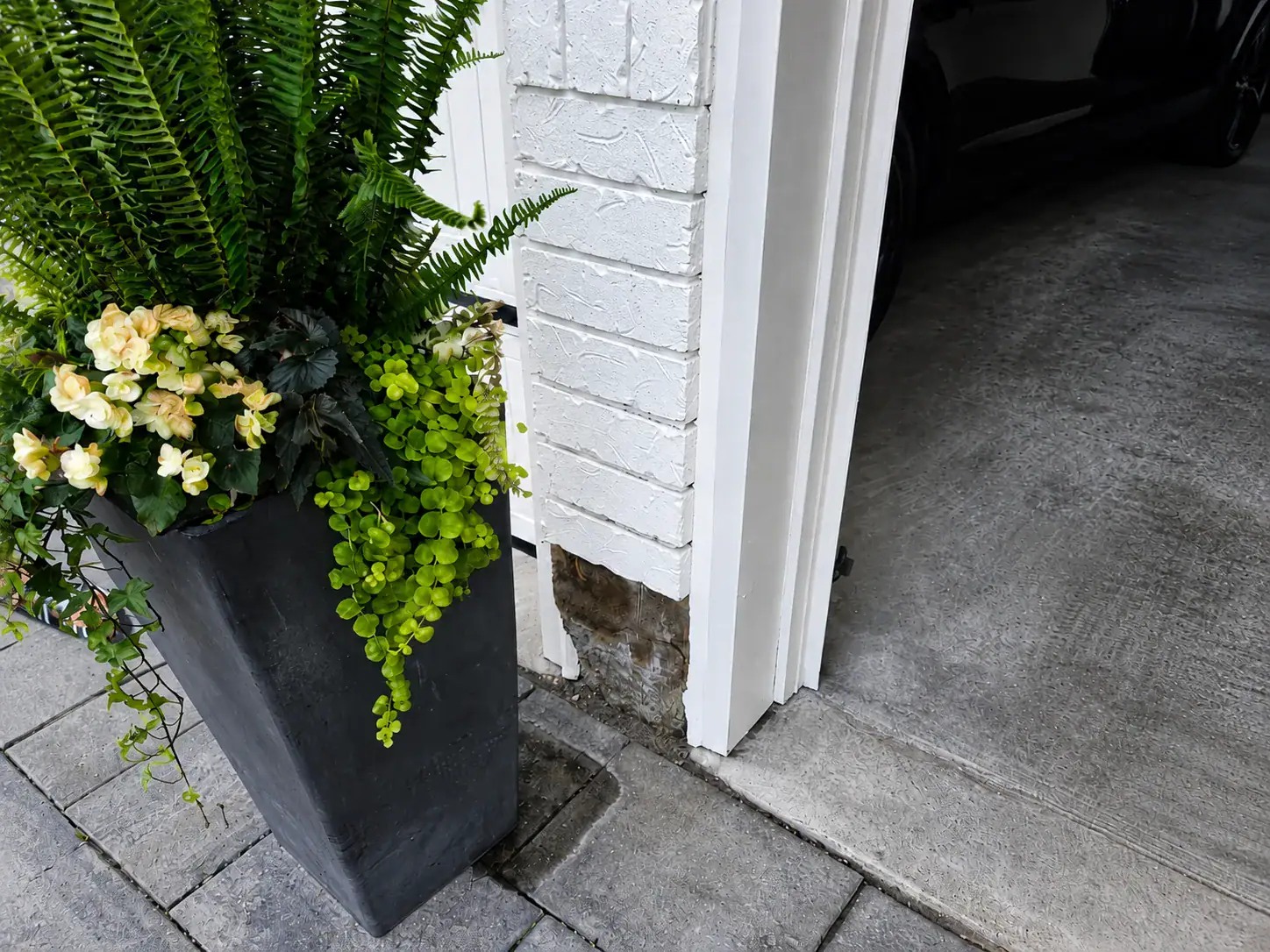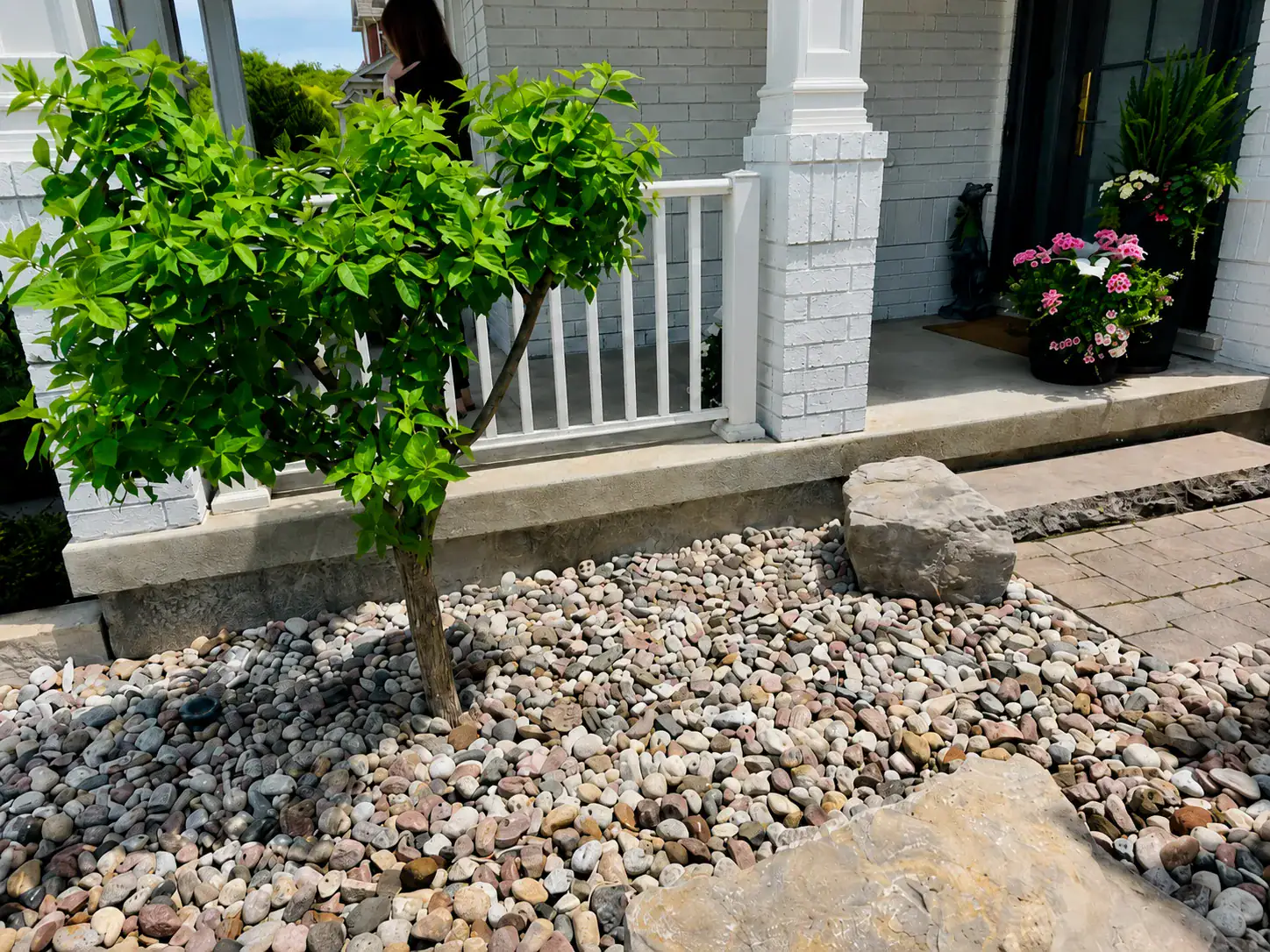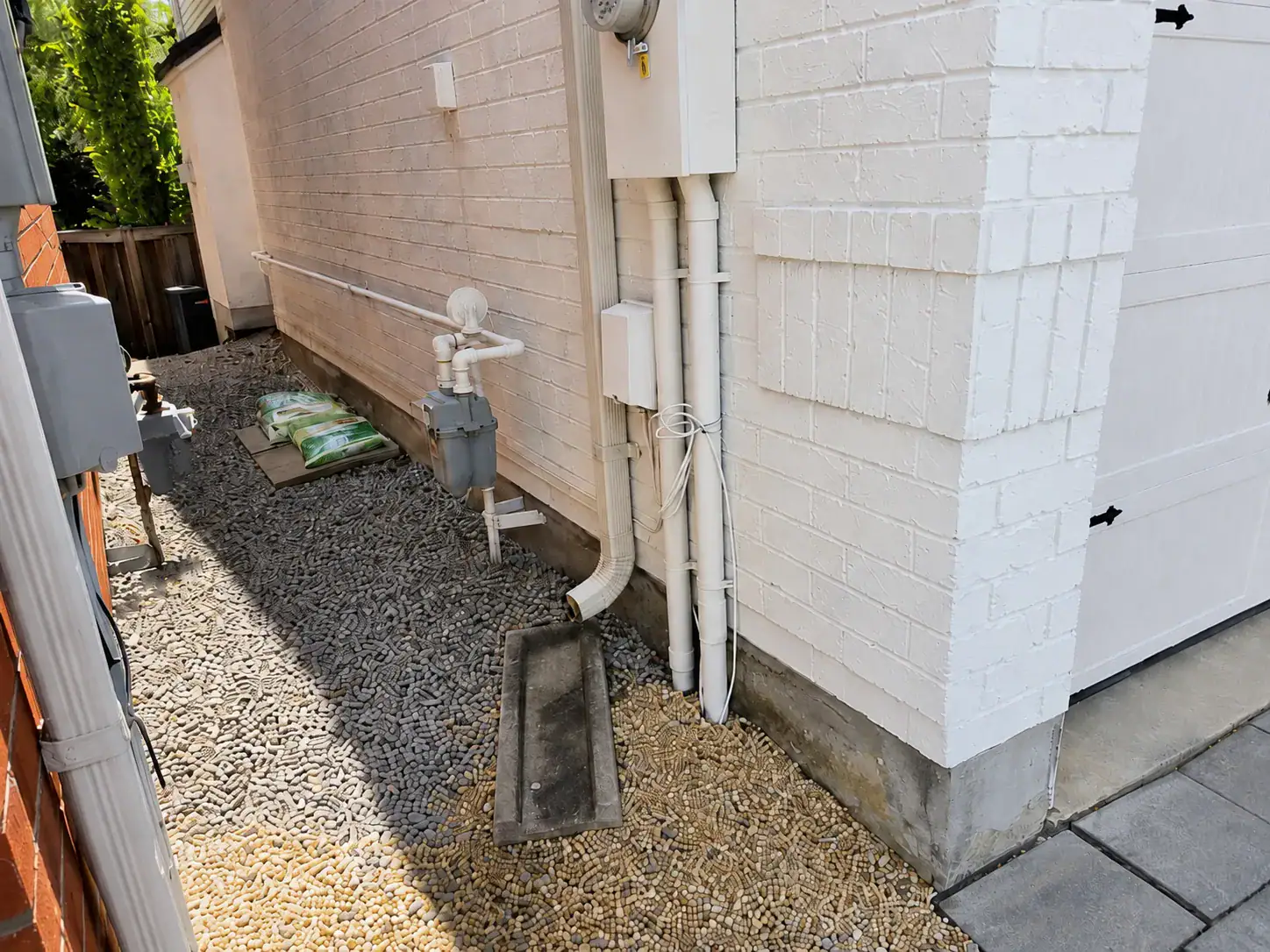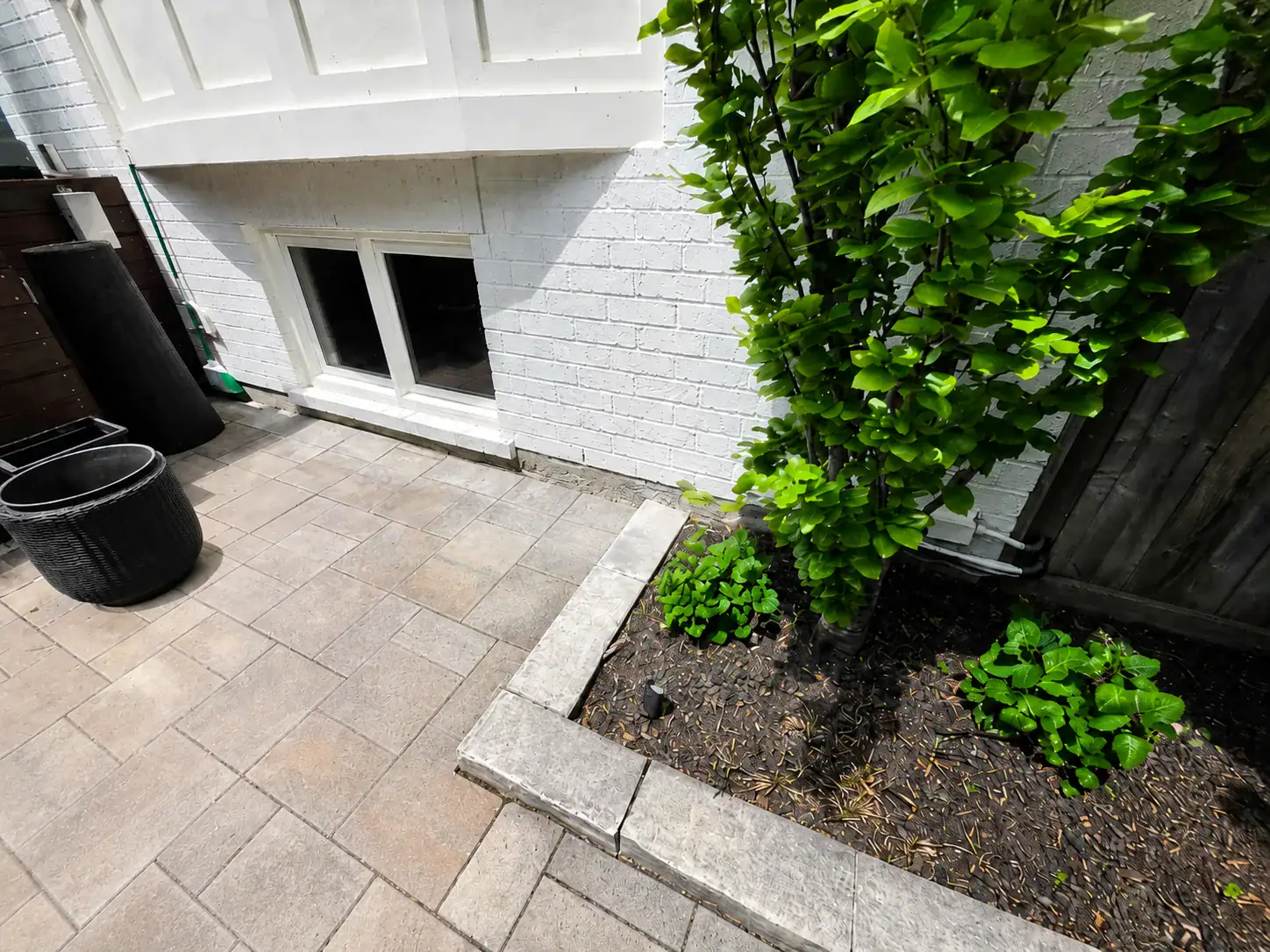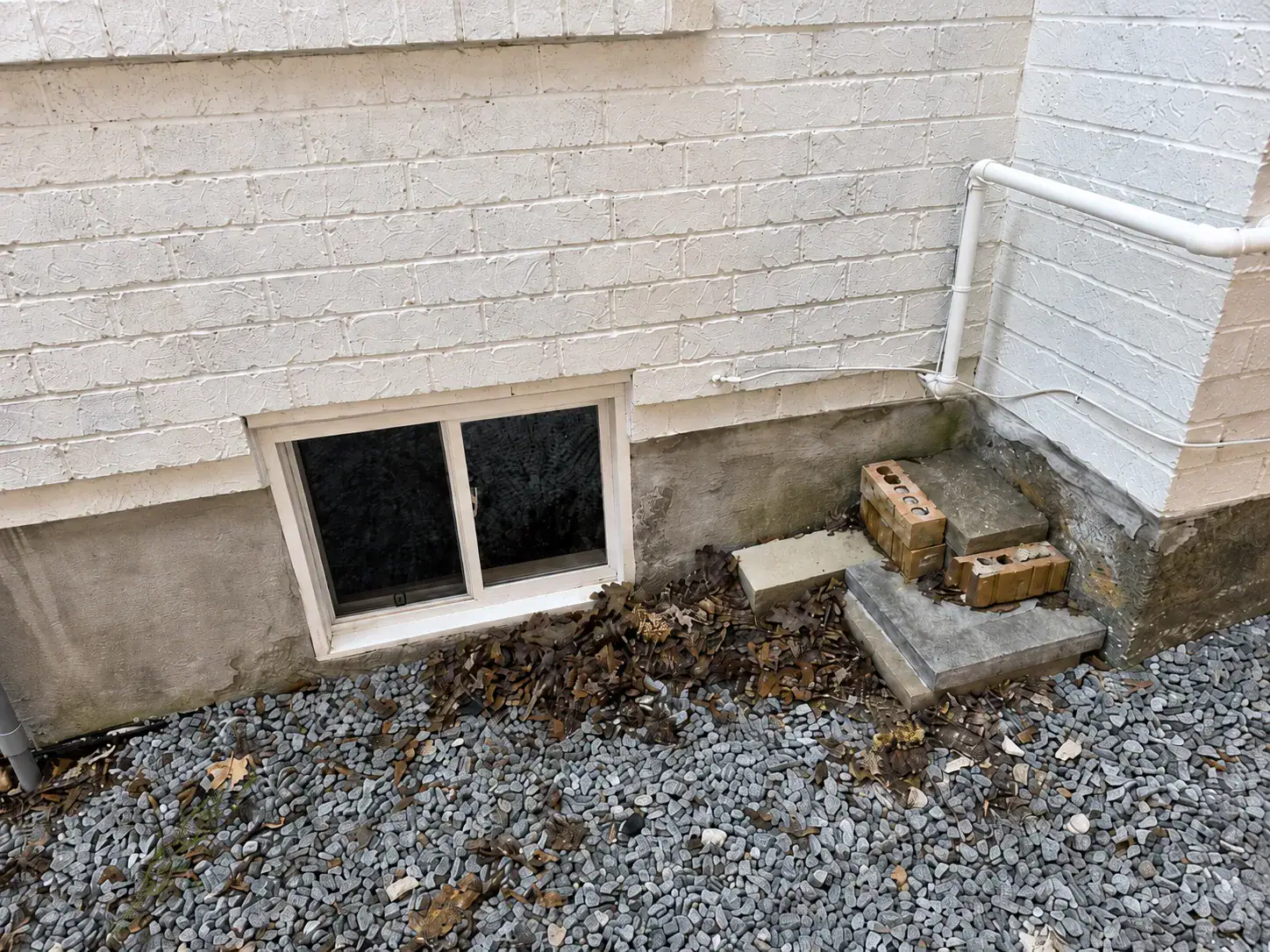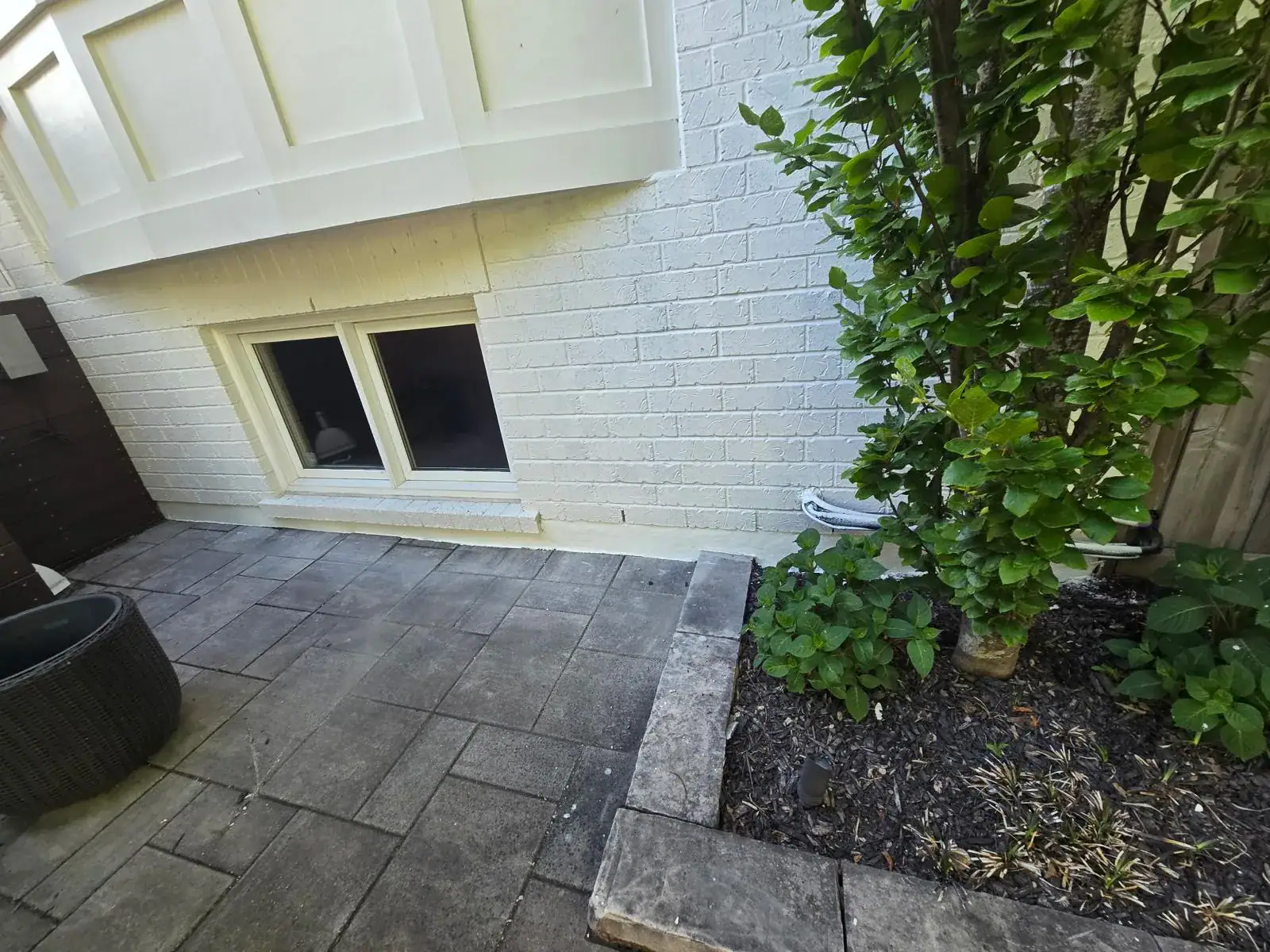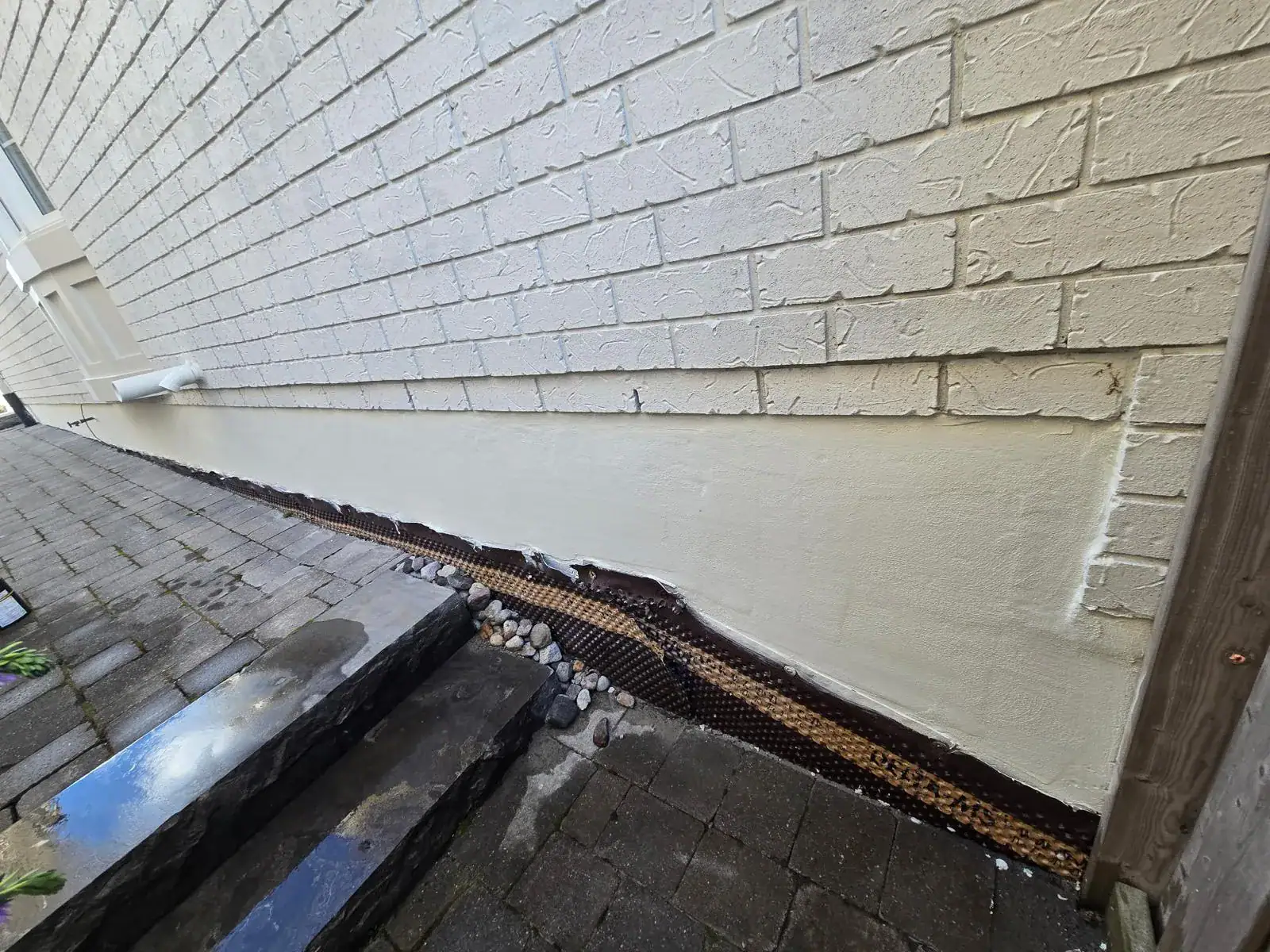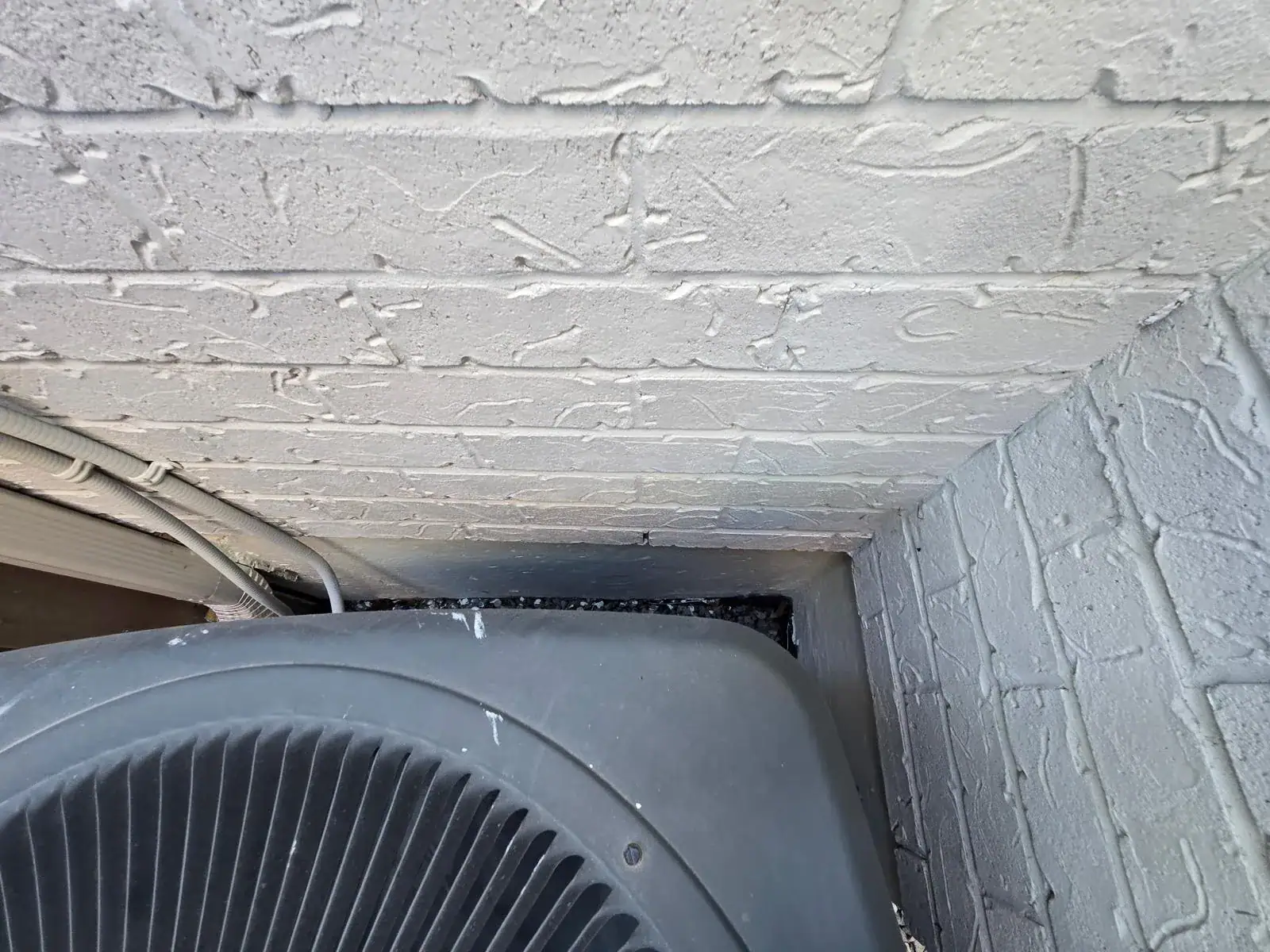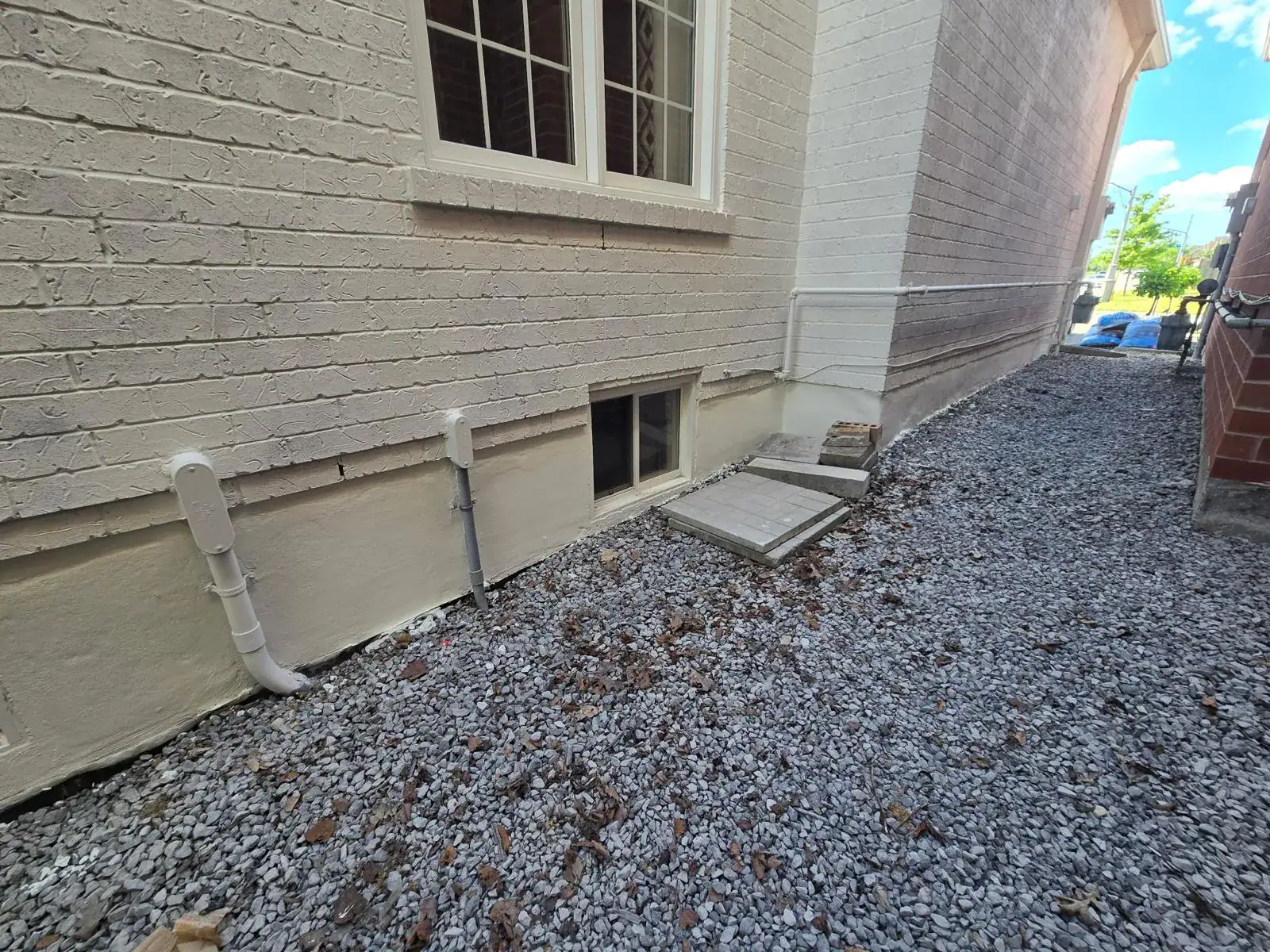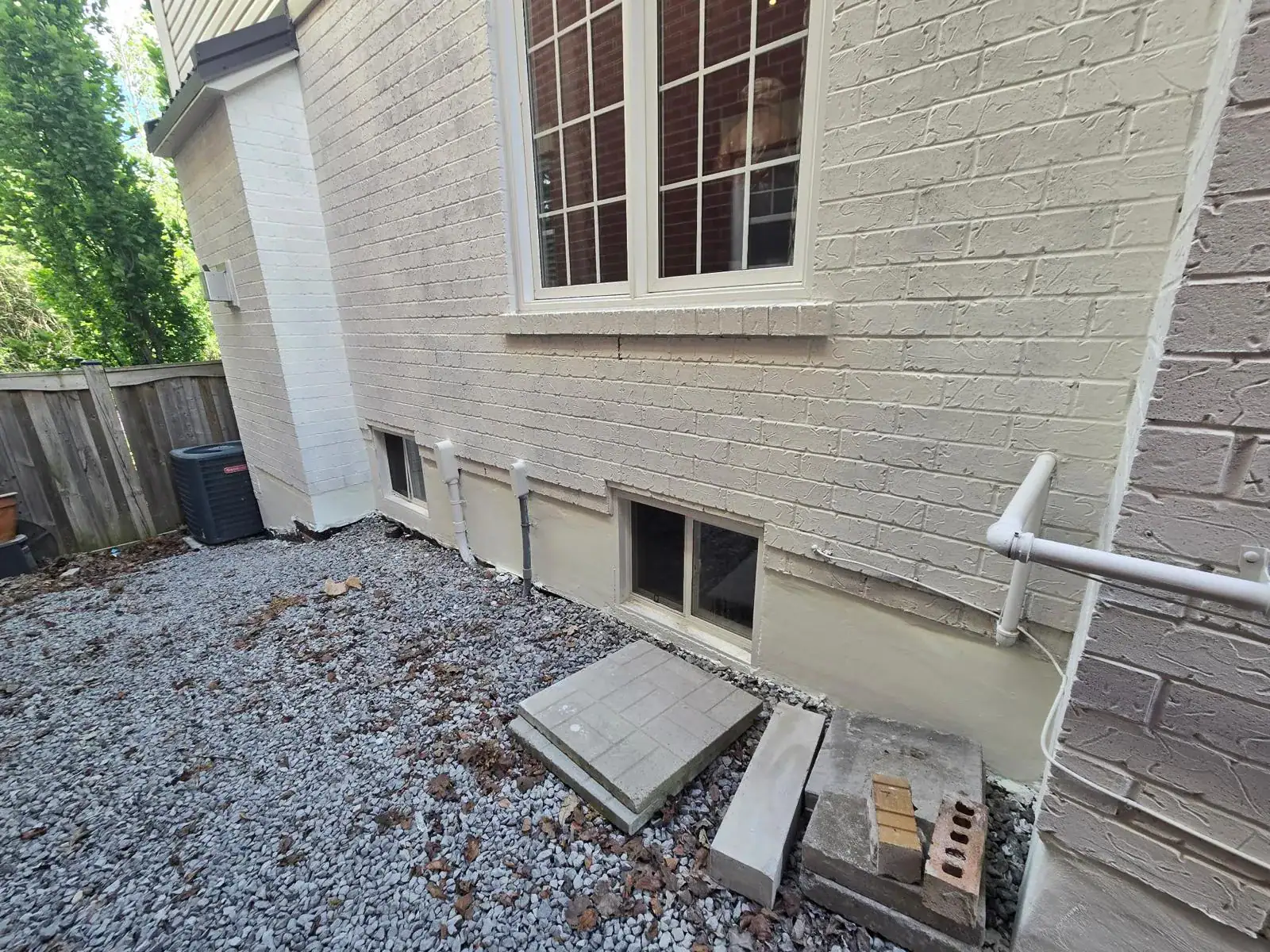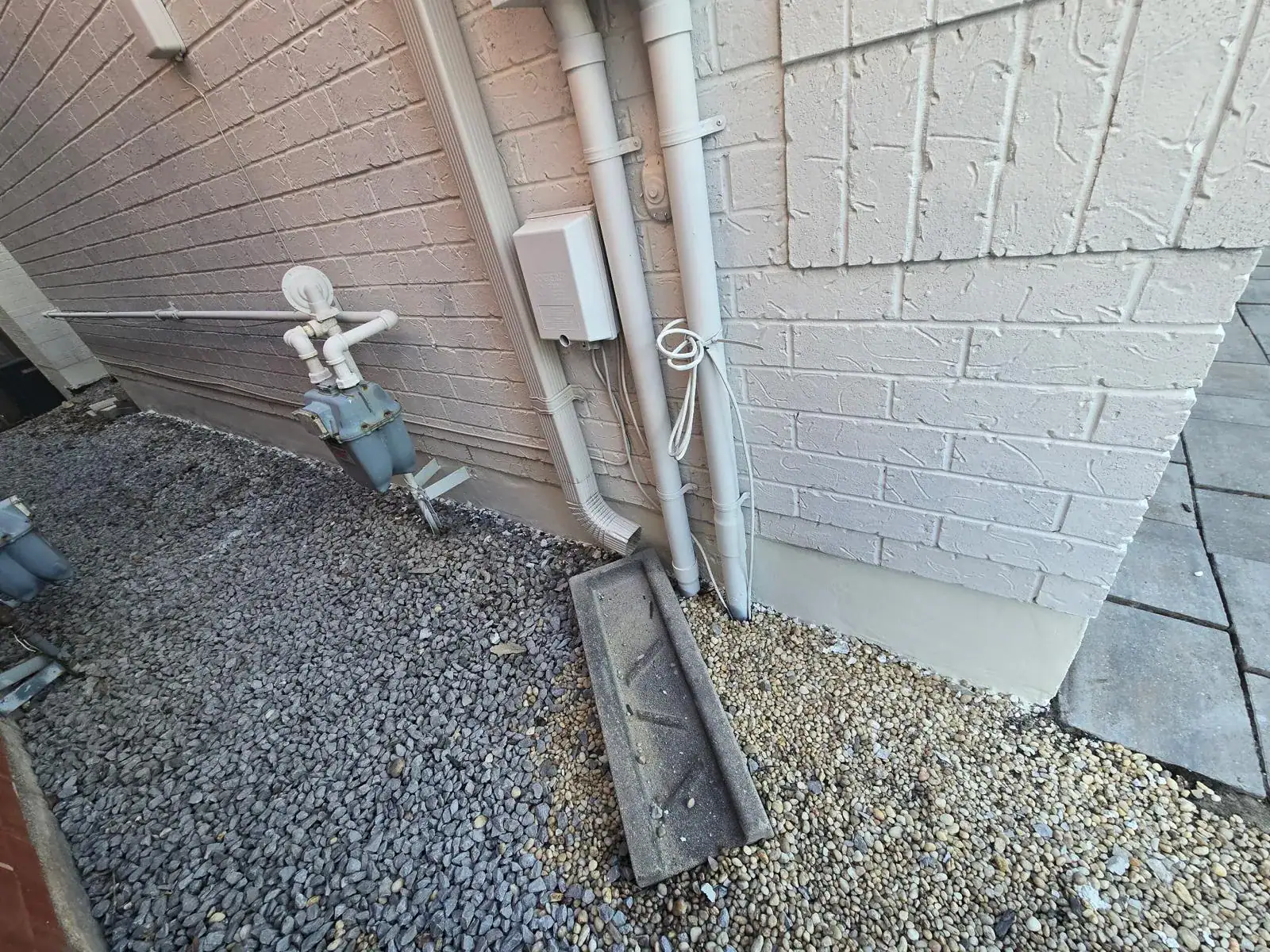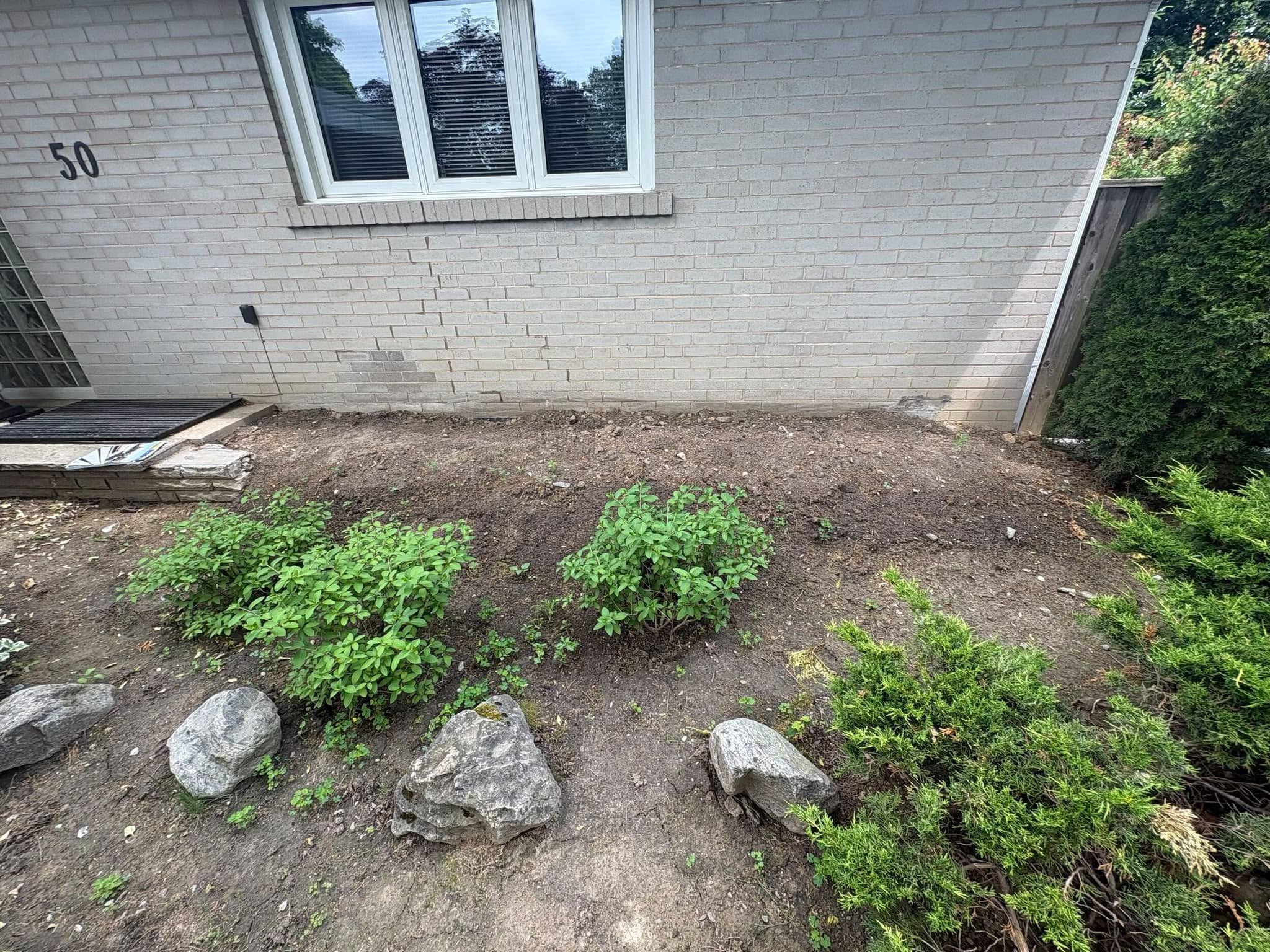

You walk outside after winter and notice a thin crack running along the mortar near your window. It wasn’t there last year. Now you’re wondering if something serious is happening behind the wall. Small brick cracks Toronto homeowners spot every spring often trigger that exact worry.
The truth is that some minor cracks are completely normal. Others are early signals of movement or moisture problems. The key is knowing what to watch for and when to bring in a pro.
Why Minor Cracks Can Be Normal
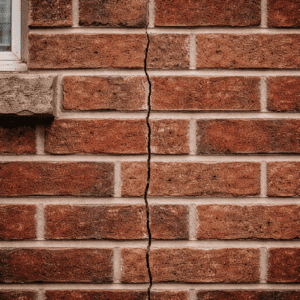
Brick-and-mortar materials expand and contract with temperature changes. In Toronto, the swing between winter cold and summer heat is big, and that constant movement can show up as hairline cracks in mortar joints. Older homes can also settle slightly over time, which may create small, stable cracks that don’t get worse.
If the crack stays thin, doesn’t spread, and no water is showing inside, it may simply be something to monitor.
A common Toronto scenario
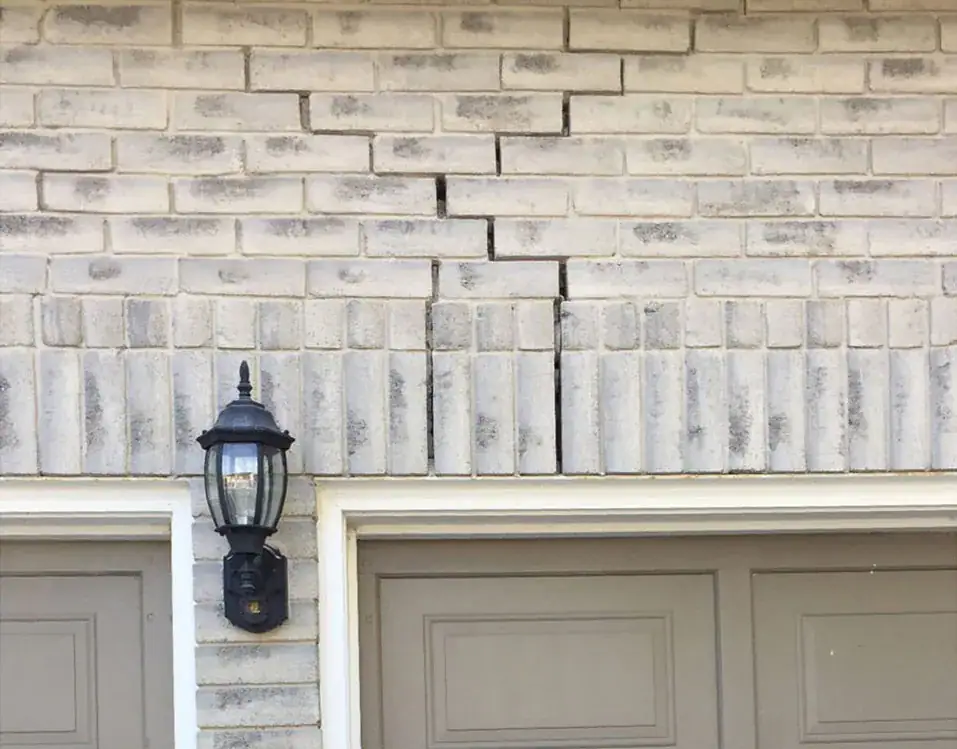
Here’s a pattern we see a lot: a homeowner notices a small stair-step crack near a garage corner after a harsh winter. It looks minor, so it gets ignored. Over the next two seasons, the crack slowly widens, and a second crack appears nearby.
In many cases like this, the brick is not the “root cause.” It’s reacting to something else, such as changing soil moisture, minor foundation settlement, or repeated freeze-thaw pressure combined with water exposure. Catching it early often means smaller, simpler work later.
When Small Cracks Suggest Something More
Not all cracks are harmless. Certain patterns raise the odds that you’re seeing movement or stress rather than normal seasonal change:
- Step cracks that follow mortar joints in a staircase pattern
- Horizontal cracks (even short ones) that look like a straight line through mortar or brick
- Cracks that widen over time, or new cracks that appear close to the original
- Cracks near openings (windows and doors), especially if corners are affected
If the cracking pattern is spreading, it’s worth getting an experienced opinion. When repairs are needed, start here: brick repair Toronto.
The foundation connection
Some brick cracks are “upstairs symptoms” of “downstairs movement.” If the foundation shifts, the brick above can crack where stress concentrates, often near corners and openings.
If you want a quick explainer, see: What is foundation settling and how does it affect you?. For structural stabilization options, this is the relevant service page: foundation repair Toronto.
Moisture Makes Small Cracks Worse

Water is often what turns a small crack into a recurring problem. Moisture gets into tiny openings, freezes, expands, and gradually breaks down mortar and brick faces. That’s why seemingly minor cracks can grow after winter.
Rule of thumb: If a crack is paired with staining, dampness, or any interior moisture, treat it as more urgent.
Depending on the source, prevention may involve waterproofing Toronto or improving seals around openings with window and door caulking Toronto.
How to Monitor Small Cracks
- Take a clear photo and note the date
- Measure the width (even a simple ruler helps)
- Recheck after winter and after heavy rain periods
- Watch for new cracks nearby, not just the original one
- Pay attention to sticking doors/windows or visible wall bulging
If you want a broader overview of what tends to show up in Toronto homes, this guide is useful: common masonry repair issues in Toronto.
Local safety and inspection context
If exterior deterioration becomes significant (for example, unstable masonry or safety risk), homeowners can review City inspection guidance here: City of Toronto Building Inspections.
Frequently asked questions
Are hairline cracks in brick normal?
Often, yes, especially when the crack is in the mortar and stays stable. Still, it’s smart to document it and recheck seasonally.
How wide is “too wide” for a brick crack?
If a crack is widening, spreading, or you can fit a coin edge into it easily, it’s time for a professional look. The pattern matters as much as the width.
Do small cracks always mean foundation problems?
No. Some are just seasonal movement. But step cracking, repeated cracking in the same area, or cracks paired with other signs (like sticking windows) can point to movement below.
Should I seal small cracks myself?
Quick sealing can reduce water entry, but it can also hide changes you should be tracking. It’s better to understand the cause first, then choose the right fix.
Final Thoughts
Small cracks in bricks that Toronto homeowners notice are not always a reason to panic, but they are worth taking seriously. Monitor stable cracks, act quickly when patterns suggest movement or moisture, and fix the cause, not just the crack line.