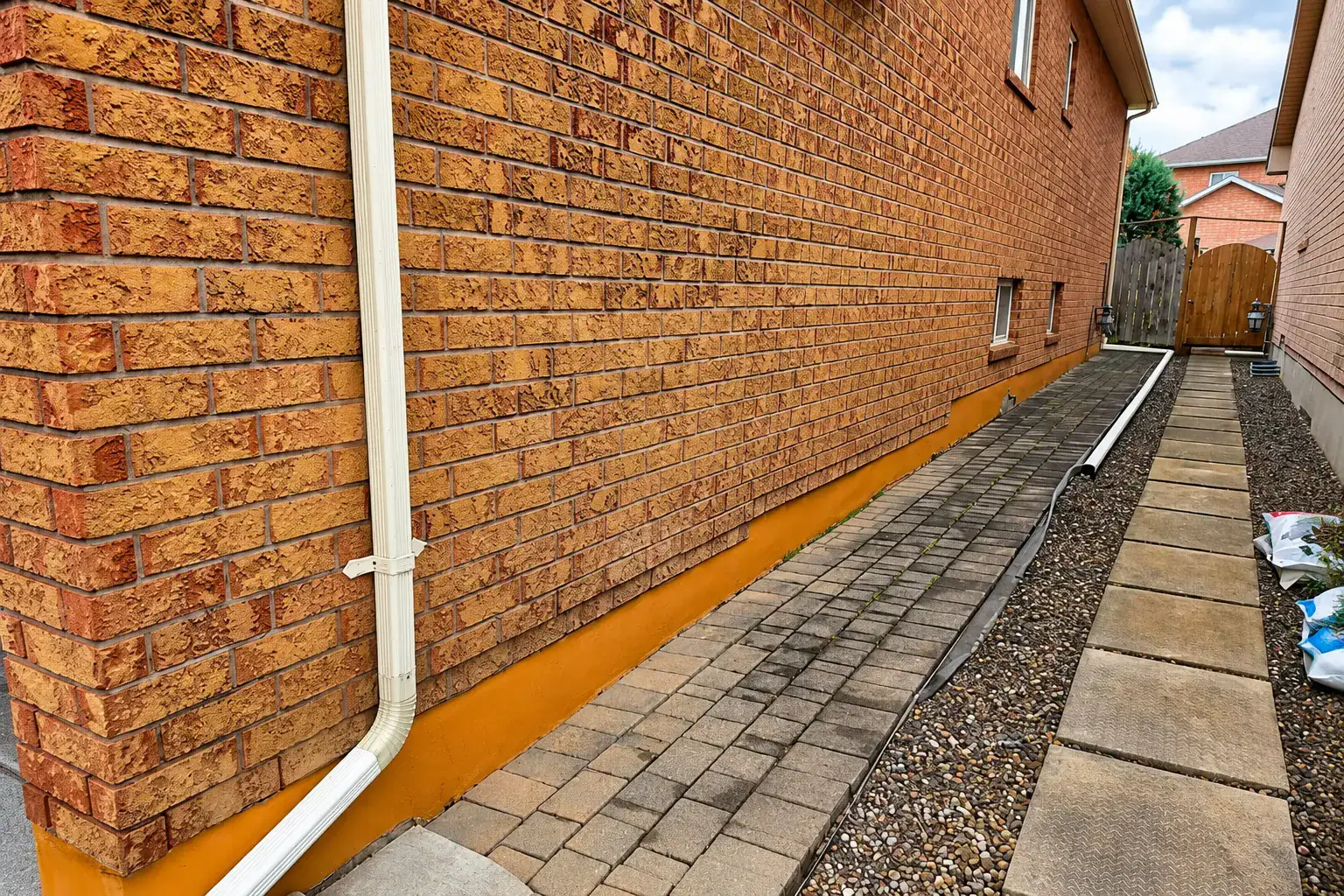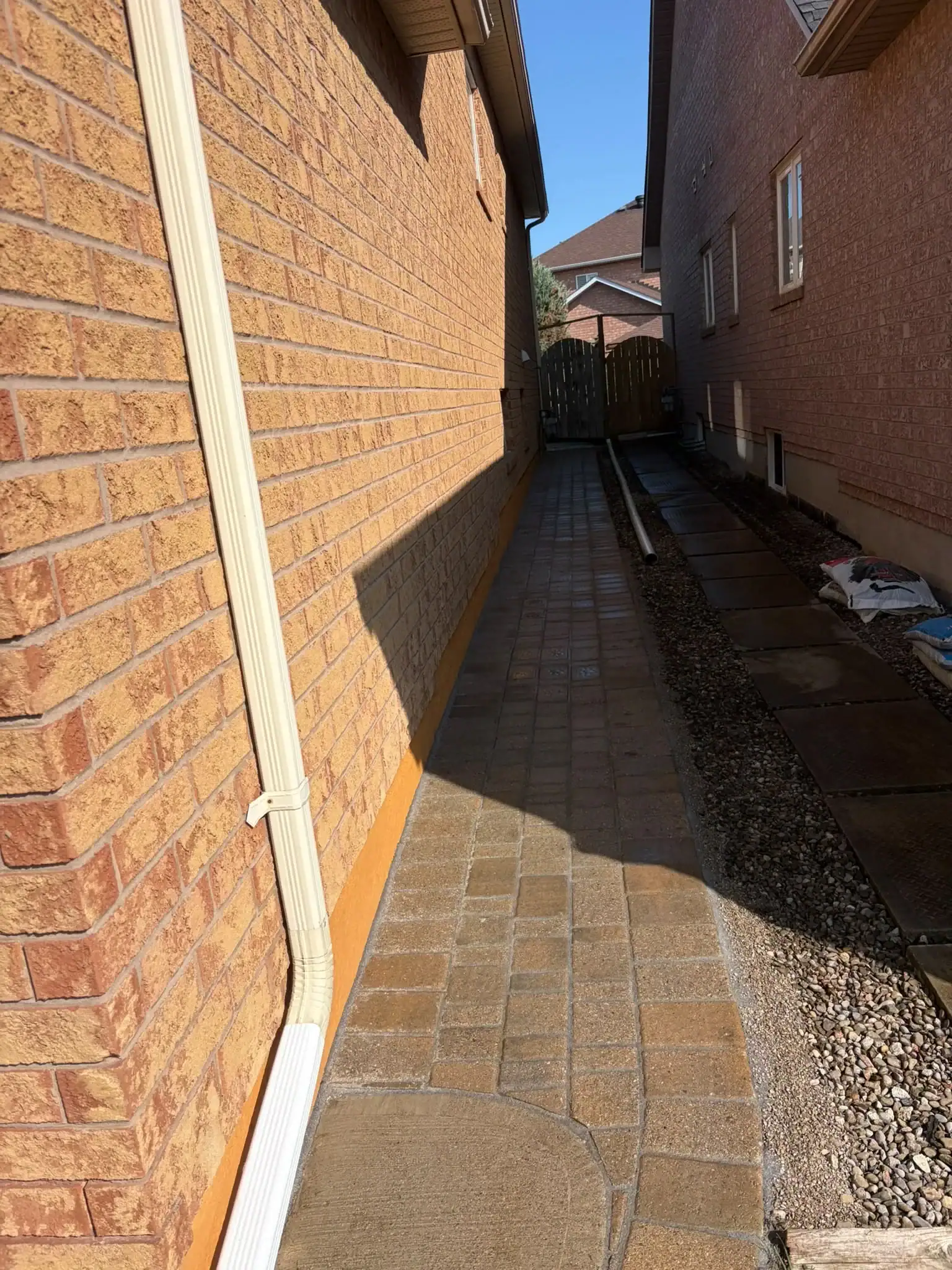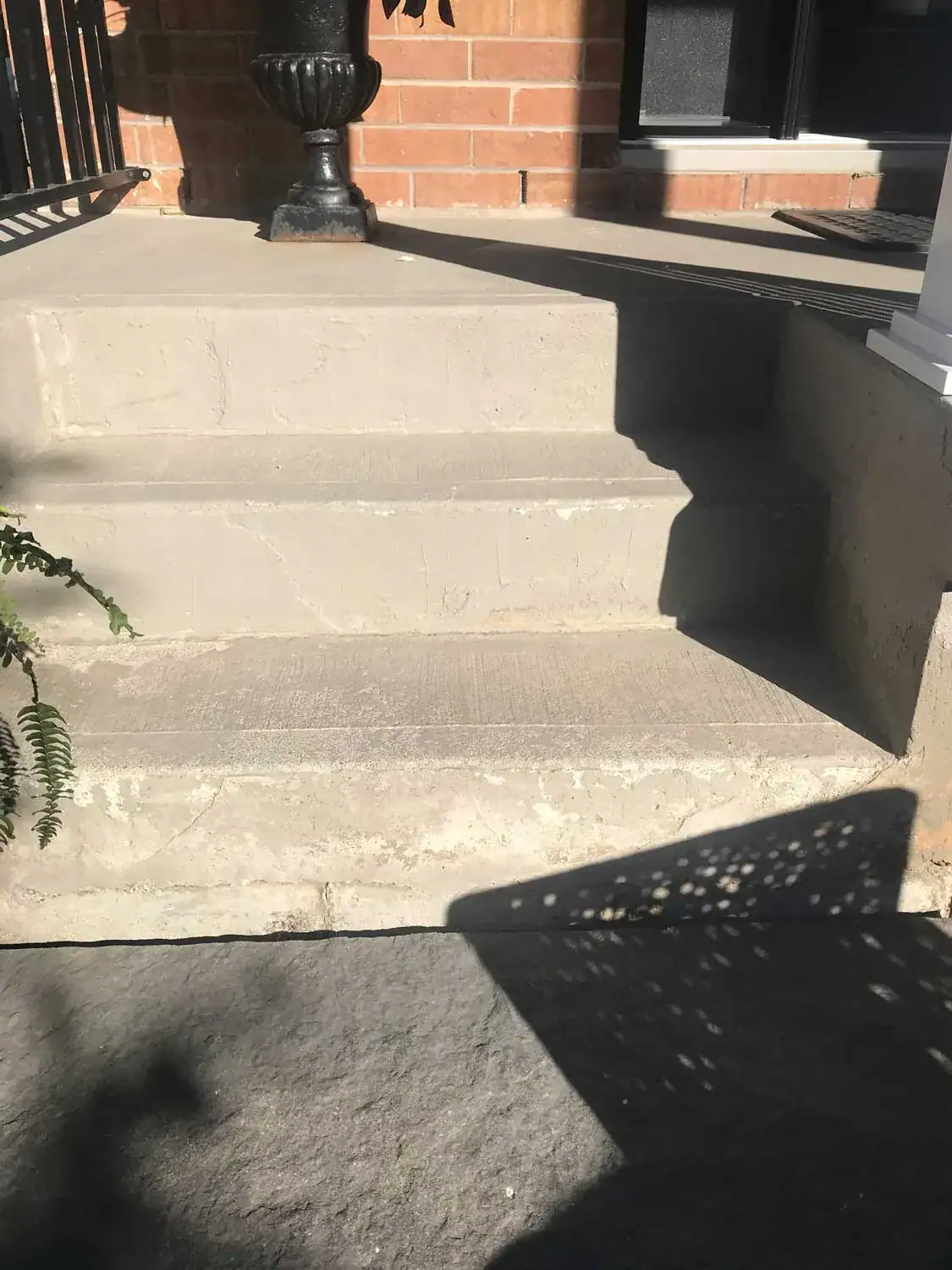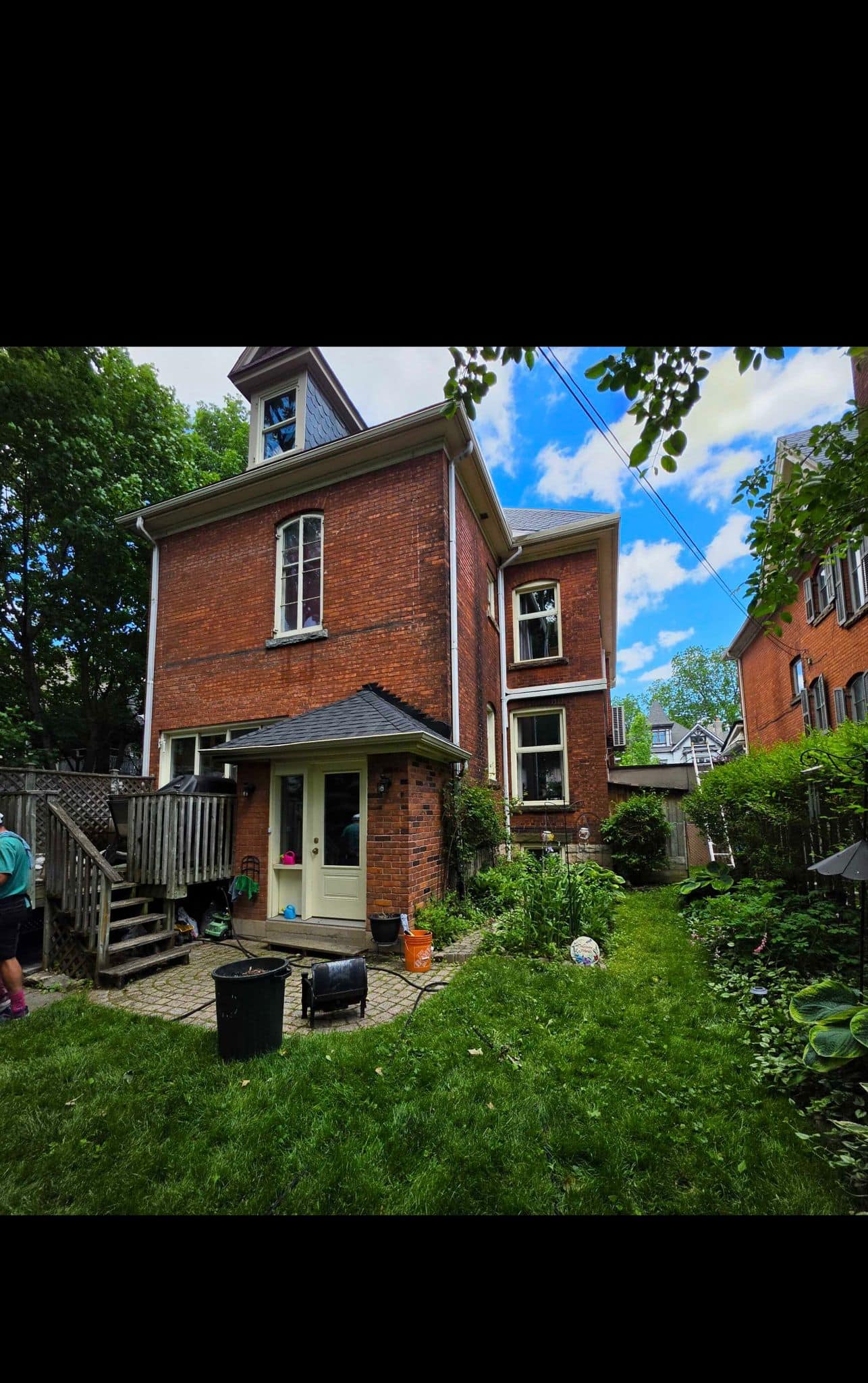
Burlington Tuckpointing Services
Burlington Tuckpointing Services by A&A Masonry
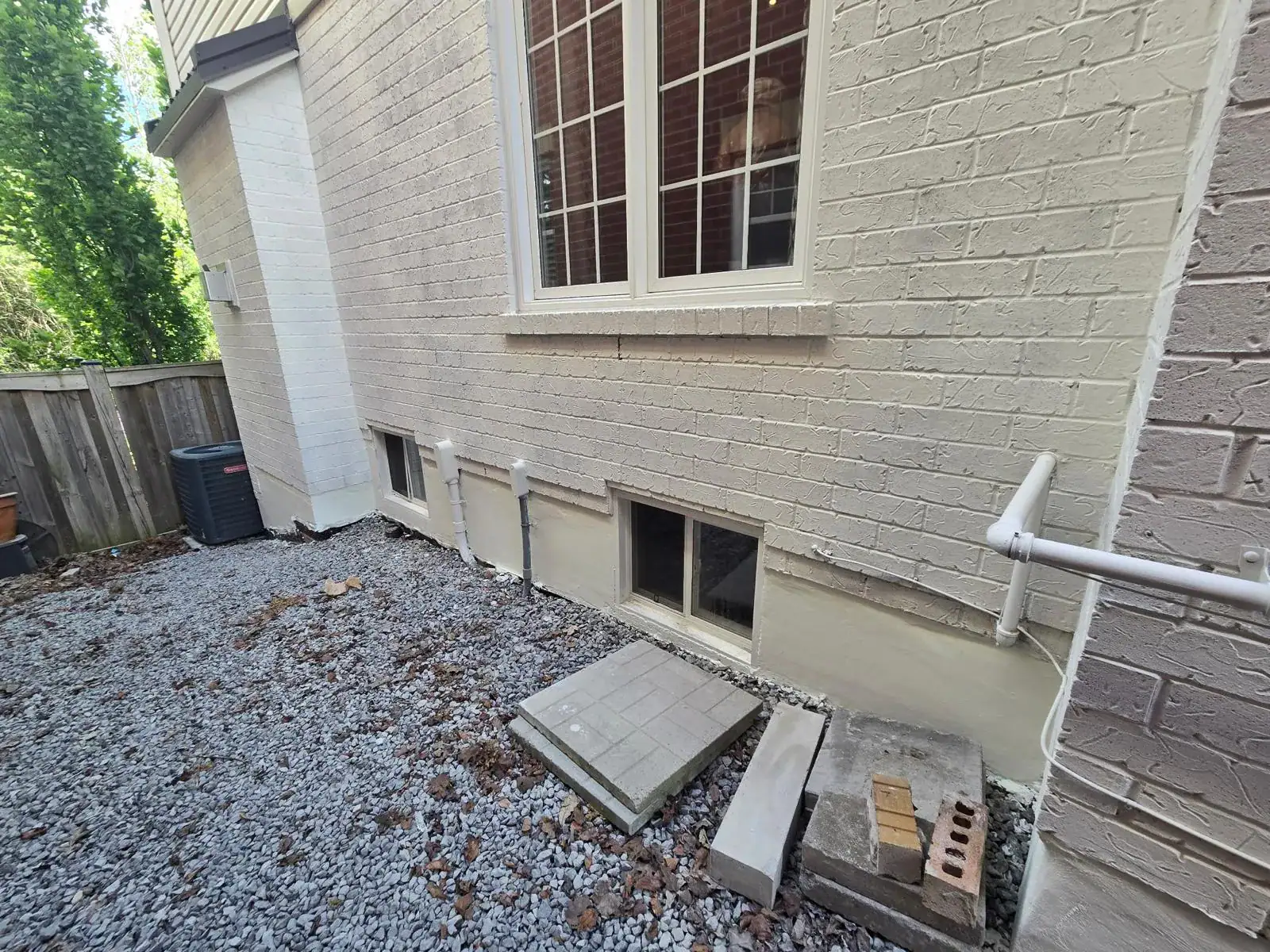
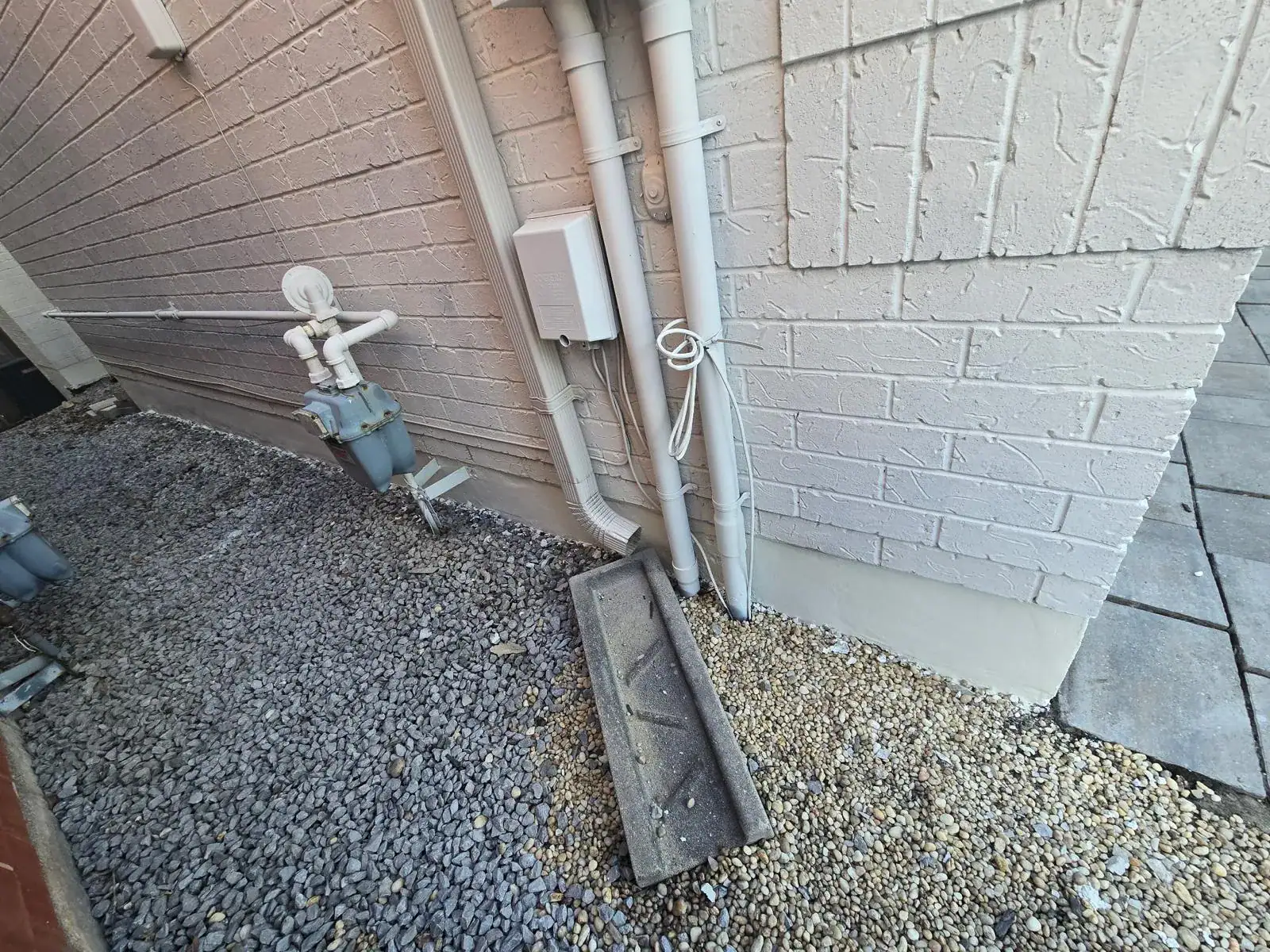
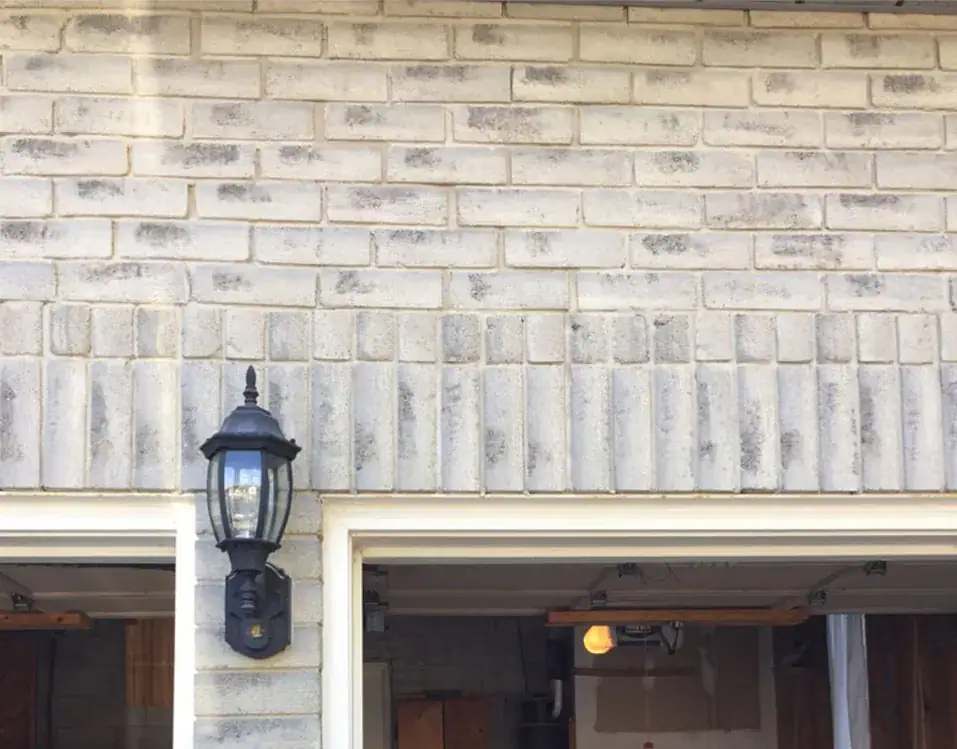
A&A Masonry provides tuckpointing and repointing in Burlington for exterior brickwork and chimneys with deteriorated mortar joints. We assess the joints and surrounding masonry to identify where repairs are needed and whether related brickwork should be included.
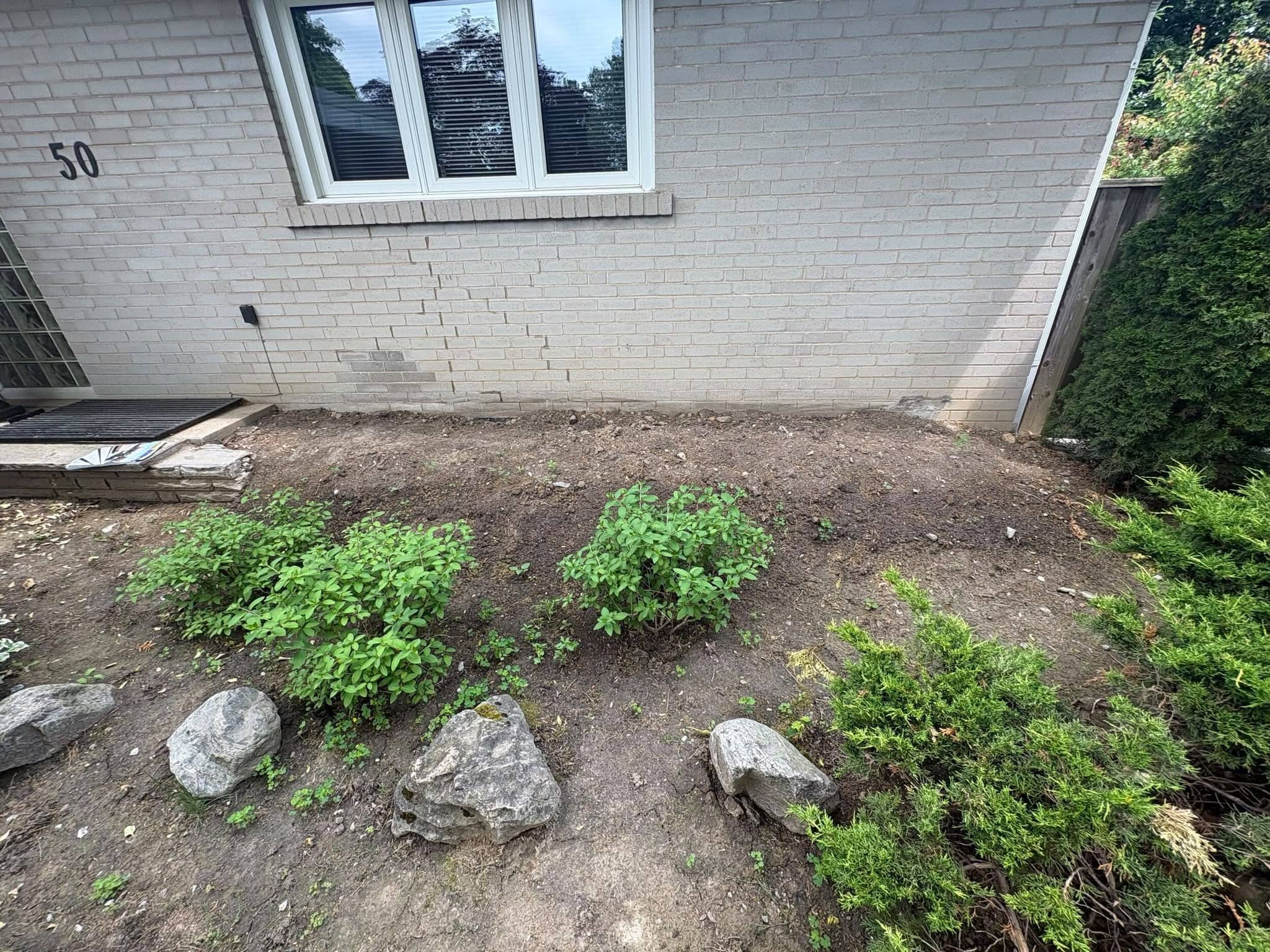
Tell us if mortar has fallen out, joints are cracking or an earlier patch has failed. Describe the affected area and any loose bricks or moisture symptoms so the assessment can consider more than the appearance of the joints.
What is Tuckpointing?
In a repair enquiry, tuckpointing commonly refers to replacing deteriorated mortar between bricks. Routine repointing includes removing unsound mortar, preparing the joints and installing replacement mortar appropriate to the existing masonry.
The repair scope should follow the condition of the wall or chimney. Sound joints do not automatically need replacement, while damaged bricks or other defects may need work beyond repointing.
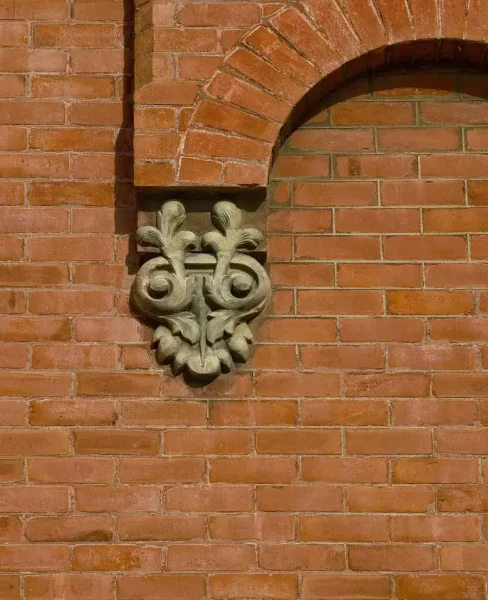

What to Look for in Deteriorated Mortar Joints
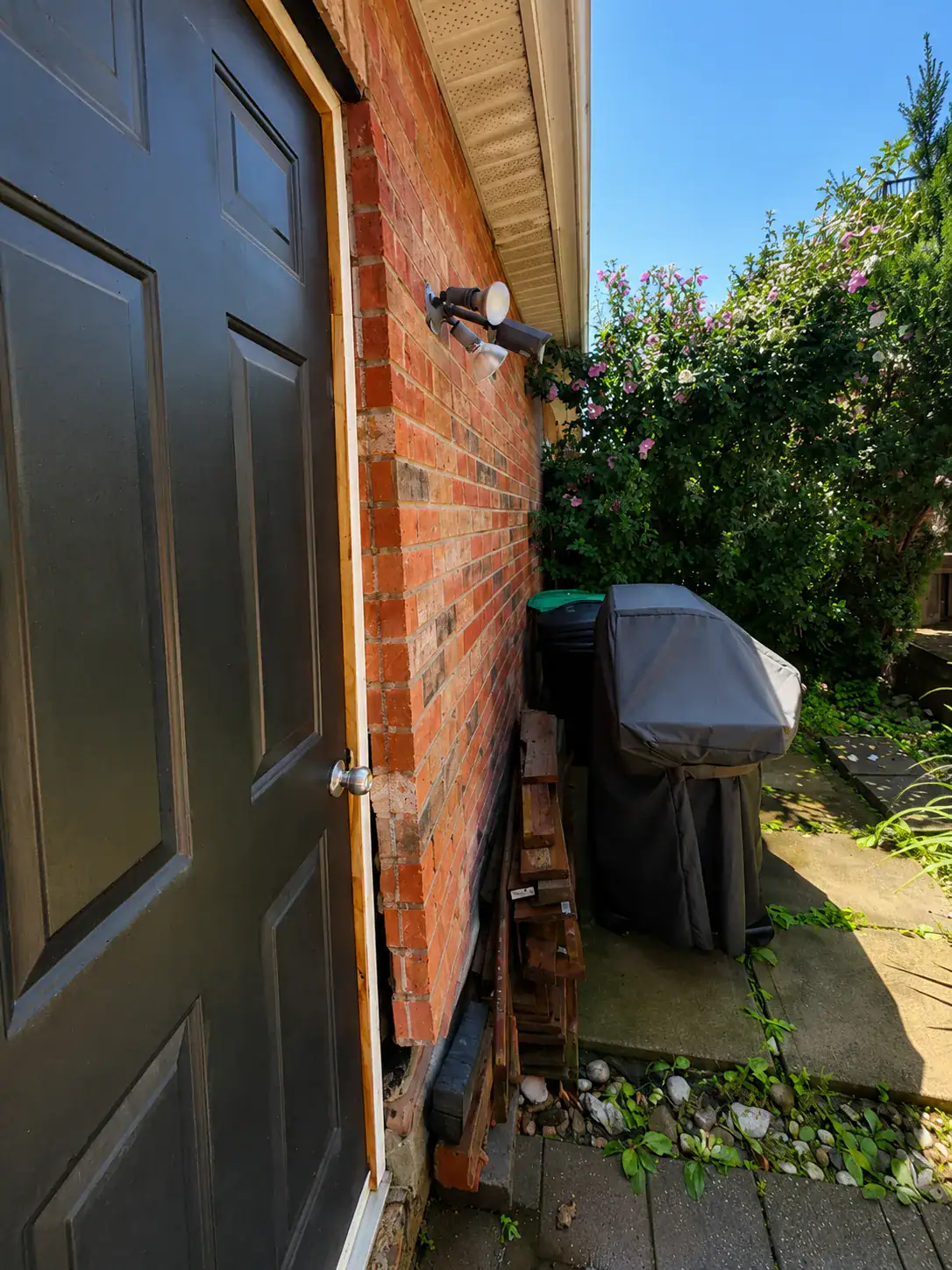
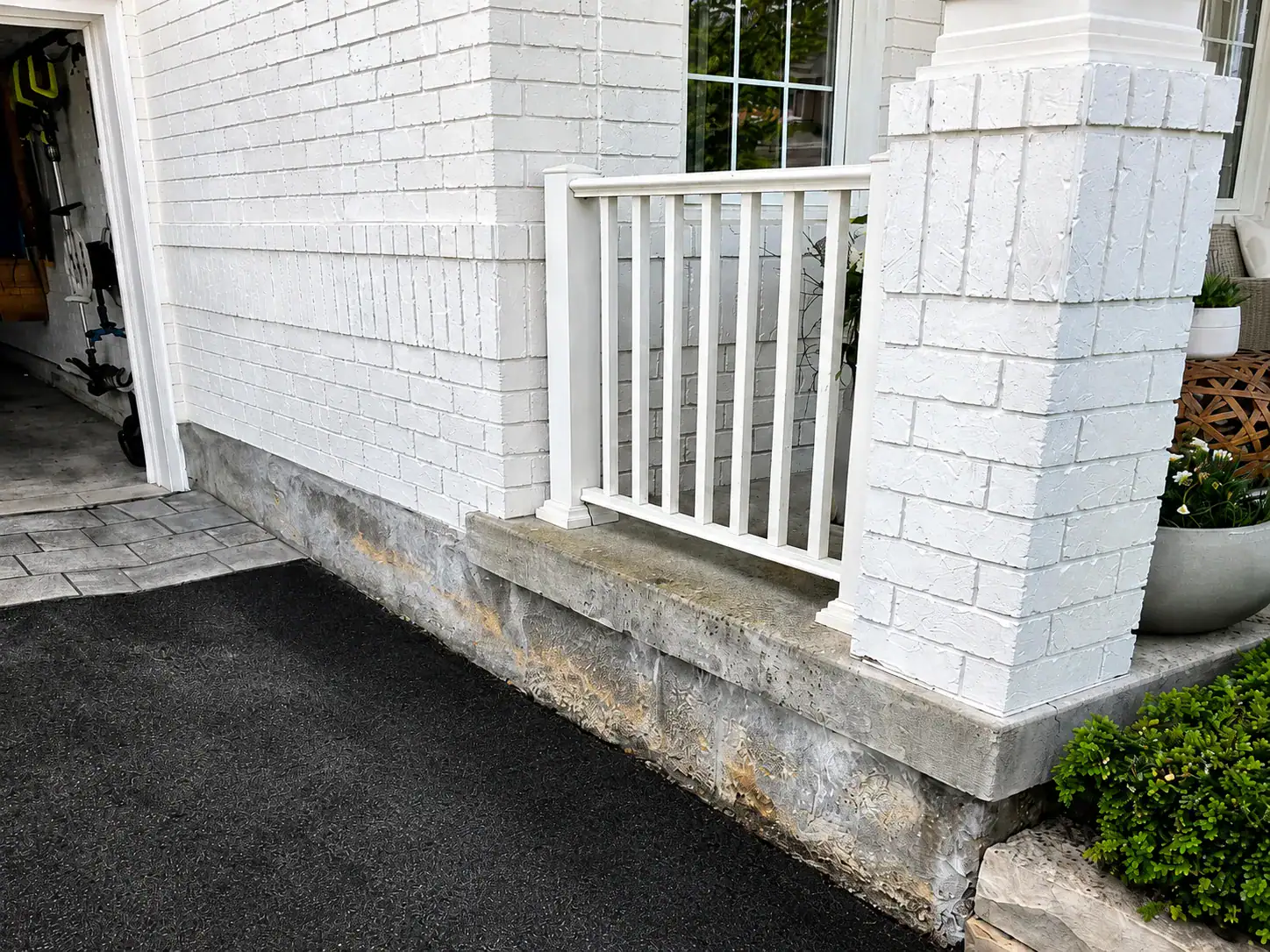
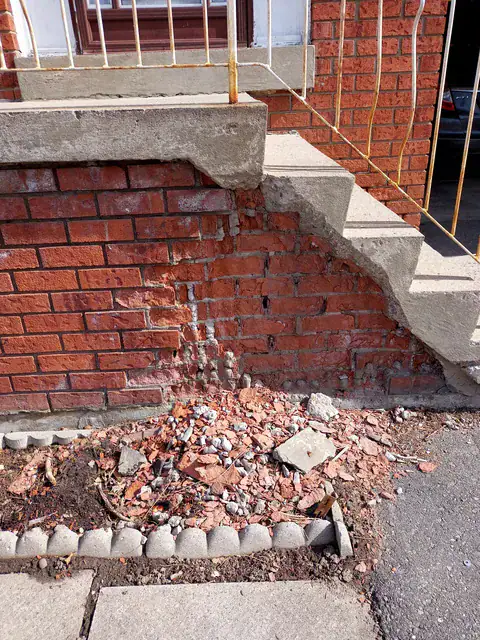
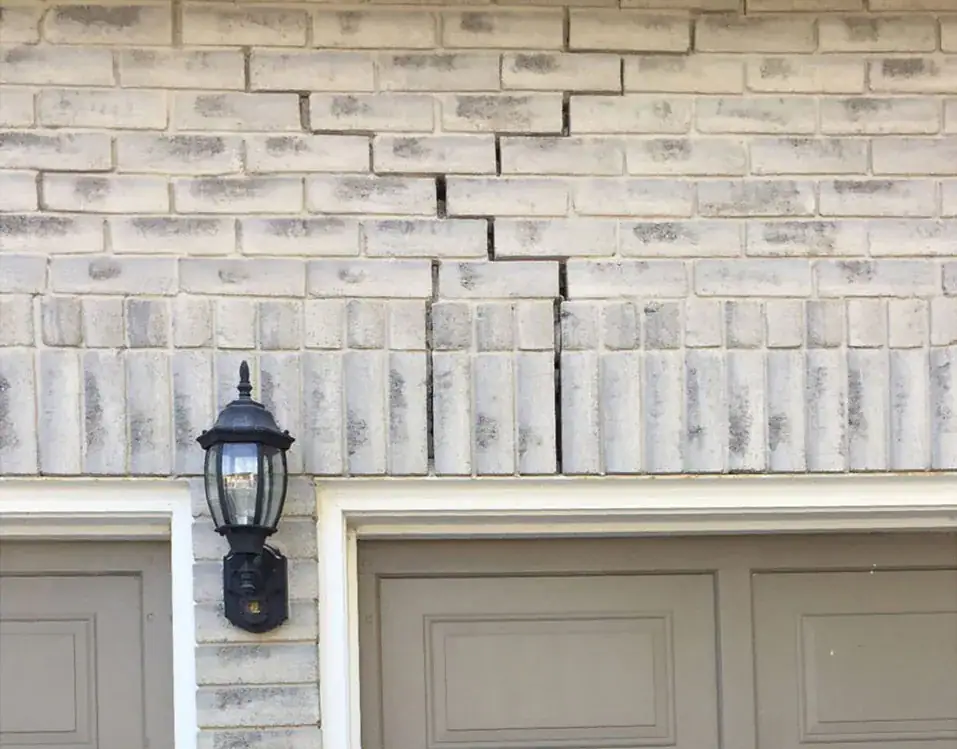
An assessment should distinguish the joints that have failed from sound areas and consider the adjoining brickwork. These observations can help explain the enquiry.
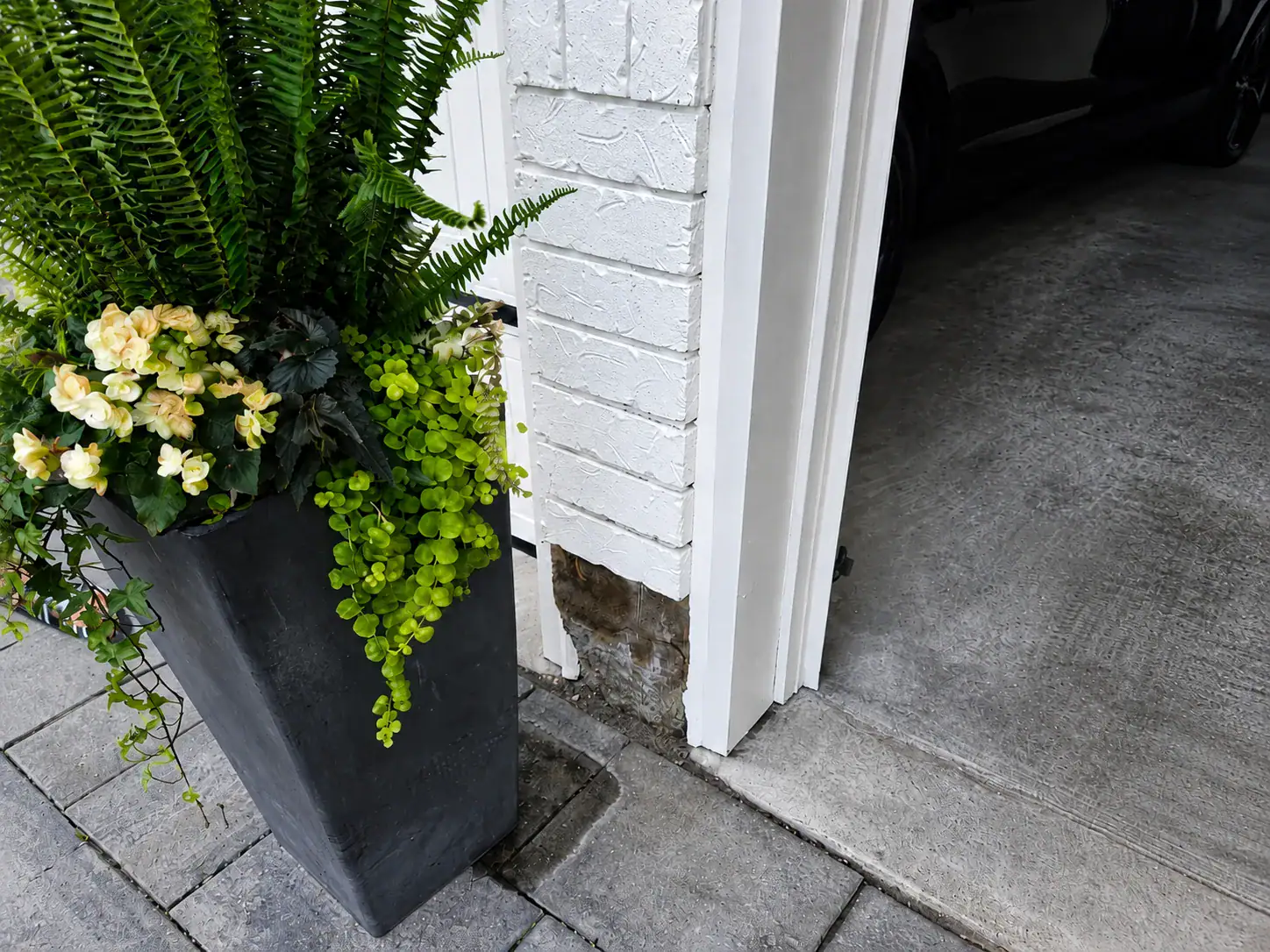
- Mortar deterioration: joints that are empty, receding or losing loose material.
- Failed repairs: cracks or separation where mortar has been patched before.
- Brick condition: loose, broken or deteriorated units beside the affected joints.
- Water symptoms: staining or leaks that may involve additional causes beyond mortar deterioration.

Tuckpointing vs. Repointing:
Clearing up the Confusion in Burlington
The terms tuckpointing and repointing are often used interchangeably in repair enquiries. Ask for a description of the work rather than relying on the service name alone.
Repointing means replacing deteriorated mortar in masonry joints. The scope should explain the repair area, preparation, replacement mortar and joint finish. It may also identify bricks that need replacement.
Traditional tuckpointing is a decorative finish that uses a contrasting fine line to suggest narrow joints. That treatment differs from ordinary mortar-joint repair. Discuss any specific decorative finish you want before agreeing to the work.
For Burlington tuckpointing, describe the damage first and ask how the proposed work addresses it. The preparation, replacement mortar and finished joint profile should be clear in the agreed scope.
Discussing Your Burlington Mortar-Repair Scope
A clear proposal identifies which walls, chimney sections or joint areas will be repaired. Discuss access, previous patches and related brick damage so the repair boundaries and any additional work are understood.
- Location and extent: identify the affected wall elevations, chimney faces or sections of masonry.
- Preparation and materials: clarify how failed joints will be prepared and how replacement mortar will be selected.
- Finish expectations: discuss colour and joint profile; new repairs can remain visible against weathered masonry.
- Practical arrangements: review access, protection of nearby surfaces, cleanup, scheduling and the written project terms.

Our Tuckpointing Process
The repair process begins with the condition of the masonry and an agreed scope. Each stage should support the proposed repair rather than treating every property the same way.
1. Assessment
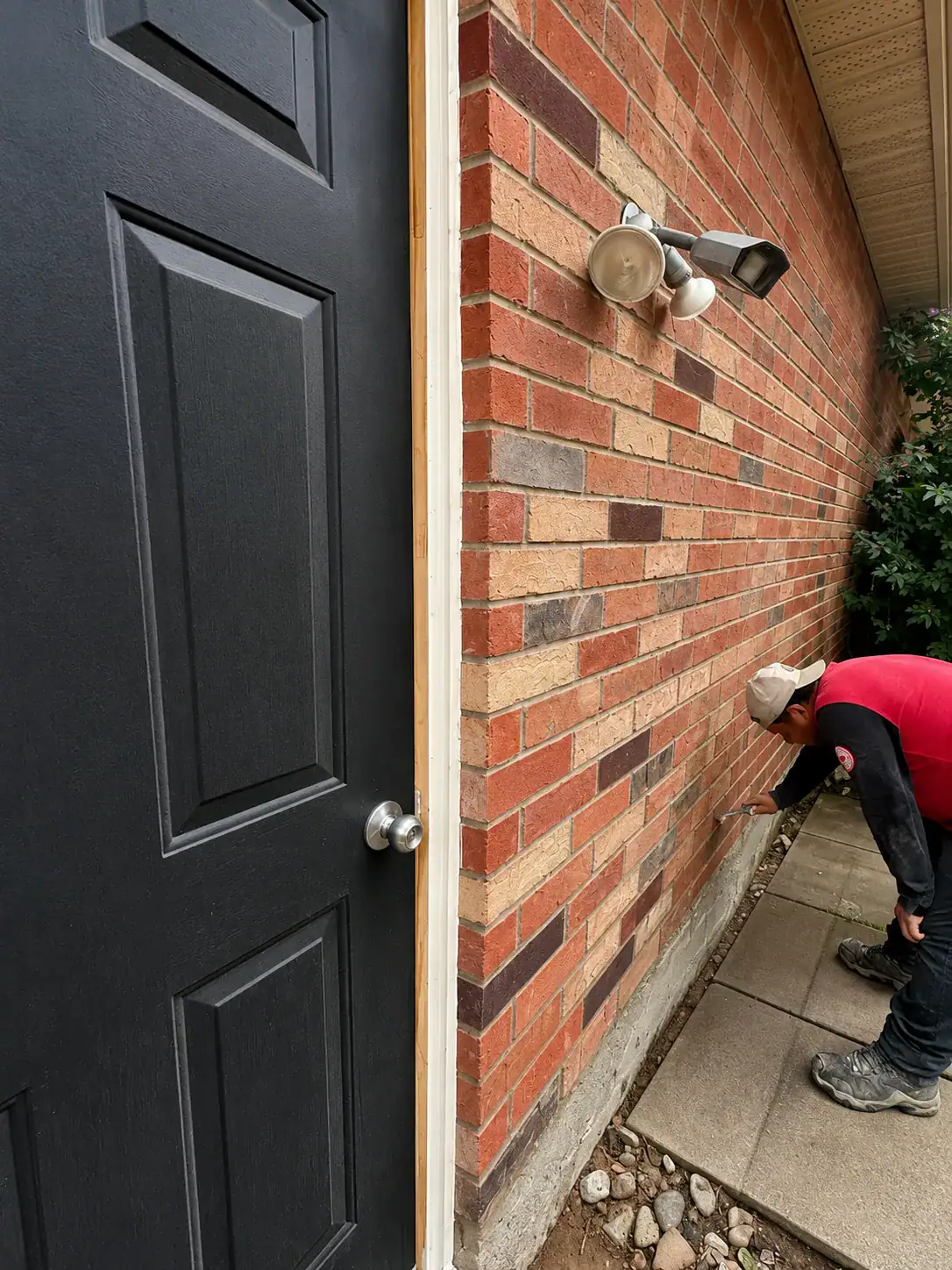
We review the visible mortar and brickwork, the proposed repair area and access. Share previous repair records and explain whether cracks, loose material or moisture symptoms have returned.
2. Mortar Removal
Unsound mortar is removed with care for the adjacent masonry. The preparation method needs to suit the joint condition and avoid unnecessary damage to brick edges.
3. Mortar Matching
Mortar selection considers the existing masonry as well as the desired colour and joint finish. Matching weathered materials has limits, so discuss the expected appearance before repairs begin.
4. Application
Prepared joints receive the replacement mortar and agreed finish. Weather, protection and curing requirements influence when and how the work can be carried out.
5. Final Inspection
At completion, review the agreed repair area and cleanup with the team. Ask about care requirements and any related conditions that need attention beyond the completed scope.
Repair History and Mortar Compatibility
Earlier patches can differ from the surrounding mortar in colour, texture and joint profile. Share any repair history you know, particularly where cracking or mortar loss has returned after previous work.
Compatibility with the existing masonry matters alongside the finished appearance. If the property has heritage status or documented restoration requirements, provide those records so any special assessment or approval requirements can be clarified before the work is agreed.
Frequently Asked Questions About Tuckpointing
What is the cost of tuckpointing in Burlington?
How often should tuckpointing be done?
Can tuckpointing be done in the winter?
Is tuckpointing necessary for all brick buildings?
How long does a tuckpointing project typically take?
Will tuckpointing change the appearance of my building?
Can tuckpointing fix leaks in my brick walls?
What type of mortar is used in tuckpointing?
Can I do tuckpointing myself, or should I hire a professional?
What happens if I neglect tuckpointing?
Is tuckpointing a permanent solution?
Contact Us for Tuckpointing Services in Burlington
Contact A&A Masonry to discuss tuckpointing in Burlington. Provide the property address, identify the affected masonry and describe what has changed. Photographs of the whole area and closer views of the joints can help explain the problem.
Let us know about earlier repairs, loose bricks, water staining or leaks, and any access restrictions. We can discuss assessment arrangements and the information needed to prepare the repair scope.