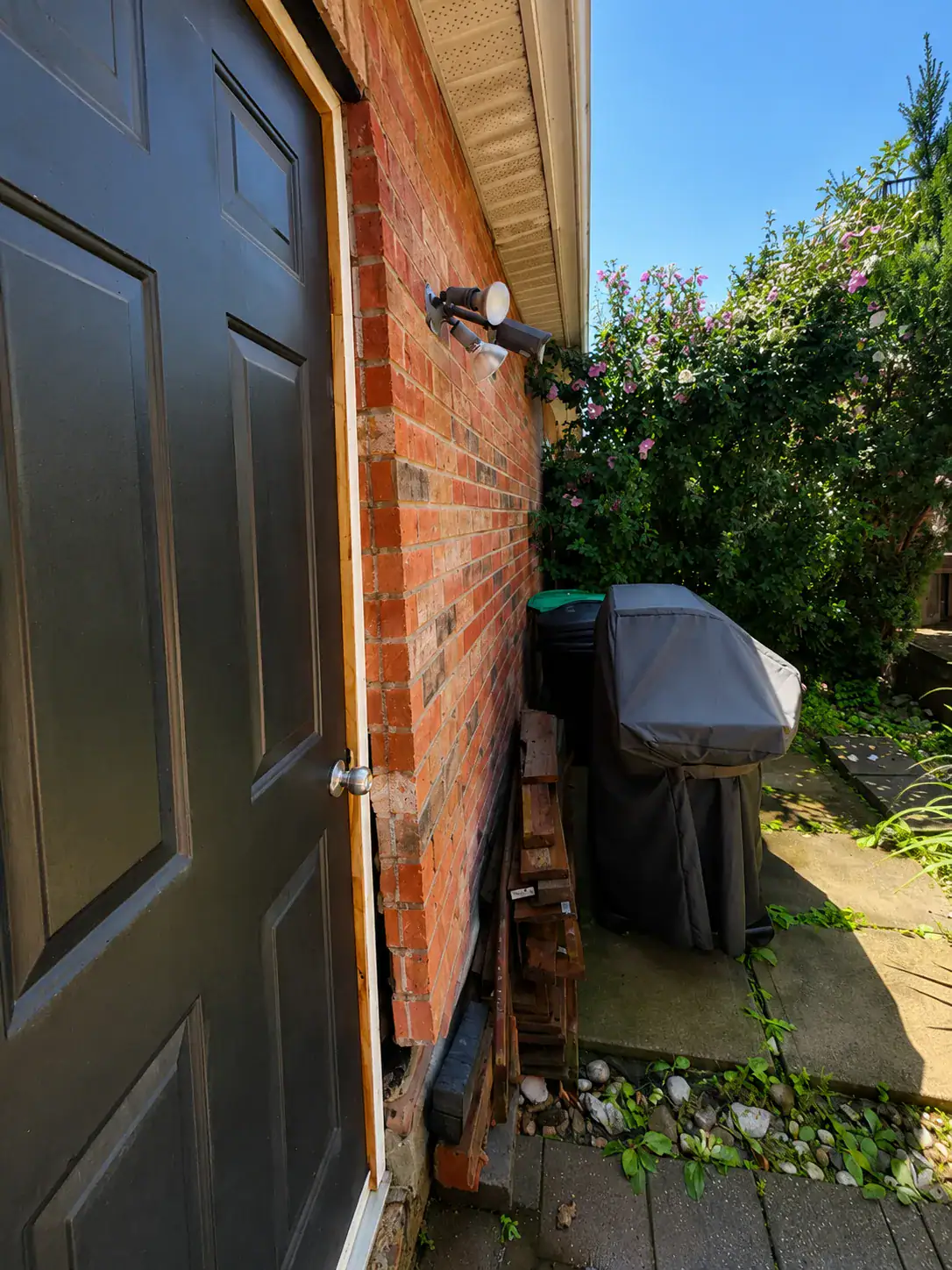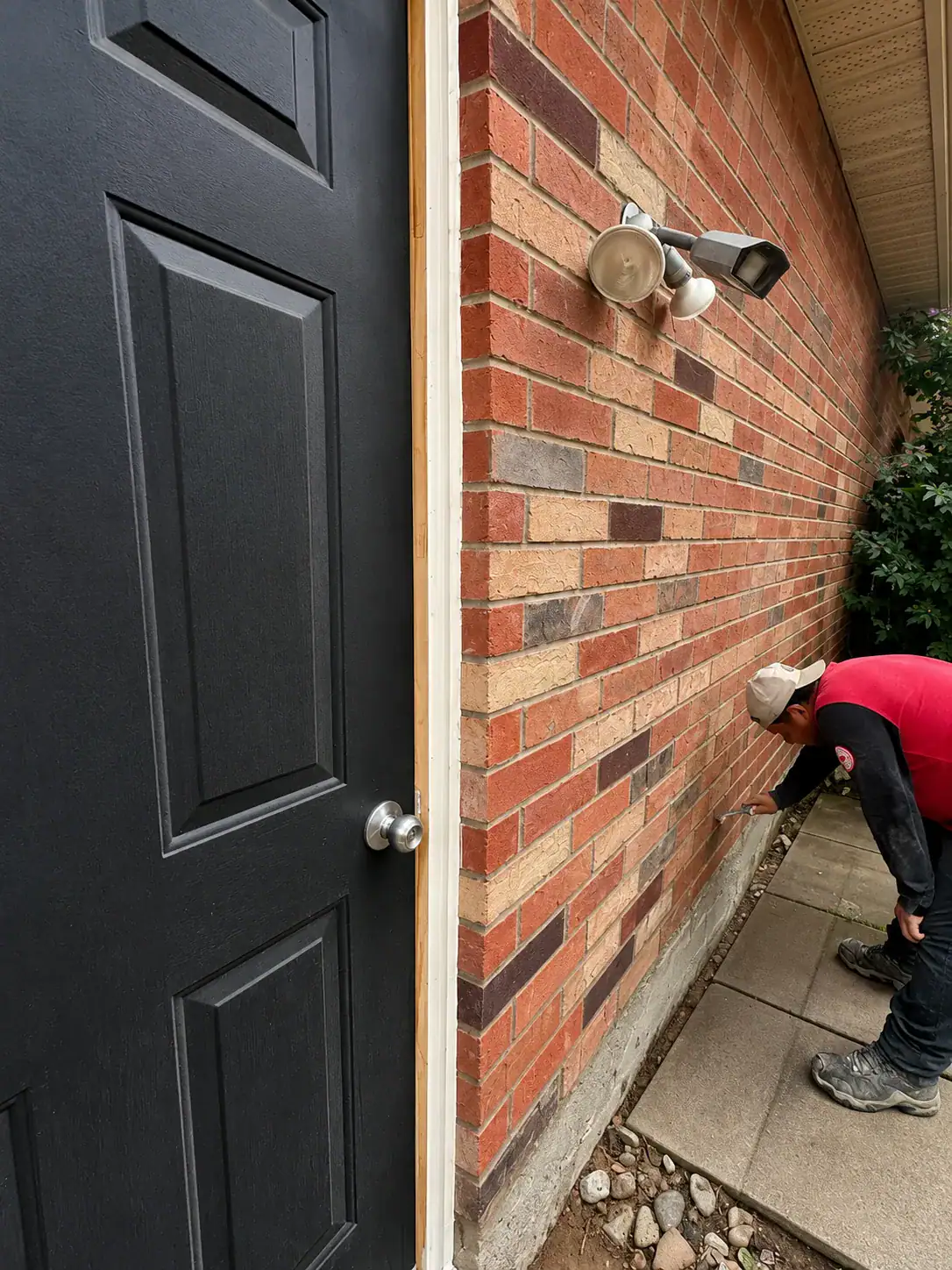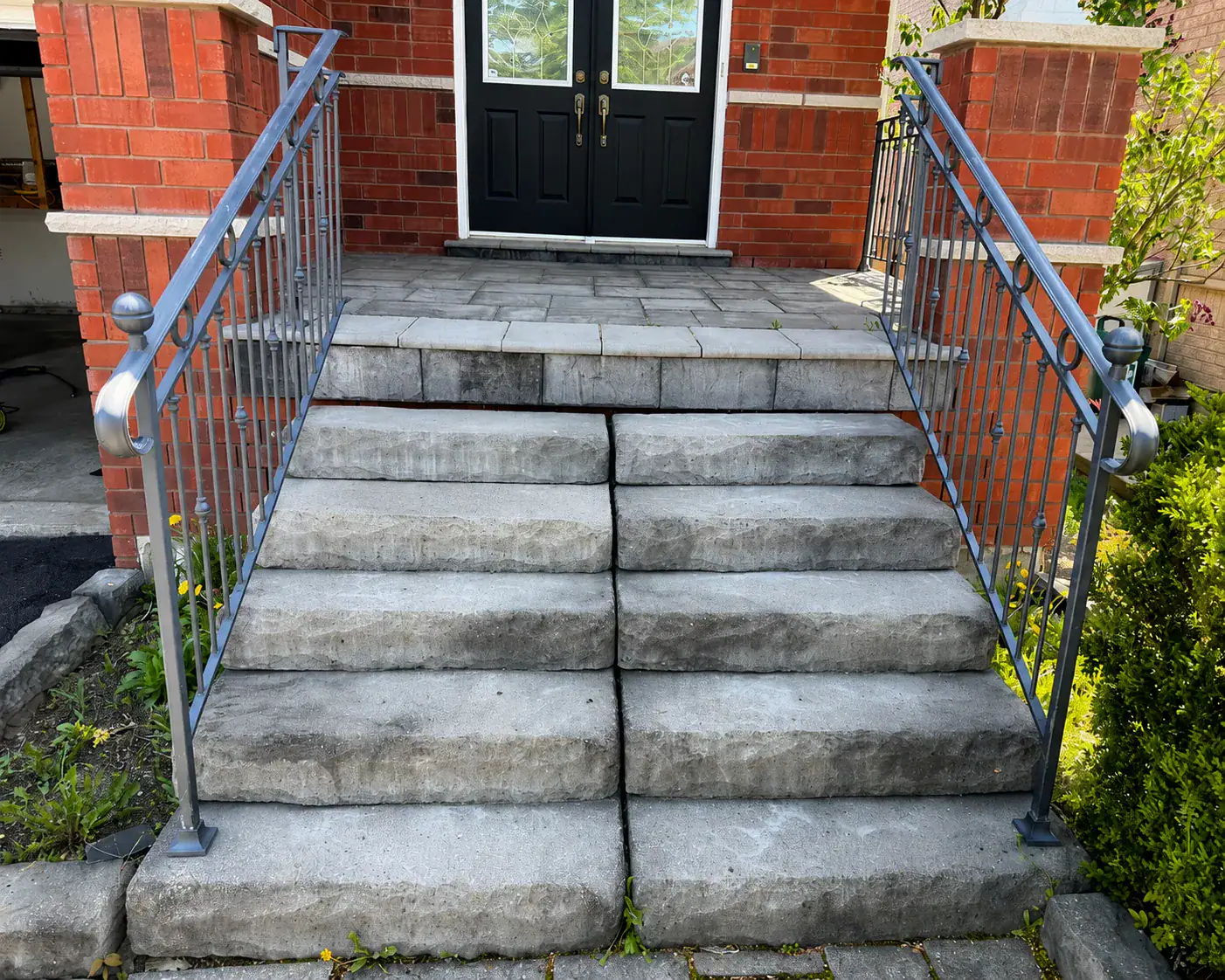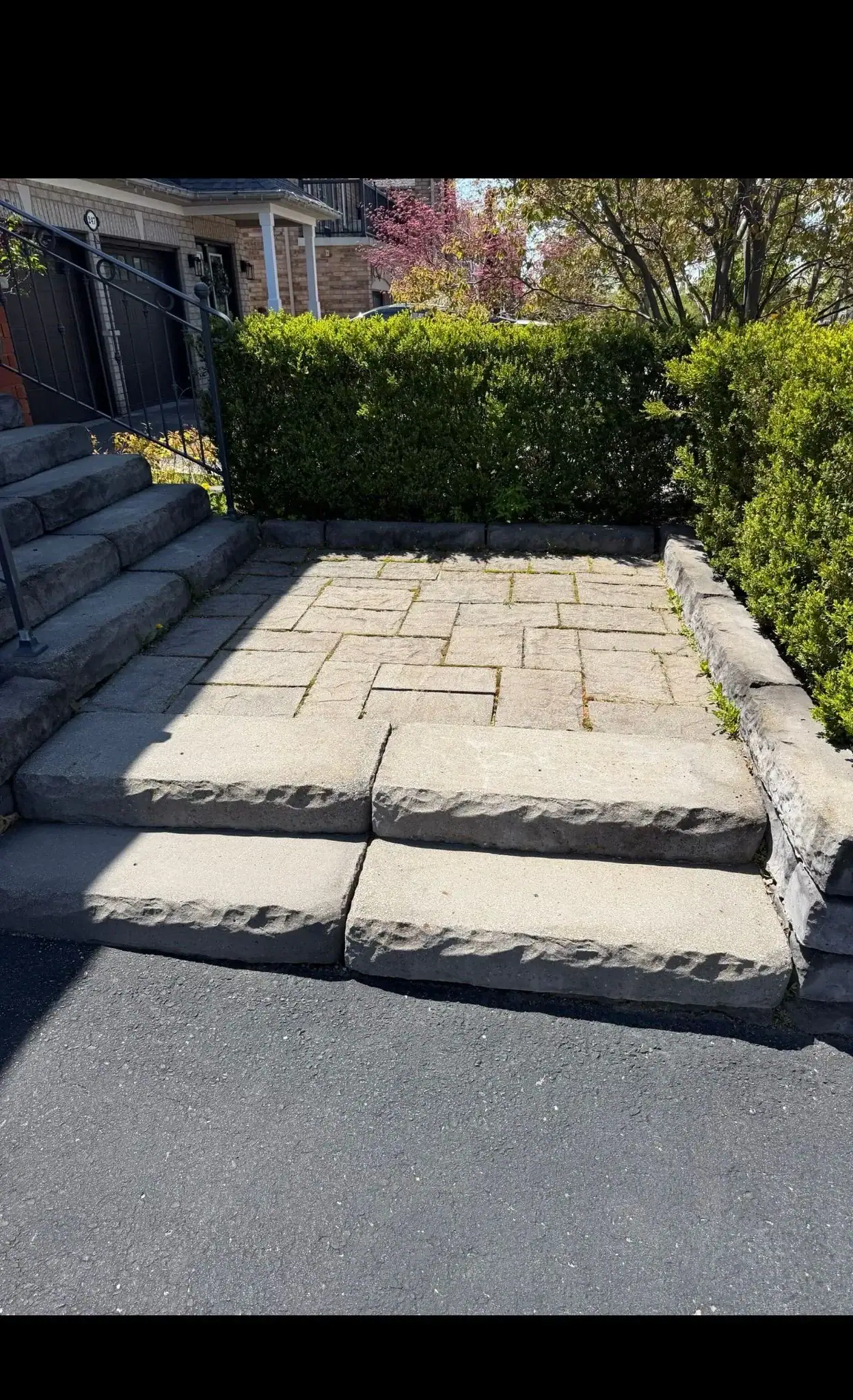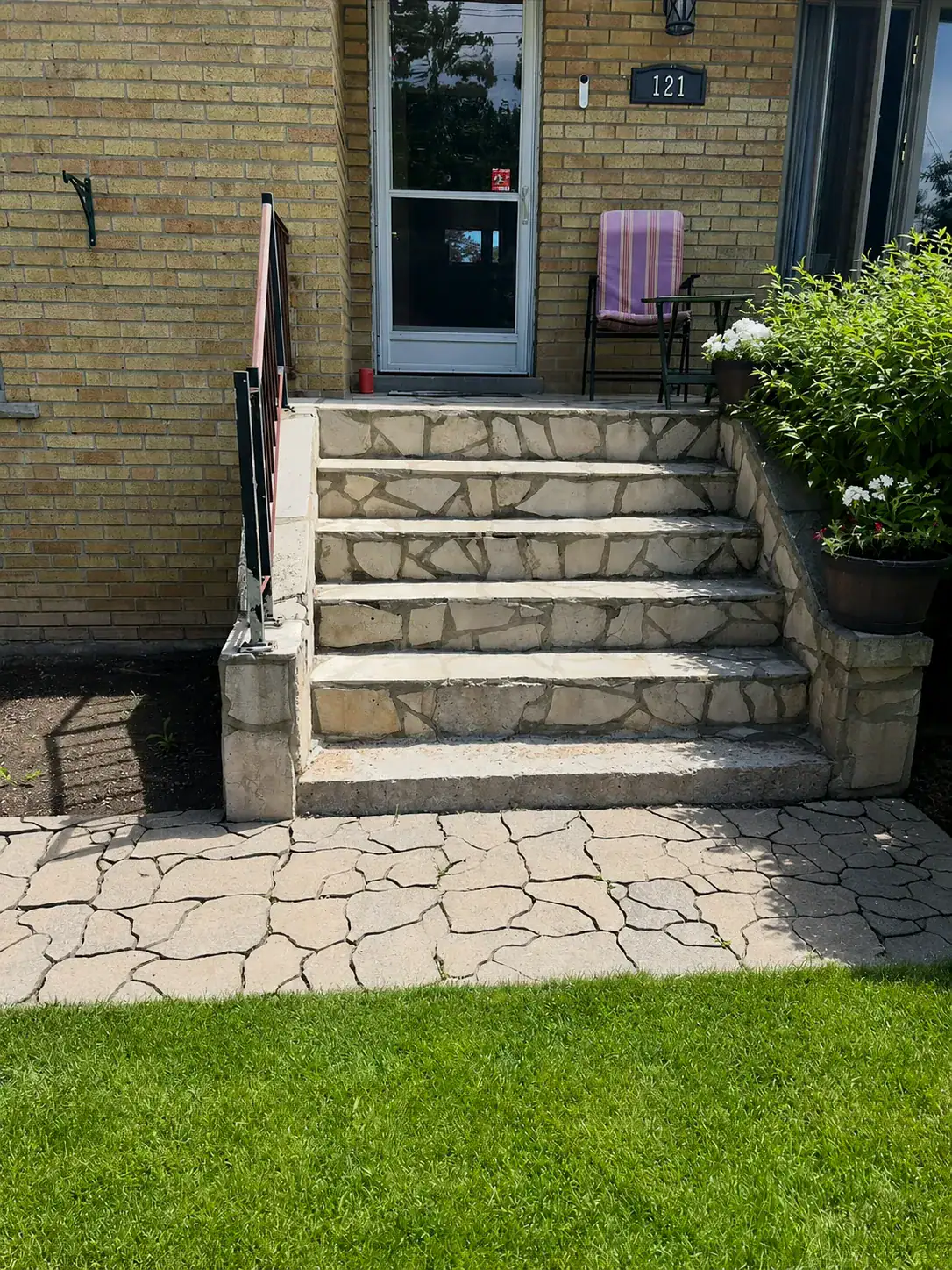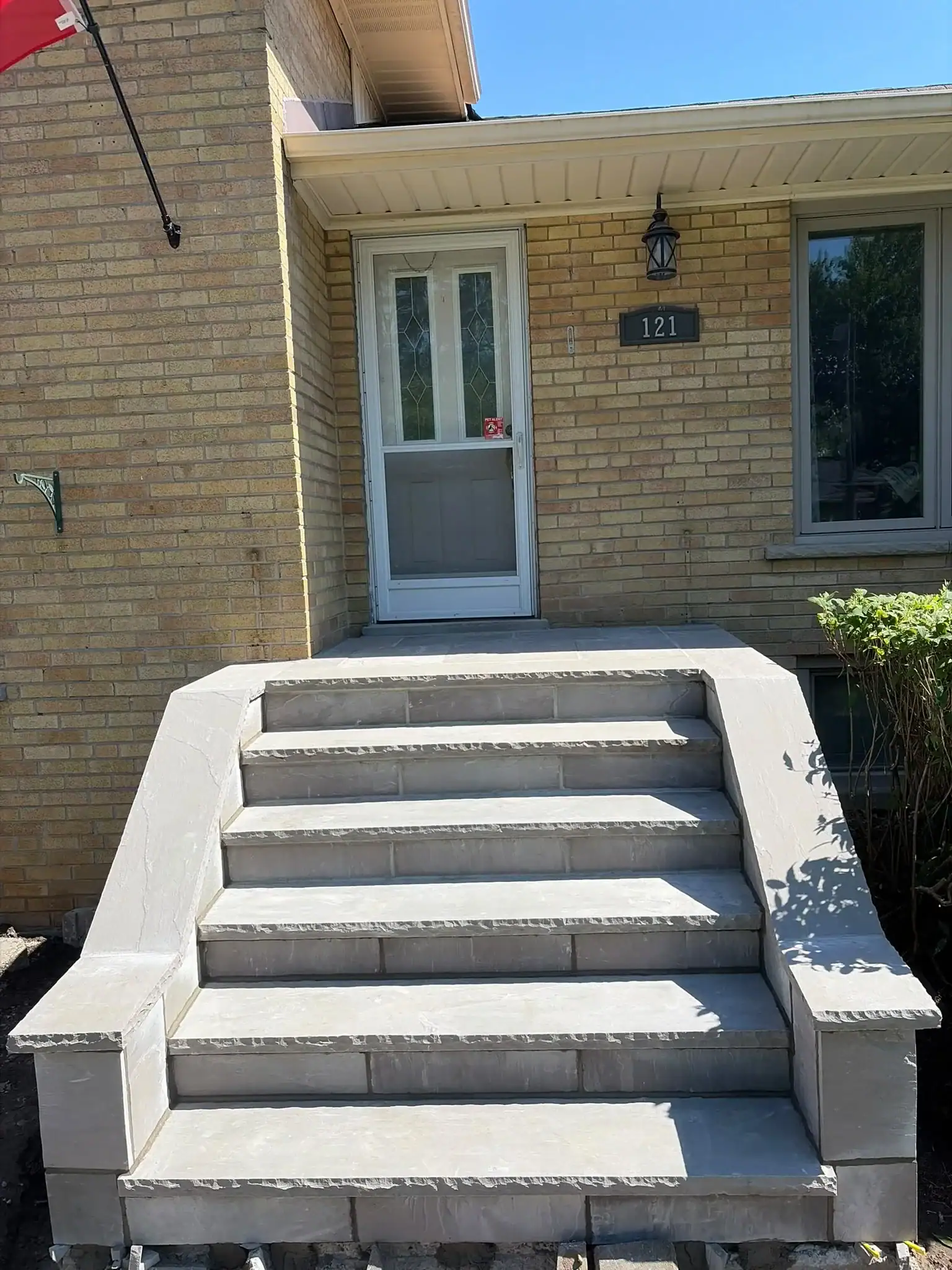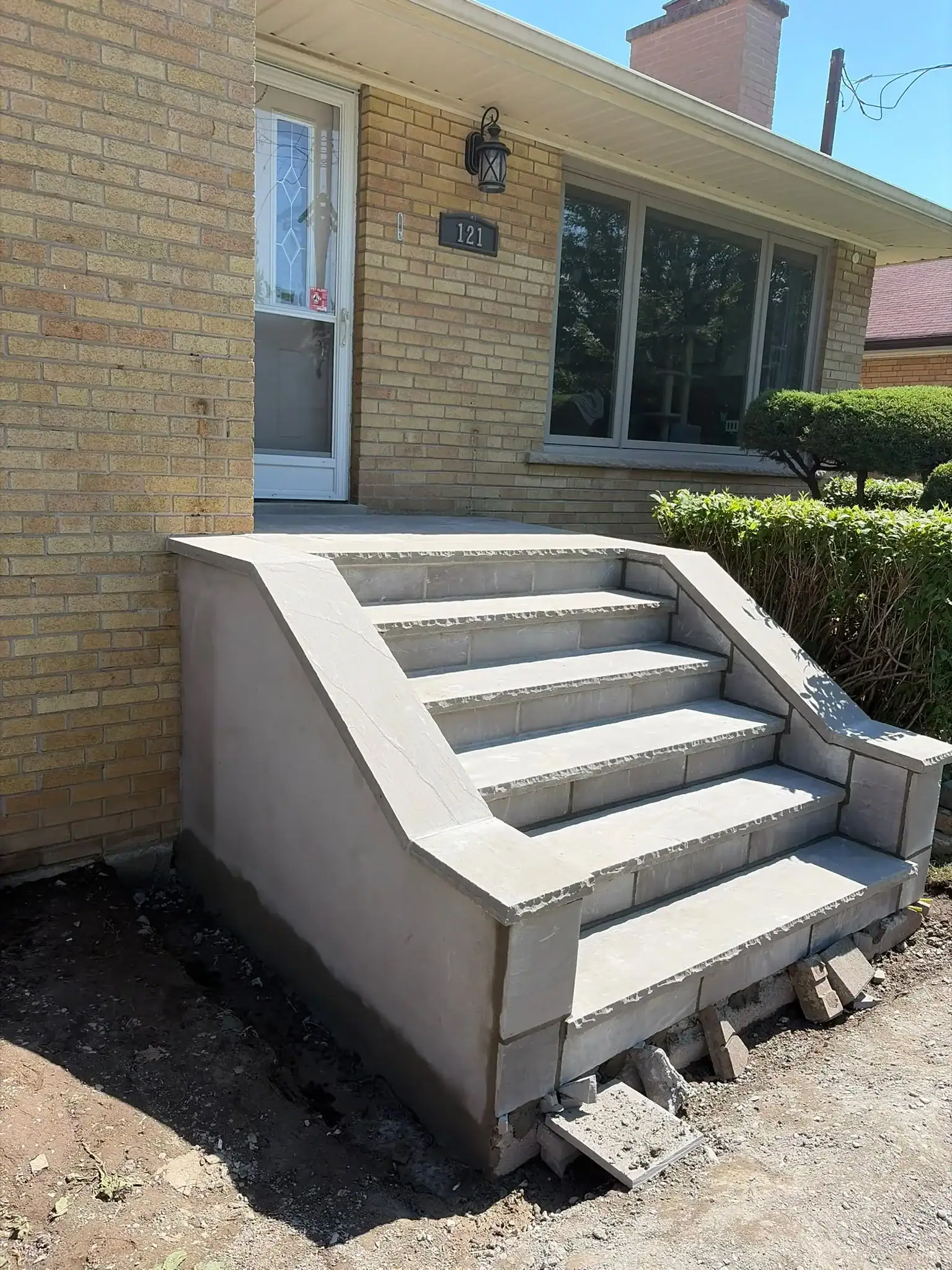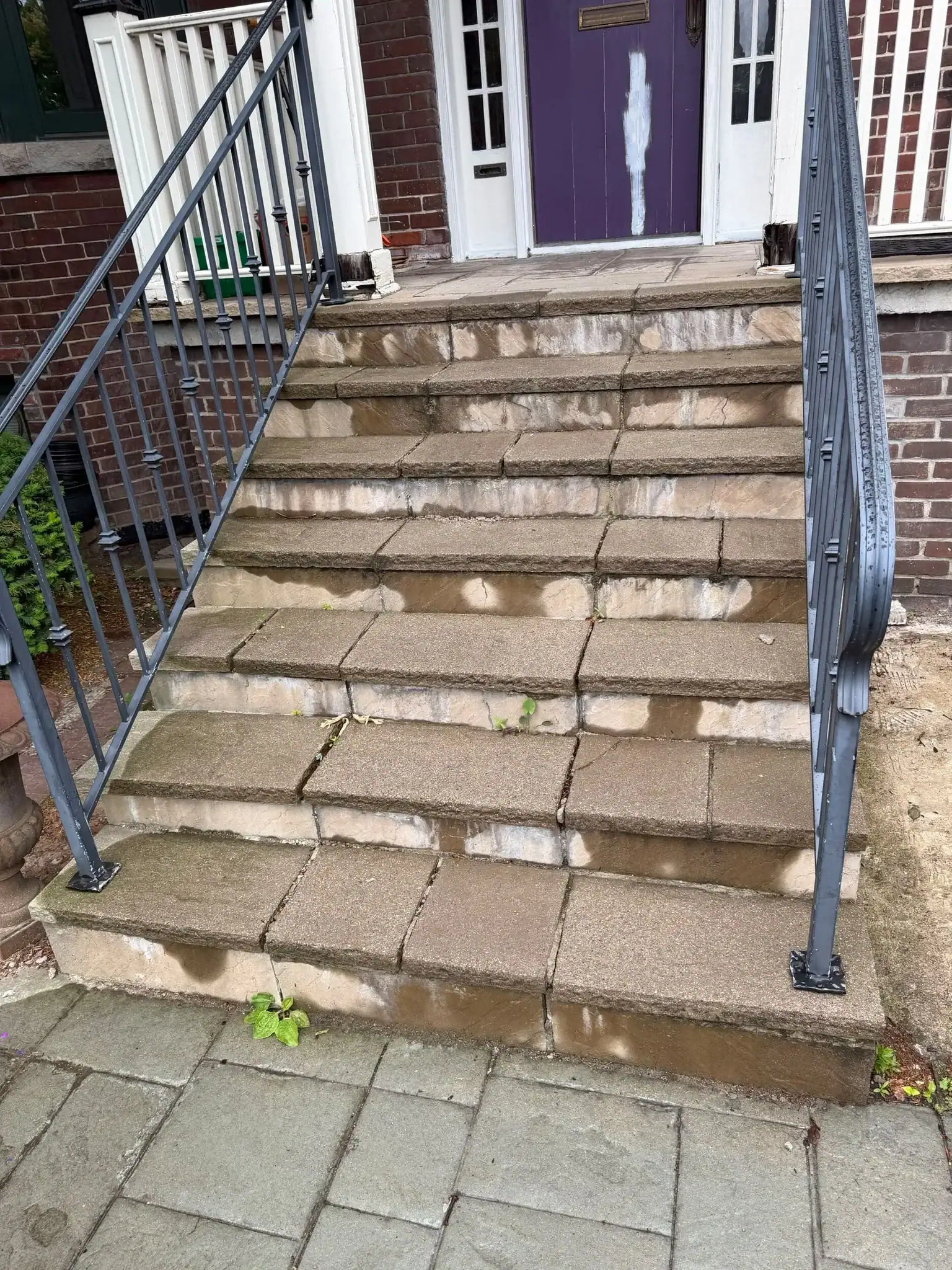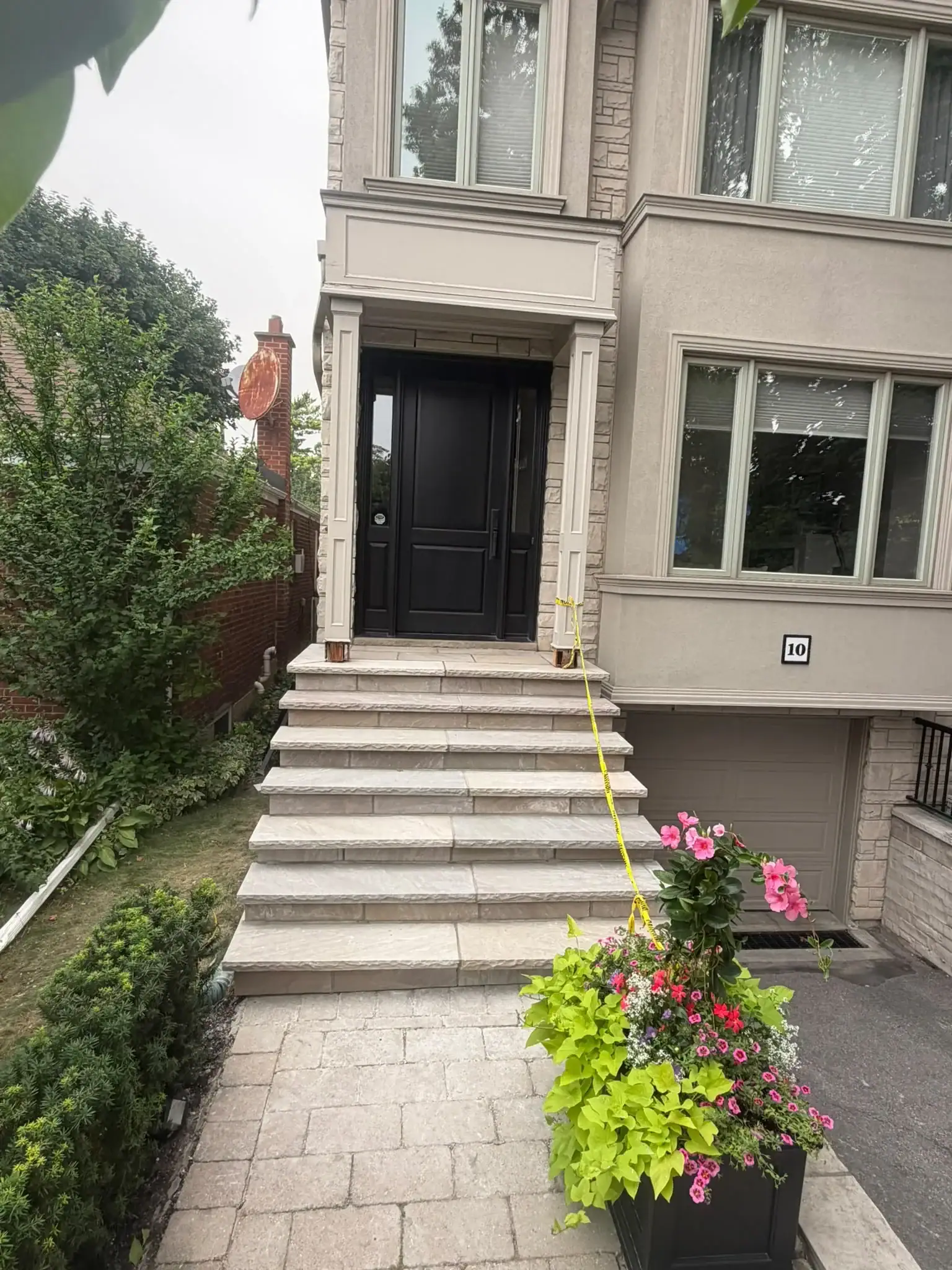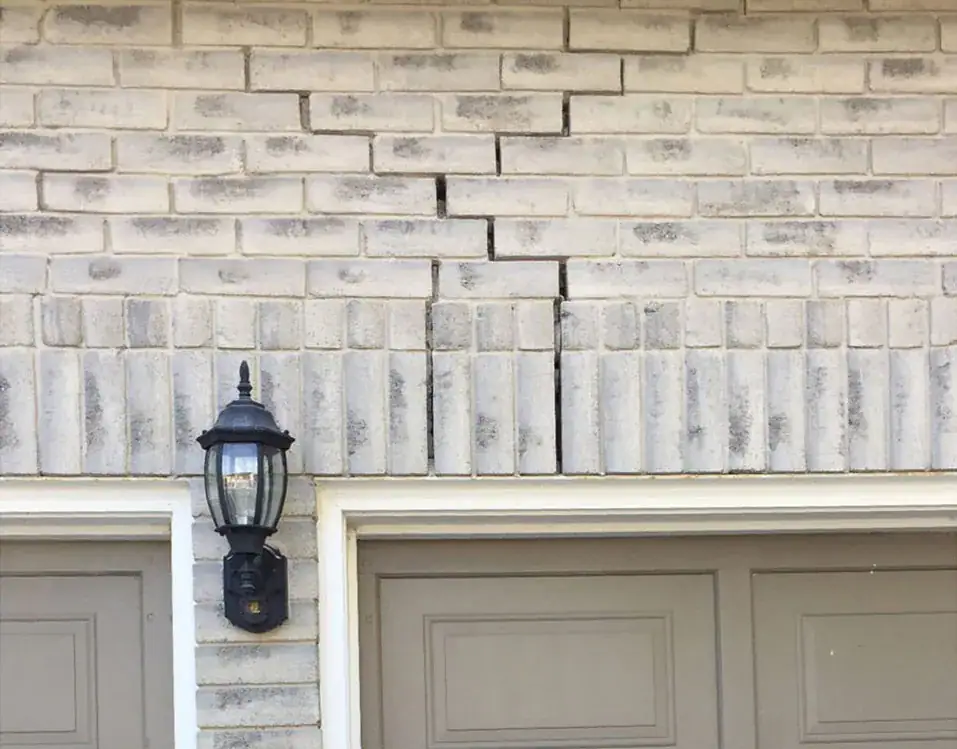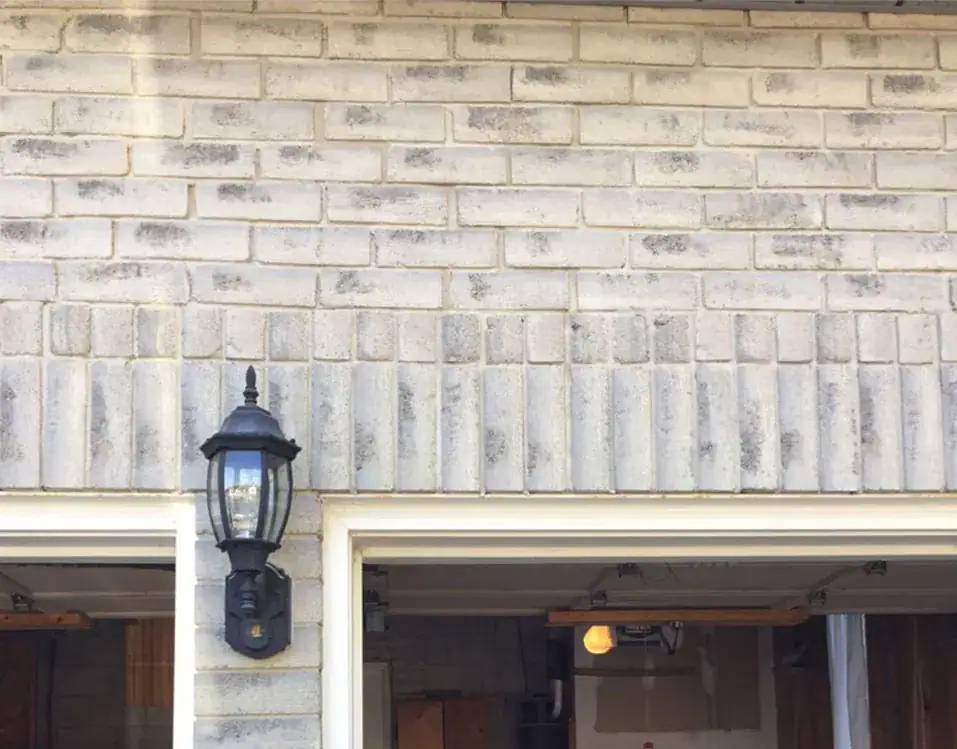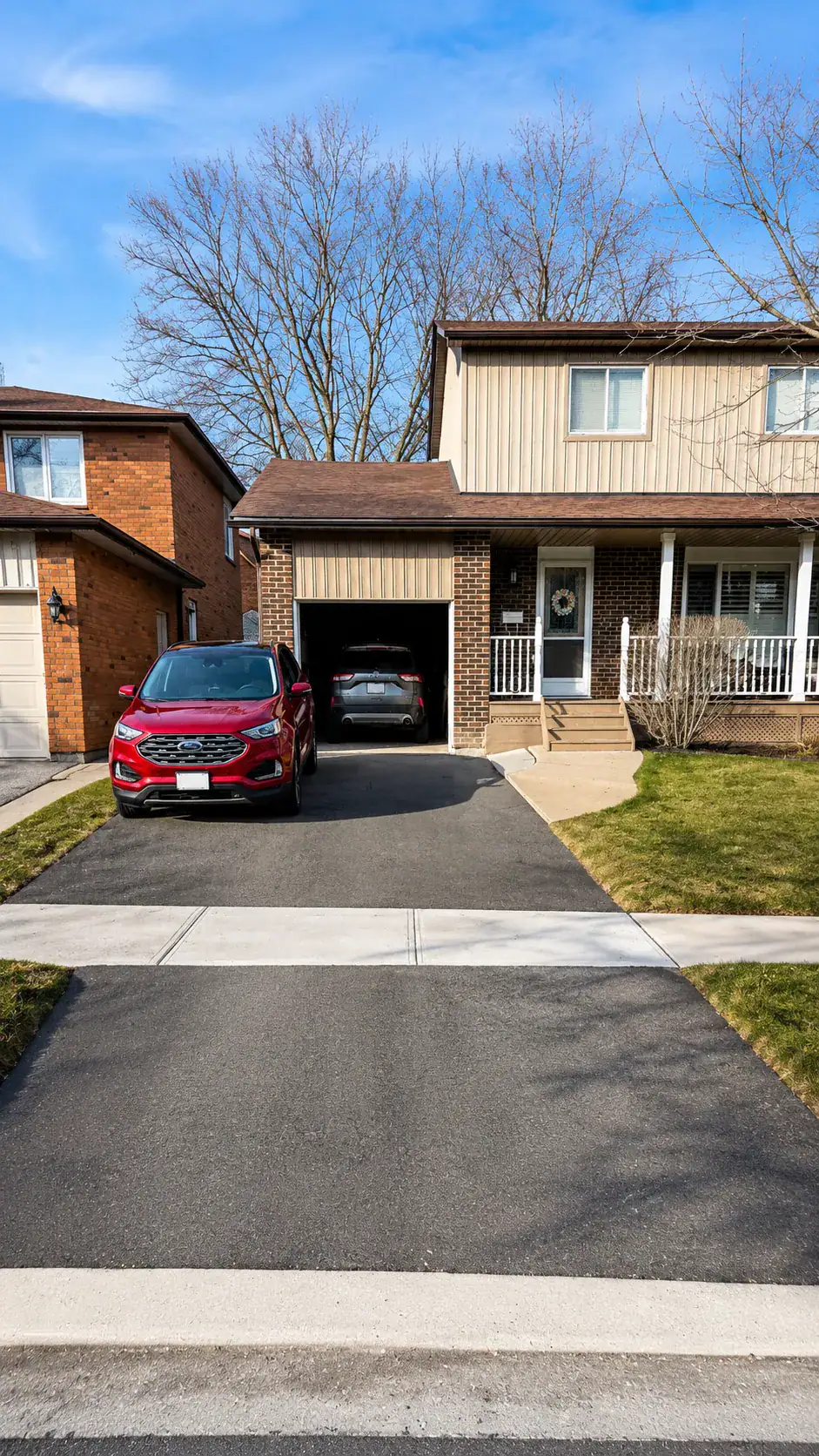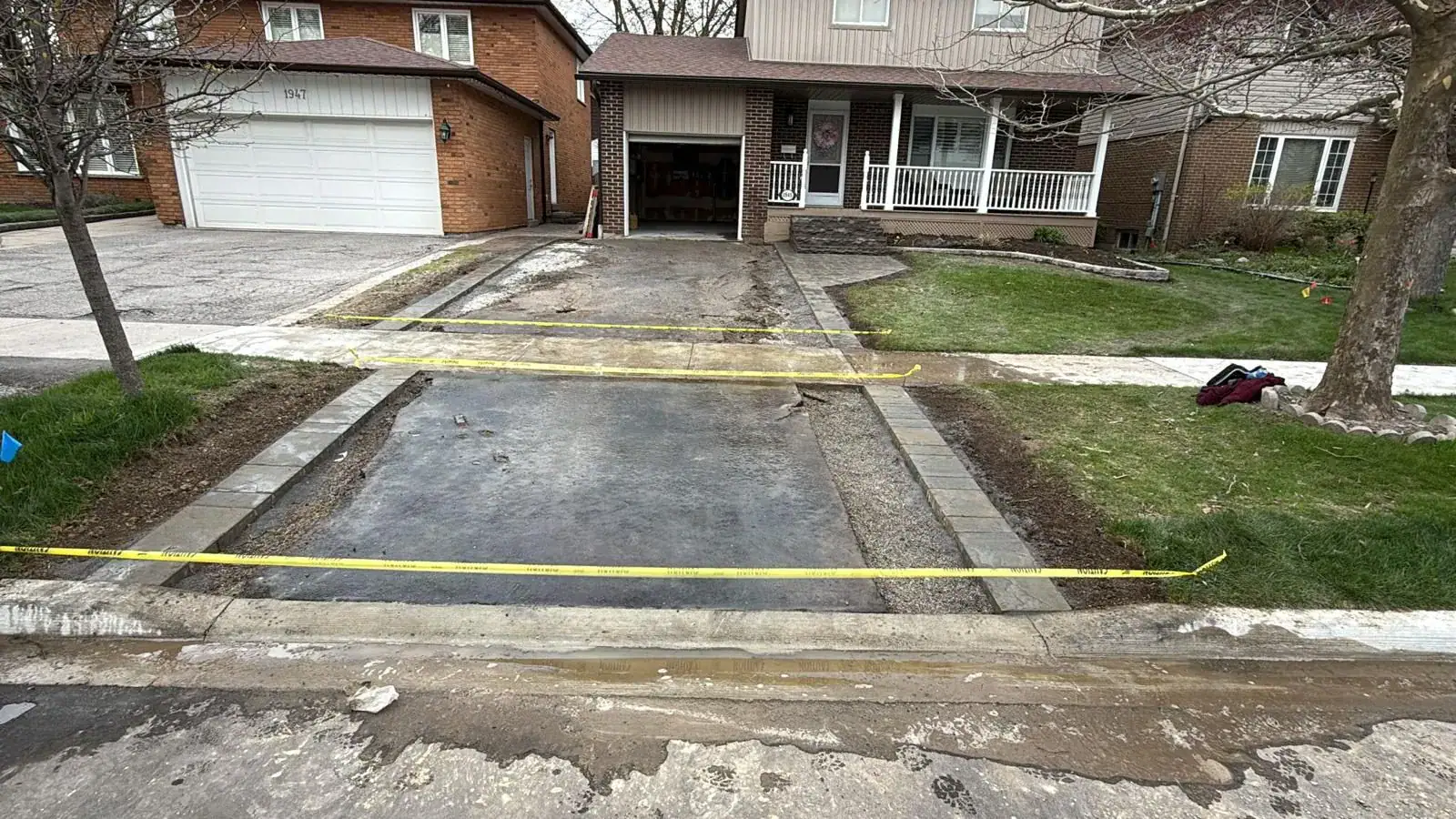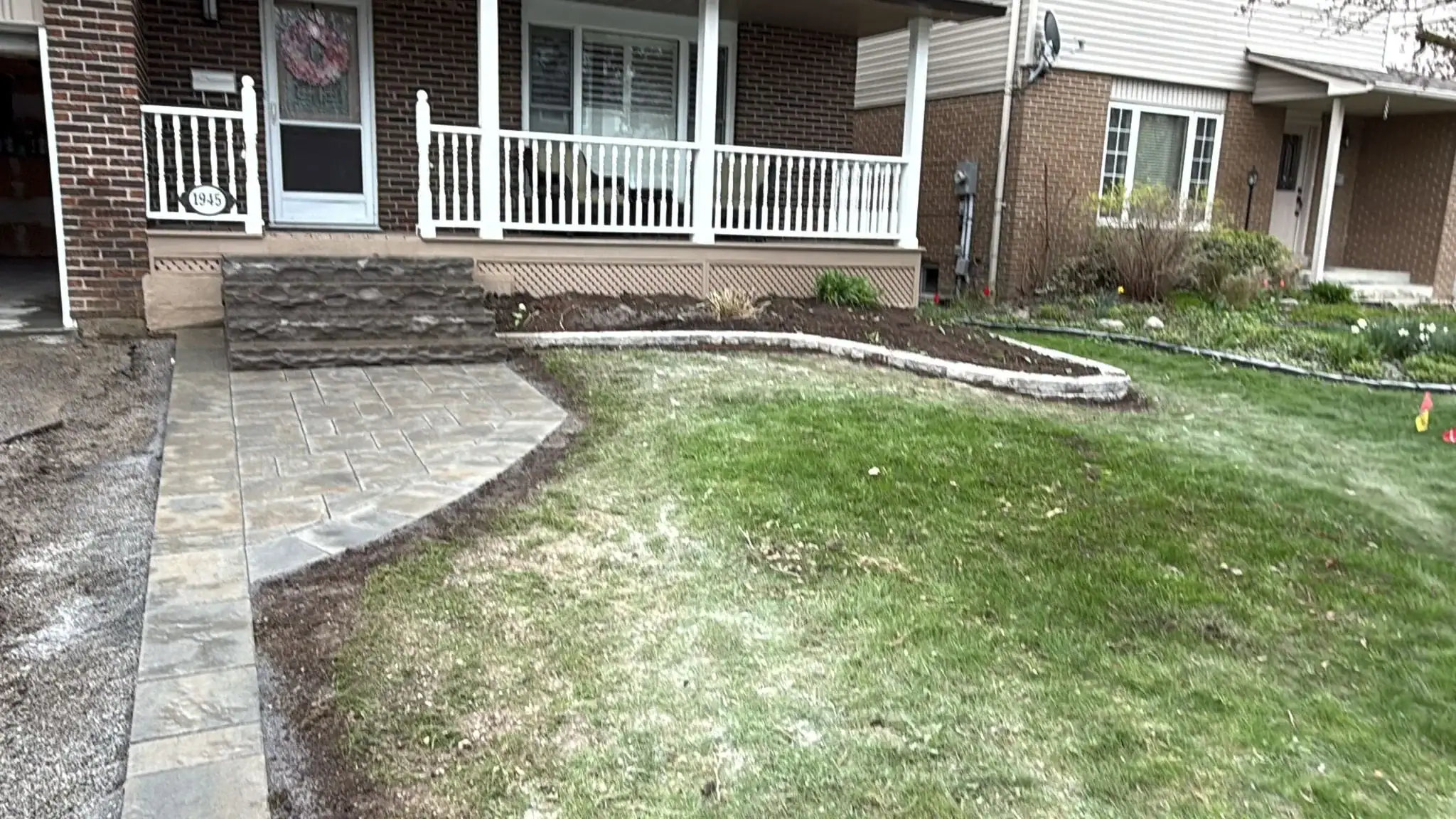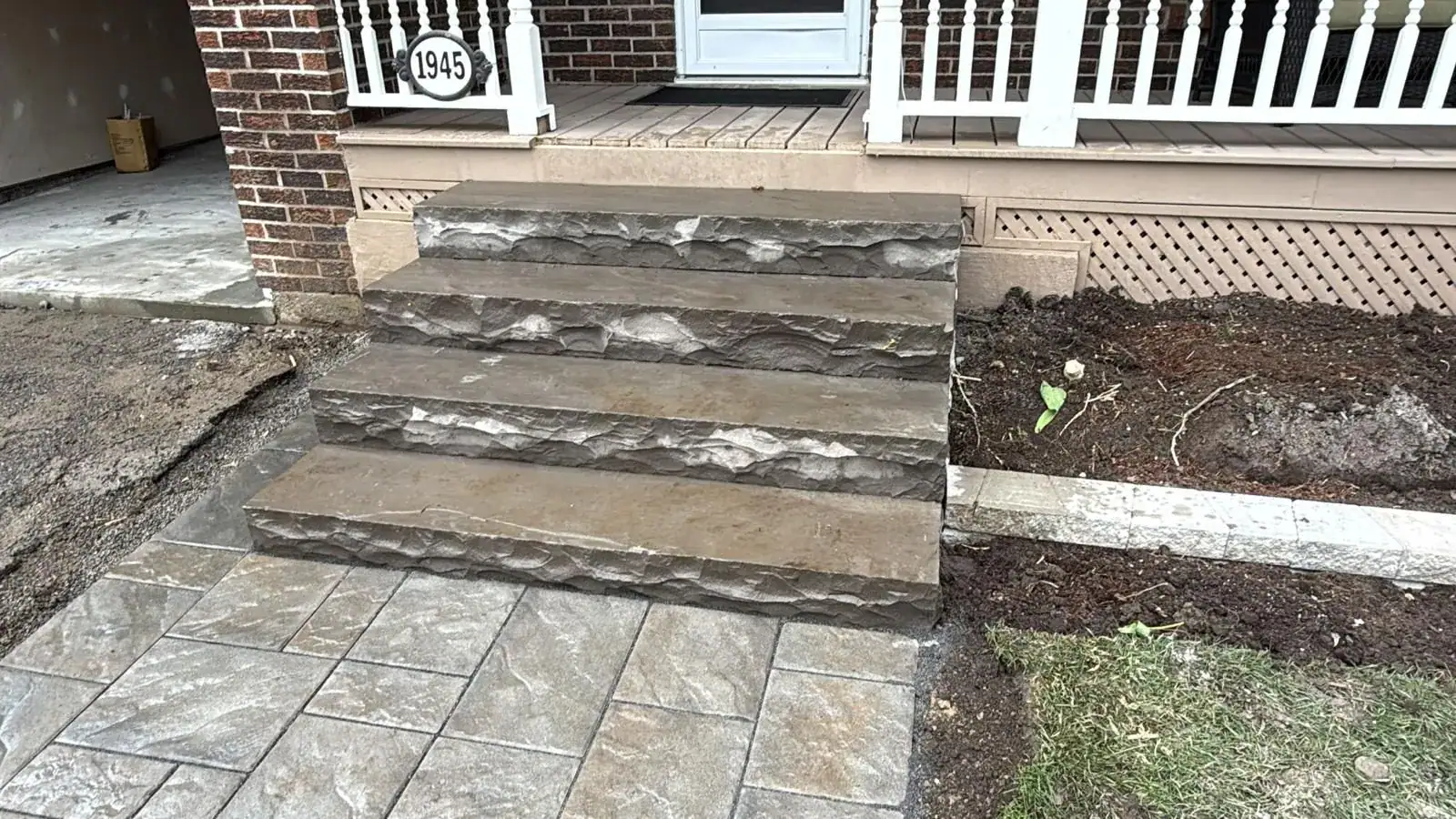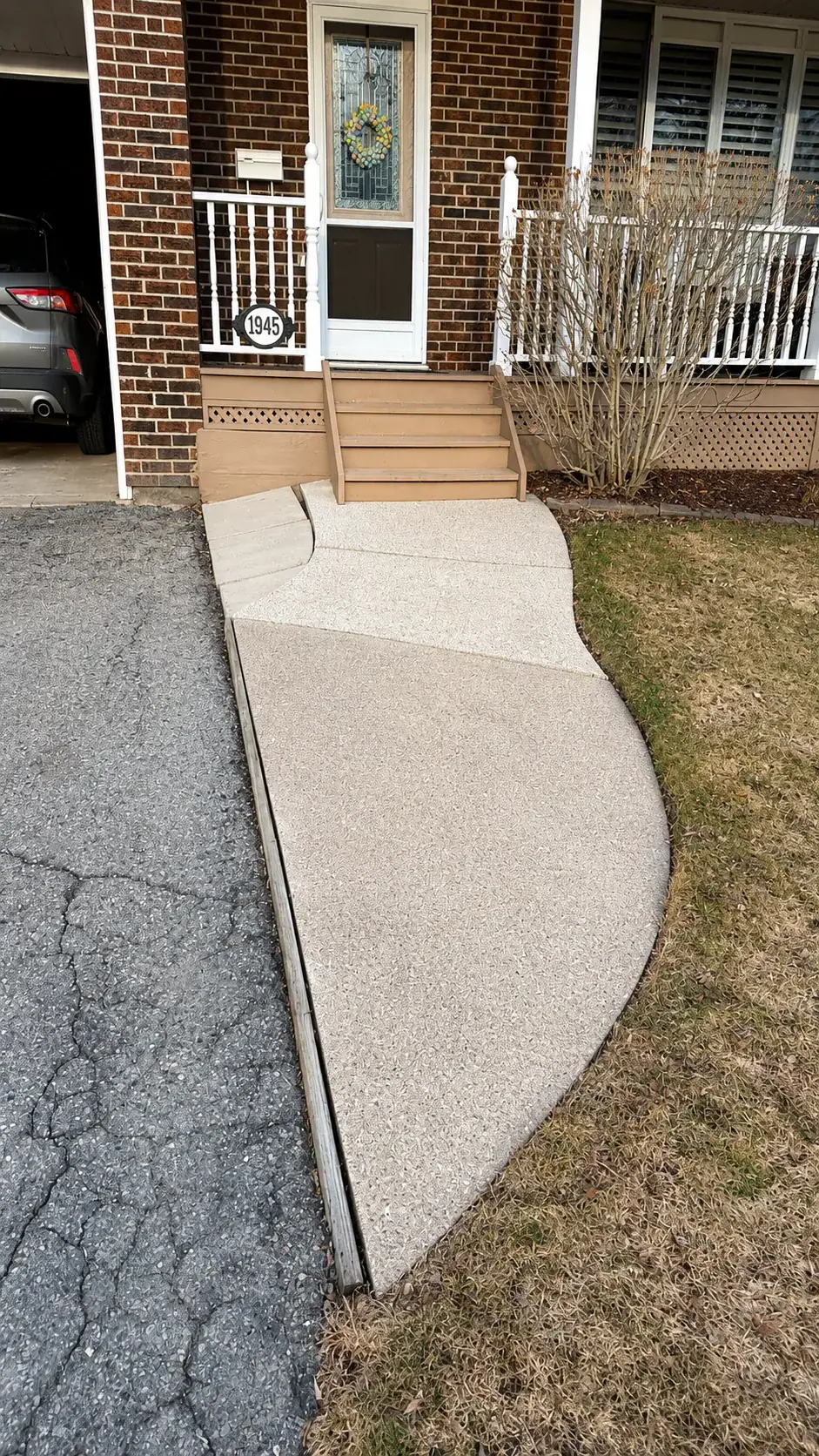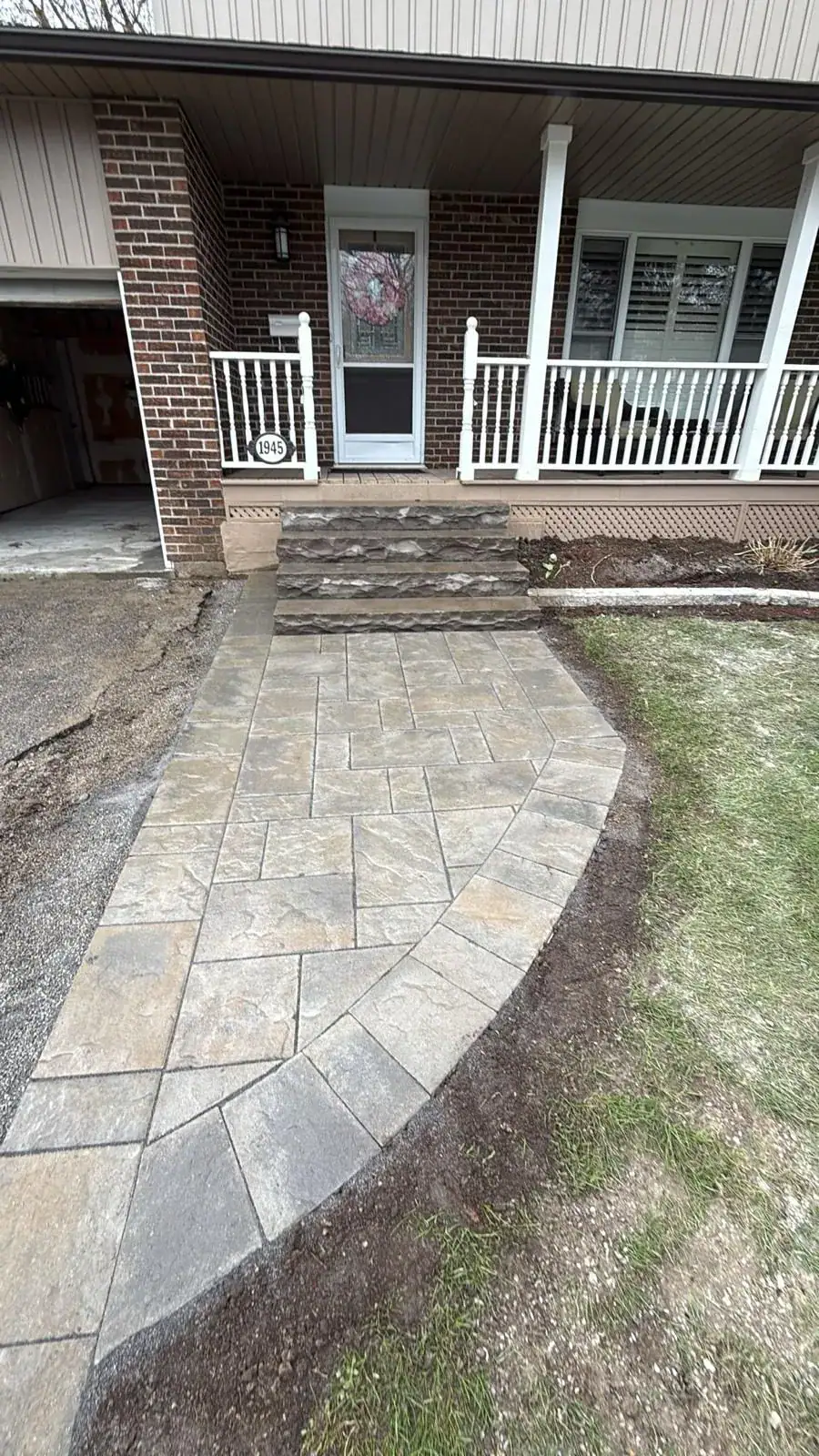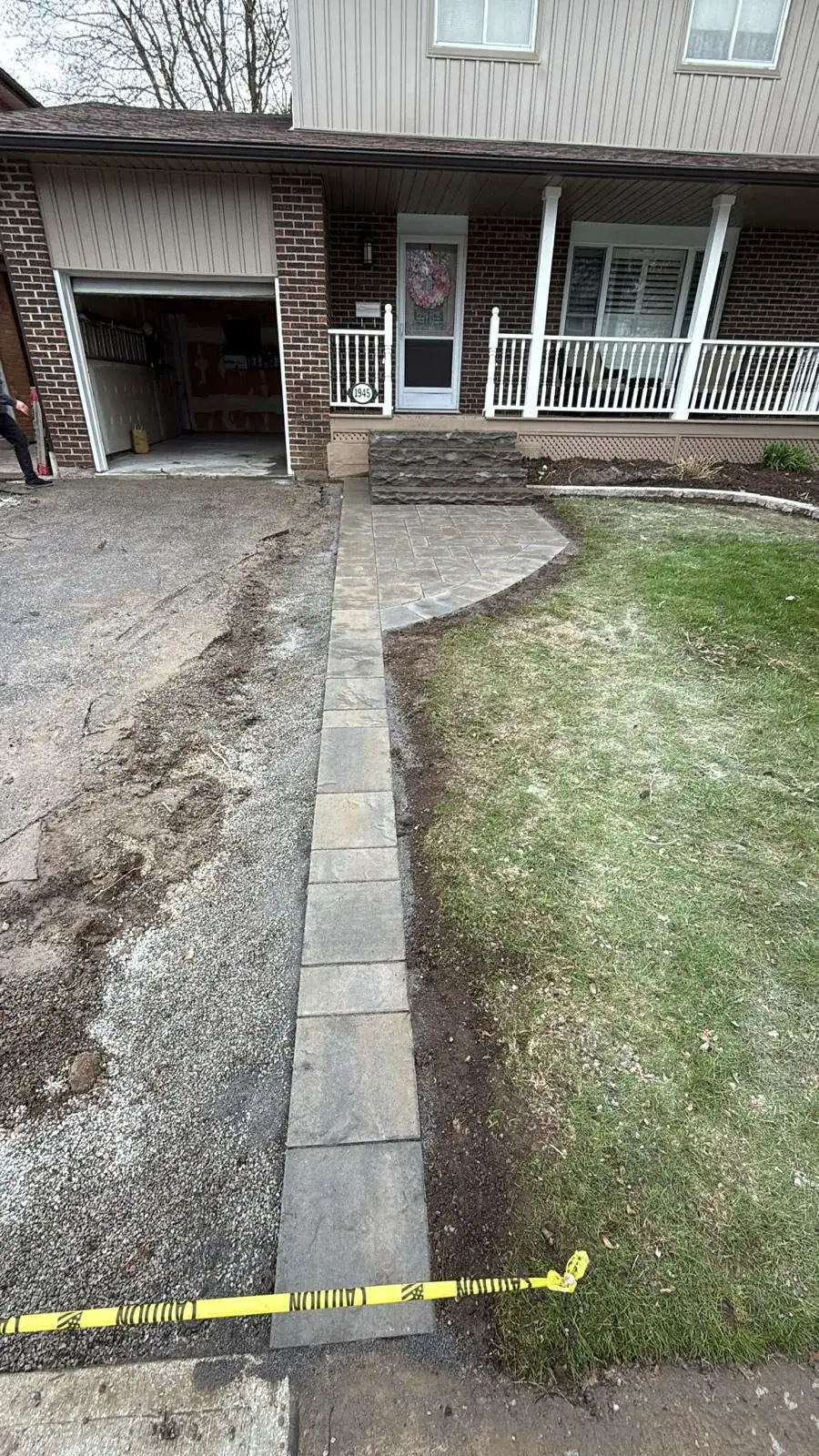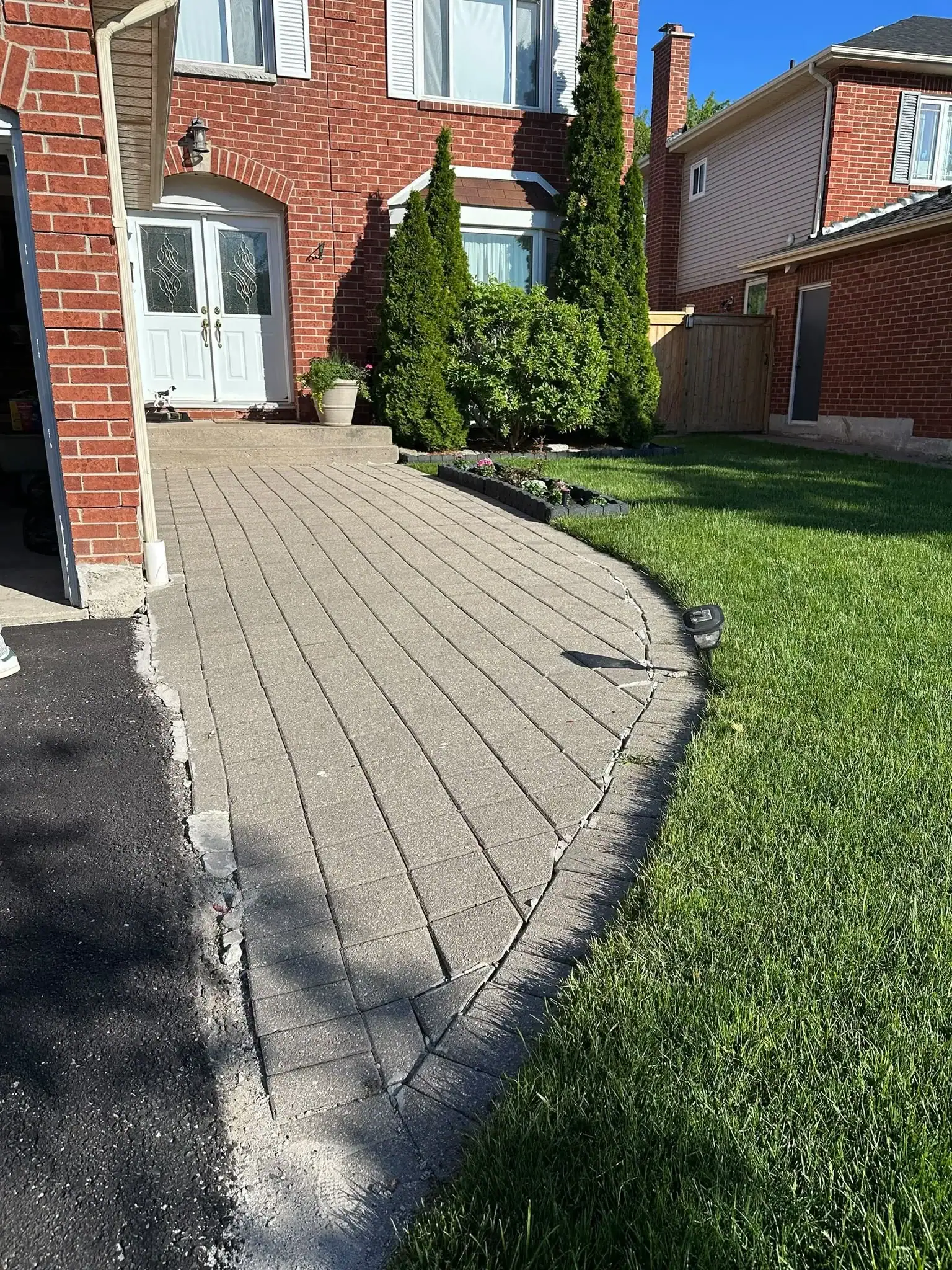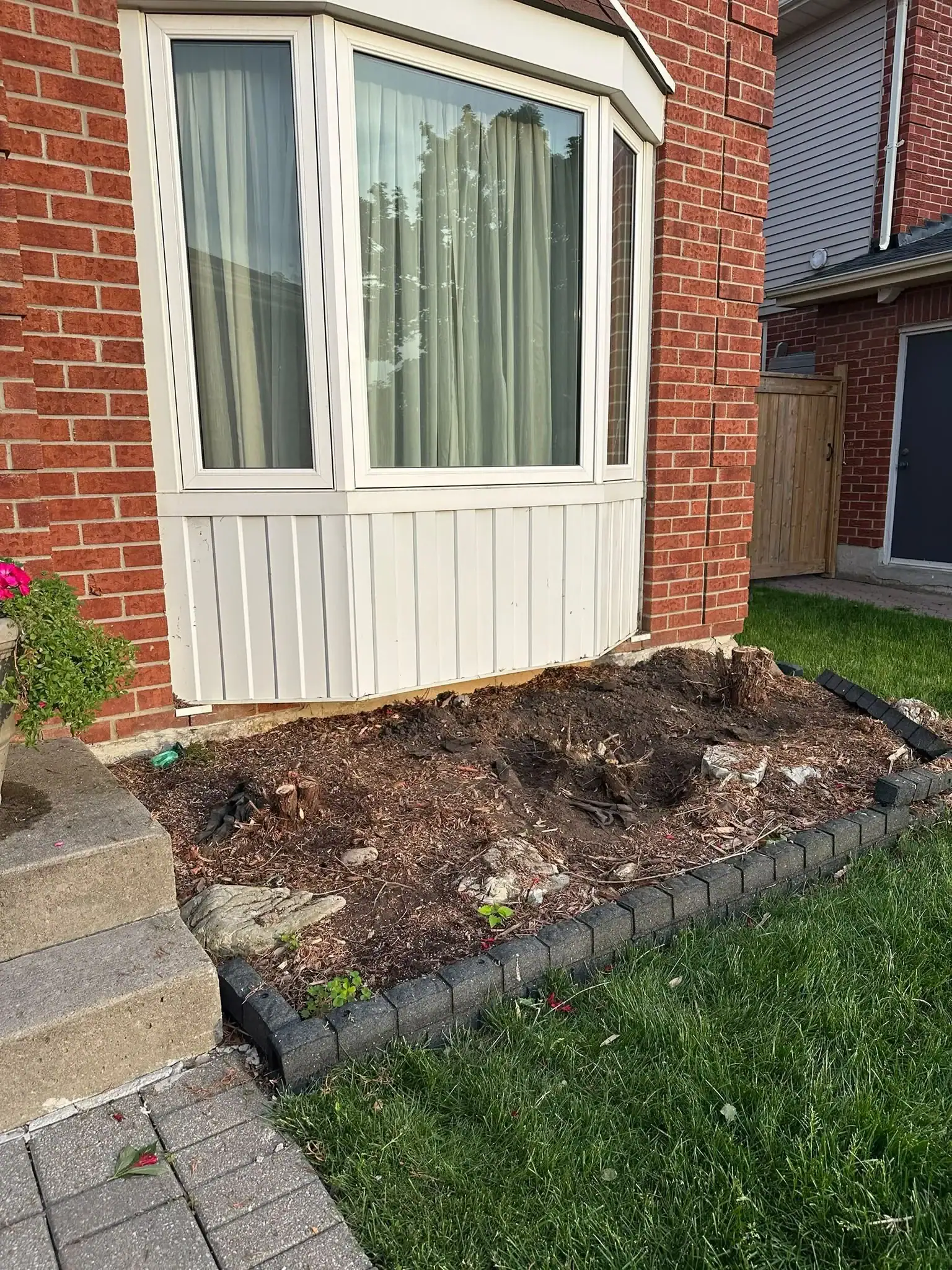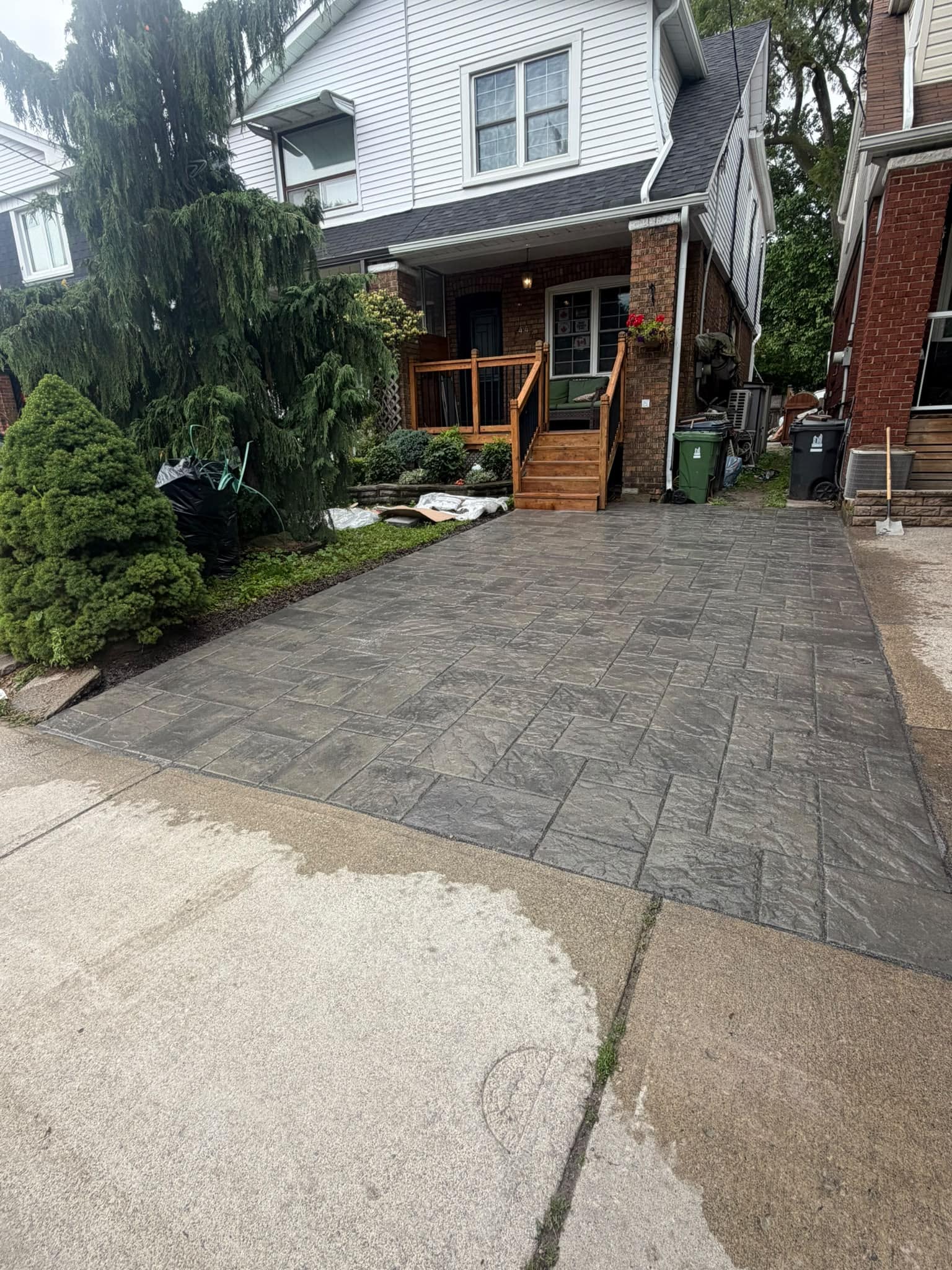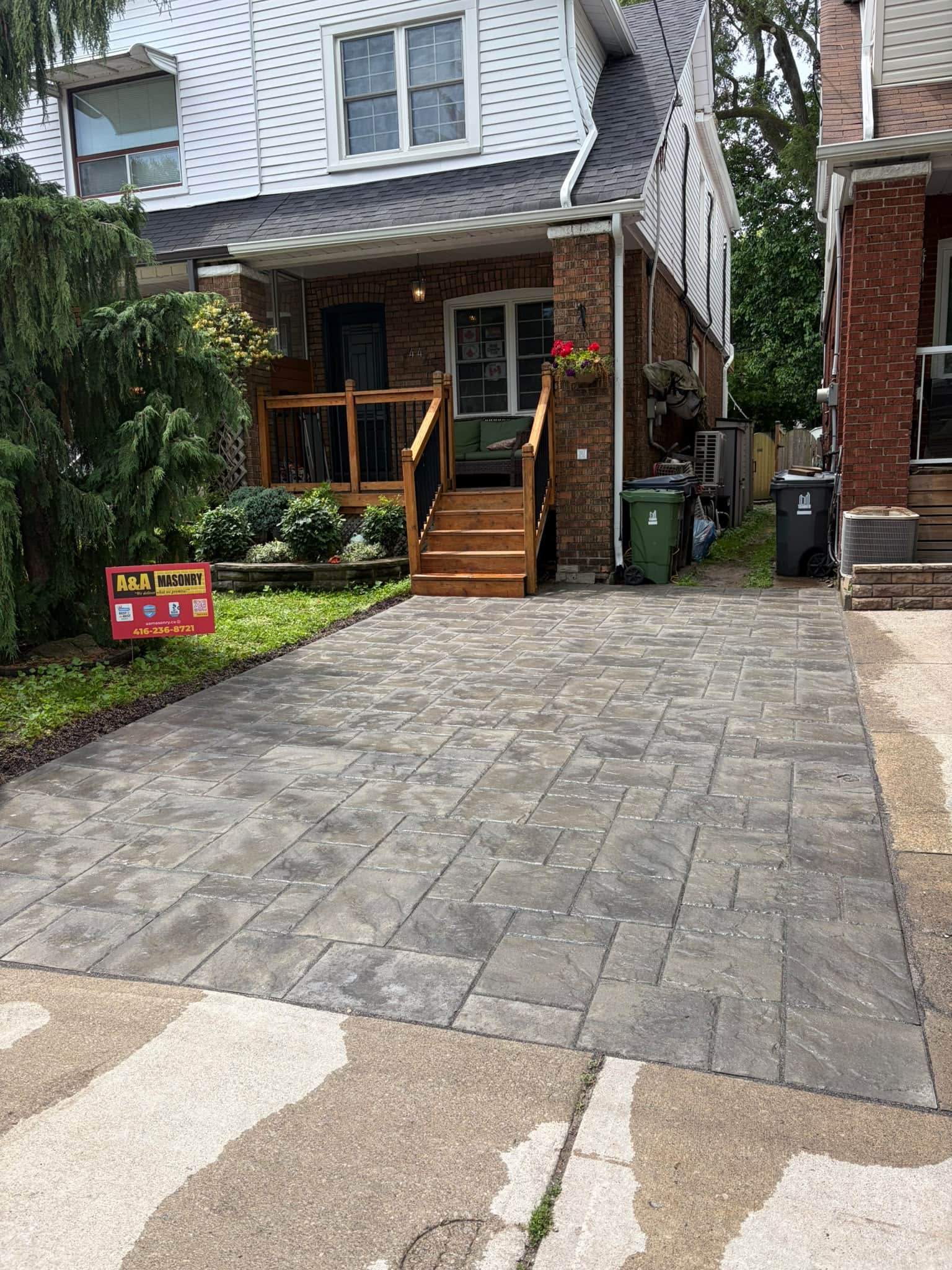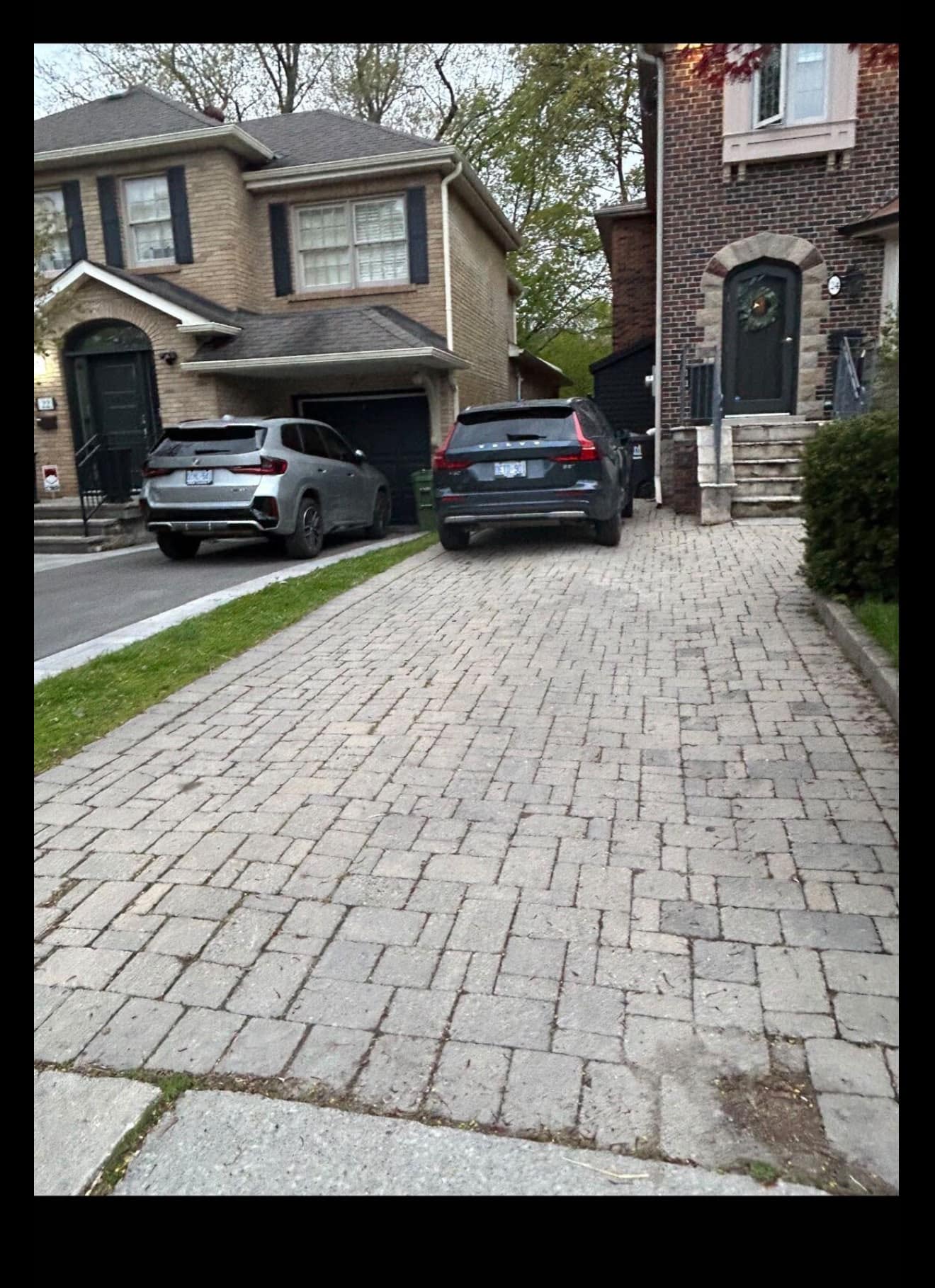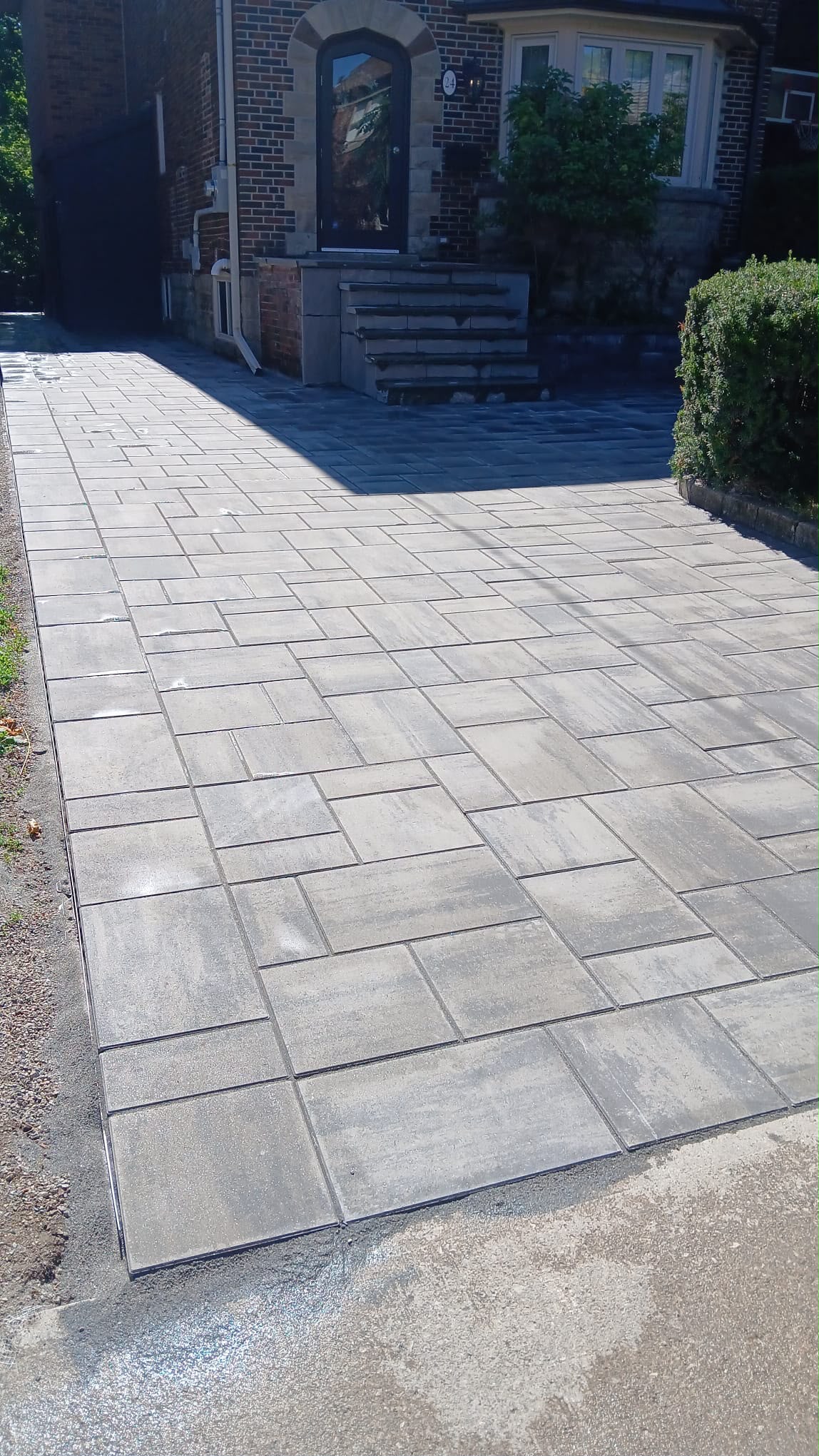

If you are budgeting for concrete repairs, you are not alone. The tricky part is that “concrete repair” can mean anything from sealing a thin crack to rebuilding steps or correcting a sinking slab. Below is a practical way to understand pricing in Toronto and the GTA, along with what a proper estimate should include, so you can compare quotes without guessing.
If you are still determining what your property needs, A&A Masonry’s professional concrete repair services cover cracks, steps, porches, walkways, driveways, and other damaged concrete surfaces across Toronto.
Quick Answer: What Affects Concrete Repair Cost in Toronto?
Concrete repair cost depends mainly on the type of damage, the size of the affected area, the required preparation, site access, the chosen repair method, and the desired finish.
Freeze-thaw exposure, moisture, and de-icing salts can contribute to scaling, cracking, and deeper deterioration, which is why the visible surface alone does not always determine the repair scope.

How Concrete Repair Scope Affects Cost
The following categories can help explain why one concrete repair may be more involved than another, but they are not a substitute for assessing the concrete’s actual condition.
Budget Guide
- Minor crack sealing and patching: Often a smaller repair scope when the crack is localized, stable, and shows no meaningful displacement.
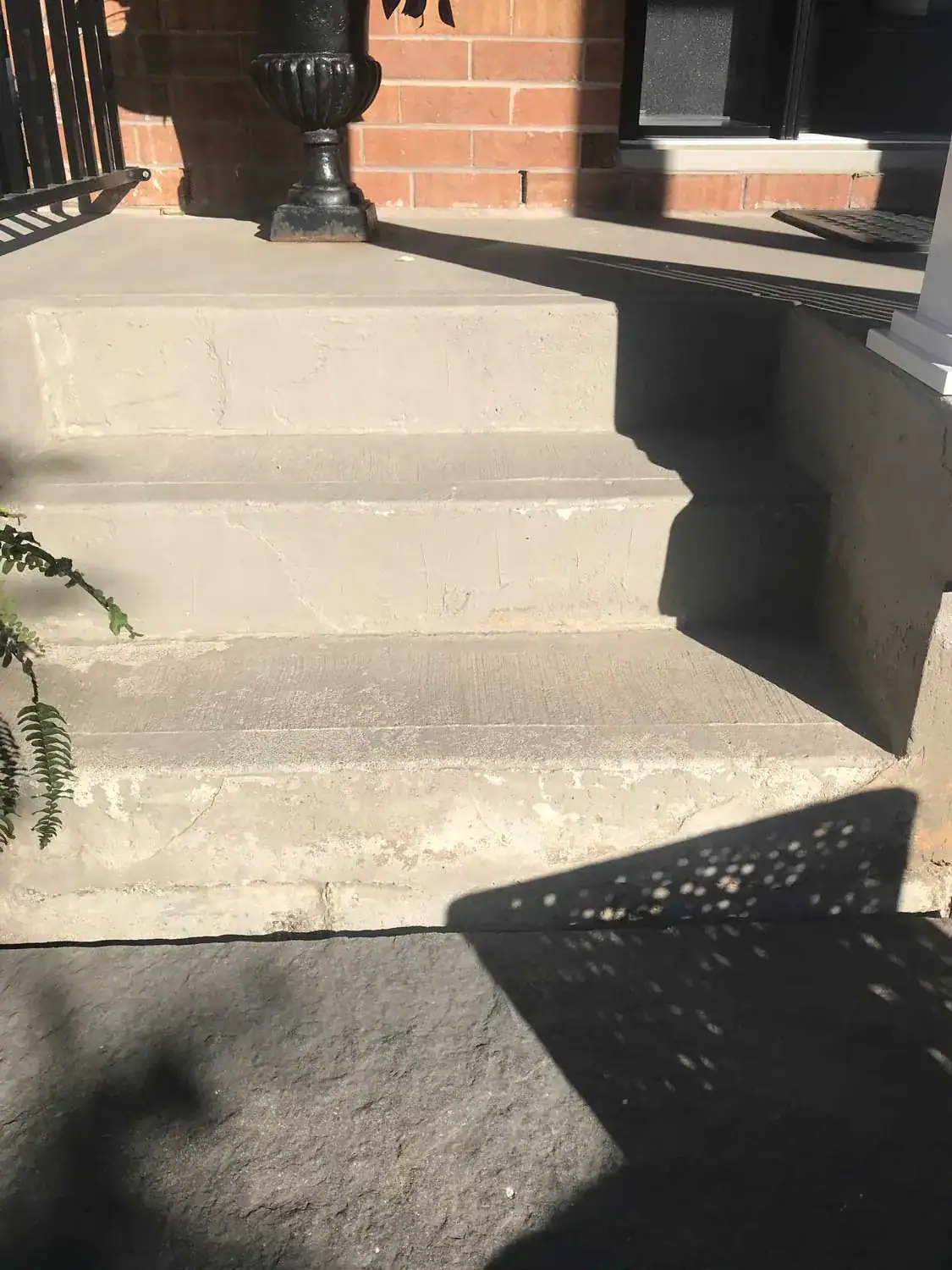
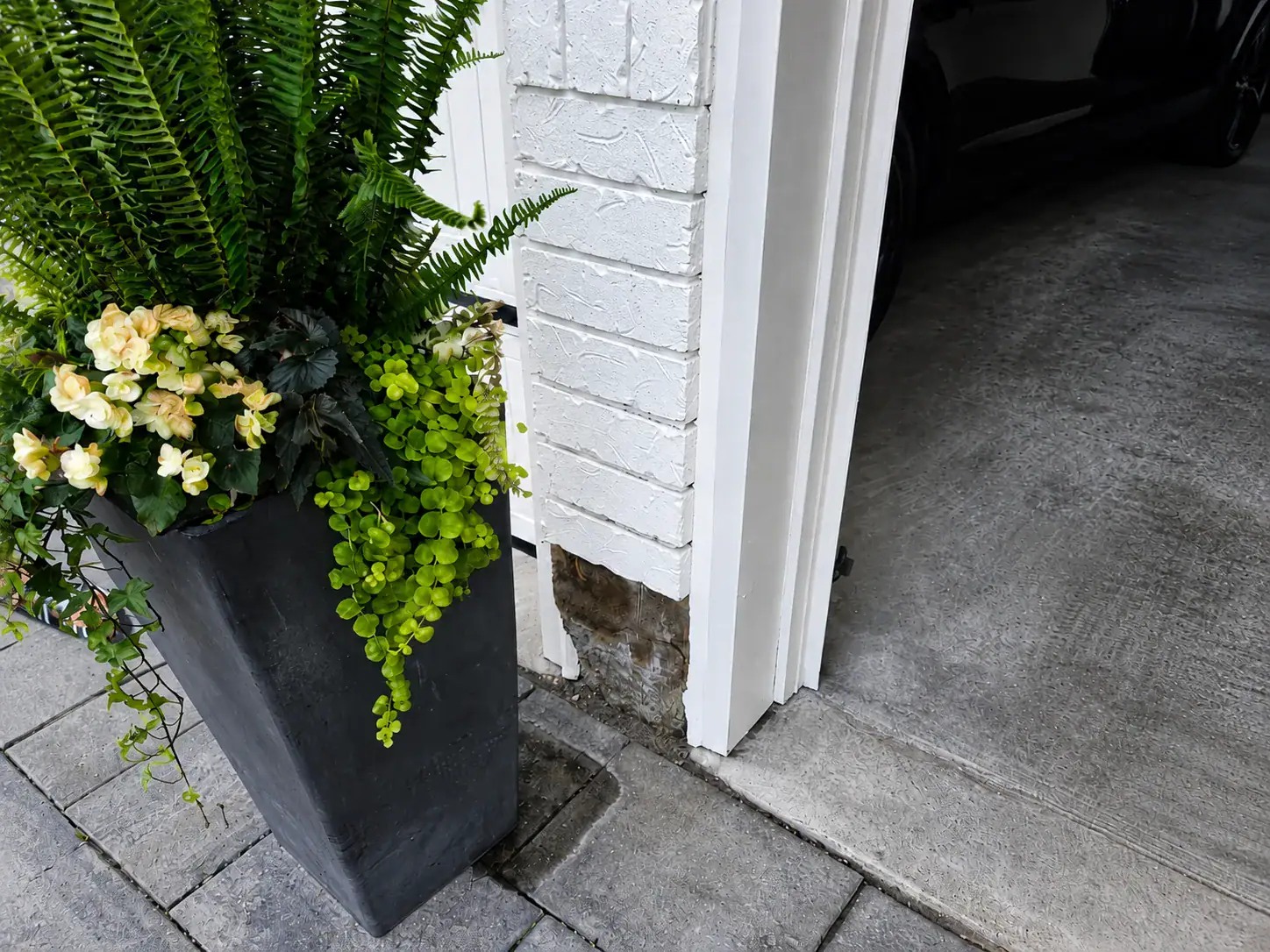
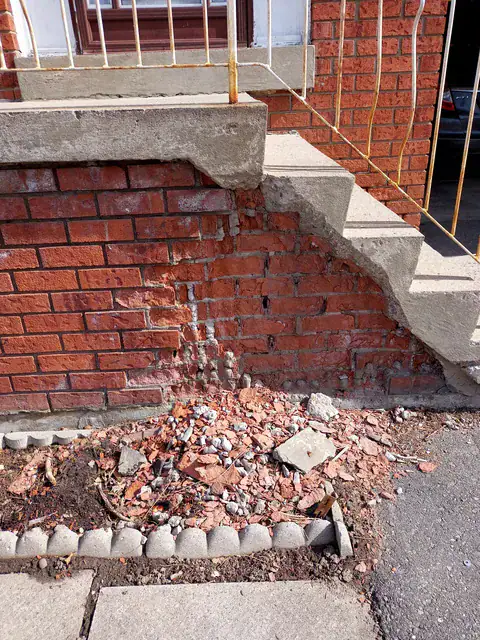
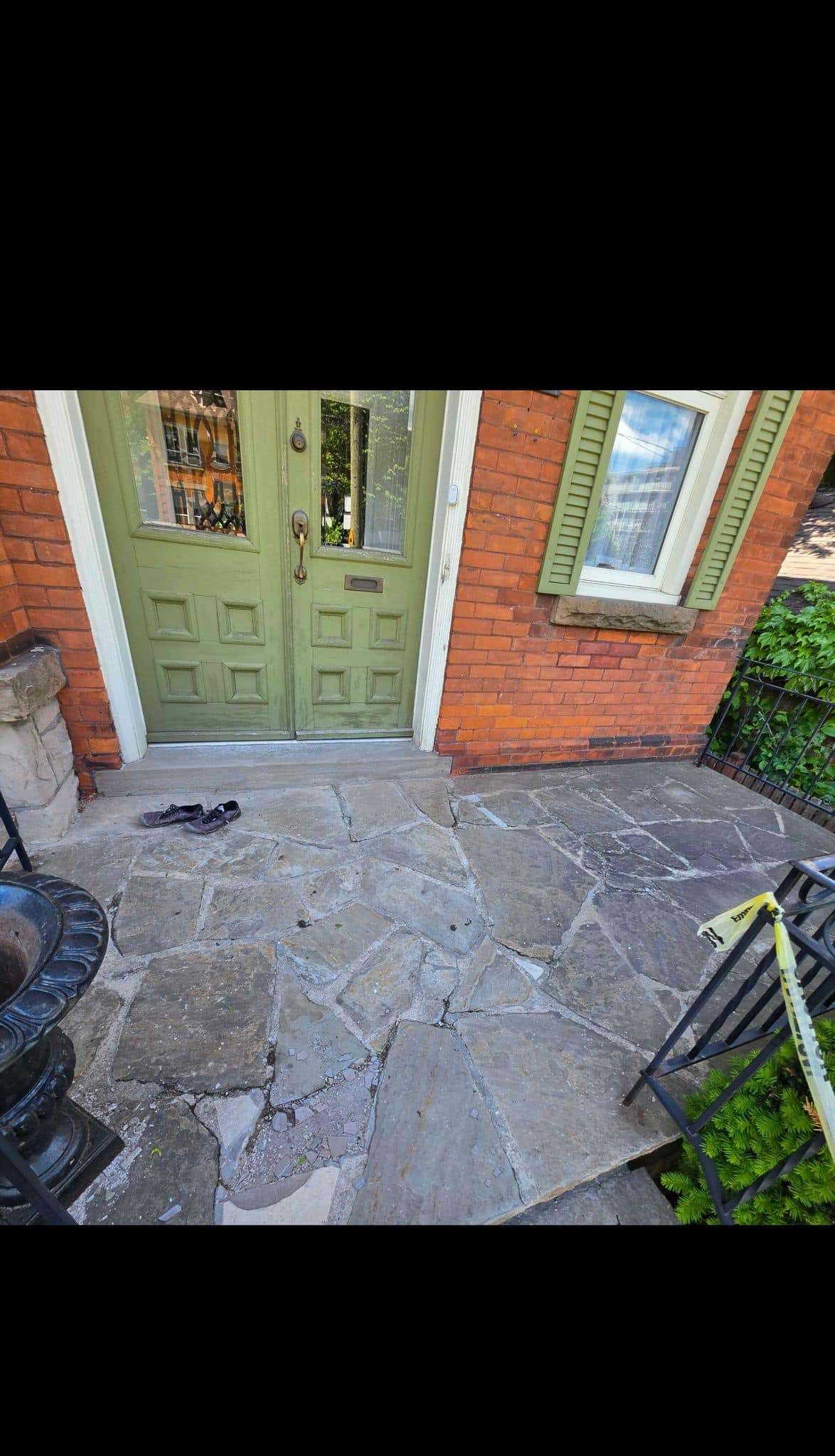
- Spalling and edge repairs: Often require more preparation because loose or unsound material needs to be removed and the repair area properly prepared before patching.
- Resurfacing: Usually involves more surface preparation and material than a localized patch because a larger area is being treated.
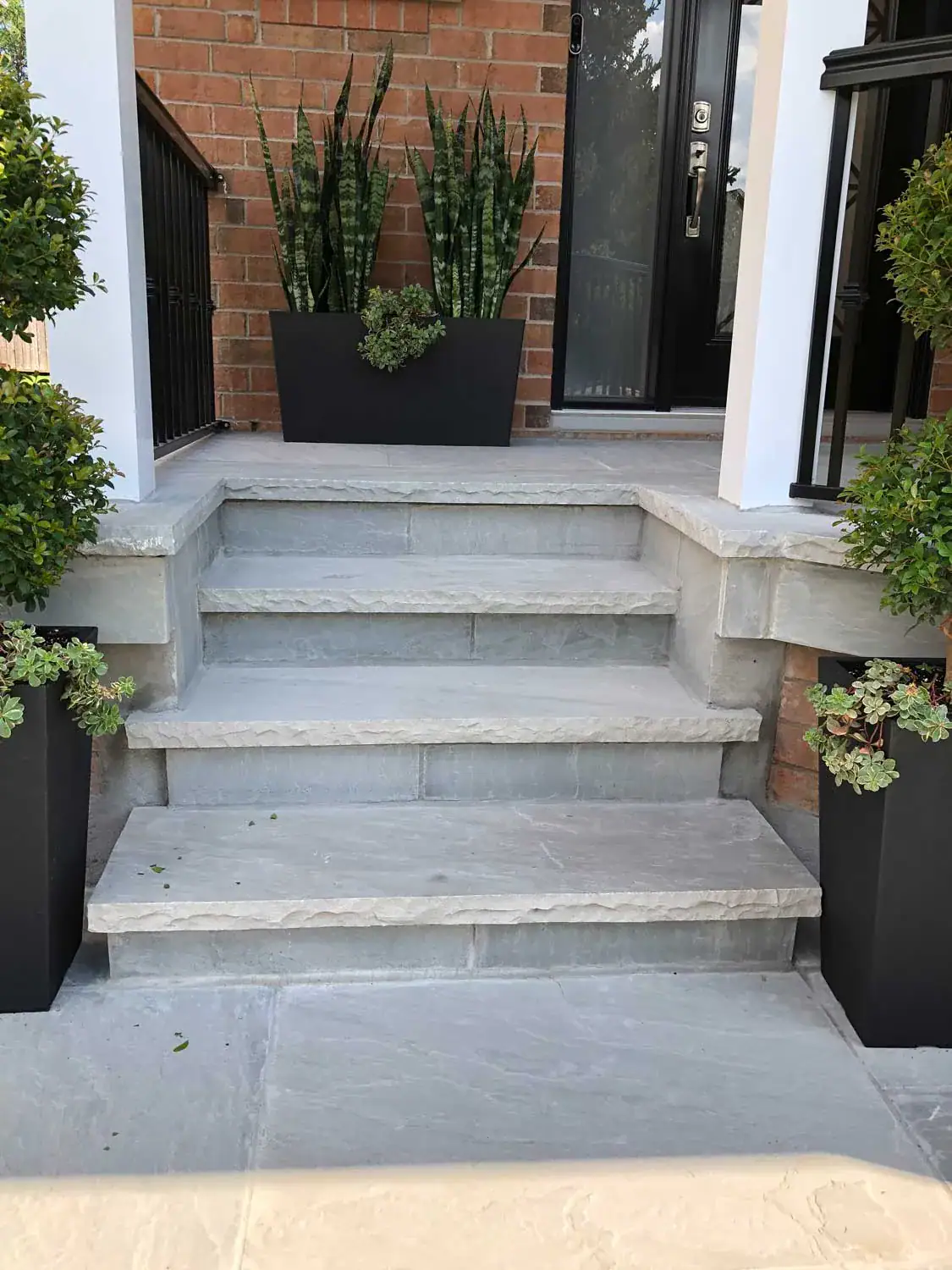
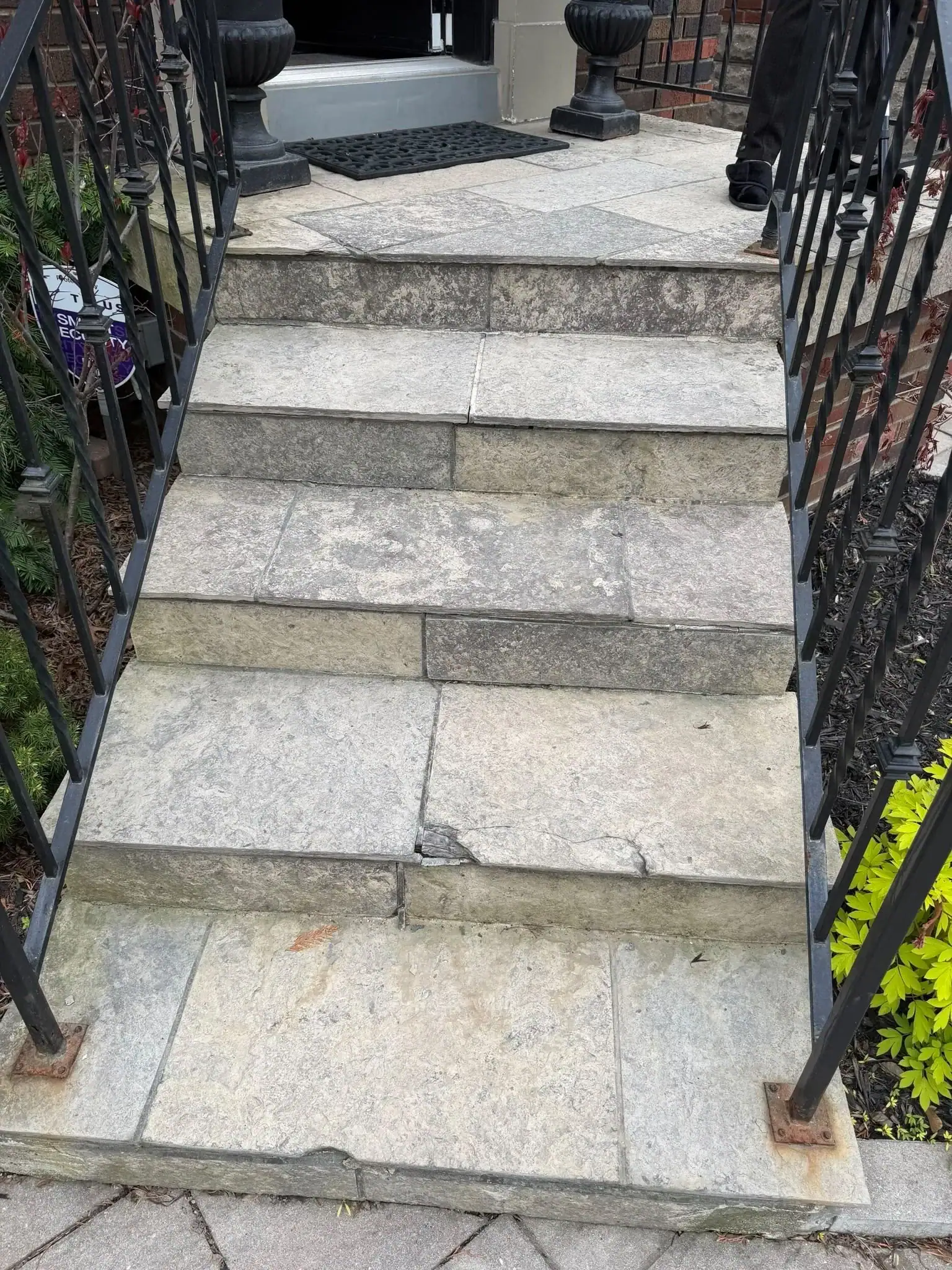
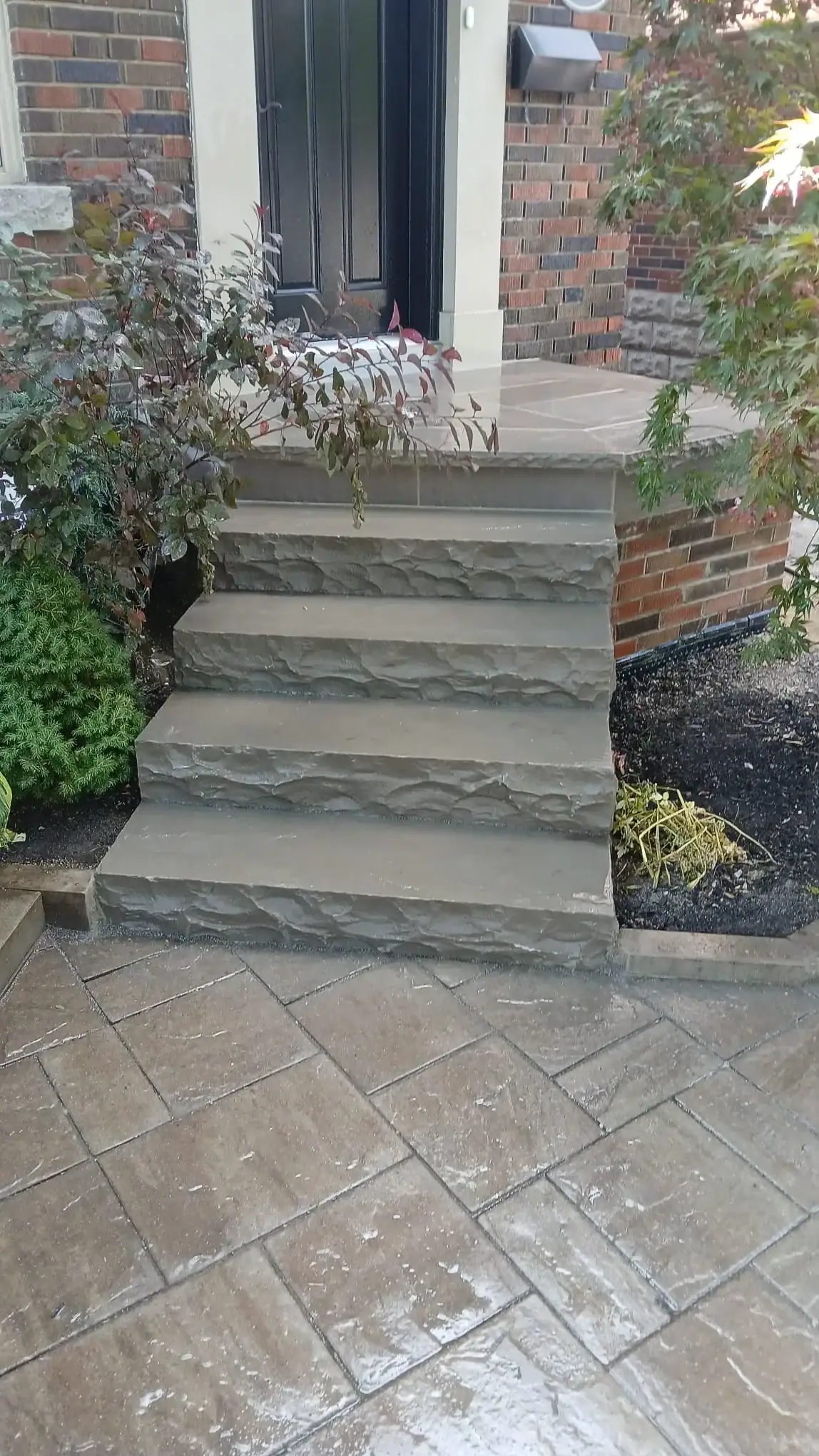
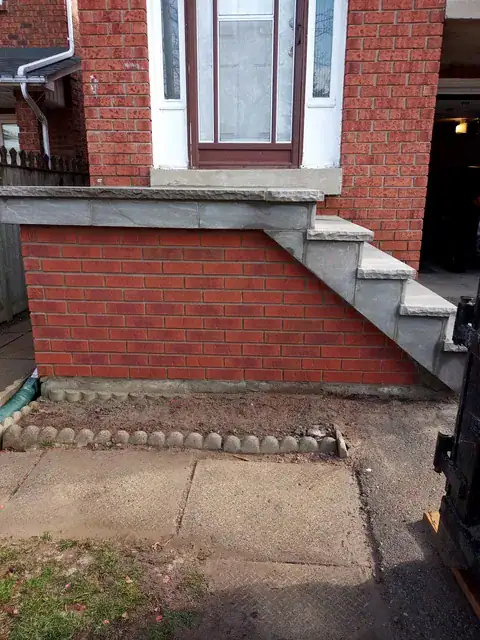
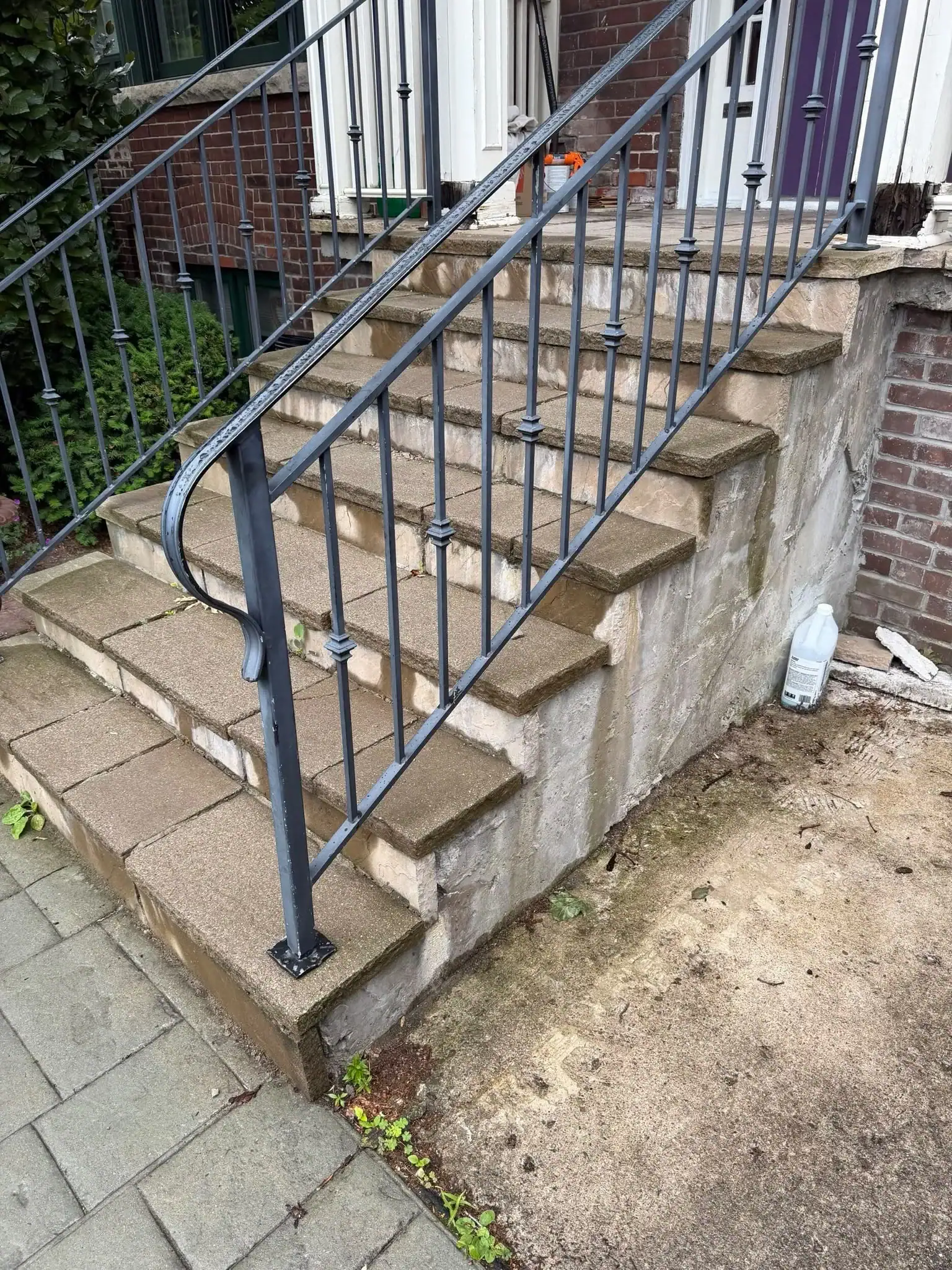
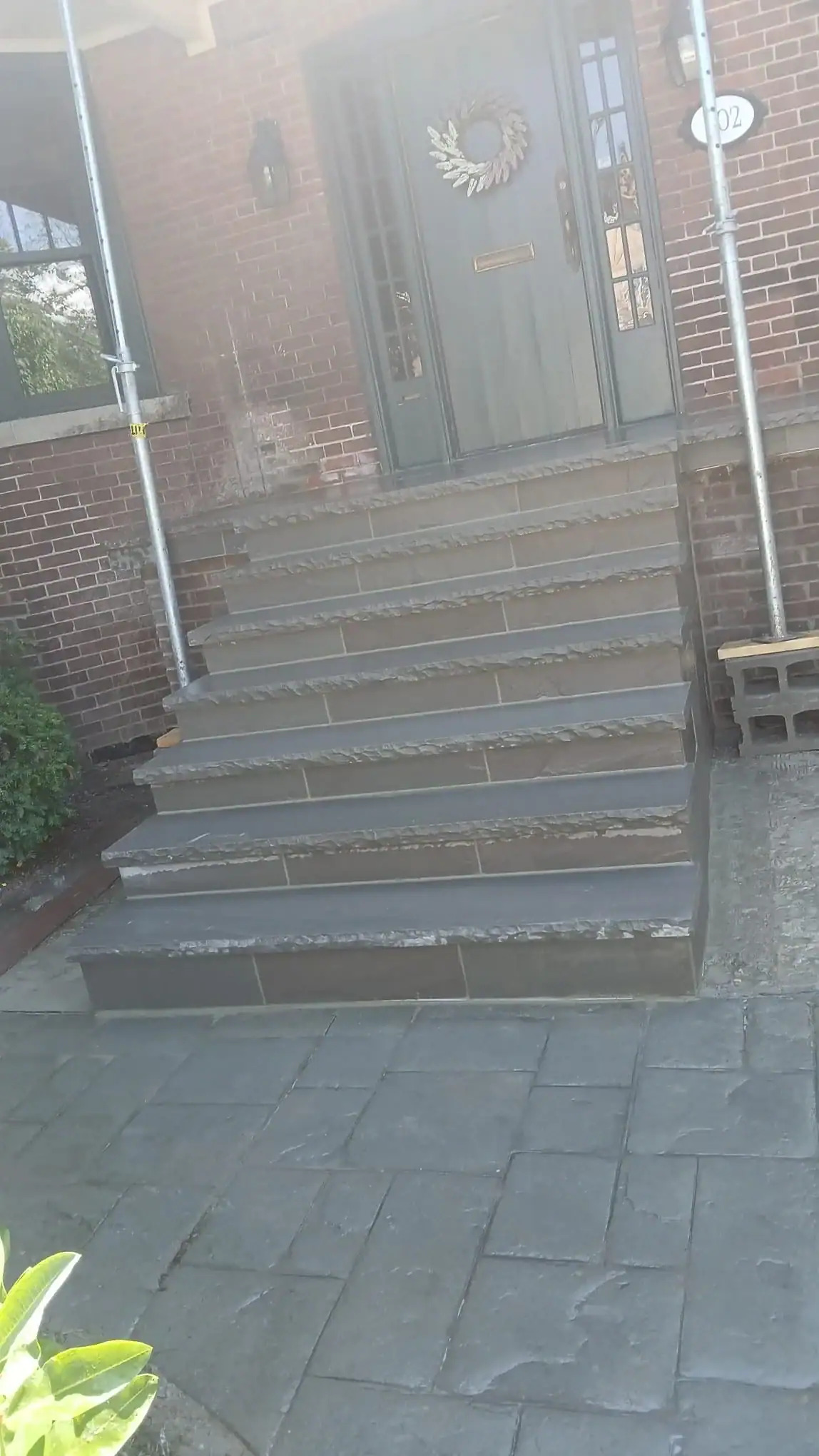
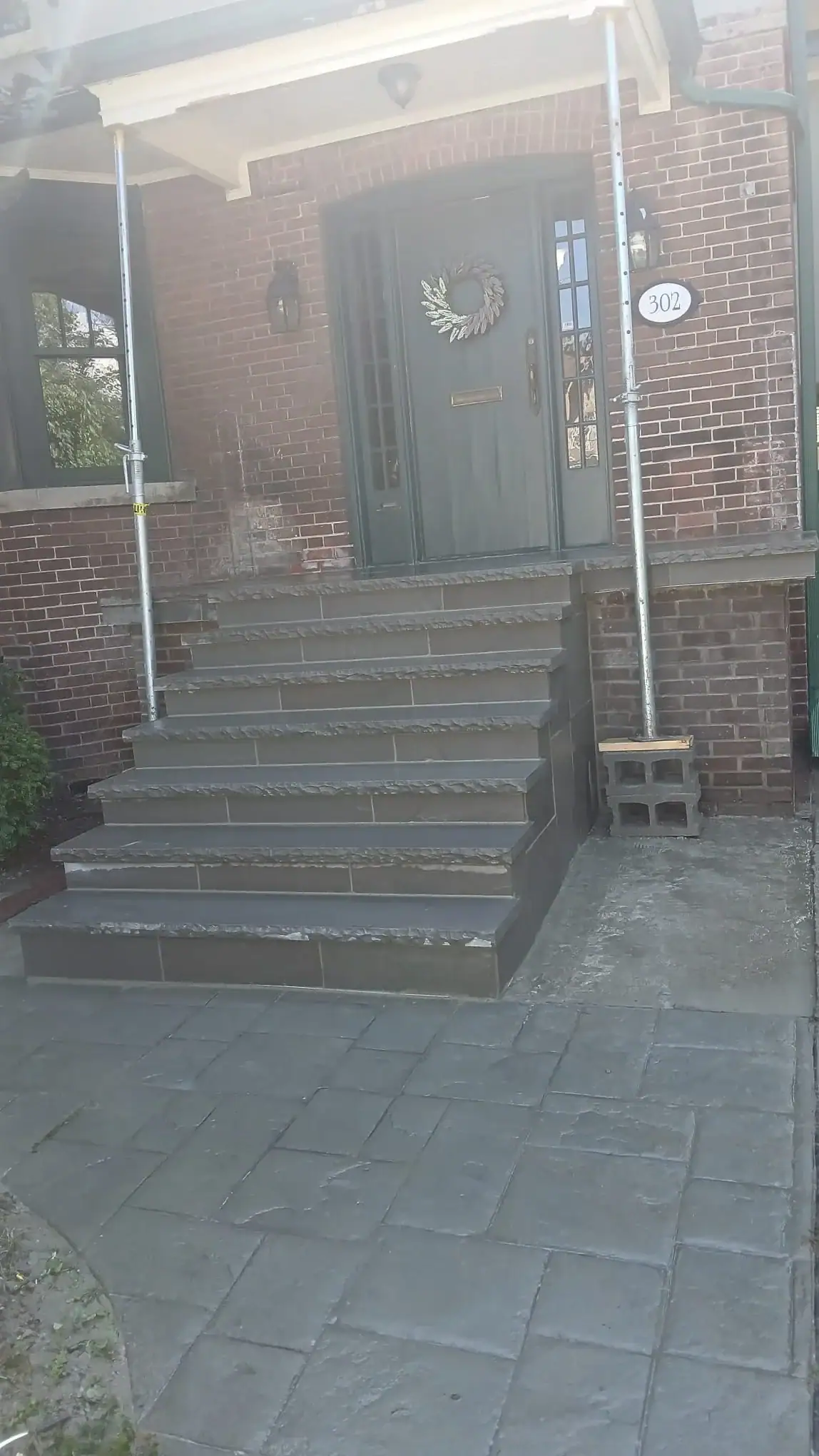
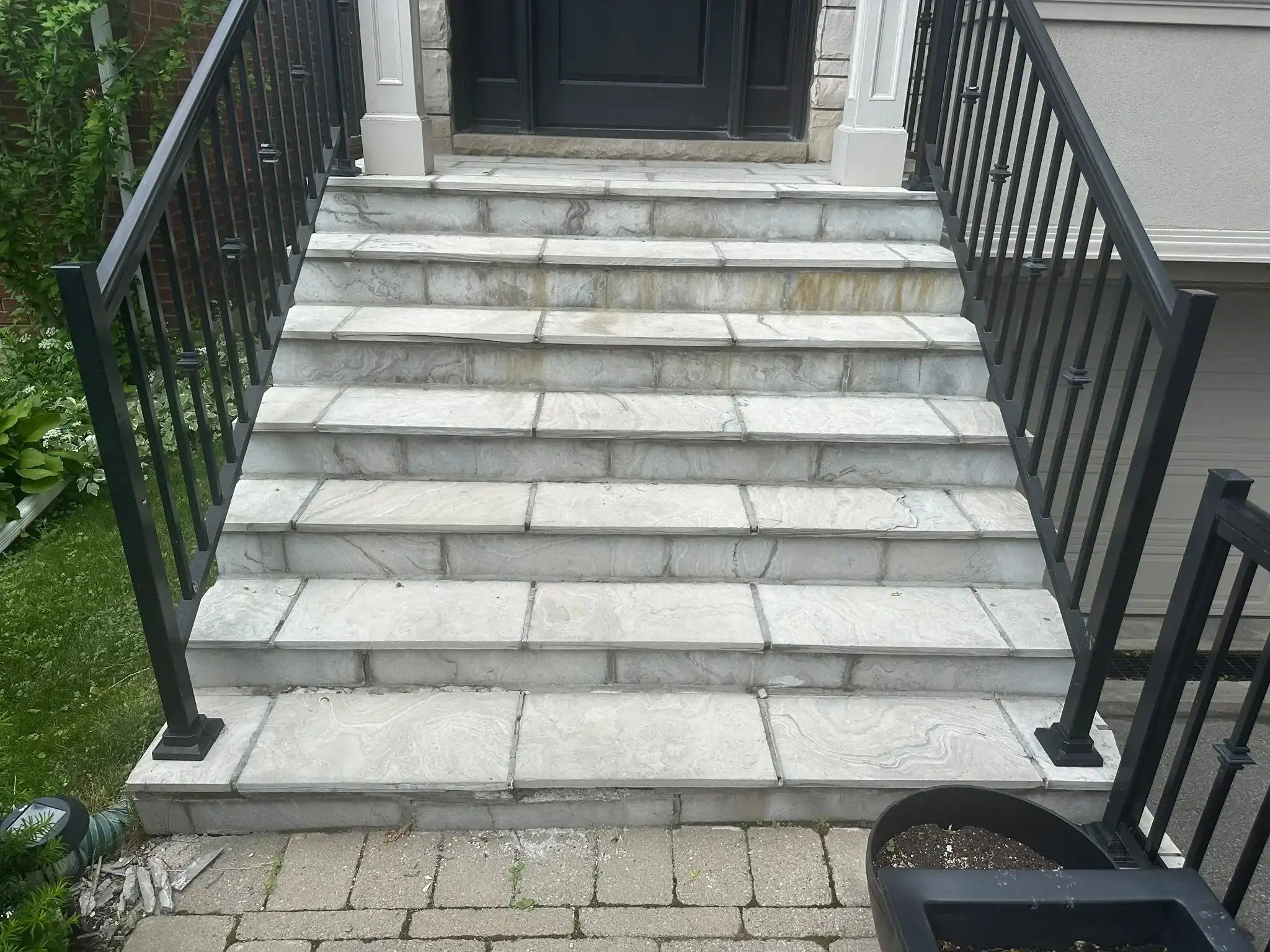
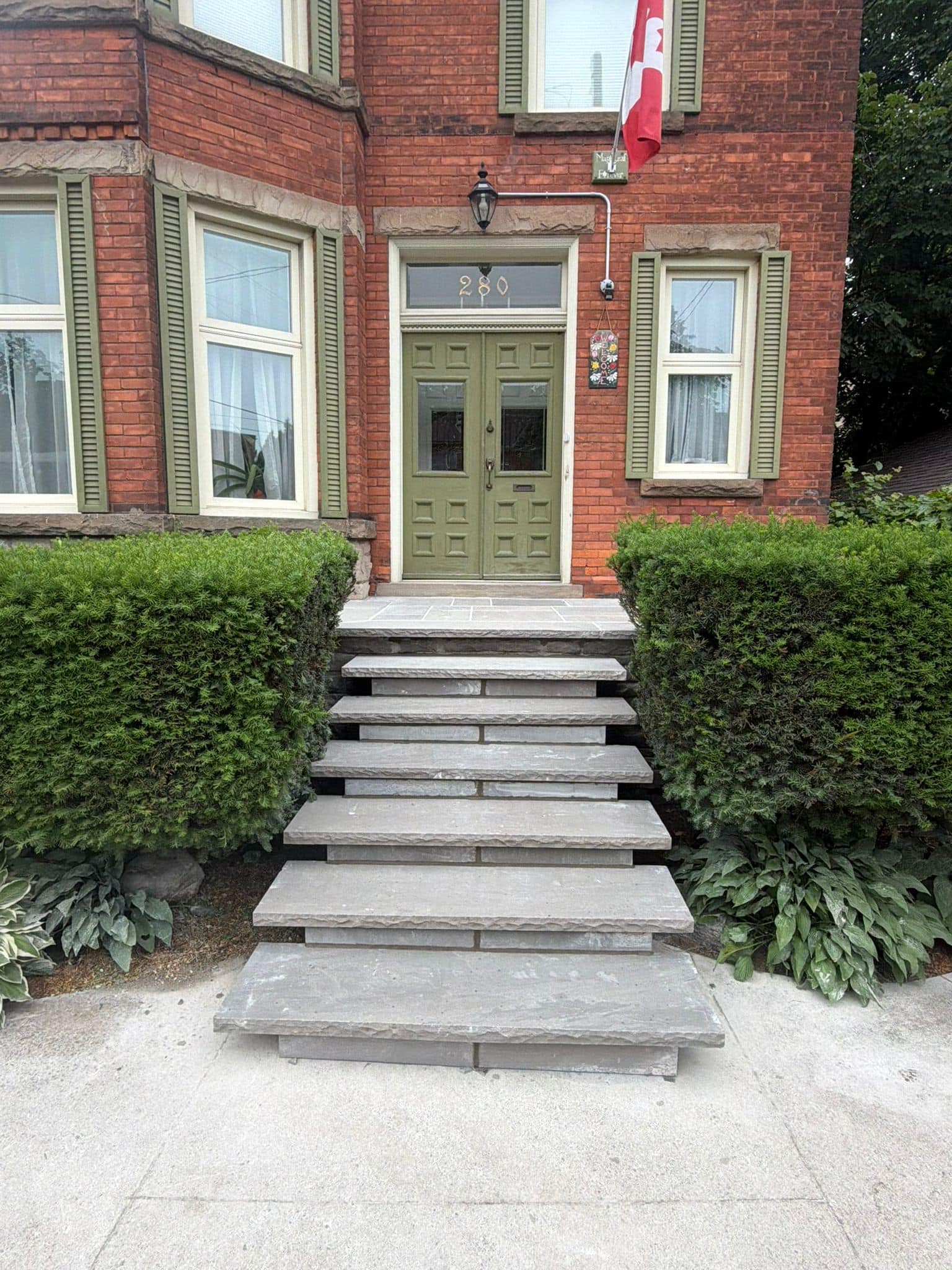
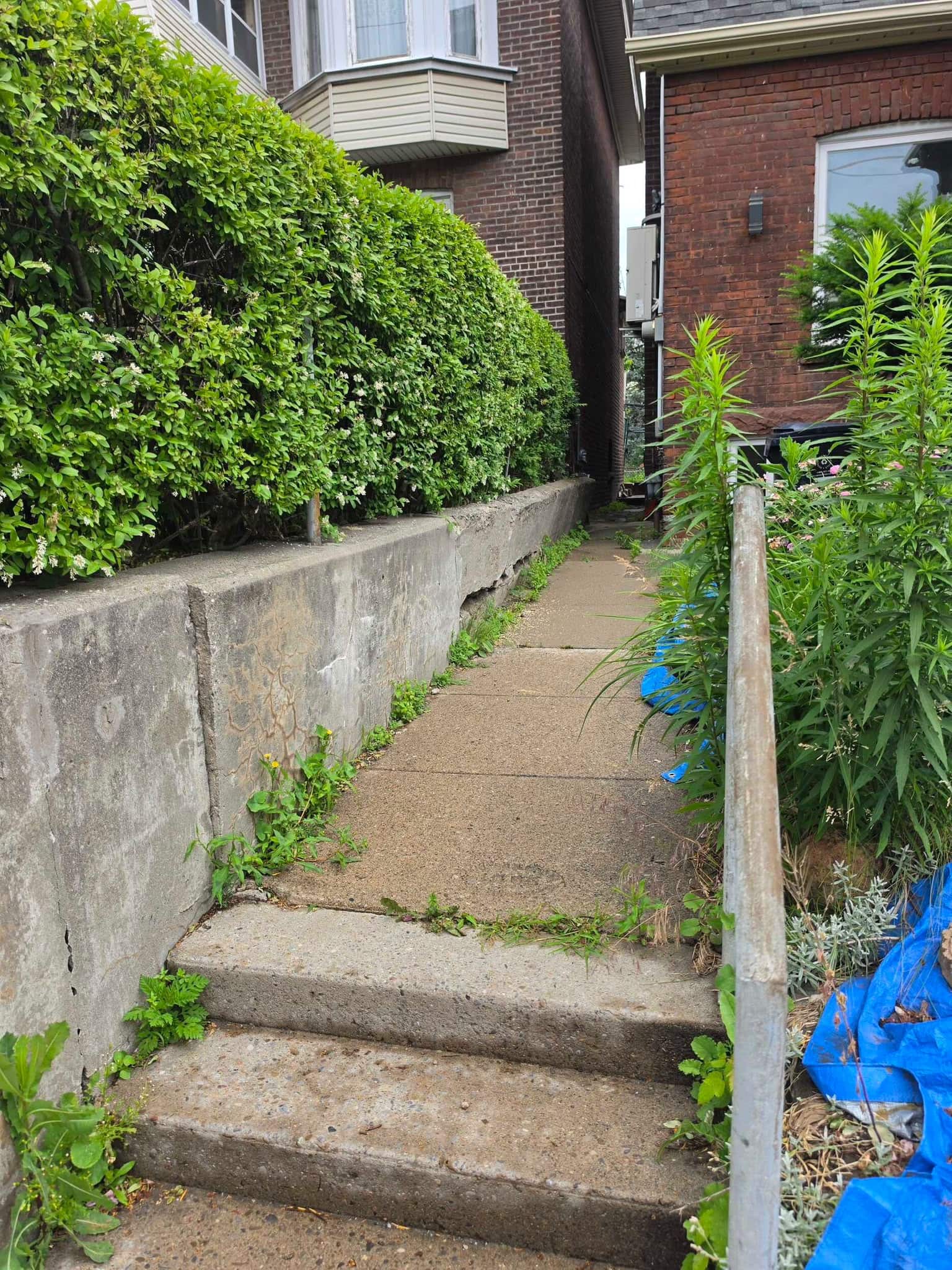
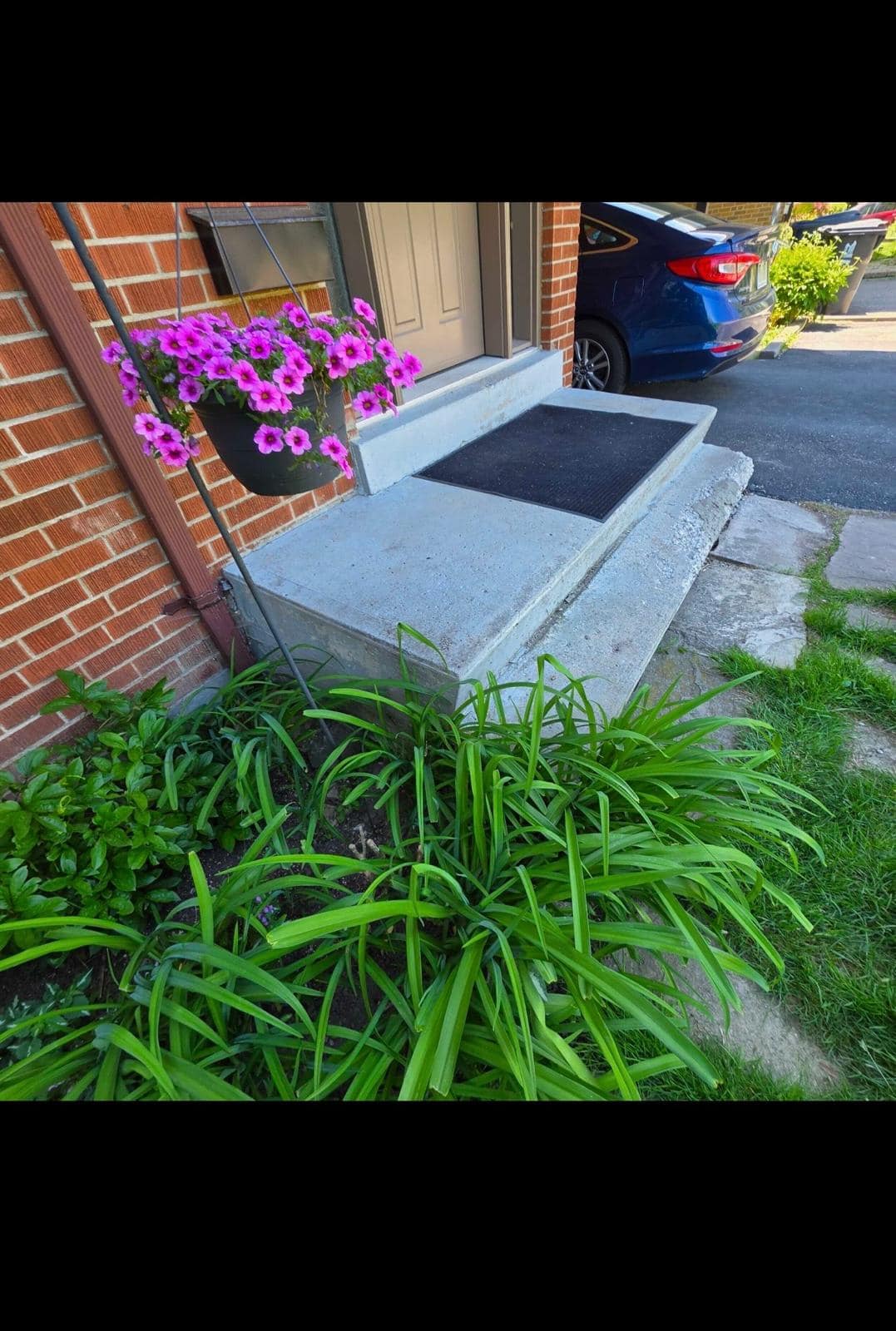
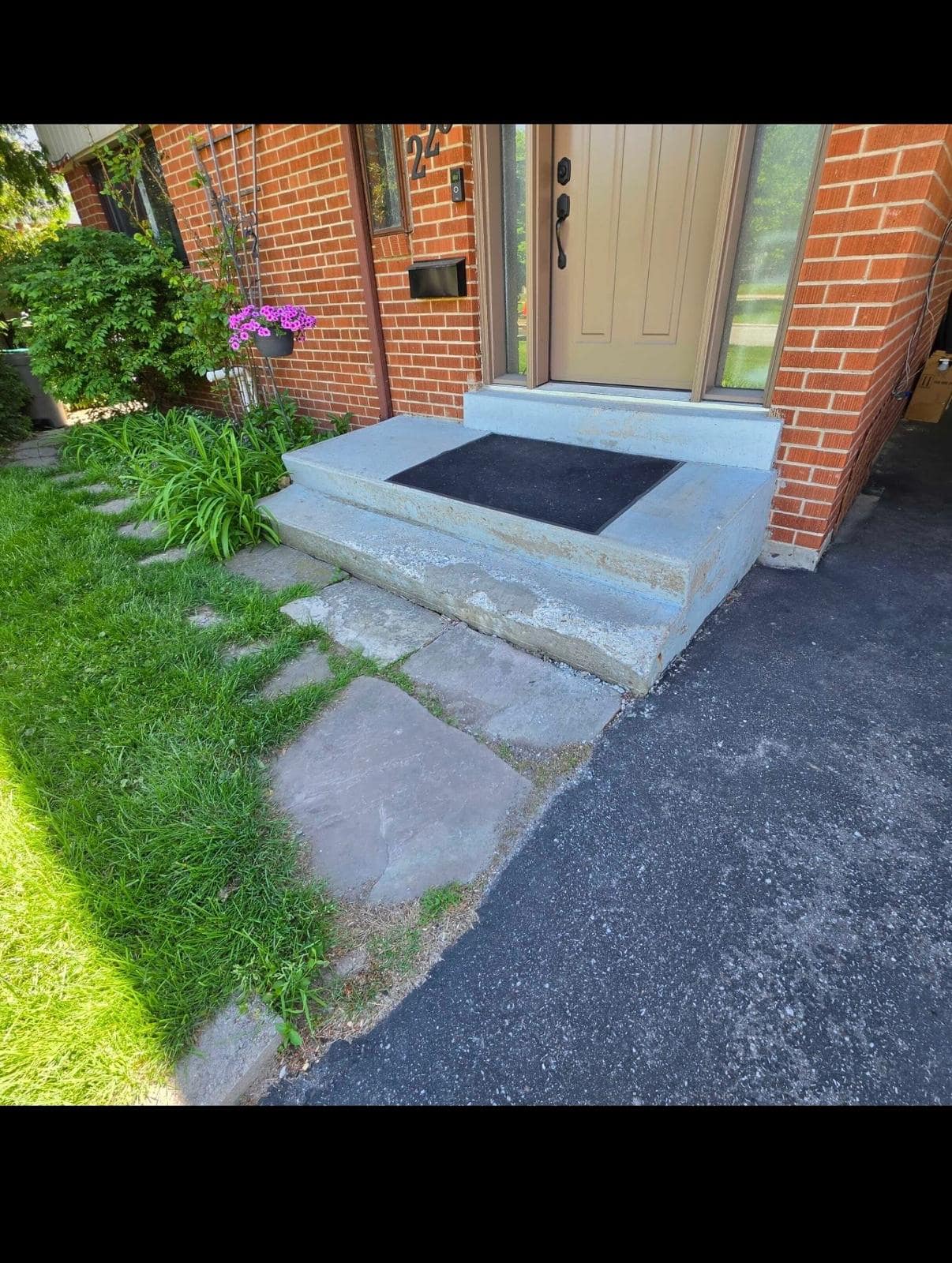
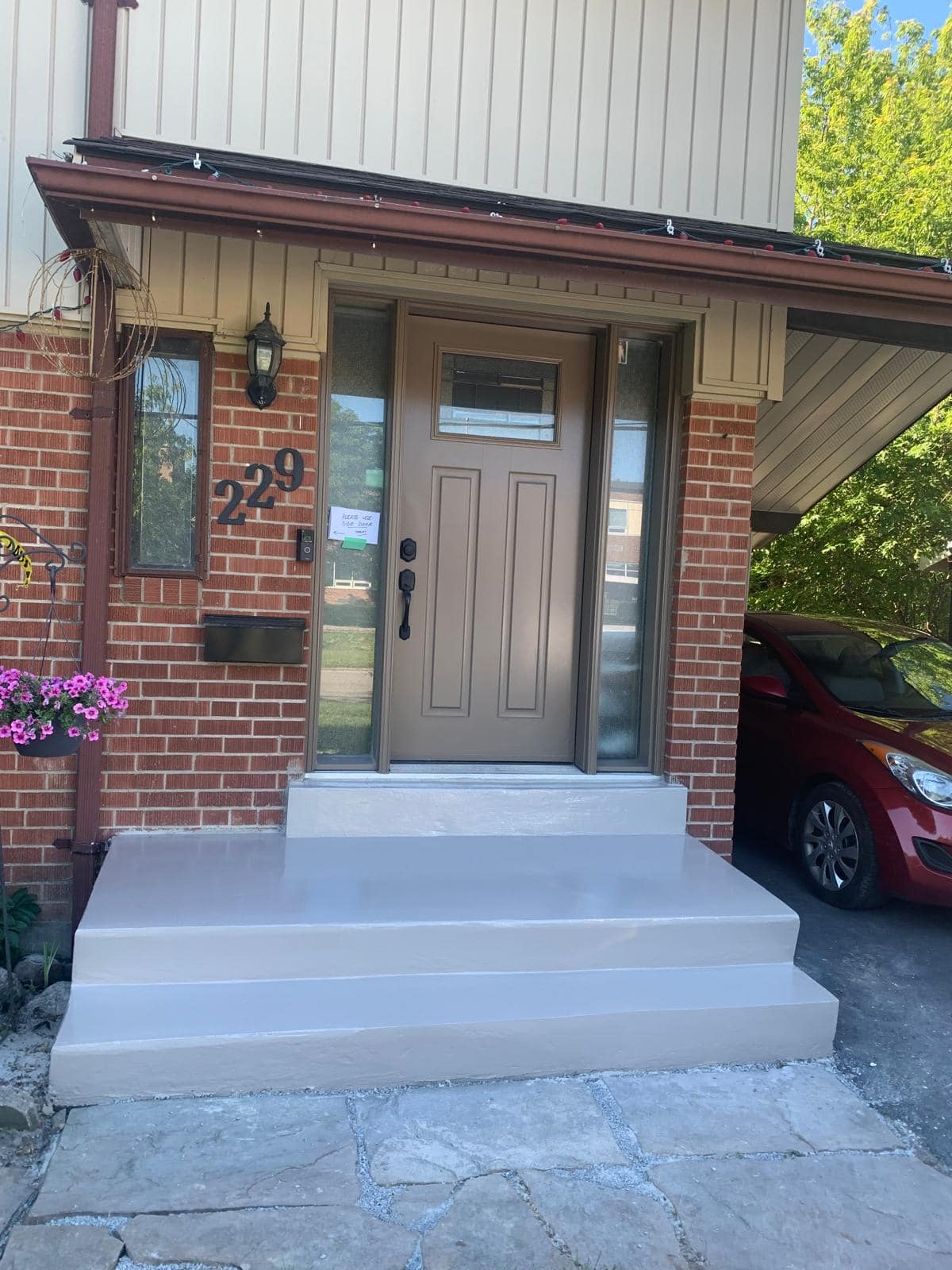
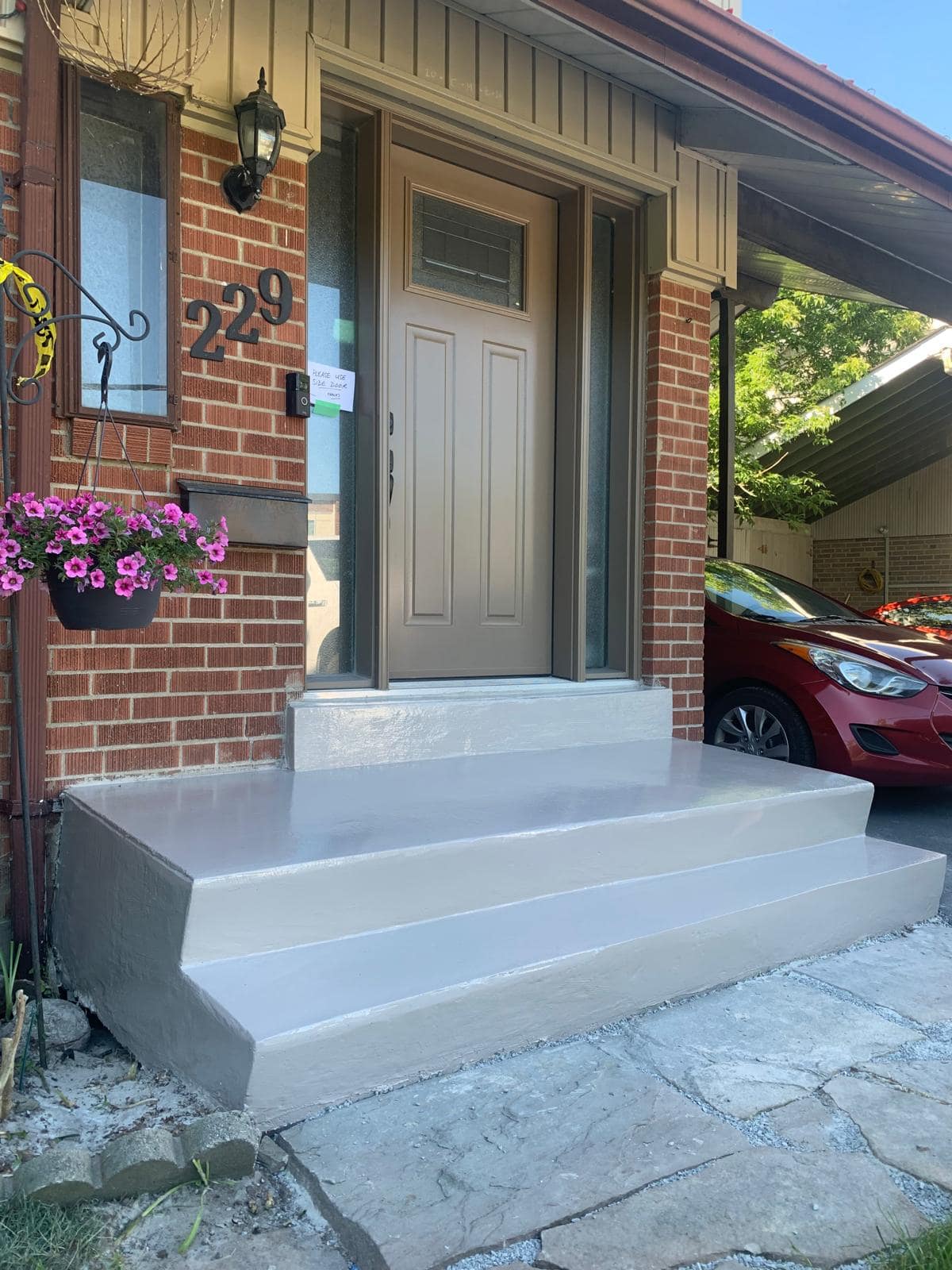
- Step and stair repairs: Scope can vary considerably depending on the number of steps, deterioration depth, movement, and whether portions need rebuilding.
- Foundation-related or movement-related repairs: These may require a broader assessment because the repair method should match the cause and condition, not just the visible surface damage.
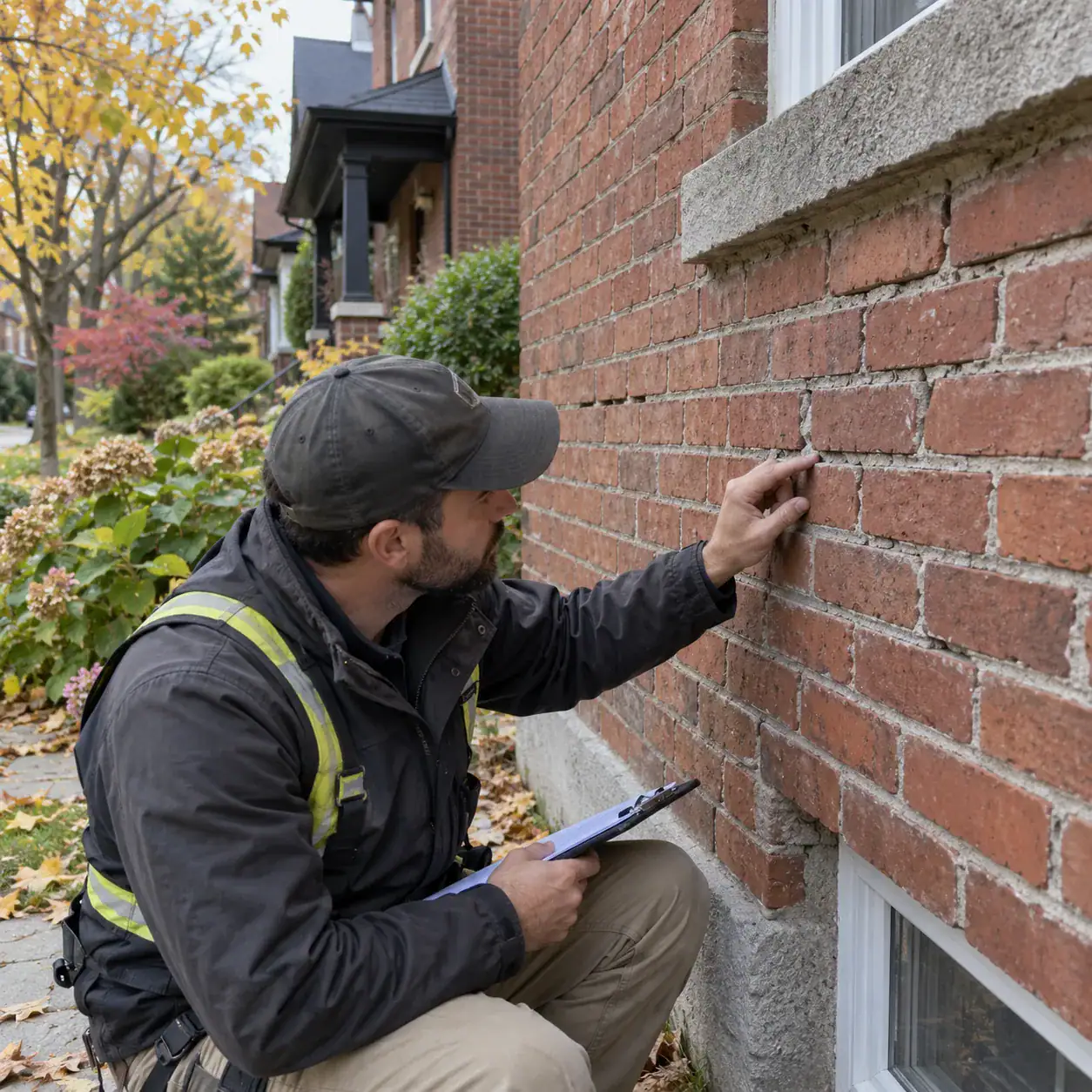
For an initial budget discussion, clear photos can help identify the likely scope, but an on-site assessment may still be required before confirming the work.
Request a Consultation→
Concrete Driveway Repair Cost in the Toronto Area
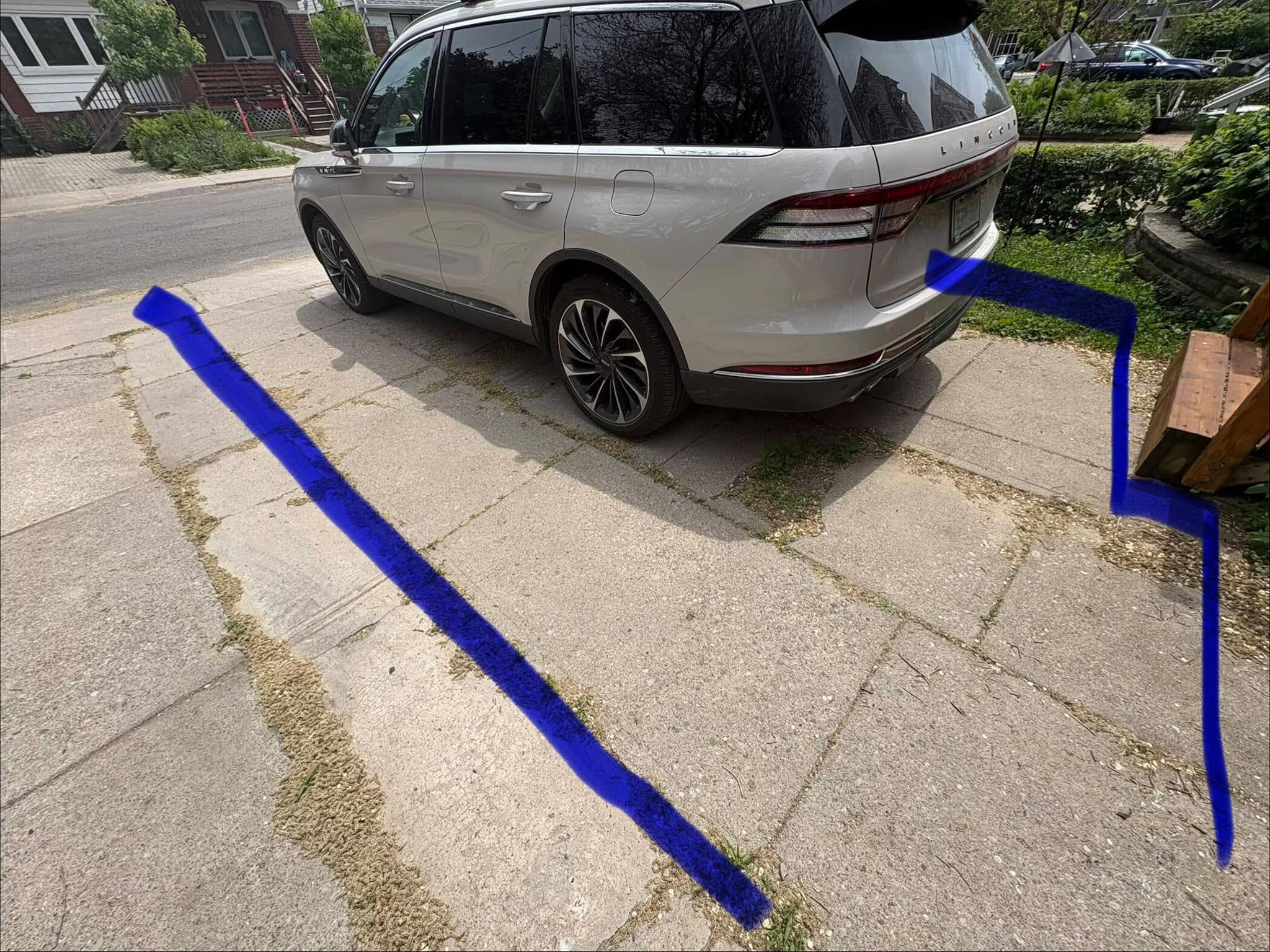
Driveways are exposed to vehicle loads, water, road salt, and repeated freeze-thaw conditions. The repair scope depends heavily on whether the problem is limited to the surface or whether the slab is settling, heaving, or affected by drainage or base movement.
Repeated repairs can become more expensive if you don’t address the underlying cause. If your driveway has recurring cracking, settlement, or pooling water, A&A Masonry’s concrete repair services can assess the condition before selecting a repair method.
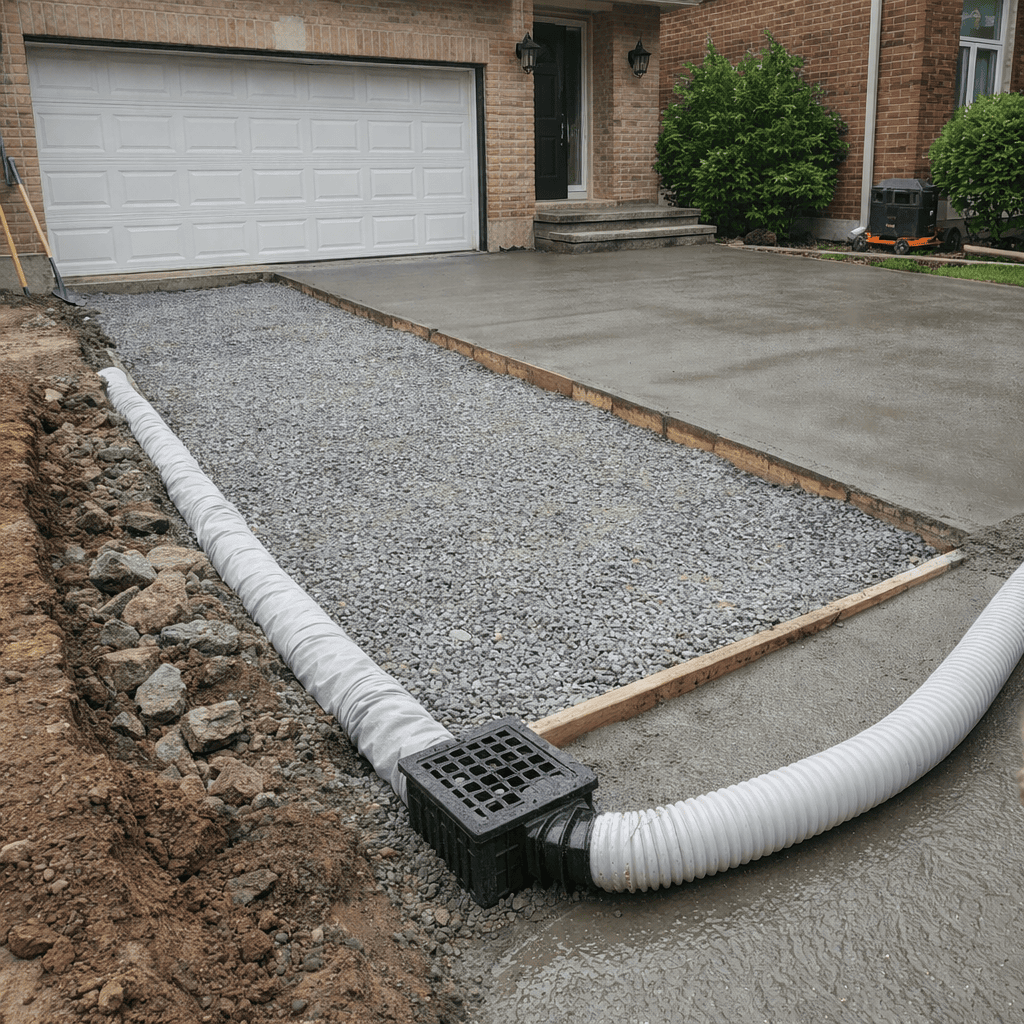
Lower-cost driveway repairs usually look like:
- Small cracks that are not widening and show no vertical displacement
- Local spalling near edges or joints
- Minor surface wear that does not require resurfacing
Higher-scope driveway repairs usually involve:
- Settling or heaving (one side higher than the other)
- Repeated cracking in the same area after prior repairs
- Pooling water that keeps feeding freeze-thaw damage
- Widespread scaling across large sections of the driveway
What a Proper Concrete Repair Estimate Should Include
Two estimates can look similar in price but differ widely in scope. A useful written estimate should clearly state what work is being proposed.
- Assessment of the likely cause
The contractor should explain whether the visible damage appears related to surface deterioration, freeze-thaw exposure, drainage, movement, settlement or another contributing condition. - Required preparation
The scope should explain cleaning, removal of unsound concrete, and any other surface preparation required by the selected repair system. - Repair method and materials
The estimate should identify the proposed repair approach and explain why it suits the condition of the concrete. - Finish and appearance
The scope should describe the intended finish and explain that repaired areas may not perfectly match older surrounding concrete. - Curing and use guidance
The contractor should explain when the repaired area can safely return to foot or vehicle traffic and any applicable weather limitations. - Exclusions
The estimate should identify work that is not included, such as drainage corrections, replacement of additional failed concrete or other conditions discovered after removal begins. - Any warranty offered
If a warranty is provided, the estimate should explain what it covers, what it excludes, and any conditions that affect coverage.
Red Flags in Incomplete Concrete Repair Quotes
A much lower estimate deserves closer comparison, but price alone does not tell you whether the repair scope is adequate.
Look more closely when an estimate:
- Does not explain required surface preparation
- Proposes simply filling visible damage without discussing possible contributing conditions
- Provides no curing or return-to-use guidance
- Ignores obvious pooling water, drainage or movement where those issues appear relevant
- Promises a perfect colour match with surrounding aged concrete
- Does not clearly explain what work is excluded
When Replacement May Be More Practical Than Repair
Localized repair can make sense when the surrounding concrete remains suitable, and the damage can be addressed without rebuilding the entire area.
Replacement may become more practical when deterioration or movement is widespread and localized repair would not address the underlying condition. The decision should consider the extent of cracking or spalling, settlement, drainage, remaining sound concrete, and how the area needs to perform.
How to Get a More Useful Initial Concrete Repair Assessment
Photos can help a contractor understand the general scope before an onsite visit. Include:
- A wide photo showing the full area
- A close-up of the worst crack, spalling, or deterioration
- A photo showing any visible height difference or settlement
- Notes about pooling water, salt exposure, or whether the problem appears to be worsening
For a professional assessment, A&A Masonry’s concrete repair consultation is the appropriate next step.
FAQs: Concrete Repair Pricing in Toronto
How much does concrete repair cost in Toronto?
It depends on the damage type, size, access, and repair method. Minor crack sealing and small patch repairs tend to cost less, while resurfacing, step rebuilds, and structural repairs cost more because they require deeper prep, more material, and careful curing. For a realistic number, photos plus an on-site look are the best approach.
How much does concrete driveway repair cost in the Toronto area?
Driveway pricing varies depending on whether the issue is surface wear or slab movement. Small cracks and local spalling are often simpler to fix. If there is sinking, pooling water, or repeated cracking, the scope can increase because you need to address the cause, not just the symptom.
What should a concrete repair estimate include?
A strong estimate should explain the cause, repair method, prep steps, materials, finish, and curing timeline. It should also clearly state what is excluded and what conditions can affect long-term results, especially drainage and ongoing movement.
Need a Clearer Concrete Repair Assessment?
If your concrete is cracked, spalling, sinking, or collecting water, the repair cost depends on what caused the damage, how much material is affected, and whether the surrounding concrete is still suitable for repair. A&A Masonry can assess the area and explain repair options before confirming the final scope.