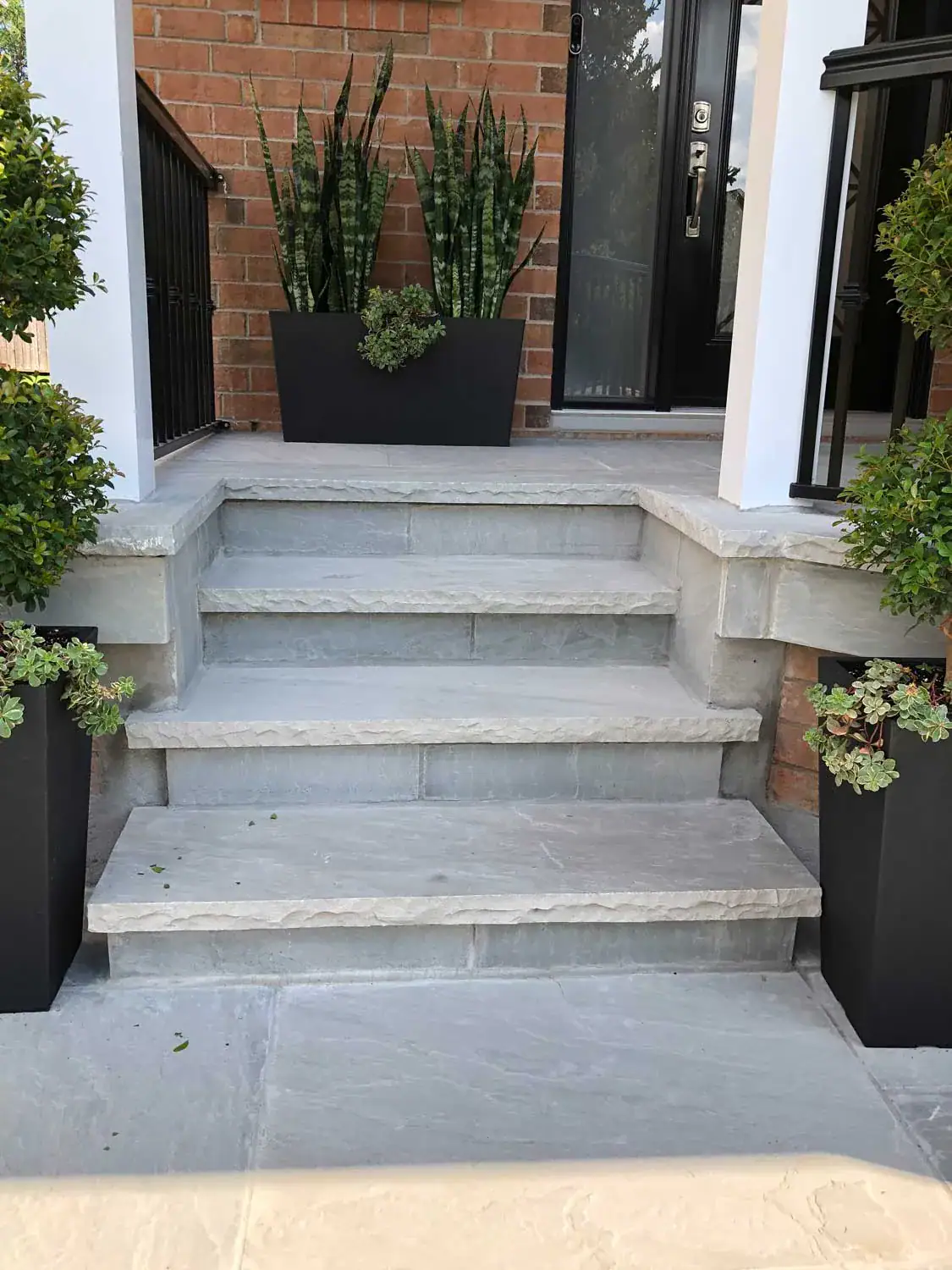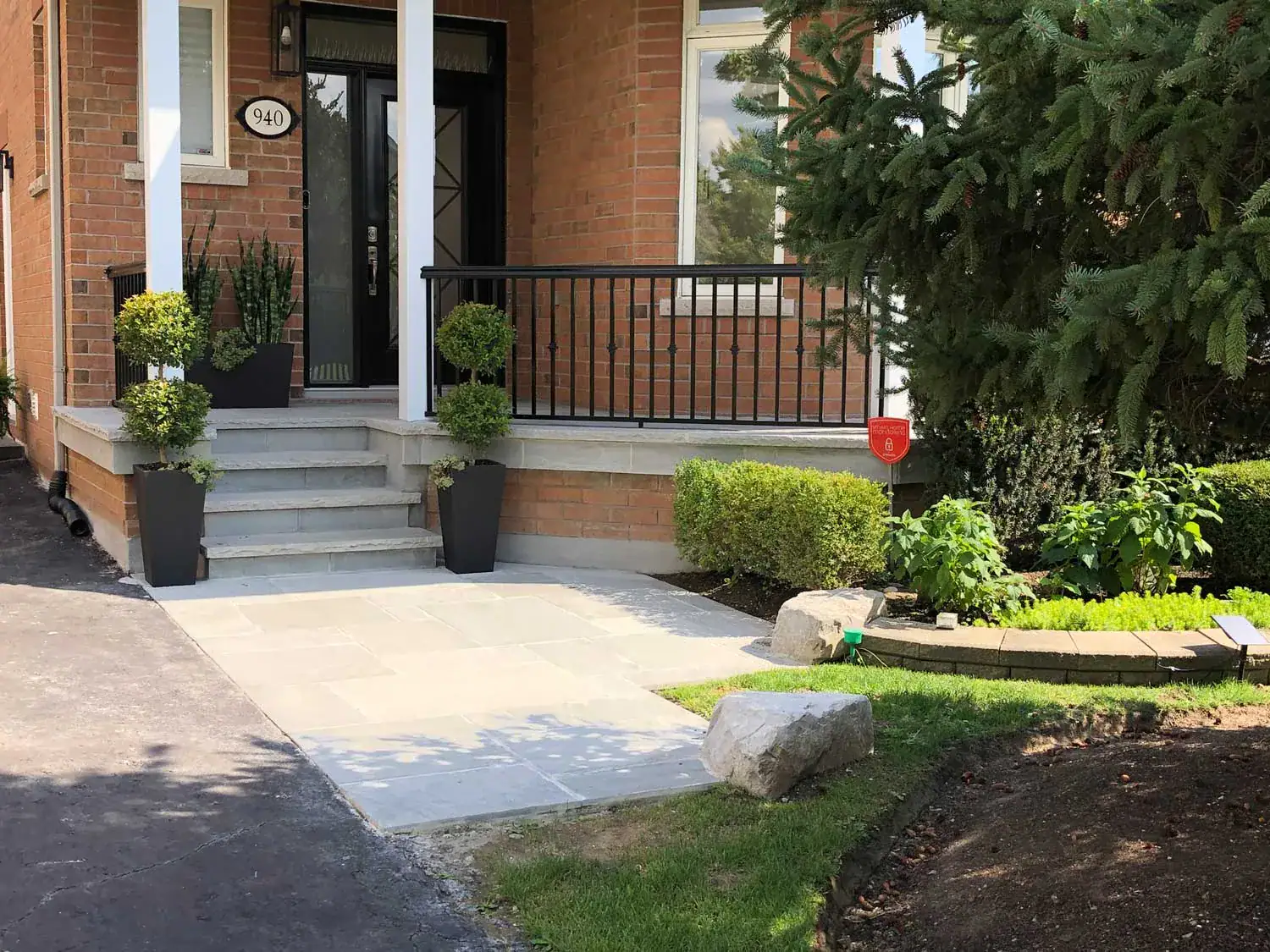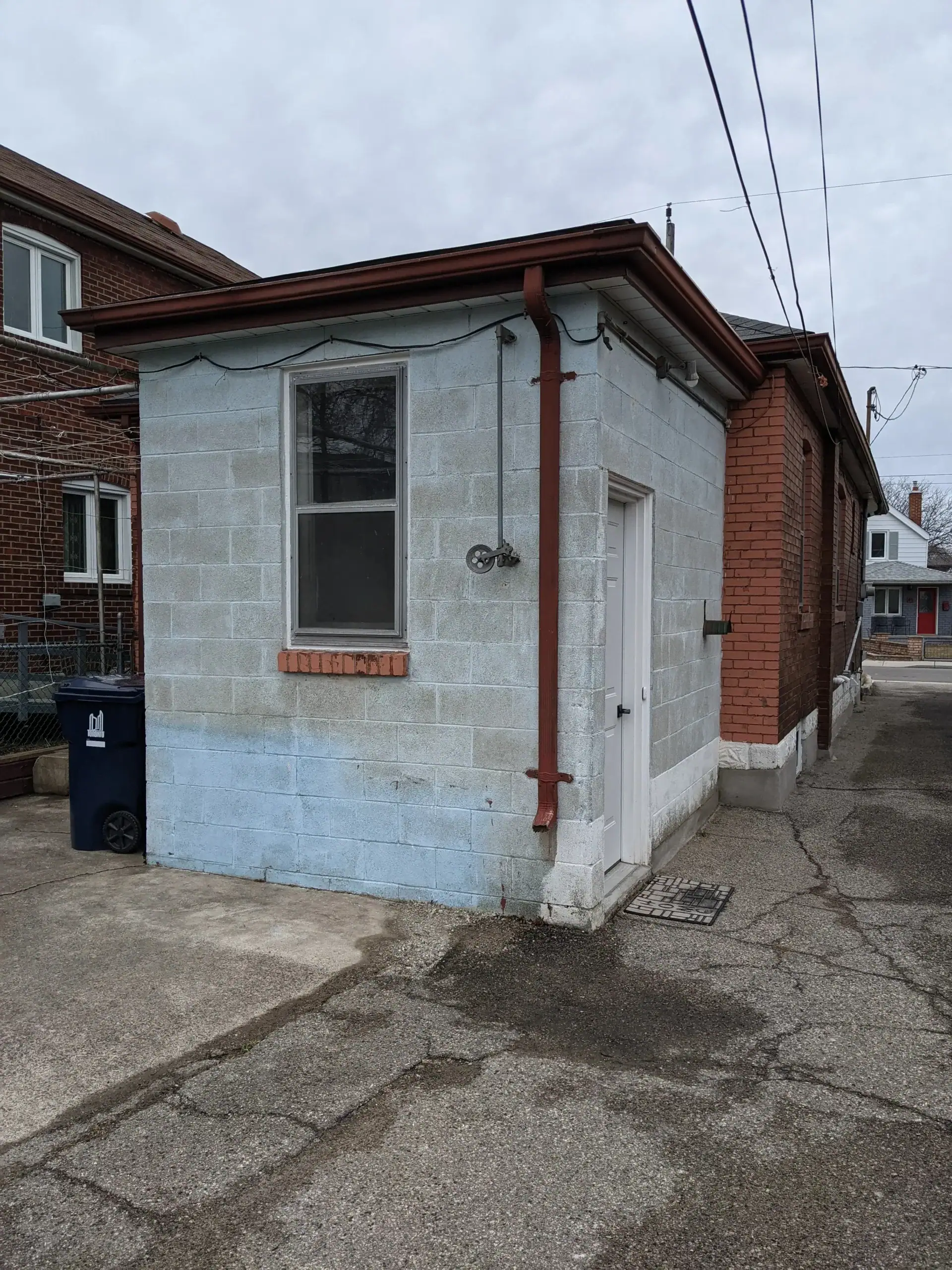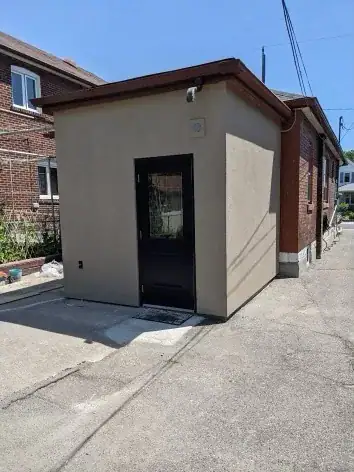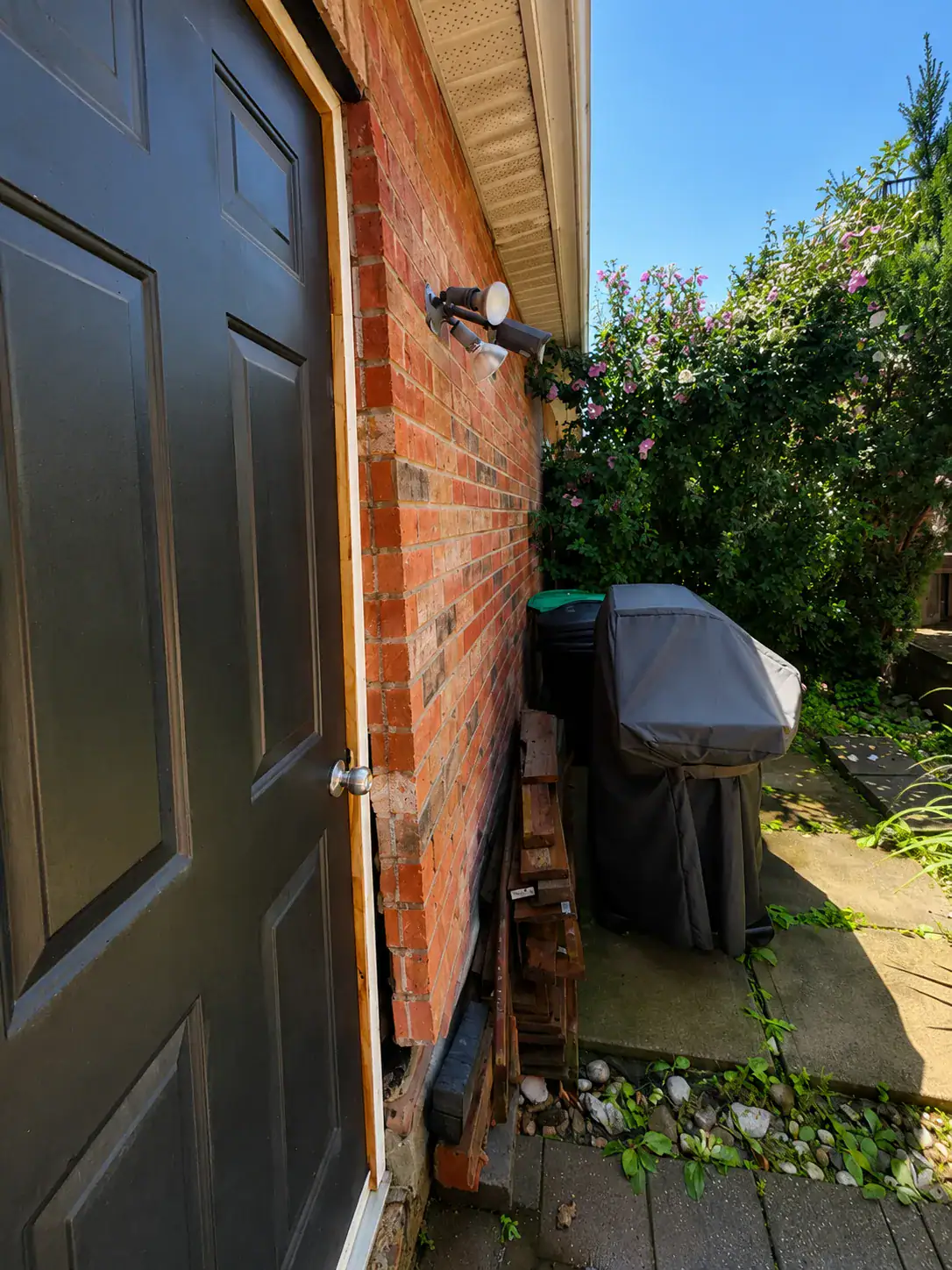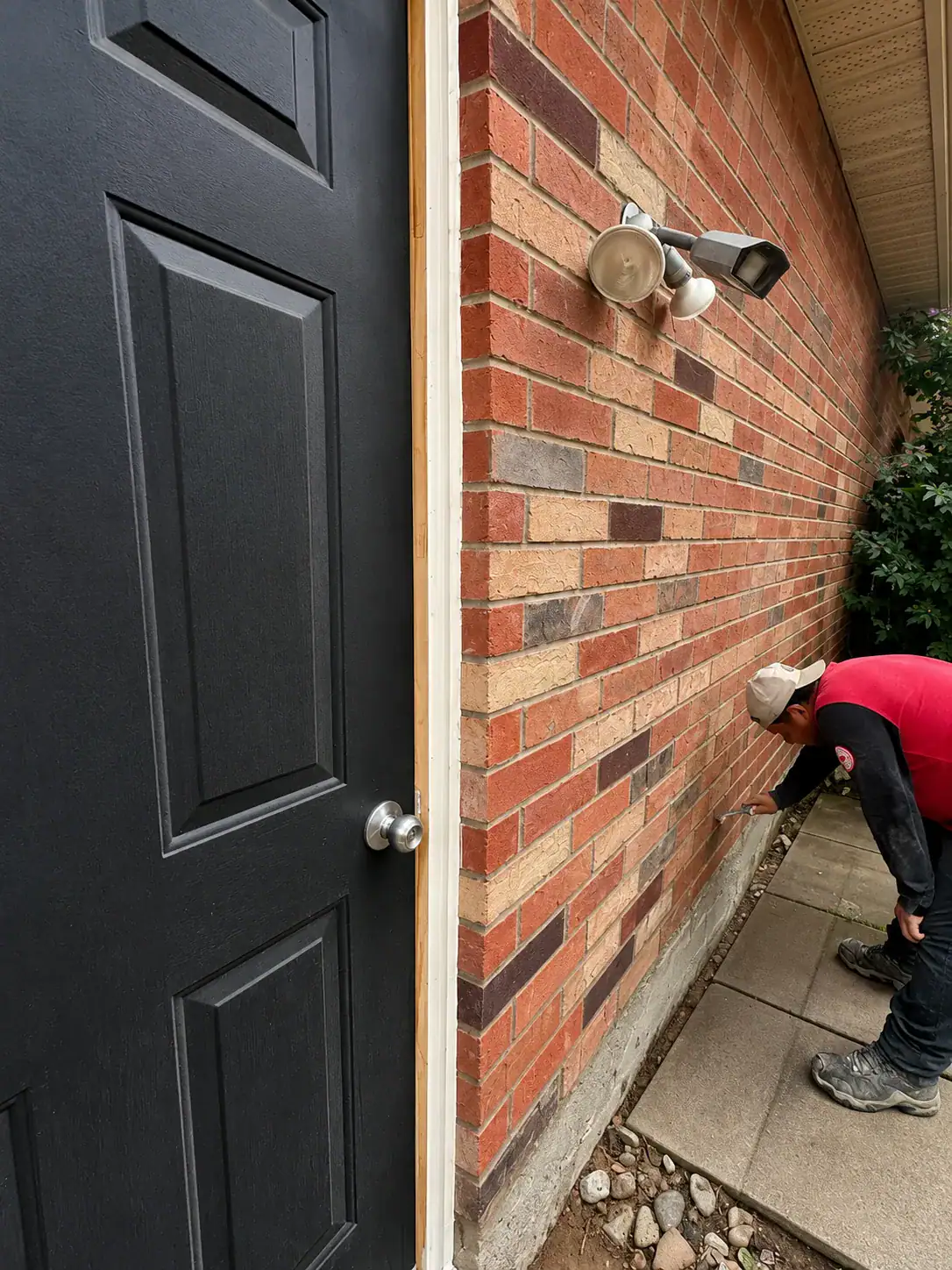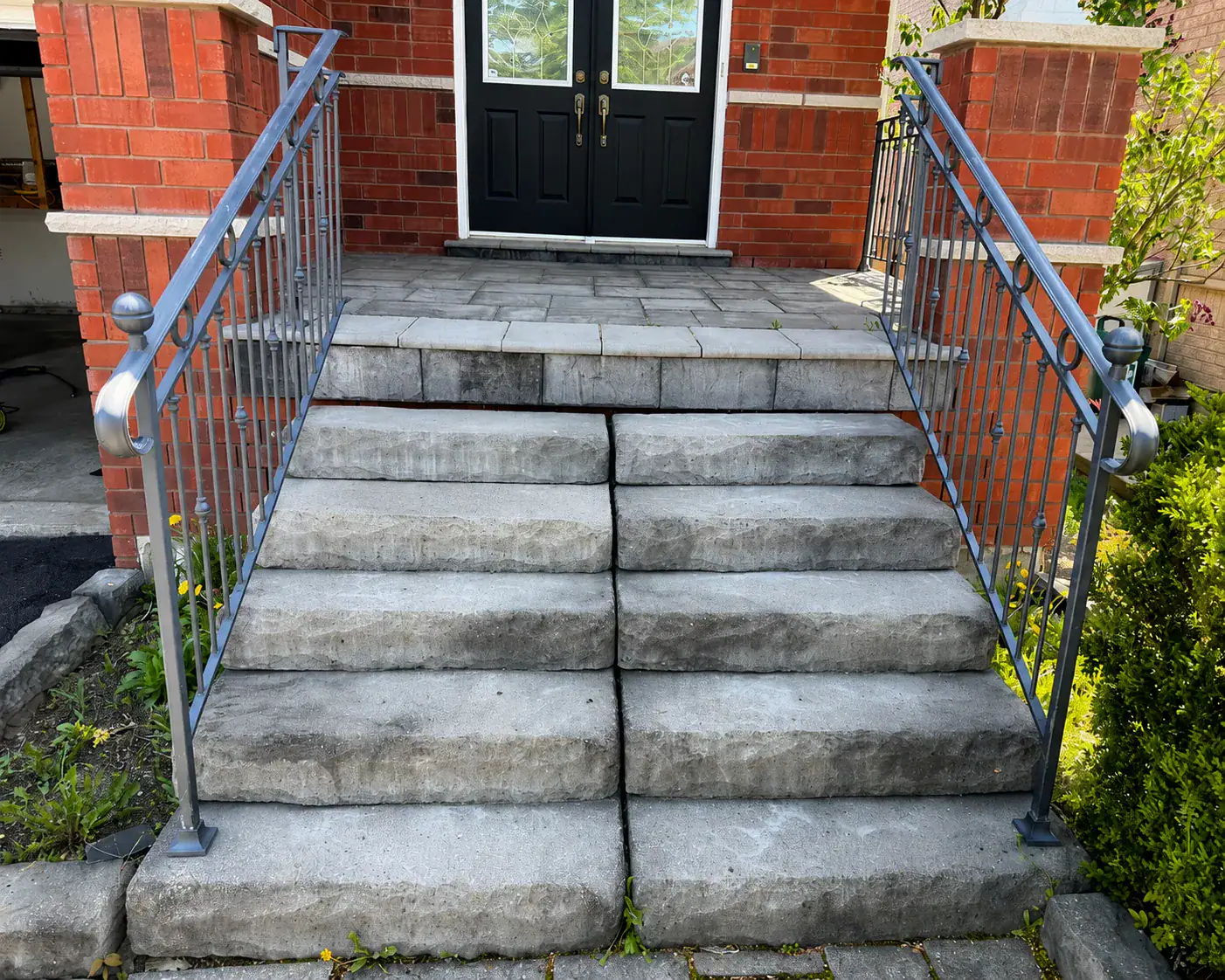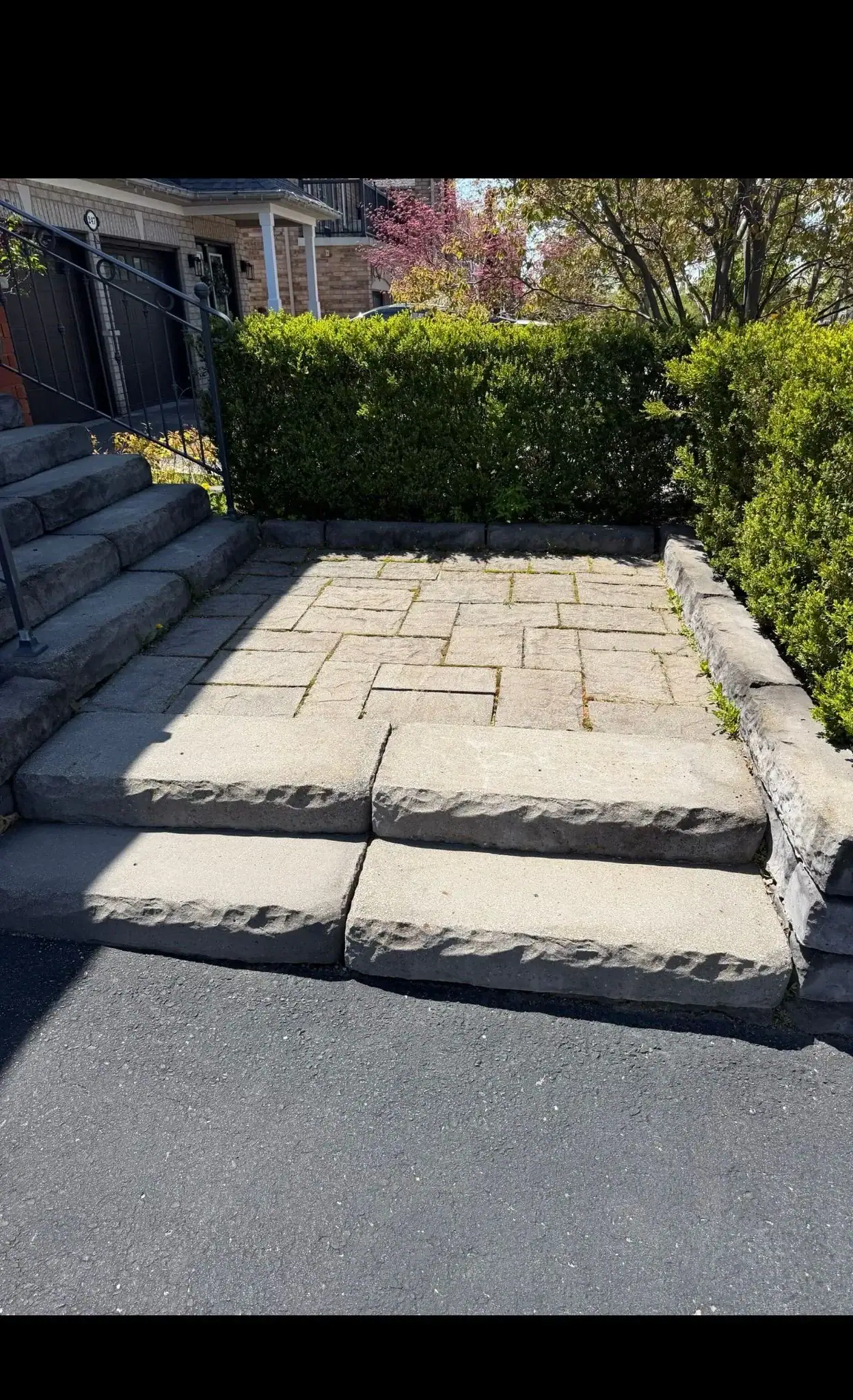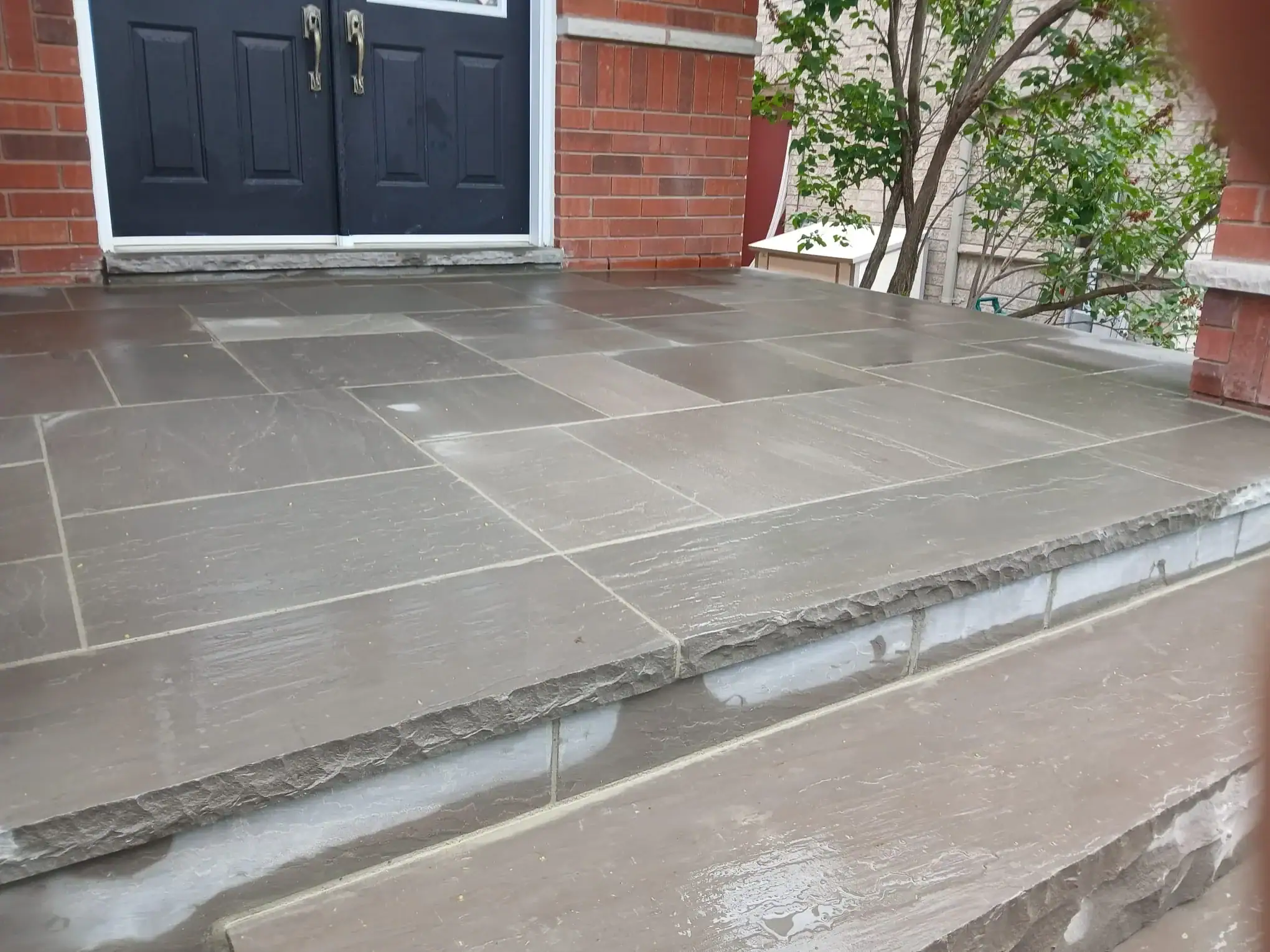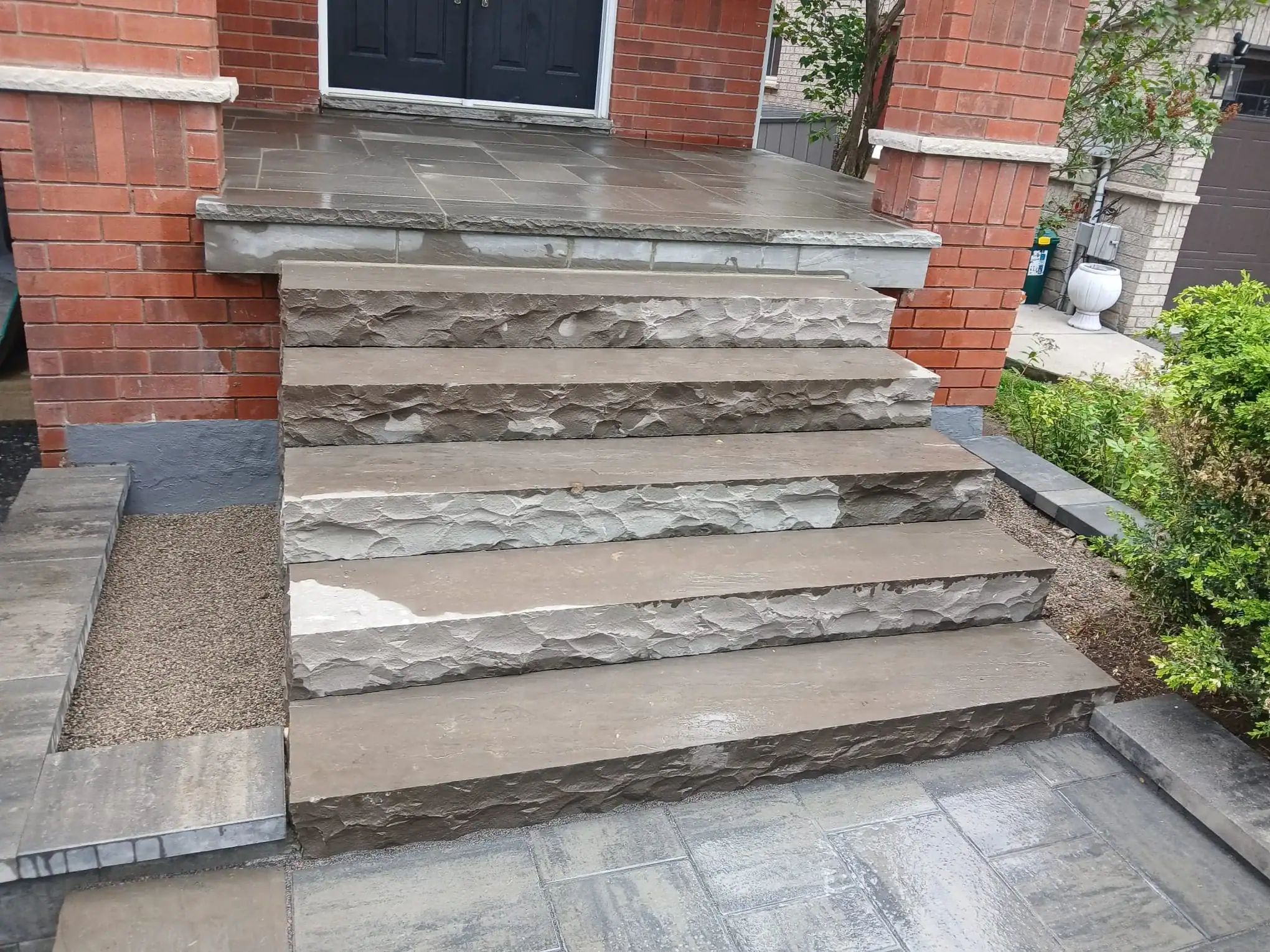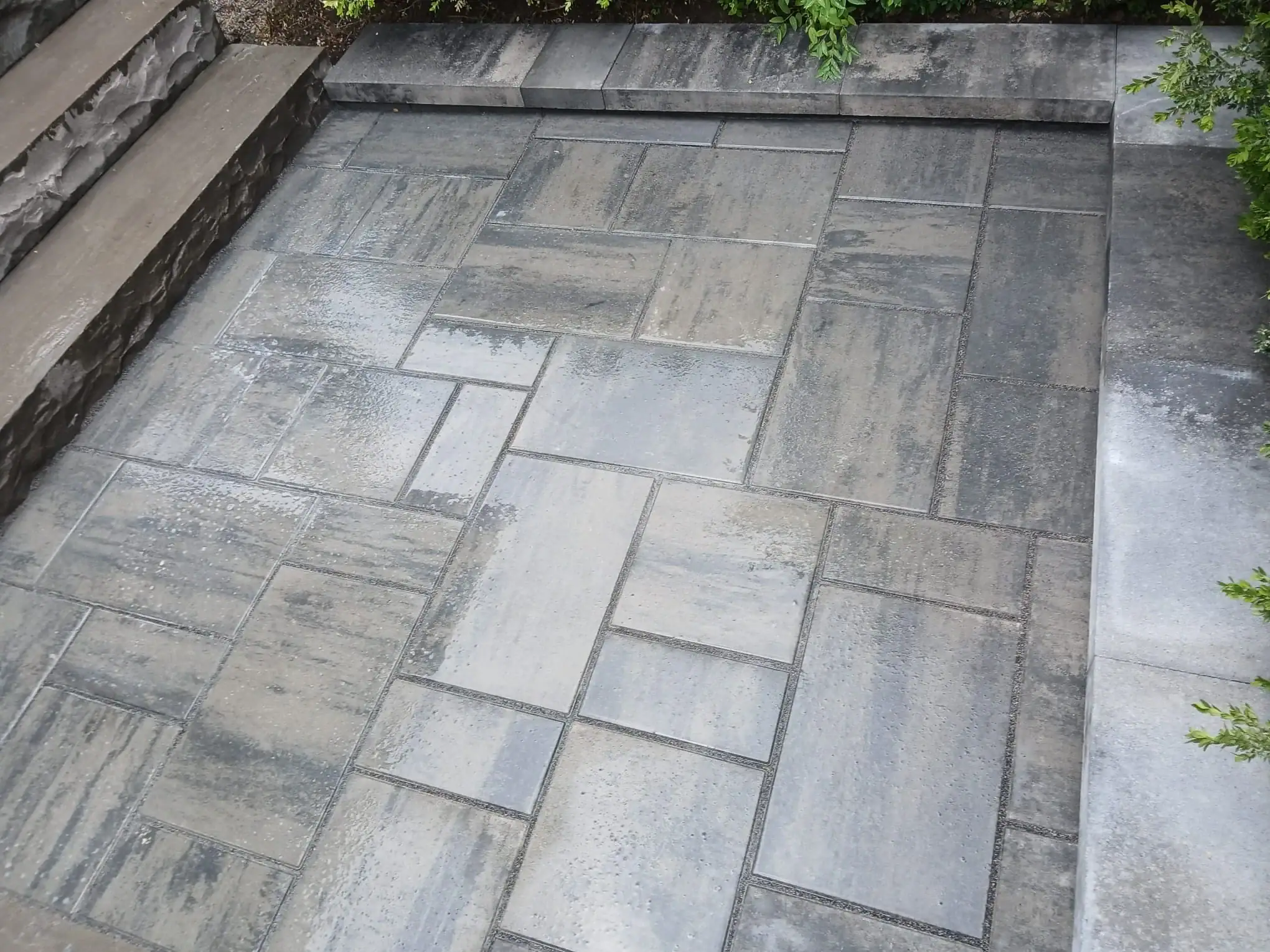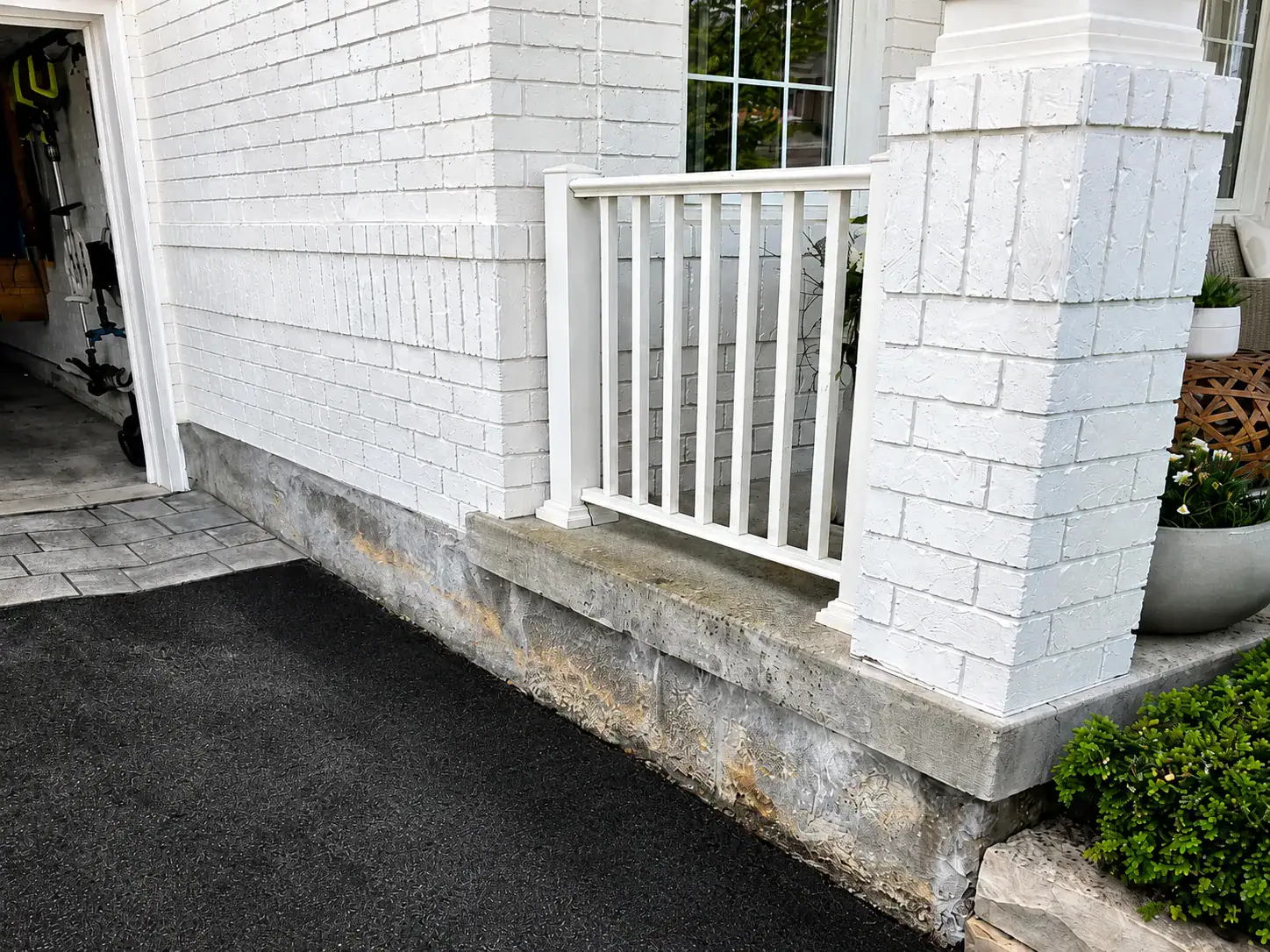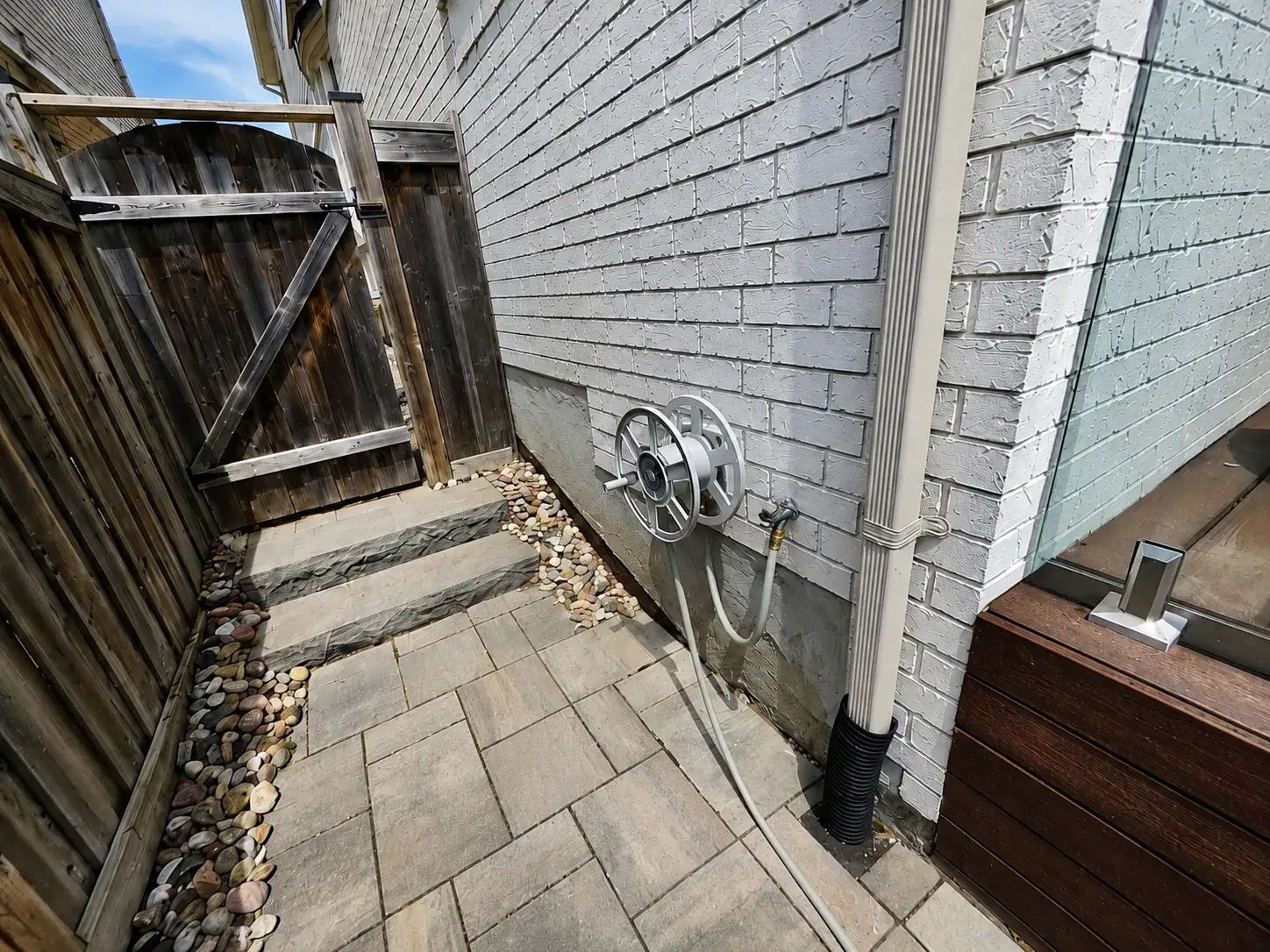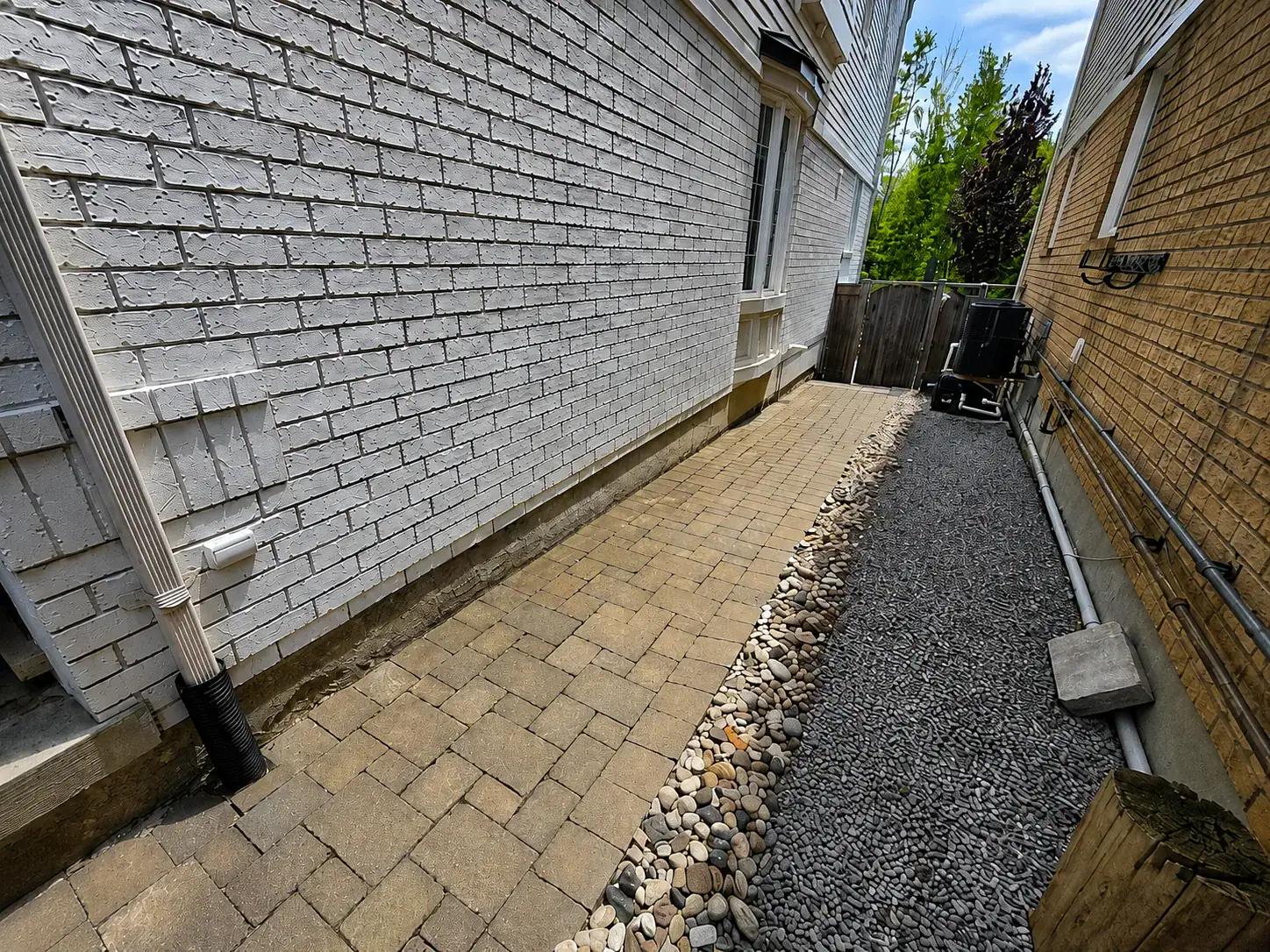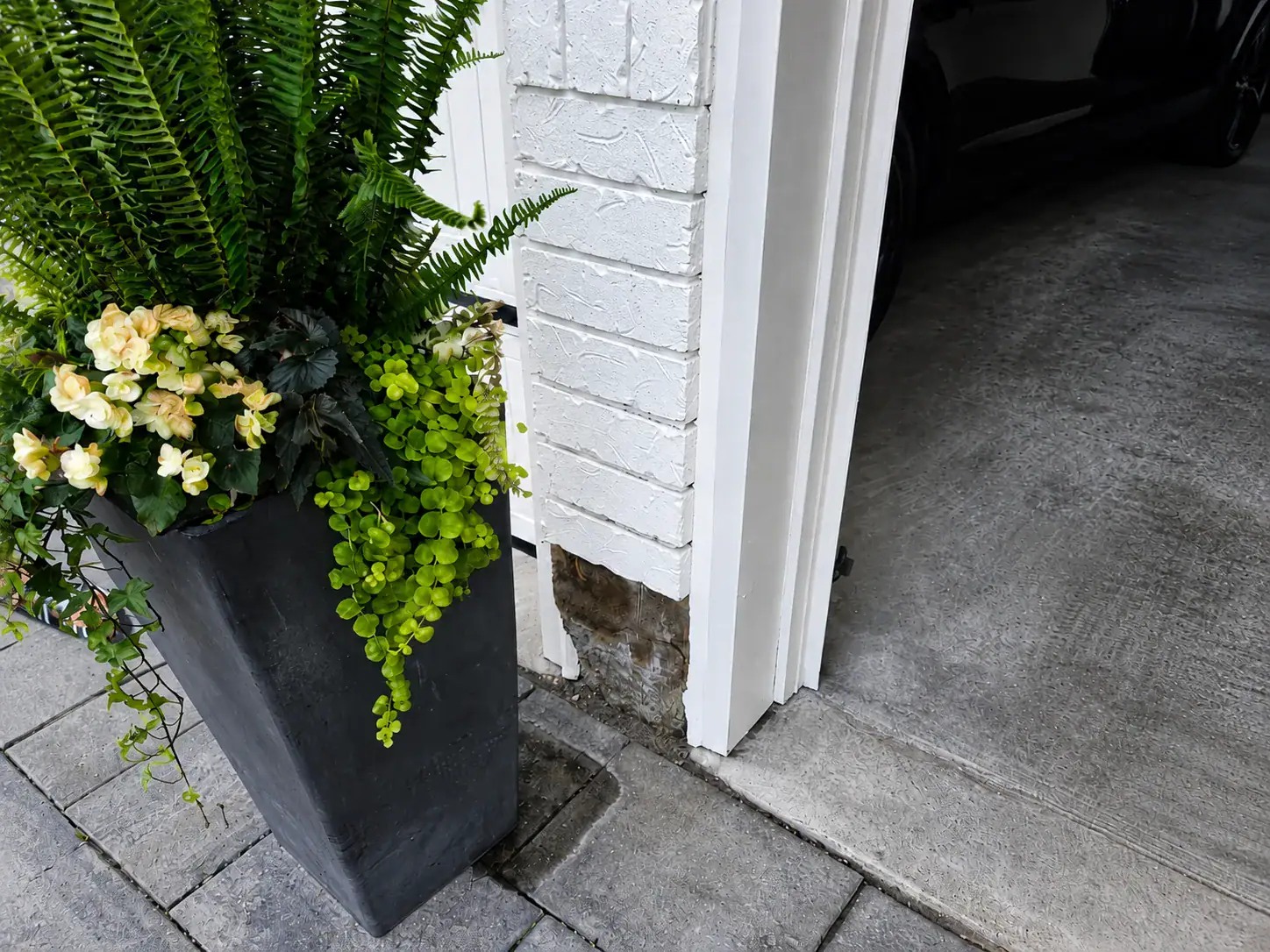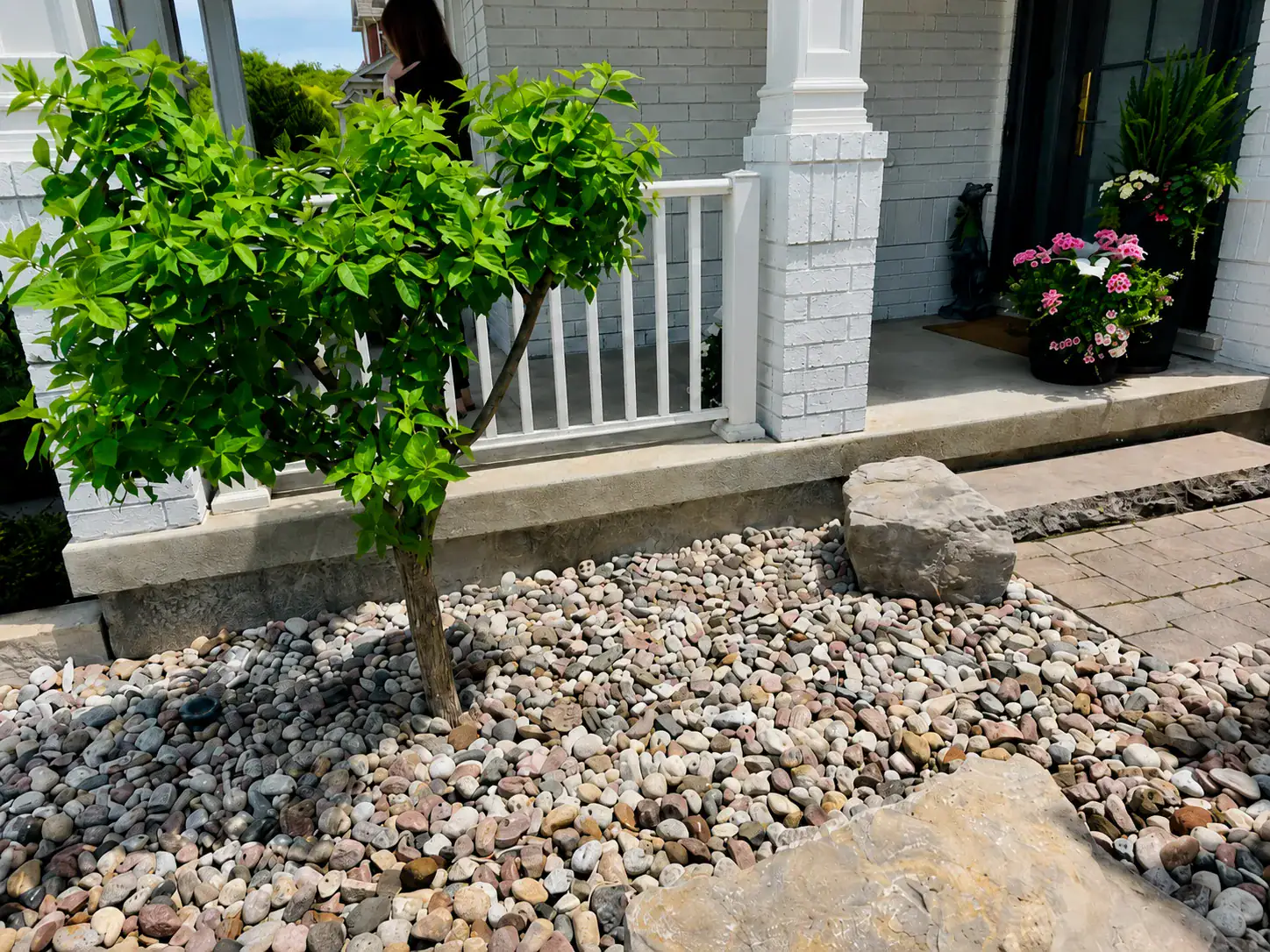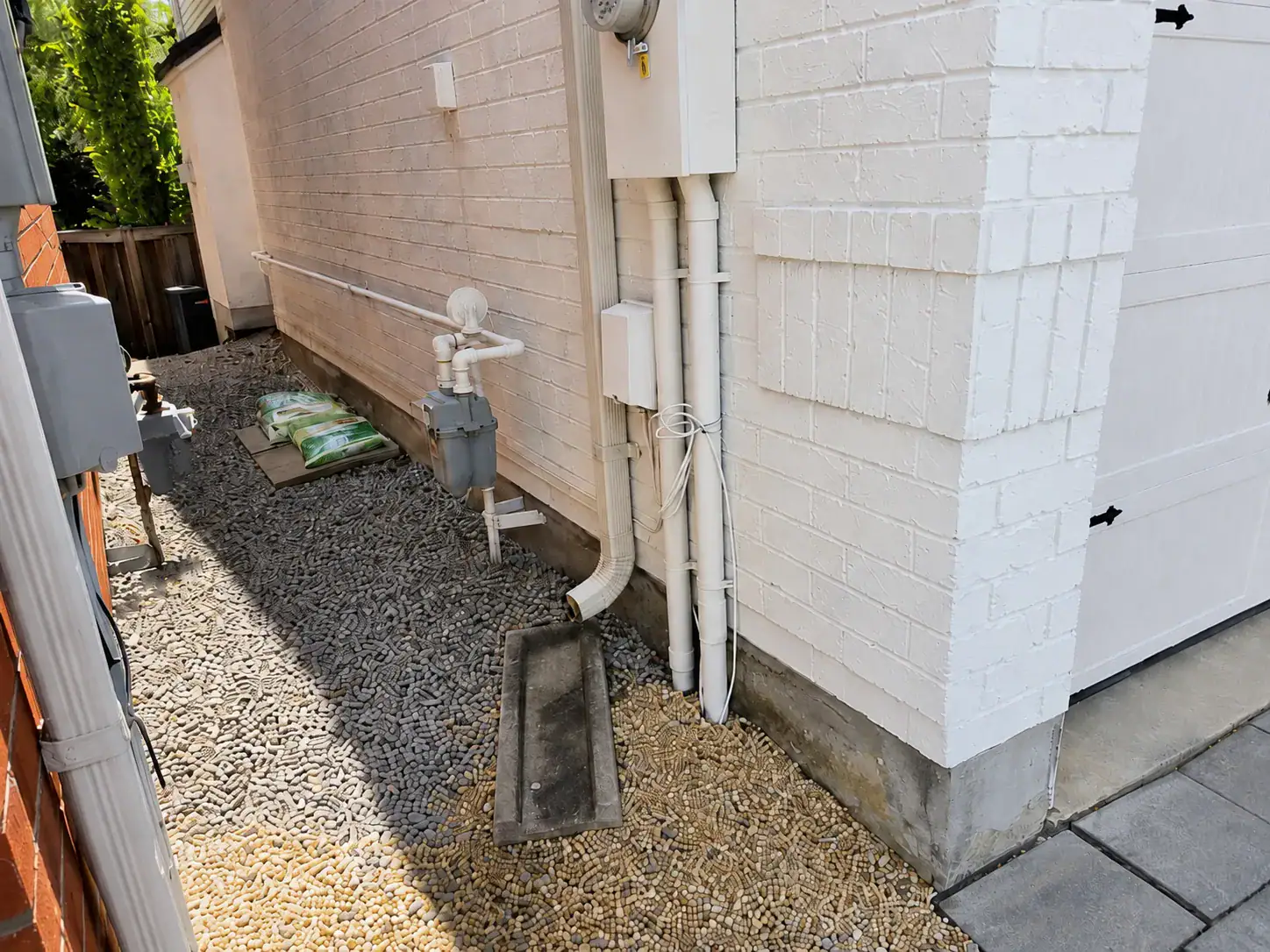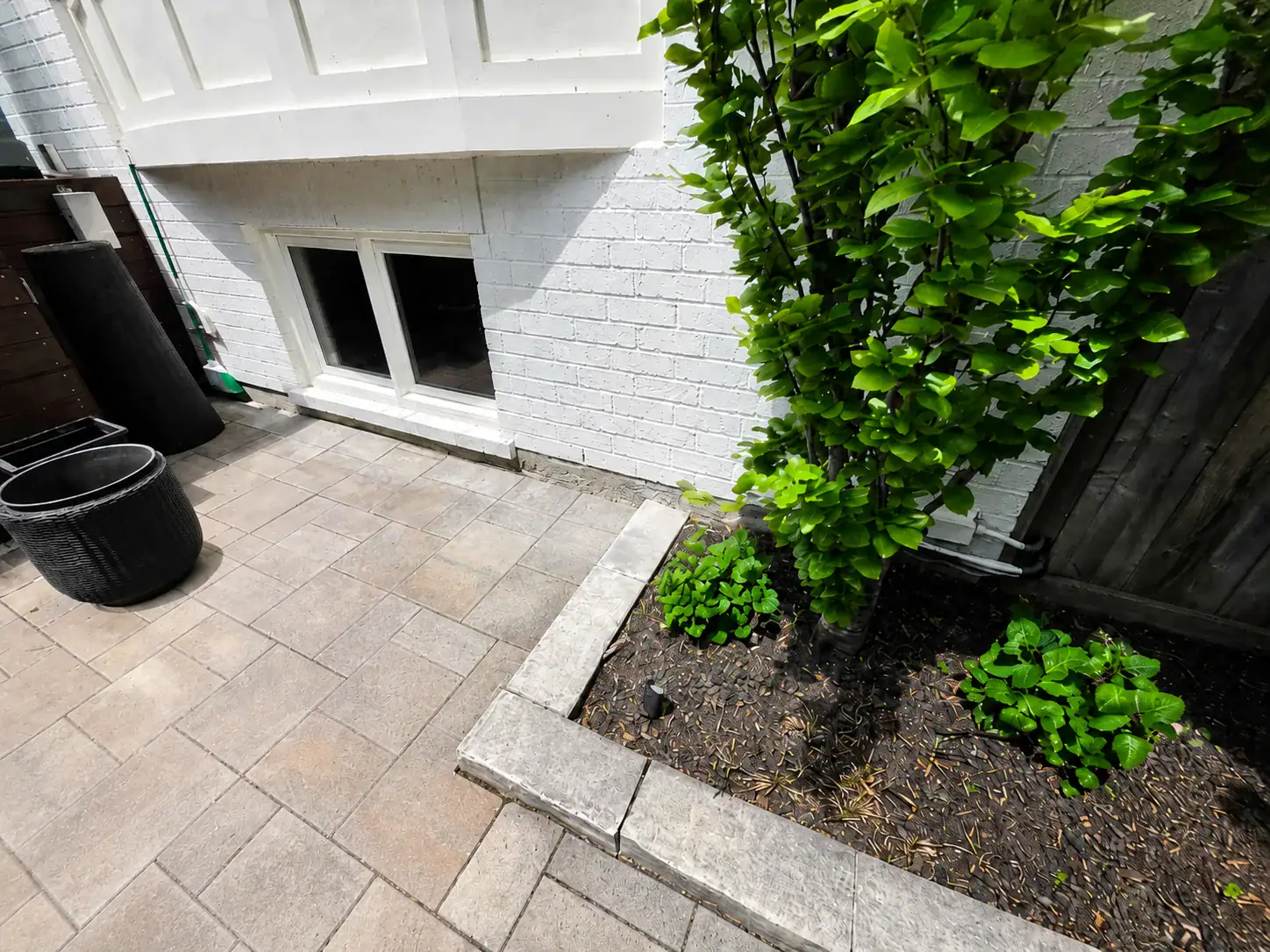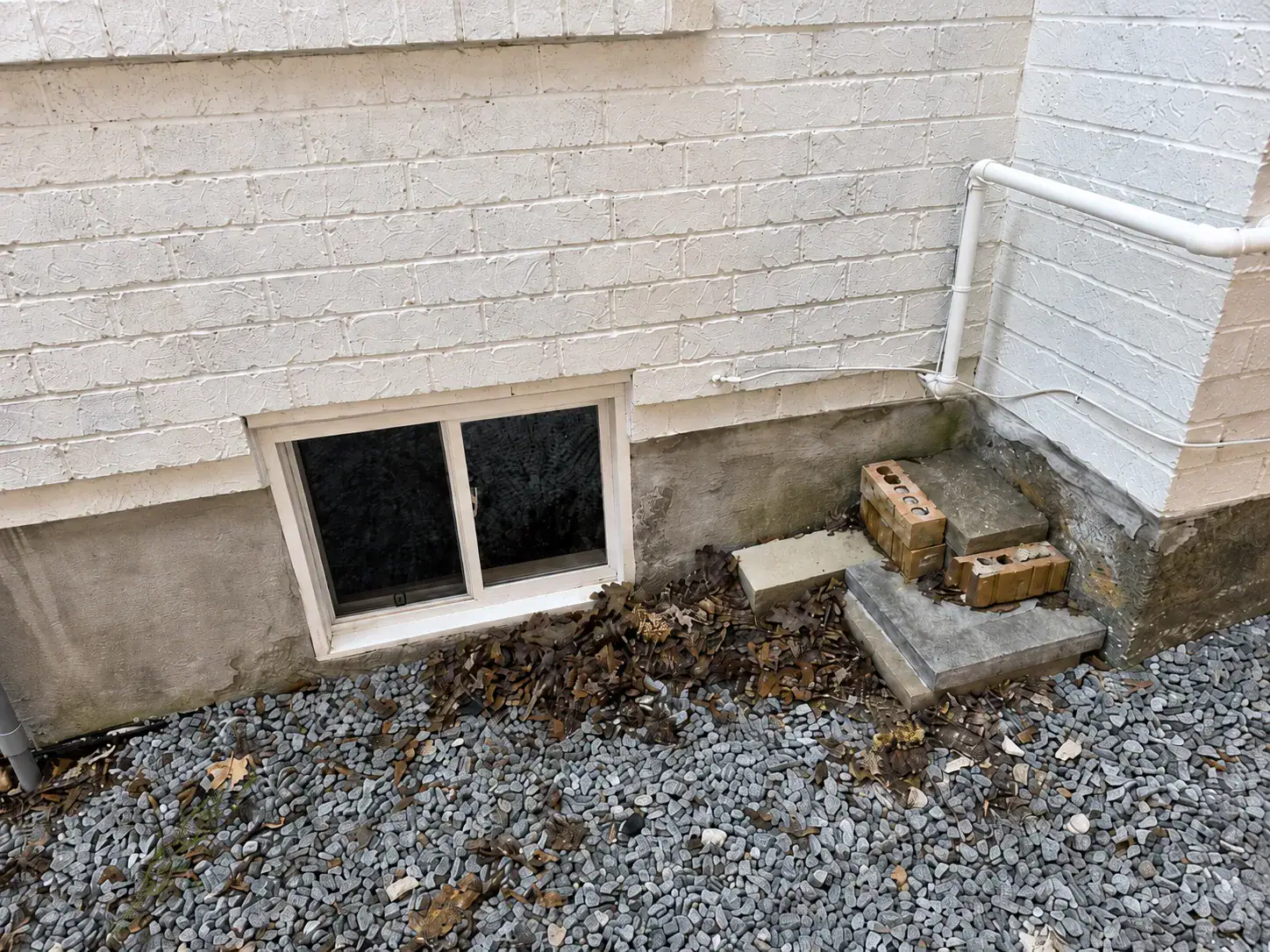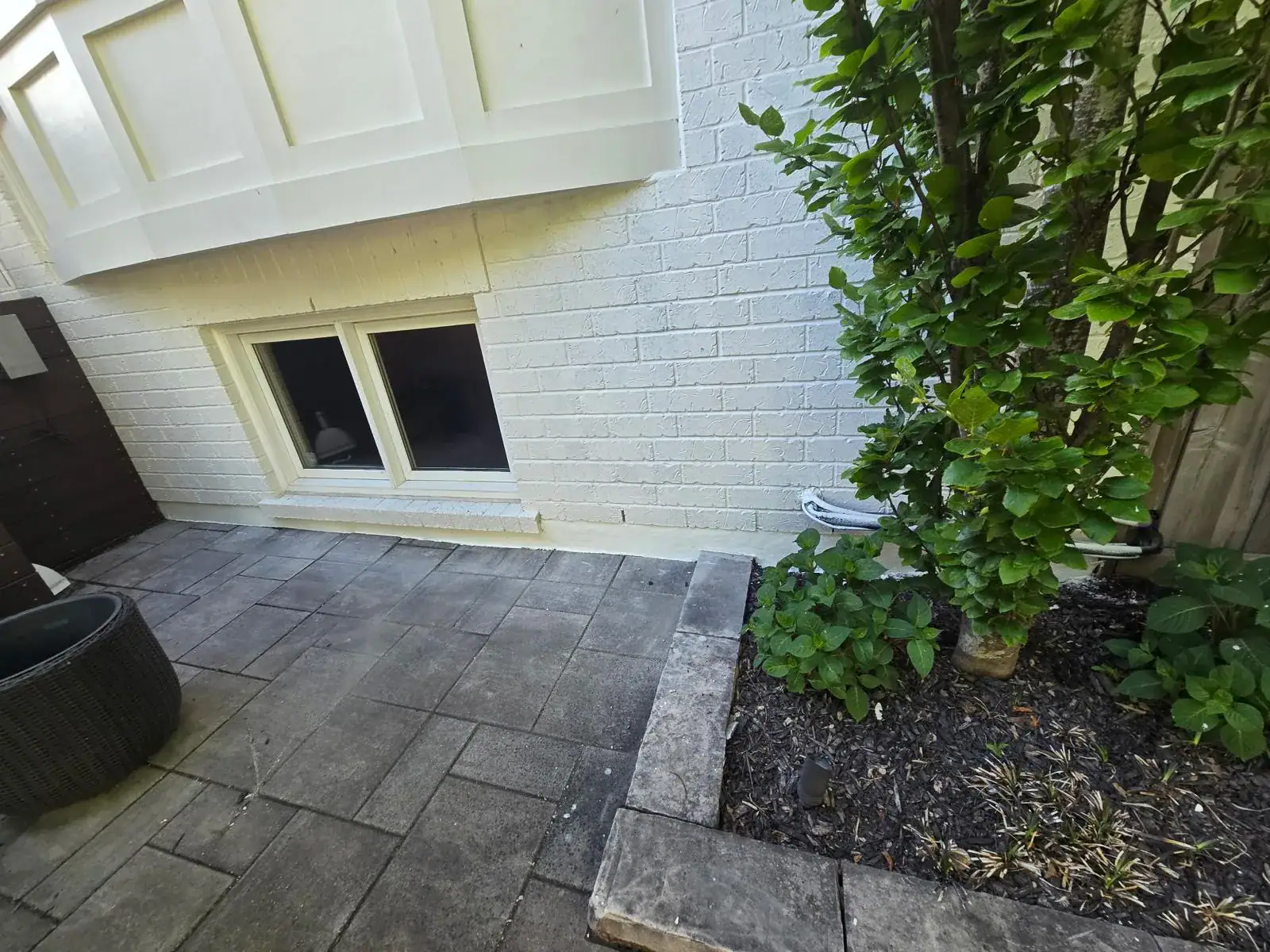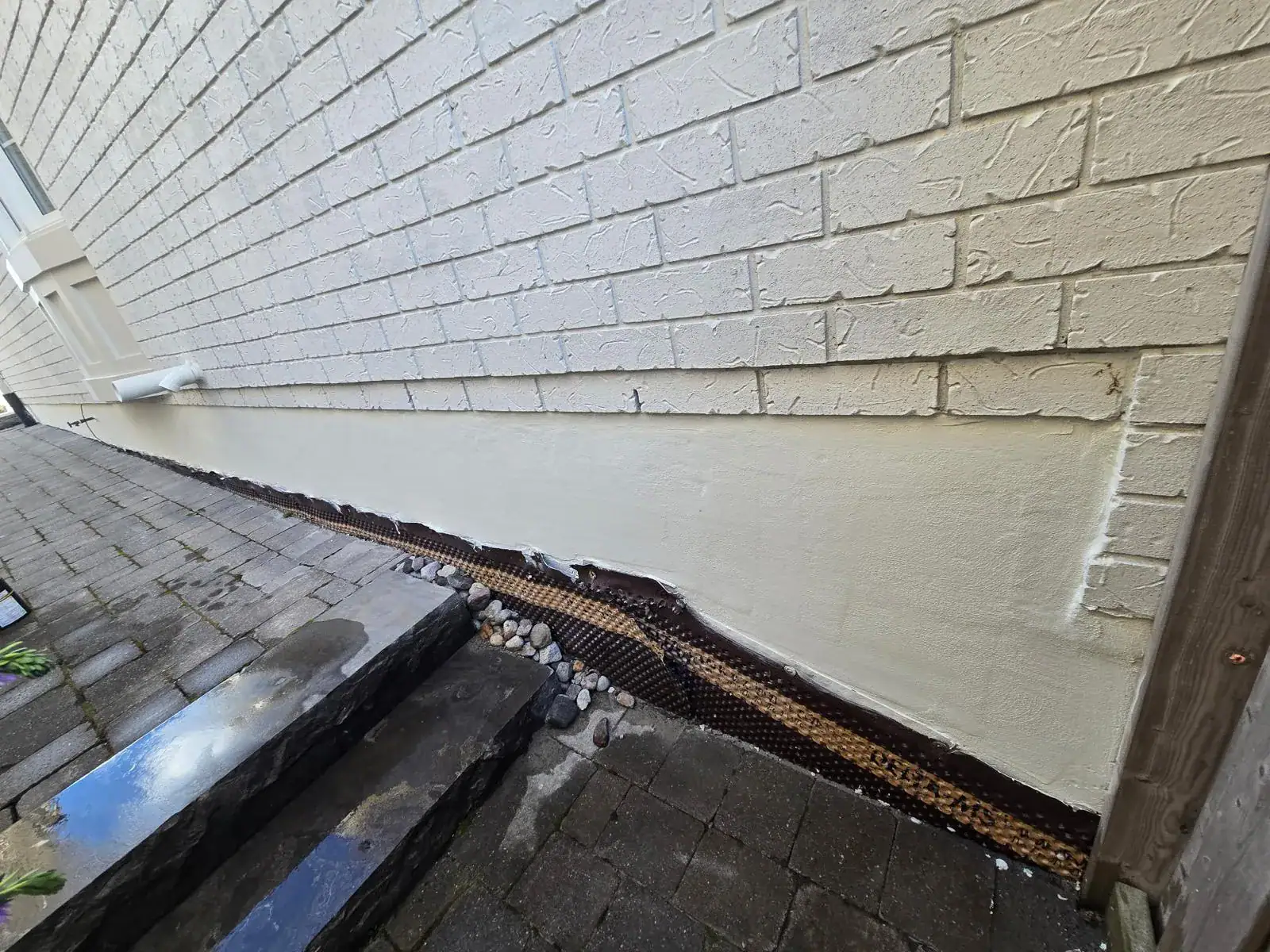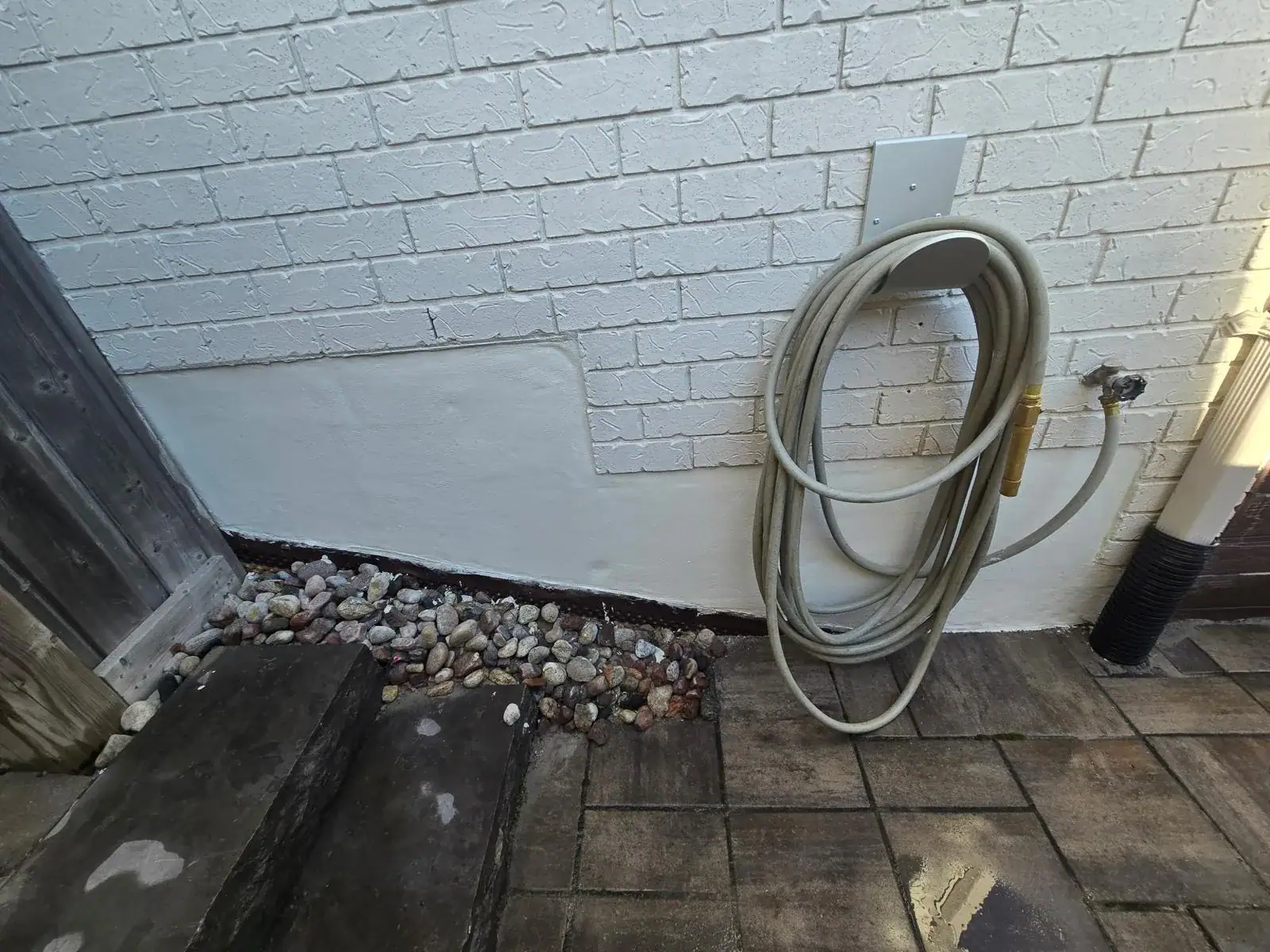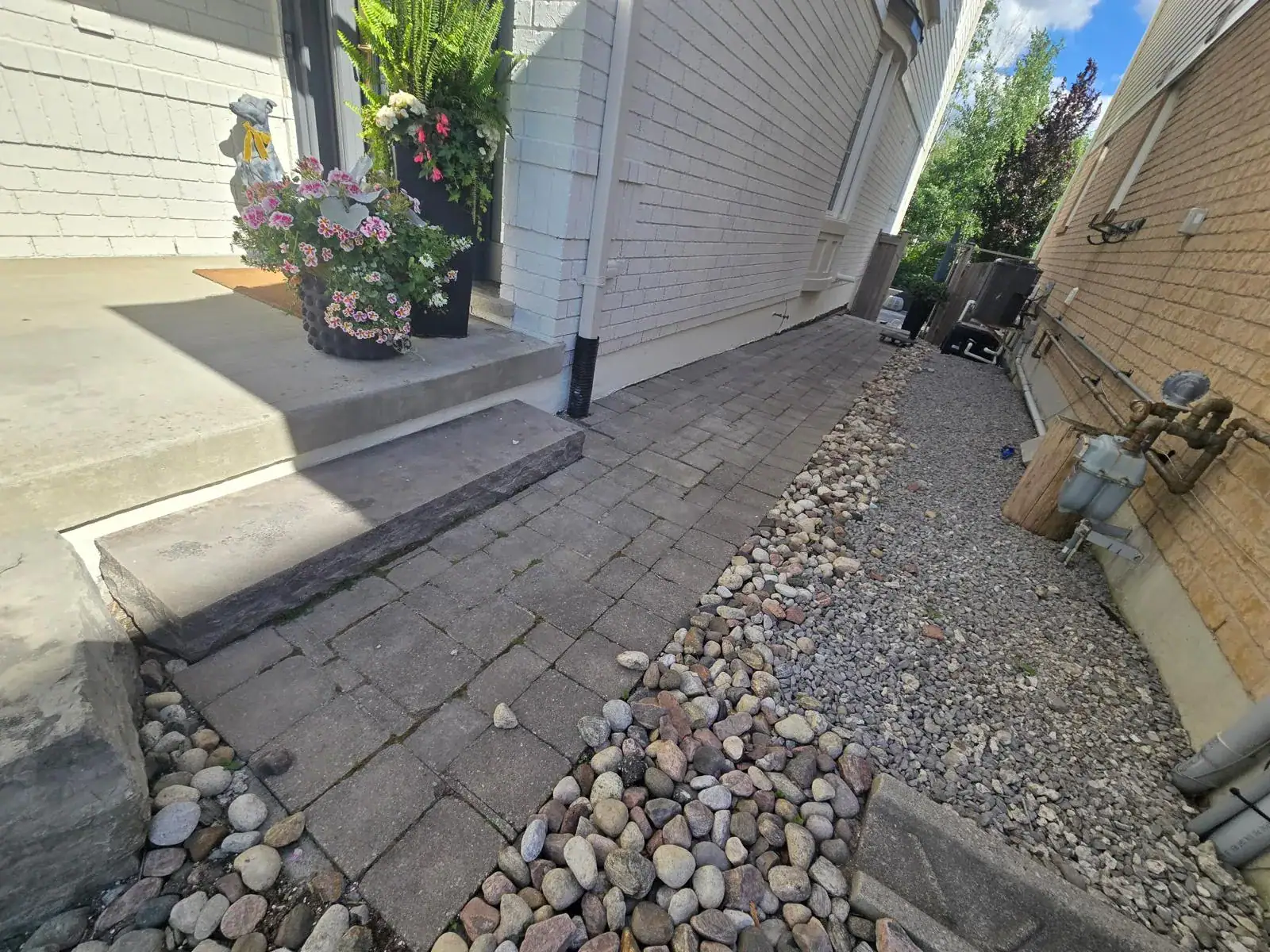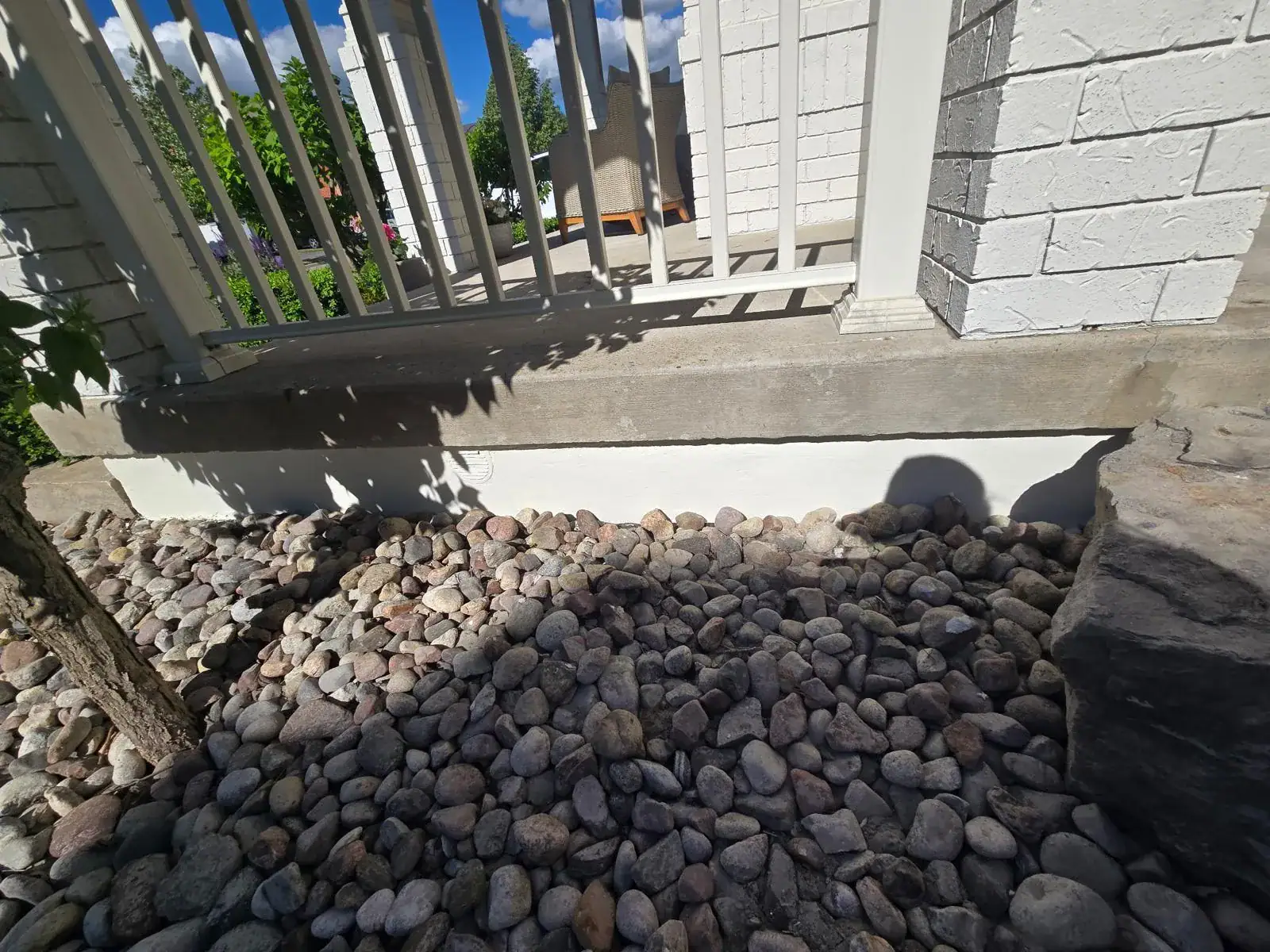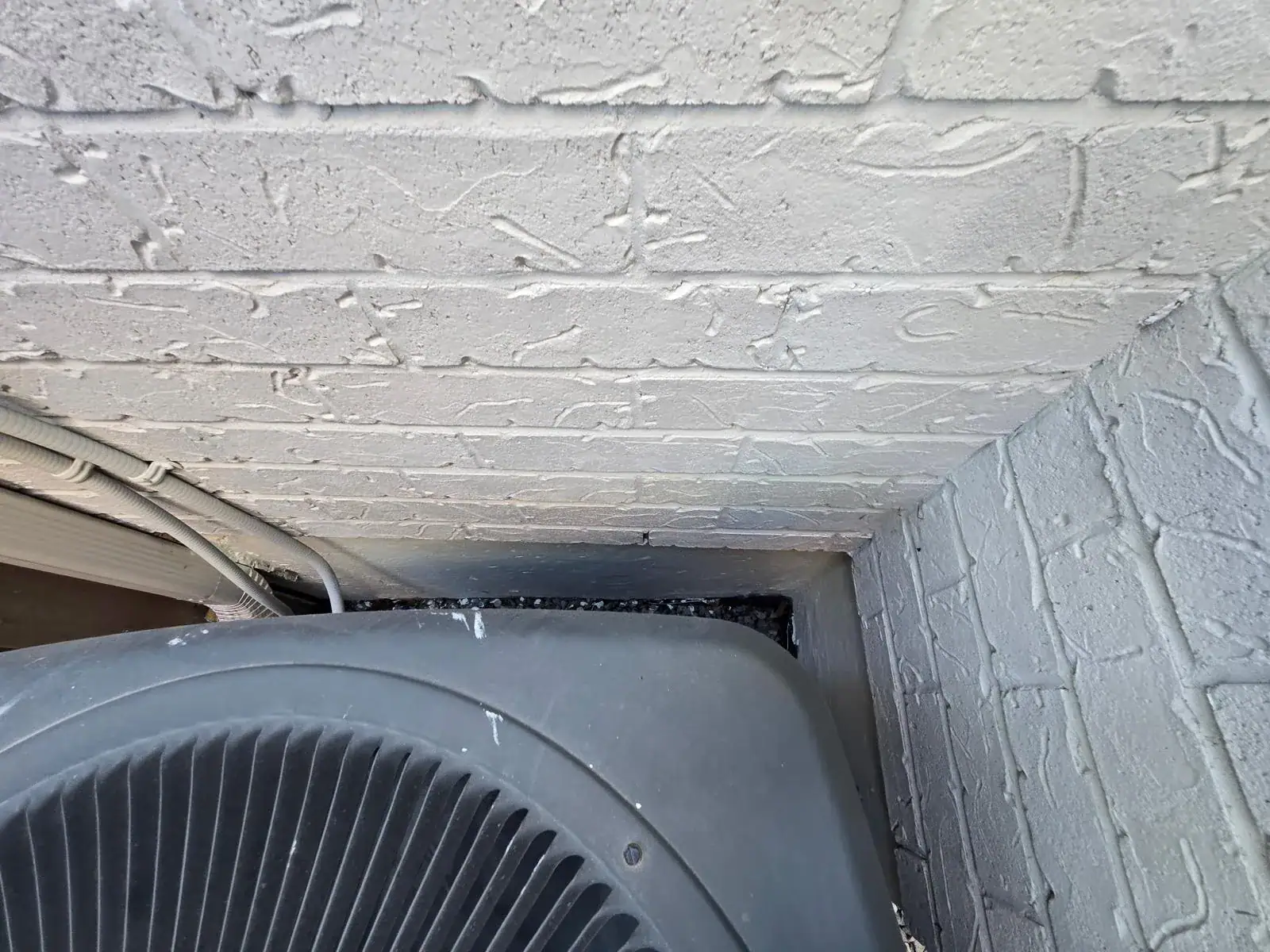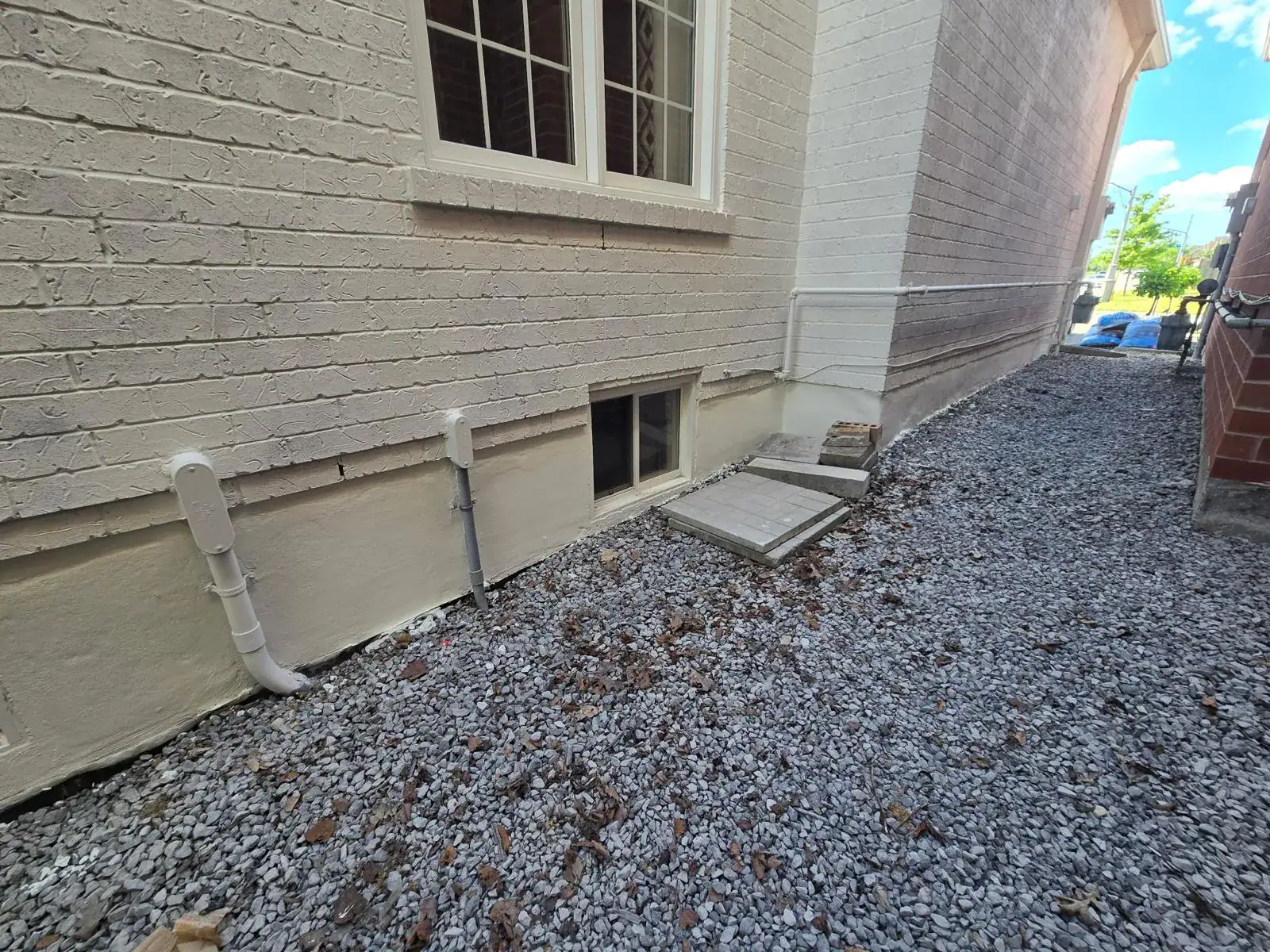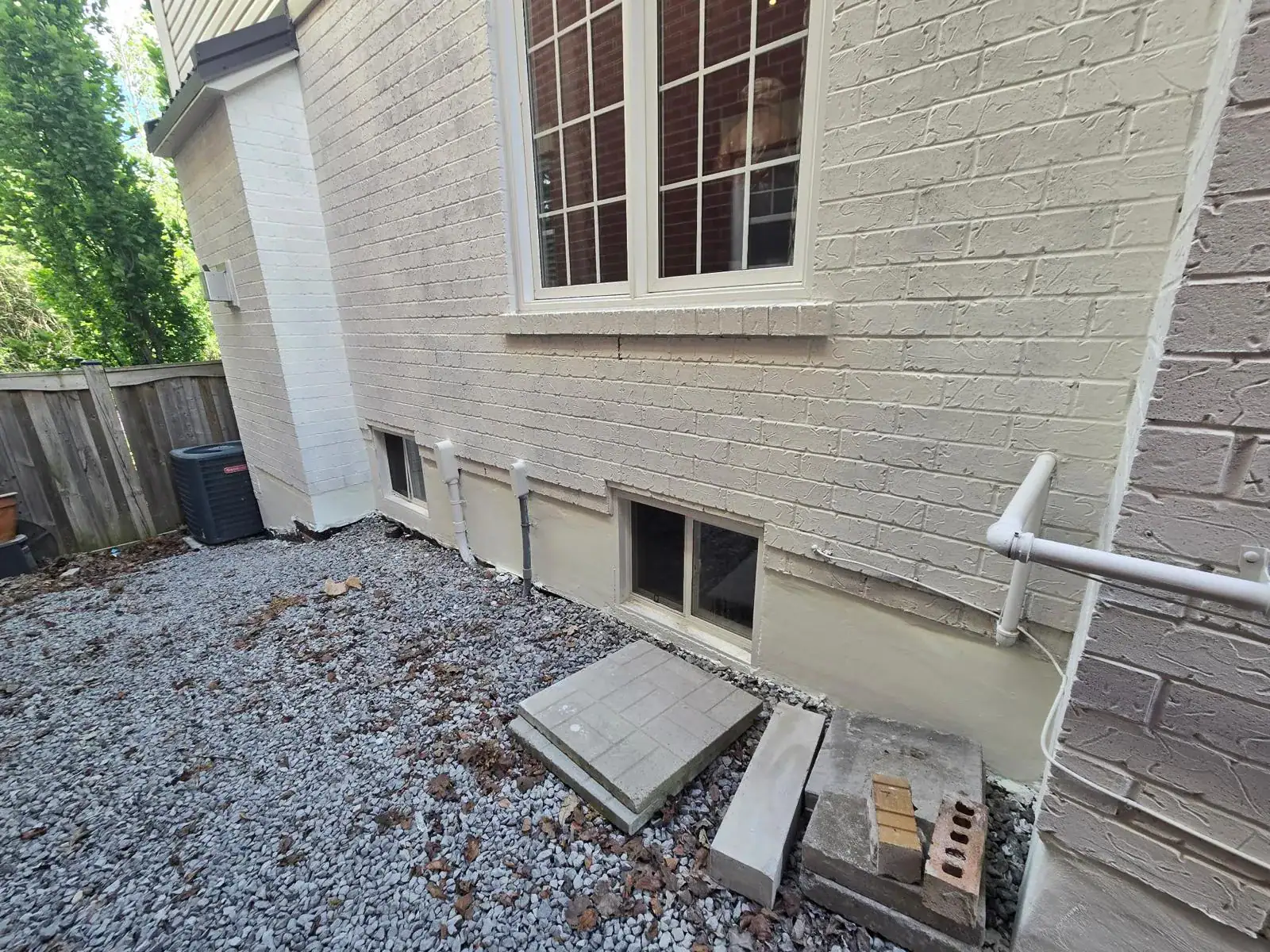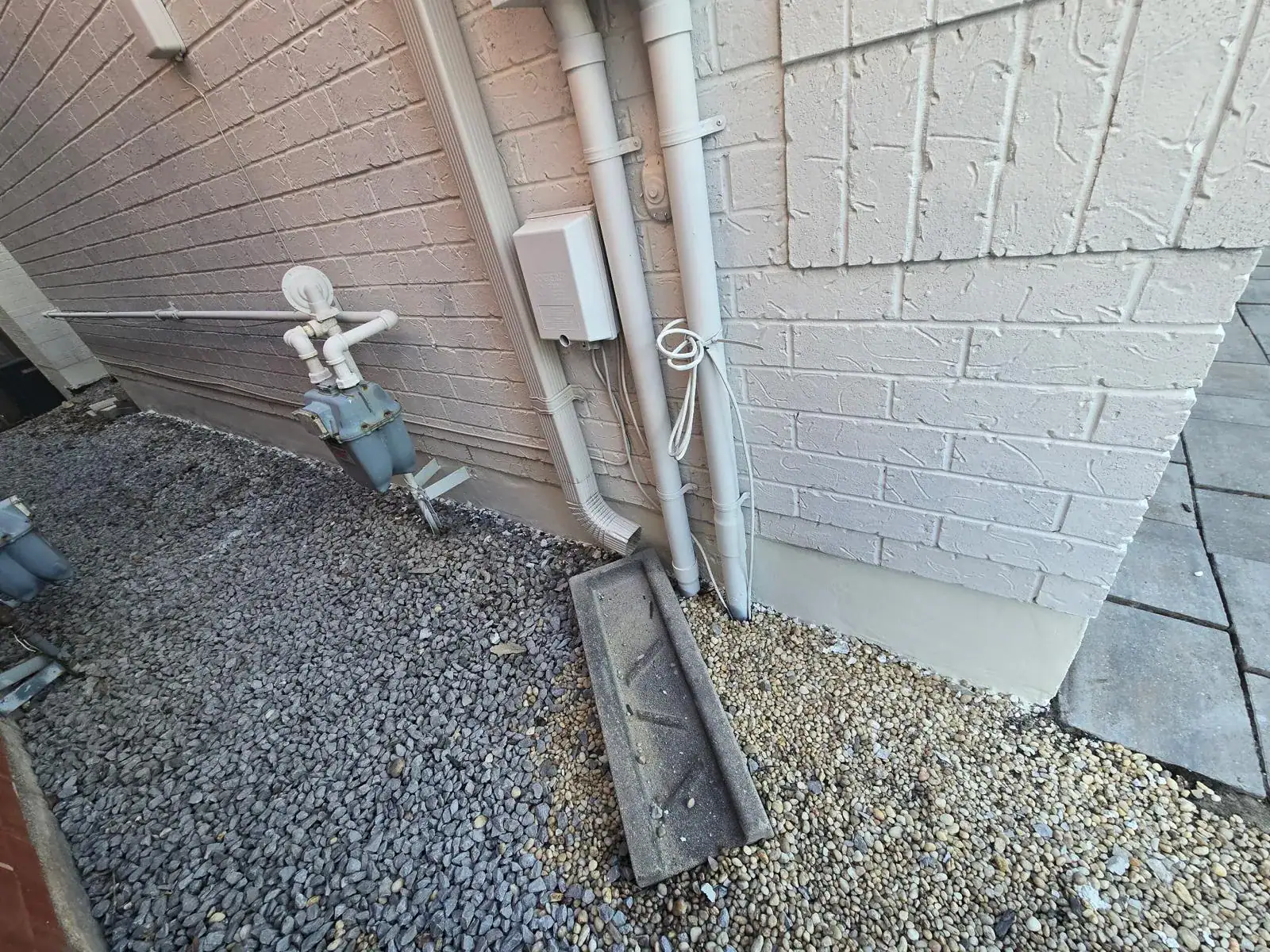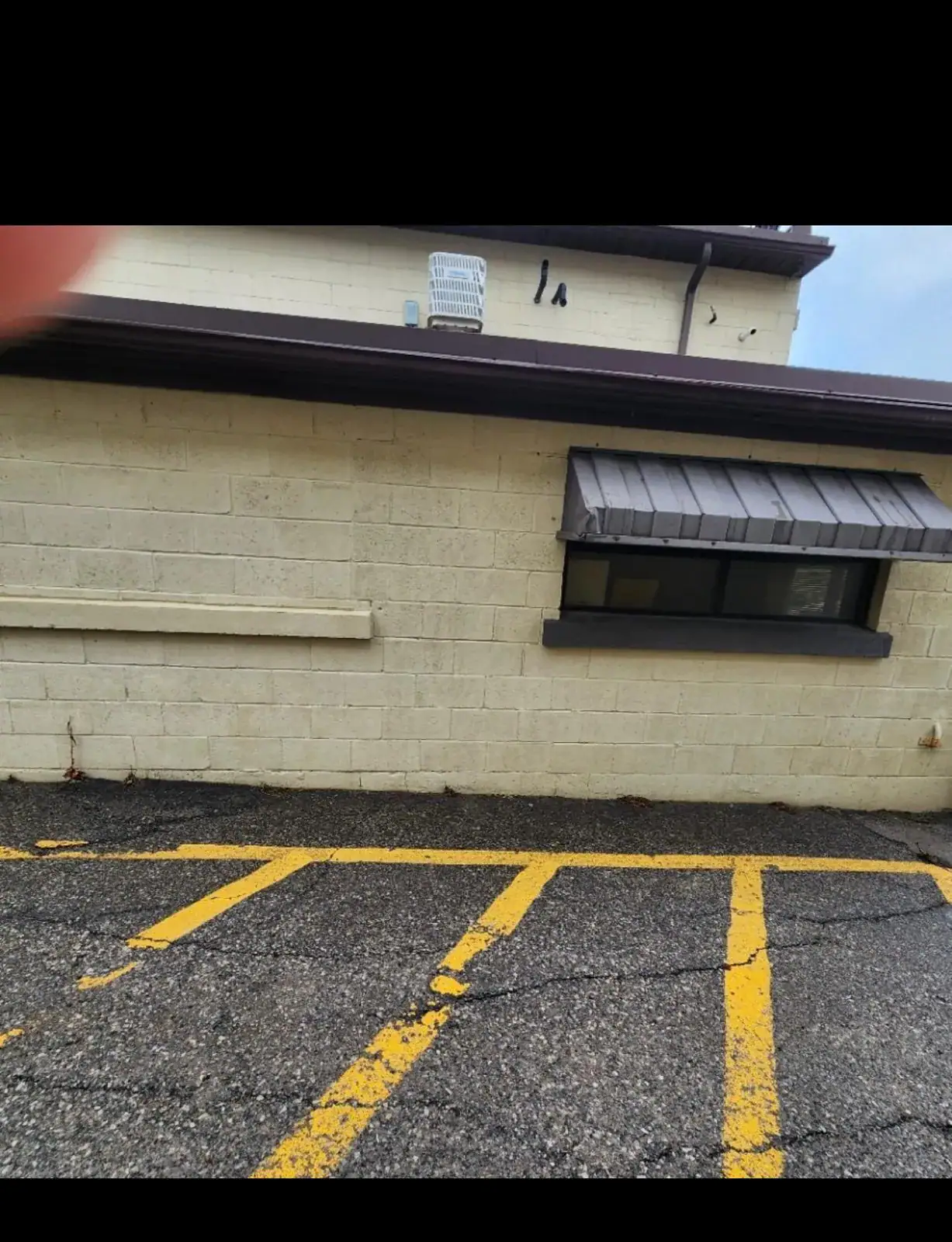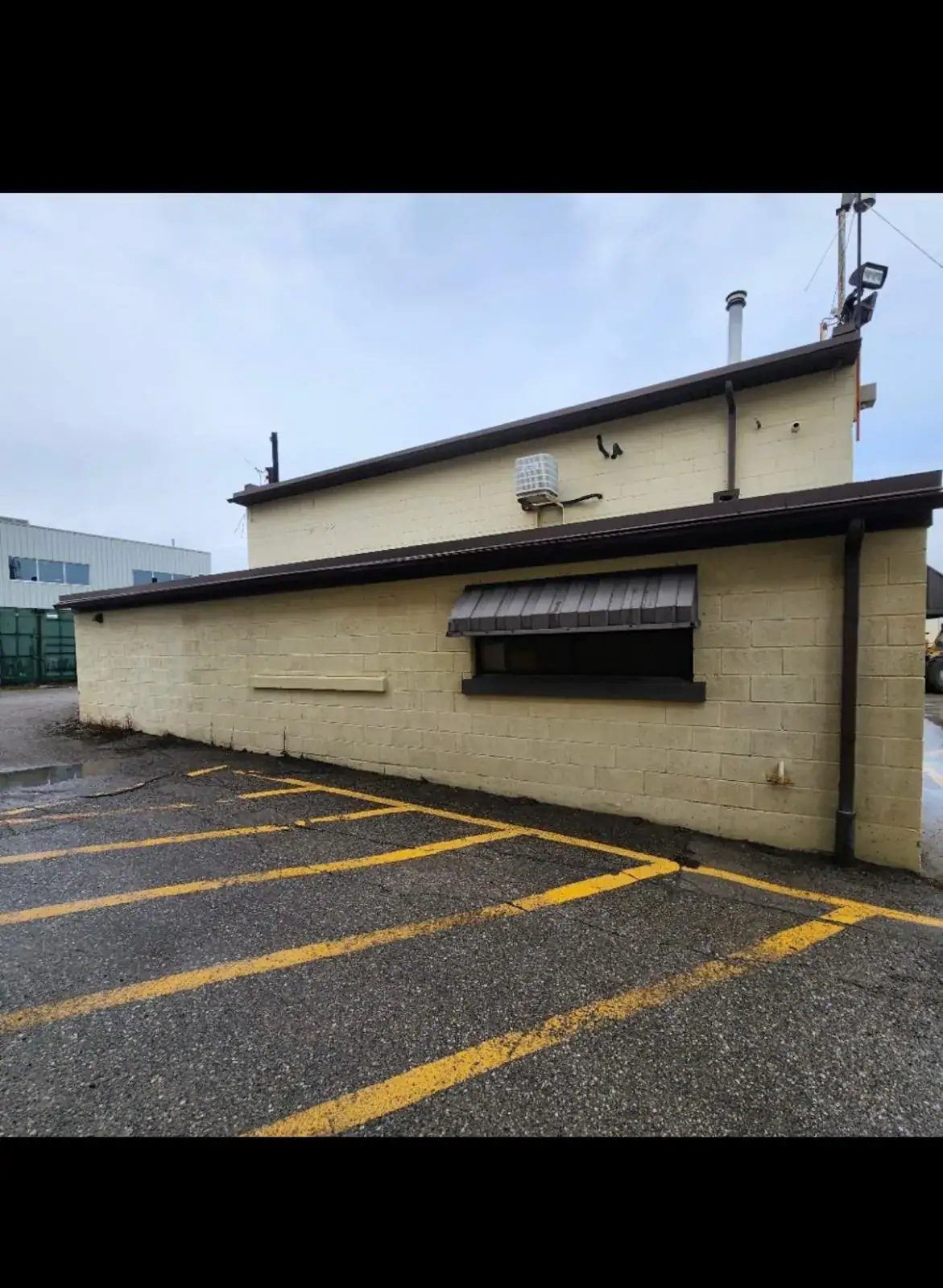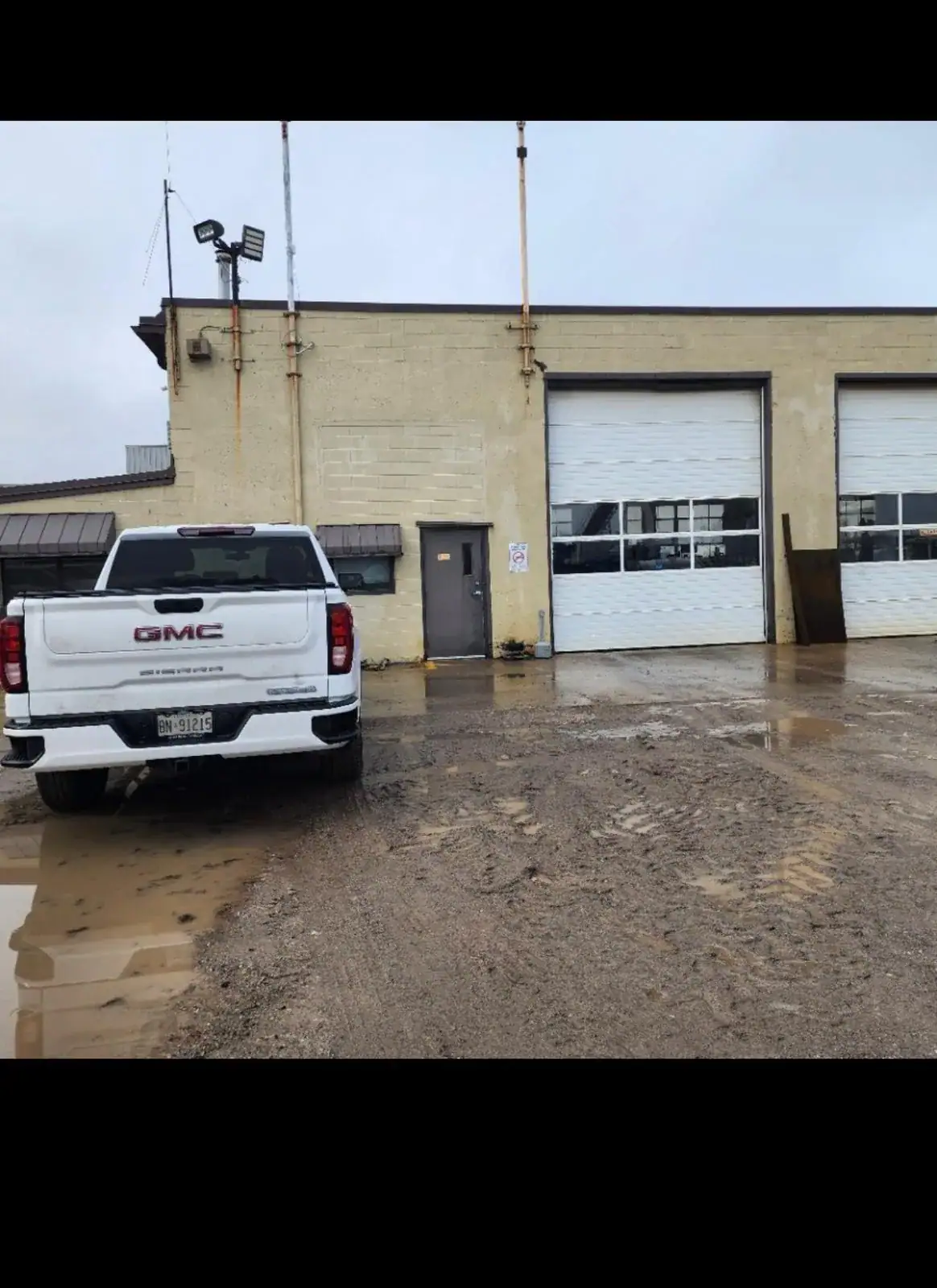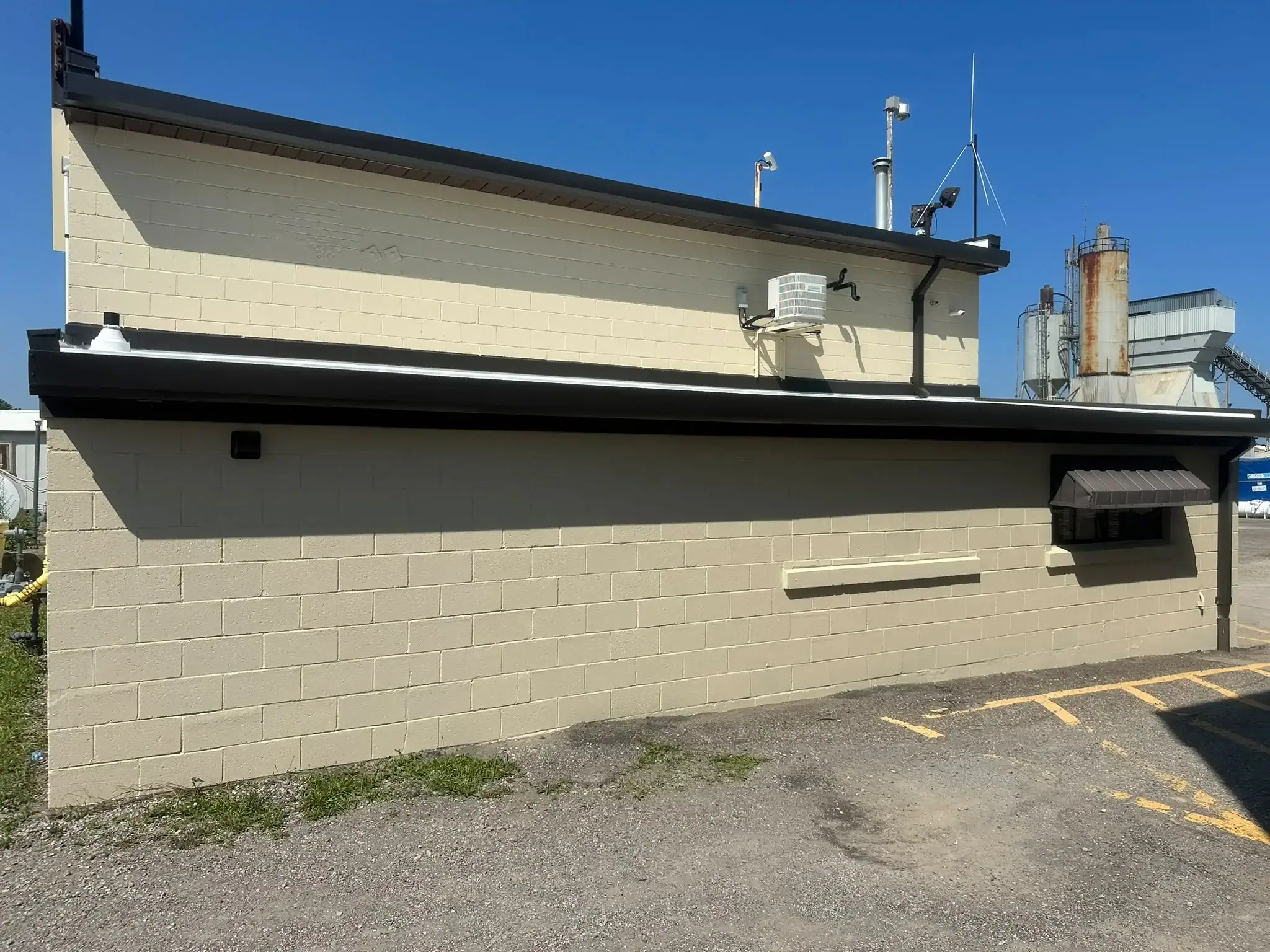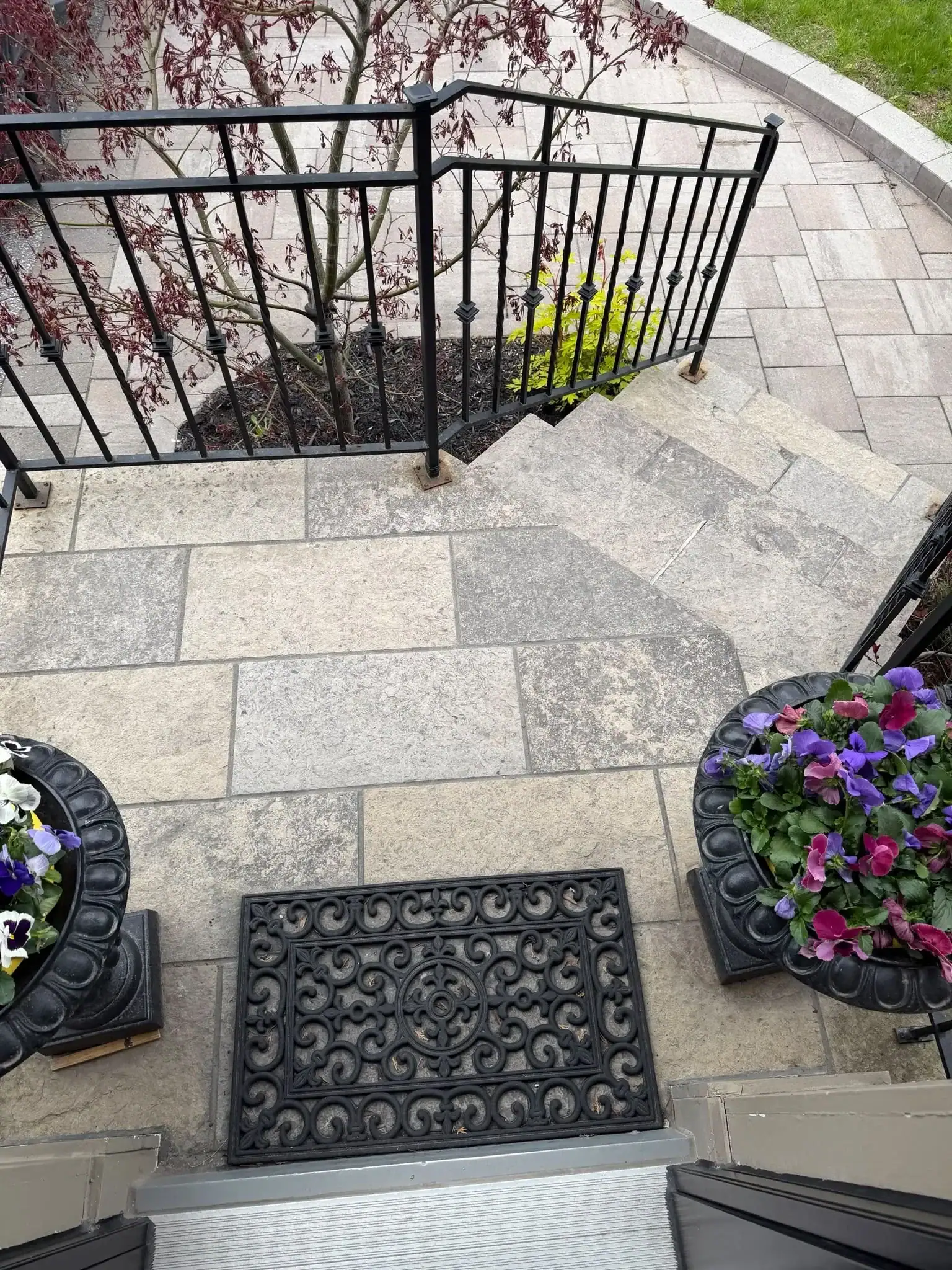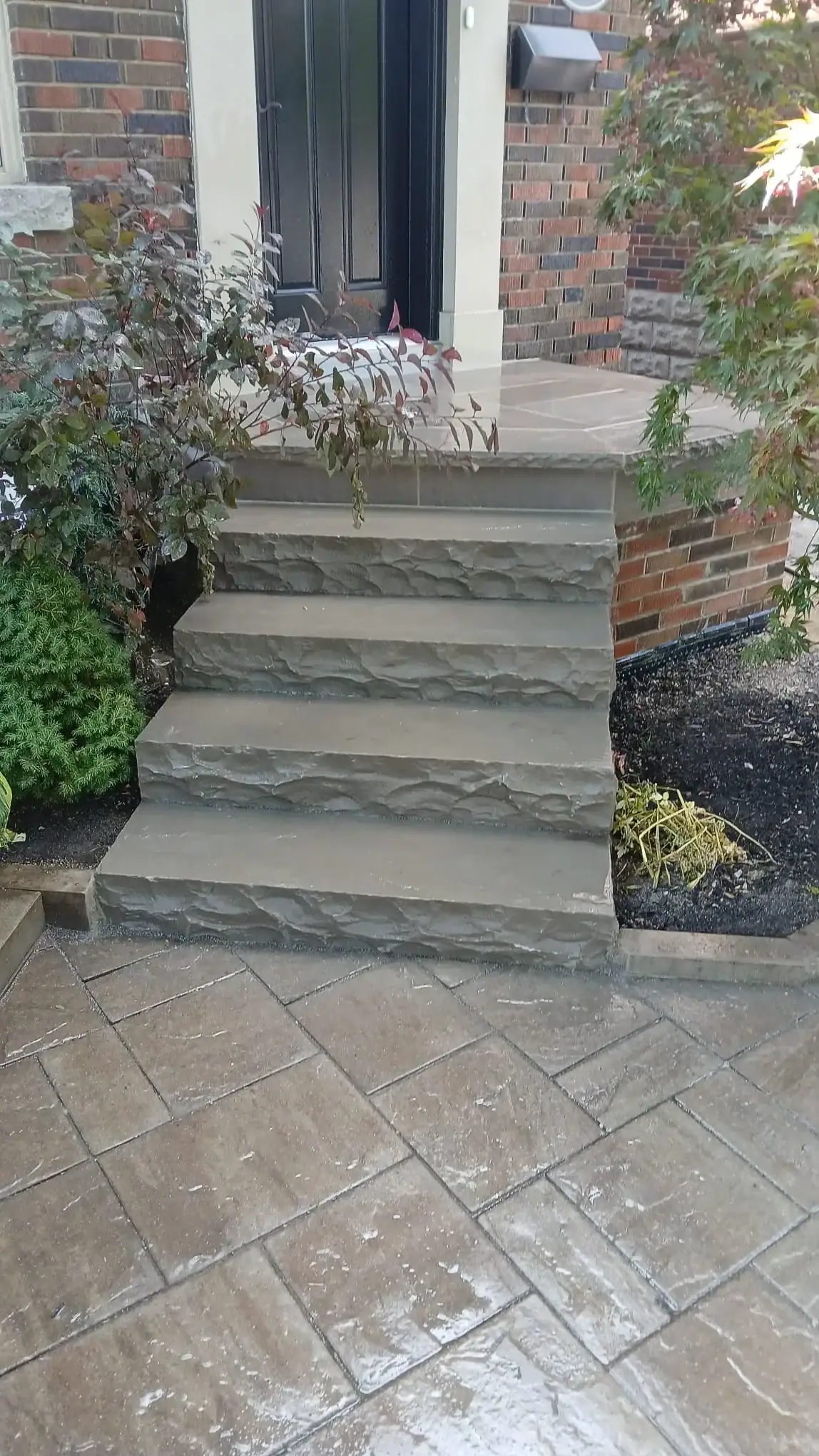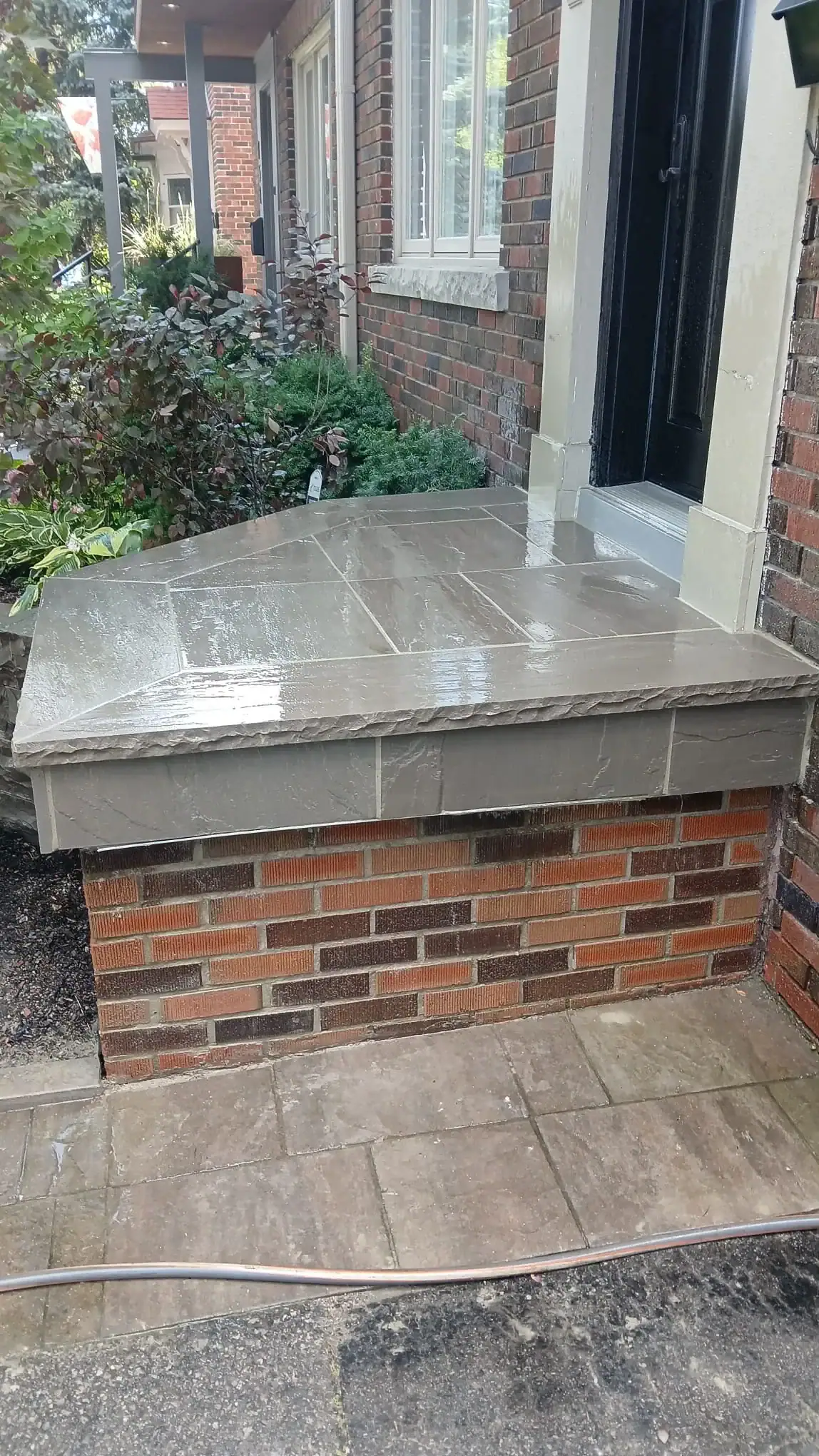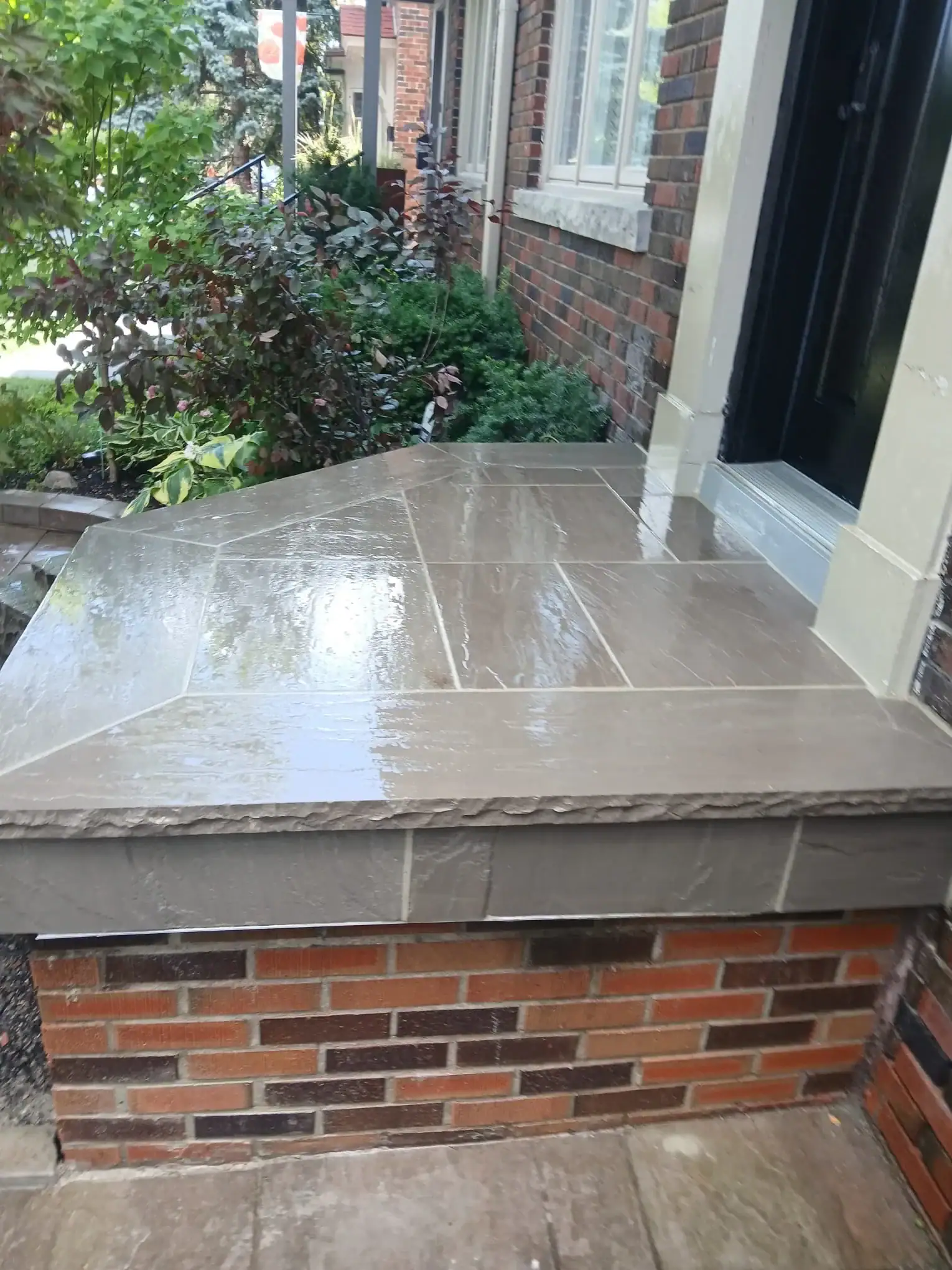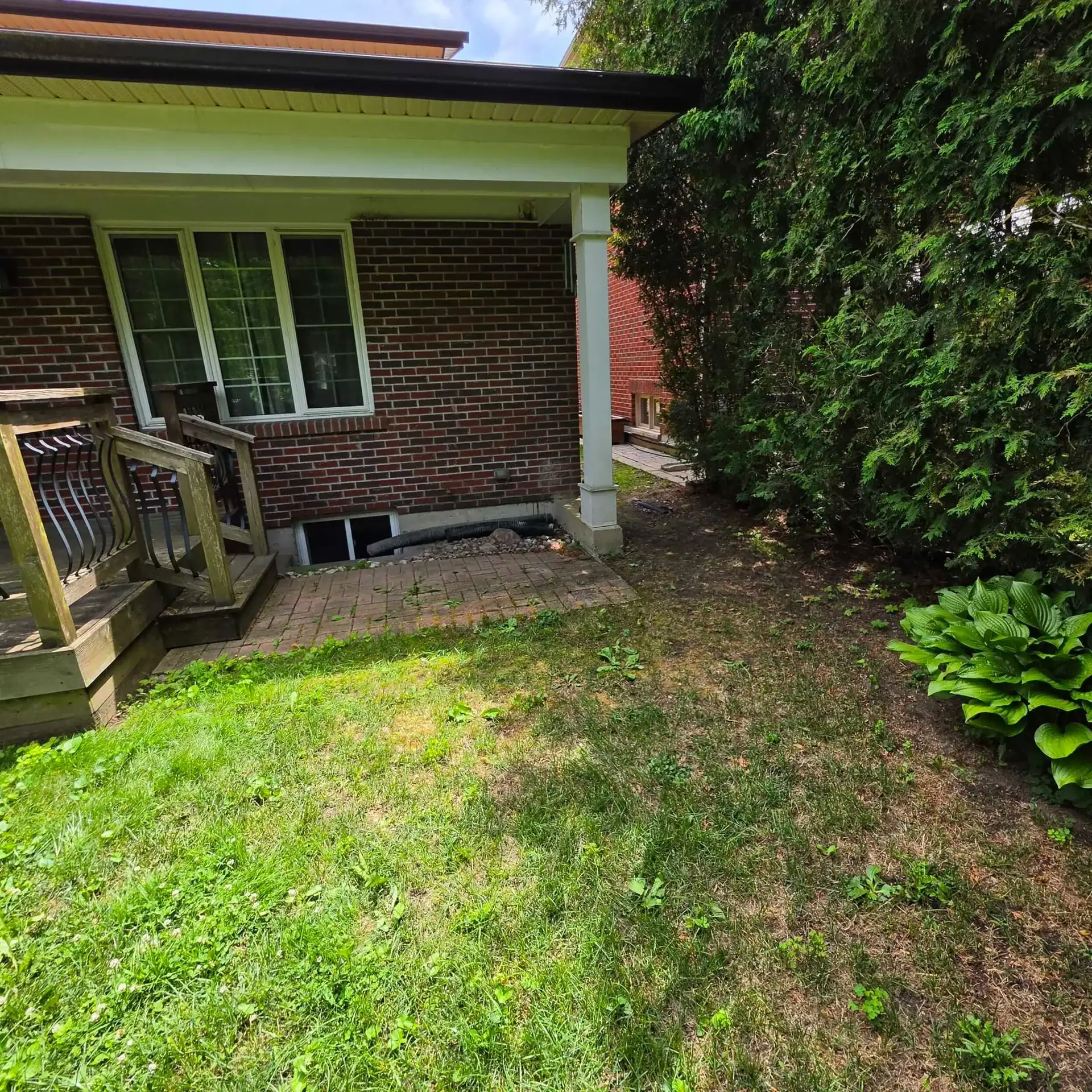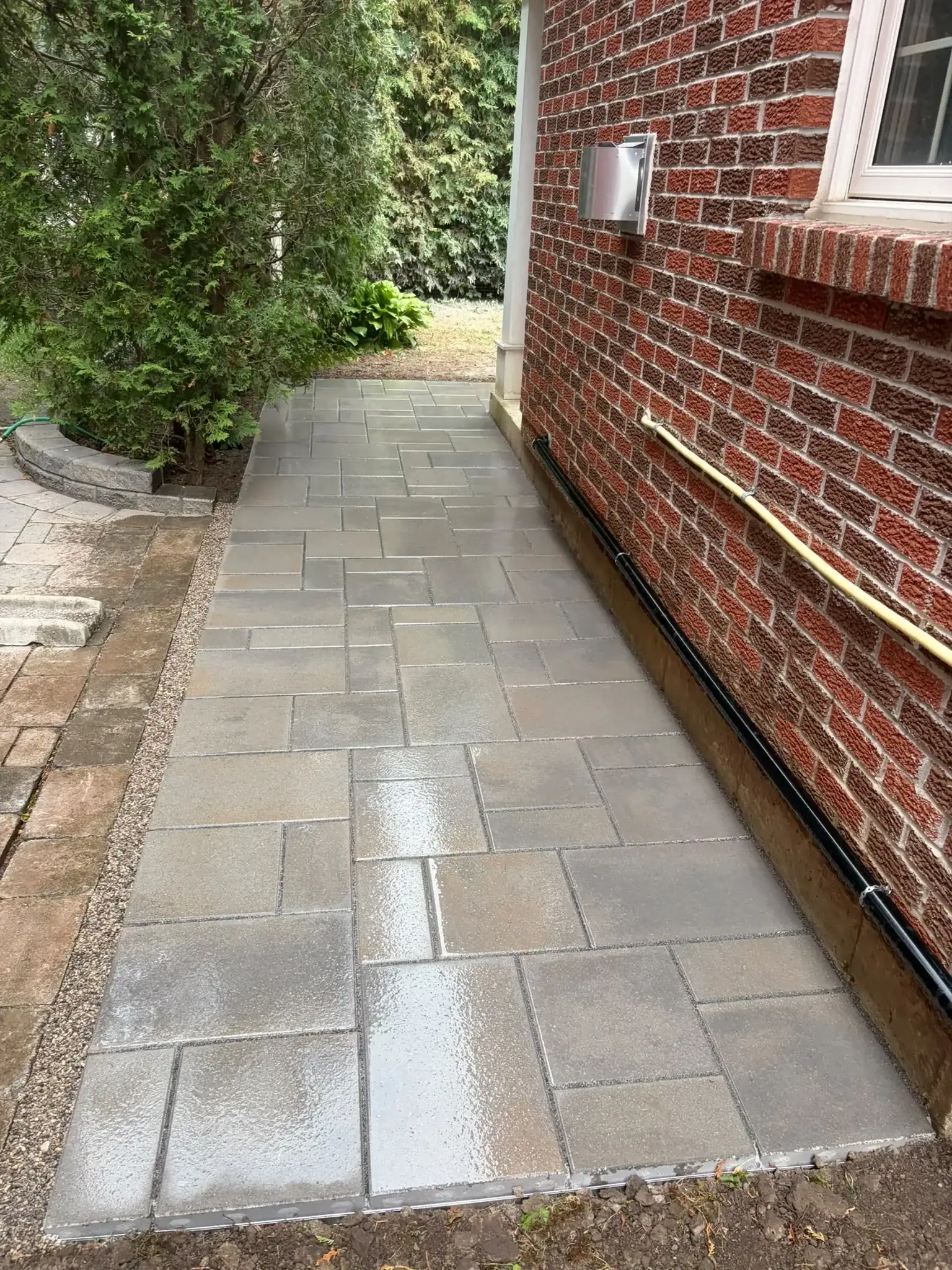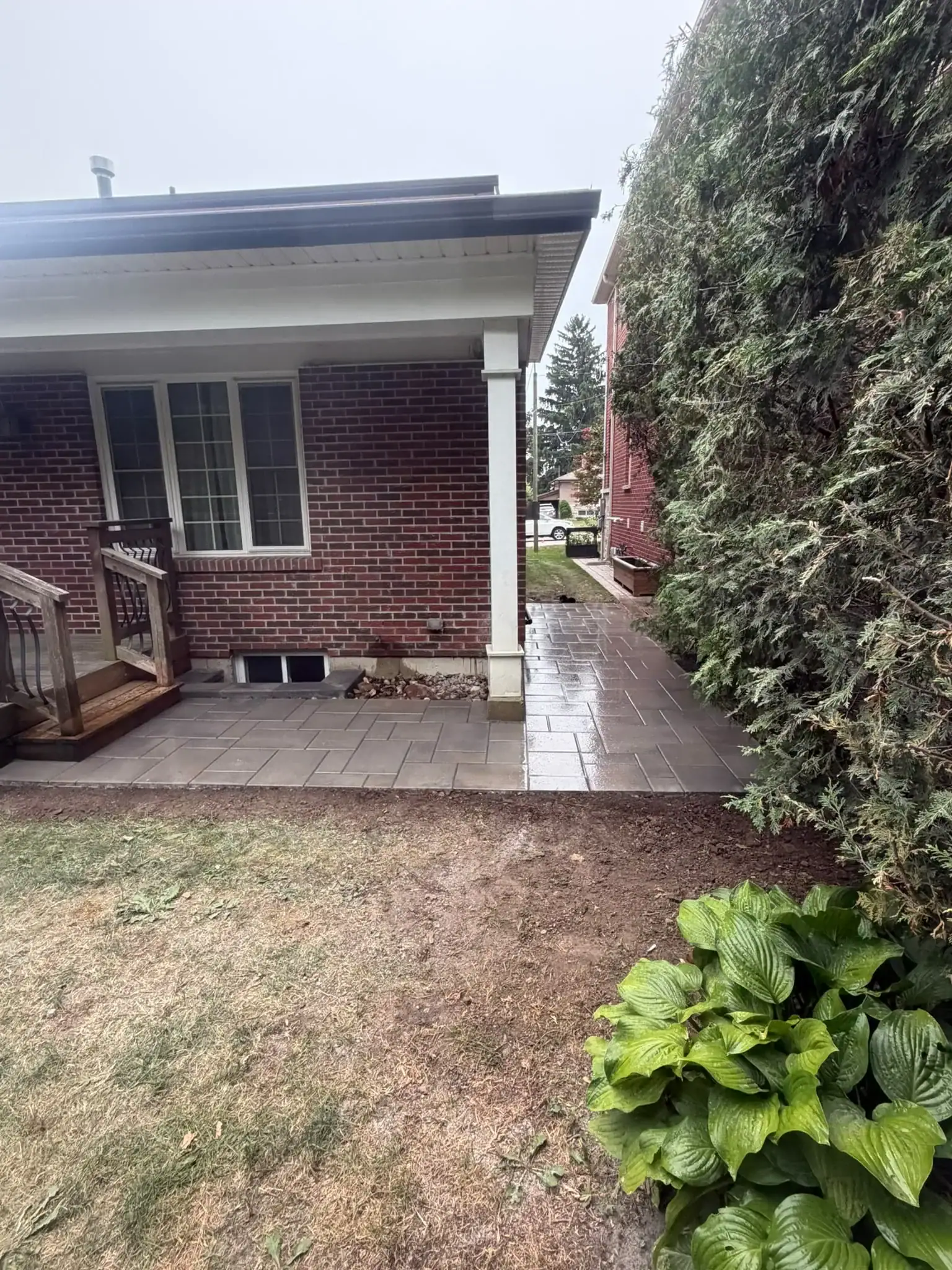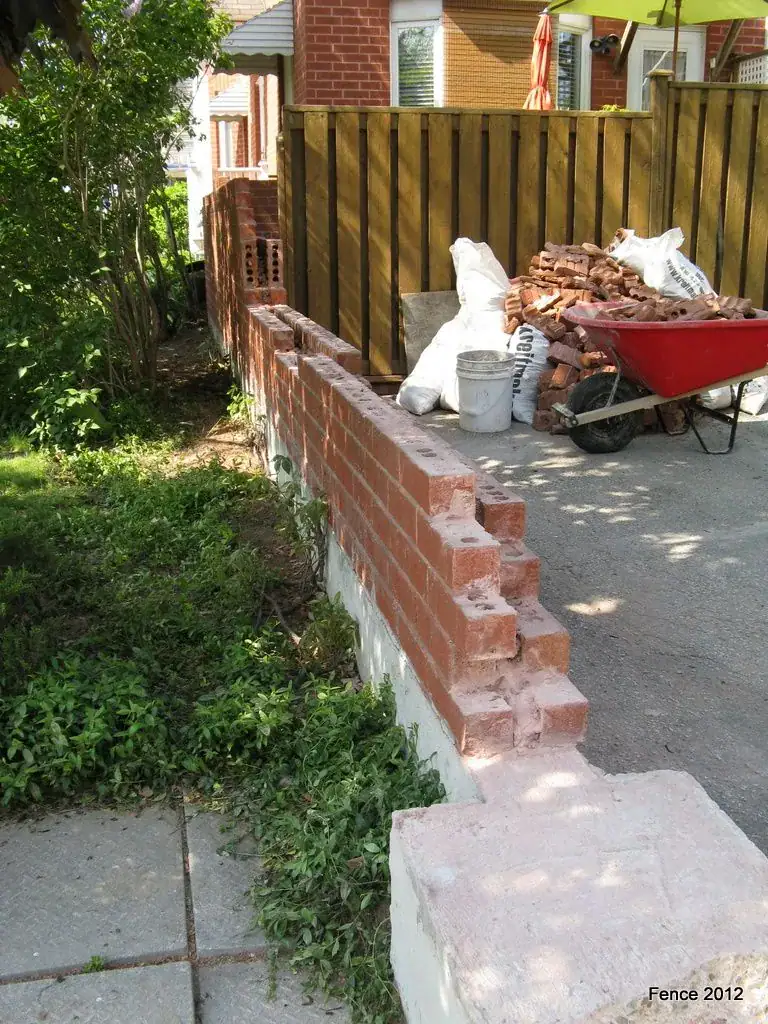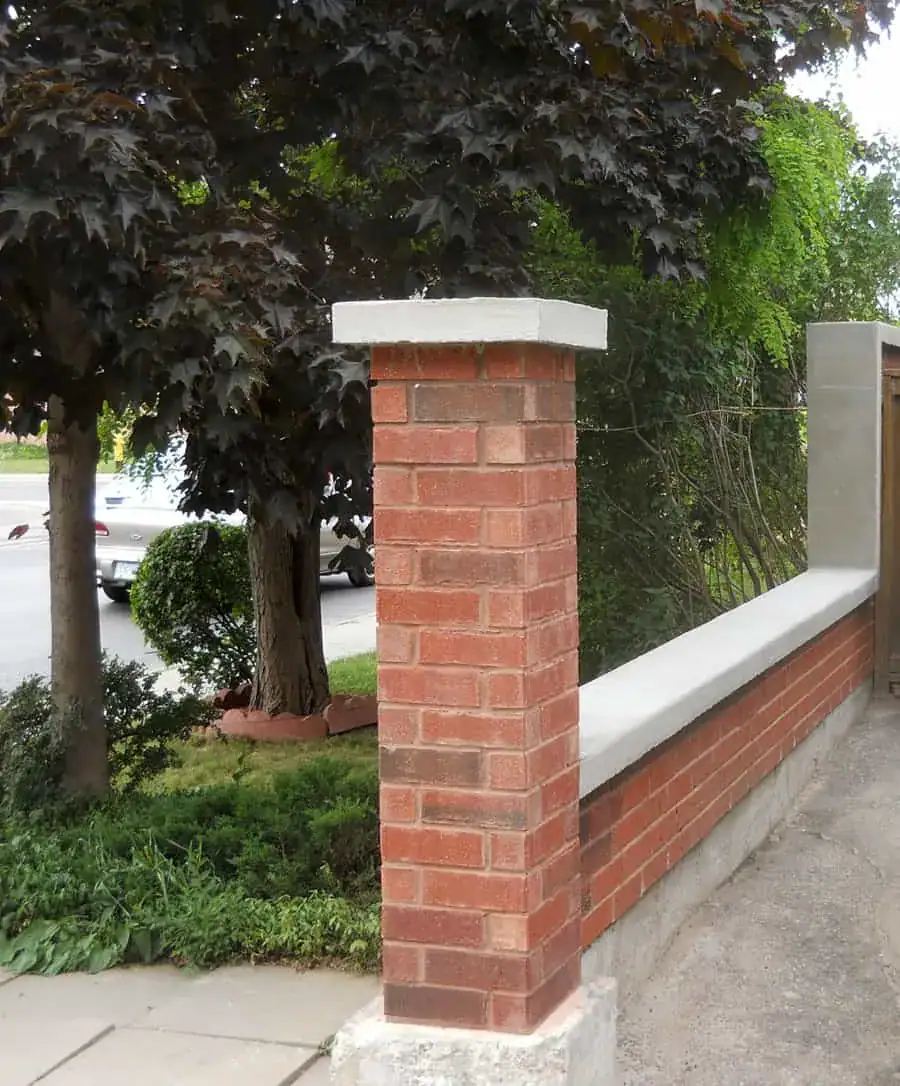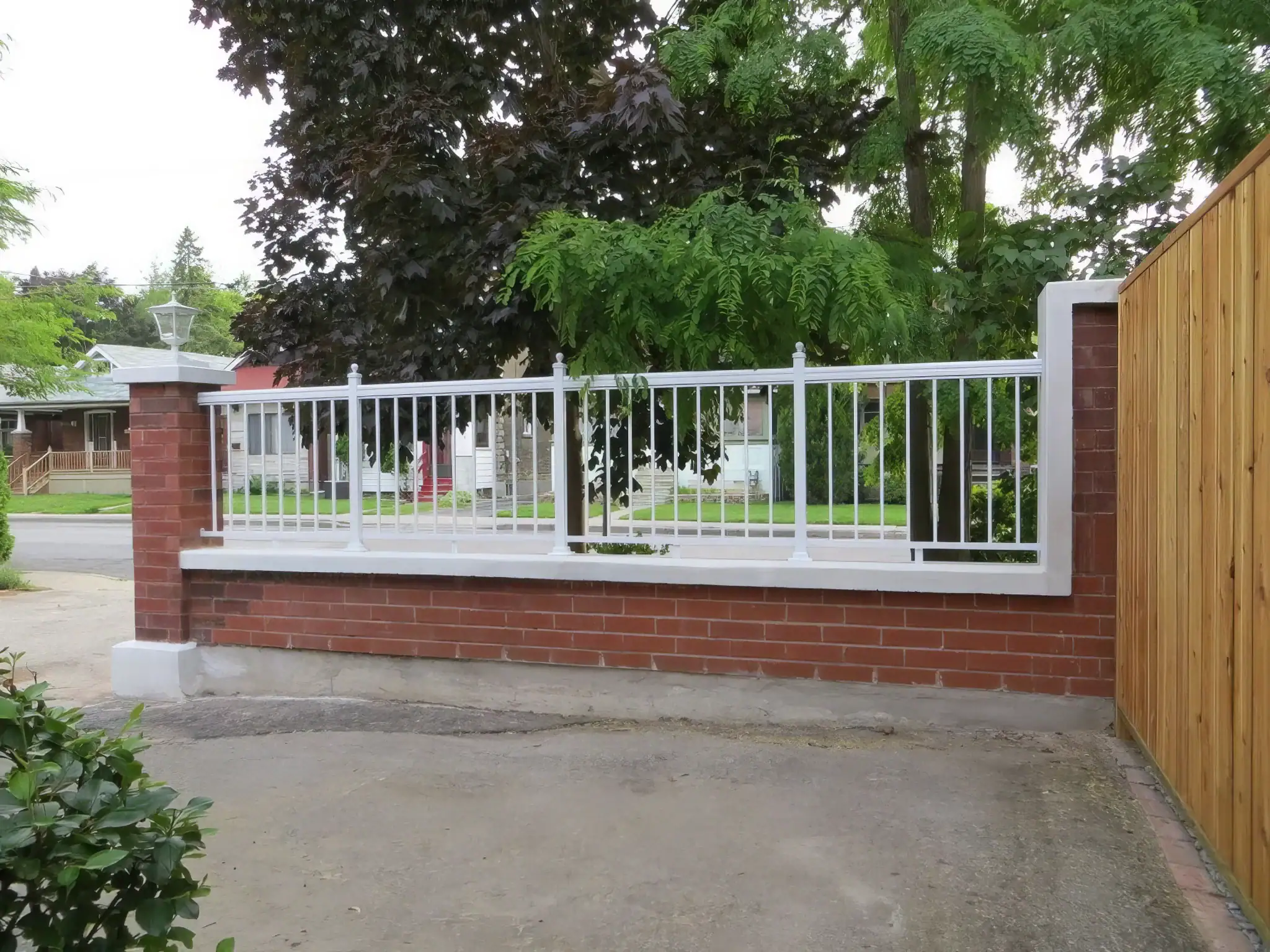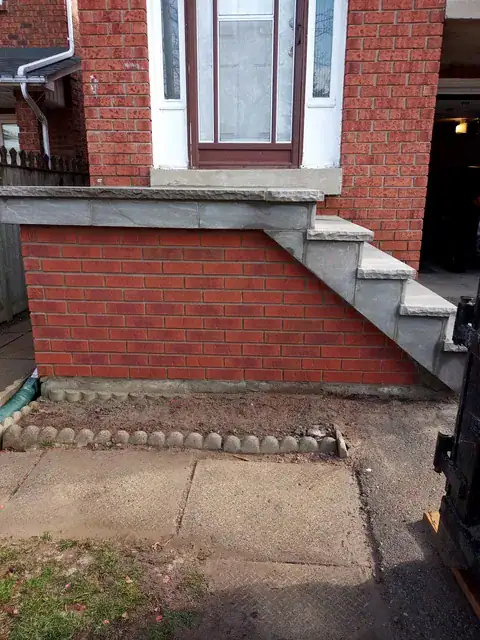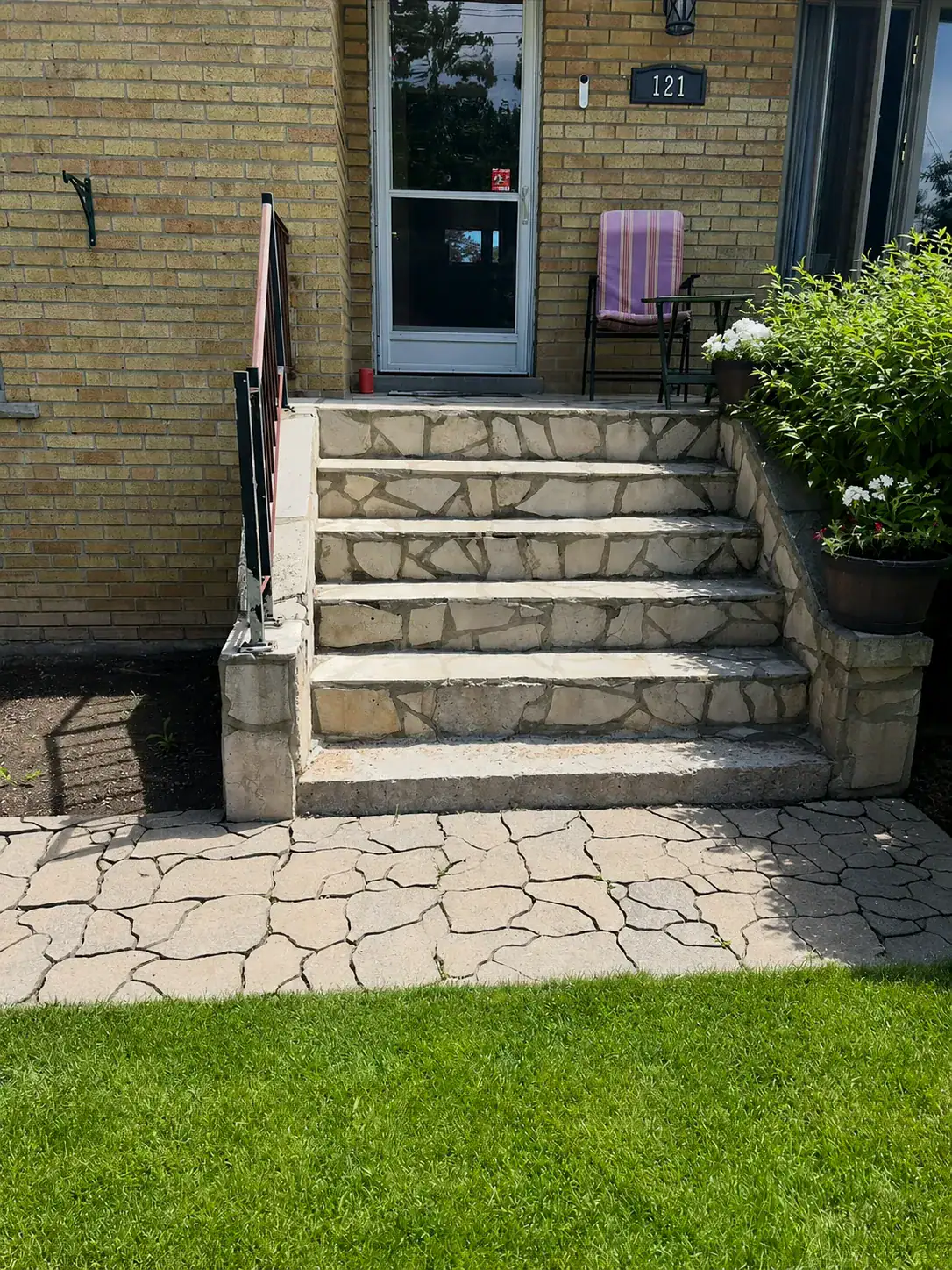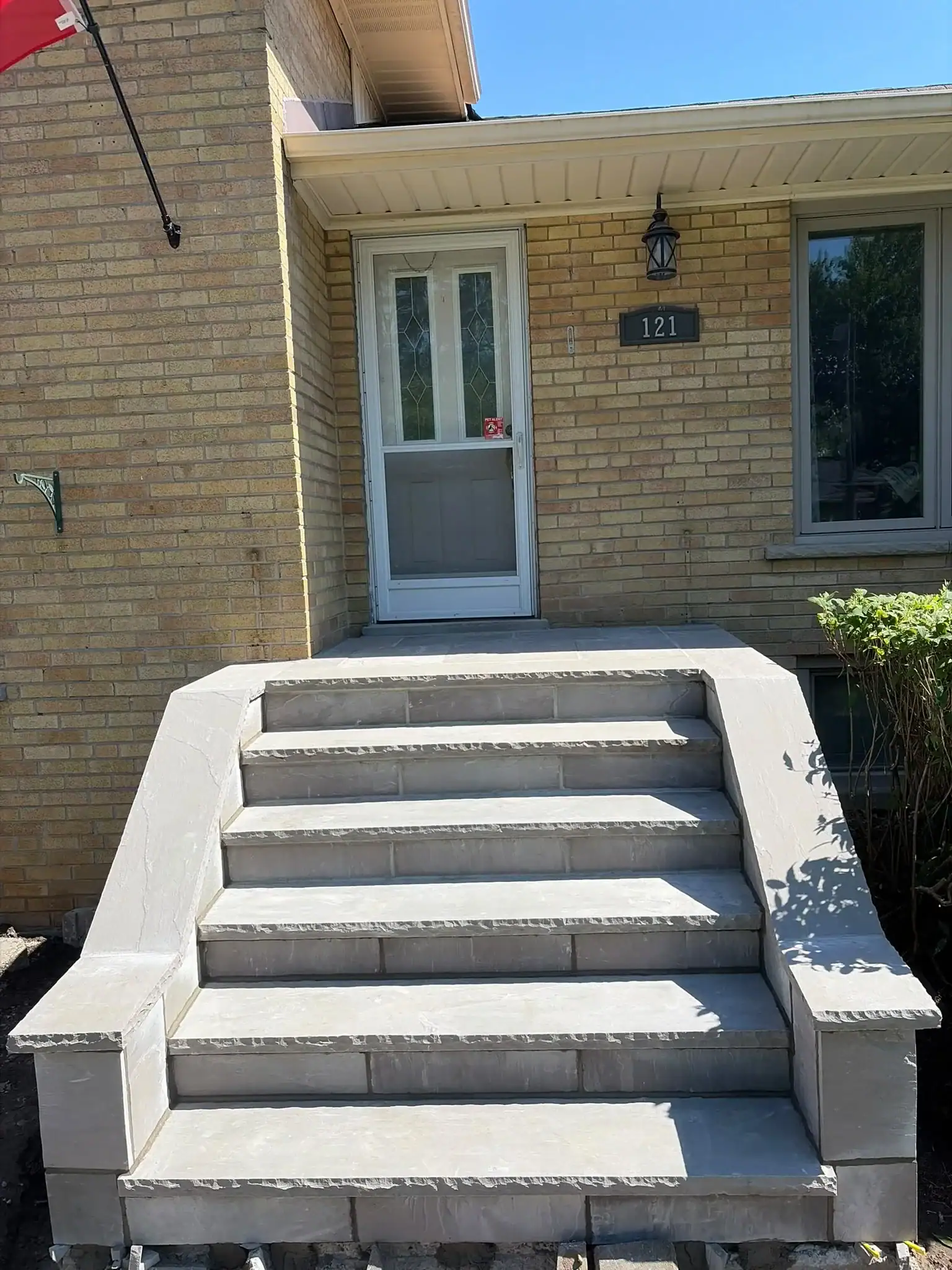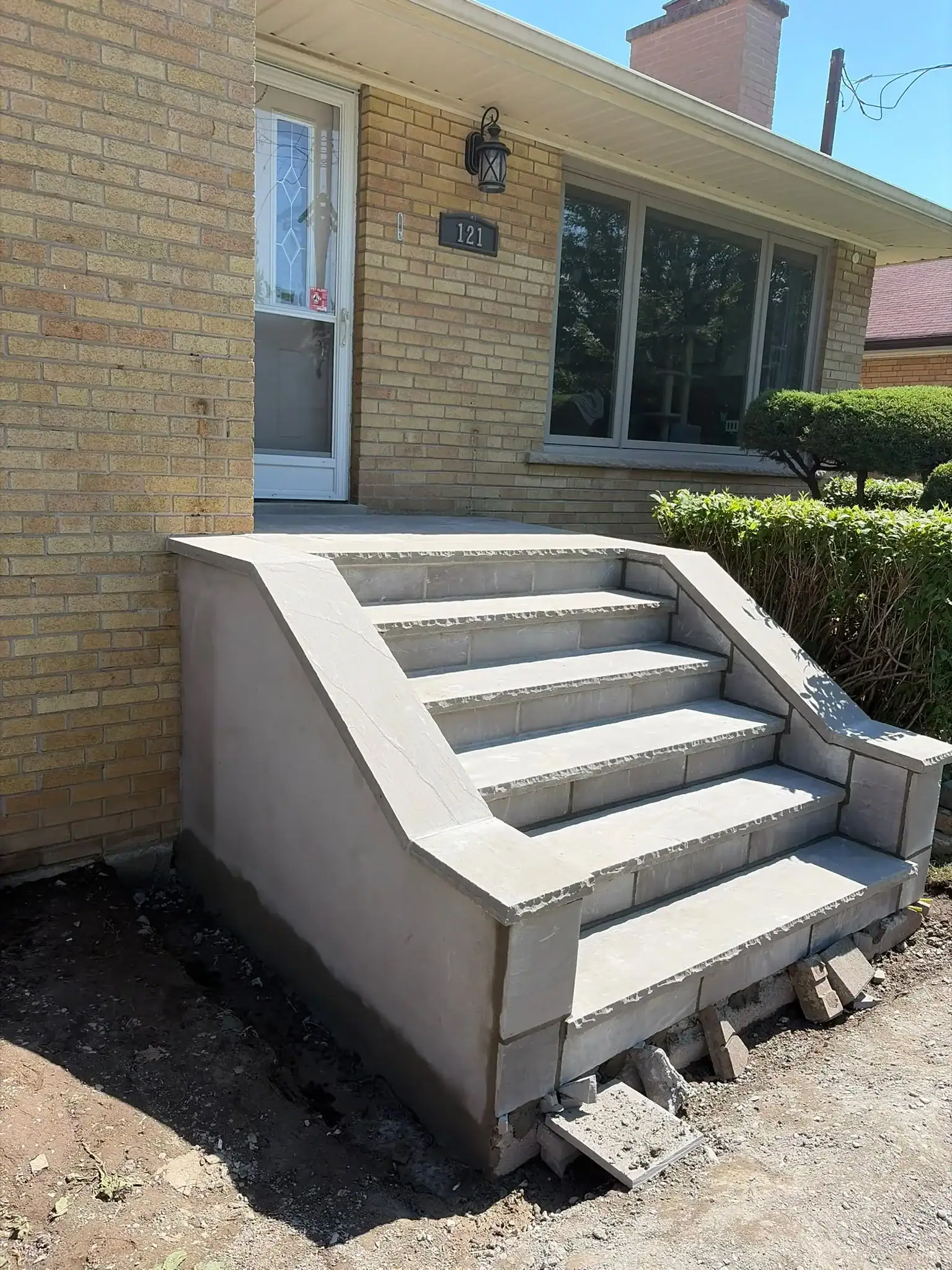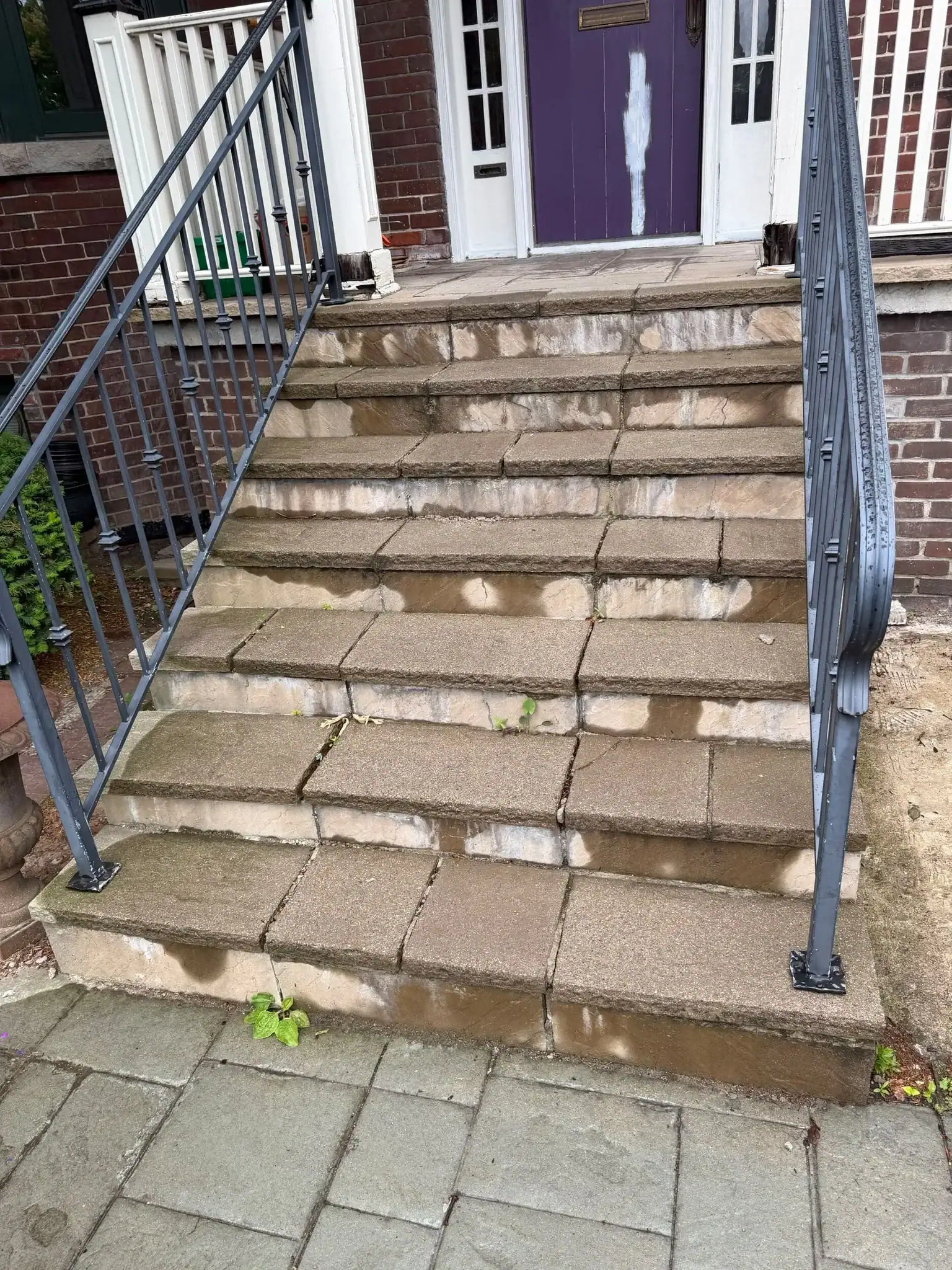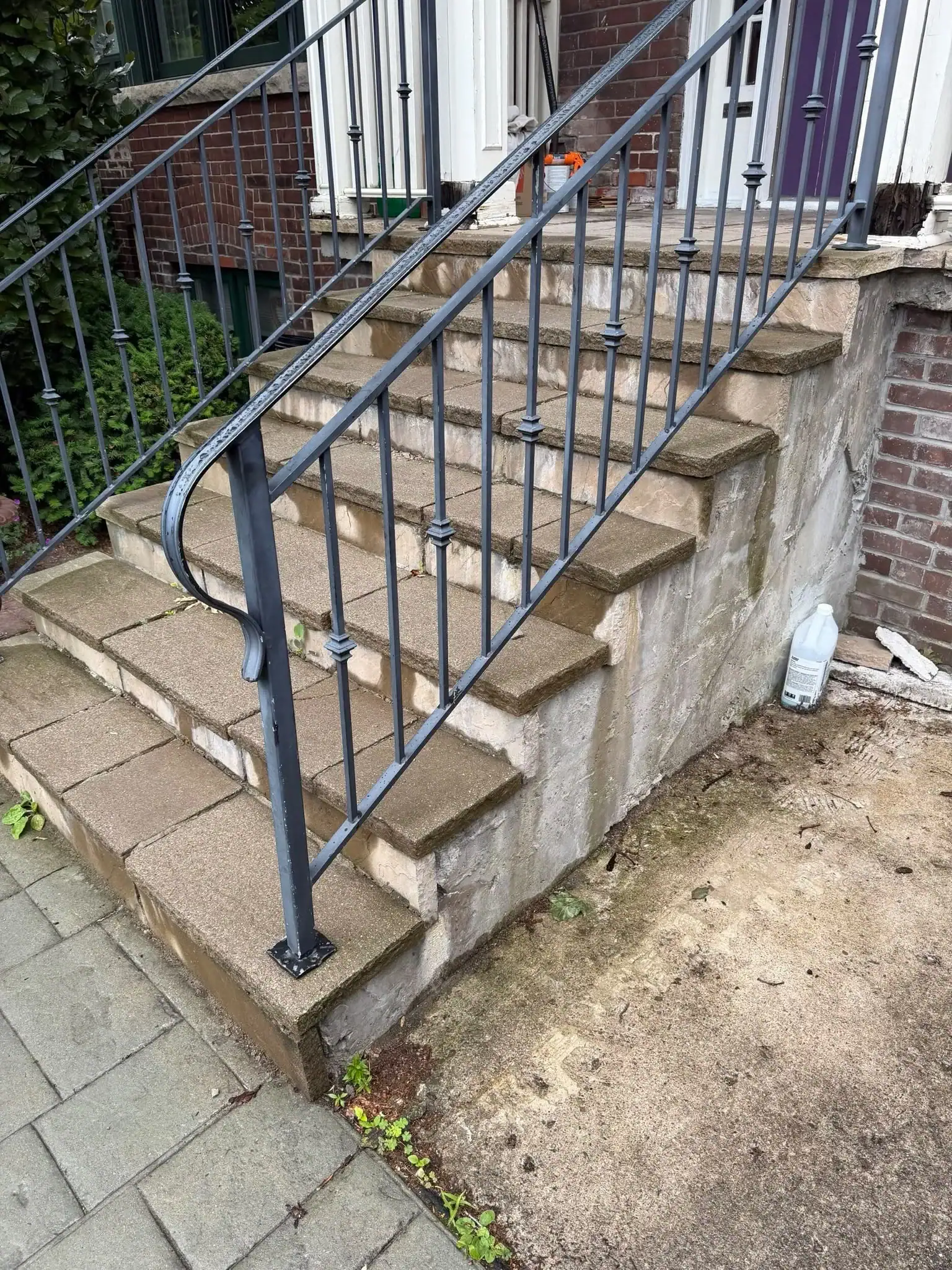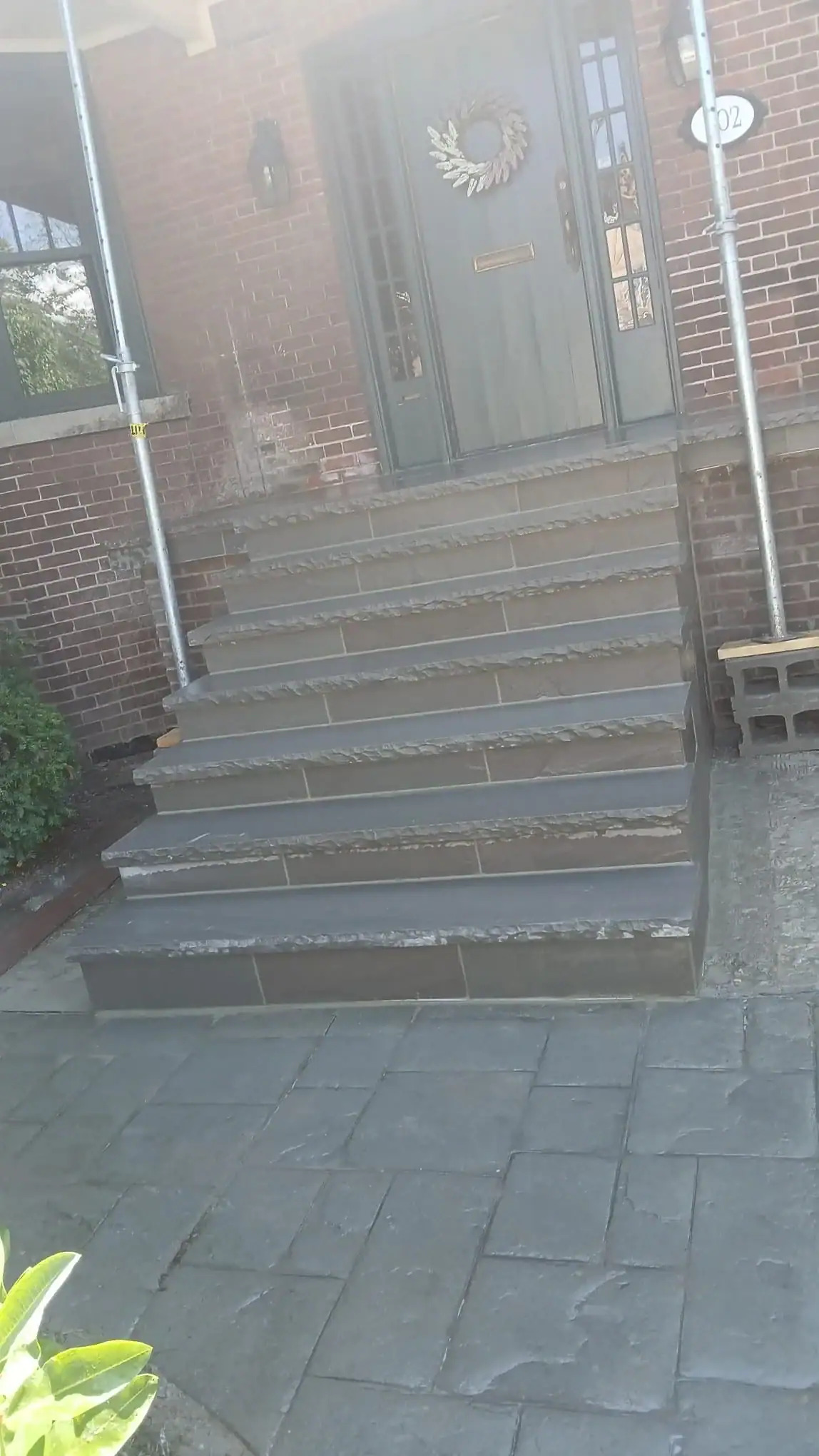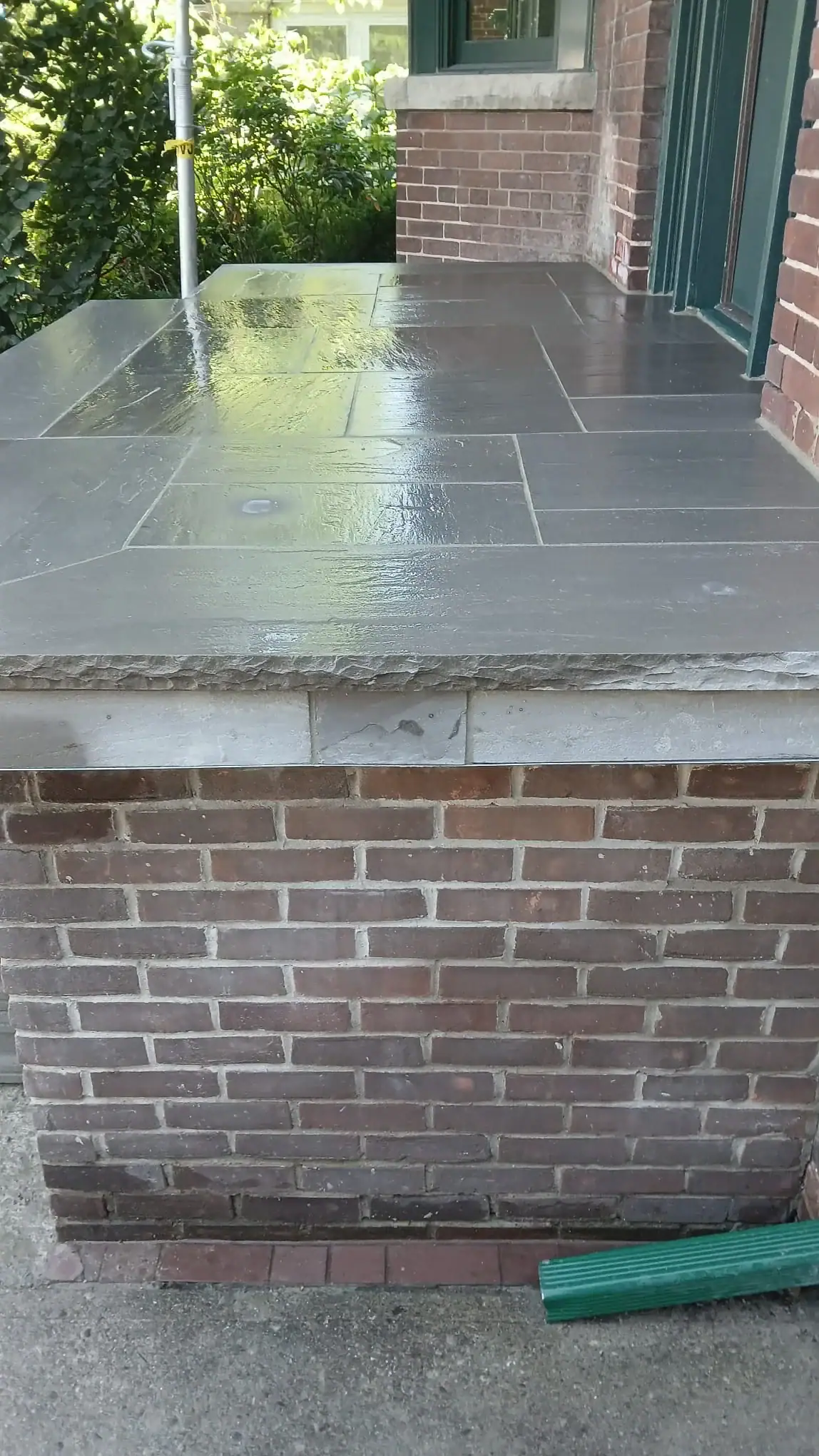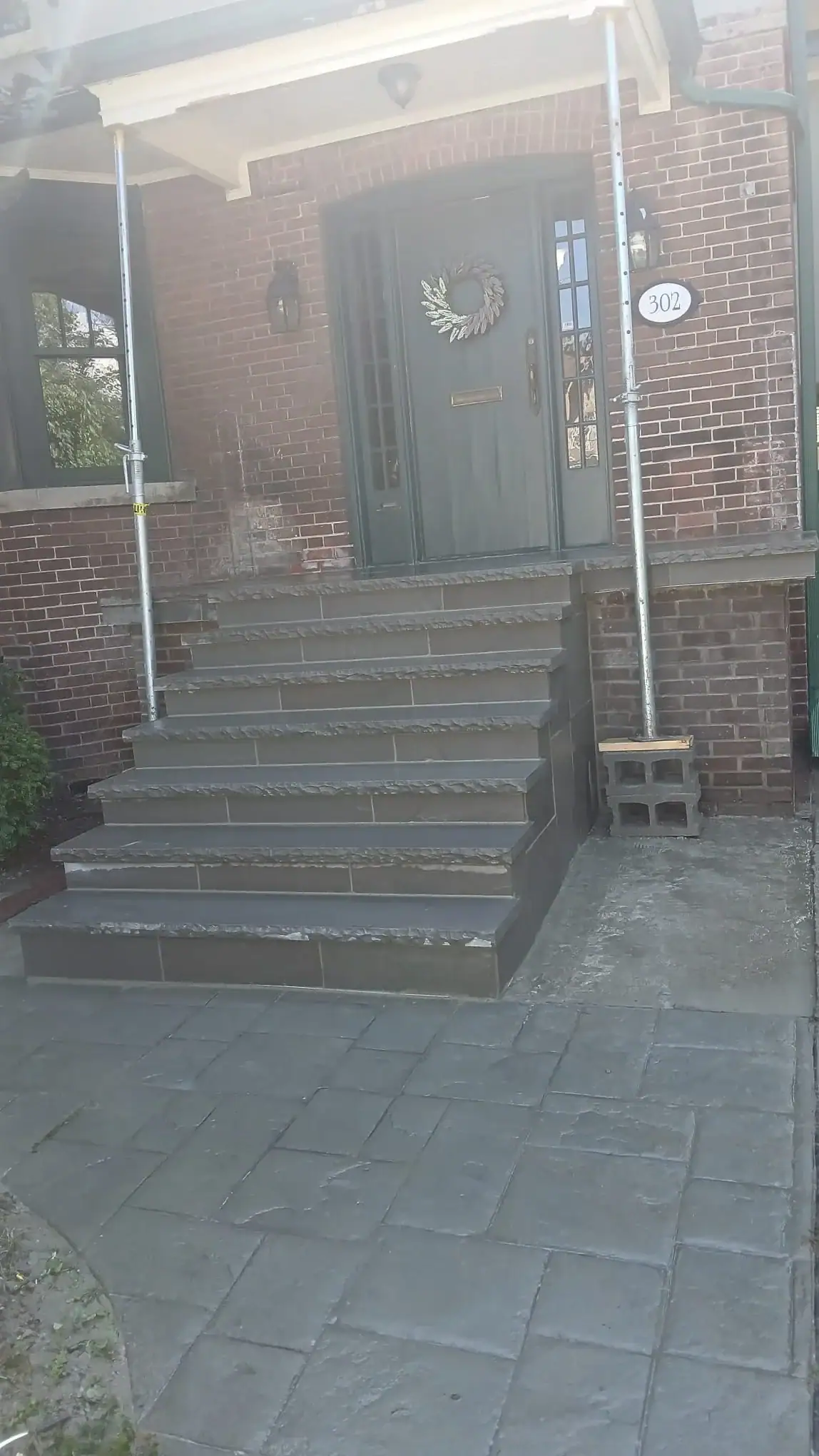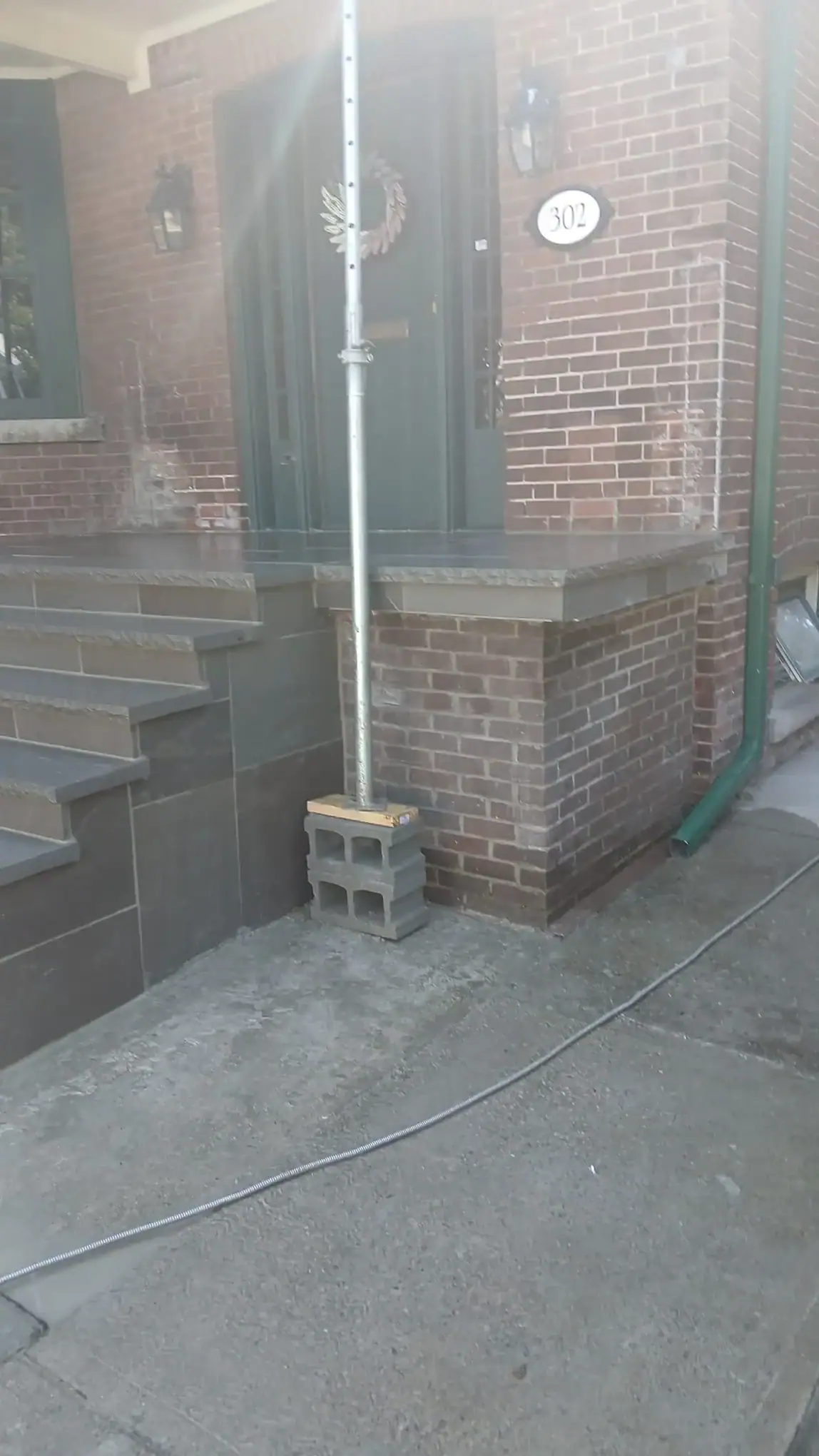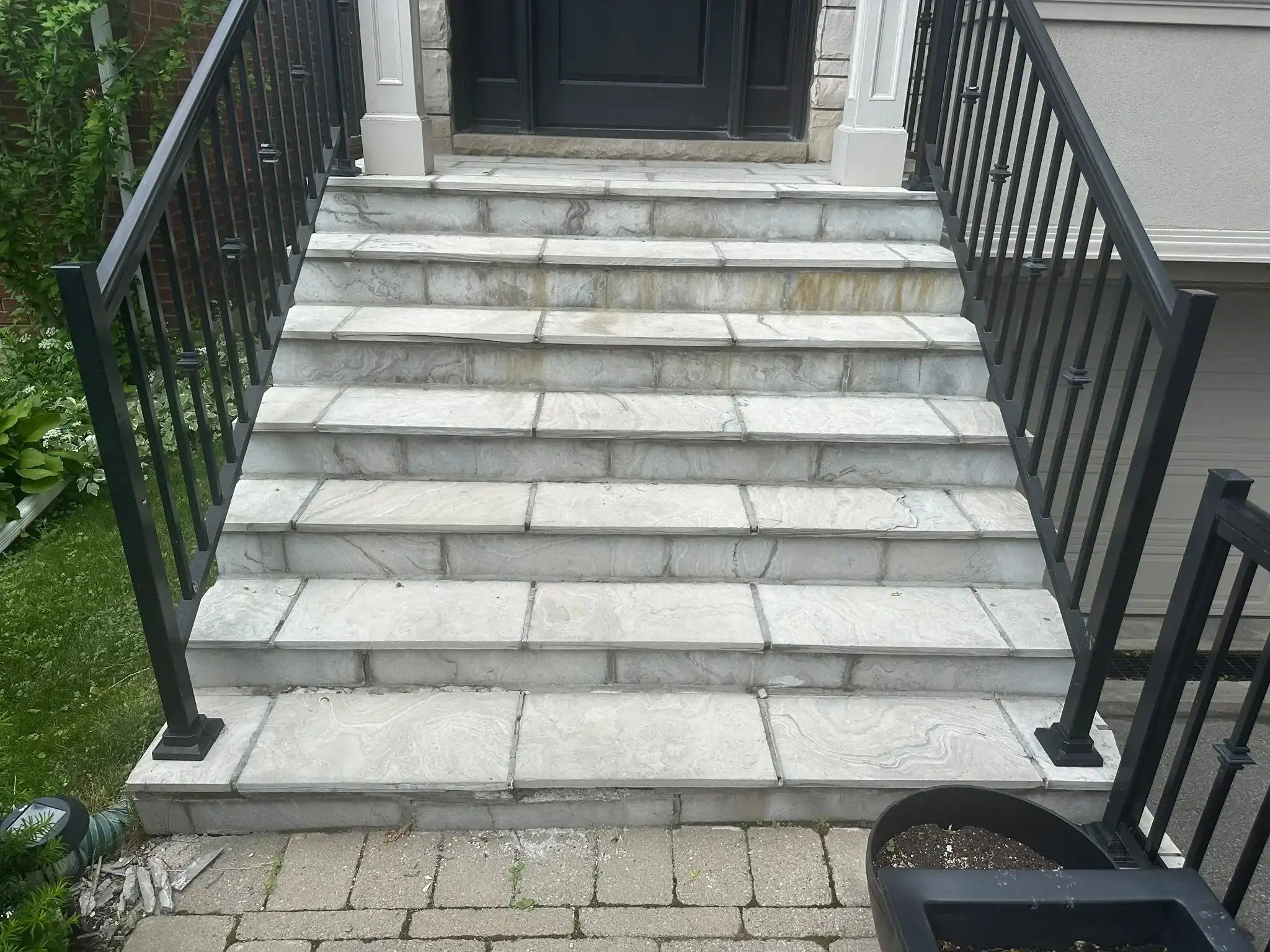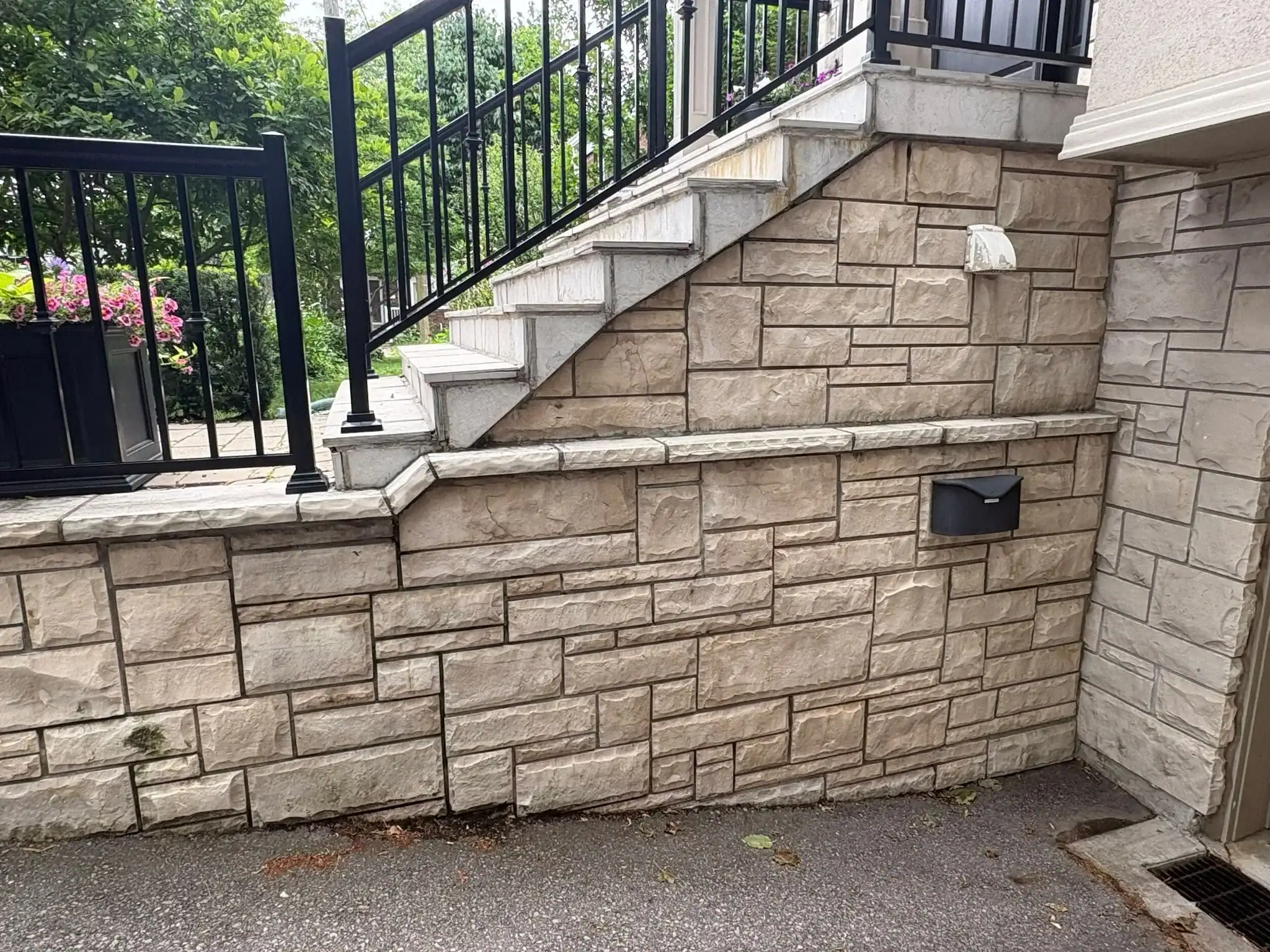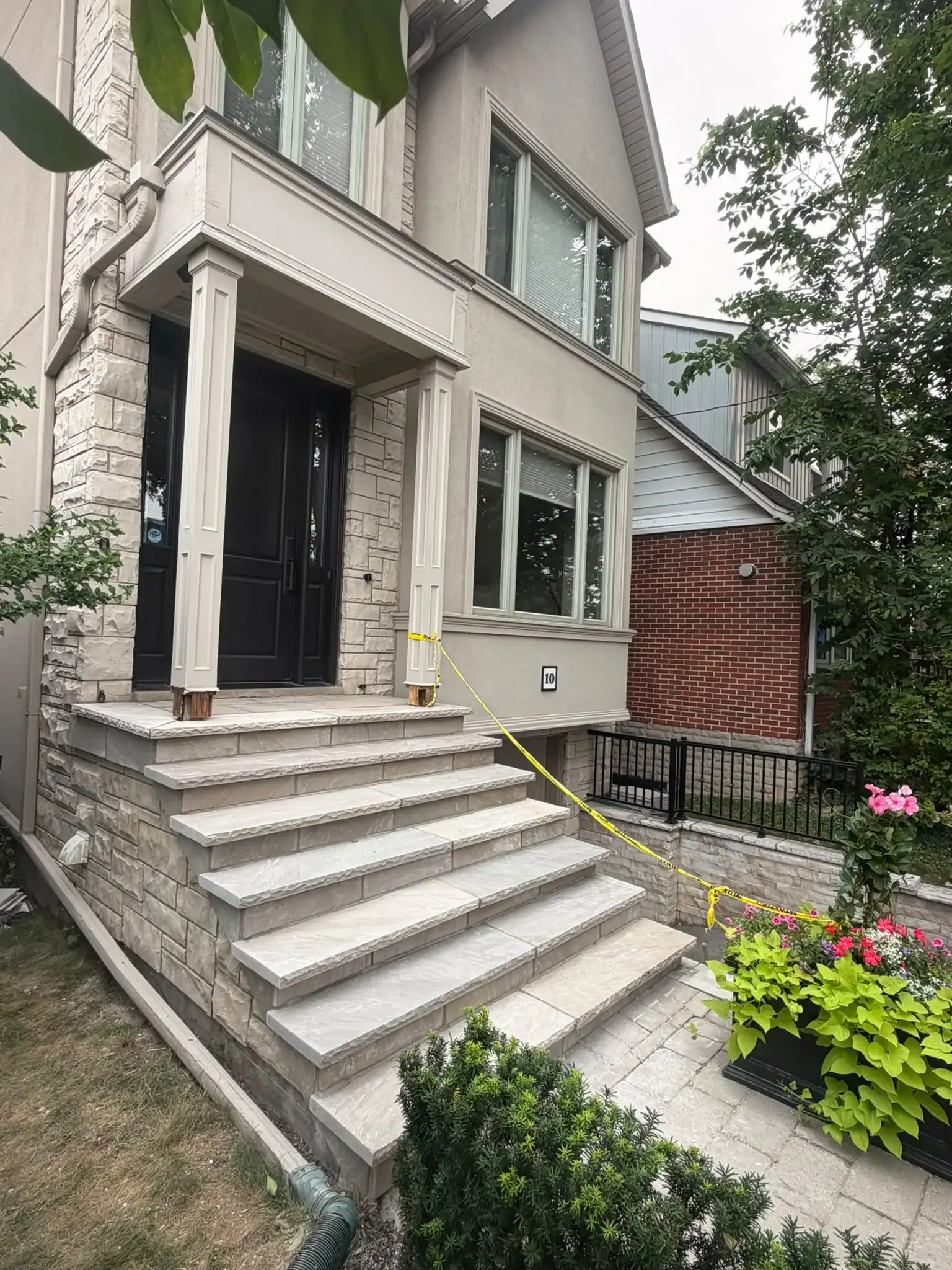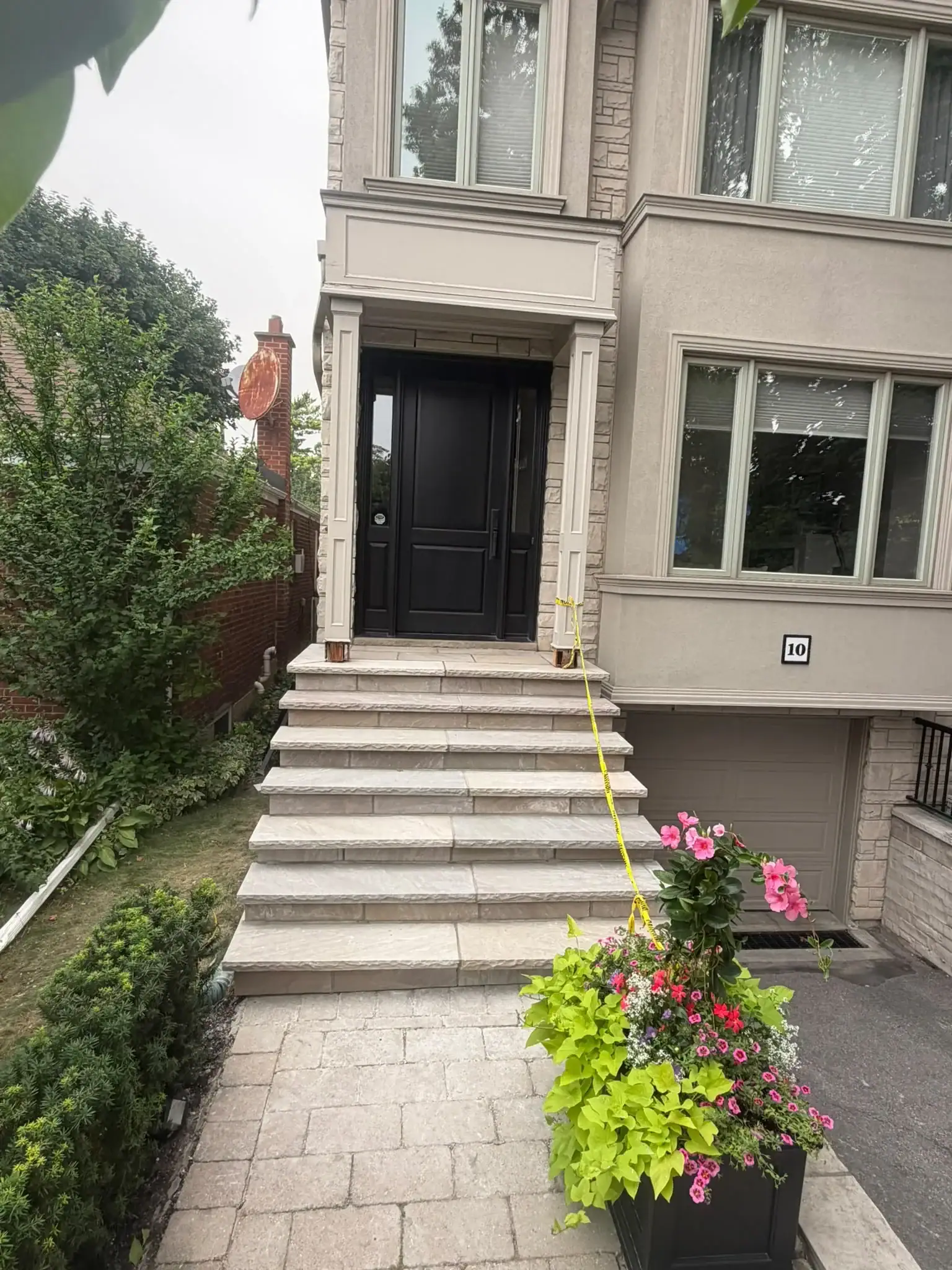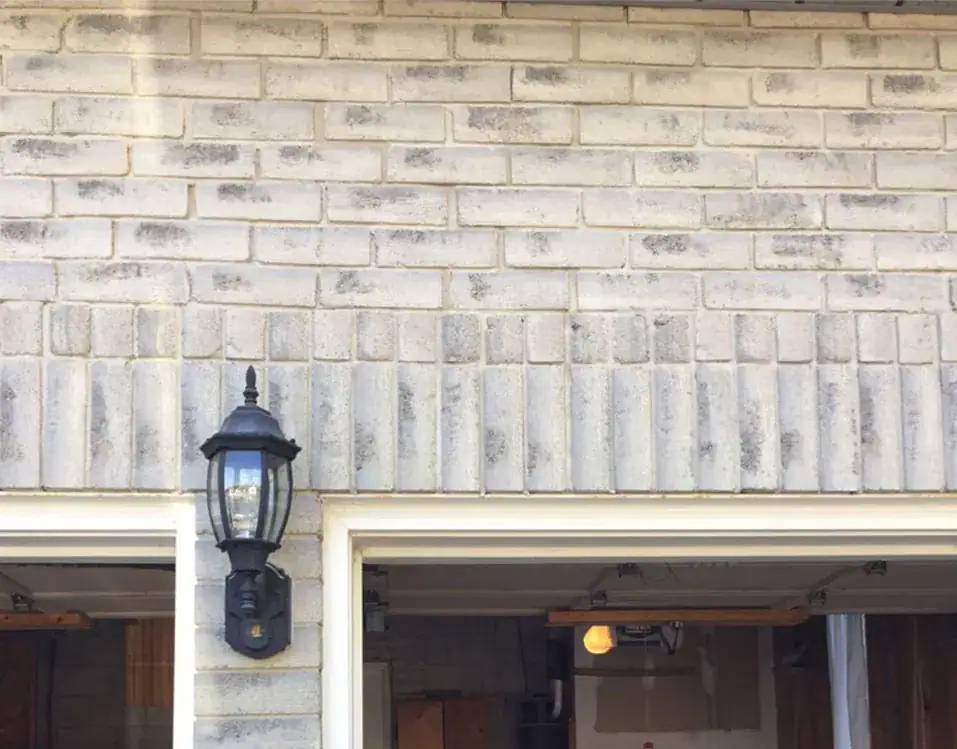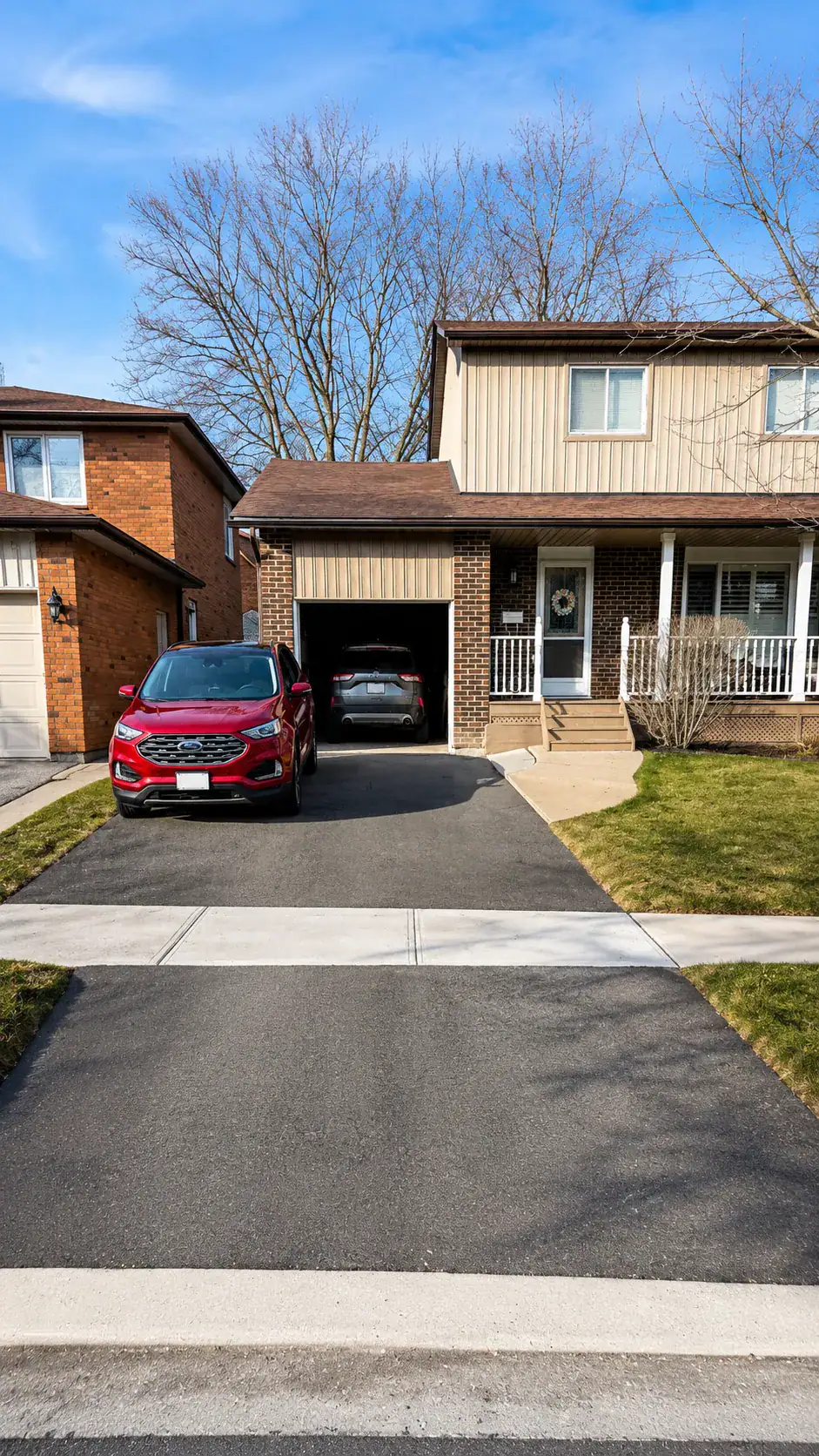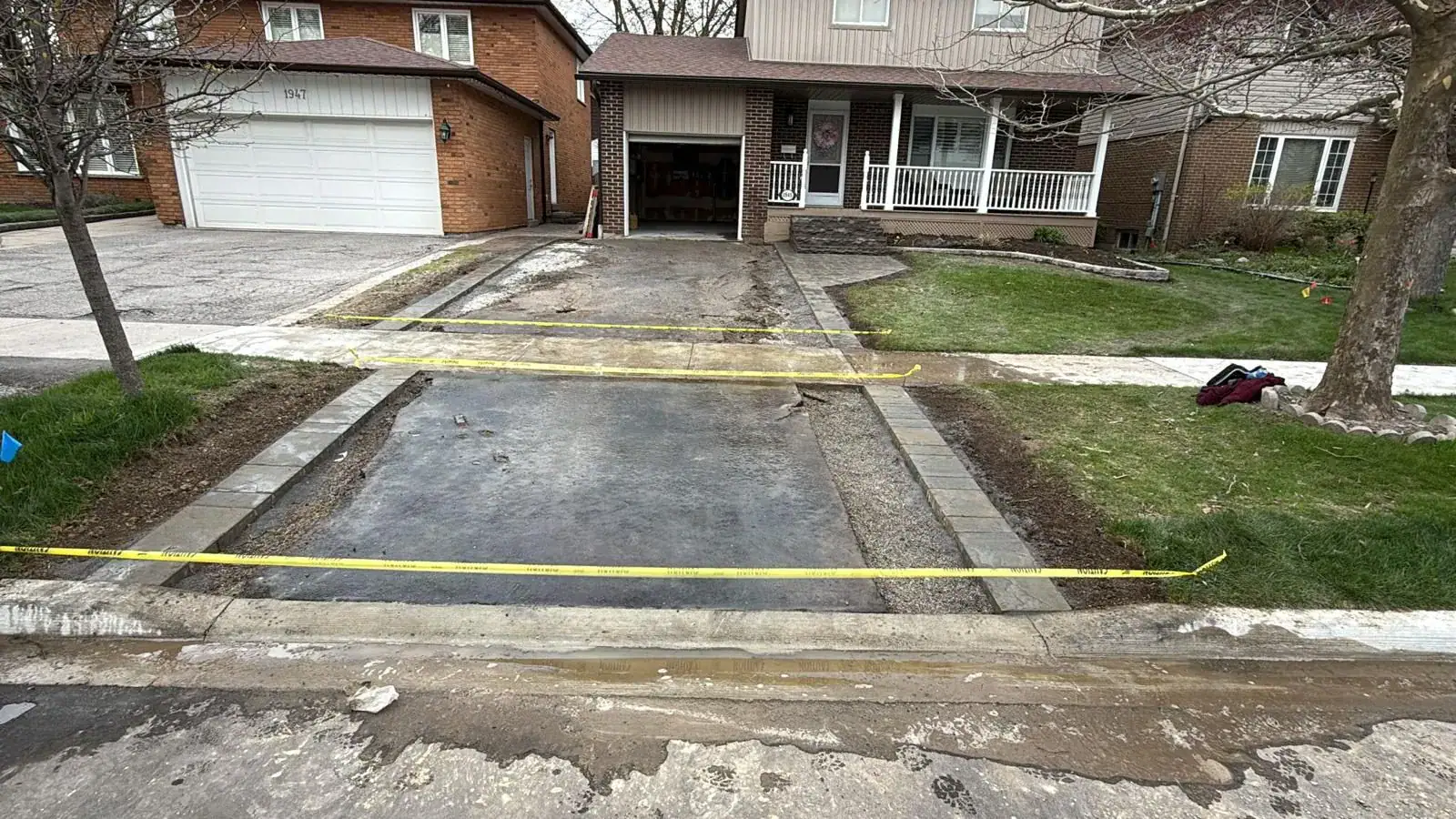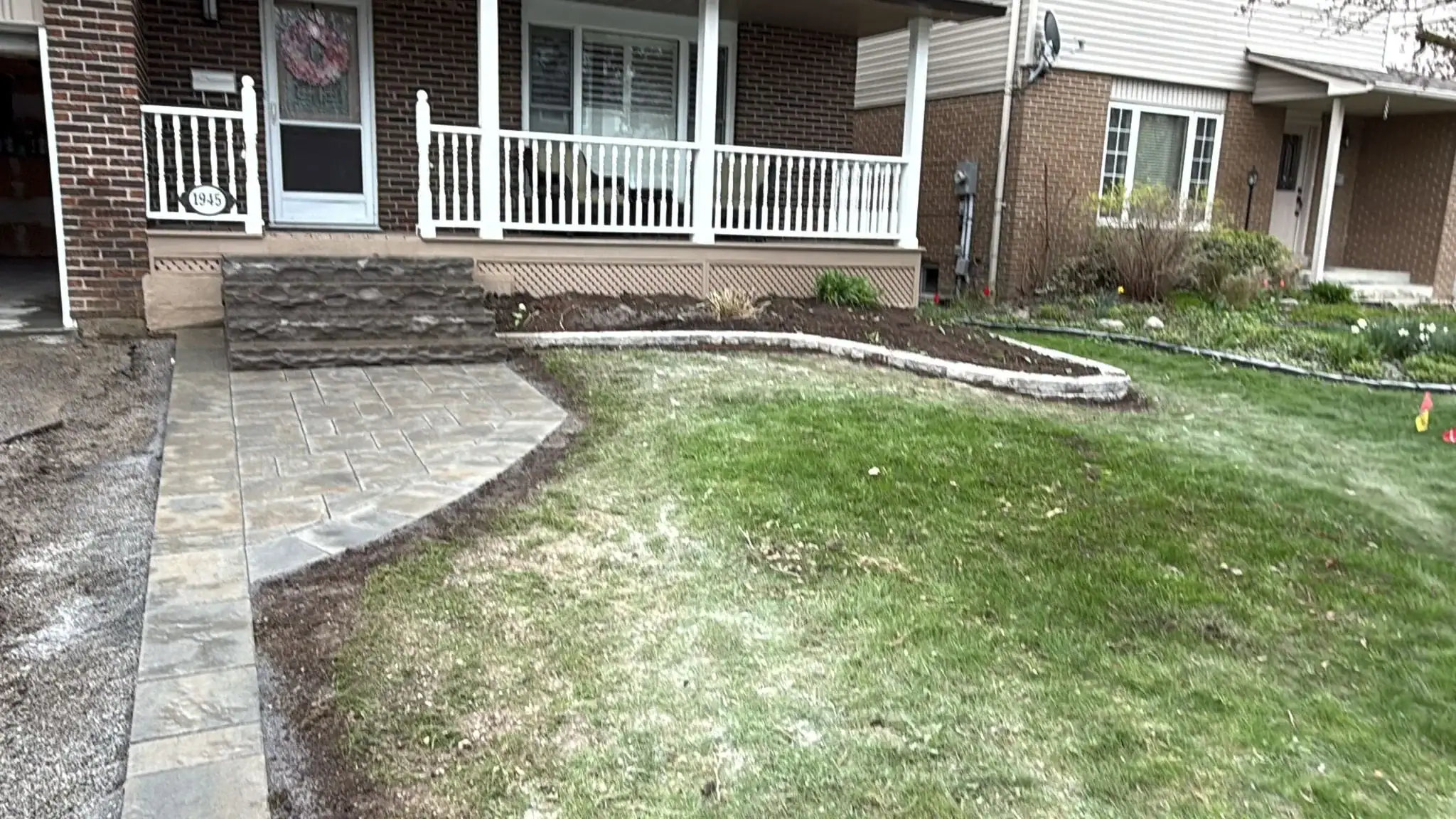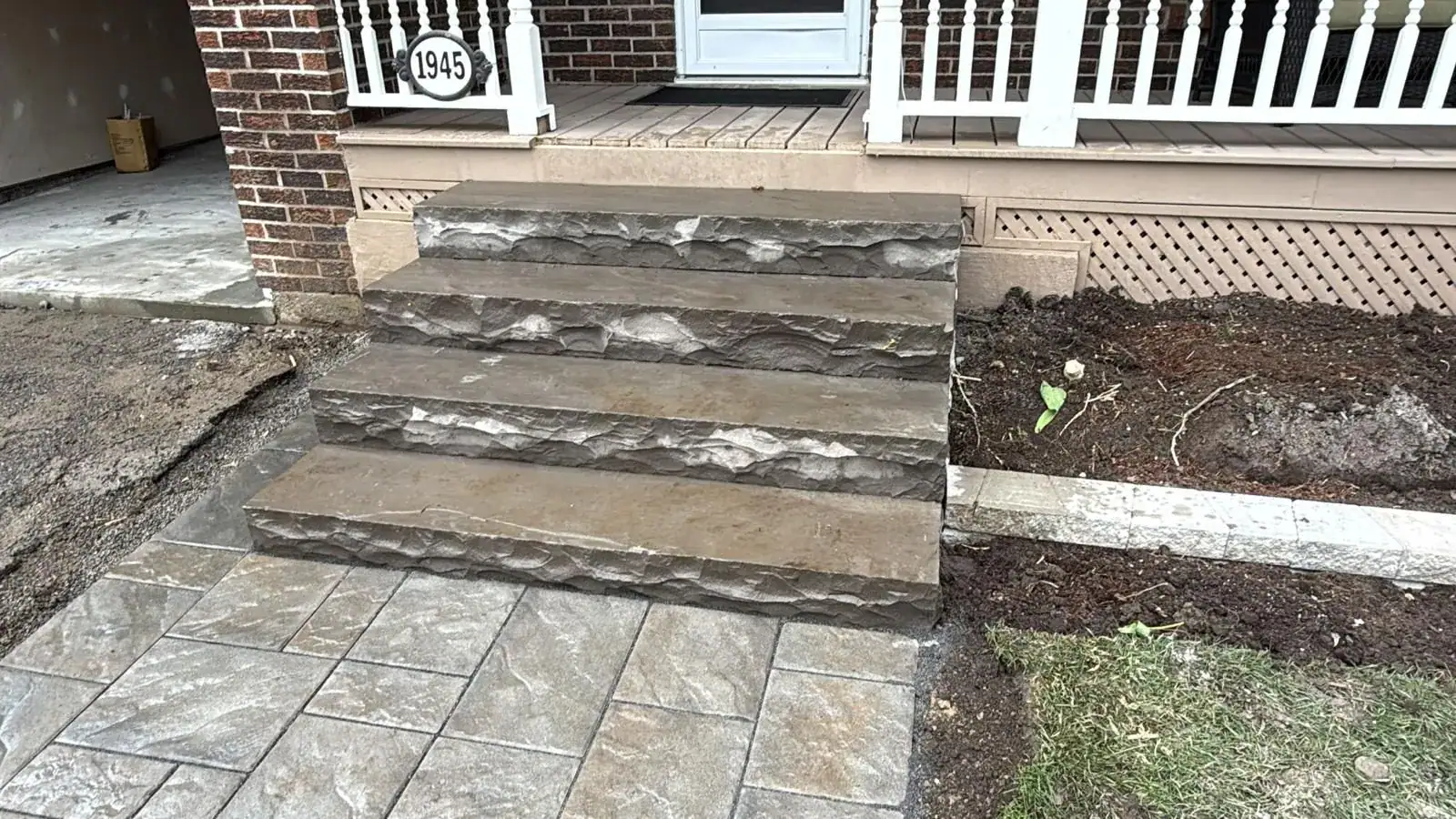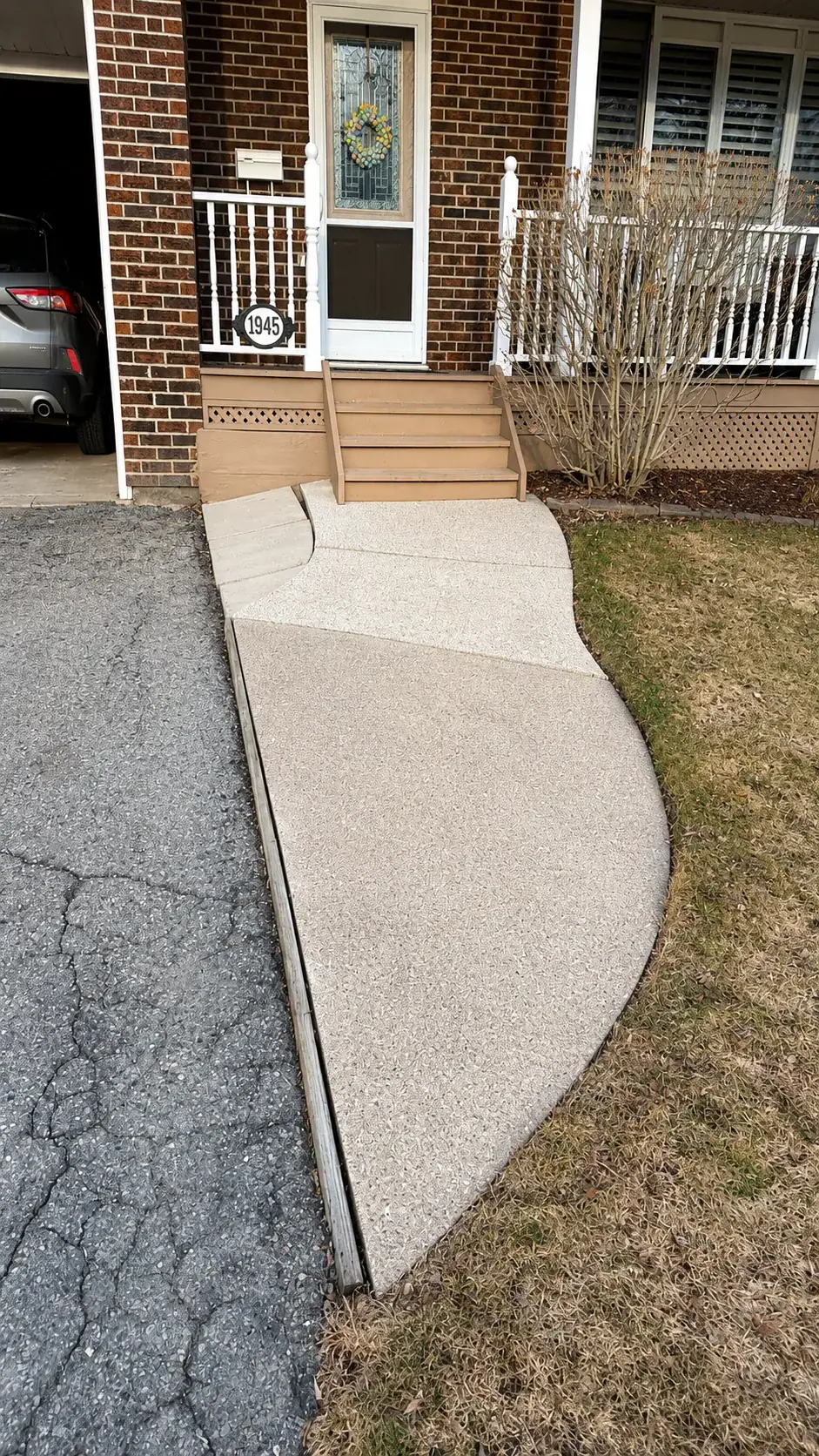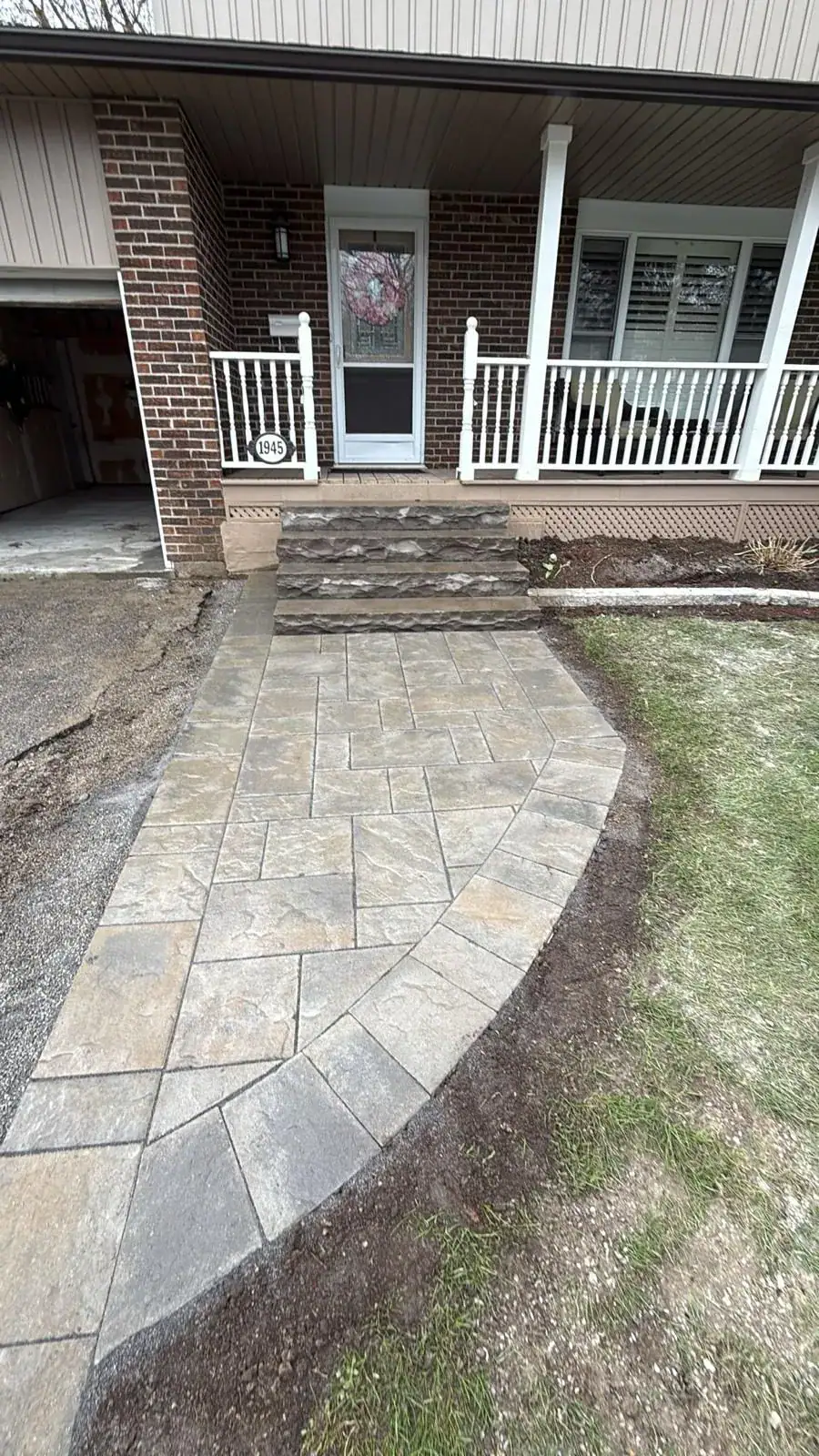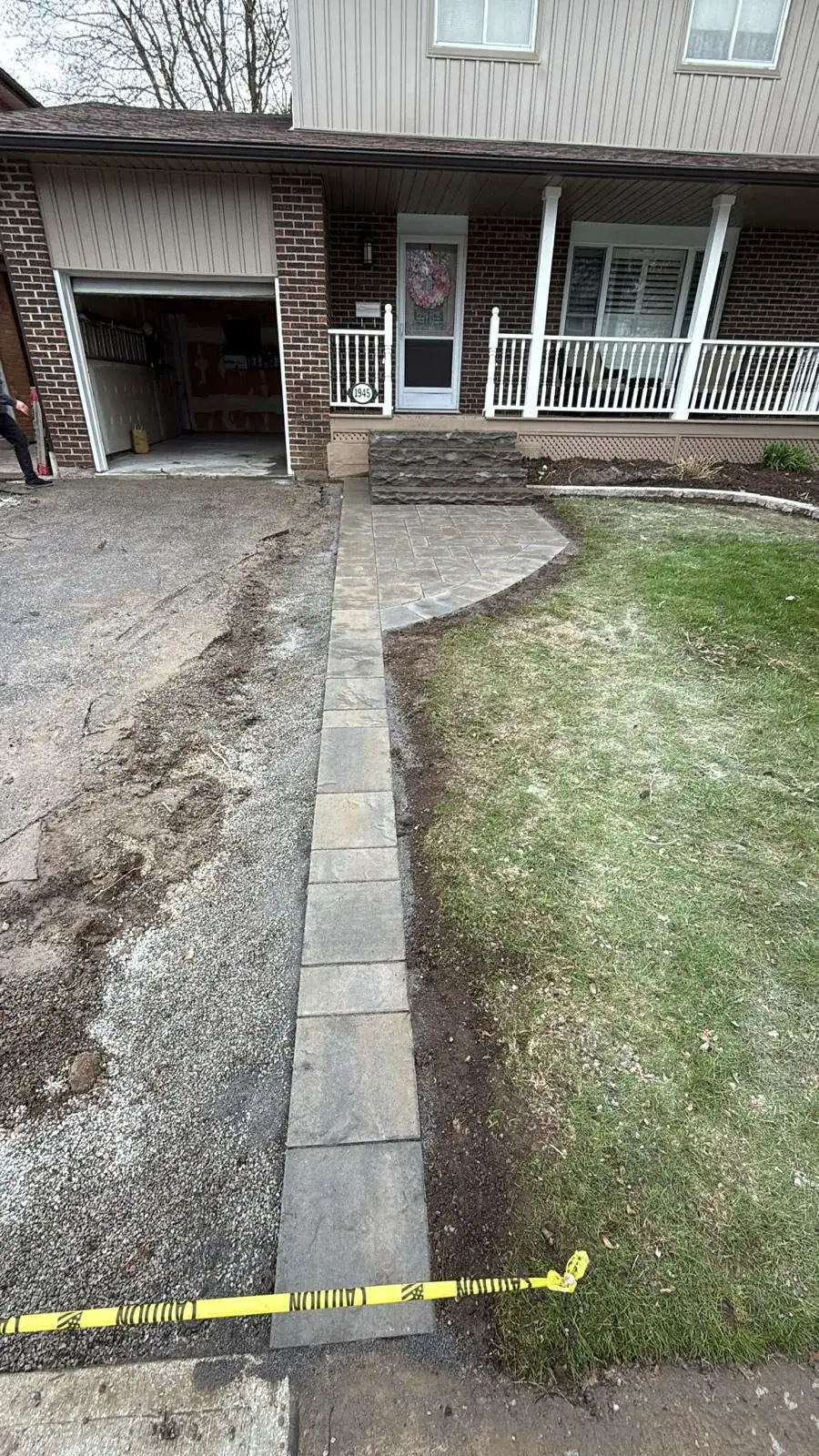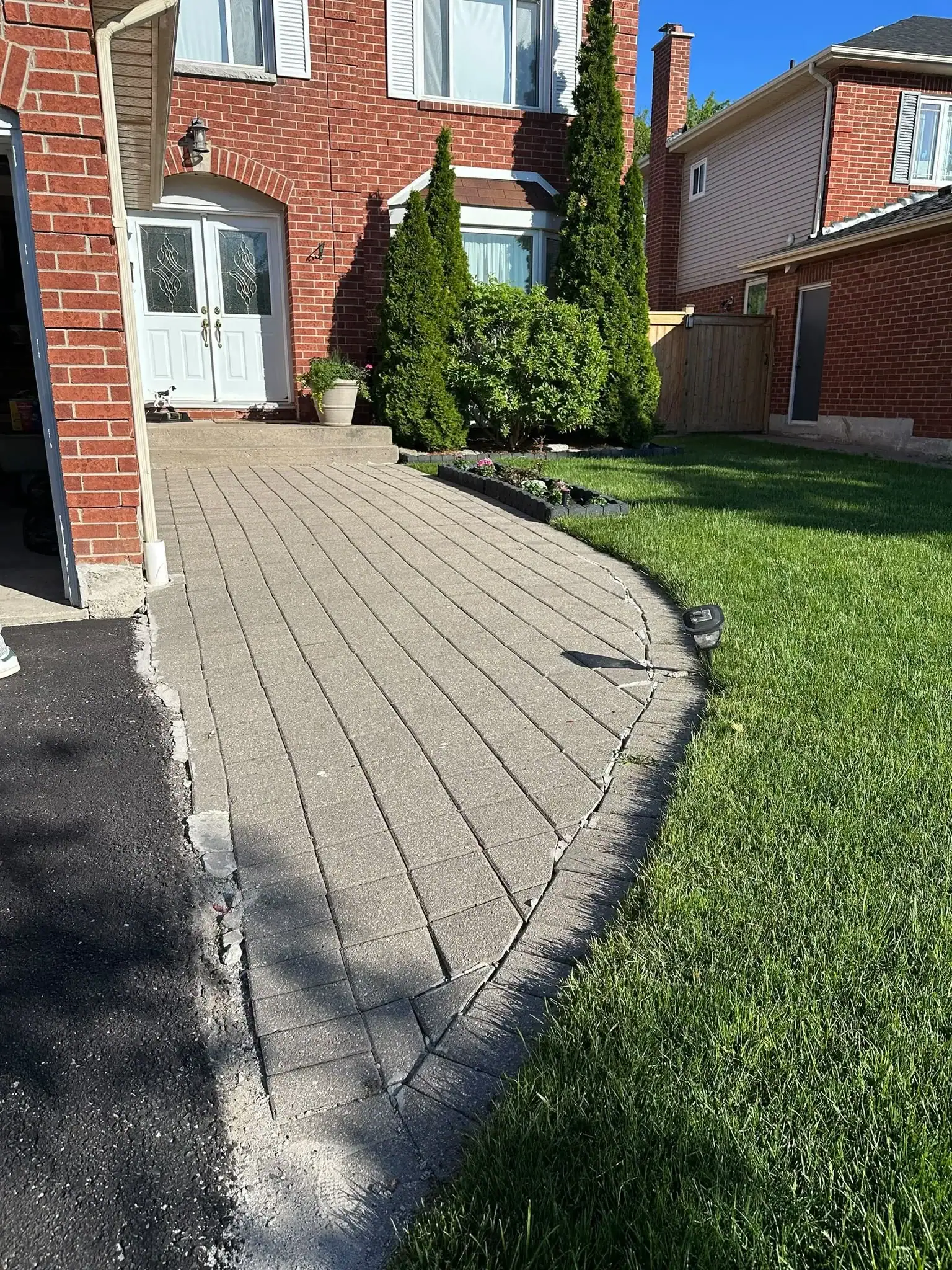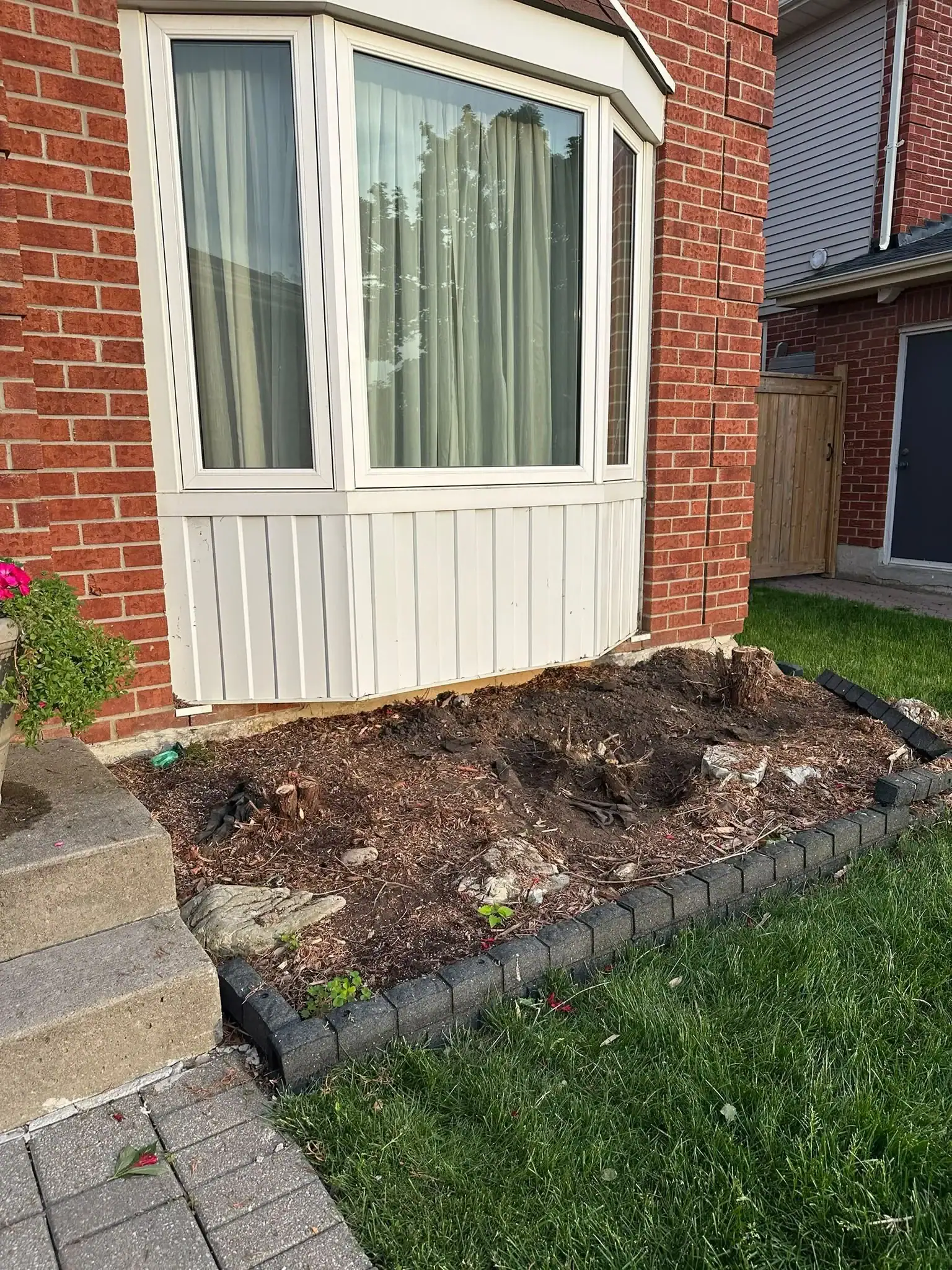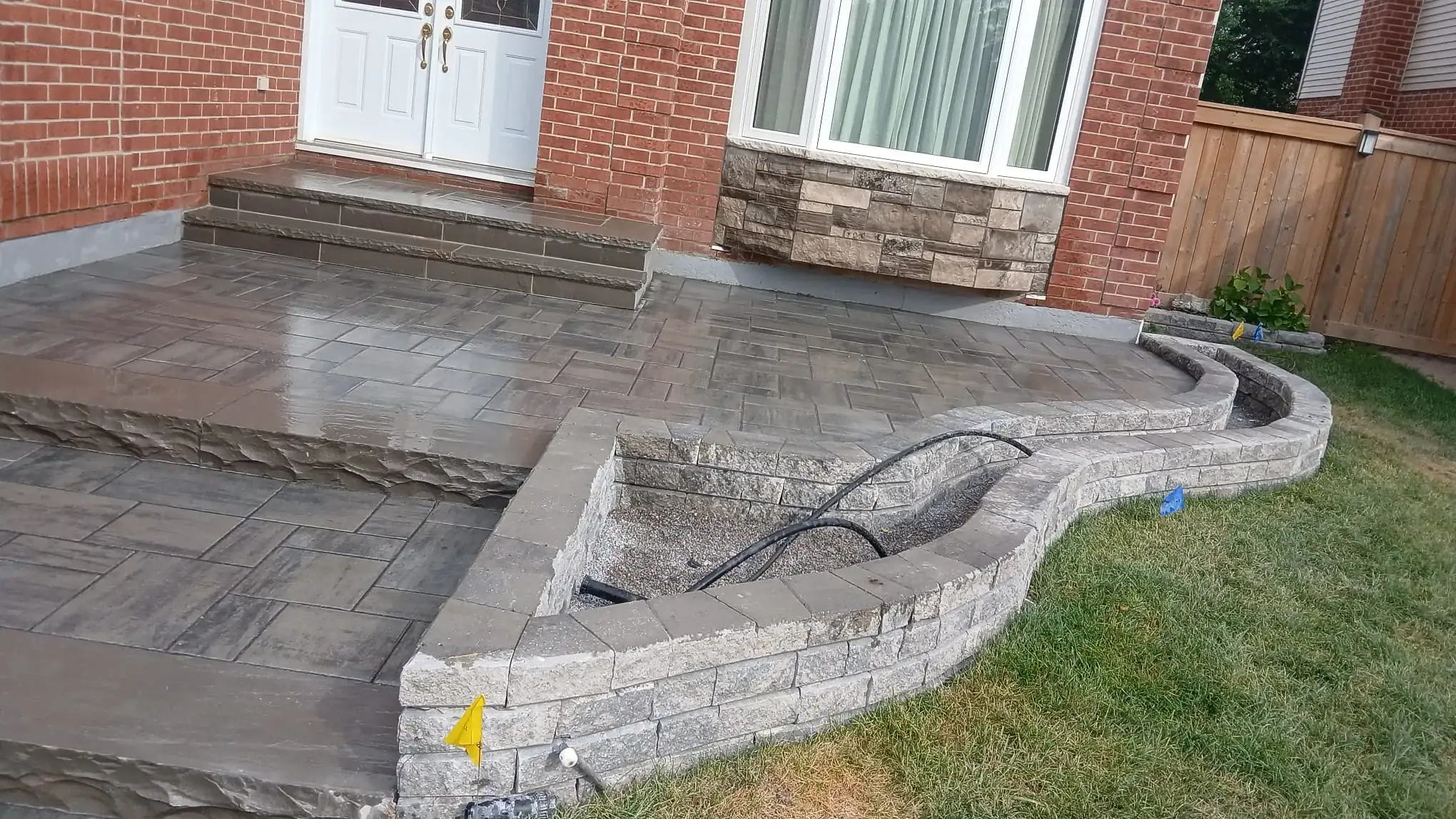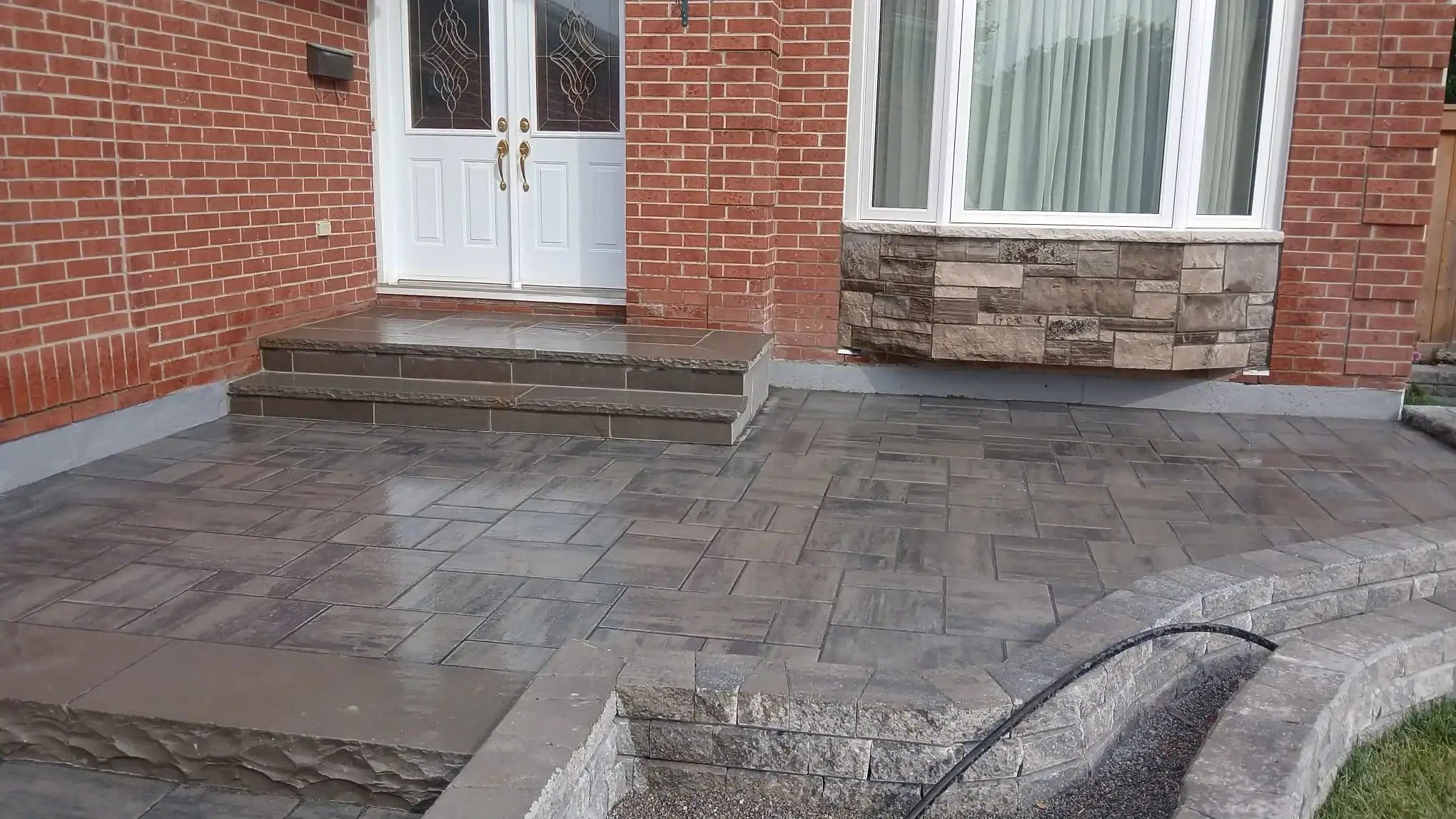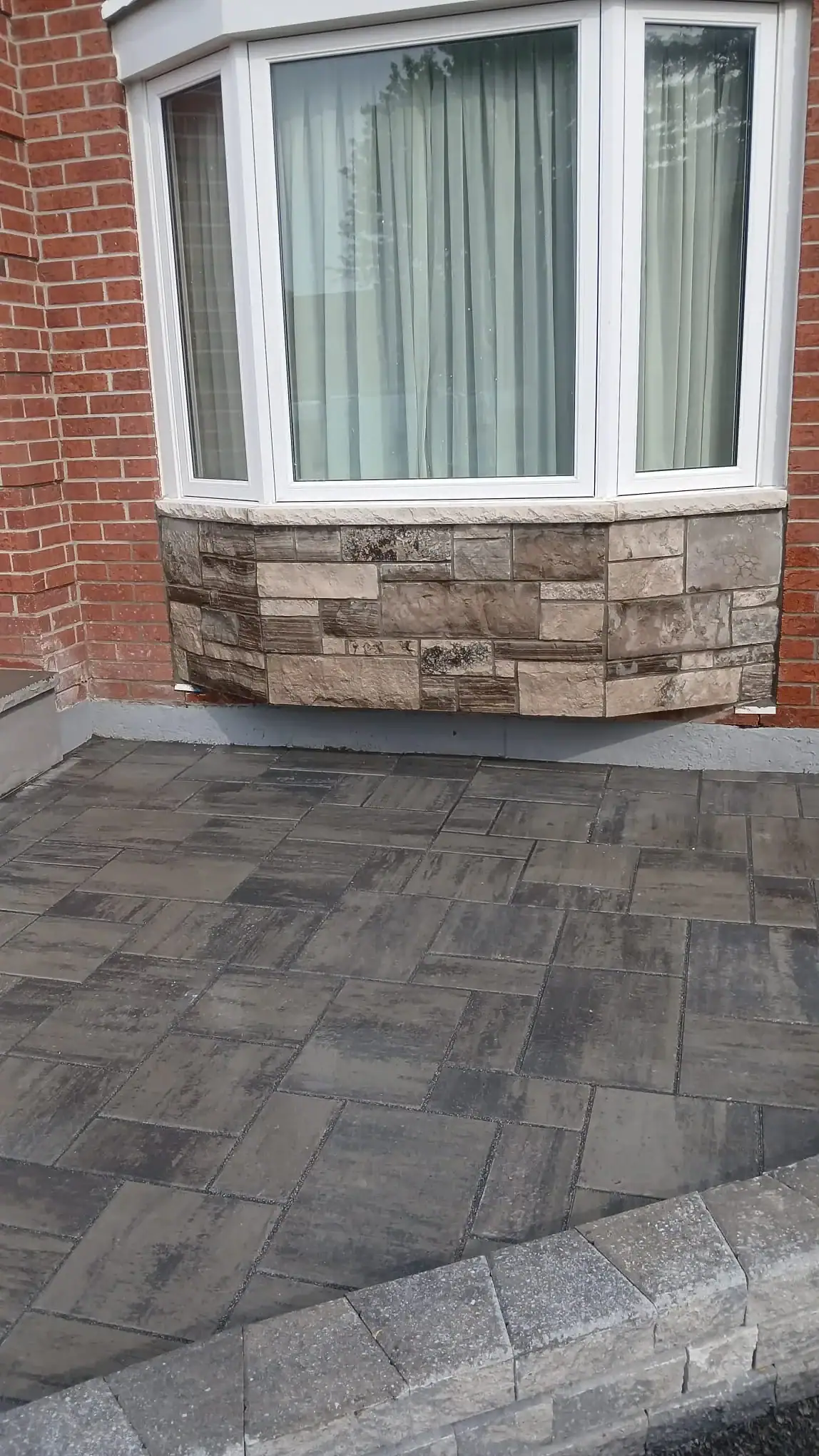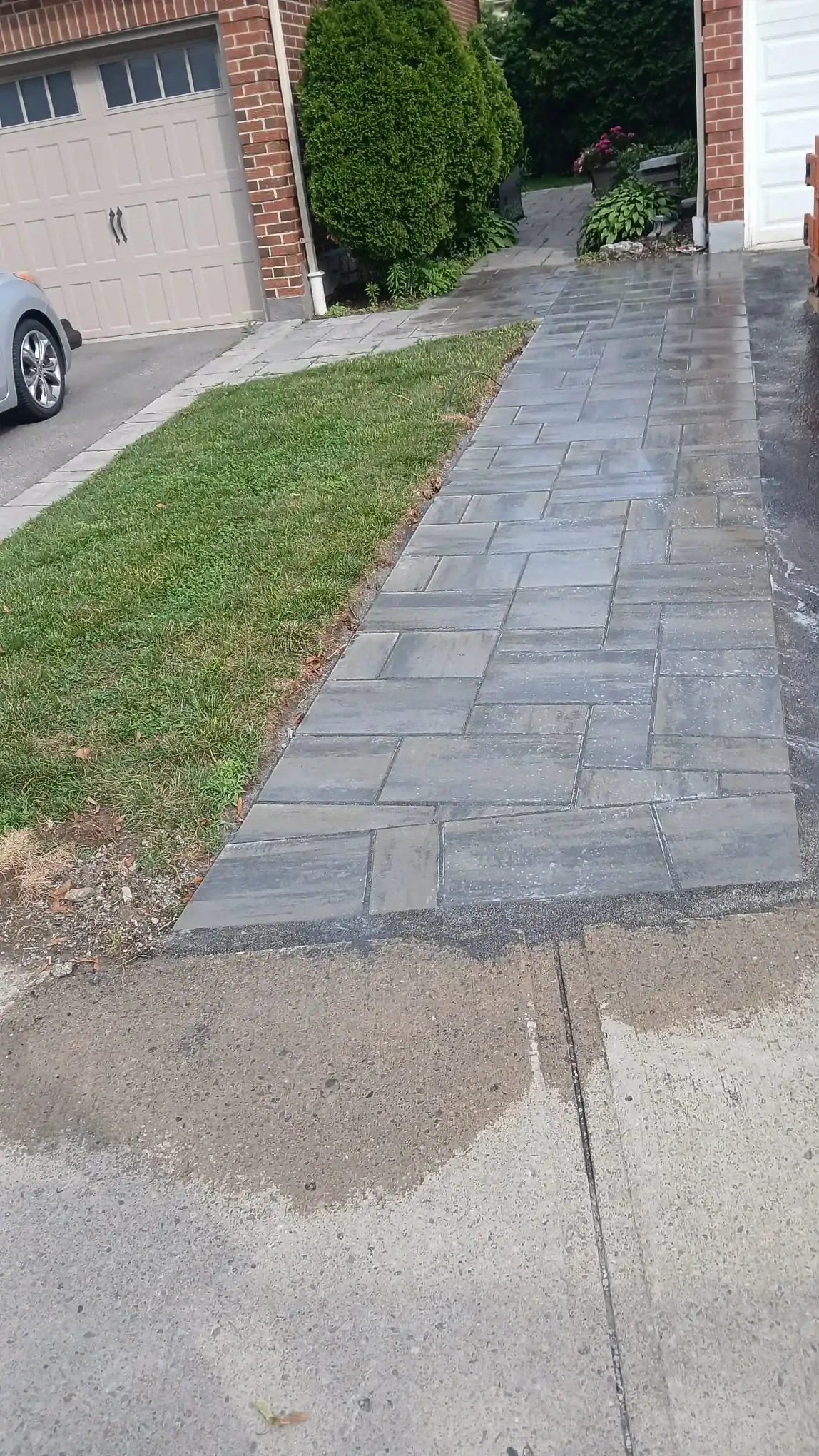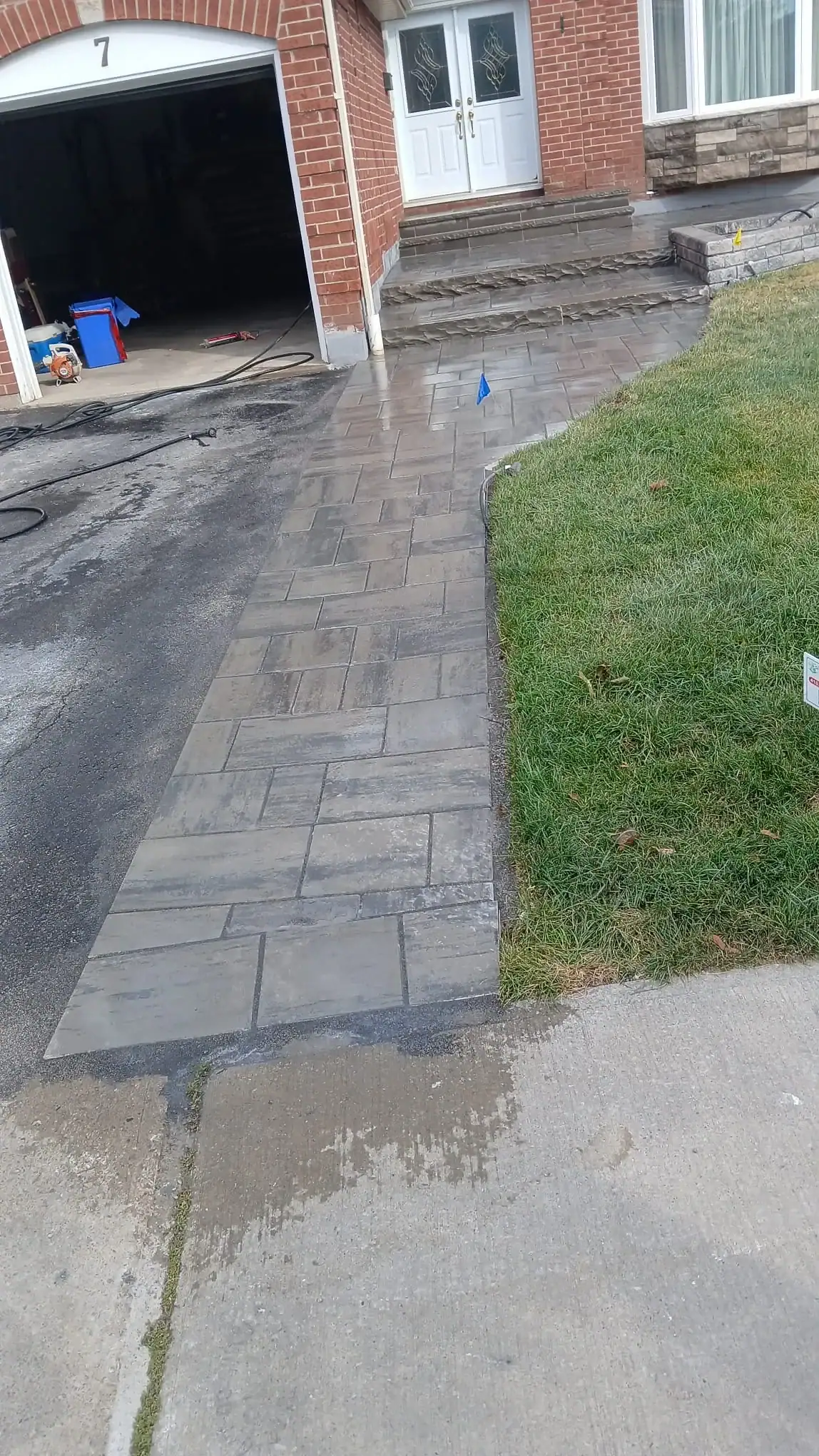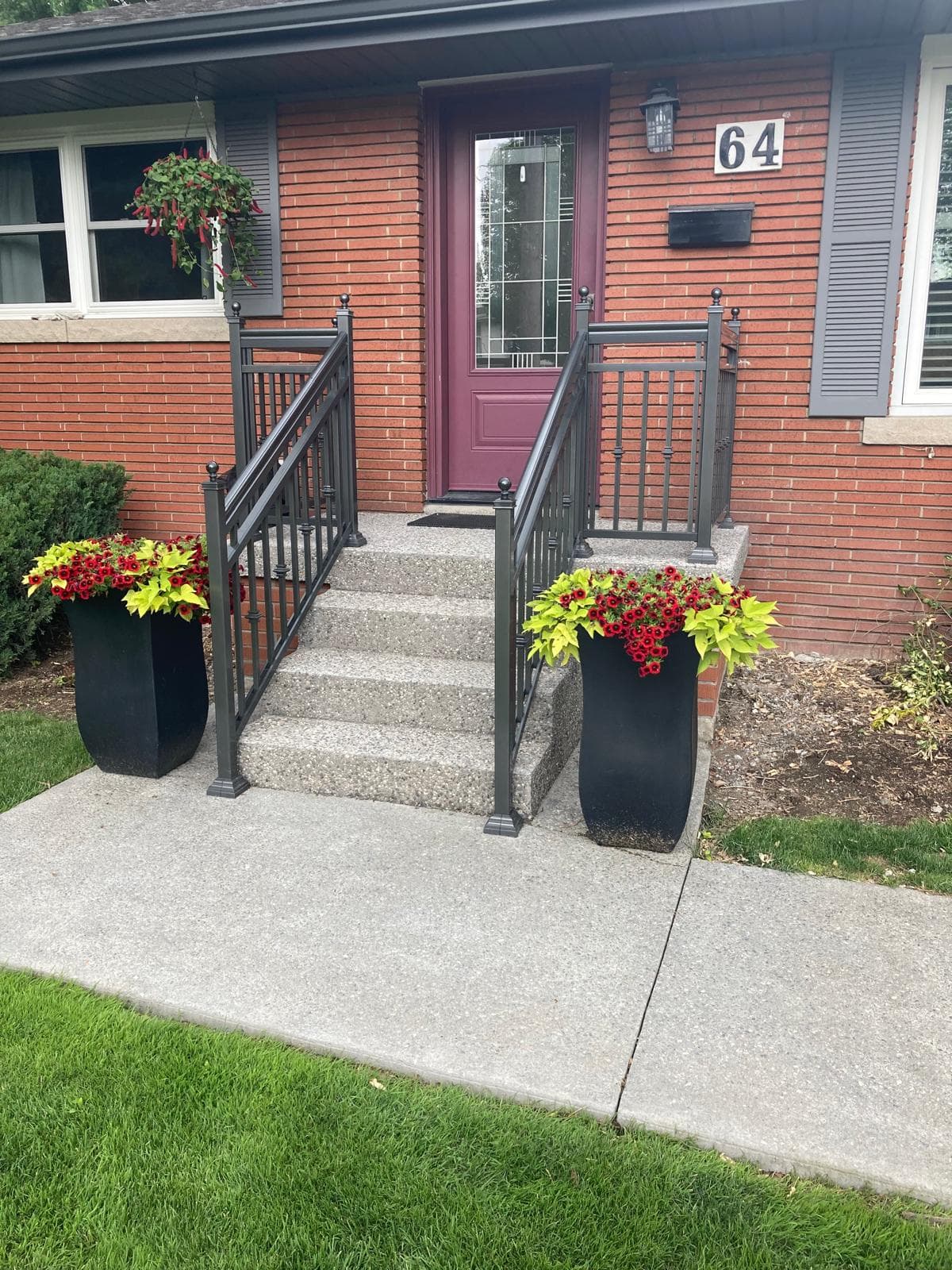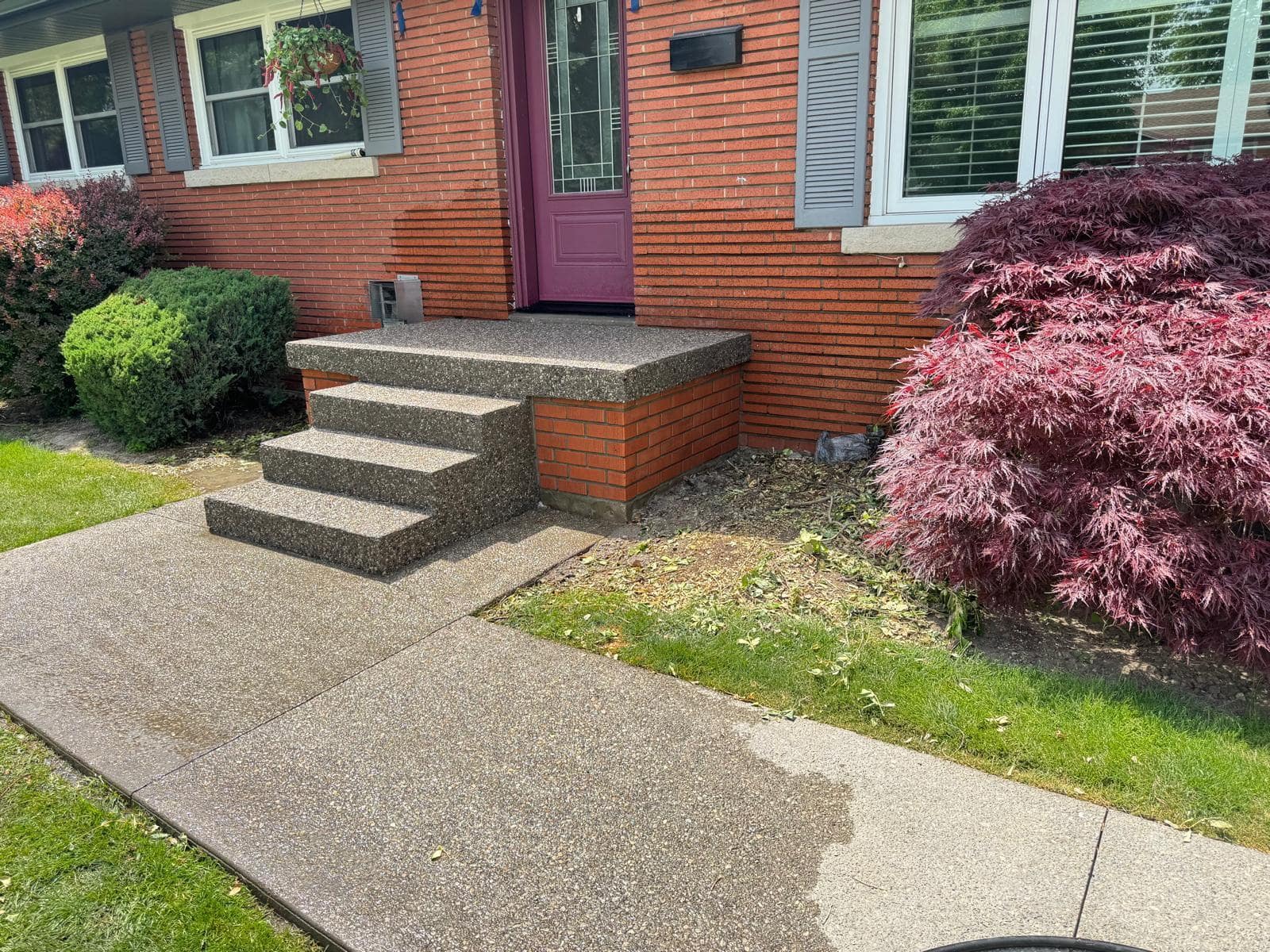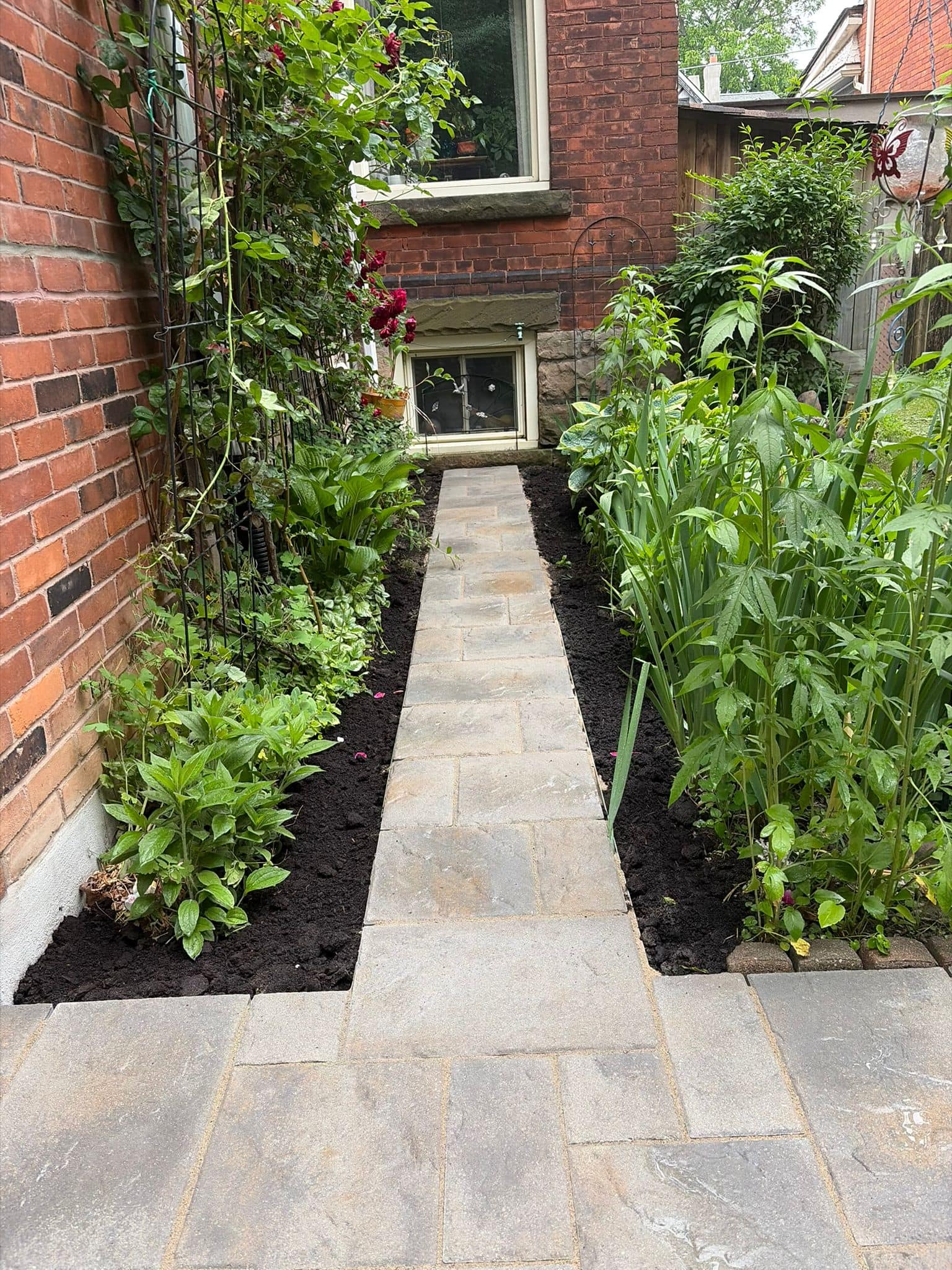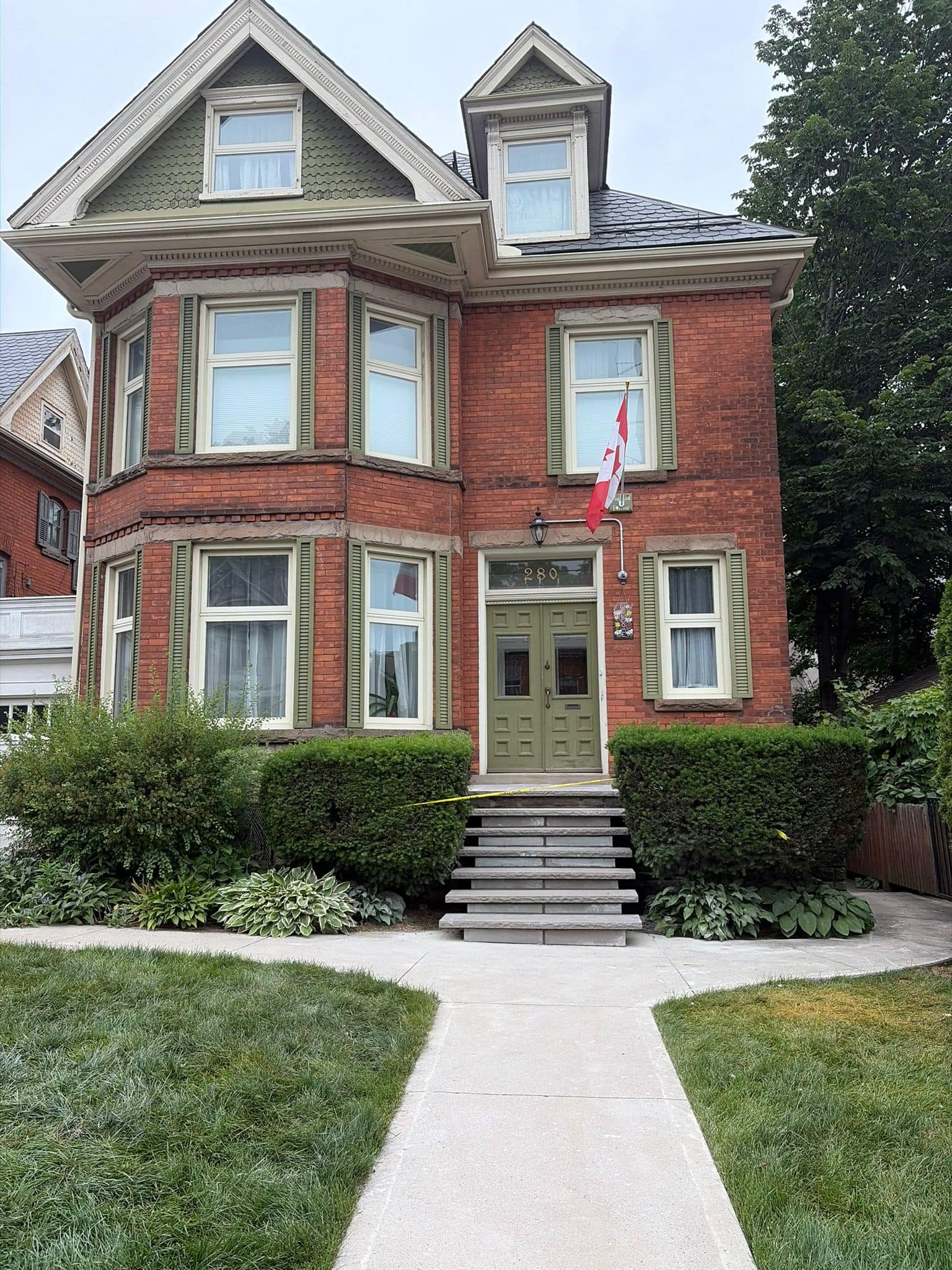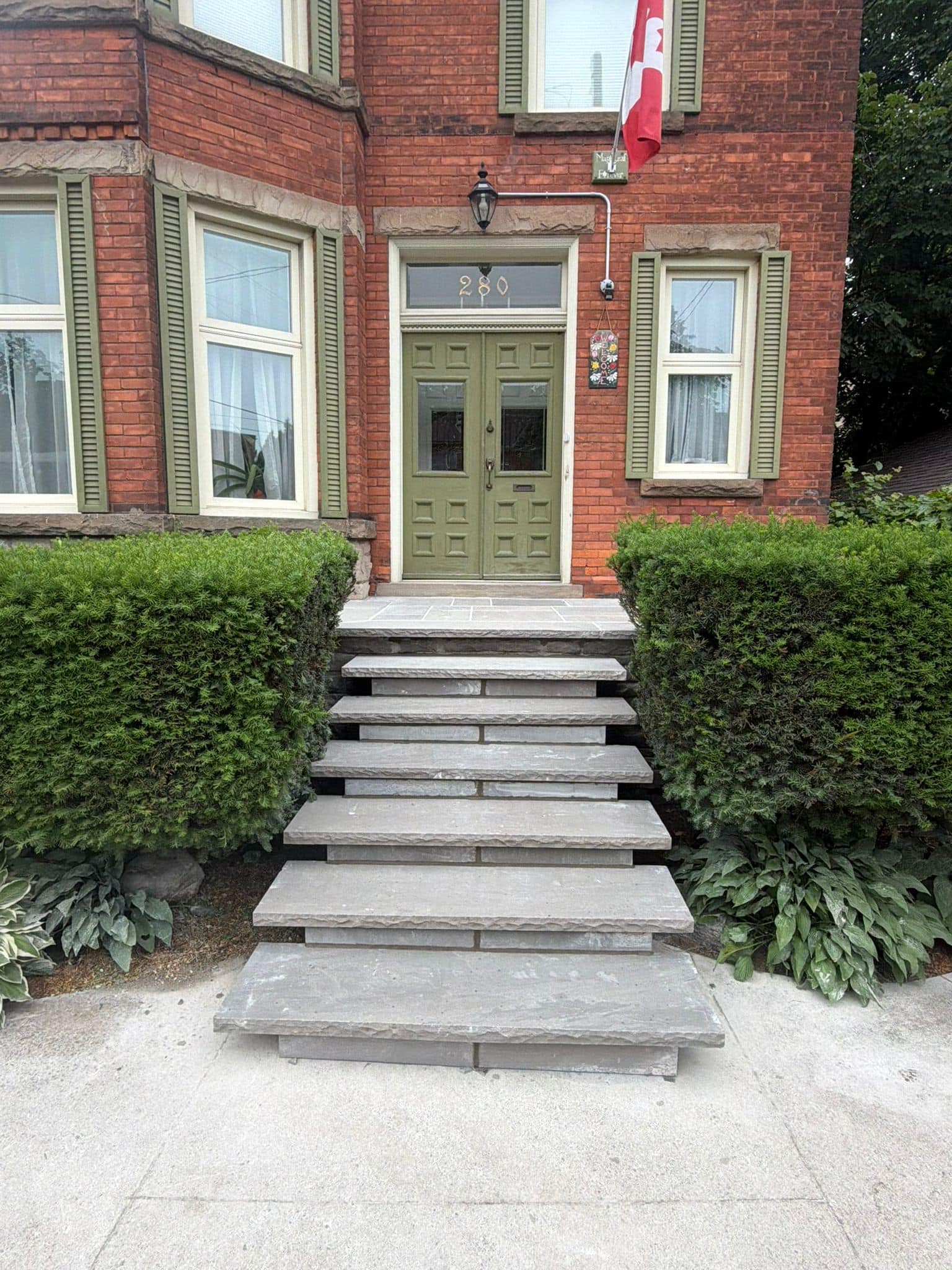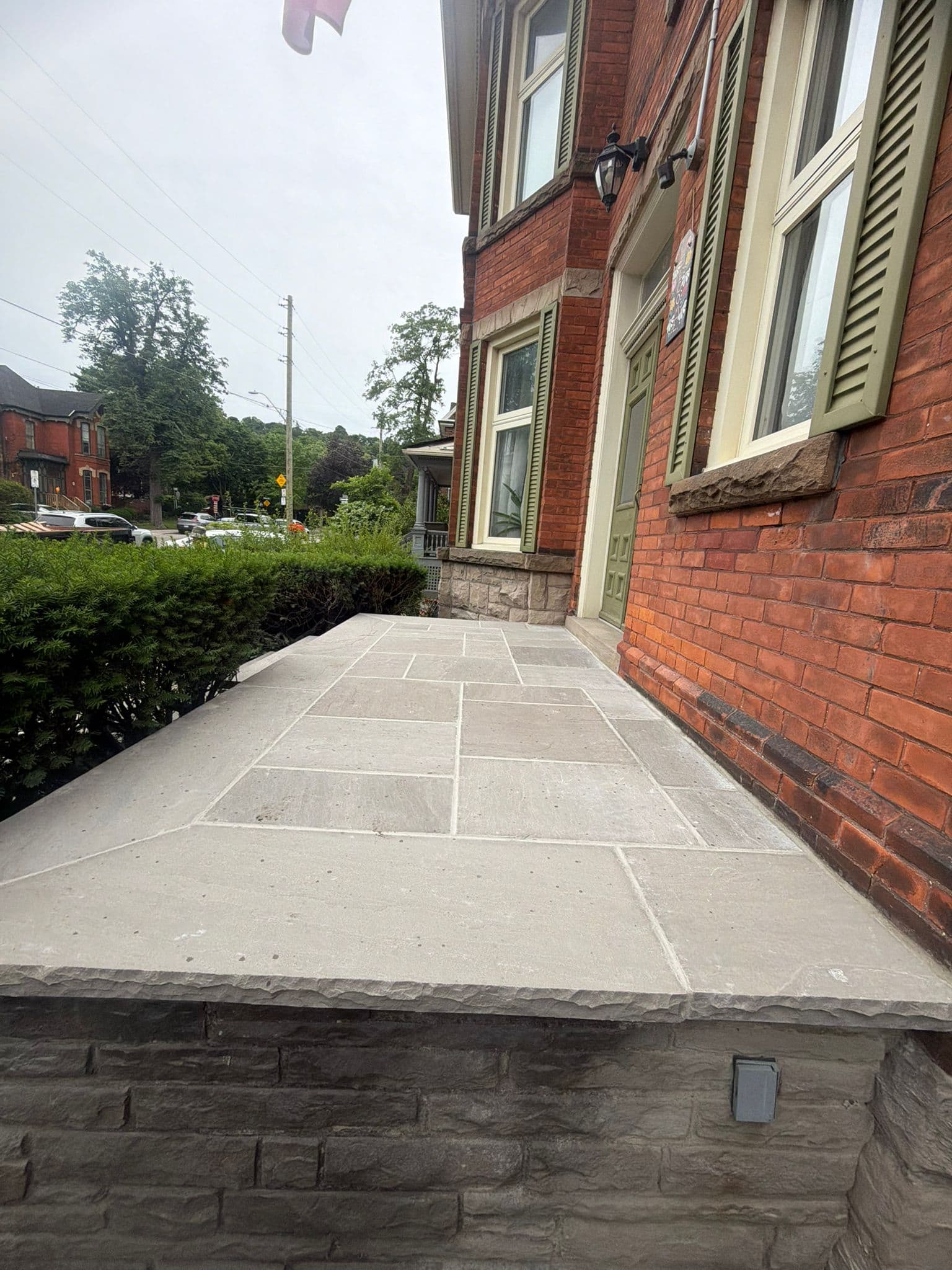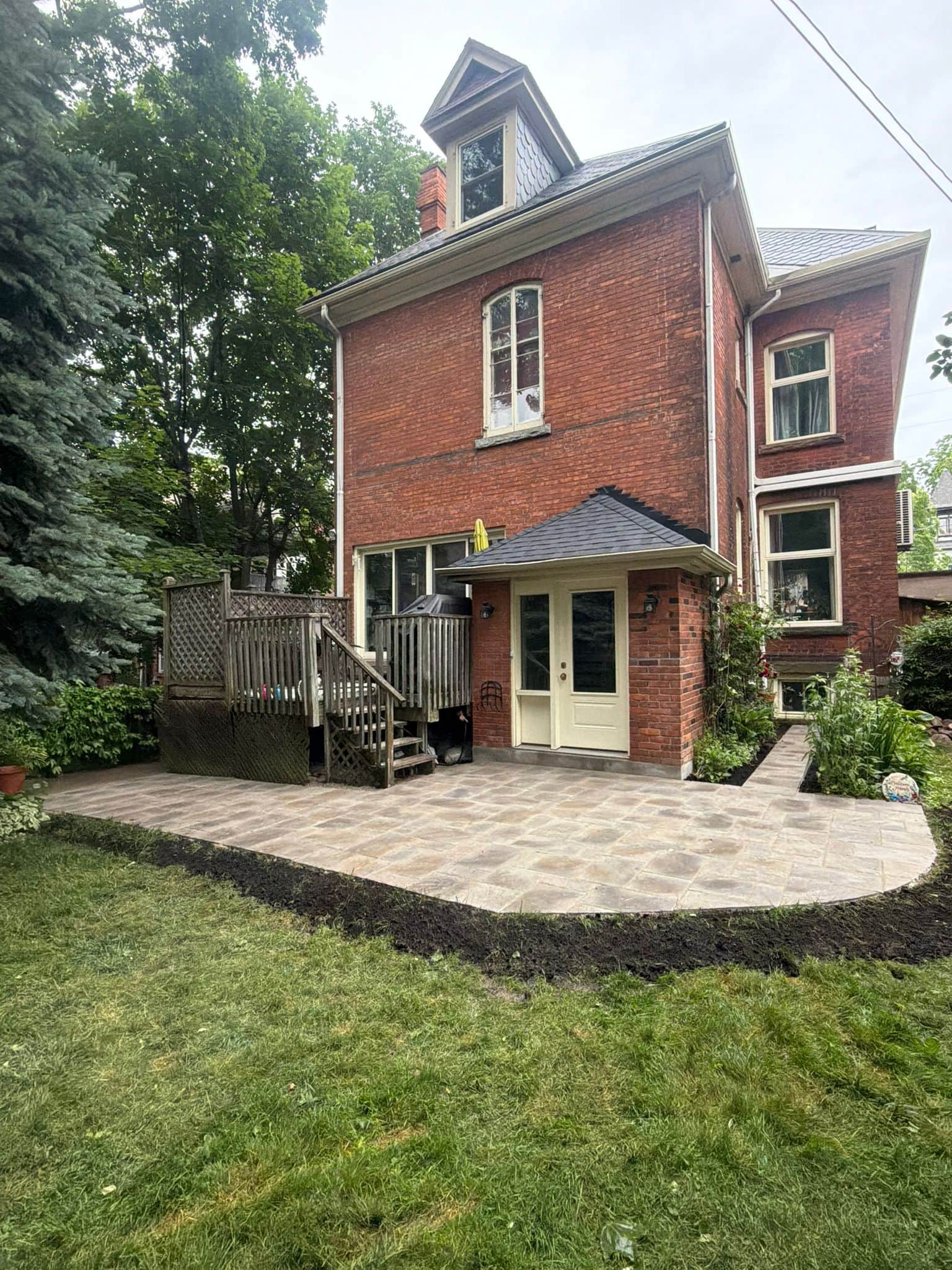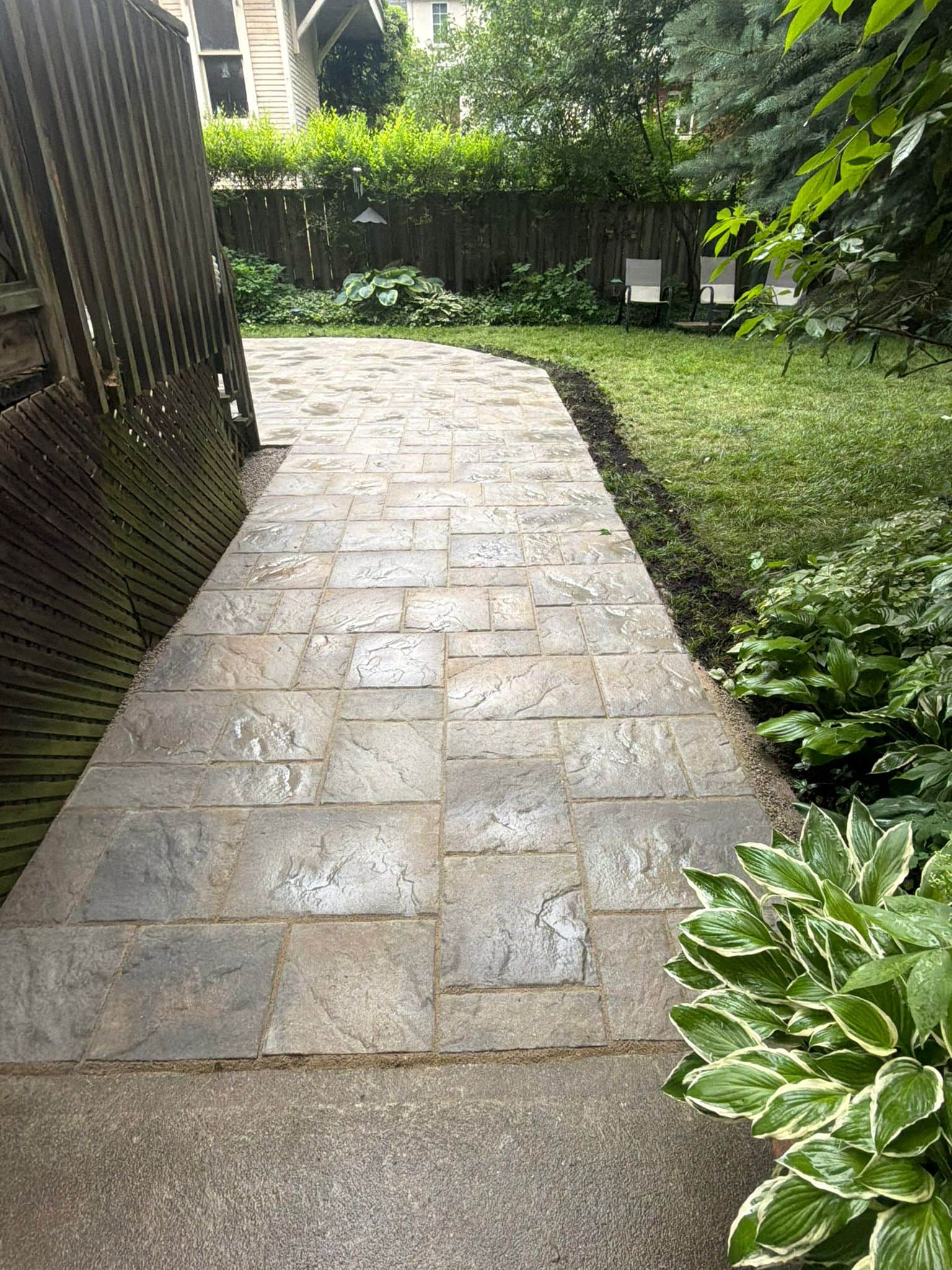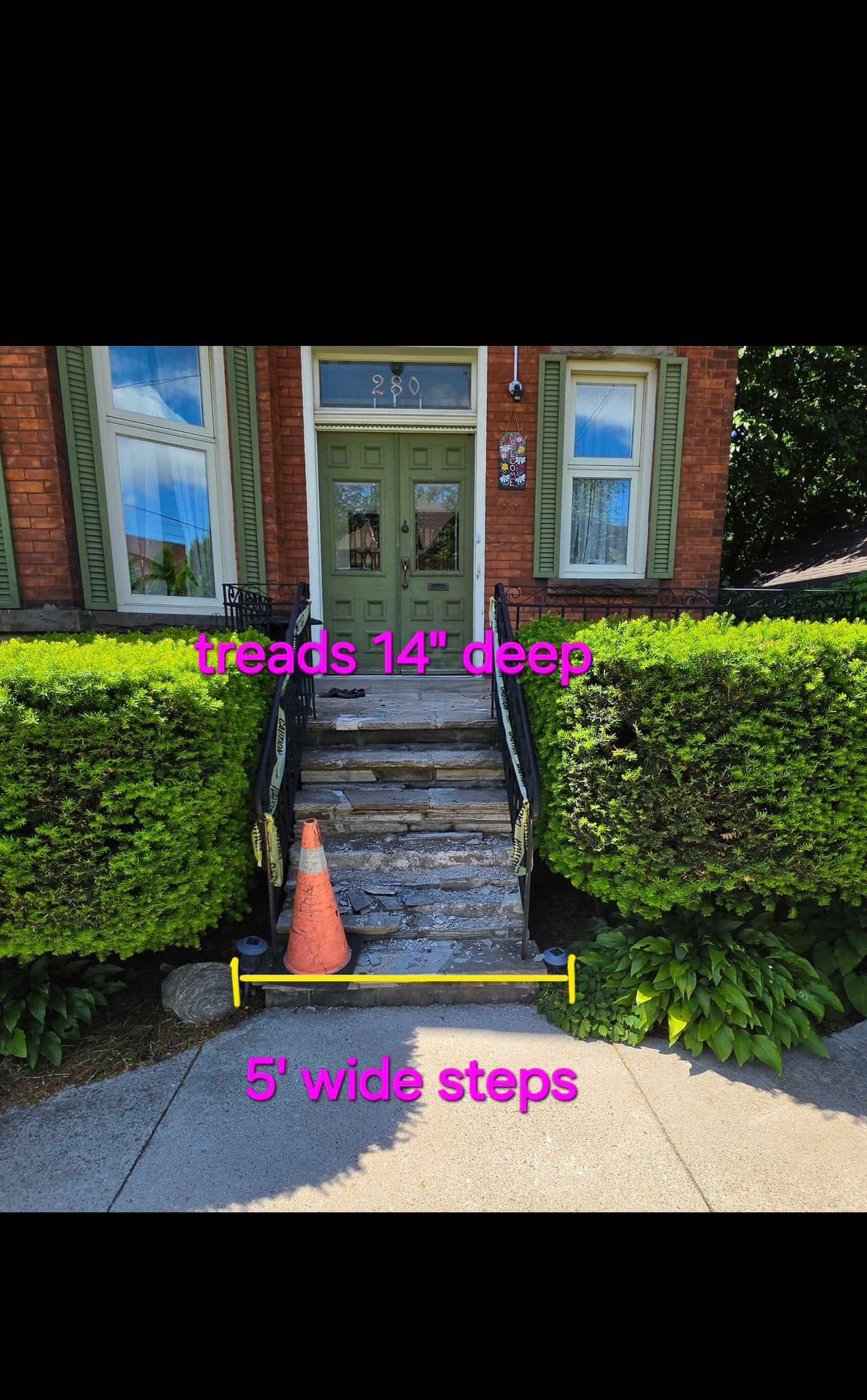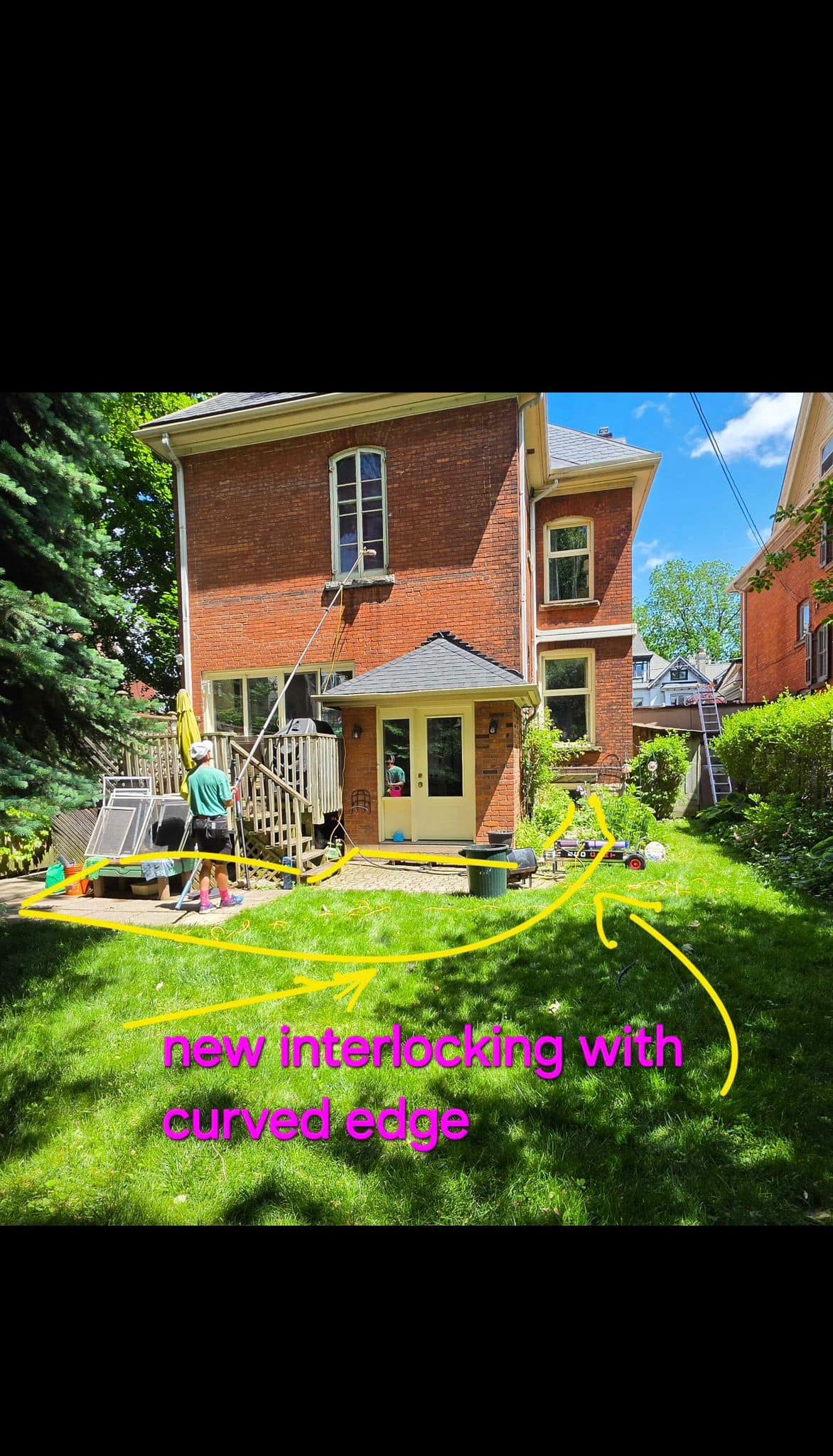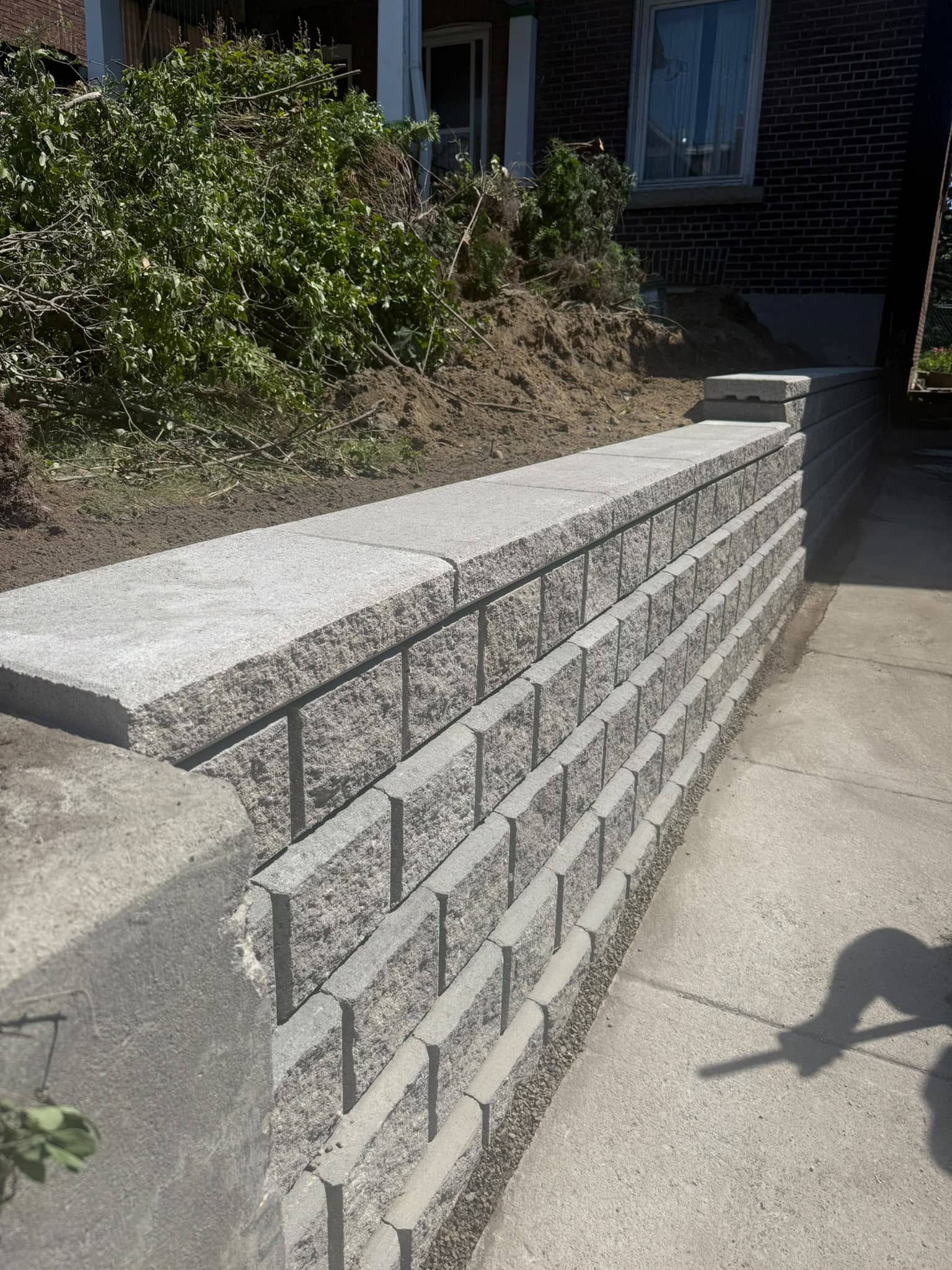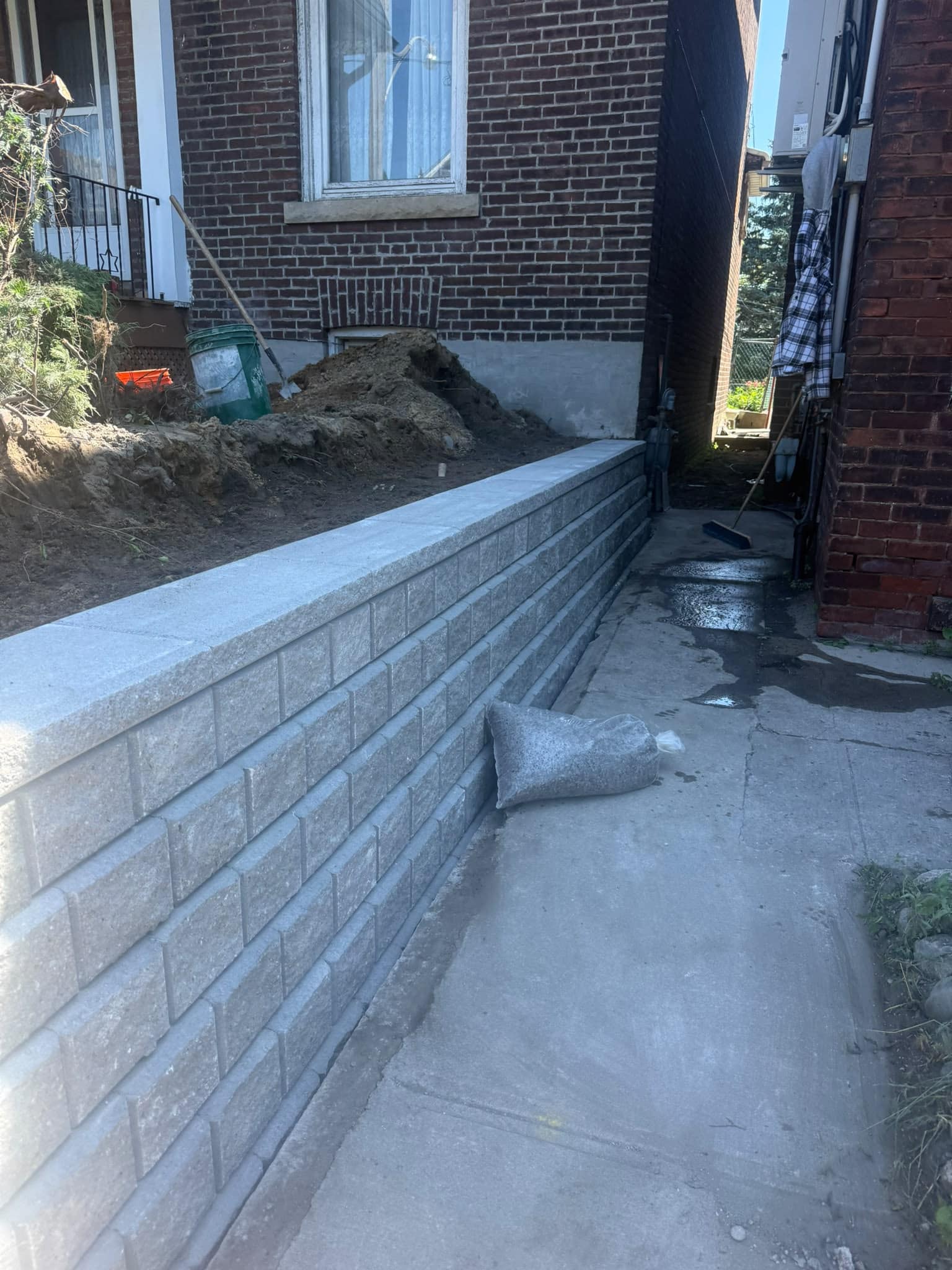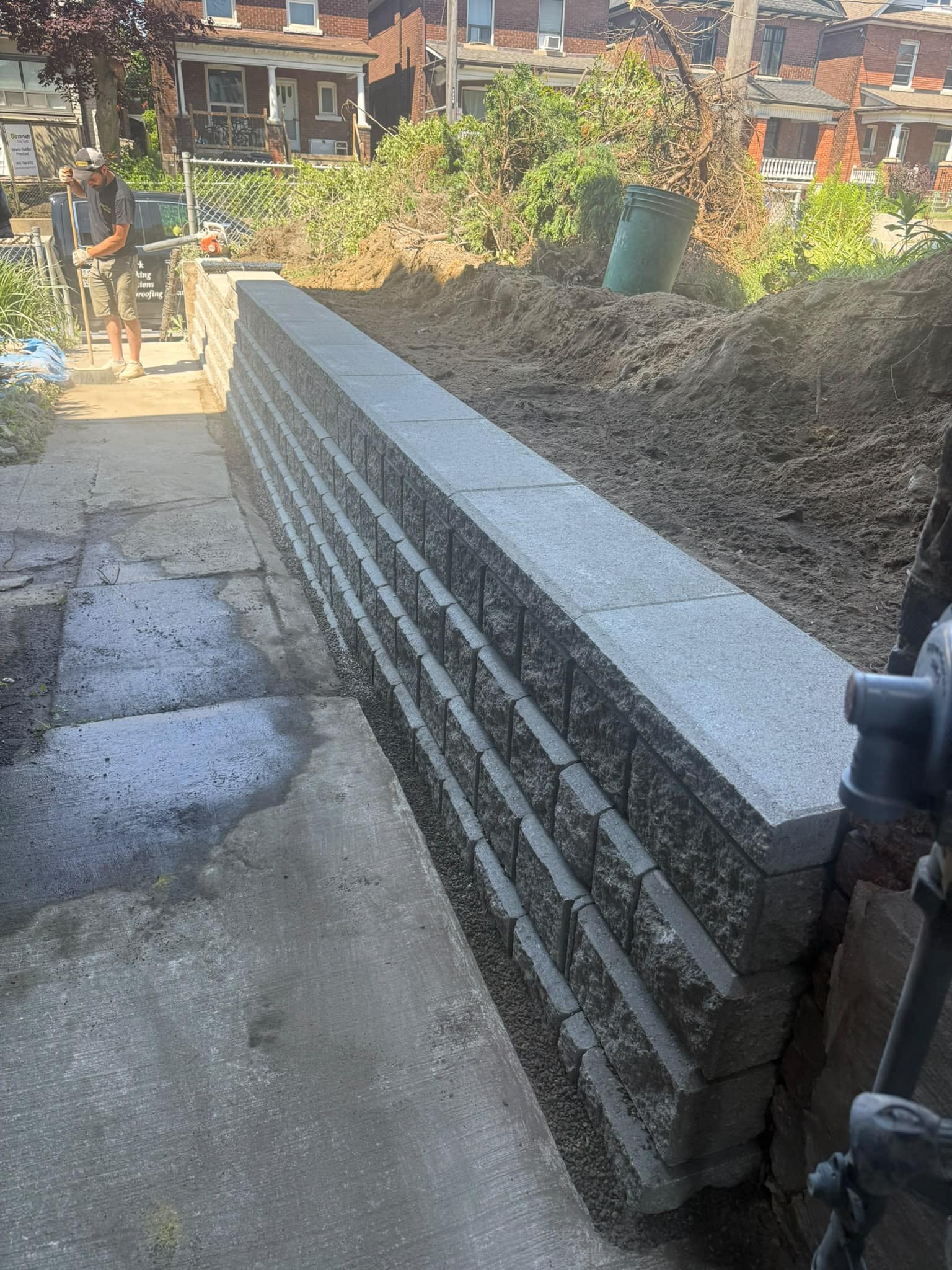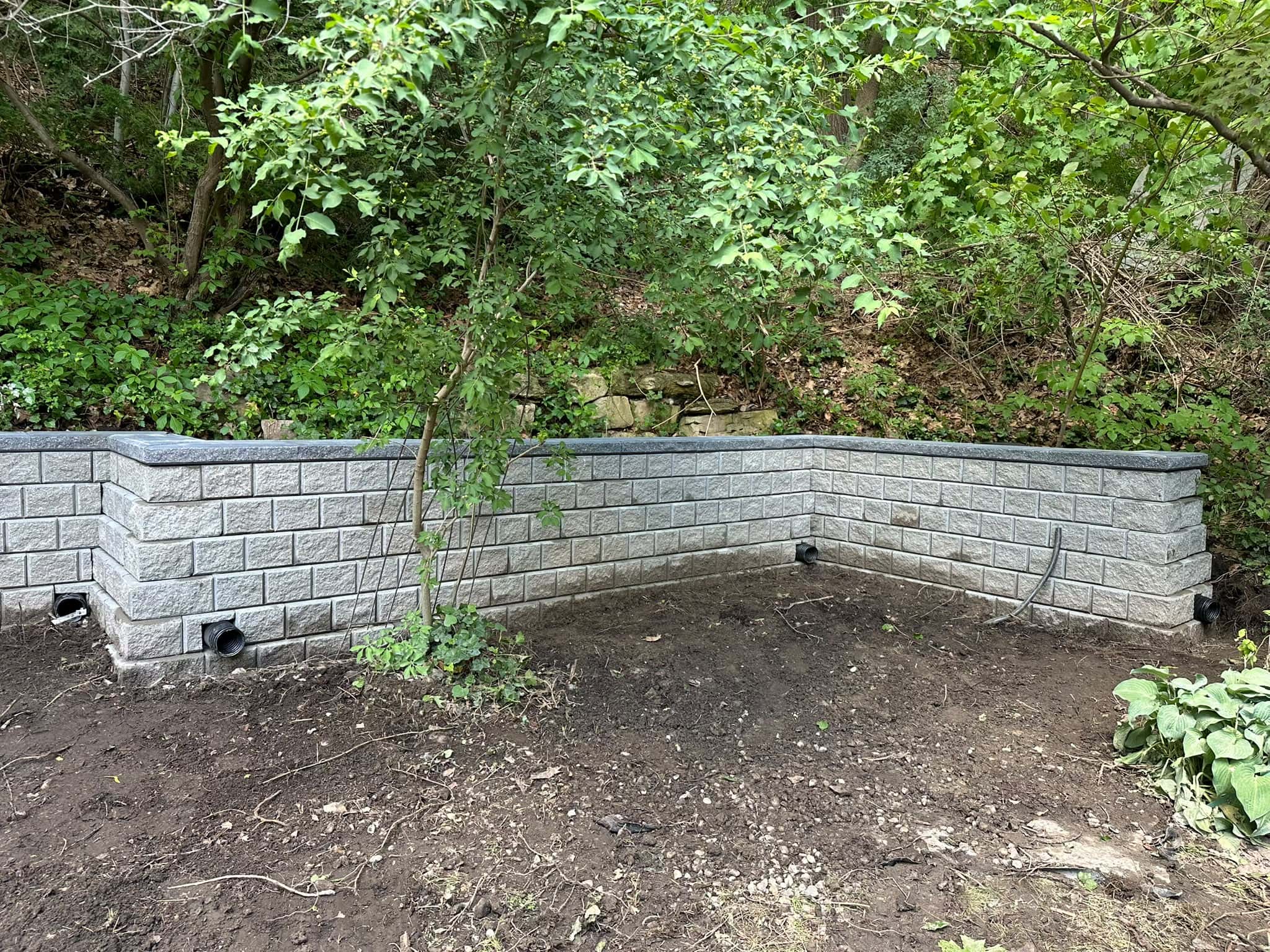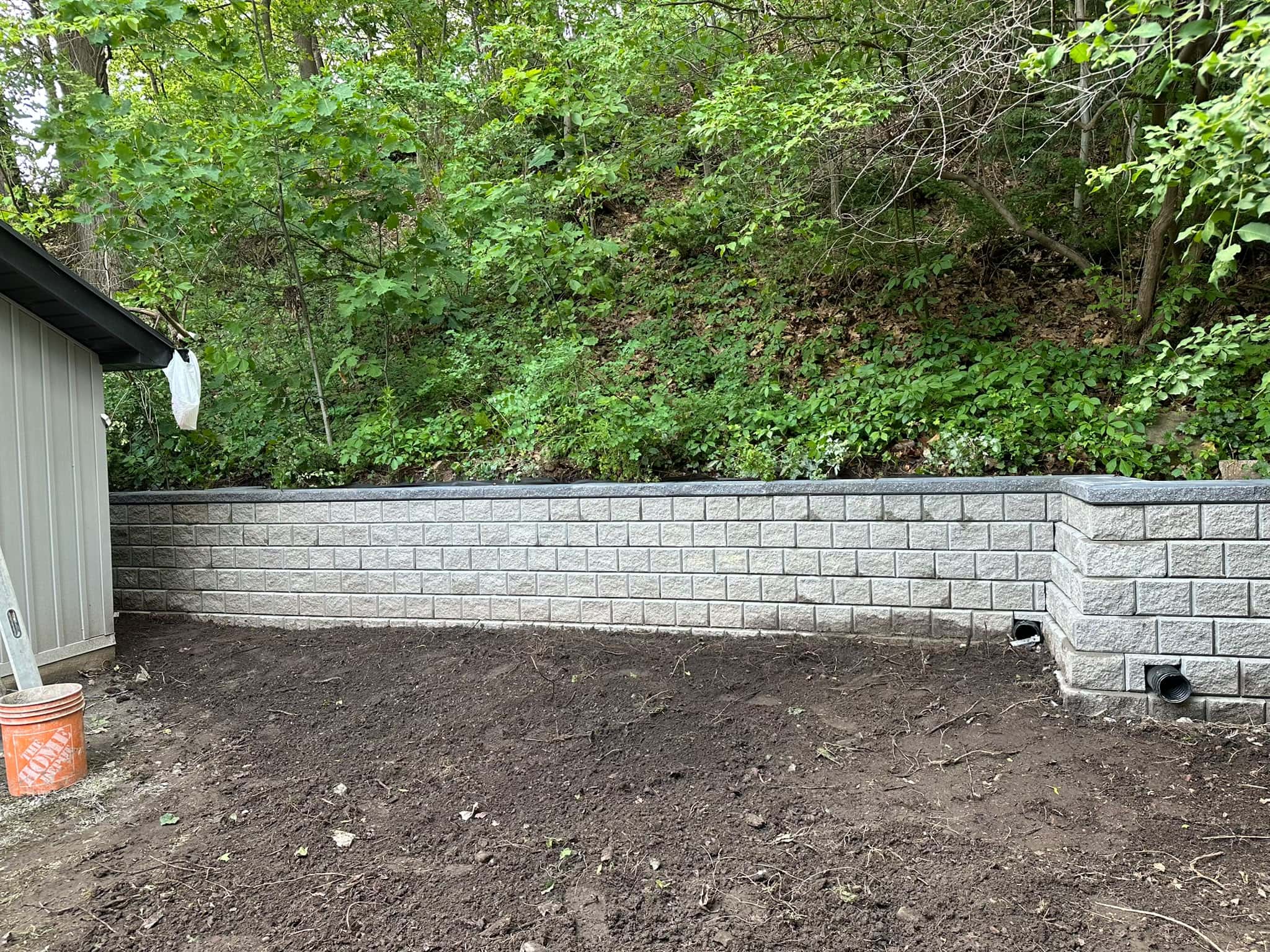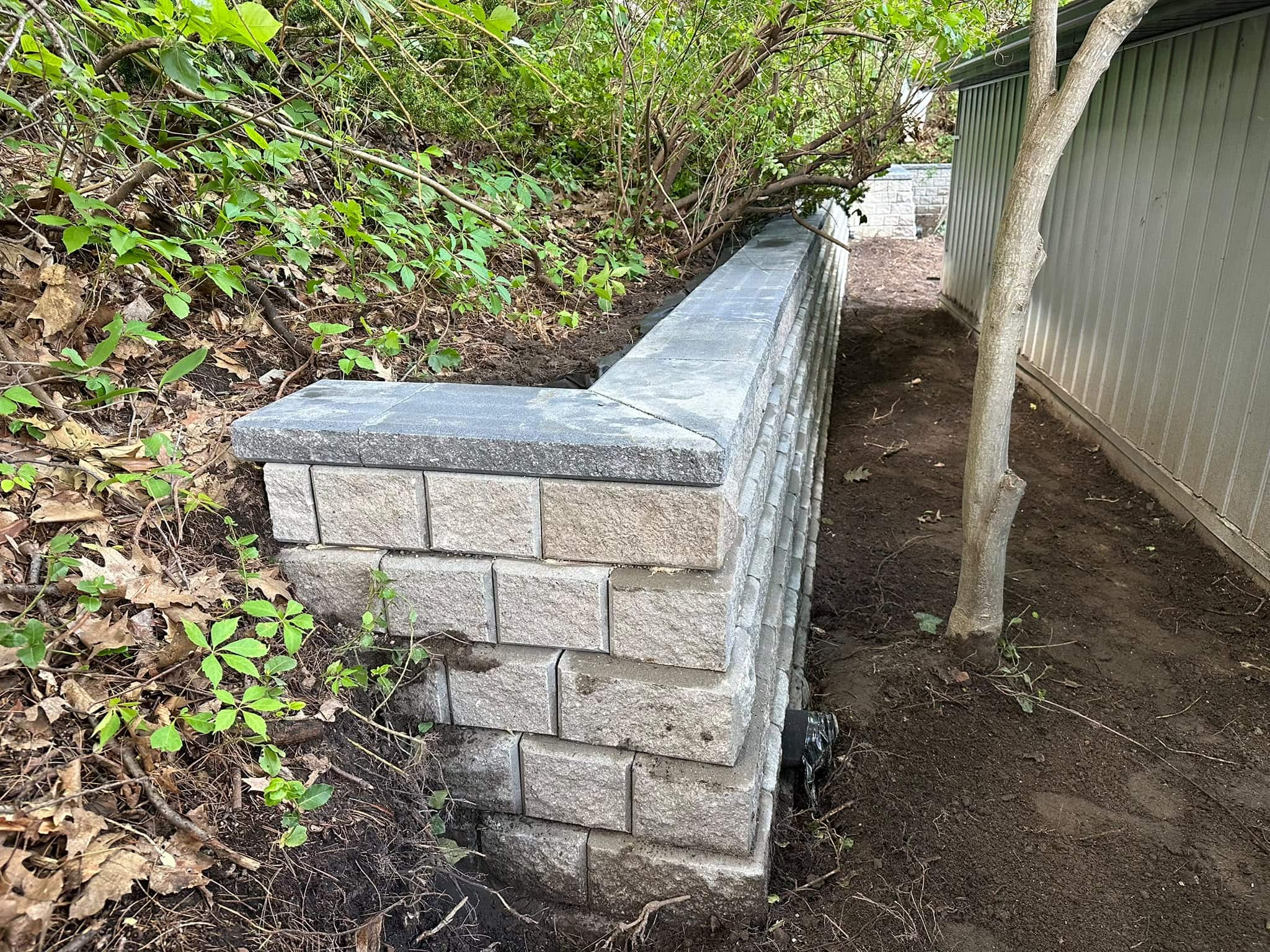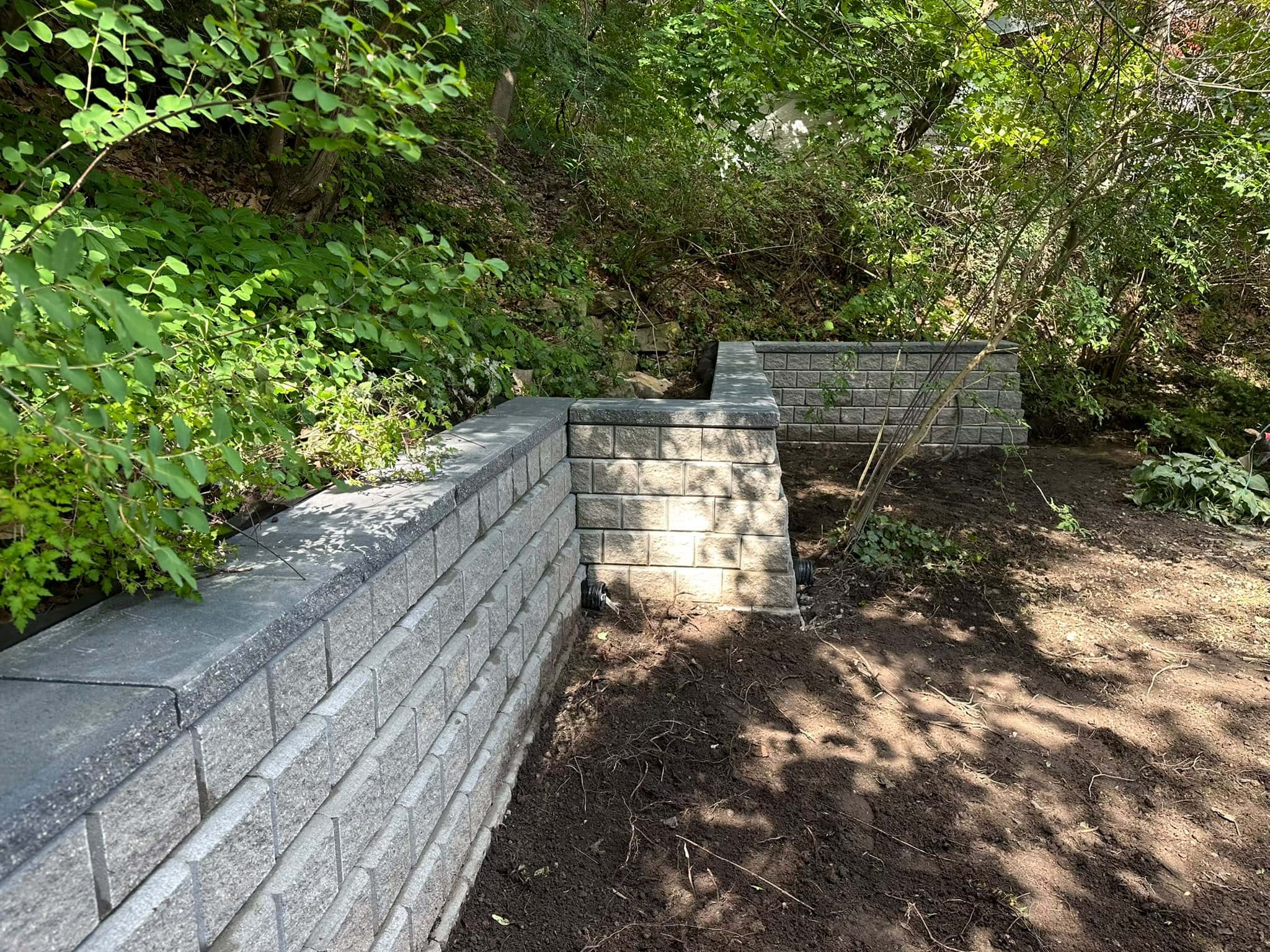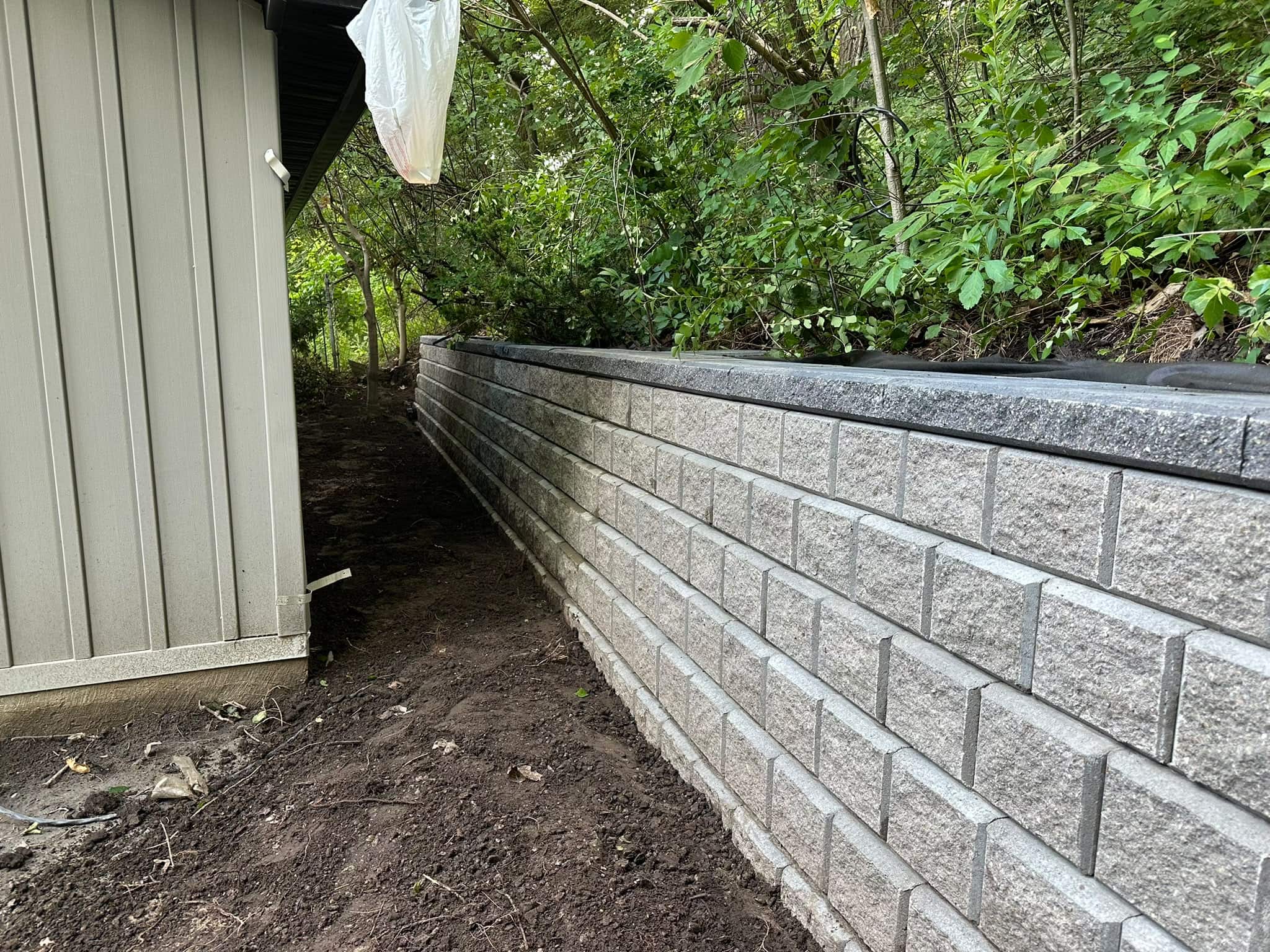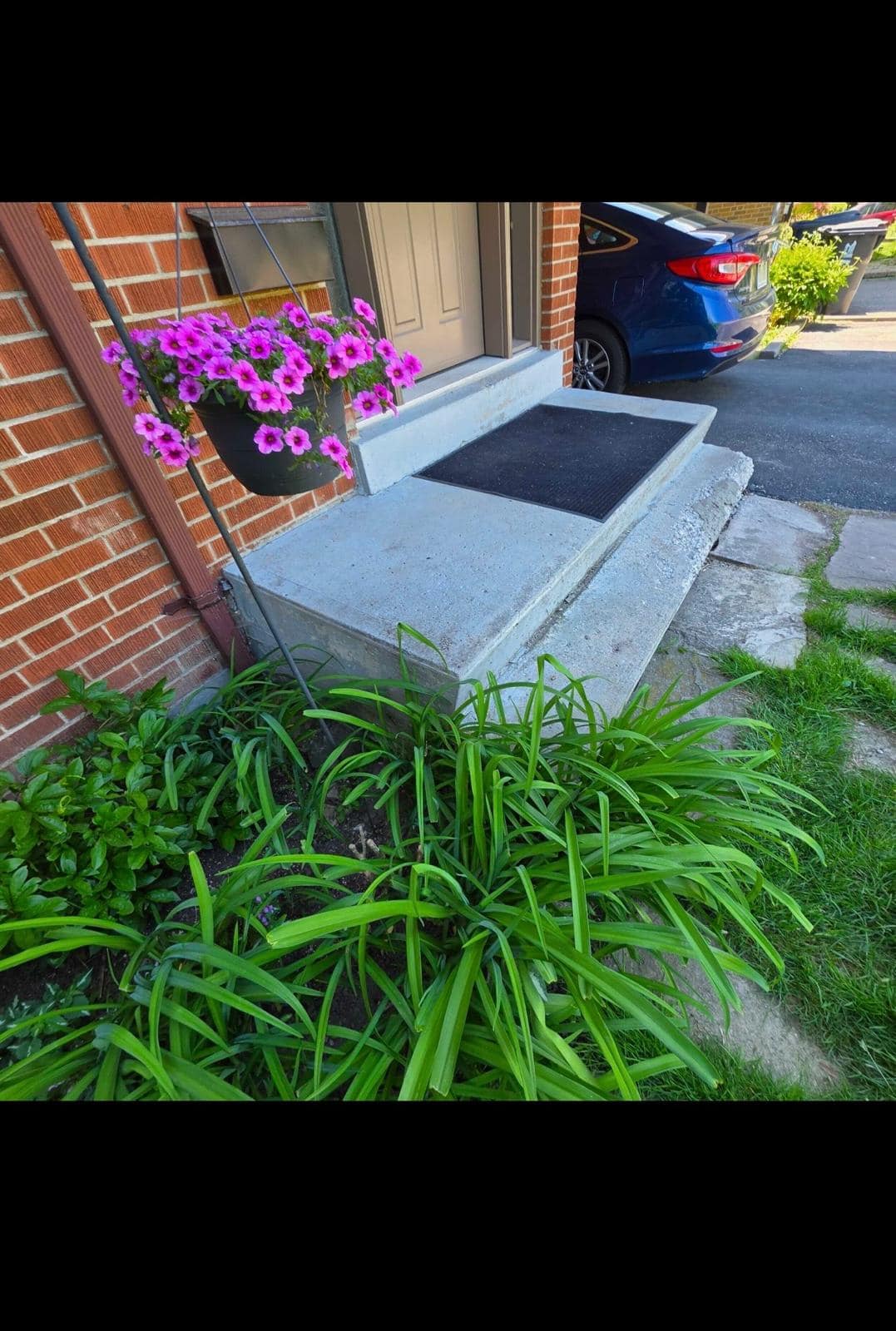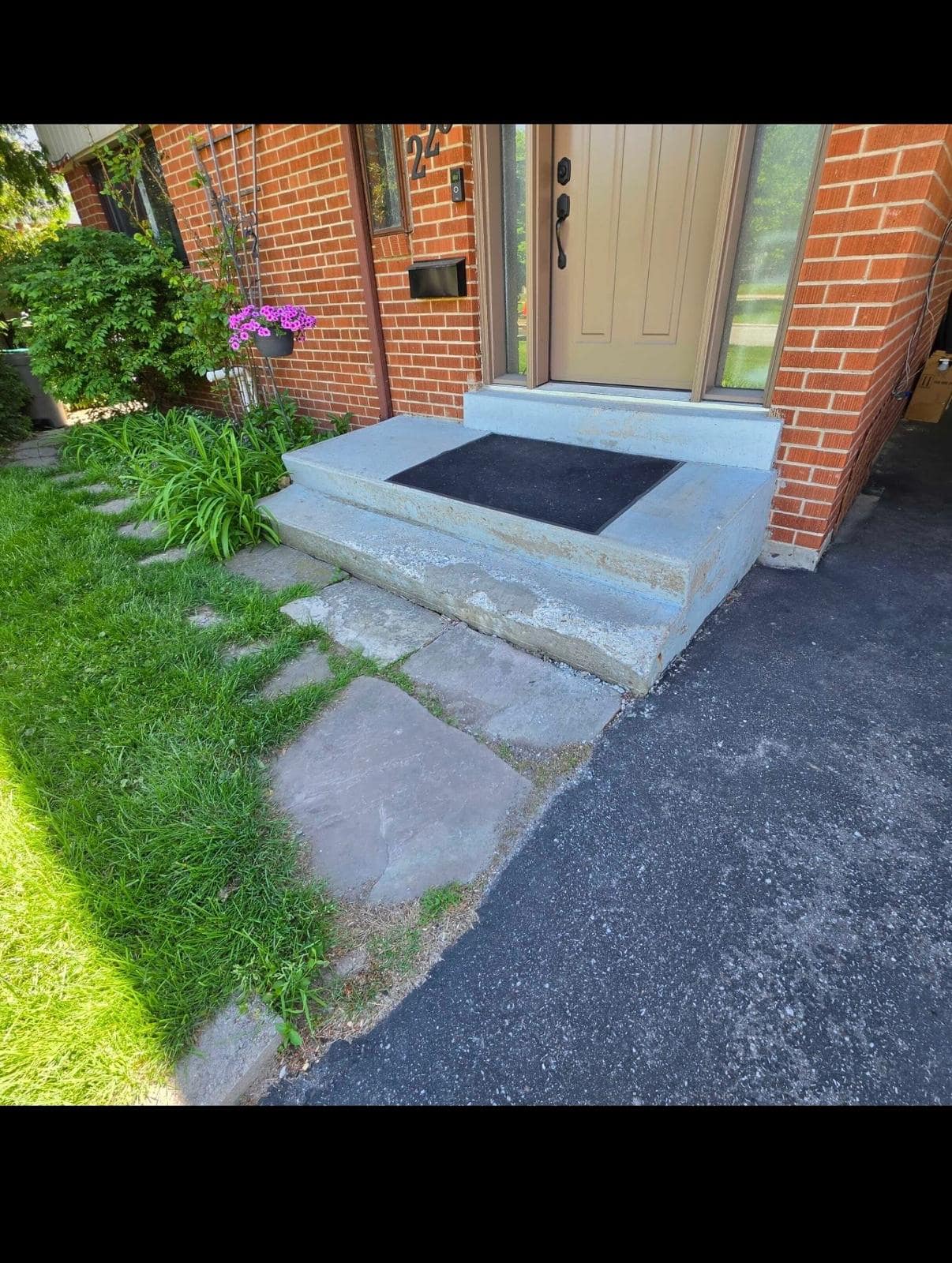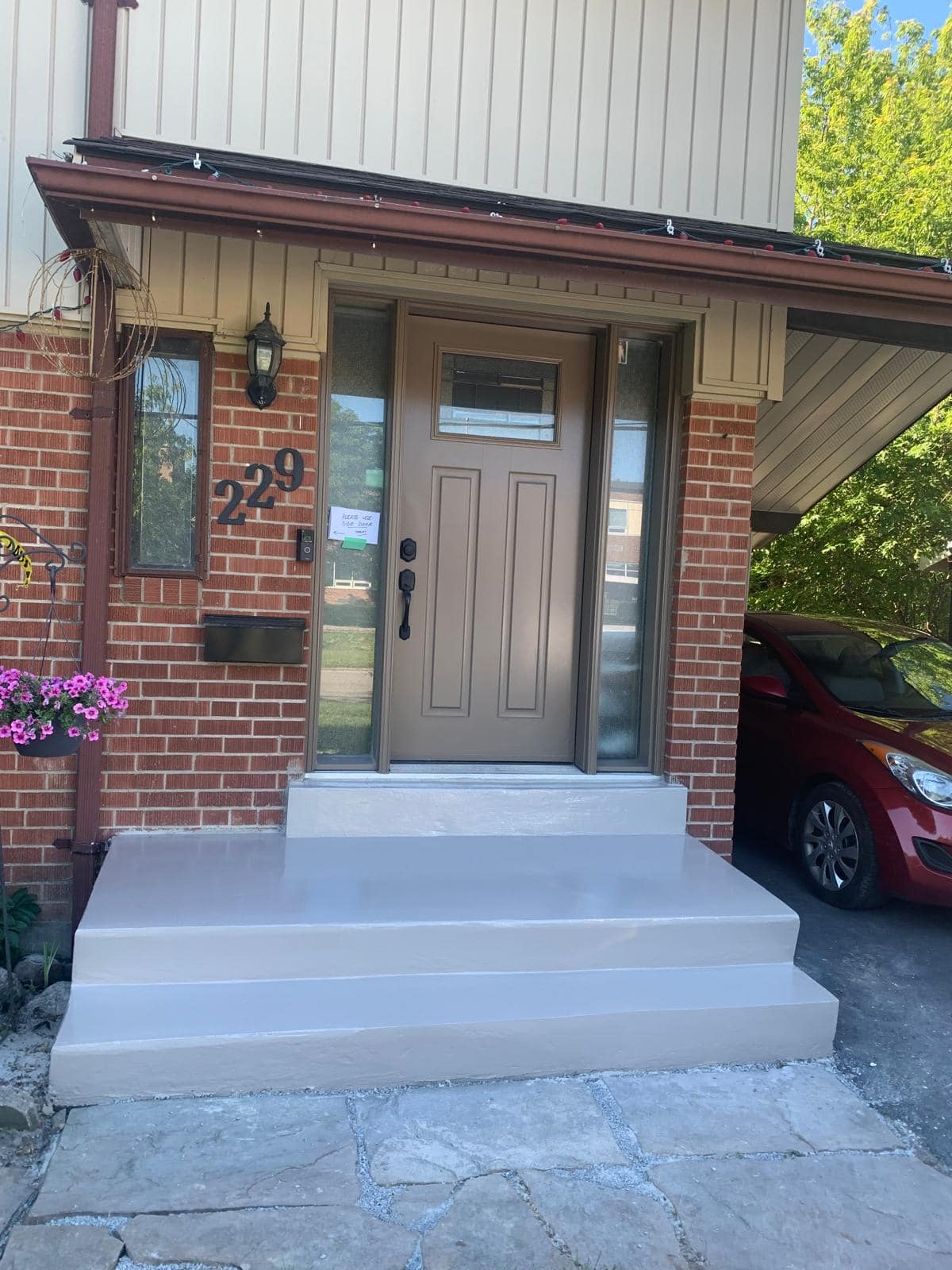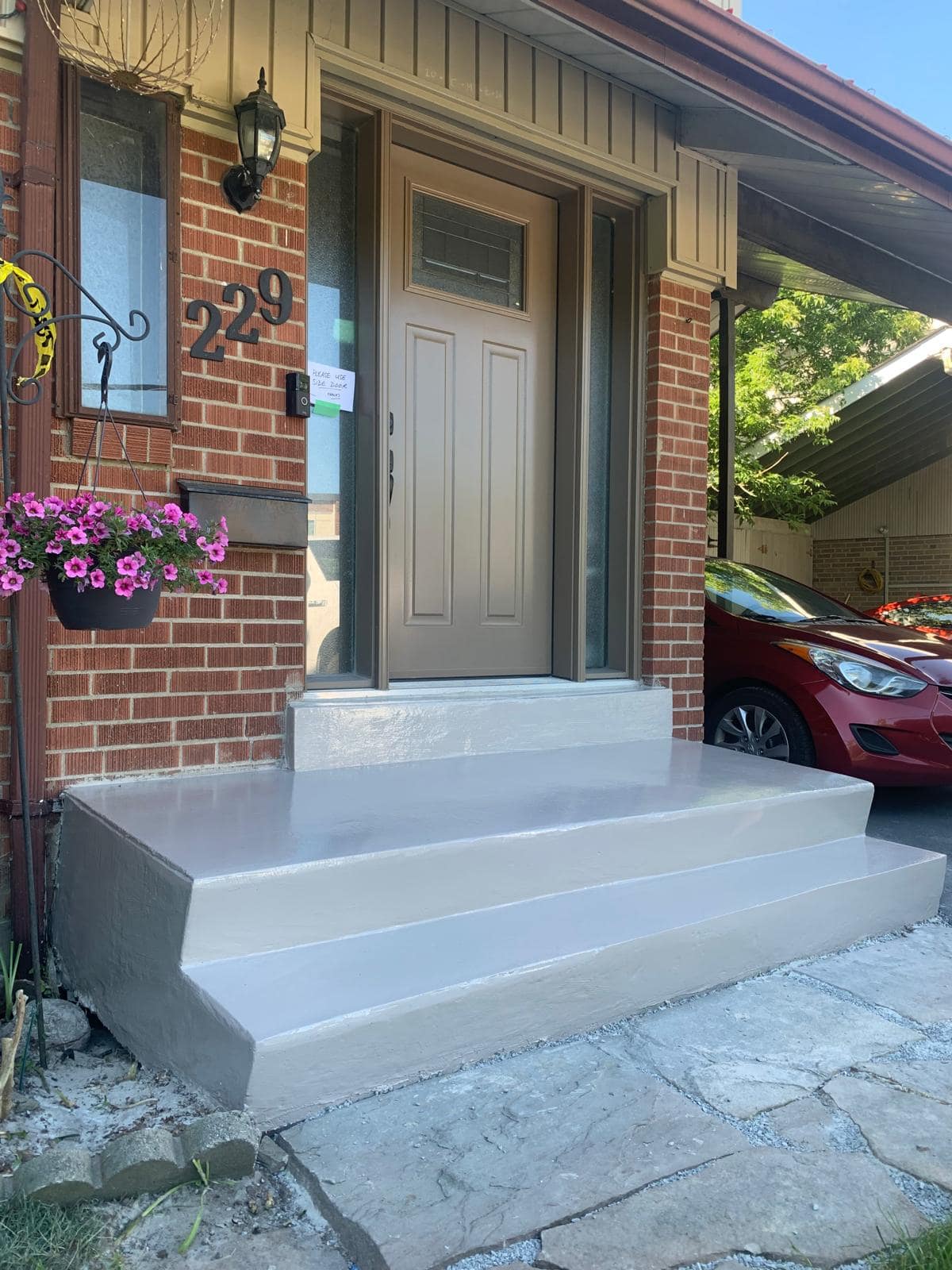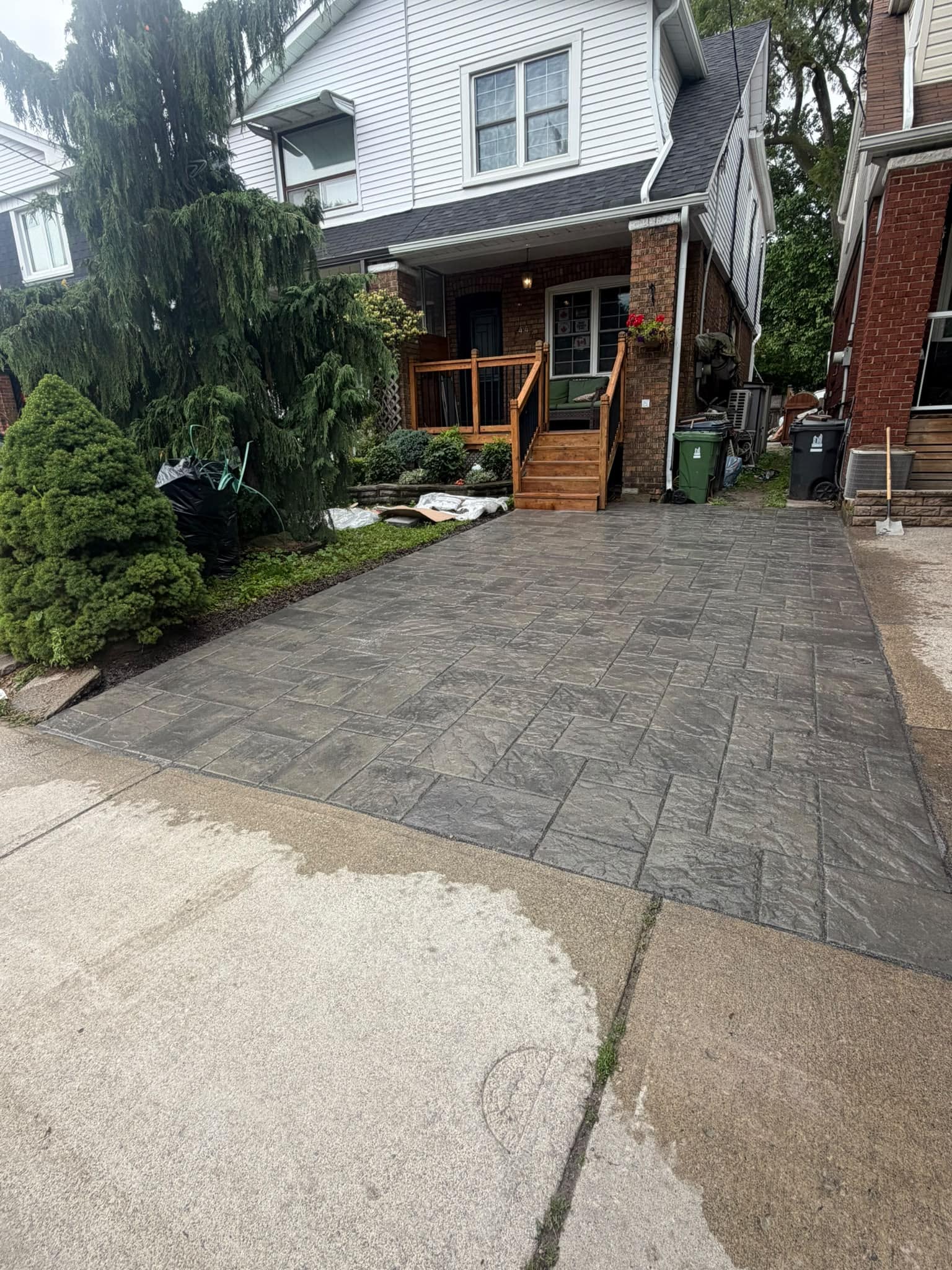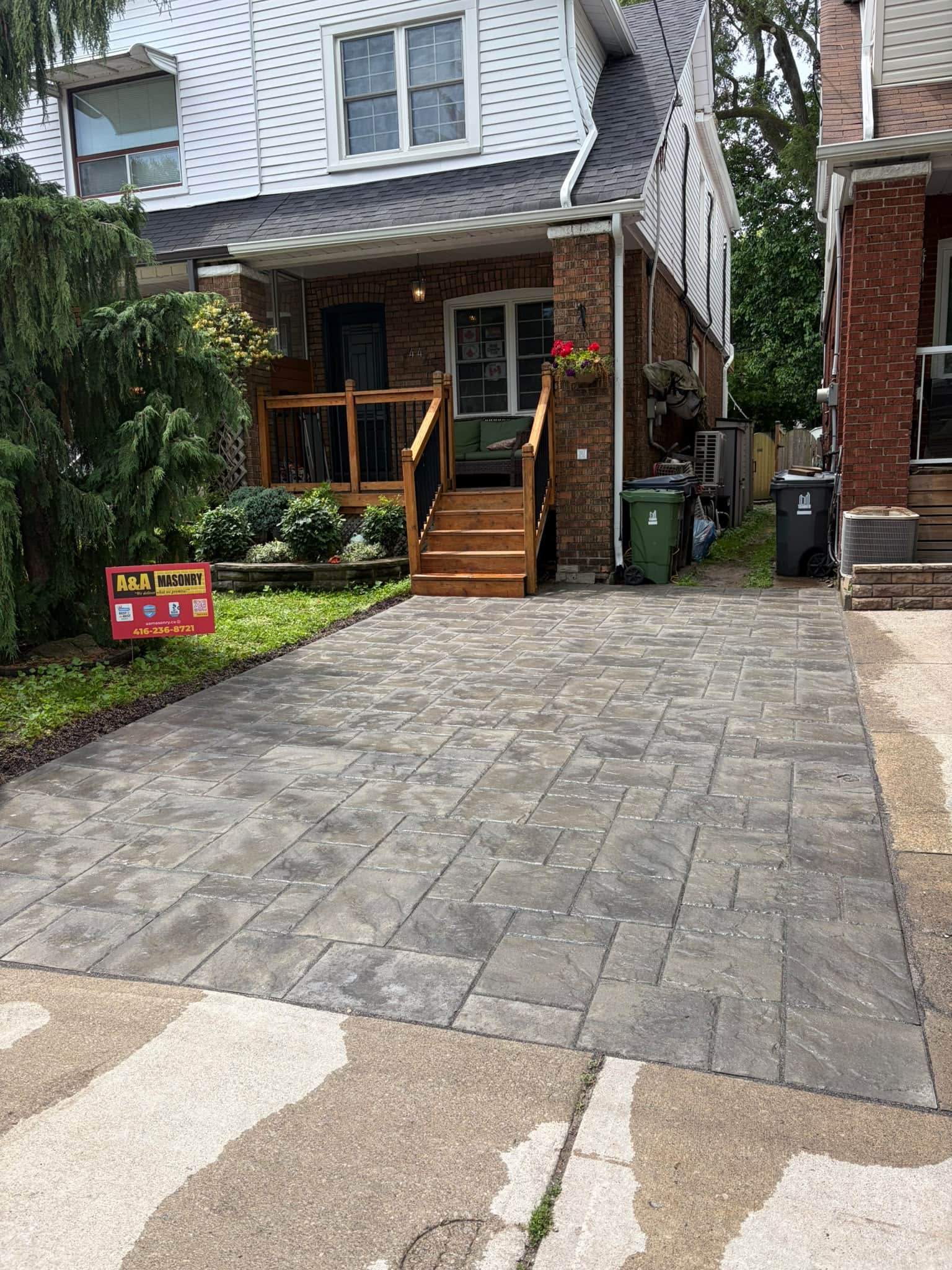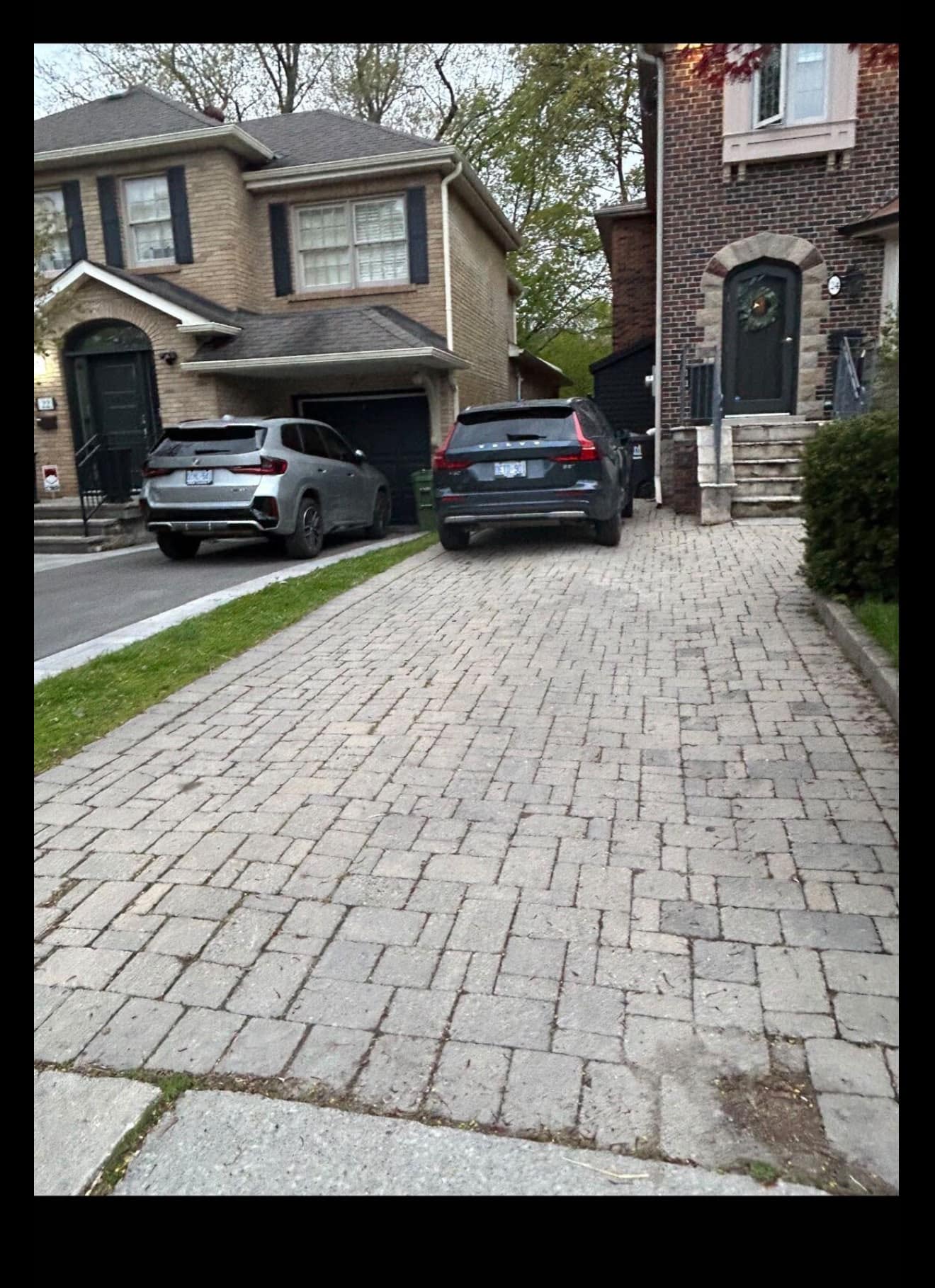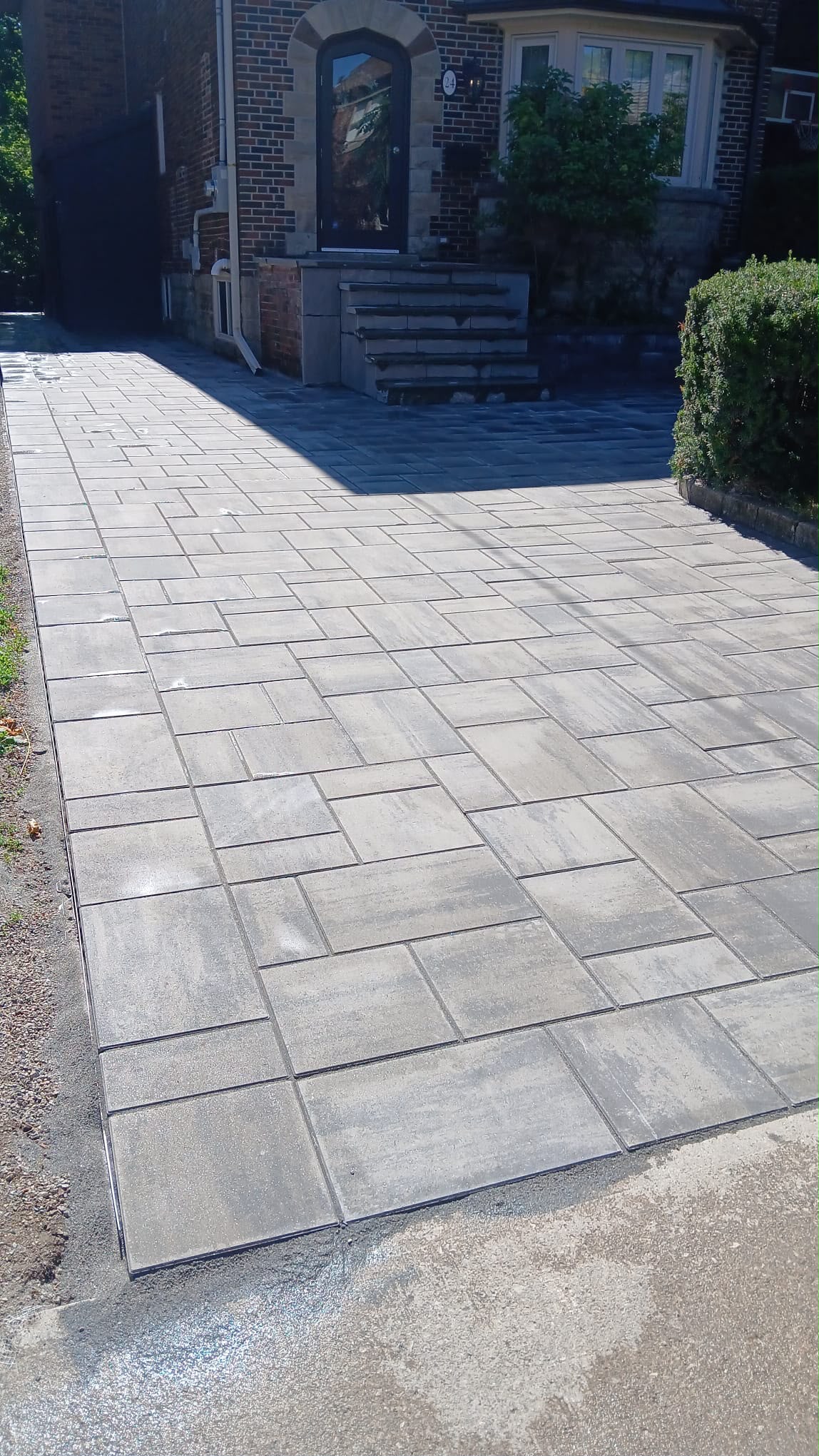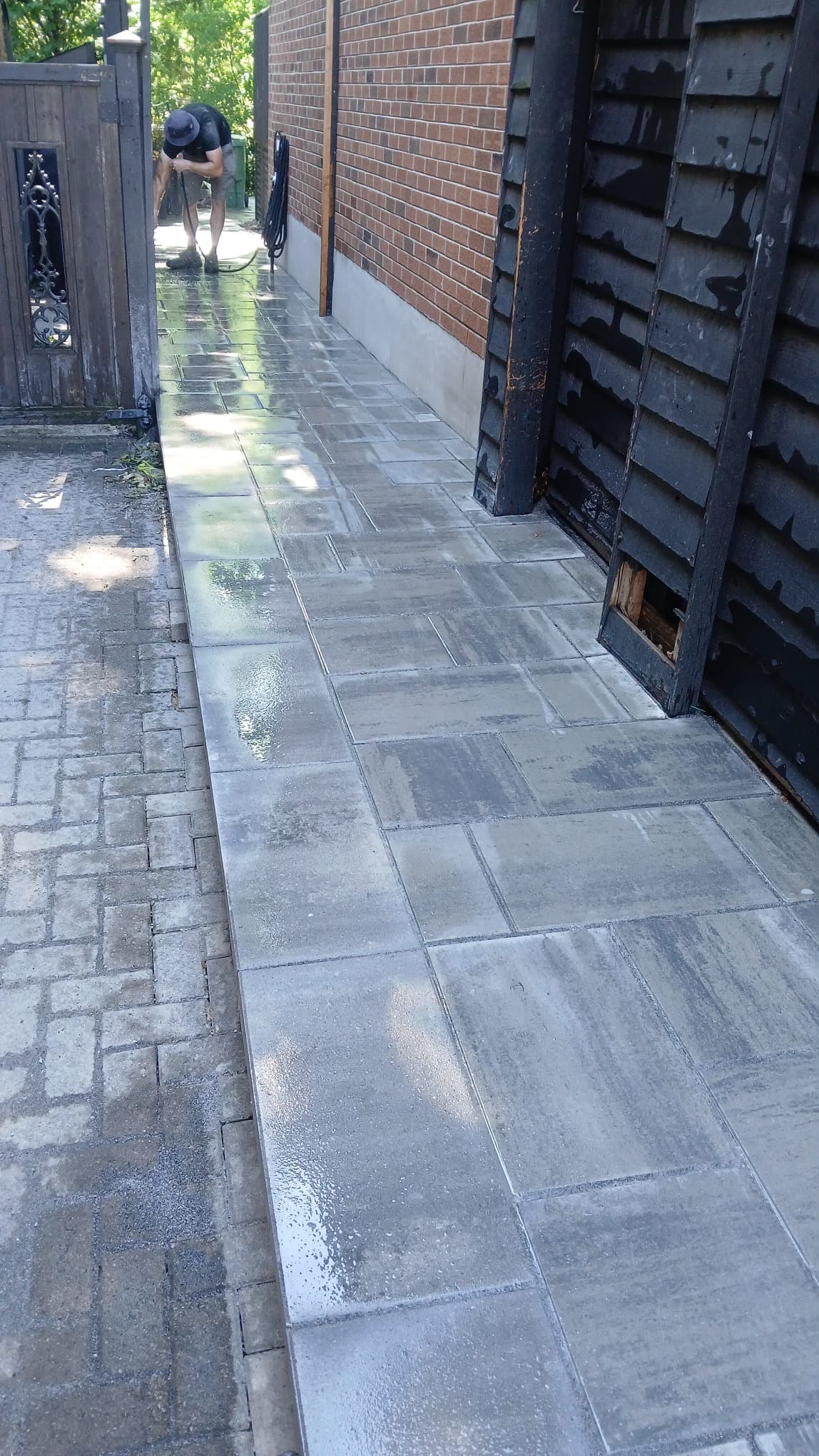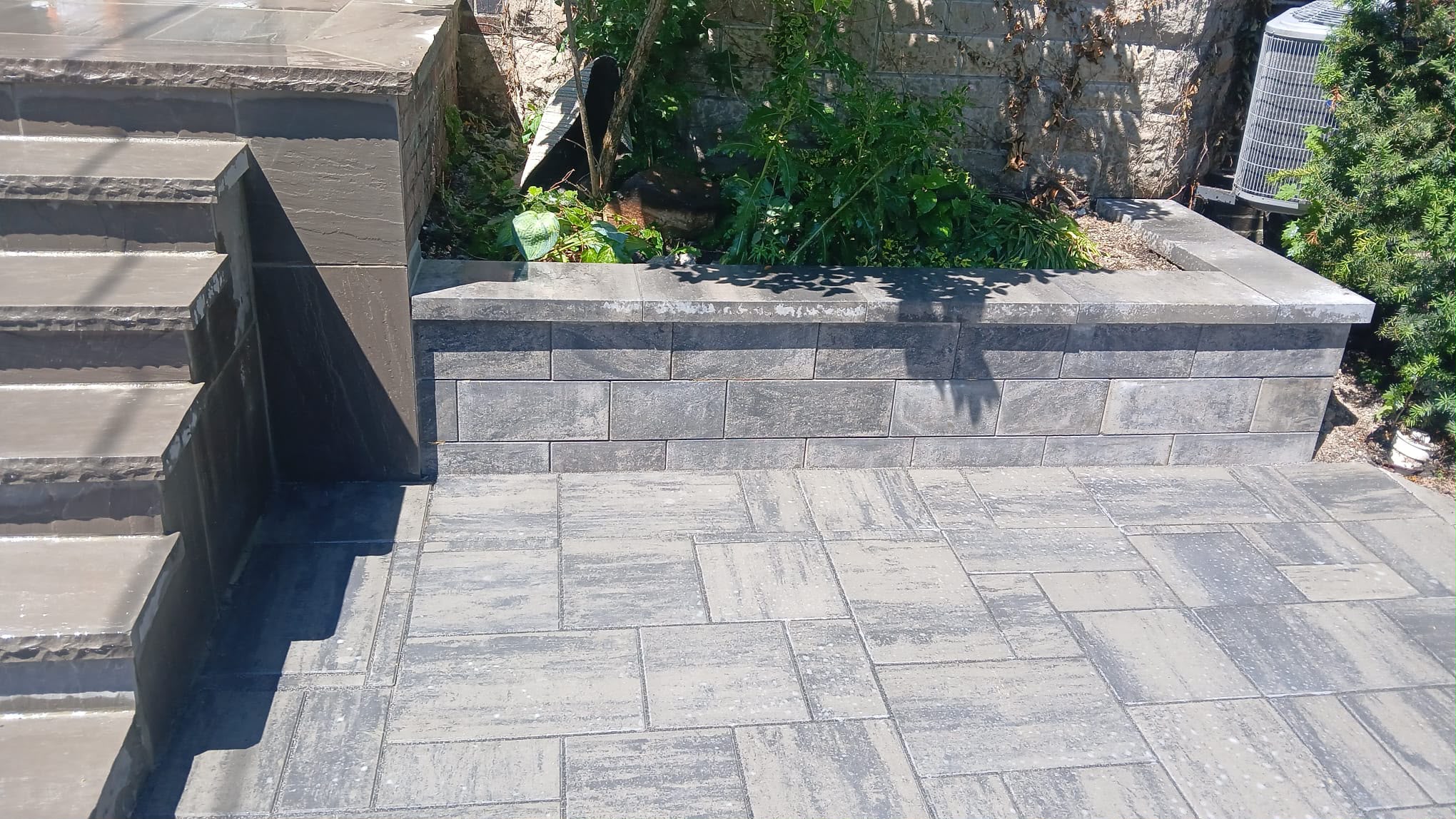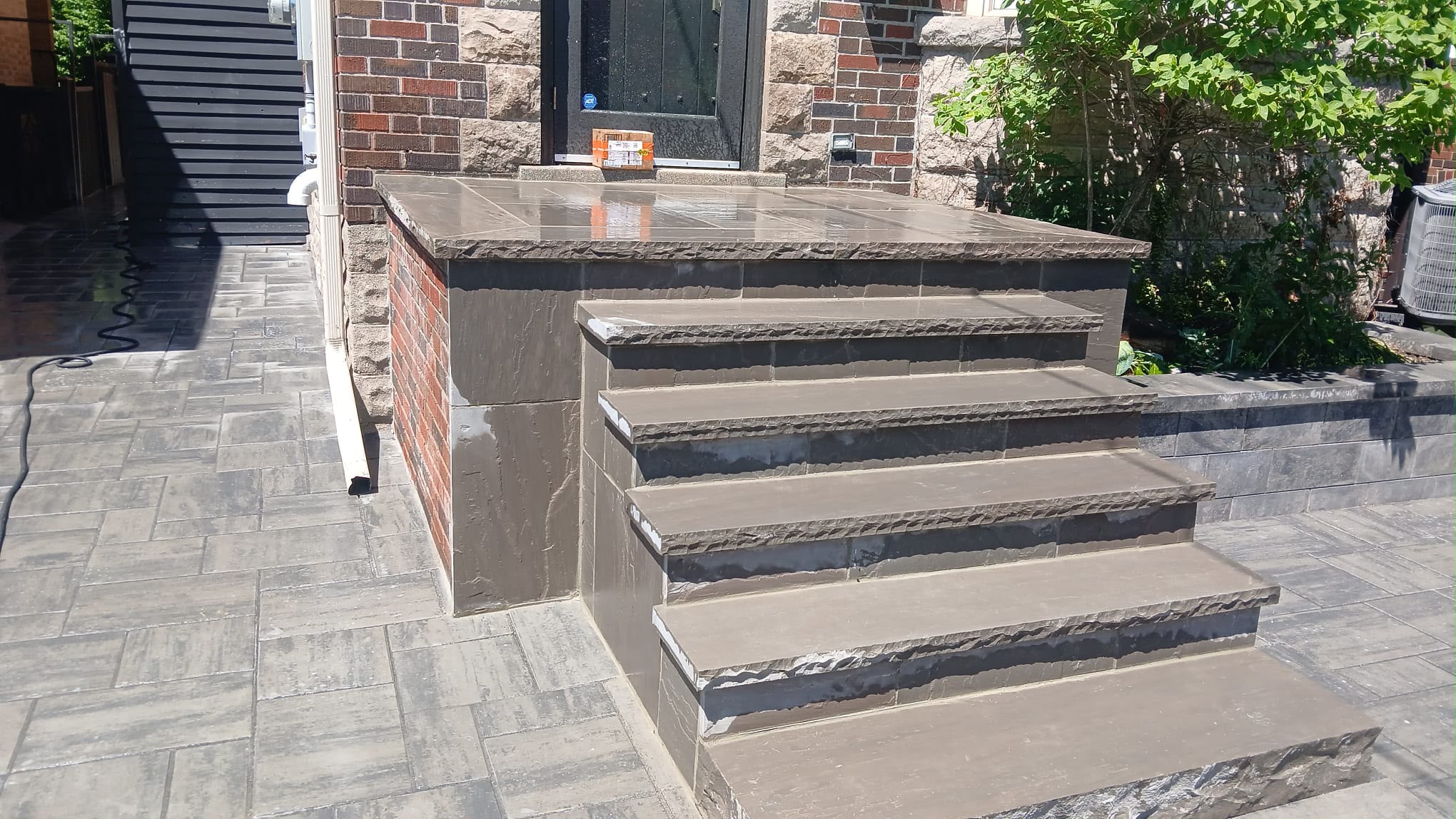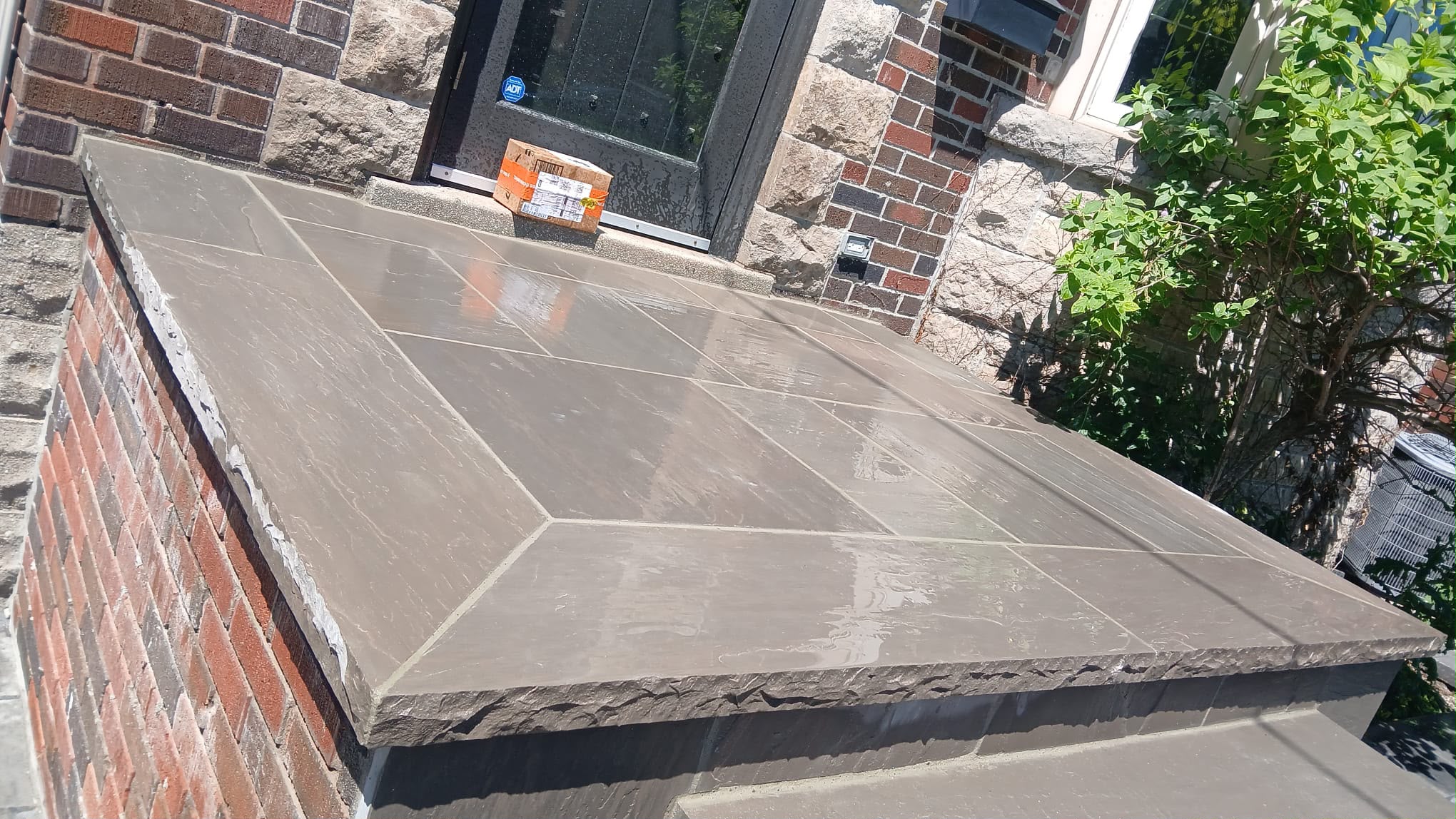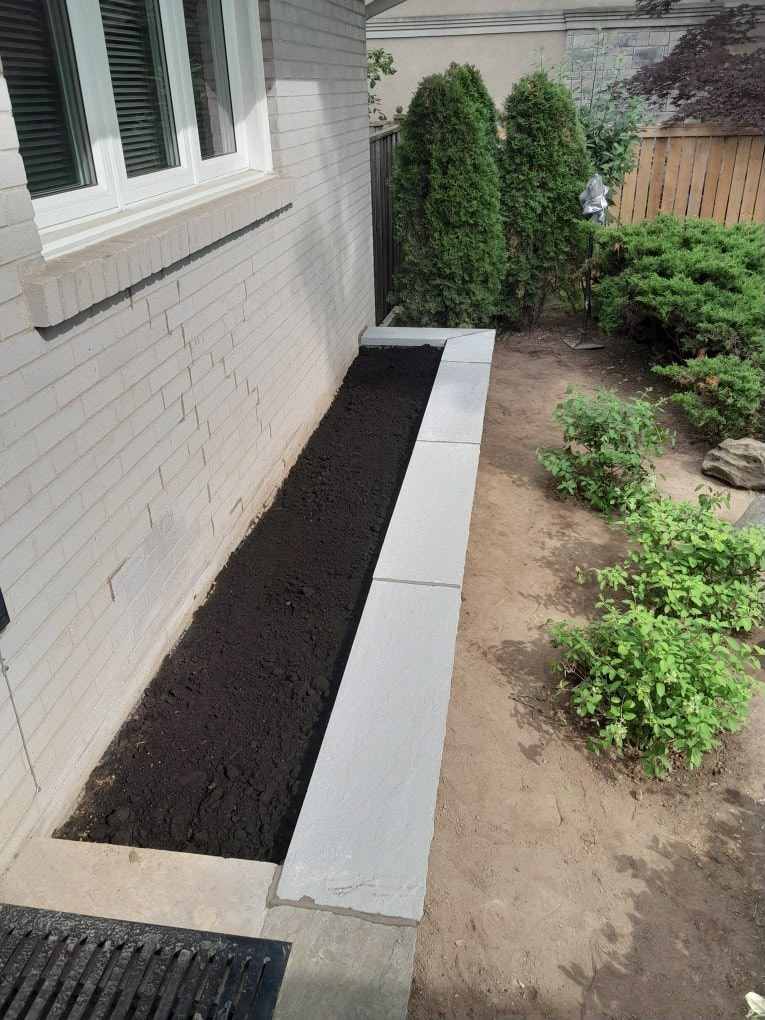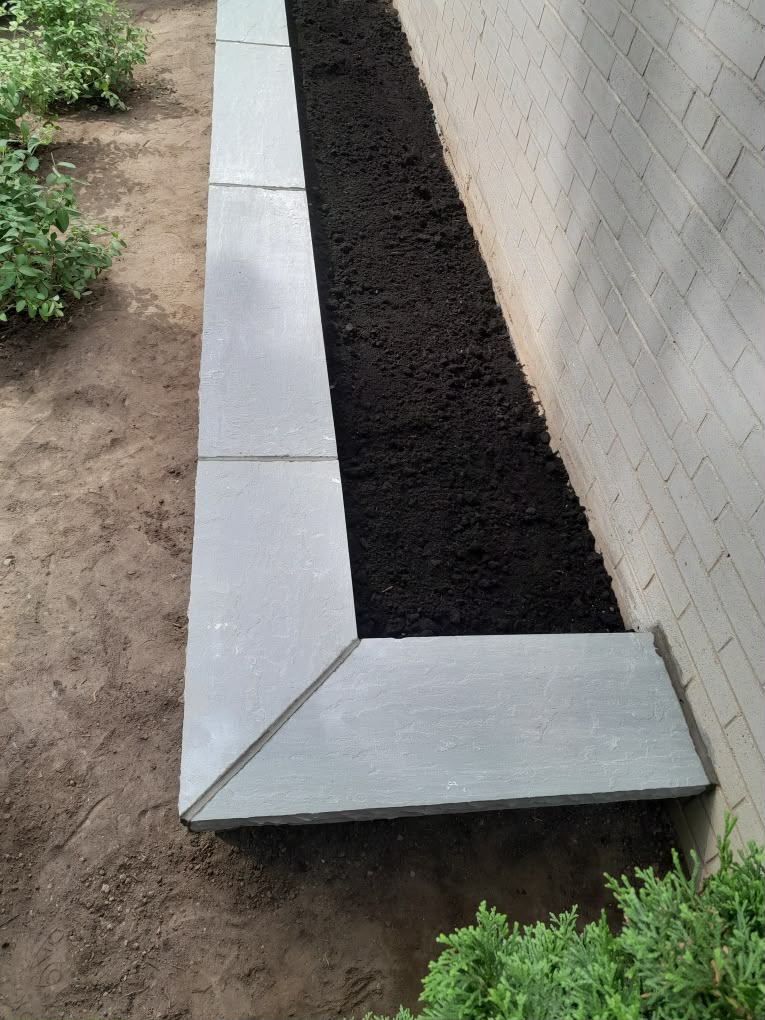

Estimating masonry project costs starts with understanding what you are actually paying for: materials, labour, access, repair depth, site preparation, cleanup, and the skill needed to make the work last. A small brick repair on one wall is very different from rebuilding a chimney, installing stone veneer, repairing failing mortar, or fixing masonry tied to water damage. For Toronto and GTA homeowners, cost also depends on freeze-thaw damage, older brick, tight property access, and whether the work affects structure, drainage, or the building envelope.
This guide explains how to think through masonry costs before asking for quotes. It will not give fake one-size-fits-all pricing, because that often misleads homeowners. Instead, it shows you what drives the estimate, what questions to ask, and how to compare quotes in a way that protects your home and your budget.
What a Masonry Project Estimate Should Include
A proper masonry estimate should explain the scope of work, the damaged areas, the repair method, the materials being used, the access requirements, and what is included after the work is complete. A vague number without detail can look cheaper at first, but it may hide important costs such as grinding out old mortar, matching brick, installing flashing, cleaning the site, or handling difficult access.
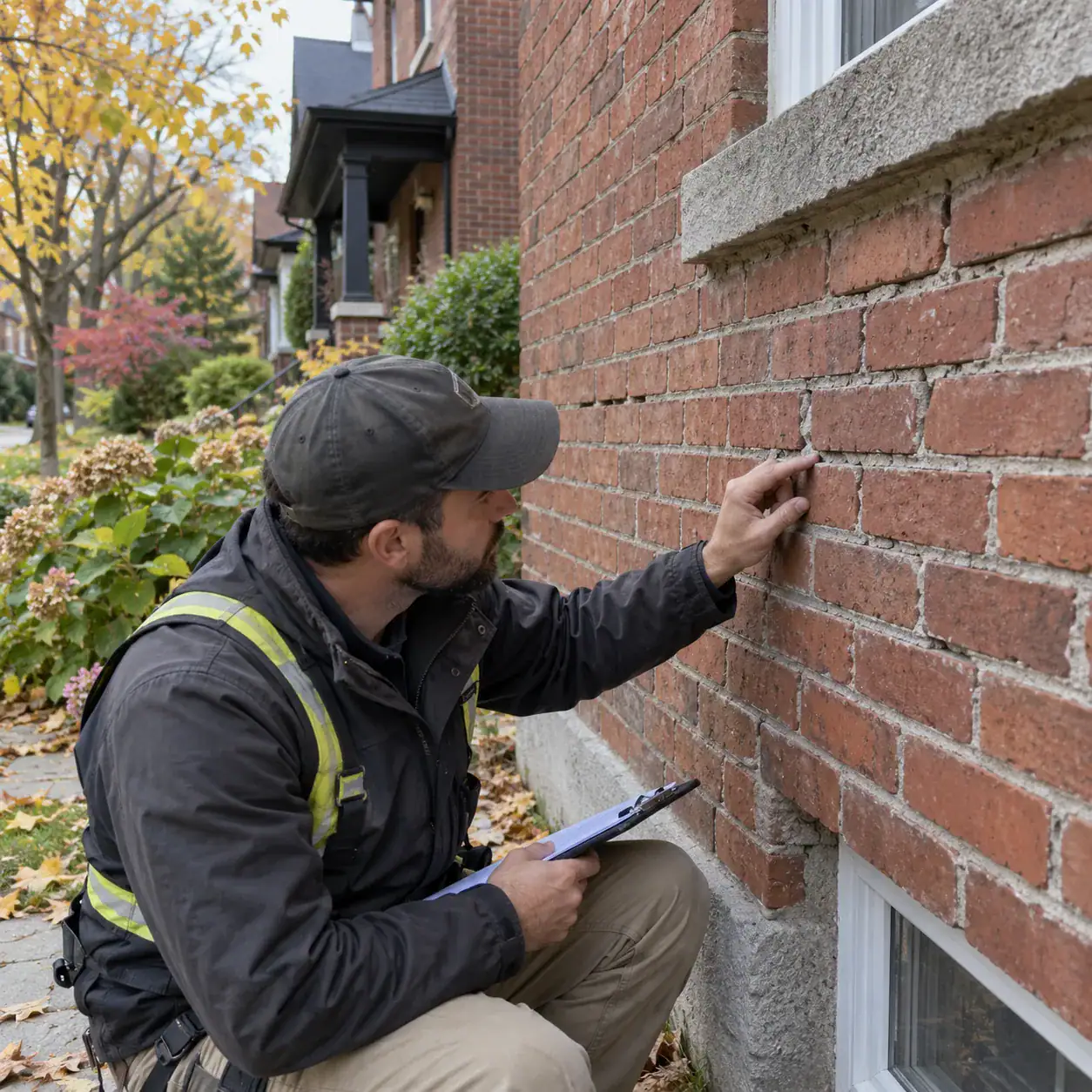
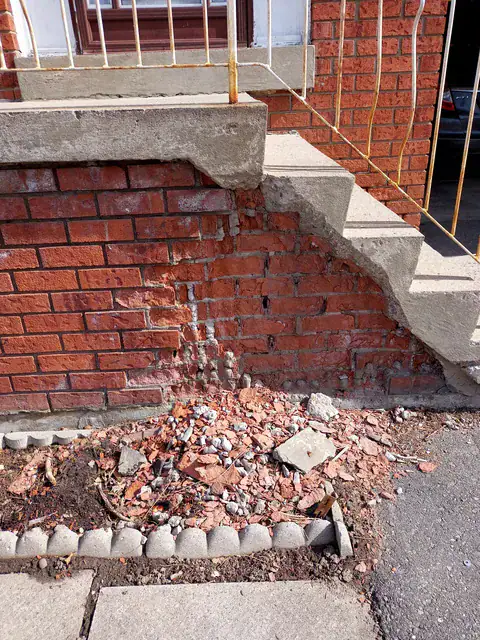
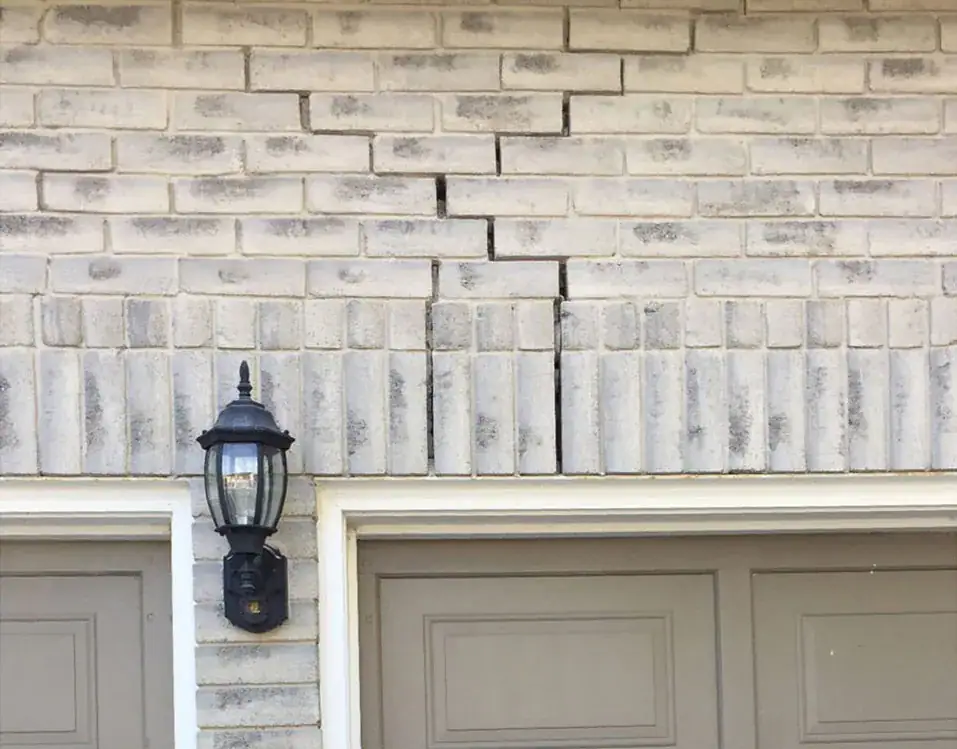
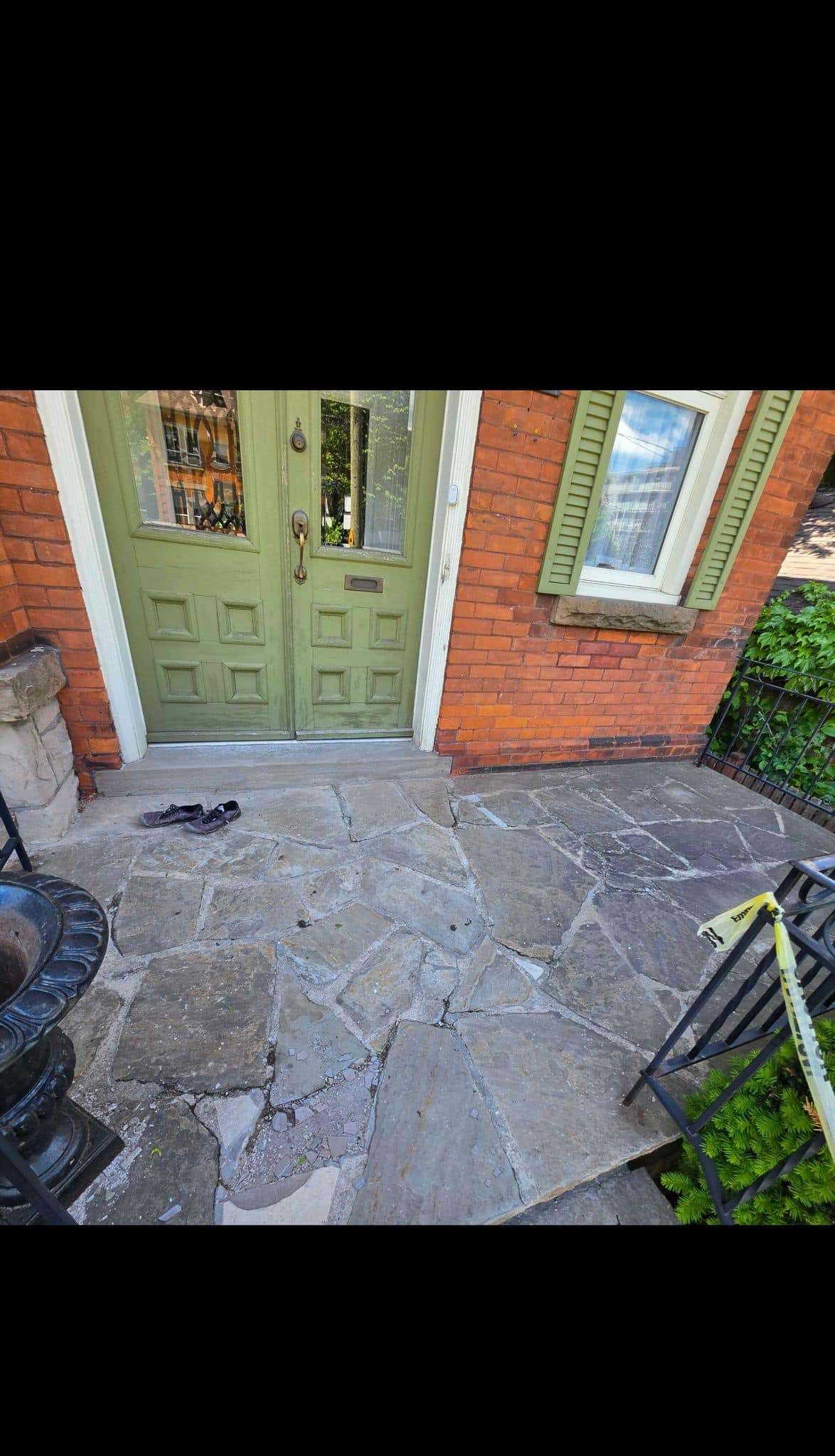
For example, a brick wall with a few cracked joints may only need targeted tuckpointing. A wall with spalled brick, loose mortar, staining, and water entering behind the surface may need a deeper repair. The difference matters because the second project is not just cosmetic. It may require removing damaged units, replacing failed mortar, correcting water intrusion, and ensuring the repair blends with the existing wall.
When reviewing any masonry estimate, look for clear notes on which areas are included, which materials will be replaced, how surrounding surfaces will be protected, whether cleanup is included, and whether the contractor has explained what caused the damage. If you are still unsure what the project involves, A&A Masonry’s masonry services in Toronto page gives a helpful overview of common masonry work homeowners may need.
Why Masonry Project Costs Vary So Much
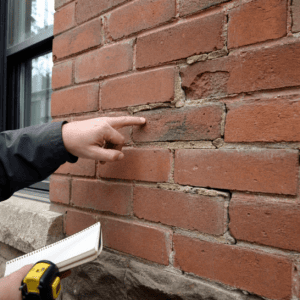
Masonry project costs vary because the visible damage is only one part of the job. Two homes can have similar-looking brick cracks, but one may need basic mortar repair while the other may have hidden movement, water penetration, or rusting steel above an opening. That is why a proper inspection matters before deciding whether a quote is fair.
The biggest cost factors usually include labour time, material type, site access, damage severity, height, preparation work, and finishing detail. Labour is often the largest part of the project because masonry is careful, hands-on work. A good mason is not just filling gaps or placing bricks. They are removing failed material, preparing the surface, choosing compatible mortar, setting materials correctly, shaping joints, protecting nearby surfaces, and making the repair look like it belongs on the home.
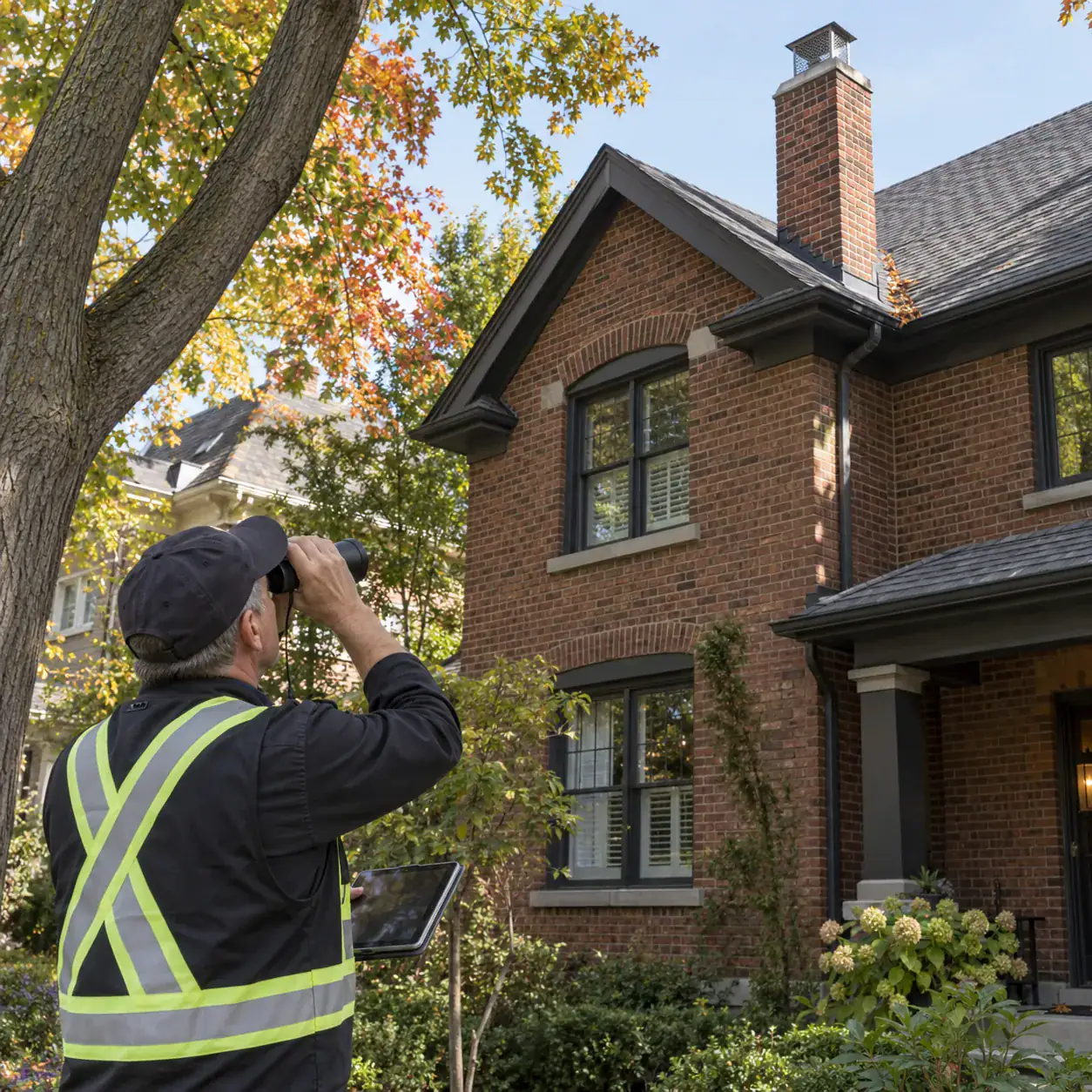
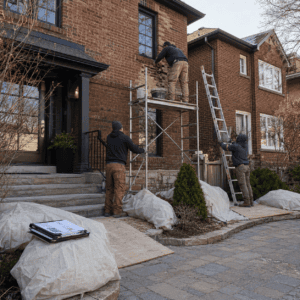
Access also affects cost. A simple repair at ground level is usually easier than working over a porch roof, beside a narrow walkway, on a tall chimney, or near landscaping that needs protection. If scaffolding, ladders, special equipment, or extra safety planning is needed, the estimate will reflect that. This is not padding. It is part of completing the work safely and properly.
Toronto Weather Can Change the Real Cost of Masonry Work
Toronto’s weather makes masonry cost planning more important because small exterior issues can grow quickly when water and freezing temperatures are involved. Rain can enter cracks or open joints, then freezing weather can expand trapped moisture and push masonry apart. Over time, this can lead to spalling brick, loose mortar, staining, chimney damage, and basement moisture problems.
This is why the cheapest repair is not always the most affordable repair over time. If a contractor only patches the surface without addressing water movement, drainage, flashing, failed mortar, or damaged brick, the problem may recur. A better estimate should explain whether the masonry issue is isolated or part of a broader moisture problem.
If water is part of the issue, it may be worth reviewing related services such as waterproofing in Toronto. Not every masonry repair needs waterproofing, but ignoring water entry around brick, foundations, chimneys, or exterior walls can make future repairs more expensive.
Start With the Type of Masonry Work You Need
The type of masonry project is the first major cost category. A repair, restoration, rebuild, installation, or waterproofing-related project will be priced differently. Before comparing quotes, identify which category your project fits into.
- Brick repair: This may include replacing damaged bricks, repairing cracks, fixing mortar joints, or correcting localized wall damage.
- Tuckpointing or repointing: This involves removing failing mortar and replacing it with new mortar that matches the wall and performs properly.
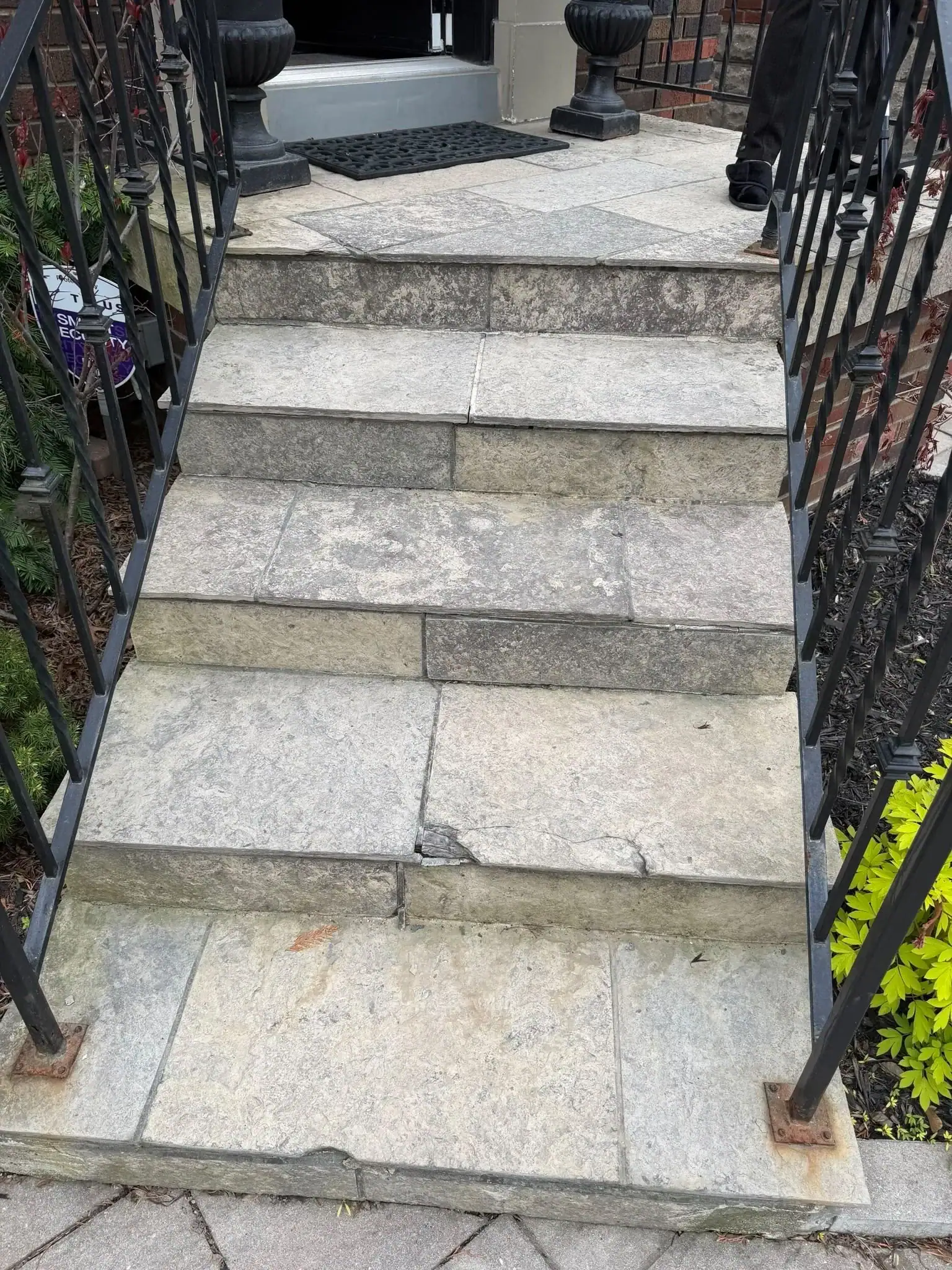
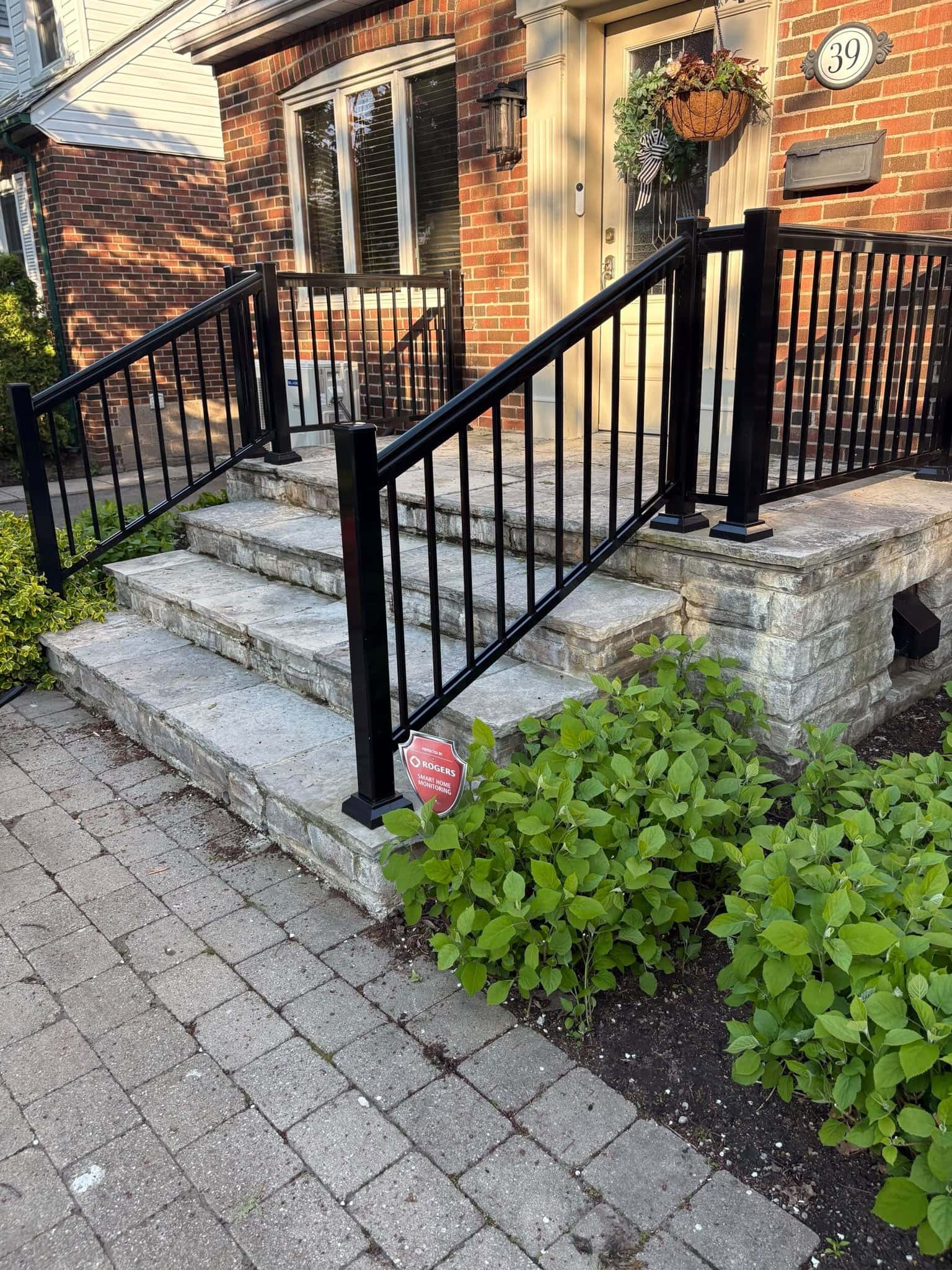
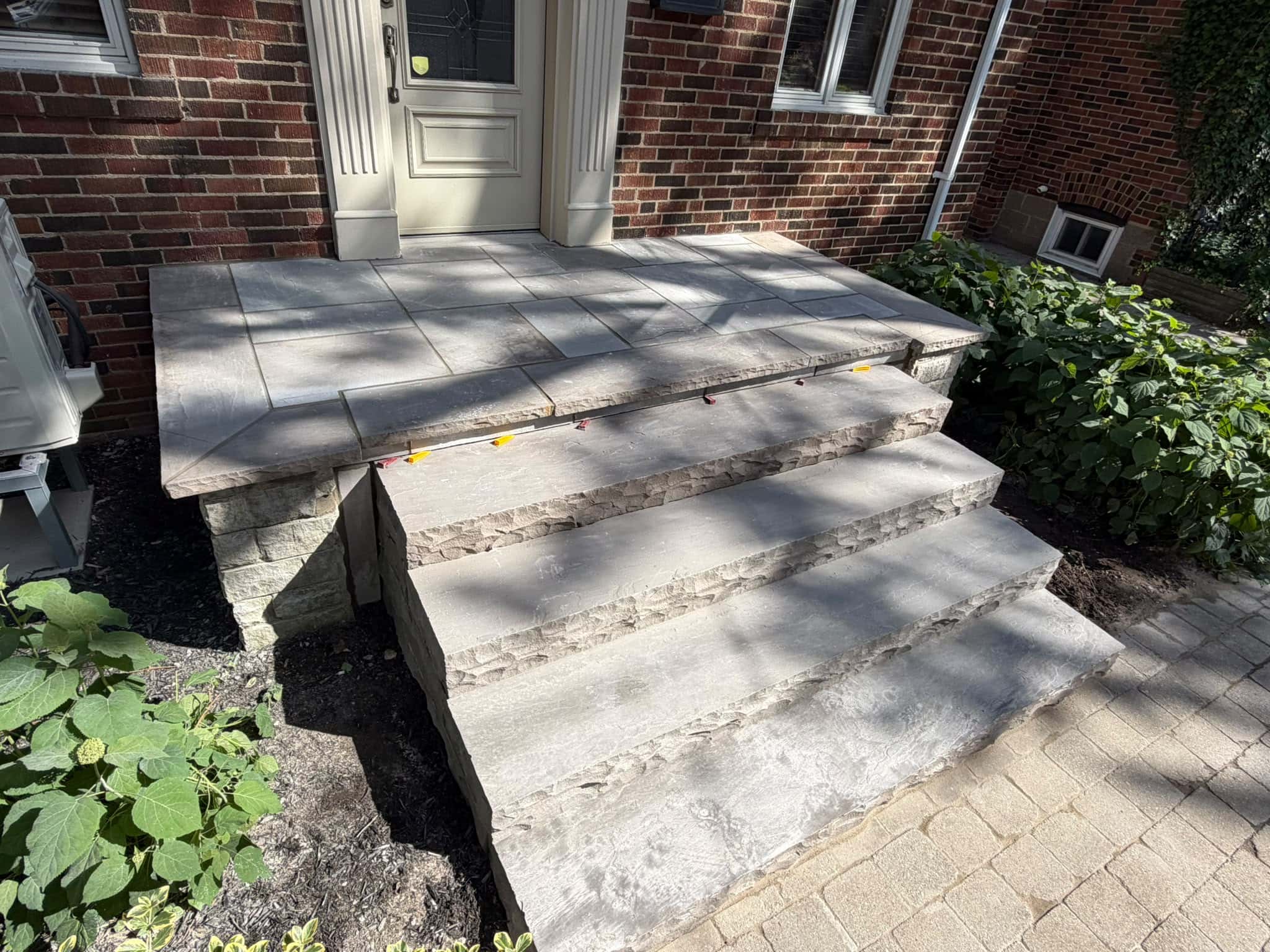
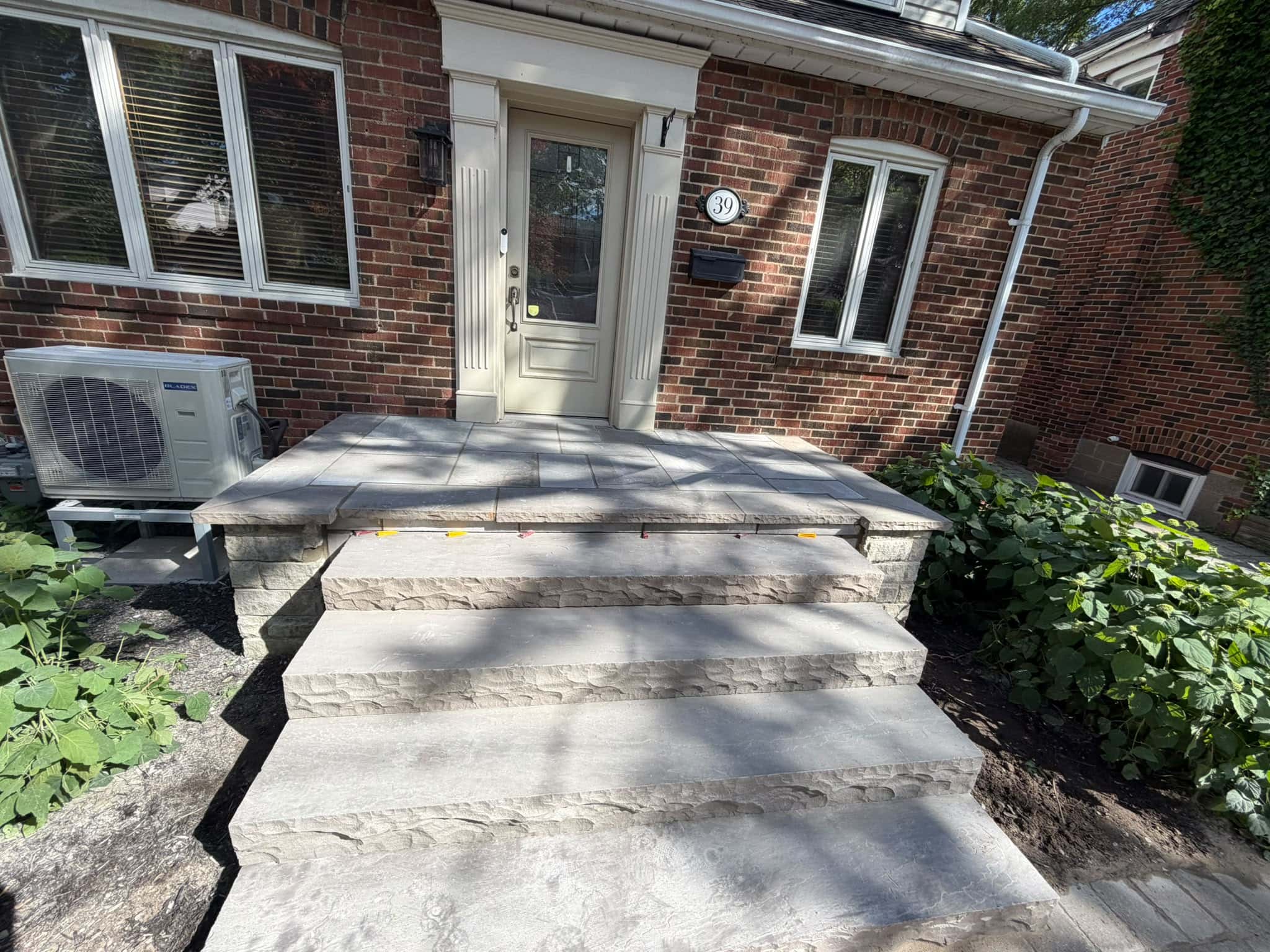
- Stone masonry: This can include stone veneer, stone walls, steps, features, or custom exterior details.
- Chimney repair: This may involve brick replacement, mortar repair, crown work, cap issues, flashing concerns, or partial rebuilding.
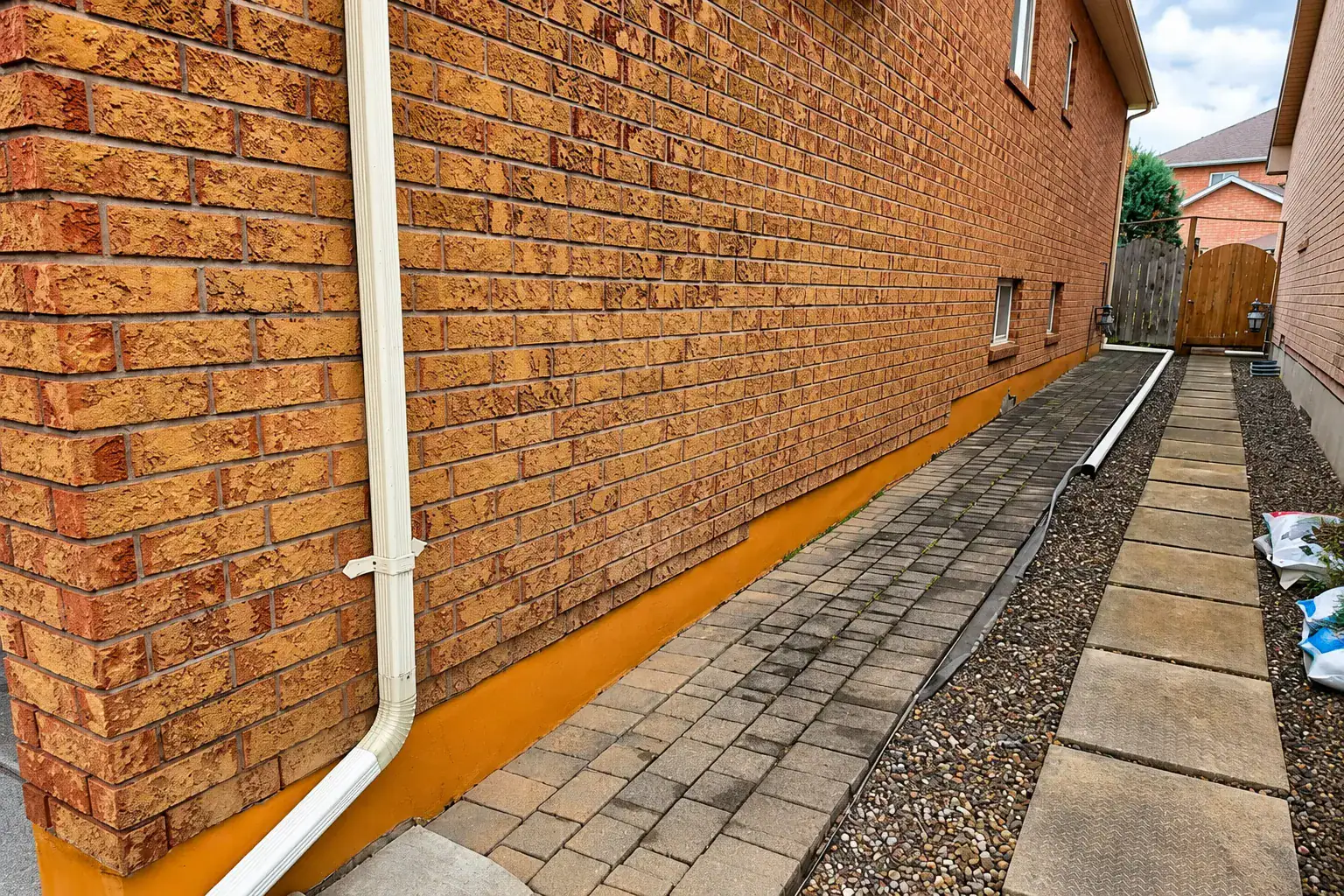
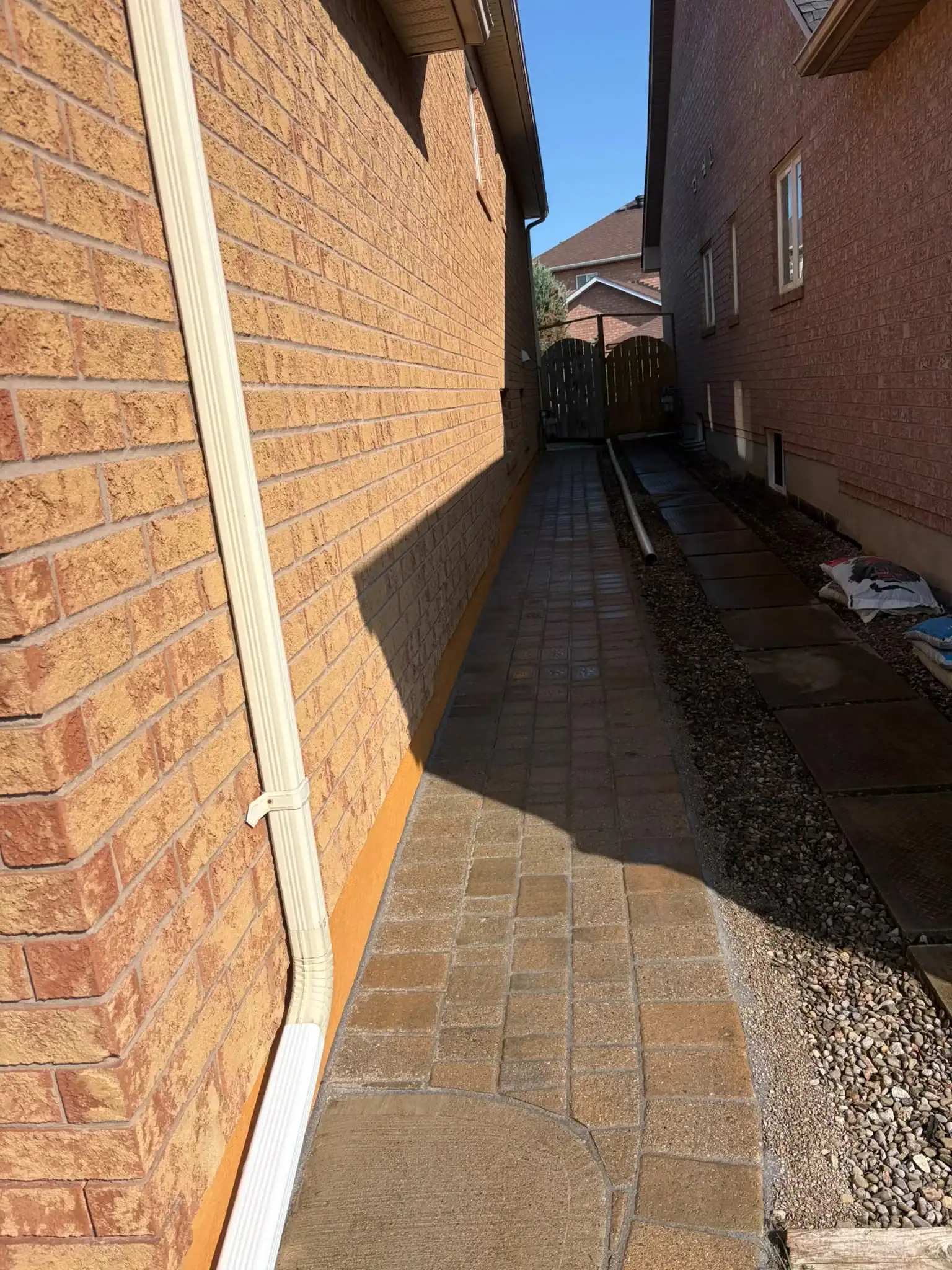
- Concrete or parging repair: This can include surface repair, protection, or improvement around foundations and exterior walls.
- Water-related masonry repair: This may involve drainage, foundation protection, addressing failed joints, and treating moisture-affected masonry surfaces.
For brick-specific issues, the brick repair Toronto page explains common repair situations, including damaged brick, chimney brick repair, and steel lintel concerns. If your project is more decorative or design-focused, the stone masonry Toronto page is a better starting point.
Material Choice Has a Big Impact on Cost
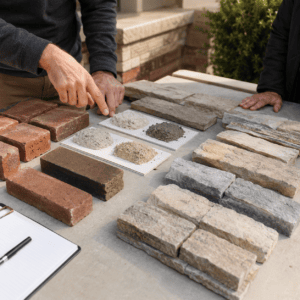
Material choice affects both upfront cost and long-term performance. Standard brick repair may require matching existing brick in colour, size, texture, and age. Stone work can vary even more because natural stone, manufactured stone, veneer, and custom-cut pieces have different material costs and installation needs.
Mortar choice also matters. Older Toronto homes often need more careful material decisions than newer homes. Using a mortar that is too hard for older brick can cause damage because the brick may become the weaker part of the wall. A repair that looks fine at first can fail later if the material is not compatible with the existing masonry.
For homeowners, the practical takeaway is simple: do not compare estimates only by the final number. Ask what material will be used, why it is suitable, and how the finished repair will match the existing surface. A cheaper material choice can become costly if it leads to visual mismatch, poor bonding, water ingress, or early failure.
Labour and Preparation Often Matter More Than Materials
Many homeowners assume the cost of masonry is mainly about the price of brick, stone, or mortar. In reality, labour and preparation often matter more. Good masonry work takes time because the damaged material must be removed correctly before anything new is installed. Rushing this step can leave weak material behind, which makes the repair less durable.
For tuckpointing, the contractor must grind or remove deteriorated mortar to the proper depth, clean the joints, apply new mortar, shape the joints, and allow proper curing. For brick replacement, damaged units must be removed without harming surrounding brick, new units must be set properly, and the repair must be blended into the existing wall. For chimney work, safe access and weather protection can add even more time to the preparation.
This is one reason very low quotes deserve a closer look. A lower estimate may not include enough preparation, may only patch visible areas, or may skip details that affect long-term performance. That does not mean the highest quote is always best. It means the clearest quote is often the easiest one to judge.
Access, Height, and Site Conditions Can Change the Estimate
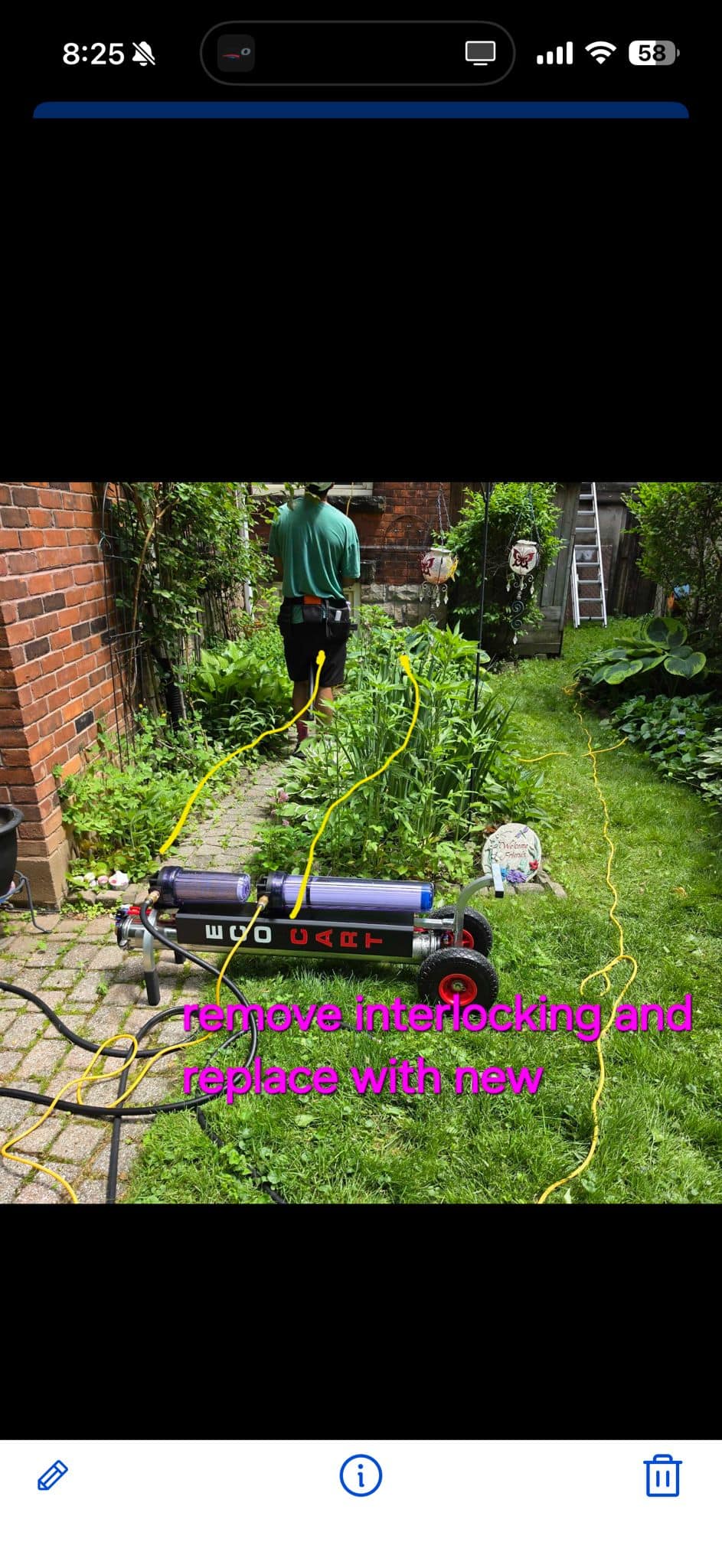
Access can raise masonry project costs because it affects time, safety, and setup. Work at ground level on an open wall is usually simpler than work near a tight side yard, above a garage, around a roofline, or on a tall chimney. Even small jobs can become more complex if the crew needs to protect gardens, railings, decks, windows, neighbouring property, or finished surfaces.
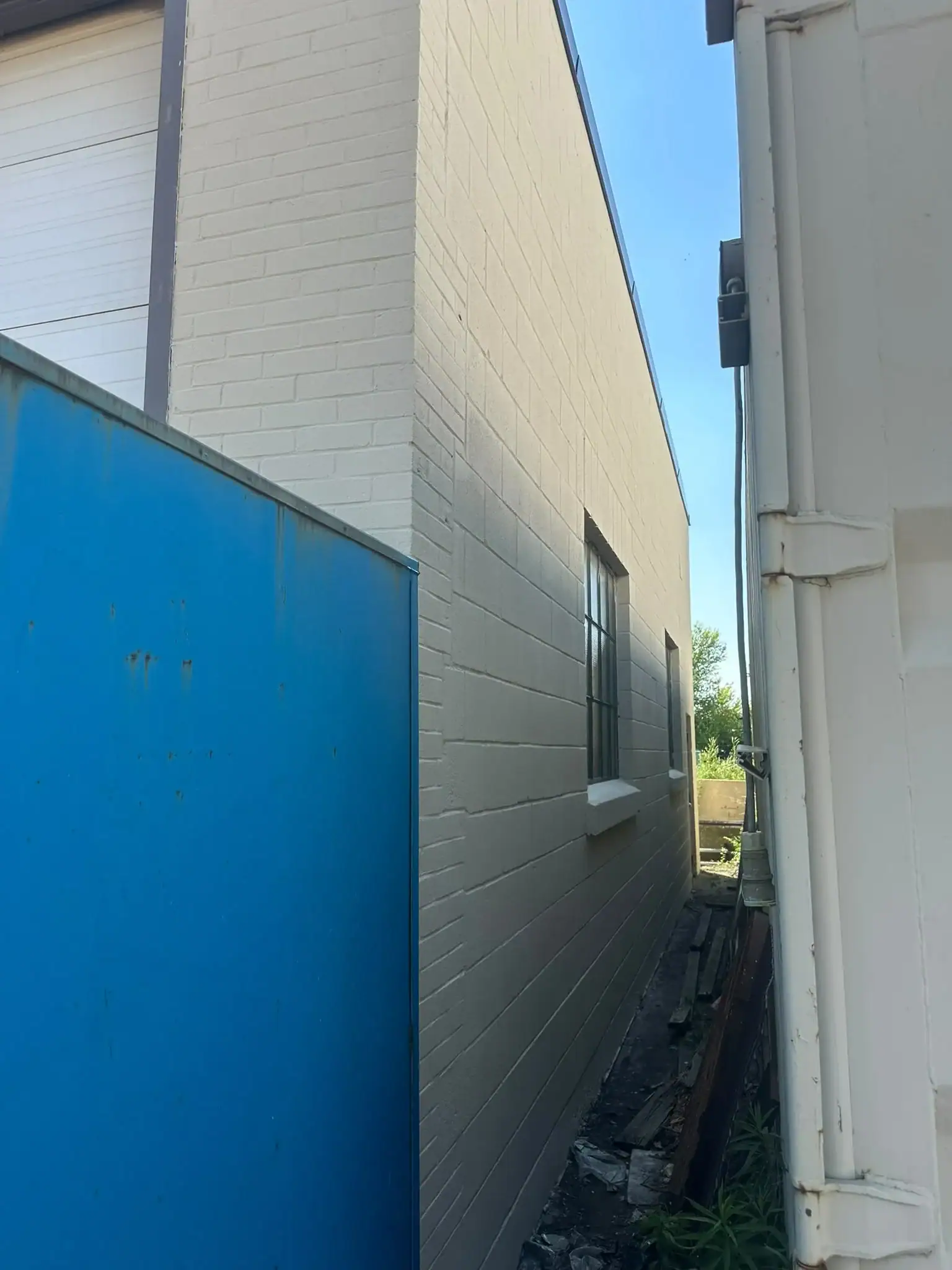
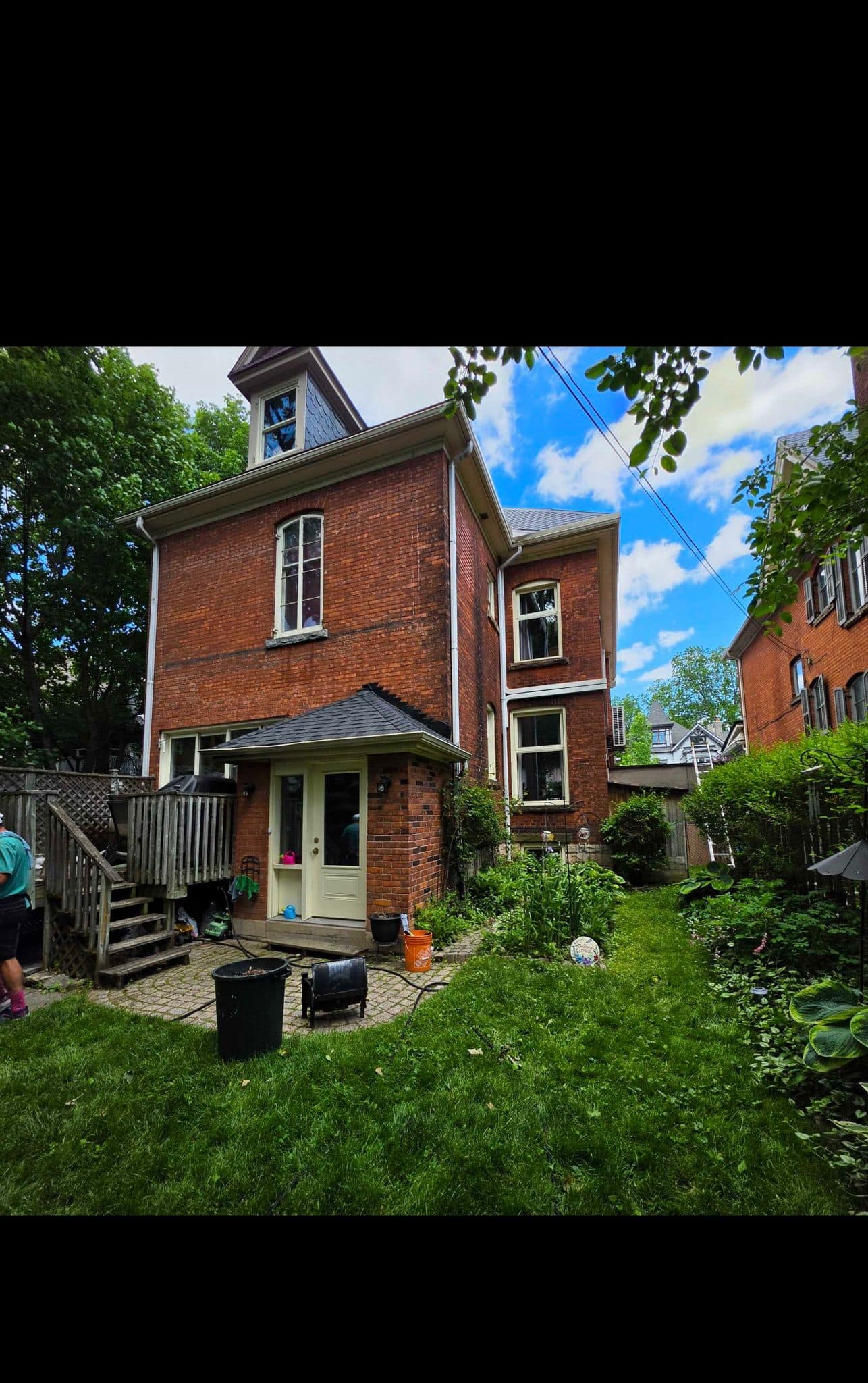
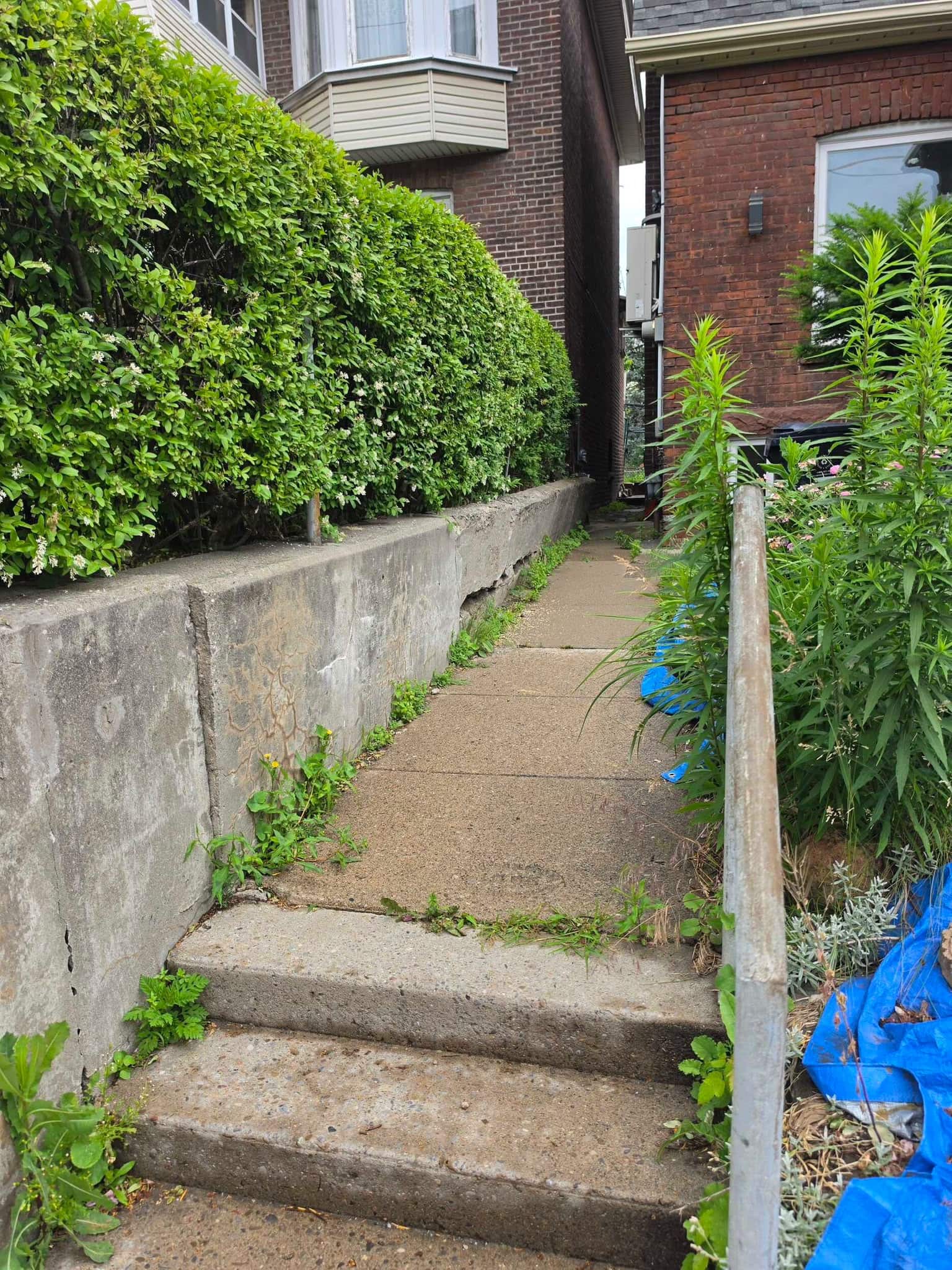
Toronto homes often sit close together, especially in older neighbourhoods. Narrow walkways, shared driveways, small backyards, and limited staging space can affect how materials are moved and how safely the work can be completed. If scaffolding is needed, that should be reflected in the estimate. If work must be phased around weather, neighbours, or other trades, that can also influence cost.
For chimney work, height and roof access are major factors. A small chimney repair near the roofline is not the same as a ground-level wall repair. If your issue is chimney-related, review A&A Masonry’s chimney repair Toronto page to understand the type of work that may be involved.
Permits and Code Considerations Can Affect Cost
Some masonry projects are simple repairs, while others may connect to structural work, openings, foundations, additions, or major exterior changes. If the work affects the structure or building envelope, homeowners should check whether permits or code requirements apply. The City of Toronto explains that building permits are required for many types of construction, demolition, additions, and major renovations. You can review the City’s guidance on building permits in Toronto.
For technical requirements, Ontario’s Building Code sets rules for construction and renovation work across the province. Homeowners do not need to become code experts, but they should understand that proper masonry work is about more than appearance. It can affect safety, durability, and compliance. The official Ontario Building Code regulation is a useful reference for anyone planning larger work.
For masonry standards and professional reference material, the Canada Masonry Design Centre provides information on masonry codes and standards. For most homeowners, the key point is not to self-diagnose technical rules. It is to ask whether the project is cosmetic, repair-based, structural, or connected to a permitted renovation.
How to Build a Simple Masonry Cost Estimate Checklist
A simple checklist can help you prepare before requesting quotes. You do not need technical drawings for every repair, but you should understand the problem well enough to explain it clearly and compare responses.
- Location: Which wall, chimney, step, porch, foundation area, or exterior feature needs work?
- Visible damage: Are there cracks, missing mortar, loose bricks, staining, bulging, spalling, leaks, or movement?
- Project size: Is it a small section, one side of the home, a full chimney, or a larger exterior area?
- Access: Is the area easy to reach, high up, near landscaping, near a roofline, or in a tight side yard?
- Water concerns: Is there water entry, basement moisture, efflorescence, or staining below the damaged area?
- Material match: Will the brick, stone, or mortar need to match an older surface?
- Timing: Is the project urgent, seasonal, or tied to another renovation?
Taking clear photos from a few angles can help during the first conversation. Include close-up photos of the damage and wider photos showing the full area. This will not replace an inspection, but it helps the contractor understand whether the project is likely to be simple, moderate, or more involved.
How to Compare Masonry Quotes Fairly
To compare masonry quotes fairly, compare the scope before the price. Two quotes may look like they cover the same repair, but one may include deeper mortar removal, better material matching, protection of nearby surfaces, cleanup, and a clearer repair method. The other may only include surface patching.
Ask each contractor what is included, what is excluded, how long the work should take, what materials will be used, and whether the cause of the damage has been addressed. A good estimate should help you understand the work, not just give you a number.
It is also worth asking what could change the cost after work begins. Sometimes, hidden damage only becomes apparent after old mortar, brick, parging, or stone is removed. A clear contractor will explain this possibility before the project starts, especially on older homes. This is not a red flag by itself. The red flag is when the original estimate is vague, and the homeowner only learns about major exclusions later.

Small Repairs vs. Larger Masonry Projects
Small masonry repairs are usually best handled early because they can prevent higher costs later. Missing mortar, small cracks, and a few damaged bricks may be manageable before water enters deeper parts of the wall. Once moisture builds up beneath the surface, costs can rise because the repair may need to address hidden damage, drainage issues, or broader deterioration.
Larger projects usually involve more planning. Stone veneer, full wall restoration, chimney rebuilding, porch masonry, retaining features, or widespread brick replacement may require more design decisions, more material planning, and more site preparation. These projects should not be estimated based only on square footage. Detail, access, substrate condition, drainage, and finishing expectations all matter.
If you are still trying to identify the type of issue, A&A Masonry’s article on common masonry repair issues in Toronto can help you understand the kinds of problems homeowners often notice before requesting an estimate.
What Homeowners Can Do Before Calling a Mason
Homeowners can do a few useful things before calling a mason, but they should avoid repairs that hide the problem or trap moisture. You can inspect your exterior after heavy rain, look for staining, check for loose mortar, take photos of cracked or crumbling areas, and note whether damage is getting worse over time.
You can also check whether downspouts direct water away from walls, whether soil slopes toward the foundation, and whether nearby vegetation traps moisture against masonry. These simple observations help explain why a problem may be happening.
What you should avoid is sealing over damaged masonry without understanding the cause. Paint, caulk, surface patching, or hard cement repairs can sometimes make moisture problems worse if used in the wrong place. If the wall needs to breathe, shed water, or move slightly with seasonal changes, the wrong quick fix may lead to higher repair costs later.
When Professional Help Makes More Sense
Professional help makes more sense when masonry damage is spreading, water is involved, bricks are loose or crumbling, the chimney is deteriorating, cracks appear around openings, or the project affects safety or structure. You should also get professional advice when the home is older, and material compatibility is a concern.
A professional mason can tell you whether the issue is mainly cosmetic, moisture-related, structural, or caused by poor previous repairs. That diagnosis is important because the right repair method affects both cost and durability. A homeowner may see a crack, but a mason may see a failed lintel, trapped water, weak mortar, or wall movement.
The goal is not always to choose the biggest repair. The goal is to choose the repair that fits the real problem. Sometimes that means a targeted repair. Sometimes it means a wider restoration. Sometimes it means correcting water movement before replacing damaged masonry.
Quick Decision Guide for Estimating Masonry Project Costs
If you want a simple way to think about your masonry estimate, start with the issue’s risk level.
- Lower risk: Minor mortar gaps, small cosmetic chips, or isolated surface wear with no water signs and easy access.
- Moderate risk: Multiple cracked joints, several damaged bricks, visible staining, older brick, or repairs near windows, doors, steps, or porch areas.
- Higher risk: Loose masonry, bulging walls, chimney deterioration, water entry, foundation-area damage, lintel concerns, or repairs tied to structural openings.
Lower-risk work may still need professional care, but it is usually easier to plan. Moderate-risk work needs a clearer inspection and a more detailed scope. Higher-risk work should not be judged solely by price, as the wrong repair can create safety issues or lead to much higher costs later.
Final Thoughts on Estimating Masonry Project Costs
Estimating masonry project costs is less about guessing a flat price and more about understanding the scope, materials, labour, access, weather exposure, and long-term risk. Toronto and GTA homes face real freeze-thaw pressure, moisture concerns, and older masonry, so the best estimate is one that clearly explains the problem and provides a repair plan that makes sense.
Before choosing a quote, ask what is included, why the repair method is recommended, what materials will be used, and whether water, access, permits, or hidden damage could affect the final cost. A good masonry estimate should make you feel more informed, not more confused. When you understand the main cost drivers, you can make a smarter decision for your home, your budget, and the masonry’s lifespan.