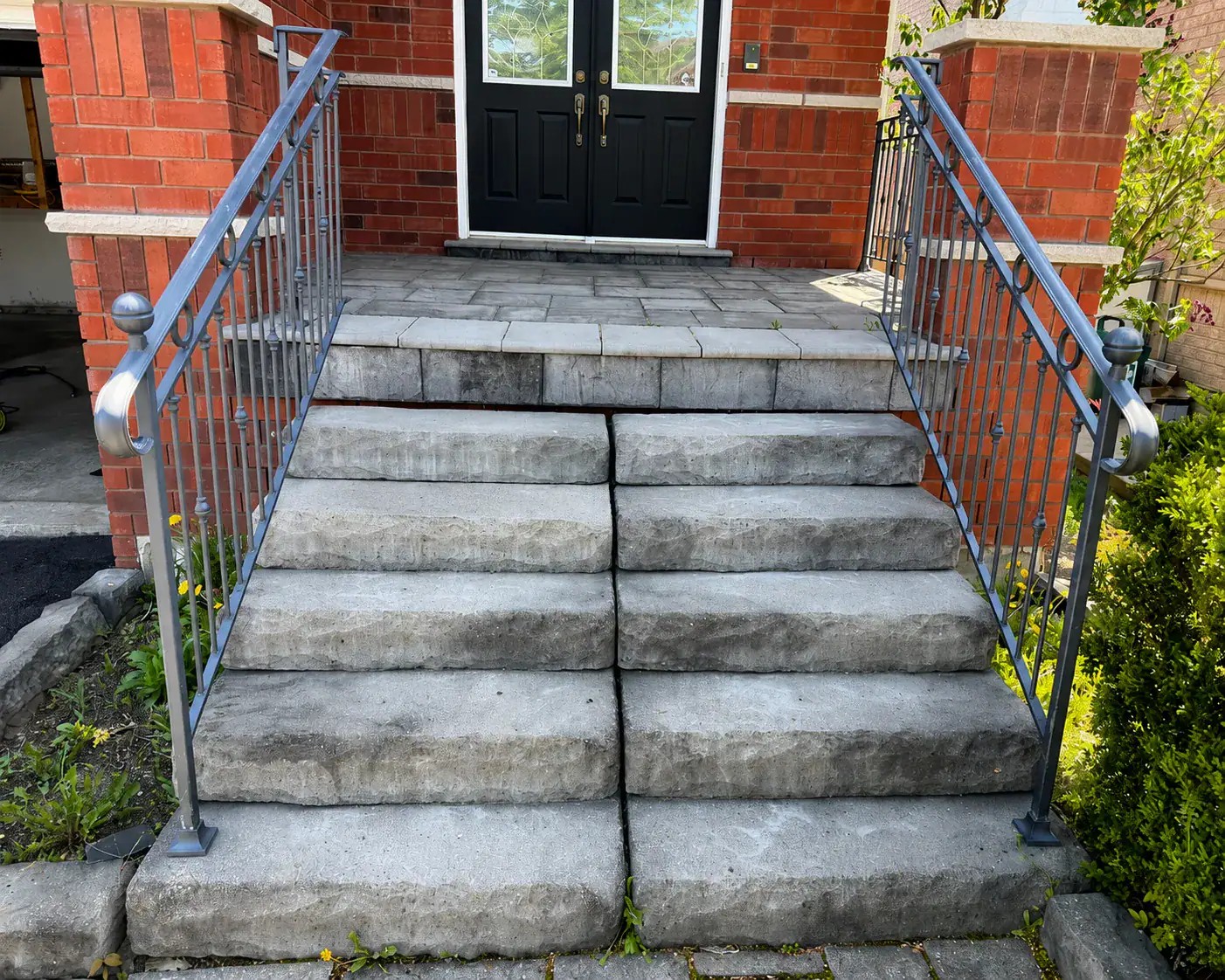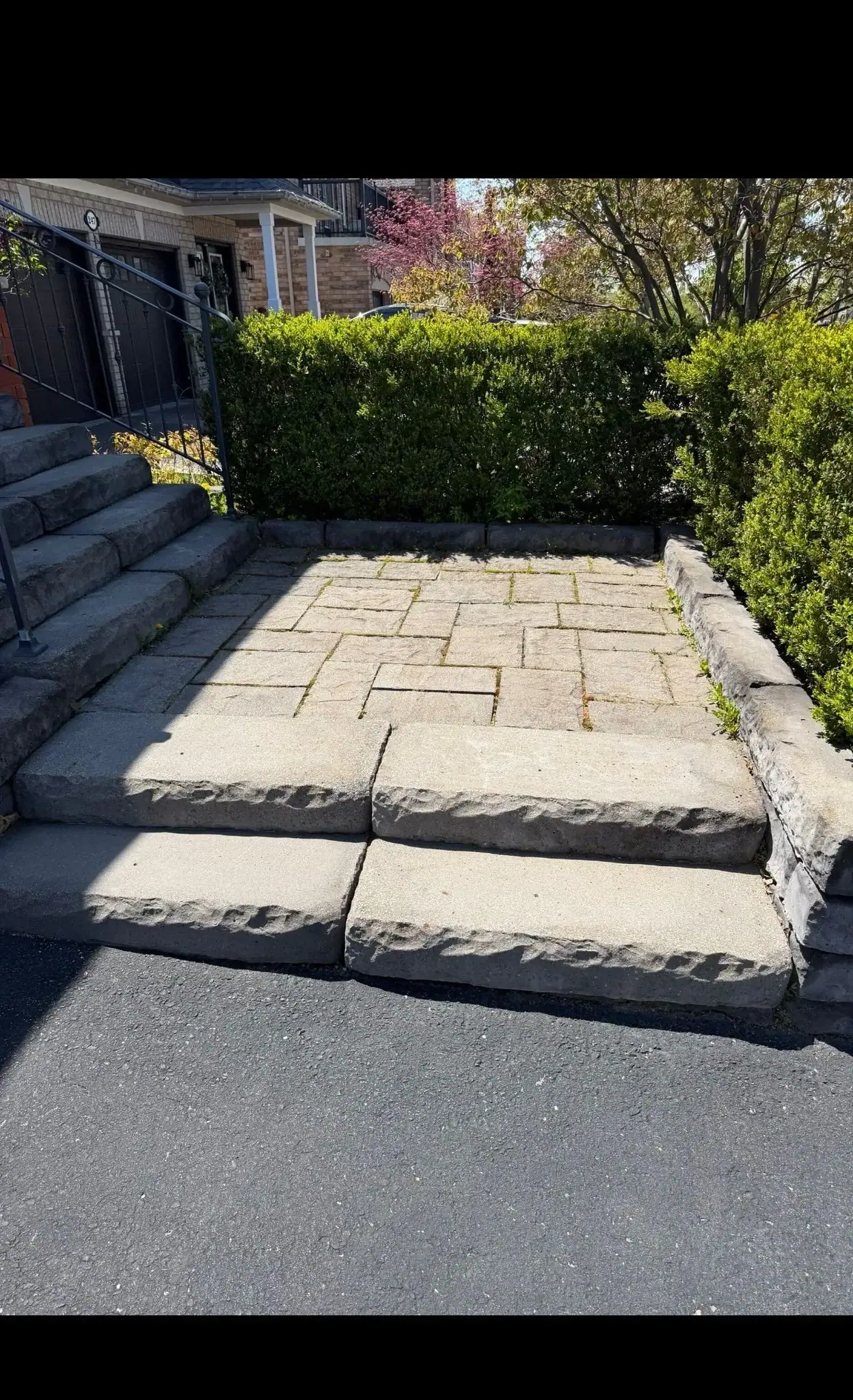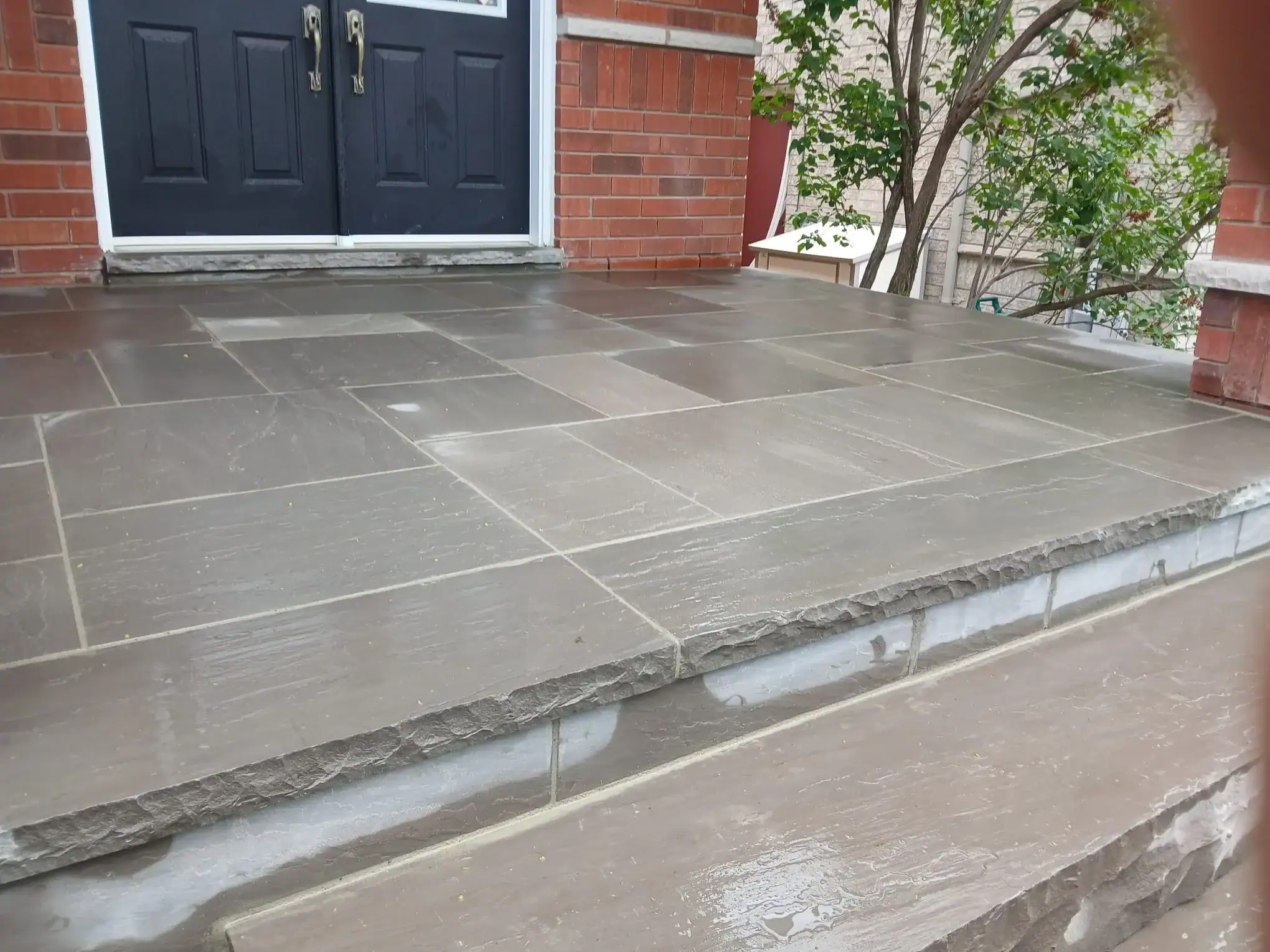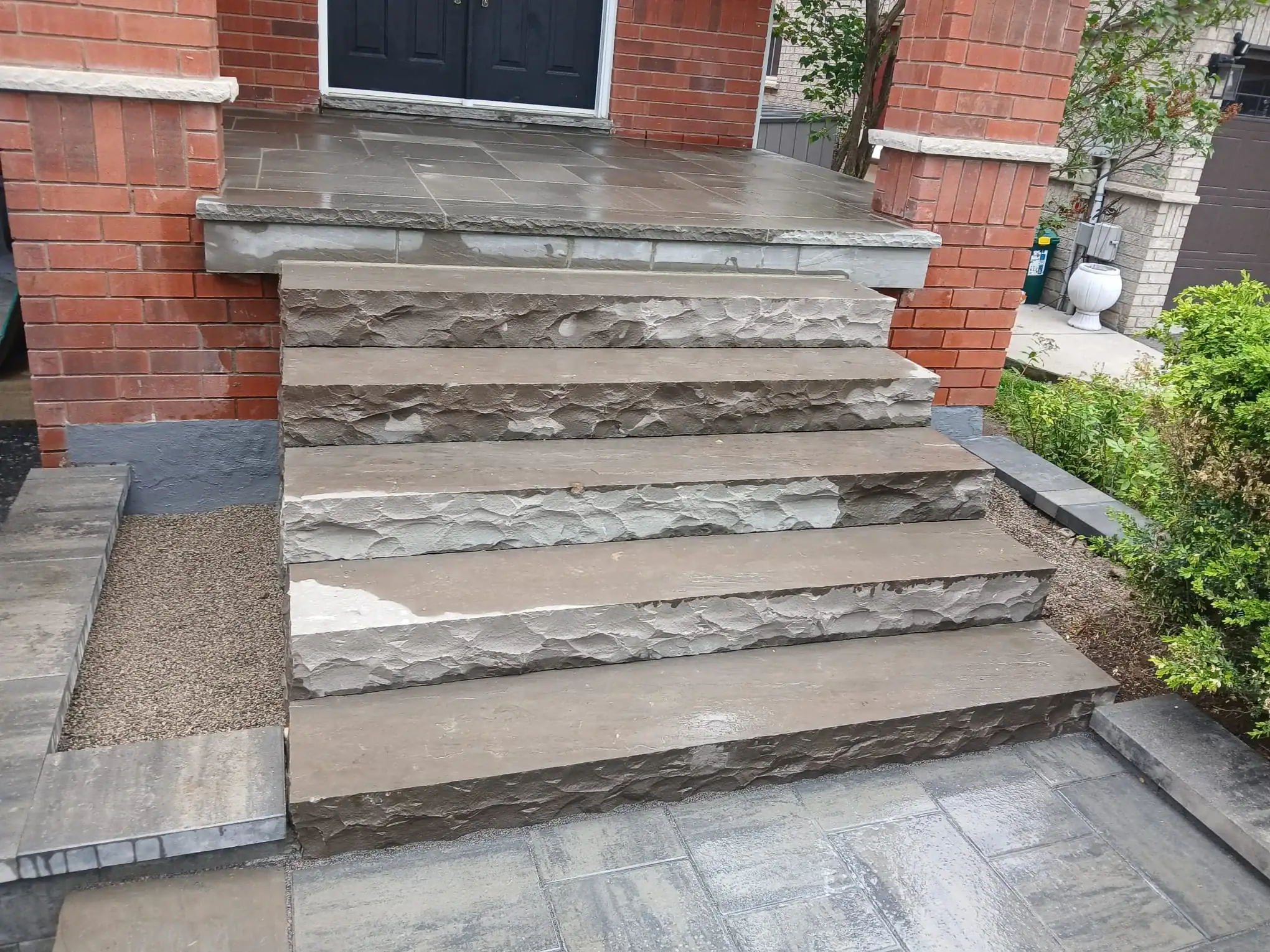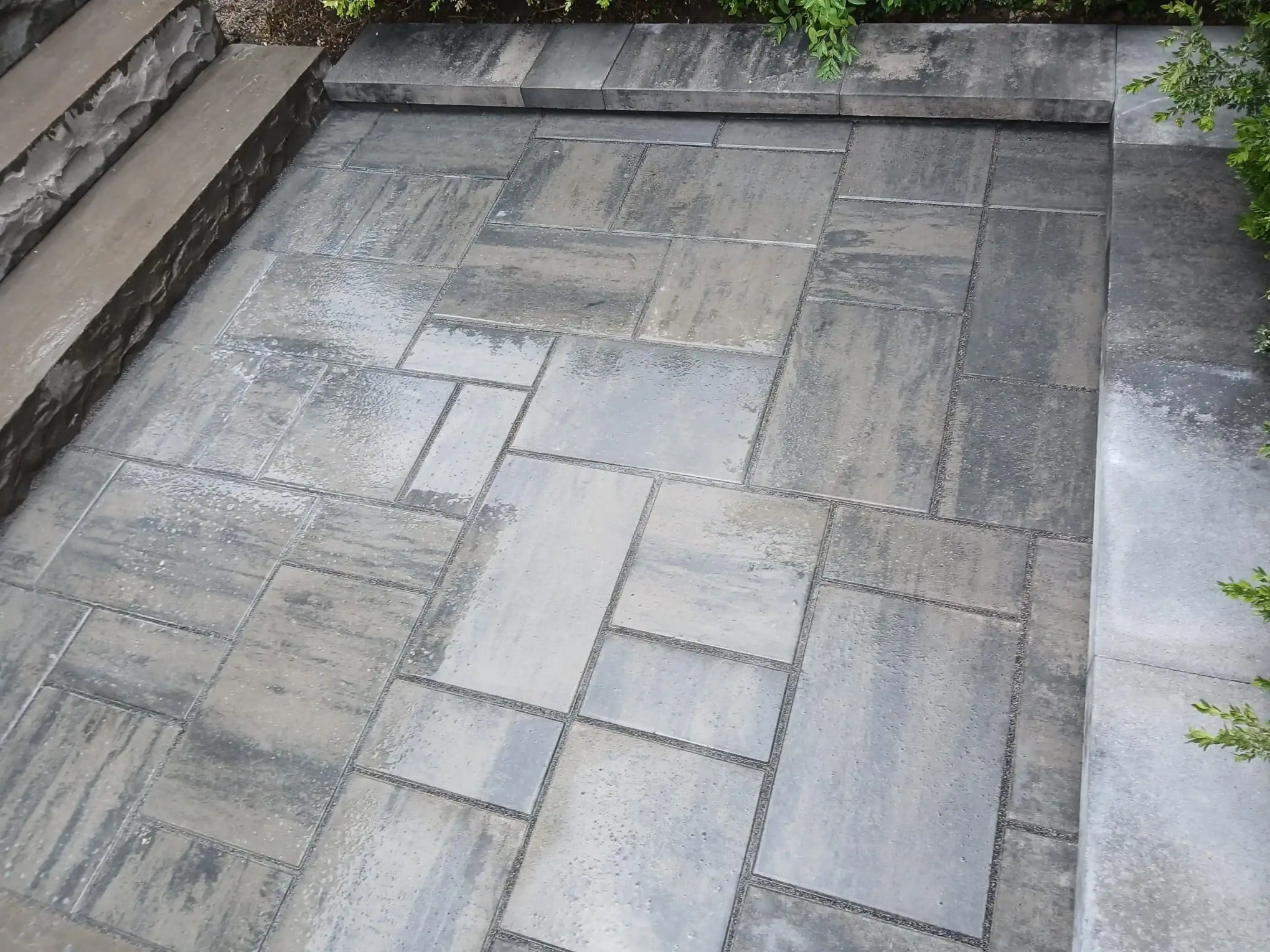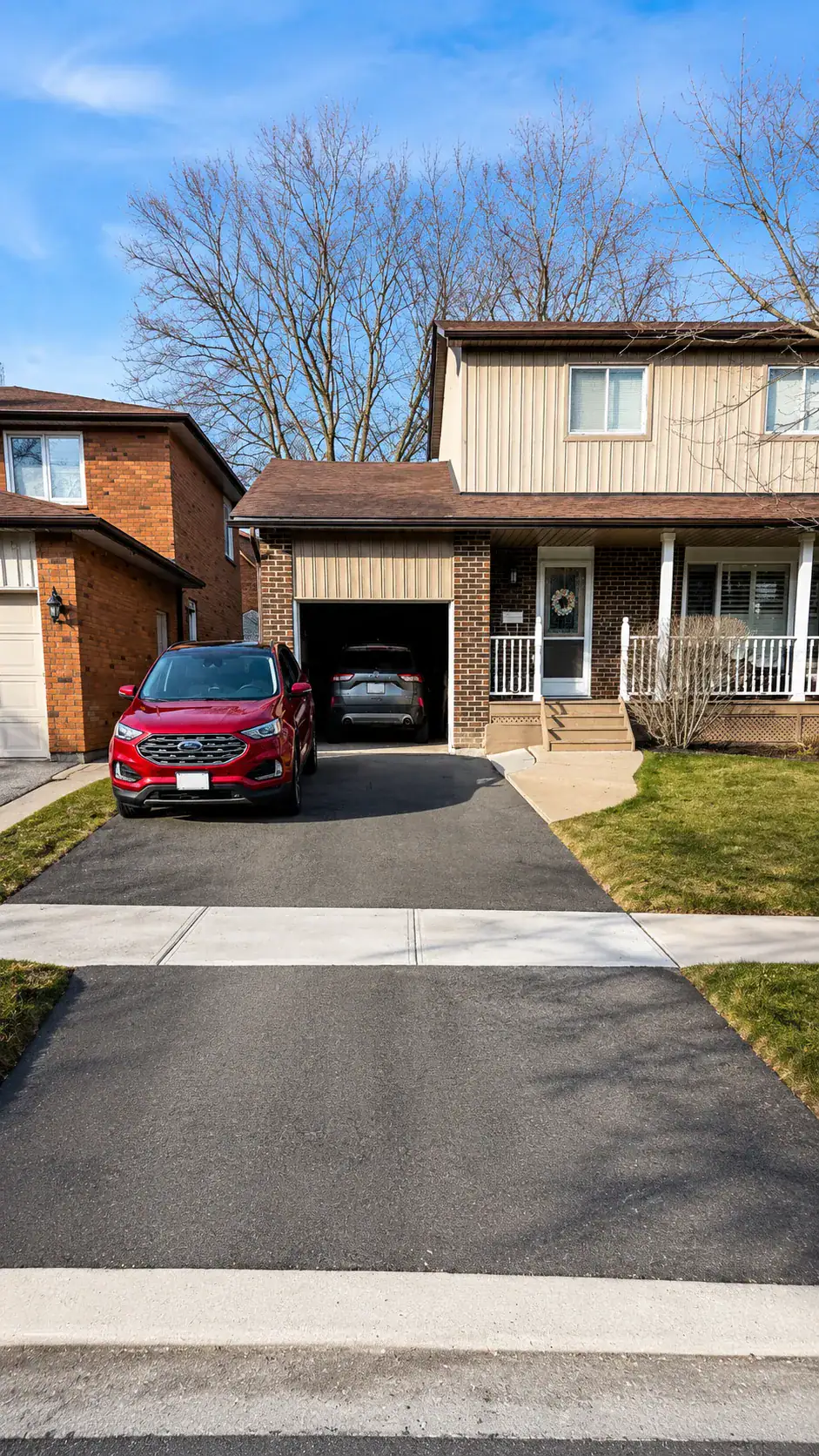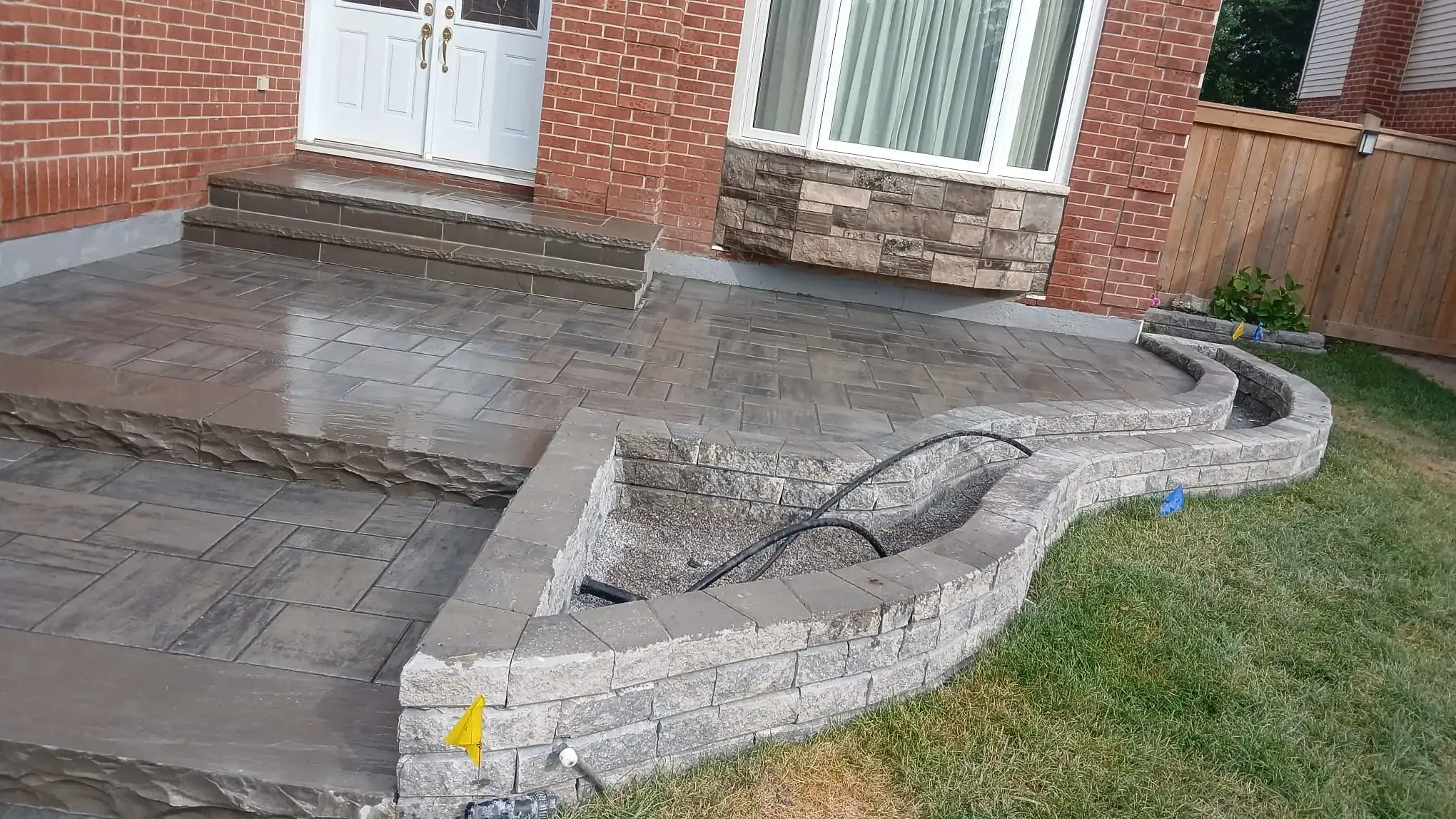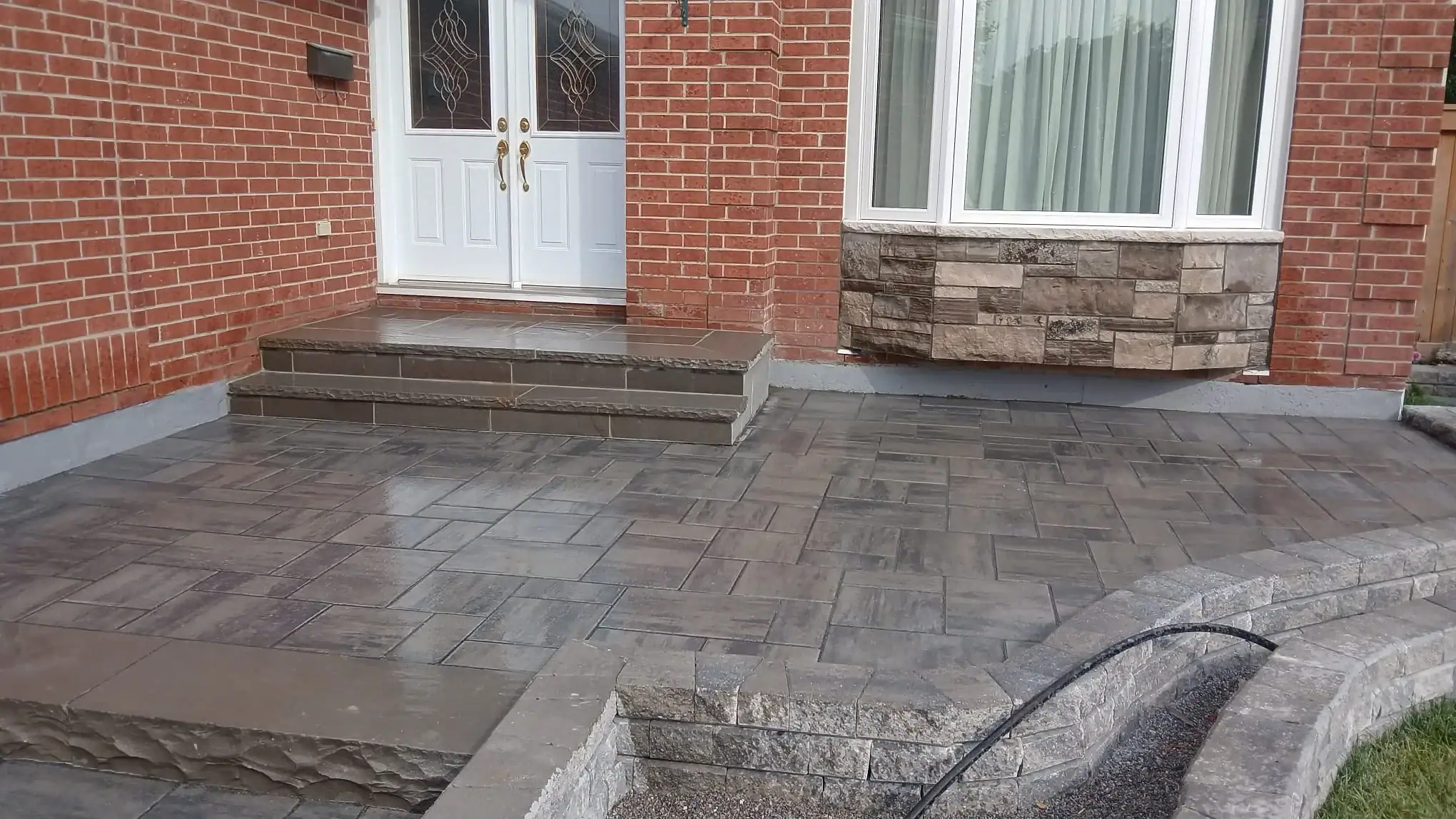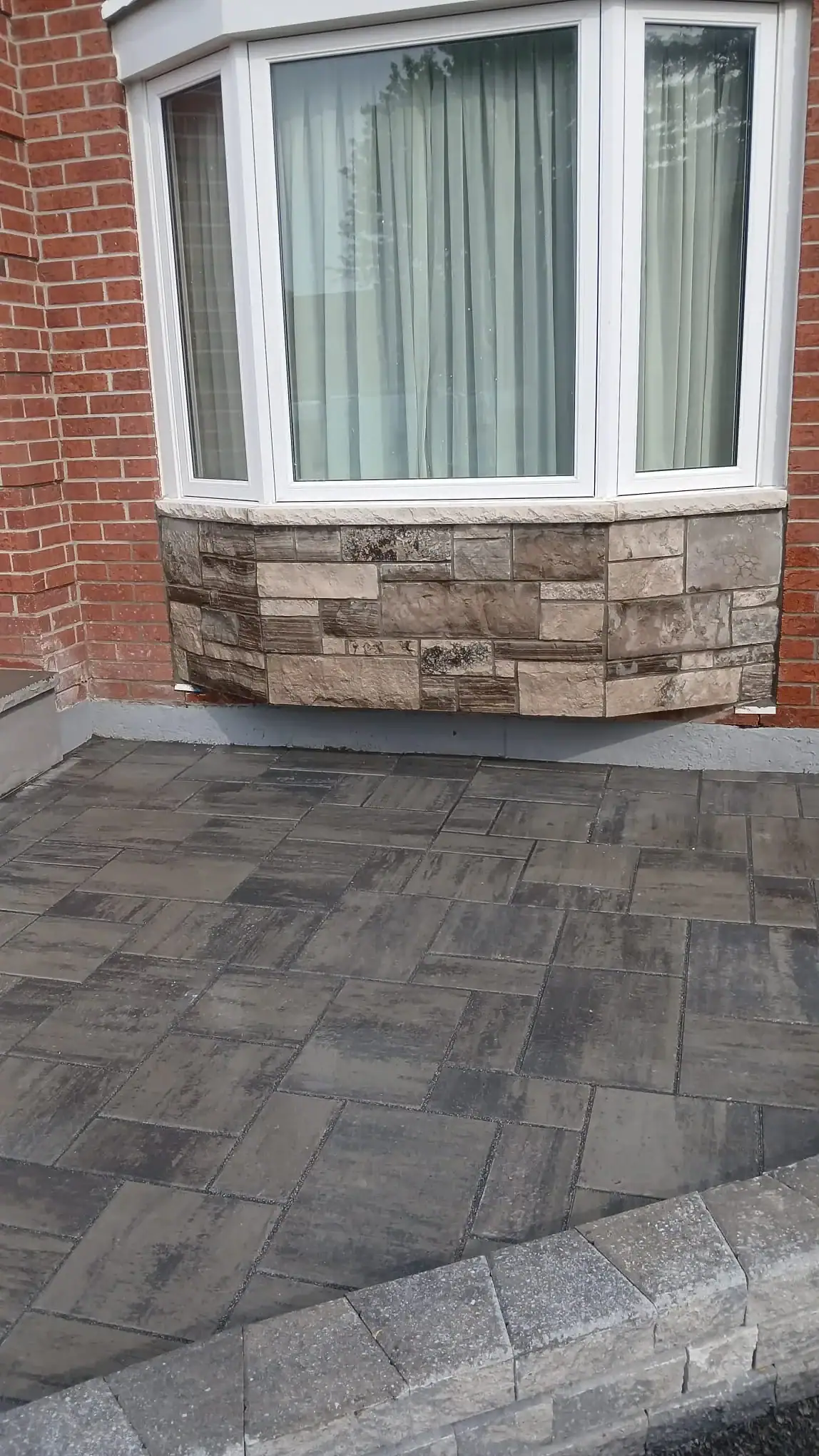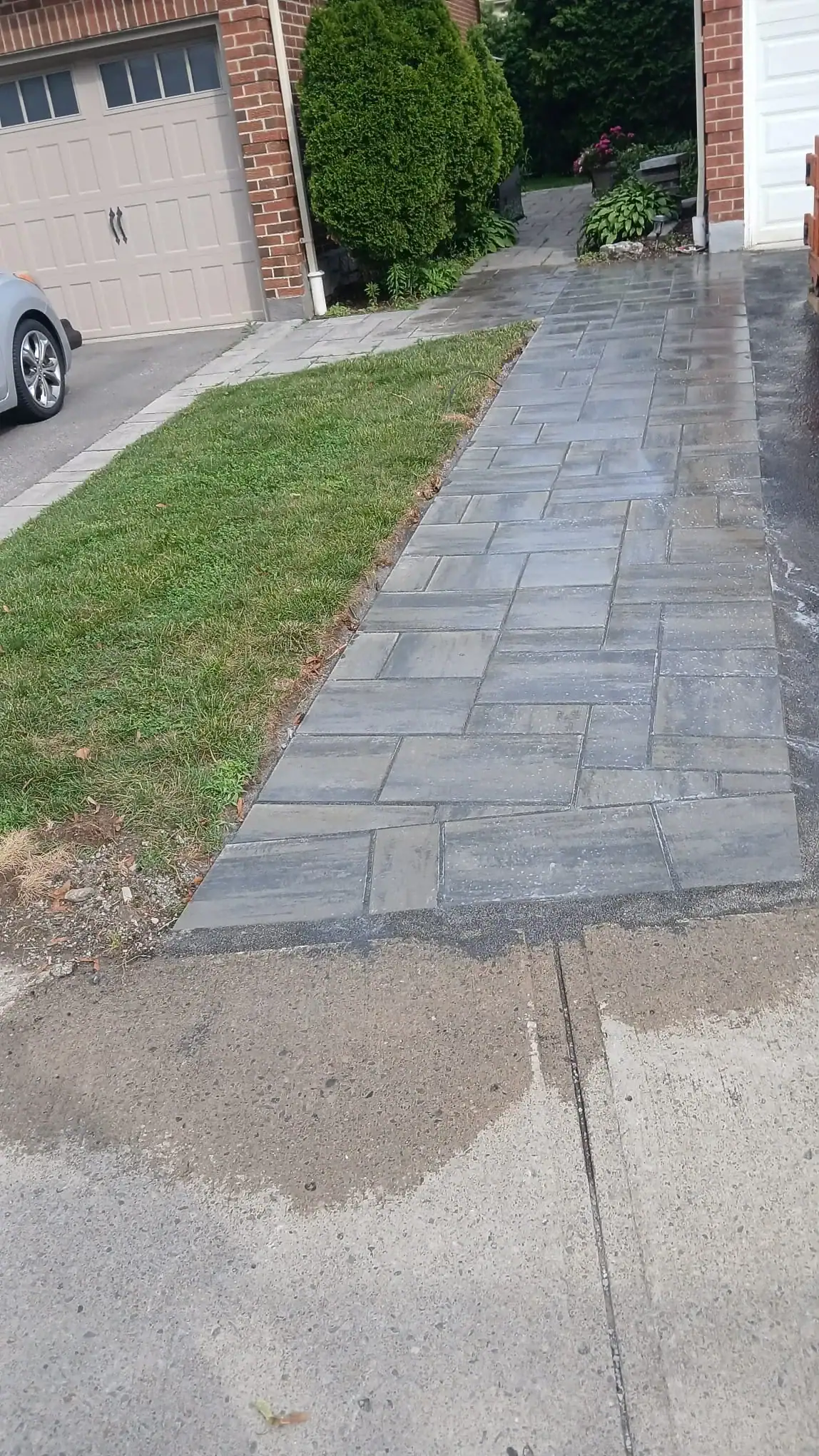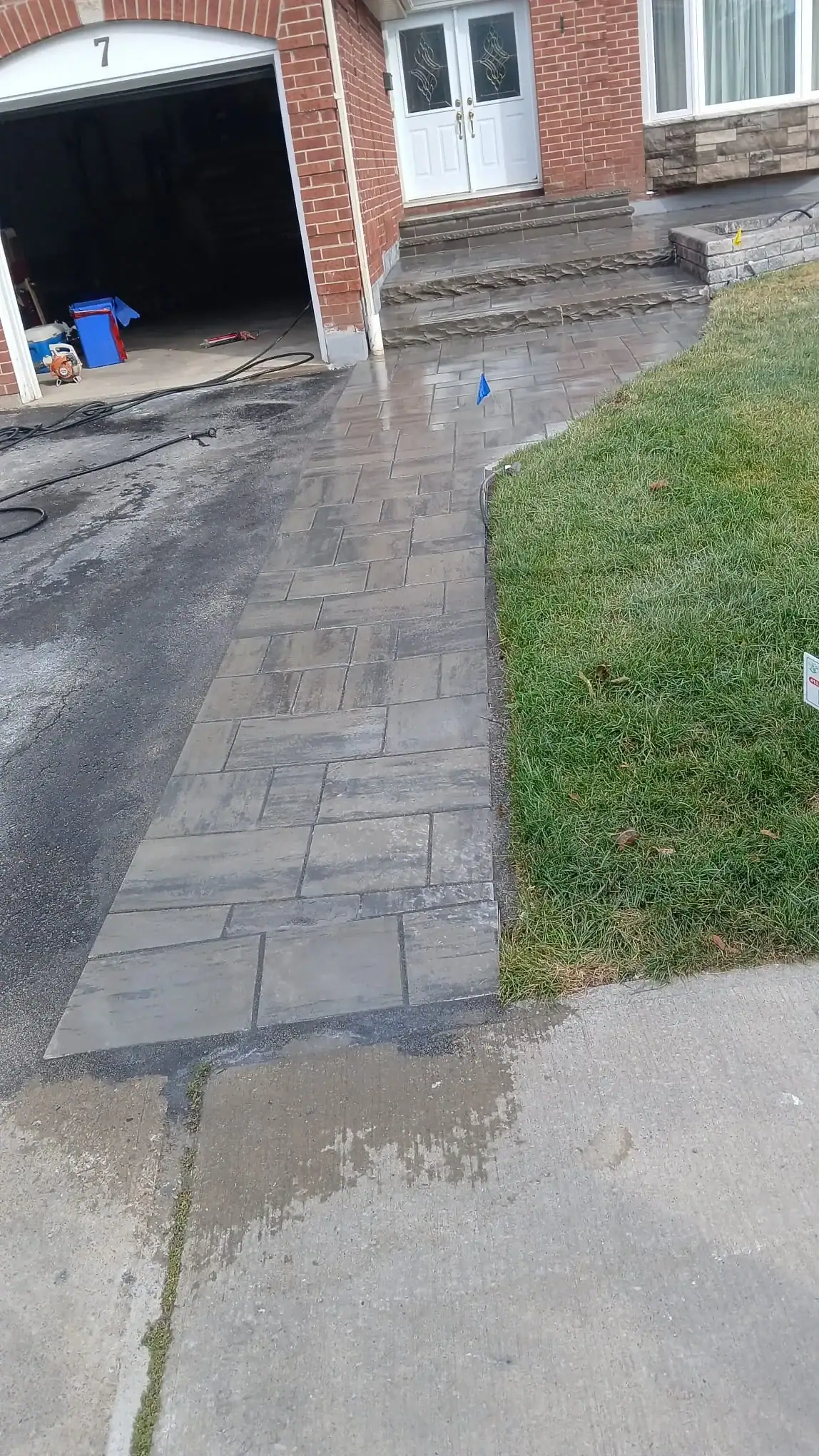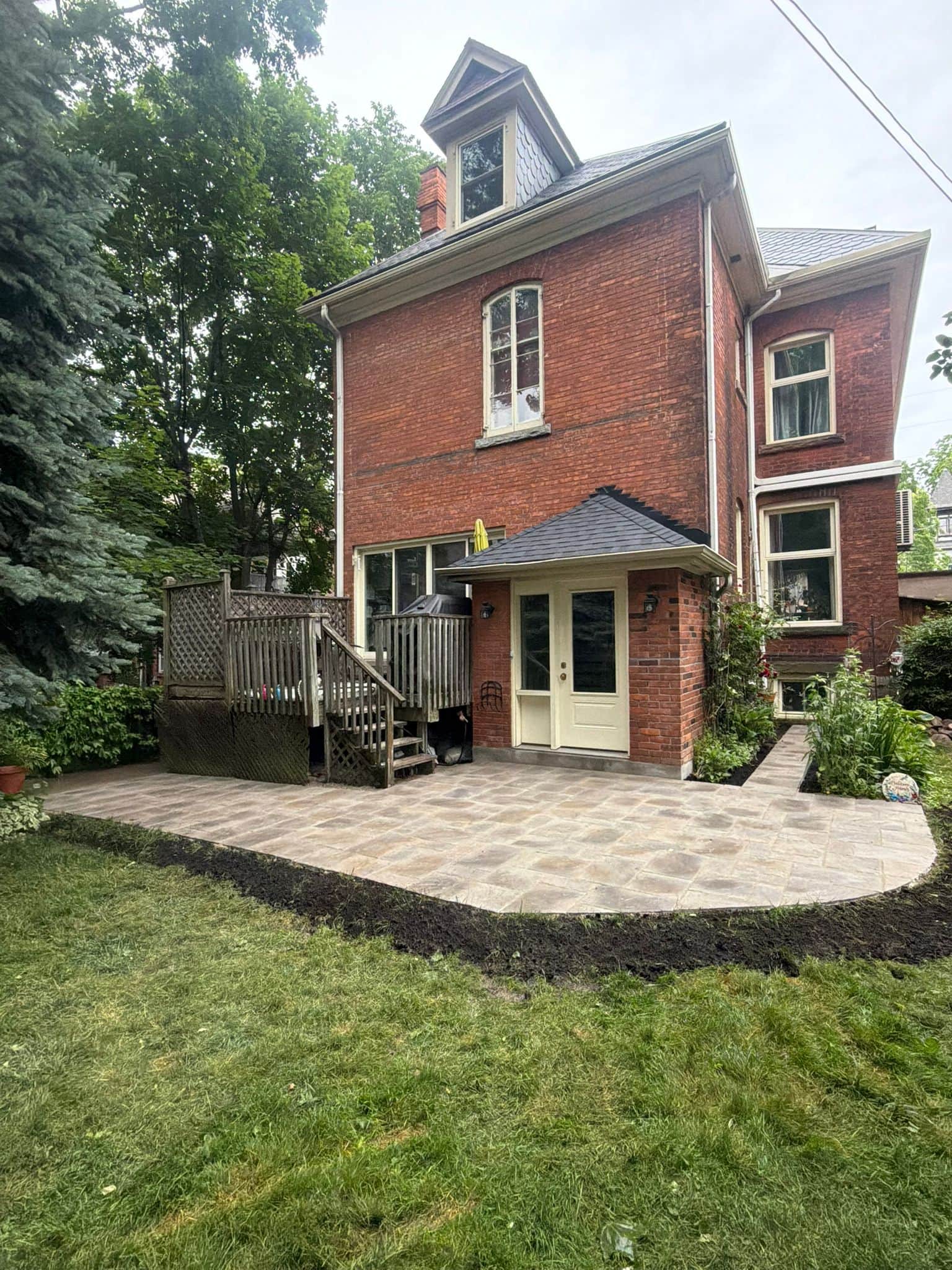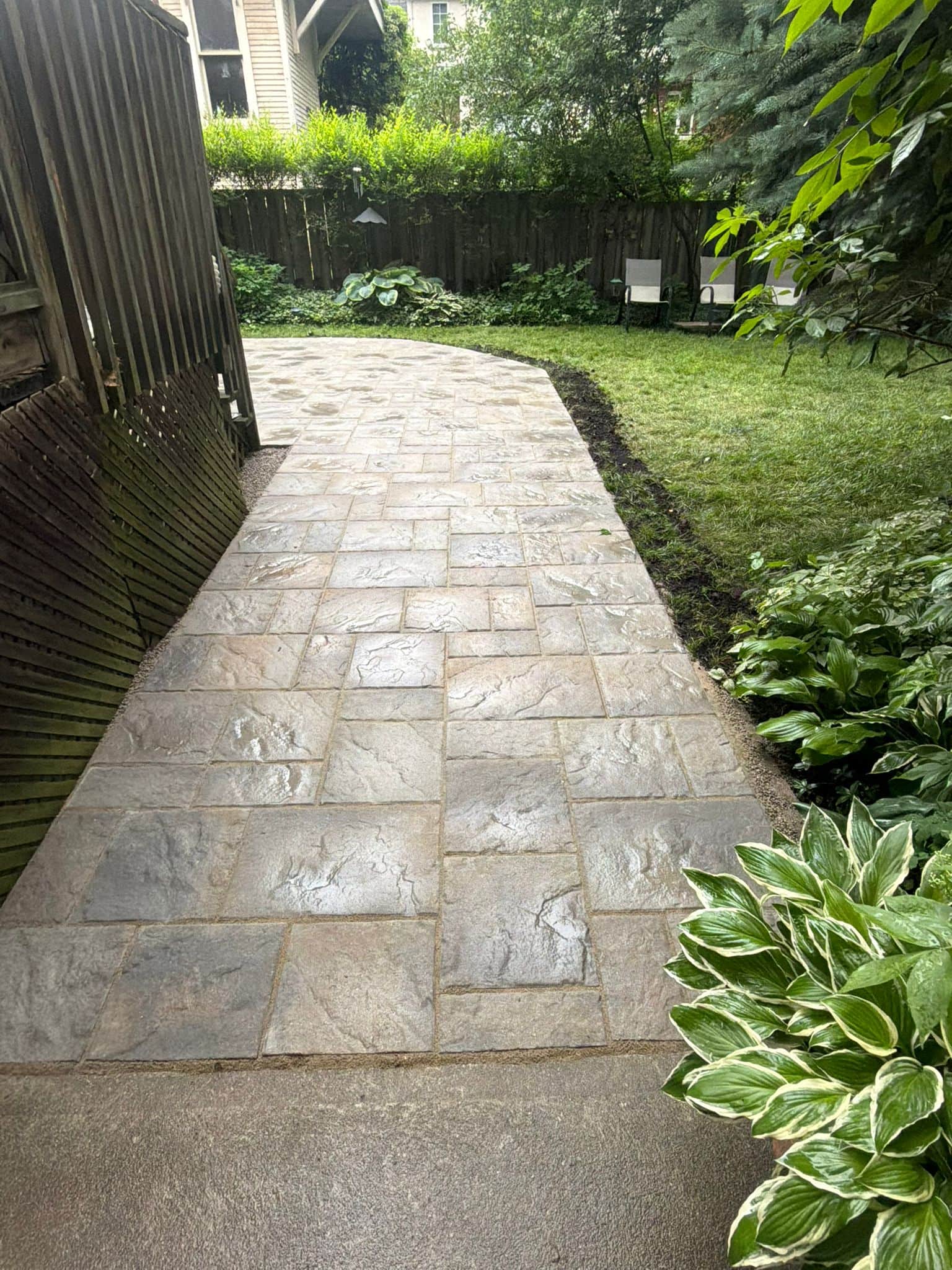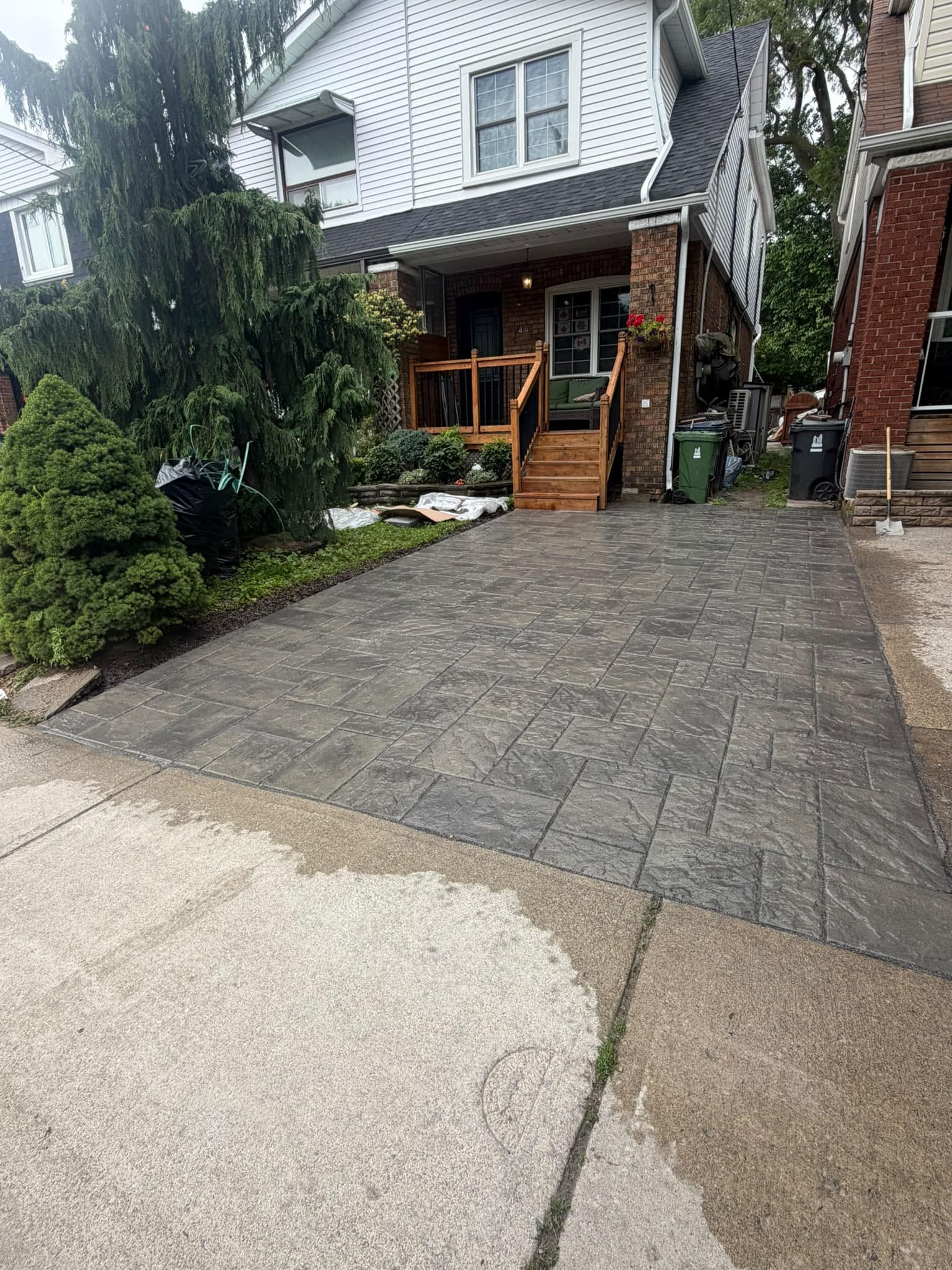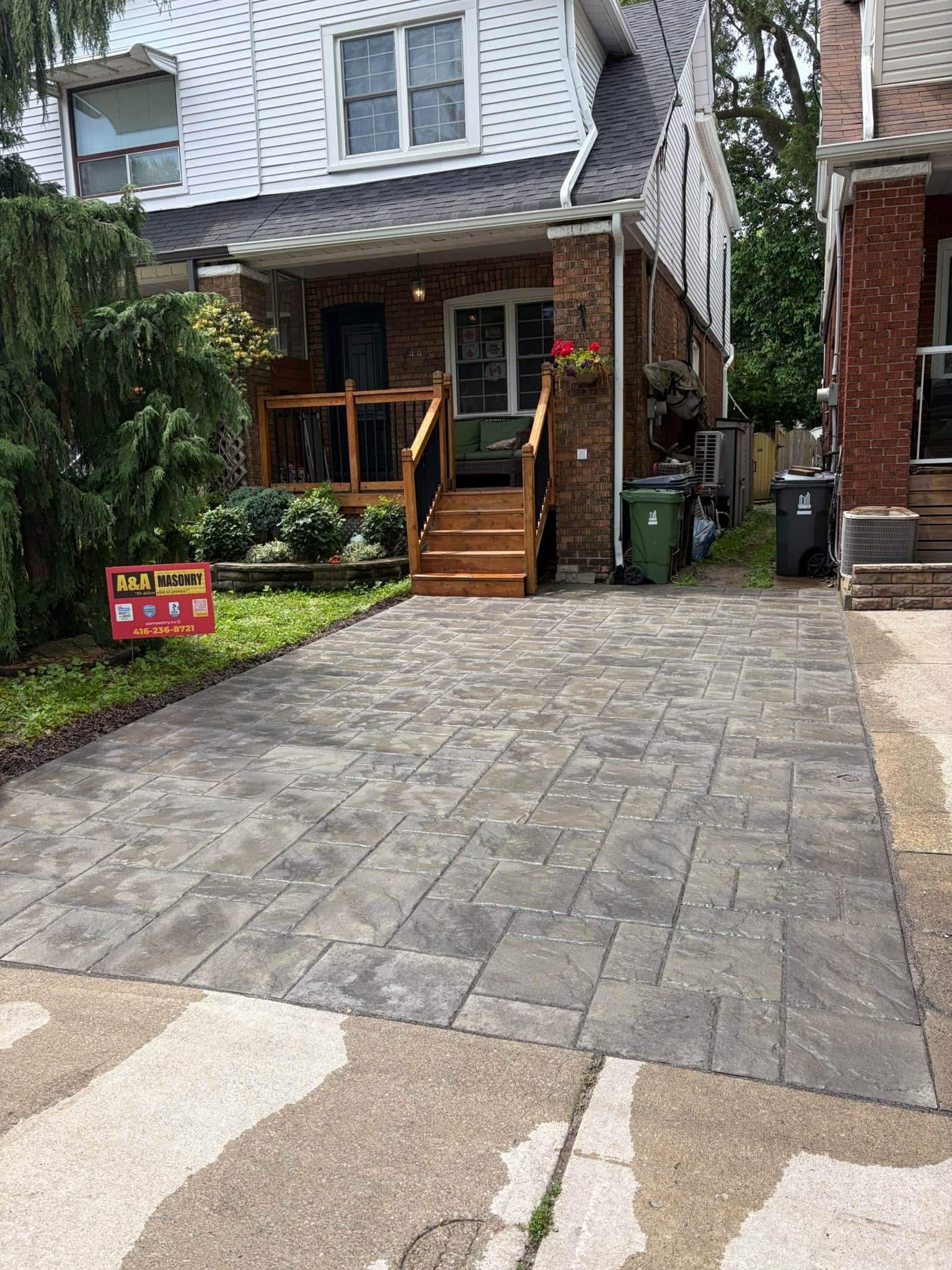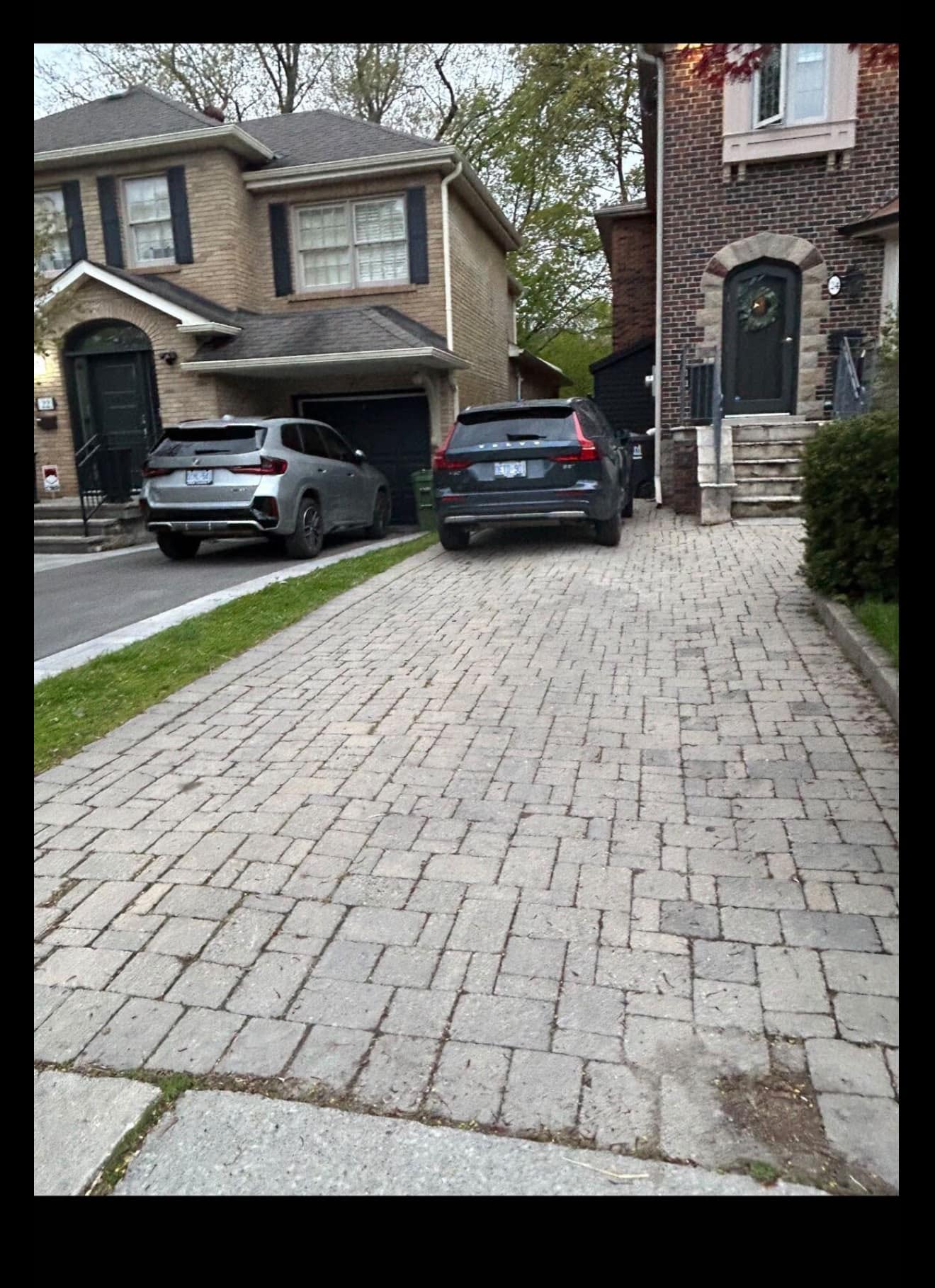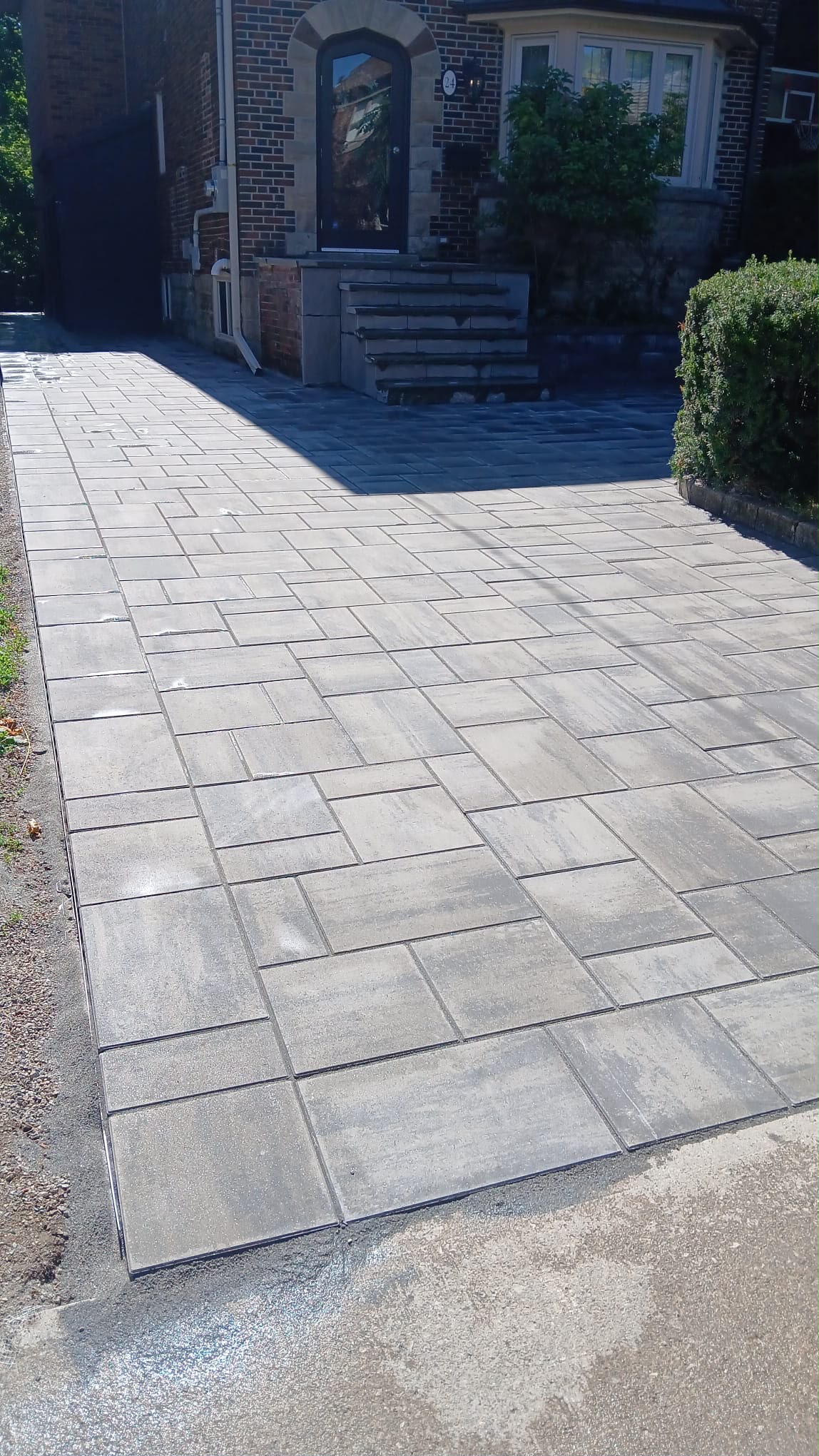

Interlocking driveway maintenance Toronto homeowners perform regularly is one of the biggest factors in how long their driveways last. While interlocking stone is known for durability, it still requires proper care to prevent shifting, weed growth, and surface wear.
Without maintenance, even a well-installed driveway can begin to lose its structure and appearance over time. The good news is that most issues can be prevented or corrected early with simple steps.
This checklist will help you keep your driveway looking clean, level, and structurally sound throughout the year.
Why Interlocking Driveways Need Maintenance
Because an interlocking surface is made from individual pavers rather than one continuous slab, localized movement can sometimes be repaired more easily. Proper base preparation, drainage, edge restraint, and joint maintenance are still important for keeping the driveway stable.
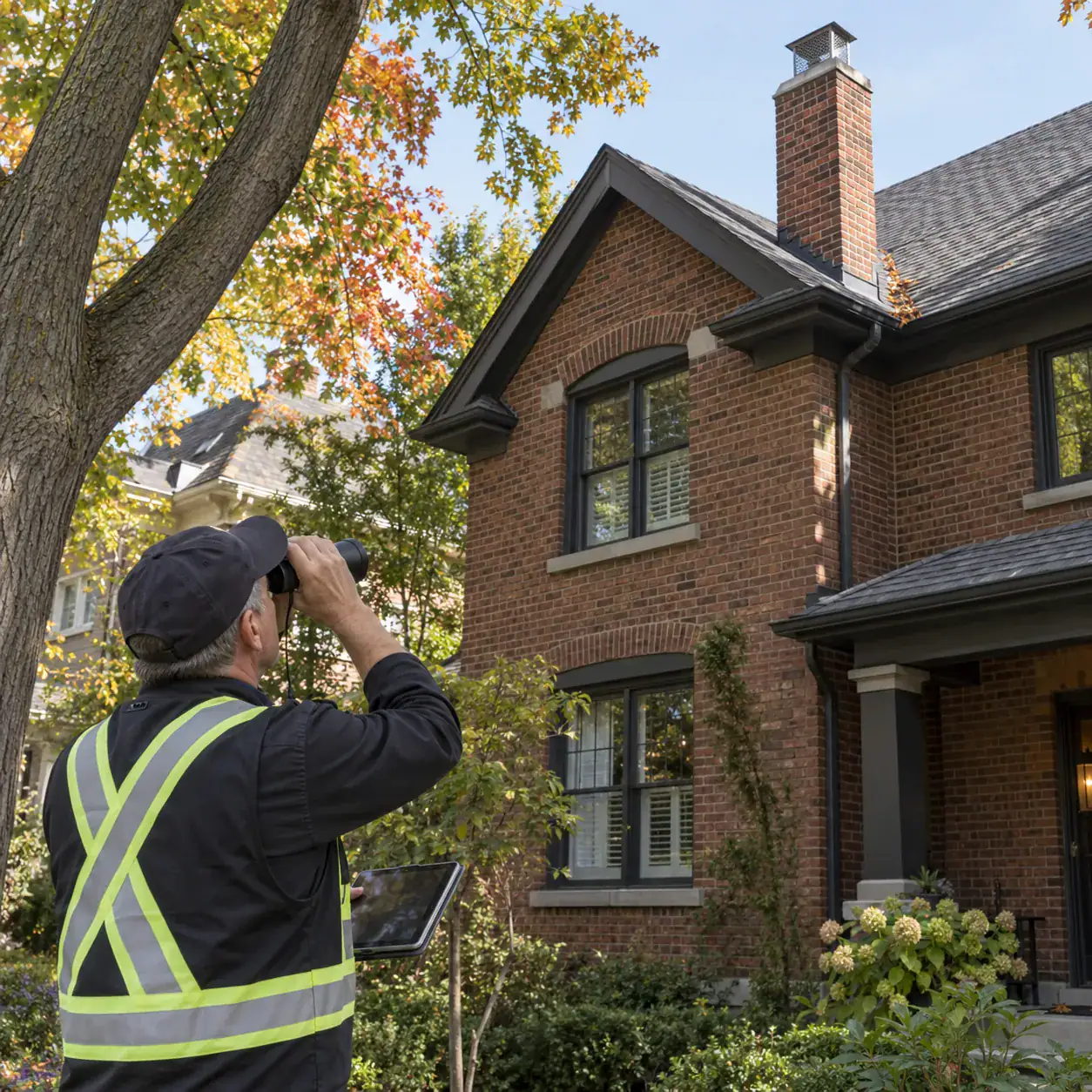
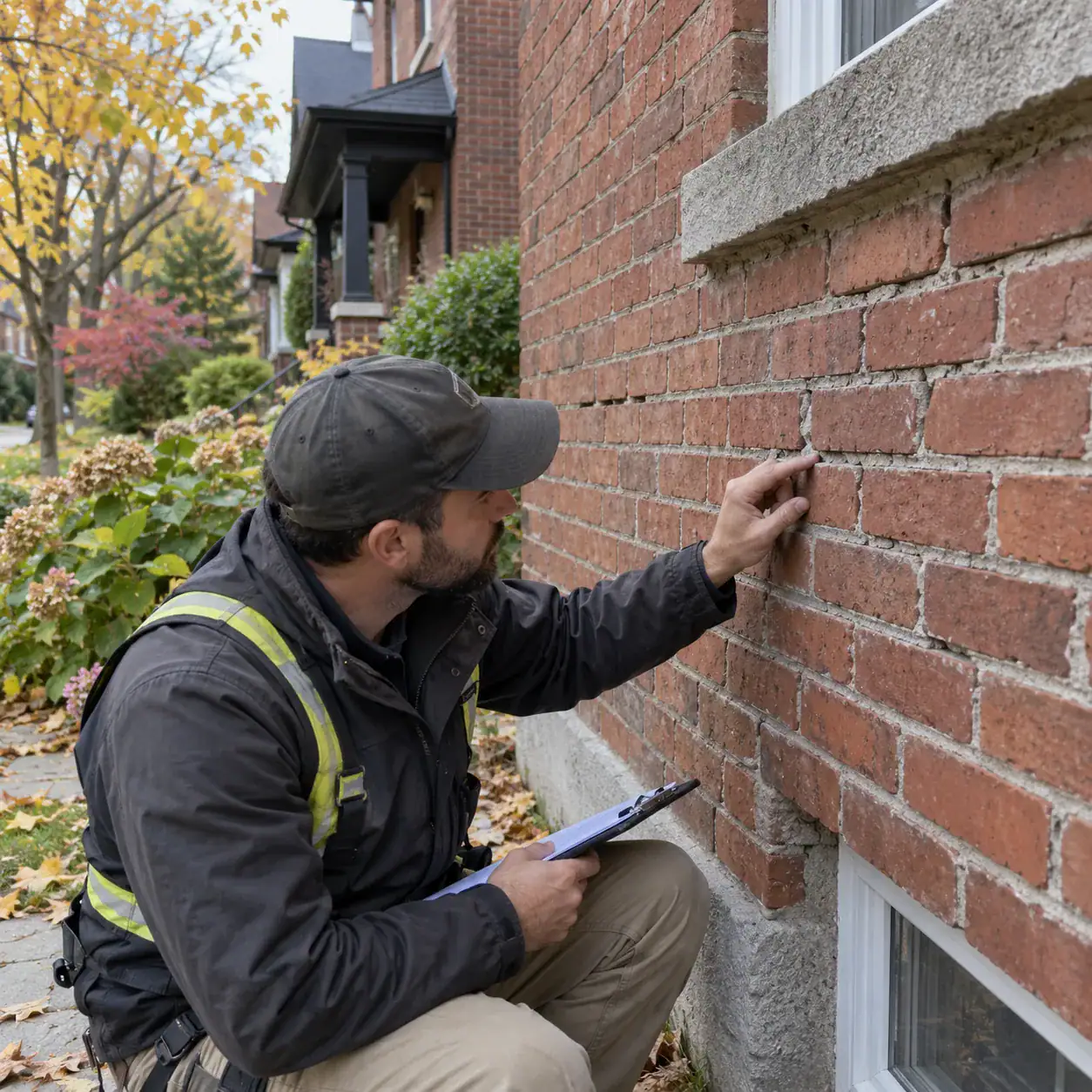
Toronto’s freeze-thaw cycles, rain, snow and seasonal ground conditions can affect outdoor surfaces over time. Regular inspection makes it easier to catch depleted joints, settlement, drainage problems and edge movement before they spread.
If your driveway already has sunken sections, loose pavers or recurring drainage problems, A&A Masonry’s interlocking driveway repair and installation services can help determine whether localized repair, re-levelling or more extensive rebuilding is needed.
1. Regular Cleaning
Keeping your driveway clean is one of the simplest and most effective maintenance steps.
- Remove leaves, dirt, and debris regularly
- Use a broom or leaf blower for light cleaning
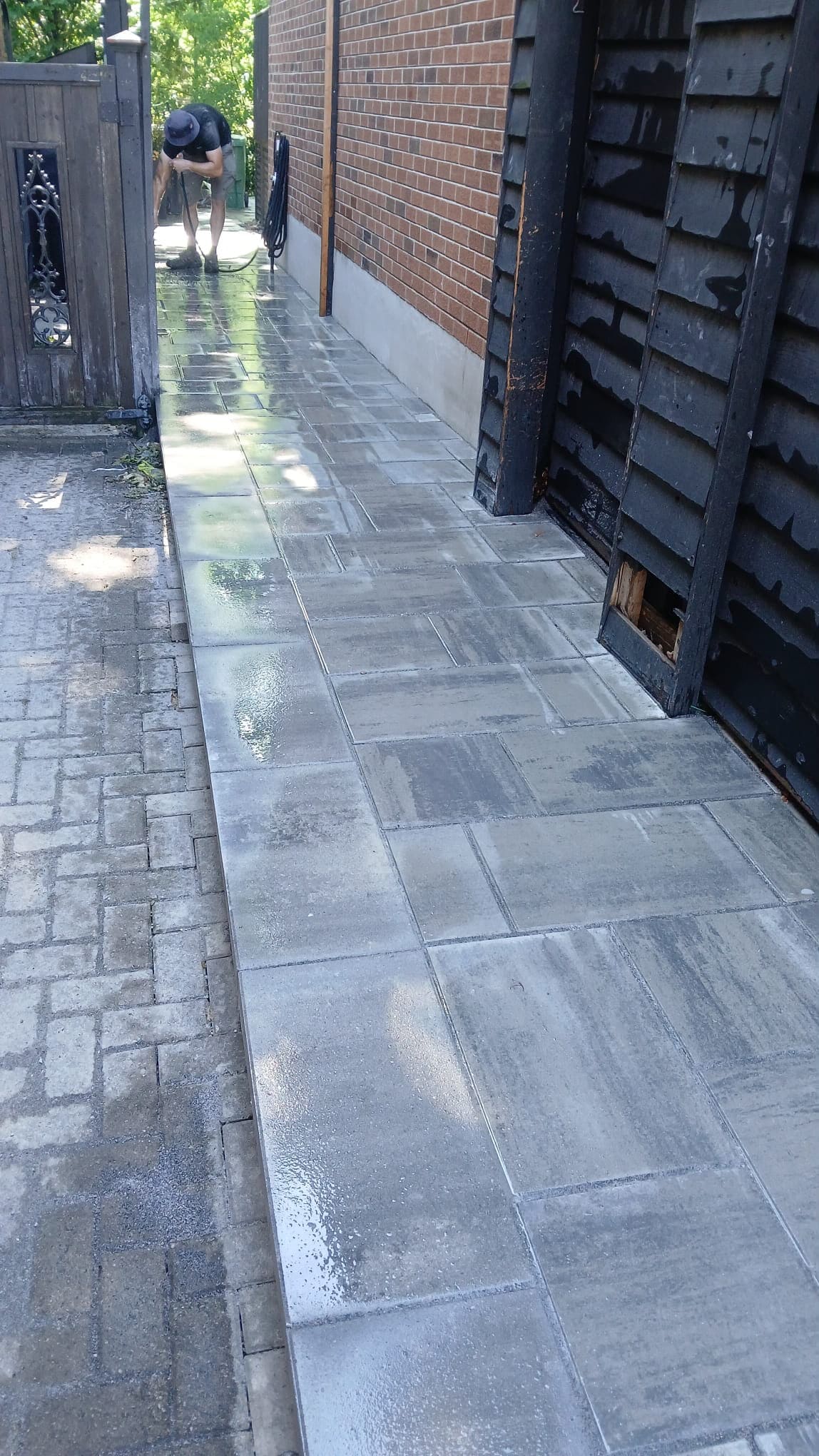
- Pressure wash occasionally to remove stains
Pressure washing should be done carefully. Excessive pressure can remove joint sand, potentially leading to instability if not replaced.
2. Check and Replenish Joint Material
Joint material helps support the spaces between individual pavers and is an important part of a properly maintained interlocking surface.
Rain, cleaning, and normal weather exposure can gradually reduce the material in some joints. When visible gaps develop, replenish them with a jointing material that is appropriate for the paver system. Polymeric sand is one common option for many residential interlocking driveways.
Maintaining the joints can:
- Help reduce weed establishment
- Help limit open or depleted joints
- Support more consistent joint stability
- Reduce spaces where organic material can collect
If joint material repeatedly washes out, the underlying drainage, slope, or surface condition may need closer inspection.
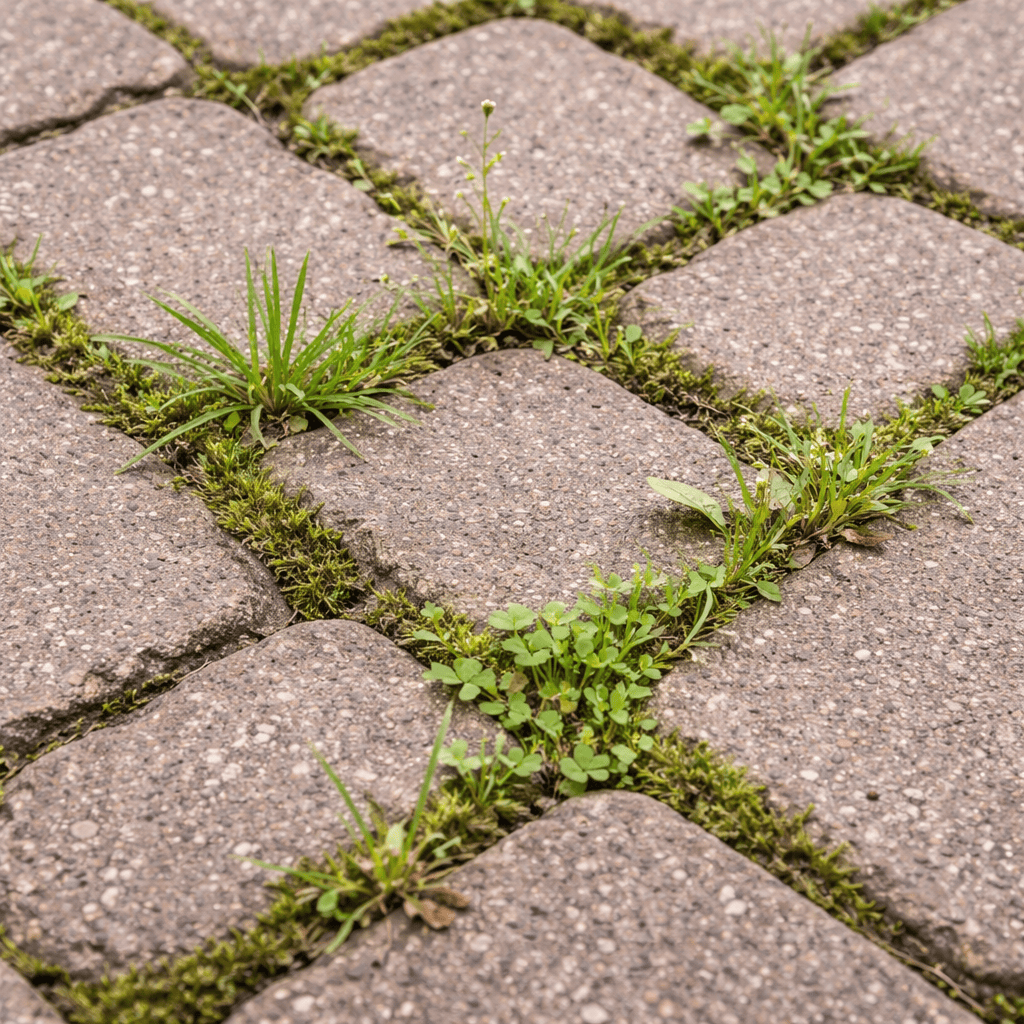
3. Address Weeds and Moss Early
Weeds and moss often become established where joint material is depleted, organic matter has collected or moisture remains between the pavers.
Remove unwanted growth as it appears, clean accumulated debris from the joints and replenish compatible joint material where necessary. If the same areas remain constantly damp, check whether drainage or settlement is contributing to the problem.
4. Fix Uneven or Sunken Areas
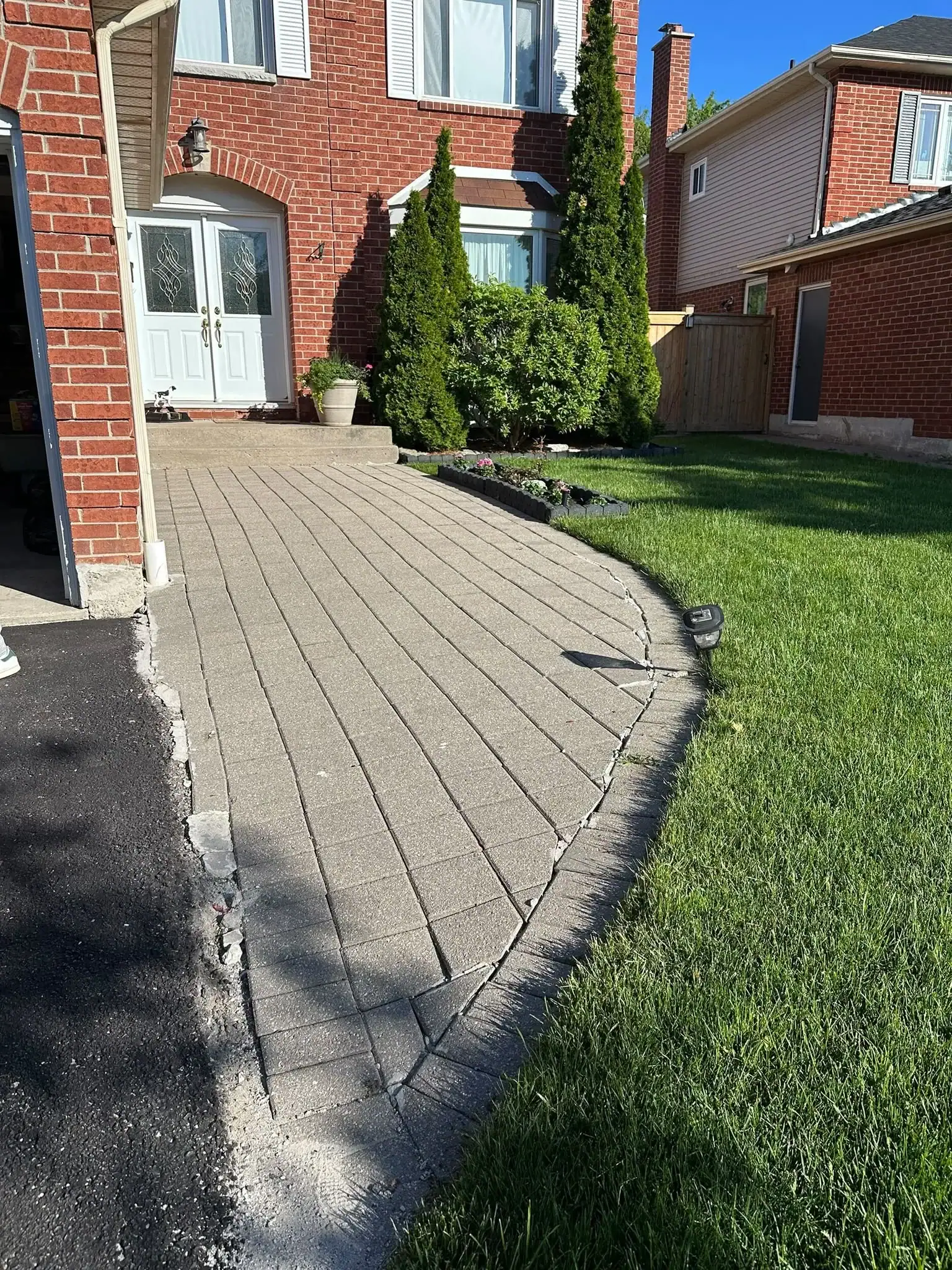
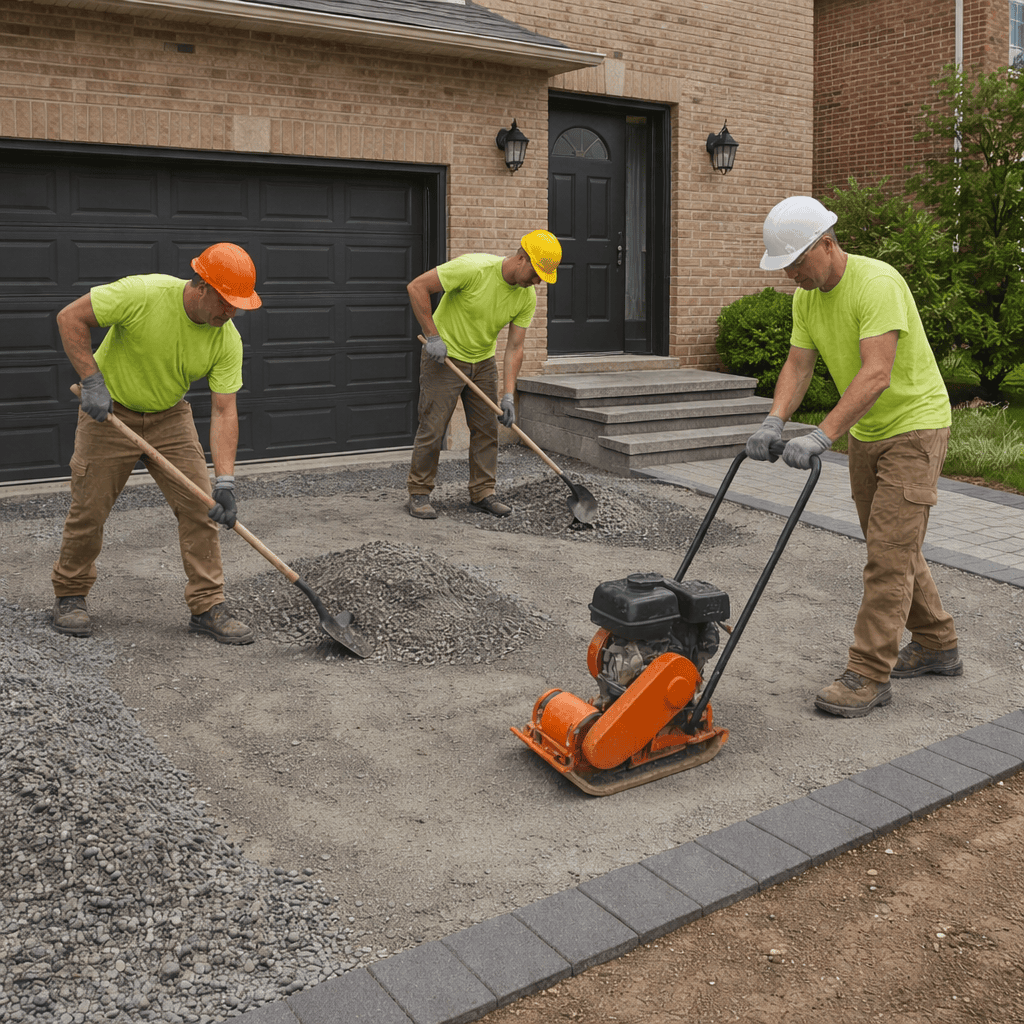
Sections of an interlocking driveway may sink or shift because of base settlement, washout, poor drainage, weak compaction, edge movement or other conditions below the pavers.
Localized settlement can sometimes be corrected by lifting the affected pavers, repairing or re-levelling the underlying bedding or base area and reinstalling usable stones.
Widespread settlement, recurring low spots or movement across several areas should be assessed before repeatedly relaying the surface.
5. Inspect Edging and Borders
Edge restraints help keep the entire driveway in place. If the edges begin to shift, the rest of the driveway can gradually move out of alignment.
Check borders regularly to ensure they remain secure and intact.
6. Manage Drainage Around the Driveway
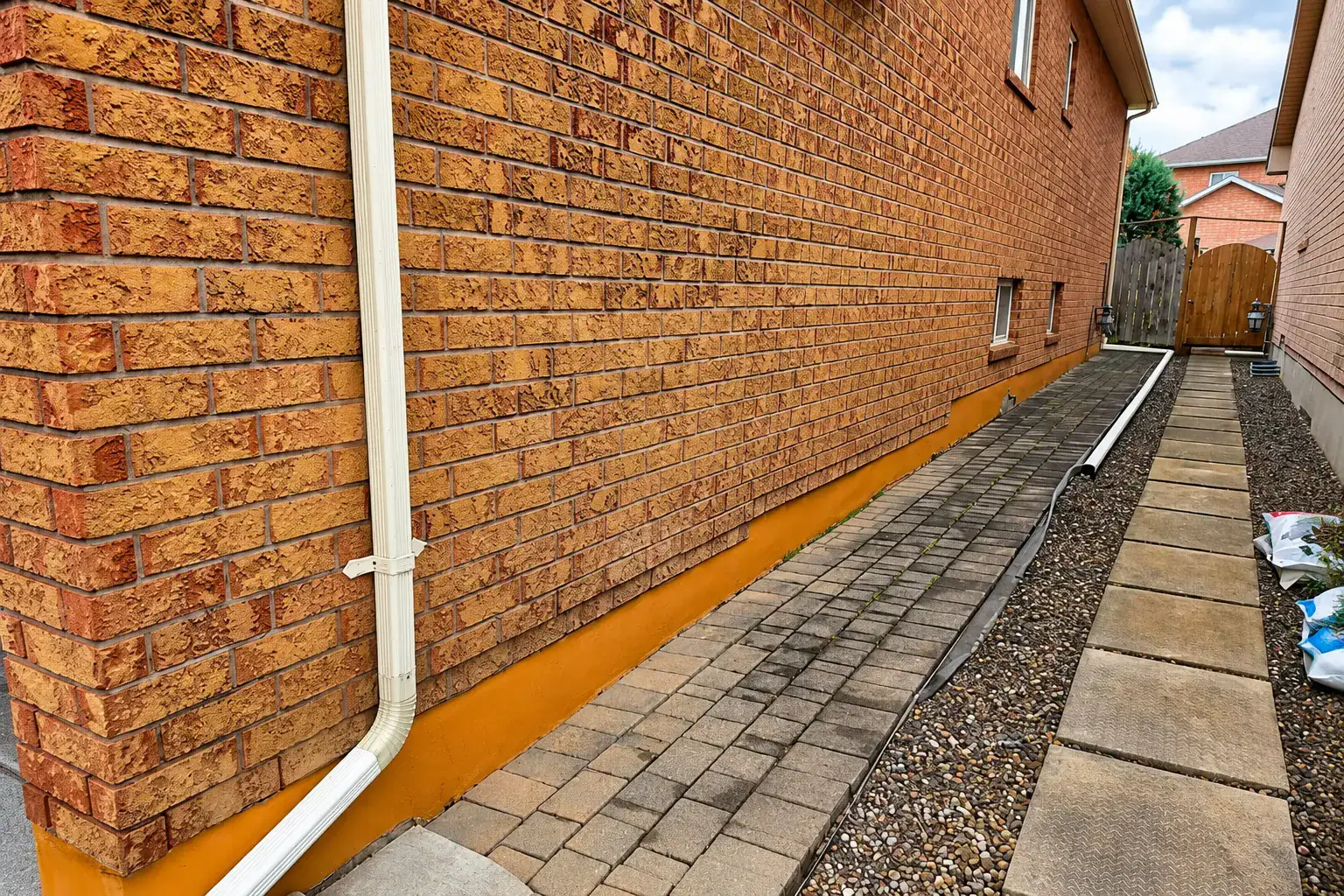
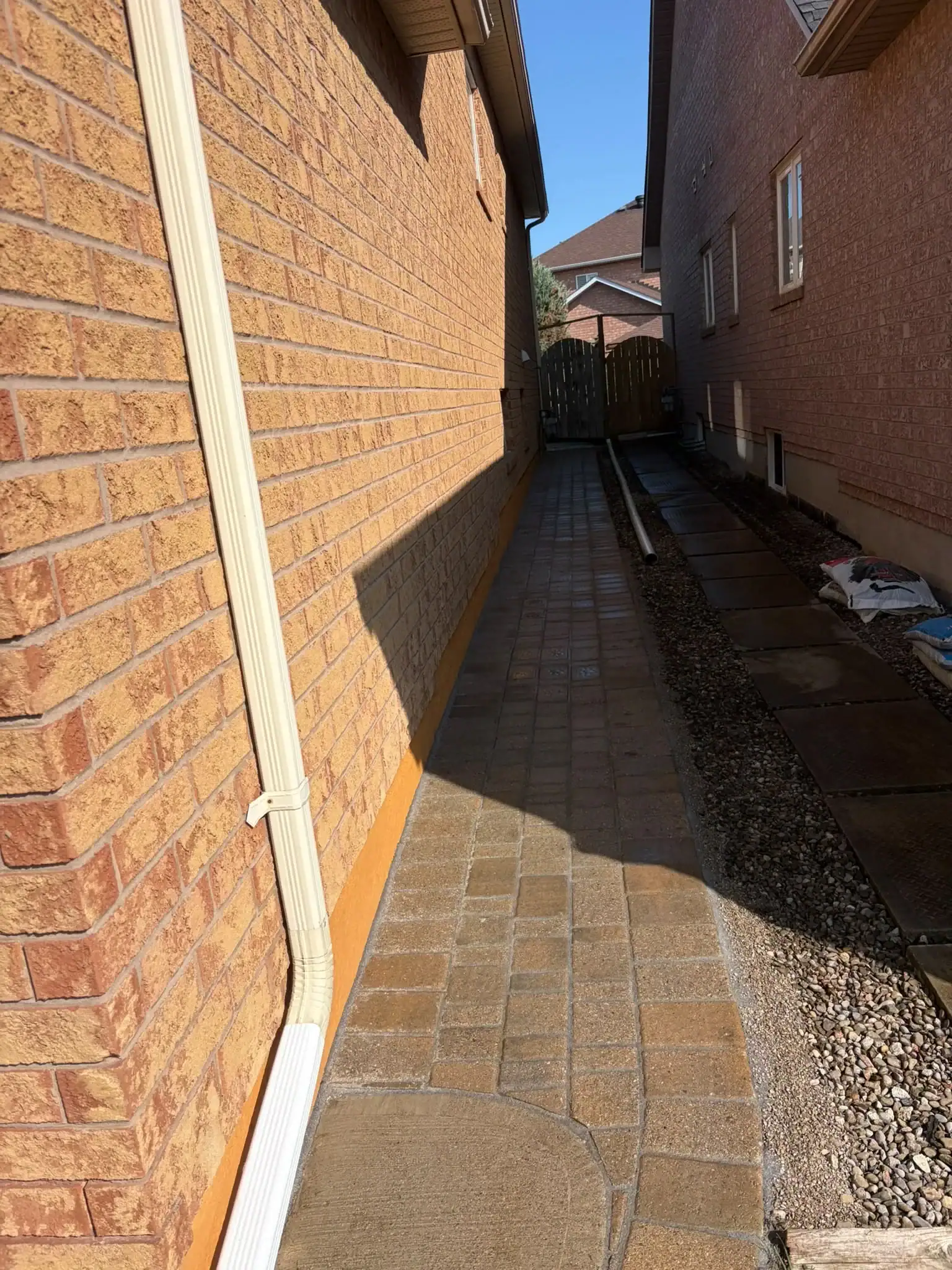
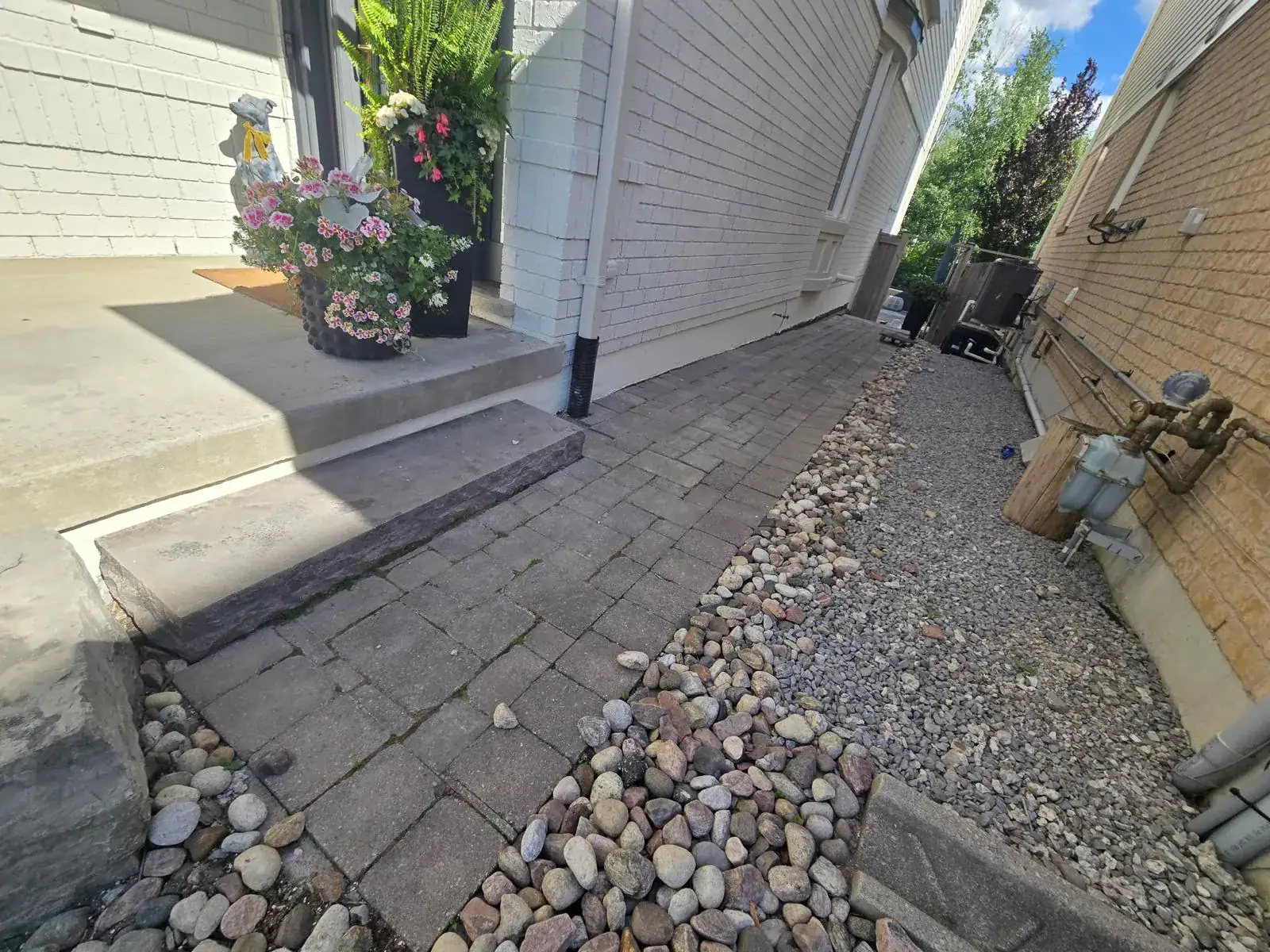
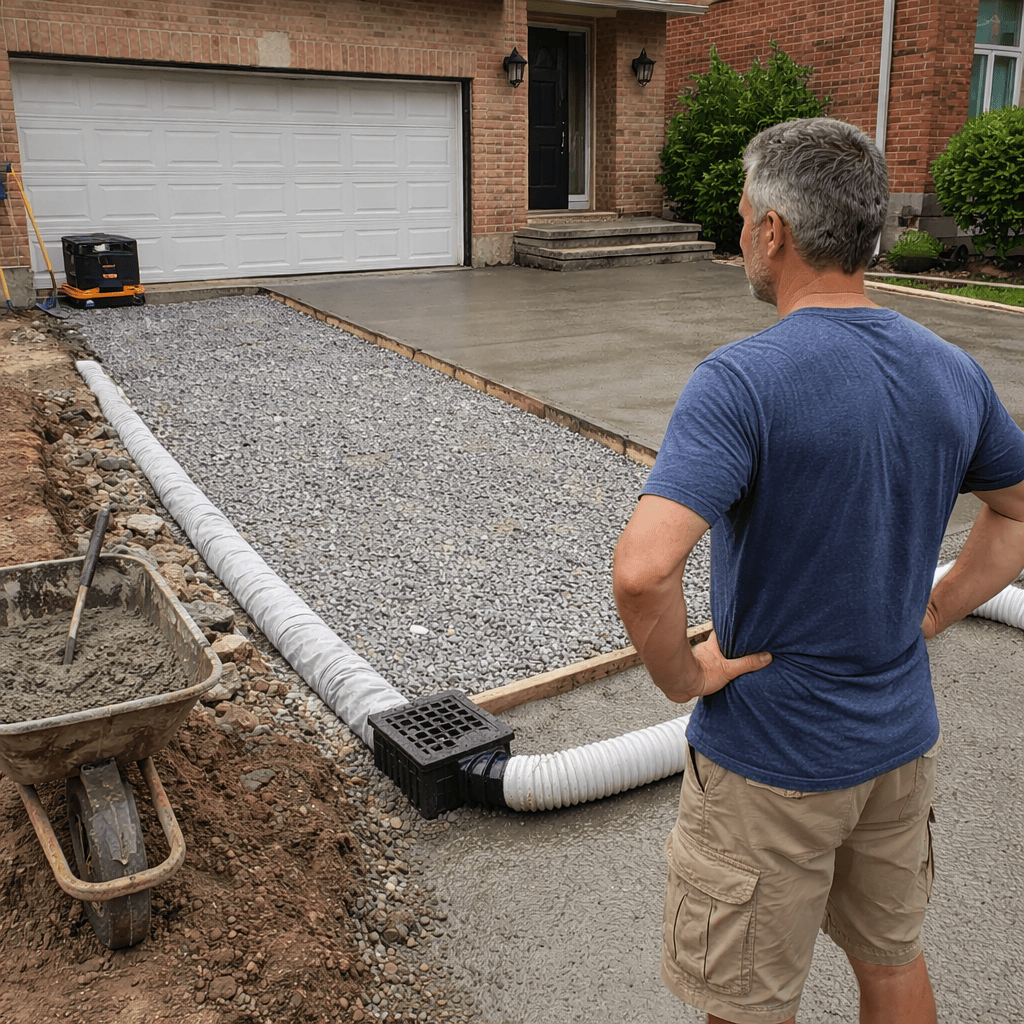
Proper drainage is an important part of interlocking driveway performance. Repeated pooling, concentrated runoff or water moving toward the home can contribute to settlement, washout and seasonal movement.
Check for low areas after heavy rain and watch how water moves across the driveway, along the edges and toward nearby landscaping.
If water repeatedly pools, runs toward the home or appears to be contributing to settlement, the surface may need professional interlocking drainage and repair rather than routine maintenance alone.

7. Seasonal Maintenance Checklist
Spring
- Inspect for damage caused by winter
- Clean debris and dirt buildup
- Refill joint sand where needed
Summer
- Wash and maintain appearance
- Check for weed growth
- Monitor drainage performance
Fall
- Remove leaves regularly
- Prepare the surface before winter
Winter
- Keep the surface clear of snow where practical
- Use snow-removal tools carefully and avoid metal edges or equipment settings that can catch raised pavers
- Use de-icing products only where appropriate for the specific paver system and follow the manufacturer’s winter-maintenance recommendations
- Watch for areas where meltwater repeatedly collects and refreezes
When to Call a Professional
Routine cleaning, minor weed removal and normal joint maintenance can usually be handled by homeowners.
Professional assessment becomes more useful when the driveway has widespread sinking, recurring drainage problems, spreading edges, uneven sections that return after repair or movement across several parts of the surface.
These conditions may indicate a problem with the base, grading, drainage or edge restraint rather than routine surface maintenance alone.
How Maintenance Protects Your Investment
A well-installed and properly maintained interlocking driveway can remain serviceable for many years, but its lifespan depends on the base, drainage, traffic, paver condition, and how quickly you correct settlement or movement.
Final Thoughts
Maintaining an interlocking driveway does not require constant effort, but it does require consistency. Small steps such as cleaning, refilling joint sand, and addressing minor issues early can make a significant difference over time.
For Toronto homeowners, staying ahead of maintenance helps keep driveways durable, safe, and visually appealing year-round.
Seeing Sinking, Shifting or Drainage Problems in Your Driveway?
Routine maintenance can handle cleaning, minor weed growth and normal joint upkeep, but recurring settlement, loose pavers, edge movement or water pooling may indicate a problem below the surface. A&A Masonry can assess the driveway and determine whether re-levelling, localized repair or more extensive interlocking work is appropriate.