





Frequently Asked Questions
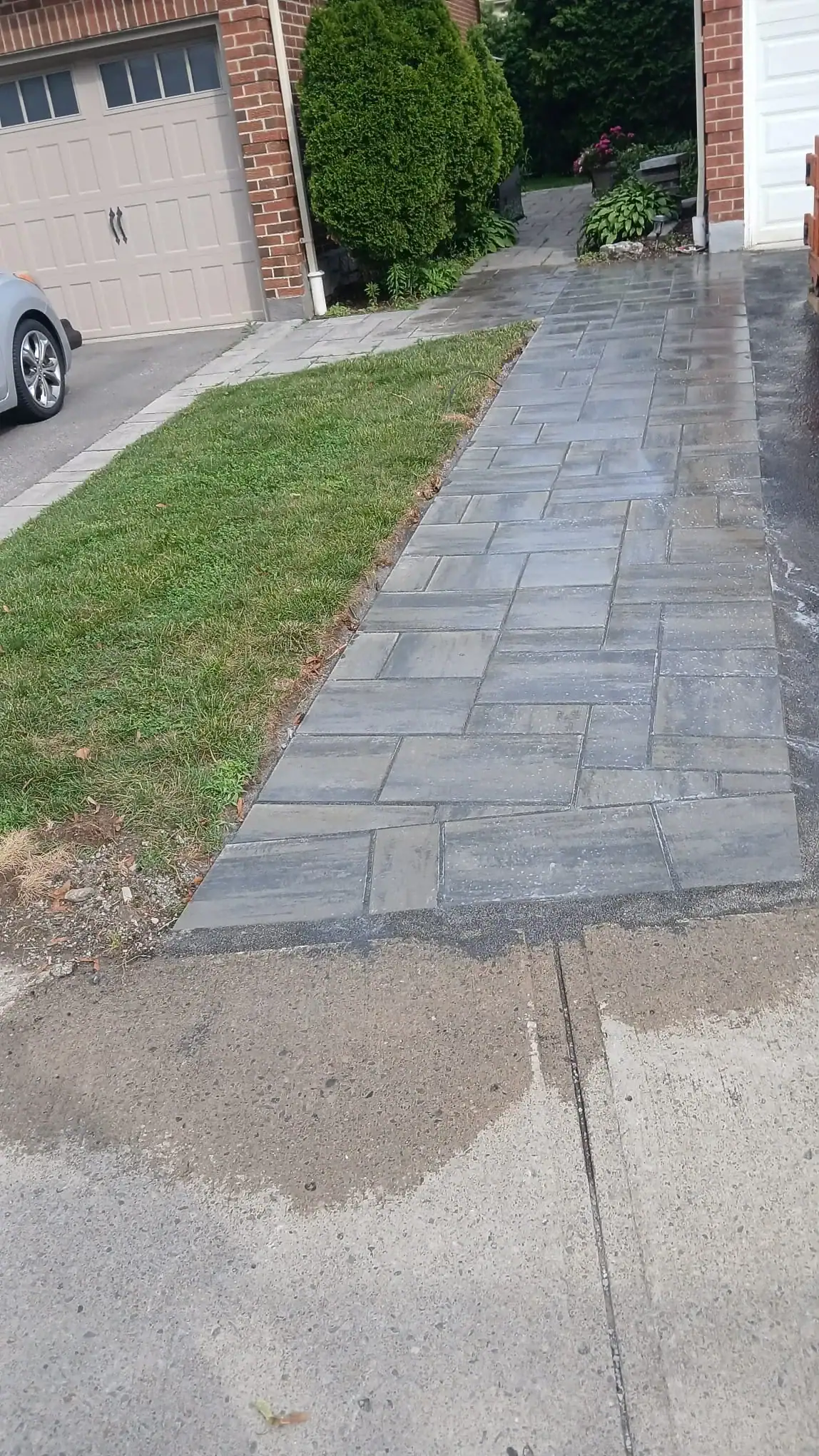
An interlock driveway can last for decades when the paving system is suited to vehicle use, properly installed and maintained. There is no single guaranteed lifespan for every driveway: the condition of the supporting base and drainage matters as well as the paving stones.
Interlock driveway lifespan depends on ground conditions, preparation, moisture, traffic and ongoing care. Joint maintenance and local repairs may be needed during its life. Recurring sinking or pooling water should be assessed rather than treated only as a cosmetic problem.
Ask about the expected performance and care of the proposed paving system during your consultation. A manufacturer’s product warranty is not the same as a guarantee for the complete driveway installation; confirm any applicable product and workmanship terms in writing.
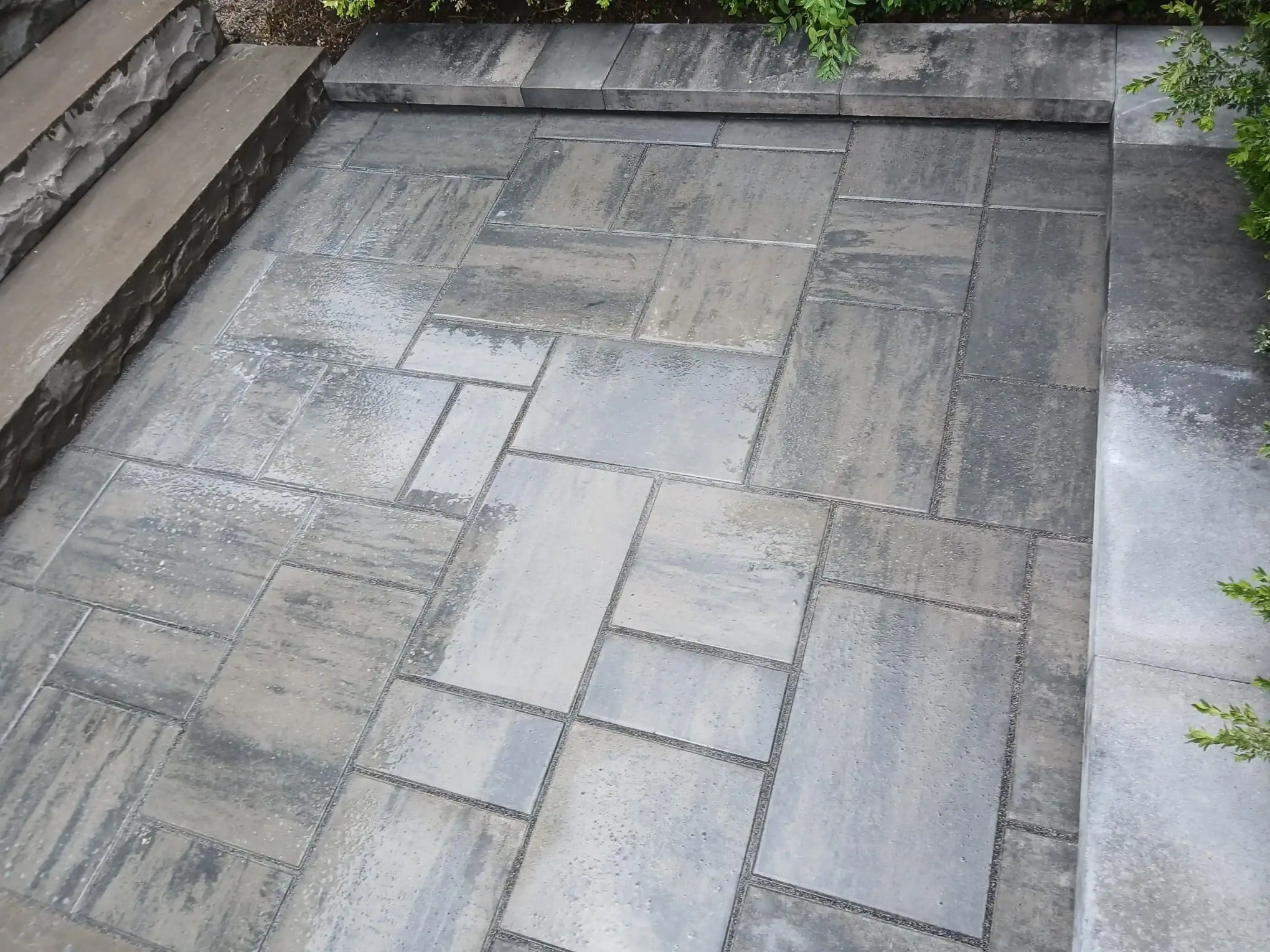
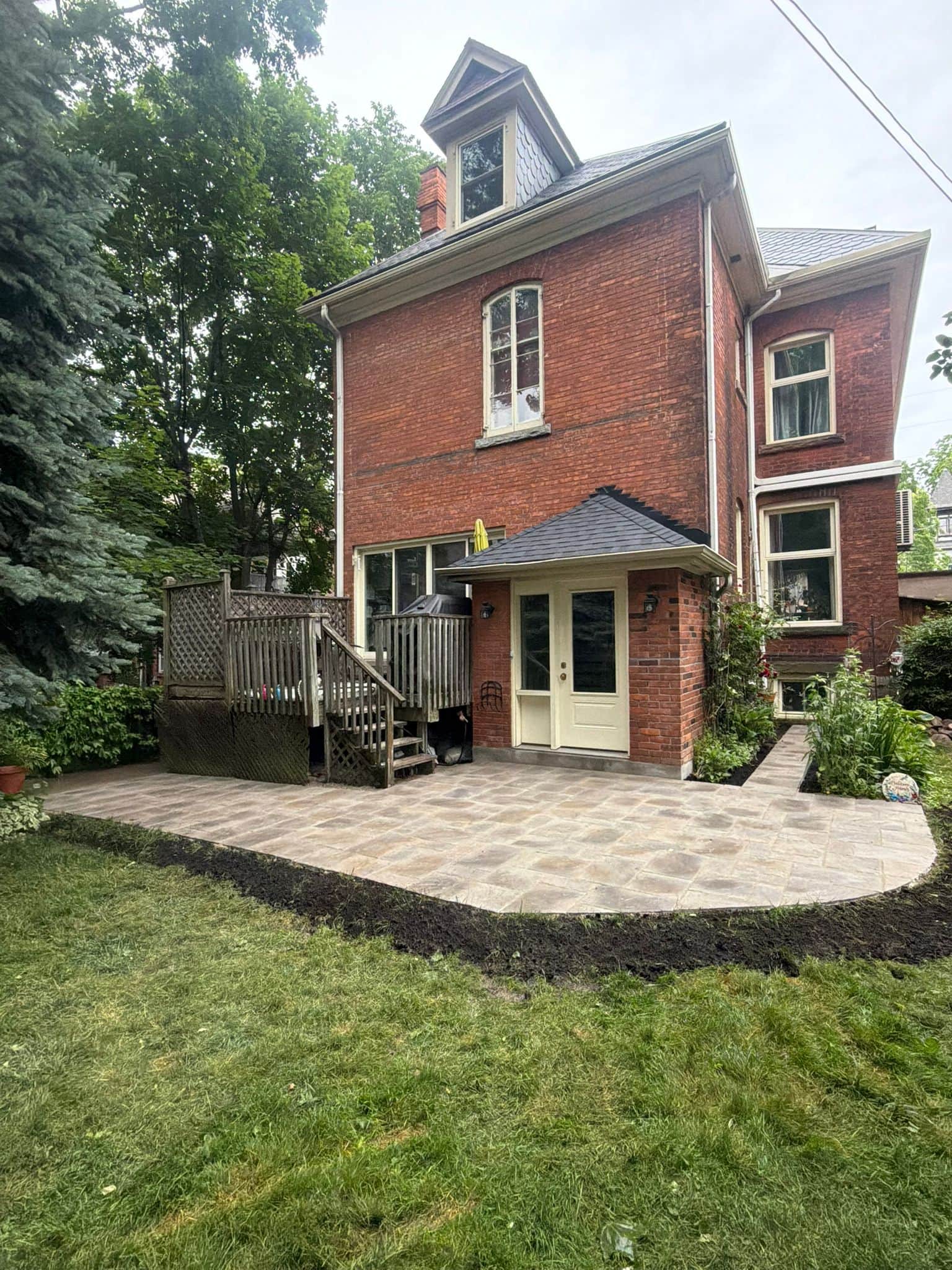
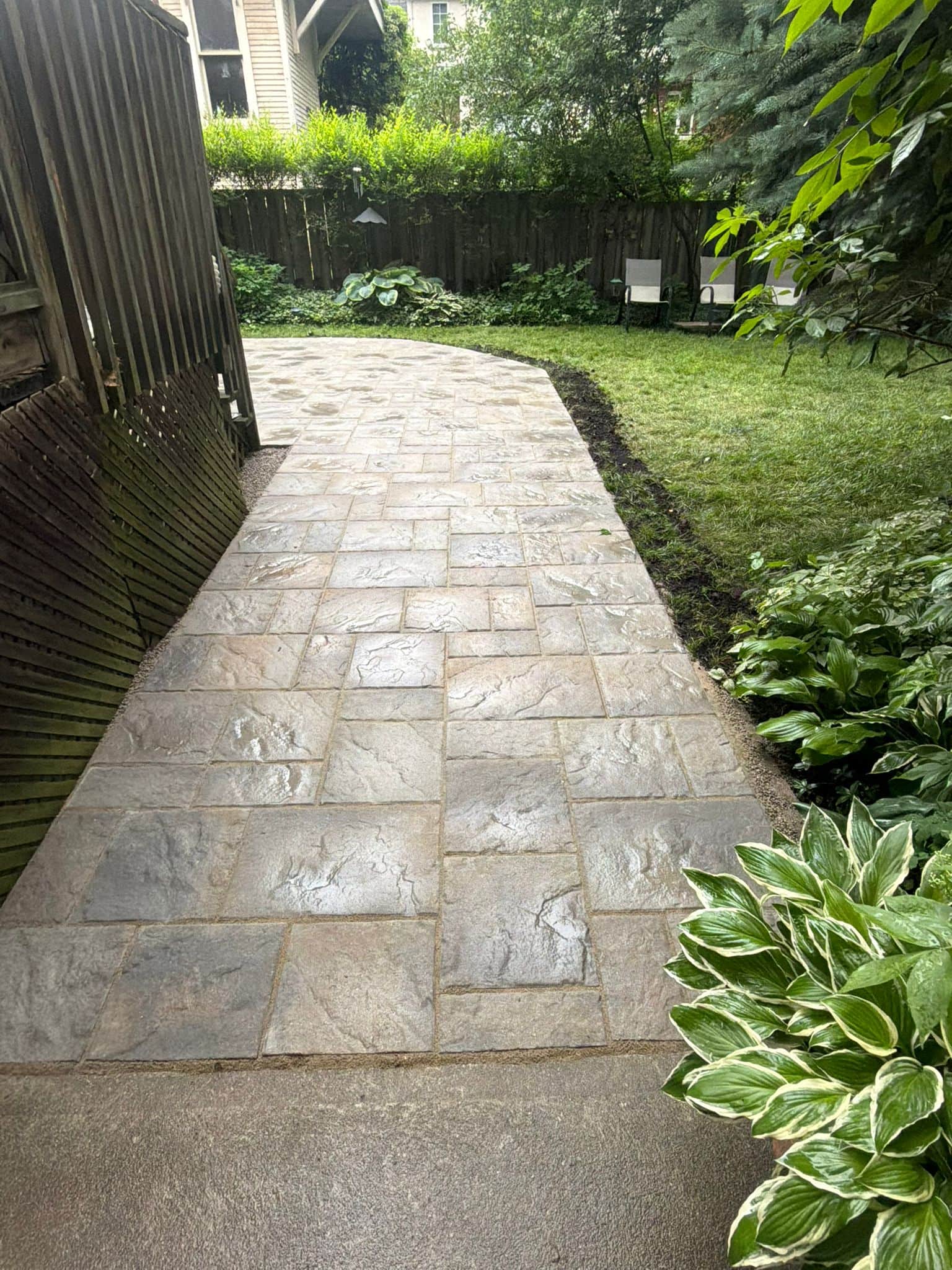
Neither material is the best choice for every property. Interlocking offers a choice of colours and patterns, and individual pavers can often be lifted for local repairs. Poured concrete provides a different appearance and repair approach. Compare the proposed preparation, drainage, finish, maintenance and project cost before choosing a surface for your home.
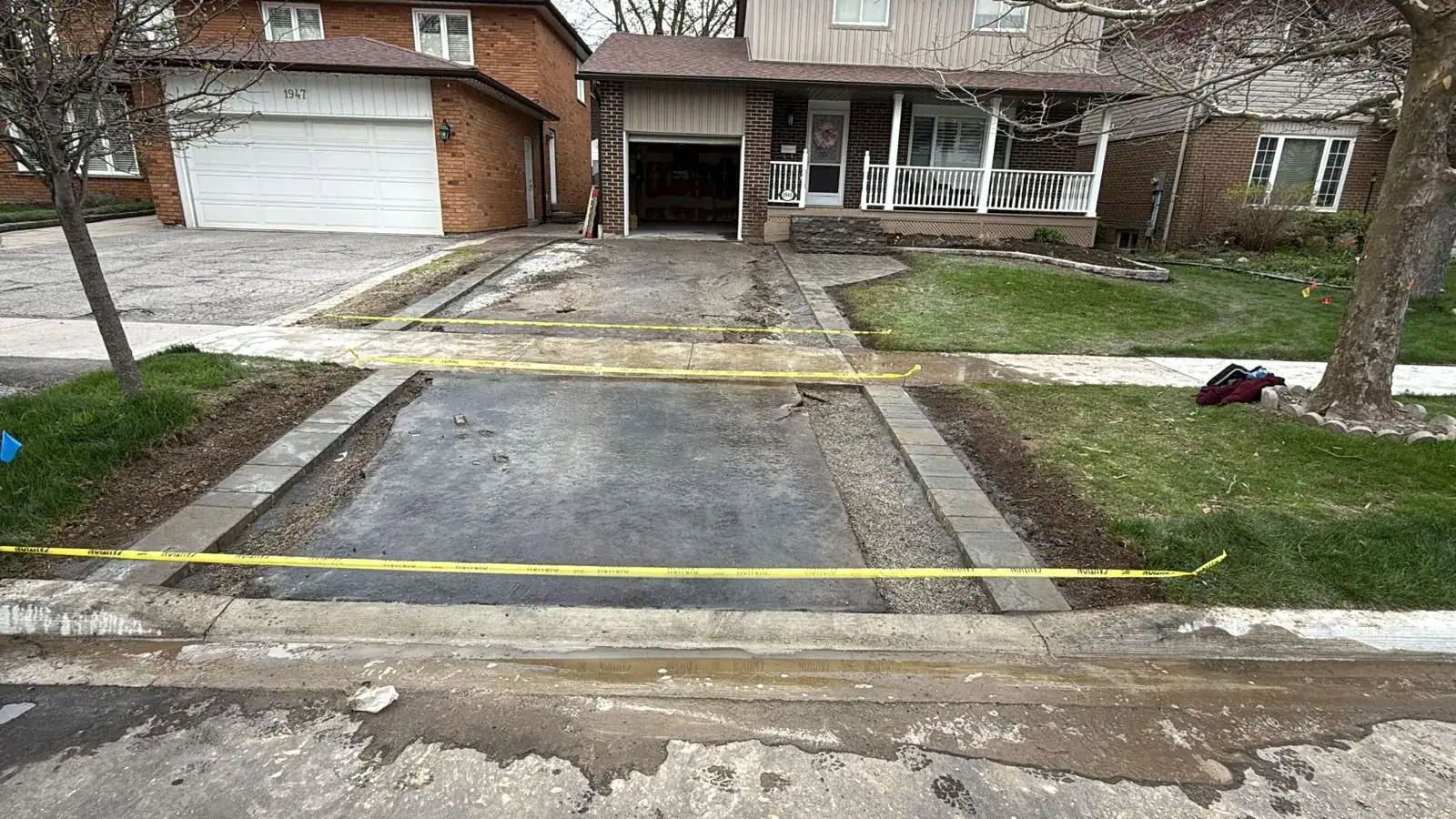
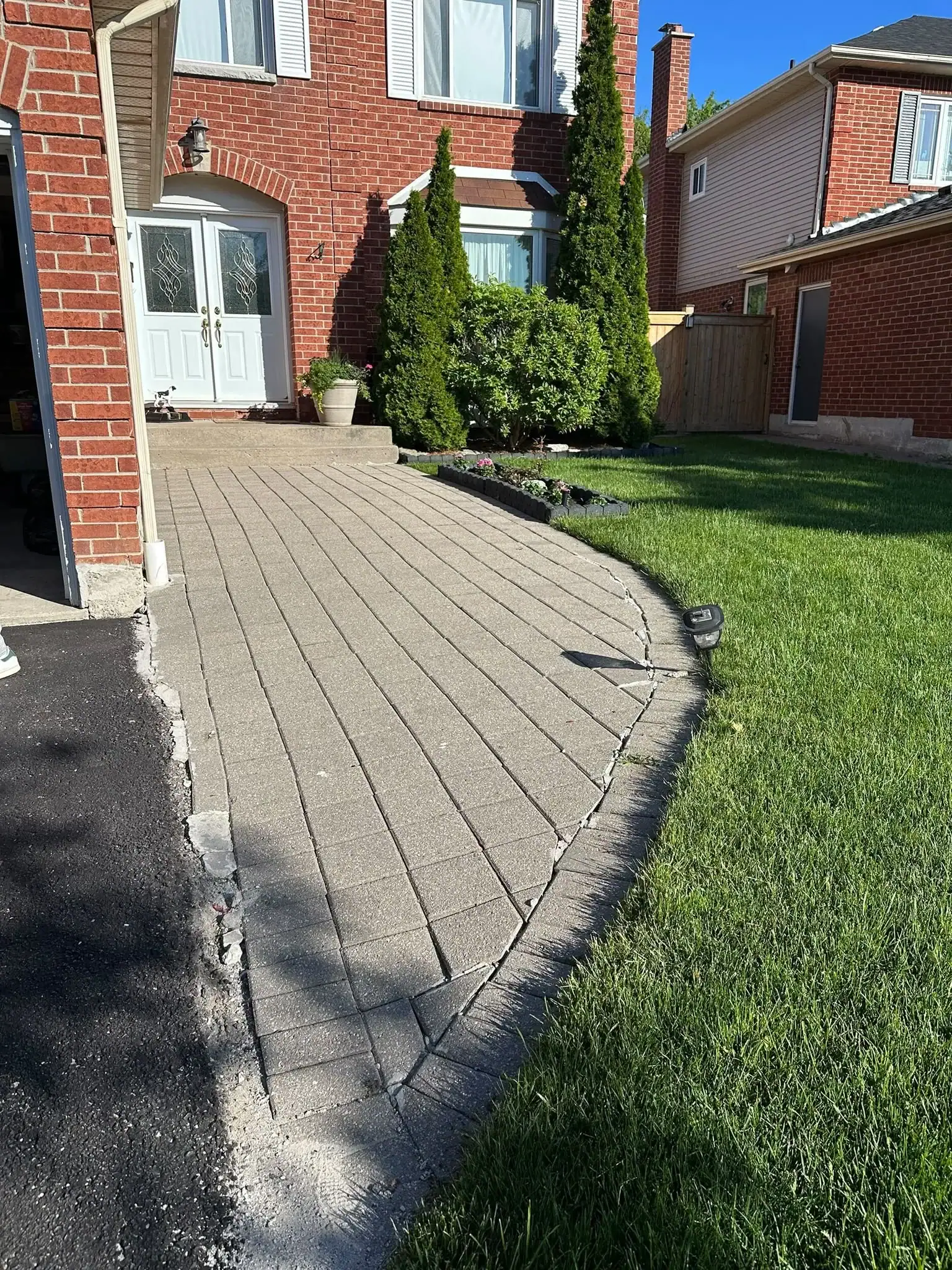
Often, yes, when damage is limited and the surrounding driveway remains sound. Sunken or shifted sections may be lifted, the underlying problem addressed, and suitable pavers relaid. Widespread settlement, recurring movement or unresolved drainage problems may call for more extensive work. An assessment helps establish whether repair or replacement is appropriate.
Pricing depends on driveway size, stone selection, pattern complexity, site access, excavation requirements, drainage needs, and the condition of the existing surface.
They can. Freeze-thaw movement, moisture and changes in the supporting ground can affect an interlocking driveway. Appropriate base preparation, grading, drainage and edge restraint help manage that risk but do not guarantee that movement will never occur. Recurring settlement or pooling water should be assessed rather than repeatedly covered up.
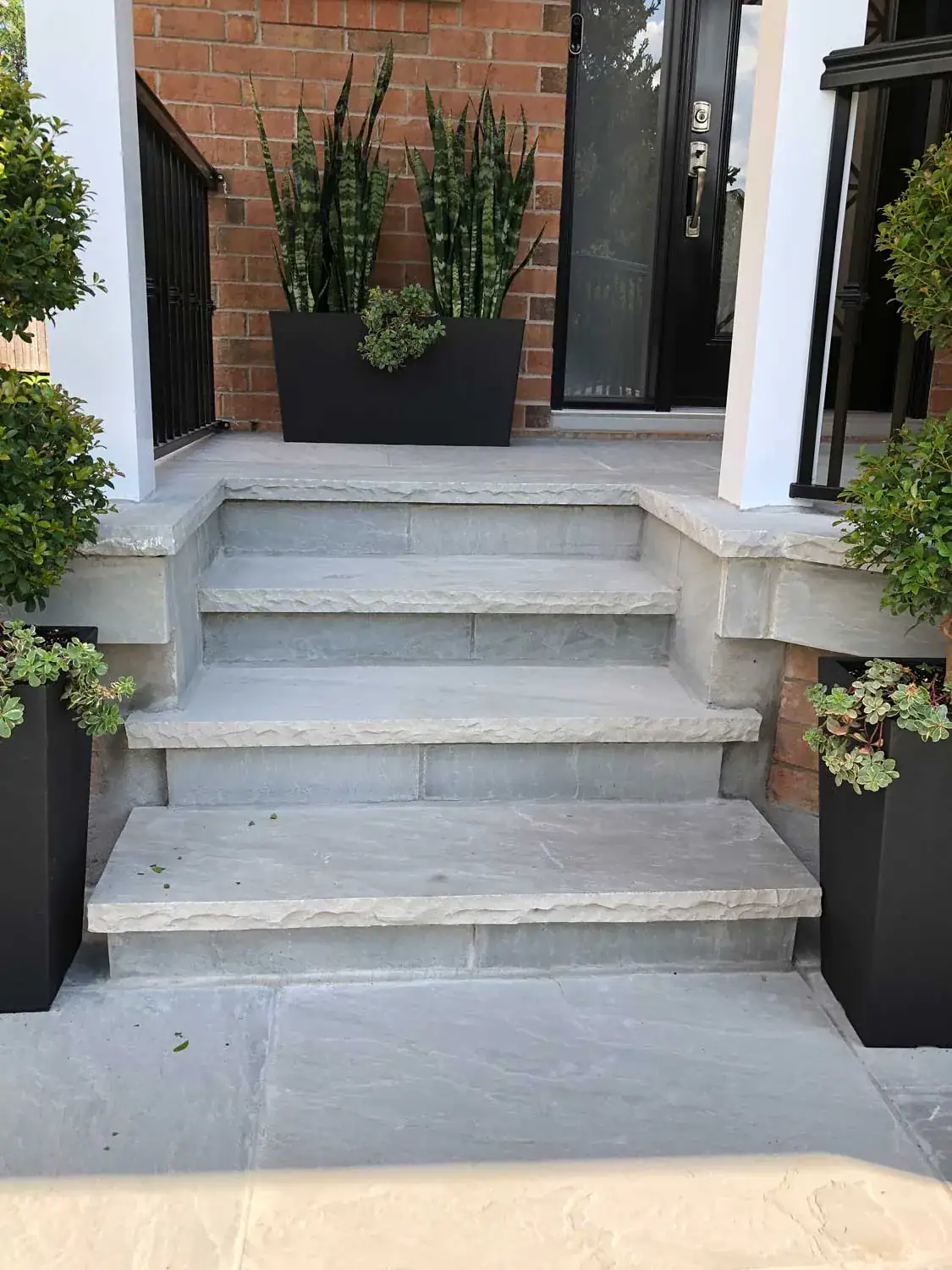
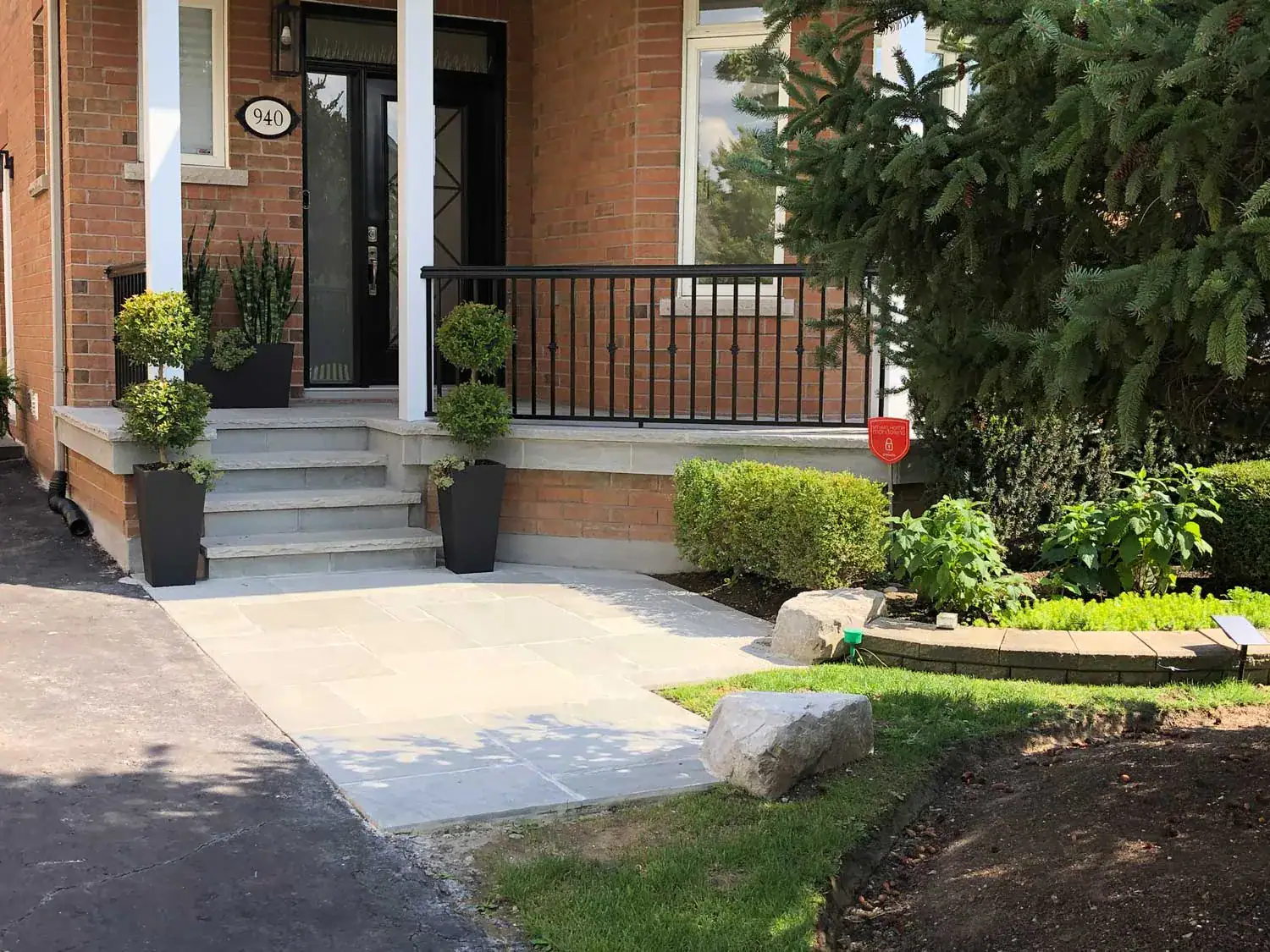
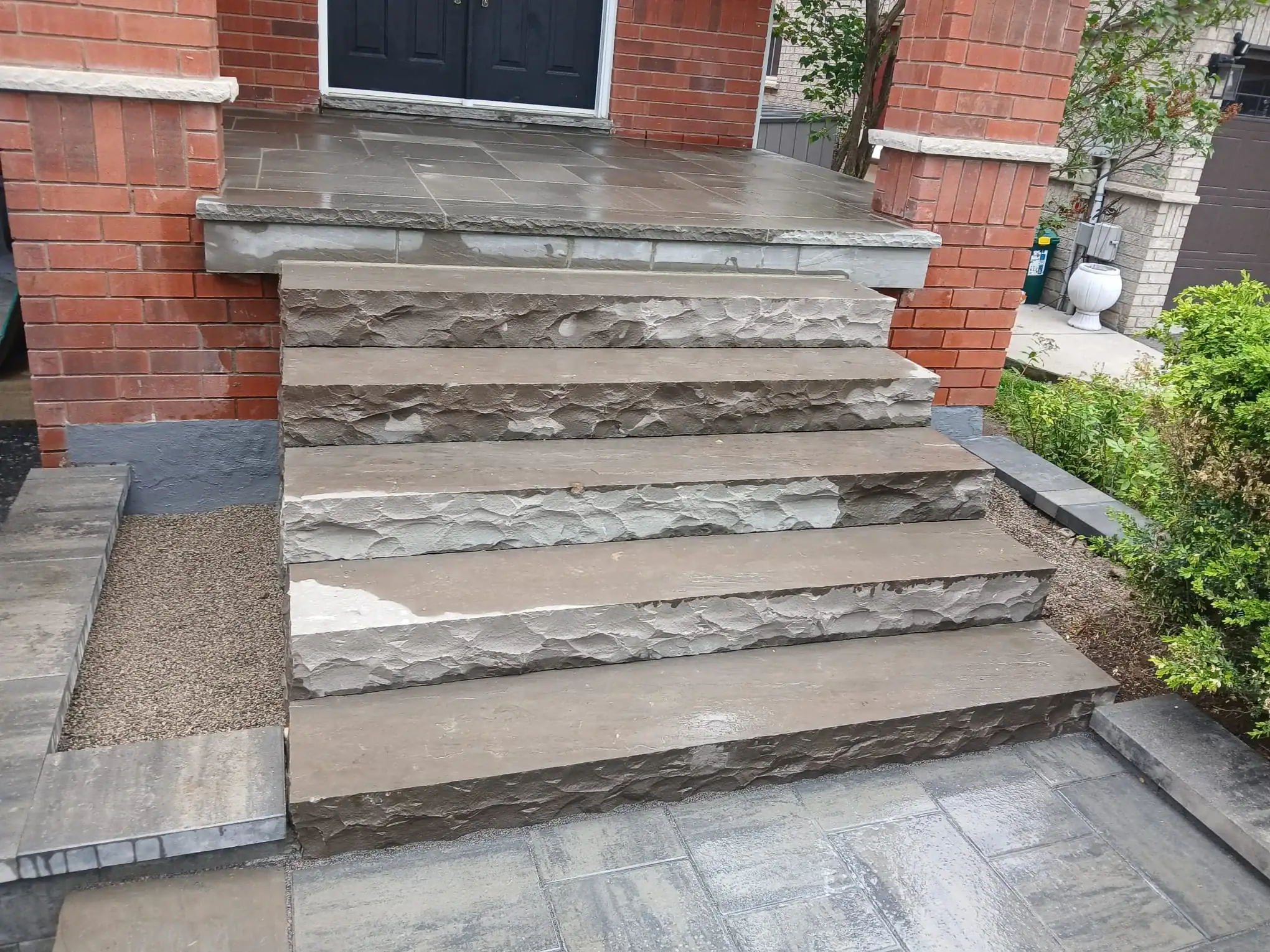
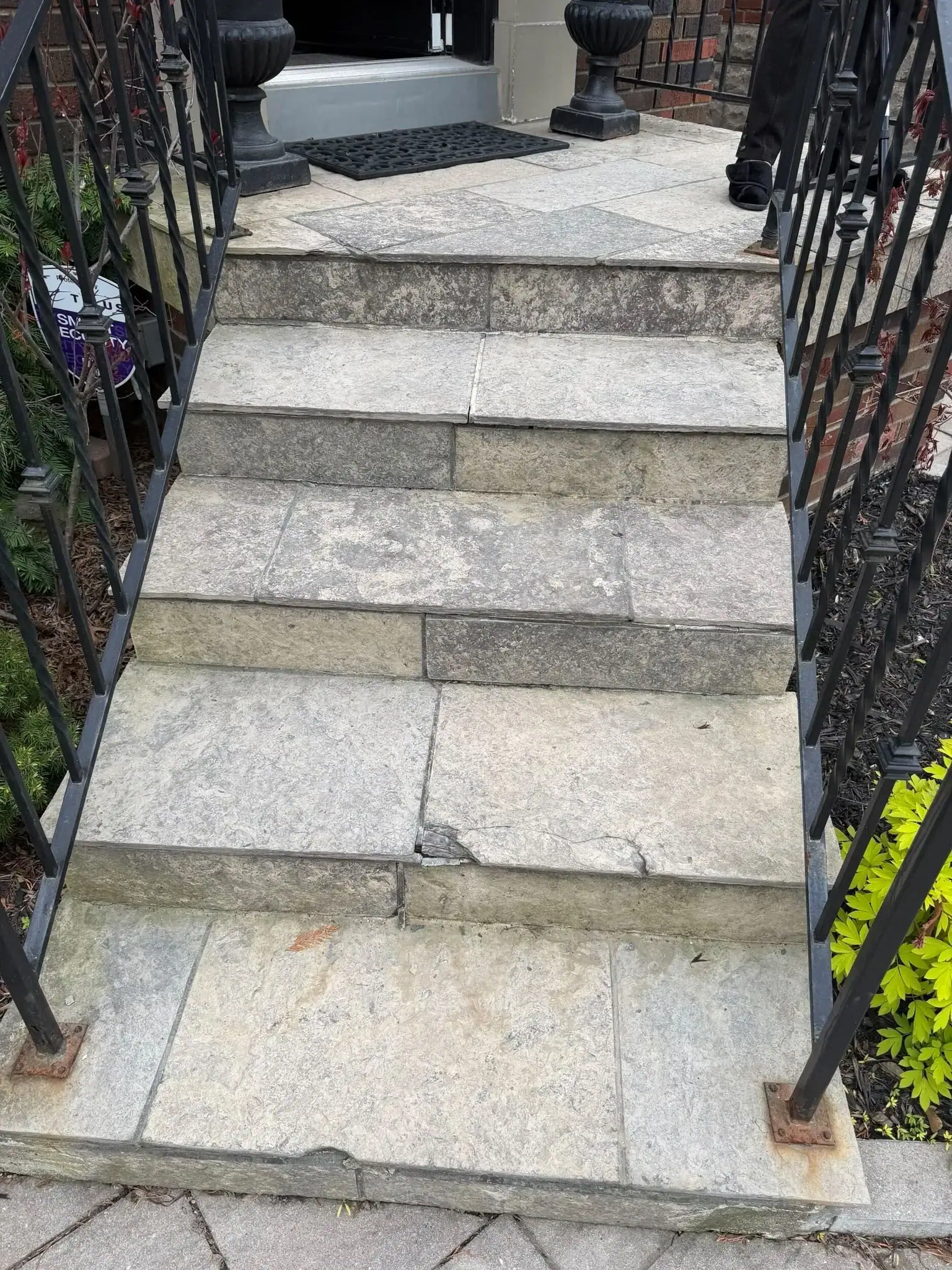
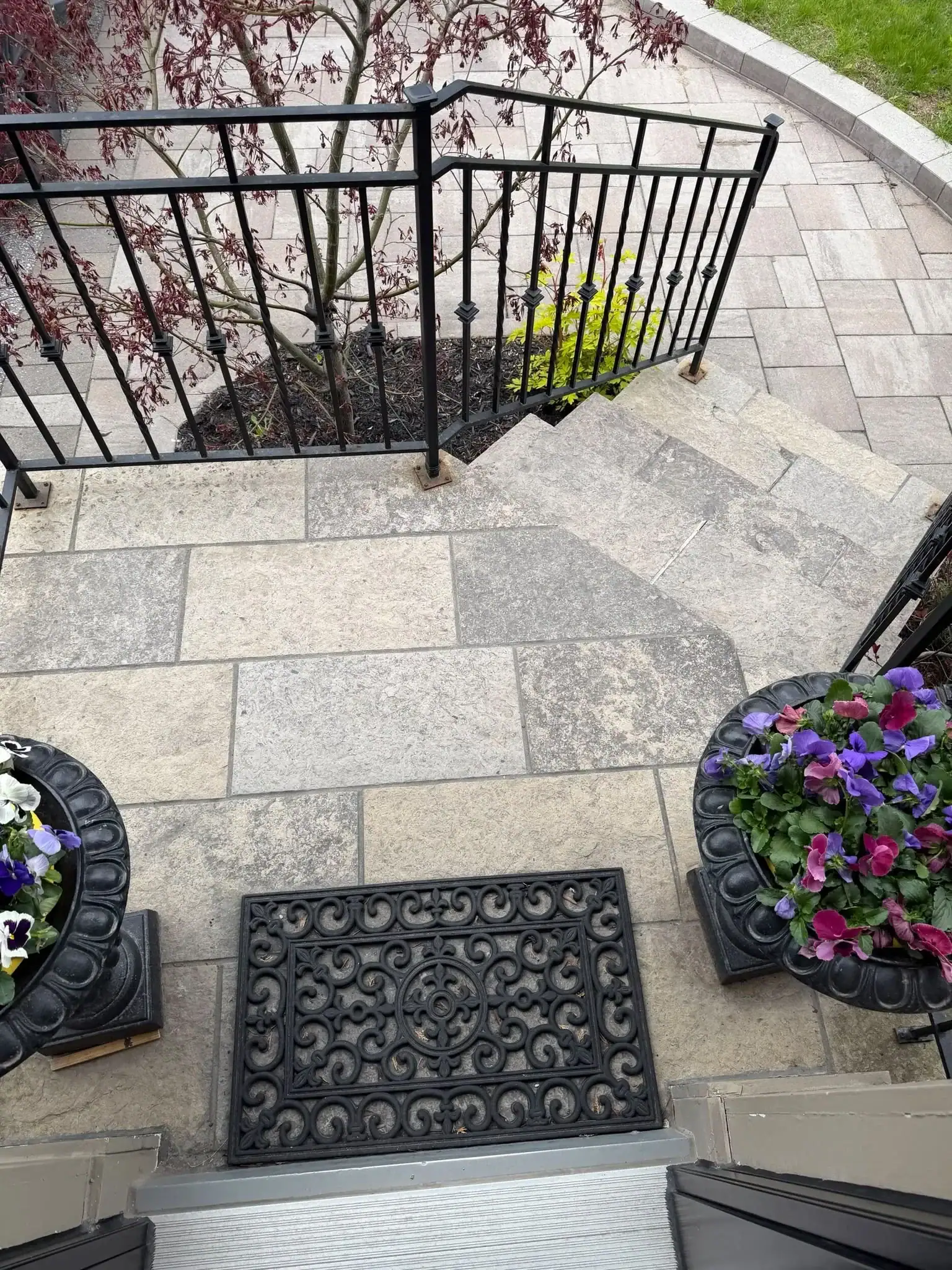
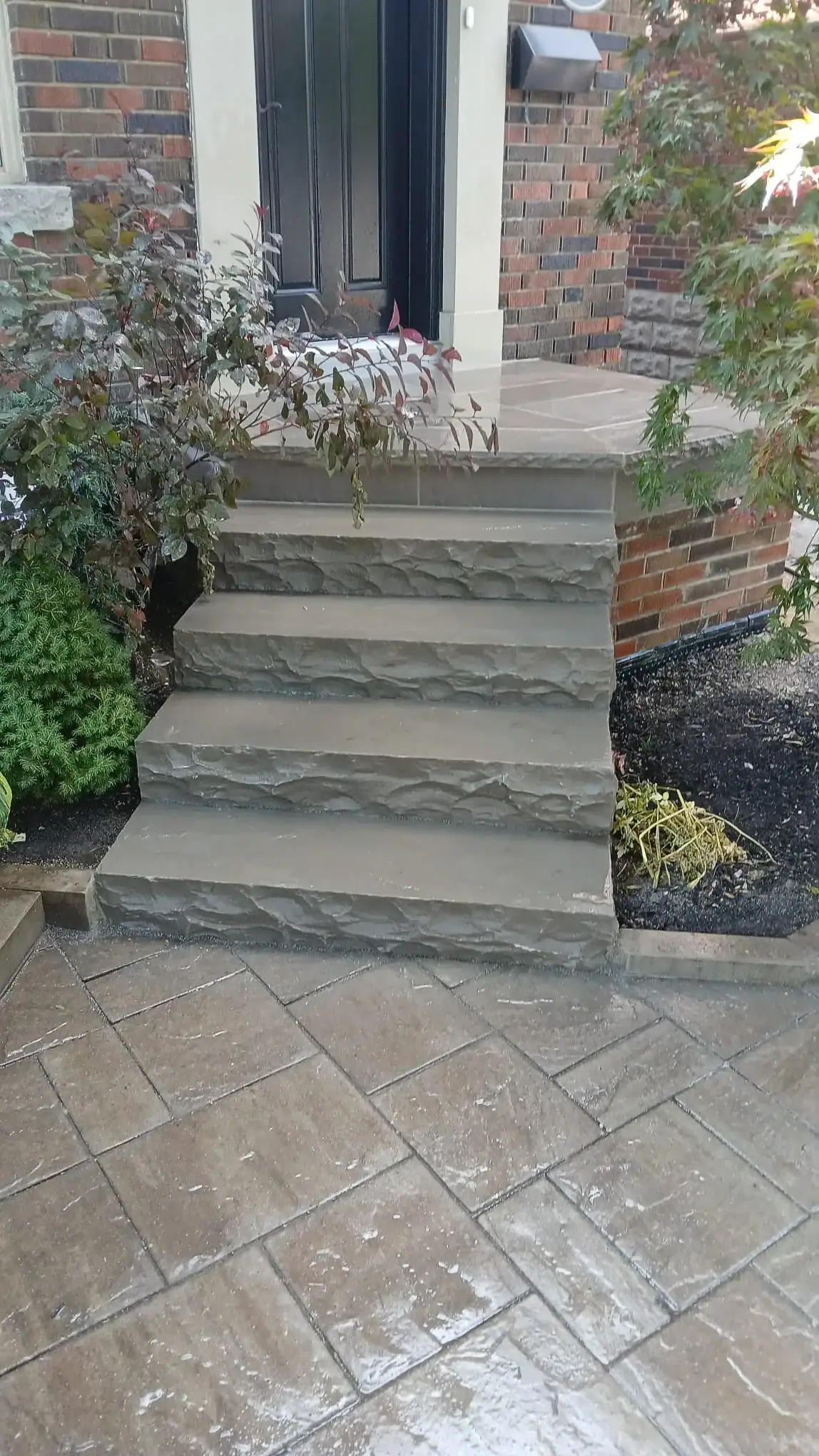
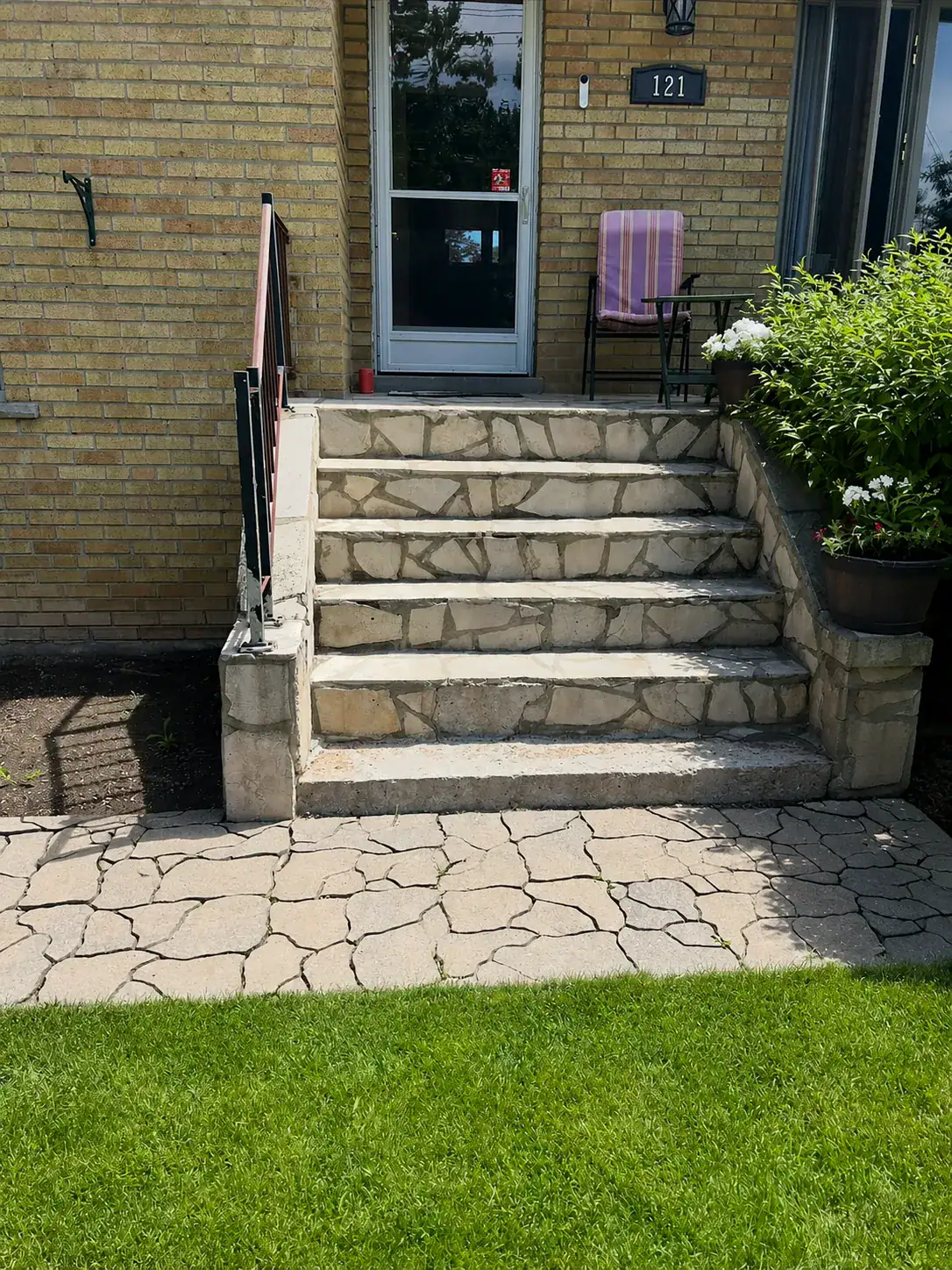
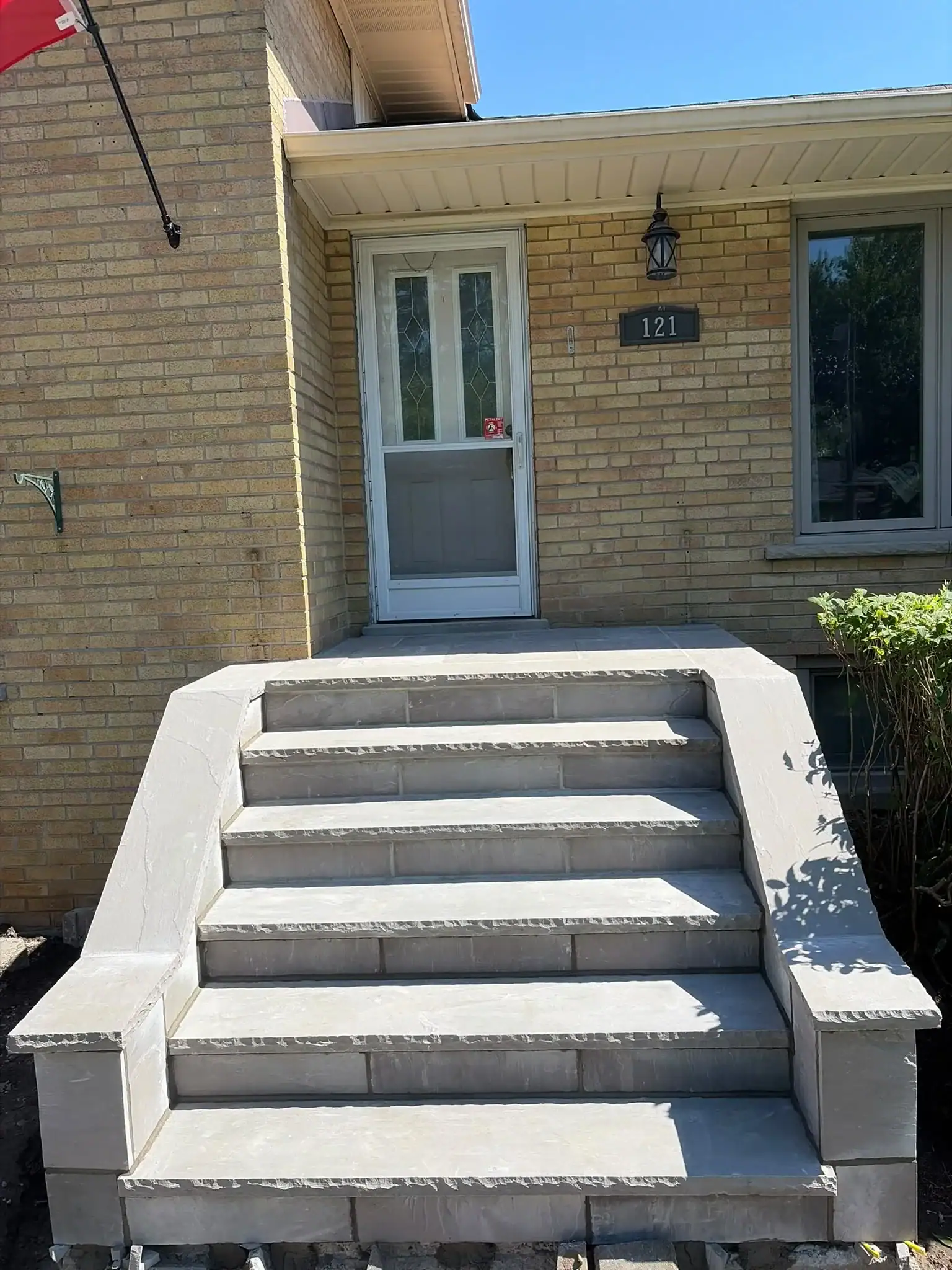
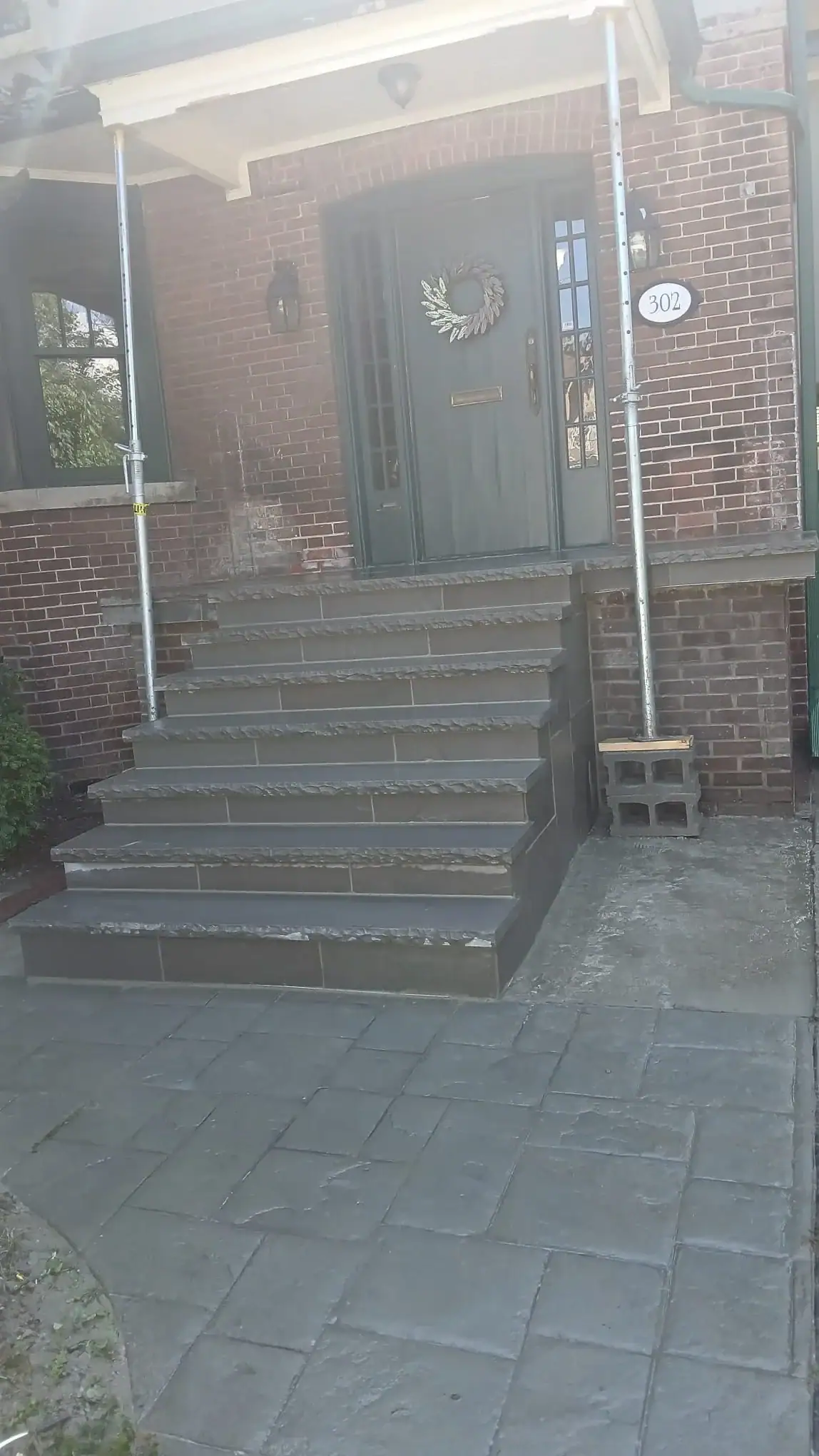
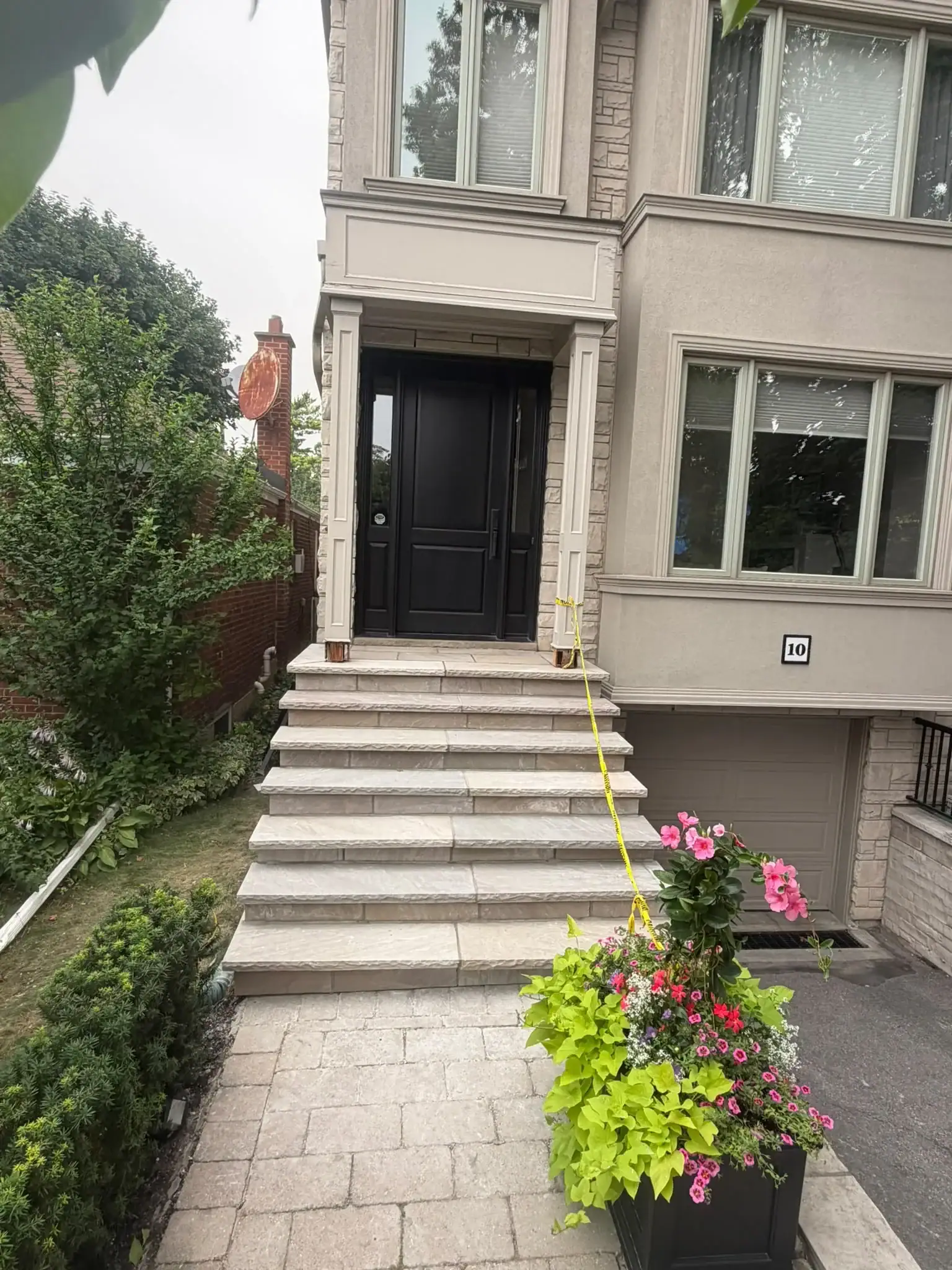
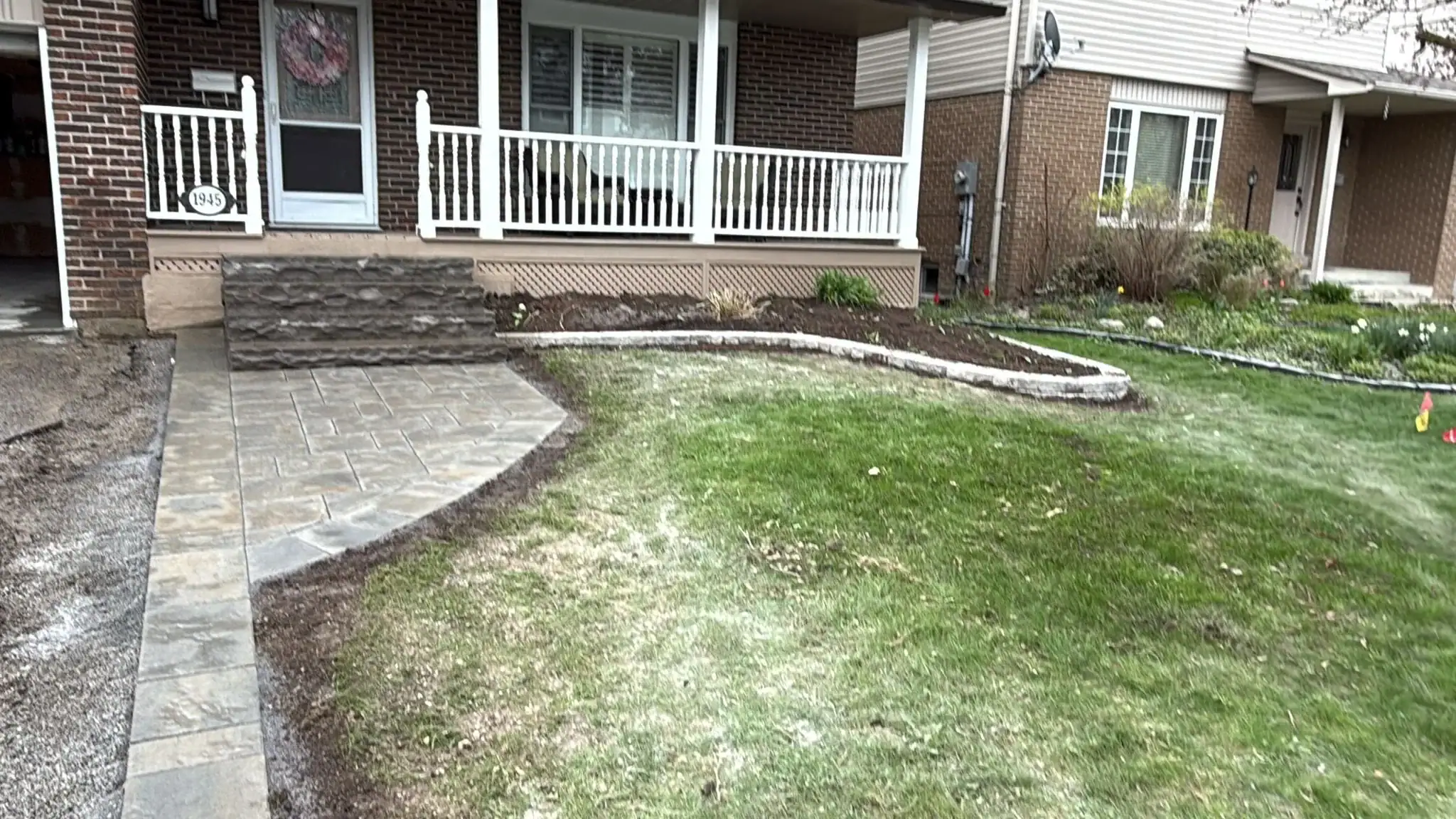
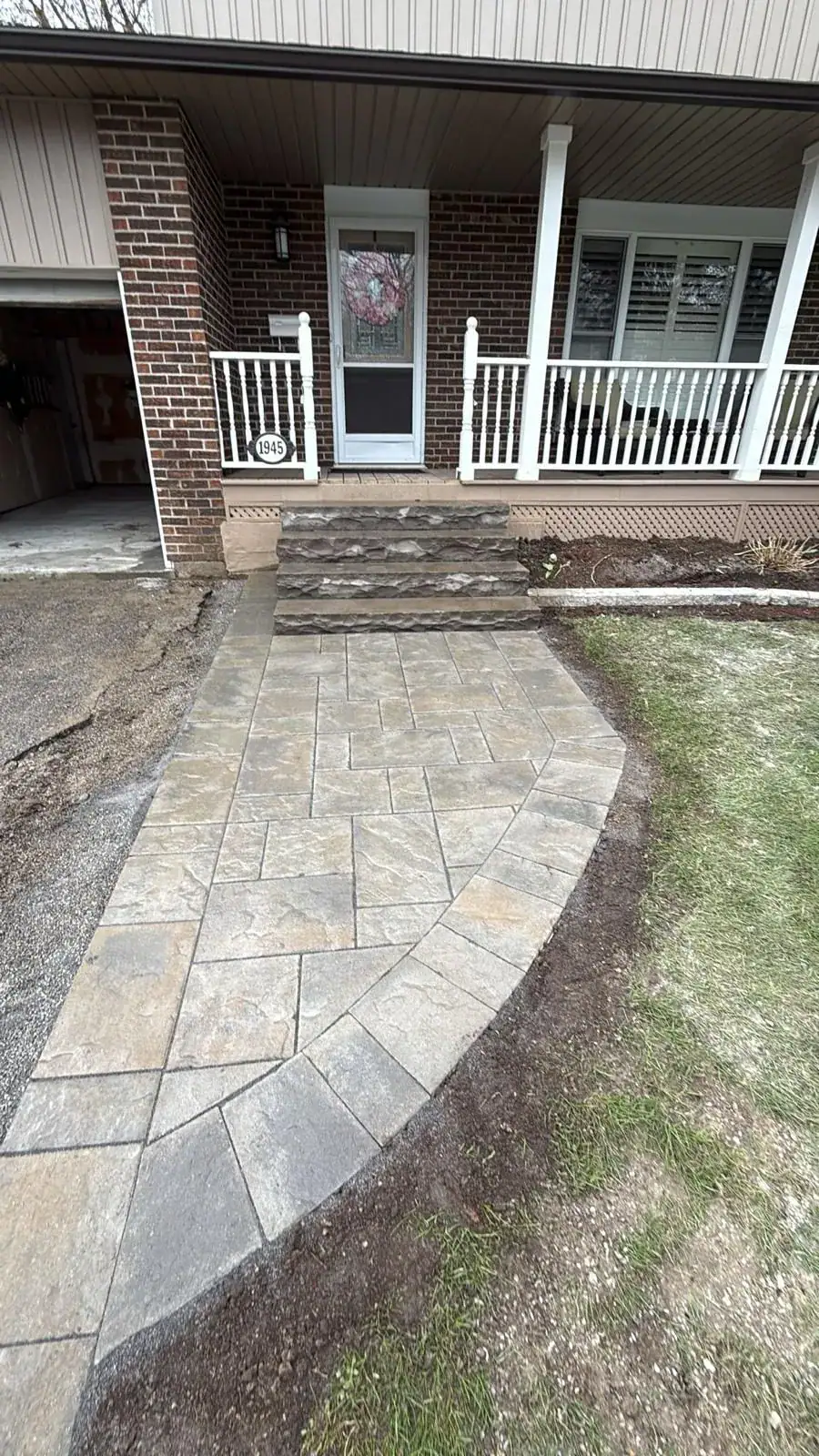
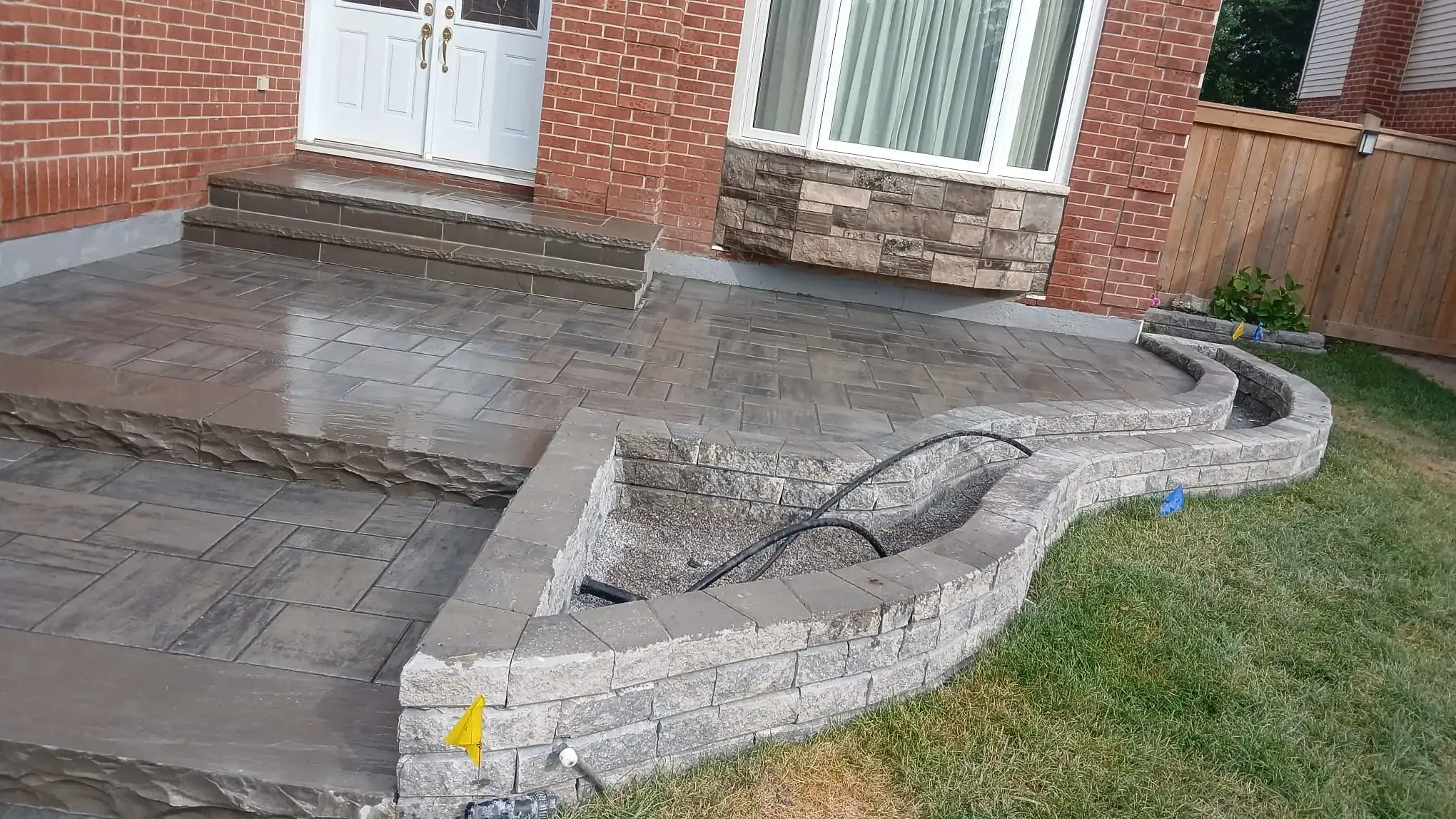
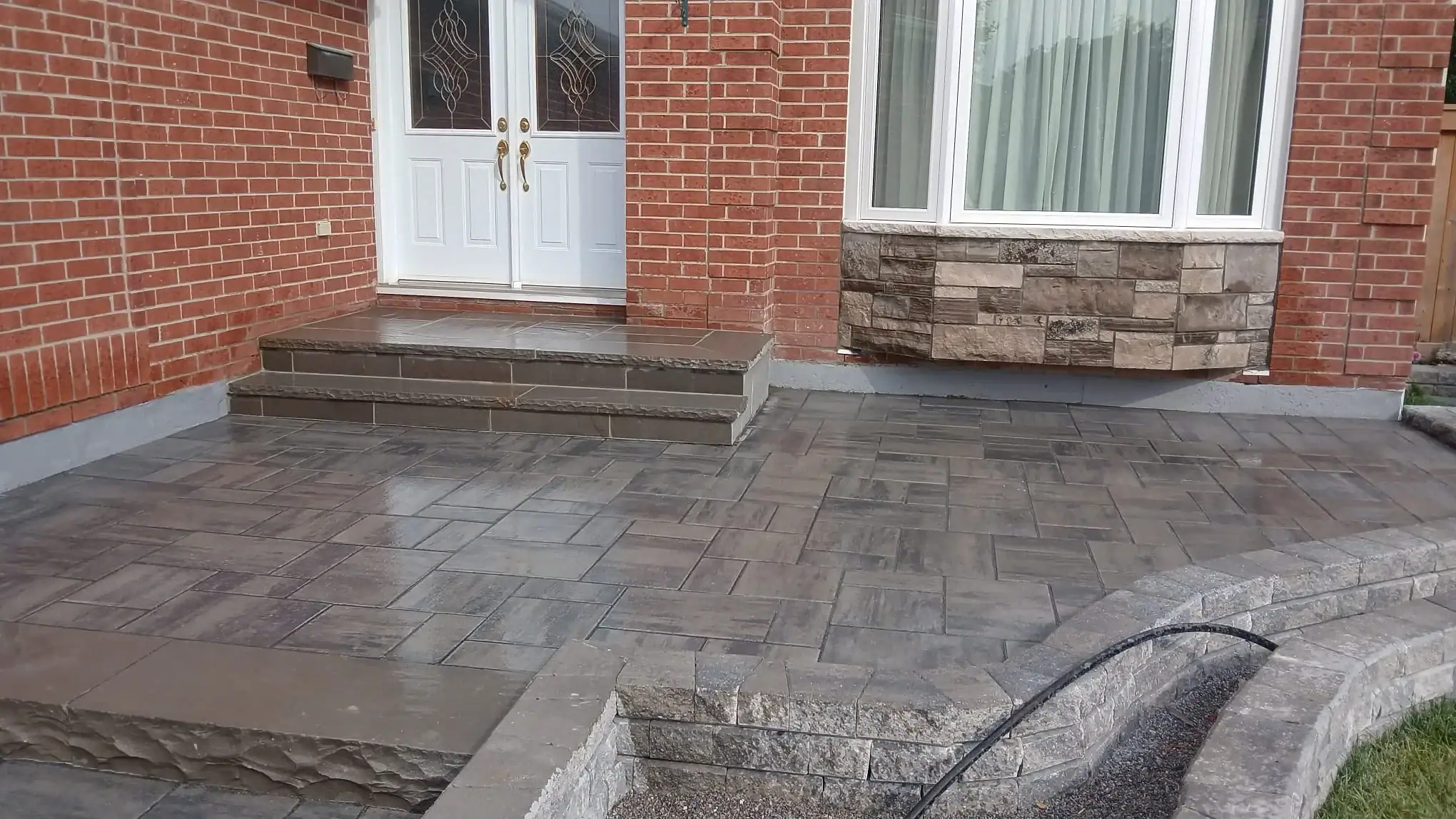
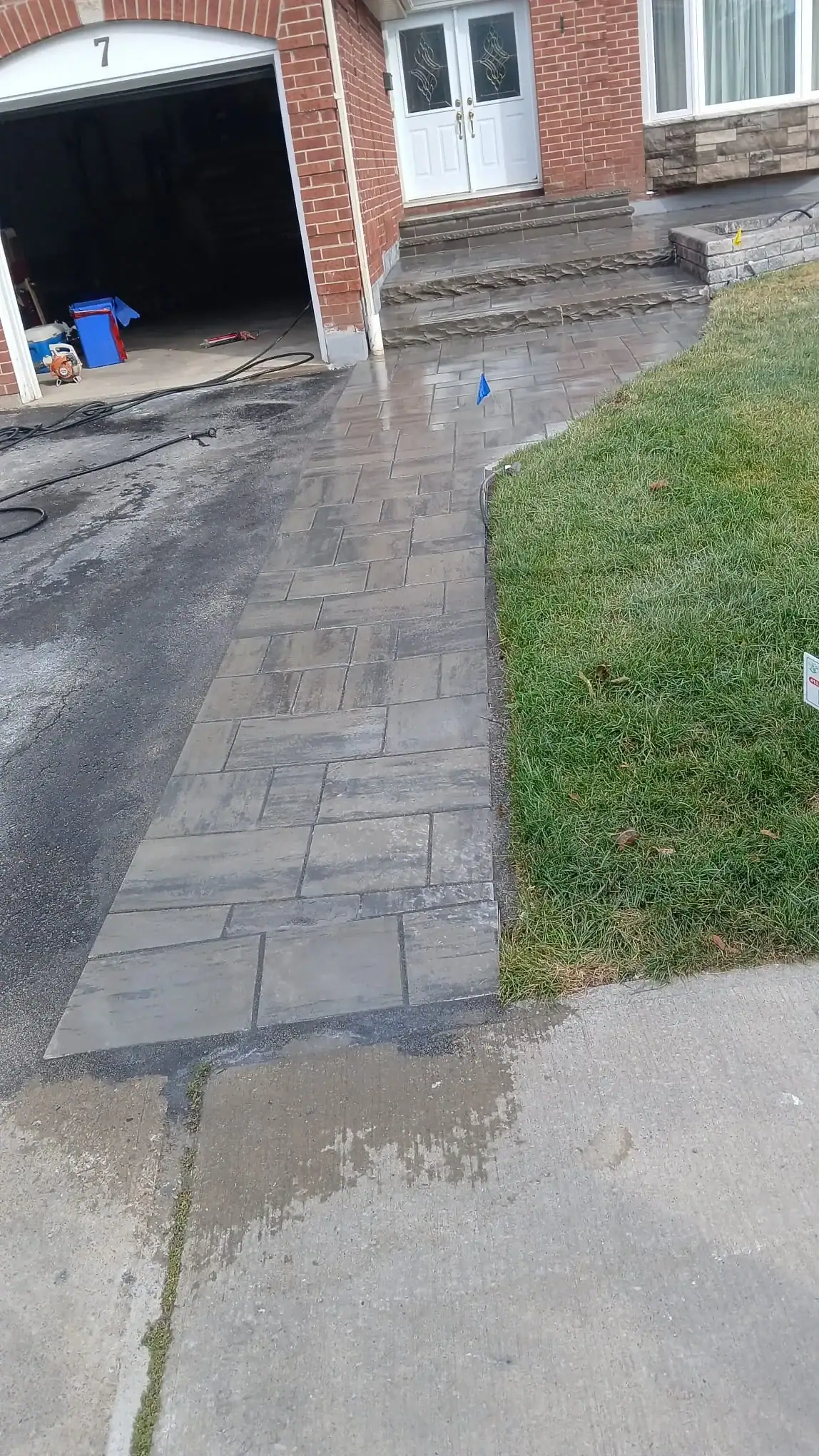
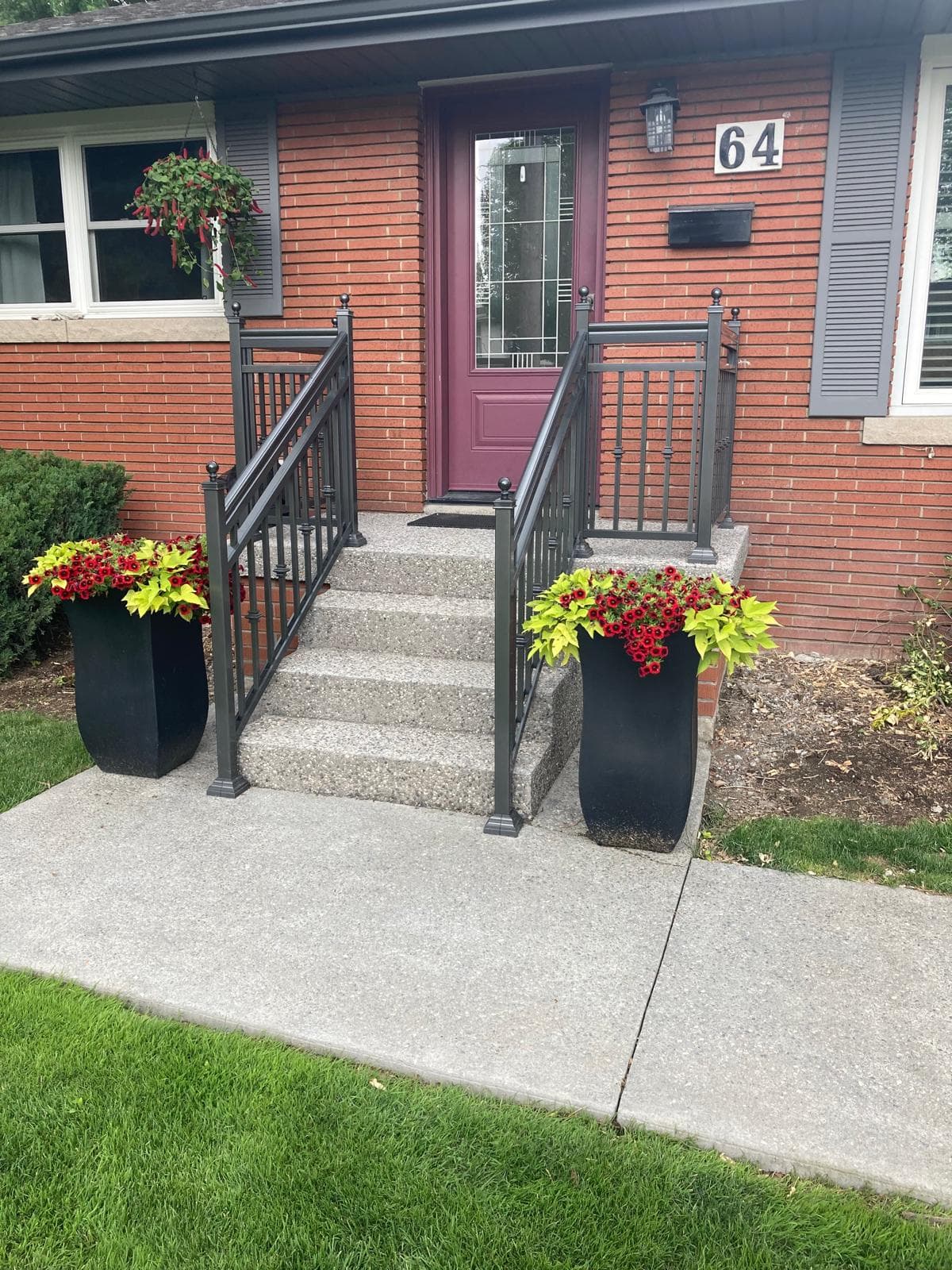
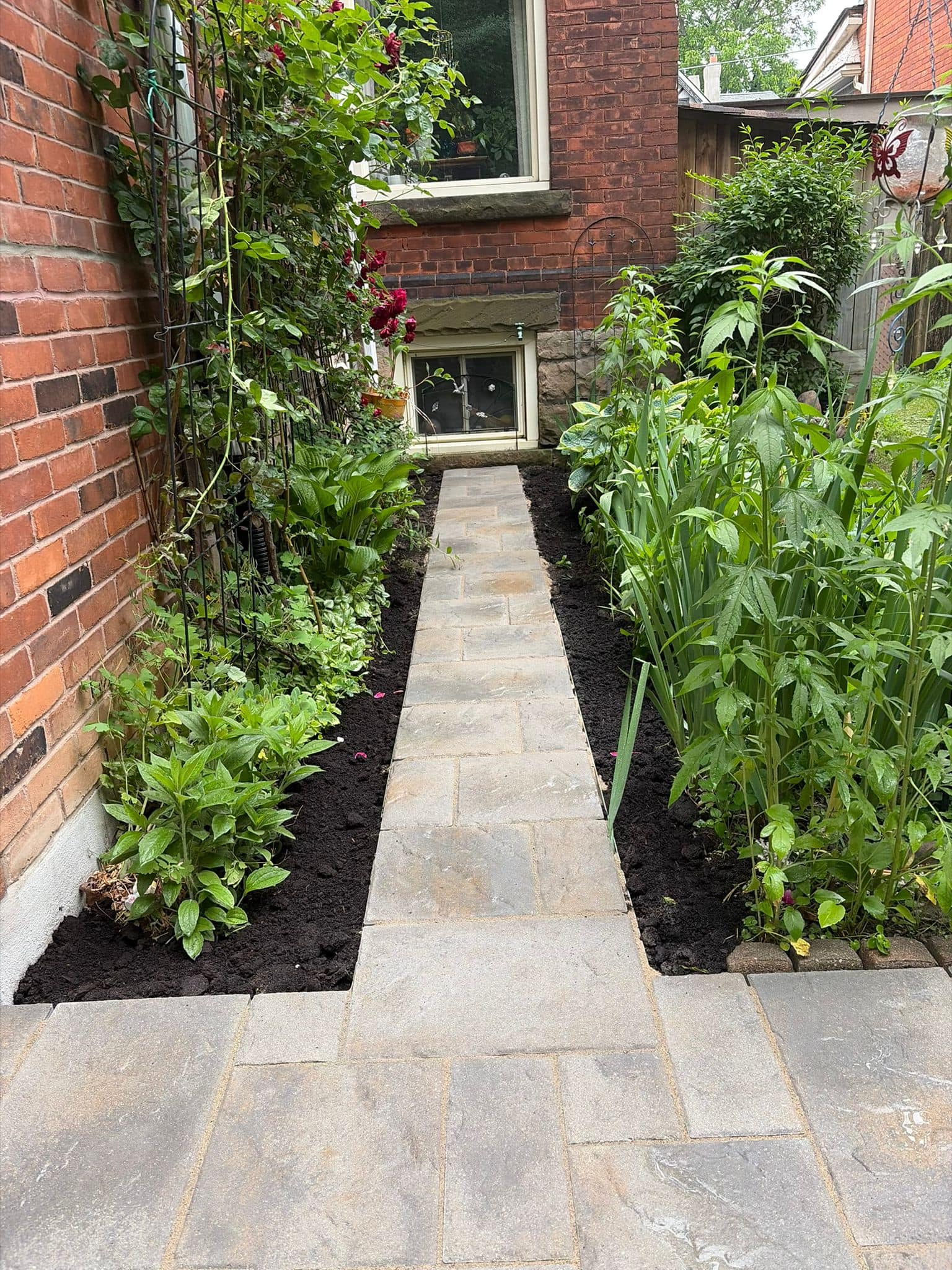
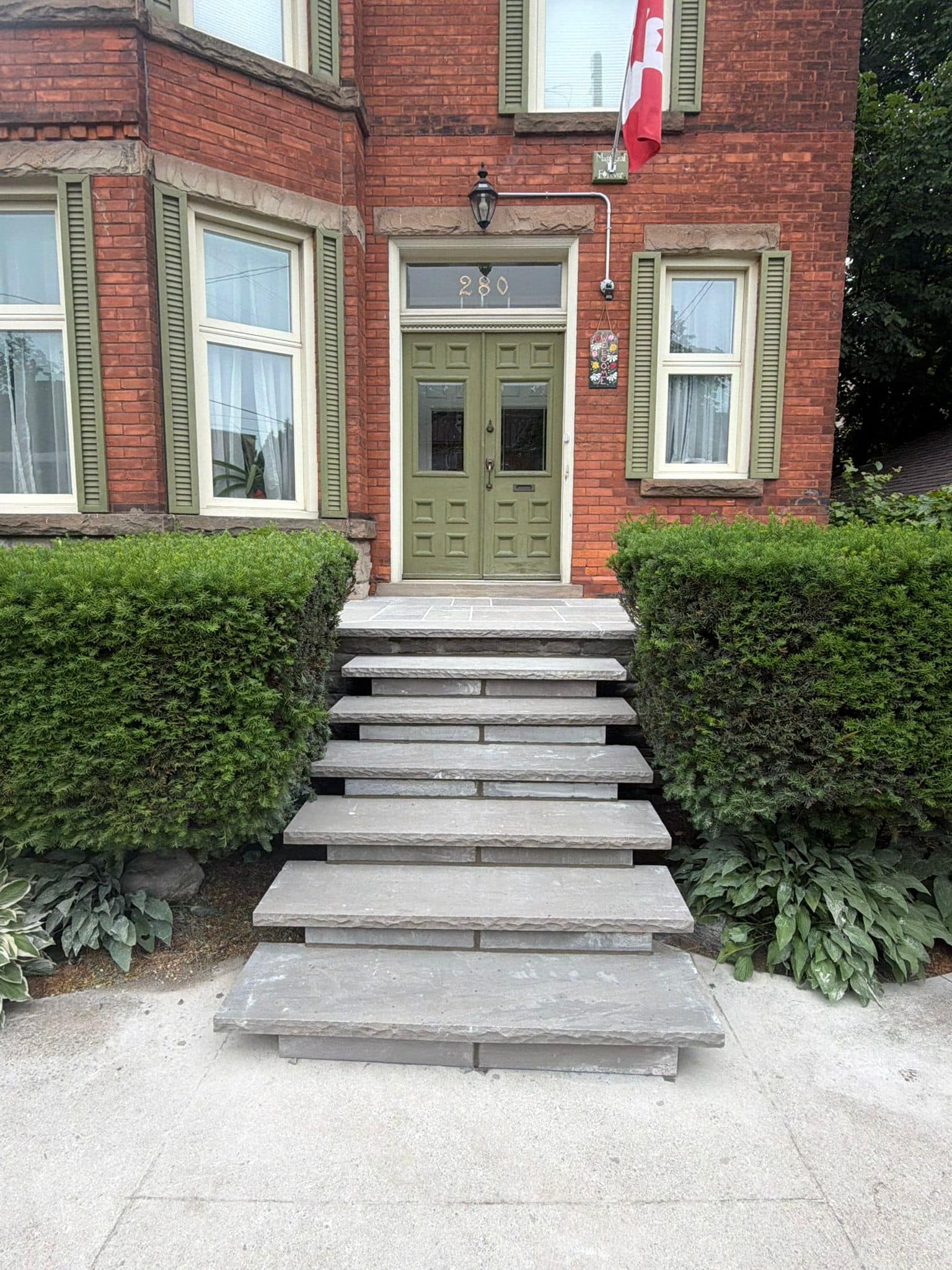
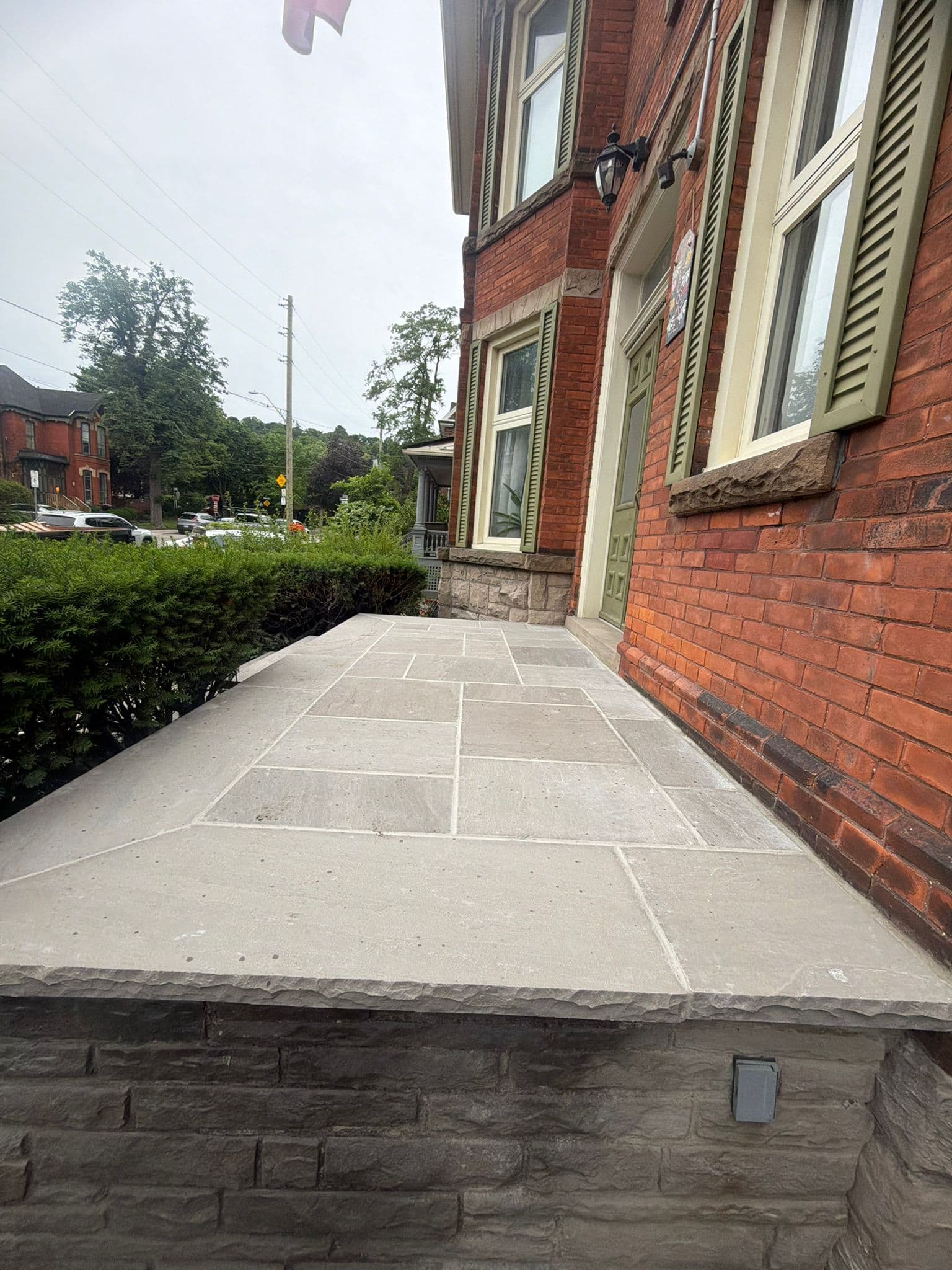
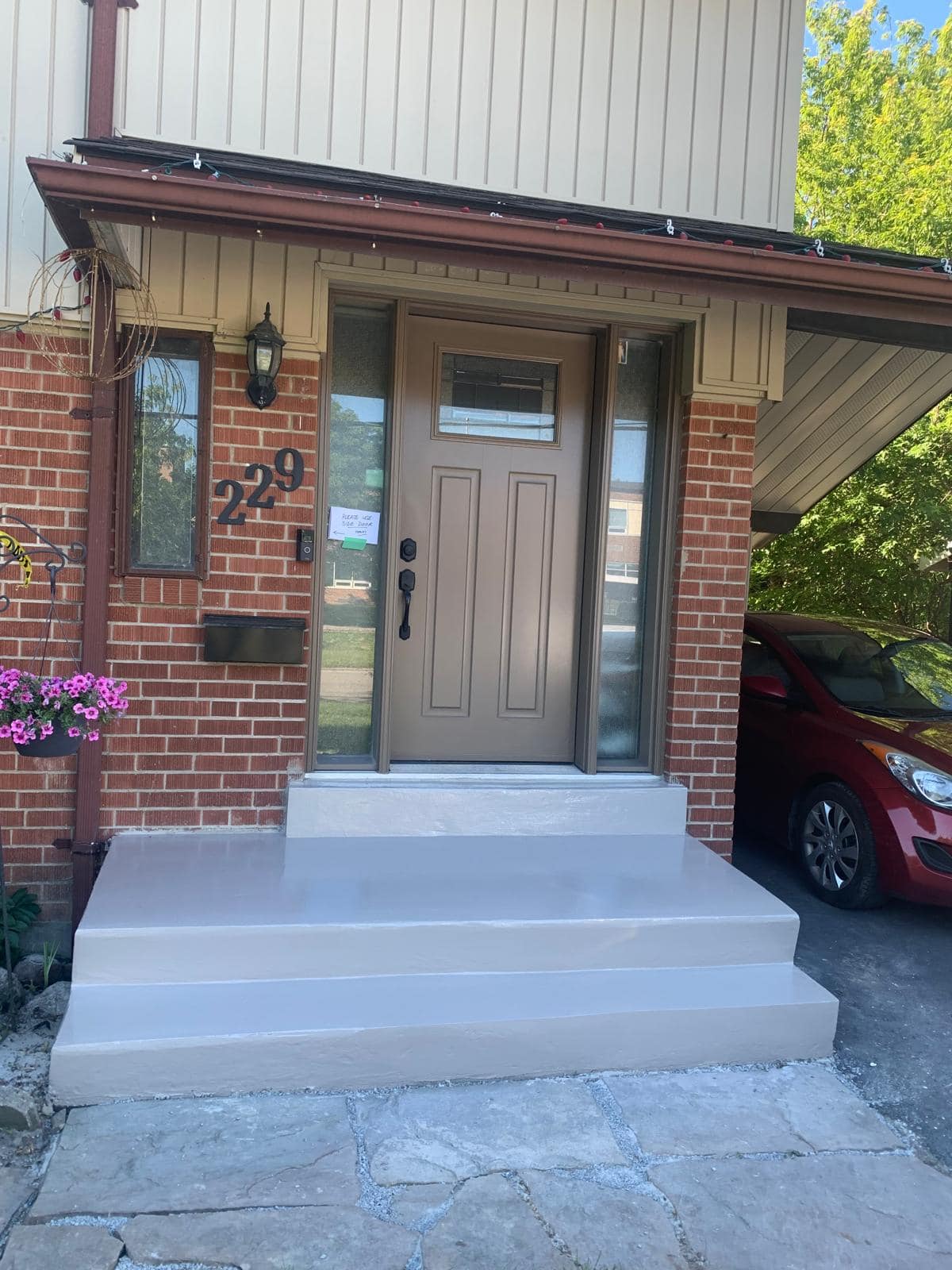
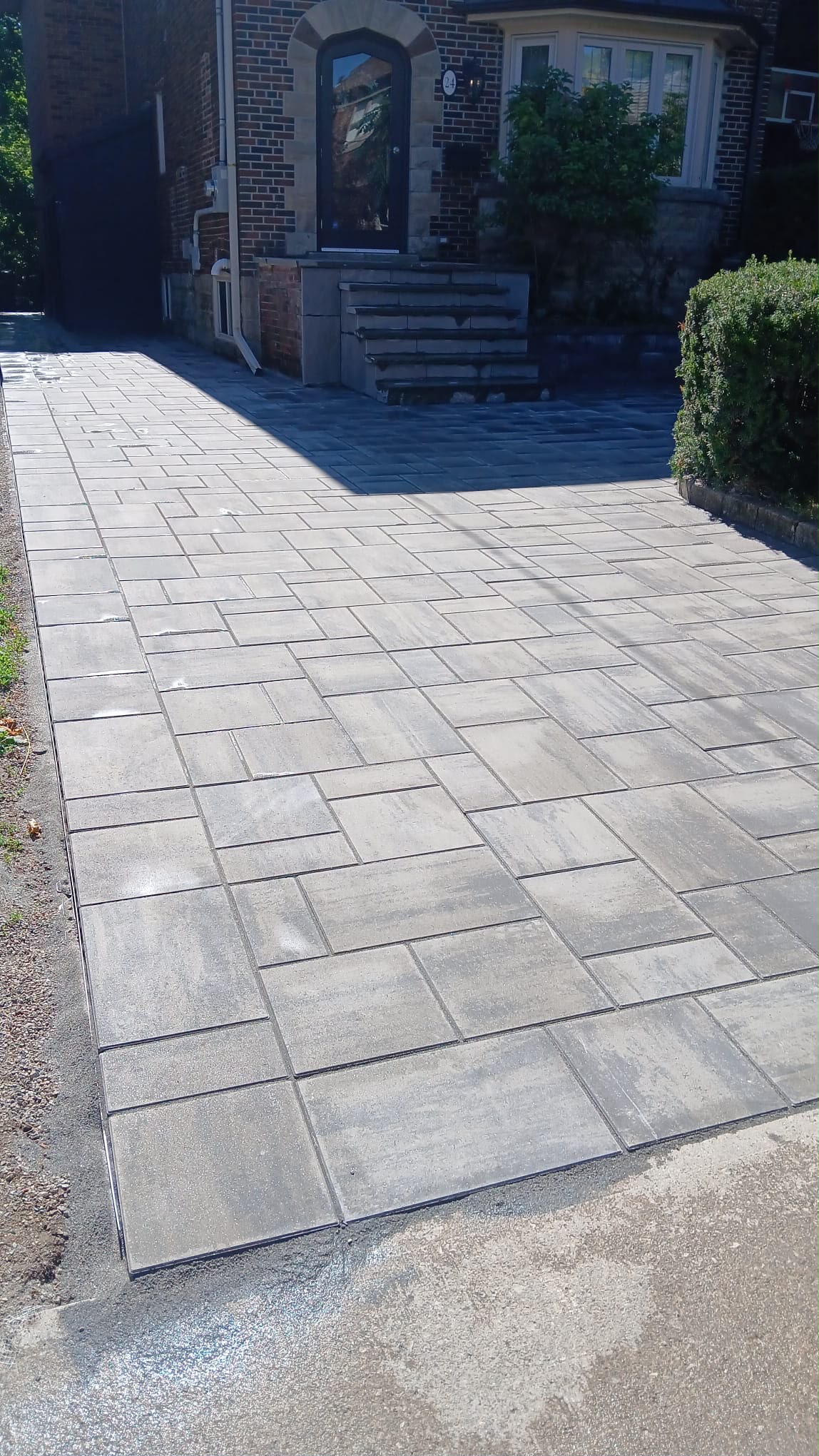
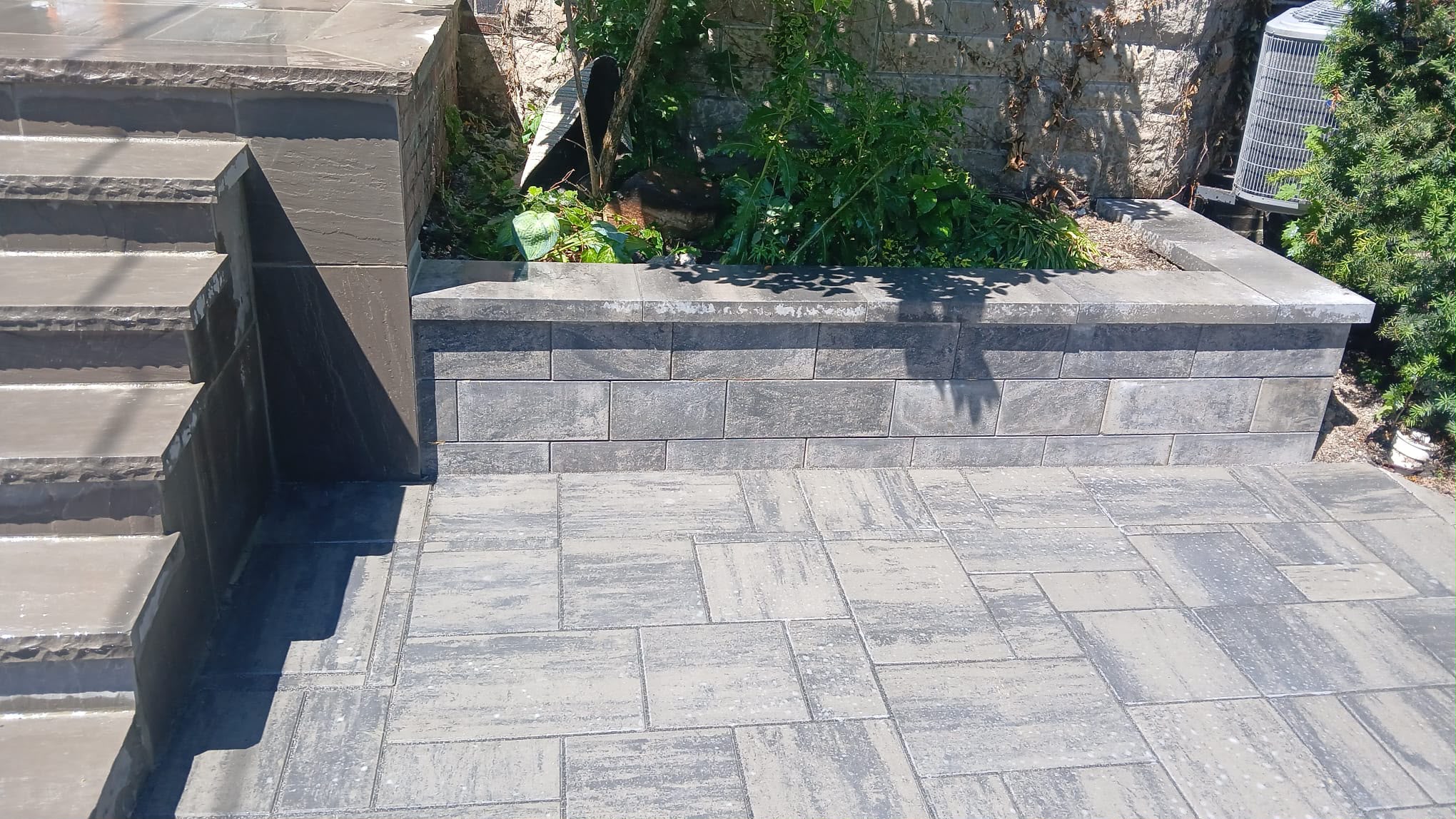
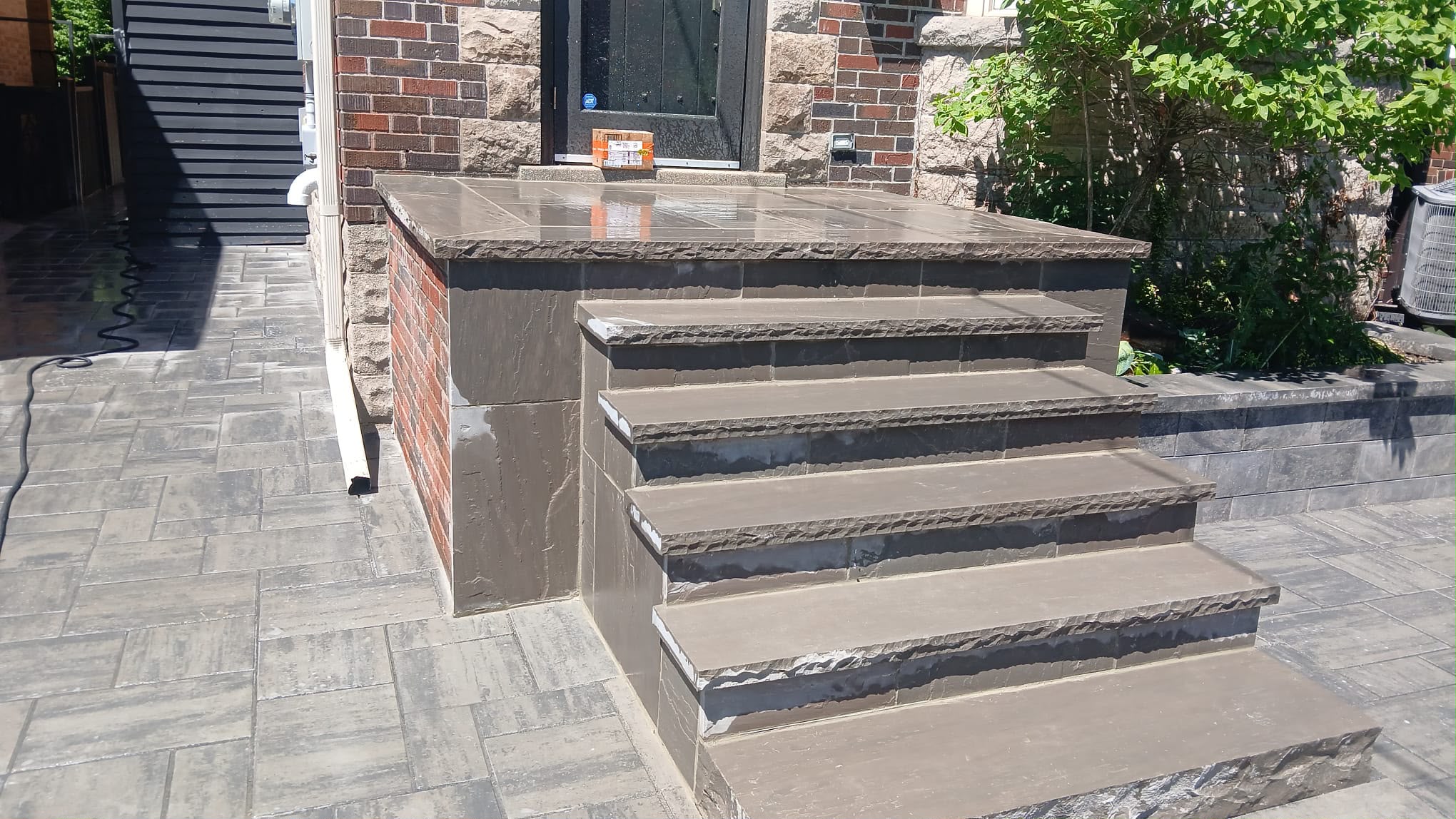
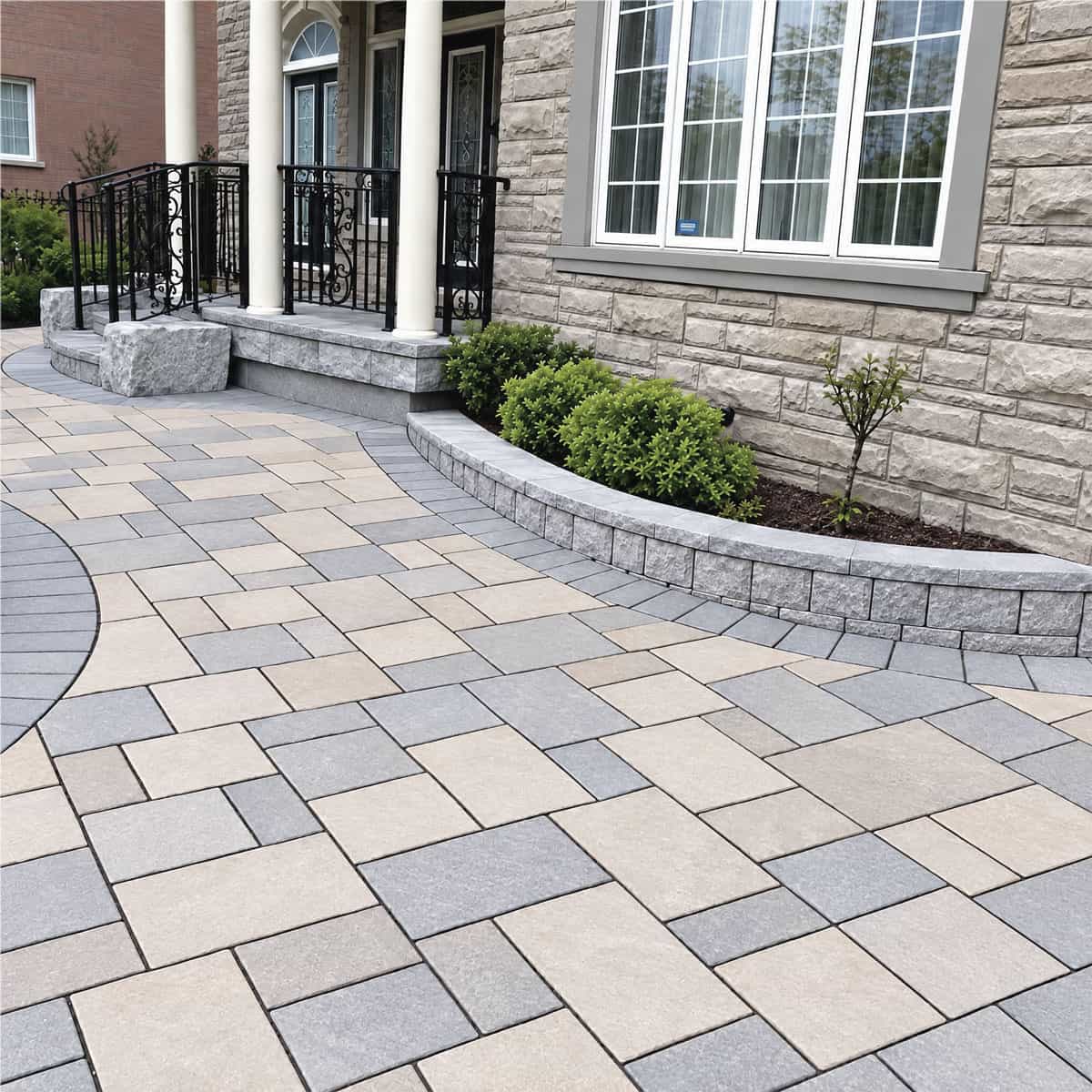
Yes. Interlocking driveways can be designed to coordinate with front walkways, steps, and other entrance features for a more finished look.