

Frequently Asked Questions From Toronto Interlocking Clients
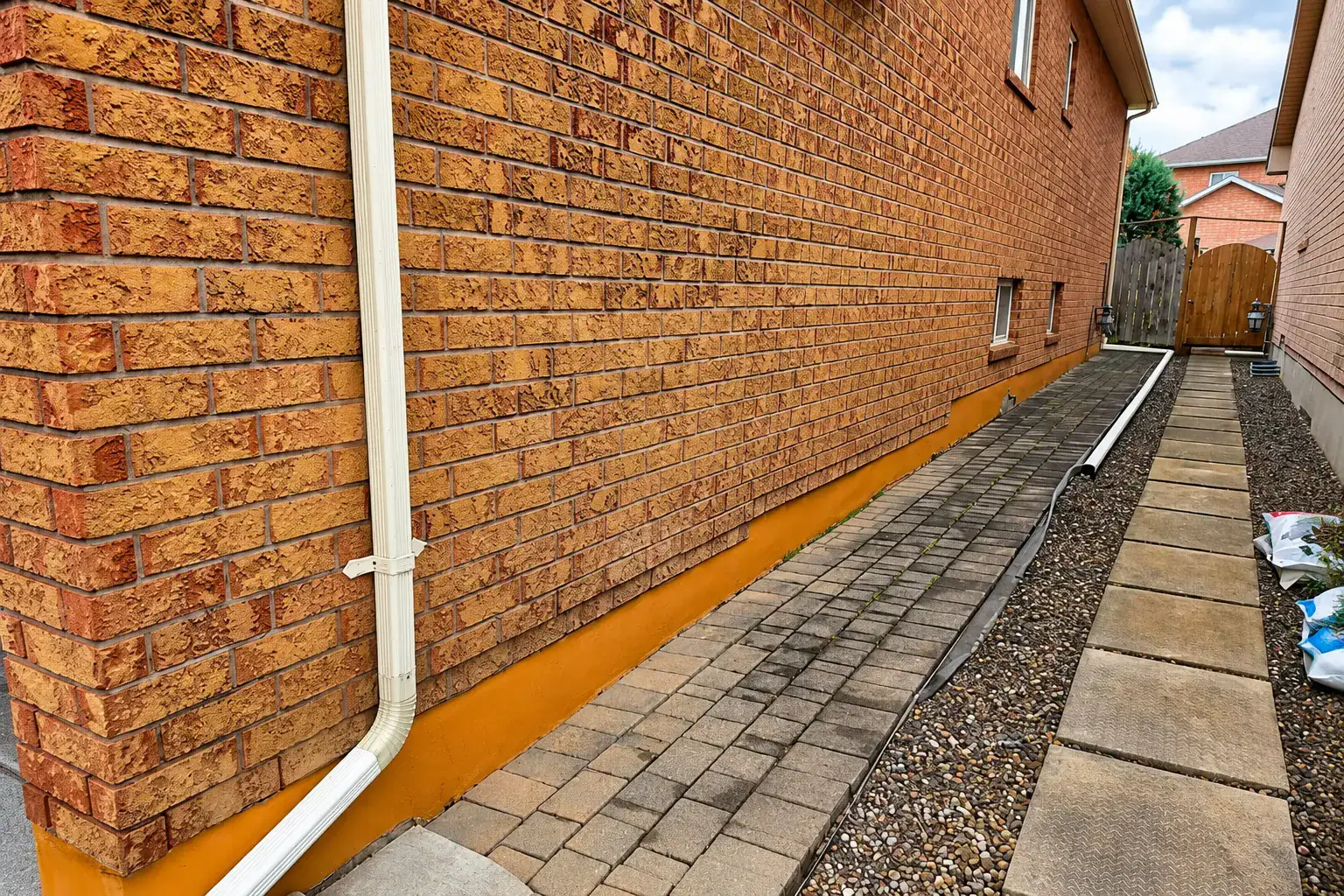
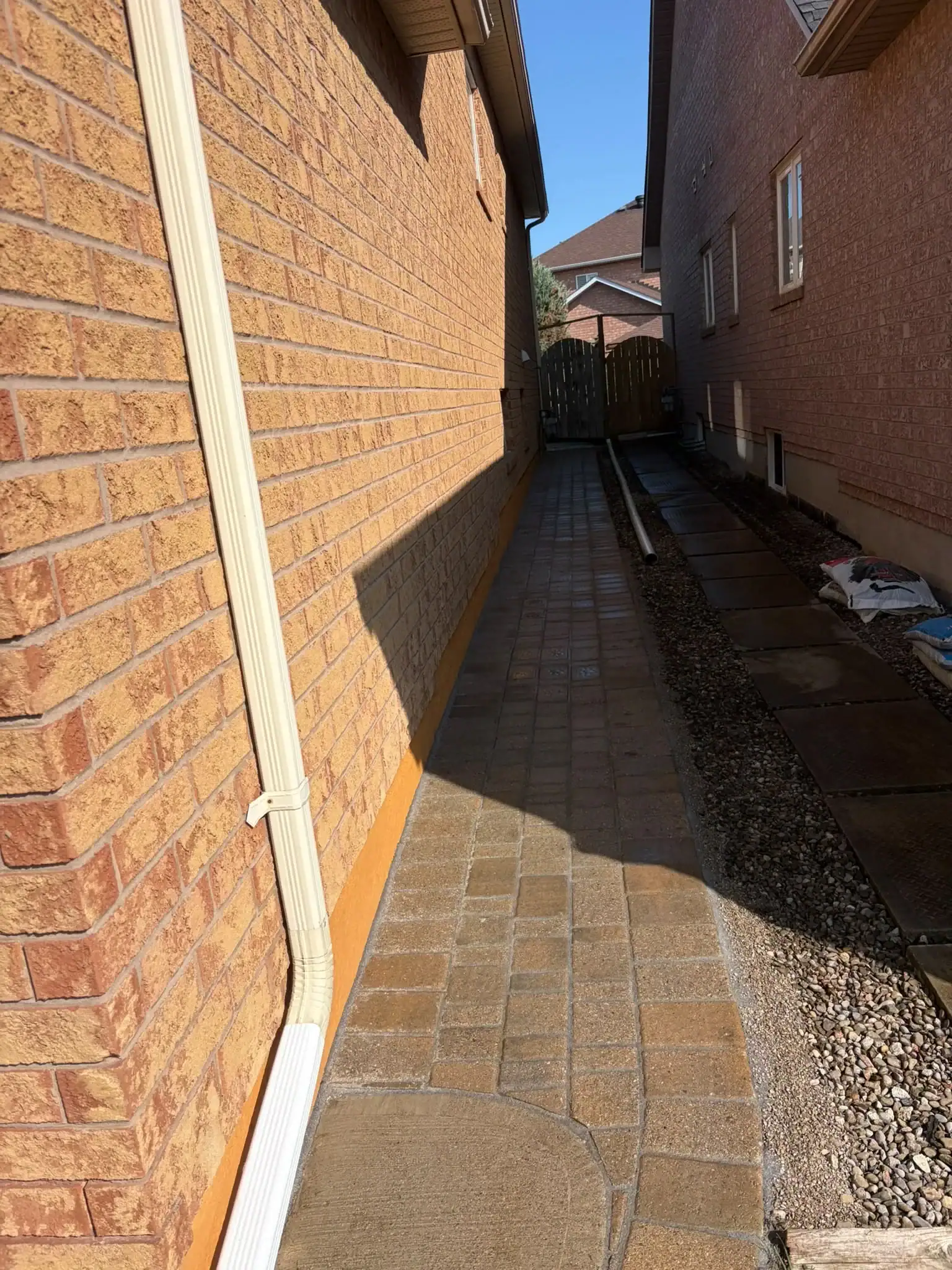
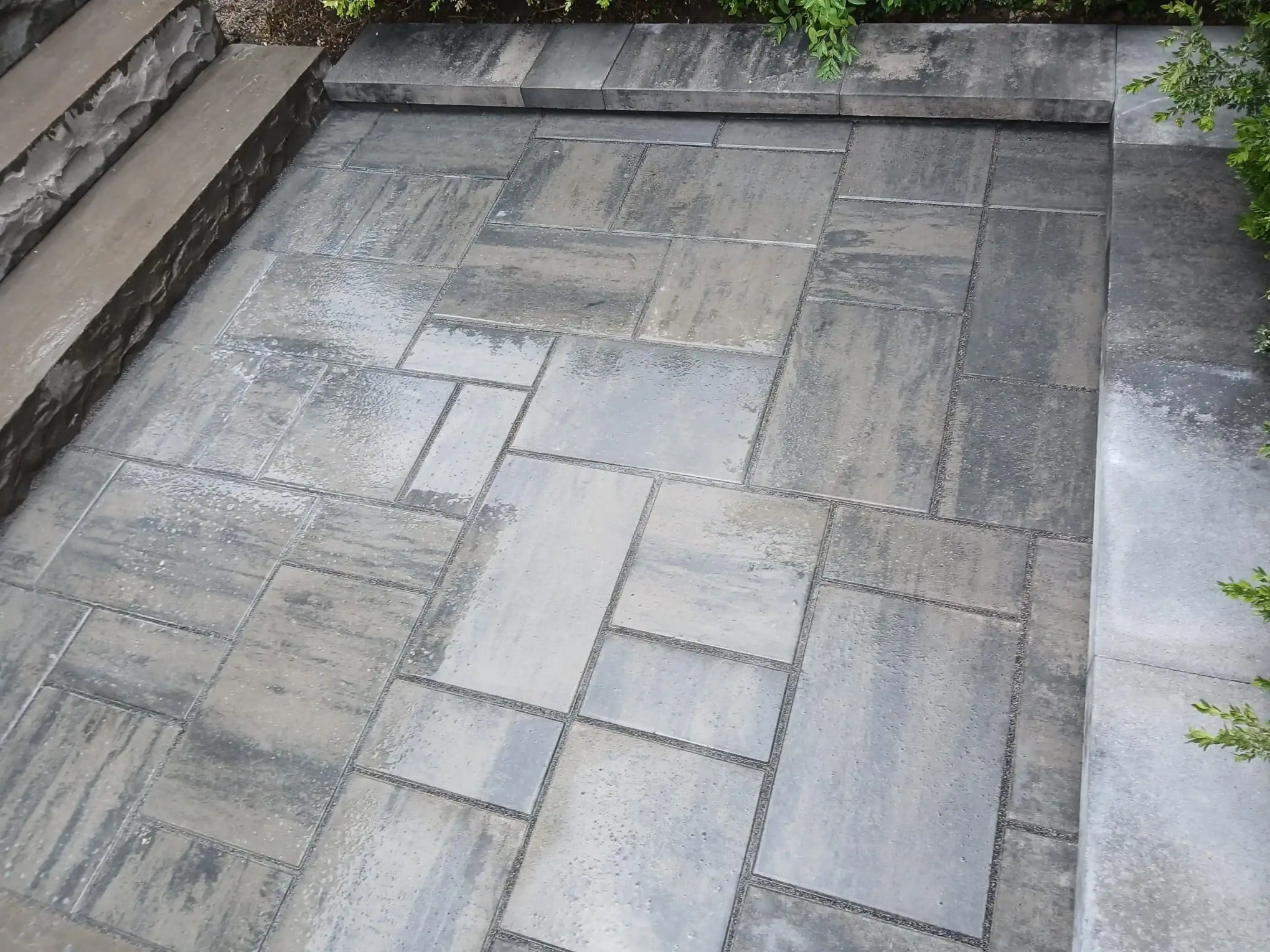
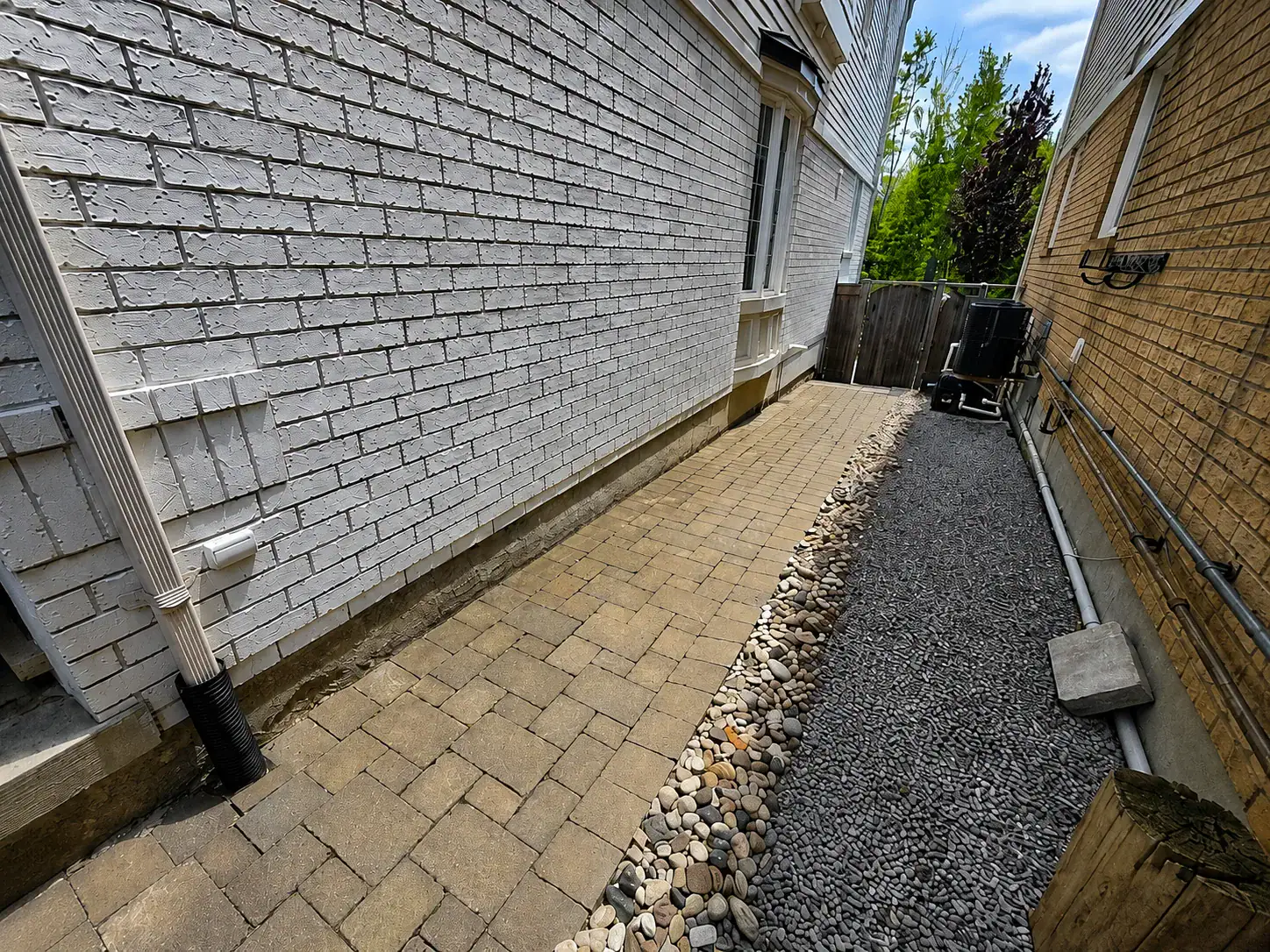
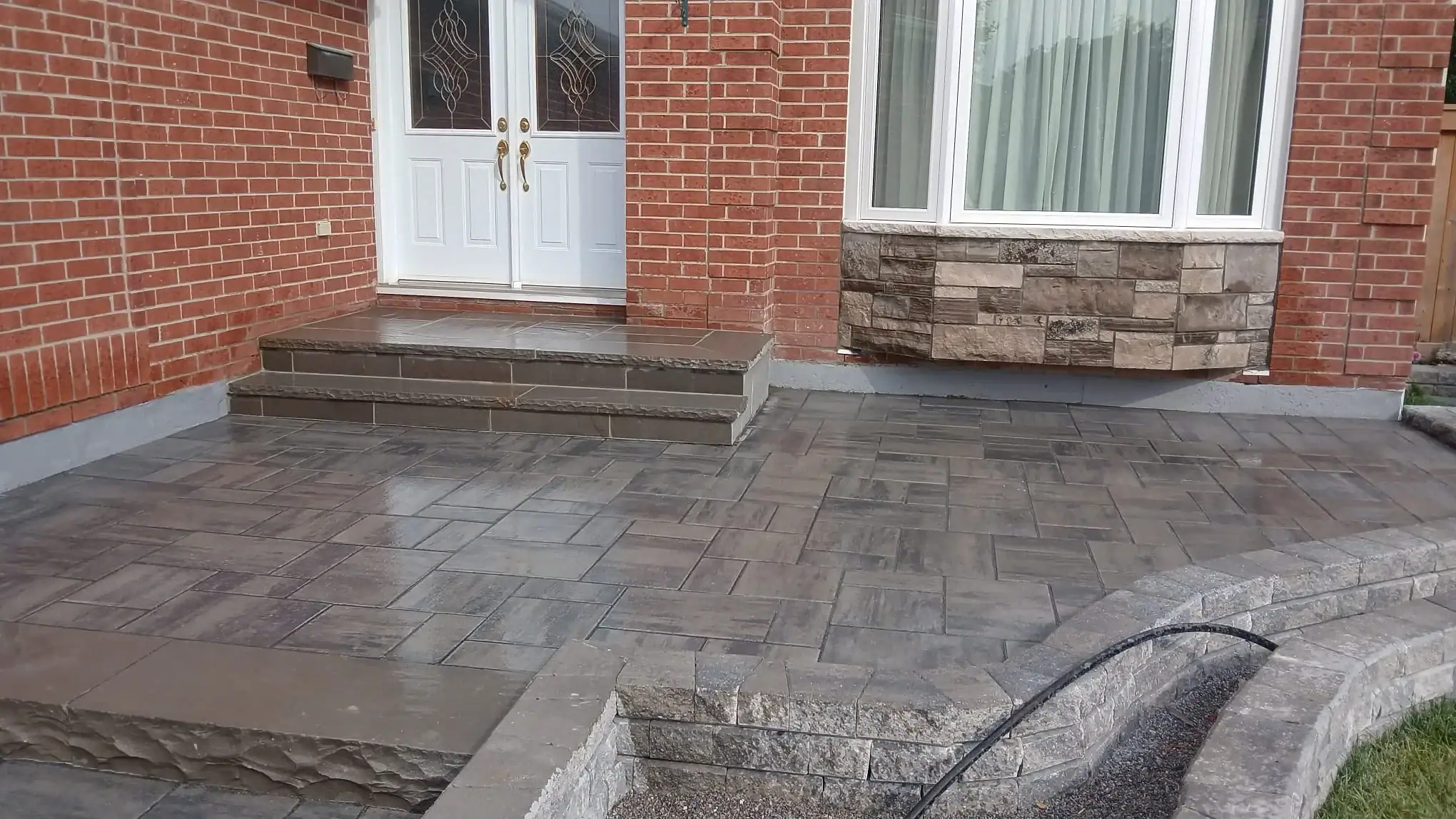
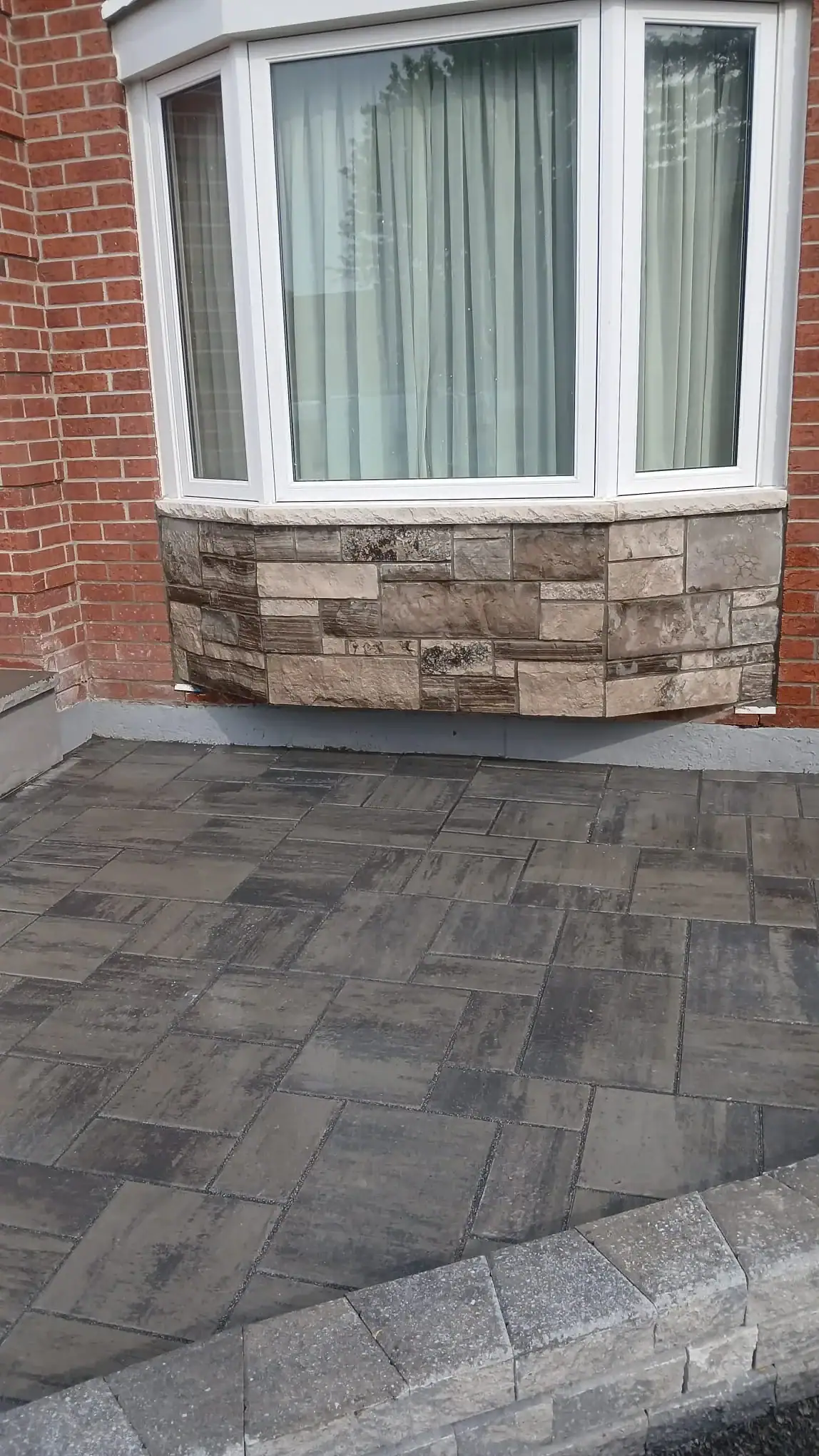
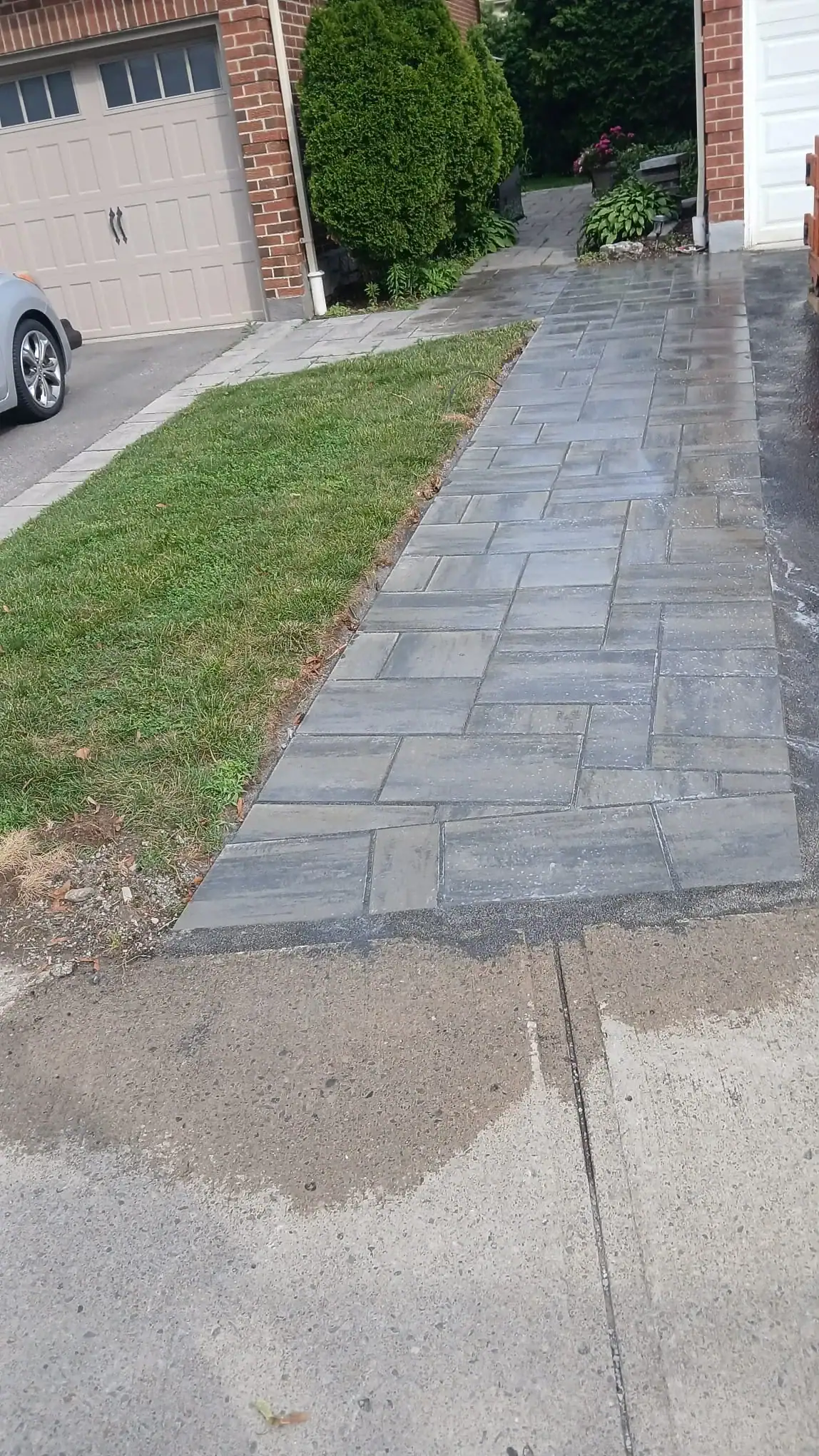
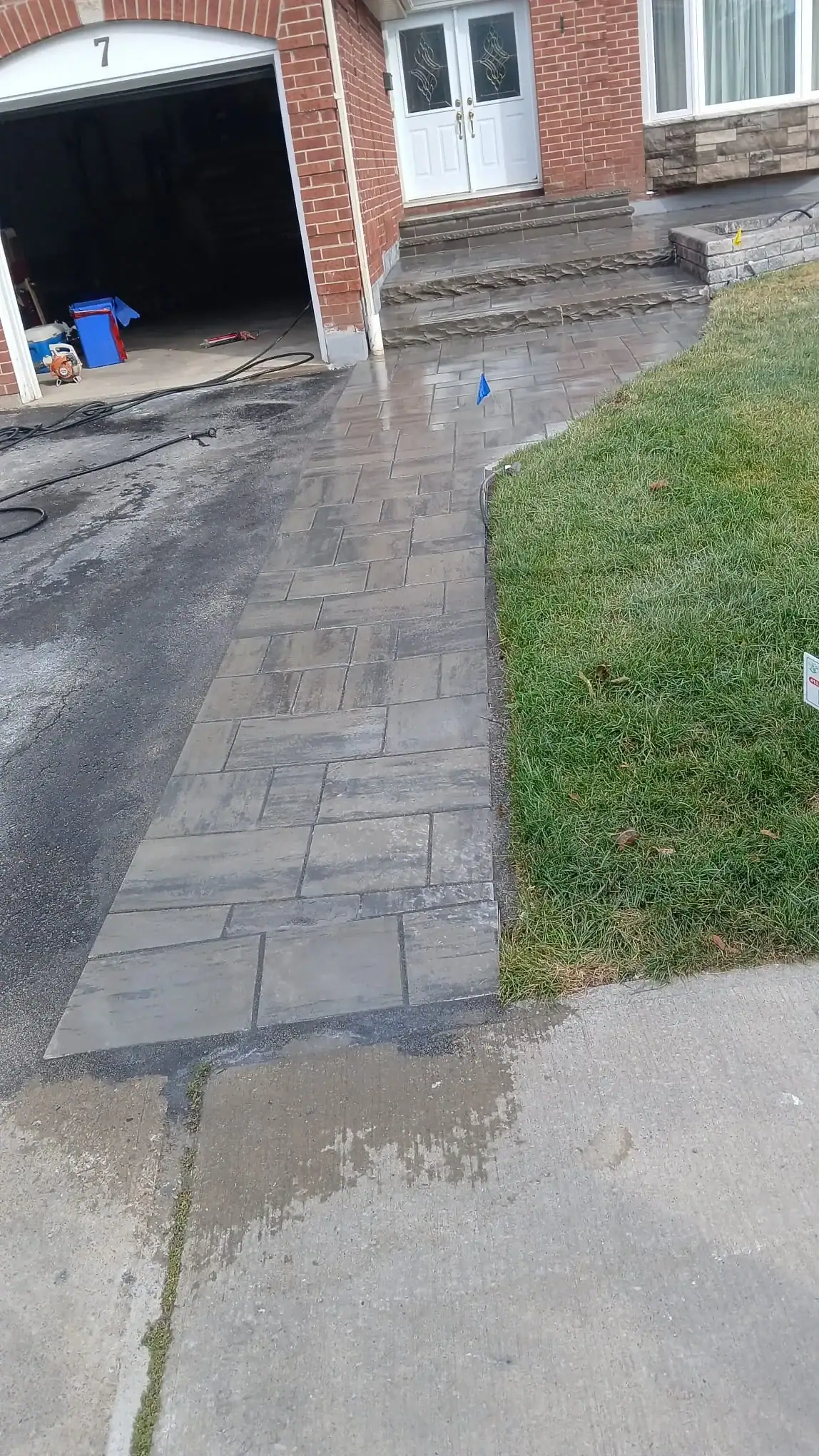
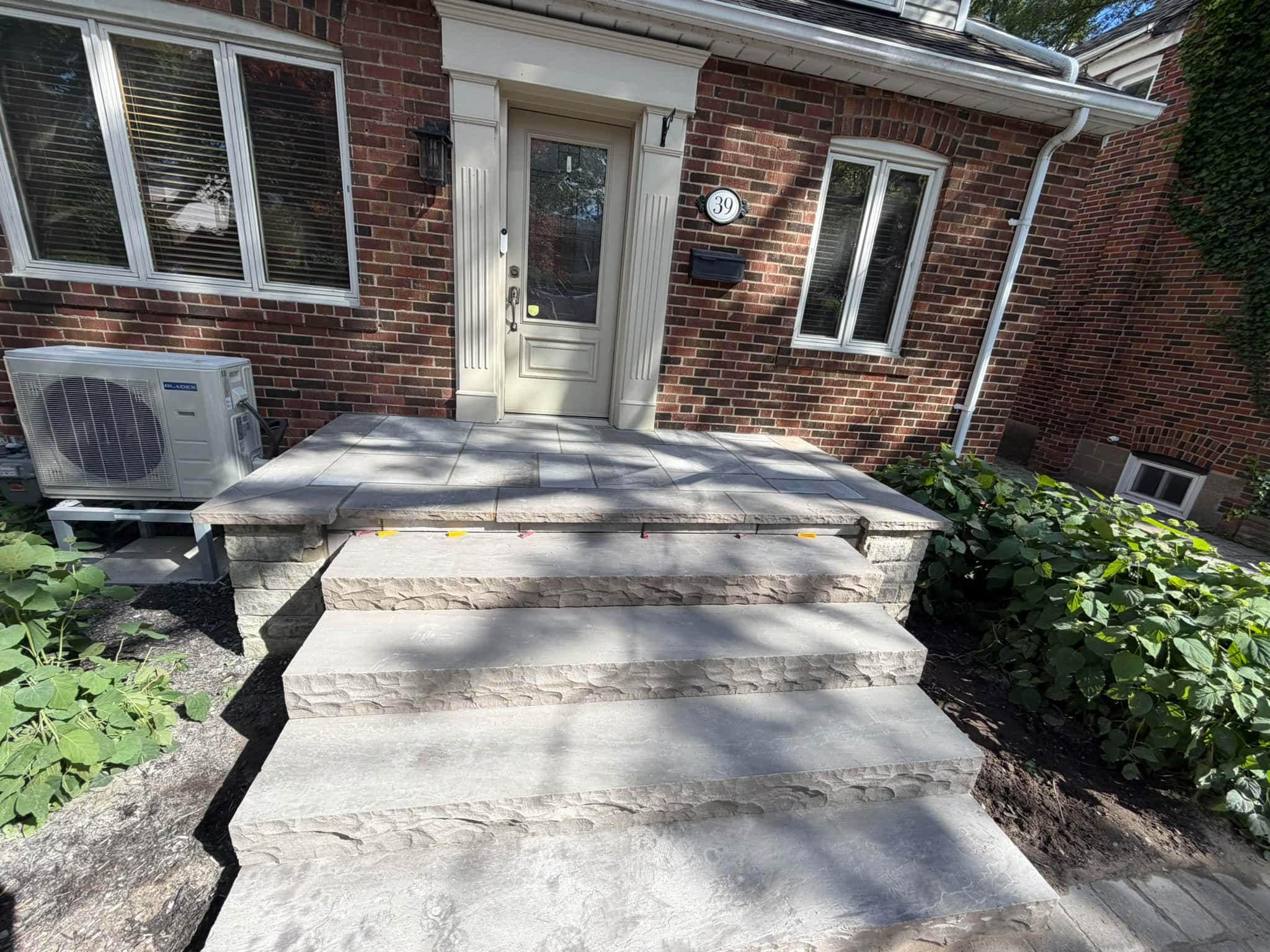
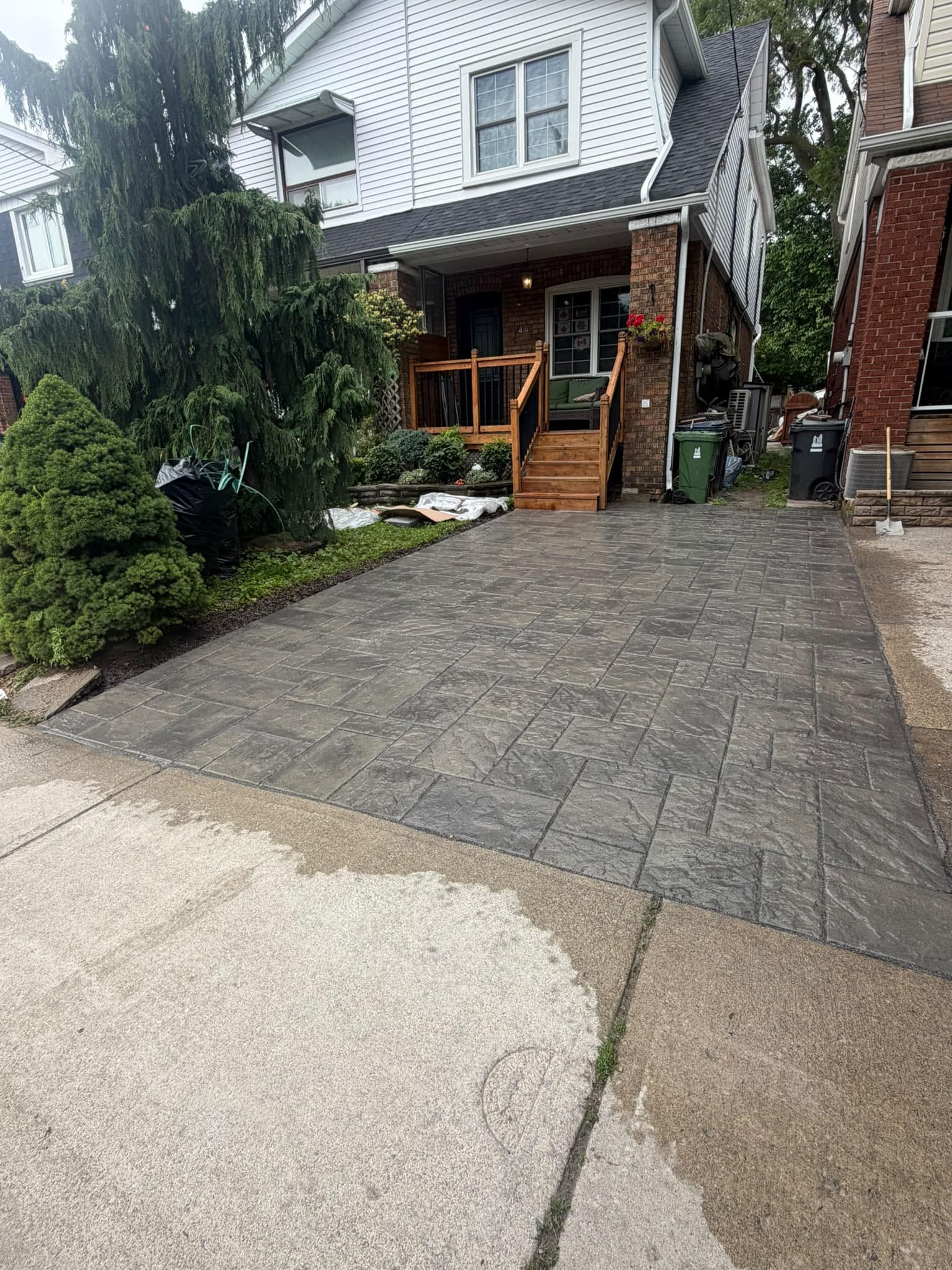
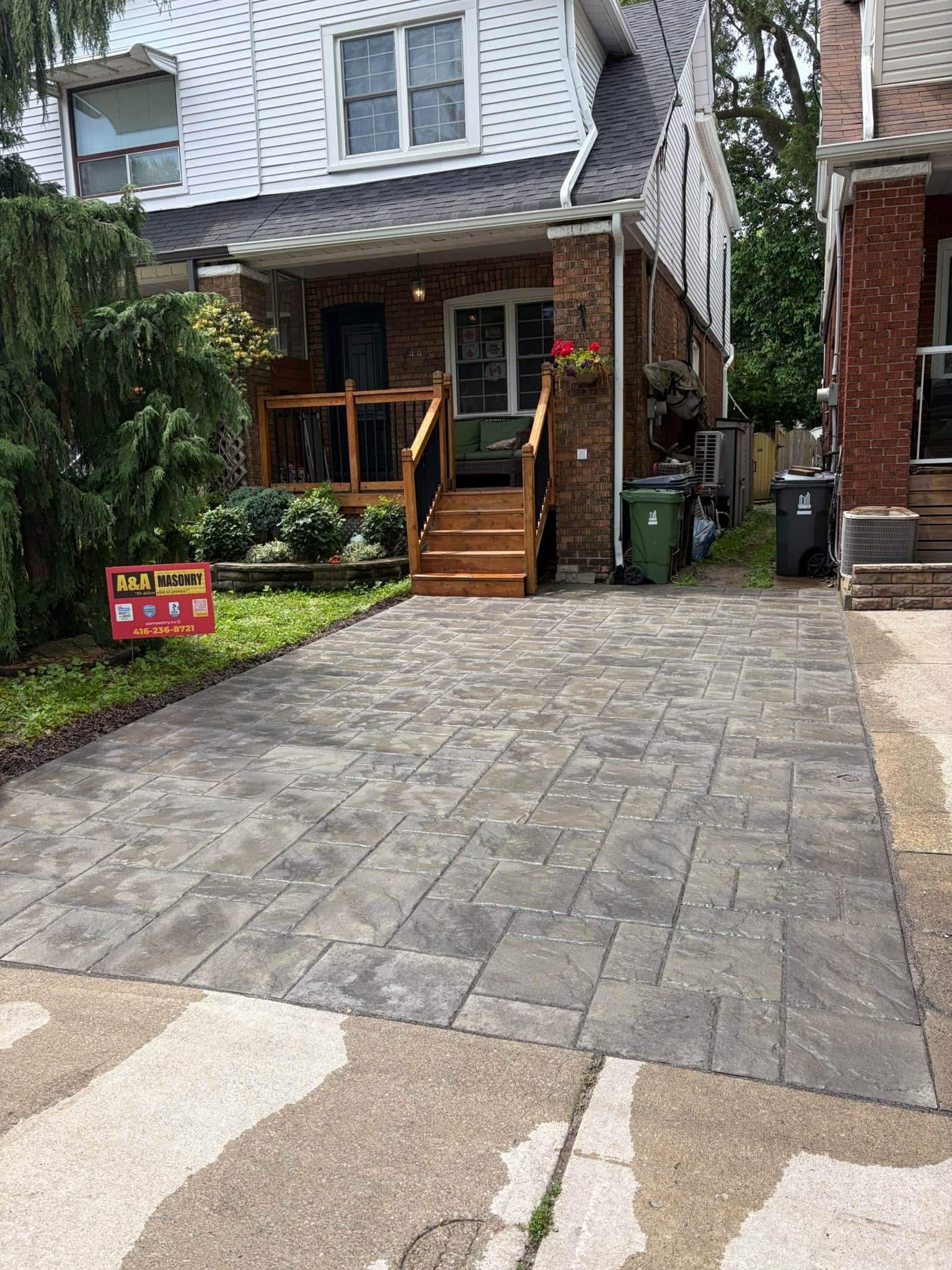
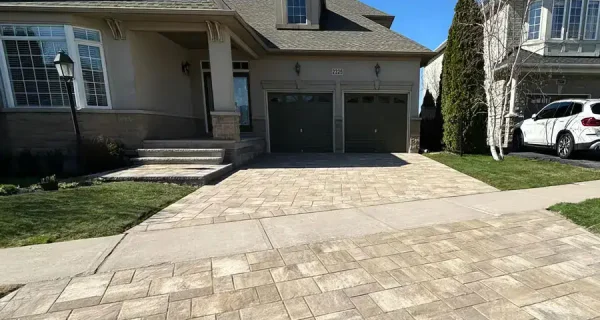
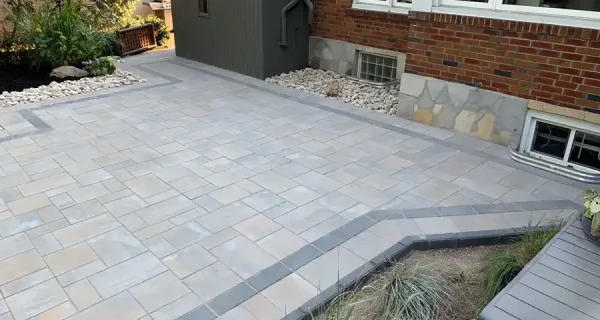
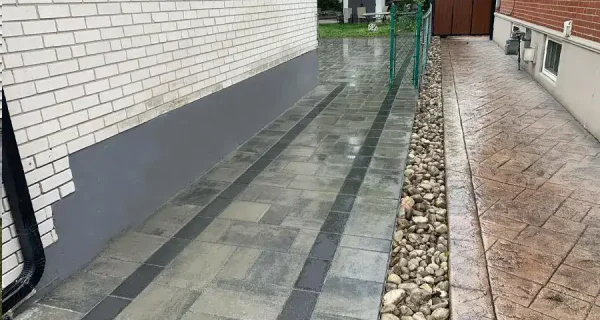
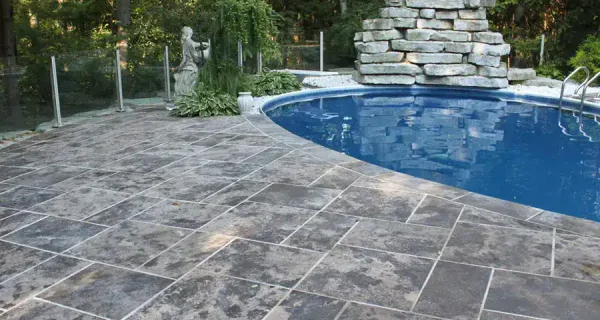
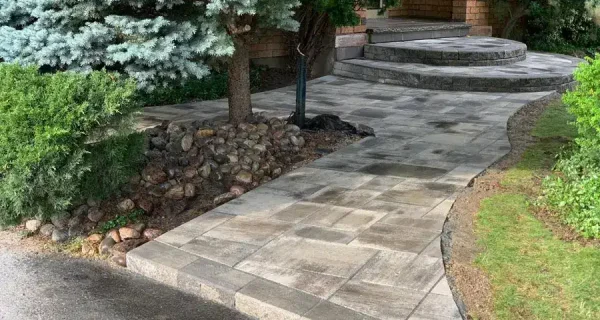
Interlocking stone is durable, modular pavers ideal for interlocking stone driveways and patios, offering flexibility and style.
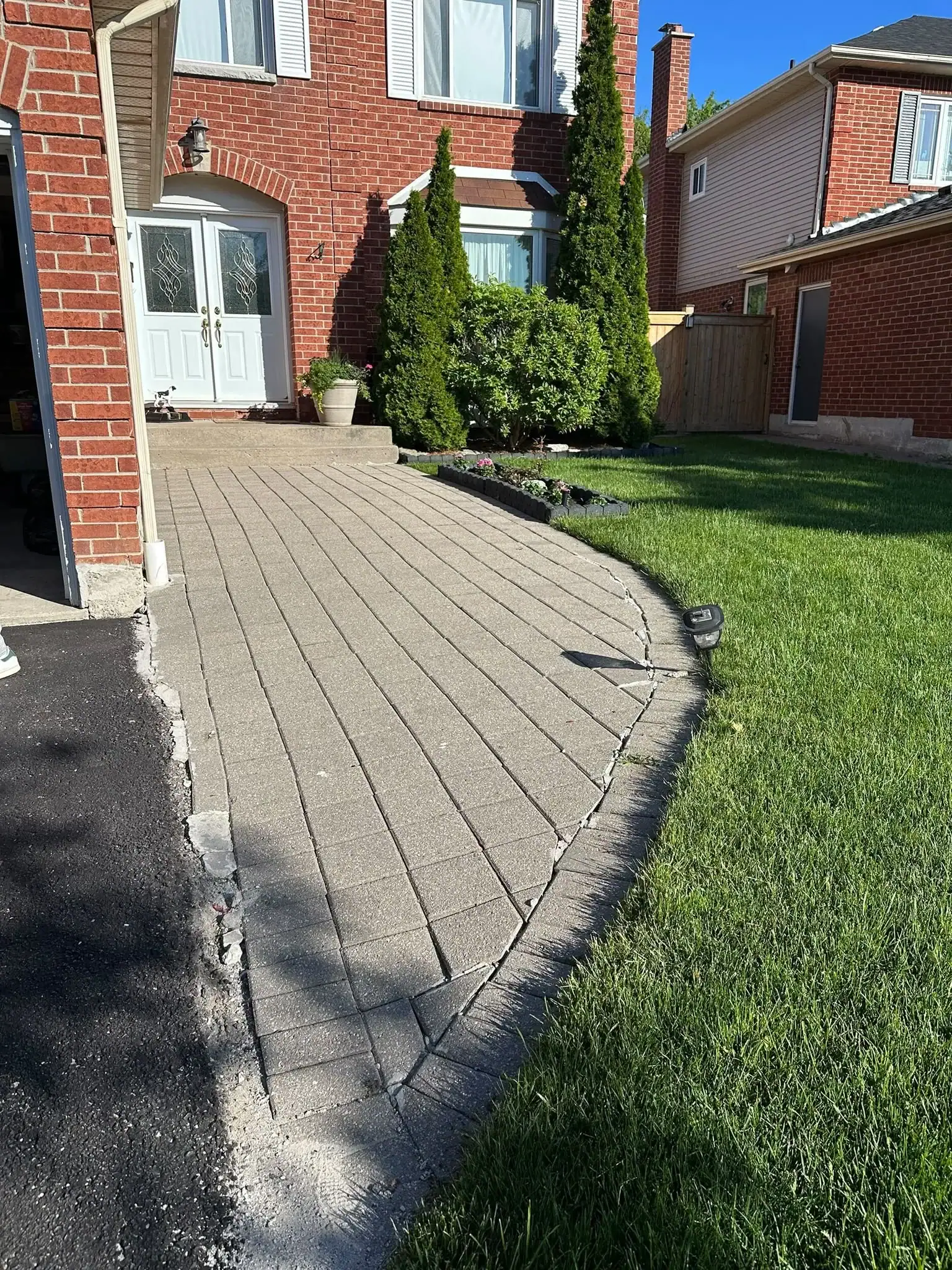
Service life depends on the pavers, supporting base, drainage, traffic, installation quality and maintenance. An assessment can identify whether existing interlock needs local repairs, relaying or a larger rebuild.
Suitable pavers can perform through Toronto freeze-thaw conditions when the pavement is properly designed, installed and maintained. Base preparation, drainage, edge restraint, joints and expected traffic all matter.
Keep the surface clean, maintain joints with suitable material and check for settlement, loose edges or recurring pooling. Follow the paver and joint-material manufacturers’ care instructions.
For a precise estimate tailored to your specific project requirements, it's advisable to consult with professional interlocking contractors who can assess your site's conditions and design preferences.
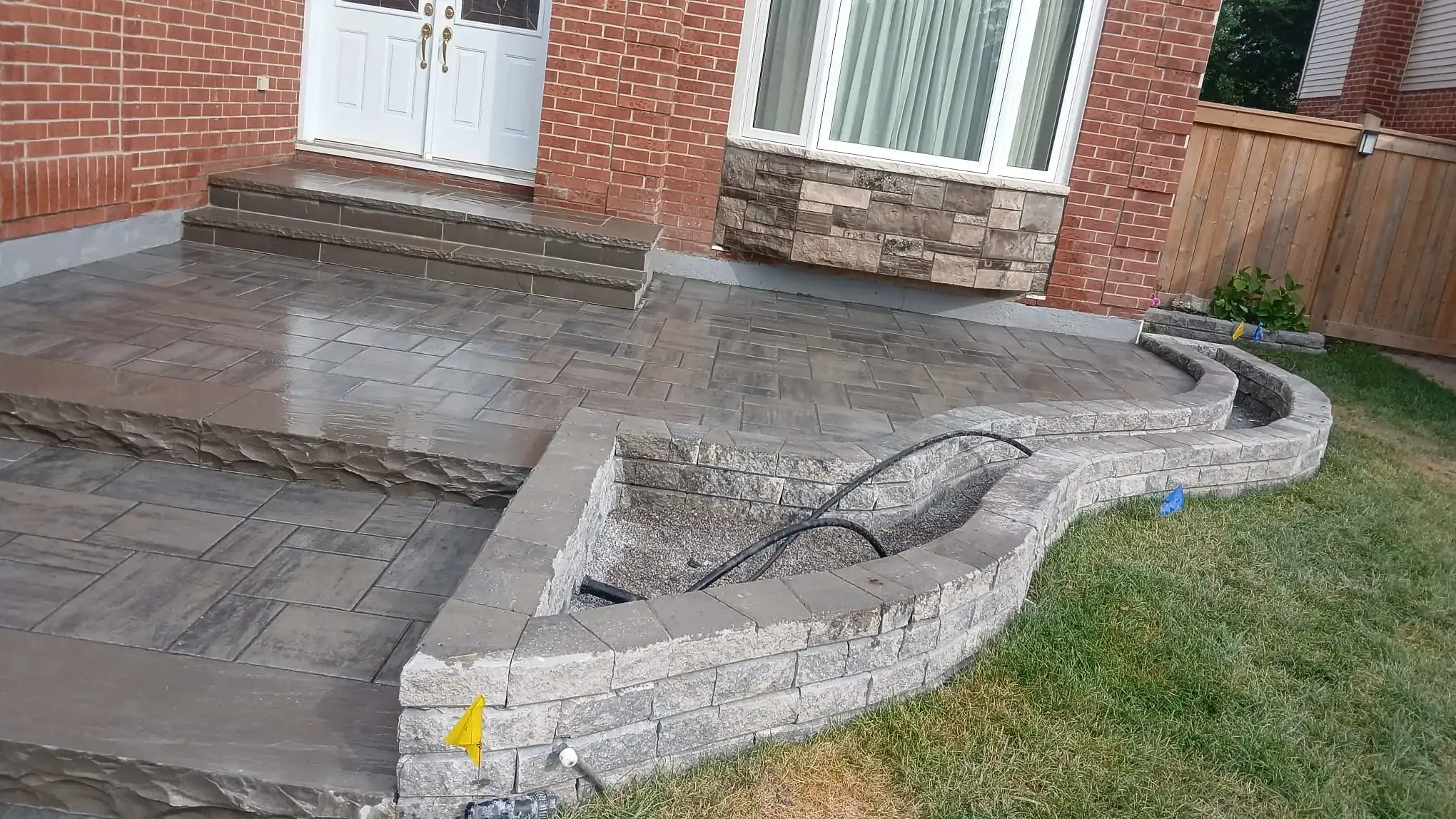
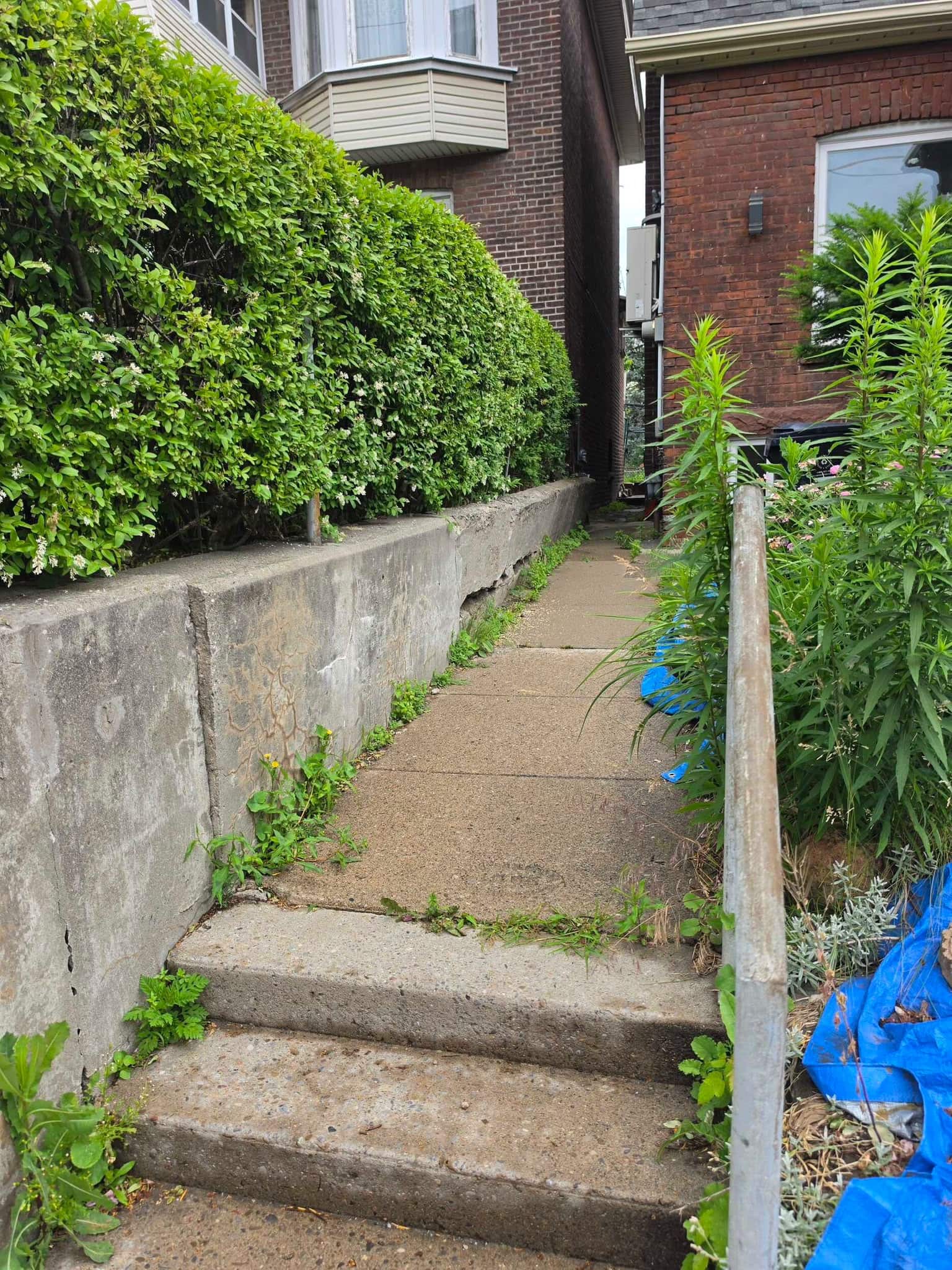
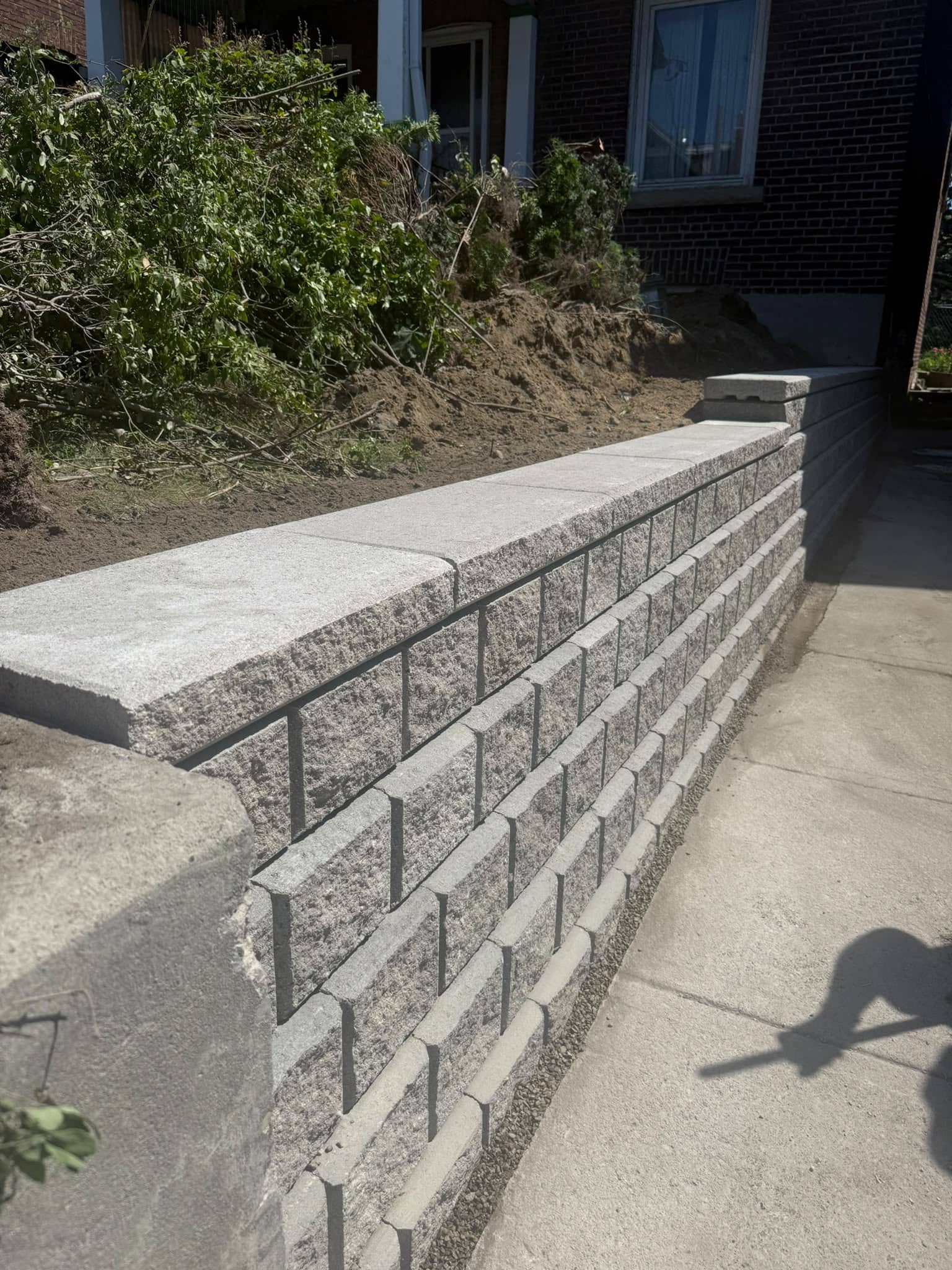
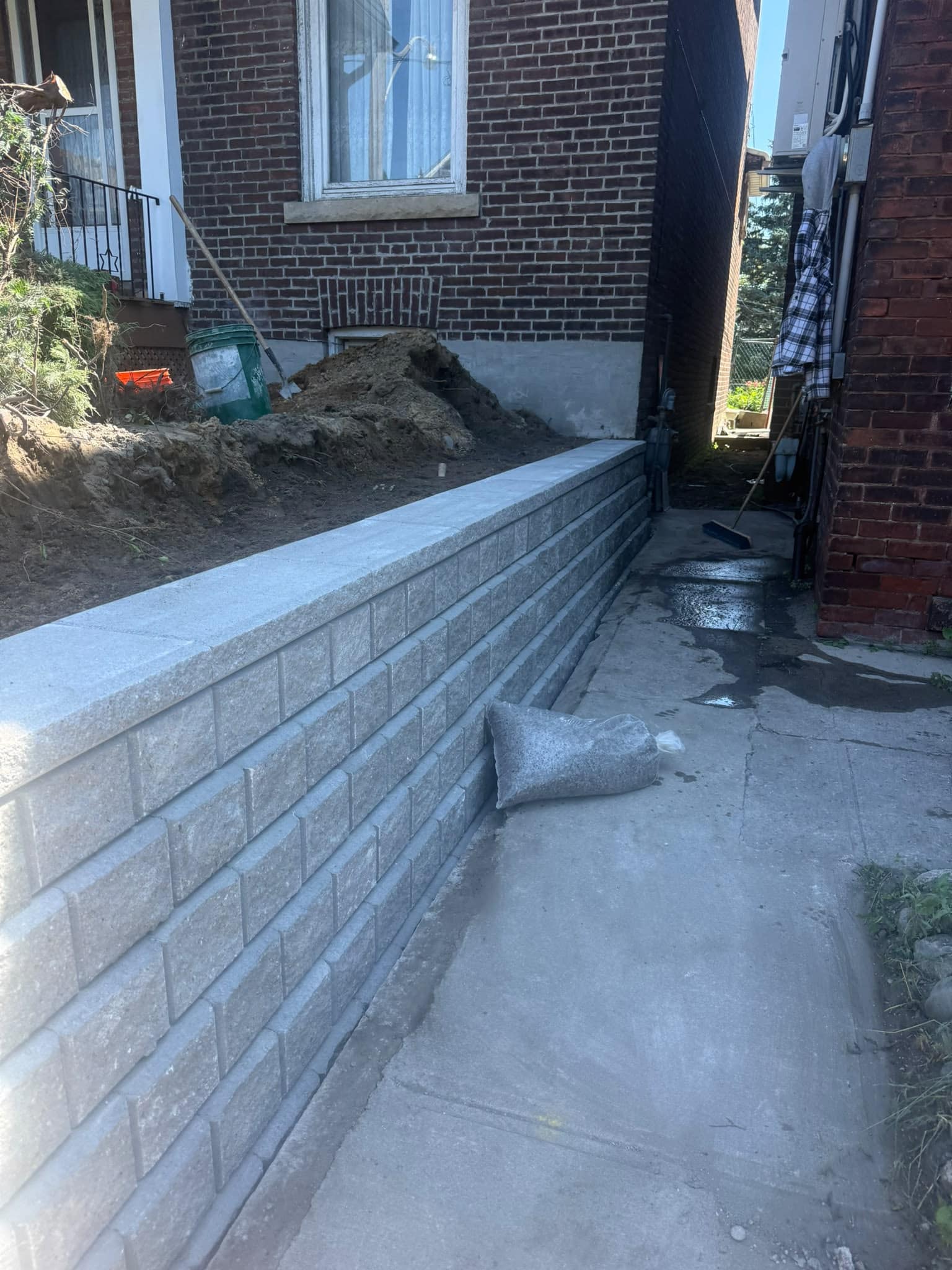
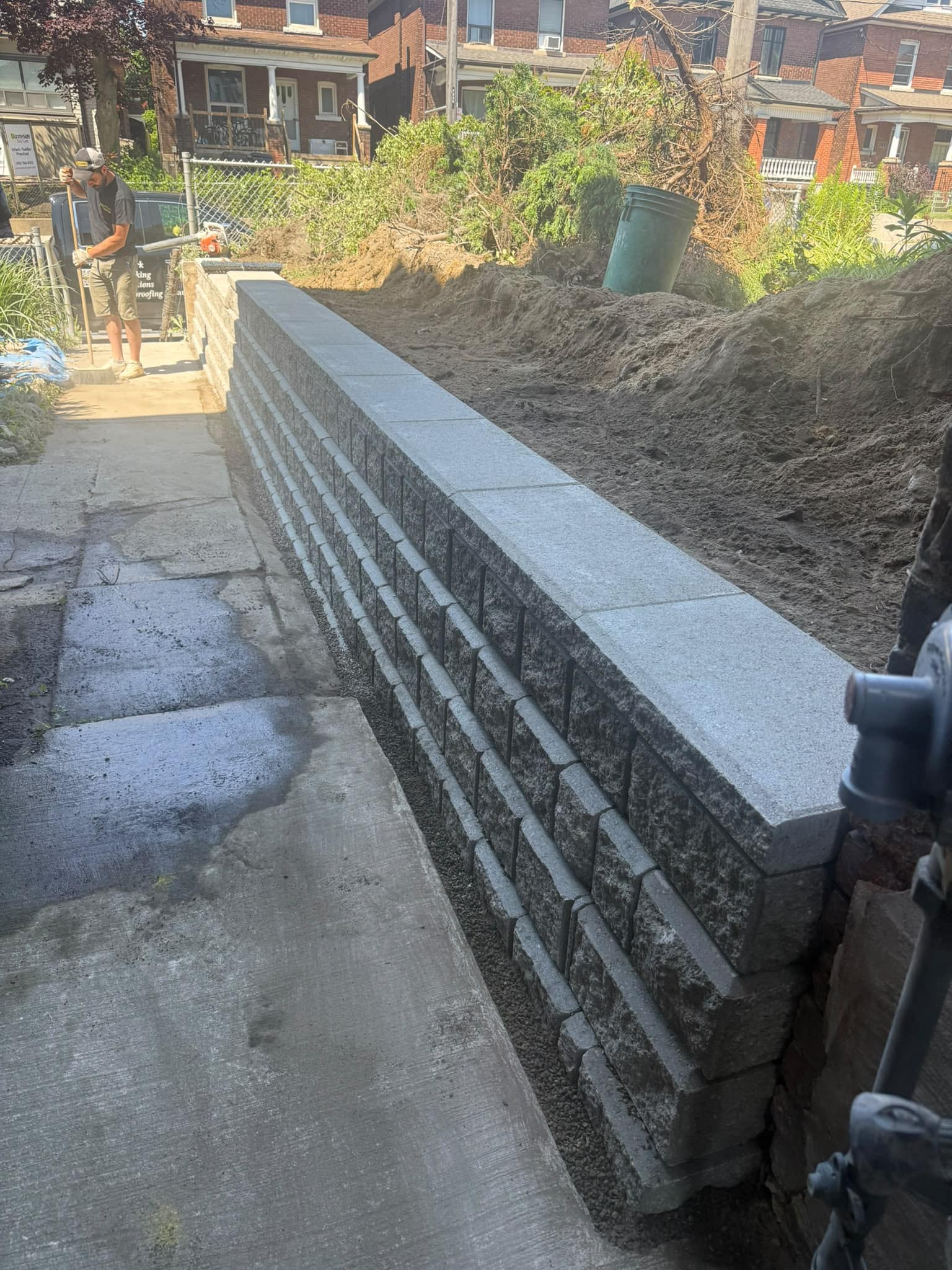
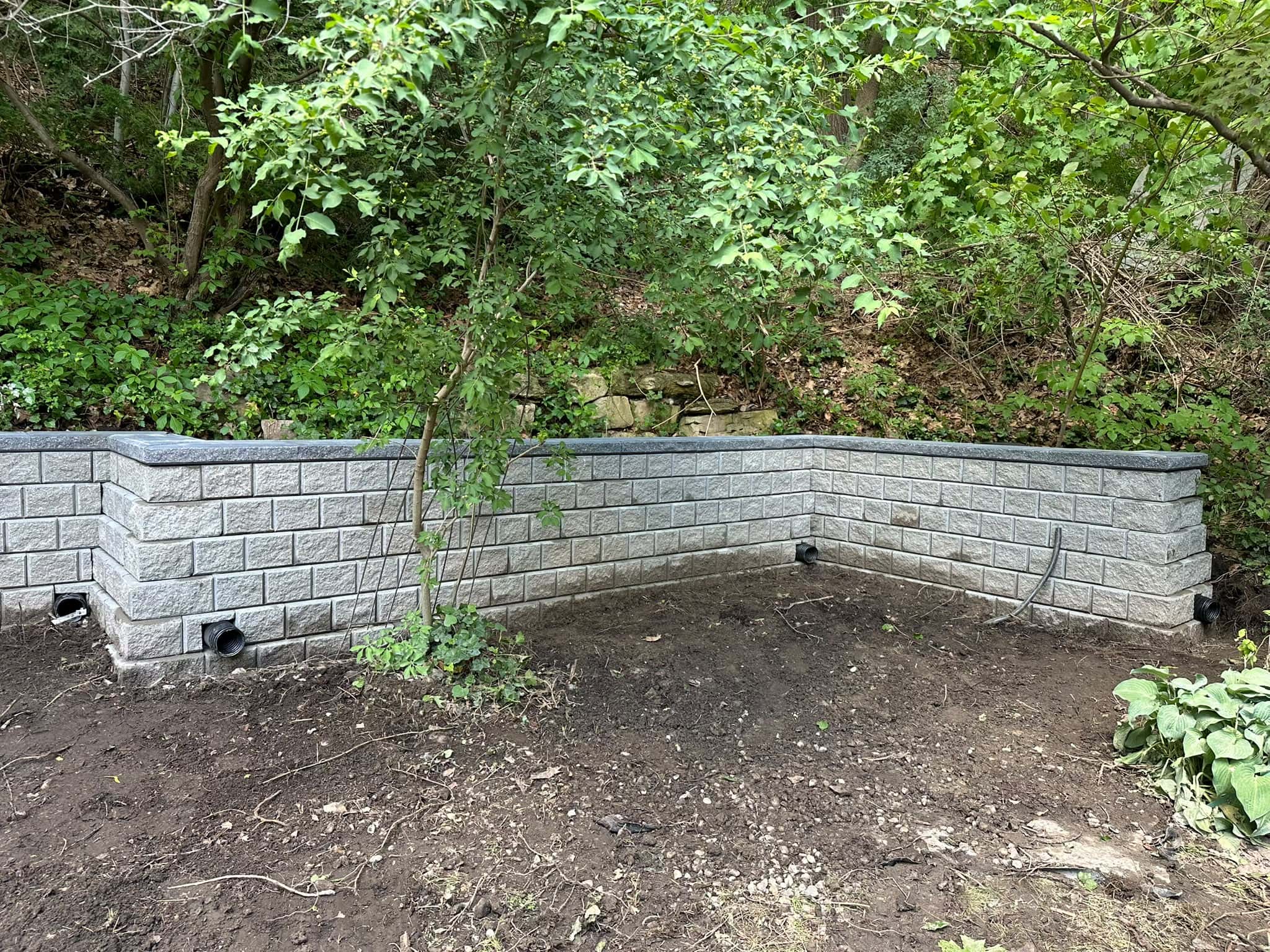
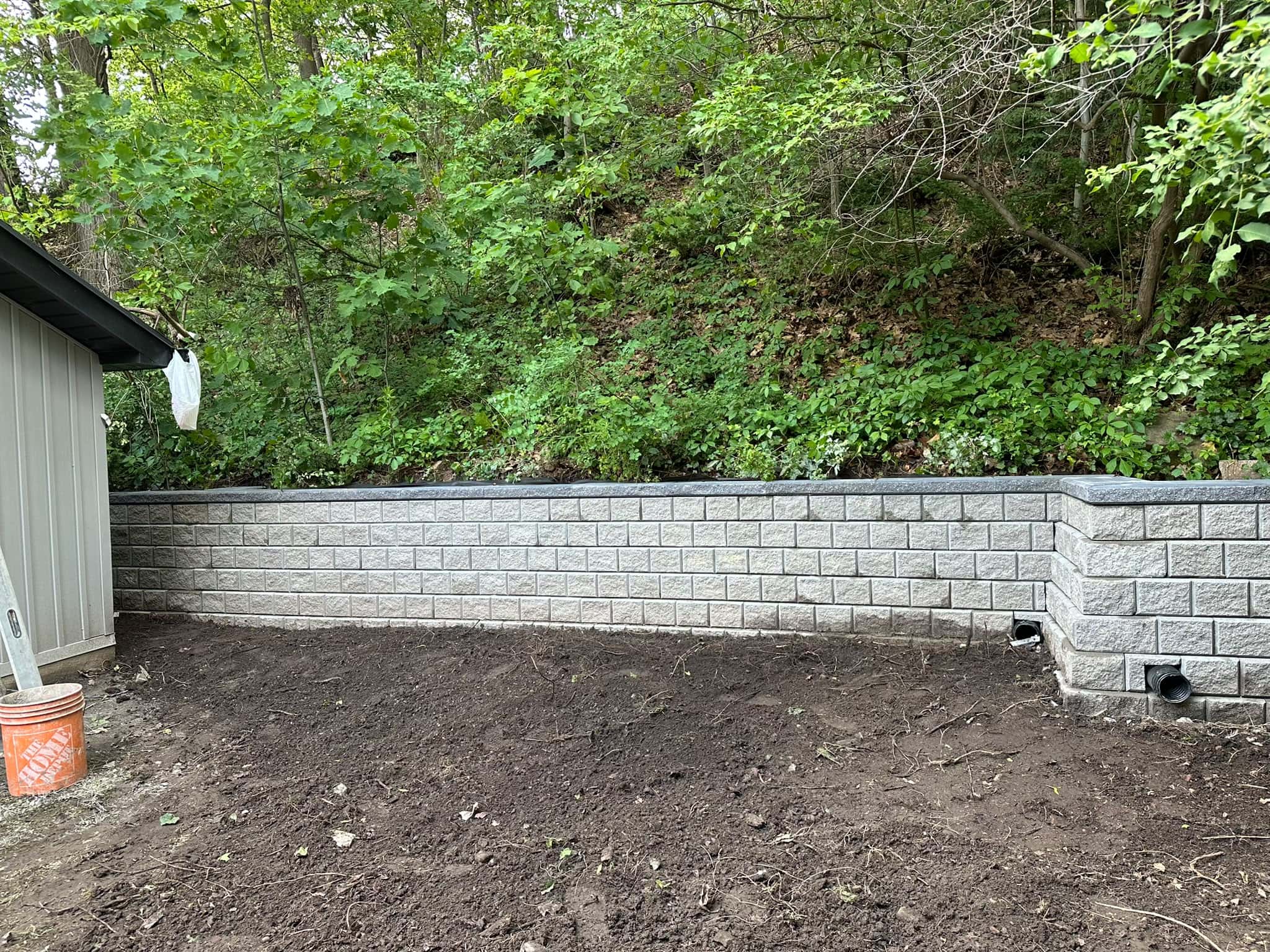
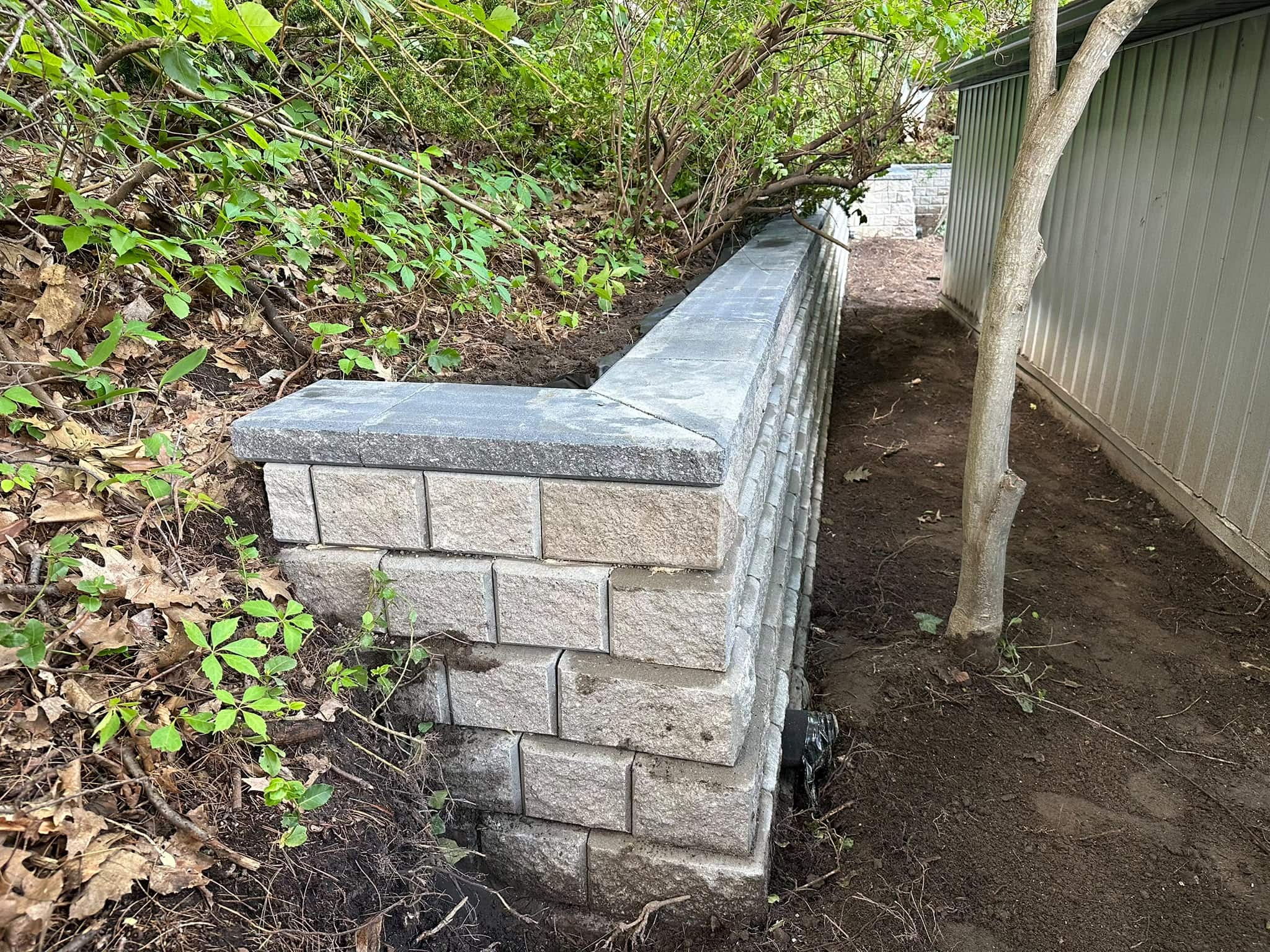
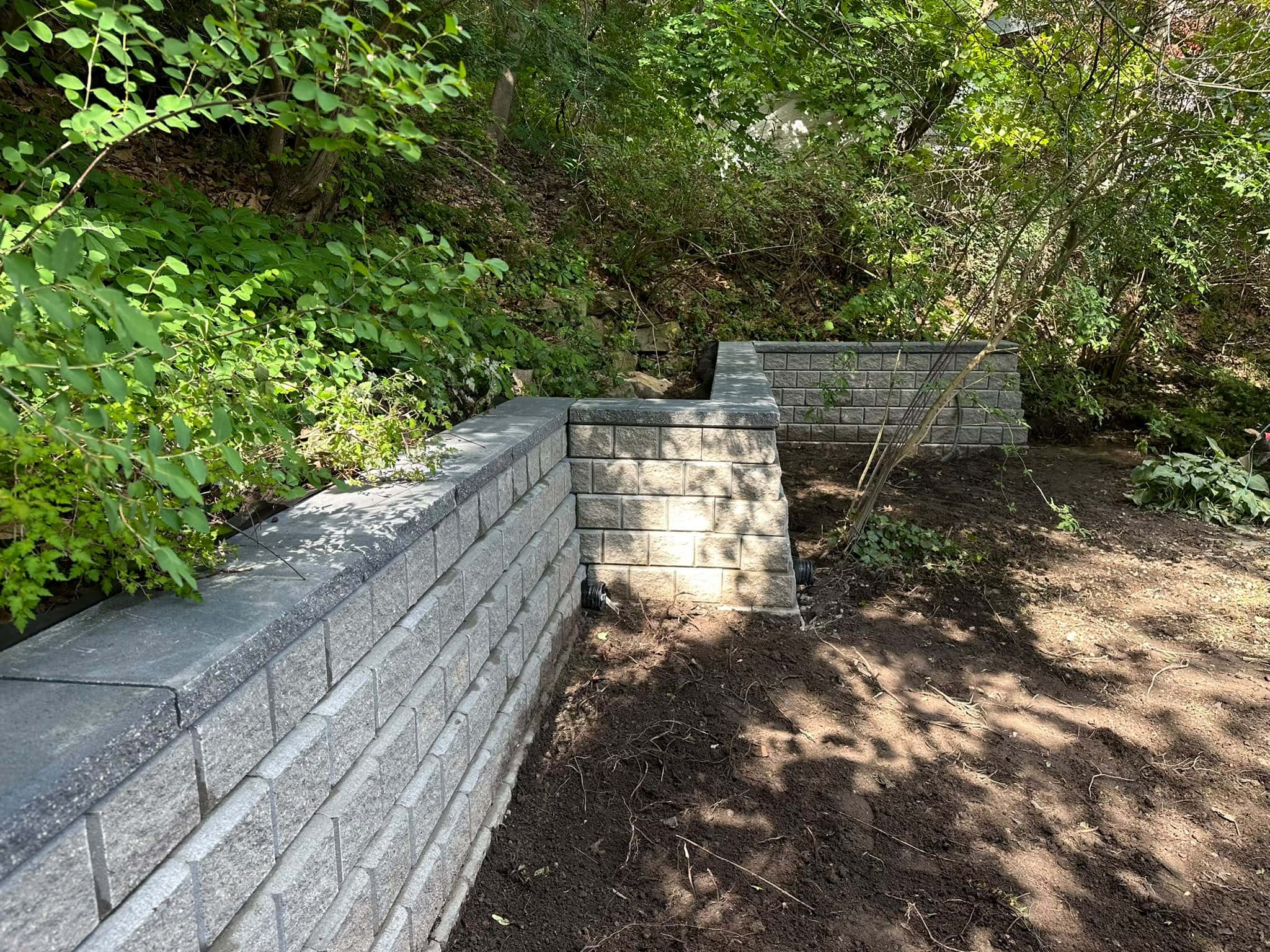
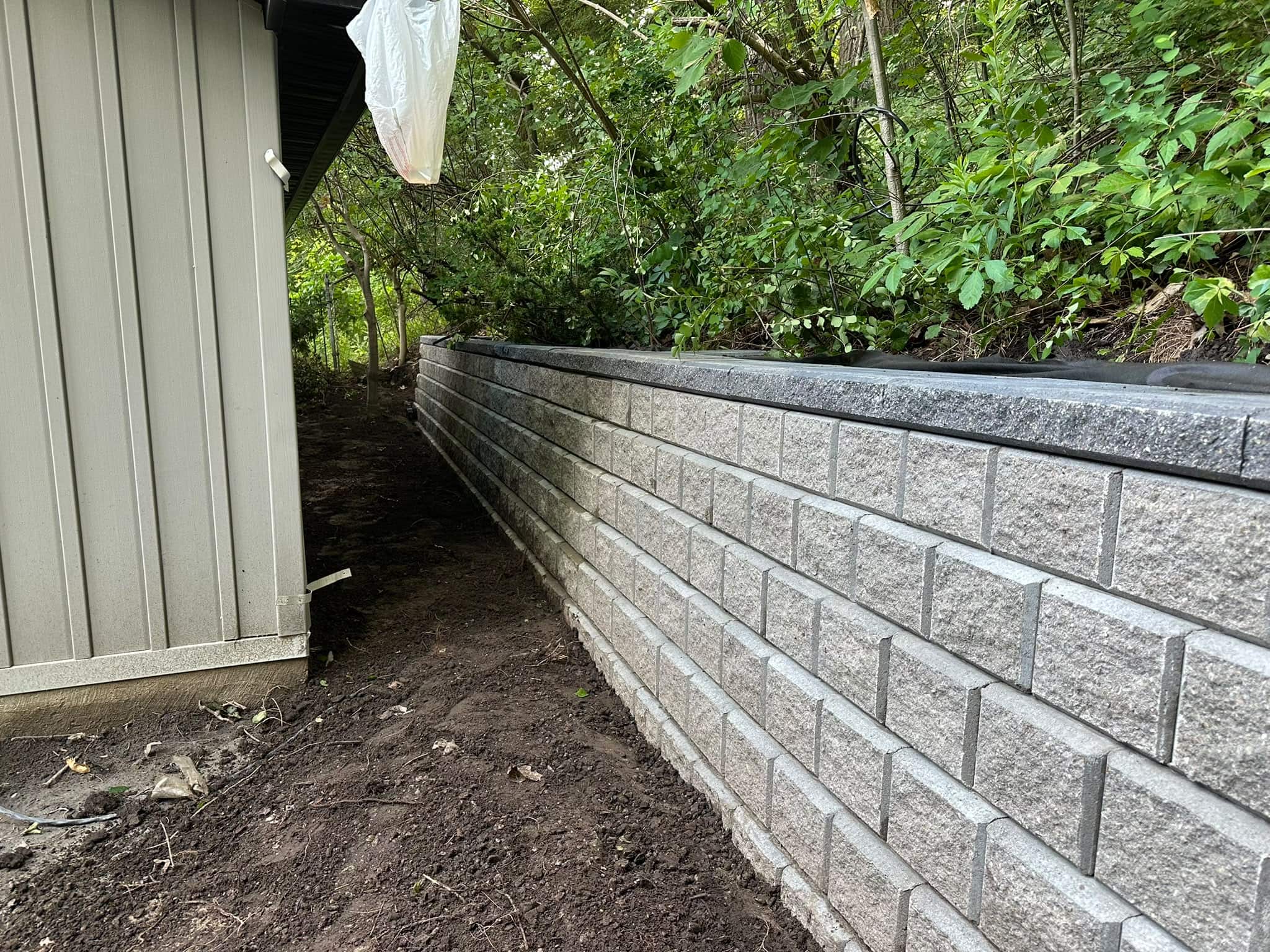
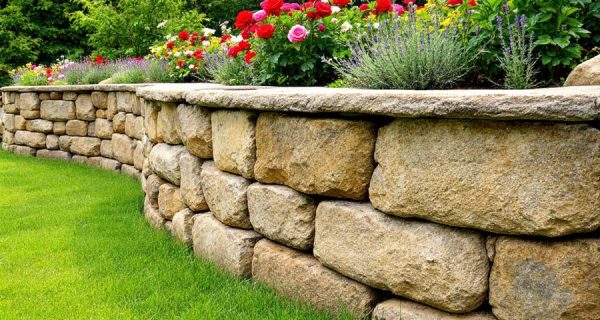
Armour stone consists of large natural stone pieces used in landscaping and some retaining structures. A retaining wall also needs appropriate support and drainage; its design depends on the site and loads.
Cost depends on the stone, quantity, delivery, equipment access, excavation, base preparation and wall design. Compare the complete installed scope rather than a material-only price.
We can review available colours, textures, shapes and samples with the existing exterior. The closest practical choice depends on product availability and the condition of the surrounding materials.
Ask which workmanship and product warranties apply to the proposed work and have the scope, exclusions and care requirements confirmed in writing. Terms depend on the specific project and products.
Performance depends on the selected Tanzite system, supporting structure, installation and care. Review the manufacturer’s current product warranty and maintenance instructions; a product warranty is different from the installer’s workmanship terms.
Start with sweeping and a cleaning method suitable for the paver and stain. Use pressure washing cautiously because it can damage surfaces or remove joint material. Follow manufacturer guidance and check joints after cleaning.