When it comes to maintaining a home, the roof is often “out of sight, out of mind”—until something goes wrong. But not all roofs are created equal, and the care they require can vary depending on the material, design, and climate. Whether you’re a homeowner or a contractor, knowing the specific maintenance needs of each roofing type can save you time, money, and a whole lot of stress.
Understanding 6 Roof Types in Canada and Their Unique Needs
Below, we explore the most common roofing materials in Canada and break down the unique care each one demands.
Asphalt Shingles
Asphalt shingles are the most widely used roofing material in Canada thanks to their affordability and ease of installation. While they’re fairly low-maintenance, they’re also more prone to wear and tear over time.
Maintenance Tips:
- Inspect for curling, cracking, or missing shingles at least once a year.
- Clear gutters and downspouts to prevent water damage.
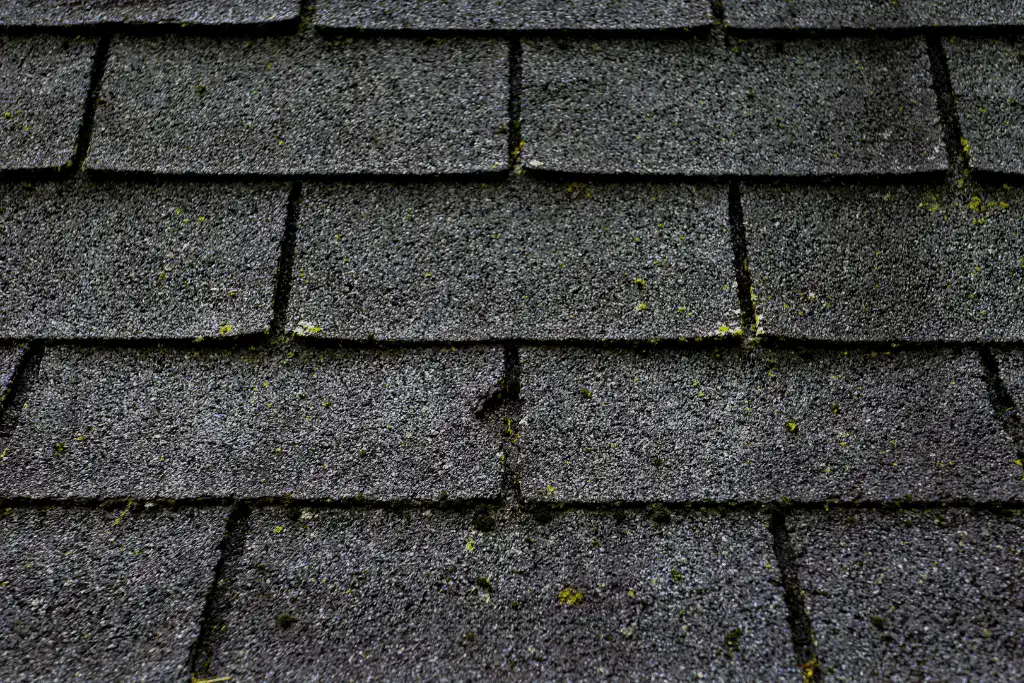
- Watch for algae or moss growth and clean with a non-abrasive cleaner.
- Replace damaged shingles quickly to avoid leaks.
Metal Roofing
Metal roofs are known for their durability, longevity, and resistance to harsh weather conditions. They shed snow easily and are great for energy efficiency.
Maintenance Tips:
- Check for loose screws or panels after storms.
- Remove leaves, twigs, and other debris that can trap moisture.
- Monitor for rust or fading, especially in coastal areas.
- Recoat the roof every few years to maintain its protective layer.
Cedar Shakes & Shingles
These roofs offer a warm, natural look and excellent insulation, but they do require regular care to stay beautiful and functional.
Maintenance Tips:
- Clean off moss, algae, and fallen debris regularly.
- Apply a water-repellent treatment every few years.
- Inspect for signs of rot, mold, or insect damage.
- Avoid pressure washing—use gentle, approved roof cleaners.

Slate Roofing
Slate roofs are premium, elegant, and can last over a century. But despite their durability, they’re not maintenance-free.
Maintenance Tips:
- Inspect for cracked or loose tiles annually.
- Ensure flashing is intact to prevent leaks.
- Avoid walking on the roof; slate is strong but brittle.
- Replace damaged slates with matching tiles to maintain uniformity.
Clay or Concrete Tiles
These tiles are common in warmer regions like southern British Columbia and are loved for their aesthetic and fire-resistant properties.
Maintenance Tips:
- Check for cracked or slipped tiles after strong winds or impact.
- Clean off moss and dirt buildup that can hold moisture.
- Inspect underlayment every few years to maintain waterproofing.
- Avoid walking directly on tiles to prevent breakage.
✅ Roofing Maintenance Checklist
🏡 Inspect, Clean, and Protect—Season by Season
🛠️ General Roof Inspection (Twice a Year – Spring & Fall)
- Check for missing, cracked, or curling shingles
- Inspect flashing around chimneys, vents, and skylights
- Look for signs of mold, moss, or algae growth
- Examine roof valleys for debris buildup
- Check interior ceilings and attic for water stains or leaks
🍂 Gutter & Drainage Maintenance
- Clean gutters and downspouts of leaves and debris
- Ensure water is flowing freely away from the foundation
- Tighten any loose gutter brackets
- Check for sagging or disconnected sections
🌲 Debris & Vegetation Control
- Remove branches, leaves, and dirt from the roof surface
- Trim tree limbs that hang over or touch the roof
- Sweep off excess snow (for heavy snowfall areas)
- Clear roof valleys and flat roof drains
🔍 Material-Specific Checks
Asphalt Shingles
- Look for granule loss or bald spots
- Replace cracked or buckled shingles
Metal Roofing
- Check for rust spots or paint chipping
- Inspect and tighten fasteners
Cedar Shakes
- Watch for mold, rot, or warping
- Apply wood preservative or treatment (every few years)
Slate Roofing
- Inspect for cracked or sliding tiles
- Avoid walking directly on the roof—hire a pro
Clay or Concrete Tiles
- Check for cracked or loose tiles
- Clean off moss and algae gently
🧰 Annual Pro Tips
- Schedule a professional inspection every 1–2 years
- Re-seal flashing or joints if needed
- Recoat or repaint metal roofs as necessary
- Check attic ventilation and insulation
The Importance of Professional Roof Inspections
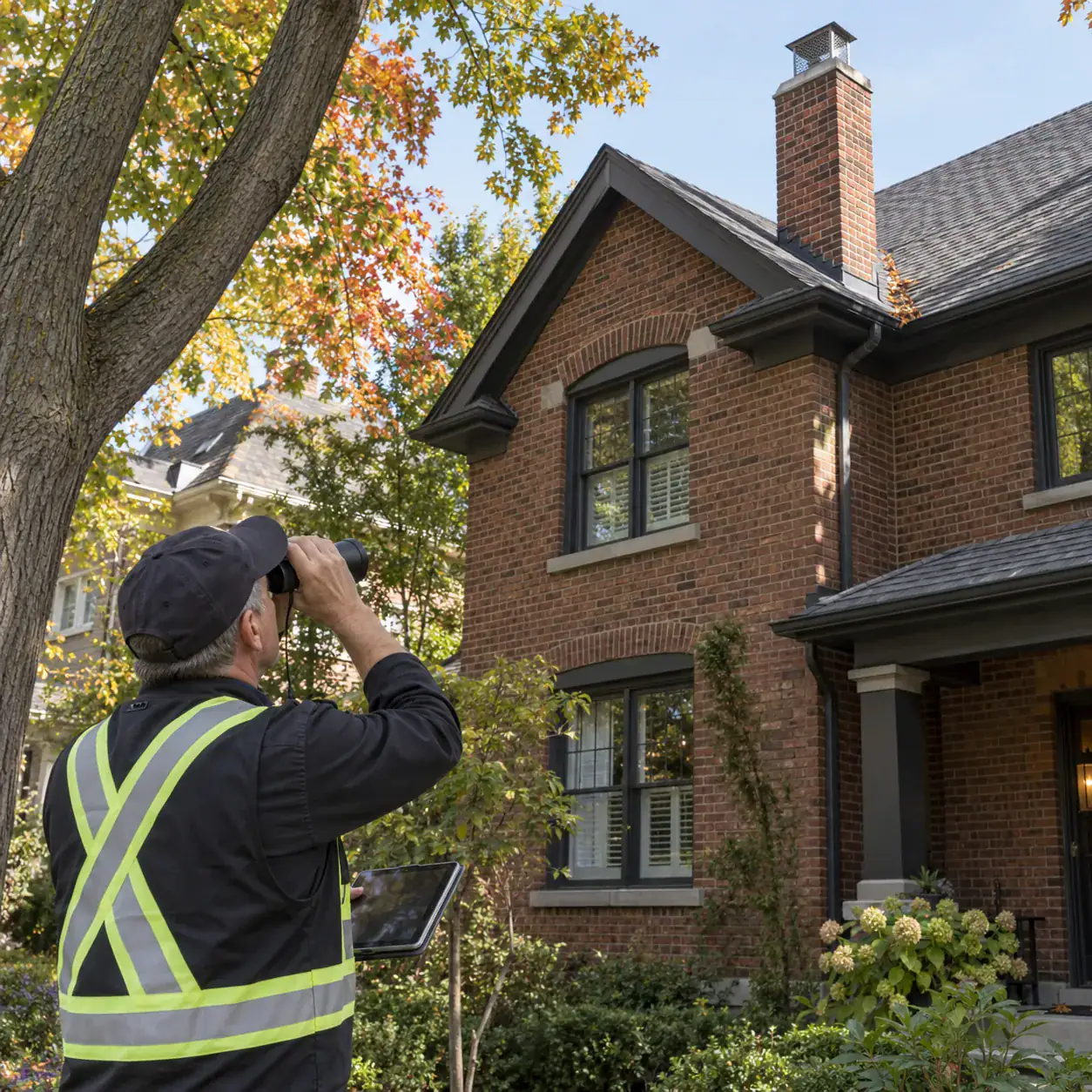
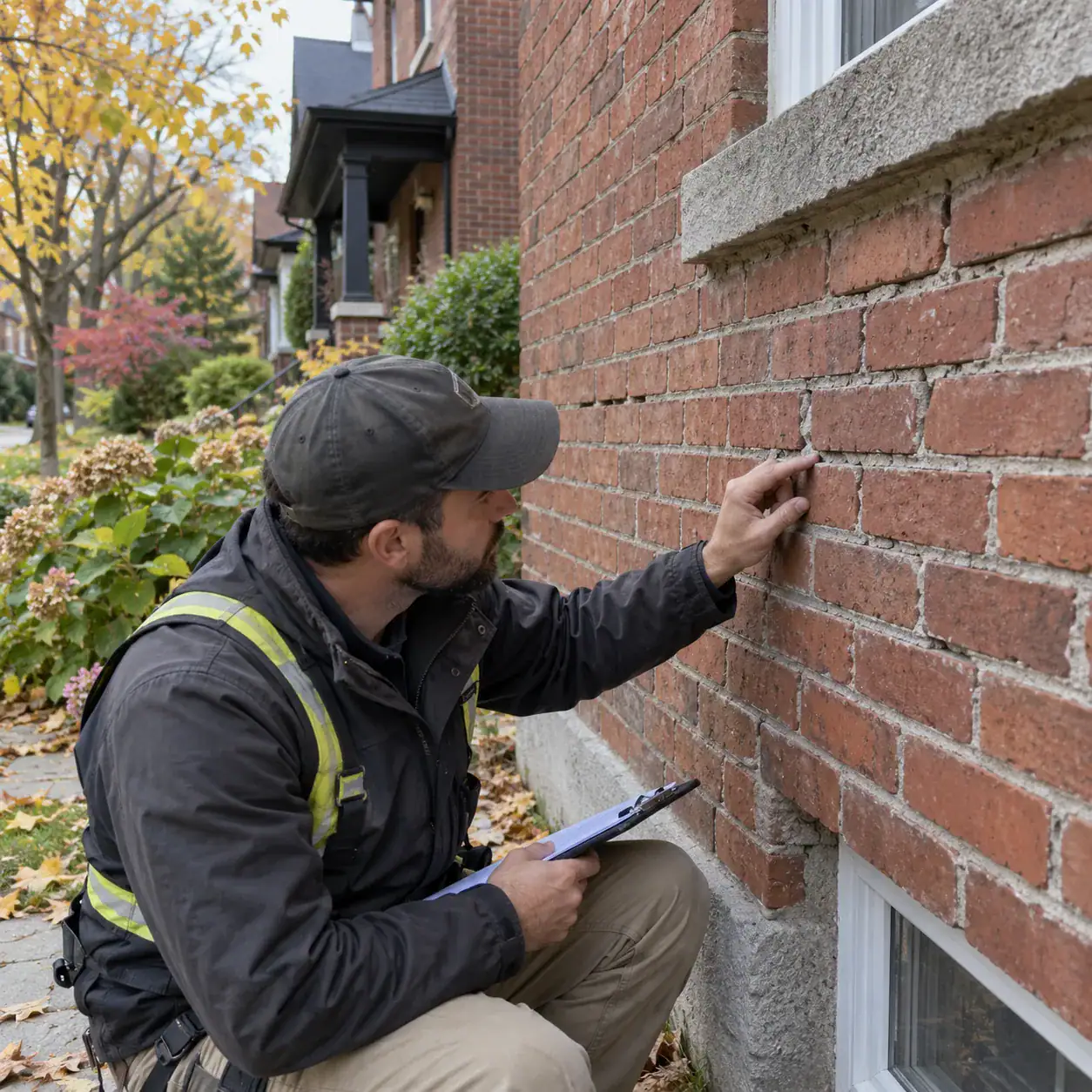
While regular maintenance can go a long way in extending the life of your roof, nothing beats a professional roof inspection. A&A Masonry Professional roofers have the expertise and equipment to identify issues that may not be visible to the untrained eye.
FAQ: Roof Maintenance Basics
What type of roof is easiest to maintain?
Metal roofing is generally the easiest to maintain. It resists rot, pests, and extreme weather while requiring minimal upkeep beyond occasional cleaning and inspection.
What is the standard life of a roof?
Lifespan varies by material:
- Asphalt shingles: 15–30 years
- Metal roofing: 40–70 years
- Cedar shakes: 20–40 years
- Slate: 75–100+ years
- Clay or concrete tiles: 50+ years
Proper maintenance can significantly extend these timelines.
How often should your roof be cleaned?
Ideally, twice a year—typically in spring and fall. You should also clean after major storms or when you notice visible buildup of moss, leaves, or debris.
How can I extend the life of my roof?
- Schedule regular inspections.
- Keep gutters clean.
- Trim overhanging tree branches.
- Address small issues promptly before they become costly repairs.
- Use appropriate cleaning and treatment methods for your specific roof type.
Final Thoughts
Not all roof types need the same care, and understanding these differences is key to maximizing the lifespan and performance of your roof. By tailoring your maintenance plan to the material you have, you’ll protect your investment and enjoy peace of mind—no matter what the weather brings.