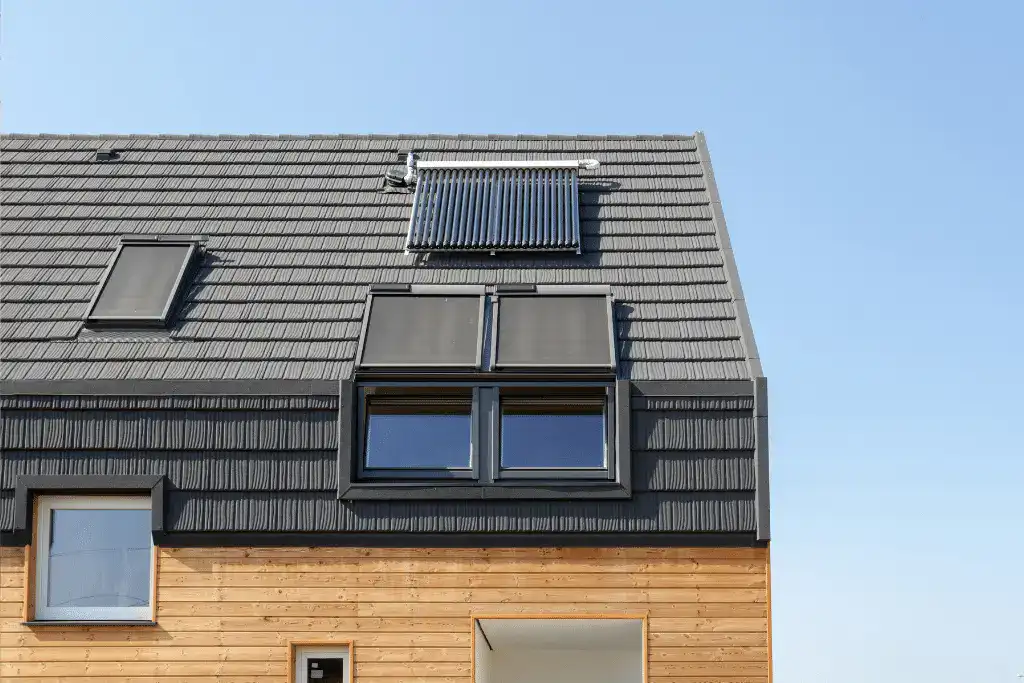
Energy-efficient roofing is a smart choice for homes looking to save money and help the planet. It uses materials that reflect heat, which means less cooling in summer and more warmth in winter. This approach supports sustainable living and helps with the rising cost of energy.
Homeowners can use reflective coatings and advanced insulation. These technologies cut down on utility bills and make roofs last longer. With federal and state incentives, these roofs are becoming more affordable and practical.
This guide shows how energy-efficient roofing helps the environment and saves money. It focuses on keeping your home comfortable while helping achieve climate goals. We’ll look at different options, their benefits, and how to get them for your home.
Understanding Energy-Efficient Roofing Systems
Energy-efficient roofing systems aim to cut down on energy use and lower cooling costs. They use smart materials and design to manage heat flow well. Important factors include the type of material, insulation quality, and how it’s installed.
What Makes a Roof Energy-Efficient?
Energy efficiency comes down to three main things:
- Reflectivity: Light-colored or special coatings that push sunlight away.
- Emissivity: Materials that let go of heat instead of keeping it.
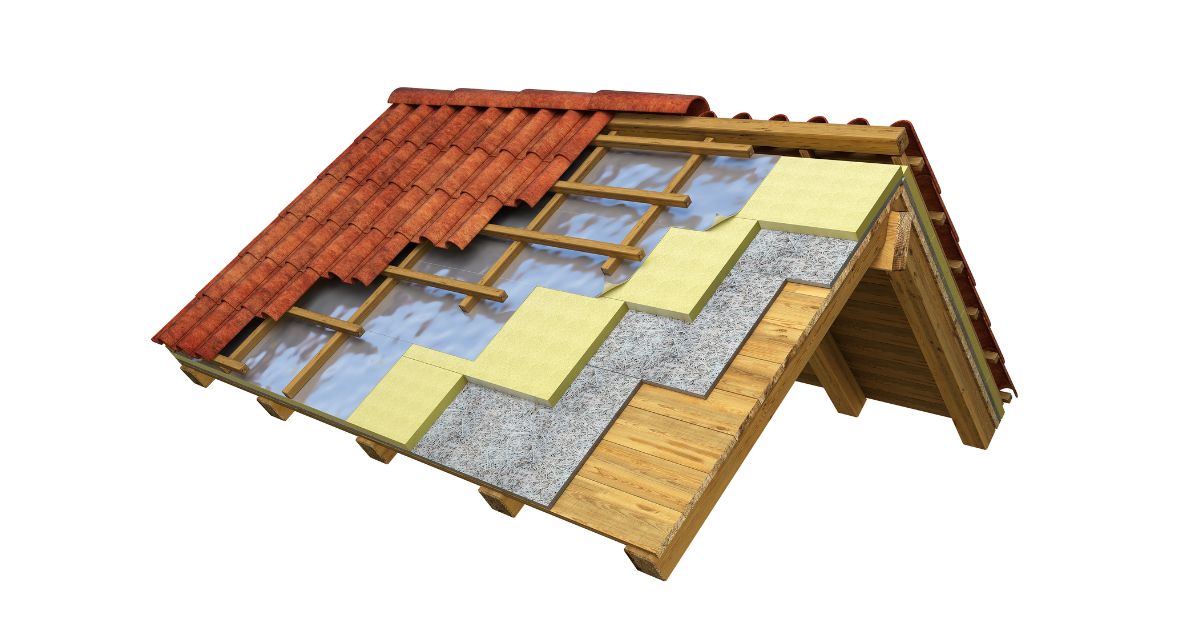
- Insulation: Layers that stop heat from moving between the roof and inside.
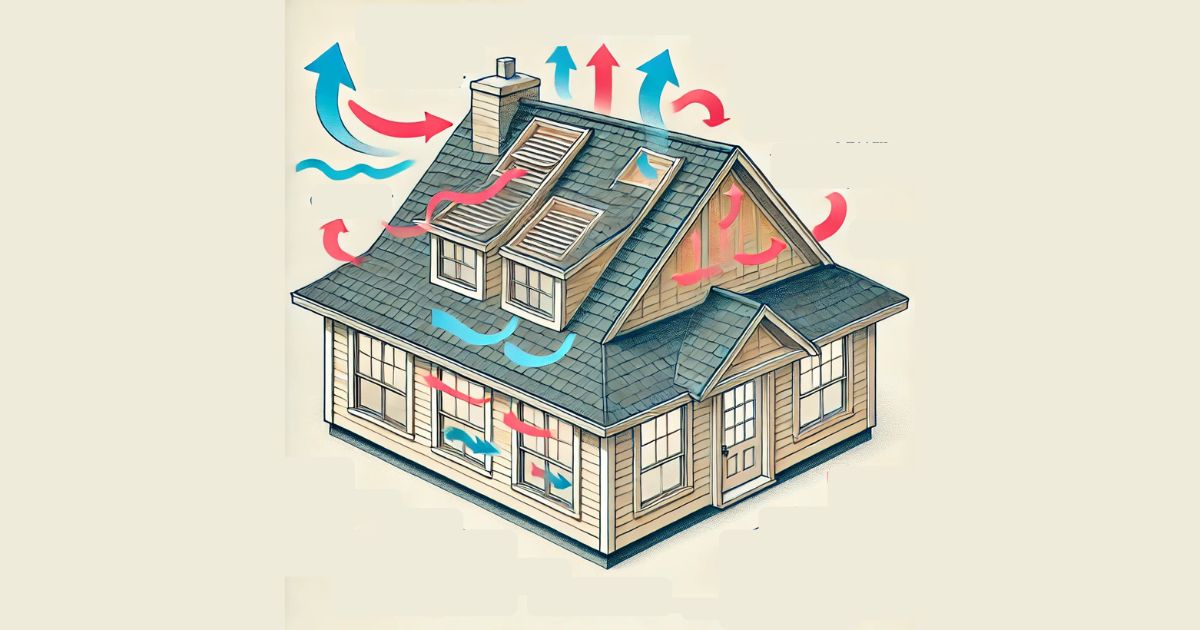
The Science Behind Thermal Regulation
Roof materials interact with sunlight in two ways: Solar Reflectance Index (SRI) and thermal emittance. Roof performance is measured by two key factors:
- Solar Reflectance Index (SRI): Shows how well a surface reflects sunlight. The higher the SRI, the less heat it absorbs.
- Thermal Resistance (R-value): Measures how well insulation works. A higher R-value means less heat flows through the roof.
Energy Loss Through Traditional Roofing Systems
Standard asphalt shingles or dark roofs soak up 90% of sunlight. This makes your home hotter. It forces your HVAC to work harder, raising your energy bills by up to 25%.
On the other hand, a cool roof system reflects 50–75% of sunlight. It reduces attic heat by 15–40%. This meets the needs of the changing climate.
Table 1 shows how different materials and their SRI:
| Material | Solar Reflectance | Thermal Emittance |
| White membranes | 0.85 | 0.89 |
| Concrete tiles | 0.25 | 0.90 |
| Cool asphalt shingles | 0.28 | 0.85 |
Energy Star Certification for Roofing Materials
Materials with the Energy Star label meet strict EPA standards. They must have a minimum SRI:
- Minimum 0.25 solar reflectance for steep-slope roofs
- 0.75 SRI for low-slope commercial systems
Independent tests check if materials meet these standards. Certified products can cut cooling needs by up to 15%. This means lower utility bills for homeowners.
Key Benefits of Installing Energy-Efficient Roofing
Energy-efficient roofing offers many benefits beyond the initial cost. It saves money and helps the environment. It also makes your home more comfortable and eco-friendly. Let’s look at four main advantages of choosing smart roofing.
Reduced Energy Consumption and Lower Utility Bills
Energy-efficient roofing reduces heat transfer, lowering HVAC needs by 15–30%. The U.S. Department of Energy says homeowners can save $200–$500 a year. For example, reflective coatings can cool attic temperatures by up to 50°F, easing air conditioning work.
Extended Roof Lifespan
Materials like metal and special shingles last over 50 years, twice as long as asphalt. They withstand heat better, preventing damage. Metal roofs, for instance, resist UV damage, staying strong for decades.
Environmental Impact and Sustainability
These roofs cut carbon emissions by 0.5–1 ton yearly. Brands like CertainTeed make shingles with 40% recycled content, using less energy. Many materials can be recycled, promoting a circular economy.
Improved Indoor Comfort Year-Round
These roofs keep indoor temperatures stable, reducing thermostat use. In winter, insulation keeps heat in, and in summer, it reflects sun, keeping it cool. This reduces drafts and hot/cold spots, making your home comfortable without overusing HVAC.
Top 5 Most Energy-Efficient Types of Roofing
For Canadian homeowners seeking energy efficiency, the right roofing material can make a big difference. The best options balance heat control, durability, and adaptability to extreme temperatures and seasonal changes. Below are the top choices based on cost, lifespan, and climate suitability
Tin Roof and Metal Roof
Metal roofing, including tin roofs, is one of the most energy-efficient options available. Traditionally, tin roofs were made from tin-plated iron or steel, but modern “tin roofs” are usually galvanized steel or aluminum while still retaining the classic name.
These roofs are highly reflective, durable, and work well with cool roof coatings to enhance heat resistance and energy savings.
What is a Tin Roof Called?
Depending on the material and region, a tin roof may also be referred to as:
- Metal Roof – A general term covering tin, aluminum, steel, and copper roofs.
- Corrugated Tin Roof – When the tin is shaped into wavy or ribbed panels for added strength.
- Terne Roof – An older type of tin-coated roofing material.
- Standing Seam Metal Roof – A modern style where panels are joined with raised seams.
Is Tin Roof Energy Efficient?
Yes, tin roofs are energy-efficient, but their performance depends on factors like coatings, color, and insulation. Here’s why:
Why Tin Roofs or Metal Roofing Are Energy-Efficient:
✅ High Reflectivity – Tin roofs reflect sunlight, reducing heat absorption and keeping homes cooler.
✅ Compatible with Cool Roof Coatings – Adding reflective coatings (e.g., Energy Star-rated coatings) enhances their cooling efficiency.
✅ Durability & Sustainability – Tin roofs last 40–70 years, reducing waste and the need for frequent replacements.
Factors That Affect Efficiency:
⚠️ Color Matters – Lighter-colored tin roofs reflect more heat than darker ones.
⚠️ Insulation is Key – Without proper underlayment and attic insulation, tin roofs may allow heat transfer.
Asphalt Shingles with Cool Roof Coating
Standard asphalt shingles with cool roof coating get energy-saving upgrades. Reflective layers lower surface temperatures by 10-15 degrees, cutting cooling costs by 10-15%.
Slate Roofing (Premium & Long-Lasting)
Slate roofing offers natural thermal resistance and lasts over 100 years. Its dense material resists temperature changes, reducing HVAC needs.
Composite (Synthetic) Roofing
Composite roofing looks like wood or slate but resists algae and wind damage. Synthetic options like GAF Timberline Cool Series save 15-25% on energy, with warranties up to 50 years. They are lightweight, mold-resistant, and great for areas with heavy rain and snow.
Clay or Concrete Tiles with Insulation
Clay or concrete tiles with insulation use thermal mass to keep indoor temperatures stable. Insulated underlayment options like Boral’s Sunbrella line reduce cooling demands by 15%. Though heavy, these tiles last 50+ years and are fire-resistant, perfect for wildfire-prone areas.
Cool Roof Systems: A Revolutionary Approach
Cool roof systems change the game by cutting down on heat absorption. They reflect sunlight and release heat, which lowers attic temperatures. This means less money spent on cooling.
Even in chilly weather, they save energy all year. They keep homes cooler in summer and warmer in winter.
How Cool Roofs Work
These systems use special coatings or materials. They boost reflectivity and emissivity. Reflectivity is how well a roof bounces back sunlight. Emissivity is how well it releases heat.
For instance, a black roof can get up to 180°F in summer. But a cool roof stays under 120°F. This difference means less work for your HVAC system, saving you money.
Cool Roof Coating Options
- Acrylic Coatings: They’re tough and UV-resistant, great for metal and asphalt roofs. They work well in extreme temperatures.
- Silicone Coatings: Flexible and long-lasting, perfect for flat or low-slope roofs. They handle freeze-thaw cycles without cracking.
- Elastomeric Coatings: They stretch and seal cracks, lasting longer in varying weather. They adapt to roof movement.
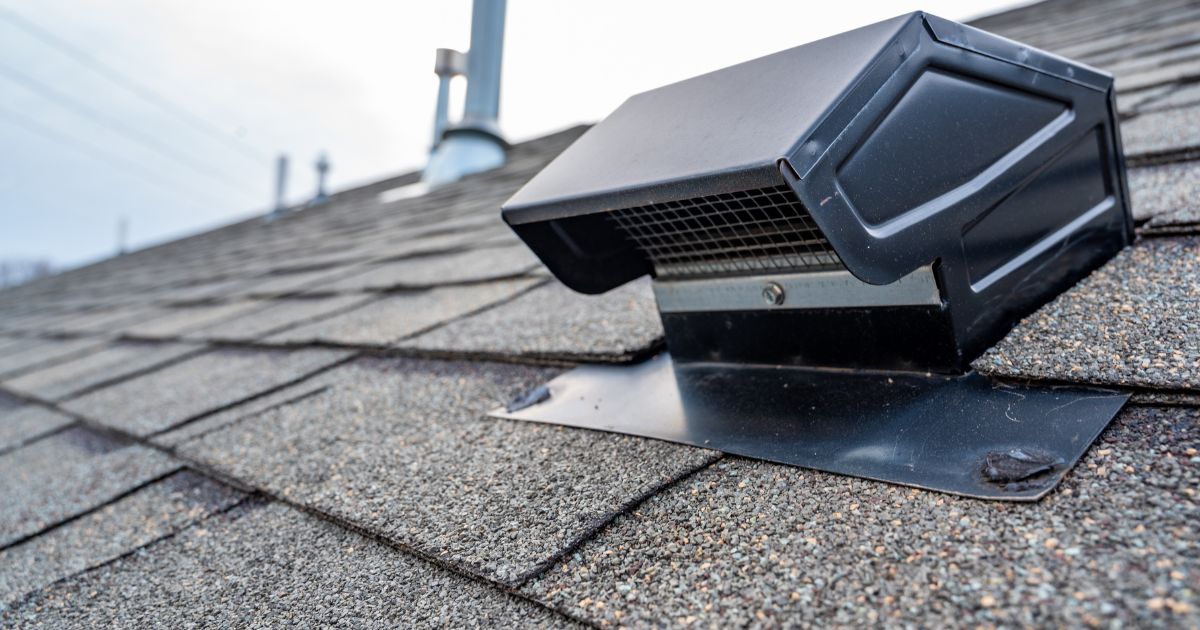
Top Roof Ventilation Options to Improve Airflow and Efficiency
Proper roof ventilation is key for energy efficiency and a longer roof life. It keeps moisture out, lowers attic heat, and boosts insulation.
To figure out ventilation needs, start with attic size. A 1:300 ratio is recommended—1 sq. ft. of vent for every 300 sq. ft. of attic. Make sure intake and exhaust vents are balanced to avoid damage.
Ridge Vents
Ridge vents run along roof peaks, offering continuous exhaust. They fit well with most roofs. In winter, they help prevent ice dams by letting out heat.
Modern ridge vents have baffles to keep snow out while still letting air through.
Soffit Vents
Soffit vents are under eaves and help draw in air. They work with ridge vents for a balanced airflow system. Made from aluminum or PVC, they resist moisture well.
It’s important to size them right for steady air flow.
Gable Vents
Gable vents fit on gable ends, perfect for vaulted ceilings. Their design pulls warm air up. But, they should be used with other vents to avoid moisture problems.
Roof Louvers (Box Vents)
Box vents, or roof louvers, are square or rectangular and go on roof peaks. They’re great for low-slope roofs. Use several, spaced out, for best results.
Cupolas
Cupolas add style and function, often seen on barns or cottages. They come with rotating domes or louvered sides for better airflow. Modern ones use wind power for cooling without electricity.
Easy Steps to Make Your Roof Energy Efficient Based on Your Budget and Climate
Improving your roof’s energy efficiency can lower cooling costs, prevent heat loss, and extend roof lifespan. Here’s how to upgrade your roofing system based on your budget and climate conditions.
1. Optimize Roof Ventilation
✅ Clear Vent Blockages – Clean soffit and ridge vents twice a year to prevent airflow restrictions. Blocked vents can increase energy costs by 10–25% in cold climates.
✅ Upgrade Ventilation Systems – Use continuous ridge vents with soffit vents to maintain airflow. This reduces attic temperatures by 20–30°F in summer and lowers HVAC usage by 20–30% in humid areas.
2. Improve Insulation and Air Sealing
✅ Boost Attic Insulation – Follow Natural Resources Canada (NRCan) guidelines:
-
Toronto/Montreal: R-49 insulation
-
Milder areas: R-30 insulation
-
Use loose-fill fiberglass or spray foam for better heat retention.
✅ Seal Air Leaks – Use expanding foam or caulk around vents, chimneys, and eaves to prevent energy loss. Unsealed gaps can waste energy year-round and raise heating/cooling costs by 5–15%.
✅ Install Radiant Barriers – Place aluminum sheets under attic rafters to block 90% of radiant heat transfer. This is ideal for sunny areas like southern Ontario.
3. Apply Energy-Efficient Roof Coatings
✅ Reflective Roof Coatings – Use products like:
-
CertainTeed’s CoolStar
-
GAF’s Reflectance Coatings
These coatings cut cooling costs by up to 15% and reduce roof surface temperatures in summer.
✅ Solar Reflective Solutions (SRS) – Applying SRS coatings on existing roofs in hot climates can lower surface temps by up to 50°F.
4. Upgrade Roofing Materials for Long-Term Savings
✅ Energy Star-Certified Roofing – When replacing your roof, consider:
-
Metal roofing (reflective and durable)
-
Clay or tile roofing (great for heat resistance)
These materials cut energy costs by 30–50% over 20+ years.
Landscaping also helps. Plant deciduous trees on south-facing sides to shade roofs in summer while allowing winter sun exposure. Keep evergreens 10-15 feet away to avoid ice dam risks.
Selecting the Right Contractor for Energy-Efficient Roof Installation
Getting an energy-efficient roof is more than just picking the right materials. It needs a skilled pro. Homeowners should look for a roofing contractor who knows how to put together roofing, insulation, and ventilation. Here are steps to make sure your choice meets your long-term energy goals.
Questions to Ask Your Roofing Contractor
- What specific experience do you have with energy-efficient roofing projects?
- How do you ensure compliance with local energy codes and Canadian climate challenges?
- Can you explain your approach to balancing ventilation and insulation?
- What warranties do you offer for materials and labor?
- How do you accommodate seasonal weather delays in your timeline?
Certifications to Look For
Make sure contractors have these:
- CRCA (Canadian Roofing Contractors Association) membership
- LEED (Leadership in Energy and Environmental Design) accreditation
- Manufacturer certifications for specific energy-efficient roofing products
- Canadian Home Builders’ Association certification
Red Flags to Avoid
Watch out for contractors who:
- Provide quotes far below competitors without explanation
- Refuse to discuss local building permits
- Ignore questions about ventilation details
- Lack verifiable references
Seasonal Maintenance Tips for Optimizing Roof Efficiency
Canadian homeowners need to do seasonal maintenance to keep their energy-efficient roofing in top shape. Regular care helps systems like reflective shingles or ventilated attics work best in all weather.
- Spring: Check for ice damage after winter. Clean out gutters and make sure water flows well. Look for damaged shingles or warped metal from freezing and thawing.
- Summer: Use a thermometer to check attic temperatures. Make sure ridge vents are clear. Trim trees to avoid shading your roof. Watch your energy bills for any sudden increases.
- Fall: Clean your gutters before snow falls. Install ice guards if you get ice dams. Check attic insulation to see if it meets Canadian standards. Seal any air leaks with spray foam or caulk.
- Winter: Use roof rakes to remove snow without harming your shingles. Look for uneven snowmelt to find heat loss. Check for icicles under eaves, which mean poor ventilation.
Use digital tools like thermal imaging cameras to find insulation gaps. Get annual checks from certified contractors with energy-efficient roofing skills. Use tools like Natural Resources Canada’s Home Energy Audit Checklist to track your progress. Regular seasonal maintenance can make your roof last 25% longer and save 15-30% on energy each year.
FAQ
What is the most energy-efficient type of roofing?
The most energy-efficient roofing materials include metal roofing, cool roof coatings, and solar-reflective shingles. Metal roofs reflect heat, reducing cooling costs, while reflective coatings enhance energy savings. Clay, slate, and composite roofing also offer excellent insulation for long-term efficiency.
What is the best roof for keeping your house cool?
The best roofs for cooling are metal roofs with reflective coatings, white or light-colored shingles, and cool roof systems. These materials reduce heat absorption, keeping attic and indoor temperatures lower, especially in hot climates.
What is the best roof shape for energy efficiency?
A hip roof or a gabled roof with proper ventilation is the most energy-efficient. These shapes allow for better airflow and insulation, reducing heat buildup in summer and preventing heat loss in winter. Flat roofs with green or cool roofing systems also offer excellent energy efficiency in urban areas.
Which type of roof is more economical?
Asphalt shingles are the most budget-friendly option with decent energy efficiency when paired with cool roof coatings. However, metal roofing offers the best long-term savings due to its durability, lower maintenance, and energy-efficient properties.
How do I improve roof ventilation for better airflow and efficiency?
To boost roof ventilation, consider Ridge Vents, Soffit Vents, and Gable Vents. Roof Louvers and Cupolas are also good choices. Each has its own benefits and should be placed correctly for the best airflow and energy savings.
What are easy steps I can take to make my roof more energy efficient?
To boost your roof’s energy efficiency, start with regular maintenance to remove debris. Check and improve insulation, apply reflective coatings, and ensure good ventilation. These steps can significantly cut energy costs and improve comfort.
How can I measure the effectiveness of my roof’s insulation?
To gauge your roof’s insulation, look at its R-value. This shows its thermal resistance. Check if your insulation meets local climate and building code standards. A professional energy audit can also help spot areas for improvement.
What are some common mistakes to avoid with roof ventilation?
Avoid blocking vents with insulation and ensure proper intake and exhaust ratios. Don’t forget to consider your local climate when choosing ventilation types. Proper planning and installation are key to efficient ventilation and roof performance.
Final thoughts:
Energy-efficient roofing is more than a trend. It’s a smart choice for homeowners who want a sustainable home. These systems cut down on energy costs and keep up with the changing weather.
As technology gets better, we’ll see even more efficient roofs. This will help property owners become more climate-resilient.
Choosing the right materials for your roof is key to future-proofing your home. Options like reflective shingles or metal roofing help keep your home cool in summer and warm in winter. They also save money on energy bills and make your home last longer.
With more extreme weather on the way, adaptable roofs are essential. Start by making small changes, like better insulation or vents. This way, you can gradually make your home more energy-efficient.
By choosing energy-efficient roofing, you’re not just being practical. You’re also making a commitment to a greener, more sustainable future.