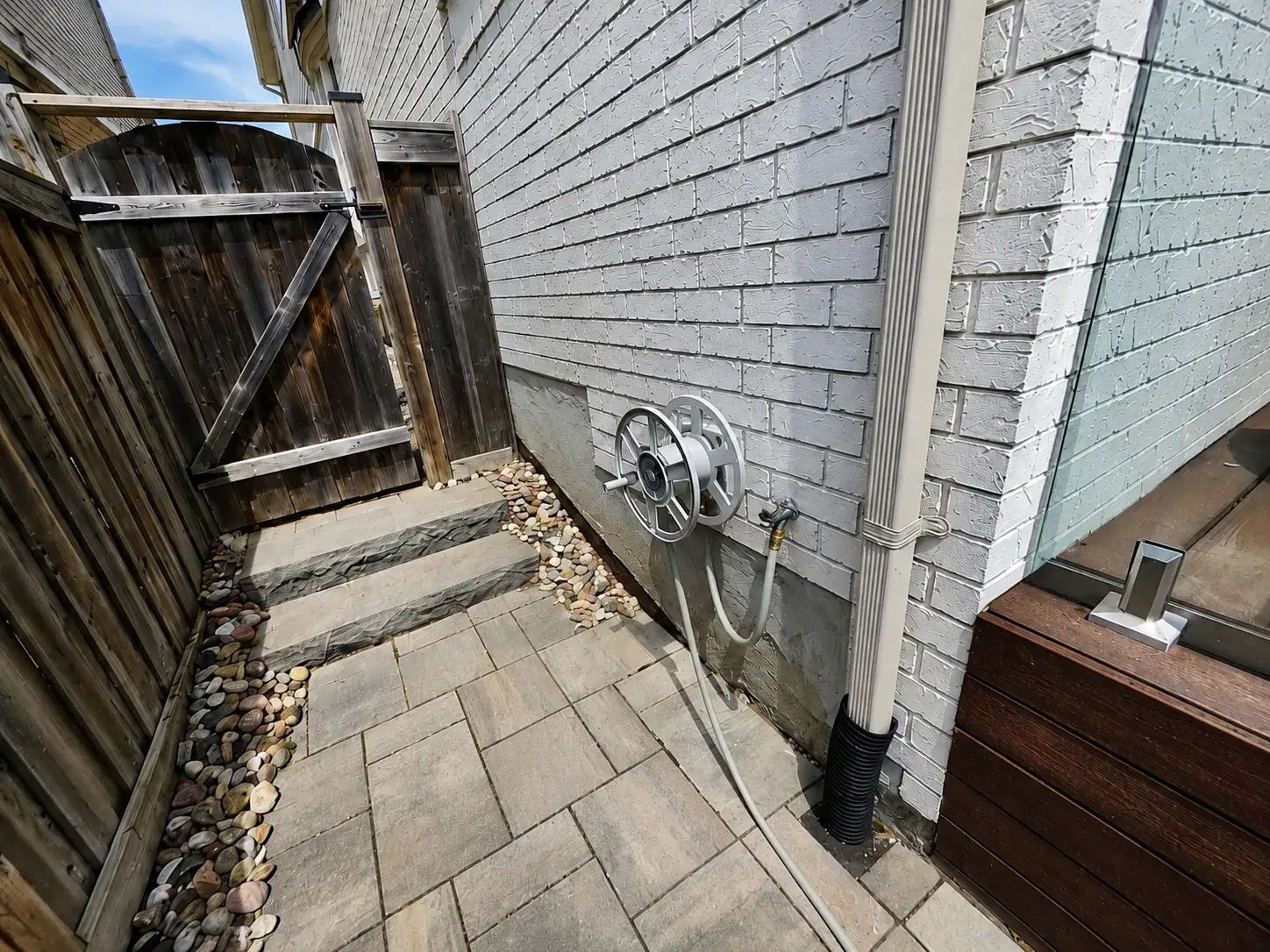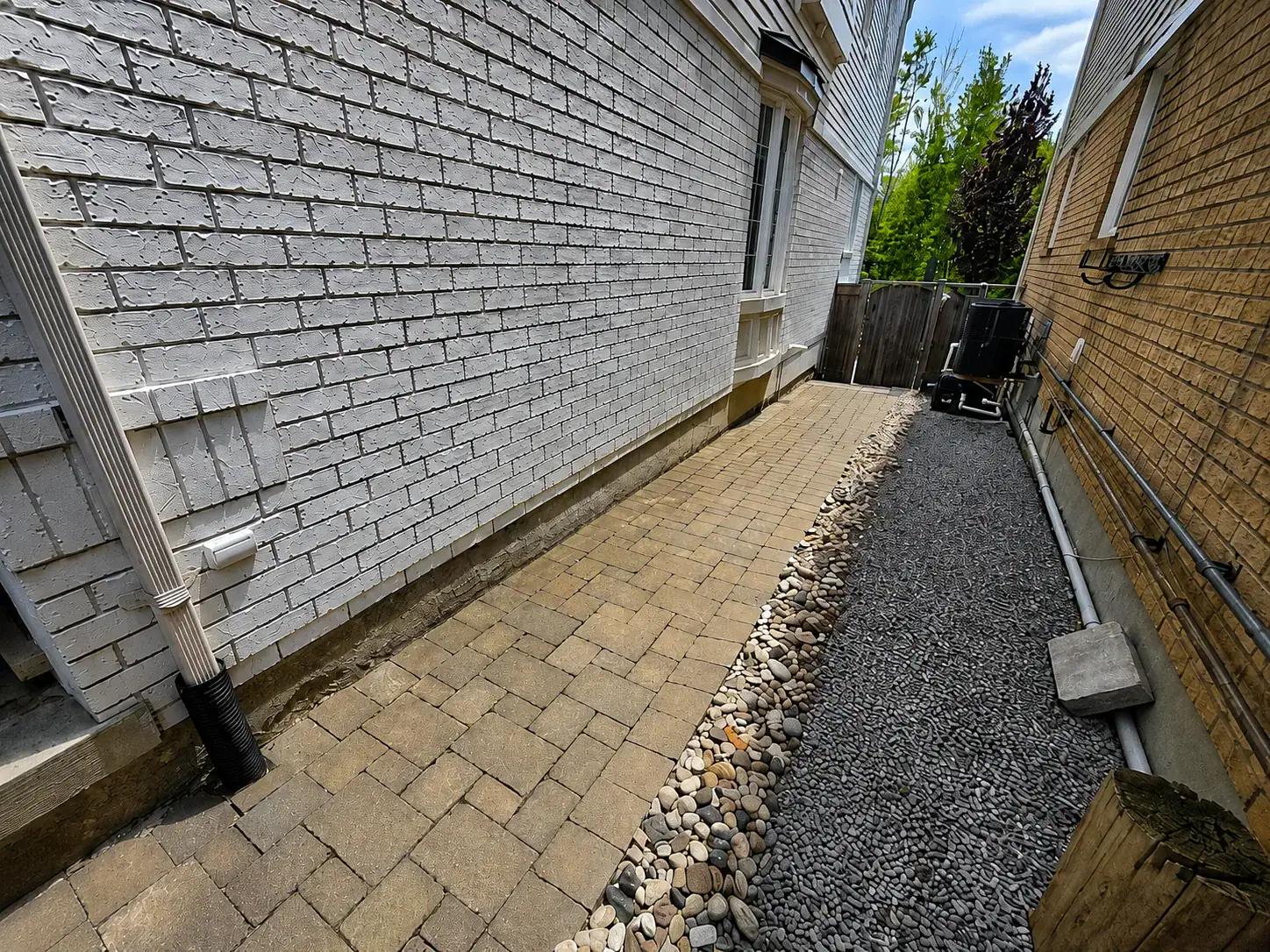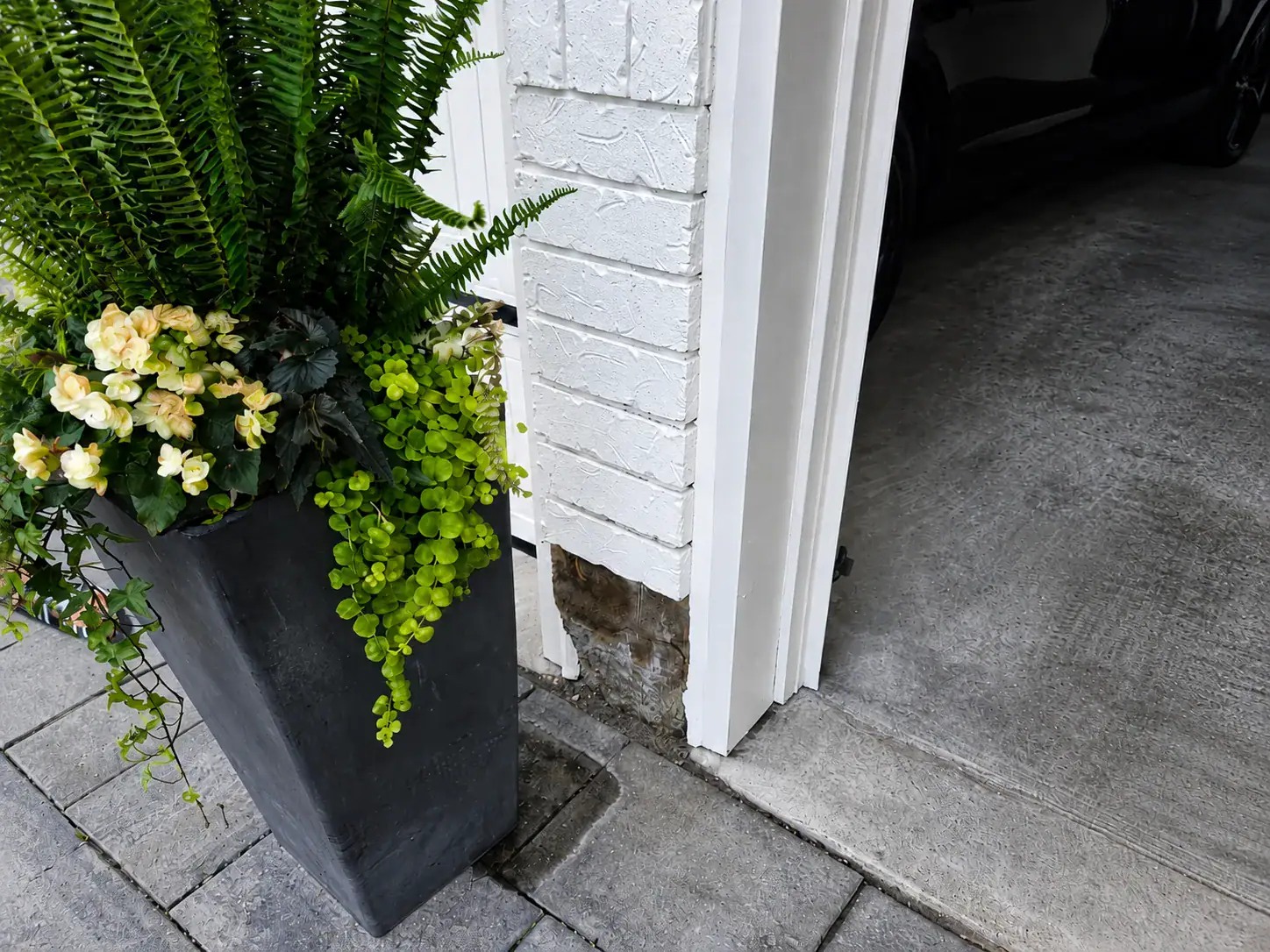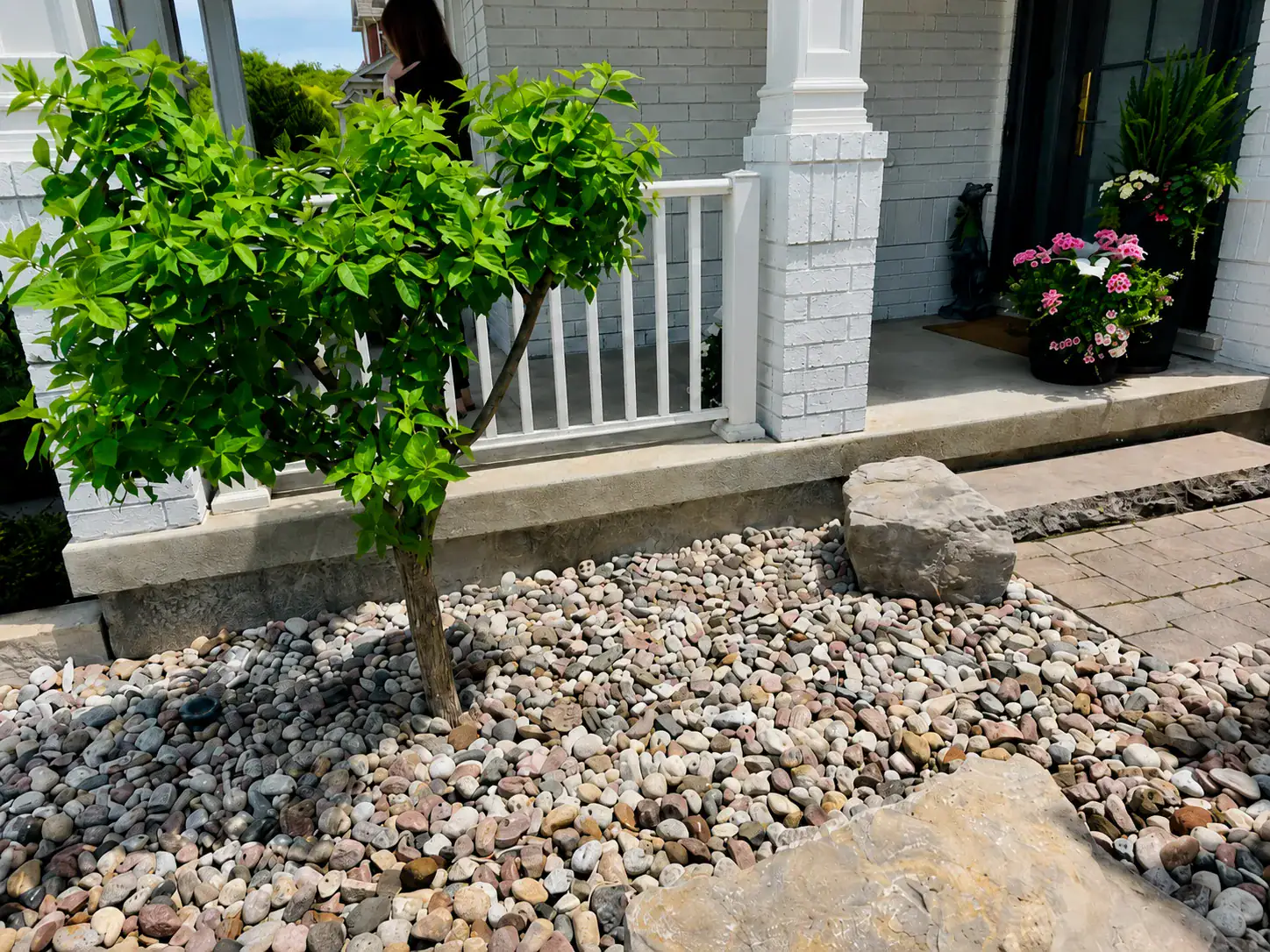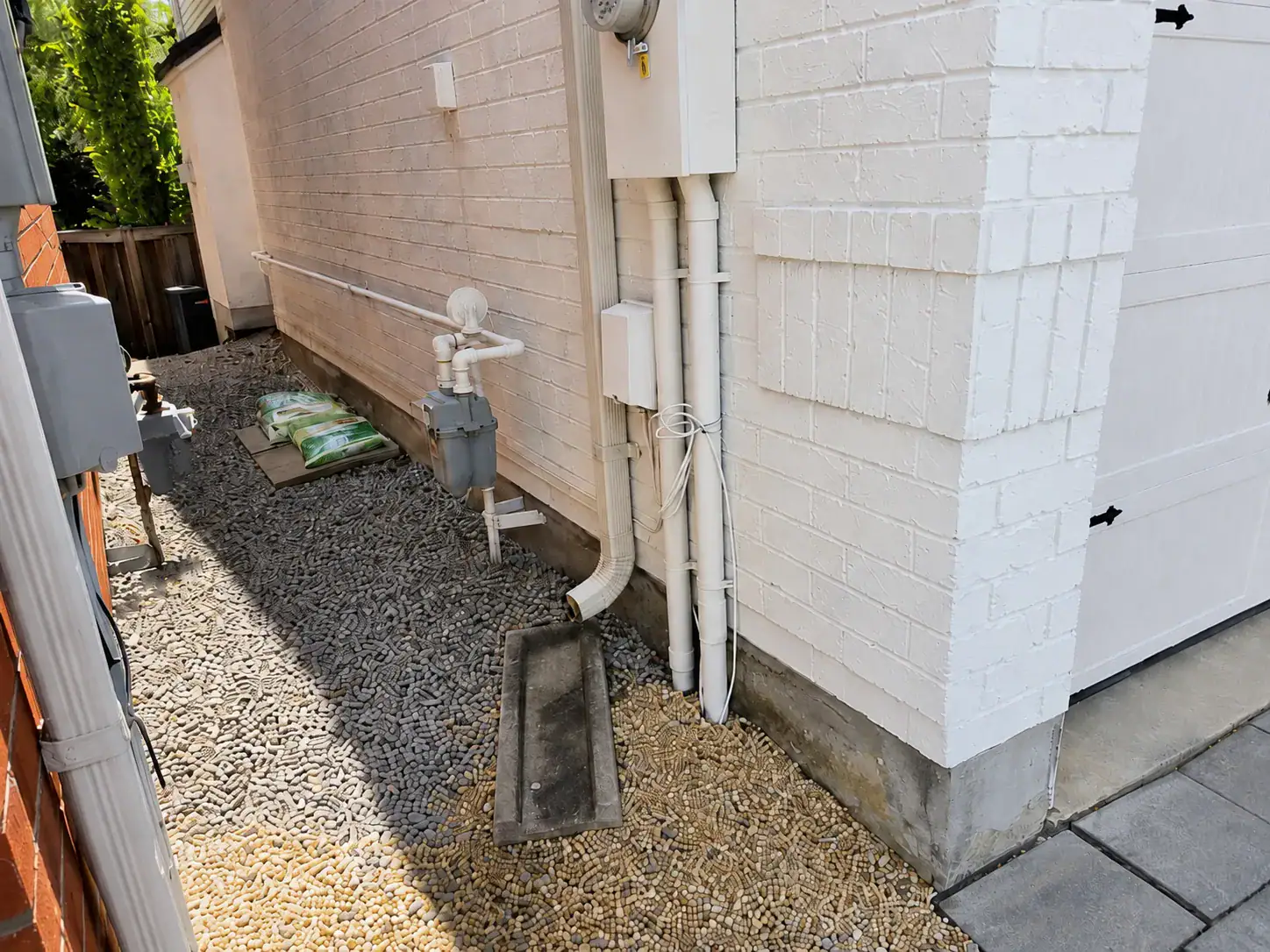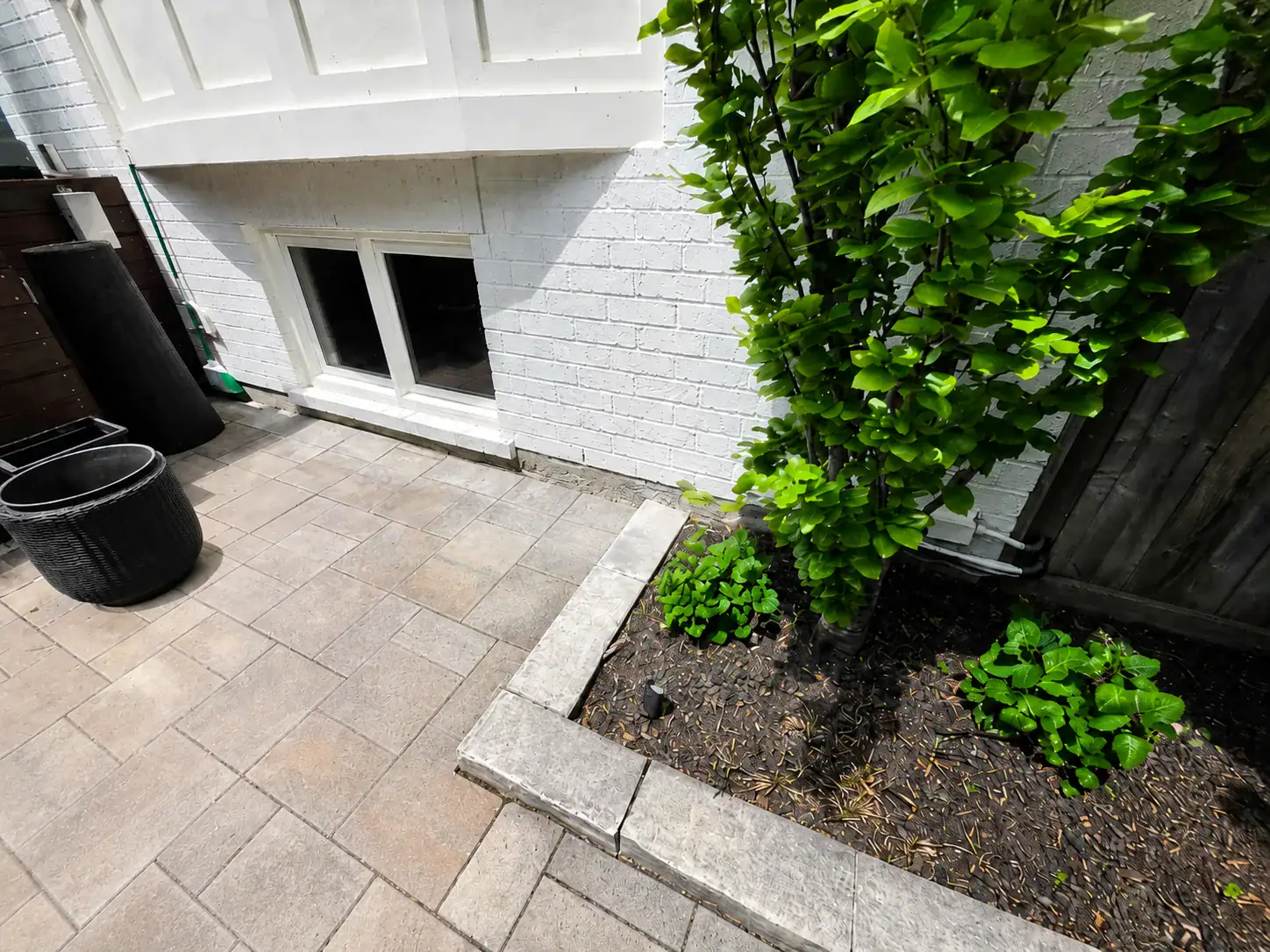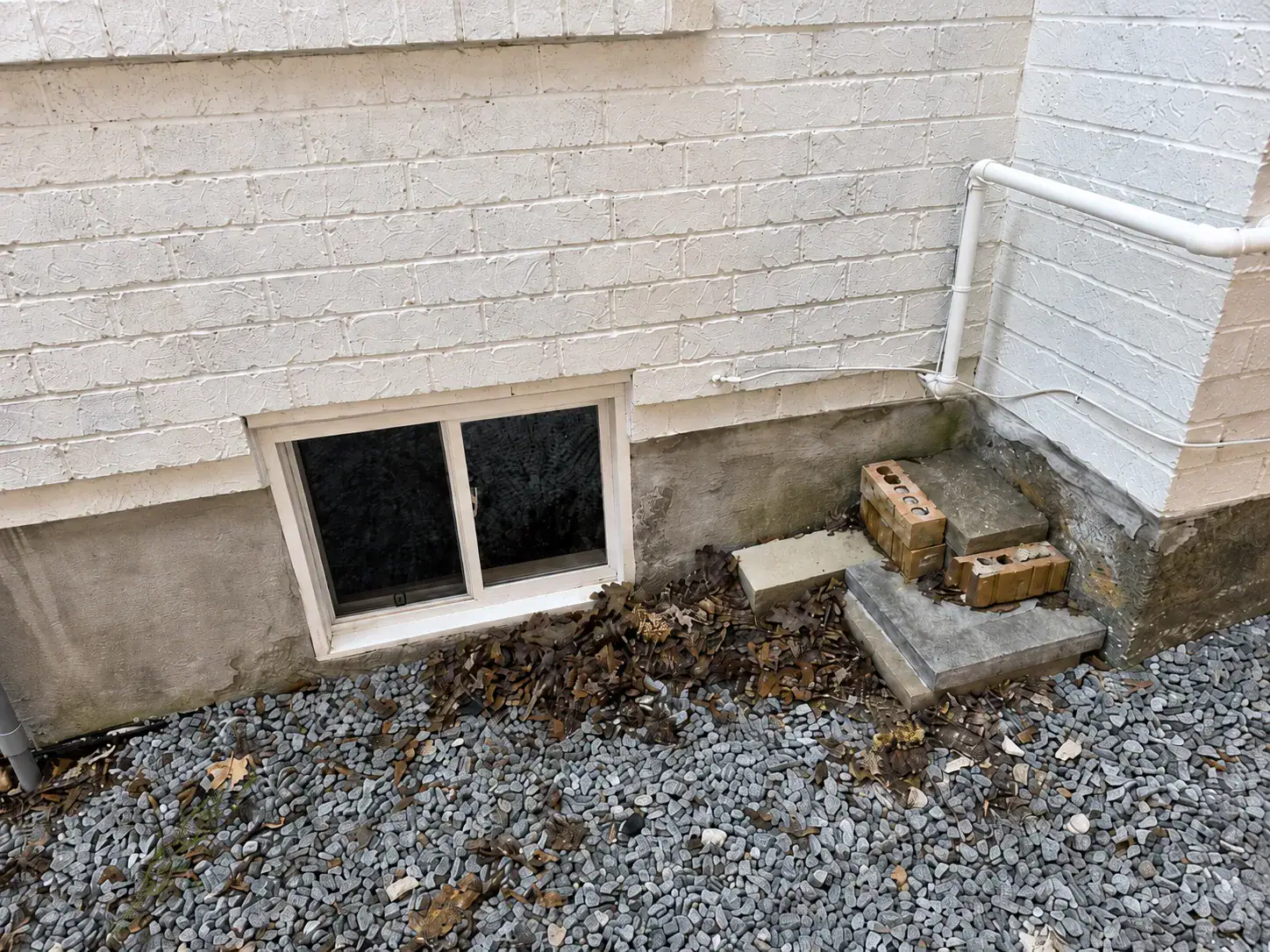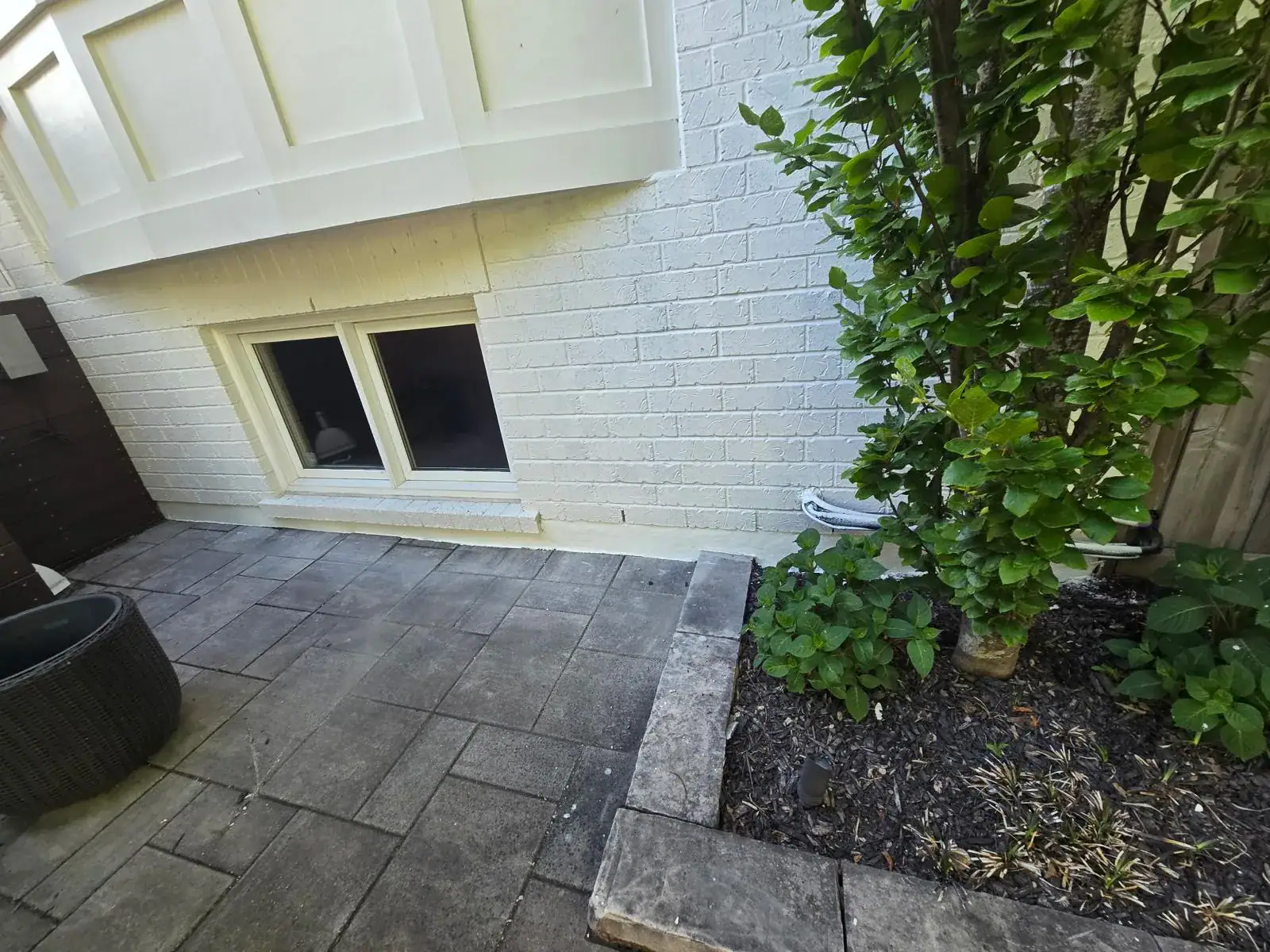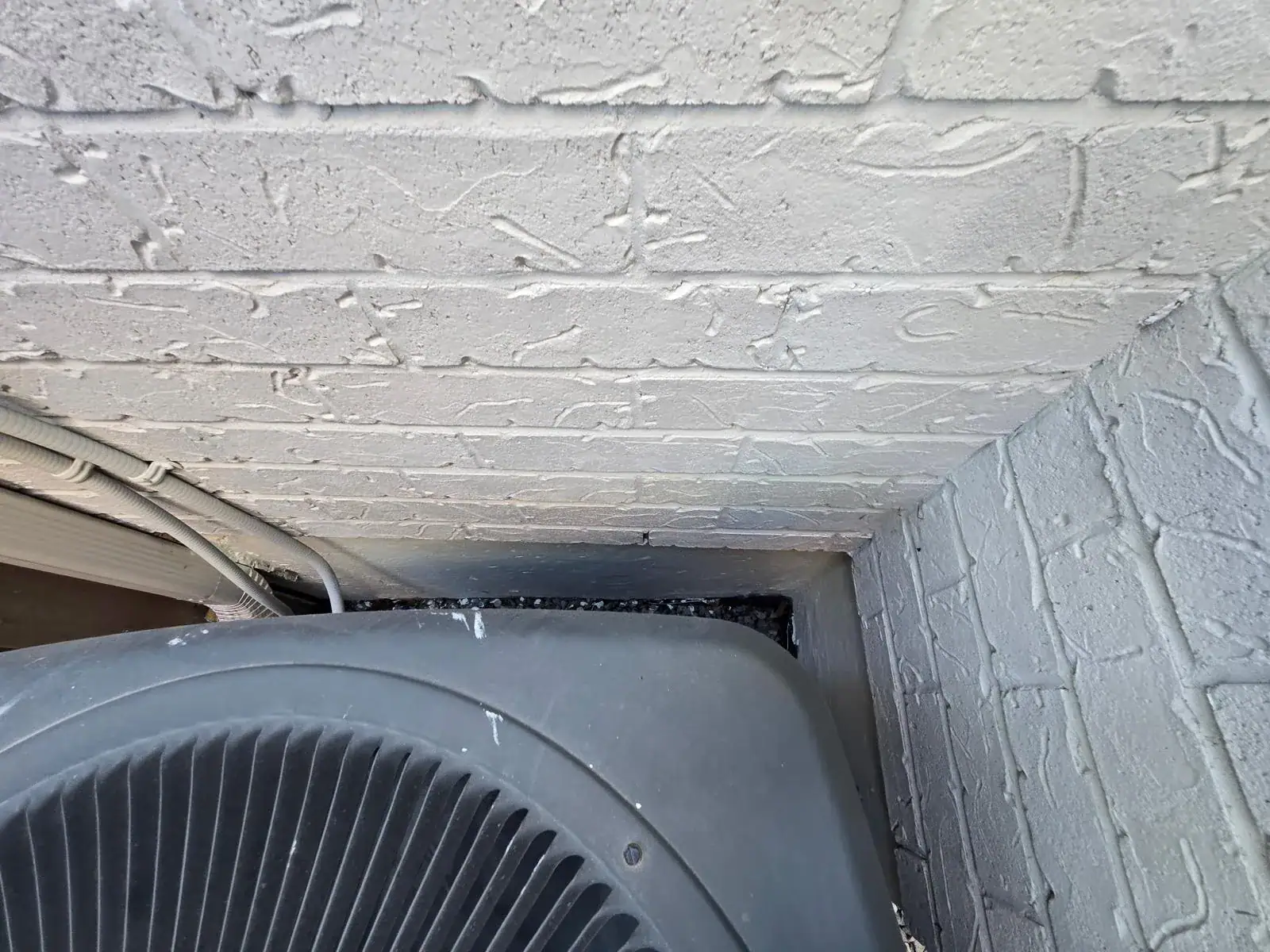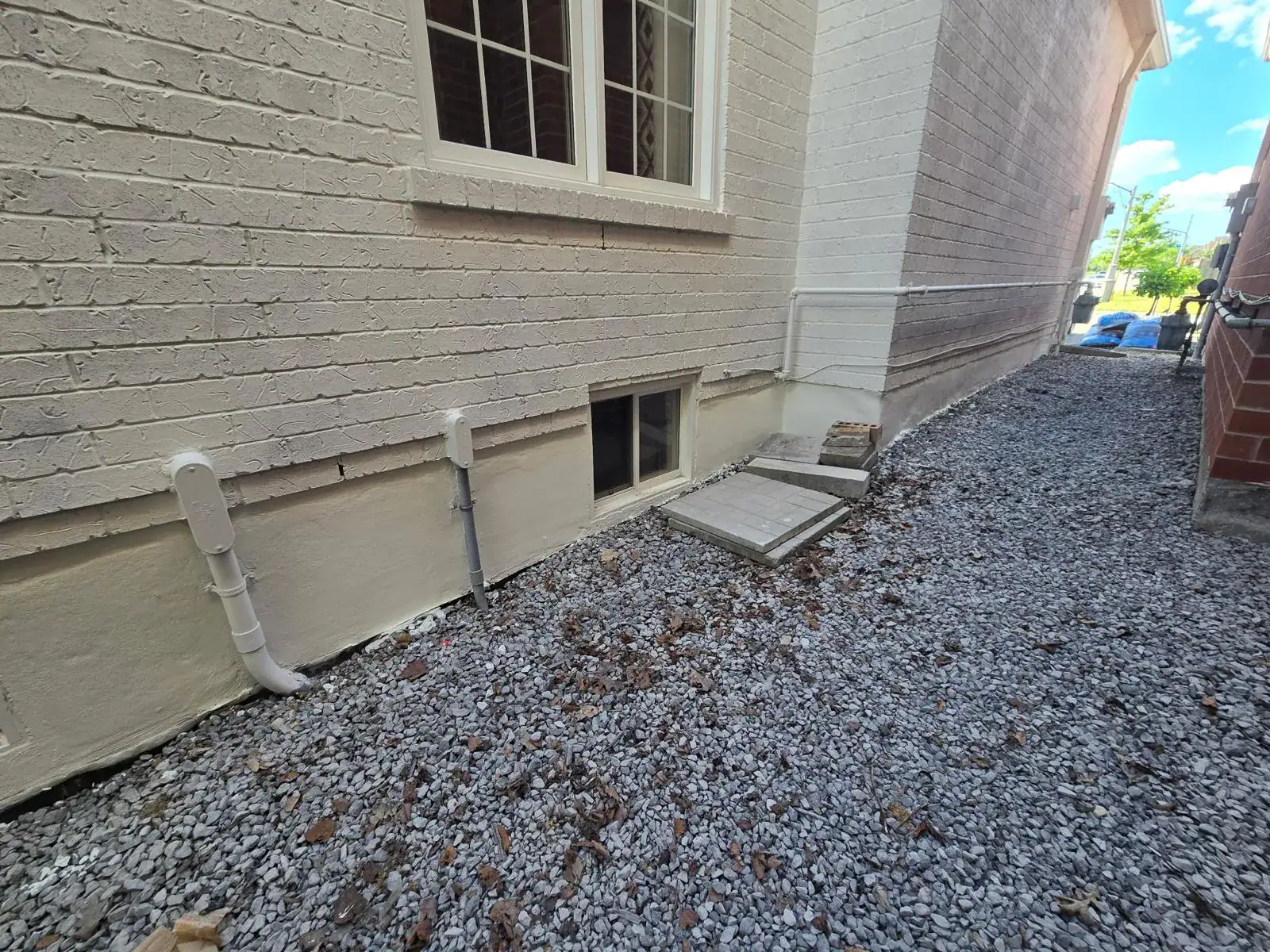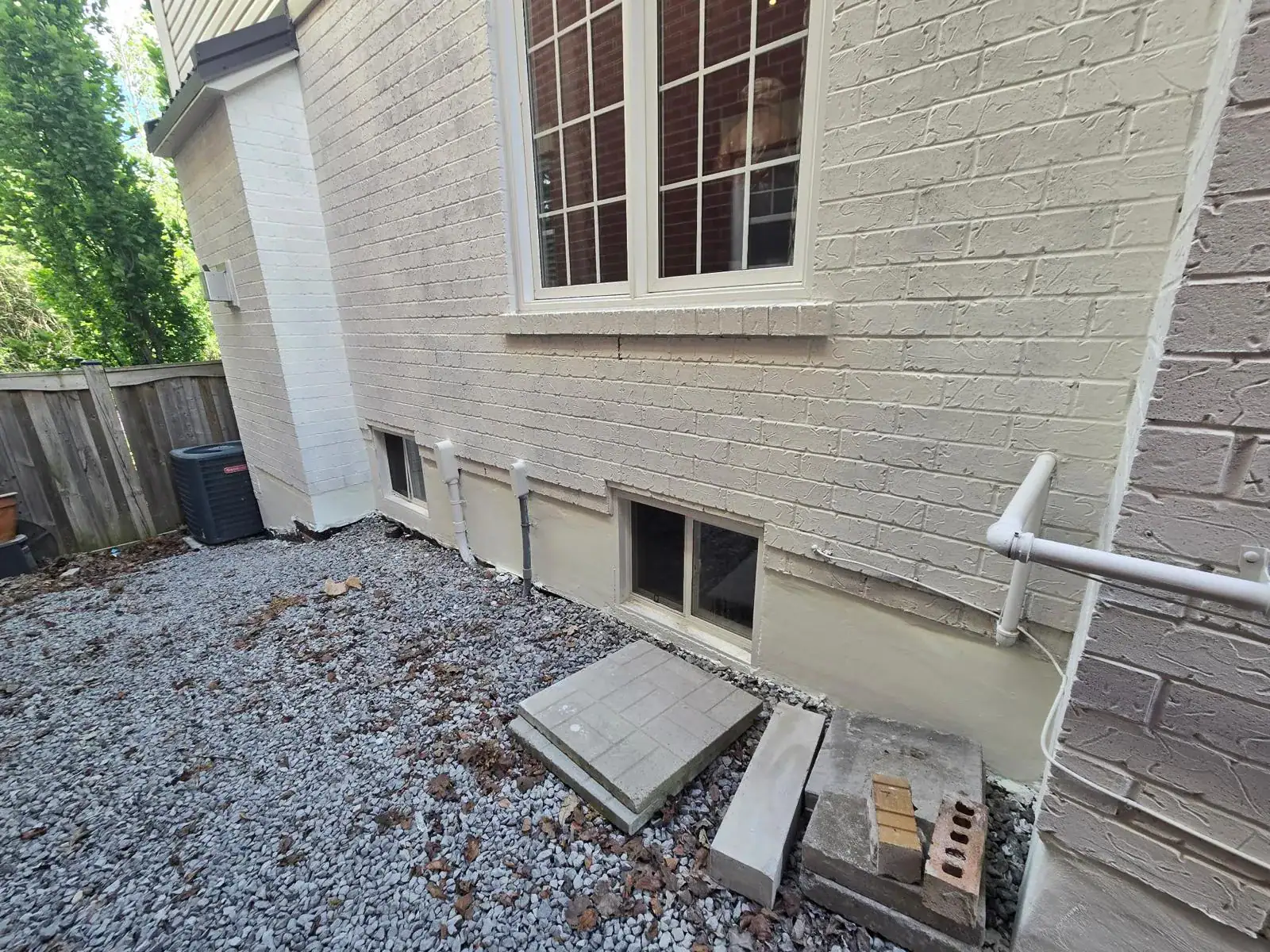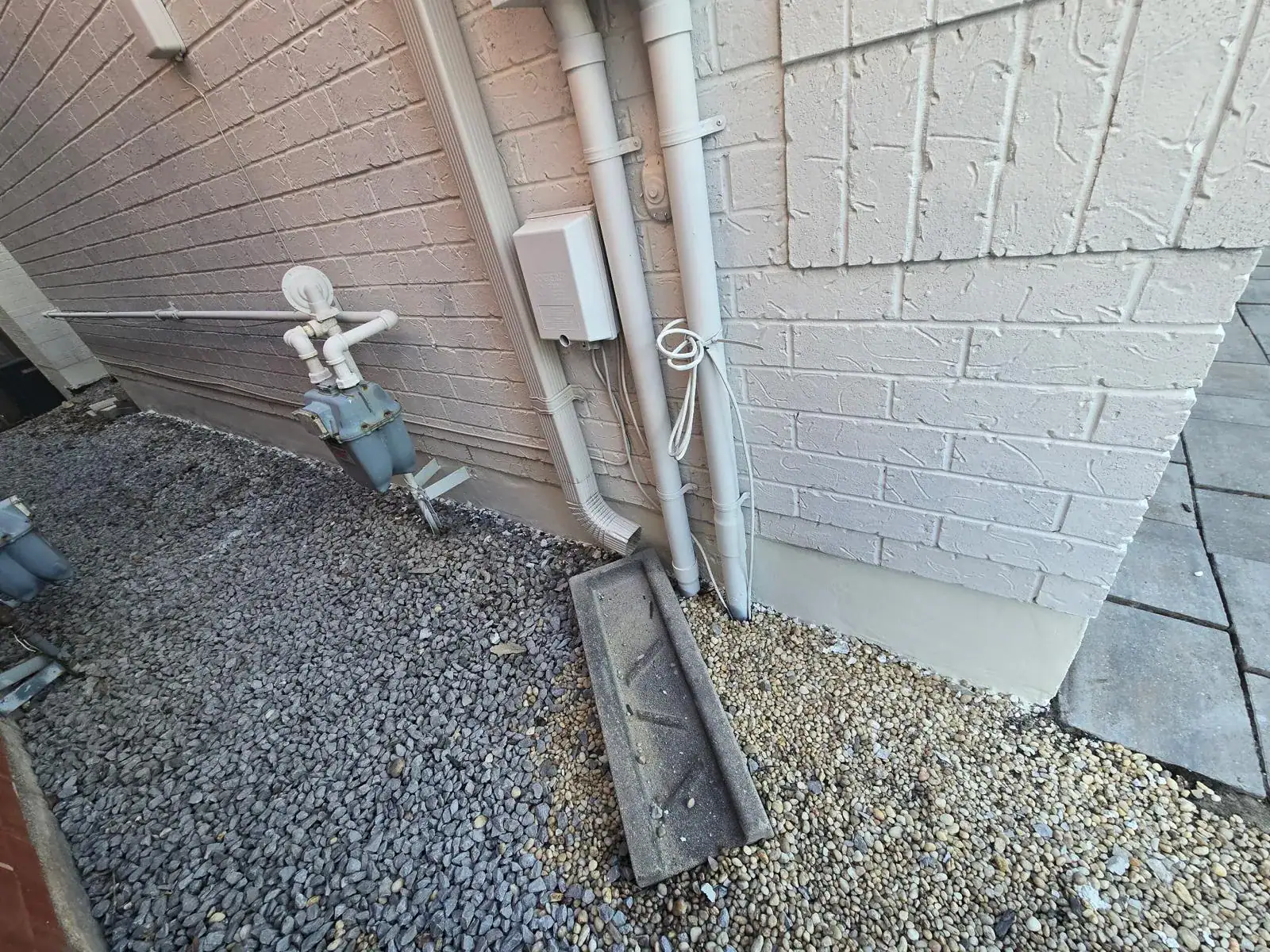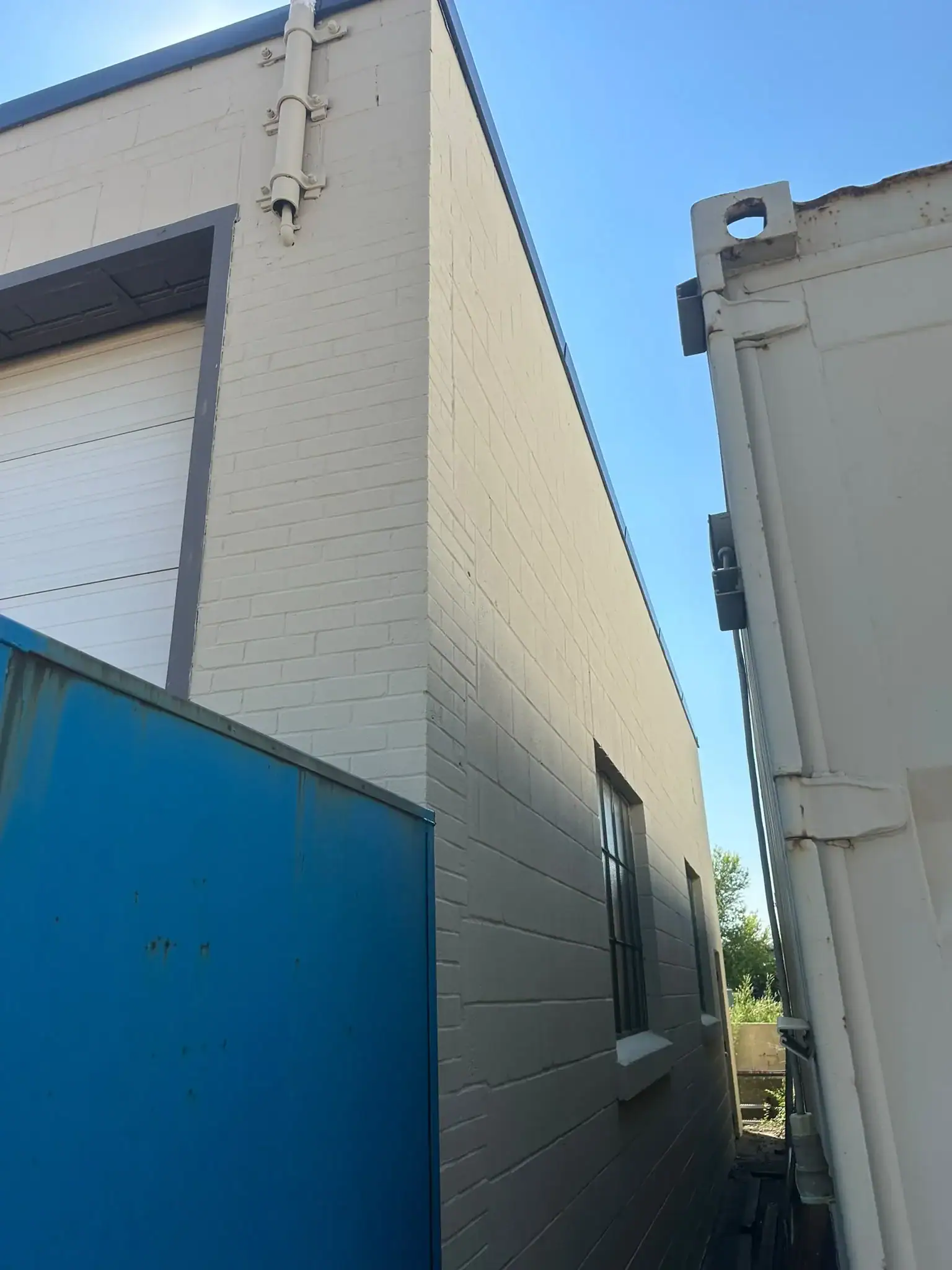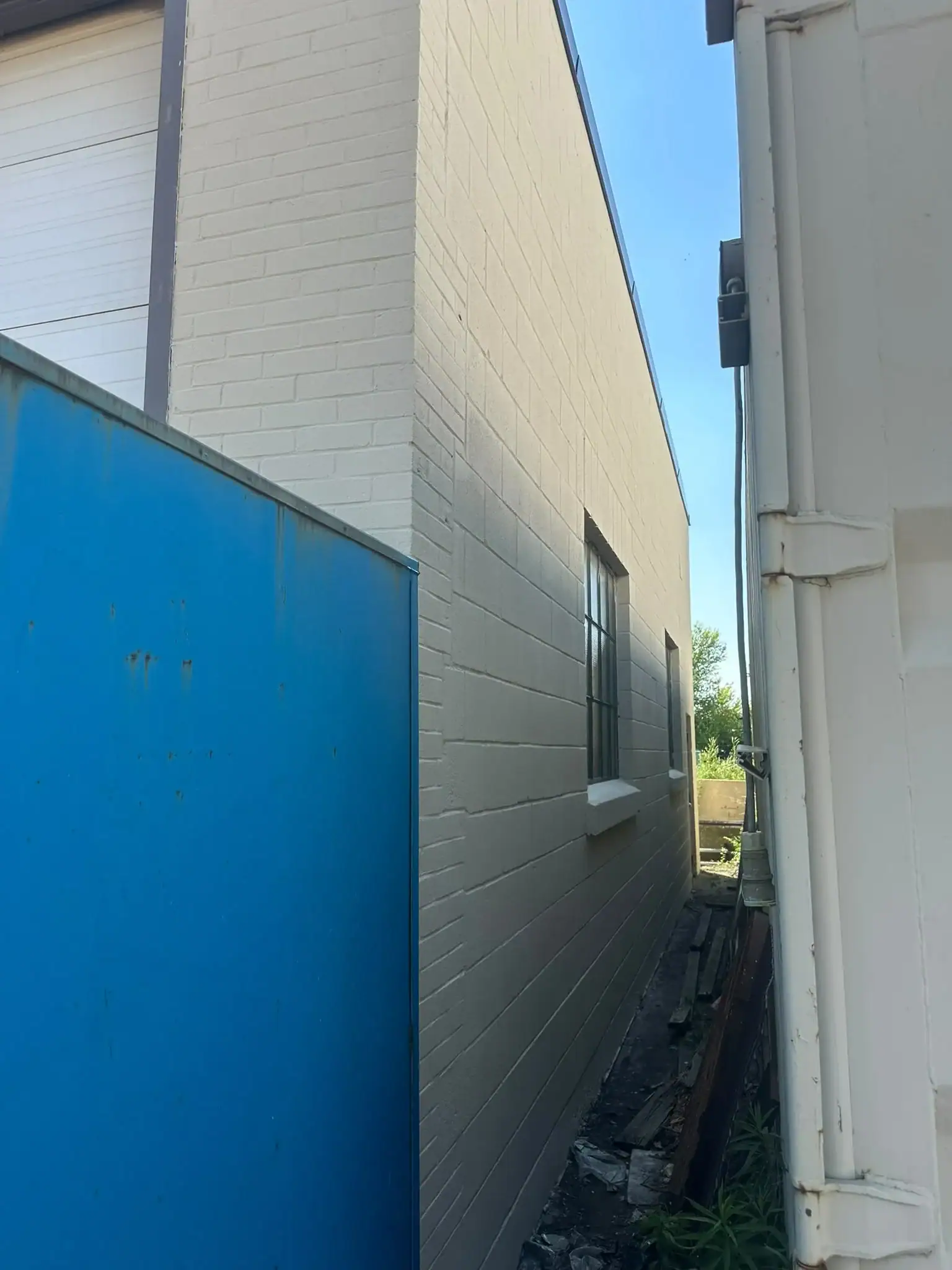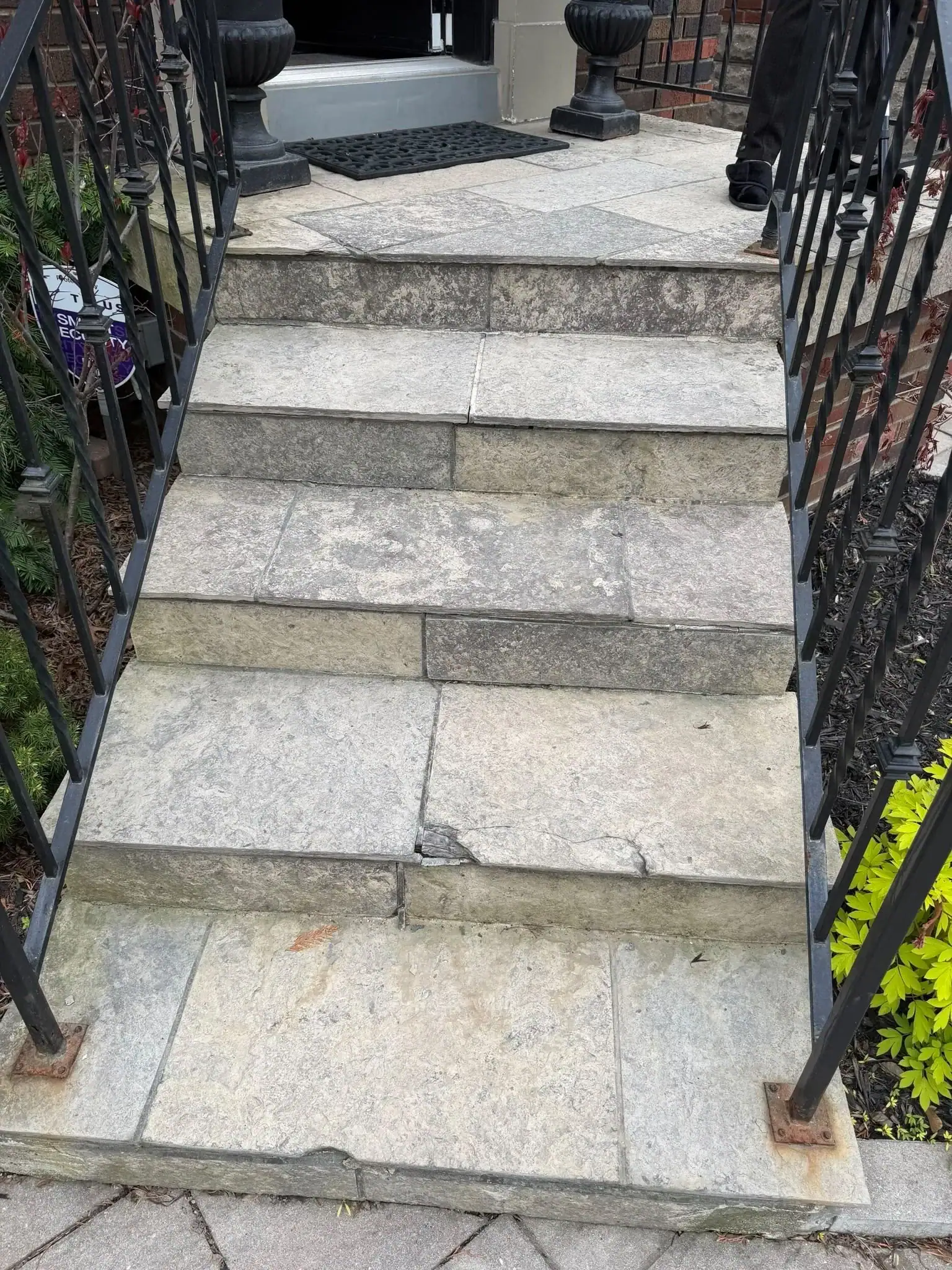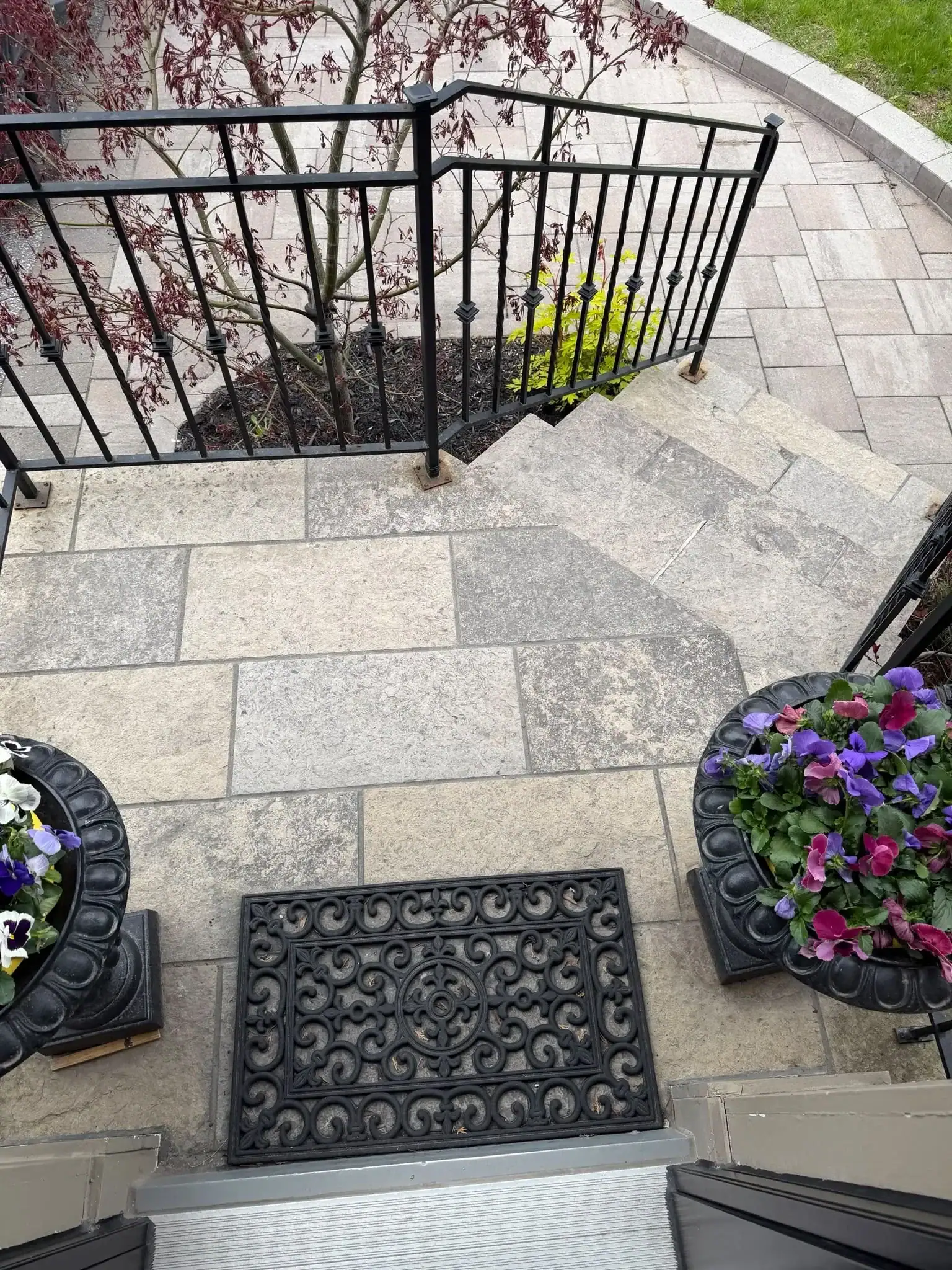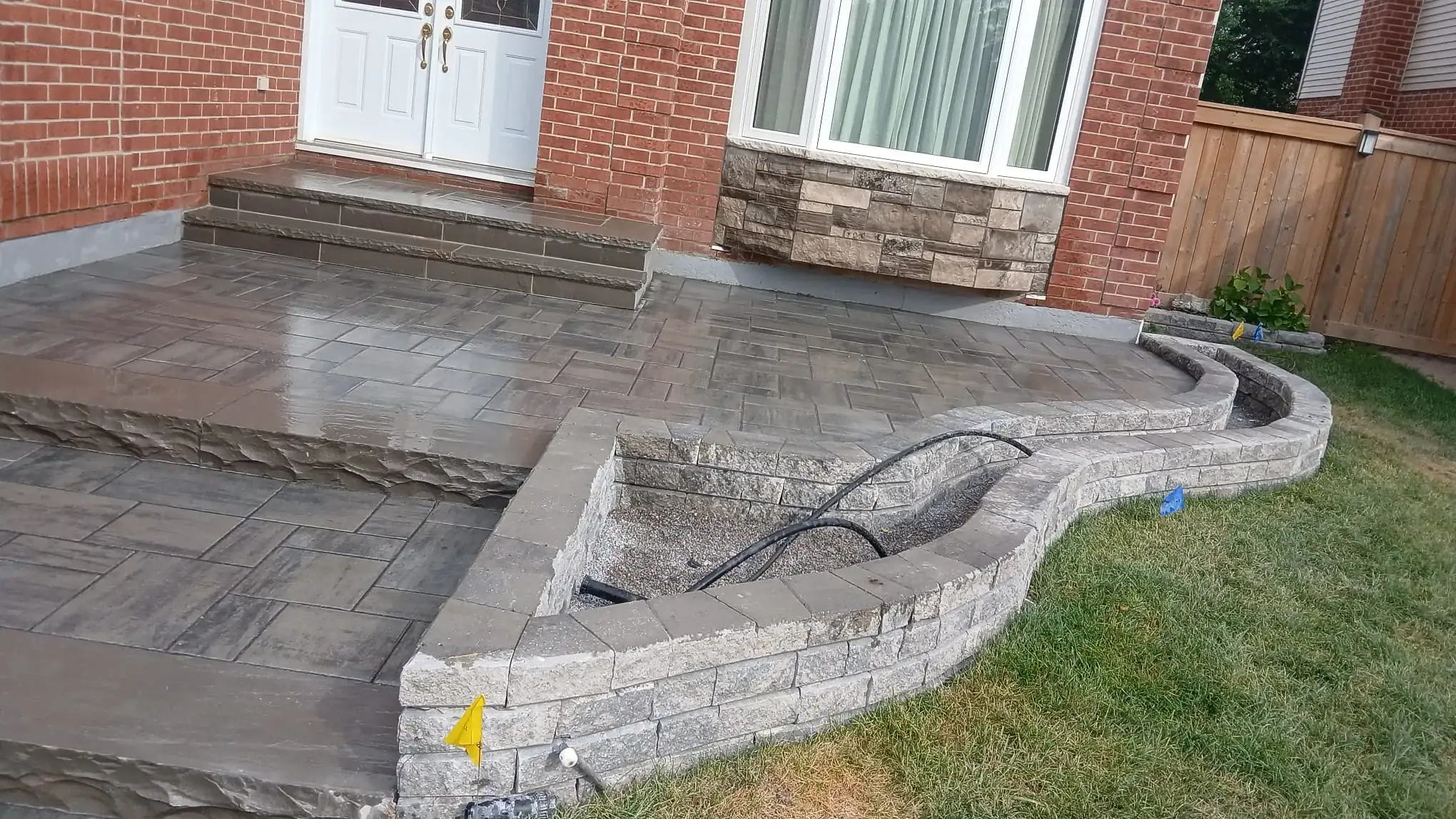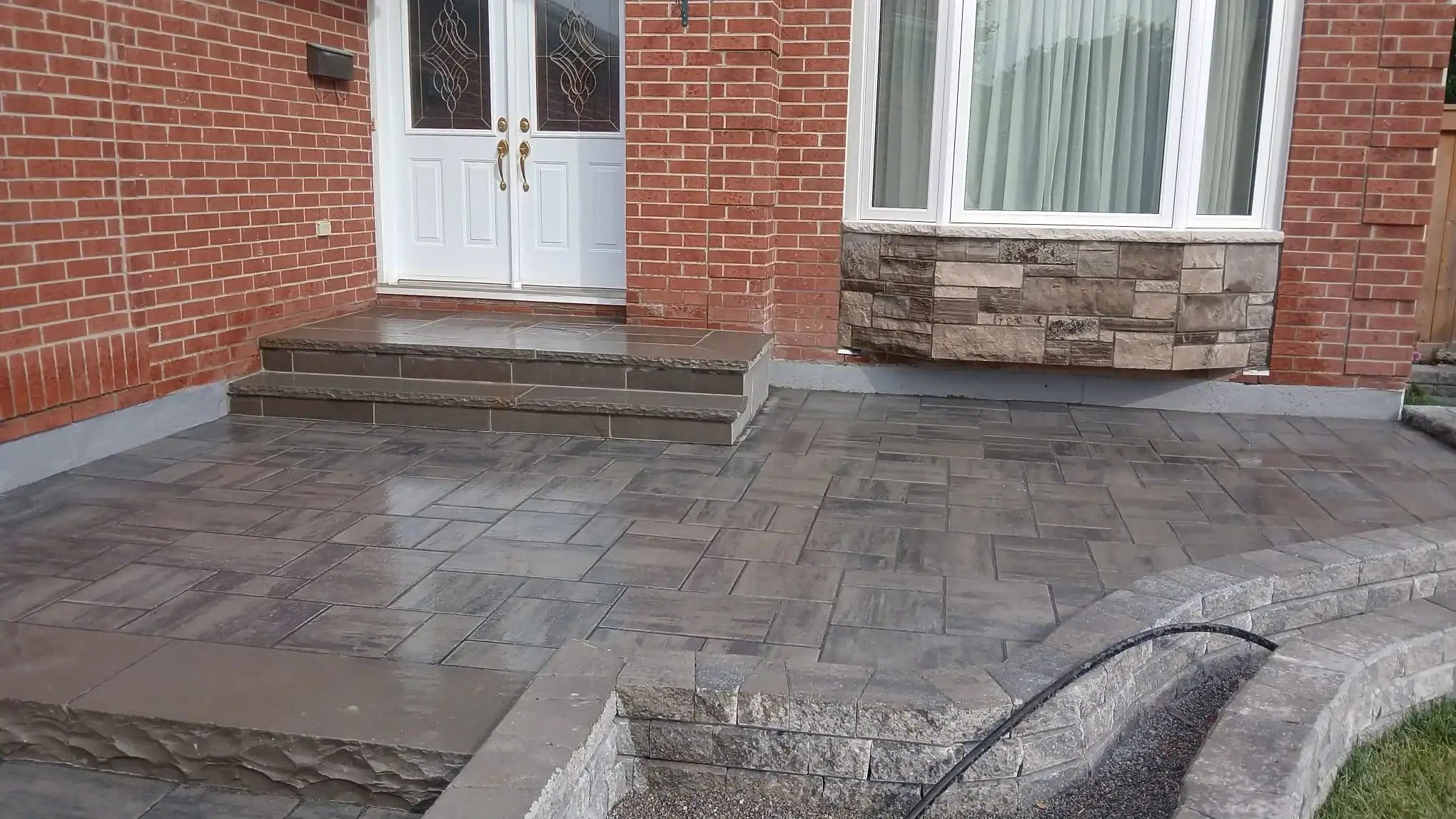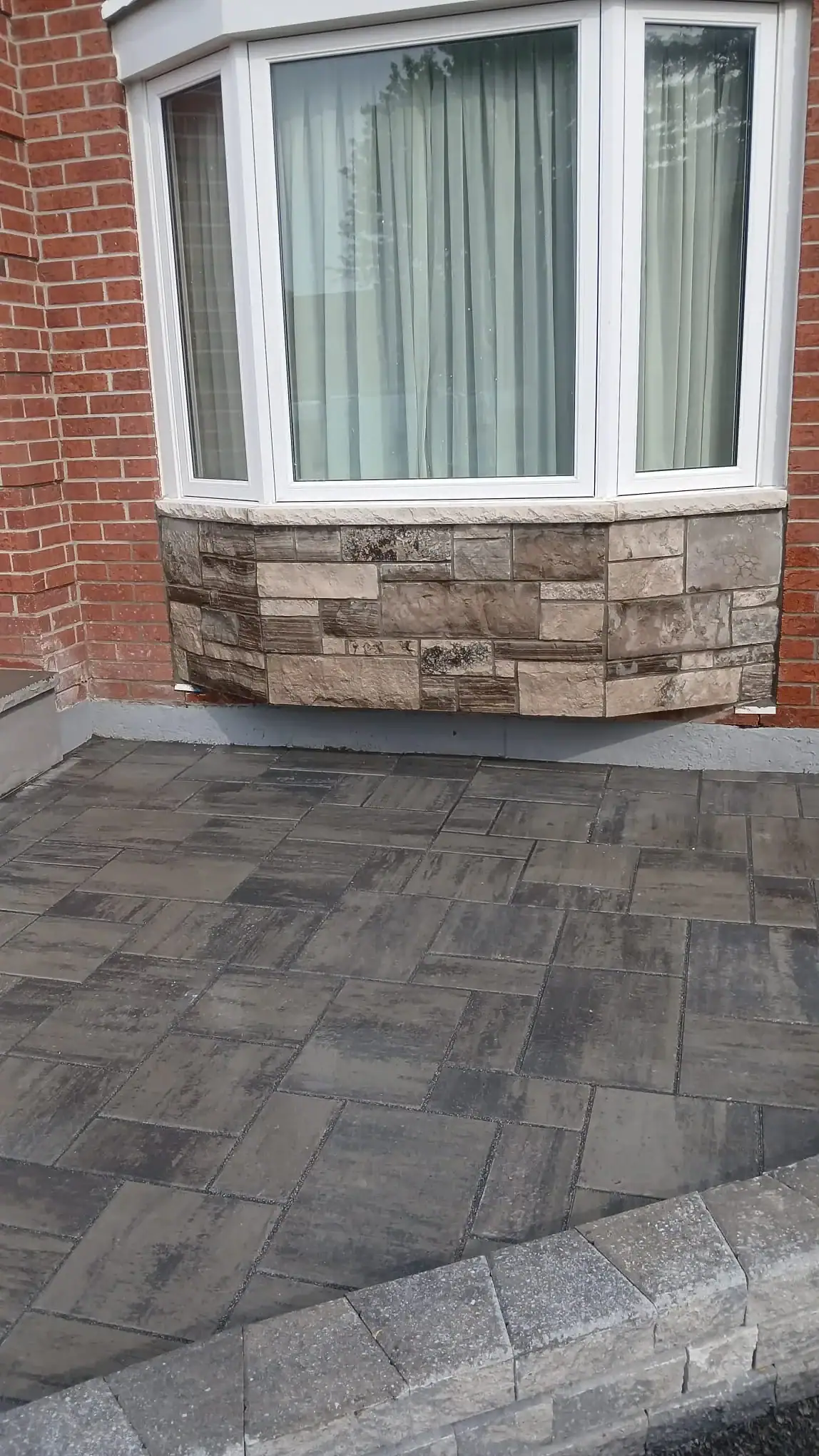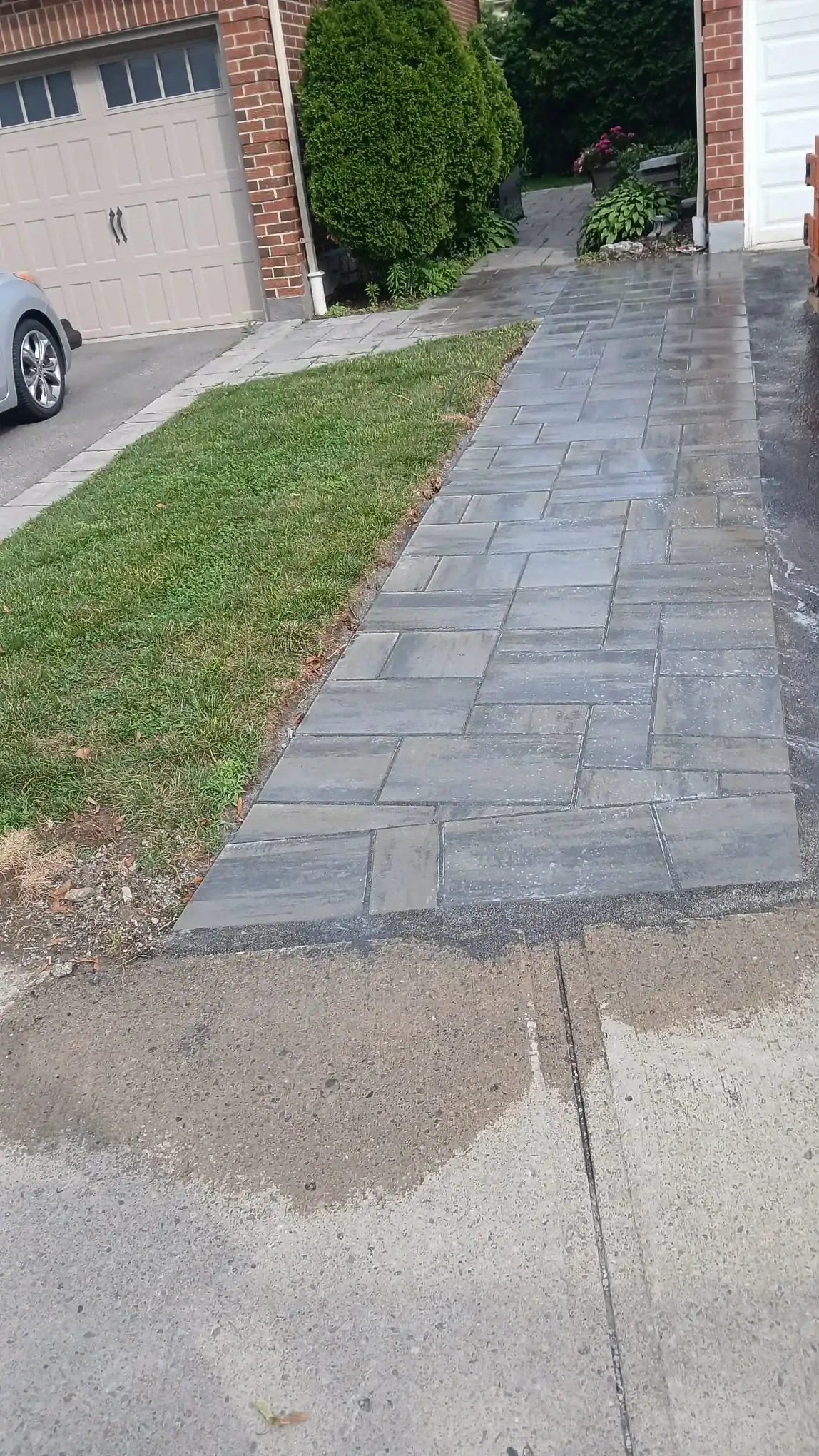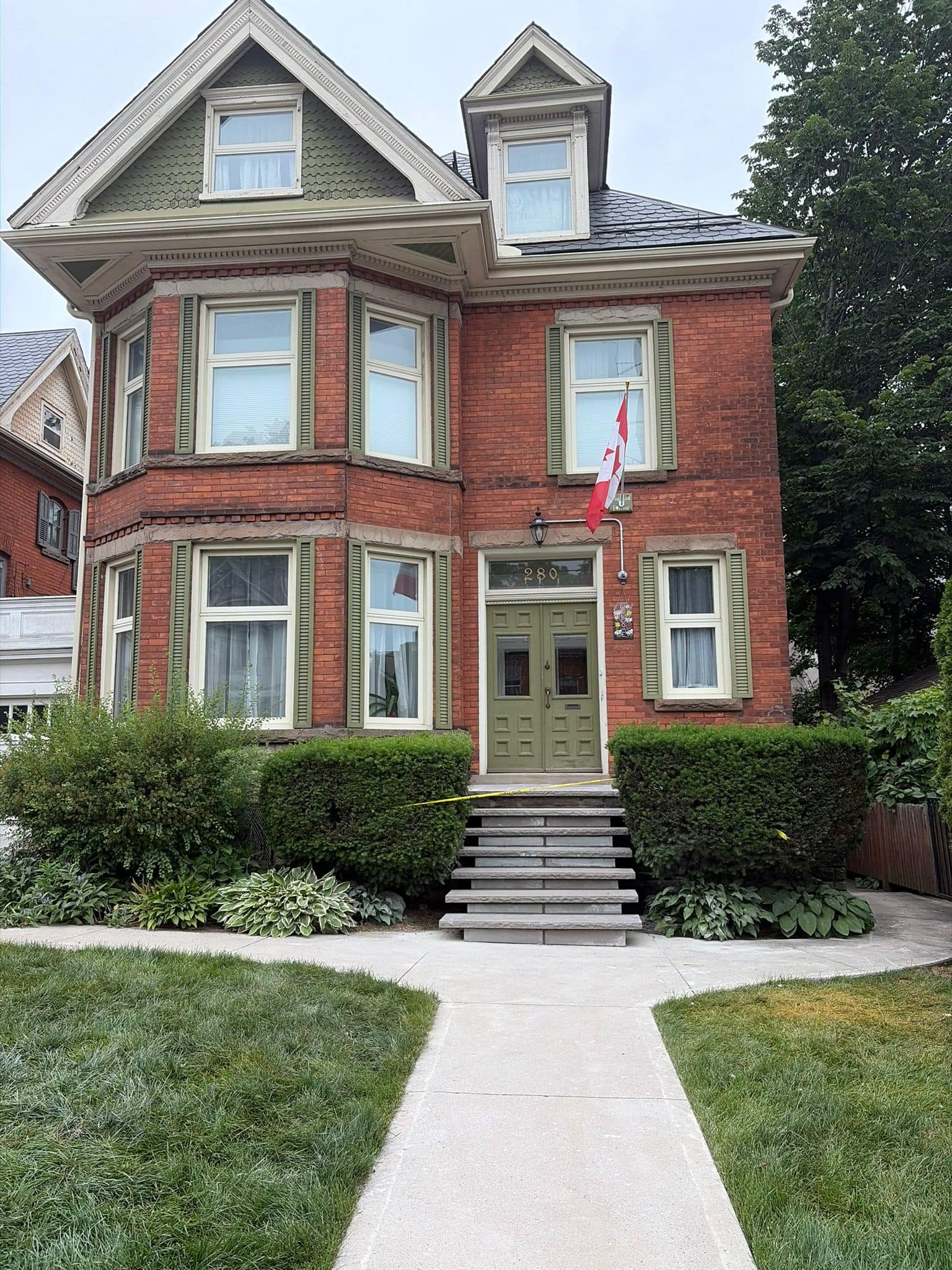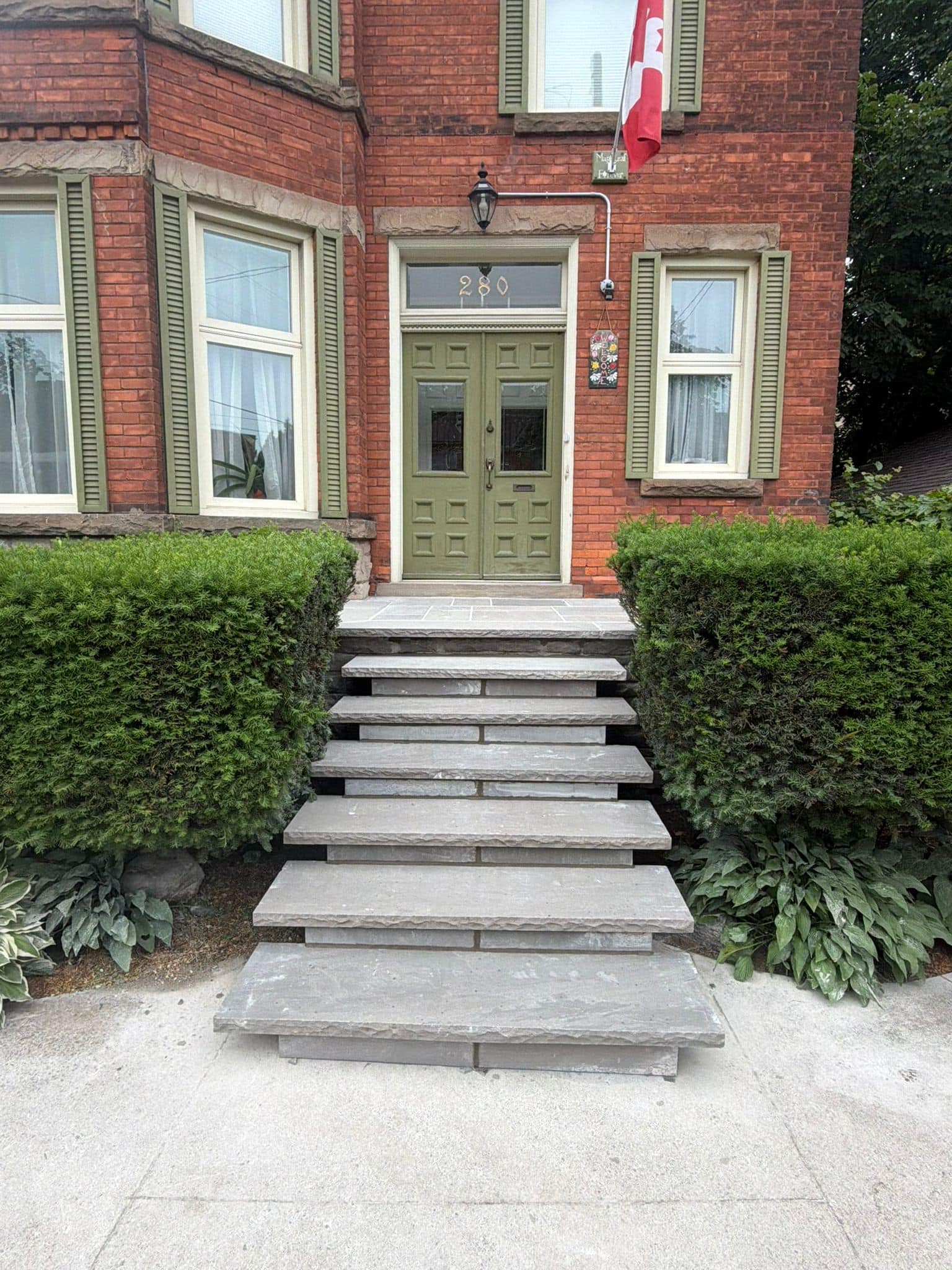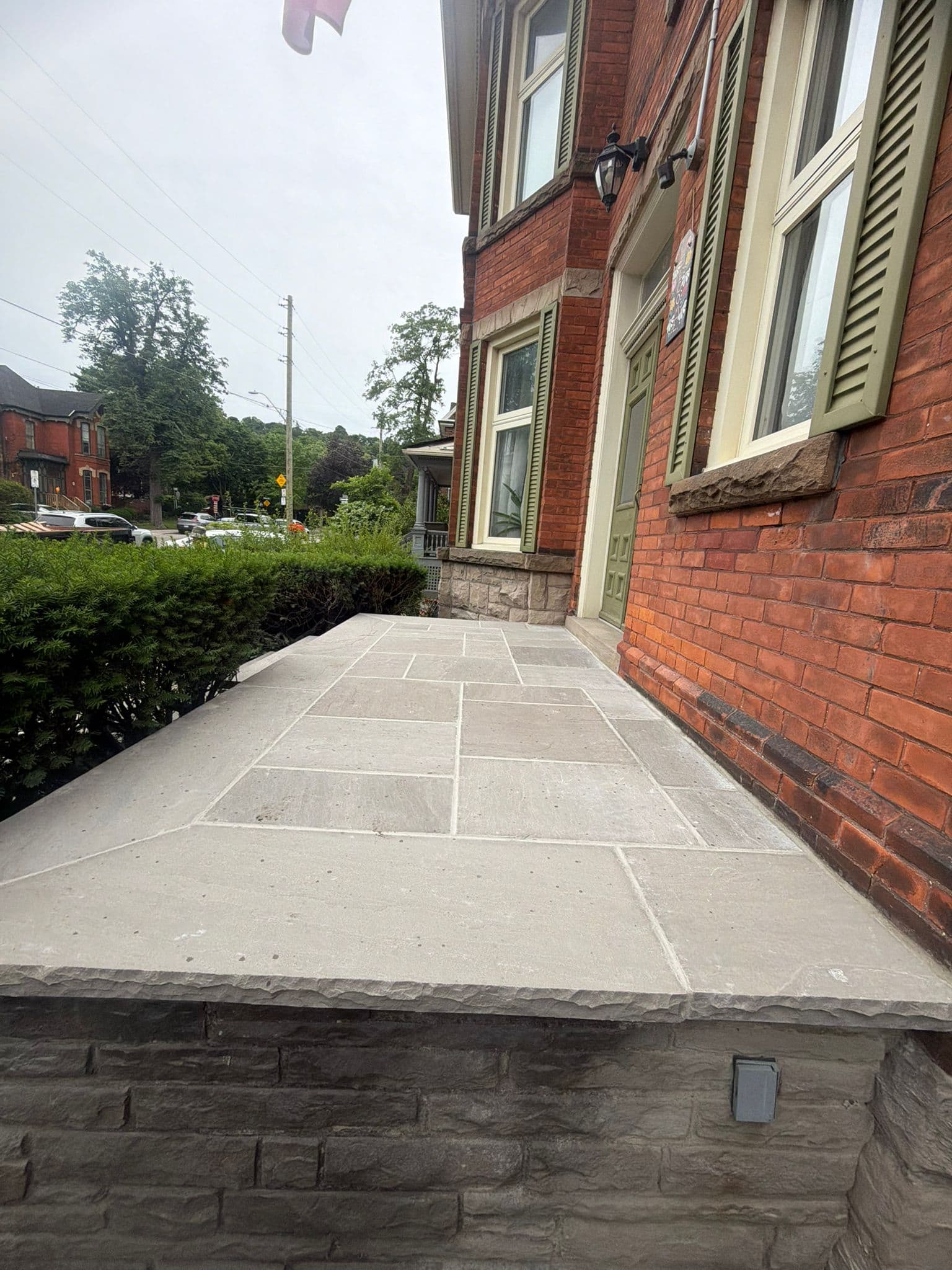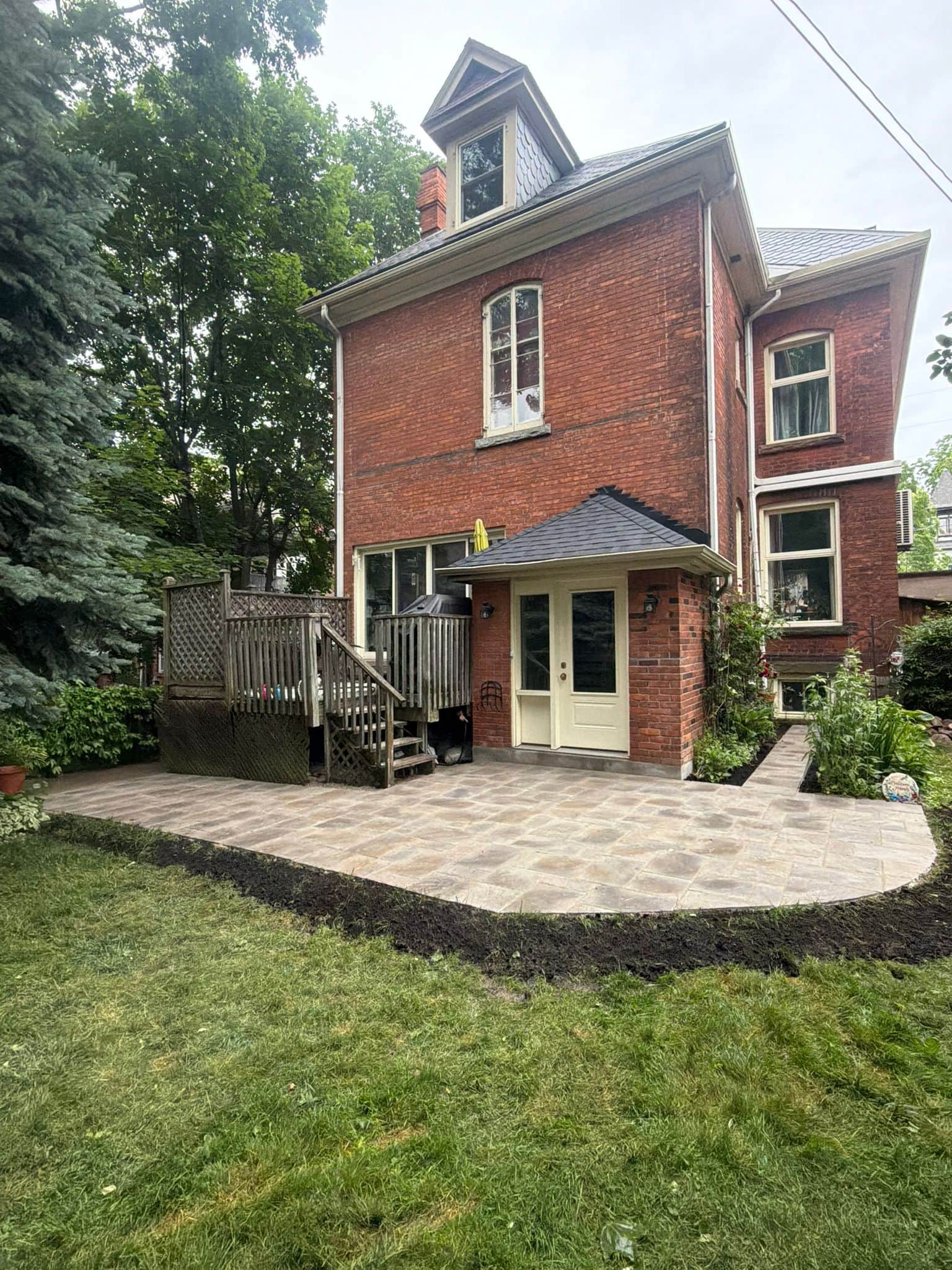

Masonry can be a fantastic addition to any home, boosting aesthetic appeal, practicality, and value. With many materials and design options available, it’s no wonder homeowners are increasingly turning to this versatile construction method for their outdoor spaces.
This blog post will delve into various aspects of masonry in landscaping and hardscaping. You’ll discover popular materials such as retaining walls made from concrete pavers or natural stone that can hold back soil while providing a stable footing for your garden beds or patio areas. We’ll also explore creative design ideas for integrating masonry features like outdoor fireplaces into your landscape.
Additionally, you’ll learn about best practices when installing these structures to ensure they stand the test of time. Finally, we’ll touch on foundation repair and brick restoration services, which may be necessary if you’re dealing with older or damaged masonry elements around your property.
Enhance Your Home’s Curb Appeal with Masonry
Masonry is a timeless and versatile construction technique that significantly enhances your home’s curb appeal. By incorporating masonry into your landscaping and hardscaping, you can craft inviting outdoor spaces that add value to your home. Masonry can be a great addition to your residential landscape, providing aesthetic and practical benefits.
Creating Inviting Entryways
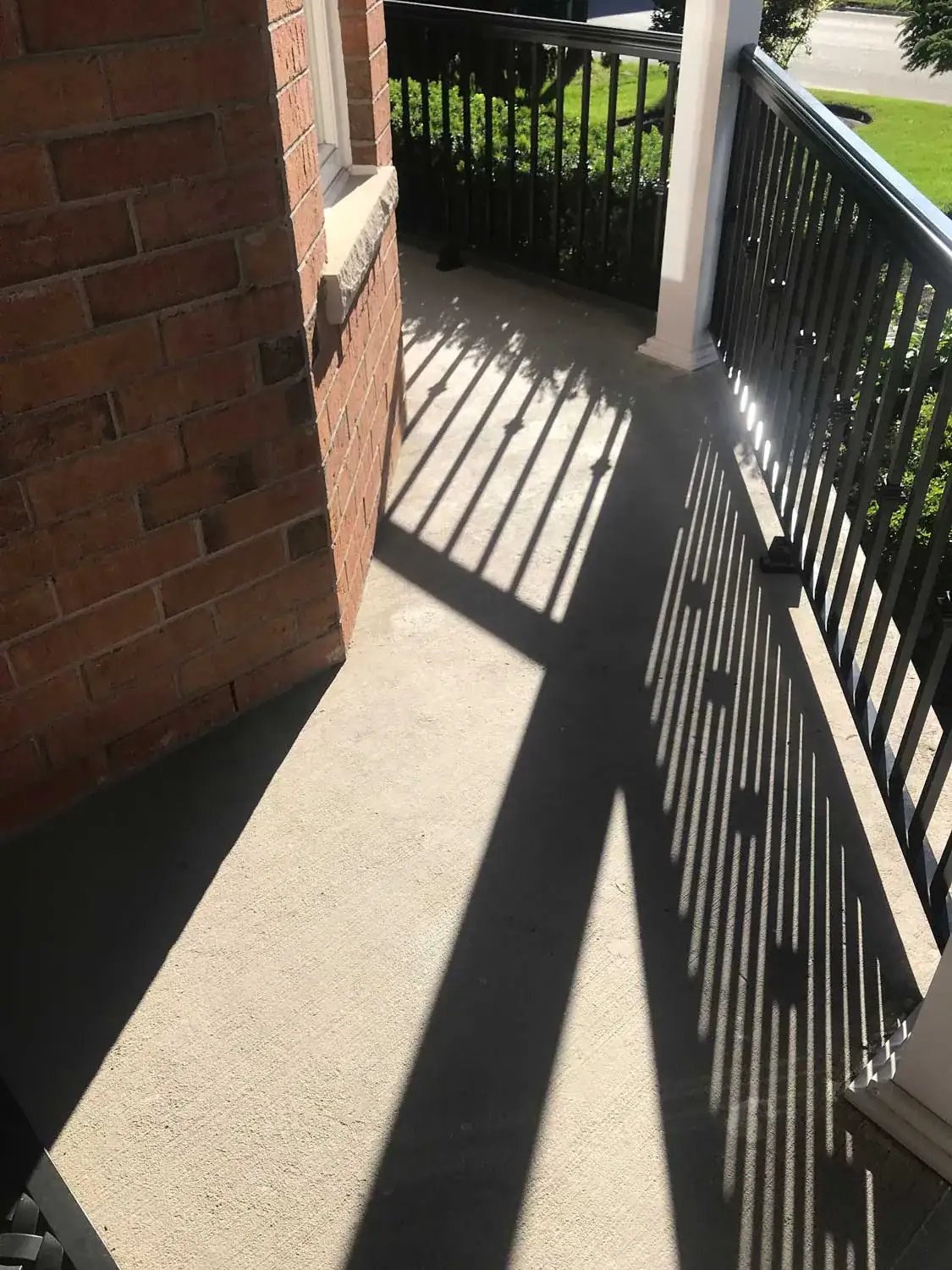
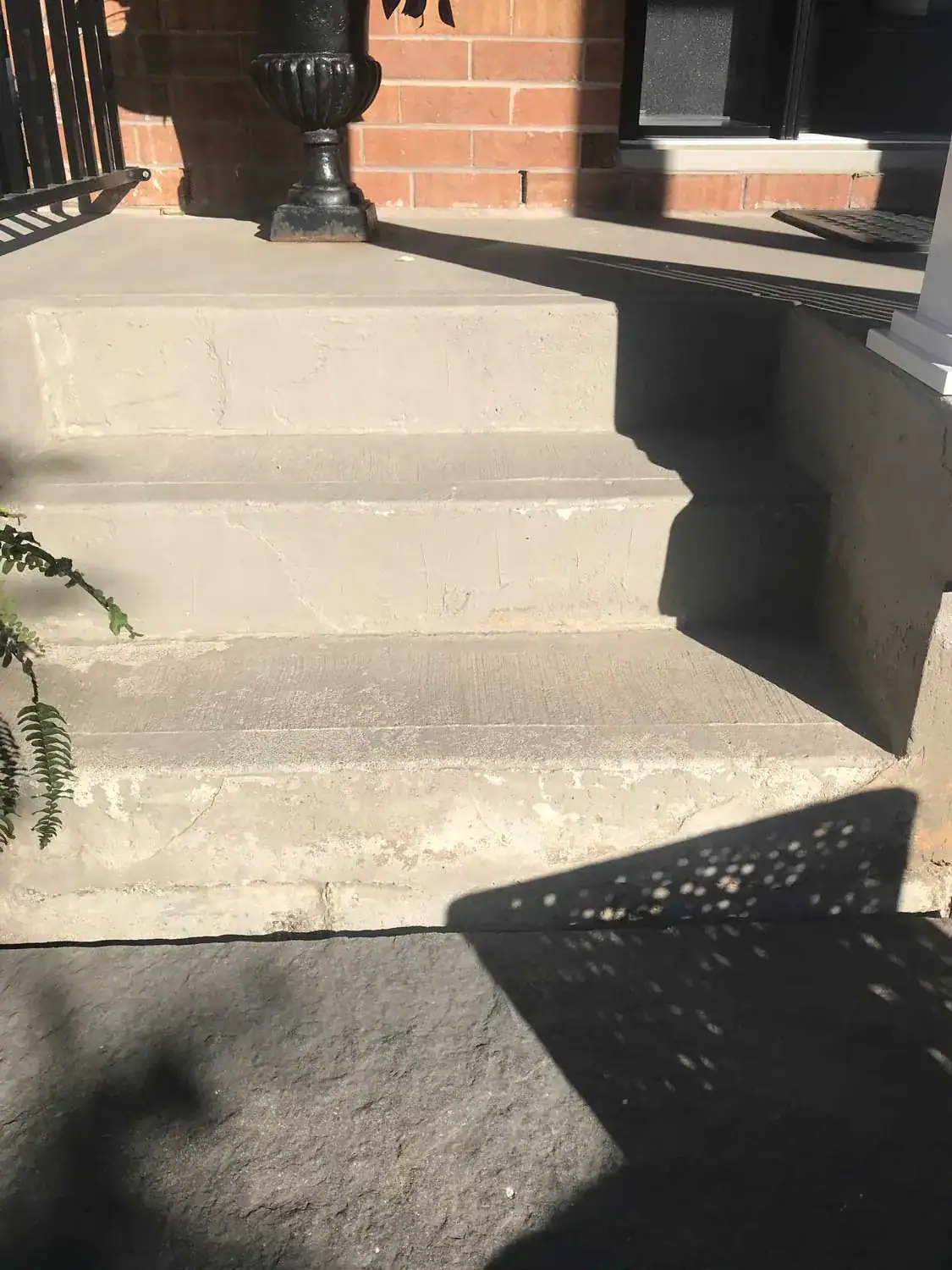
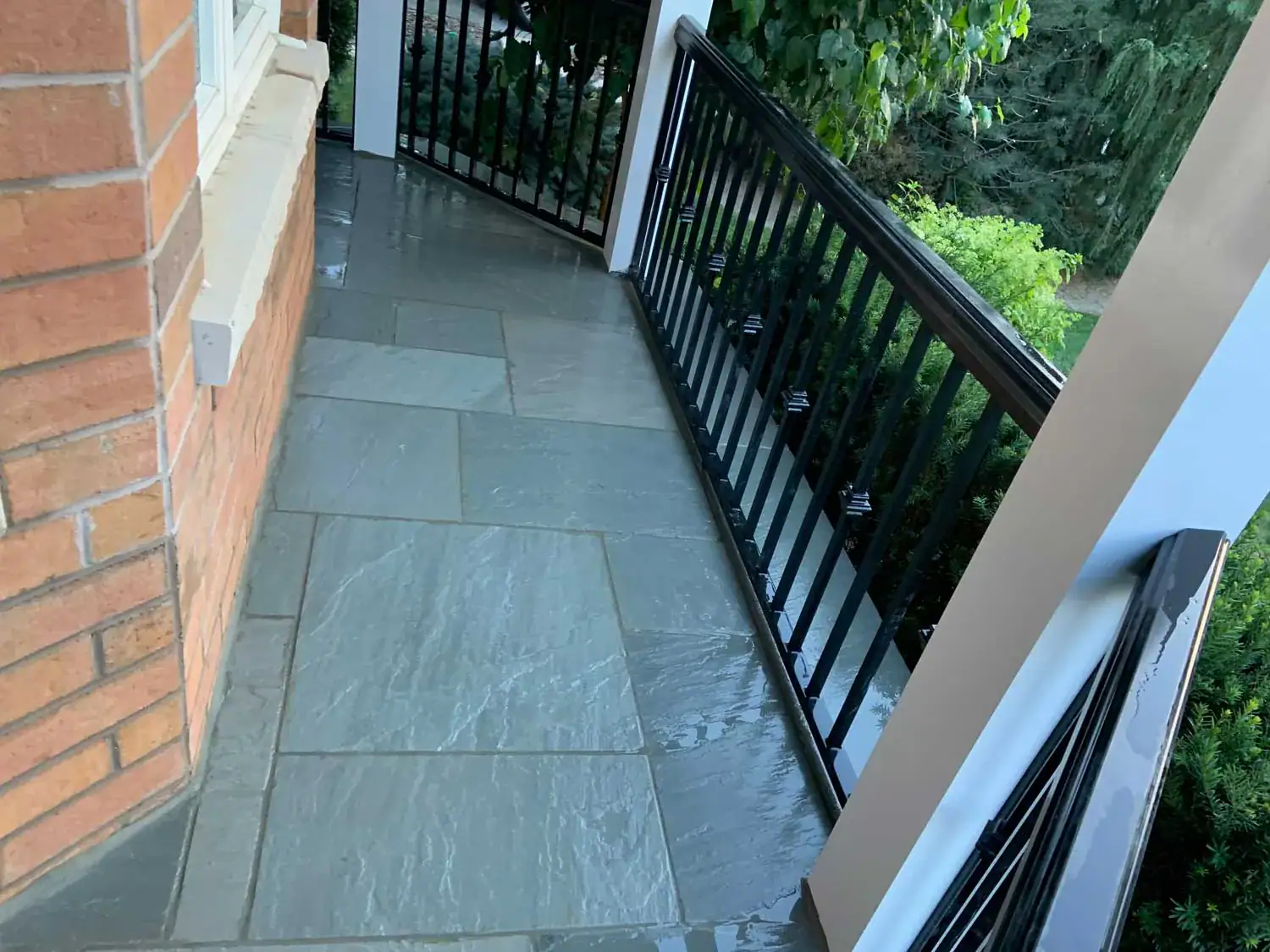
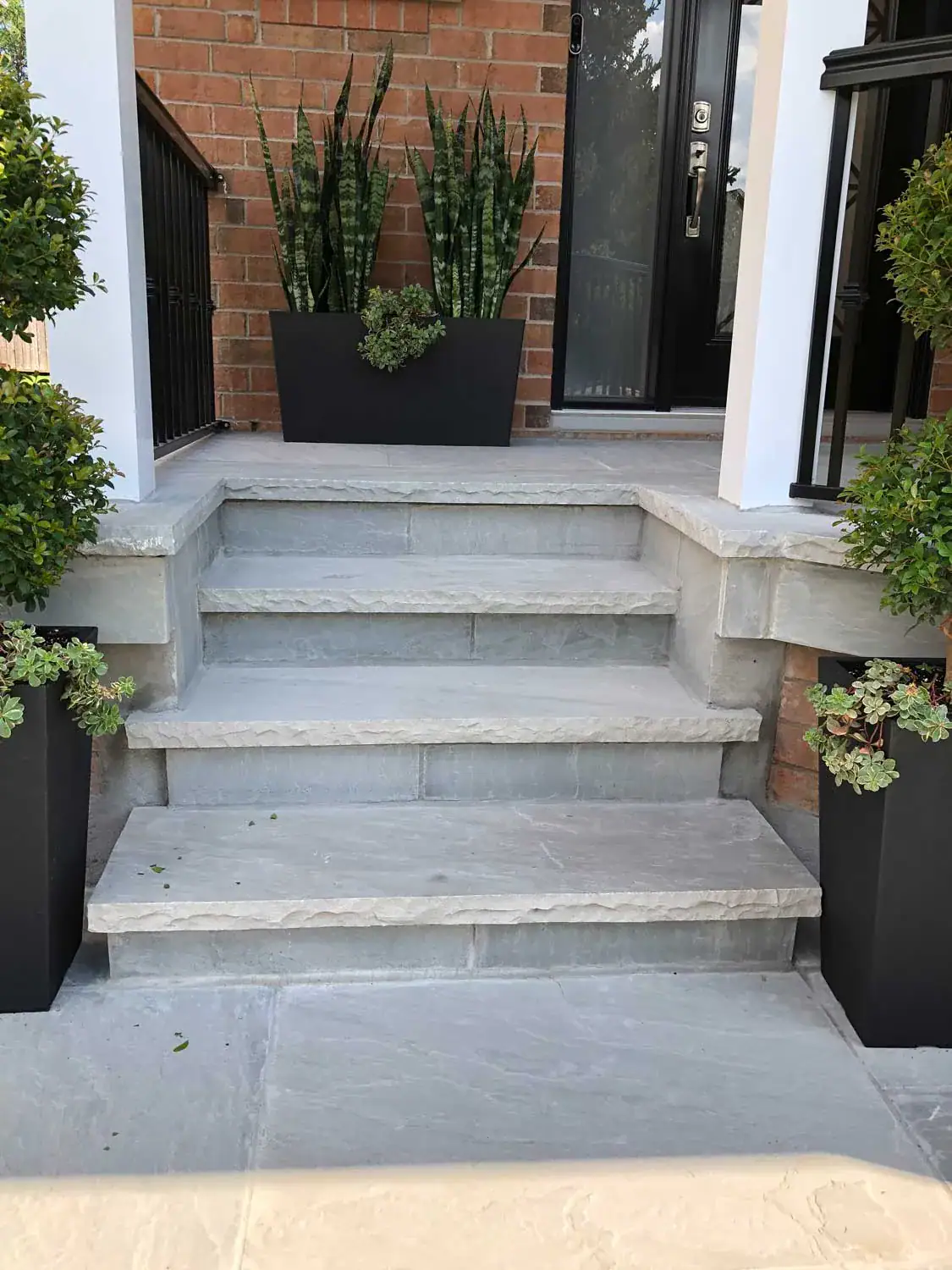
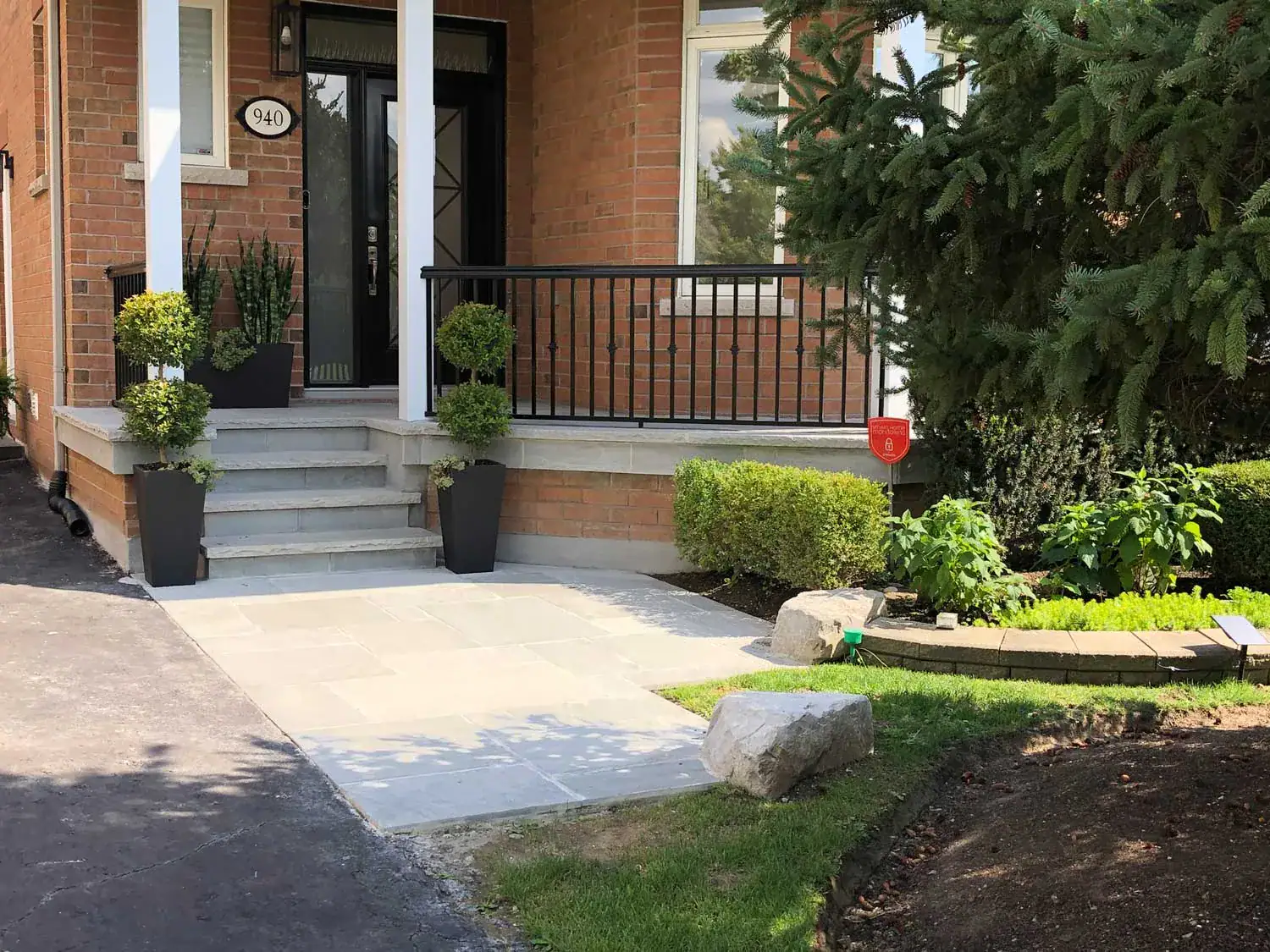
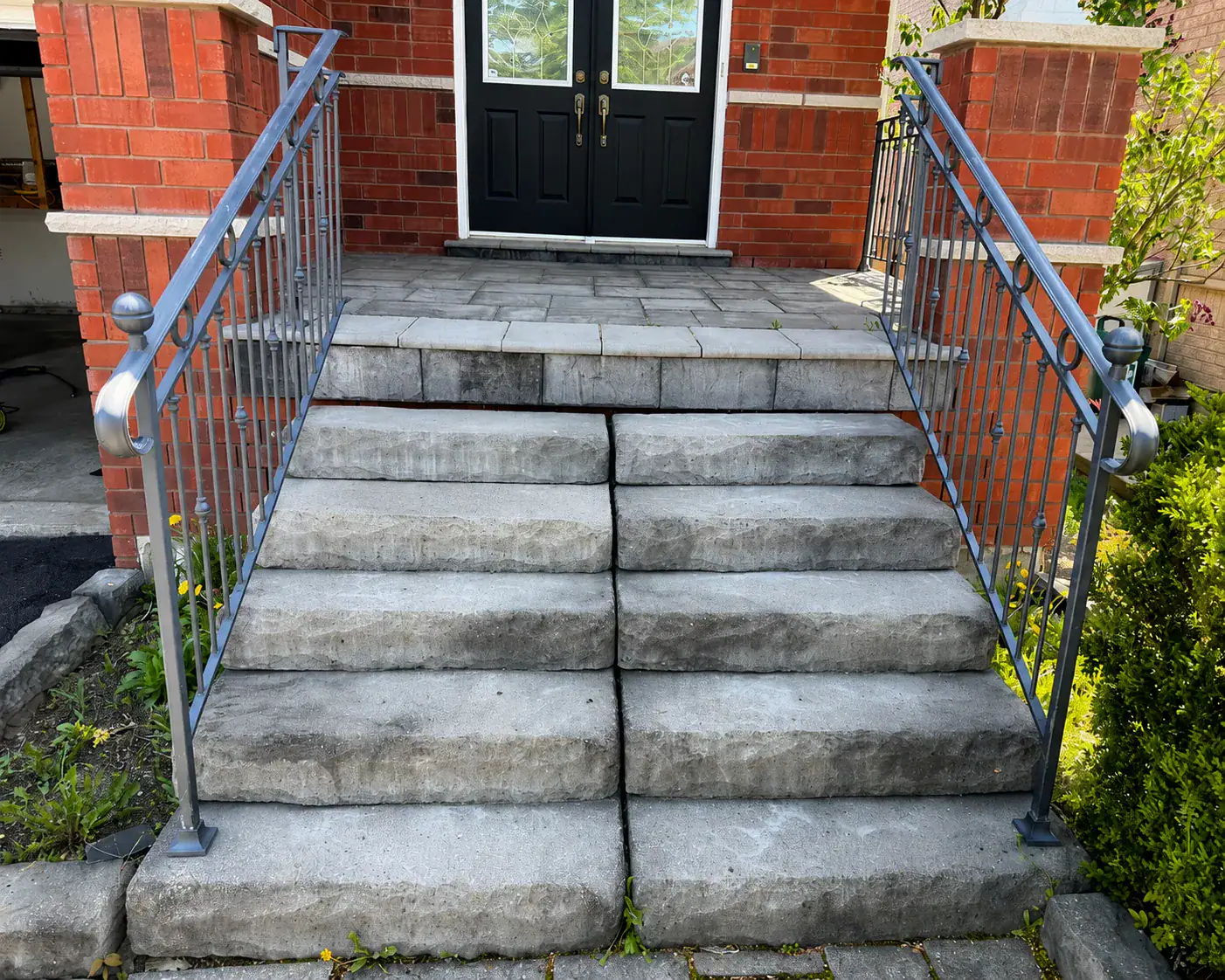
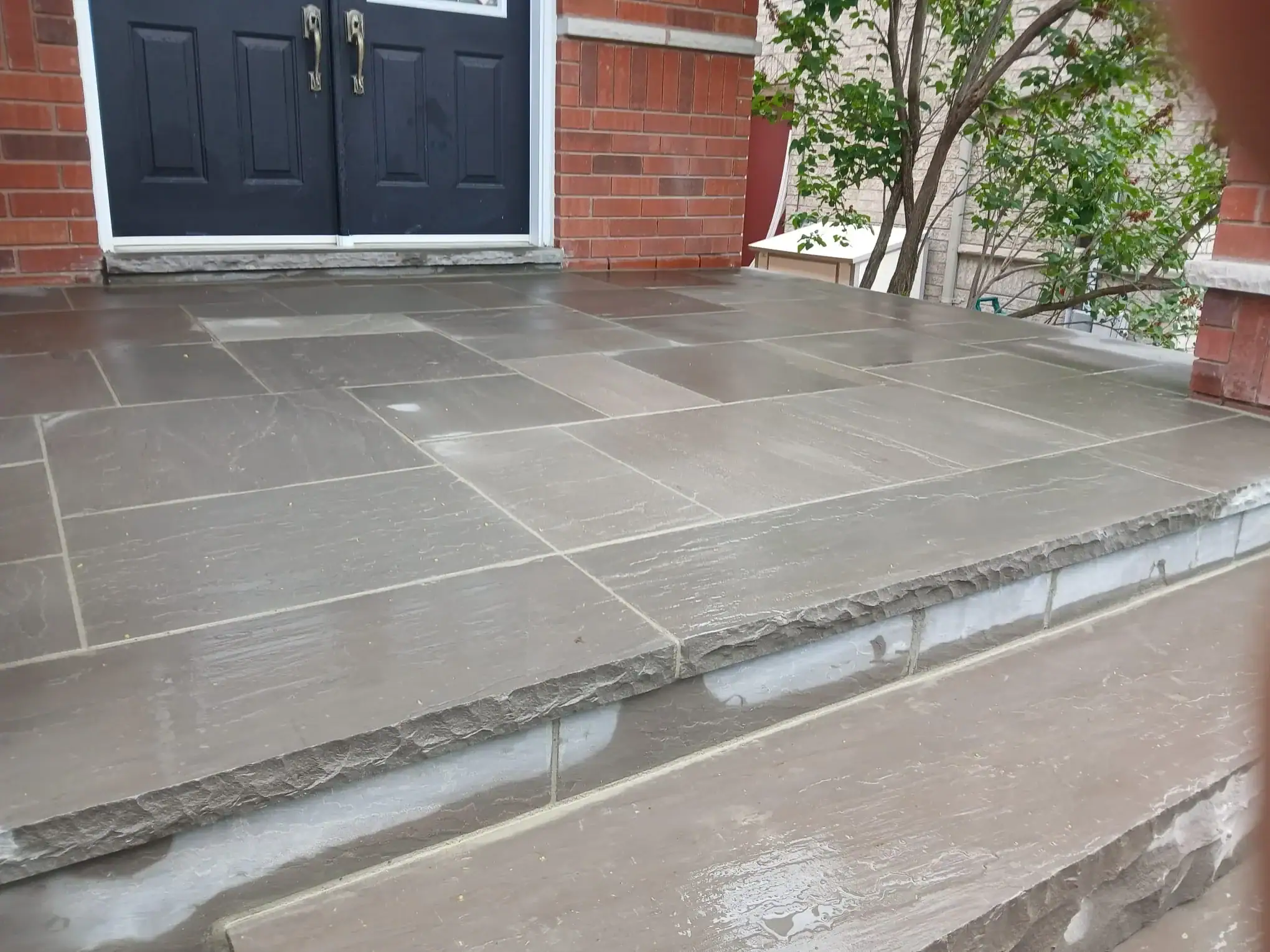
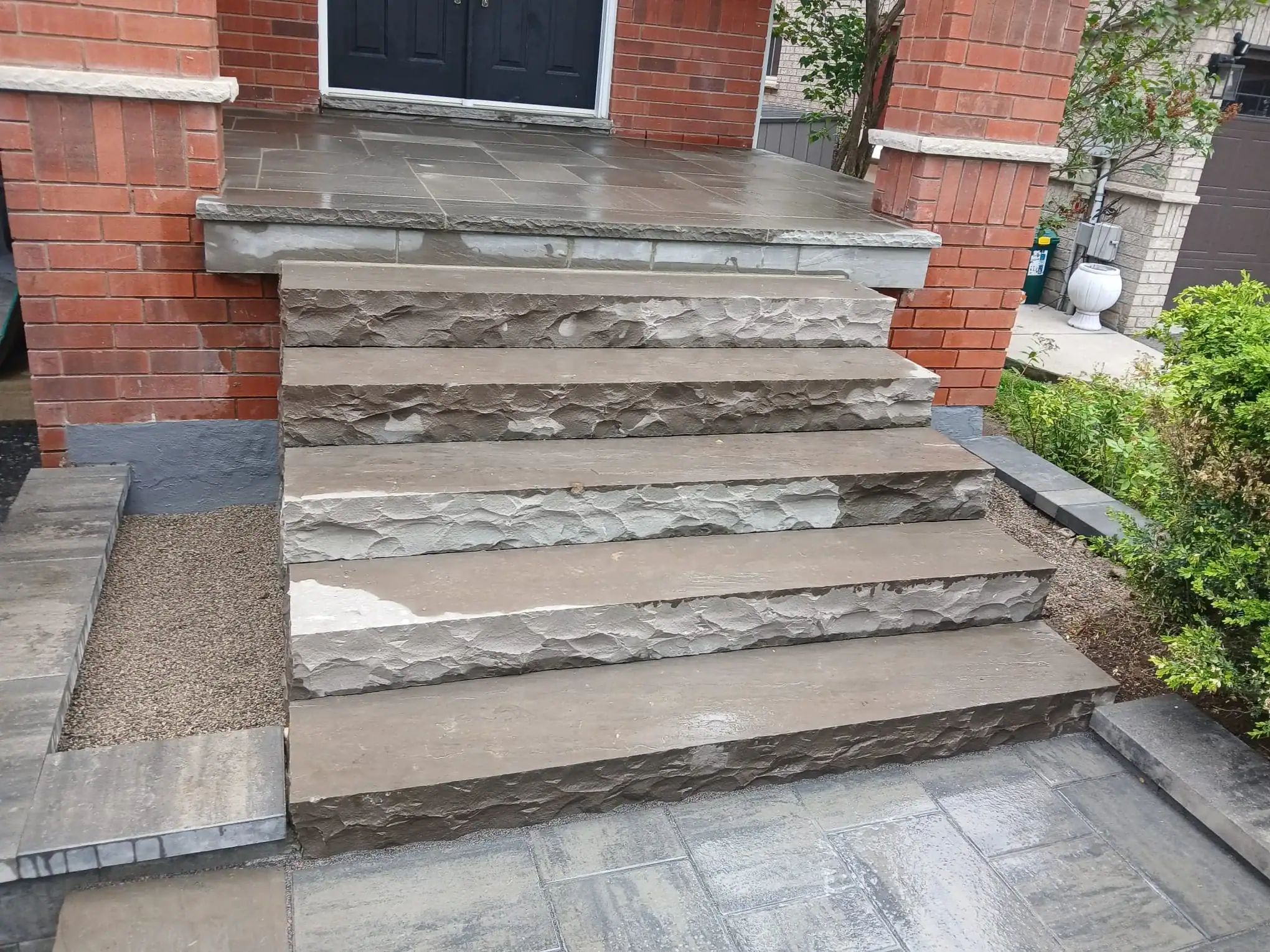
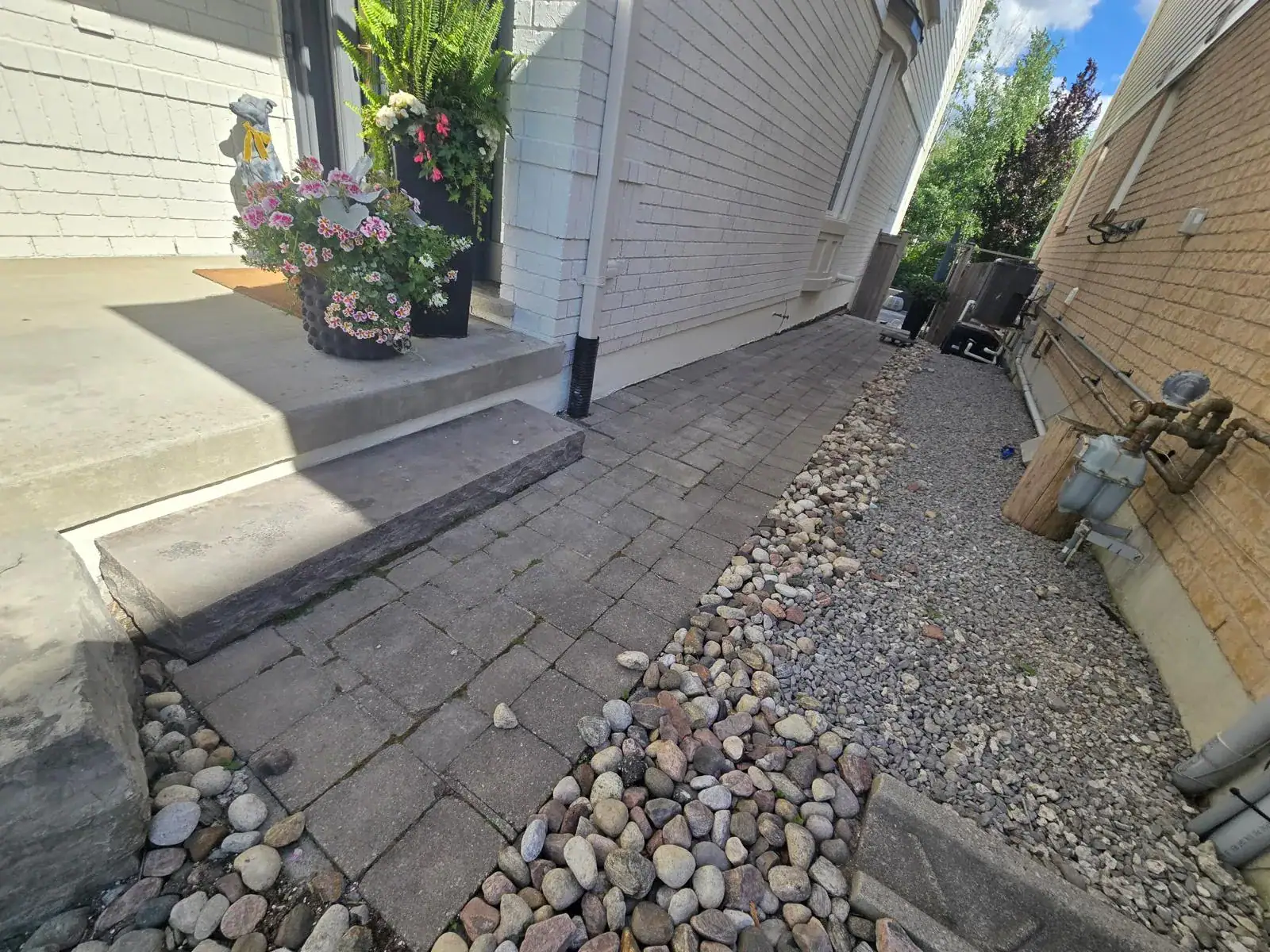
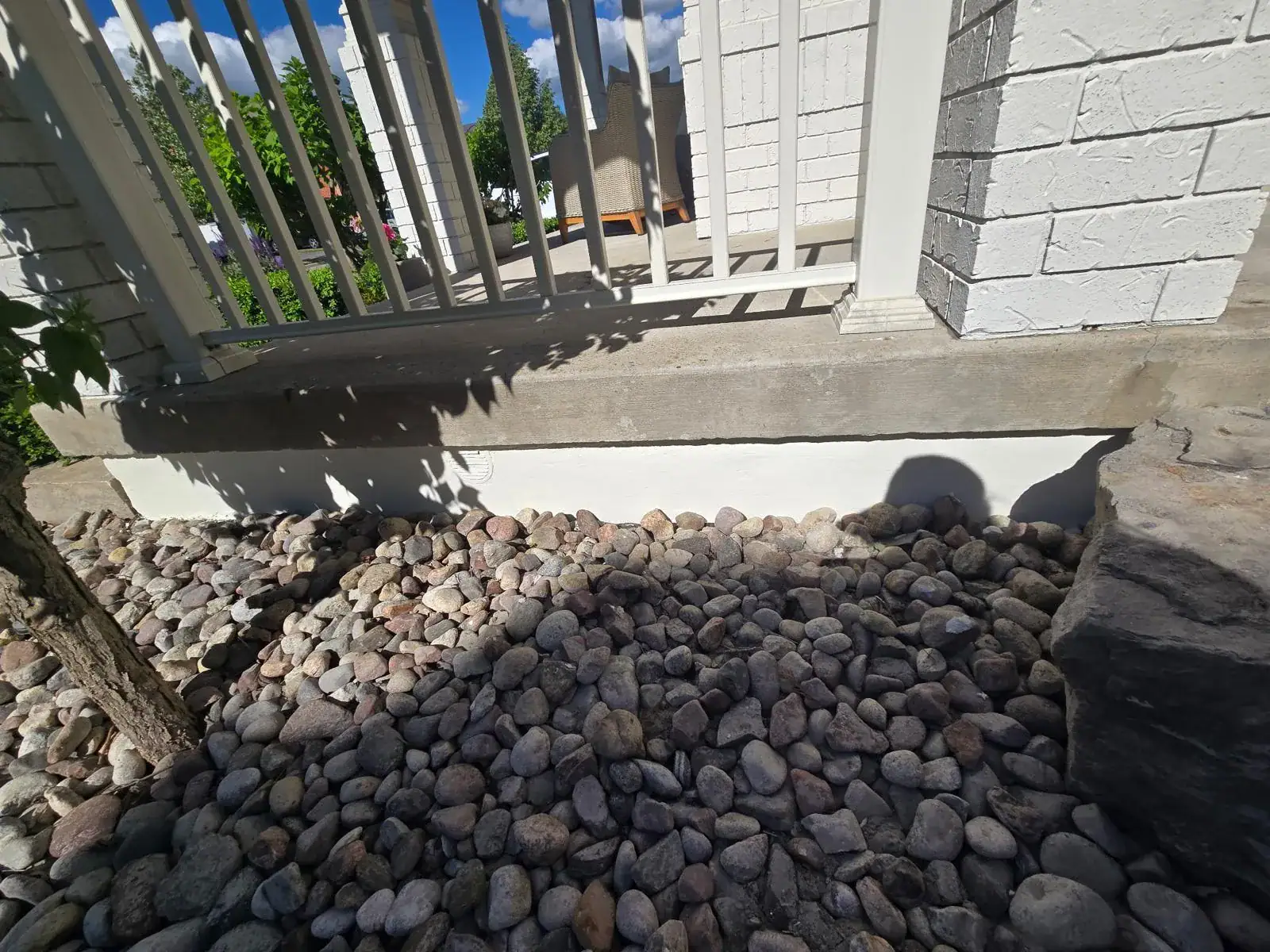
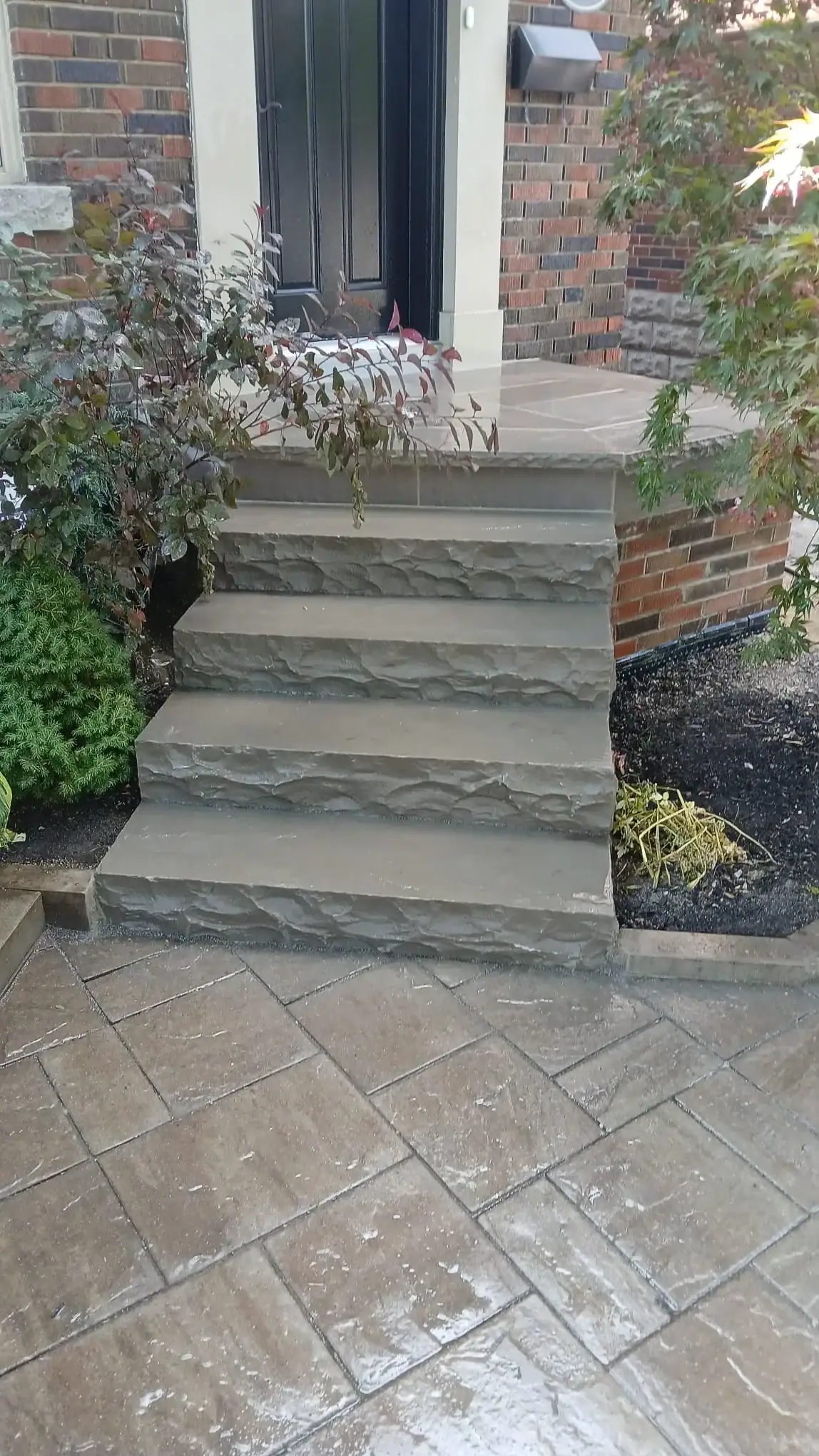
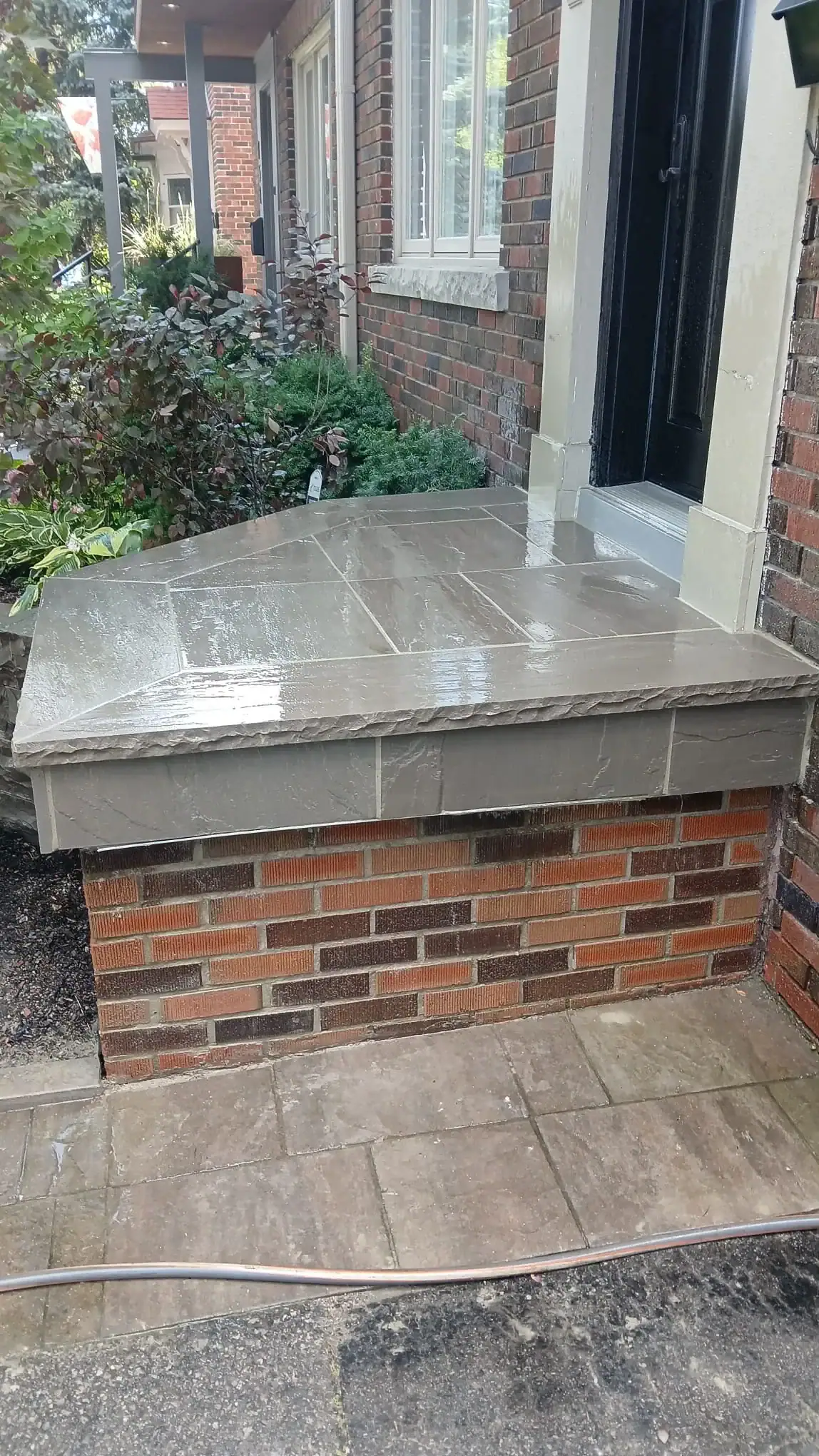
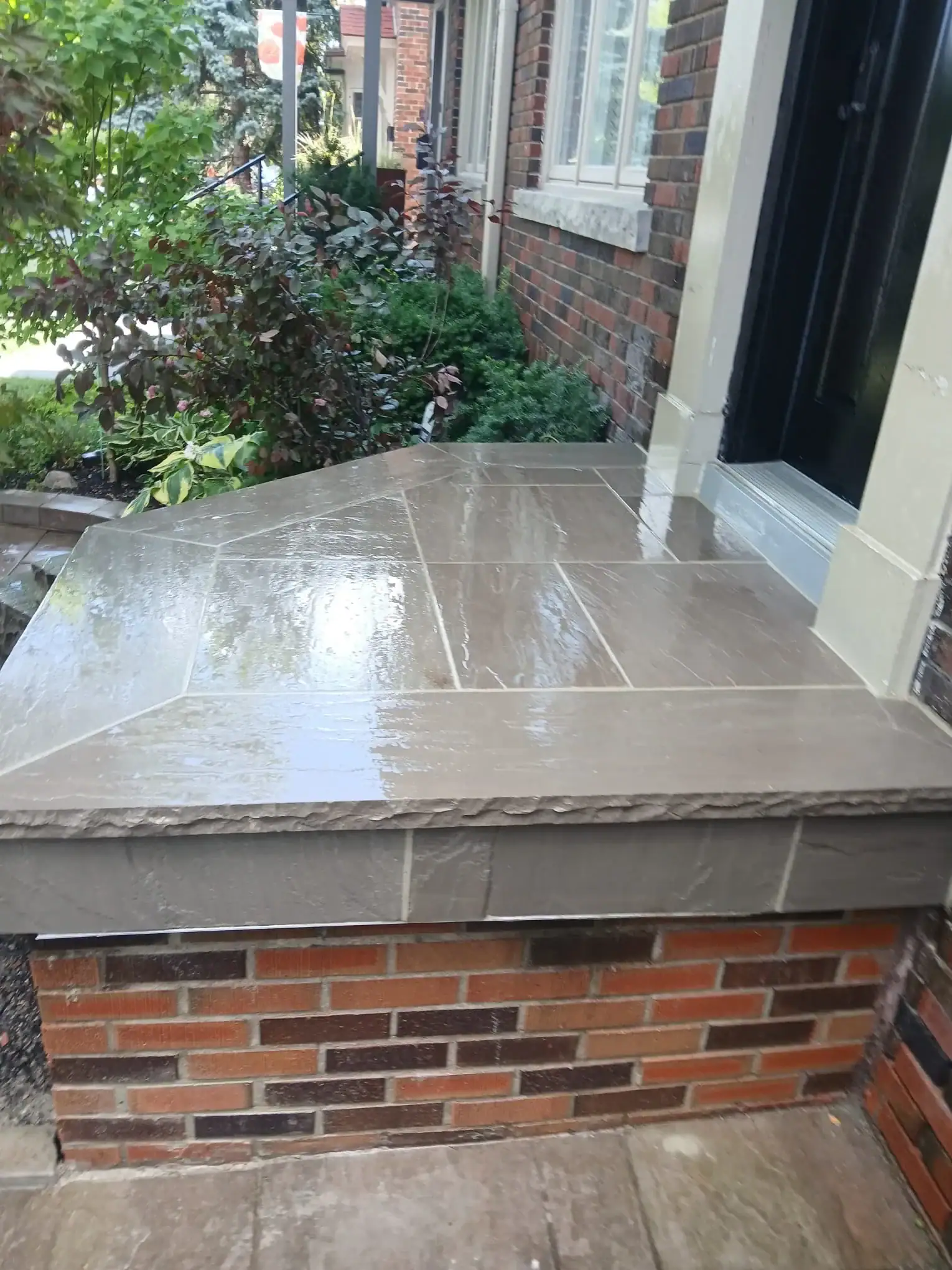
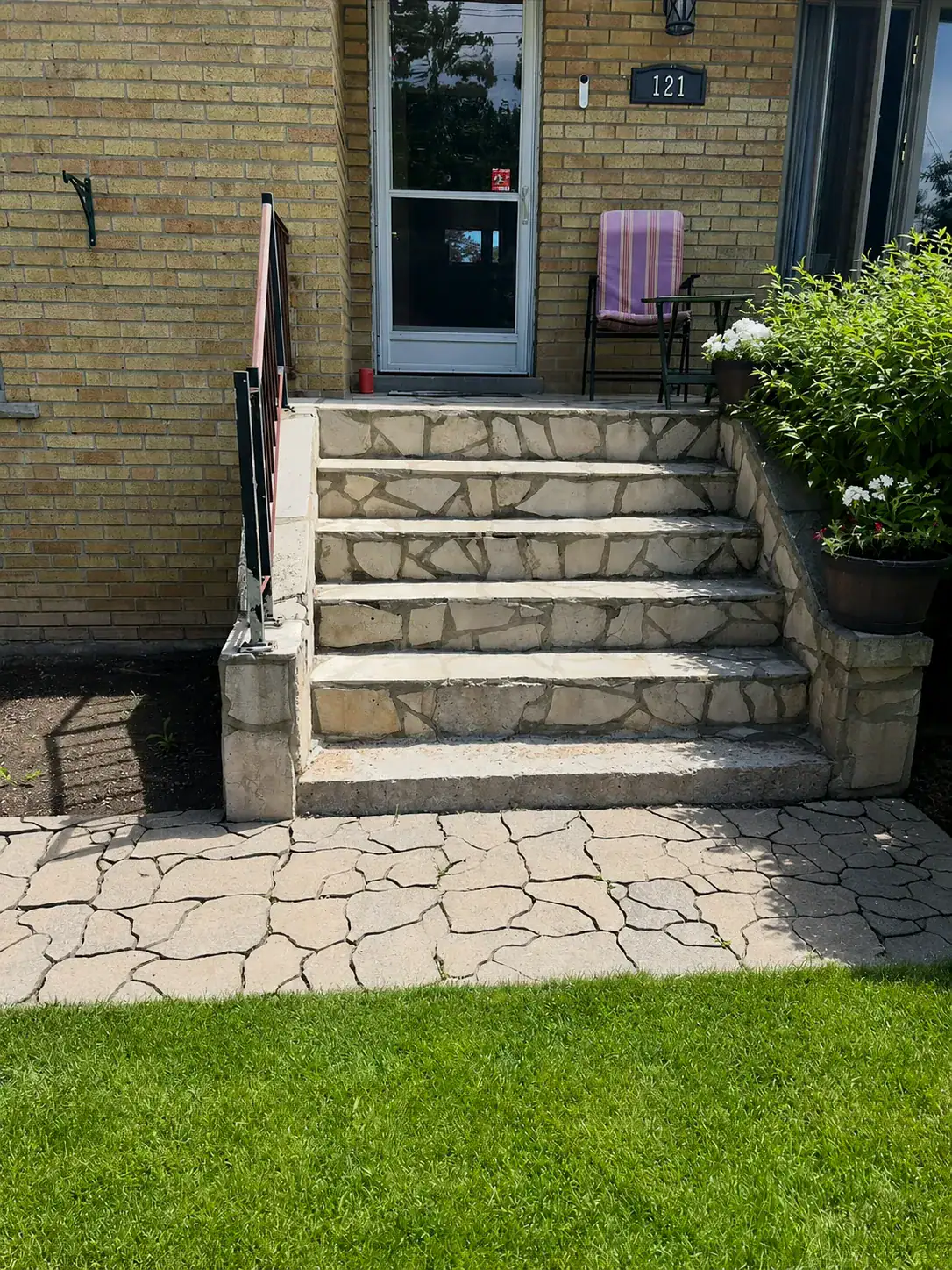
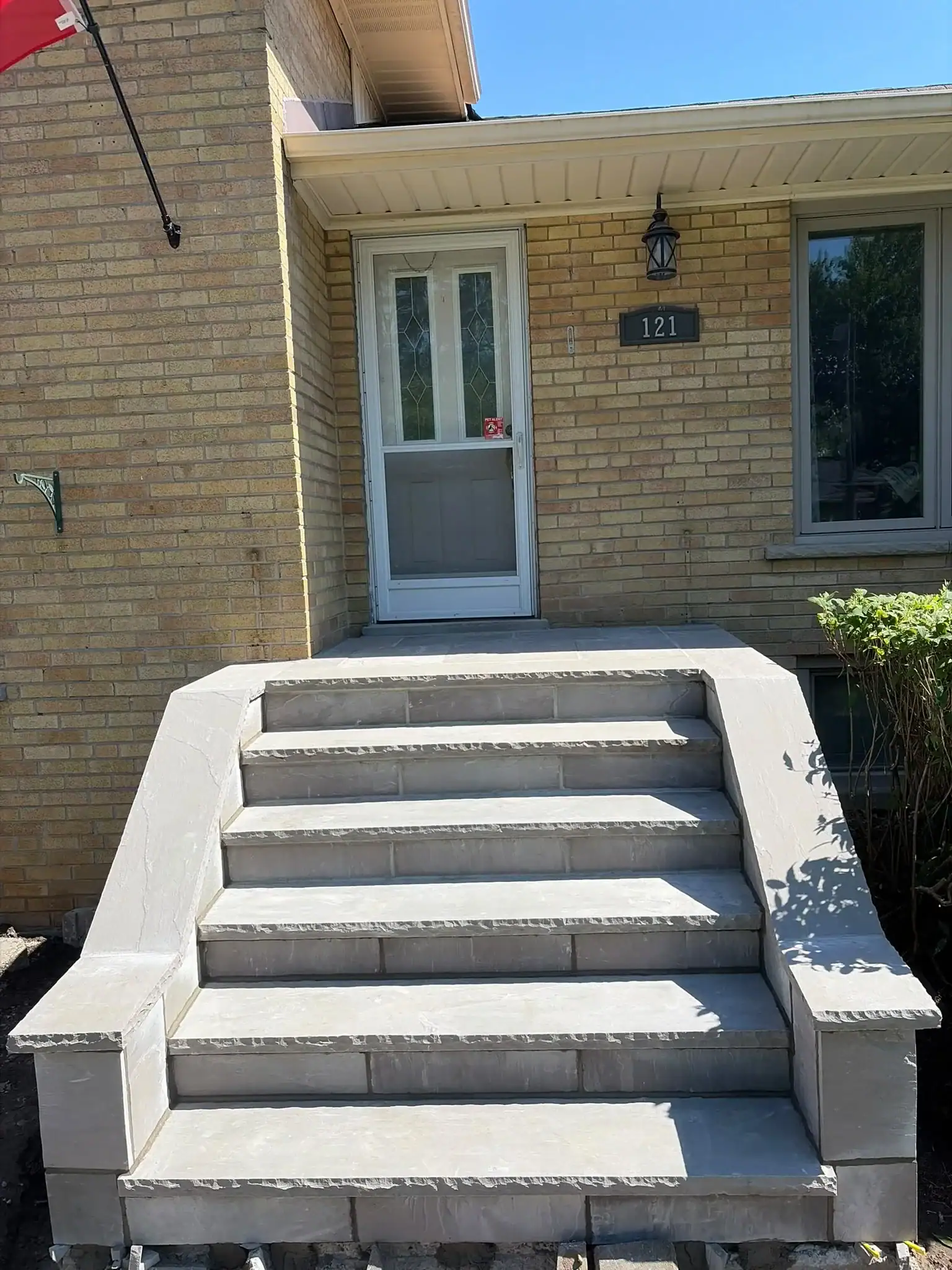
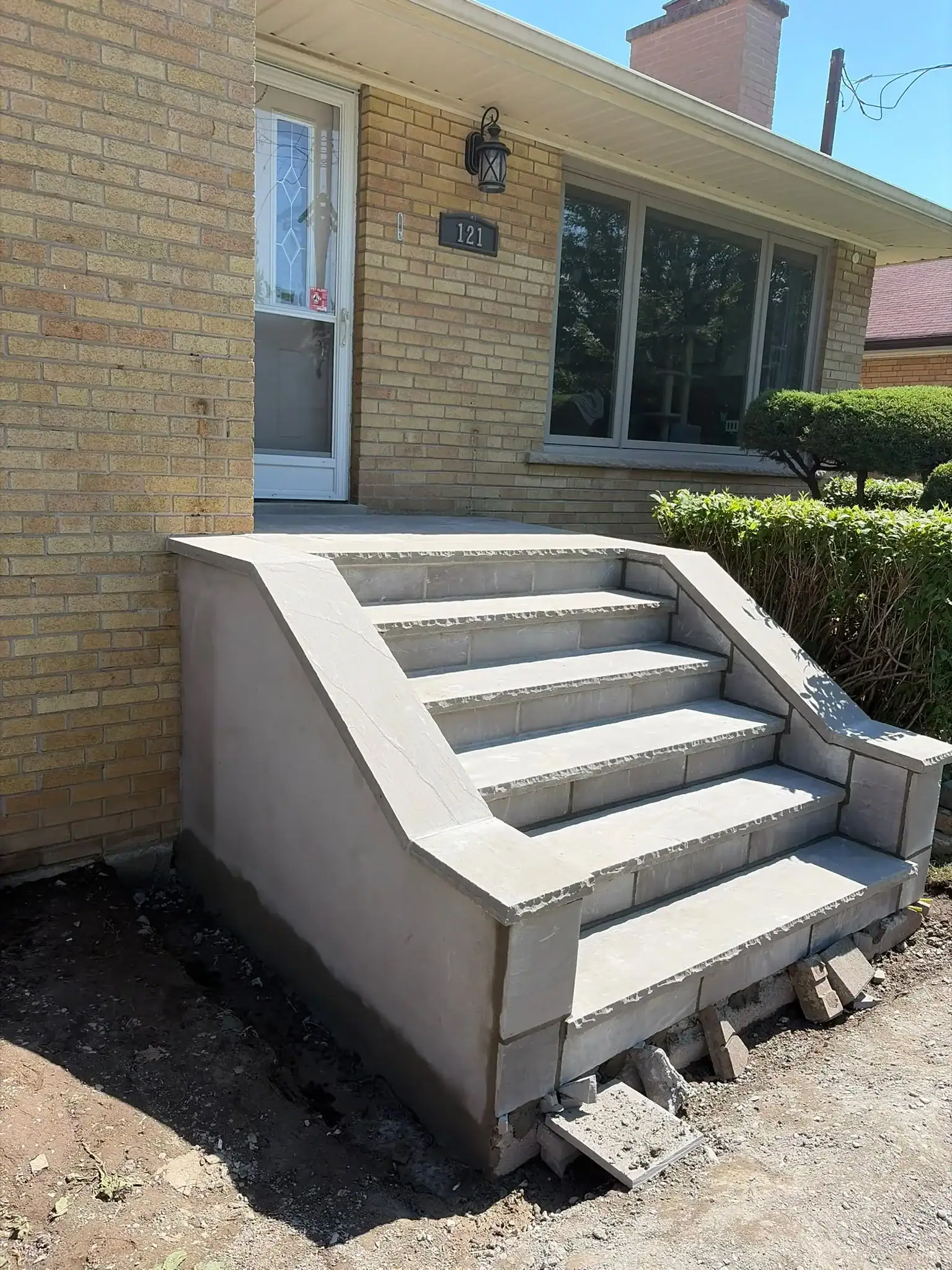
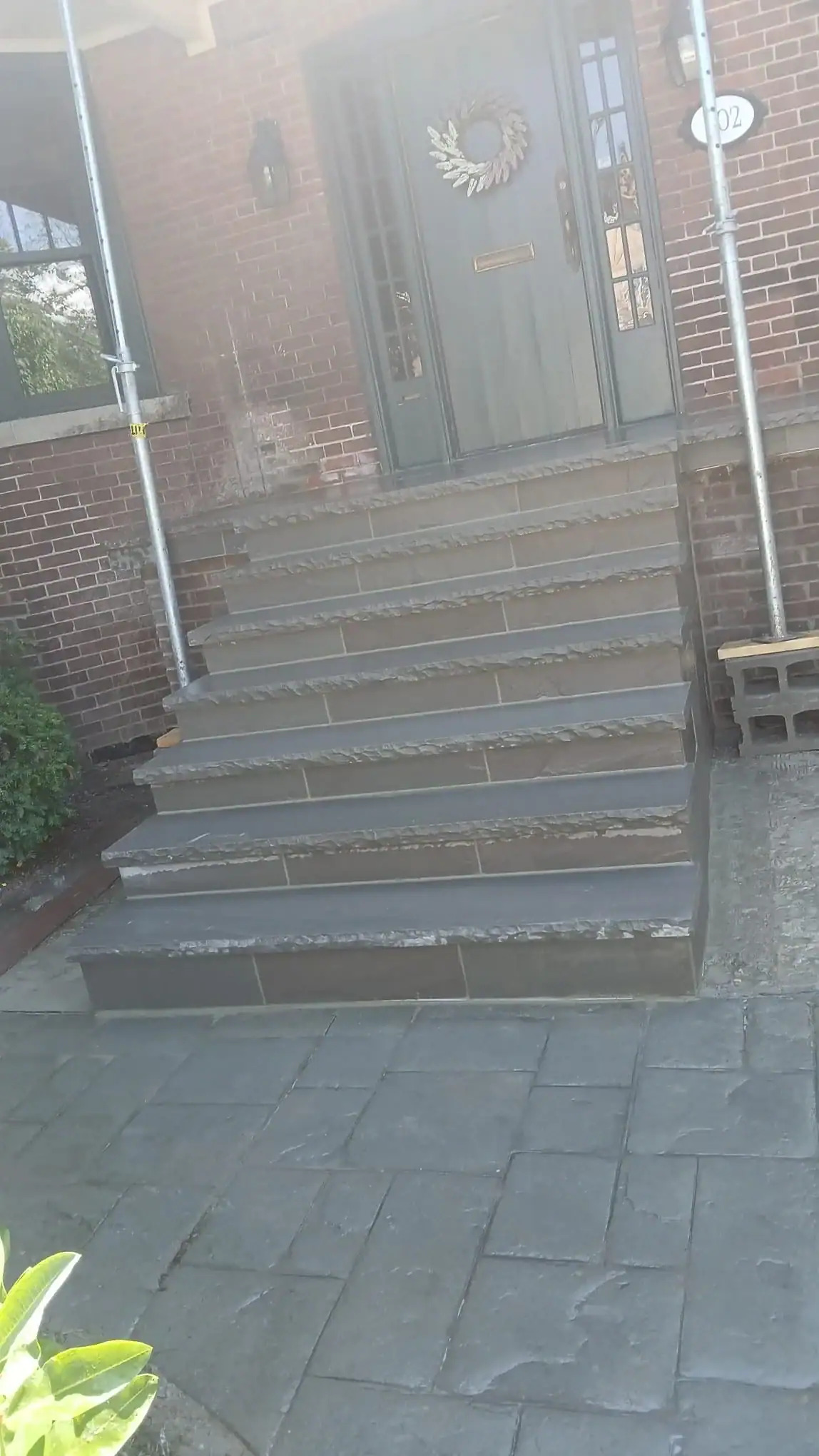
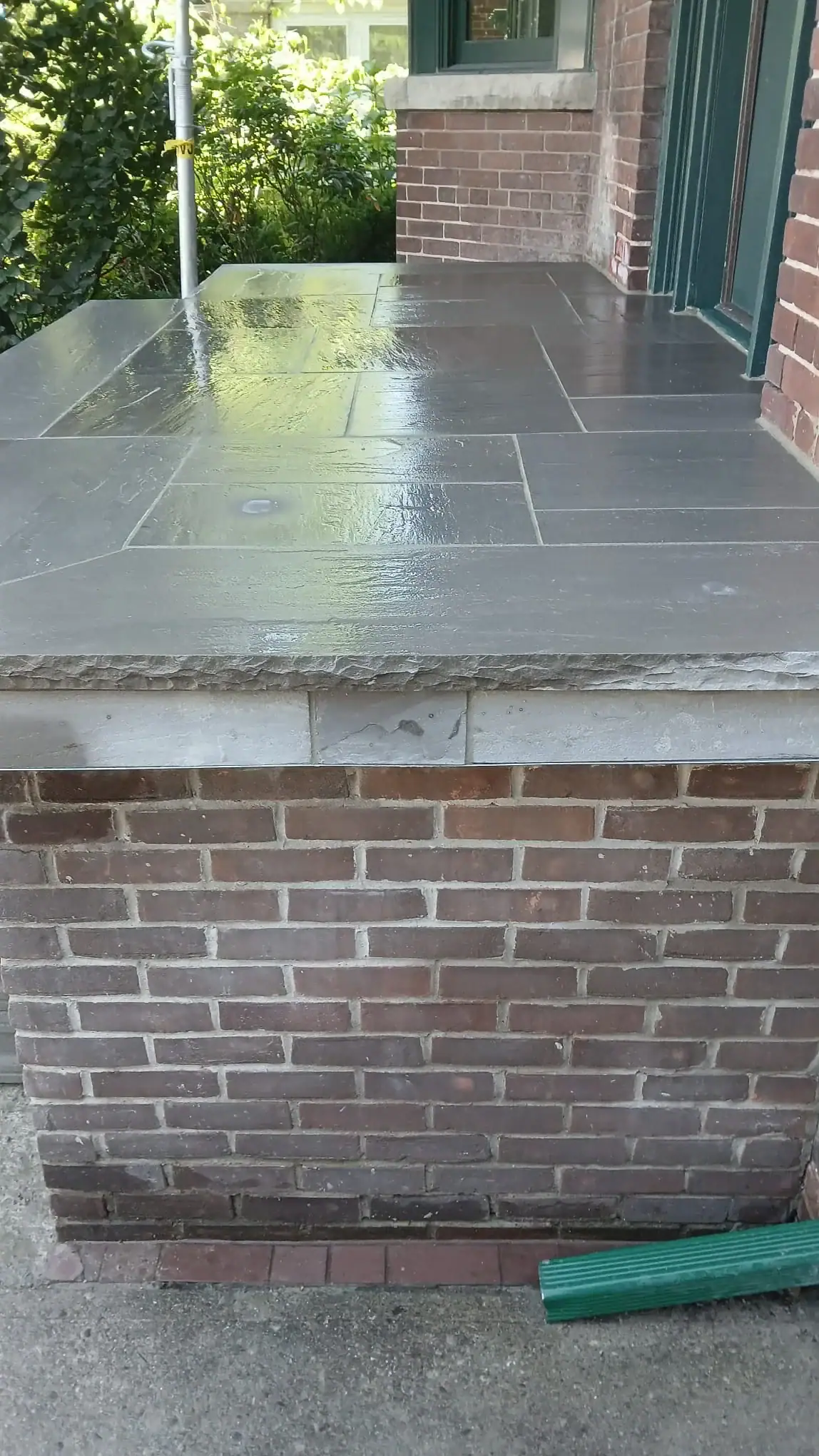
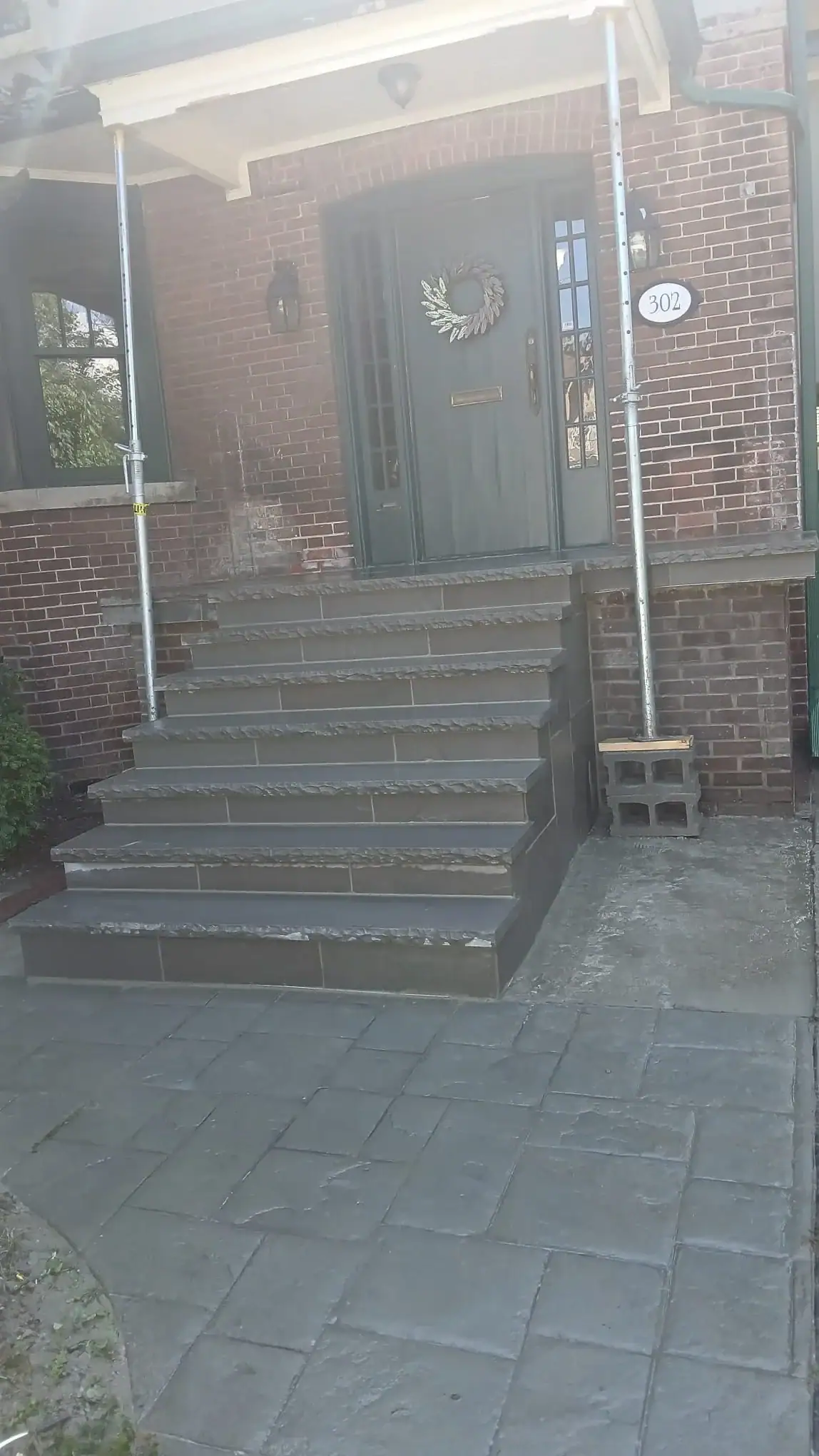
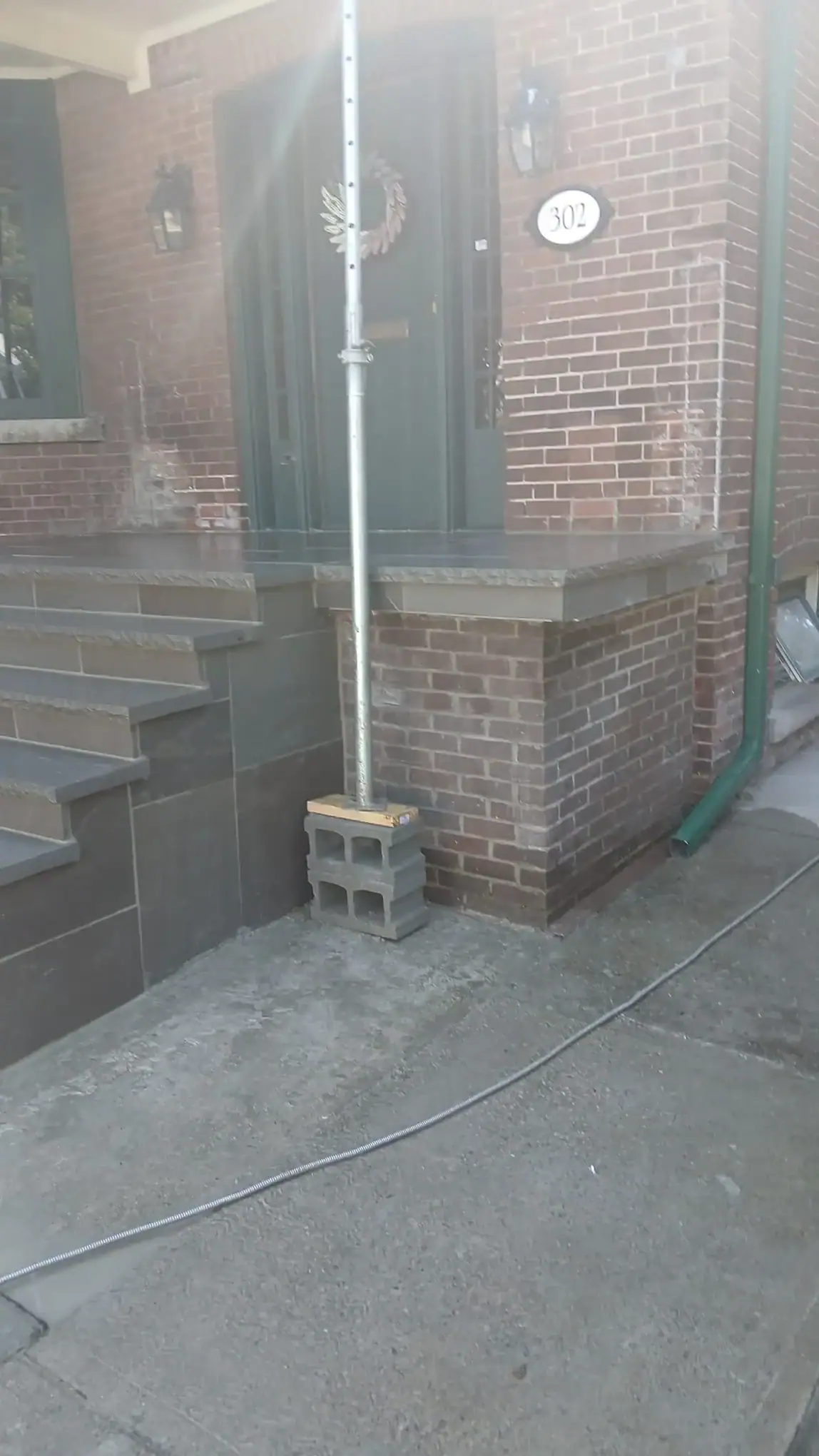
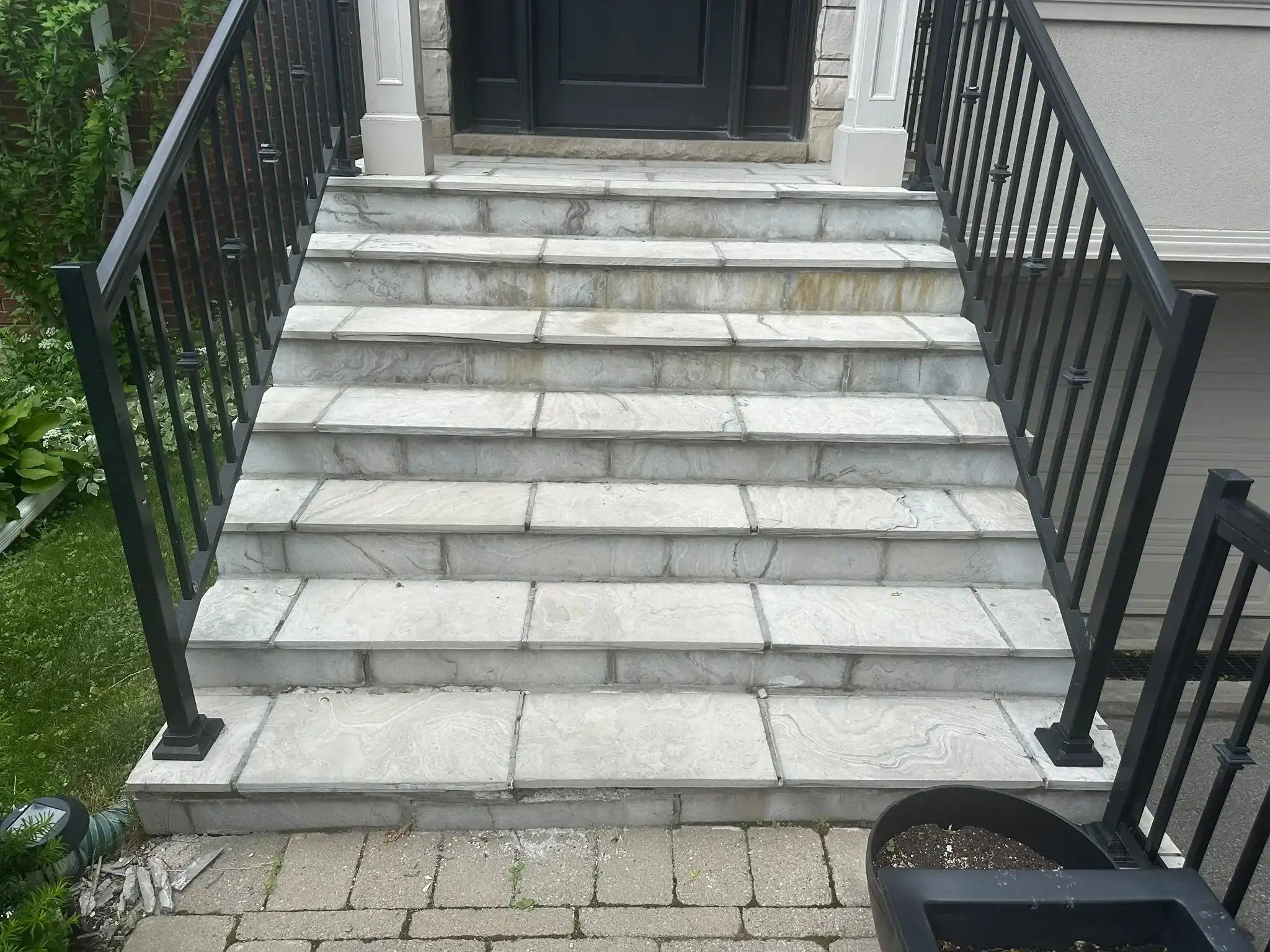
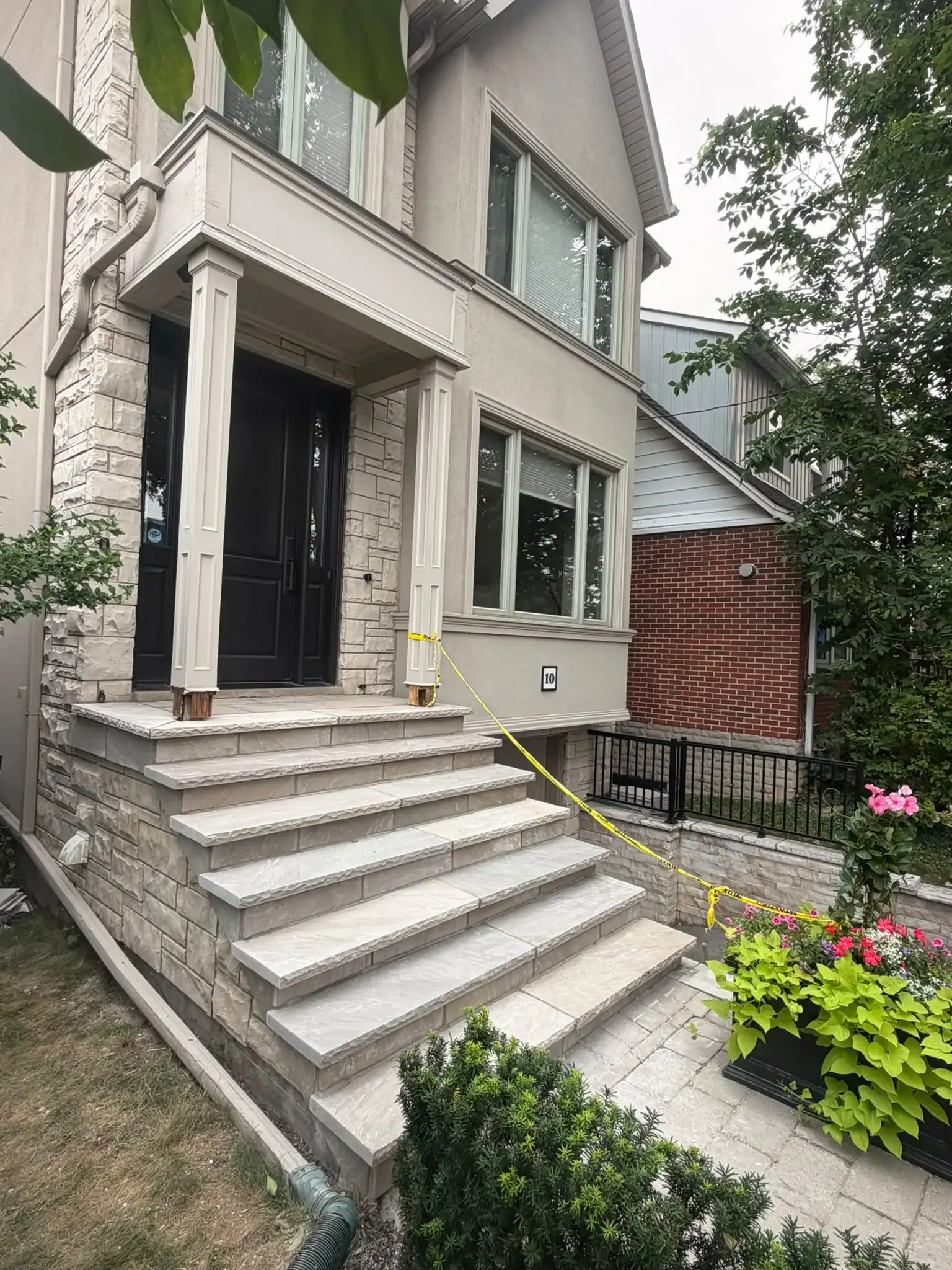
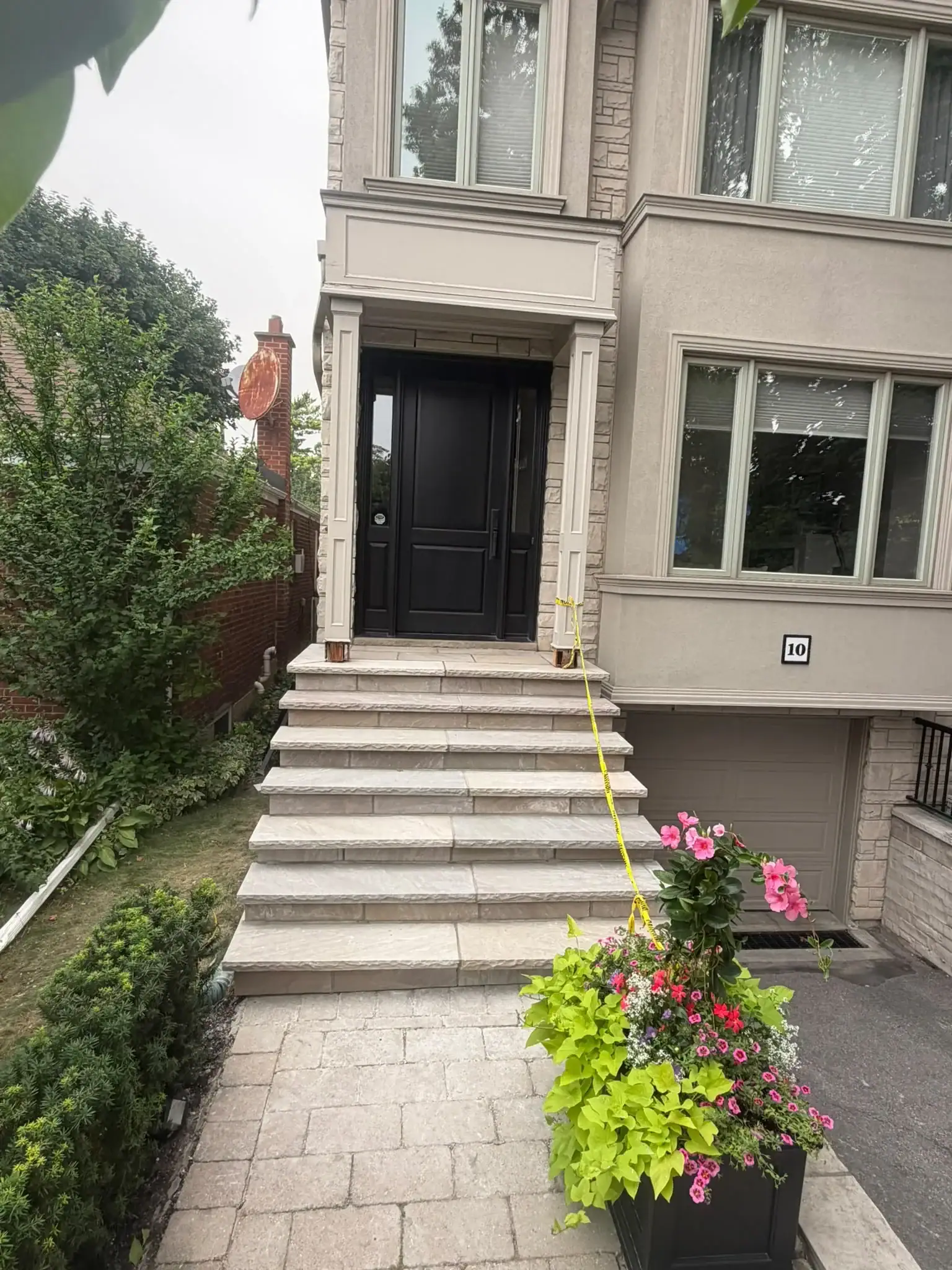
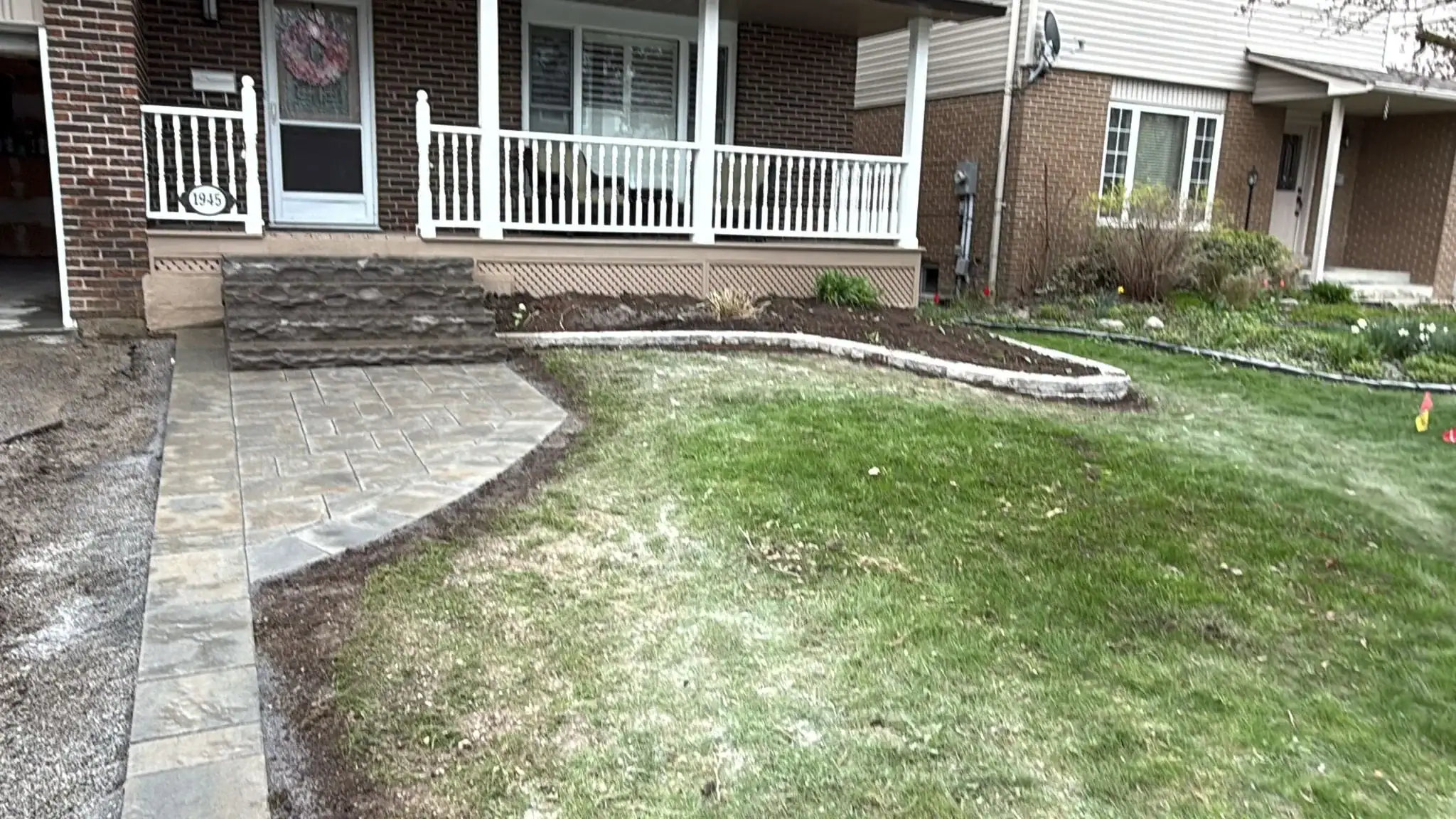
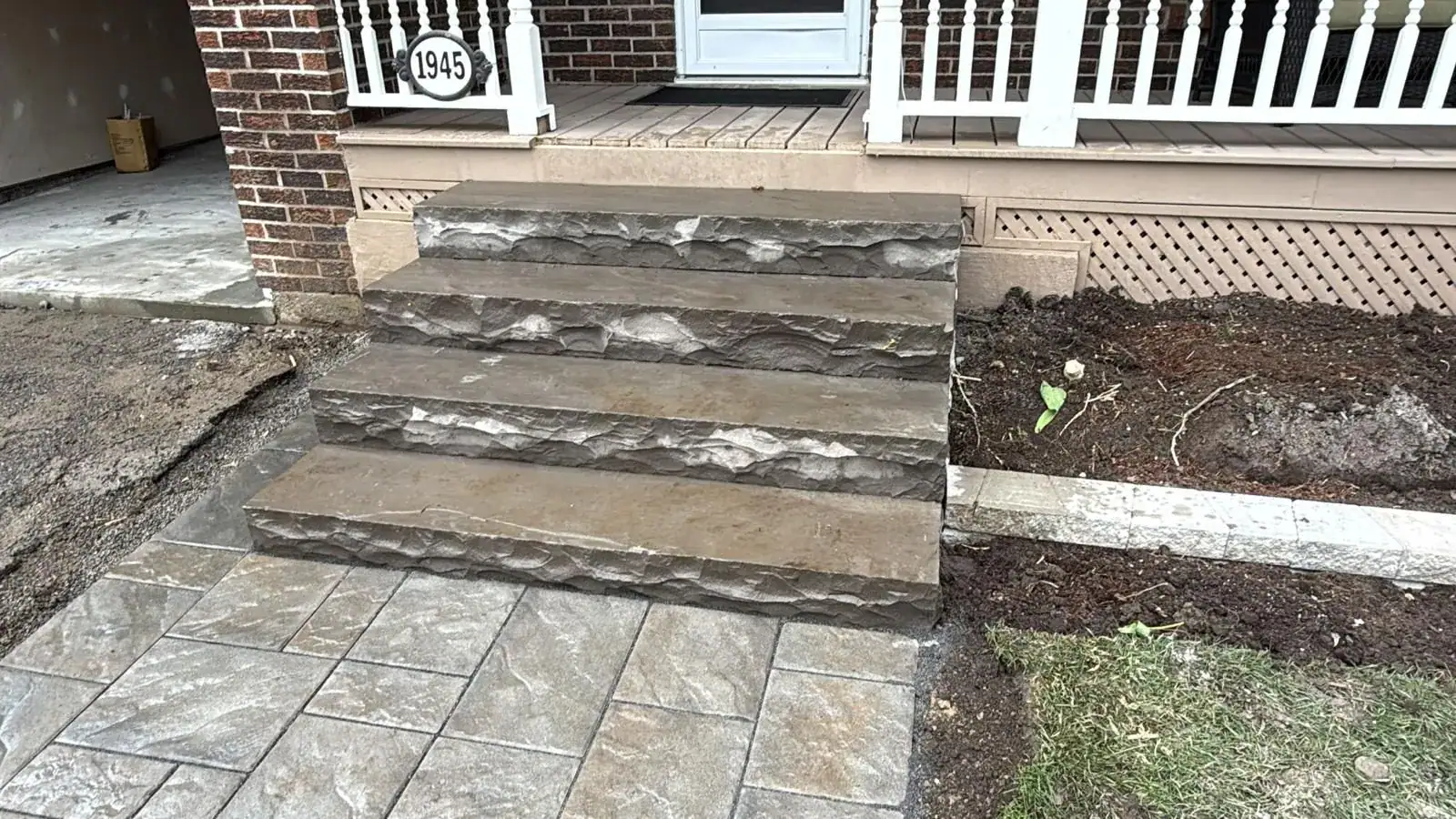
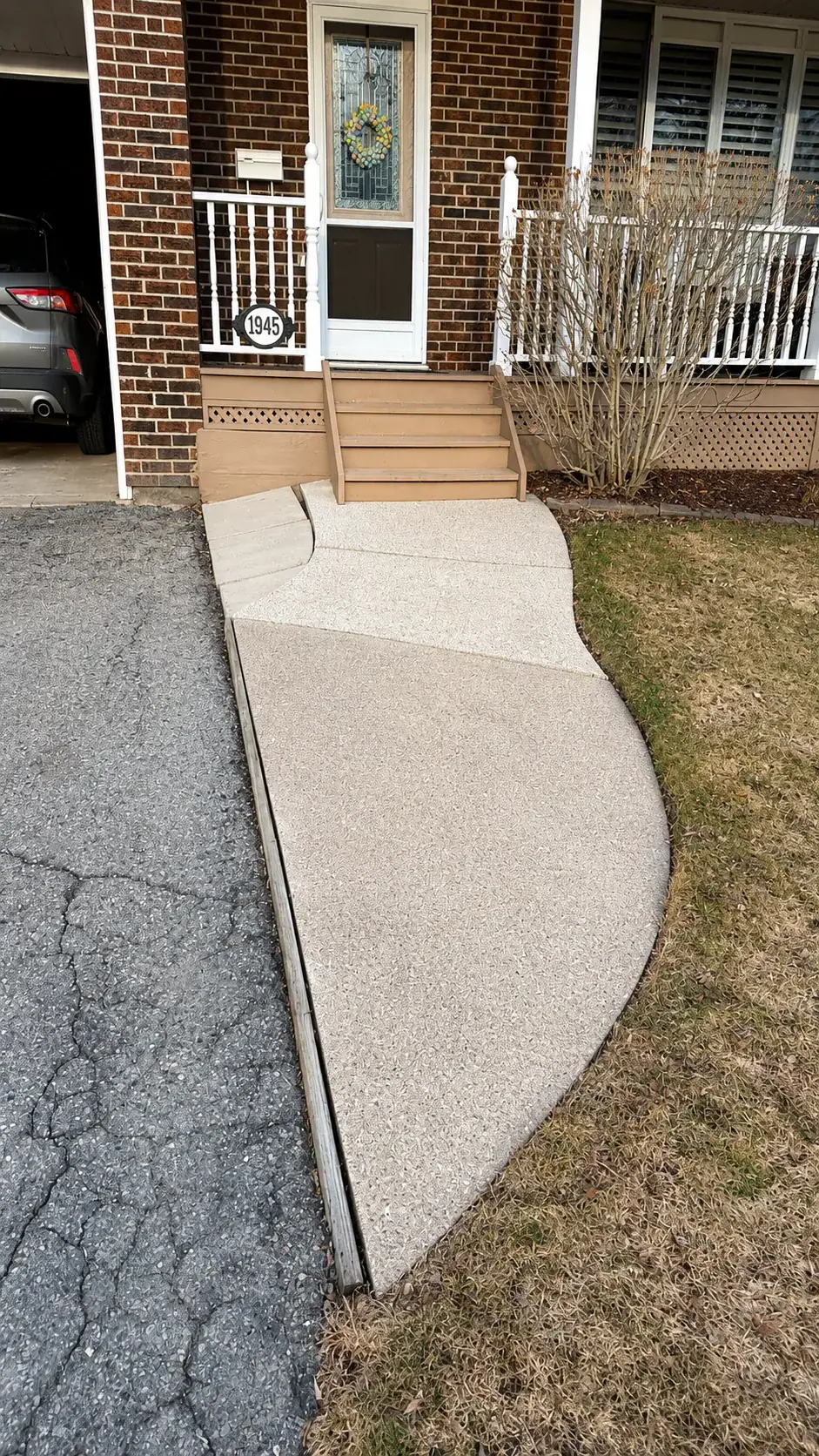
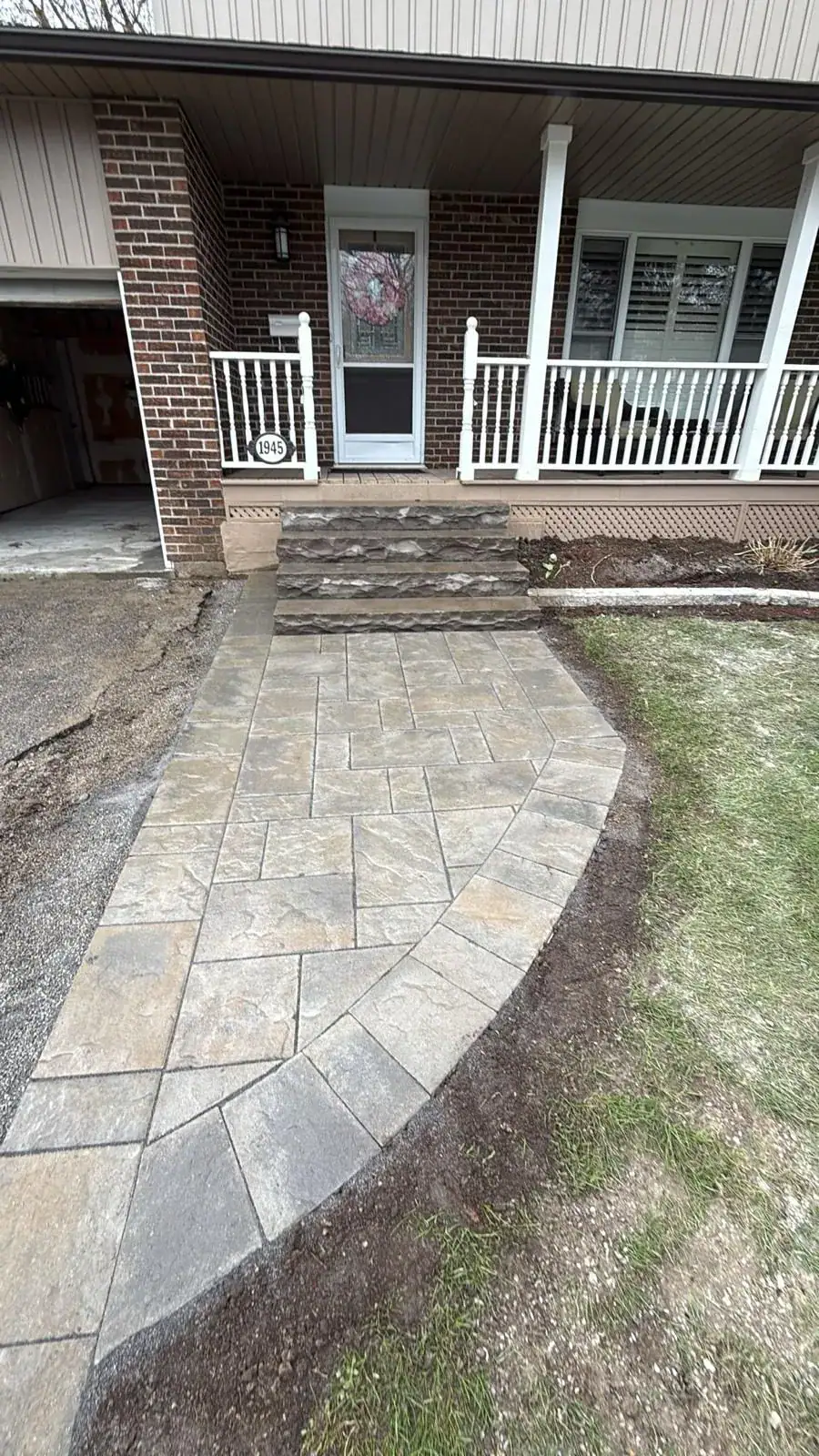
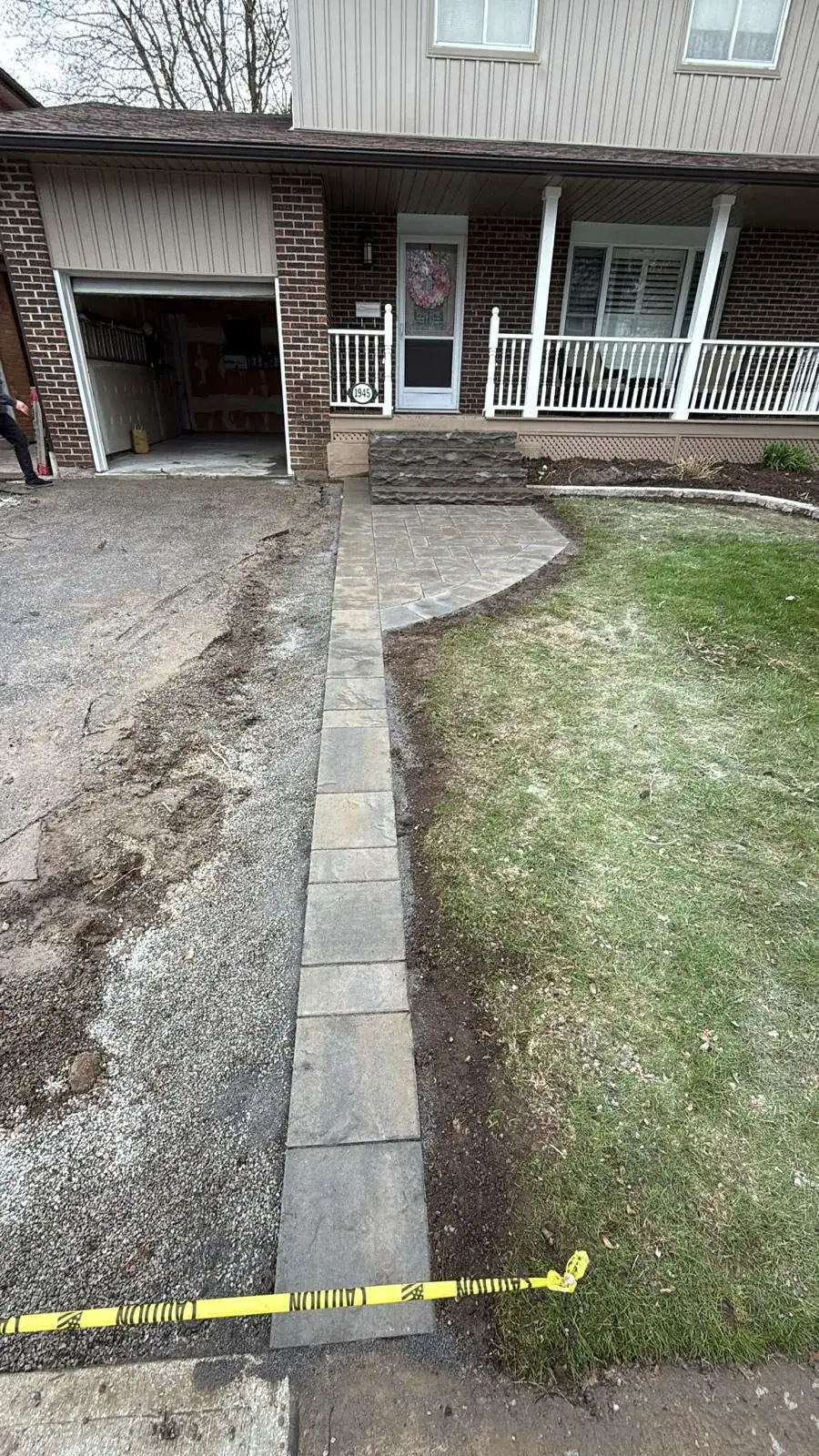
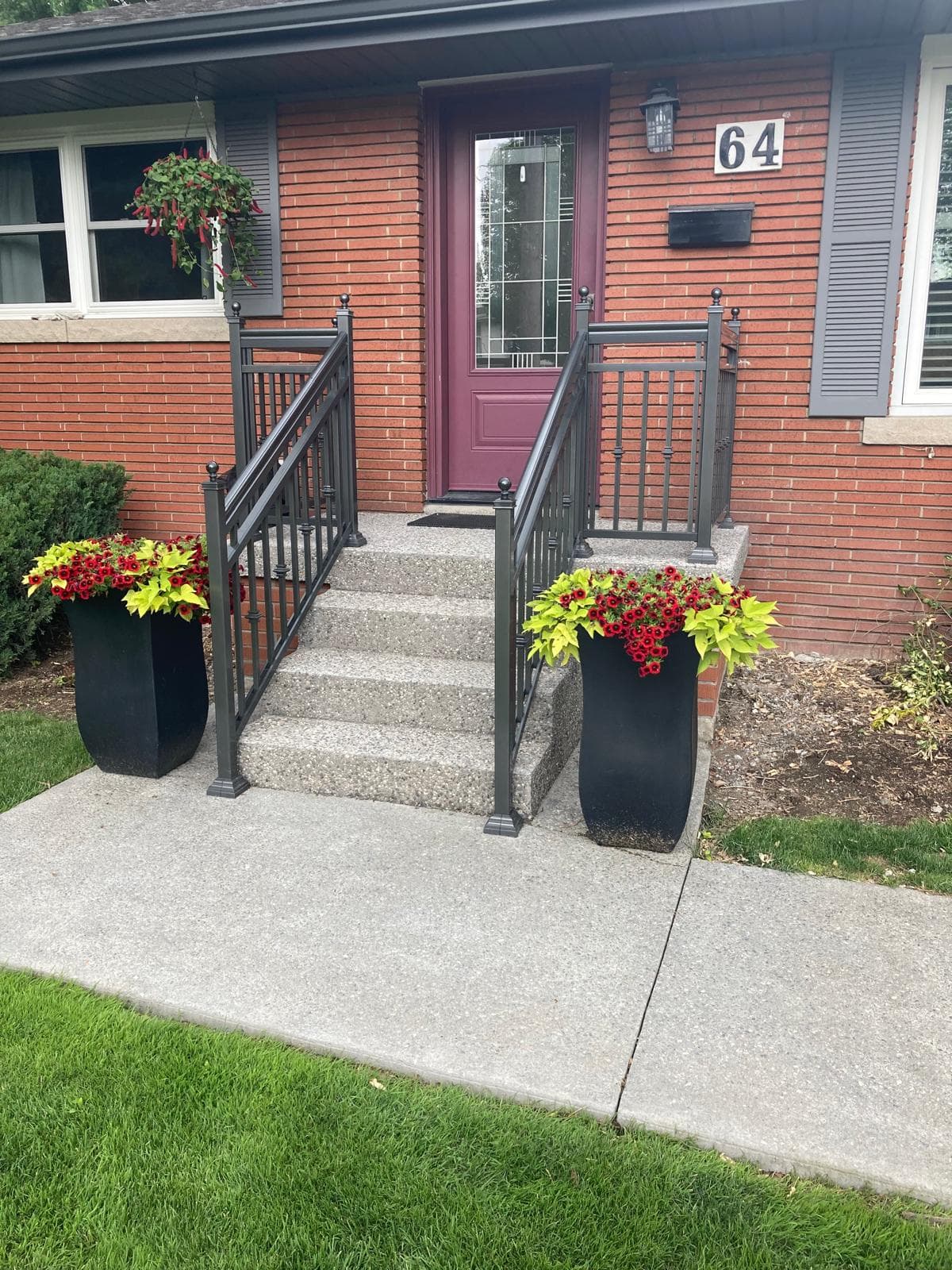
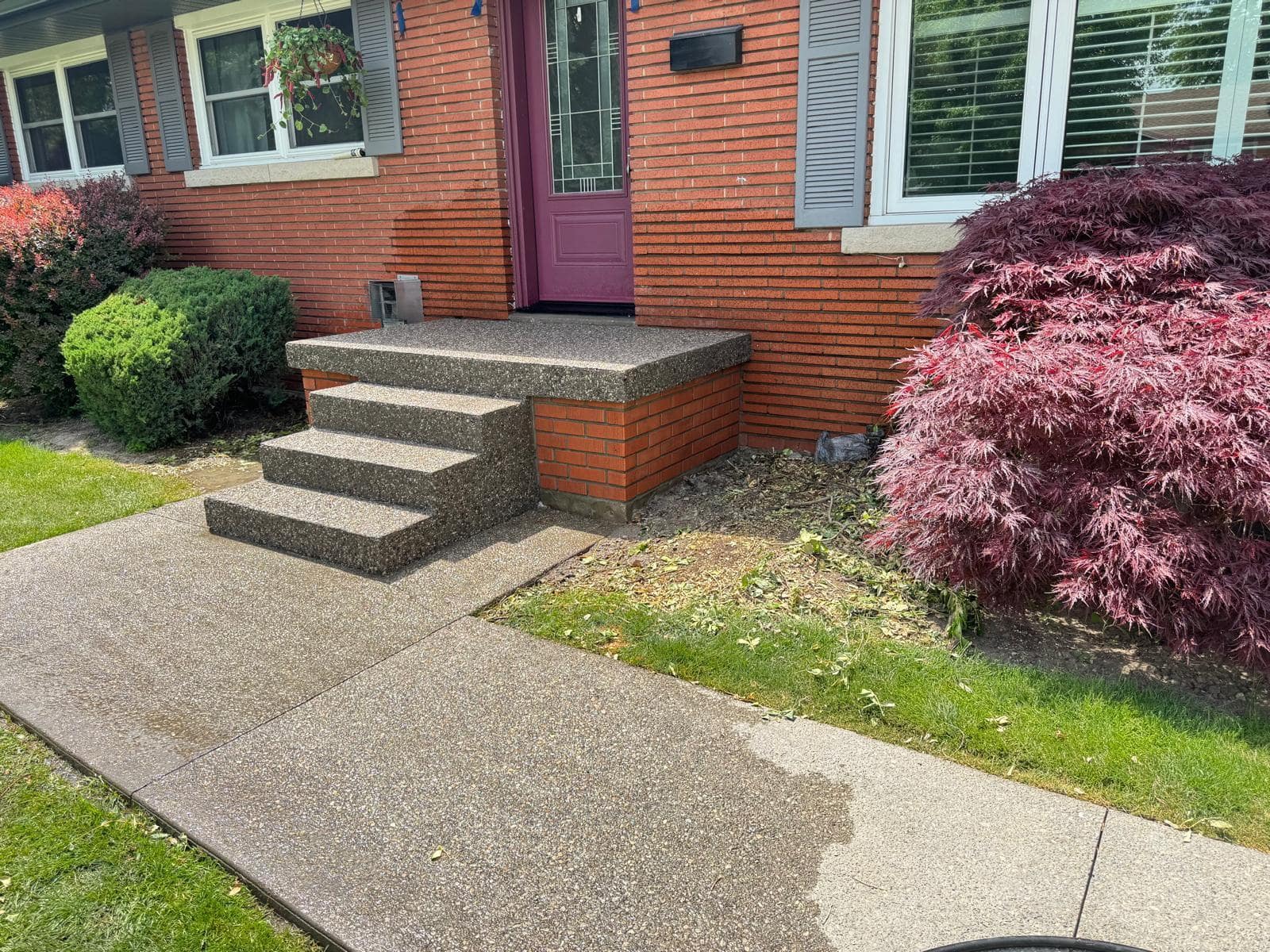
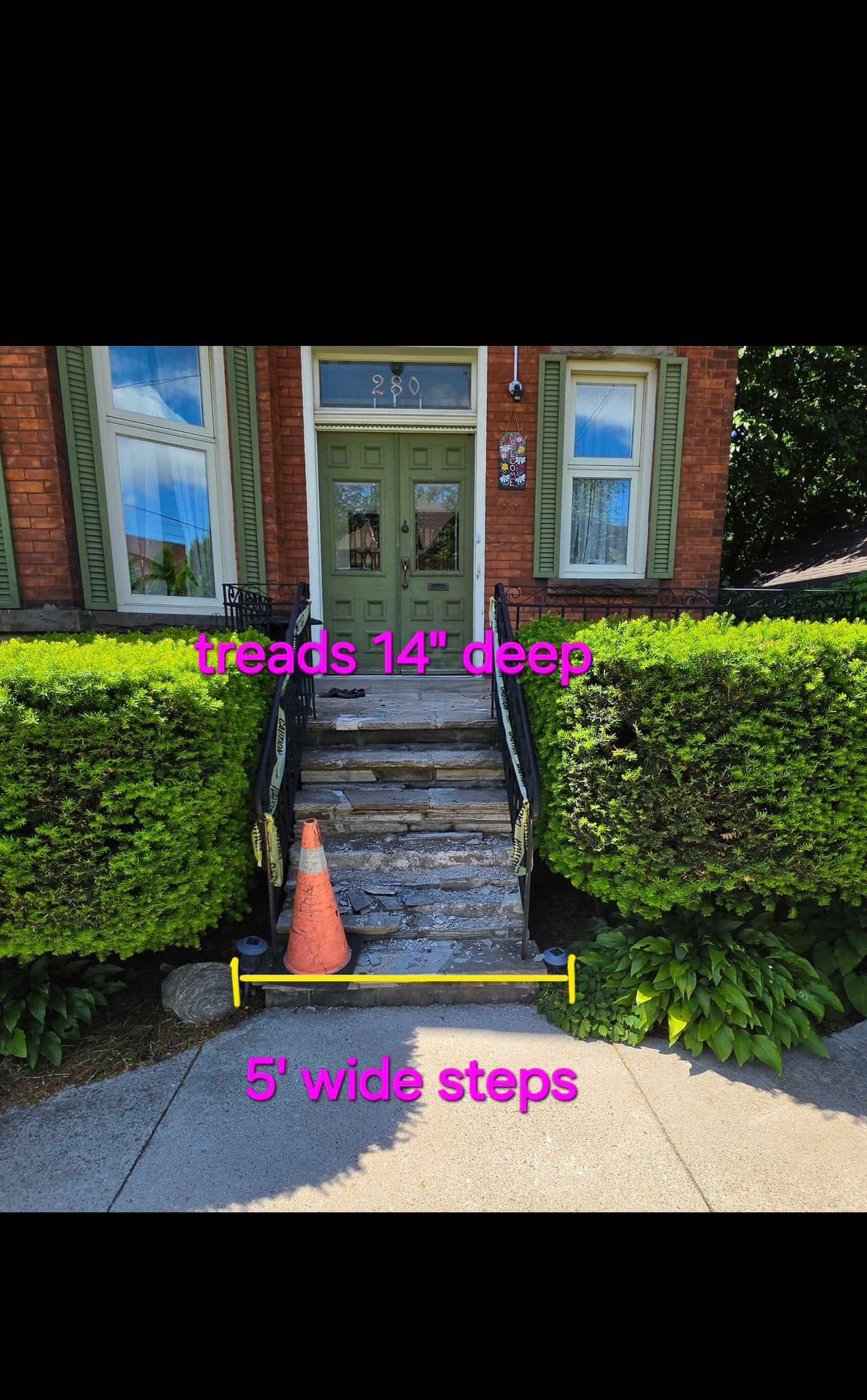
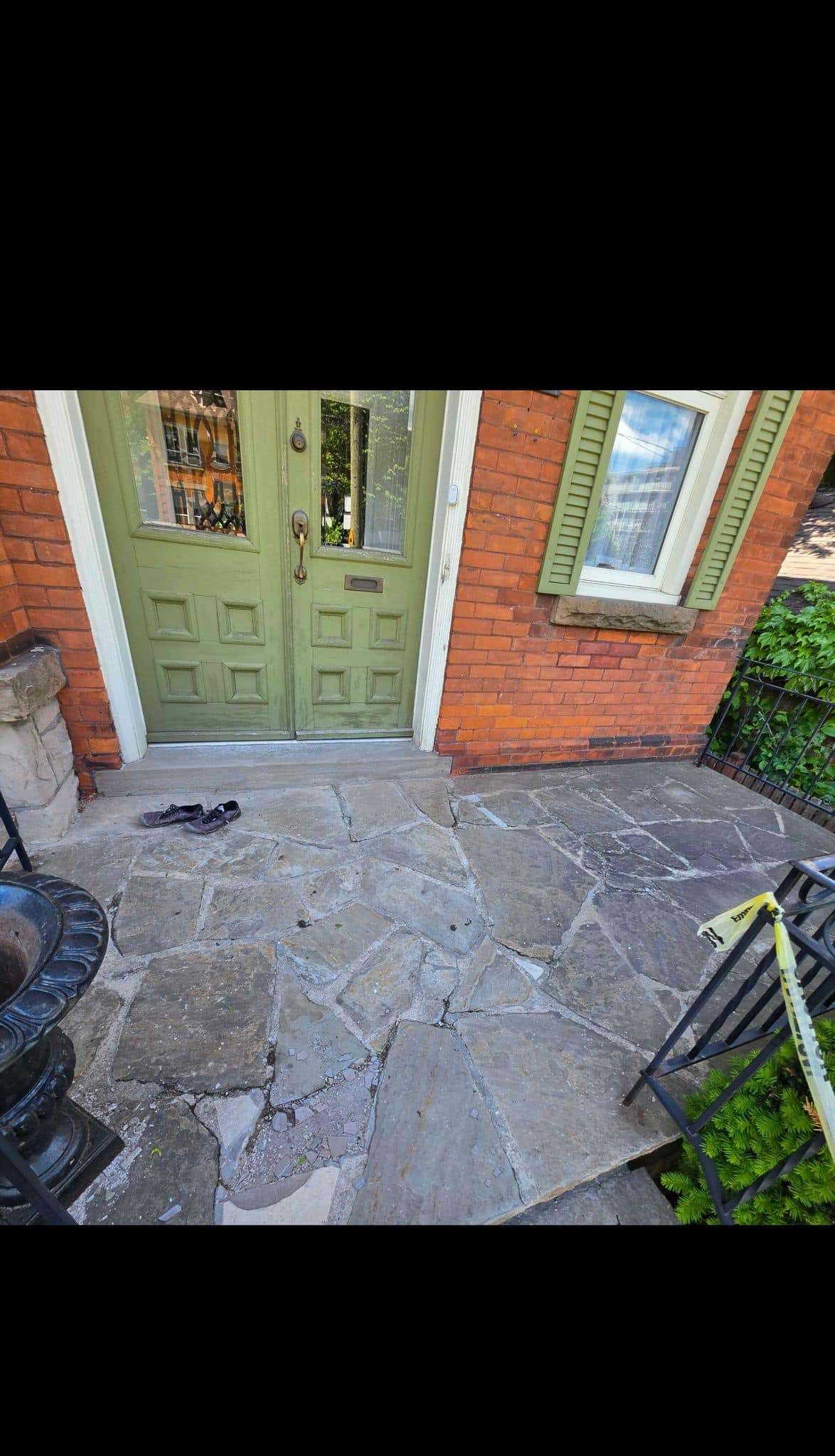
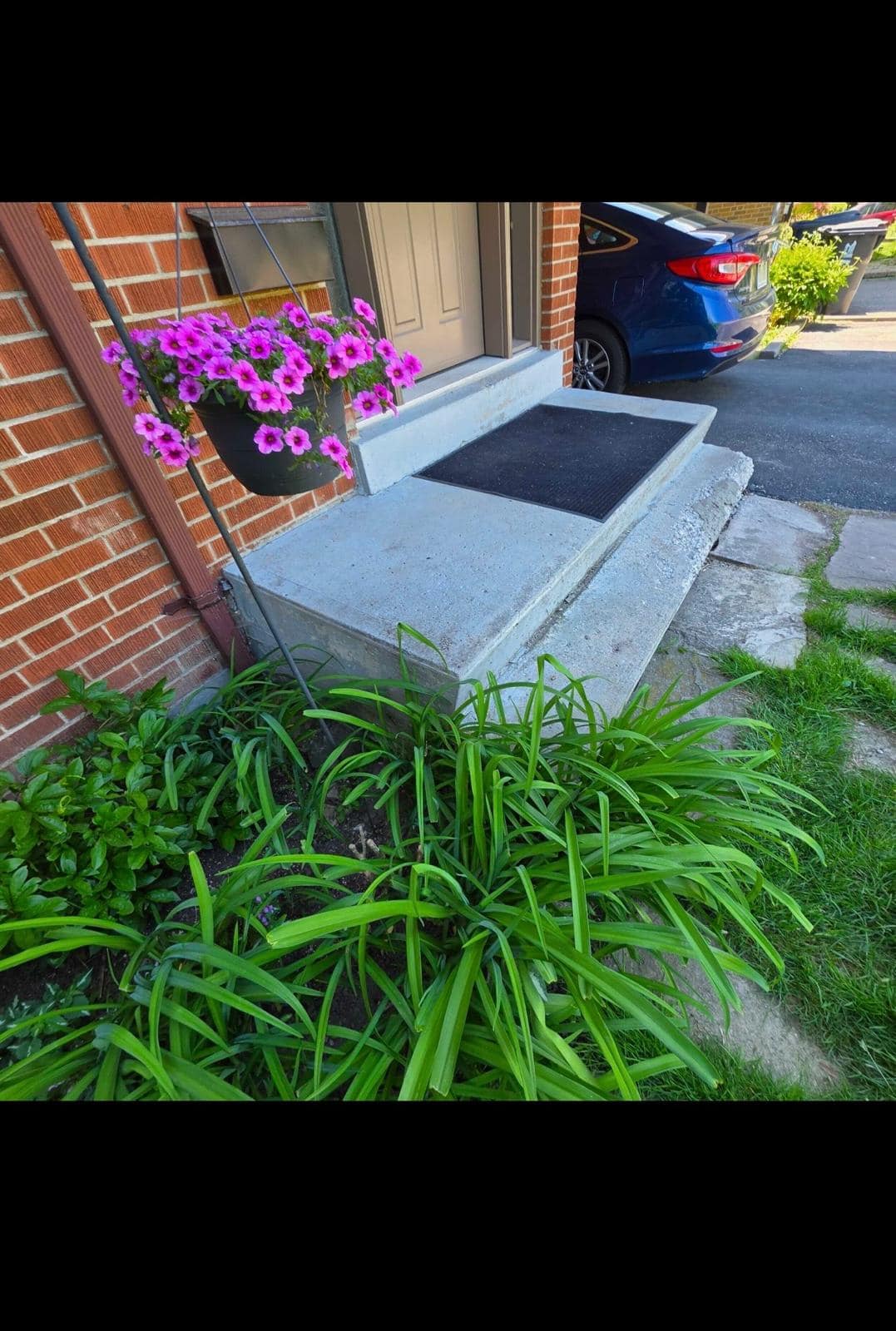
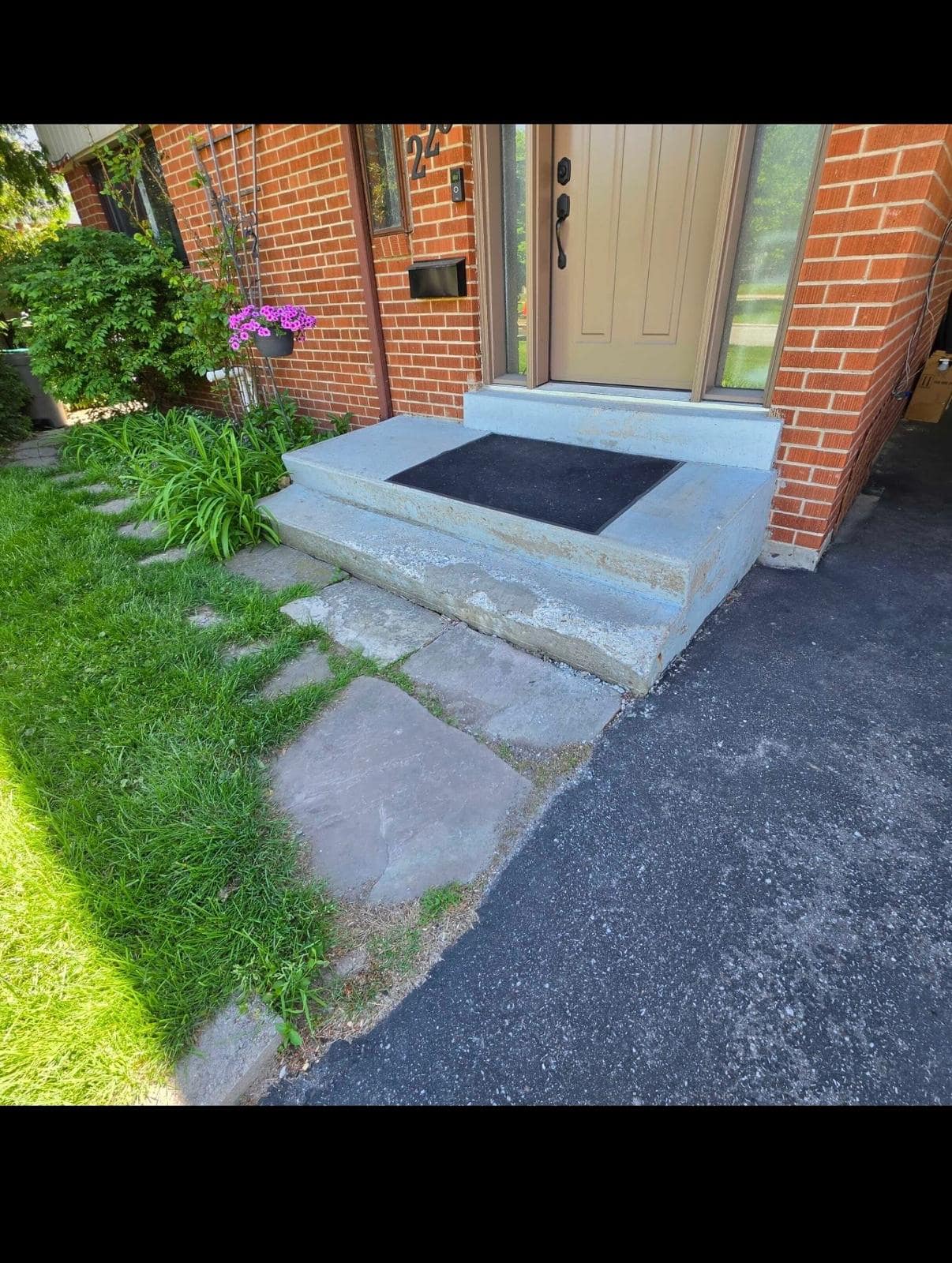
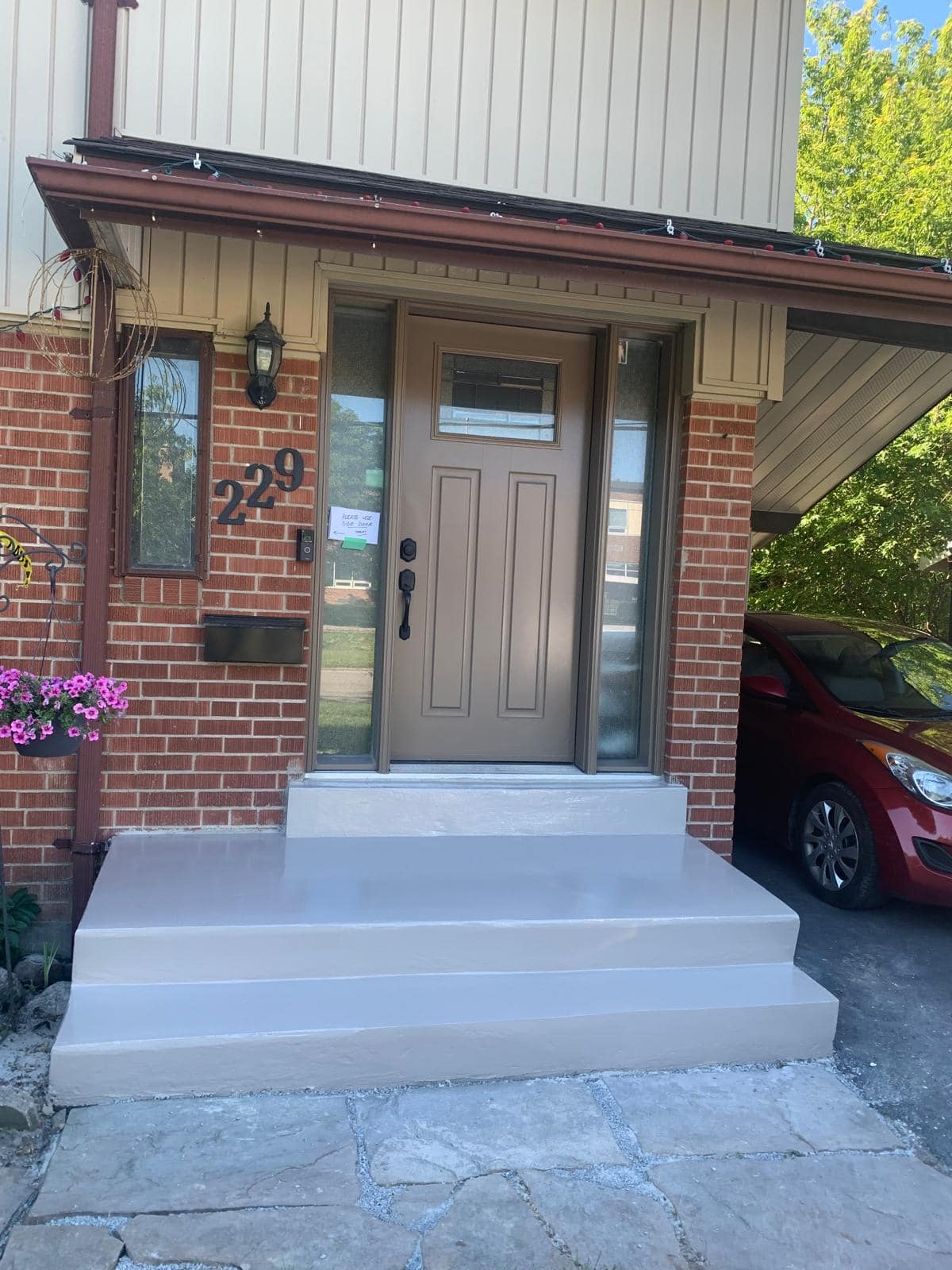
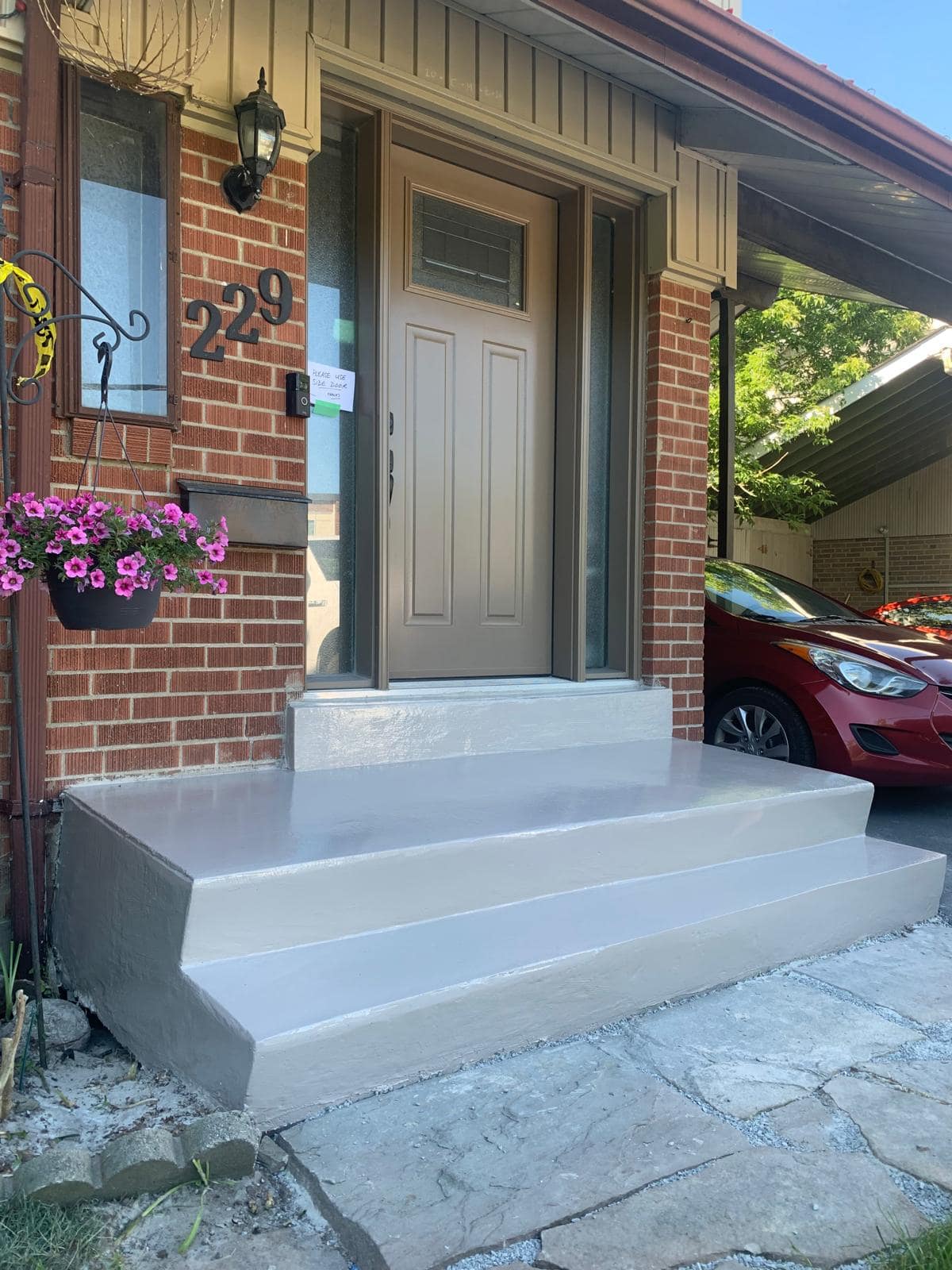
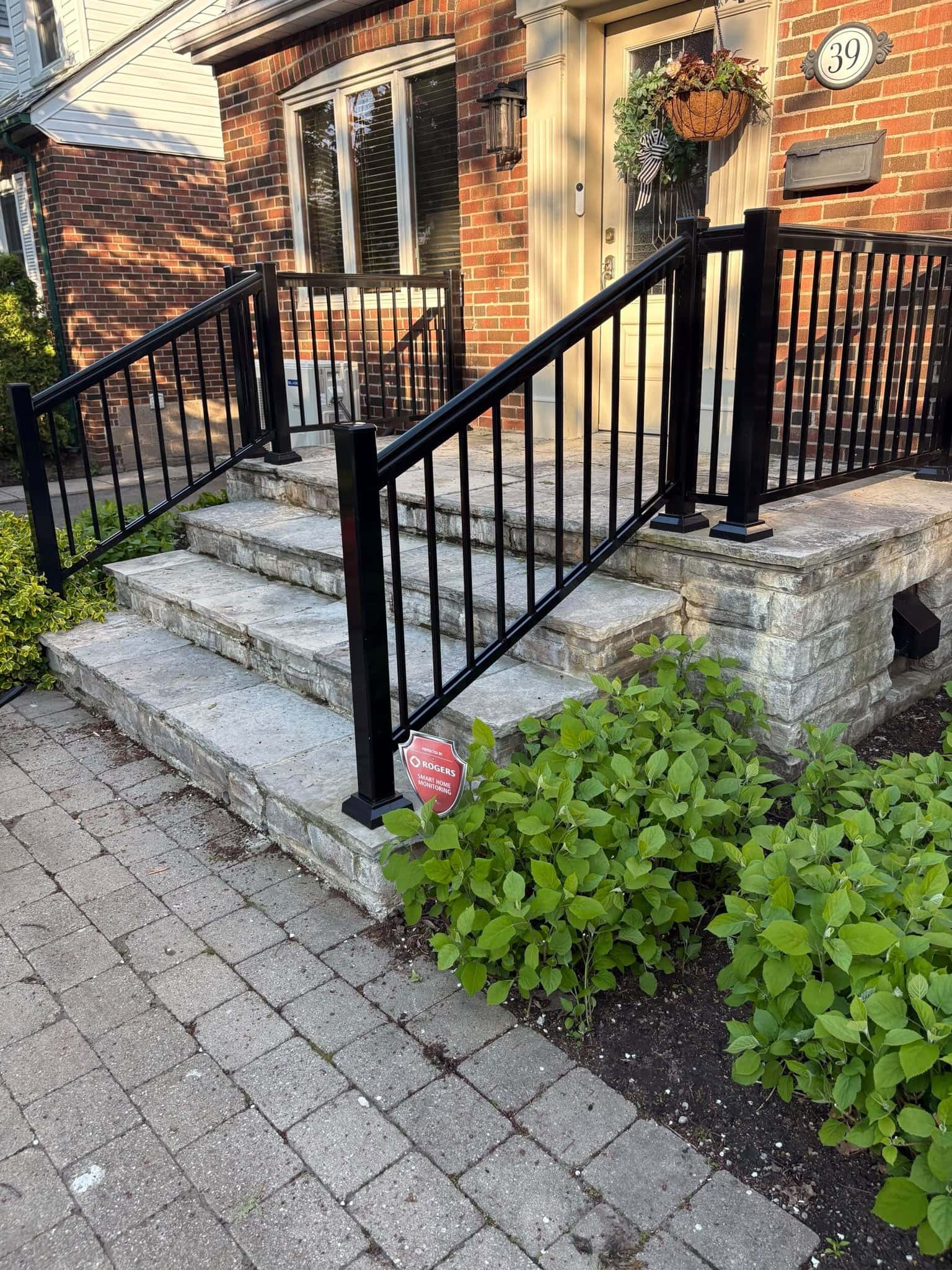
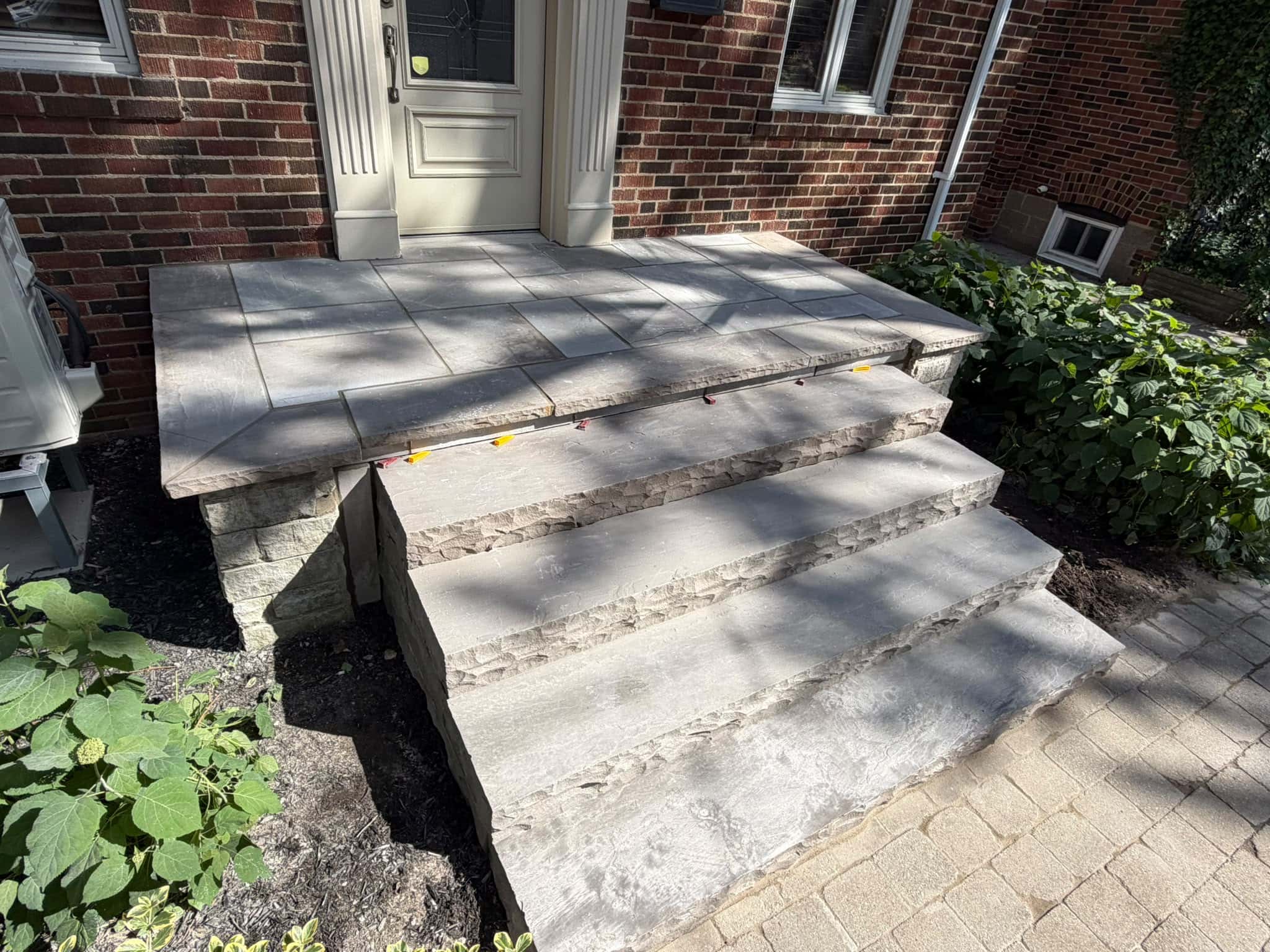
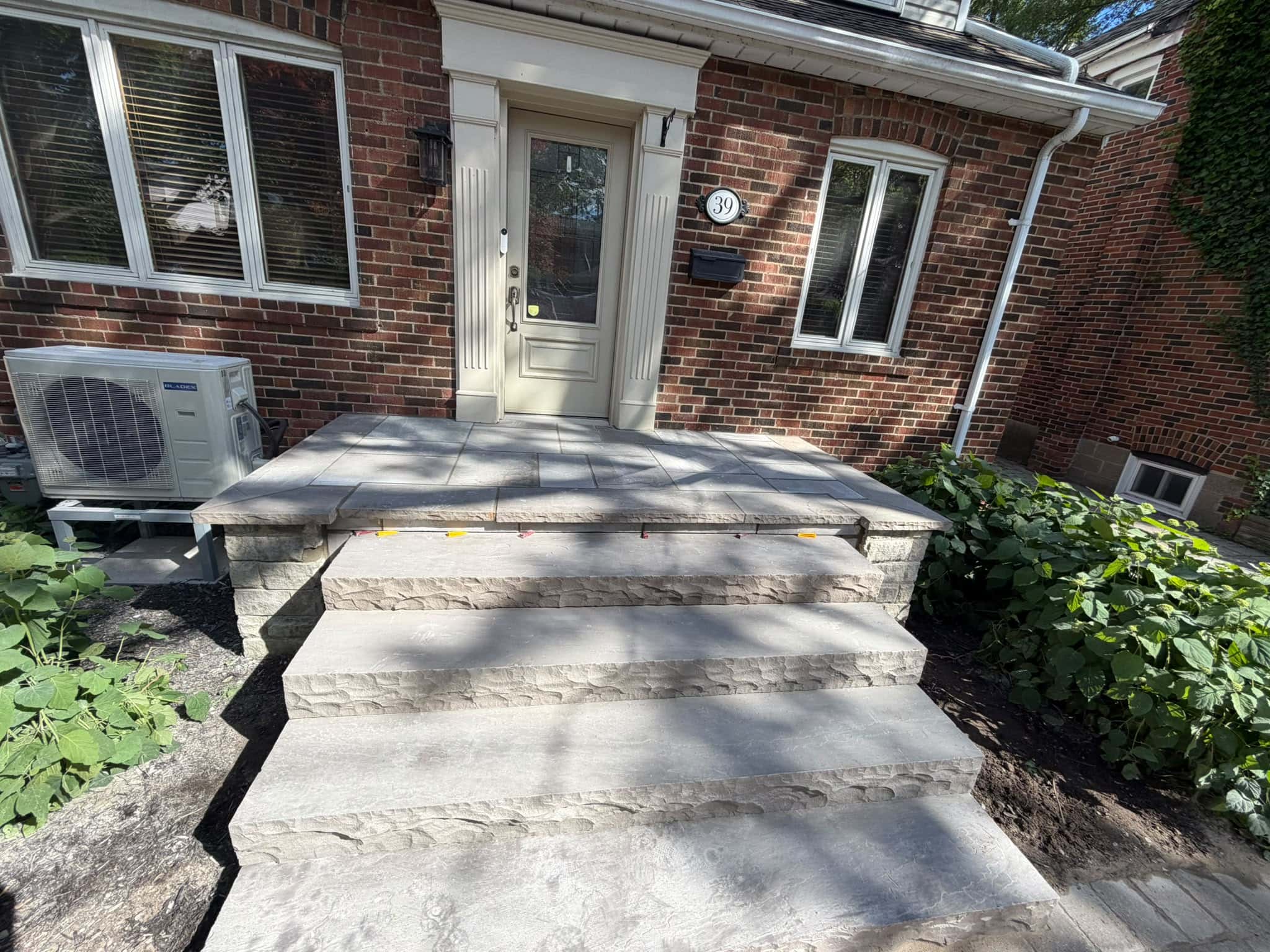
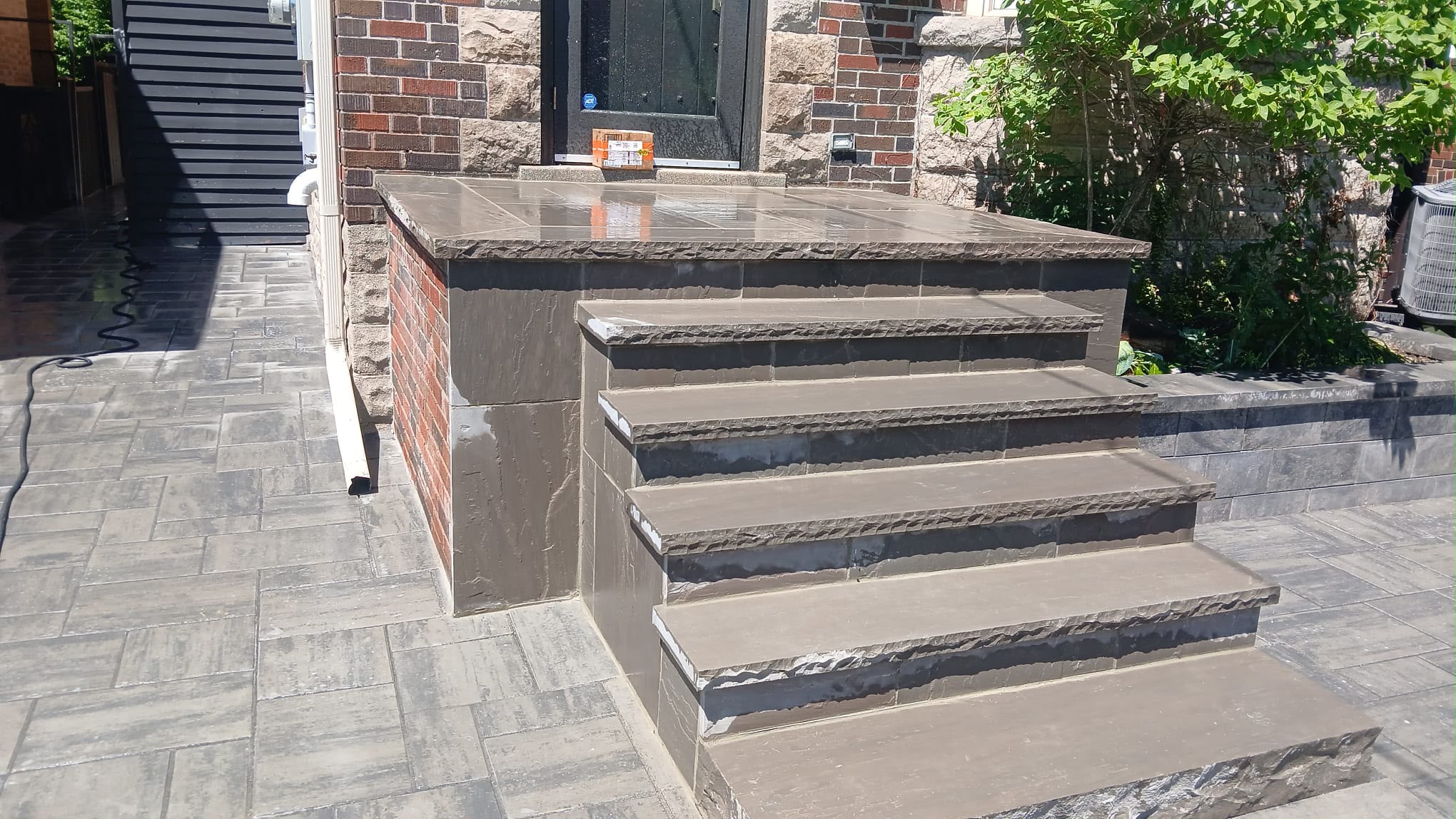
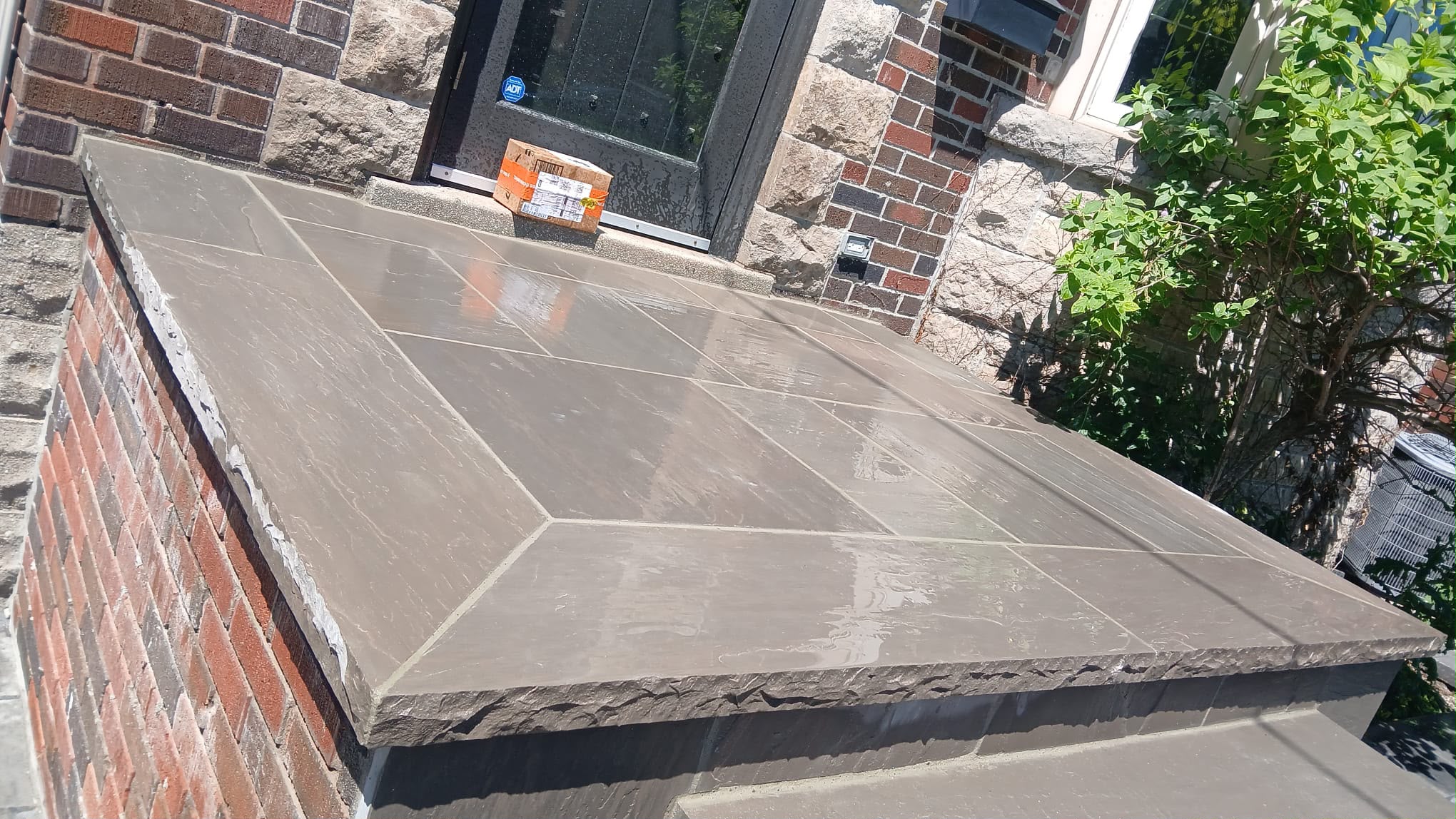
An attractive entryway sets the tone for the rest of your home, making it an essential element in boosting curb appeal. Masonry walkways, steps, or porches made from brick or natural stone materials look stunning and are durable and low-maintenance options for creating welcoming entrances.
Building Beautiful Patios
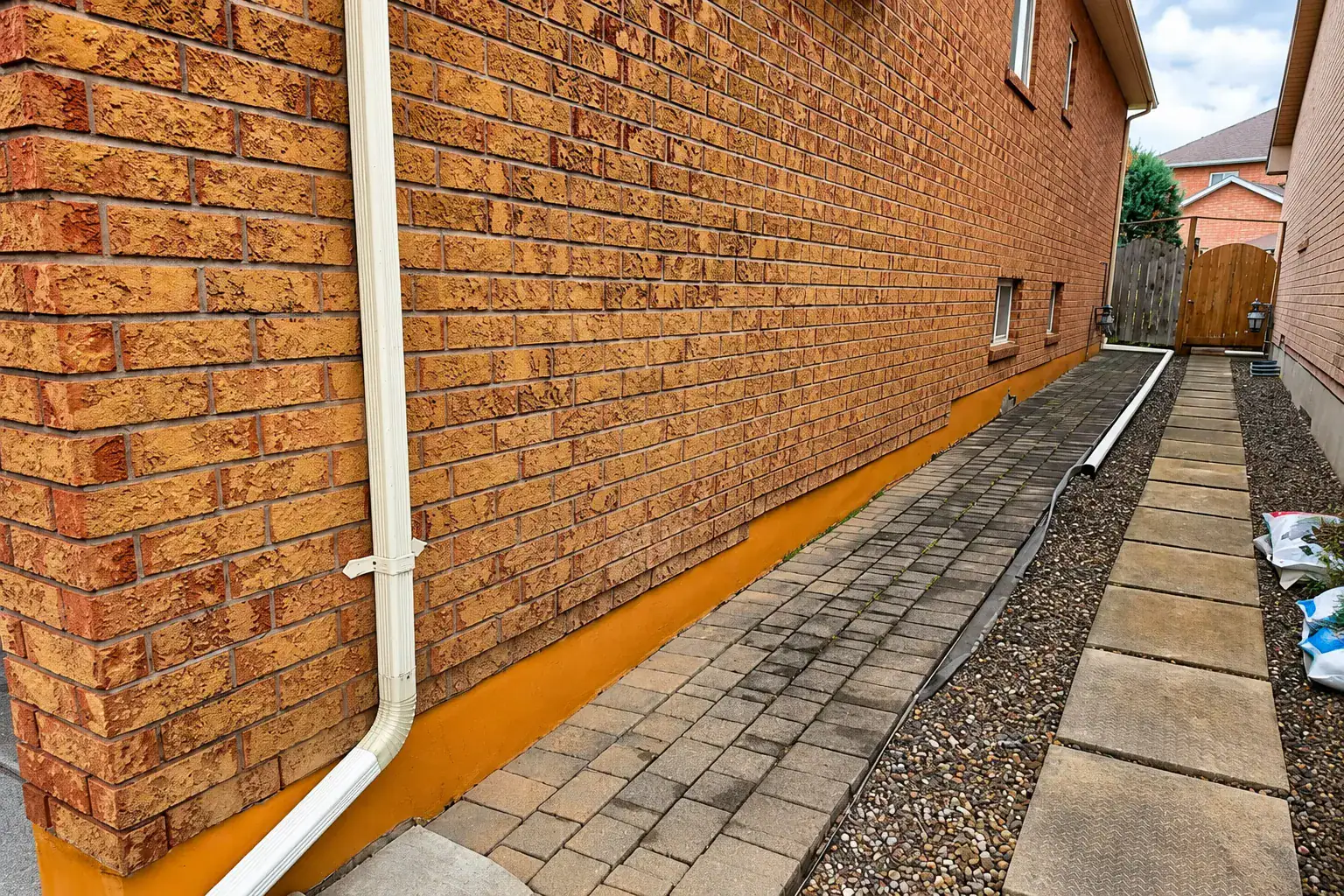
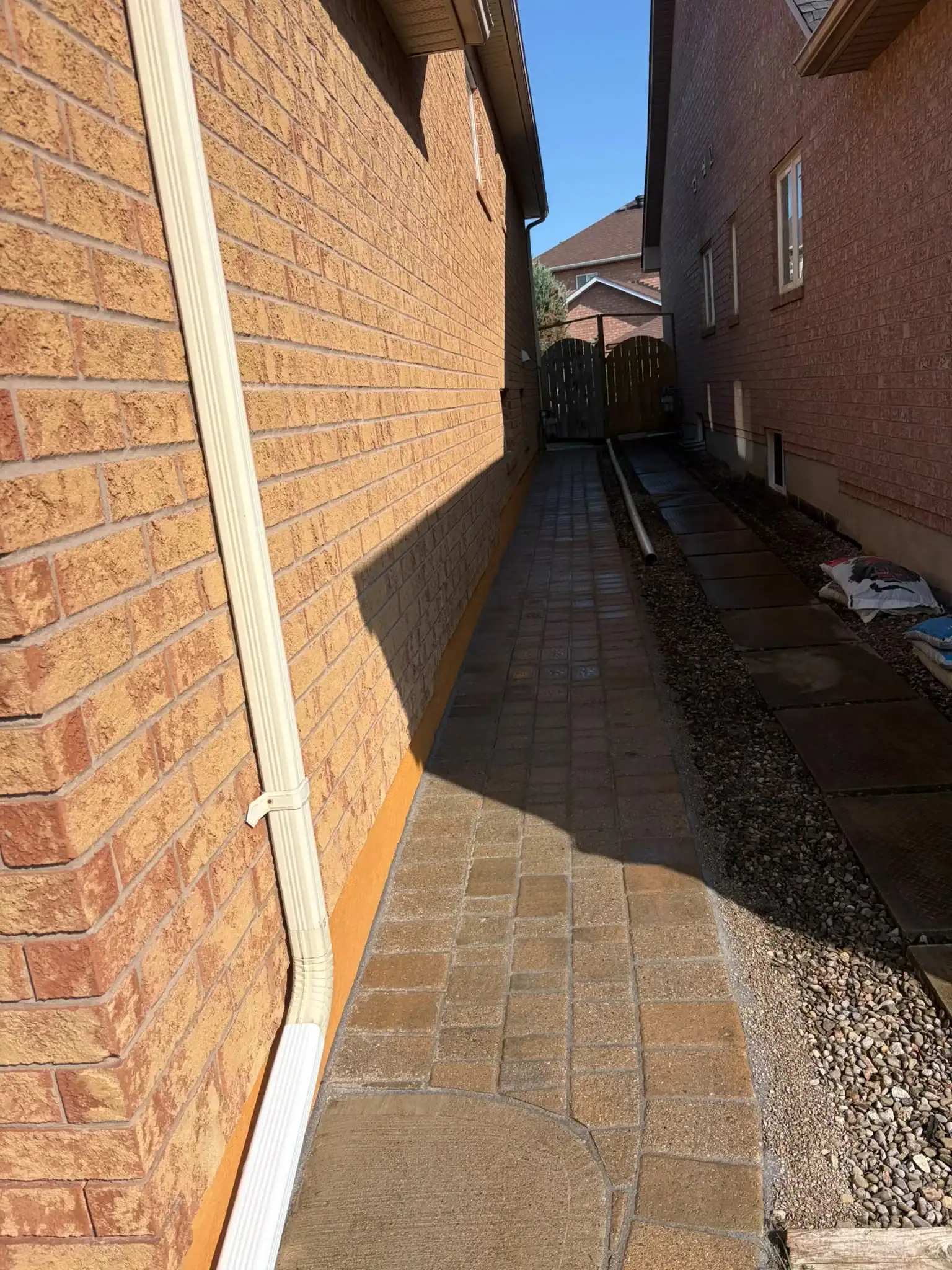
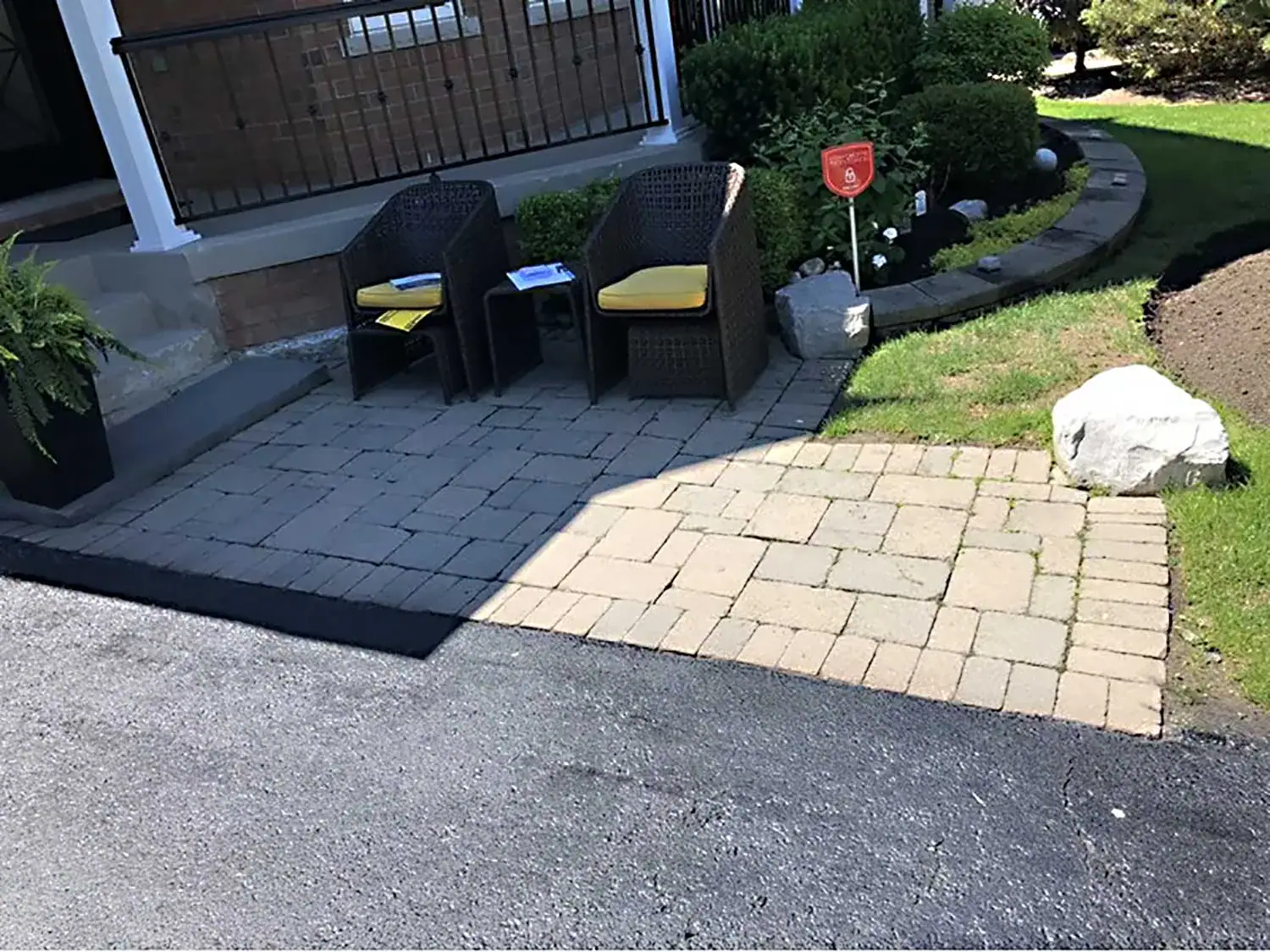
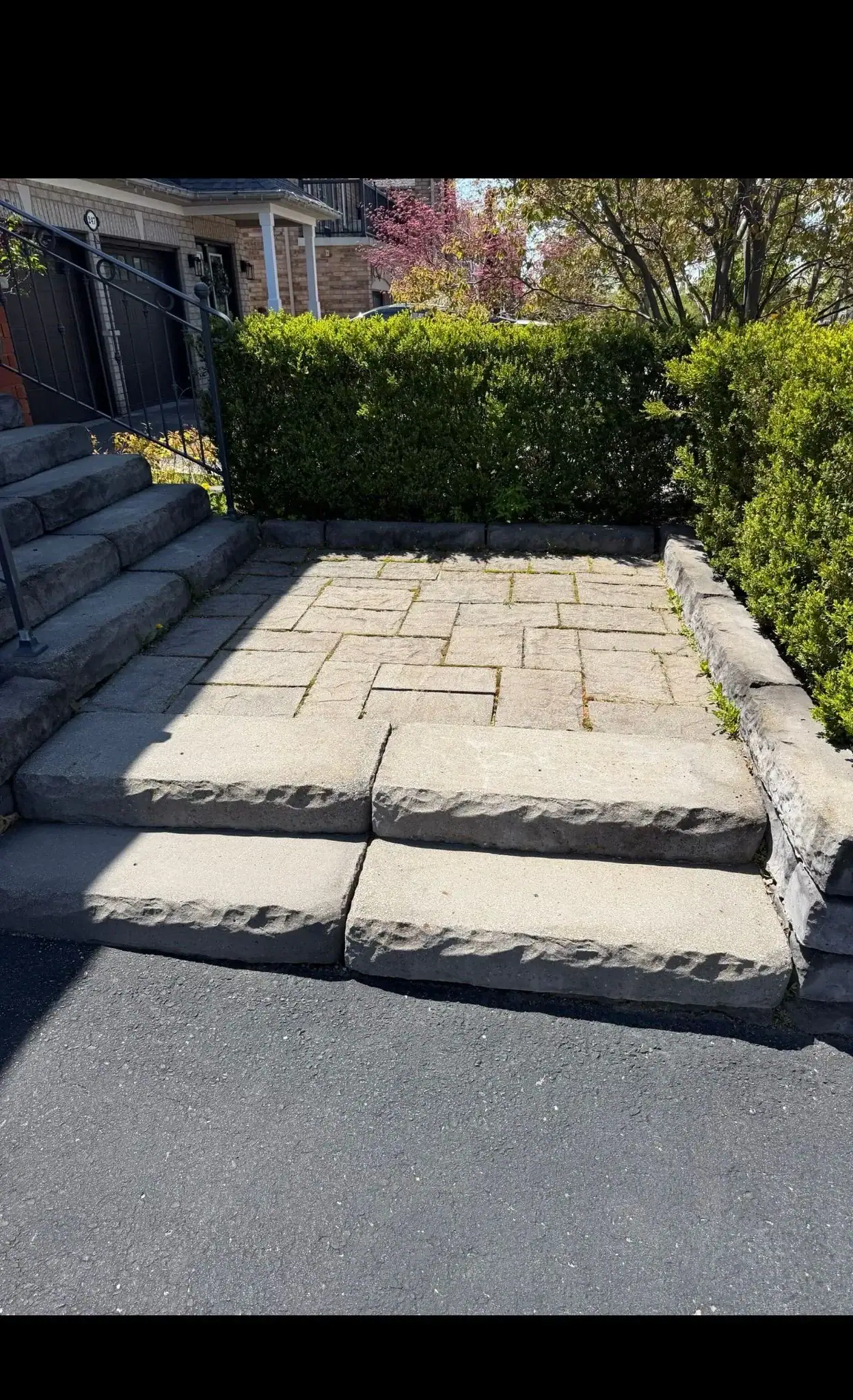
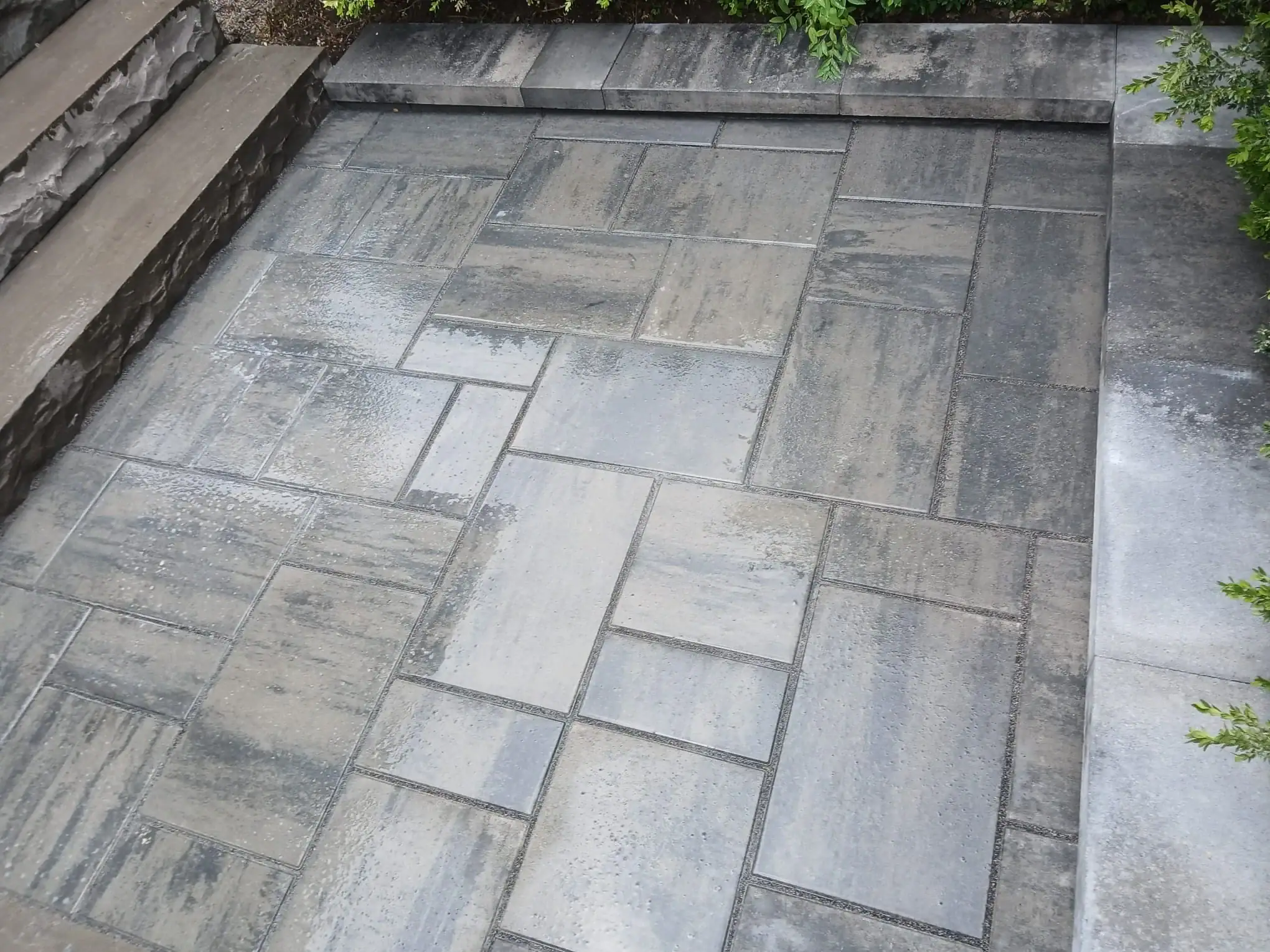
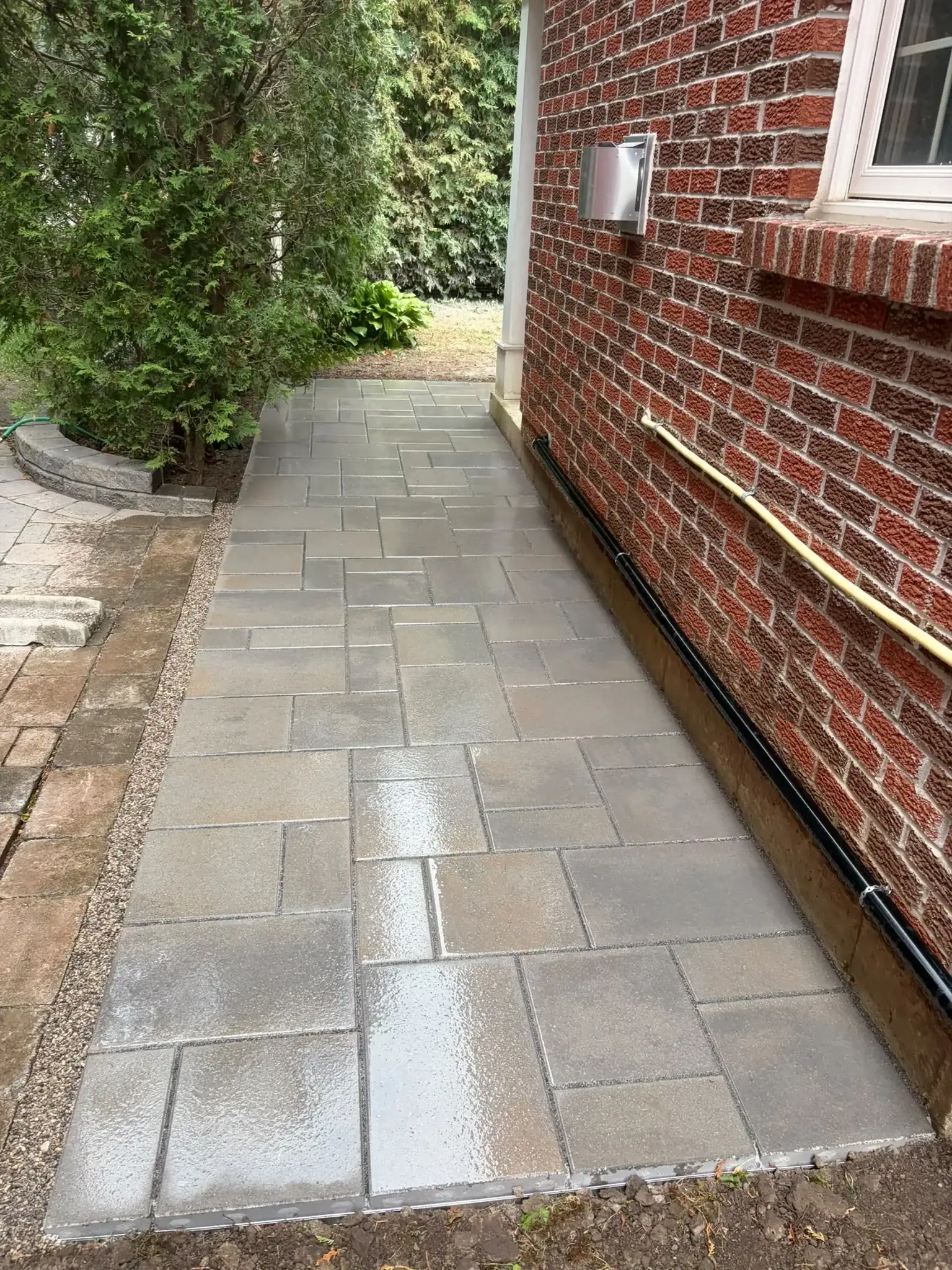
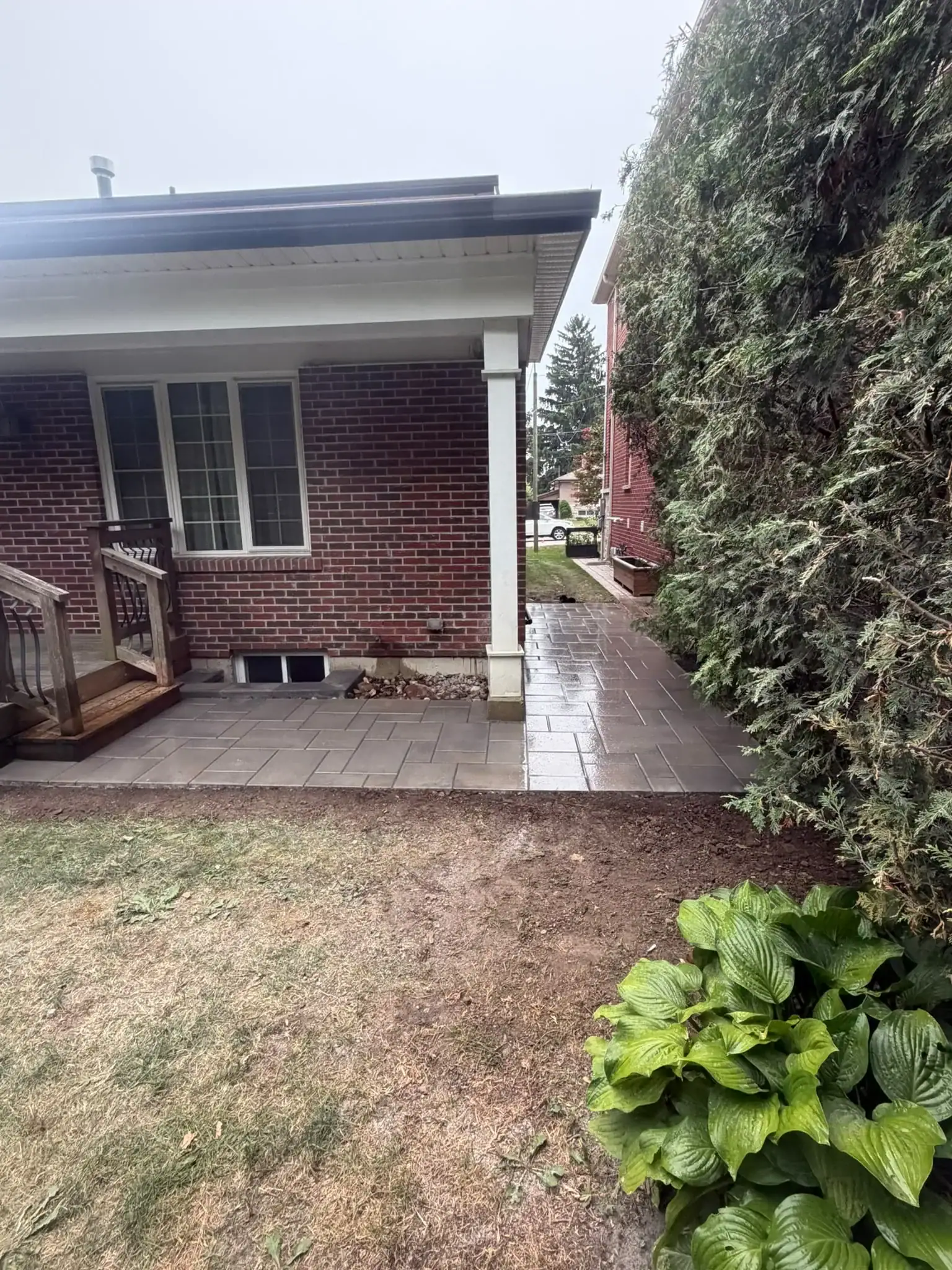
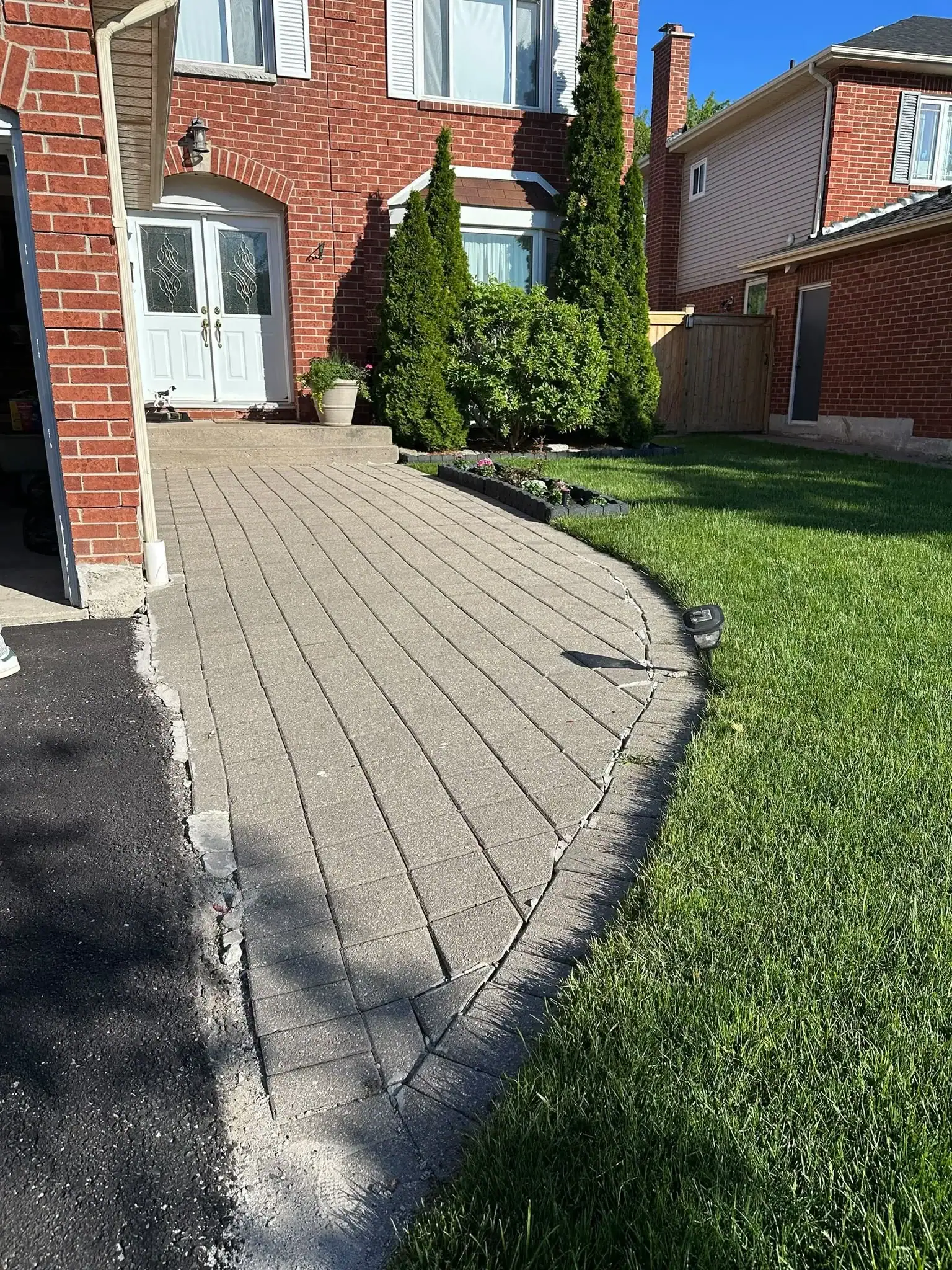
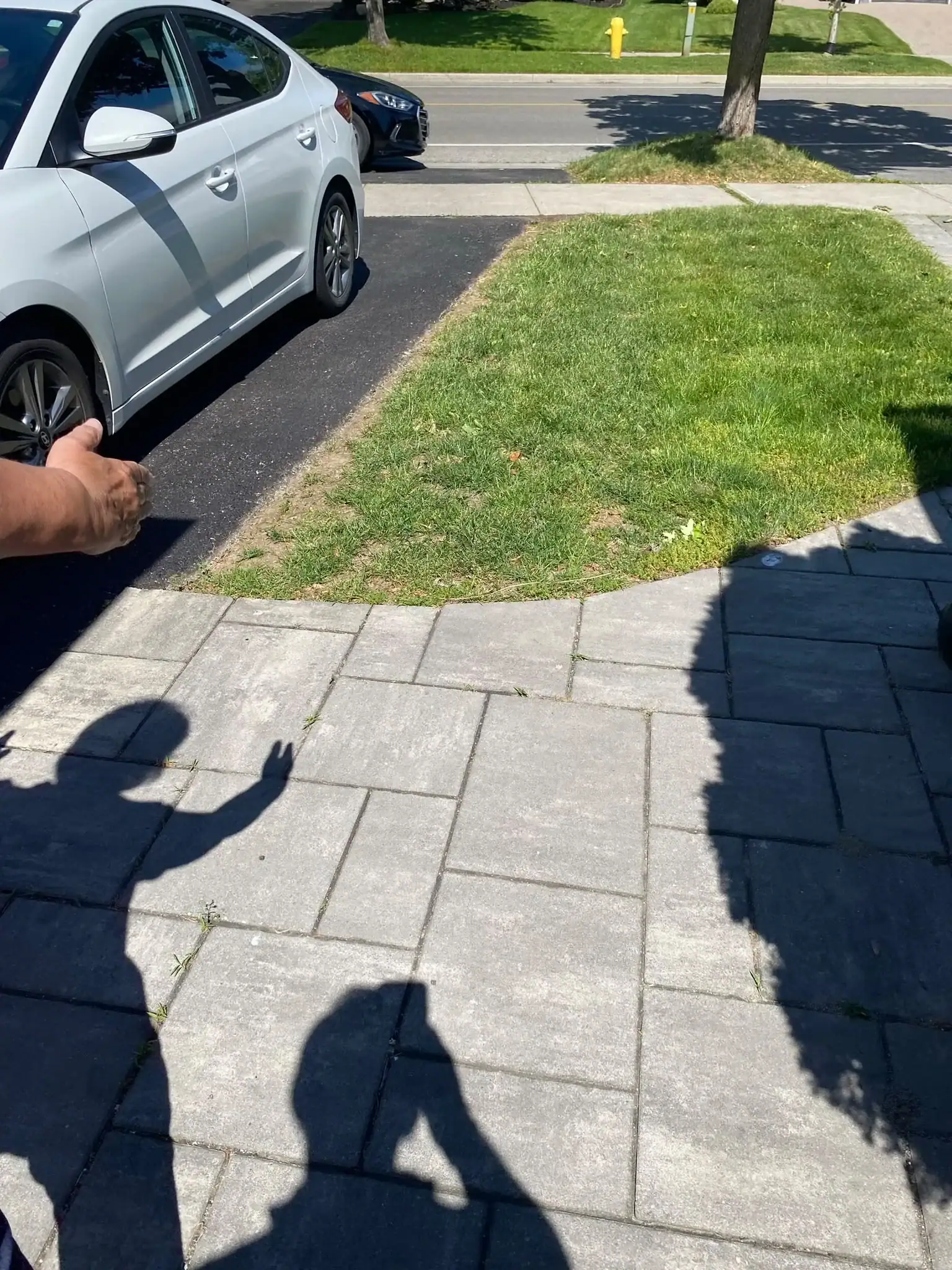
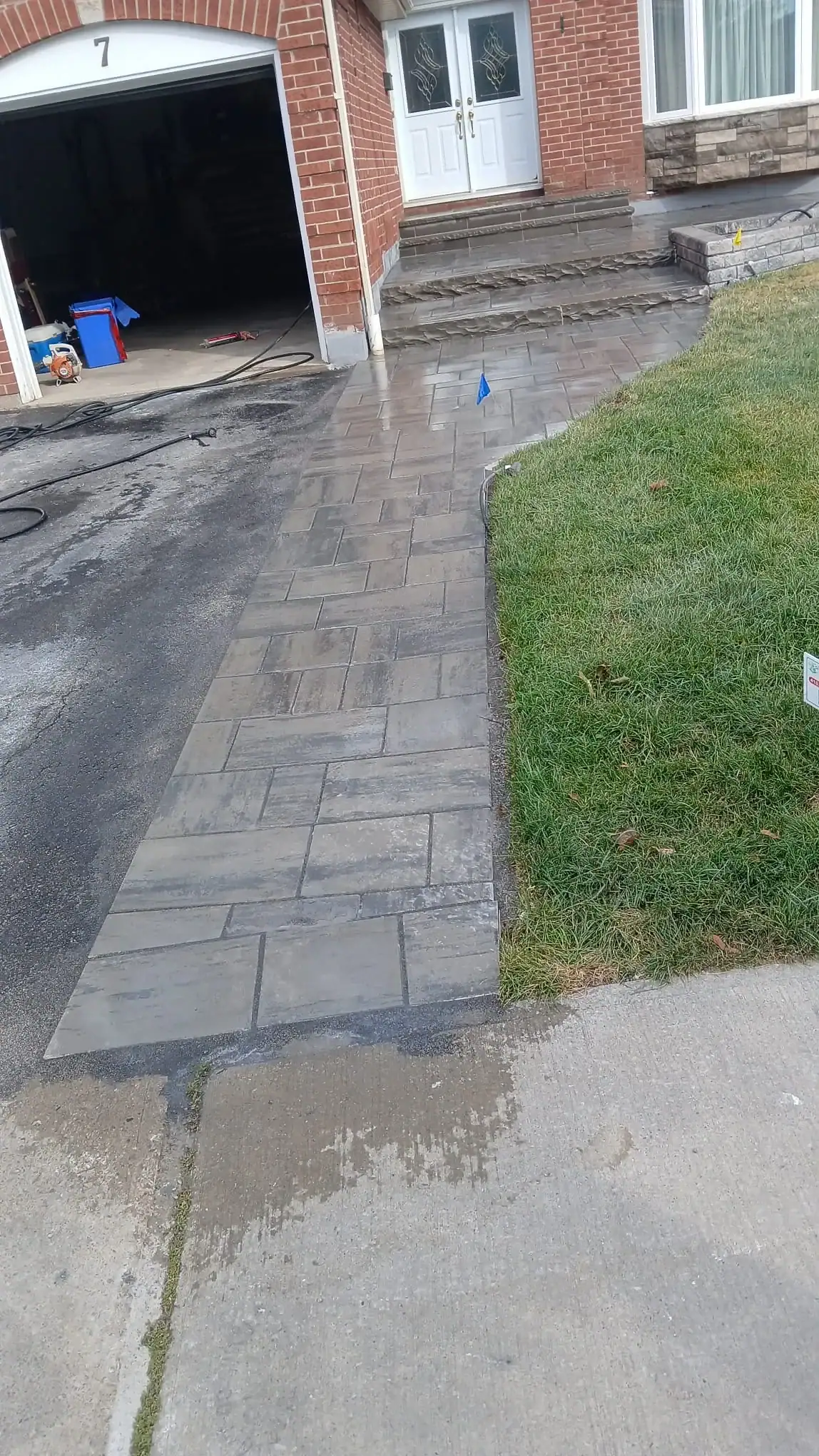
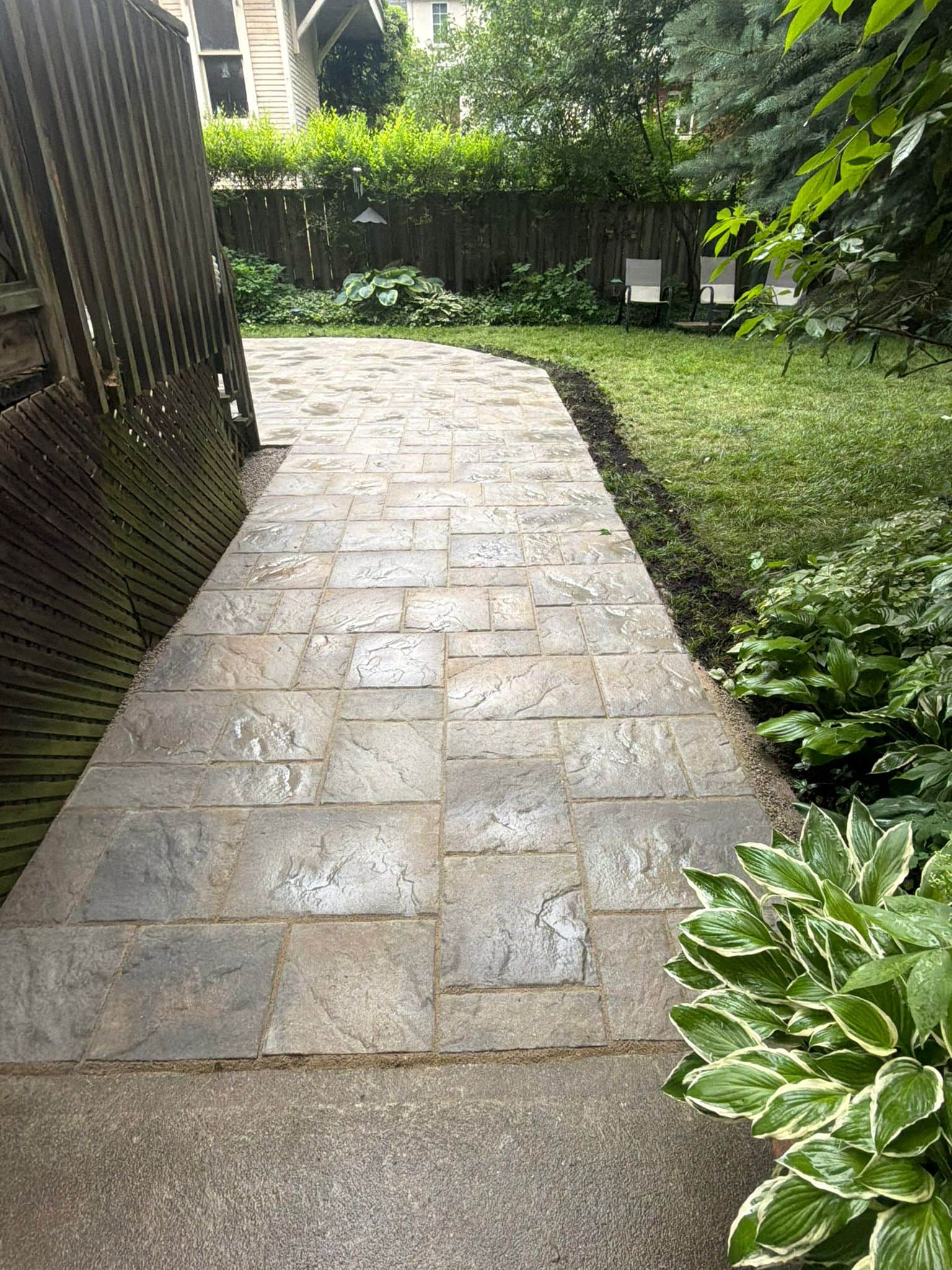
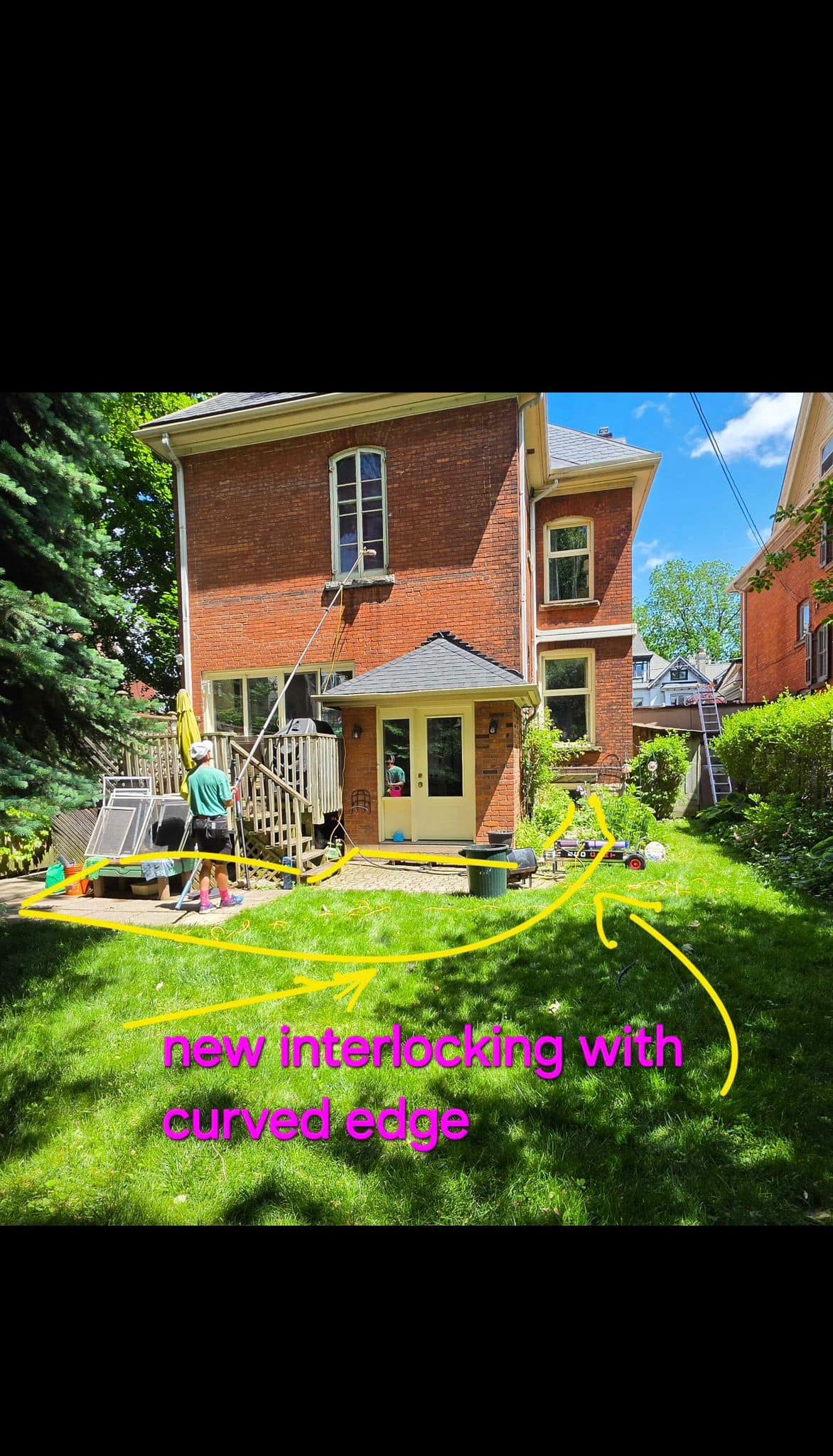
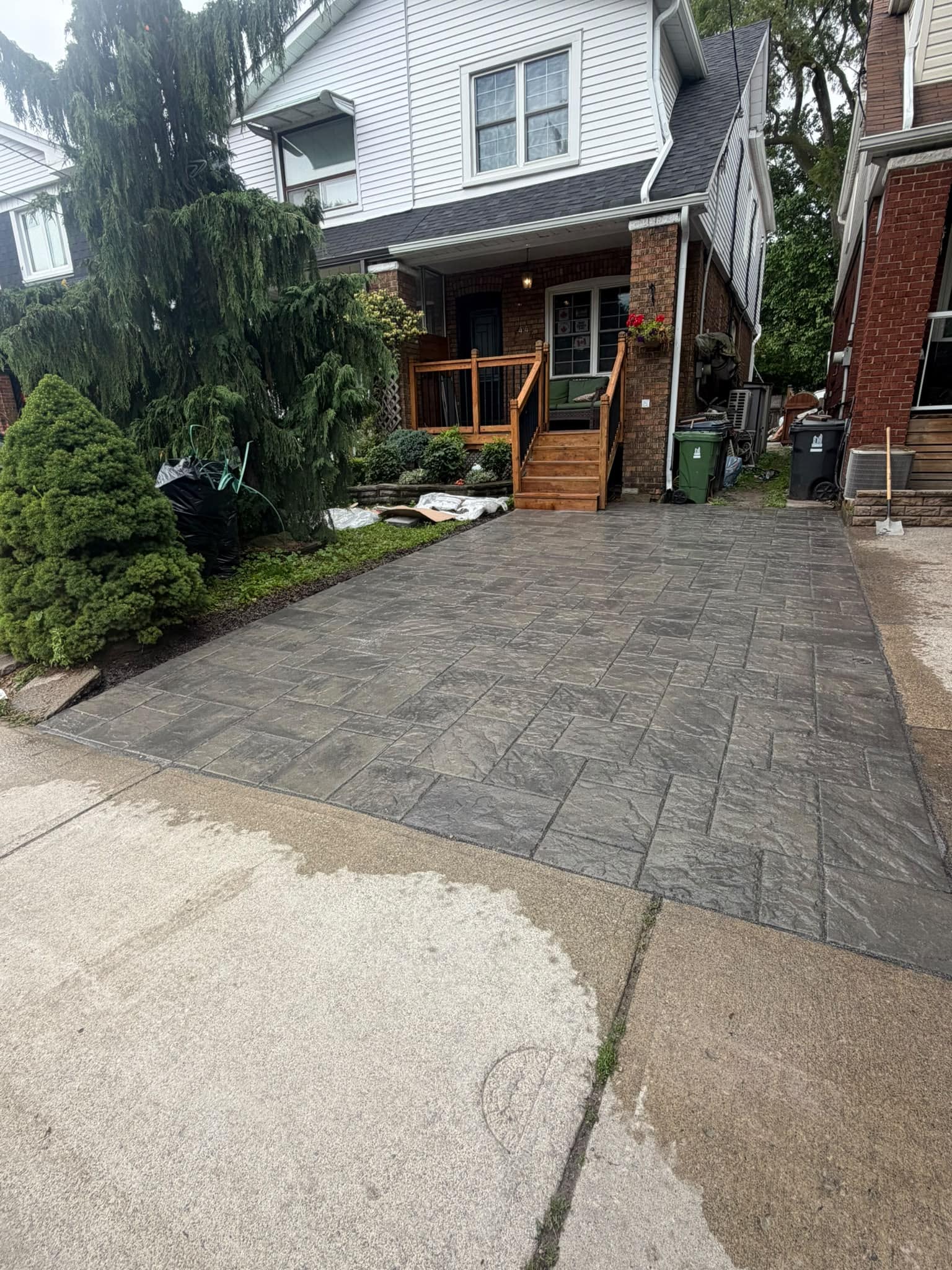
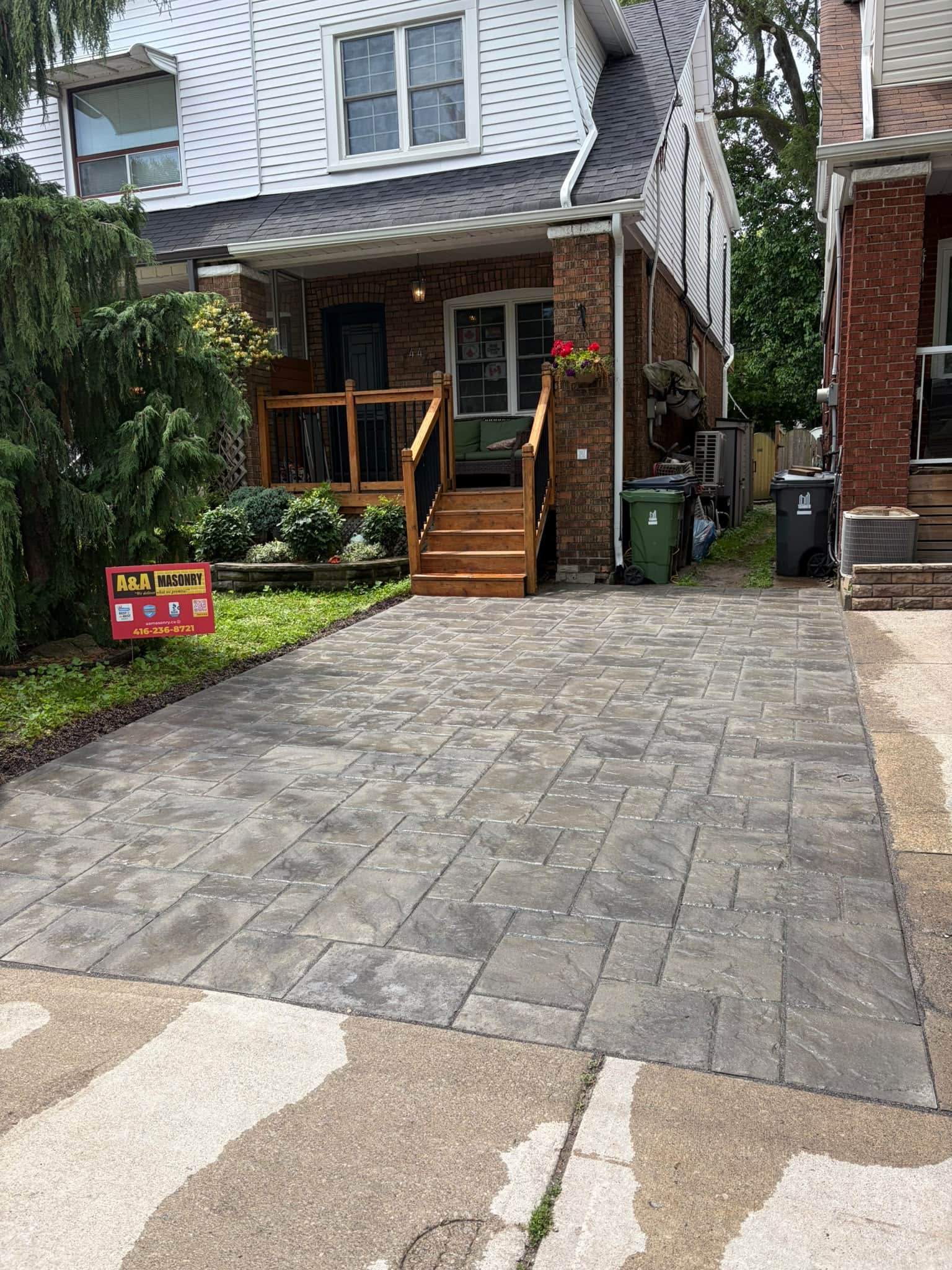
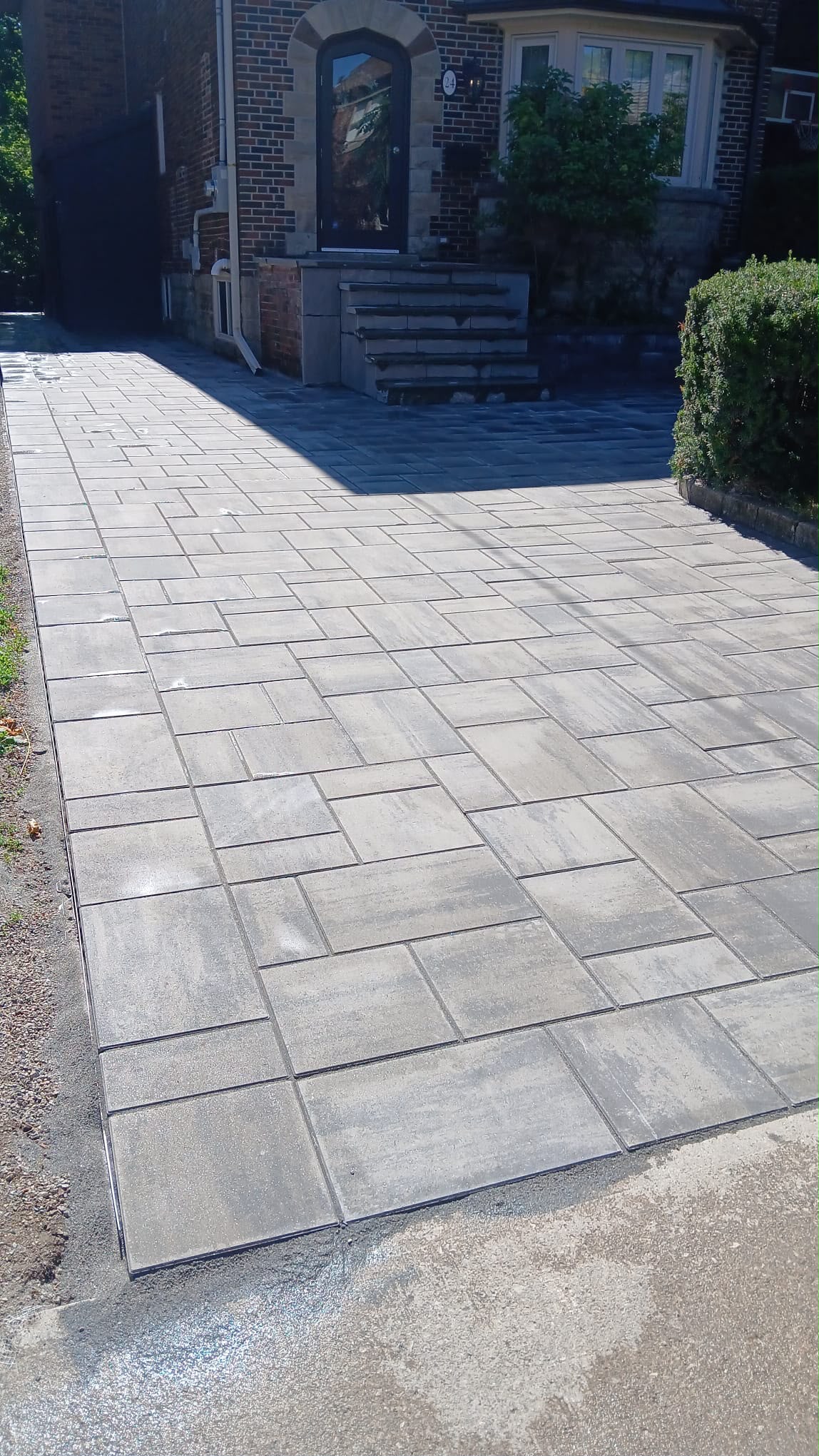
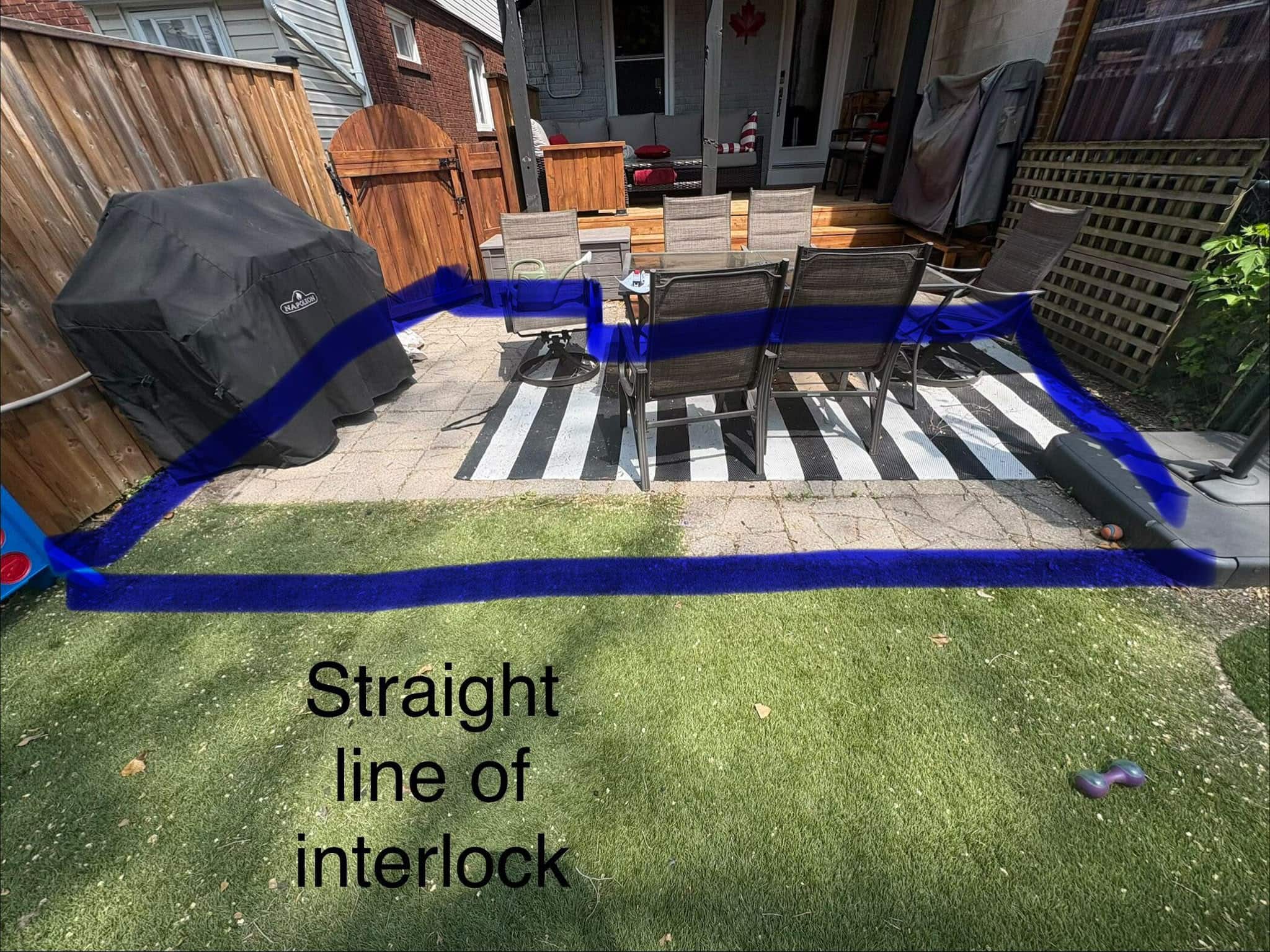
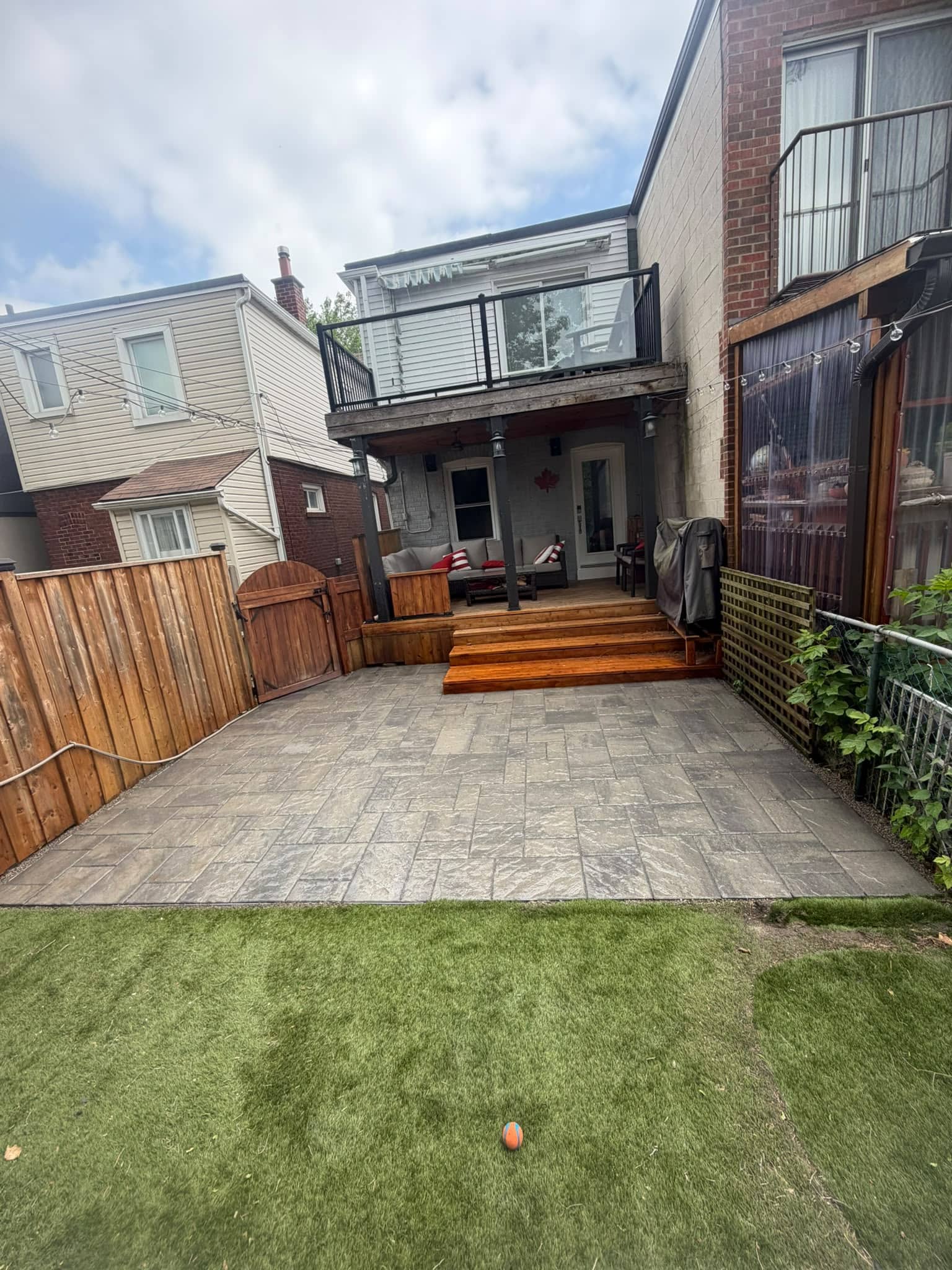
A properly planned and crafted patio can significantly extend your indoor living area, providing an inviting place to relax or entertain outdoors. Masonry patios constructed using concrete pavers or natural stone slabs offer numerous design possibilities due to their wide range of colours, shapes, sizes, and textures. Additionally, these materials provide excellent durability against weather-related wear and tear.
Paver Patterns & Designs:
- Herringbone: A classic pattern where rectangular pavers are laid at right angles in alternating directions.
- Basketweave: Rectangular pavers are arranged horizontally and vertically in pairs to create a woven effect.
- Roman Cobblestone: A random pattern of variously sized pavers mimics the look of ancient Roman roads.
Constructing Retaining Walls and Planters
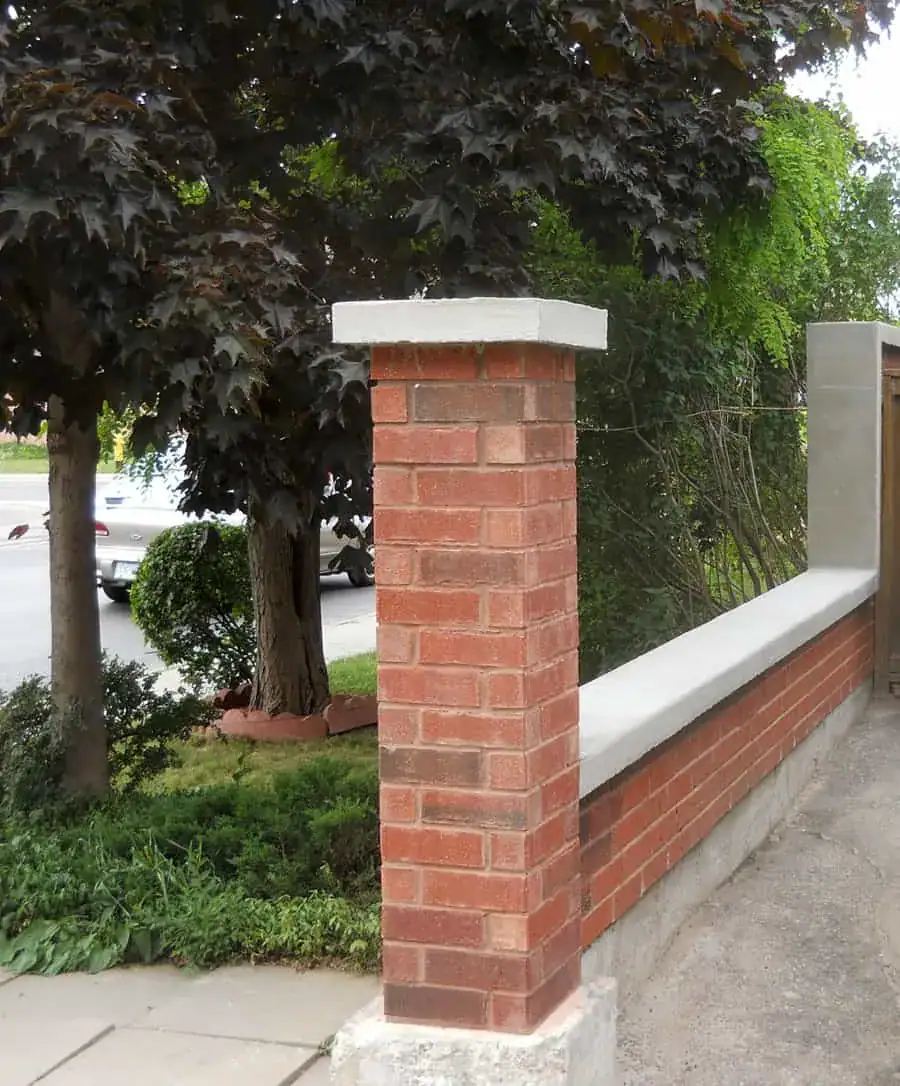
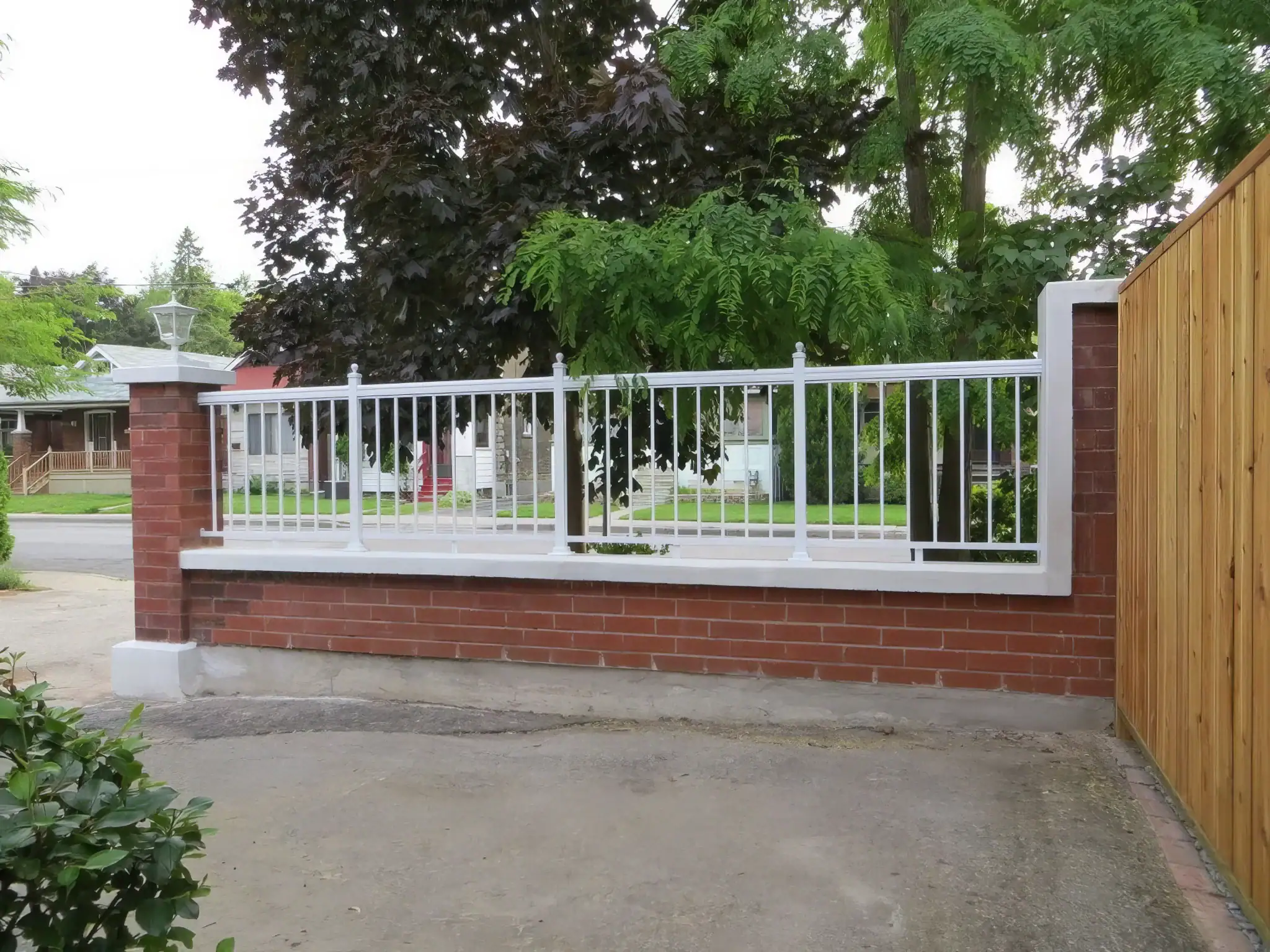
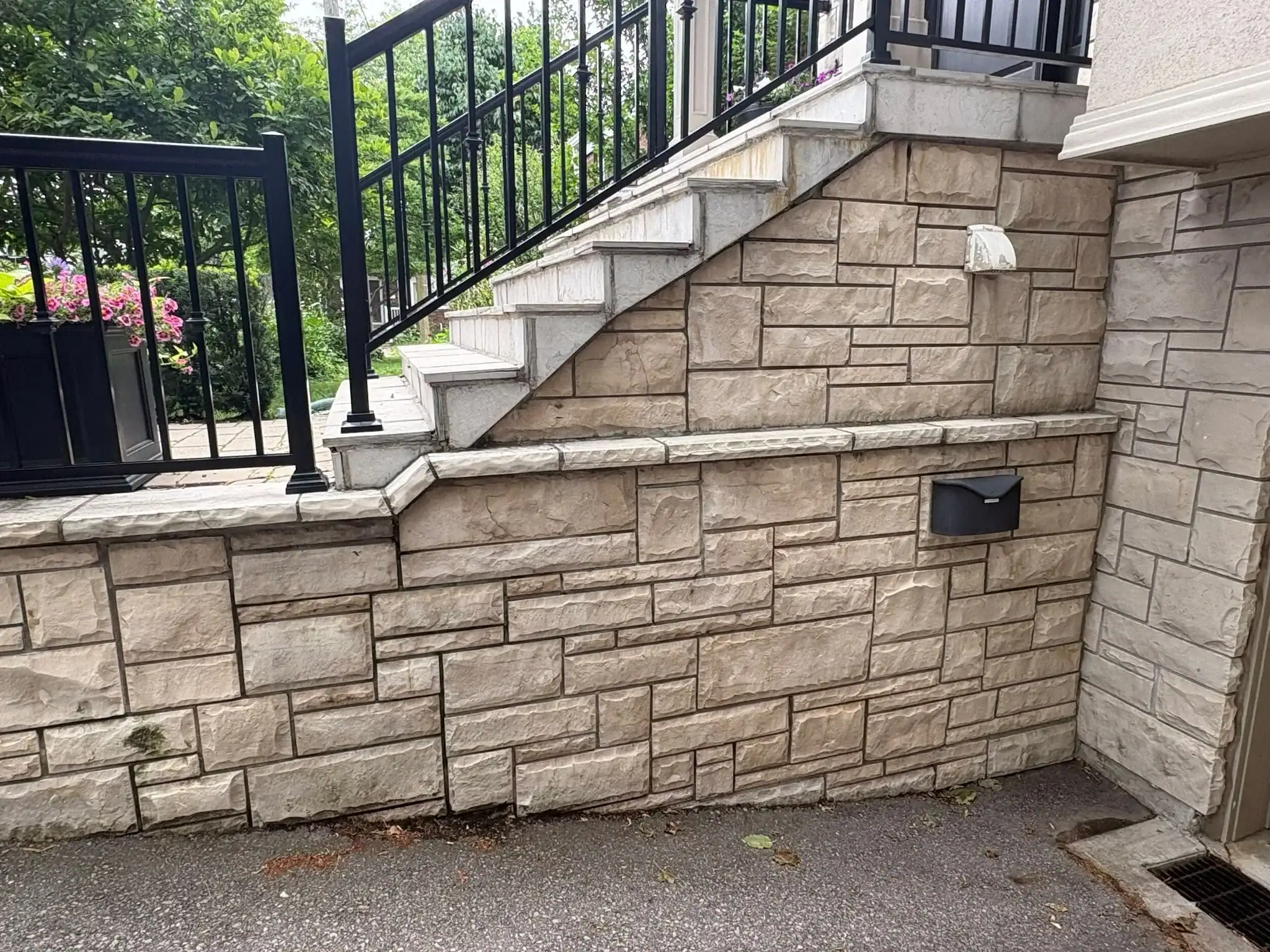
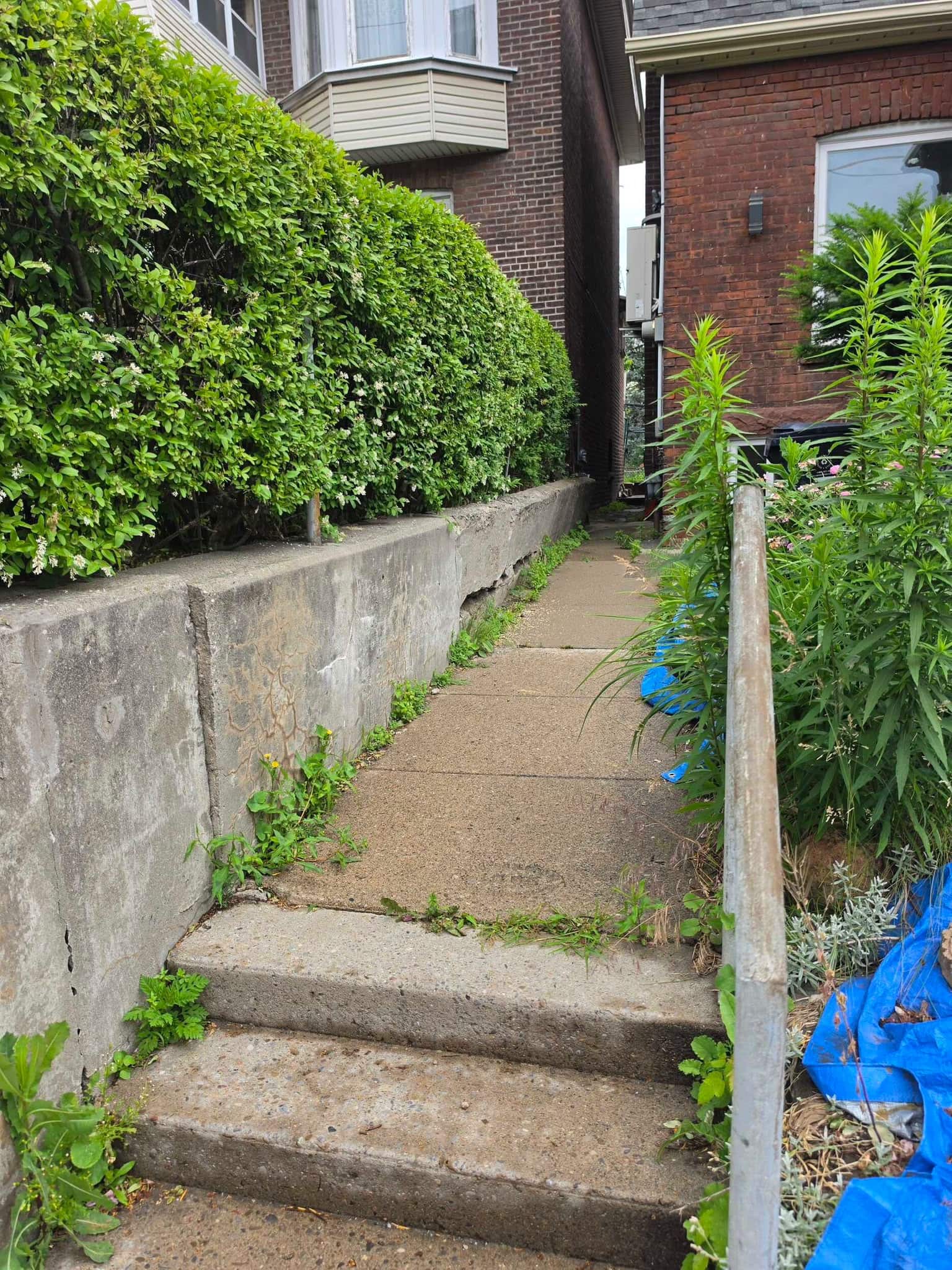
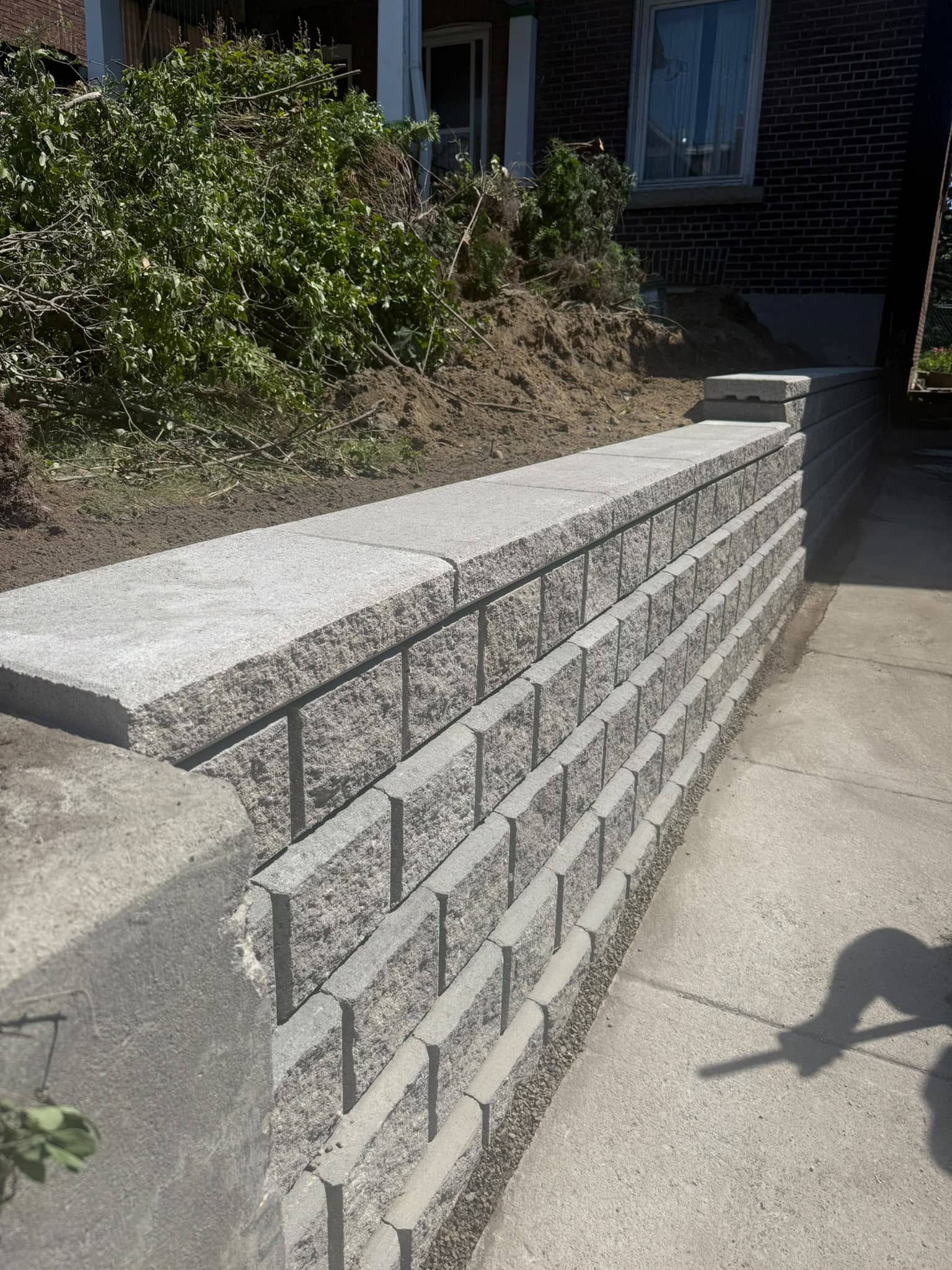
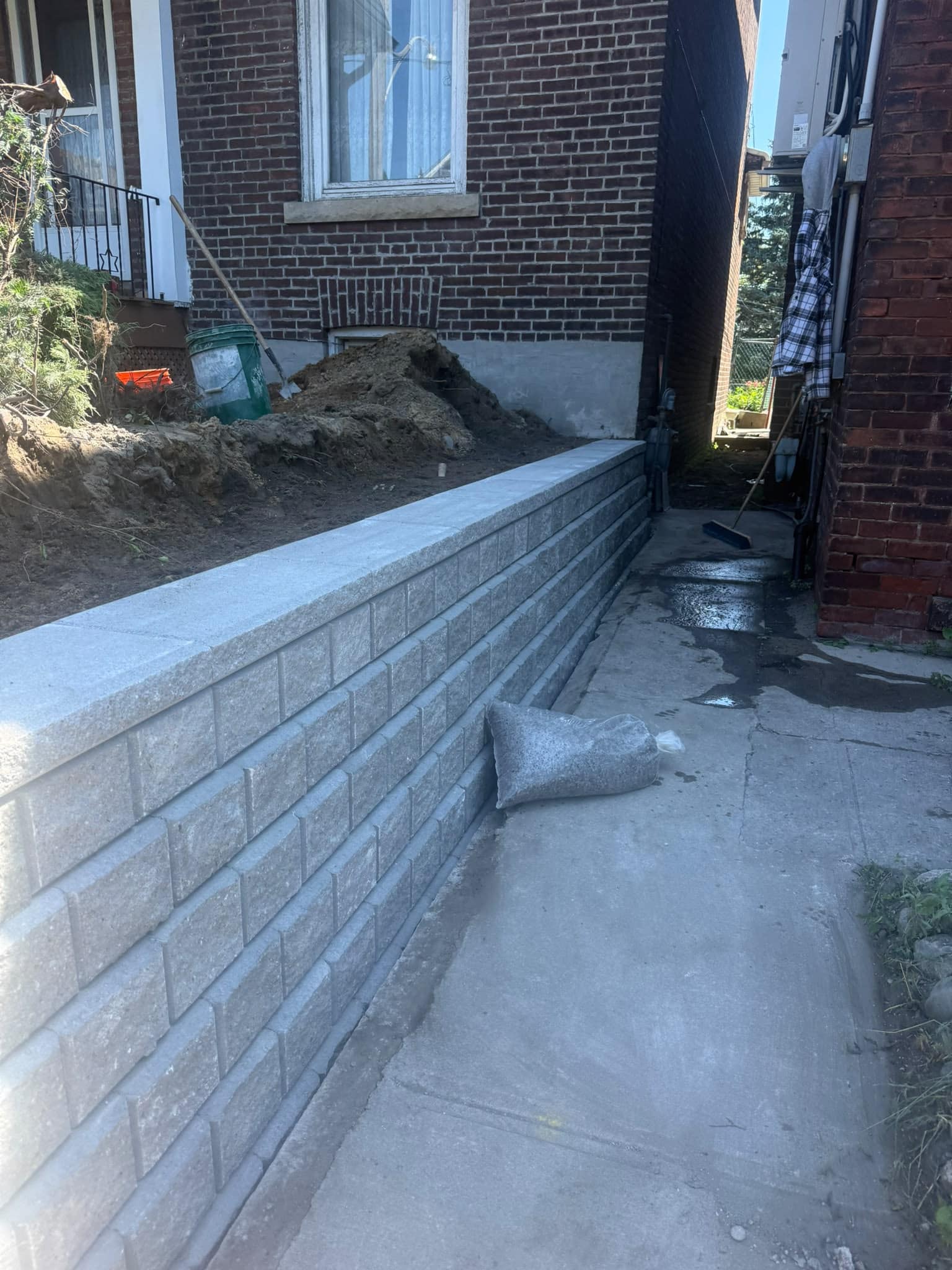
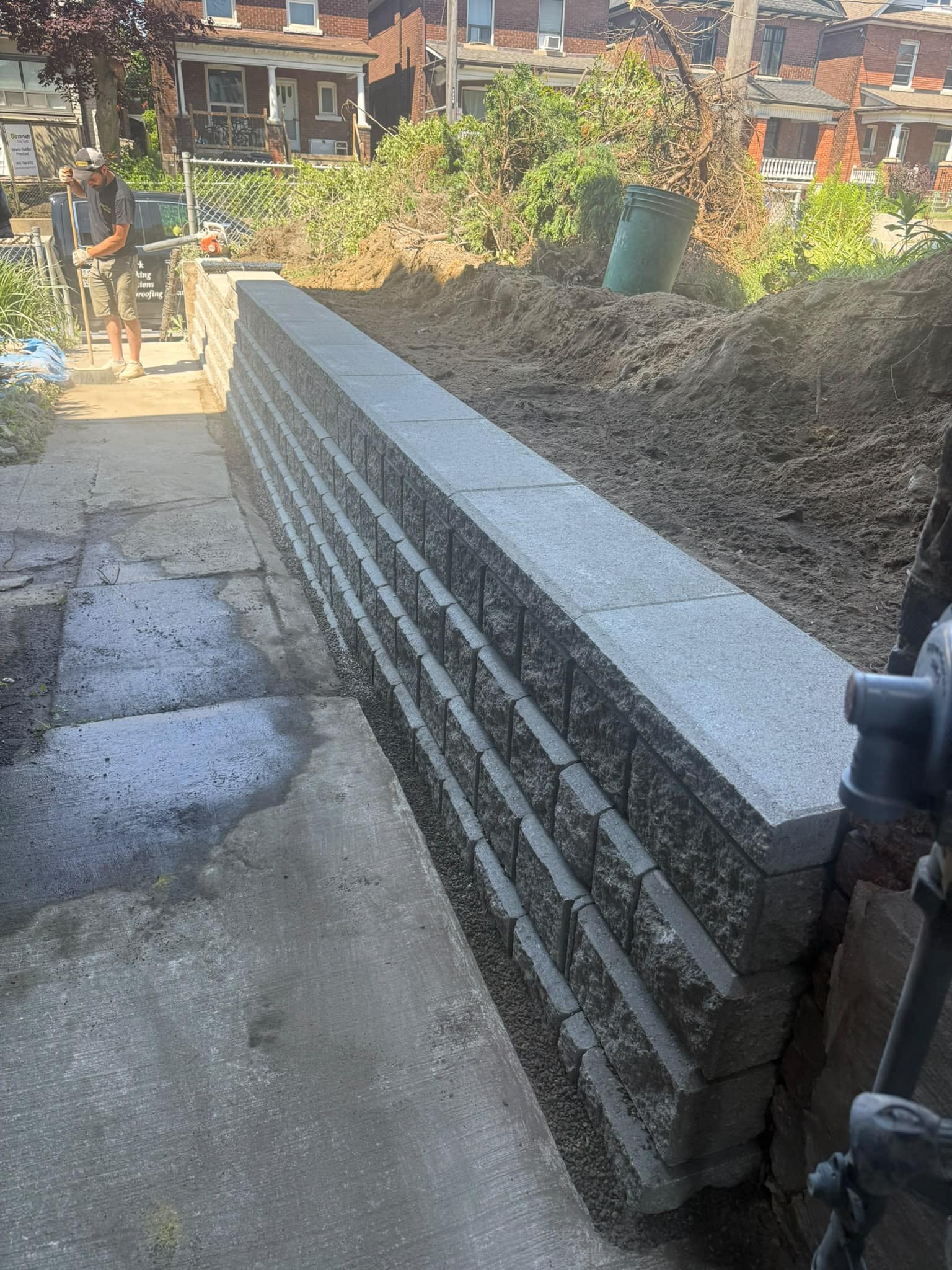
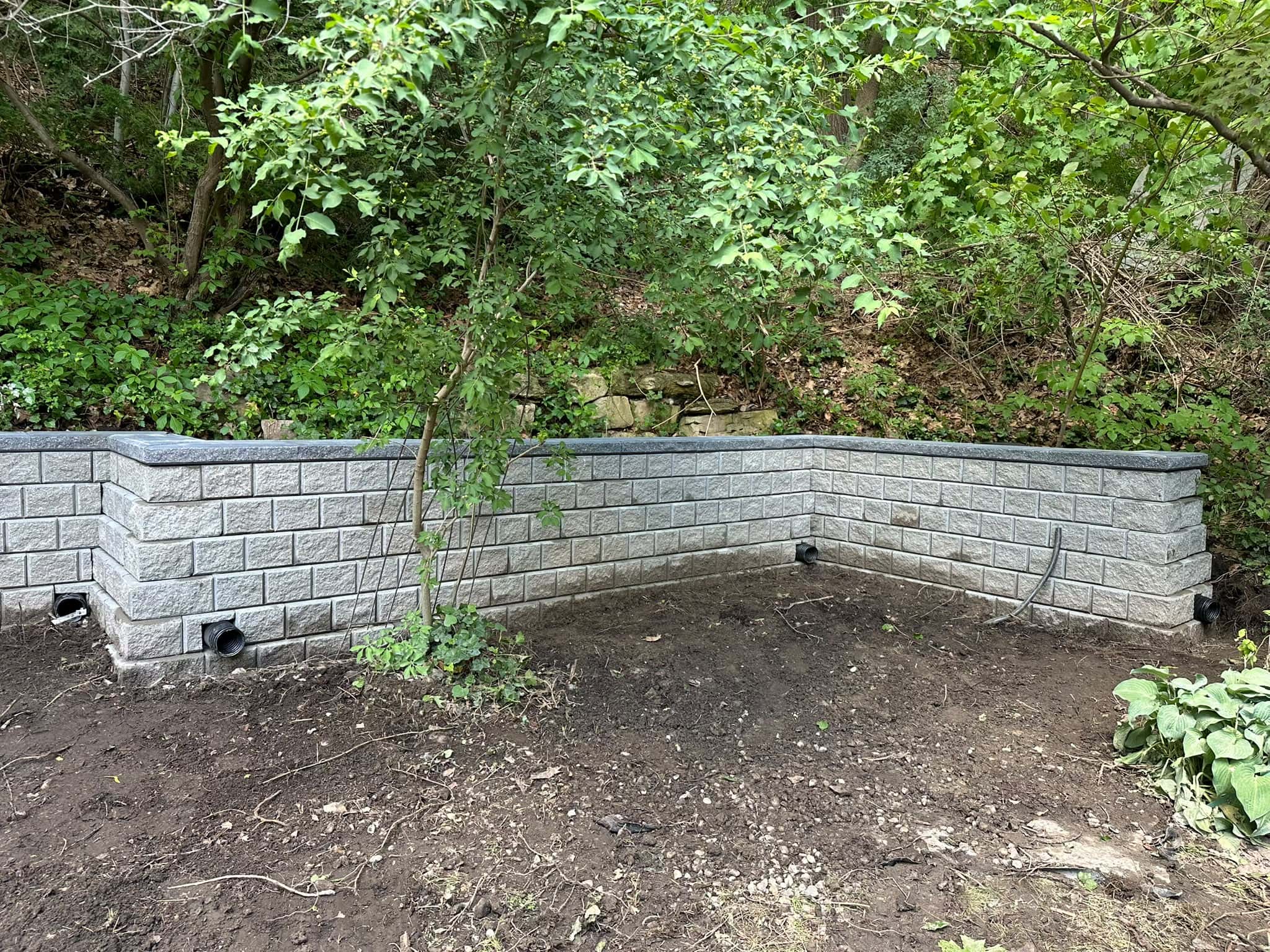
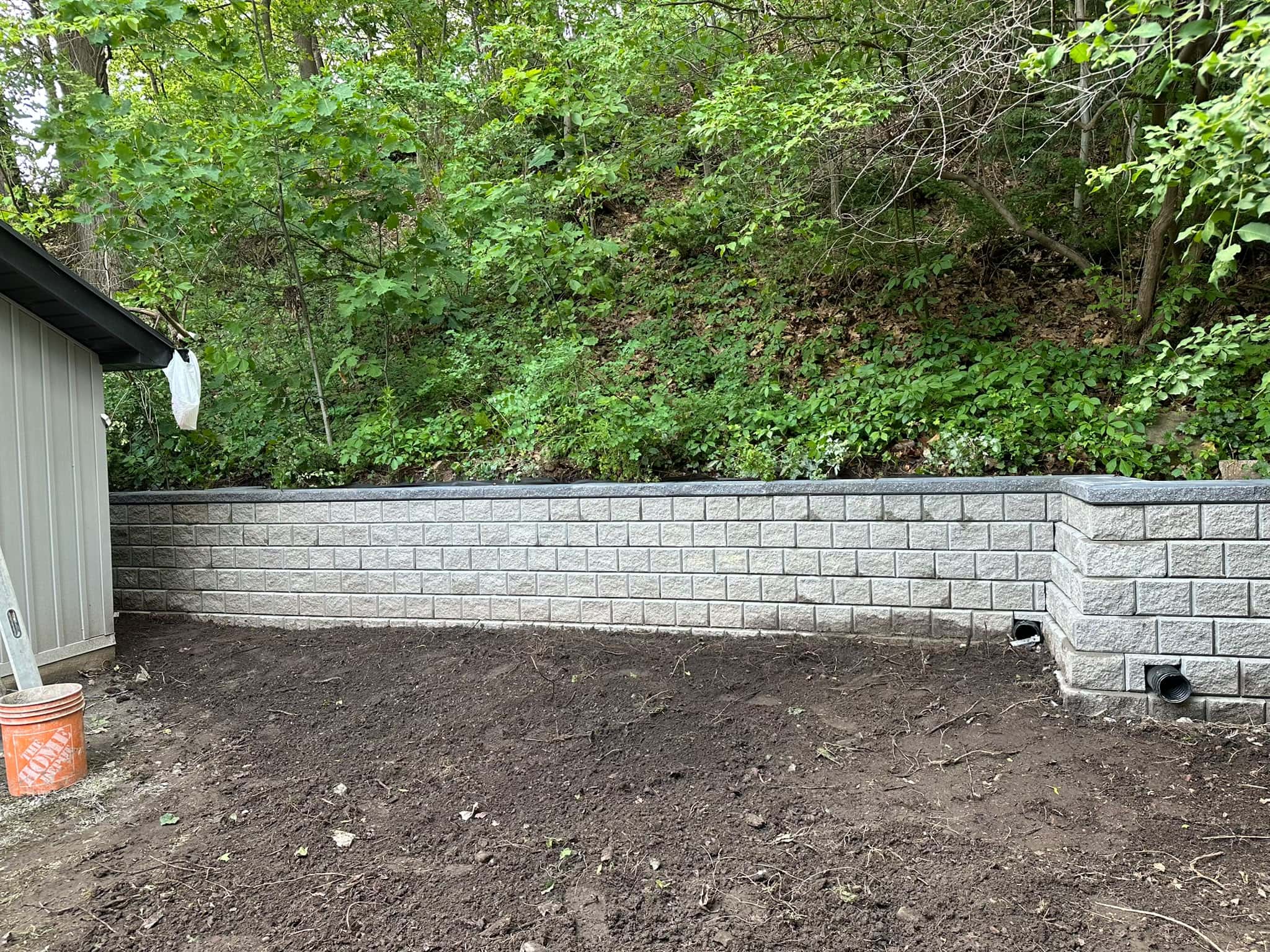
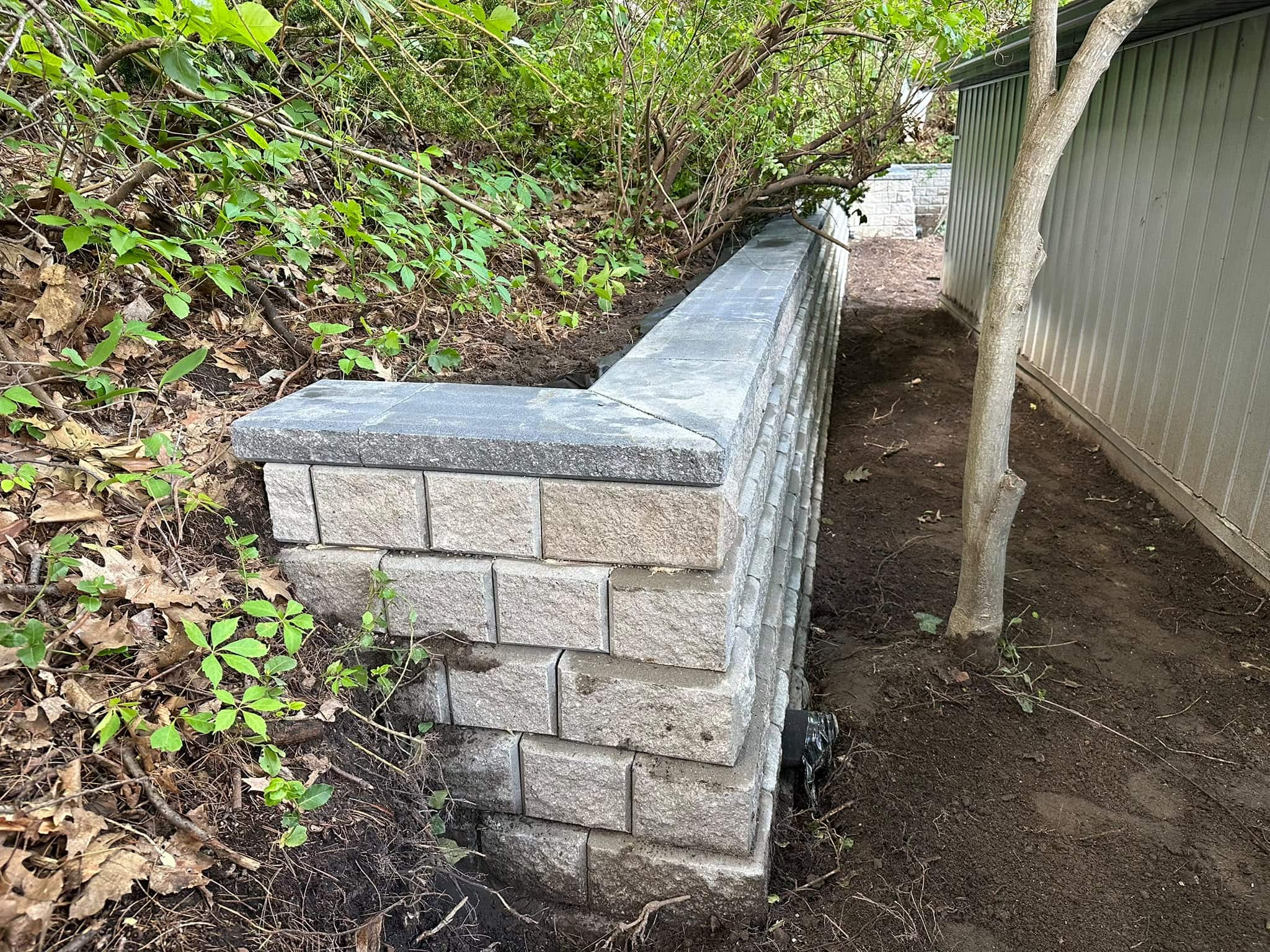
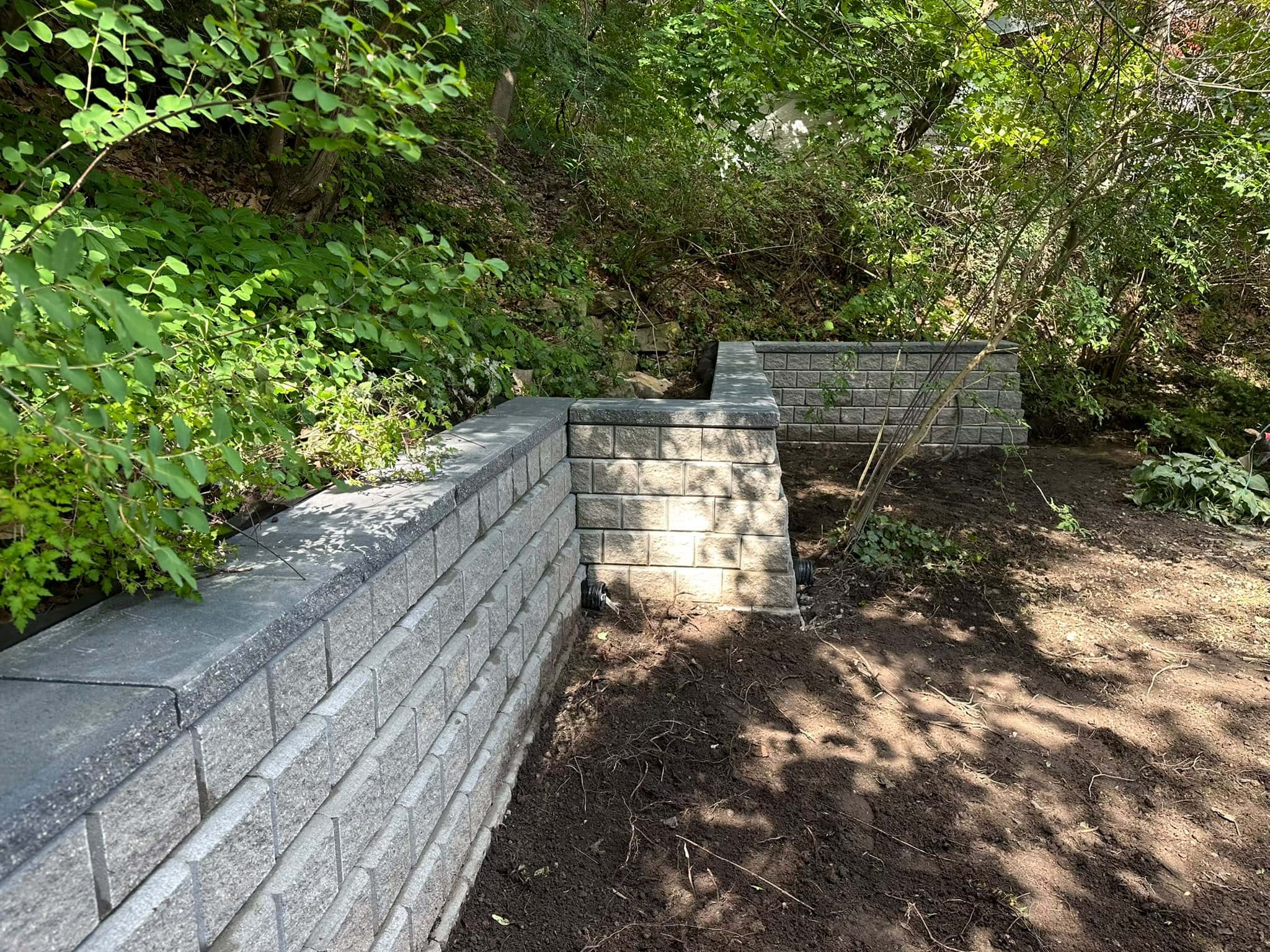
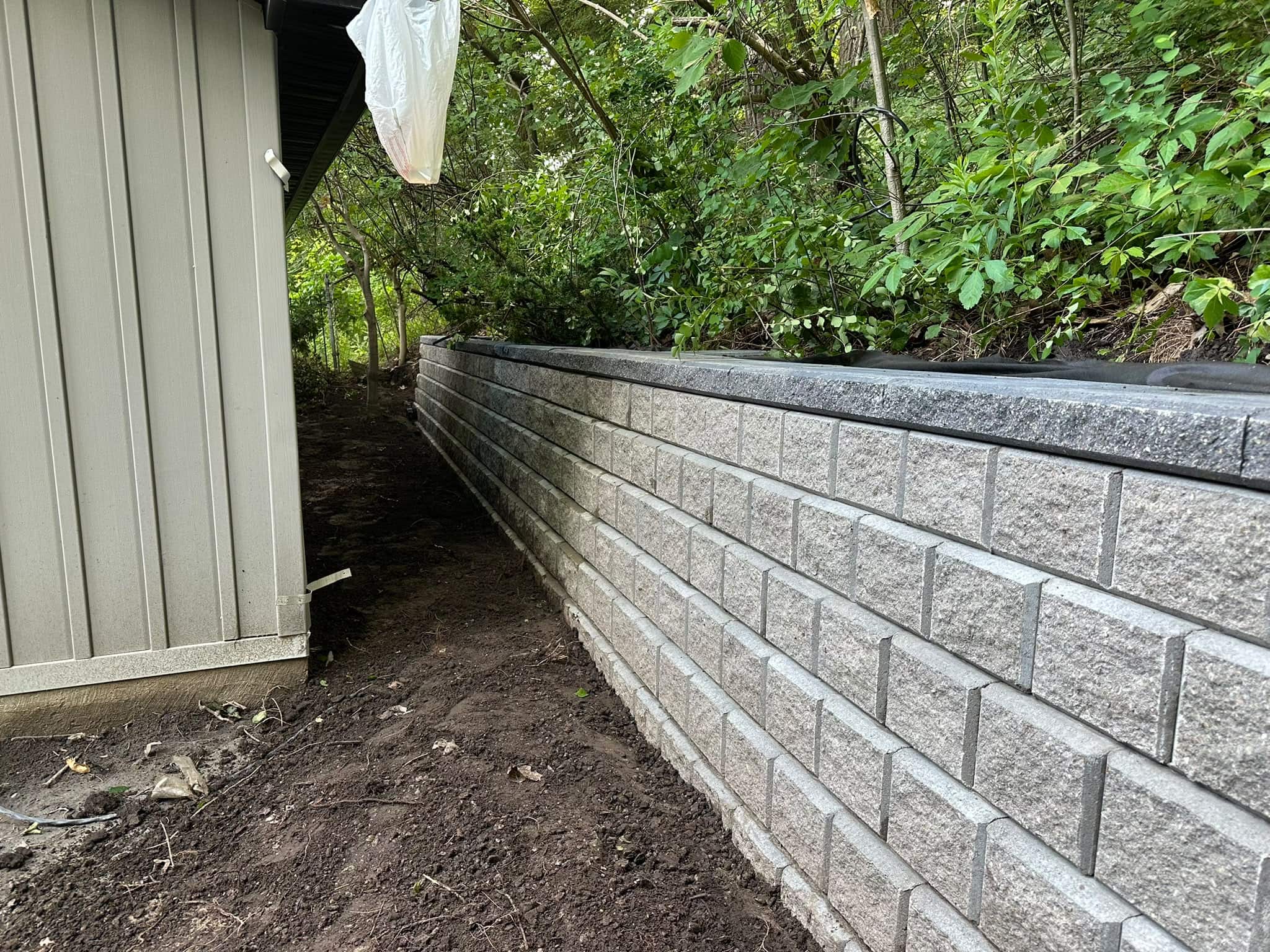
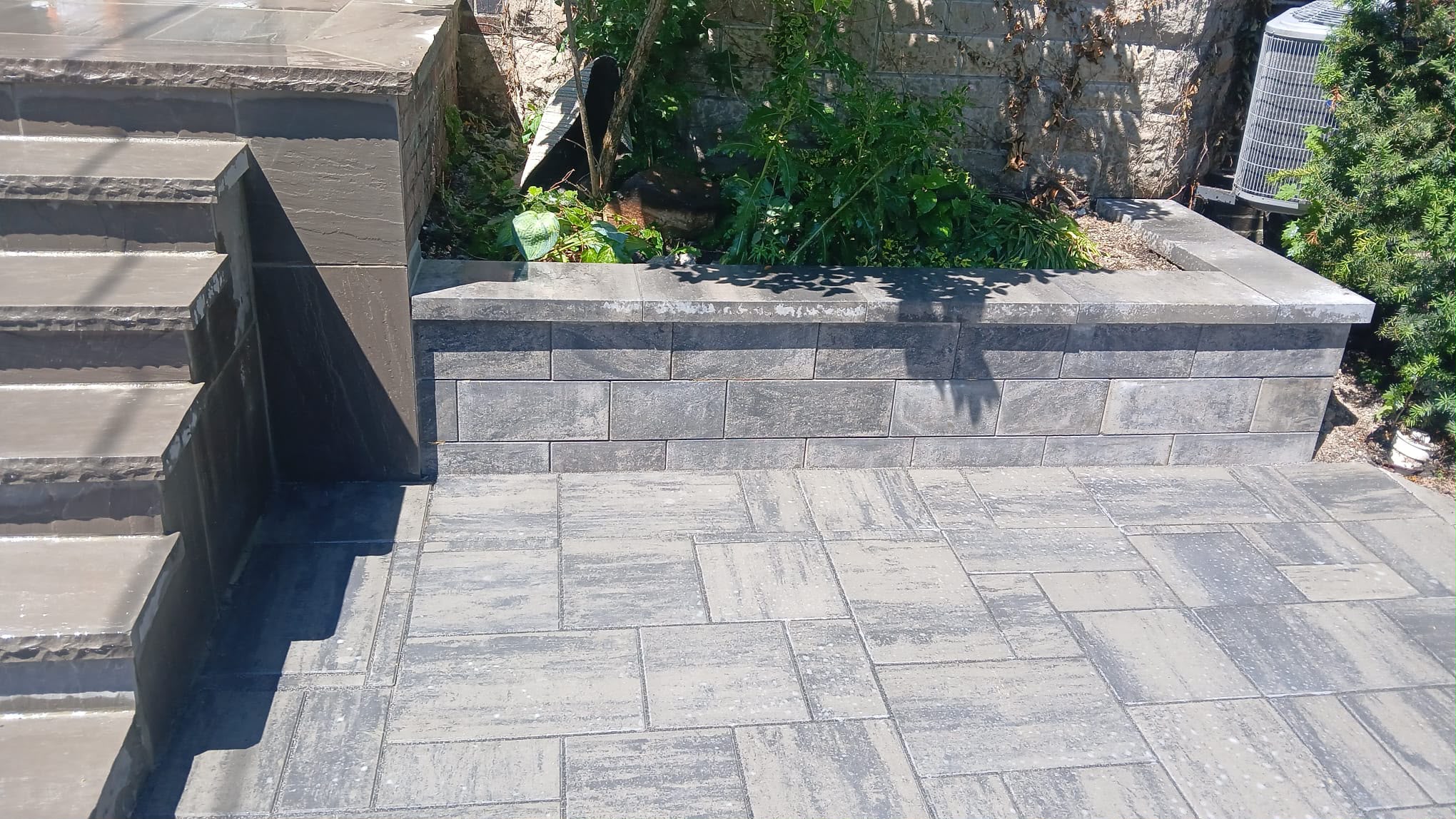
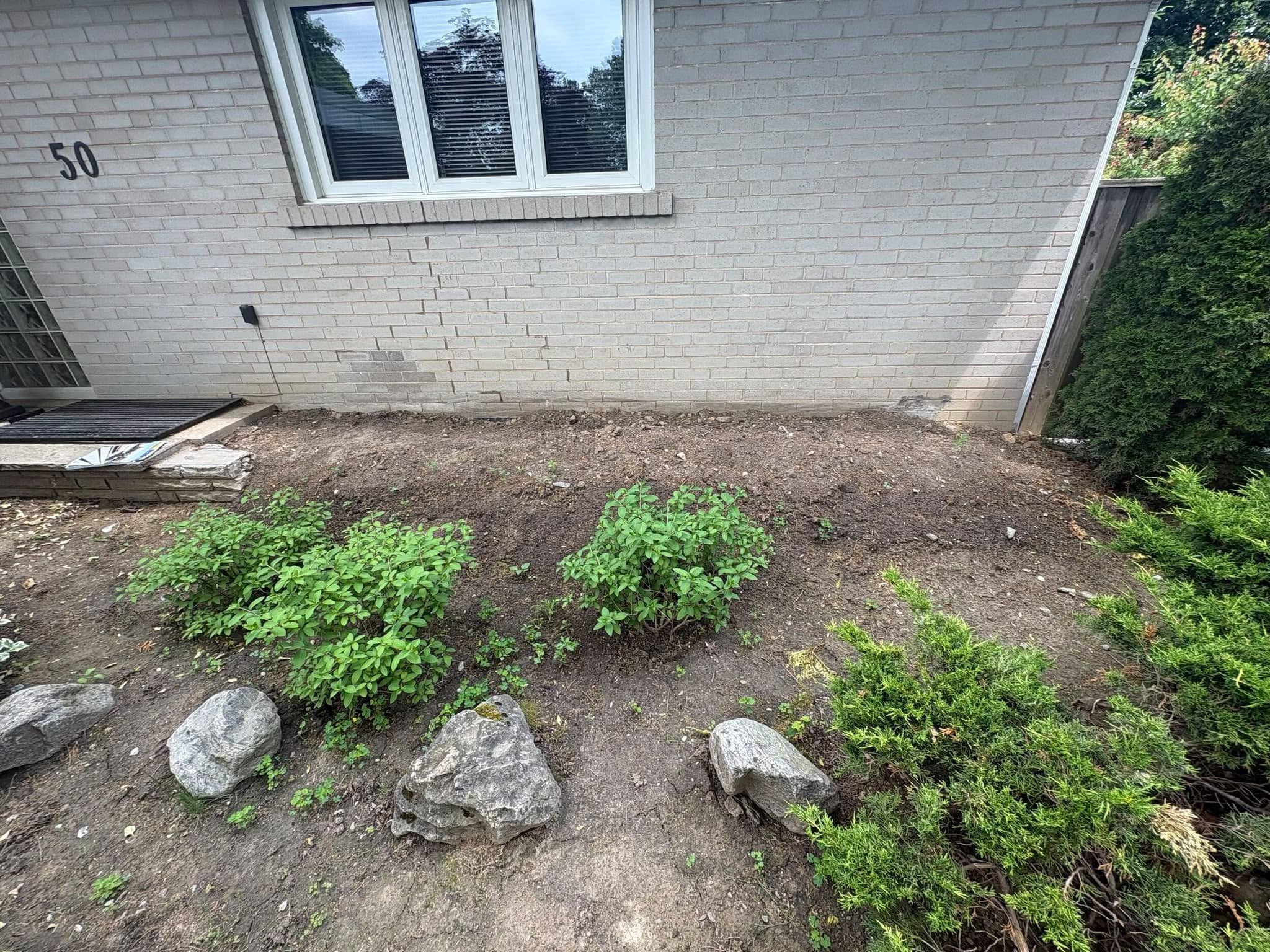
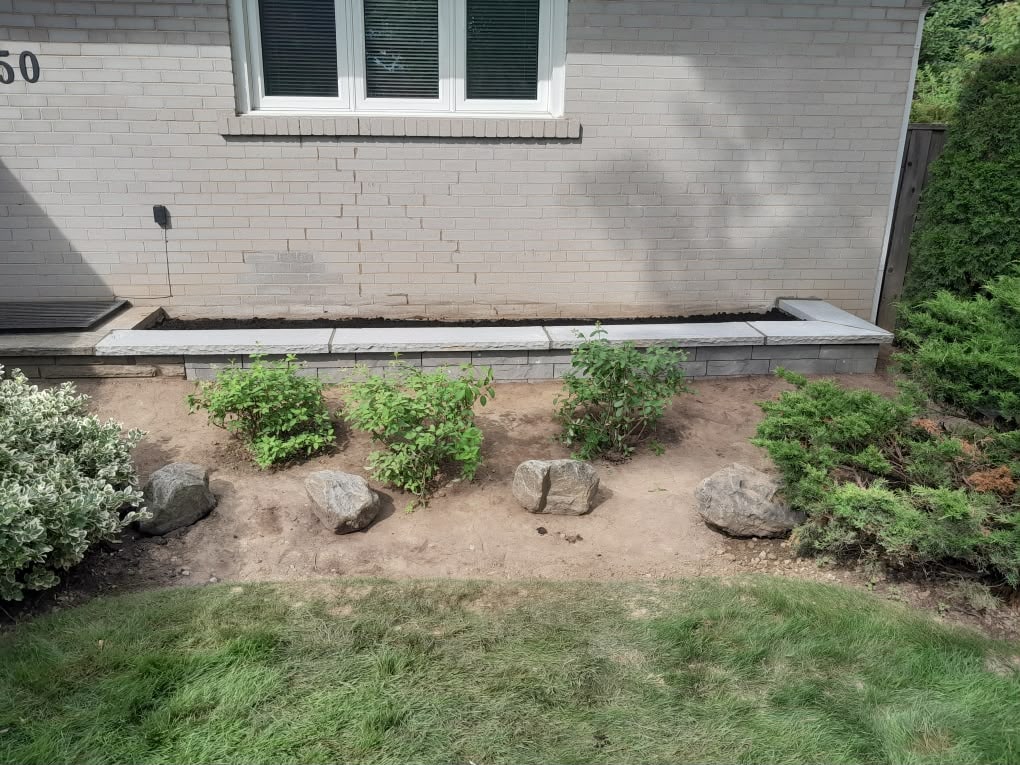
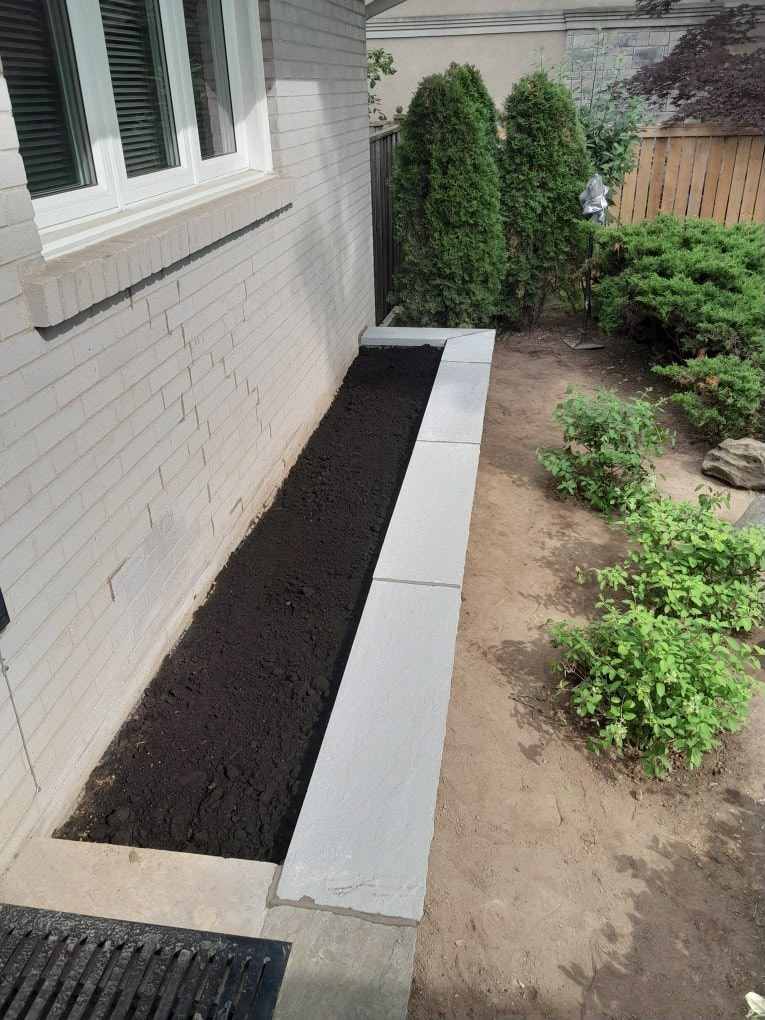
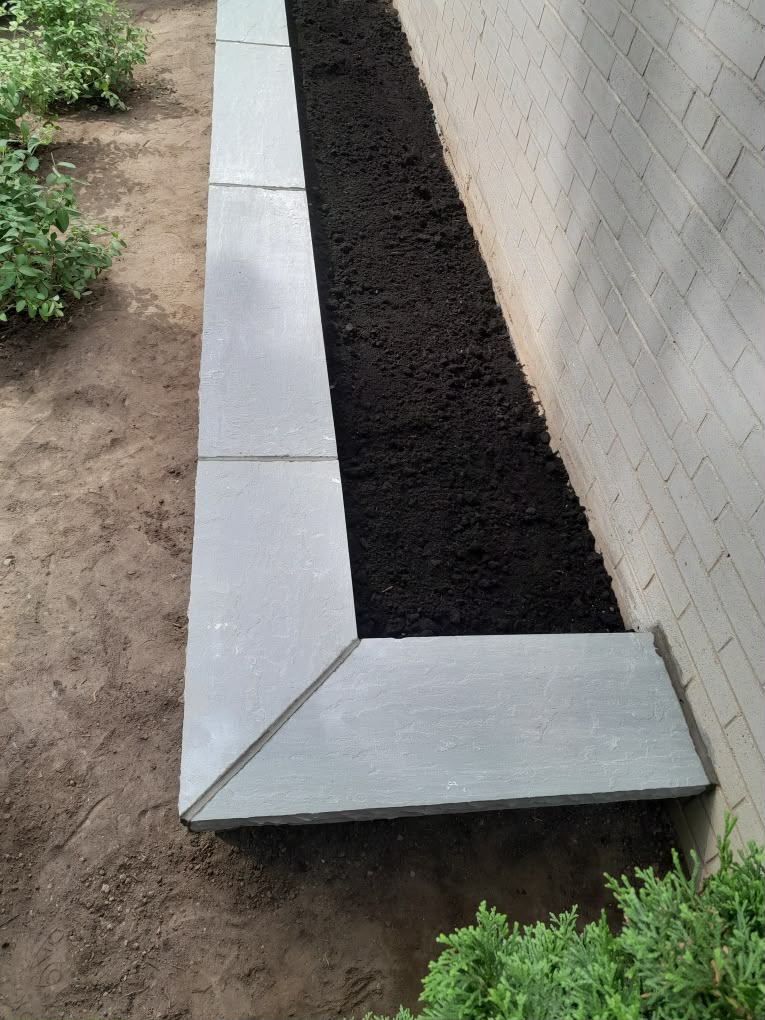
Masonry retaining walls are both functional and visually appealing additions to your landscape. They can manage sloping terrain, prevent erosion, or create raised planting beds for flowers, shrubs, or vegetables. Materials such as concrete blocks, bricks, or natural stone can be utilized to construct sturdy and attractive retaining walls that complement your home’s architectural style.
Tips for Building Masonry Retaining Walls:
- Ensure proper drainage by installing a perforated drainpipe behind the wall with gravel backfill.
- Use geotextile fabric between the native soil and gravel backfill to prevent sediment from clogging the drainpipe.
- Consider incorporating weep holes at regular intervals along the wall to allow excess water to escape.
Incorporating masonry elements into your landscaping design enhances curb appeal and adds functionality and value to your property. By working with experienced masonry contractors like A&A Masonry, you can ensure these features are expertly installed using high-quality materials explicitly tailored to your project needs.
Masonry projects can significantly enhance your home’s curb appeal, adding value and increasing its aesthetic appeal. Popular materials for masonry projects include brick, stone, concrete blocks, and pavers – all of which have unique advantages when used in landscaping or hardscaping applications.
Key Takeaway:
Masonry is a versatile construction technique that can enhance your home’s curb appeal by creating beautiful and functional outdoor living spaces. Incorporating masonry elements such as walkways, patios, retaining walls, and planters using high-quality materials tailored specifically for your project needs can add value to your property and provide practical benefits.
Popular Materials for Masonry Projects
Masonry projects can be executed using various materials, each offering unique benefits and aesthetics. This section will discuss popular options such as concrete, stone, brick, and more to help you choose the right material for your landscaping or hardscaping project.
Concrete
Concrete is an incredibly versatile and durable material used in various applications. It is available in different finishes like stamped or stained concrete to mimic natural stone or other textures. Concrete also has relatively low maintenance compared to other masonry materials.
Poured Concrete vs. Concrete Pavers
You may opt for poured concrete slabs or concrete pavers. While poured concrete offers a seamless finish with fewer joints where weeds could grow, it might crack over time due to temperature fluctuations and ground movement. On the other hand, pavers provide better drainage and are easier to replace if damaged.
Natural Stone
Natural stone, such as flagstone or slate, adds an elegant touch to any outdoor space with its unique patterns and colours. This timeless material blends well with most landscape designs but requires skilled installation by experienced masons due to its irregular shapes.
- Sandstone: Known for its warm hues ranging from beige to red tones, sandstone is slip-resistant and relatively easy to work with.
- Limestone: In various shades of grey, limestone offers a sophisticated look but may be prone to staining if not properly sealed.
- Granite: Granite is highly durable and resistant to scratches, and it is ideal for high-traffic areas or outdoor kitchens due to its low porosity.
Brick
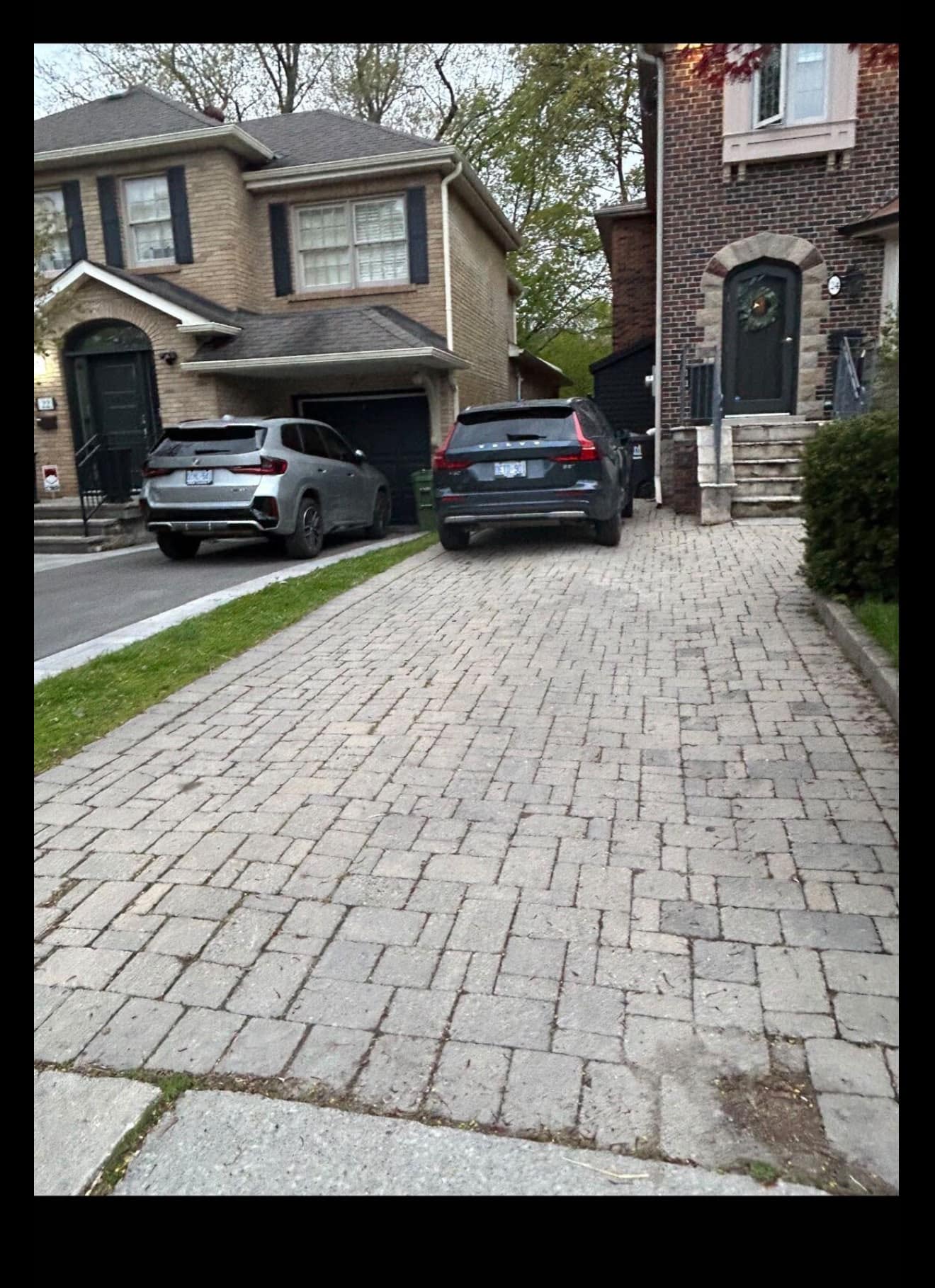
A classic choice for walkways, patios, and retaining walls, brick adds warmth and charm to any landscape. Bricks come in various colours, sizes, and textures to suit any design aesthetic or pattern, such as herringbone or basketweave. For added visual interest, they can be laid out in patterns like herringbone or basketweave. Remember that bricks require periodic maintenance, such as cleaning or resealing, to prevent moss growth or fading.
Precast Concrete Products
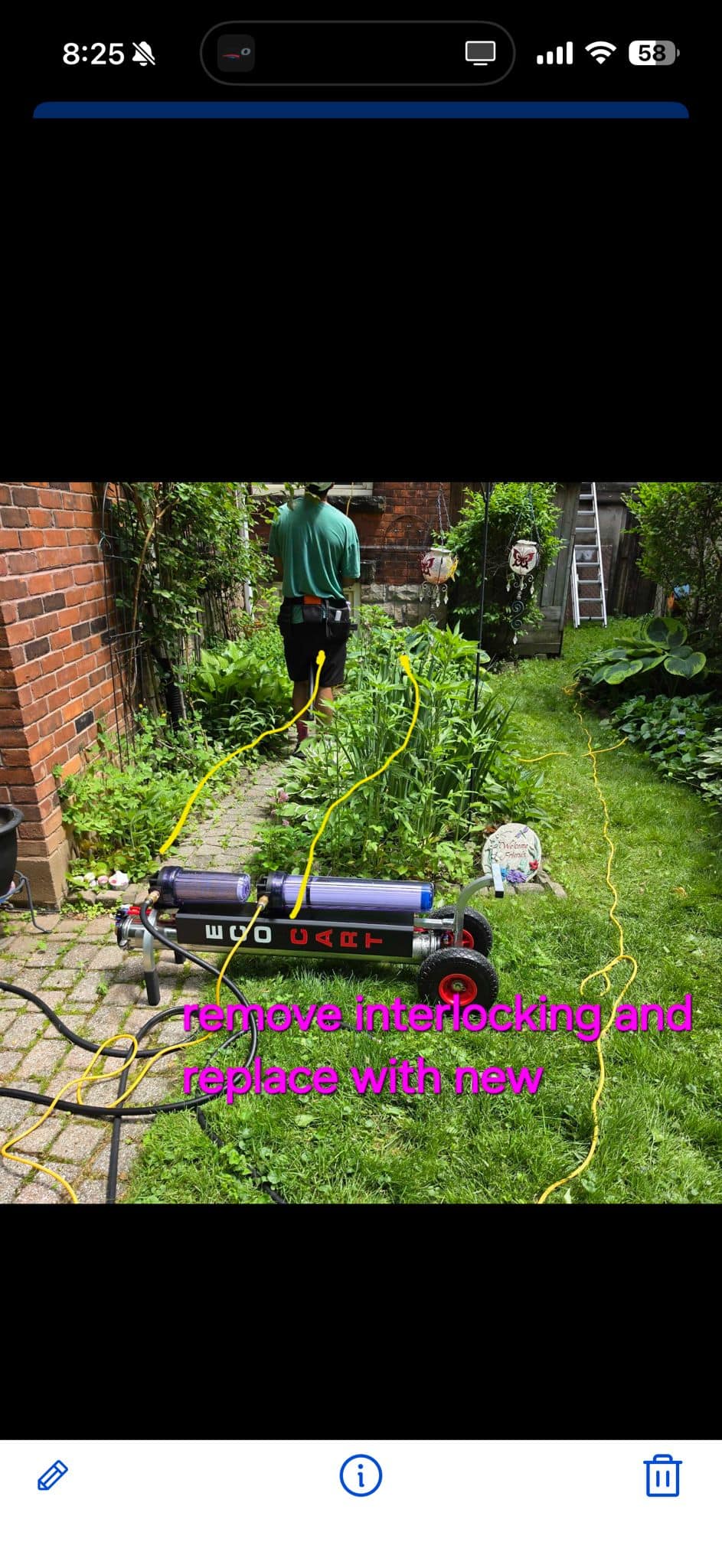
If you’re looking for an affordable alternative without sacrificing durability or aesthetics, consider precast concrete products like wall blocks or pavers. Precast concrete products come in various forms, from wall blocks to pavers that replicate the look and feel of natural stone at an affordable price. Some popular options include interlocking concrete pavers (ICPI-certified), which are known for their strength and ease of installation.
In summary, when choosing a material for your landscaping or hardscaping project, consider factors such as durability, maintenance, aesthetics, and the construction method required for a stable footing. Whether you opt for natural stone, concrete, brick, or precast concrete products like pavers or wall blocks, A&A Masonry can help you create beautiful outdoor spaces that hold back soil, add outdoor fireplaces, and more.
Masonry projects can give homeowners the perfect opportunity to add curb appeal and value to their homes. When deciding about a landscaping or hardscaping job, it is essential to consider the materials used for masonry projects to enhance your home’s curb appeal and value. Next, we will explore design ideas for integrating masonry into your landscape.
Key Takeaway:
This section discusses popular materials for masonry projects in landscaping and hardscaping, including concrete, natural stone, brick, and precast concrete products. Each material has unique benefits and aesthetics when choosing the right one for your project. Factors such as durability, maintenance, and aesthetics should be considered before selecting a construction method required for a stable footing.
3. Design Ideas for Integrating Masonry into Your Landscape
Masonry is a robust and resilient material that can create beautiful outdoor living areas, bringing beauty and practicality to your residence’s yard. This section will explore design ideas for incorporating masonry features into your residential landscape.
A. Patios and Outdoor Living Spaces
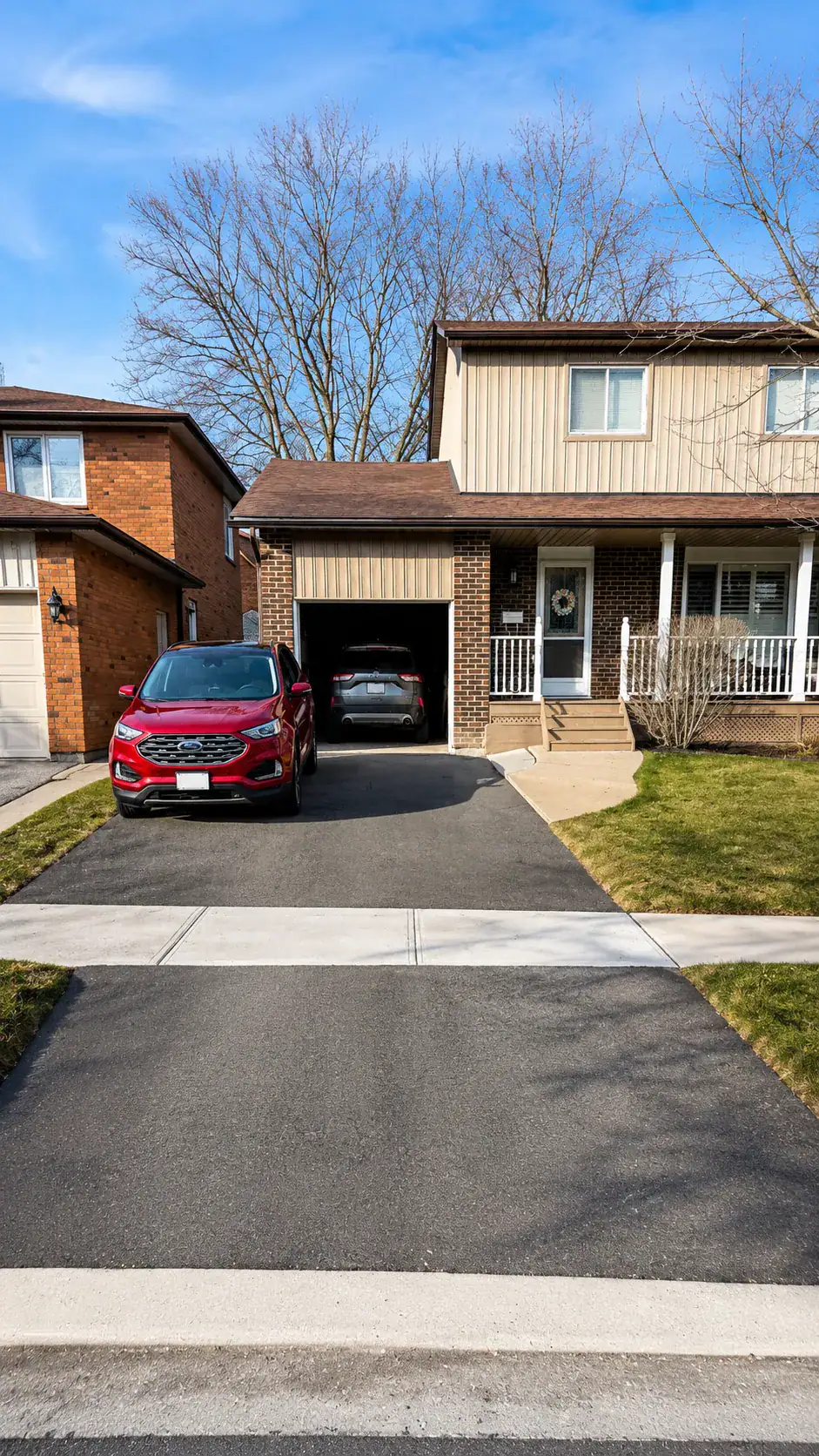
One of the most popular uses of masonry in landscaping is creating patios and outdoor living spaces. Patios made from concrete pavers or natural stone provide an attractive space for entertaining guests and increase the value of your property. Consider using different patterns, colours, and textures to create a unique patio design that complements your home’s exterior.
B. Walkways and Pathways
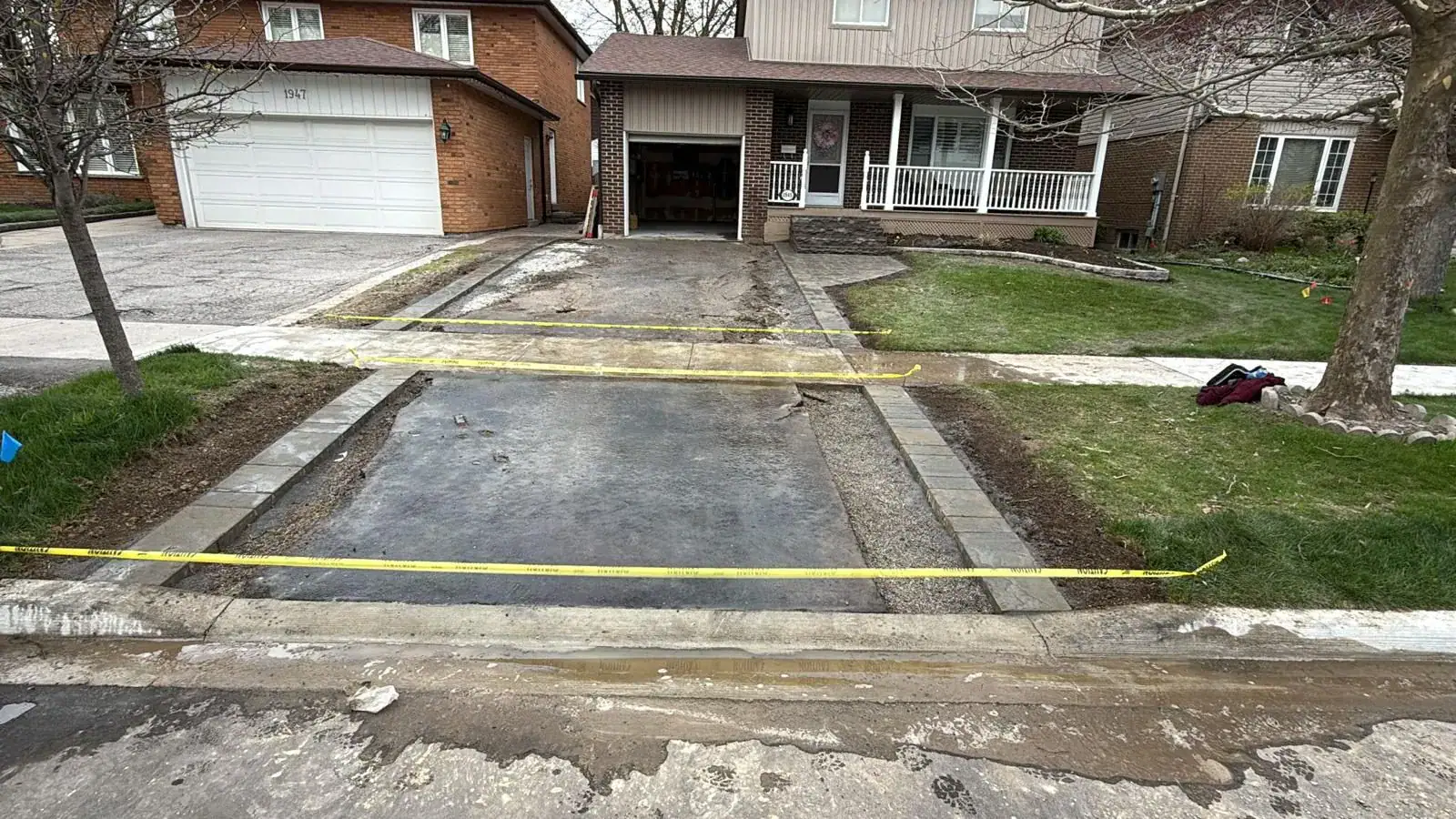
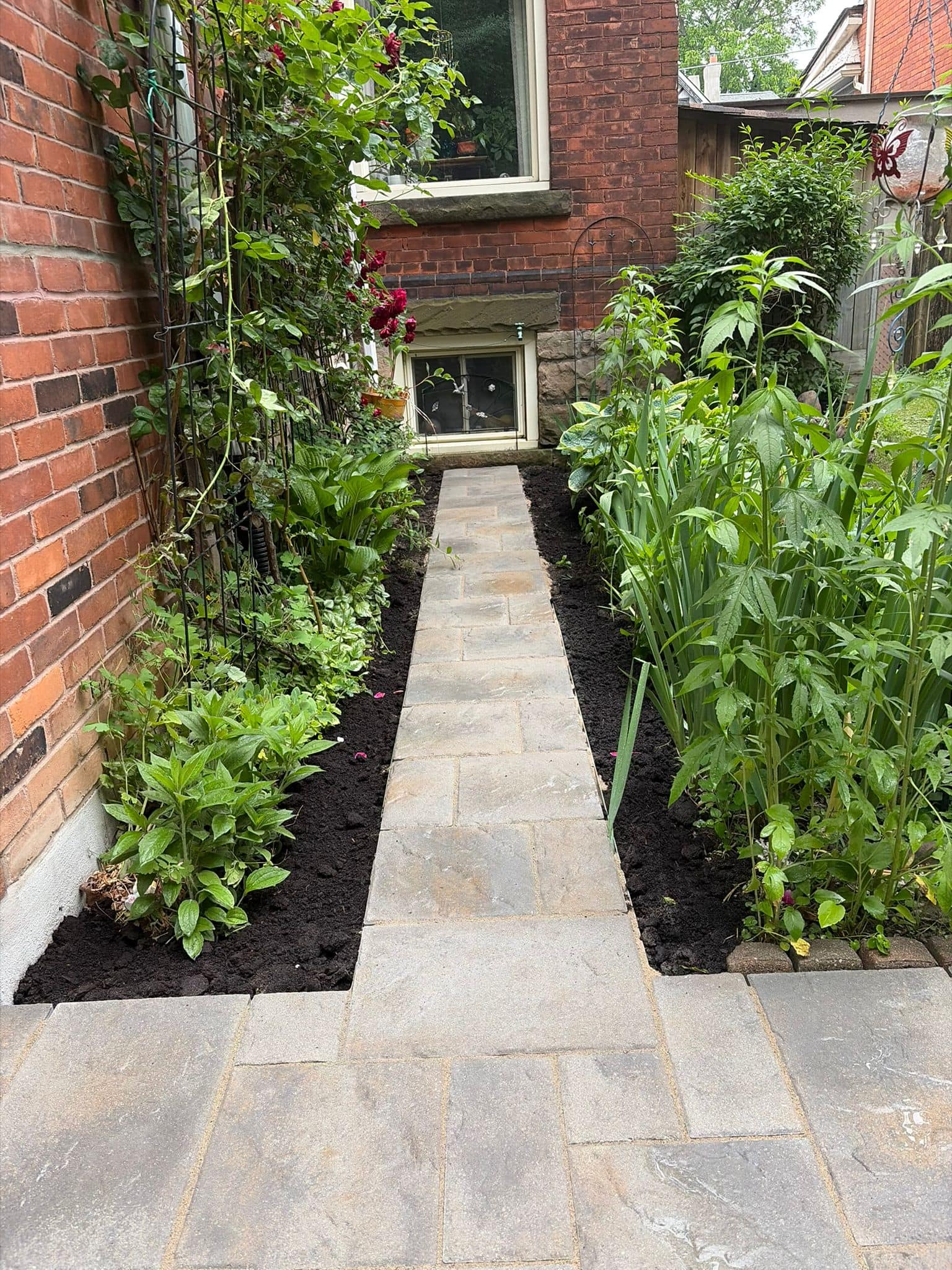
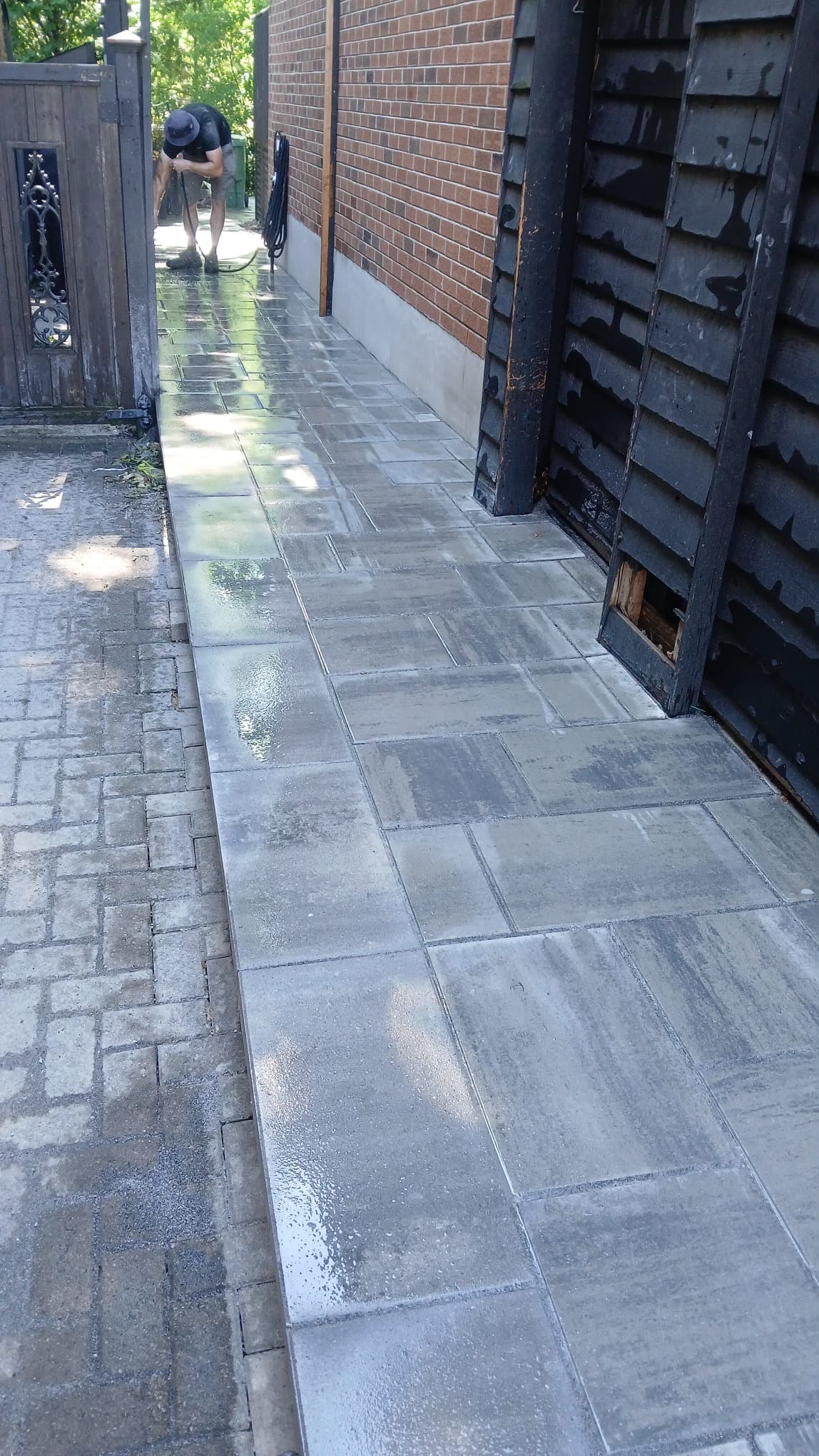
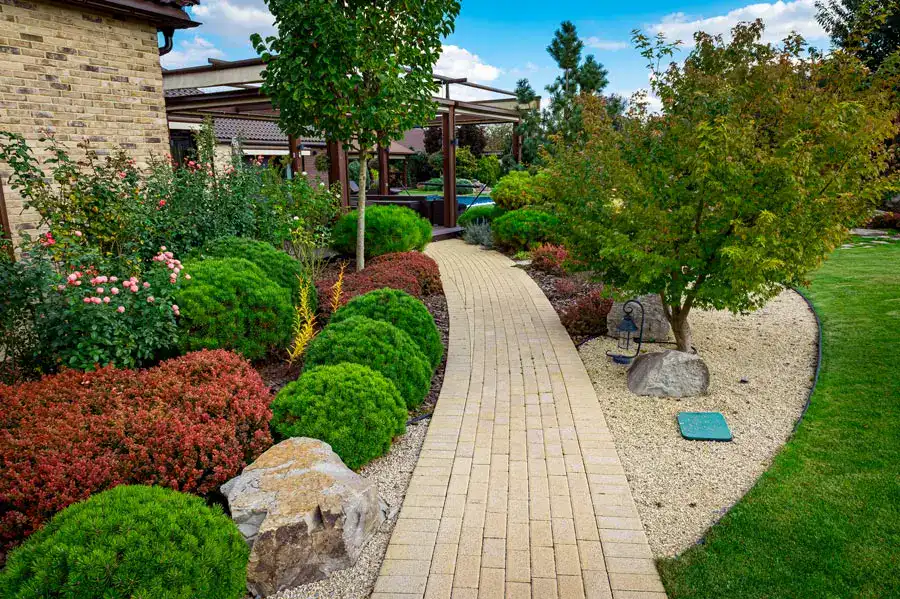
Masonry walkways are another great way to enhance curb appeal while providing functional access throughout your yard. Depending on the desired aesthetic effect, brick or stone pathways can be designed with straight lines or gentle curves. To add visual interest, combine different materials, such as flagstone with brick edging, or use contrasting colours within a single pathway.
C. Retaining Walls
Retaining walls built from concrete blocks or natural stones serve both practical purposes (preventing soil erosion) and enhancing the overall appearance of sloped landscapes by creating terraced levels suitable for planting gardens or installing water features like ponds or fountains.
D. Masonry Features
Several masonry features can be incorporated into your landscape design to add both beauty and functionality:
D1: Fire Pits & Outdoor Fireplaces:
- Create cozy gathering spaces by incorporating a fire pit or outdoor brick, stone, or concrete fireplace.
- Add built-in seating around the fire feature using masonry materials for comfort and convenience.
D2: Garden Walls & Planters:
- Enhance your garden’s design with decorative walls and planters constructed from various masonry materials such as stacked stones, bricks, or concrete blocks.
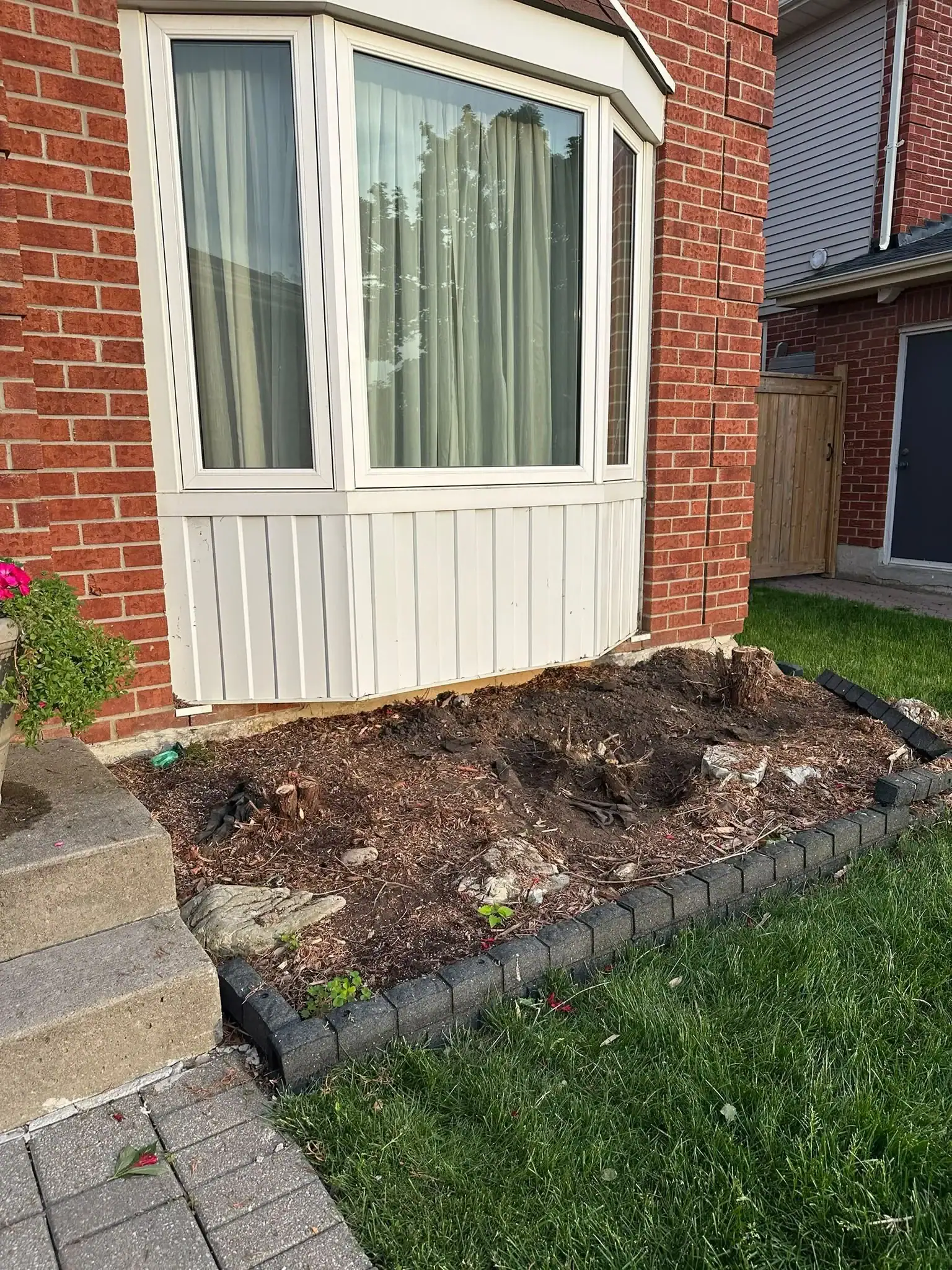
- Use masonry borders to create raised beds for easier gardening access and improved soil drainage.
D3: Water Features:
- Incorporate water features like fountains, ponds, or streams into your landscape design using natural stone or other masonry materials to create an eye-catching focal point that provides soothing sounds of flowing water.
Mixing different masonry elements in your landscaping can add depth and visual interest while creating functional spaces. When planning your project, consider consulting with a professional masonry contractor who can provide expert advice on material selection and installation techniques to ensure long-lasting results. With proper planning and execution, you can transform your home’s exterior into an inviting oasis using beautiful and durable masonry features.
You can create a beautiful and functional outdoor space by incorporating masonry features into your landscape. We’ll now look into the proper techniques for putting in these elements to ensure they endure for a long time.
Key Takeaway:
Masonry is a versatile and durable material that can create stunning outdoor living spaces, adding beauty and functionality to your home’s landscape. Design ideas for incorporating masonry features into residential landscapes include patios, walkways, retaining walls, fire pits & outdoor fireplaces, garden walls & planters, and water features. Mixing different masonry elements in landscaping can add depth and visual interest while creating functional spaces.
Best Practices for Installing Masonry Features
When installing masonry features in your landscape, following best practices is essential to ensure a successful project. Proper installation techniques guarantee the durability and longevity of your hardscape and enhance its aesthetic appeal. This section will discuss some key aspects homeowners should consider when incorporating masonry elements into their outdoor living spaces.
Choose the Right Materials
Selecting appropriate materials is crucial for any masonry project’s success. As mentioned earlier, various options are available, such as concrete, stone, brick, and more. It is essential to select a material that suits the design of your residence and fulfills your specific requirements since each type has its unique advantages and characteristics.
Hire a Professional Masonry Contractor
Hiring an experienced masonry contractor can make all the difference in achieving a high-quality result for your landscaping project. A skilled professional will have extensive knowledge about materials and techniques used in masonry construction while ensuring proper installation according to industry standards.
Plan Your Project Carefully
- Determine Your Budget: Before starting any work on-site or purchasing materials, establish a budget for your project based on accurate cost estimates from professionals or research online resources like Homewyse calculators.
- Create Design Plans: Develop detailed design plans that outline the layout, dimensions, and materials for your masonry features. This will help you visualize the outcome and ensure all elements are cohesive with your landscape design.
- Obtain Necessary Permits: Depending on local regulations, you may need permits or approvals from relevant authorities before starting any construction work. Research these requirements in advance to avoid potential delays or fines.
Proper Site Preparation
Prioritize proper site preparation, as it plays a significant role in ensuring the stability of your masonry features. Some essential steps include:
- Clearing debris and vegetation from the project area
- Leveling and compacting soil surfaces
- Laying down a sturdy base material like gravel or crushed stone for added support
Follow Industry Standards for Installation Techniques
To guarantee long-lasting results, adhere to industry standards when installing various masonry components such as mortar joints, drainage systems, reinforcement materials (e.g., rebar), etc. Consult with professionals or refer to resources like the Masonry Veneer Manufacturers Association’s installation guide.
Incorporating these best practices into your masonry landscaping projects will enhance their functionality and significantly increase your home’s curb appeal and value.
Properly installing masonry features is essential to ensure they last and look great. To further enhance the value of your home, it’s crucial to consider foundation repair and brick restoration services.
Key Takeaway:
To ensure a successful masonry project, homeowners should choose the right materials that complement their home’s architecture and meet their specific needs. Hiring an experienced masonry contractor, planning the project carefully, prioritizing proper site preparation, and following industry standards for installation techniques are essential best practices to guarantee the durability and longevity of the hardscape while enhancing its aesthetic appeal.
5. Foundation Repair and Brick Restoration Services
Masonry contractors offer various services, including foundation repair and brick restoration. These services are essential for maintaining the structural integrity of your home and ensuring that your masonry features remain functional and visually appealing.
Foundation Repair
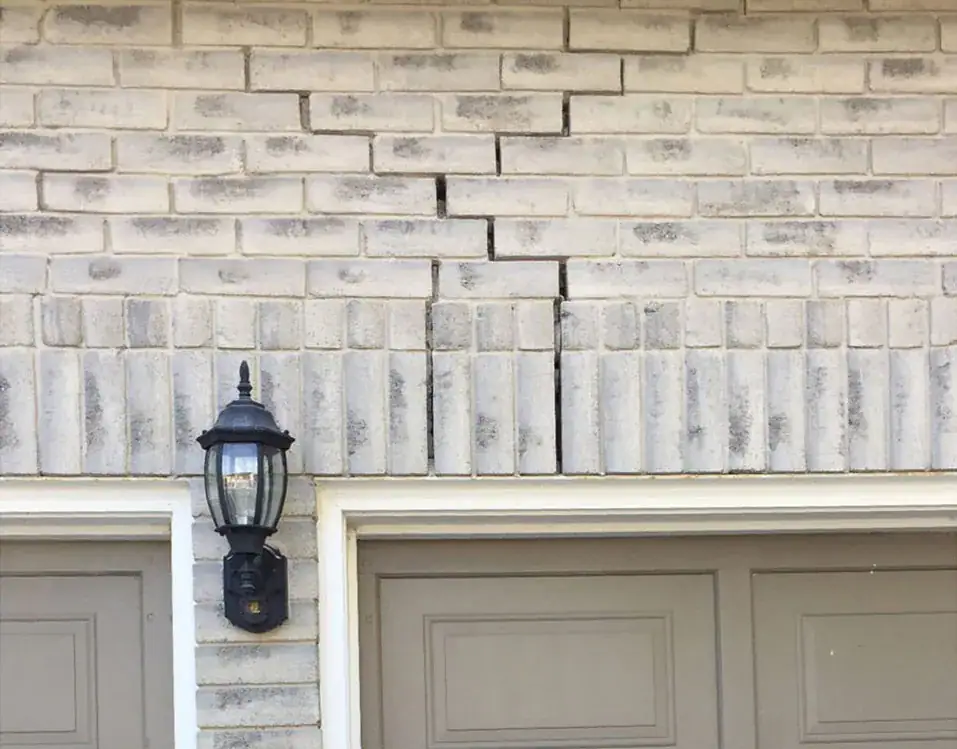
Foundation repair is crucial in addressing cracks, settling, or shifting in your home’s foundation. A solid foundation is necessary to guard against further structure destruction and guarantee security for your family. Masonry contractors have the expertise to accurately assess any potential problems with your foundation, recommend appropriate solutions, and conduct repairs using high-quality materials.
- Crack Repairs: Small cracks can be filled with epoxy or polyurethane injections, while larger ones may require more extensive repairs involving excavation around the affected area.
- Bowing Walls: Bowing walls can be stabilized by installing steel beams or carbon fiber straps on their interior side.
- Sinking Foundations: Sinking foundations can be lifted back into place through piercing (installing support piers) or mud jacking (injecting concrete slurry under the slab).
Brick Restoration
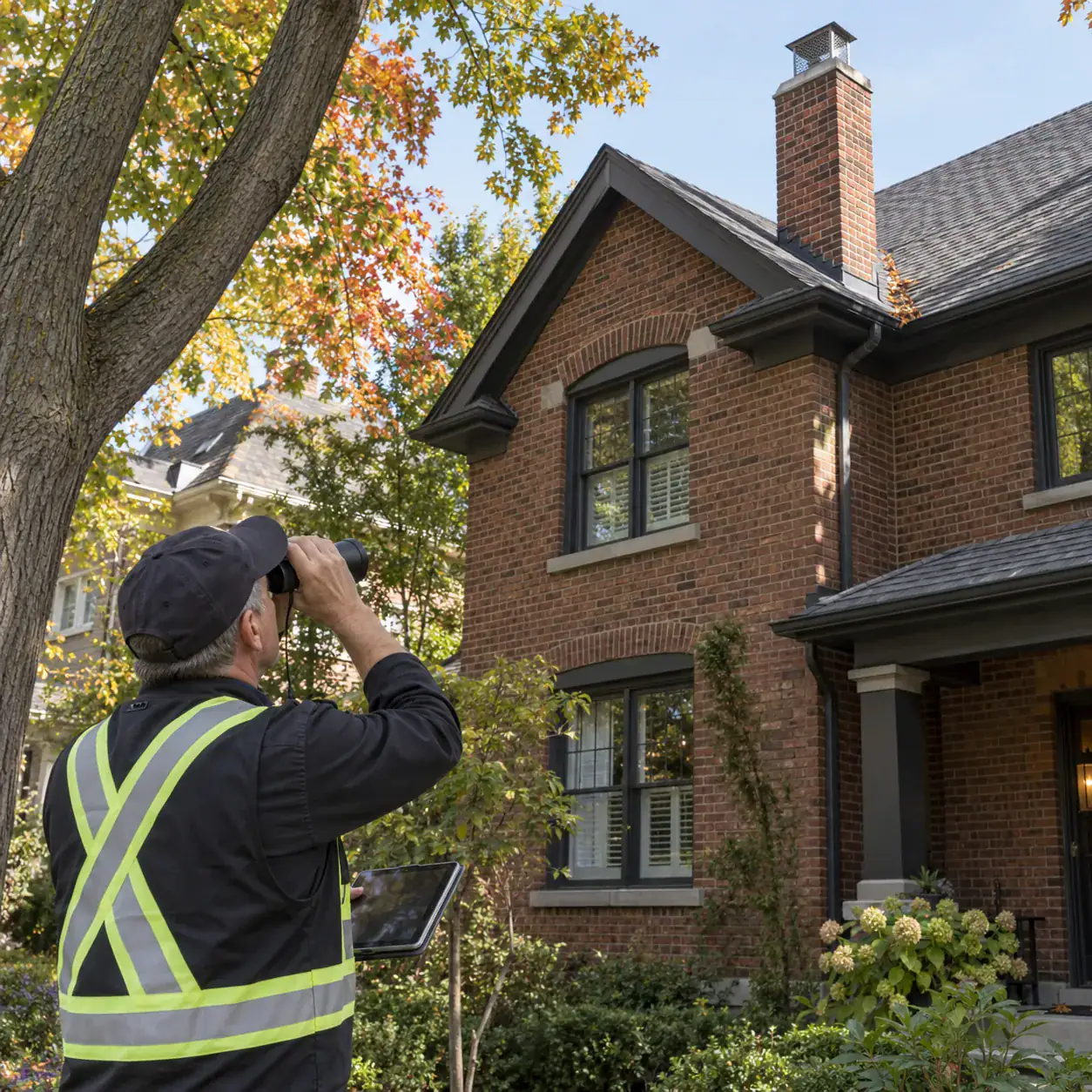
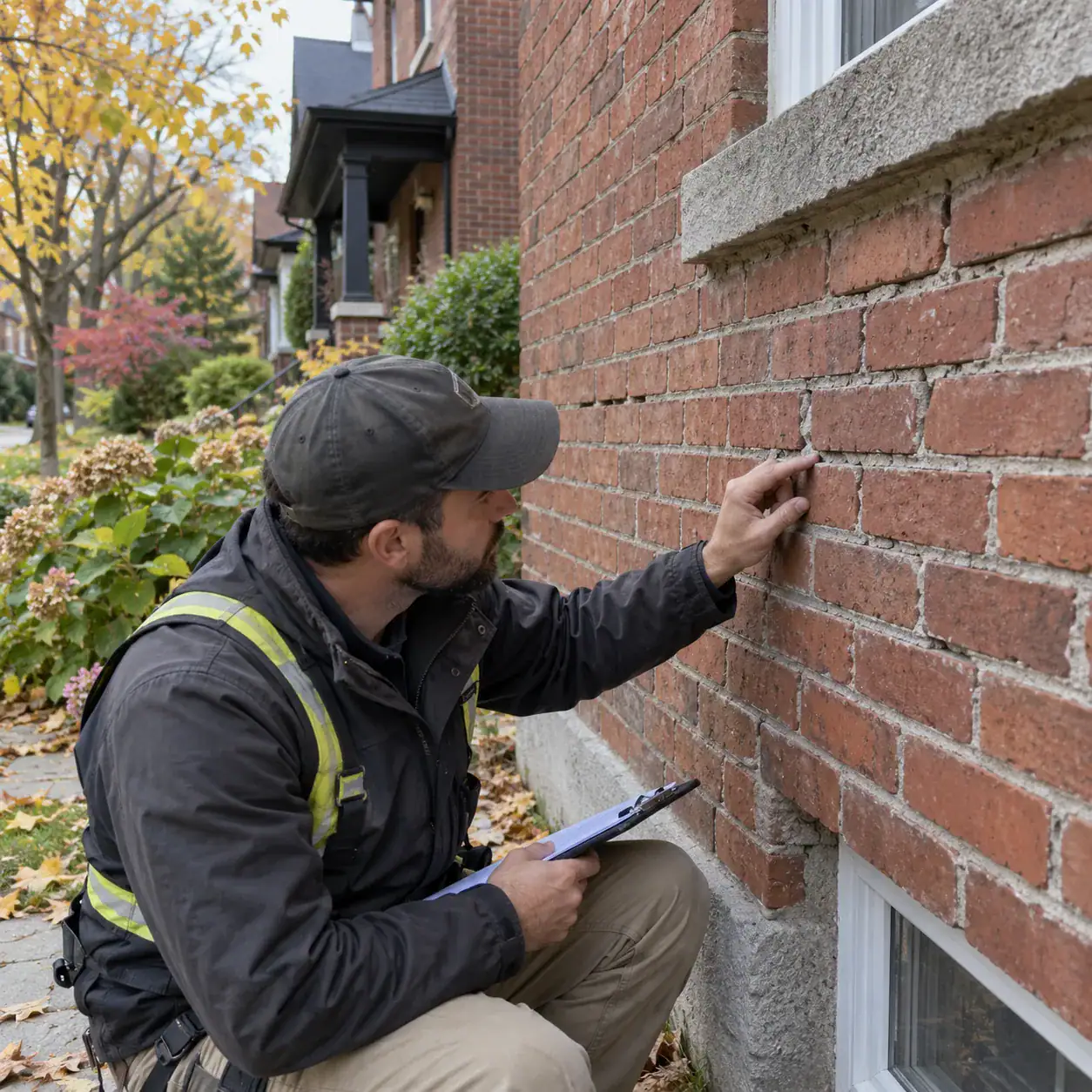
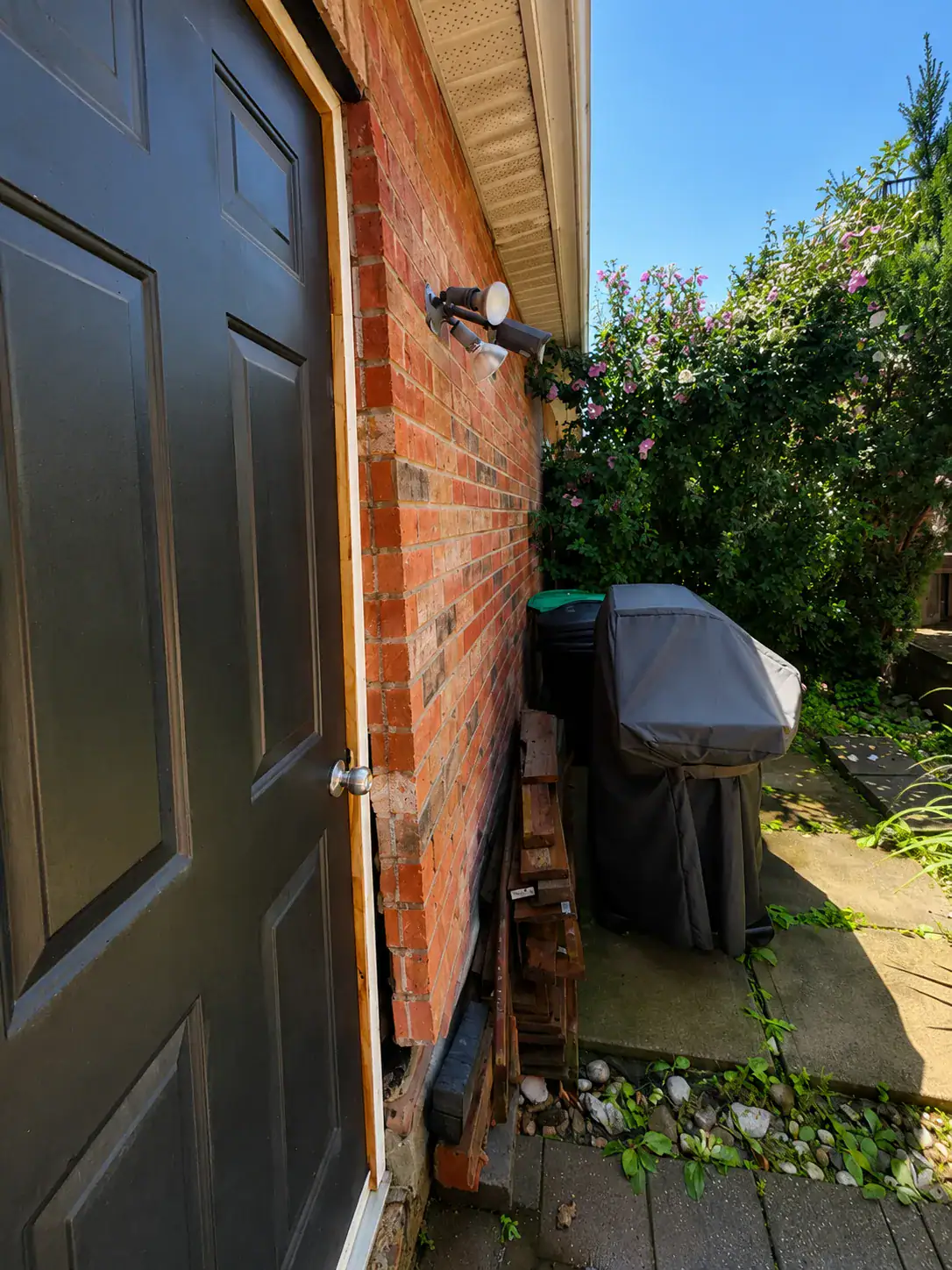
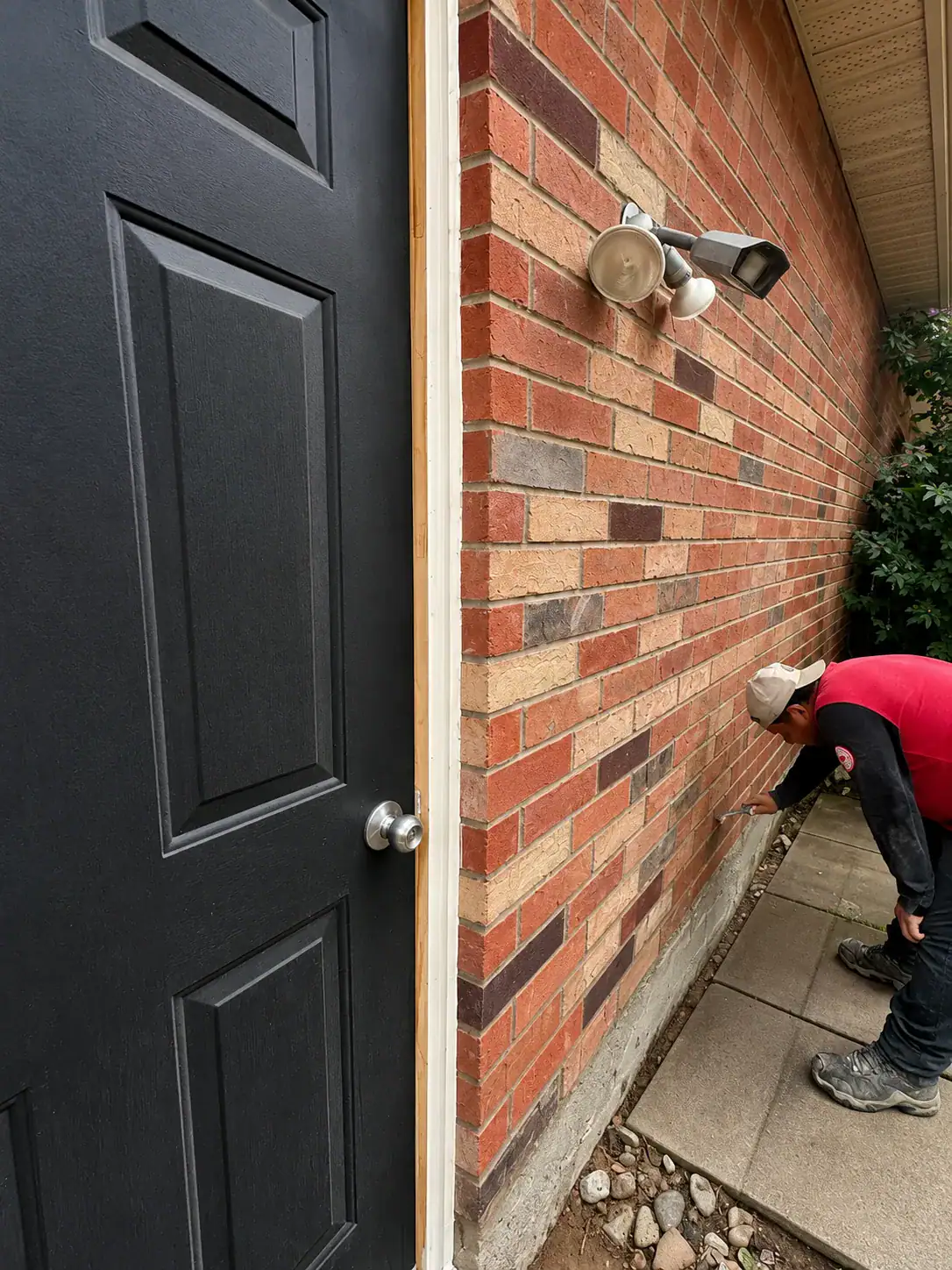
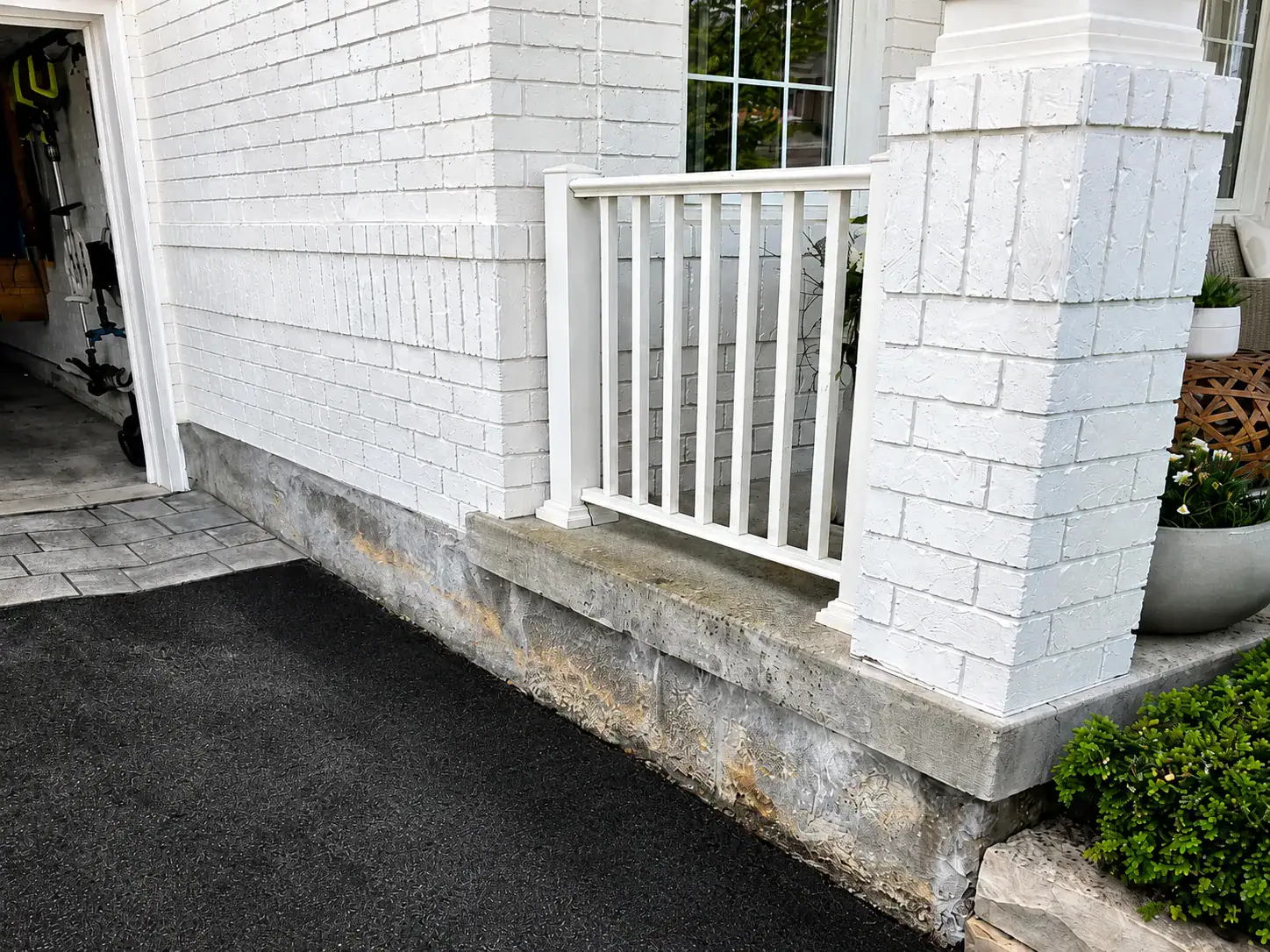
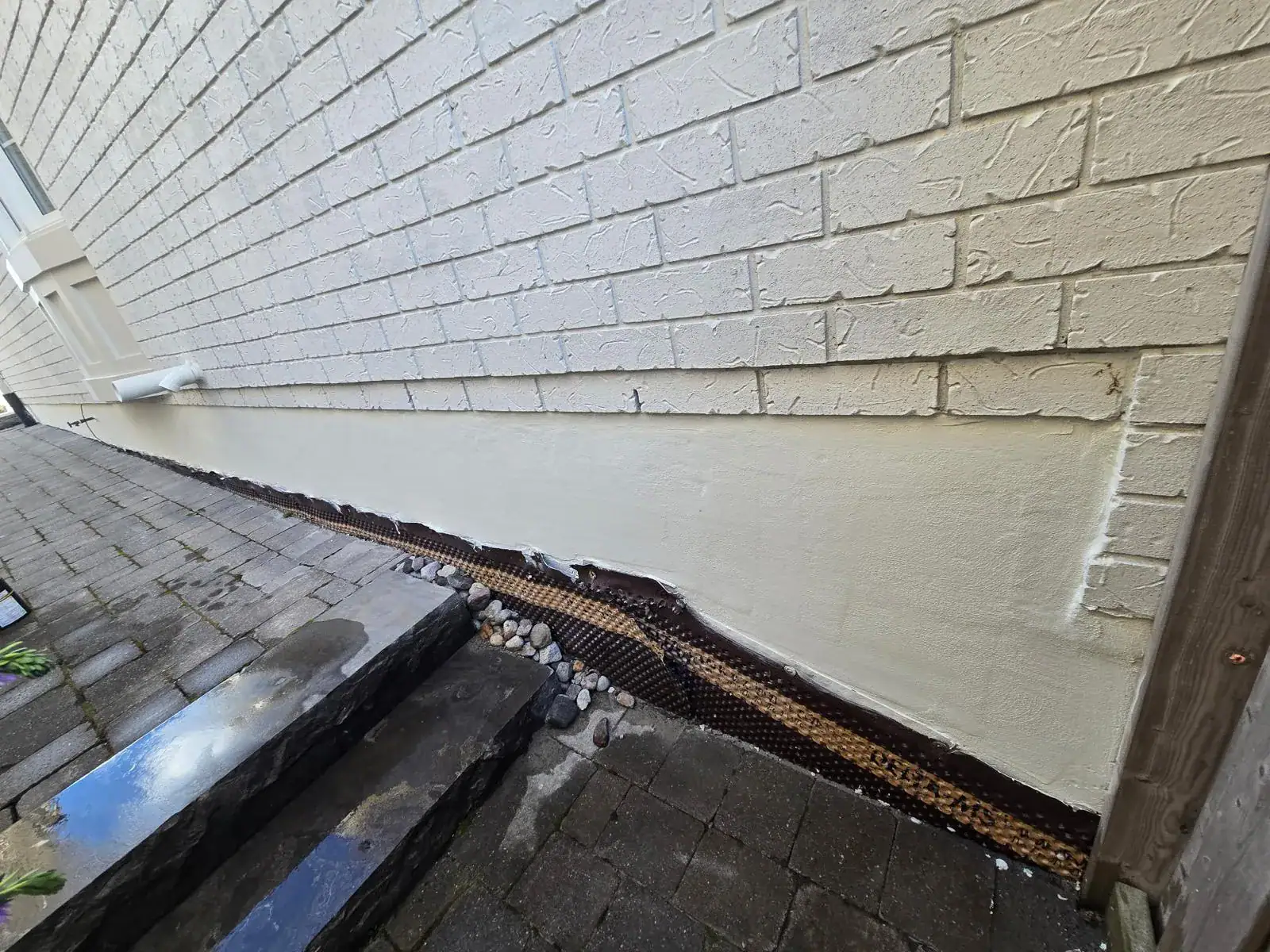
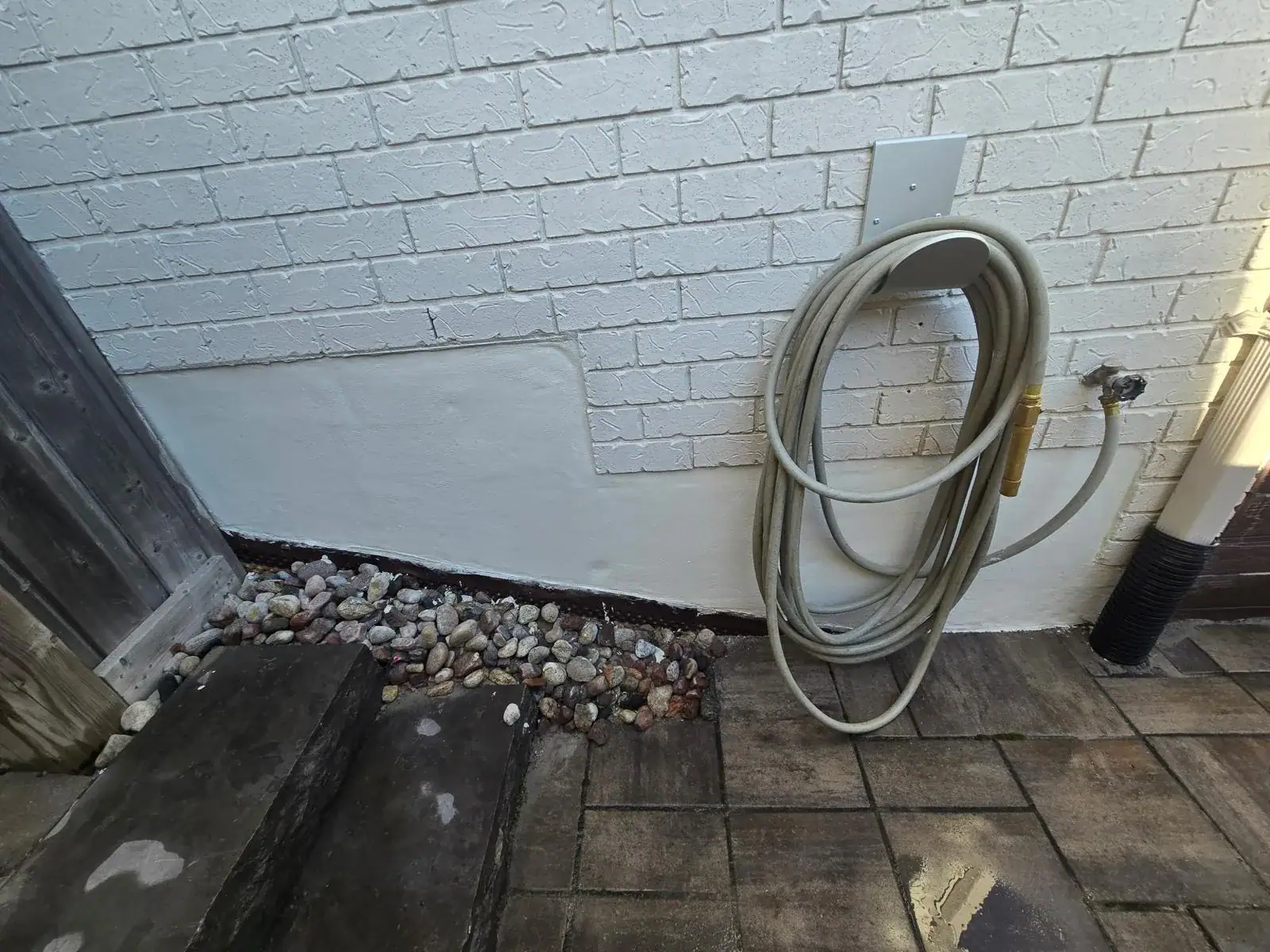
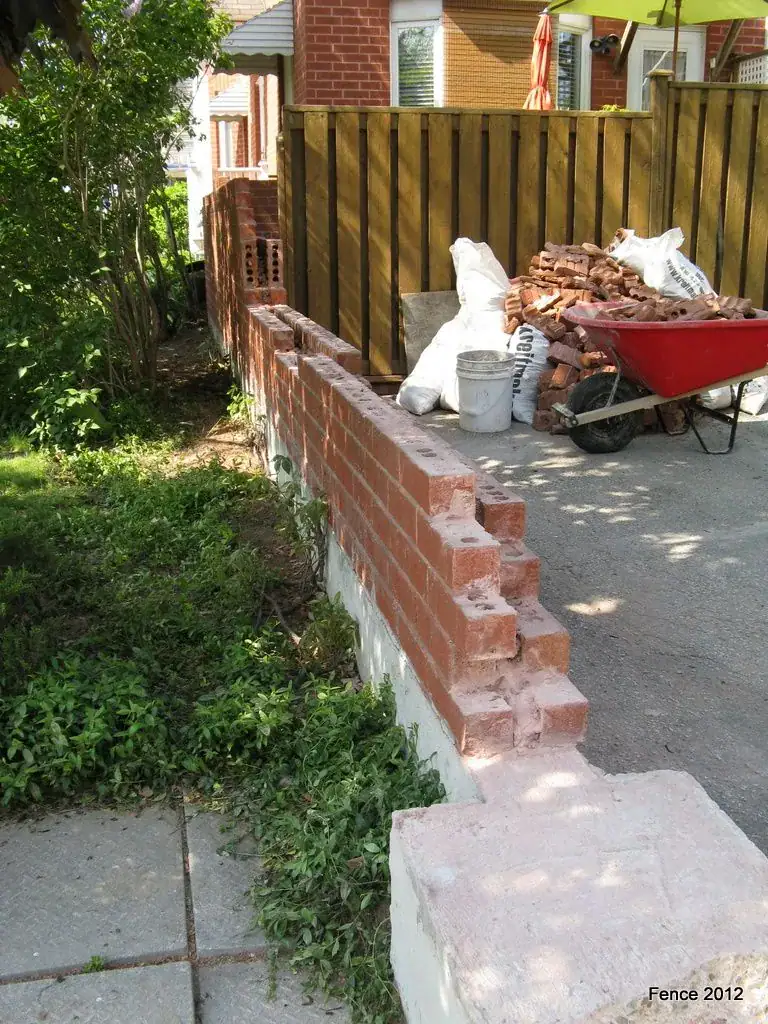
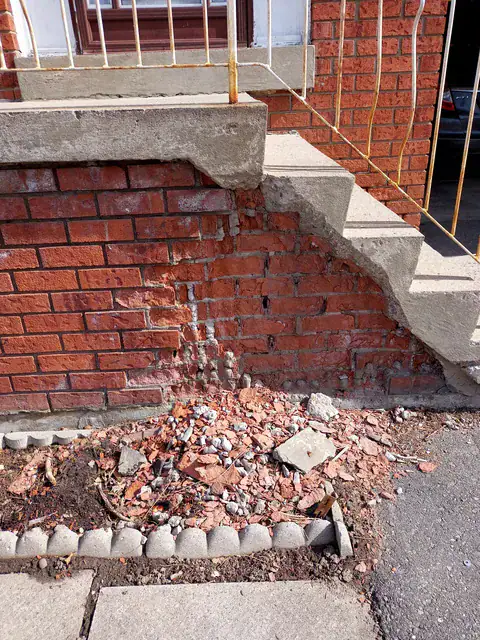
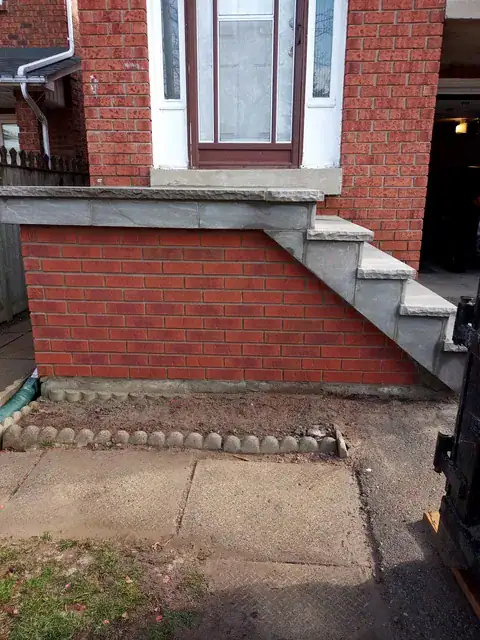
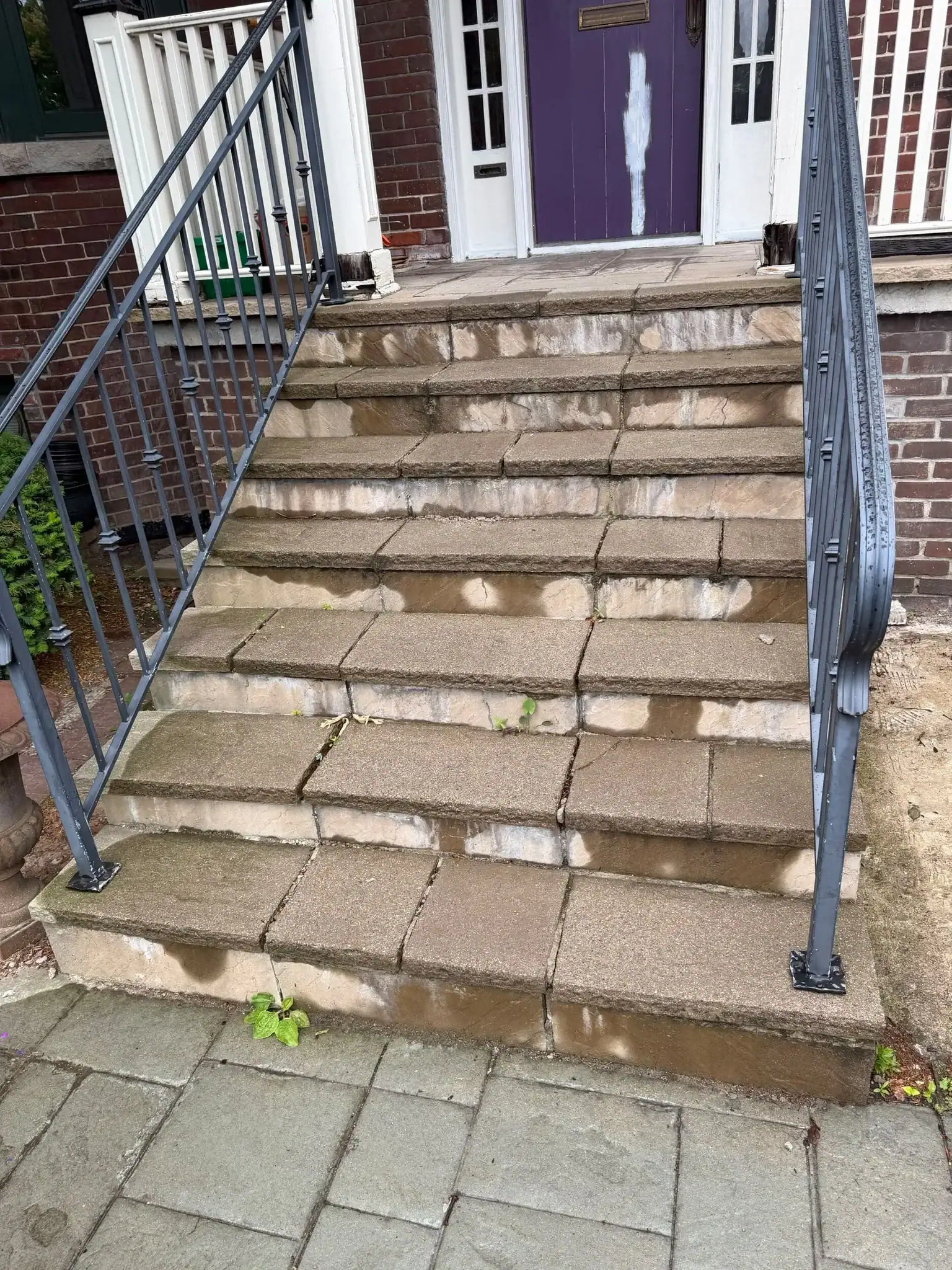
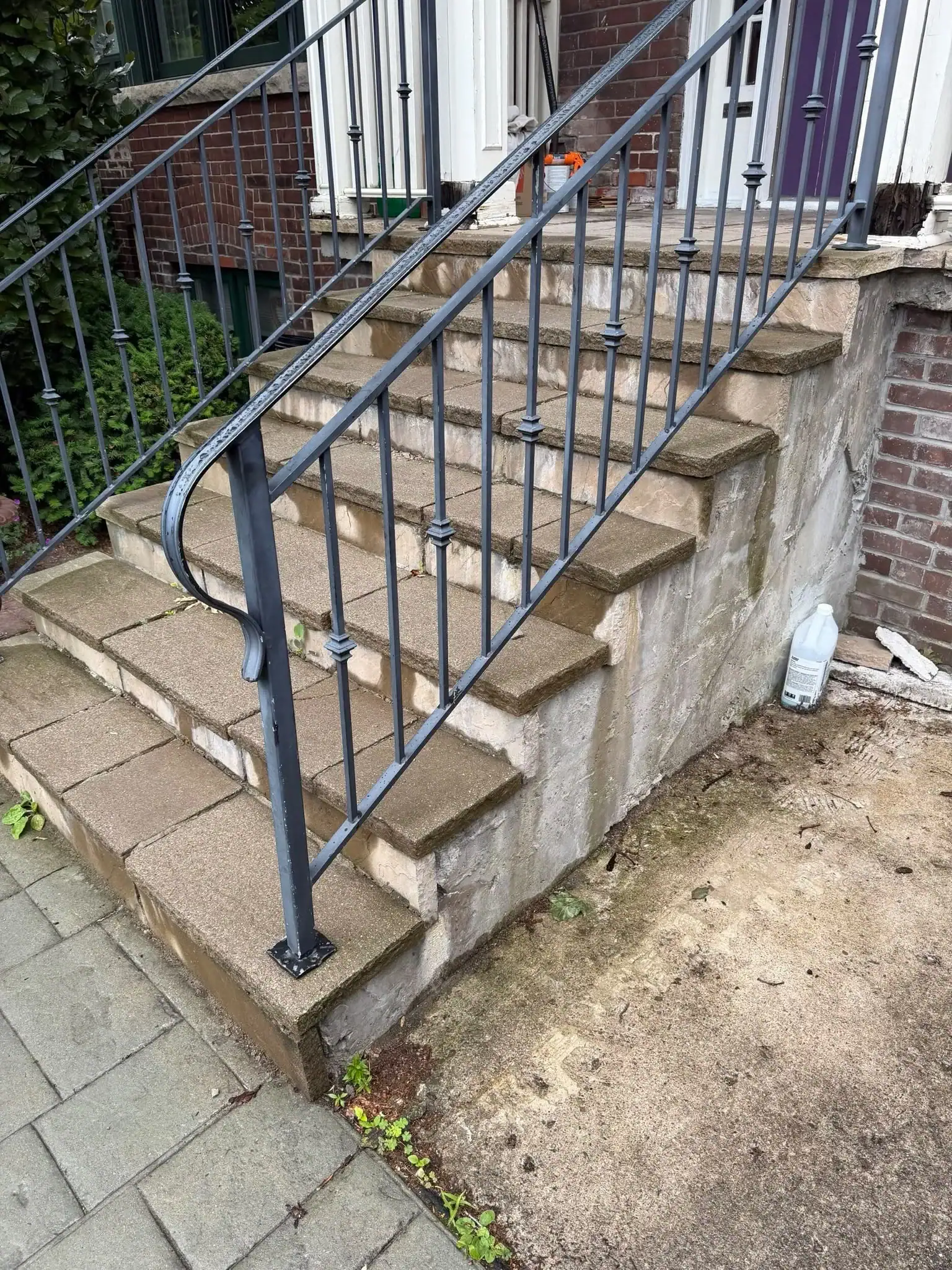
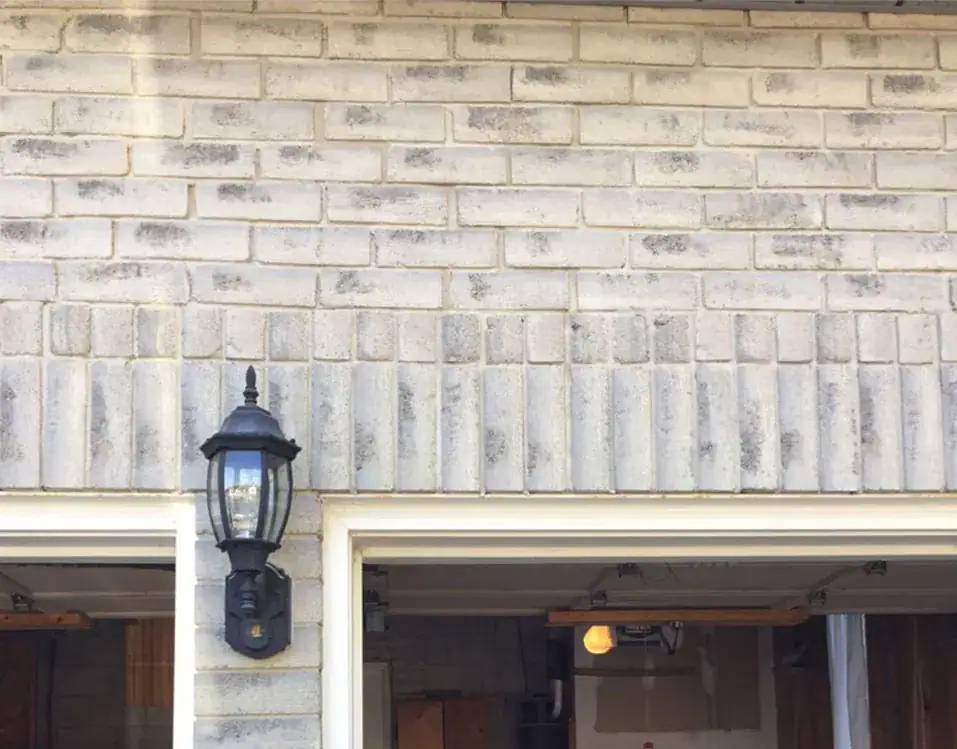
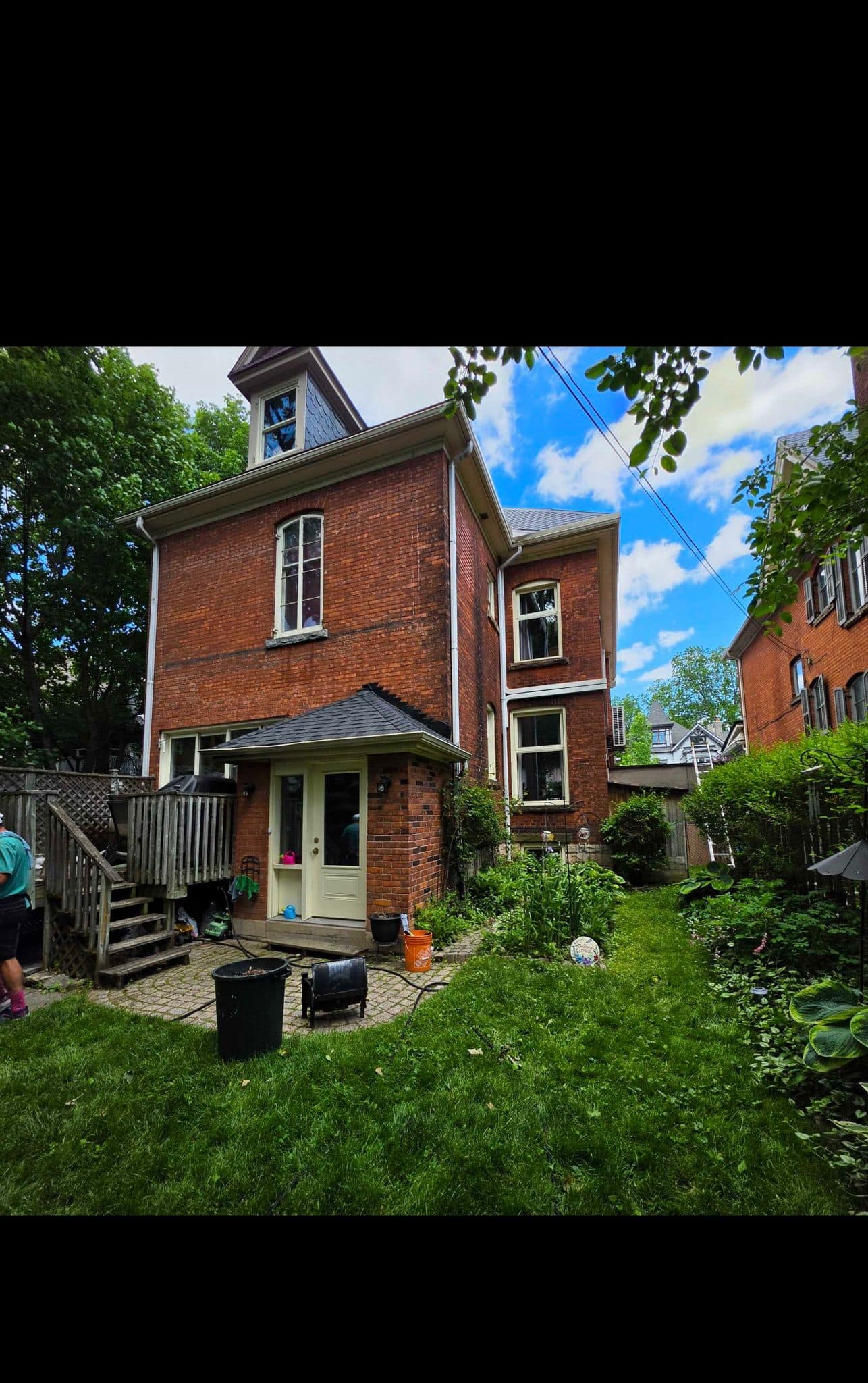
In addition to repairing foundations, masonry contractors also specialize in restoring damaged bricks on exterior walls, chimneys, retaining walls, outdoor fireplaces, and more, which helps hold back soil effectively. This process involves removing deteriorated mortar joints between bricks (tuckpointing), replacing them with new mortar, and cleaning and sealing the brick surfaces to protect against future damage.
- Brick Replacement: Damaged bricks can be removed and replaced with matching ones to maintain a consistent appearance.
- Mortar Matching: The new mortar’s colour, texture, and composition should match the existing one for an even look across your masonry features.
- Cleaning & Sealing: After repairs, bricks can be cleaned using specialized techniques like pressure washing or chemical treatments. A sealer is then applied to protect against water infiltration and other environmental factors that could cause further deterioration.
In conclusion, foundation repair and brick restoration cannot be overstated when it comes to maintaining your home’s value, safety, and curb appeal. By investing in these services from skilled masonry contractors like A&A Masonry, you ensure that your outdoor living spaces continue to provide enjoyment for years while also protecting your investment. Whether you need assistance addressing cracks in your foundation or restoring damaged bricks on retaining walls or outdoor fireplaces, trust experienced professionals who understand the best construction methods suited for each unique situation.
Key Takeaway:
Masonry contractors offer foundation repair and brick restoration services to maintain the structural integrity of homes. Foundation repair addresses issues like cracks, settling, or shifting, while brick restoration involves tuckpointing, replacing damaged bricks with matching ones, cleaning, and sealing to protect against future damage.
FAQs about Masonry in Landscaping and Hardscaping
What is the difference between hardscape and masonry?
Hardscape refers to non-living elements in a landscape, such as patios, walkways, and retaining walls. Masonry is a specific type of hardscaping that involves constructing structures using individual units like bricks or stones bound together with mortar. While all masonry work falls under hardscaping, not all hardscapes involve masonry.
What is the difference between hardscape and landscape?
Landscape encompasses living (plants) and non-living (hardscape) elements used to create an outdoor environment. Hardscape refers to non-living components like pathways, fences, fountains, and other structures that provide functionality or aesthetic appeal within a landscape design.
What is hardscape in landscape architecture?
In landscape architecture, hardscaping plays a crucial role by providing structure and balance to the overall design. It includes paths for navigation, seating areas for relaxation, water features for ambiance, retaining walls for erosion control, fencing for privacy or safety, and lighting fixtures for visibility at night.
What is the purpose of masonry?
Masonry serves various purposes, including structural support in buildings through load-bearing walls, creating decorative facades on exteriors or interiors of homes & commercial spaces, forming durable walkways & driveways resistant against weather conditions, improving energy efficiency and providing fire resistance.
Regarding landscaping and hardscaping, masonry is a popular choice for creating retaining walls, outdoor fireplaces, and other structures that require a stable footing. Concrete pavers are also a common choice for building walkways and patios that can hold back soil and prevent erosion.
At A&A Masonry, we specialize in masonry and hardscaping services that can transform your outdoor space. Whether you’re looking to add a new retaining wall or patio or want to update your existing landscape, our team of experts can help. Contact us today to learn more.
Conclusion
By incorporating masonry into your landscaping and hardscaping, you can enhance your home’s curb appeal while adding value. From retaining walls to outdoor fireplaces, there are many popular materials and design ideas. However, following best installation practices is essential to ensure a stable footing and hold back the soil.
If you need foundation repair or brick restoration services for existing masonry features, professionals can also help with that. You can create a beautiful and functional outdoor space by considering masonry in your landscaping and hardscaping plans.
With decades of experience, A&A Masonry Inc. has built a reputation for delivering top-quality masonry, waterproofing, and exterior restoration services across Toronto and the surrounding areas. Our skilled team specializes in brick, stone, and concrete repairs, ensuring durable and visually appealing results.
At A&A Masonry, we prioritize craftsmanship, customer satisfaction, and long-lasting solutions. Whether you need foundation waterproofing, brick repair, tuckpointing, or interlocking stone installations, our experts provide reliable service backed by extensive industry experience.
Why Choose A&A Masonry?
✔ Expert Craftsmanship – Our team comprises experienced masons and waterproofing specialists dedicated to high-quality workmanship.
✔ Comprehensive Services – We offer everything from chimney repair to fireplace stone veneer and parging to enhance and protect your property.
✔ Waterproofing Solutions – Protect your home with professional basement waterproofing and exterior foundation sealing.
✔ Customer-First Approach – Transparent quotes, detailed assessments, and a commitment to excellence in every project.
Our Services Include:
- Concrete Repairs
- Stone Masonry
- Brick Painting
- Interlocking Stone Pavers
- Parging
- Tuckpointing
- Brick Repair
- Fireplace Stone Veneer
- Chimney Repair
- Commercial Exterior Painting
- Basement Waterproofing
- Stucco
- Interlocking Steps
- Roofing