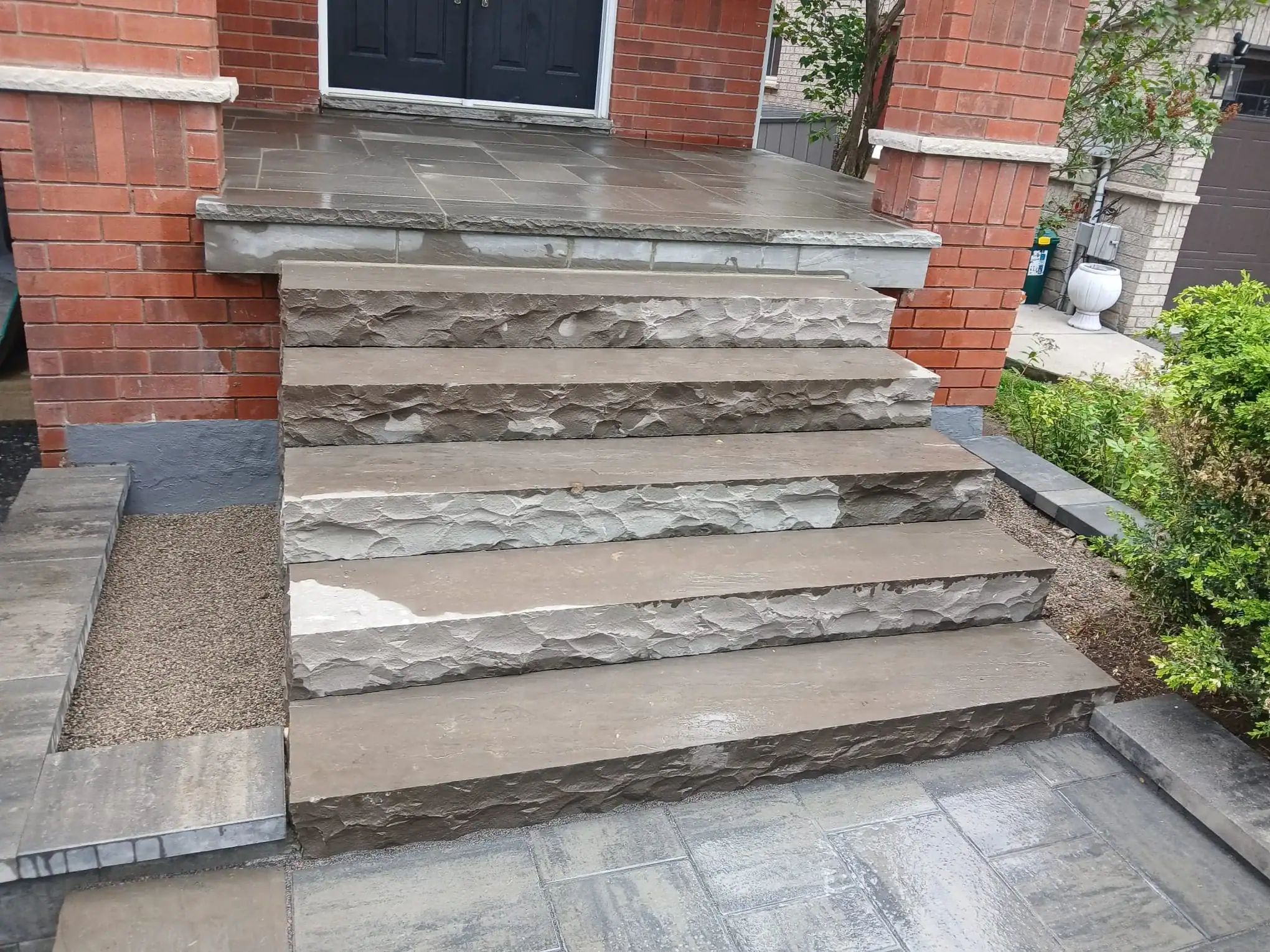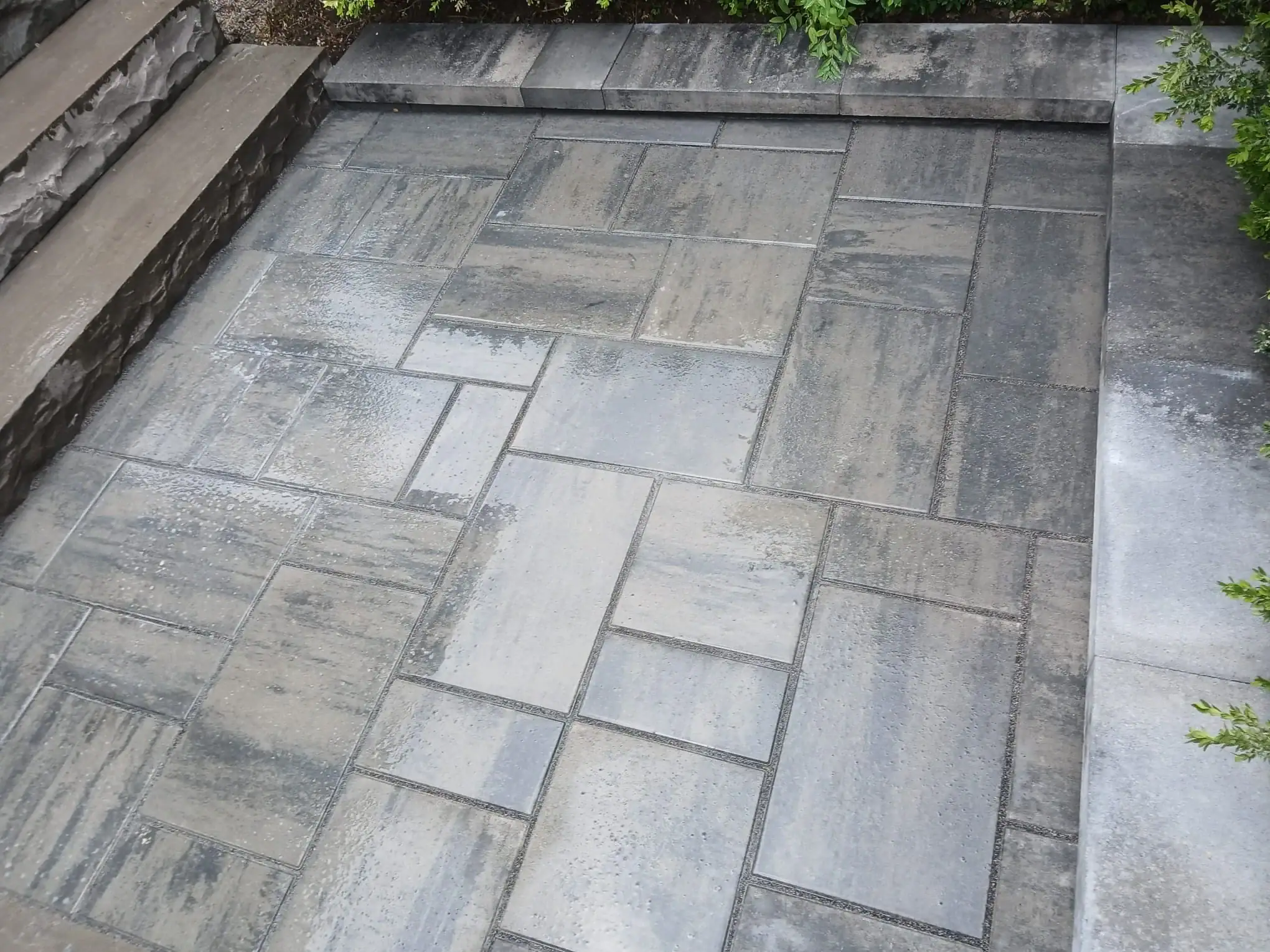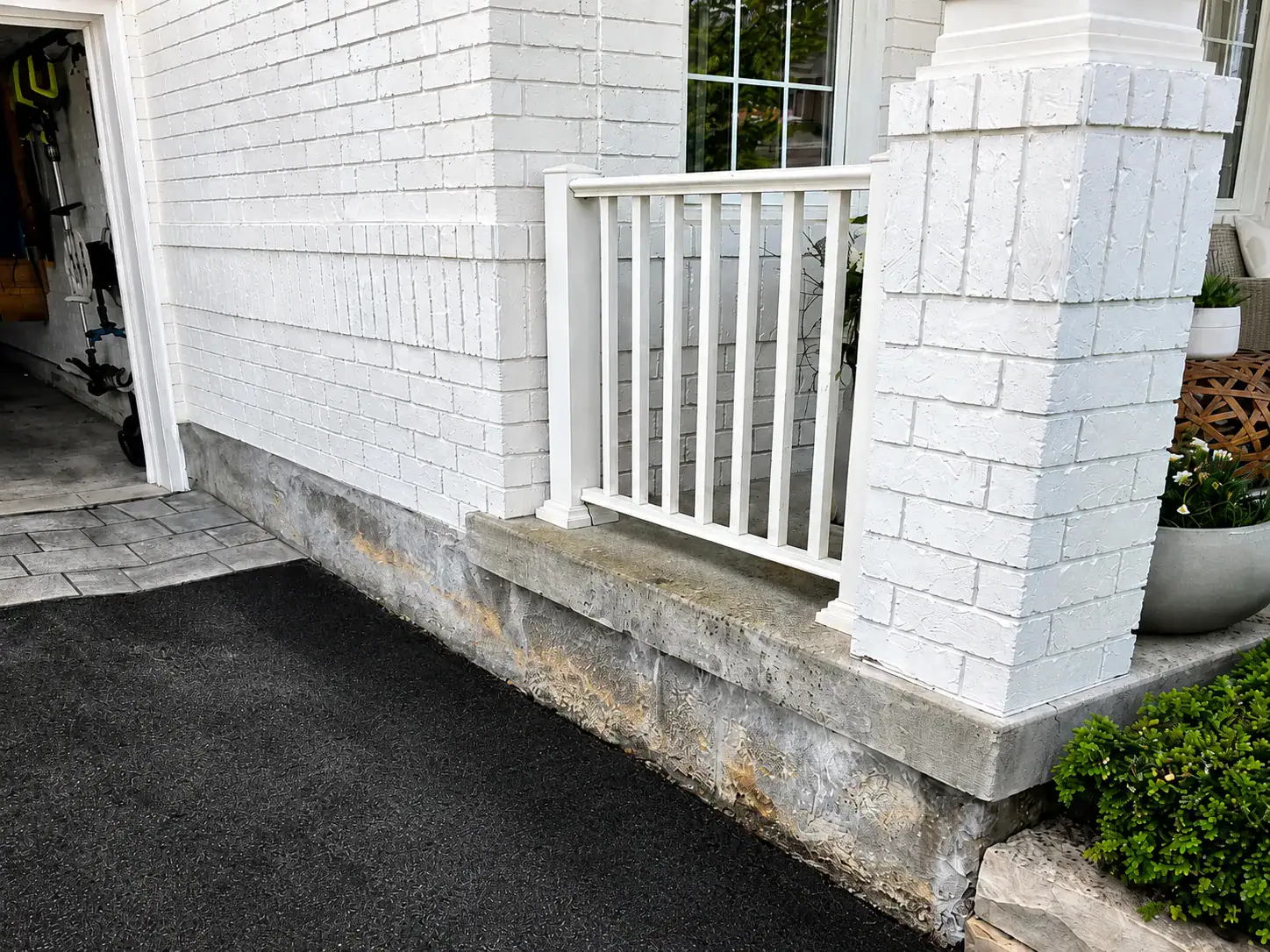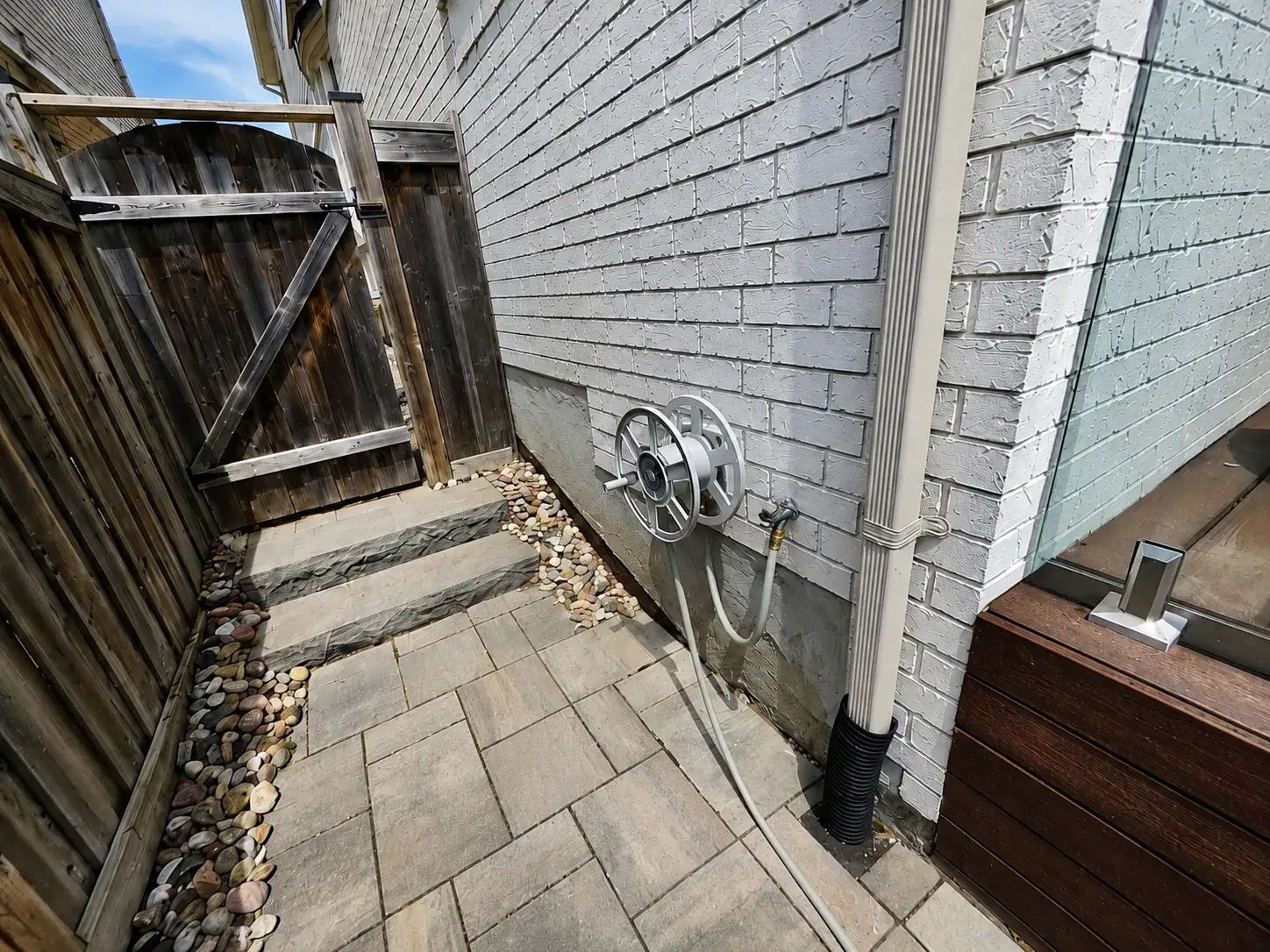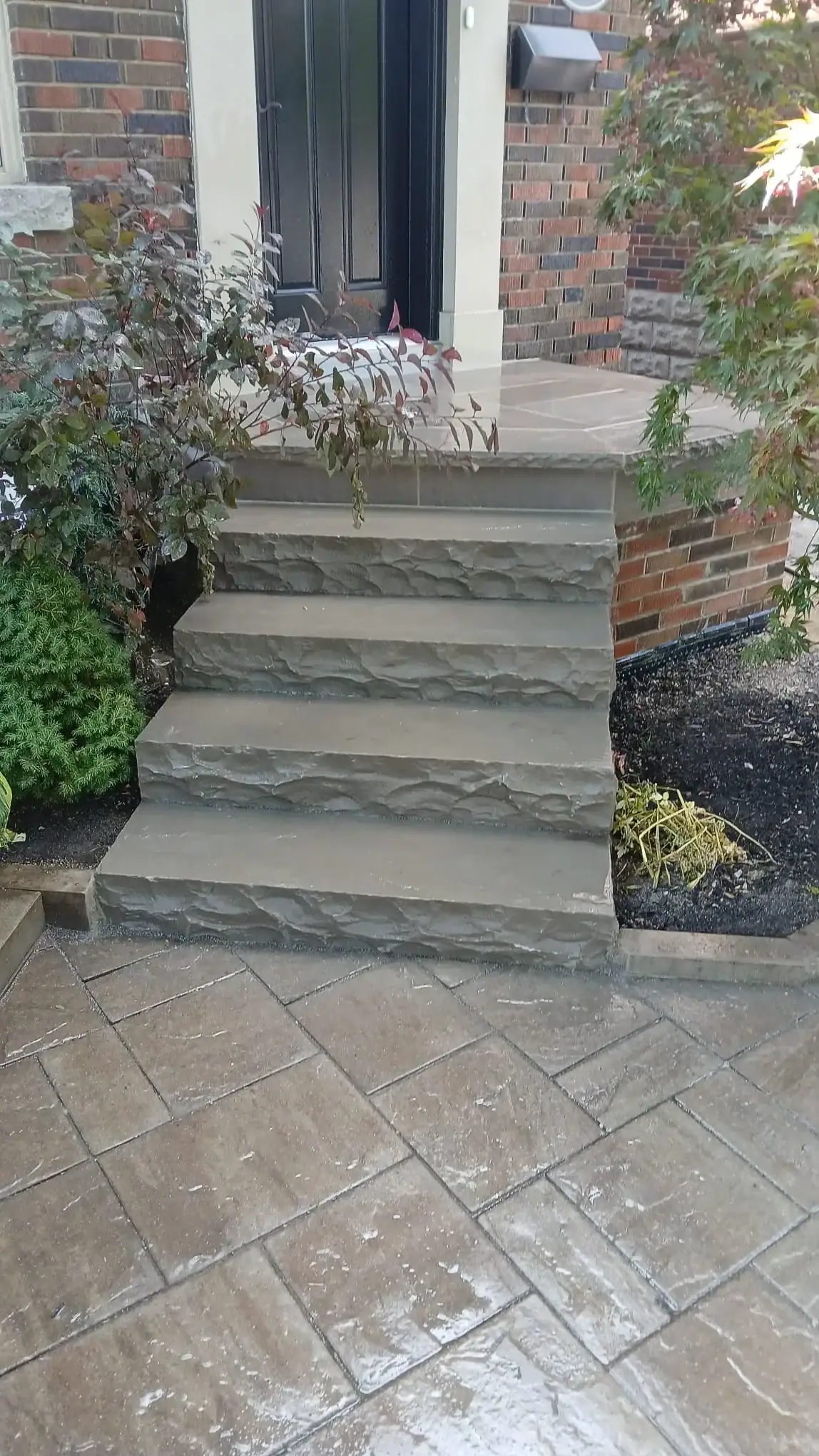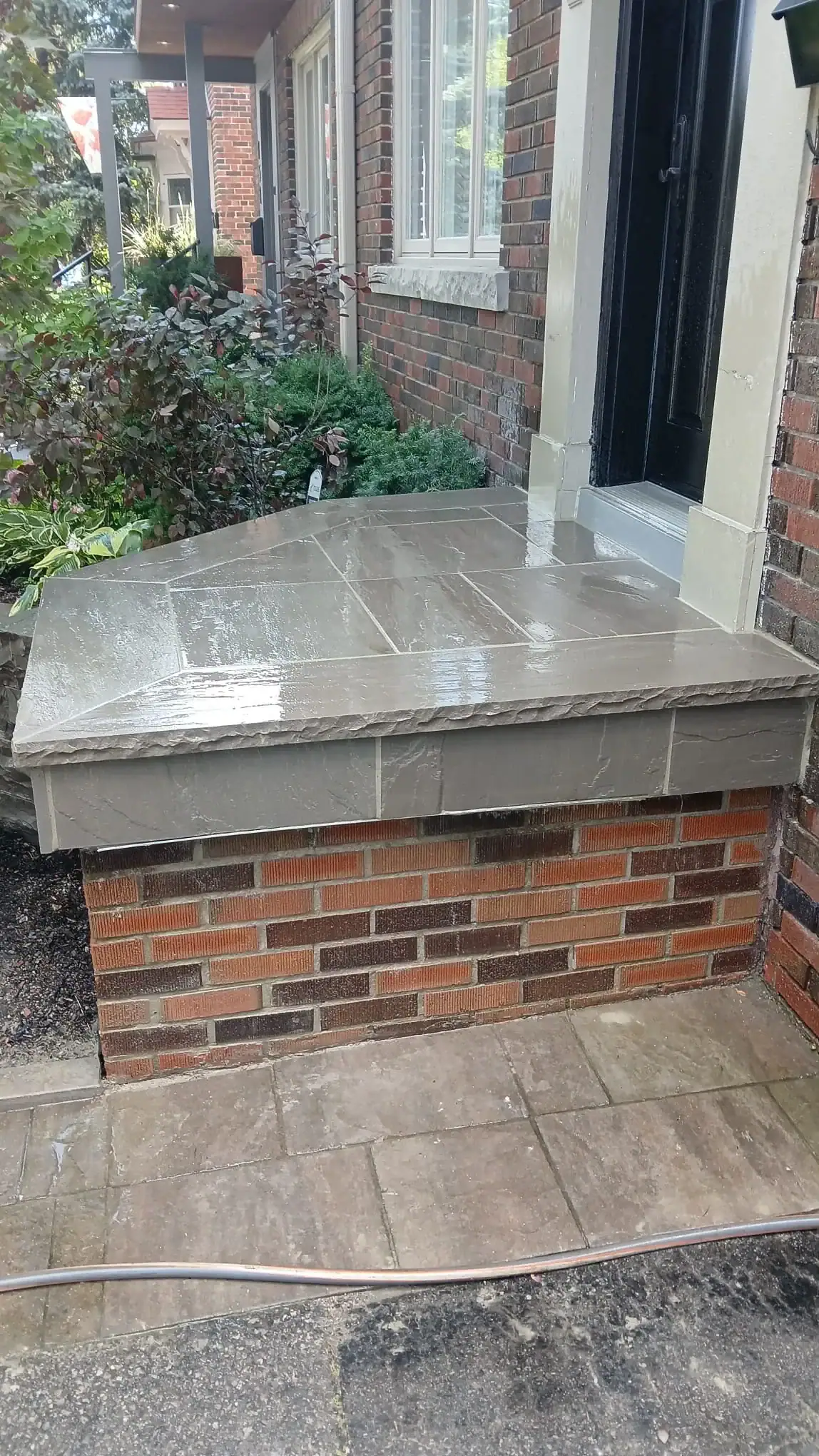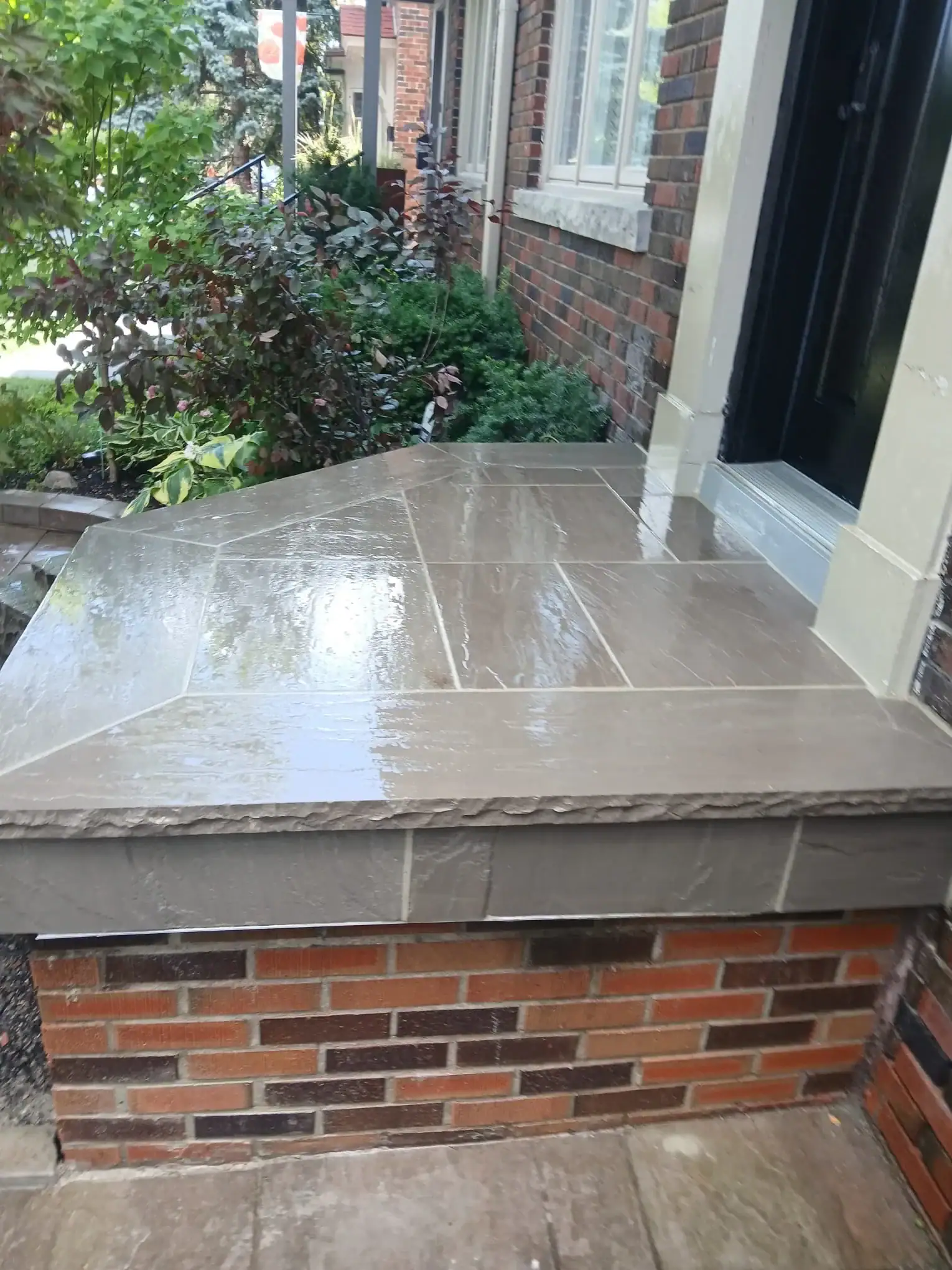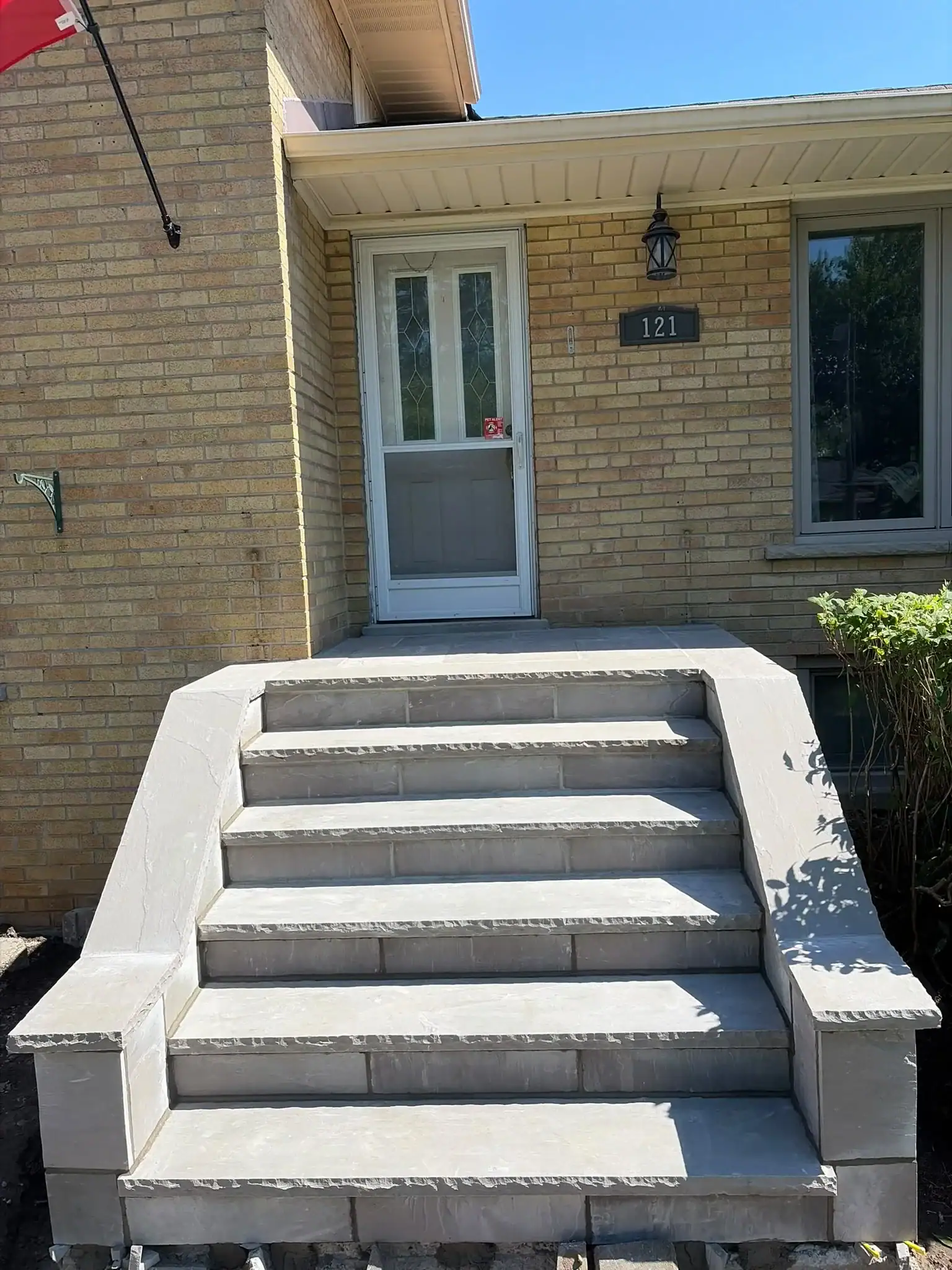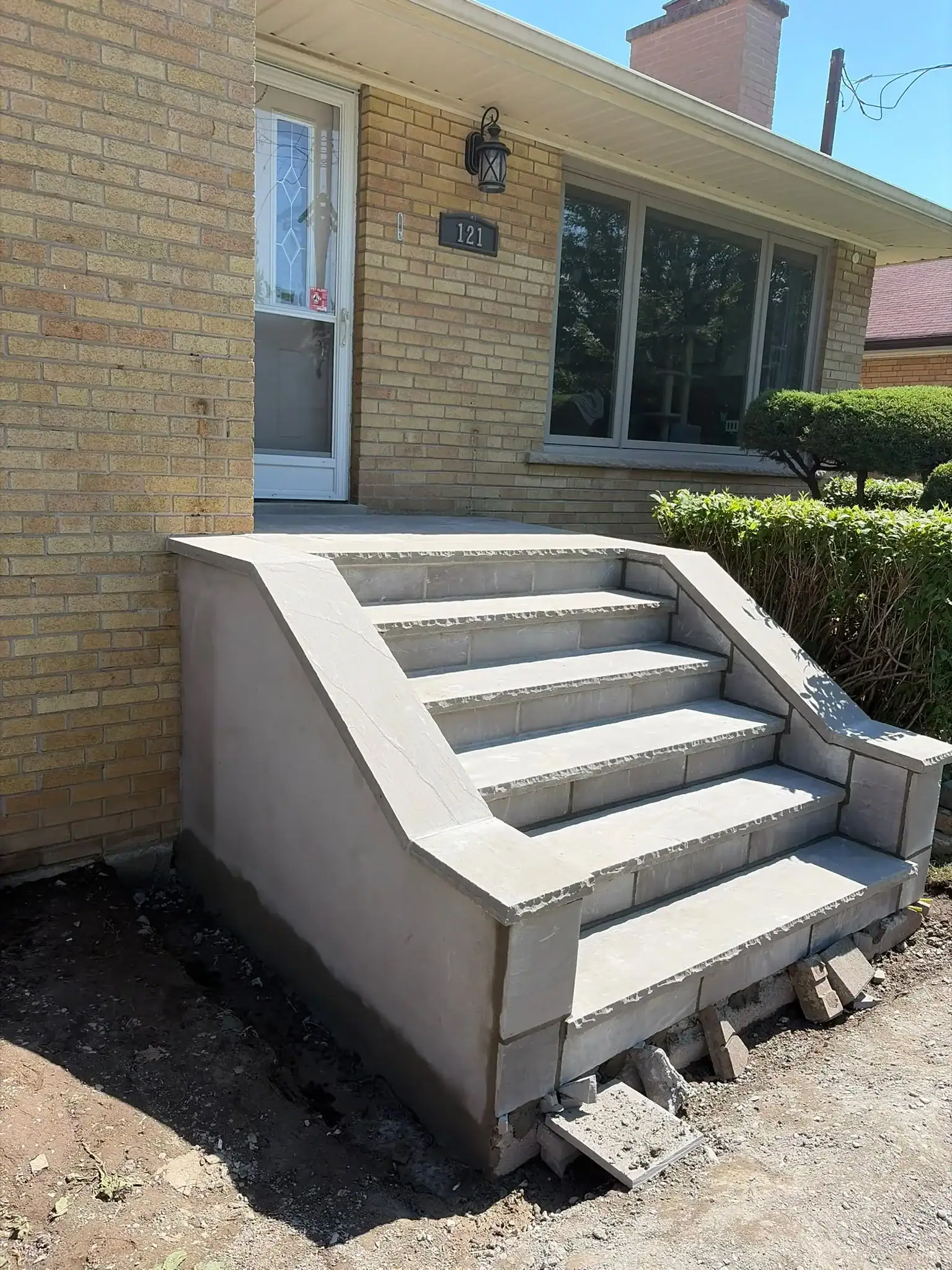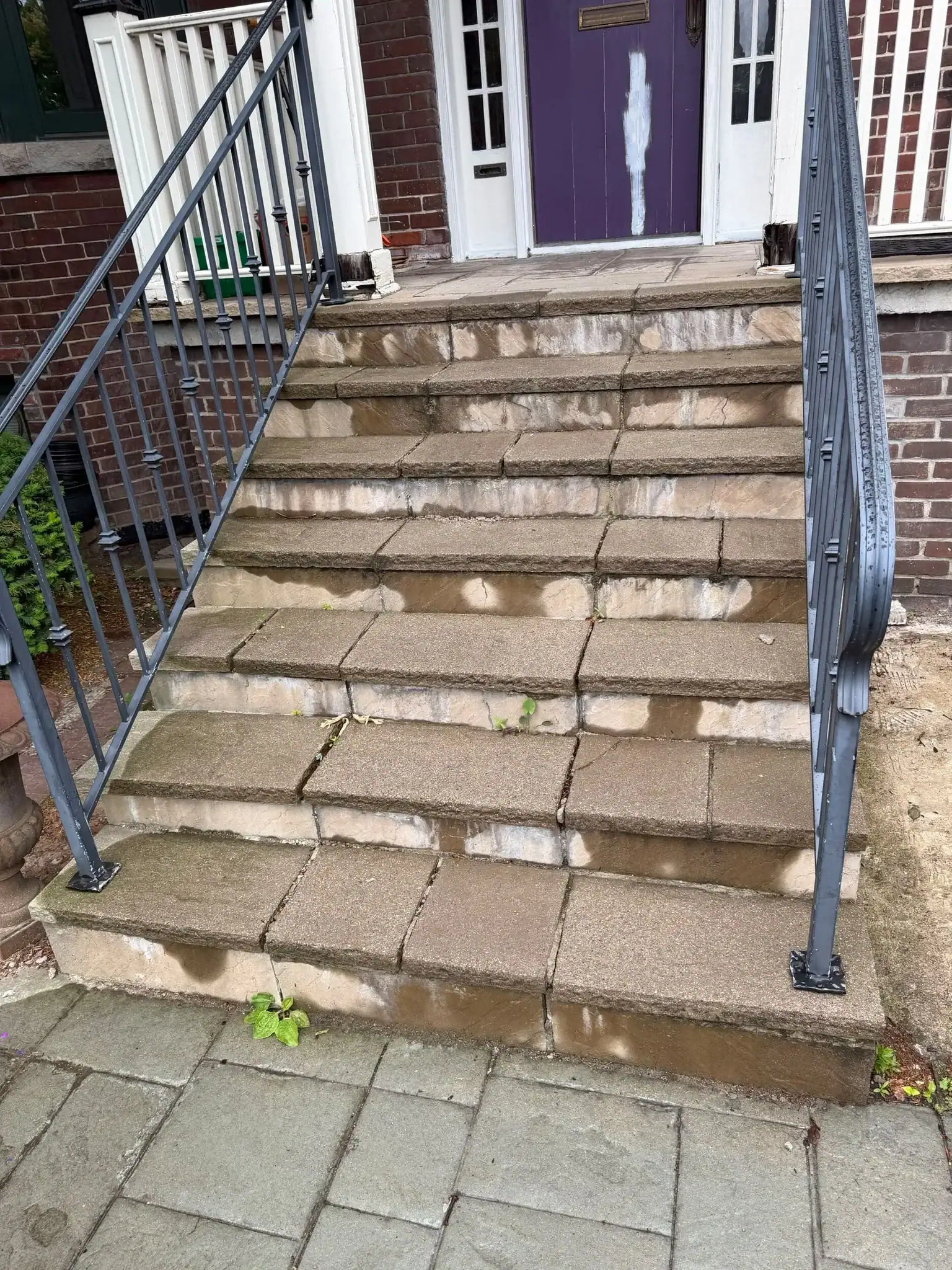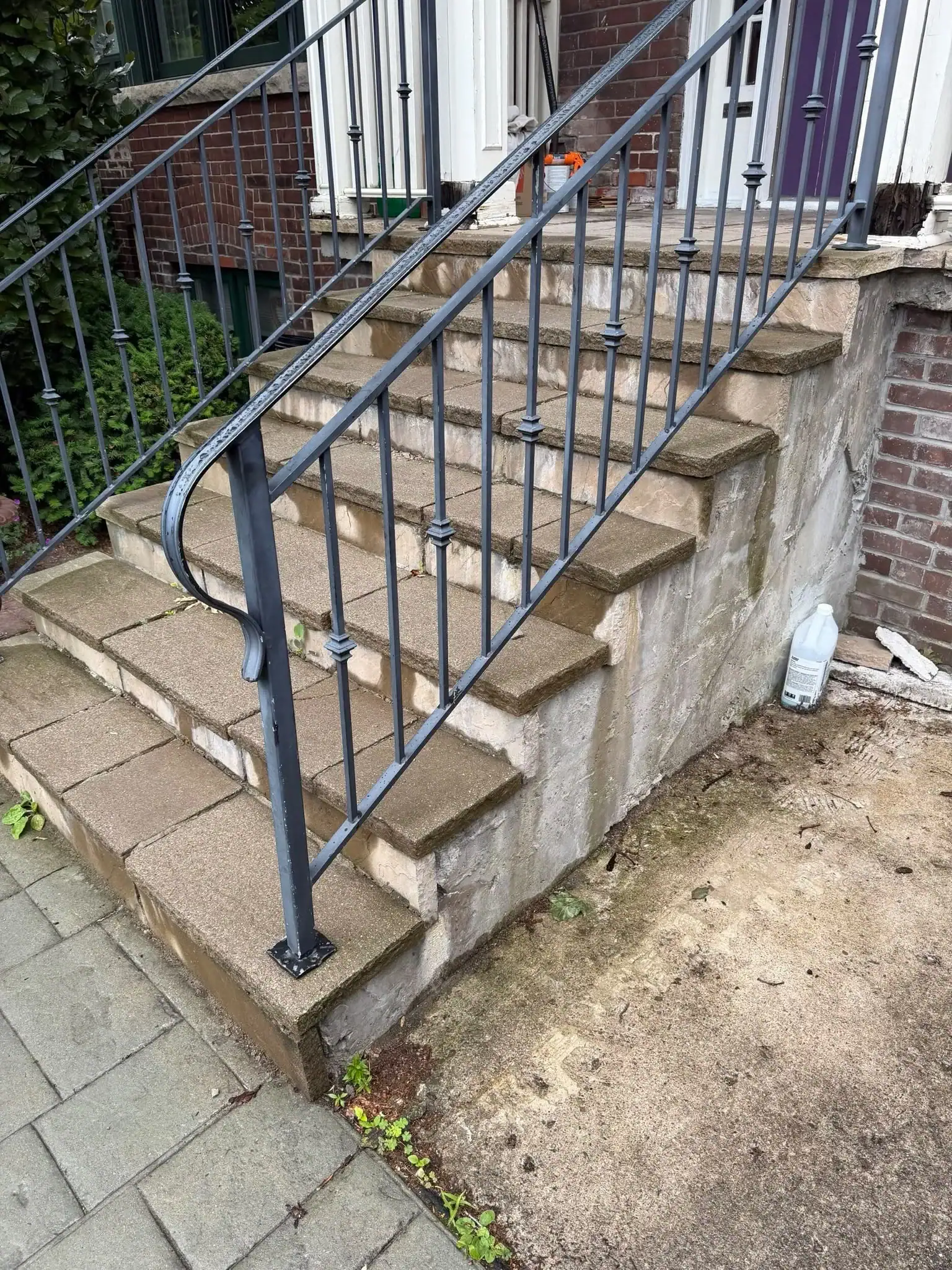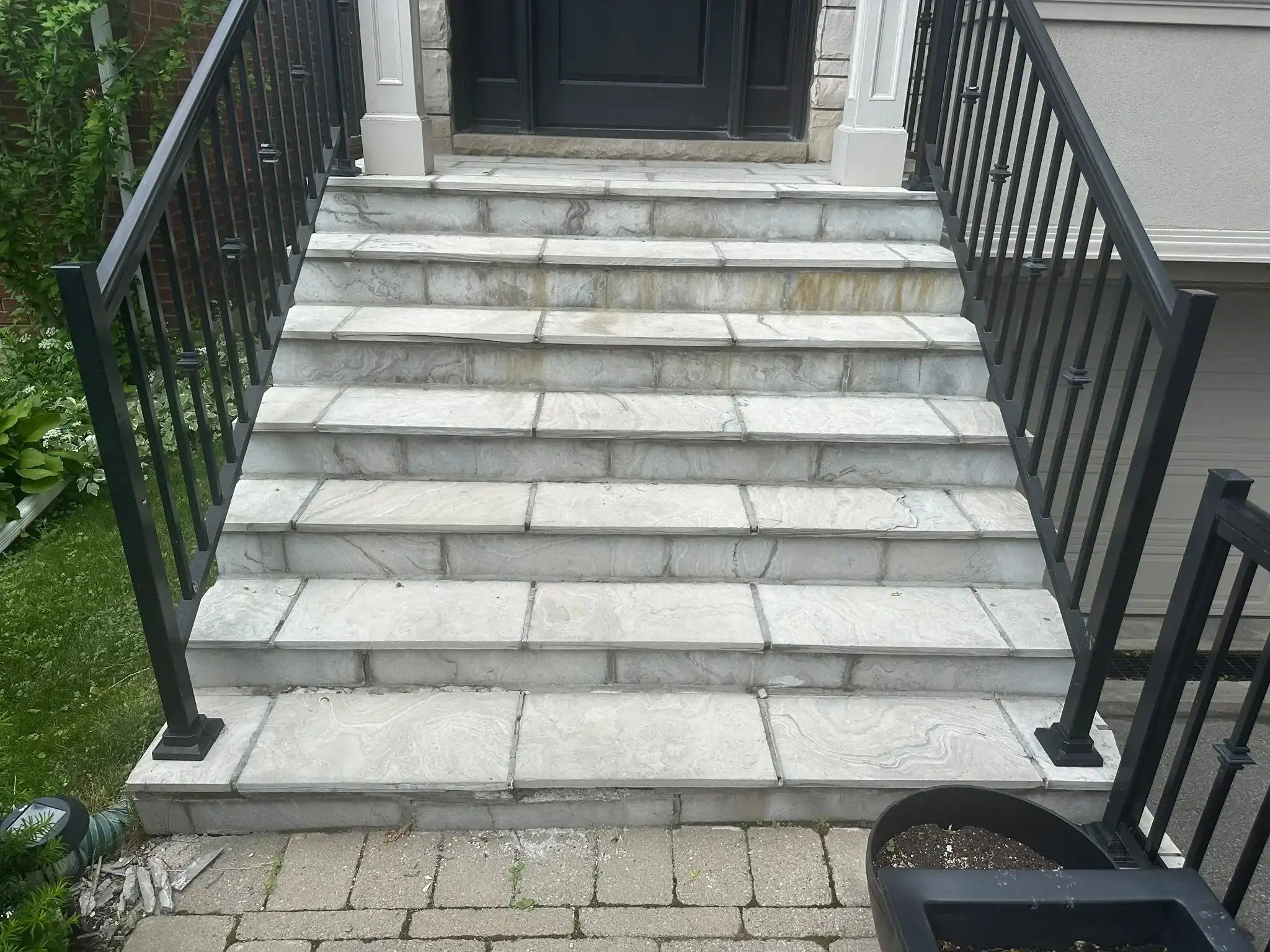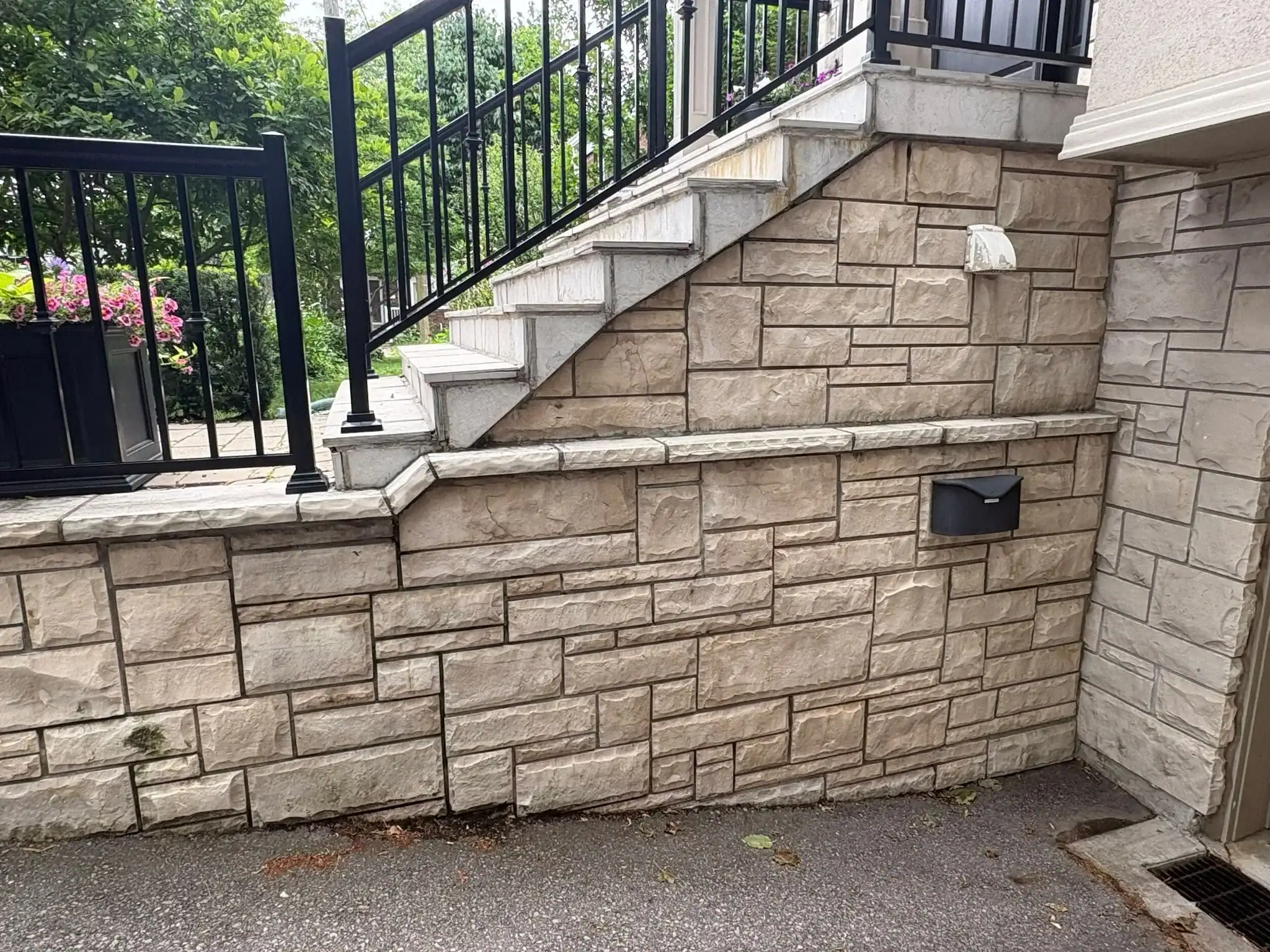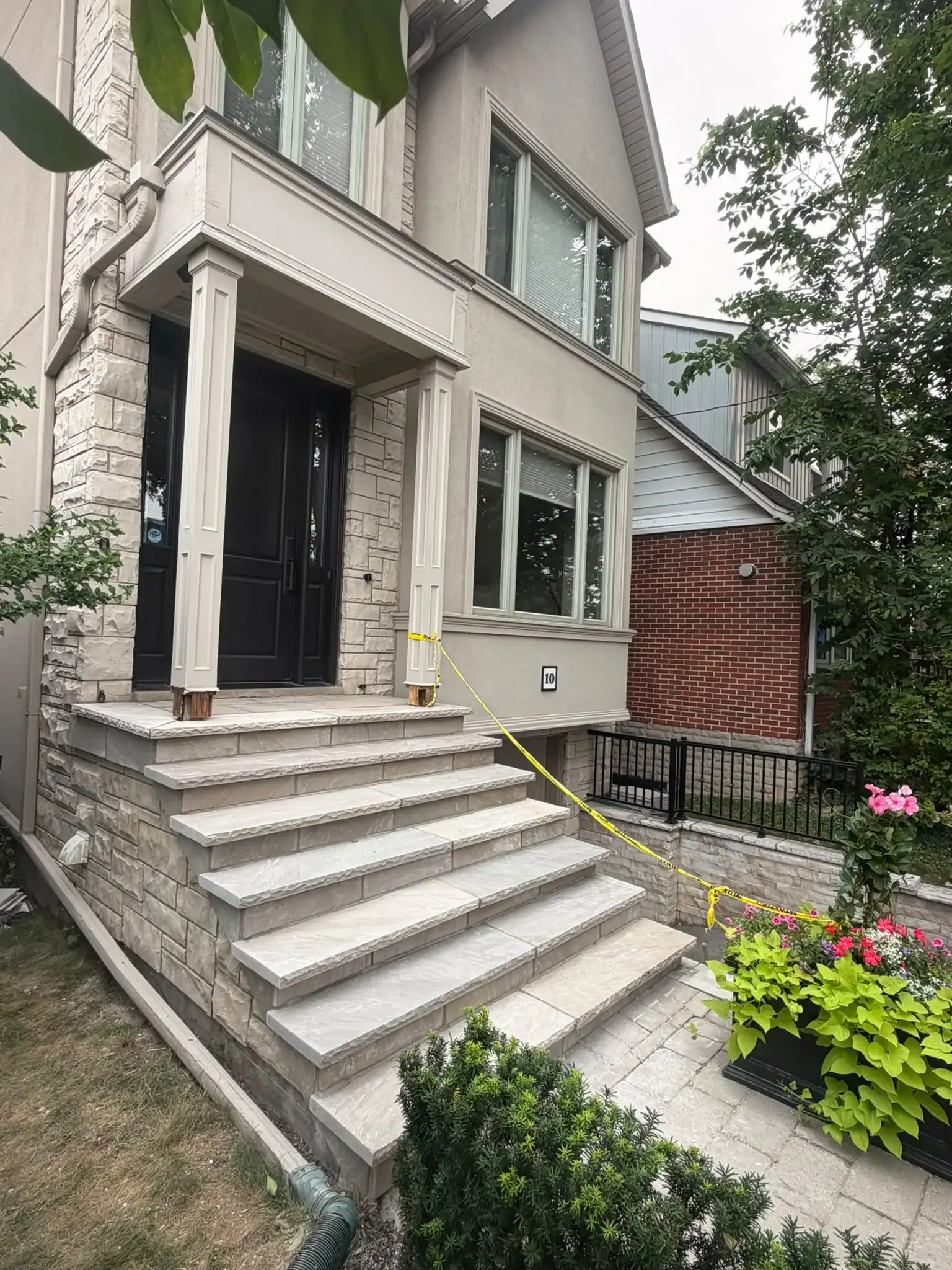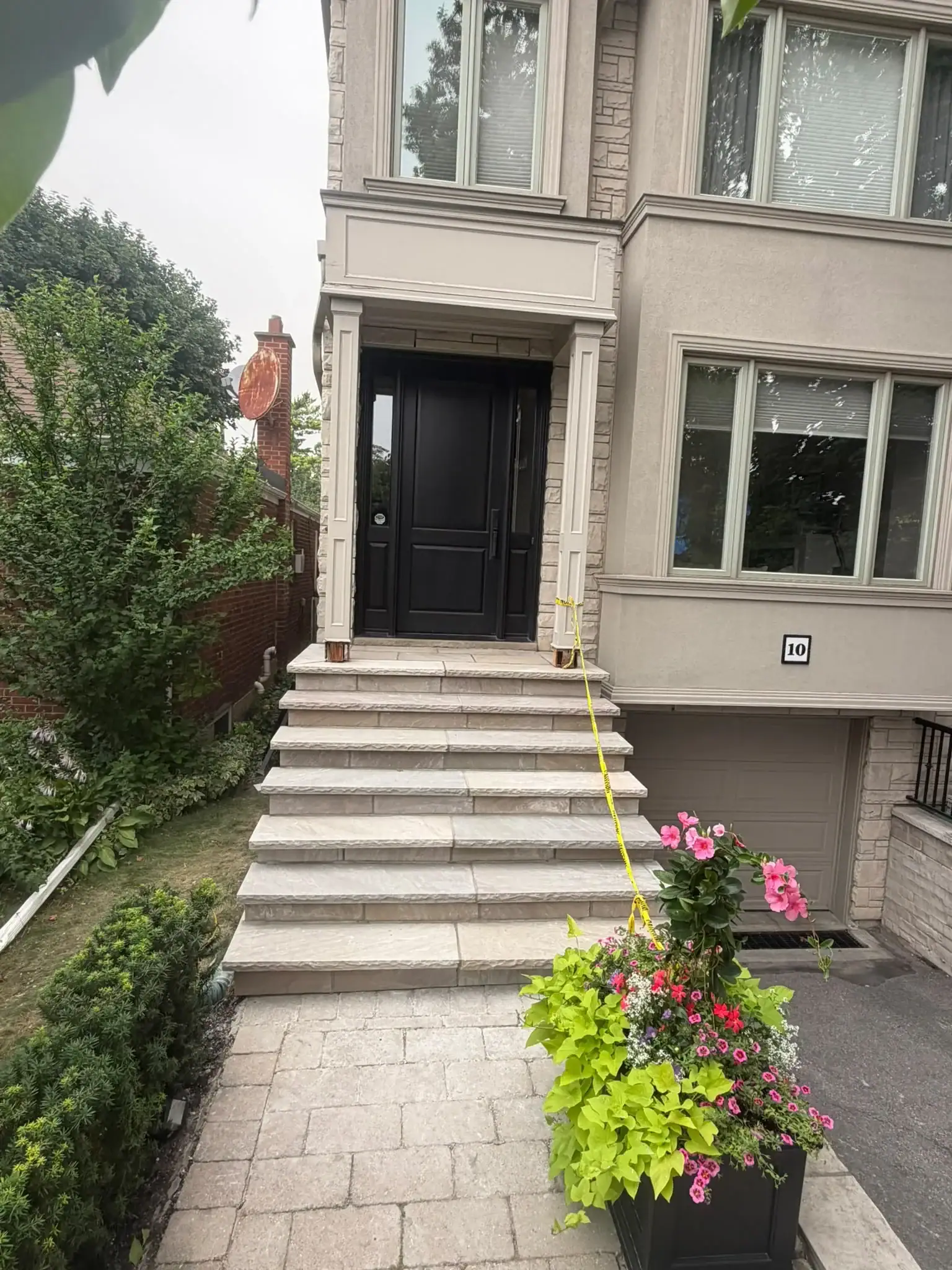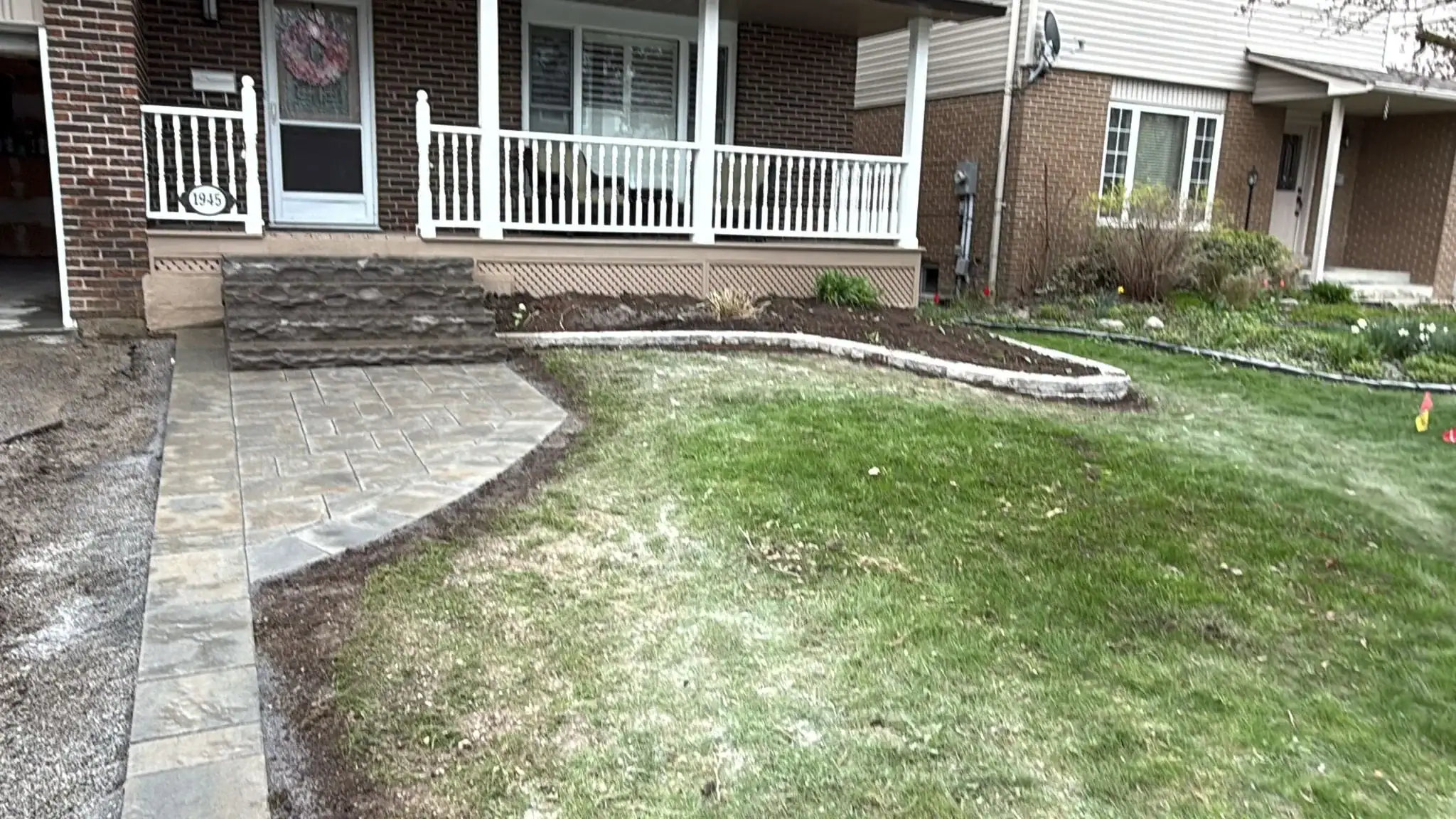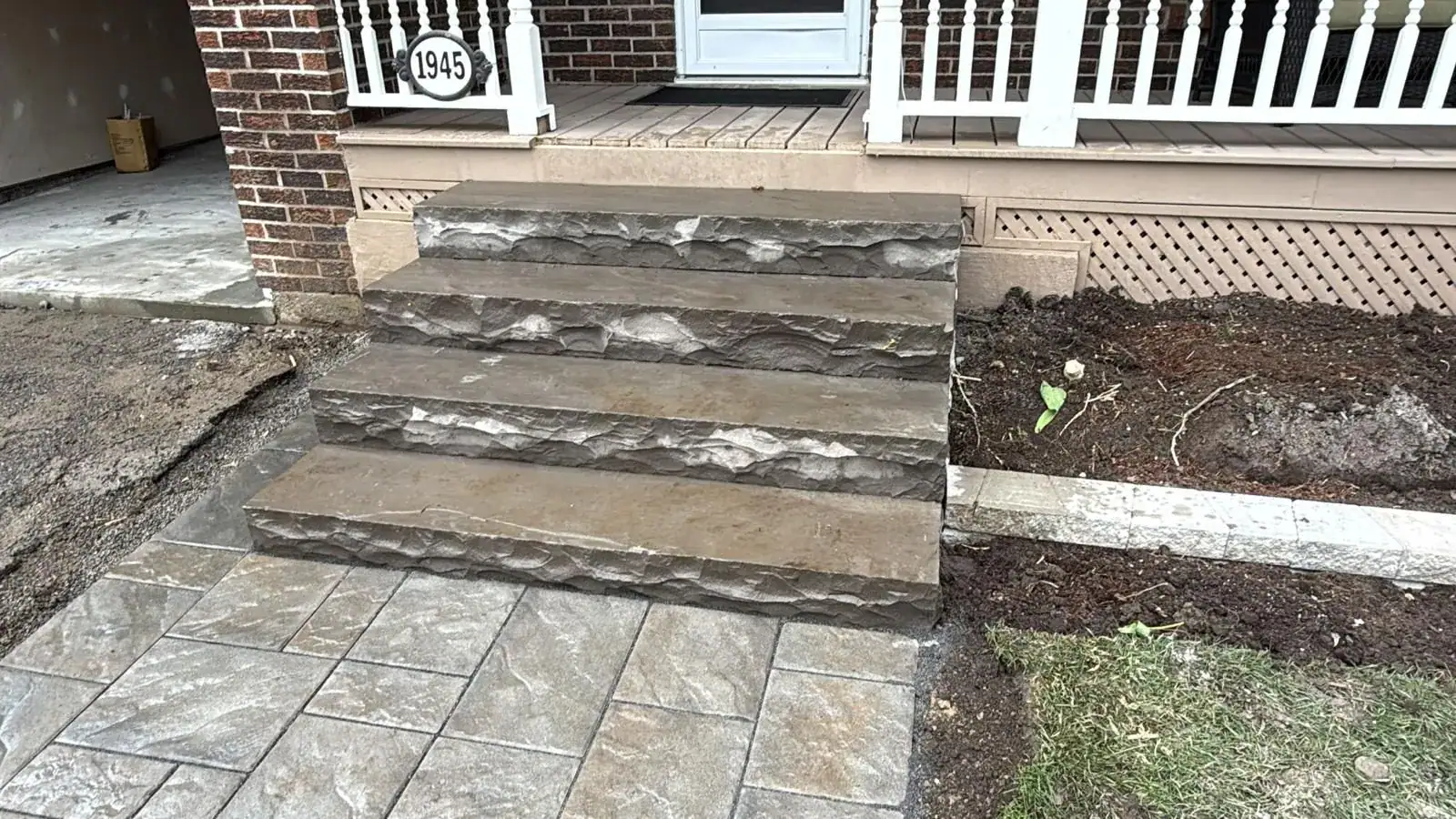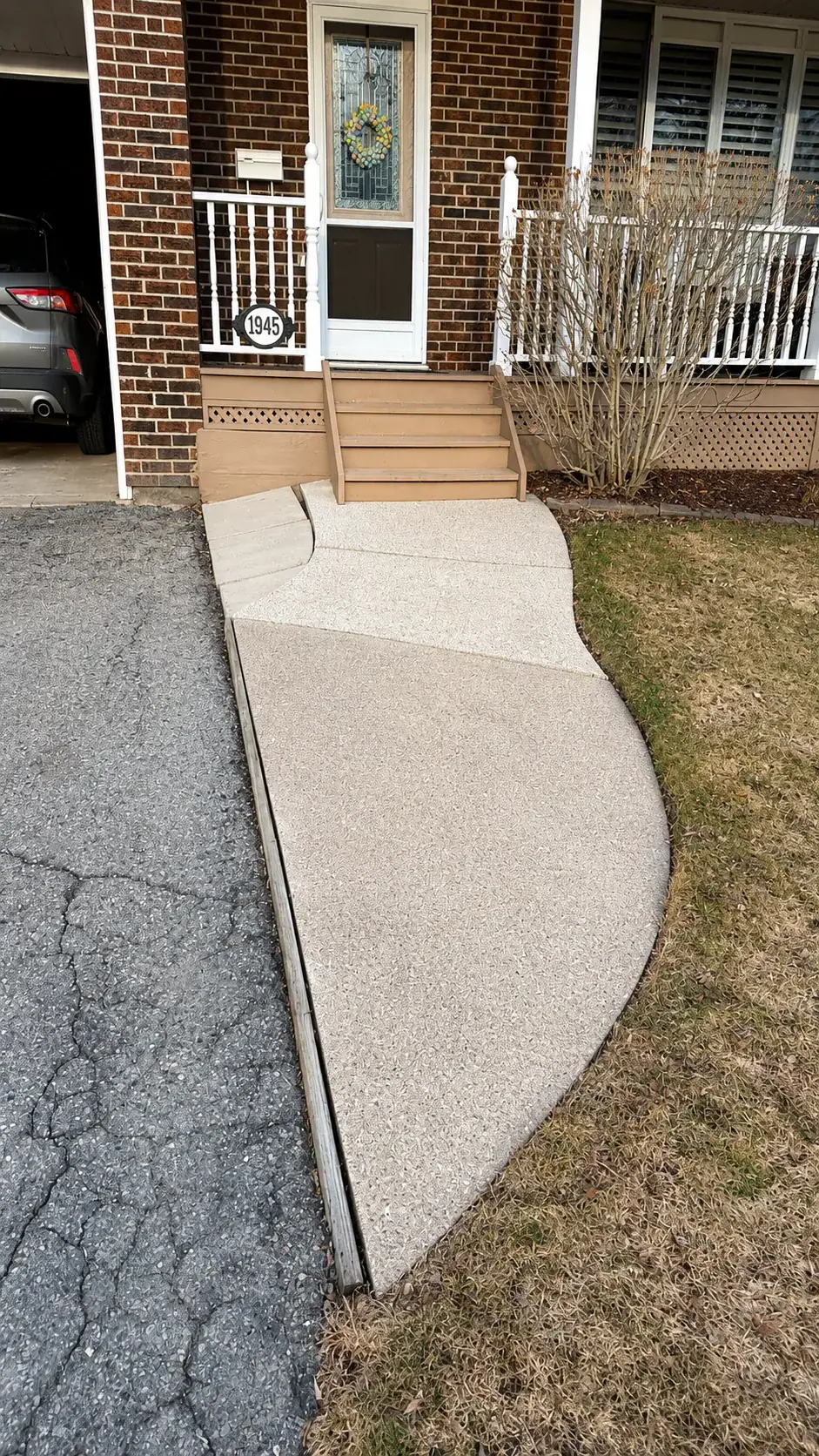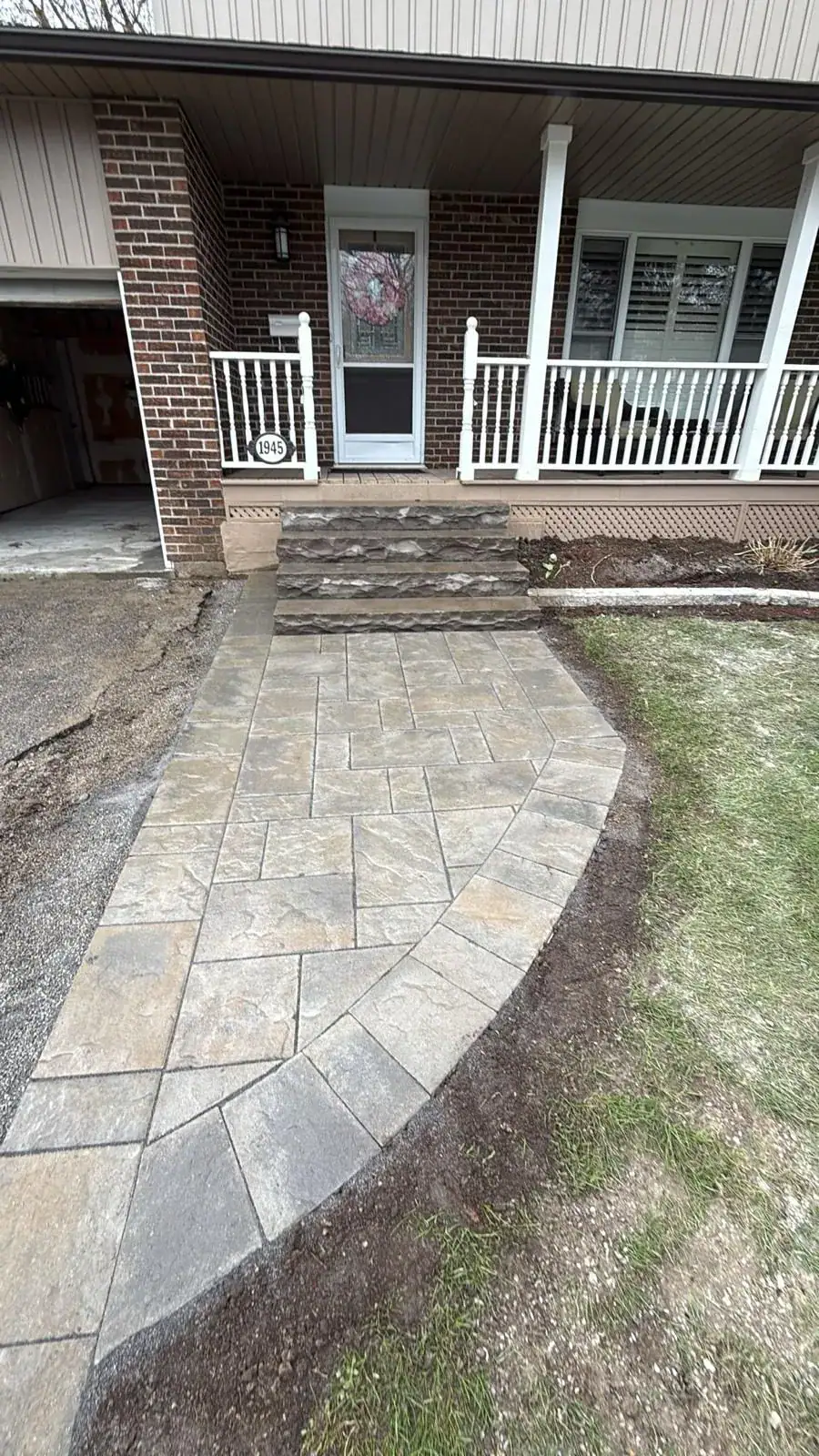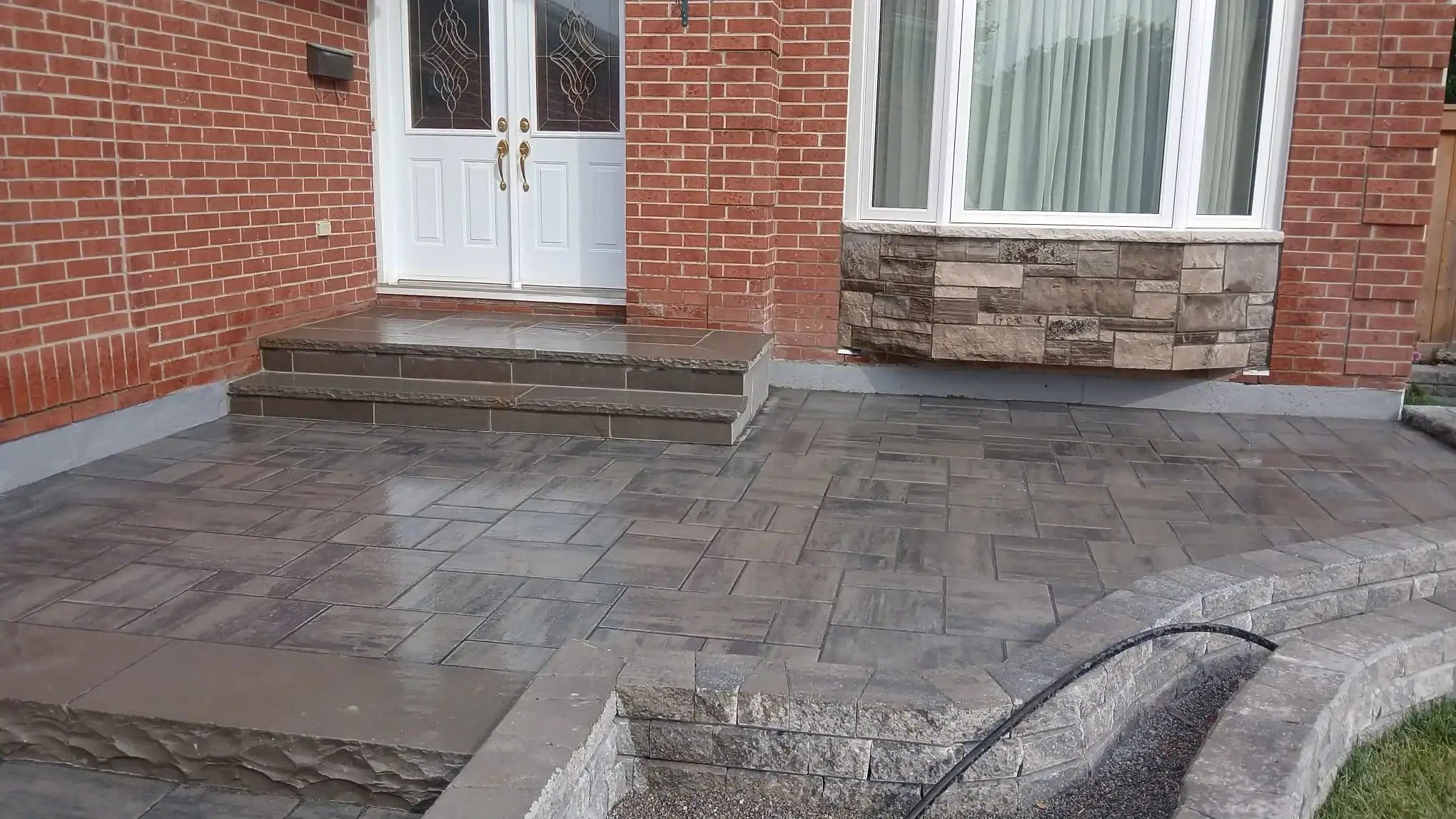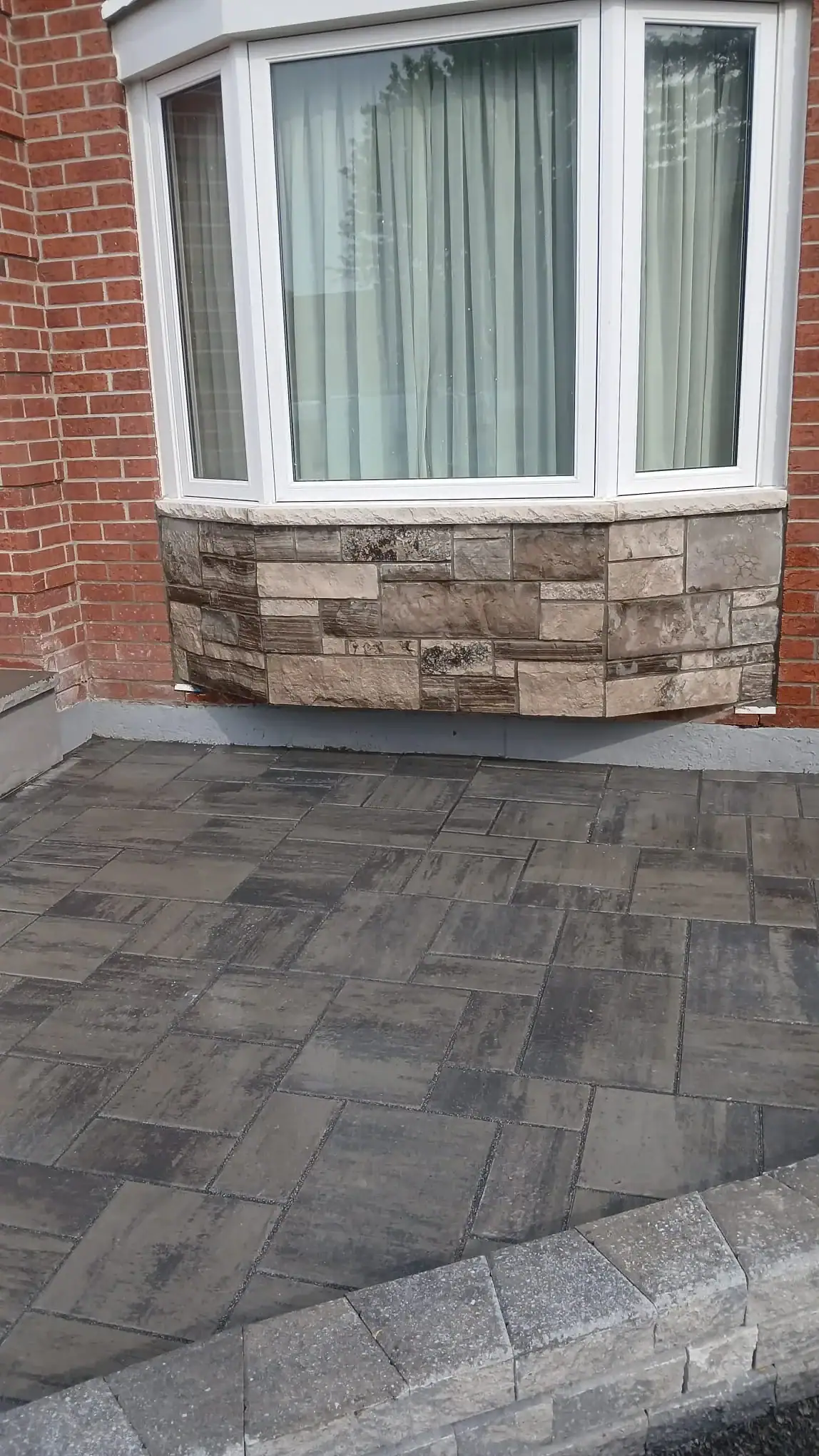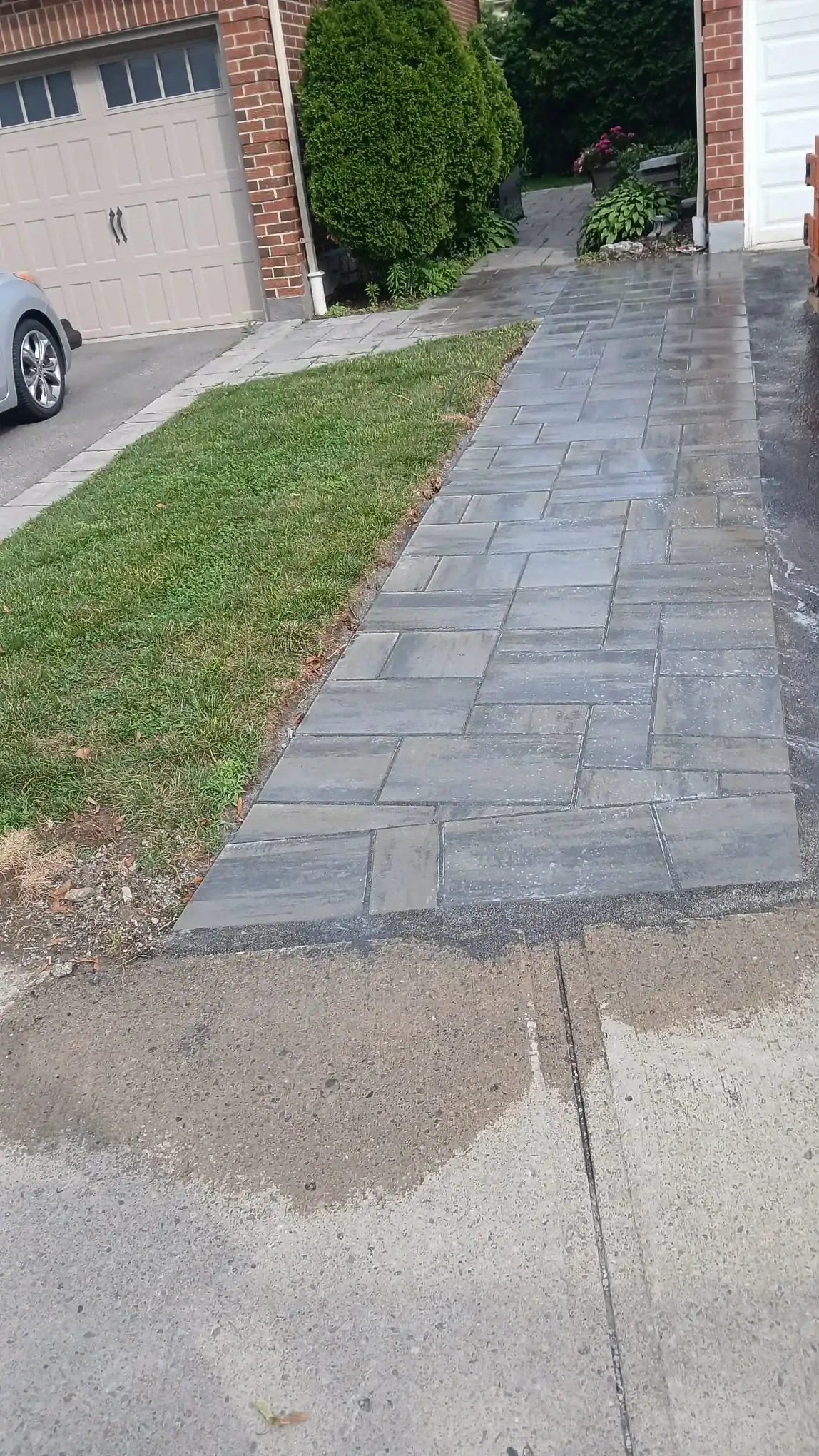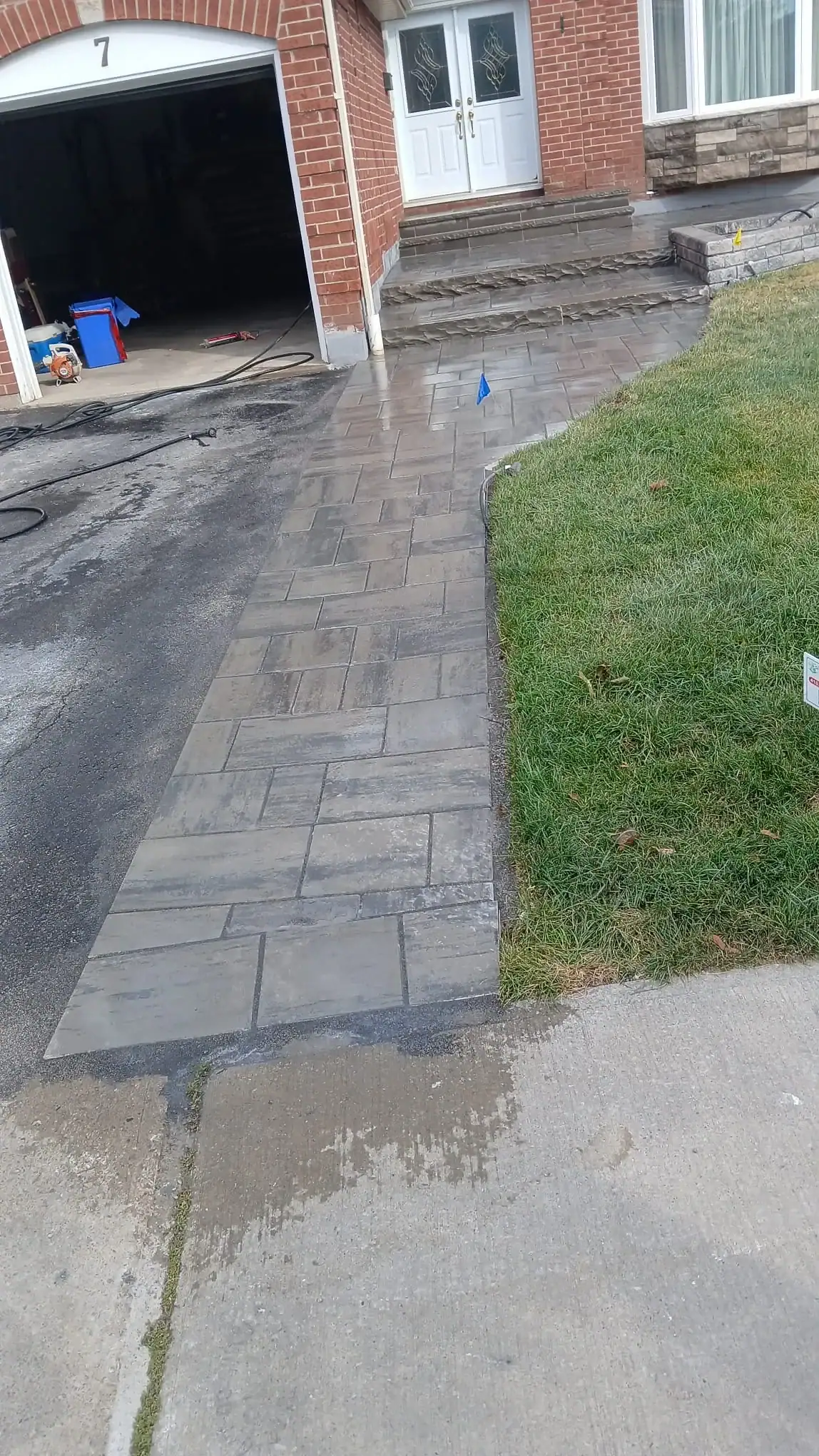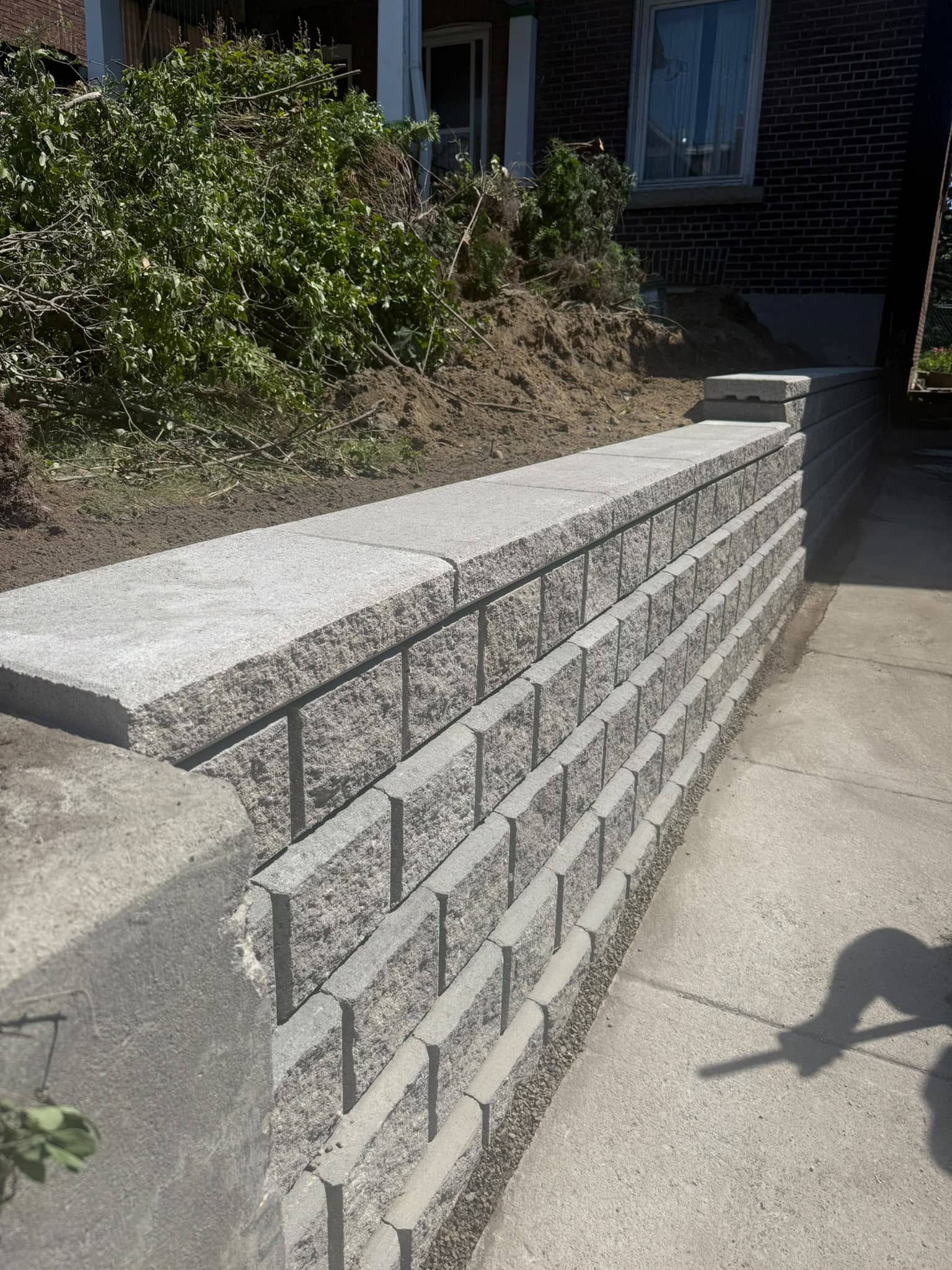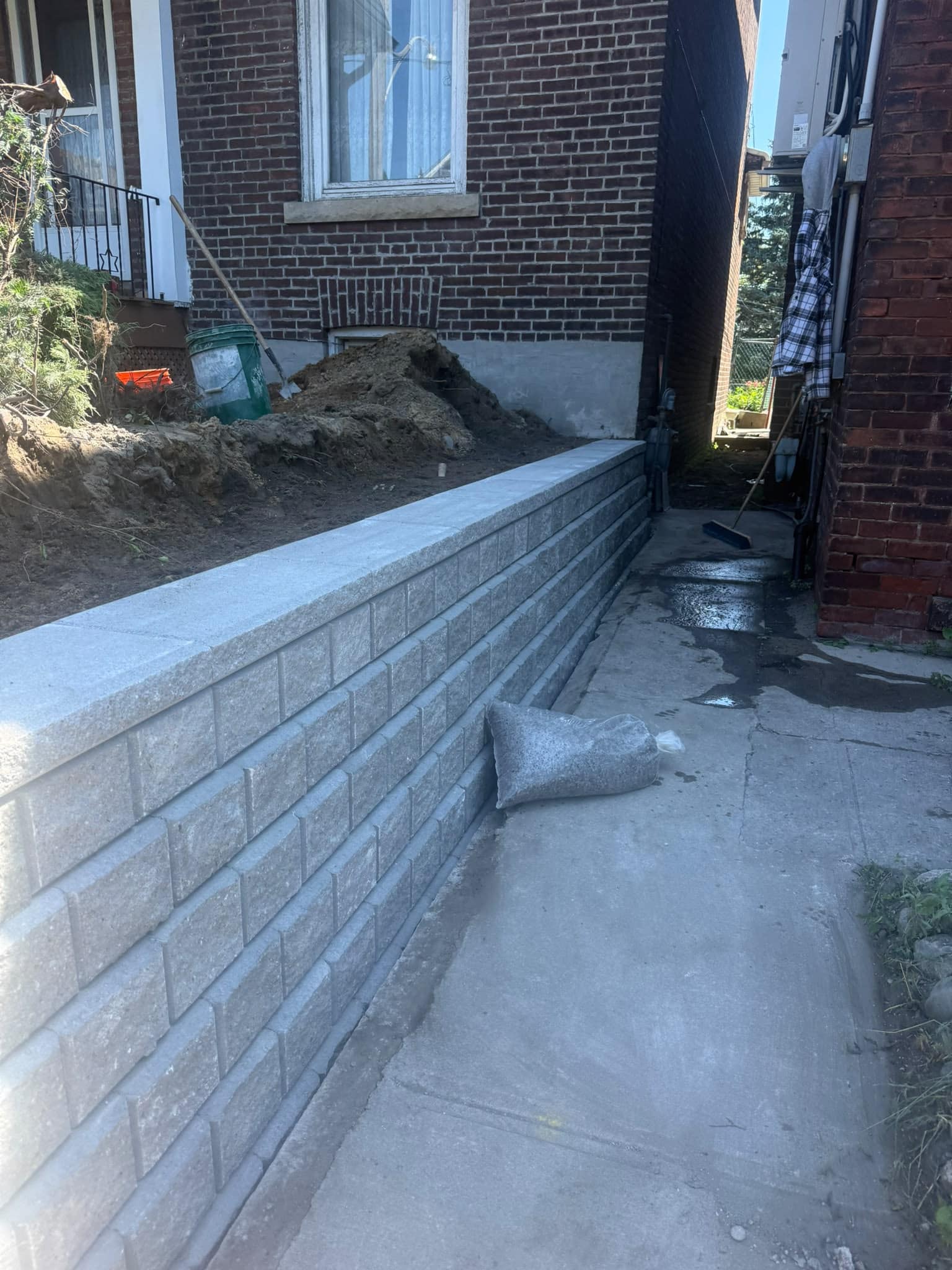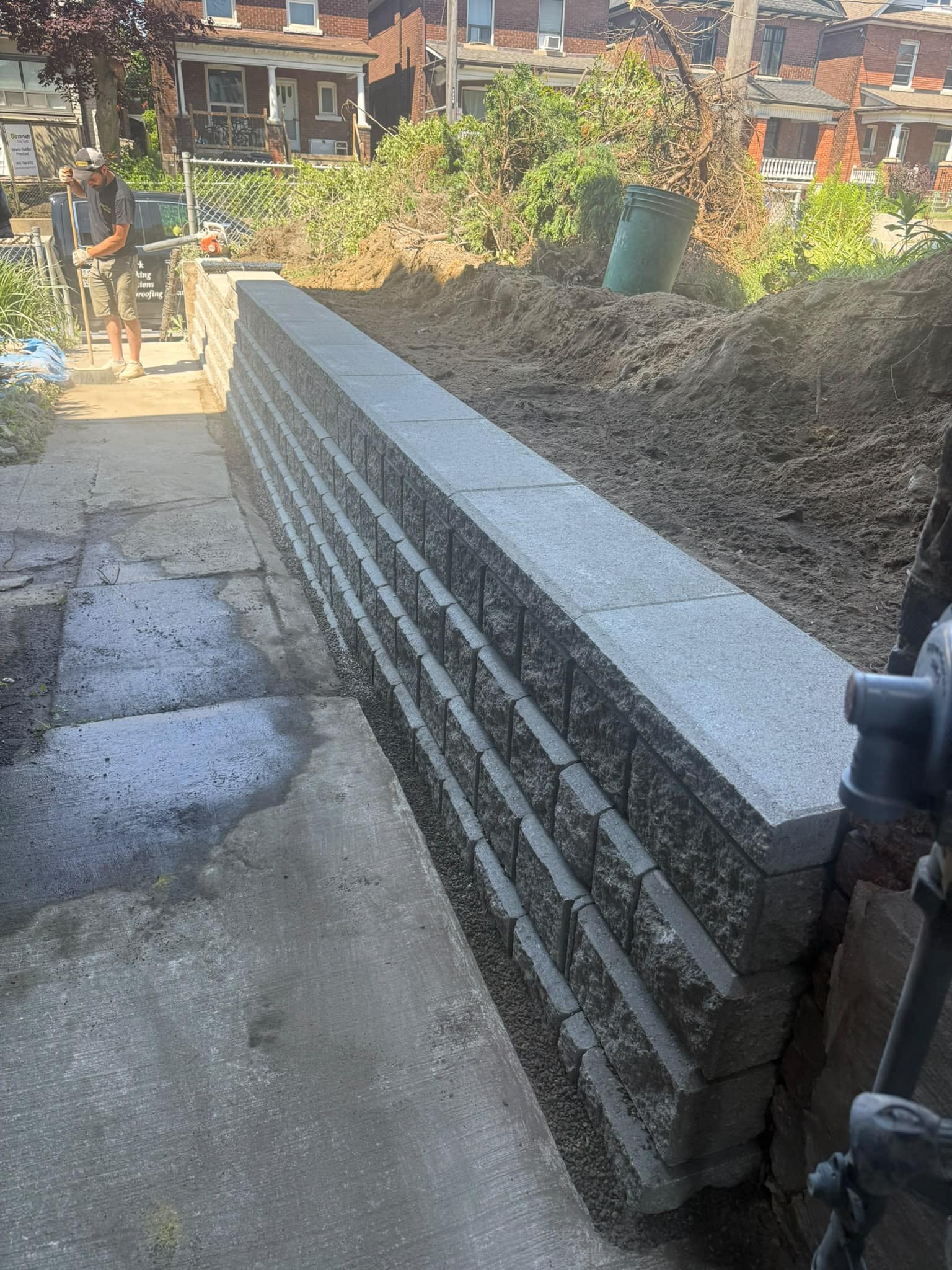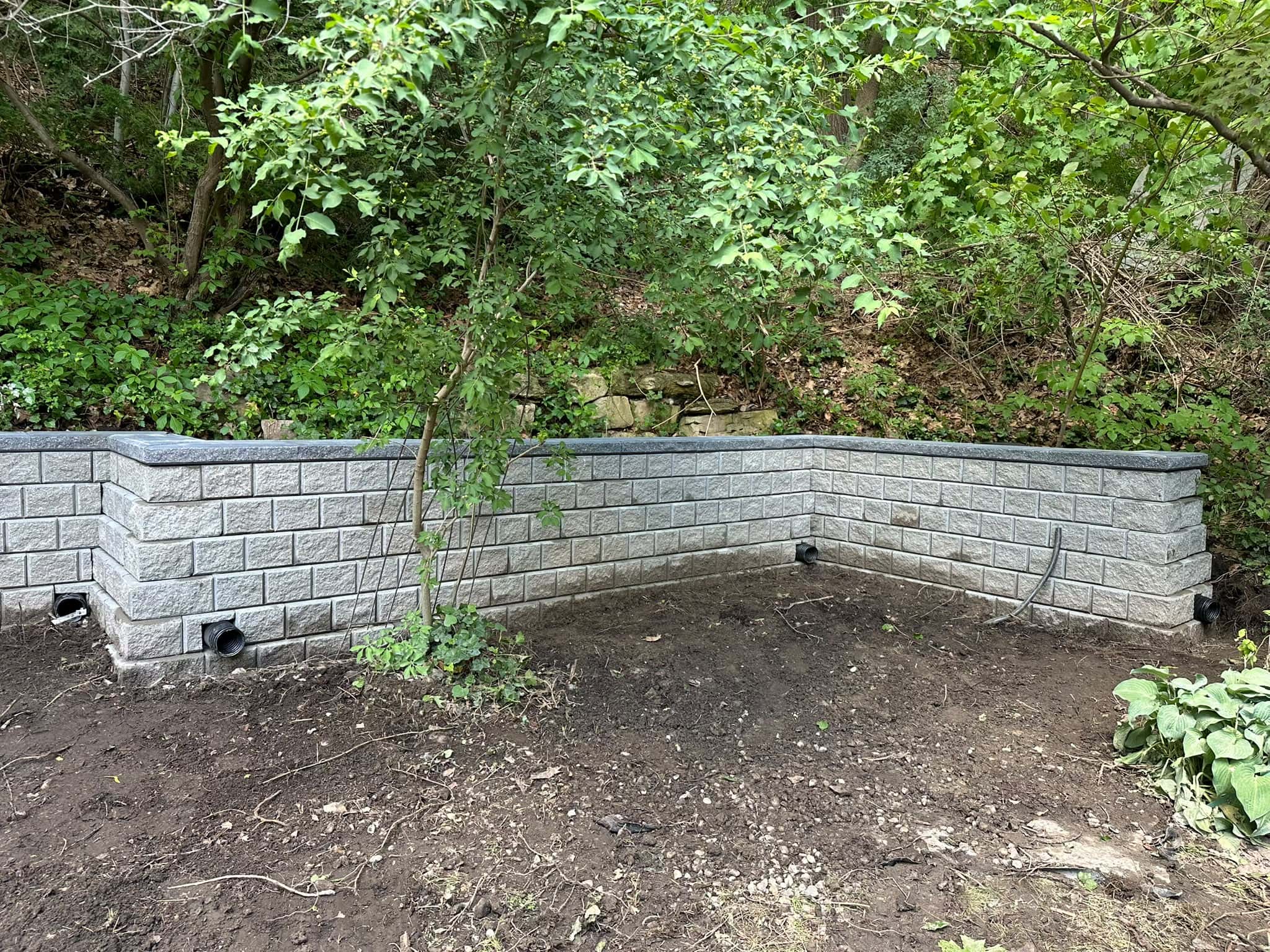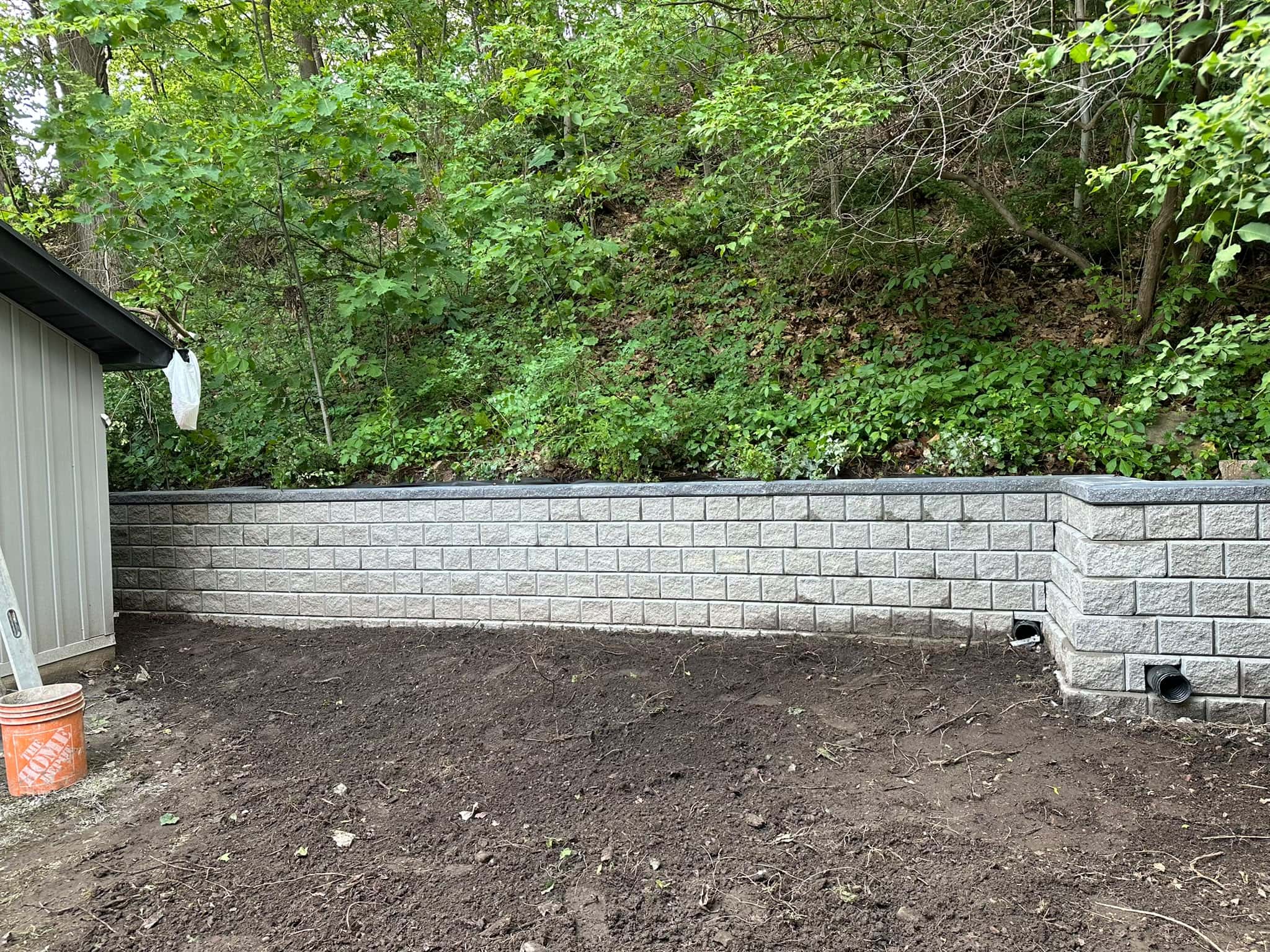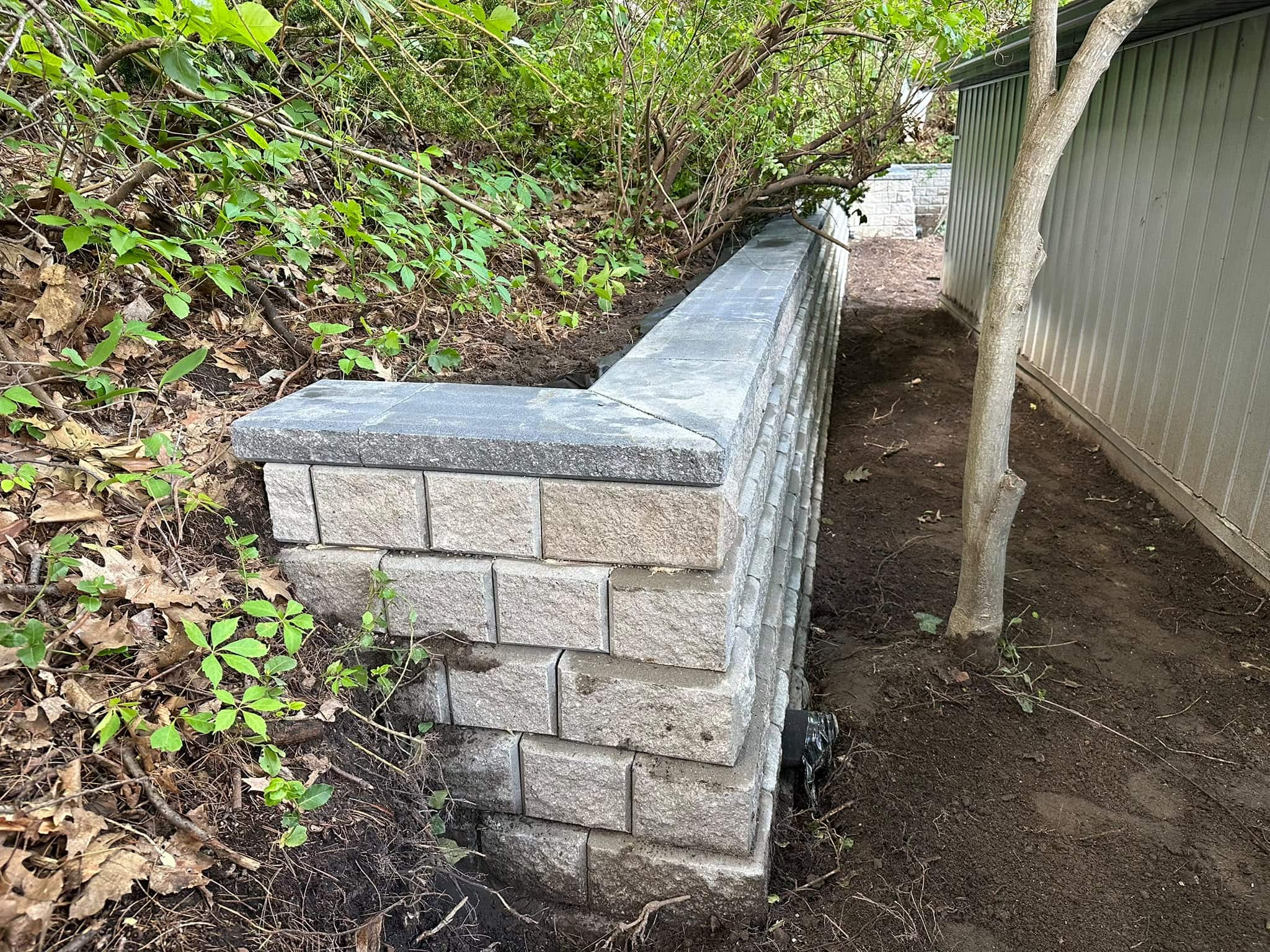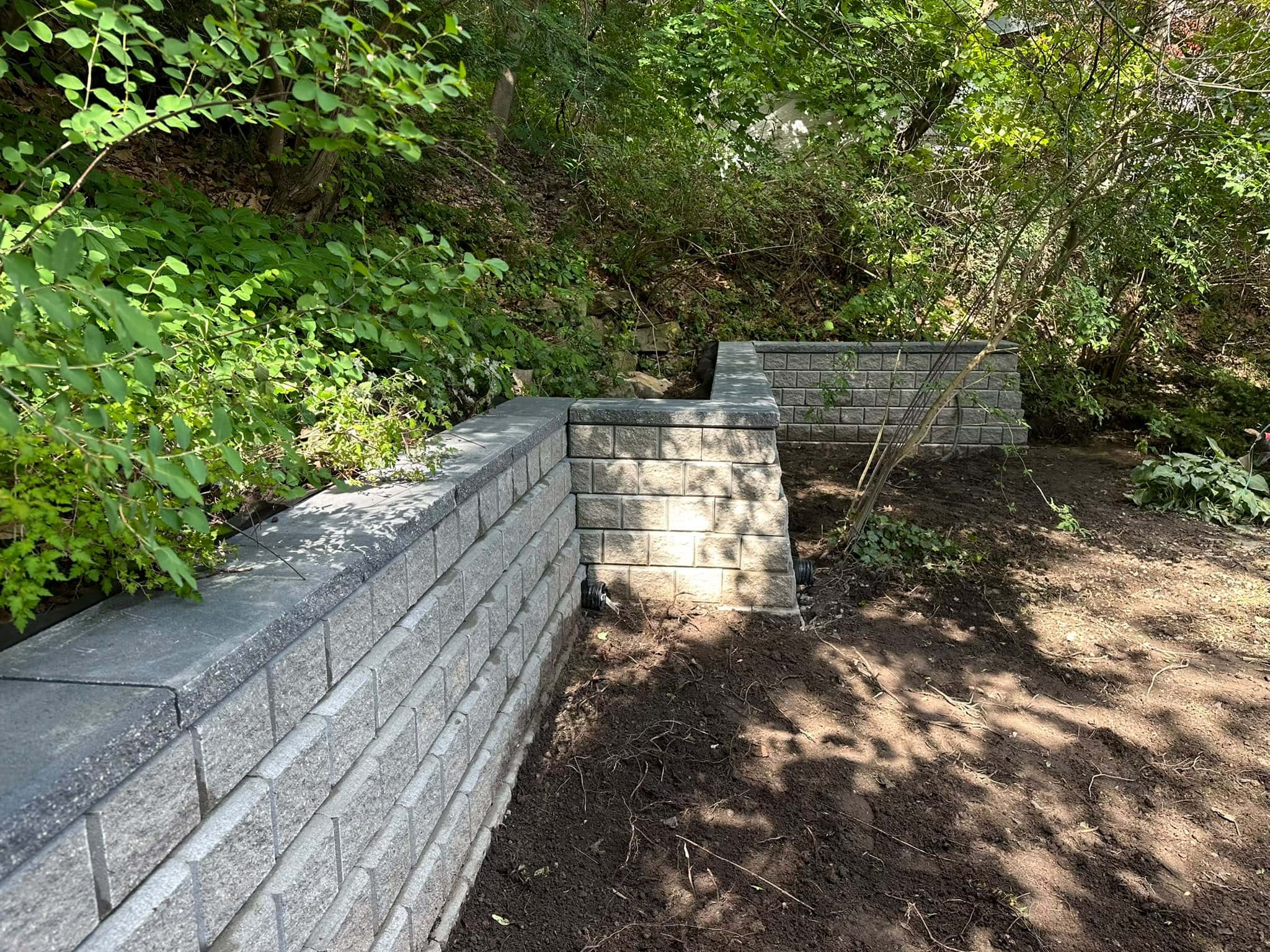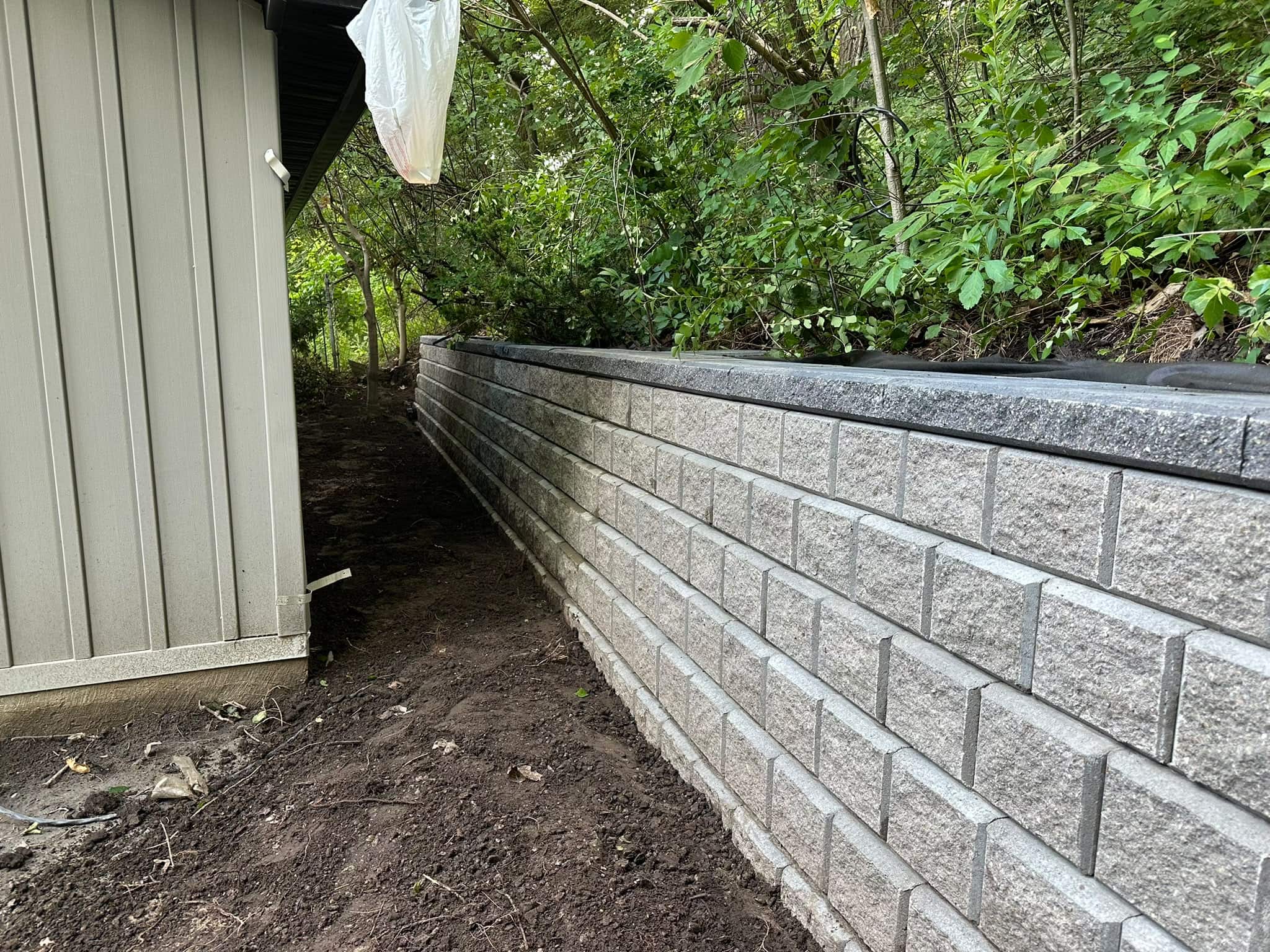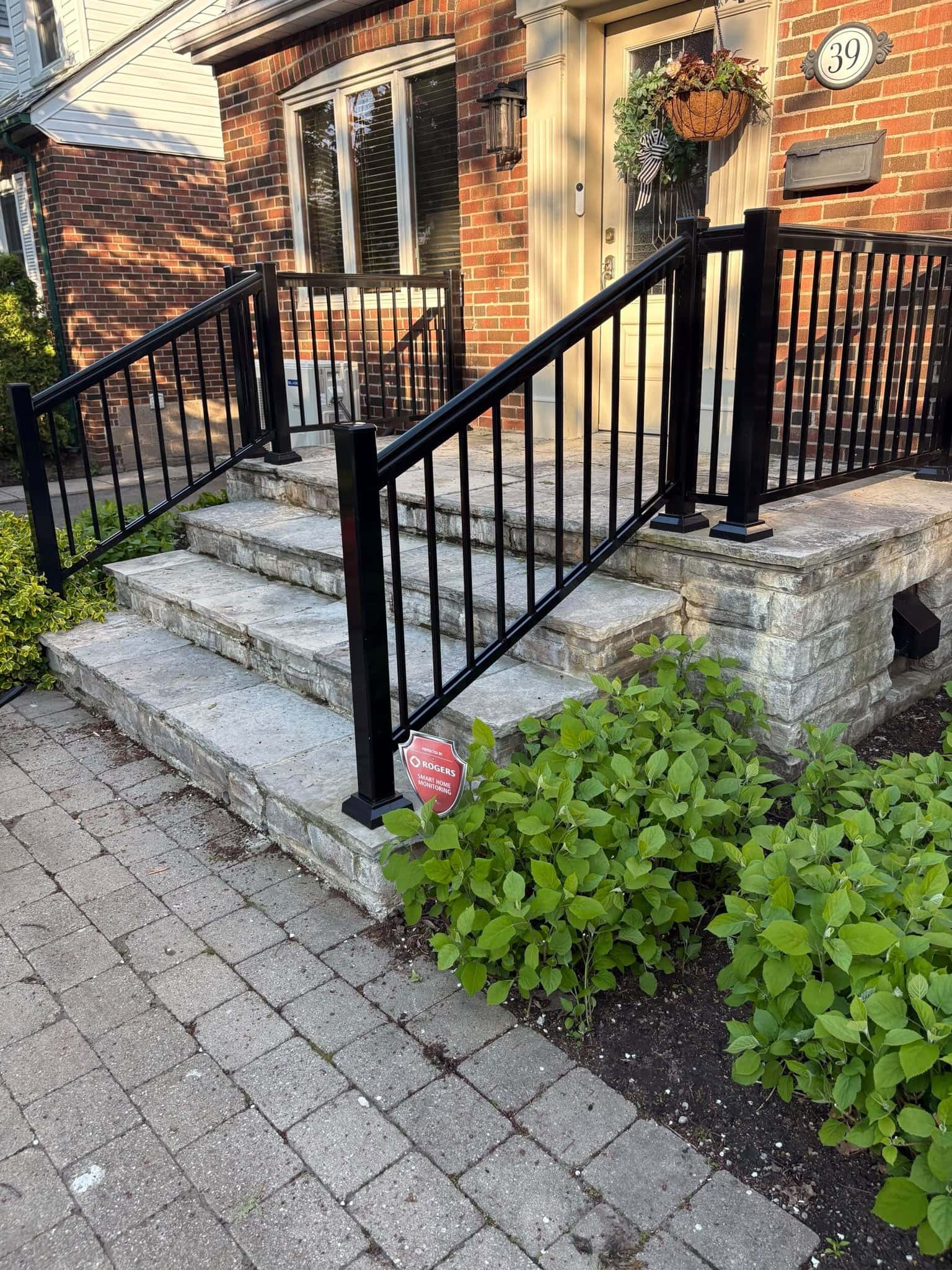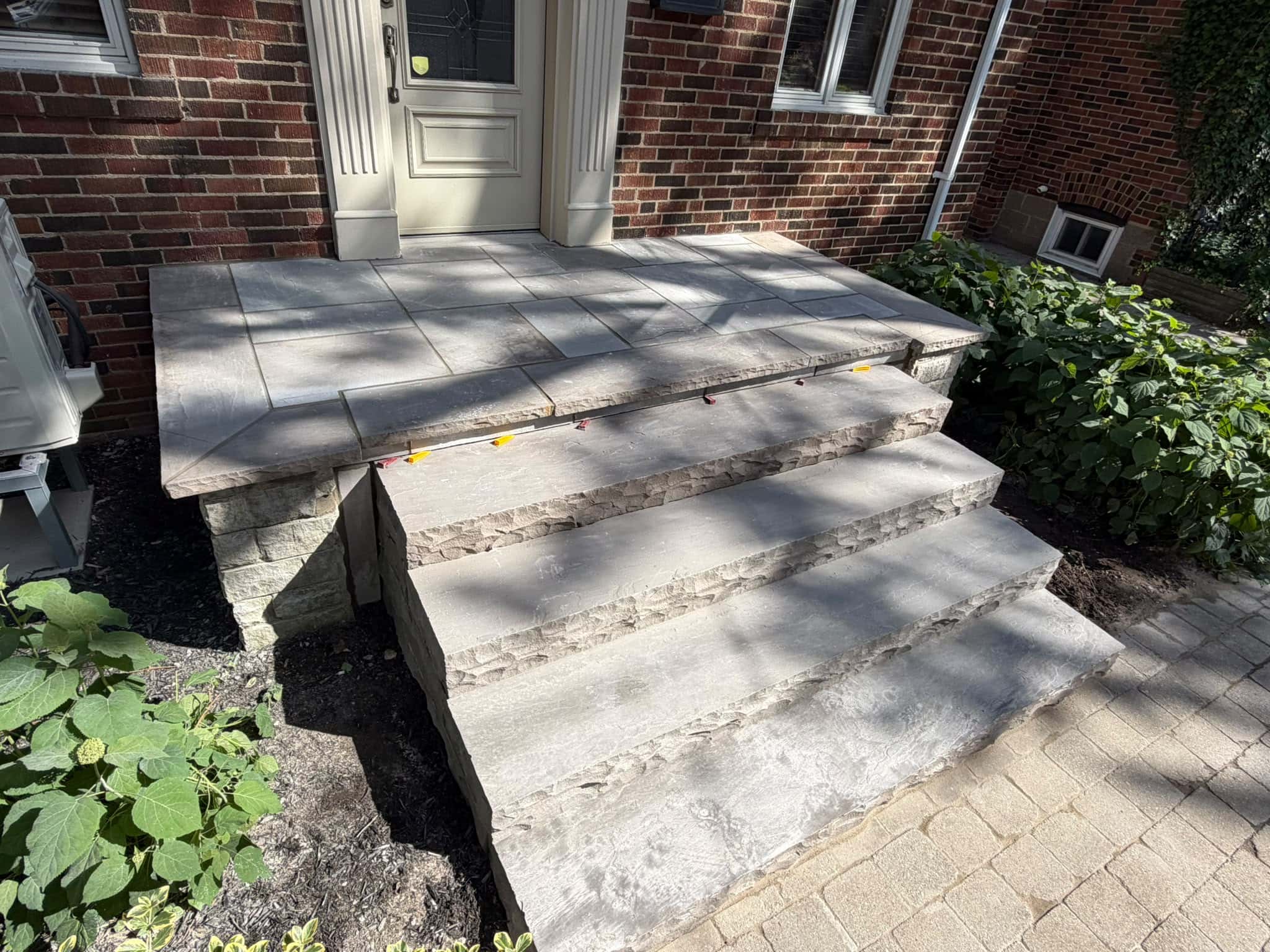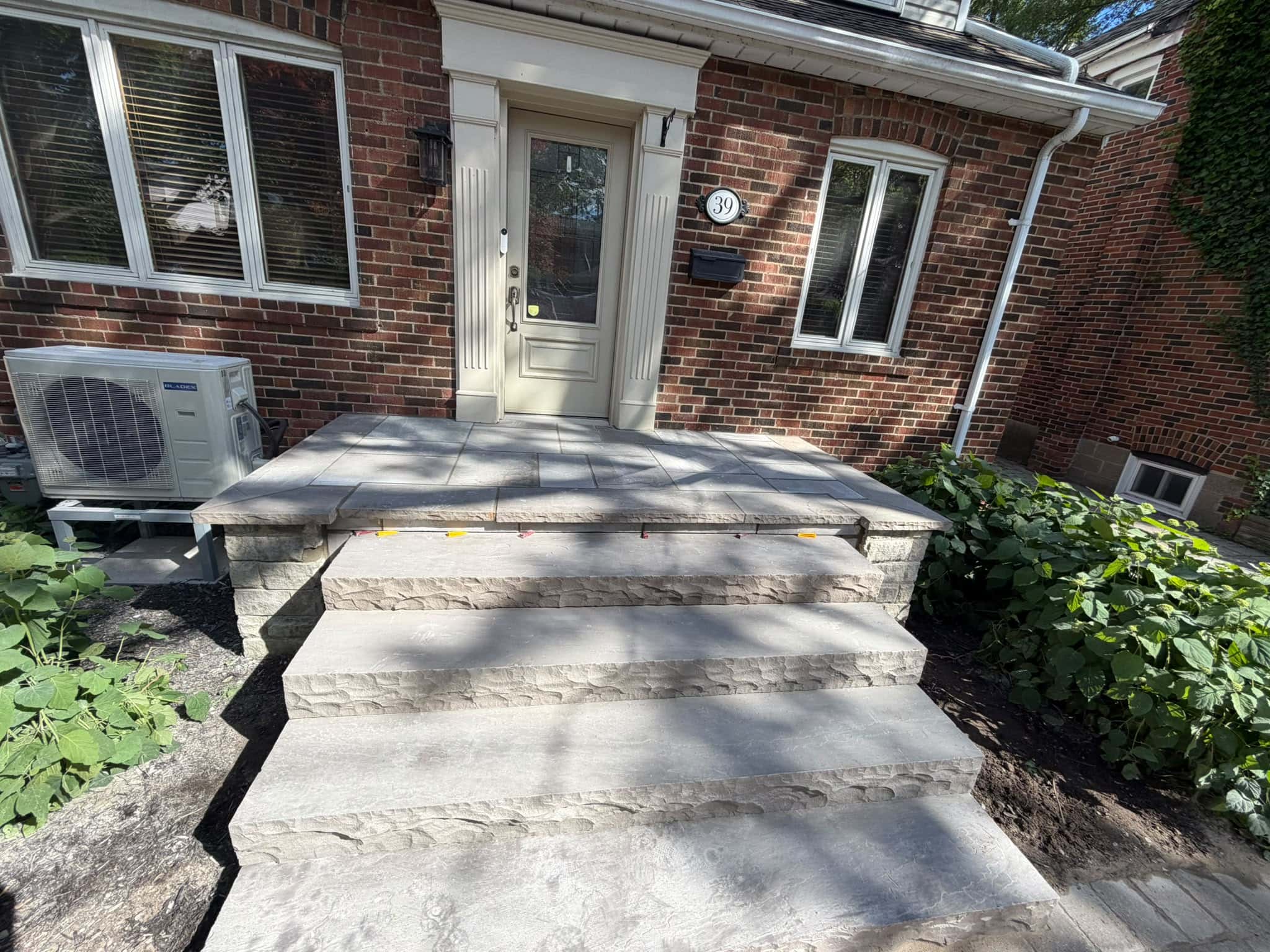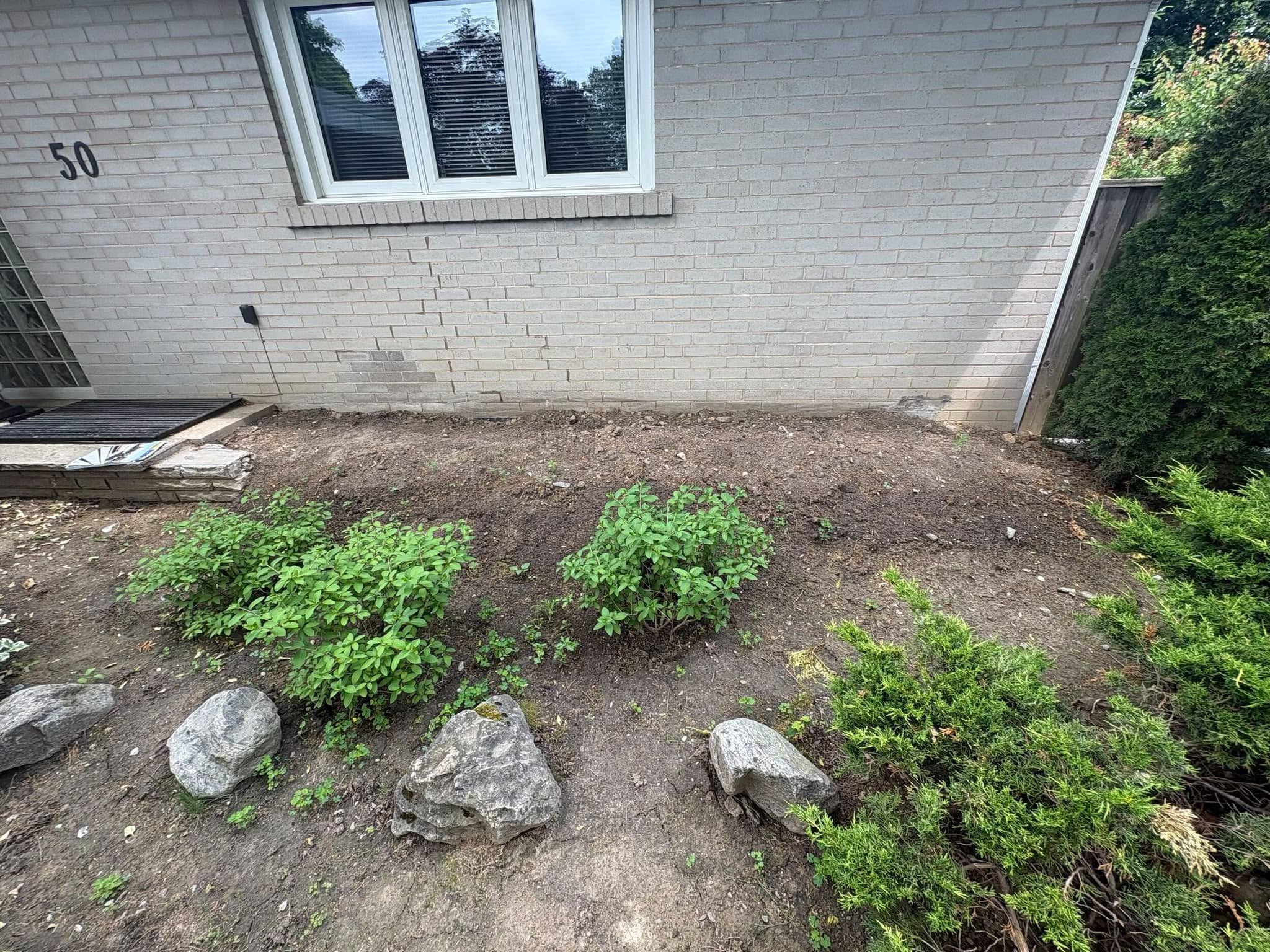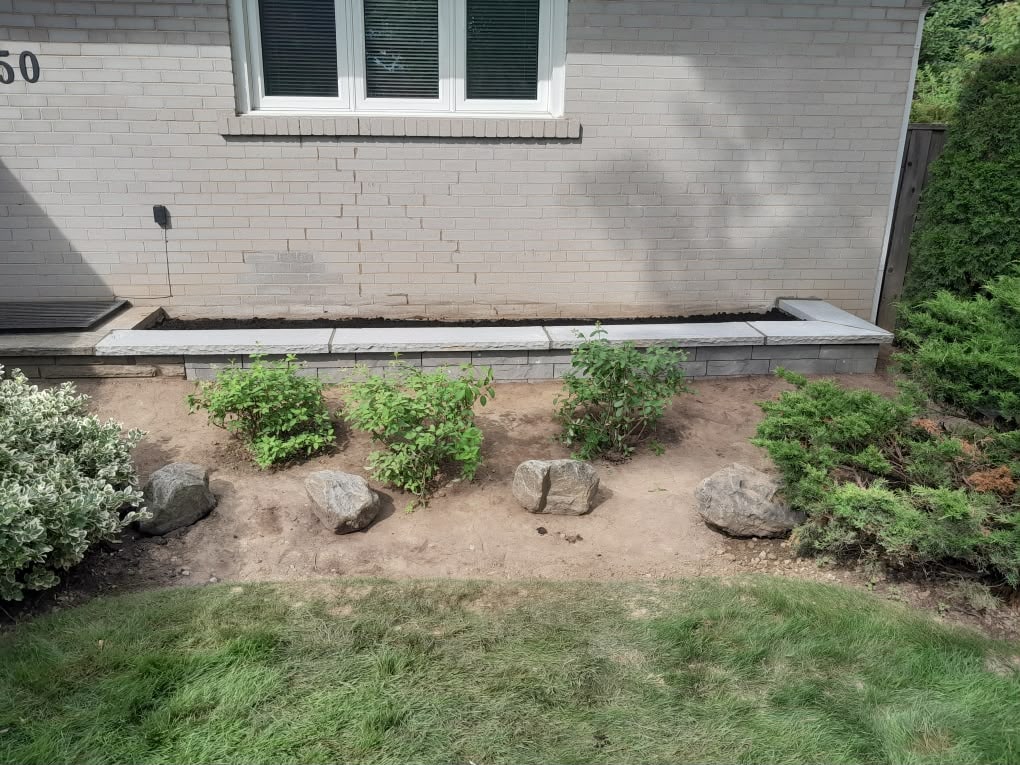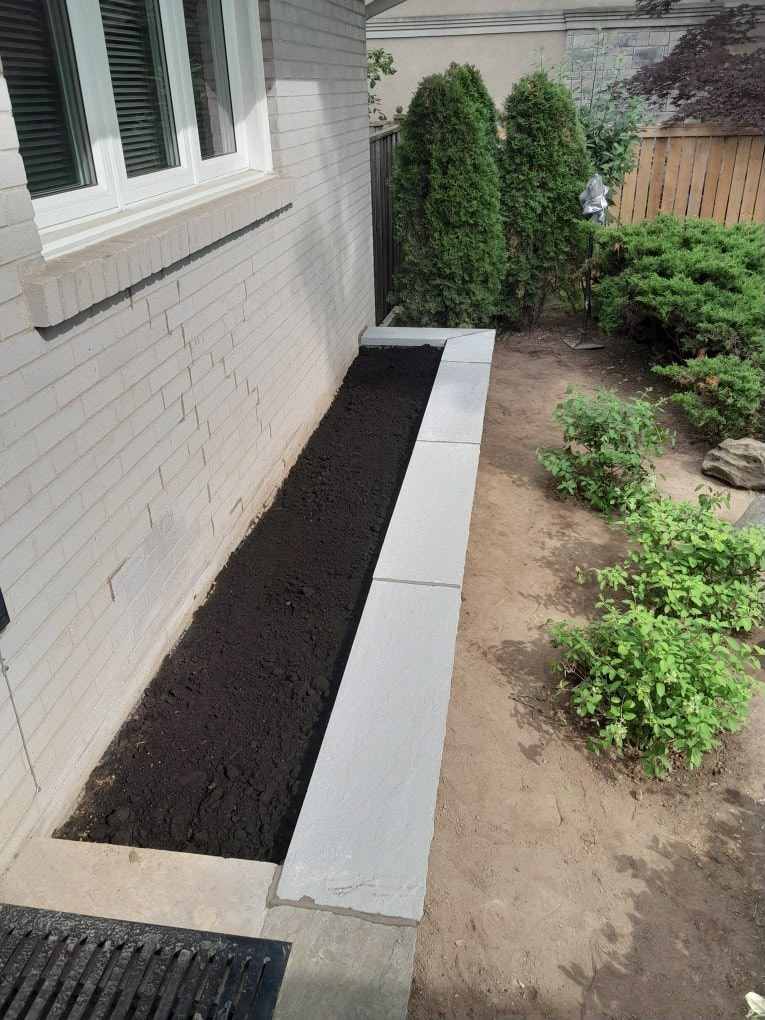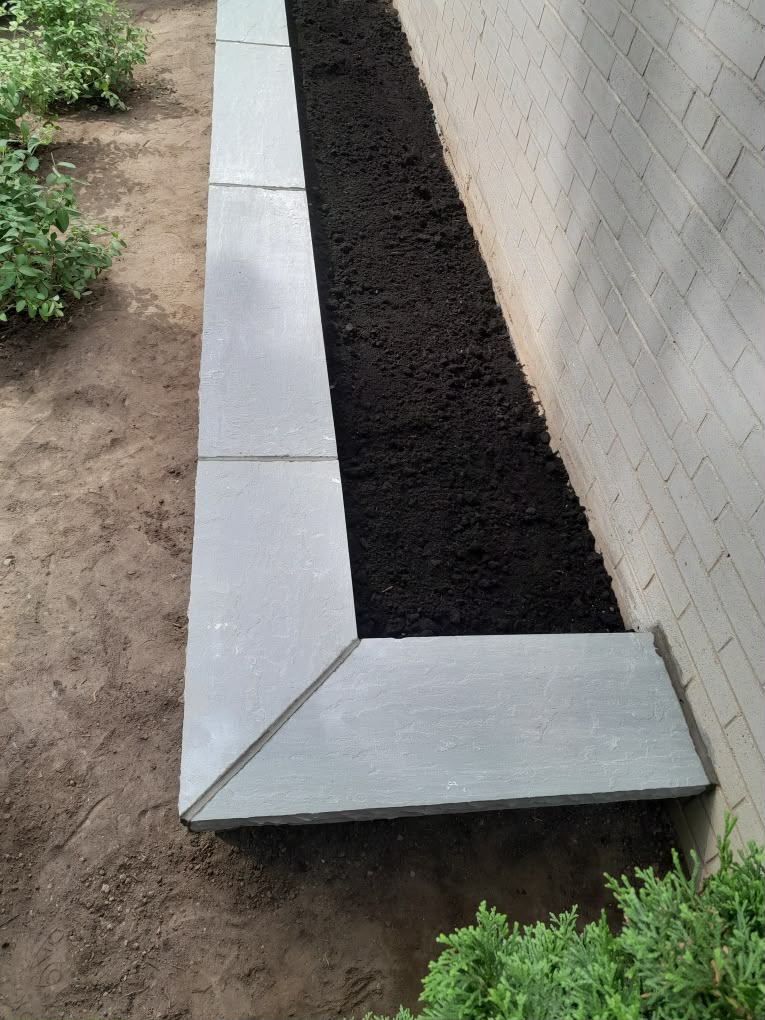

Why Choose Armour Stone Retaining Walls for Your Landscaping Projects?
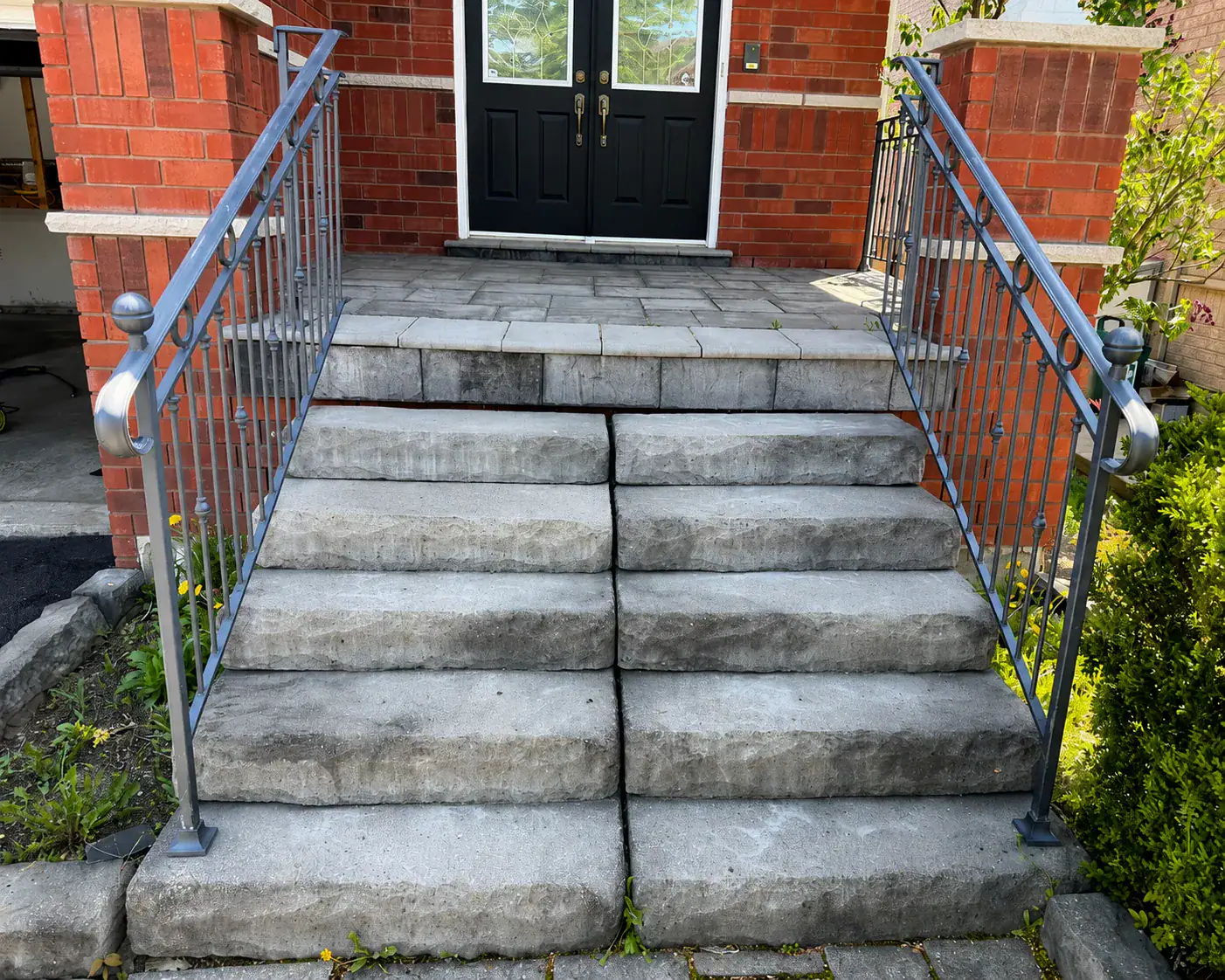
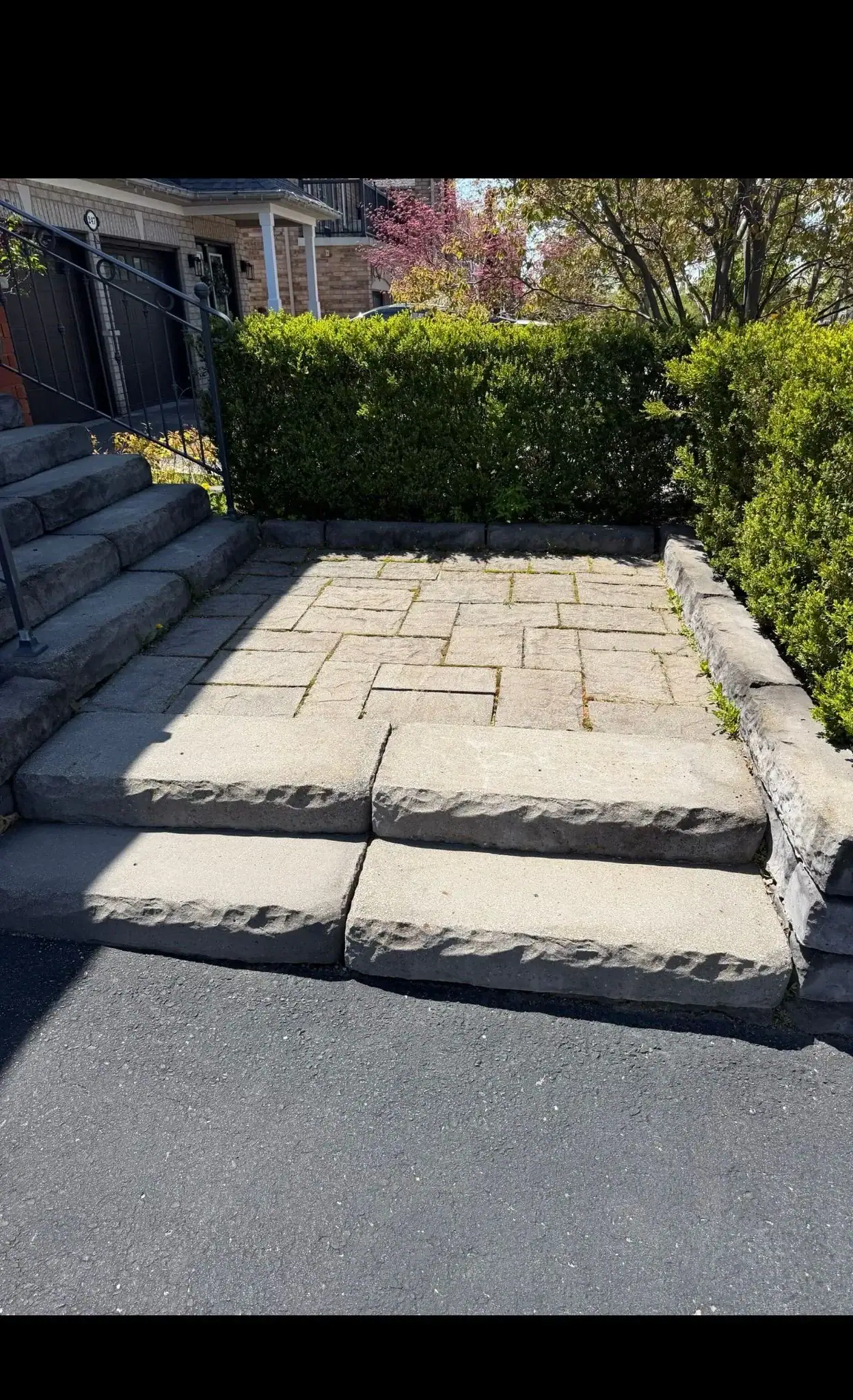
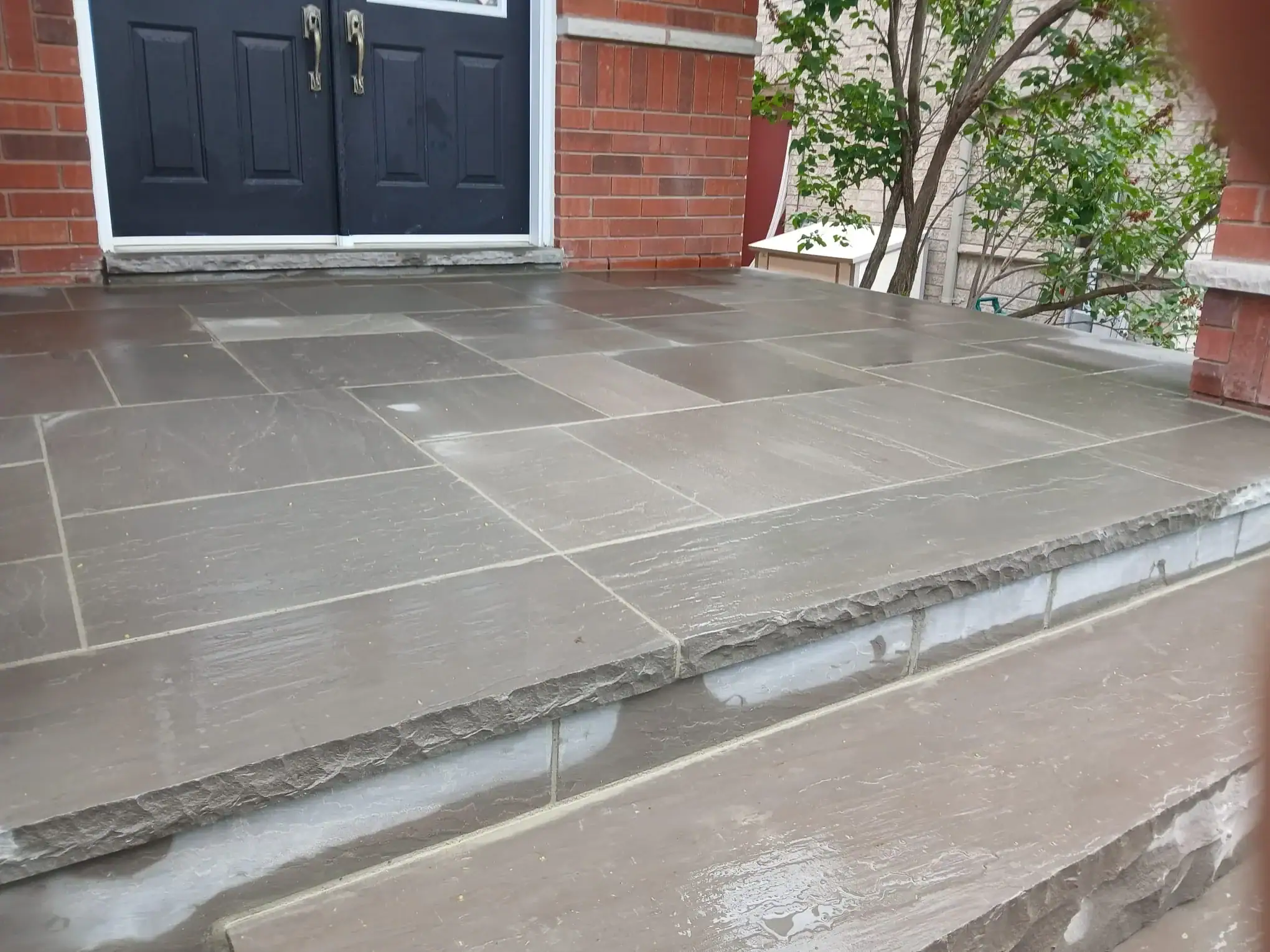
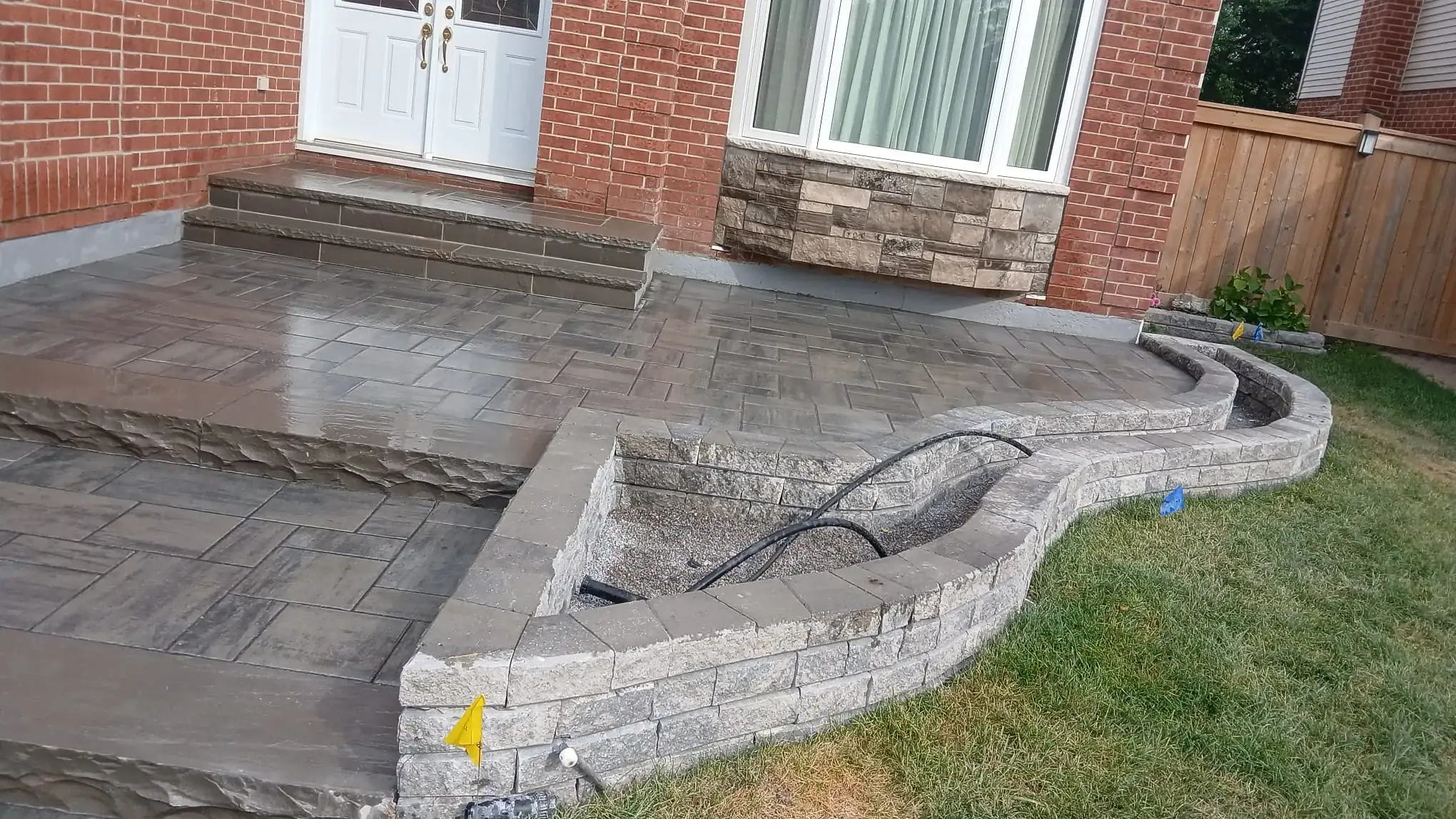
Armour Stone Retaining Walls are retaining walls built using large, heavy, and naturally quarried stone blocks, known as armour stones, which are highly durable and aesthetically pleasing.
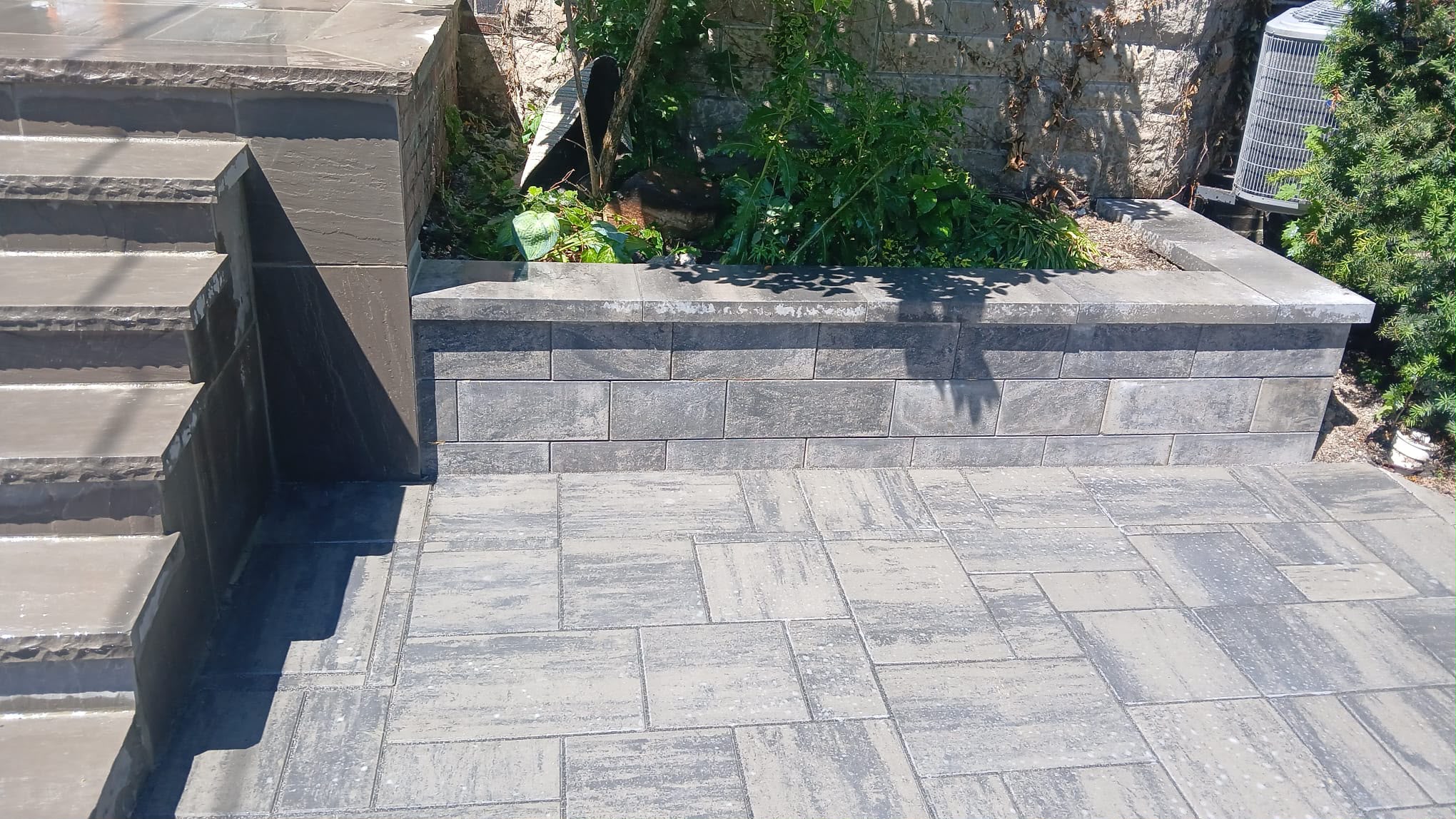
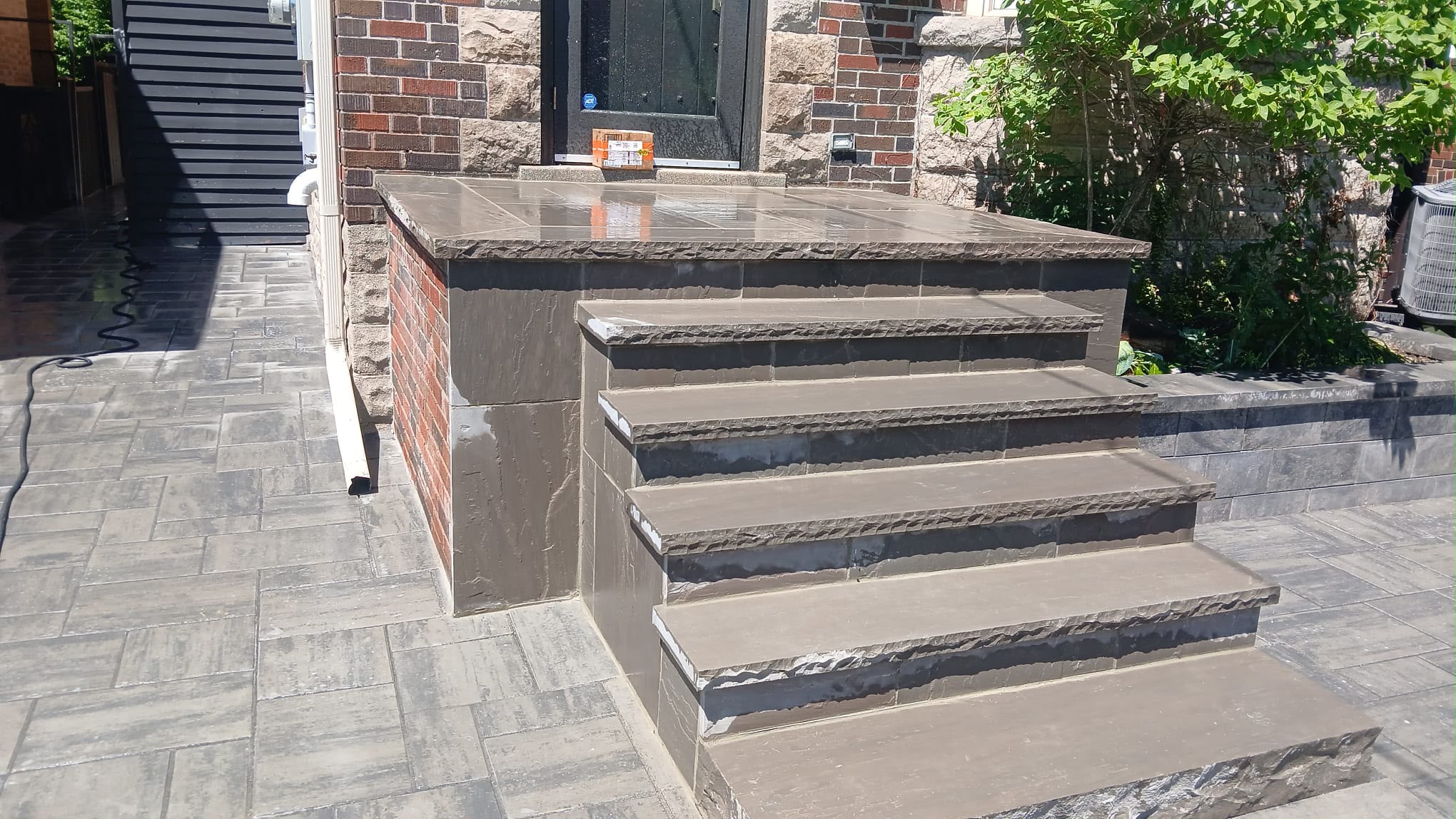
These walls stand out as a top choice for homeowners and landscapers alike because of their durability and aesthetic appeal that elevate the visual charm of any outdoor space.
They are also used for erosion control and structural support in both residential and commercial applications.
Is Armour Stone Real Stone?
Yes, armour stone is indeed a real stone. It is typically made from natural, durable materials such as granite, limestone, or other sedimentary rocks. Known for its strength and resilience, armour stone is specifically quarried and cut to be used in various landscaping and construction applications, particularly for retaining walls and erosion control.
It’s natural appearance and robust characteristics make it an excellent choice for enhancing the beauty and functionality of outdoor spaces.
How Armour Stone Walls are Made?
Armour stone is made by extracting large blocks of natural rock from quarries, sorting them for quality, and shaping them to suit the requirements of retaining walls, landscaping, and erosion control.
The process combines natural stone characteristics with modern shaping and cutting techniques to create durable, attractive stones that can withstand heavy forces in various applications.
The result is a strong, reliable material used in construction projects for long-lasting and aesthetically pleasing results.
What Size Is a Typical Armour Stone?
A typical armour stone ranges from 1 to 3 feet in length, 12 to 24 inches in height, and 24 to 36 inches in depth. The weight varies between 500 to 2,000 pounds per piece, depending on the size and type of stone. These large, heavy blocks provide excellent stability for retaining walls and erosion control.
What Size Stone for a Retaining Wall?
The ideal stone size for a retaining wall depends on the wall’s height and purpose:
- Small retaining walls (under 3 feet): Use 6 to 12-inch stones or interlocking blocks.
- Medium walls (3 to 6 feet): Choose 12 to 18-inch stones for added support.
- Large walls (over 6 feet): 18 to 24-inch armour stones or engineered concrete blocks are recommended for maximum stability.

Common Uses of Armour Stone Retaining Walls:
| Uses | Best feature |
| Residential Landscaping | Used to create garden terraces, raised beds, and decorative retaining walls in backyards. |
| Erosion Control | Installed along shorelines, riverbanks, and slopes to prevent soil erosion and provide stability against water forces. |
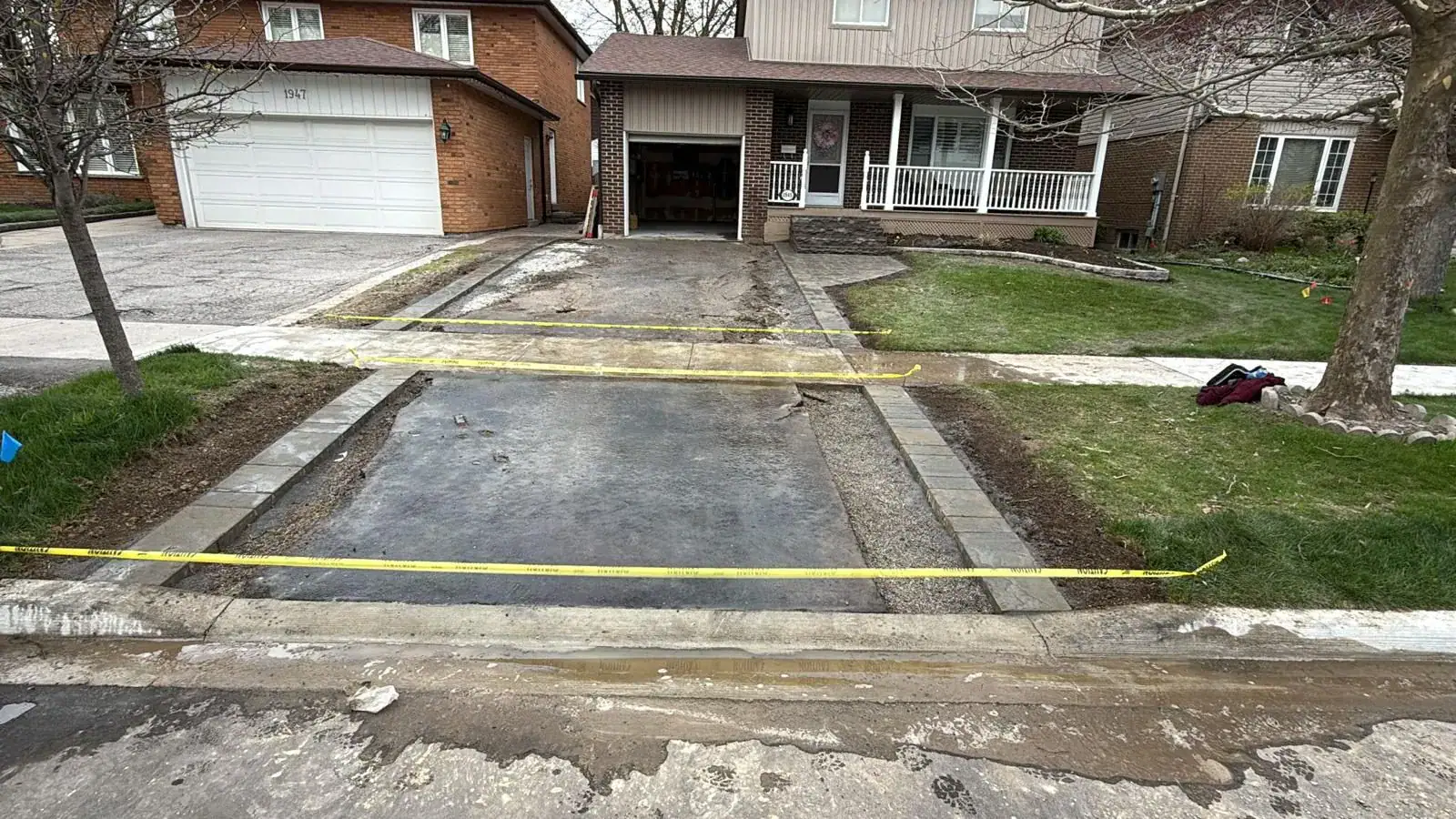
| Driveway and Property Borders | Used to define property boundaries and enhance curb appeal. |
| Commercial Applications | Commonly seen in parks, golf courses, and commercial landscapes where a natural yet sturdy solution is needed. |
| Support for Sloped Terrain | Ideal for properties with steep inclines, helping to create leveled spaces and prevent landslides. |
How Professional Build an Armour Stone Wall – Step-by-Step Guide
Here’s a step-by-step guide to help you construct a sturdy and long-lasting armour stone wall.
Materials and Tools Needed
- Armour stones (large, durable limestone or granite blocks)
- Gravel (for the base and drainage)
- Geotextile fabric
- String line and stakes
- Shovel and rake
- Level and measuring tape
- Plate compactor or tamper
- Excavator (for moving large stones, if needed)
Step 1: Plan and Design the Wall
- Determine the location and purpose of the wall (retaining wall, garden edging, or decorative feature).
- Measure the length, height, and width to estimate the number of stones required.
- Check local building codes and obtain necessary permits if required.
Step 2: Prepare the Base
- Mark the wall’s layout using stakes and string lines to ensure proper alignment.
- Excavate a trench about 12-18 inches deep and at least 6 inches wider than the stones.
- Lay geotextile fabric to prevent soil movement and enhance drainage.
- Add a 6-12 inch layer of crushed gravel and compact it using a plate compactor for stability.
Step 3: Lay the First Row of Armour Stones
- Start placing the largest and flattest stones as the base layer.
- Ensure each stone is level and tightly fitted to the next for a strong foundation.
- Adjust and compact gravel underneath if necessary to maintain even alignment.
Step 4: Build Up the Wall
- Stack additional layers, ensuring each stone overlaps the joints of the row below for stability.
- Use a level to check alignment after placing each stone.
- Fill any gaps with smaller stones or gravel to enhance stability.
Step 5: Backfill and Drainage
- Place drainage pipes behind the wall if necessary, especially for retaining walls.
- Backfill with gravel behind each row to promote water drainage and prevent pressure buildup.
- Compact the backfill material as you progress to reinforce wall strength.
Step 6: Finishing Touches
- If the top layer of stones has an uneven surface, consider capping them with flatter stones.
- Fill gaps with soil or smaller stones for a polished look.
- Clean the area and inspect the wall for stability before finalizing the project.
Maintenance Tips for Armour Stone Walls
- Regularly inspect for shifting or settling, especially after heavy rain.
- Remove weeds and debris from gaps to maintain aesthetics.
- Reapply gravel to the base or backfill areas if erosion occurs.
Pros of Armour Stone Retaining Walls
The benefits of armour stone retaining walls extend far beyond their impressive sturdiness. These walls not only provide a robust structural solution but also enhance the natural beauty of any outdoor space. Here are the top benefits of armour stone.
Aesthetic Appeal
Armour stone retaining walls offer a natural beauty that enhances the visual appeal of any landscape. The unique textures and colors of the stones create a rustic charm, making them an ideal choice for both modern and traditional designs. Whether used in gardens, around patios, or along pathways, armour stone can transform ordinary spaces into stunning focal points.
Durability and Longevity
One of the standout benefits of armour stone is its exceptional durability. Made from natural stone, these walls can withstand harsh weather conditions, including heavy rain, snow, and extreme temperatures. Unlike other materials that may deteriorate over time, armour stone retains its integrity and appearance, ensuring your investment lasts for decades with minimal maintenance.
Erosion Control
Armour stone retaining walls are highly effective in preventing soil erosion. By providing a solid barrier, they help stabilize slopes and protect against runoff, which can wash away valuable topsoil. This makes them an excellent choice for properties situated on hillsides or near water bodies, where erosion can pose significant challenges.
Versatility in Design
Armour stone is incredibly versatile, allowing for creative design possibilities. It can be used to create straight walls, curved structures, or terraced landscapes, adapting to various topographies and aesthetic preferences.
Additionally, armour stone can be combined with other materials, such as wood or metal, to achieve a unique look that complements your overall landscape design.
Cons of Armour Stone Retaining Walls
1. High Initial Cost
- Armour stone is more expensive compared to other retaining wall materials like concrete blocks or timber.
- Costs can add up with transportation and installation.
2. Heavy and Difficult to Install
- Requires specialized equipment for lifting and placement due to its weight.
- Professional installation is recommended, increasing labor costs.
3. Limited Design Flexibility
- Unlike modular retaining walls, armour stone has irregular shapes, making precise designs more challenging.
- Limited options for creating curves or intricate patterns.
4. Space Requirements
- Due to its large size, it takes up more space, which may not be ideal for small yards or compact landscaping projects.
- Not always suitable for tight areas where thinner retaining wall materials would work better.
How to Choose the Best Armour Stone for Your Retaining Wall Project
Choosing the right armour stone for your retaining wall project involves considering several factors to ensure both aesthetic appeal and structural stability. Here are key points to guide your decision:
1. Stone Size and Weight
Choose large, heavy stones for durability and stability, as these will naturally lock into place and resist shifting.
The size of the stone should align with the height and function of your retaining wall. Larger stones are often needed for higher walls or areas with heavy soil pressure.
2. Stone Shape and Texture
Armour stones come in various shapes and textures—some are irregular and natural, while others are more uniform and cut.
Irregular shapes offer a more natural, rustic look, while uniform blocks provide a more structured, contemporary appearance.
Choose stones that complement the aesthetic of your landscape, whether you’re going for a rugged or more refined style.
3. Stone Material and Quality
Opt for high-quality stone that is resistant to weathering, freeze-thaw cycles, and erosion.
Common materials for armour stone include limestone, granite, and sandstone.
Granite is durable and dense, ideal for high-stress applications.
Limestone has a more natural look but may not be as dense as granite.
Sandstone offers a more affordable option, though it may not be as tough as granite.
4. Drainage Considerations
Ensure the stone allows for adequate drainage to prevent water buildup behind the wall, which could cause structural failure.
Stones with natural gaps or porosity can help with drainage, but additional drainage solutions like geotextile fabric or weeping pipes may be necessary.
5. Budget and Availability
Armour stone can be expensive due to its natural sourcing and transportation costs.
Compare prices and availability of stones in your area and choose based on your budget without compromising quality.
Local sourcing can help reduce transportation costs.
6. Wall Height and Load Requirements
For taller walls, choose stones with greater density and stability to bear heavier loads.
Ensure the stones are properly reinforced (if needed) for walls higher than 4 feet to prevent slippage and failure.
7. Professional Guidance
Consulting with a professional or stone supplier is crucial to ensure you select the right stones for your specific retaining wall project.
Experts can recommend the best type and size based on the wall’s intended function (e.g., erosion control, aesthetic landscaping) and site conditions.

What are the different types Armour stone?
The most common types are based on the material composition, shape, and size. Here’s an overview of the different types:
Types of Armour Stone and Their Best Uses
Here are top armour stone choice for outdoor use.
Limestone Armourstone
- Material: Naturally occurring sedimentary rock.
- Characteristics:
- Light-colored with a smooth or textured surface.
- Durable but softer than granite, making it easier to work with.
- Weather-resistant but can erode in extreme conditions.
- Best For:
- Residential landscaping, garden walls, and decorative features.
- Ideal for areas with moderate environmental conditions.
Sandstone Armourstone
- Material: Sedimentary rock formed from compacted sand grains.
- Characteristics:
- More affordable than granite, with a softer texture.
- Typically yellow, brown, or reddish in color.
- Not as tough as granite but provides a natural look for landscaping walls.
- Best For:
- Low to medium-load applications.
- Residential or decorative projects where cost is a factor.
Concrete Armourstone
- Material: Engineered stone made from concrete mixtures, sometimes with aggregates like crushed stone.
- Characteristics:
- Can be cast into specific shapes and sizes for precise installation.
- Cost-effective compared to natural stones like granite or basalt.
- Offers a consistent appearance and strength.
- Best For:
- Urban or industrial applications where uniformity and cost-efficiency are priorities.
- Projects requiring specific sizes and shapes for engineered solutions.
Recycled Armourstone
- Material: Reclaimed stone from previous construction or demolition projects.
- Characteristics:
- Environmentally friendly option that reduces waste.
- Varies in quality and appearance, depending on the source.
- Typically cheaper than new stone but may require inspection for durability.
- Best For:
- Eco-conscious projects where sustainability is a priority.
- Residential or smaller-scale applications, where cost-saving is important.
Why Granite Armour Stone is Hard to Source and Rare:
Among the different types of armour stone, granite armour stone is often considered the hardest to source and relatively rare compared to other types like limestone or sandstone.
Other Rare Armour Stone Types:
Basalt Armour Stone:
- Though not as rare as granite, high-quality basalt can also be difficult to source because it forms from volcanic activity and is available only in specific geological areas.
- It is often used in specialized projects requiring high resistance to abrasion and heavy loads.
Quartzite Armour Stone:
- Quartzite is another rare option, known for its extreme hardness and durability. It is often used in high-end projects but is not commonly found in all regions, making it a less accessible choice.
Homeowners Guide Before Installing Armour Stone for Your Retaining Wall Project
Building an armour stone retaining wall for your home requires careful planning to ensure durability, aesthetics, and functionality. Here are key factors to consider before starting your project:
1. Purpose and Functionality
- The primary purpose of a retaining wall is erosion control, aesthetic landscaping, and structural support, with the size, type, and placement influenced by its intended use.
2. Site Conditions and Soil Type
- Assess property topography, soil type, and consult an expert for reinforcement or leveling, considering clay-heavy soils retaining water and sandy soils draining better but needing stabilization.
3. Choice of Armour Stone Material
- Choose the right armour stone for residential landscaping, considering aesthetics, durability, and cost, and complementing existing architecture and landscape with options like limestone, granite, or sandstone.
4. Size and Weight of Stones
- Armour stones come in different sizes and weights, with larger stones offering better stability but requiring heavy machinery for installation. Consider site accessibility for easy transportation and placement.
5. Drainage System
- To prevent water buildup behind walls, use weeping tiles, perforated pipes, gravel backfill, and geotextile fabric to channel water, reduce hydrostatic pressure, and separate soil from drainage layers.
6. Wall Height and Structural Support
- Walls under 4 feet require basic dry-stack installation, taller walls may require geogrids or anchoring systems, consulting with an engineer, and professional structural design for local building codes.
7. Cost and Budget Considerations
- Calculate total materials, labor, and features, including drainage systems and excavation, and consider ongoing maintenance costs for high-end materials like granite, and obtain multiple quotes from suppliers and contractors.
8. Installation Process and Equipment Needs
- Armour stones require excavators or cranes for placement and skilled labor for precise installation. Consider DIY or hiring professionals for safety and efficiency.
9. Aesthetic Appeal and Design
- Consider incorporating armour stone retaining walls into your home’s outdoor design, considering factors like stone color, texture, curved or straight wall designs, and additional features like steps or lighting.
10. Local Regulations and Permits
- Consult your local municipality for building codes and permit requirements, especially if the wall exceeds a certain height, as some areas may have restrictions on materials and property boundaries.
11. Long-Term Maintenance Requirements
- Regular maintenance of retaining walls includes checking for shifting stones, cleaning debris, inspecting drainage systems, and potentially sealing for weather-related damage.
12. Timeframe and Project Schedule
- Retaining wall projects may be delayed due to weather conditions, material availability, and contractor availability, so it’s crucial to plan ahead.
Frequently Asked Questions About Armour Stone Retaining Walls
What Stone is Best for a Retaining Wall?
The best stone for a retaining wall is typically armour stone, known for its durability and natural aesthetic. Other excellent options include granite, which is strong and weather-resistant, and limestone, which offers a softer look while still providing structural integrity. When choosing stone, consider factors like local availability, cost, and the specific requirements of your project.
What Do You Put Under Armour Stone?
When installing armour stone, it’s crucial to create a stable foundation. Crushed stone or gravel is recommended as a base layer. This material provides excellent drainage and prevents shifting. Additionally, a layer of geotextile fabric can be placed underneath to help control soil erosion and maintain the integrity of the wall.
What Is the Best Stone for Retaining Walls?
The best stone for retaining walls depends on durability, aesthetics, and budget. Granite, limestone, and sandstone are top choices due to their strength and weather resistance. Armour stone is ideal for large, natural-looking walls, while concrete blocks offer a more uniform and cost-effective alternative. For a balance of longevity and visual appeal, natural stone remains the preferred option for both residential and commercial landscapes.
Can You Cut an Armour Stone?
Yes, you can cut armour stone, but it requires specialized tools and techniques. A diamond blade saw or a wet saw is typically used to achieve clean cuts. It’s advisable to hire a professional for this task to ensure precision and safety, especially for larger stones.
Conclusion:
Choosing armour stone retaining walls for your landscaping projects offers a multitude of benefits that make them a superior choice for both functionality and aesthetics. Their natural beauty enhances the visual appeal of any outdoor space, seamlessly blending with various landscape styles. Beyond aesthetics, armour stone is renowned for its durability and strength, providing long-lasting support that can withstand harsh weather conditions and erosion.
Additionally, the low maintenance requirements of armour stone make it a practical option for homeowners seeking to minimize ongoing upkeep. Unlike other materials that may require frequent repairs or replacements, armour stone stands the test of time with minimal intervention.
Ultimately, investing in armour stone retaining walls not only elevates the look of your landscape but also ensures a reliable and resilient structure that adds value to your property. Whether you’re designing a garden, creating terraces, or managing slopes, armour stone is an excellent choice that combines beauty, strength, and practicality.
Expert Concrete Retaining Wall Installation & Repair
A well-built concrete retaining wall not only enhances your landscape but also provides essential structural support and erosion control. Whether you’re looking to install a new retaining wall or restore an existing one, A&A Masonry brings decades of expertise to every project.
With a commitment to craftsmanship, durability, and customer satisfaction, our skilled team ensures that your retaining wall is both functional and visually appealing. From minor repairs to full-scale installations, we handle it all with precision and care.
Looking to reinforce or upgrade your property with a concrete retaining wall? Contact A&A Masonry today for a consultation and let our experts bring your vision to life!