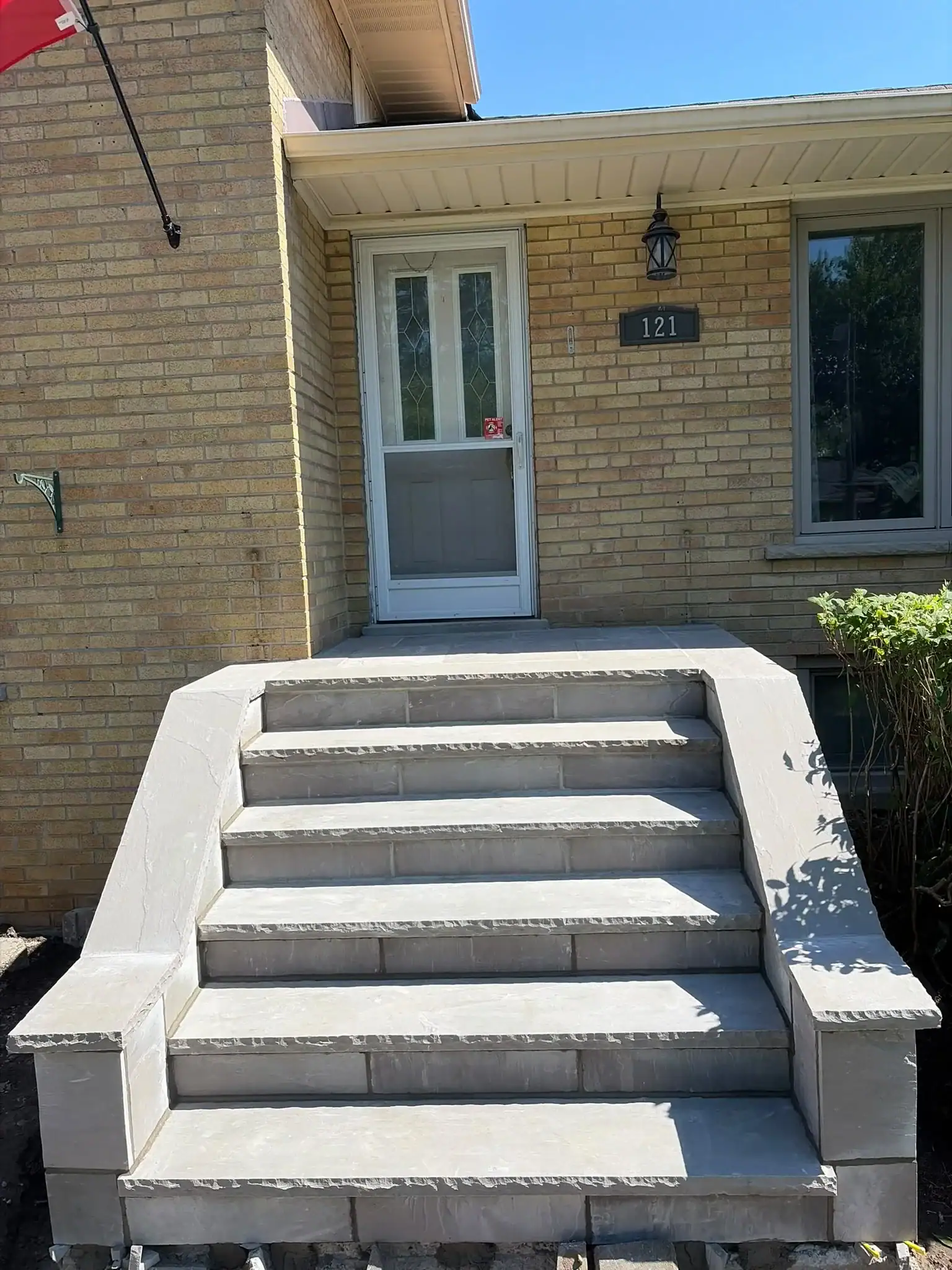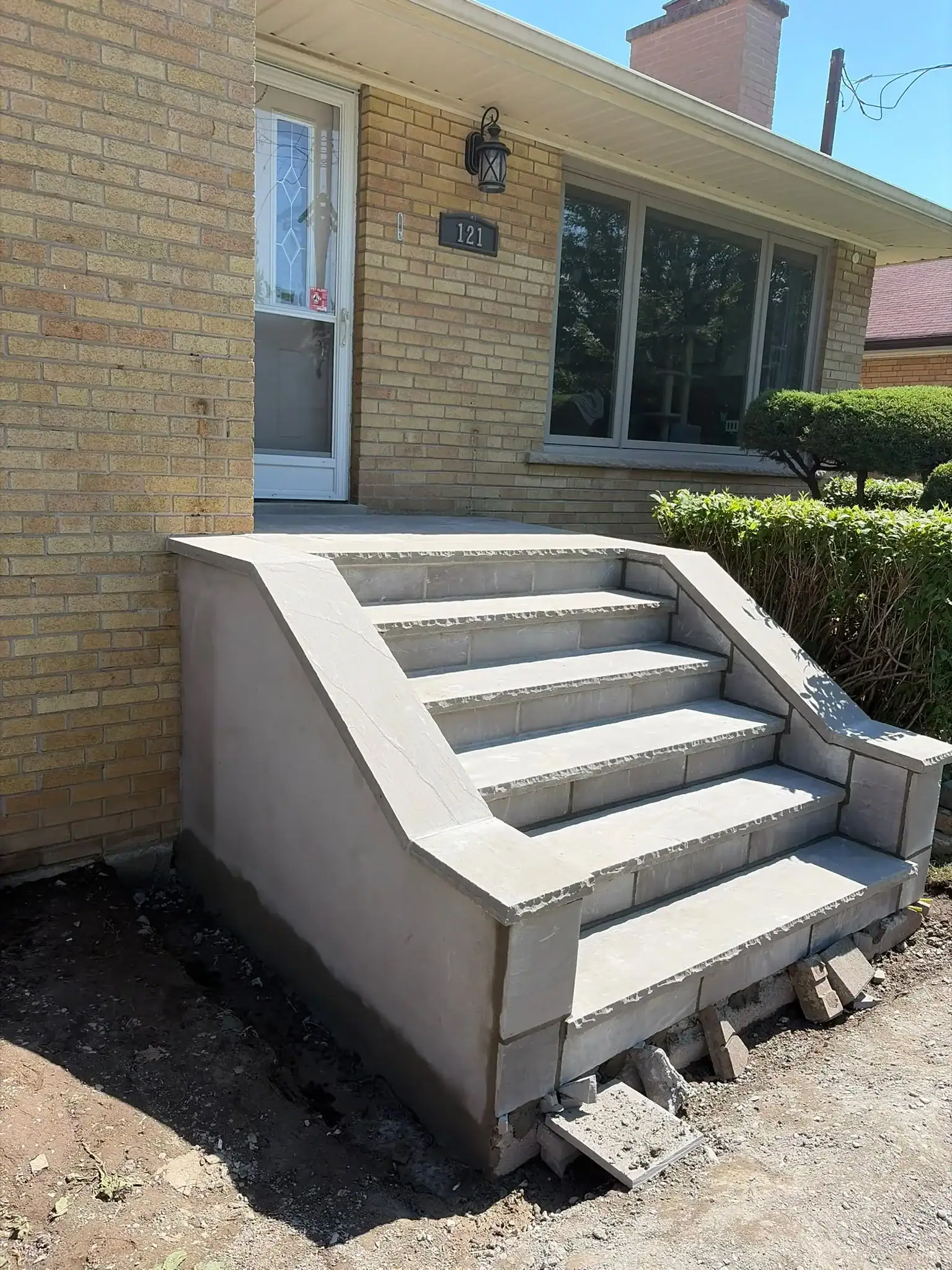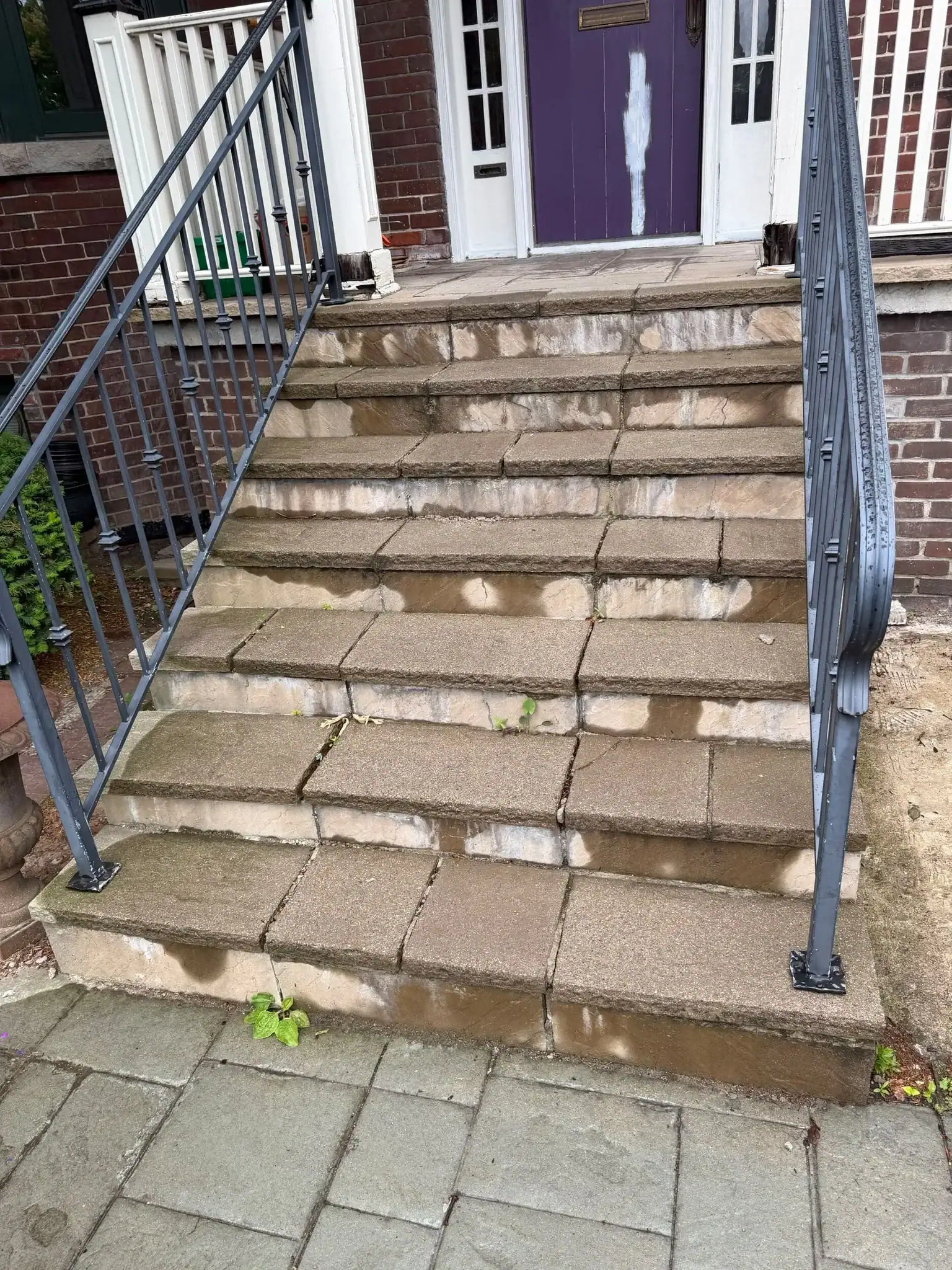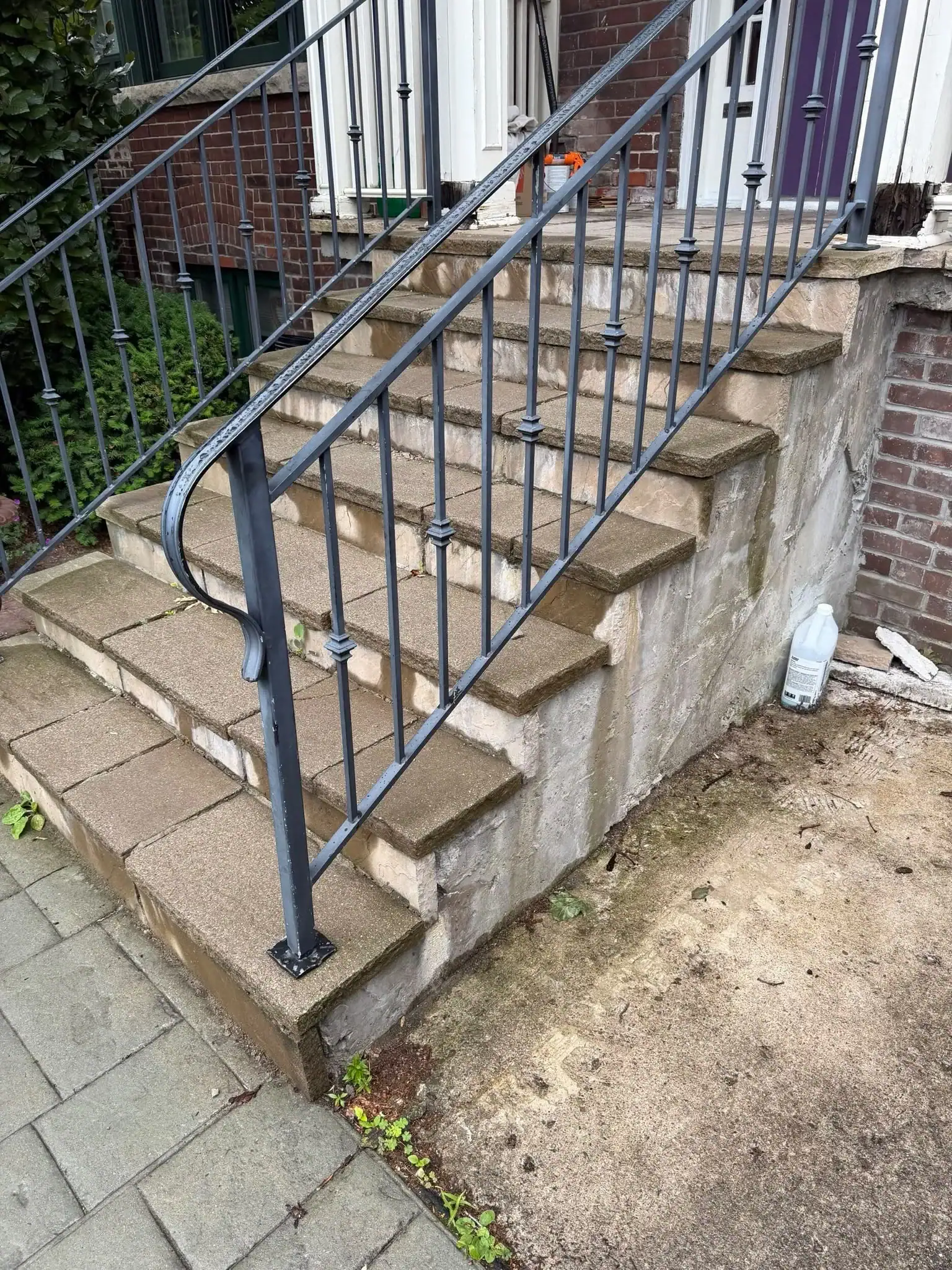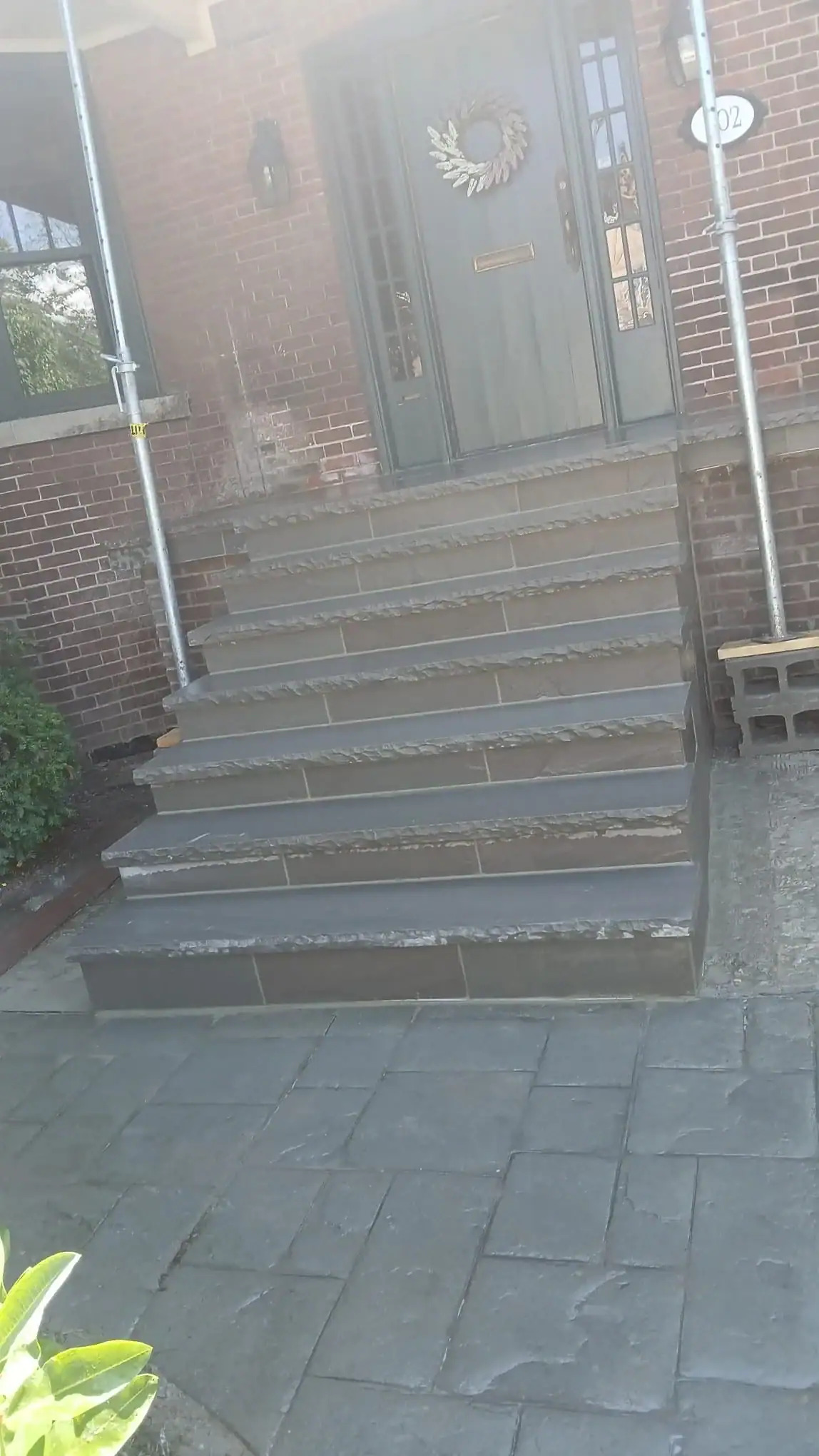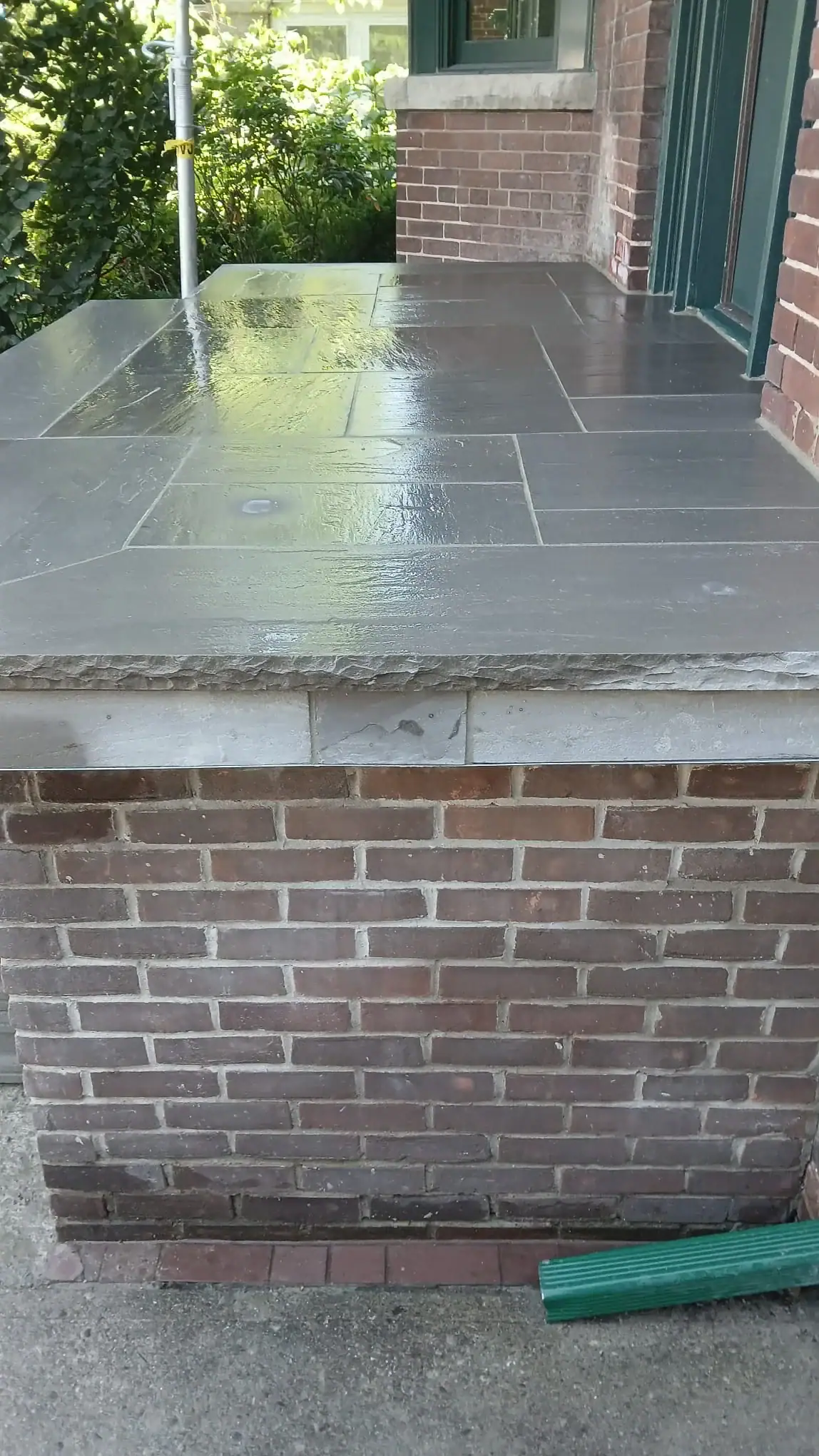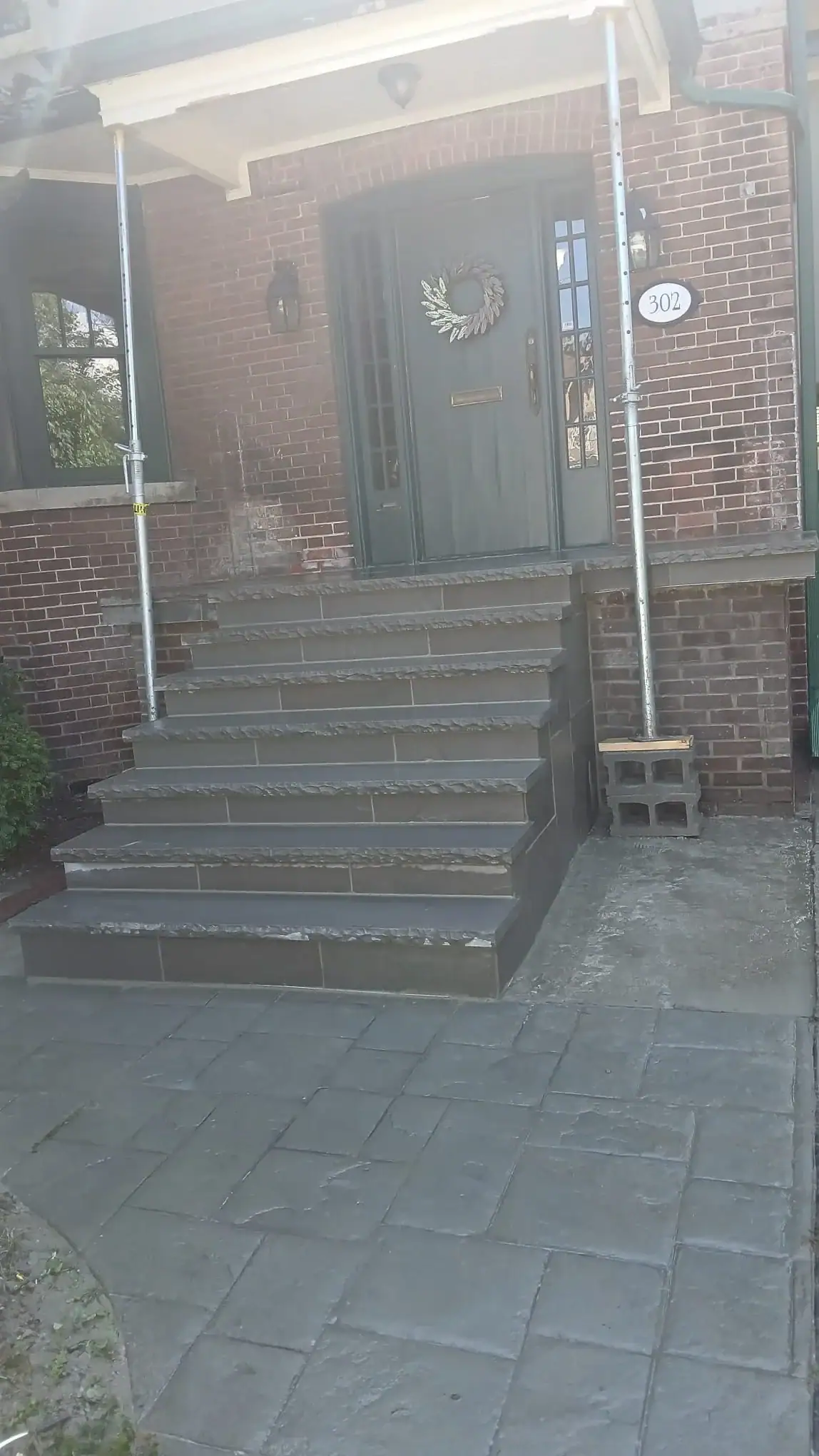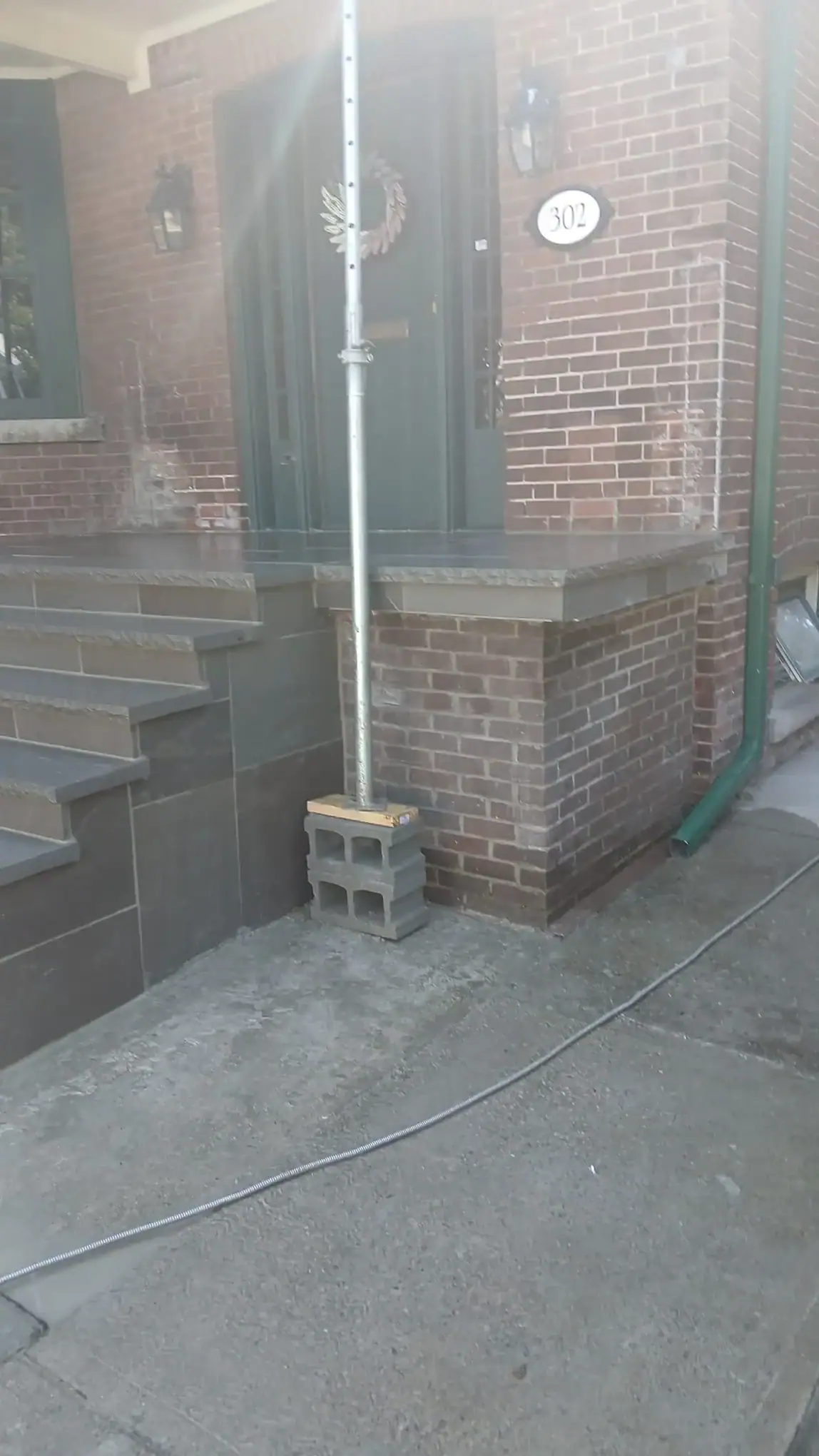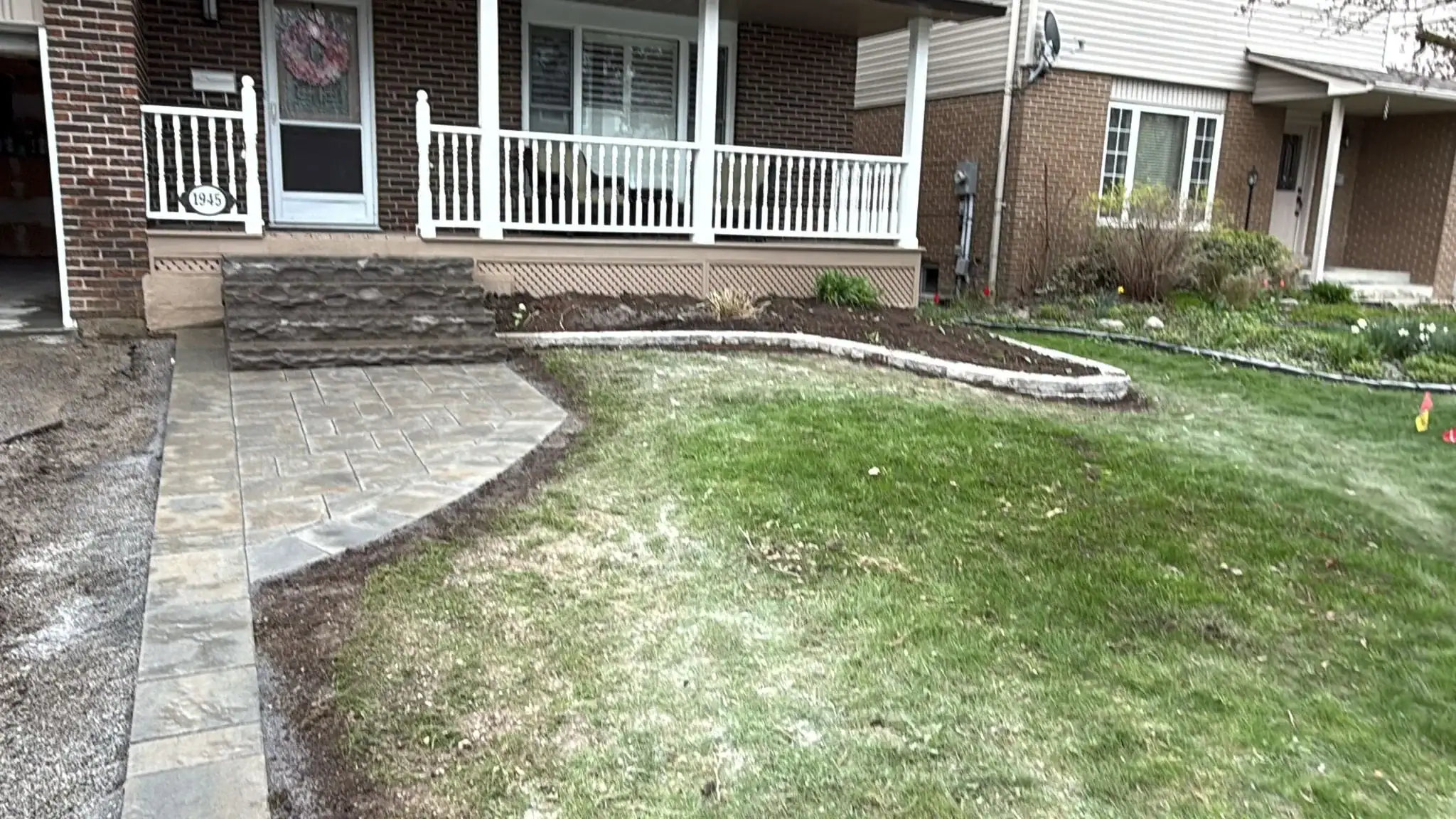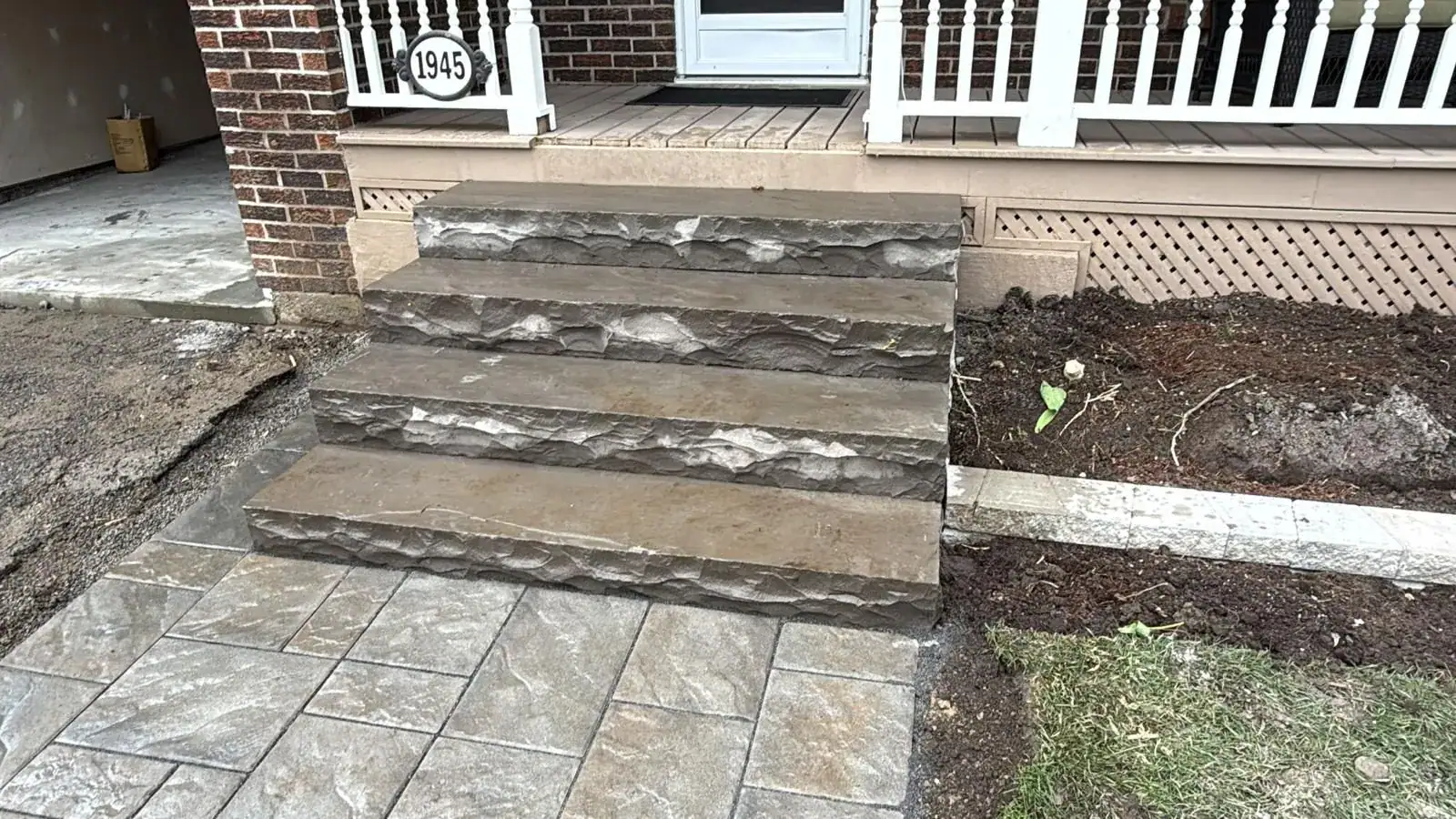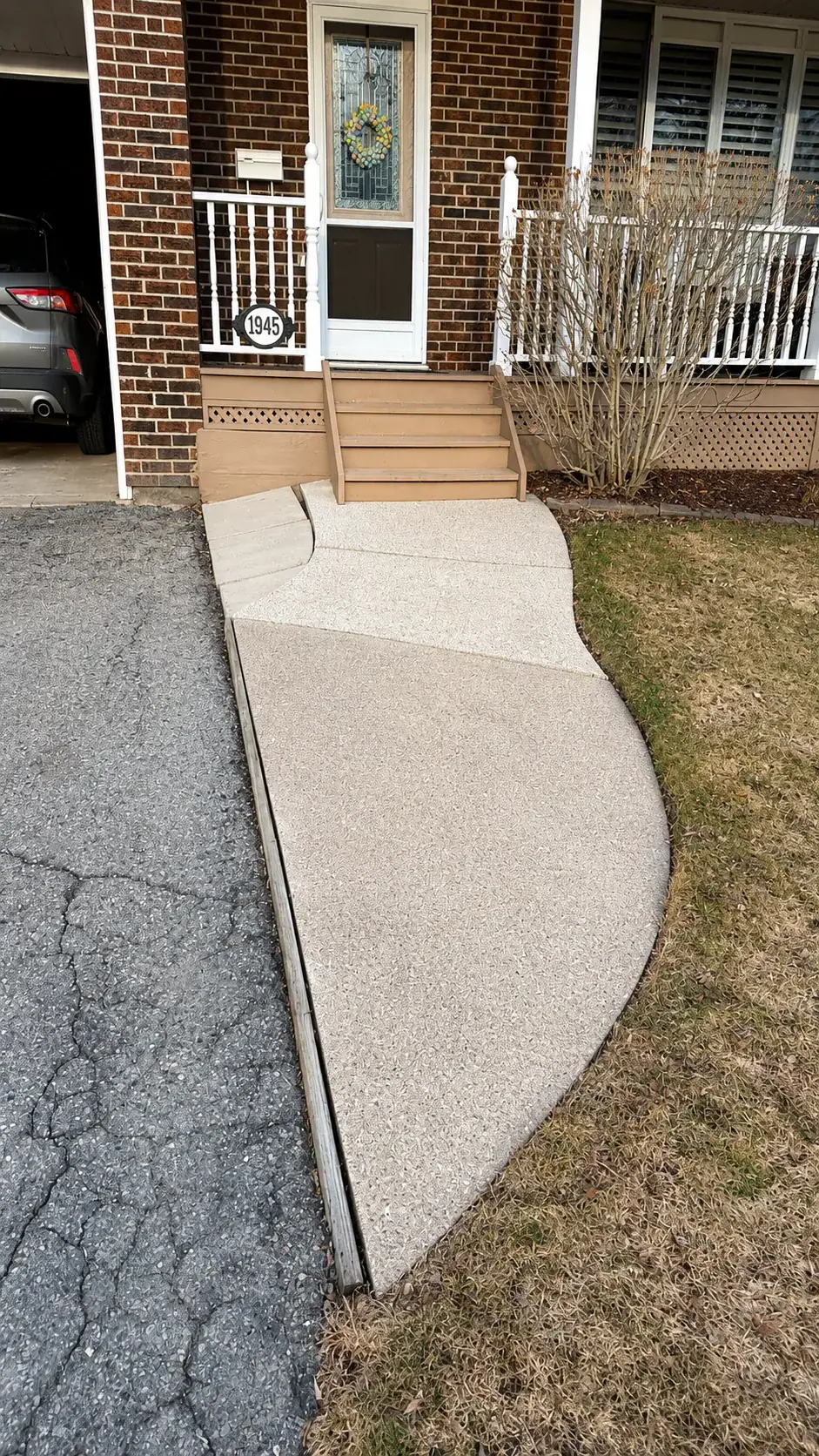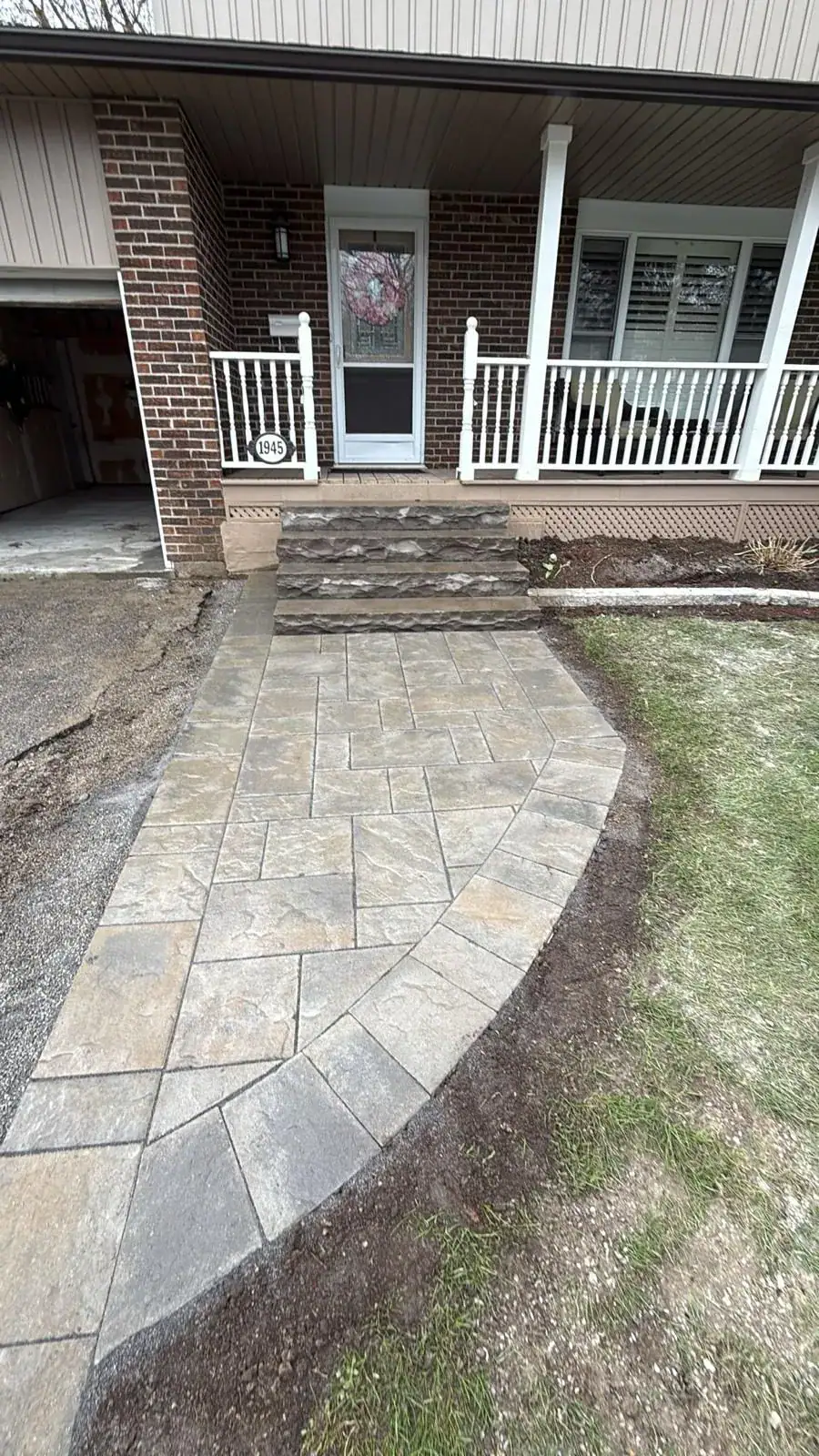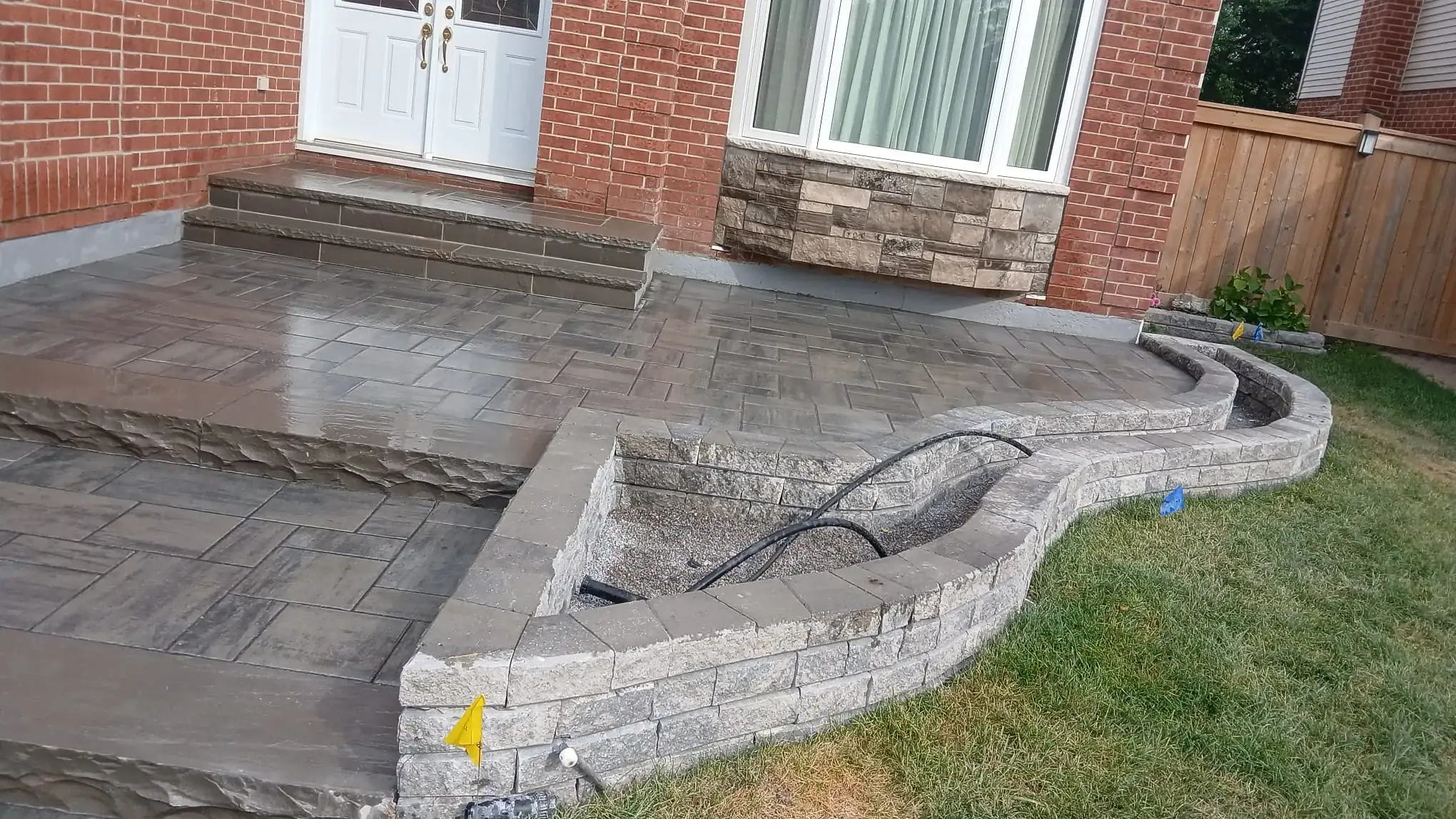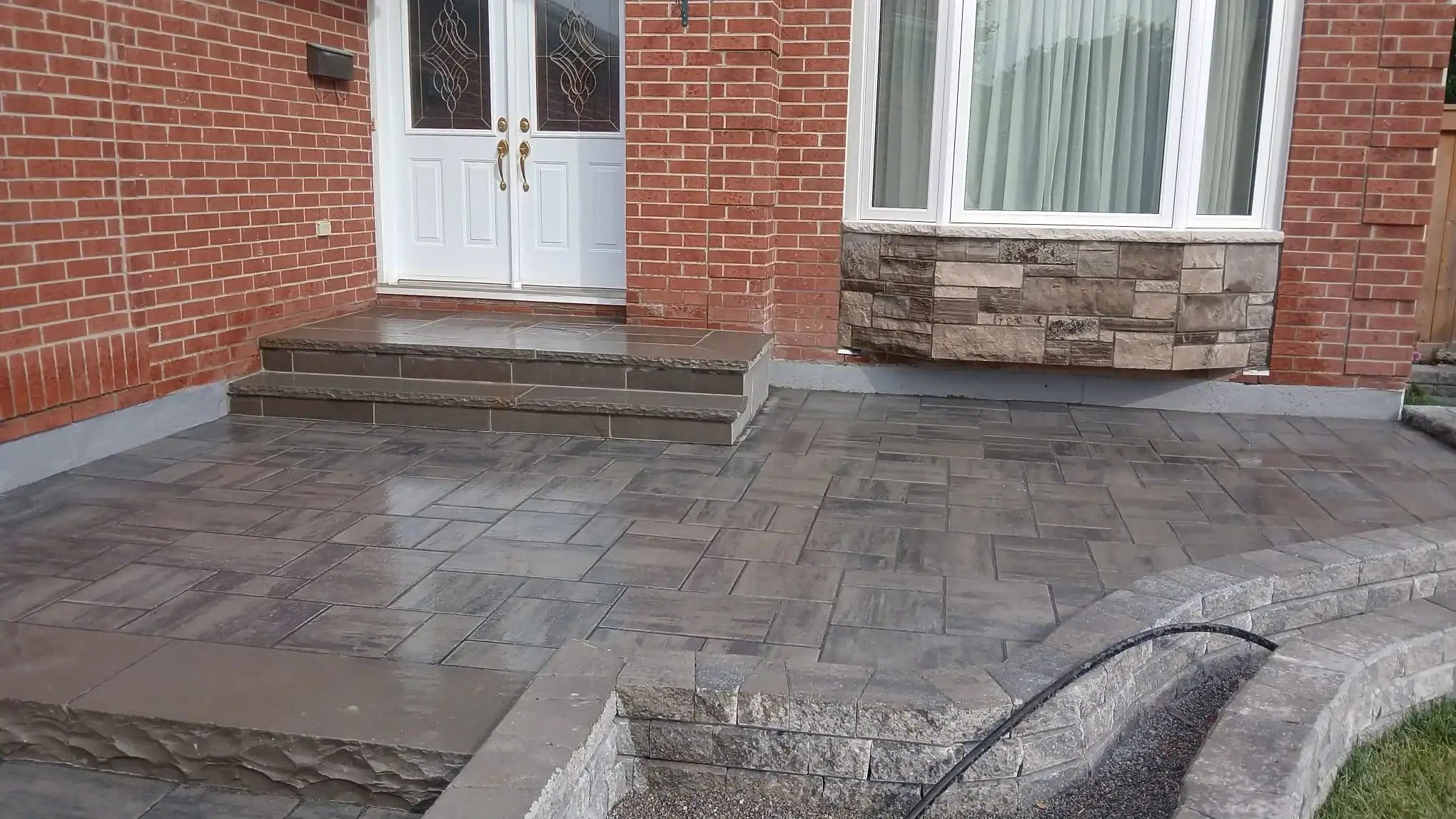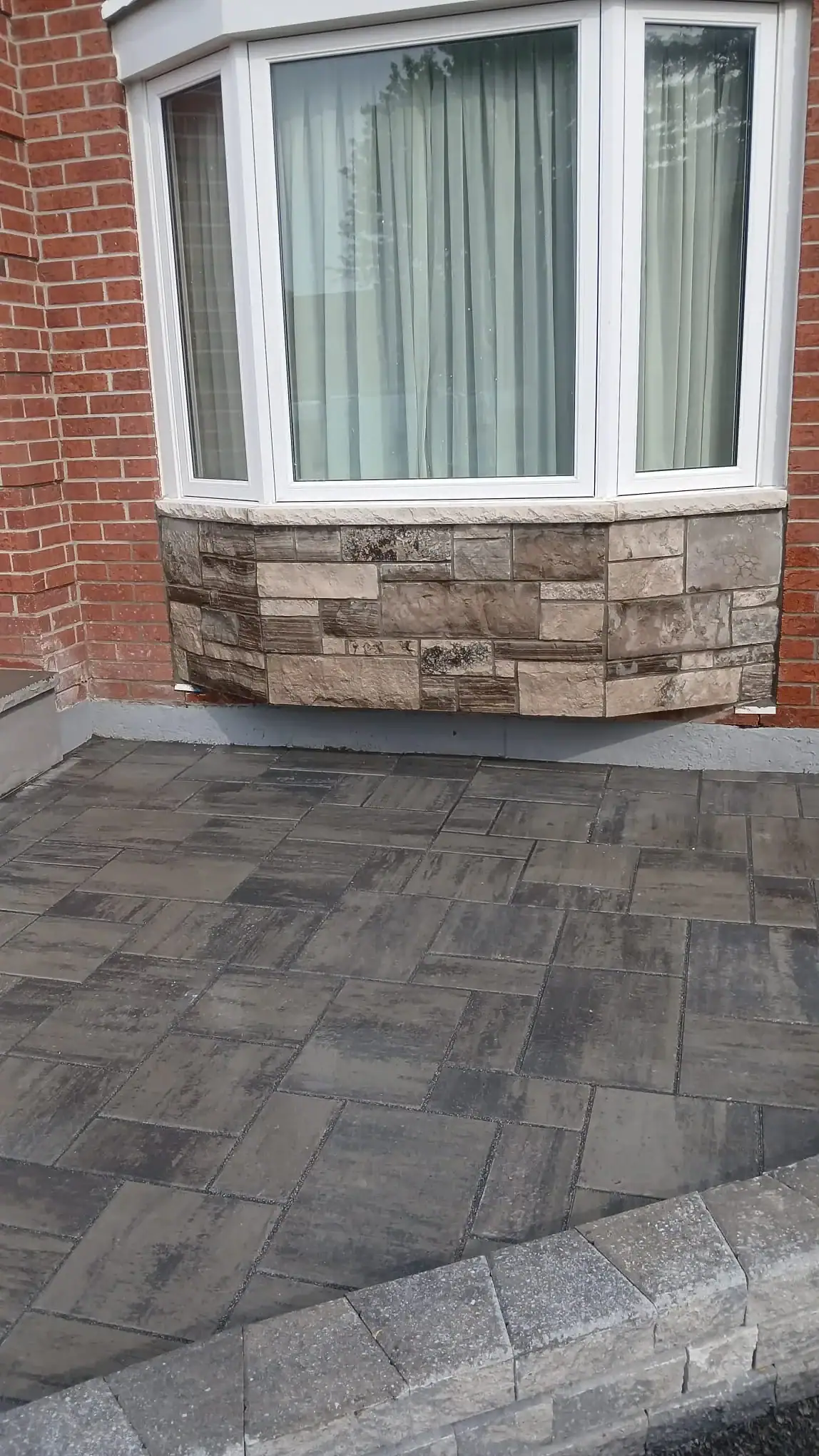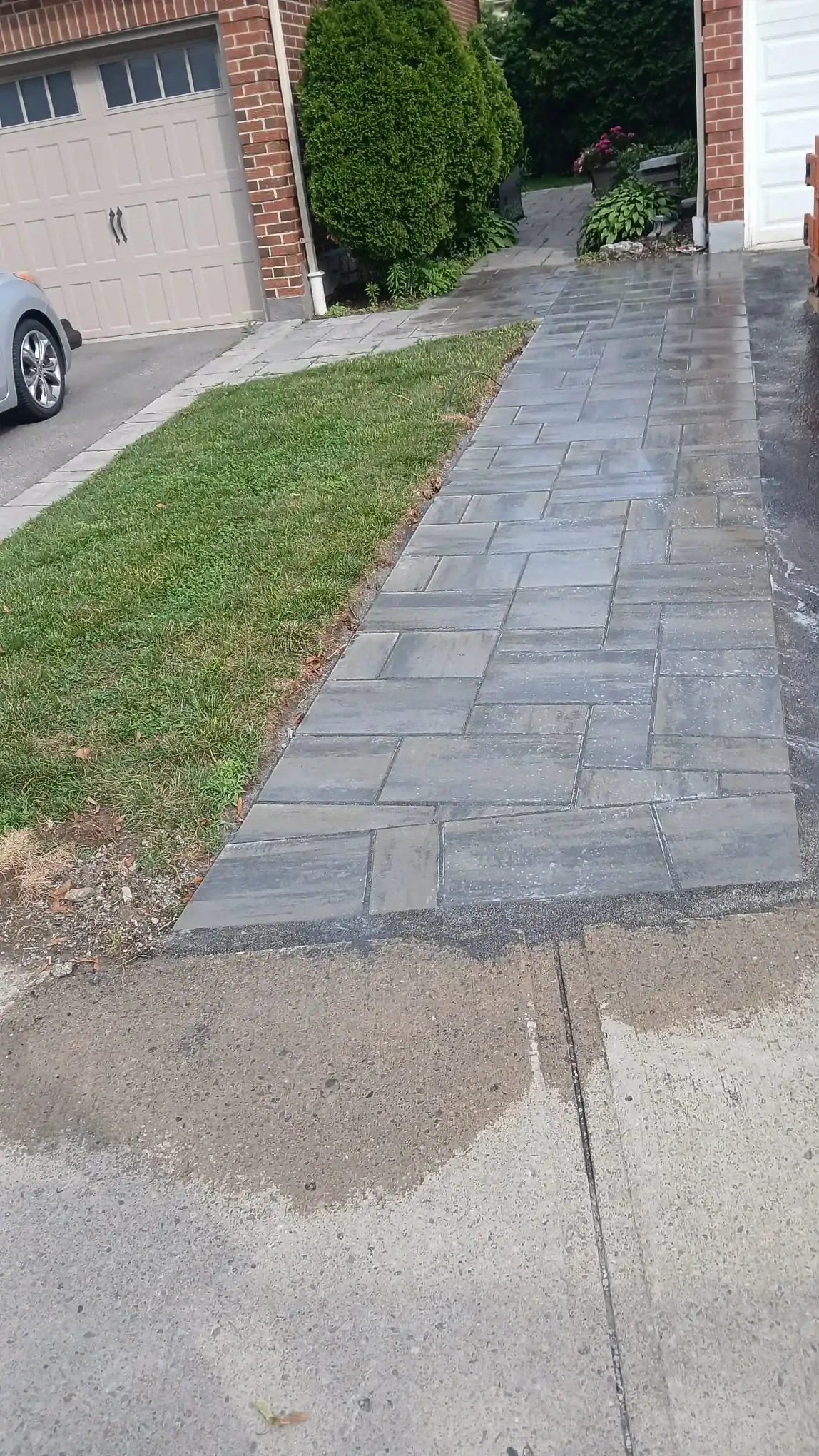

Types of Stone Veneer: A Comprehensive Guide
When it comes to enhancing the aesthetic appeal of your home, stone veneer is a popular choice in masonry. Not only does it add a touch of elegance, but it also offers durability and versatility.
This article will explore the different types of stone veneer and stone products available for your next project.
What is Stone Veneer?
Stone veneer is a thin layer of natural or manufactured stone that is applied to the exterior or interior surfaces. It provides the aesthetic appeal of solid stone without the weight and expense associated with full-thickness stone. Here are some key points about stone veneer:
Stone veneer can be made from natural stone, which is quarried and cut into thin slices, or from manufactured stone, designed to mimic natural stone’s appearance.
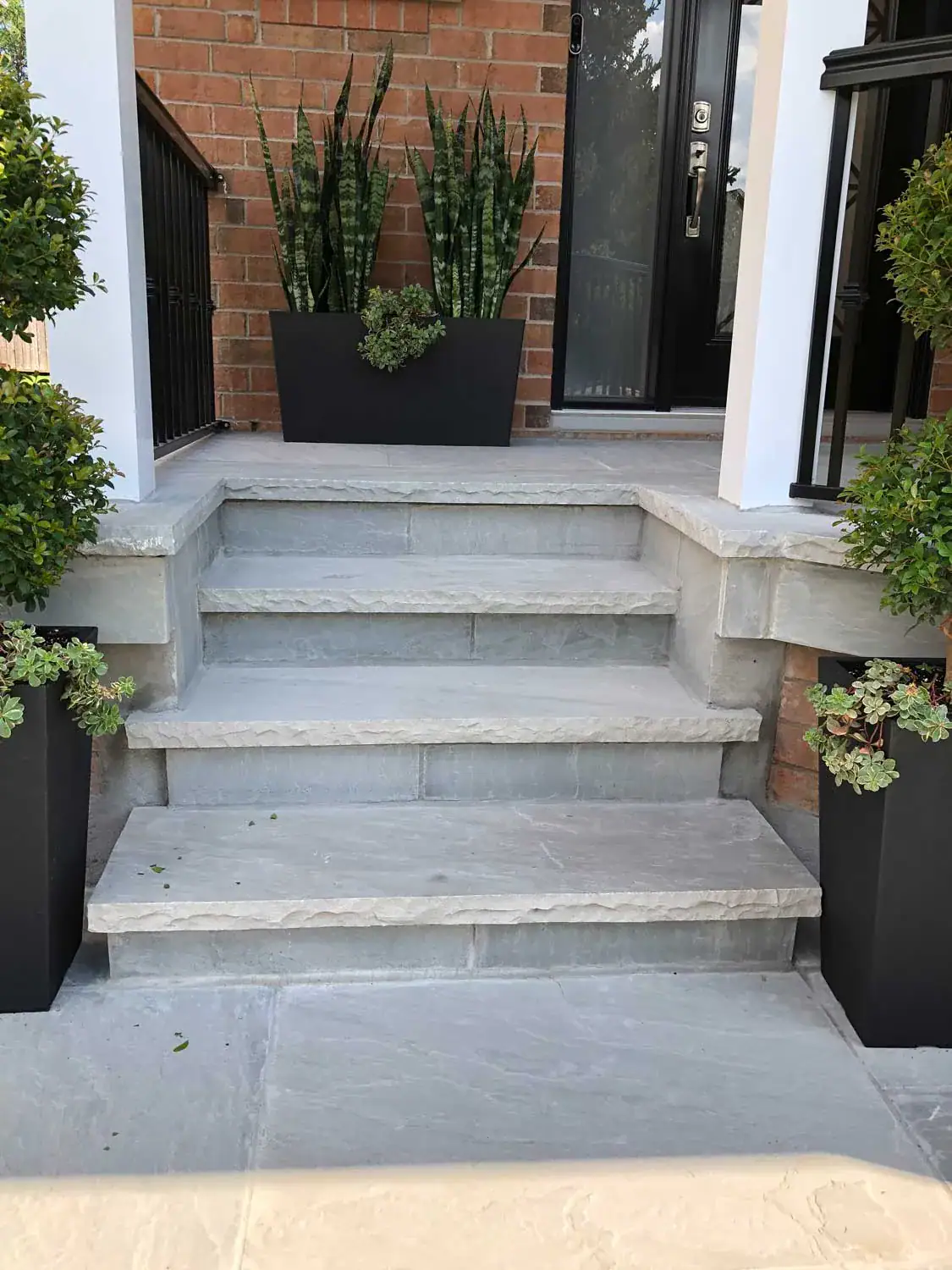
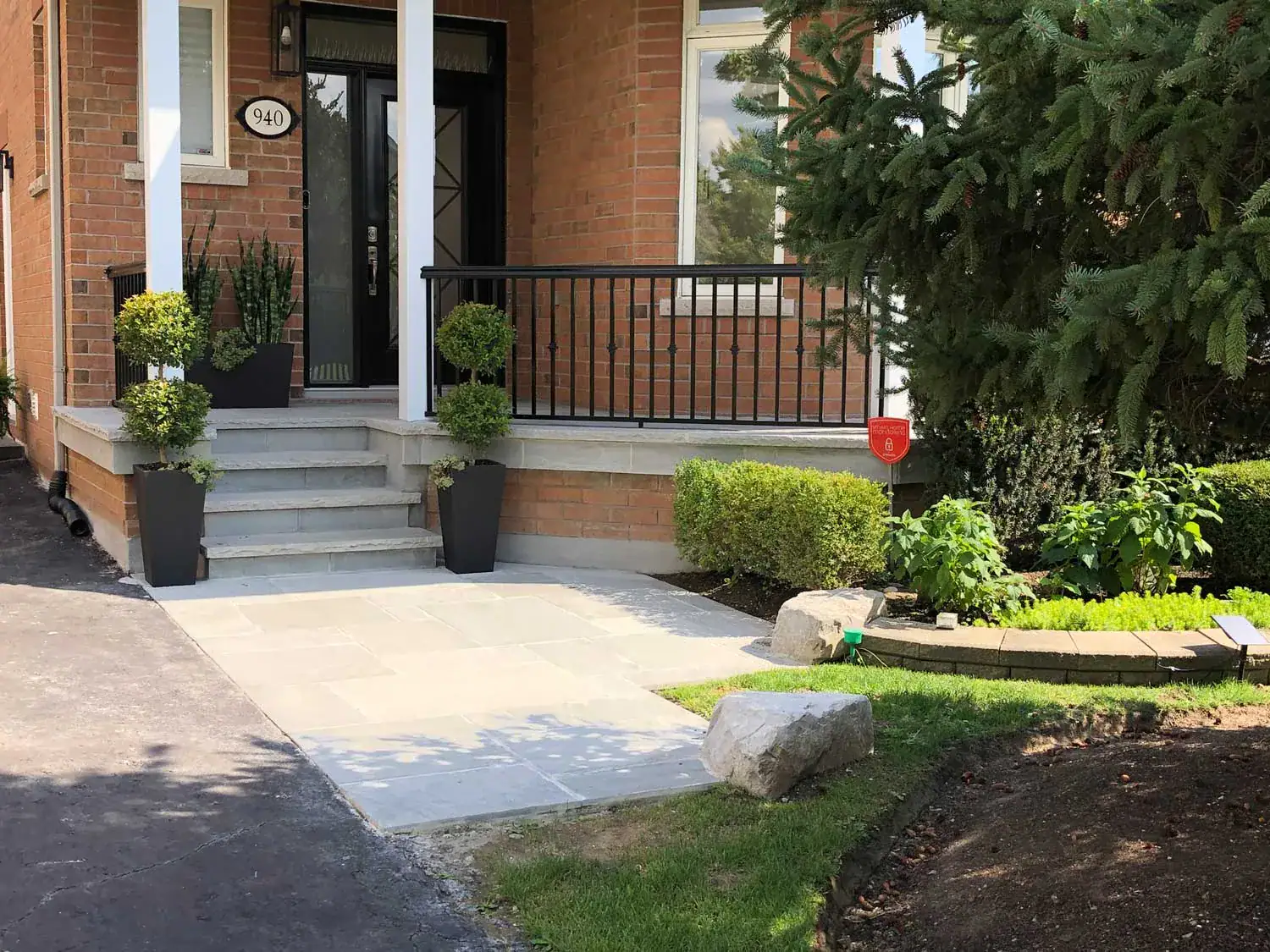
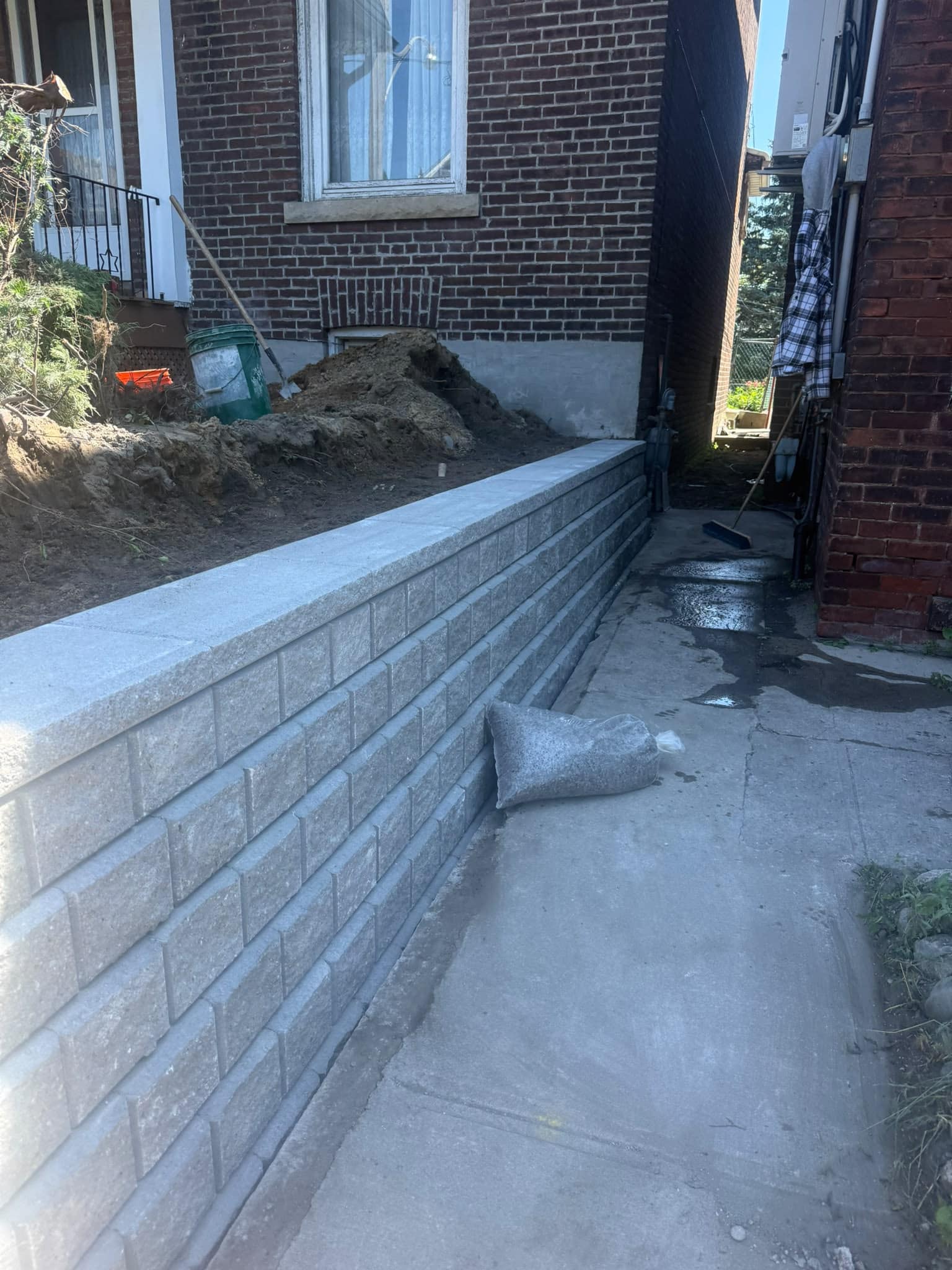
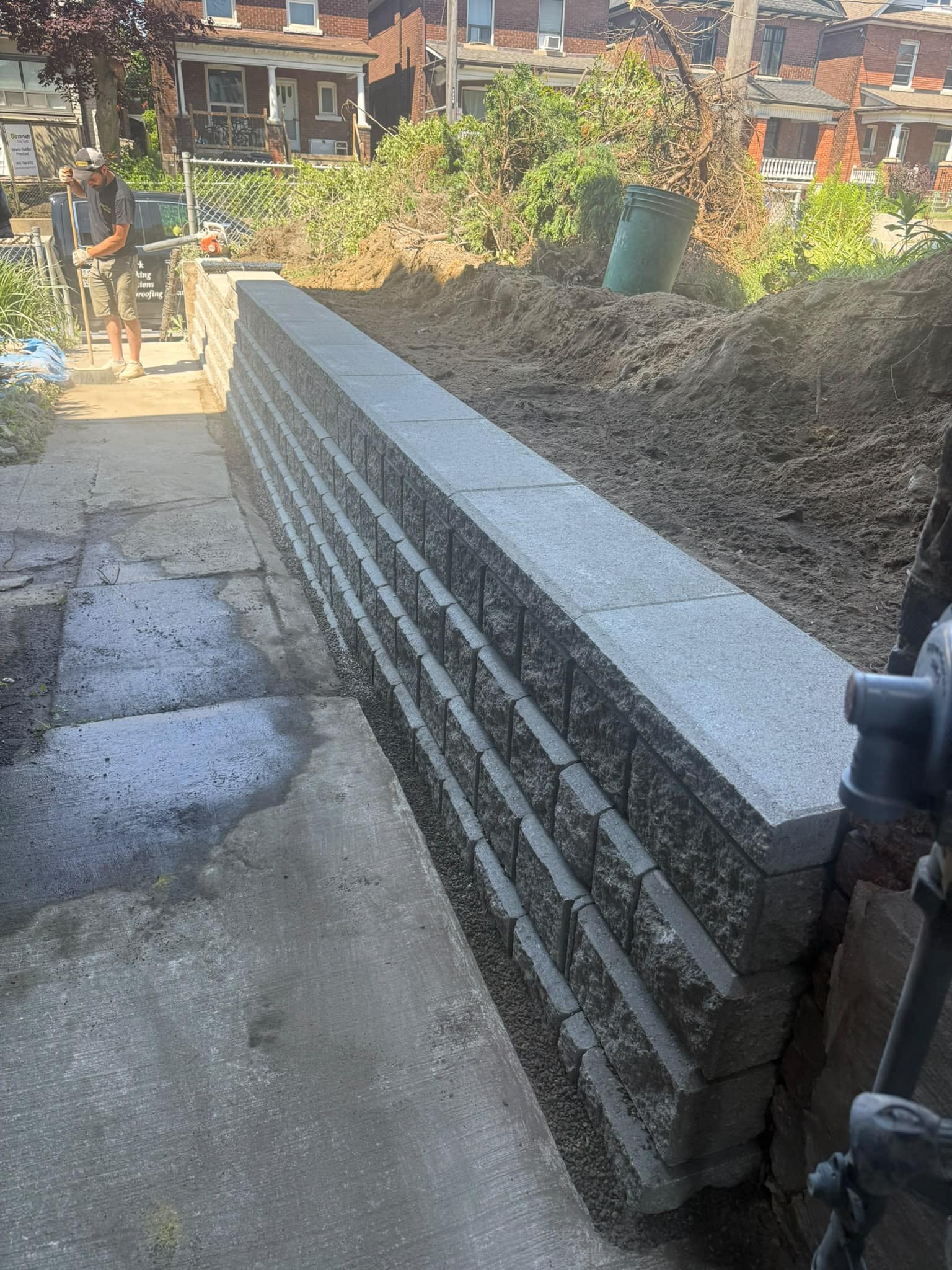
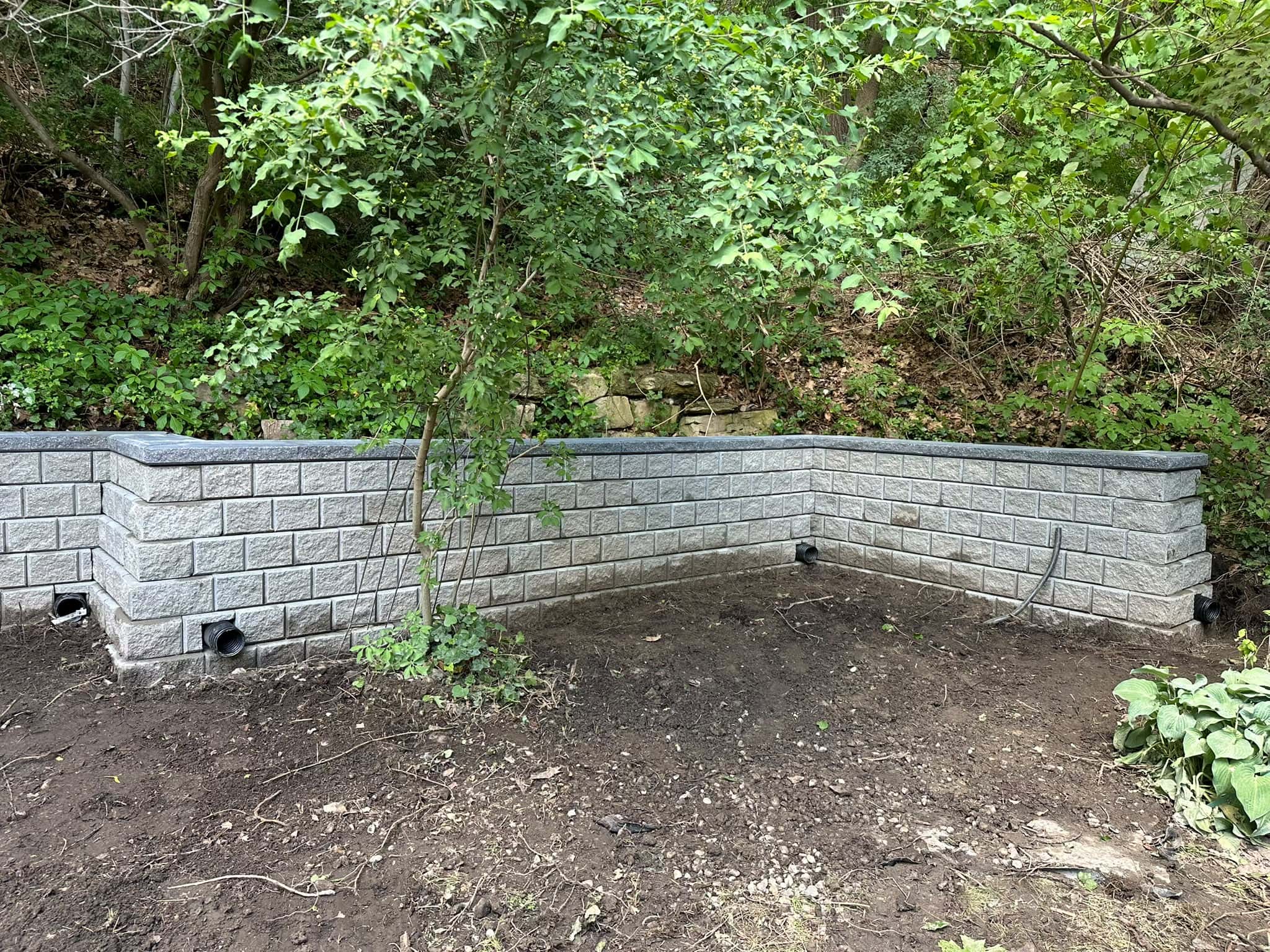
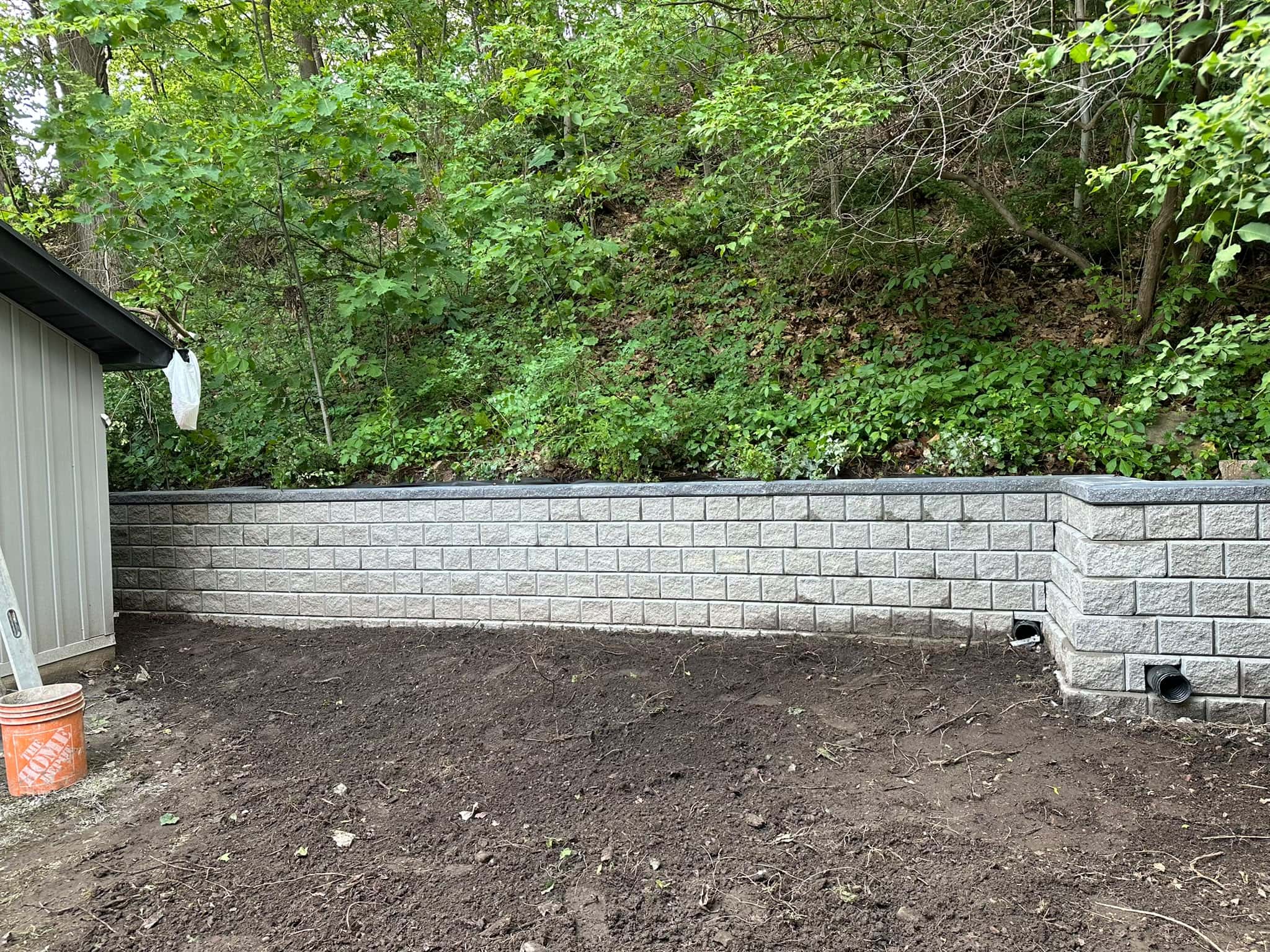
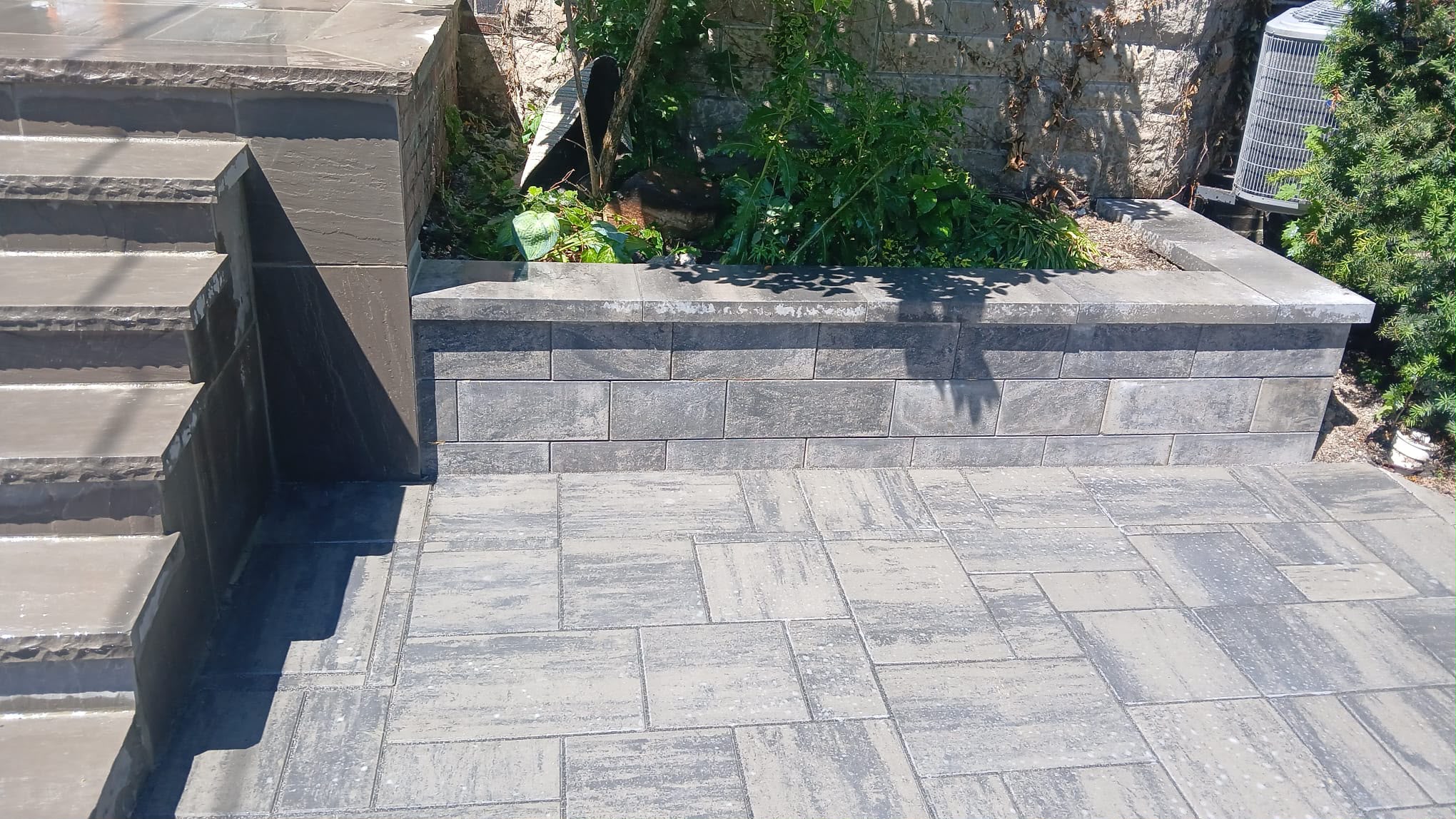
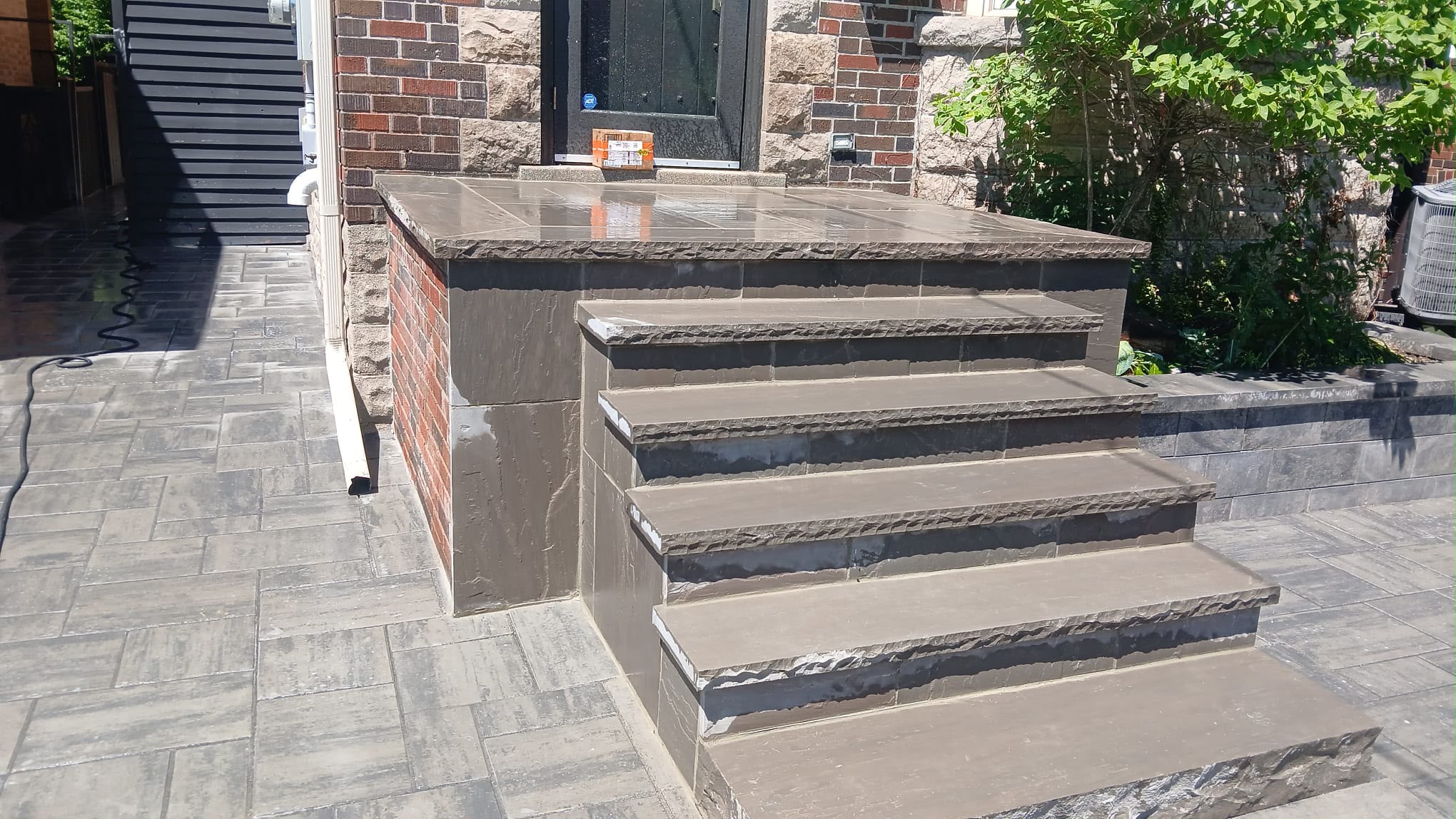
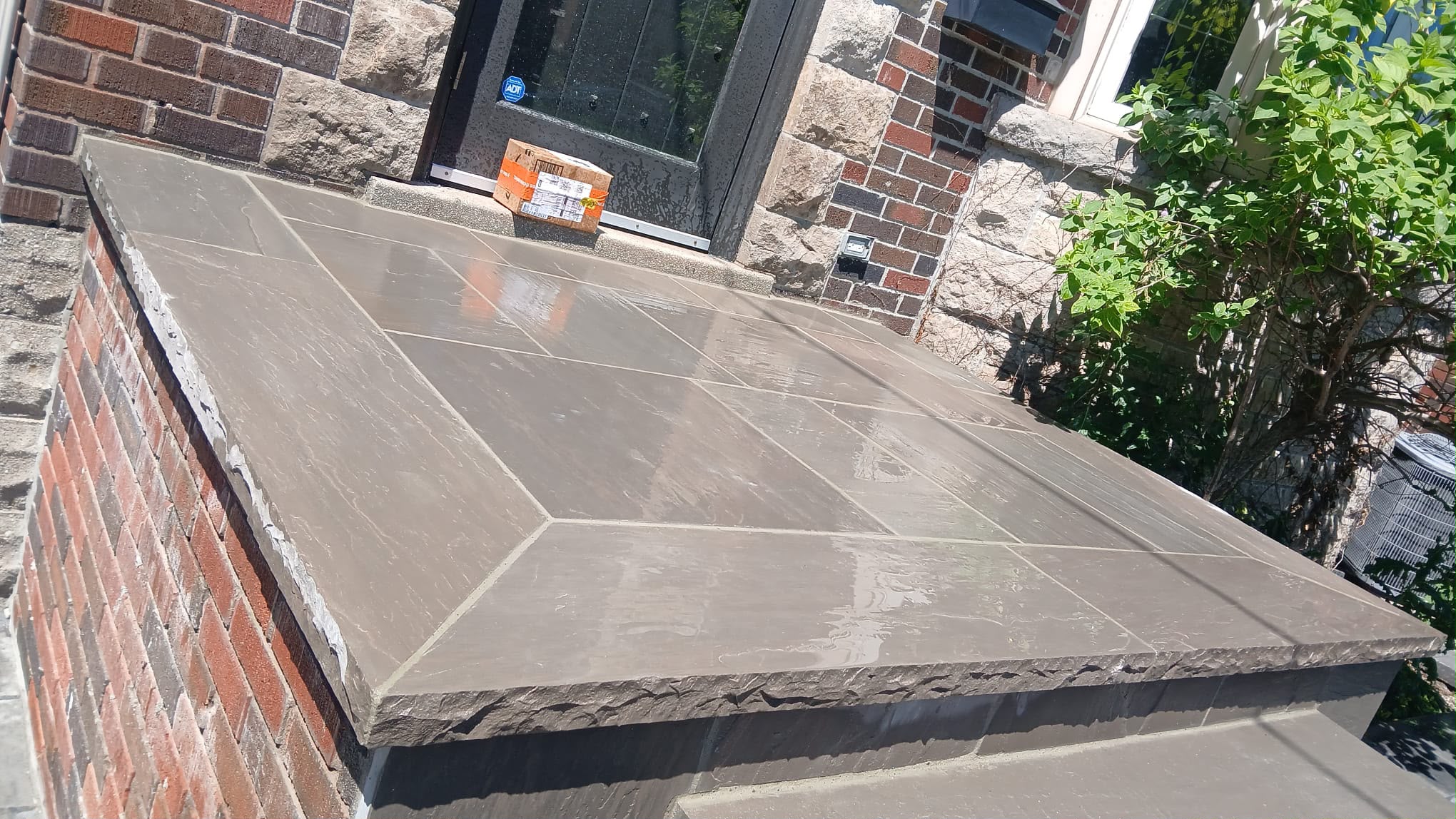
It is commonly used for facades, fireplaces, accent walls, and landscaping features. A stone veneer enhances the visual appeal of a structure while providing durability.
Stone veneer is generally easier to install than entire stone, requiring less structural support due to its lightweight nature. It can often be installed using mortar or adhesive.
Using stone veneers can improve insulation, reduce energy costs, and increase the value of a property. It offers a variety of styles and colours, allowing for customization to match different architectural designs.
Popular Natural Stone Veneer Types
Limestone
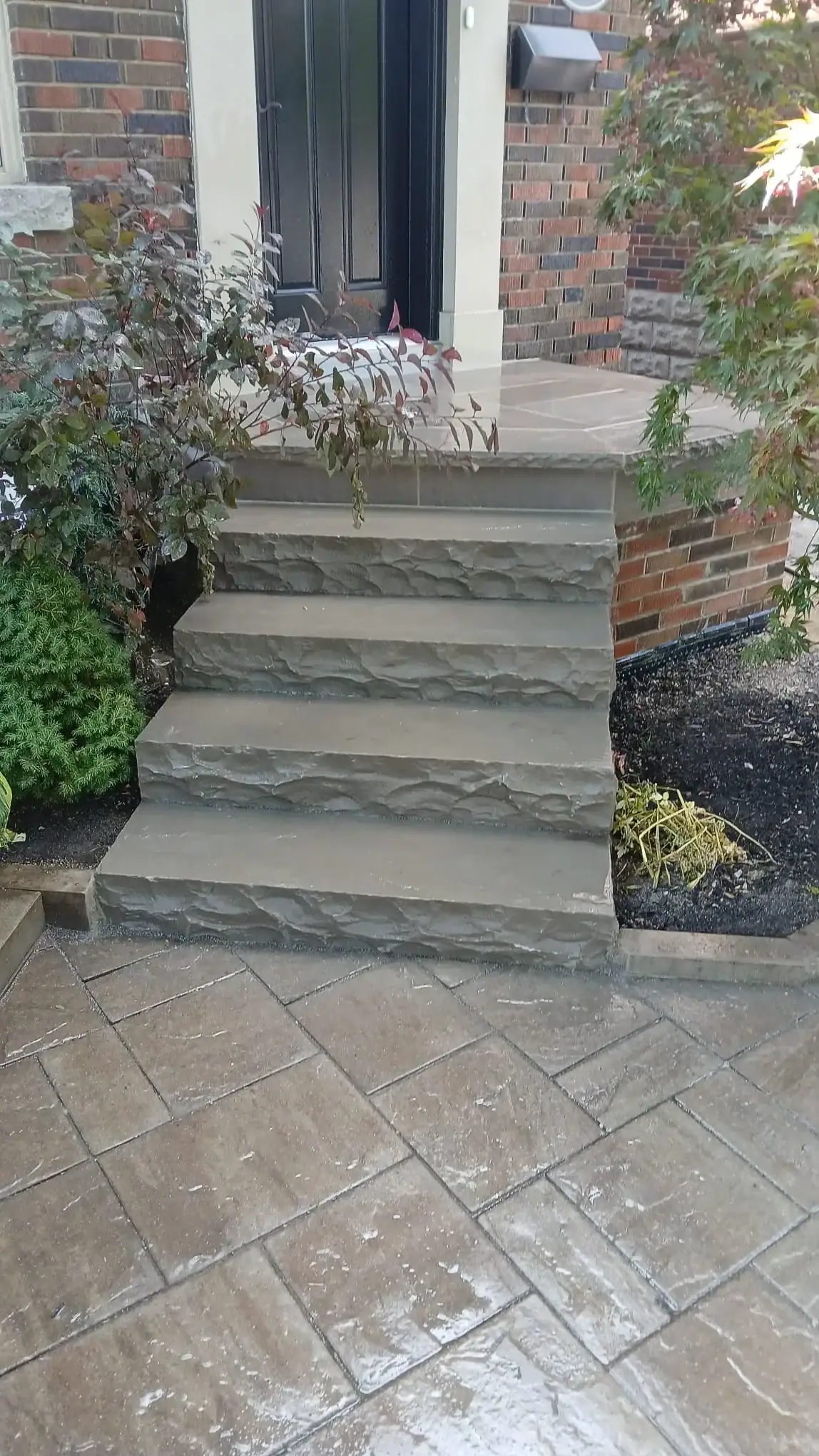
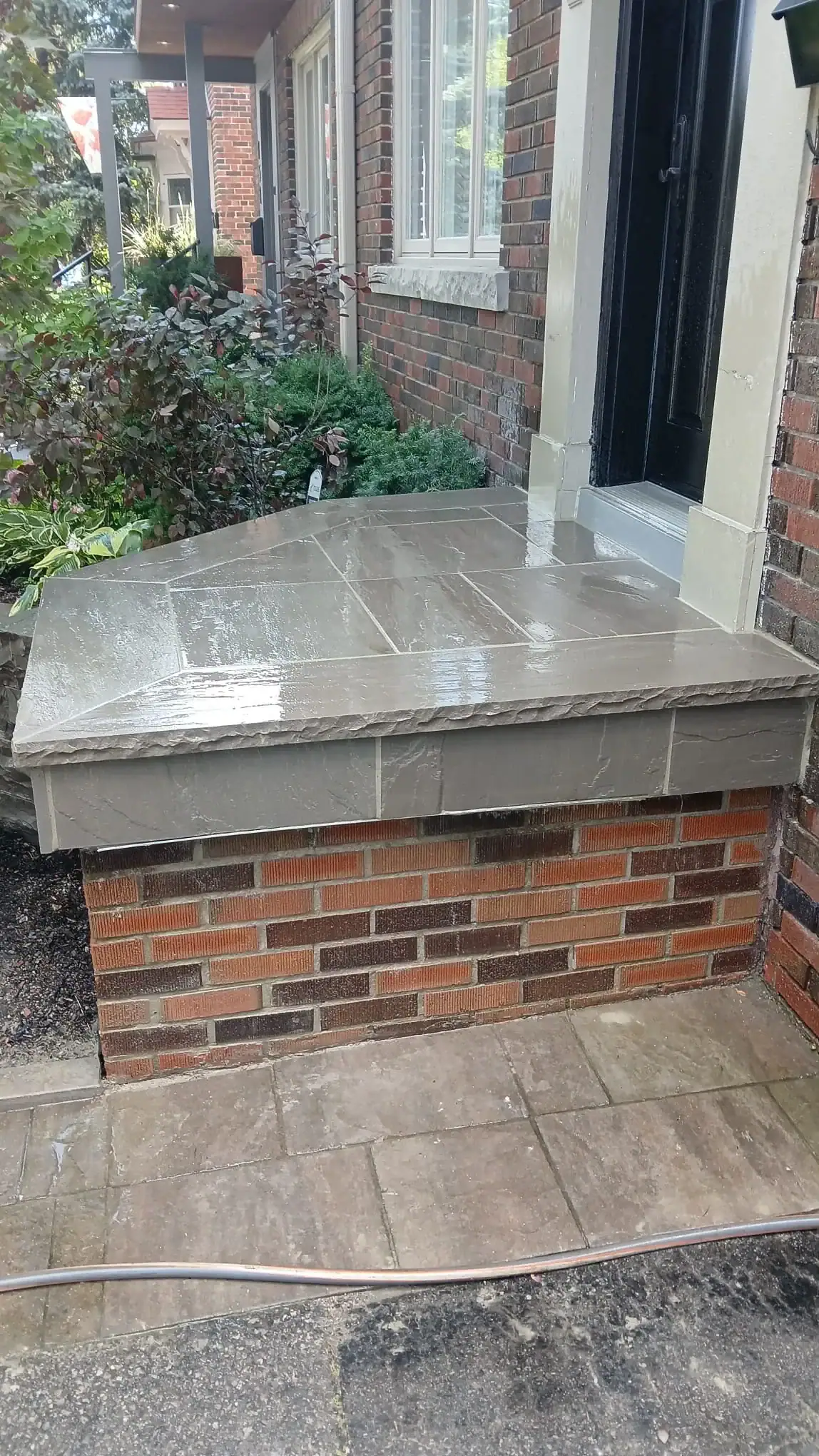
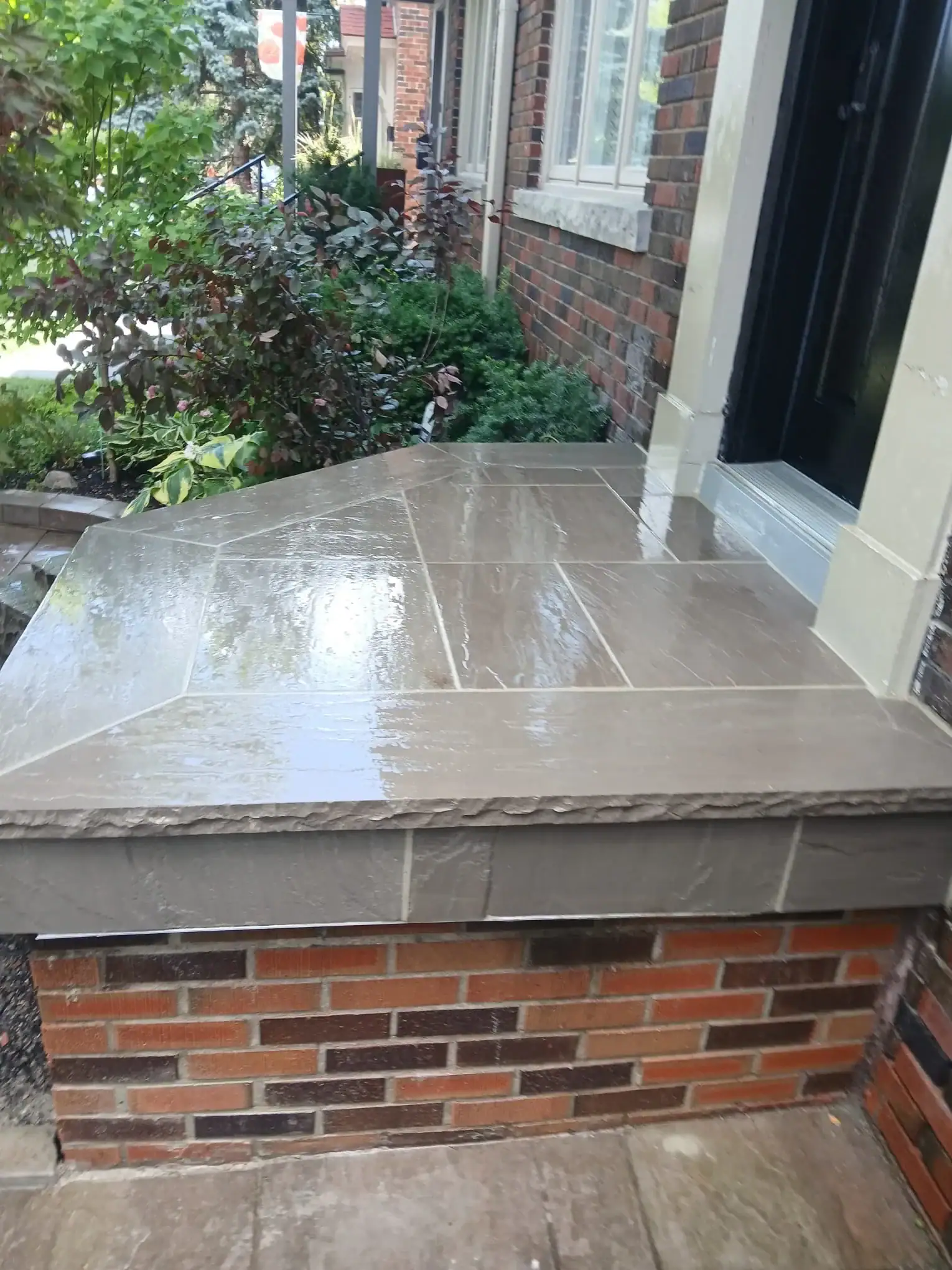
Veneer limestone is a natural stone cut into thin slabs or sheets, typically less than 1 inch thick. It is used primarily as a decorative facing material for walls, fireplaces, and other surfaces.
Granite
Veneer granite is a thin layer cut into slabs, usually less than 1 inch thick, for decorative surfaces. It is commonly applied to walls, countertops, and other architectural features. Veneer granite offers the beauty and durability of natural granite while being lighter and easier to install than full-thickness granite.
River Rock
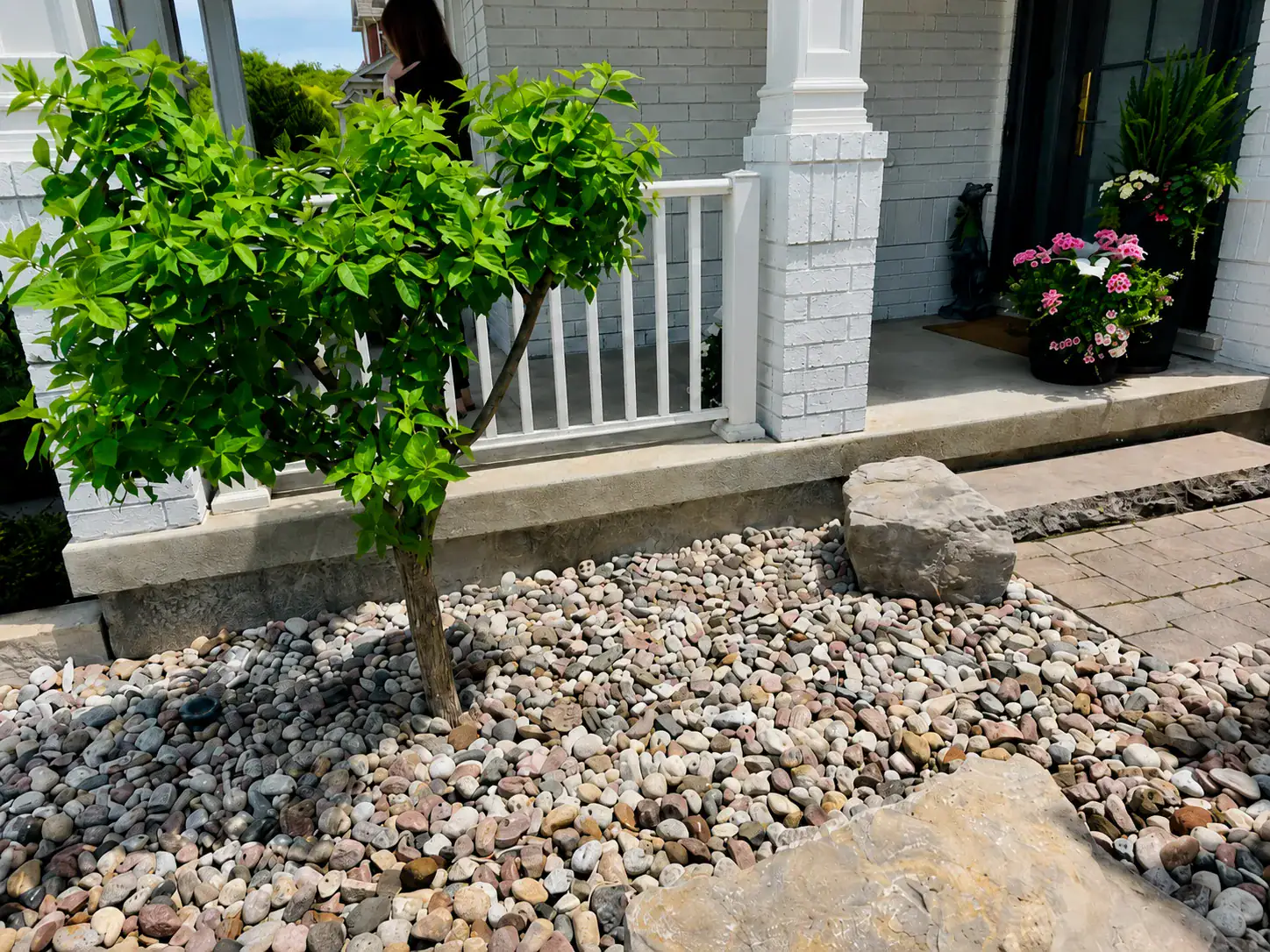
Veneer River Rock is a natural stone veneer made from rounded stones typically found in riverbeds. These stones are cut into thin slabs or pieces to create a decorative facing material.
Sandstone
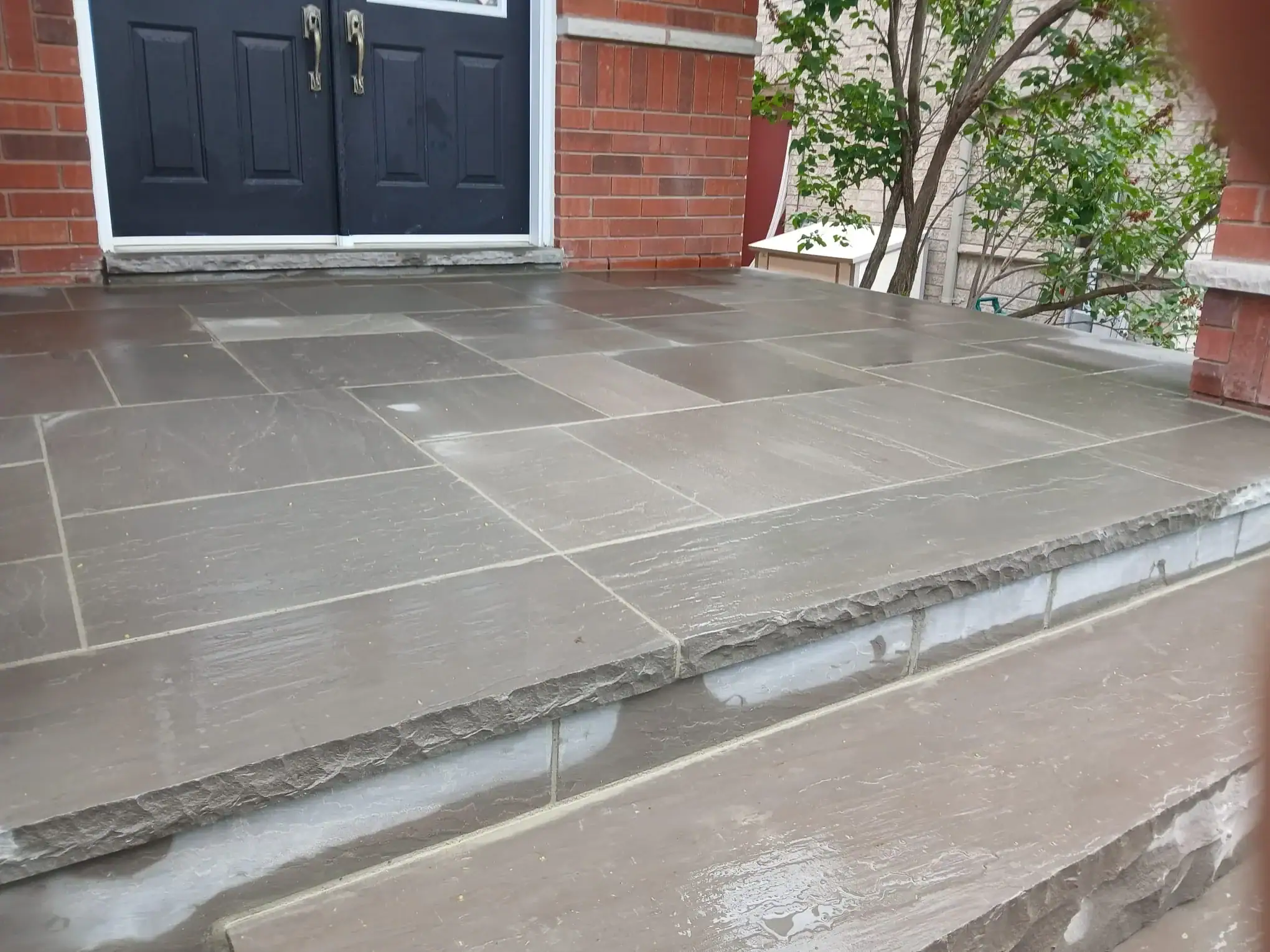
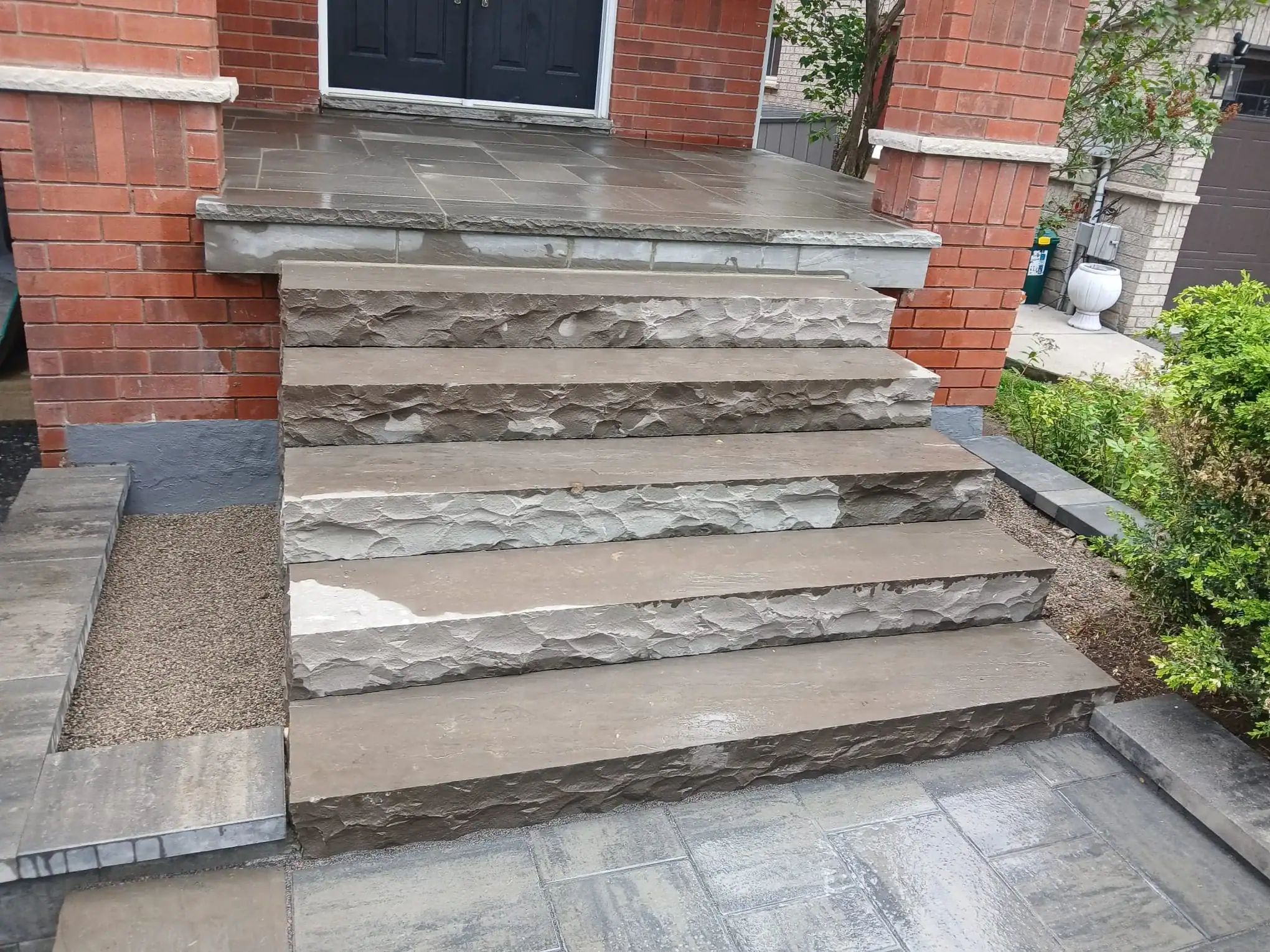
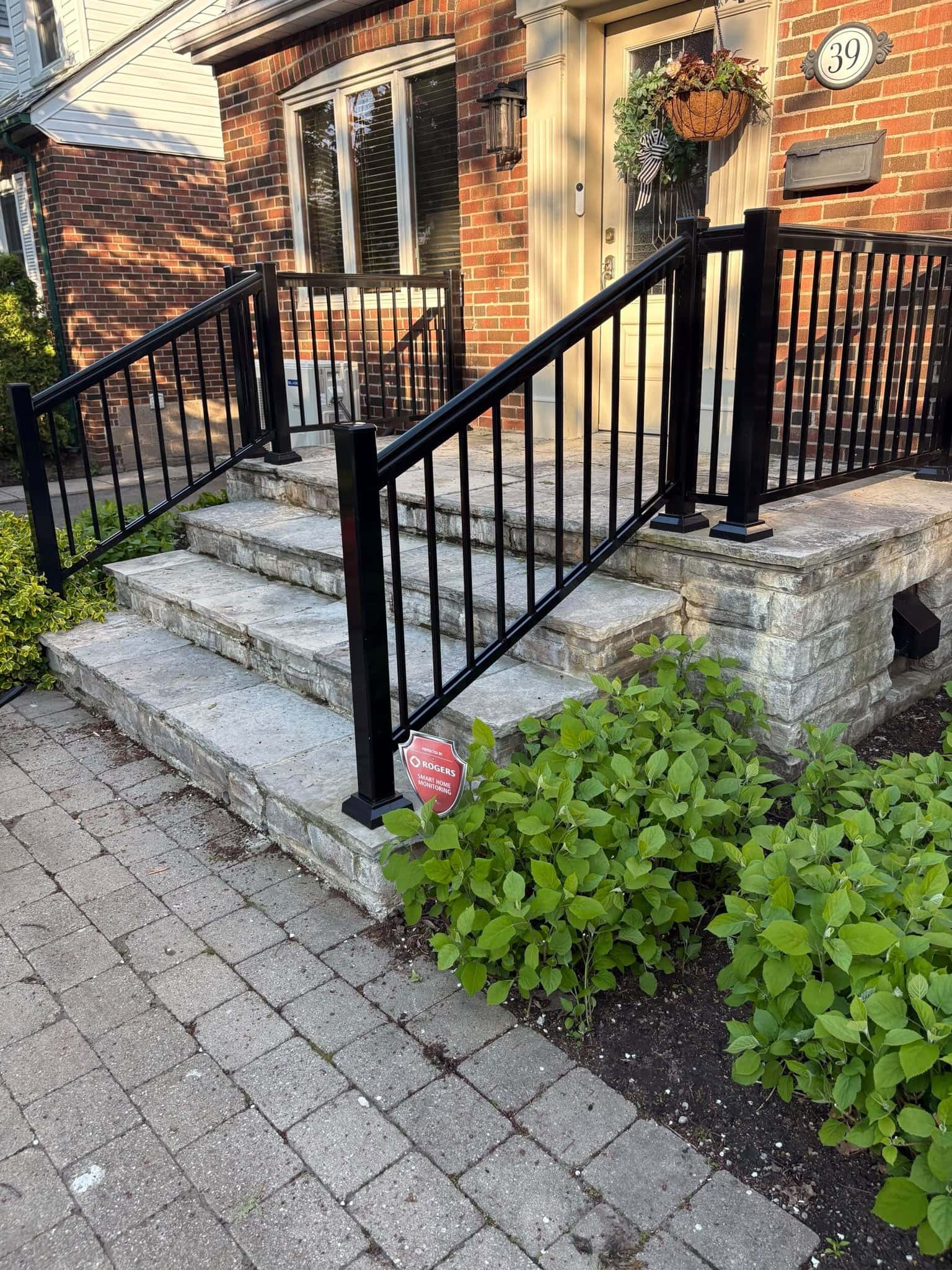
Veneer sandstone is a type of natural stone cut into thin slabs, usually less than 1 inch thick, for use as a decorative surface. It is made from sandstone and comprises sand-sized mineral particles or rock fragments.
Commonly used in architectural applications, such as wall cladding, fireplaces, and outdoor features in residential and commercial spaces.
Ledgestone
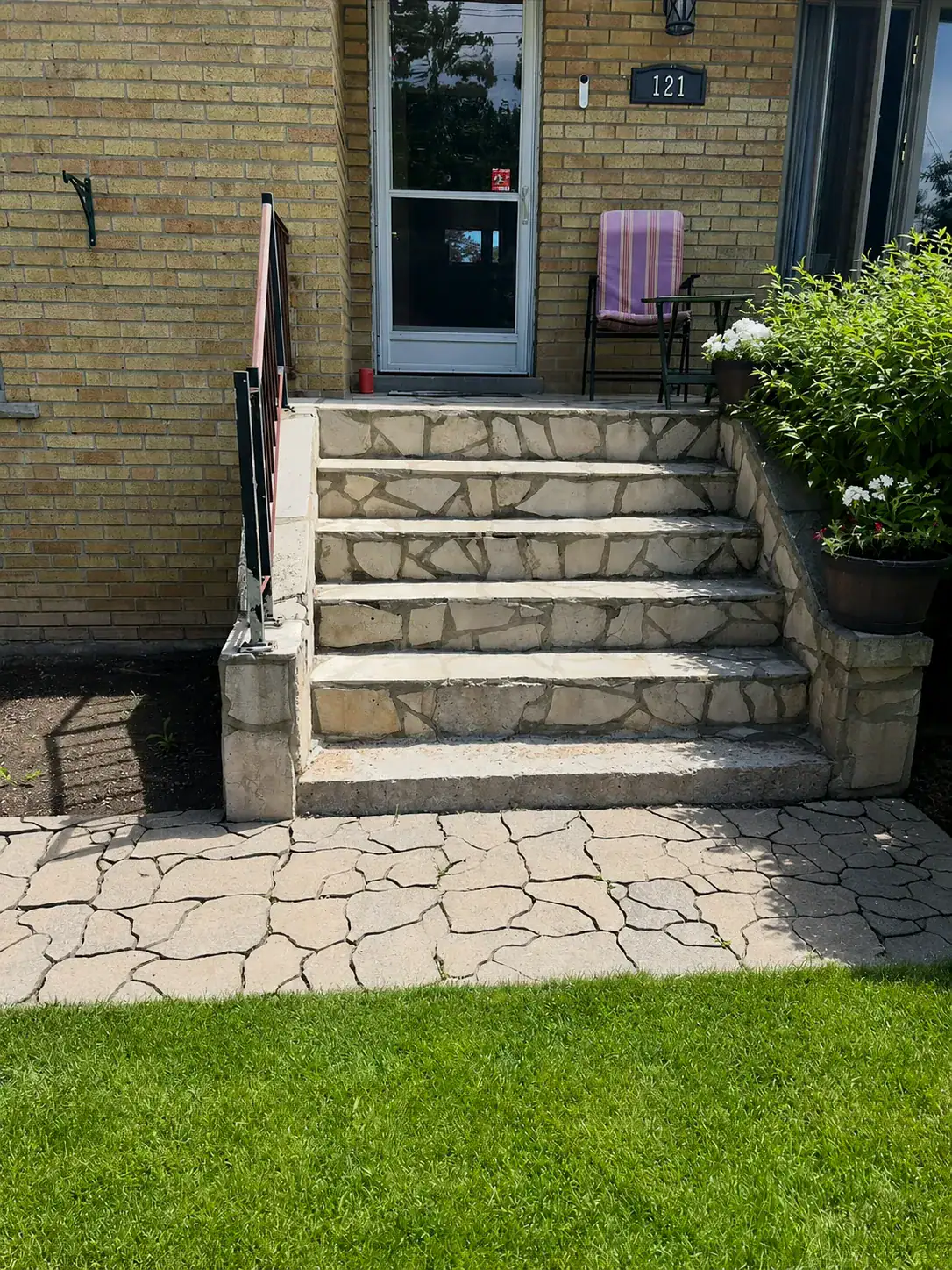
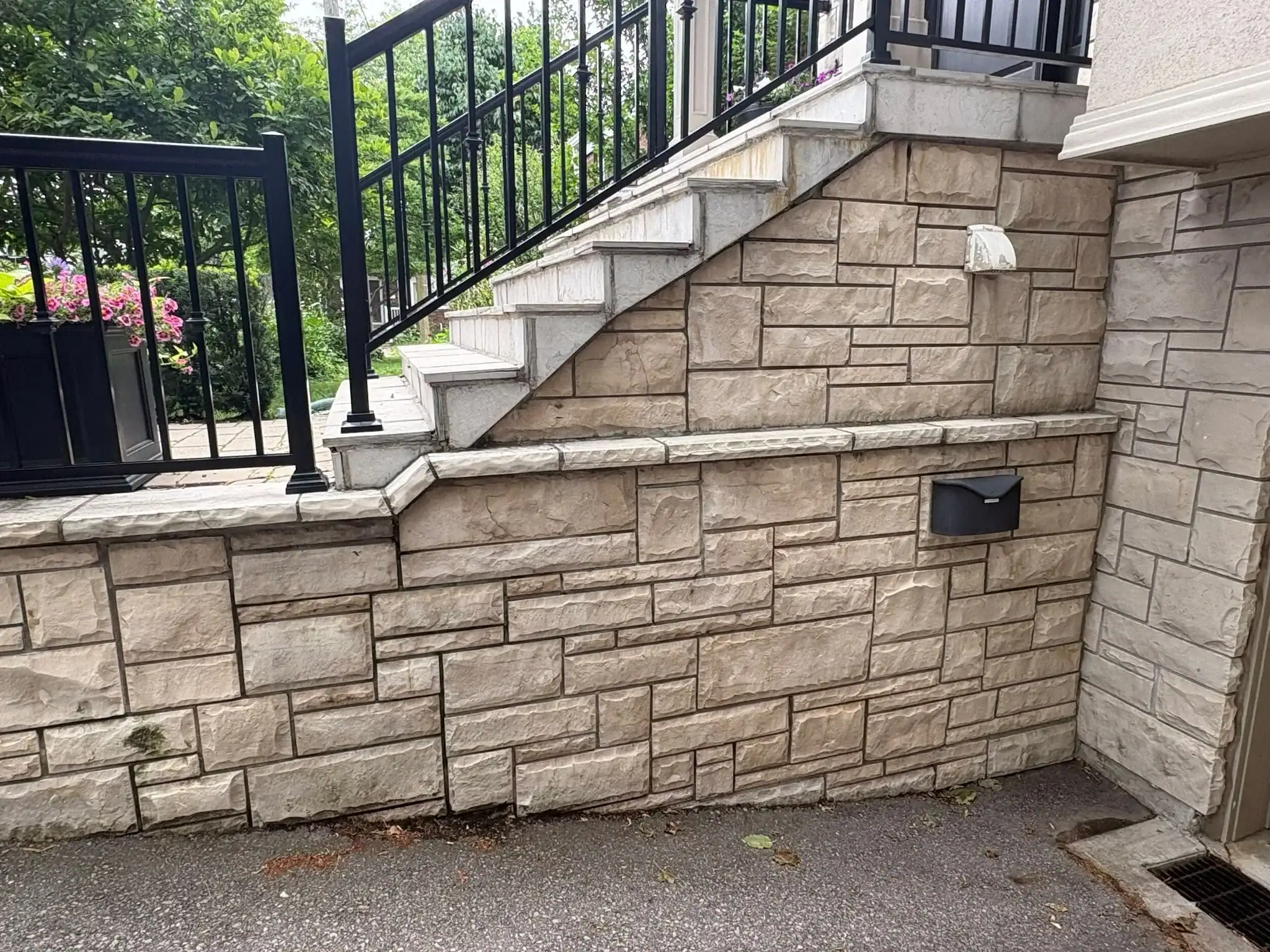
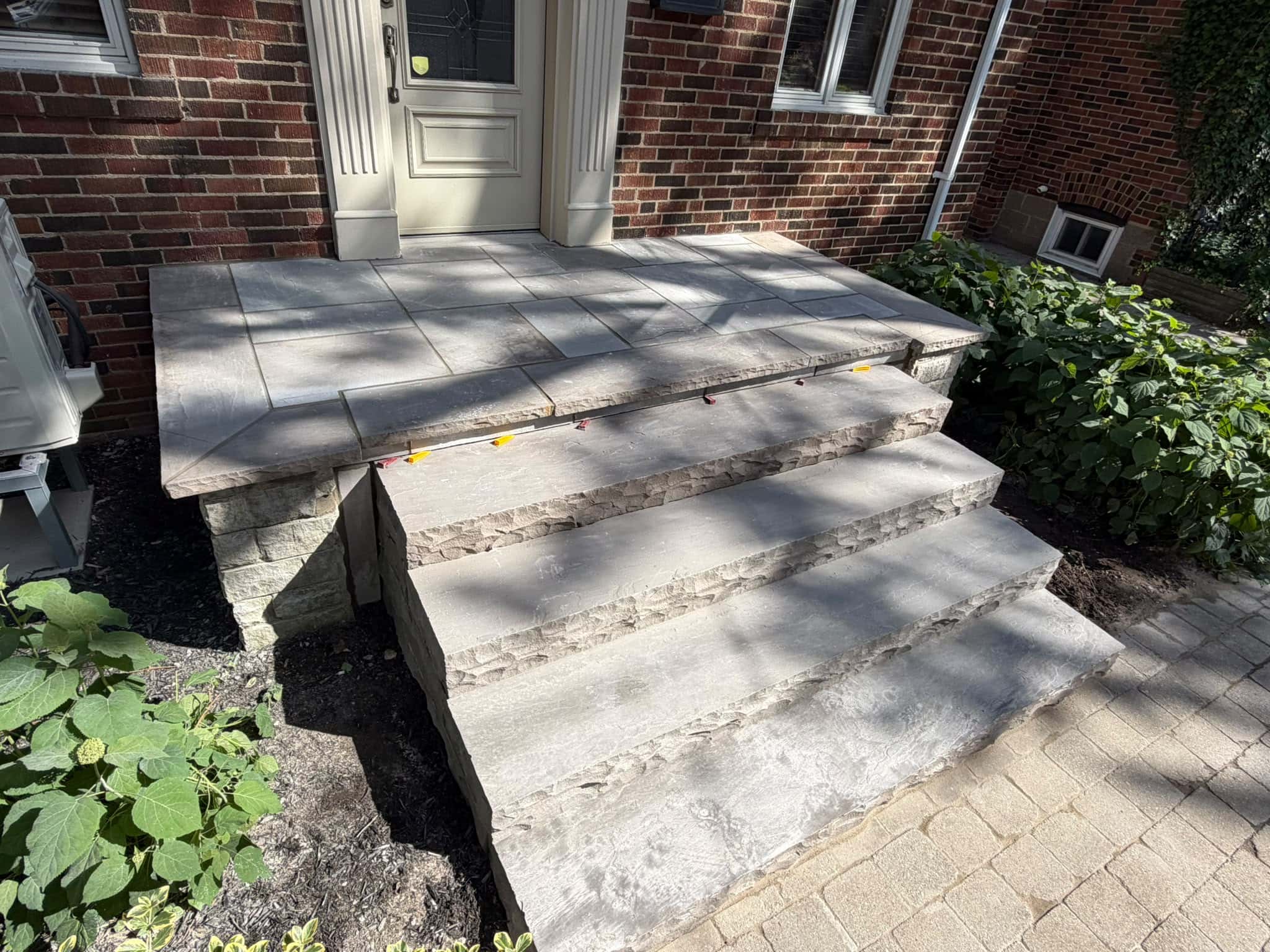
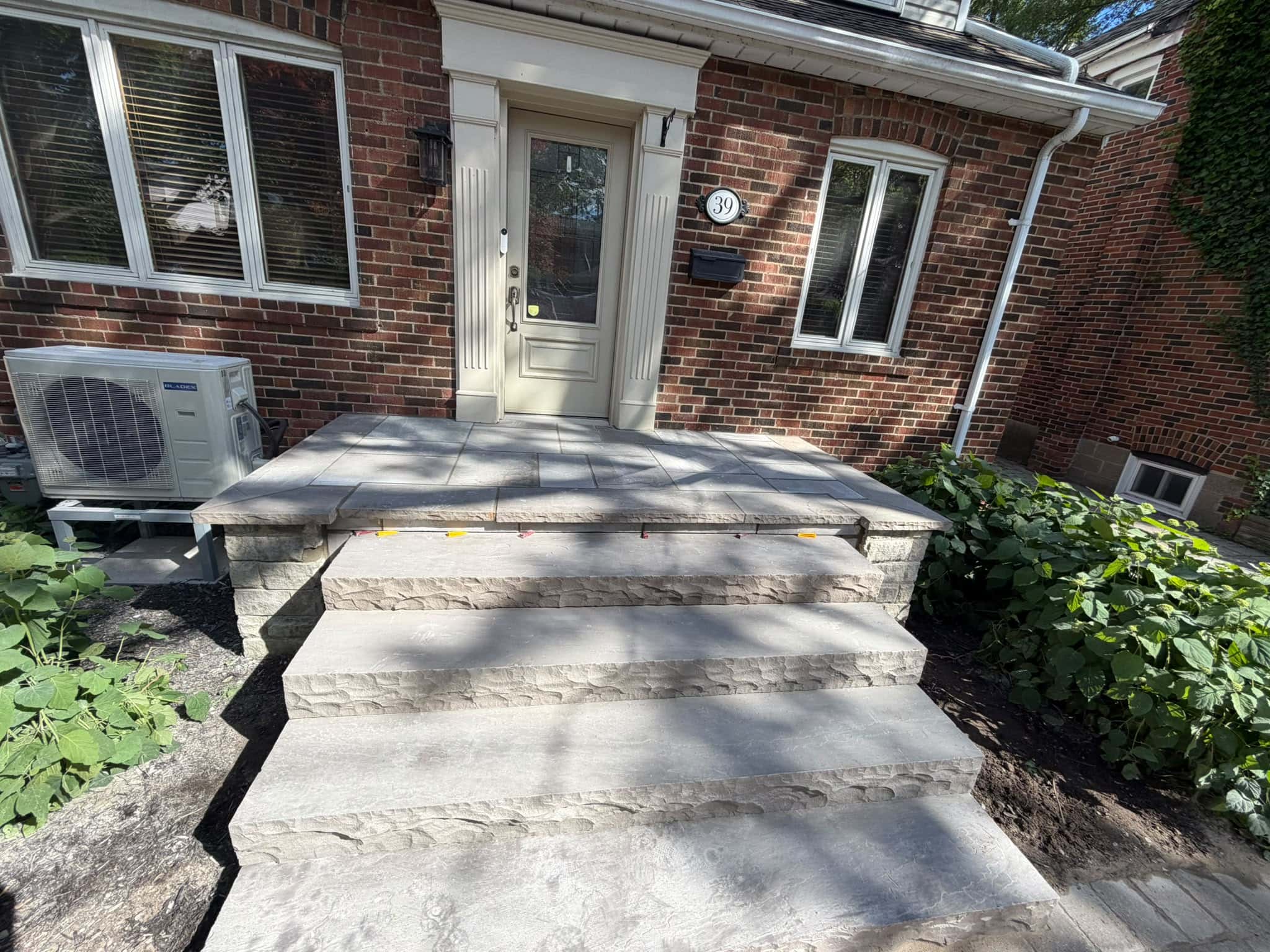
Veneer ledge stone features a stacked, layered appearance, resembling the look of natural ledge rock. It is typically cut into thin pieces for easy installation and used for interior and exterior applications, such as walls, fireplaces, and landscaping.
It provides a rugged, textured look and is available in various colours and finishes, making it a popular choice for adding depth and character to architectural designs.
Natural Stone Veneer vs Manufactured Stone Veneer
When considering stone veneer for your home or project, you’ll typically encounter two classifications: natural and manufactured stone veneer. Let’s examine how these two differ, particularly in what they offer for your home project.
Natural Stone Veneer
Natural Stone Veneer is made from real stone that is quarried and cut into thin slices, providing an authentic appearance with unique textures and colours. Its primary advantage is the genuine look and feel, with each piece being distinct.
They boast exceptional durability, withstand weathering, and are suitable for various climates. With minimal maintenance, natural stone can last for decades.
However, it comes with a high cost for the material and installation, as these stones are heavier and sourced from specific locations.
Manufactured Stone Veneer
Manufactured stone veneer, often referred to as MSV, is a man-made product designed to replicate the appearance of natural stone. Typically made from concrete and aggregates, it is less expensive than natural stone, making it a budget-friendly option.
Its manufactured nature makes it easier to handle and install.
Additionally, MSV offers a wide array of styles, colours, and finishes, providing more outstanding customization options. However, its consistent appearance can sometimes make it look monotonous compared to the unique variations found in natural stone.
Manufactured stones can also fade or chip over time; hence, they may require more maintenance to maintain their appearance.
So, it’s not about deciding what is best, but rather what suits your needs. A natural stone veneer may be the better choice if you have the budget but prioritize authenticity, durability, and long-term value. However, manufactured stone veneers could be ideal if you are looking for a cost-effective, lightweight option with various design possibilities.
Ultimately, both options can enhance the beauty of your home, so consider your priorities and consult a professional to determine the best fit for your project.
What Is The Most Popular Veneer Shape?
The most popular veneer shapes often used in both natural and manufactured stone veneers include:
- Flat Stones: These rectangular or square pieces provide a modern look. They are versatile and can be arranged in various patterns, making them popular for interior and exterior applications.
- Stacked Stones: This shape features stones stacked on each other, creating a rugged, textured appearance. Stacked stones, such as fireplaces and accent walls, are often used for rustic designs.
- Corner Pieces are specially shaped stones that fit around corners, providing a seamless transition between wall surfaces. Corner pieces enhance the overall aesthetic by giving the appearance of full-thickness stone without the added weight.
What Are The Disadvantages Of Natural Stone Veneer?
Some disadvantages of natural stone veneer include:
- Cost: Natural stone veneer is typically more expensive than faux alternatives due to the cost of sourcing, cutting, and transporting real stone.
- Weight: Being heavier than faux stone veneer, natural stone requires more labour and specialized equipment for installation, which can add to the overall cost and complexity of the project.
- Installation Complexity: Natural stone veneer often requires professional installation due to its weight, the need for mortar or adhesive, and the precise arrangement of the stones.
- Maintenance: While durable, natural stone veneer requires regular maintenance, such as sealing, to prevent moisture absorption, staining, and damage over time.
- Limited Design Options: Although there are various styles, natural stone veneer’s range of colours and textures may be more limited than manufactured or faux stone options, which come in a broader variety of styles.
- Moisture Sensitivity: Natural stone veneer can be sensitive to water and moisture, depending on the type of stone. It can absorb water without proper sealing, leading to mould, mildew, or staining.
- Vulnerability to Cracking: Natural stone is prone to cracking or chipping if exposed to extreme temperature changes or if there’s structural movement, especially if the stone is not properly adhered to the surface.
- Environmental Impact: Sourcing natural stone can have a higher ecological impact due to quarrying processes, transportation, and the carbon footprint involved.
Despite these drawbacks, natural stone veneer is still popular for its authenticity, beauty, and durability when properly maintained and installed.
What Is An Alternative To Natural Stone Veneer?
If you’re looking for alternatives to stone veneer, here are some popular options to consider:
- Natural Stone: Offers unmatched durability and authenticity. It is ideal for projects where budget and structural support can accommodate the heavier material.
- Brick Veneer: Provides a classic and timeless look similar to brick walls.Lightweight and easier to install compared to solid brick.
- Fibre Cement Siding: Mimics the appearance of stone or other materials at a fraction of the cost. Durable, low-maintenance, and resistant to pests and moisture.
- Stucco: Creates a smooth or textured finish with a clean, modern aesthetic. It is affordable and easy to maintain, but less impact-resistant than stone veneer.
- Wood Siding or Shiplap: Offers a natural, rustic appeal for exterior or interior walls. Best suited for projects prioritizing warmth and natural beauty.
- Concrete Panels: Durable and customizable for a modern, industrial look. Cost-effective and versatile for a variety of architectural styles.
These alternatives vary in cost, appearance, and durability, so the right choice depends on your design preferences, budget, and structural needs.
Why Is My Stone Veneer Falling Off?
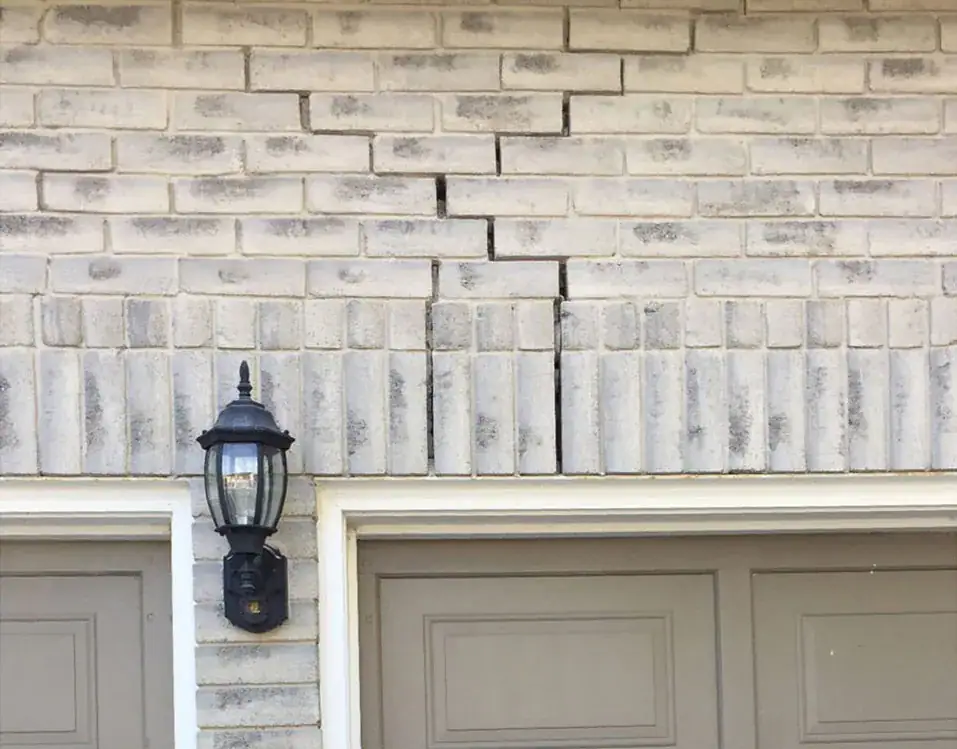
Stone veneers may fall off due to improper installation, moisture issues, temperature fluctuations, improper surface preparation, inadequate adhesive or mortar, structural shifting, and excessive weight.
Poor installation can cause the adhesive or mortar to loosen over time, while moisture issues can weaken the bond between the stone and the surface. Temperature fluctuations can cause the veneer and wall to expand and contract, while improper surface preparation can cause the adhesive not to bond correctly. Addressing these issues promptly is crucial.
How Thick Is Interior Stone Veneer?
Interior stone veneer typically ranges from 1 to 1.5 inches thick. This thickness allows it to mimic the appearance of natural stone while remaining lightweight and easier to install than full stone.
Some types may vary slightly depending on the manufacturer or the style, but generally, they’re designed to be thin enough for easy application without compromising their realistic look.
What Is Another Name For Stone Veneer?
Another name for stone veneer is manufactured stone or cultured stone. These terms are often used interchangeably to describe lightweight, man-made materials designed to mimic the appearance of natural stone.
Stone veneer may also be considered faux or decorative stone, particularly when discussing interior applications. These names emphasize its aesthetic appeal and versatility while distinguishing it from solid natural stone. Stone veneer offers a cost-effective and visually striking alternative to heavier natural stone materials, whether used on walls, fireplaces, or facades.
What Are The Best Types Of Veneers?
The best types of veneers depend on the application. Still, popular options include natural stone veneer for authenticity, manufactured stone veneer for cost-effectiveness, and thin stone veneer for versatility in design.
Can Stone Veneer Get Wet?
Yes, stone veneers can get wet, but it is essential to ensure they are properly sealed and installed with adequate drainage.
While stone veneer is designed to resist moisture to some degree, prolonged exposure to water without proper ventilation or drainage can lead to issues like mould, mildew, or moisture infiltration behind the veneer. Adequate installation helps prevent water from seeping into the underlying materials and causing damage.
How Do You Clean Interior Stone Veneers?
To clean interior stone veneer, use the following method:
Dust and Debris Removal: Start by gently dusting the surface with a soft brush or microfiber cloth to avoid scratching the stone.
Mild Soap and Water Solution: Mix a small amount of mild dish soap with warm water. Dampen a soft cloth or sponge with the solution and gently wipe the surface of the stone veneer.
Rinsing: After cleaning, wipe the stone with a clean cloth dampened with water to remove any soap residue.
Stubborn Stains: For more persistent stains, use a mixture of water and white vinegar (in a 1:1 ratio) or a stone-specific cleaner. Apply the solution to the stain, let it sit for a few minutes, then scrub gently with a soft brush.
Drying: Wipe the stone veneer with a dry cloth to remove moisture and prevent water spots from forming.
Avoid harsh chemicals or abrasive scrubbers, which can damage the veneer surface.
Is Stone Veneer Good For The Exterior?
Yes, the stone veneer is suitable for exterior applications. It provides durability and weather resistance, making it an excellent choice for enhancing the appearance of homes and buildings.
Choosing the Right Stone Veneer
When selecting stone veneer, consider your project’s aesthetic, budget, and environmental factors. For Toronto homeowners, natural stone veneer is ideal for withstanding freeze-thaw cycles, while MSV offers versatility for indoor applications. For more guidance on selecting materials, check out our Ultimate Guide to Choosing the Right Natural Stone. If you’re considering hardscaping, explore What Are Pavers? Types and Uses for Outdoor Spaces, or learn about eco-friendly options in Your Ultimate Guide to Permeable Pavers.
Conclusion
Selecting the right stone veneer type is crucial for enhancing your project’s aesthetic appeal and functionality. Whether you opt for natural stone, manufactured stone, or thin veneer, each option offers unique benefits and considerations.
By understanding these various types available, their applications, and installation methods, you can make an informed decision that aligns with your design goals and budget. Ultimately, the right choice will elevate your space and provide lasting value and beauty.
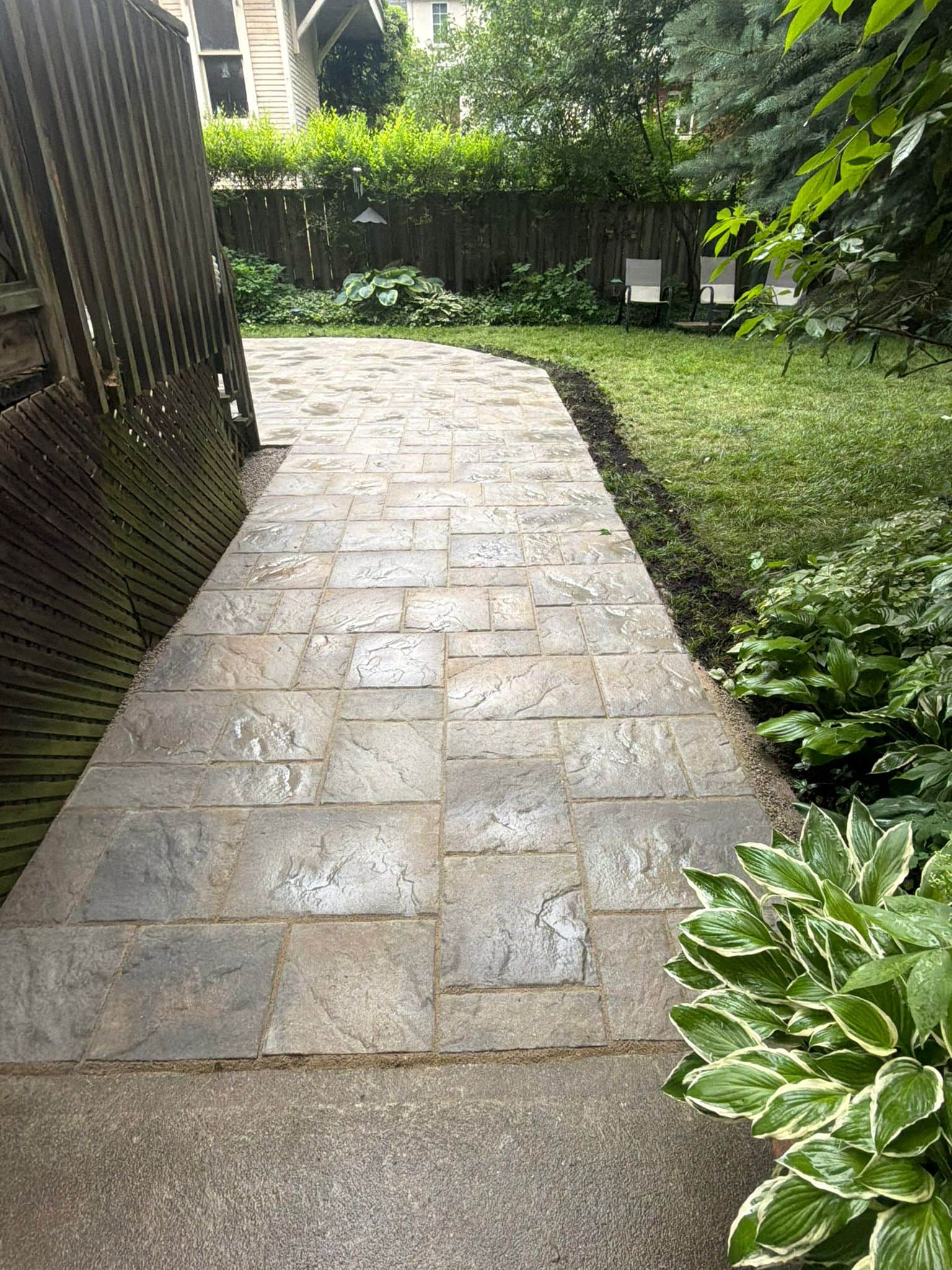
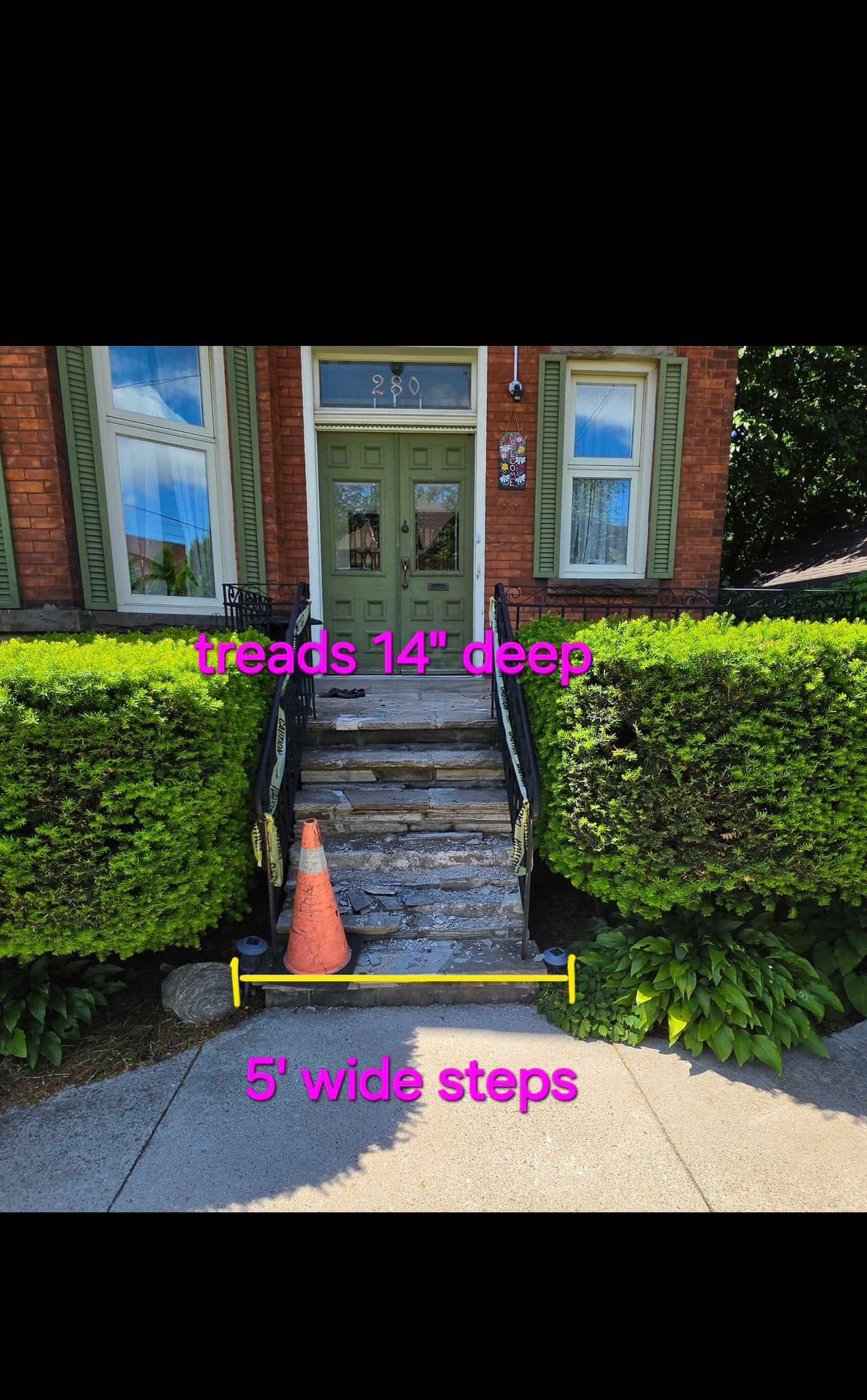
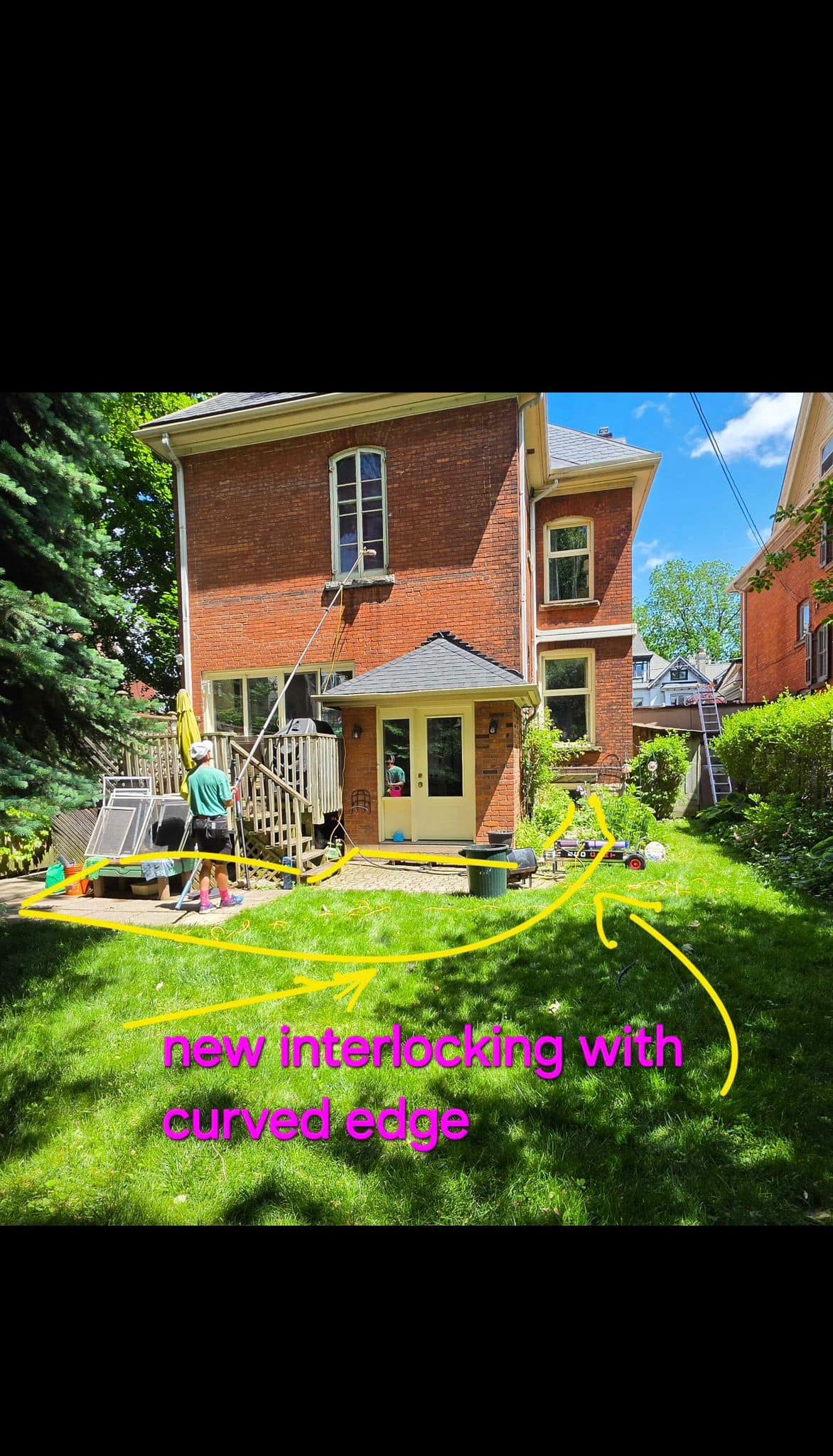
Ready to transform your space? Contact us for expert Veneer Stone Installation, Stone Masonry, or Interlocking Stone Installation services.
Explore More Here:
- Top Masonry Services in Toronto
- Retaining Walls Restoration
- Guide to Choosing the Right Natural Stone for Your Construction Project
With decades of experience, A&A Masonry Inc. has built a reputation for delivering top-quality masonry, waterproofing, and exterior restoration services across Toronto and the surrounding areas. Our skilled team specializes in brick, stone, and concrete repairs, ensuring durable and visually appealing results.
At A&A Masonry, we prioritize craftsmanship, customer satisfaction, and long-lasting solutions. Whether you need foundation waterproofing, brick repair, tuckpointing, or interlocking stone installations, our experts provide reliable service backed by extensive industry experience.
Why Choose A&A Masonry?
✔ Expert Craftsmanship – Our team comprises experienced masons and waterproofing specialists dedicated to high-quality workmanship.
✔ Comprehensive Services – We offer everything from chimney repair to fireplace stone veneer and parging to enhance and protect your property.
✔ Waterproofing Solutions – Protect your home with professional basement waterproofing and exterior foundation sealing.
✔ Customer-First Approach – Transparent quotes, detailed assessments, and a commitment to excellence in every project.
Our Services Include:
- Concrete Repairs
- Stone Masonry
- Brick Painting
- Interlocking Stone Pavers
- Parging
- Tuckpointing
- Brick Repair
- Fireplace Stone Veneer
- Chimney Repair
- Commercial Exterior Painting
- Basement Waterproofing
- Stucco
- Interlocking Steps
- Roofing