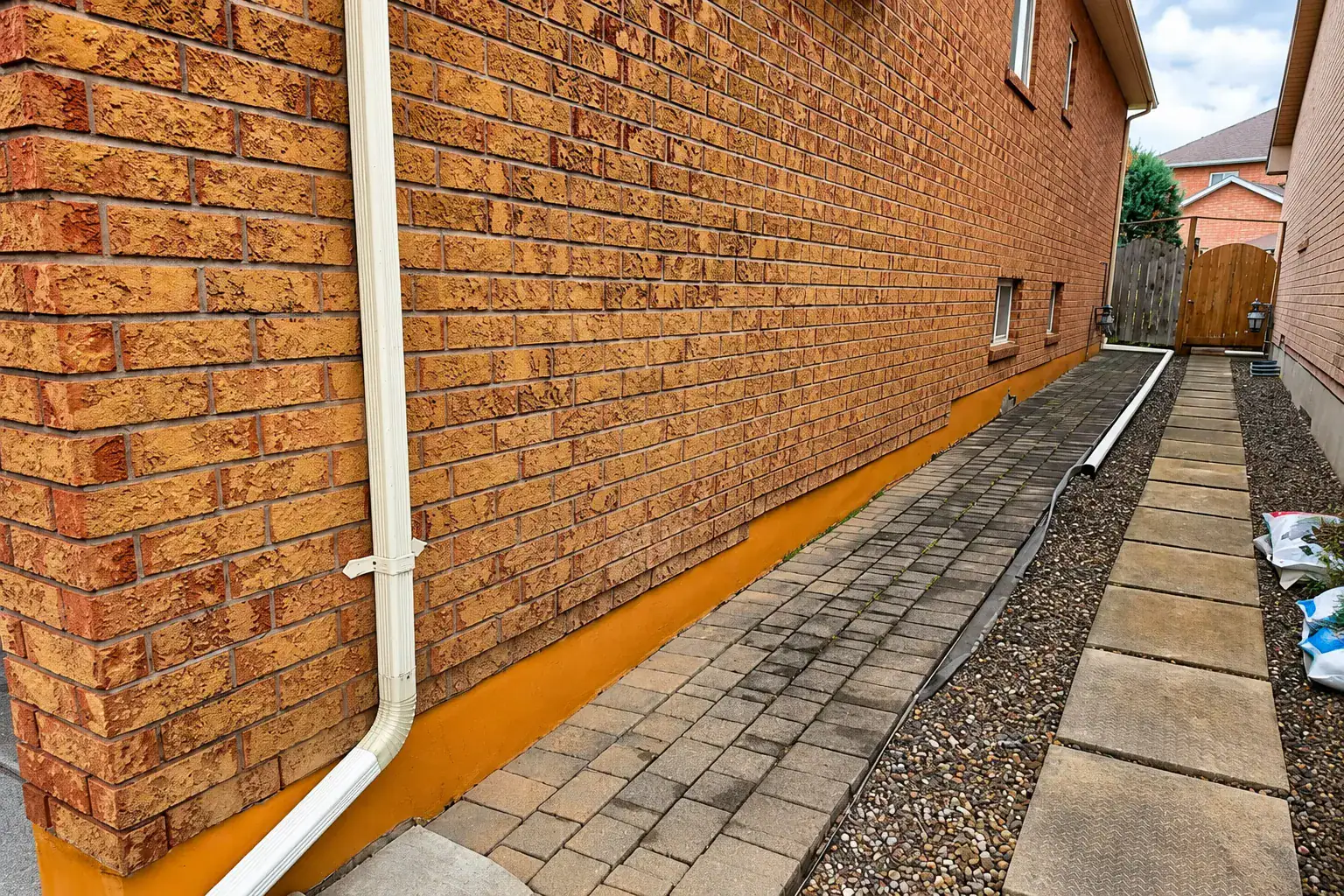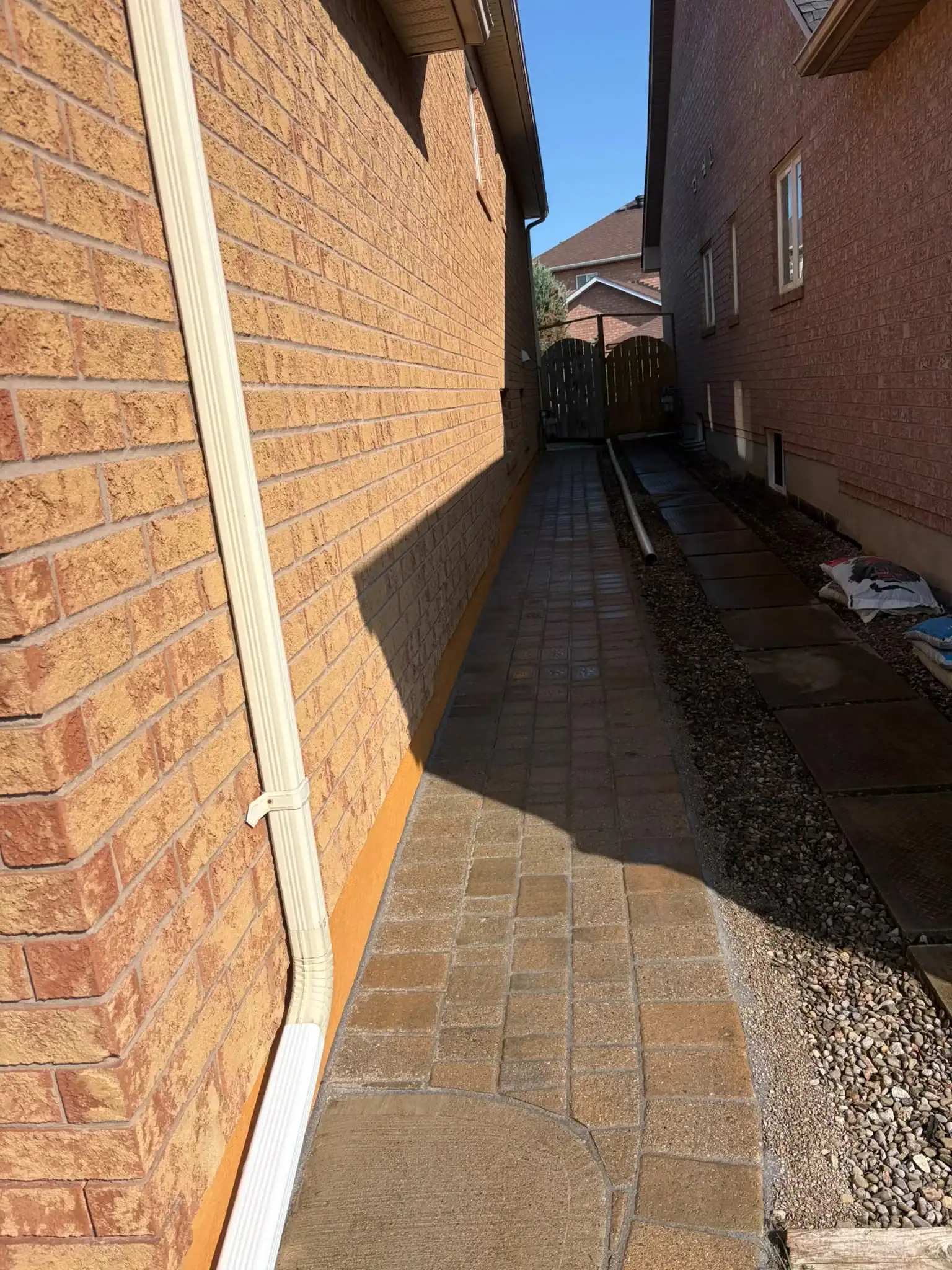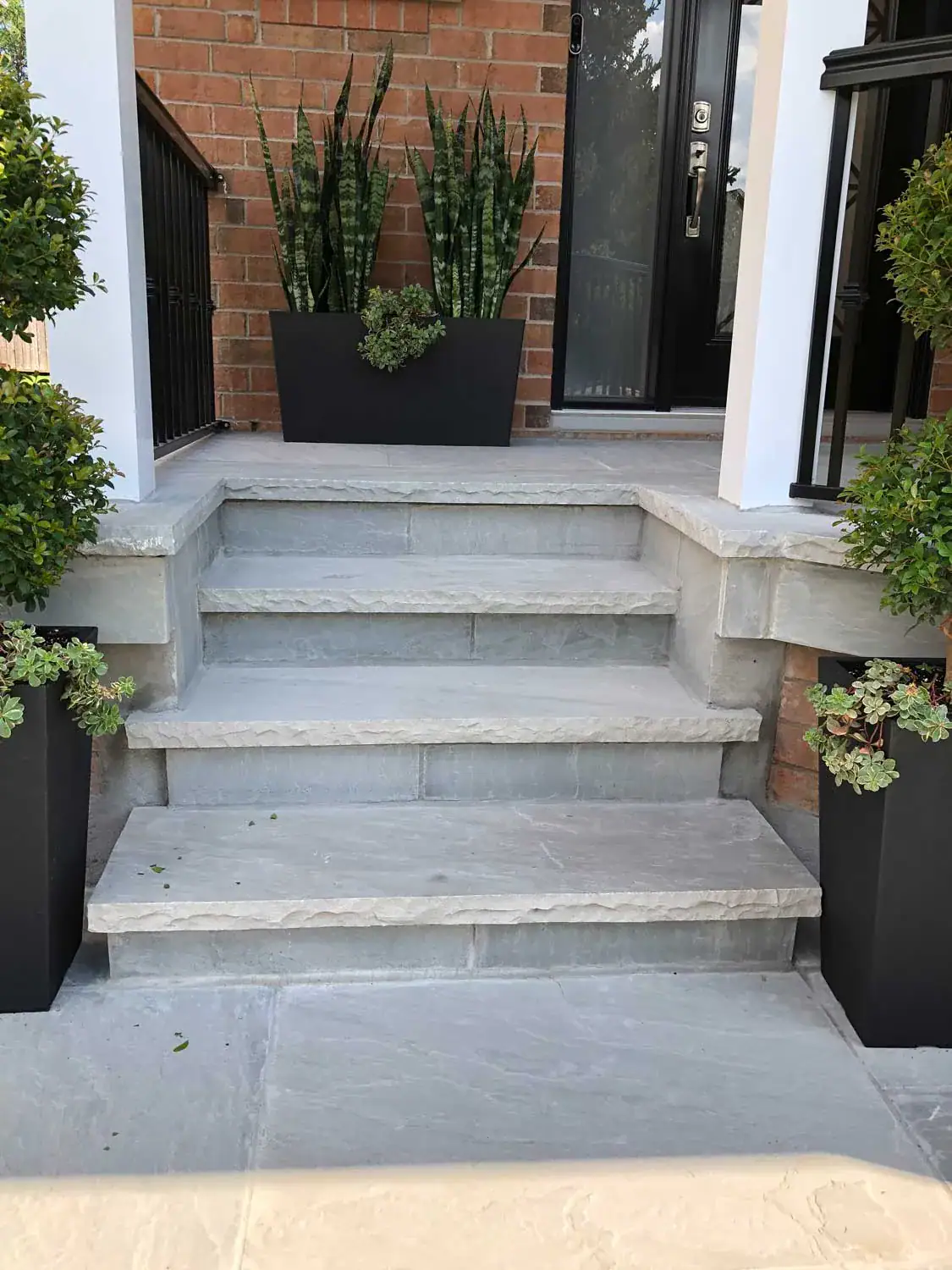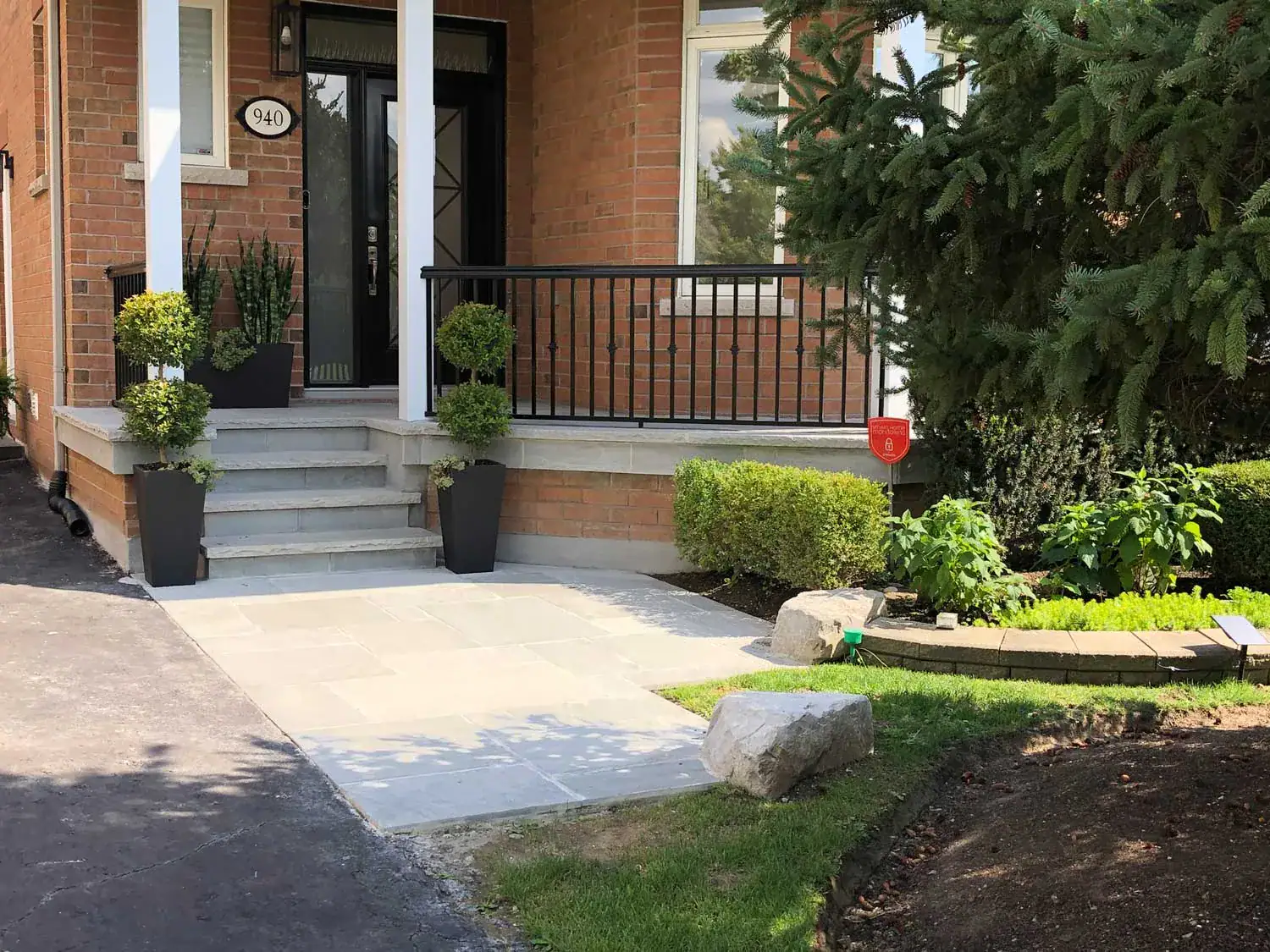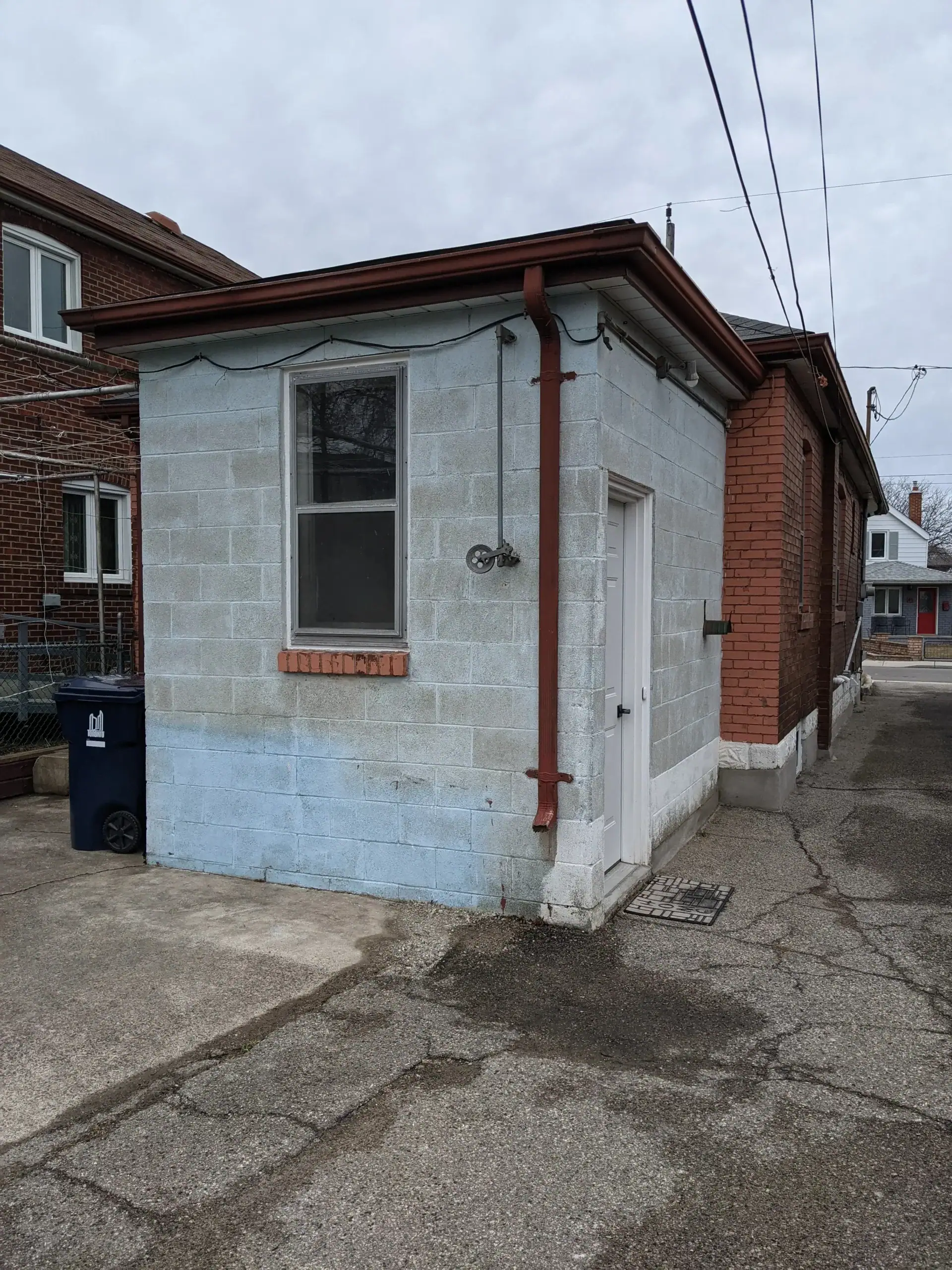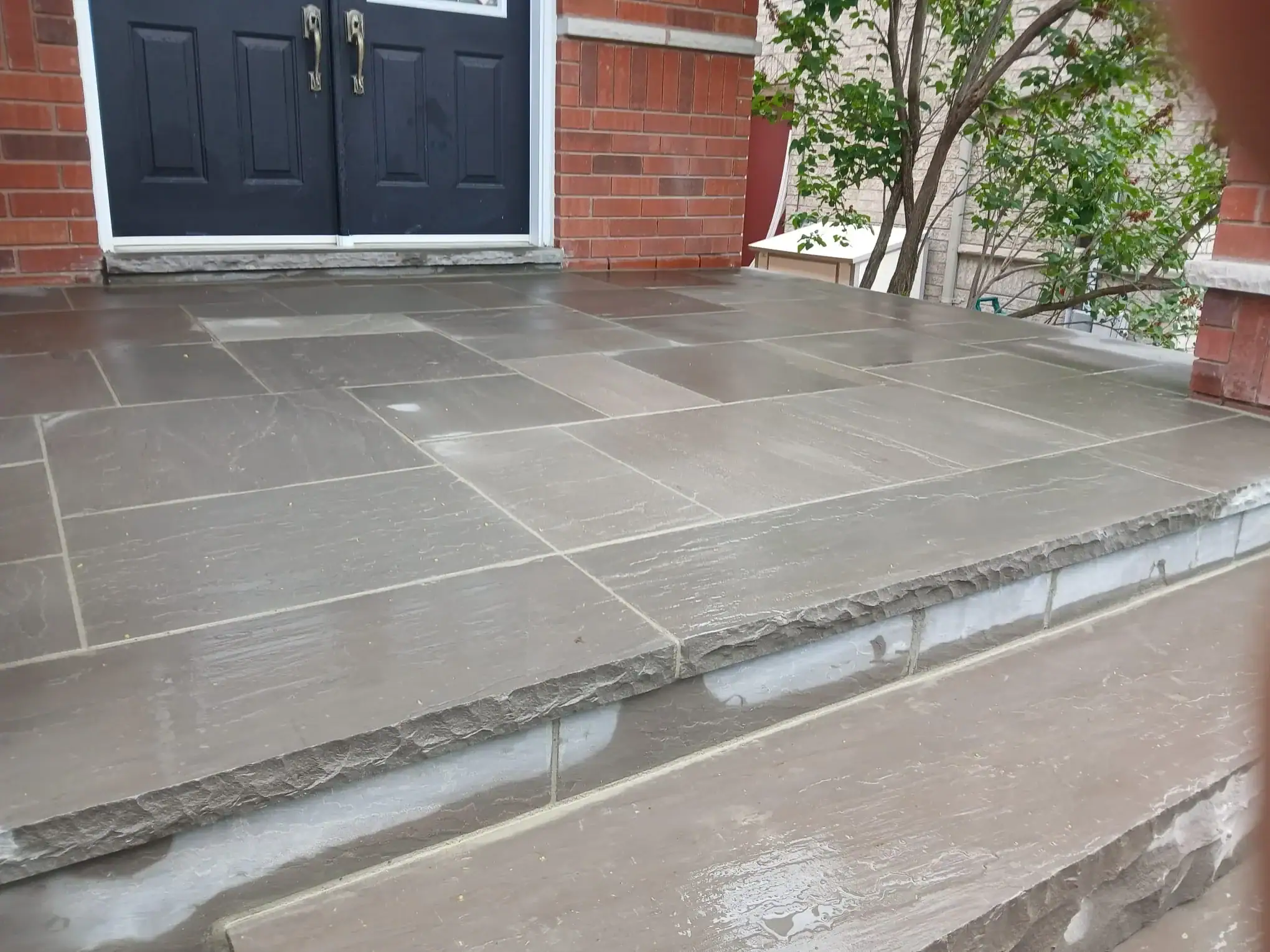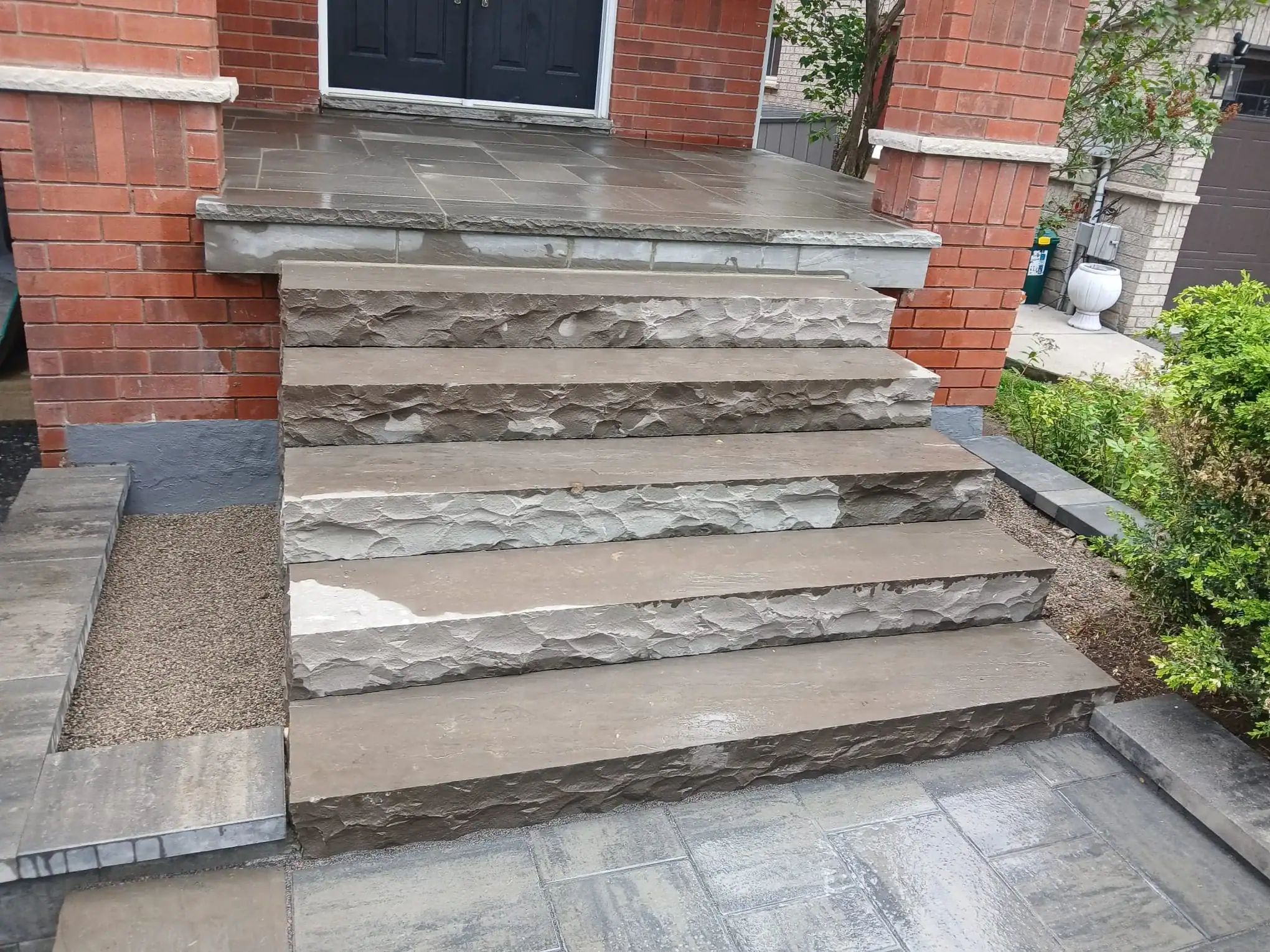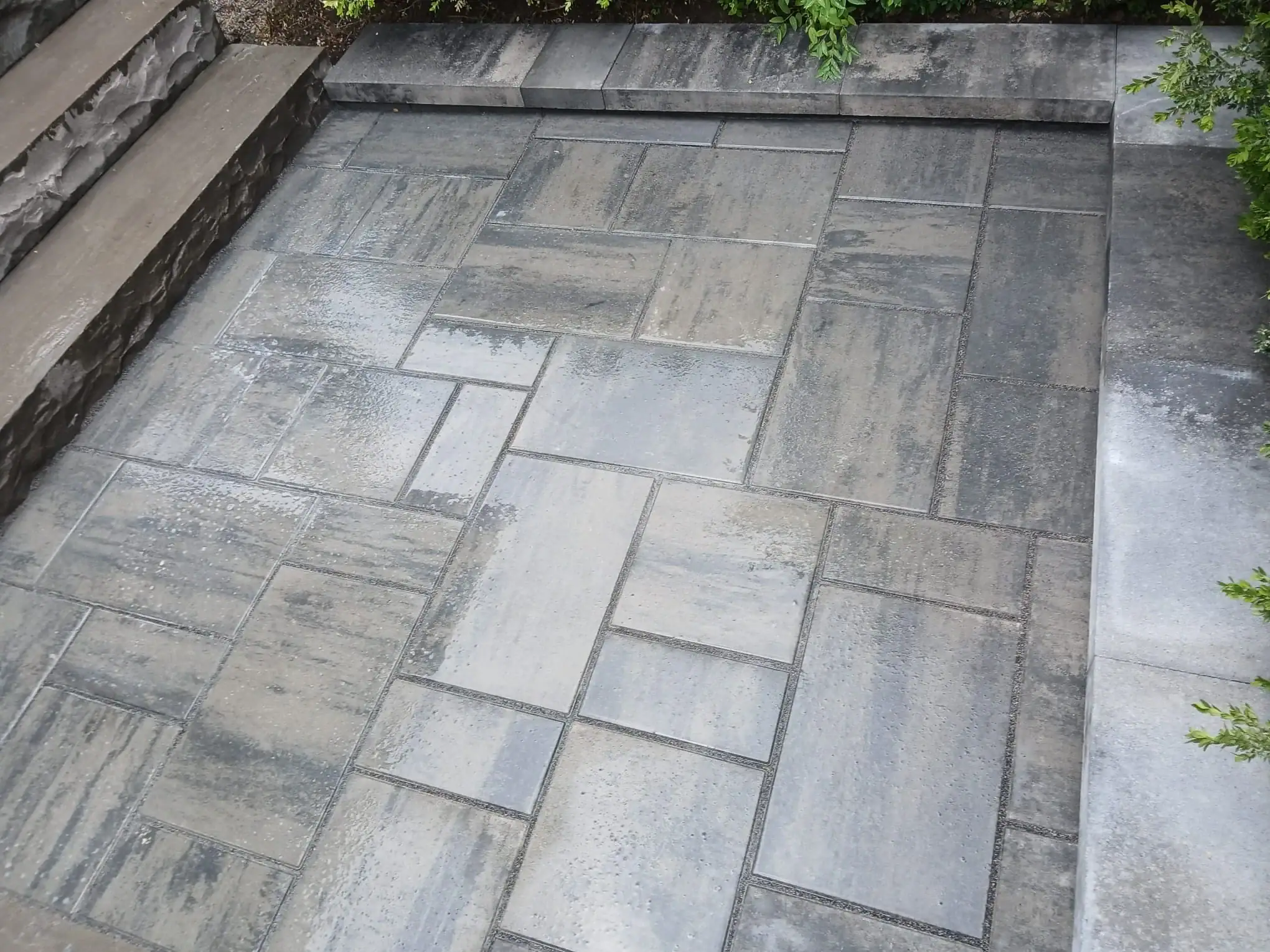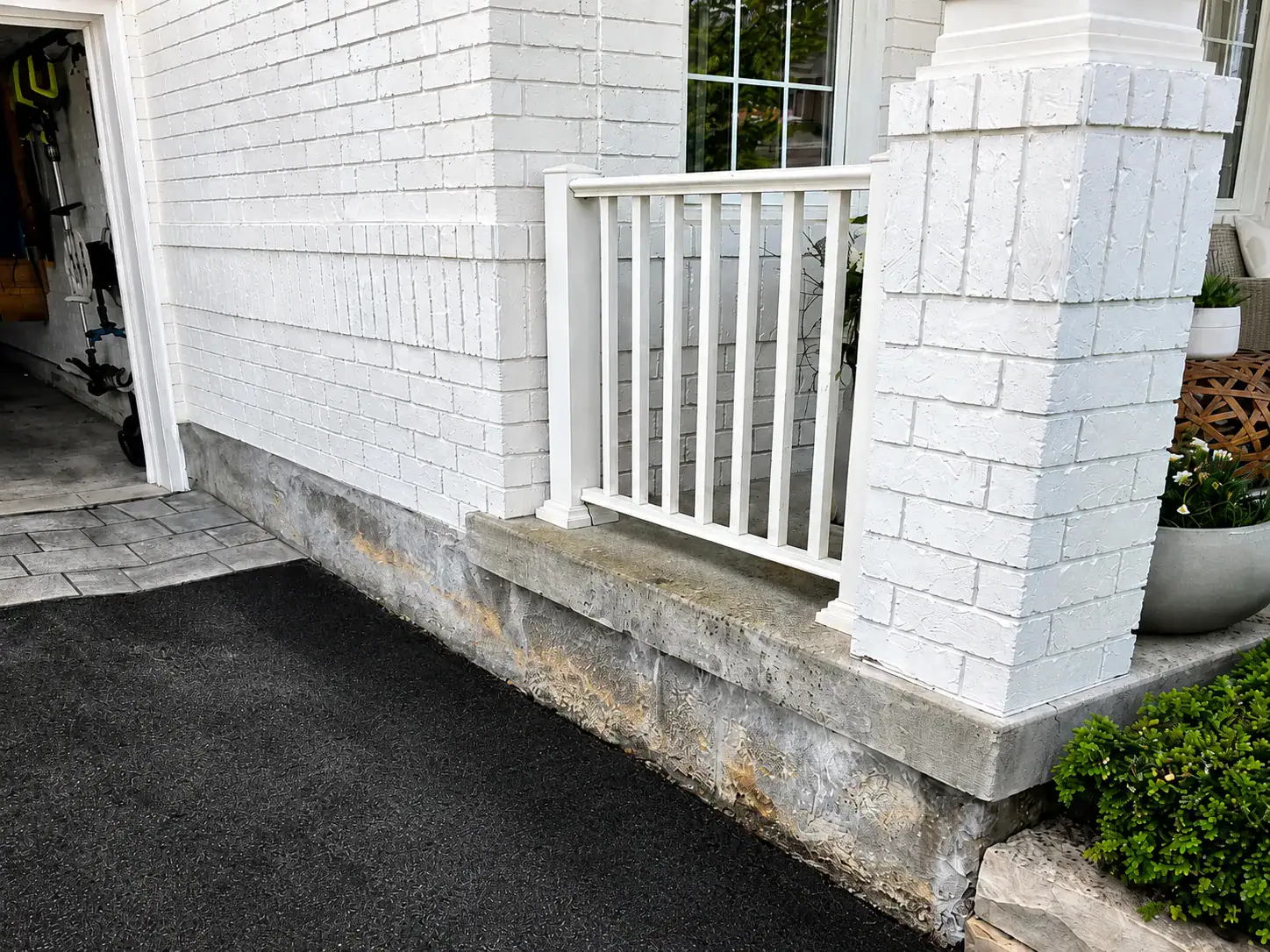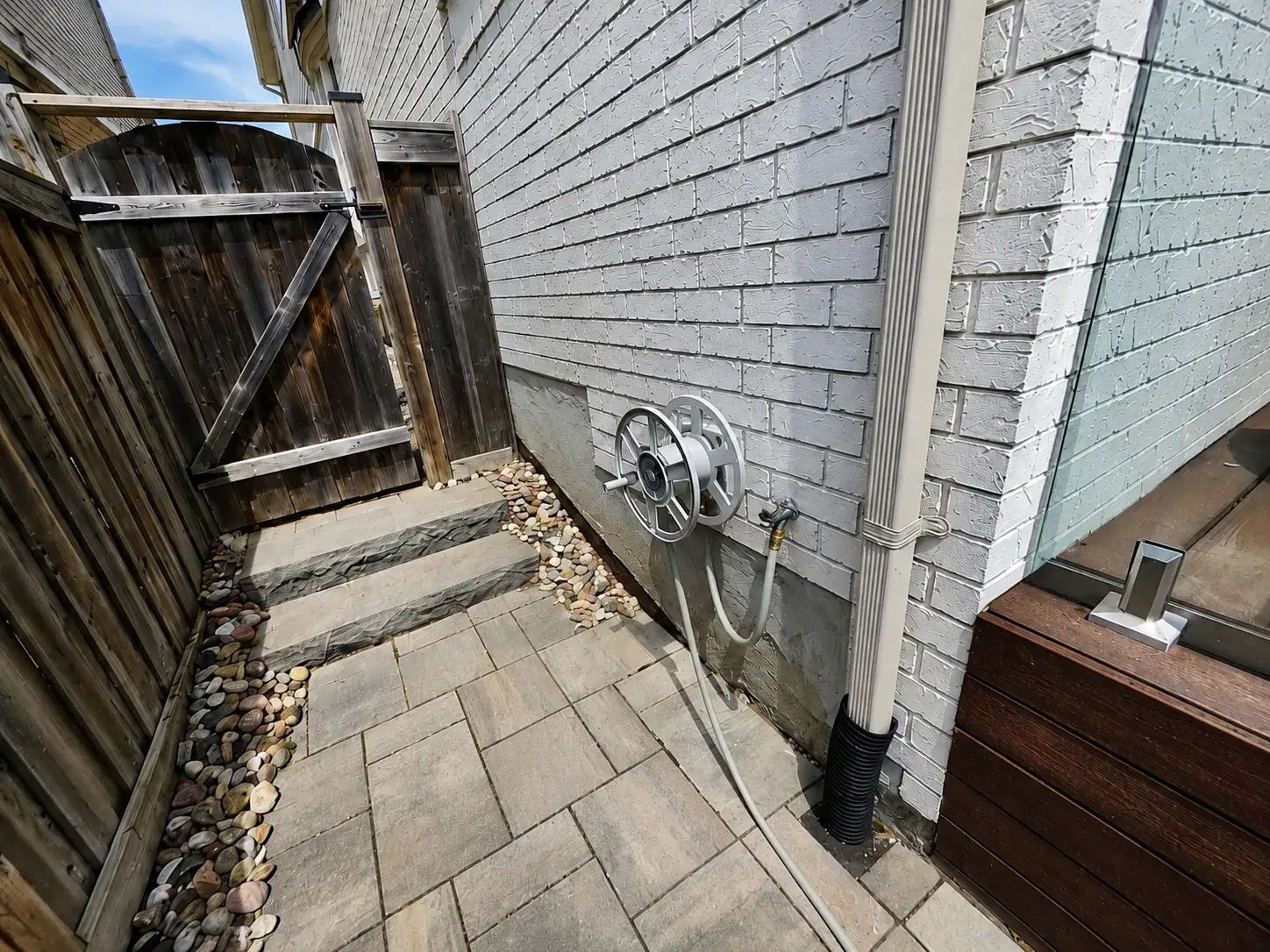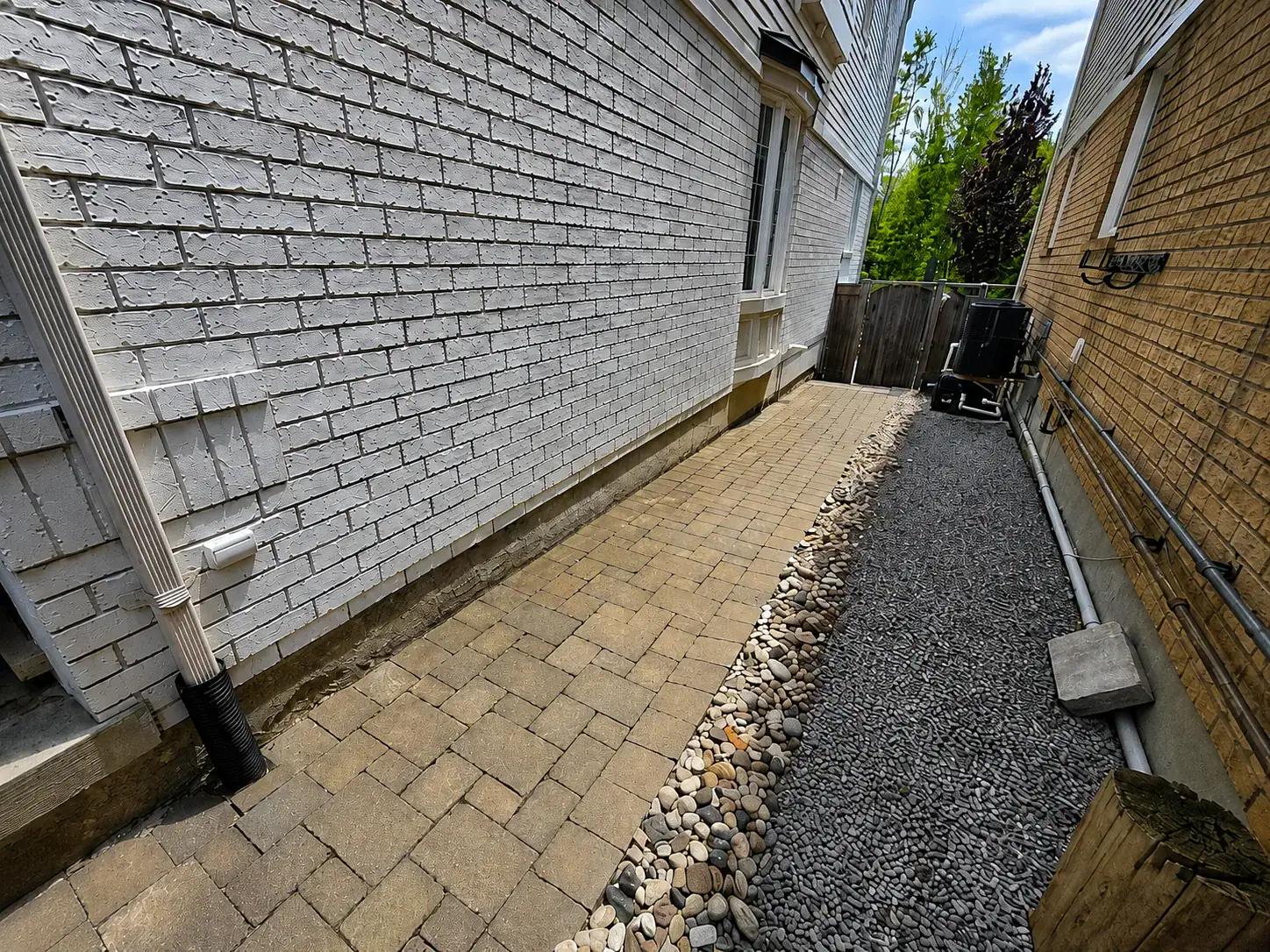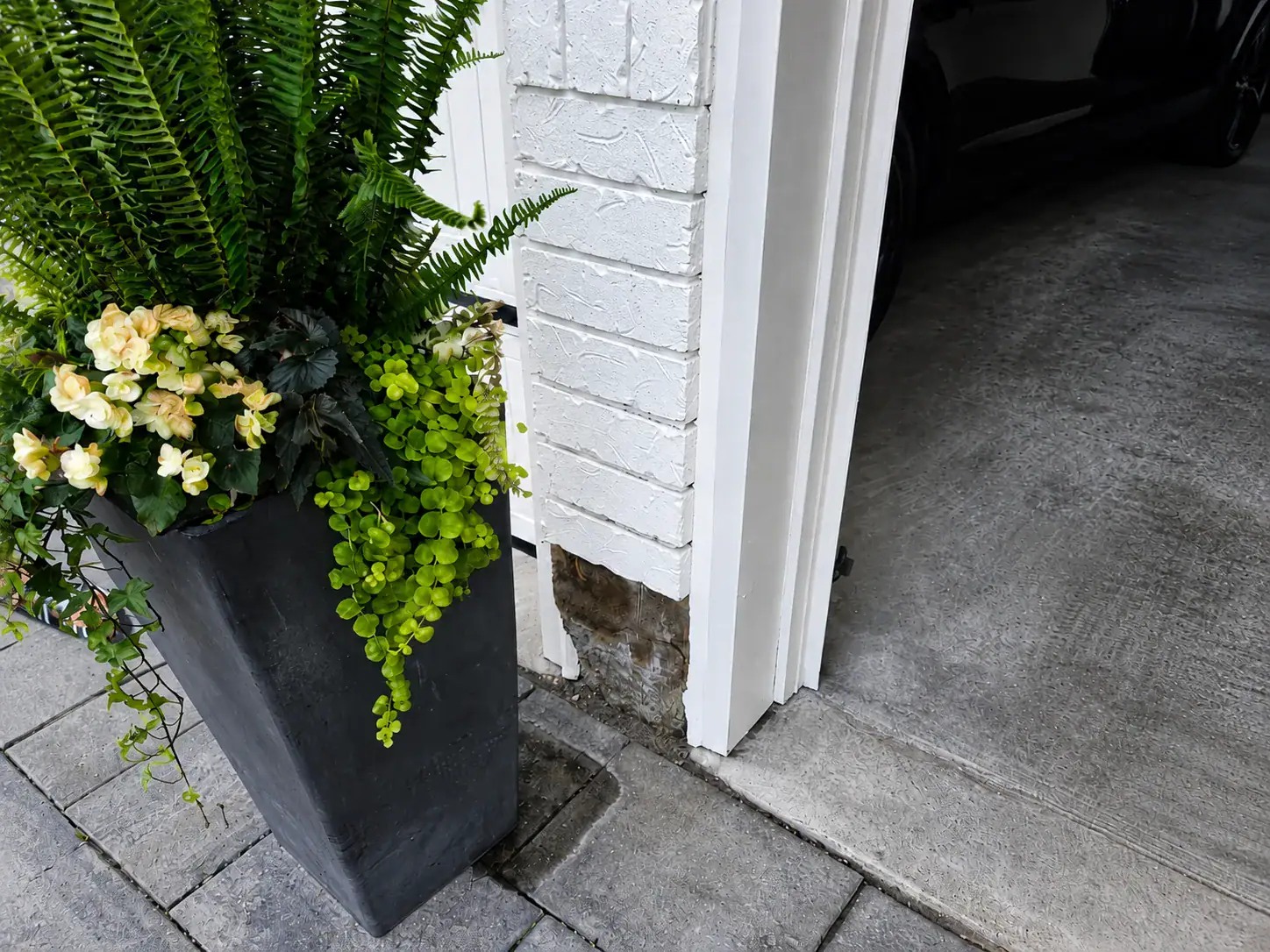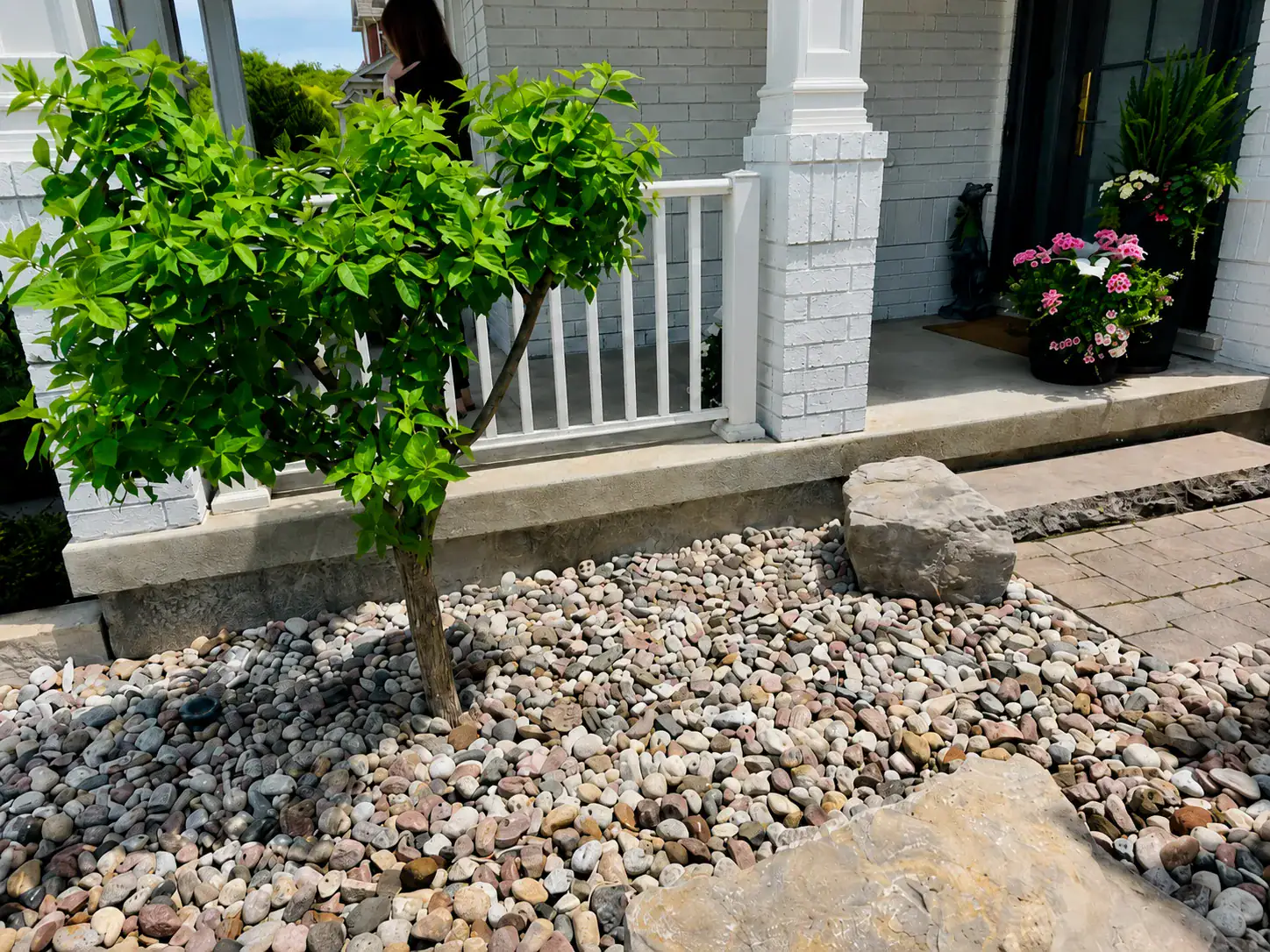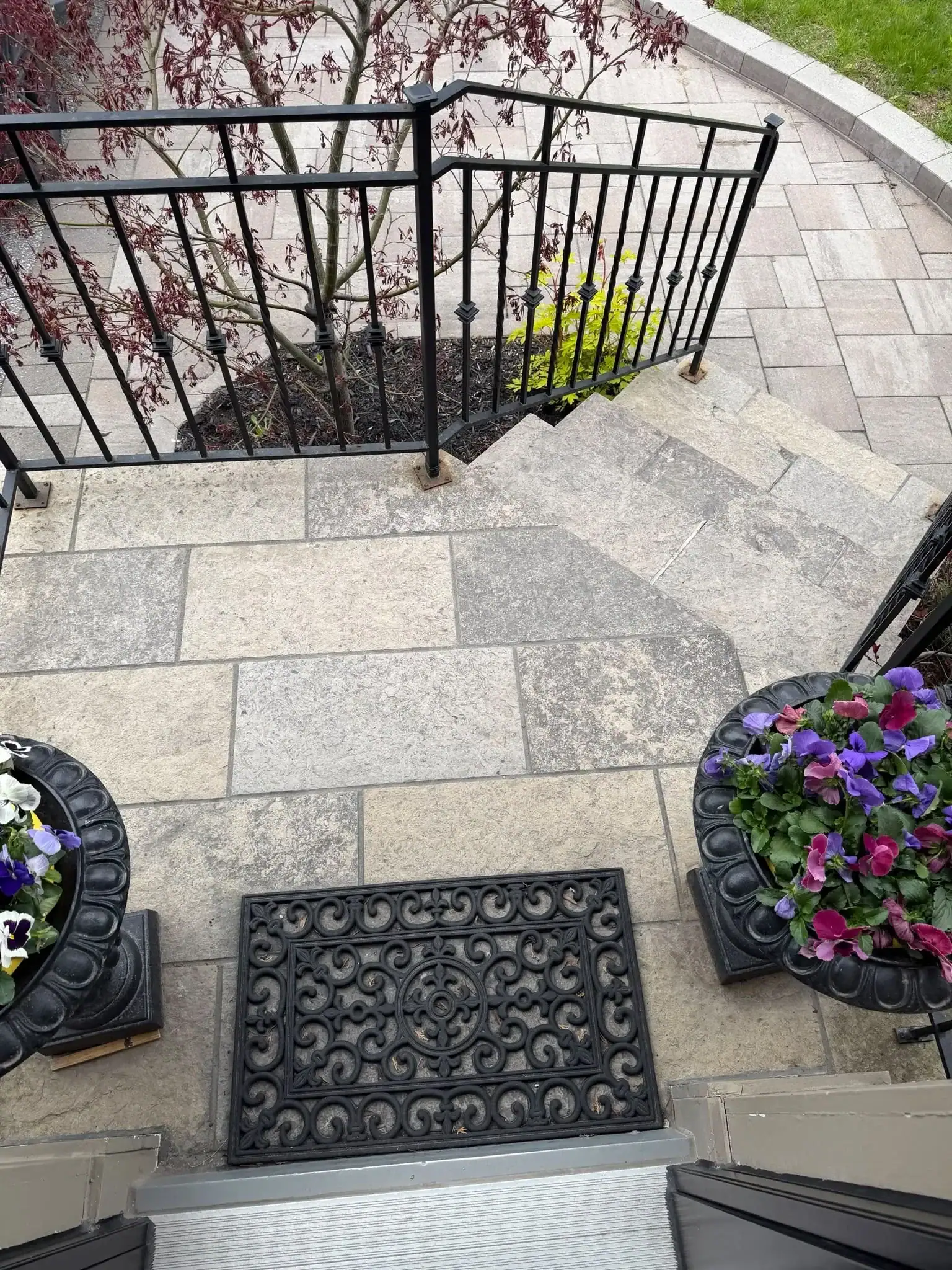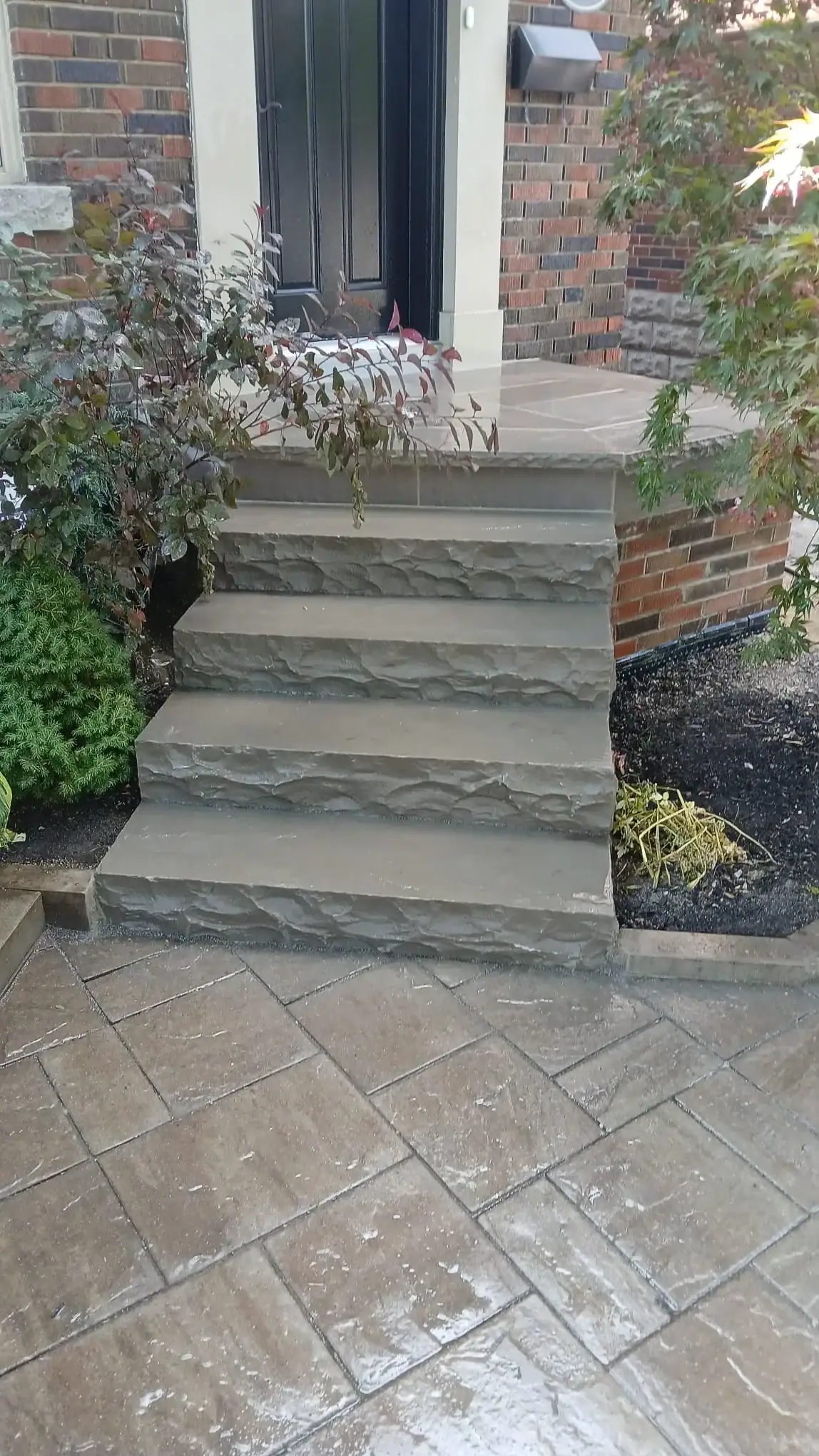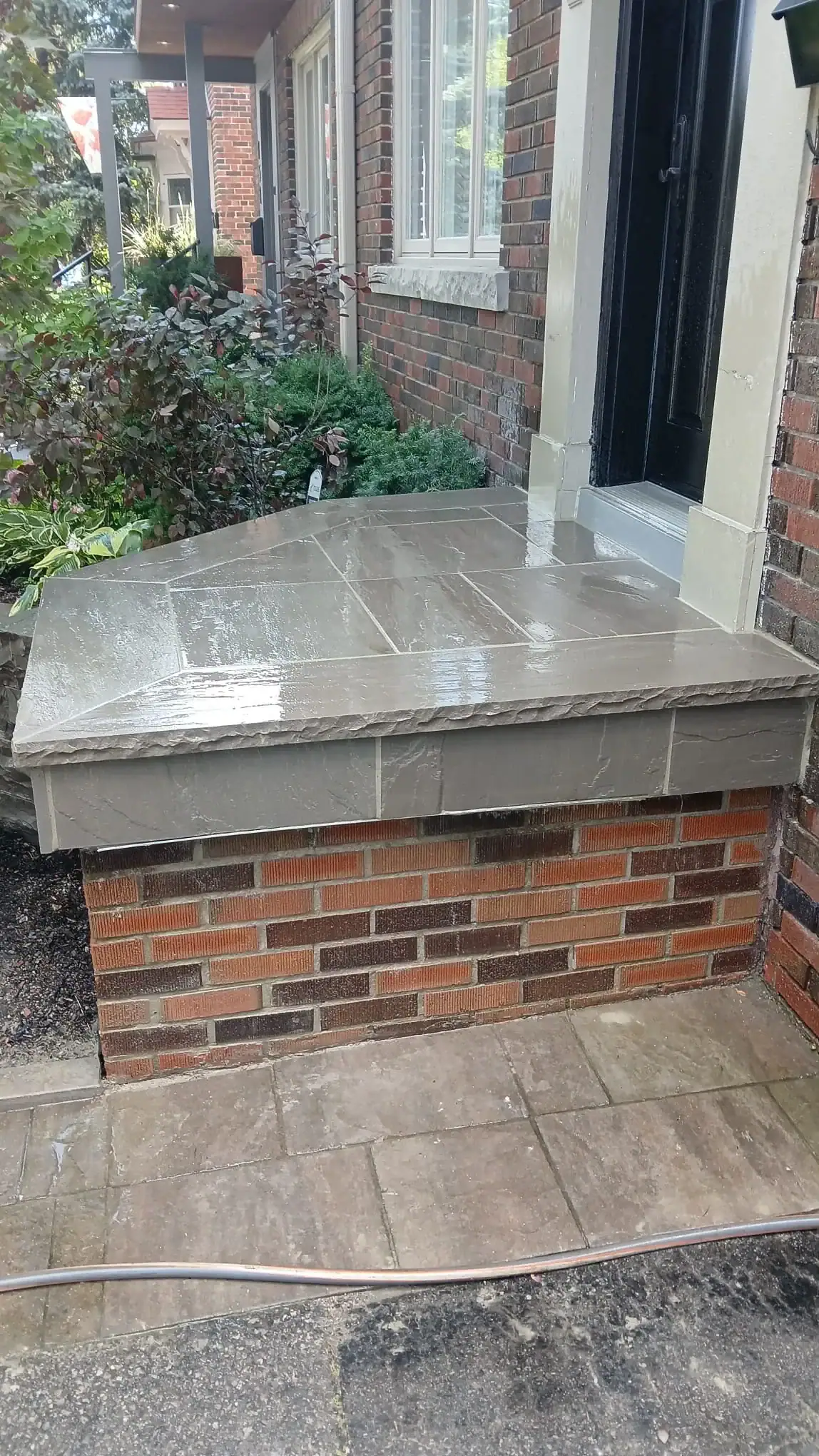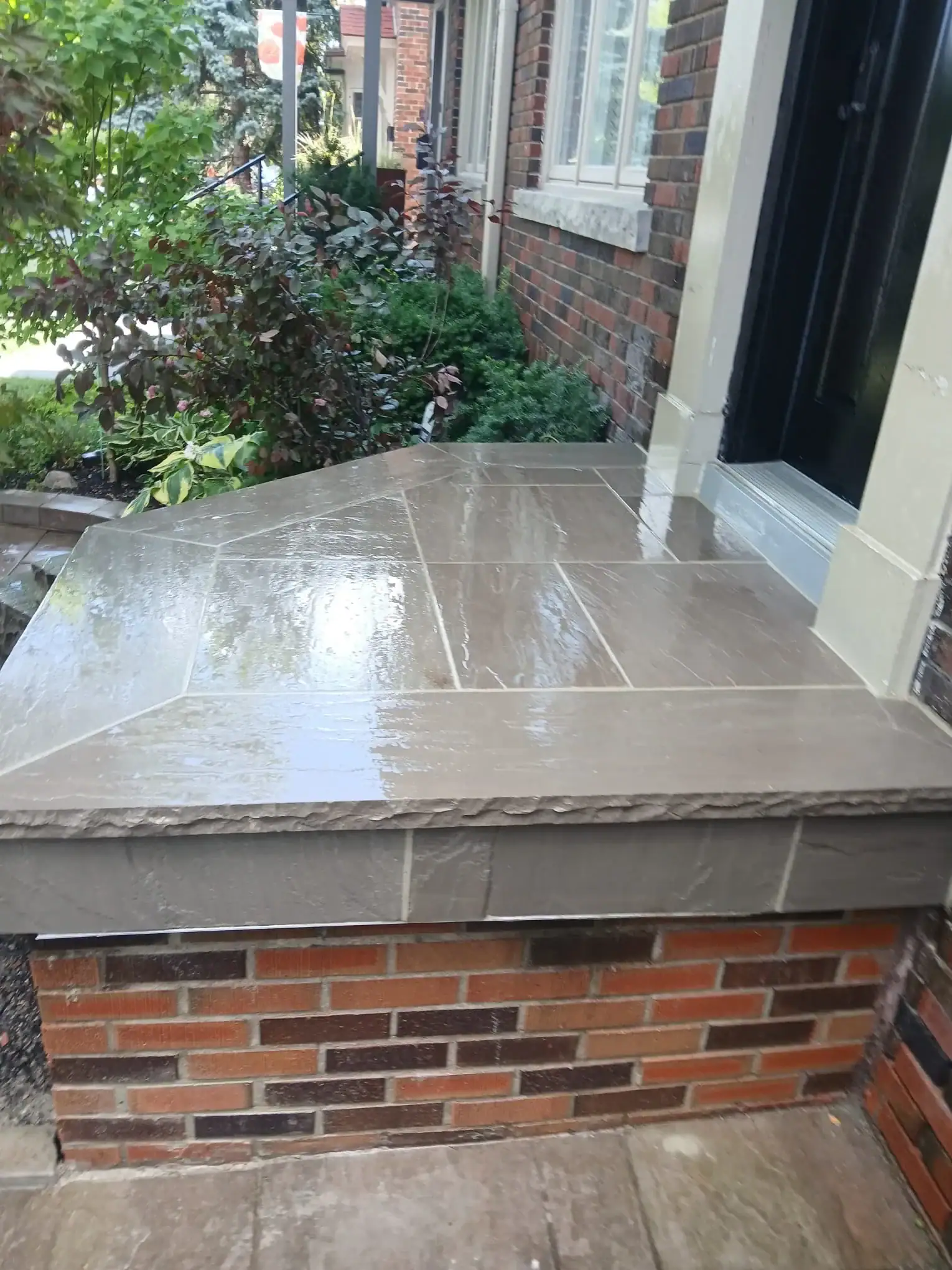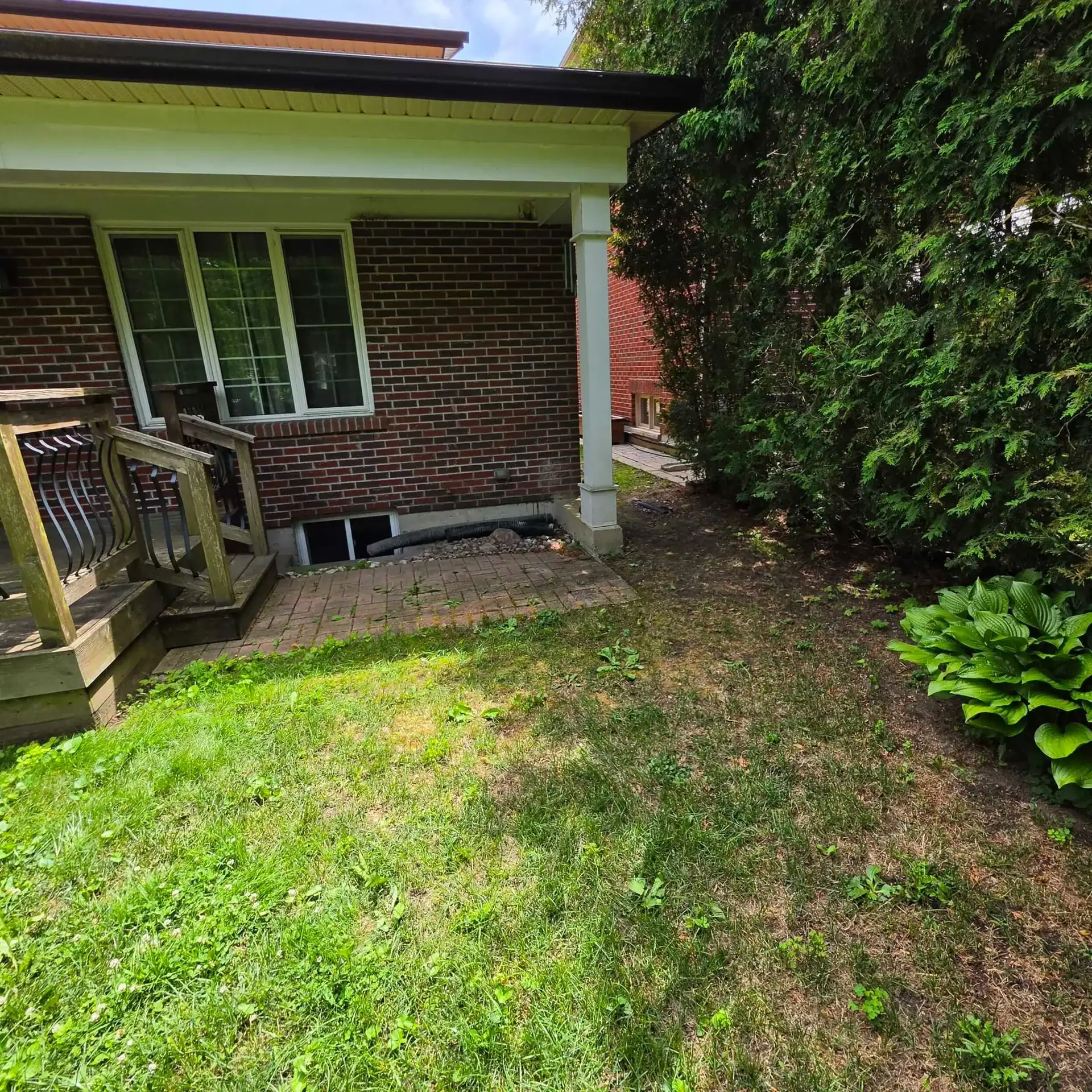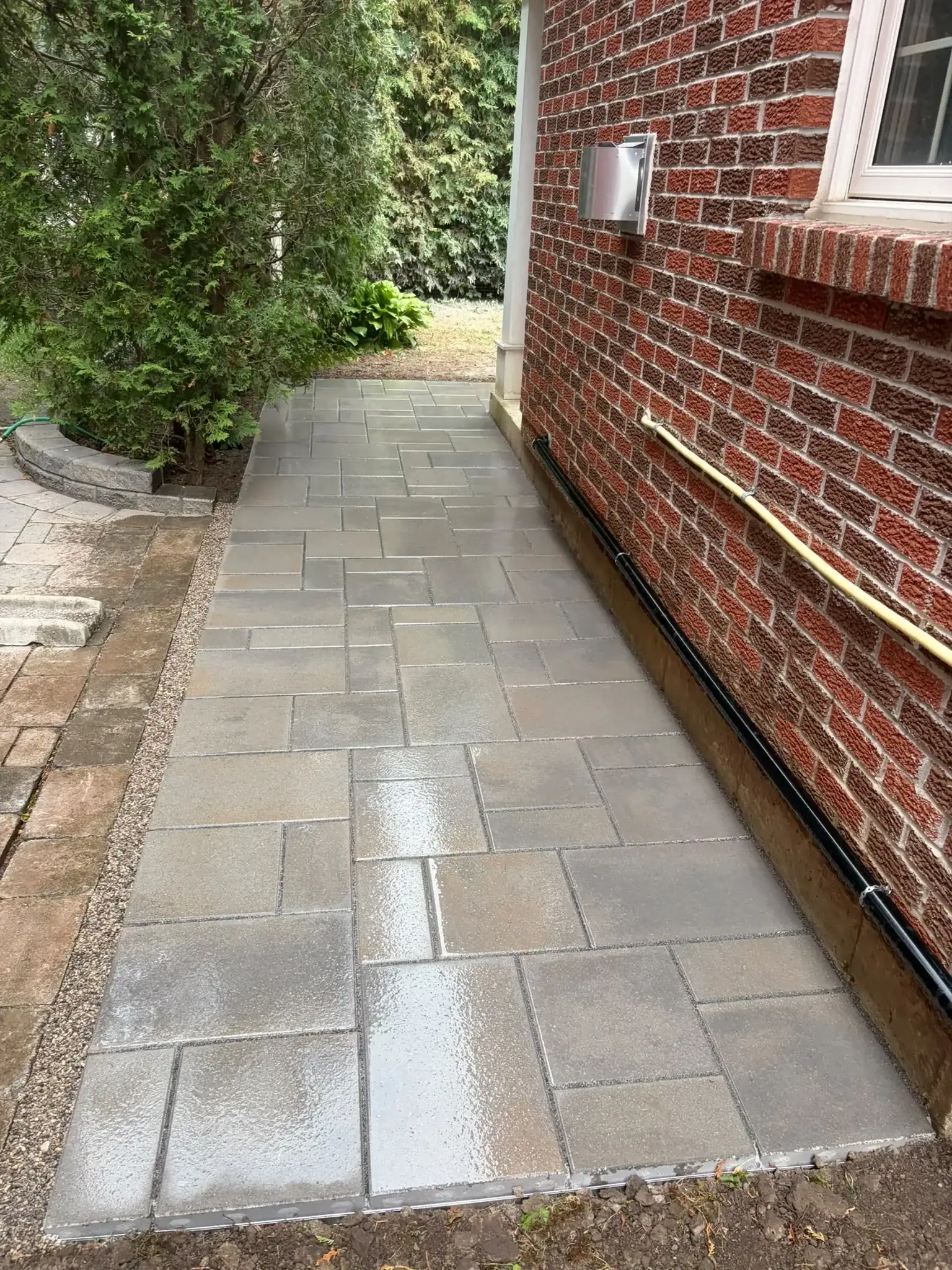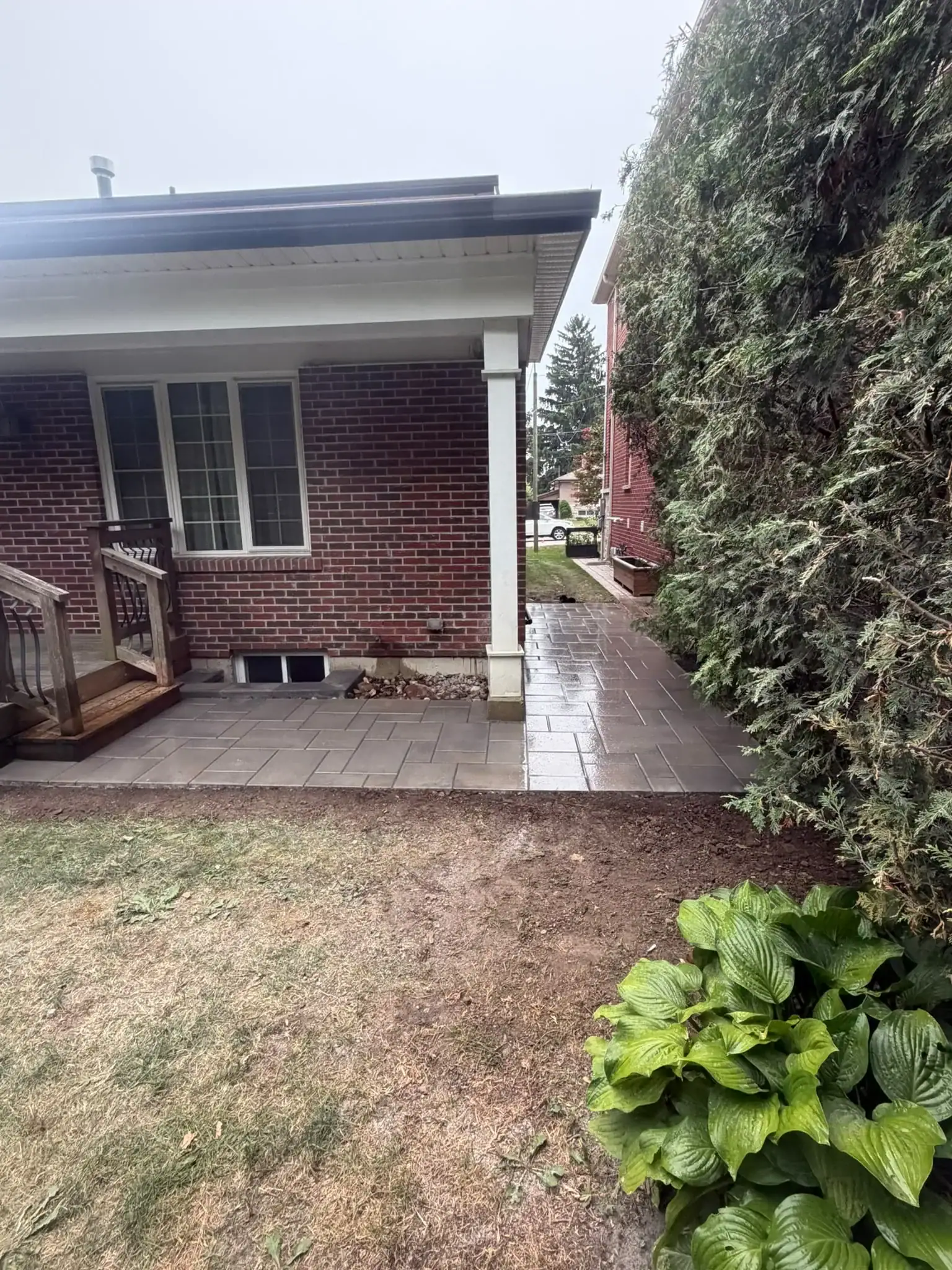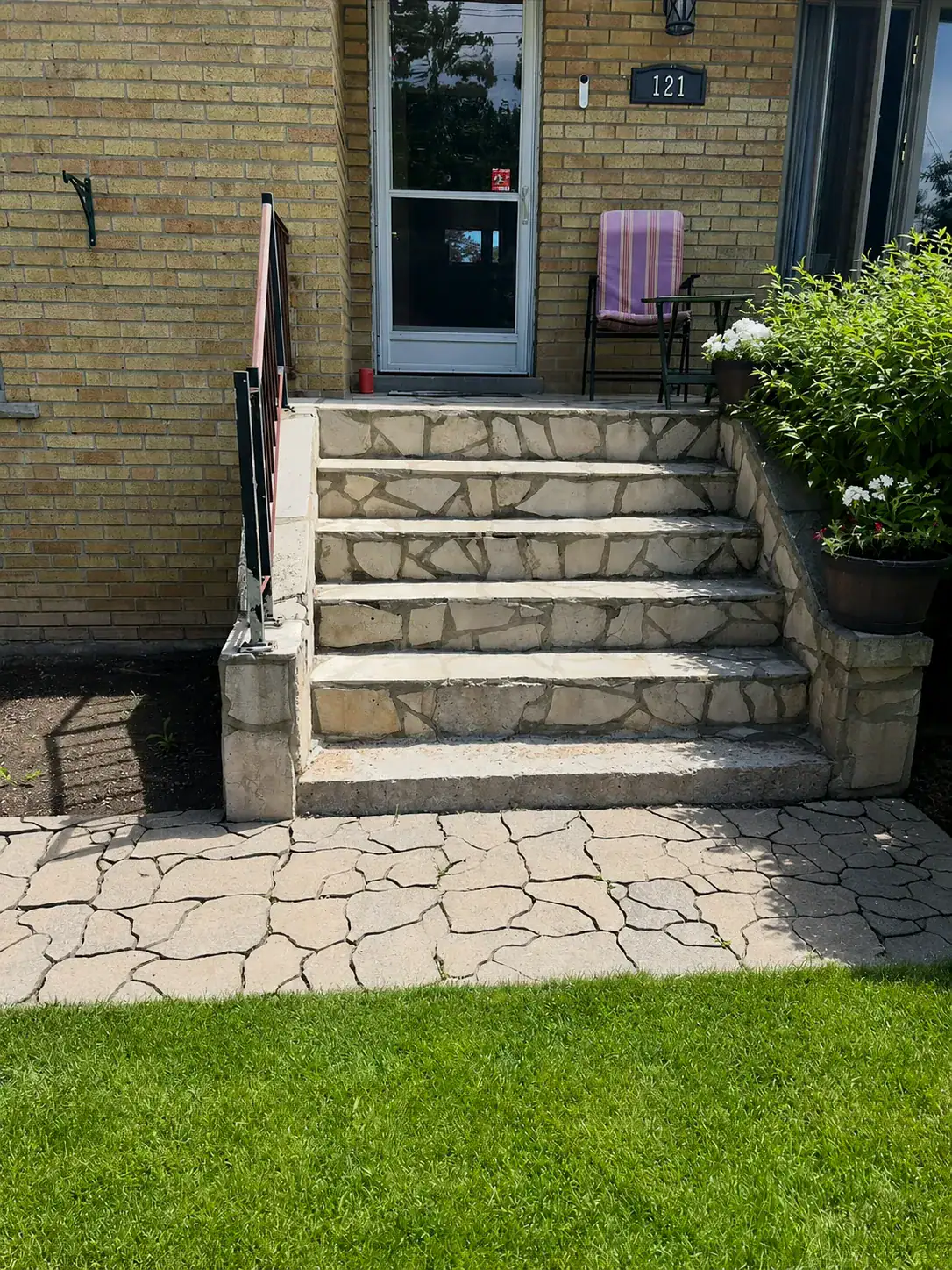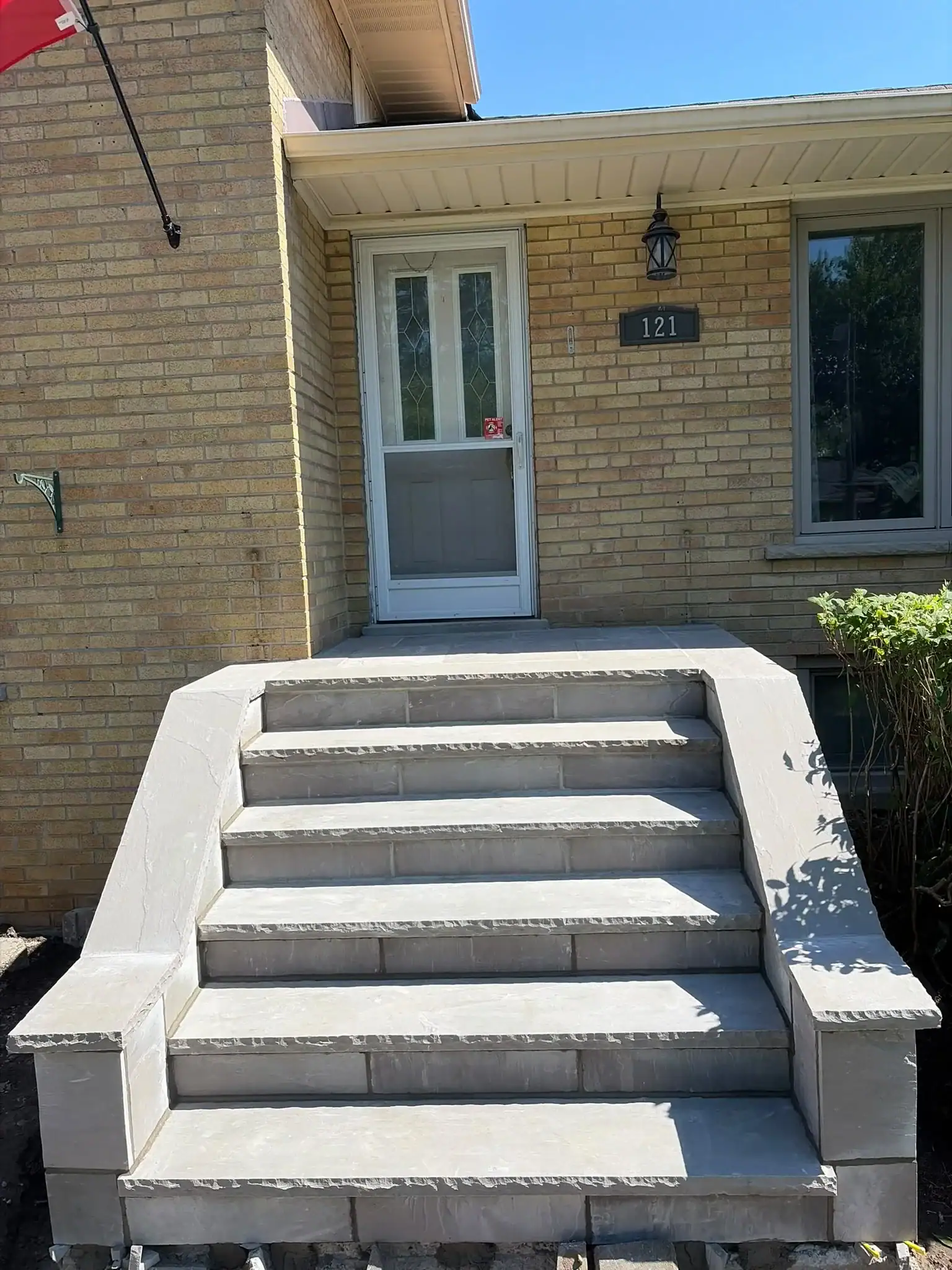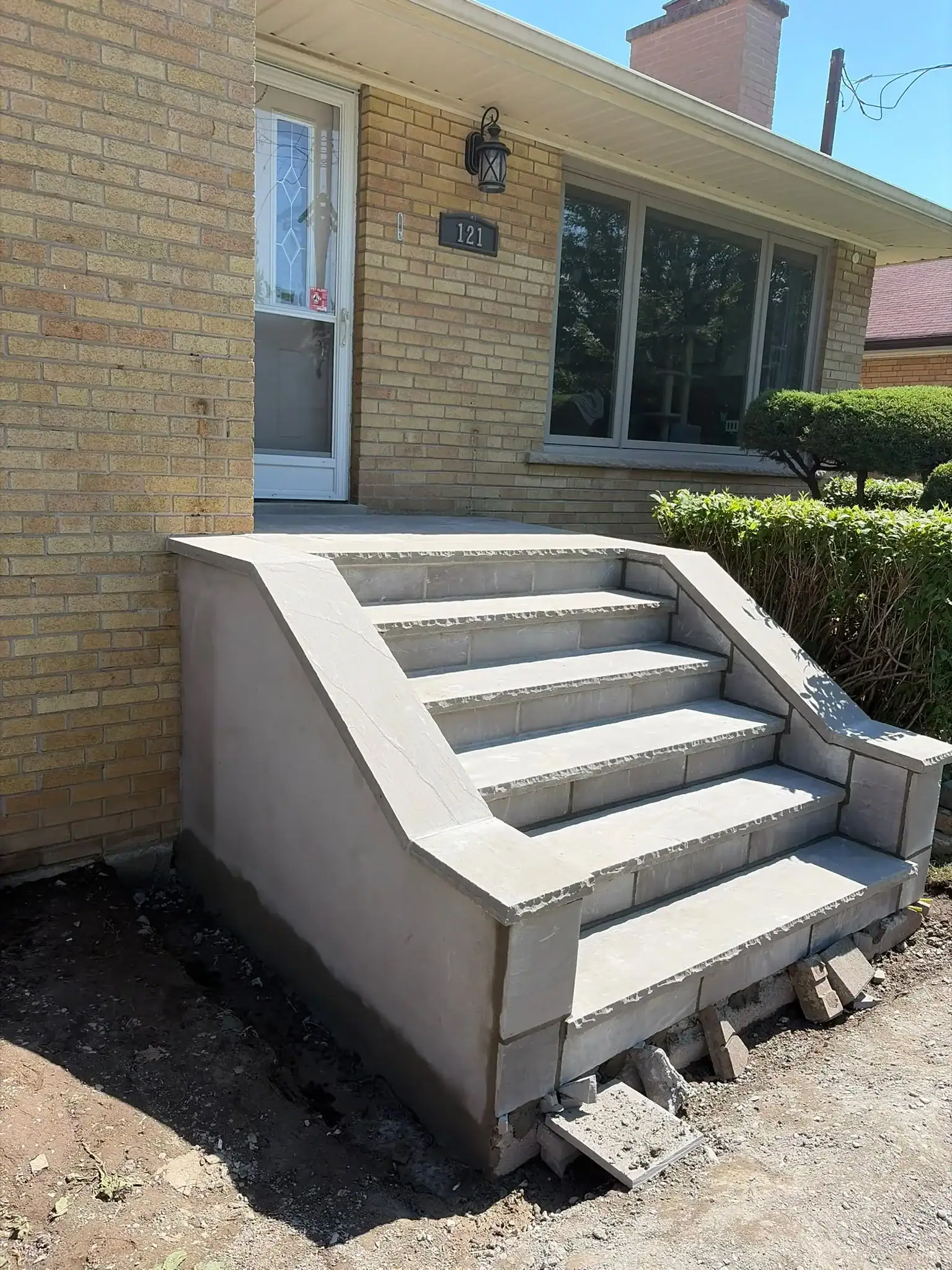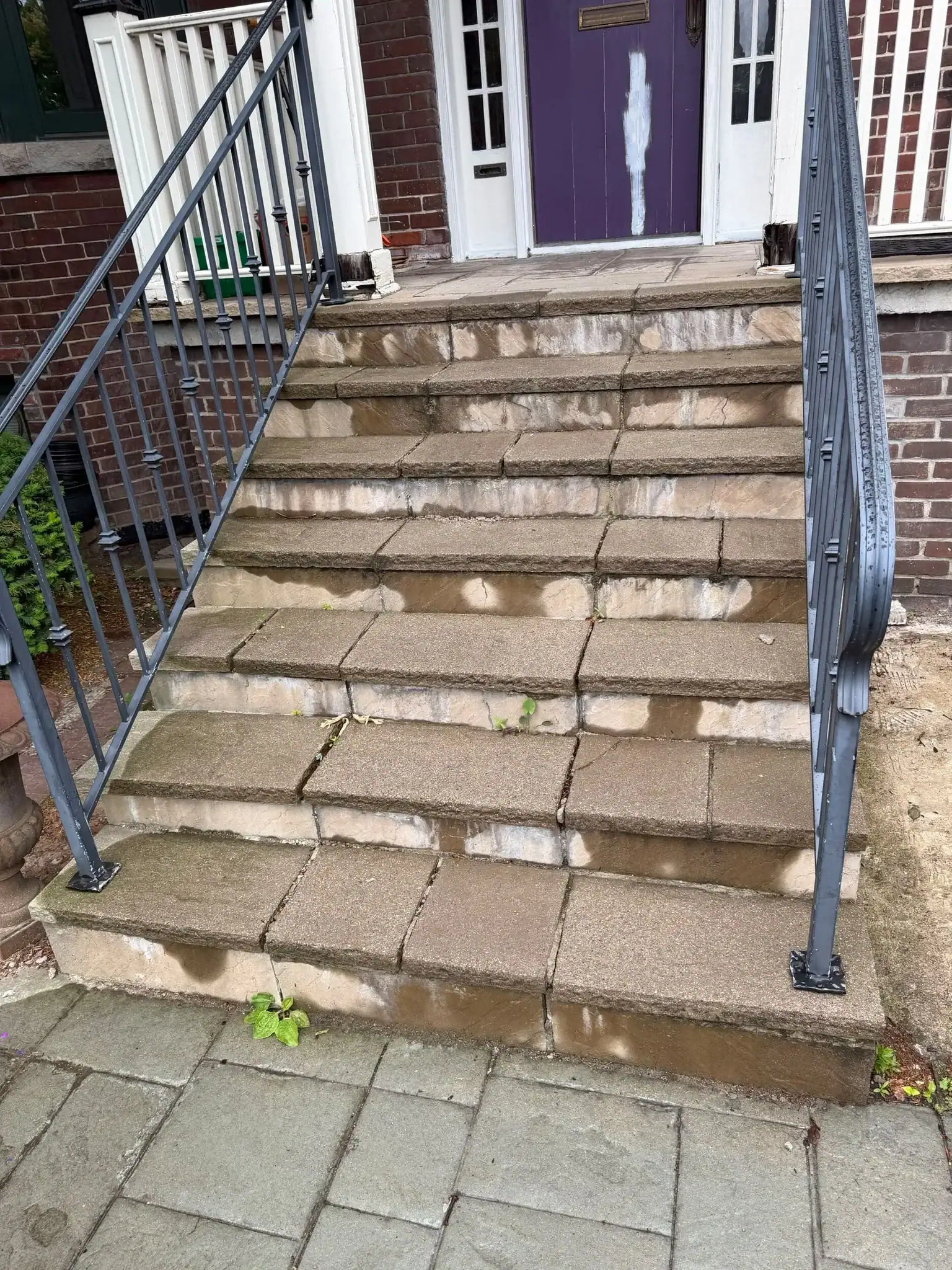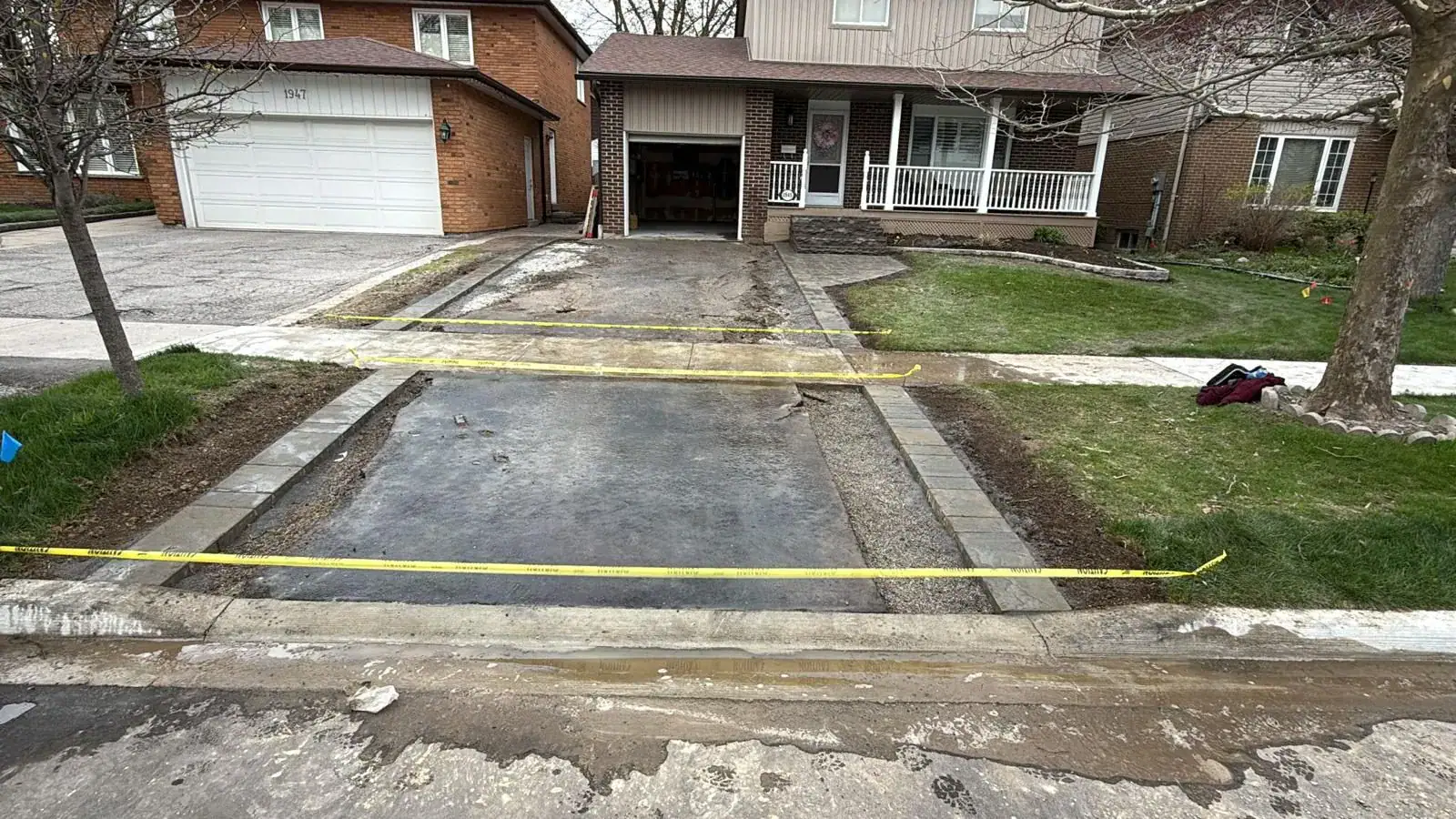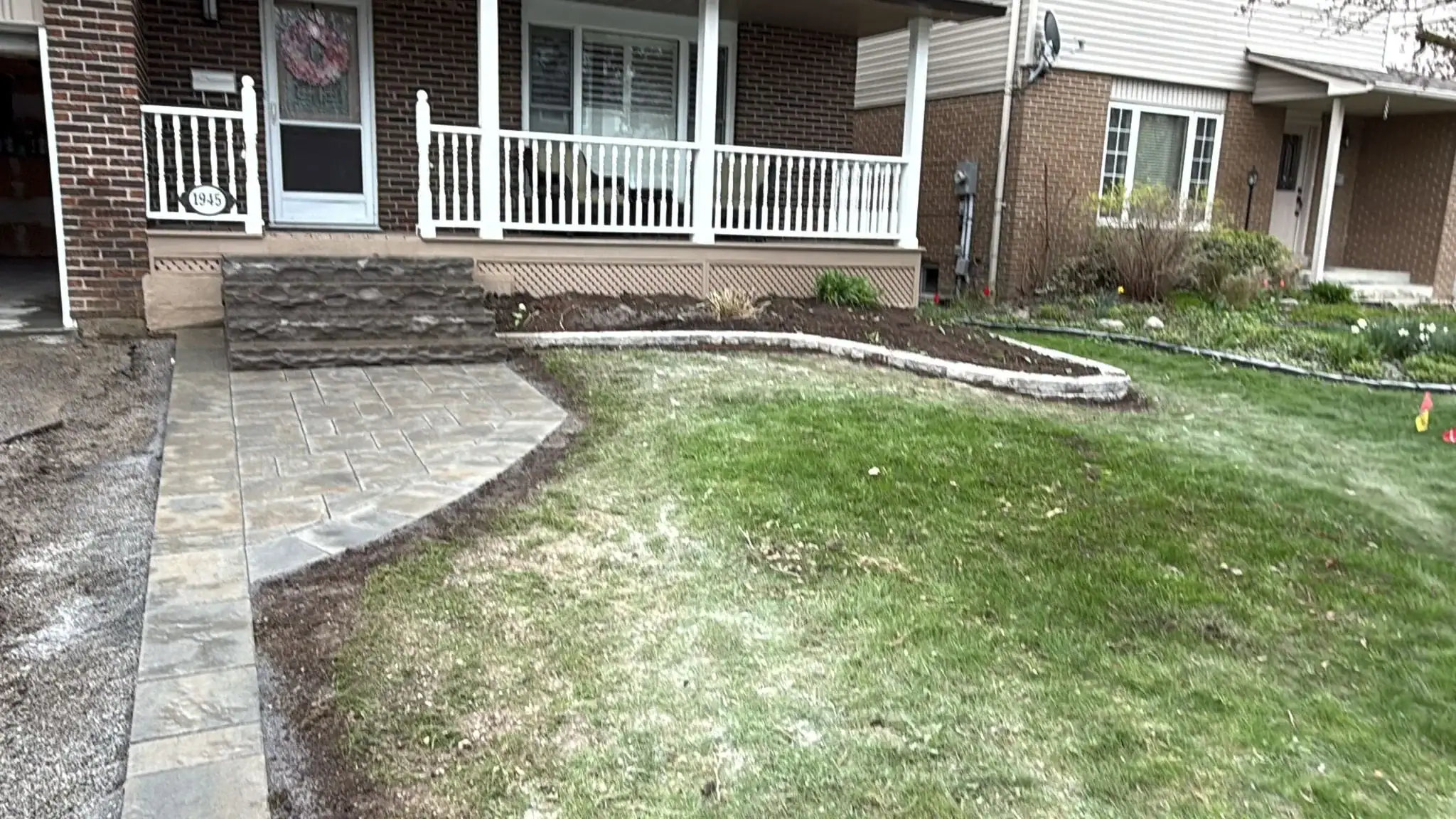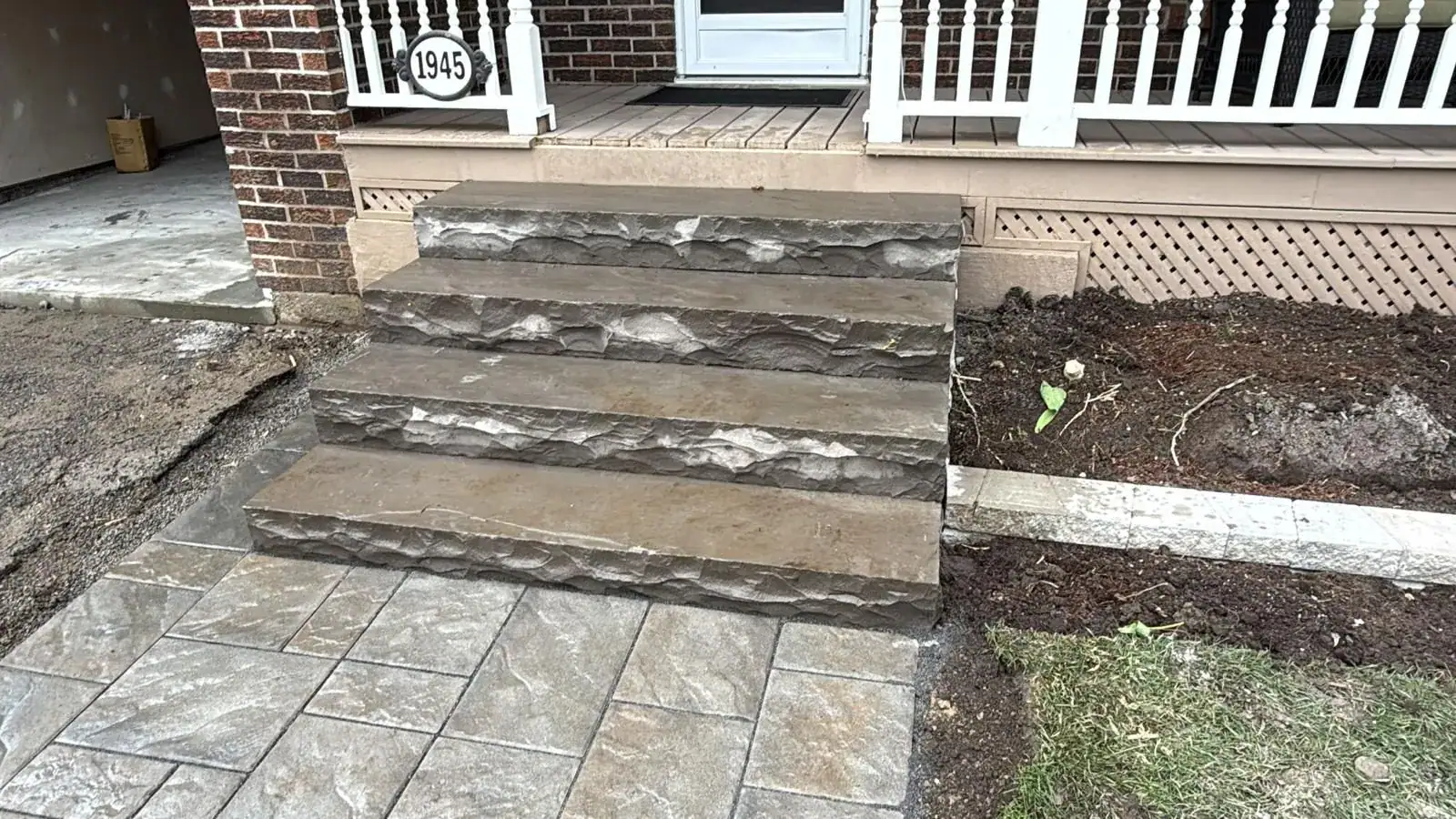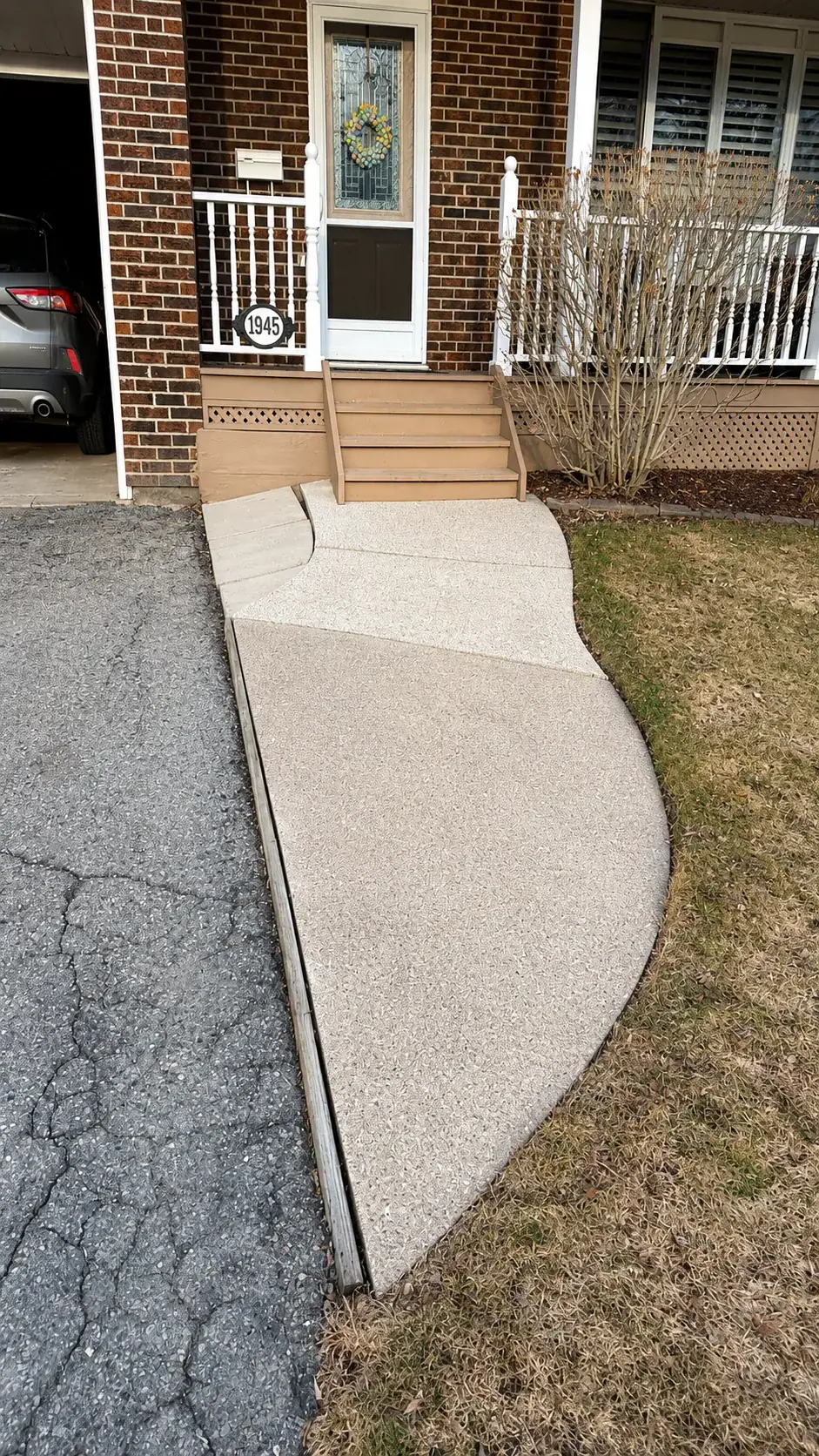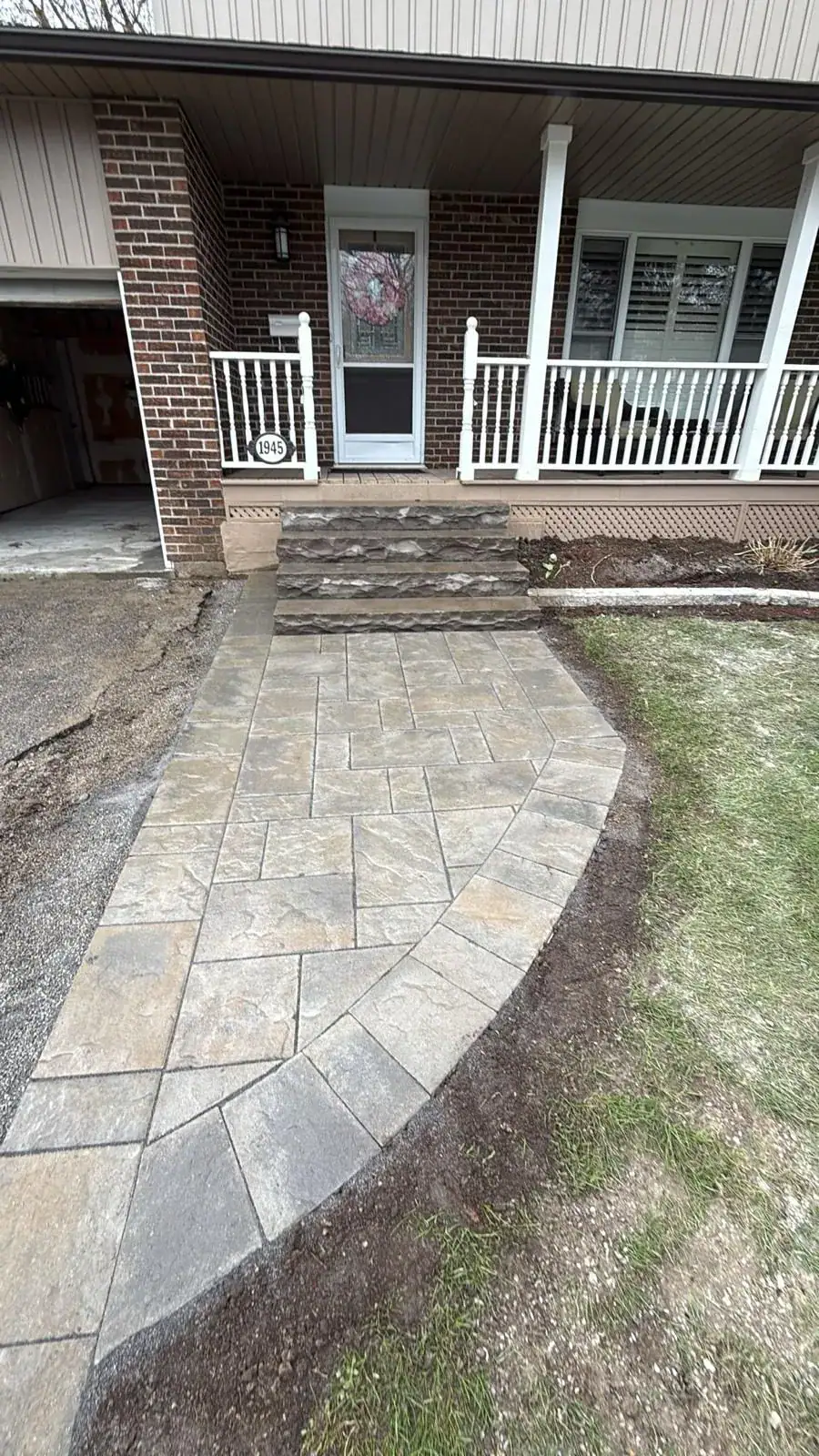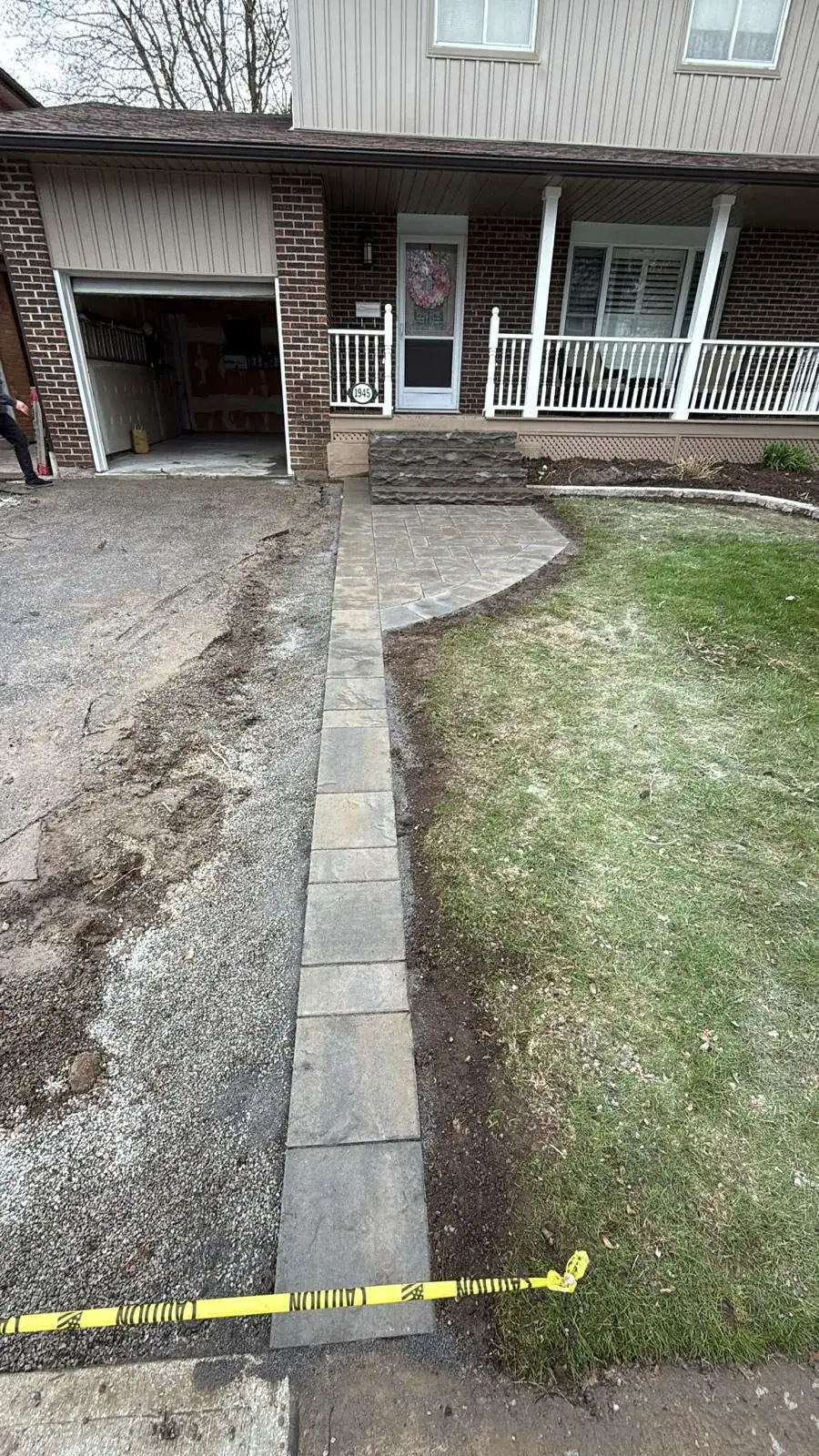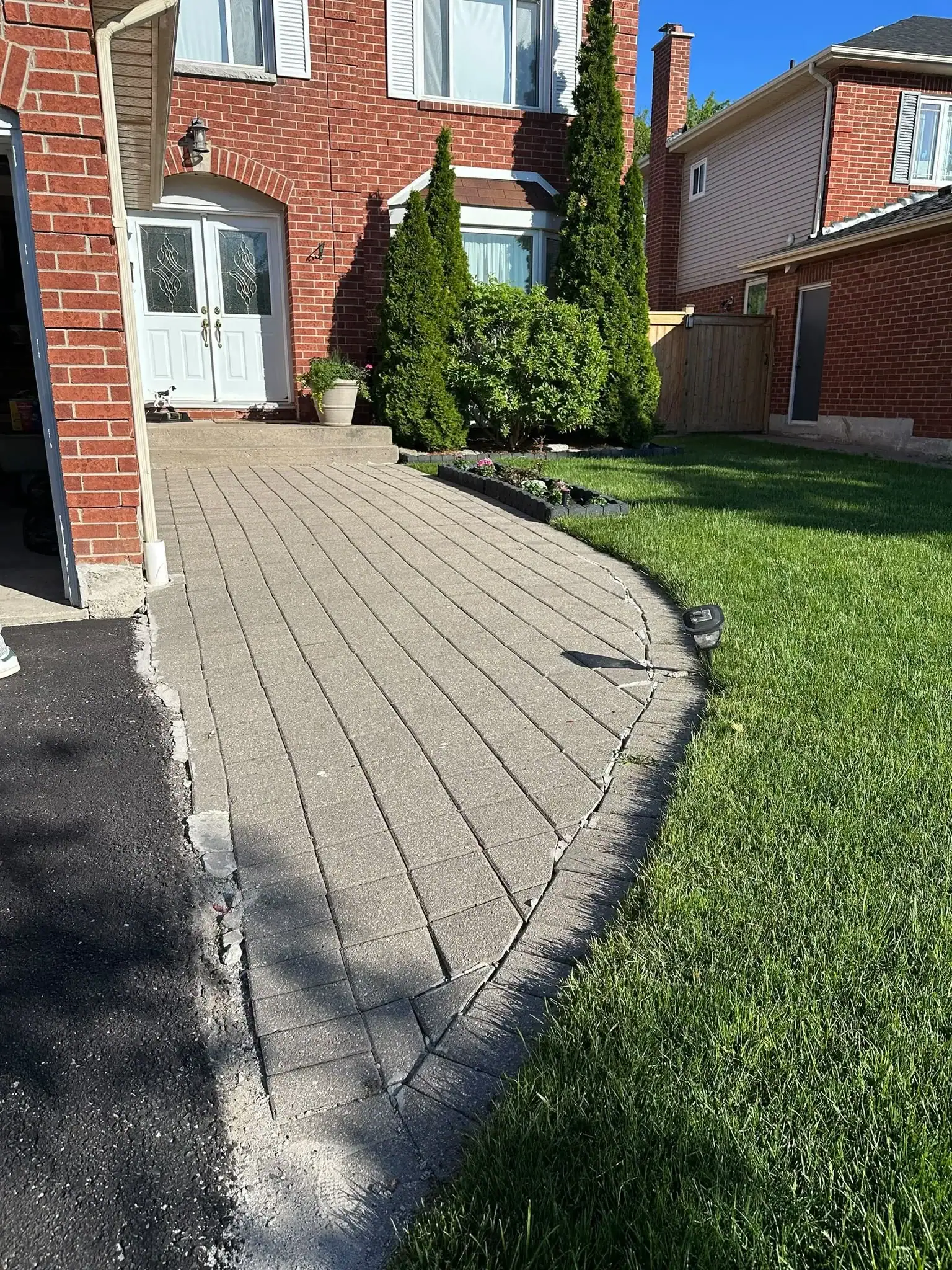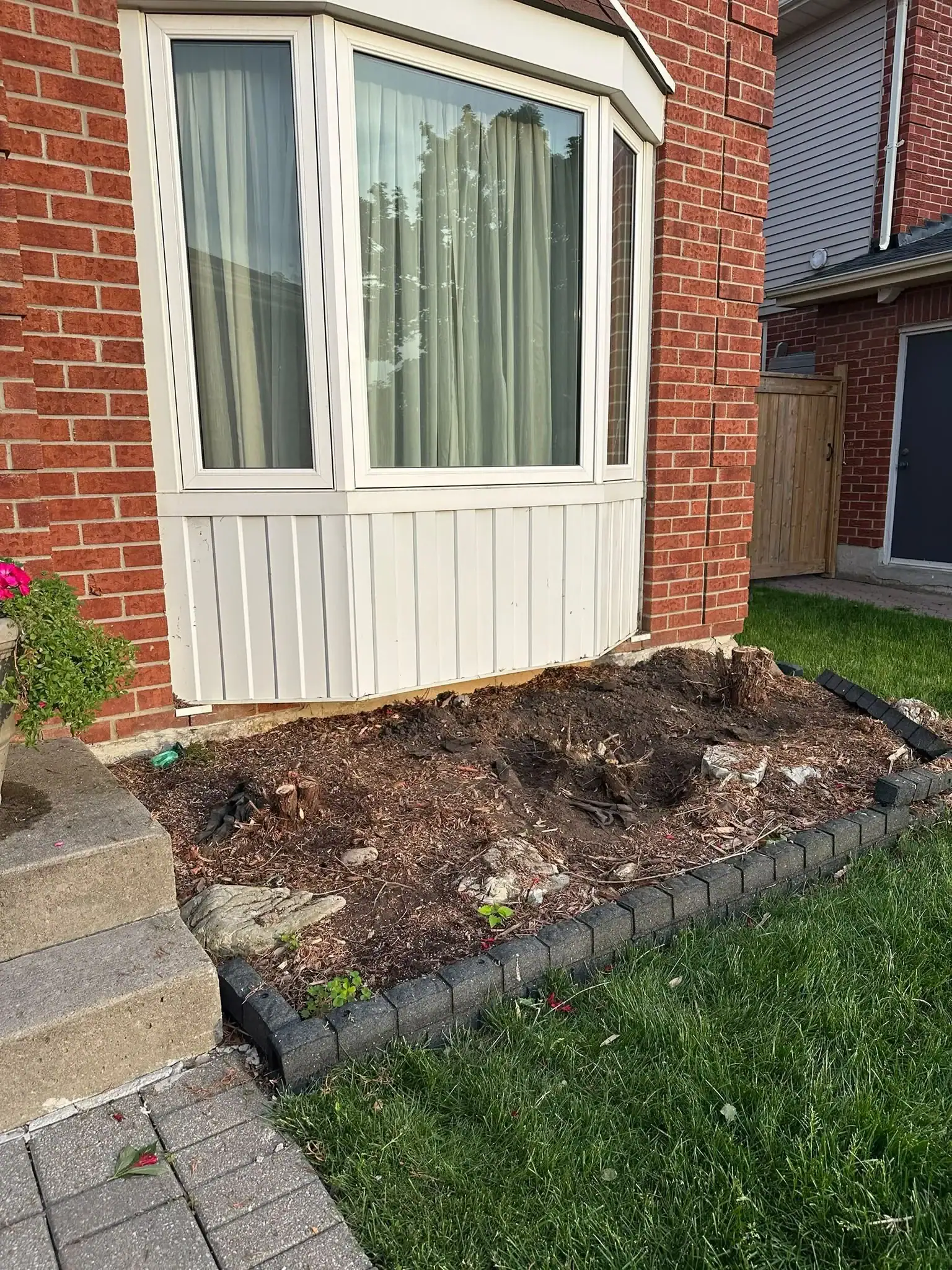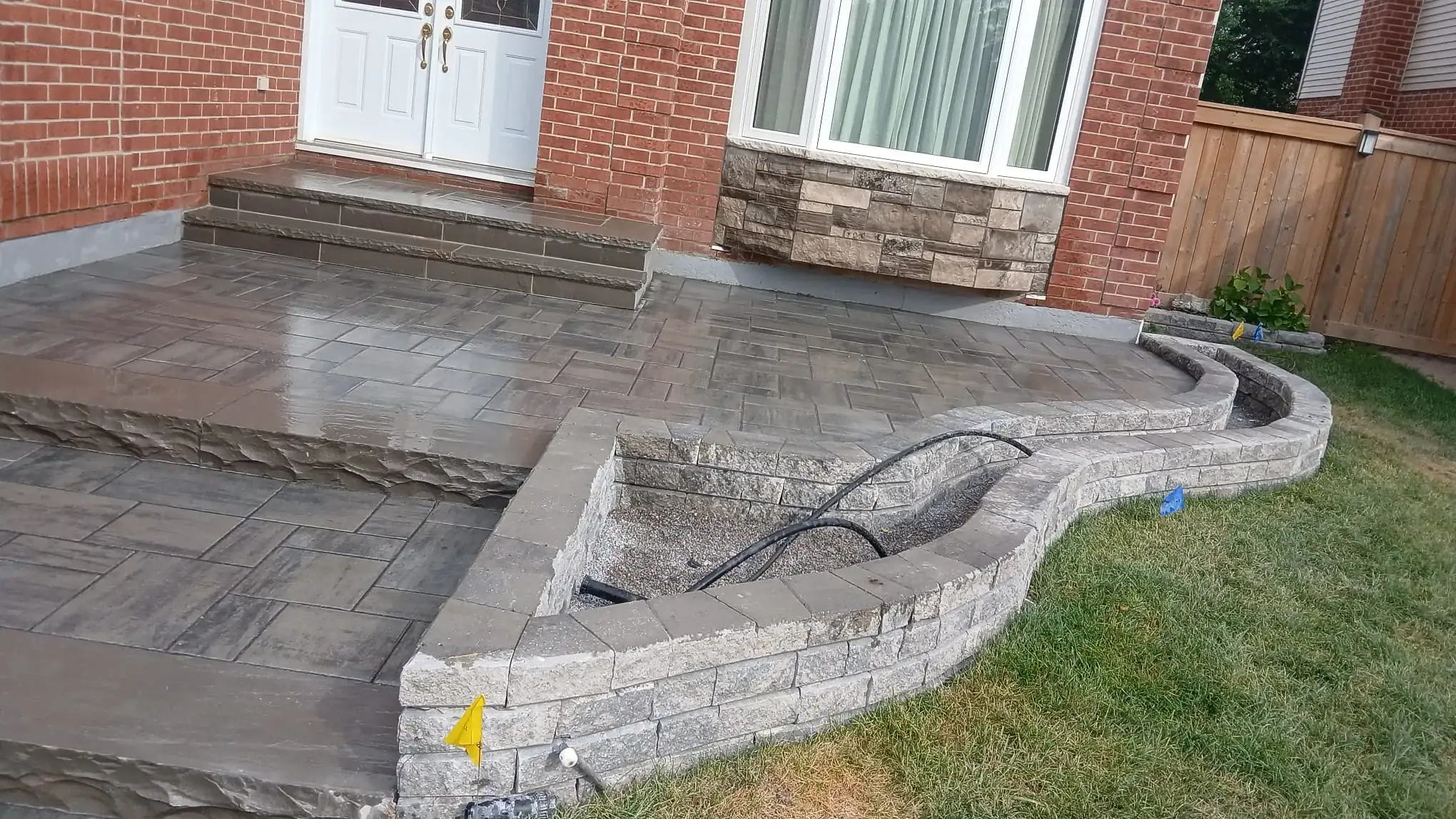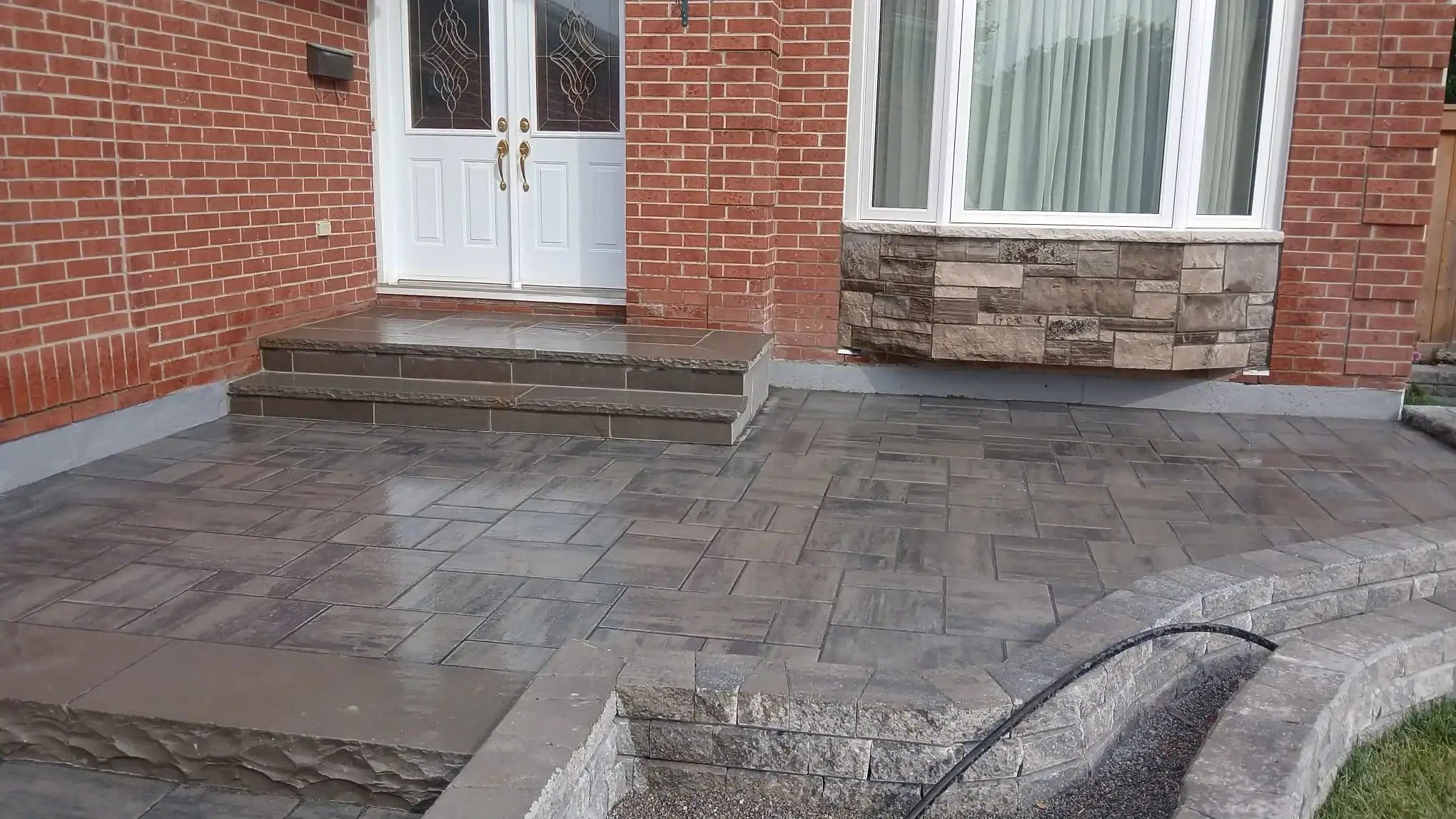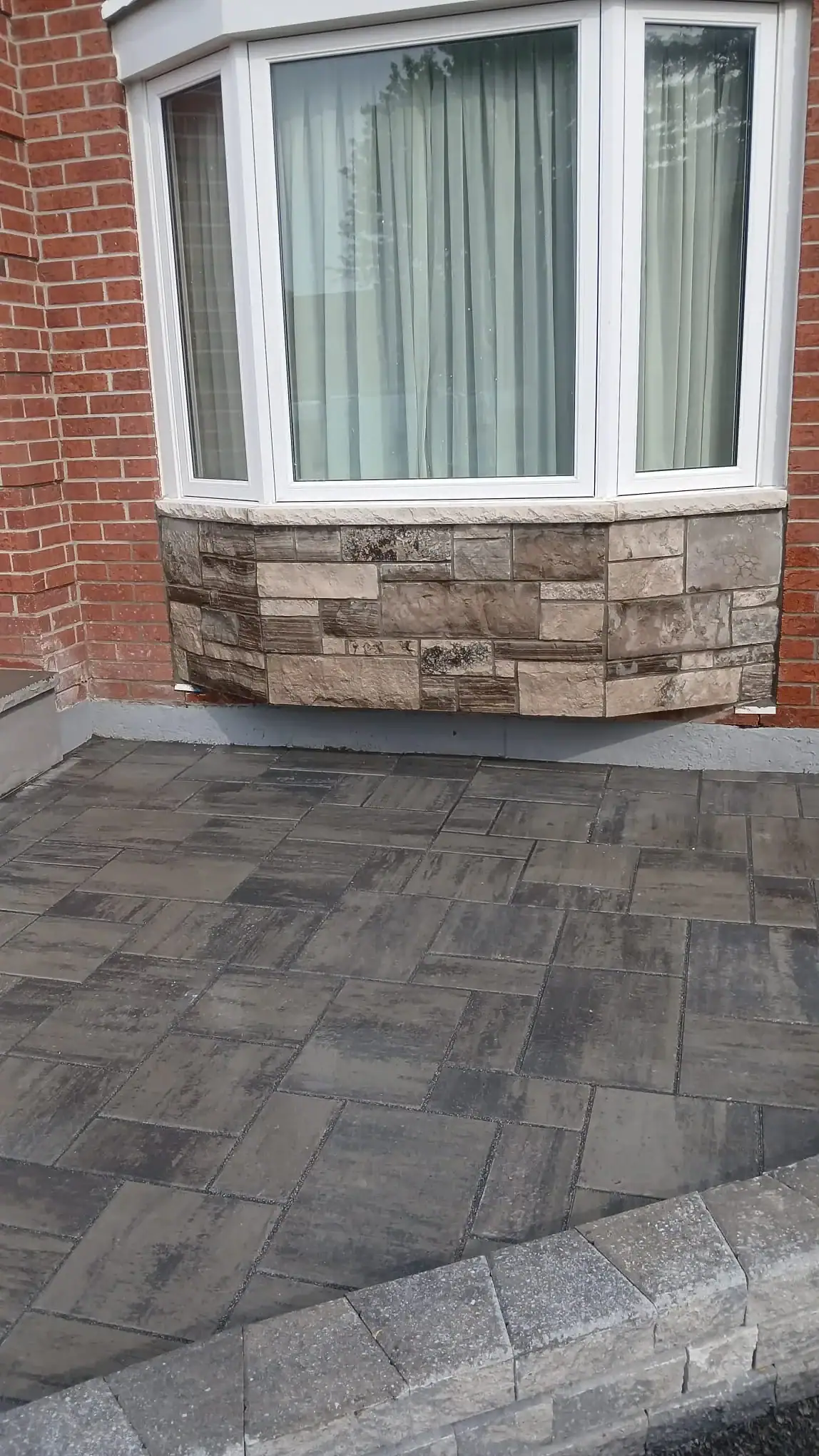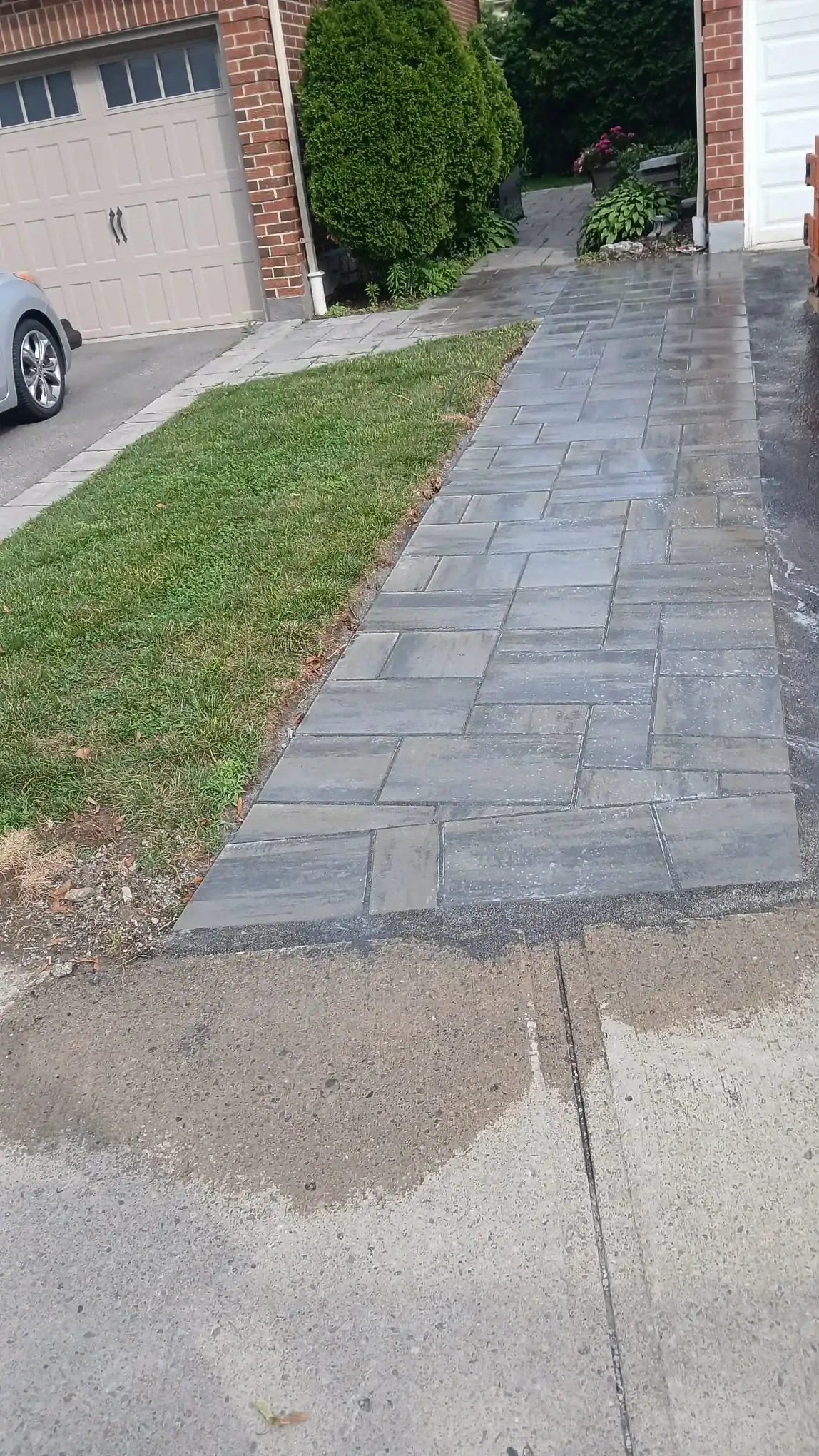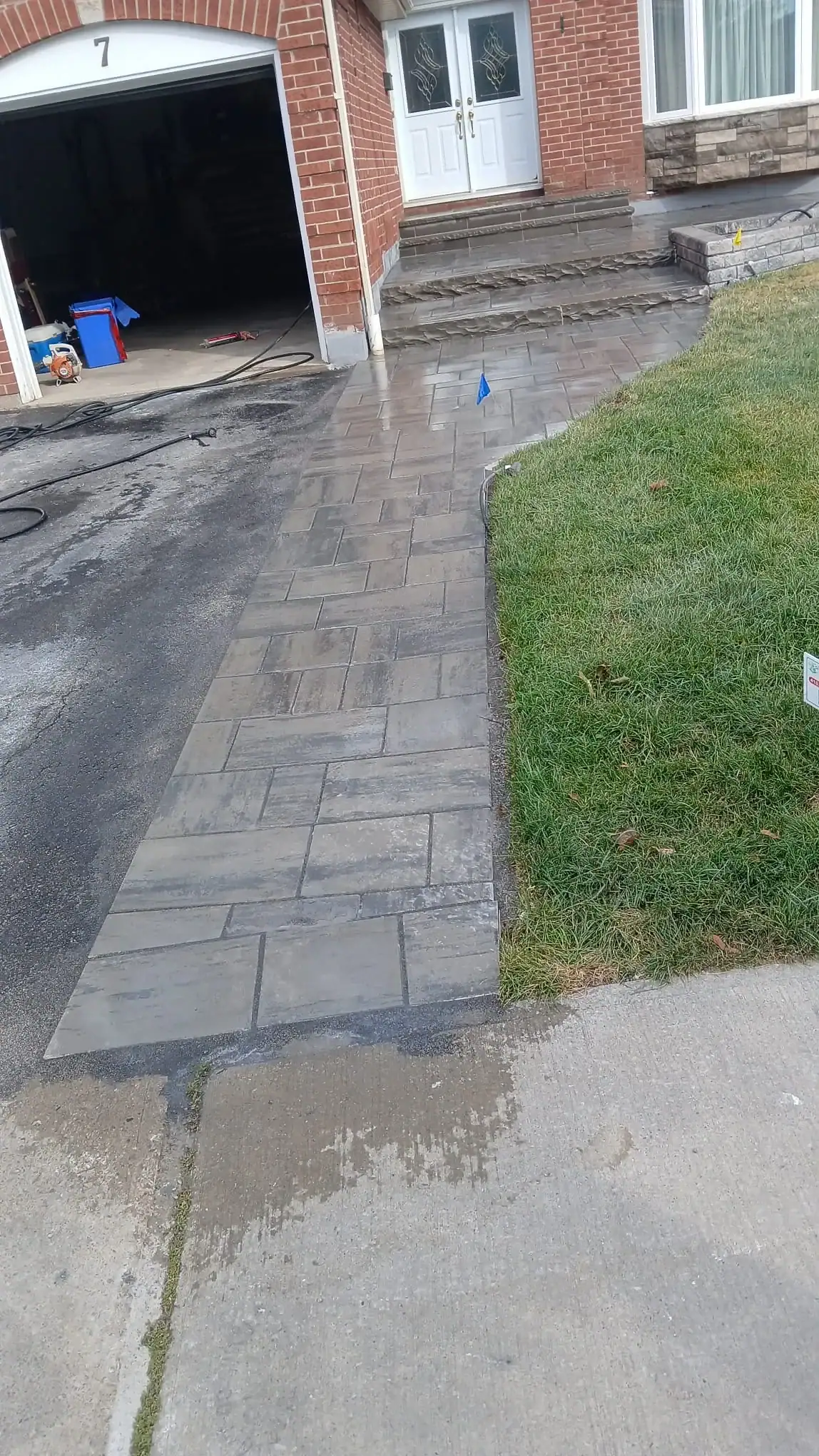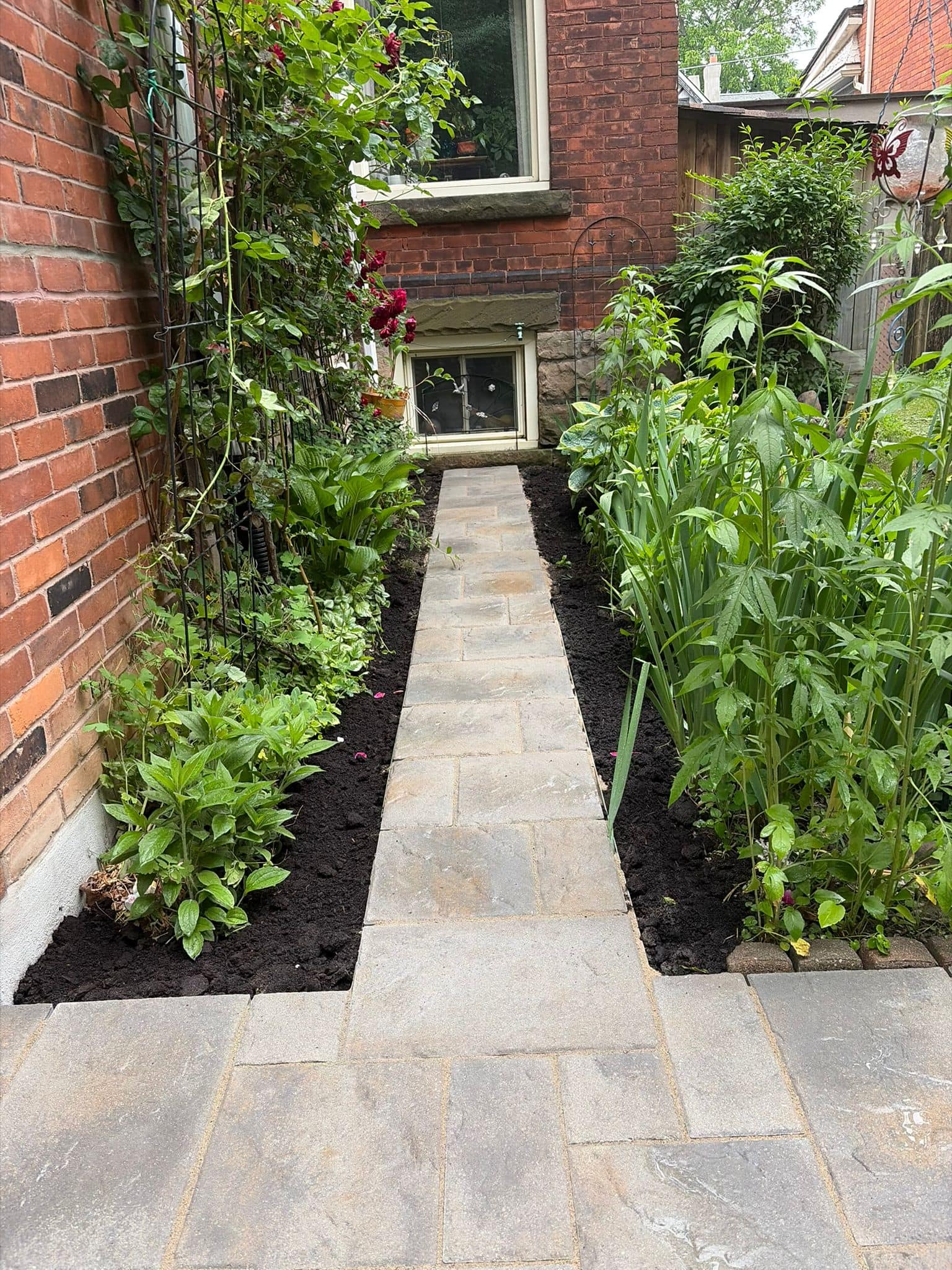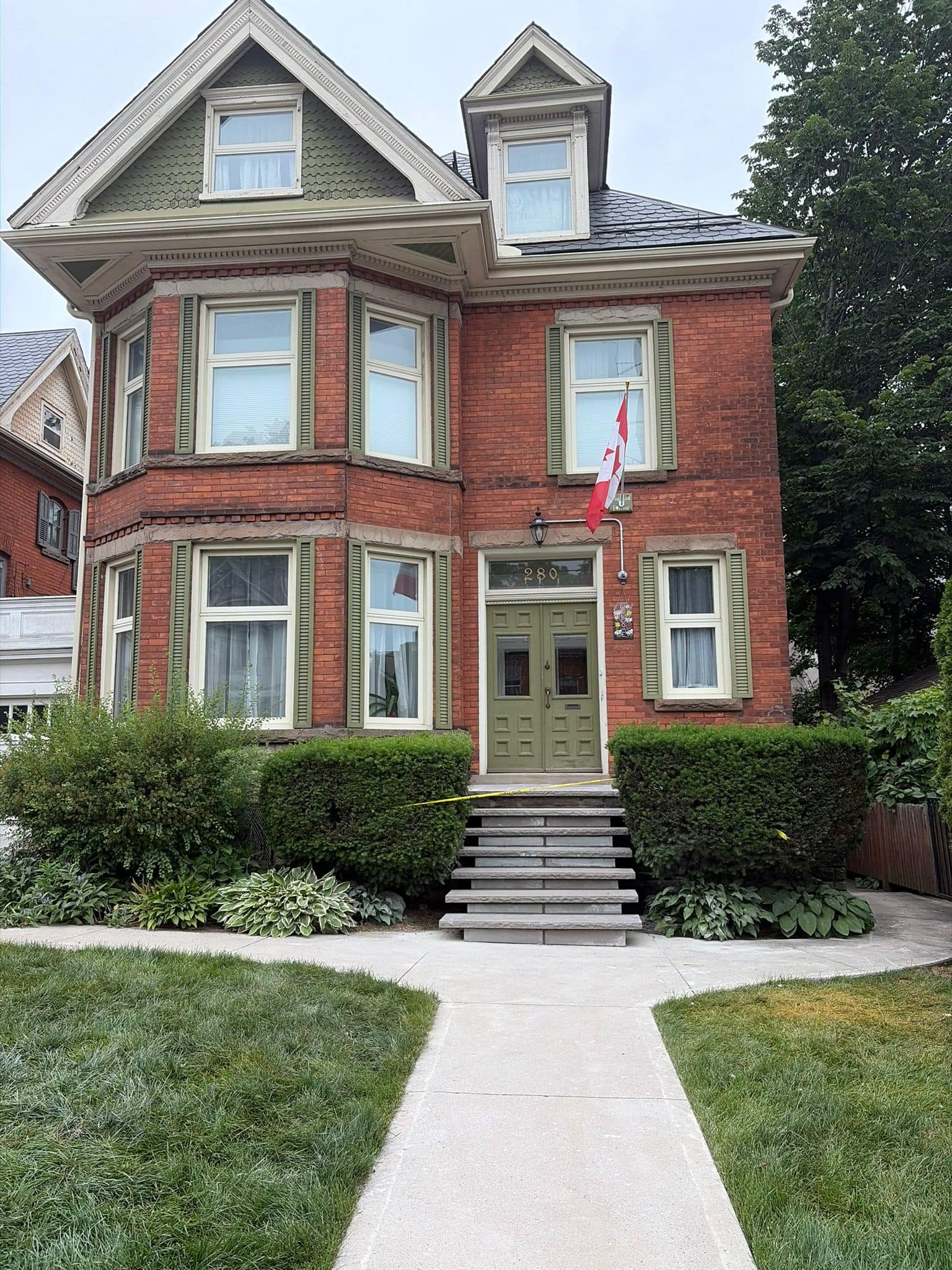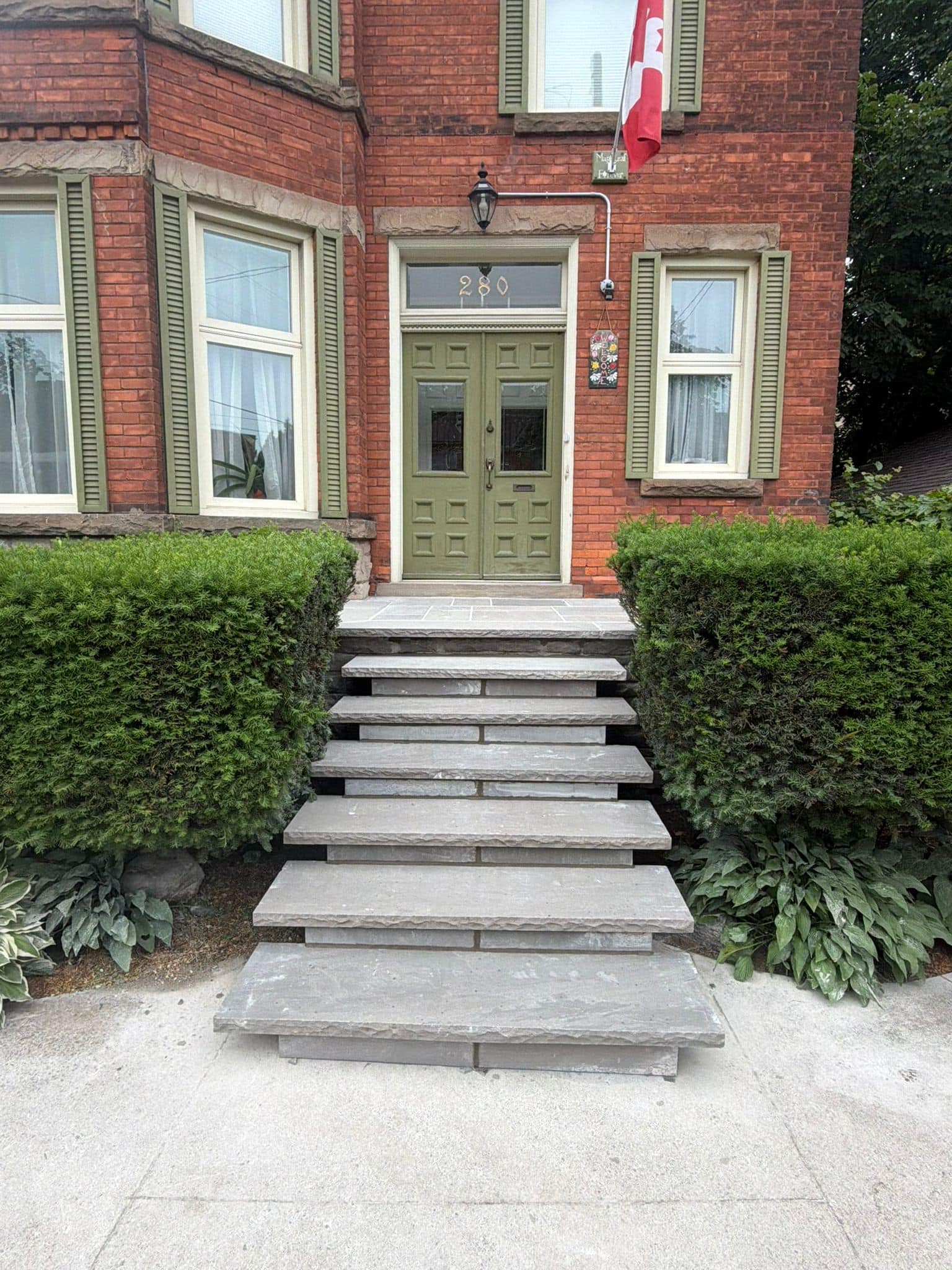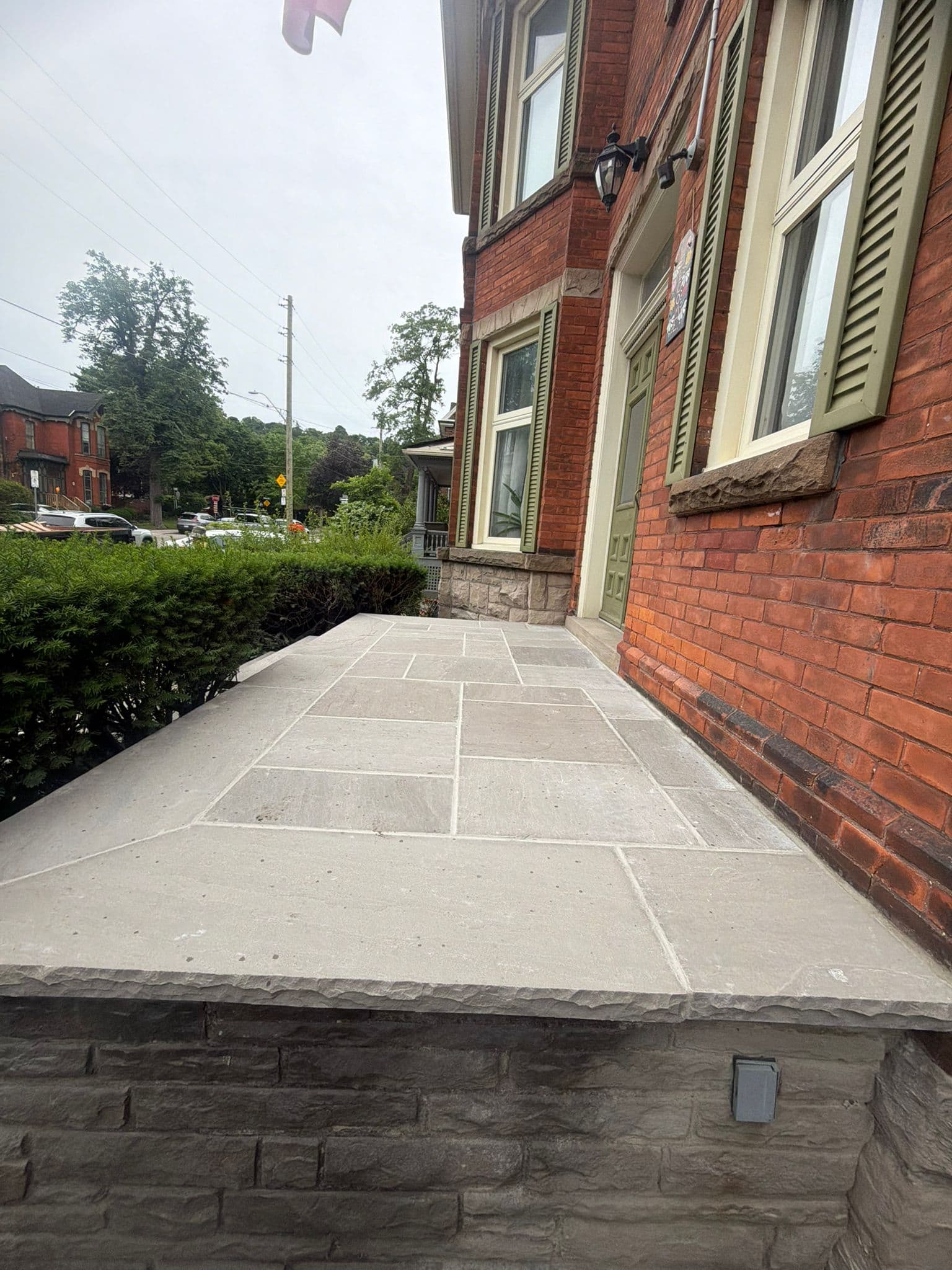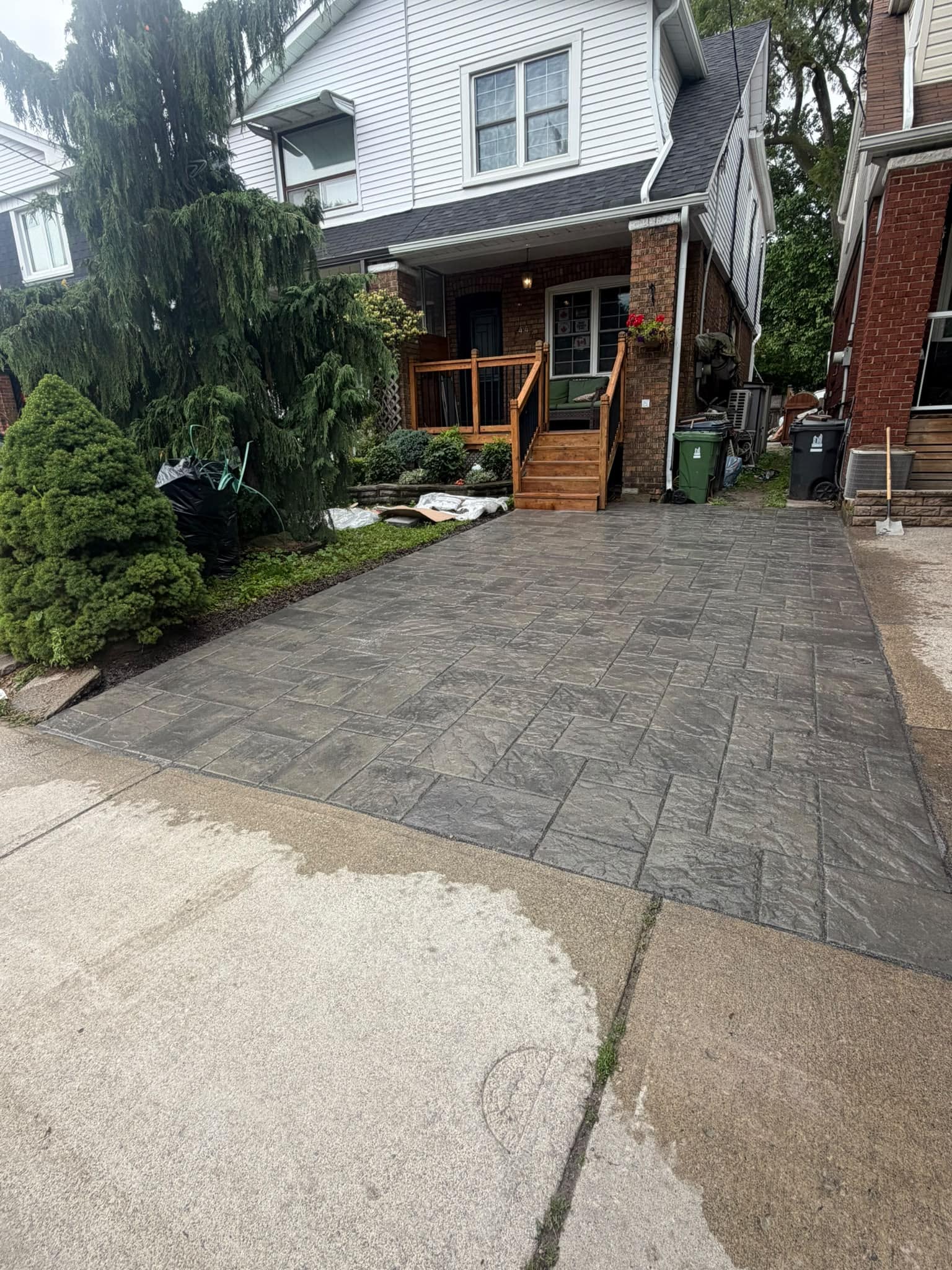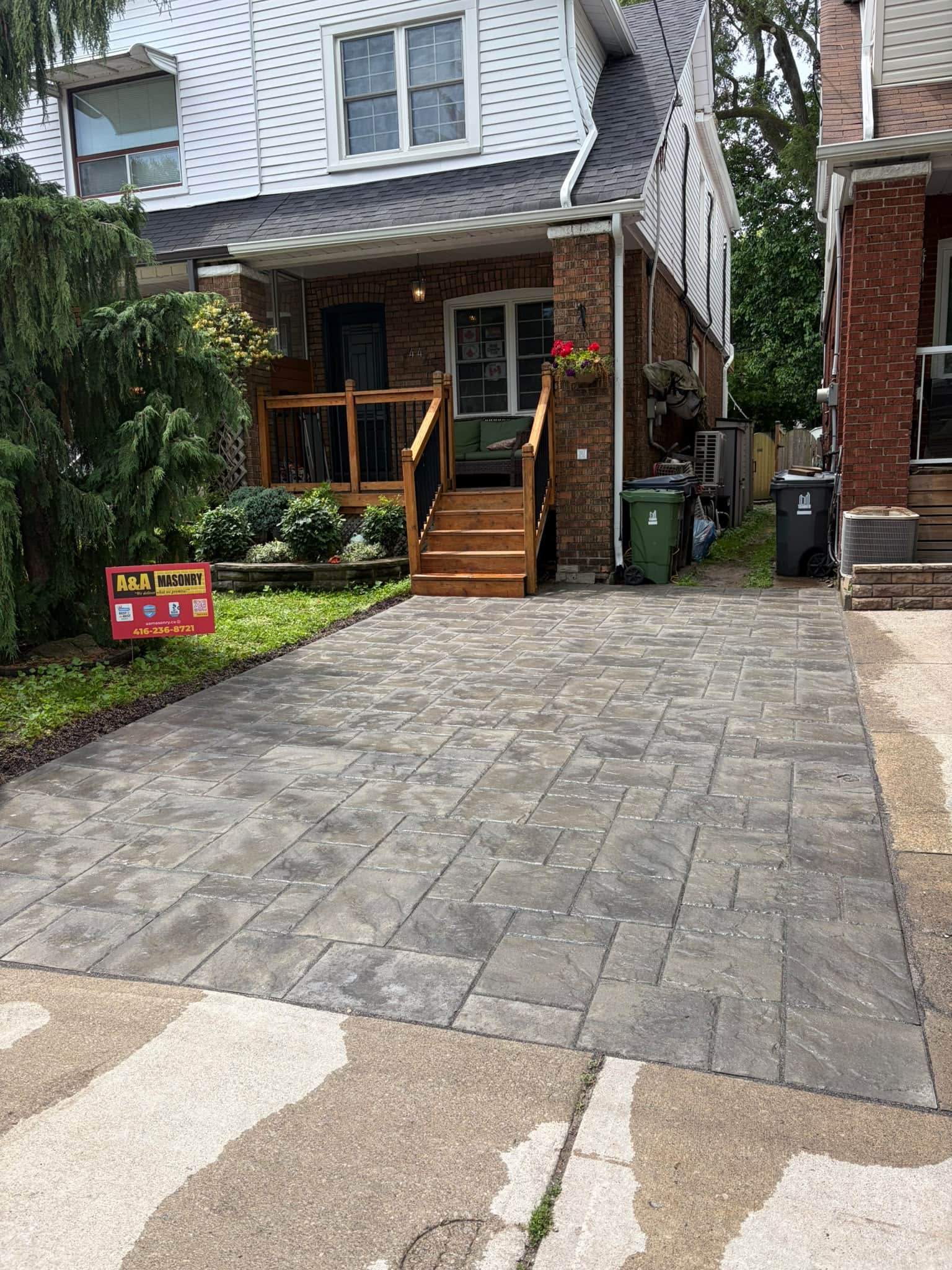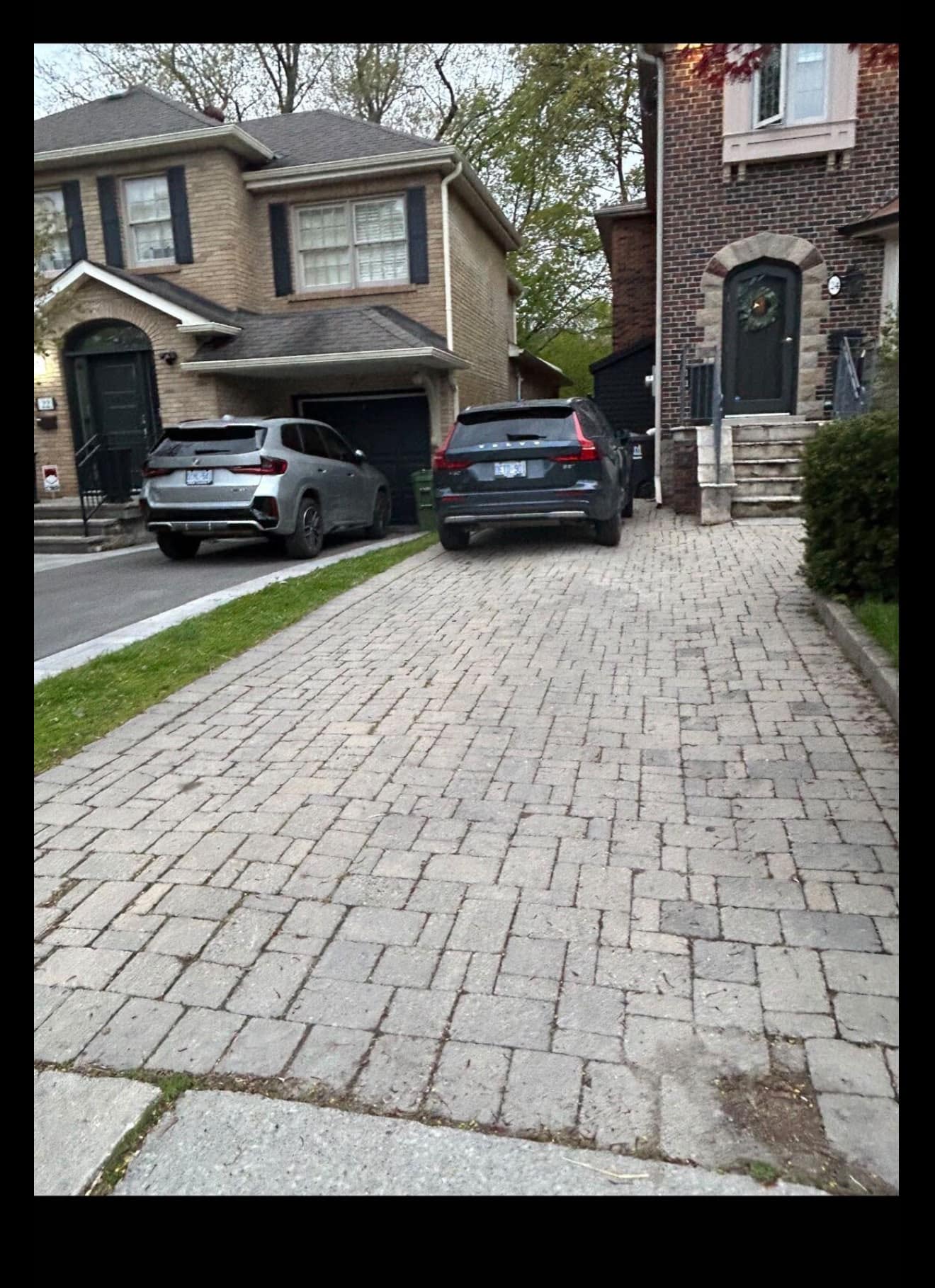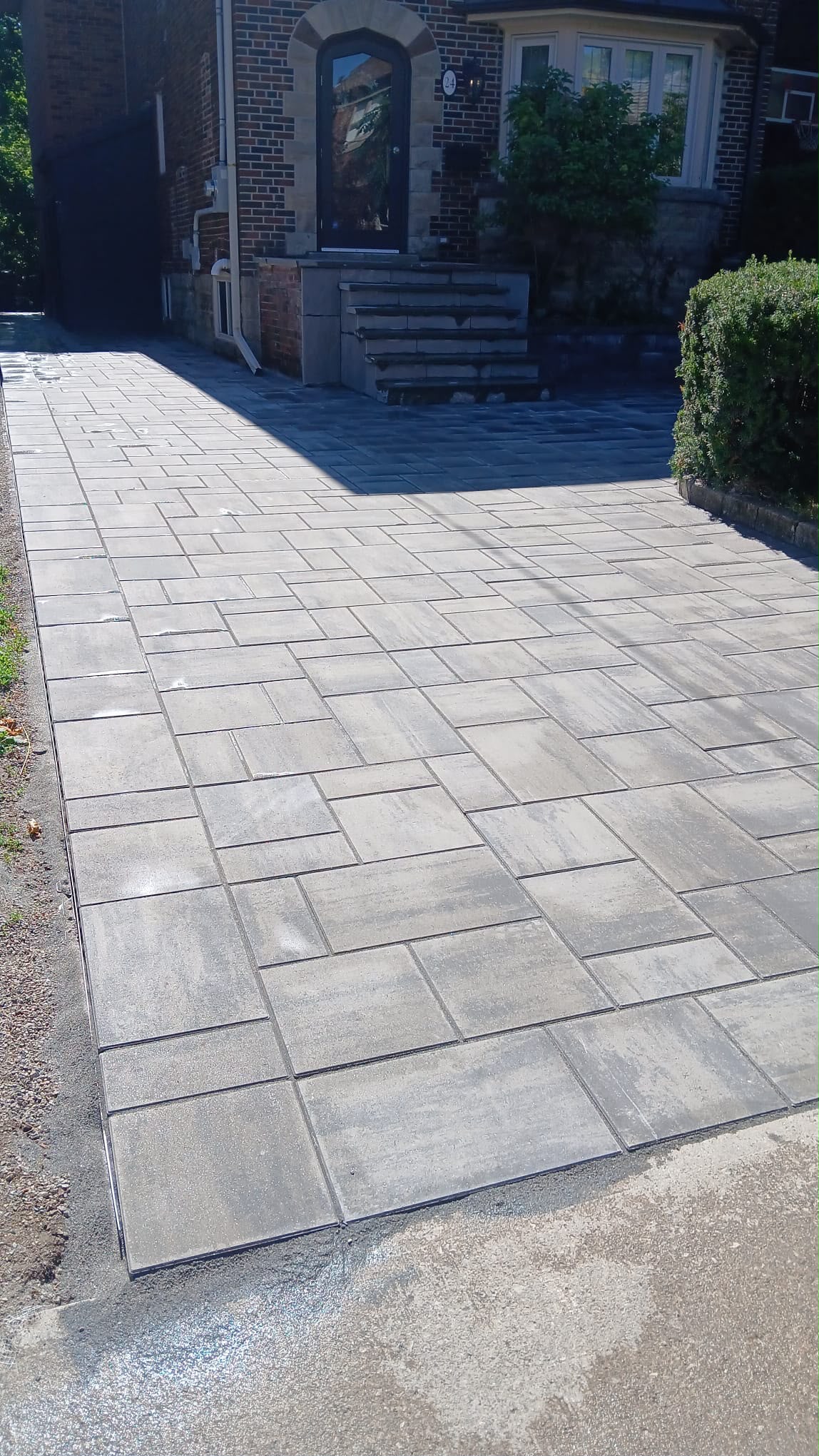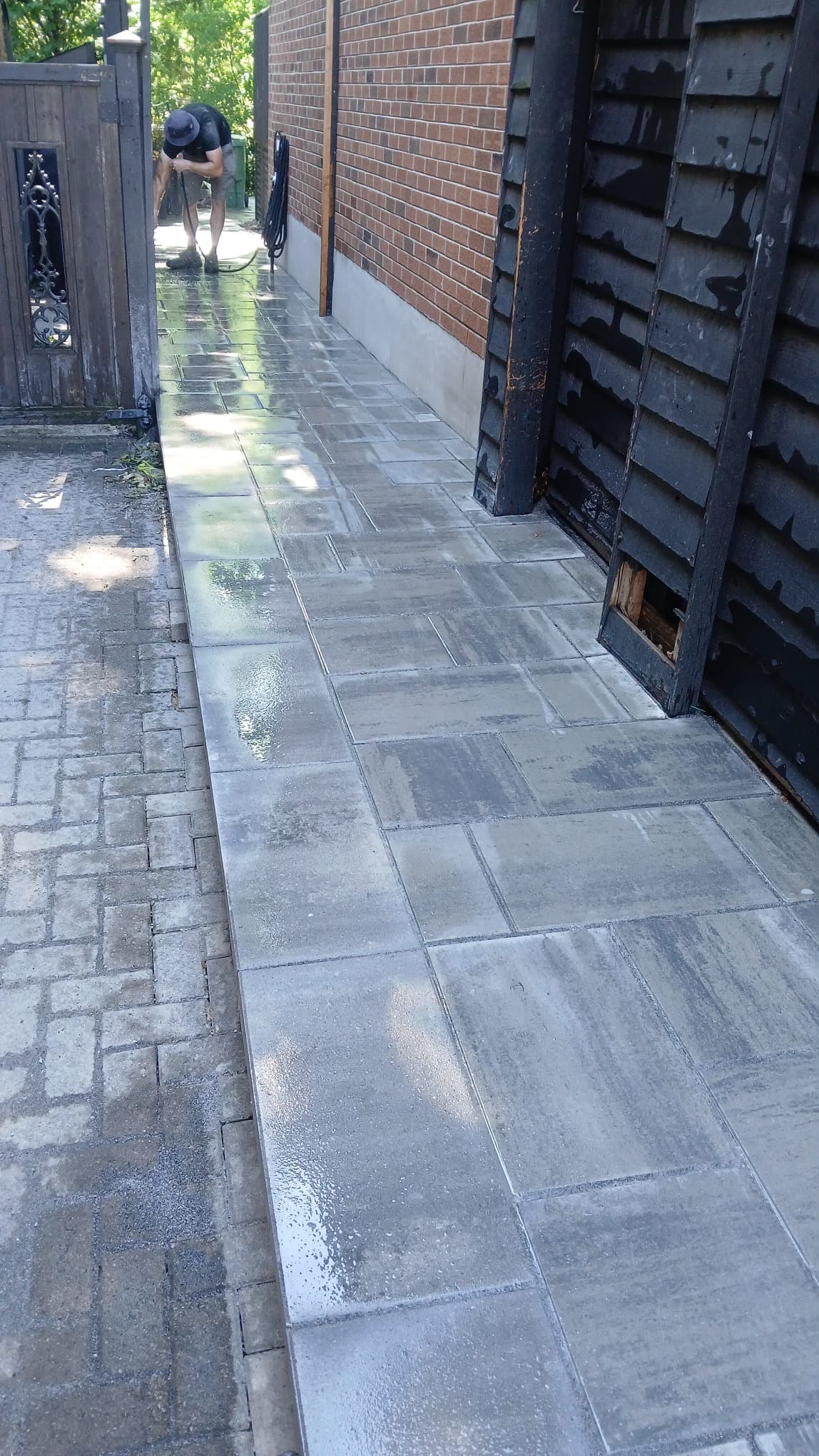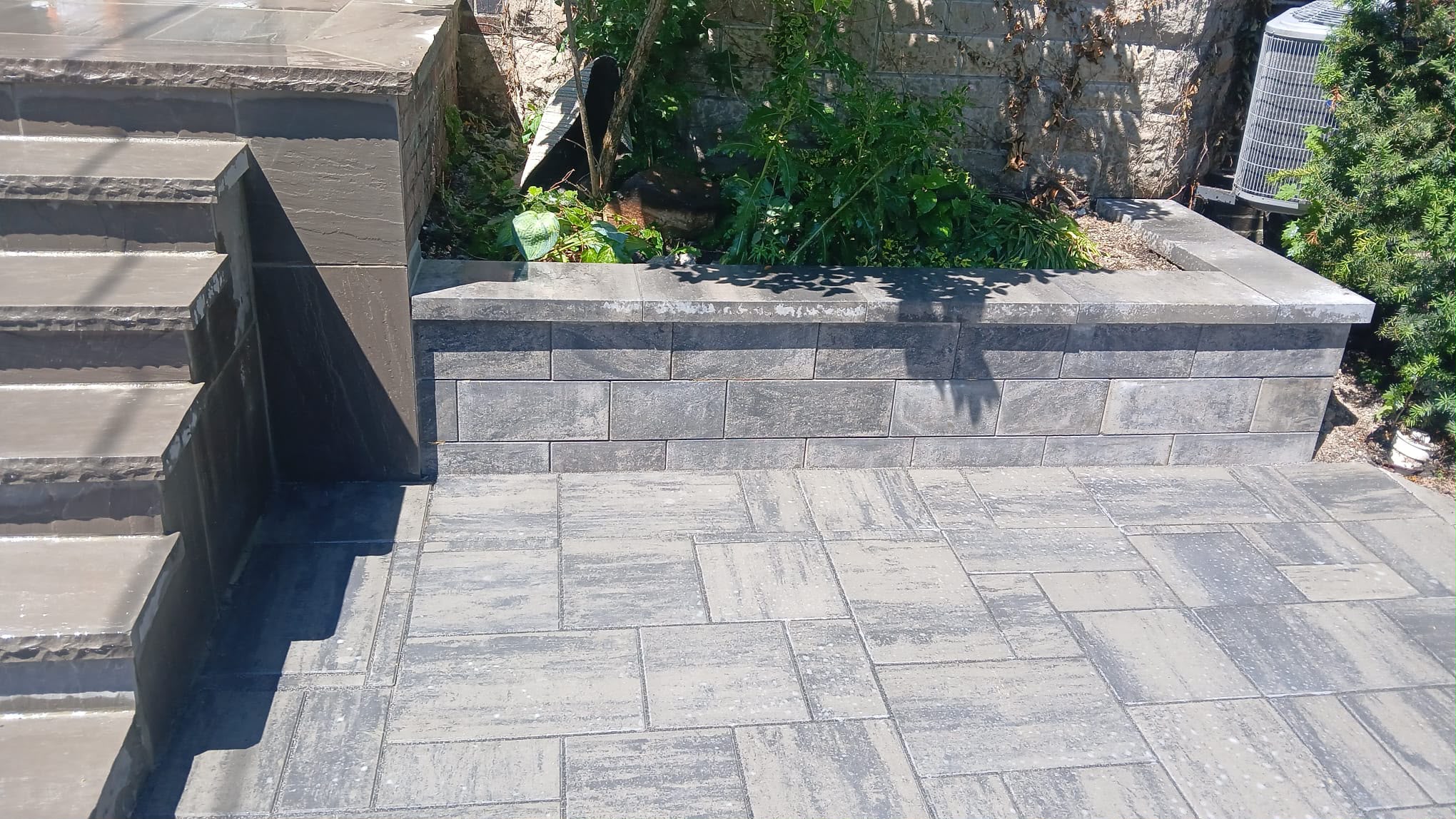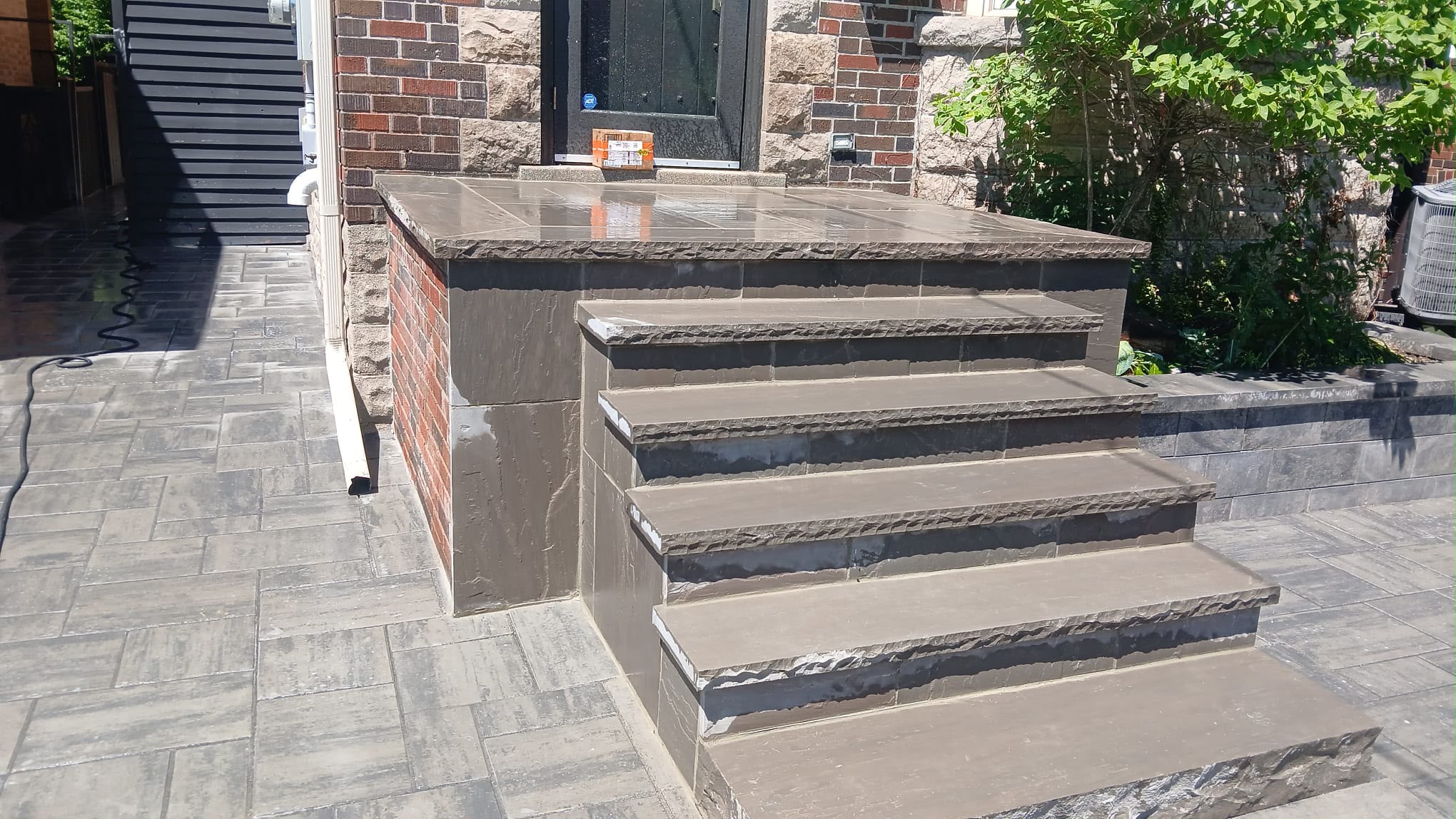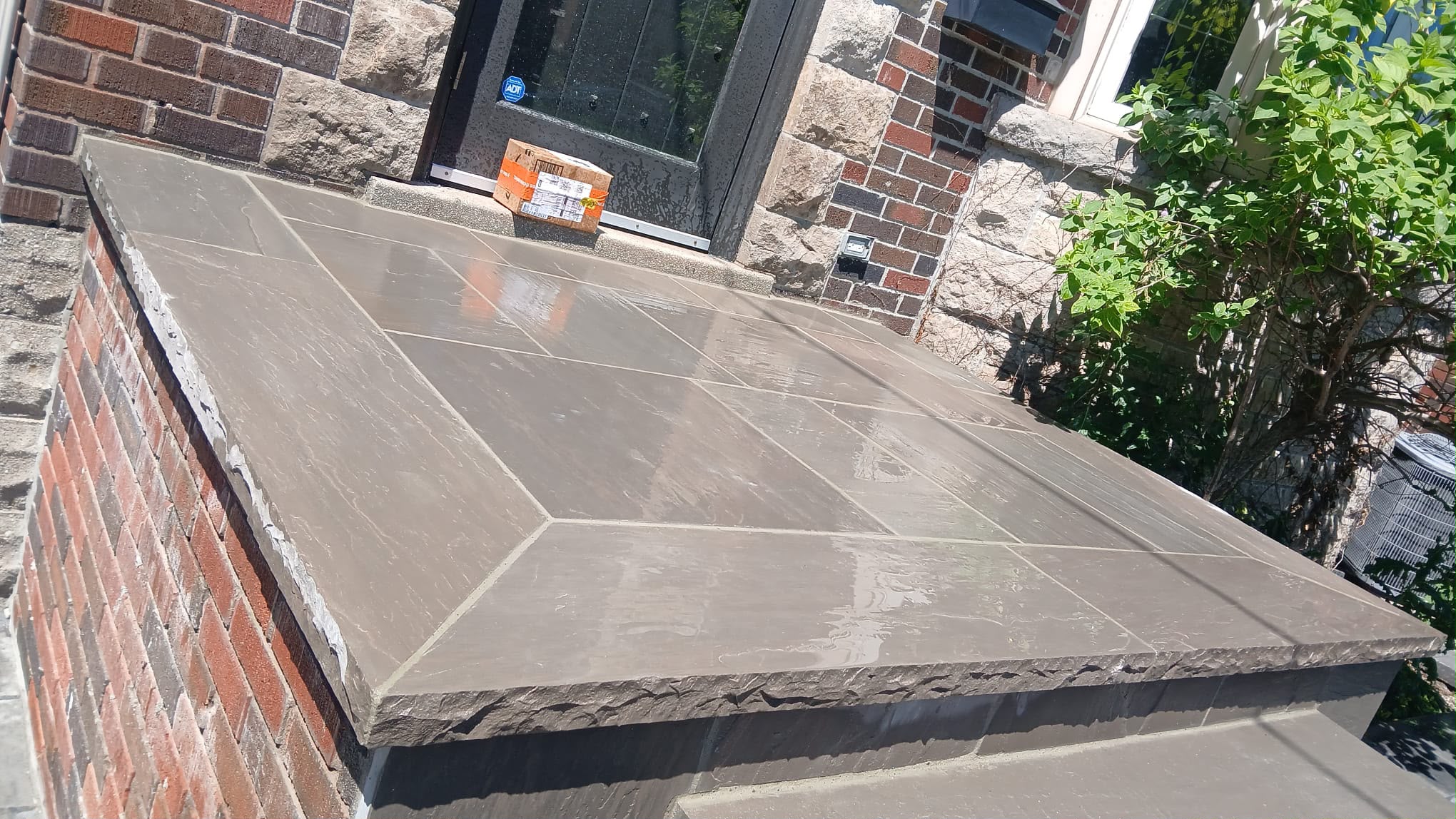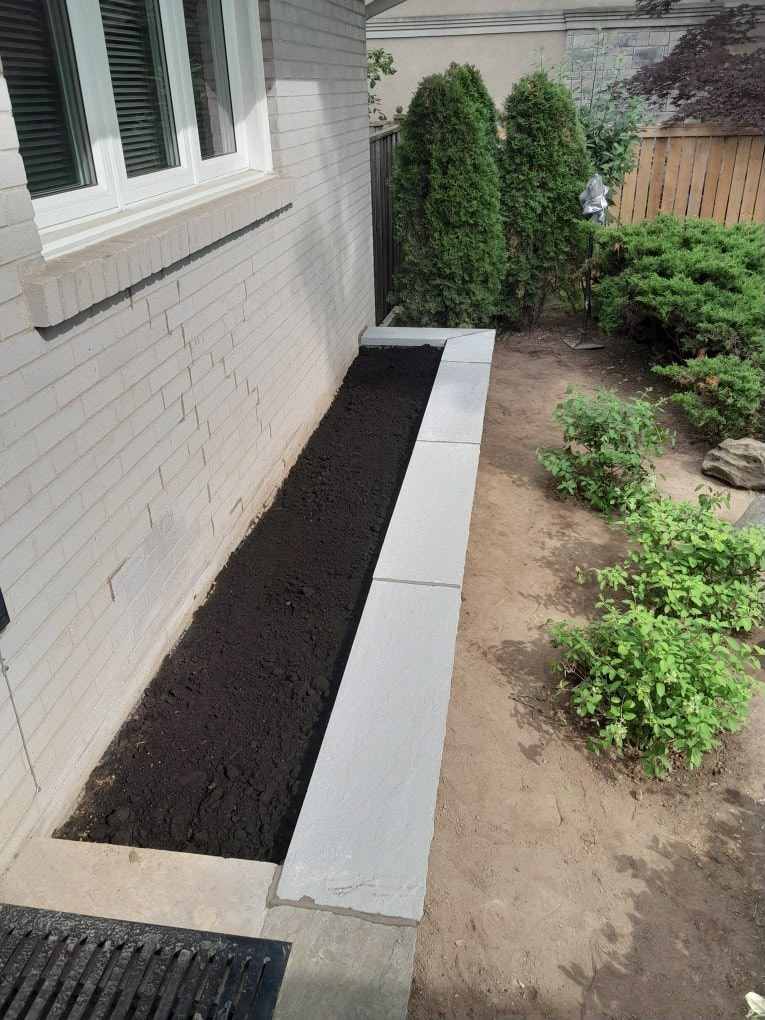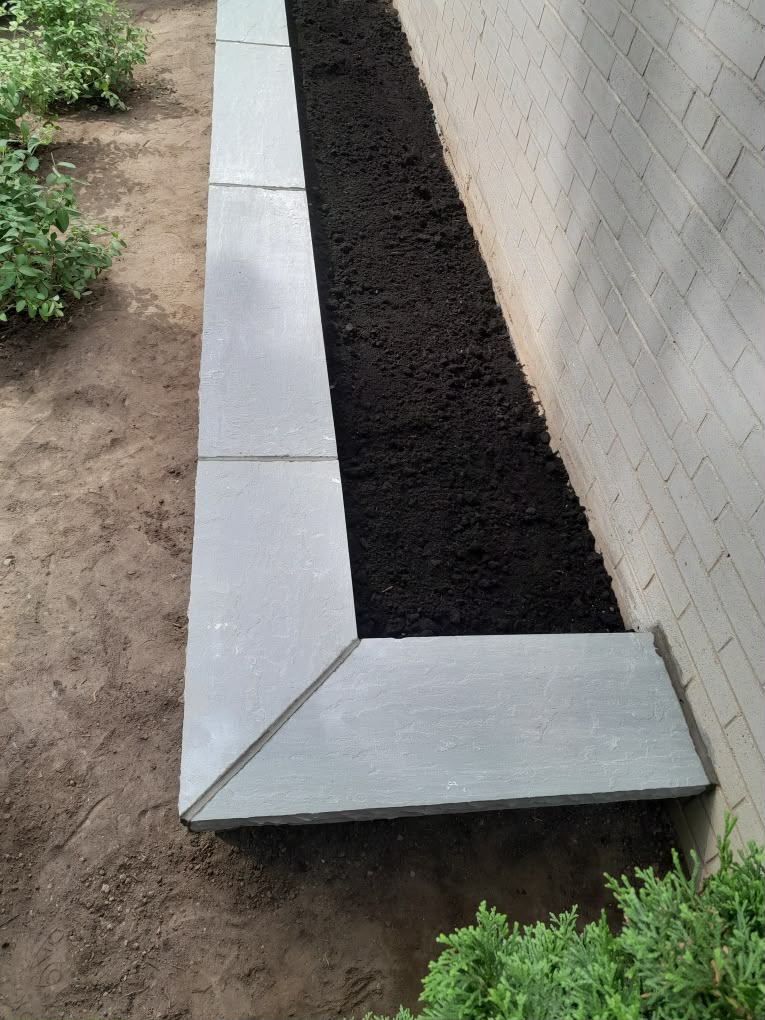

Permeable pavers are changing urban design. They help manage stormwater runoff by letting water soak through the surface. Thus, it reduces stormwater runoff into waterways. When installed professionally, they help prevent flooding and recharge groundwater, supporting local ecosystems.
They are an eco-friendly solution for outdoor surfaces, designed to manage stormwater and reduce runoff. In Toronto, where by-laws and freeze-thaw cycles are key considerations, permeable pavers offer sustainability and durability. This guide complements our articles on What Are Pavers? Types and Uses for Outdoor Spaces, Types of Stone Veneer: A Comprehensive Guide, and Ultimate Guide to Choosing the Right Natural Stone.
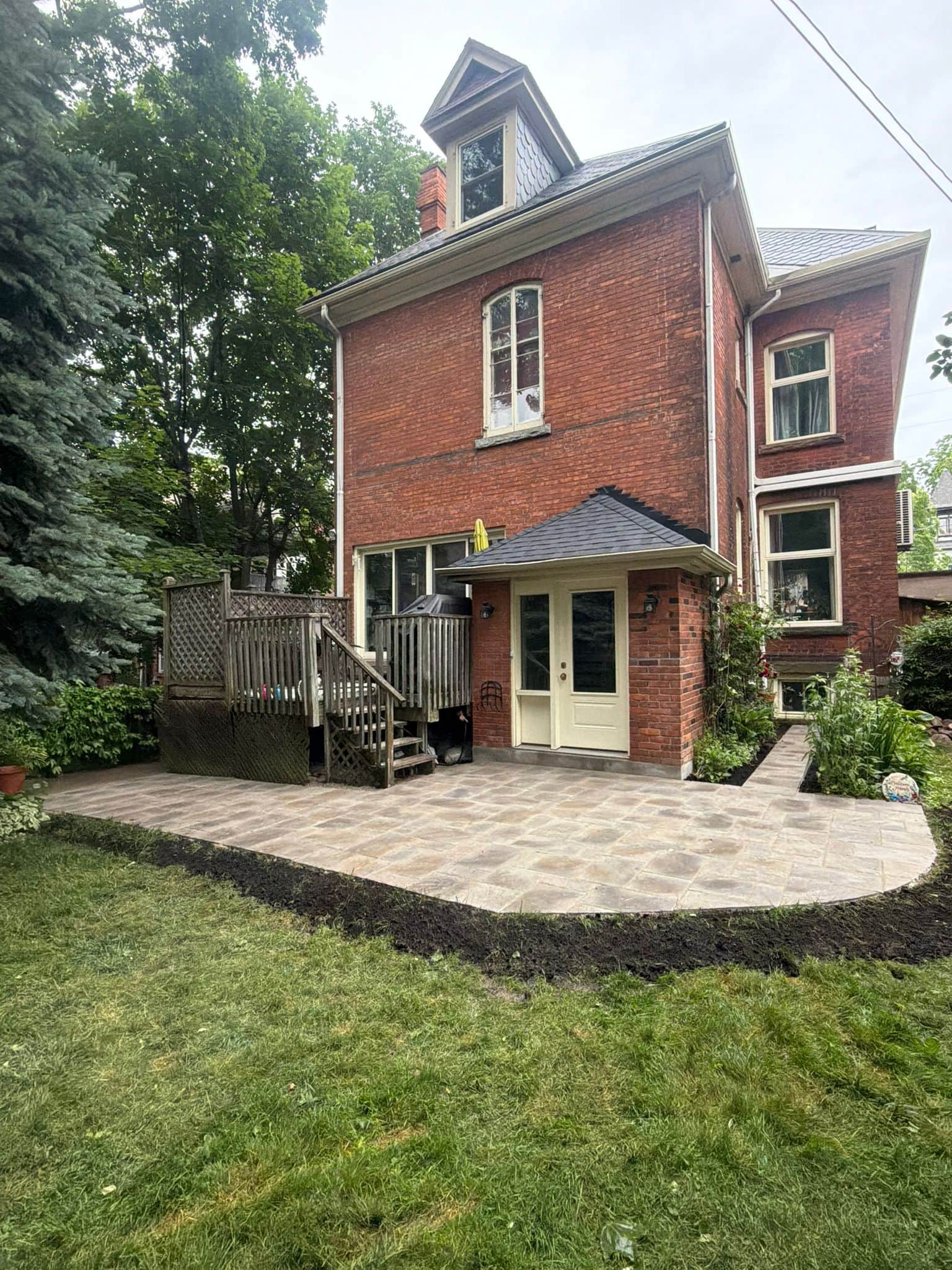
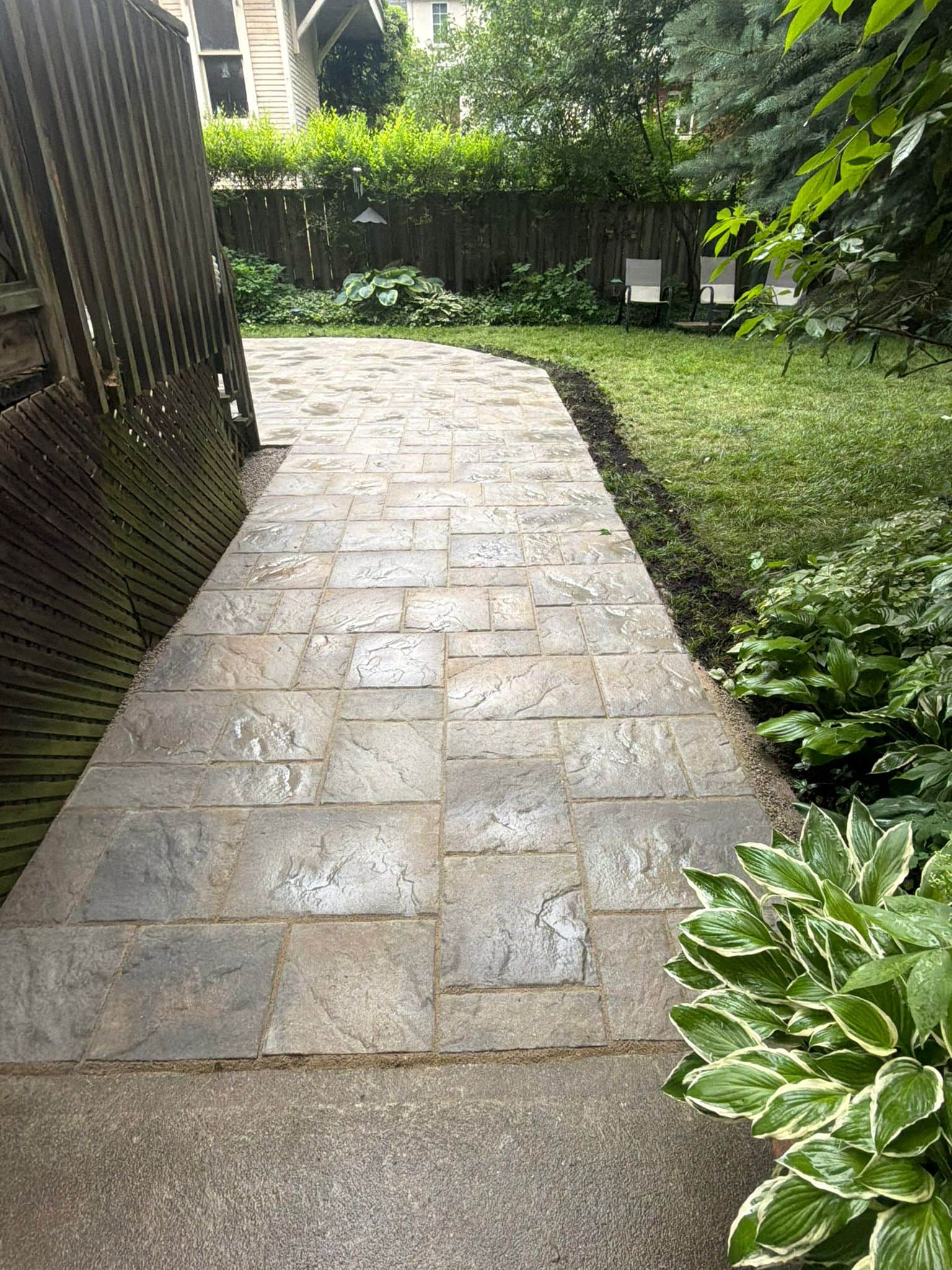
Permeable pavers are revolutionizing outdoor spaces in Toronto with their eco-friendly design and superior drainage capabilities. Ideal for driveways, patios, and walkways, these pavers help manage stormwater while enhancing your property’s curb appeal. At A&A Masonry, we specialize in permeable pavers for driveways to create sustainable, durable landscapes. Here’s everything you need to know about permeable pavers.
What Are Permeable Pavers?
Permeable pavers are specially designed paving materials that allow water to infiltrate through their surface, reducing runoff and promoting natural drainage. Unlike traditional pavers, which create a solid, impermeable surface, permeable pavers allow water to move through, helping to manage stormwater effectively. Learn more about paver types in our Top Patio Stones Guide.
Types of Permeable Paving Systems
There are many types of permeable paving systems. Each has its unique features and uses. Here are a few common ones:
- Pervious concrete: A special concrete that lets water flow through.
- Permeable pavers: Blocks with gaps that let water in.
- Porous asphalt: A type of asphalt that drains water.
- Gravel-filled systems: Use gravel and a strong water flow base.
How Permeable Pavers Differ from Traditional Pavers
Traditional pavers are made from concrete, brick, or stone and do not allow water to pass through. In contrast, permeable pavers have gaps or are constructed with porous materials, enabling water to seep through and recharge the groundwater supply.
Permeable pavers are perfect for driveways, patios, and walkways, especially in urban areas like Toronto, where water management is critical. Pair them with stone veneer or natural stone for a cohesive, eco-friendly design.
What Do You Put Under Permeable Pavers?
To ensure effective drainage, a suitable base is crucial. A layer of crushed stone or gravel is typically placed beneath the pavers. This base layer provides structural support and facilitates water flow.
Why Choose Permeable Pavers for Driveways
Design Options and Aesthetic Considerations: Permeable pavers are available in various colours, shapes, and materials, and they can enhance the visual appeal of your driveway. They can be designed to complement your home’s architecture and landscape.
Load-Bearing Capacity and Durability Factors: Modern permeable pavers are designed to withstand vehicle traffic, making them suitable for driveways. However, choosing the right type is essential based on expected load and usage.
The compressive strength of concrete varies significantly depending on its application, measured in pounds per square inch (psi).
Here’s a brief overview of the typical psi ratings for different concrete surfaces:
| Application | Compressive Strength (psi) | Notes |
| Permeable Driveway Pavers | 500 – 4,000 psi | Generally, around 2,500 psi |
| Residential Projects | 2,500 – 3,000 psi | Ideal for driveways and sidewalks |
| Structural Components | 3,500 – 4,000 psi | Required for beams and footers |
| Commercial Properties | 4,000 – 5,000 psi | Necessary for warehouses and factories |
| Standard Concrete Slabs | Approximately 2,500 psi | Weaker than concrete pavers, which support heavier loads |
Additionally, local authorities may have specific requirements regarding the minimum concrete strength, thickness, and reinforcement for pavements between property boundaries and kerb-and-gutter areas. These regulations can vary, so it is essential to check with local guidelines.
Permeable Pavers Alternatives for Driveways
If you’re considering alternatives to permeable pavers for driveways, several eco-friendly and practical options offer similar benefits, including drainage, durability, and aesthetics.
Here are some popular alternatives.
Gravel Driveways
Gravel is a loose, permeable material that allows water to drain quickly and efficiently. It is affordable, easy to install, and has low maintenance, requiring only periodic raking and refilling, so you have less work to do.
Considerations:
- Requires proper edging to prevent displacement.
- It may need frequent replenishment in high-traffic areas.
Grass Pavers (Turf Reinforcement Grids)
These grids support grass growth while allowing water infiltration. They provide a natural, green look. It also reduces heat absorption compared to traditional driveways.
Considerations:
- Requires regular lawn maintenance.
- Best for areas with low to moderate traffic.
Permeable Concrete or Porous Asphalt
The permeable concrete or porous asphalt materials have voids that allow water to pass through. They are durable, long-lasting, and suitable for high-traffic areas because they help reduce runoff and urban flooding.
Considerations:
- Requires professional installation.
- It needs occasional cleaning to prevent clogging.
Resin-Bound Gravel
Gravel mixed with resin forms a semi-permeable surface.
Resin gravel has a smooth, durable surface that is ideal for driveways. It is also visually appealing with customizable colours and is resistant to weeds and erosion.
Considerations:
- It costs more than loose gravel.
- Requires professional installation.
Crushed Stone with Stabilization Grids
Stabilization grids hold crushed stone in place, allowing for water infiltration and preventing erosion. Like other alternatives, crushed stones help reduce gravel displacement and ruts while retaining their durable and permeable quality.
Considerations:
- It may require periodic refilling of stones.
- It’s slightly less smooth than other options.
Need help deciding? Consult a Professional Contractor Installer to explore installation and design possibilities tailored to your property.
Professional Installation Process and Best Practices
Getting the most out of permeable pavers starts with how they’re installed. A careful process from start to finish is key. It ensures your pavers last a long time and function properly.
Installing permeable pavers involves several essential steps, and A&A Masonry follows a meticulous process for interlocking stone installation:
- Site Preparation: First, the area is excavated, graded, and compacted. This creates a solid base for the pavers.
- Base Construction: Next, the right base material is put in place. This lets water soak into the soil while keeping the pavement strong.
- Paver Laying Technique: The pavers are placed in a specific pattern. This ensures they’re spaced right and water can flow through.
Layering Techniques to Enhance Permeability include a base layer, typically a 6-to 12-inch layer of crushed stone or gravel.
- Filter Fabric: A layer of geotextile fabric can be placed above the base to prevent sediment from clogging the gaps.
- Finishing Touches: Finally, sand or gravel fills the gaps between the pavers. This helps drain the water and keeps the pavers stable.
Comparing Alternatives
Considering other driveway options? Check out our Driveway Gravel Types & Costs to see how permeable pavers stack up against gravel and asphalt.
Applications in Toronto
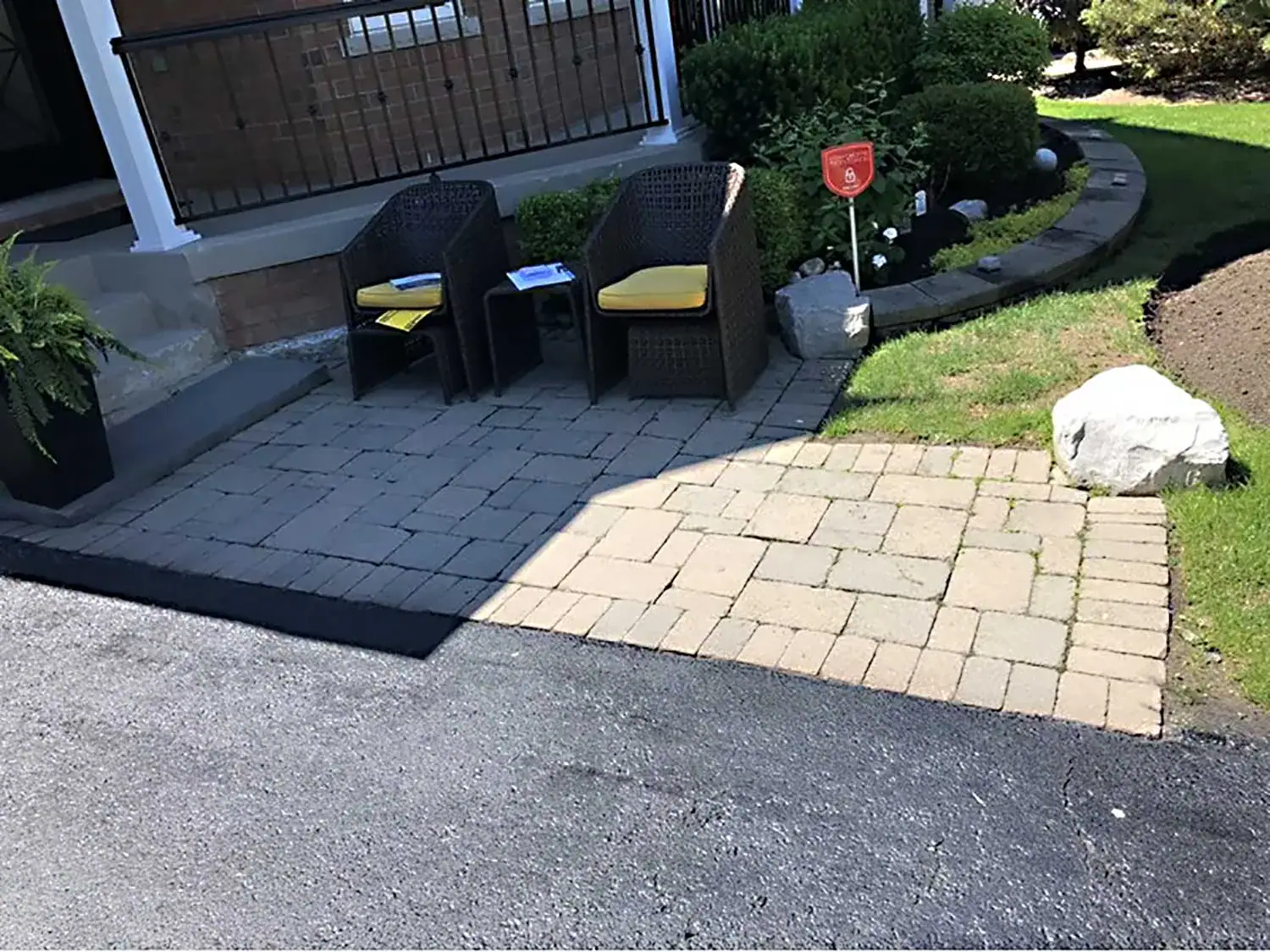
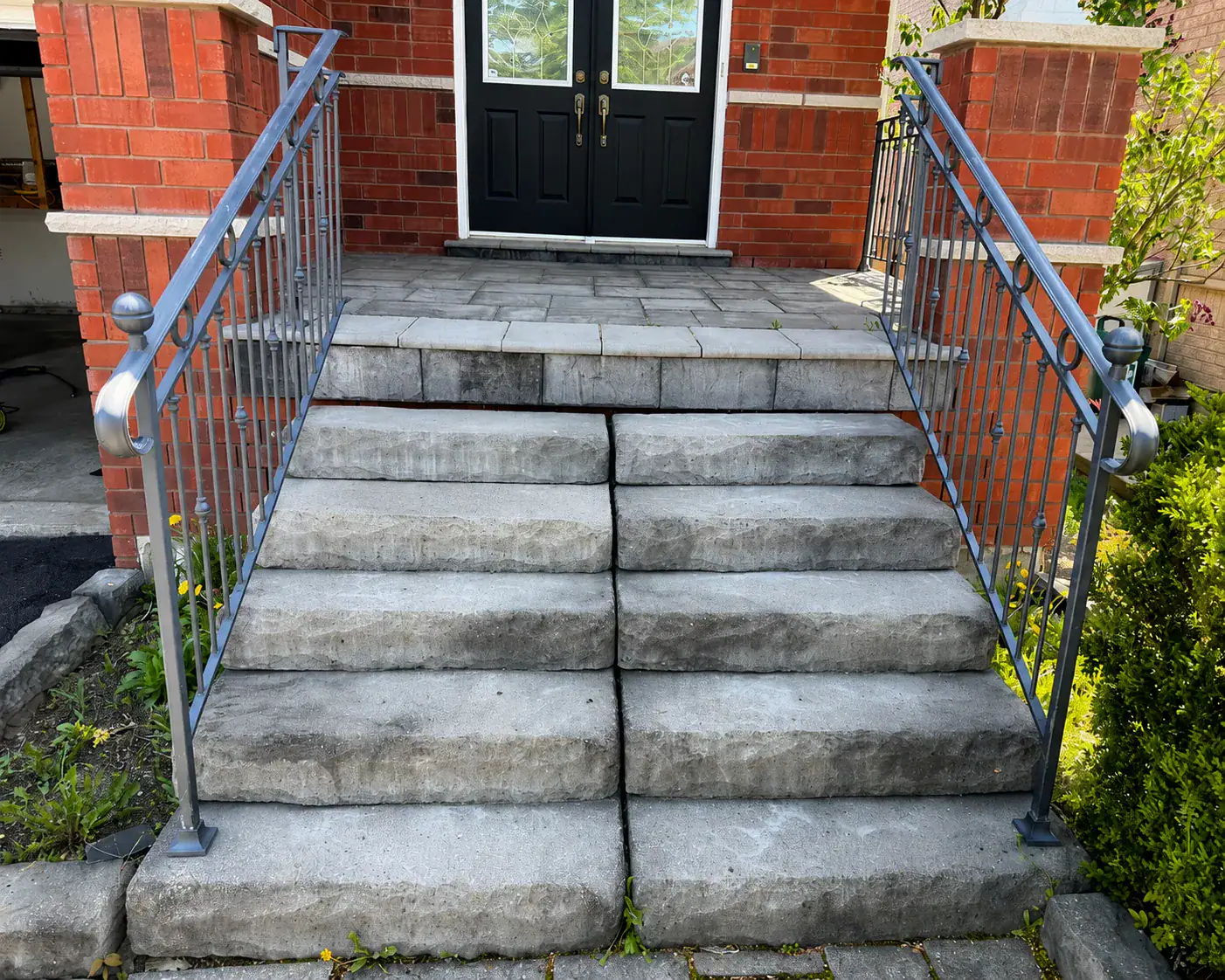
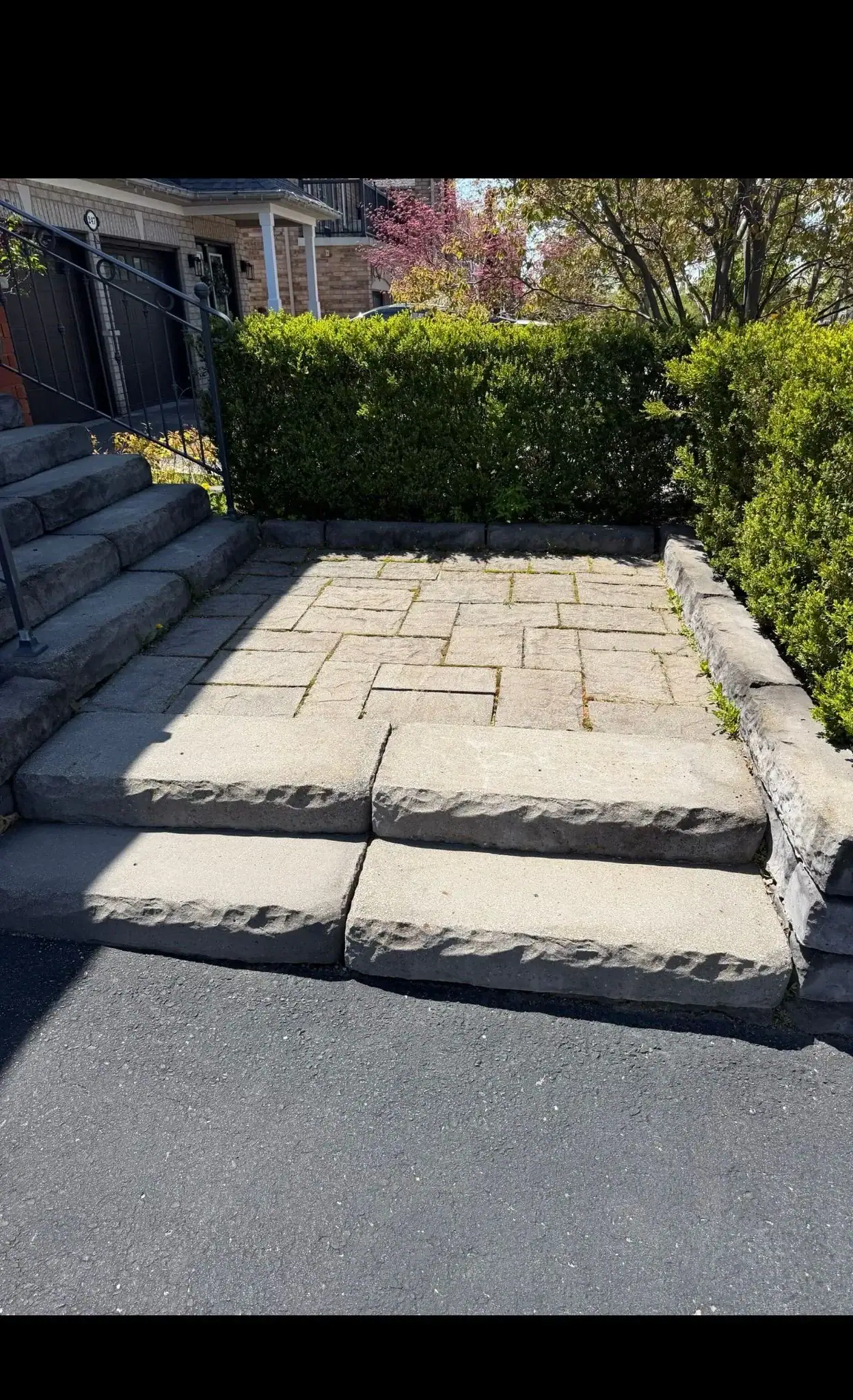
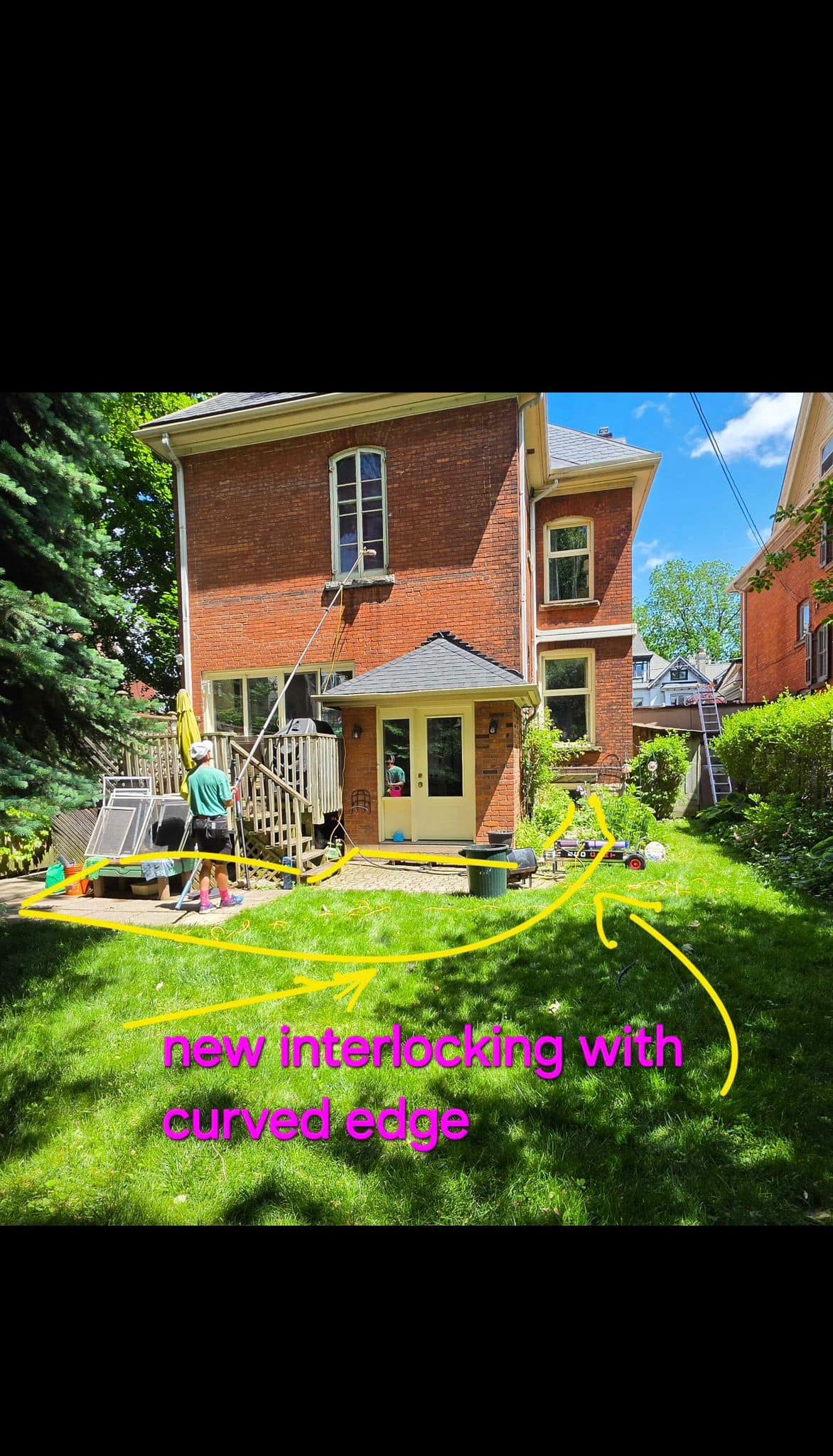
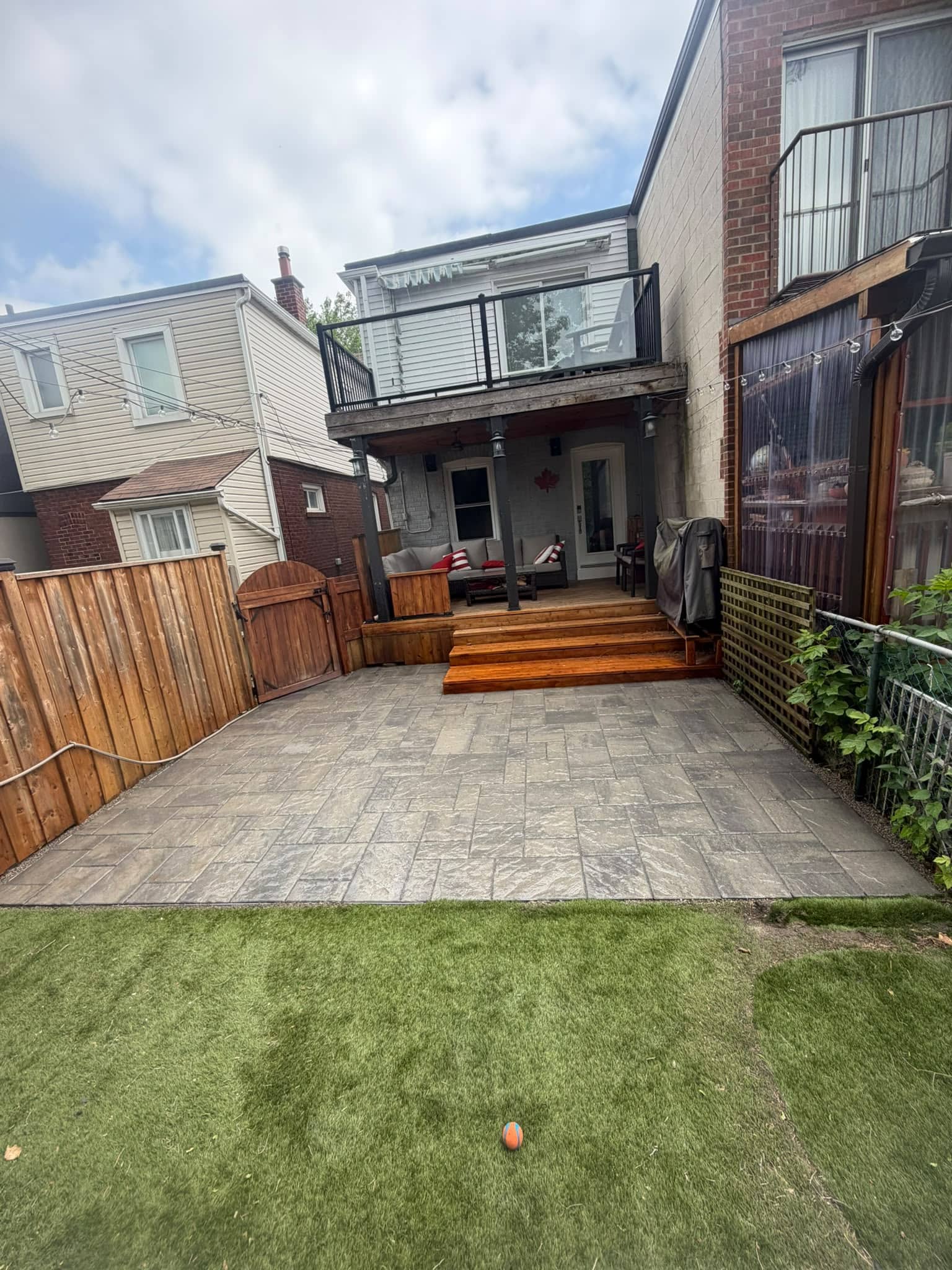
Permeable pavers are perfect for patio pavers in Toronto and driveways, especially in areas with strict stormwater regulations. They’re also great for walkways, parking pads, and pool decks. For design inspiration, explore our Backyard Hardscape Landscaping Ideas.
FAQs
What Are the Disadvantages of Permeable Pavers?
Here are the Common Drawbacks and Challenges of Permeable Pavers
- Higher Initial Costs: Installation can be more expensive than traditional paving installation methods.
- Maintenance Requirements: Regular cleaning is necessary to prevent clogging from debris and sediment.
- Maintenance Requirements and Potential Issues: Routine maintenance, such as vacuuming or pressure washing, is essential to keep the pavers functioning effectively.
When Not to Use Permeable Pavers
In areas with heavy clay soil or high water tables, permeable pavers may not perform as effectively, leading to water pooling and drainage issues.
Can You Use Permeable Pavers for Driveways?
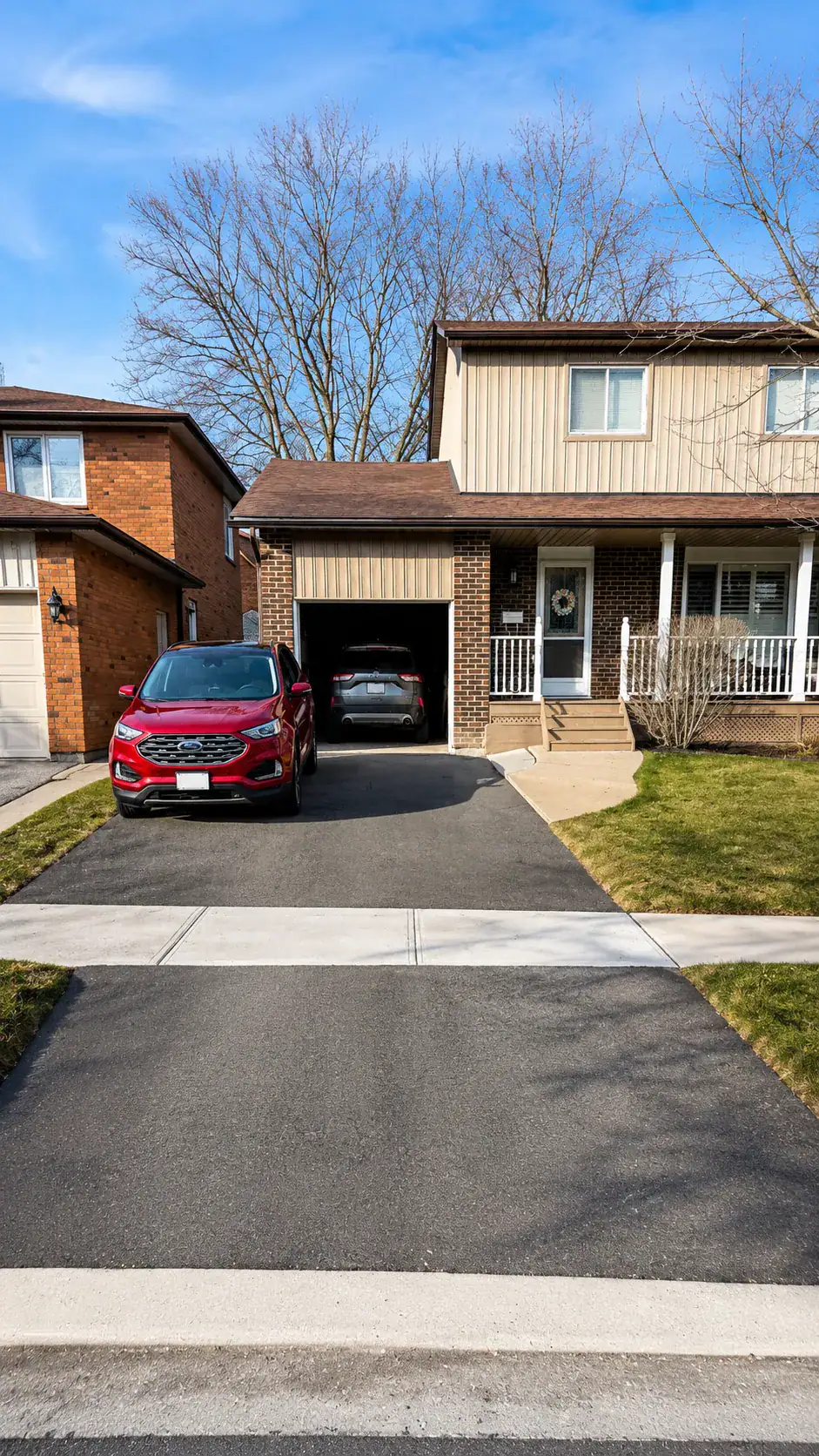
Permeable pavers can be an excellent choice for driveways, offering both functionality and style. They allow for efficient drainage while providing a durable surface.
Are Permeable Pavers Cheaper Than Concrete? A Cost Comparison Guide
Initial Investment vs. Long-Term Savings. While the initial cost of permeable pavers may be higher than traditional concrete, they can lead to long-term savings by reducing stormwater management costs and minimizing erosion.
Conclusion
Permeable pavers offer a sustainable and aesthetically pleasing solution for managing stormwater while enhancing outdoor spaces. Homeowners can make informed decisions that contribute to a healthier environment and a beautiful landscape by understanding their benefits, installation processes, and maintenance requirements. Consider permeable pavers for your next project and discover the benefits they bring to your home.
Explore More Here:
- The Advantages of Using Natural Stone in Hardscaping Projects
- Choosing the Best Masonry Services
- Masonry Use in Landscaping & Hardscaping
Ready to go green? Contact us for Interlocking Stone Installation, Stone Masonry, or Veneer Stone Installation services.
With decades of experience, A&A Masonry Inc. has established a reputation for delivering top-quality masonry, waterproofing, and exterior restoration services throughout Toronto and its surrounding areas. Our skilled team specializes in repairing brick, stone, and concrete, ensuring durable and visually appealing results.
At A&A Masonry, we prioritize craftsmanship, customer satisfaction, and long-lasting solutions. Whether you need foundation waterproofing, brick repair, tuckpointing, or interlocking stone installations, our experts provide reliable service backed by extensive industry experience.
Why Choose A&A Masonry?
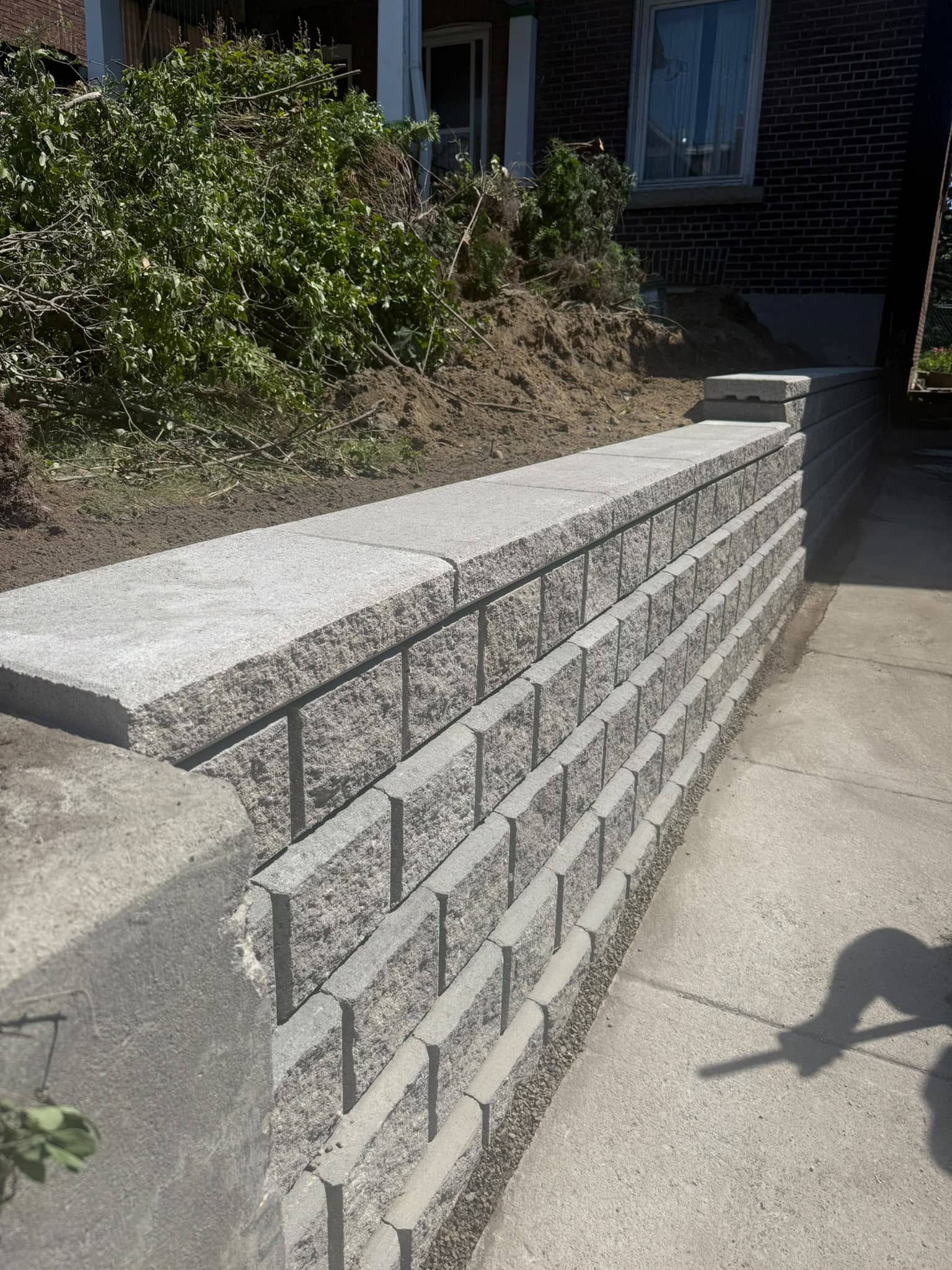
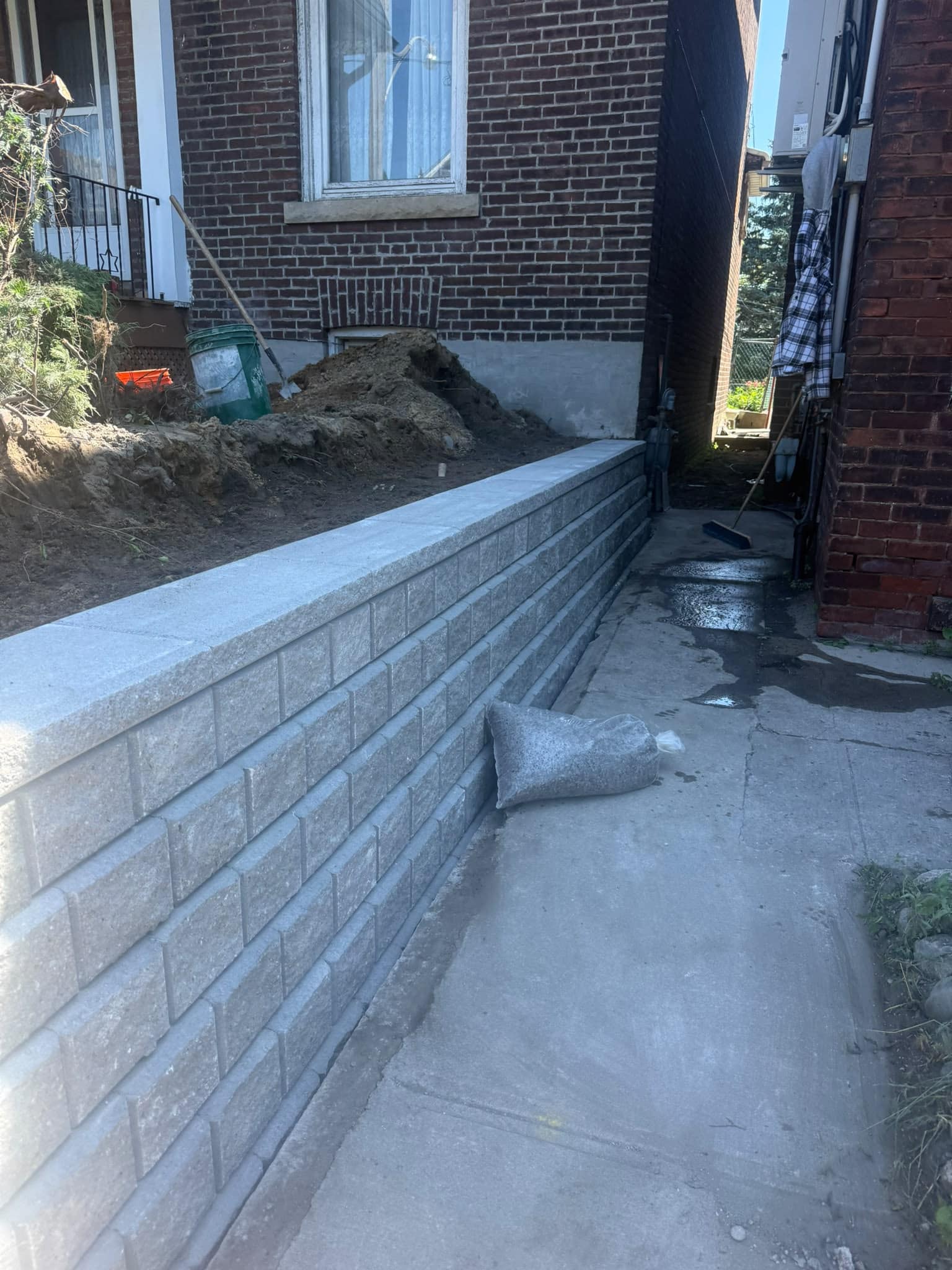
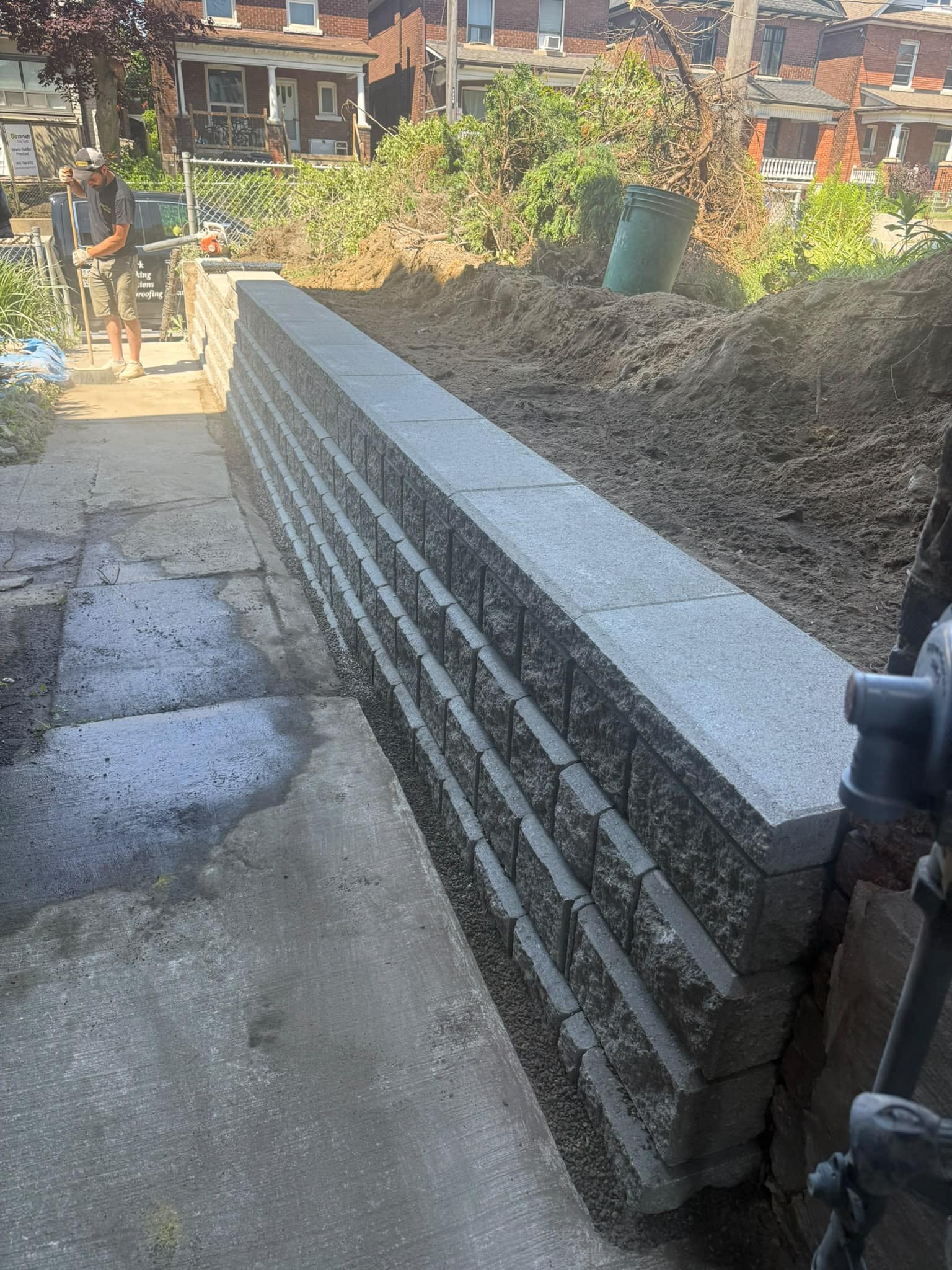
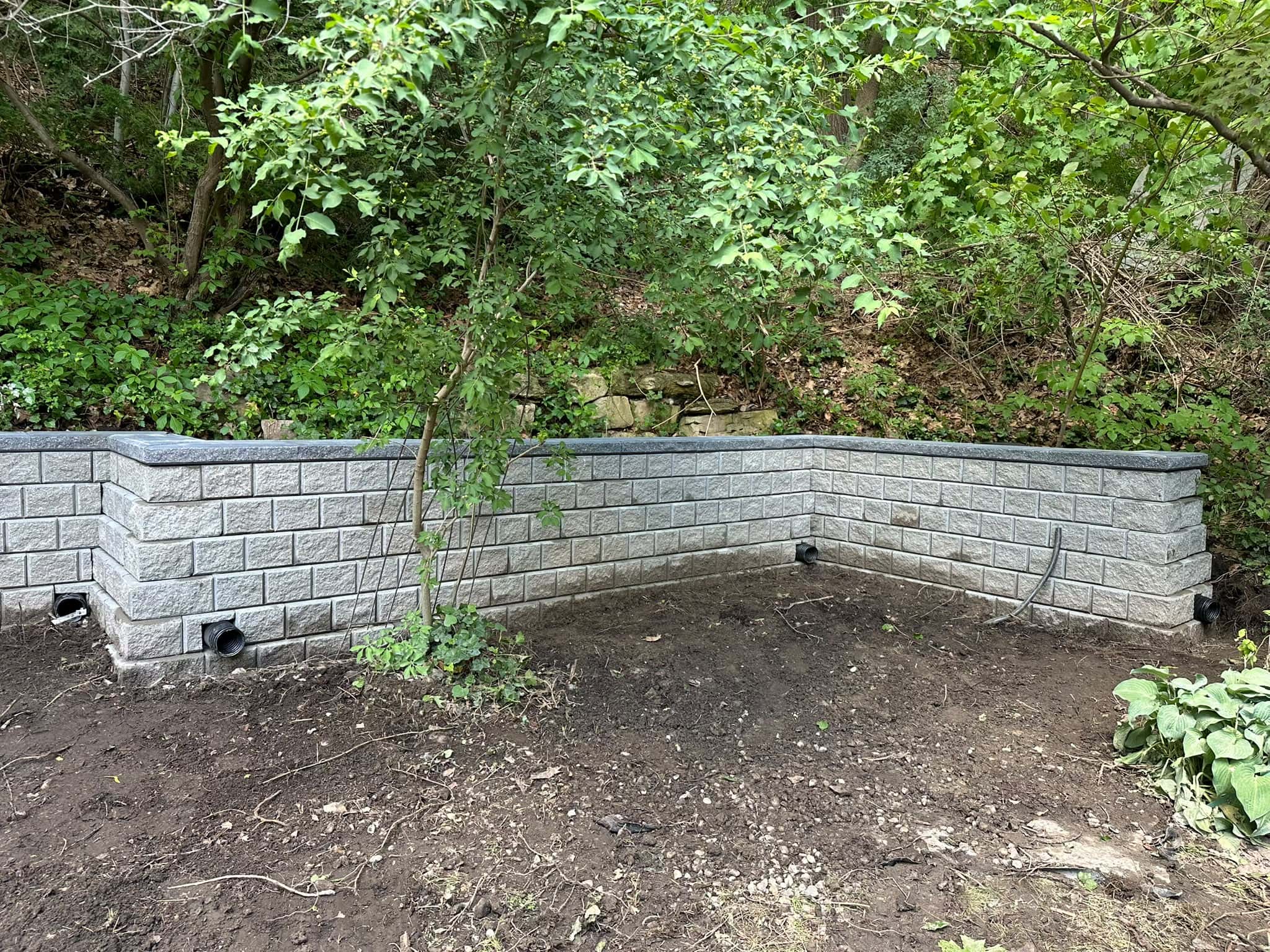
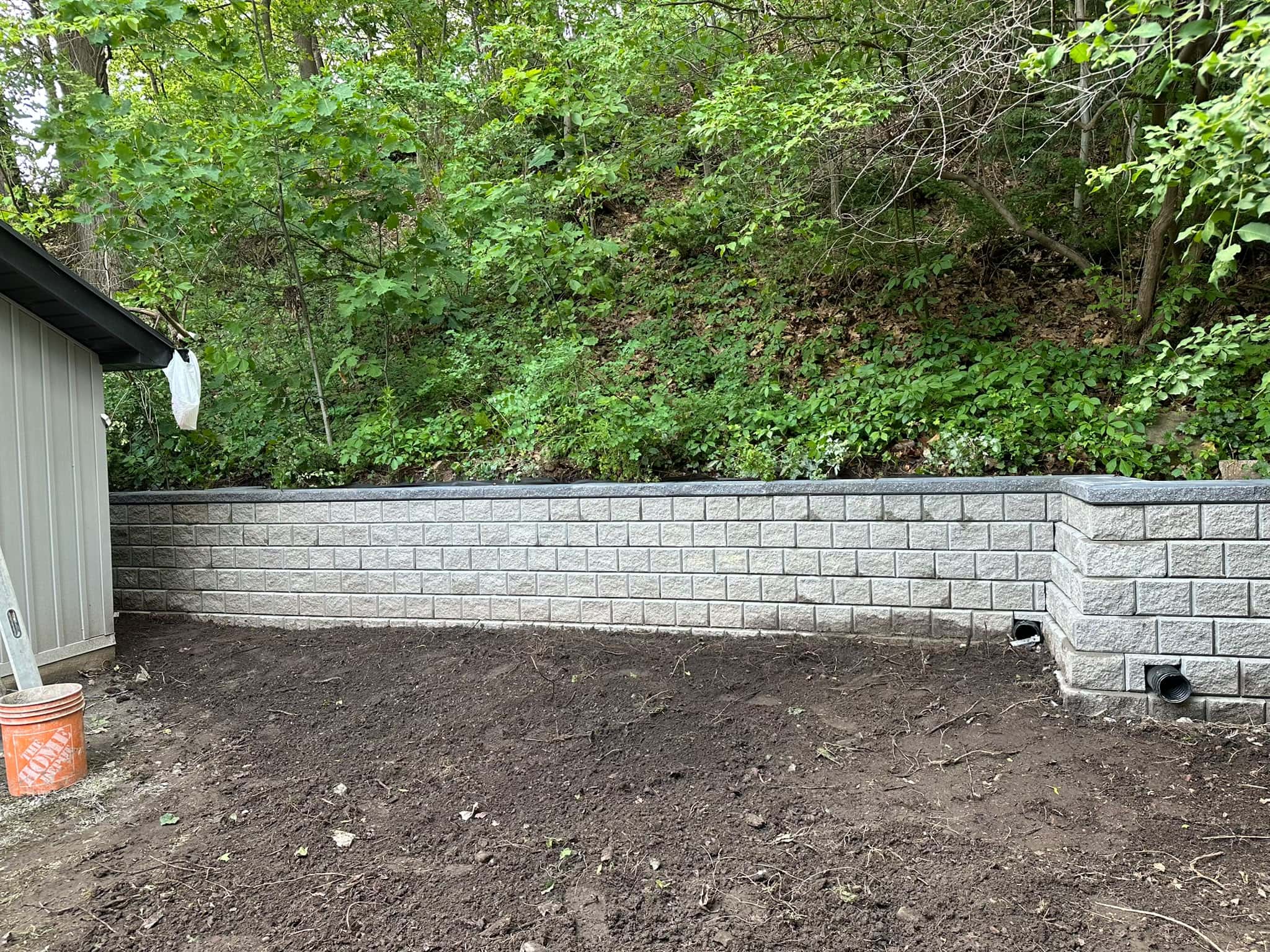
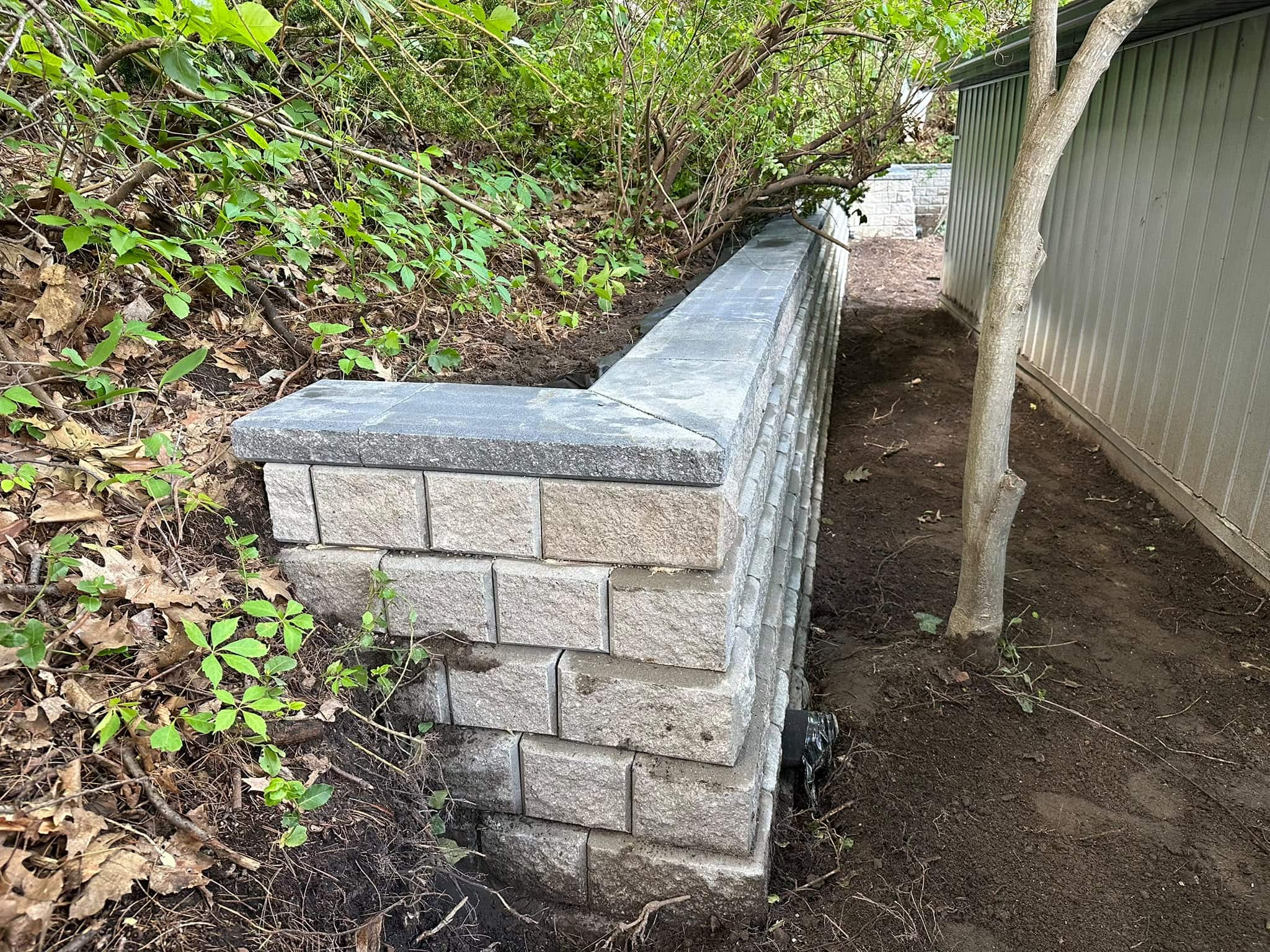
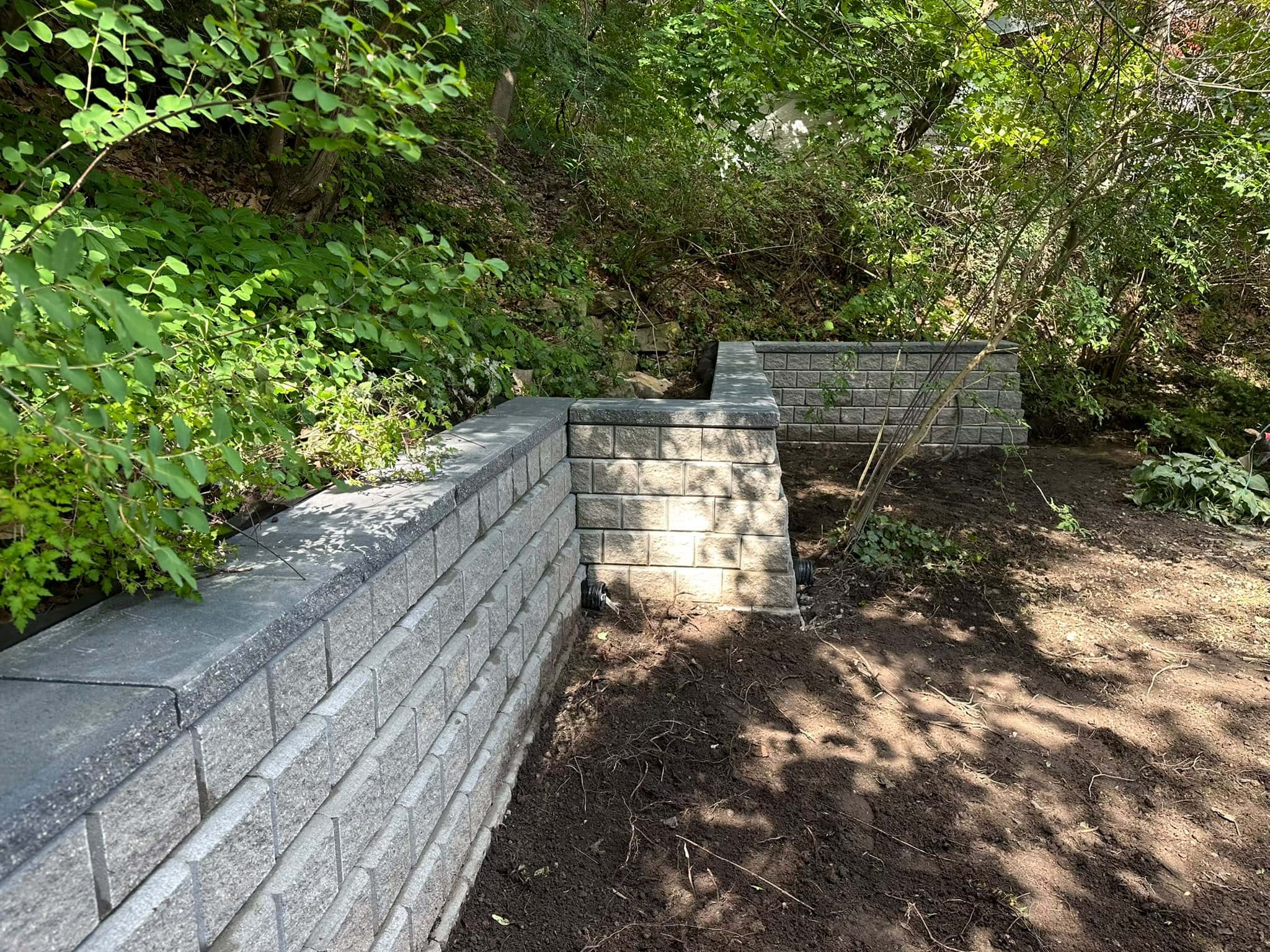
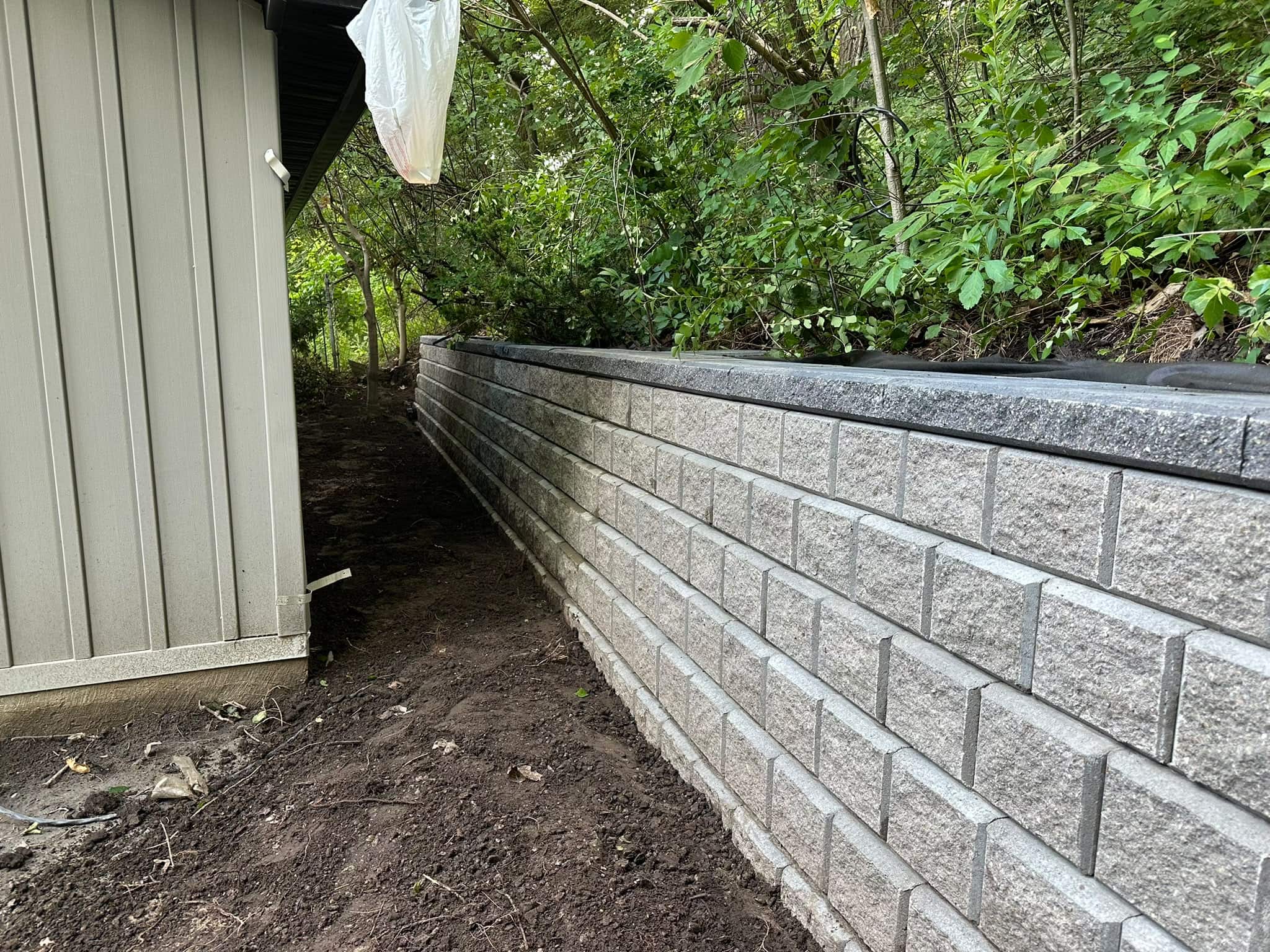
Our award-winning team at A&A Masonry delivers expert installation of permeable pavers for driveways and retaining walls in Toronto. We use premium materials to ensure eco-friendly, durable results that enhance your property.
✔ Expert Craftsmanship – Our team comprises experienced masons and waterproofing specialists dedicated to high-quality workmanship.
✔ Comprehensive Services – We offer a wide range of services, from chimney repair to fireplace stone veneer and parging, to enhance and protect your property.
✔ Waterproofing Solutions – Protect your home with professional basement waterproofing and exterior foundation sealing.
✔ Customer-First Approach – Transparent quotes, detailed assessments, and a commitment to excellence in every project.
Ready to go green with permeable pavers? Contact A&A Masonry for a free quote today!
Our Services Include:
-
Concrete Repairs
-
Stone Masonry
-
Brick Painting
-
Interlocking Stone Pavers
-
Parging
-
Tuckpointing
-
Brick Repair
-
Fireplace Stone Veneer
-
Chimney Repair
-
Commercial Exterior Painting
-
Basement Waterproofing
-
Stucco
-
Interlocking Stone Installation
-
Interlocking Steps
-
Roofing
For expert masonry and waterproofing services in Toronto, call us today at 416-236-8721 or contact A&A Masonry for a free consultation.