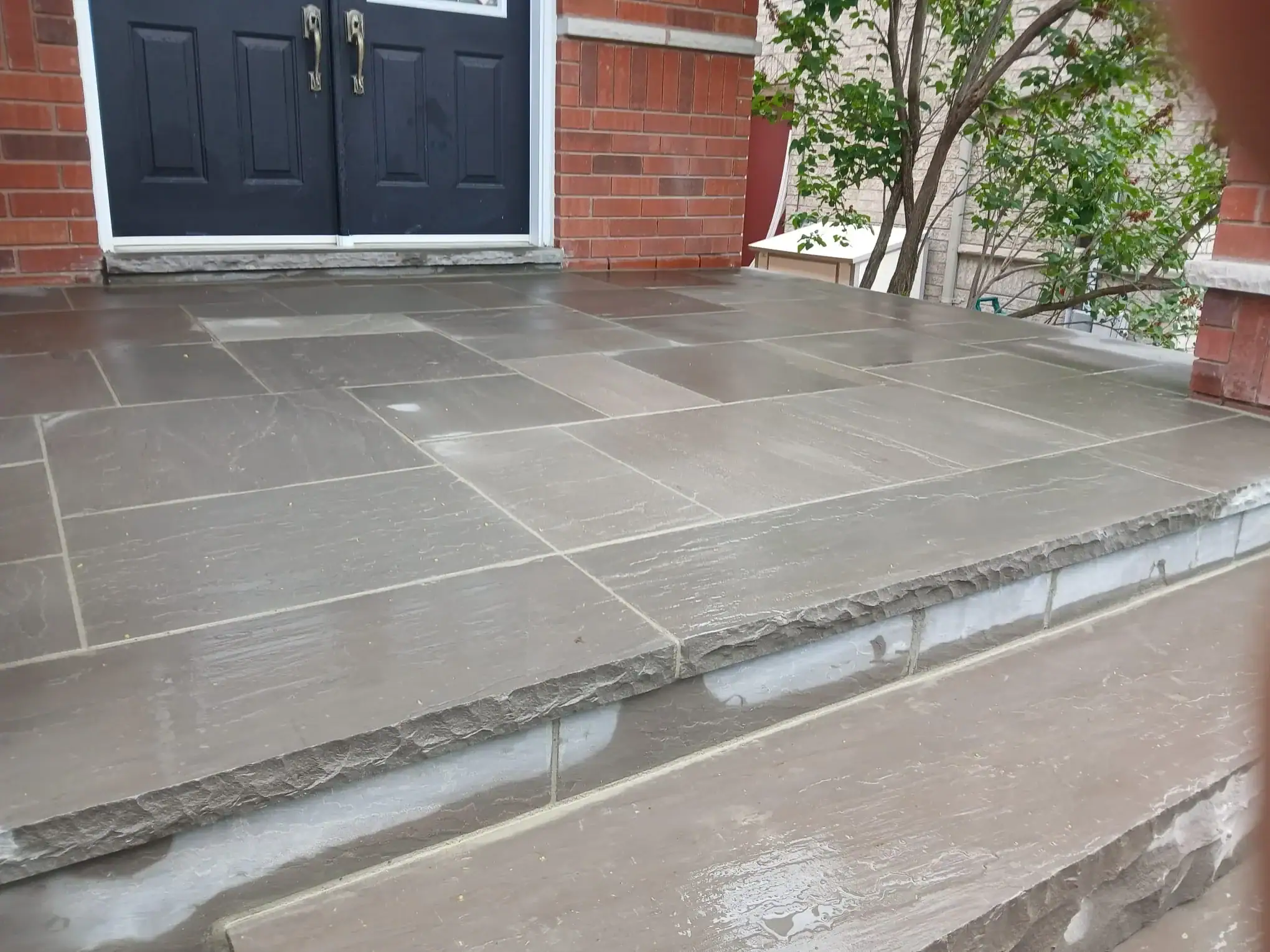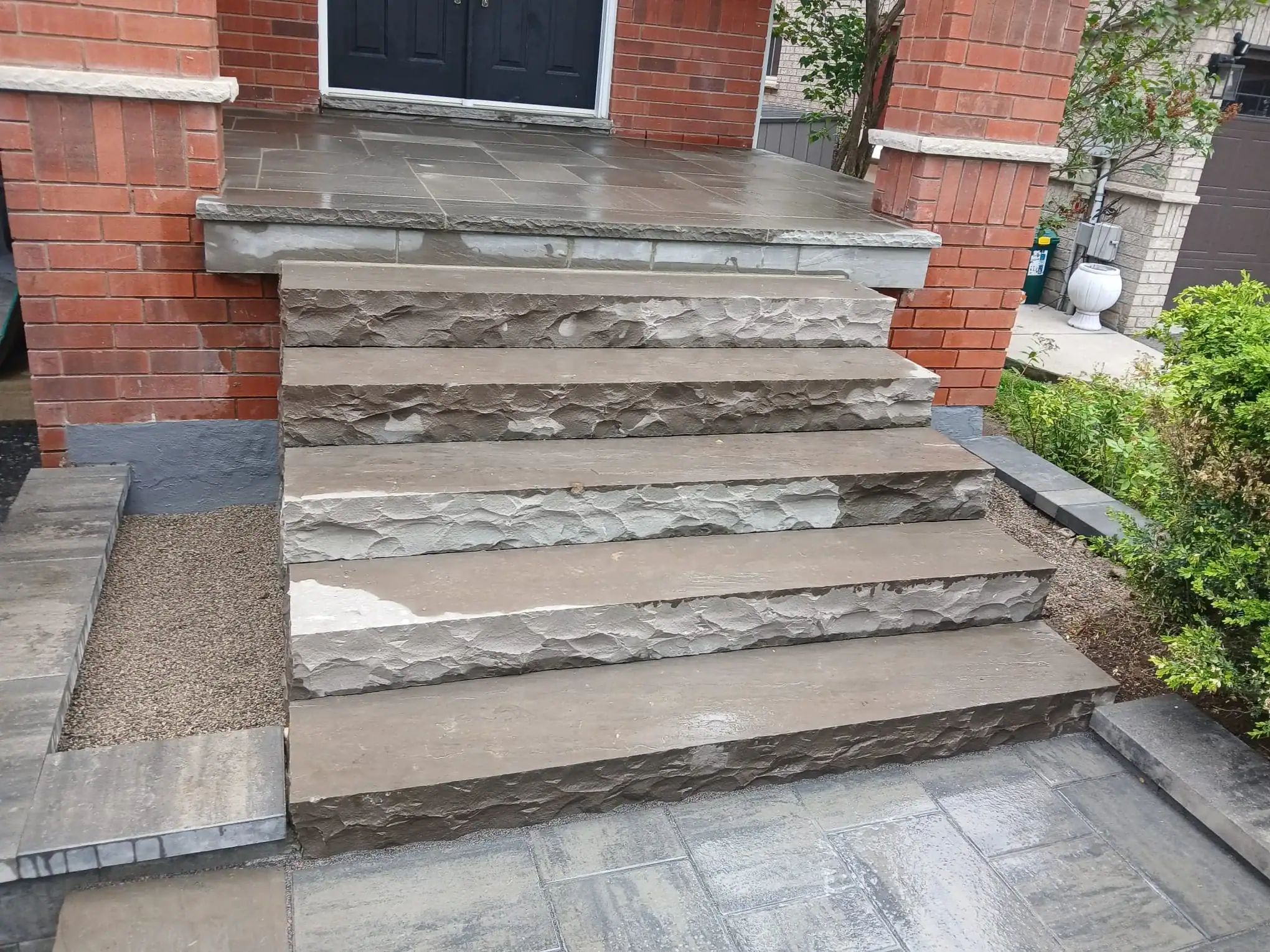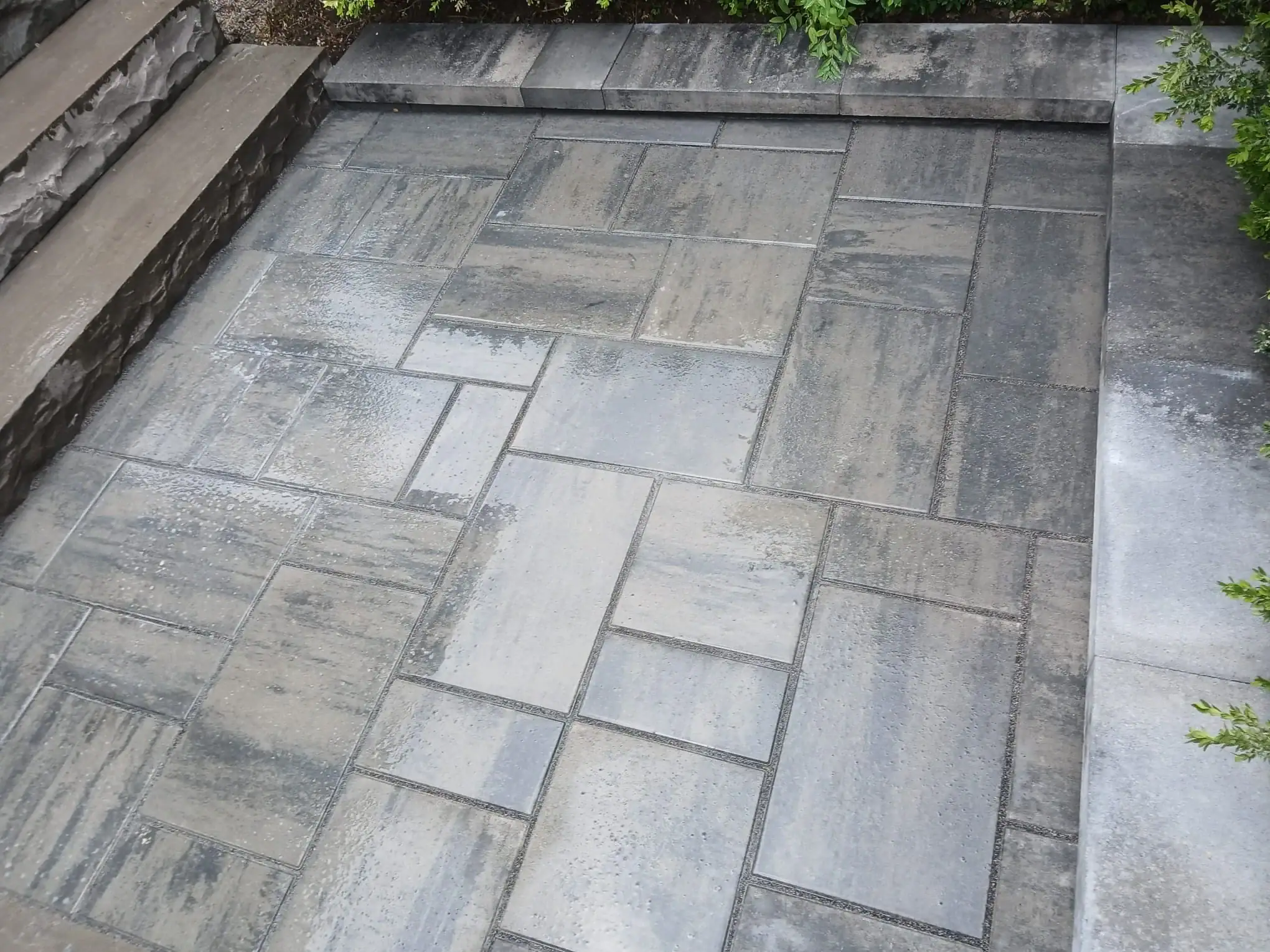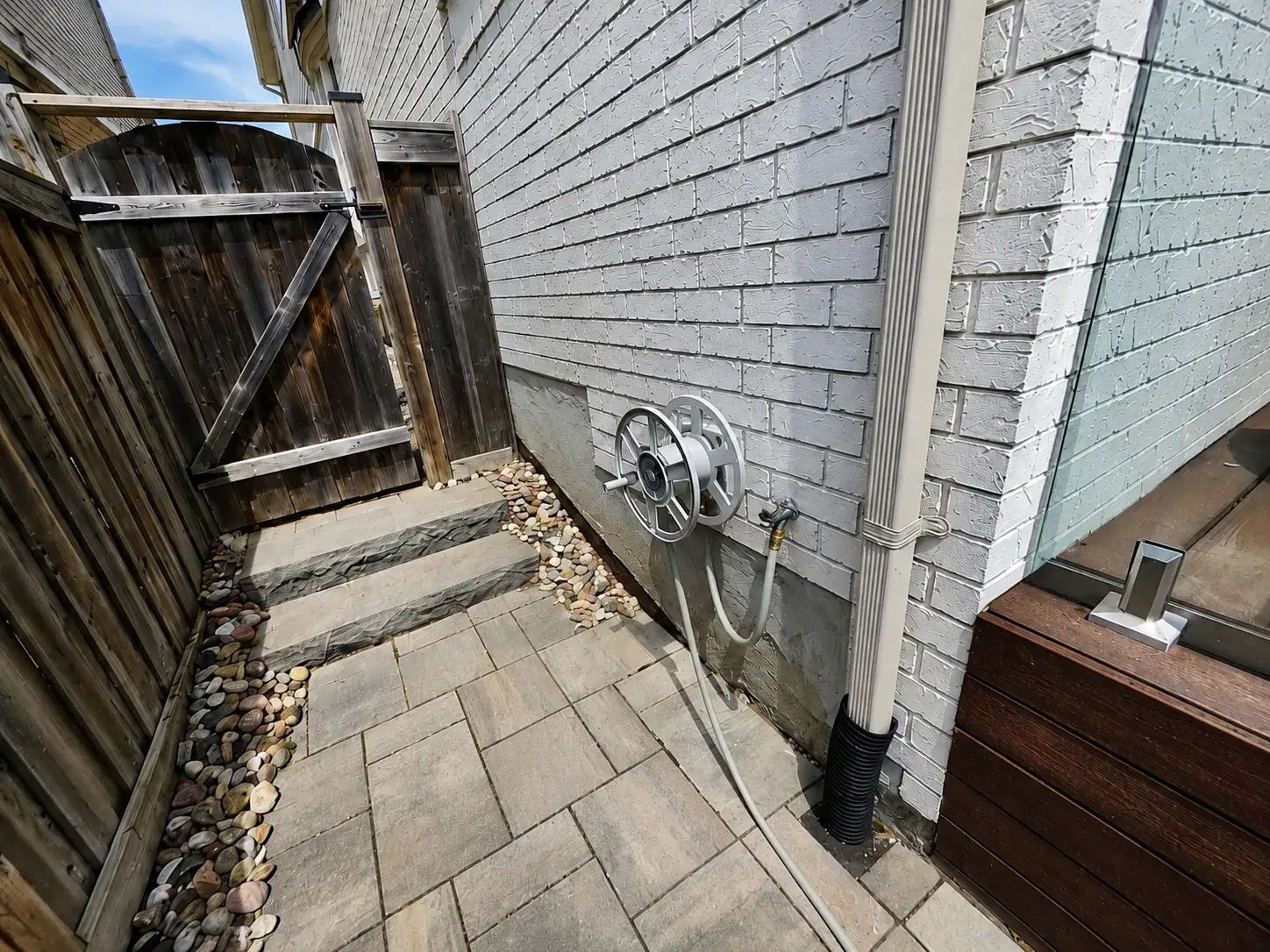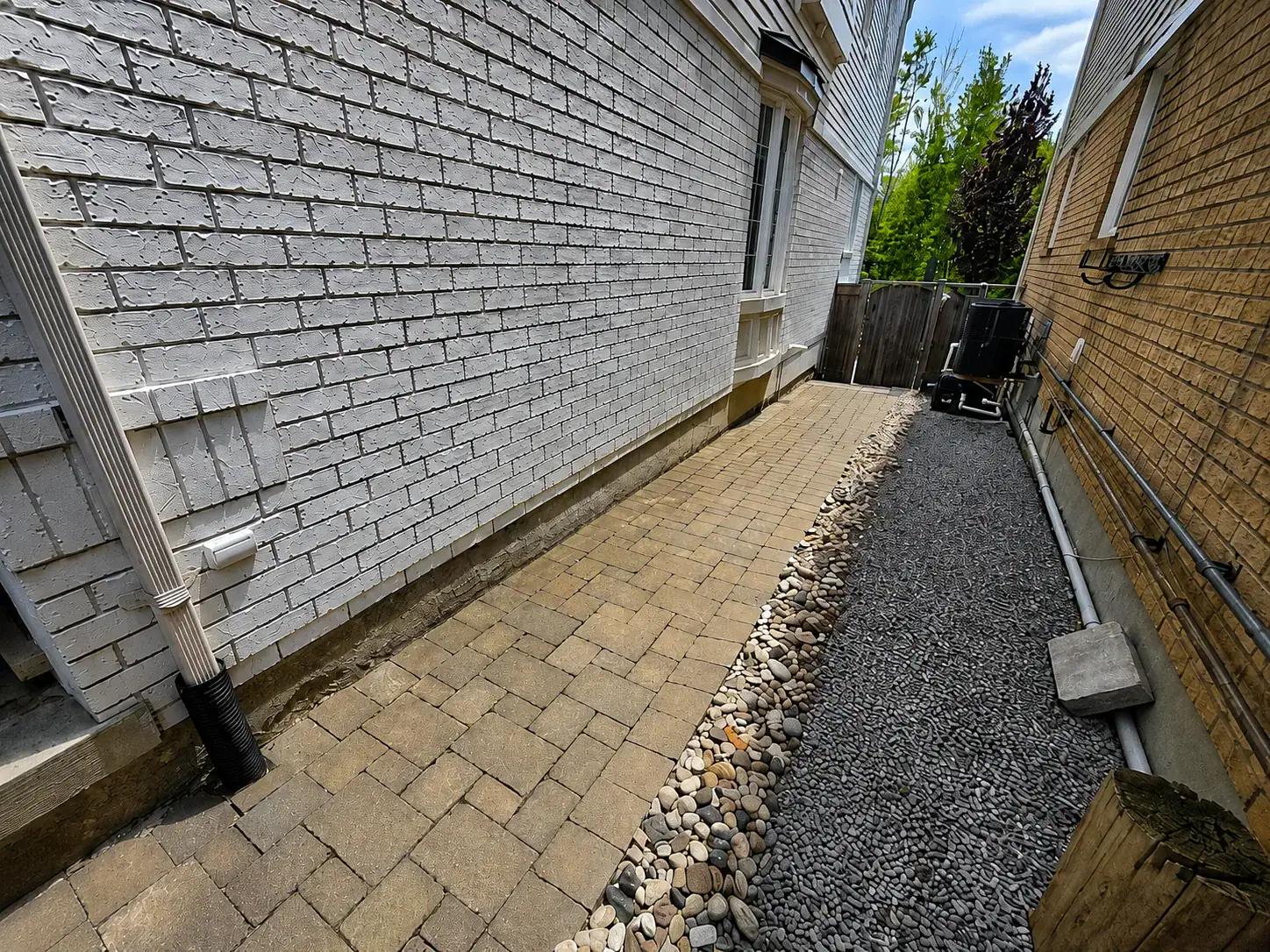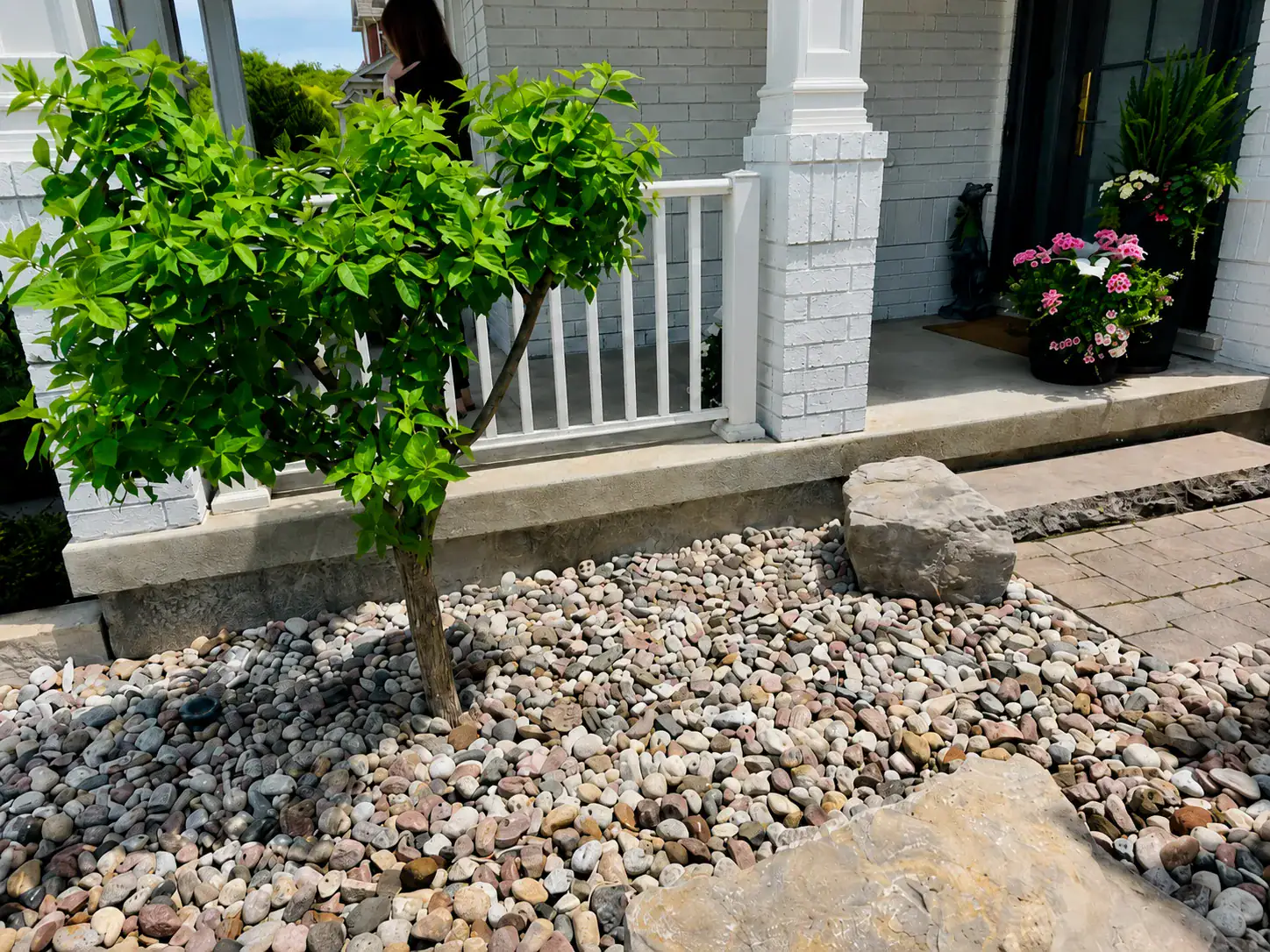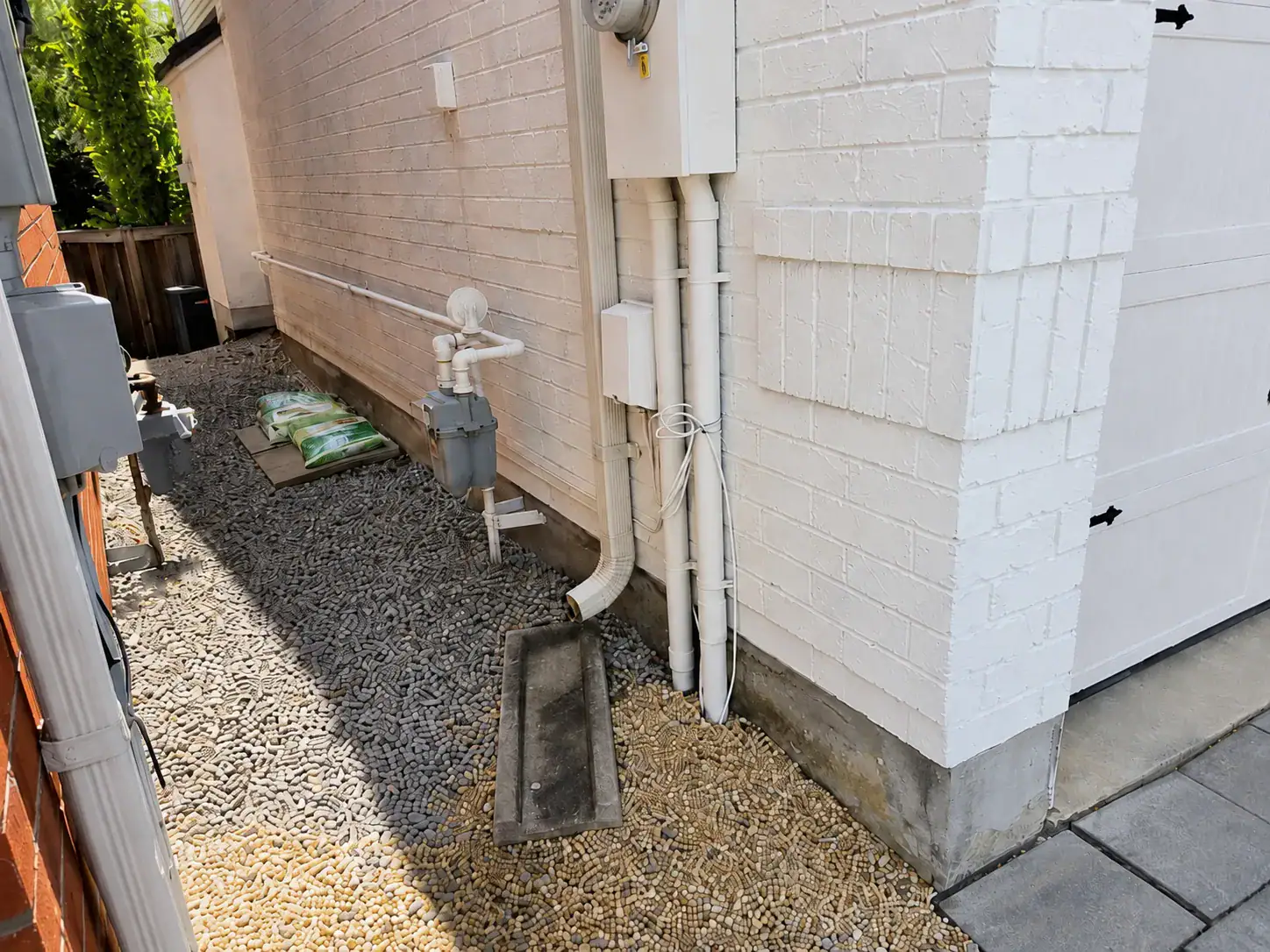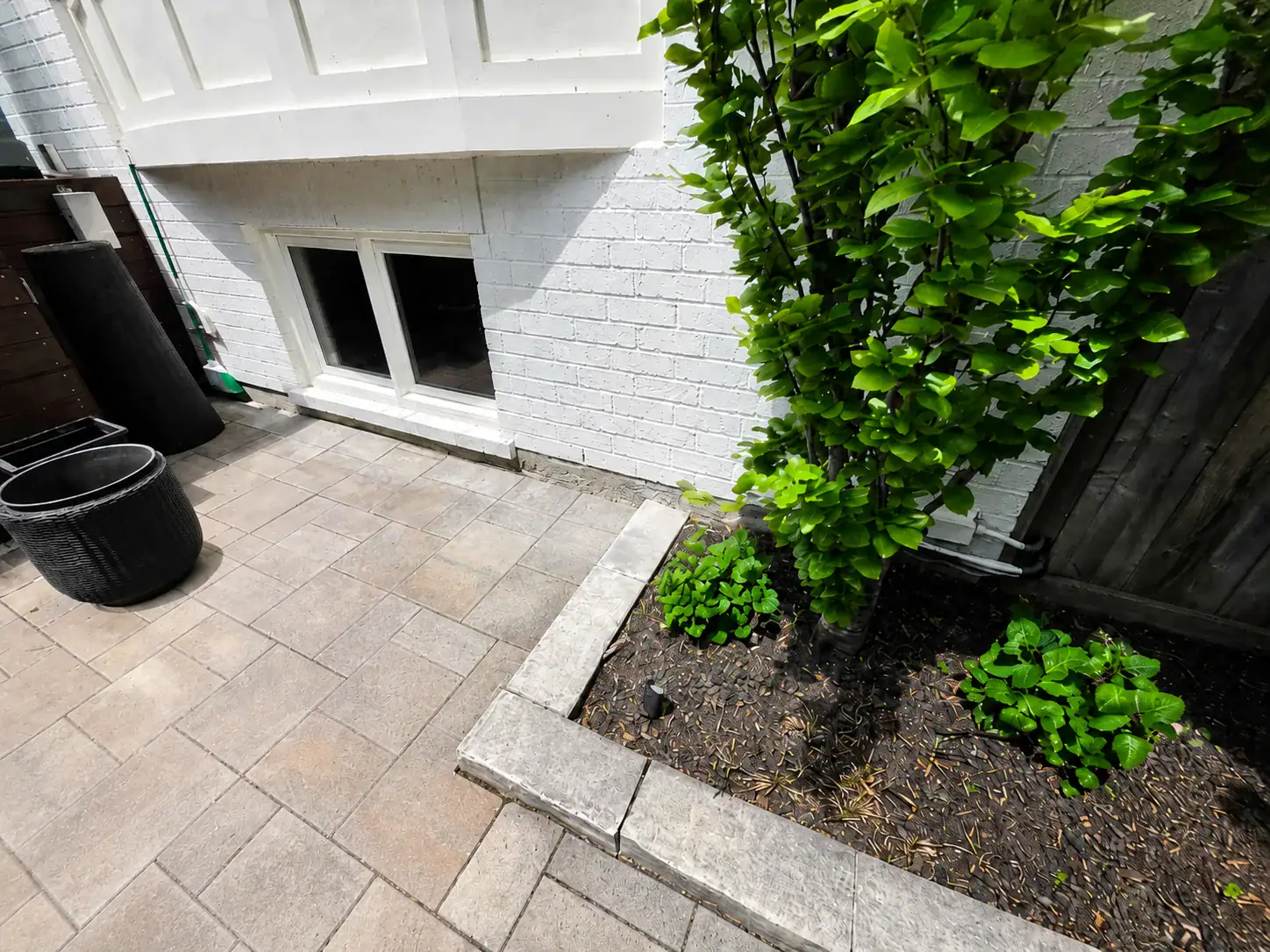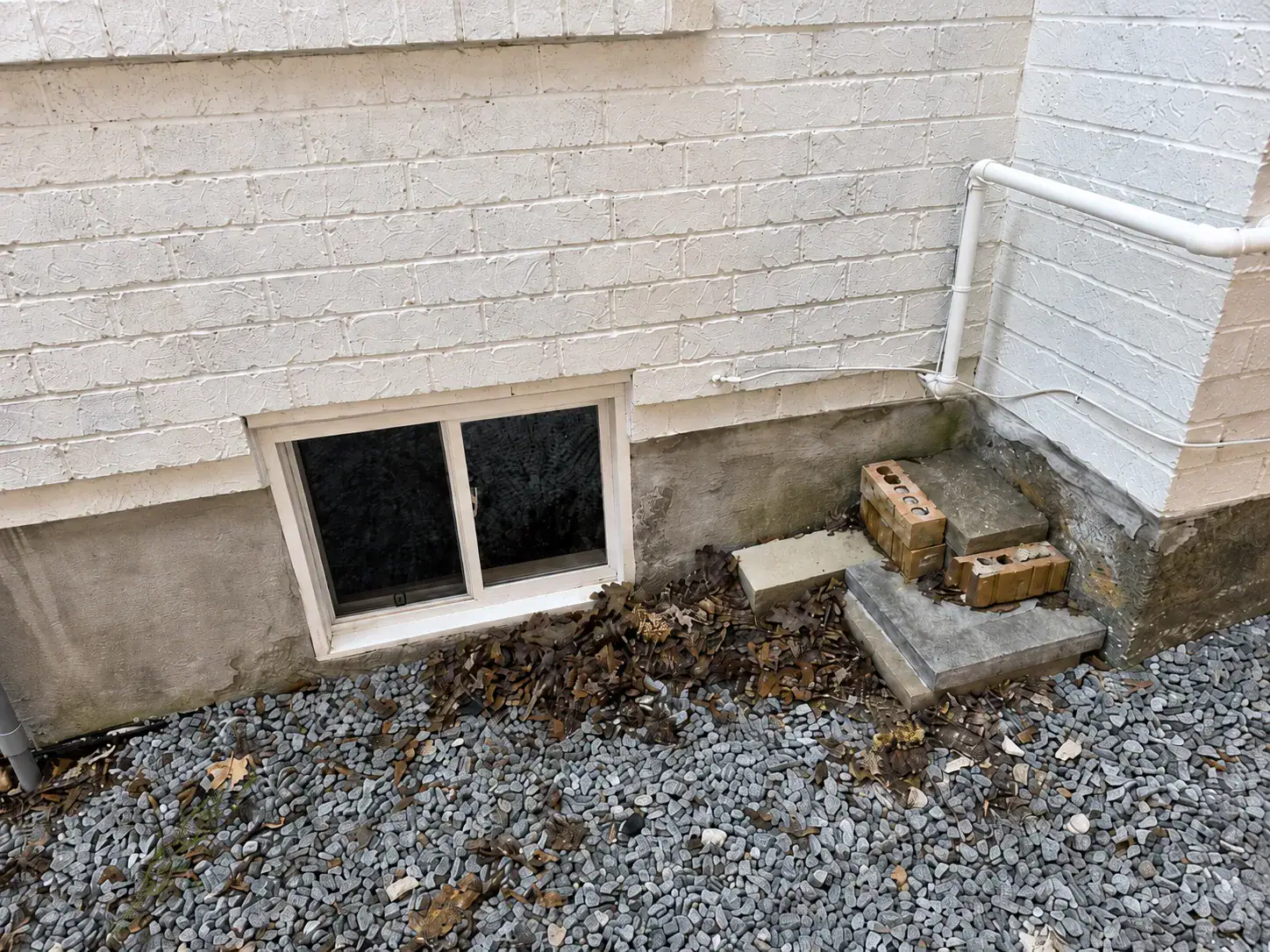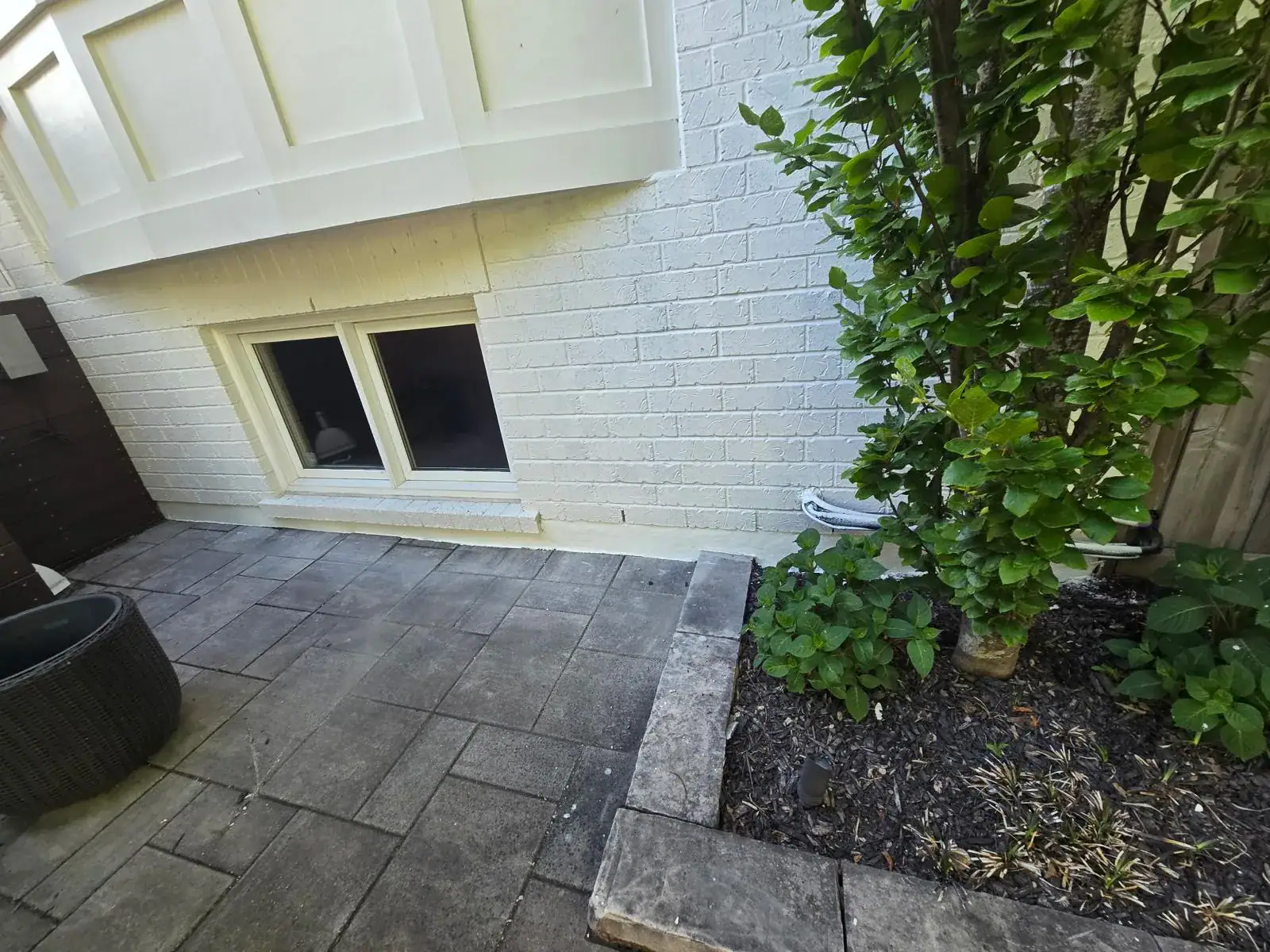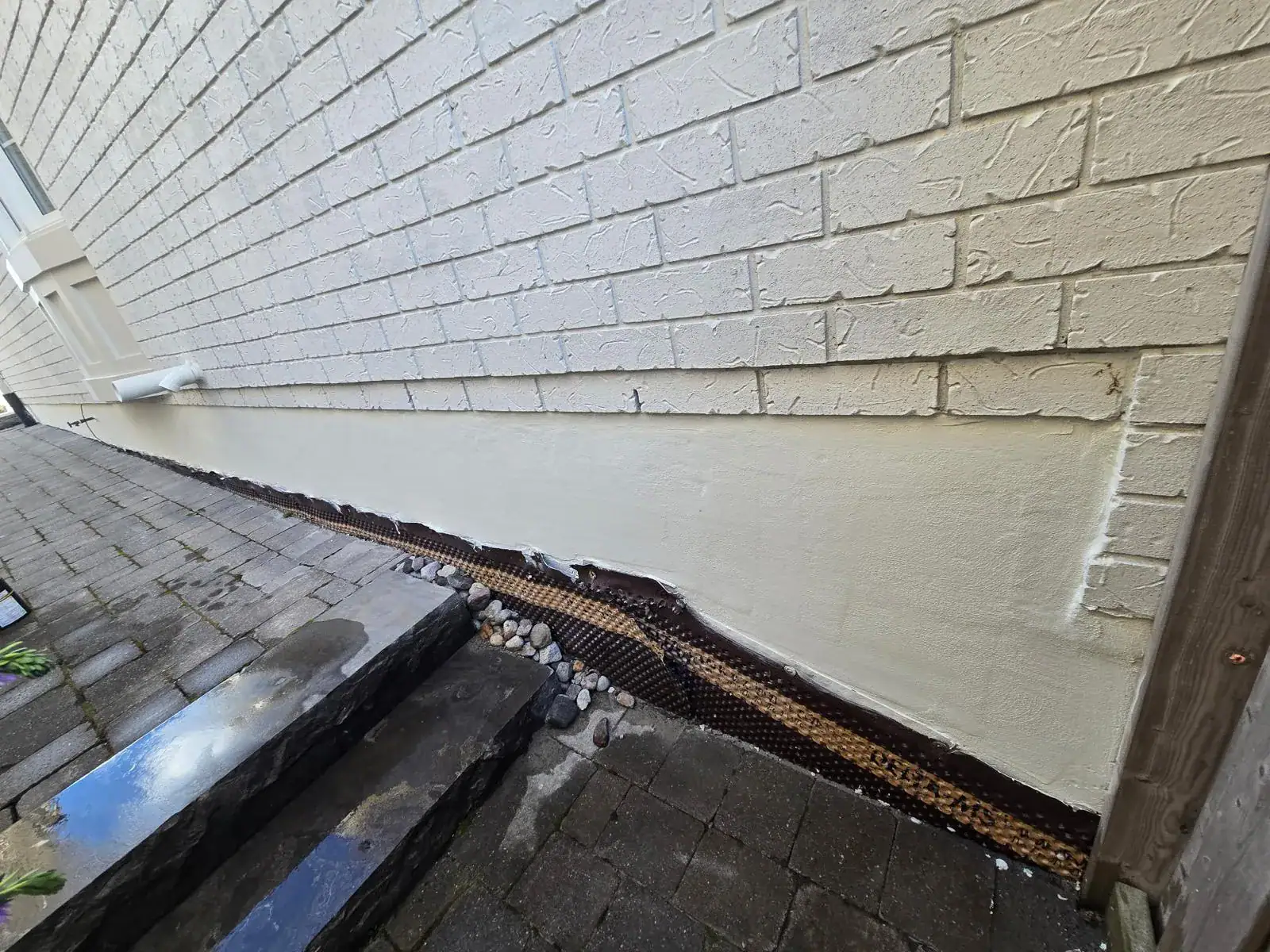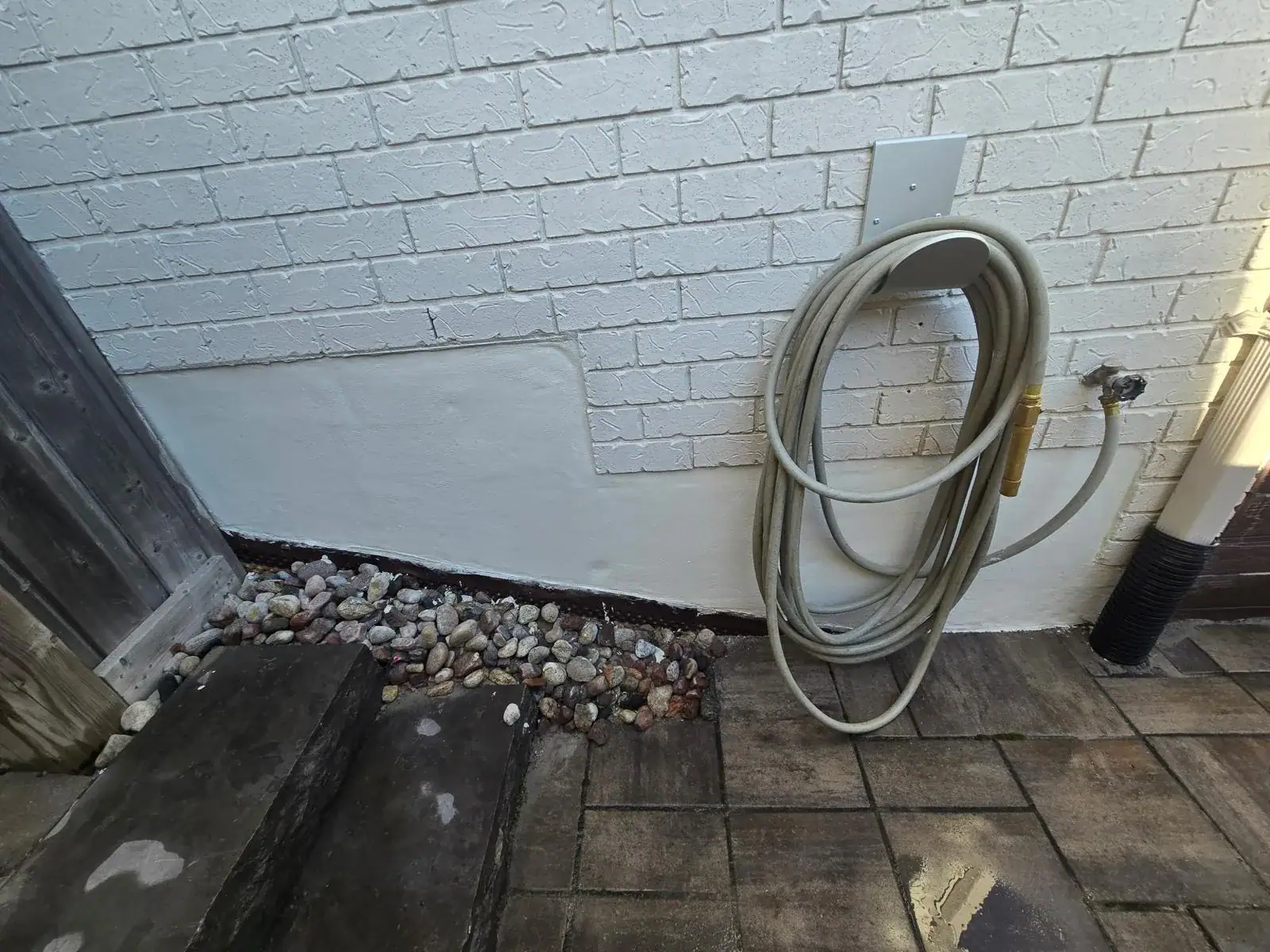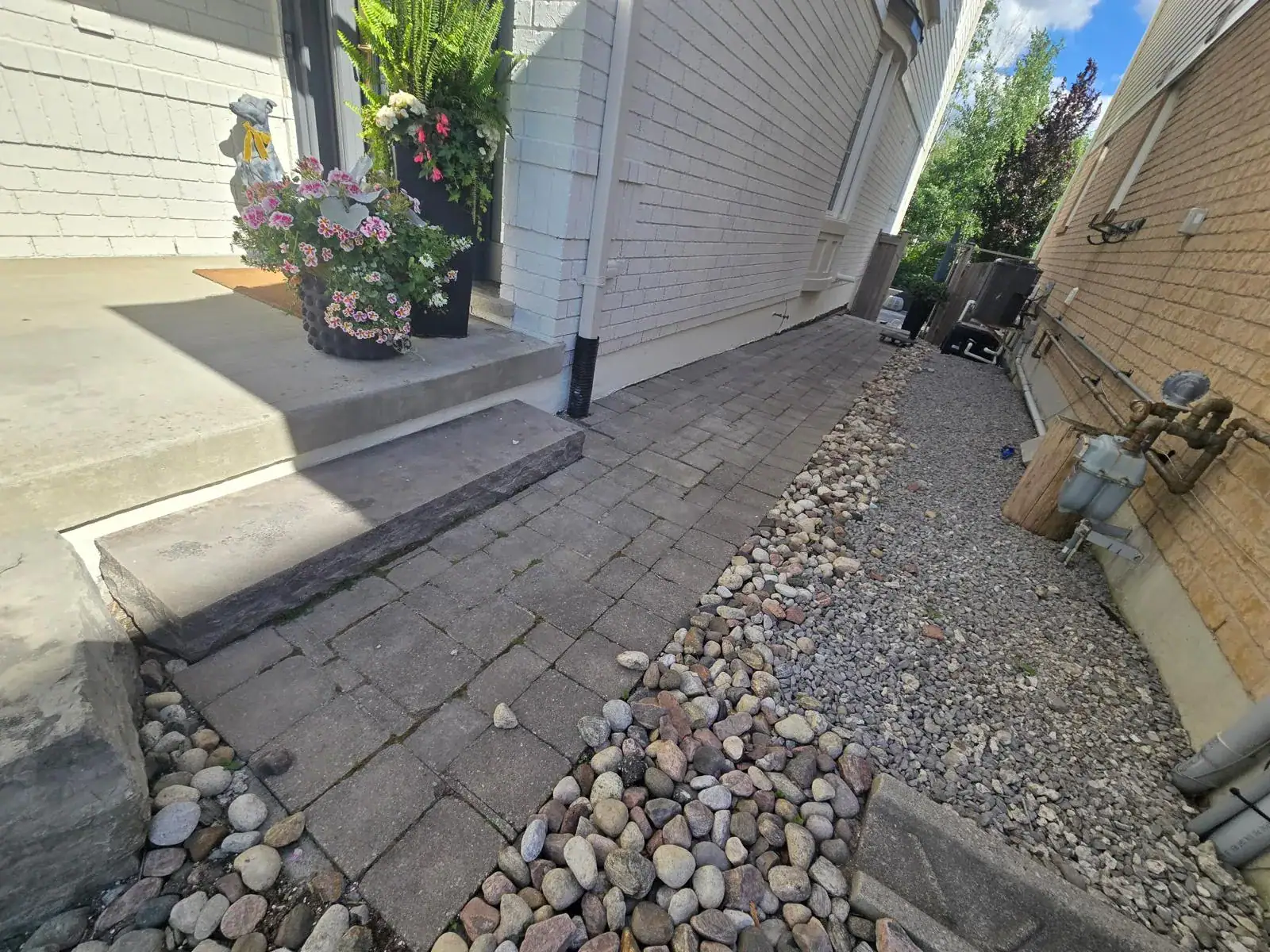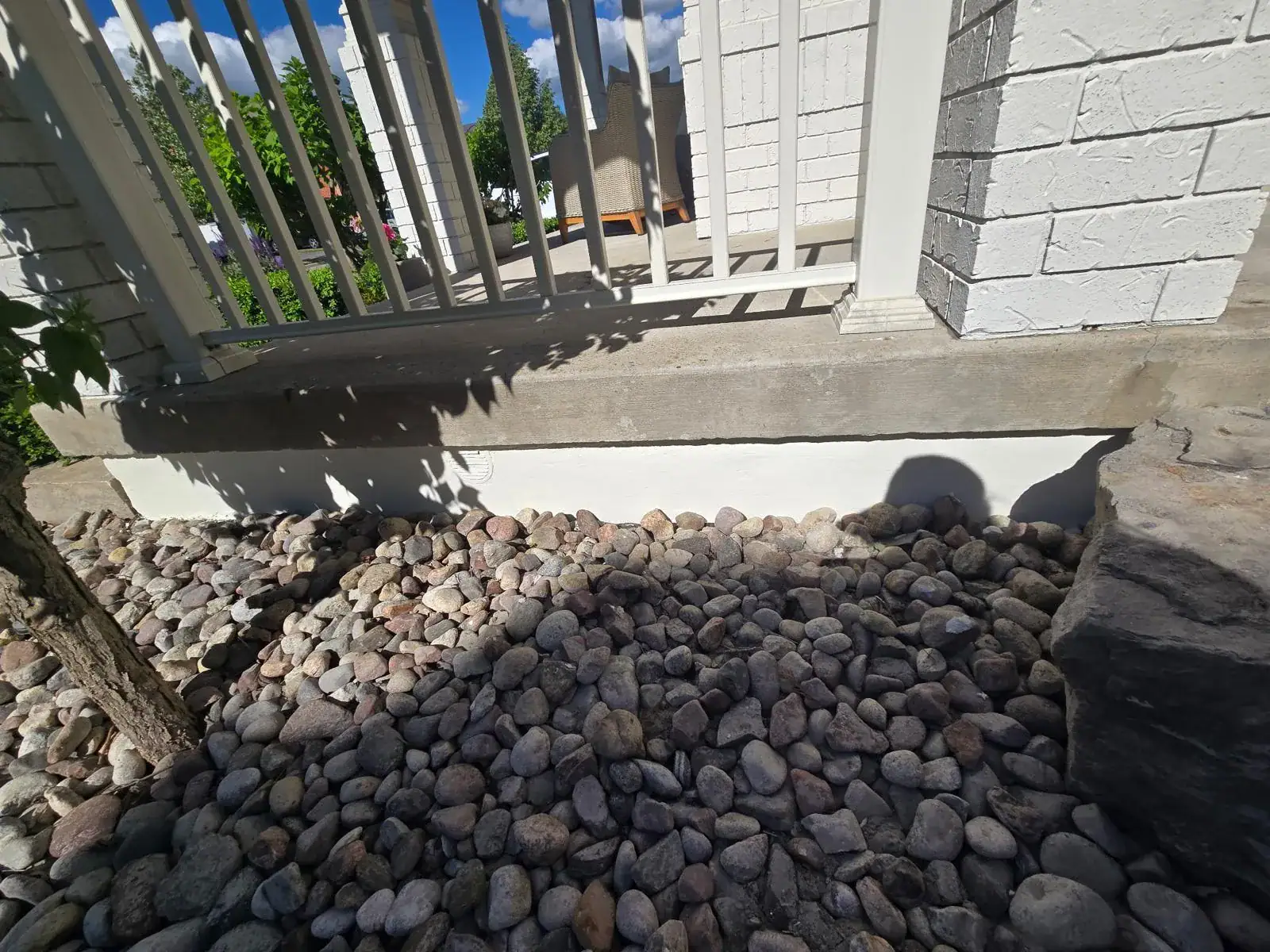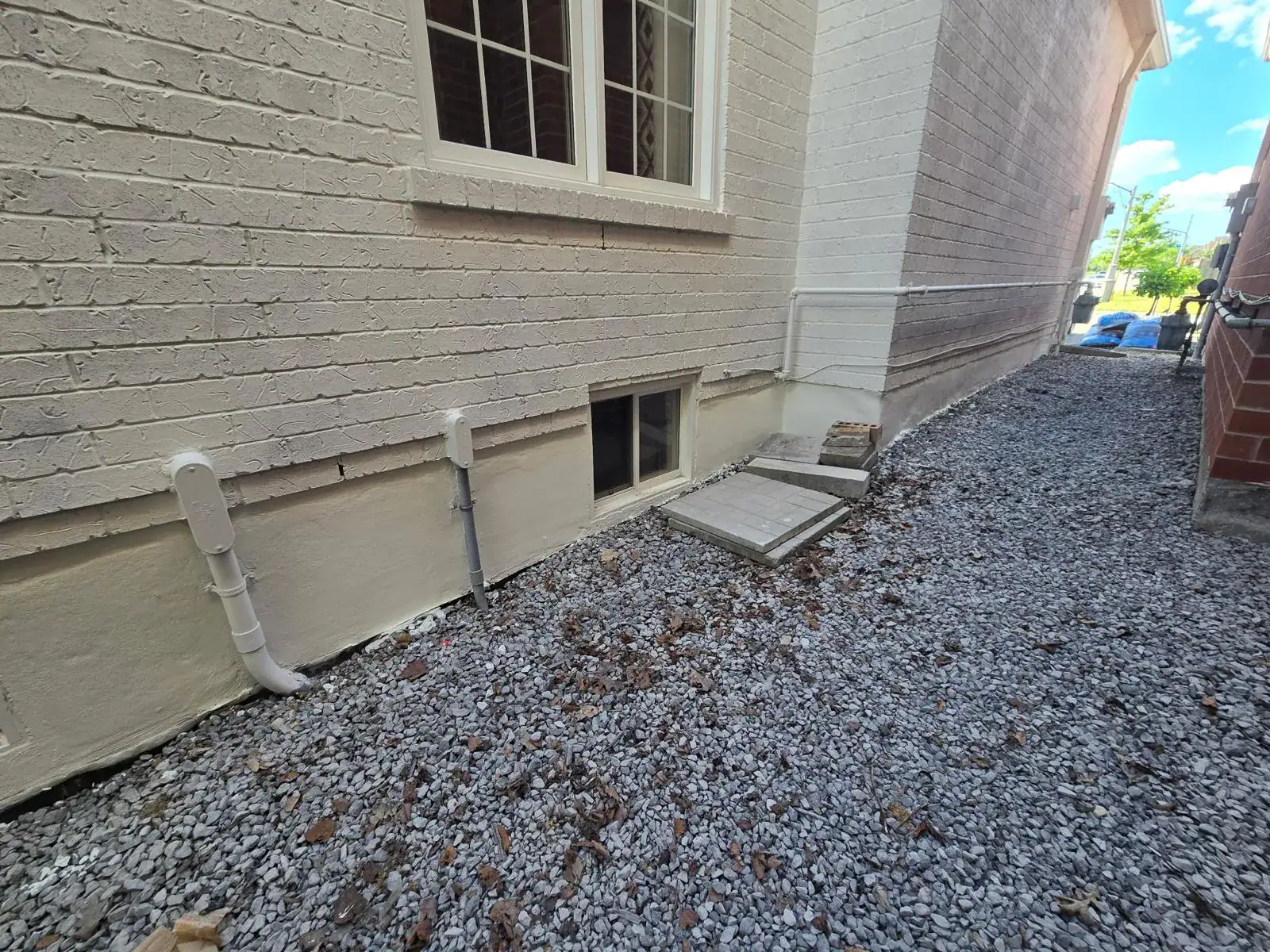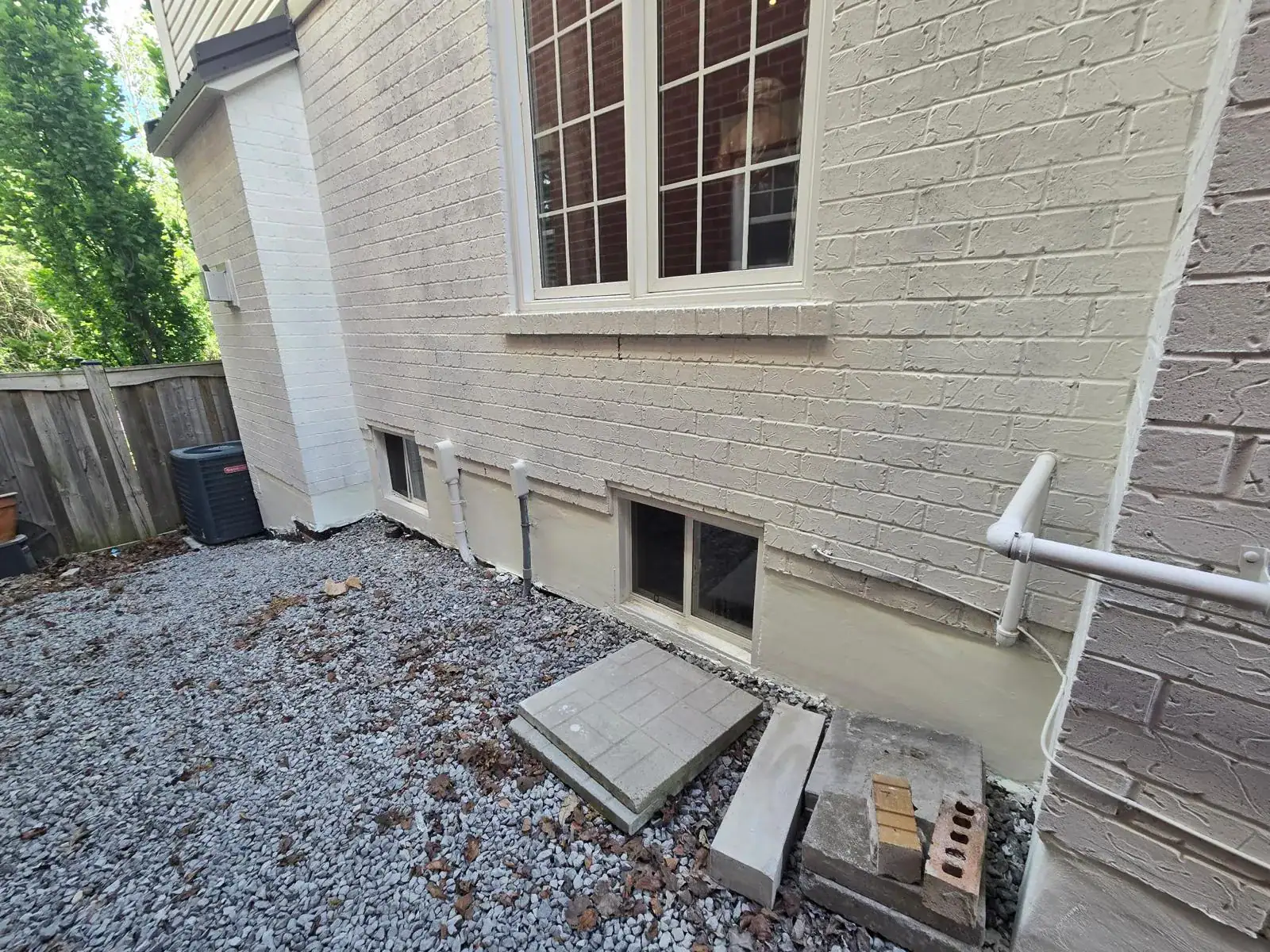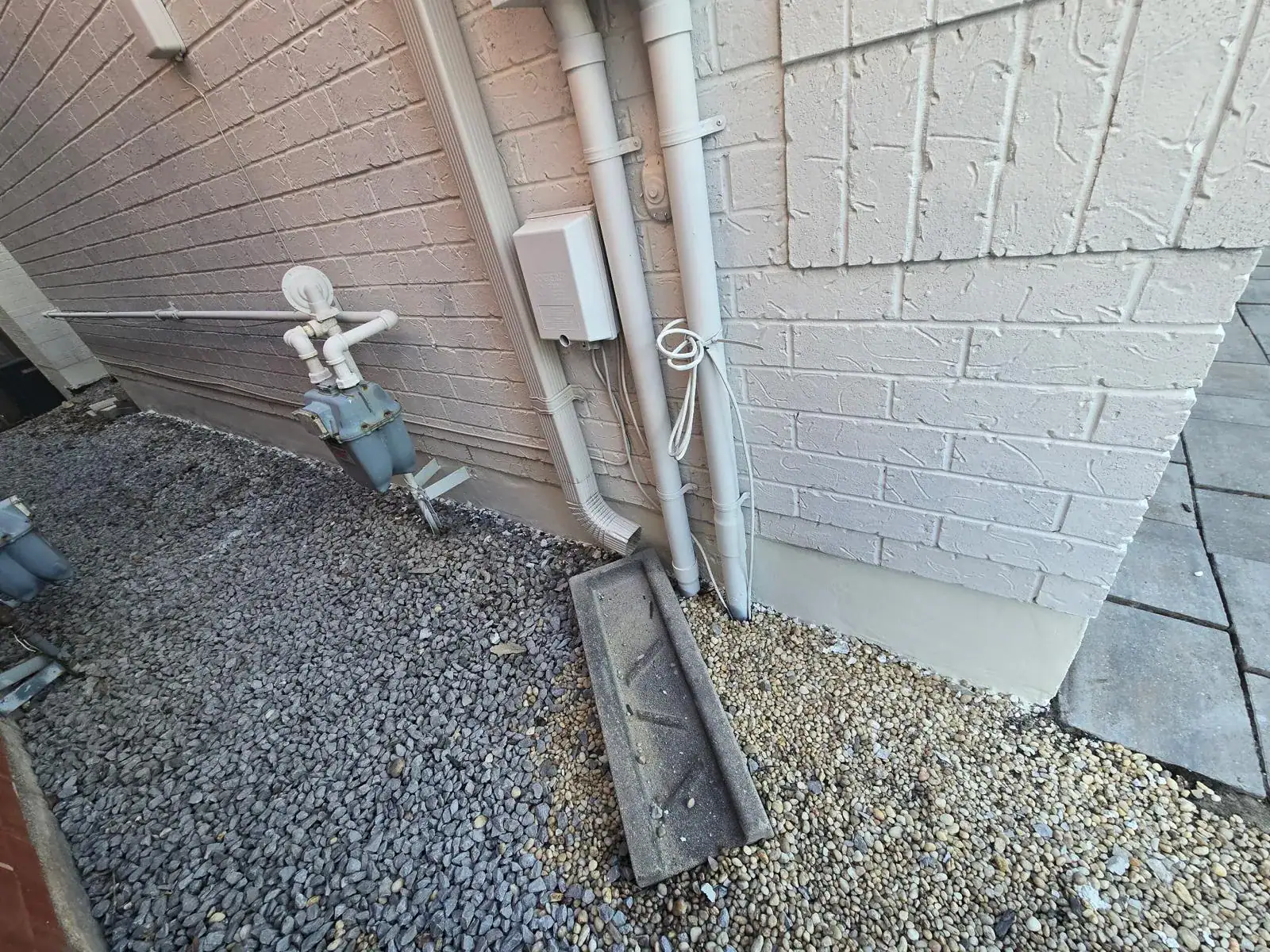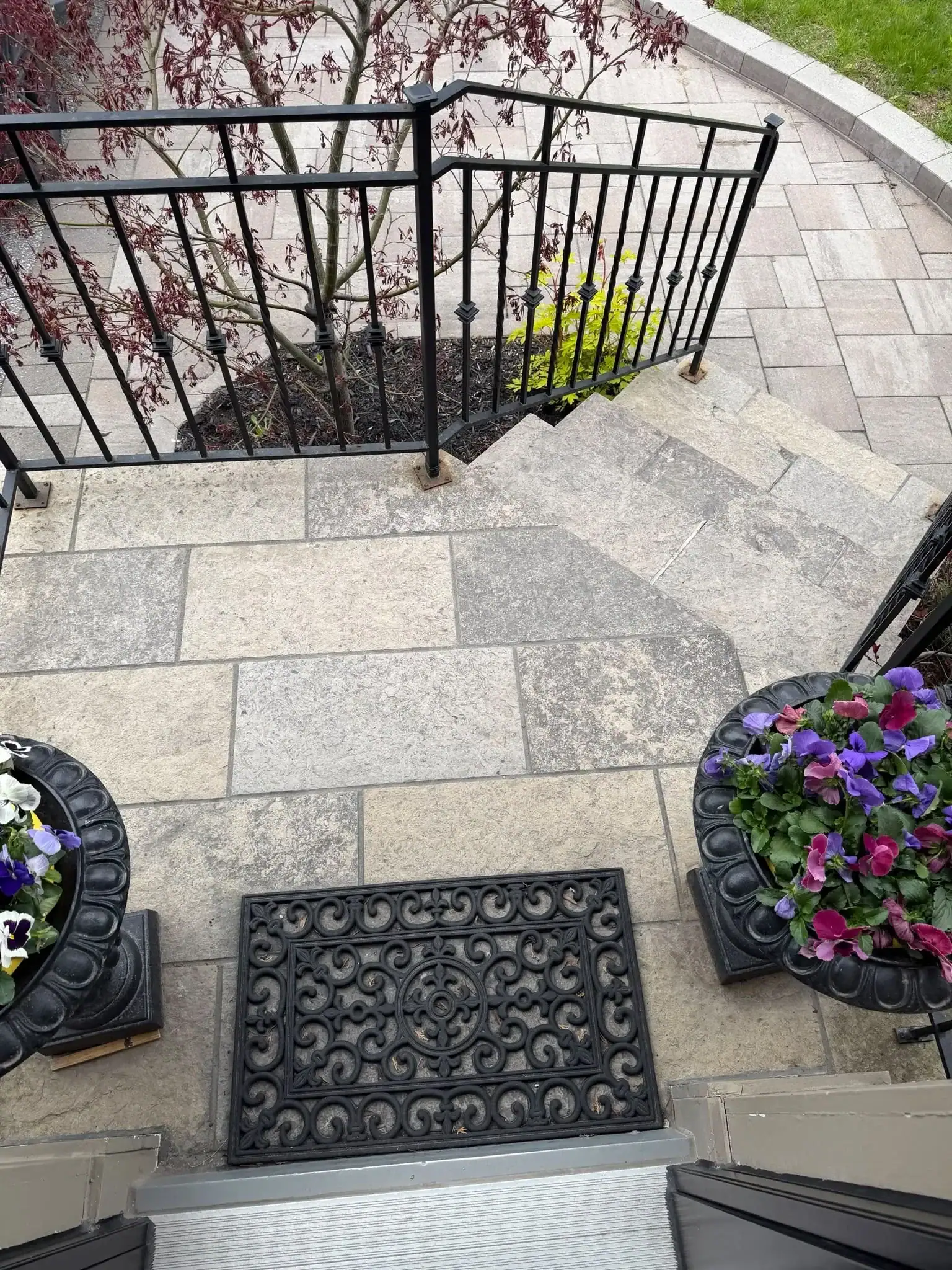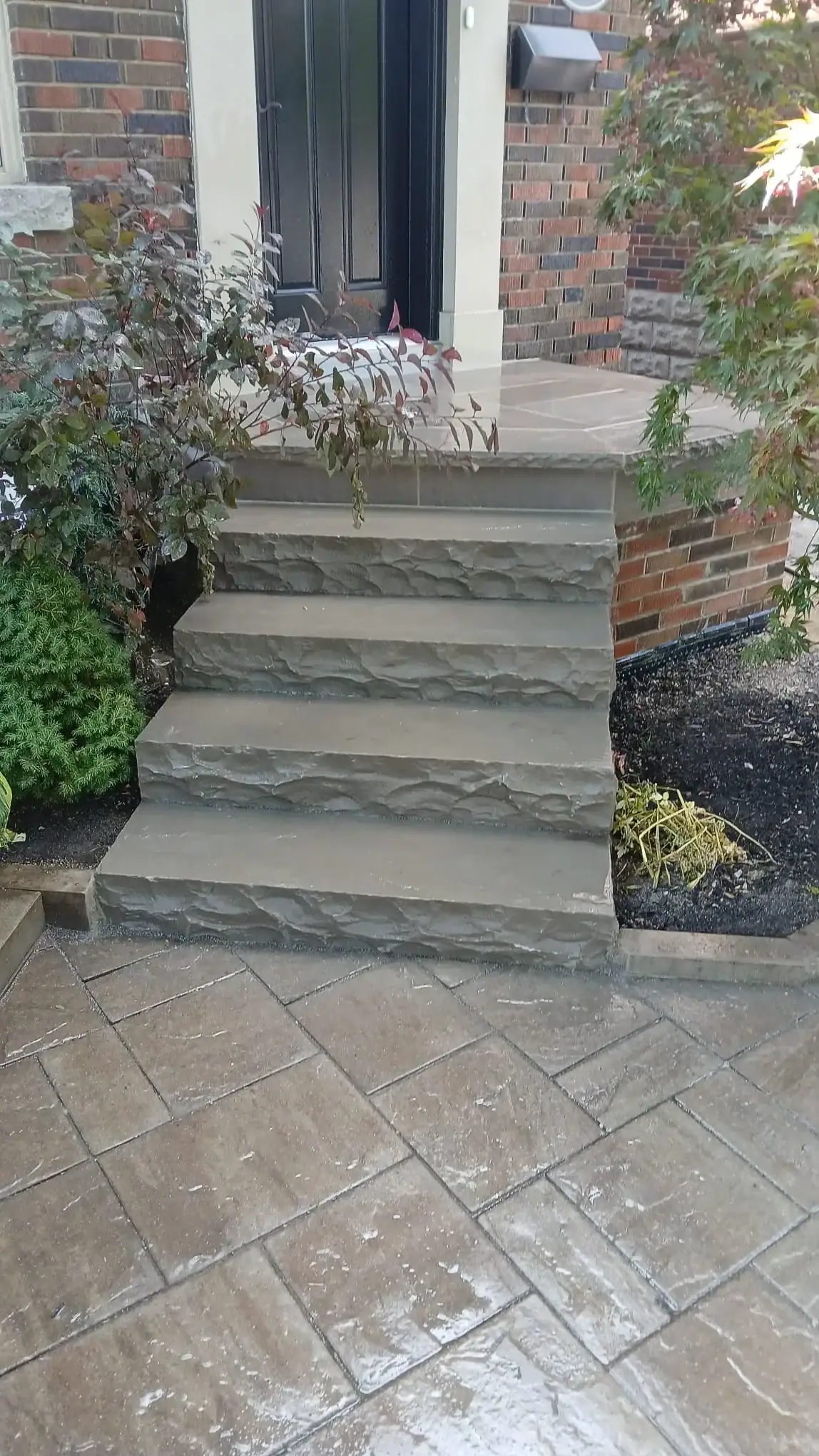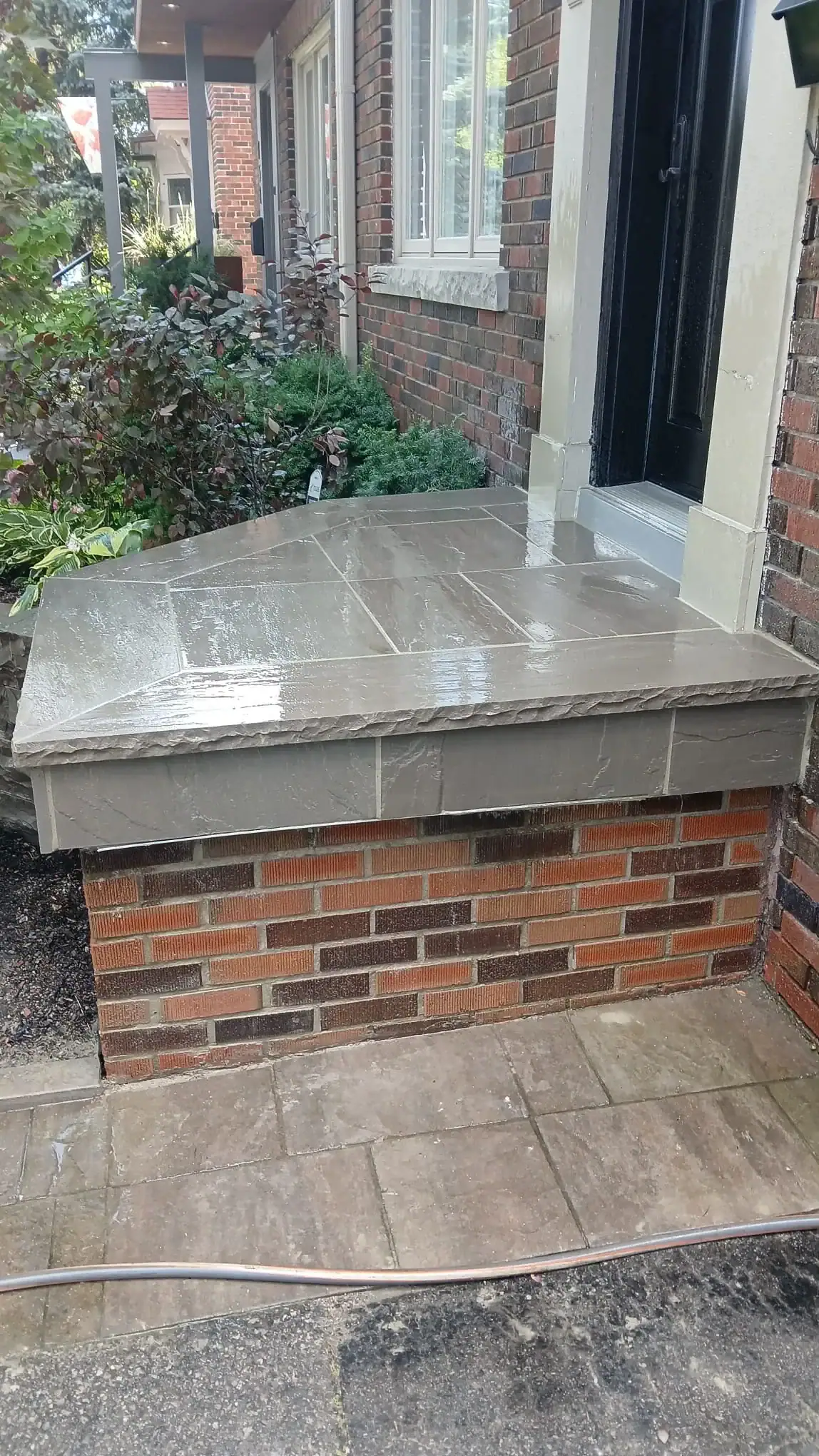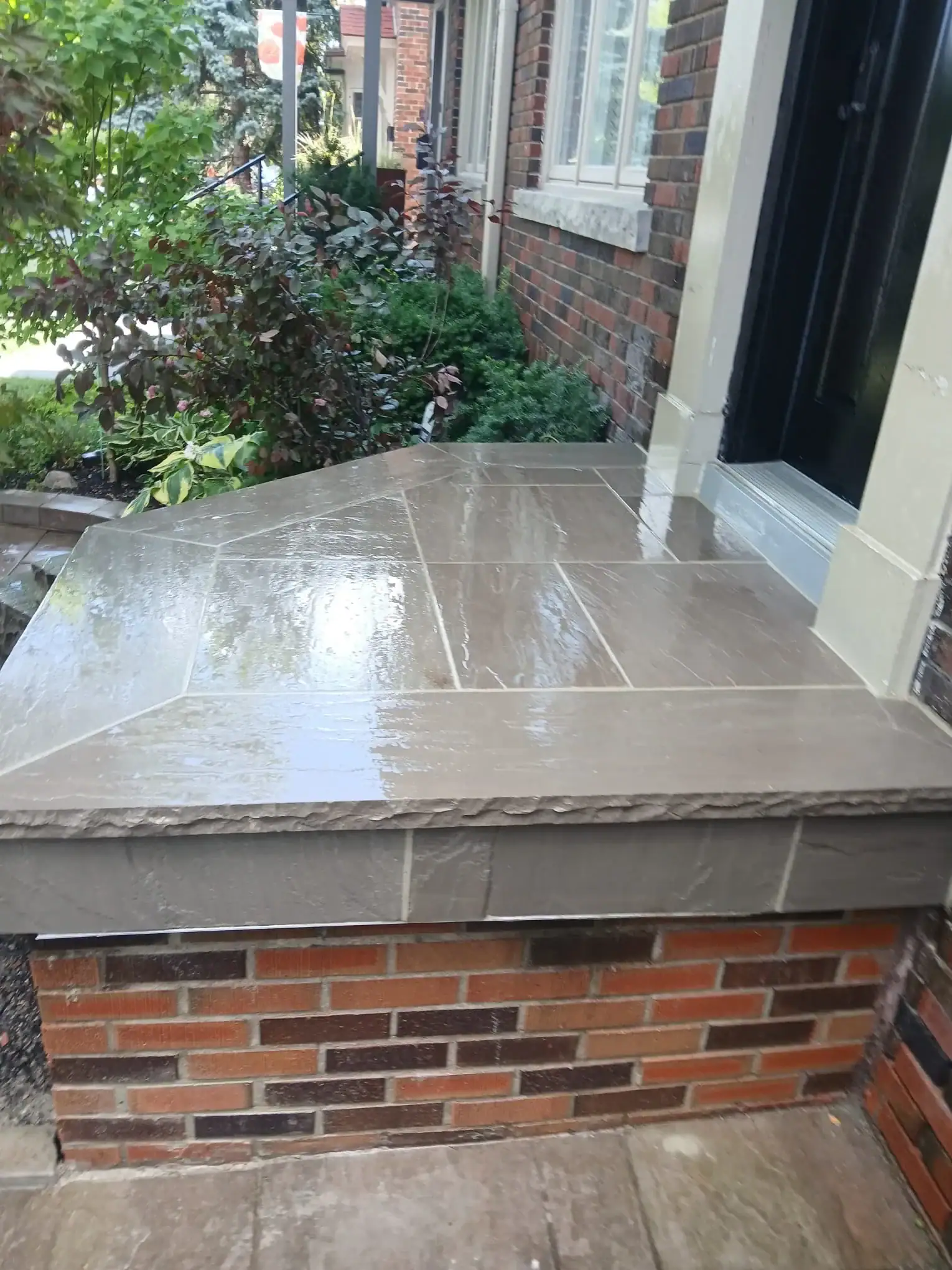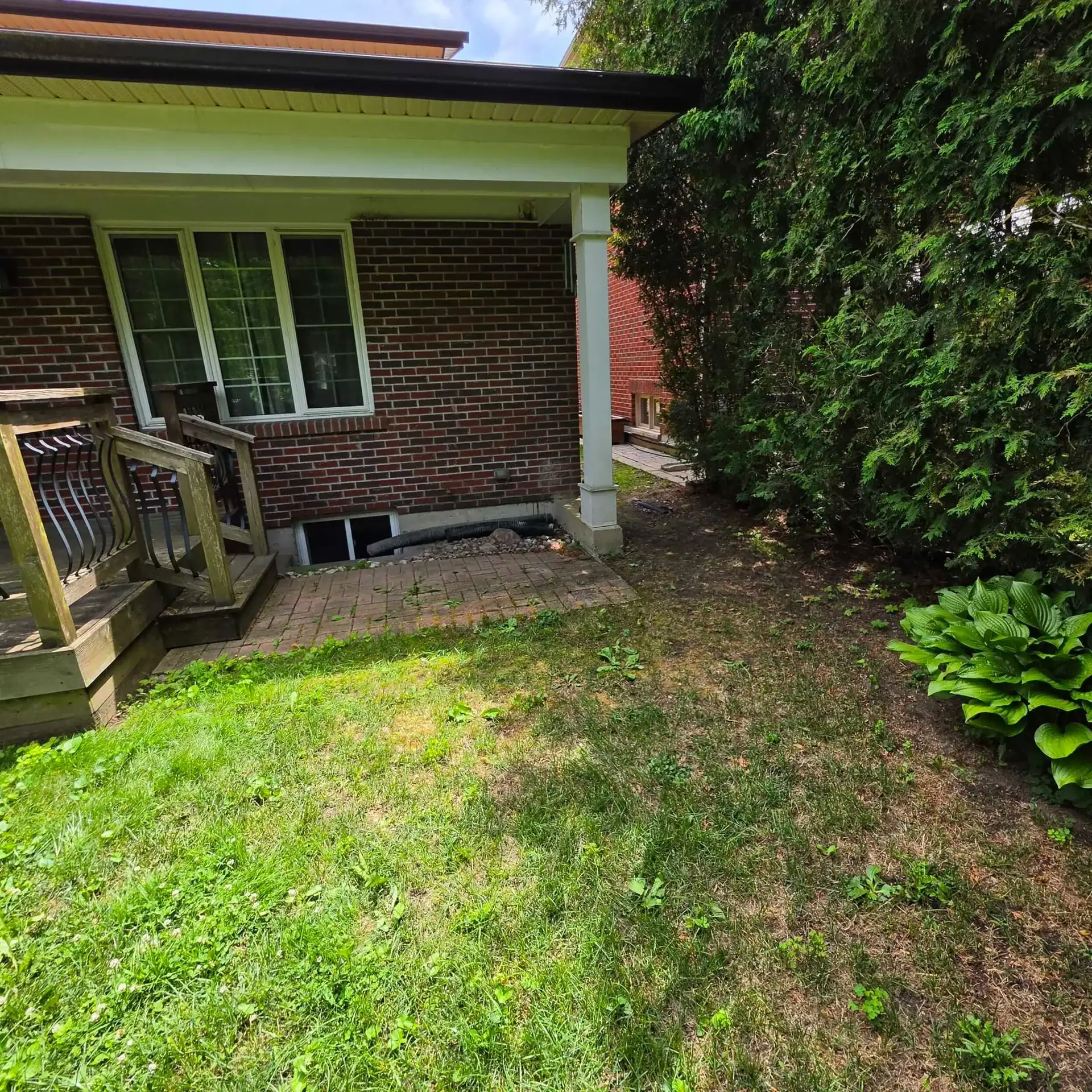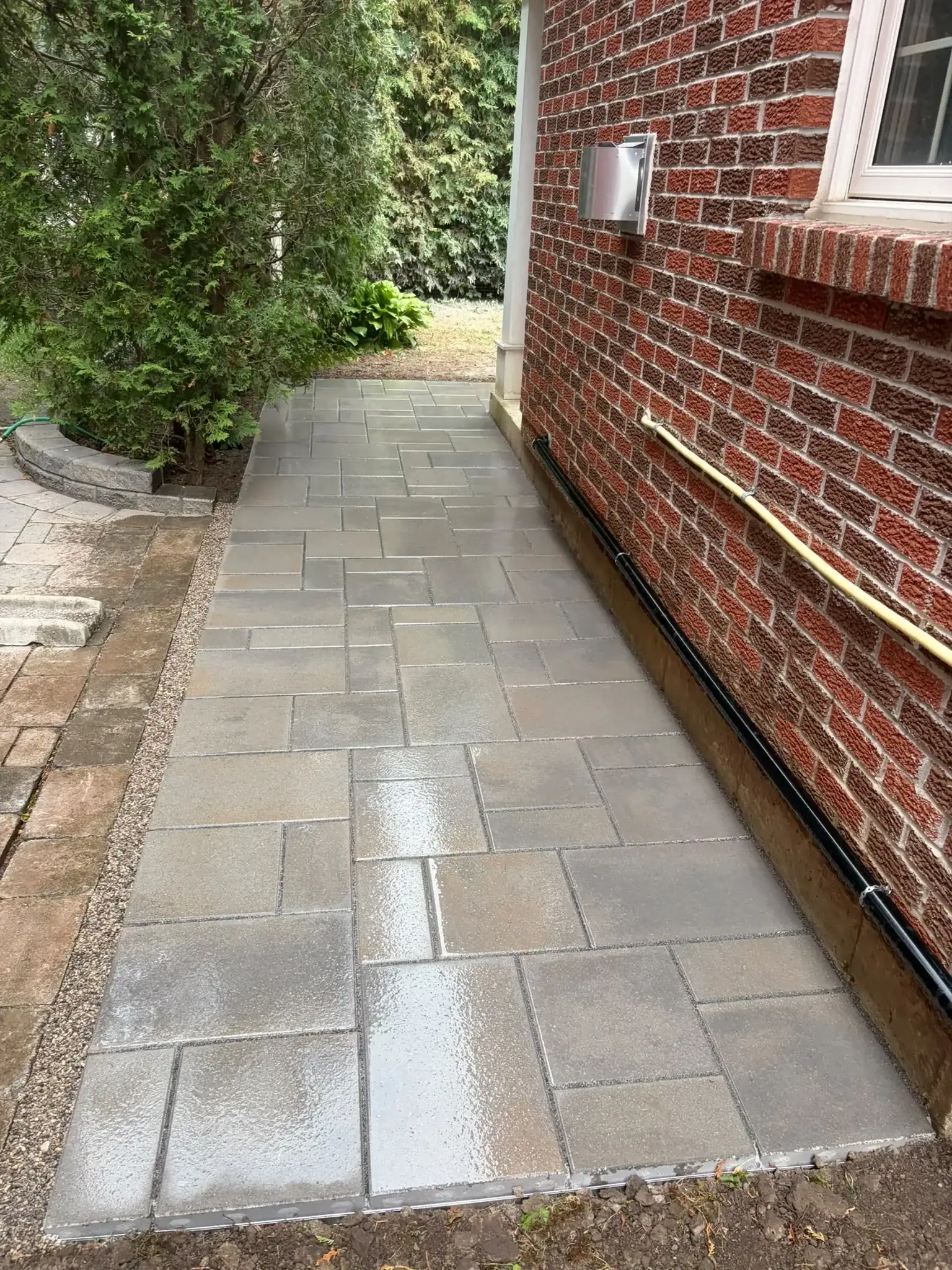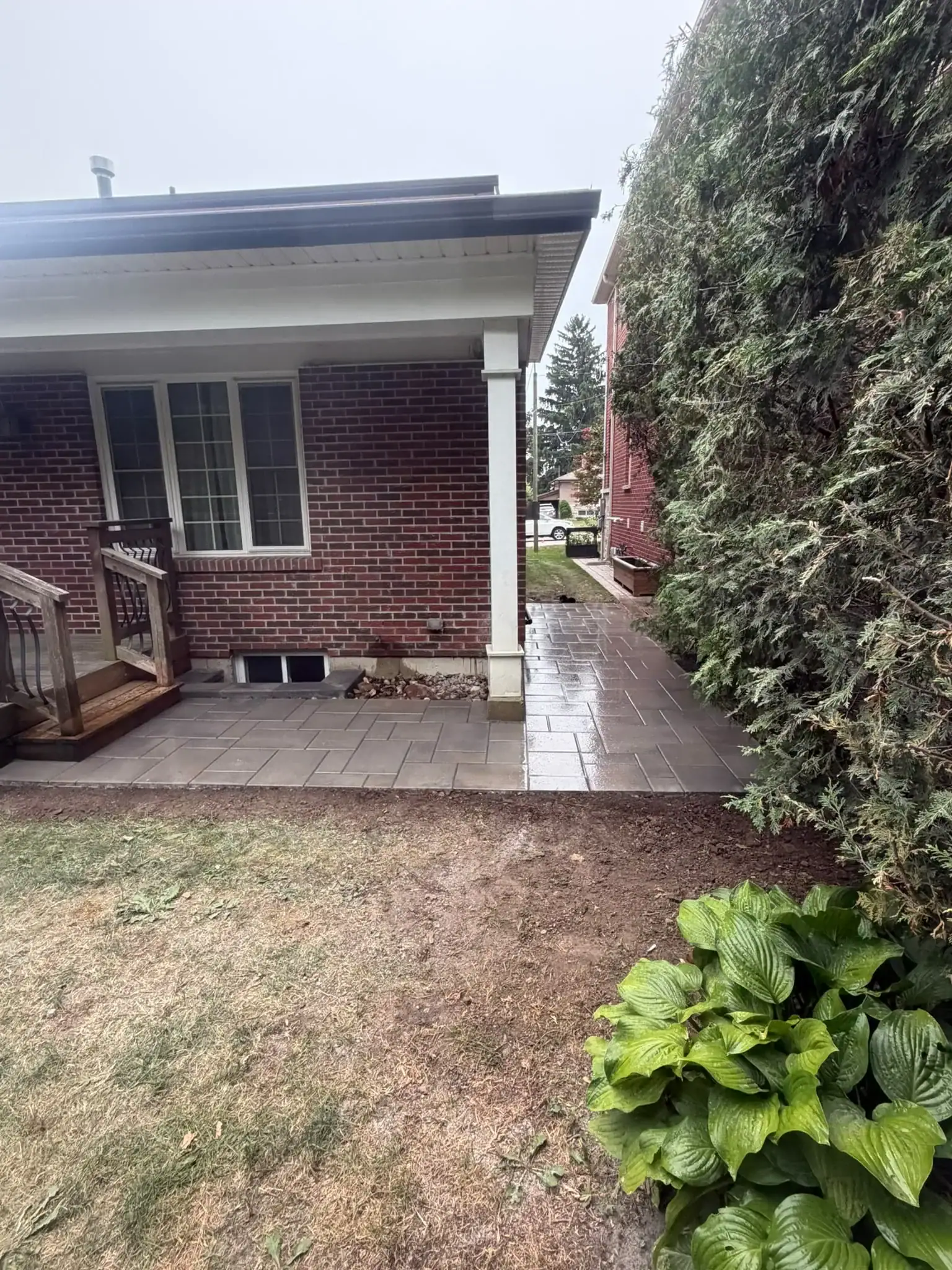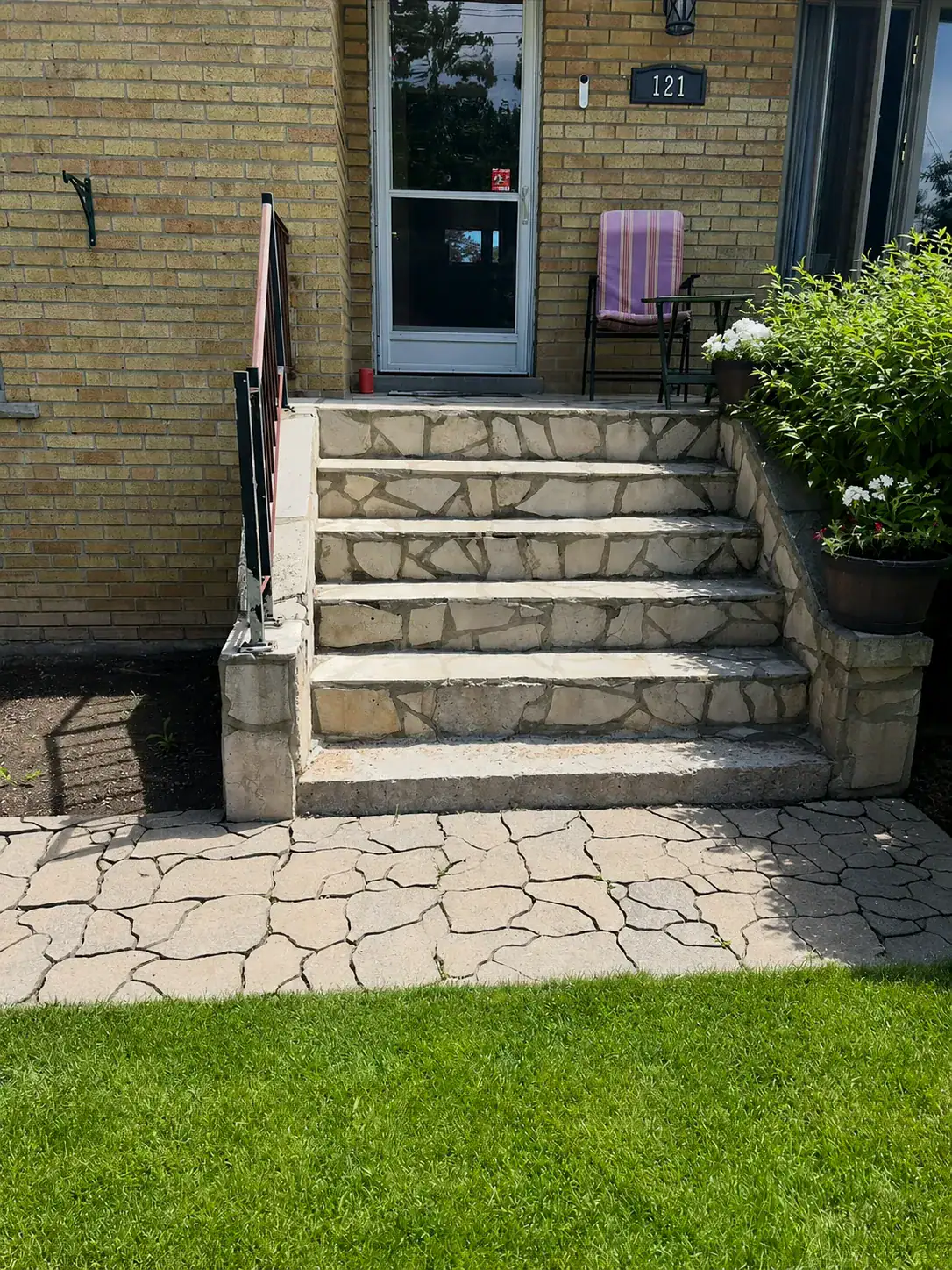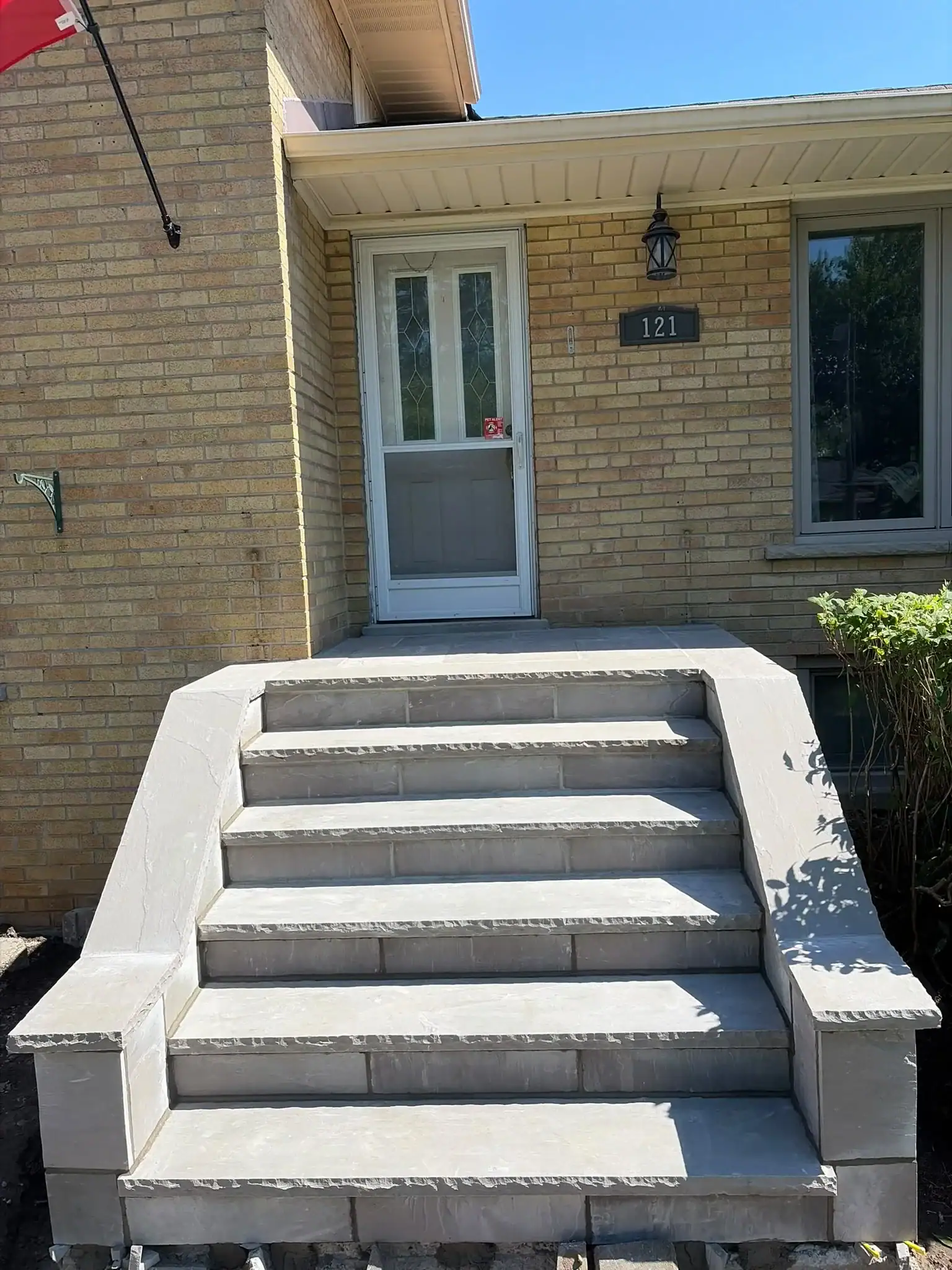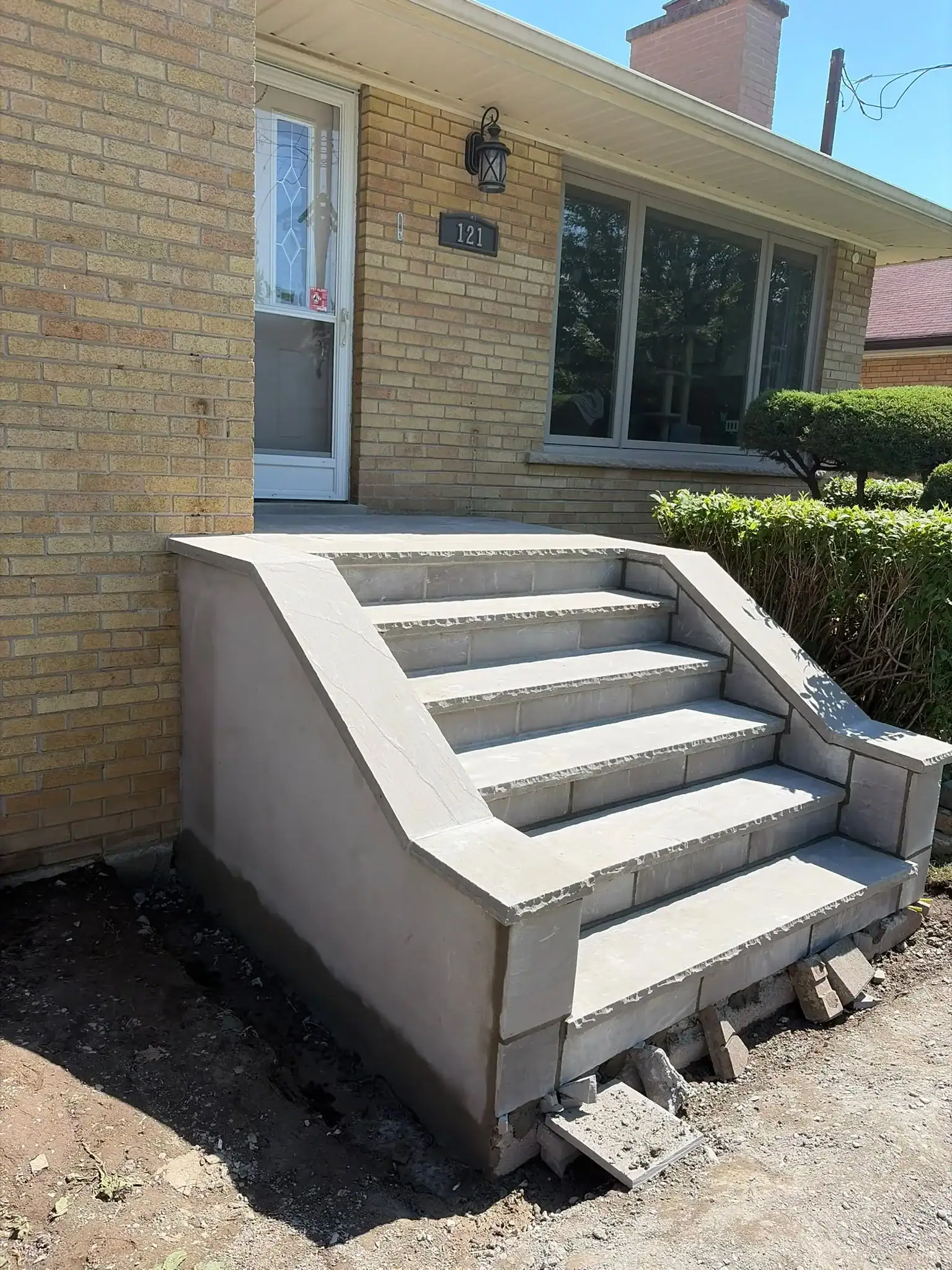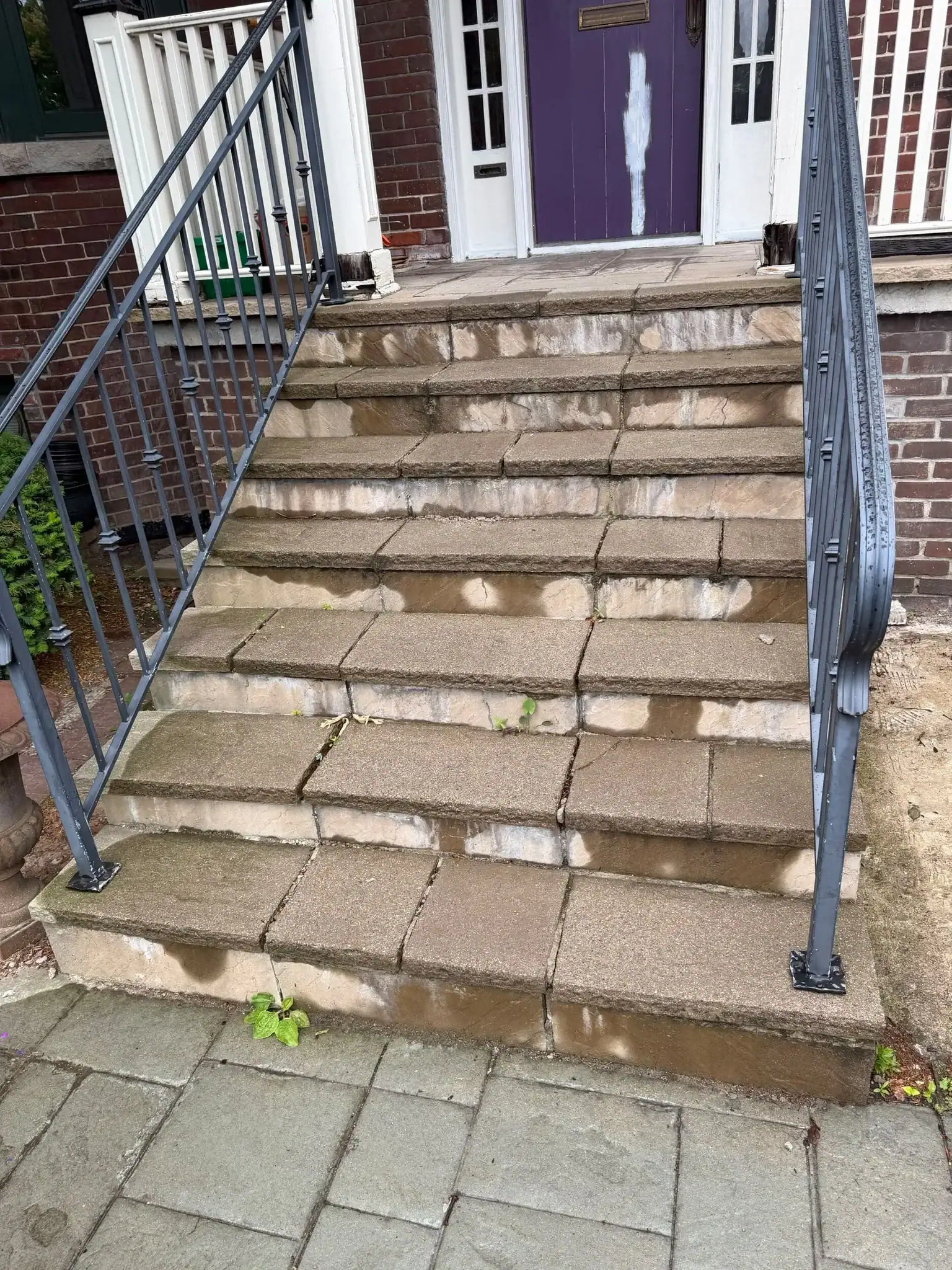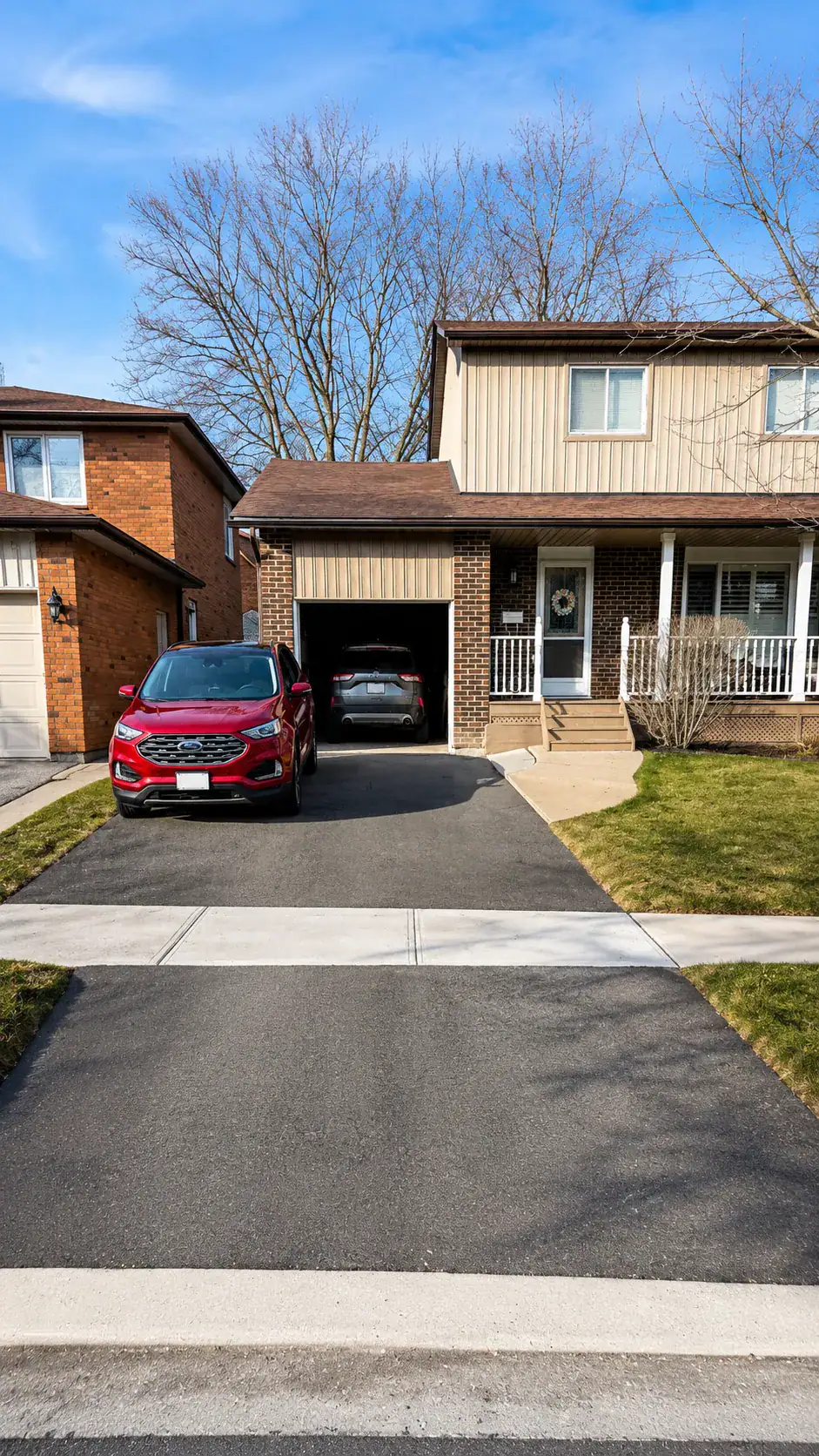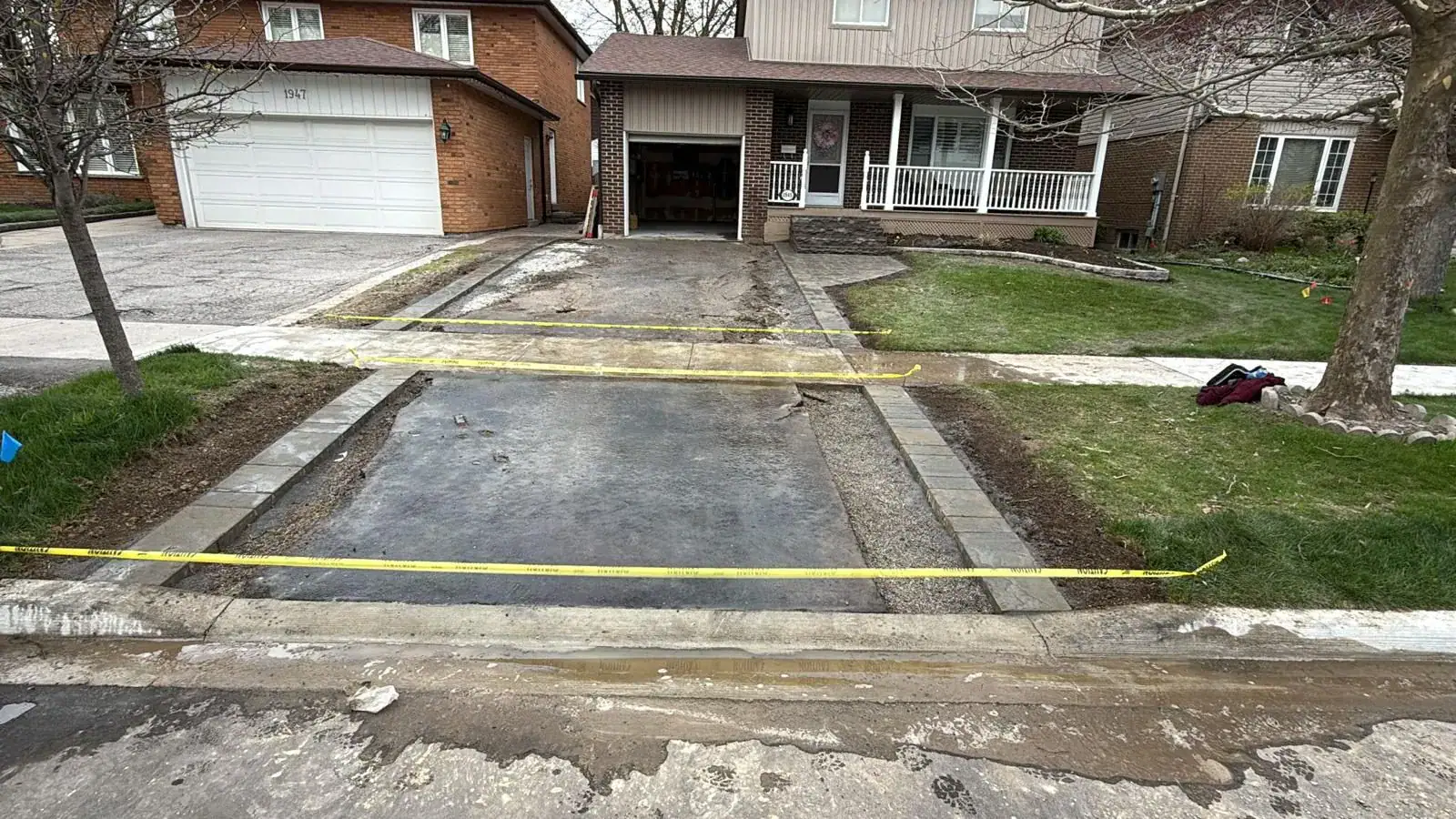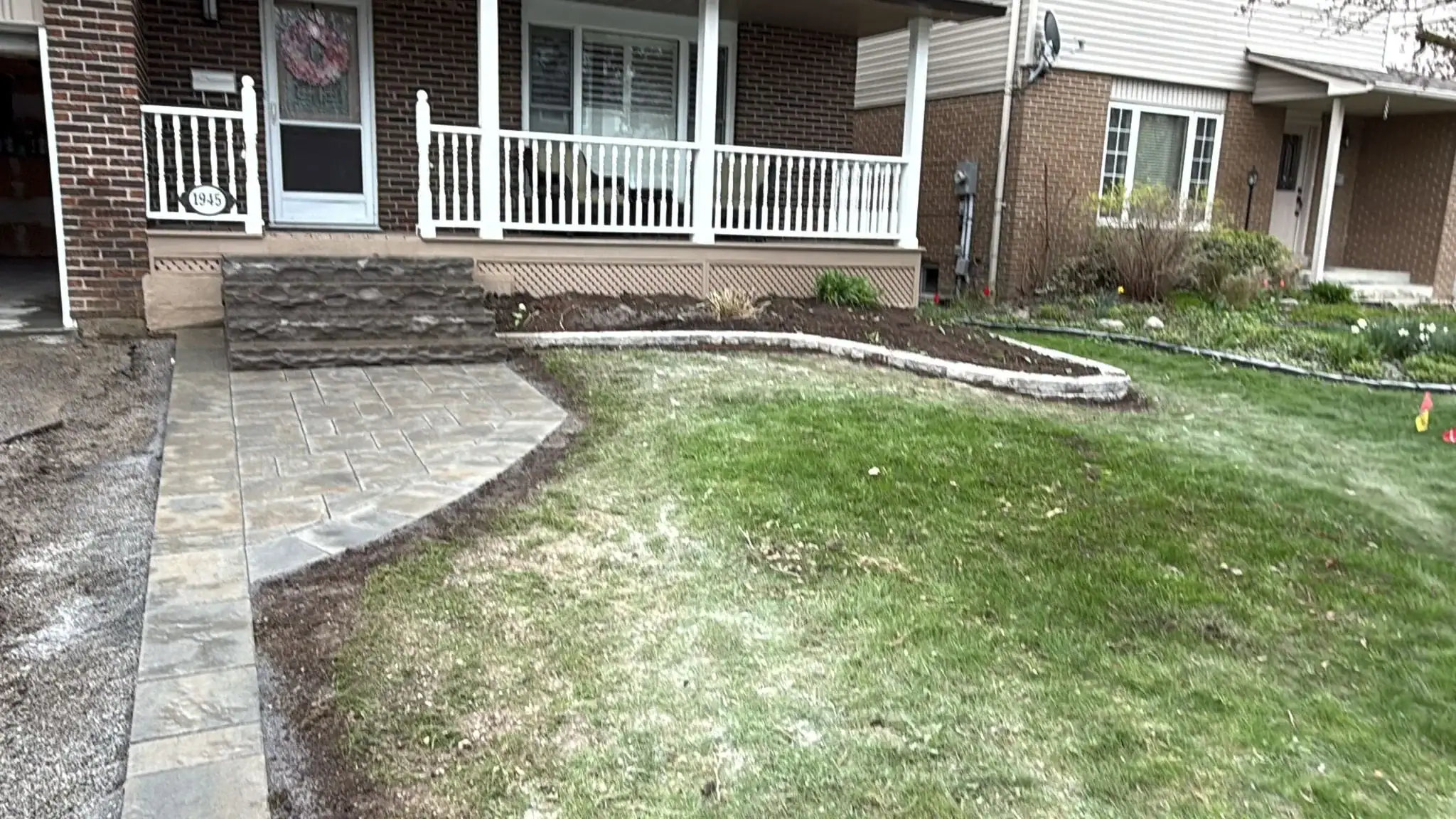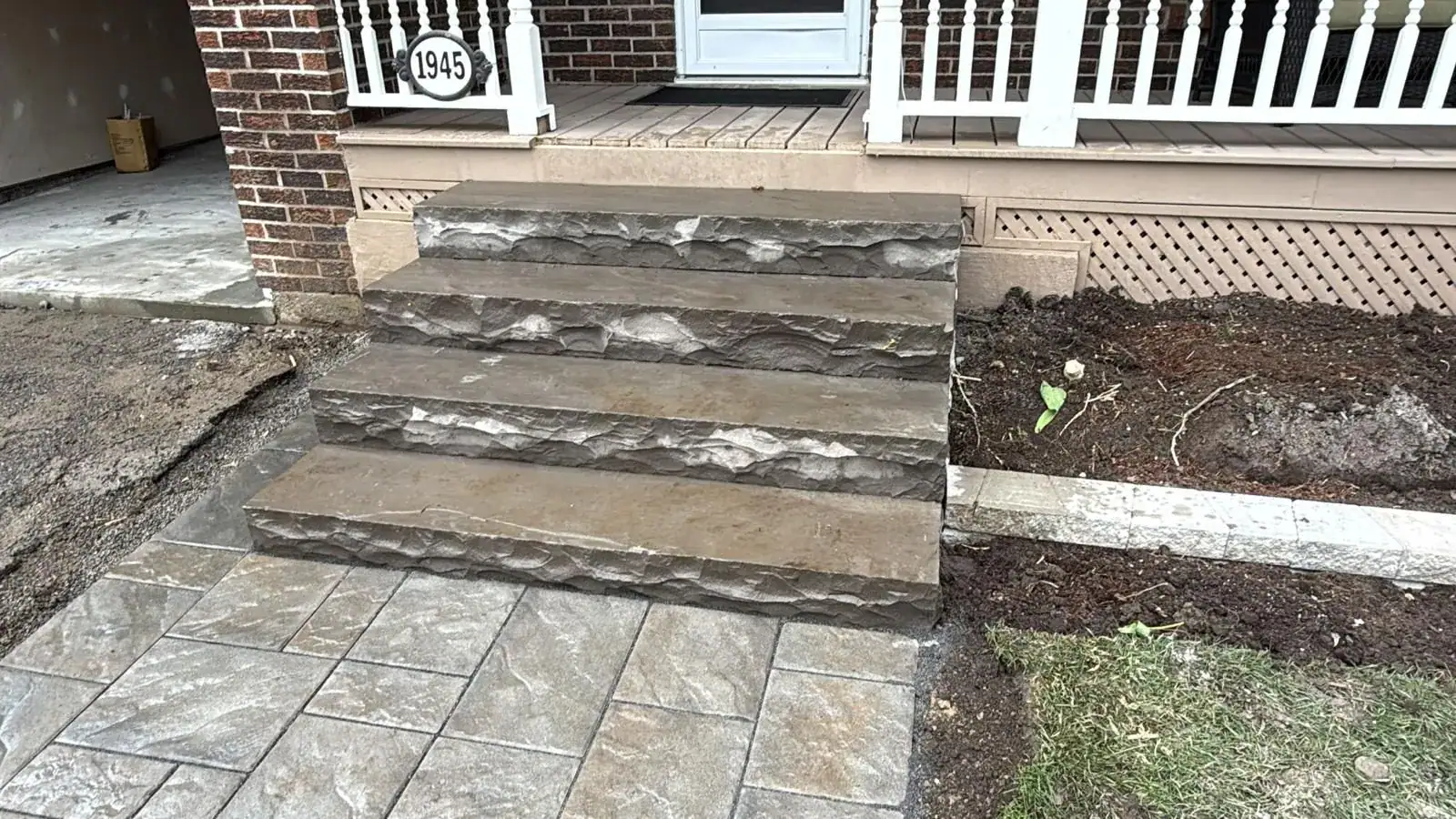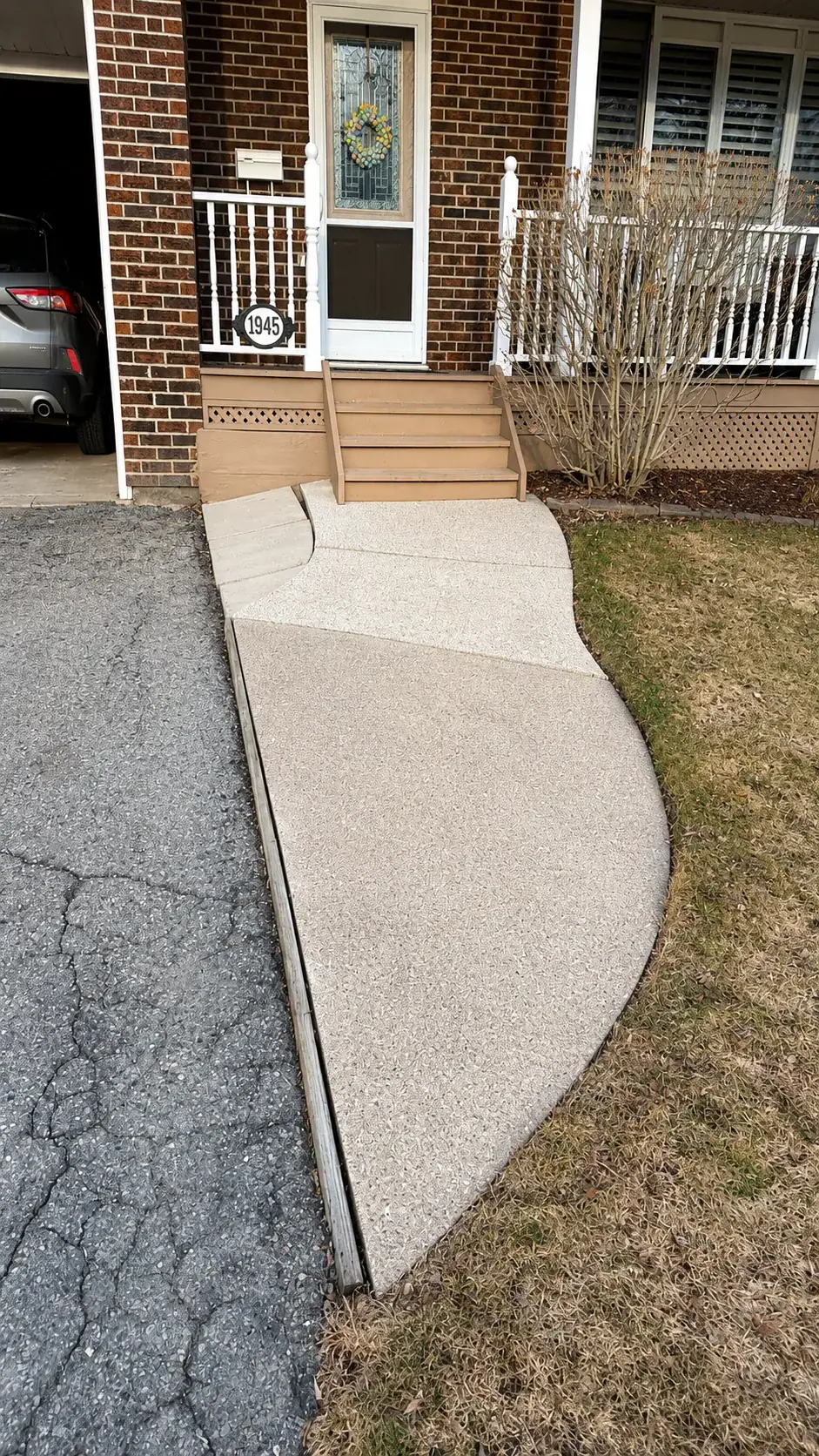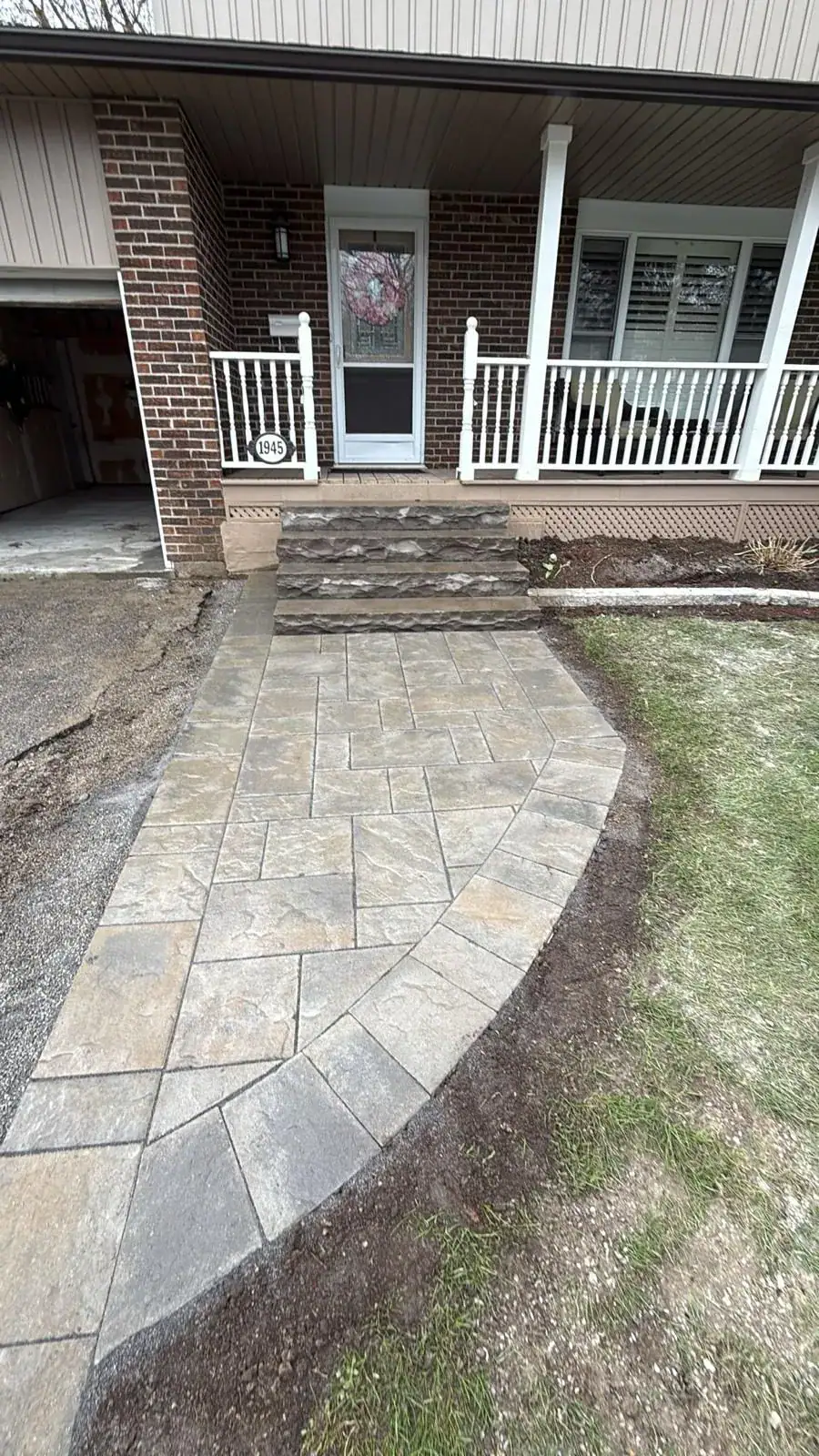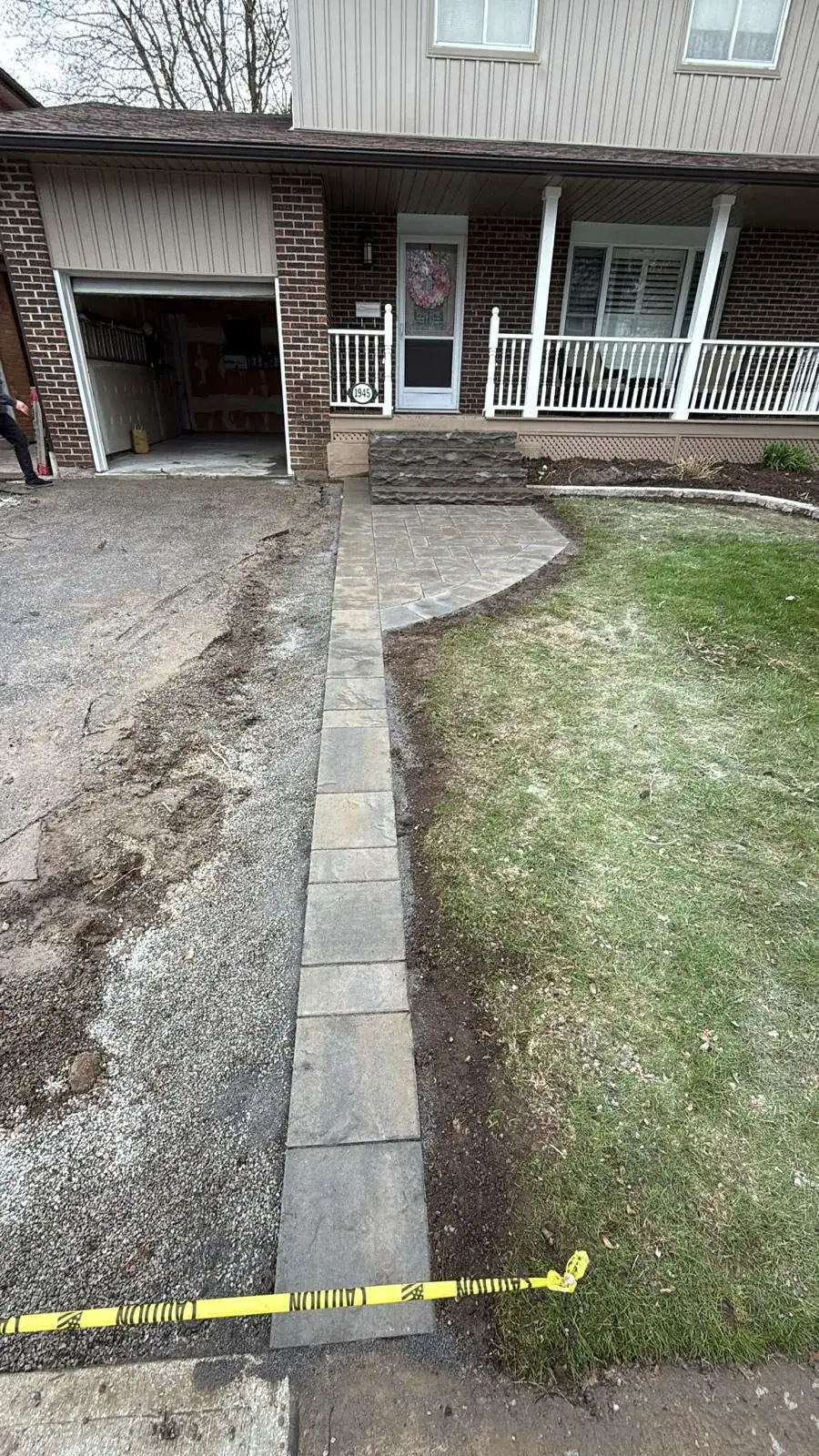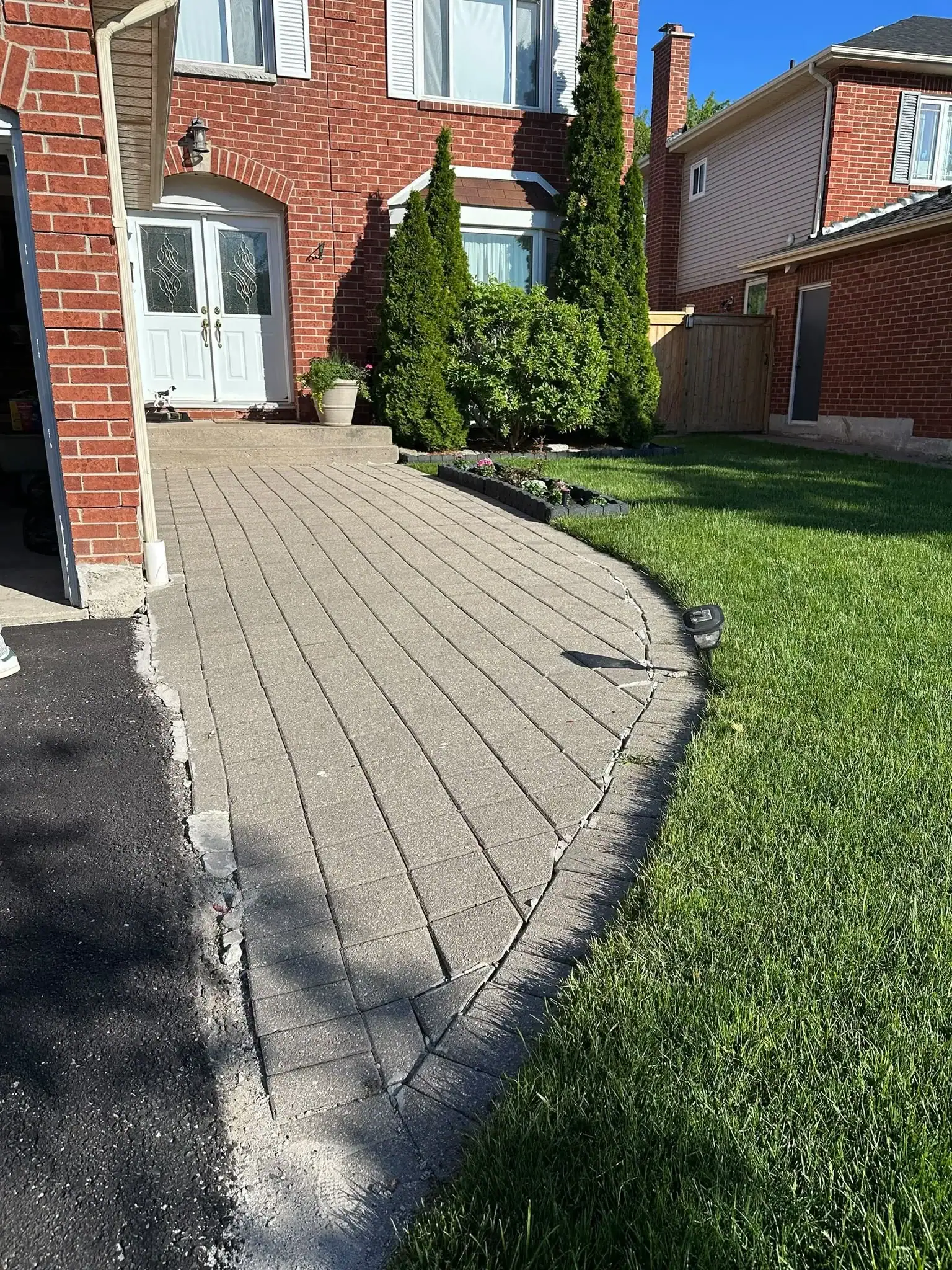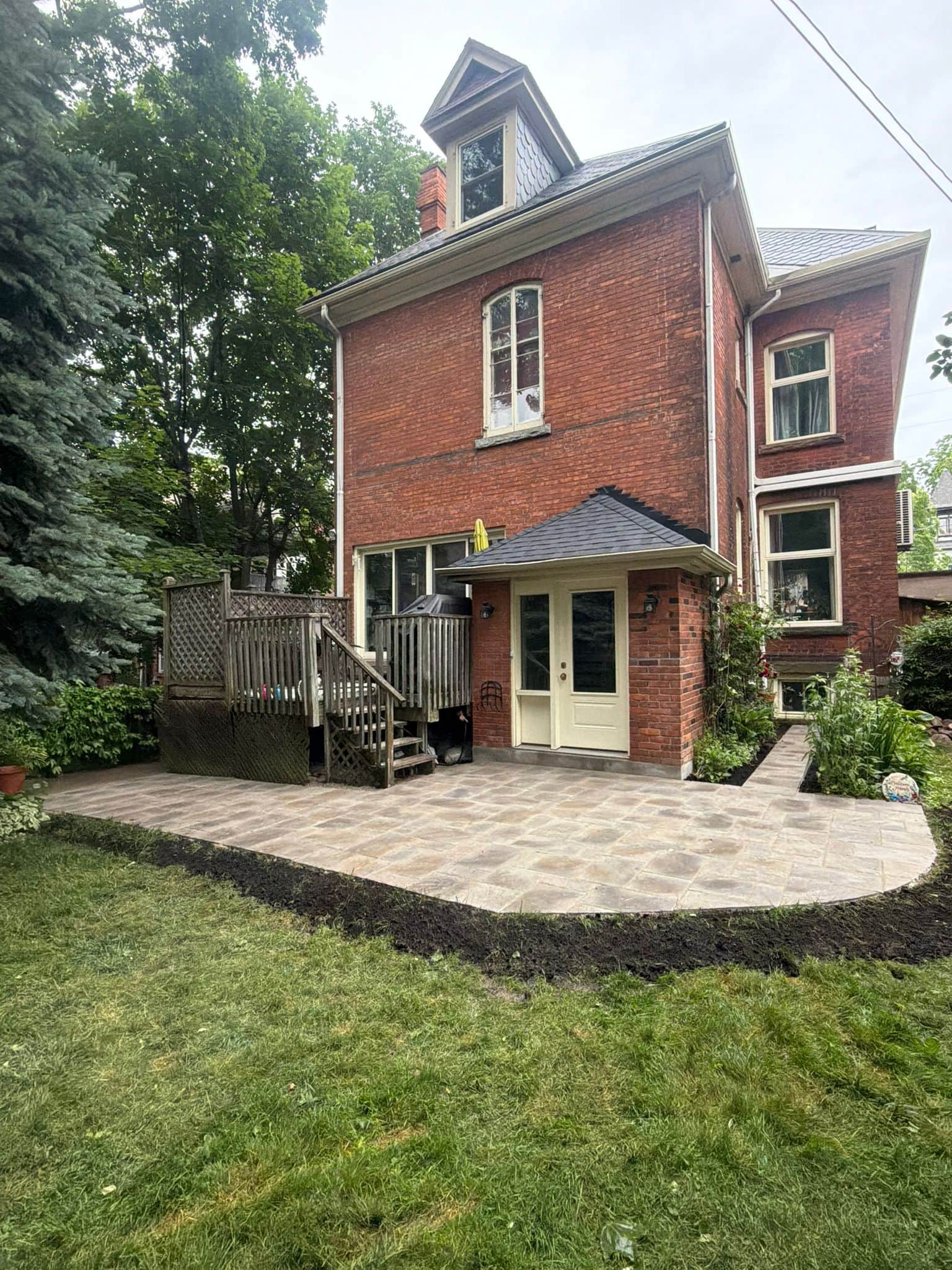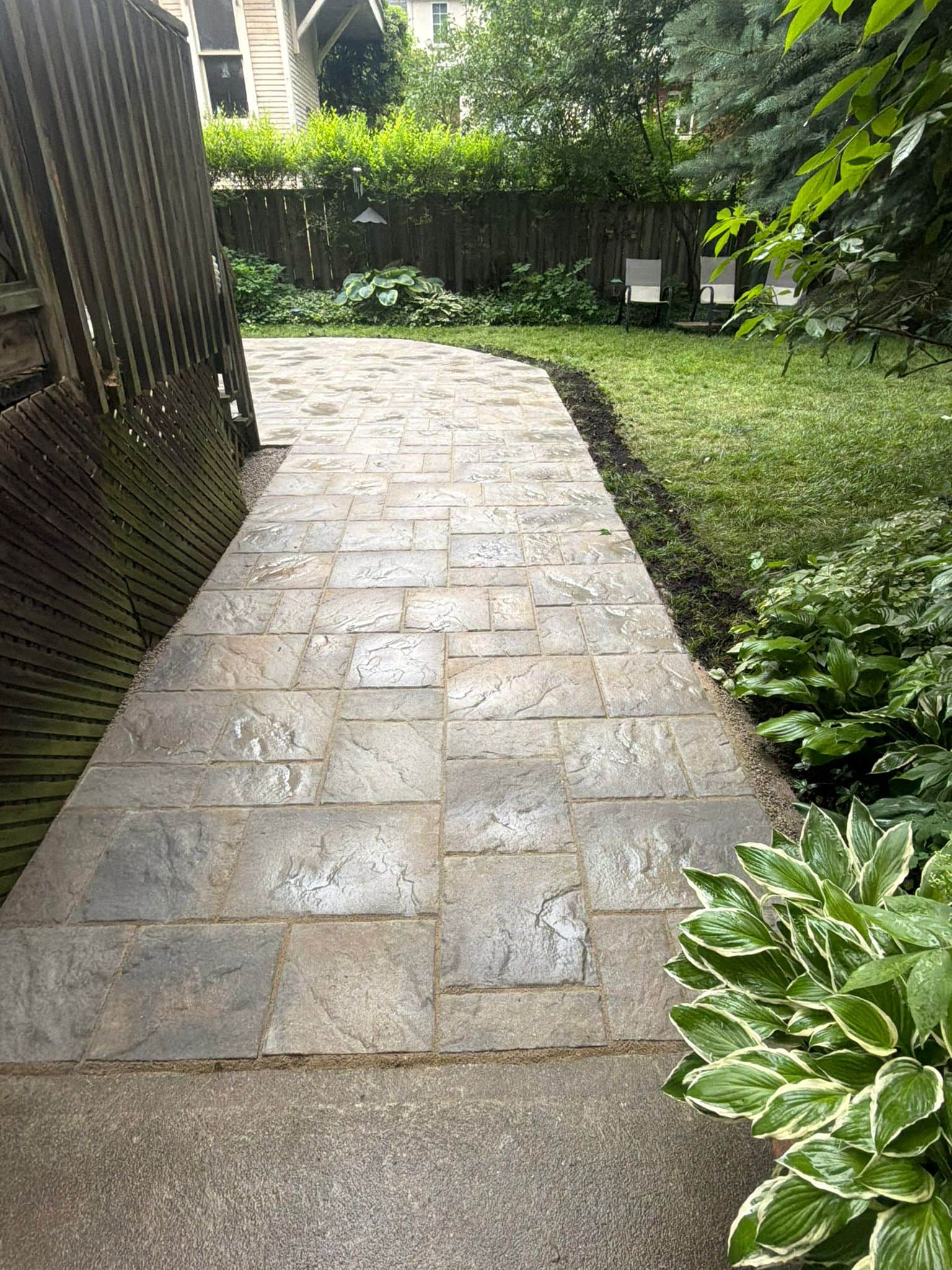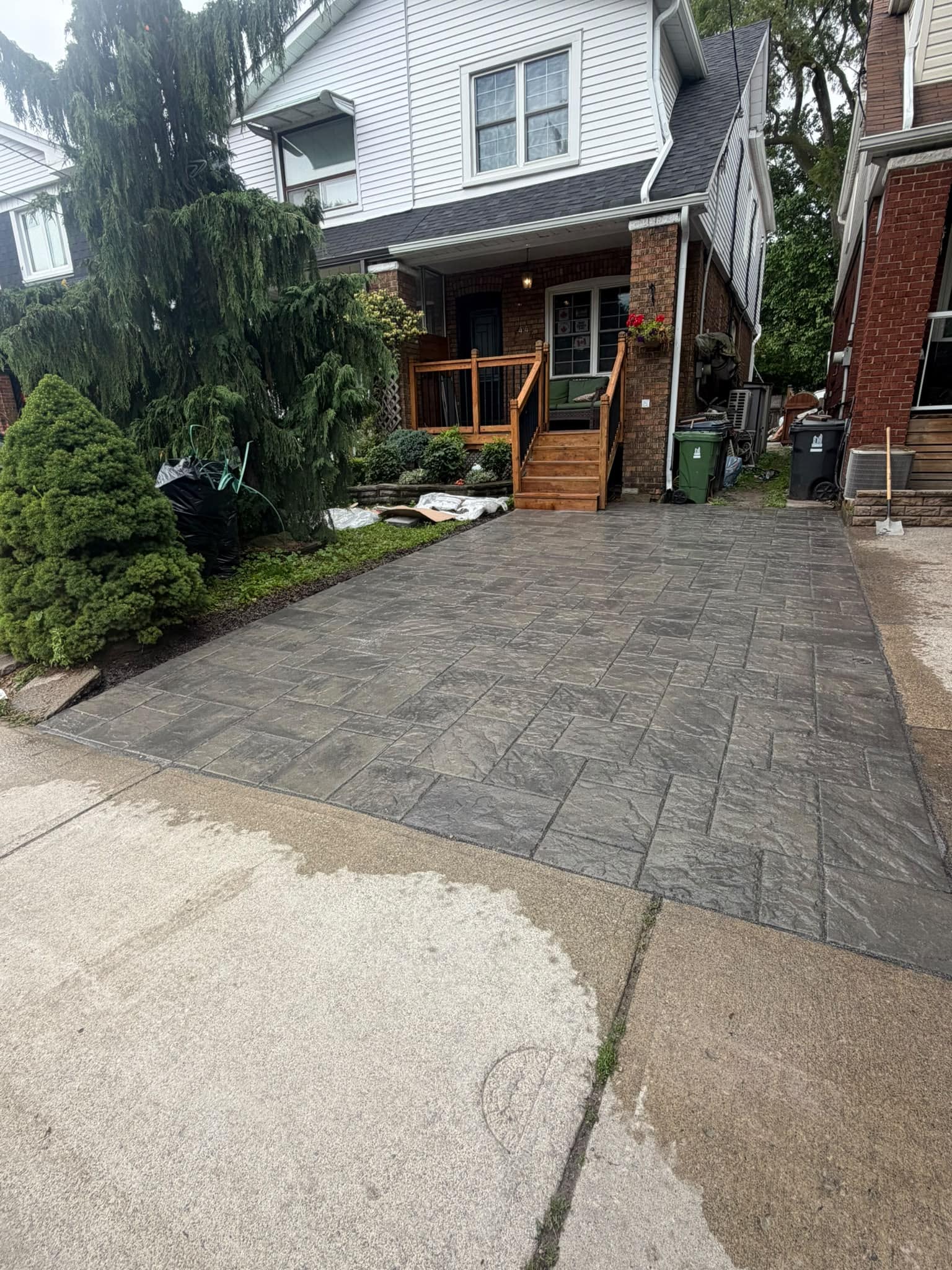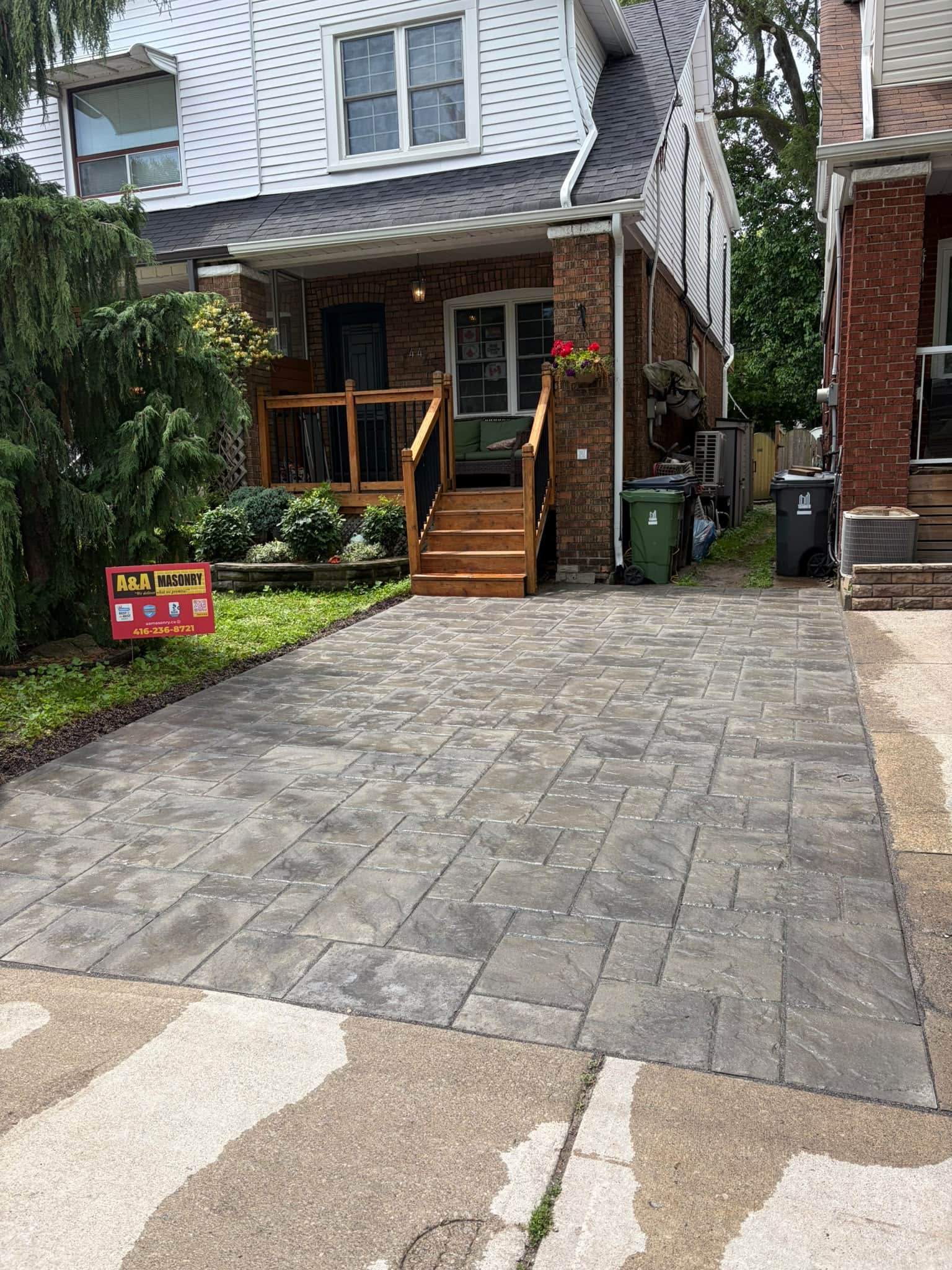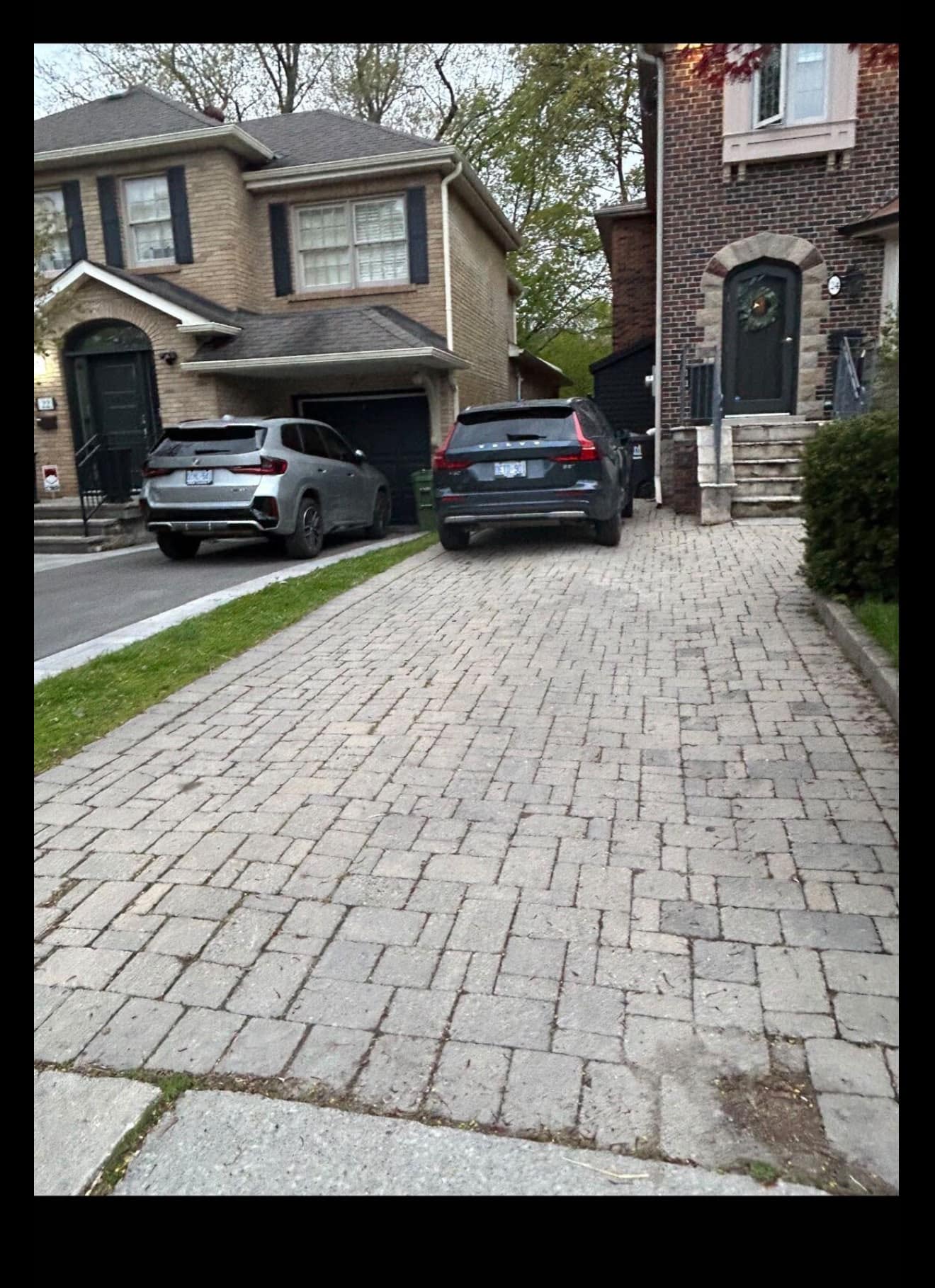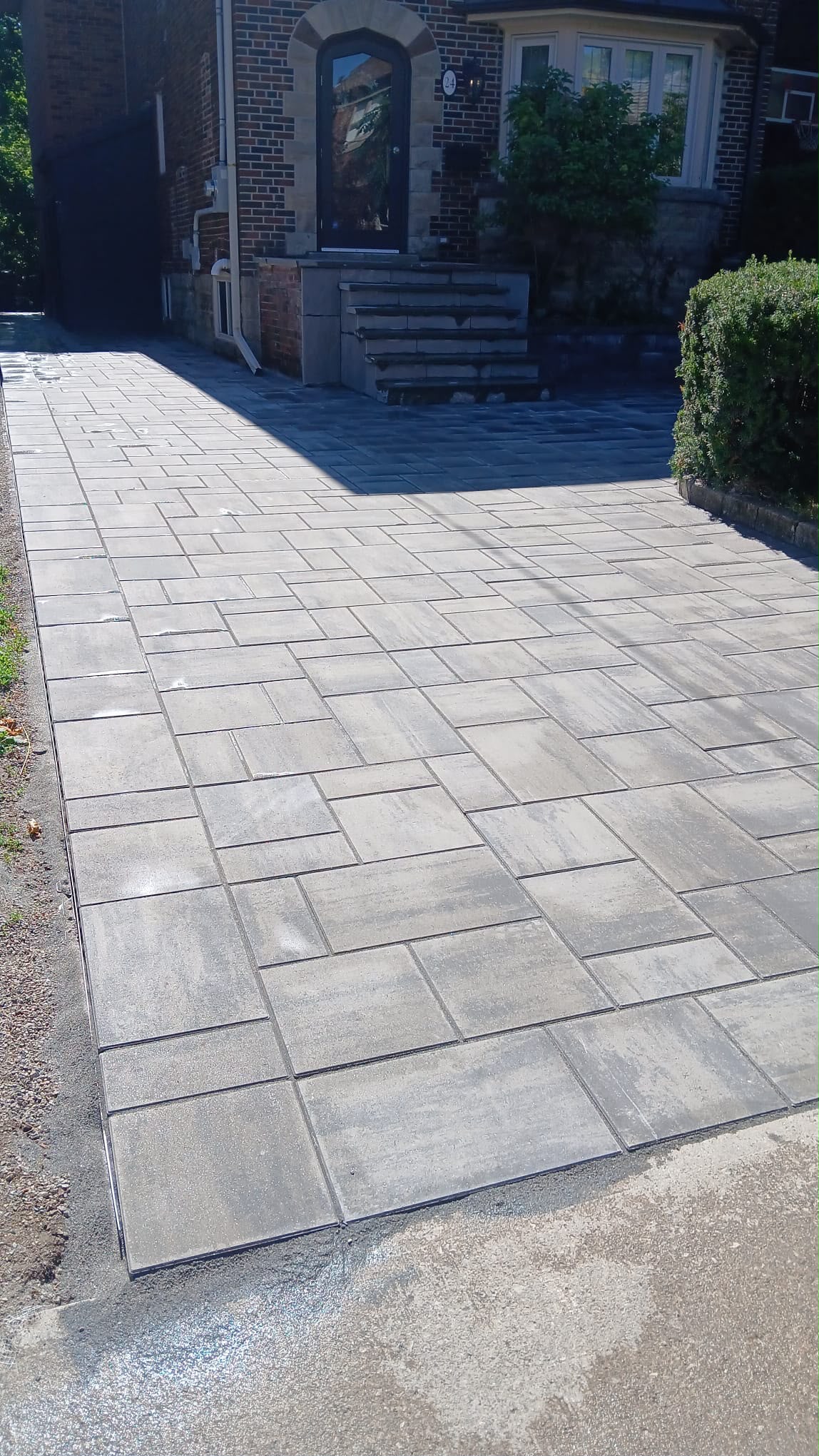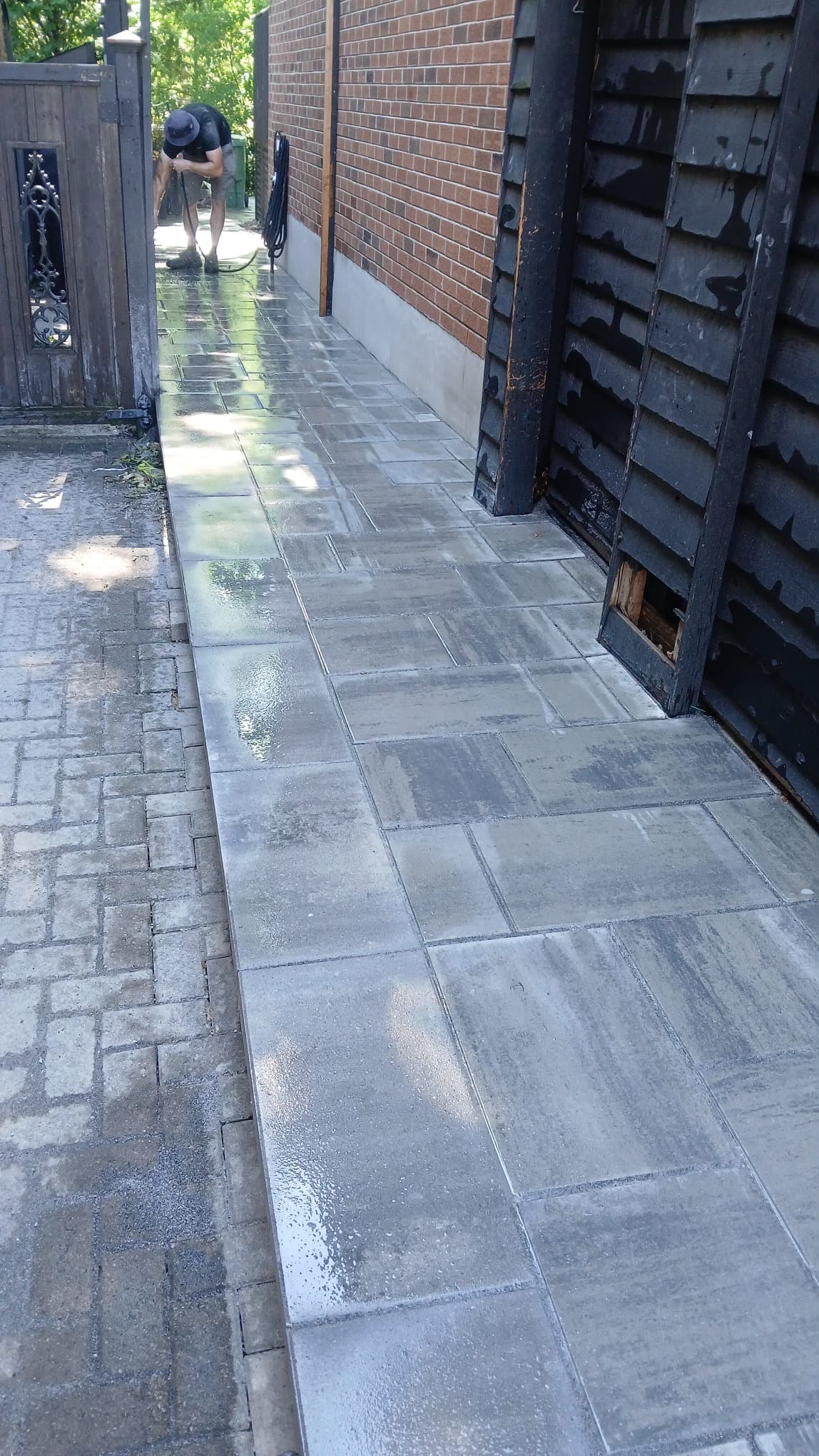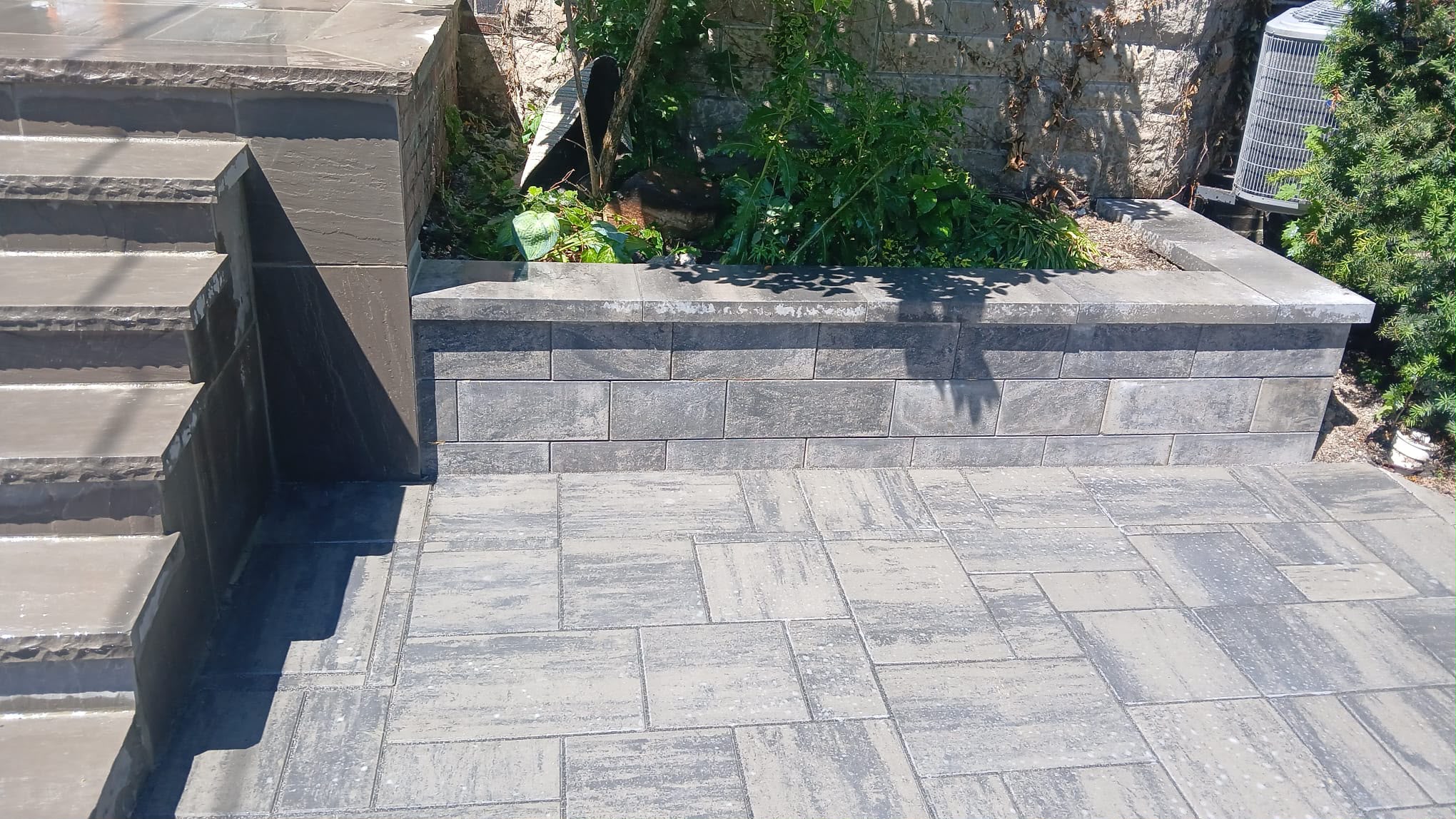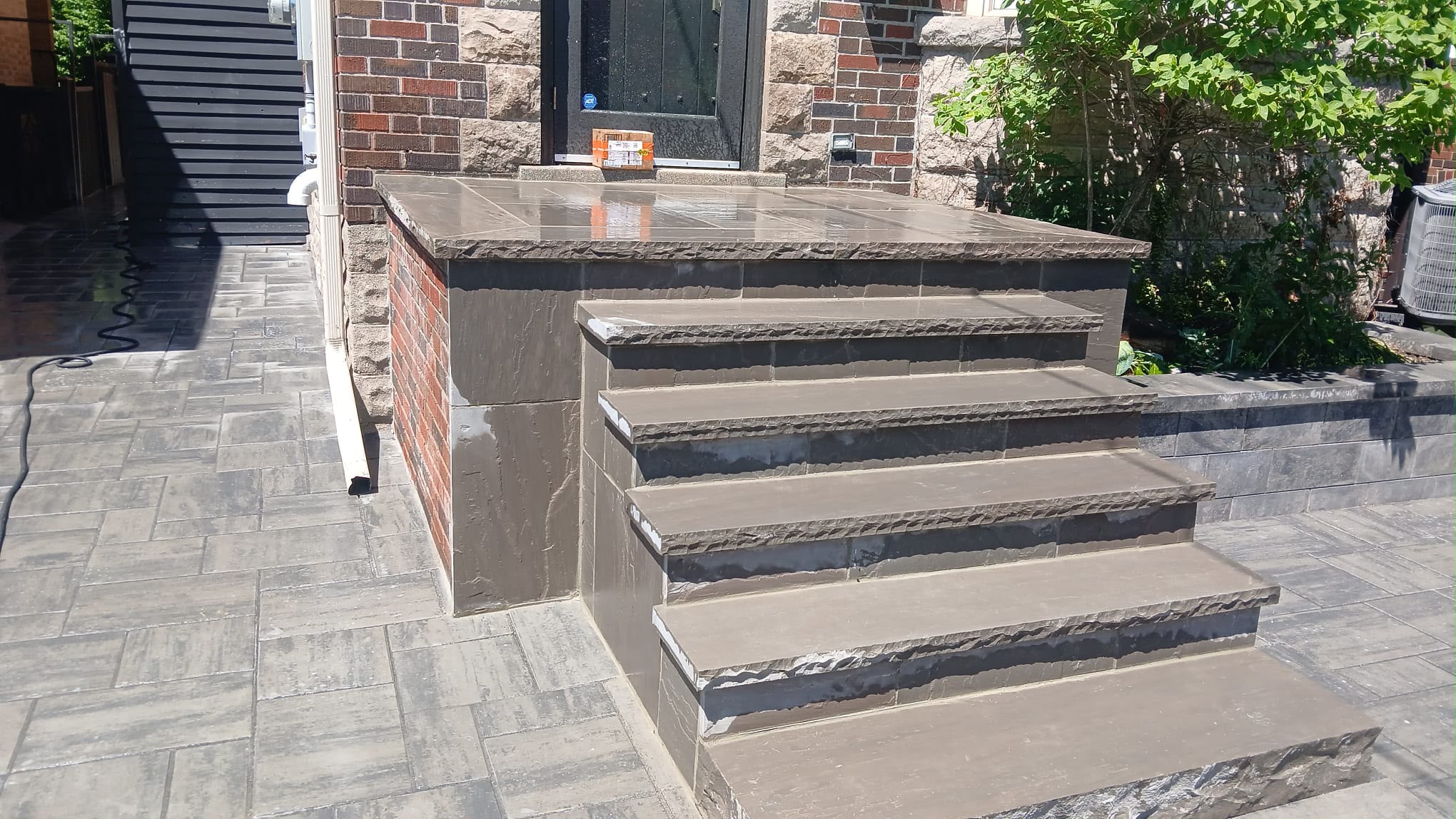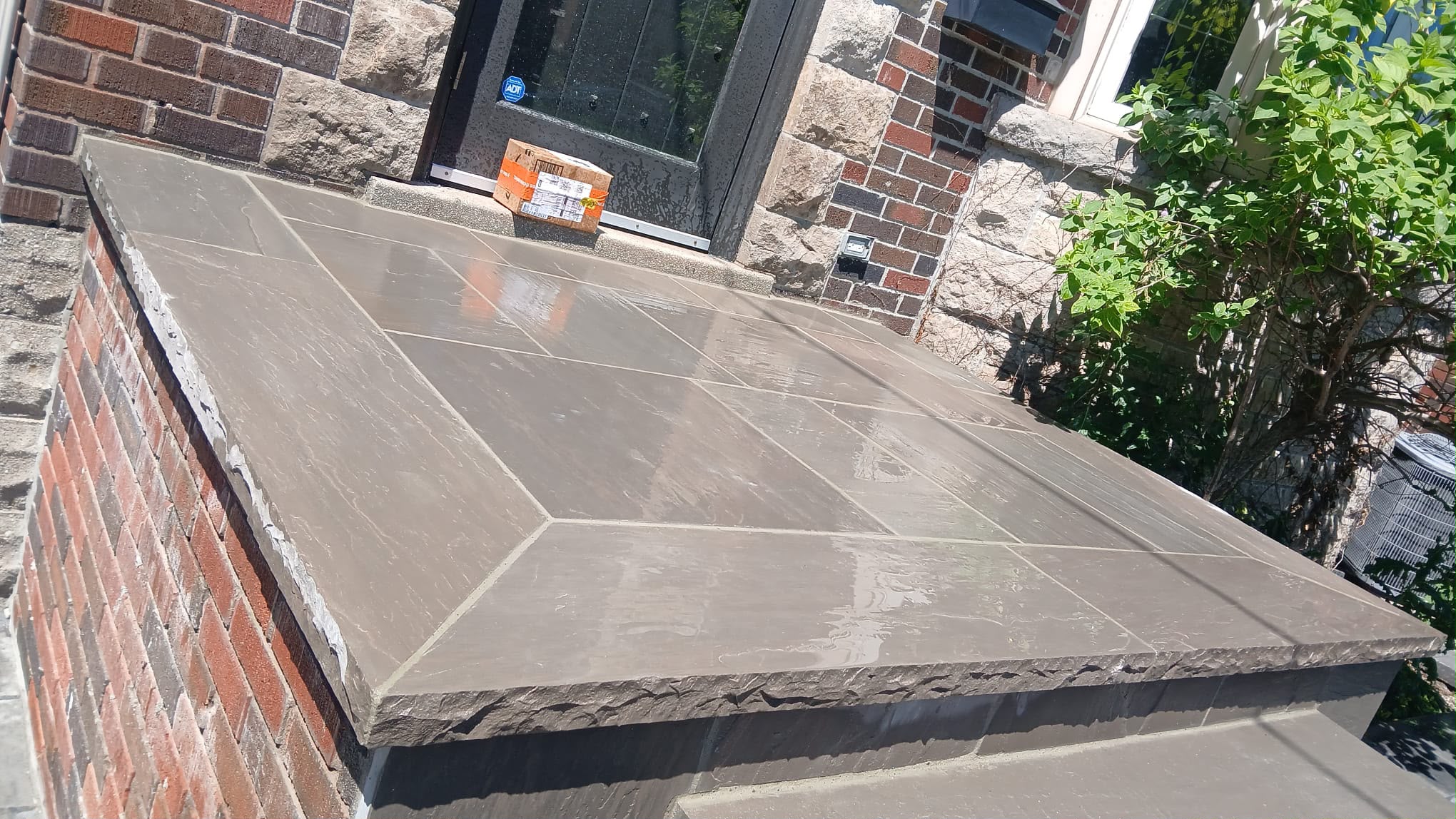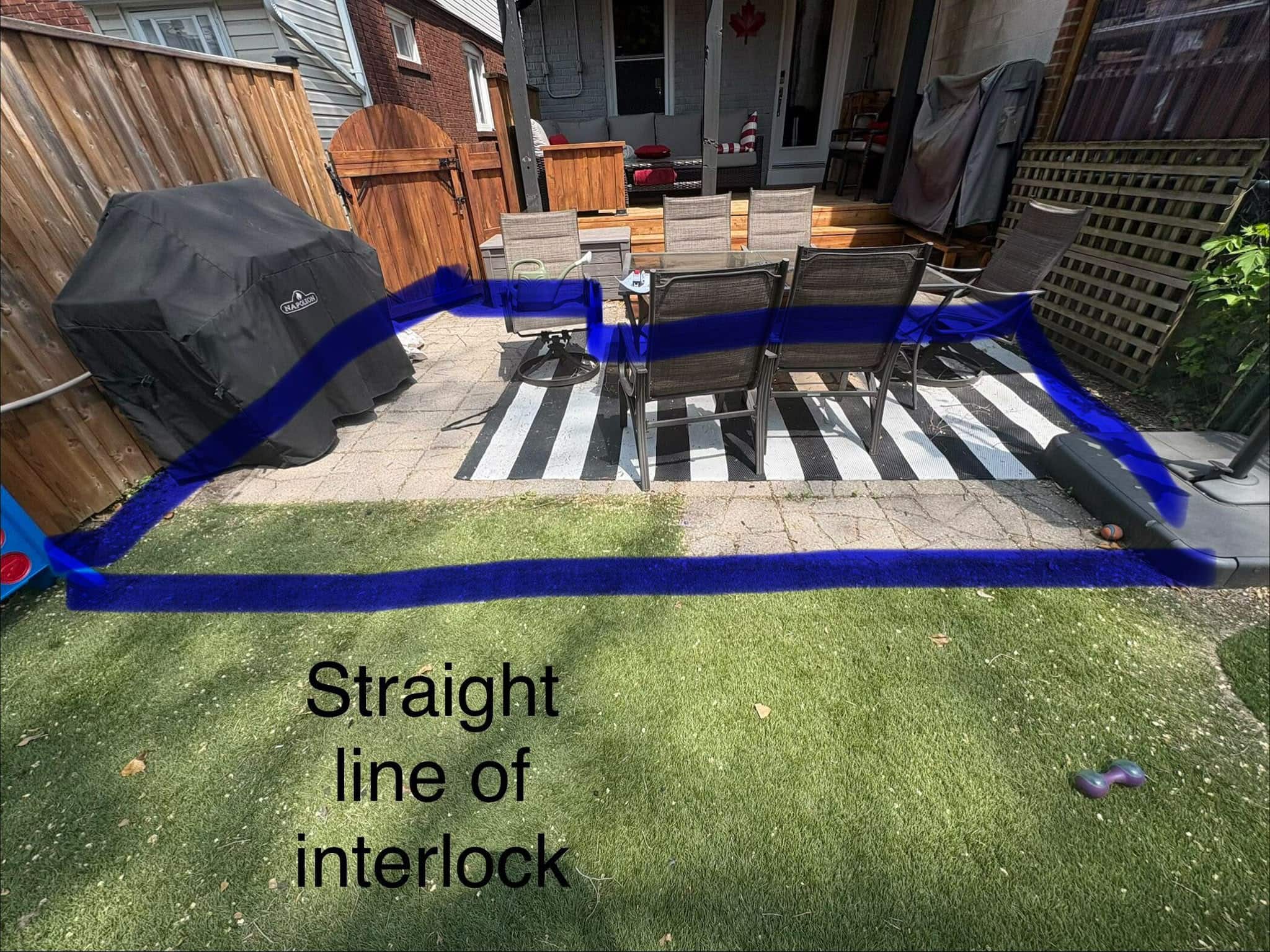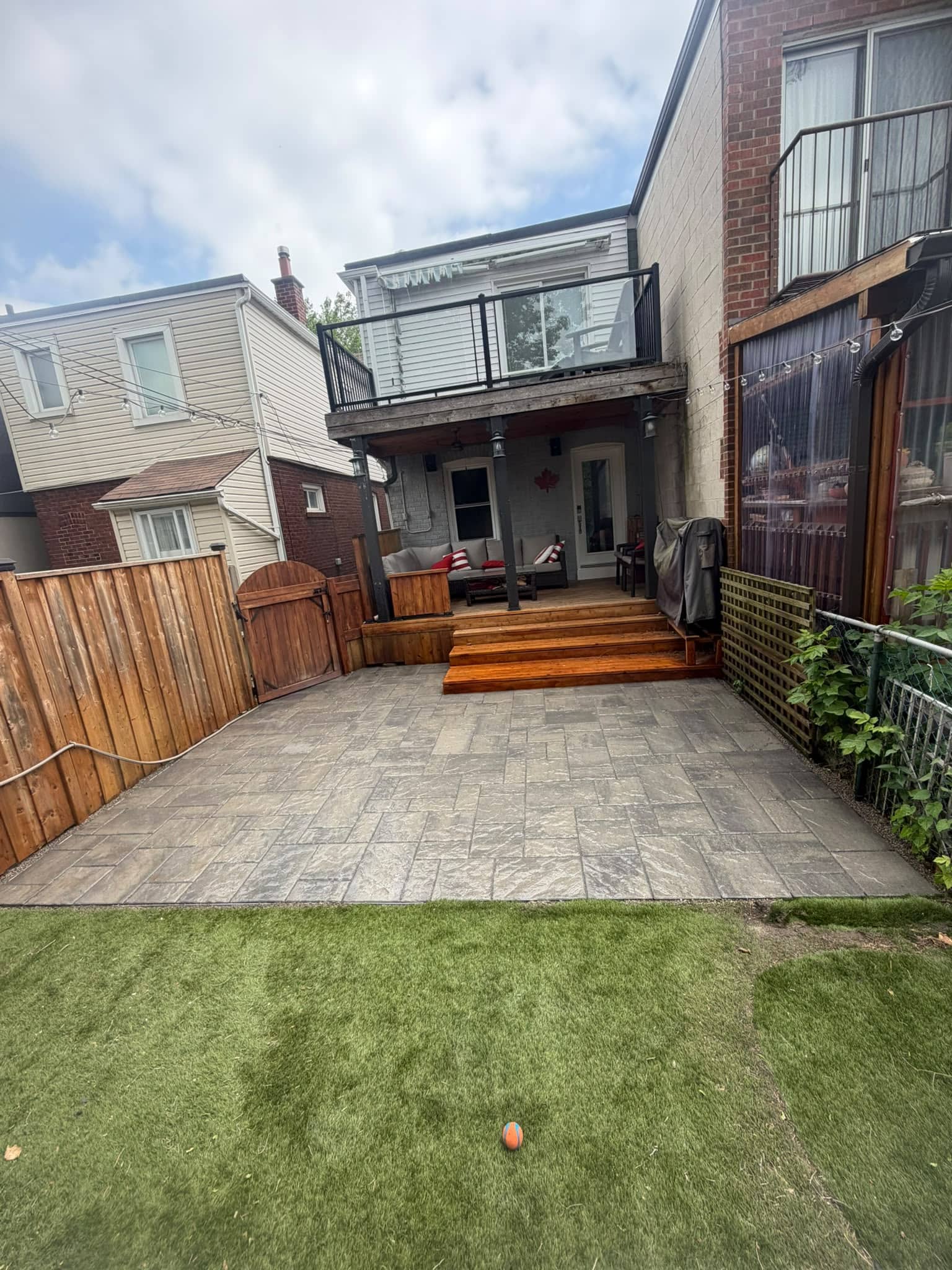

Choosing the right driveway gravel is essential. There are many types to pick from. The right choice can make your driveway look great and withstand the harshest weather in Canada.
Driveway gravel is key to a durable and easy-to-care-for driveway. You have many options. When picking, consider the Canadian weather, your budget, and your personal preferences.
Gravel driveways are a cost-effective, low-maintenance option for Toronto homeowners seeking an alternative to asphalt or concrete. But how do they compare to interlocking stone installation? This guide explores gravel types, costs, and considerations to help you decide. At A&A Masonry, we offer expert driveway solutions, including patio pavers in Toronto and permeable options.
Understanding Driveway Gravel Basics
Choosing the right material for your driveway is essential. Driveway gravel types and driveway gravel size play key roles. Gravel is popular for its durability, versatility, and looks. We’ll explore what makes good driveway gravel and its benefits.
A good driveway gravel should drain well, be stable, and look good. The size of the driveway gravel matters a lot. It affects how well the driveway performs and how easy it is to maintain. Different driveway gravel types work best in other places and for various uses.
What Makes Good Driveway Gravel
Good driveway gravel can handle a lot, like heavy traffic and bad weather. It should also drain well and look nice. Here are some key traits:
- Proper drainage to prevent water accumulation and erosion
- Stability to support heavy loads and prevent settling or shifting
- An aesthetically pleasing appearance to enhance the overall look of the property
Different Types of Driveway Gravel Materials
It is important to choose the right driveway gravel type for your Toronto home. Each type has its benefits and drawbacks. Knowing these differences helps you make a choice that fits your needs and style.
Popular options include pea gravel, crushed stone, and decomposed granite. Pea gravel is ideal for busy areas due to its small and smooth size. Crushed stone is durable and can handle heavy loads and adverse weather conditions. Decomposed granite is affordable and suitable for drainage and stability.
When picking driveway gravel types, consider a few things:
- Durability: How well can the gravel handle heavy traffic and harsh weather?
- Drainage: How well does the gravel let water drain and prevent erosion?
- Aesthetics: What colours and textures match your home’s look?
The Top Three Driveway Gravel Types are:
| Driveway Gravel Type | Durability | Drainage | Aesthetics |
| Pea Gravel | Good | Excellent | Smooth texture, various colours |
| Crushed Stone | Excellent | Good | Rough texture, gray or brown colours |
| Decomposed Granite | Fair | Good | Coarse texture, brown or gray colours |
Best Gravel Types for Canada’s Freeze-Thaw and Muddy Driveway
When selecting gravel for driveways in freeze-thaw environments and muddy conditions, choosing materials that provide stability, proper drainage, and resistance to weather-induced damage is essential. Here are some top recommendations:
Crushed Stone #57
This type consists of stones approximately ¾ inch in size. The angular shape of the stones ensures they lock together, providing a stable surface. Its composition allows for adequate drainage, reducing the risk of water accumulation and subsequent freezing issues.
Crusher Run (Dense Grade Aggregate)
A combination of crushed stone and stone dust, the crusher run compacts well to form a solid base. The fines (stone dust) fill the voids between the larger stones, creating a stable and smooth surface. This composition is particularly effective at preventing muddy conditions by minimizing water infiltration.
Recycled Asphalt
Also known as reclaimed asphalt pavement (RAP), recycled asphalt binds together over time, especially under vehicle pressure. This binding property provides a durable surface that resists the effects of freeze-thaw cycles. Additionally, its semi-solid nature helps in reducing mud formation.
Pea Gravel
Pea gravel consists of small, rounded stones and offers excellent drainage properties. While it doesn’t compact as firmly as crushed stone, it provides a permeable surface that allows water to pass through, reducing freeze-thaw damage. However, it might not be the best choice for steep driveways due to its tendency to shift under pressure.
¾-Inch Minus Gravel
This gravel type includes stones up to ¾ inch in size, along with smaller particles. The mix of sizes ensures good compaction and stability, making it effective in freeze-thaw environments and muddy conditions.
Additional Considerations:
- Proper Installation: Ensure the driveway has a well-prepared base and is graded to promote drainage. This prevents water accumulation, which can lead to muddy conditions and freeze-thaw damage.
- Regular Maintenance: Periodically adding fresh gravel and regrading the surface can help maintain the driveway’s integrity and address any issues that arise over time.
- Geotextile Fabric: Placing a geotextile fabric beneath the gravel can prevent the underlying soil from mixing with the gravel, enhancing stability and reducing mud formation.
By selecting the appropriate gravel type and ensuring proper installation and maintenance, you can create a driveway in your Toronto home that withstands freeze-thaw cycles and remains functional in muddy conditions.

Essential Driveway Gravel Sizes for Different Layers
Choosing the right driveway gravel size is key to a durable driveway. The gravel size in each layer affects the driveway’s performance and life. We’ll look at the best driveway gravel size for each layer, from the base to the top.
A driveway has three layers: base, middle, and top. Each requires a specific driveway gravel size for stability and durability. The base layer needs big gravel for a strong foundation. The middle layer uses smaller gravel for better drainage and stability. The top layer gets the smallest driveway gravel size for a smooth finish.
Base Layer Options
The base layer is the driveway’s foundation. It must handle vehicle weight and heavy use. A driveway gravel size of 2-3 inches in diameter is often chosen for this layer.
Base Gravel #3
Base gravel #3, also known as “Gravel #3,” is a large aggregate used as a foundation layer in driveway construction and infrastructure projects.
It is typically made of crushed stone with jagged edges, commonly limestone or granite. Its strength makes it ideal for heavy traffic areas and allows water to flow easily. It is typically added to a smoother surface with finer gravel.
Middle Layer Recommendations
The middle layer should be smaller than the base to aid drainage and stability. A driveway gravel size of 1-2 inches in diameter is usually recommended.
Crushed Stone #57
Stone #57 is a popular gravel used in construction projects, particularly for driveways, walkways, and drainage. Its angular shape and size make it ideal for driveways, drainage systems, concrete bases, and walkways.
Its angular shape ensures excellent water flow, making it suitable for French drains and septic tanks. Its durability and versatility make it ideal for various construction layers. Crushed Stone #57 is also durable and can handle heavy vehicle traffic.
Top Layer Choices
For a smooth surface, the top layer needs the smallest driveway gravel size, which is commonly 0.5-1 inch in diameter.
Crushed Stone #411
Crushed Stone #411 is a versatile gravel mix used in driveway and construction projects. It consists of ¾-inch stones and stone dust, making it compact tightly. It is ideal for driveways, walkways, patios, filling spaces, and road bases.
Its advantages include compacting, allowing water to pass through, and durability. For optimal performance, it is typically laid over a base layer such as Gravel #3.
Here’s a quick summary of the recommended driveway gravel size for each layer:
| Layer | Driveway Gravel Size | Example |
| Base Layer | 2-3 inches | Gravel #3 |
| Middle Layer | 1-2 inches | Crushed Stone #57 |
| Top Layer | 0.5-1 inch | Crushed Stone #411 |
What Gravel Doesn’t Move For Driveways?
For a driveway in the snowy GTA, gravel that doesn’t shift quickly is essential for stability, durability, and low maintenance. Here are some of the best types of gravel that resist shifting:
- Crushed Stone #411 (¾ inch with dust): This mix of ¾-inch gravel and stone dust compacts tightly, forming a stable surface that stays in place under heavy traffic.
- Crushed Stone #57 (¾ inch): The angular, jagged edges of the stones interlock when compacted, reducing movement.
- Quarry Process (QP) or Crusher Run: A mix of crushed stone and stone dust, it compacts tightly and creates a hard, durable surface that resists shifting.
- Dense Grade Aggregate (DGA): DGA is a blend of stone dust and smaller gravel, making it compact and resistant to movement.
- Decomposed Granite: Composed granite forms a firm, almost cement-like surface that resists movement when compacted.
Tips to Prevent Gravel Movement:
- Install a Gravel Grid System: These plastic grids hold gravel in place and prevent it from spreading.
- Compact Each Layer: Use a compactor after laying each gravel layer to create a firm, stable surface.
- Use Edging: Install edging (like metal, concrete, or wood) along the sides of the driveway to contain the gravel.
- Layer Properly: Use a firm base layer (like Gravel #3 or Crusher Run) and top it with a compactable material, such as Crushed Stone #411 or QP.
What is decorative gravel?
Decorative gravel is a type of crushed stone, pebbles, or small rocks used in landscaping and hardscaping to enhance aesthetics and functionality.
Decorative driveway gravel types can make your driveway stand out. They not only look great but also serve a purpose.
Decorative gravel comes in various sizes, colours, and textures, making it ideal for driveways, garden pathways, patios, and drainage solutions. Unlike standard gravel, which is used for structural purposes, decorative gravel is chosen for its visual appeal and design versatility.
Types of Decorative Gravel:
✔ Pea Gravel – Small, smooth, and rounded, perfect for walkways and garden beds.
✔ Crushed Stone – Angular, available in different sizes, great for driveways and paths.
✔ River Rock – Naturally rounded, used in water features and edging.
✔ Marble Chips – White, reflective, and elegant for upscale landscaping.
✔ Decomposed Granite – Fine, compactable, and suitable for patios and walkways.
✔ Lava Rock – Lightweight, porous, and great for drainage.
Professional Installation vs DIY Gravel Driveway: What You Need to Know
Toronto homeowners have a choice when it comes to driveway gravel installation. They can hire a professional or try it themselves. It’s crucial to consider the pros and cons of each option before deciding.
Professional driveway gravel installation ensures a top-notch finish and correct work. But it might cost more than doing it yourself. Conversely, DIY can save money but requires more effort and time from the homeowner.
Maintaining Your Gravel Driveway
Keeping your gravel driveway in good shape is key to its long life and performance. Seasonal care is vital because each season brings its challenges. Here are some tips to help:
- Regularly check your driveway for damage or erosion
- Replenish gravel as needed to keep the depth right
- Use a weed barrier to stop weeds from growing through the gravel
Gravel driveways often experience problems such as potholes, rutting, and settling. You can fill potholes with new gravel or use a compactor to fix these. This keeps your driveway in good shape.
How thick should a gravel driveway be?
The thickness of a gravel driveway depends on its purpose, the weight of the vehicles, and the type of gravel used. Here’s a general guideline for a properly layered gravel driveway:
Recommended Gravel Driveway Thickness:
Total Thickness: 12-18 inches (including all layers).
- For most residential driveways, aim for at least 12 inches.
- For driveways with heavy vehicles (e.g., trucks or RVs), opt for a minimum width of 18 inches.
Layer Breakdown:
- Base Layer (4-6 inches):
- Use Base Gravel #3 (1-2 inches in size).
- Provides foundational support and promotes drainage.
- Middle Layer (3-4 inches):
- Use Crushed Stone #57 (¾ inch in size).
- It adds stability and prevents shifting.
- Top Layer (3-4 inches):
- Use Crushed Stone #411 or Quarry Process (QP) (¾ inch with dust).
- Compacts tightly to form a smooth, durable surface.
Key Considerations:
- Soil Preparation: Ensure the subsoil is compacted and free of debris before adding gravel. If the soil is soft or prone to shifting, consider adding a geotextile fabric to prevent gravel from sinking into the ground.
- Gravel Compaction: Use a vibratory plate compactor after each layer is laid to ensure proper stability and thickness.
- Driveway Width: The standard width for a single-car driveway is 8-10 feet, and for a two-car driveway, it’s 12-14 feet.
Gravel Driveway Pros and Cons for Toronto Homeowners and Businesses
| Pros | Cons |
| Cost-Effective: Gravel driveways are significantly cheaper to install than asphalt, concrete, or paver driveways. | High Maintenance: Requires frequent maintenance such as levelling, raking, and filling potholes. |
| Why: Gravel is widely available and requires less labour and materials for installation. | Why: Loose gravel shifts over time due to weather, traffic, and erosion. |
| Easy Installation and Maintenance: Simple and quick to install compared to other driveway types. | Prone to Erosion: Heavy rain or water runoff can wash gravel away, especially on slopes. |
| Why: No curing time is required, and repairs (e.g., filling holes or ruts) are straightforward. | Why: Erosion can become a significant problem without proper drainage or stabilizing measures. |
| Excellent Drainage: Gravel is permeable, allowing water to drain through and reducing pooling or flooding risks. | Dust and Dirt: Gravel driveways can create dust in dry conditions and mud in wet conditions. |
| Why: Ideal for areas prone to heavy rainfall. | |
| Customizable Aesthetic: Gravel comes in various colours, shapes, and sizes to suit different styles. | Limited Durability: Less durable than solid surfaces like asphalt or concrete. |
| Why: Allows property owners to create a unique aesthetic that complements their property. | Why: Heavy vehicles and constant use can cause ruts, dips, and uneven surfaces. |
| Long Lifespan (When Maintained): Gravel driveways can last decades with proper upkeep (e.g., regular raking and top-ups). | Difficult Snow Removal: Removing snow without displacing the gravel is challenging. |
| Why: Unlike asphalt or concrete, Gravel doesn’t crack under extreme temperatures. | Why: Snow plows or shovels can scoop up gravel along with snow. |
| Environmentally Friendly: Gravel driveways allow rainwater to seep into the ground, replenishing groundwater supplies. | Not Ideal for Steep Slopes: Gravel driveways on steep slopes are prone to shifting and washing out. |
| Why: It helps reduce surface runoff and erosion. | Why: Gravel’s loose nature makes stabilizing on inclines challenging. |
Cost Considerations
Gravel driveways typically cost per square foot, depending on material and installation. Permeable pavers, discussed in our Ultimate Guide to Permeable Pavers, may cost more but offer superior drainage. Compare with interlocking pavers in our Top Patio Stones Guide for a premium alternative.
Gravel vs. Interlocking Pavers
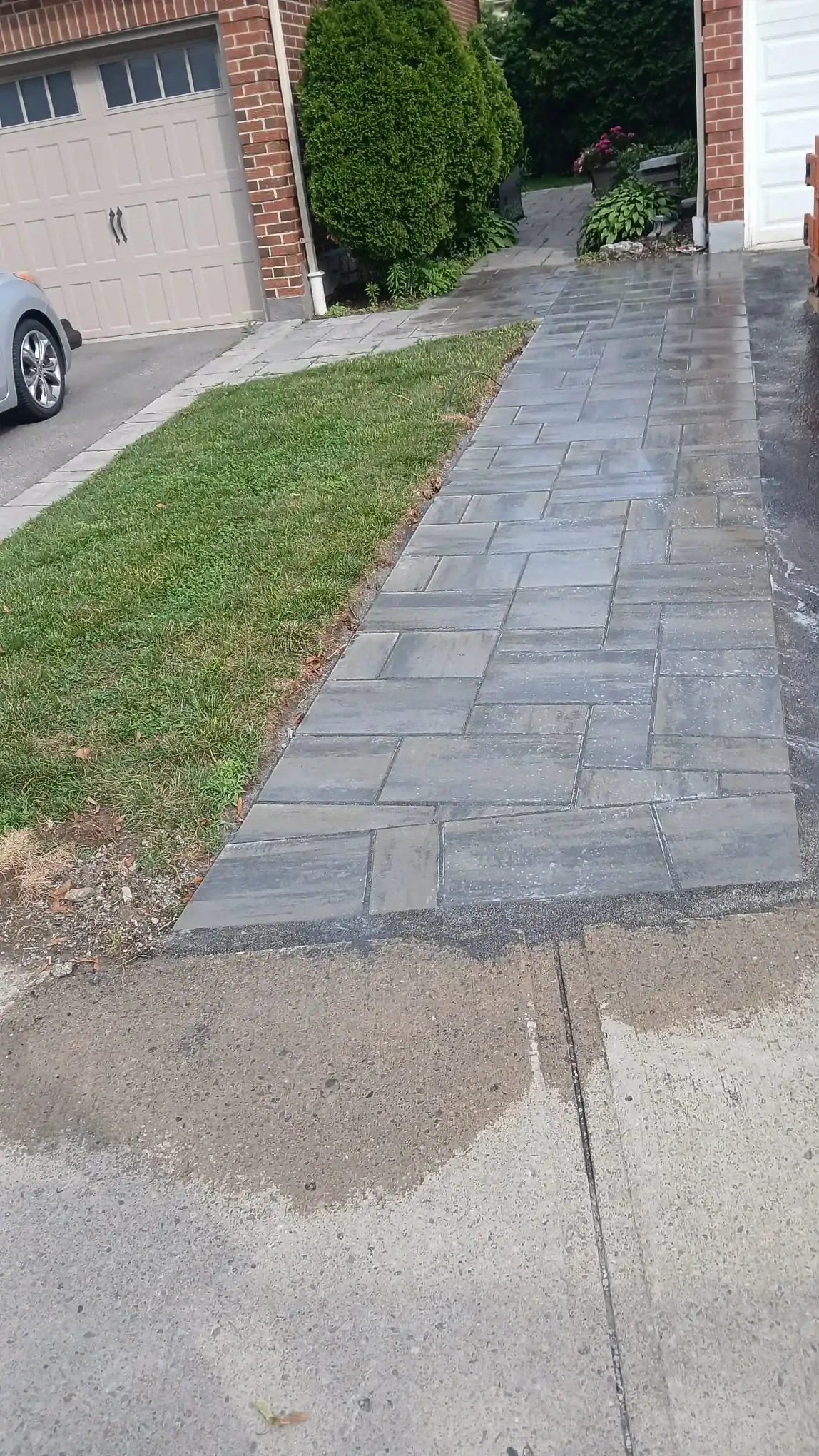
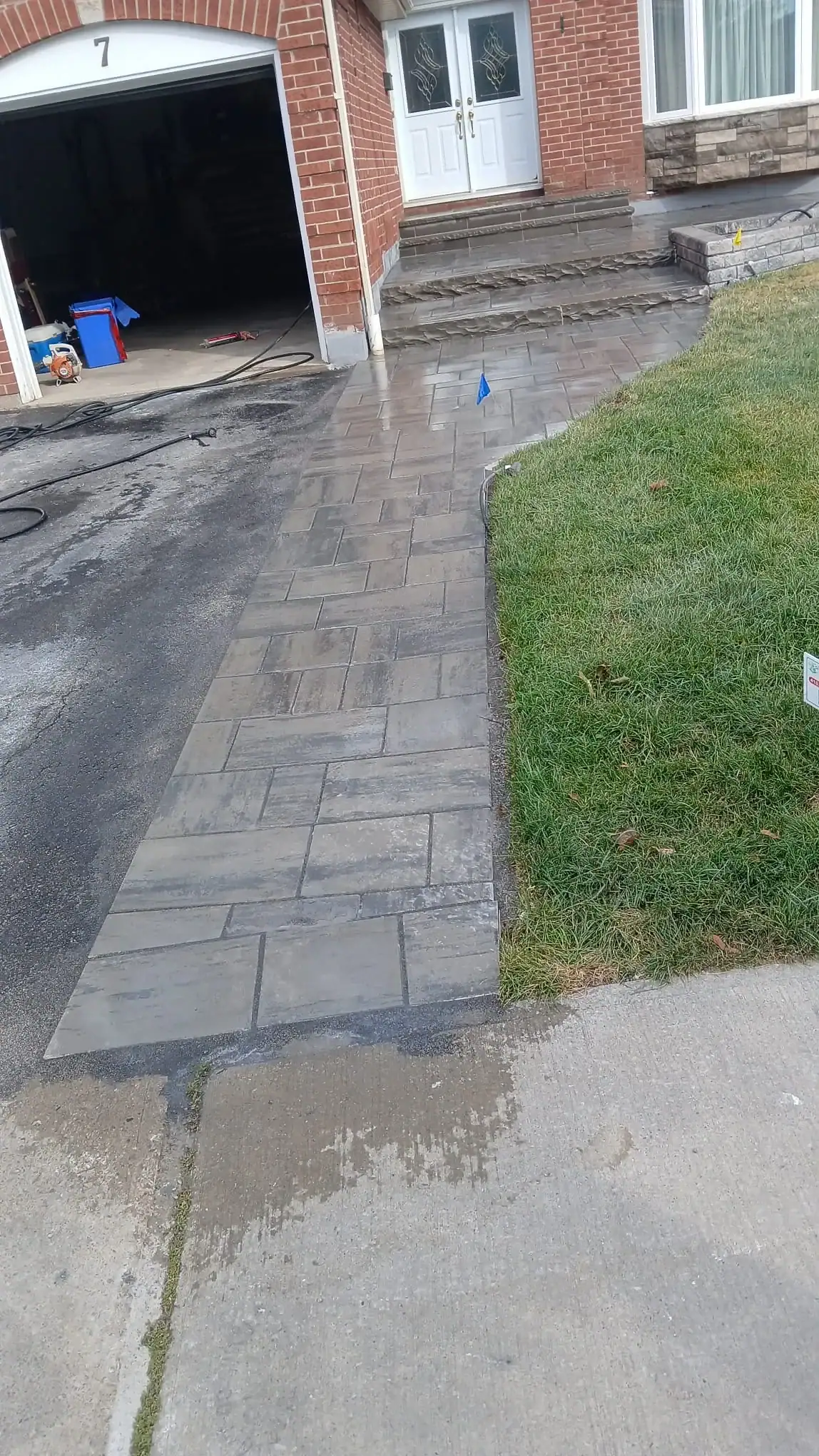
Gravel is cheaper but less durable than permeable pavers for driveways. Interlocking pavers offer a polished look and resist shifting, making them ideal for Toronto’s climate. Explore more in our Backyard Hardscape Landscaping Ideas.
FAQs
What are the different types of driveway gravel materials?
There are several types of driveway gravel, such as crushed stone, pea gravel, river rock, and decomposed granite. Each has its own look, benefits, and drawbacks, and it fits different needs and tastes.
How to make gravel hard like concrete?
The following can help to make gravel hard like concrete:
- Use the right mix
- Compact the subsoil
- Add layers of gravel
- Use a binding agent like polymeric sand, gravel binder, or Portland cement.
These steps create a firm, stable surface that feels similar to concrete. To maintain the hardened surface, reapply the binder, address erosion promptly, and keep the surface clean.
The process involves using a vibratory plate compactor to remove loose dirt and debris, compact the subsoil, and apply the desired sealant. Over time, reapplying binders, addressing erosion, and keeping the surface clean can help maintain its durability.
What Can I Use To Bond Gravel In Place?
Several products and methods are available for bonding gravel and creating a stable, hard surface.
- Polymeric Sand is a fine sand mixed with polymers that hardens when wet, making it ideal for small gravel surfaces.
- Gravel Binder (Stabilizer) is a product that hardens gravel and creates a semi-solid, water-permeable surface.
- Portland Cement is a powdered cement that can be mixed with gravel to create a solid surface.
- Epoxy Resin is a two-part resin system that bonds gravel together, making it durable and weather-resistant.
- Tar and Chip combines liquid asphalt and gravel, making it strong and durable.
To ensure optimal adhesion, clean the gravel, install borders, and compact the gravel before and after bonding.
What Keeps Gravel From Washing Away?
- Gravel driveways can experience erosion due to rain, water runoff, or heavy use.
- To prevent this, the following steps can help:
- Install a gravel grid system, edging, or geotextile fabric layers to stabilize the base and prevent it from sinking into the soil.
- Create proper drainage by installing French drains or culverts alongside the driveway and using channels or gutters to divert water to safe areas.
- Use crushed stone for better compaction and resistance to shifting.
- Apply a binder or stabilizer to lock gravel together, creating a semi-solid surface. After spreading each layer, compact the gravel tightly with a vibratory plate compactor. Replenish the gravel periodically to maintain levelness and stability.
To prevent erosion on steep slopes, combine multiple methods, such as a grid system, edging, and proper drainage.
How Deep Should A Gravel Driveway Be?
The depth of a gravel driveway depends on its intended use, the type of traffic it will support, and the layers needed for stability and drainage. Here’s a breakdown of the recommended depth:
Recommended Gravel Driveway Depth:
- Residential Driveways (Cars and Light Trucks): 12 inches minimum.
- Heavy-Load Driveways (RVs or Trucks): 18 inches or more.
Final Thoughts:
Making the Right Choice for Your Driveway Gravel
Choosing the right driveway gravel is key to your property’s look and function. While there’s no single gravel that fits everyone. The best one for you depends on your area’s weather, water flow, budget, and style.
By considering all your options and following the best practices for installing and caring for your driveway, you can have a driveway that lasts and looks great. A&A Masonry Inc. specializes in professional concrete driveway repair and installation in Toronto, ensuring a durable, visually appealing, and long-lasting surface for your property.
Why A&A Masonry?
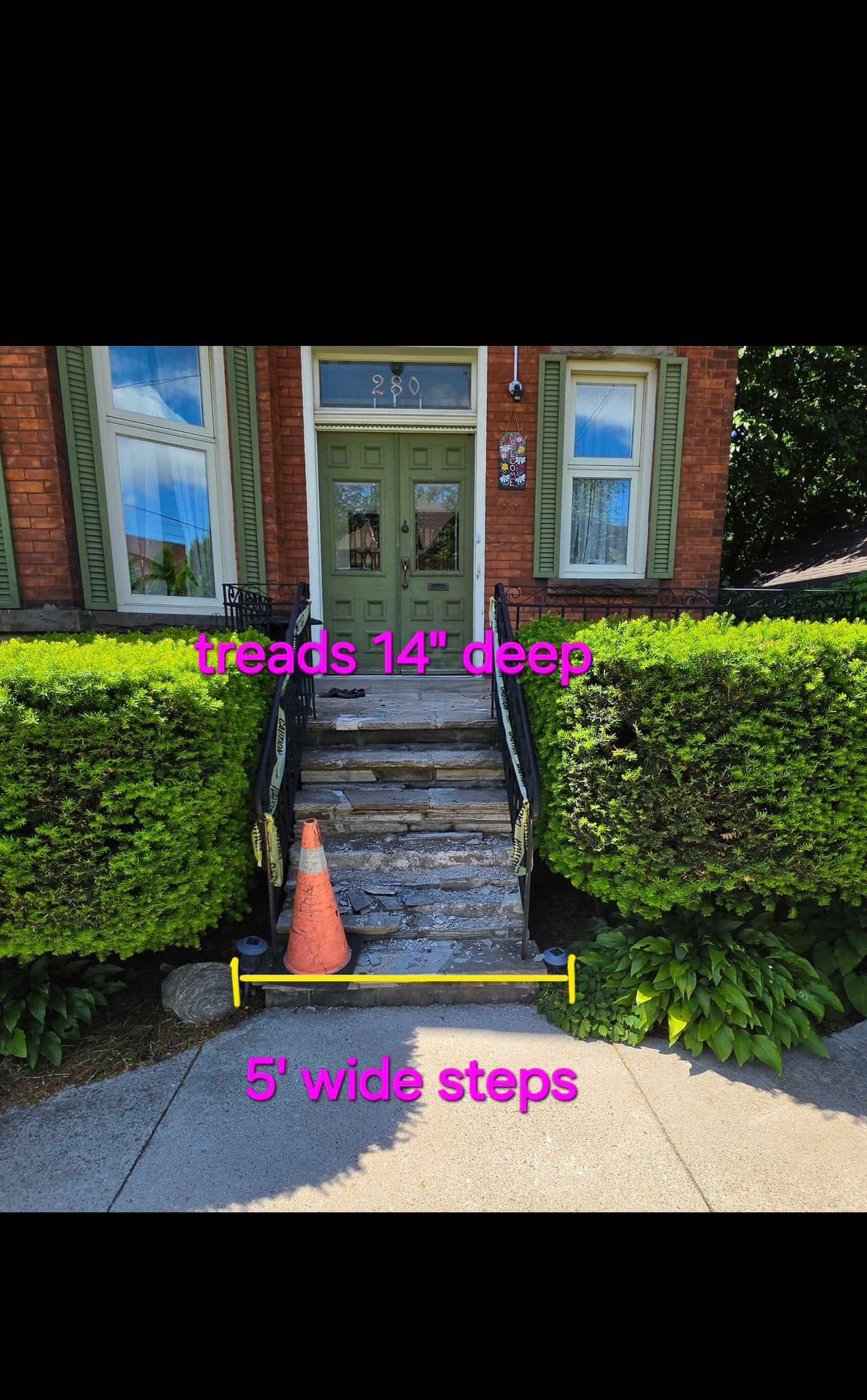
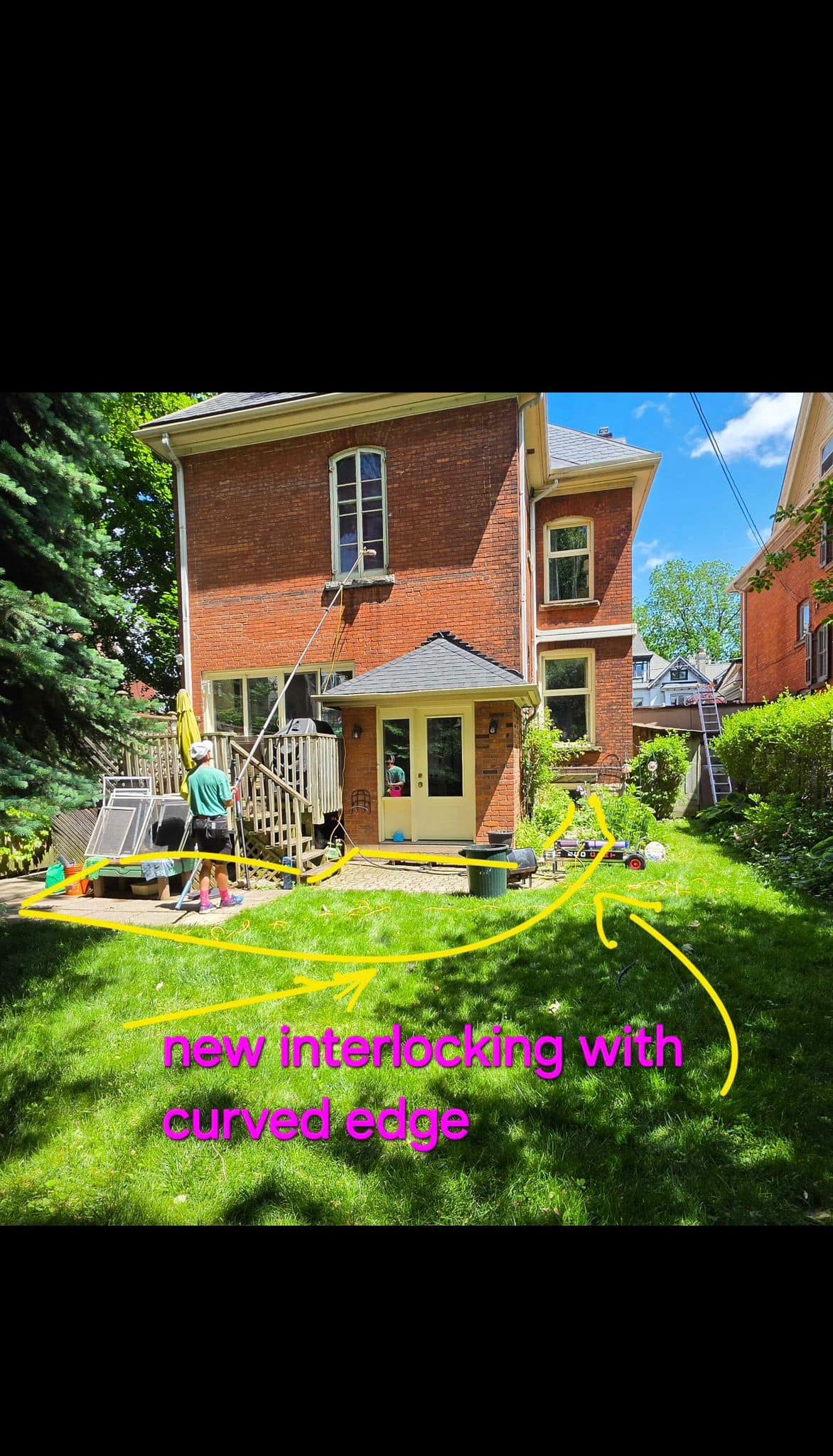
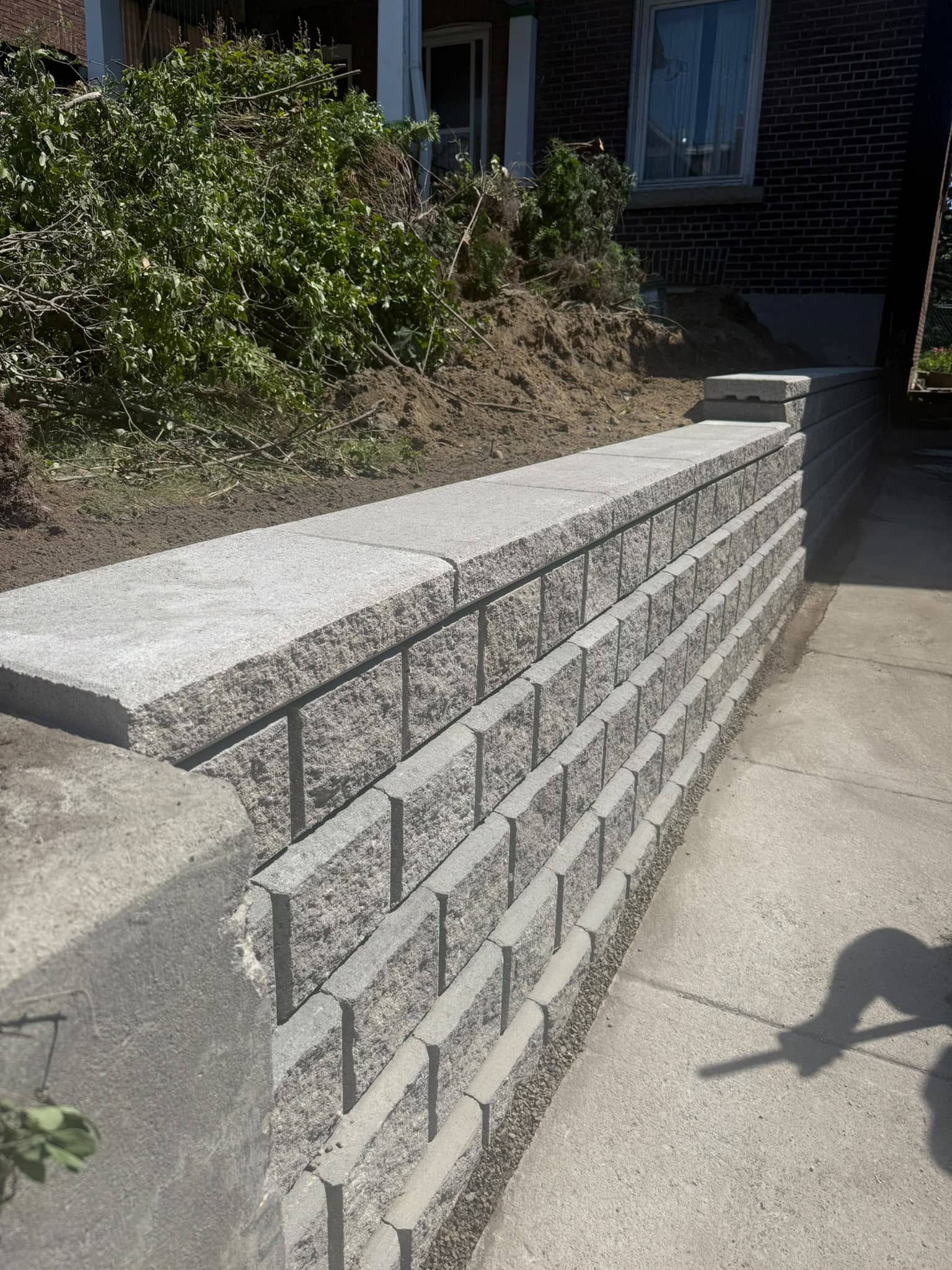
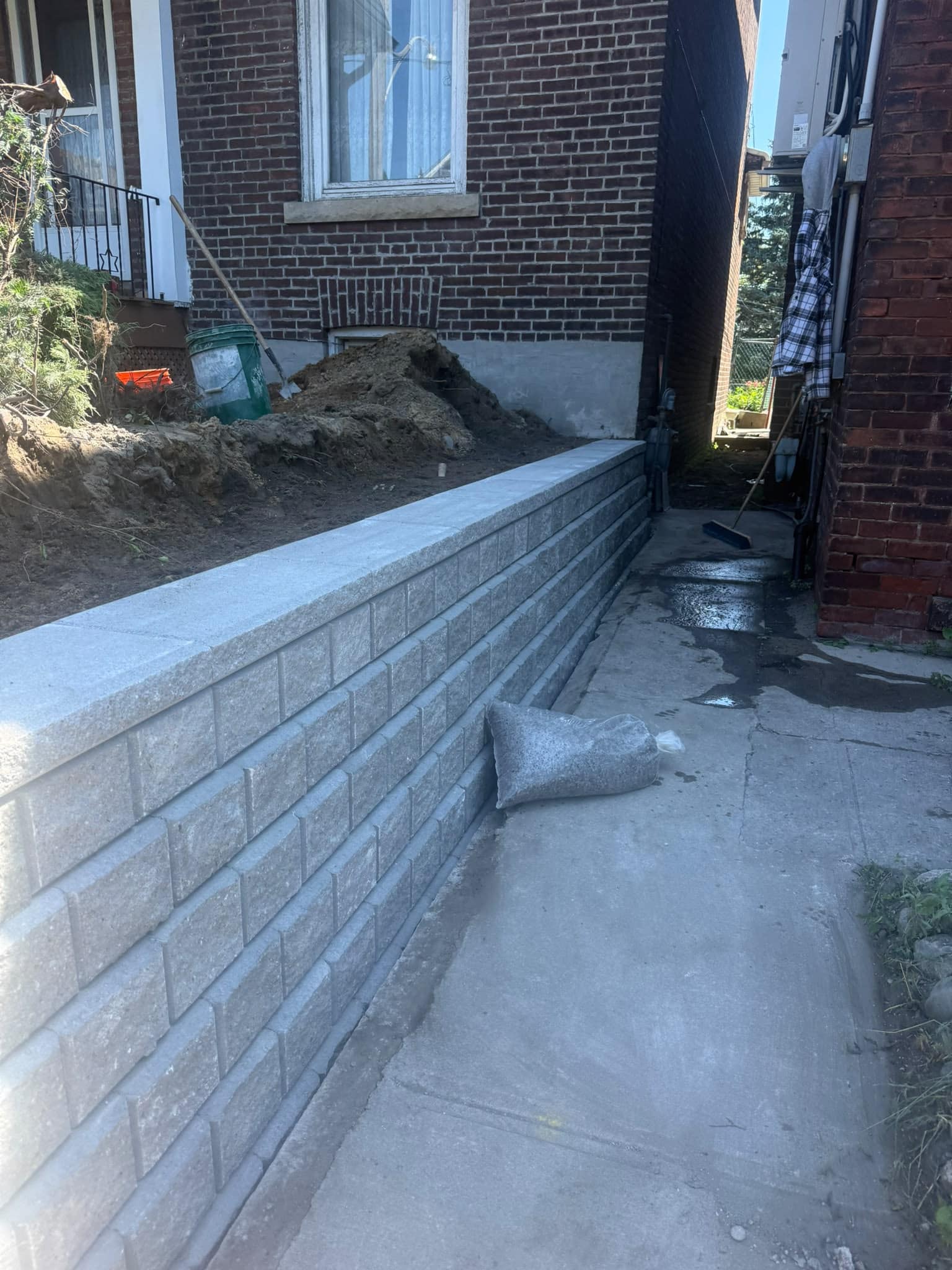
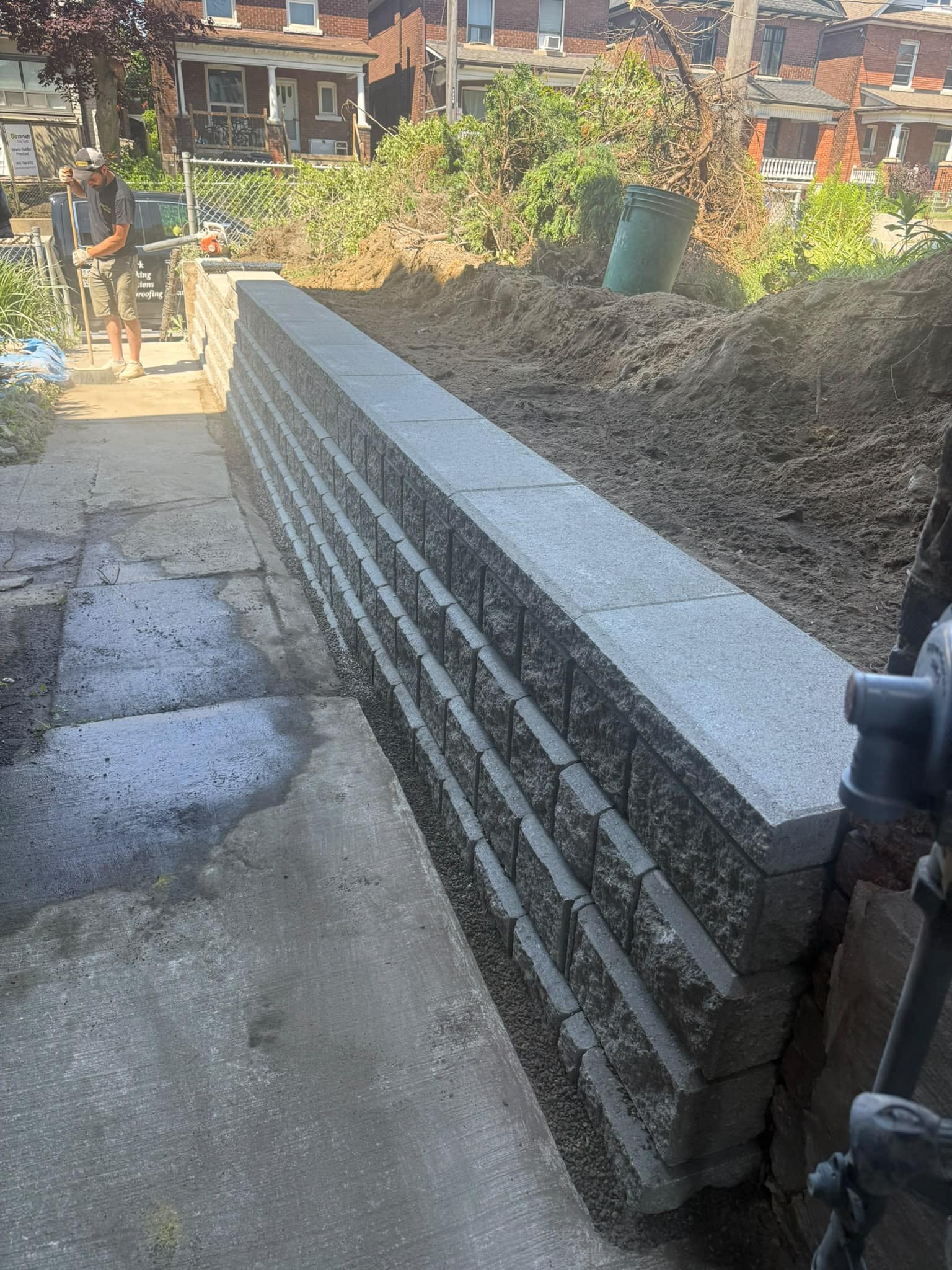
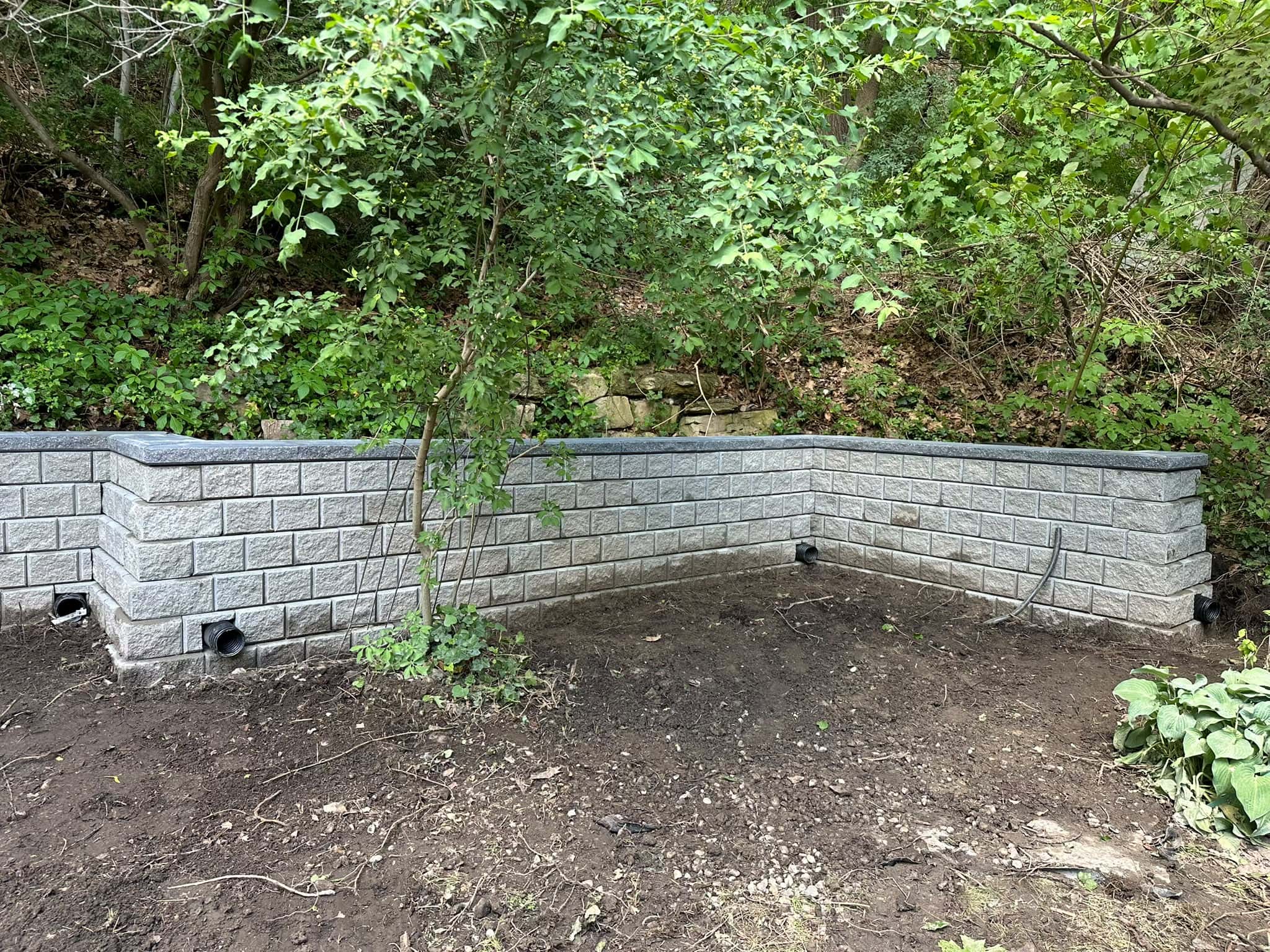
A&A Masonry specializes in interlocking stone installation and retaining walls for durable, stylish driveways. While gravel is a great option, our interlocking solutions provide unmatched longevity and curb appeal.
Ready to upgrade your driveway? Contact A&A Masonry for a free consultation!
Our Services Include:
- Concrete Repairs
- Stone Masonry
- Brick Painting
- Interlocking Stone Pavers
- Parging
- Tuckpointing
- Brick Repair
- Fireplace Stone Veneer
- Chimney Repair
- Commercial Exterior Painting
- Basement Waterproofing
- Stucco
- Interlocking Steps
- Roofing
For expert masonry and waterproofing services in Toronto, call us today at 416-236-8721 or contact A&A Masonry for a free consultation.