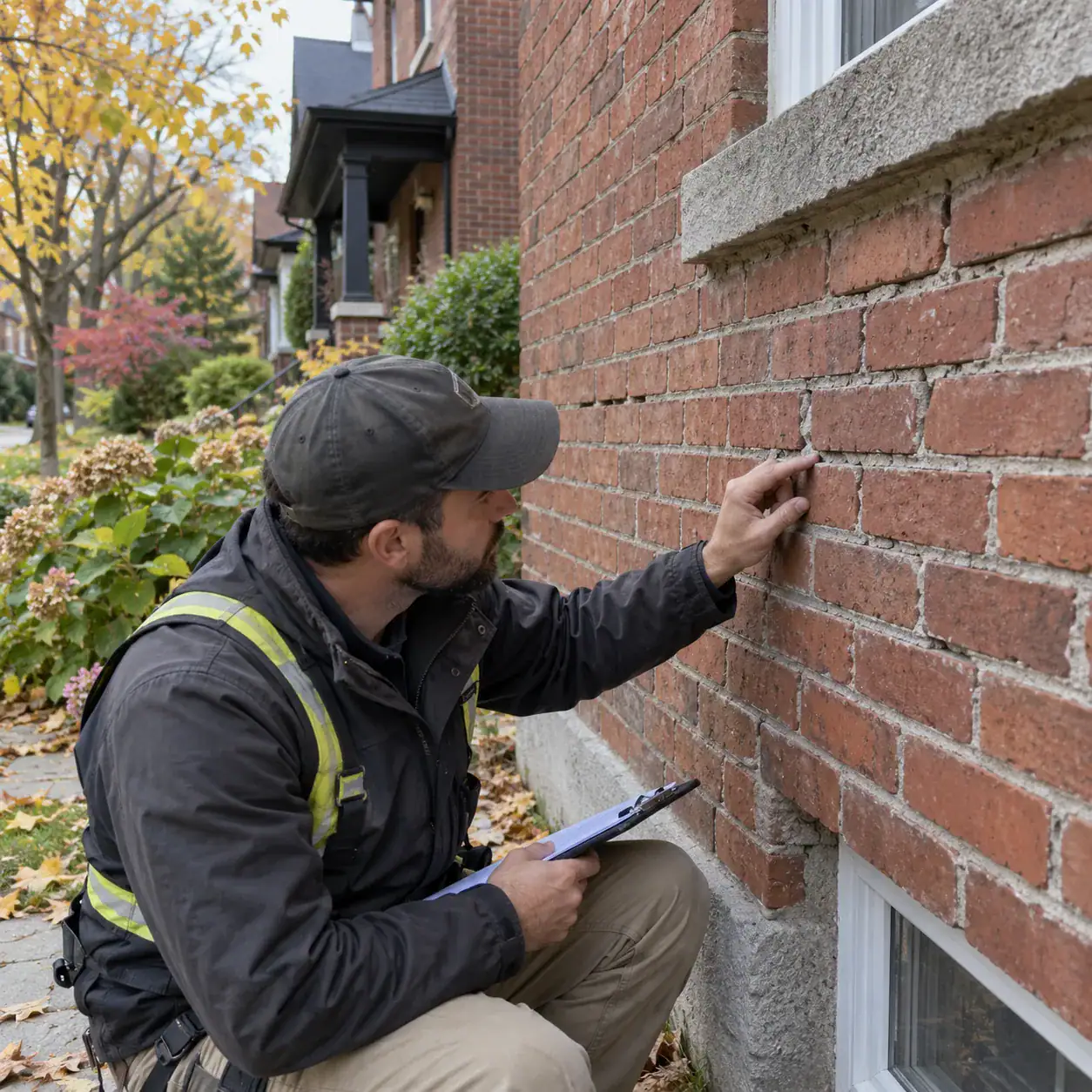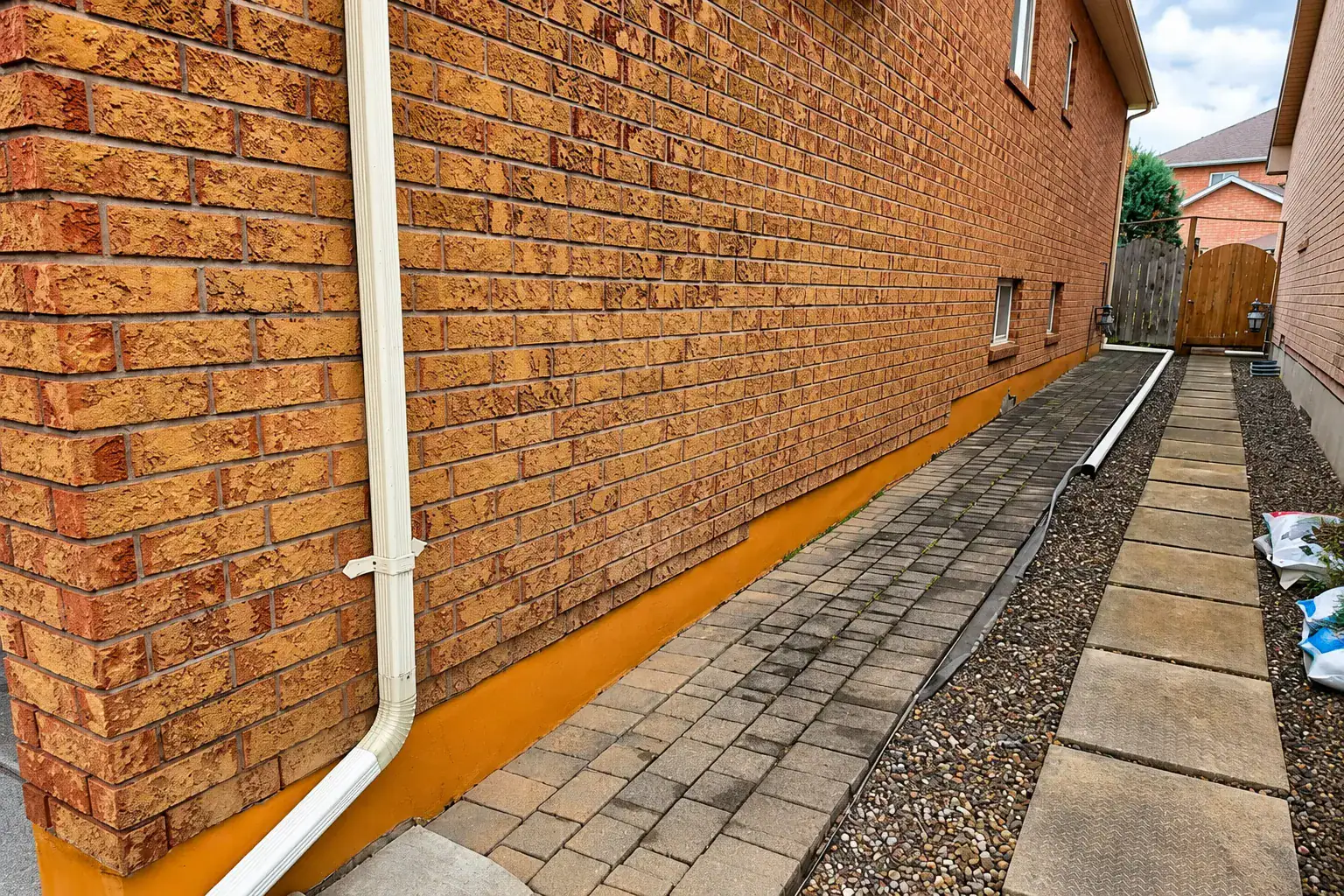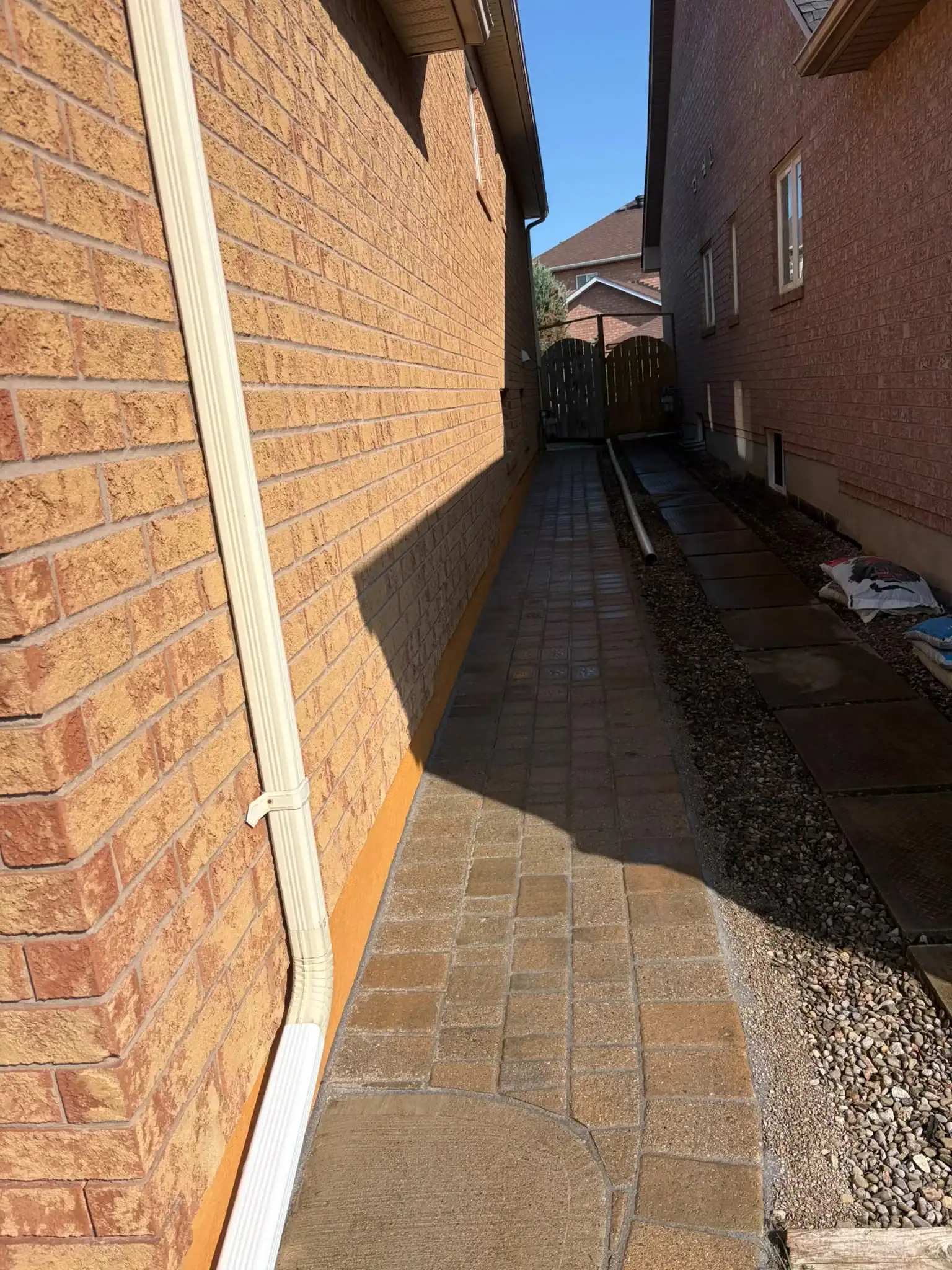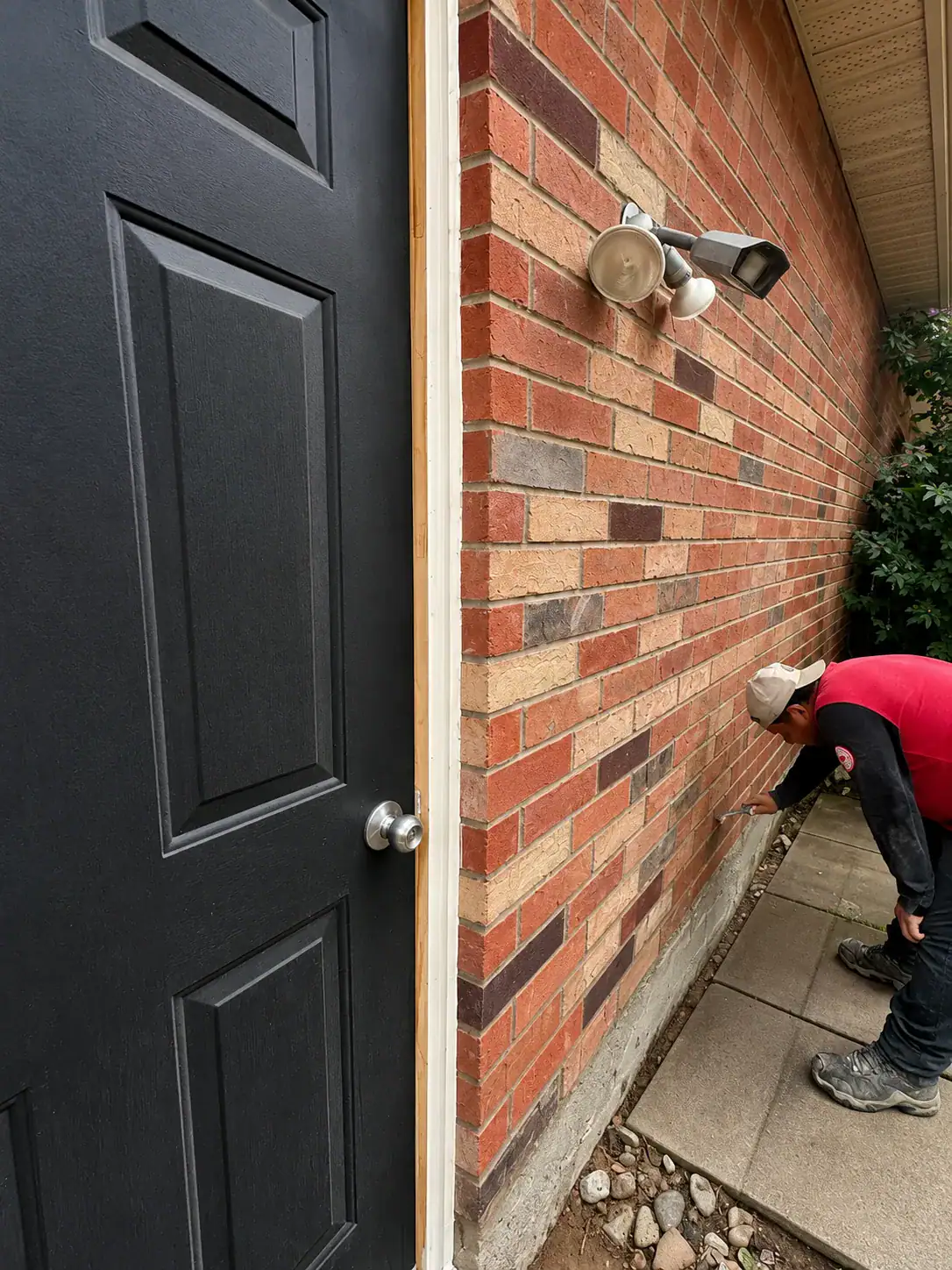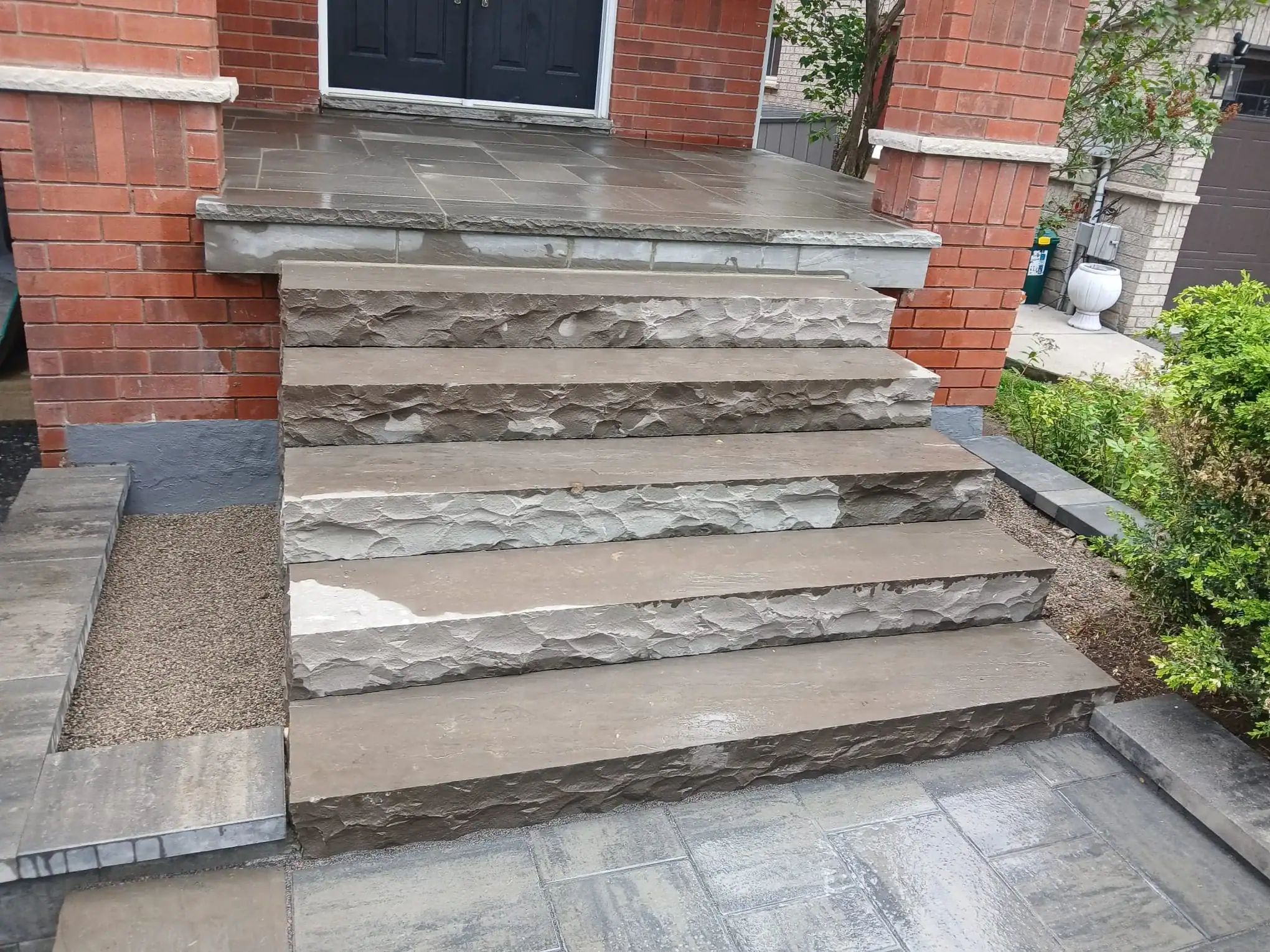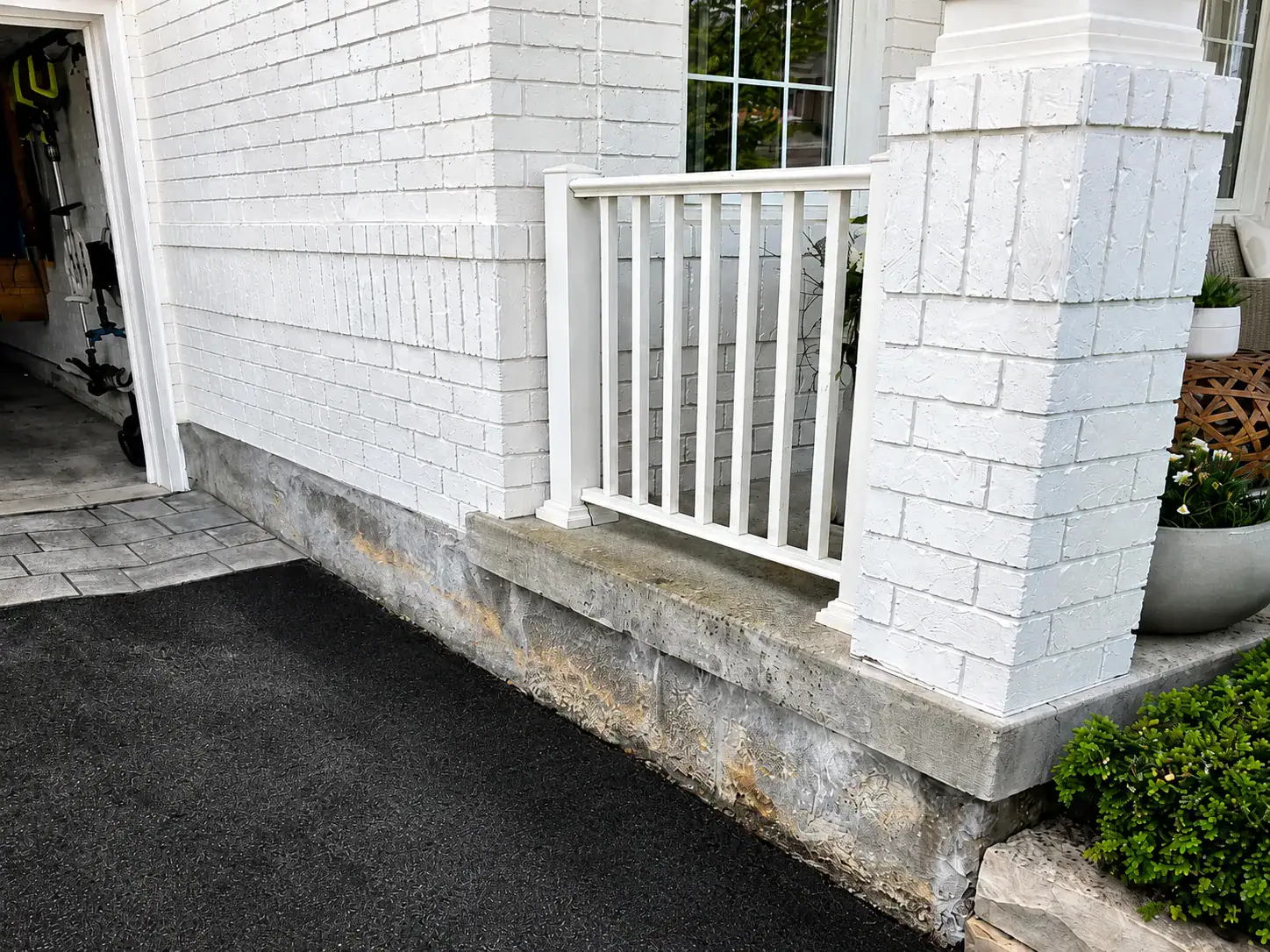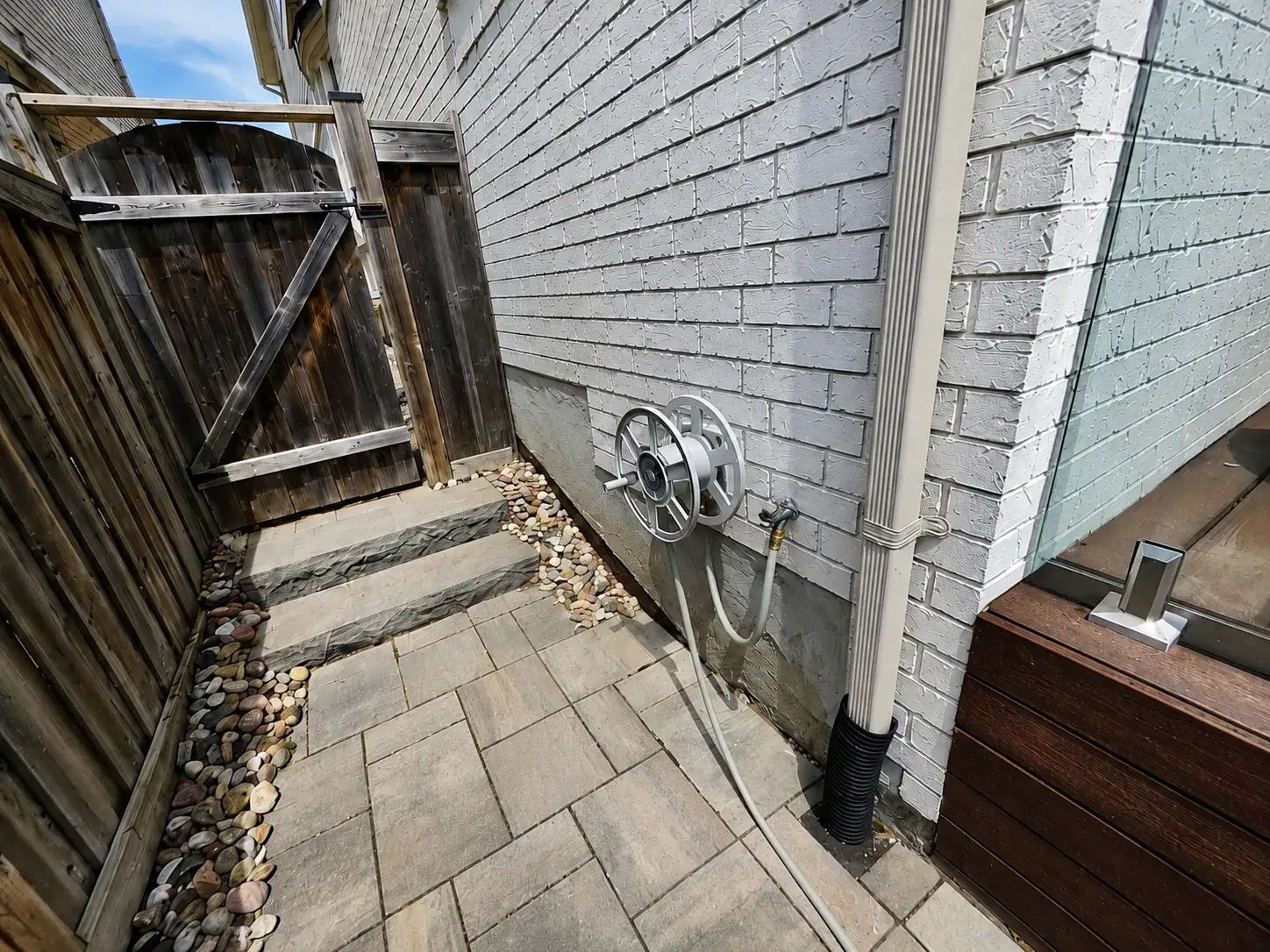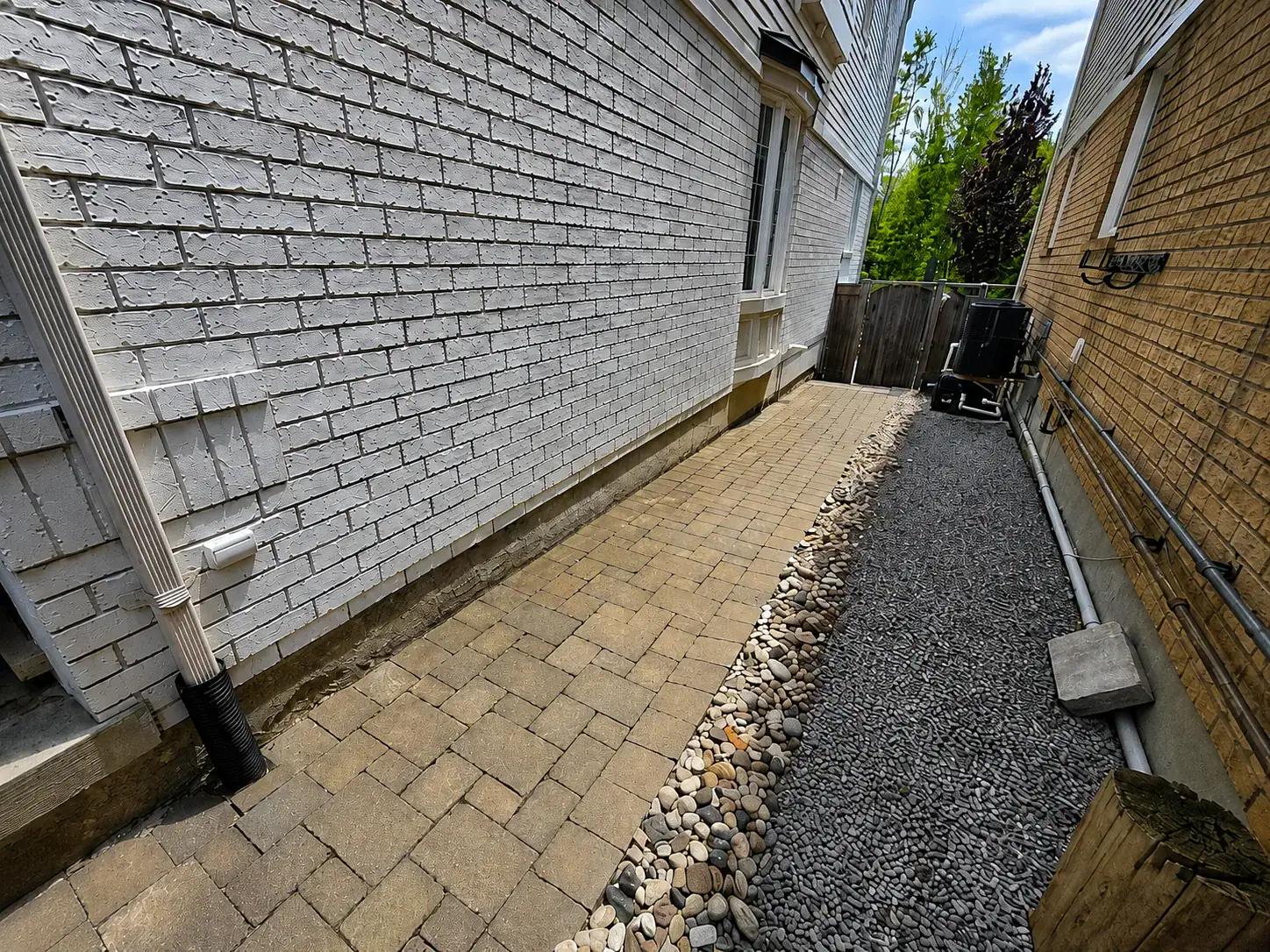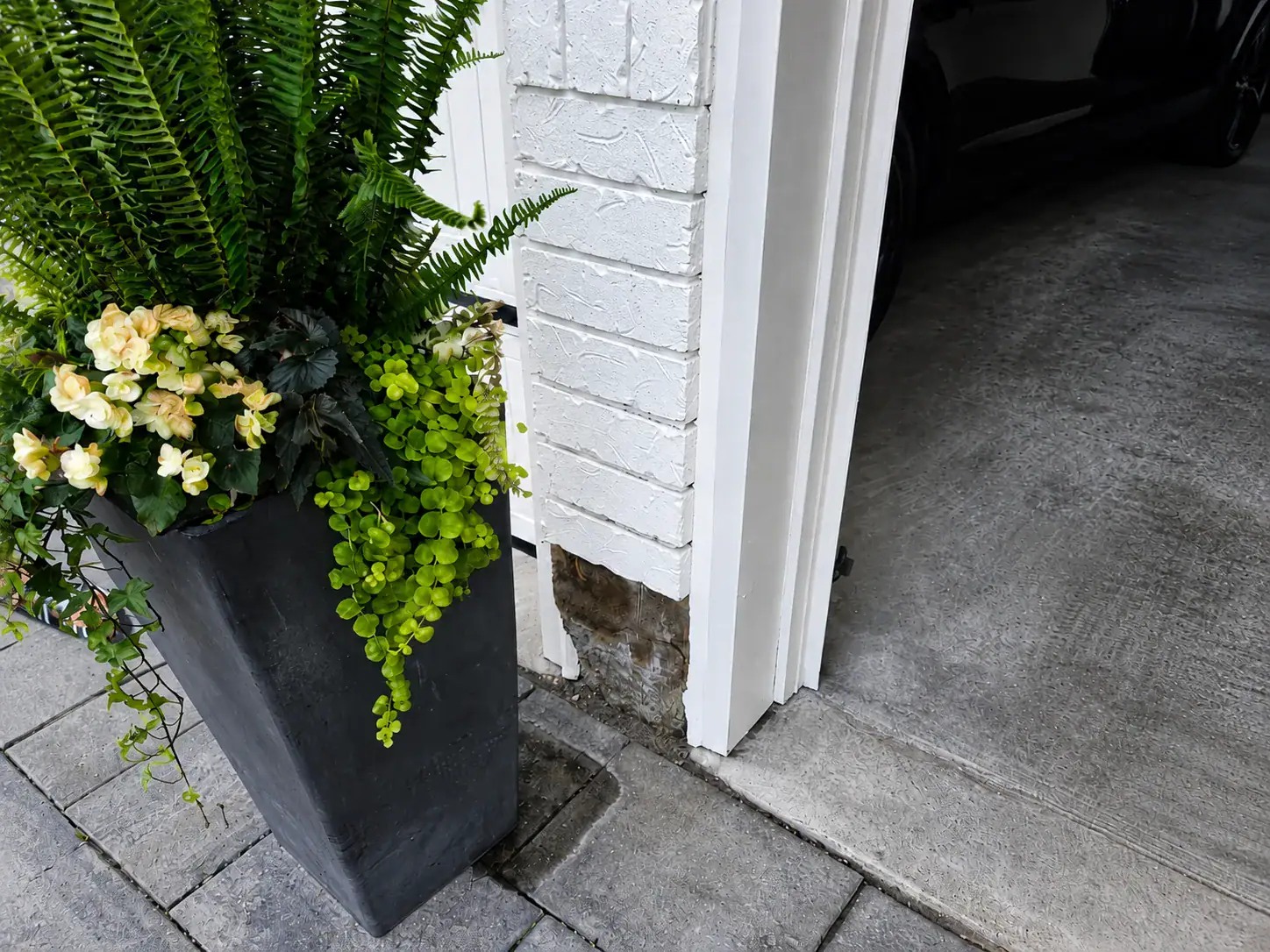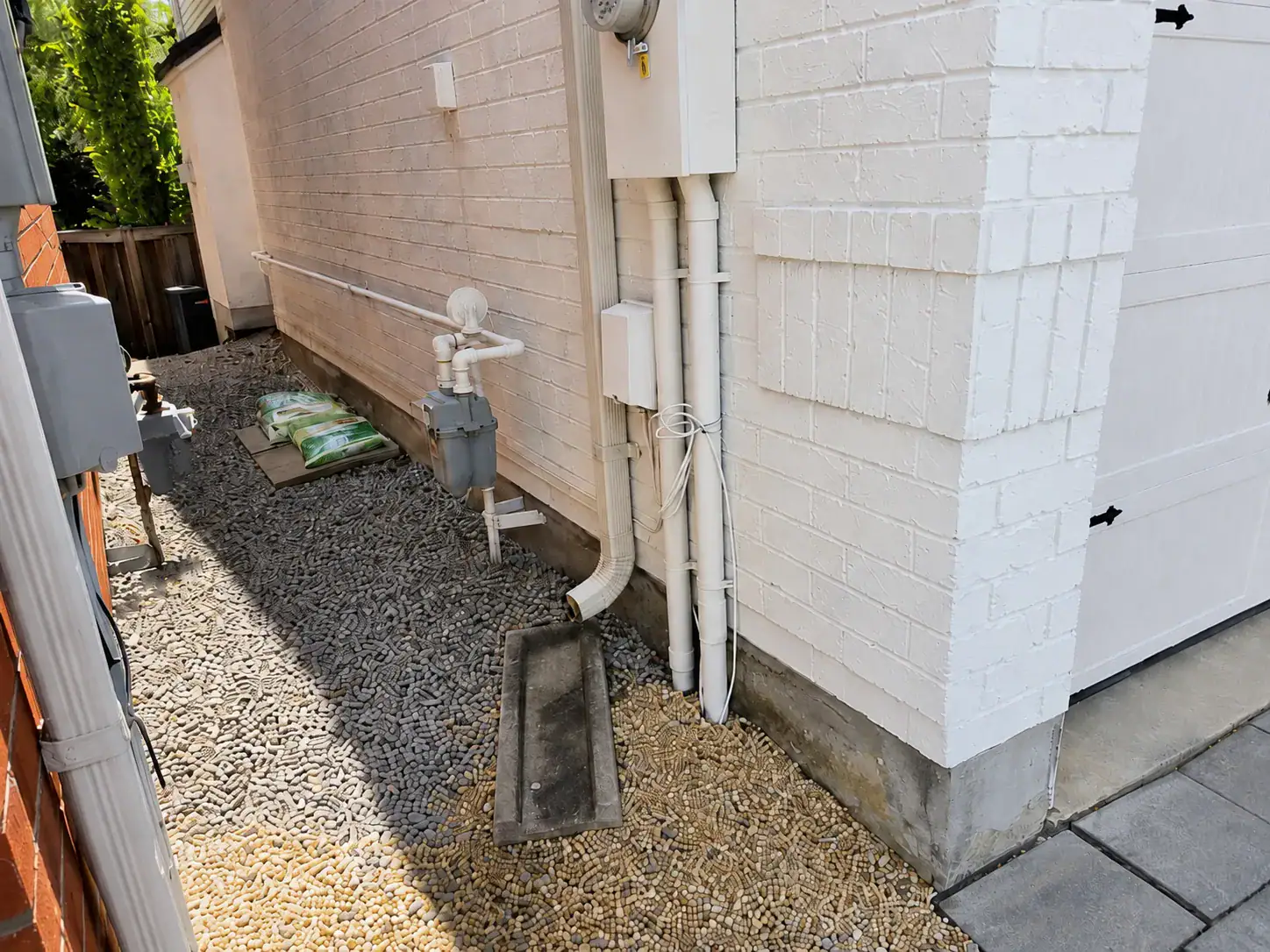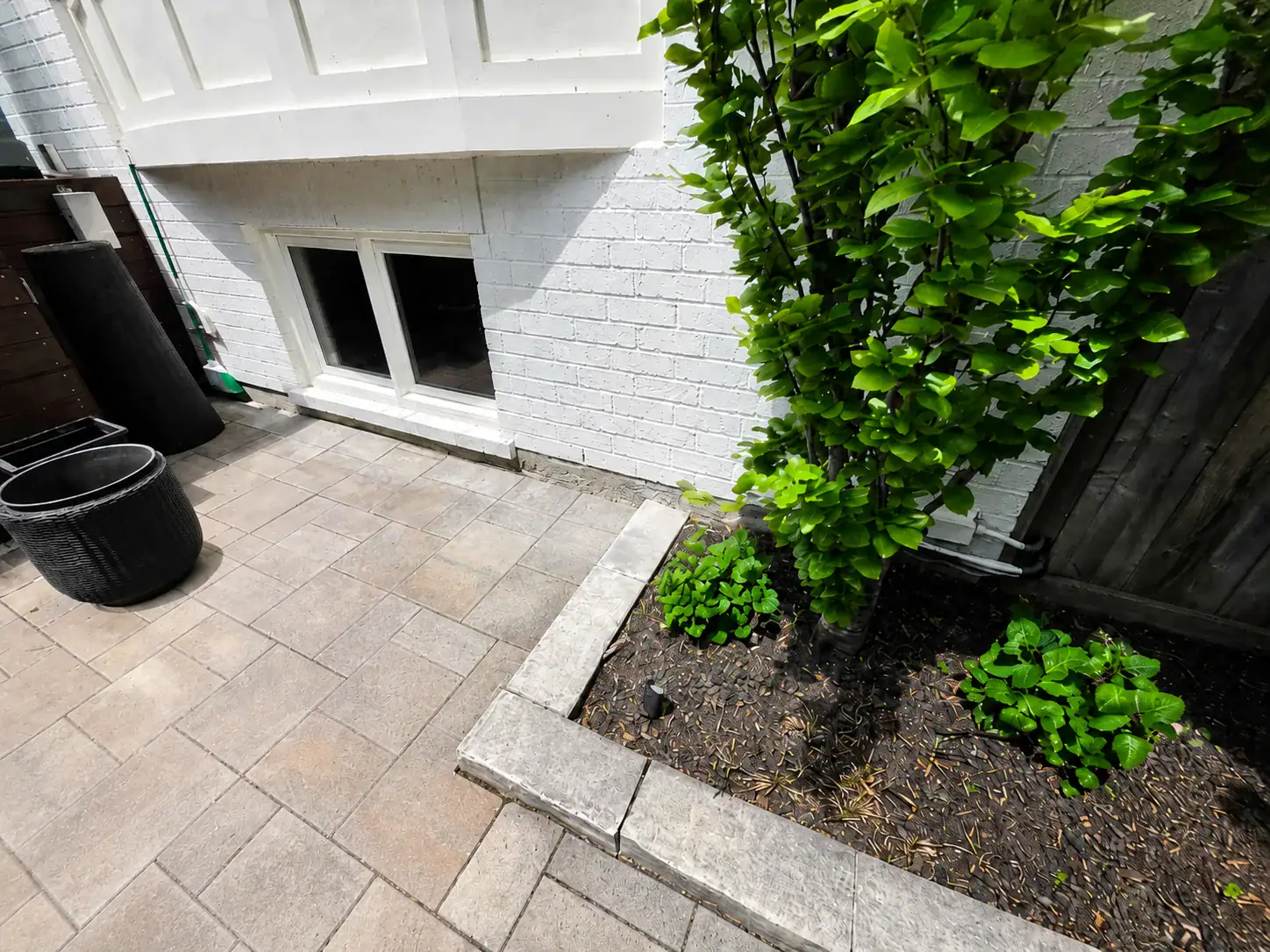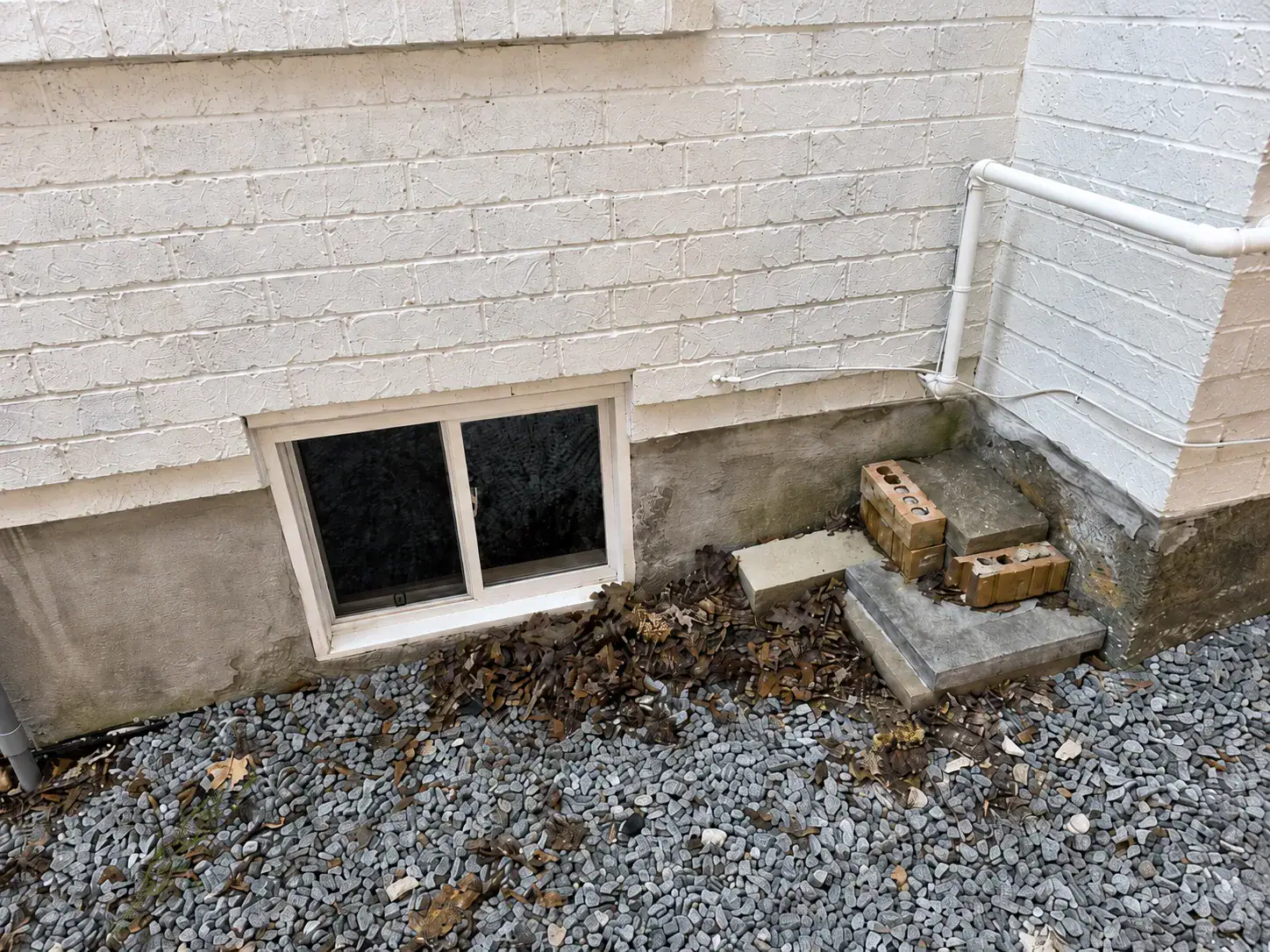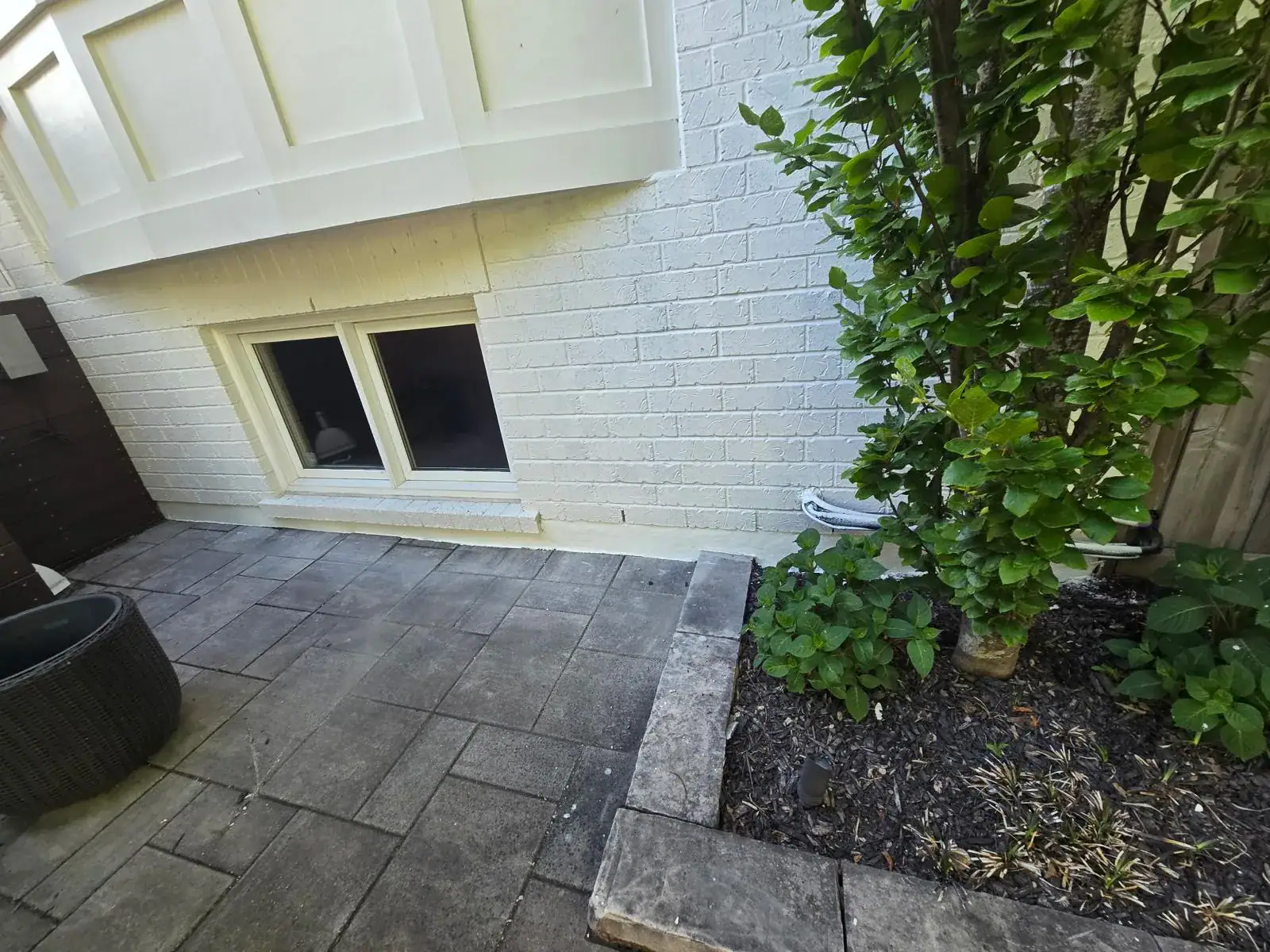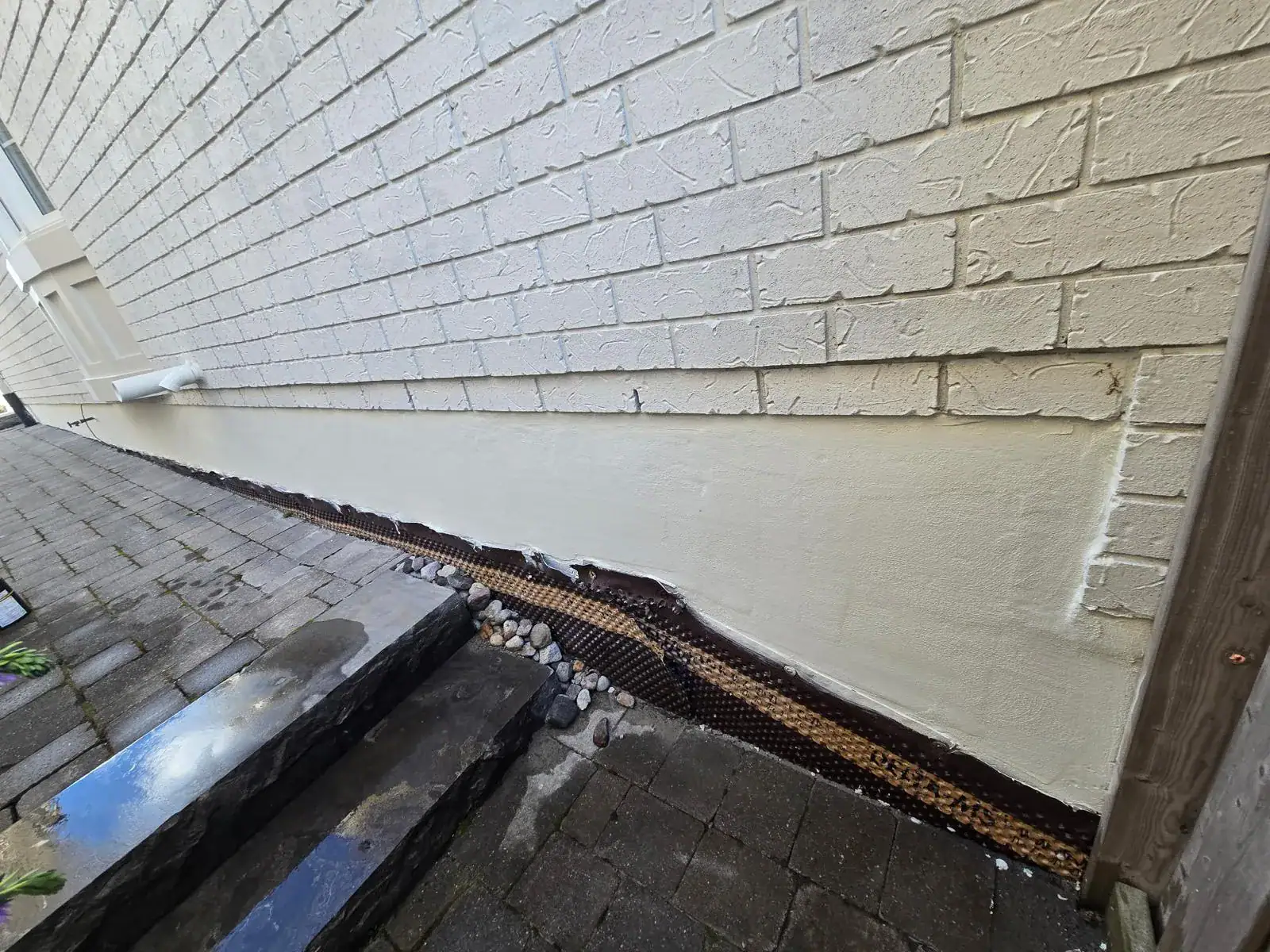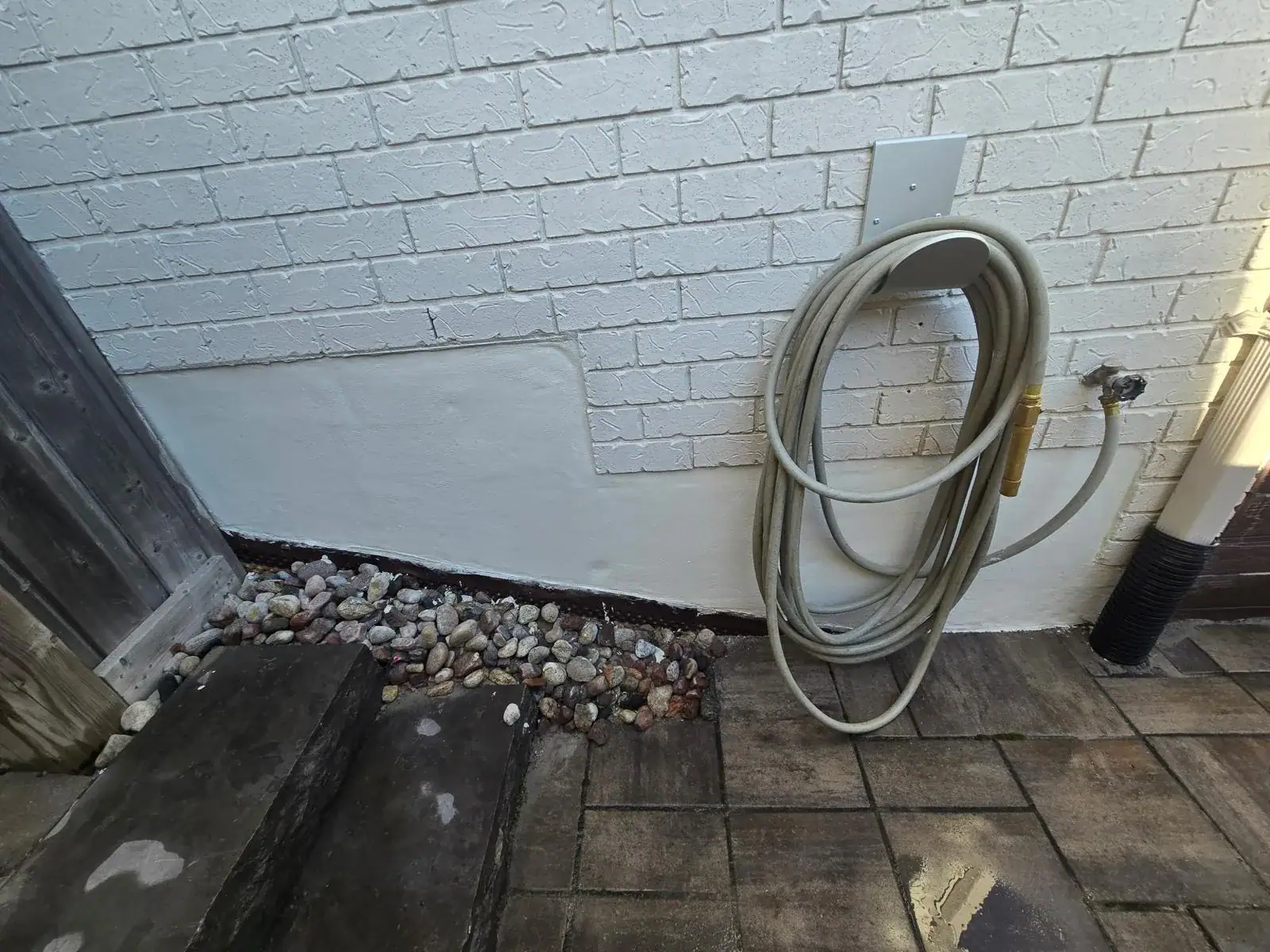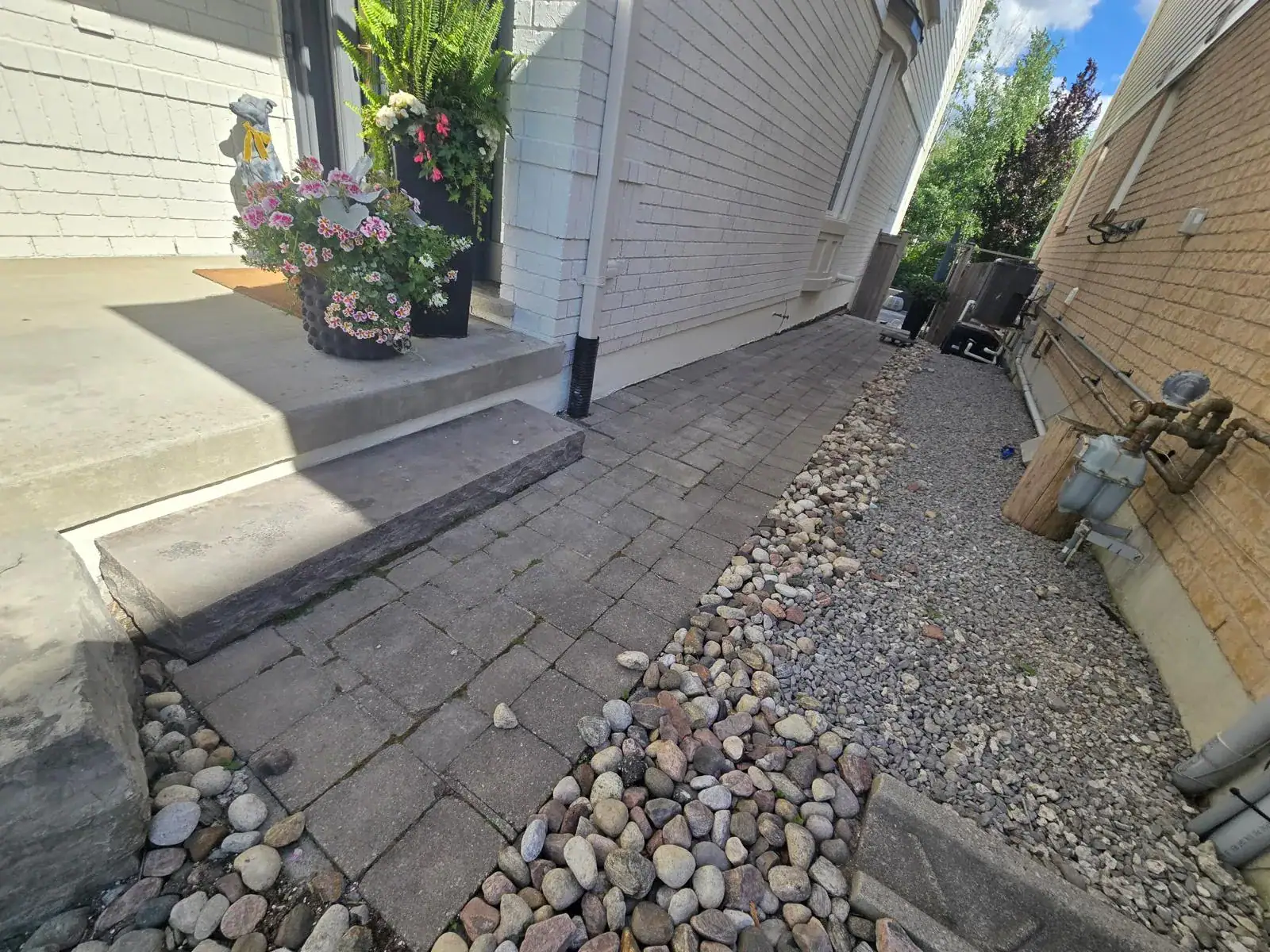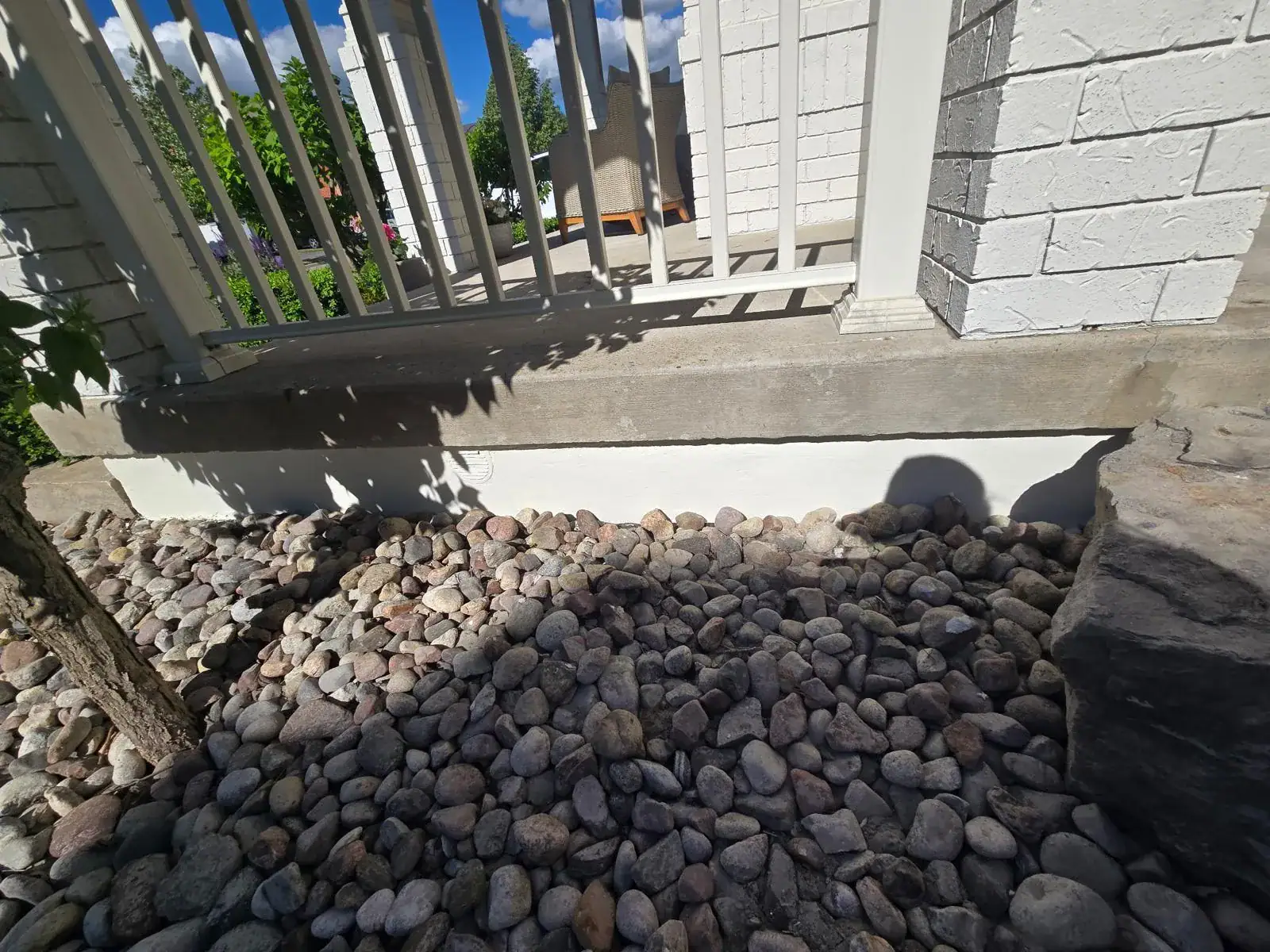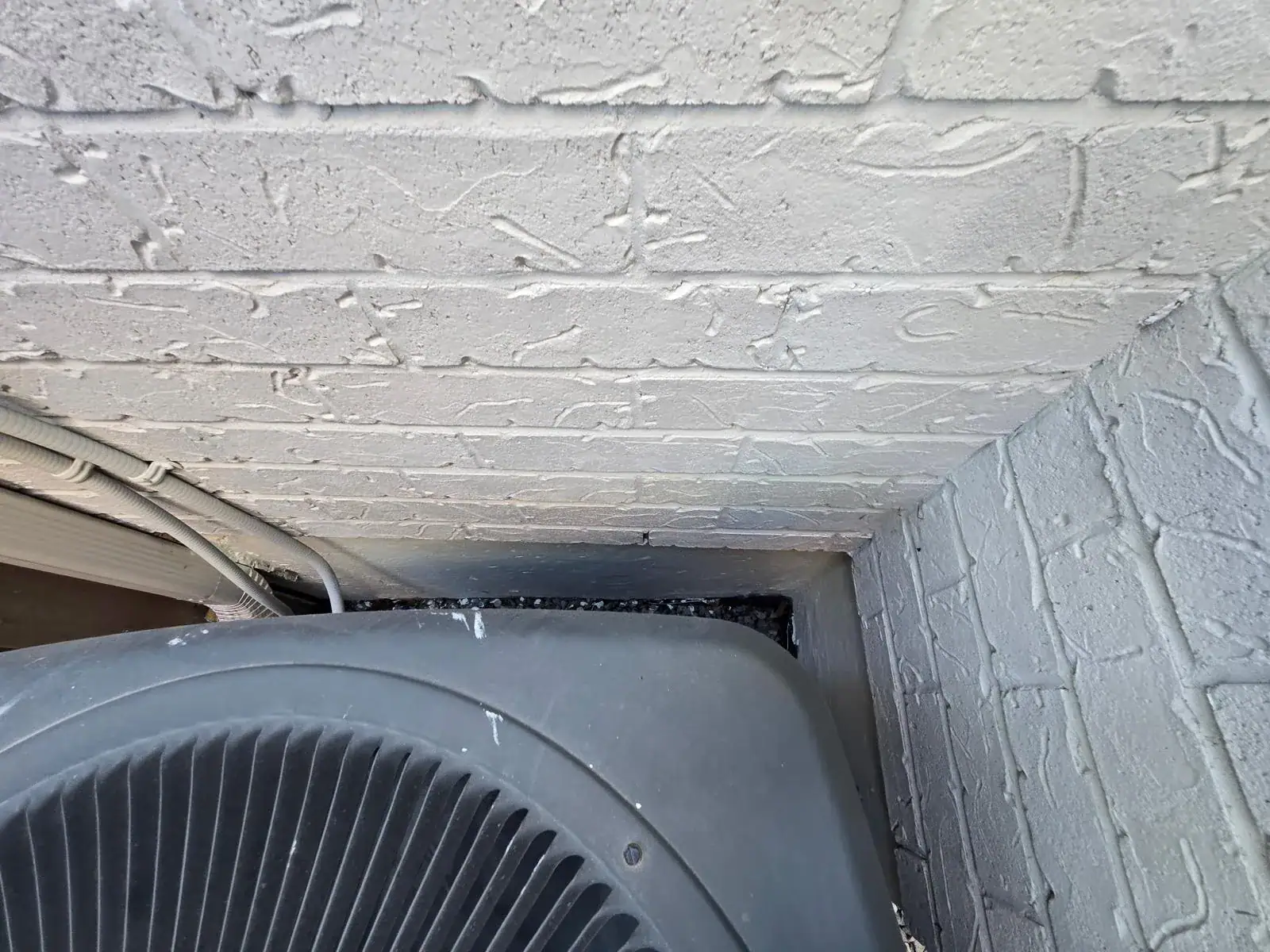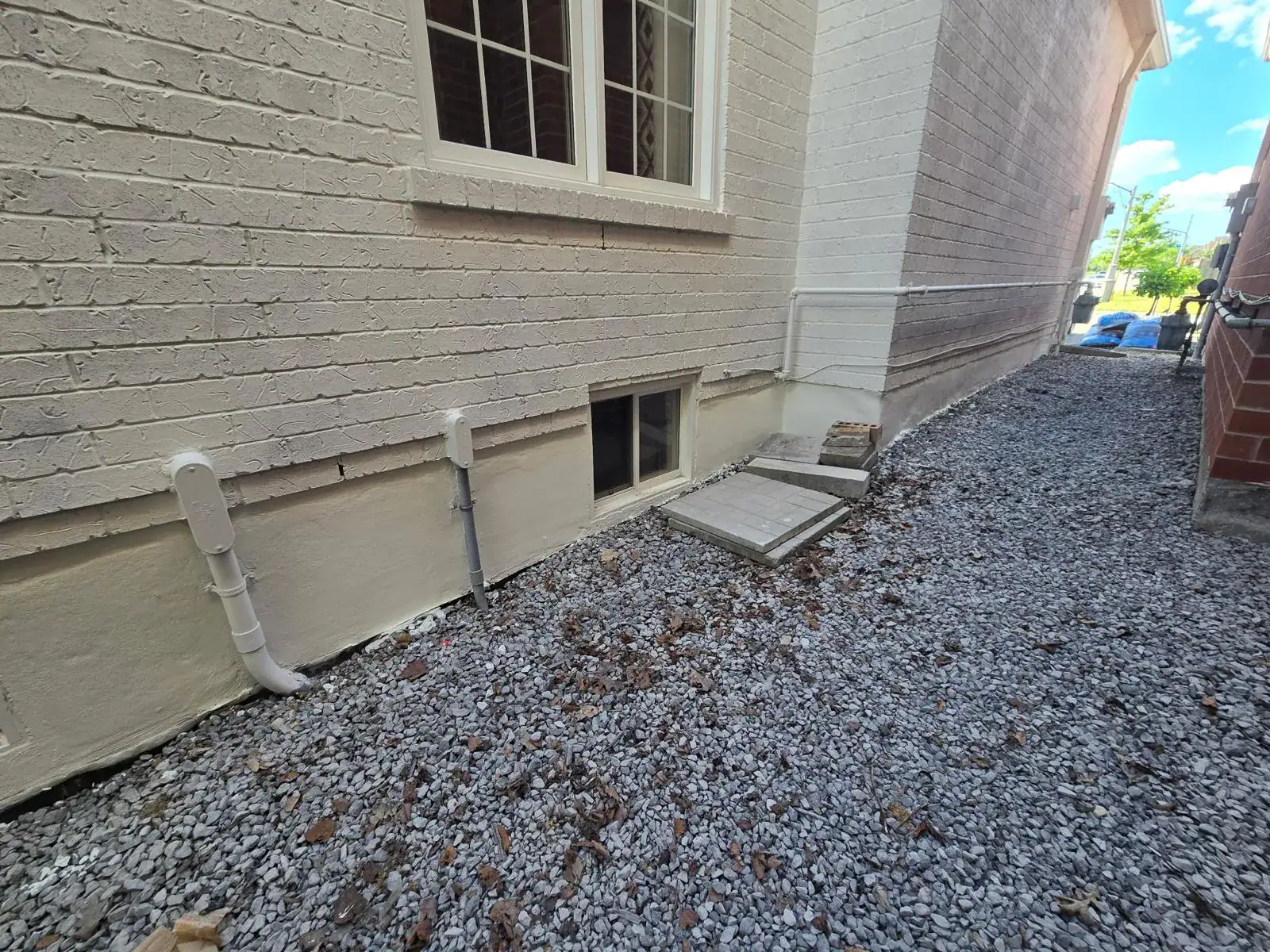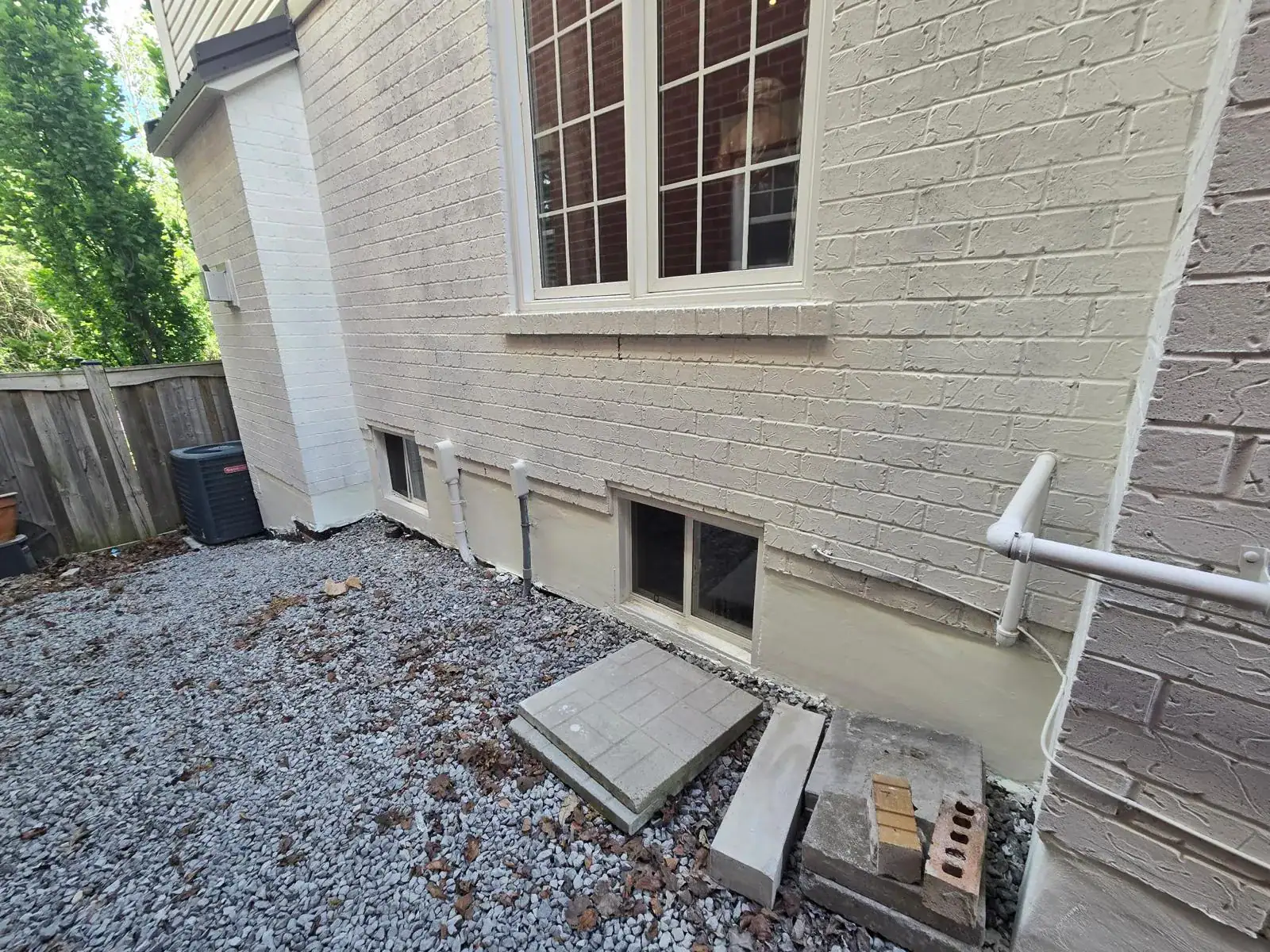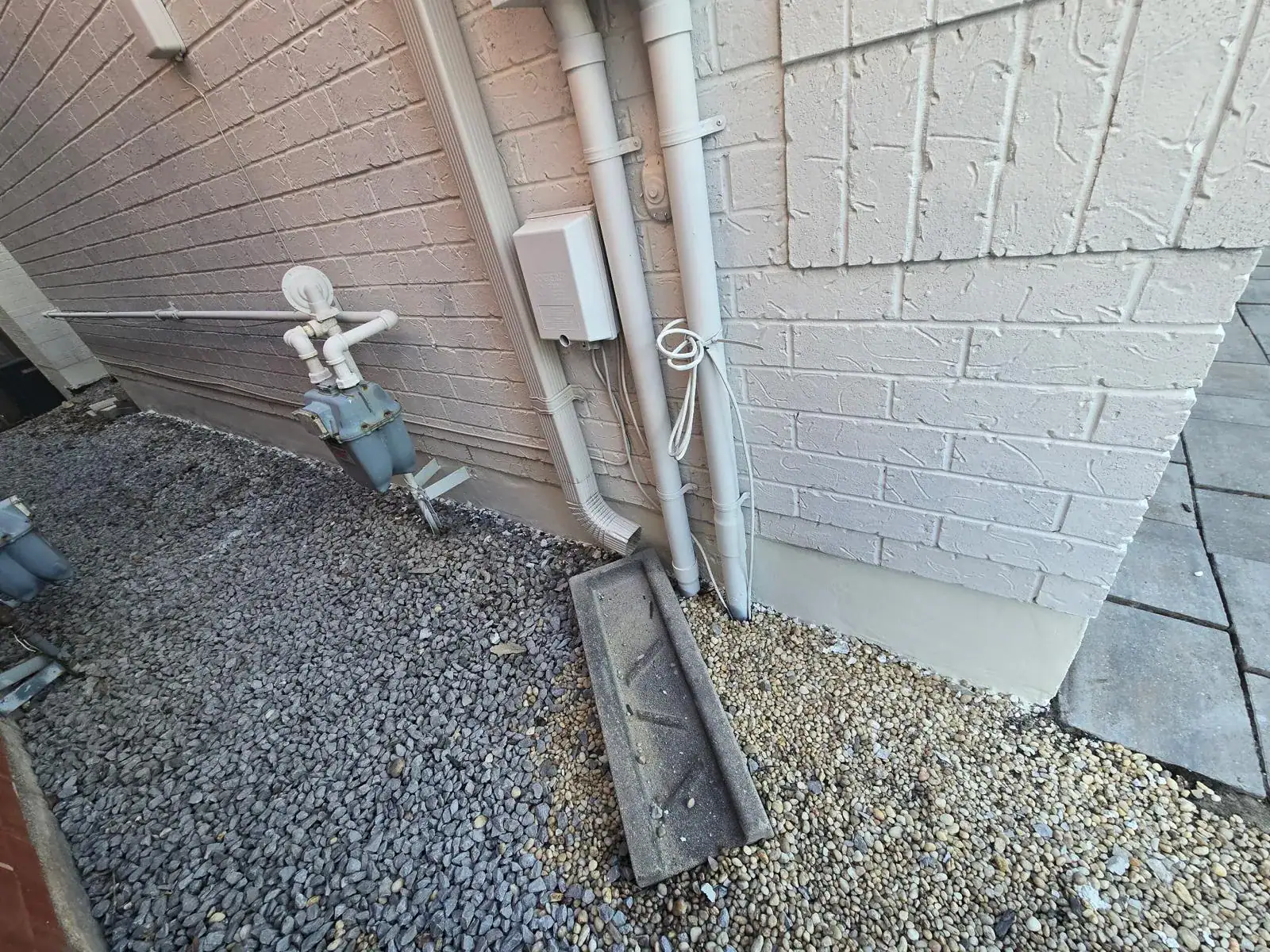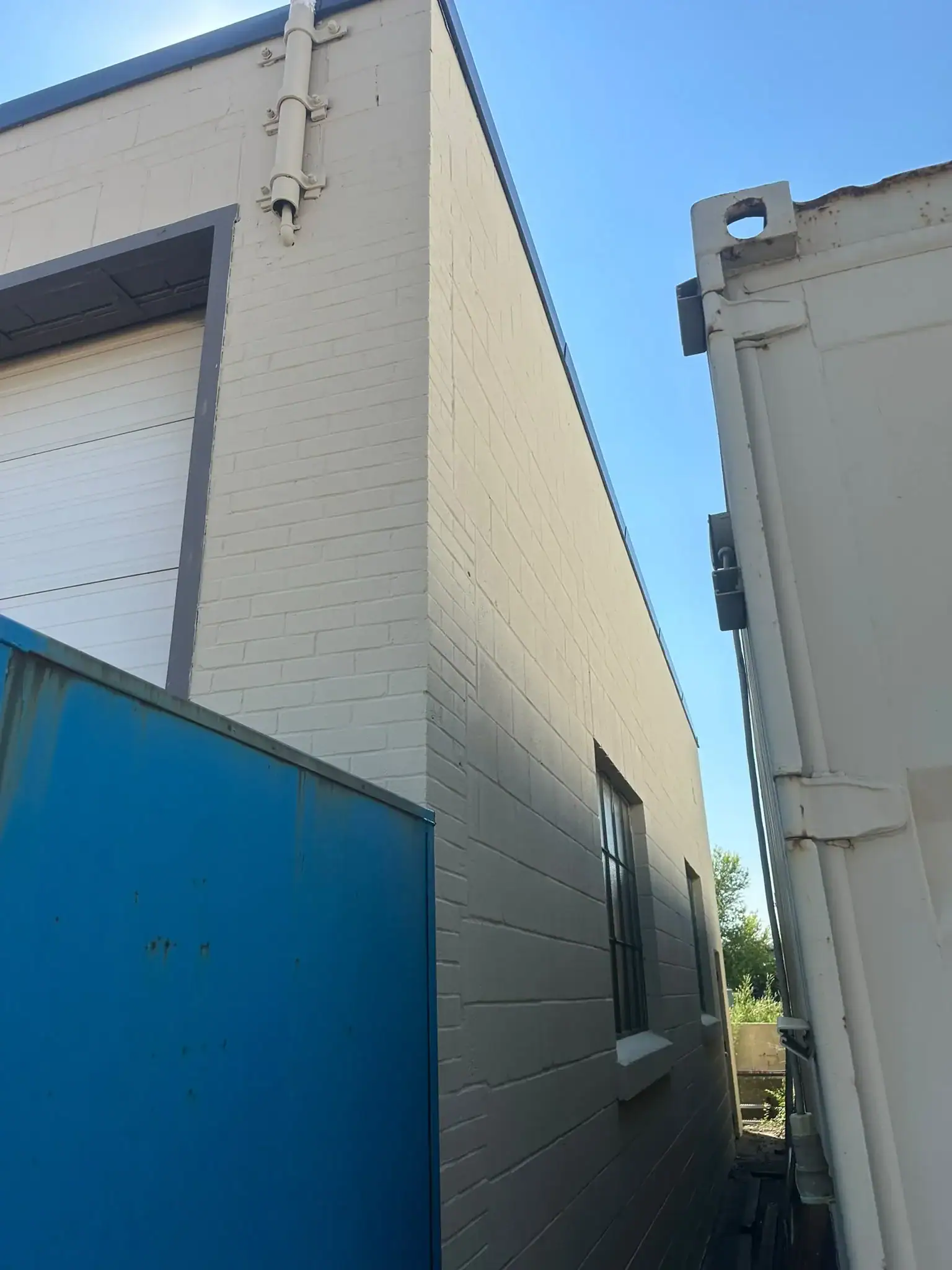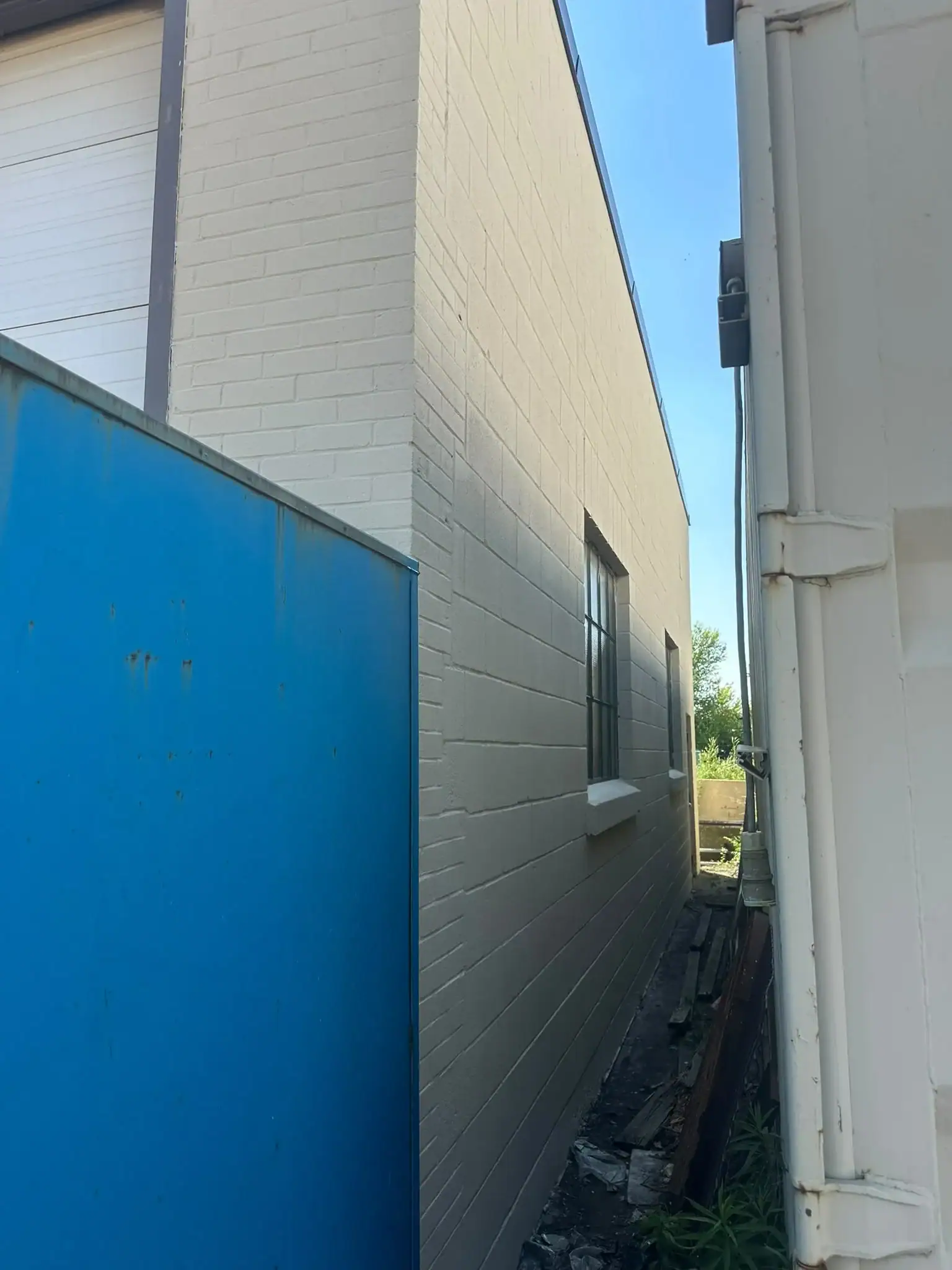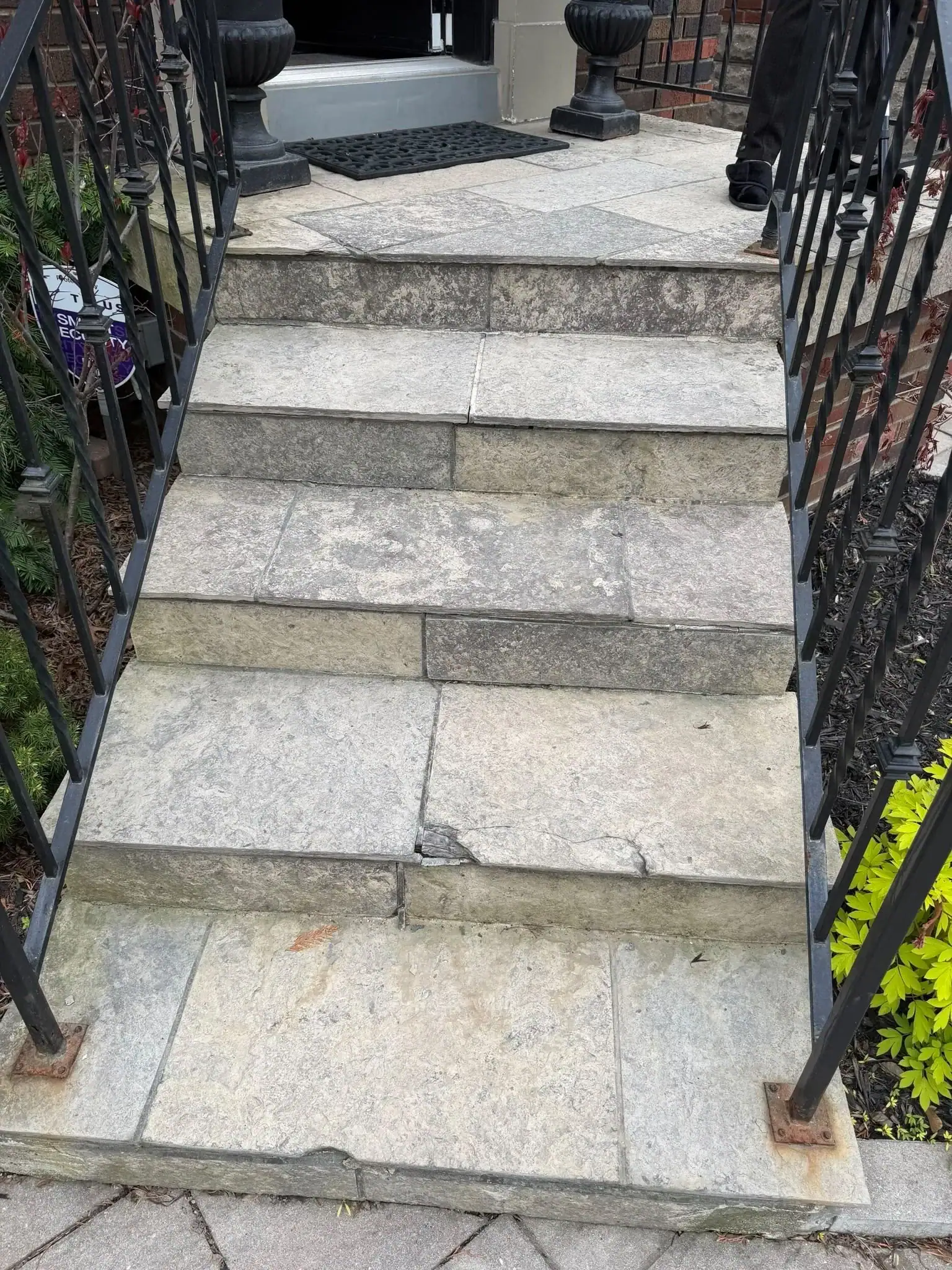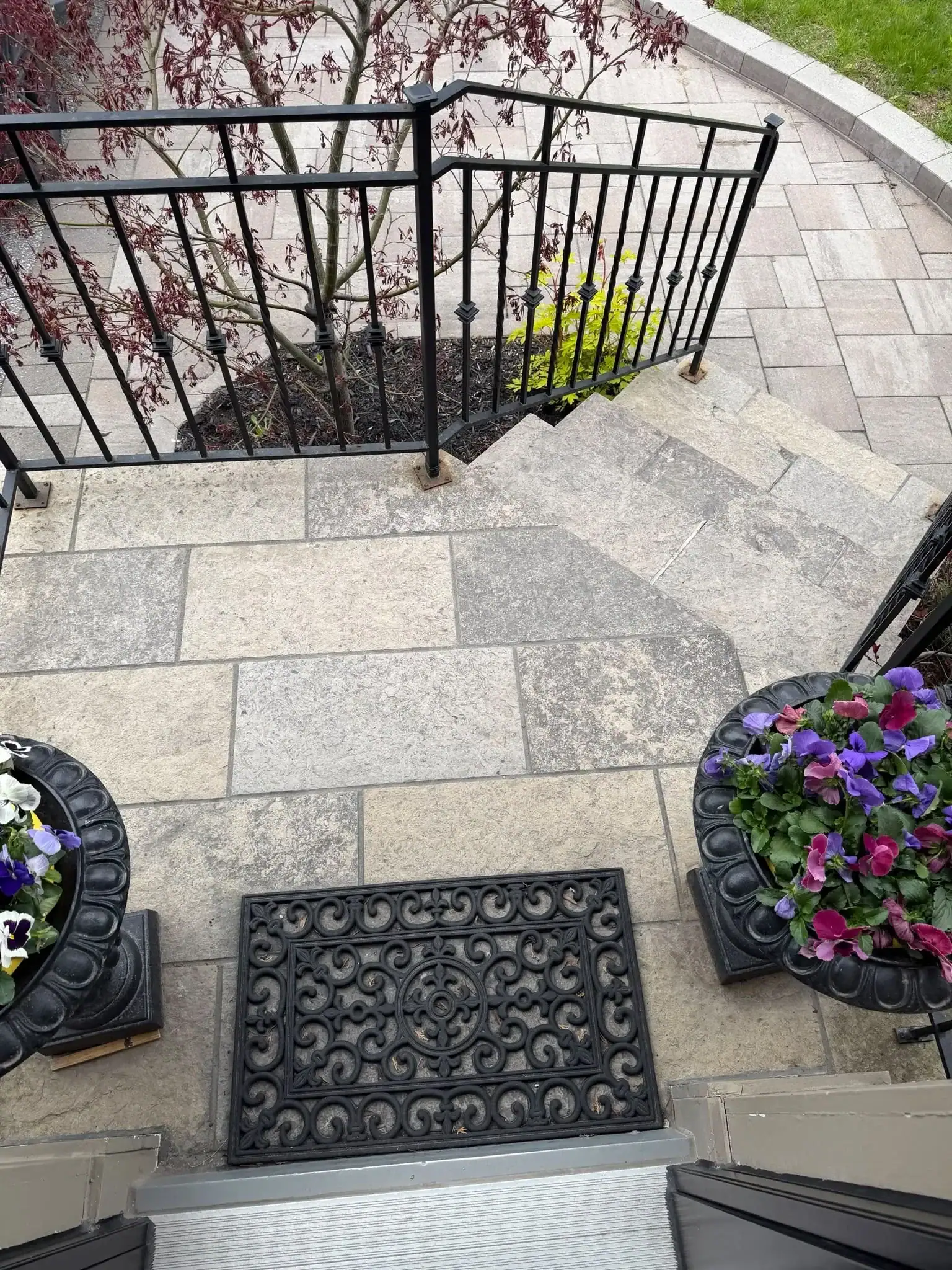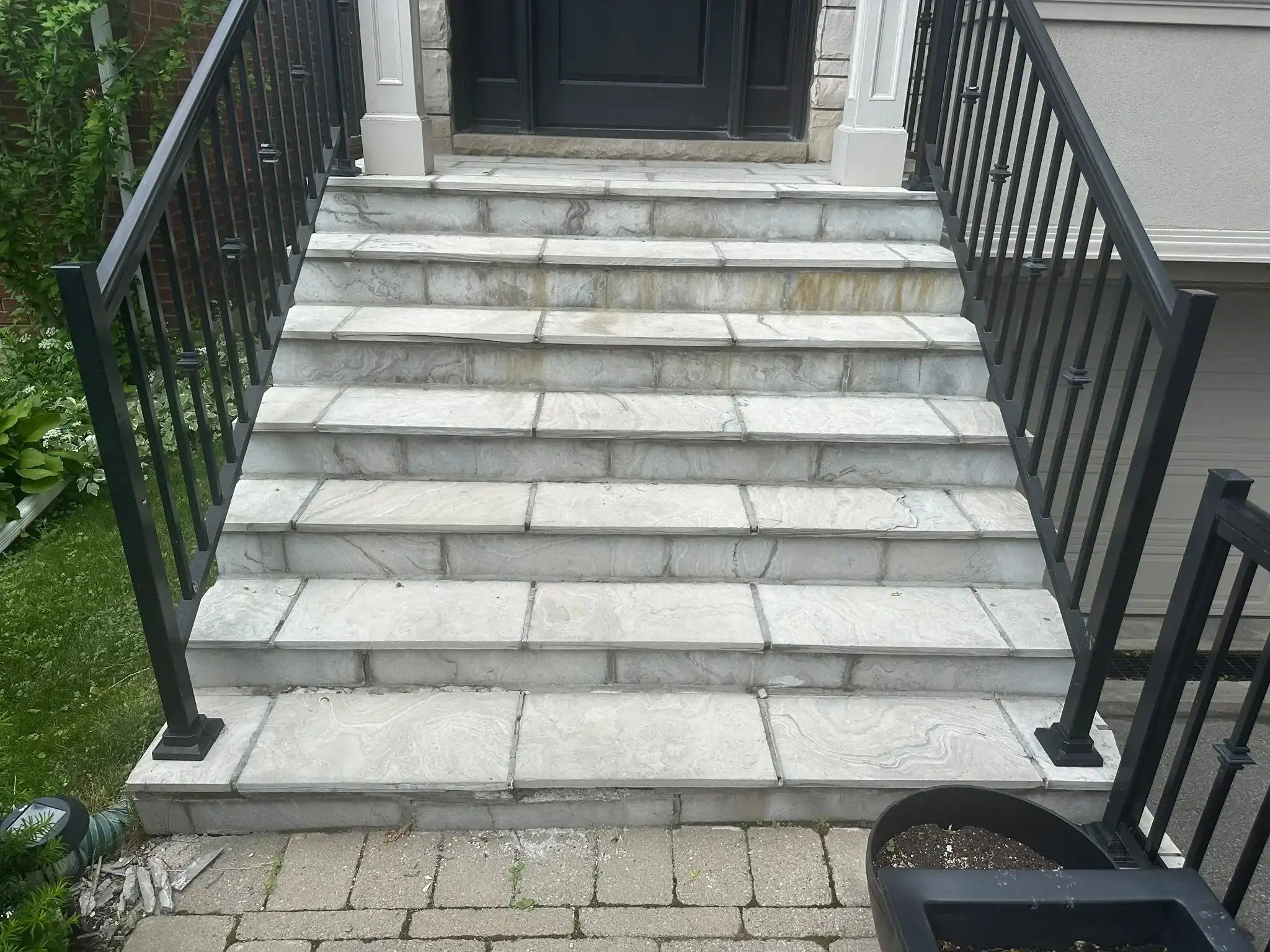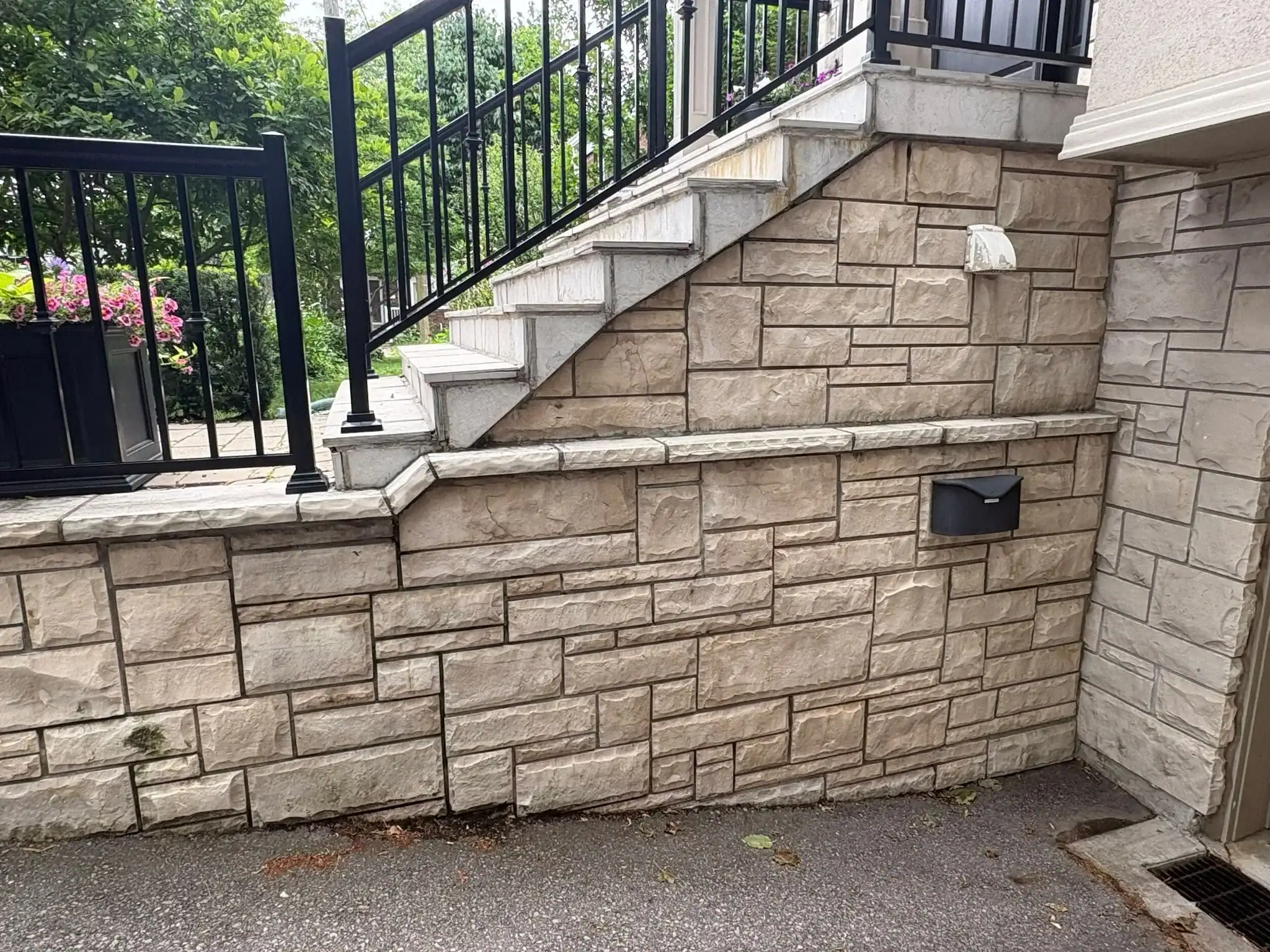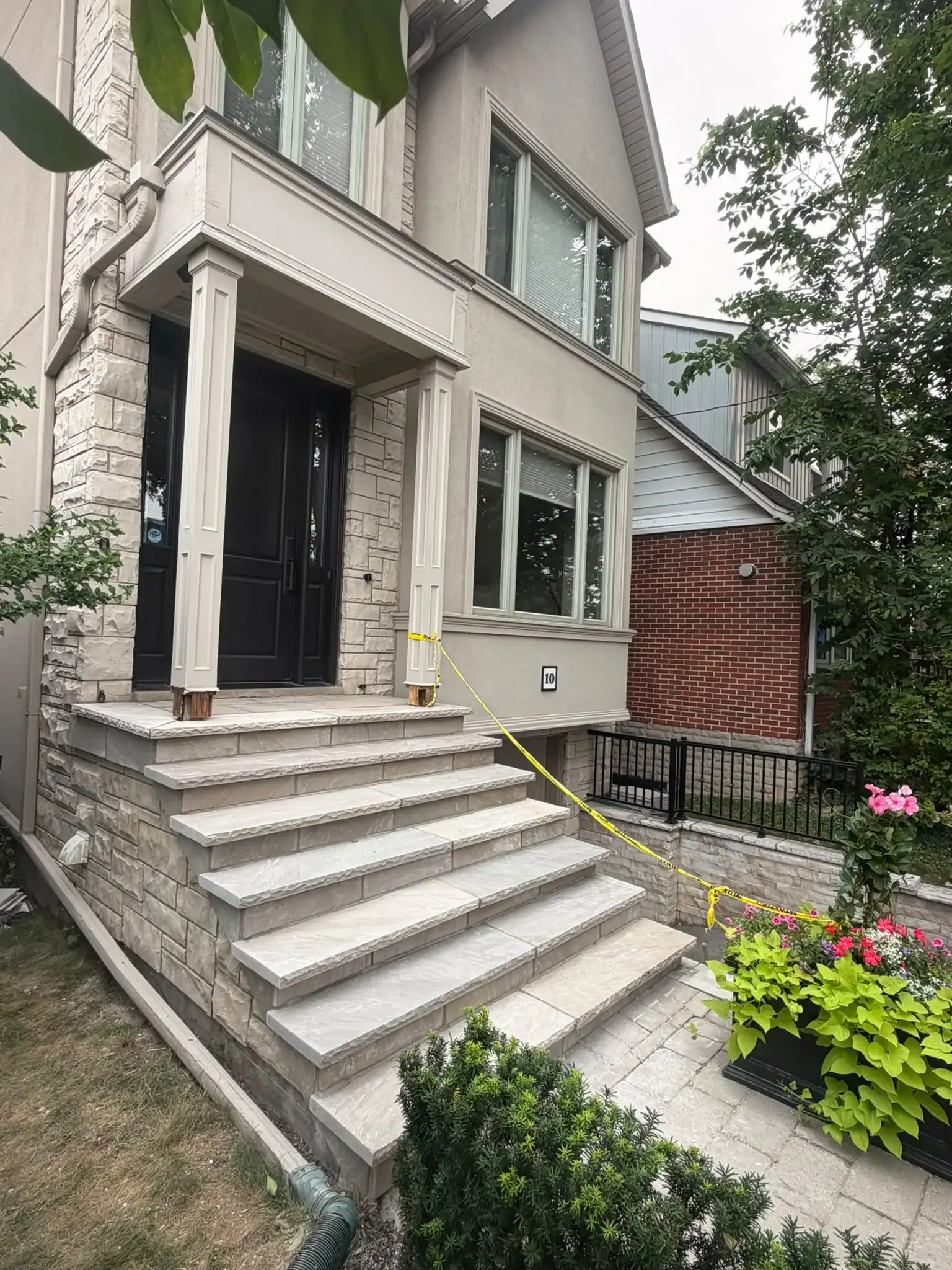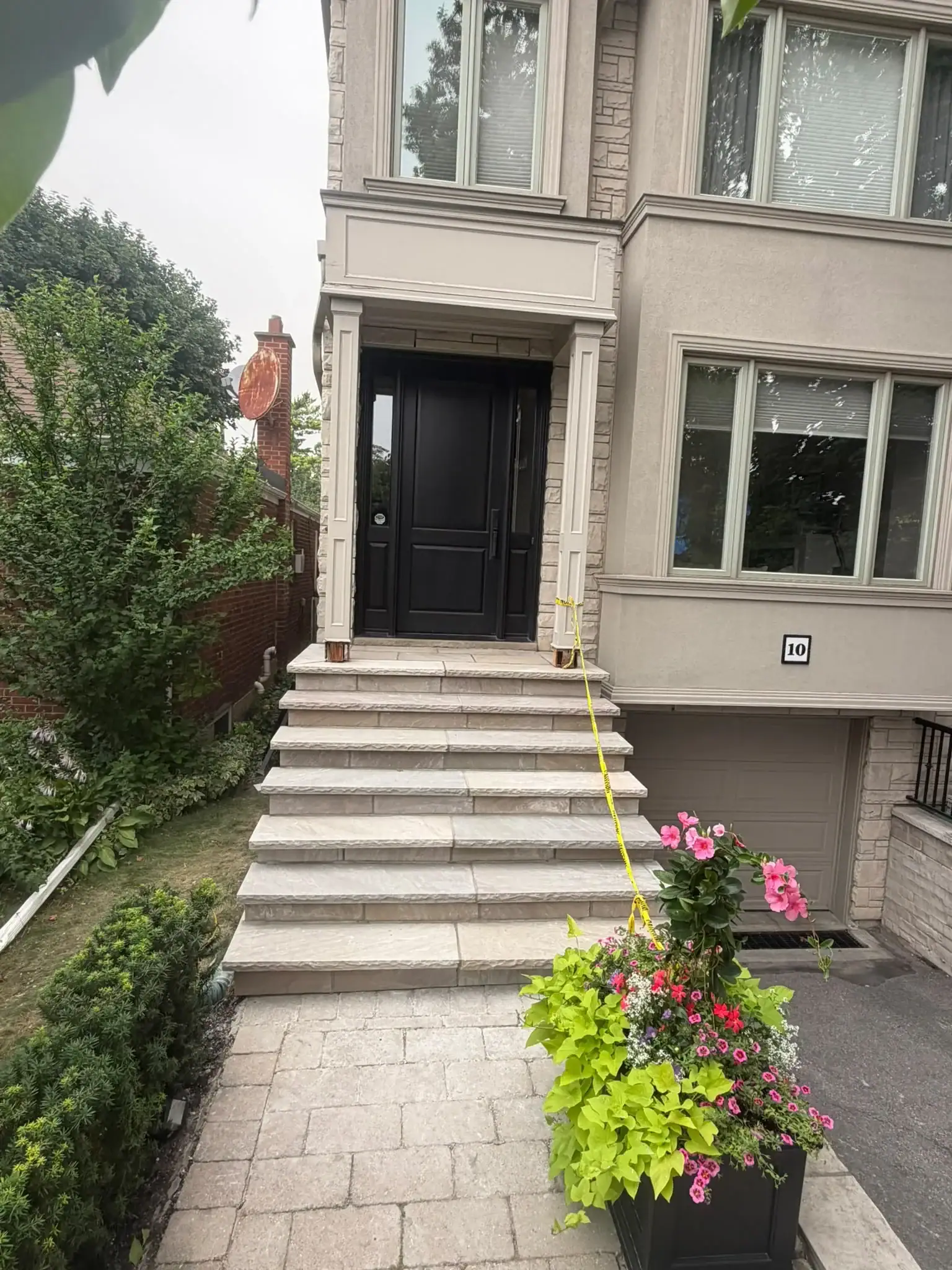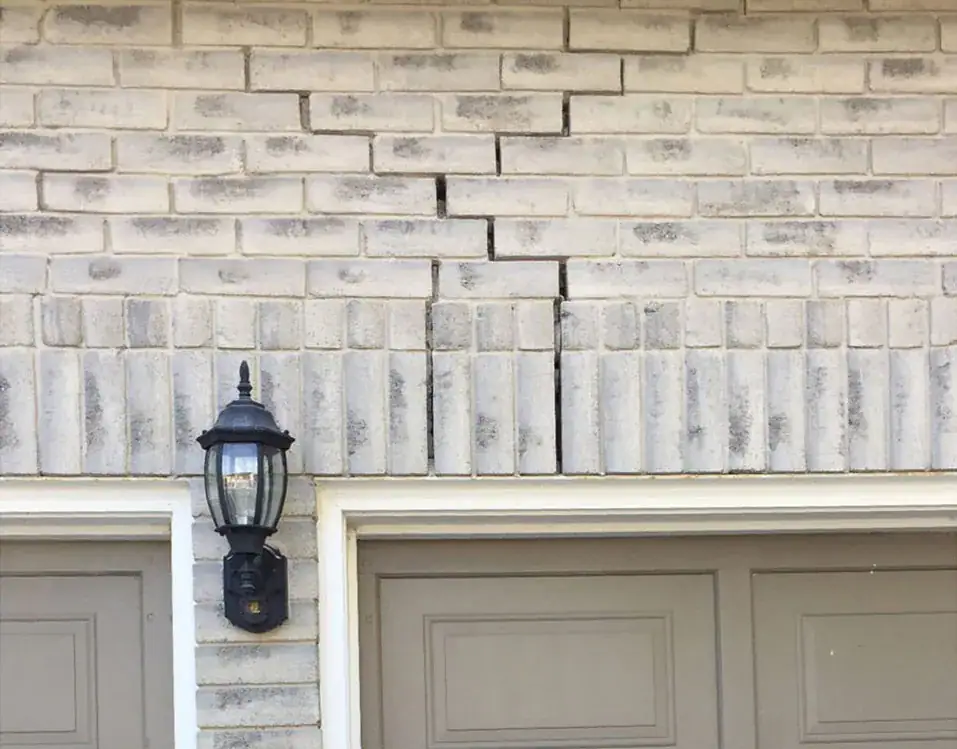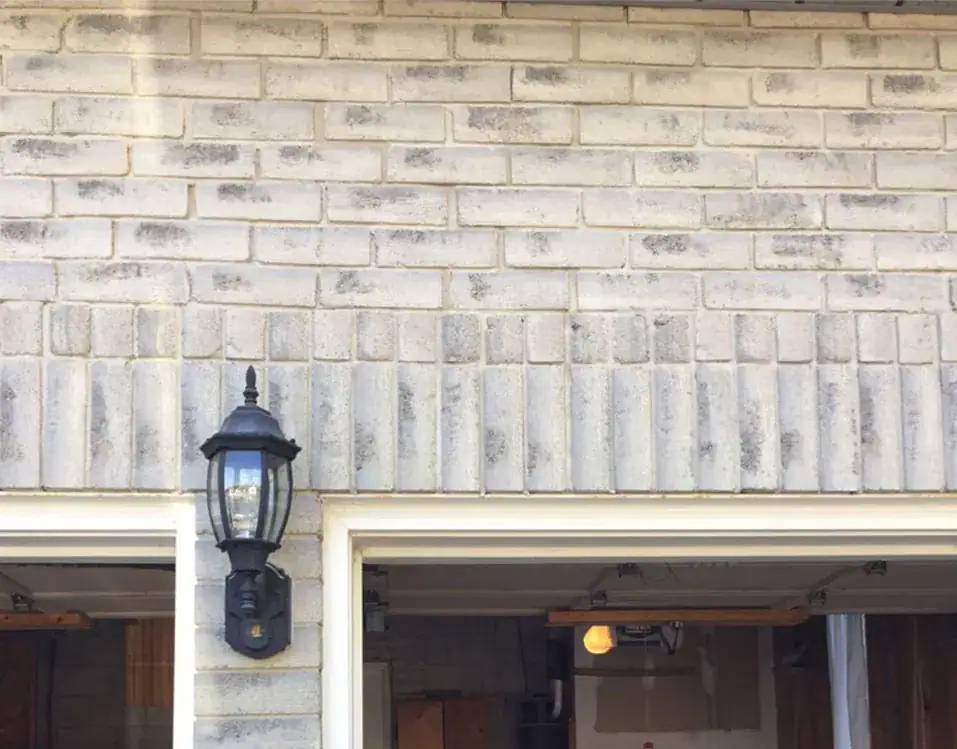

Caulking is critical for sealing joints and preventing water damage in your home’s exterior, but it often fails if not done correctly. At A&A Masonry, we provide expert prevent water intrusion solutions to keep your brickwork safe. This guide explores why caulking fails and how to choose the right caulk for Toronto’s weather. For more on weather-related damage, see our How Toronto’s Weather Affects Your Brick Exterior.
In short, caulking is the process of sealing joints or gaps in structures to prevent water, air, dust, and pests from entering.
The science behind caulking explained
The science behind caulking lies in its adhesive and elastic properties, which allow it to bond to various surfaces while accommodating movement caused by temperature changes, moisture, and structural shifts.
High-quality caulks, like silicone or polyurethane, maintain flexibility and durability, ensuring long-lasting protection in both indoor and outdoor applications.
The Essential Purposes of Caulking in Construction
Caulking is crucial in construction; it prevents water from entering and reduces air leaks. Knowing the difference between caulk and silicone helps you pick the proper sealant. Some main perks of caulking are:
- Sealing gaps and joints to prevent water intrusion
- Reducing air leakage to improve energy efficiency
- Preventing pest and rodent infestation
In short, caulking is crucial in building. Knowing its uses and limits helps make a strong seal. Buyers and homeowners can reap the benefits of caulking without its downsides by selecting the proper sealant and using it correctly.
Three Types of Caulk Available Today
Today, there are many caulks. Each has its own traits and uses. Here are a few:
- Silicone caulk: flexible and withstands extreme temps
- Polyurethane caulk: strong and durable
- Acrylic caulk: water-based, suitable for inside use
What is the difference between polyurethane and acrylic caulk?
Polyurethane caulk and acrylic caulk differ mainly in durability, flexibility, and usage. Polyurethane caulk is highly durable, flexible, and resistant to UV rays, moisture, and extreme temperatures, making it an ideal choice for outdoor applications such as sealing concrete, metal, and wood.
It adheres strongly to most surfaces but can be harder to apply and clean due to its sticky texture.
Acrylic caulk, on the other hand, is easier to apply, paintable, and cleans up with water, making it suitable for indoor projects like sealing gaps around windows, doors, and baseboards.
However, it’s less flexible and can crack over time when exposed to harsh conditions.
For long-lasting, weather-resistant seals, polyurethane is the better choice, while acrylic caulk is preferred for quick, indoor touch-ups.

Silicone Caulk vs Acrylic/Latex Caulk
While “caulk” is a general term for materials used to seal gaps, silicone is a specific type of caulk known for its flexibility and durability. Choosing which one to use depends on your project’s needs, as each has unique strengths.
Silicone Caulk
Silicone caulk is a rubber-based sealant used to fill gaps, seal joints, and create waterproof barriers in construction and home improvement projects. Made from silicone polymers, it’s highly valued for its flexibility, durability, and resistance to moisture and extreme temperatures.
Acrylic/Latex Caulk:
Acrylic/latex caulk is a water-based sealant commonly used for filling gaps, cracks, and joints in interior construction projects. Made from acrylic resins and latex, it’s known for its easy application, quick drying, and paintable surface, making it ideal for finishing work.
Here are the key differences between Silicone Caulk and Acrylic/Latex Caulk:
| Feature | Silicone Caulk | Acrylic/Latex Caulk |
| Key Features | – Waterproof: Ideal for wet areas like bathrooms, kitchens, and exteriors. | – Paintable: Easily painted to match walls, trim, and baseboards. |
| – Flexible: Maintains elasticity, allowing it to expand and contract without cracking. | – Easy Cleanup: Cleans up with water, unlike silicone, which requires solvents. | |
| – Durable: Resists UV rays, temperature fluctuations, and mould growth. | – Quick-Drying: Reduces wait time before painting or finishing. | |
| – Non-Paintable: Typically cannot be painted over, limiting aesthetic adjustments. | – Flexible (to an extent): Handles minor expansion and contraction but less flexible than silicone. | |
| Common Uses | – Sealing around sinks, bathtubs, showers, windows, and doors. | – Sealing gaps around windows, doors, baseboards, crown moulding, and drywall. |
| – Outdoor applications exposed to weather conditions. | – Interior projects where moisture resistance isn’t critical. | |
| – Preferred when long-lasting, waterproof, and flexible sealing is required. | – Versatile and user-friendly, but not suitable for heavy moisture or extreme temperature changes. | |
| Best for | – Bathrooms, kitchens, windows, and exteriors. | – Interior trim, mouldings, baseboards, and drywall. |
| Pros | – Waterproof, flexible, durable, resists temperature changes and UV rays. | – Easy to apply, paintable, quick-drying, ideal for dry areas. |
| Cons | – Can’t be painted, harder to apply and clean up. | – Less flexible, can crack over time, not suitable for wet environments. |
Caulk vs Silicone: Which Is Better?
For wet or high-movement areas, silicone is superior due to its flexibility and water resistance.
For dry, paintable indoor projects, acrylic/latex caulk is the better choice due to its ease of use and clean finish.
When to Avoid Acrylic/Latex Caulk:
- High-Moisture Areas: Not ideal for showers, bathtubs, sinks, or outdoor applications exposed to constant water. It lacks the waterproofing properties needed for wet environments.
- Extreme Temperature Conditions: Poor performance in freezing or very hot climates, as it can crack or lose adhesion over time.
- Flexible Joints: Not recommended for expansion joints or areas with significant movement, as it’s less flexible than silicone and prone to cracking.
- Non-Porous Surfaces: Struggles to adhere to materials like glass, metal, or ceramic tiles without proper primers.
- Heavy Traffic Areas: Avoid using it on floor joints or places subject to constant wear and tear, as it can deteriorate quickly.
For these situations, silicone caulk or specialized sealants offer better durability and flexibility.
Where Should You Not Use Silicone Caulk?
While silicone caulk excels in waterproofing and flexibility, there are situations where it’s not the best choice:
- Paintable Surfaces: Silicone cannot be painted over, making it unsuitable for trim, baseboards, or any area where colour matching is needed.
- Porous Materials: Struggles to adhere properly to surfaces like wood, brick, concrete, and stone without a primer.
- Interior Dry Areas: Overkill for dry, indoor spaces like drywall seams, crown moulding, or interior gaps, where acrylic caulk is more practical.
- High-Traffic Floor Joints: Not ideal for floor gaps or expansion joints that endure heavy foot traffic, as they may peel under stress.
- Surfaces Requiring Frequent Adjustments: Difficult to remove cleanly, making it unsuitable for temporary fixtures or areas needing future disassembly.
In these cases, acrylic/latex caulk or specialized sealants are more effective.
Can You Use Caulk on Masonry?
Yes, you can use caulk on masonry to seal gaps, cracks, and joints. However, the type of caulk you choose is crucial for ensuring durability and proper adhesion.
What are the Best Caulks for Masonry
- Polyurethane Caulk: Ideal for exterior masonry due to its strong adhesion, flexibility, and weather resistance.
- Silicone Caulk (Masonry Grade): Great for sealing expansion joints, windows, and doors in masonry, offering excellent water resistance and flexibility and prevent water intrusion.
- Acrylic Latex Caulk (with Silicone Additive): Suitable for small cracks and interior masonry since it’s easy to apply and paintable.
When to Avoid Standard Caulk
- Large Cracks or Structural Repairs: Caulk isn’t a substitute for mortar or structural fillers.
- High-Movement Joints: Regular caulk may crack; opt for flexible sealants like polyurethane.
For the best results, ensure the masonry surface is clean, dry, and dust-free before applying caulk.

Why Caulking Fails: Common Mistakes to Avoid
Caulking often fails due to improper application and environmental factors. Common mistakes include:
- Poor Surface Prep: Applying caulk on dirty, wet, or dusty surfaces reduces adhesion.
- Wrong Caulk Type: Using the wrong caulk for the material or conditions (e.g., acrylic caulk in wet areas) leads to cracks or peeling.
- Skipping Backer Rods: For wide gaps, not using a backer rod can cause caulk to sag or lose flexibility.
- Over- or Under-Applying: Applying too thick or too thin a layer affects durability.
Drying Times:
- Acrylic/Latex Caulk: Dries to the touch in 30 minutes, fully cures in 24 hours.
- Silicone Caulk: Takes 24 hours to cure, longer in humid conditions.
Proper preparation, selecting the correct caulk, and patience with curing times ensure long-lasting results.
Professional Tips for Perfect Caulk Application
Achieving a perfect caulk application requires focus and the correct techniques. The right tools make the process easier and better. Choosing the right tools for caulking is key, as it affects the quality of the job.
There are many tools for caulking, depending on the job and caulk type. Standard tools include caulk guns, putty knives, and sealant applicators. For example, a caulk gun is excellent for big jobs, while a putty knife is better for small details.
Tips for Effective Caulking
- Clean and dry surfaces thoroughly before applying caulk.
- Use a caulking gun for even application.
- Check caulk regularly for signs of wear, as outlined in Is Your Brickwork Telling You It Needs Repair?.
- Hire professionals like A&A Masonry for lasting results.
When to Call a Professional When Caulking?
While caulking can usually be handled as a DIY project, there are situations where calling a professional is advisable. Here are some scenarios where professional help may be needed:
1. Extensive Damage or Deterioration
- If the old caulk is severely deteriorated, mouldy, or deeply embedded, removing it might require specialized tools or techniques.
- Damage to the underlying structure, such as rotting wood or crumbling drywall, might need repair before re-caulking.
2. High-Stakes Projects
- For areas prone to water intrusion (e.g., shower pans, windows, or roof joints), improper caulking could lead to leaks and costly damage.
- Professional-grade products and expertise may be necessary to ensure a watertight seal.
3. Difficult or Hard-to-Reach Areas
- Projects involving high ceilings, skylights, or exterior walls at great heights may require scaffolding or ladders. Professionals have the equipment and safety training to handle these tasks.
4. Specialty Applications
- Certain materials, like natural stone, require specific caulks (e.g., non-staining silicone). A professional can help avoid costly mistakes.
- Expansion joints or areas with frequent movement may require special techniques or products.
5. Aesthetic Precision
- If you’re working on prominent areas (e.g., kitchen backsplashes or decorative trim) and want perfect lines, a pro can deliver a flawless finish.
- This is especially true for complex designs or those involving multiple materials that require seamless transitions.
6. Lack of Time, Tools, or Confidence
- If you’re unsure of your skills, lack the proper tools, or don’t have time, hiring a professional ensures the job is done right the first time.
Signs It’s Time to Call a Pro:
- Persistent leaks even after re-caulking.
- Cracks or gaps keep reappearing.
- Visible mould that cleaning and caulking won’t resolve.
- Structural issues in the surrounding area (e.g., rotting wood or crumbling tiles).
By assessing your project’s complexity and skill level, you can determine whether to handle it yourself or leave it to the A&A Masonry Caulking experts.
FAQs
How To Tell If Caulk Is Bad?
Signs of bad caulk include:
- Cracking or splitting.
- Discoloration or mould growth.
- Peeling away from surfaces.
- A loss of flexibility or rubbery texture.
How Long Does It Take For Caulk To Dry?
Caulk drying time varies by type:
- Silicone Caulk: Usually takes about 24 hours to fully cure.
- Acrylic/Latex Caulk: Typically dries to the touch in 30 minutes to 1 hour, but may take up to 24 hours for full curing.
Where Should You Not Use Silicone Caulk?
Avoid using silicone caulk:
- On surfaces that need to be painted (as it is non-paintable).
- In areas with high moisture exposure, where mould can grow.
- On porous surfaces like brick or concrete, without proper preparation.
Should You Use Silicone Or Caulk In A Shower?
Silicone caulk is recommended for showers due to its waterproof properties and flexibility, making it ideal for wet environments.
What Are The Problems With Caulking?
Common problems include:
- Improper application leading to gaps or uneven surfaces.
- Using the wrong type of caulk for the specific environment.
- Failing to clean surfaces properly before application can lead to adhesion issues.
What Happens If You Use Too Much Caulk?
Using too much caulk can result in:
- A messy appearance with excess material oozing out.
- Difficulty in achieving a smooth finish.
- Potential for mould growth if excess caulk traps moisture.
Why A&A Masonry?
Our team specializes in brick repointing in Toronto and brick repair, ensuring your caulking and masonry withstand Toronto’s weather. We use high-quality materials for long-lasting protection.
Need expert caulking? Contact A&A Masonry for a free quote!
Protect Your Property with Expert Window Caulking Services
Over time, worn or improperly sealed windows can lead to air leaks, water damage, and higher energy costs. A&A Masonry offers professional window caulking services to ensure a tight, weatherproof seal that protects your home or business from the elements.
With decades of experience in masonry and waterproofing, our skilled team provides precise and durable caulking solutions to enhance your property’s efficiency and longevity.
🔹 Prevent leaks and drafts with expert sealing
🔹 Improve energy efficiency and lower heating/cooling costs
🔹 Enhance the look and durability of your windows and exterior
Trust A&A Masonry for Quality & Reliability. Contact us today at 416-236-8721 for a consultation and keep your property protected for years to come.