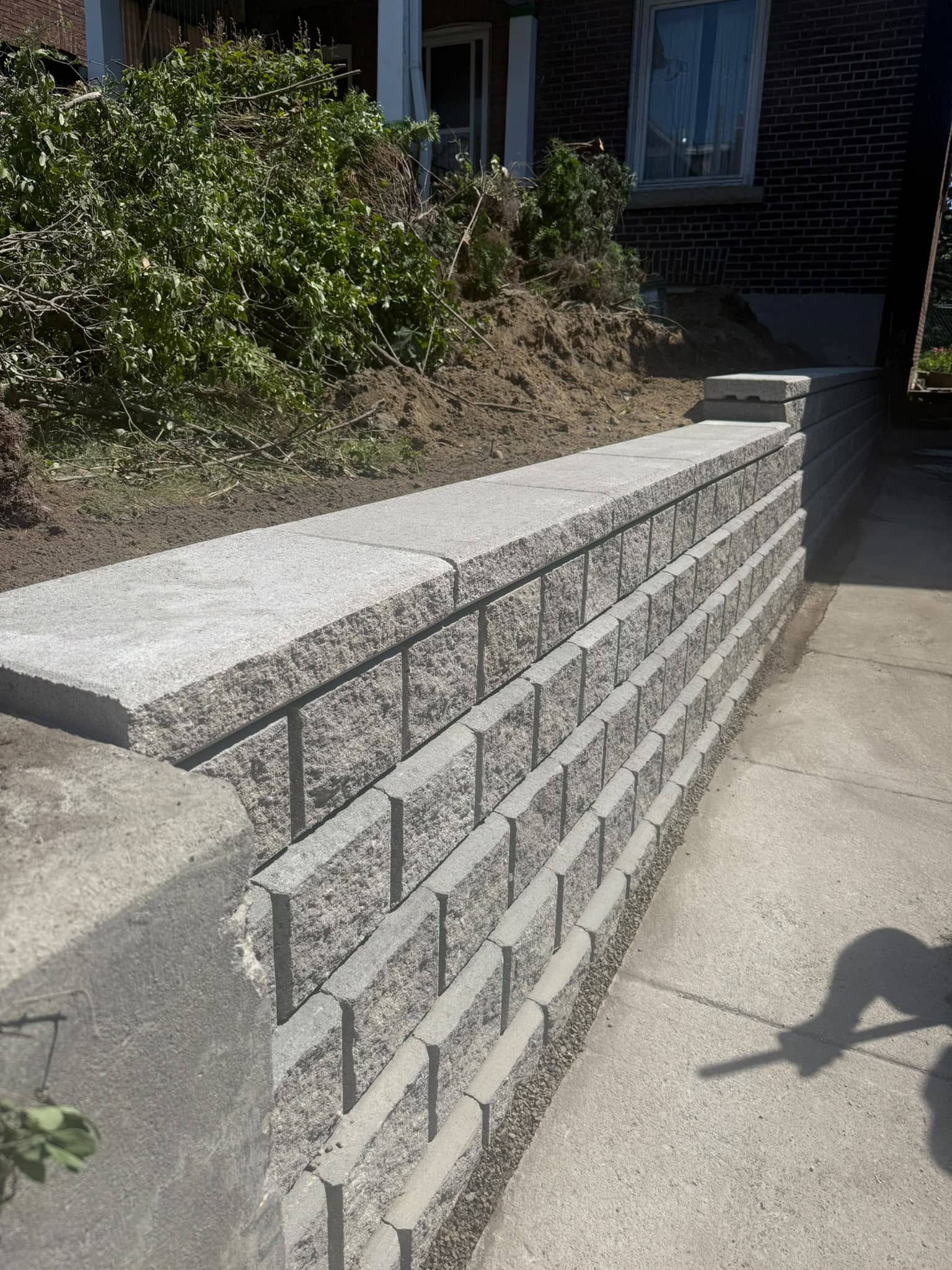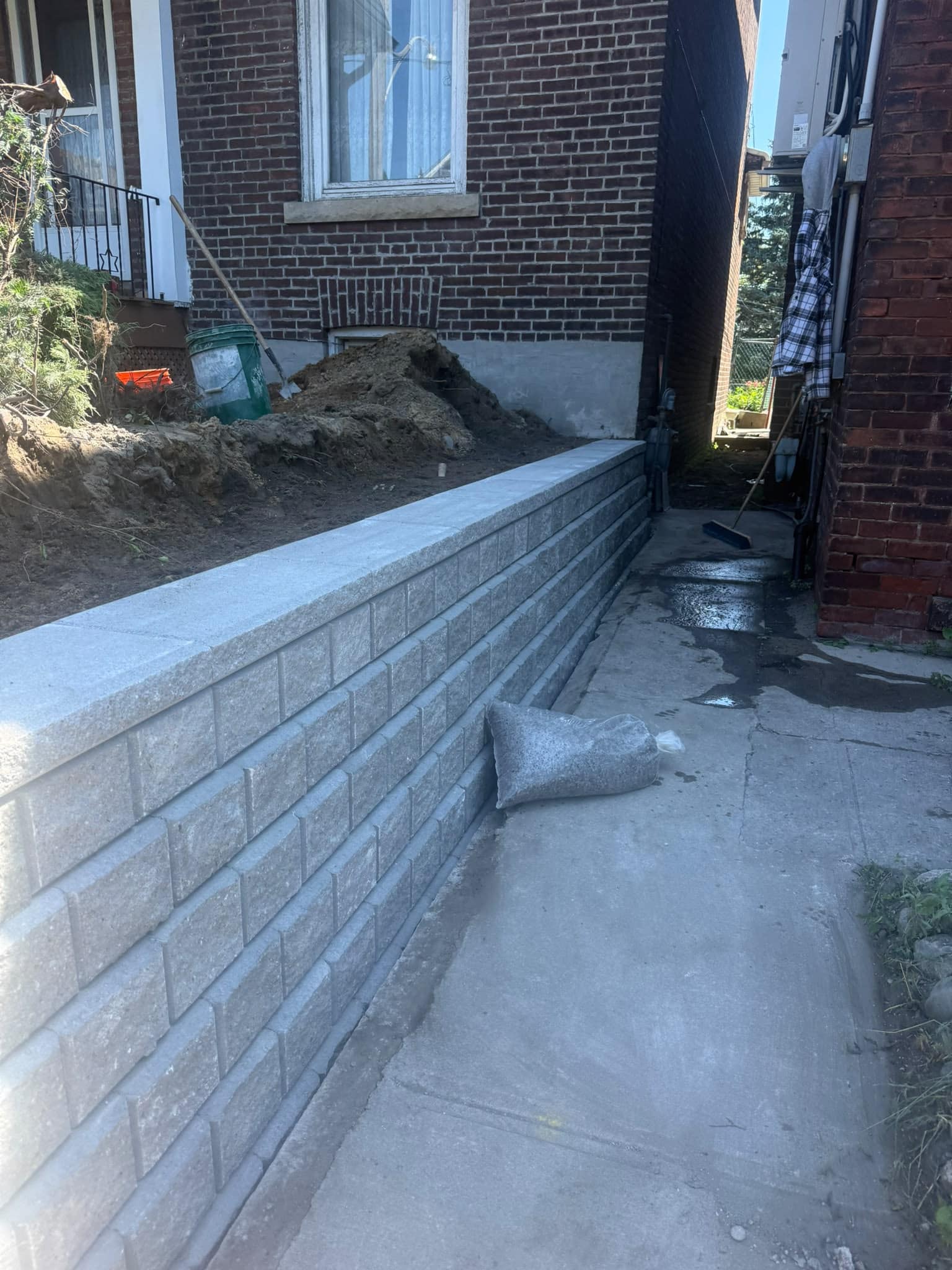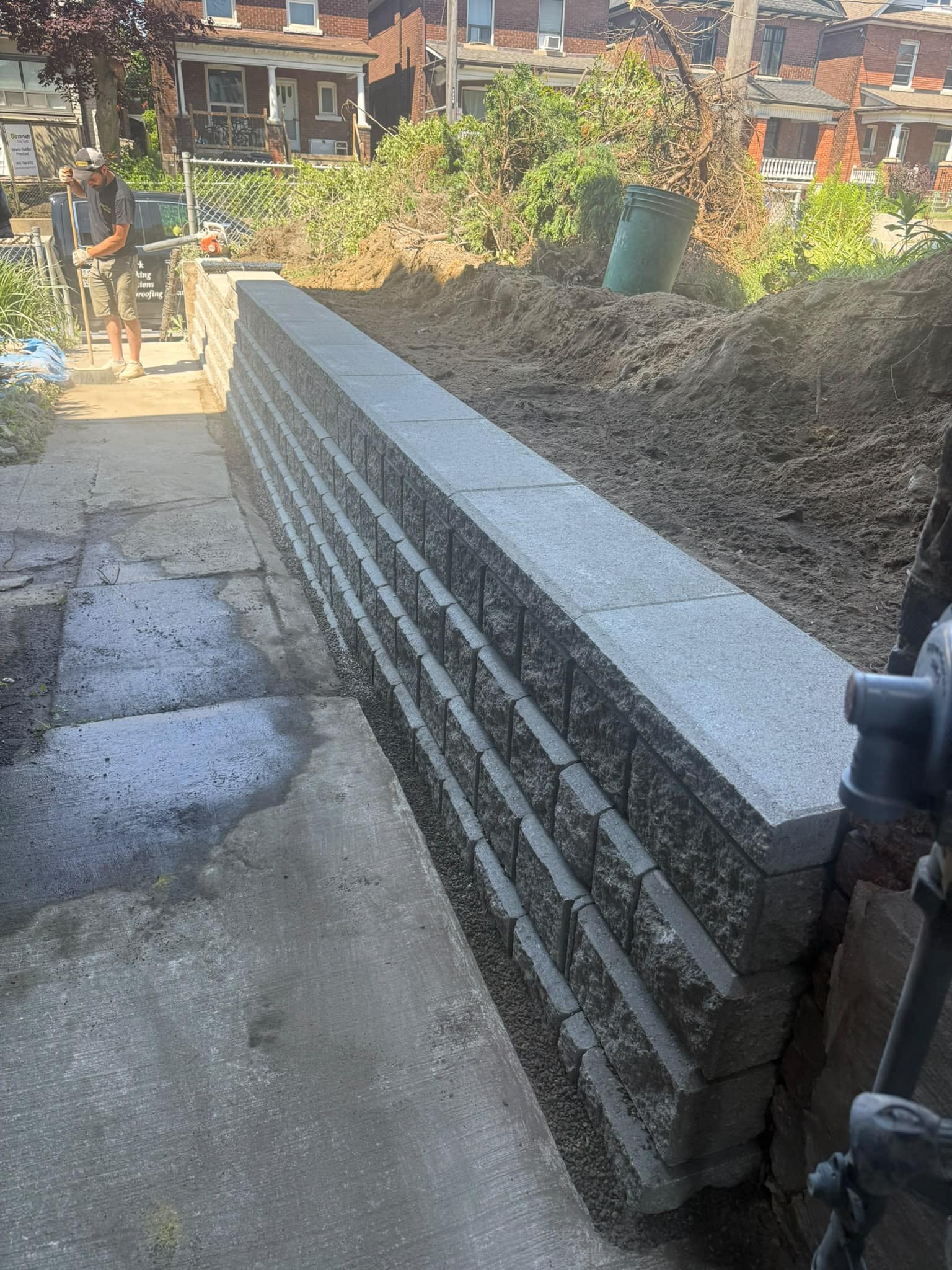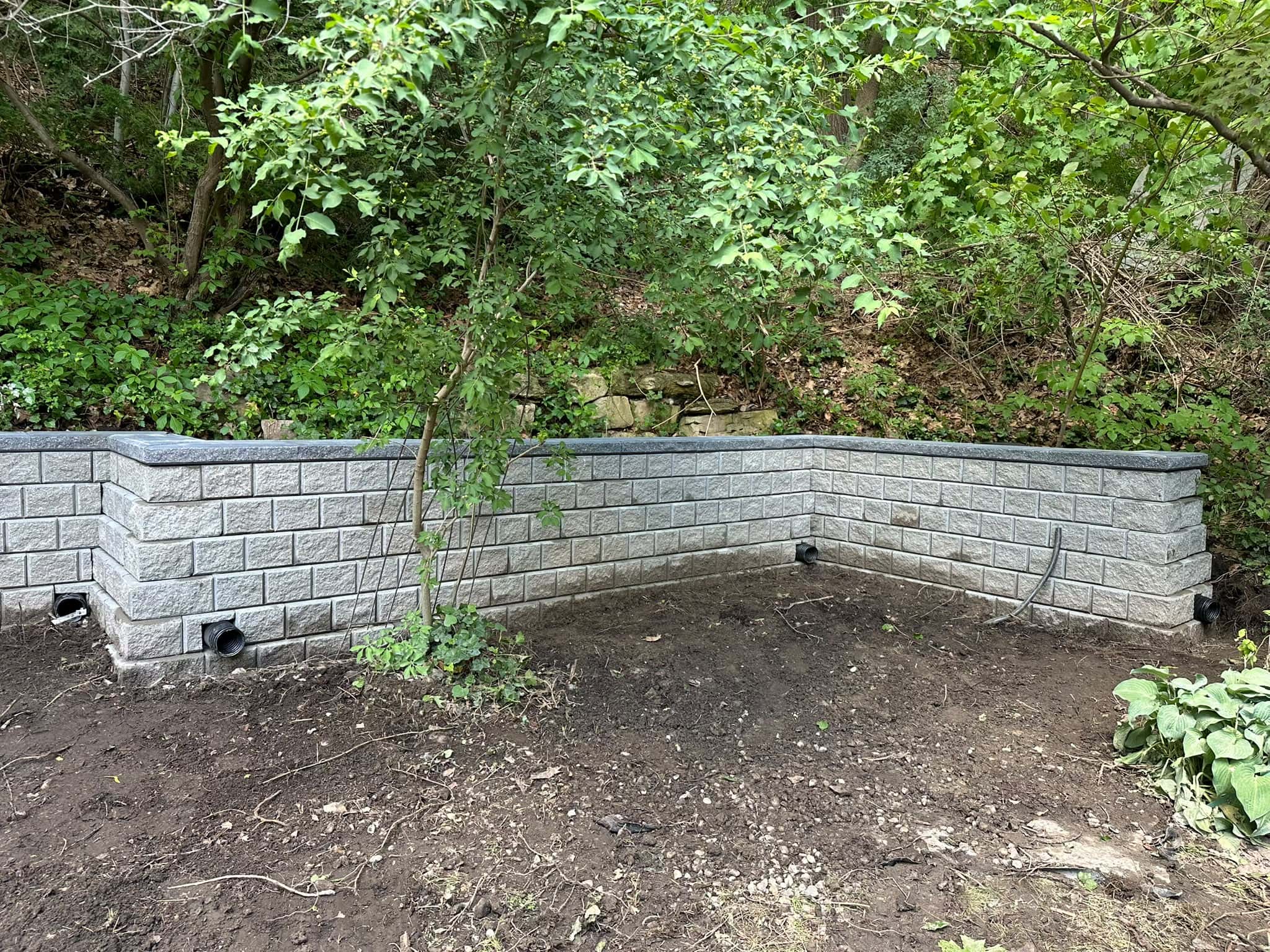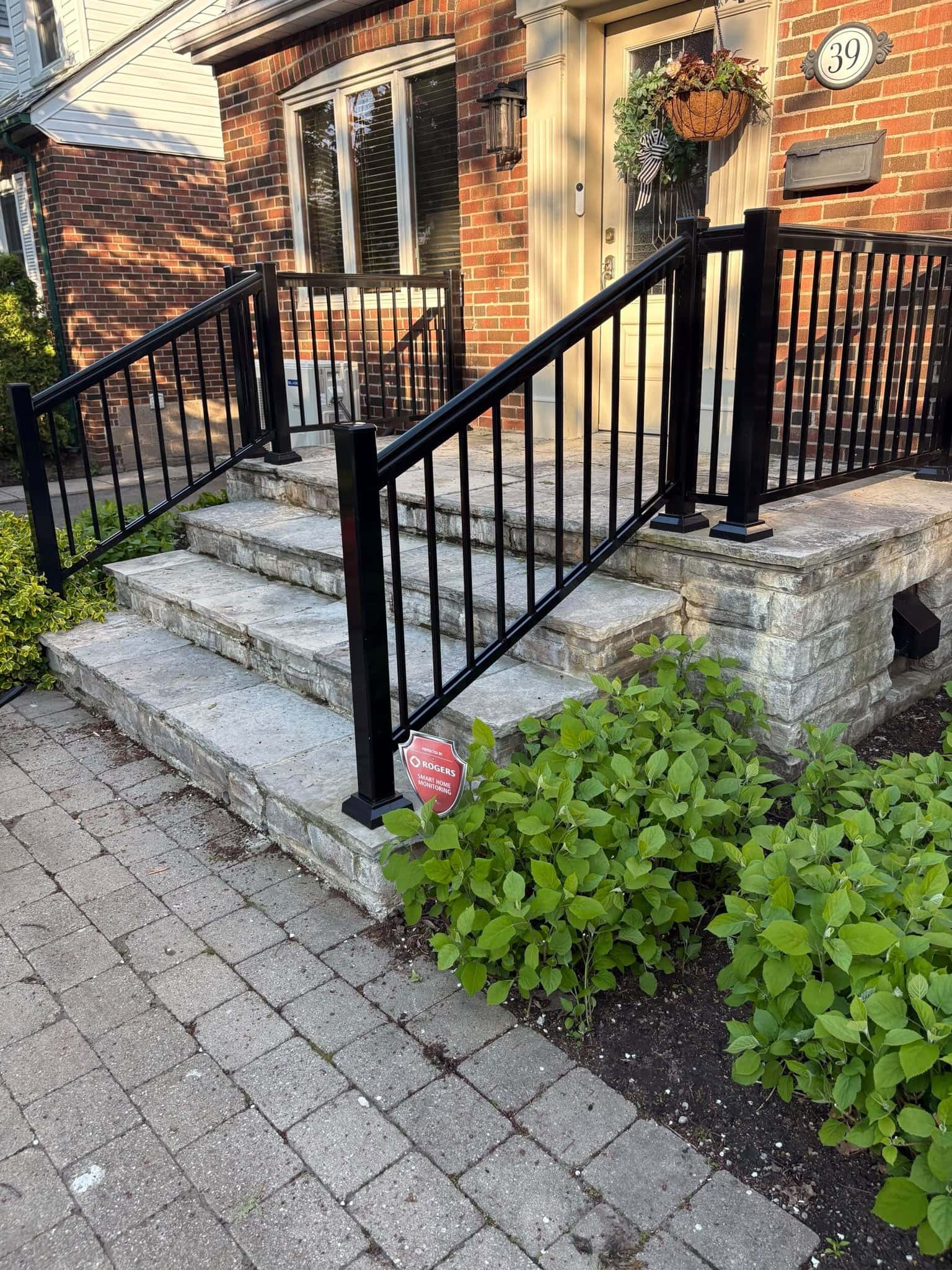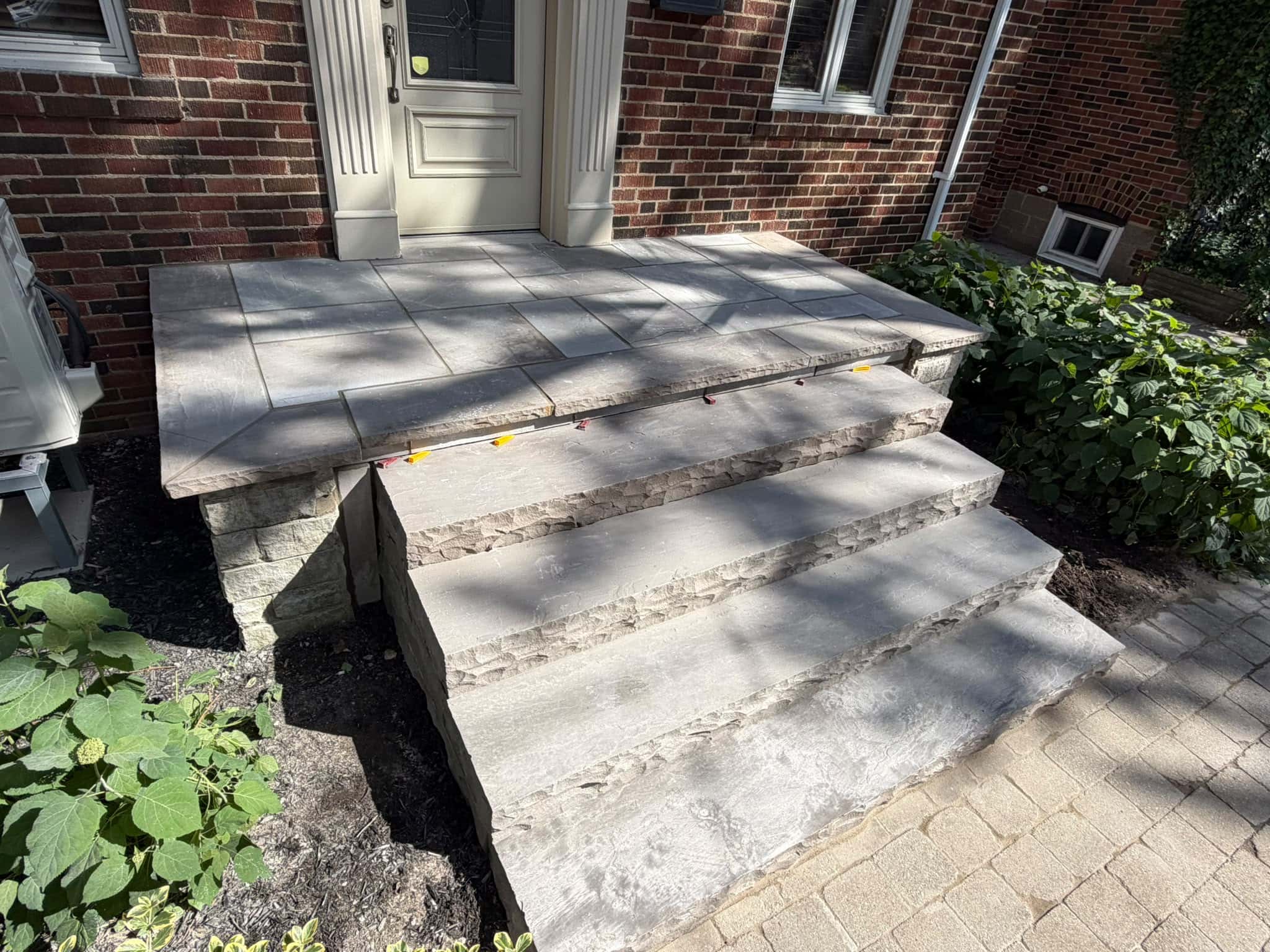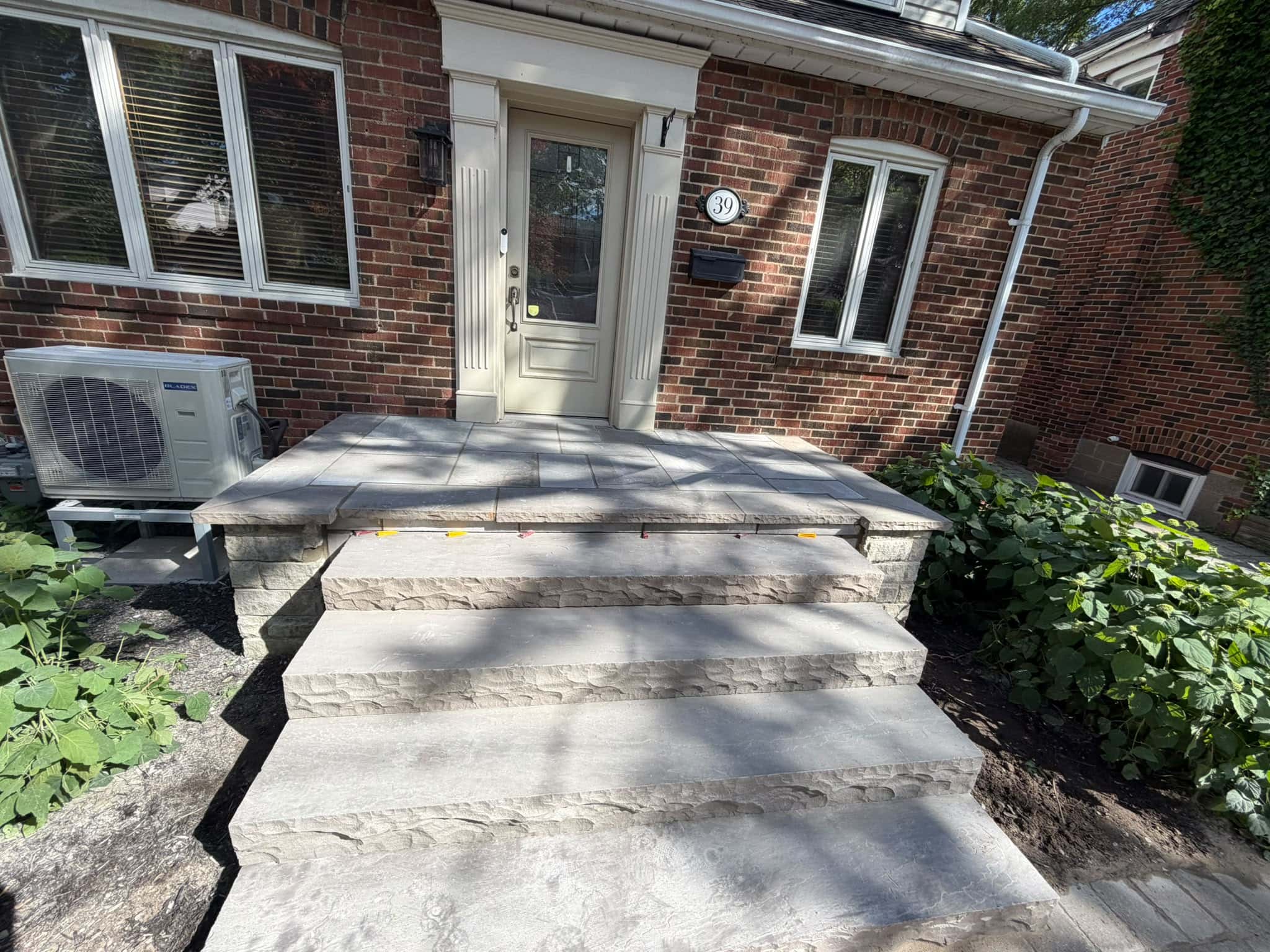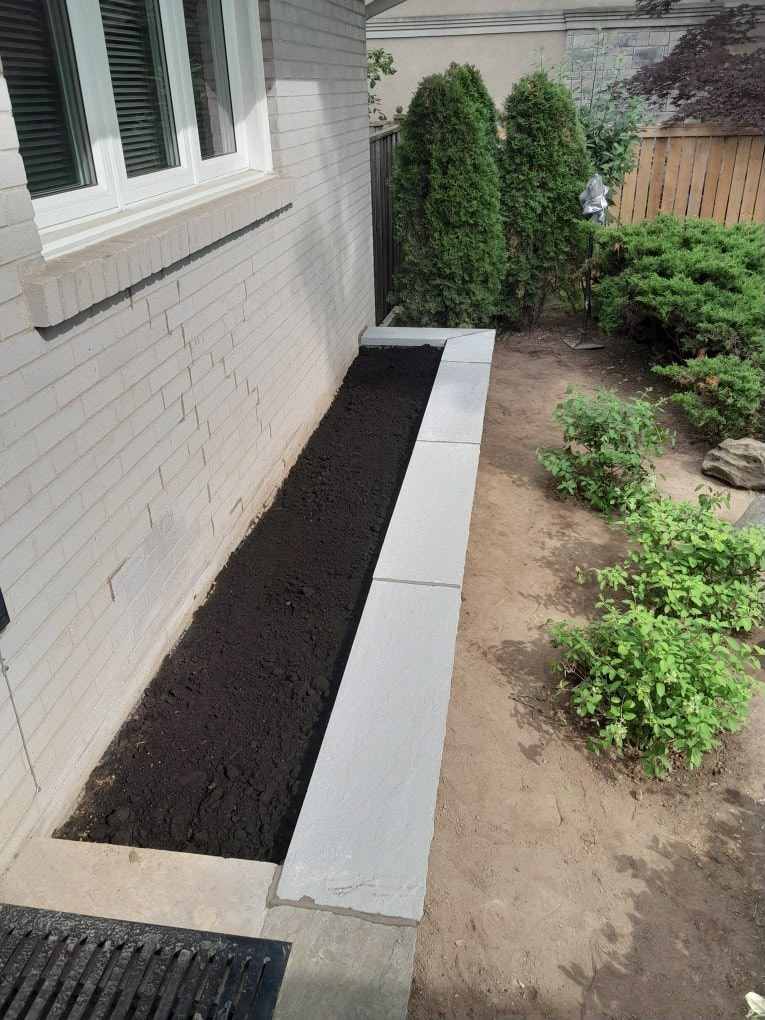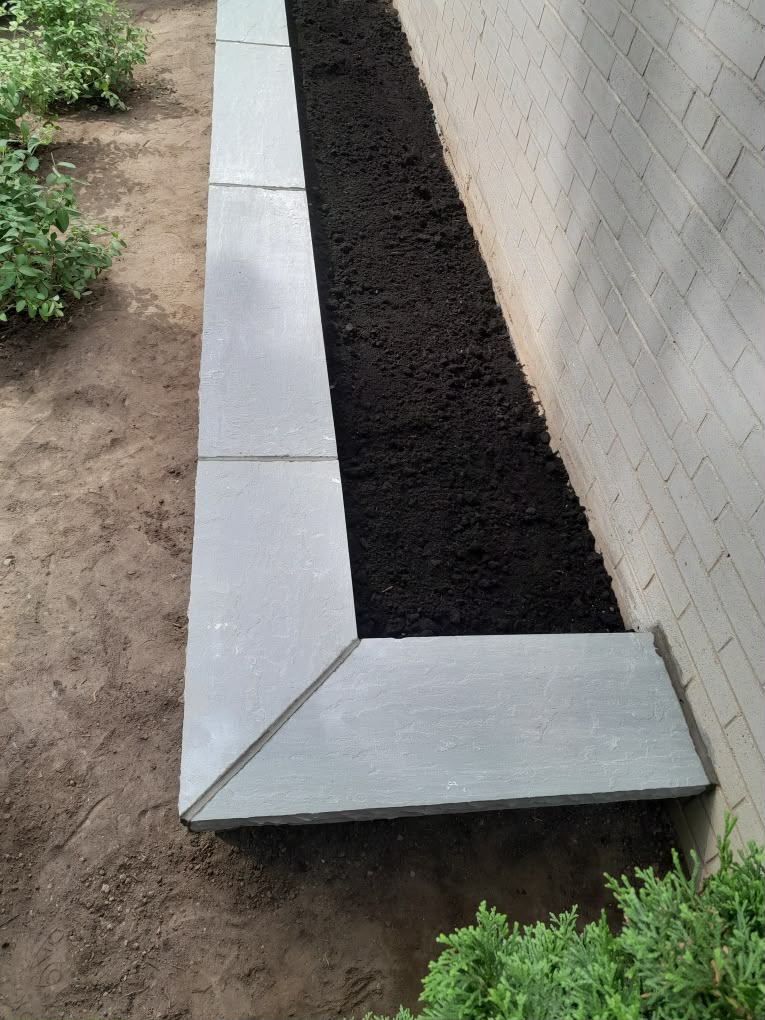

What is Pool Coping or Pool Edging?
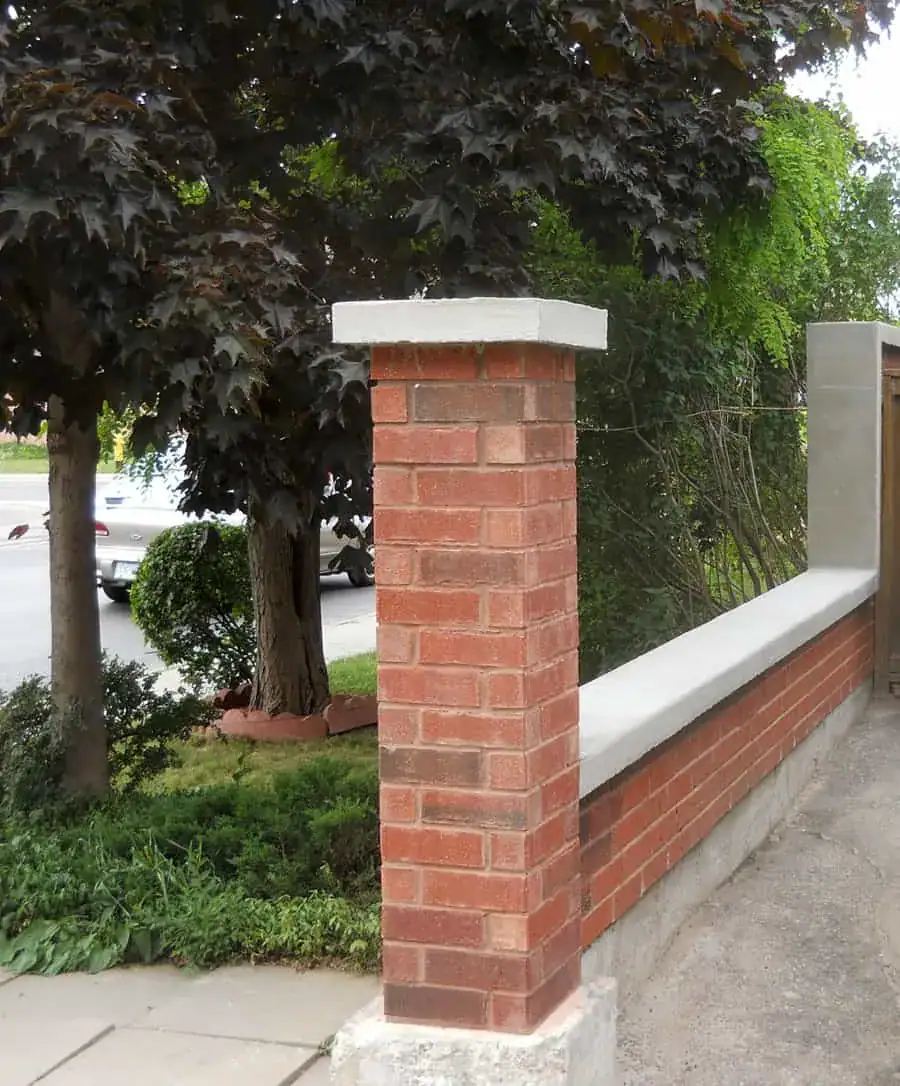
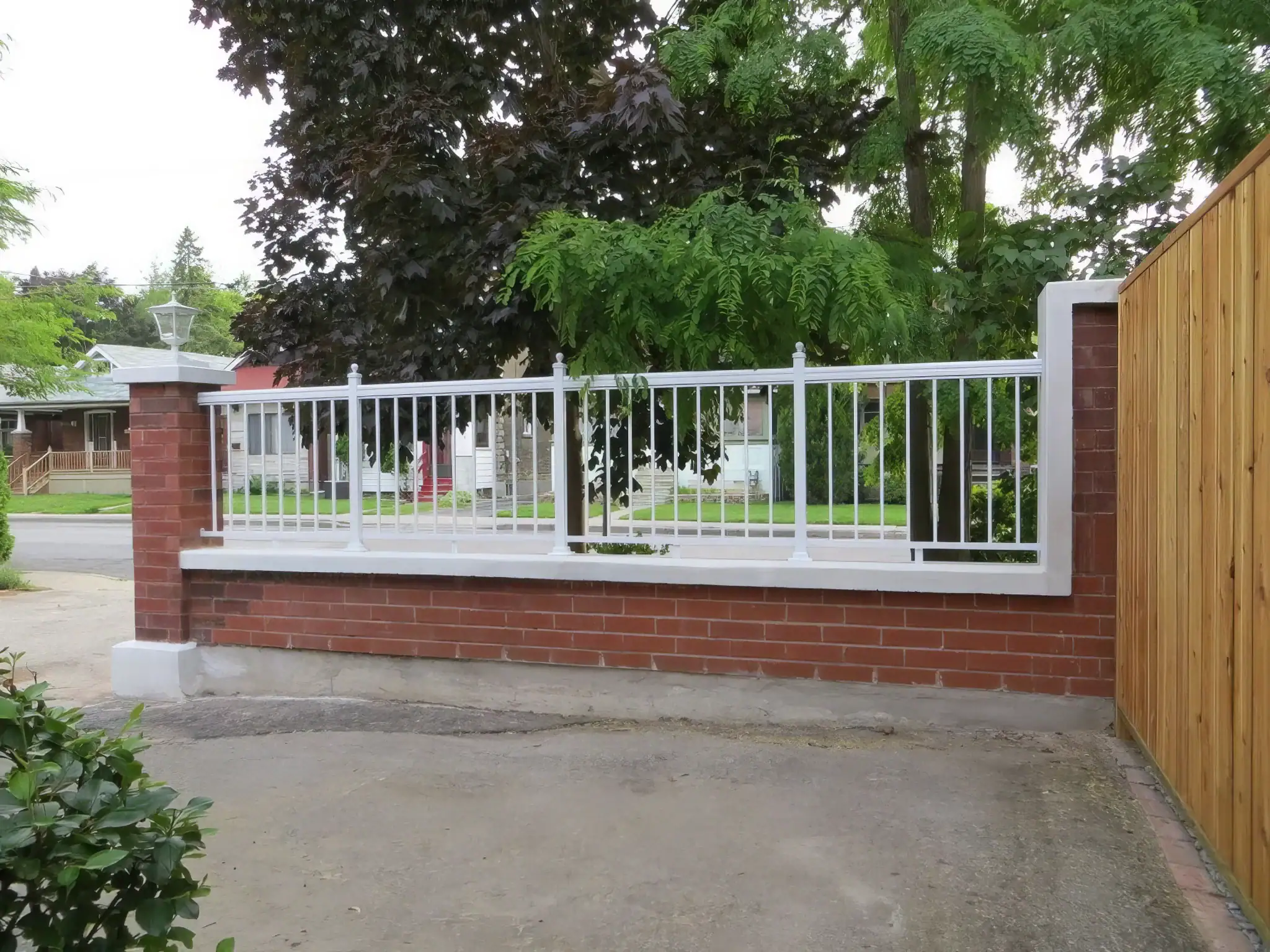
Pool coping refers to the material used to cap or finish the top edge of a swimming pool’s shell wall. It serves functional and aesthetic purposes, providing a seamless transition between the pool and the surrounding deck.
Functions of Pool Coping
- Protects the Structure: Prevents water from infiltrating the pool shell, reducing potential damage.
- Safety First: Smooth surfaces and rounded edges enhance safety for swimmers.
- Enhances Appearance: Adds a polished, cohesive look to your pool area.
- Facilitates Drainage: Directs water away from the pool deck to prevent puddling.
Common Materials for Pool Borders
| Type of Pool Coping | Description |
| Concrete Coping | Pre-cast concrete pieces or poured concrete; durable and versatile, available in various colors and textures. |
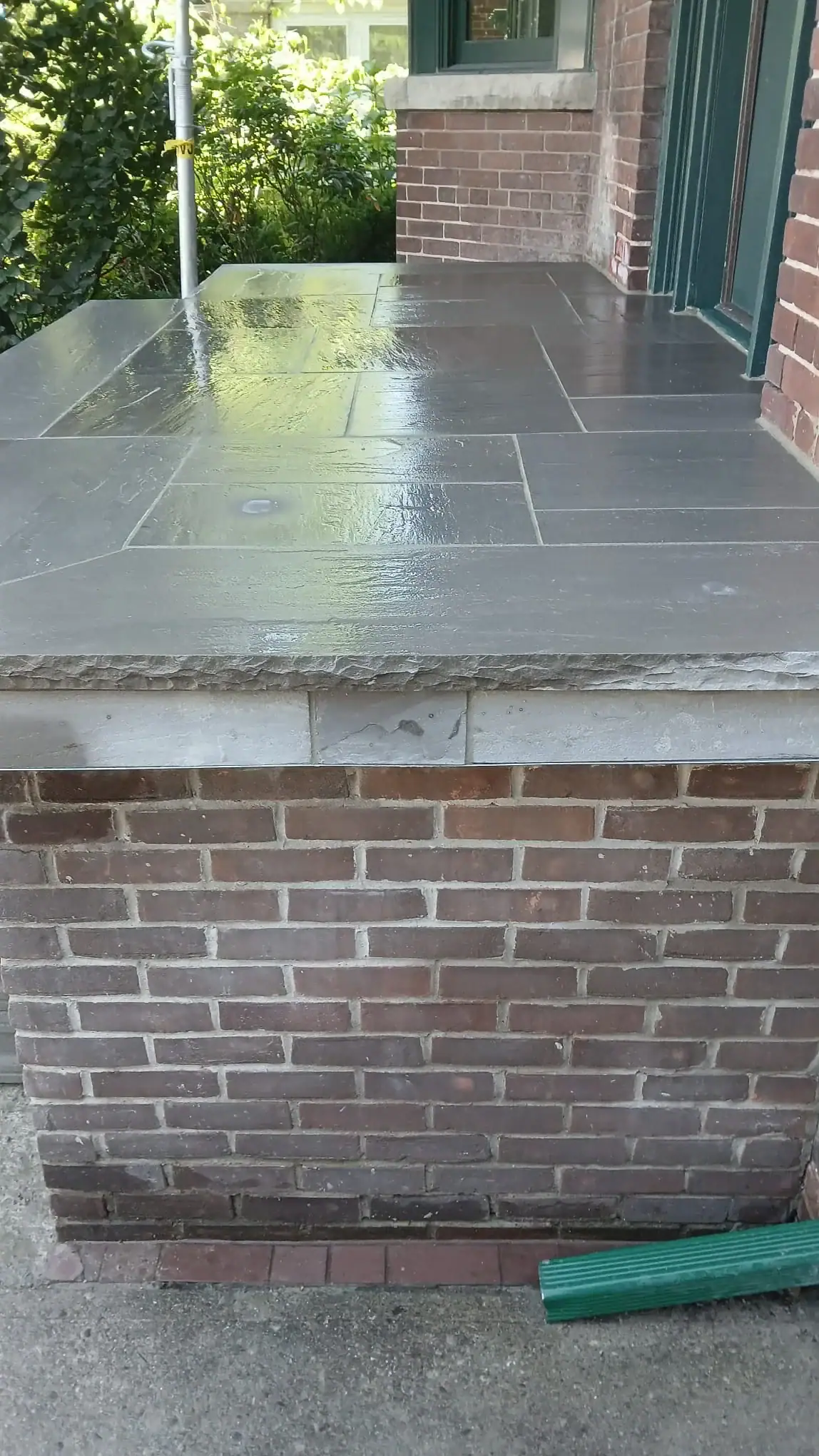
| Natural Stone Coping | Materials like limestone, granite, travertine, or sandstone; offers a luxurious look and natural feel. |
| Brick Coping | Classic and timeless; provides a traditional or rustic appearance. |
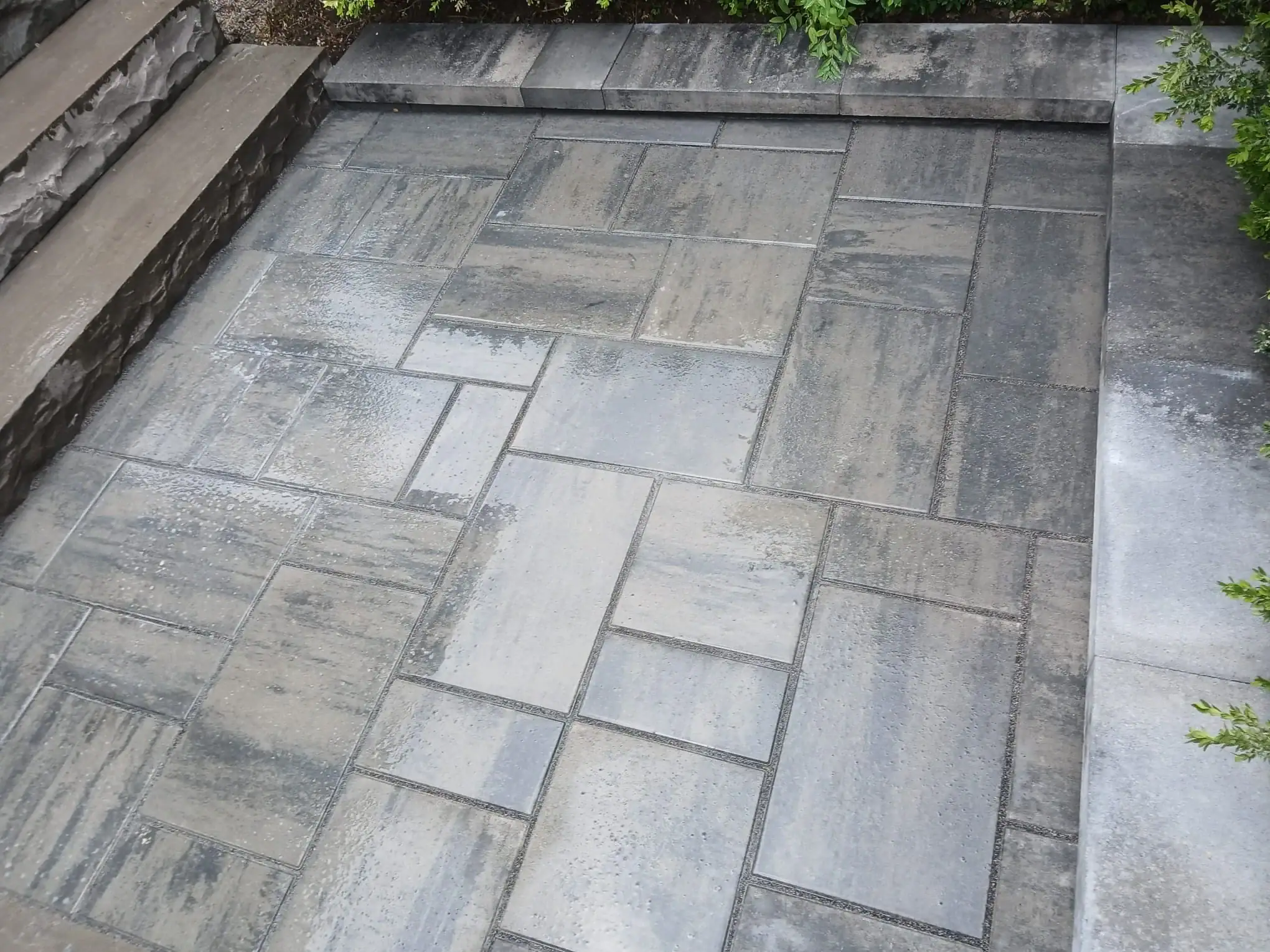
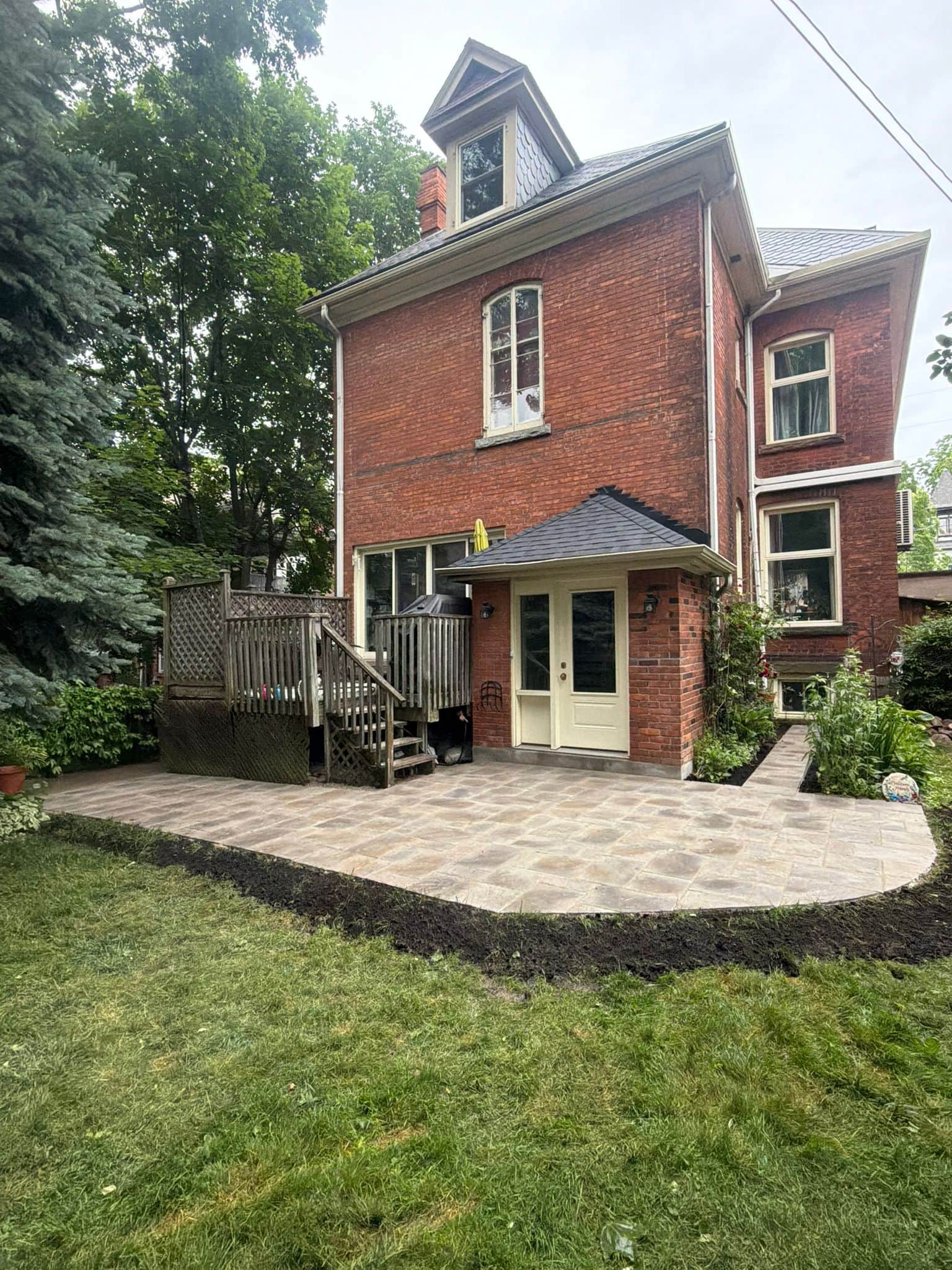
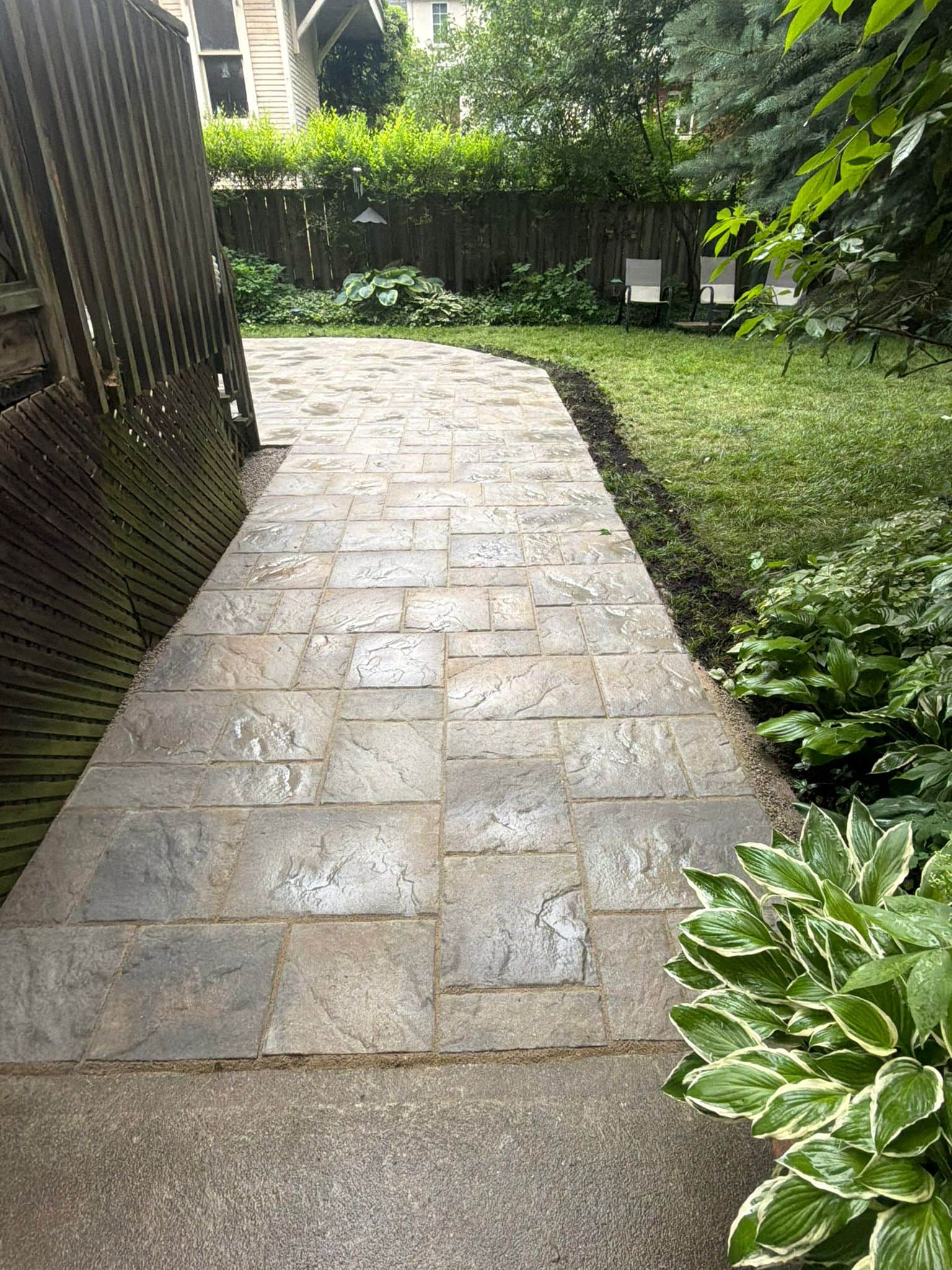
| Pavers | Interlocking pieces made from stone, concrete, or other materials; easy to install and replace. |
| Tile Coping | Glazed or unglazed tiles, often used in custom pool designs; available in a variety of patterns and colors. |
| Composite Coping | Made from synthetic materials like fiberglass or plastic composites; lightweight and often used for above-ground pools. |

Concrete Pool Coping vs. Stone Pool Edging
When selecting materials for your pool’s perimeter, concrete and stone are two popular options. Each has unique features and benefits.
- Concrete: Affordable and versatile, suitable for various designs.
- Stone: Luxurious and slip-resistant, with natural textures and patterns.
| Feature | Concrete | Stone |
|---|---|---|
| Durability | Long-lasting, easy maintenance. | Strong but may chip under stress. |
| Appearance | Customizable to mimic other materials. | Natural and unique. |
| Cost | Budget-friendly. | Higher upfront cost but long lasting. |
| Feature | Concrete Pool Edging | Stone Pool Edging |
| Material Composition | Made from cement, sand, and aggregates; can be pre-cast or poured on-site. | Composed of natural stones like granite, limestone, travertine, or sandstone. |
| Durability | Highly durable and resistant to cracking; can last for many years with proper maintenance. | Very durable, but can be prone to chipping or cracking under extreme conditions. |
| Aesthetic Appeal | Versatile in design; can be colored and textured to mimic other materials. | Offers a natural, luxurious look with unique patterns and colors inherent to each stone. |
| Cost | Generally more affordable than stone; costs can vary based on customization. | Typically more expensive due to the natural material and quarrying process. |
| Installation | Easier and quicker to install, especially if poured on-site; requires less specialized labor. | Installation can be more complex, often requiring skilled labor to ensure proper fitting of irregular shapes. |
| Maintenance | Relatively low maintenance; occasional sealing may be needed to prevent staining. | Requires more maintenance to prevent moss or algae growth; may need periodic sealing to maintain appearance. |
| Slip Resistance | Can be finished with a non-slip texture; however, it may be smoother than stone. | Naturally slip-resistant, especially when using textured stones; provides better traction. |
| Temperature | Can retain heat, making it warm to the touch in direct sunlight. | Generally cooler to the touch, depending on the stone type and color. |
| Environmental Impact | Production involves energy-intensive processes; can be less eco-friendly. | More environmentally friendly, as it is a natural material; however, quarrying can impact local ecosystems. |
Top Types of Stone for Pool Coping
- Granite: Durable and resistant to weathering, offering a high-end look.
- Limestone: Cooler underfoot with a natural, rustic charm.
- Travertine: Slip-resistant and perfect for hot climates, with a unique texture.
- Sandstone: Warm tones and natural variations ideal for traditional designs.
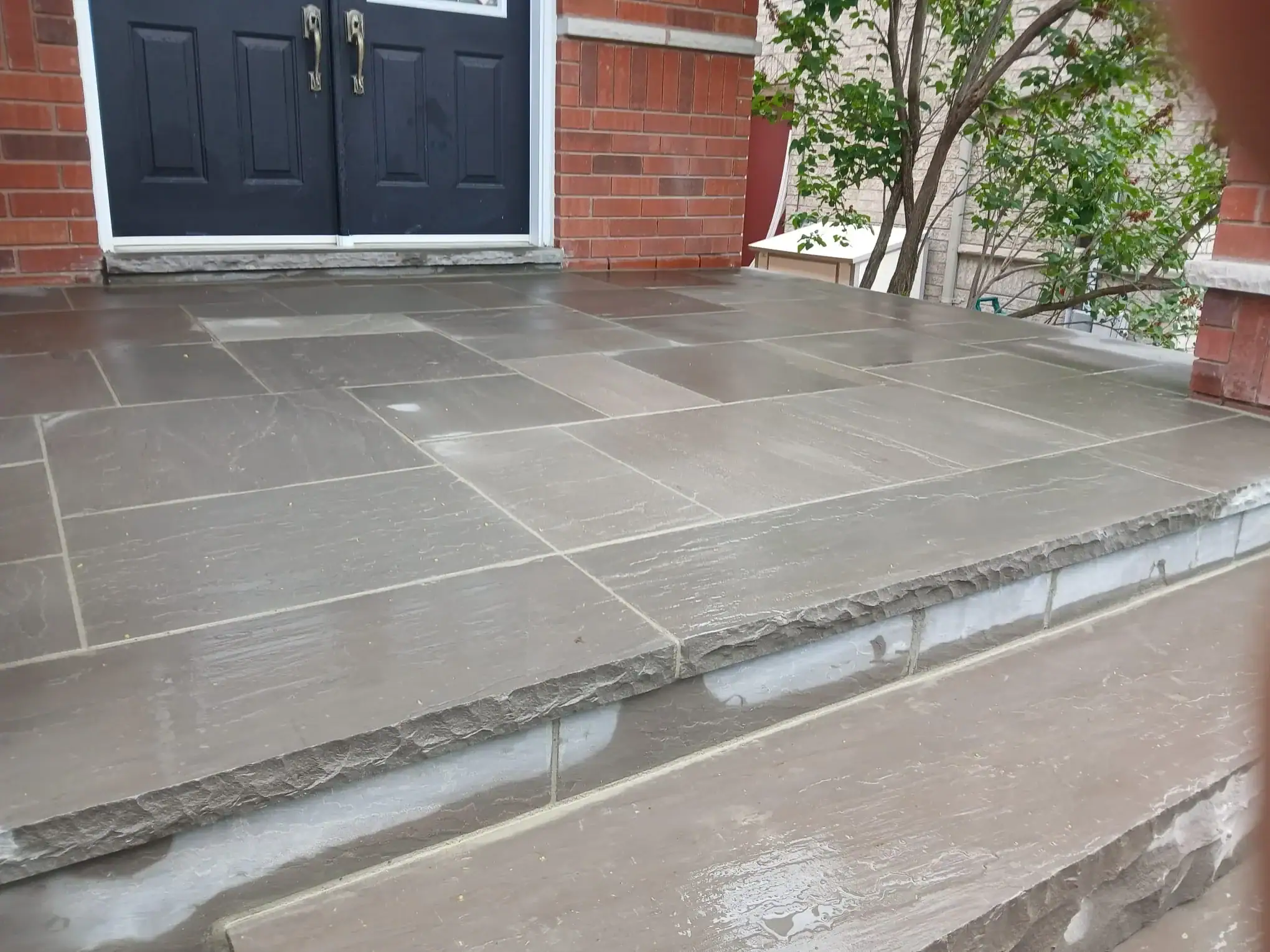
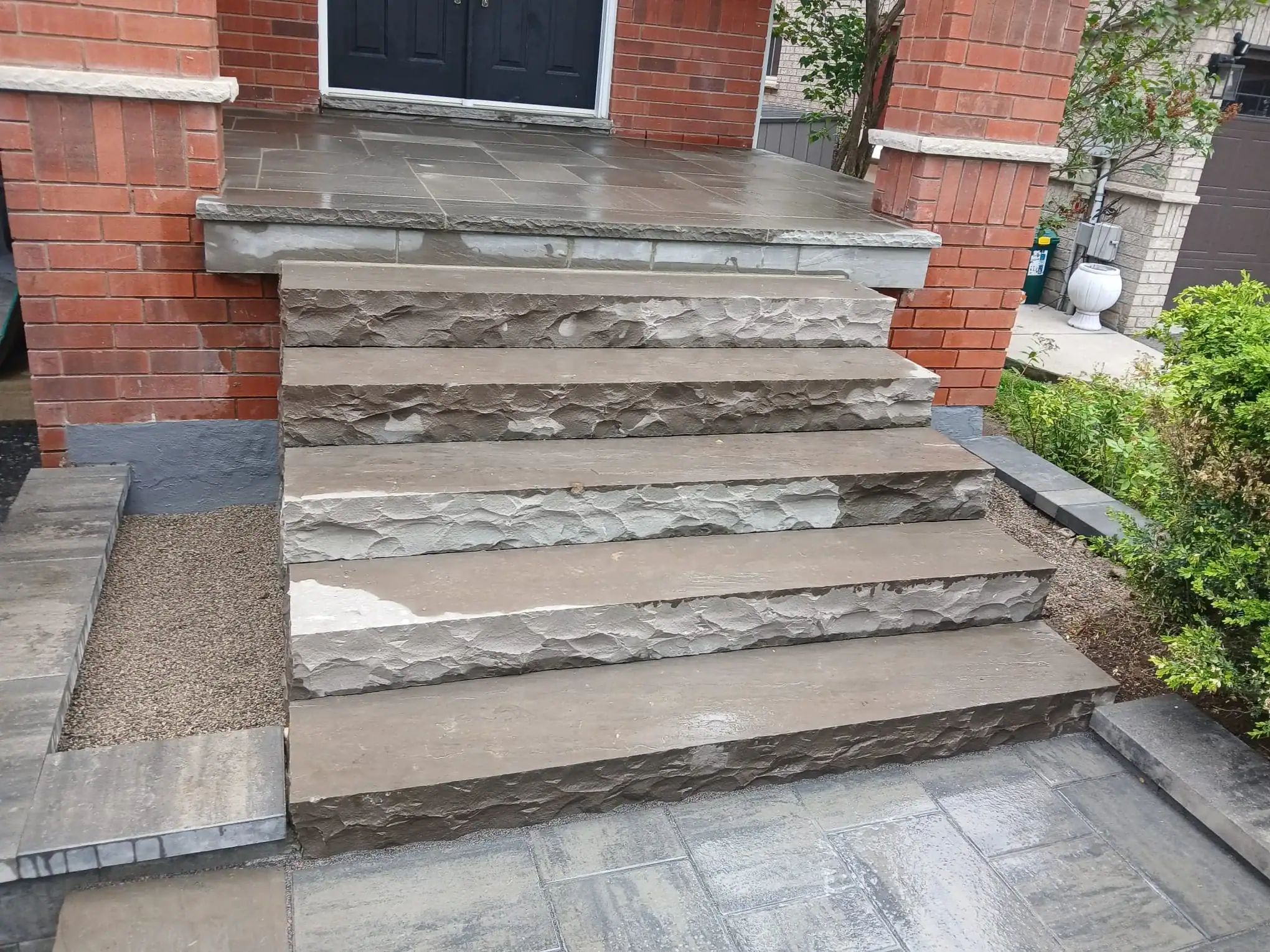
- Bluestone: Dense and durable, often chosen for its sleek blue-gray color.
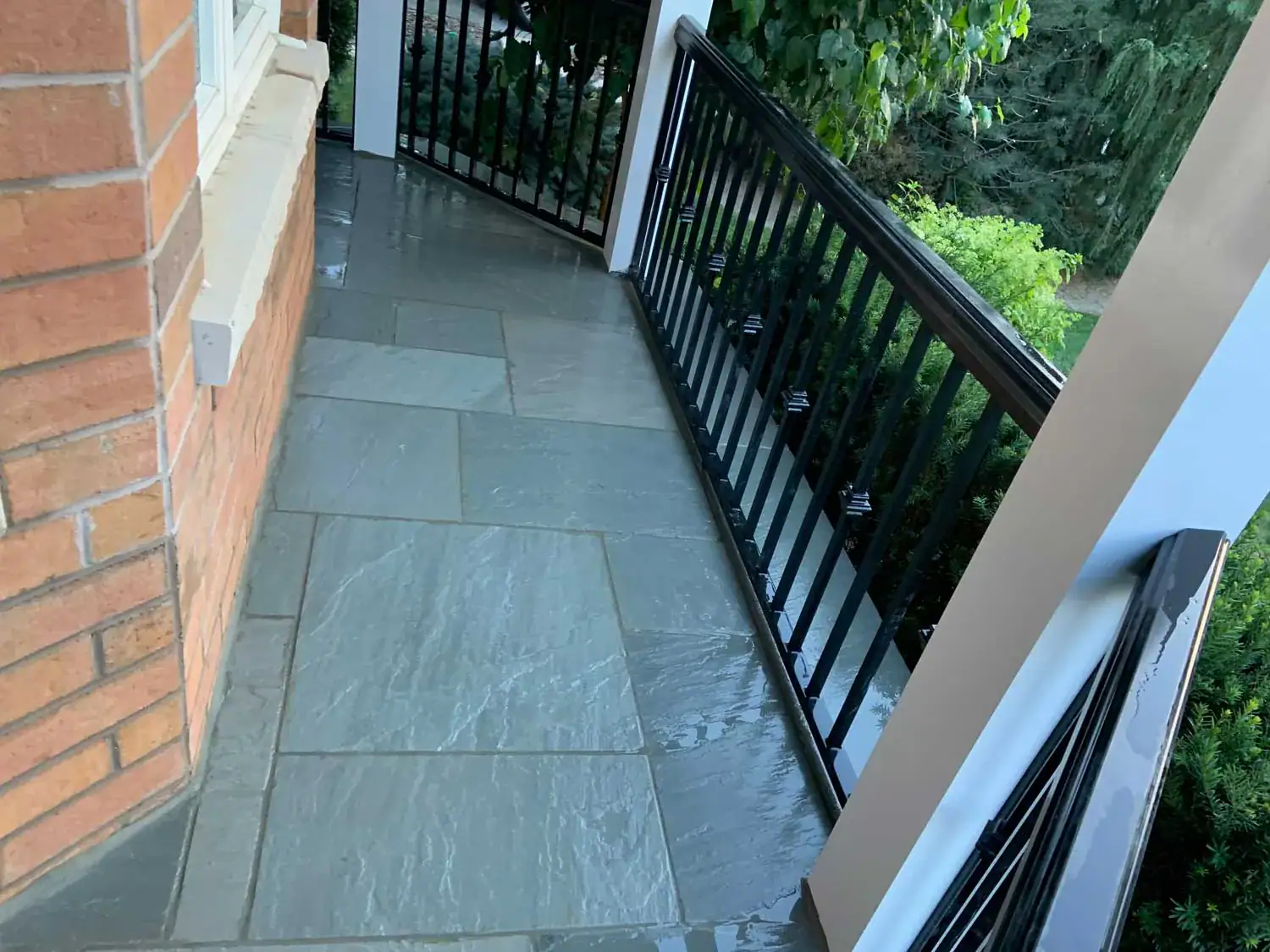
- Slate: Distinctive layered appearance with rich colors; durable and can be treated for slip resistance, making it a practical yet stylish choice.

What is bullnose concrete pool edging?
Bullnose concrete coping is a popular choice of material for pool edges due to its blend of safety, comfort, and aesthetic appeal. Its rounded design not only enhances the visual aspect of the pool area but also contributes to a safer and more enjoyable swimming environment.

FAQs about Pool Edging
Should you put grout in pool edging?
Yes, grout is often used between pool coping stones or tiles to create a stable, watertight seal. It helps prevent water infiltration, which can lead to damage over time. However, ensure that the grout is appropriate for outdoor use and can withstand pool chemicals.

What is the best coping around a pool?
The best coping depends on various factors, including:
- Safety: Non-slip surfaces are ideal for preventing accidents.
- Durability: Materials like natural stone (travertine, granite) and concrete are popular for their longevity.
- Aesthetic Appeal: Choose materials and colors that complement your pool design. Overall, travertine is often considered one of the best options due to its slip resistance, durability, and natural beauty.
What type of cement is used for pool edging?
The most common type of cement used for pool coping is Portland cement, often mixed with sand and aggregates to create a strong, durable concrete. For specific applications, you may also find pre-mixed concrete products designed for pool coping.
Can you paint stone pool edging?
Yes, you can paint stone pool coping, but it’s essential to use a high-quality, waterproof exterior paint designed for stone surfaces. Keep in mind that painting may alter the appearance and texture of the stone, and the paint may require maintenance or reapplication over time. Additionally, ensure that the paint is safe for use around pools, especially if it may come into contact with water.
With decades of experience, A&A Masonry Inc. has built a reputation for delivering top-quality masonry, waterproofing, and exterior restoration services across Toronto and the surrounding areas. Our skilled team specializes in brick, stone, and concrete repairs, ensuring durable and visually appealing results.
At A&A Masonry, we prioritize craftsmanship, customer satisfaction, and long-lasting solutions. Whether you need foundation waterproofing, brick repair, tuckpointing, or interlocking stone installations, our experts provide reliable service backed by extensive industry experience.
Why Choose A&A Masonry?
✔ Expert Craftsmanship – Our team comprises experienced masons and waterproofing specialists dedicated to high-quality workmanship.
✔ Comprehensive Services – We offer everything from chimney repair to fireplace stone veneer and parging to enhance and protect your property.
✔ Waterproofing Solutions – Protect your home with professional basement waterproofing and exterior foundation sealing.
✔ Customer-First Approach – Transparent quotes, detailed assessments, and a commitment to excellence in every project.
Our Services Include:
- Concrete Repairs
- Stone Masonry
- Brick Painting
- Interlocking Stone Pavers
- Parging
- Tuckpointing
- Brick Repair
- Fireplace Stone Veneer
- Chimney Repair
- Commercial Exterior Painting
- Basement Waterproofing
- Stucco
- Interlocking Steps
- Roofing