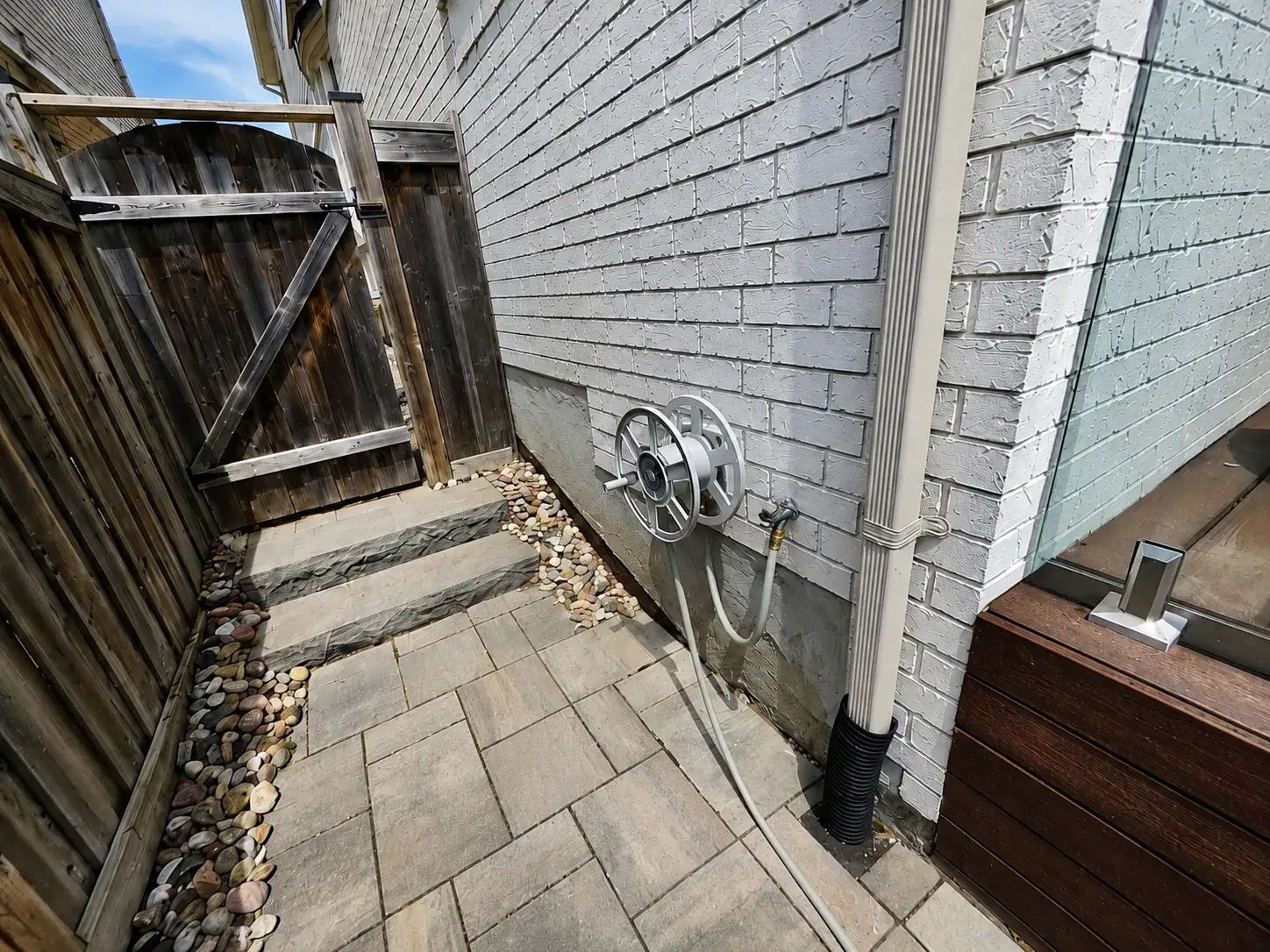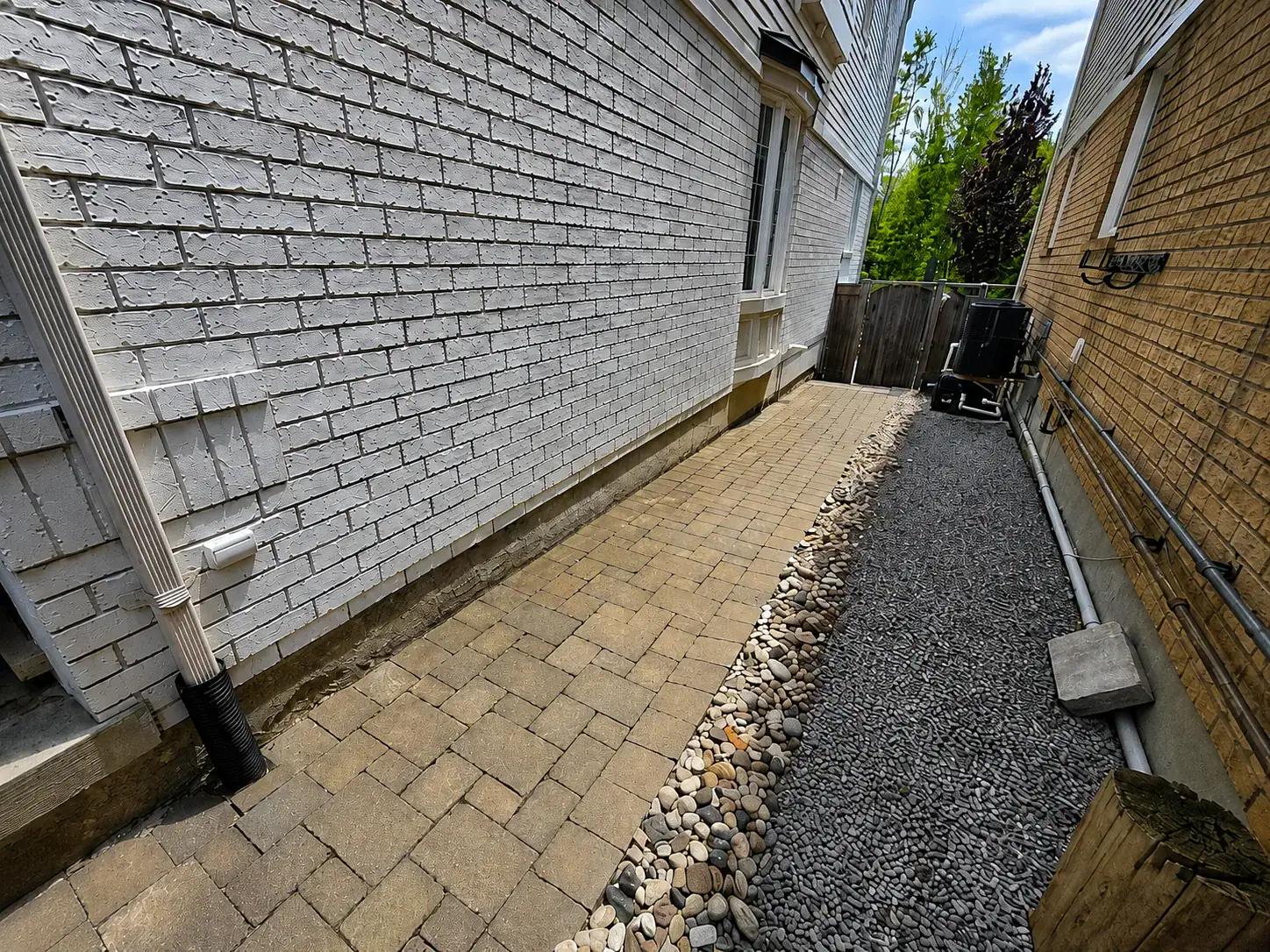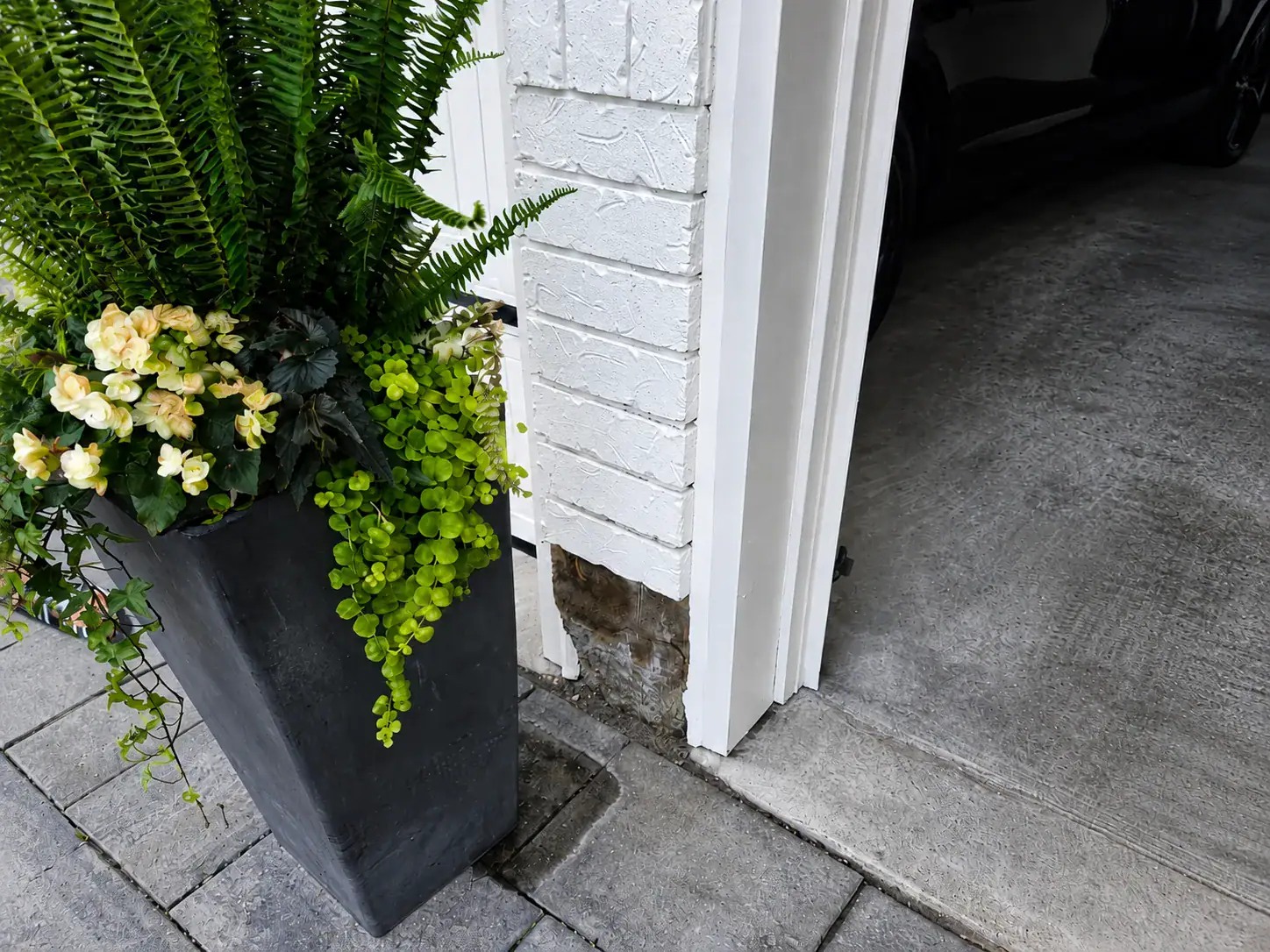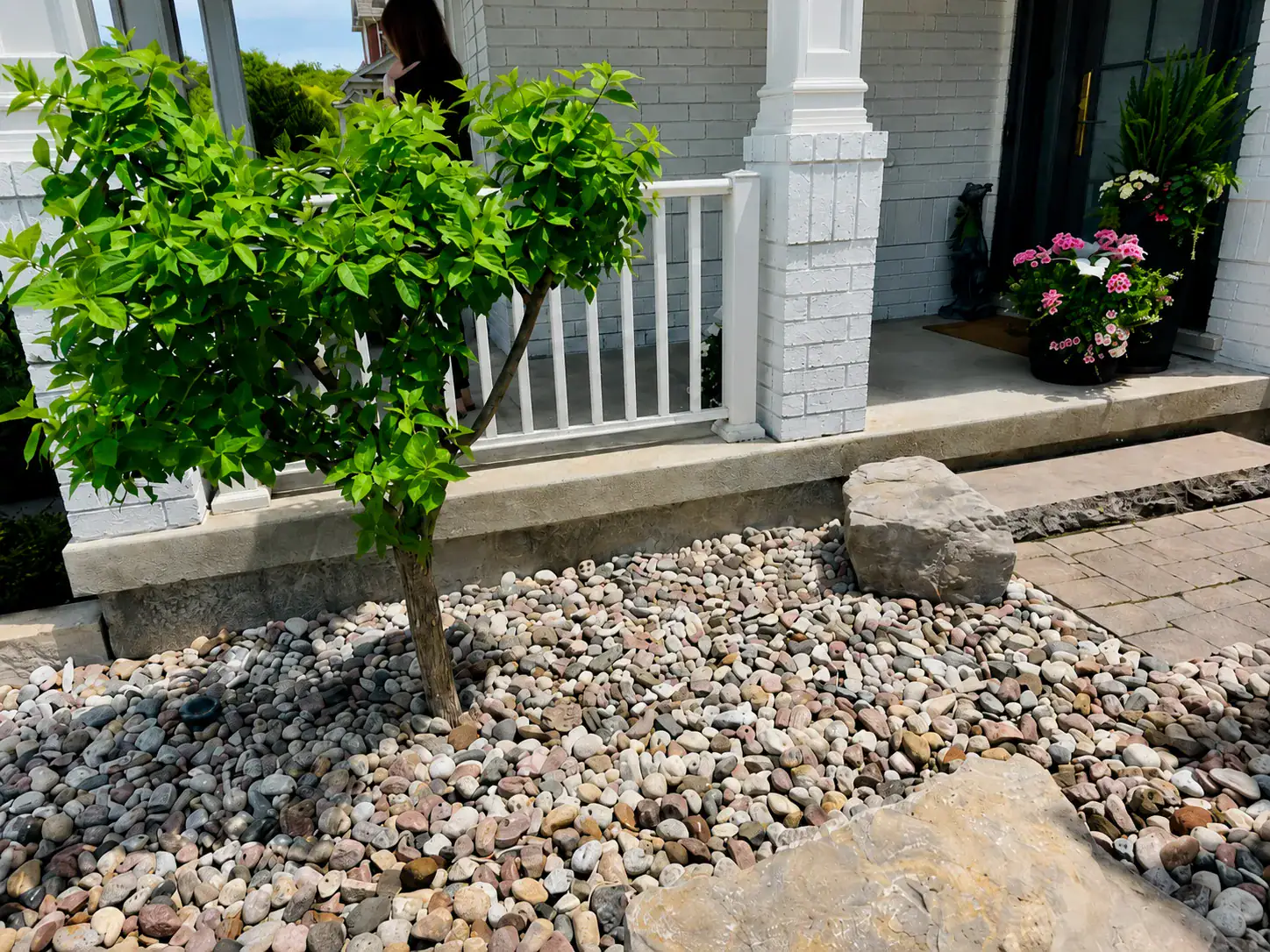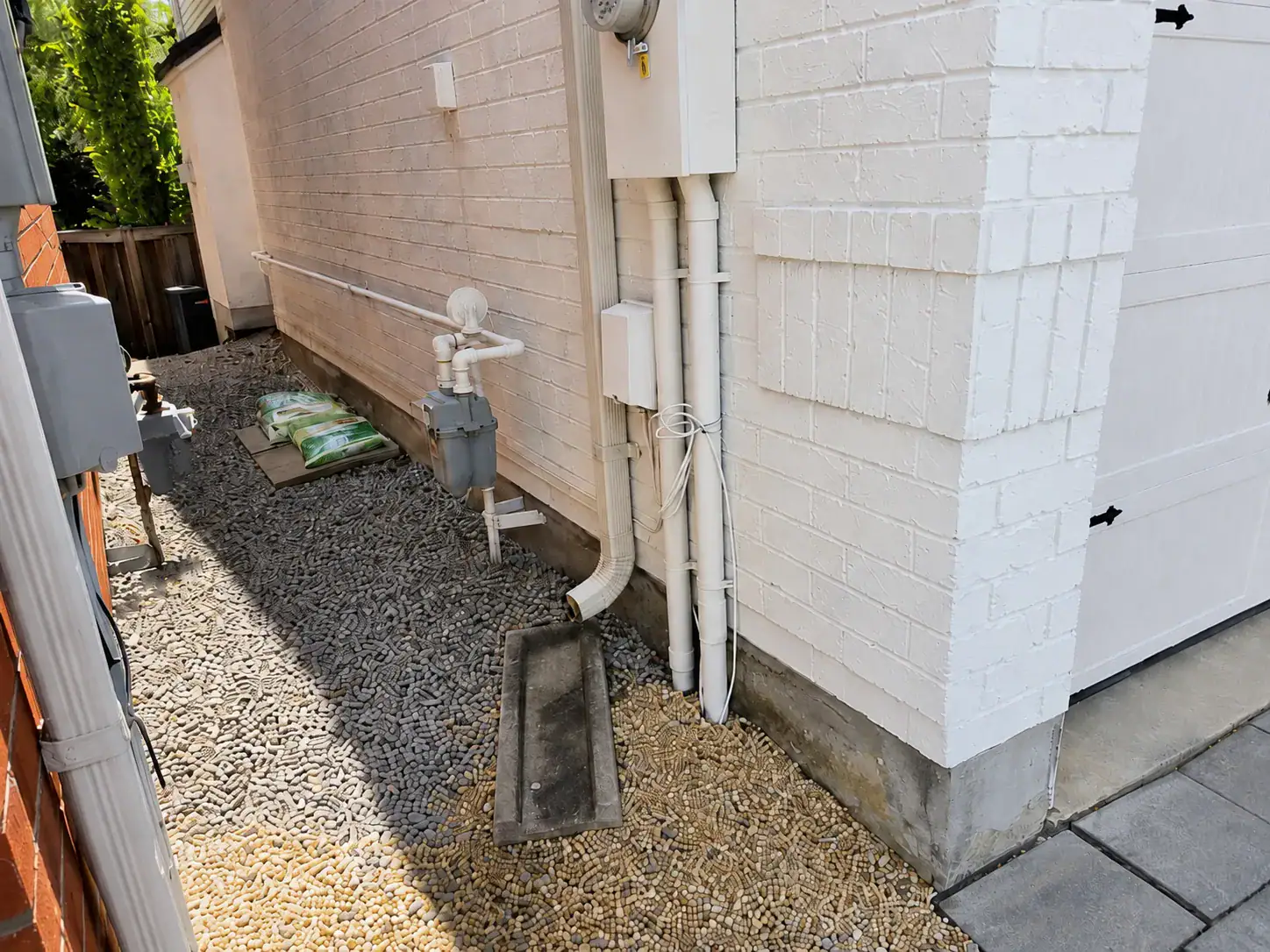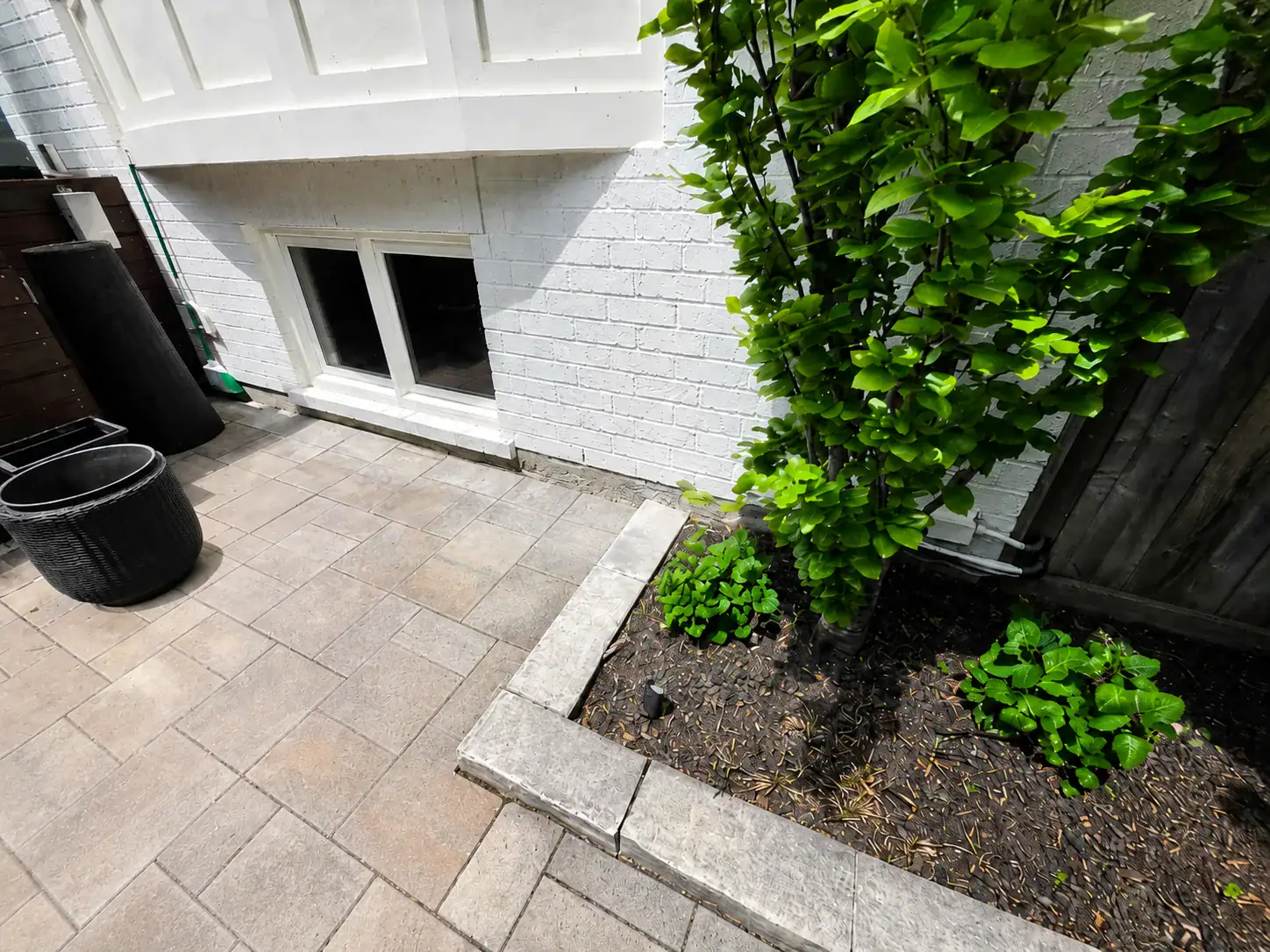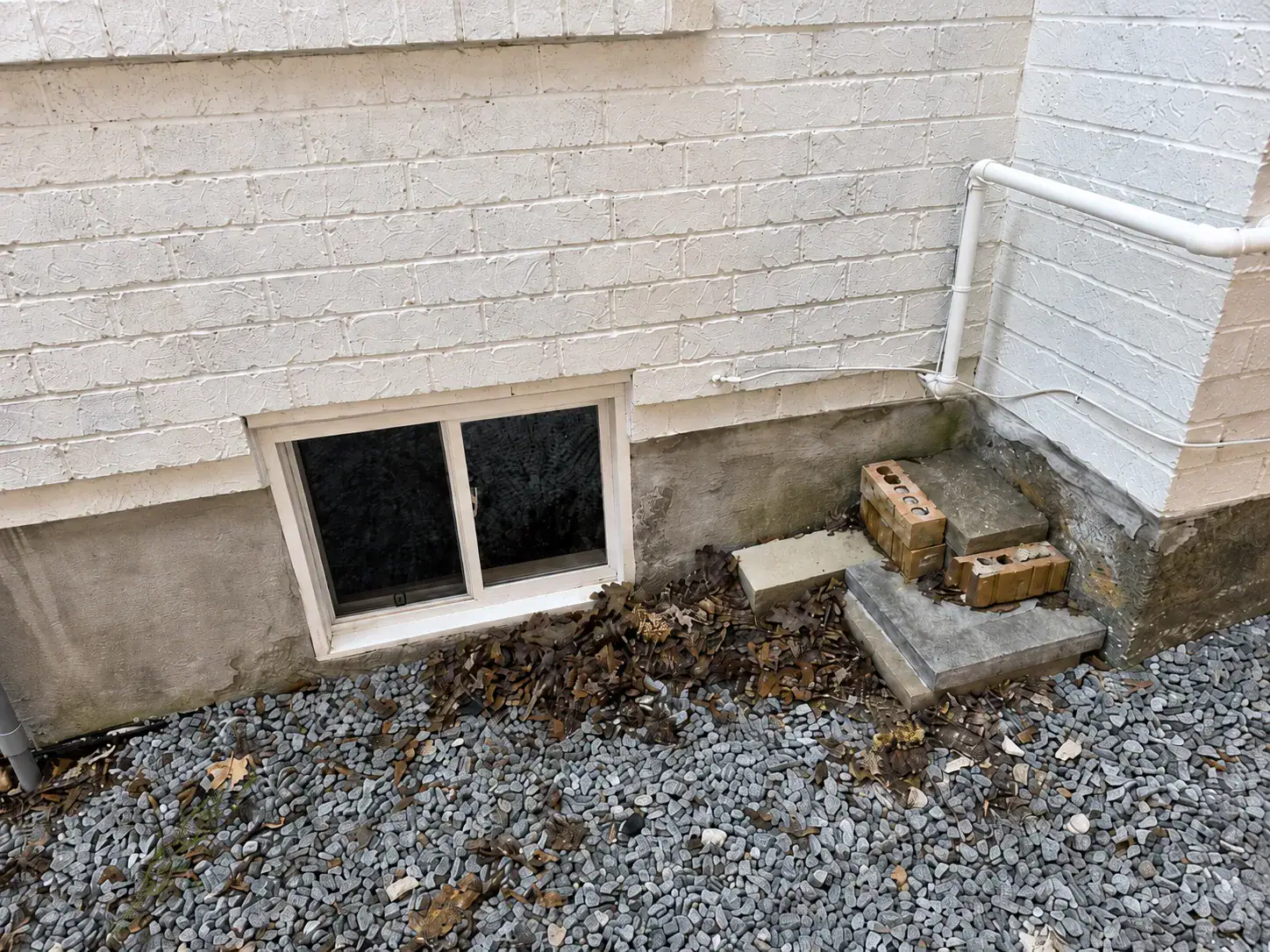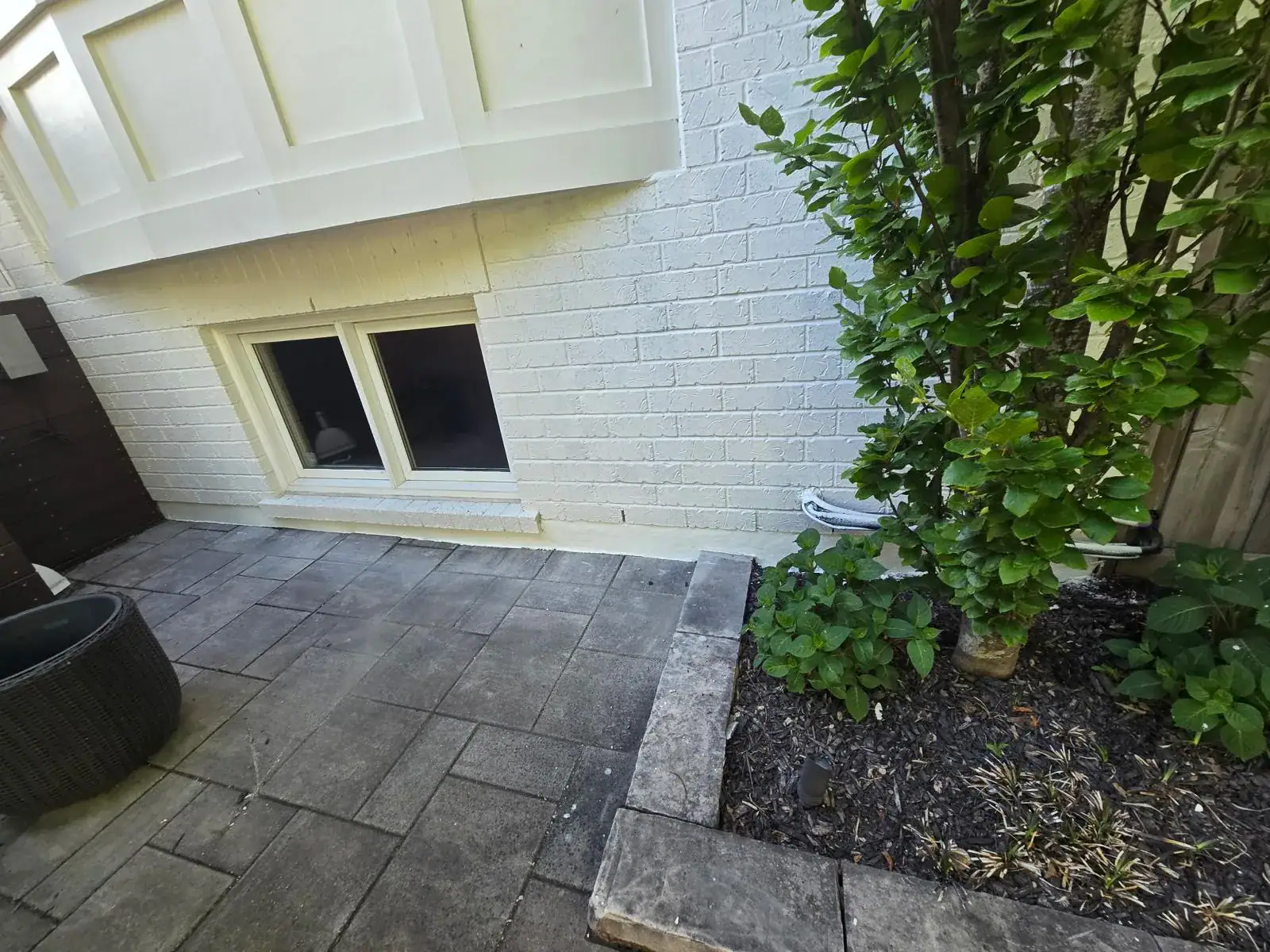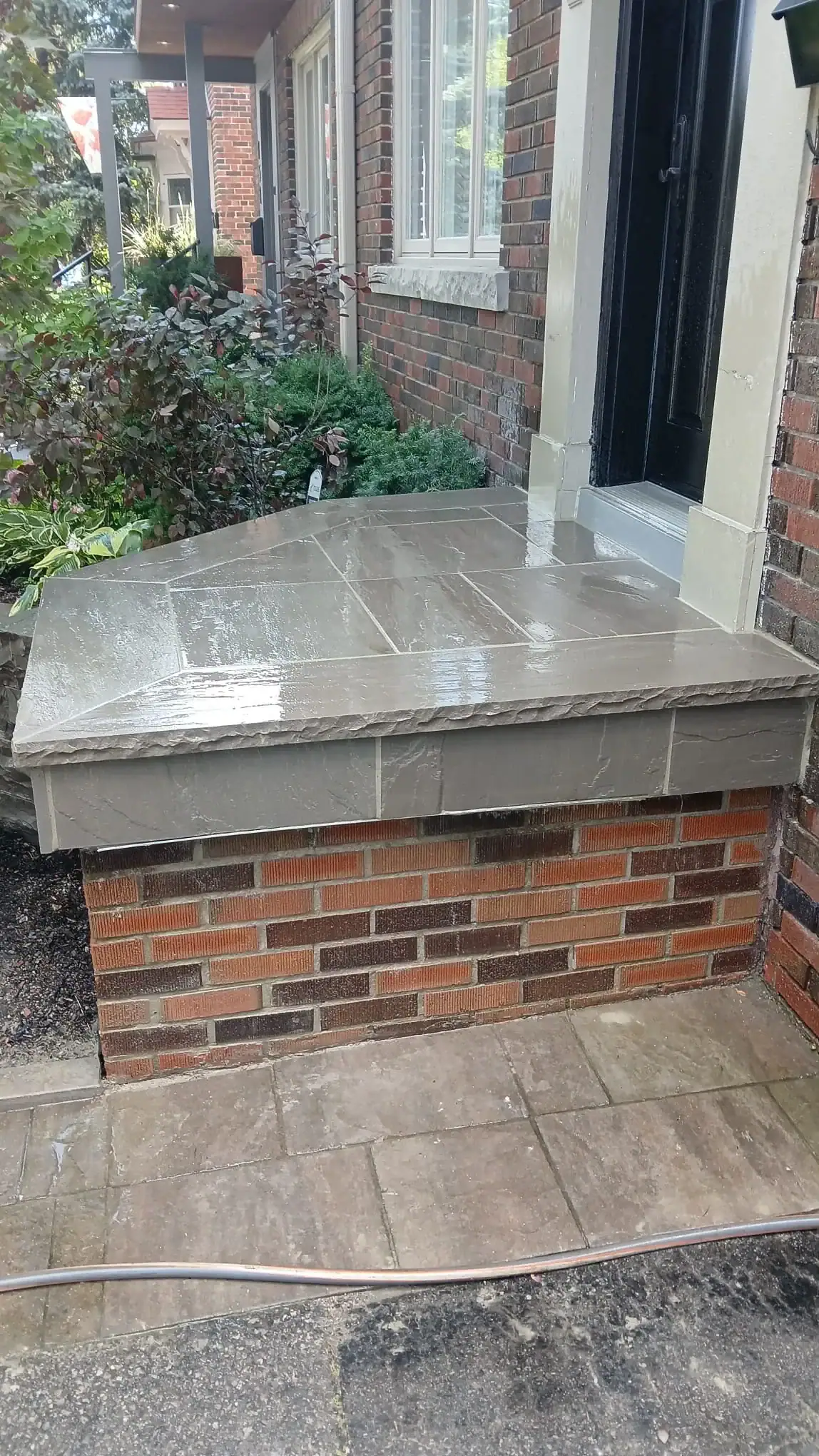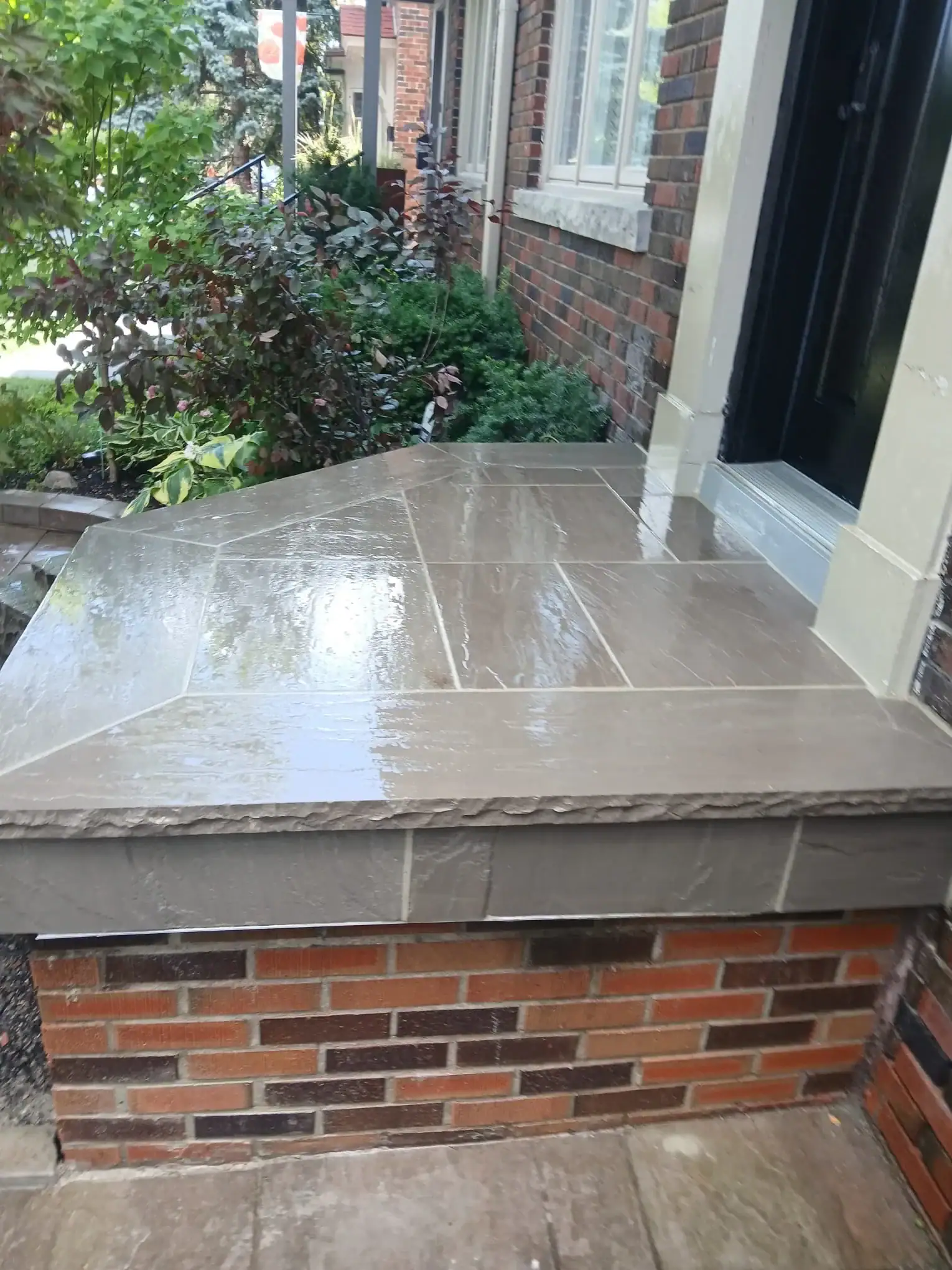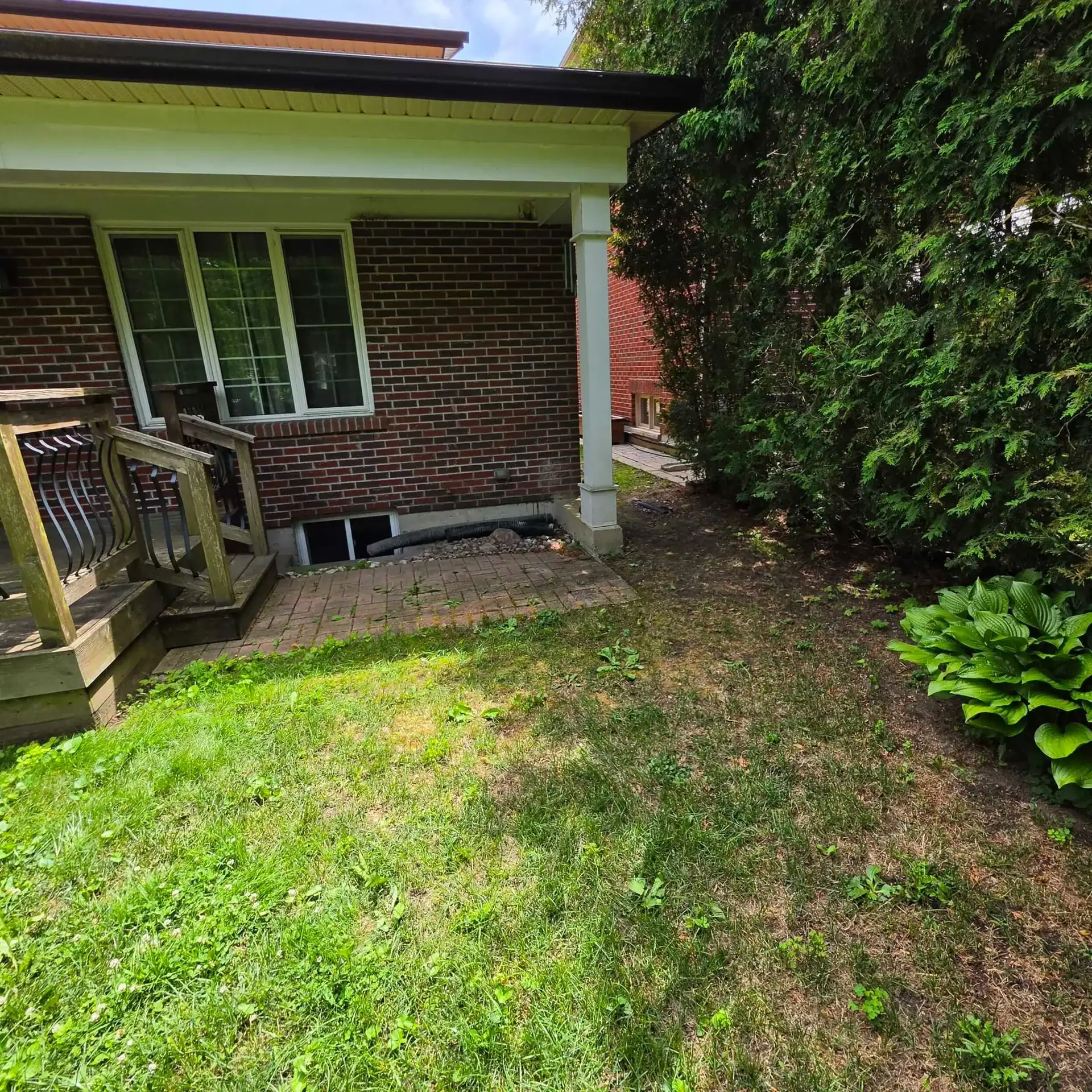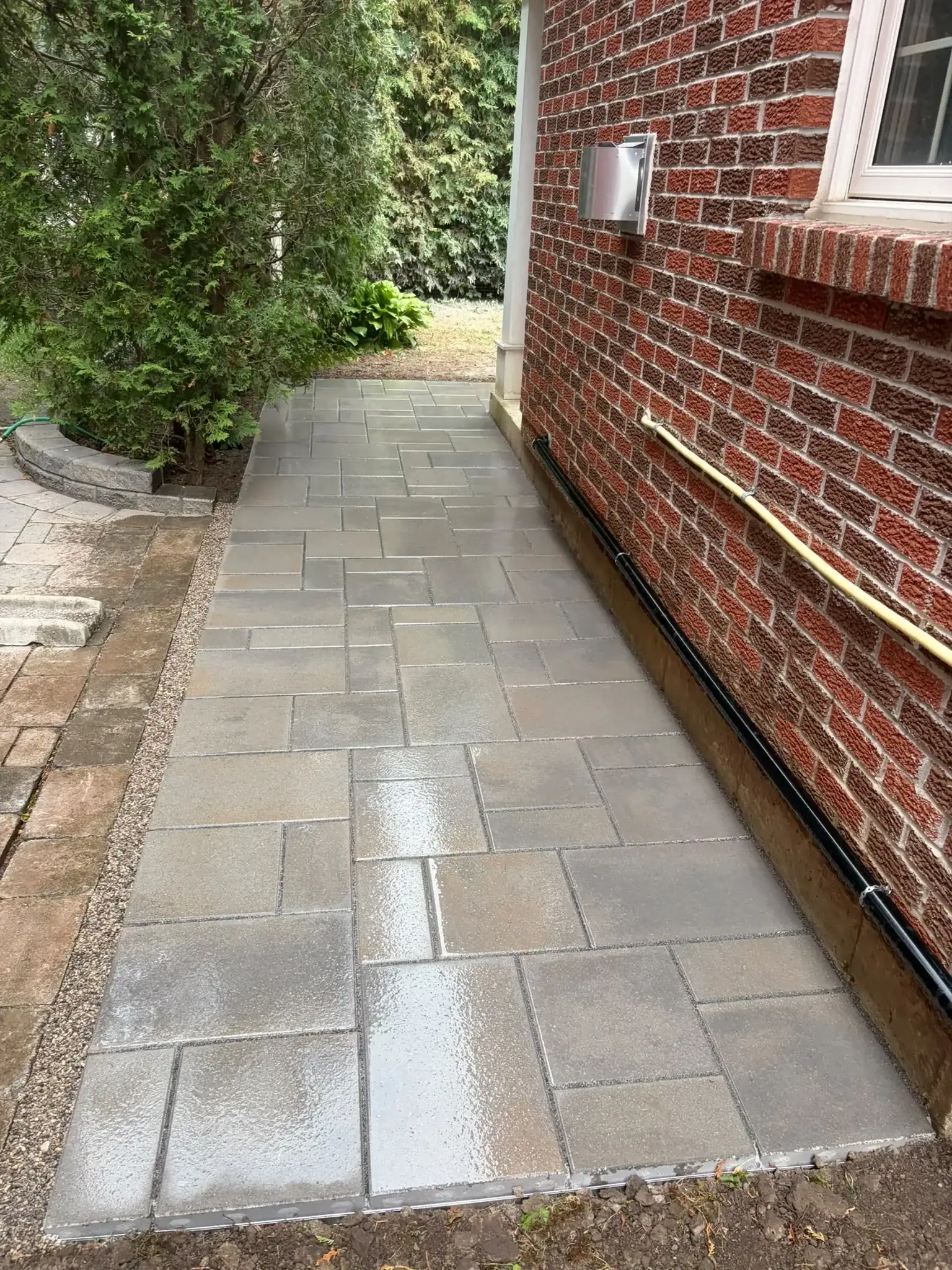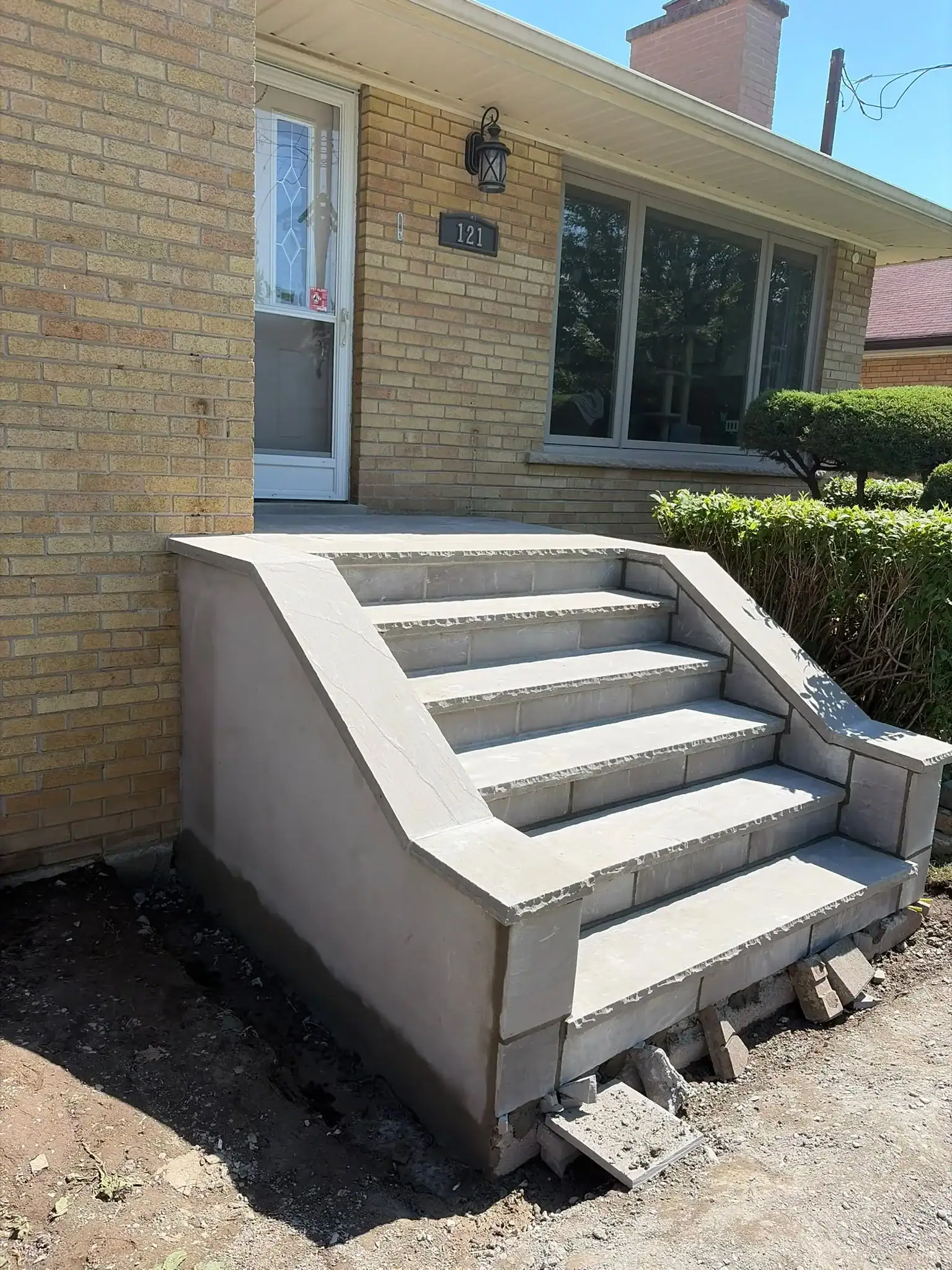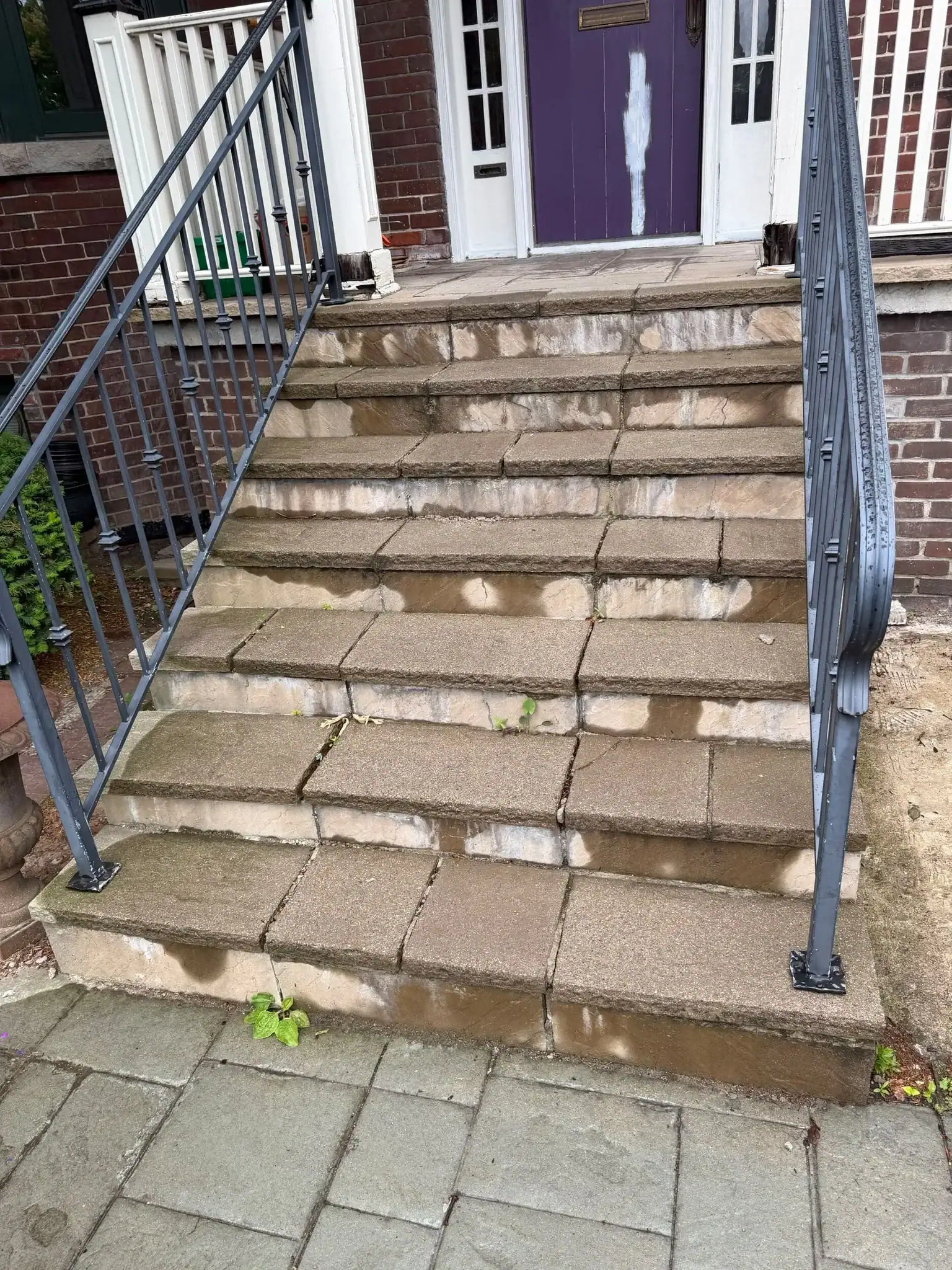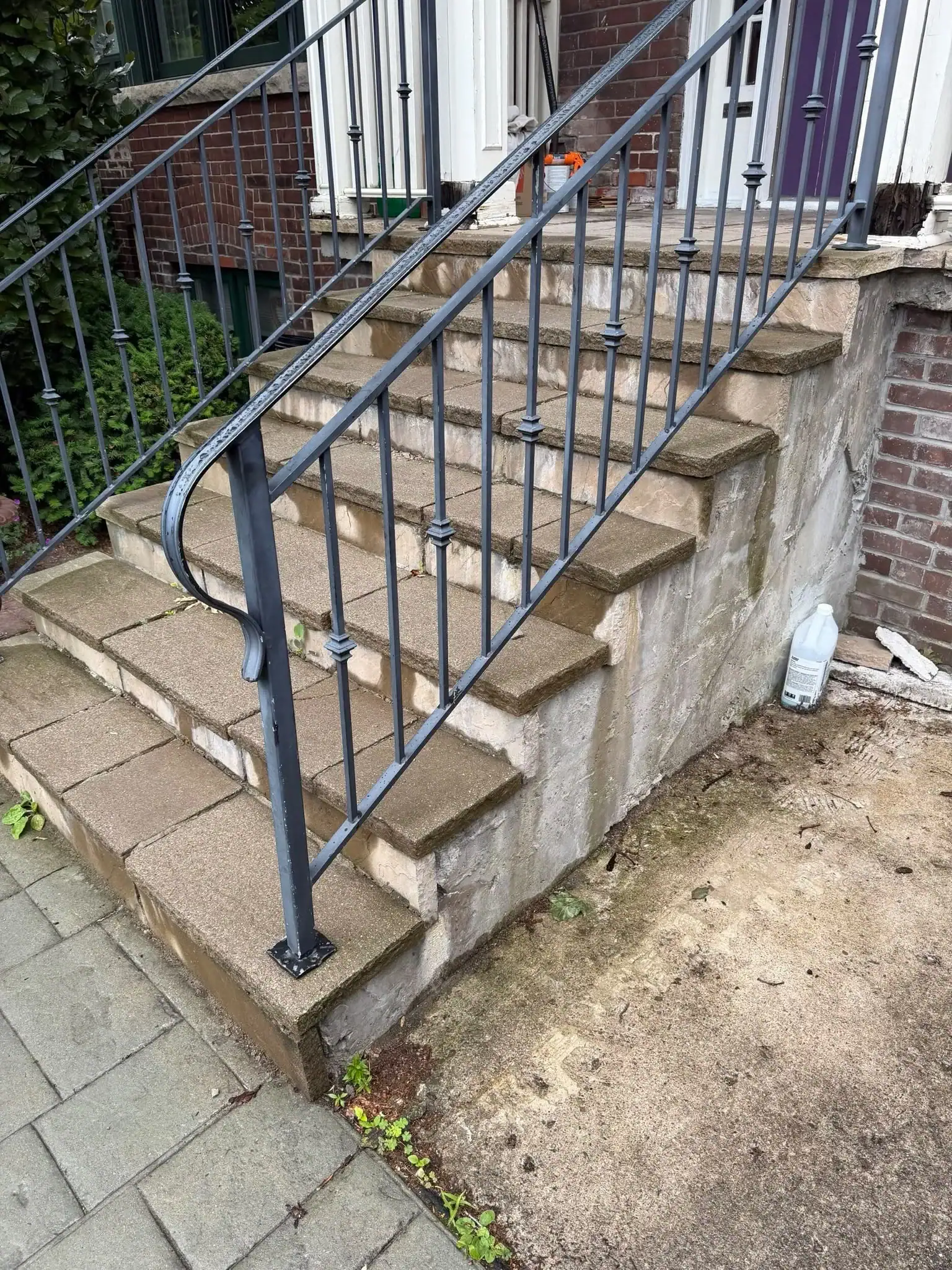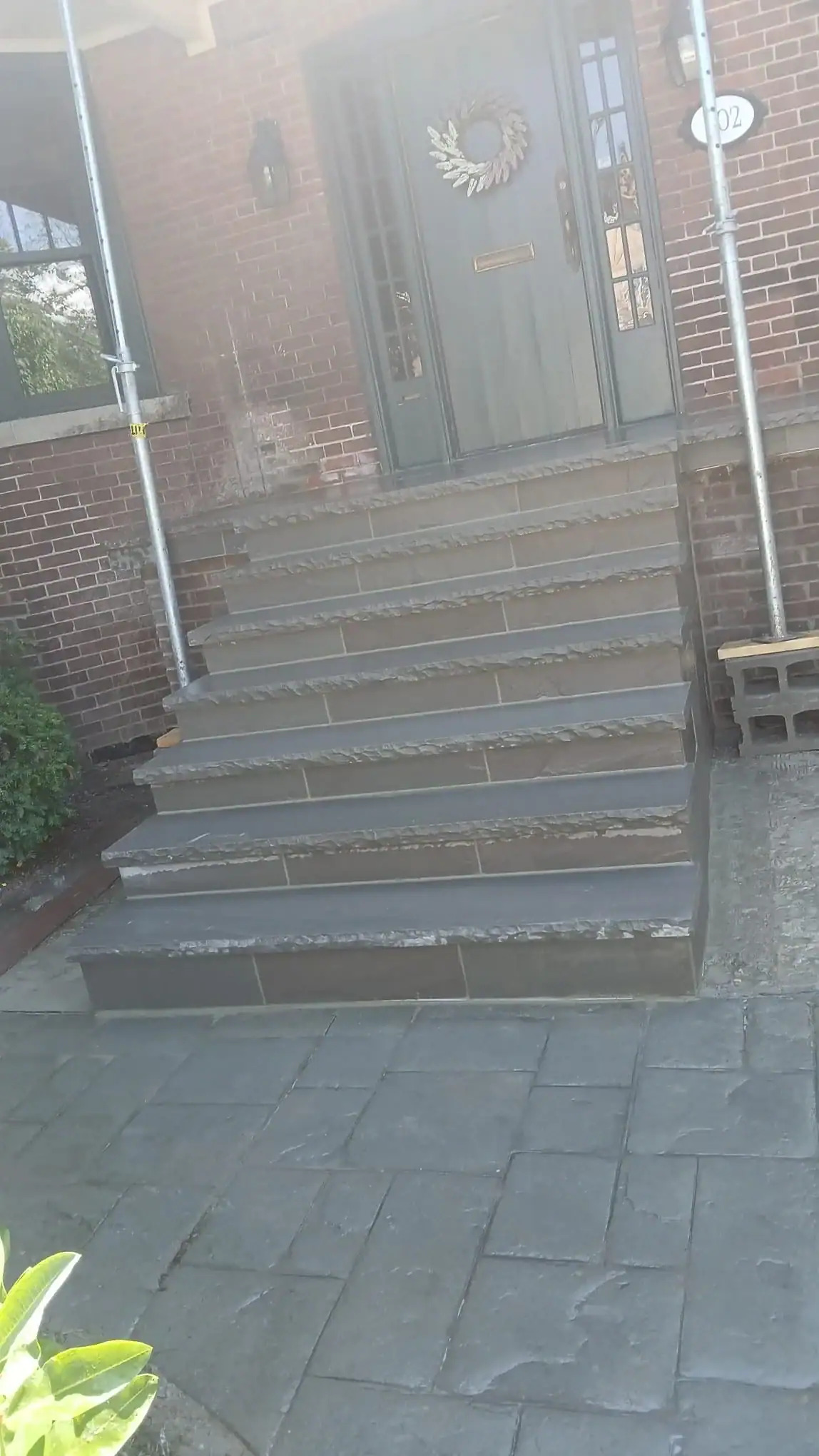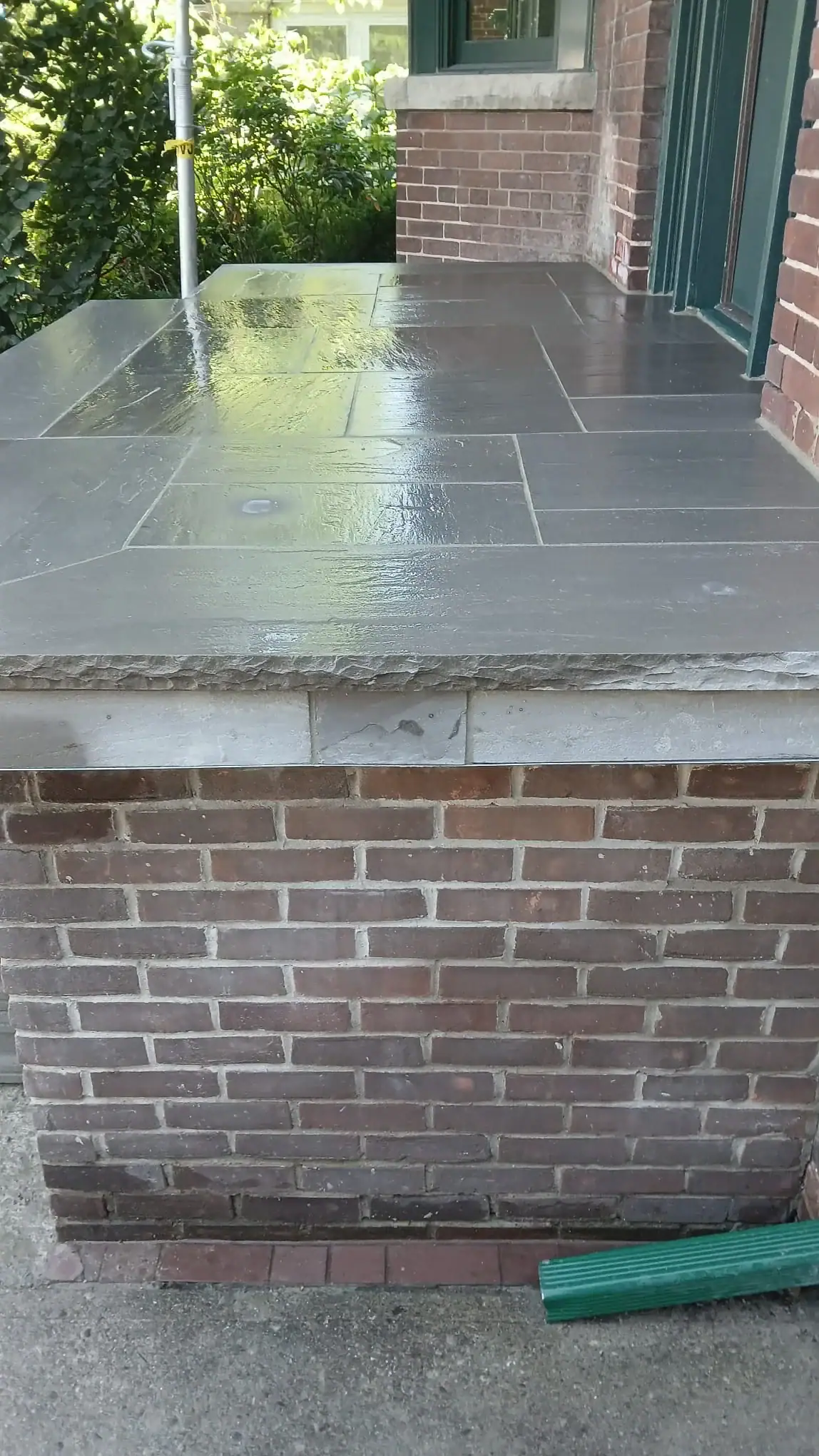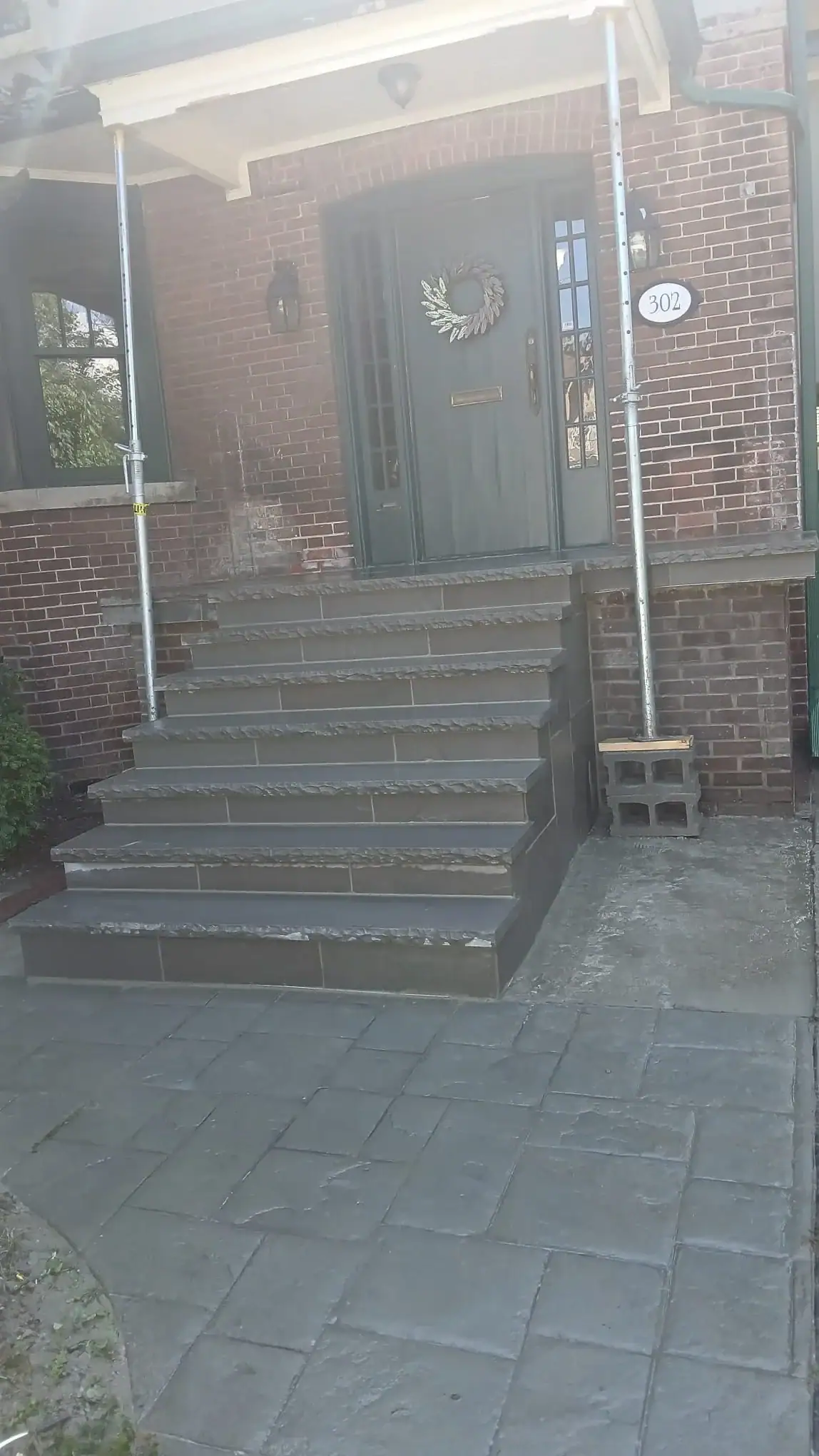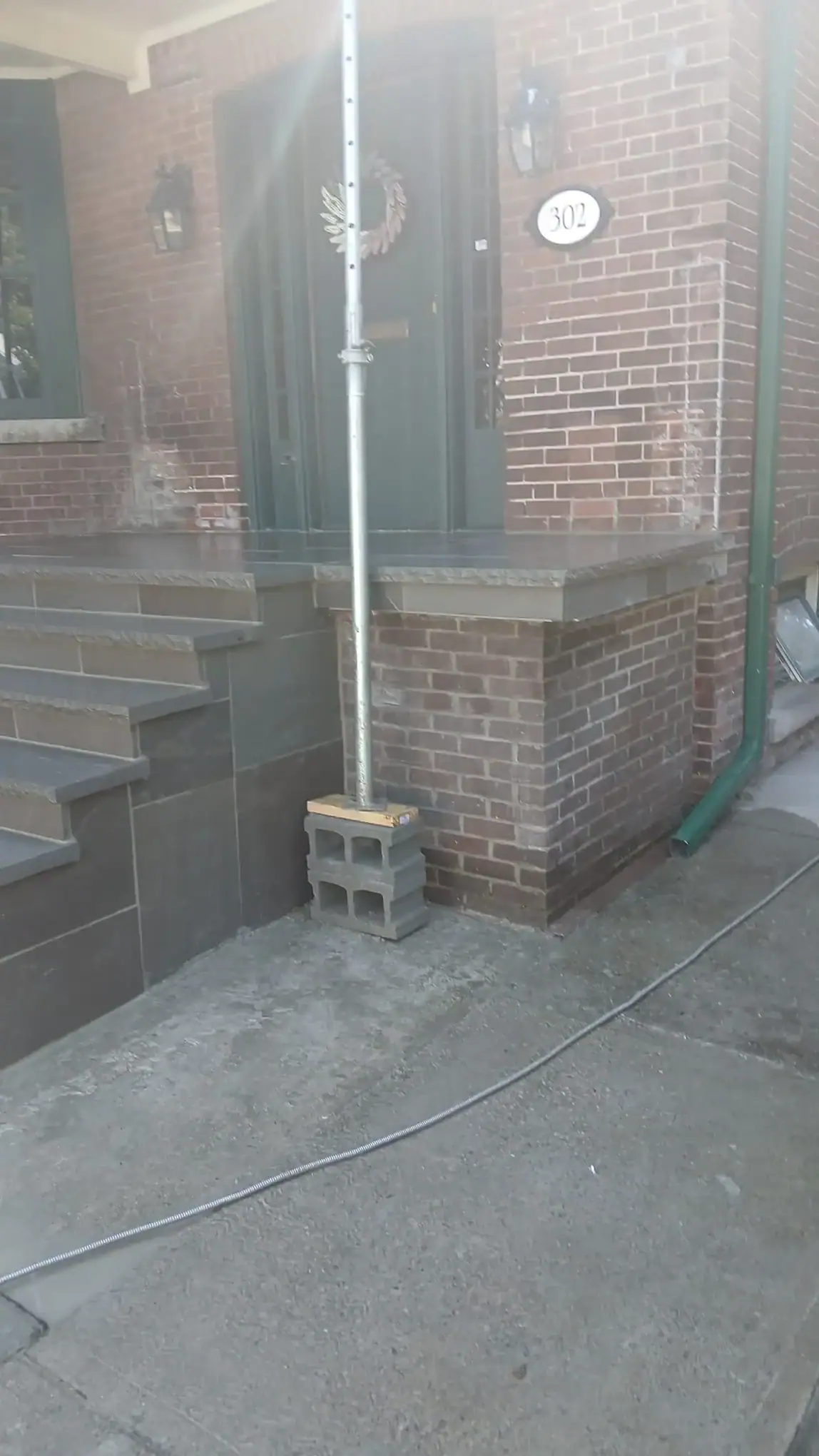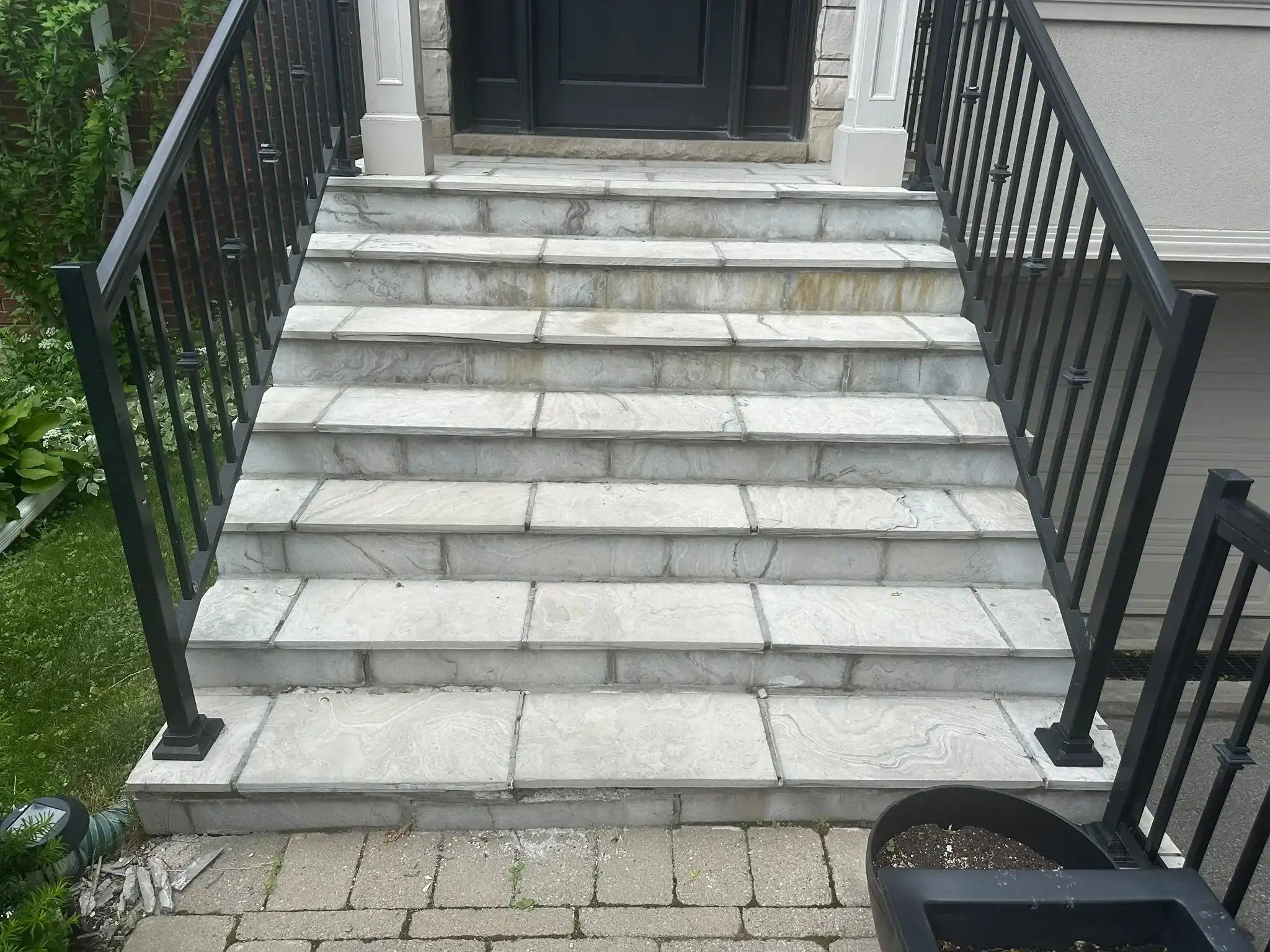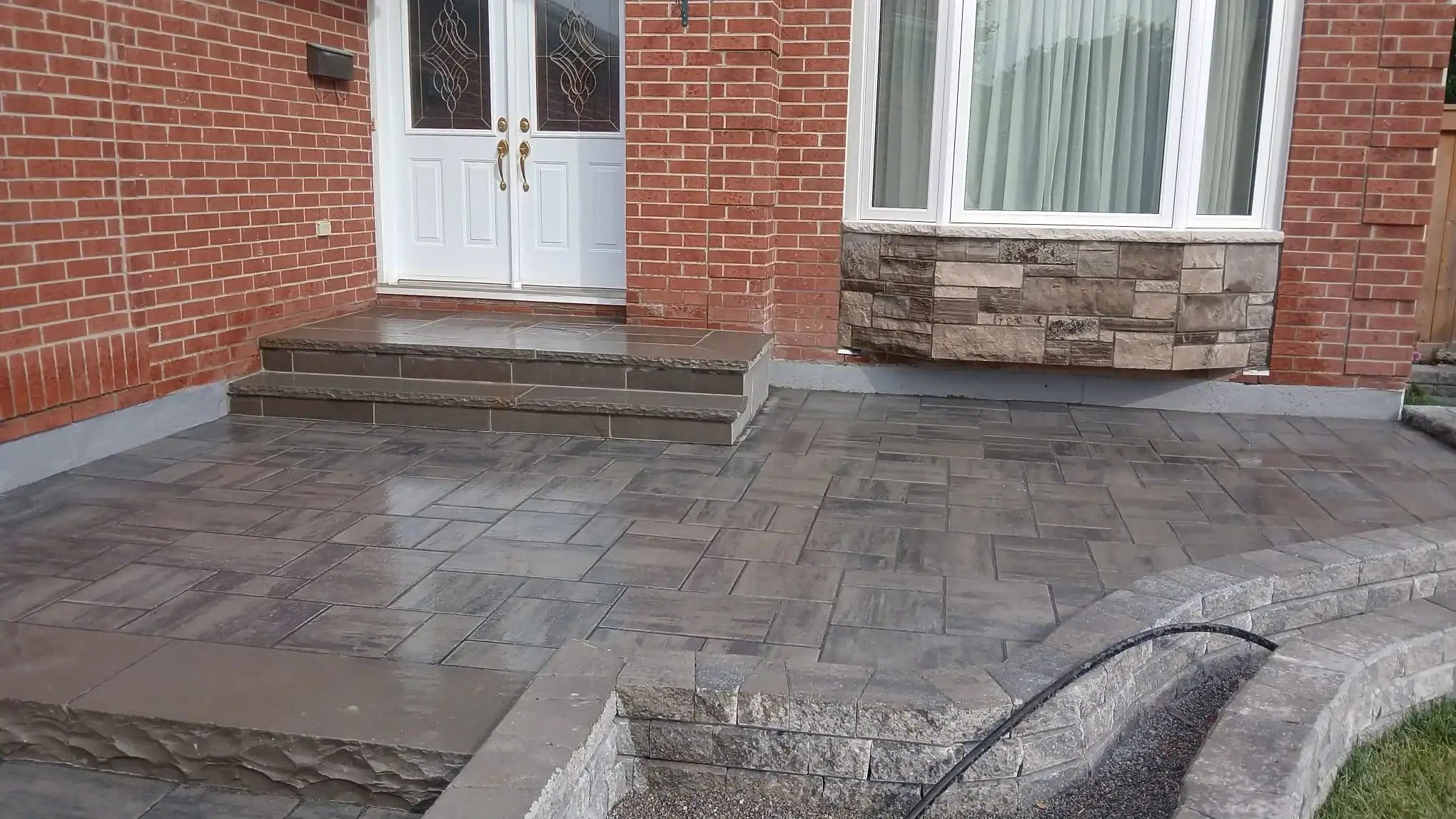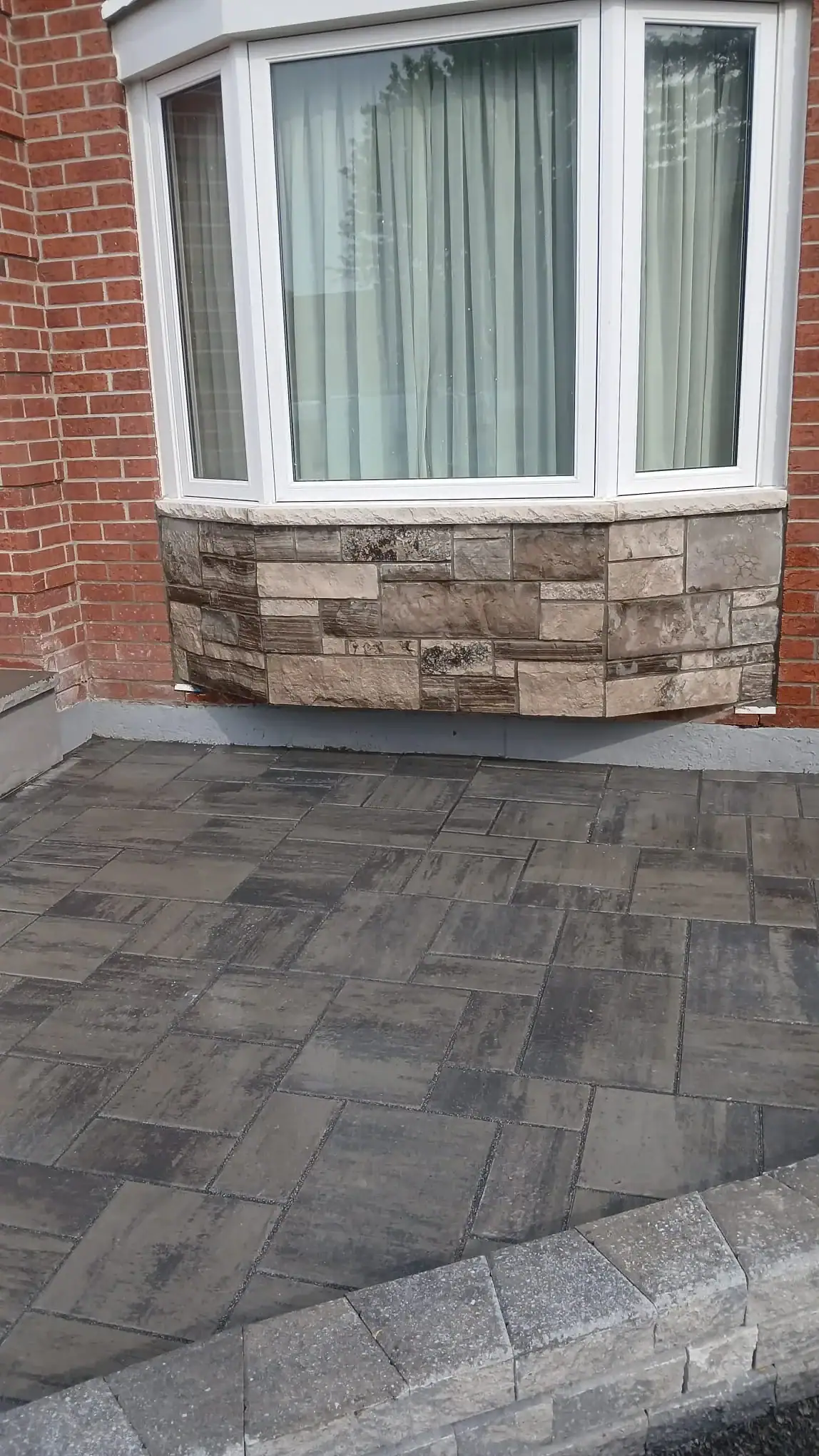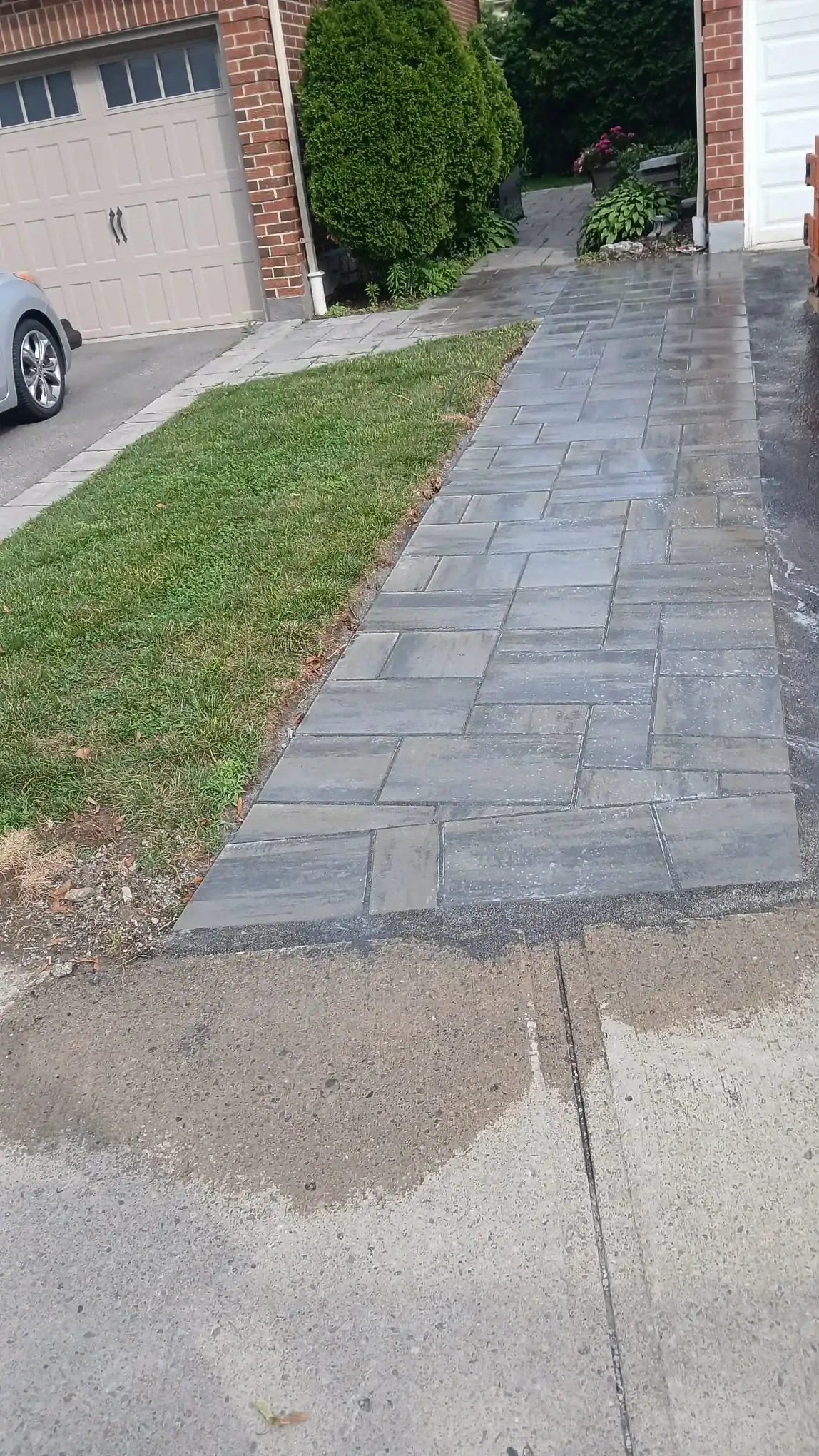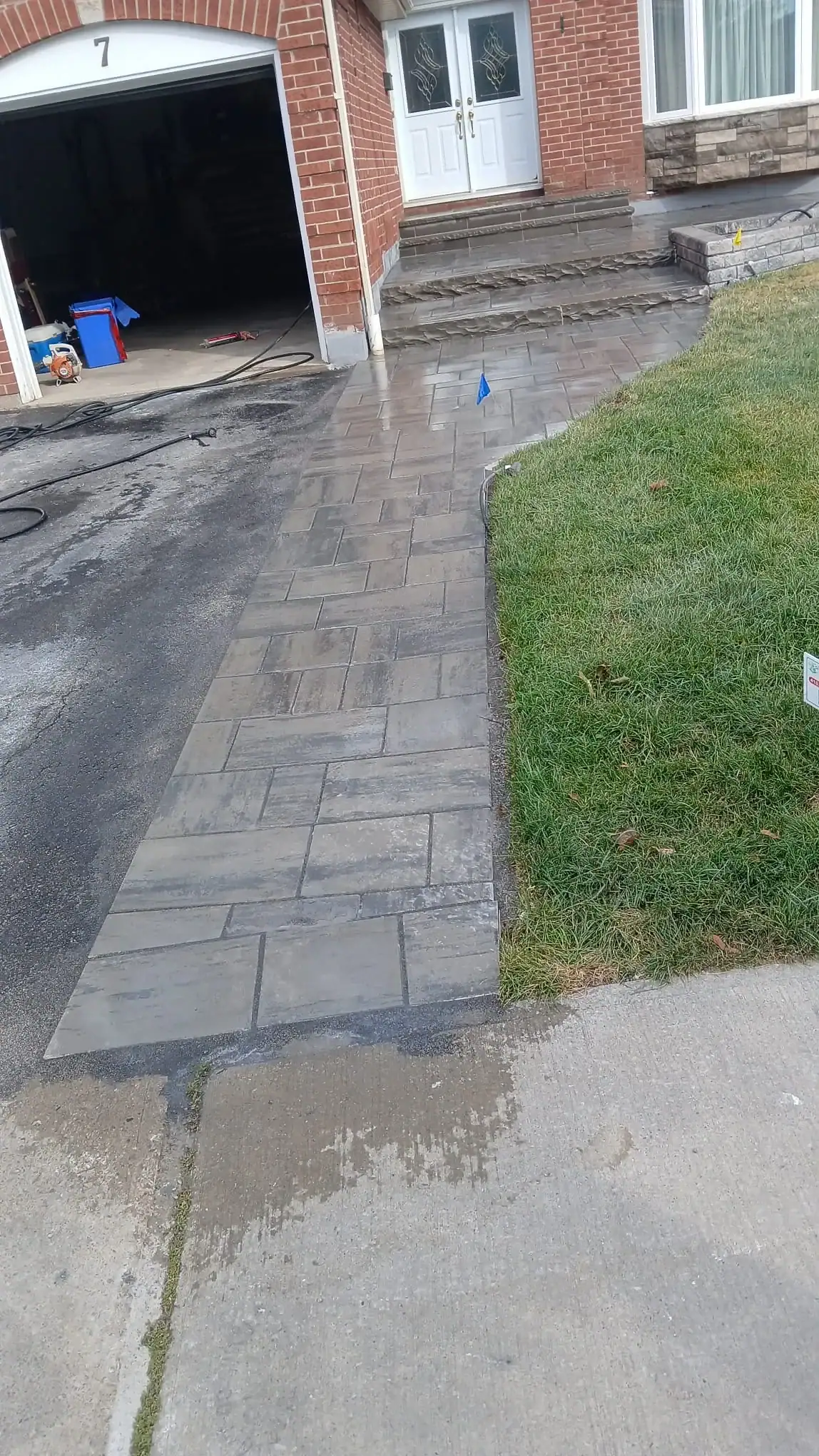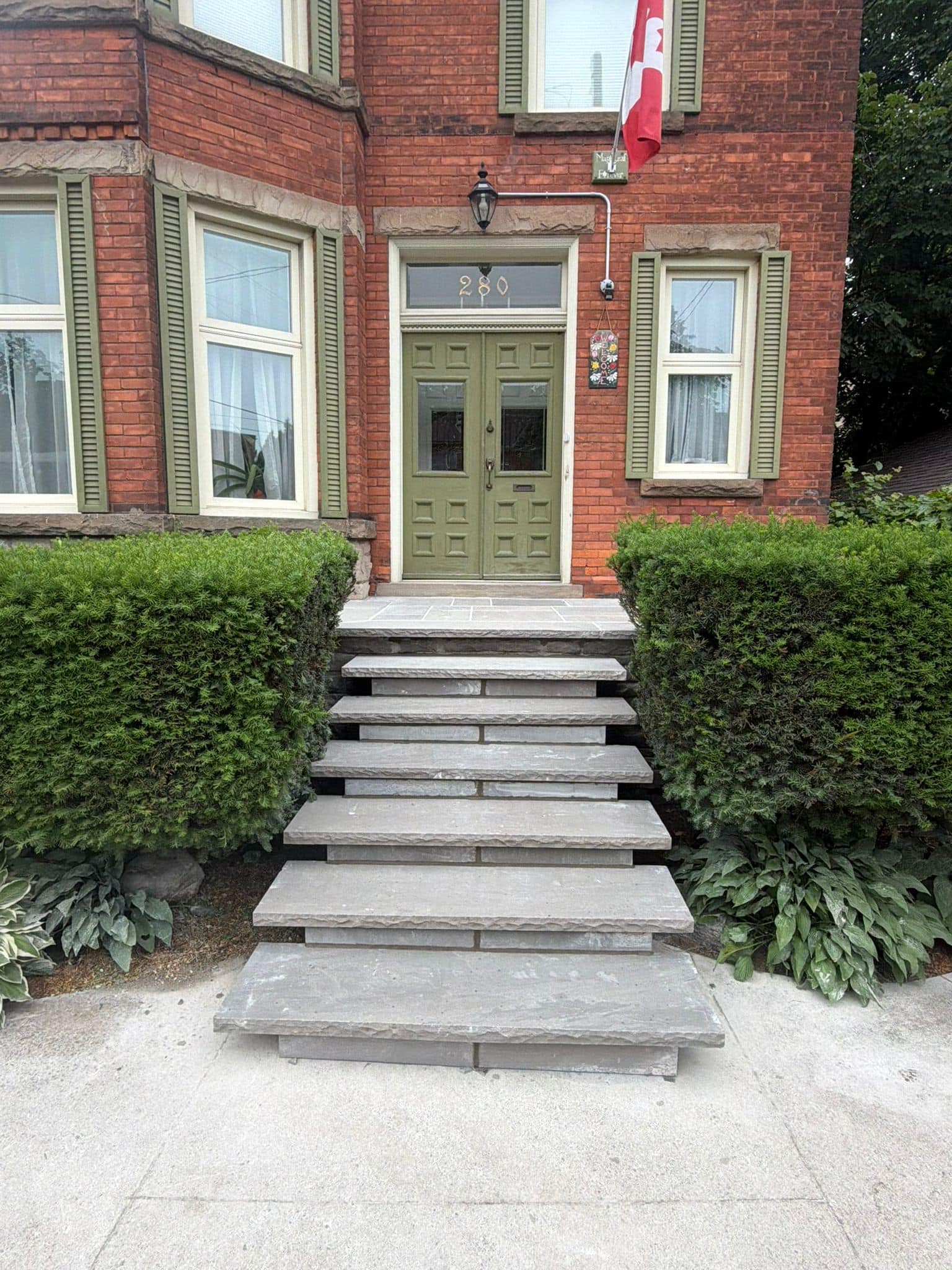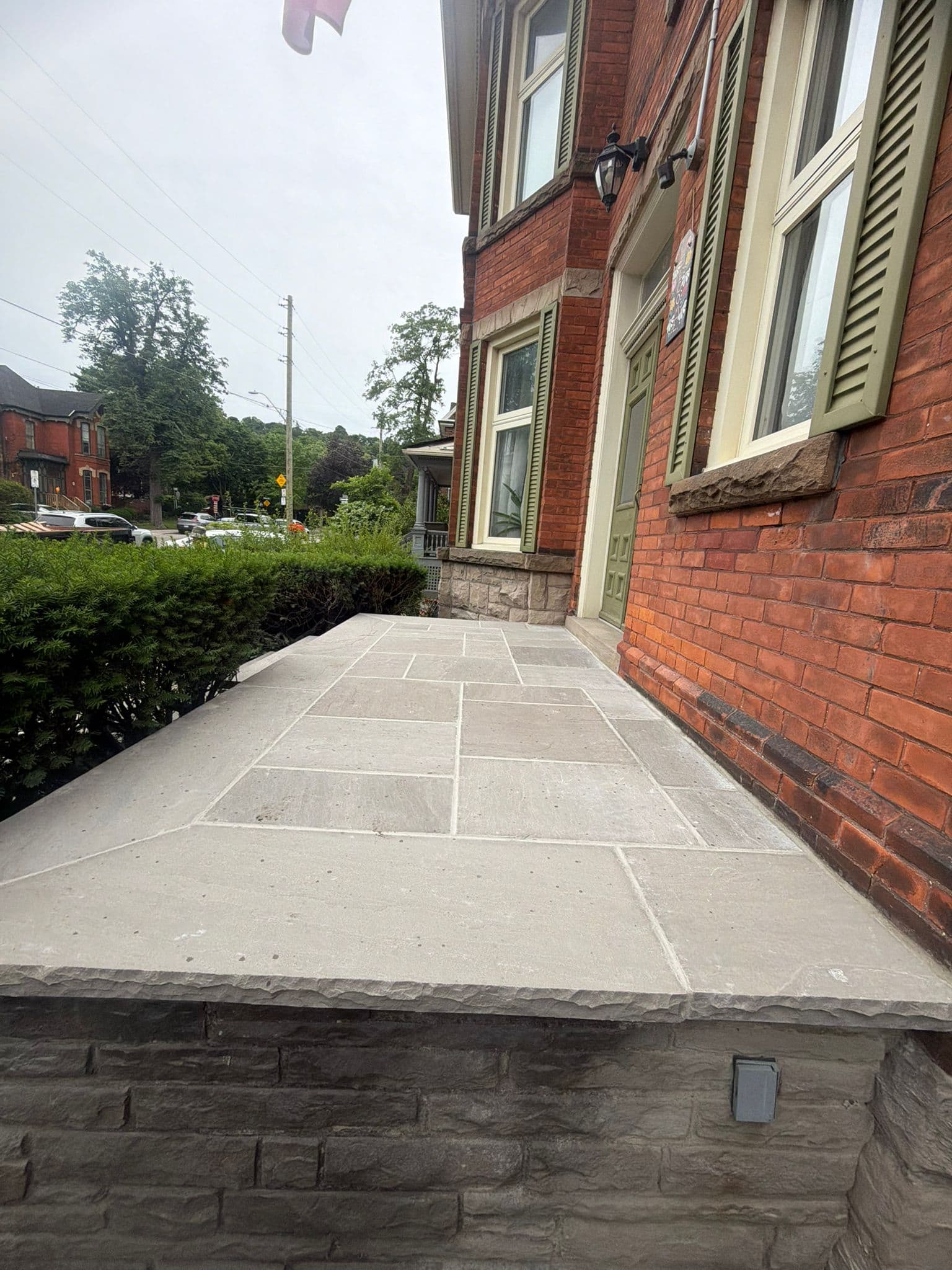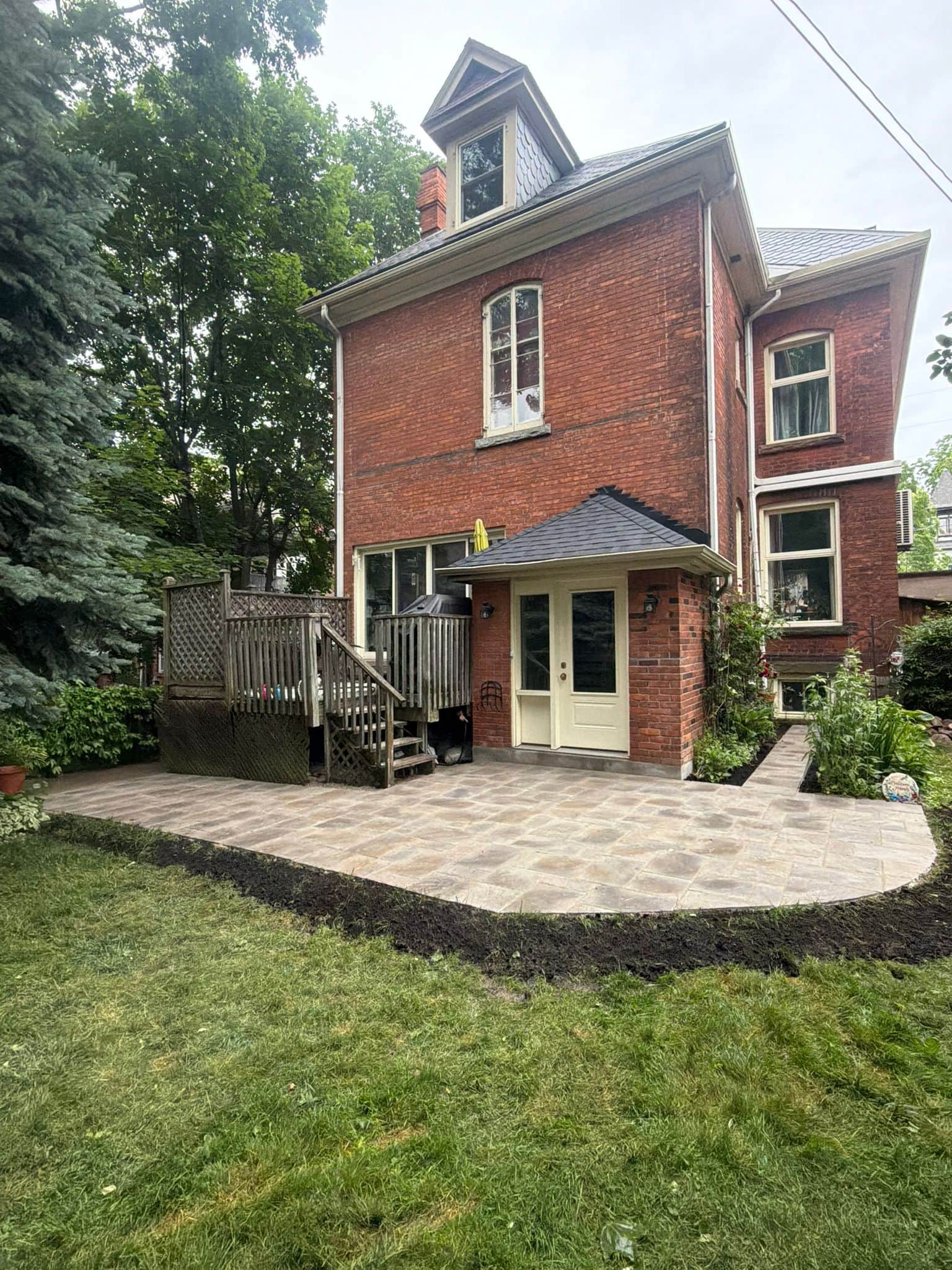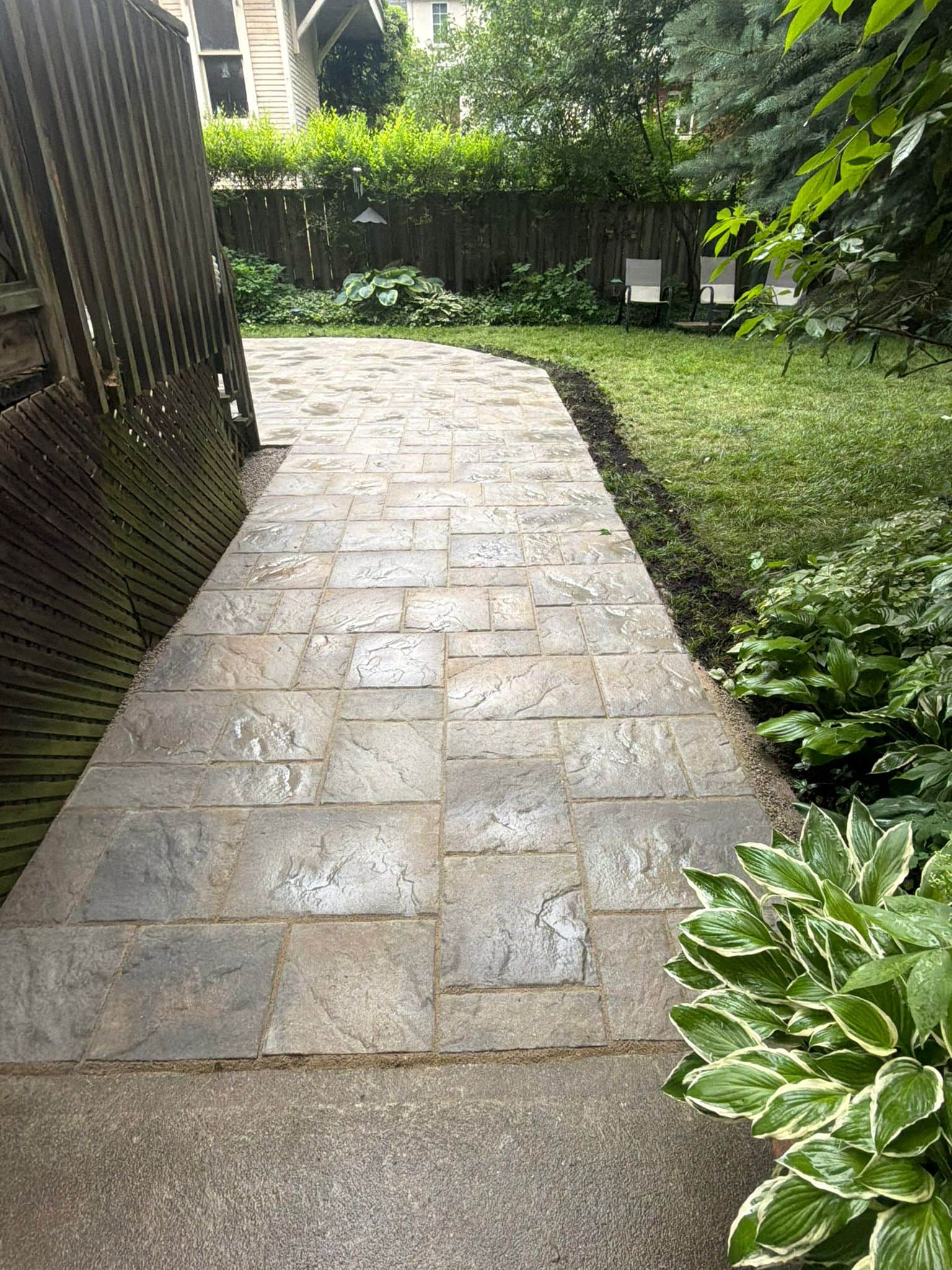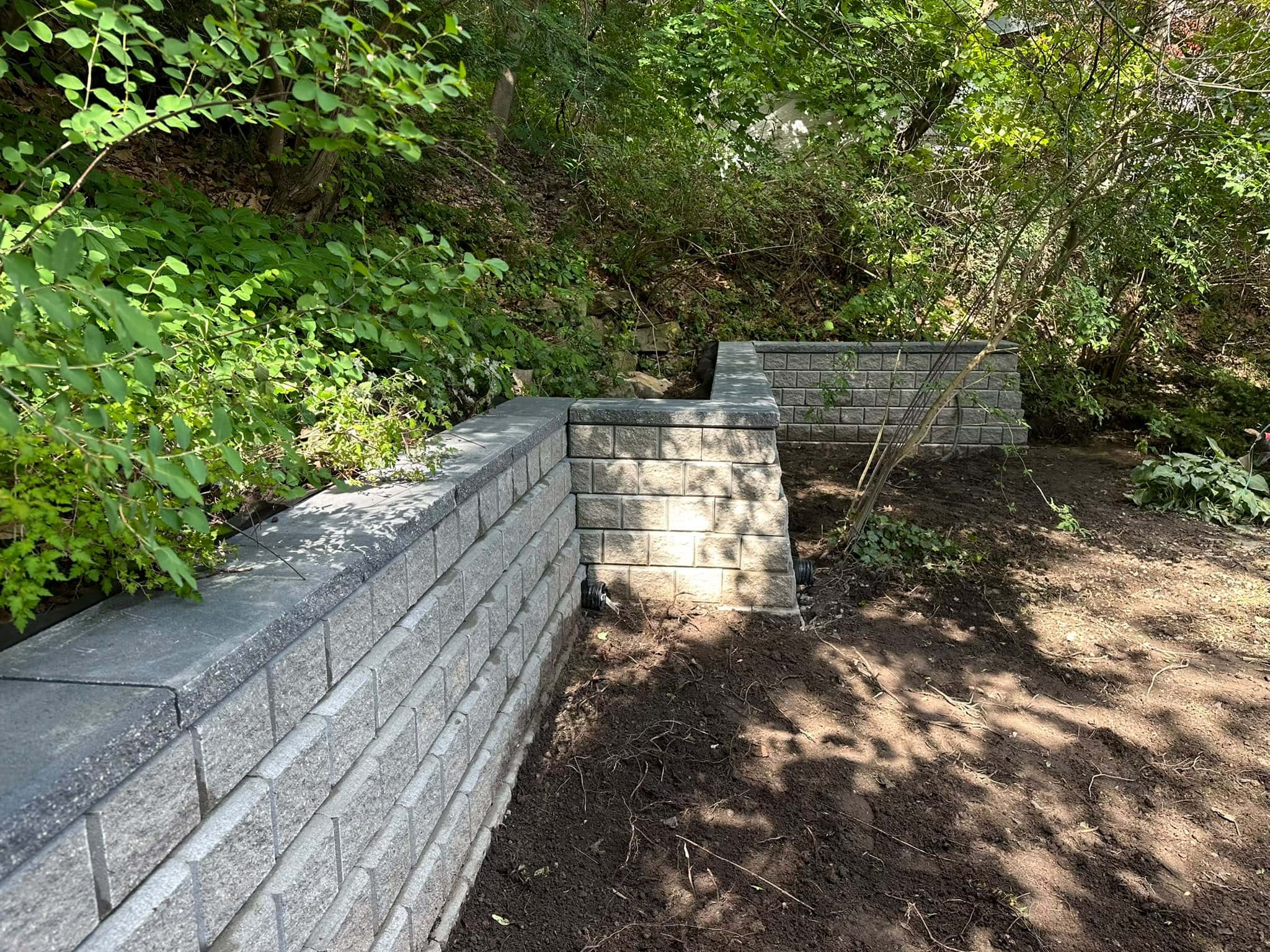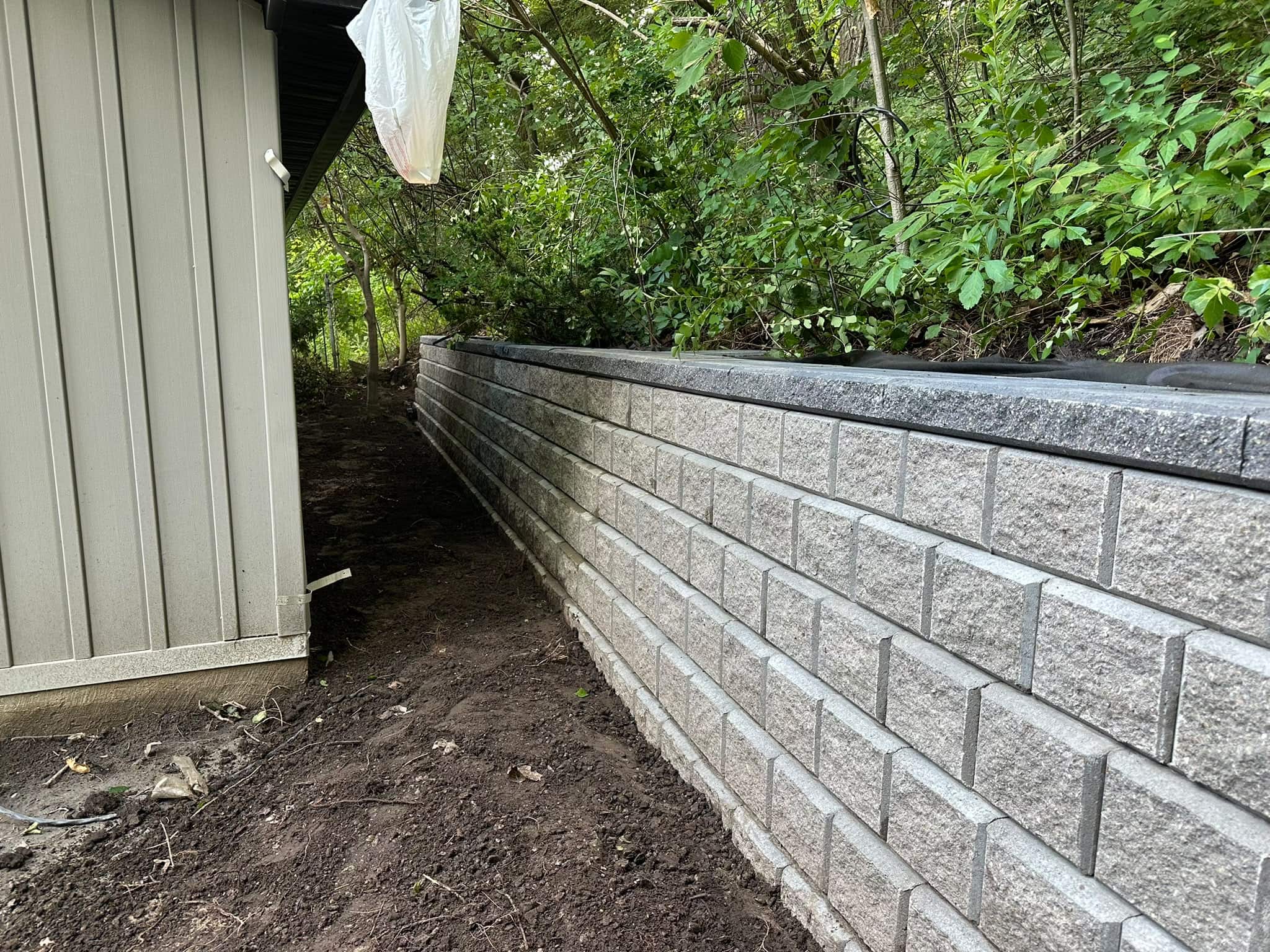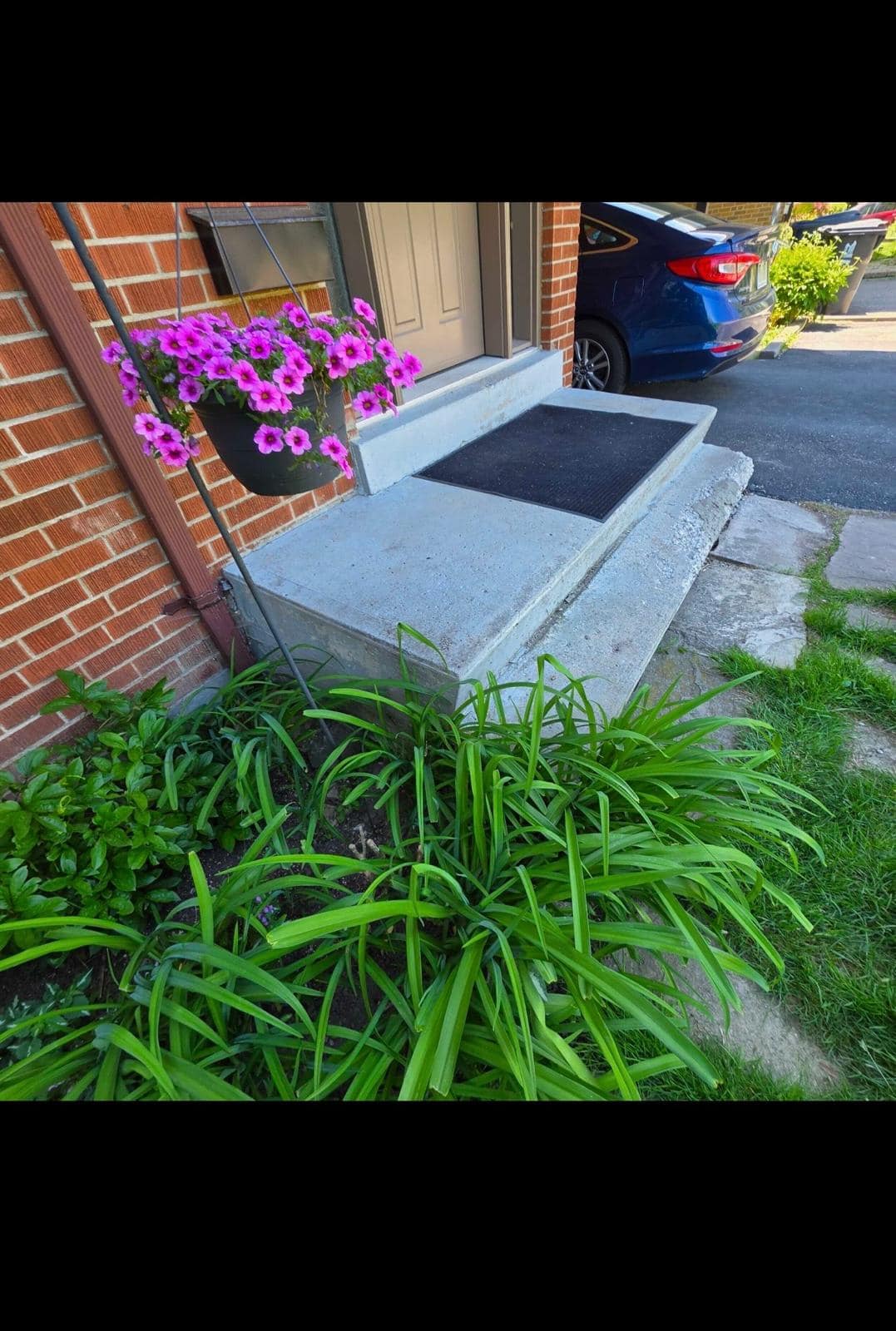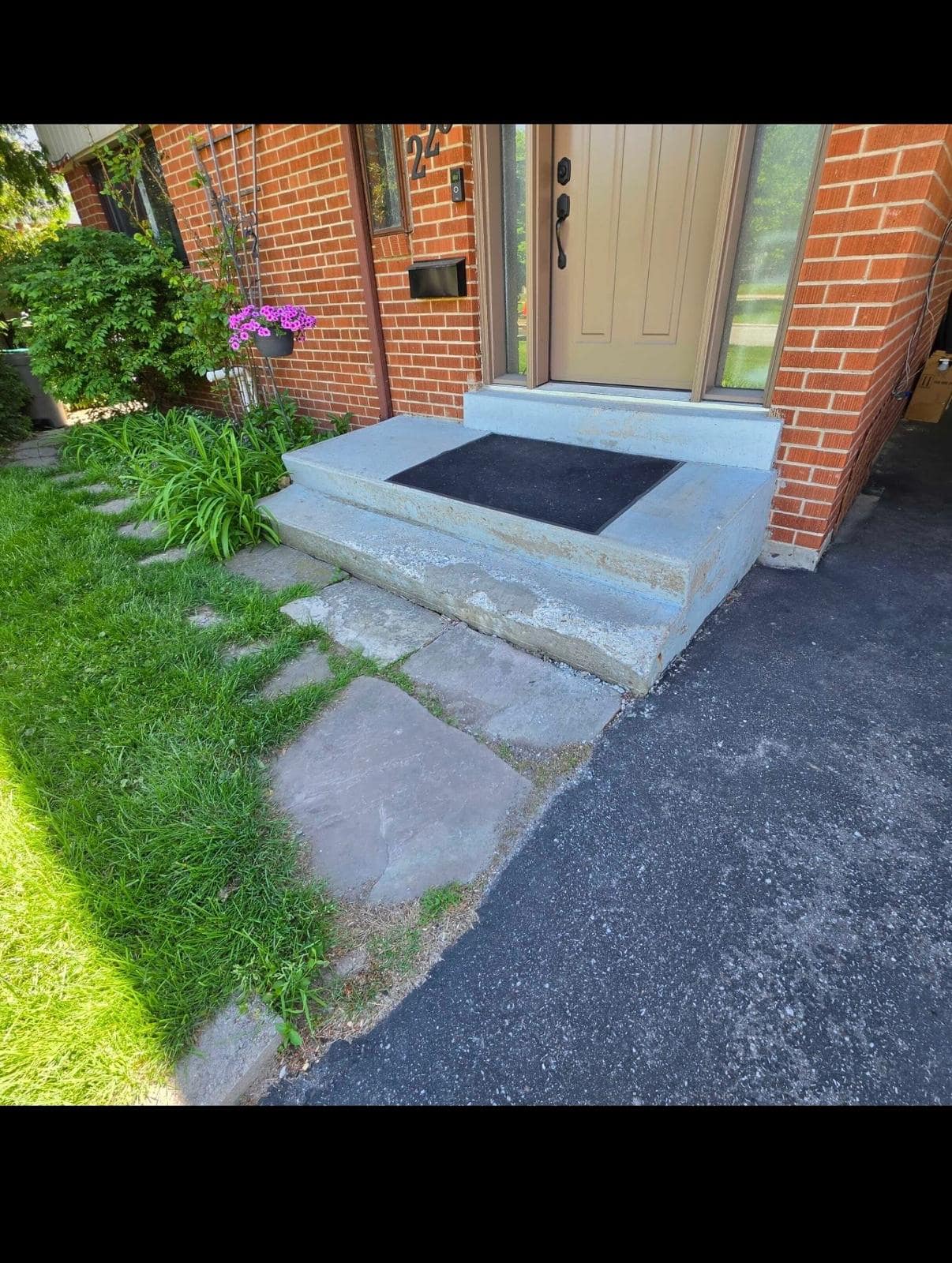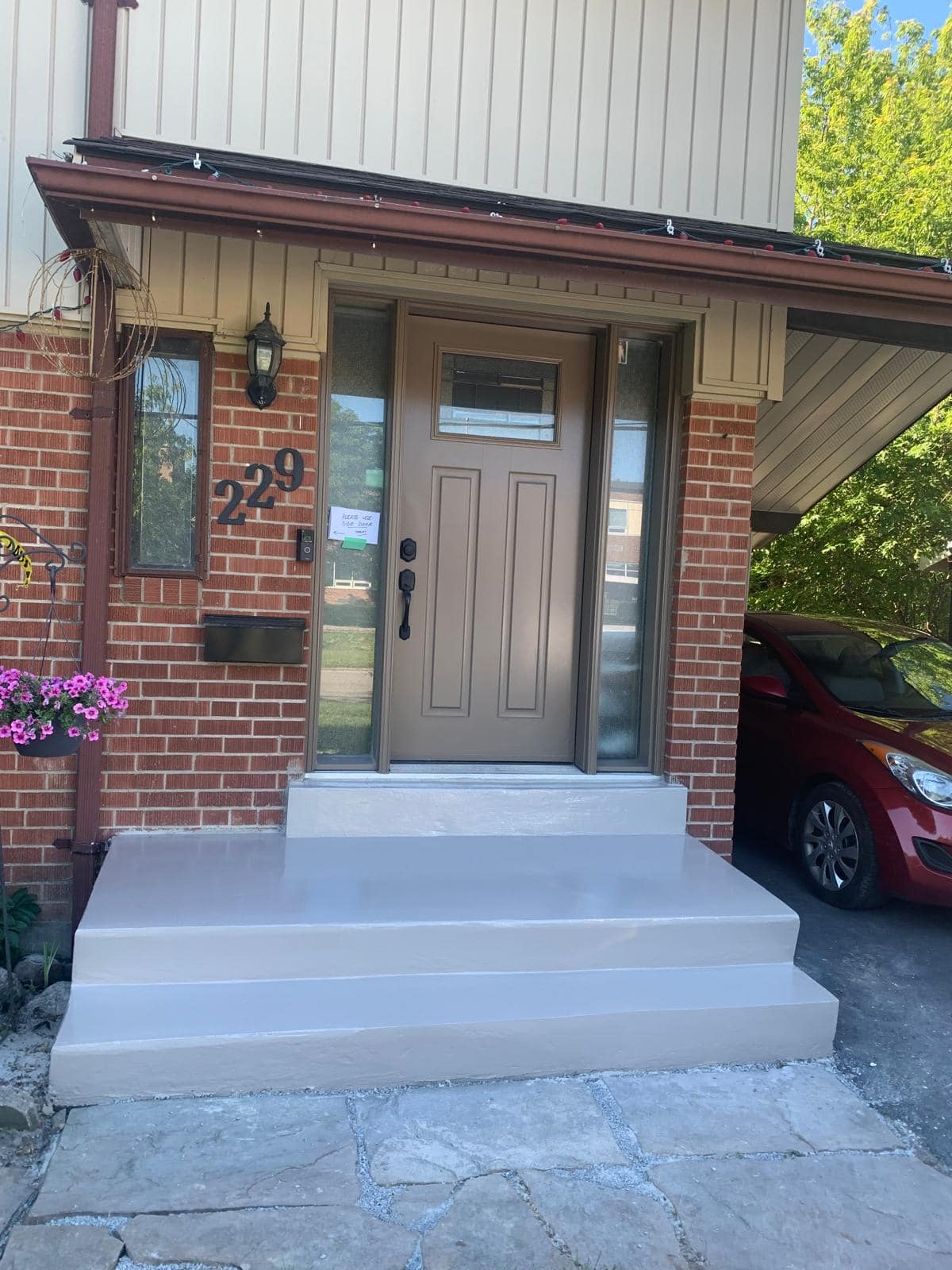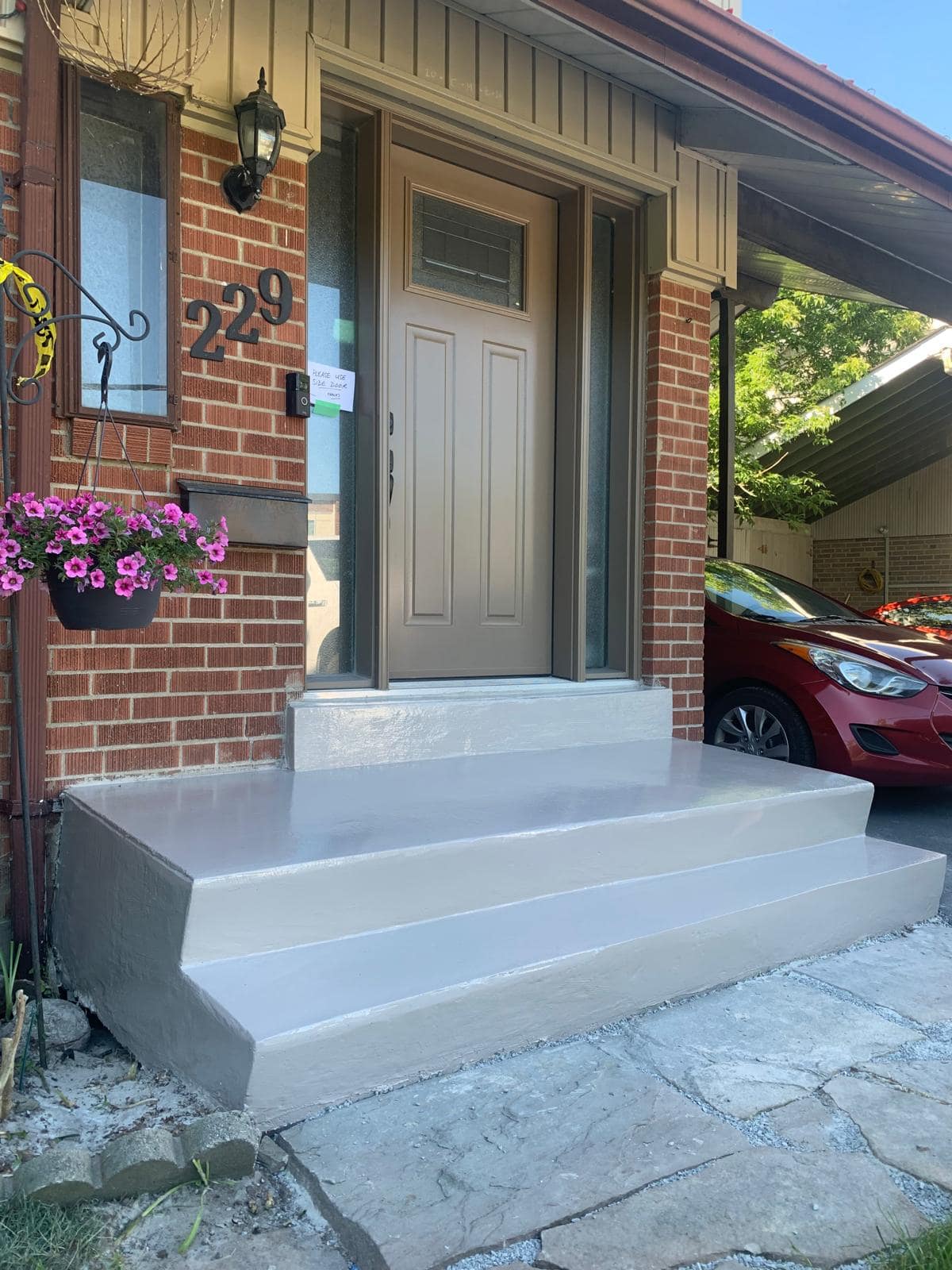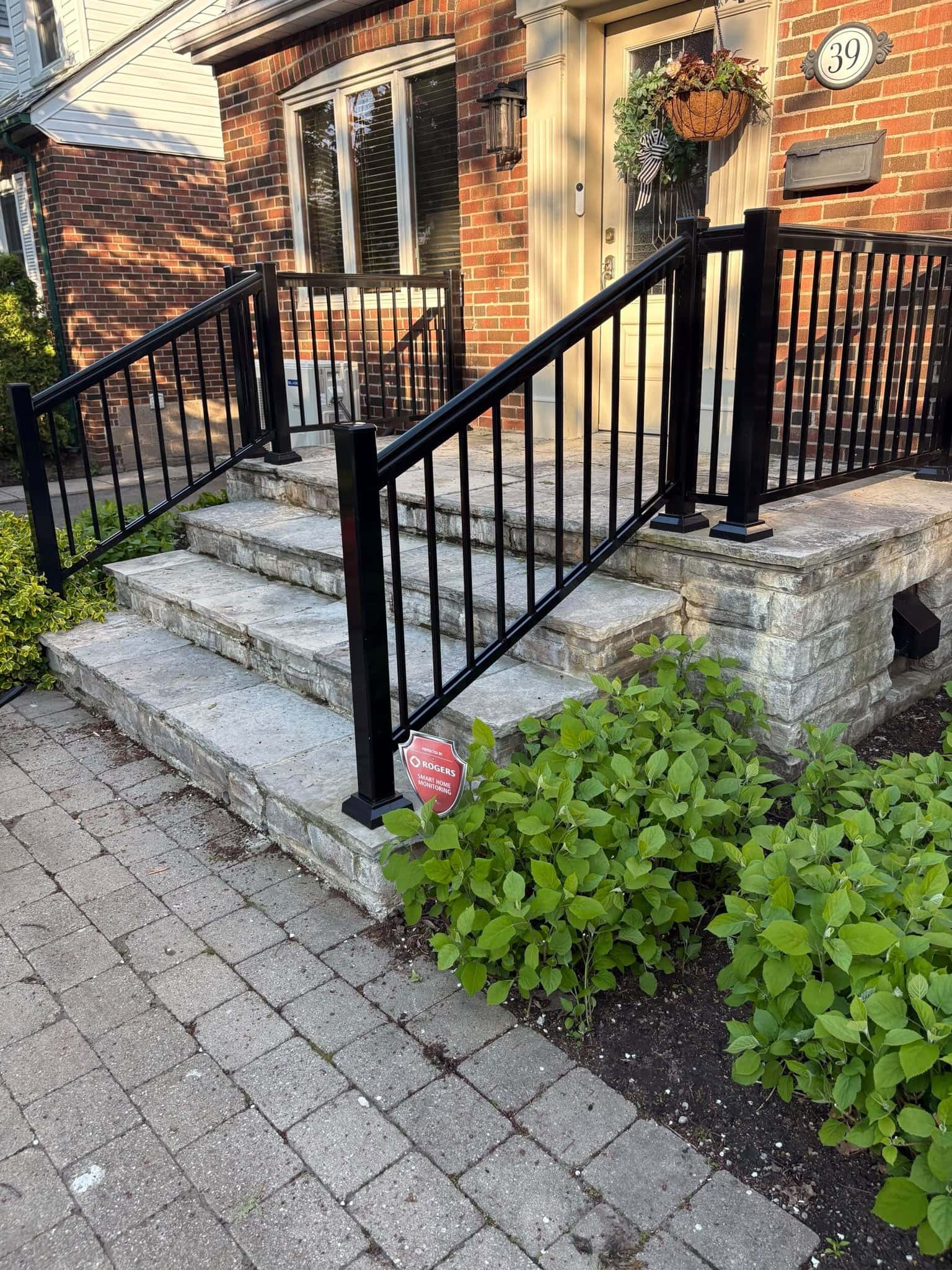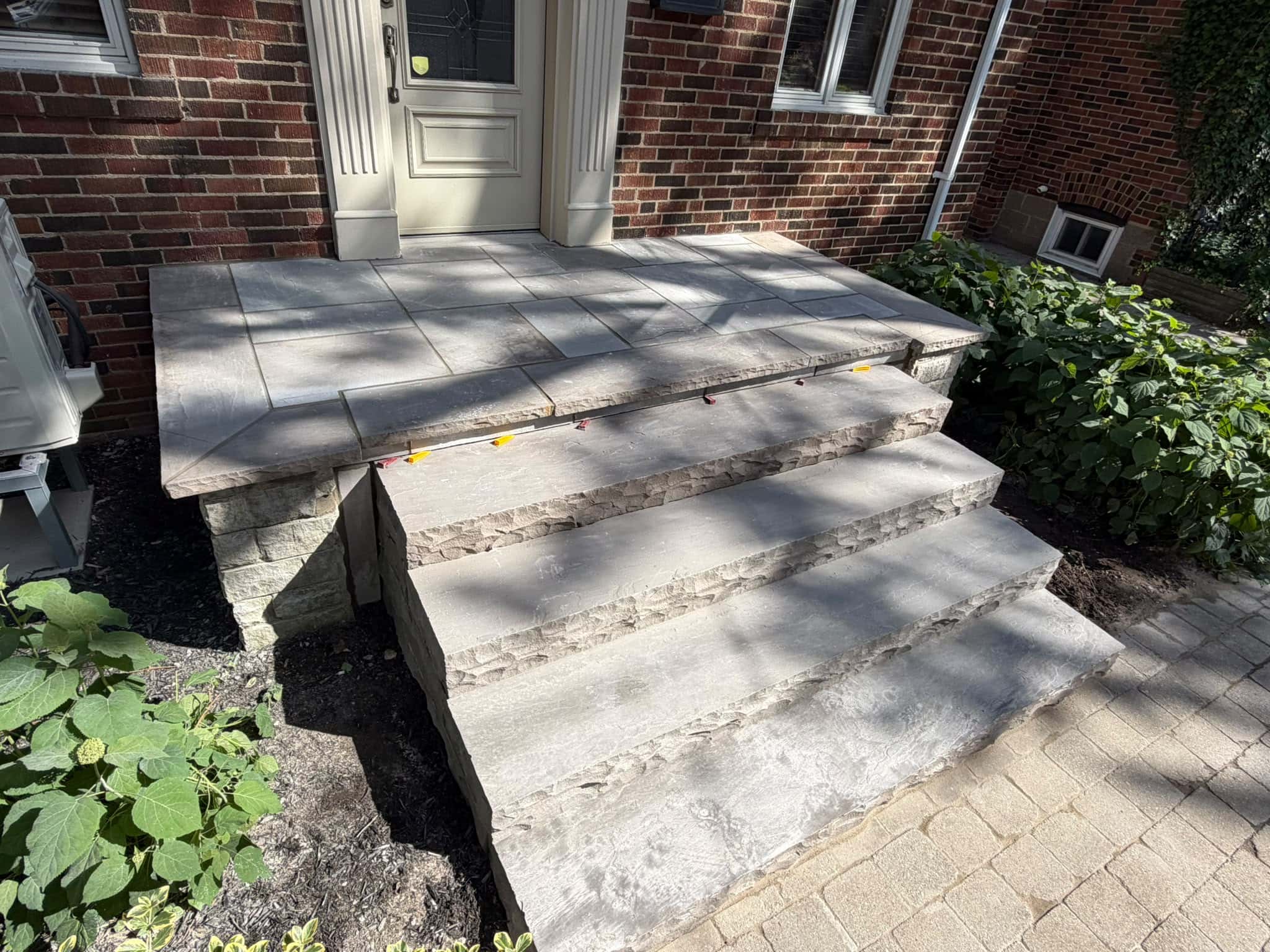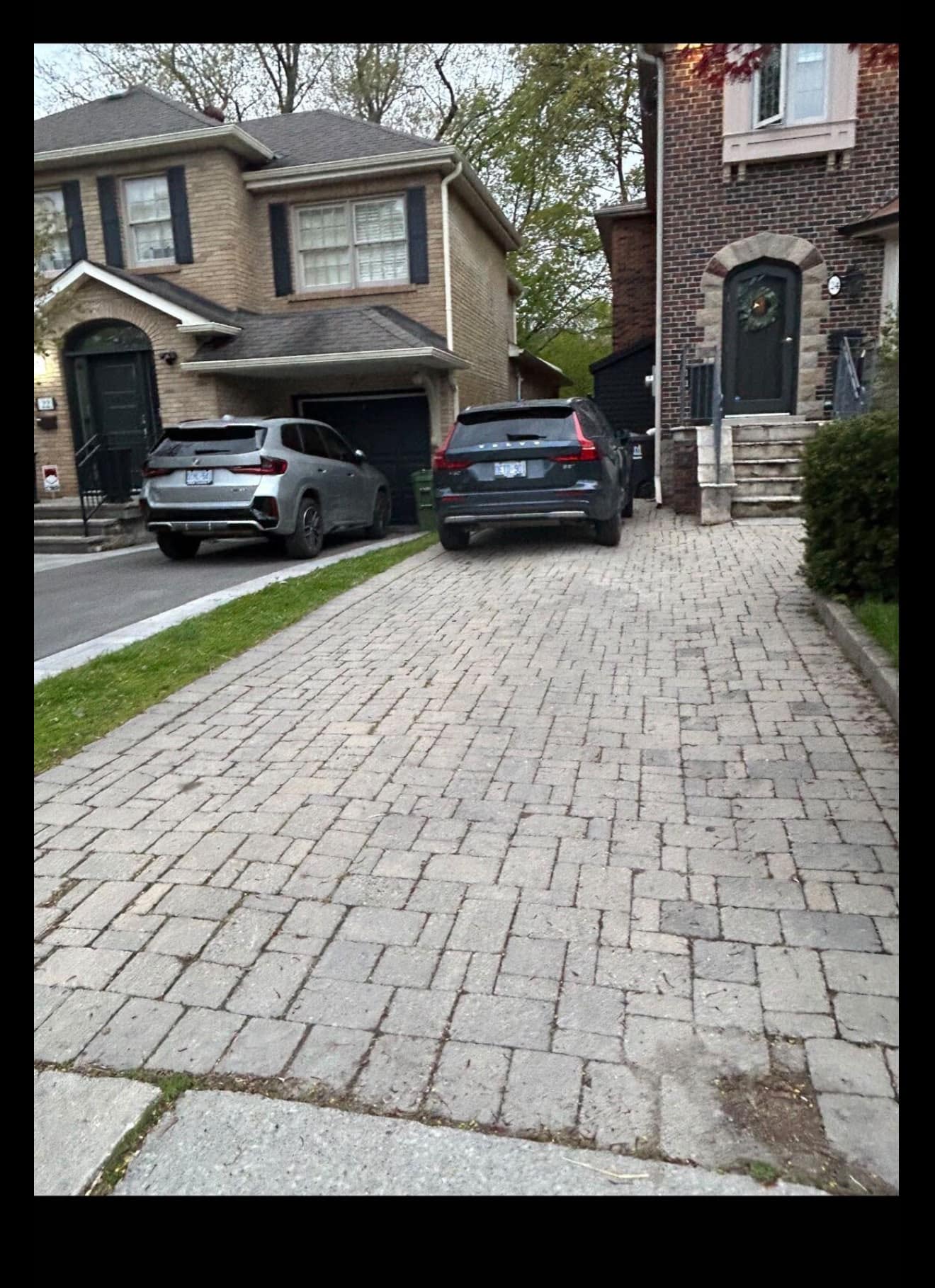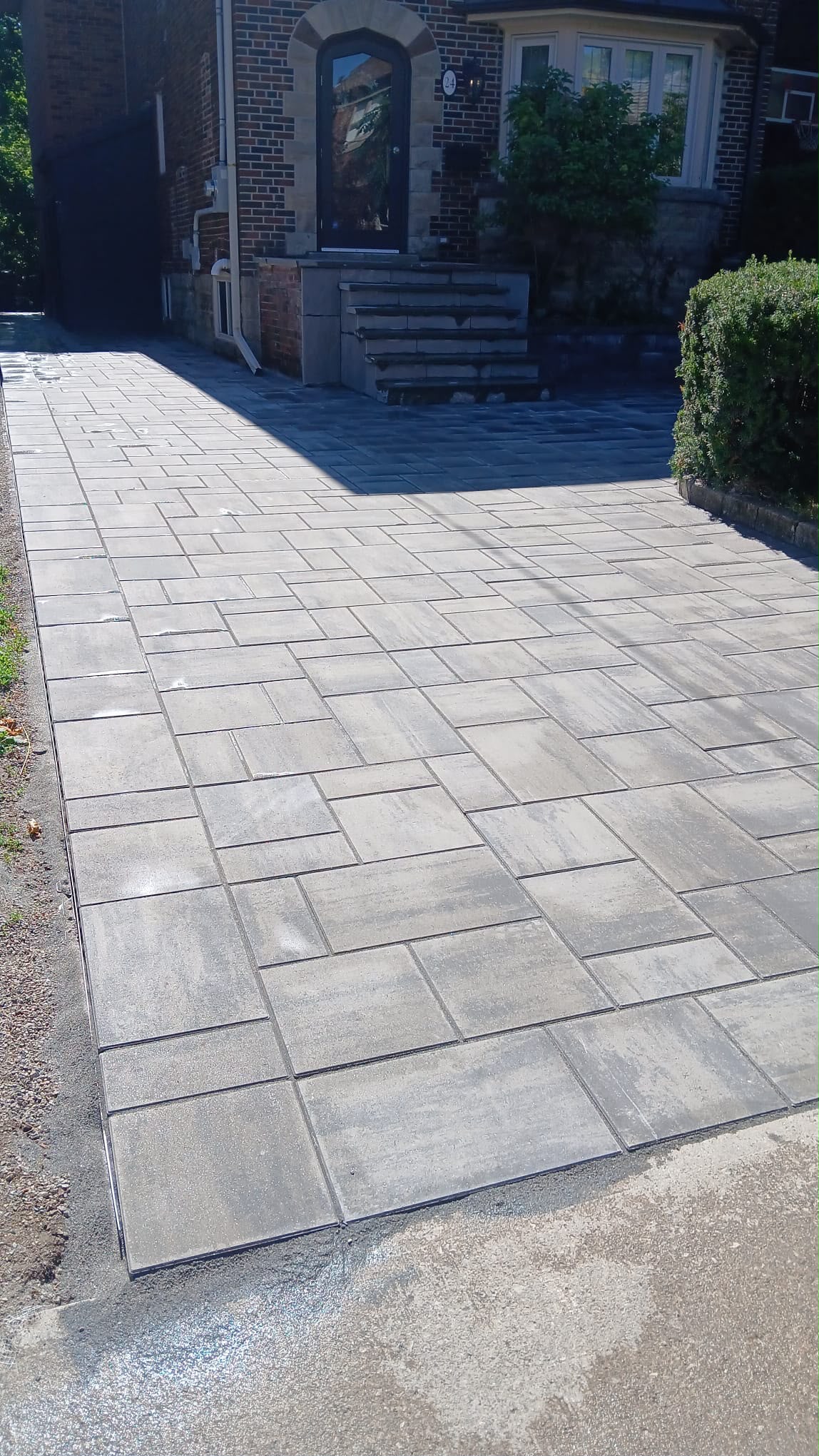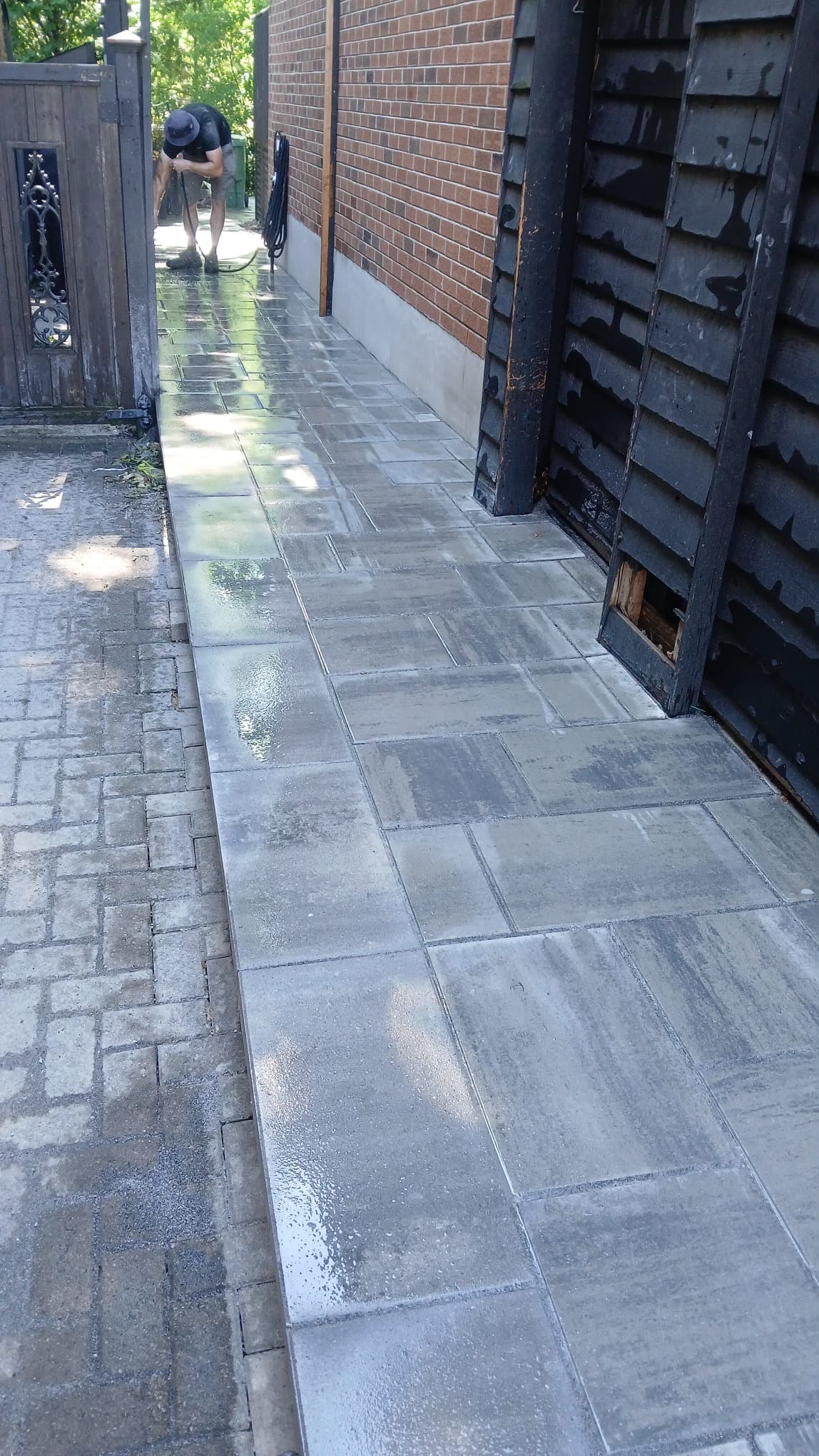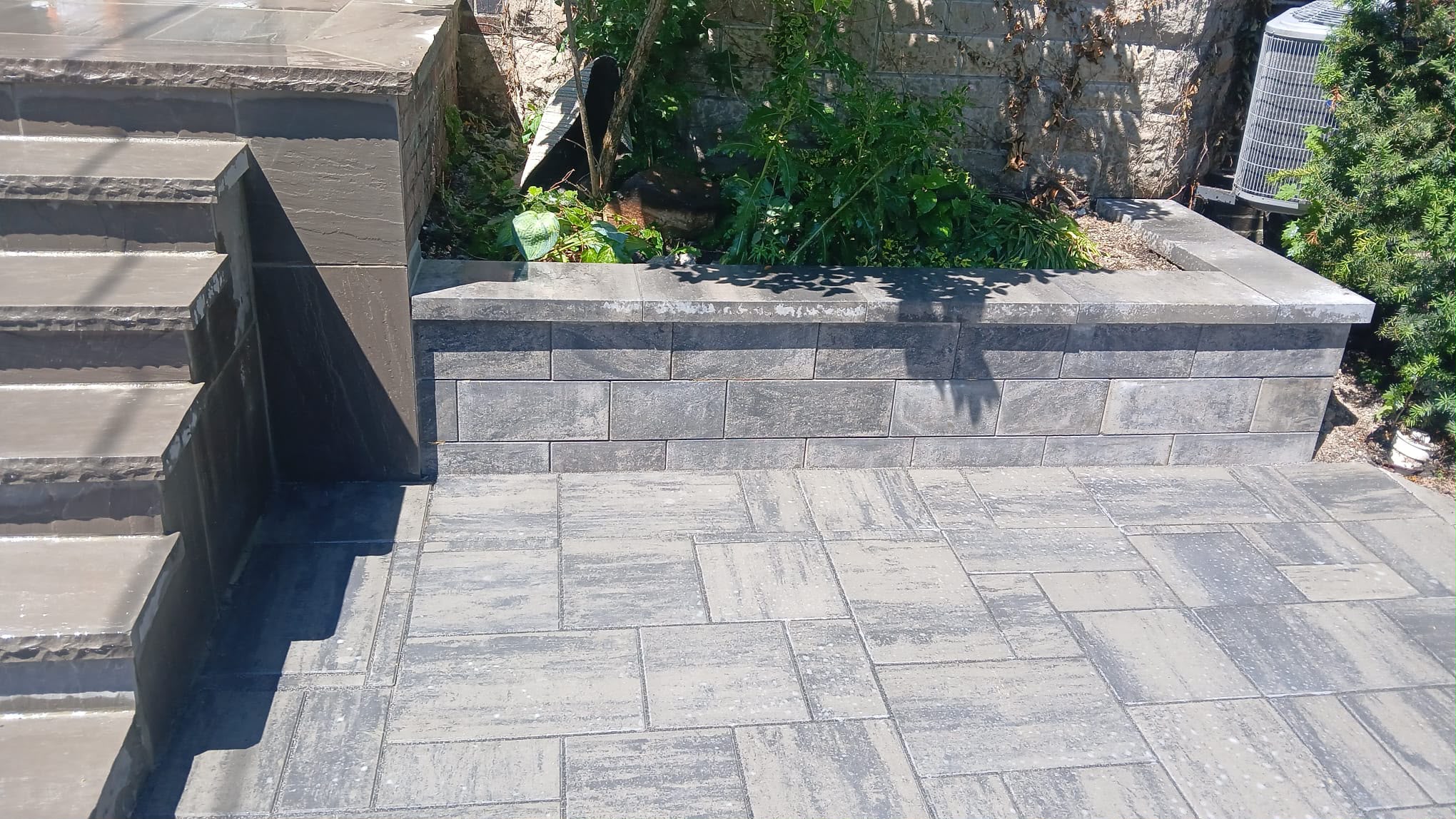
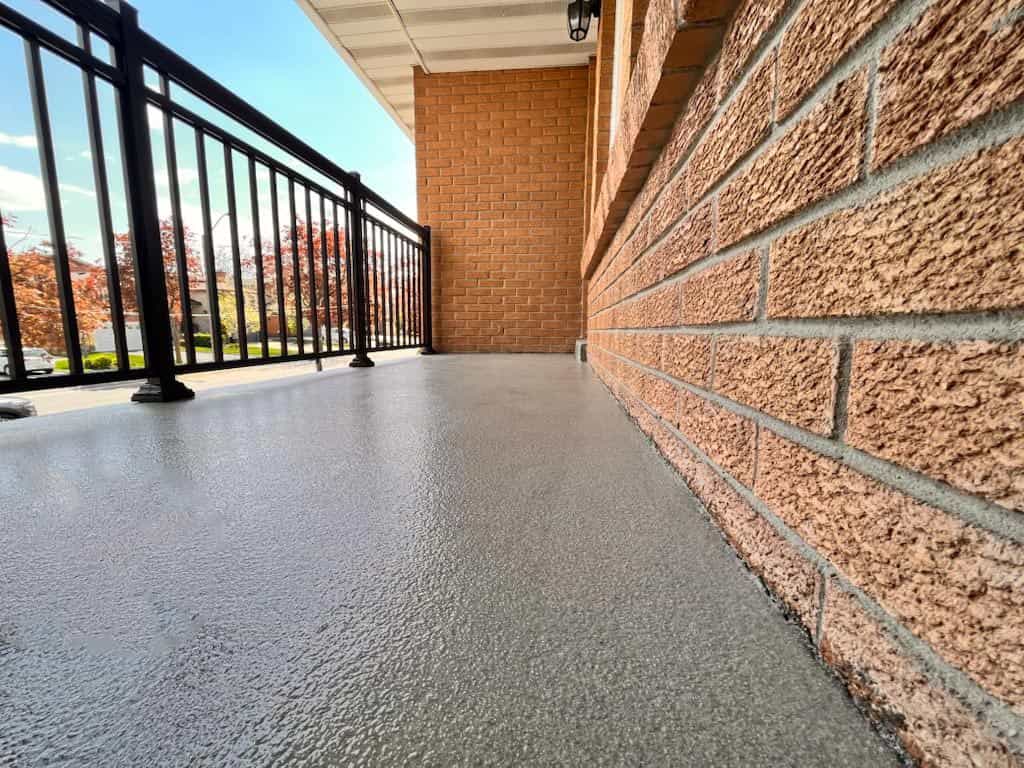
Homeowners often undertake various projects to enhance their living spaces, and protecting their concrete surfaces is crucial. Whether it’s a driveway, patio, or garage floor, applying the right sealer can make a significant difference in durability and appearance.
Concrete sealing is a process that shields the surface from damage caused by weather, chemicals, and heavy use. With several options available, choosing the right concrete sealer can be challenging. The choice largely depends on the specific needs of the project, including the level of protection required and the desired finish.
For home projects, it’s essential to select a sealer that not only protects but also enhances the appearance of the concrete. By understanding the different kinds of sealers, homeowners can make informed decisions to ensure their concrete surfaces remain in good condition for years to come.
Understanding Concrete Sealers and Their Importance
Concrete sealers are a critical component in the maintenance and protection of concrete surfaces, offering numerous benefits. To fully appreciate their value, it’s essential to understand what they are, why they’re necessary, and the advantages they provide.
What Are Concrete Sealers?
Concrete sealers are chemical products applied to concrete surfaces to protect them from damage caused by environmental factors, traffic, and other forms of wear. They work by either forming a protective layer on the surface or penetrating the concrete to enhance its durability from within. Film-forming sealers create a barrier on the surface, while penetrating sealers are absorbed into the concrete, making it more resistant to water and stains.
Why Sealing Concrete Is Essential for Home Projects
Sealing concrete is crucial for home projects because it protects the concrete from deterioration caused by exposure to the elements, chemicals, and heavy use. Unsealed concrete can absorb water, leading to cracks, damage from freeze-thaw cycles, and the growth of mold and mildew. By sealing concrete, homeowners can prevent these issues, ensuring their surfaces remain in good condition for longer.
Benefits of Using Concrete Sealers
The benefits of using concrete sealers are multifaceted. They not only protect concrete from damage but also enhance its appearance by bringing out the color and texture of the surface. Additionally, sealed concrete is easier to clean and maintain, as it resists stains and reduces the growth of mold and mildew. Furthermore, certain types of sealers can provide a glossy or matte finish, allowing homeowners to customize the look of their concrete surfaces.
By understanding the role and benefits of concrete sealers, homeowners can make informed decisions about their concrete projects, ensuring they achieve the desired protection and aesthetic appeal.
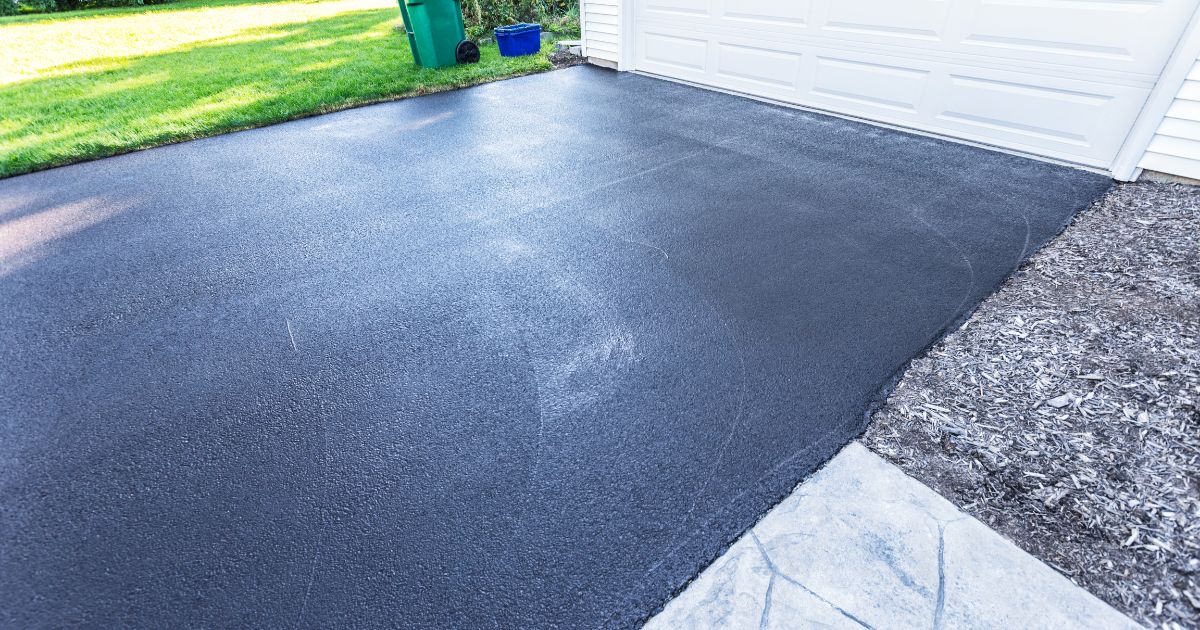
Types of Concrete Sealers: Film-Forming vs. Penetrating
When it comes to protecting concrete surfaces, homeowners are faced with a crucial decision: choosing between film-forming and penetrating concrete sealers. These two categories of sealers differ significantly in their application, functionality, and benefits.
How Different Sealers Work
Film-forming sealers create a protective layer on the surface of the concrete, shielding it from environmental factors such as UV rays, water, and chemicals. On the other hand, penetrating sealers work by seeping into the concrete, filling the pores and providing protection from within.
This fundamental difference in how they work influences their performance and suitability for various applications.
Key Differences Between Sealer Categories
The primary distinction between film-forming and penetrating sealers lies in their interaction with the concrete surface. Film-forming sealers sit on top, potentially altering the appearance, while penetrating sealers are invisible, preserving the natural look. Additionally, film-forming sealers may require more maintenance as they can chip or wear off over time.
Factors That Influence Sealer Selection
The choice between film-forming and penetrating sealers depends on several factors, including the intended use of the concrete surface, desired appearance, and level of protection required. For instance, high-traffic areas may benefit from the robust protection offered by film-forming sealers, while decorative surfaces may be better suited to penetrating sealers to maintain their aesthetic appeal.
Film-Forming Concrete Sealers: A Closer Look
When it comes to safeguarding concrete, film-forming sealers stand out for their ability to form a strong barrier against environmental factors. These sealers create a protective layer on the surface of the concrete, shielding it from damage caused by water, chemicals, and UV rays.
How Film-Forming Sealers Protect Concrete
Film-forming sealers work by creating a continuous film on the concrete surface, preventing the ingress of harmful substances. This protective layer is crucial for maintaining the integrity and appearance of the concrete over time. The effectiveness of film-forming sealers is largely dependent on their composition, with common types including acrylic, epoxy, and polyurethane sealers.
Here are some key benefits of using film-forming sealers:
- Enhanced durability against environmental stressors
- Improved resistance to chemical damage
- Aesthetic preservation through UV protection
Appearance and Finish Options
Film-forming sealers are available in a range of finishes, from matte to high gloss, allowing for flexibility in achieving the desired appearance. Some sealers are also formulated to enhance the color and texture of the concrete, making them ideal for decorative concrete surfaces.
The choice of finish can significantly impact the final appearance of the concrete. For instance:
- Matte finishes are often preferred for surfaces where a non-reflective appearance is desired.
- Glossy finishes, on the other hand, can enhance the color and vibrancy of the concrete.
Durability and Lifespan Considerations
The durability and lifespan of film-forming sealers vary based on their chemical composition and the conditions to which they are exposed. Regular maintenance can extend the life of the sealer, but it’s essential to choose a sealer that is appropriate for the specific application and environmental conditions.
For example, epoxy sealers are known for their high durability and resistance to heavy wear, making them suitable for high-traffic areas. In contrast, acrylic sealers offer a more flexible and cost-effective solution for a variety of concrete surfaces.
Acrylic Concrete Sealers: Versatility and Value
Homeowners often turn to acrylic concrete sealers because they strike a perfect balance between performance and affordability. These sealers are designed to protect concrete surfaces from various environmental factors, enhancing their durability and appearance.
Water-Based vs. Solvent-Based Acrylic Sealers
Acrylic sealers come in two primary formulations: water-based and solvent-based. Water-based acrylic sealers are known for their ease of application and cleanup, making them a favorite among DIY enthusiasts. On the other hand, solvent-based acrylic sealers offer superior durability and resistance to harsh weather conditions, appealing to those seeking long-term protection.
Ideal Applications for Acrylic Sealers
Acrylic sealers are versatile and can be used on various concrete surfaces, including driveways, patios, and decorative concrete. They are particularly suitable for surfaces that are exposed to moderate traffic and weather conditions.
Pros and Cons of Acrylic Sealers
The advantages of acrylic sealers include their relatively easy application process, cost-effectiveness, and the fact that they enhance the appearance of concrete. However, they may not offer the same level of protection as some other sealers, such as epoxy or polyurethane, and may require more frequent reapplication.
When choosing an acrylic sealer, it’s essential to consider the specific needs of your project, including the level of protection required, the desired finish, and the budget.
Epoxy and Polyurethane Concrete Sealers
When it comes to safeguarding concrete from damage, epoxy and polyurethane sealers stand out as highly effective solutions. Both types offer robust protection against various forms of deterioration, including chemical spills, heavy foot traffic, and environmental exposure.
Maximum Protection with Epoxy Sealers
Epoxy sealers are known for their exceptional durability and resistance to chemicals, making them an ideal choice for areas that are exposed to harsh conditions. They form a hard, impermeable surface that prevents stains and damage from penetrating the concrete. Some key benefits of epoxy sealers include:
- High Chemical Resistance: Epoxy sealers are particularly effective against chemical spills and stains.
- Durability: They provide a long-lasting protective layer that can withstand heavy use.
- Aesthetic Versatility: Epoxy sealers are available in various finishes, from matte to high gloss.
Superior Resistance with Polyurethane Sealers
Polyurethane sealers, on the other hand, offer superior flexibility and UV resistance compared to epoxy sealers. They are capable of withstanding extreme temperatures and are less prone to yellowing over time. The advantages of polyurethane sealers include:
- Flexibility: Polyurethane sealers can accommodate slight movements in the concrete without cracking.
- UV Resistance: They maintain their appearance and protective qualities even when exposed to sunlight.
- Easy Maintenance: Polyurethane-sealed surfaces are generally easy to clean and maintain.
Comparing Epoxy and Polyurethane Performance
When deciding between epoxy and polyurethane sealers, it’s essential to consider the specific needs of your project. Epoxy sealers are ideal for high-traffic areas and applications where chemical resistance is crucial. In contrast, polyurethane sealers are better suited for projects where flexibility and UV stability are paramount. A comparison of the two reveals:
- Epoxy sealers offer higher chemical resistance but may yellow over time.
- Polyurethane sealers provide flexibility and UV resistance but may not be as hard as epoxy sealers.
Ultimately, the choice between epoxy and polyurethane sealers depends on the specific requirements of your concrete project, including the level of protection needed, the desired appearance, and the environmental conditions the sealed concrete will be exposed to.
Penetrating Concrete Sealers: Invisible Protection
Invisible protection for concrete surfaces is now possible with penetrating sealers, which work beneath the surface to prevent damage. Unlike film-forming sealers, penetrating sealers do not alter the appearance of the concrete, making them an ideal choice for homeowners who want to maintain the natural look of their surfaces.
How Penetrating Sealers Work
Penetrating sealers, including types such as silane, siloxane, silicate, and siliconate, work by deeply penetrating into the concrete. This deep penetration allows them to provide protection from within, reducing the risk of damage from water, chemicals, and wear.
Natural Look Preservation
One of the key benefits of penetrating sealers is their ability to preserve the natural appearance of concrete. Since they work internally, they do not change the look or create a surface film, thus maintaining the original aesthetic of the concrete.
Longevity and Maintenance Requirements
The longevity of penetrating sealers can vary, typically lasting several years depending on the type and conditions. For instance, silane and siloxane sealers are known for their long-lasting water-repellent properties. Maintenance is generally minimal, but reapplication may be necessary over time to maintain the protective barrier.
Overall, penetrating concrete sealers offer a reliable and invisible method of protecting concrete surfaces, making them a valuable option for homeowners seeking to preserve the integrity and appearance of their concrete.
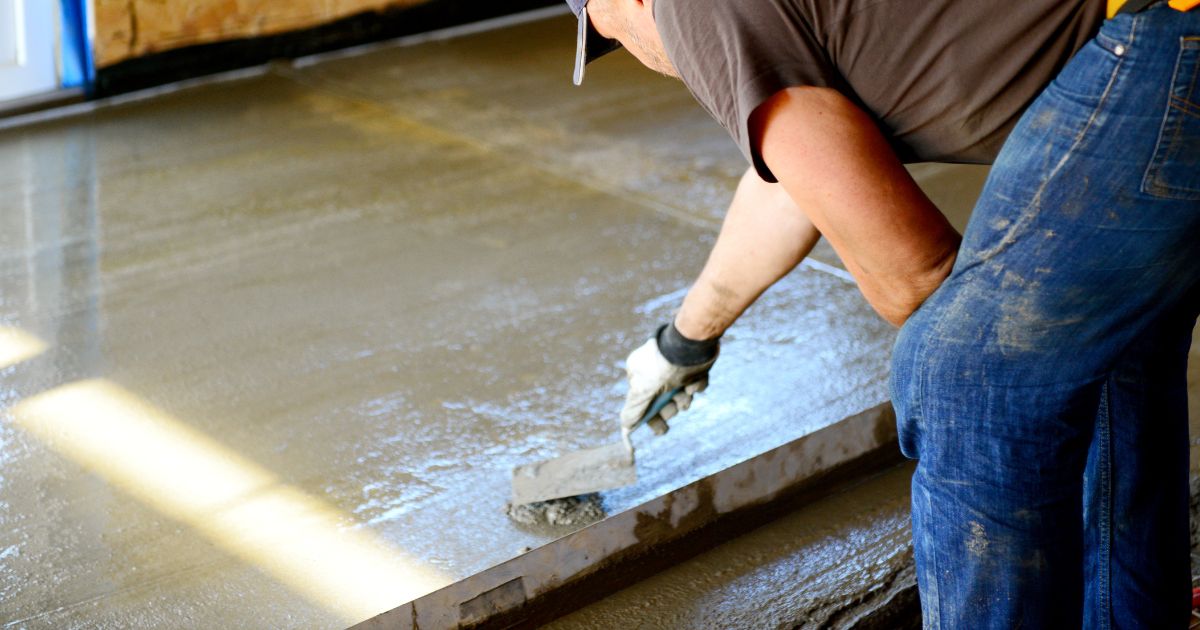
Silane, Siloxane, Silicate, and Siliconate Sealers
For homeowners and builders alike, understanding the differences between silane, siloxane, silicate, and siliconate sealers is crucial for making informed decisions about concrete protection.
Penetrating sealers are a popular choice for protecting concrete surfaces due to their ability to provide long-lasting protection without altering the appearance of the concrete. Among these, silane, siloxane, silicate, and siliconate sealers are notable for their distinct properties and applications.
Silane and Siloxane: Water Repellents
Silane and siloxane sealers are known for their water-repellent properties. Silane sealers are particularly effective on dense concrete surfaces, offering deep penetration and long-lasting protection. Siloxane sealers, on the other hand, are more suitable for surfaces that are slightly more porous, providing a strong barrier against water and chemical ingress.
Silicate Sealers: Concrete Hardeners
Silicate sealers work by reacting with the calcium hydroxide in concrete to form a hard, durable surface. This reaction not only hardens the concrete but also improves its resistance to abrasion and chemical damage. Silicate sealers are ideal for high-traffic areas and surfaces that are exposed to harsh conditions.
Siliconate Sealers: Balanced Protection
Siliconate sealers offer a balance between the water-repellent properties of silane and siloxane and the hardening effect of silicates. They provide a robust barrier against water and chemicals while also enhancing the durability of the concrete surface.
Comparing Penetrating Sealer Types
When comparing silane, siloxane, silicate, and siliconate sealers, several factors come into play, including the type of concrete, the level of protection required, and the desired durability. Silane and siloxane are preferred for their water-repellent properties, while silicate sealers are chosen for their ability to harden concrete. Siliconate sealers offer a versatile solution that balances these characteristics.
Ultimately, the choice of sealer depends on the specific needs of the project, including the environmental conditions and the desired lifespan of the concrete surface.
Application Techniques and Best Practices
To achieve the best results with concrete sealers, homeowners must understand the proper application techniques and best practices. A successful application not only enhances the appearance of the concrete but also ensures its durability and longevity.
Surface Preparation Requirements
Before applying a concrete sealer, the surface must be properly prepared. This involves cleaning the concrete thoroughly to remove dirt, oil, and other contaminants that could interfere with the sealer’s adhesion. Any cracks or damages should be repaired, and the surface should be allowed to dry completely.
Application Methods and Tools
The choice of application method depends on the type of sealer being used and the specific project requirements. Common application tools include rollers, brushes, and sprayers. It’s essential to follow the manufacturer’s instructions for the recommended application method and to work in a well-ventilated area.
Common Application Mistakes to Avoid
Homeowners should be aware of common mistakes that can compromise the effectiveness of the sealer. These include applying the sealer in inappropriate weather conditions, not following the recommended application thickness, and failing to maintain the sealer according to the manufacturer’s instructions.
Curing Times and Reapplication Schedules
Understanding the curing times and reapplication schedules is crucial for maintaining the effectiveness of the sealer. The curing time can vary depending on the type of sealer and environmental conditions. Homeowners should also be aware of when the sealer needs to be reapplied to ensure continuous protection.
By following these application techniques and best practices, homeowners can ensure that their concrete surfaces remain protected and visually appealing for years to come.
Selecting the Right Concrete Sealer for Specific Home Projects
Homeowners must consider several factors when selecting a concrete sealer for their projects. Different areas of the home, such as driveways, patios, basements, and decorative surfaces, have unique requirements that must be met to ensure the longevity and appearance of the concrete.
Driveways and Garage Floors
For driveways and garage floors, a concrete sealer must be able to withstand heavy traffic and potential oil spills. Epoxy or polyurethane sealers are often recommended for these areas due to their durability and resistance to chemicals. They provide a hard, protective surface that can endure the wear and tear associated with vehicular traffic.
Patios and Pool Decks
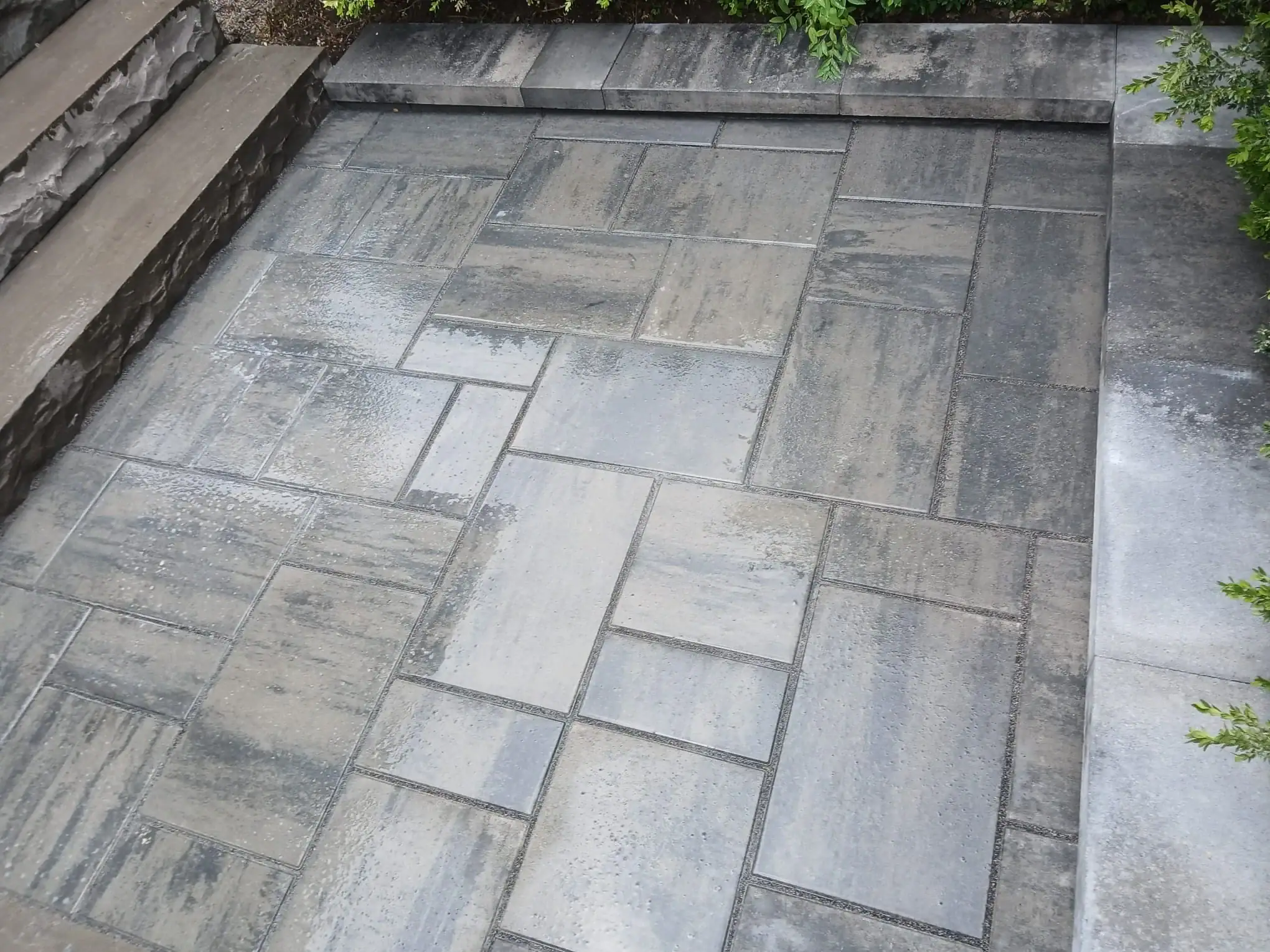
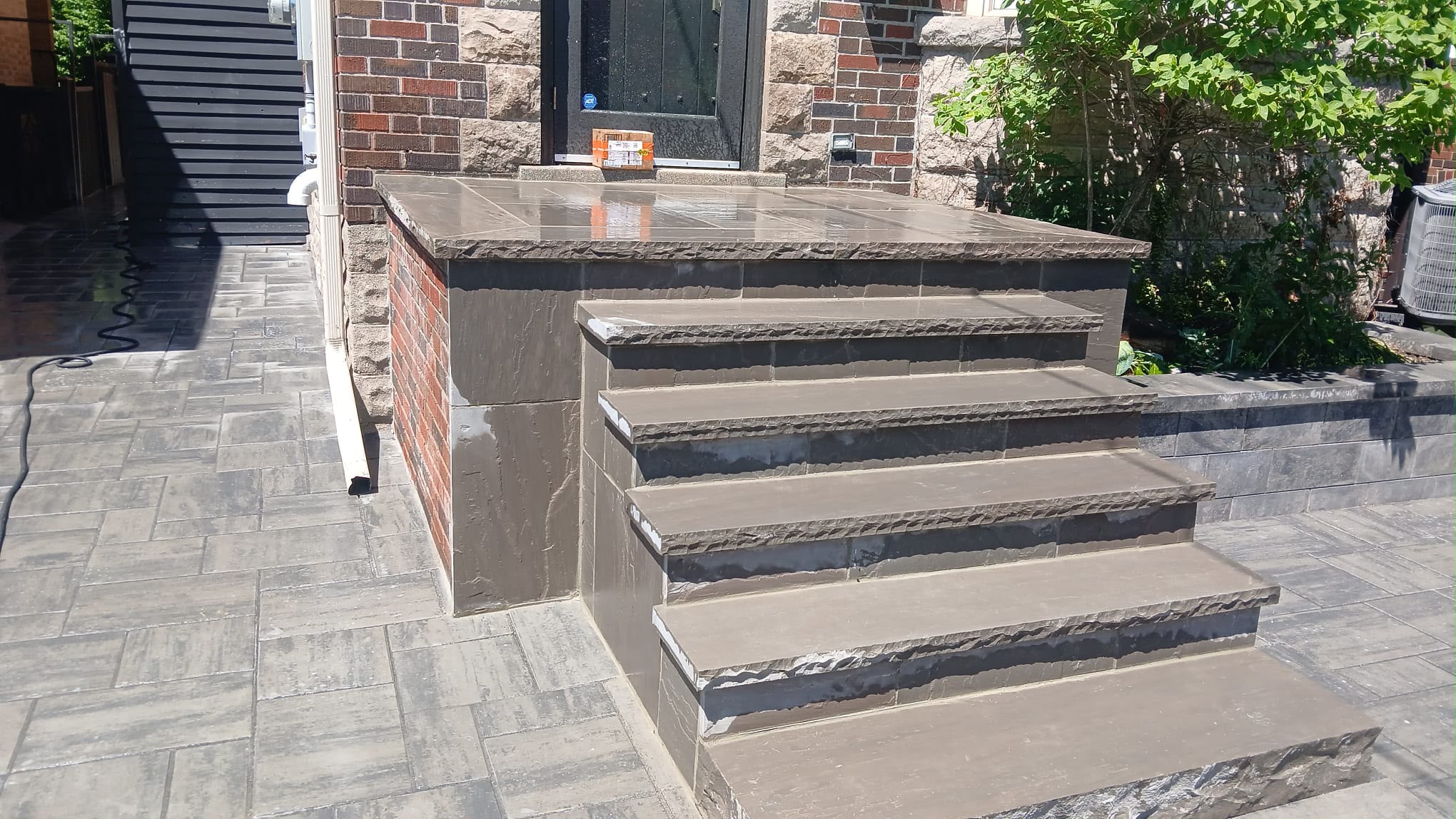
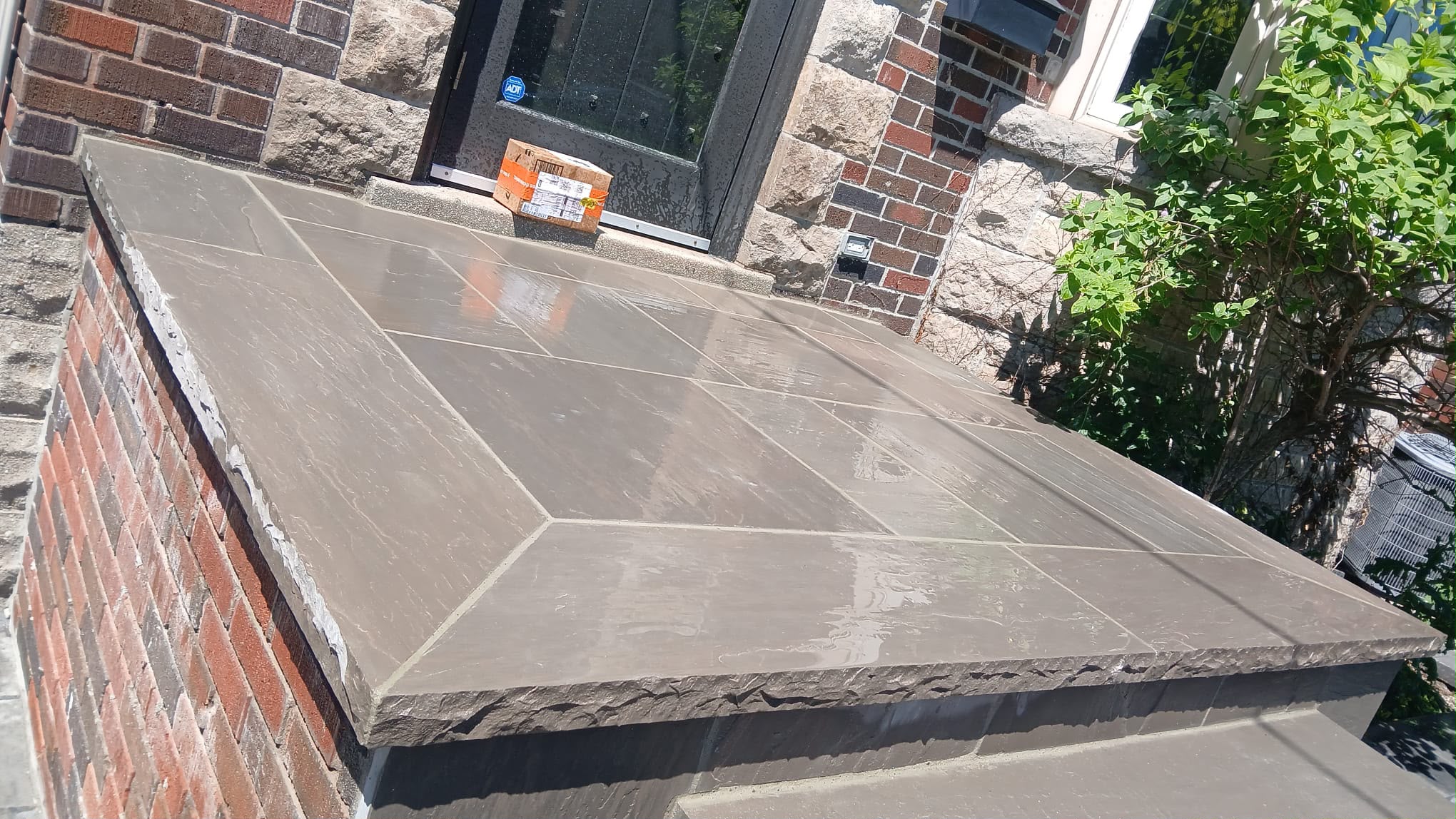
Patios and pool decks are exposed to the elements, making UV resistance and moisture protection crucial. Acrylic sealers are a popular choice for these applications because they offer a balance between protection and aesthetic preservation. They are available in various sheens, allowing homeowners to choose the level of gloss they prefer.
Basements and Interior Concrete
Basements and interior concrete surfaces require sealers that can handle potential water exposure while also being suitable for indoor environments. Penetrating sealers, such as silane or siloxane, are effective for these areas as they provide protection against moisture without altering the appearance of the concrete or emitting harmful fumes indoors.
Decorative Concrete Surfaces
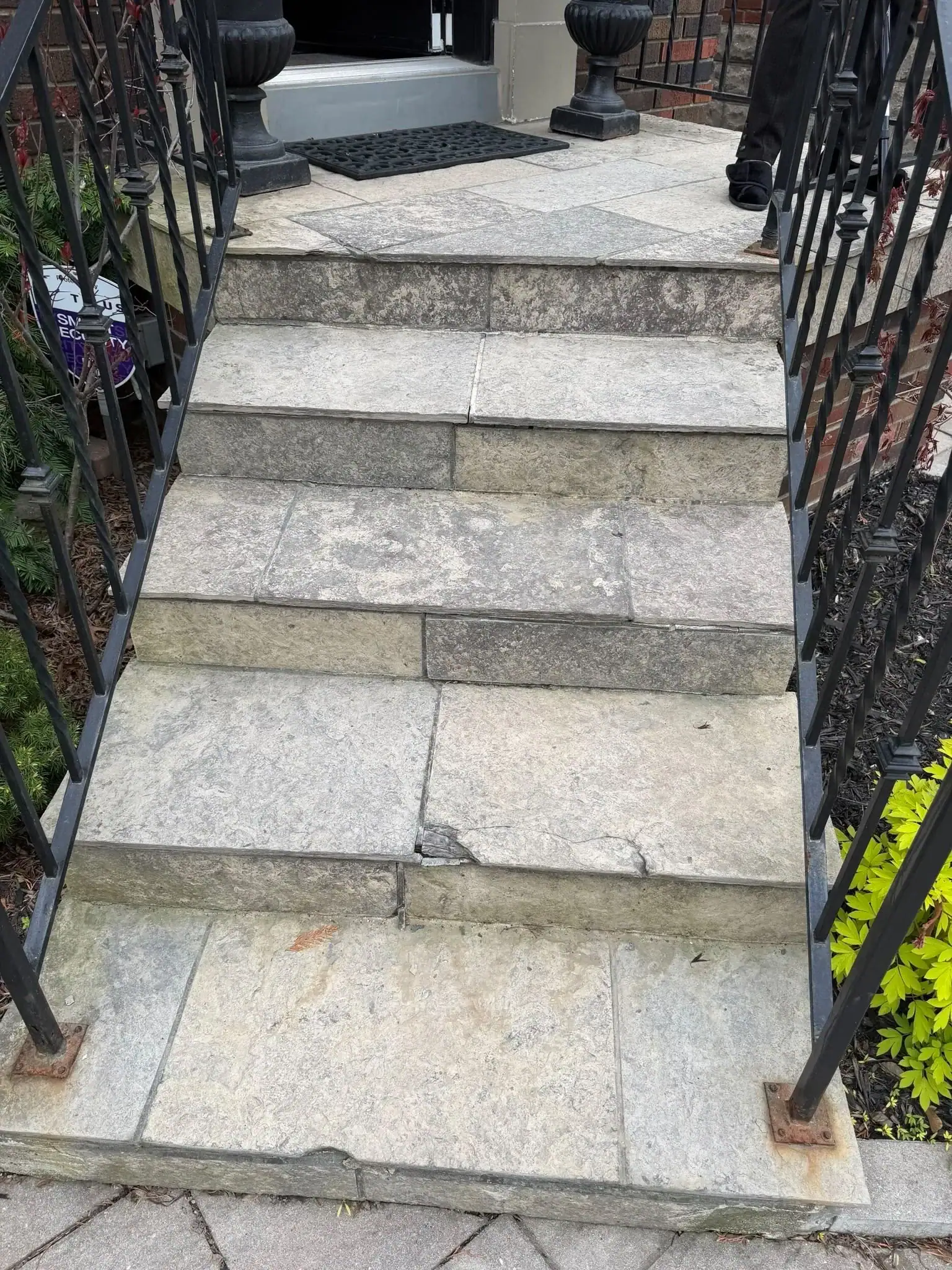
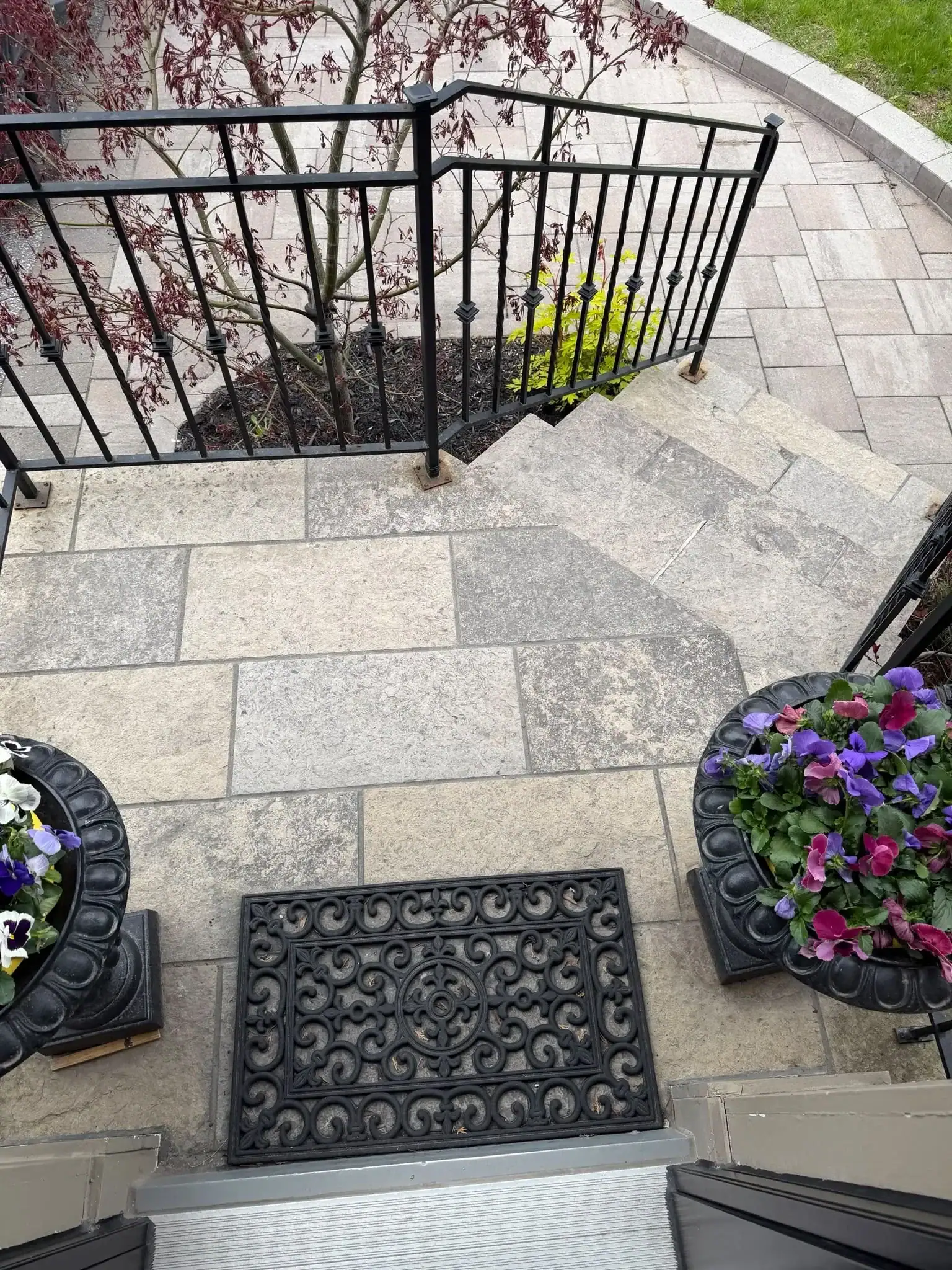
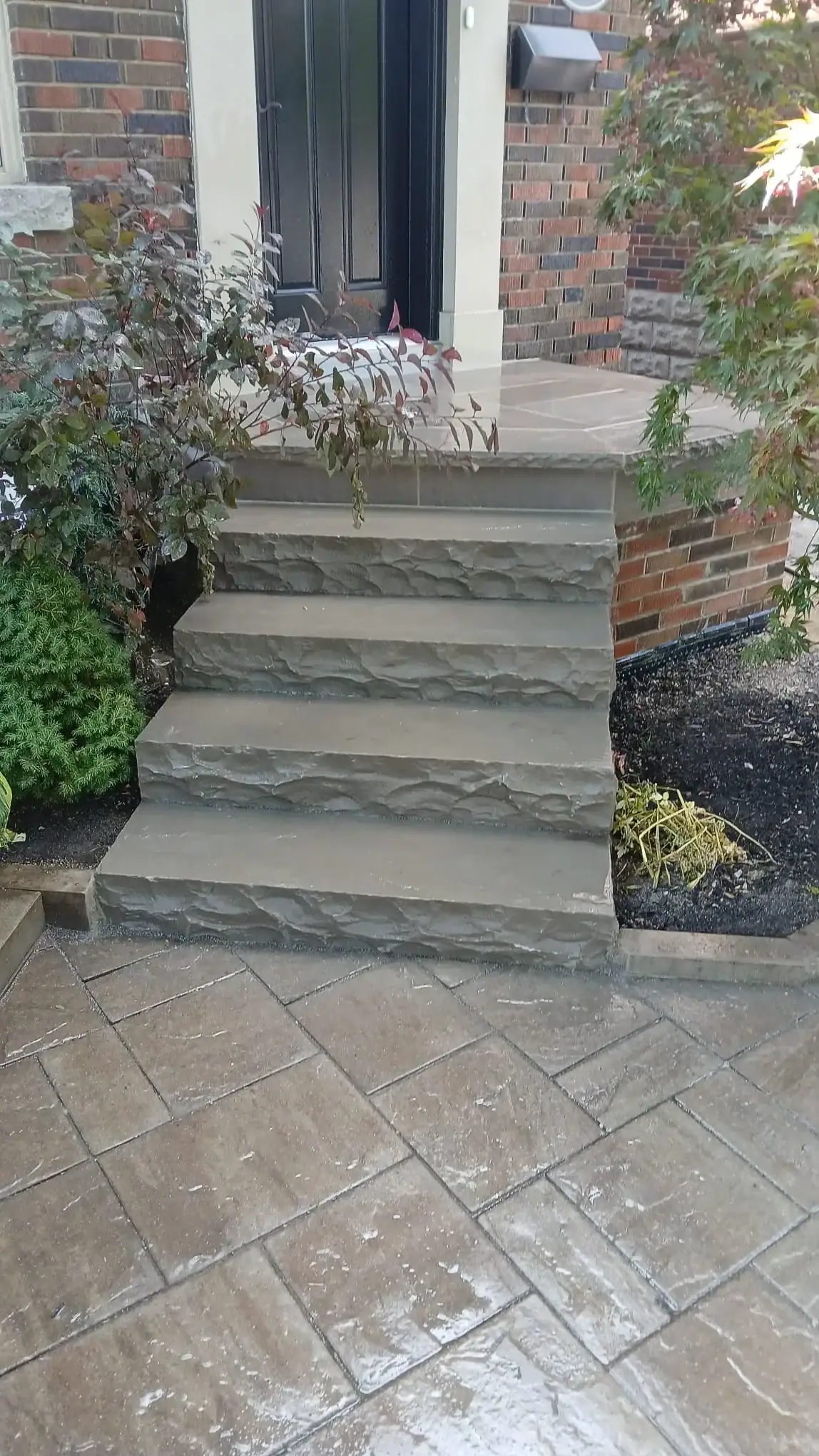
Decorative concrete surfaces, including stamped or stained concrete, need sealers that preserve their unique appearance. Clear sealers are typically used to maintain the visual appeal of these surfaces while providing the necessary protection against the elements. Regular maintenance is also crucial to extend the lifespan of decorative concrete.
By understanding the specific needs of different home projects, homeowners can make informed decisions when selecting a concrete sealer. This ensures that their investment is protected and that the concrete remains in good condition for years to come.
FAQ
What is the main difference between film-forming and penetrating concrete sealers?
Film-forming sealers create a protective layer on the surface of the concrete, while penetrating sealers absorb into the concrete to provide protection from within.
How do I choose between acrylic, epoxy, and polyurethane sealers for my film-forming needs?
The choice depends on the specific requirements of your project, including durability needs, desired appearance, and the level of protection required. Acrylic sealers offer versatility and value, epoxy sealers provide maximum protection, and polyurethane sealers offer superior resistance.
What are the benefits of using silane, siloxane, silicate, or siliconate penetrating sealers?
These sealers provide invisible protection, preserve the natural look of the concrete, and offer varying levels of water repellency and durability. Silane and siloxane are known for their water-repelling properties, silicate sealers act as concrete hardeners, and siliconate sealers offer balanced protection.
How do I prepare the surface before applying a concrete sealer?
Surface preparation typically involves cleaning the concrete to remove dirt, oil, and other contaminants, and potentially etching or grinding the surface to ensure the sealer adheres properly.
Can I apply concrete sealer myself, or should I hire a professional?
While it’s possible to apply concrete sealer yourself, hiring a professional can ensure the job is done correctly, especially for larger or more complex projects. Professionals have the necessary experience and equipment to prepare the surface and apply the sealer effectively.
How often do I need to reapply concrete sealer?
The frequency of reapplication depends on the type of sealer used, the amount of traffic or exposure the concrete receives, and the sealer’s durability. It’s essential to follow the manufacturer’s recommendations for reapplication schedules.
Are there specific concrete sealers recommended for driveways, patios, or interior concrete floors?
Yes, different applications require different types of sealers based on factors like traffic, exposure to chemicals or weather, and desired appearance. For example, driveways and garage floors may require more durable sealers like epoxy or polyurethane, while patios might be suitable for acrylic or penetrating sealers.

Protect and Enhance Your Concrete with AA Masonry’s SurGuard® Sealing Service
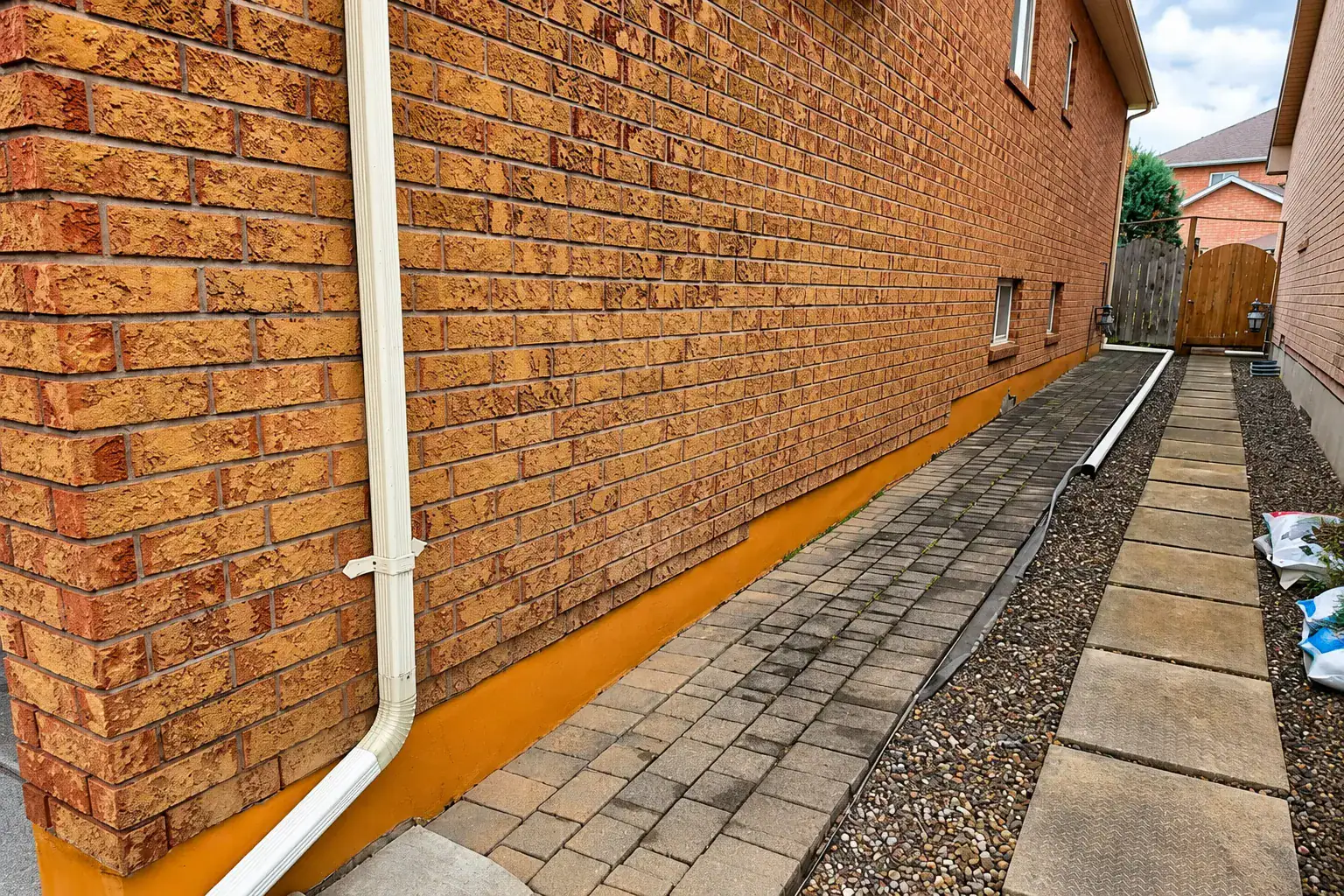
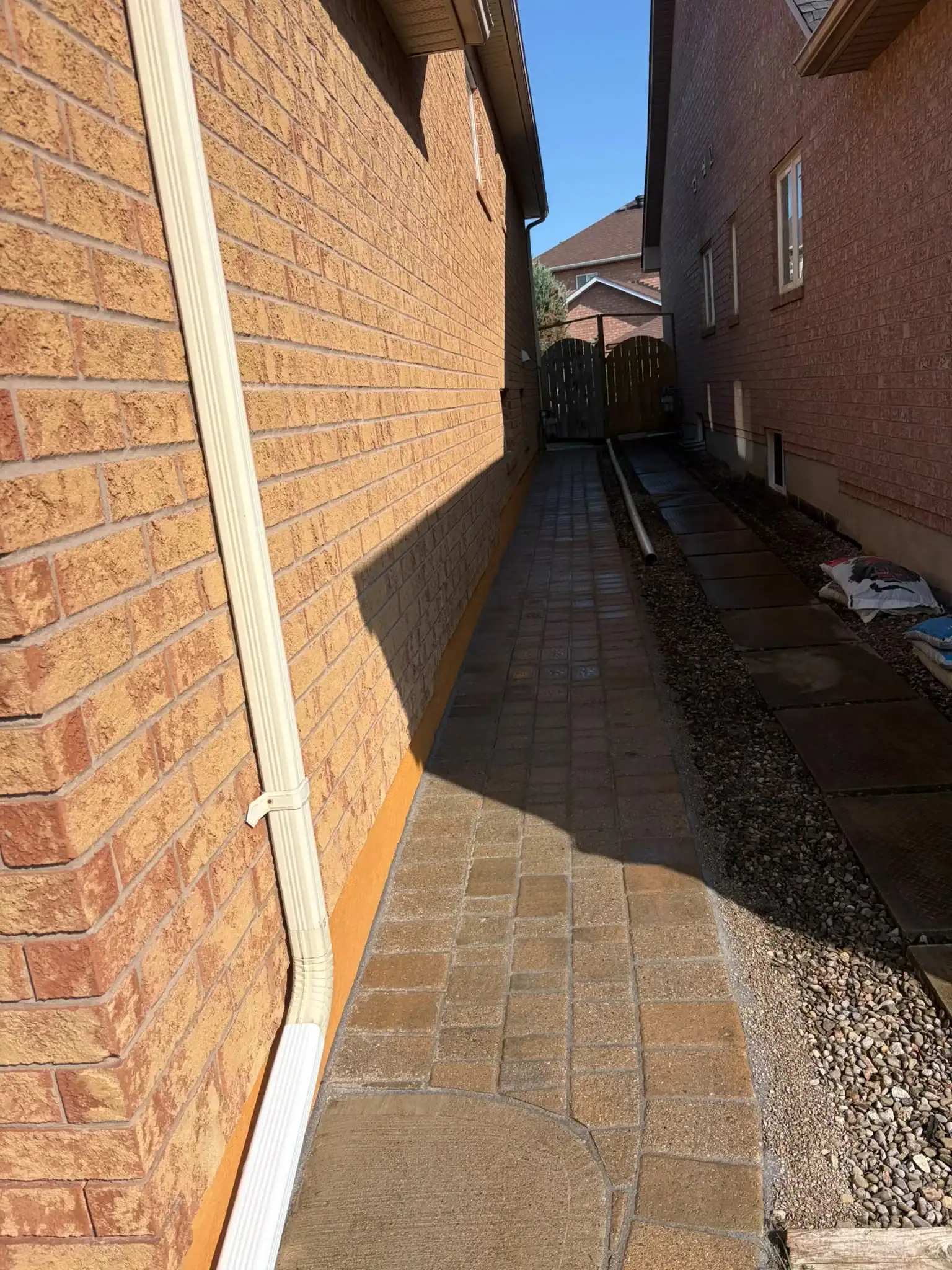
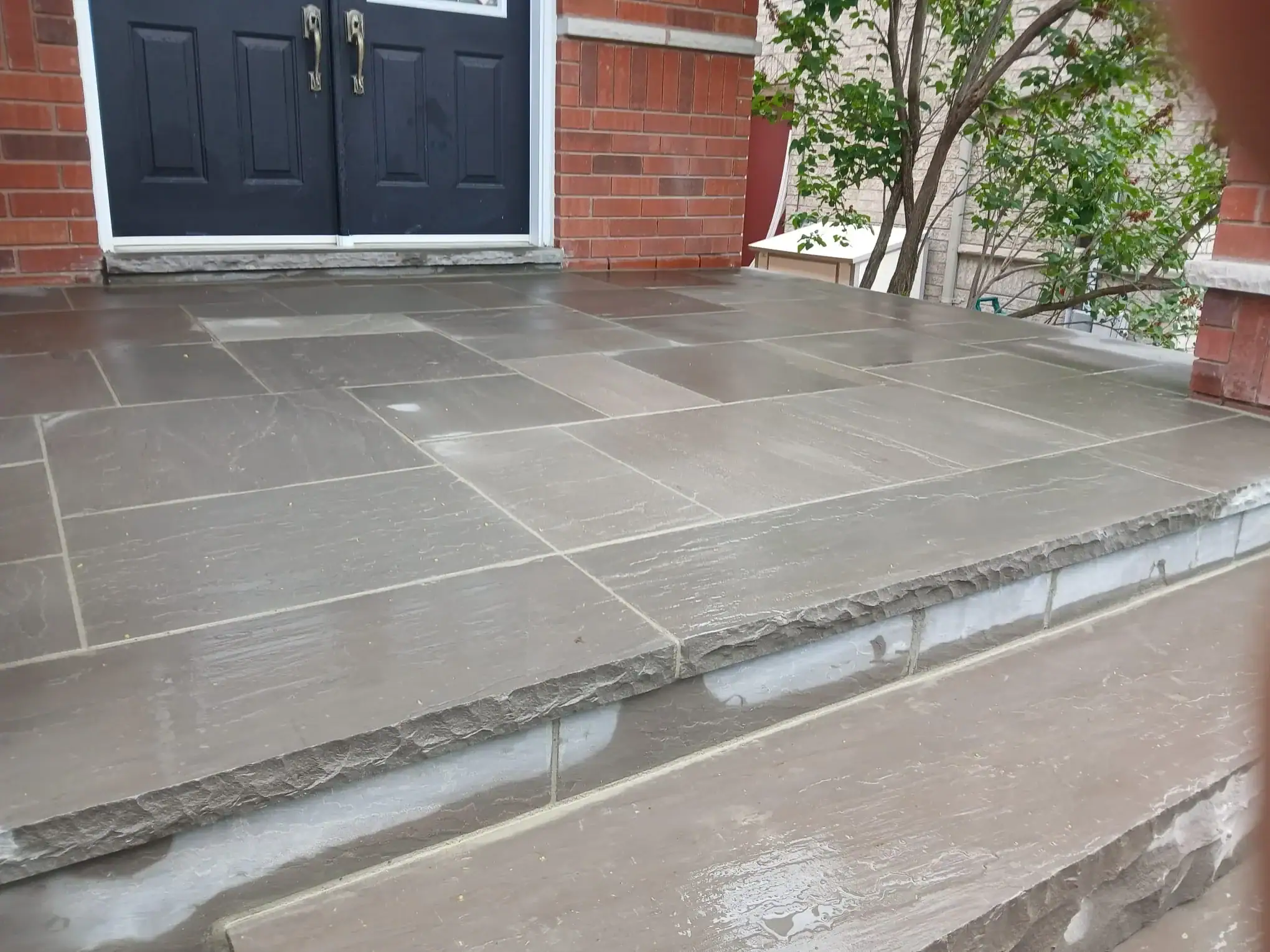
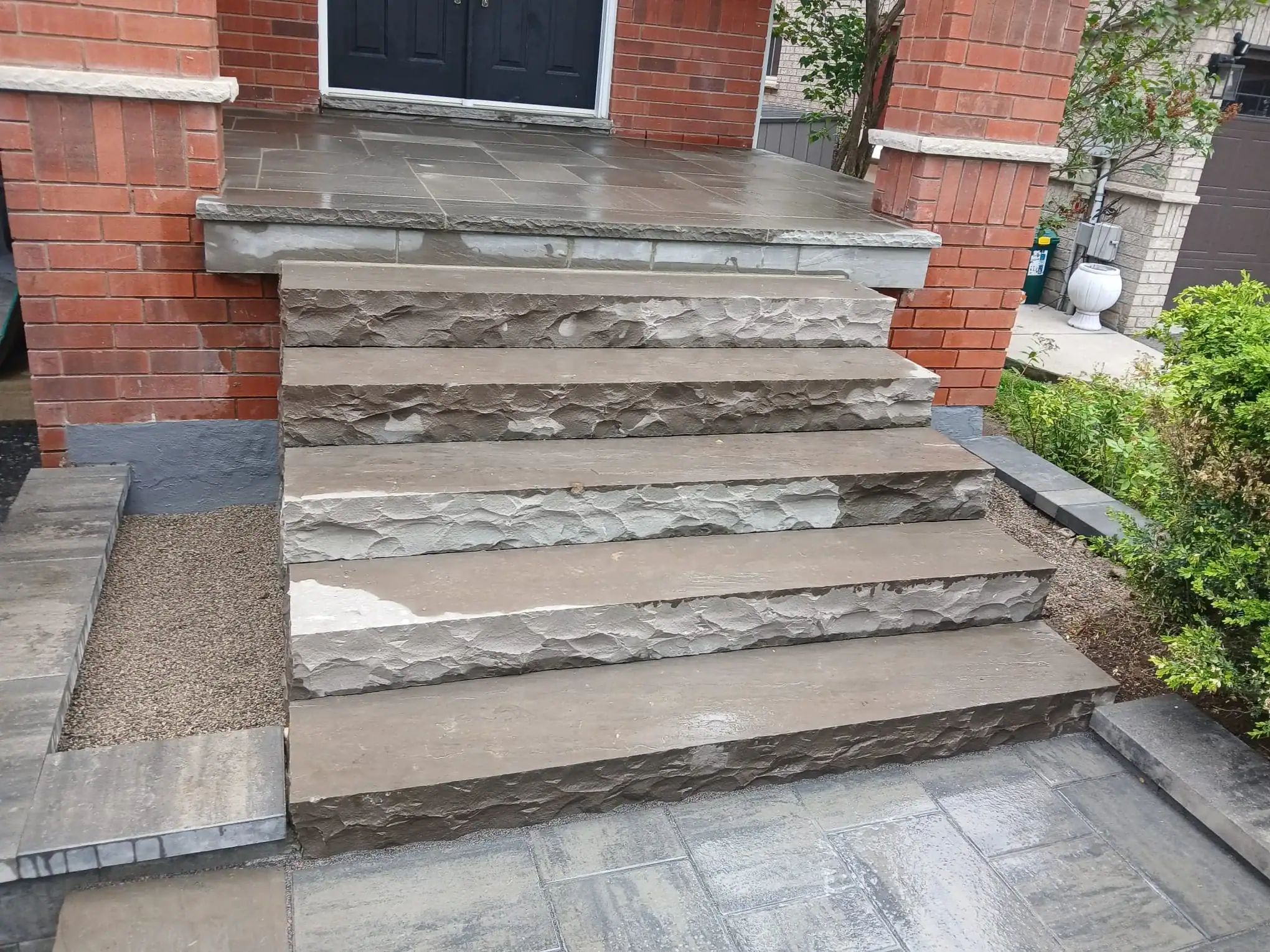
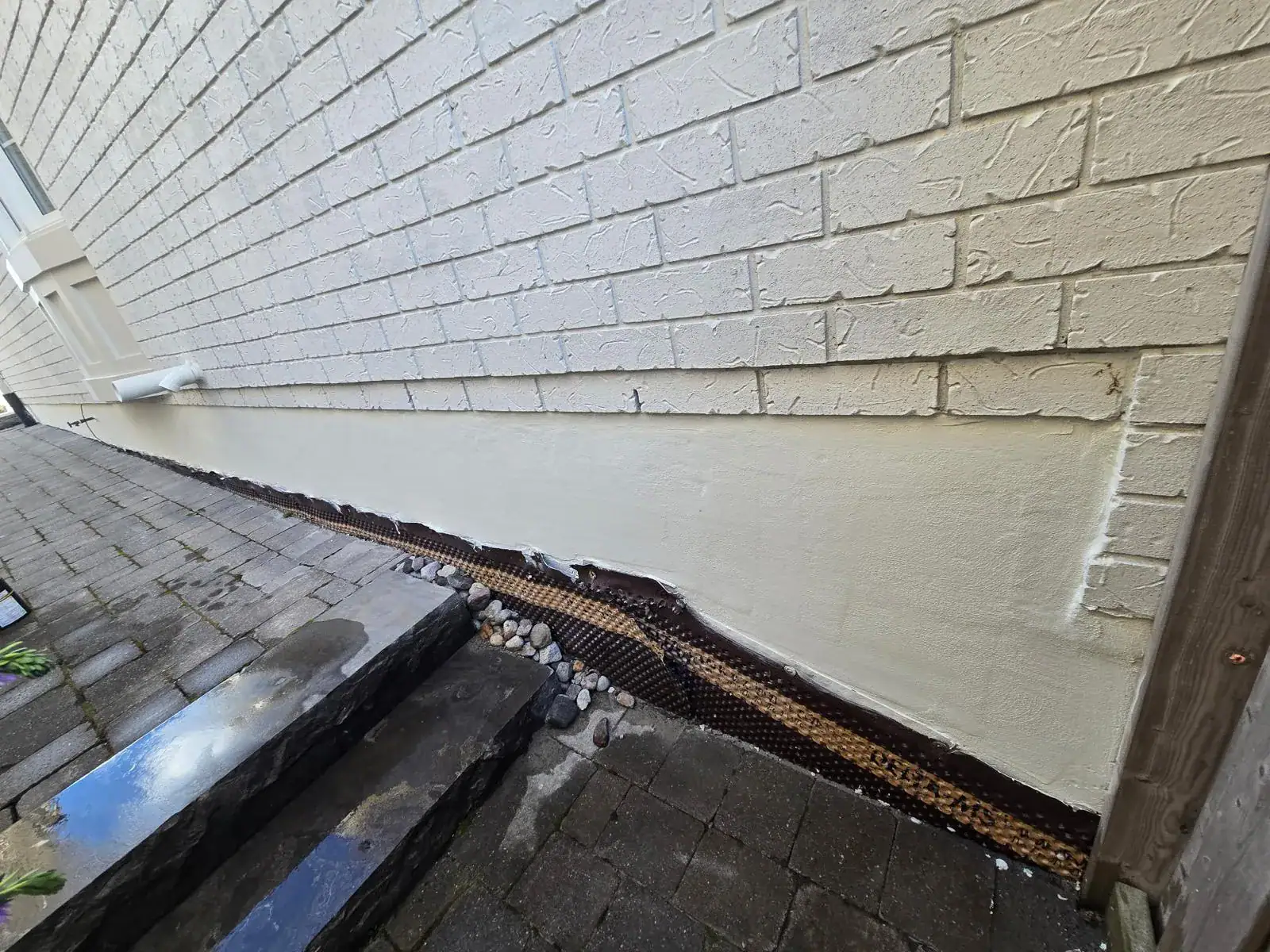
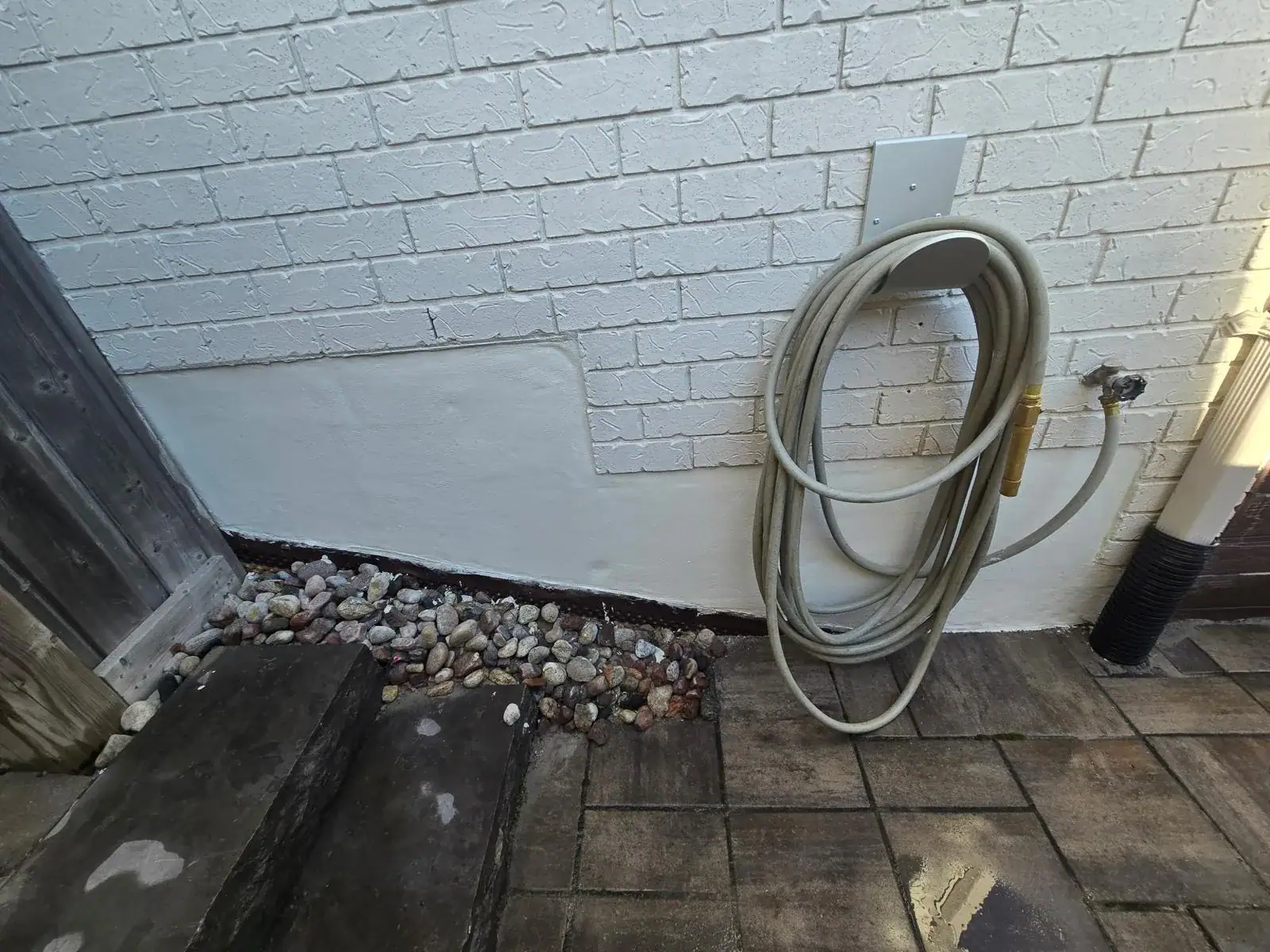
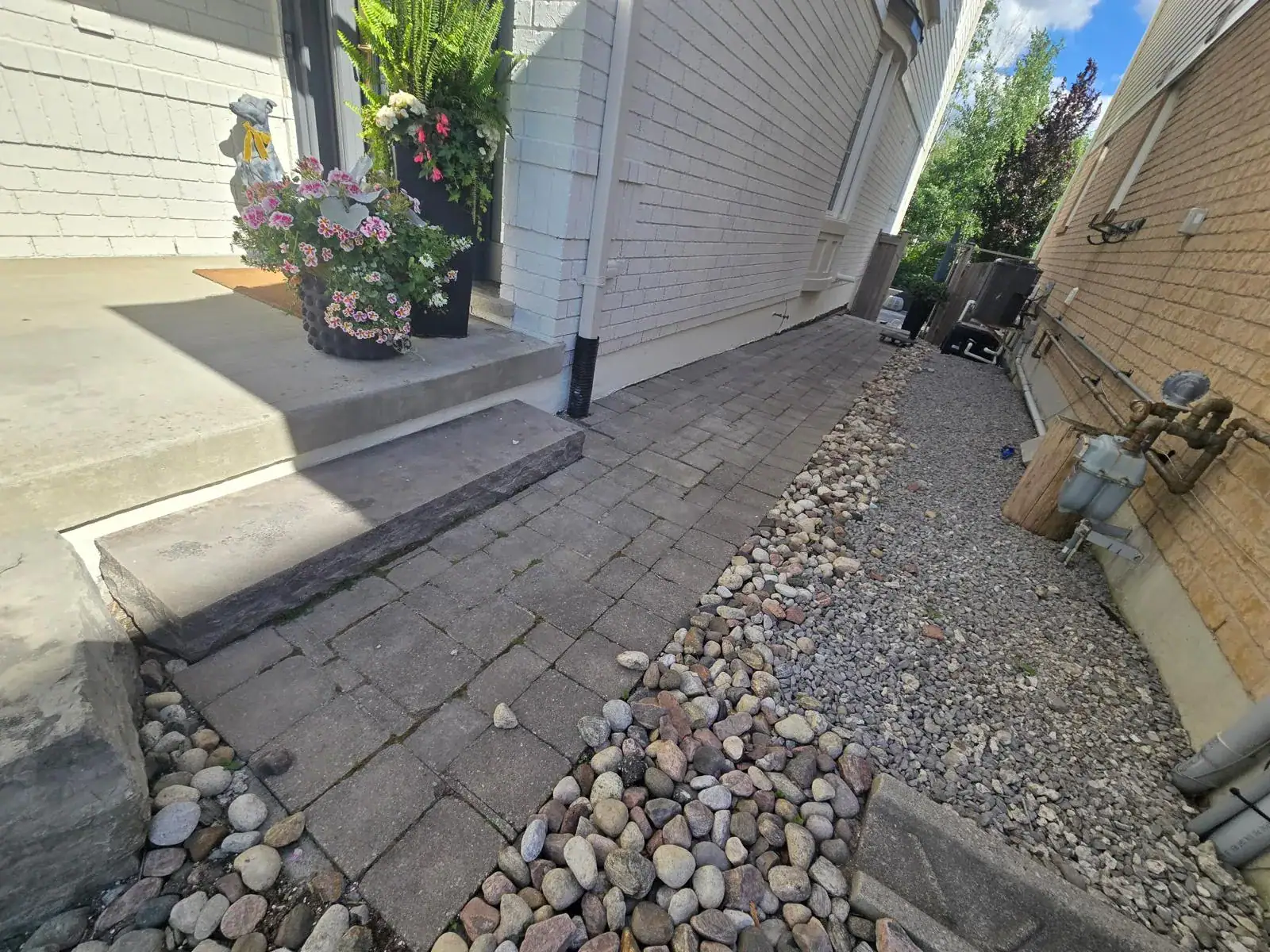
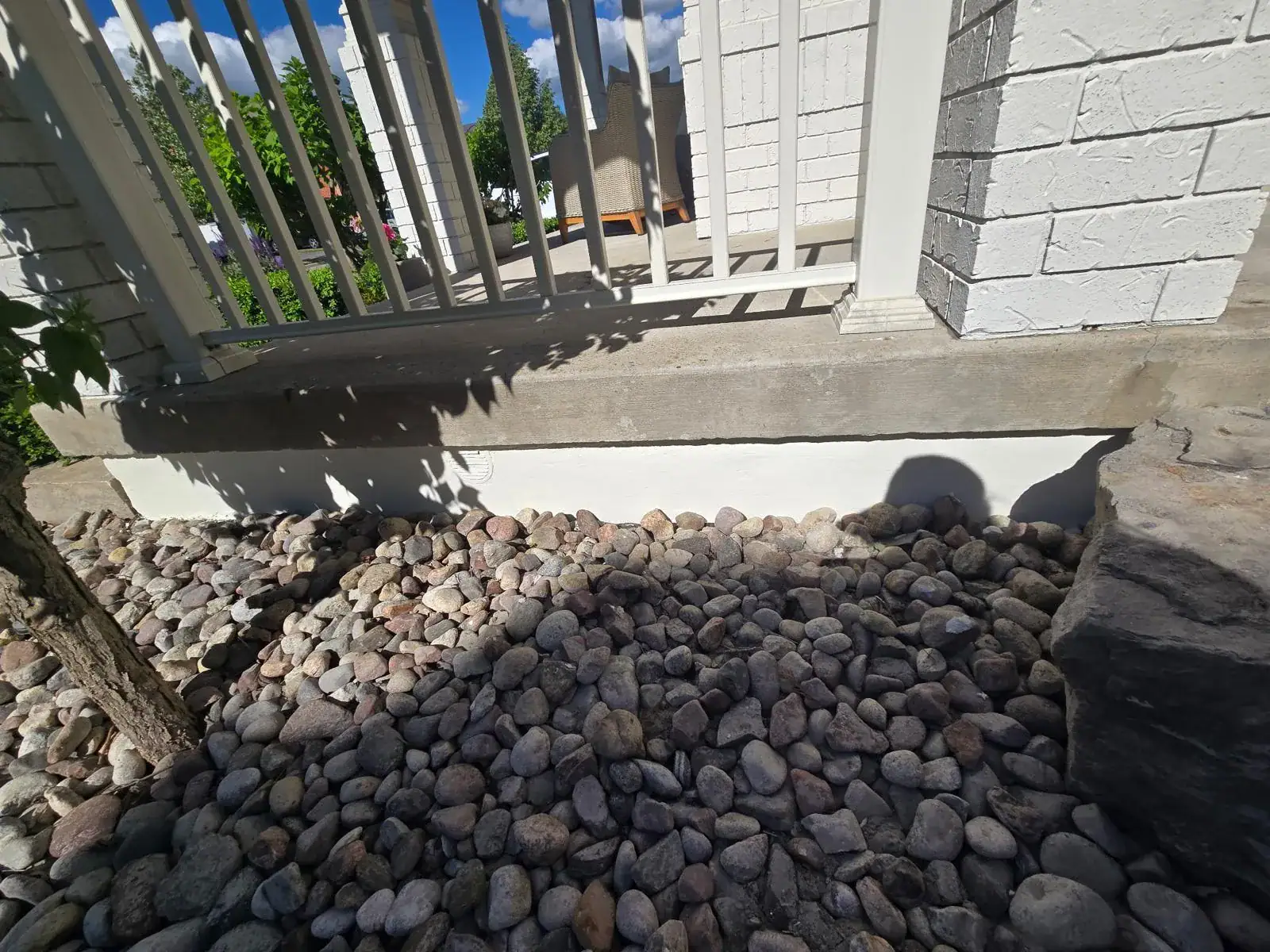
Give your concrete surfaces the protection they deserve with AA Masonry’s expert concrete sealing services using SurGuard® Acrylic Coating. Designed for long-lasting durability, SurGuard® repels rain, sleet, and snow while keeping your surfaces vibrant and weather-resistant.
✅ Superior Protection – Shields against harsh weather and moisture
✅ Seamless Application – No primer needed, dries quickly
✅ Durable & Long-Lasting – UV-stable, no peeling or chipping
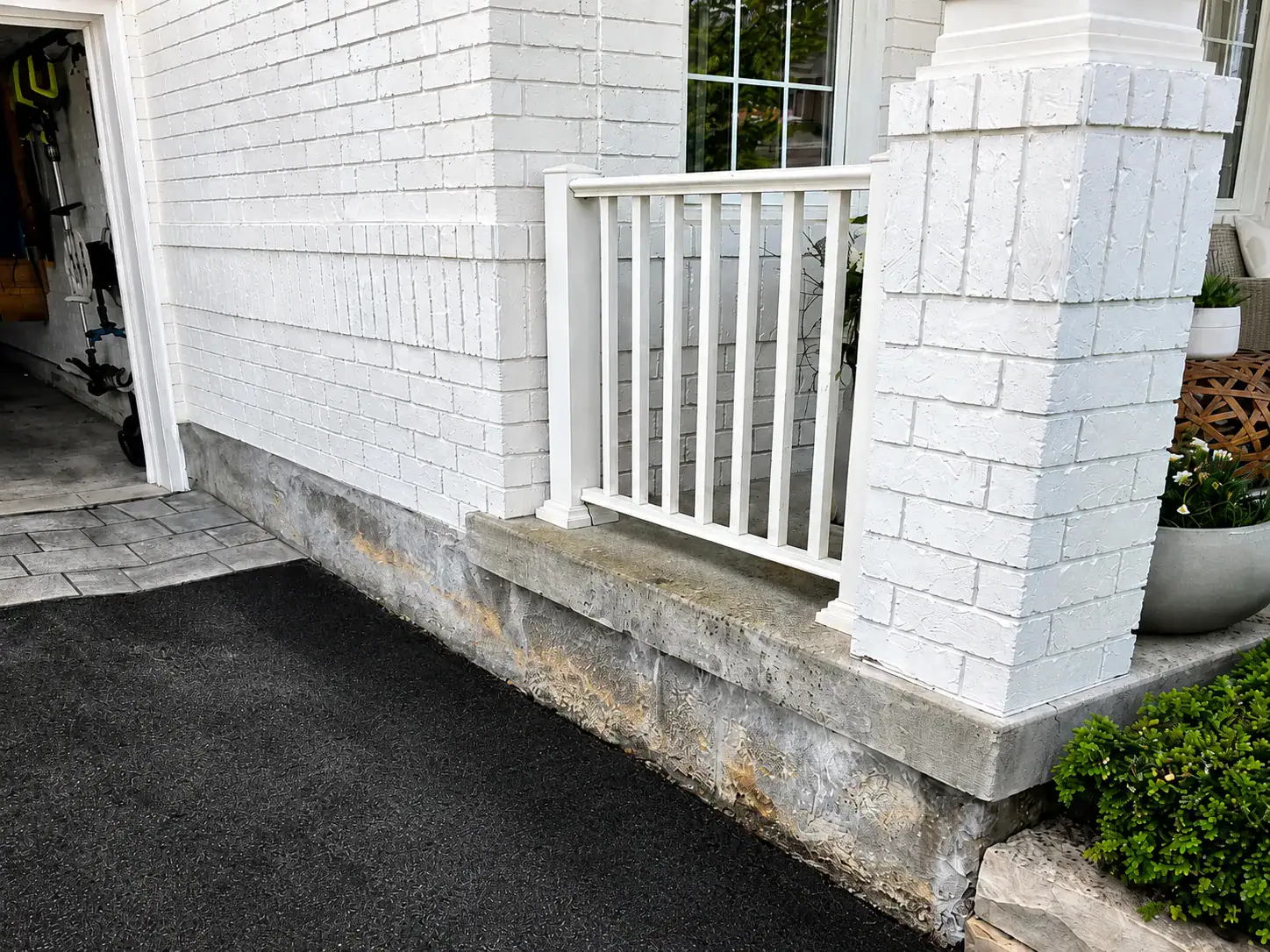
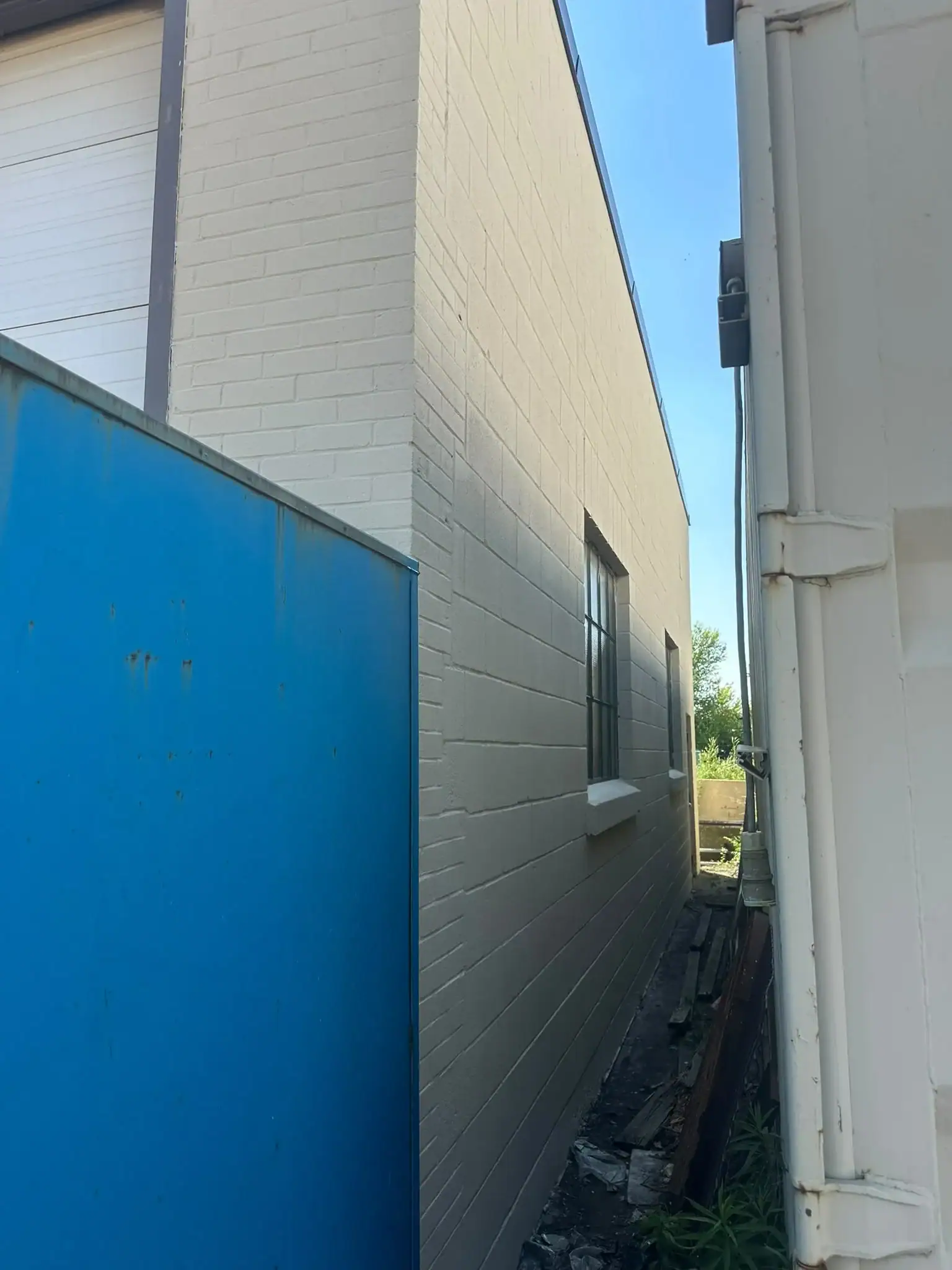
Whether it’s your foundation, concrete walls, columns, or stucco, AA Masonry ensures a flawless finish that lasts. Get in touch today for a consultation and protect your surfaces with confidence!
📞 Call us now or 📩 Request a quote today!