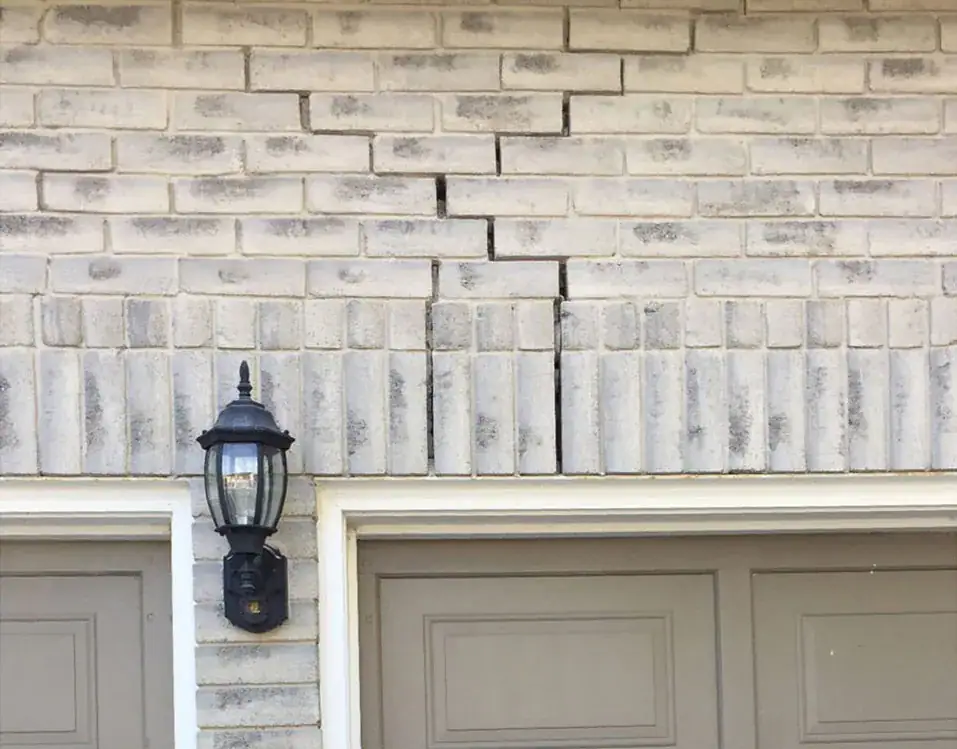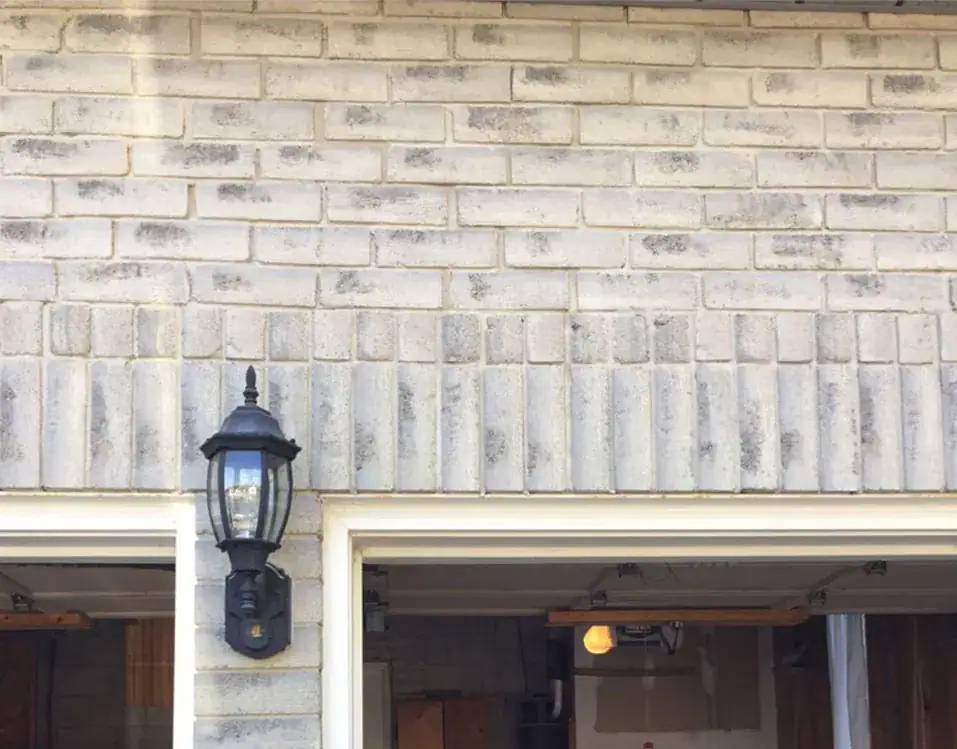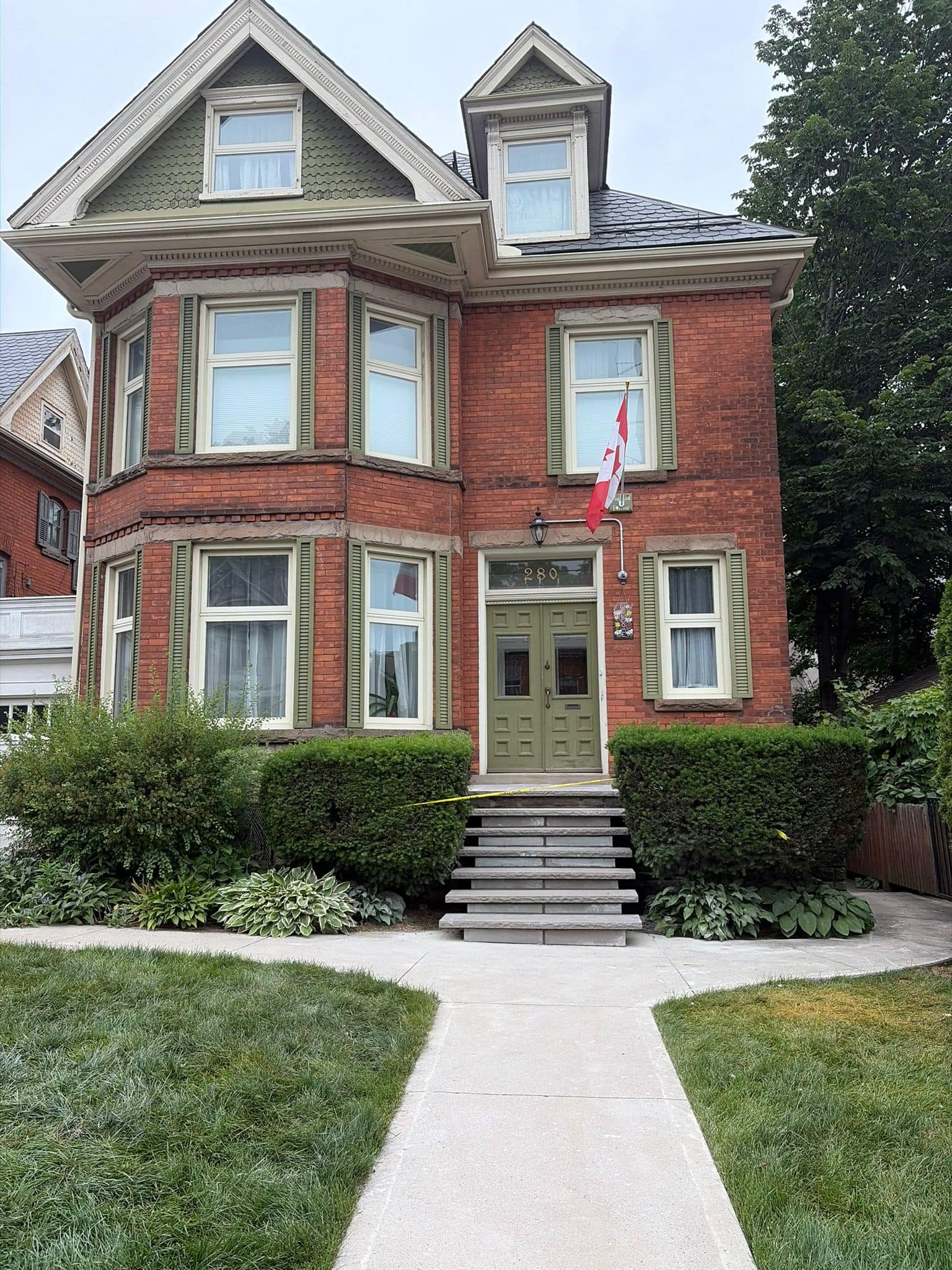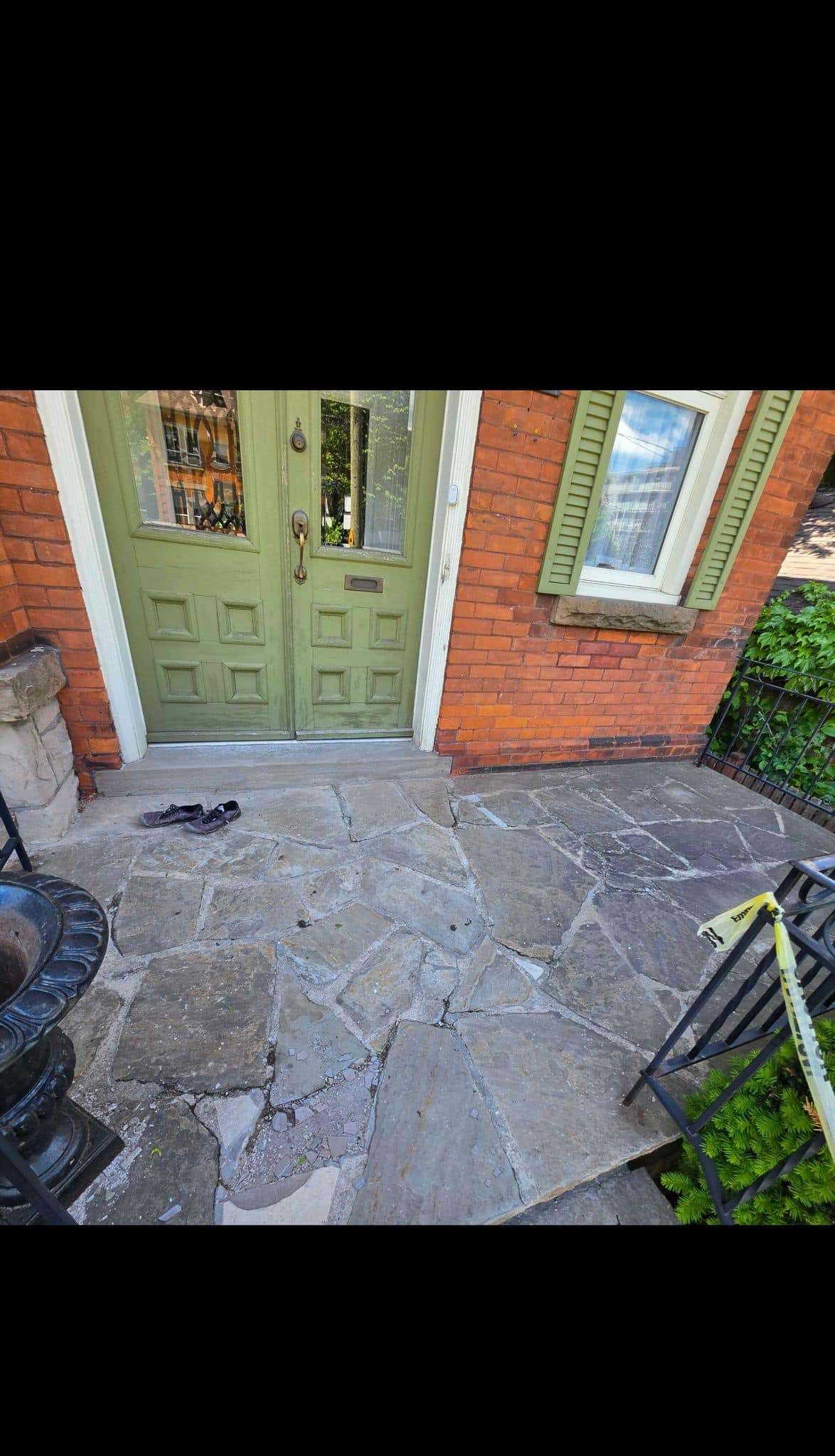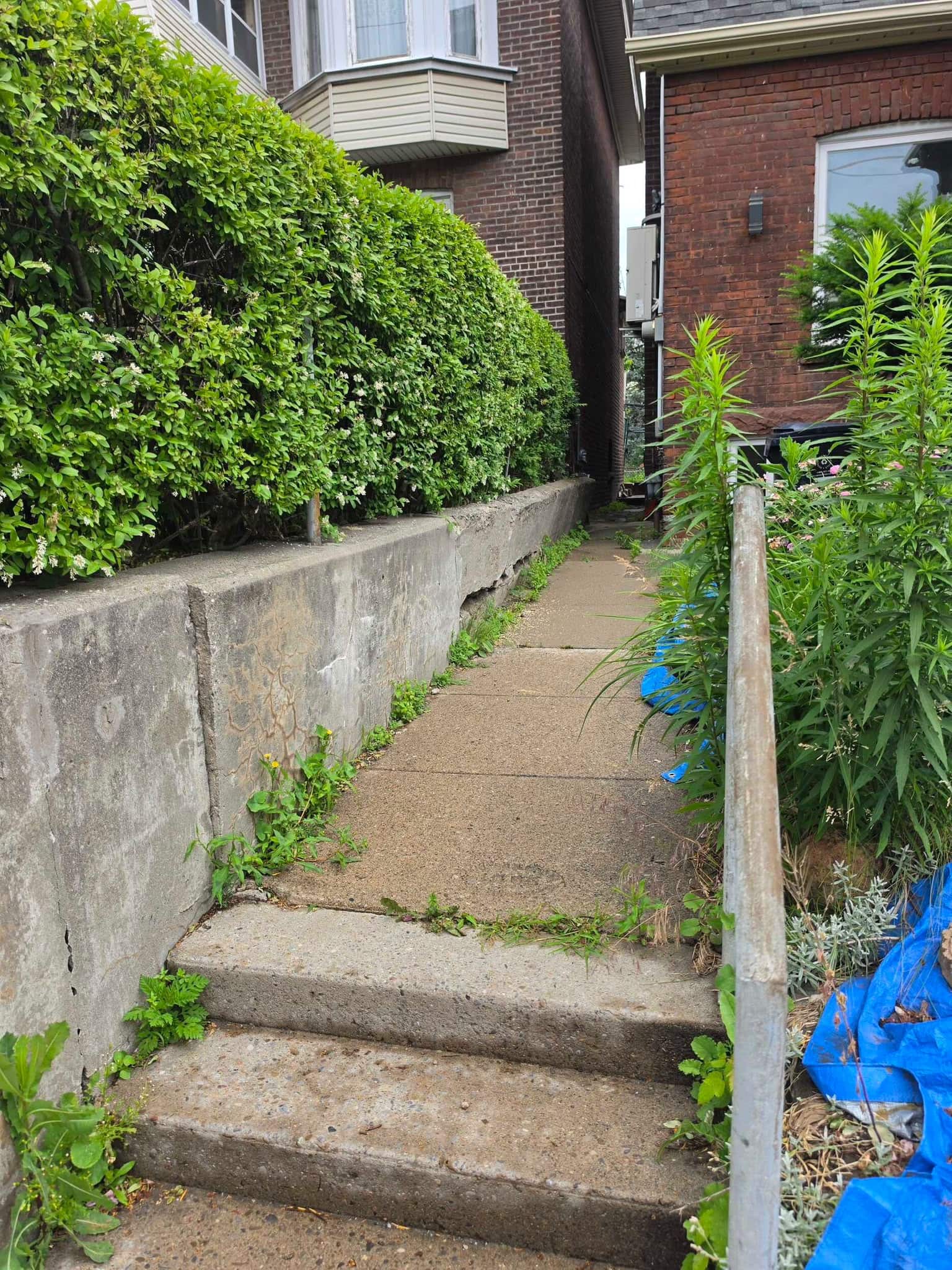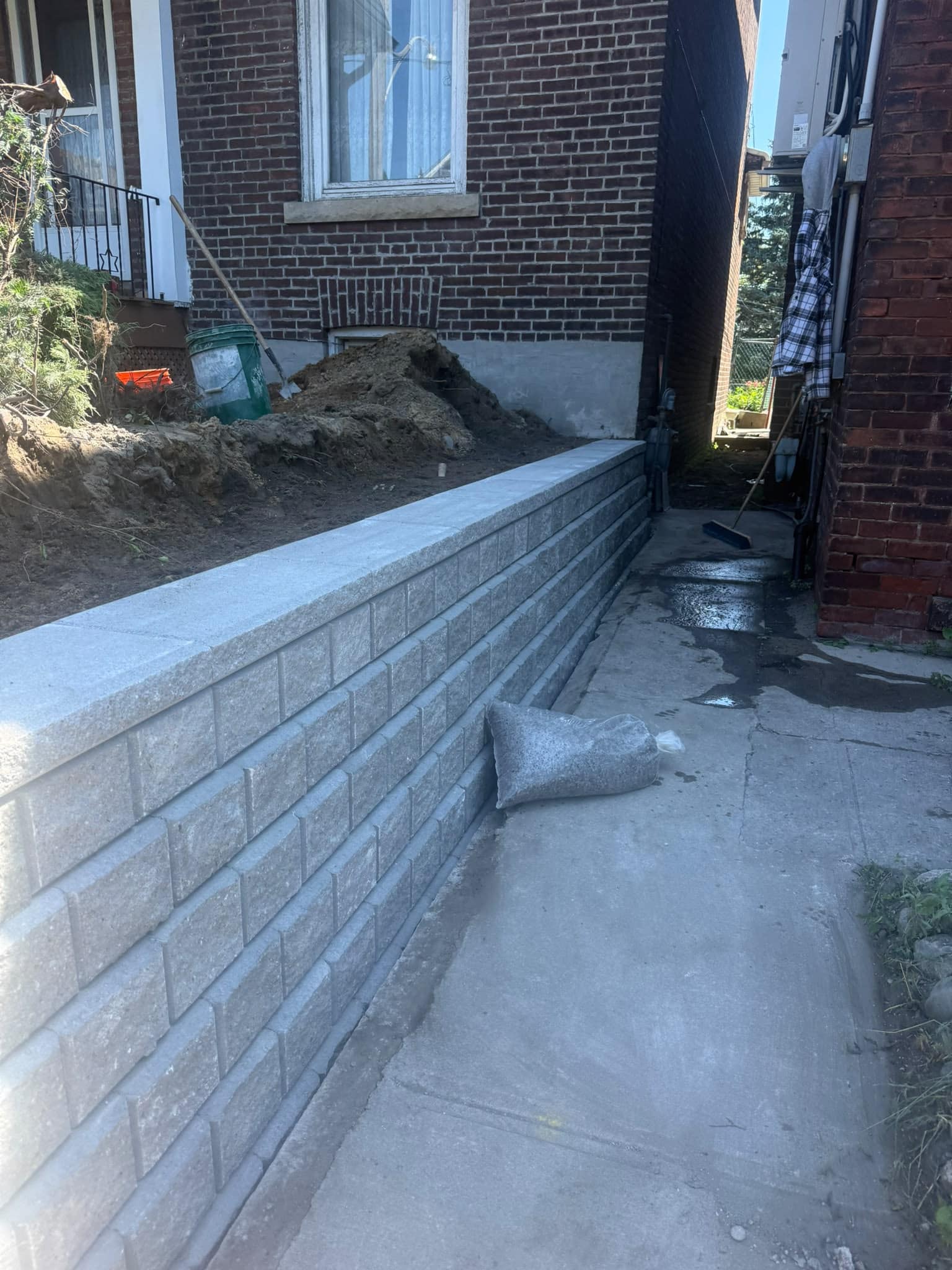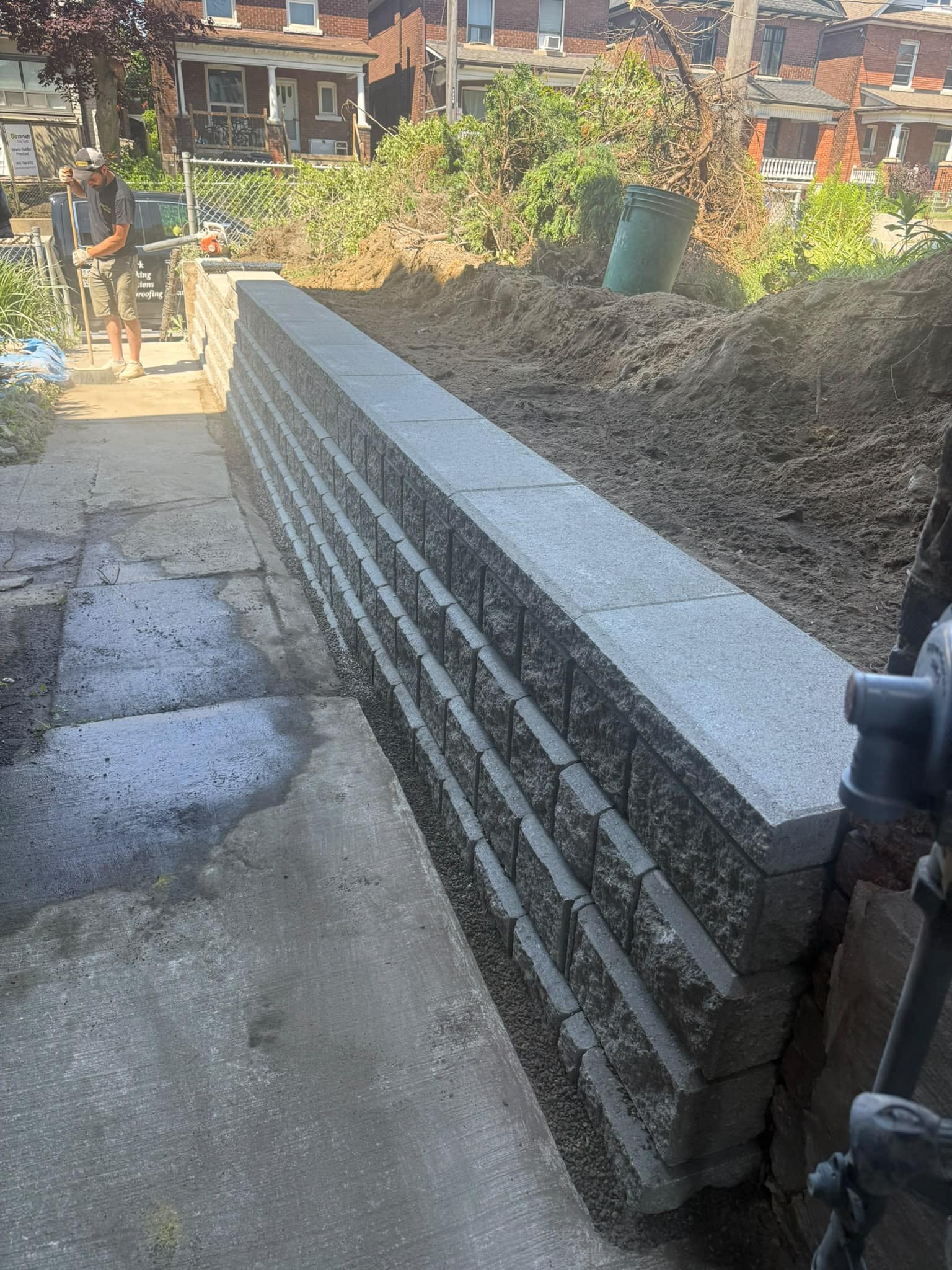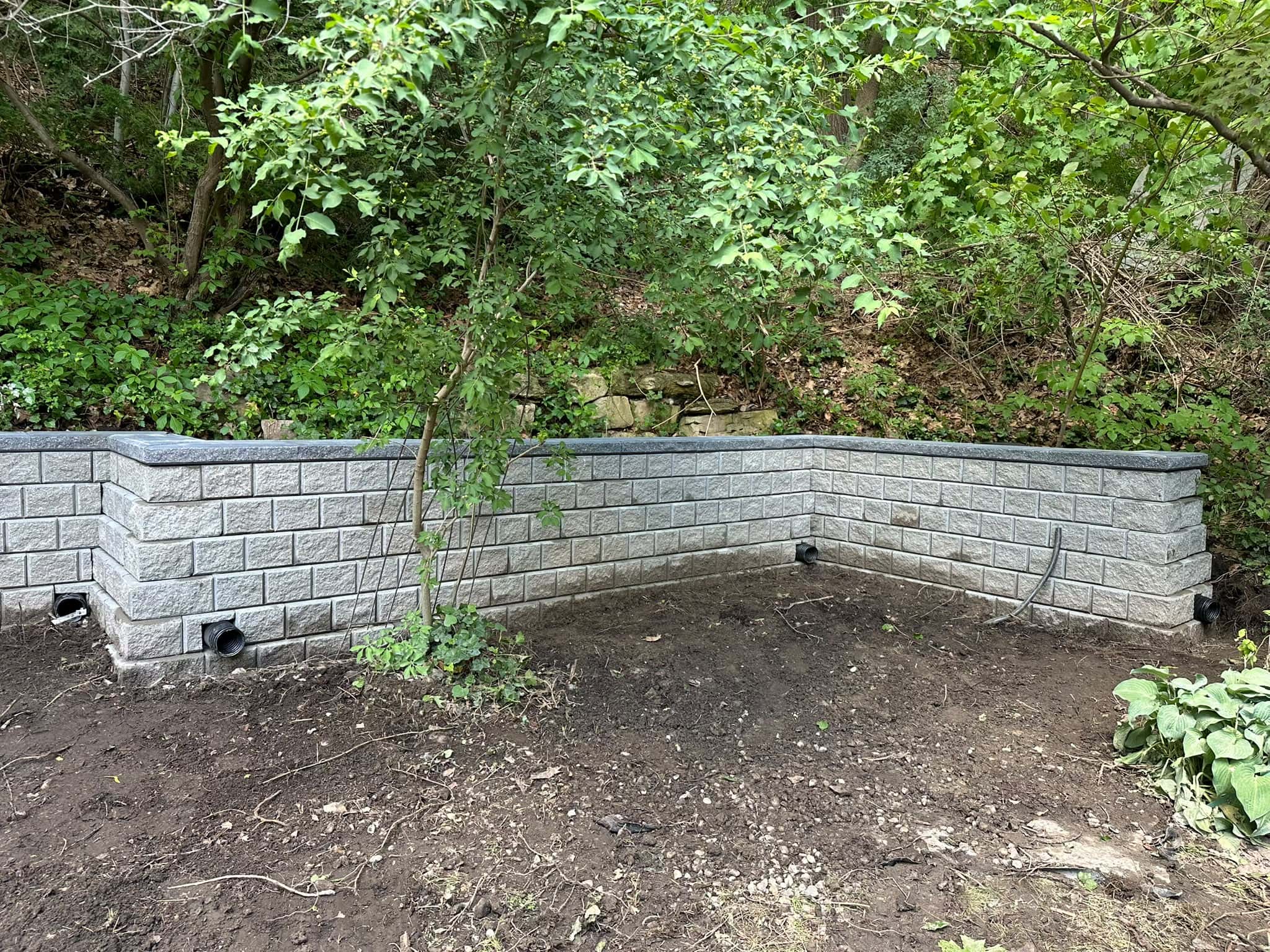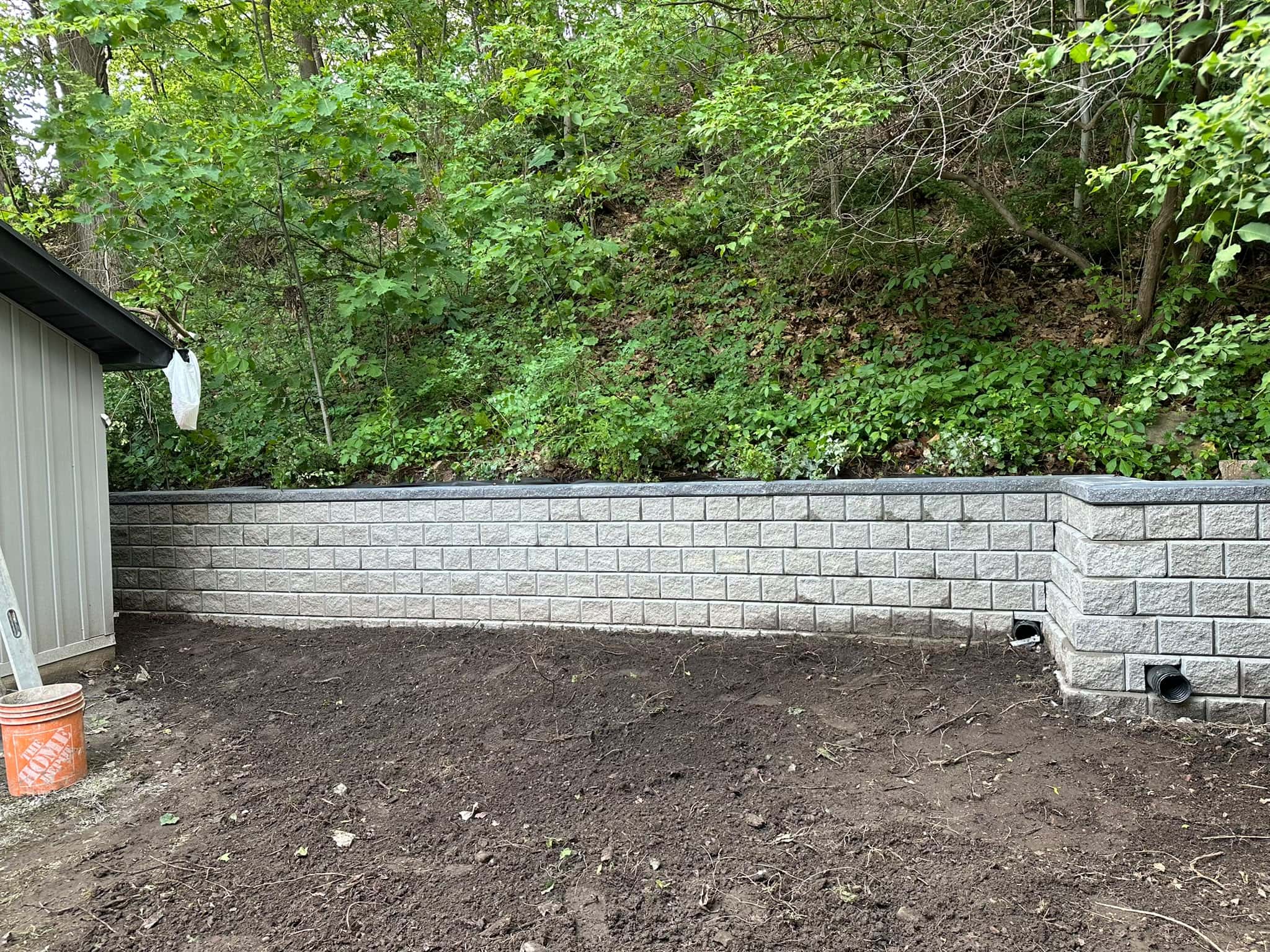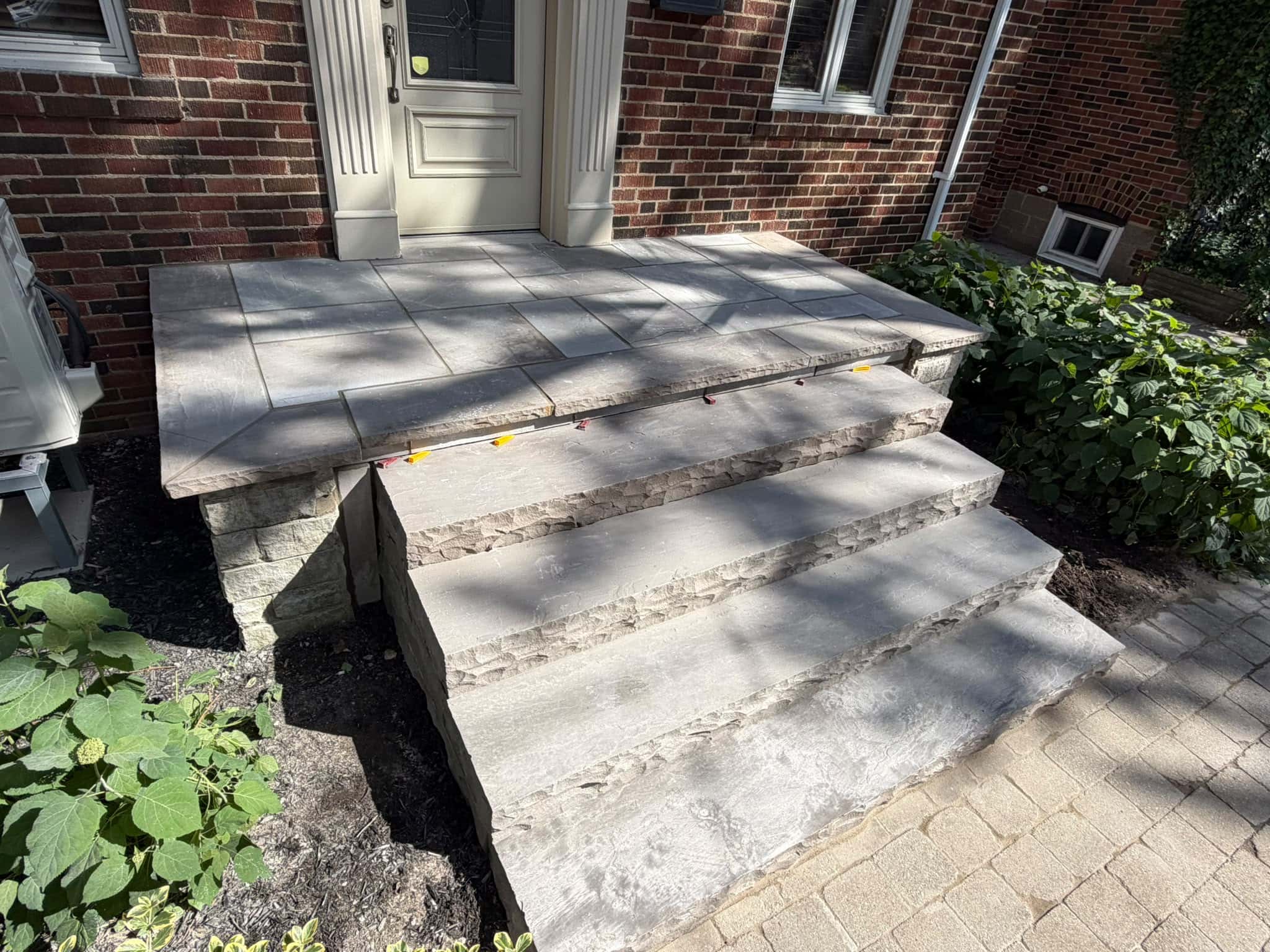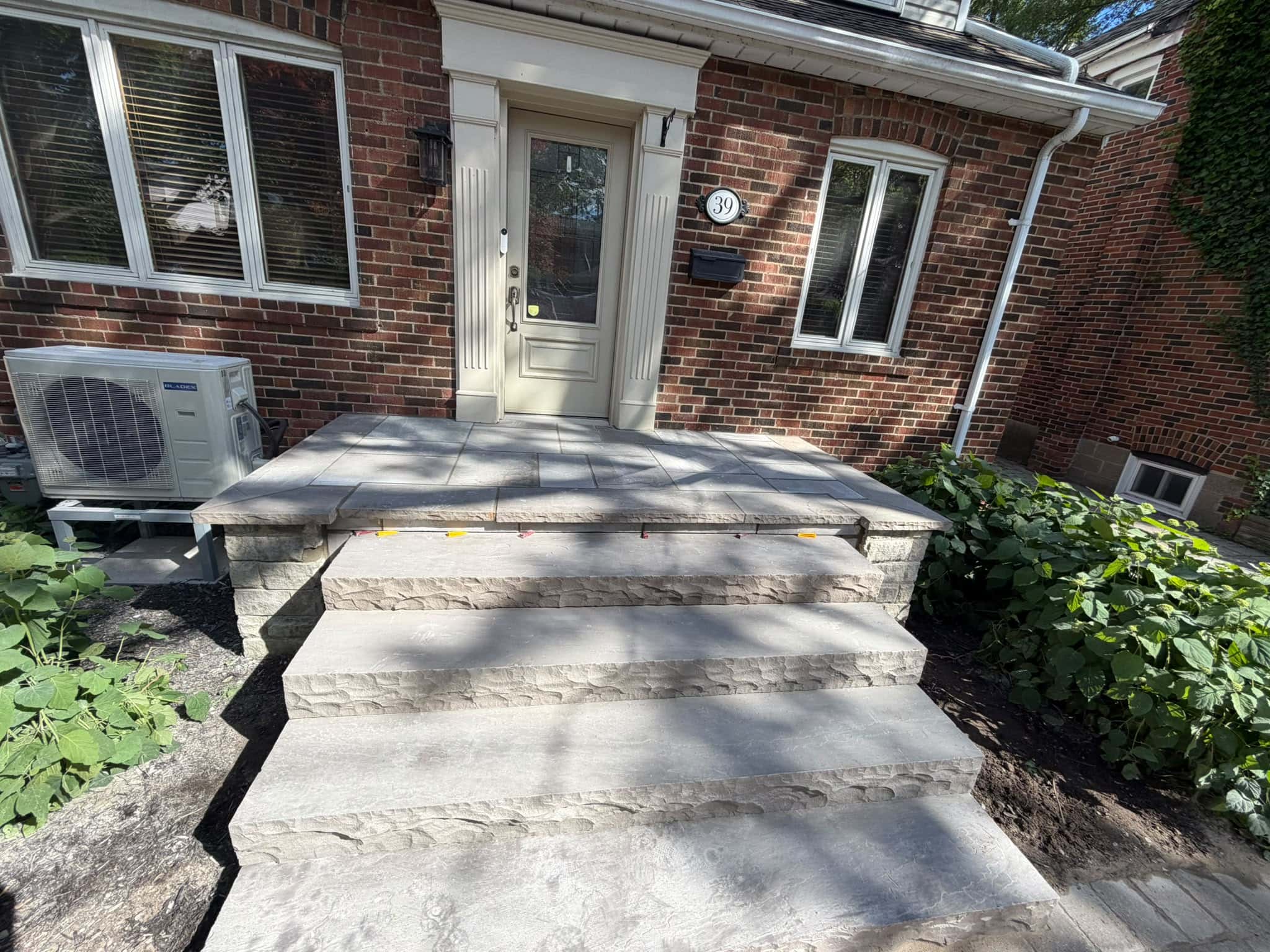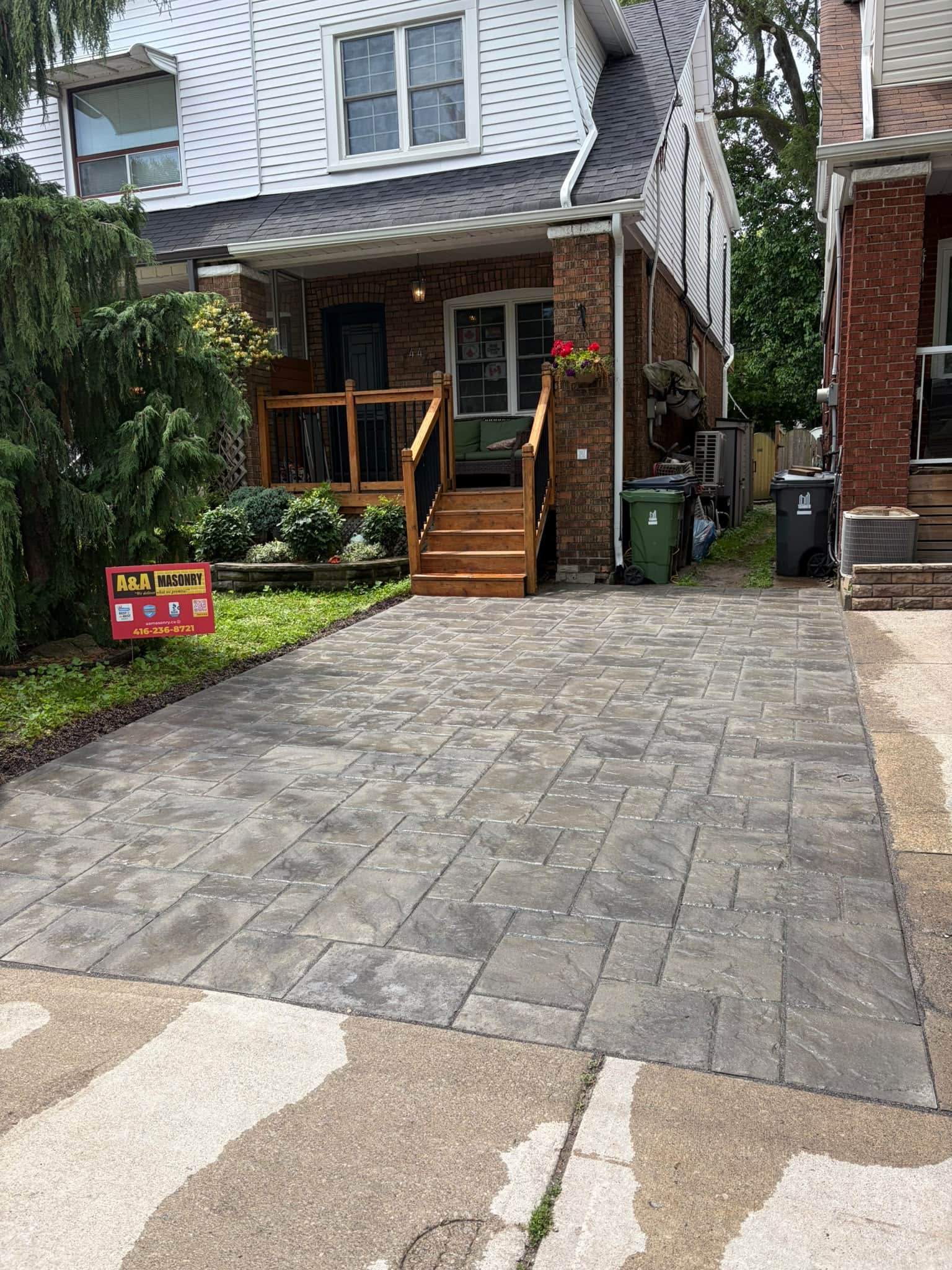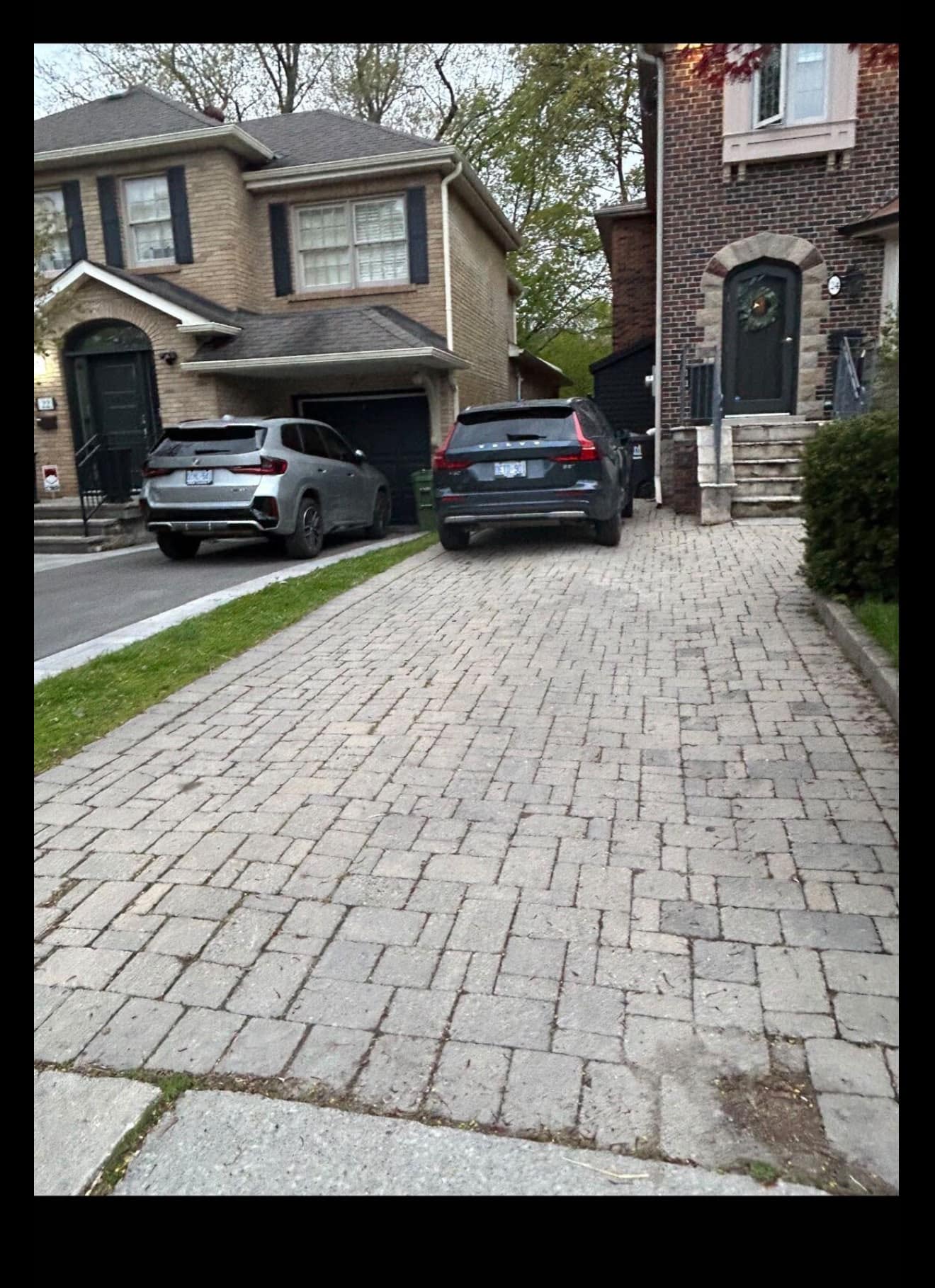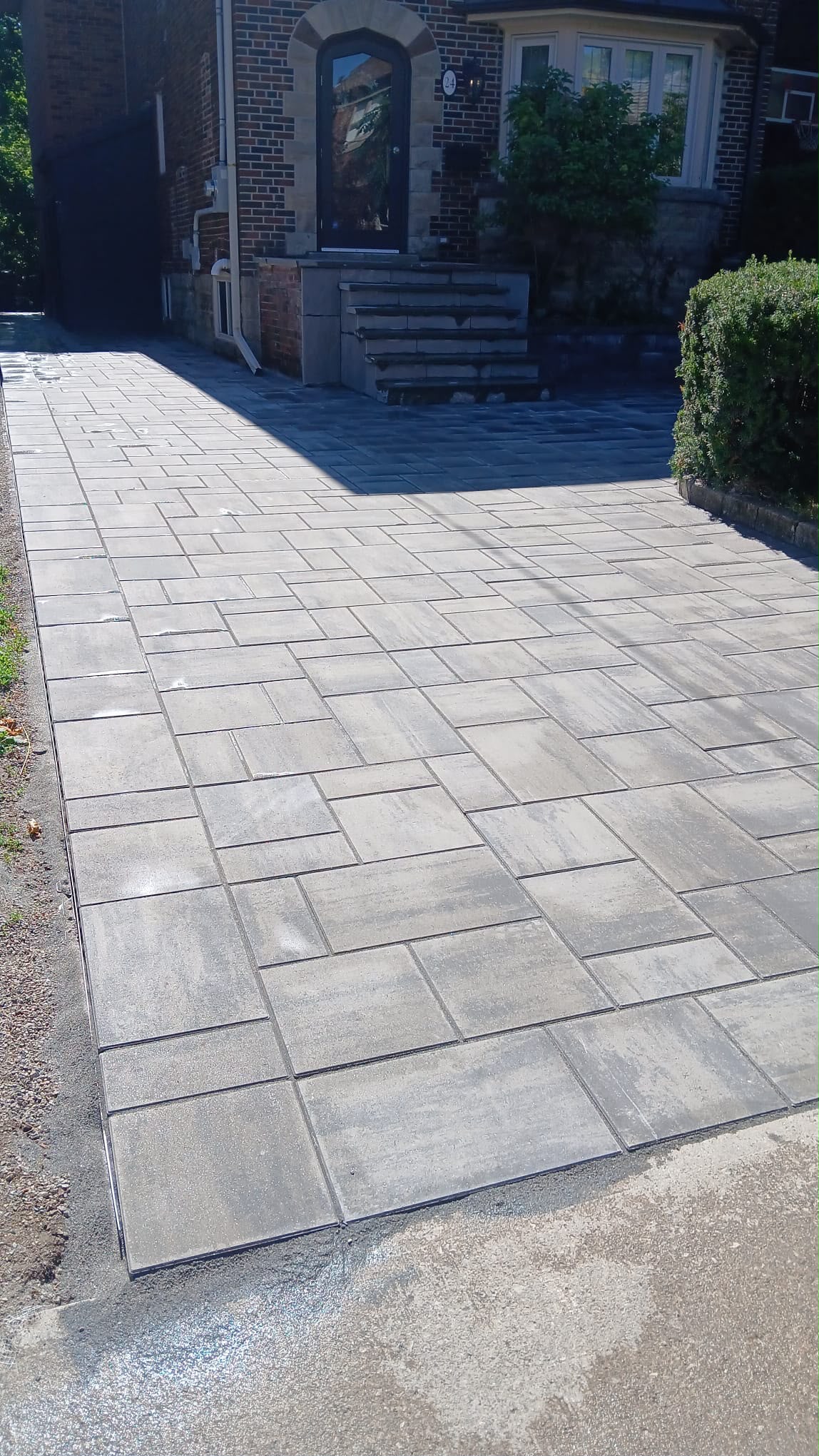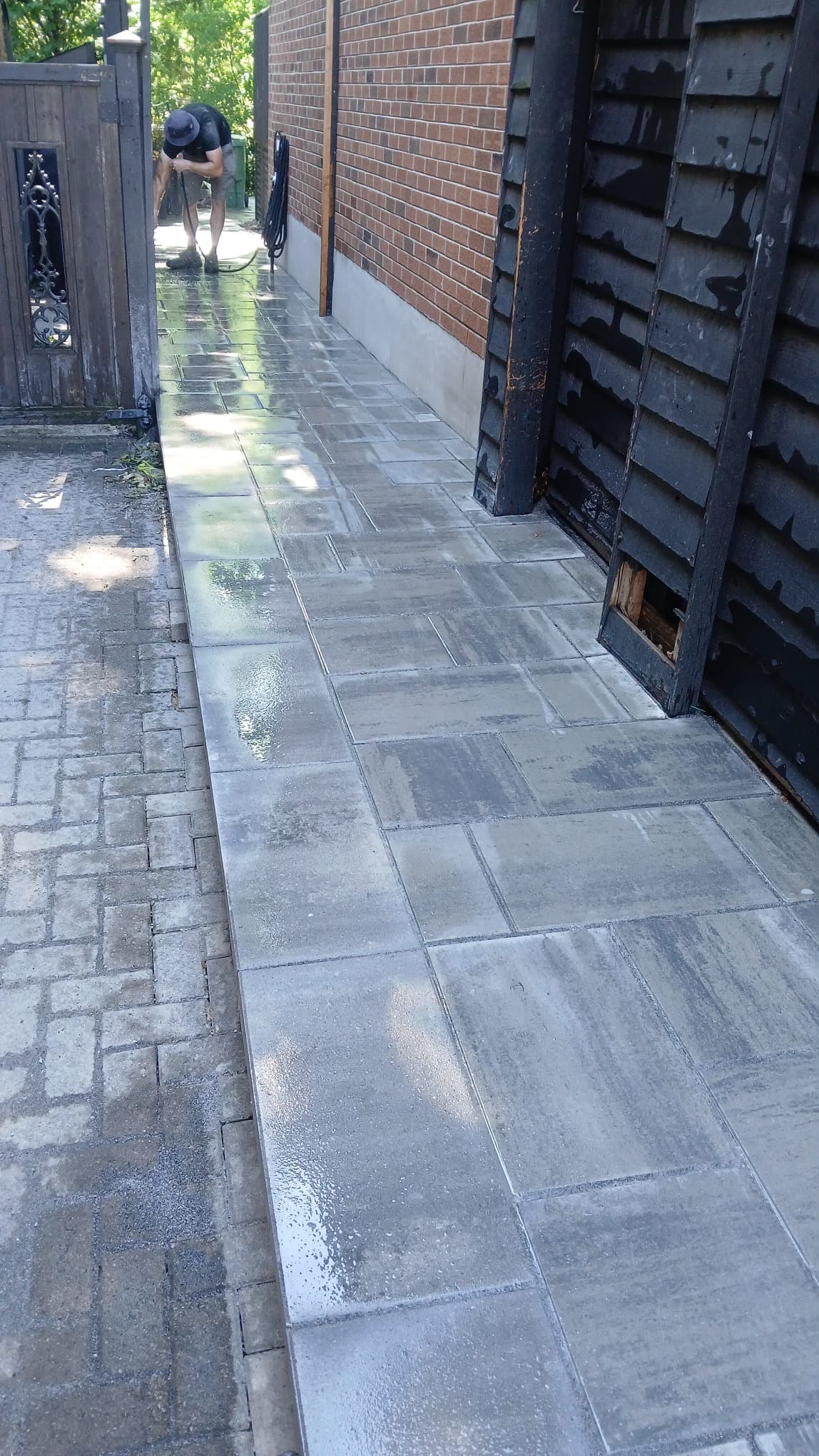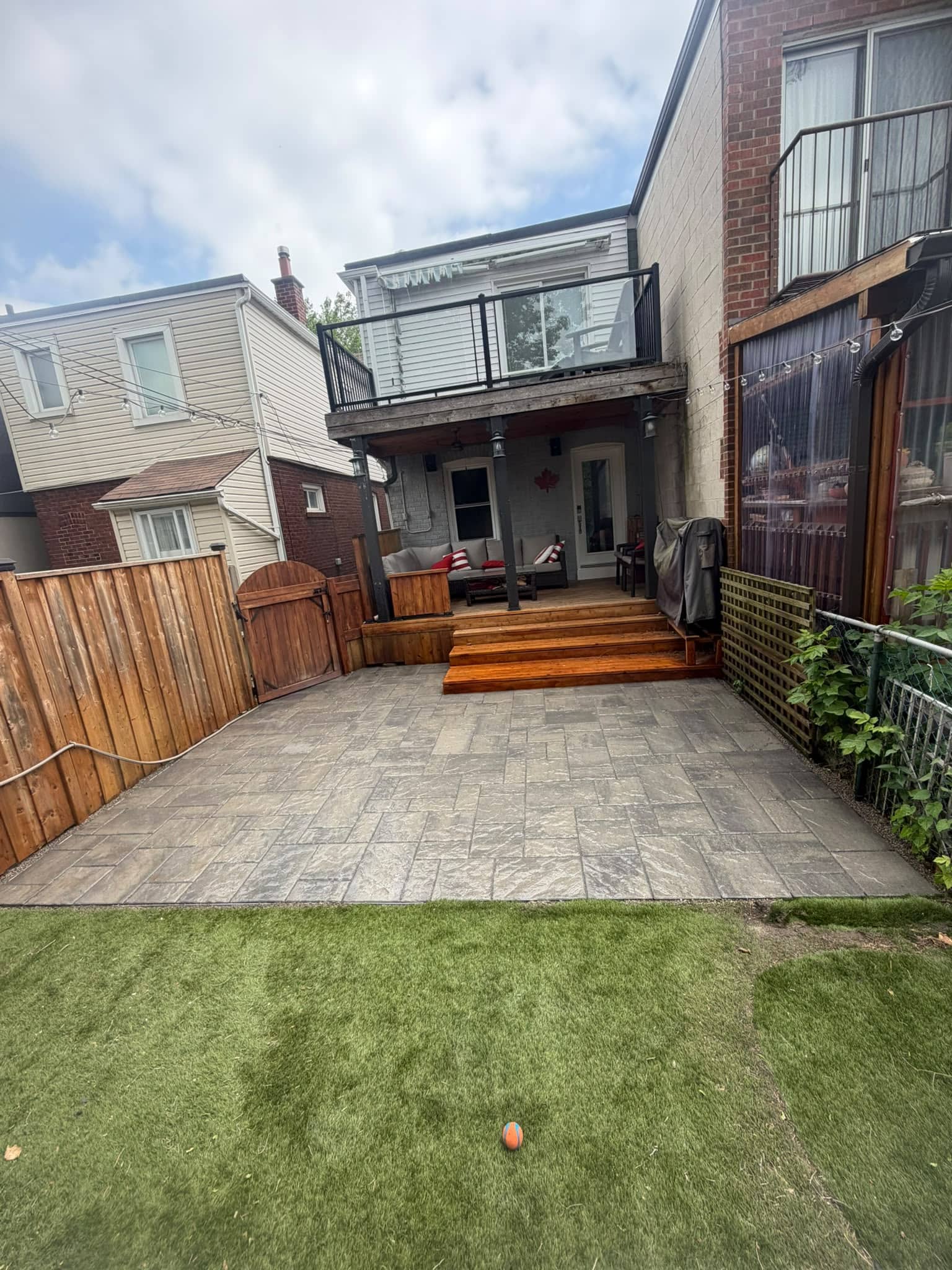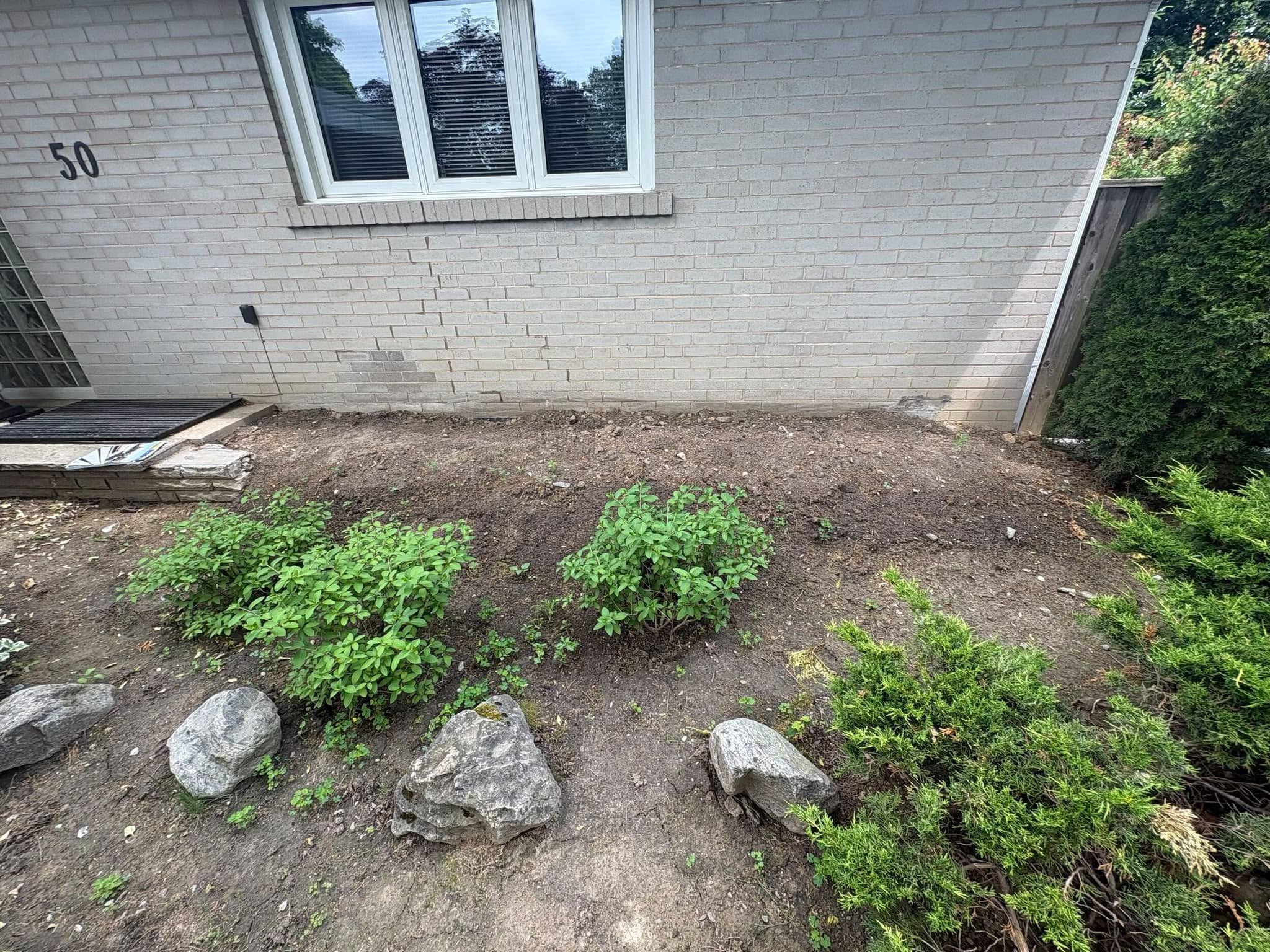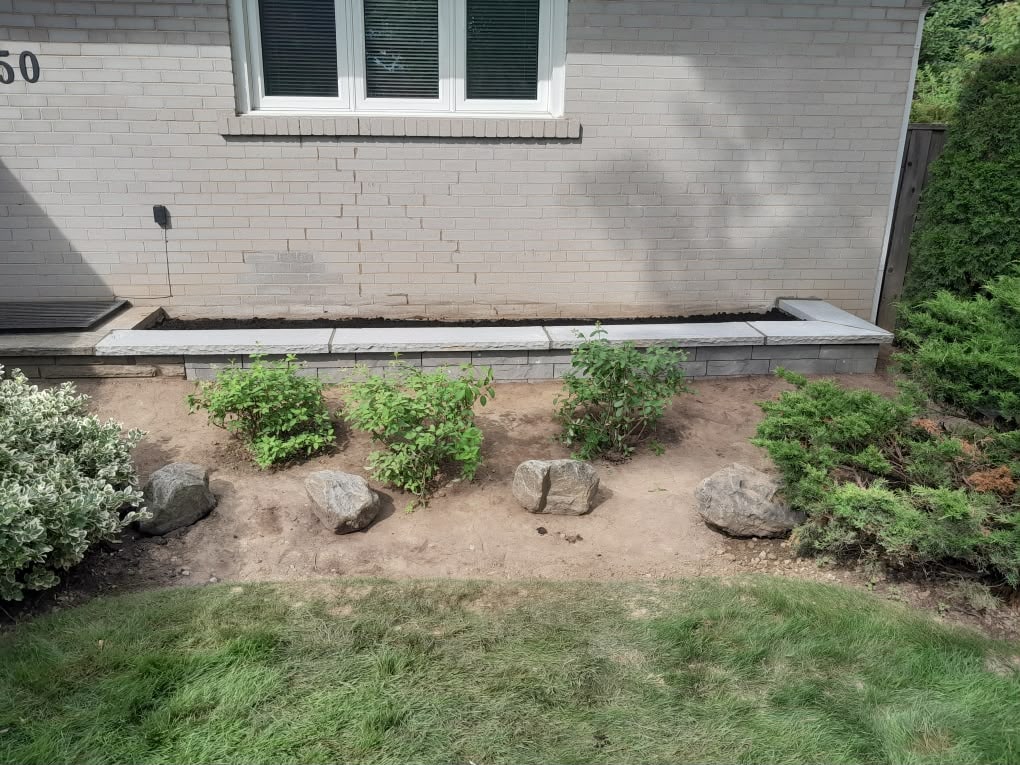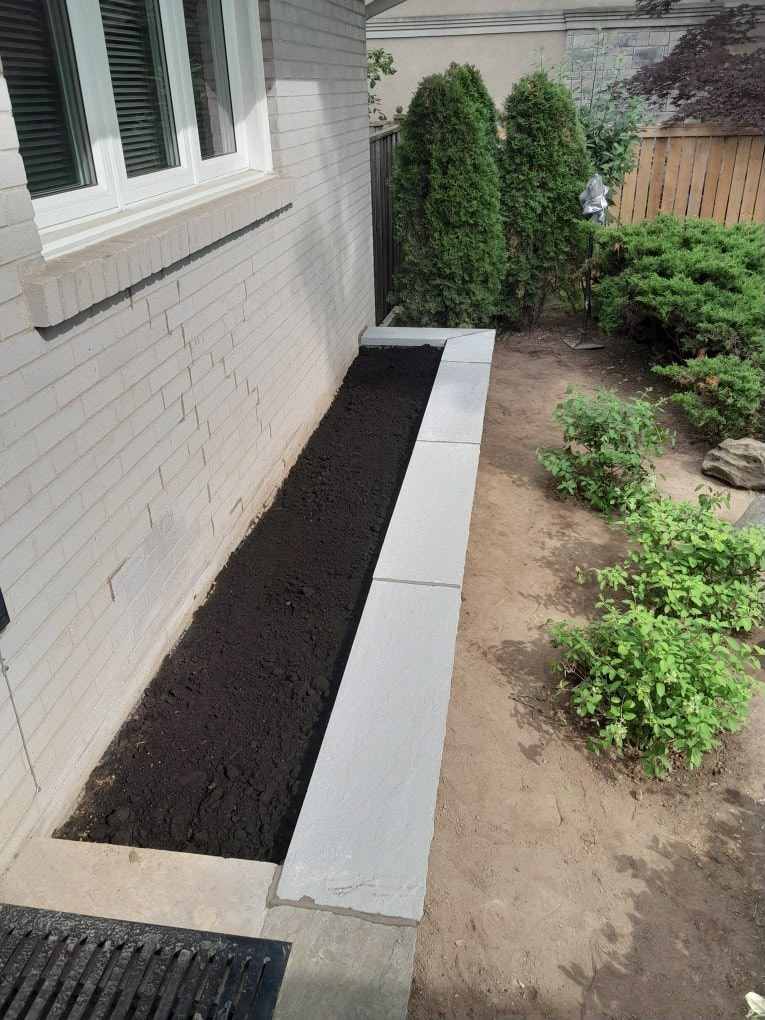
Ledgestones are a timeless and versatile material that can add texture, depth, and elegance to any space. Whether you’re upgrading your home’s interior or enhancing your outdoor aesthetics, ledgestones provide a natural, sophisticated touch. From accent walls to fireplace surrounds, this guide will show you how to use ledgestones for a stylish look in your renovation projects.
What Are Ledgestones?
Ledgestones are thin, stacked pieces of stone that create a layered, textured appearance. Available in natural and manufactured varieties, ledgestones come in materials such as slate, limestone, and quartzite. They are commonly used in both modern and rustic designs, offering durability and visual appeal.
Stacked Stone, Ledger Stone, and Stone Veneer: What’s the Difference?
Stacked stone, ledger stone, and stone veneer are often used interchangeably, but they have key differences.
Stacked stone refers to natural or manufactured stone pieces arranged in a layered, textured design.
Ledger stone is a type of stacked stone, typically featuring a rough, dimensional look, perfect for accent walls and fireplaces.
Stone veneer is a broader term that includes both natural and manufactured thin stone sheets used as a decorative surface rather than structural support.

Stylish Uses of Ledgestones in Your Home
Ledge stones, like exterior facades and interior walls, are great for home parts. They can make your home look better from the outside or create a cozy feel inside. Whether you like traditional or modern styles, ledge stones can fit your vision.
Here are seven stylish uses of ledgestones in your home projects:
Ledgestone Fireplace
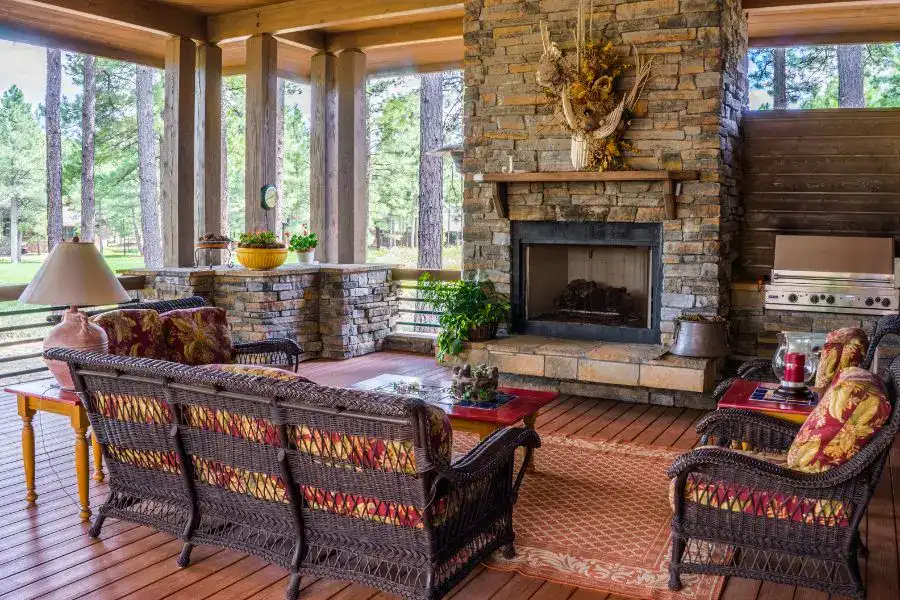
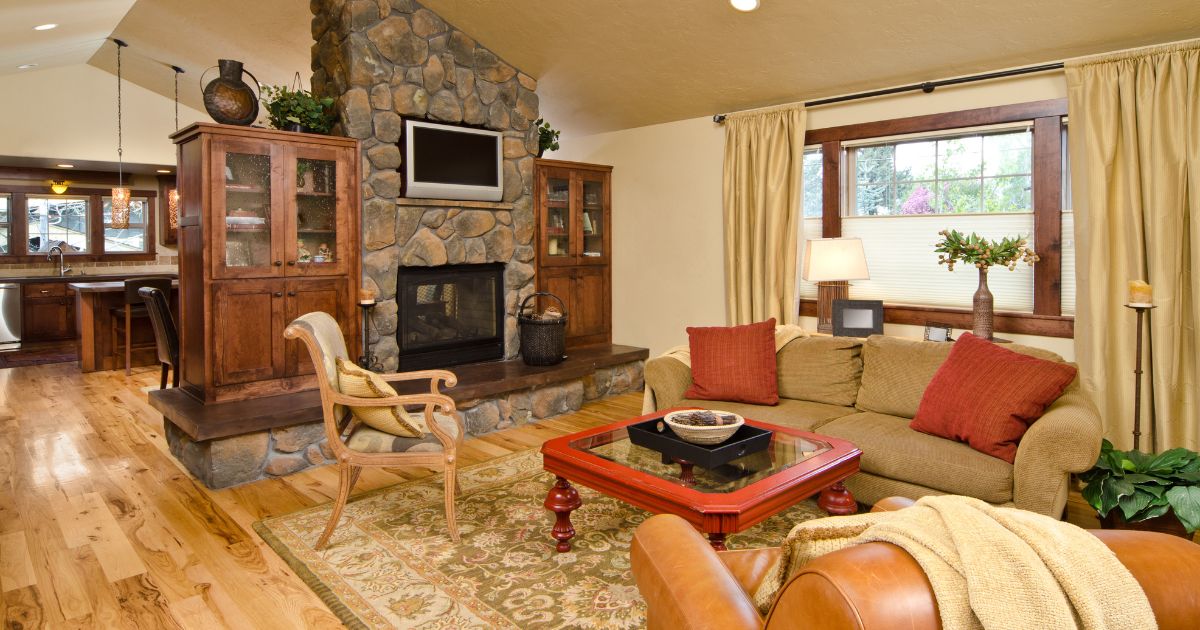
A ledgestone fireplace adds warmth and sophistication to any living space. Whether you prefer a rustic, cabin-style look with rugged stones or a modern, sleek design, ledgestone makes an excellent fireplace surround. Pair it with wood mantels, built-in shelves, or metal accents for a balanced aesthetic.
Ledgestone Backsplash Kitchen
Upgrade your kitchen backsplash with ledgestone to create a stunning, textured contrast to smooth countertops. This backsplash option works well with farmhouse, rustic, or industrial-style kitchens. Opt for sealed, easy-to-clean stone to maintain its beauty with minimal upkeep.
Ledgestone Wall Cladding
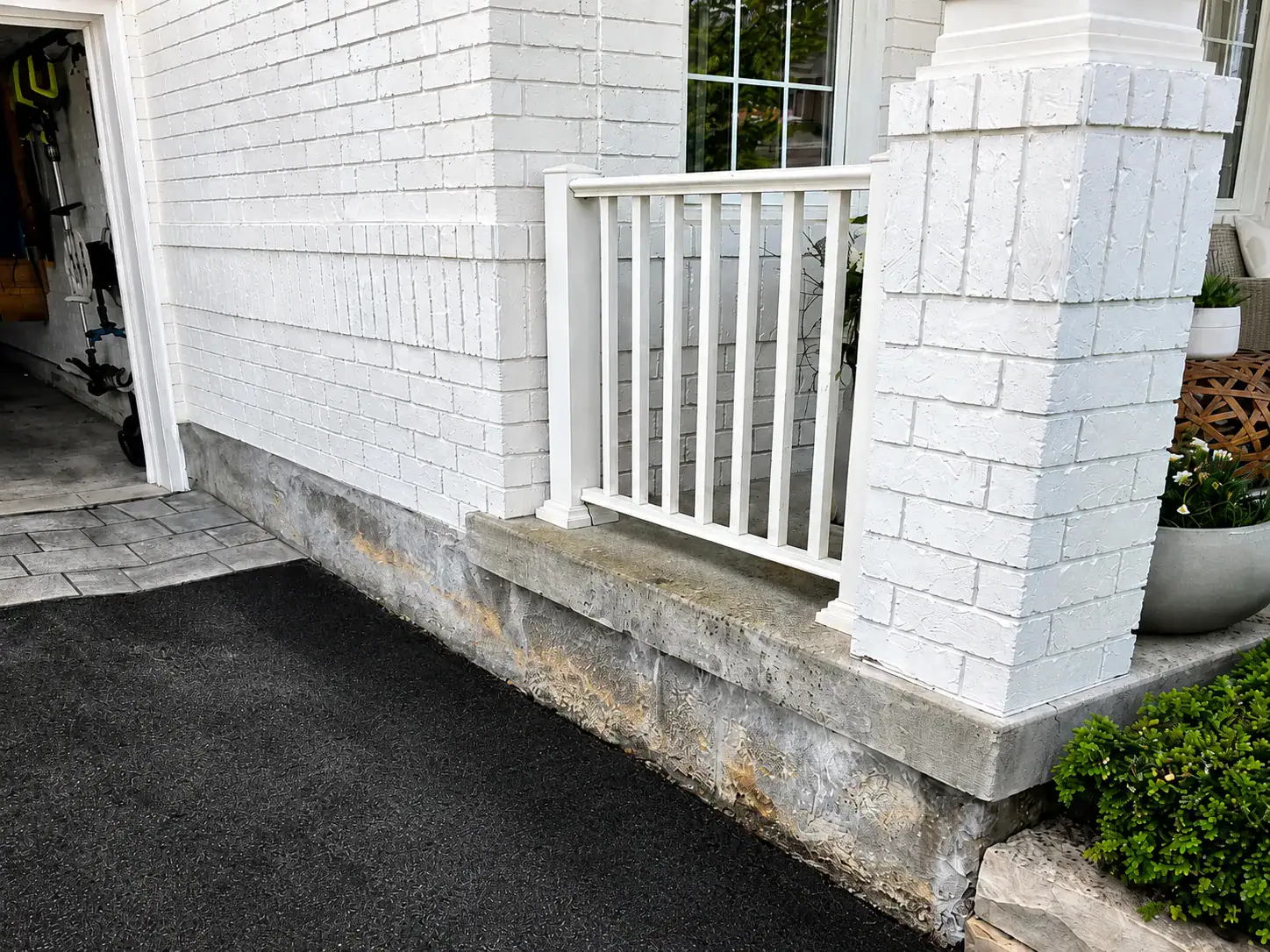
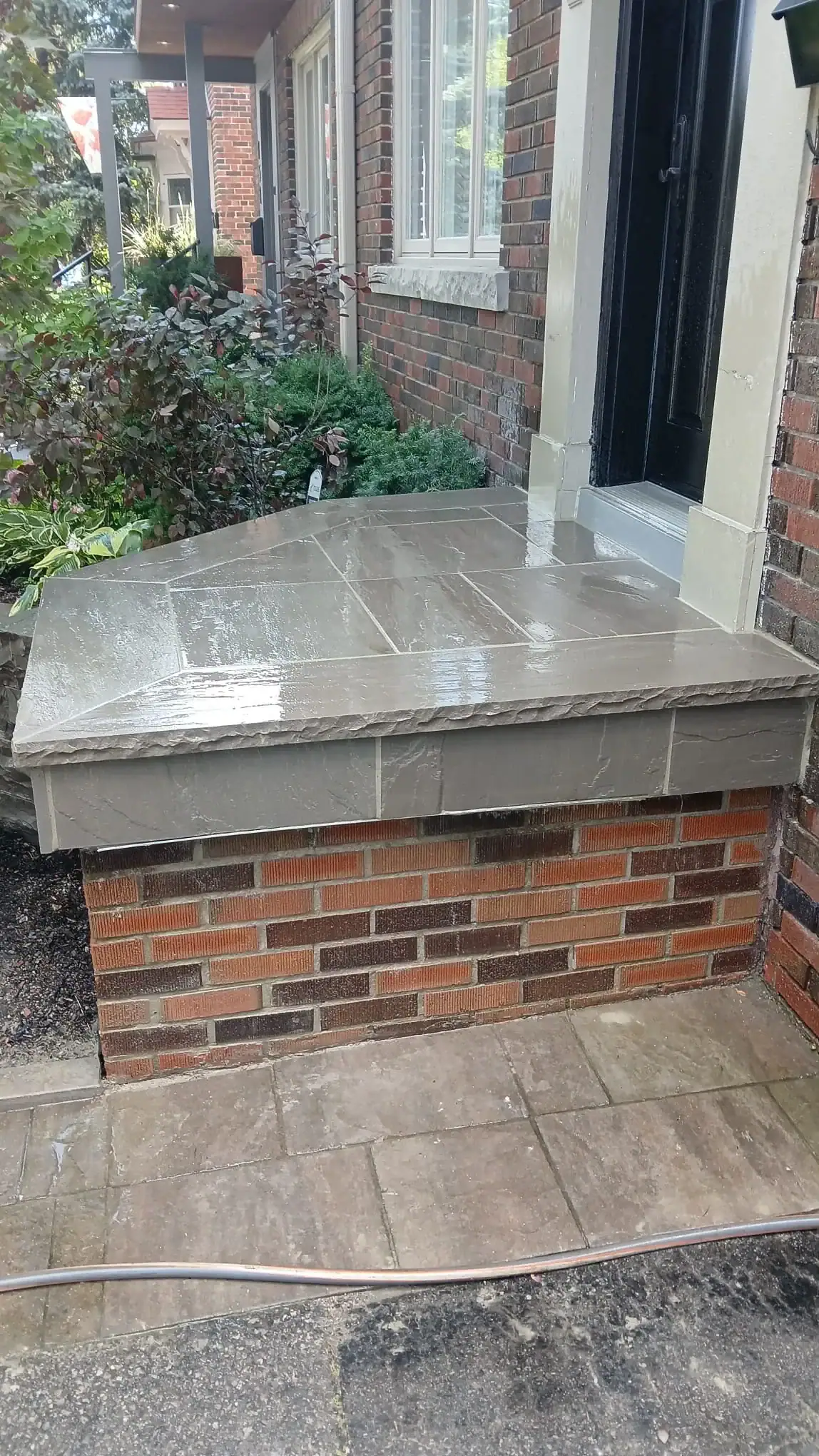
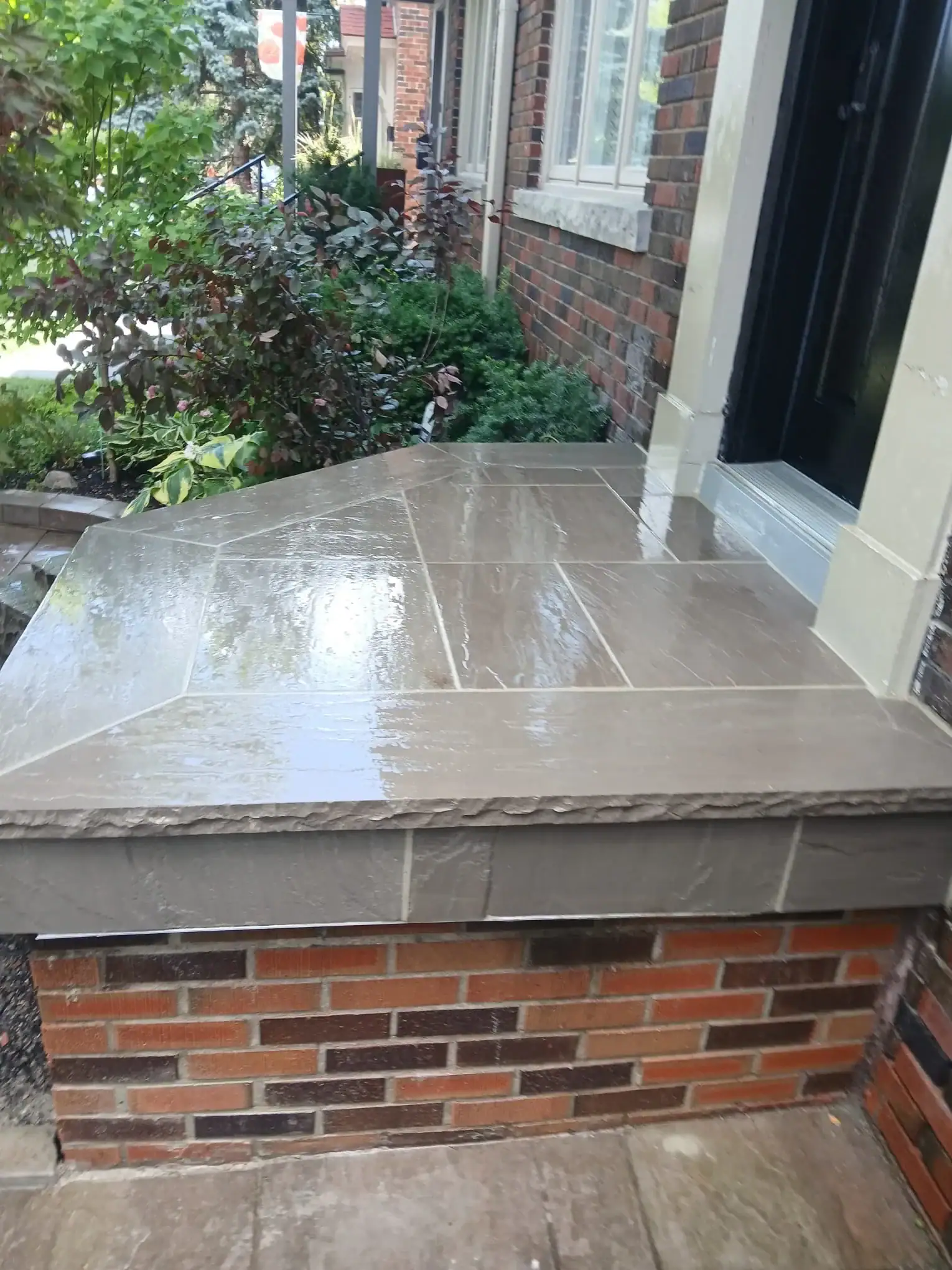
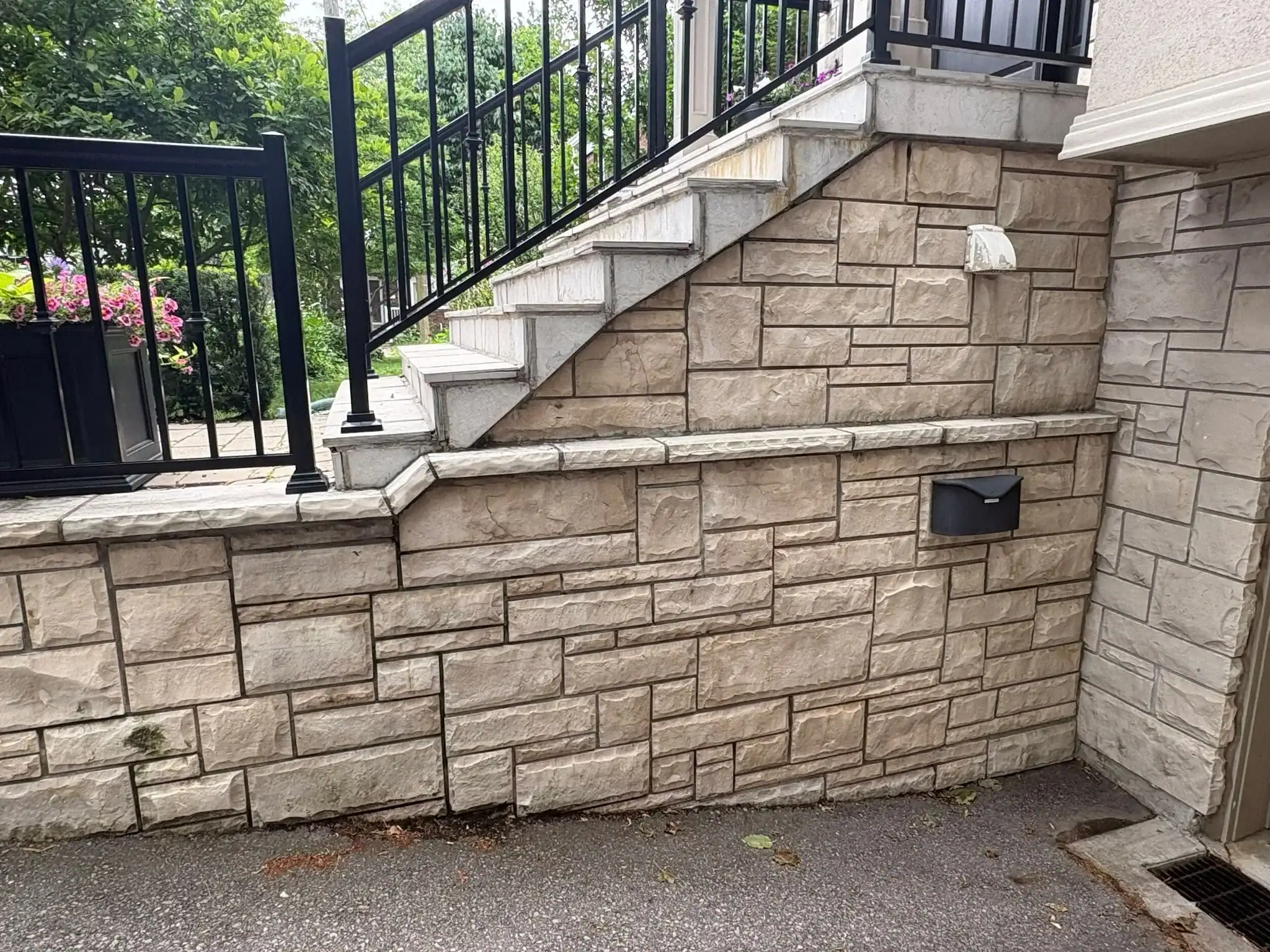
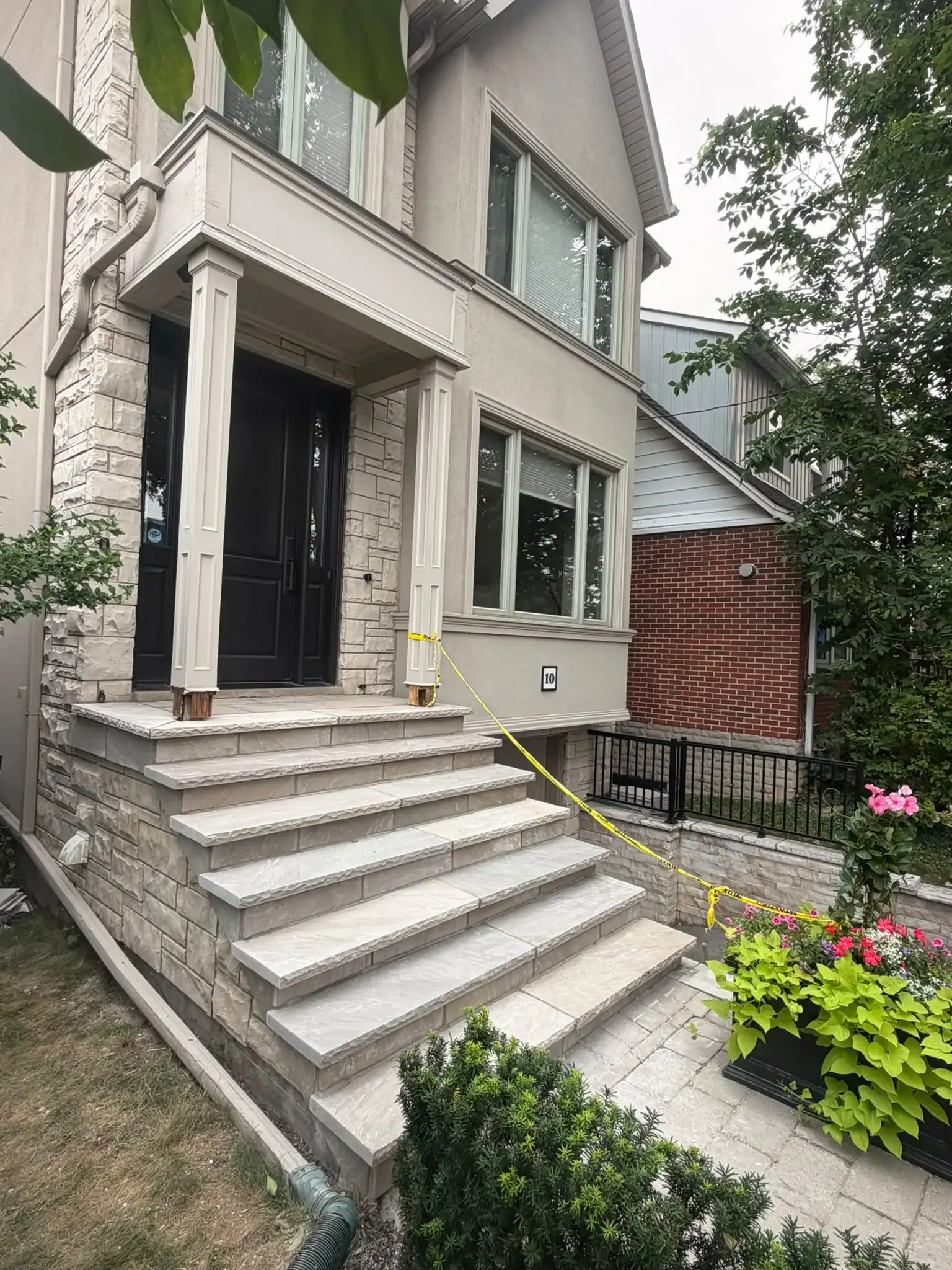
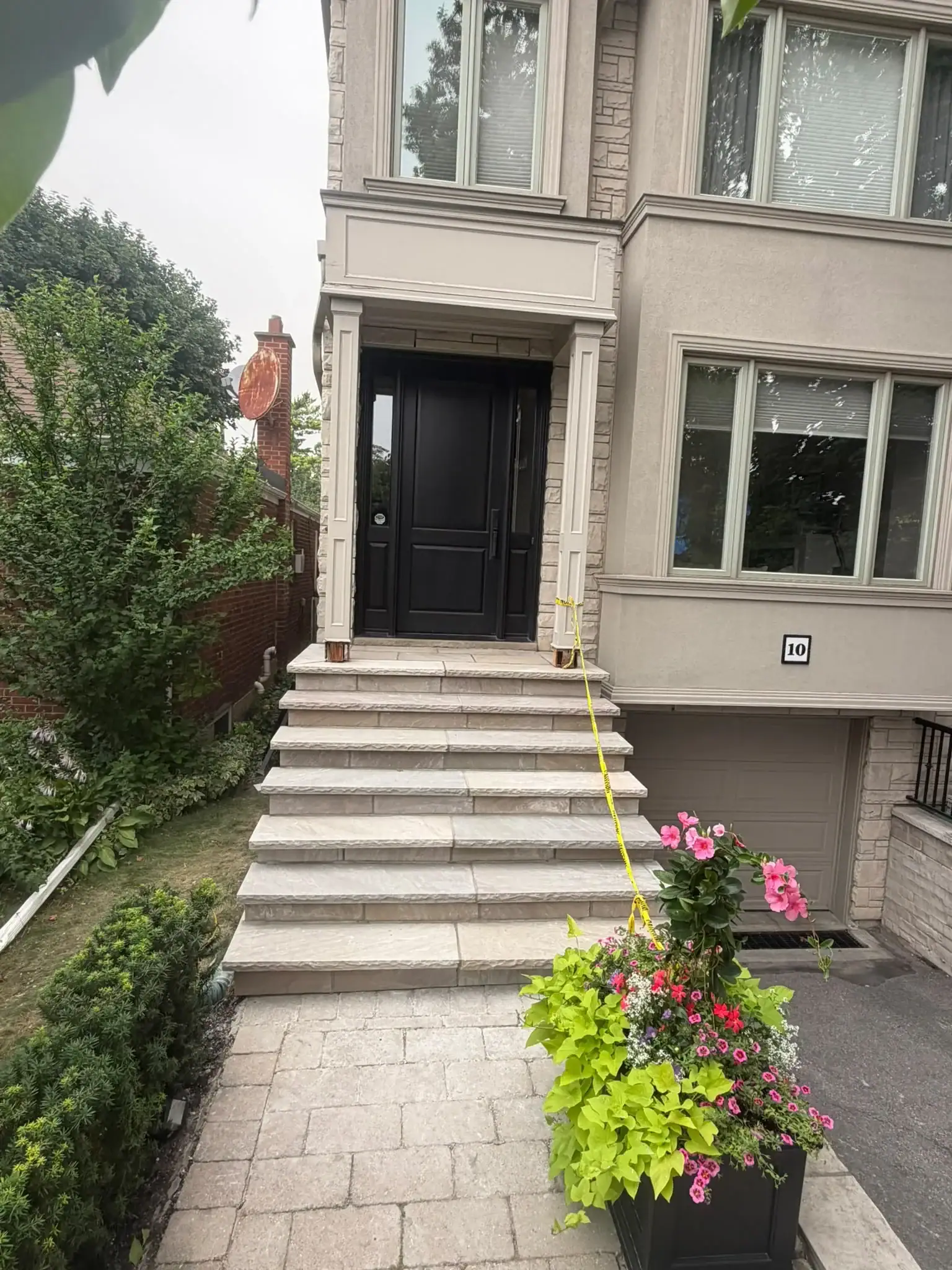
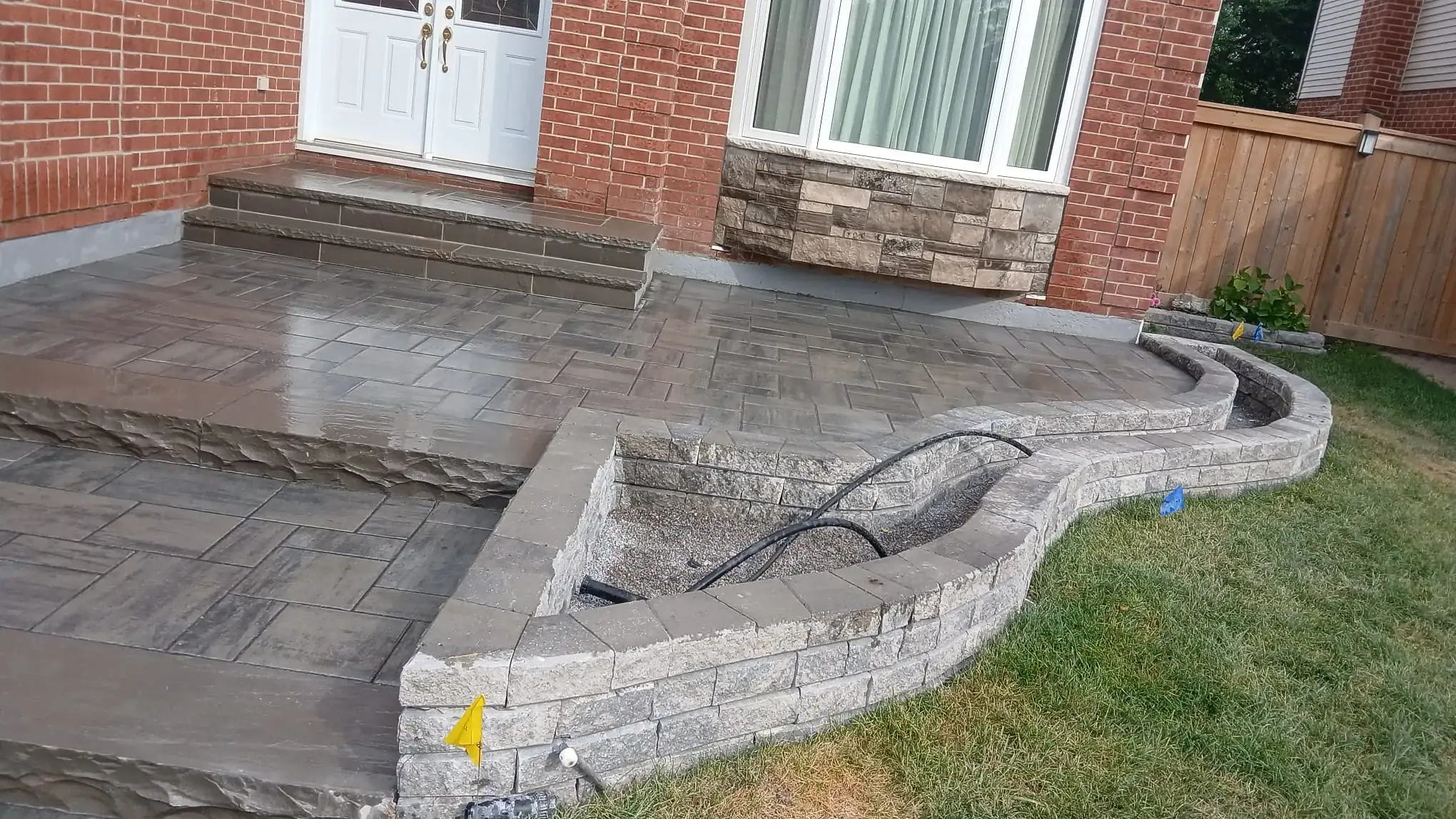
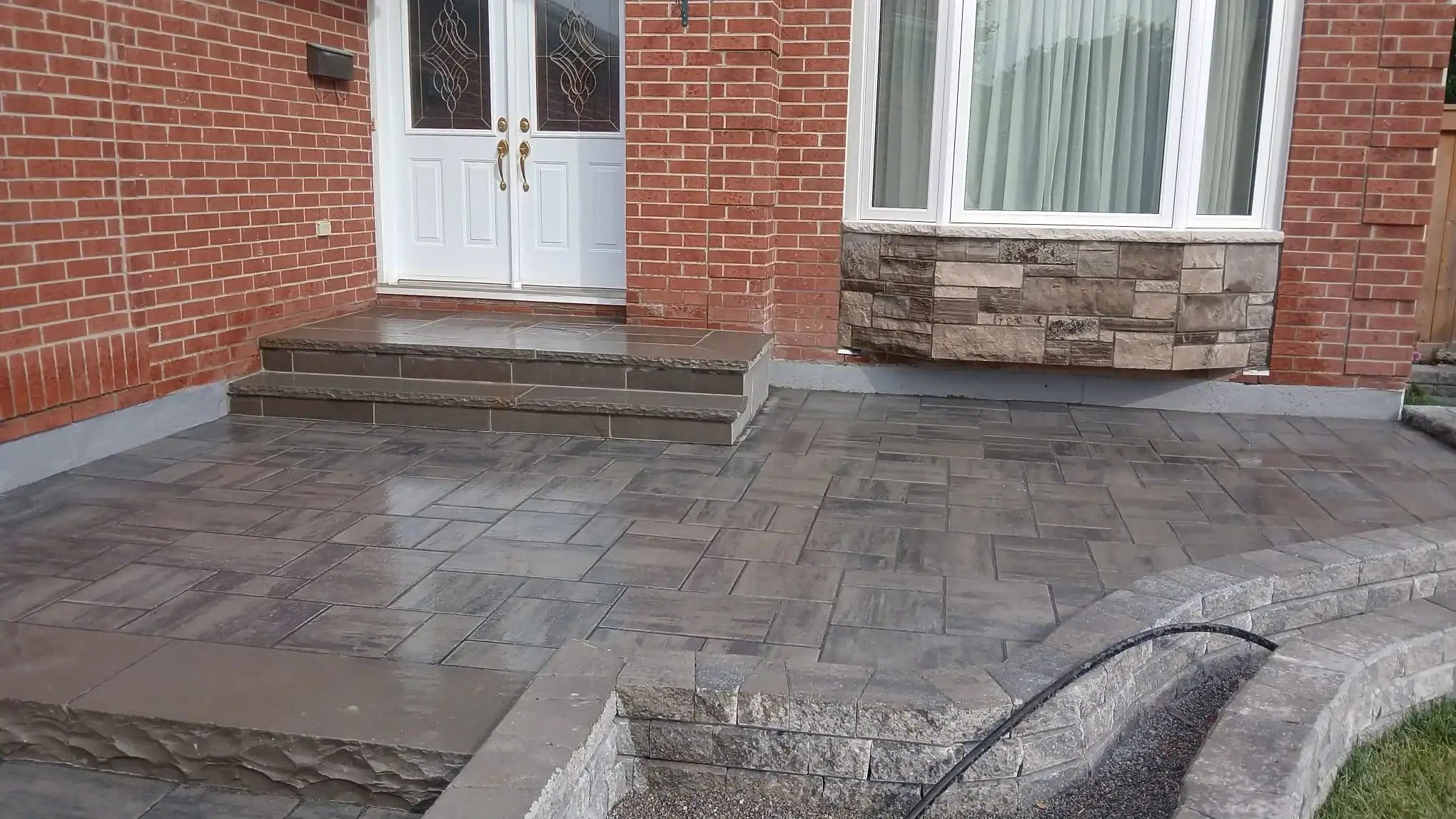
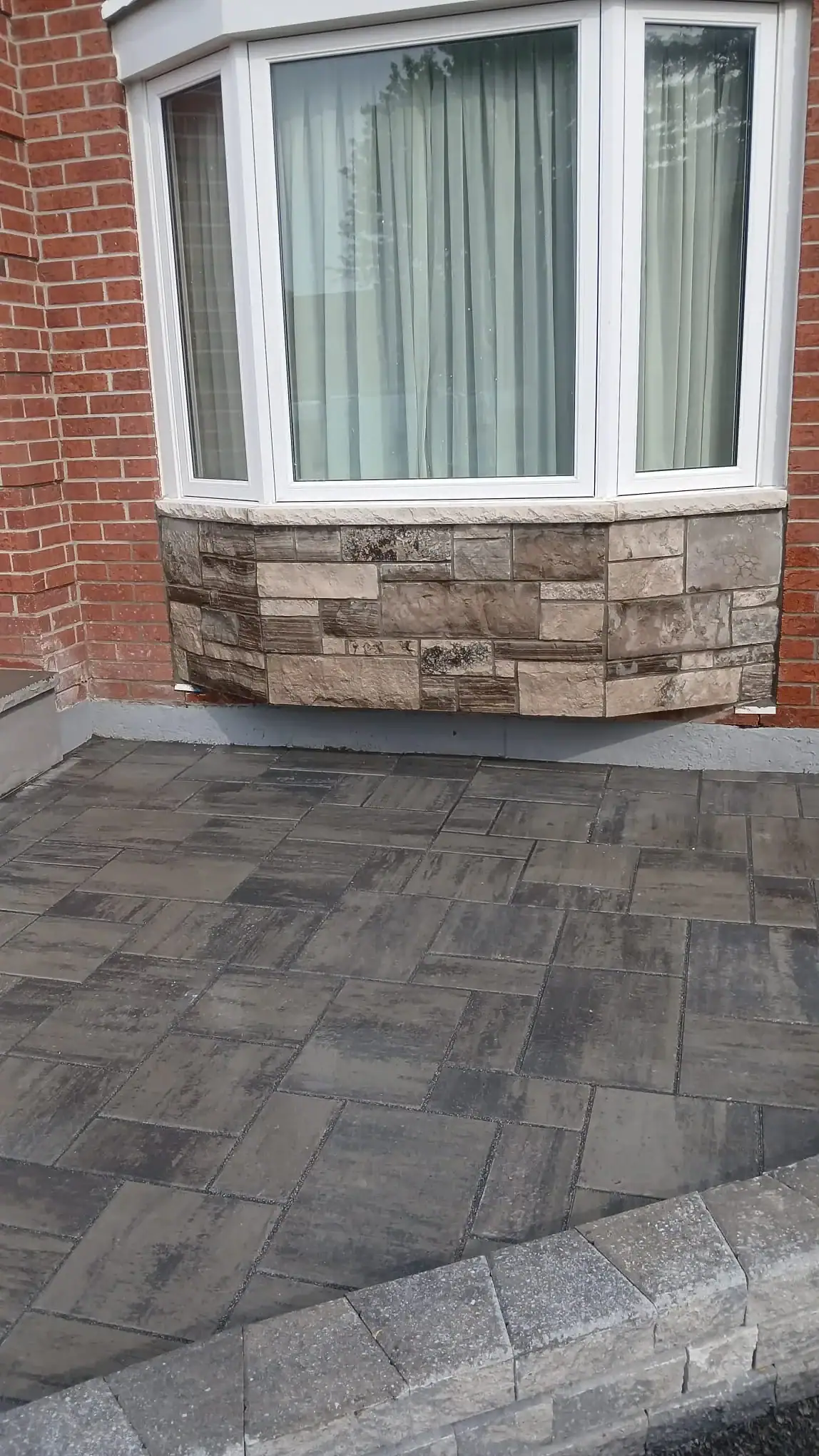
Ledgestone wall cladding enhances curb appeal by adding natural texture and depth to your home’s façade. Whether applied to entire walls, columns, or entryway accents, ledgestone provides a luxurious yet durable finish. It is weather-resistant and long-lasting, making it perfect for outdoor applications.
Ledgestone Interior Wall Accents
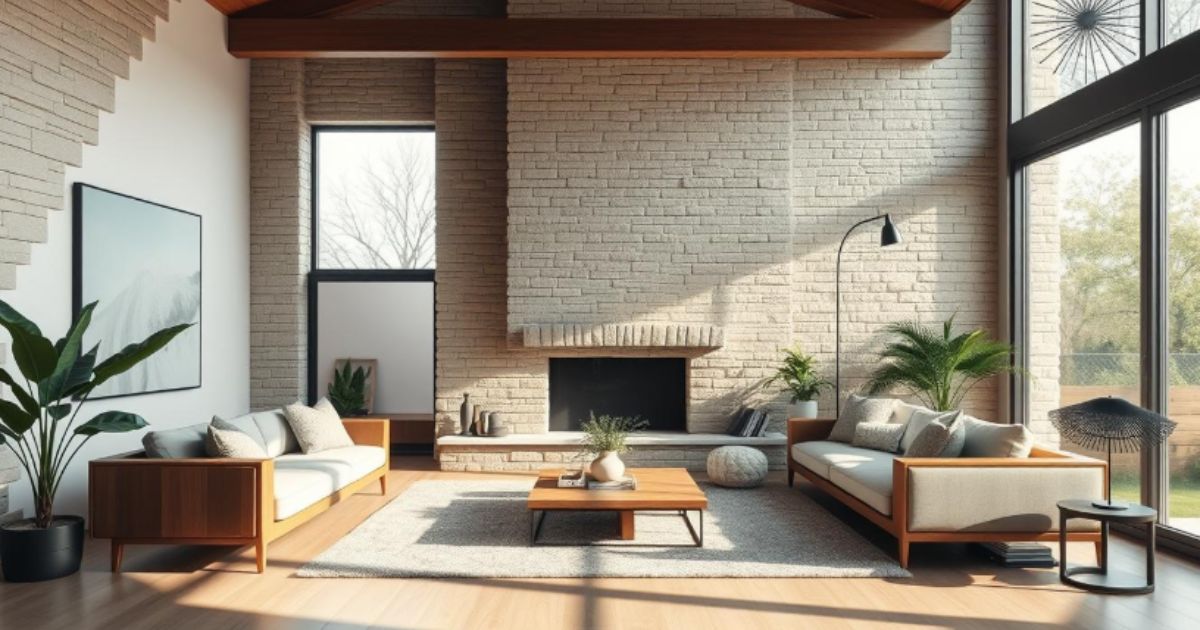
Create a striking interior accent wall in your living room, hallway, or bedroom using ledgestone. A ledgestone feature wall instantly adds character and texture, making it a focal point. Combine it with strategic lighting to highlight the stone’s natural beauty and create a cozy ambiance.
Shower and Bathroom Ledgestone Walls
Transform your bathroom into a spa-like retreat with ledgestone walls in the shower area or around the vanity. Opt for water-resistant stones like slate or quartzite and seal them properly to prevent moisture damage. Ledgestone adds a natural, serene feel to any bathroom space.
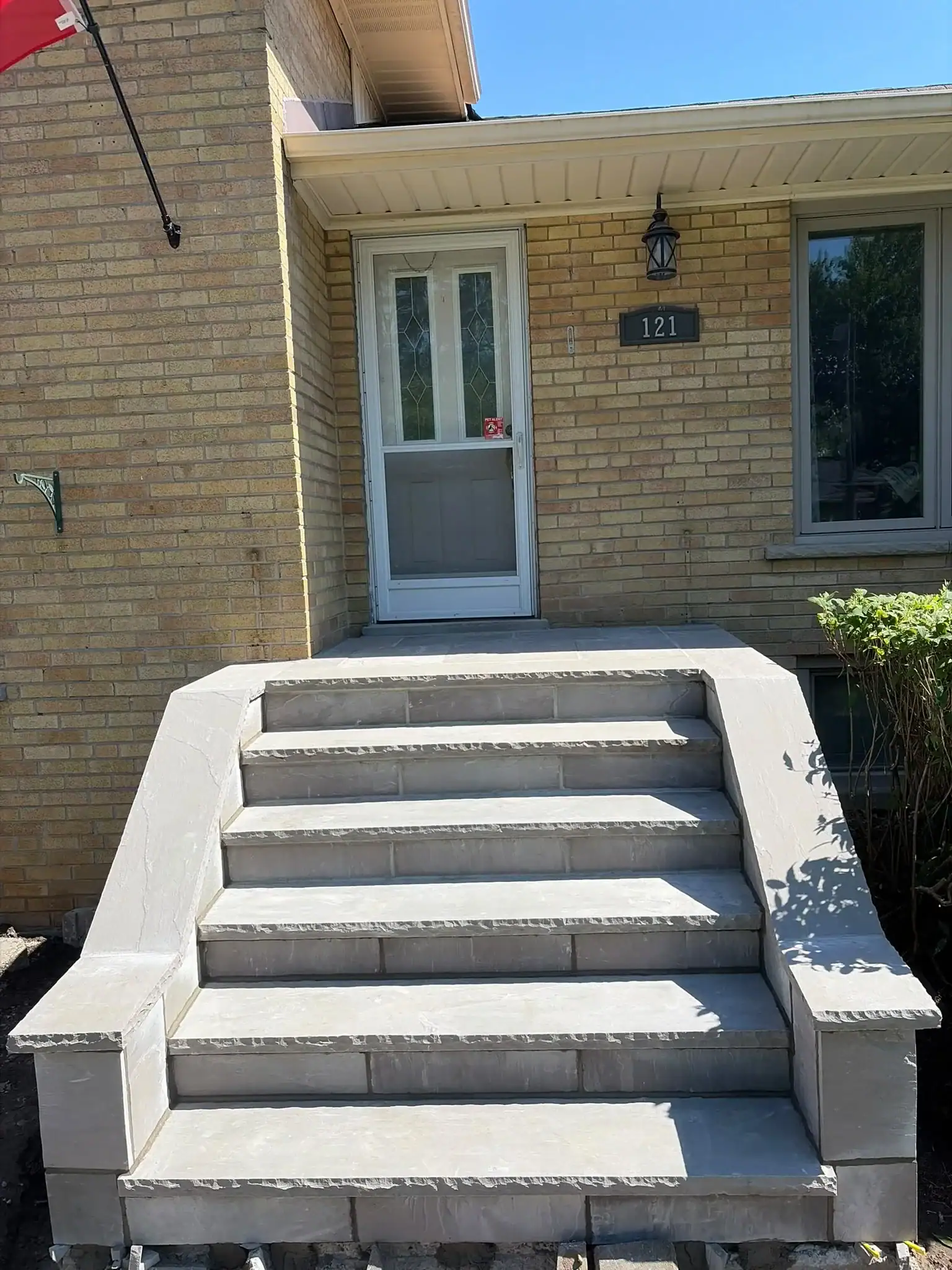
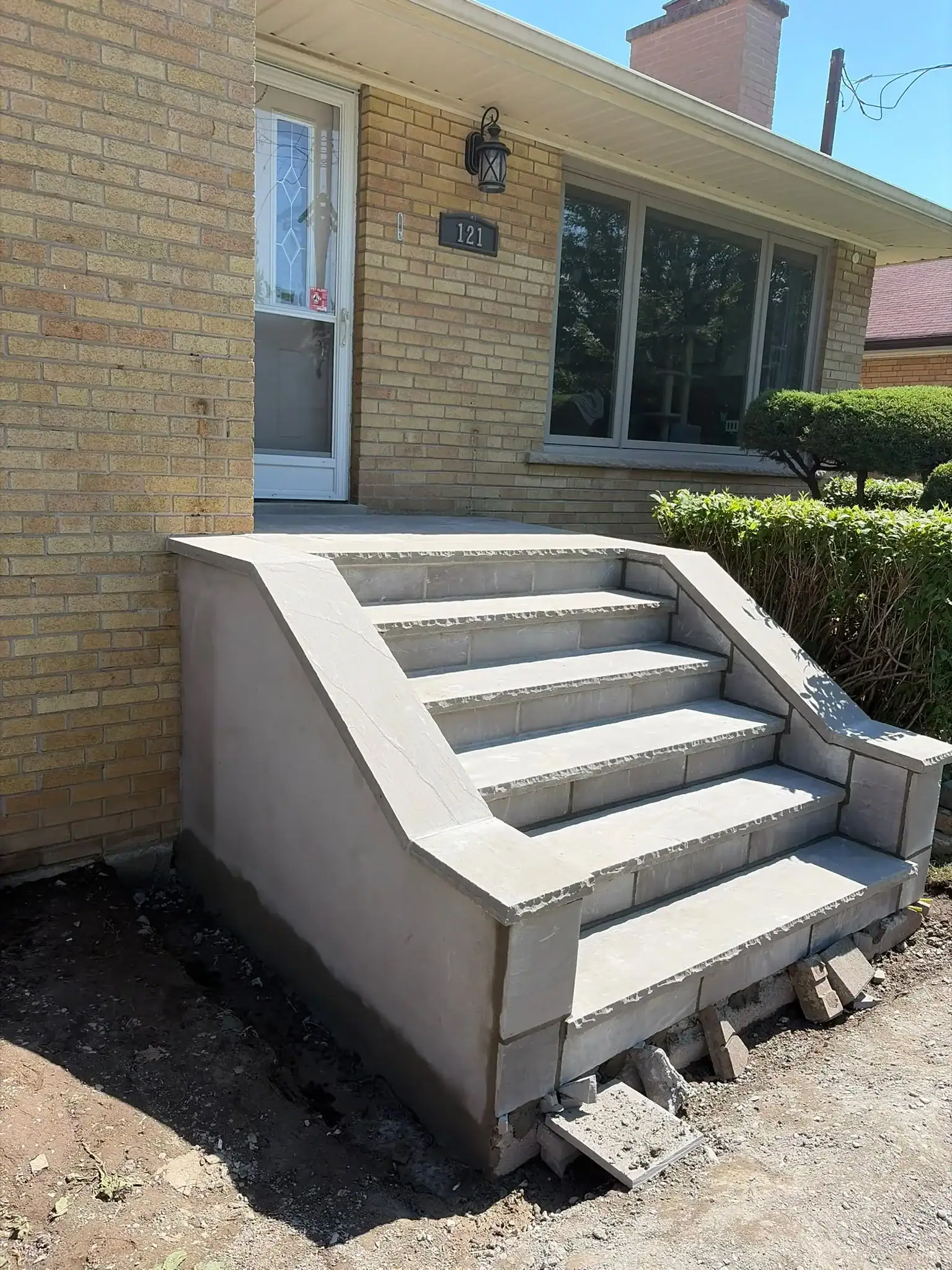
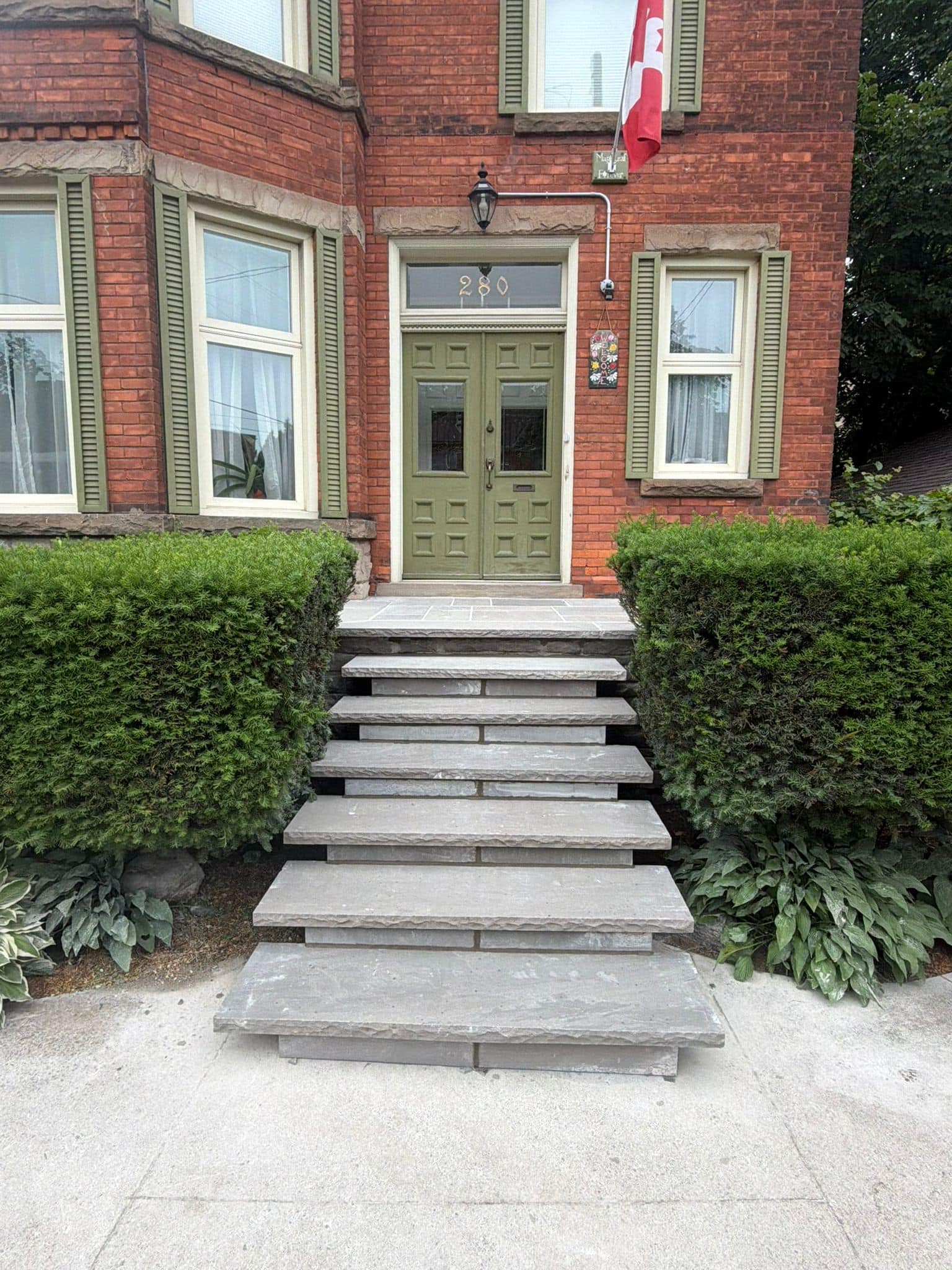
Ledgestone Staircases and Entryways
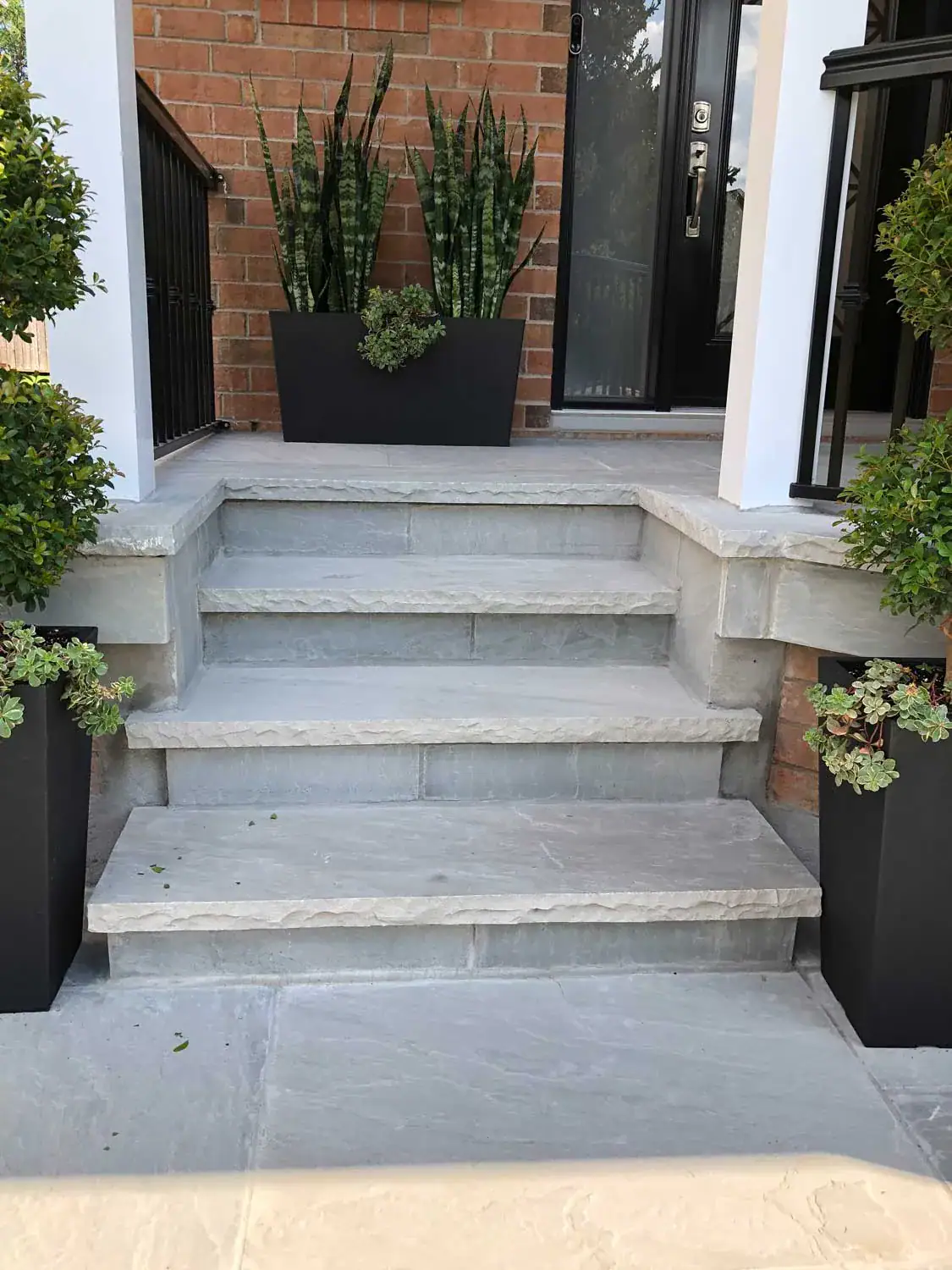
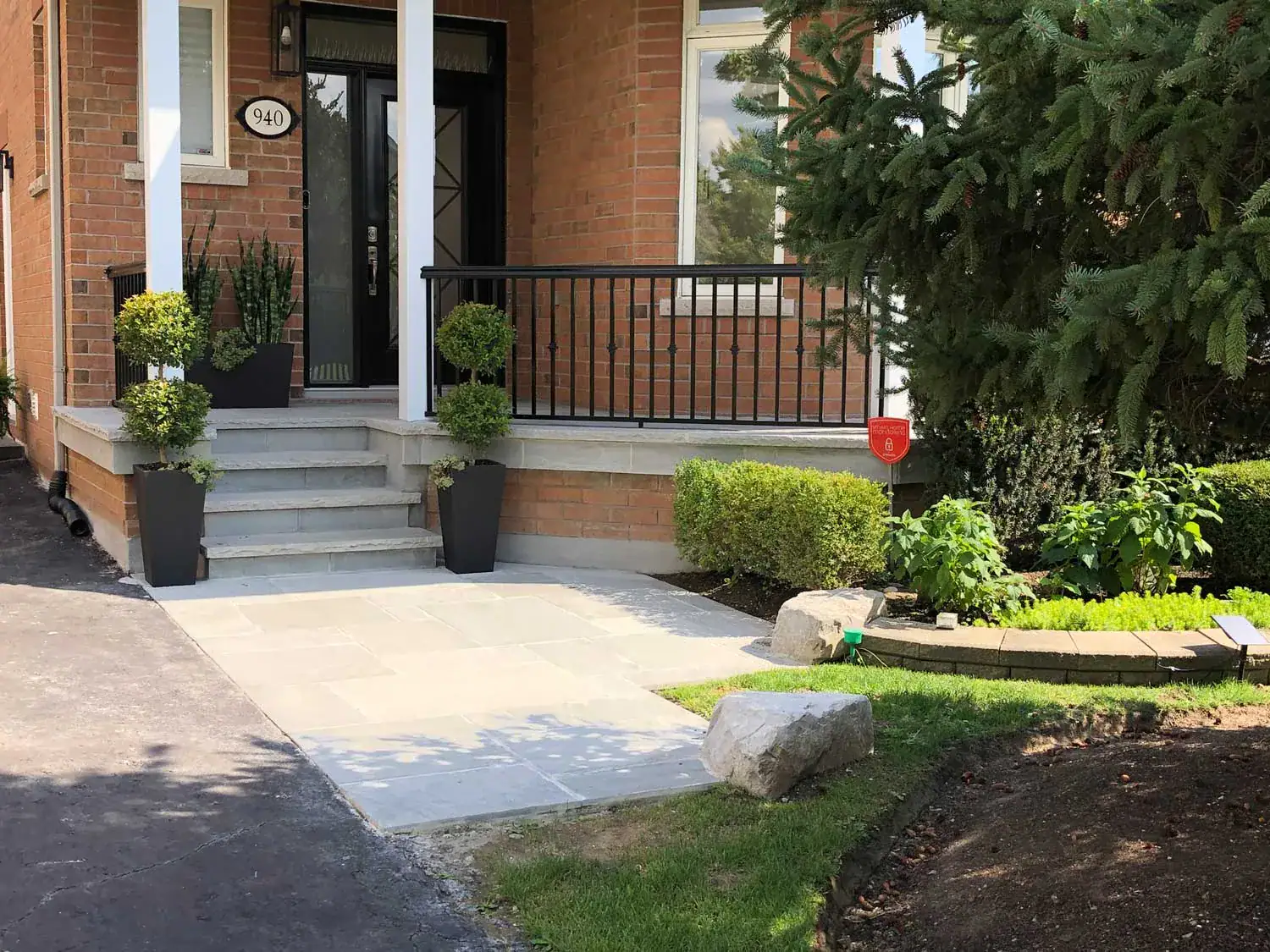
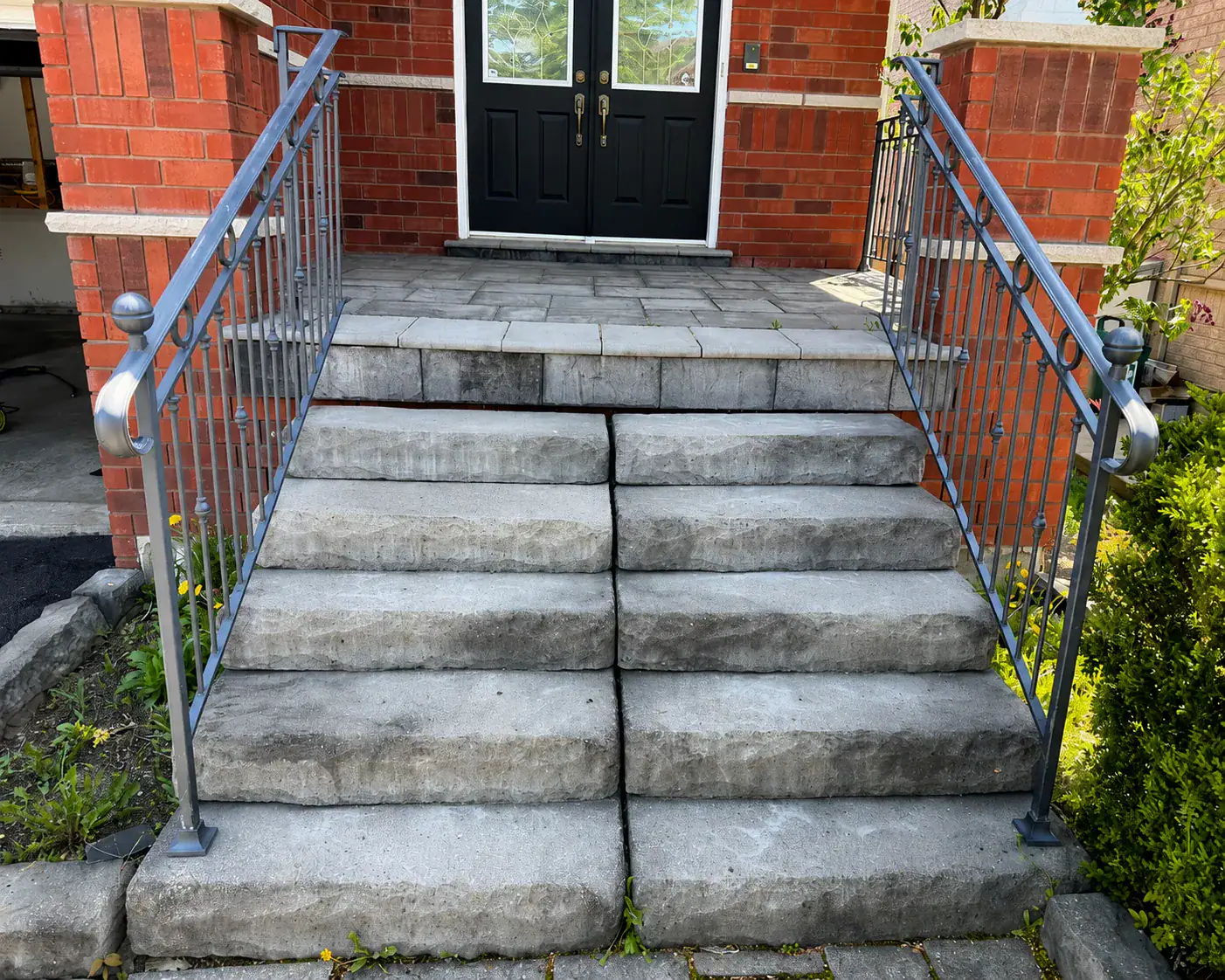
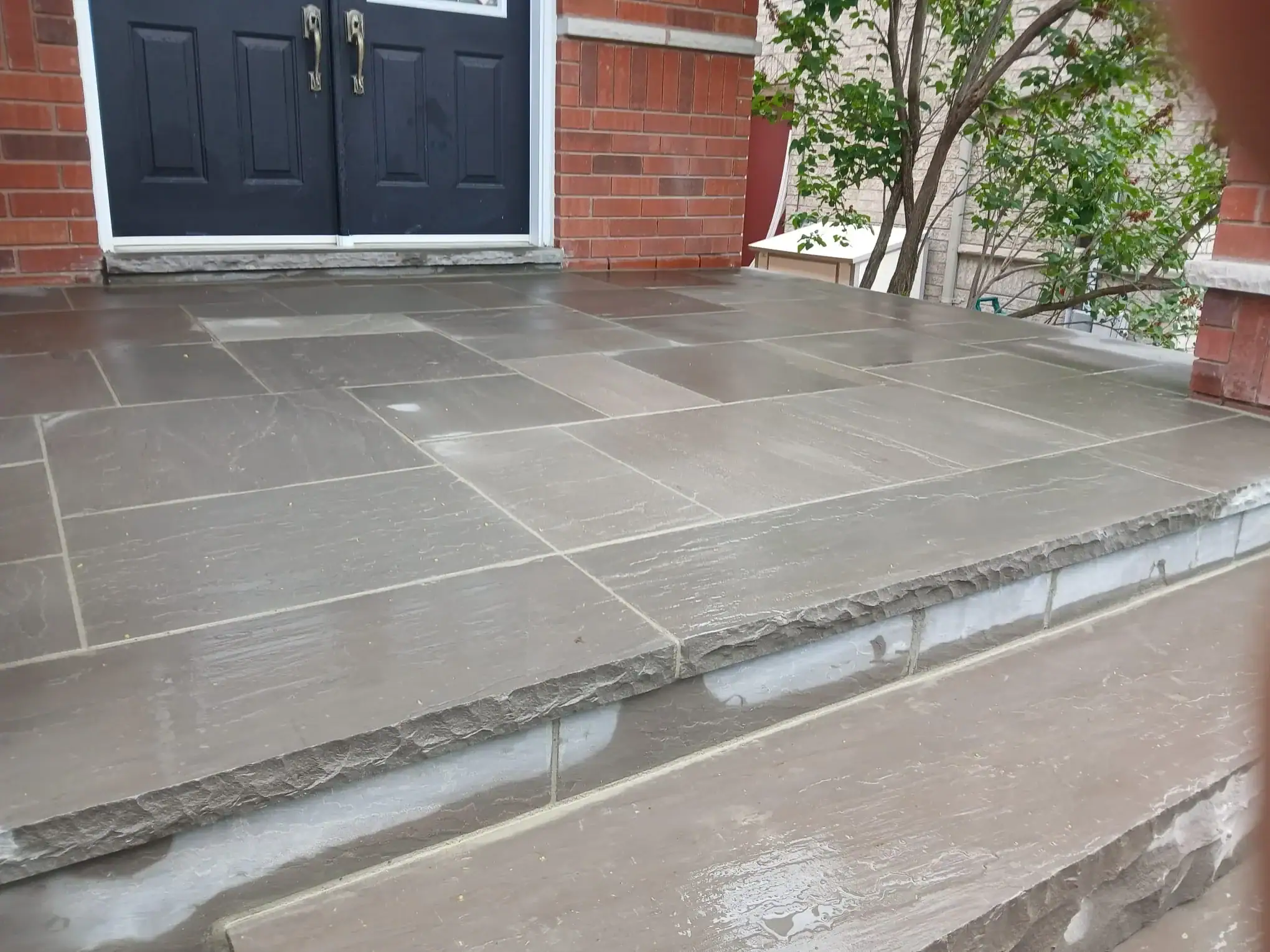
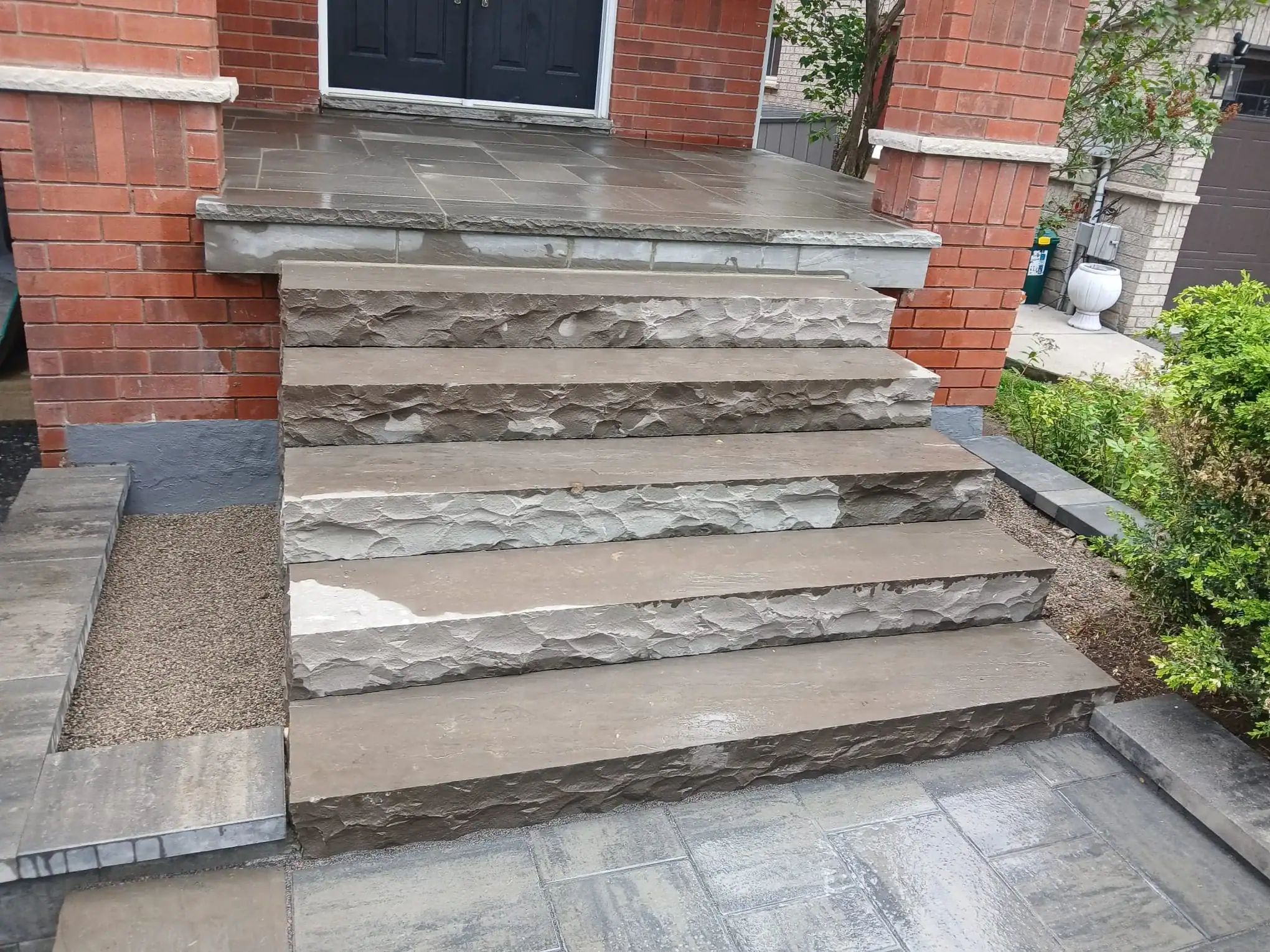
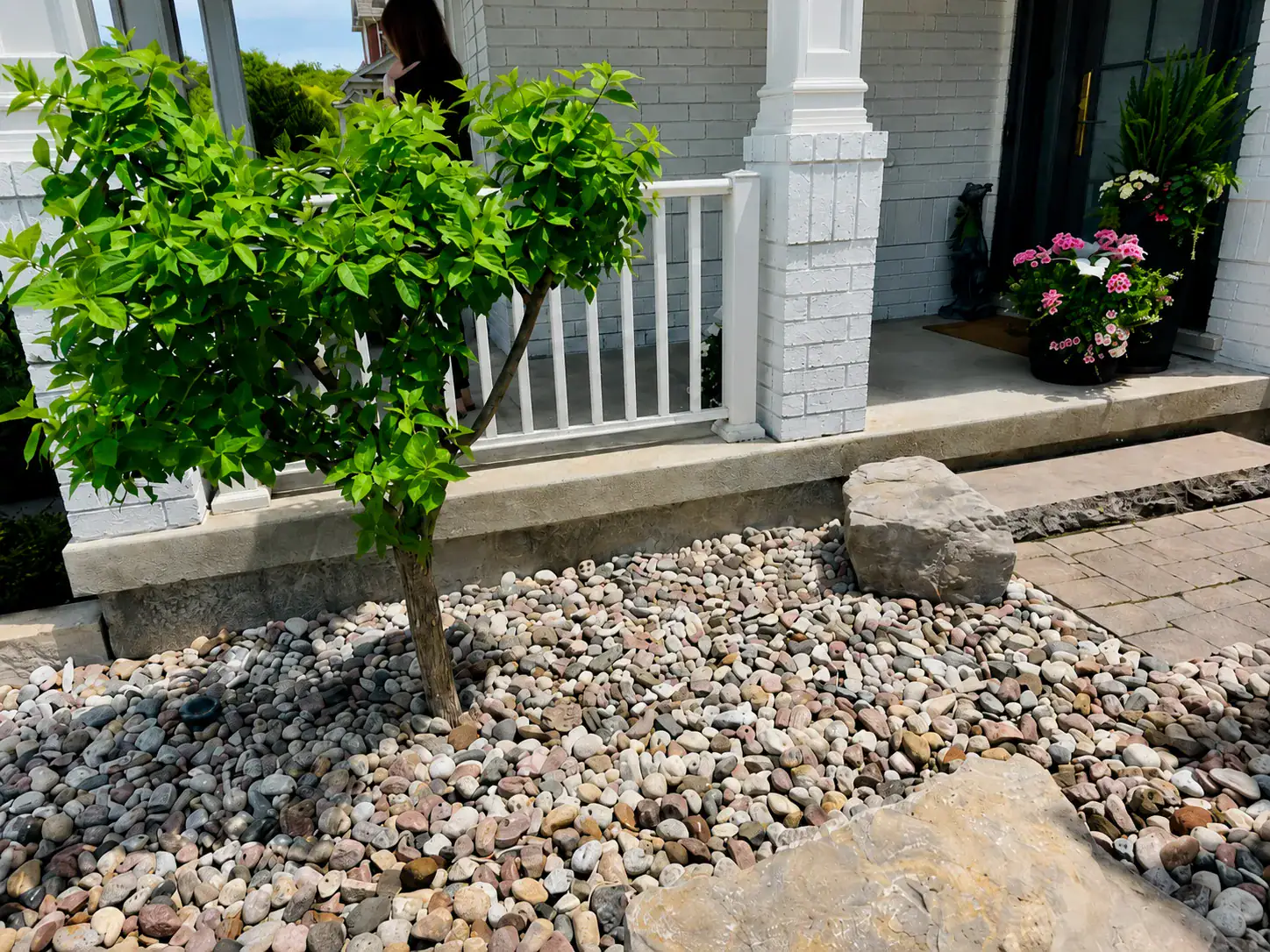
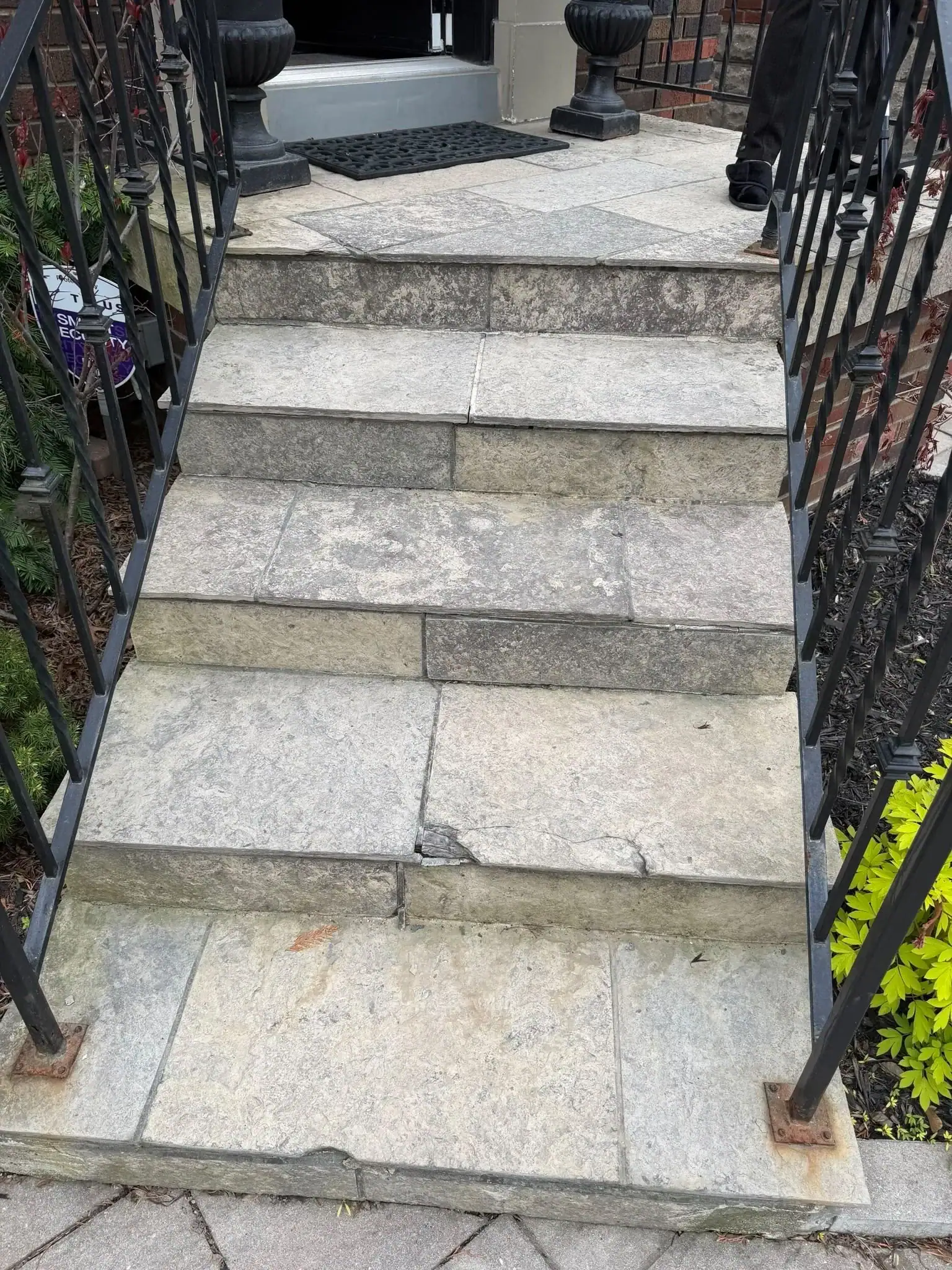
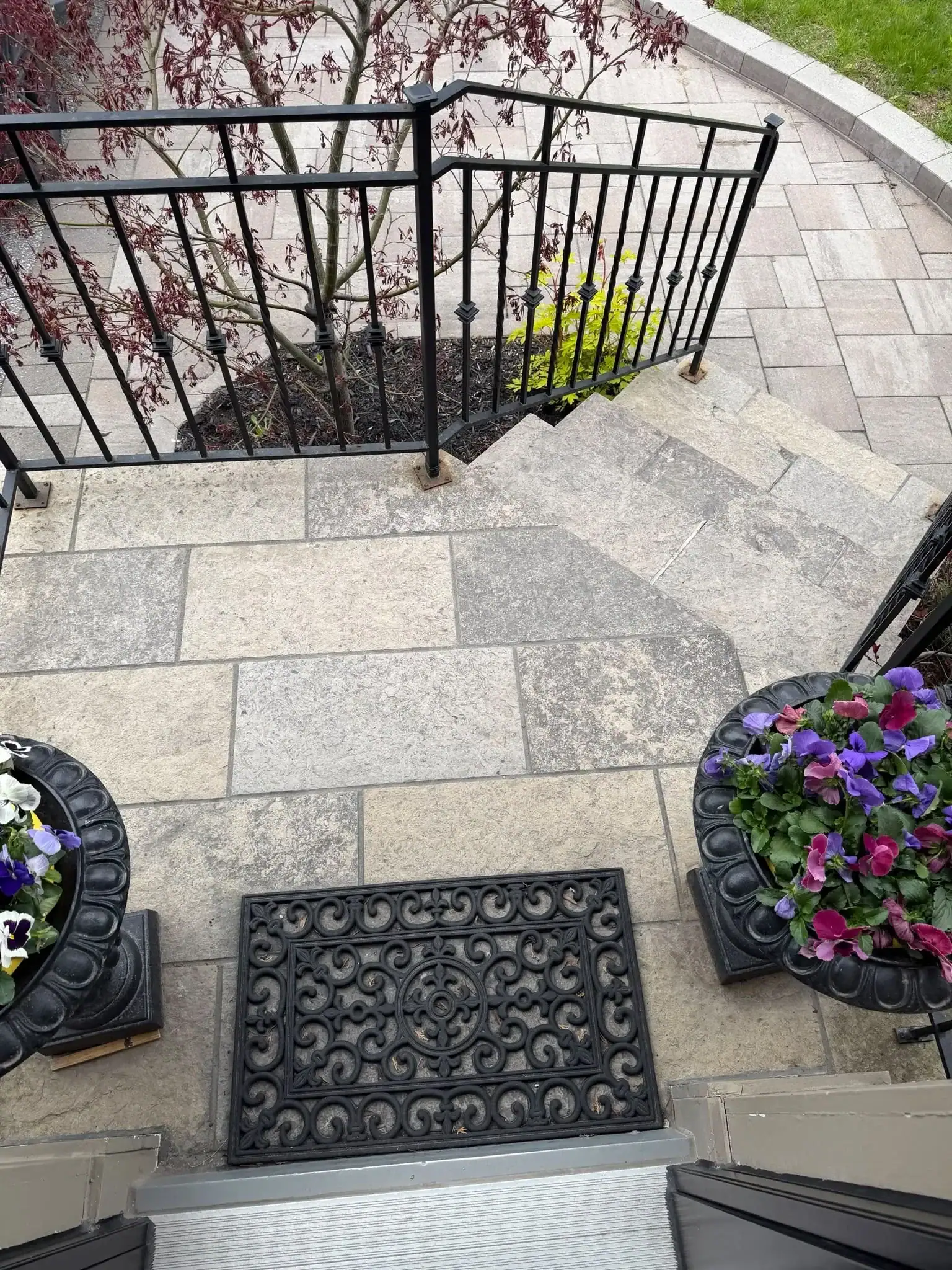
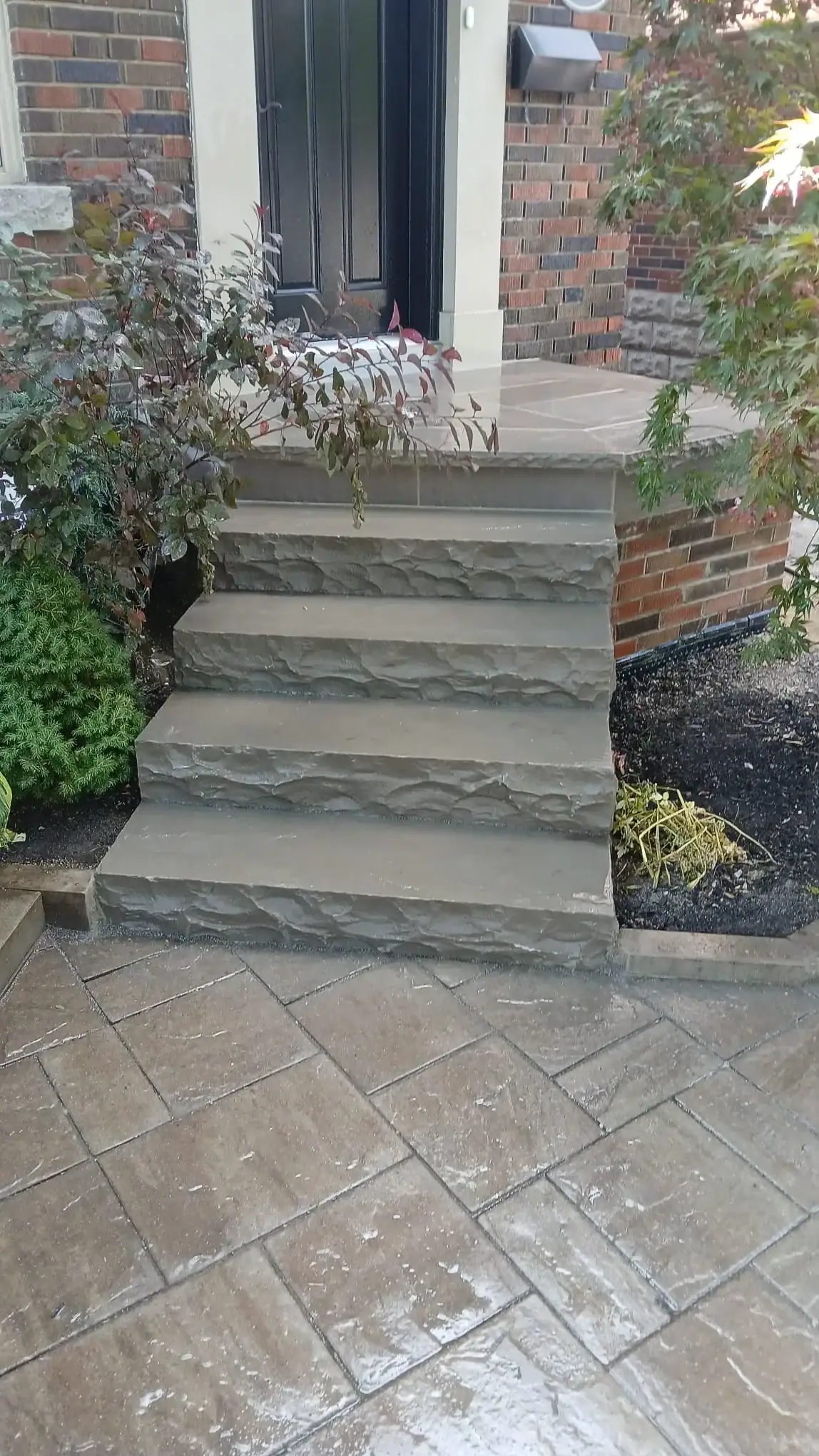
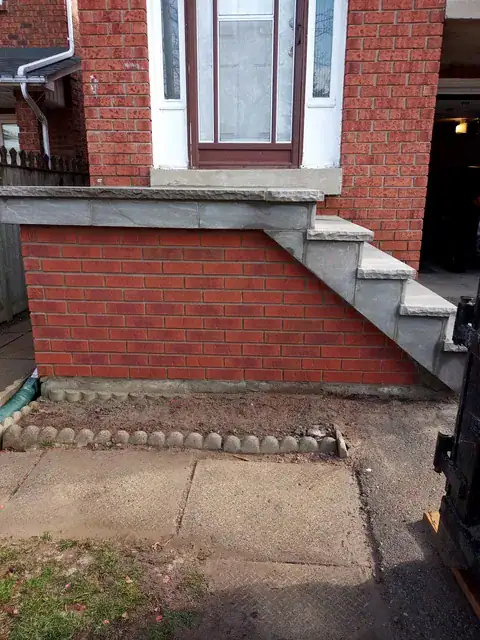
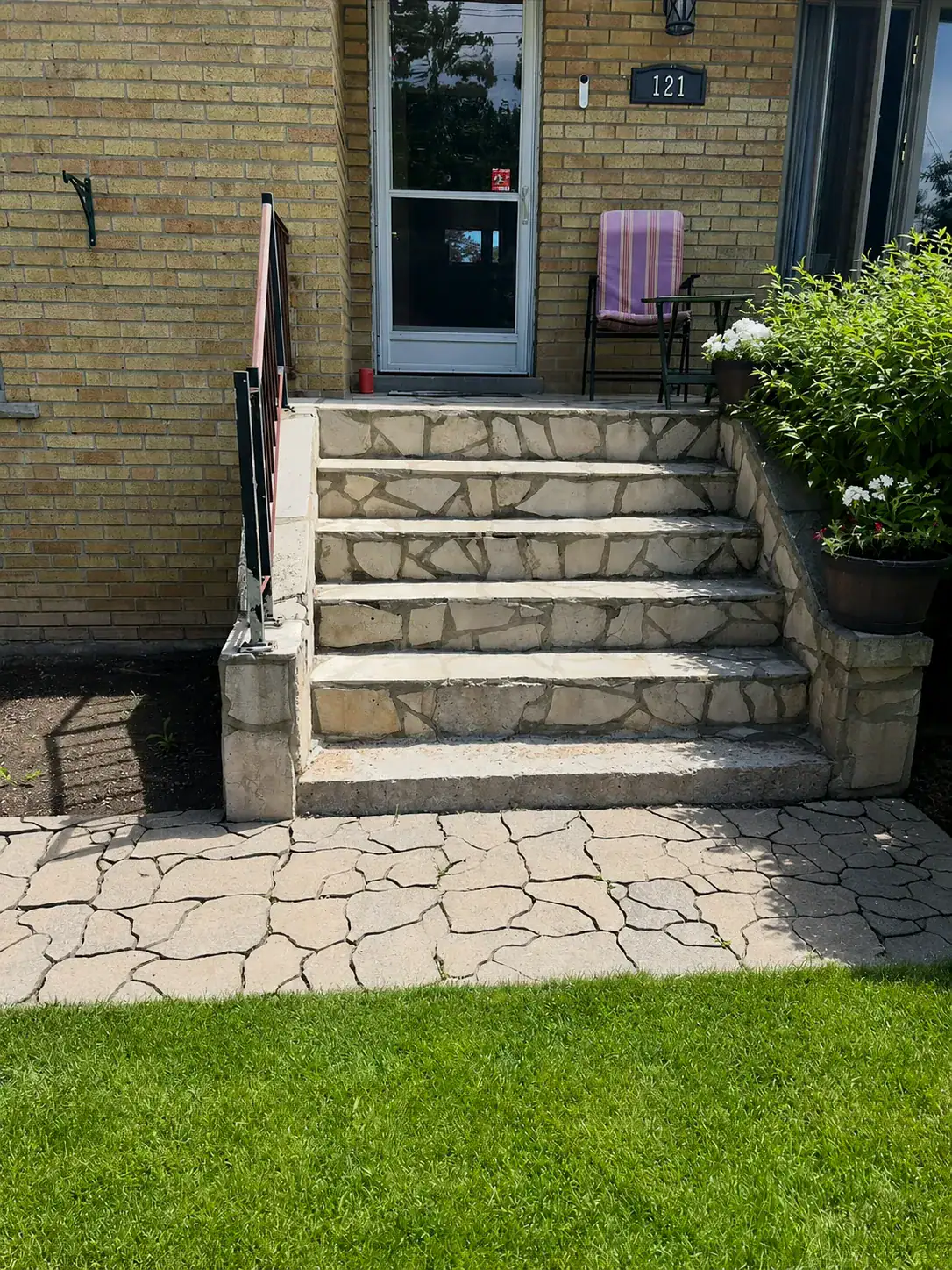
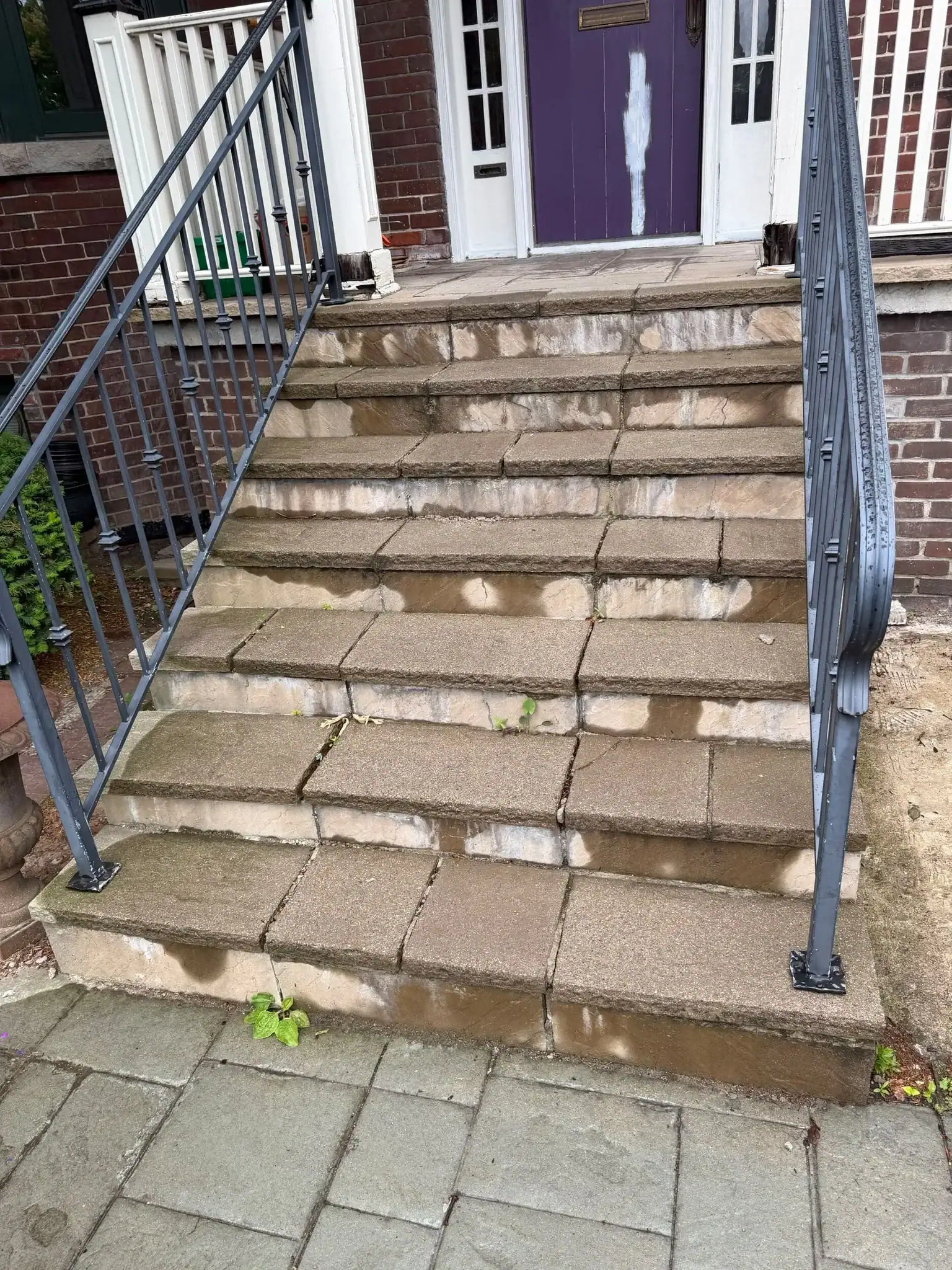
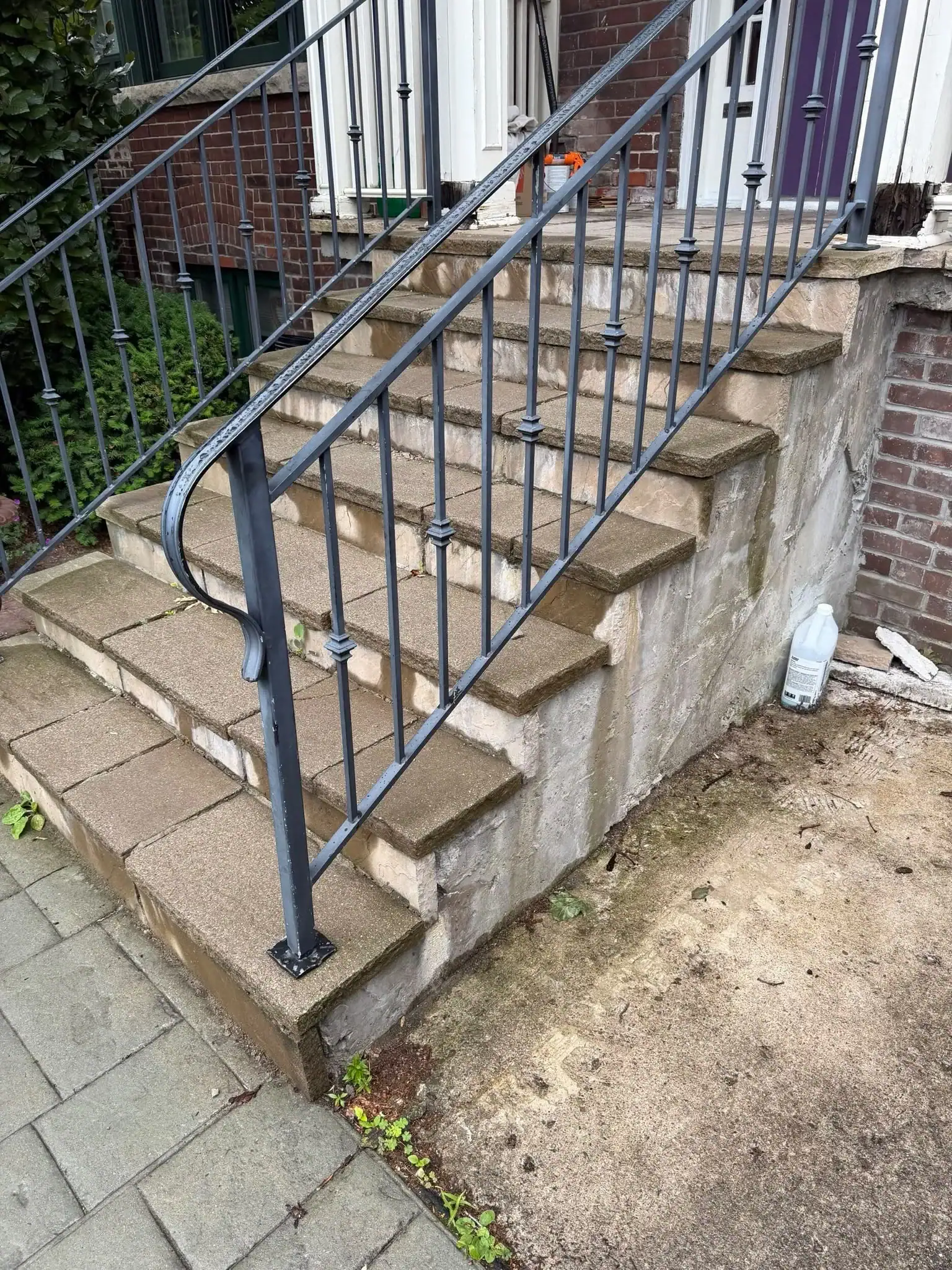
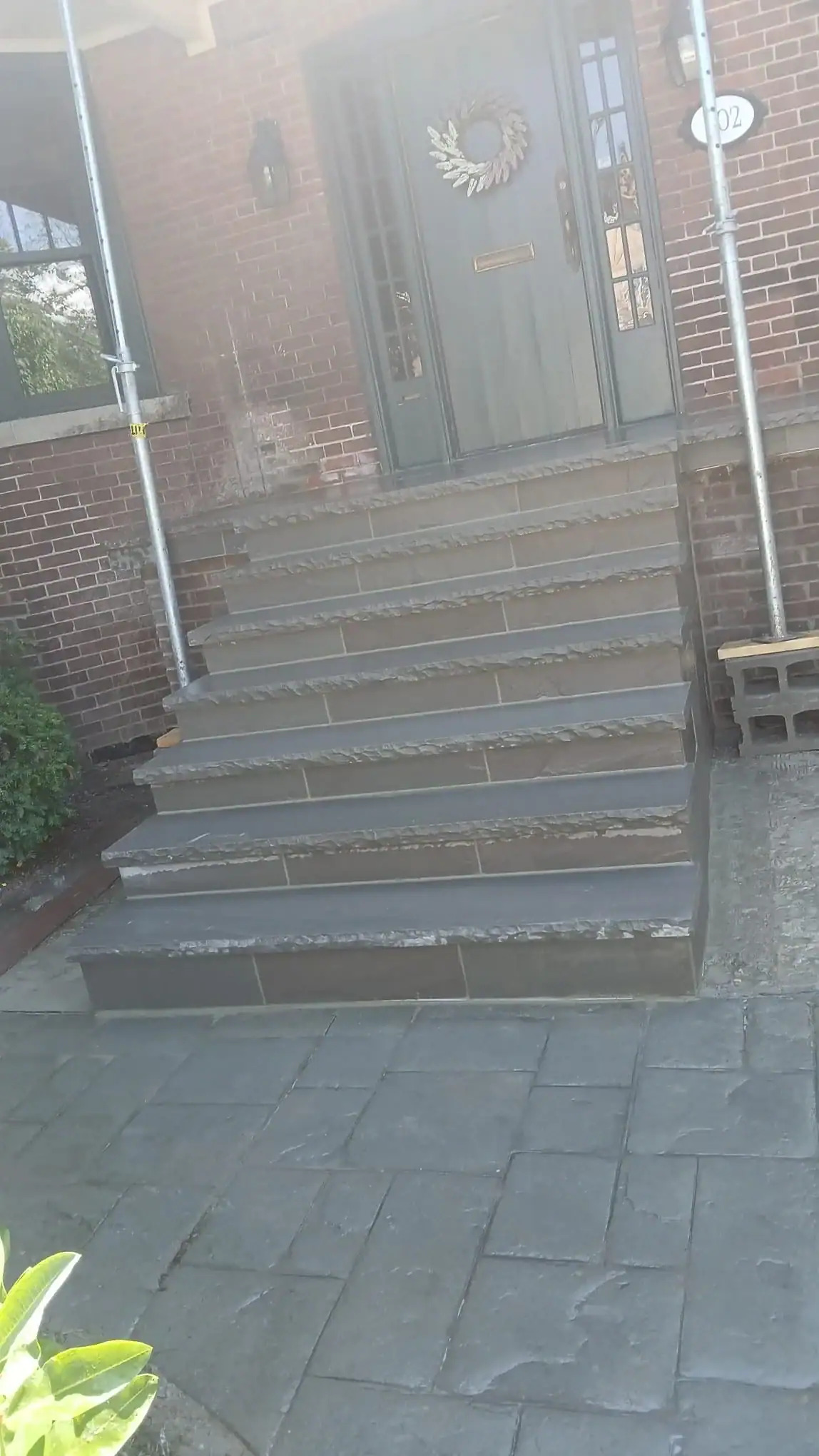
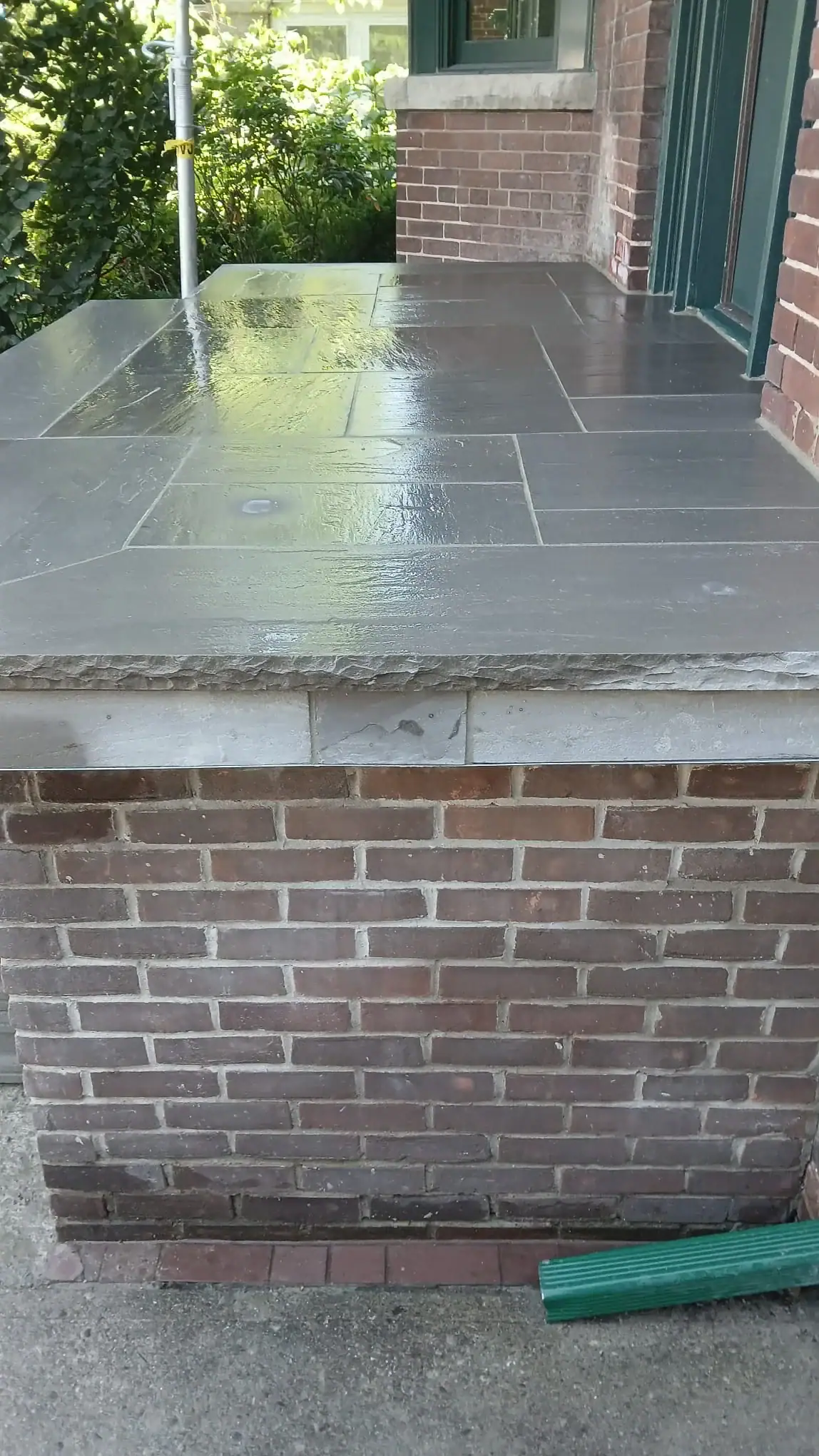
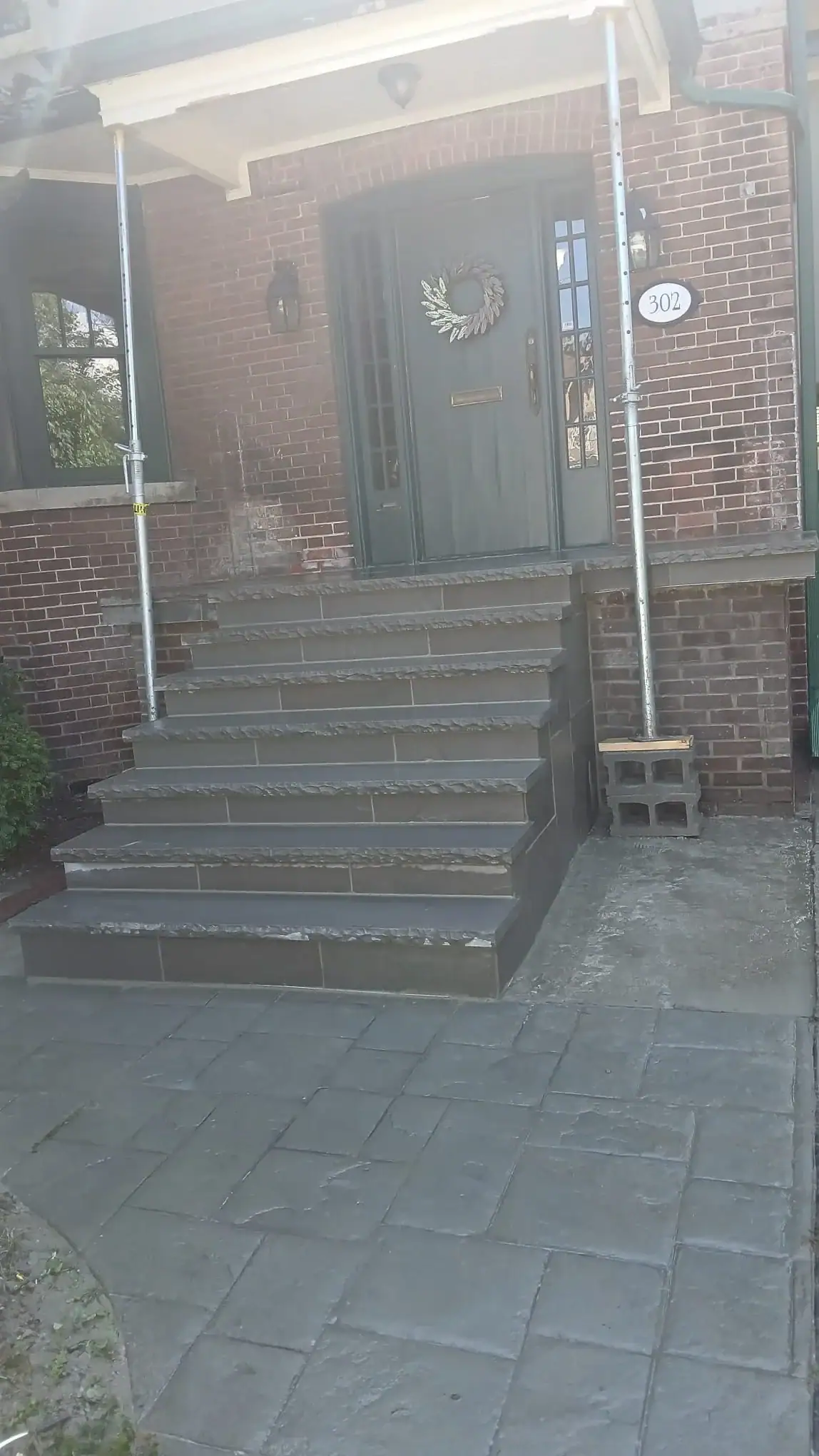
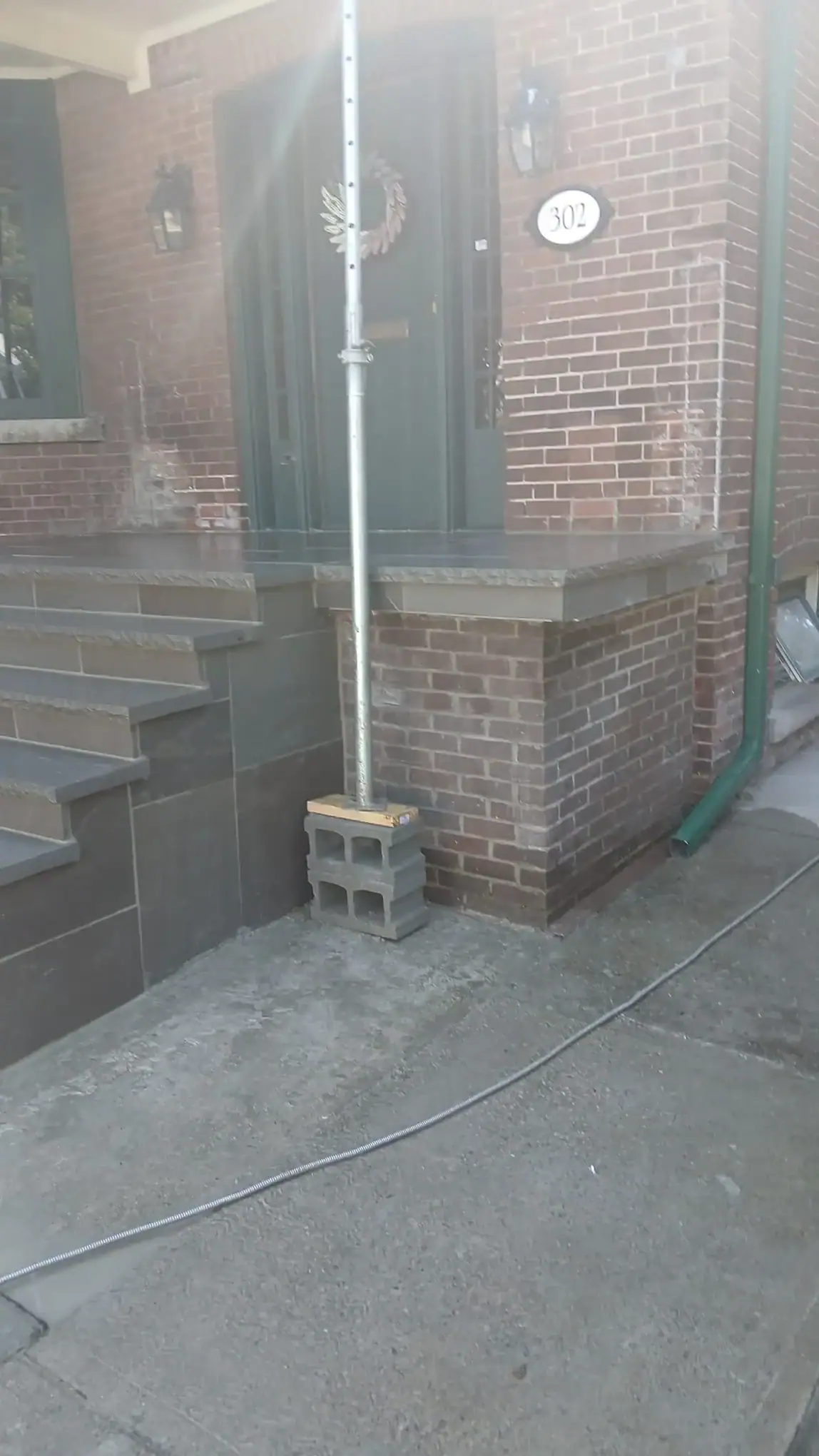
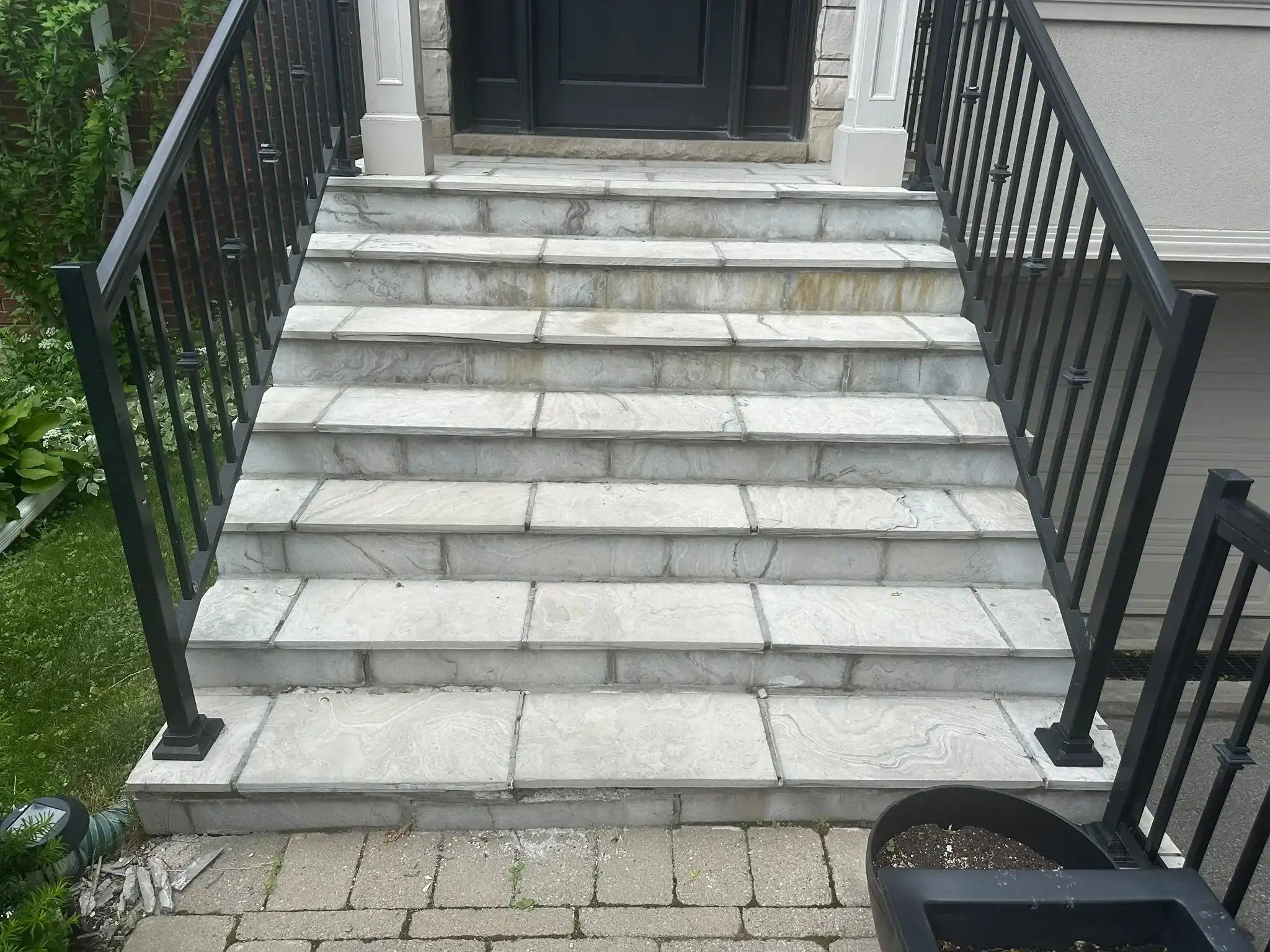
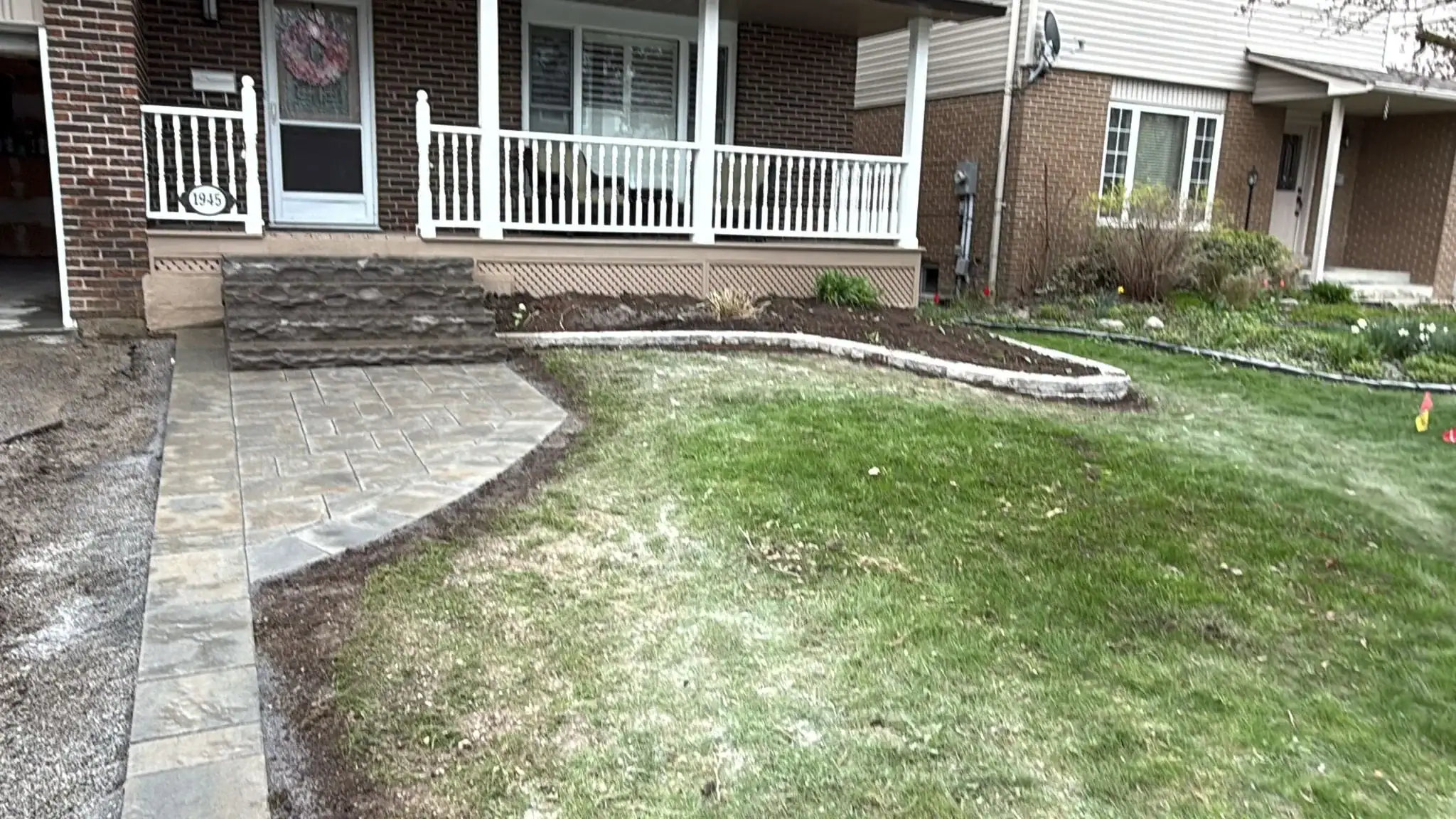
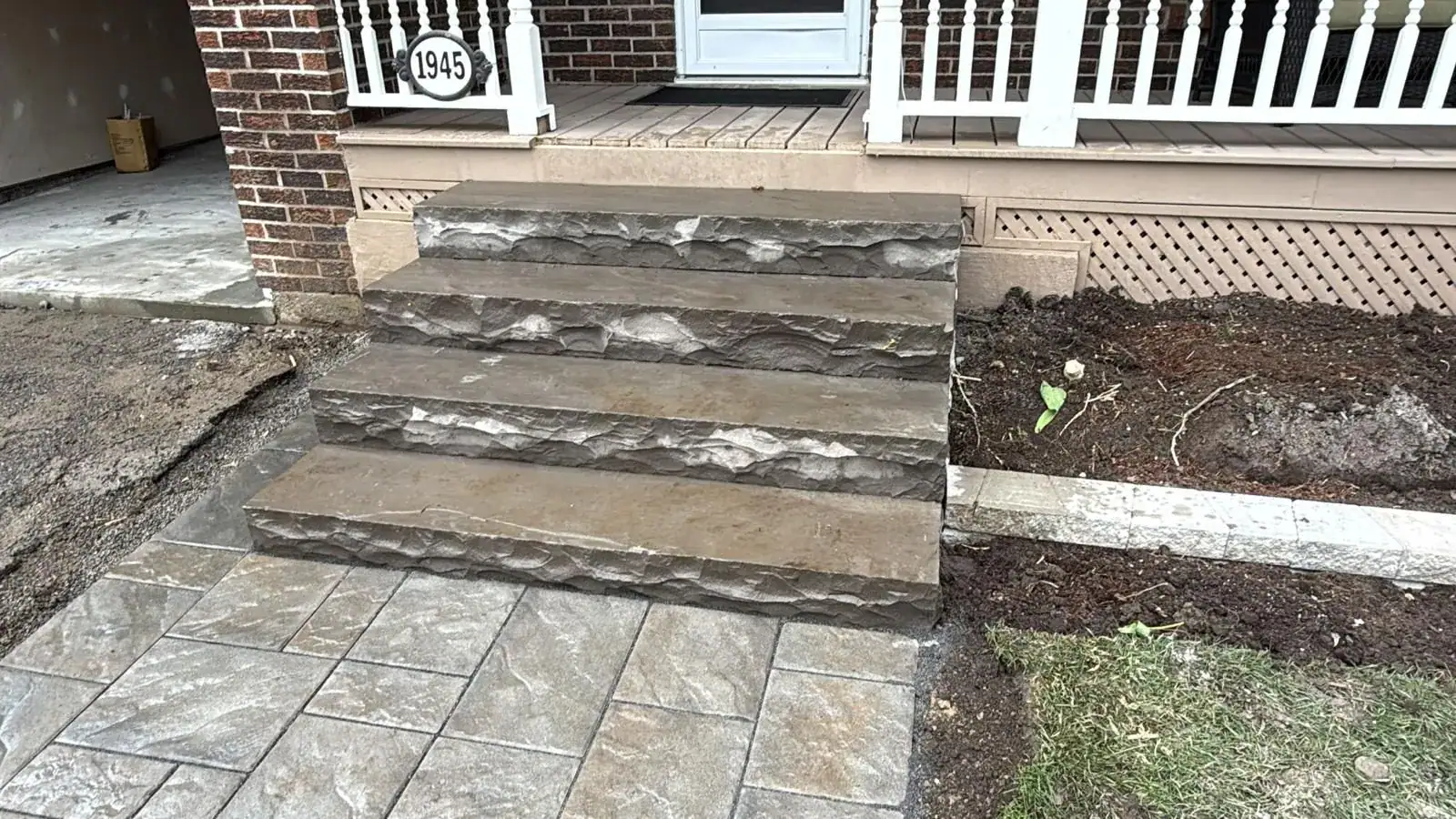
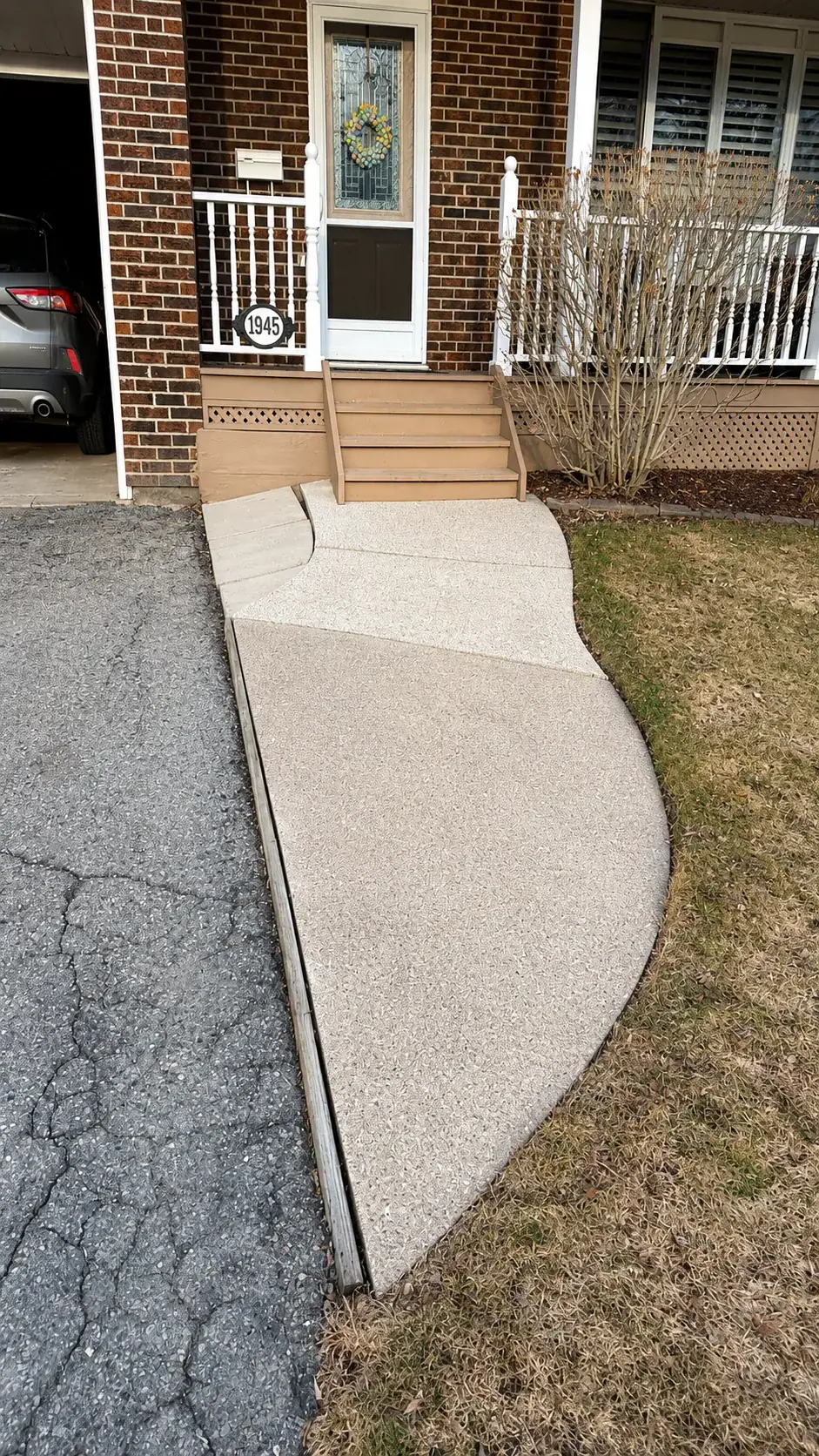
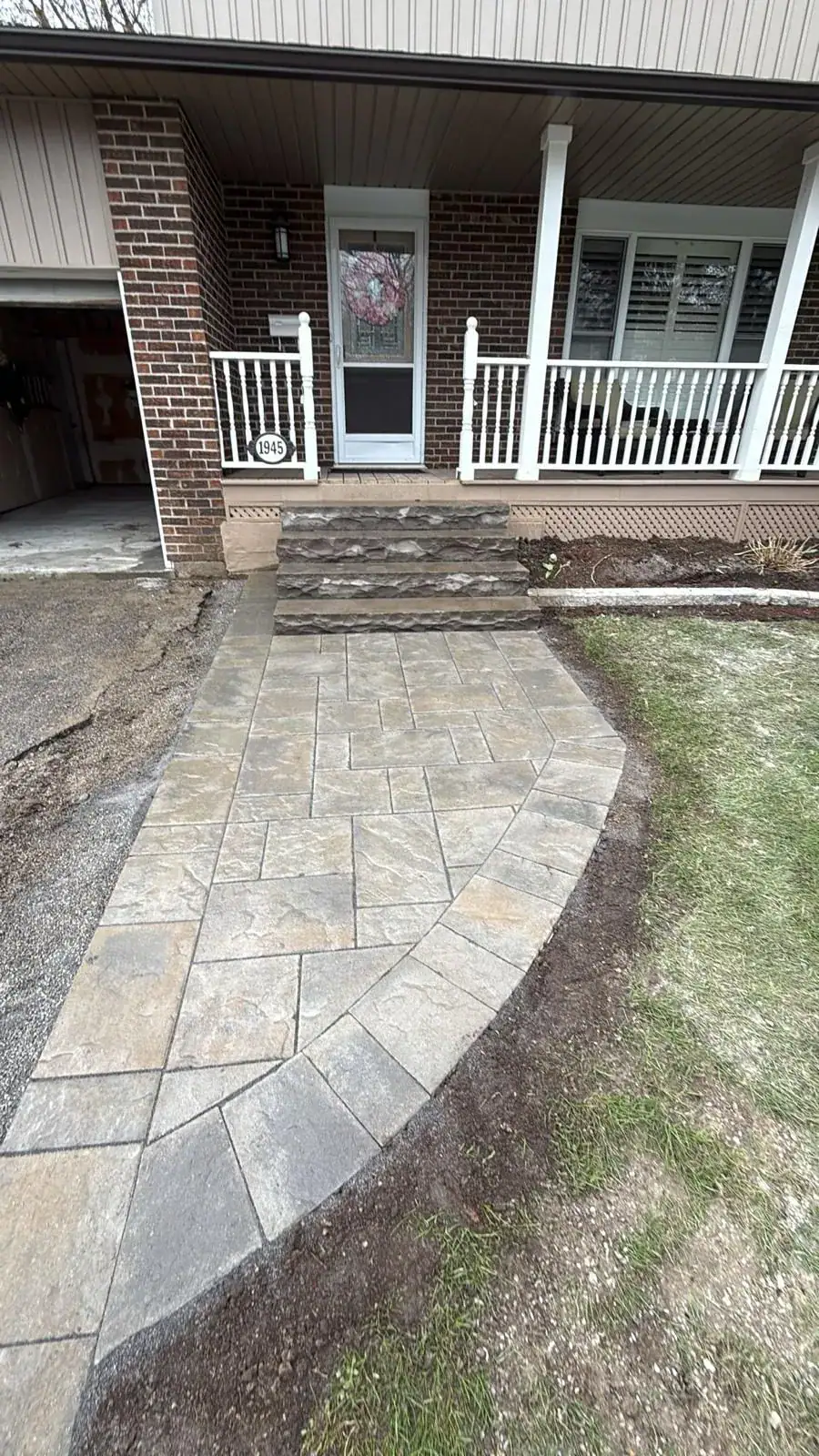
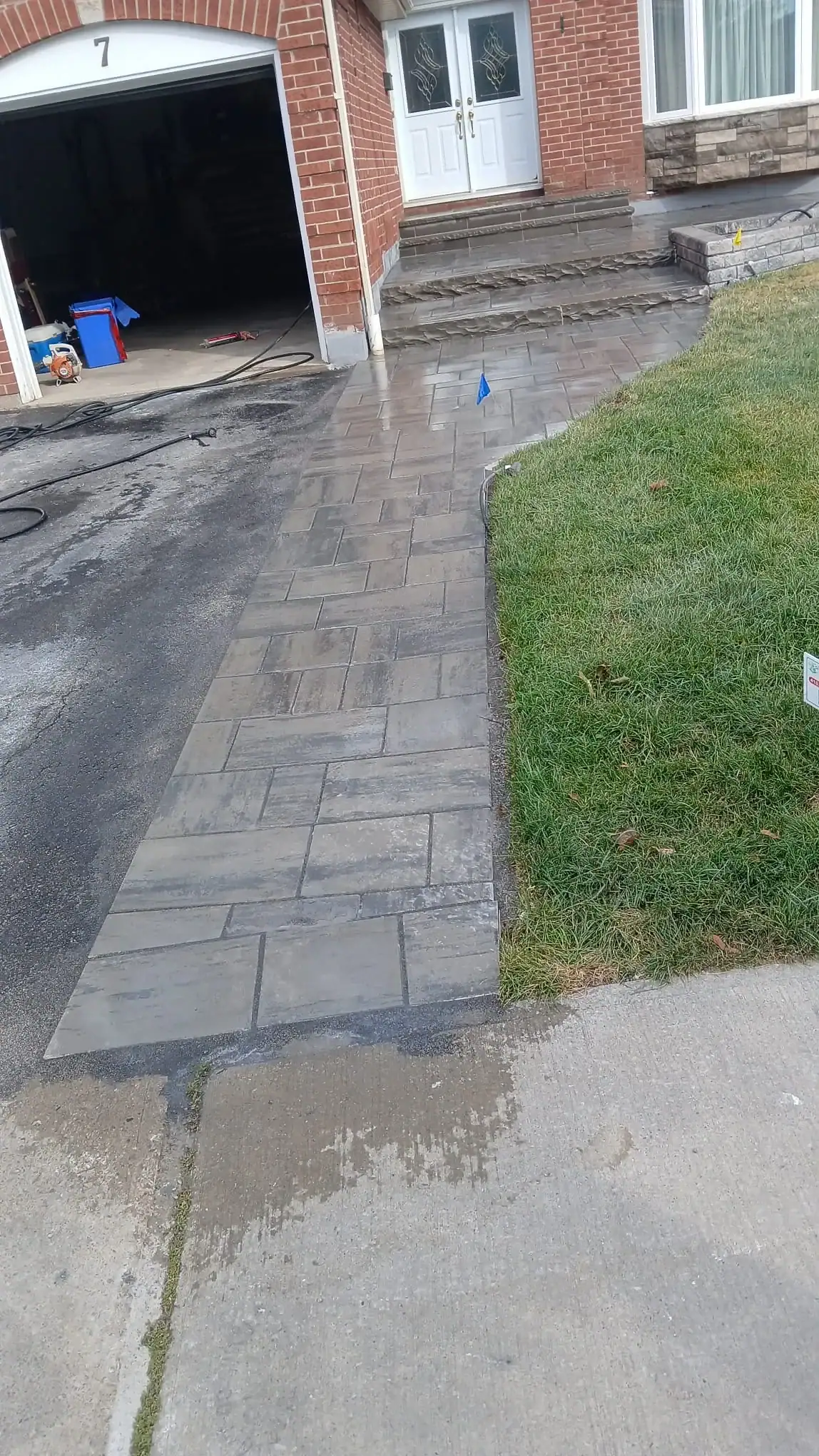
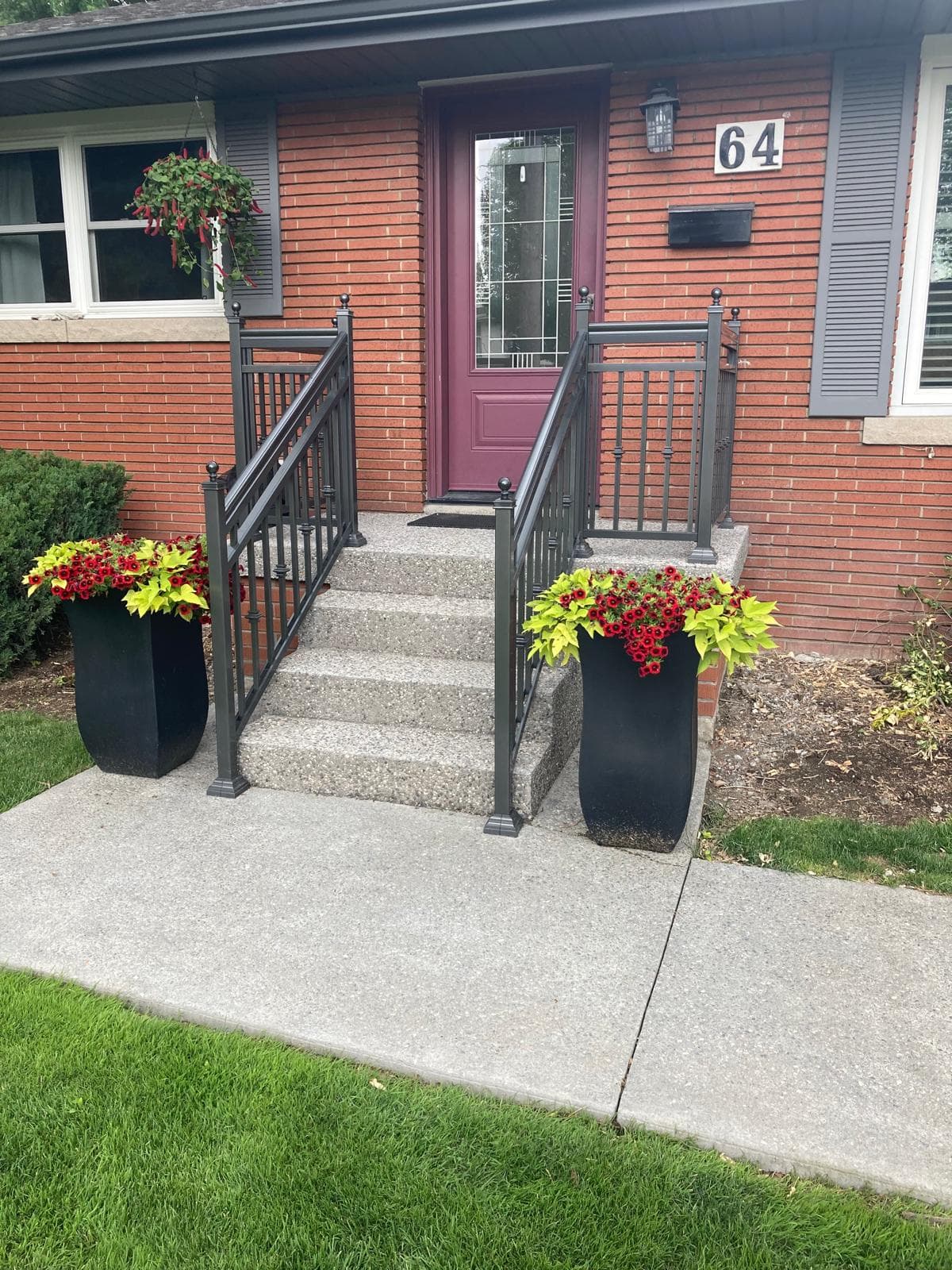
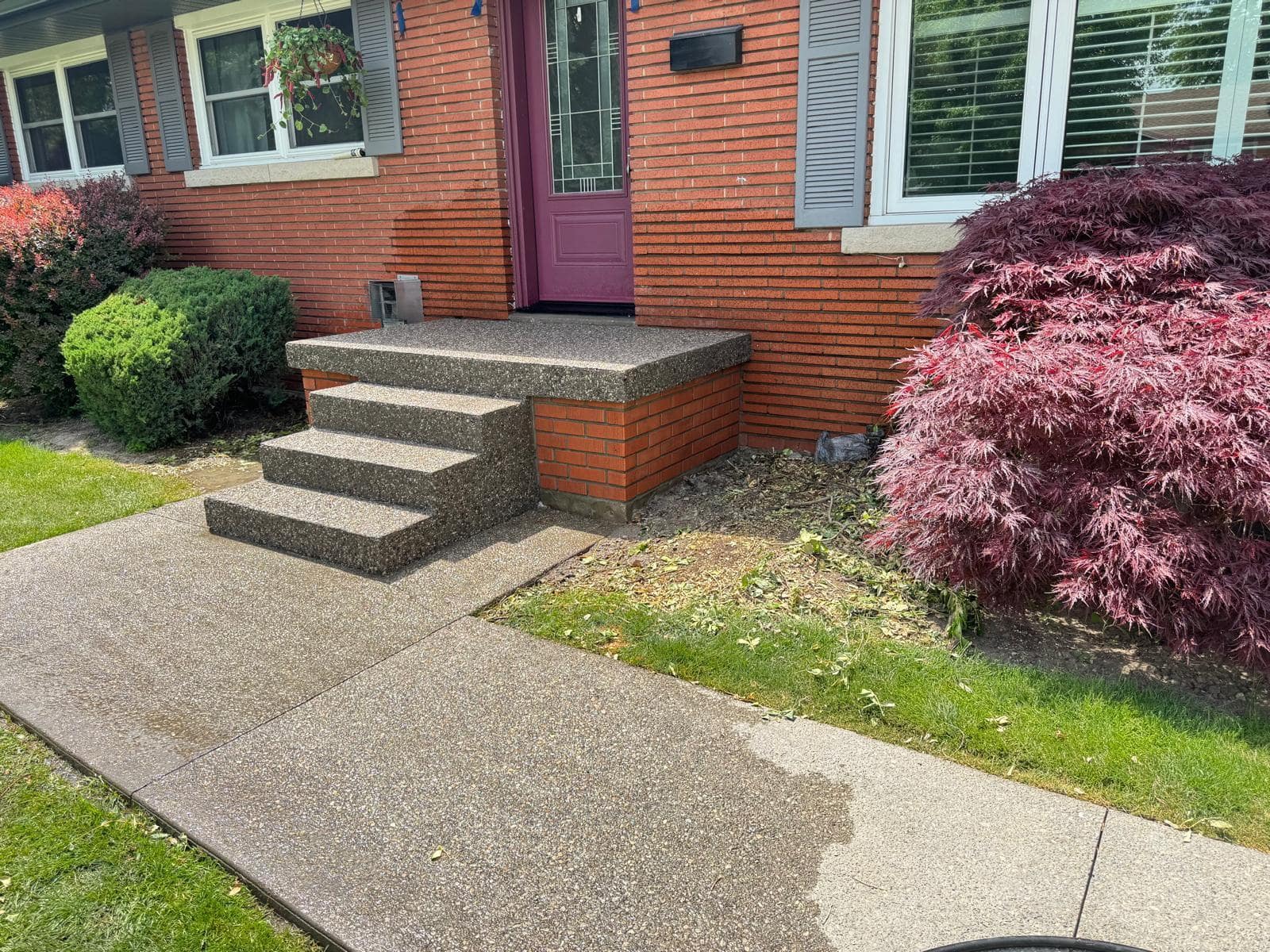
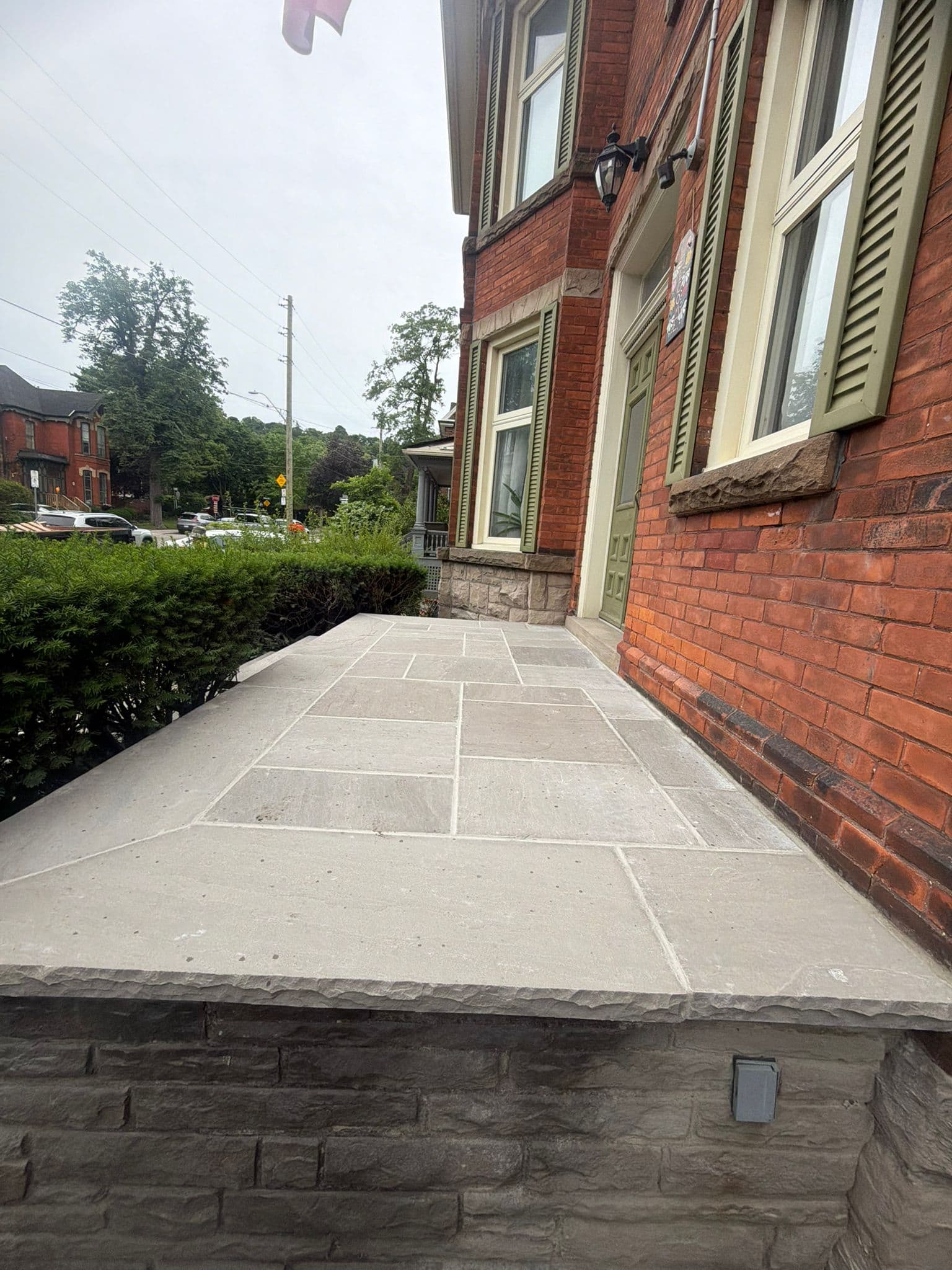
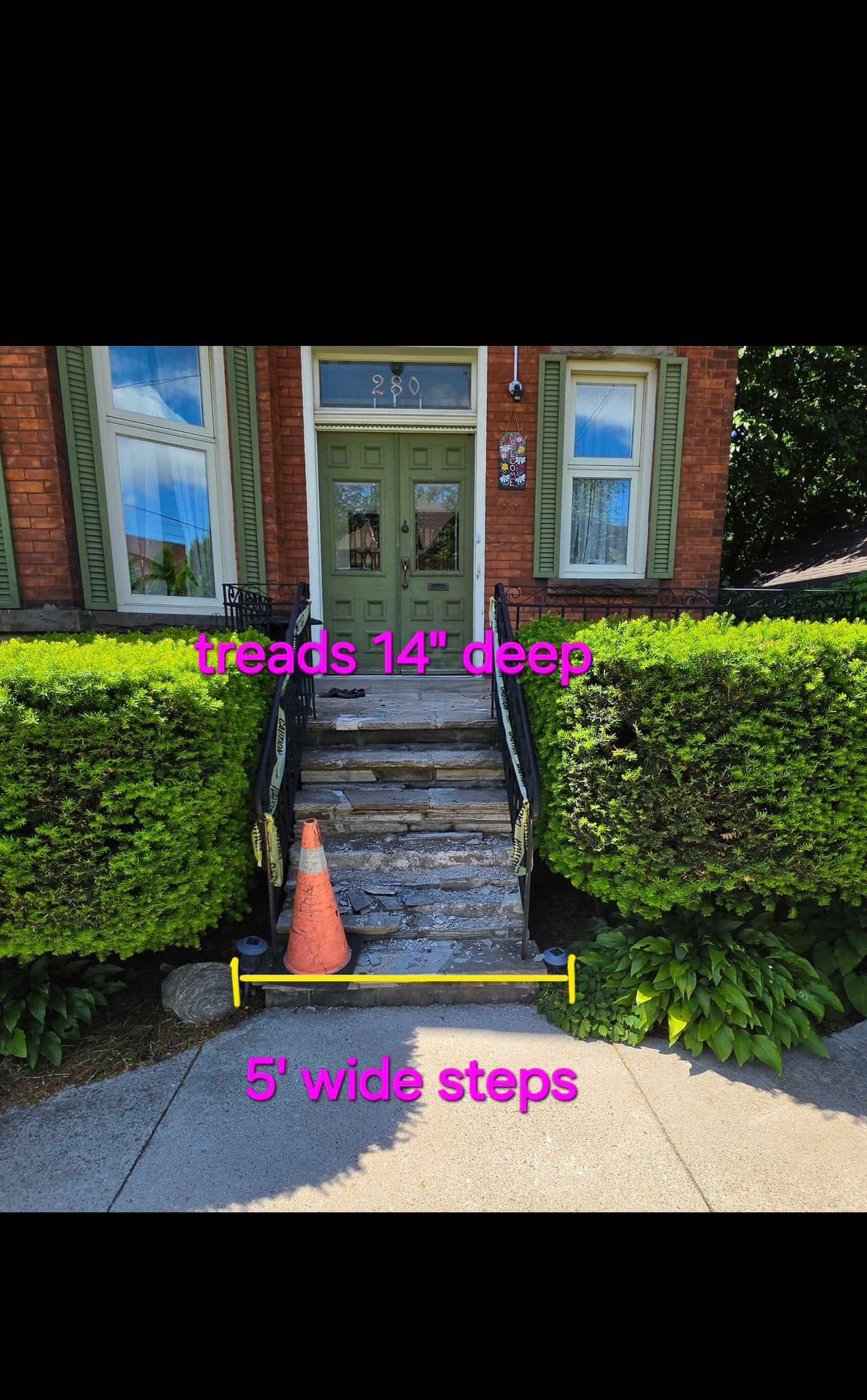
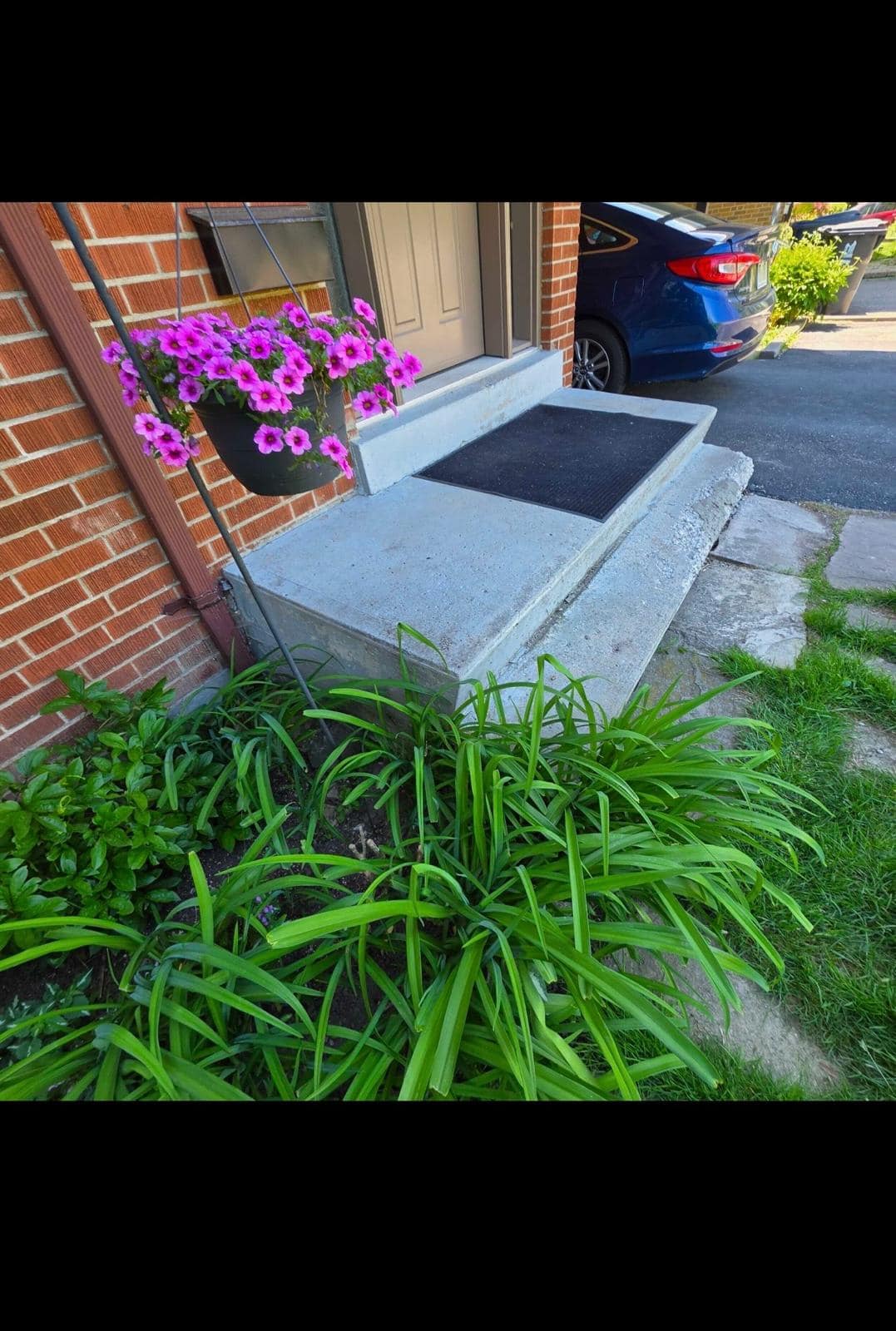
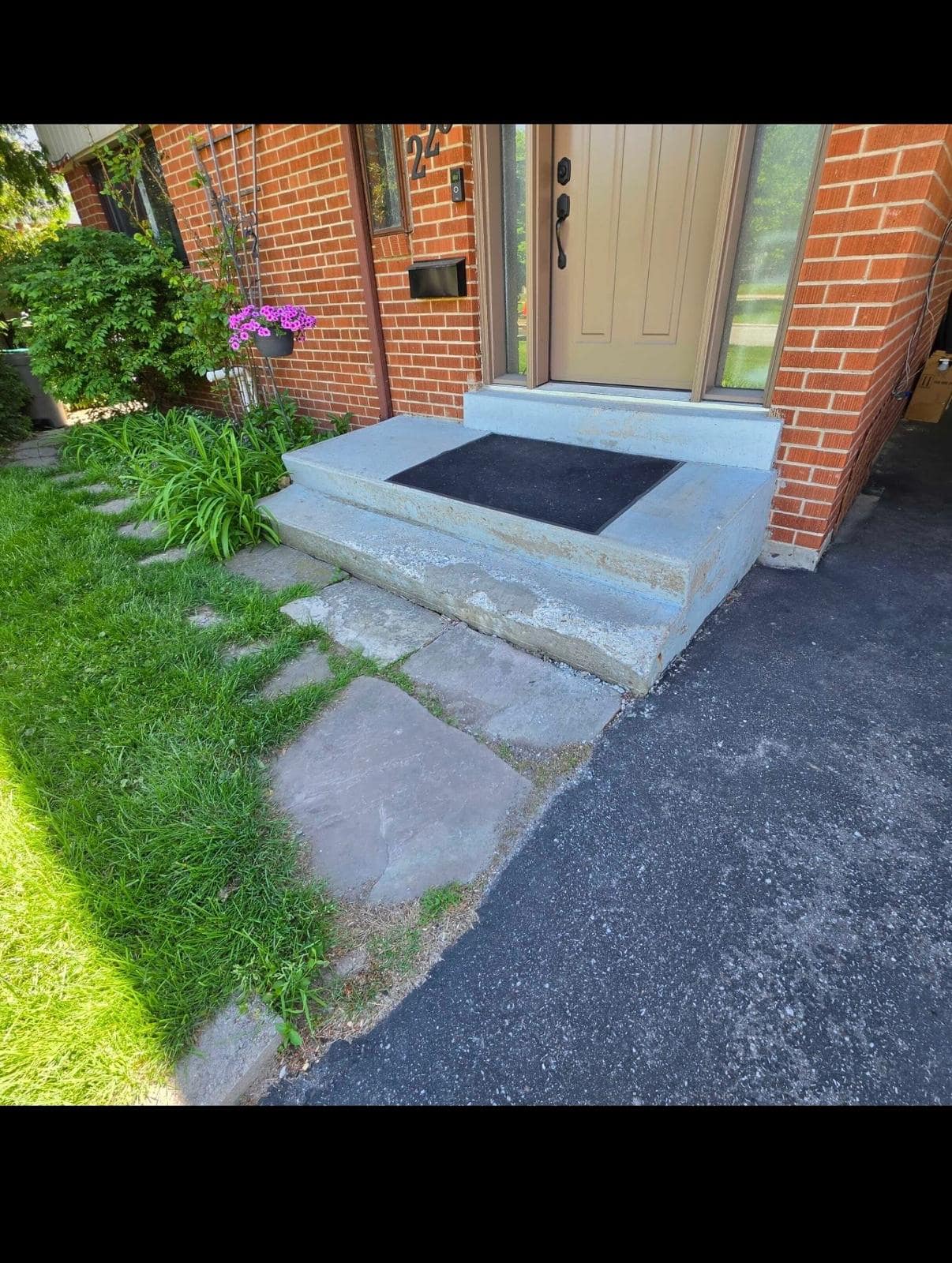
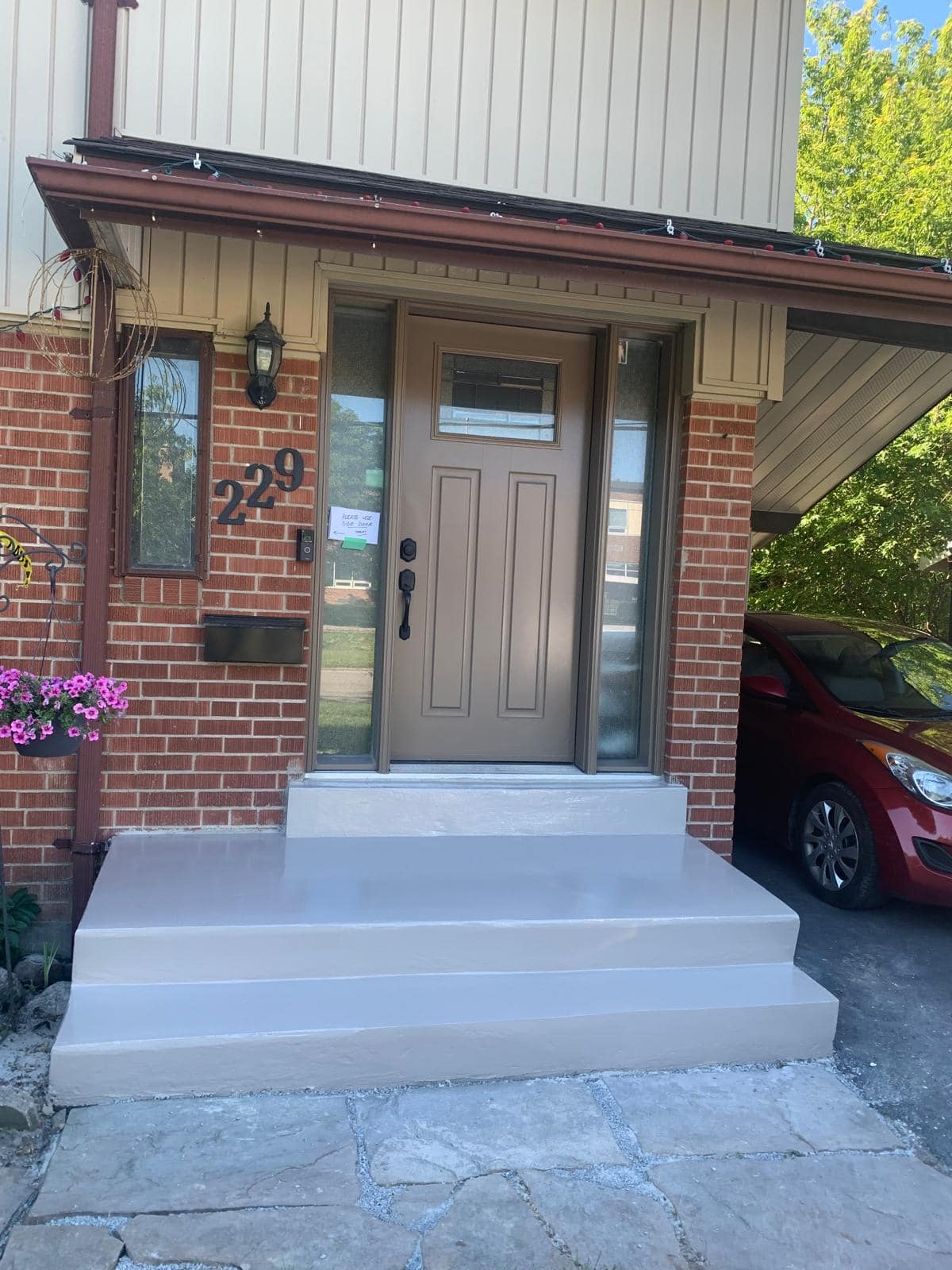
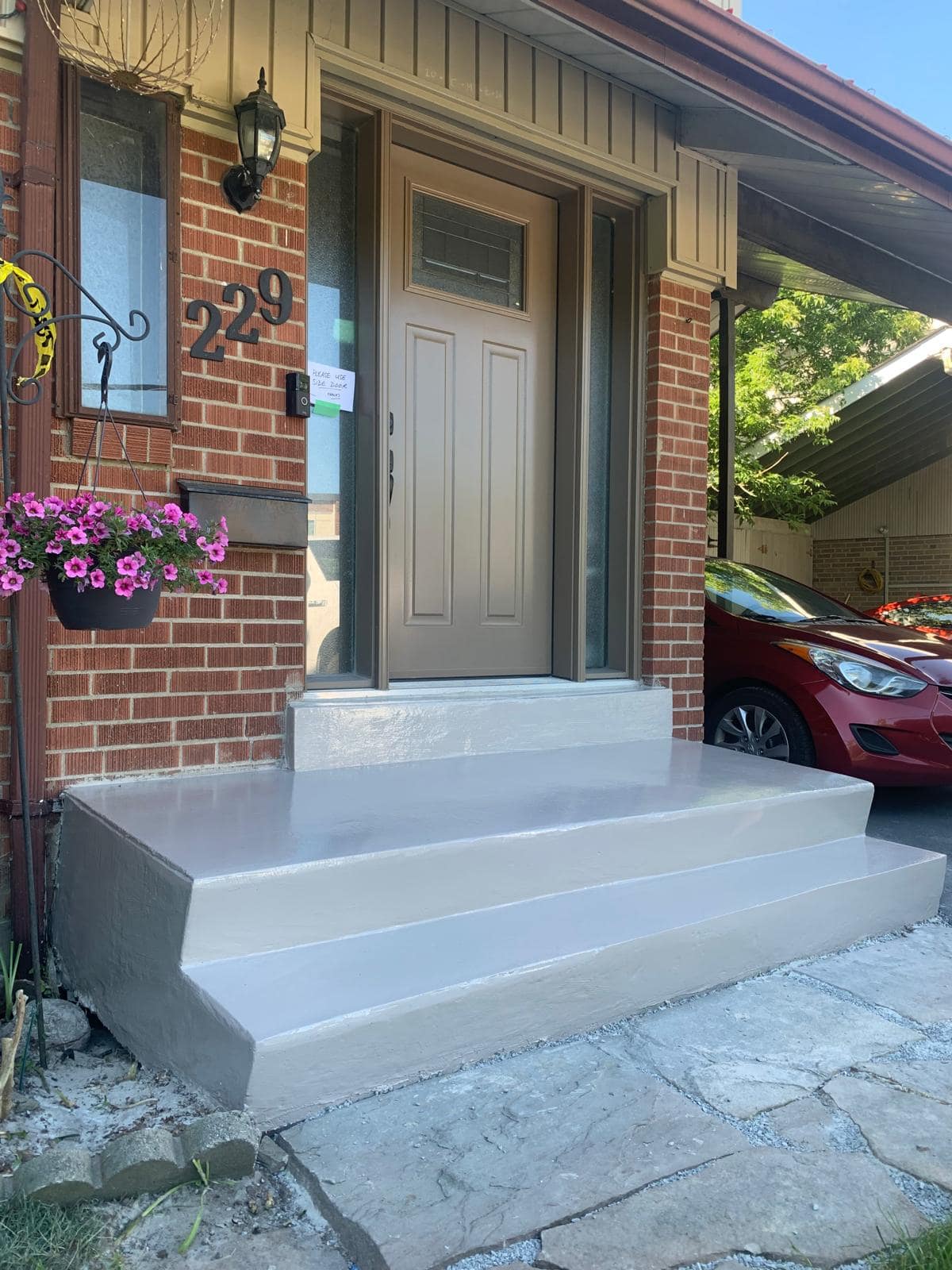
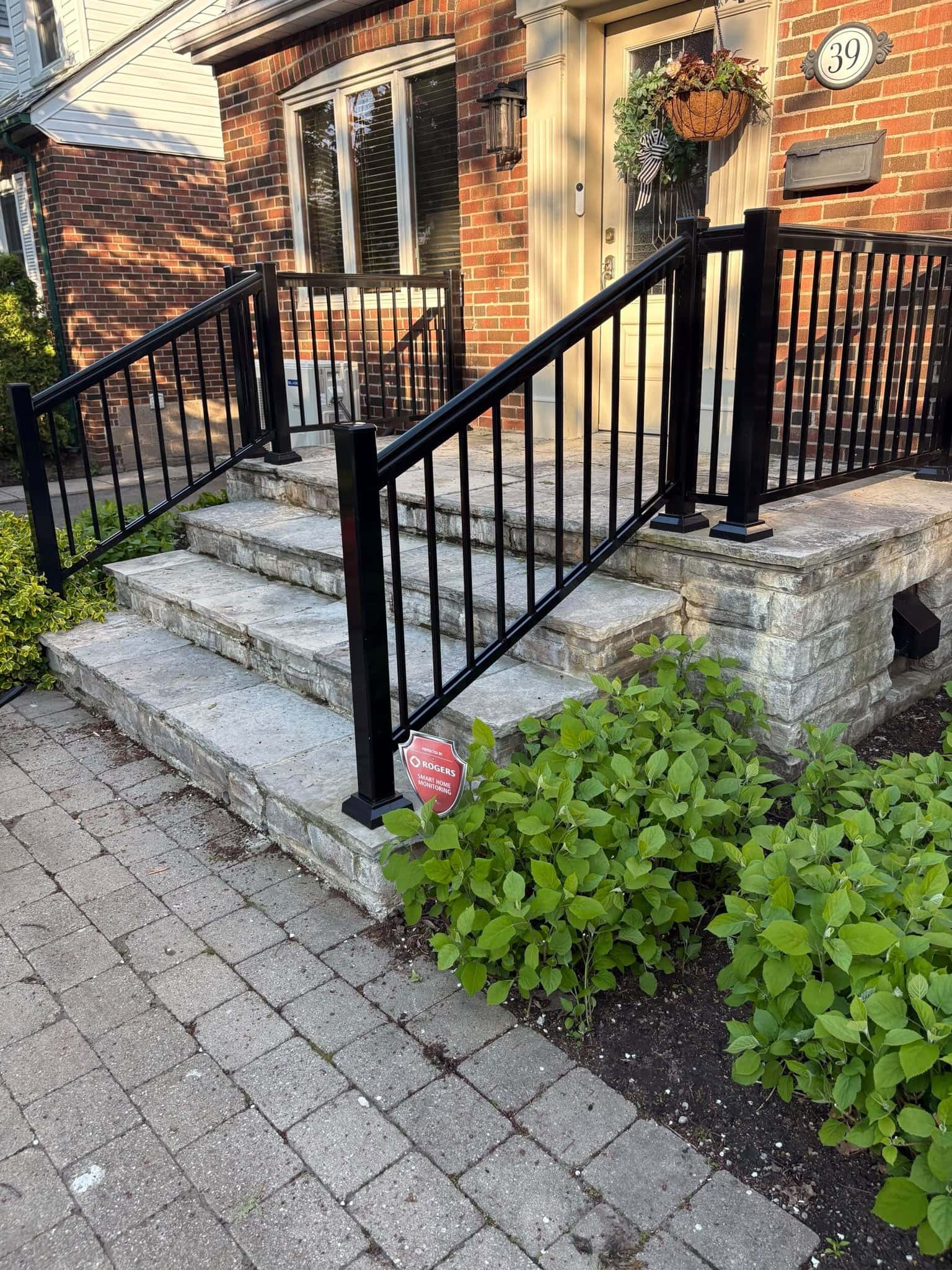
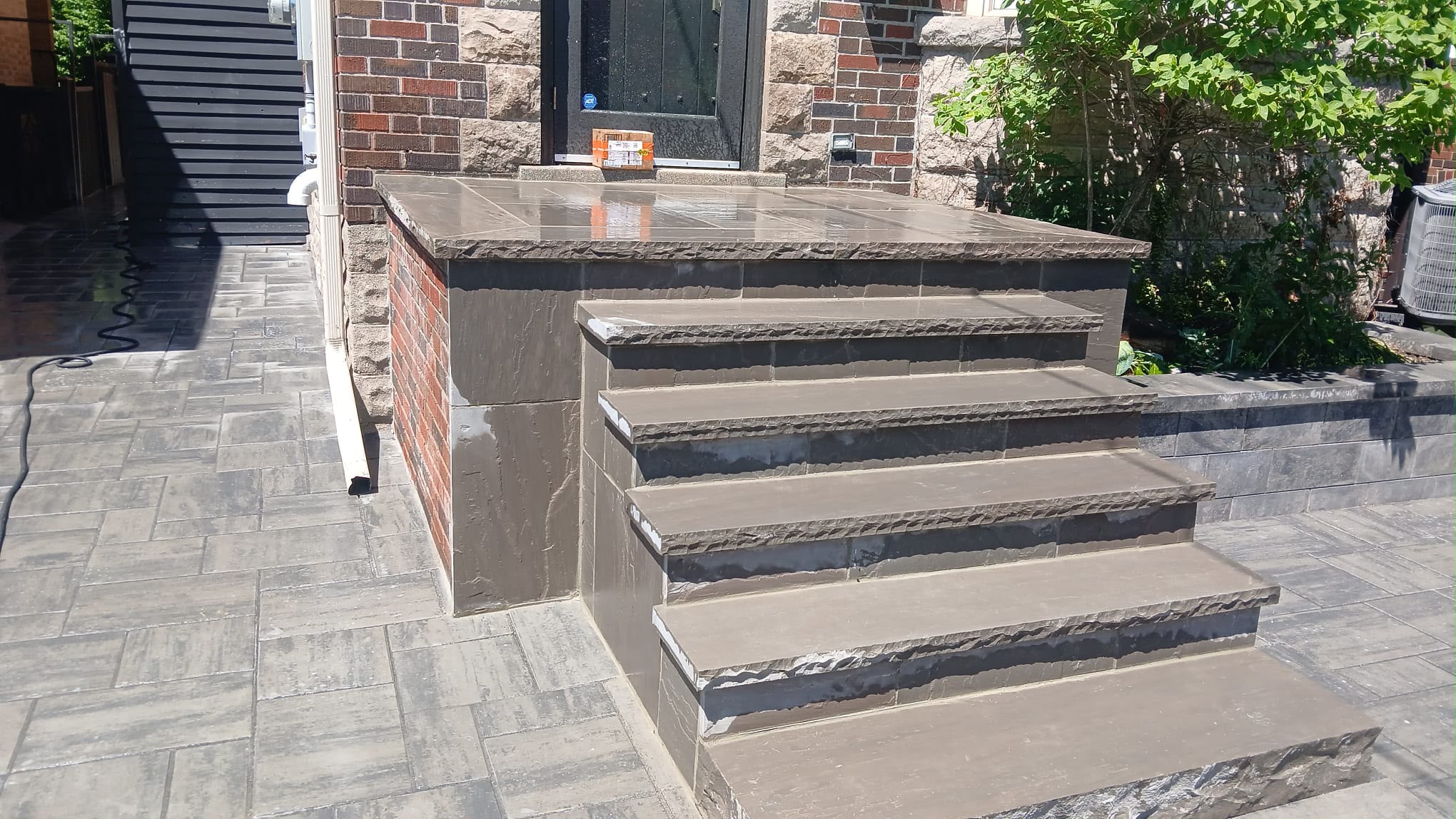
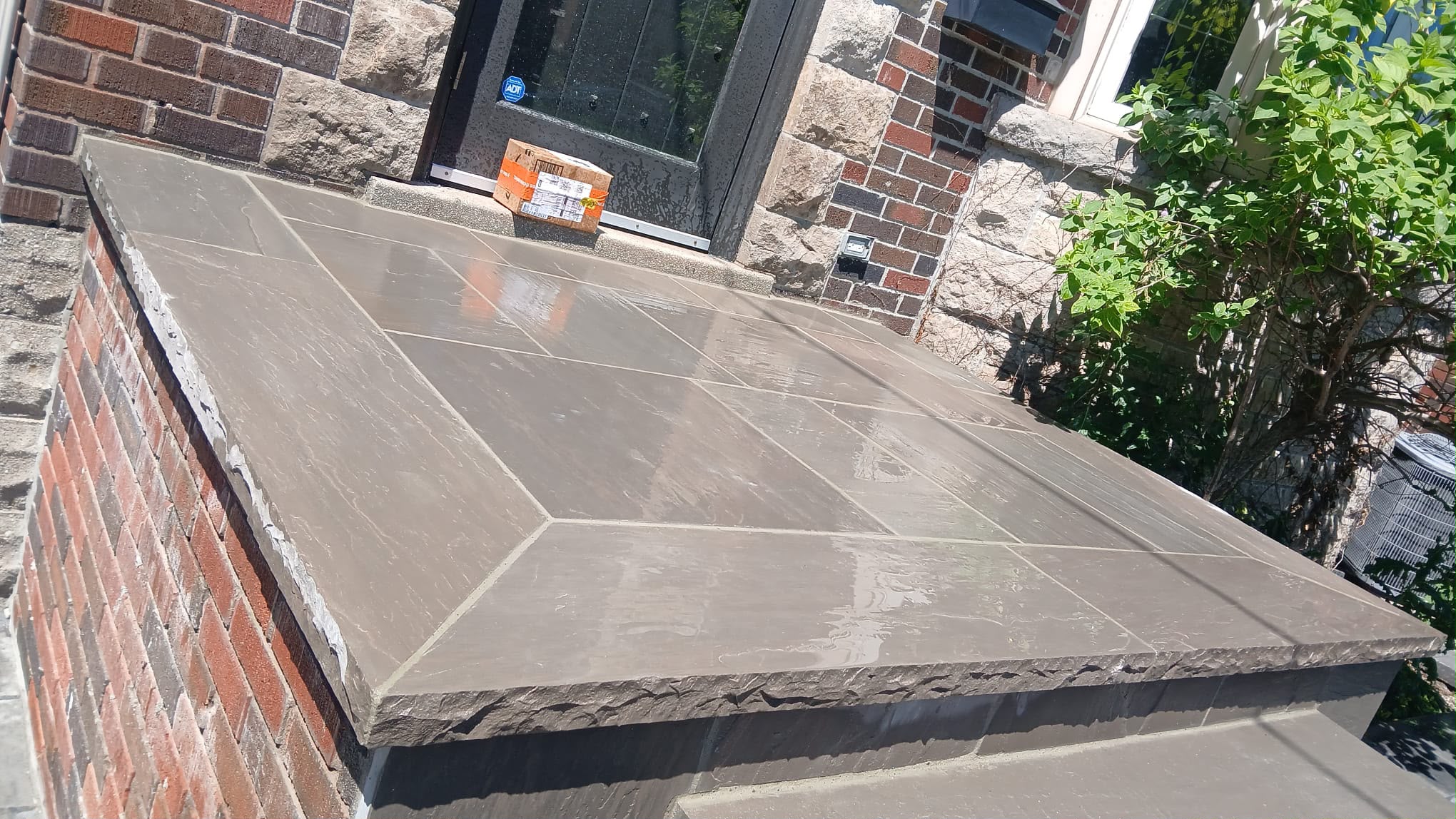
Enhance staircases and entryways with ledgestone-clad risers or accent walls. This application creates a grand and inviting entrance to your home—pair ledgestone with wooden or wrought iron railings for a stylish contrast.
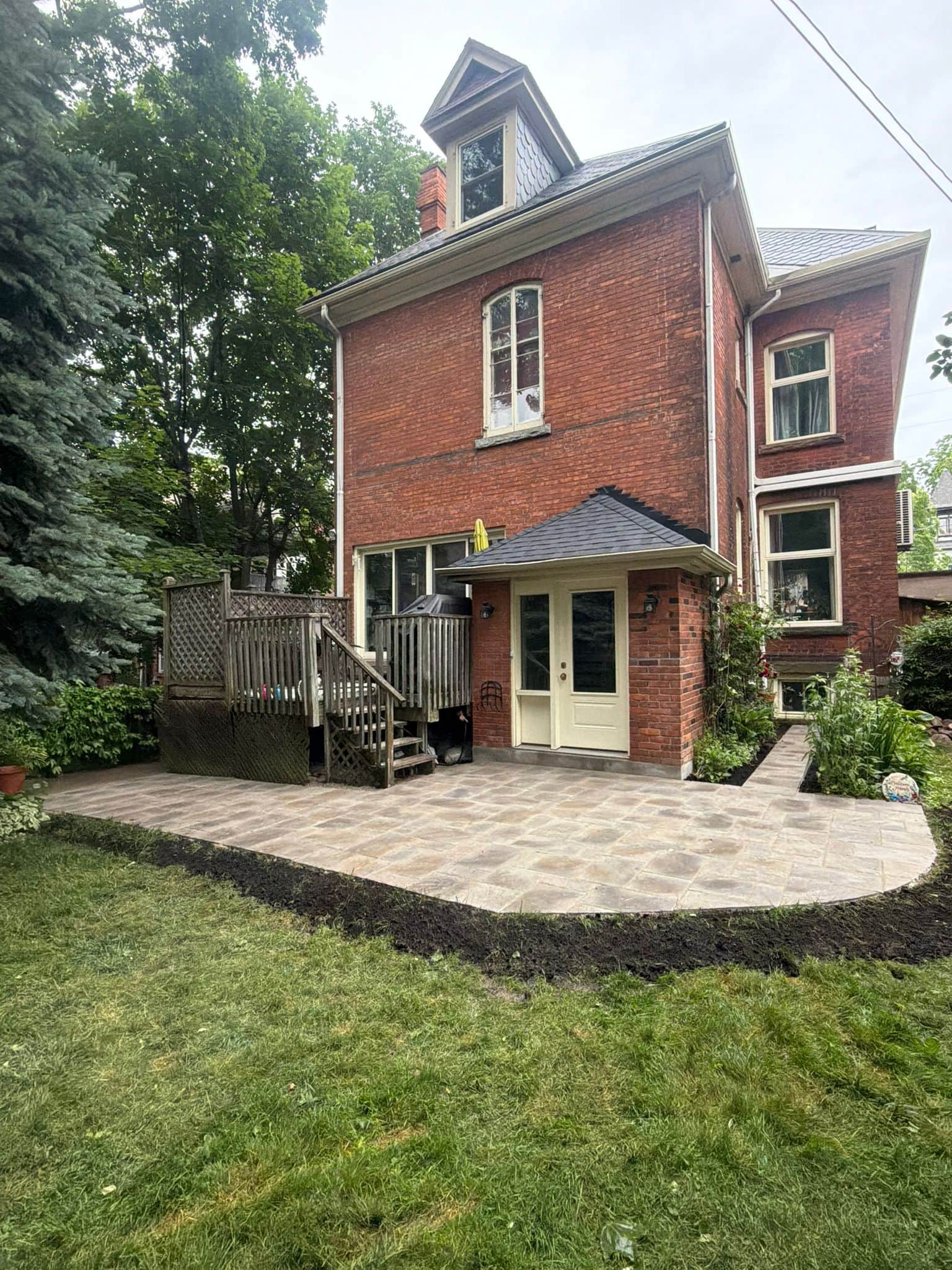
Garden Walls and Pathways
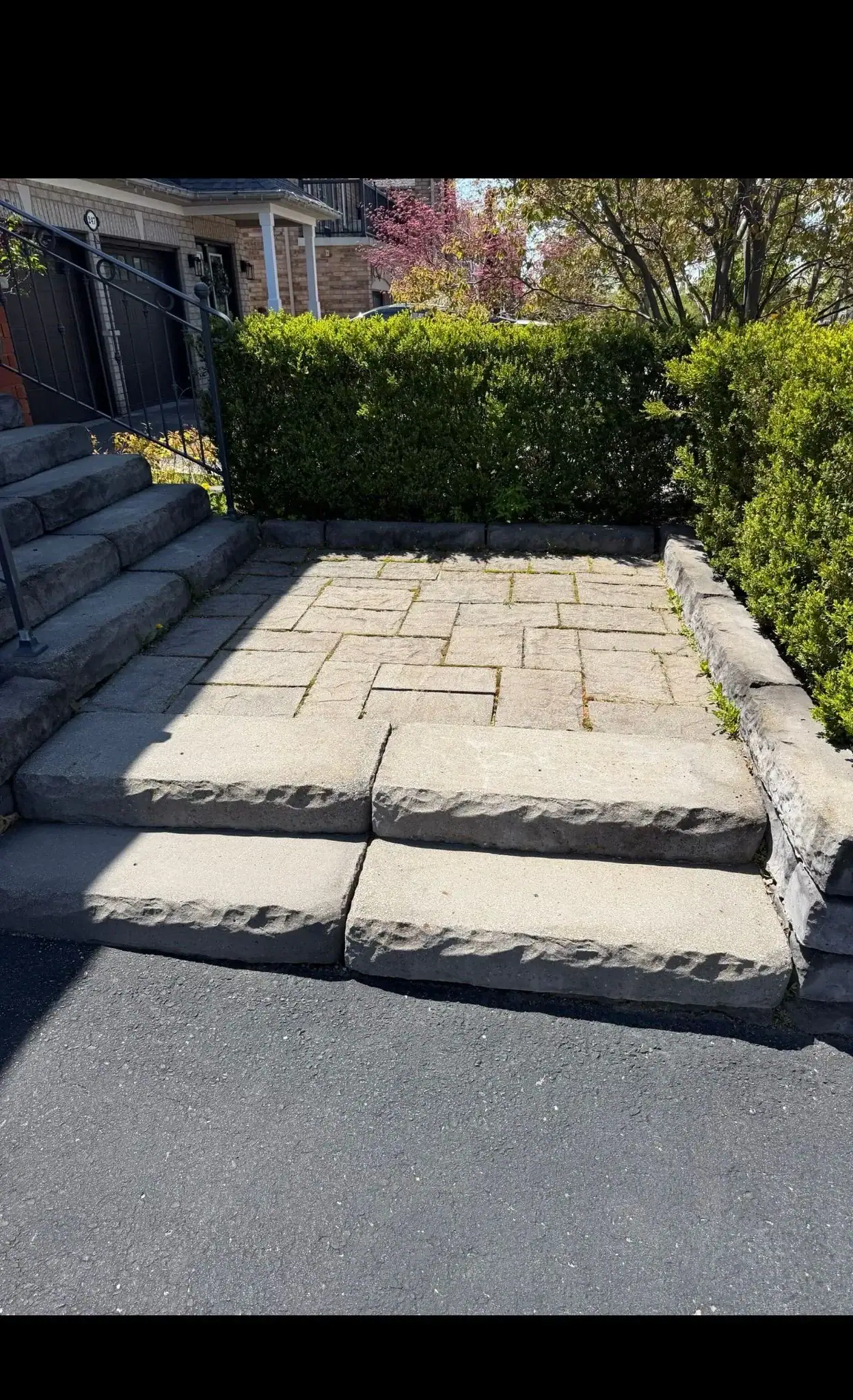
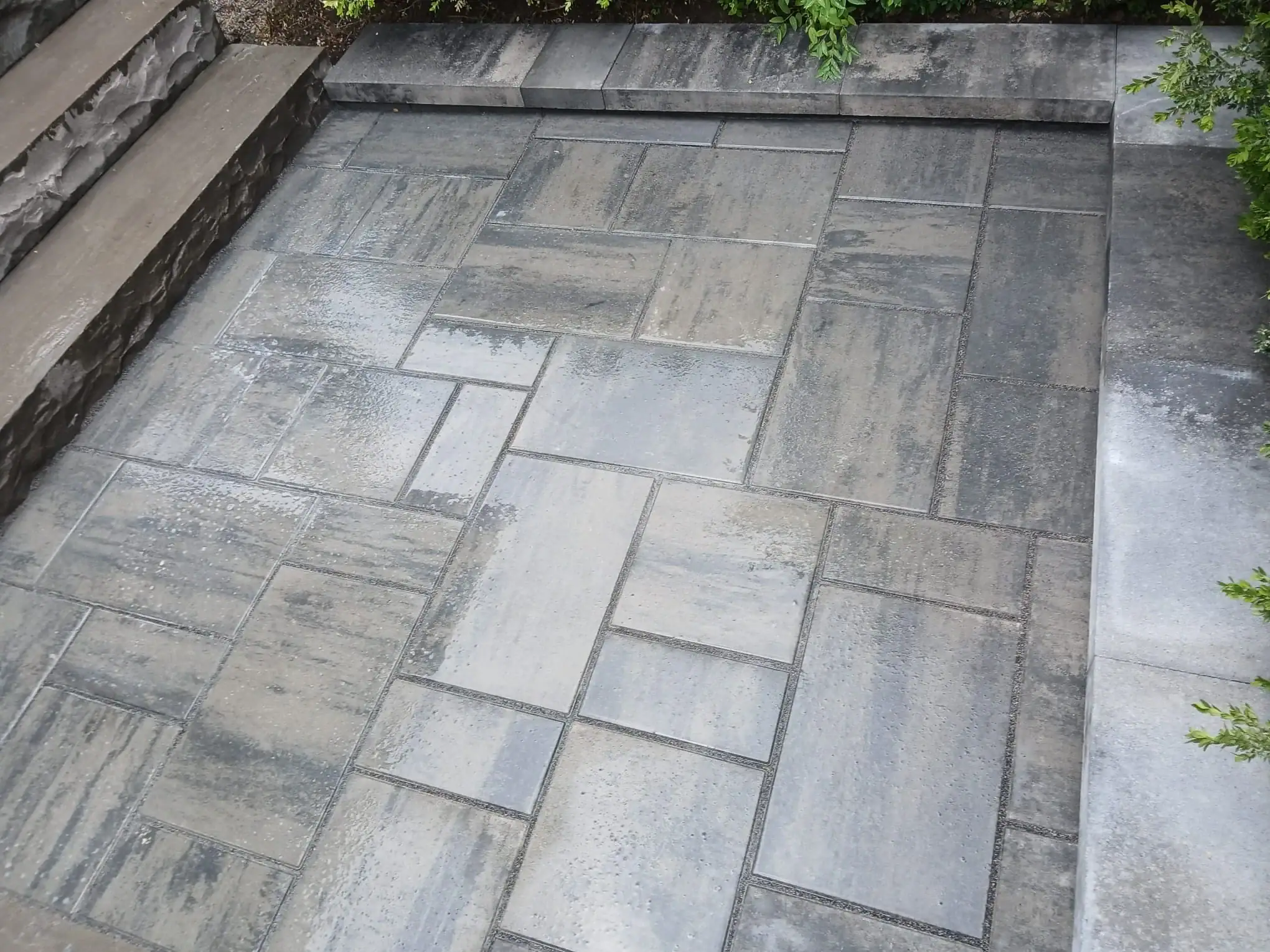
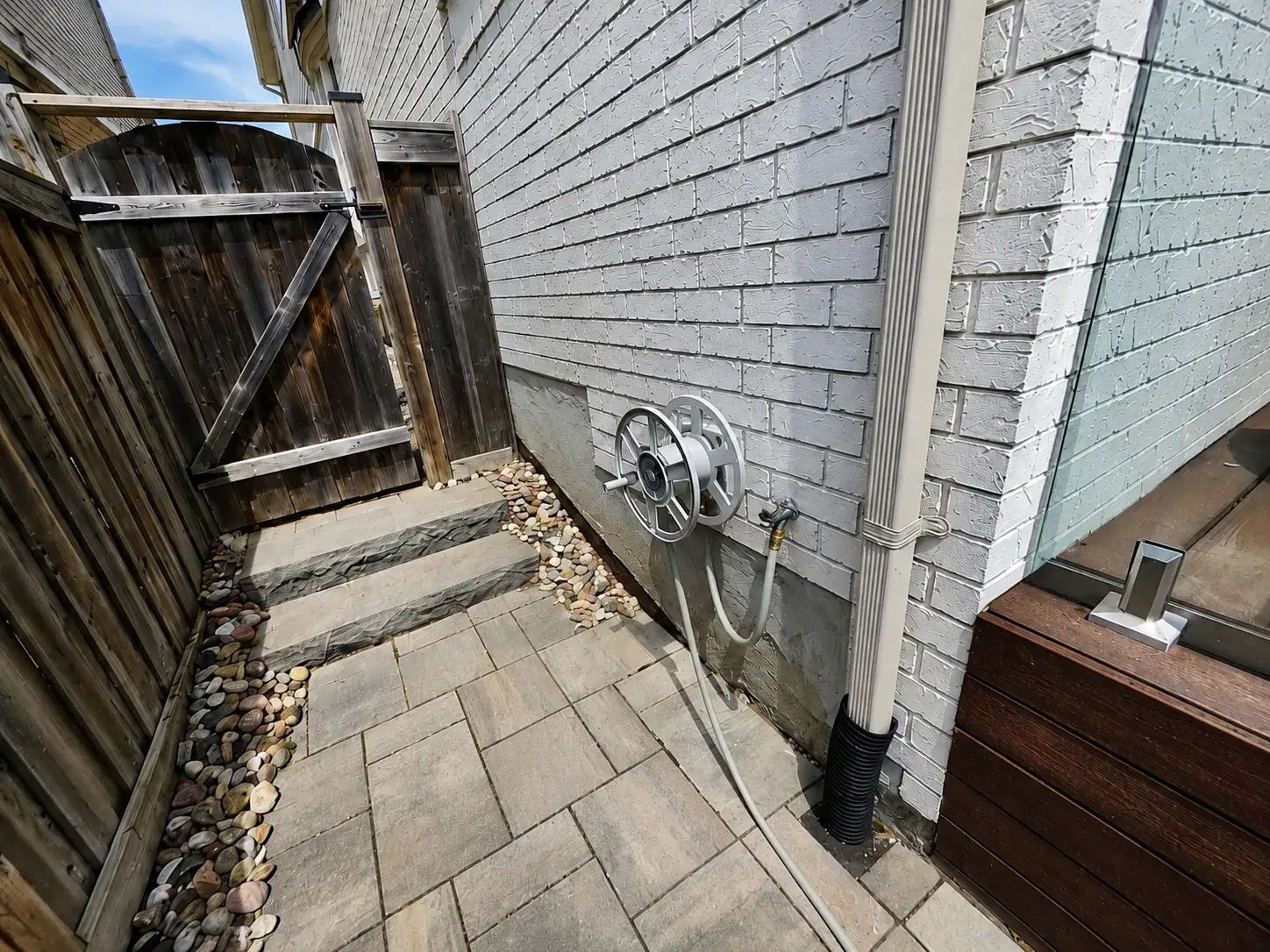
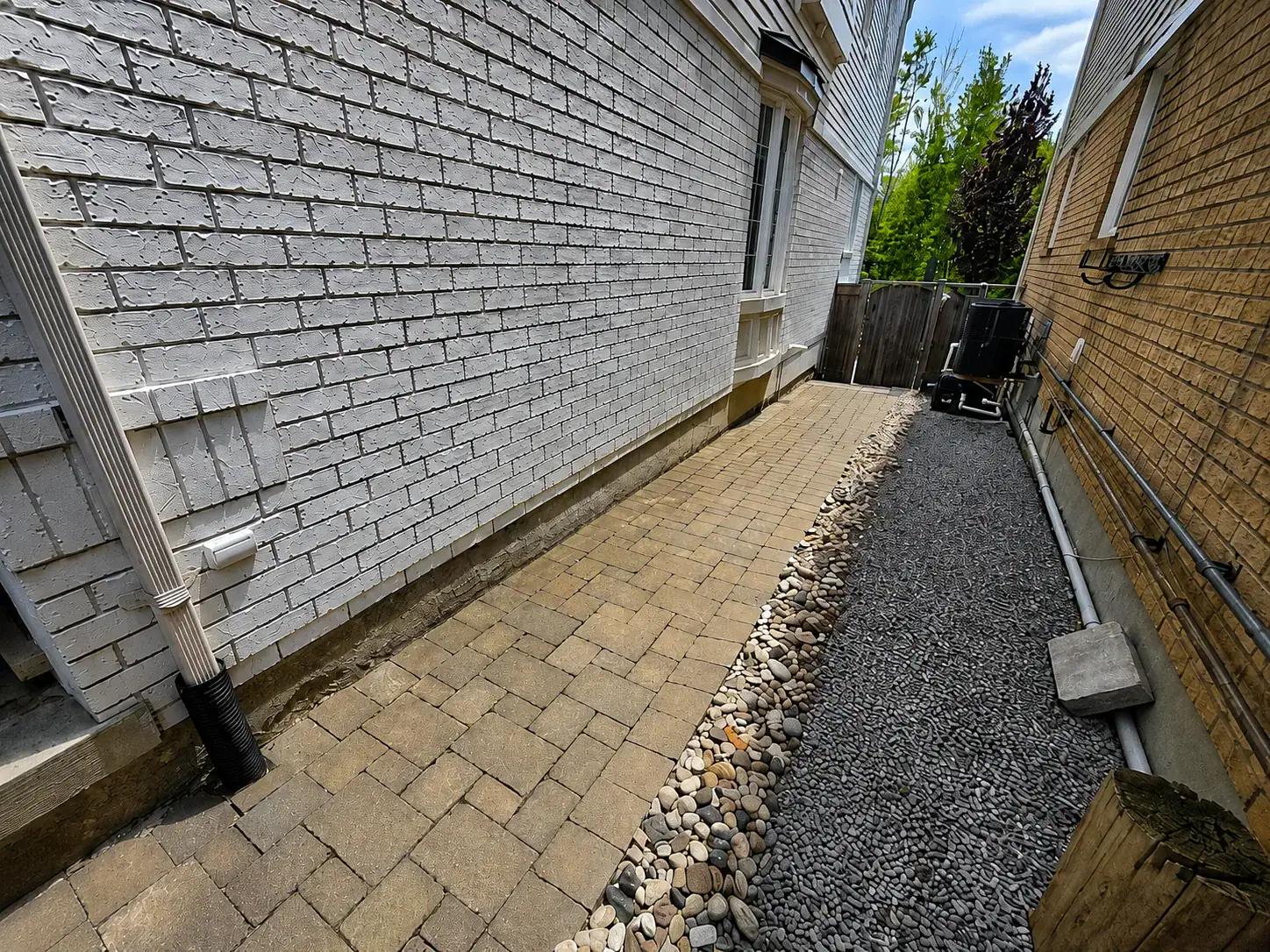
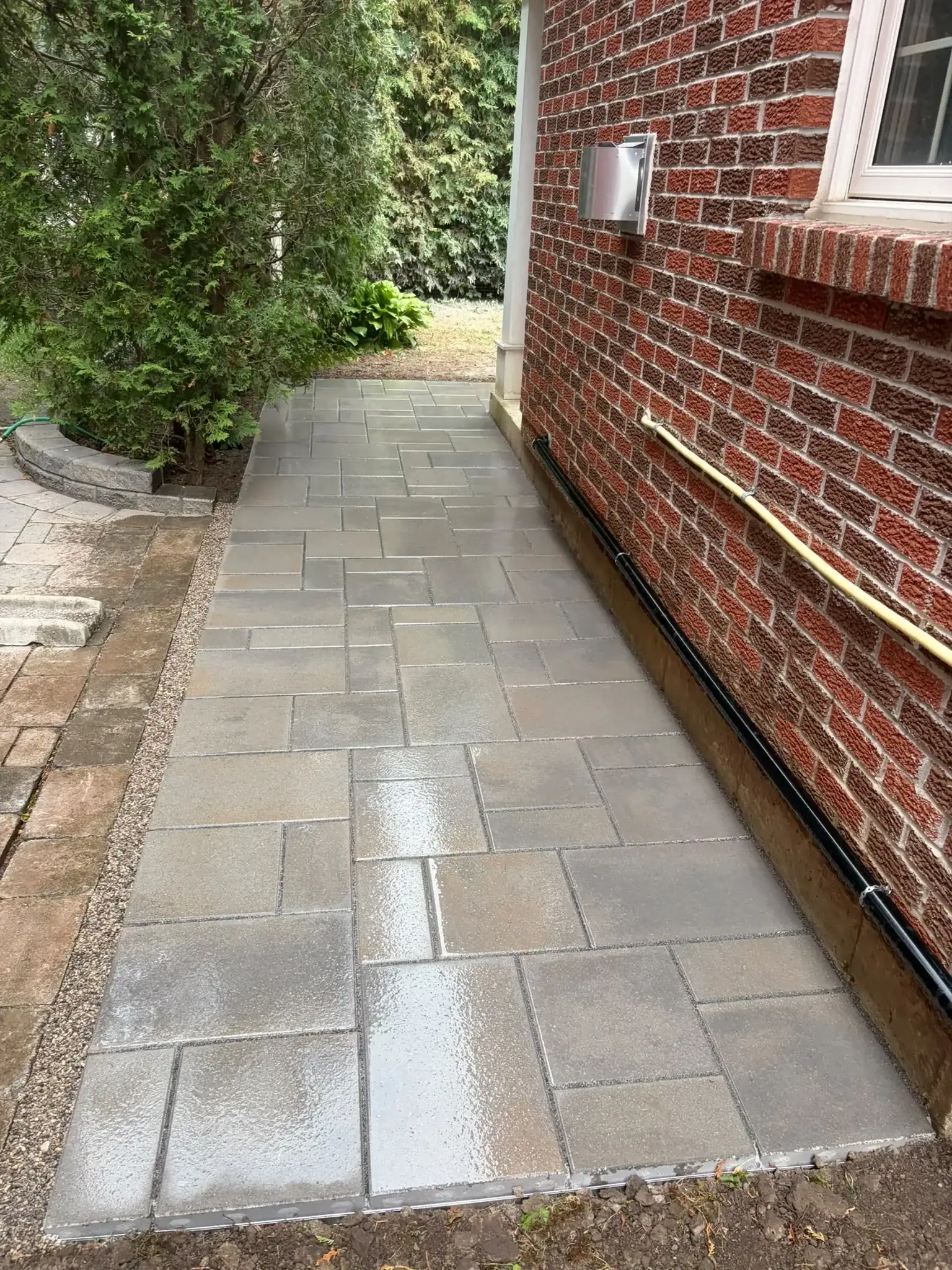
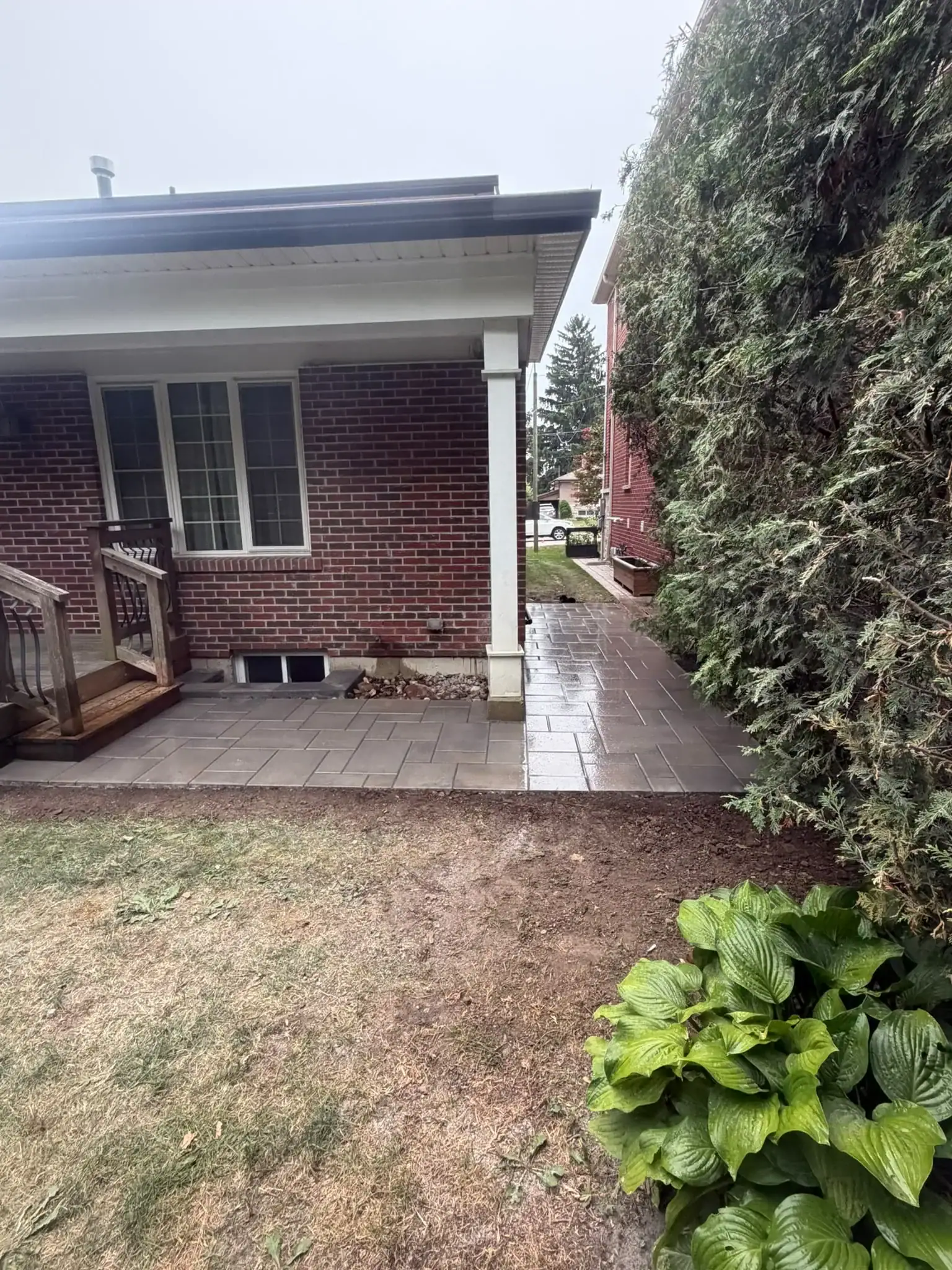
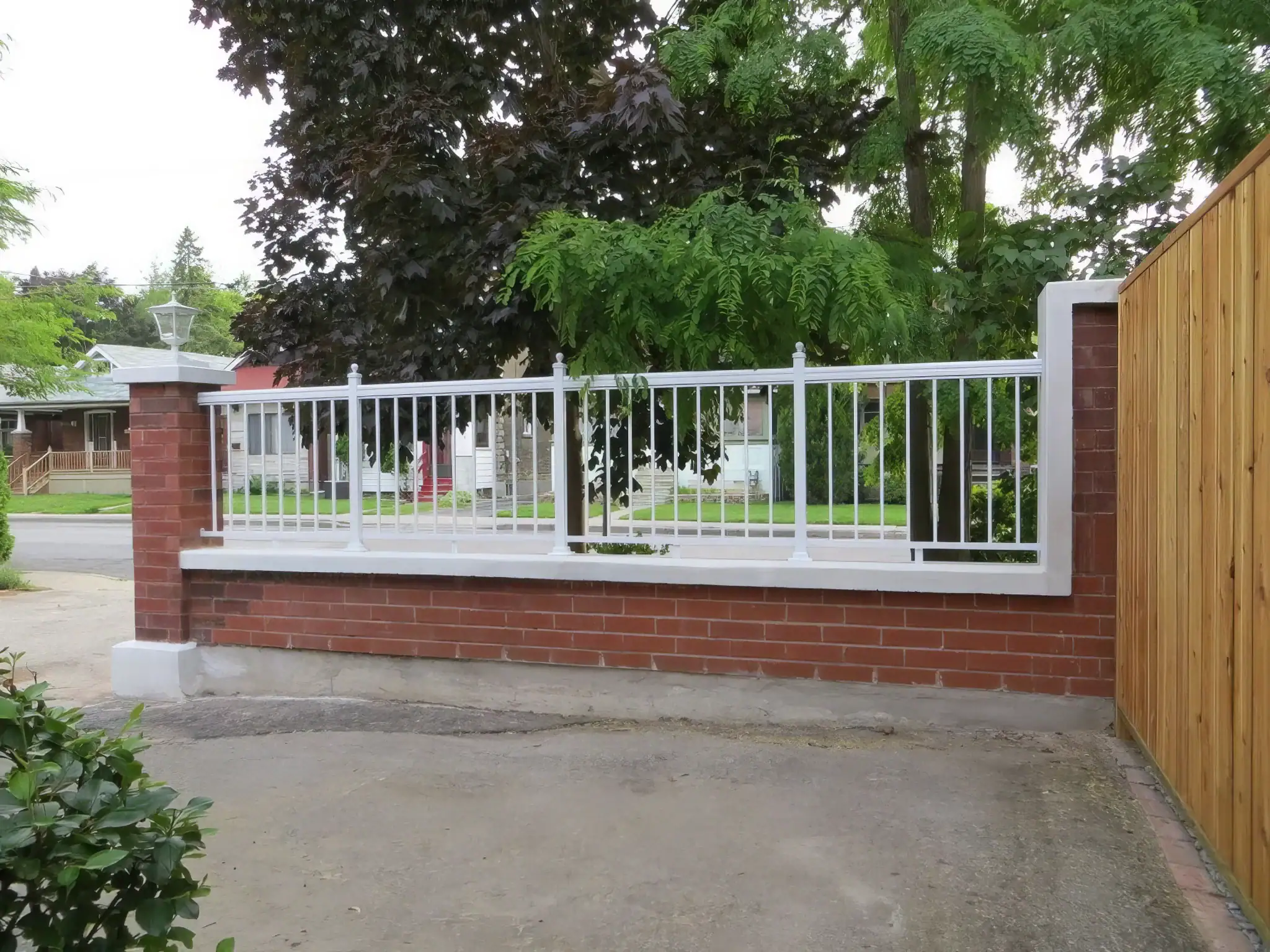
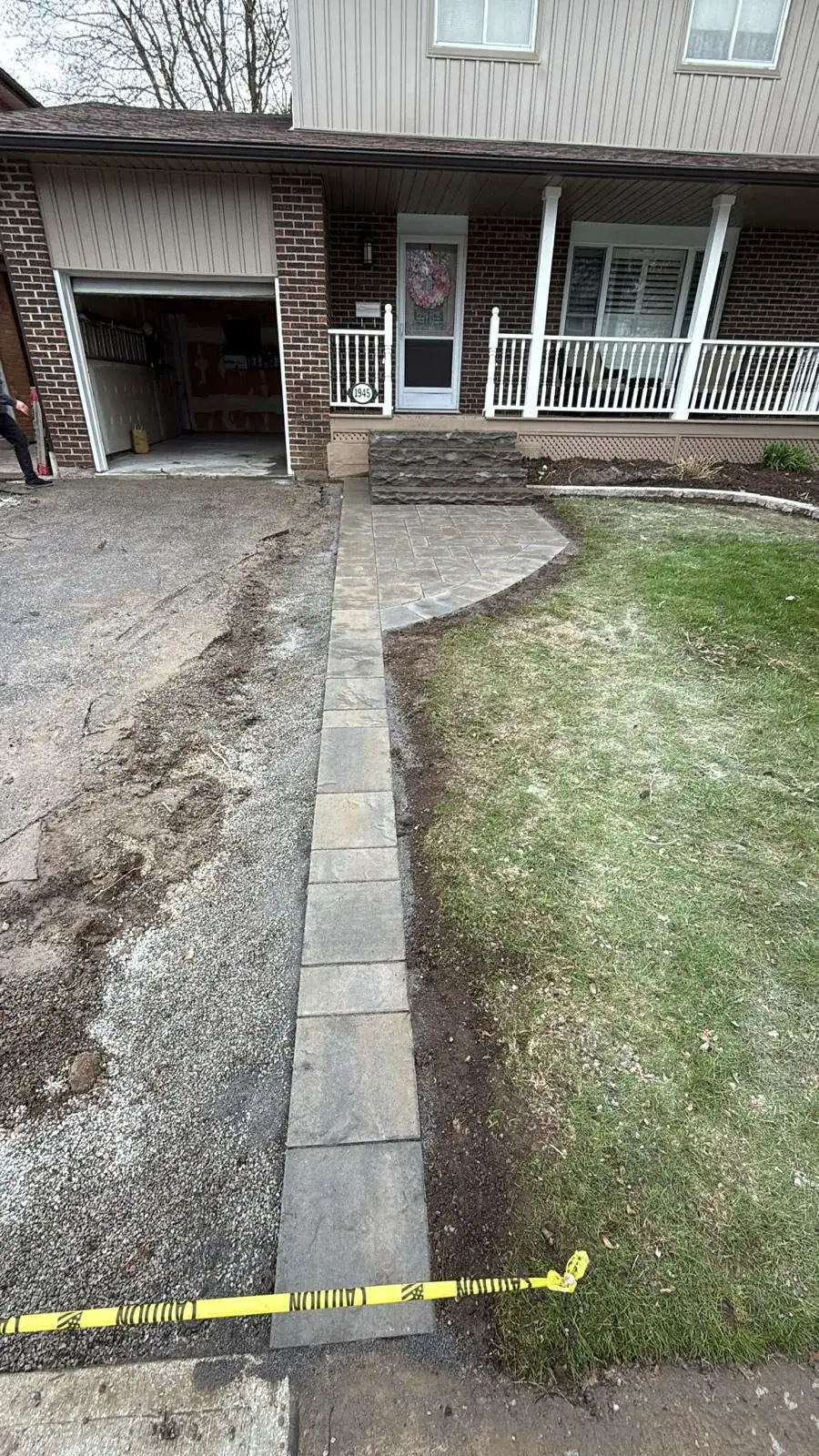
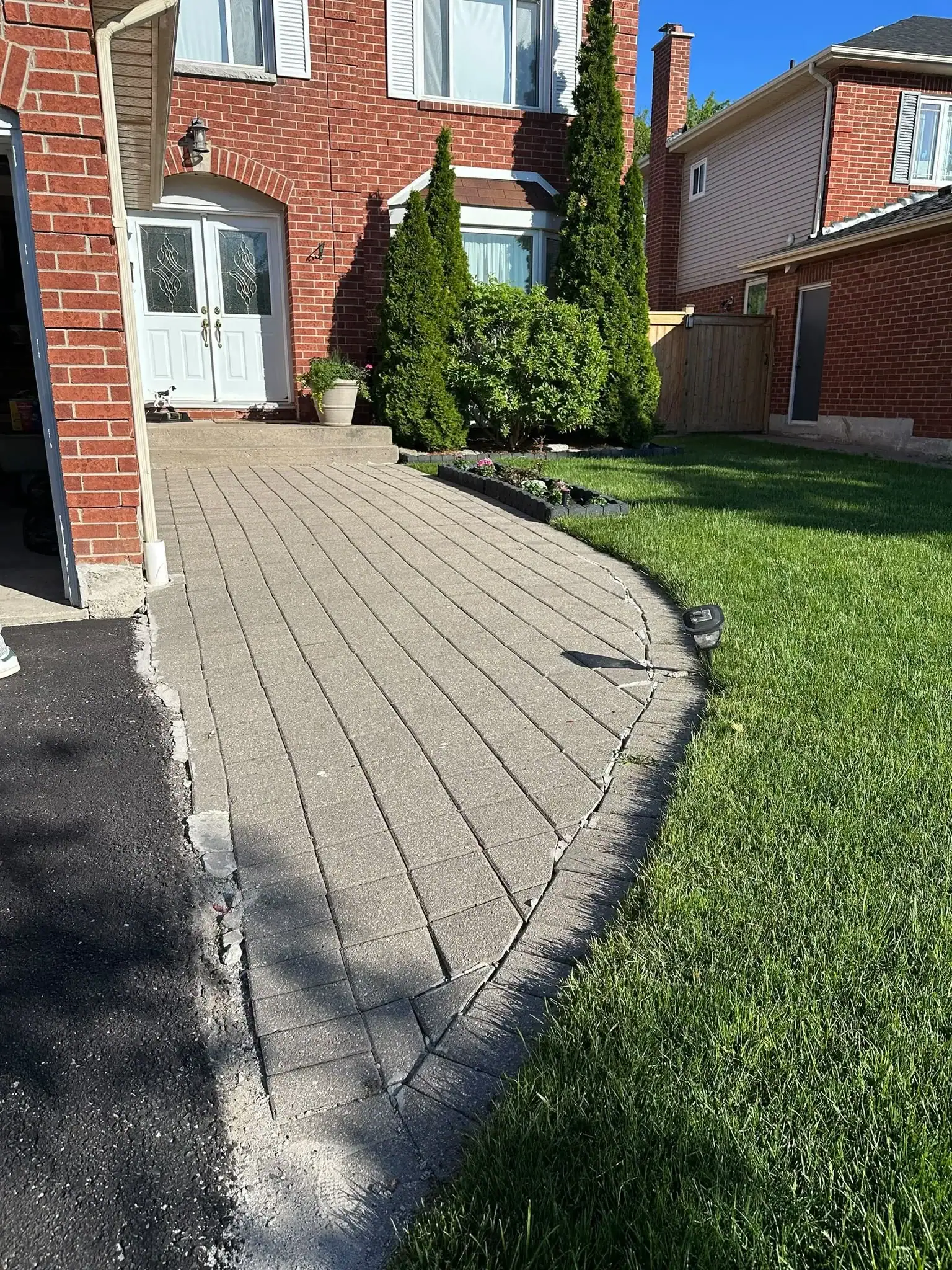
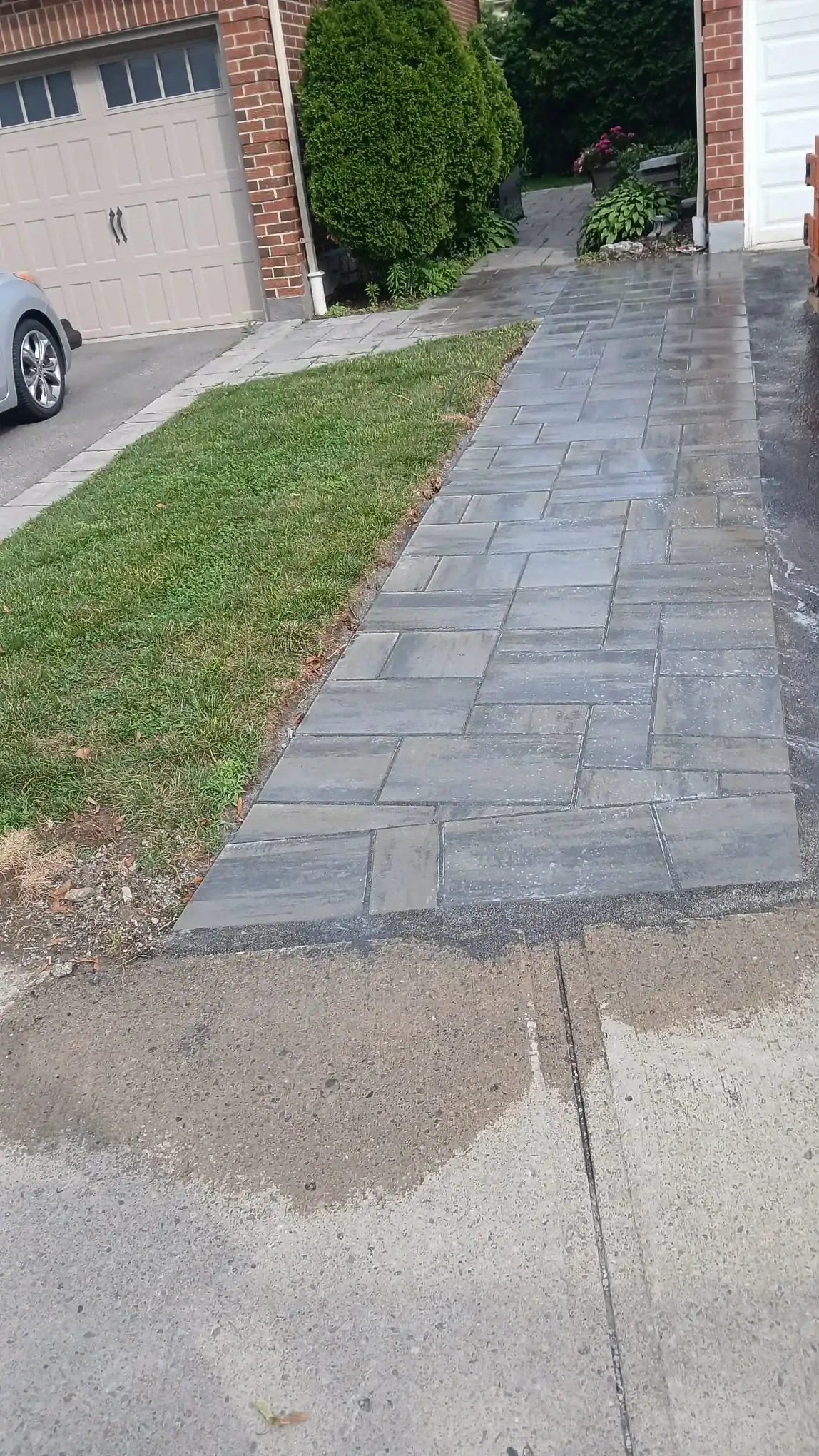
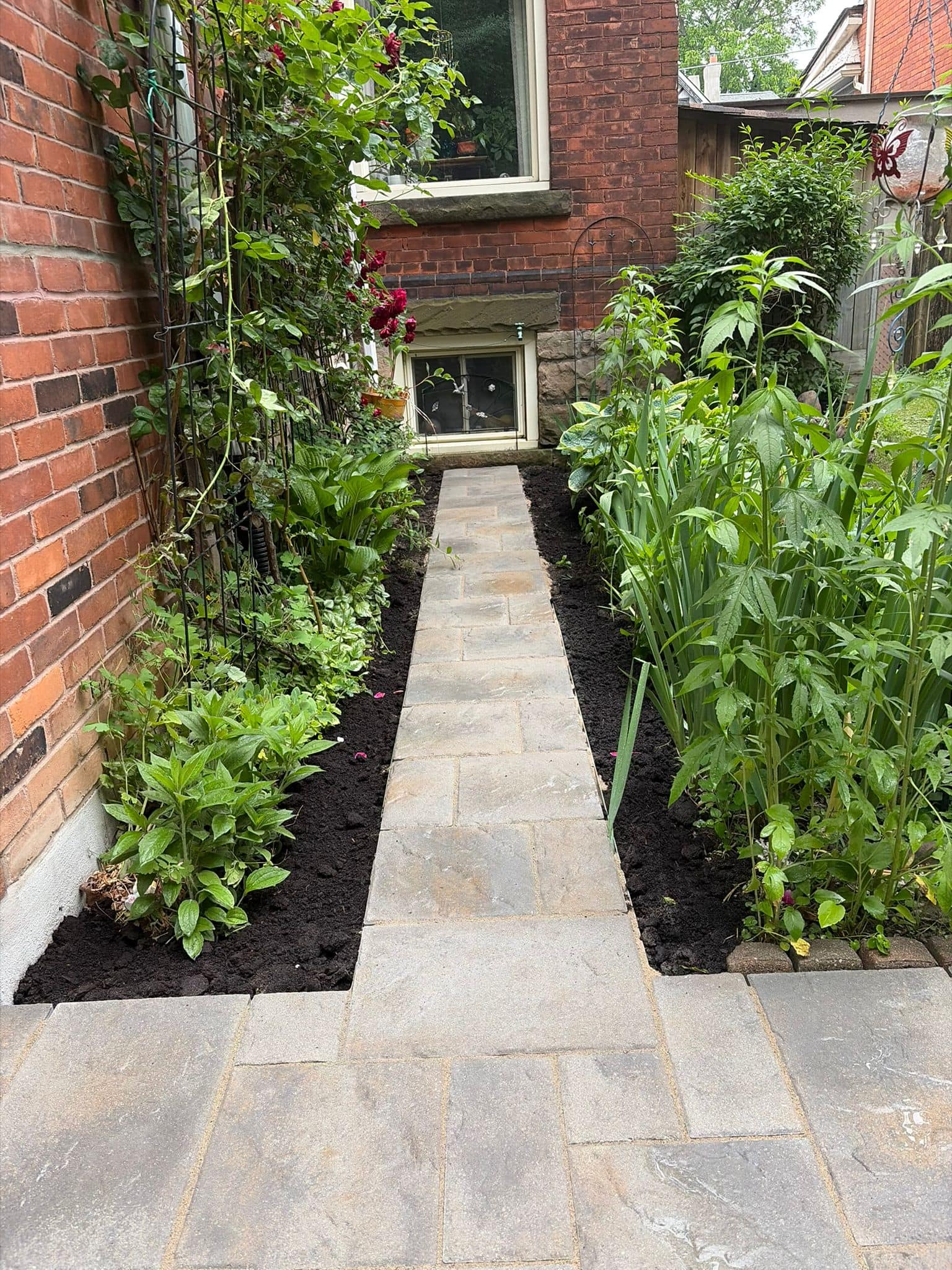
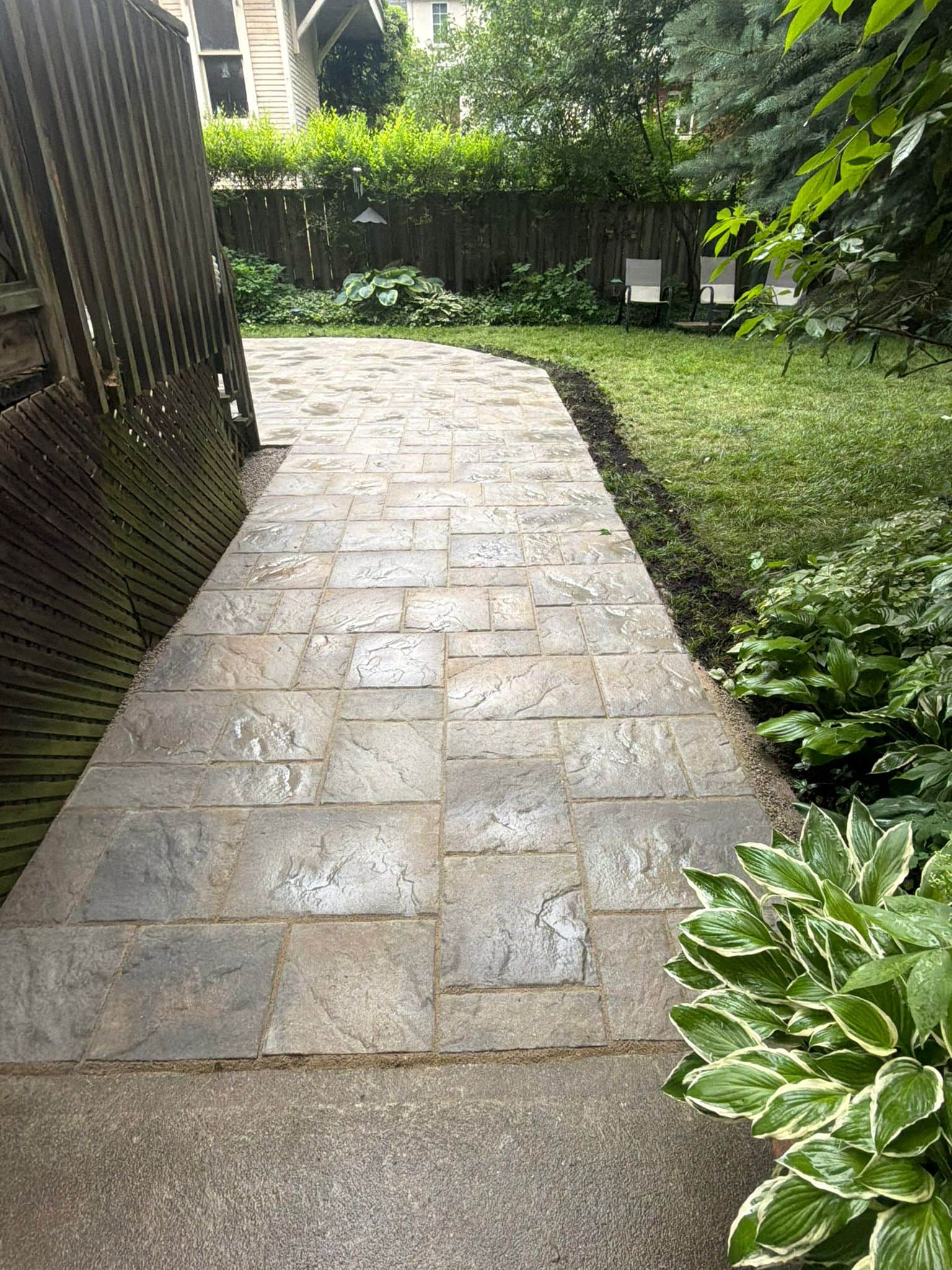
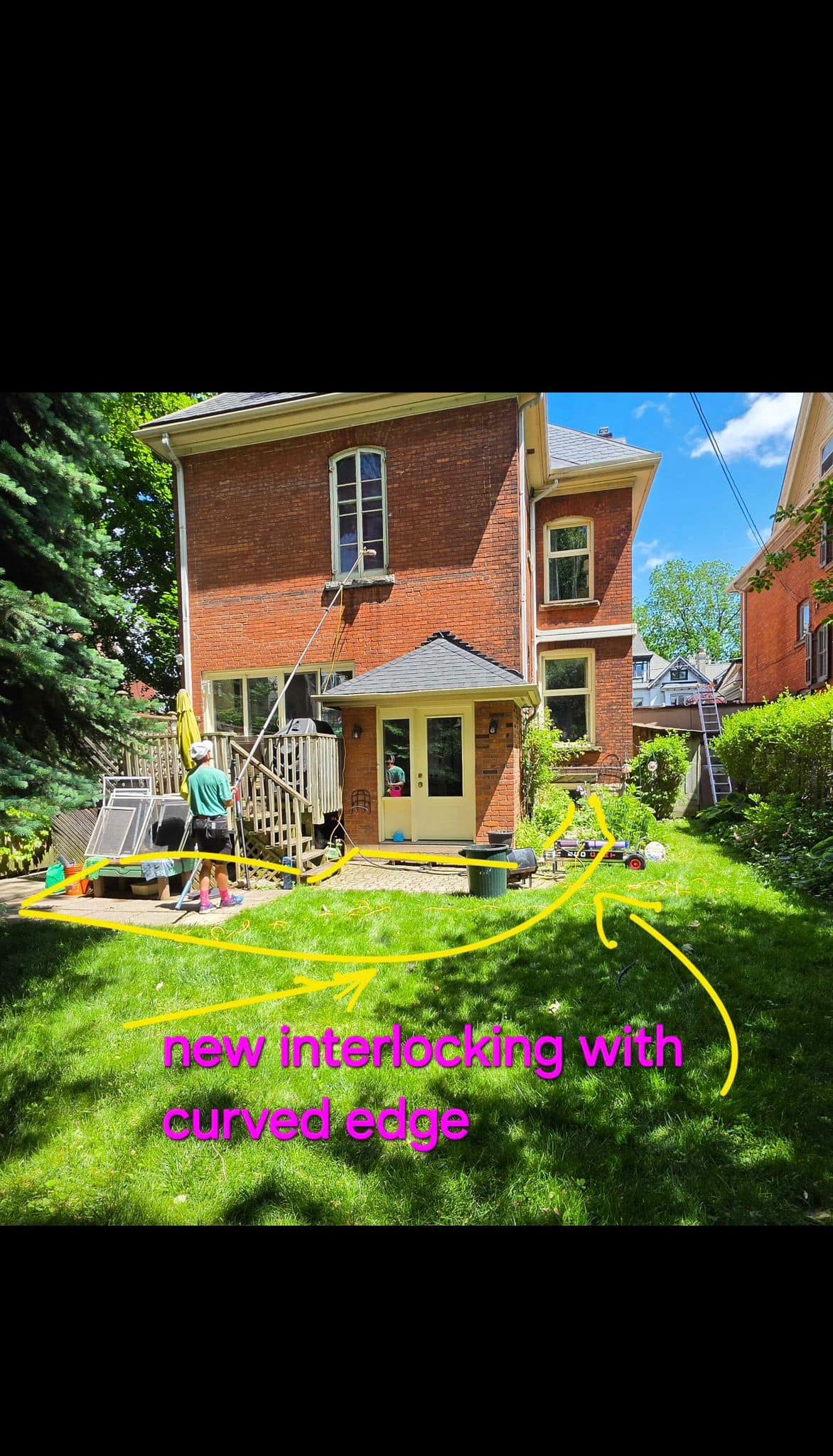
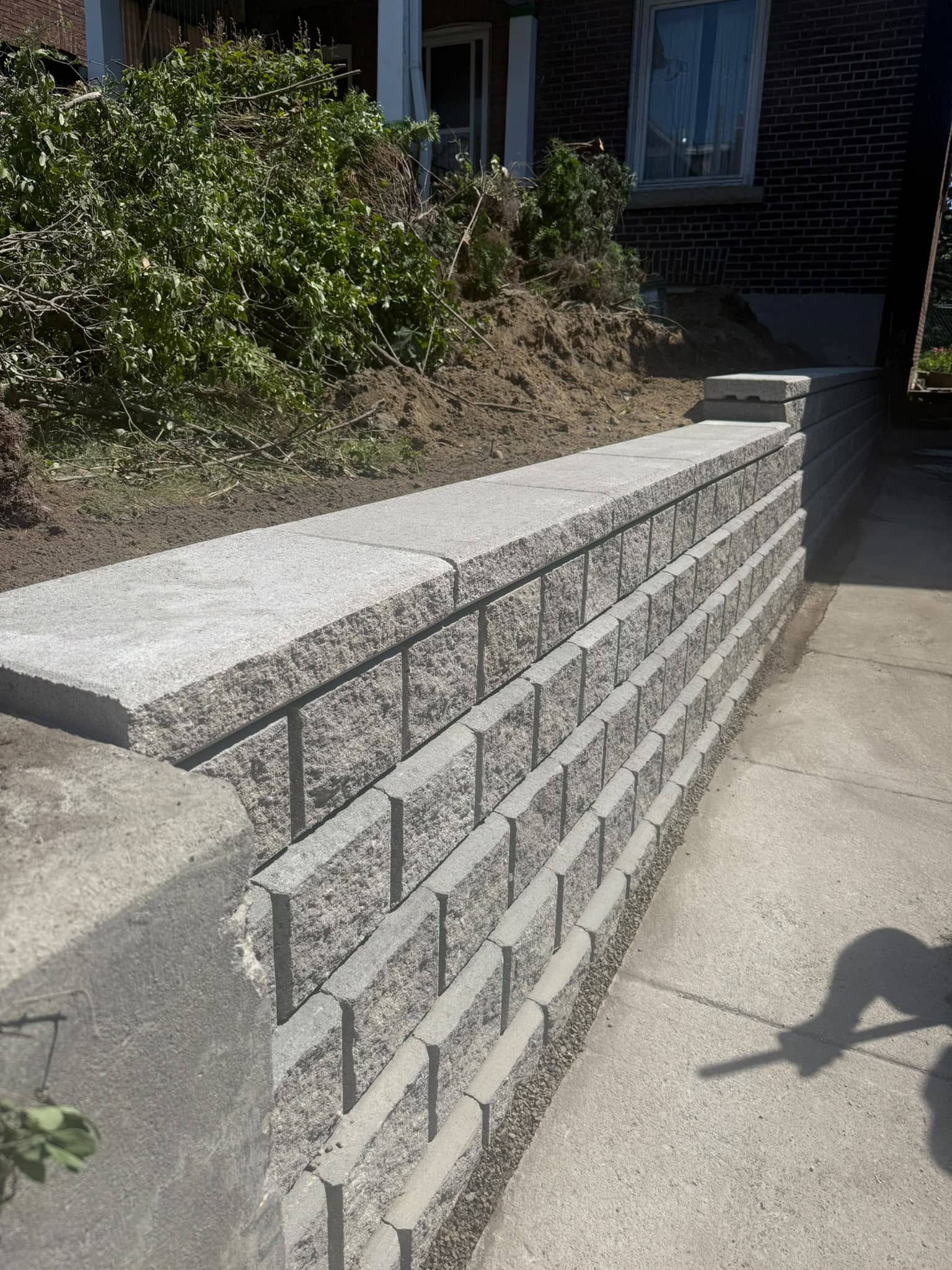
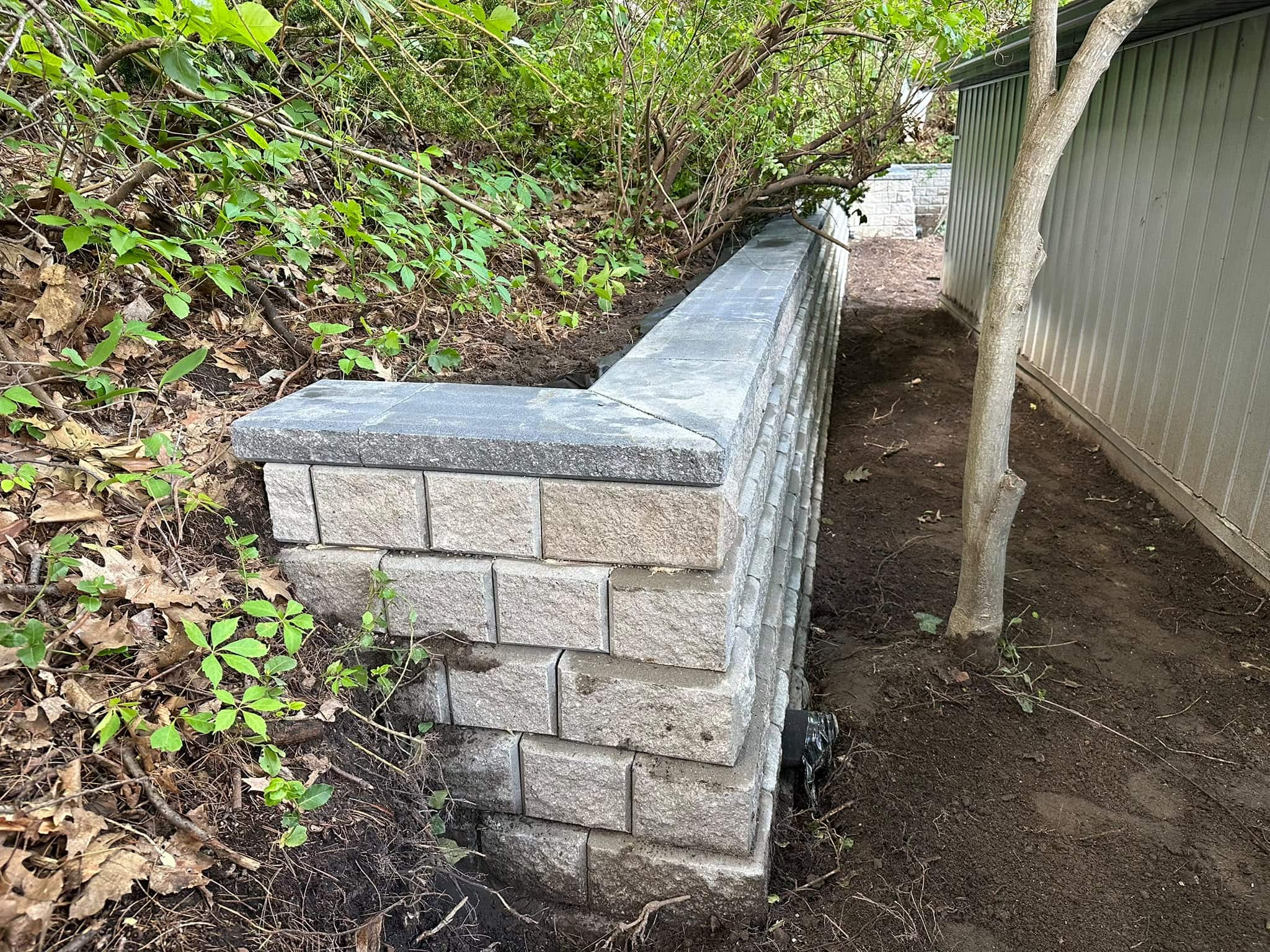
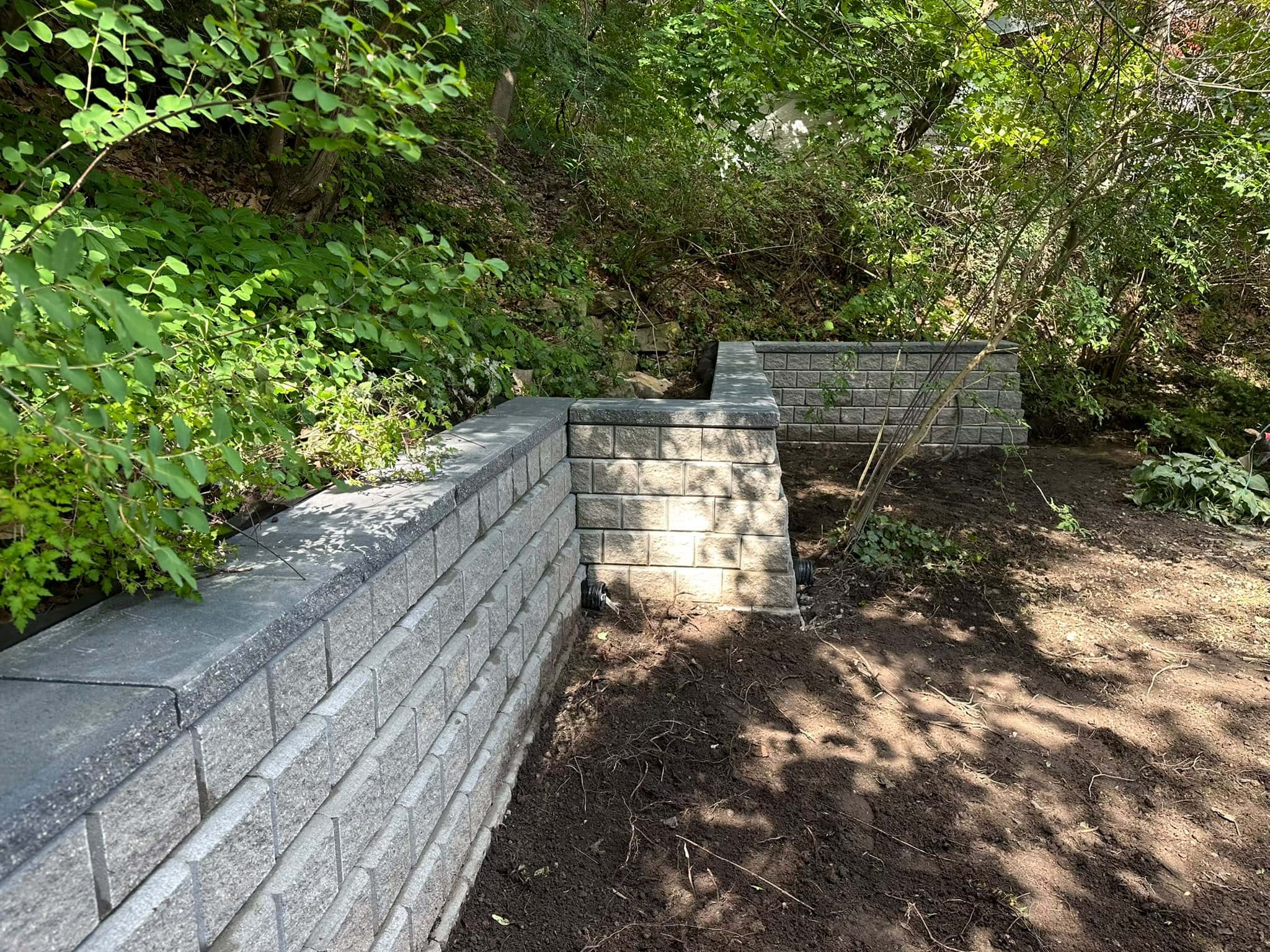
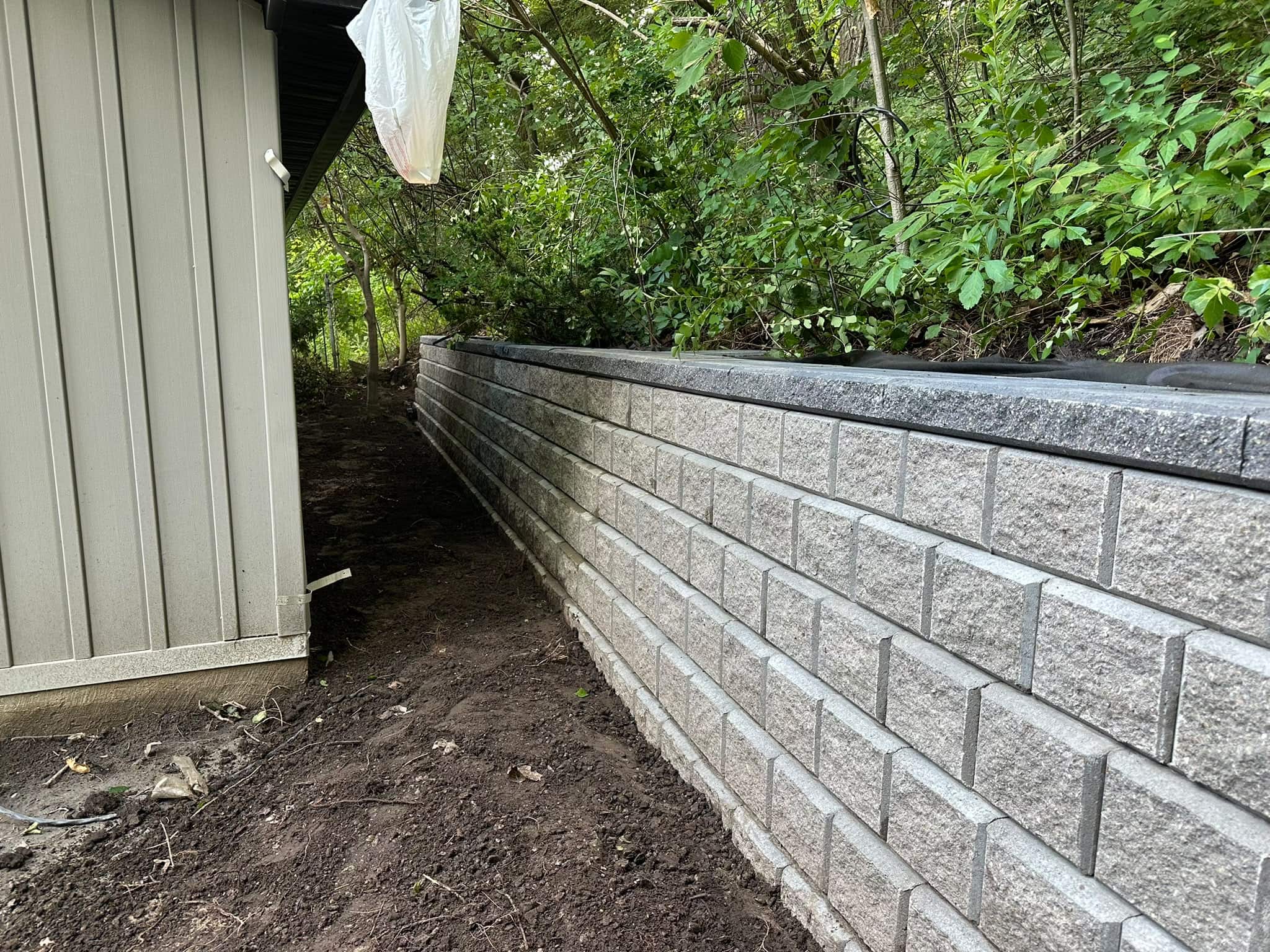
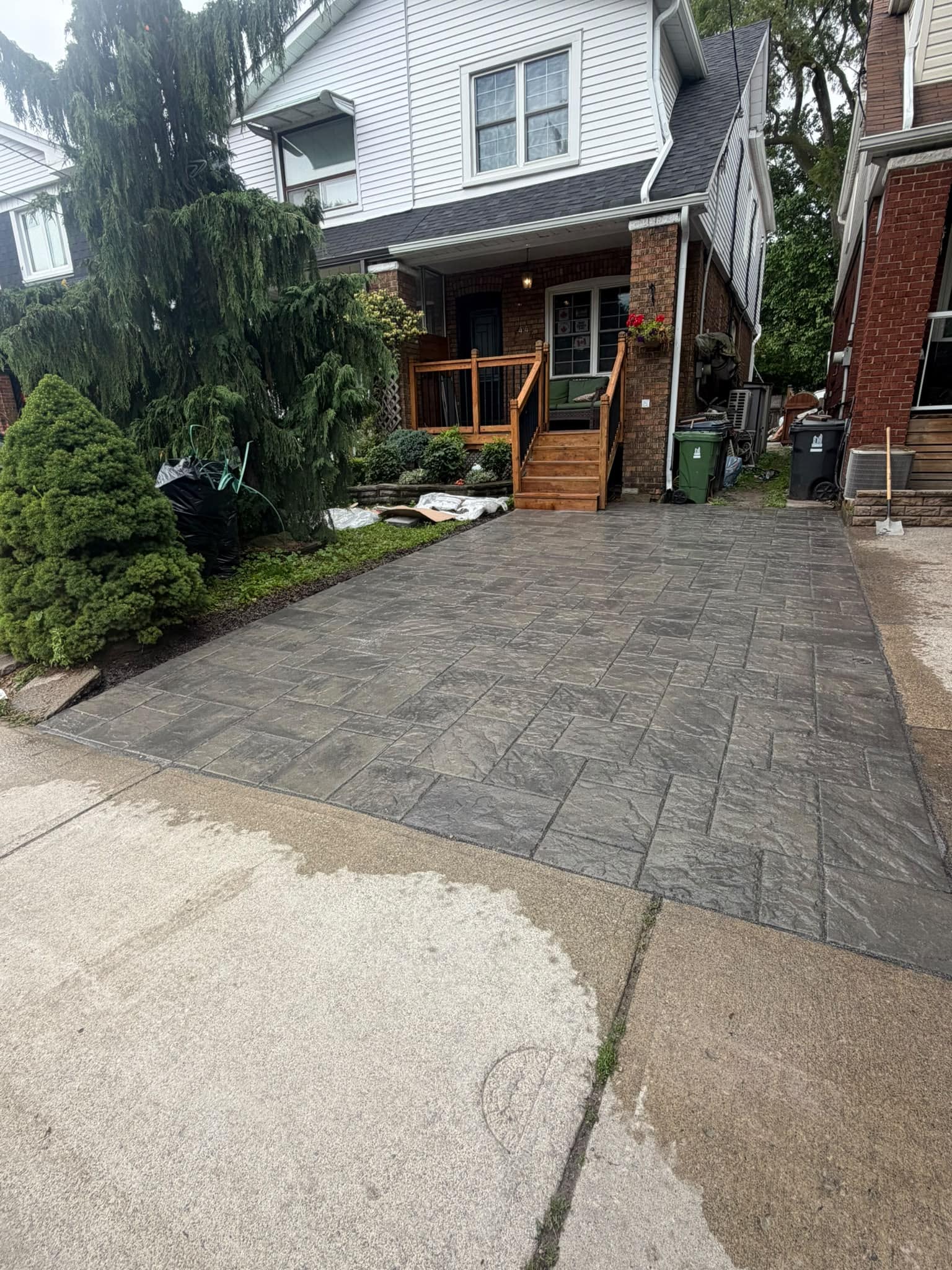
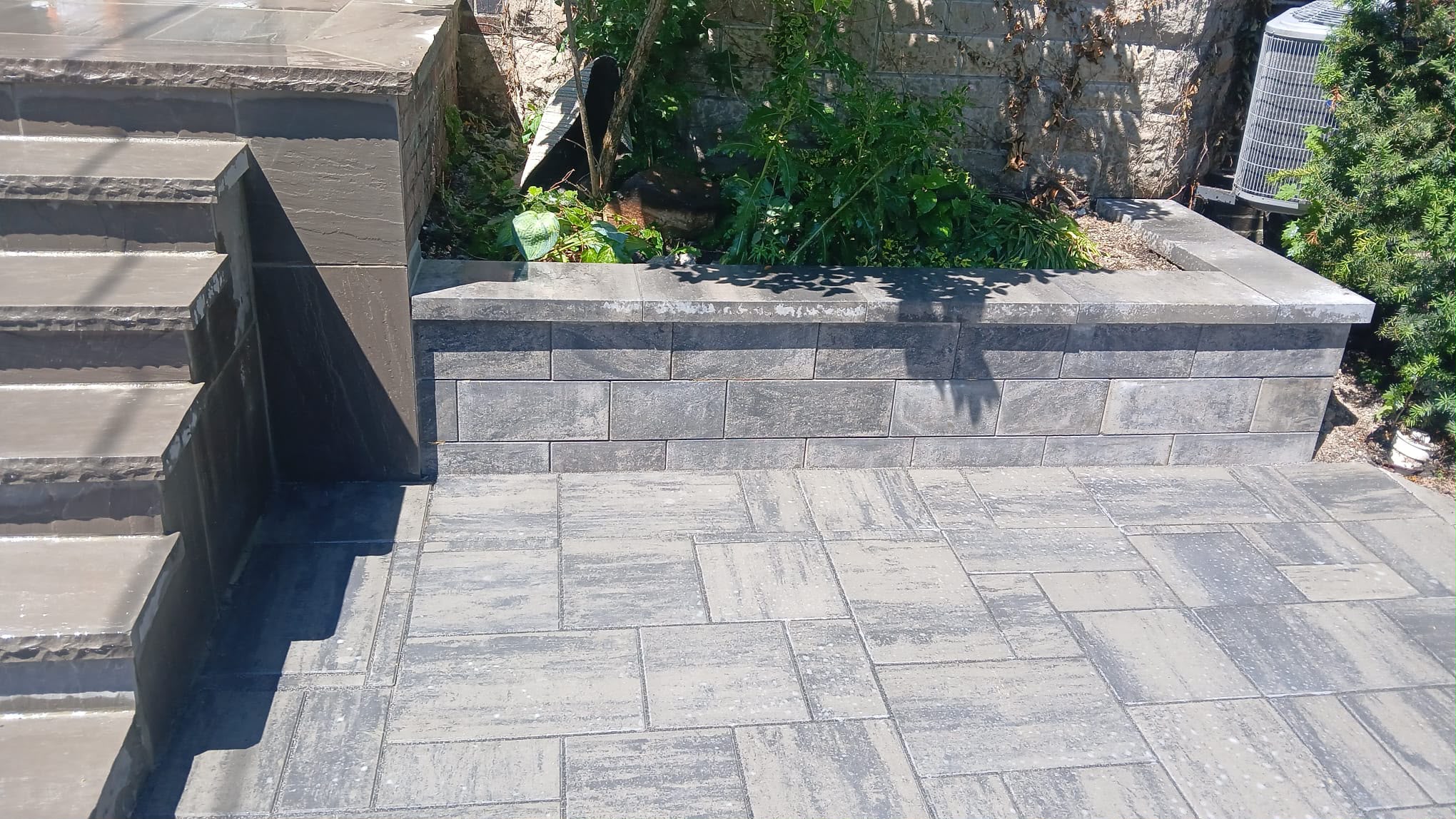
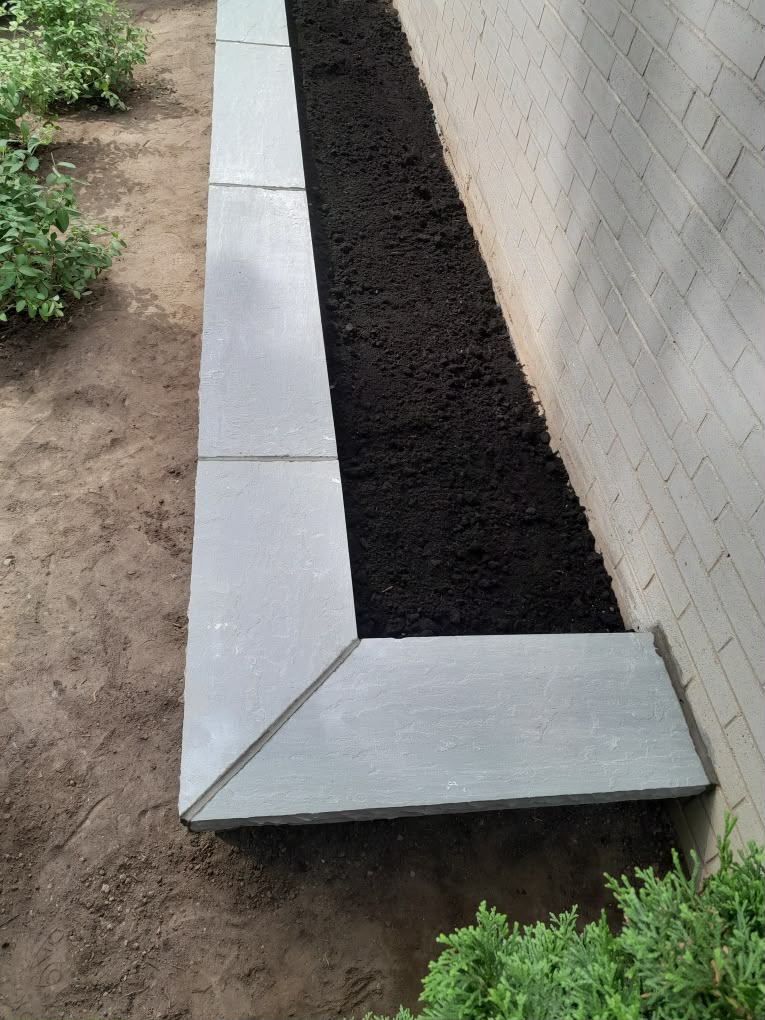
Ledgestone is perfect for garden walls, retaining walls, and pathways. It blends seamlessly with outdoor landscapes, creating a natural and timeless look. Use ledgestone to define garden beds, line walkways, or build decorative walls for a cohesive outdoor aesthetic.
Does a ledger stone need to be sealed?
Ledger stone should be sealed, especially in areas exposed to moisture, stains, or weather elements. Natural ledger stone is porous, meaning it can absorb water, dirt, and oils, leading to discoloration or damage over time.
Sealing helps protect the stone, enhances its color, and makes cleaning easier. For outdoor installations, a weather-resistant sealer is recommended to prevent fading and water penetration. In kitchens or bathrooms, sealing prevents stains from spills and humidity.
How to Seal a Ledgestone Wall
Sealing a ledgestone wall protects it from moisture, stains, and wear while enhancing its natural color and texture. Follow these steps for a successful seal:
Materials Needed:
✔️ Stone sealer (penetrating or enhancing, depending on the desired finish)
✔️ Soft brush or microfiber cloth
✔️ Foam roller or sprayer
✔️ Clean, dry rag
✔️ Mild detergent and water
✔️ Painter’s tape (if needed)
Step-by-Step Process:
1. Clean the Surface
- Remove dust and debris using a soft brush or vacuum.
- For dirt or grease, use a mild detergent mixed with water and gently scrub with a sponge.
- Rinse with clean water and allow the surface to dry completely (usually 24 hours).
2. Choose the Right Sealer
- Penetrating Sealers: Absorbed into the stone, providing protection without altering the natural look.
- Enhancing Sealers: Deepen the color and add a slight sheen, ideal for a more polished appearance.
- Waterproof or Outdoor Sealers: Designed for exterior ledgestone walls, protecting against rain and UV exposure.
3. Apply the Sealer
- Use a foam roller, sprayer, or soft cloth for even application.
- Start from the top of the wall and work your way down to avoid streaks.
- Ensure the sealer penetrates the stone (for porous ledgestone, apply multiple coats as needed).
4. Wipe Off Excess Sealer
- Let the sealer sit for 5-10 minutes (or as directed by the product label).
- Use a dry microfiber cloth to remove any excess and avoid streaking.
5. Let It Dry
- Allow the wall to dry for at least 24 hours before touching or exposing it to water.
- Avoid heavy cleaning or moisture for 48-72 hours to ensure the sealer fully cures.
6. Reapply as Needed
- Indoors: Reapply every 1-2 years (especially in high-traffic areas).
- Outdoors: Reapply annually or as needed, depending on weather conditions.
Pro Tips:
✅ Always test the sealer on a small, hidden area before applying it to the entire wall.
✅ If the ledgestone is installed near a fireplace or kitchen, use a heat-resistant or grease-resistant sealer.
✅ Avoid using acidic or harsh cleaners after sealing, as they can break down the protective layer.
Types of Sealers for ledgestone
Types of sealers for a ledgestone wall, depending on the finish and protection level you need:
1. Penetrating Natural Look Sealer (Best for Invisible Protection)
✔ Best for: Indoor & outdoor use, moisture-prone areas (bathrooms, kitchens, patios)
✔ Benefits:
- Absorbs into the stone without altering its natural appearance
- Protects against water, stains, and mold
- Long-lasting with minimal maintenance
2. Enhancing Sealer (Best for Richer Color & Sheen)
✔ Best for: Fireplaces, feature walls, and accent areas
✔ Benefits:
- Deepens the color and enhances texture
- Provides water and stain resistance
- Ideal for making natural tones pop
3. Wet Look or Glossy Sealer (Best for Shine & Outdoor Protection)
✔ Best for: Exterior ledgestone walls, walkways, and patios
✔ Benefits:
- Adds a semi-gloss or wet look finish
- UV-resistant and waterproof
- Protects against weathering and fading
FAQ
What is ledge rock made of?
Ledge rock, or ledgestone, is commonly made from natural stone materials such as sandstone, limestone, quartzite, and slate. Manufactured ledgestone, on the other hand, is made from a blend of cement, aggregates, and pigments to replicate the look of natural stone.
What Type Of Rock Is Ledgestone?
Ledgestone is typically made from sedimentary or metamorphic rocks, such as limestone, sandstone, quartzite, and slate. These materials provide durability and a rugged, textured appearance.
Can ledger stone be used outdoors?
Yes, ledger stone is commonly used outdoors for facades, garden walls, fireplaces, patios, and walkways. Natural ledgestone is weather-resistant, while manufactured ledger stone may require sealing for protection against moisture and UV exposure.
What is a ledge used for?
A ledge is a flat, protruding surface often used for support or decoration. In architecture and design, ledges can be found on window sills, mantels, shelves, and outdoor retaining walls.
What is ledge short for?
“Ledge” is short for “ledge rock” or “ledge stone”, referring to flat or stacked rock formations commonly used in construction and landscaping.
What size is ledge stone?
Ledgestone sizes vary, but typical pieces range from 1 to 6 inches in height and 6 to 24 inches in length. Thickness usually varies between 0.5 to 2 inches, depending on whether it’s natural or manufactured.
What is stack stone used for?
Stacked stone is used for accent walls, fireplaces, outdoor facades, kitchen backsplashes, and landscaping features. Its textured, layered appearance adds depth and character to both interior and exterior spaces.
Final Thoughts:
Ledgestone is a timeless and versatile choice for enhancing both indoor and outdoor spaces. Whether used for accent walls, fireplaces, or exterior facades, its natural texture and depth add character to any setting. With proper installation and maintenance, ledgestone remains a durable and stylish investment that elevates your home’s aesthetic.
If you’re considering a ledgestone project, take the time to choose the right material, apply a quality sealer, and ensure professional installation for the best results. With its classic appeal and modern versatility, ledgestone is a smart choice for any renovation.
Transform Your Space with Expert Stone Installation
Looking to enhance your home with beautiful ledgestone or natural stone features? Whether it’s an accent wall, fireplace, or outdoor façade, AA Masonry brings craftsmanship and quality to every project. With years of experience in stone installation, we ensure a seamless, durable, and stylish finish tailored to your vision.
Ready to get started? Contact AA Masonry today for expert guidance and a no-obligation consultation!