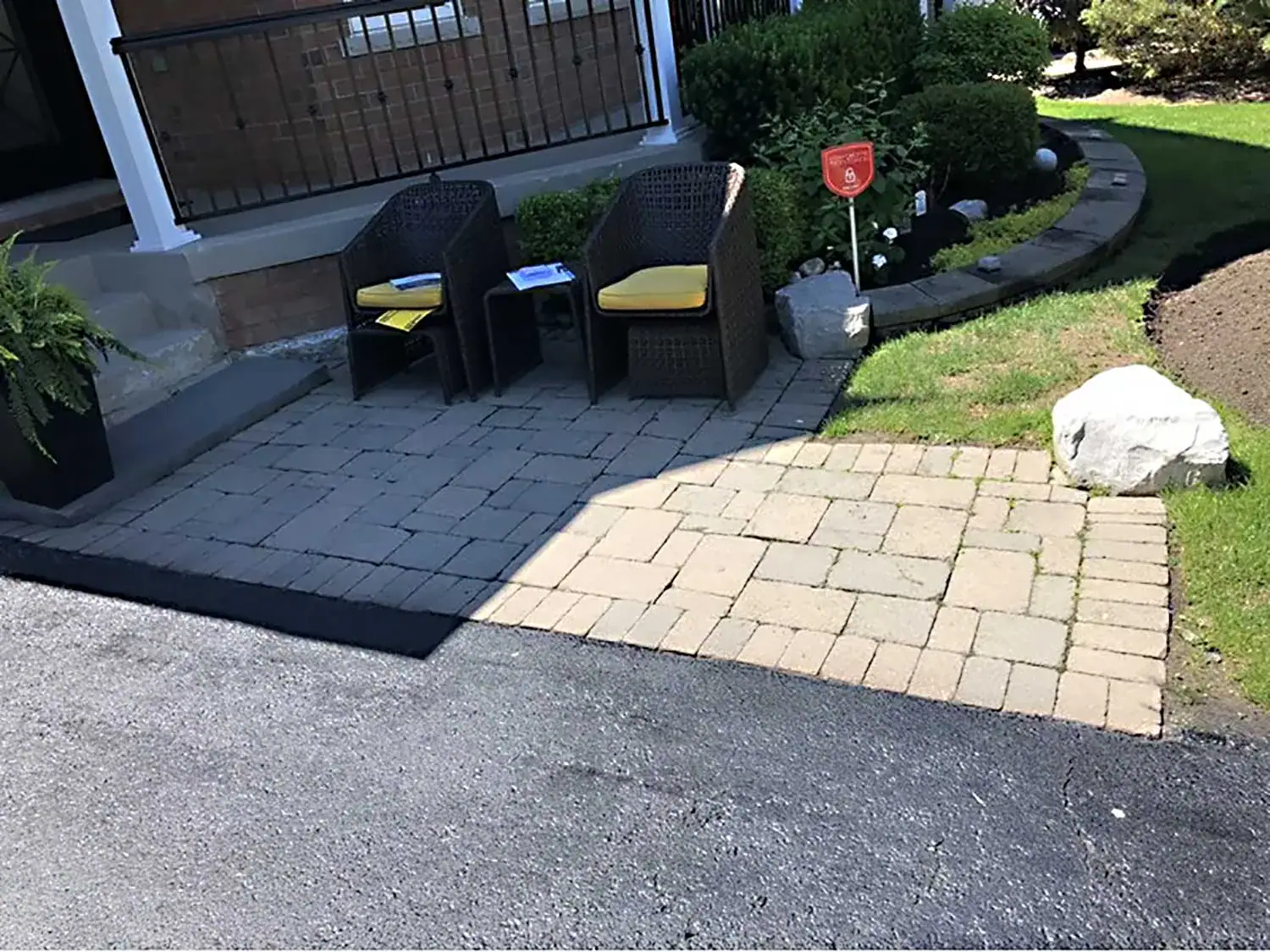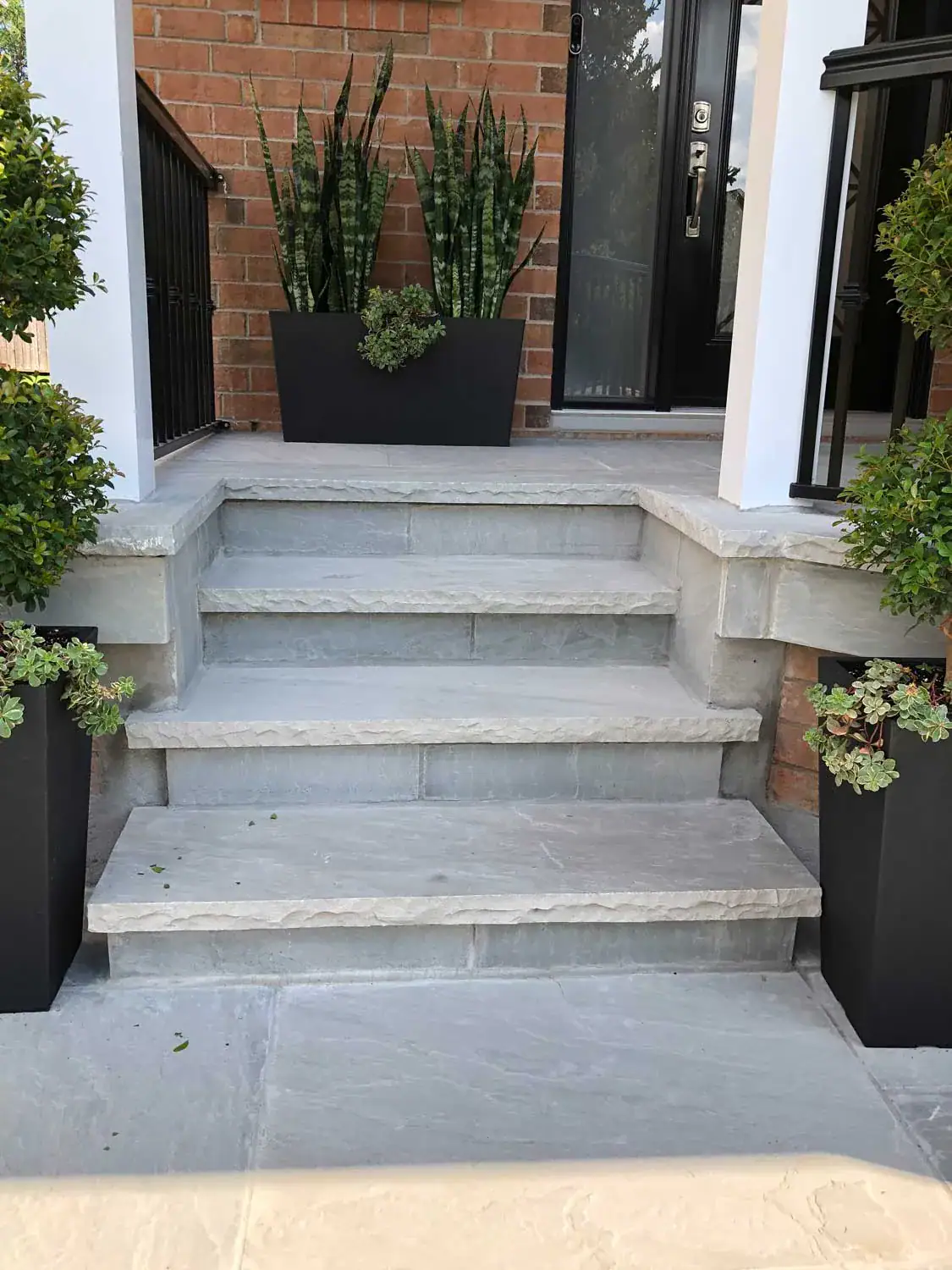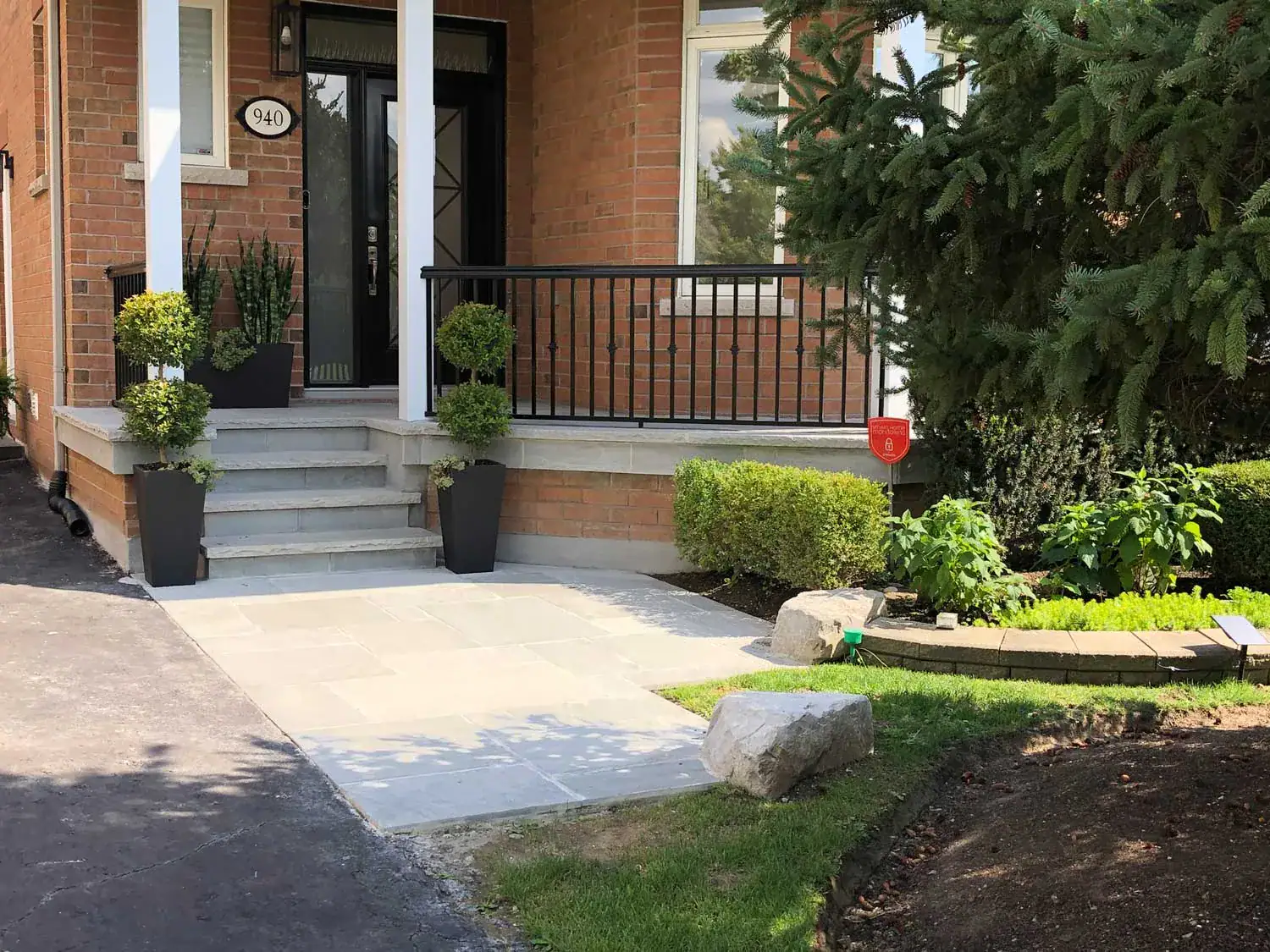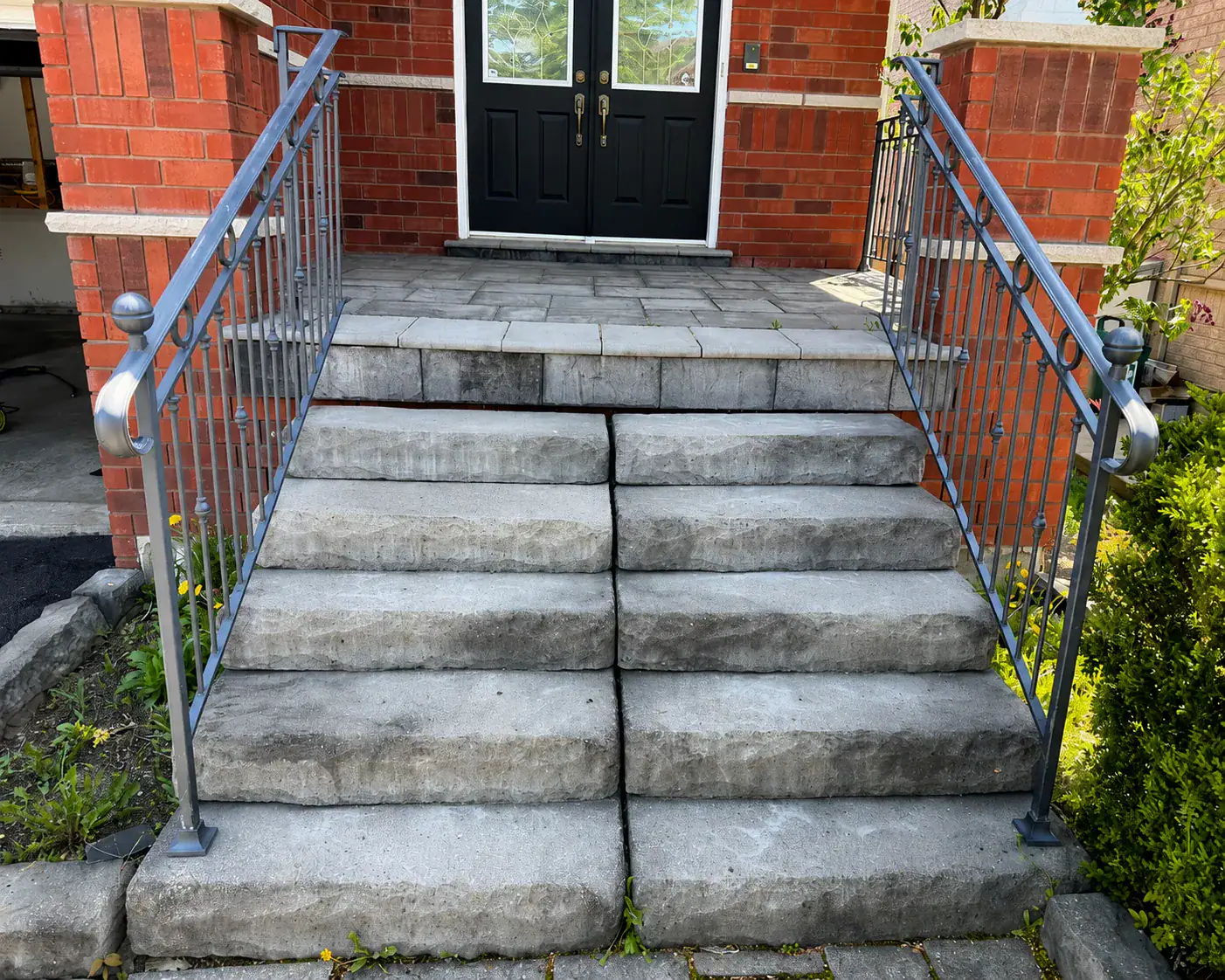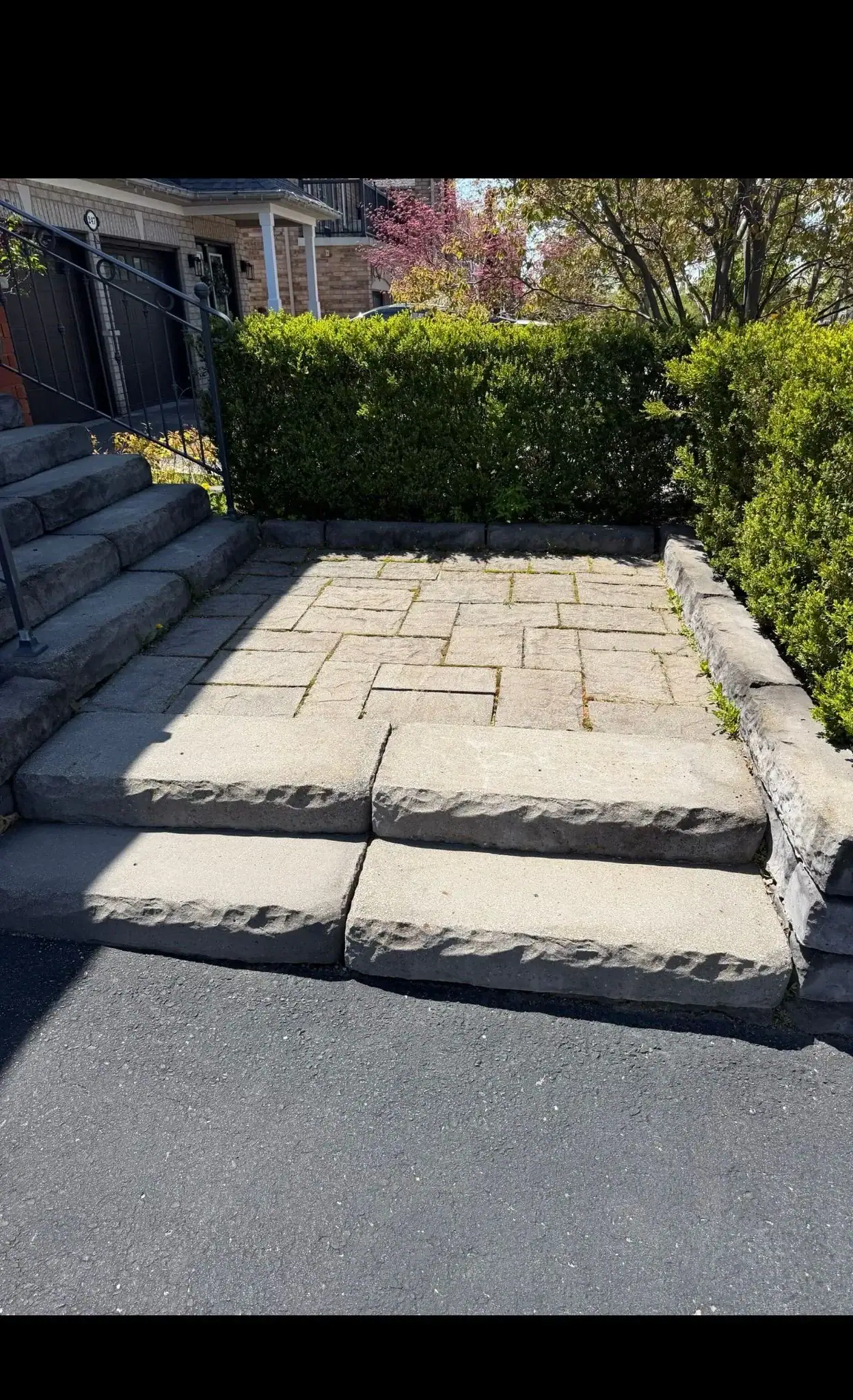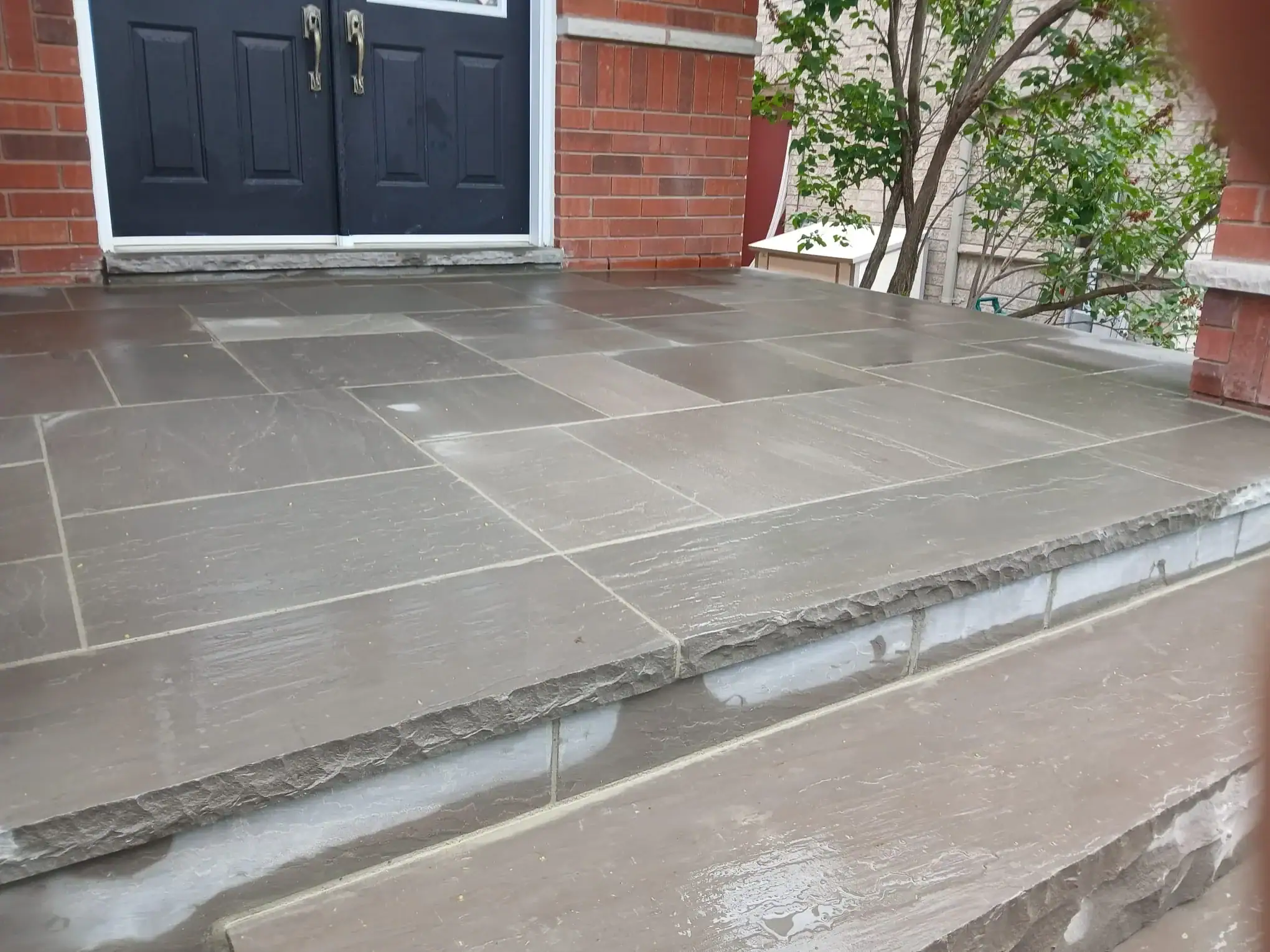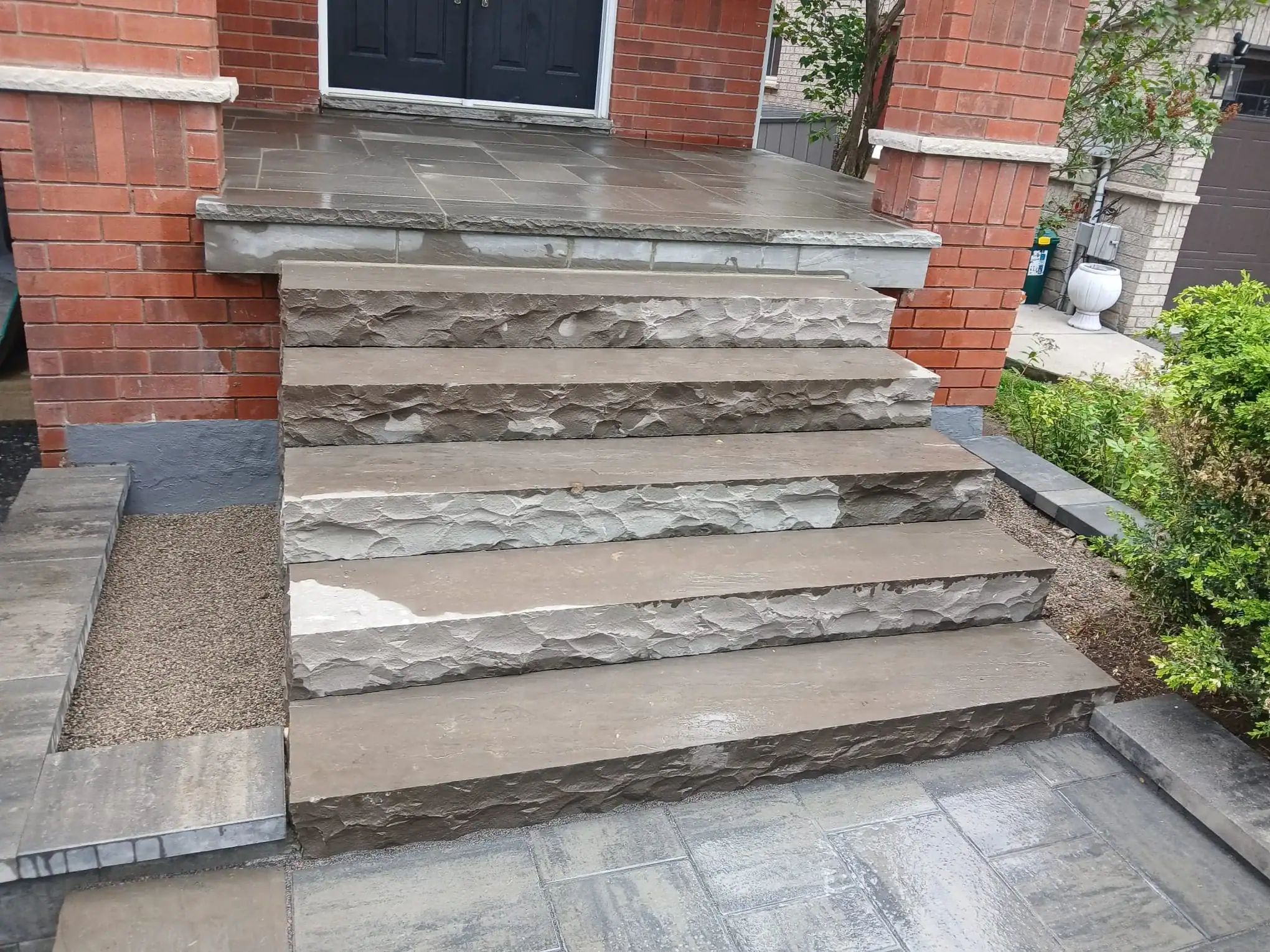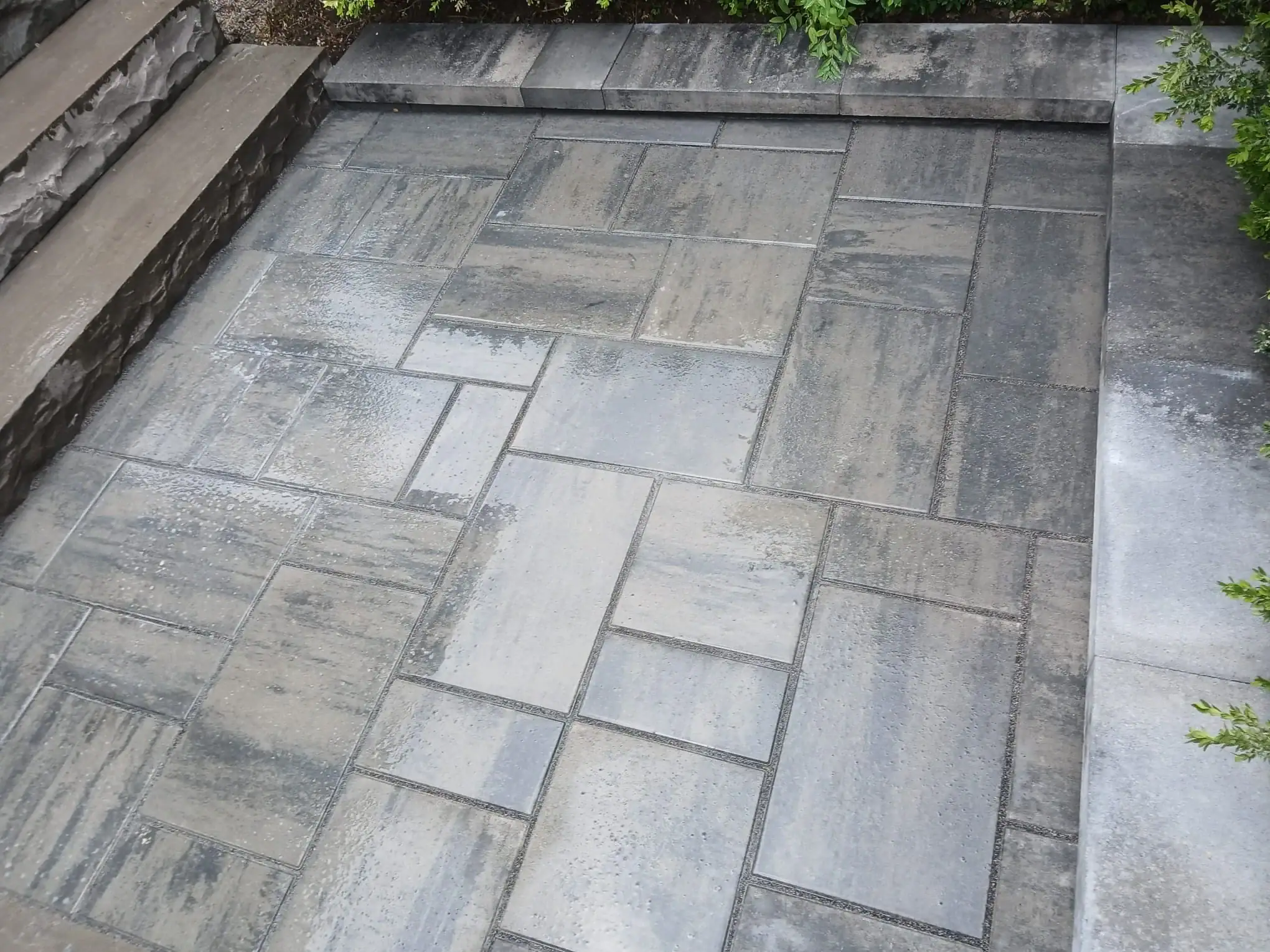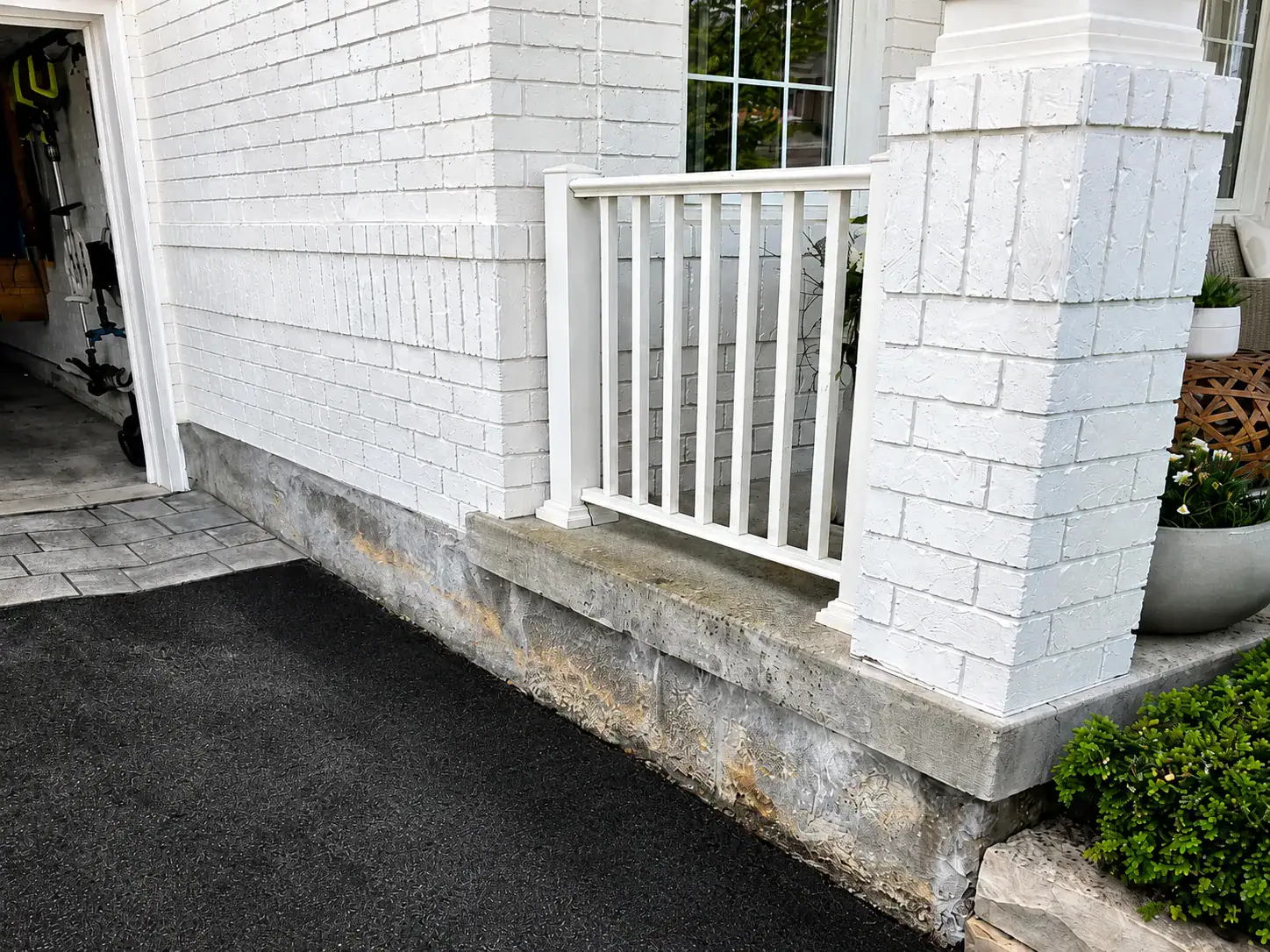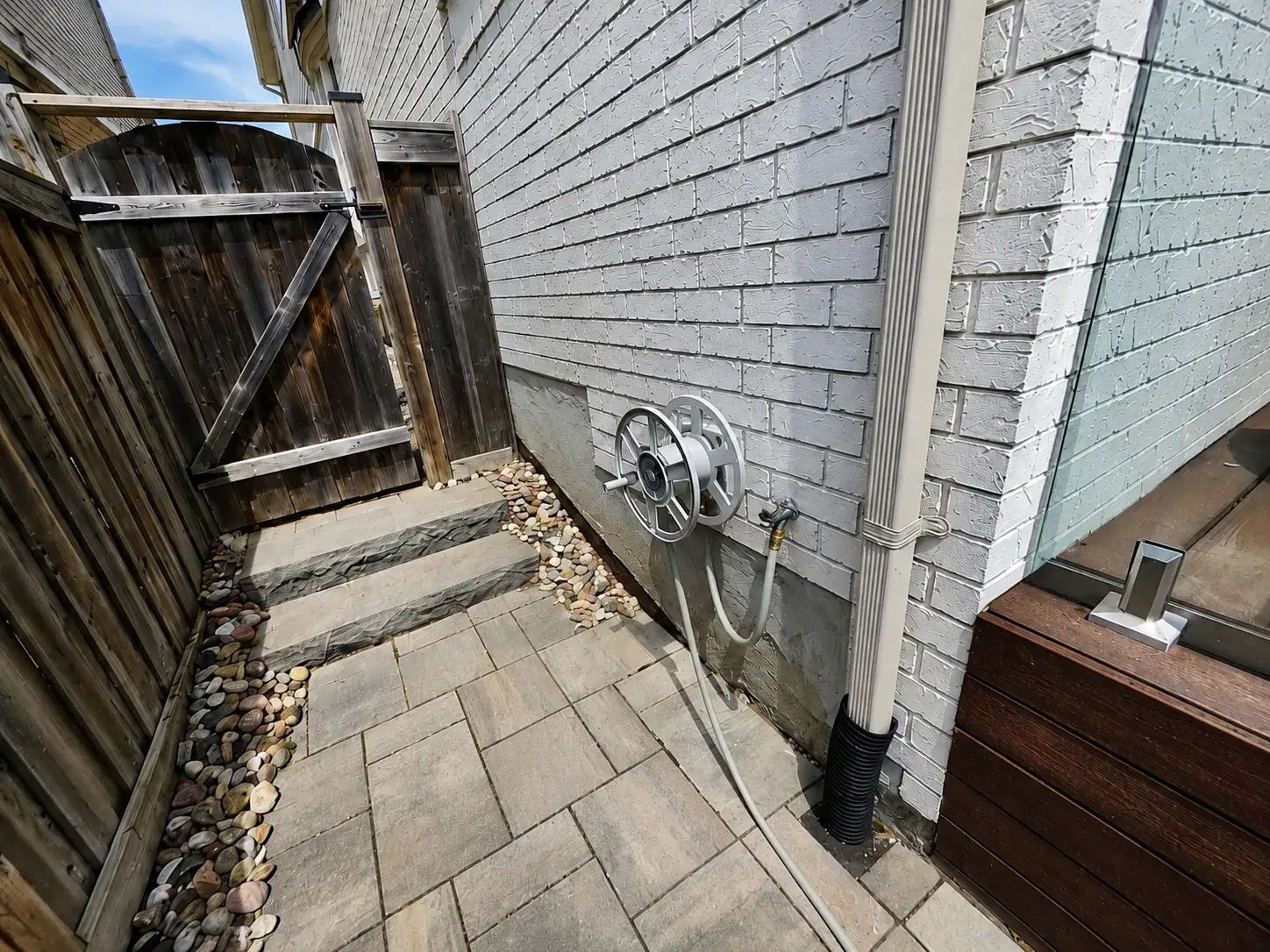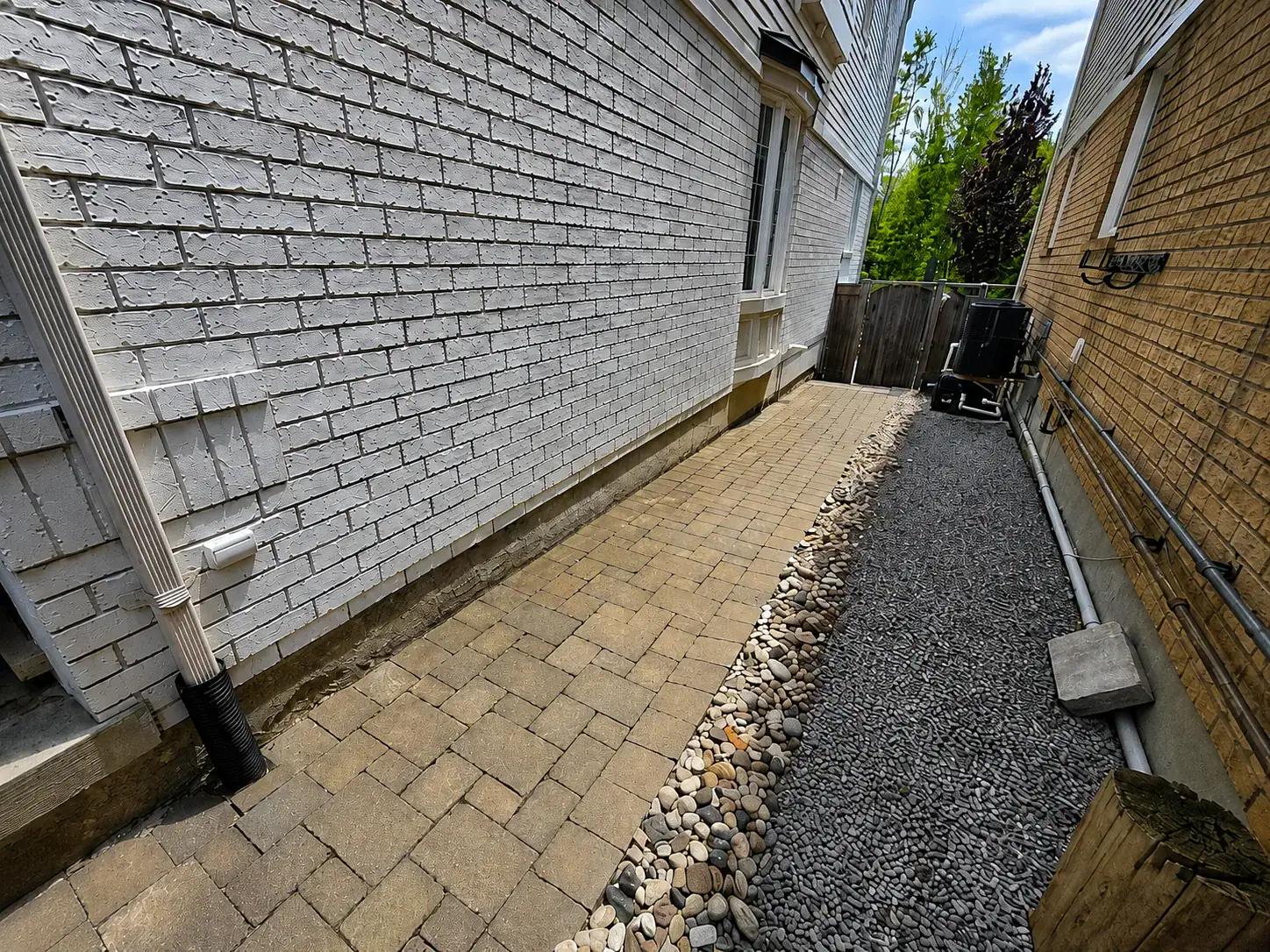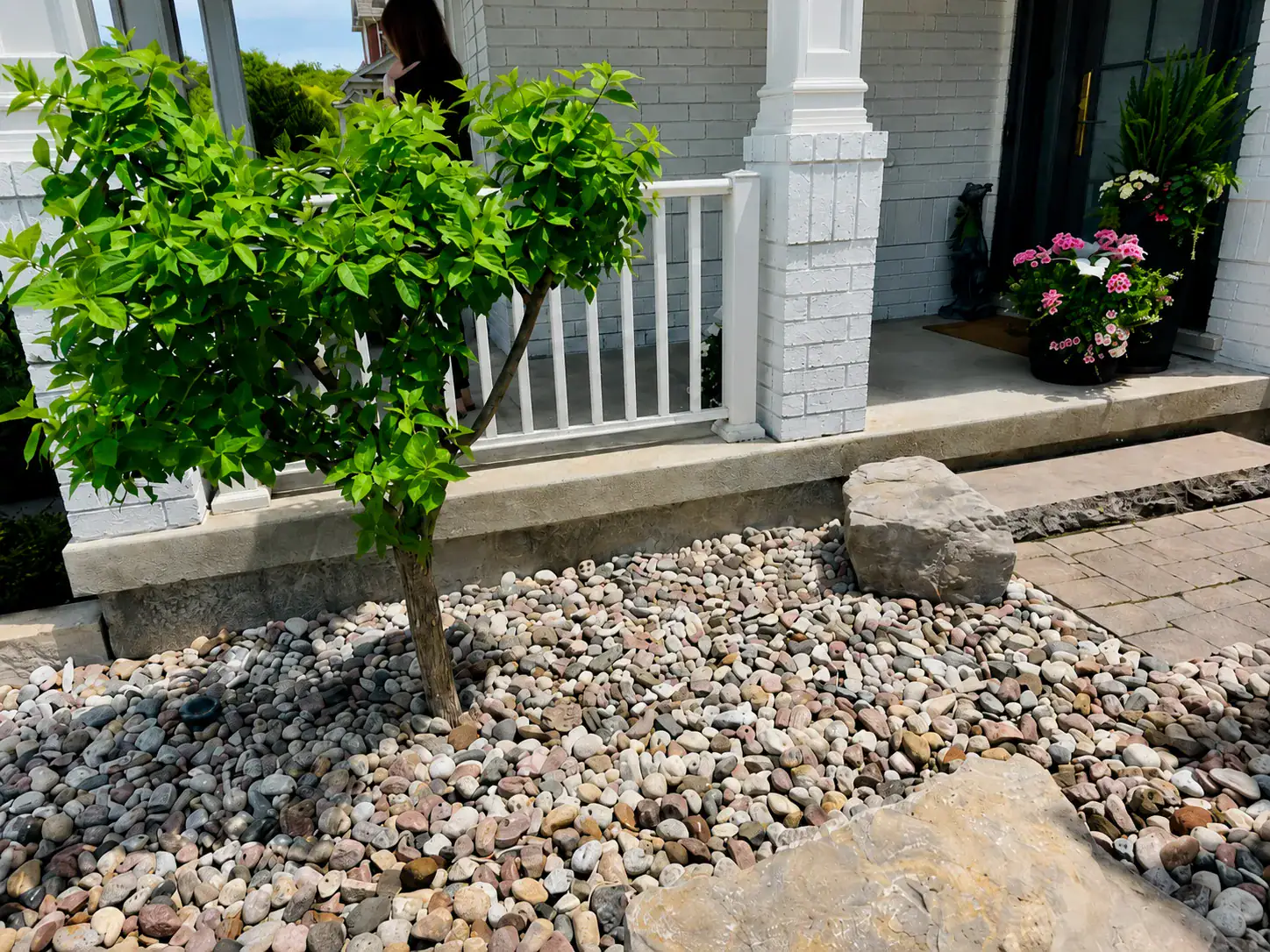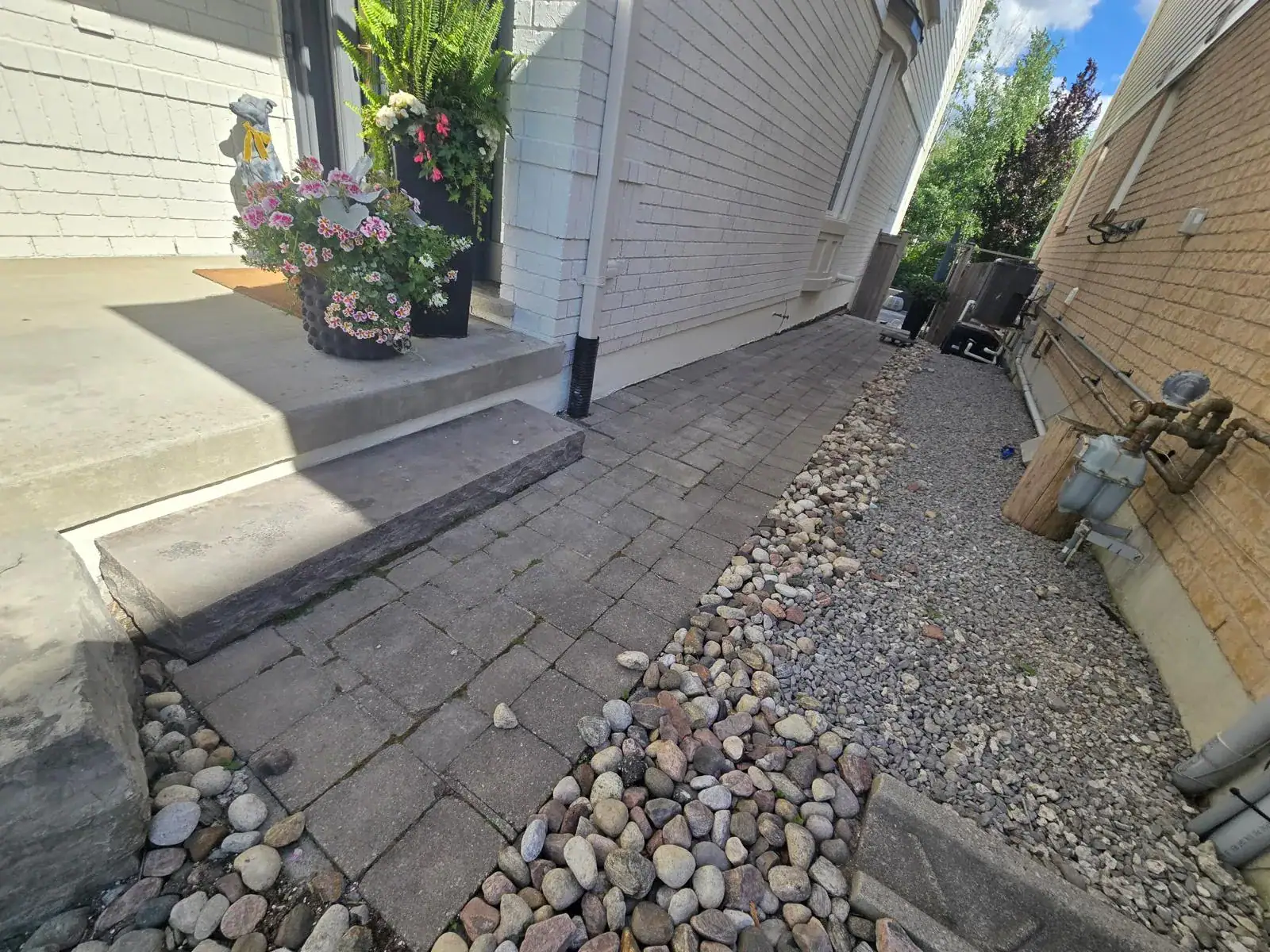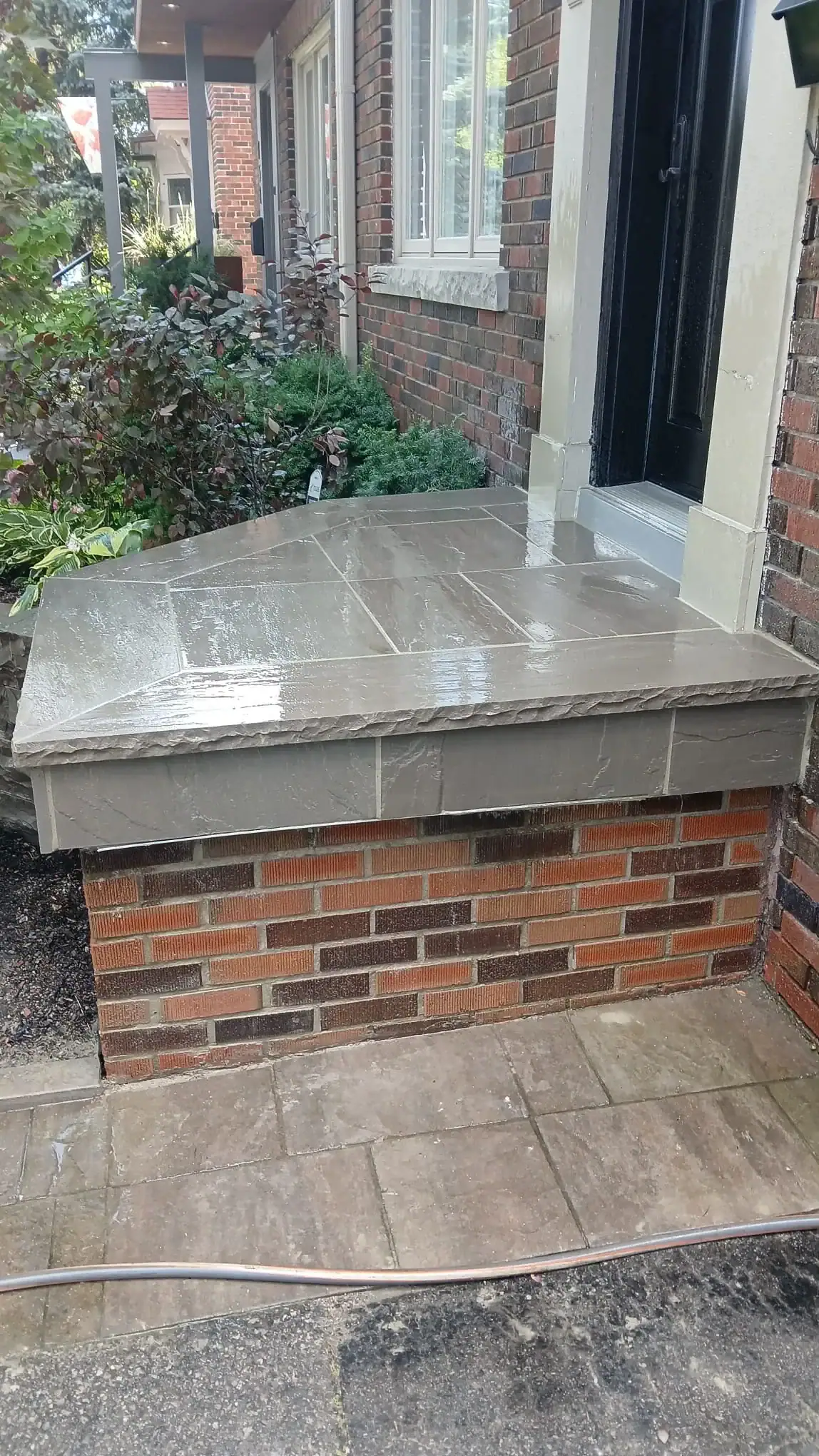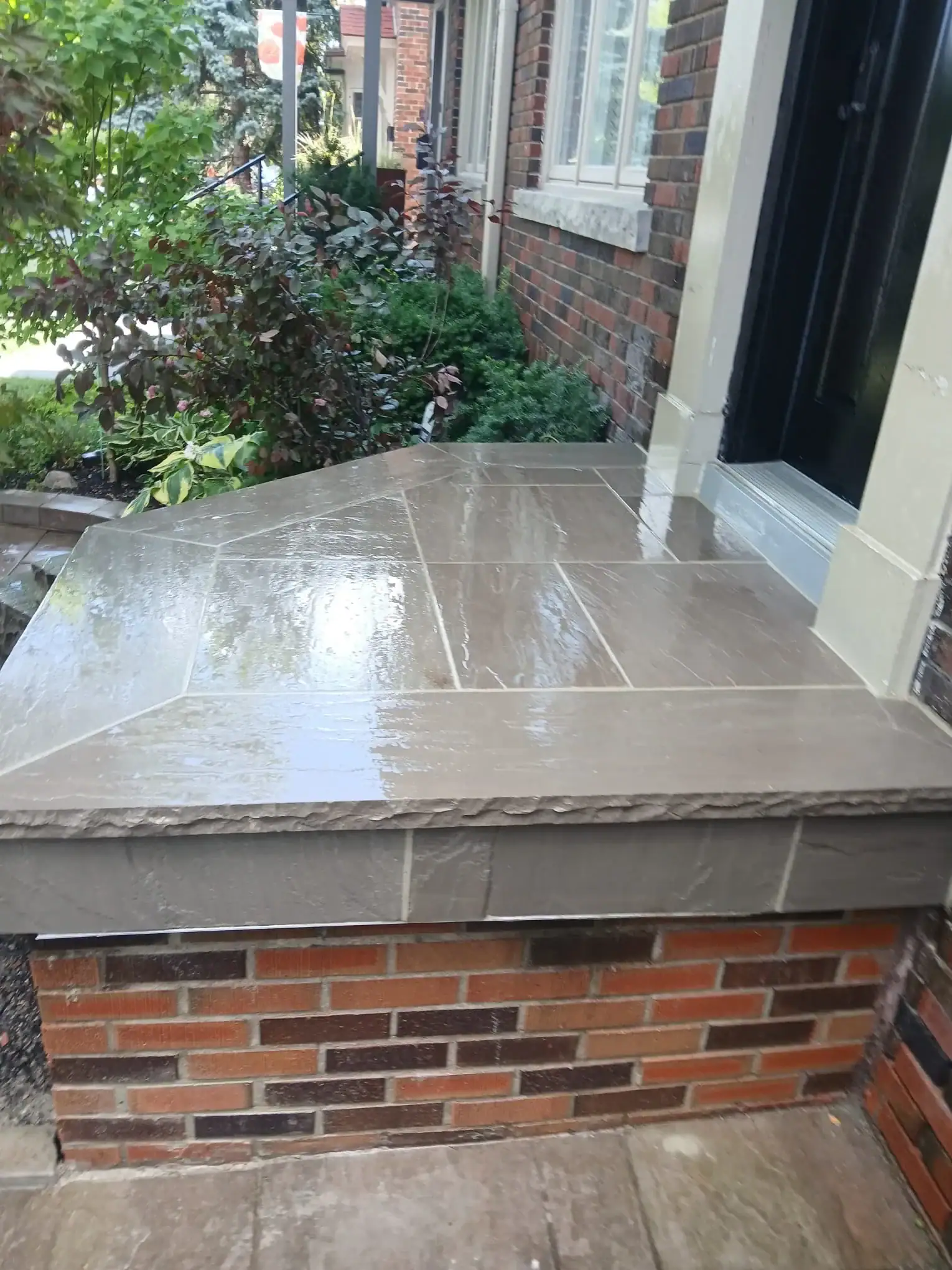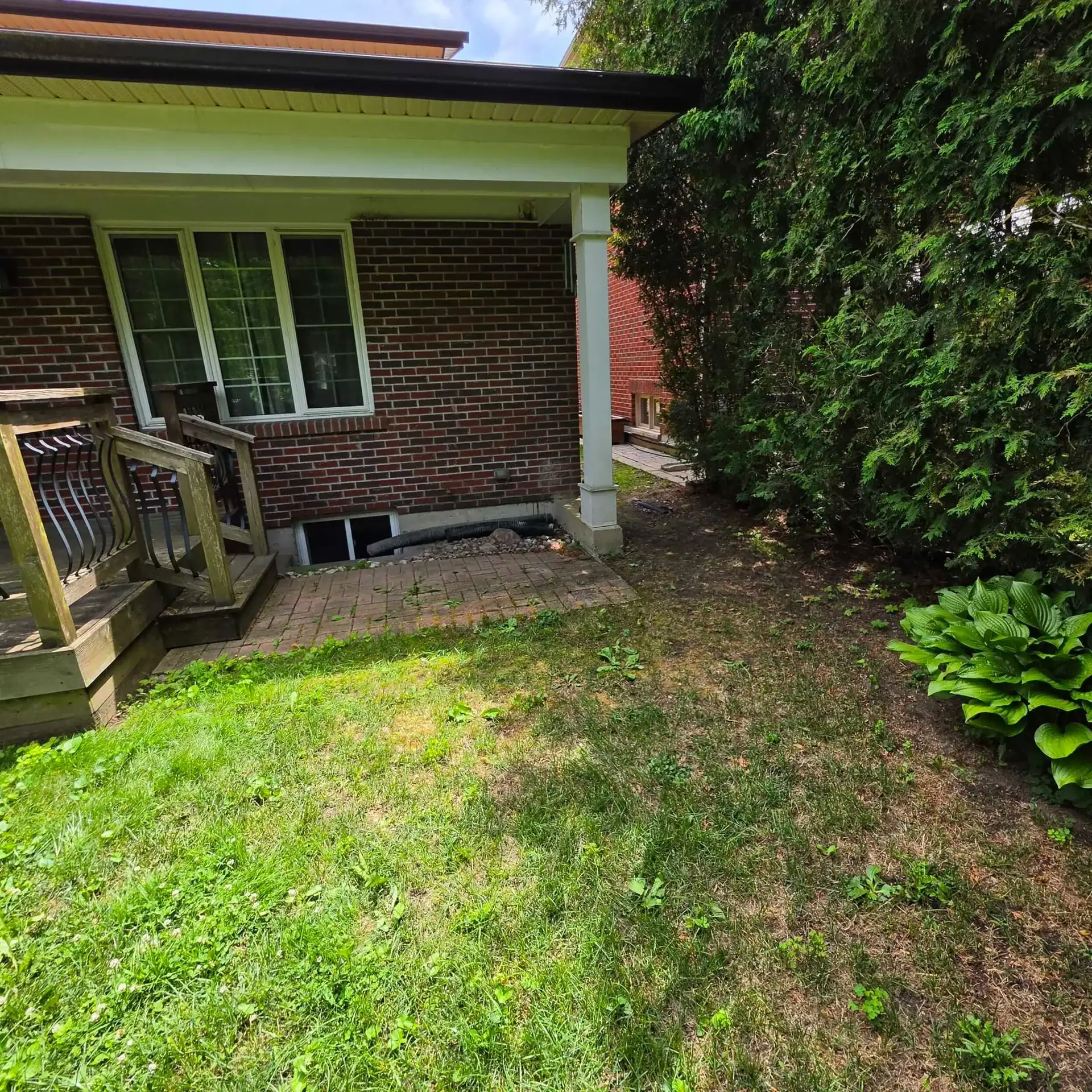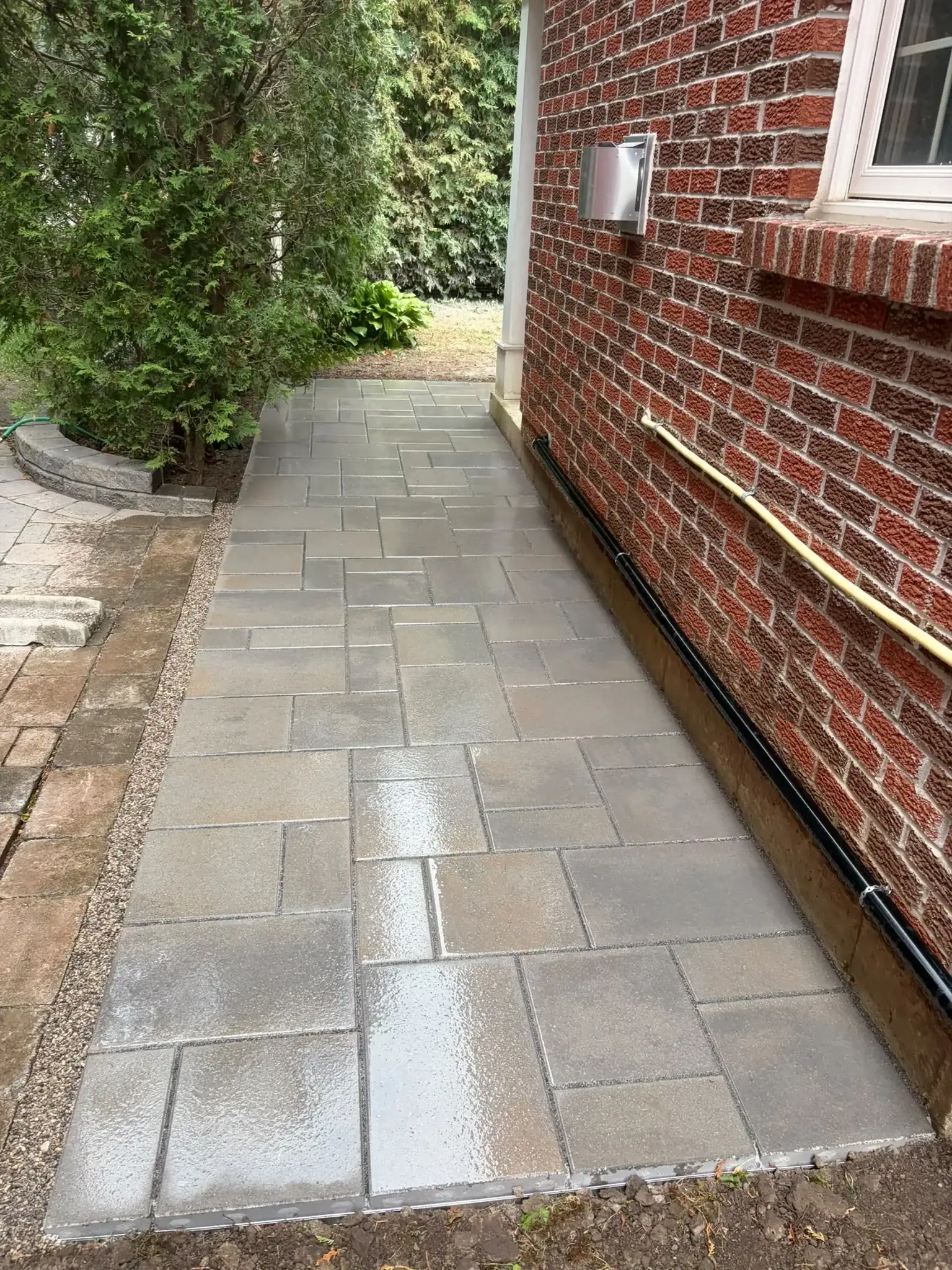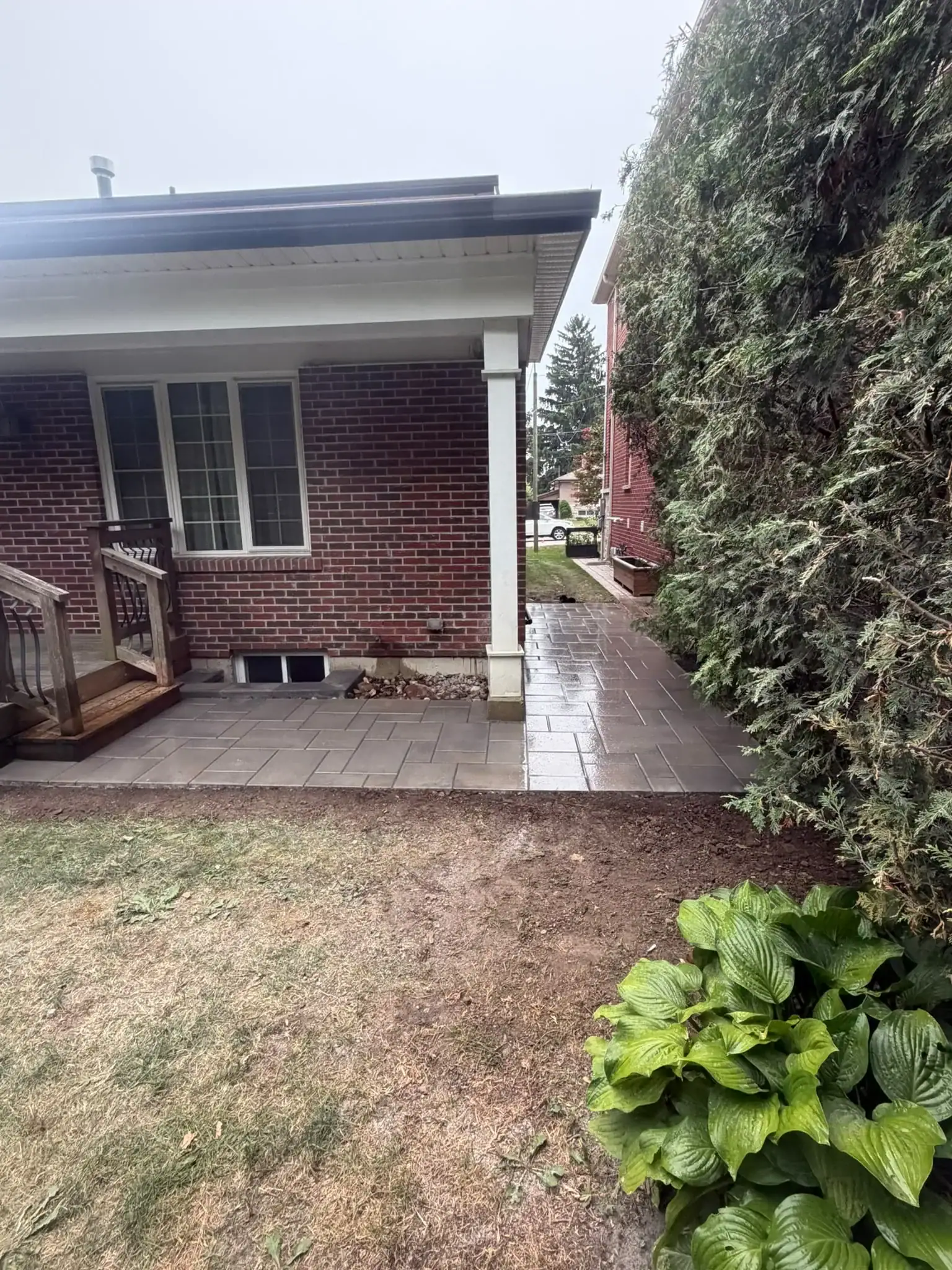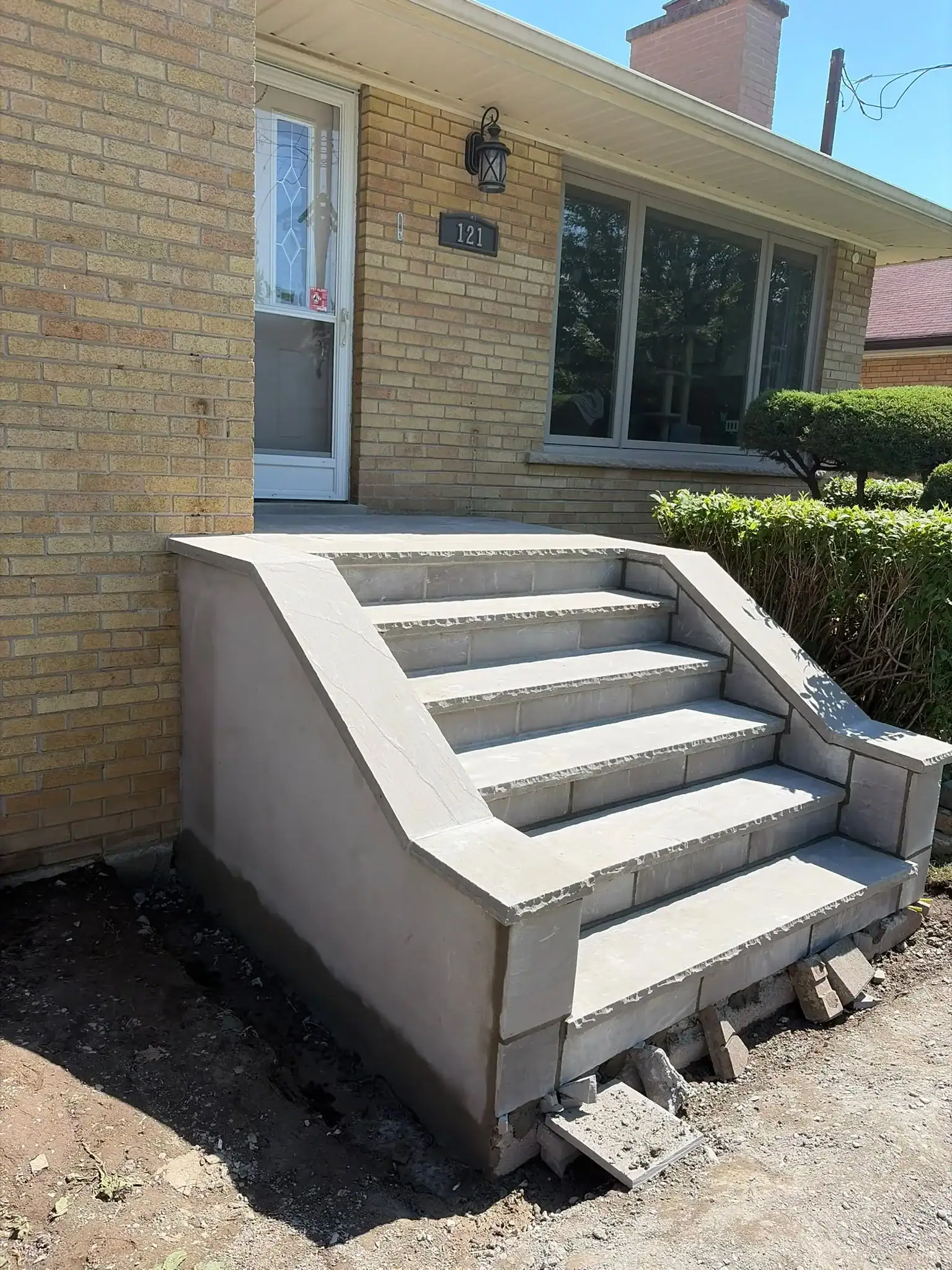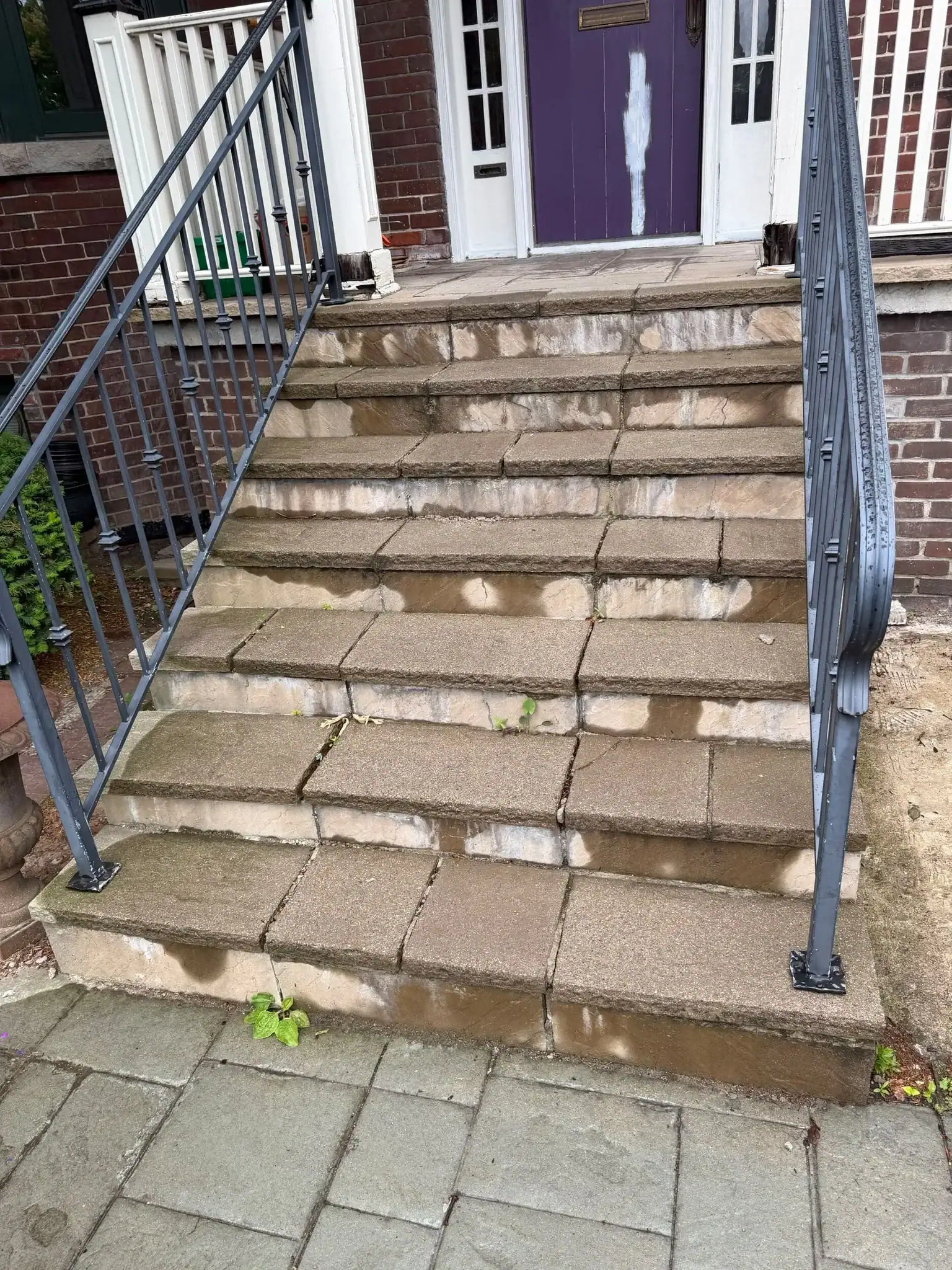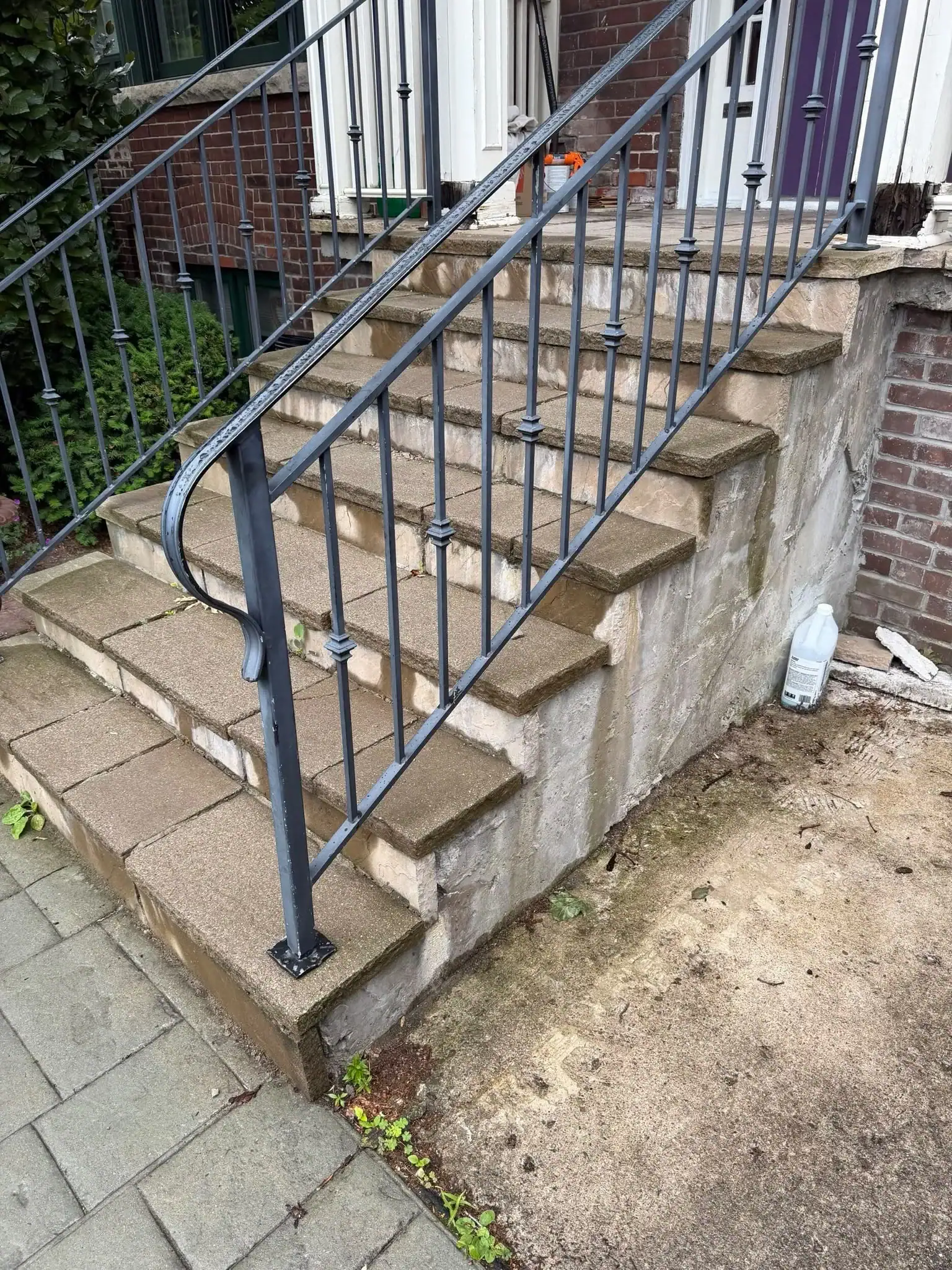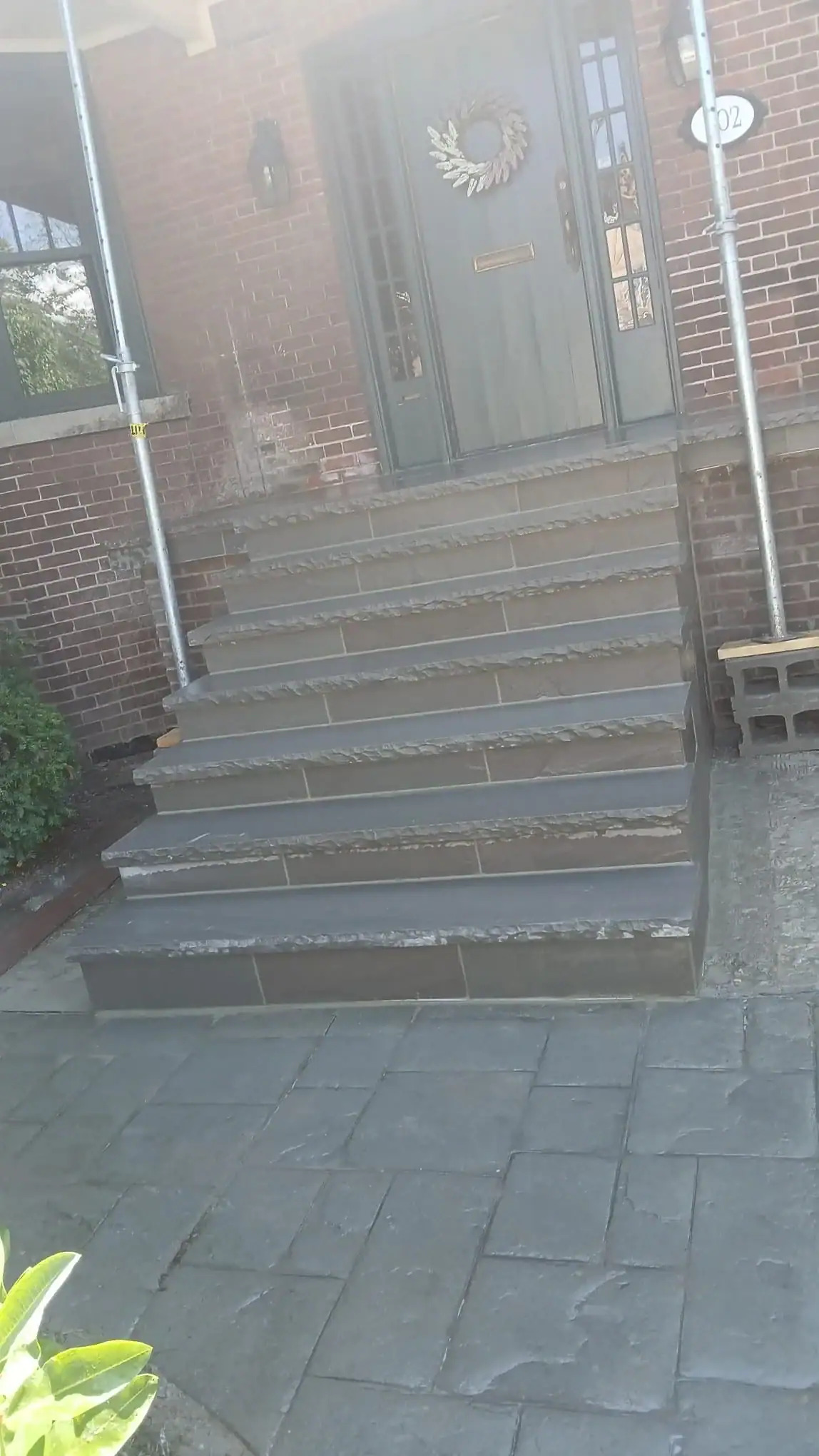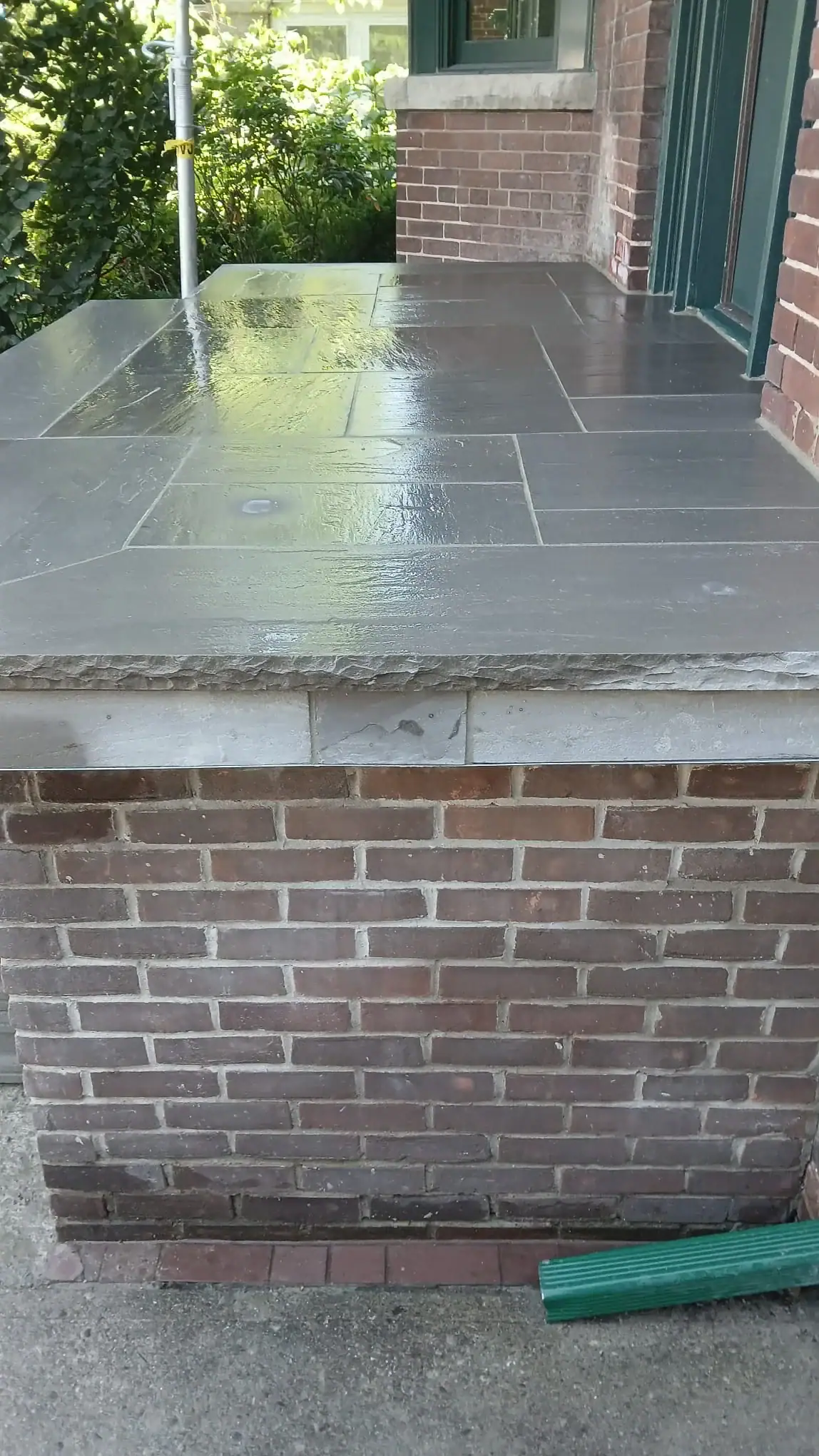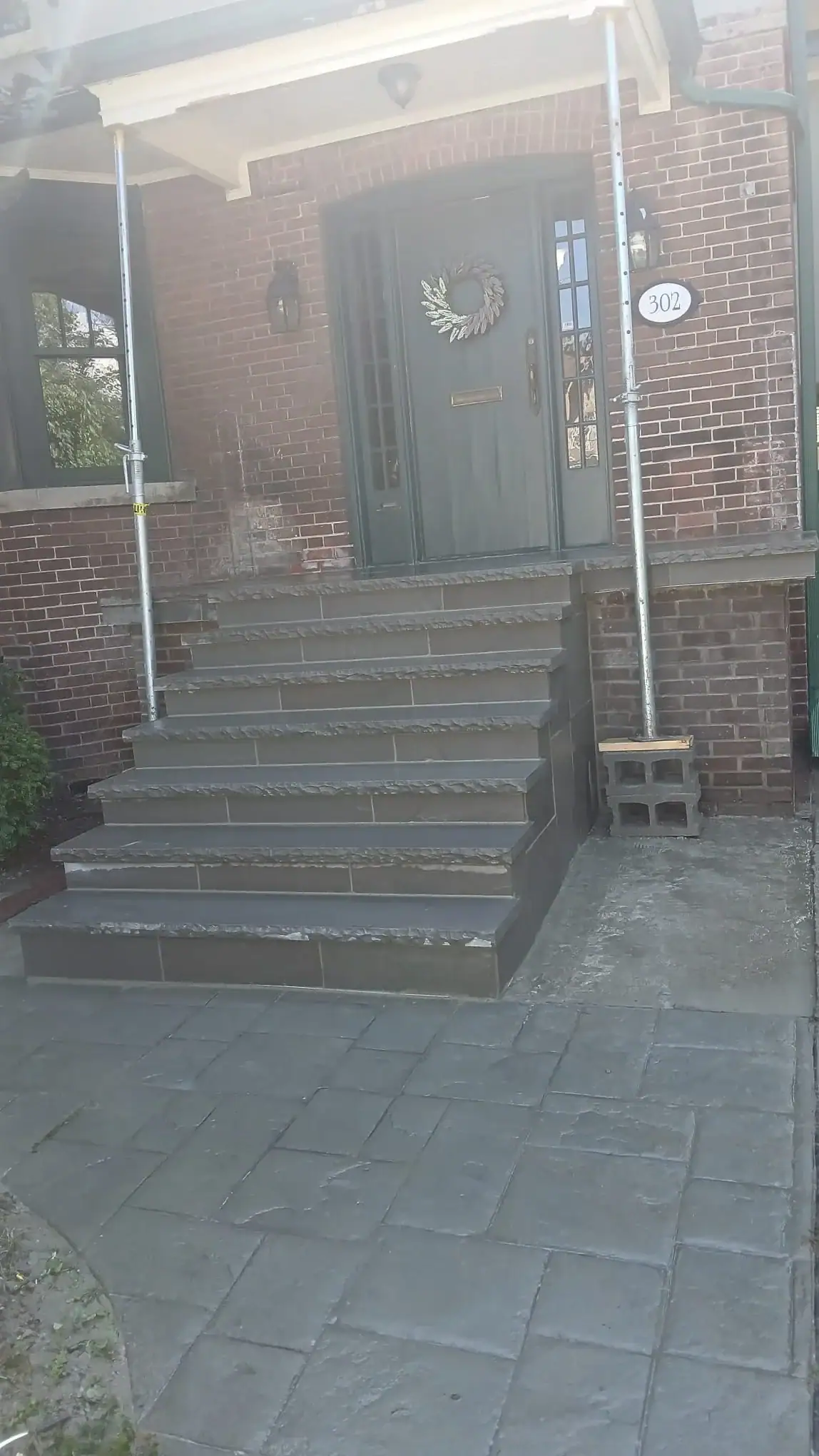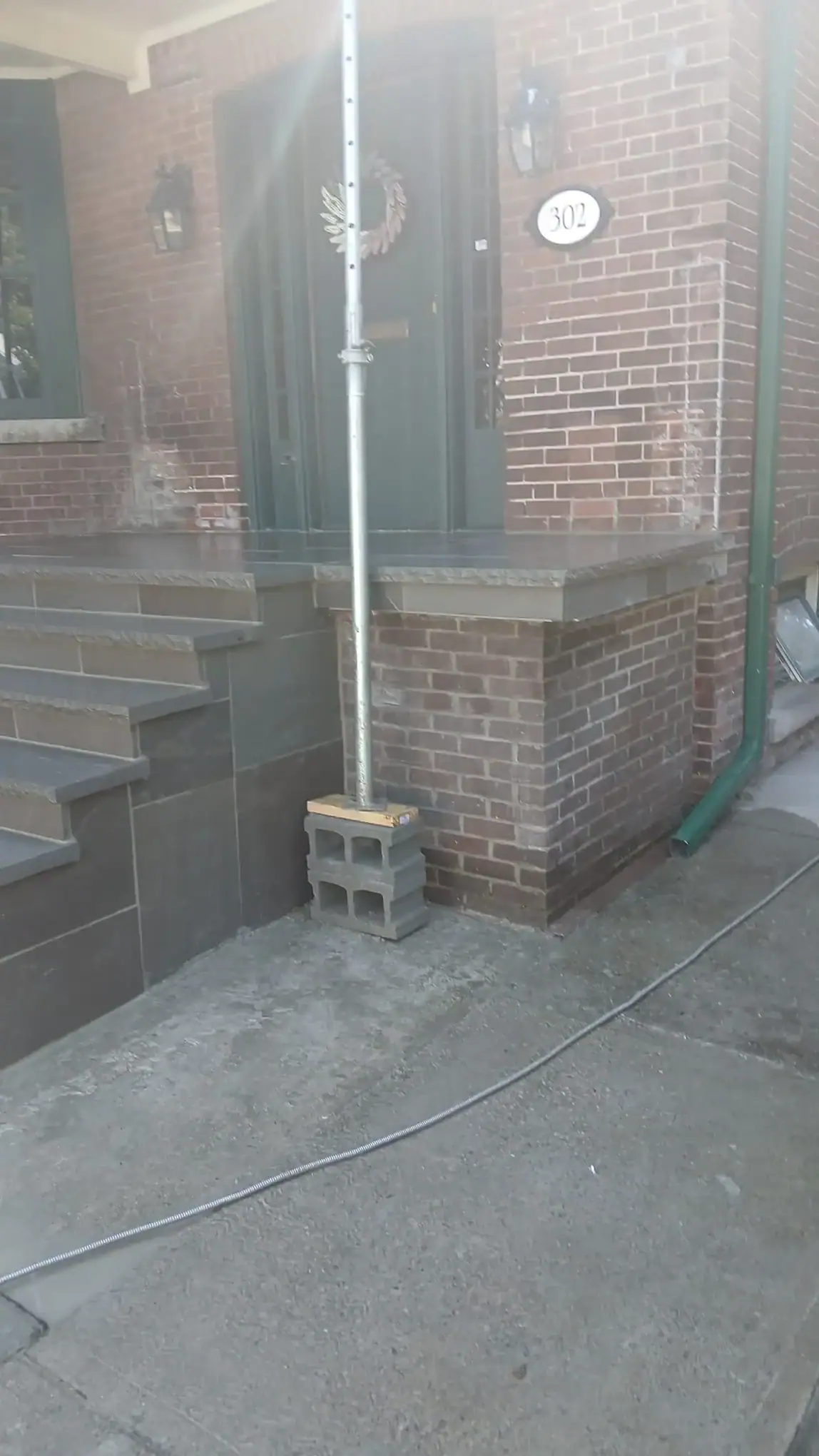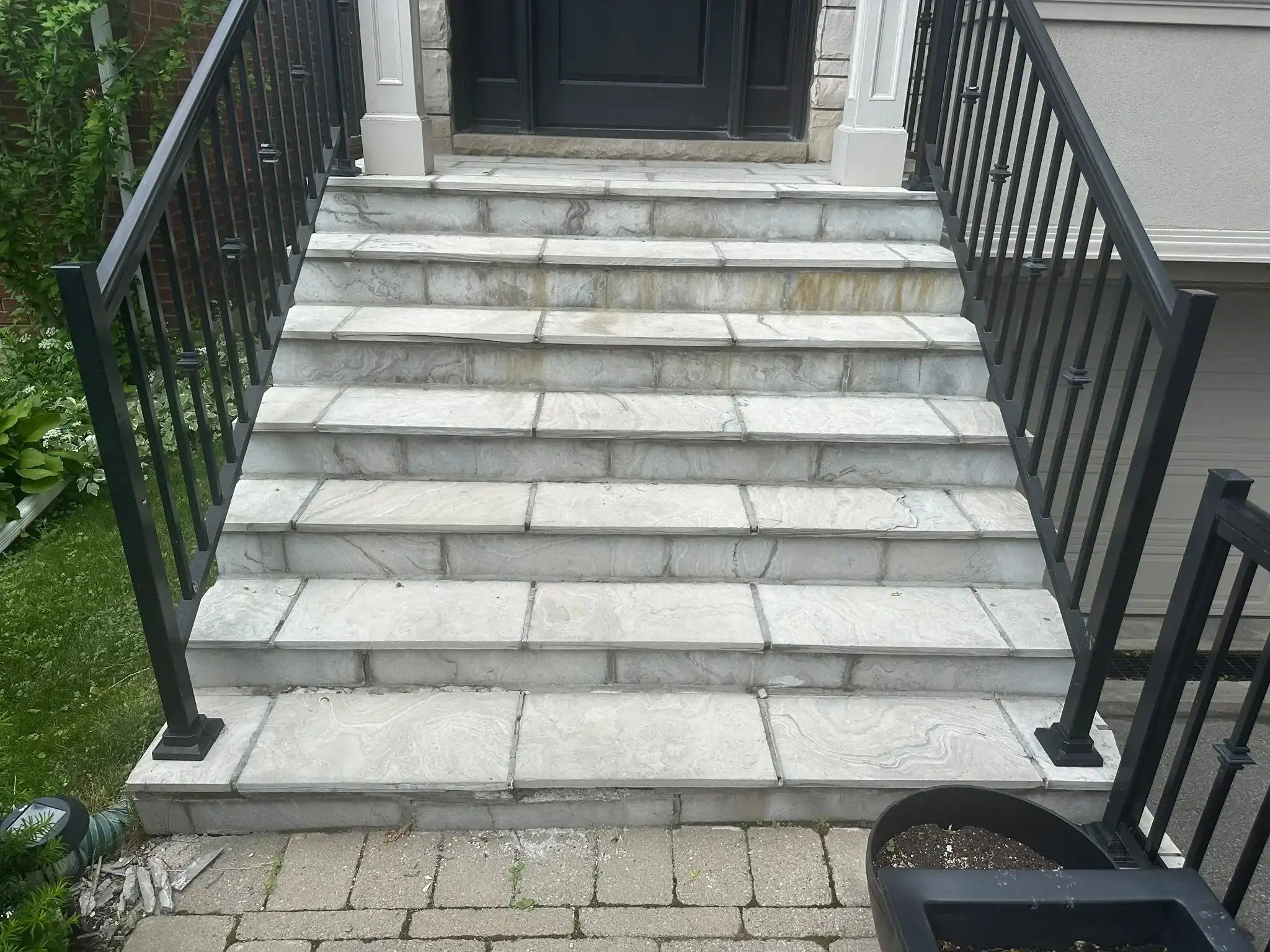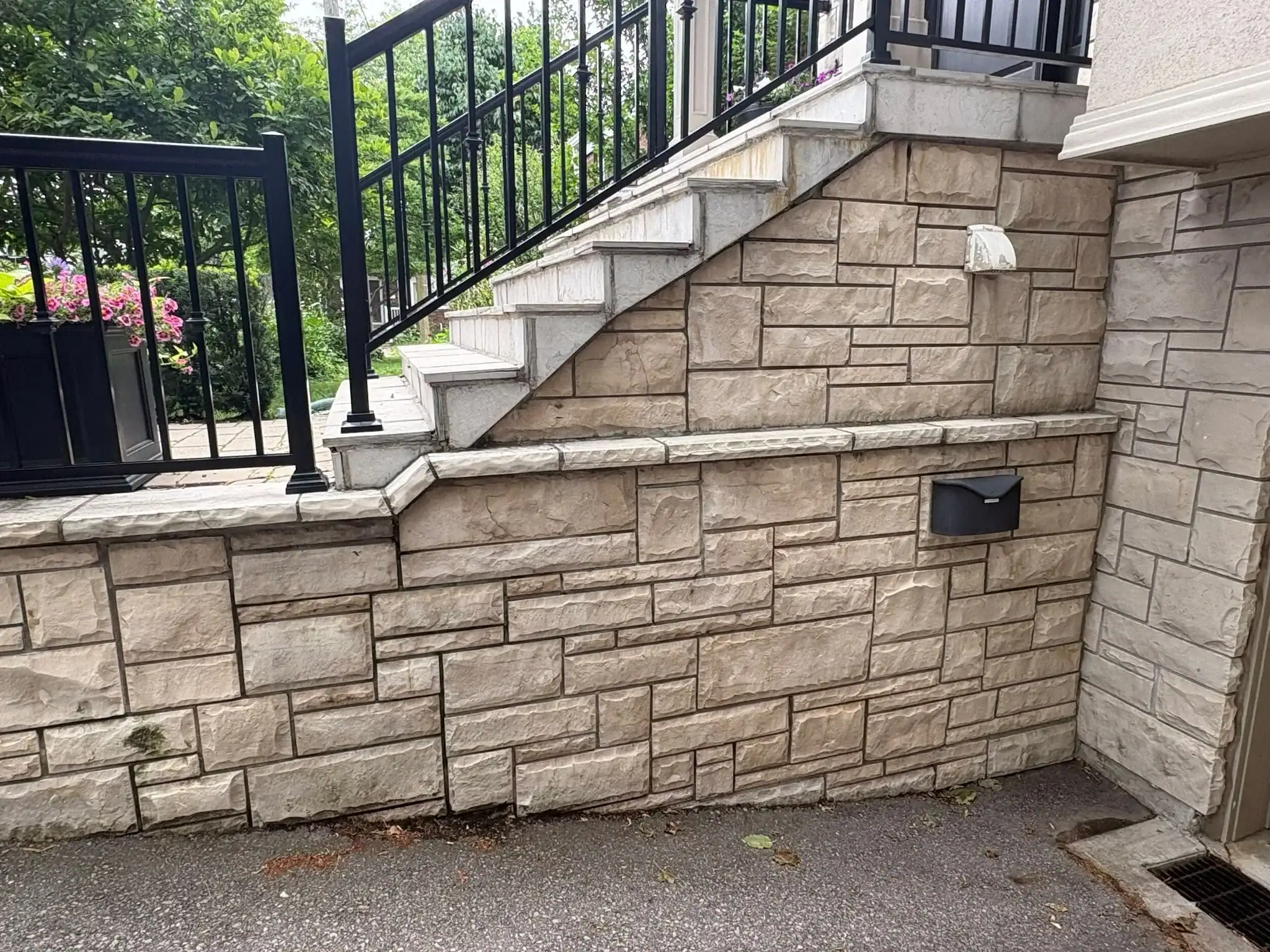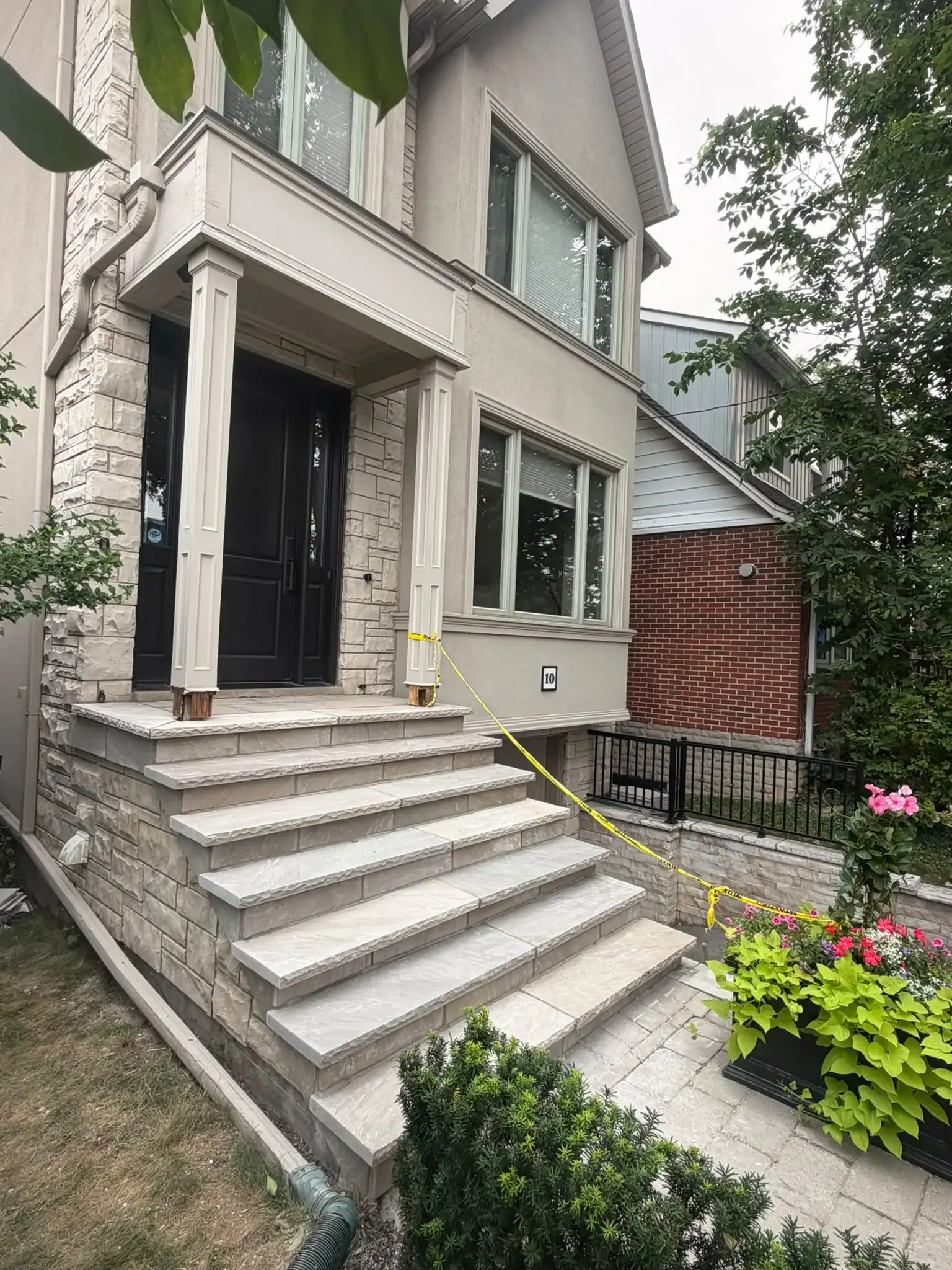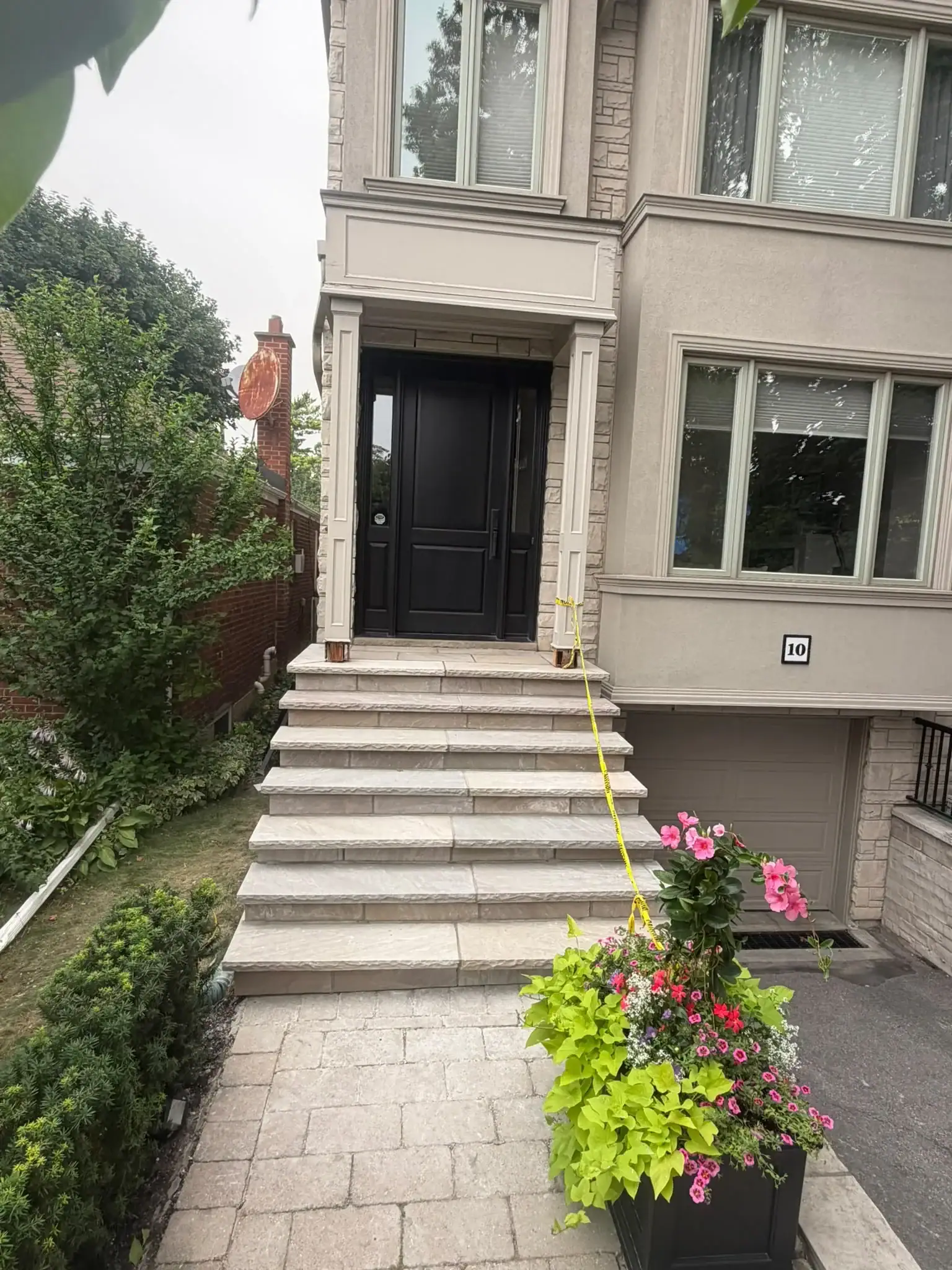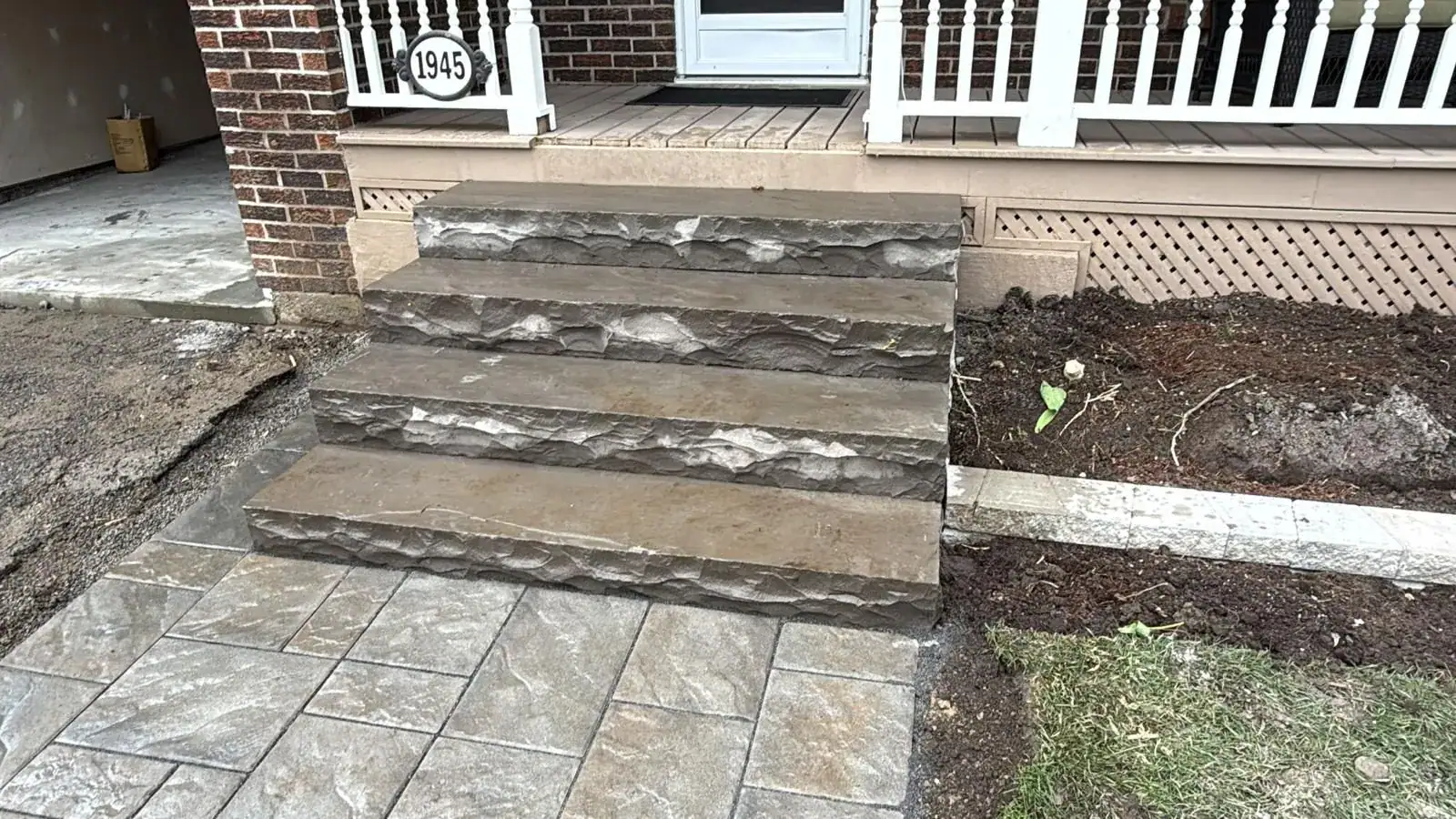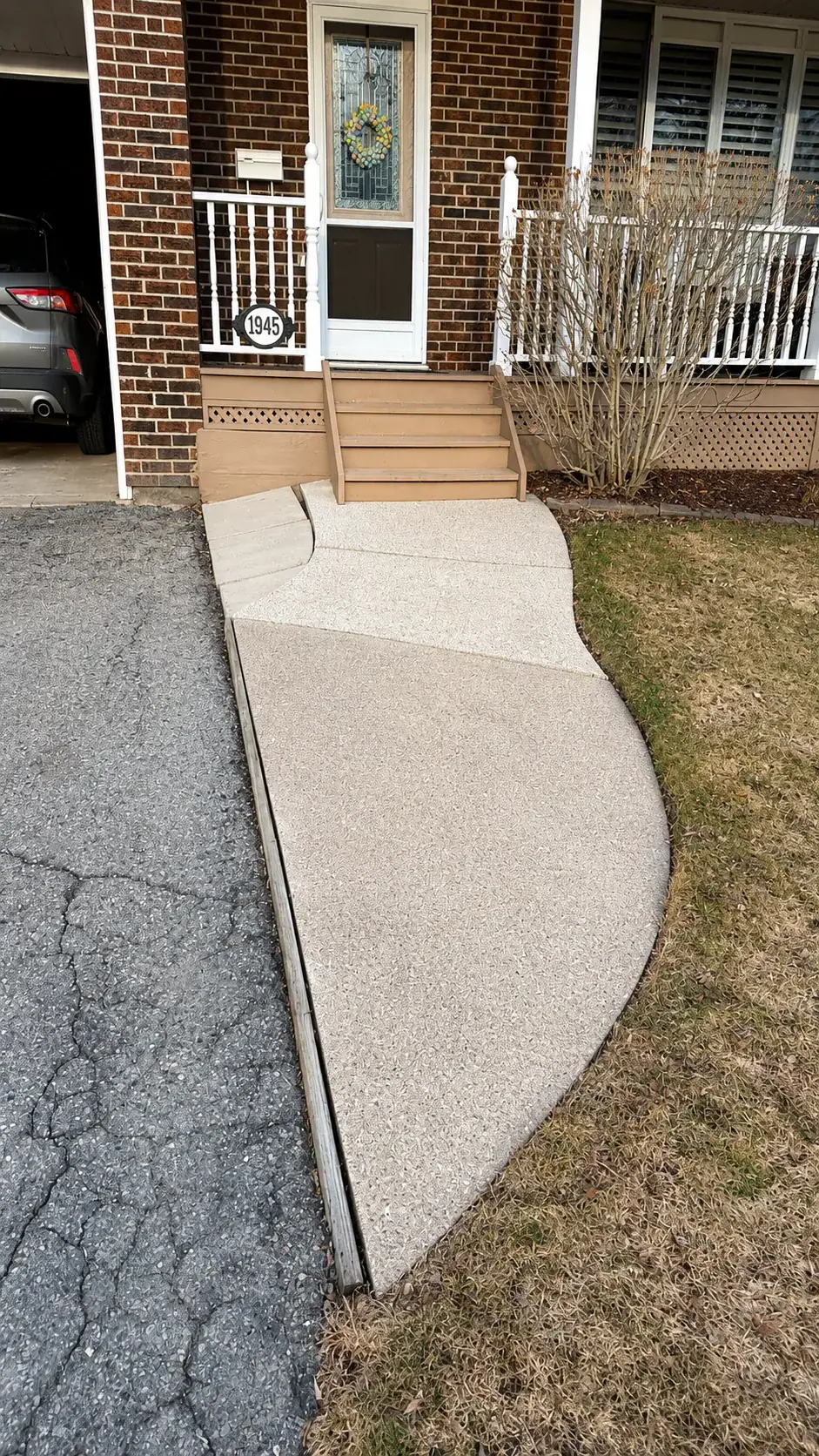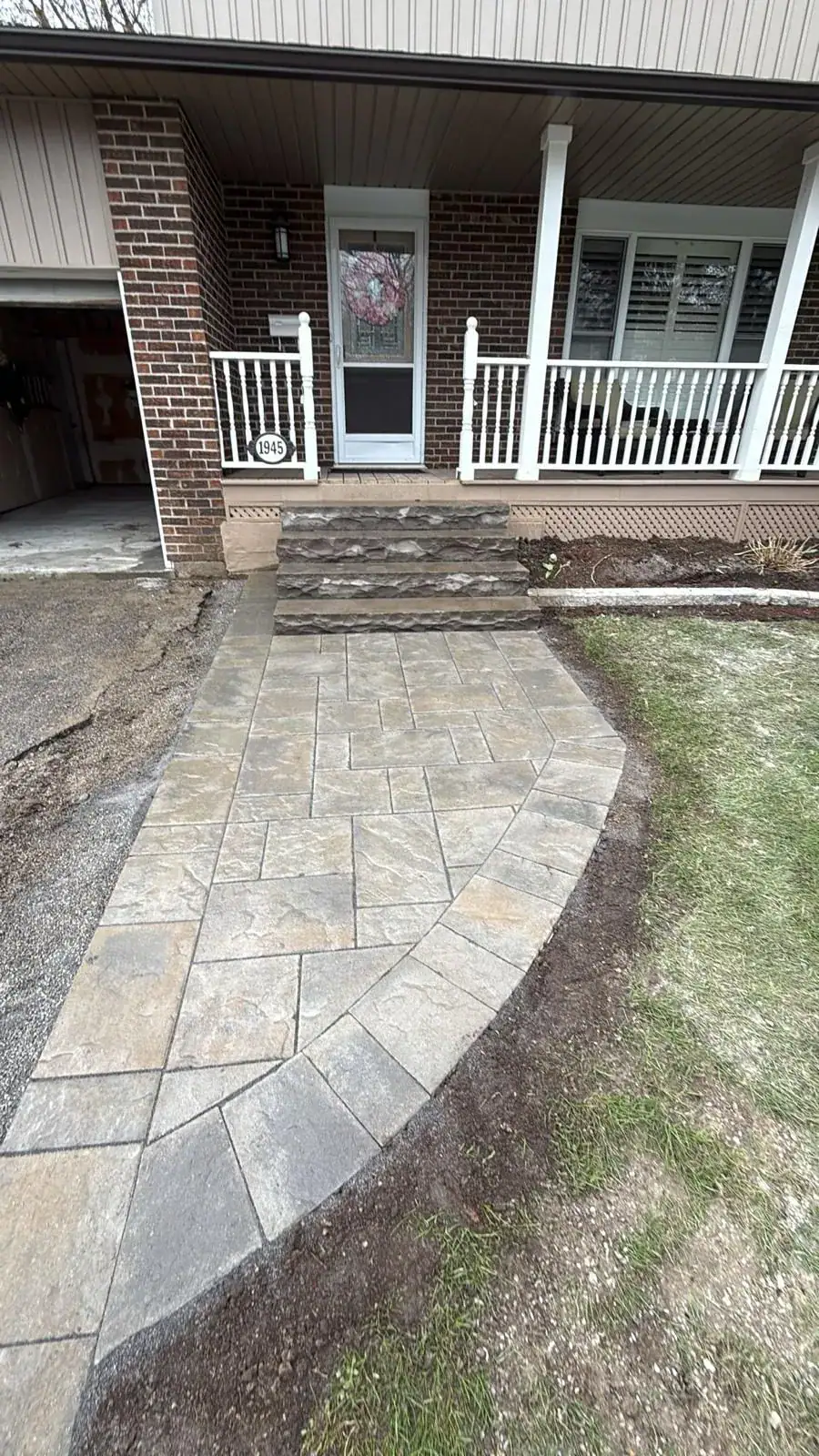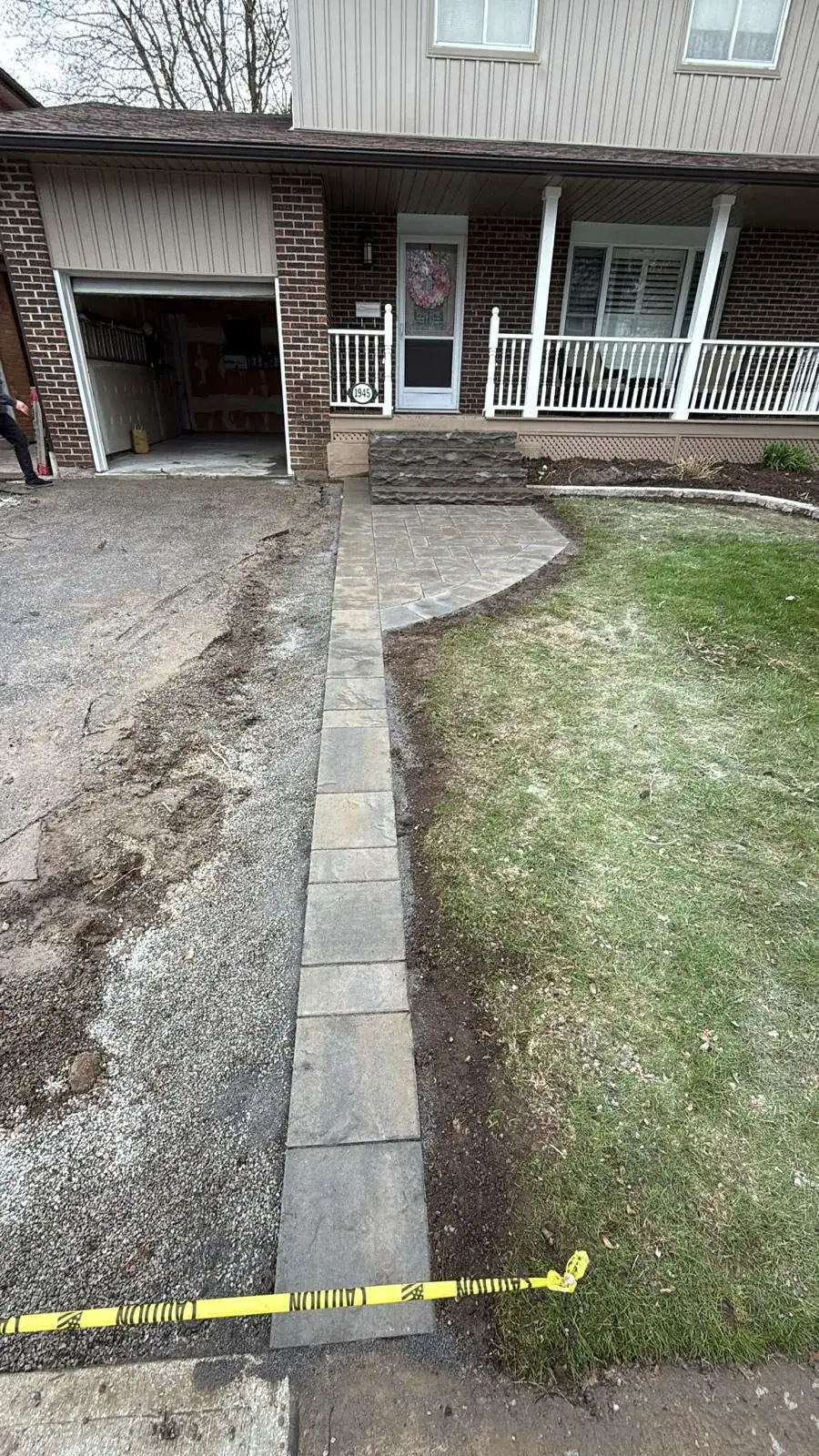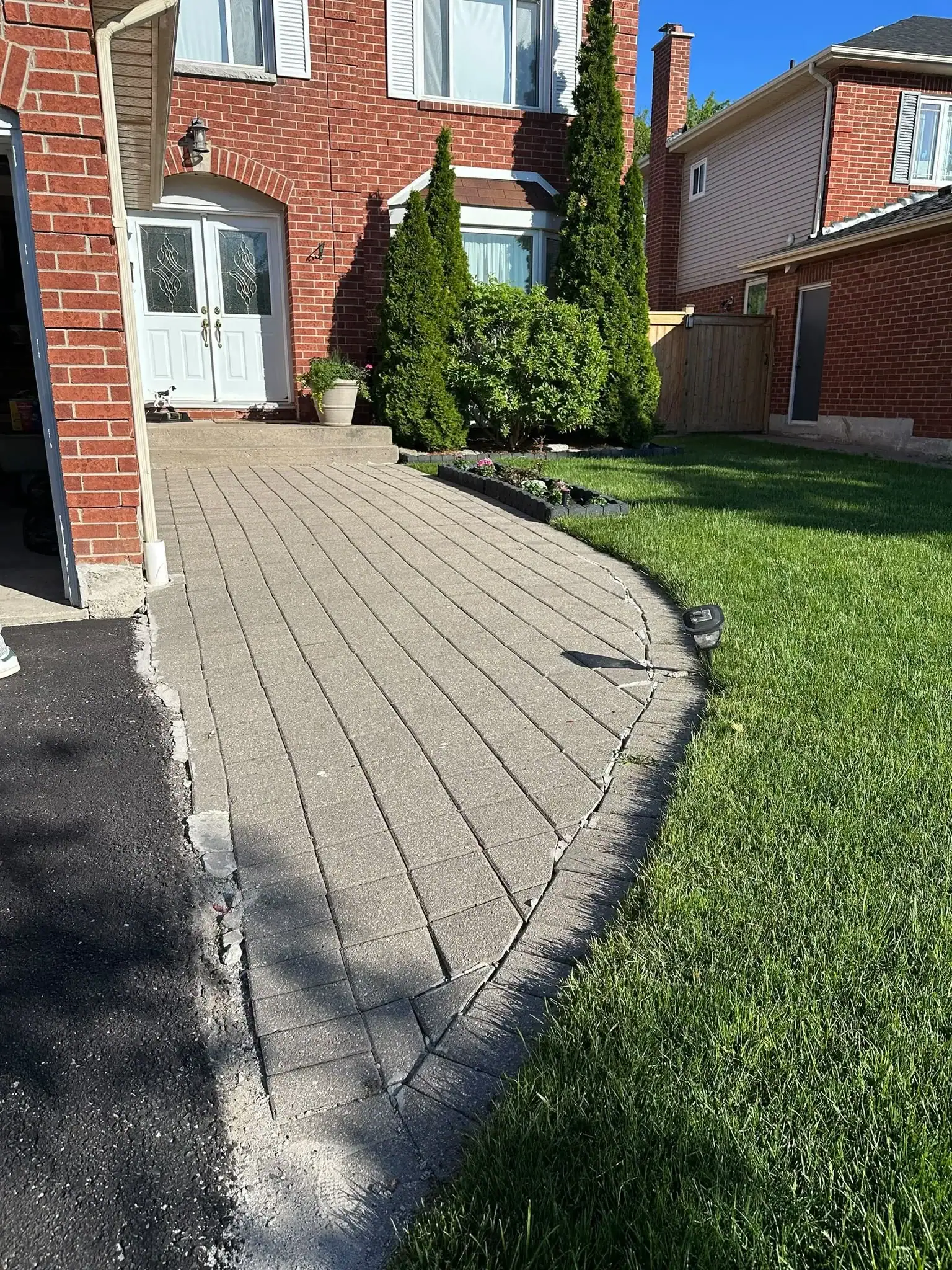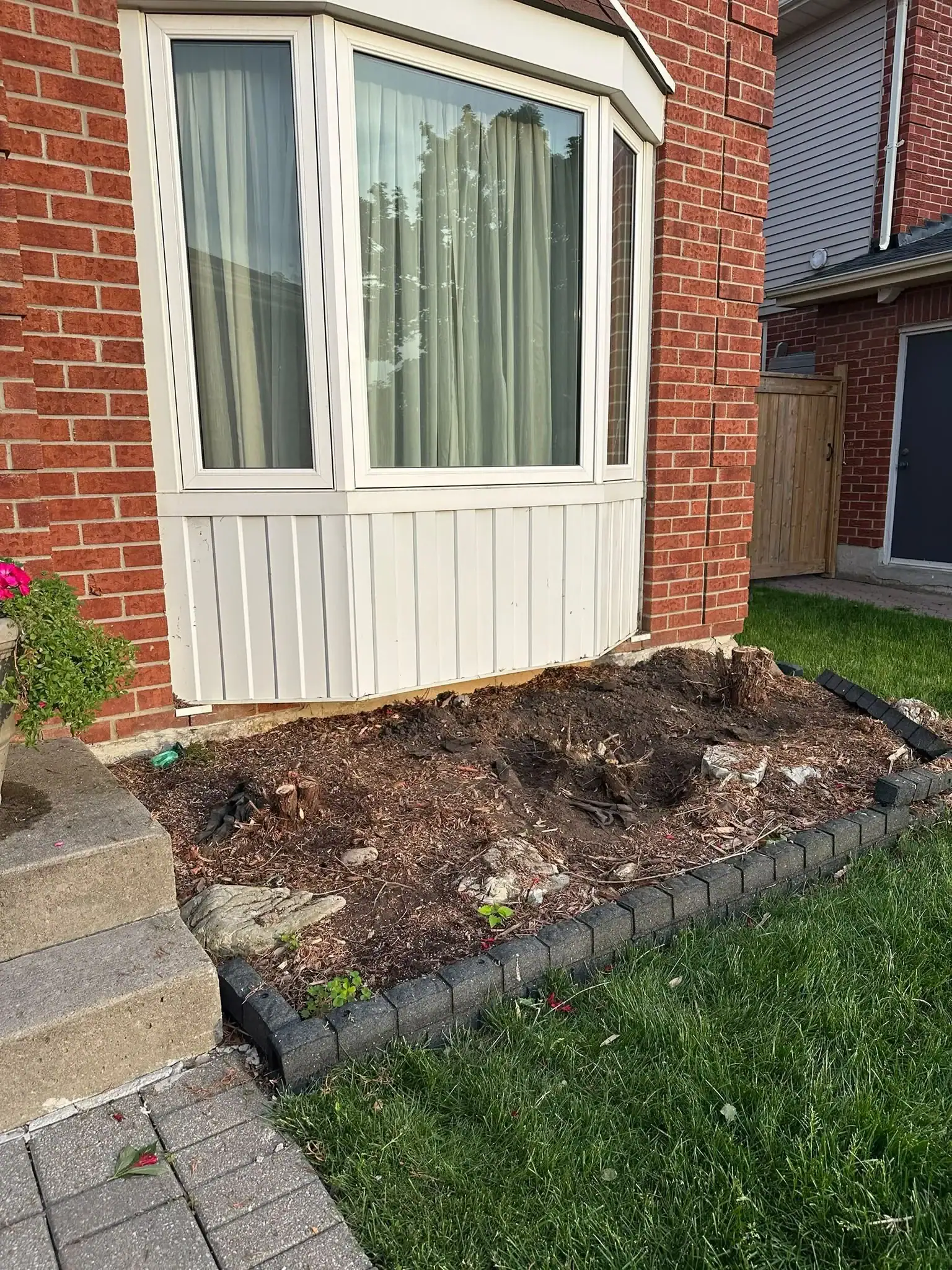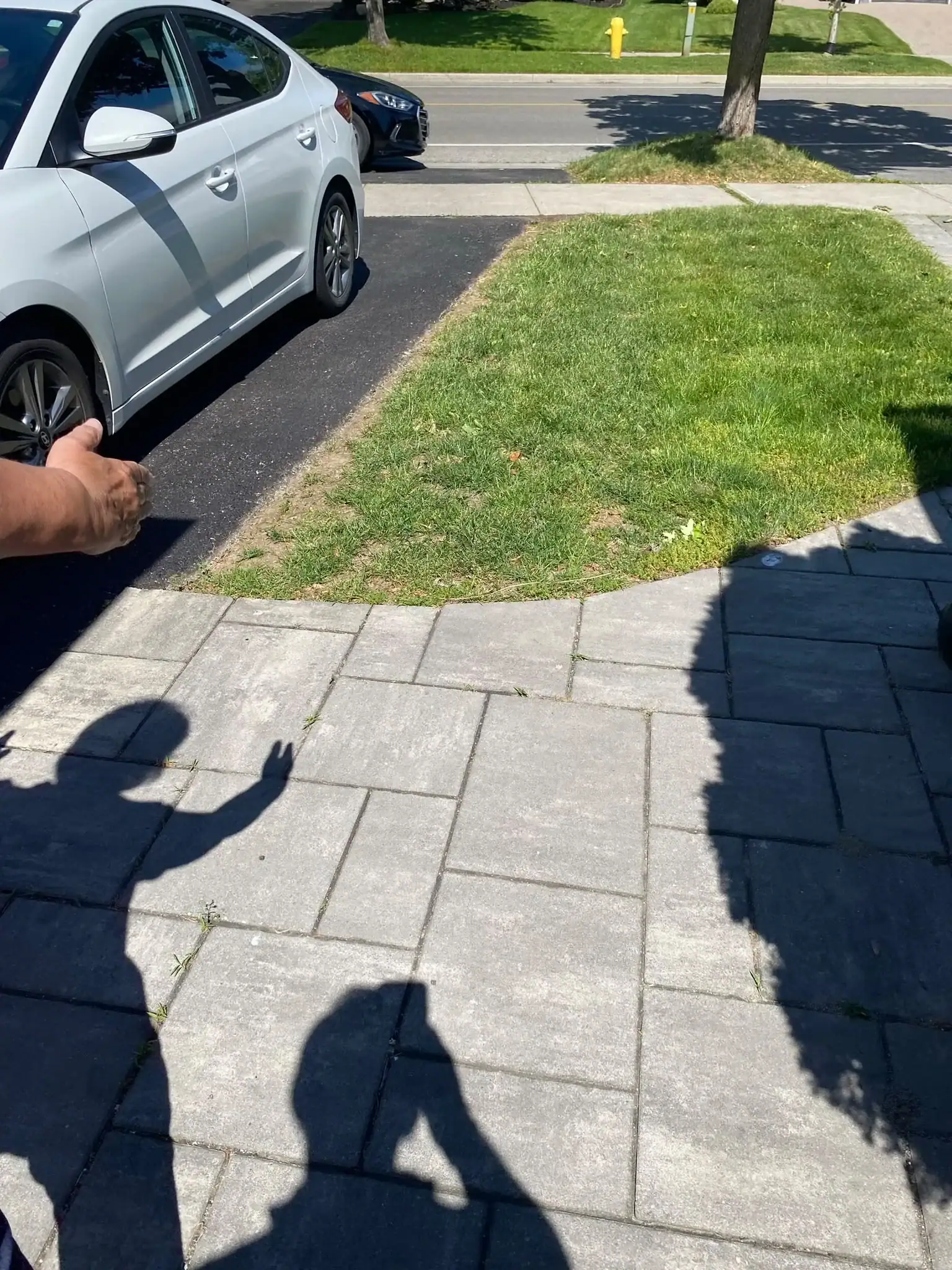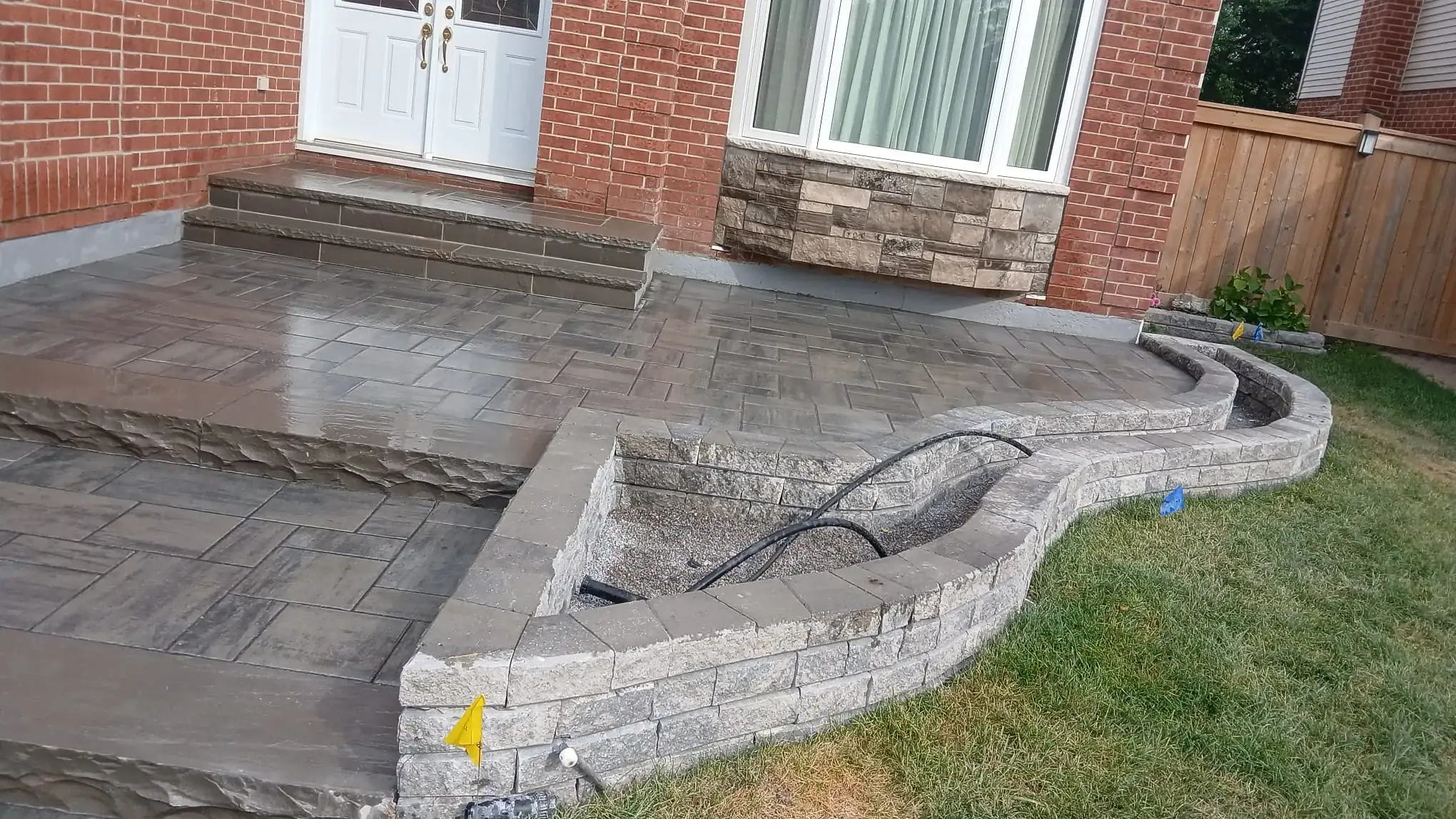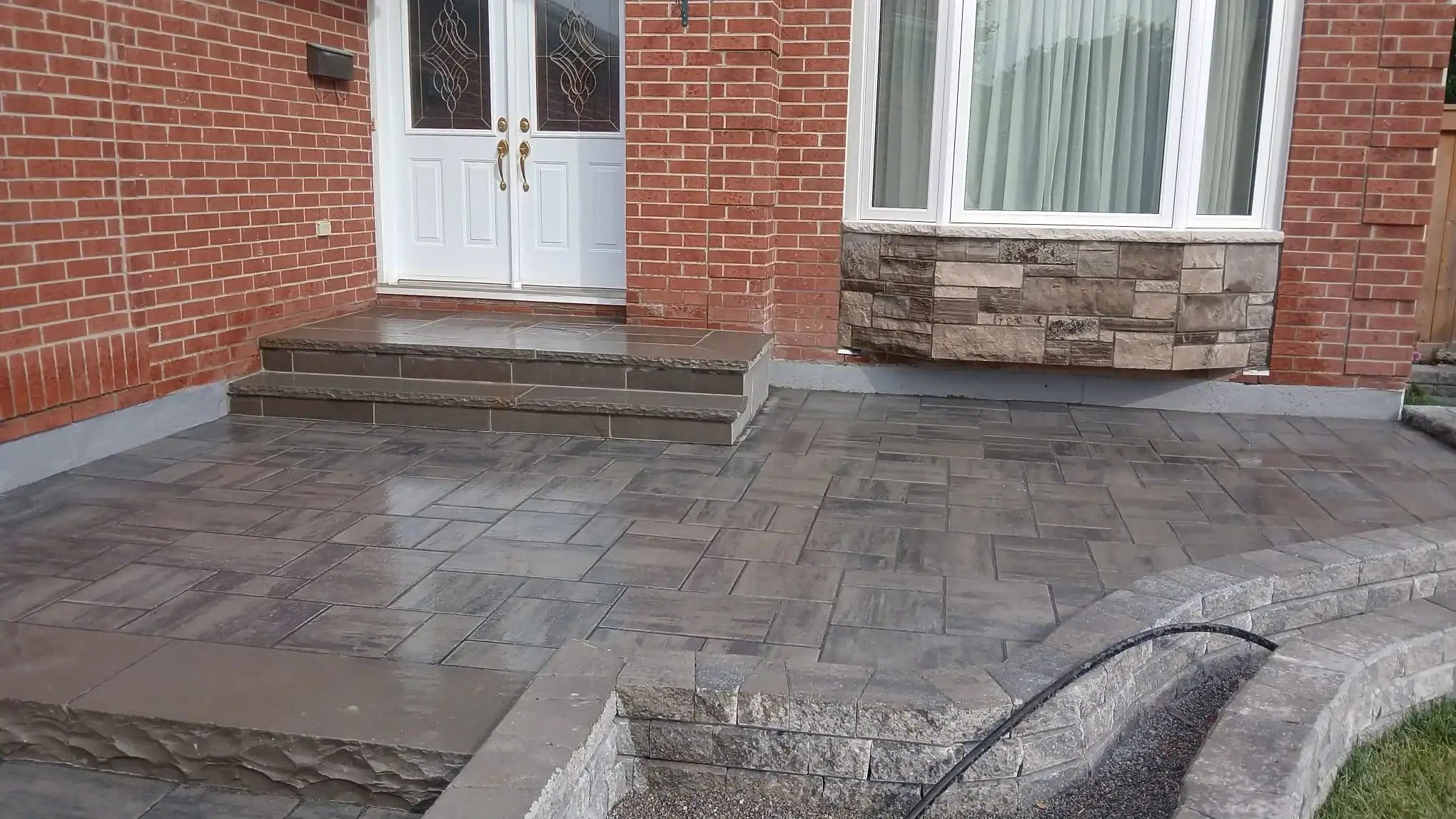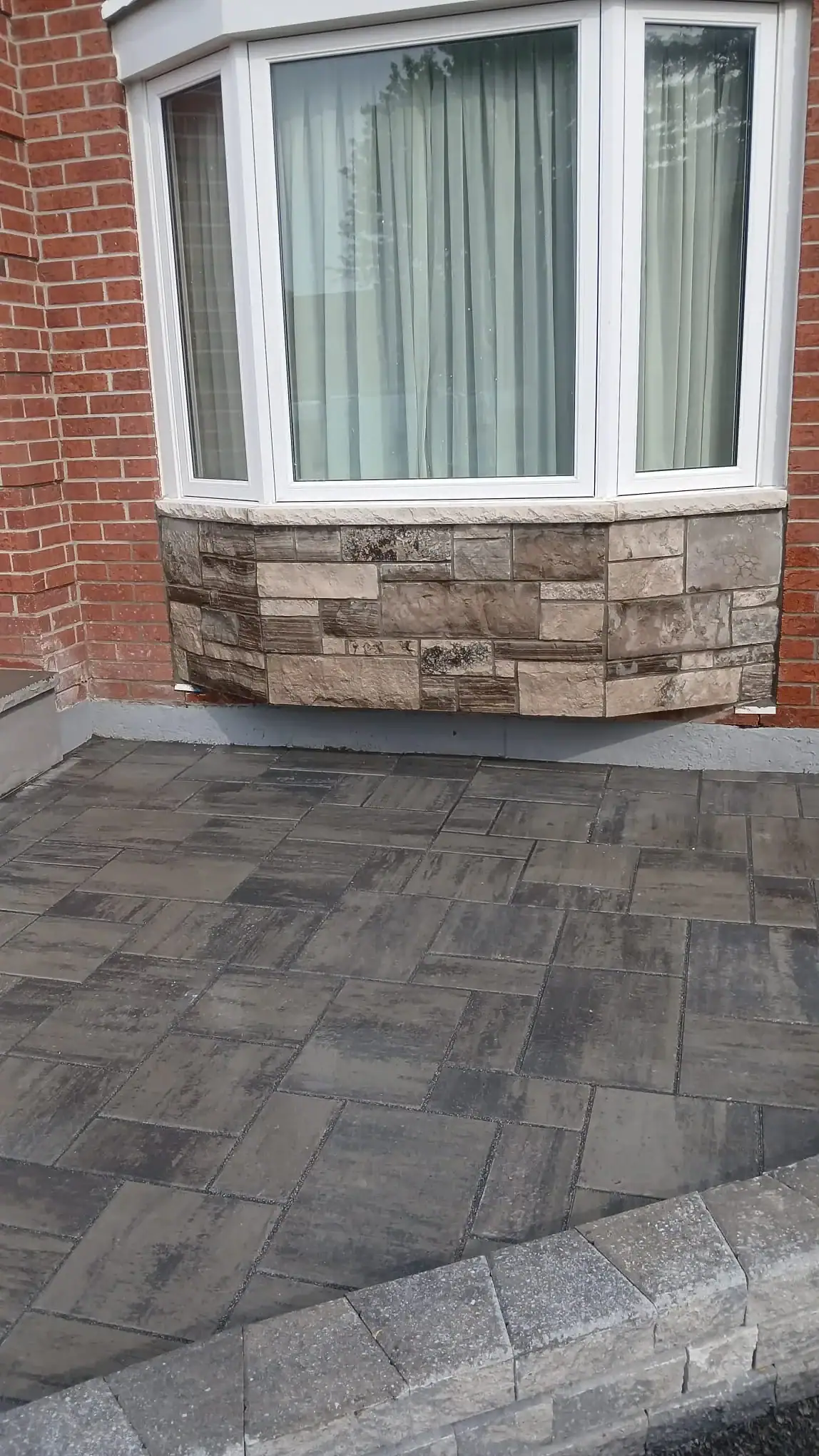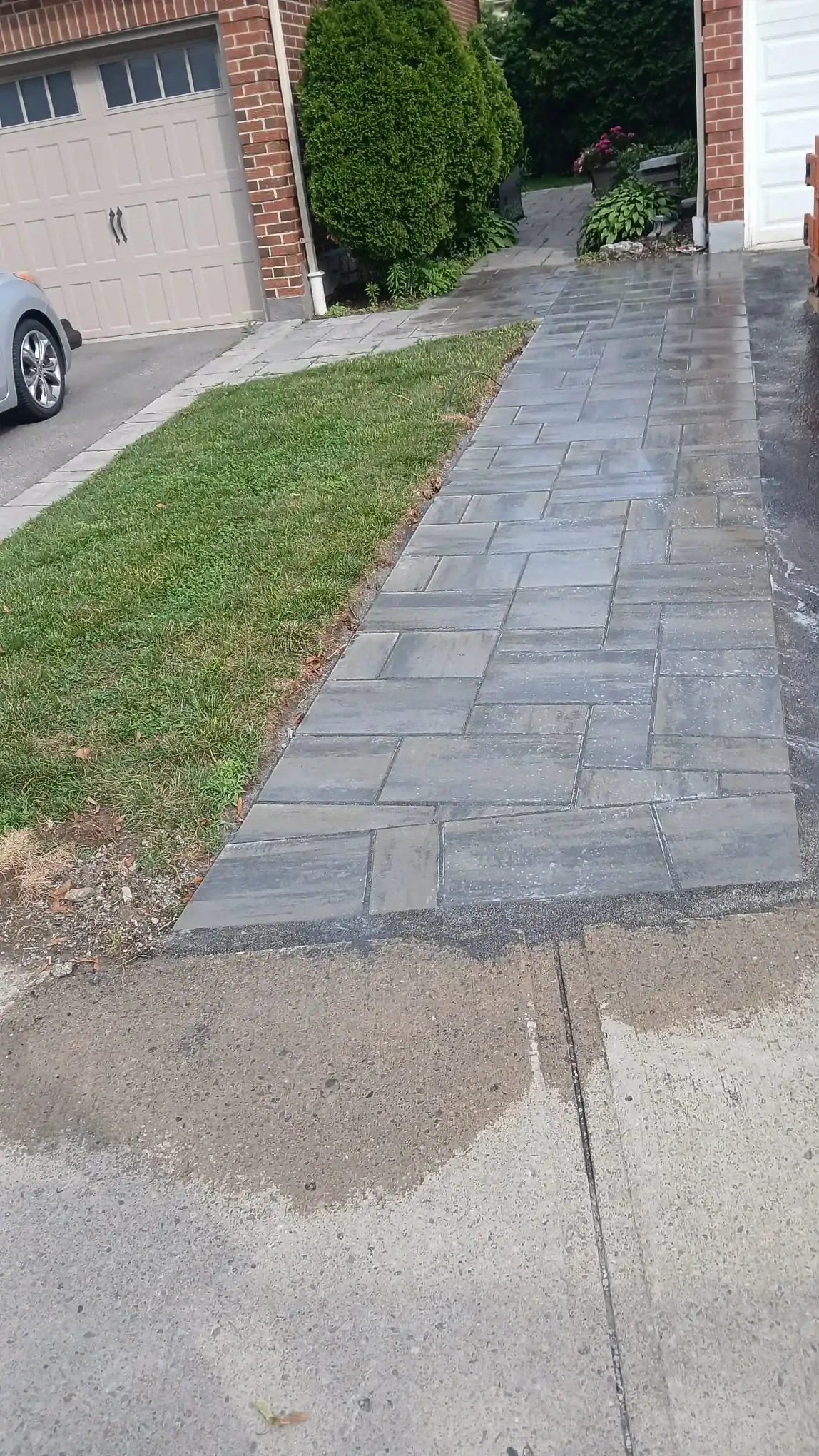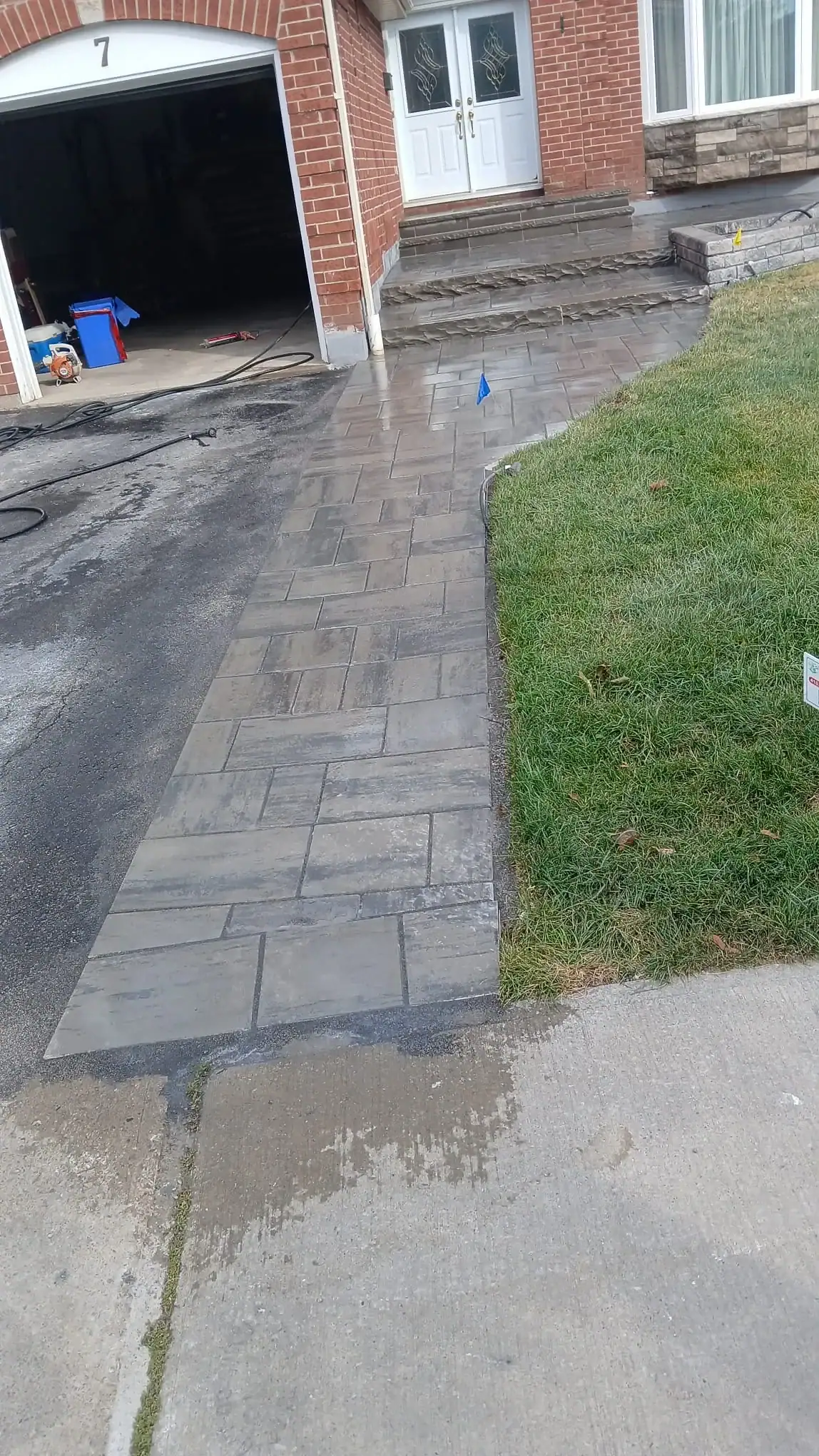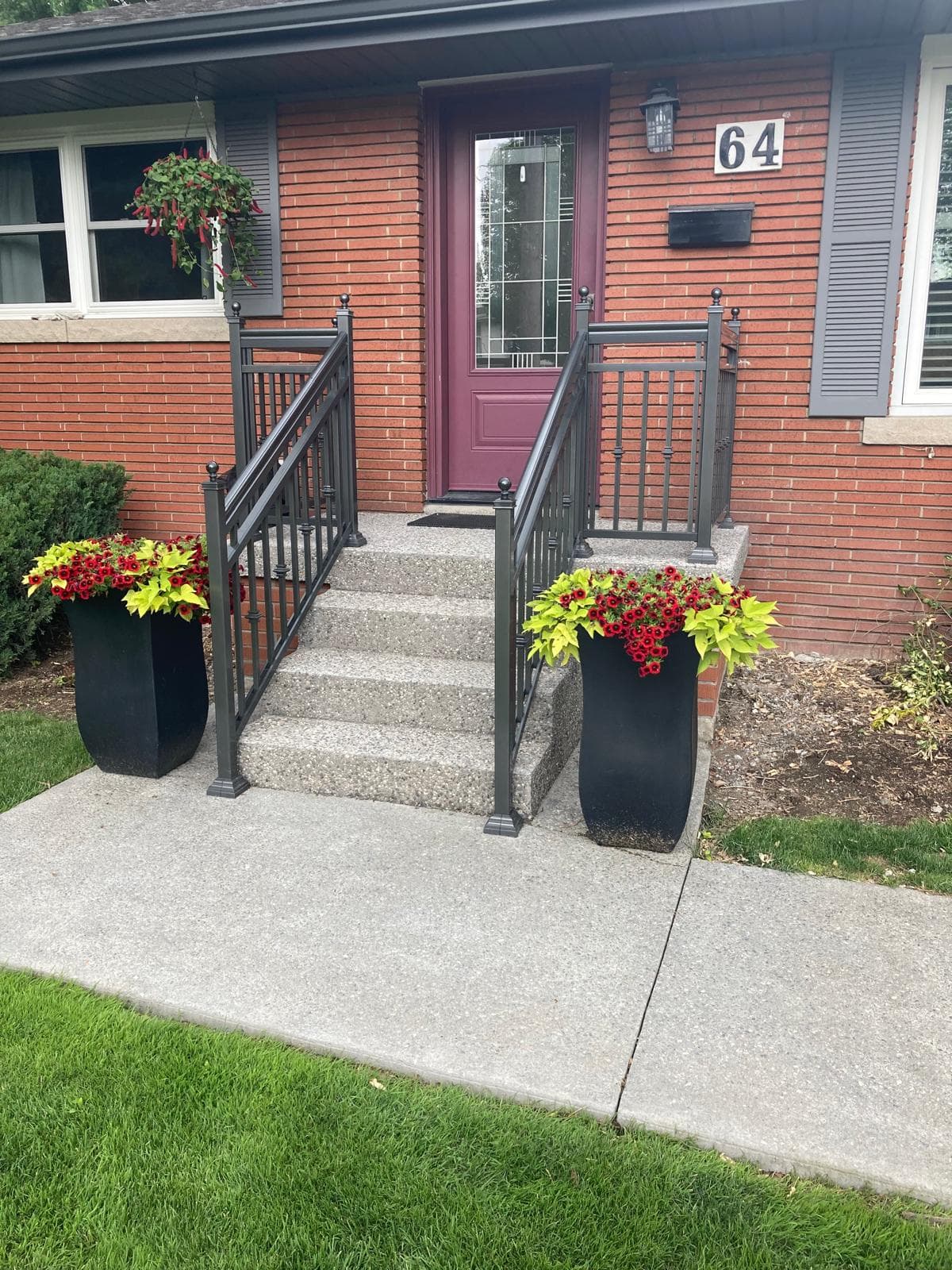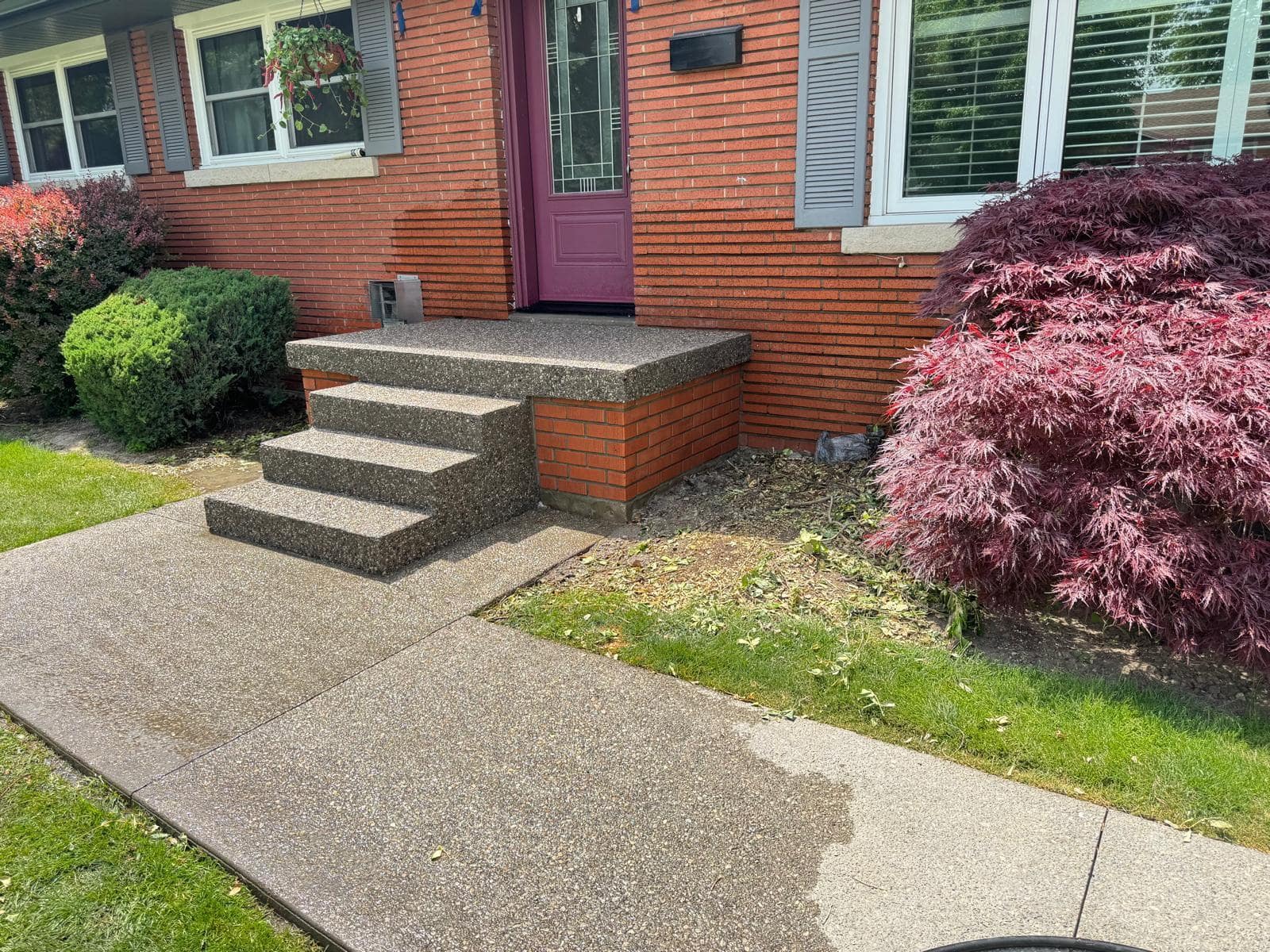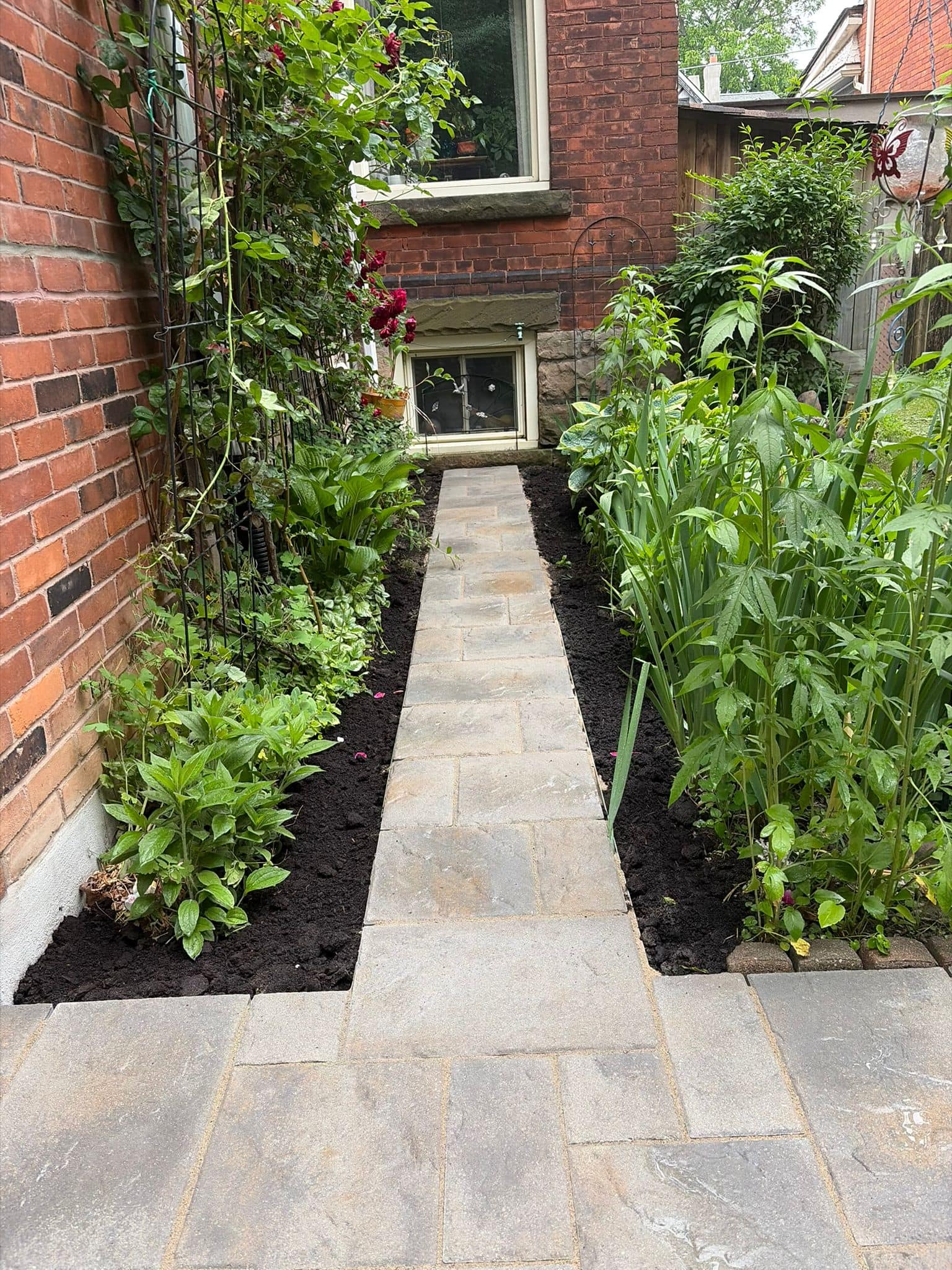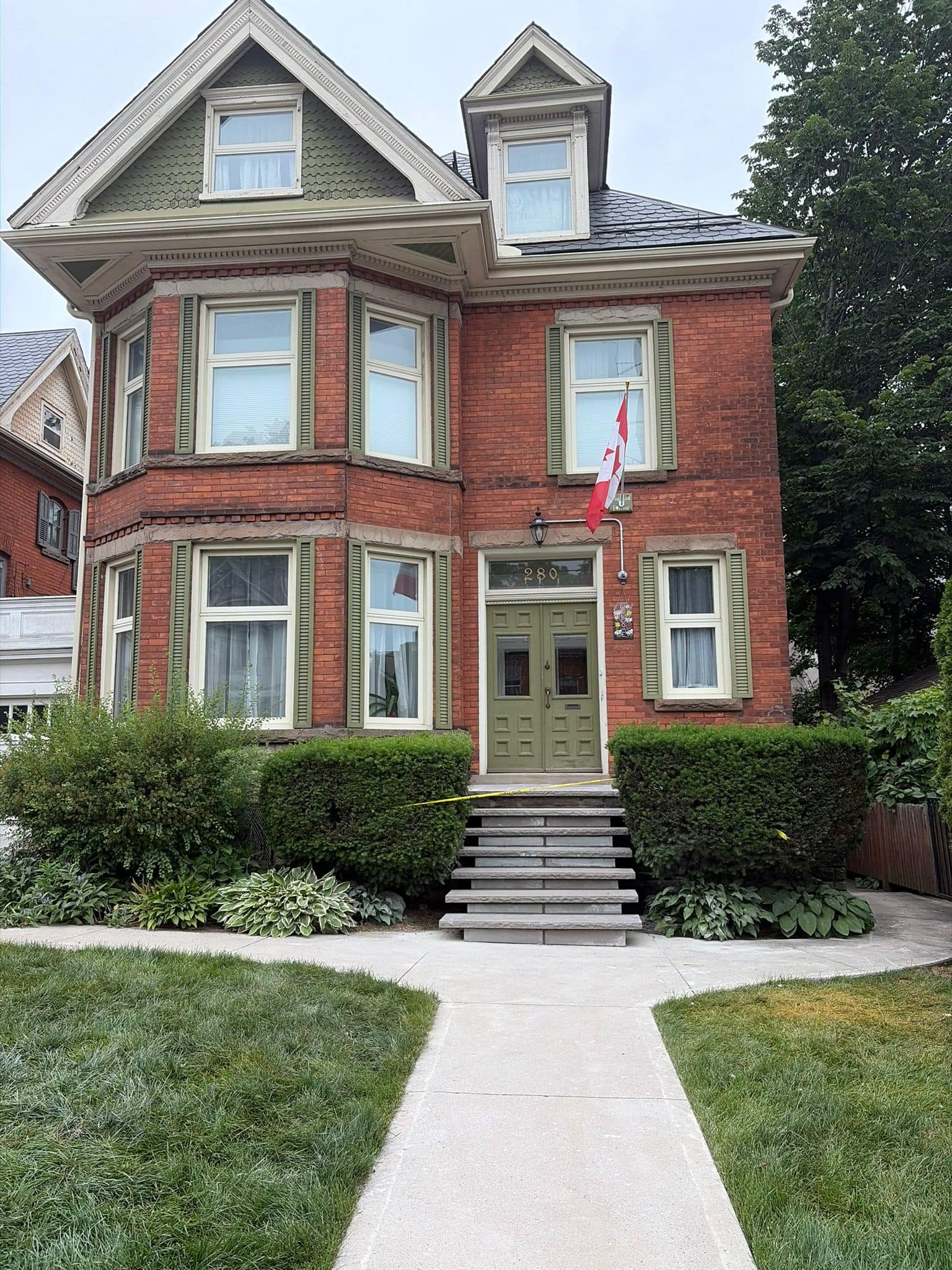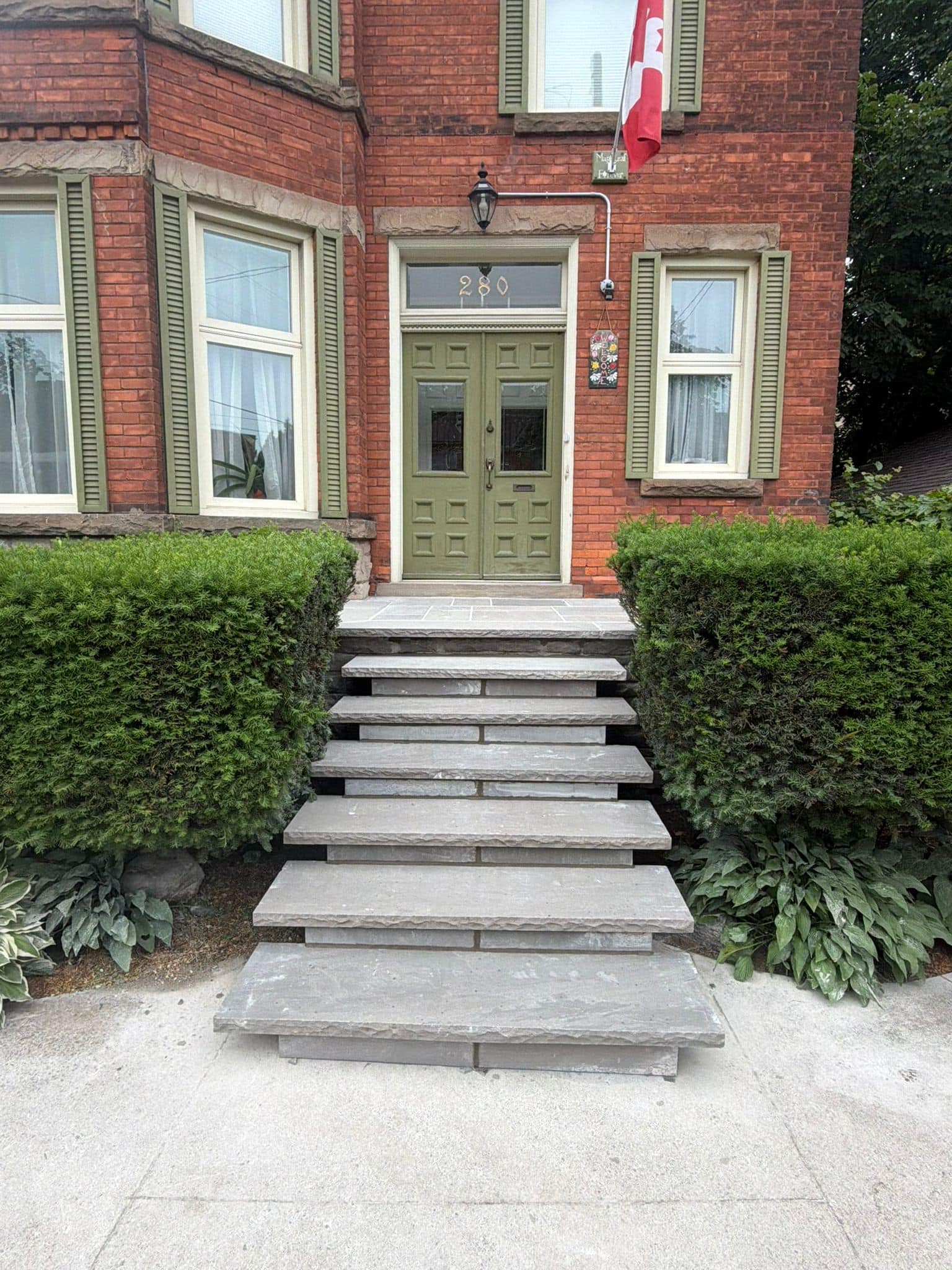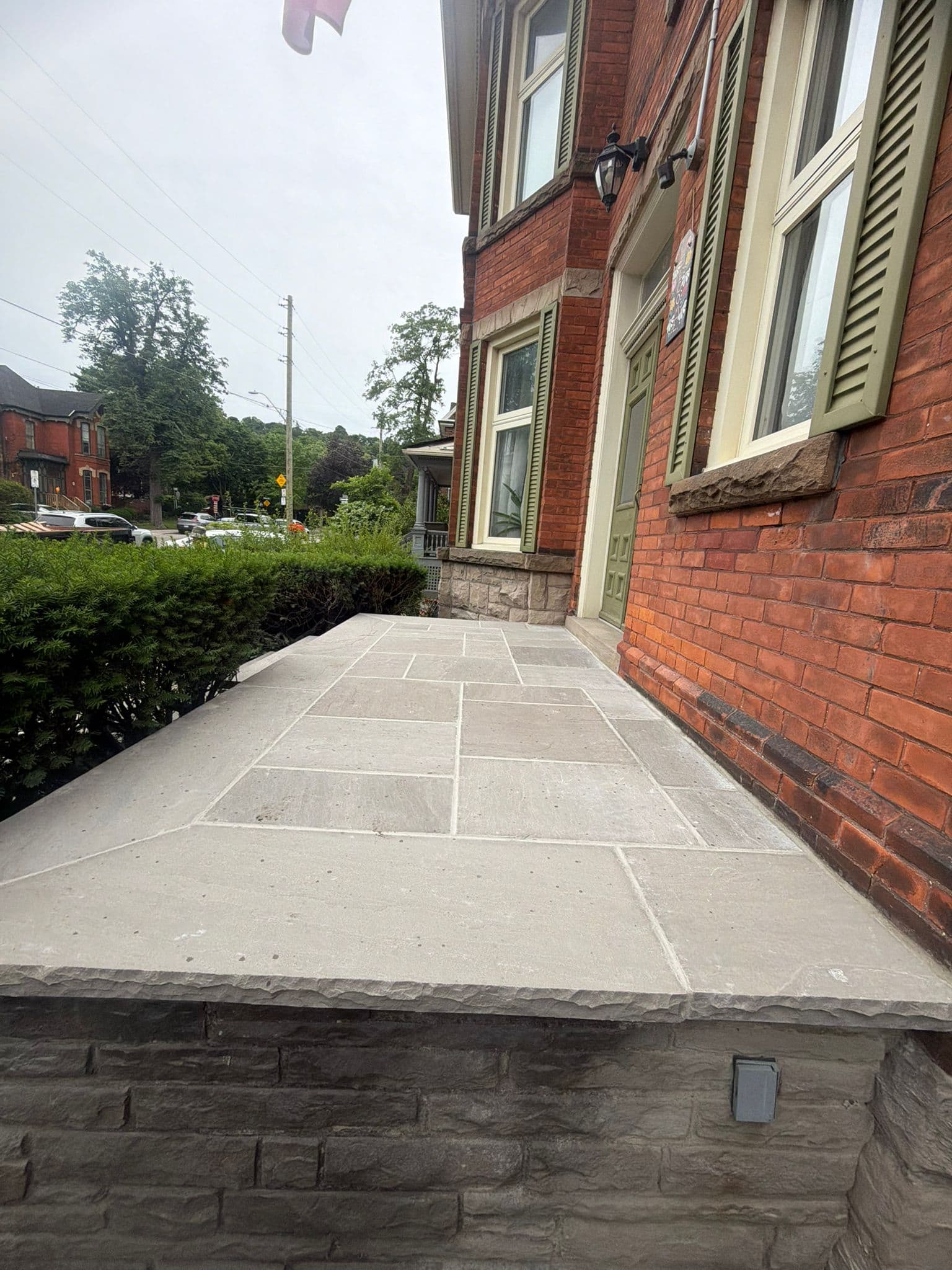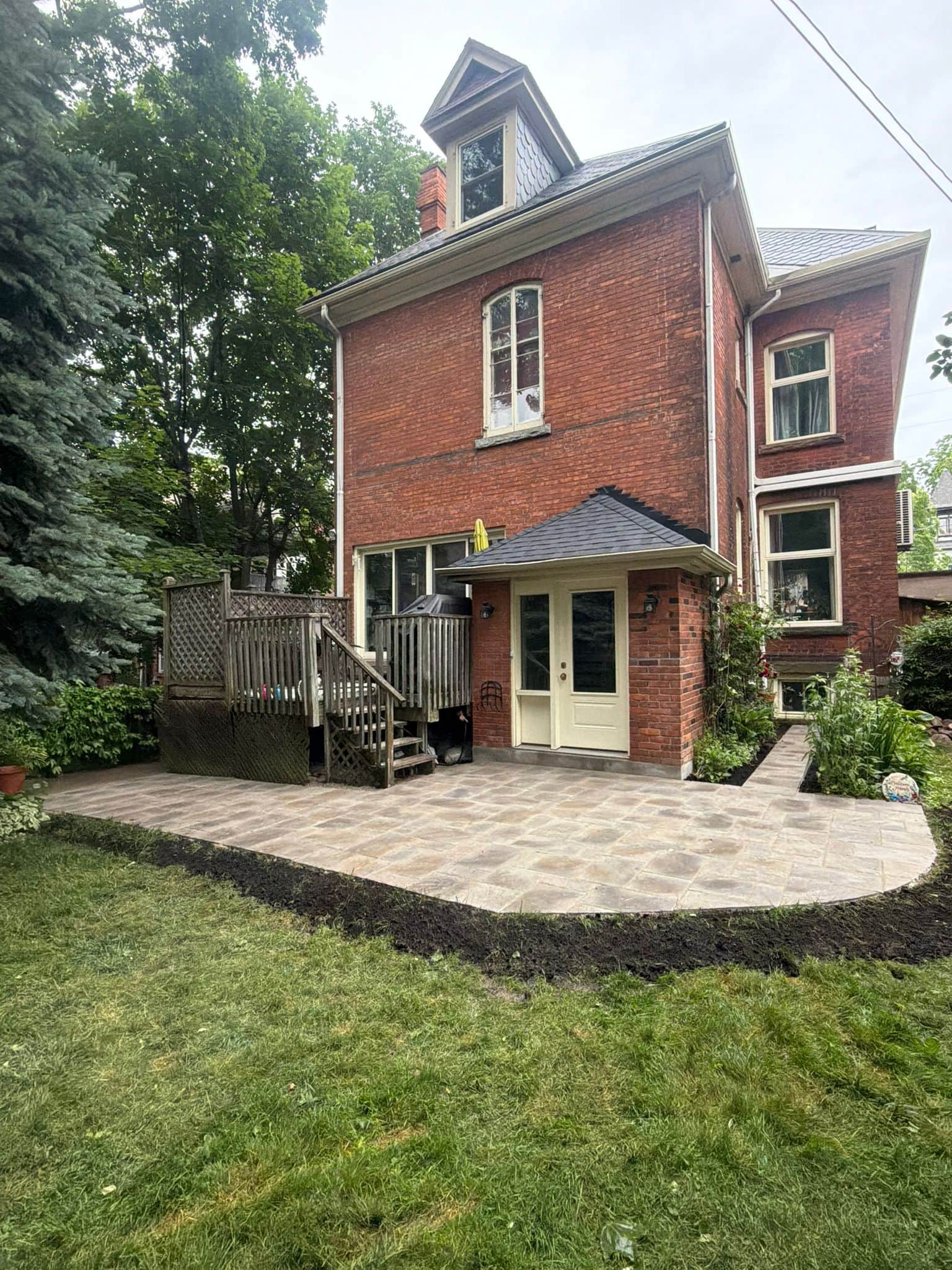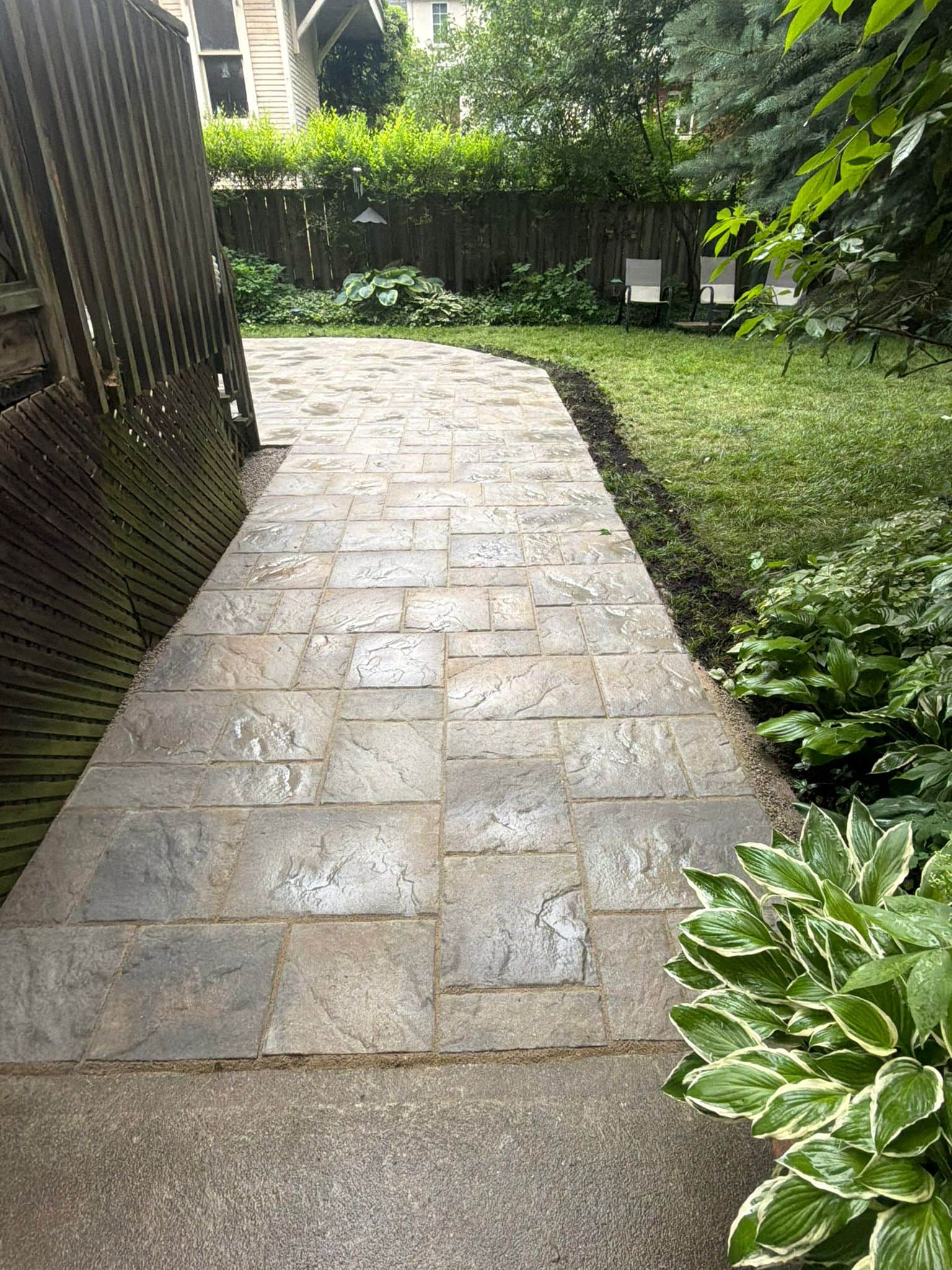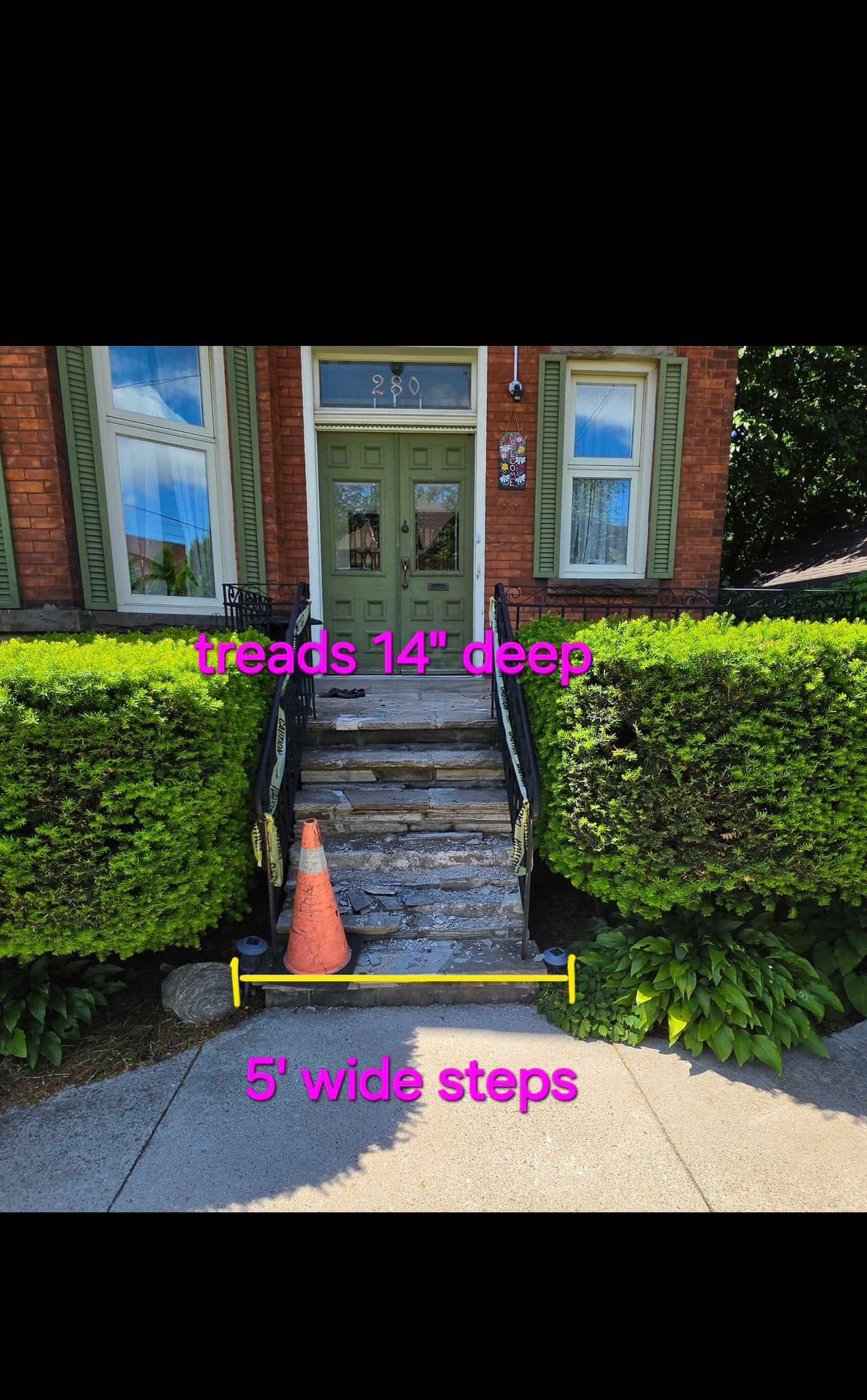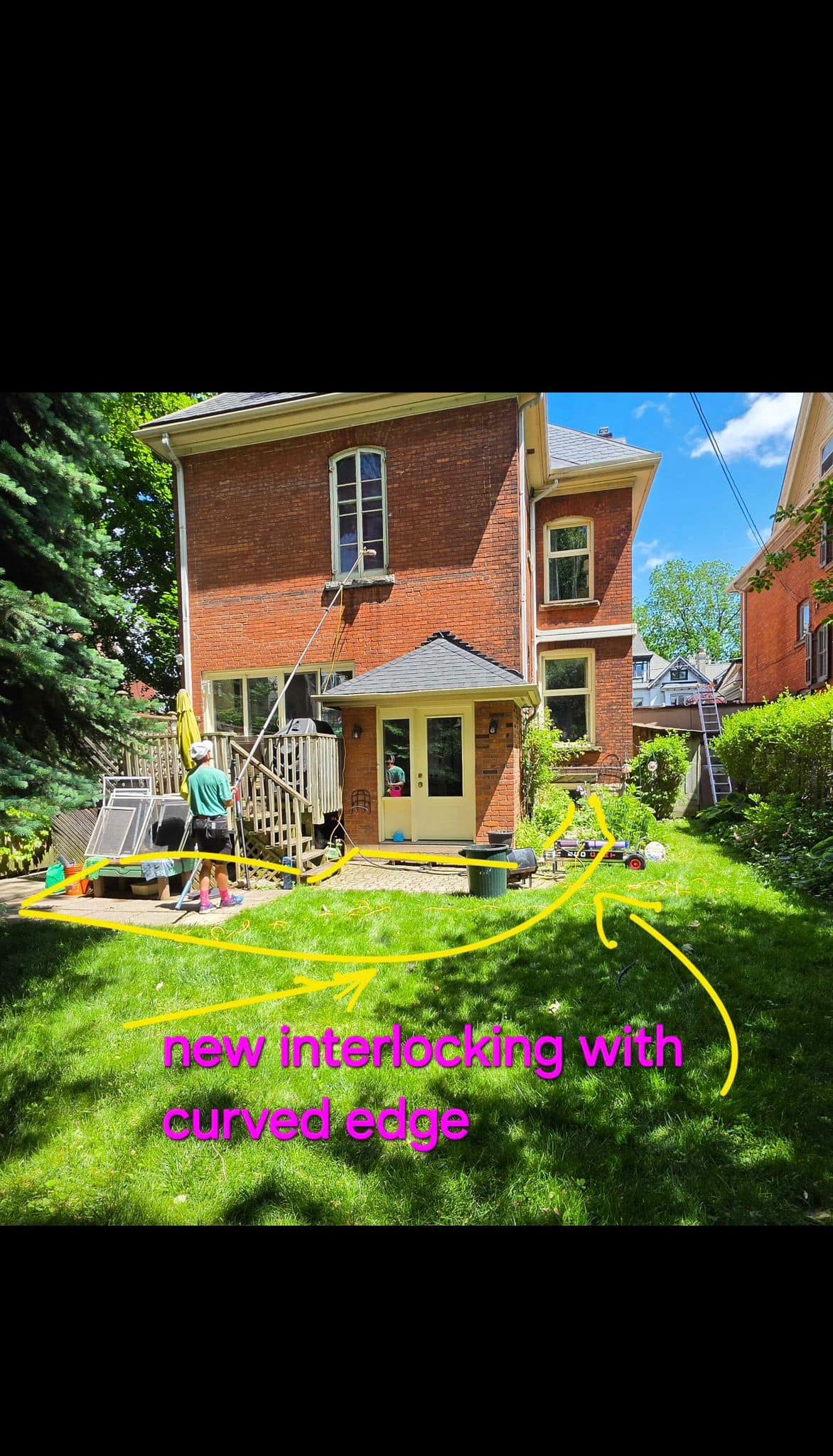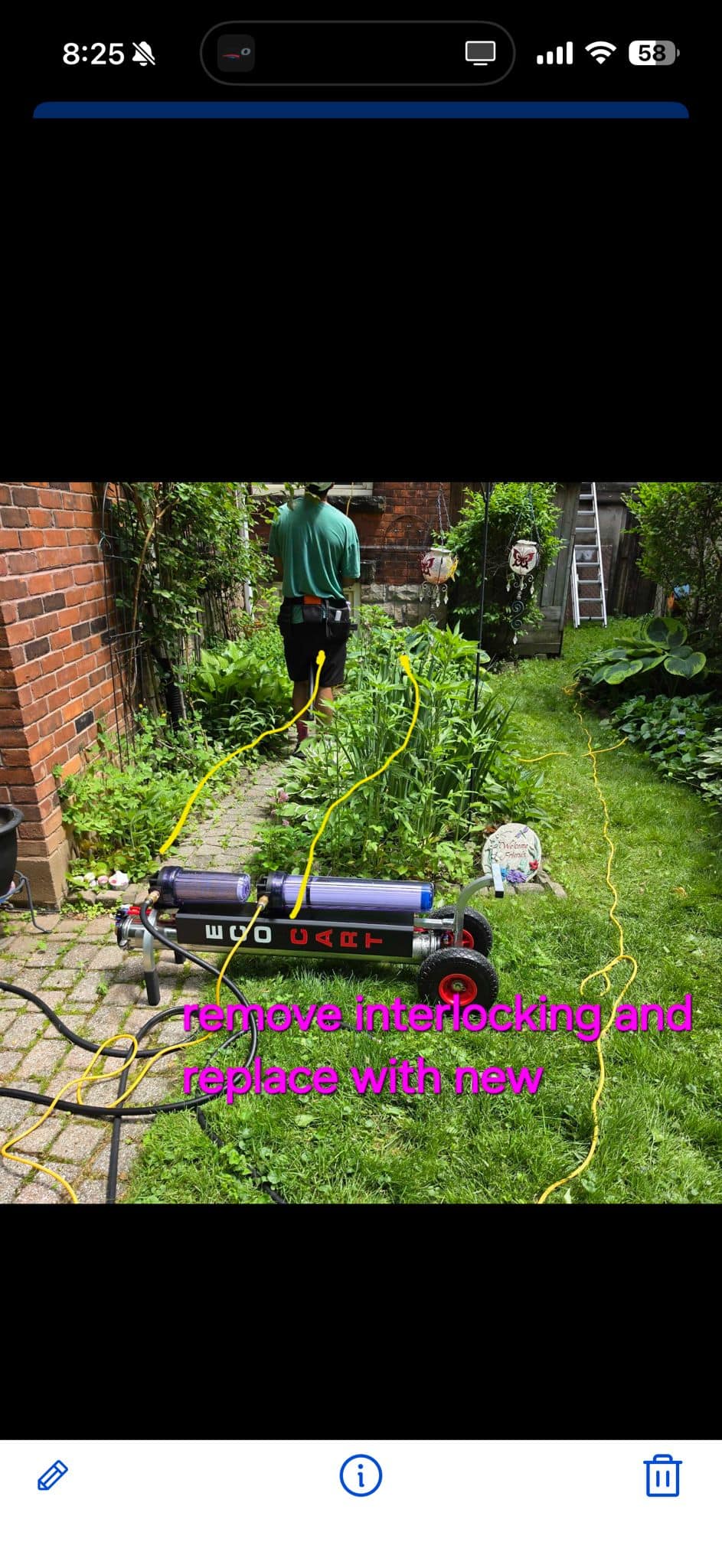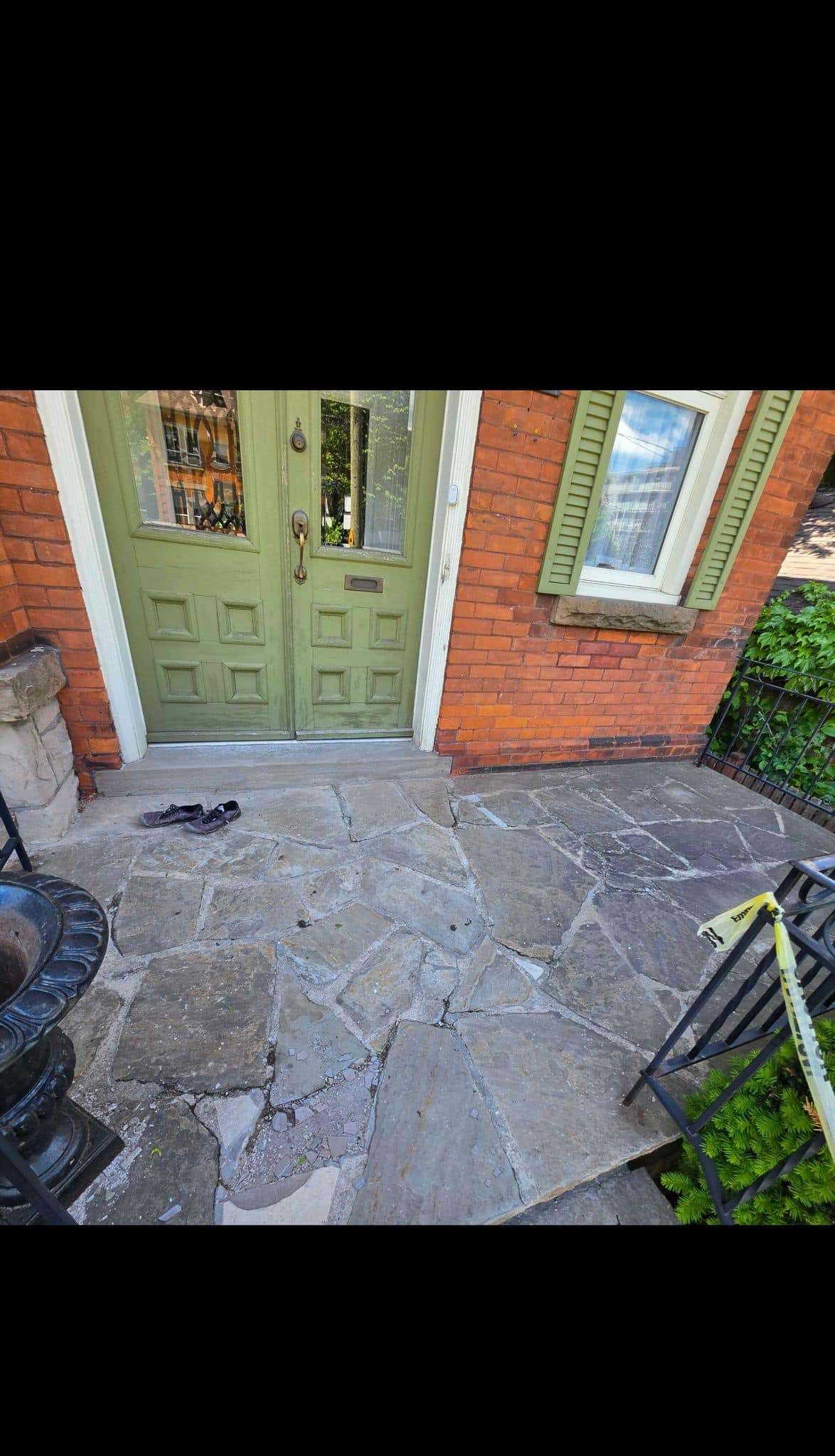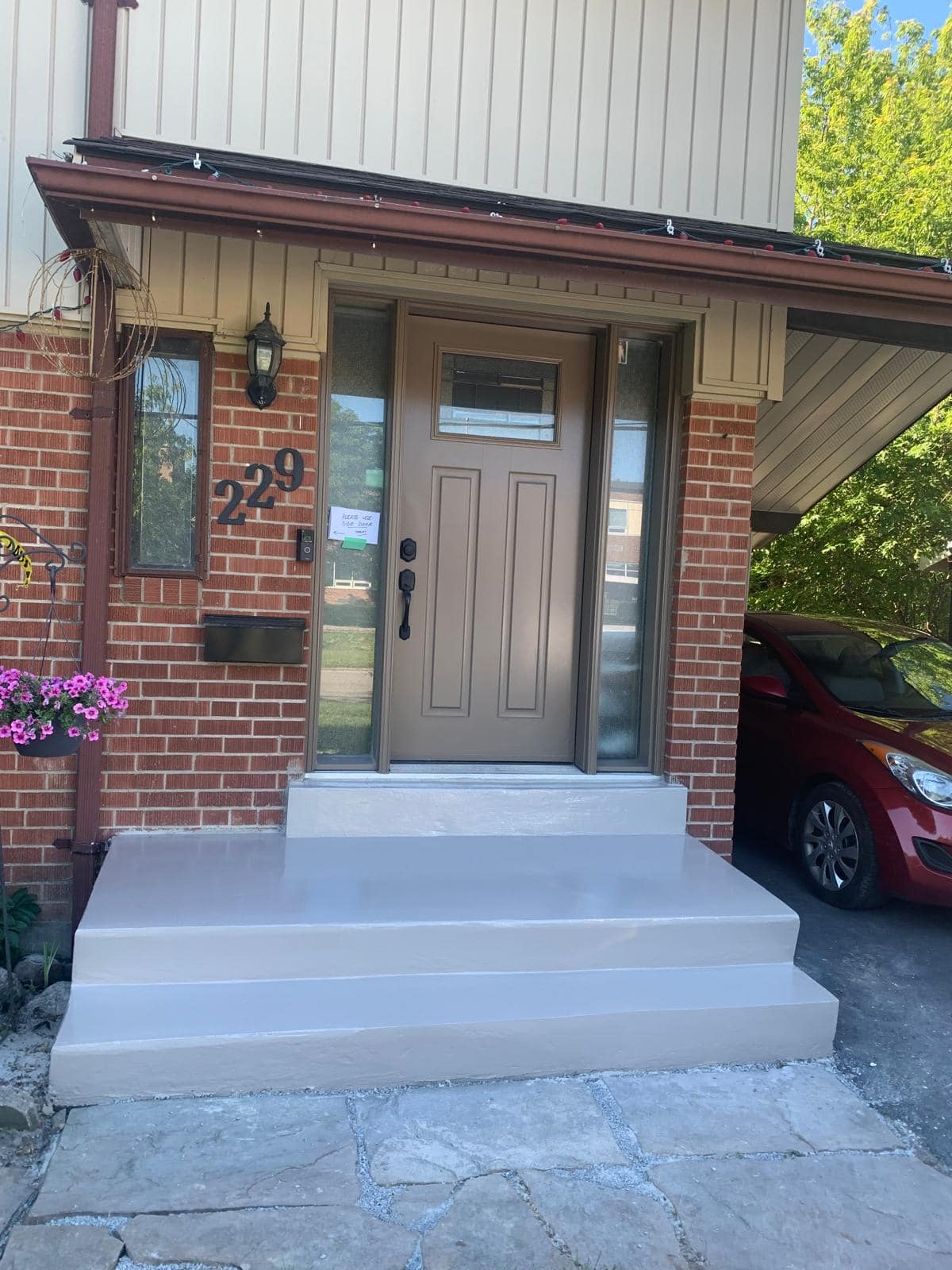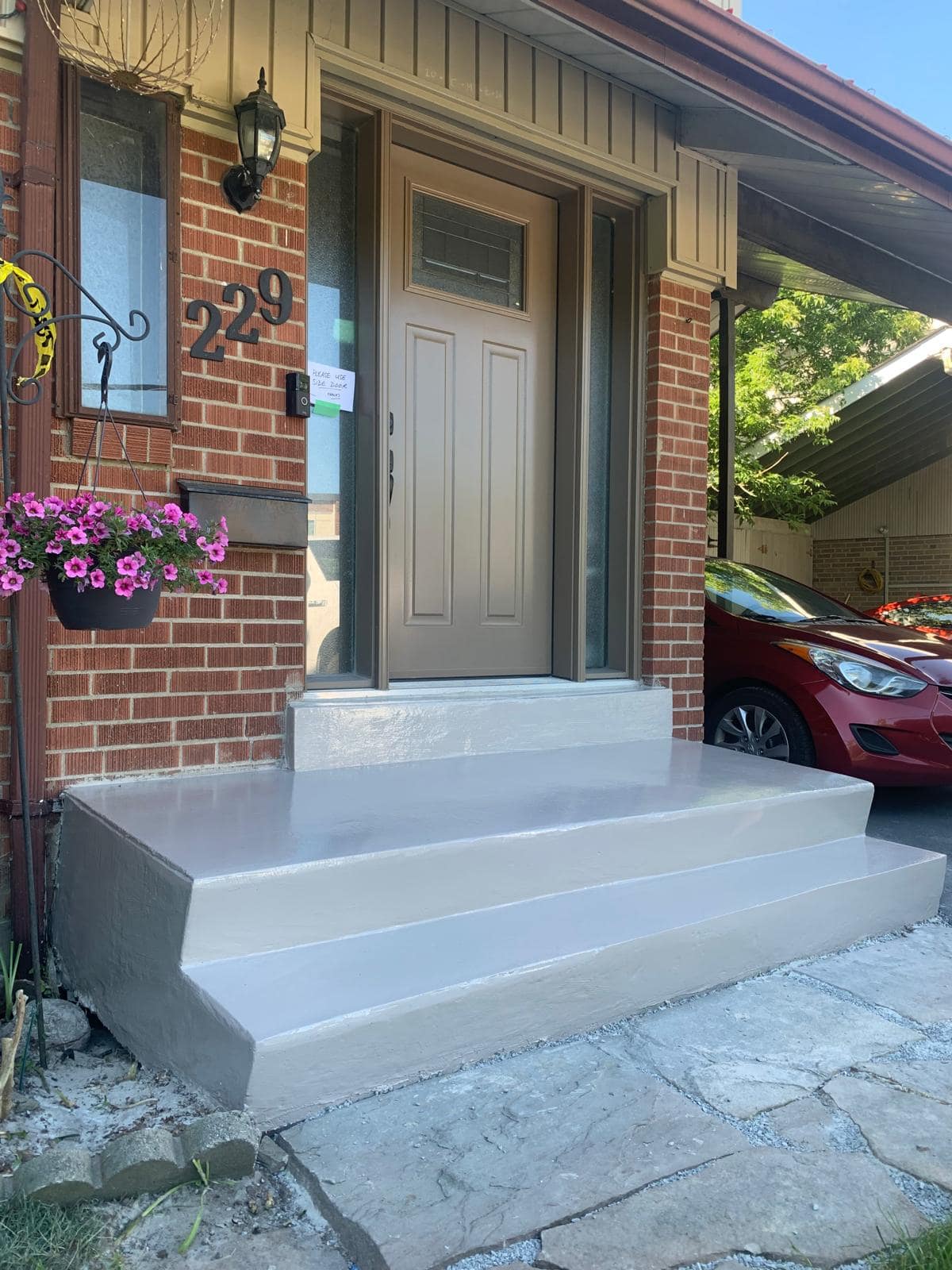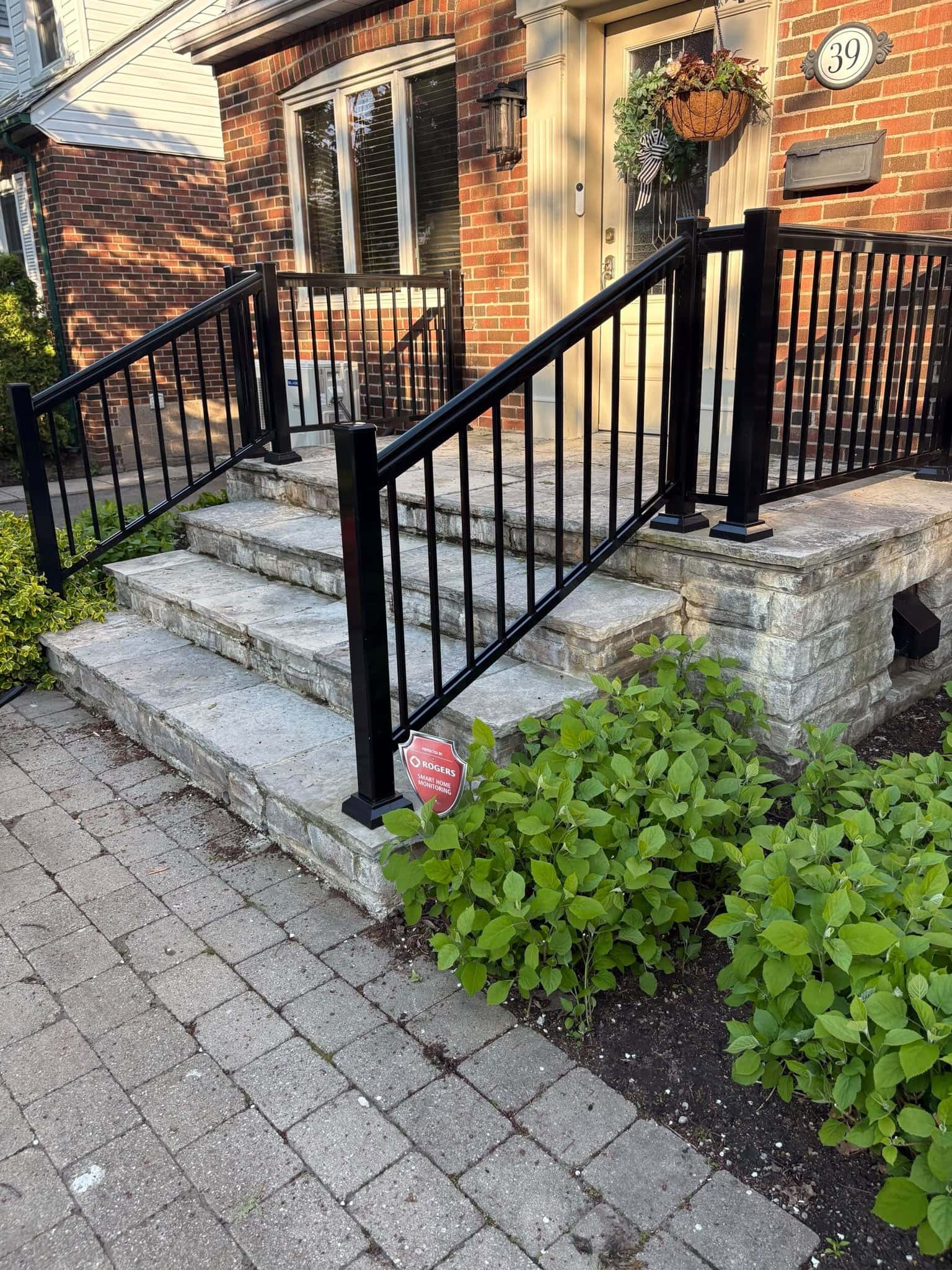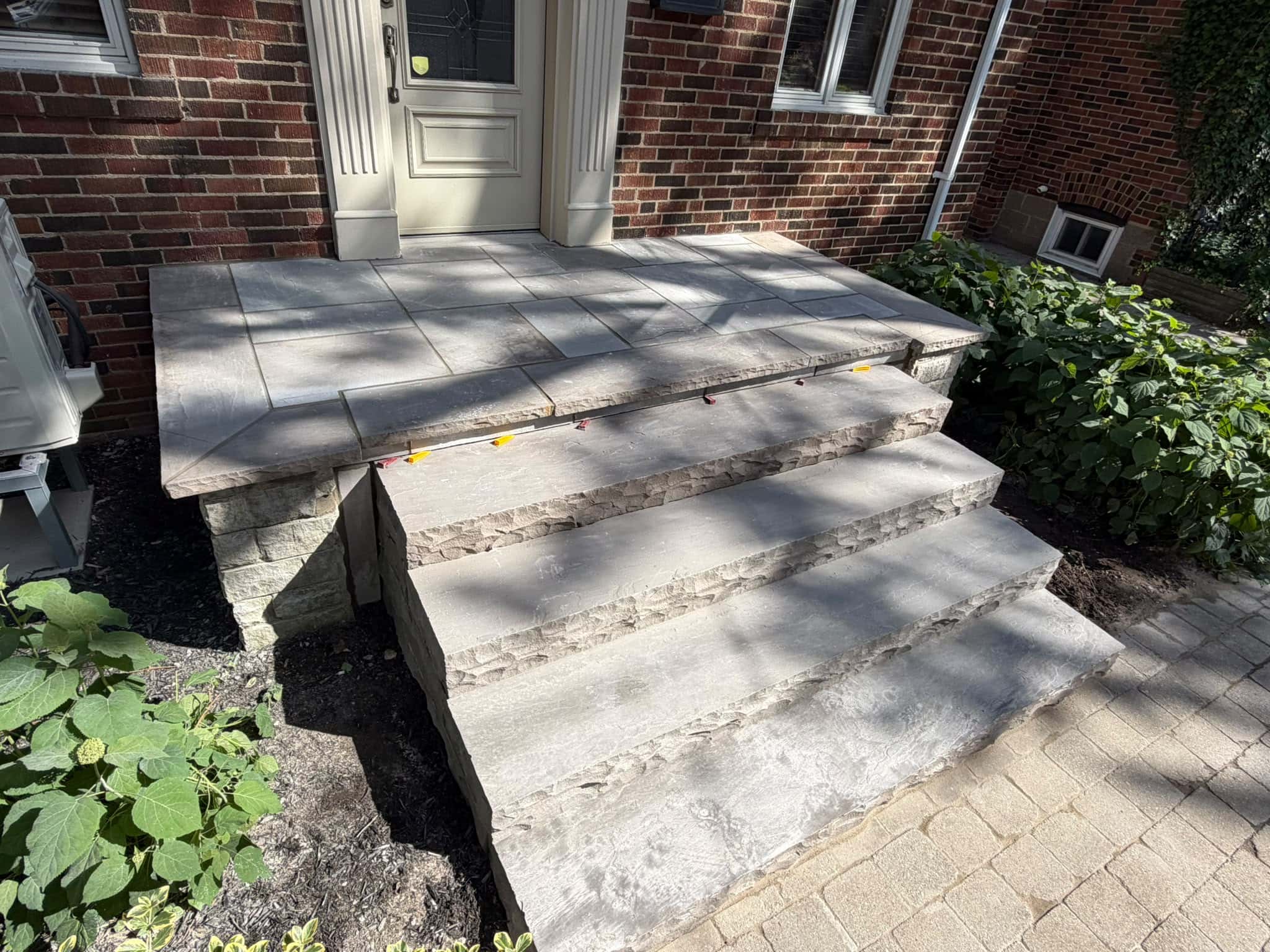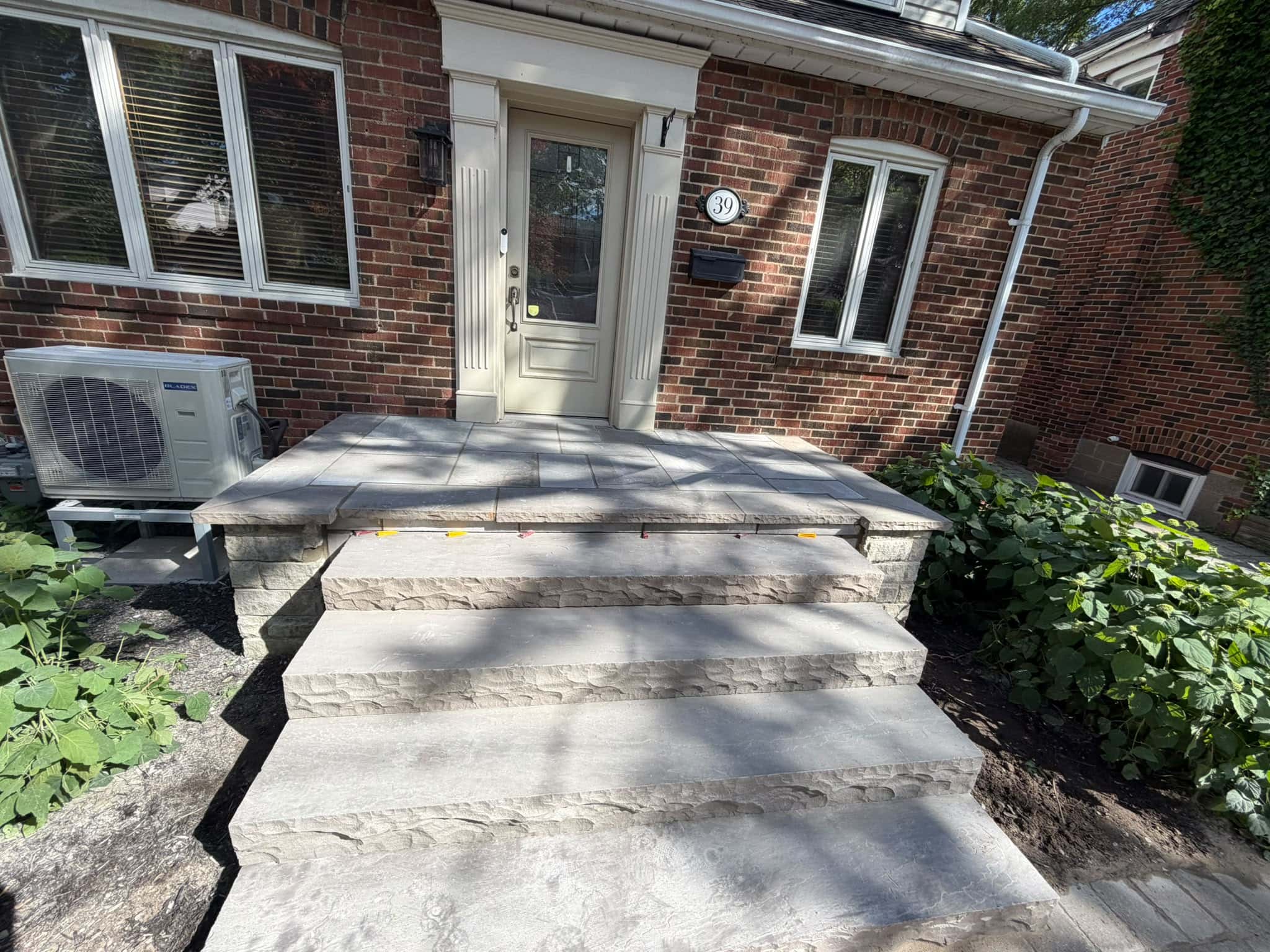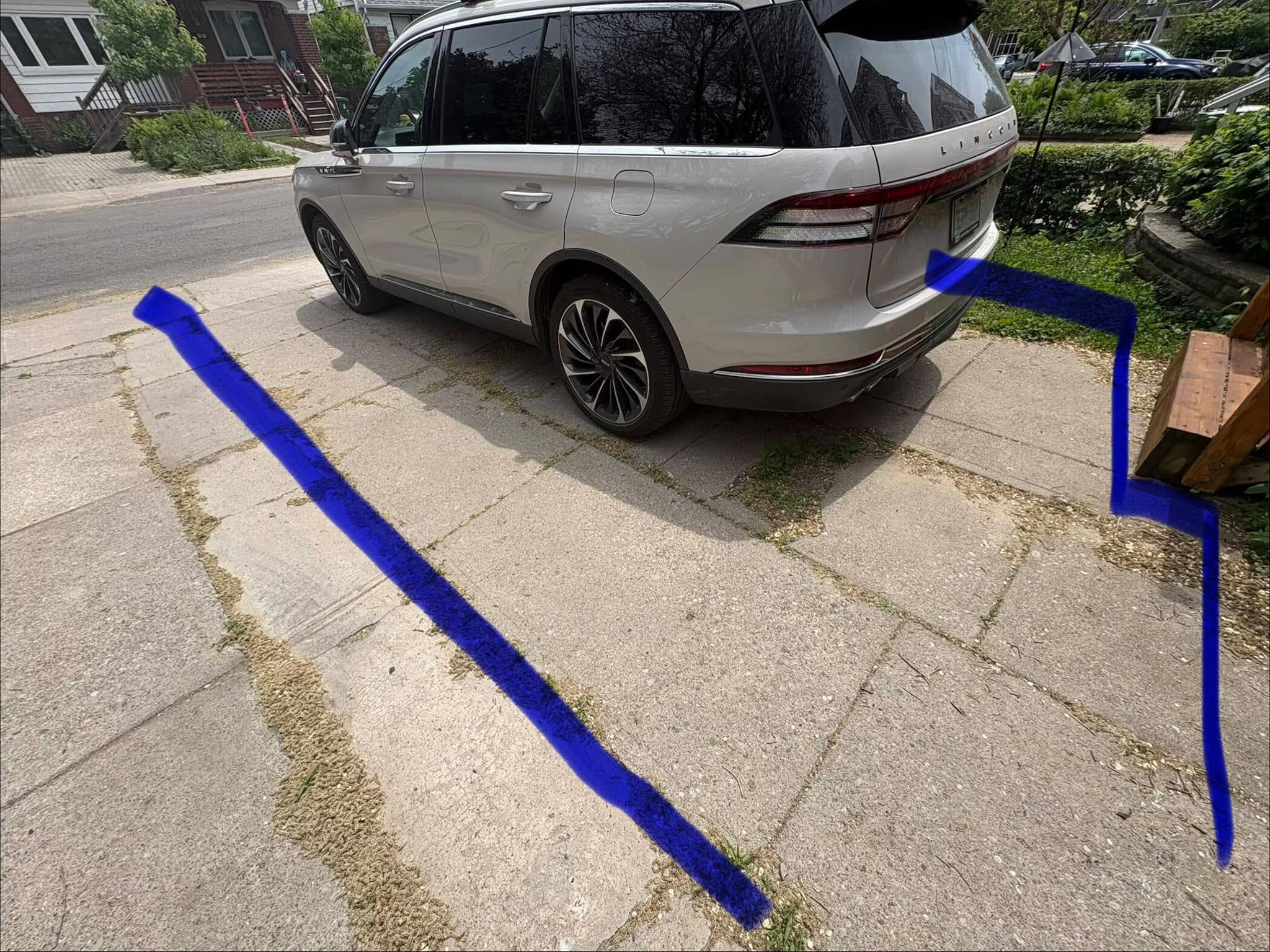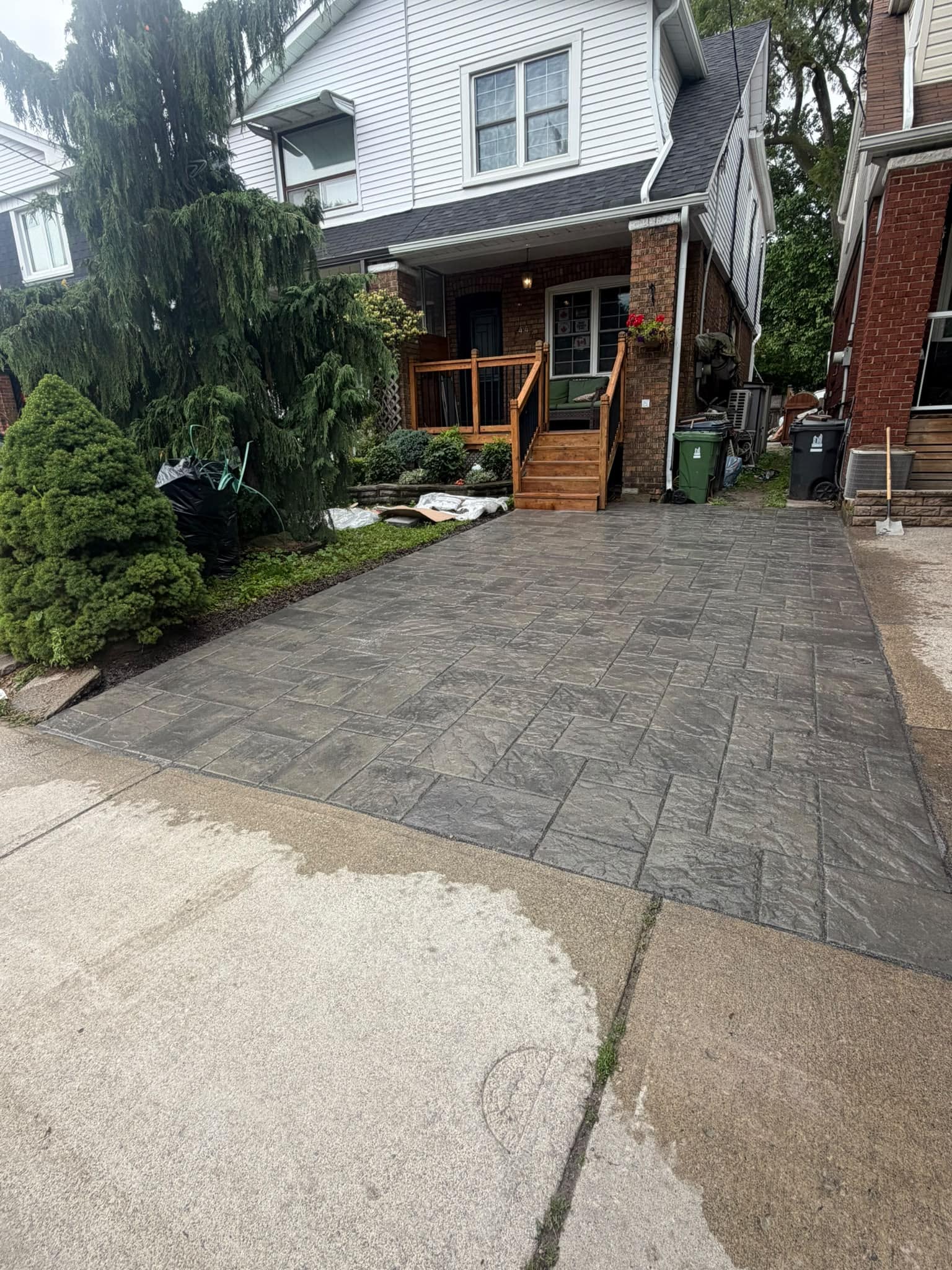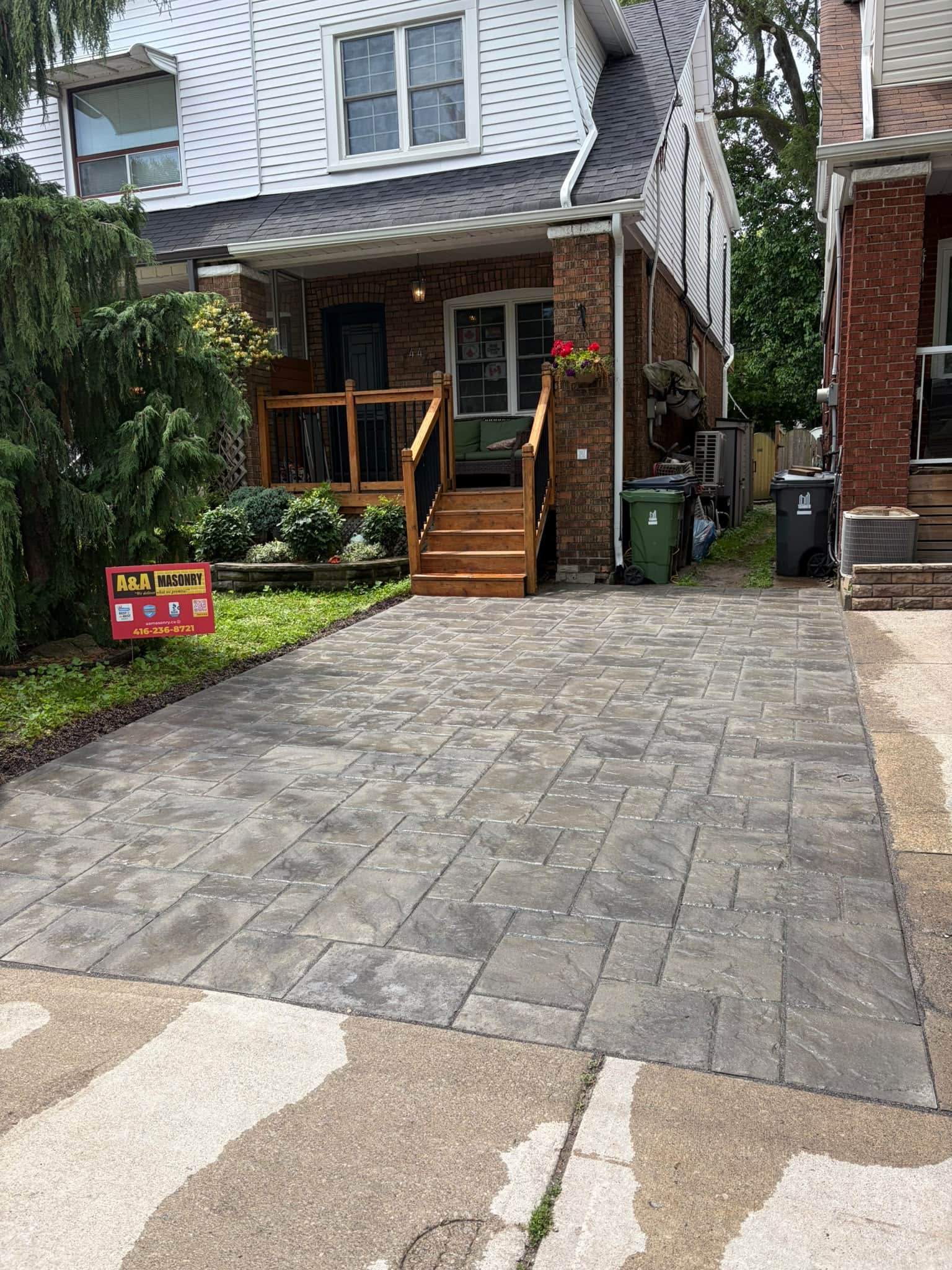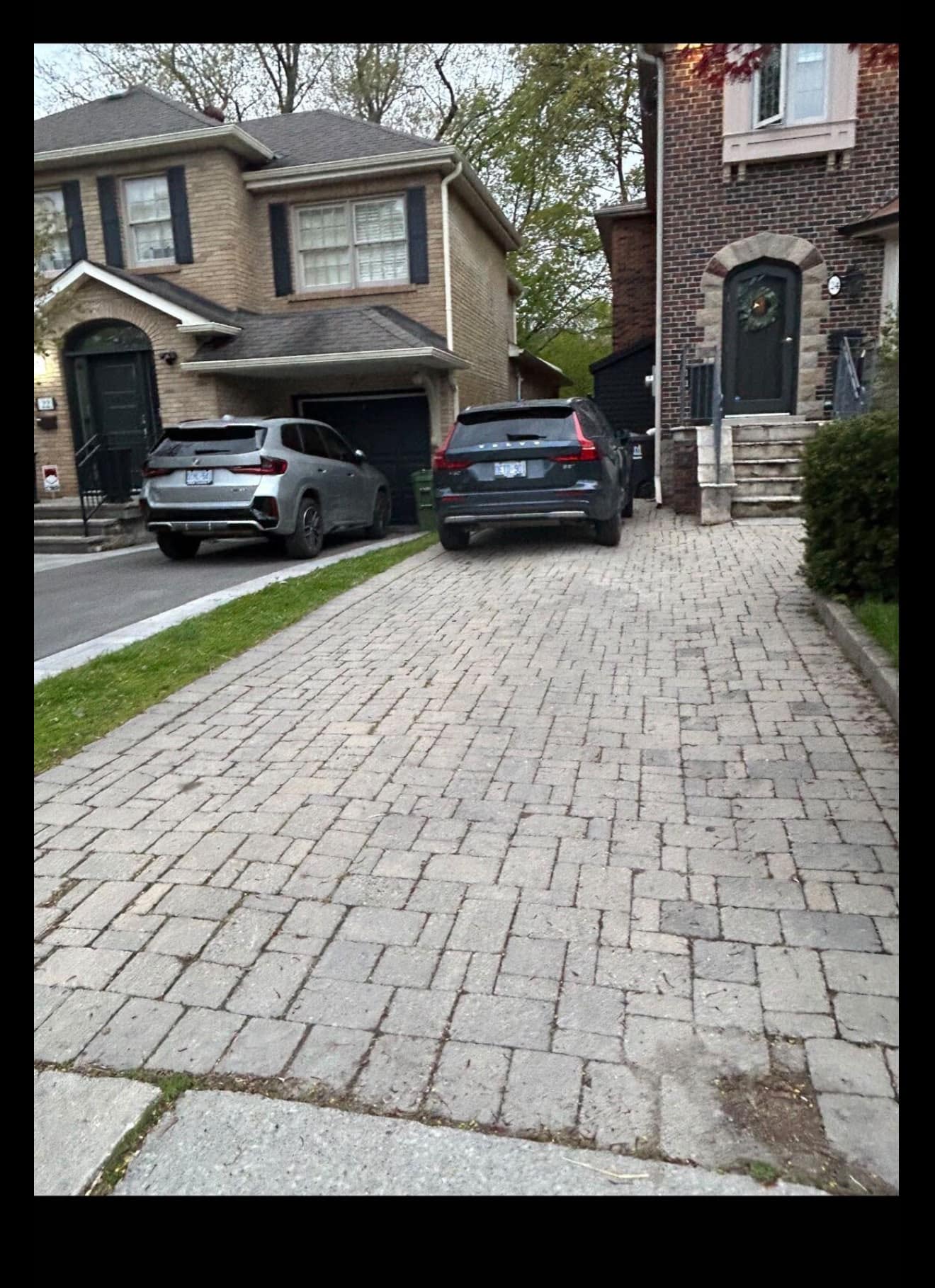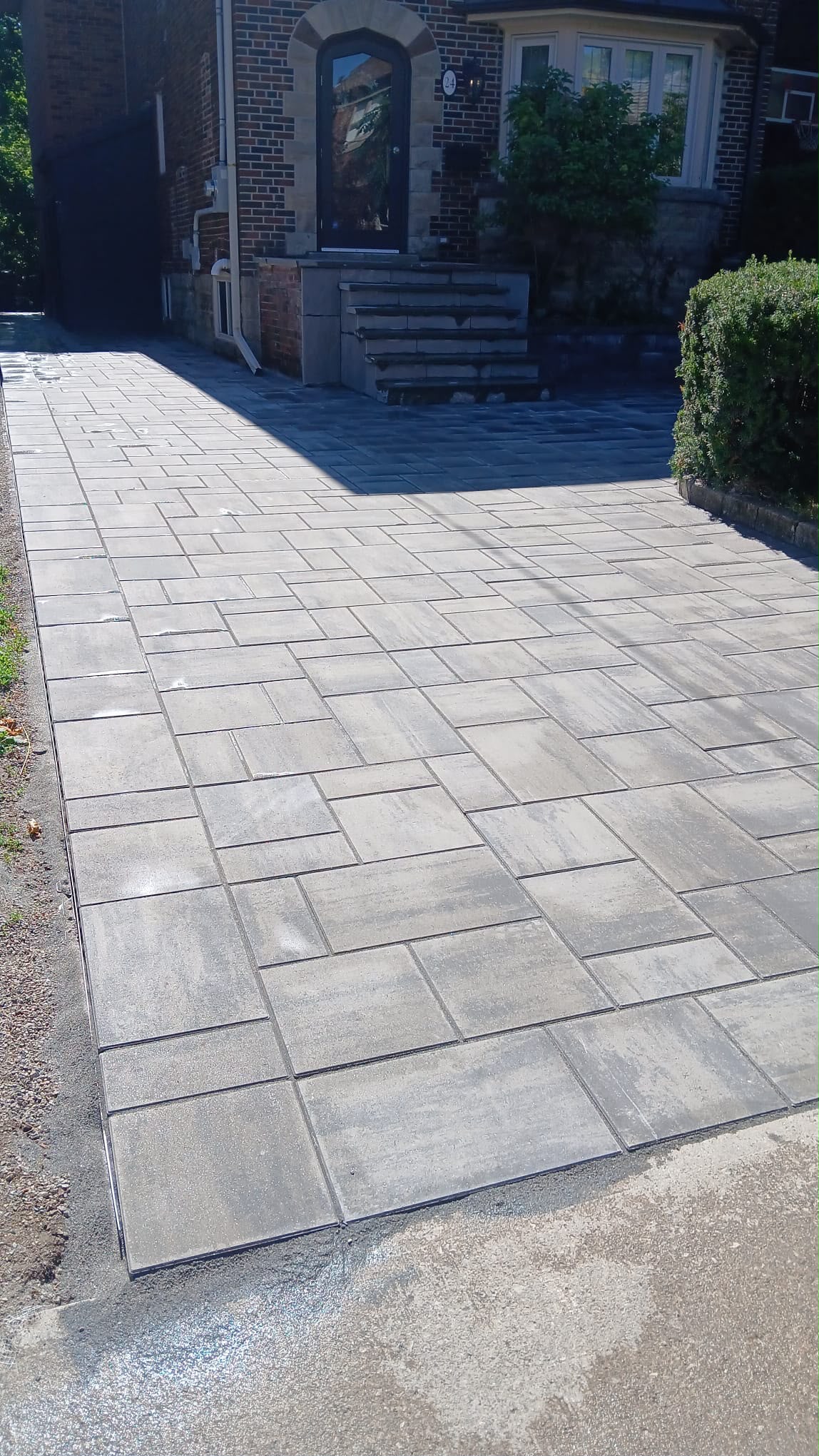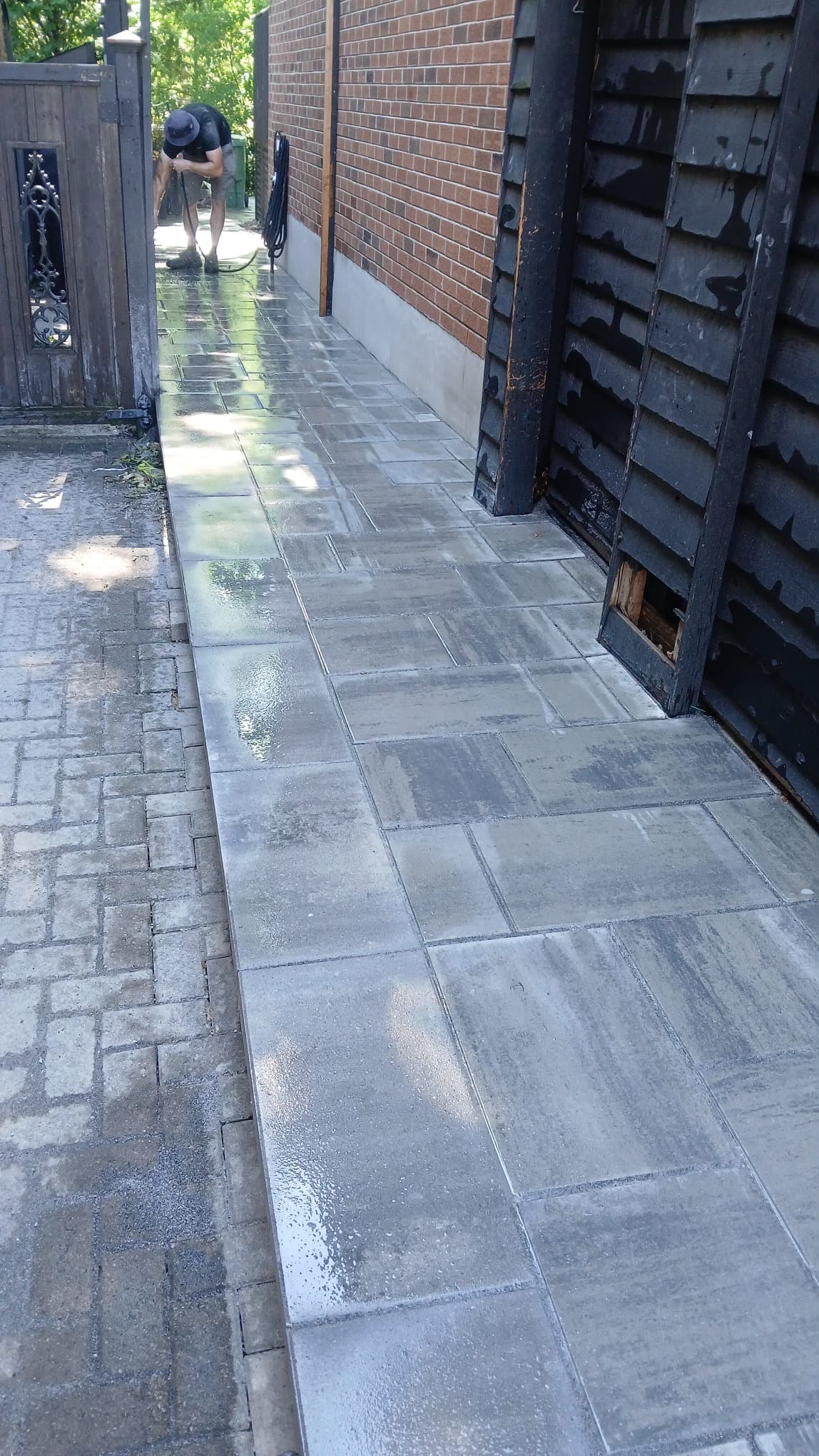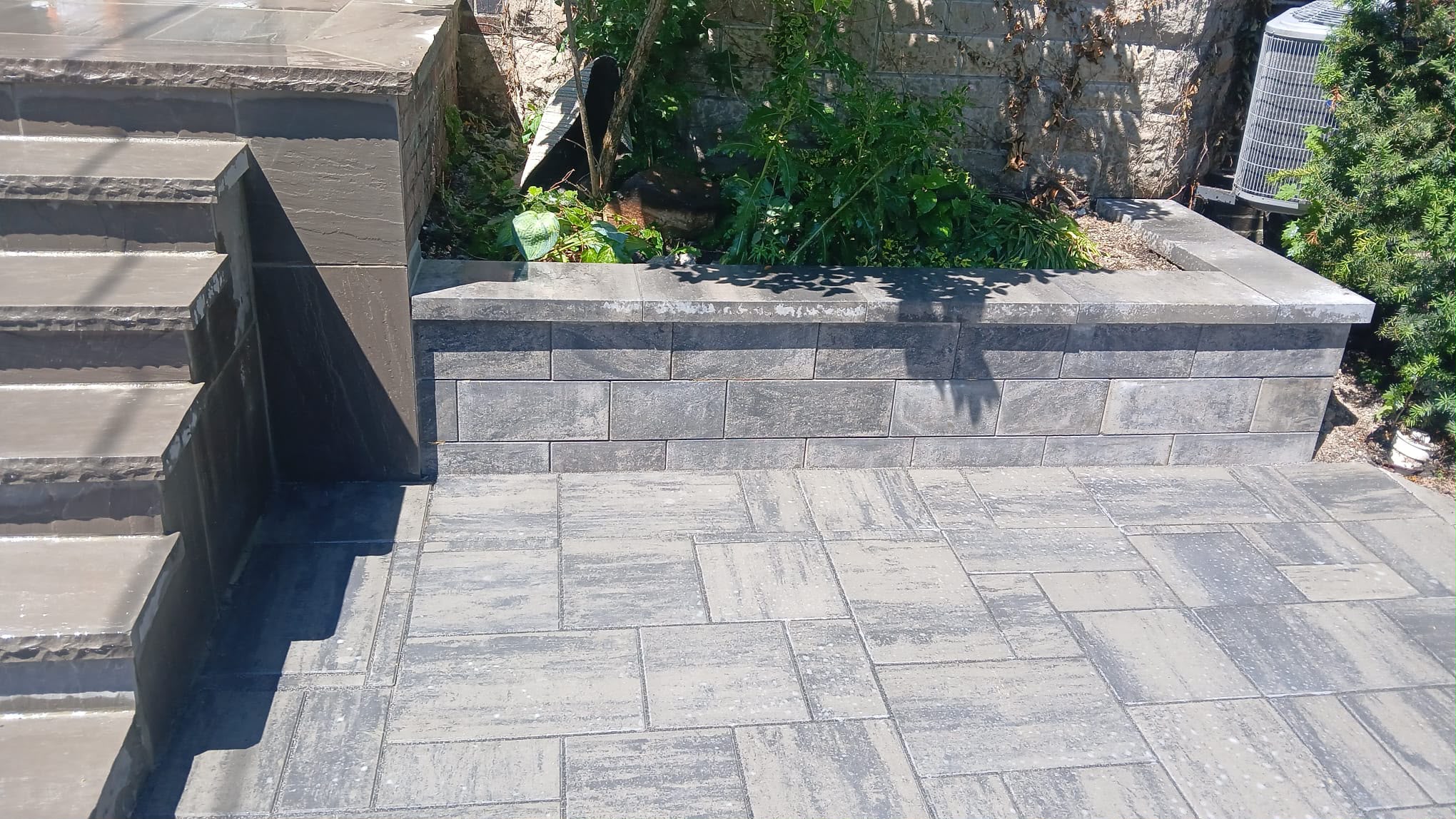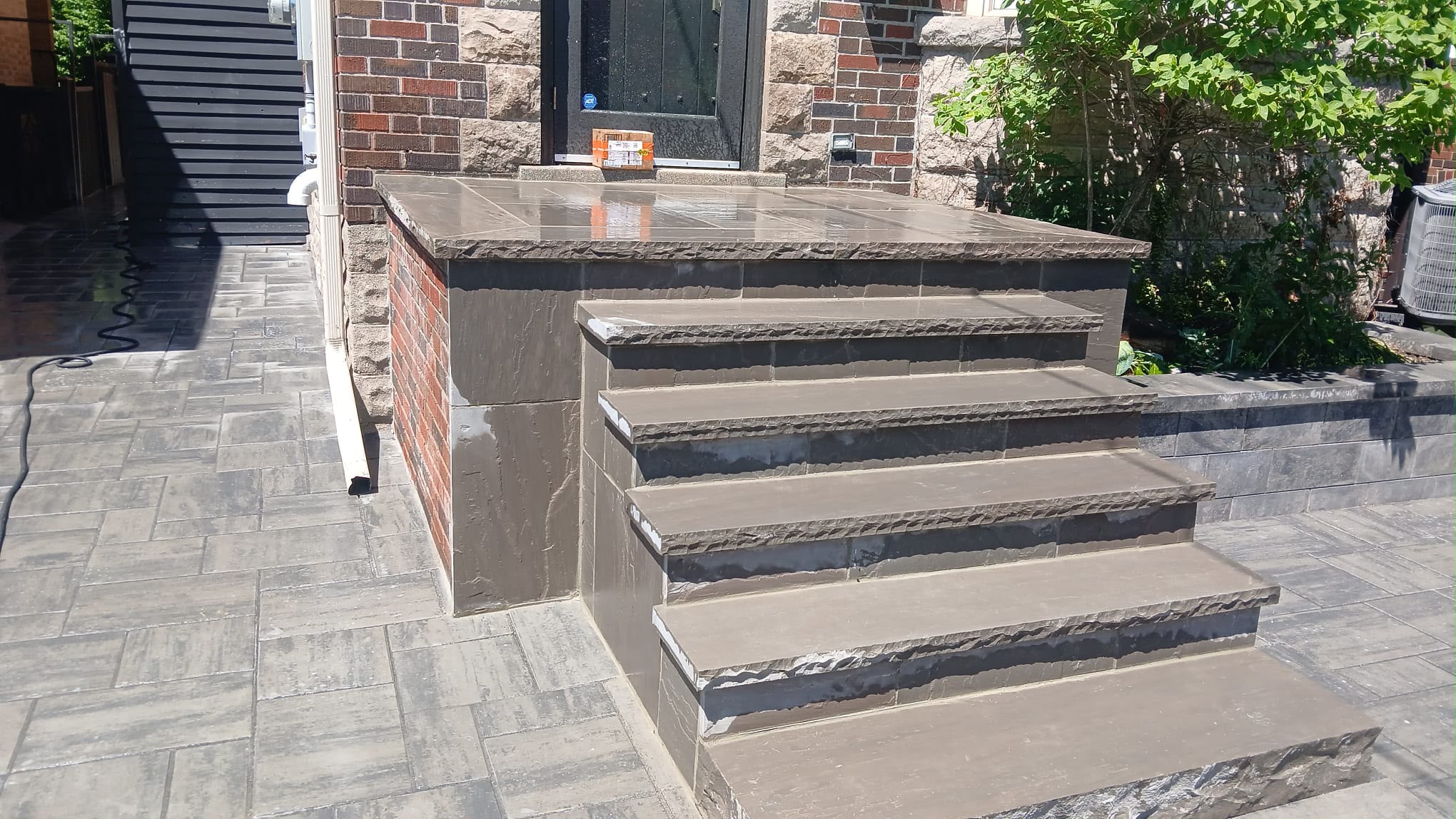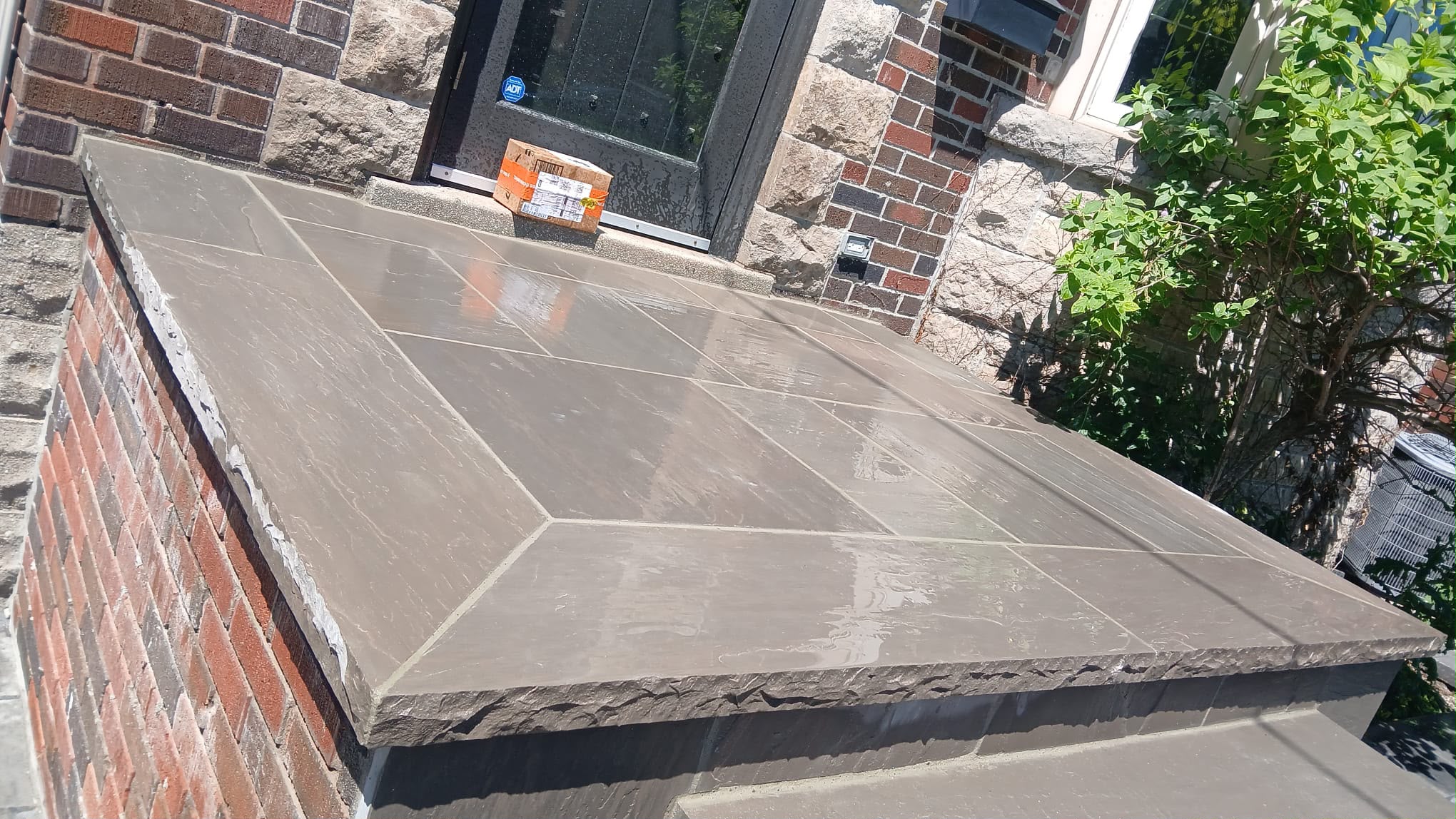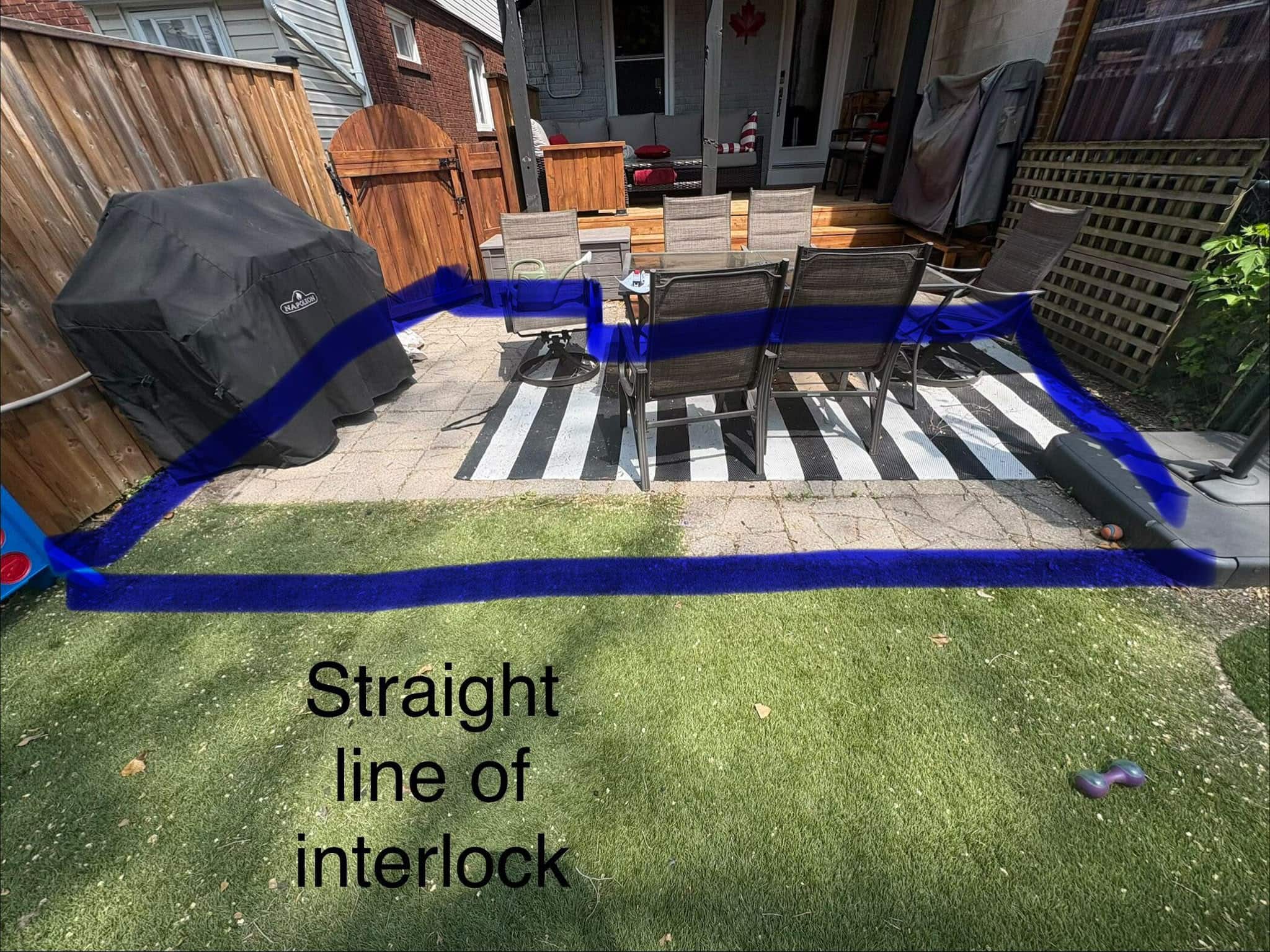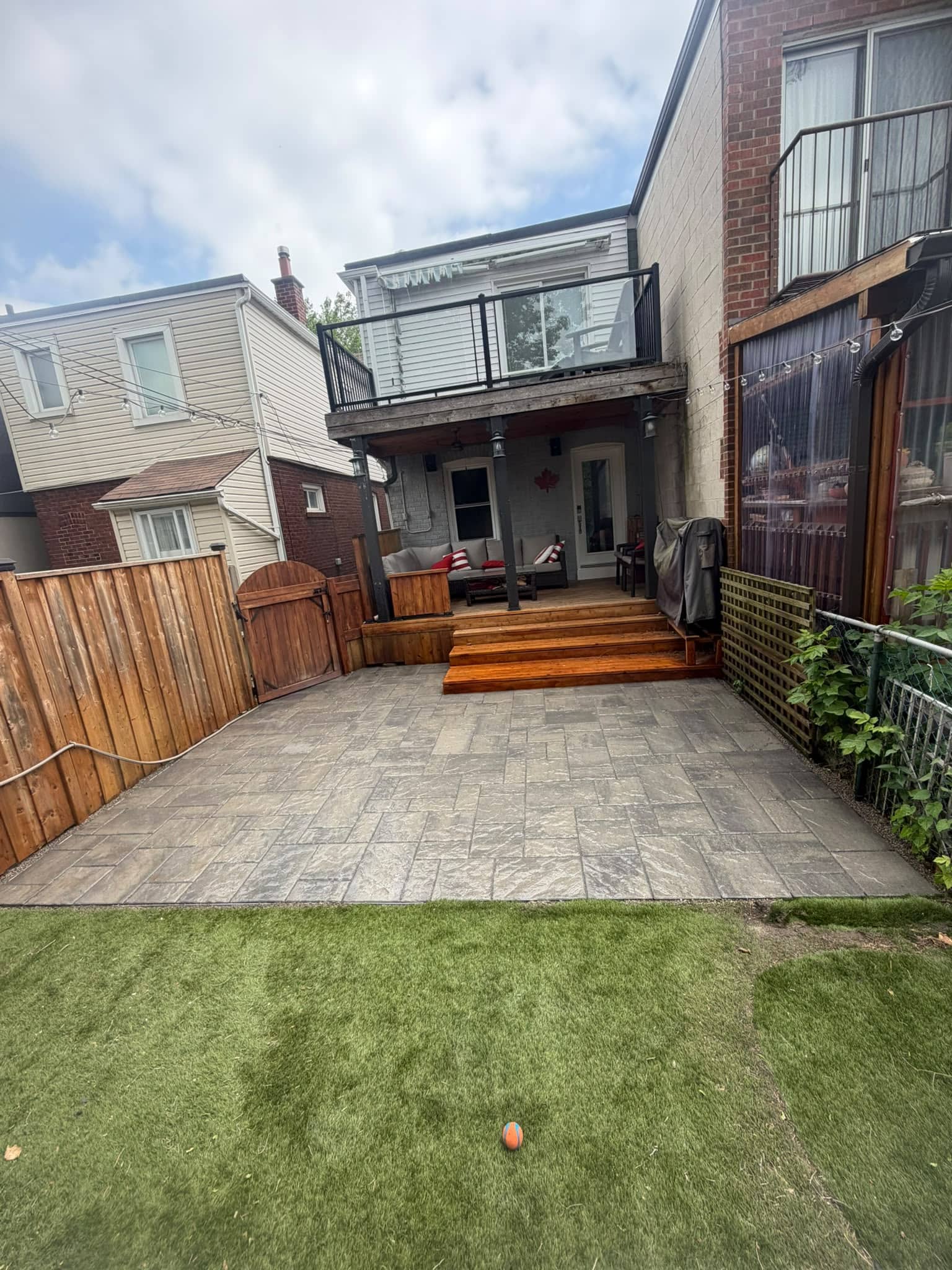

Interlocking stone driveways have become a top choice for homeowners in Toronto & the GTA looking for durability, style, and low maintenance.
Interlock stones, also called interlocking pavers, are designed to fit together perfectly. They form stable, durable surfaces for driveways or patios.
Transforming outdoor spaces is now easier with interlocking stones. They combine style and strength, making them a top choice for driveways and patios. Homeowners looking for lasting solutions find a versatile option that fits any design.
Imagine a driveway that makes everyone jealous. Interlock stones turn ordinary surfaces into eye-catching features. Their design lets you create patterns, from geometric to classic brick, making every area a design highlight. But is an interlock driveway worth the investment? Let’s break it down.
If you are looking for help beyond choosing materials, A&A Masonry provides interlocking installation and repair in Toronto for driveways, patios, walkways, steps, entrances, and outdoor hardscape areas.
Why Choose an Interlock Driveway?
✔ Durable & Weather-Resistant – Withstands freeze-thaw cycles better than concrete.
✔ Customizable Designs – Choose from various colours, shapes, and patterns.
✔ Easy Repairs – Individual pavers can be replaced without tearing up the whole driveway.
✔ Eco-Friendly – Permeable options improve drainage and reduce water runoff.
Planning a new driveway? Visit our professional interlocking driveway installation page to see how A&A Masonry plans driveway base preparation, grading, borders, and paver installation for long-term use.
What Are Interlock Stones?
Interlocking pavers are individual units installed over a properly prepared base and bedding layer. Their pattern, joint material, edge restraints, and compacted base work together to create a stable paved surface.
This system is popular for driveways, walkways, and patios. It’s versatile and resilient.
Concrete, Natural Stone, and Brick: Exploring the Options
The different types of interlock stones vary in material, cost, and aesthetics:
- Concrete: Concrete pavers are manufactured concrete units available in a wide range of colours, shapes, textures and thicknesses.
- Natural Stone: Quarried materials like granite or limestone add a timeless, rustic look. Durable but may require more maintenance.
- Brick: Traditional clay or modern engineered brick interlocks provide classic charm. Popular for patios and pathways.
Choosing the right type depends on budget, climate, and design goals. Each material balances style and functionality for outdoor spaces.
Interlocking vs Regular Pavers: Key Differences
Interlocking pavers connect edge-to-edge, making stable surfaces that move with the ground. Regular pavers use mortar or sand to fill gaps. This difference affects how long they last and how well they adapt.
Design and Aesthetics Comparison
Interlocking systems are great for creating patterns such as herringbone or brickwork. Regular pavers have uniform shapes, which limit design options. For modern homes, interlocking pavers offer durability and strength for bold designs.
- Interlocking: Ideal for driveways, with textured surfaces that enhance traction.
- Regular: Better suited for low-traffic patios with simpler layouts.
Installation and Durability Considerations
Interlocking pavers are the best material for heavy traffic, like reinforced concrete. Their edges spread weight, reducing cracks. Regular pavers, made of clay or stone, may shift or erode under heavy use.
- Driveways: Interlocking’s durability withstands daily wear, including ice-melt chemicals and vehicle weight.
- Patios: Regular pavers work for foot traffic but require frequent sealing to resist stains.
Climate is also important: interlocking systems expand and contract without buckling, a key advantage in freeze-thaw cycles. Regular pavers may need periodic resealing or replacement in harsh conditions.
Popular Interlock Stones for Driveways and Patios
Choosing the right interlock stone means understanding the pros and cons of each type. The top picks are concrete interlock pavers, natural stone interlock, and brick interlock pavers. Each has its strengths, making them great for driveways and patios.
Concrete Interlock Pavers
- Pros: They’re affordable, come in many colours and shapes, and don’t crack easily in stable weather.
- Cons: They can wear down in cold, wet areas. You need to prepare the base well.
Natural Stone Interlock
- Pros: They’re durable, look timeless, and can handle a lot of wear. Bluestone and limestone are favourites.
- Cons: They cost more upfront and are heavy. This makes them harder to install. You might need a pro.
Brick Interlock Pavers
- Pros: They offer classic looks that work for any style, from old to new. They can also hold a lot of weight.
- Cons: You have to keep the joints tight to stop them from shifting. Without sealants, colours can fade.
Choosing the right popular types of interlock stones for driveways and patios depends on your project. Think about your budget, the weather, and how you want your space to look. This will help you pick the best material.
If your goal is to build a backyard sitting area, dining space, or outdoor living area, visit our interlocking patio installation in Toronto page for patio-specific planning, layout, and installation details.

Factors to Consider When Choosing Interlock Stones
Choosing the right interlock stones is about finding the right mix of style, function, and budget. These factors help ensure your choice looks good and works well.
Aesthetic Appeal and Design Options
The look of your outdoor space is key. Colours, shapes, and patterns let you match your home’s style. For example, bold red bricks might stand out against modern homes, while earth tones fit better with rustic ones.
Textures like herringbone or geometric patterns add interest. They can make your space look modern or classic. It’s important to match your home’s style to create a cohesive look.
Maintenance and Upkeep Needs
Different materials need different care. Smooth concrete is easy to clean, while porous stones like sandstone might need sealing. Think about how much time you want to spend on upkeep.
Budget and Cost Considerations
Paver price is only one part of the total project cost. Concrete pavers are generally more budget-friendly than many natural stone options, while premium materials and more complex designs can increase the cost.
For a complete installation, factors such as excavation, base preparation, drainage, site access, stone selection, pattern complexity, edge restraints and labour can all affect the final price.
Durability and Strength Requirements
Choose materials that can handle daily use. Concrete is great for driveways, while decorative stone works well for patios. Make sure the material you choose can handle your project’s needs.
Climate and Weather Resistance
The weather affects your choice. In cold areas, choose stones that resist freezing. In wet places, look for materials that won’t absorb water. Check how different materials perform in your climate to avoid future problems.
What is the Best Gravel for Interlocking?
The best gravel for interlocking projects is ¾-inch crushed stone (also called granular A or road gravel). This size locks together firmly and provides excellent drainage, making it ideal for use as a strong, stable base under interlock stones.
What are the Best Stone Types for Interlock?
The most popular stone types for interlock are:
- Concrete pavers – affordable, durable, and available in many colours and styles.
- Natural stones (like granite, limestone, or sandstone) – premium, elegant, and very long-lasting.
- Clay bricks – classic look, strong under heavy loads, but may fade over time. Choosing the best type depends on your budget, style preference, and expected traffic.
What Base Material Is Used Under Interlocking Stone?
Interlocking installations require a properly compacted aggregate base that is suitable for the site’s soil conditions, drainage and expected loads.
In Ontario, contractors commonly use specified granular base materials for interlocking projects, but the exact aggregate type and thickness should be selected for the individual site rather than applying one universal specification to every driveway or patio.
What Is the Disadvantage of Interlocking?
Some disadvantages of interlocking stones include:
- Higher initial installation cost compared to poured concrete or asphalt.
- Weed growth between joints if not sealed properly.
- Potential shifting or sinking if the base preparation is poor. However, when installed correctly, interlock pavers last for decades with minimal issues.
Options to Put Under an Interlock Stone
Under interlocking stones, you usually place:
- Crushed gravel for a strong base.
- Concrete sand for bedding and levelling.
- Geotextile fabric (optional) to prevent soil shifting and weed growth.
How Deep Should You Excavate for Interlock?
There is no single excavation depth that applies to every interlocking project.
Required excavation and base thickness depend on soil conditions, drainage, expected loads, the paver system and manufacturer requirements. Driveways generally require a more substantial base than patios and pedestrian walkways because they must support vehicle traffic.
Proper preparation and compaction are more important than applying the same fixed depth to every property.
What Kind of Gravel Do You Use for Interlock?
For interlock installation, use ¾-inch crushed gravel (also known as granular A).
It compacts tightly to form a strong foundation, resists shifting, and provides drainage.
How Much Gravel Do I Need for Interlock?
As a rough guide:
- For every 100 square feet, you’ll need about 1 to 1.5 cubic yards of gravel for a standard 4–6 inch base.
Always order 10% extra to account for compaction and levelling adjustments.
Pros and Cons of Interlock Paver Driveways and Walkways

What Are the Standard Sizes of Interlocking?
Common interlocking stone sizes include:
- 4″ x 8″ (standard brick size)
- 6″ x 6″, 6″ x 9″, or 8″ x 8″ squares
- Larger slabs like 12″ x 12″ or 16″ x 16″ are used for patios. Thickness also matters — 2 3/8 inches is typical for pedestrian areas, and 3 1/8 inches for driveways.
What Is the Best Sand for Interlocking Stone?
The best sand for interlocking stone installation is concrete sand.
It’s coarse and allows water to drain while firmly locking the pavers in place. For joints between stones, polymeric sand is ideal — it hardens when wet, resisting weed growth and shifting.
Common Mistakes to Avoid When Selecting Interlock Stones
Choosing interlock stones is about finding the right mix of style and function. Many people make mistakes that can shorten the life of their pavers and cost a lot to fix. Here are three big mistakes to avoid:
Overlooking Proper Drainage
Not planning for proper drainage can lead to water pooling under the pavers. This causes cracks, displacement, and uneven surfaces. To avoid this, make sure the surface slopes 1-2% and use gravel bases to direct water away.
Drainage problems are the main reason pavers in driveways don’t last long.
Ignoring Thickness for Driveways
Using thin pavers for driveways can lead to collapse under the weight of vehicles. Pavers under 2.5 inches thick can crack from frost heave or heavy loads. Driveways need pavers that can handle heavy traffic, not just patio materials.
Choosing Aesthetics Over Function
While looks are important, choosing looks over function can lead to early damage. Glossy stones may crack under the weight of trucks or snowplows. First, choose durable materials, then pick designs that fit your home’s style. Patios can use lighter materials than driveways.
Interlock Stones: Key Technical Considerations
Choosing the right interlock stones depends on how well they handle the weather. They must withstand freezing, heat, and rain. The stones’ ability to bear weight and handle traffic also matters.
Freeze-Thaw Cycles and Climate Concerns
Concrete pavers are great for cold areas. They let water drain, which helps prevent cracking. But natural stones like granite might crack in the cold.
Travertine or sandstone works better in dry places. Always check the local weather to pick the right stone.
Surface Durability and Load-Bearing Capacity
Driveways with lots of traffic need strong pavers. Stones with an 8,000-psi strength can support cars. The surface texture is also important.
Rough textures help prevent slipping in wet weather. Smooth surfaces might need sealants in icy areas.
Best Materials for Different Traffic Levels
Natural stone adds beauty but needs a pro to install. Concrete pavers are cheaper and can be customized. For driveways, interlocking concrete units (ICUs) spread weight evenly.
For areas with light foot traffic, thinner stone tiles work well.
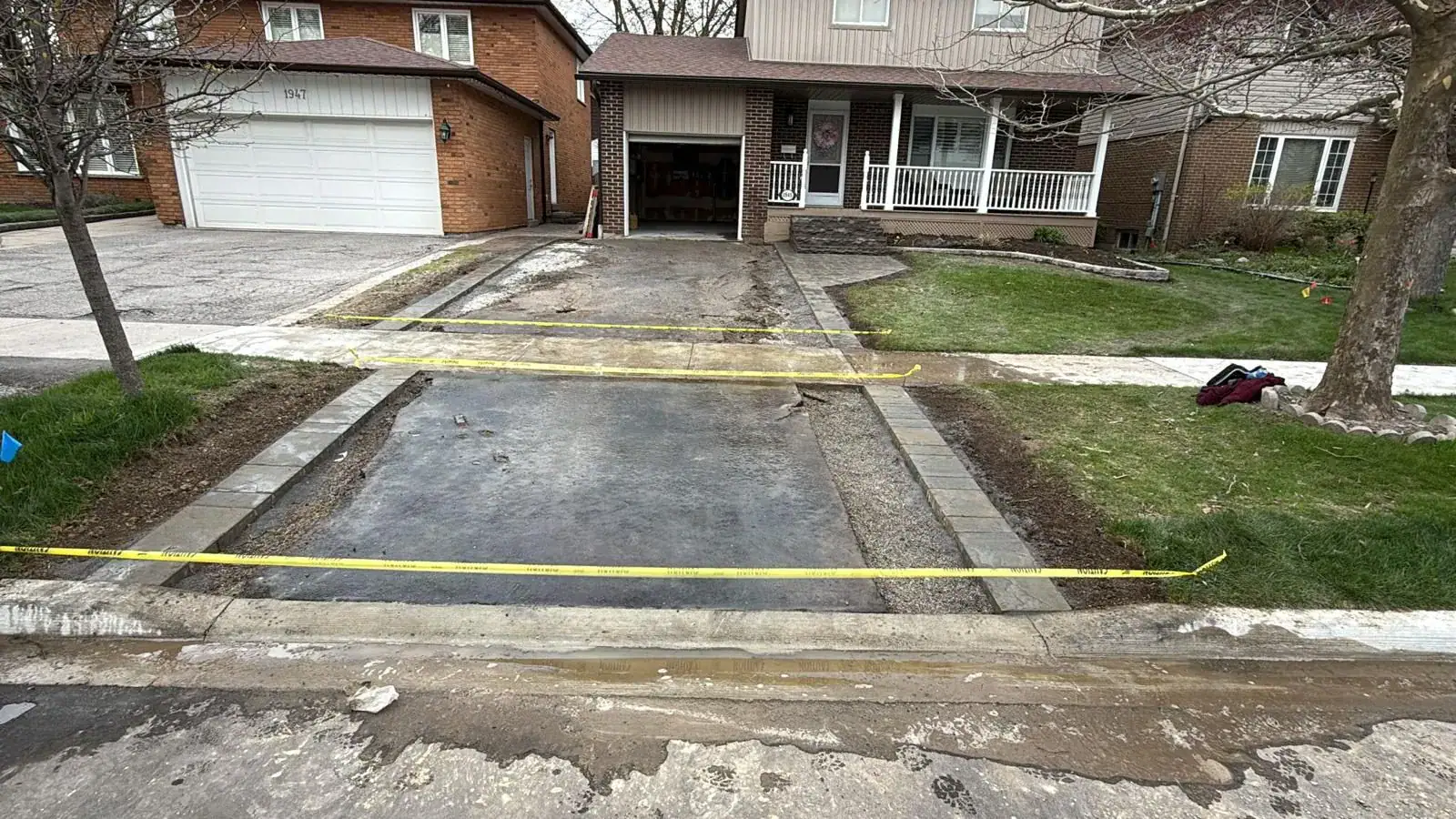
How do professionals install an interlock driveway?
Installing interlock paving is a precise, multi-step process that ensures a durable, long-lasting surface for driveways, patios, and walkways.
Here’s how professionals in Toronto & the GTA get the job done:
1. Site Preparation & Excavation
- The installation area is measured and marked.
- Excavation depth depends on the project (typically 6–12 inches for patios, 12–18 inches for driveways).
- Existing soil and debris are removed to create a stable base.
2. Base Preparation & Compaction
- Geotextile may be used where appropriate to separate the subgrade from the aggregate base or improve stability. Whether it is required depends on soil and site conditions.
- Crushed gravel (Granular A or Limestone Screening) is spread and compacted in layers to provide a solid base.
- Each layer is compacted using a plate compactor to prevent shifting.
3. Sand Bedding for Interlocking Bricks
- A layer of coarse sand (typically 1 inch thick) is spread evenly over the base.
- The sand acts as a cushion, allowing the pavers to sit securely and interlock properly.
4. Laying the Interlock Pavers
- Interlocking bricks or stones are laid in the desired pattern (e.g., herringbone, basket weave, or random).
- Spacers or precision alignment ensure a uniform, seamless look.
- Edge restraints (plastic, metal, or concrete borders) are installed to prevent movement over time.
5. Compacting & Joint Sand Application
- Select jointing material based on the paver system and the manufacturer’s recommendations. Polymeric sand is one common option for many residential interlocking installations and can help stabilise joints when it is installed correctly.
6. Final Sealing & Cleanup
- Some interlocking pavers may benefit from sealing for colour enhancement or stain resistance, but sealing requirements vary by product, installation and manufacturer recommendations. It should not be treated as a requirement for every interlocking surface.
For homeowners who want the work handled by an experienced contractor, A&A Masonry provides professional interlocking services in Toronto, including installation, repair, relays, re-levelling, driveways, patios, walkways, and front entrances.
Why Hire Professionals?
- Ensures a durable, long-lasting installation
- Prevents shifting, sinking, and weed growth
- Proper drainage prevents water damage
- Saves time and guarantees a flawless finish
A professionally installed interlocking driveway, patio, or walkway enhances your property’s curb appeal and value, making it a smart investment for Toronto homeowners! 🚀
Choosing Interlock for a New Driveway?
If you are comparing paver types, patterns or materials for a driveway, the finished stone is only part of the decision. Base preparation, drainage, grading, edge restraint and vehicle loads all affect how the driveway performs over time. A&A Masonry can assess the property and help plan an interlocking driveway suited to the home and Toronto’s seasonal conditions.