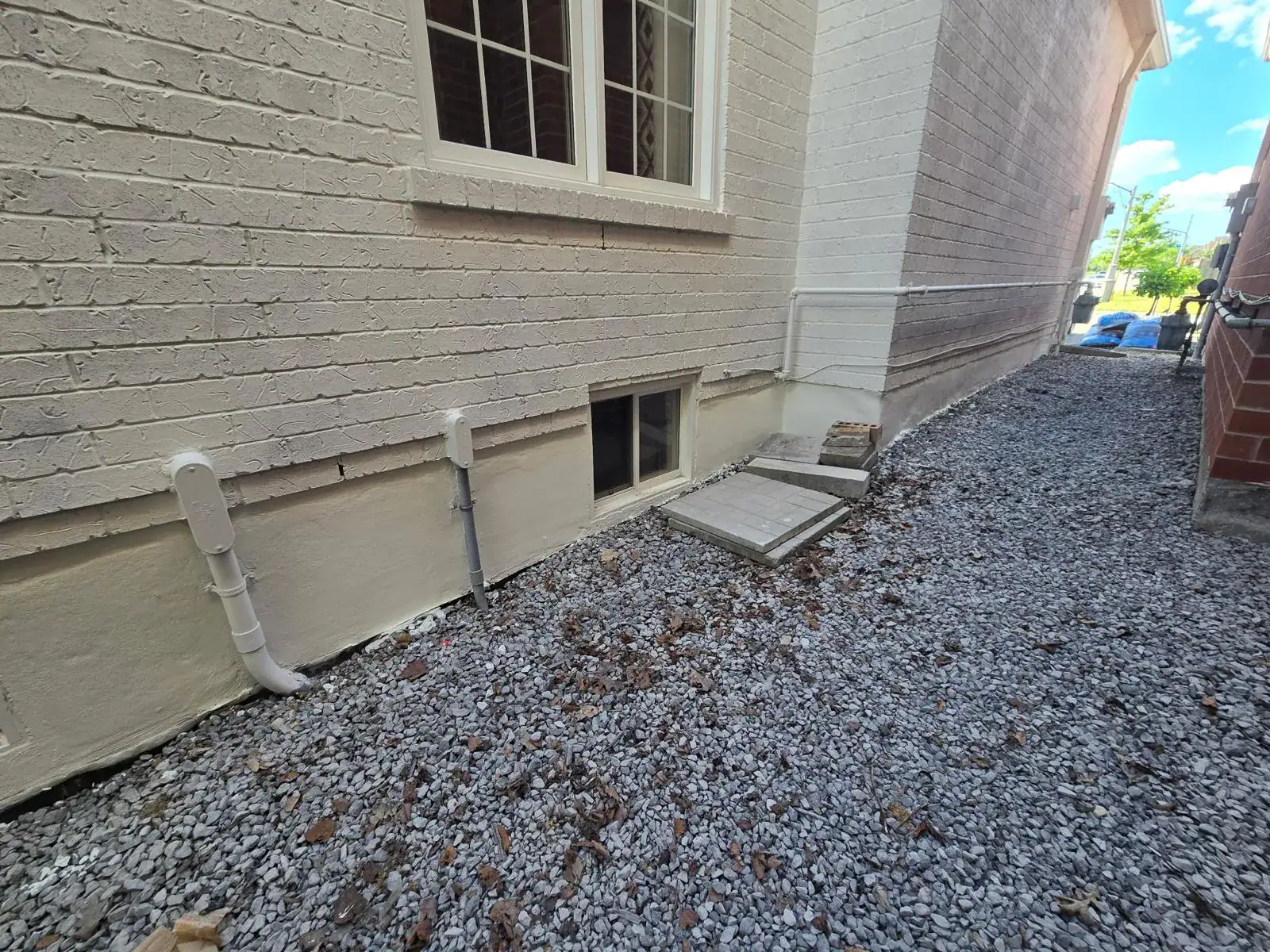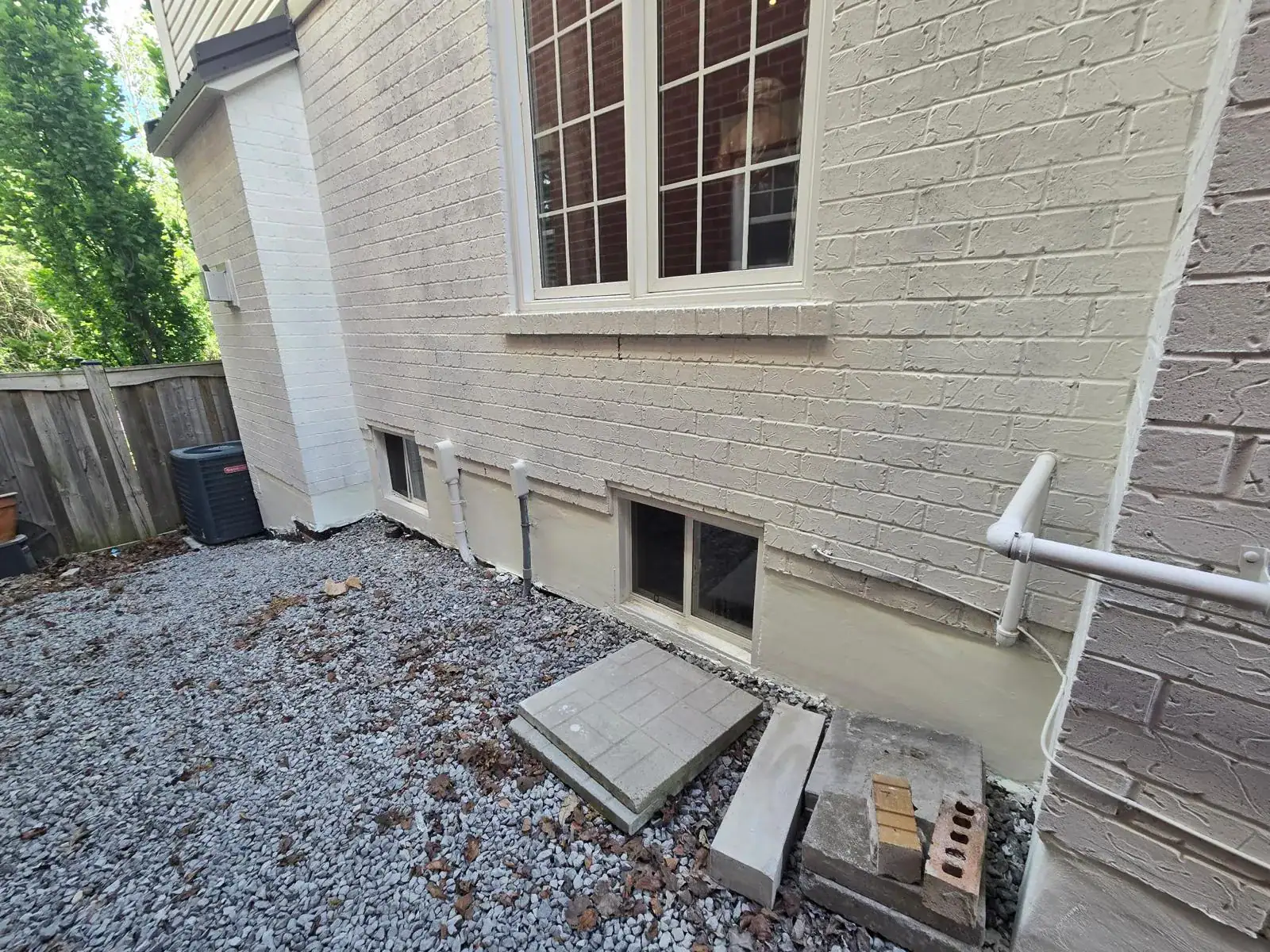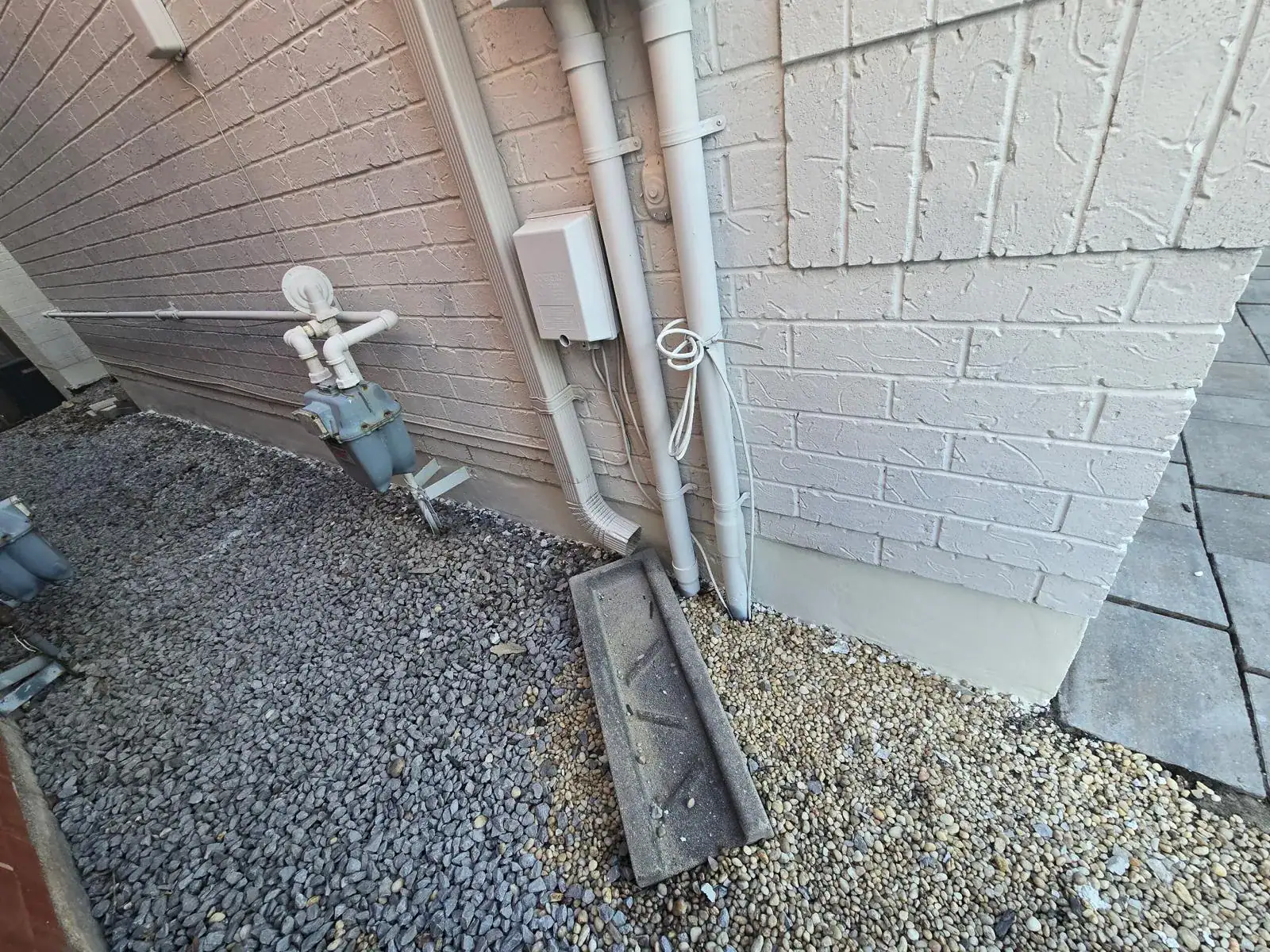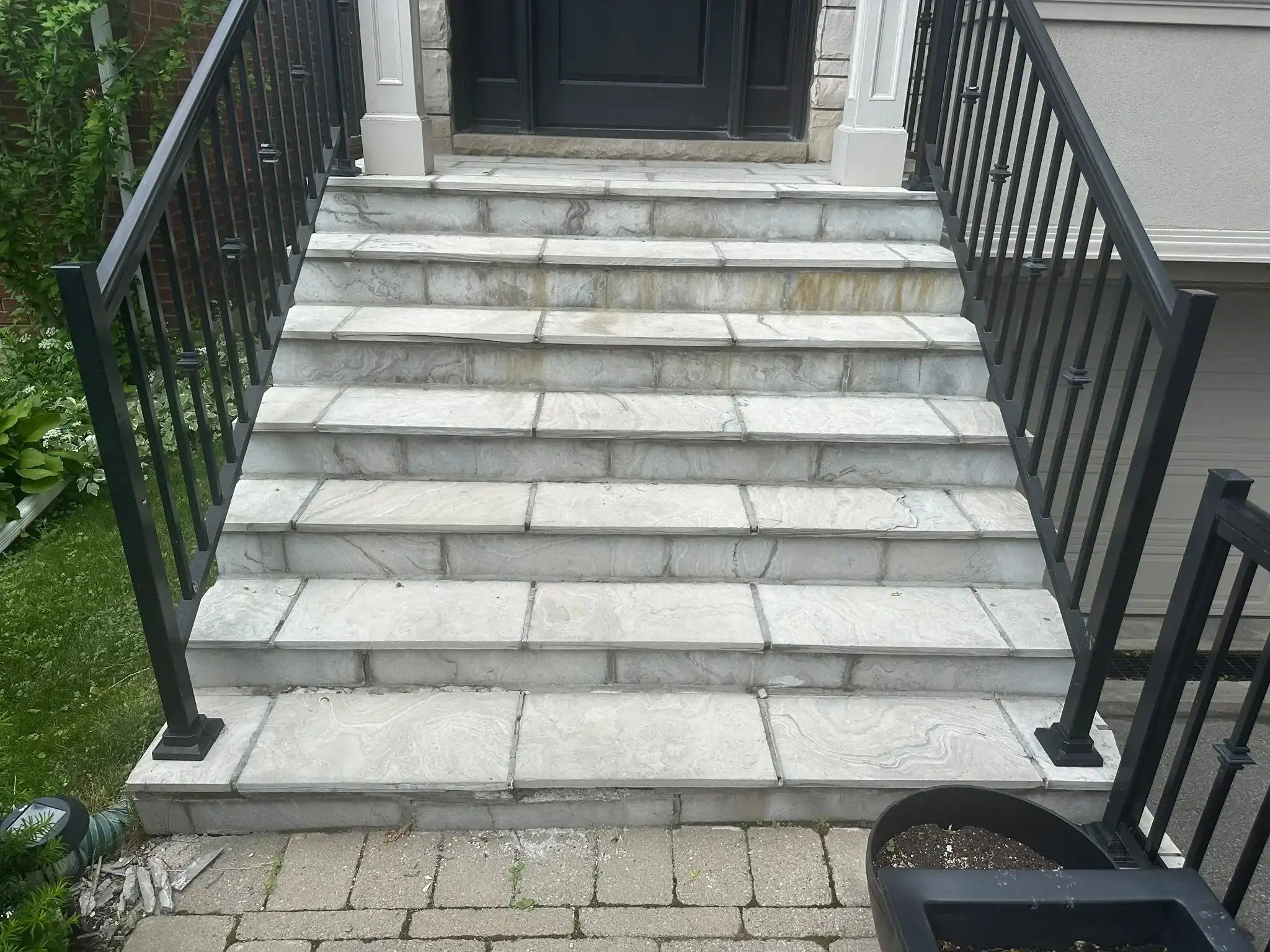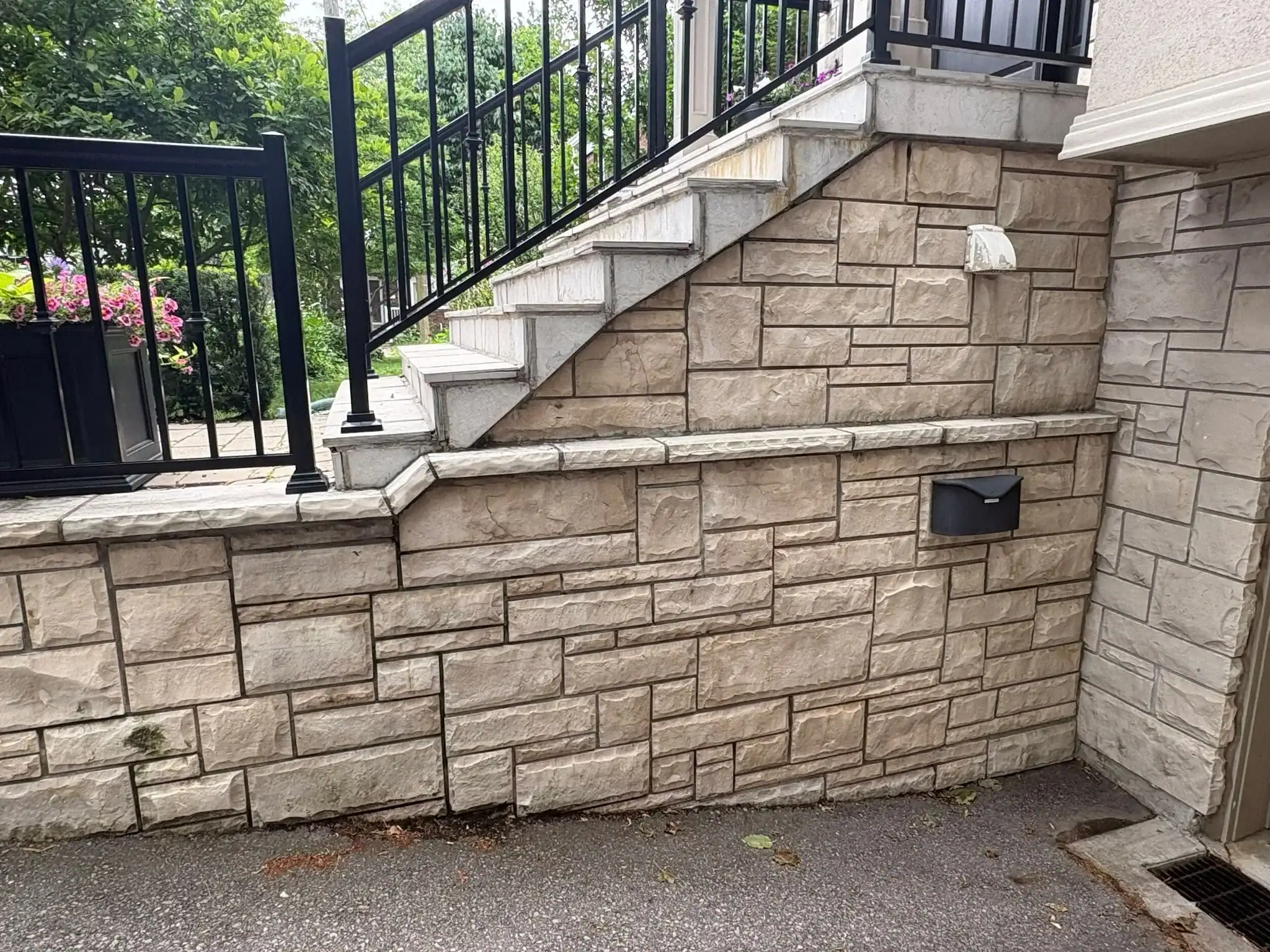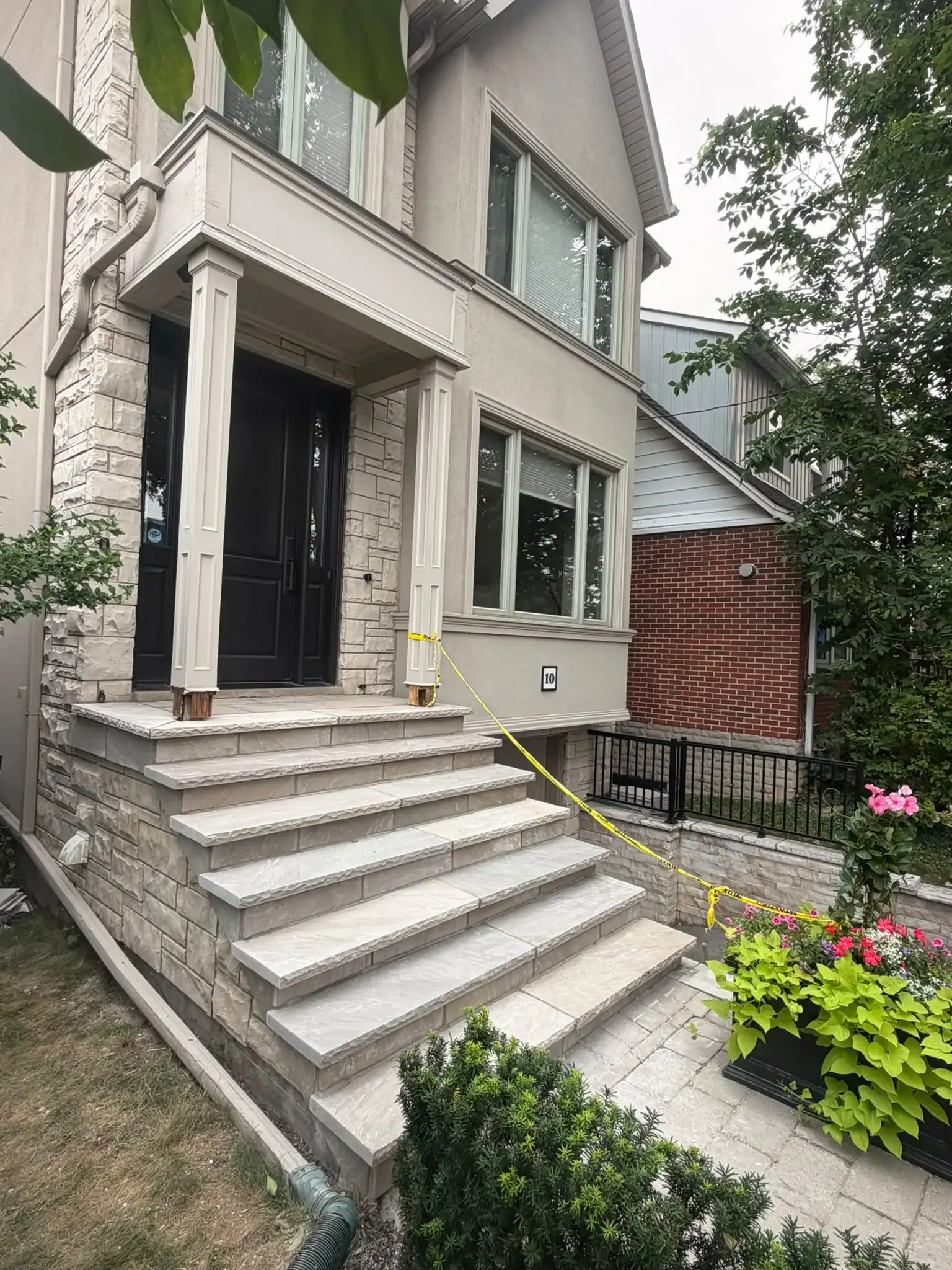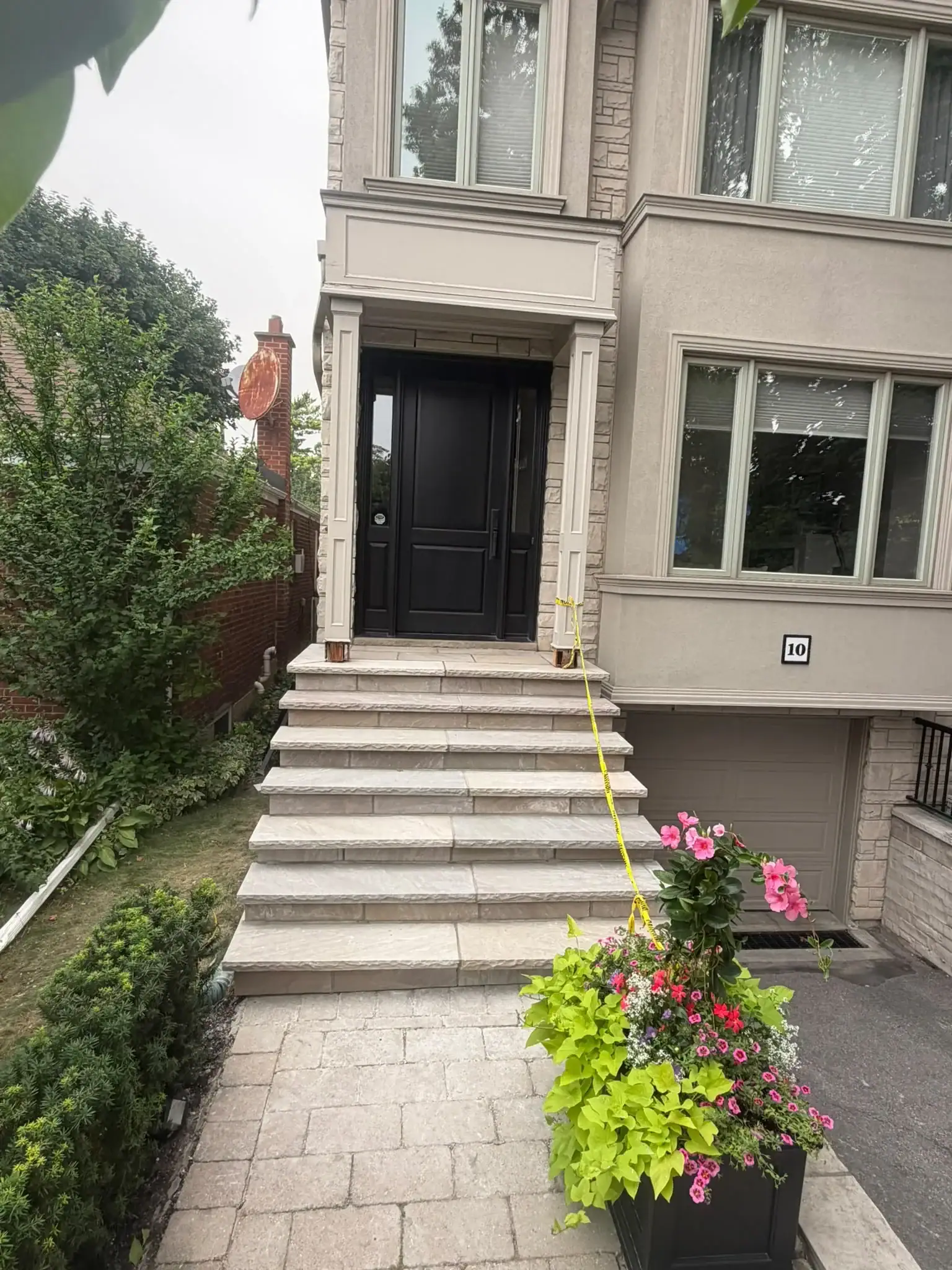
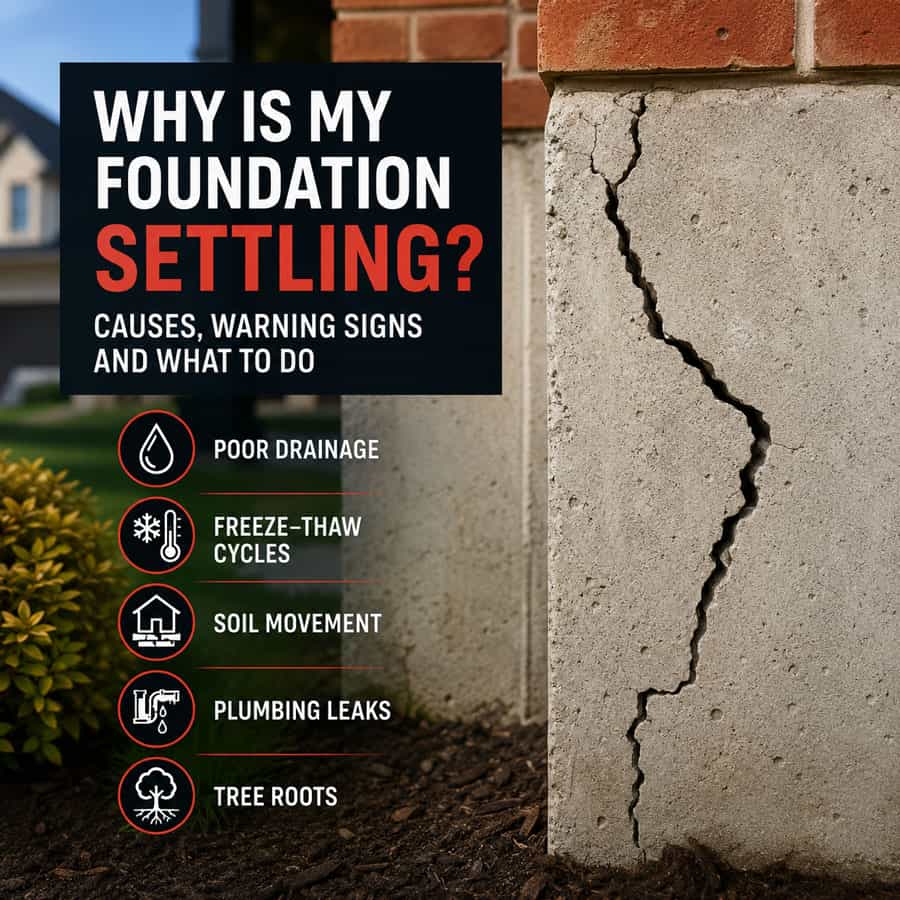
Foundation settling can be unsettling—no pun intended.
Most homes experience some minor movement as the soil and building materials adjust after construction. However, ongoing, excessive or uneven foundation settlement may indicate a more serious problem.
The important question is not simply whether your home has settled. It is whether the movement has stopped or is continuing to affect the foundation, masonry and structure of the house.
What Is Foundation Settlement?
Foundation settlement occurs when the soil beneath a home compresses, shifts or loses its ability to support the building evenly.
When the movement is slight and uniform, it may cause only minor cosmetic cracks. When one part of the foundation moves more than another, it is known as differential settlement. This uneven movement can place stress on foundation walls, brickwork, floors, windows and door openings.
Foundation settlement should not be confused with frost heave. Settlement generally involves downward movement, while frost heave can push soil and building components upward as moisture in the ground freezes and expands.
What Causes a Foundation to Settle?
Several conditions can contribute to foundation movement in Toronto and the Greater Toronto Area.
1. Poorly Compacted Soil
Before a house is built, the soil beneath it must be prepared and compacted properly. If fill soil was placed beneath the foundation but was not adequately compacted, it may compress gradually under the weight of the house.
This can cause part or all of the foundation to move downward.
2. Changes in Soil Moisture
Soil expands and contracts as its moisture content changes.
Periods of heavy rain can saturate the ground, while extended hot and dry conditions can cause some soils to shrink. Repeated changes in moisture may reduce the soil’s ability to support the foundation consistently.
The result can be uneven movement beneath different parts of the house.
3. Poor Drainage Around the Foundation
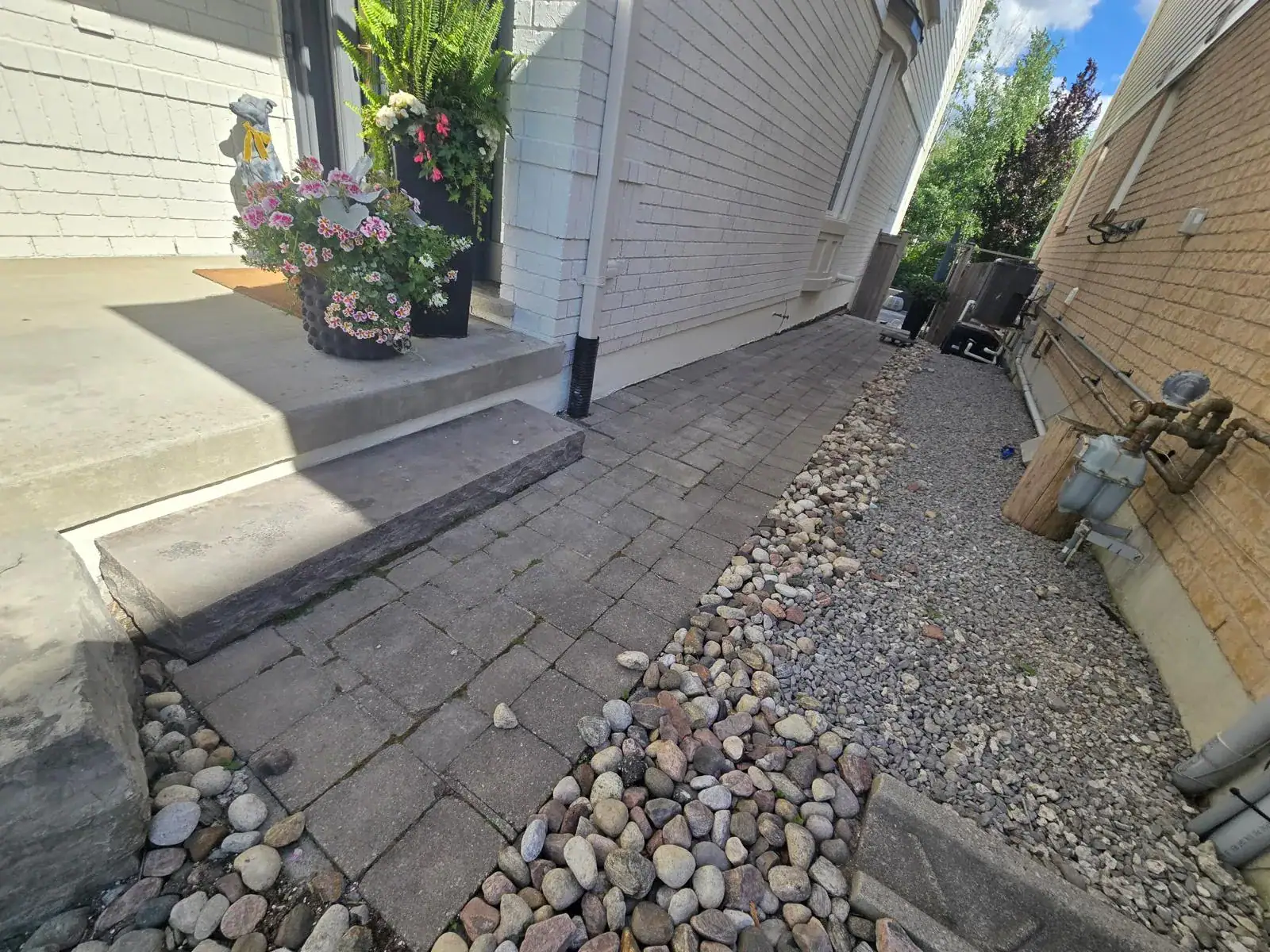
Water should drain away from the house—not collect beside it.
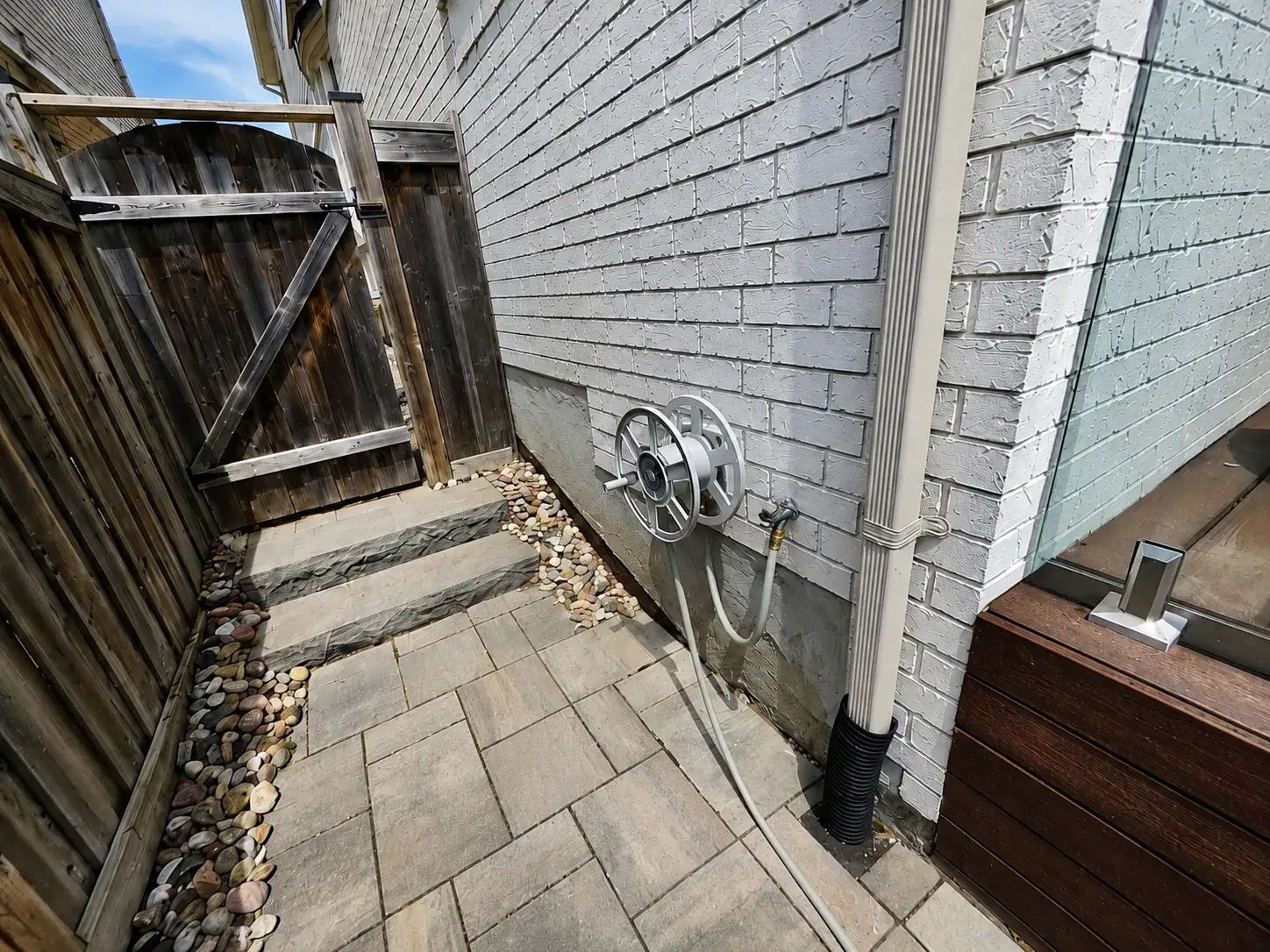
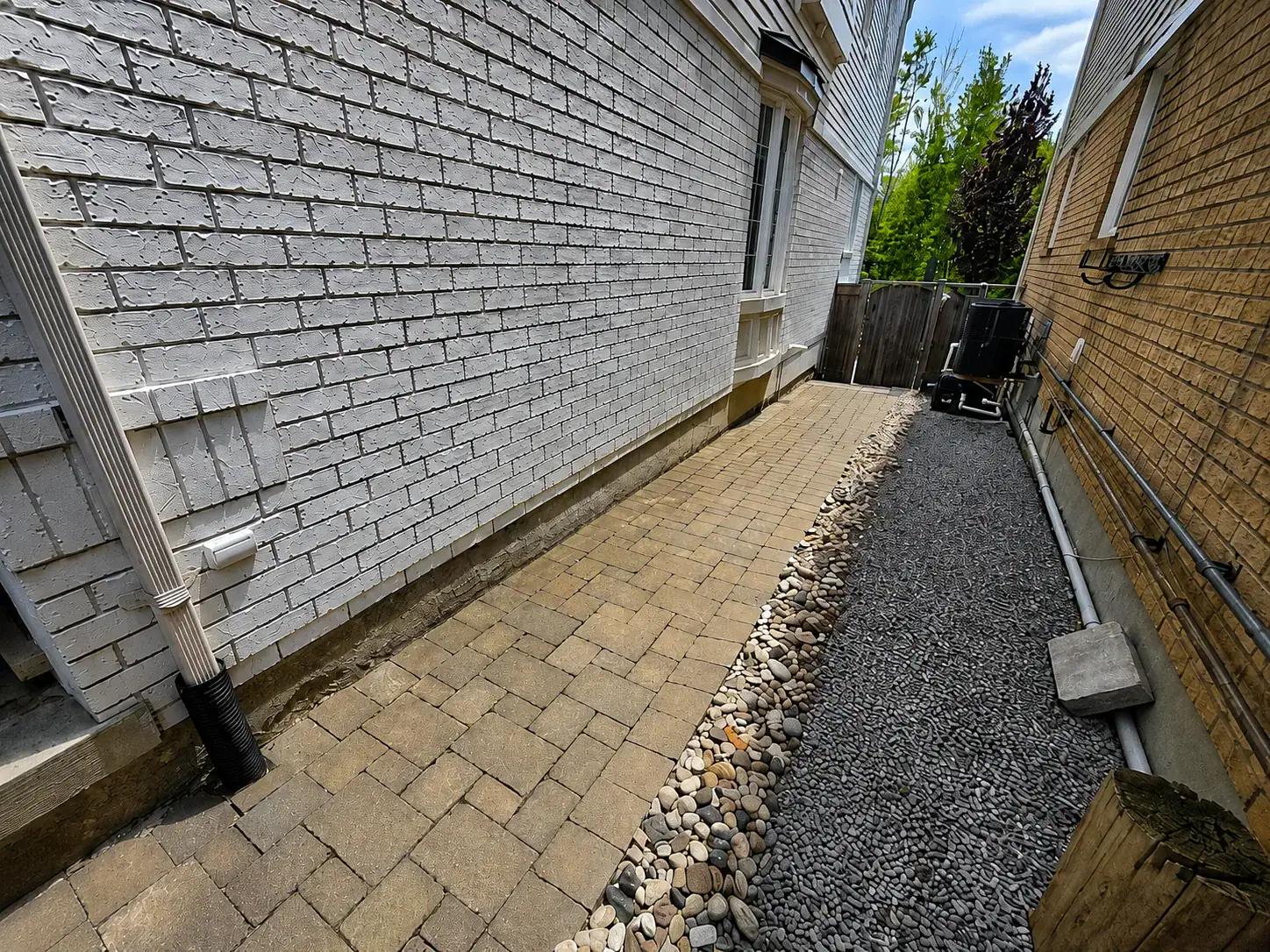
Improper grading, clogged eavestroughs, short downspout extensions and poorly positioned landscaping can allow water to accumulate near foundation walls. Over time, excess moisture can contribute to soil movement, foundation deterioration and basement water problems.
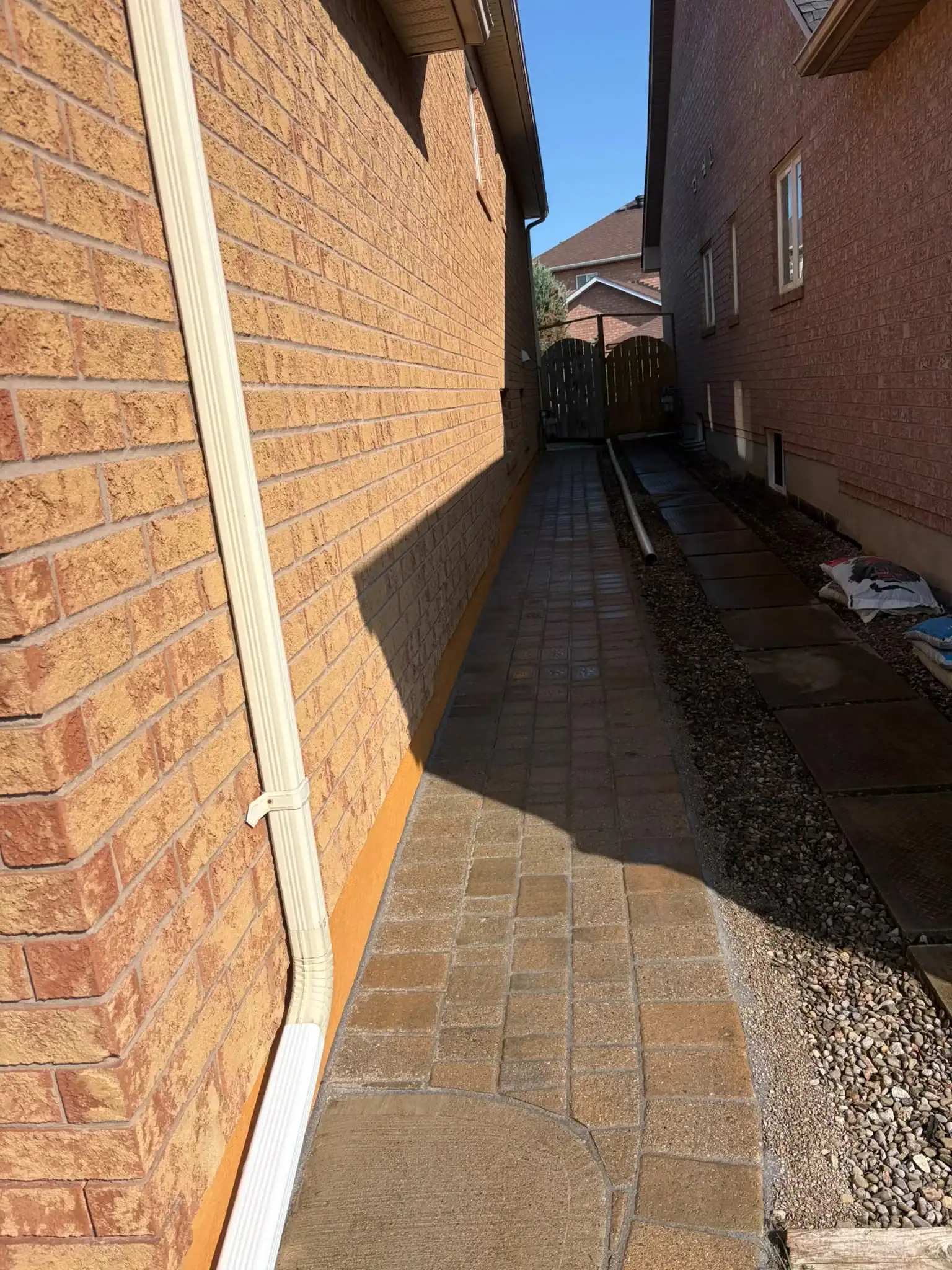
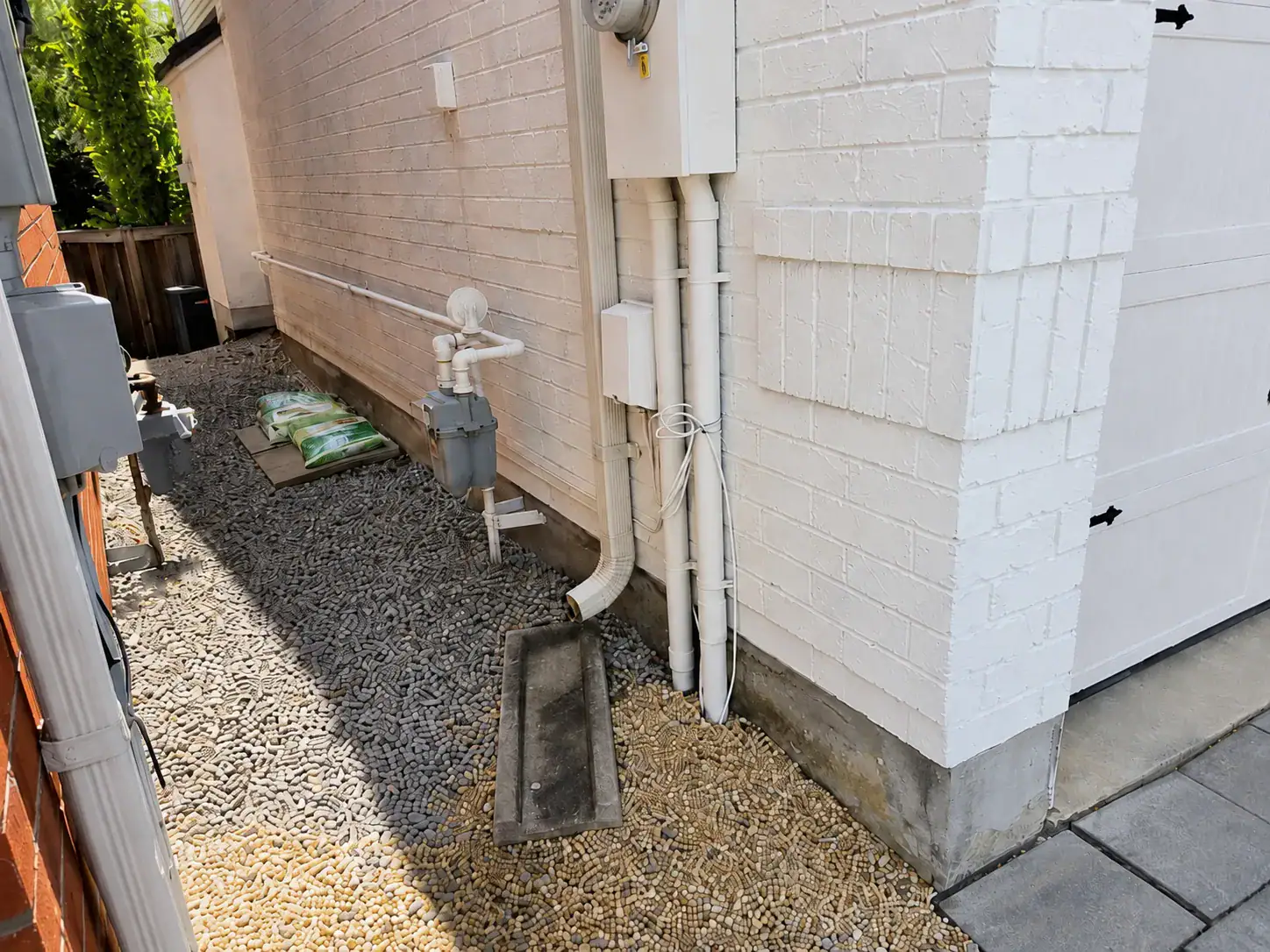
The ground surrounding your home should slope away from the foundation, and downspouts should discharge water a safe distance from the house without directing it toward a neighbouring property.
4. Toronto’s Freeze-Thaw Conditions
Toronto winters repeatedly expose homes to freezing and thawing temperatures.
When water enters soil, cracks or porous masonry and then freezes, it expands. Repeated freeze-thaw cycles can place stress on foundation walls, concrete, mortar joints and exterior masonry.
Freeze-thaw damage does not necessarily mean the entire foundation is settling, but it can worsen existing weaknesses and contribute to cracking or movement.
5. Tree Roots and Changing Vegetation
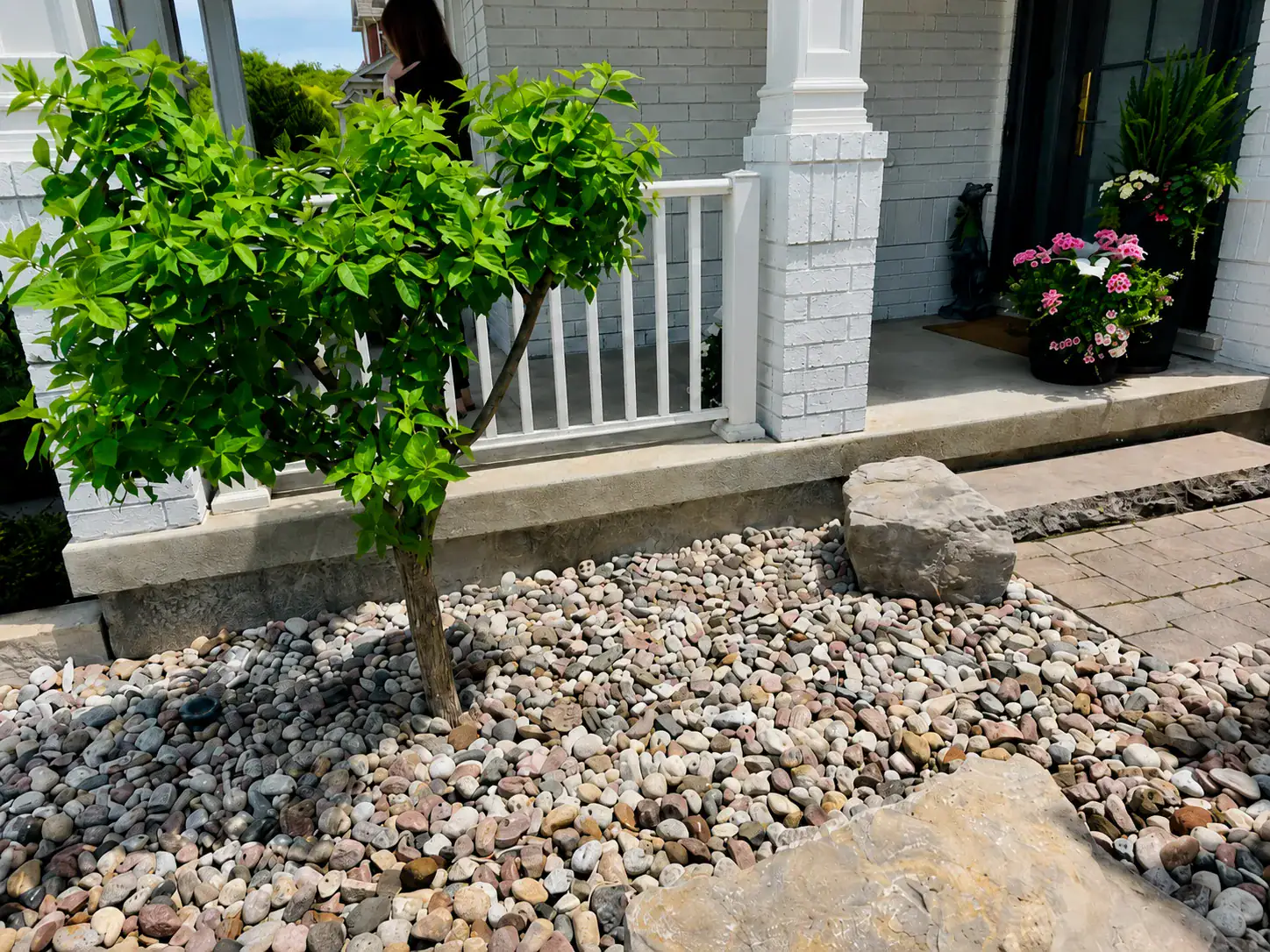
Large trees can draw significant moisture from the surrounding soil. In some soil conditions, this loss of moisture may contribute to shrinkage near the foundation.
Removing a mature tree can also change soil moisture conditions. Tree-related movement is highly site-specific and should be evaluated rather than assumed.
6. Plumbing or Drainage Leaks
A leaking underground water line, drain or downspout connection may continually saturate the soil near part of the foundation.
As soil washes away, softens or compresses, the support beneath the footing can become uneven.
7. Changes Made to the Property
Additions, excavation, basement lowering, nearby construction and major landscaping changes can alter drainage patterns or place new loads on the soil.
These projects require proper planning because changes below or beside an existing foundation may affect how the structure is supported.
Is Some Foundation Settlement Normal?
A small amount of initial settlement may occur after a house is constructed. Minor shrinkage cracks in concrete or drywall can also develop without indicating a major structural problem.
What should not be dismissed is movement that is:
- Continuing or becoming more noticeable
- Concentrated in one part of the house
- Creating wide or displaced cracks
- Affecting doors, windows, floors or exterior masonry
- Allowing water to enter the basement
- Reappearing after previous repairs
There is no single crack measurement or visual sign that can diagnose every foundation. The age of the home, type of foundation, soil conditions, crack direction and amount of movement all matter.
Warning Signs of Possible Foundation Movement
One isolated hairline crack does not automatically mean that your foundation is failing. Homeowners should instead look for combinations of symptoms or changes that worsen over time.
Possible warning signs include:
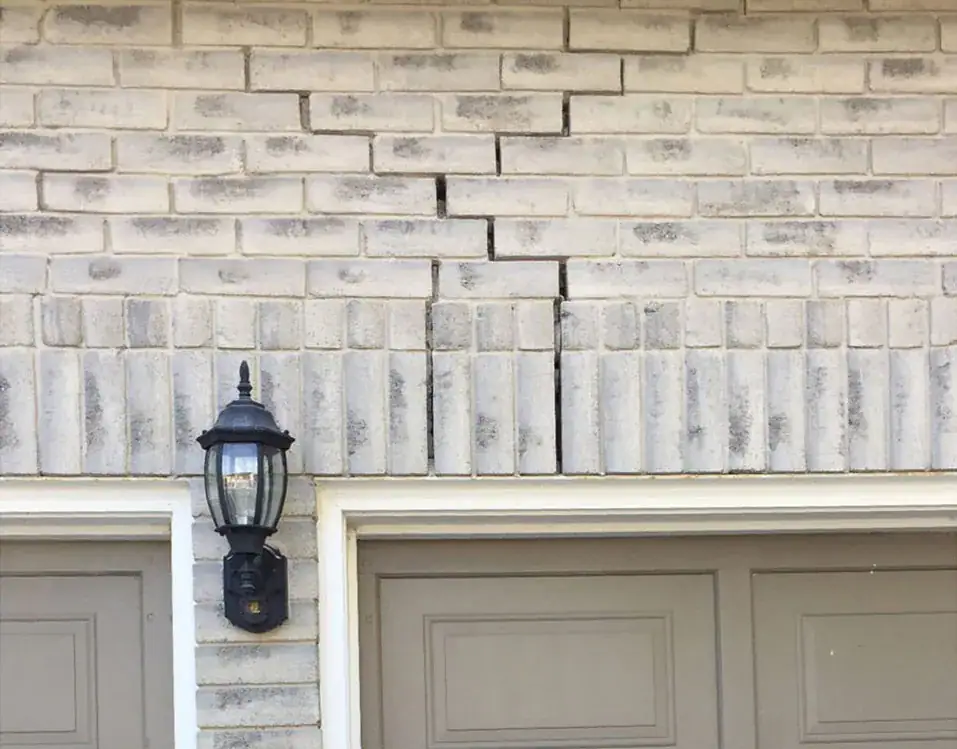
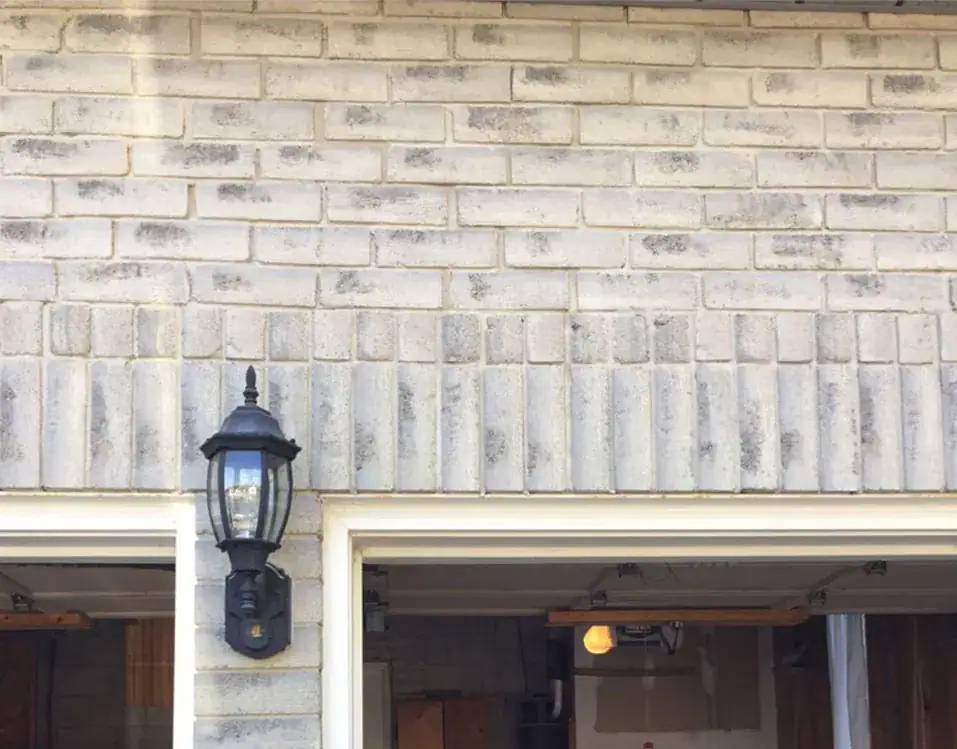
Stair-Step Cracks in Brick or Block
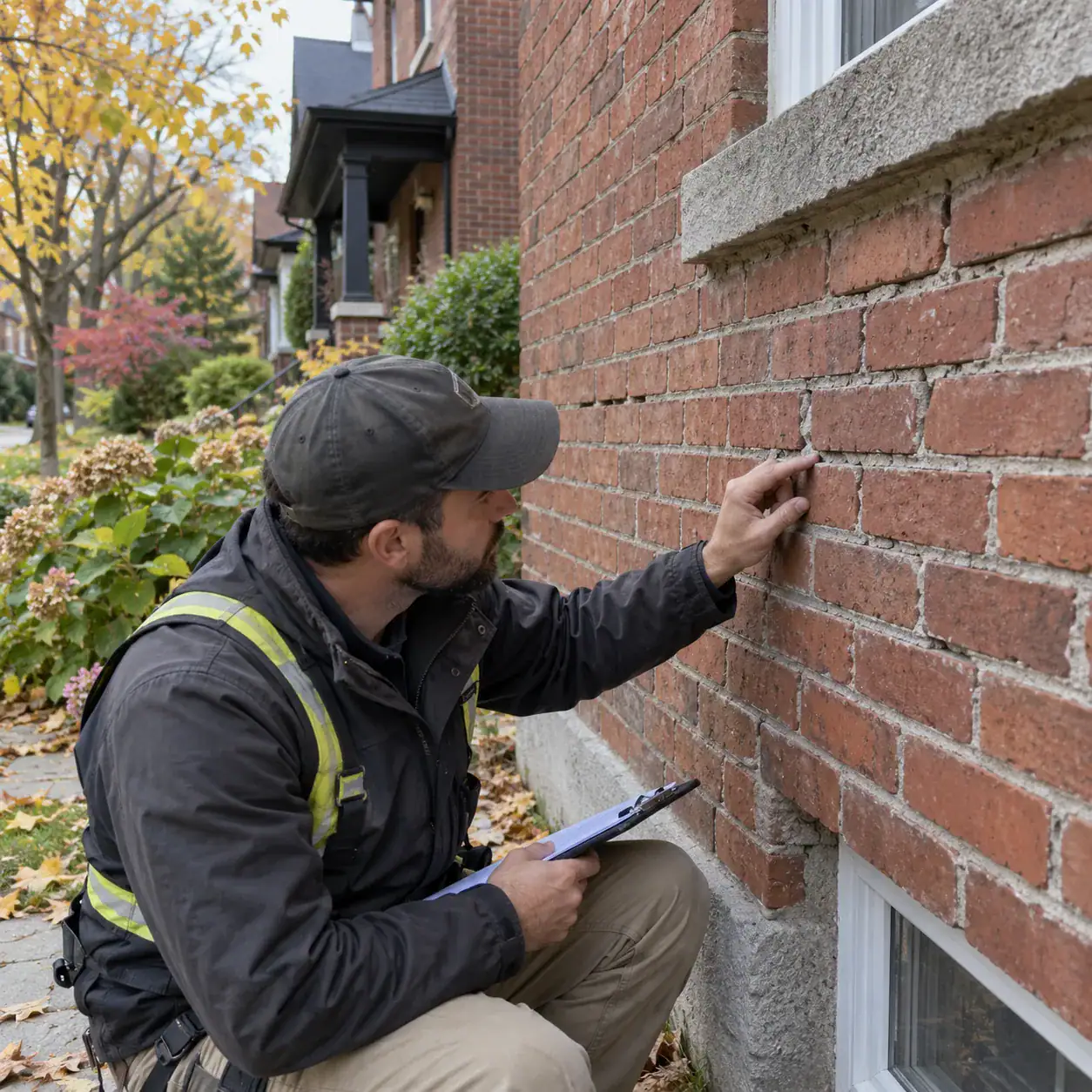
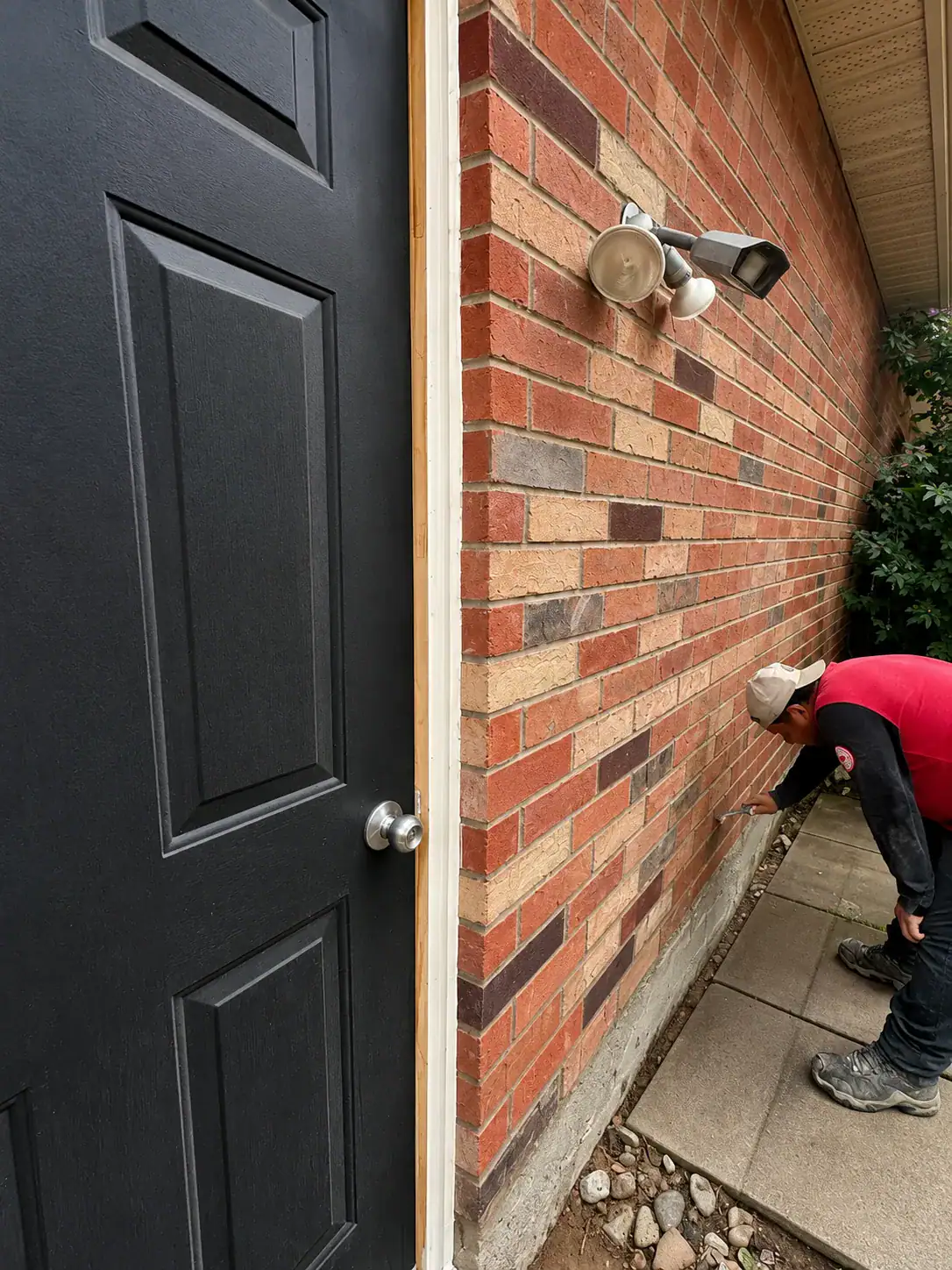
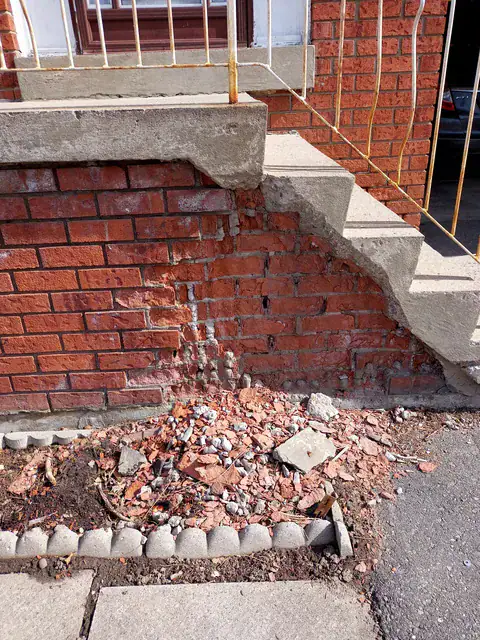
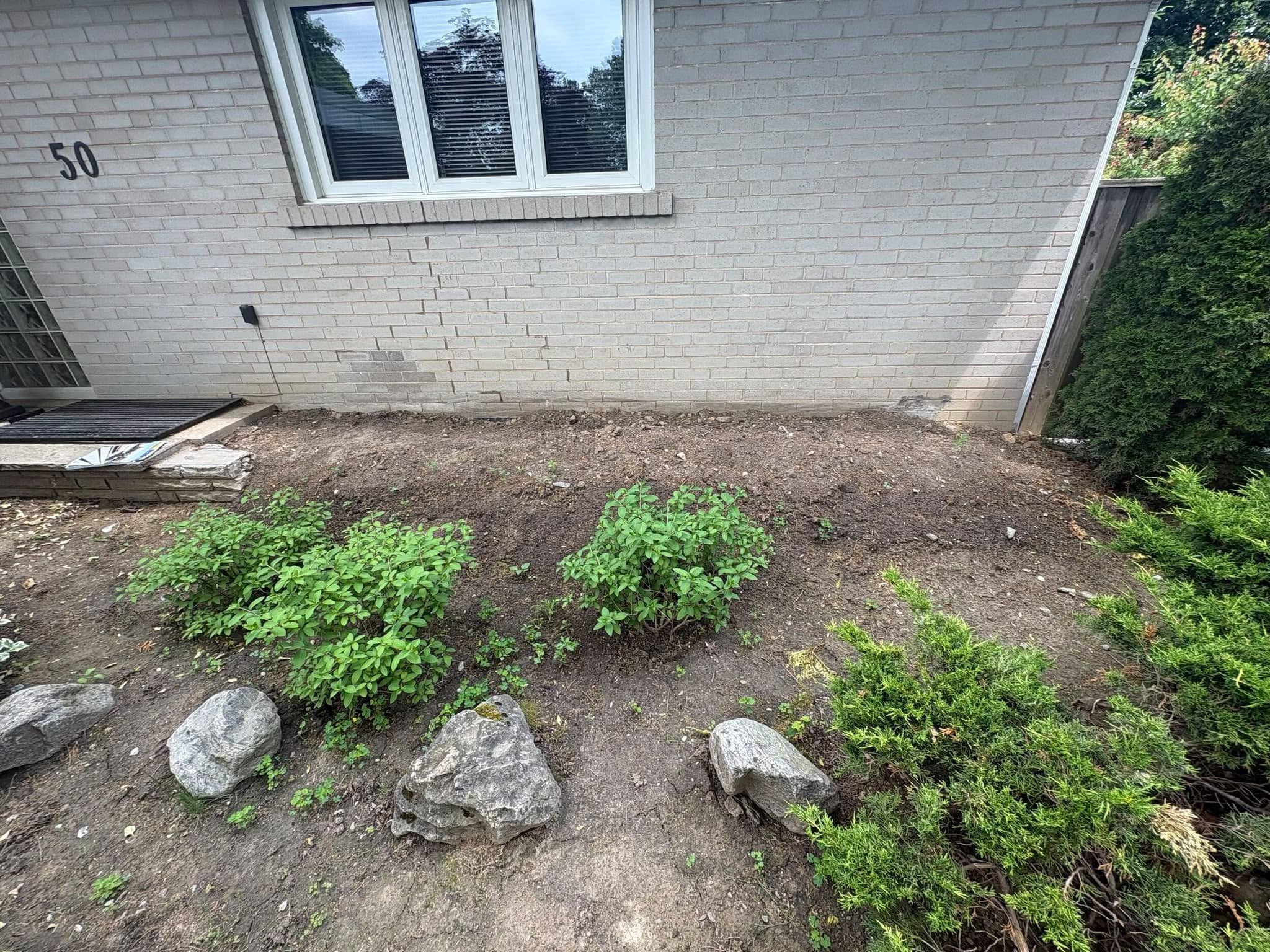
Cracks that travel through mortar joints in a stair-step pattern may indicate movement beneath the masonry.
Diagonal Cracks Near Windows and Doors
Openings create natural weak points in a wall. Diagonal cracking extending from the corners of windows or doors may appear when the surrounding structure shifts.
Horizontal Foundation Cracks
Horizontal cracking can be associated with pressure against a foundation wall and should be assessed promptly, particularly if the wall is bowing or displaced.
Doors and Windows That Begin Sticking
A single sticking door may simply need adjustment. Several doors or windows becoming difficult to operate—especially alongside visible cracking—can indicate that openings are moving out of square.
Uneven or Sloping Floors
Noticeable floor slopes, new low spots or gaps between flooring and walls may warrant further investigation.
Gaps Around Trim, Cabinets or Baseboards
Movement can create separation between walls, ceilings, trim, cabinets and flooring.
Cracks That Continue to Grow
A crack that becomes wider, longer or displaced over time deserves more attention than a stable hairline crack.
Photographing and measuring a crack periodically can help determine whether it is changing.
Does Foundation Settlement Cause Basement Water?
Foundation movement and basement water are related in some cases, but one does not always cause the other.
Water may enter through:
- Cracks in foundation walls or floors
- Gaps around basement windows
- Deteriorated exterior waterproofing
- Poorly drained window wells
- Openings around pipes and service penetrations
- Poor grading around the house
- Overloaded or damaged drainage systems
- Sewer backup
Check the basement during and after heavy rain. Look for damp walls, staining, efflorescence, peeling finishes, musty odours or puddling.
Even a small leak should not automatically be dismissed as harmless. Repeated moisture can damage finishes, encourage mould growth and indicate a drainage or waterproofing problem that may become worse.
What Should You Do If You Notice Foundation Cracks?
Start by documenting what you see.
Take clear photographs, record the date and note the approximate width and length of each crack. Check the same locations periodically to see whether they are changing.
You should also inspect the exterior of the property for obvious drainage problems:
- Are the eavestroughs overflowing?
- Are the downspouts directing water away from the house?
- Does the ground slope toward the foundation?
- Is water collecting beside the house?
- Are window wells filling during rain?
- Are exterior mortar joints or foundation coatings deteriorating?
Do not simply cover an active crack with paint, mortar or parging and assume the problem is solved. The underlying cause must be understood before the correct repair can be selected.
When Should You Call a Professional?
Arrange an assessment when you notice:
- Cracks that are widening or returning
- Stair-step cracking through exterior masonry
- Horizontal cracks or bowing foundation walls
- Significant displacement on either side of a crack
- Several sticking windows or doors
- Noticeably uneven floors
- Recurring basement water
- Separation between walls, floors or ceilings
- Movement following excavation or nearby construction
Structural concerns may require evaluation by a qualified structural engineer or foundation specialist. Water entry, deteriorated foundation surfaces and damaged exterior masonry may require a waterproofing or masonry contractor.
The right professional depends on the cause of the problem. A trustworthy contractor should tell you when an engineer or another specialist is needed rather than pretending one trade can solve everything.
Can Foundation Settlement Be Prevented?
Not every form of settlement can be prevented, but homeowners can reduce avoidable water and drainage problems.
Helpful maintenance includes:
- Keeping eavestroughs and downspouts clear
- Directing roof water away from the foundation
- Maintaining grading that slopes away from the house
- Repairing plumbing and drainage leaks promptly
- Sealing appropriate foundation openings
- Maintaining exterior waterproofing systems
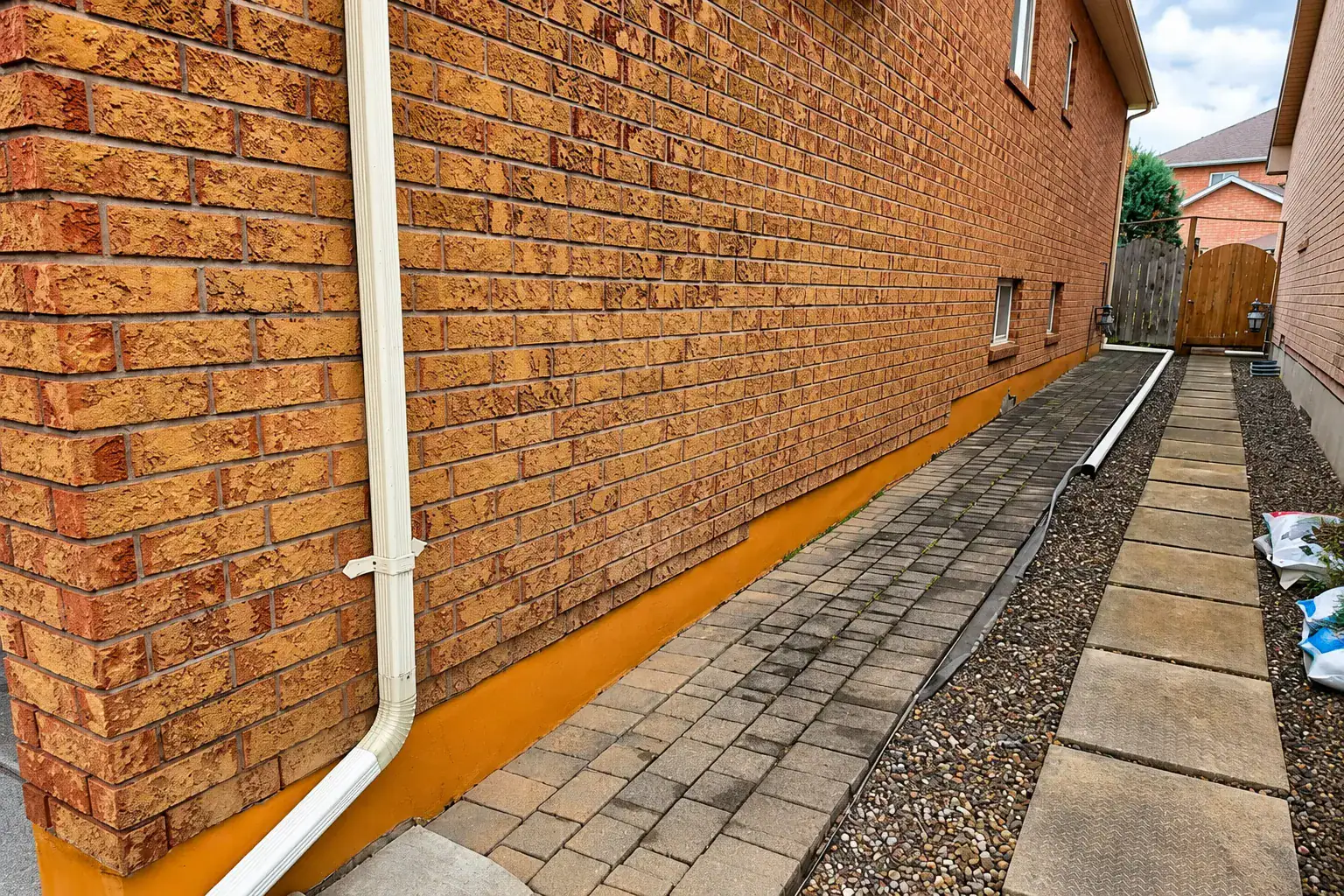
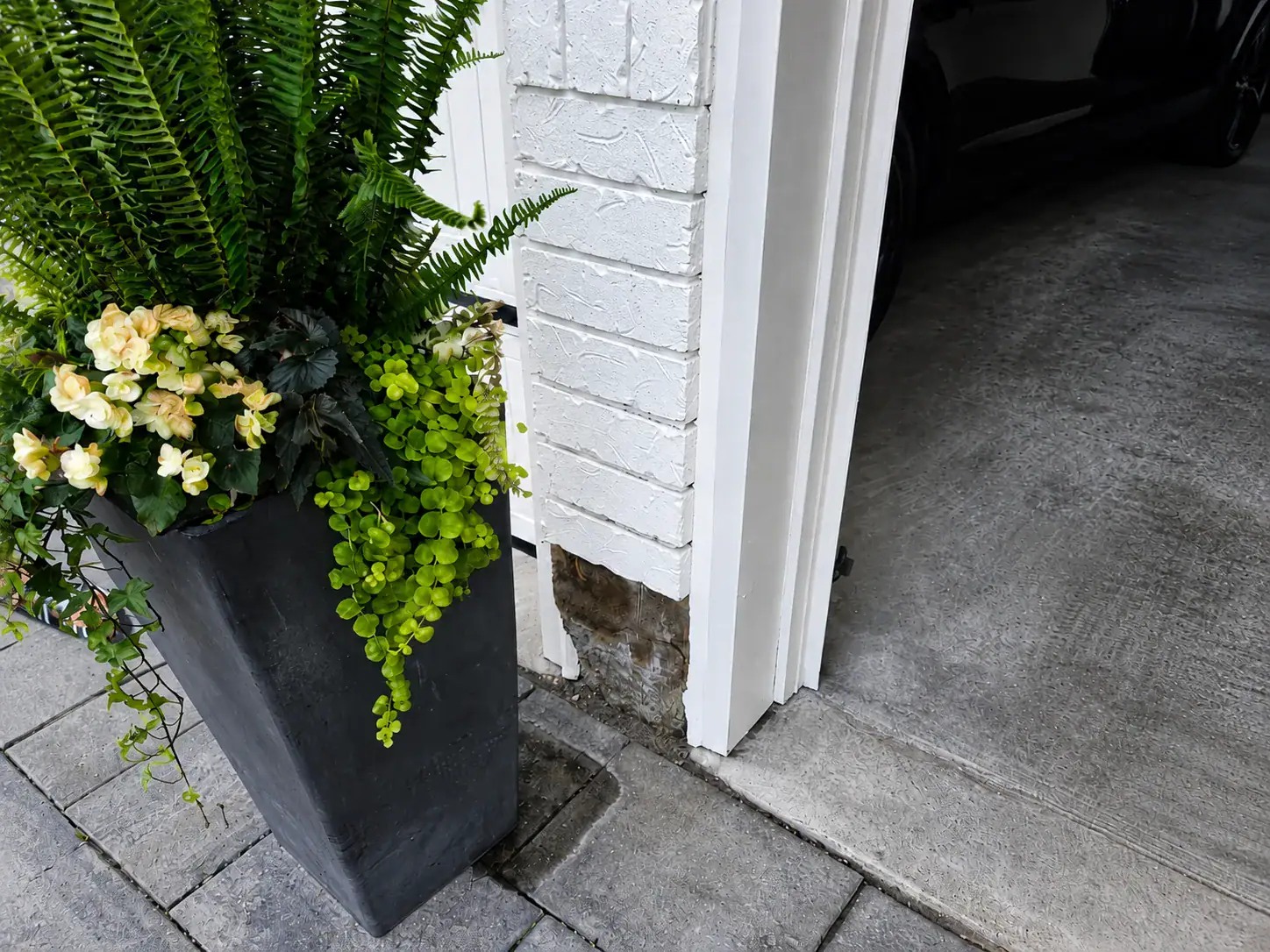
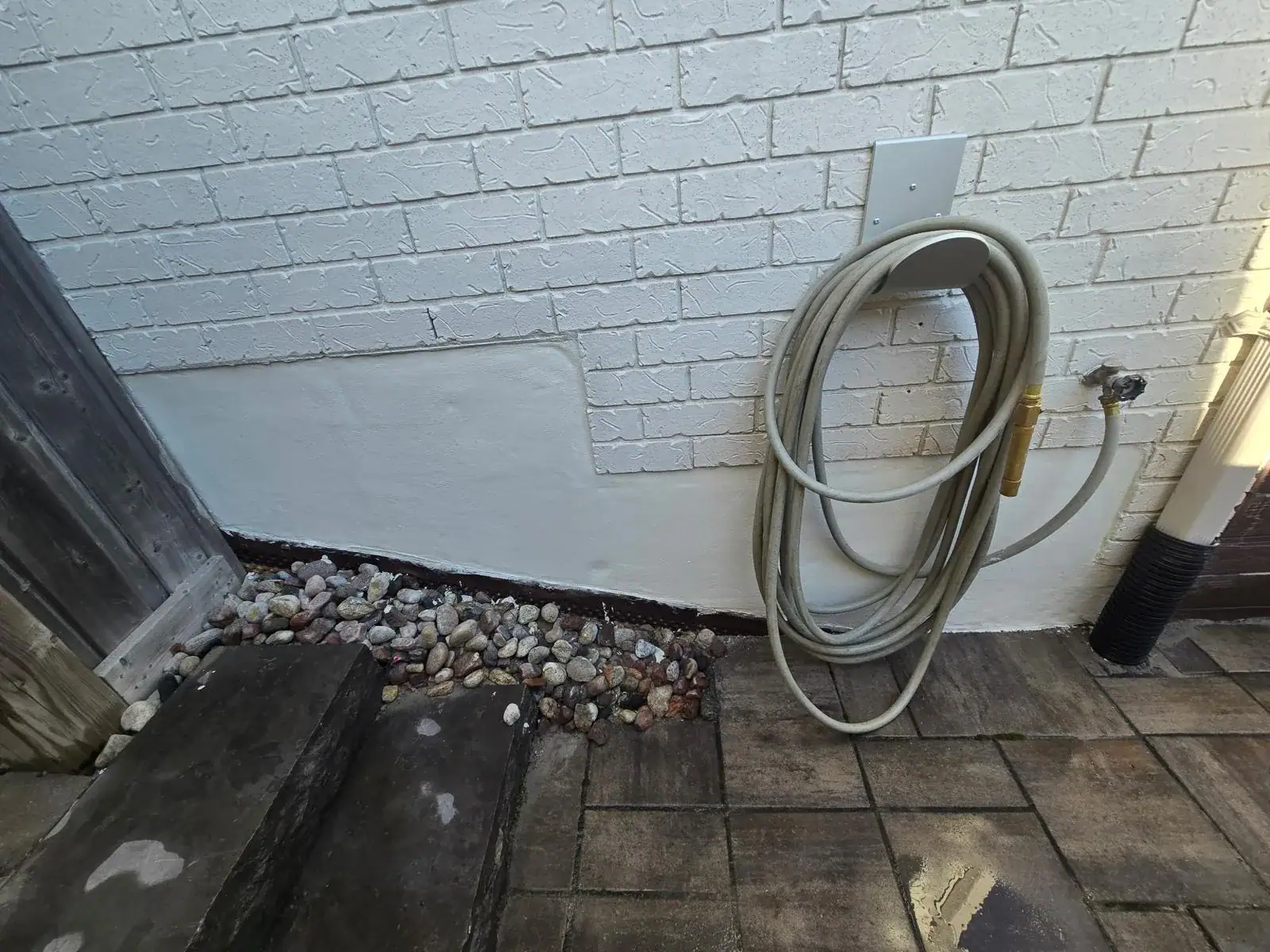
- Repairing deteriorated mortar, concrete and parging
- Monitoring existing cracks for change
- Obtaining professional advice before major excavation or landscaping
Water management is one of the most important parts of protecting a foundation. It is usually far less expensive to correct a drainage problem early than to repair extensive water or masonry damage later.
Foundation Waterproofing and Masonry Repair in Toronto
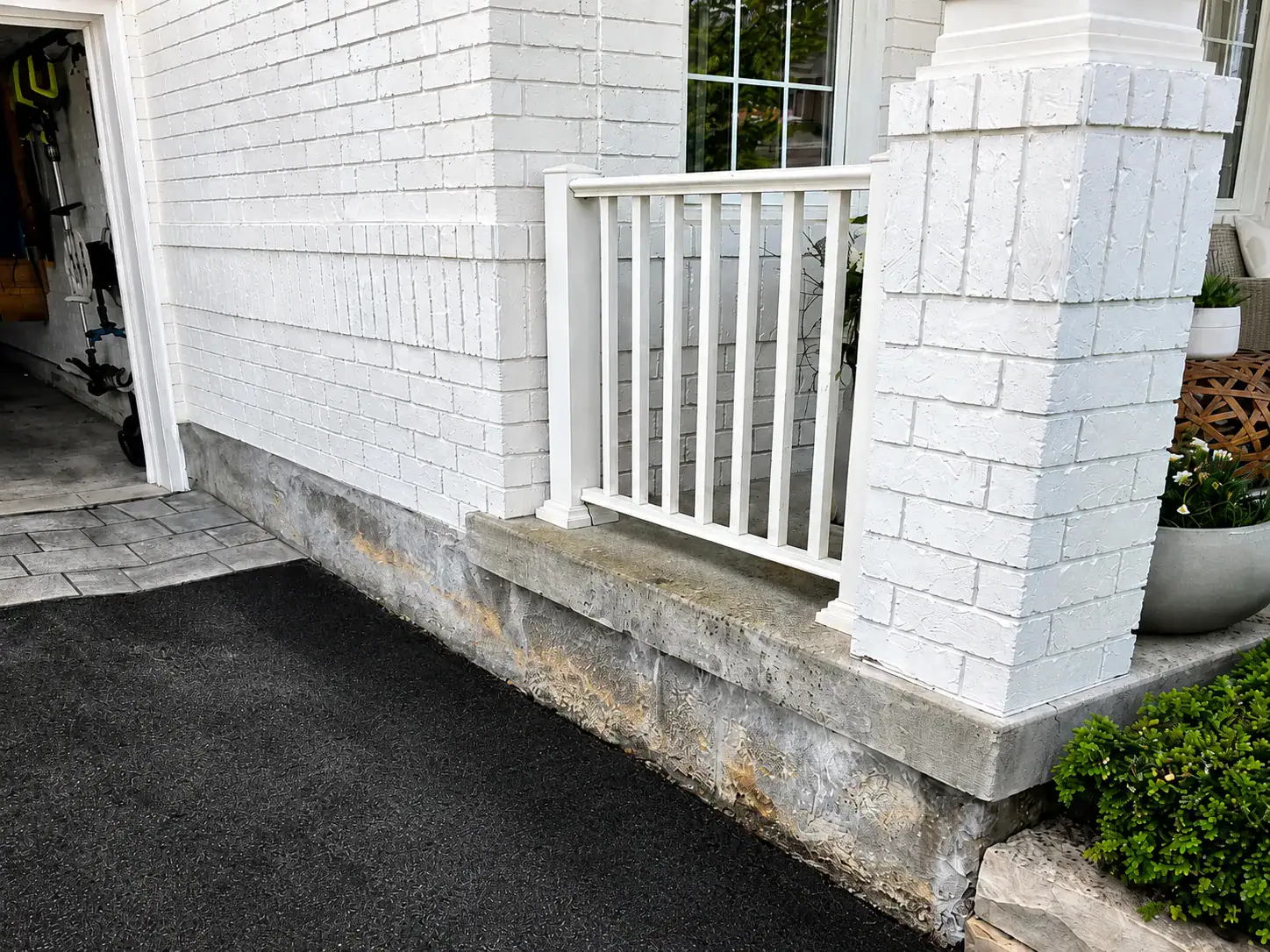
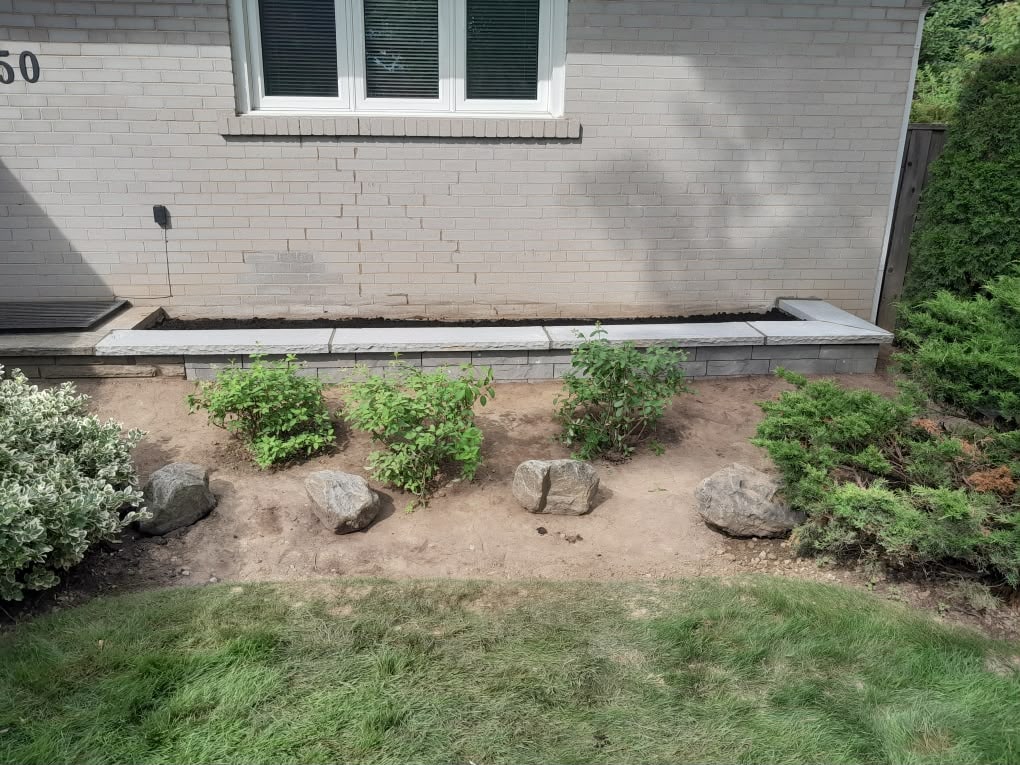
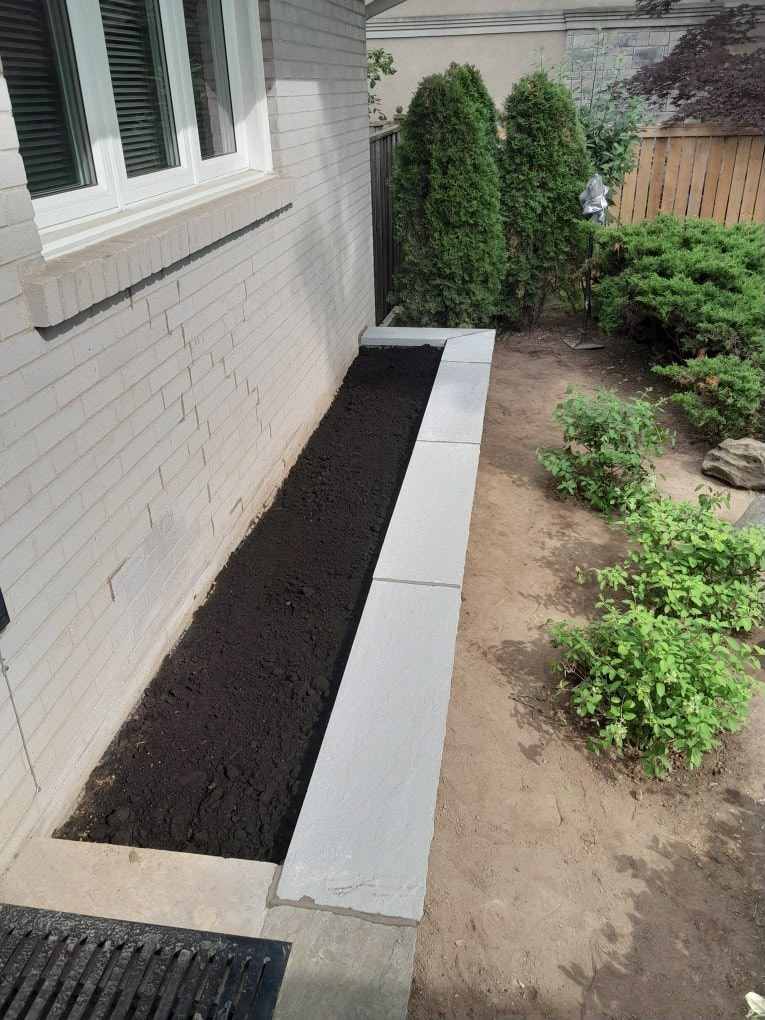
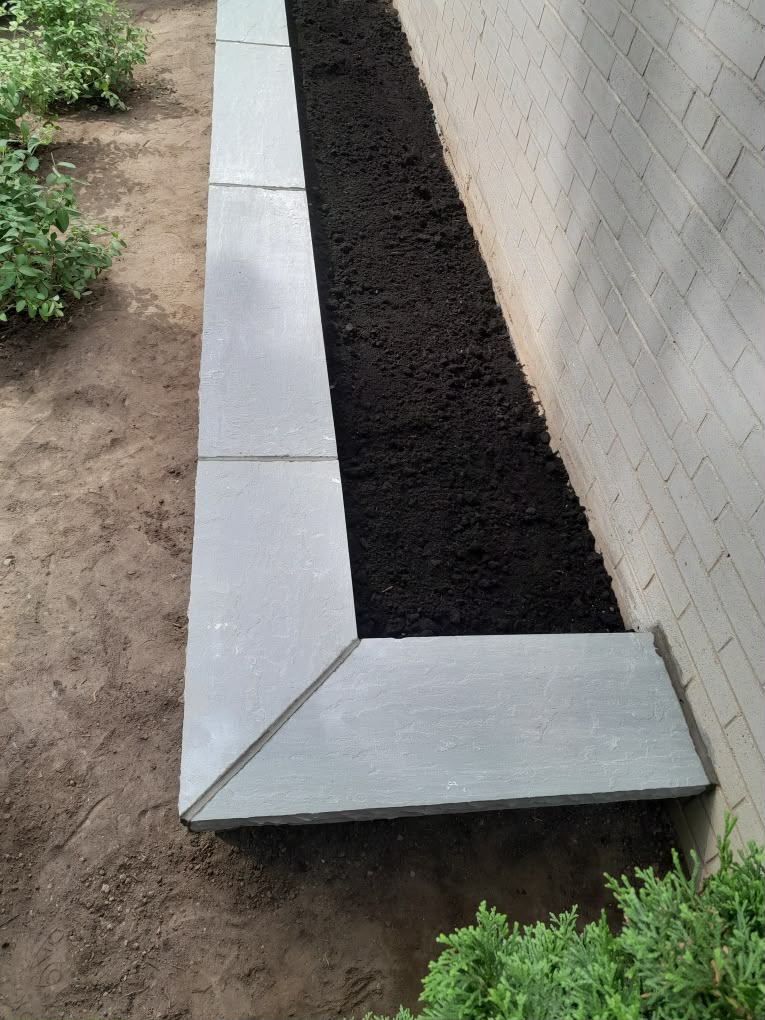
A&A Masonry Inc. provides exterior masonry restoration, foundation waterproofing, parging, brick repair and concrete repair services across Toronto and the Greater Toronto Area.
Our team can assess visible masonry deterioration, damaged parging, exterior foundation water-entry points and drainage-related concerns. Where signs suggest a structural issue outside our scope, we may recommend that the property be evaluated by an appropriate engineer or foundation specialist.
The objective is not to cover up the symptoms. It is to identify the likely source of the problem and recommend a durable, properly planned solution.
Frequently Asked Questions About Foundation Settlement
Is it normal for a house foundation to settle?
A small amount of settlement can occur as a newly built home and the soil beneath it adjust. However, continued, uneven or significant movement is not something to ignore, especially when cracks are widening or other parts of the home are being affected.
What is the difference between normal settling and foundation problems?
Normal settling is usually minor and stabilizes over time. More serious foundation movement may cause widening cracks, stair-step cracks in brickwork, sticking doors and windows, uneven floors, gaps around trim or recurring basement water.
Are cracks in a foundation always serious?
No. Hairline shrinkage cracks can occur without indicating major structural movement. Cracks that are widening, horizontal, displaced or repeatedly returning should be assessed by a qualified professional.
What do stair-step cracks in brickwork mean?
Stair-step cracks that follow the mortar joints may indicate movement beneath the masonry. The severity depends on the width, displacement, location and whether the crack is continuing to grow.
Can poor drainage cause foundation settlement?
Yes. Water collecting near a foundation can soften, wash away or repeatedly expand and contract the surrounding soil. Improper grading, overflowing eavestroughs and short downspouts can all contribute to foundation and basement moisture problems.
Can foundation settlement cause water in the basement?
Foundation movement can create or enlarge cracks that allow water to enter. However, basement leaks may also be caused by poor grading, deteriorated waterproofing, window wells, plumbing leaks or drainage-system problems.
Why are my doors and windows suddenly sticking?
Doors and windows can stick for several reasons, including humidity or normal wear. When several openings begin sticking alongside cracks, uneven floors or wall separation, foundation movement may be one possible cause.
Should I repair a foundation crack myself?
Small cosmetic cracks may sometimes be repairable, but an active or recurring crack should not simply be covered. The cause should be identified first so the correct structural, waterproofing or masonry repair can be selected.
When should I call a professional about foundation settlement?
Arrange an assessment if cracks are widening, walls are bowing, floors are noticeably uneven, several doors or windows are sticking, water is repeatedly entering the basement or exterior masonry is separating.
Who should inspect foundation settlement?
Structural concerns may require a structural engineer or foundation specialist. Exterior waterproofing, deteriorated parging, concrete damage and masonry cracking may also require an experienced waterproofing or masonry contractor.
Related A&A Masonry Services
- Exterior foundation waterproofing
- Basement waterproofing
- Foundation parging and coatings
- Brick repair and replacement
- Tuckpointing
- Concrete repair
- Exterior masonry restoration
- Window-well and water-entry repairs
Concerned about foundation cracks, recurring basement moisture or damaged exterior masonry?
Request a consultation with A&A Masonry Inc. or call 416-236-8721.