
Every home wears out over time. Signs like cracks, leaks, or missing shingles mean you need repairs. The decision between fixing it or replacing it depends on the damage and your budget.
Choosing between repair and replacement affects your safety and wallet. This guide helps you assess damage, evaluate costs, and make the best choice for your home. It also talks about roof replacement options and why acting quickly is important to avoid bigger problems.
Understanding the Signs You Need Roof Replacement
Replacing a roof is a big deal, but spotting early signs can save you from expensive repairs. Homeowners should look for both outside and inside signs that it’s time to replace the roof.
Age-Related Deterioration of Roofing Materials
Roofing materials wear out with time. For instance, asphalt shingles last 20–30 years, while metal roofs can last up to 70 years. Check how old your roof is compared to these times:
- Asphalt shingles crack or lose granules after 20 years
- Metal roofs show corrosion beyond 40 years
- Tile or slate may fracture after 50+ years
Visible Signs of Roof Damage
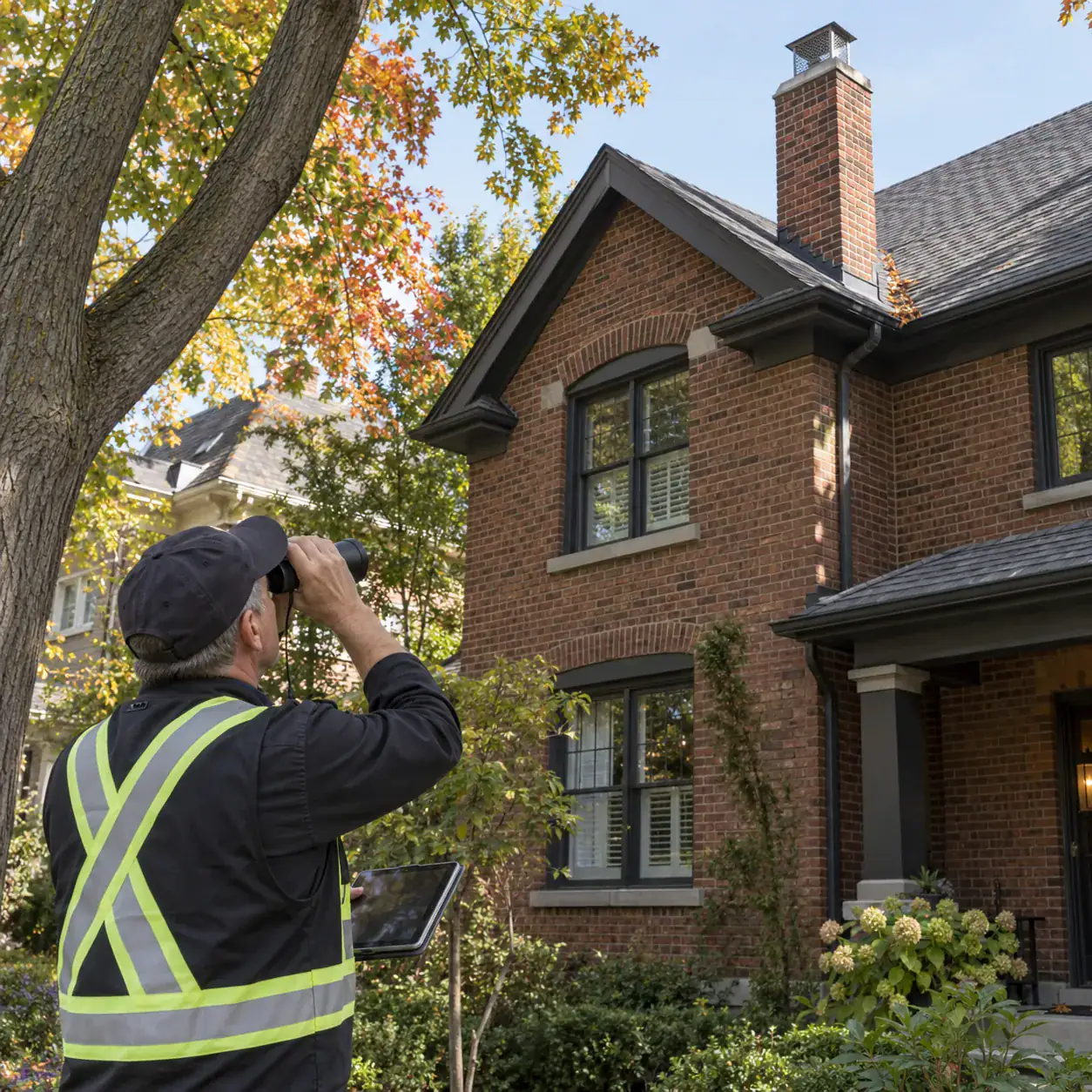
Regular checks can uncover important problems. Look for these signs when you inspect the roof:
- Missing or curled shingles
- Bald spots where granules have eroded
- Sagging or uneven surfaces
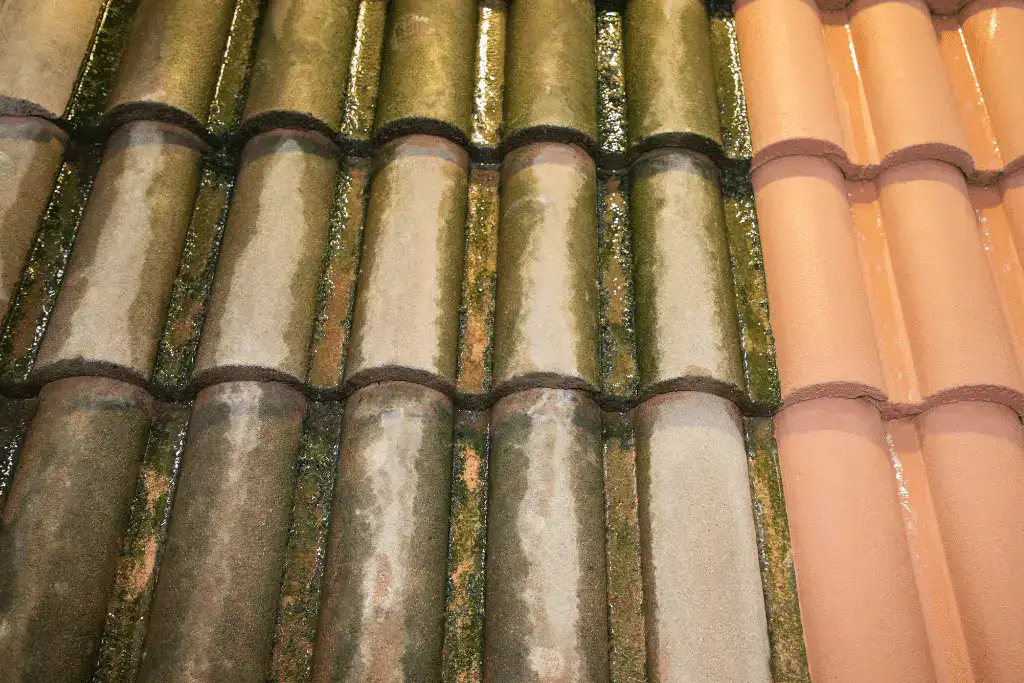
- Black streaks from algae growth
Interior Warning Signs of Roof Failure
Indoor signs often point to serious damage:
- Water stains on ceilings or walls
- Rusted nails visible through drywall
- Unexplained rises in energy bills due to insulation loss
- Mold near attic vents or ceiling corners
Ignoring these signs can lead to bigger problems like rot, pests, and electrical dangers. Fixing issues early can make roof replacement safer and cheaper.
Common Causes of Roof Damage Leading to Replacement
Roof damage often comes from environmental stress and poor maintenance. Spotting the causes of roof damage early can stop the need for a full roof replacement. Here are the main reasons homeowners should watch out for:
- Weather Conditions – Heavy rain, strong winds, hail, and extreme heat can wear down roofing materials.
- Poor Installation – If a roof isn’t installed properly, it’s more prone to leaks and structural issues.
- Lack of Maintenance – Ignoring minor repairs can lead to bigger problems over time.
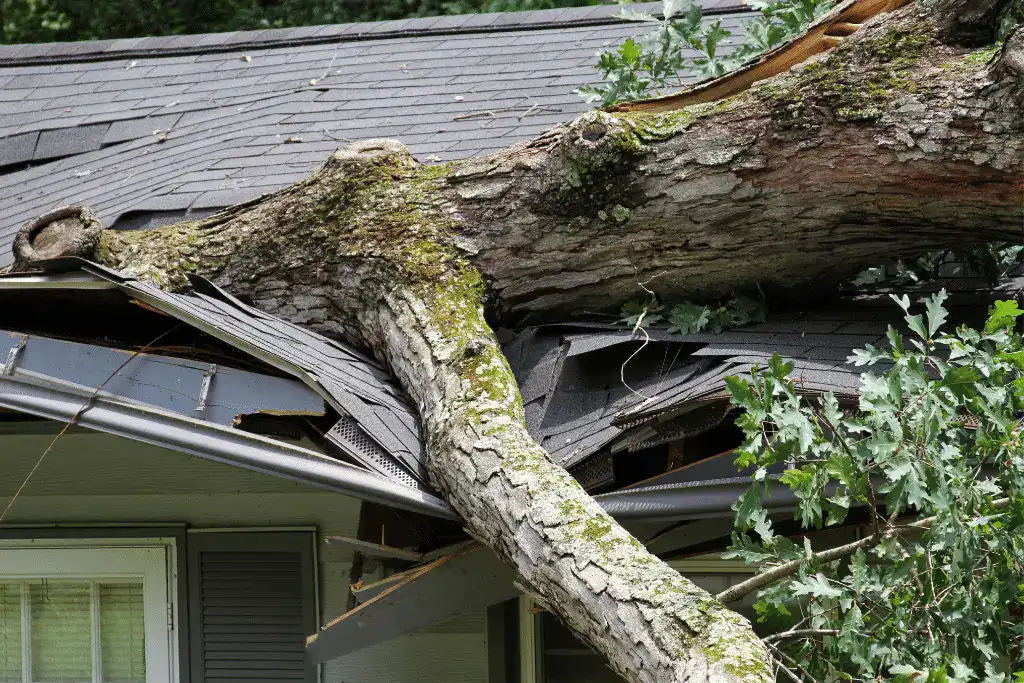
- Fallen Debris – Tree branches, leaves, and other debris can cause damage or clog gutters.
- Pests and Animals – Birds, rodents, and insects can create holes or weaken the structure.
- Aging Materials – Over time, roofing materials degrade, making them more vulnerable.
- Water Damage and Leaks – Poor drainage and trapped moisture can lead to mold, rot, and structural weakening.
- Flashing Damage – Cracked or loose flashing around chimneys and vents can allow water to seep in.
- Heavy Snow and Ice – The weight of accumulated snow and ice dams can strain the roof structure.
- UV Radiation – Prolonged sun exposure can cause shingles to dry out and crack.
Ignoring small issues can lead to big problems. Regular care, like cleaning gutters or fixing leaks, can delay roof replacement. It tackles causes of roof damage before they get worse. Taking proactive steps can extend your roof’s life and save on repair costs.
Roof Repair: When It’s the Right Choice
There are many instances where repairing your roof makes sense, particularly if the damage is localized and the roof is still in good overall condition.
1. Minor Damage to Shingles
If you have a few damaged or missing shingles due to wind or other minor incidents, repairs are often the best solution. As long as the rest of the roof is in good shape, replacing individual shingles can restore the roof’s integrity.
Learn more about how A&A Masonry can assist with shingle repairs and restore your roof’s appearance and functionality.
2. Leaks in Specific Areas
Leaks don’t always mean you need a full roof replacement. If the leaks are localized to a particular area, such as near a chimney or skylight, targeted repairs can often resolve the issue. However, it’s important to address leaks as soon as possible to prevent water damage to your home’s interior.
3. Flashing and Seal Damage
If the flashing around vents, chimneys, or skylights is damaged, this can usually be repaired without needing to replace the entire roof. Repairing damaged flashing can prevent leaks and improve the overall performance of your roof.
Essential Preparation Steps Before Roof Replacement
Getting ready for roof replacement in Toronto makes the process smoother. It keeps your home, family, and property safe. It also meets legal standards.
To prepare for construction, follow these steps:
Getting ready for a roof replacement ensures a smooth process while keeping your home, family, and property safe. It also helps meet local regulations.
To prepare for construction, follow these steps:
- Check Toronto building codes and obtain necessary permits.
- Consult with the city’s zoning office and have insurance documents ready for storm-damaged roofs.
- Research municipal permit requirements, submit insurance claims, and review condo or neighborhood association guidelines.
- Prepare your home’s interior and exterior by covering furniture, moving valuables, and securing items properly.
- Plan for family and pet safety by arranging temporary housing, using noise-canceling headphones, creating a child-free zone, and coordinating with contractors.
Dos and Don’ts of Roof Replacement for your home
✅ DOs:
- Hire a Professional – Work with a licensed and experienced roofing contractor to ensure quality workmanship.
- Get a Roof Inspection – Have a thorough assessment before deciding on a replacement to confirm the extent of damage.
- Choose High-Quality Materials – Invest in durable roofing materials that suit your climate and long-term needs.
- Check for Proper Ventilation – A well-ventilated roof extends its lifespan and prevents moisture buildup.
- Obtain Permits (if required) – Some areas require permits for roof replacements, so check local regulations.
- Plan for Weather Conditions – Schedule your replacement during dry, mild weather to avoid delays.
- Remove the Old Roof – Completely stripping off the old roof ensures a stable foundation for the new installation.
- Inspect Gutters and Flashing – Replace or repair damaged gutters and flashing to prevent water leaks.
- Consider Energy Efficiency – Choose energy-efficient roofing materials to lower cooling and heating costs.
- Get a Warranty – Ensure your new roof comes with a solid warranty for added protection.
❌ DON’Ts:
- Ignore Early Warning Signs – Delaying roof replacement can lead to bigger and more expensive structural issues.
- Choose the Cheapest Option – Low-cost materials and poor workmanship may cost you more in the long run.
- Install New Shingles Over Old Ones – Layering new shingles over old ones can cause hidden issues and shorten your roof’s lifespan.
- Forget About Proper Drainage – Poor drainage can lead to leaks, mold, and structural damage.
- DIY If You’re Not Experienced – Roofing is complex and dangerous; always rely on professionals.
- Overlook Insulation – Good insulation helps regulate indoor temperatures and prevent moisture problems.
- Ignore Safety Precautions – Ensure workers use safety gear and follow proper installation protocols.
- Rush the Process – A proper roof replacement takes time; rushing can lead to mistakes and future problems.
- Neglect Regular Maintenance After Replacement – Even a new roof needs routine inspections to stay in top shape.
- Forget to Review the Contract – Always read the terms of service, warranty, and costs before signing an agreement.

Reroofing vs Roof Replacement: Understanding Your Options
Reroofing and roof replacement are two ways to fix roof issues. Reroofing puts new shingles on top of old ones. Roof replacement takes off everything to start fresh. Your choice depends on your roof’s state and what you want long-term.
Reroofing works well if your roof is still strong. It’s quicker and cheaper, saving your money for now. But, it doesn’t fix problems like rot, leaks, or old materials. Also, many places have rules about how many layers you can add, so check local laws first.
Roof replacement is needed if your roof has big damage, too many layers, or bad decking. It costs more at first but lasts longer—20–30 years with good materials. It also fixes hidden problems like moisture damage, making your home more valuable and durable.
- Reroofing pros: Lower cost (often 30–50% less than full replacement), minimal waste, quick turnaround.
- Reroofing cons: Doesn’t address decay, may void warranties, and short-term fix only.
- Replacement pros: Full repair, extended lifespan, improved energy efficiency.
- Replacement cons: Higher initial expense, requires full debris removal.
Many think reroofing always saves money. But, ignoring decay can lead to expensive fixes later. If your roof is over 20 years old or has sagging spots, replacing it prevents water damage. Contractors look at decking strength and code rules to suggest the best option.
What is Included in Roof Replacement: Components and Services
Roof replacement is more than just new shingles. It’s about knowing what is included in roof replacement. This means understanding the services and materials you’re getting. Each part, from structural repairs to new materials, helps your roof last longer.
Decking and Structural Supports
First, contractors check the roof’s wooden deck. If it’s damaged, they replace it. They also look at the structural supports, like trusses or joists, to make sure they’re strong. Important steps include:
- Inspecting and repairing or replacing the deck
- Reinforcing supports to handle weight and weather
- Ensuring proper alignment for even material placement
Underlayment and Water Barriers
A waterproof underlayment layer is put on the deck. It’s a second line of defense against leaks. It includes:
- Ice and water shield membranes in vulnerable areas like valleys and edges
- Felt paper or synthetic underlayment for drainage
- Seam sealing to prevent moisture penetration
Shingles and Exterior Materials
The type of shingle you choose affects your roof’s look and durability. You can pick from asphalt, metal, clay tile, or slate. These choices depend on your climate and budget. Features include:
- High-impact composite shingles for storm resistance
- Recycled materials for eco-friendly options
- Color and texture options to match home style
Ventilation and Insulation Considerations
Good airflow is key to prevent attic moisture. Contractors install vents like soffit and ridge vents. They might also suggest insulation upgrades to:
- Balance attic temperature and reduce energy costs
- Prevent ice dams in colder climates
- Ensure shingles don’t overheat in summer
Cost Factors in Roof Replacement Projects
Roof replacement costs can vary a lot. This depends on the materials used, how much work is needed, and where you live. Understanding these factors helps homeowners plan their budgets better and avoid surprises. Here’s a look at the main financial points to consider:
Material Selection Impact on Budget
Choosing the right materials can make up to 40% of the total cost. Asphalt shingles start at $3,000–$7,000 for basic types. But, premium materials like slate or copper can cost over $15,000.
Metal roofs offer a good balance between cost and durability. They usually cost $7,000–$12,000. Spending more on materials can mean you won’t have to replace your roof as often, saving money in the long run.
Labor Costs and Regional Variations
The cost of labor depends on how complex the roof is. Roofs with steep slopes or on multi-story homes can cost 15–30% more. Where you live also affects costs: cities might charge 20% more than rural areas because of higher labor rates.
Always ask contractors to give you a detailed breakdown of labor costs.
Additional Services That Affect Final Pricing
There are often hidden costs like debris removal, permit fees, or repairs to the structure underneath. These can add 10–30% to the final price. Upgrades like new gutters or skylights can also increase costs.
Financing options like home equity loans or 0% APR plans for roofing are available. They help spread out payments. Some insurance policies might cover roof replacement costs if you have the right coverage.
How to Choose the Right Roofing Contractor for Your Project
Finding a good roofing contractor is key for a safe and quality roofing and repair job. First, check if they have the right licenses and certifications. They should have state-issued licenses and be certified by companies like GAF Master Elite or CertainTeed Preferred. This shows they know how to handle roof replacement and materials.
Make sure they have insurance, including liability and workers’ compensation. This protects you from accidents. Look up their reputation online and ask for references. If you can, visit their past work to see their quality.
When comparing offers, be wary of very low prices without a clear reason. Ask for detailed estimates that list materials, labor, and warranties. Good contractors will explain their timeline and roof repair methods clearly, without vague terms.
- Verify Credentials: Licenses, insurance, and manufacturer certifications.
- Assess Reviews: Read customer feedback and check Better Business Bureau ratings.
- Ask Key Questions: “How do you handle unexpected issues during roof replacement?” or “What’s your process for cleanup and debris removal?”
- Negotiate Contracts: Ensure written terms cover payment stages, warranty periods, and dispute resolution clauses.
A good contractor values clear communication and your family’s safety. Don’t just pick the cheapest option. Trustworthiness and skill are worth more in the long run.
Timeline Expectations: How Long Does Roof Replacement Take?
Roof replacement times vary based on several factors. Understanding these helps homeowners plan better. Let’s explore what affects the project’s length and how to set realistic expectations.
Factors That Influence Project Duration
Many things can make a roof replacement take longer or shorter:
- Home size and roof complexity (e.g., multiple levels or skylights)
- Material choices (e.g., metal vs. asphalt shingles)
- Unforeseen issues like rot or structural damage
- Weather delays, especially during storms or extreme heat
Creating a Realistic Schedule with Your Contractor
To work well with your contractor, follow these steps:
- Ask for a written timeline with start/end dates
- Confirm weather contingency plans
- Track progress at shingle installation and underlayment stages
Remember, rushing can harm quality. Focus on quality over speed for lasting results.
Protecting Your New Roof Investment: Maintenance Tips
Keeping your new roof in good shape is crucial to avoid expensive roof repair costs later. Regular care helps your roof last longer and keeps warranties intact. Here are some tips to protect your investment:
- Clean gutters twice yearly to prevent debris buildup blocking water flow.
- Inspect after storms or strong winds for loose shingles or missing materials.
- Remove tree limbs near the roof to stop falling branches causing impact damage.
- Check for moss or algae growth in humid climates and treat early with safe cleaners.
Seasonal checks are important. In winter, clear snow gently to avoid damaging shingles. Spring is for post-thaw inspections for leaks. Summer heat requires checking ventilation to prevent warping. Autumn involves clearing fallen leaves to stop rot.
Act quickly if you see sagging areas, persistent leaks, or damaged flashing. These signs need a professional roofing check. Many manufacturers require routine maintenance to honor warranties, so keep records of all inspections and repairs.
Small tasks like monthly visual checks and annual professional evaluations can prevent big problems. A 15-minute walk-around after storms can catch damage early. By focusing on upkeep, you lower the risk of early replacement and keep your home safe all year.
Managing Roofing and Repair Needs in Different Weather Conditions
Seasonal changes mean we need to adjust our roof care plans. Planning ahead keeps our roofs safe and strong all year. Here’s how to handle types of emergency roof repair and causes of roof damage in different weather.
Winter Emergency Roof Repairs
Ice dams and heavy snow can put a lot of stress on roofs. Here’s what to do right away:
- Clear snow with a roof rake to prevent leaks or sagging
- Check for ice buildup and use heat cables to melt it safely
- Don’t use tools that can scratch your roof
Summer Heat Considerations for Roofing Projects
Heat can harm materials and workers. Here are some important tips:
- Do non-urgent repairs when it’s cooler to avoid shingle damage
- Use heat-resistant sealants for repairs to last longer
- Make sure contractors follow OSHA heat safety rules
Rainy Season Challenges and Solutions
Moisture can cause problems. Here’s how to stay ahead:
- Put up temporary tarps to cover exposed areas
- Check gutters weekly to stop water overflow
- Wait 24 hours for dry weather before fixing permanent damage
Always work with licensed contractors to handle risks like winter ice or summer sun damage. Weather-specific fixes help your roof last longer and save you money.
Conclusion
Spotting the signs of roof replacement is key to protecting your home. Look out for cracked shingles, leaks, or sagging roofs. These signs mean you need to act fast to avoid expensive damage and safety hazards.
Choosing the right contractor is vital. Look for licensed pros with good reviews and solid warranties. Pick materials like asphalt, metal, or composite for a durable roof. Also, get your home ready by securing items and clearing paths.
Keeping your roof in good shape is important. Regular checks and quick fixes can prevent big problems. Experts can help with ventilation and shingle installation. Keeping records of the work helps with future repairs.
Weather affects when you can replace your roof. Try to do it when it’s dry to avoid delays. Even in emergencies, like after a storm, temporary fixes can help until repairs are done. Focus on quality to ensure your roof lasts and gives you peace of mind. Working with trusted experts and following best practices makes roof replacement a worthwhile investment.