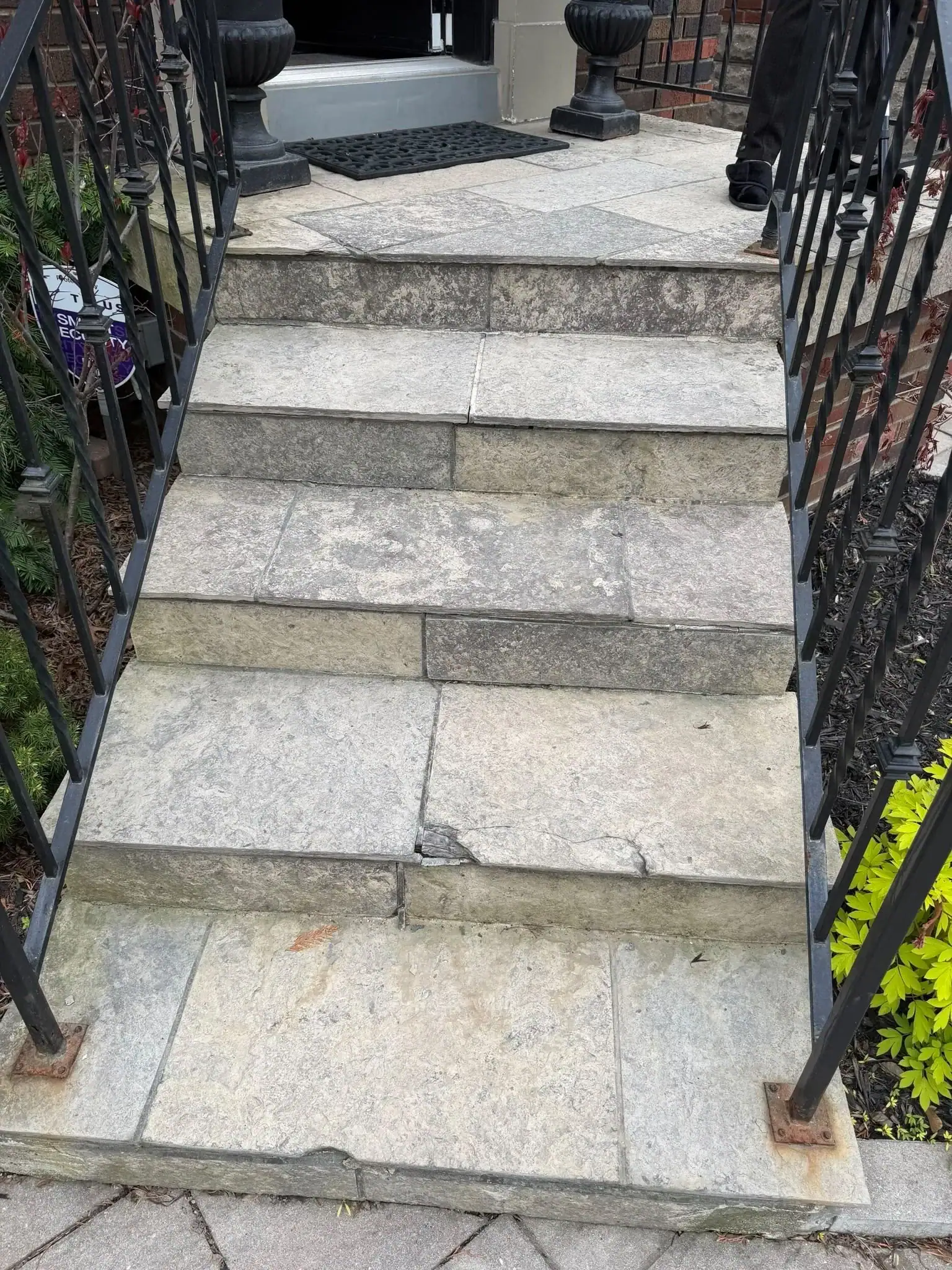

Freeze-thaw cycles in Canadian climates stress roofing systems. This happens because ice and water expand and contract. Homeowners in places like Ontario, Alberta, or Quebec need to check their roofs often to avoid expensive damage.
Regular roof inspections can spot cracks, shingle damage, or ice dams early. This prevents leaks or structural problems later on.
When to get a roof inspection depends on local weather. In harsh winter areas, yearly checks are key. They help deal with snow buildup and temperature changes.
Waiting too long can lead to rot, mold, or bad insulation. This makes repairs more expensive. Catching issues early through regular checks saves money and keeps your roof in good shape longer.
Look out for signs like sagging ceilings, missing shingles, or ice dams. These mean you need a pro to look at your roof fast. Clearing gutters before winter helps too. Knowing when to inspect your roof keeps your home safe and its value up in areas with freeze-thaw cycles.

Understanding Freeze-Thaw Cycles and Their Impact on Roofs
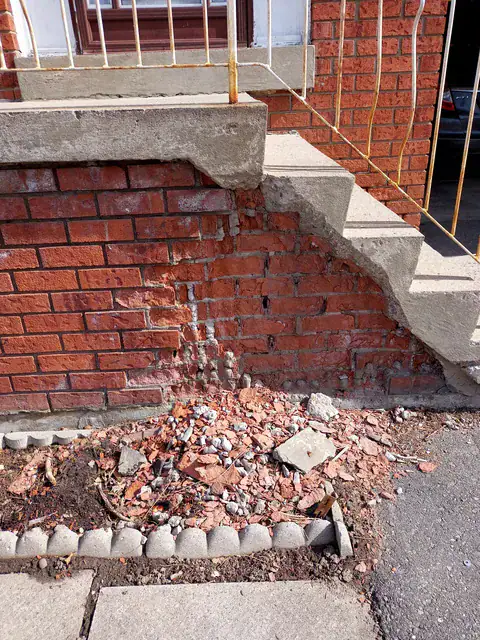
Freeze-thaw cycles are a big problem for roofs in Canada. Water gets into cracks, freezes, and expands. This weakens materials and can cause leaks and damage.
It’s important to check your roof often to find problems early.
The Science Behind Freeze-Thaw Damage
Water expands by 9% when it freezes. This puts pressure on roofs. Over time, small cracks can turn into big leaks.
Homeowners need to check their roofs often to stop these problems before they get worse.
Common Roofing Materials and Their Vulnerability
Different materials handle freeze-thaw cycles in different ways. Here are a few examples:
- Asphalt shingles: can curl and lose granules in cold weather
- Metal roofs: strong but can corrode at seams
- Slate: lasts a long time but can crack under pressure
- Wood shakes: soak up moisture, leading to rot and mold
- Membrane roofing: can blister and delaminate in changing temperatures
Regional Variations in Canadian Freeze-Thaw Patterns
Canada’s different climates mean roof inspections are needed more often in some places. Here are some key differences:
- Atlantic provinces: coastal humidity and frequent freeze-thaw cycles cause more damage
- Prairie regions: extreme temperature changes stress asphalt and composite materials
- Mountainous West: heavy snow and quick thaws increase ice dam risks
Homeowners in these areas might need to inspect their roofs more often. Doing so helps prevent expensive repairs.
Recommended Roof Inspection Frequency in Canadian Climates
In Canadian climates, knowing when to get a roof inspection is key. It helps fix problems early and keeps your roof in good shape. Regular checks can stop expensive damage from cold weather and extreme weather. Here’s how to match inspections with your area’s challenges and seasonal risks.
Minimum Annual Inspection Requirements
All Canadian homeowners should get at least one professional inspection yearly. Spring is the best time to check for winter damage like ice dams or shingle cracks. Roofs over 10 years old or in places like Alberta or Quebec—where the weather changes a lot—need two inspections a year. This when to get a roof inspection rule helps find hidden problems.
Seasonal Inspection Schedule for Maximum Protection
A good schedule helps a lot:
“Aligning inspections with seasonal stressors minimizes repair costs by 40%,” states the Canadian Roofing Association.
Here’s a plan:
- Spring: Look for ice damage, loose flashings, or moss growth.
- Fall: Check for debris, fix missing shingles, and clean gutters before winter.
- Summer (optional): Check for UV damage on older roofs, especially in sunny areas.
After Severe Weather Events
Quick inspections are crucial after:
- Heavy snowstorms over 30 cm
- Hailstorms with stones bigger than pea-sized
- Winds over 50 km/h that damage trees
- Rapid temperature changes (e.g., -20°C to +10°C in 24 hours)
Ignoring these signs can lead to water leaks or structural damage. It’s important to act fast—within 48 hours of severe weather to catch new damage.
Signs Your Roof Needs an Immediate Inspection
Spotting signs of roofing and repair problems early can stop small issues from getting worse. In areas with lots of freeze and thaw, these signs need quick action:
- Missing or curled shingles let water and ice in, speeding up damage.
- Granule debris in gutters means shingles are losing their protective coating.
- Sagging roof sections show a structure problem, often from moisture or rot.
- Split or loose flashing around vents or chimneys lets water into weak spots.
Look for these signs inside your home too:
- Stained ceilings or walls mean there’s a leak that needs fixing right away.
- Visible daylight through the attic shows gaps that let cold air and moisture in.
- Rising energy bills often mean your roof isn’t insulating well anymore.
- Mold or musty odors in attics mean there’s been water damage for a long time.
Freeze-thaw damage can cause thick ice dams, unusual icicle clusters, or frost in attics. Not fixing these signs of roofing and repair can cause big problems. Waiting too long can lead to rot, electrical dangers, and safety risks. Regular checks after cold winters can find these issues early, protecting your home and family.
Professional Roof Inspection Checklist: What Experts Look For
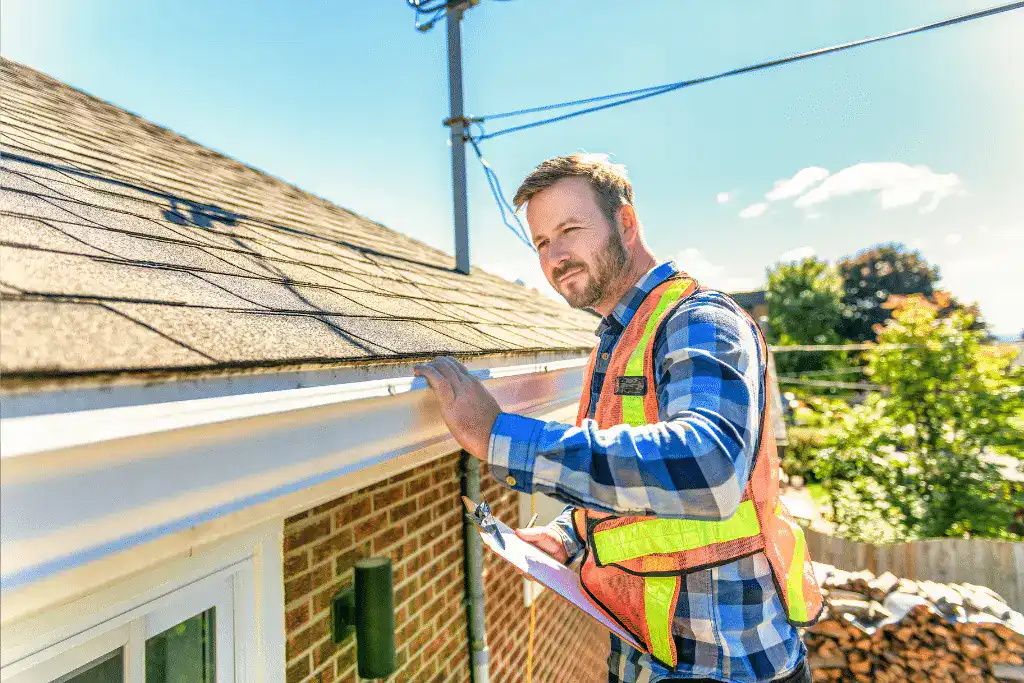
A professional roof inspection checks both visible and hidden risks. Inspectors use a checklist to find all vulnerabilities. This is especially important in areas with freeze-thaw cycles.
Exterior Assessment Points
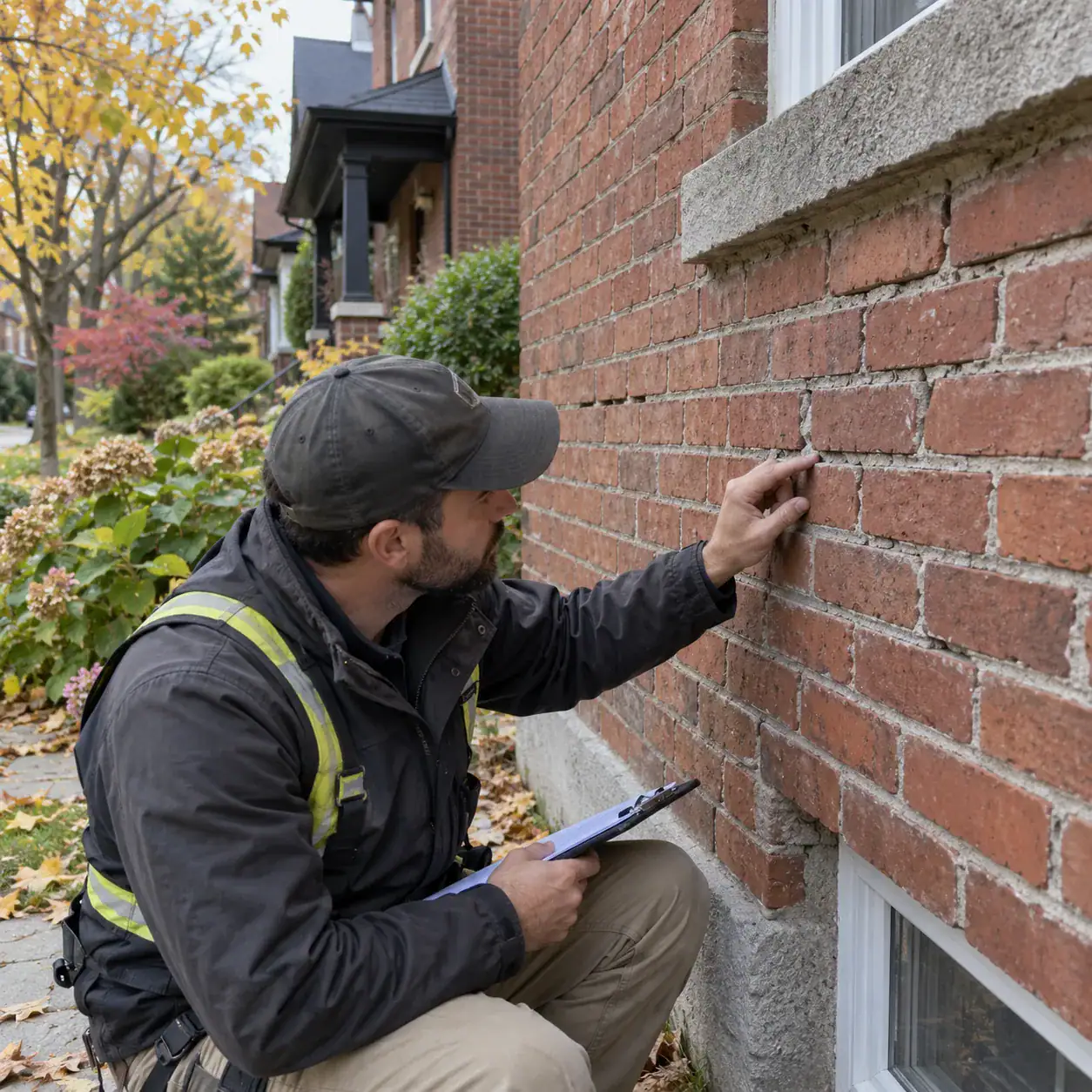
- Shingle condition: curled, cracked, or missing materials
- Flashing around chimneys, vents, and skylights for gaps or rust
- Gutter and downspout flow obstruction or separation from the roof edge
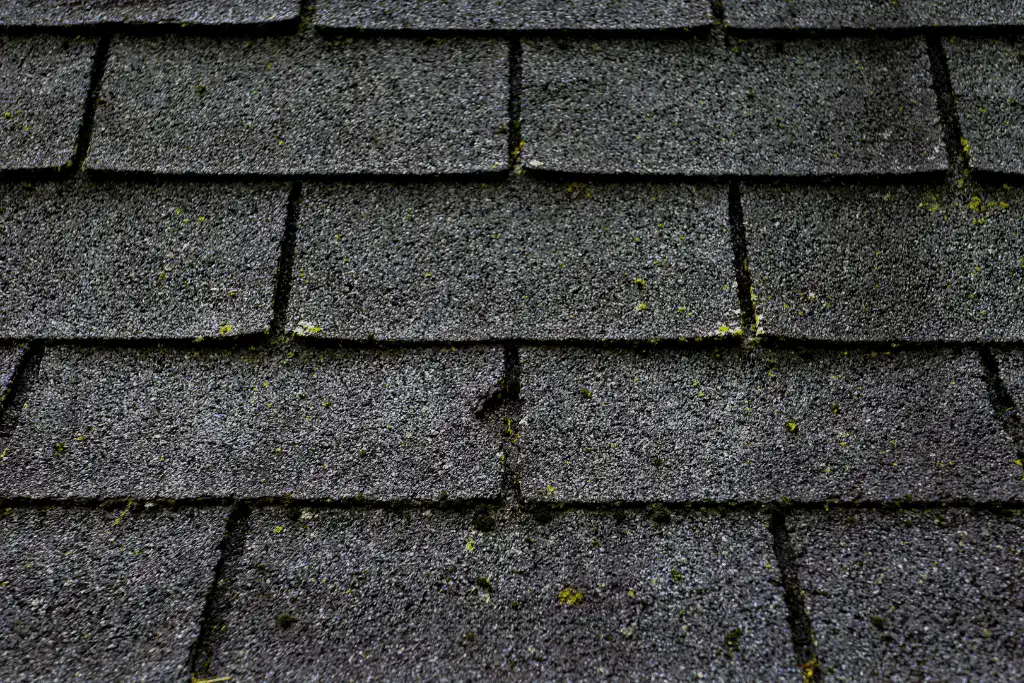
- Moss, algae, or lichen growth indicating moisture retention issues
Interior Warning Signs
Inspectors look at attics for:
- Water stains on rafters or ceiling drywall
- Musty odors signaling hidden mold growth
- Ice dam residue patterns near eaves
- Warped or discolored insulation batts
Structural Integrity Evaluation
Key structural checks include:
| Component | What Inspectors Look For |
| Roof deck | Warpage, rot, or nail pops |
| Rafters | Bowling, cracks, or shifting |
| Roof slope | Uneven settling or sagging areas |
Moisture Detection Methods
Advanced tools reveal hidden issues during roof inspection:
- Infrared thermal imaging: pinpoints moisture behind walls
- Moisture meters: measures wood saturation levels
- Pressure testing: evaluates weather barrier performance
These evaluations help prioritize repairs before minor damage becomes costly. Professional inspectors use both visual cues and technology. They create detailed reports to keep homes in freeze-thaw zones safe all year.
DIY Roof Inspection Tips Between Professional Visits
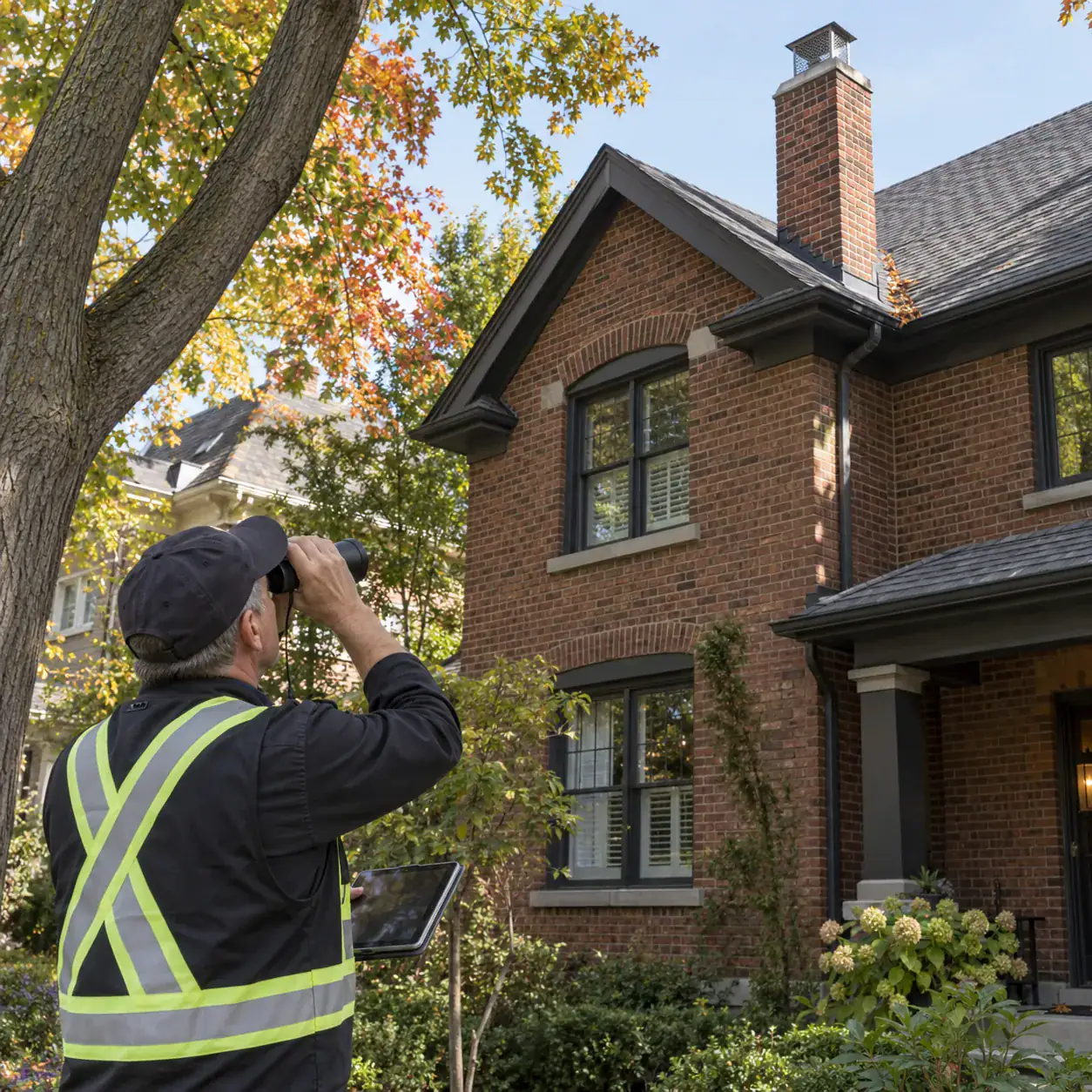
A roof maintenance checklist is key for homeowners to track changes. Always prioritize safety: never climb steep or slippery roofs. Use binoculars to check shingles from the ground, looking for curled edges or missing granules.
After winter storms, check for ice dams. Note where melting snow refreezes near eaves.
- Inspect gutters quarterly to remove leaves and debris preventing water flow.
- Check flashing around chimneys and vents for cracks or gaps. Rust around metal components signals wear.
- Examine attic spaces monthly for water stains on rafters or insulation clumping, signs of leaks.
Use a camera to document problem areas. Date-stamped photos create a visual roof maintenance checklist, showing progression over time. After major storms, check for broken branches scraping shingles or loose fascia boards.
In spring, inspect valleys where snow melt pools, looking for erosion patterns.
“Small issues like clogged drains become big problems when ignored,” says the Canadian Roofing Association. “Monthly checks prevent costly repairs.”
Track moss or algae growth on north-facing roof sections, as these indicate moisture retention. Schedule checks during fall to clear leaves and ensure ventilation soffits remain unblocked. Always compare findings to previous notes to spot trends.
The Cost of Professional Roof Inspections vs. Repairs
Knowing the cost of roof care helps homeowners make smart choices. Regular checks stop big problems by finding issues early. This part talks about the cost of inspections versus repairs, showing how early action saves money.
Average Inspection Costs Across Canadian Provinces
Inspection prices change by area. Here are rough price ranges based on home size and roof type:
| Province | Average Cost Range | Key Factors |
| Ontario | $200–$400 | Urban labor rates, material diversity |
| Quebec | $150–$350 | Freeze-thaw frequency, slope variations |
| Alberta | $180–$380 | Flat roof prevalence, snow load impacts |
What to Expect During a New Roof Quotation
A new roof quotation: what to expect covers a lot. It includes:
- Roof measurements and material suggestions
- Costs for removing and throwing away old materials
- Warranty details for work and materials
- Extra costs for fixing the structure
Long-term Financial Benefits of Regular Inspections
Ignoring small leaks can turn a $300 repair into a $3,000 flat roof repair bill.
Spotting problems early saves a lot of money. For instance:
- A small ice dam fix: $200–$400
- Waiting too long for a flat roof fix: Up to $10,000
Annual checks cost about $250. Emergency repairs can cost over $2,000. Regular care can add 10–15 years to your roof’s life, saving thousands in the long run.
Identifying Signs of Wind Damage and Freeze-Thaw Deterioration
Freeze-thaw cycles and strong winds can damage roofs in unique ways. Homeowners in Canada need to spot these signs early to avoid expensive fixes. Checking for signs of wind damage roof and freeze-thaw effects helps prevent structural failure and water damage.
Recognizing Ice Dam Formation and Damage
Ice dams form when snow melts and refreezes at the eaves. This pushes water under the shingles. Look for:
- Ice ridges along roof edges
- Peeling paint or water stains near ceilings
- Warped soffits or damaged fascia boards
Signs of Wind Damage on Different Roof Types
| Roof Type | Common Signs of Wind Damage Roof | Immediate Actions |
| Asphalt Shingle | Lifted edges, missing granules, curled tabs | Seal loose edges; replace damaged shingles |
| Metal | Bent seams, dented panels, loose fasteners | Tighten screws; repair damaged sections |
| Tile/Slate | Cracked tiles, displaced pieces, broken ridges | Secure tiles with clips; consult a roofer for replacements |
Detecting Water Infiltration and Insulation Compromises
Freeze-thaw cycles can weaken insulation and cause hidden leaks. Look for:
- Discolored attic insulation from moisture absorption
- Cold spots on thermal scans indicating damp insulation
- Musty odors signaling mold growth in corners
“Early detection of these issues prevents rot and structural decay,” says the Canadian Roofing Association.
Regular visual inspections and moisture testing tools help homeowners prioritize repairs before damage escalates.

Roofing Maintenance Strategies for Extending Roof Lifespan
Keeping your roof in top shape is key in Canada’s harsh weather. Regular care can add 5–10 years to your roof’s life, saving you a lot of money. Here’s a guide to help you stay on track with seasonal tasks.
Seasonal Roof Maintenance Checklist
Follow this roof maintenance checklist to stay on top of your roof’s needs:
| Season | Key Tasks |
| Fall | Clean gutters, trim overhanging branches, inspect shingles for cracks |
| Winter | Clear snow with roof rakes, check ice dam formation |
| Spring | Inspect for winter damage, remove debris, treat moss growth |
| Summer | Check for storm damage, ensure ventilation is clear |
Preventative Measures for Harsh Winter Protection
For extreme cold:
- Install attic insulation (R-49 minimum) to regulate heat loss
- Use de-icing cables at eaves to prevent ice dams
- Apply waterproofing membranes on vulnerable areas
Professional Maintenance Services Worth Considering
Specialized services can make your roof last longer:
- Gutter guard installation (e.g., LeafGuard systems) to reduce clogs
- Algae-resistant coatings like Benjamin Moore’s StainBlock PR-100
- Commercial-grade sealants for flashing and chimney joints
Cold-weather maintenance accounts for 40% of roof lifespan extension, according to the Canadian Roofing Association.
By mixing DIY efforts with professional help, your roof can last for decades. Make sure to do annual checks and follow up with seasonal tasks for the best results.
FAQ
When should a homeowner schedule a roof inspection?
Homeowners should get a roof inspection once a year. It’s best in the spring and fall. This helps check for winter damage and prepares for winter. After severe weather, like hailstorms or strong winds, an inspection is also needed.
What are the signs of wind damage on a roof?
Wind damage signs include lifted shingle edges and granule loss. Also, metal roof panels might be loose. Look for missing materials or gaps that let in the elements.
How can one detect signs of roofing damage?
Look for missing, cracked, or curled shingles. Check for granule loss in gutters and sagging roof sections. Damaged flashing is also a sign. Inside, watch for water stains, light through the roof, and attic mold or moisture.
What should I expect during a new roof quotation?
Expect a detailed look at your current roof, material advice, and cost breakdown. This includes removing old materials and warranty options. Make sure to discuss the material and replacement timeline.
What does a roof maintenance checklist include?
The checklist covers shingle damage, gutter cleaning, and flashing inspection. It also checks attic ventilation and moss growth. Post-winter checks are important too.
What are common signs of roofing and repair issues?
Look for cracked or missing shingles, water stains, and higher energy bills. Sagging areas or attic water signs are also warning signs.
How does flat roof repair differ from pitched roof repair?
Flat roof repair focuses on sealing seams and ensuring drainage. This prevents water pooling. Regular checks and early fixes are key for flat roofs.
What are the long-term financial benefits of regular roof inspections?
Regular inspections prevent expensive repairs by catching small problems early. This can add 5-10 years to your roof’s life. It saves homeowners thousands on early replacements.
Conclusion:
Regular roof inspections are key in places like Canada’s freeze-thaw climates. They help avoid early roof replacement. By checking your roof yearly and after storms, you catch problems before they get big.
Homeowners in harsh winter areas should make inspections a priority. This protects their biggest investment. It’s important to keep your roof in good shape.
When looking for roof inspectors, choose licensed contractors. They should be certified by groups like the Canadian Association of Home and Property Inspectors (CAHPI). Make sure they know about freeze-thaw damage and ask for detailed reports.
Keeping records of your inspections is also crucial. It helps you see how your roof changes over time. This way, you can fix issues before they get worse.
By being proactive, you can make your roof last longer. This means you won’t have to replace it as often. It saves you money and keeps your home safe.
Don’t wait—book an inspection today. Use the checklist from Section 5 and follow the seasonal tips in Section 9. This will help protect your property for many years.