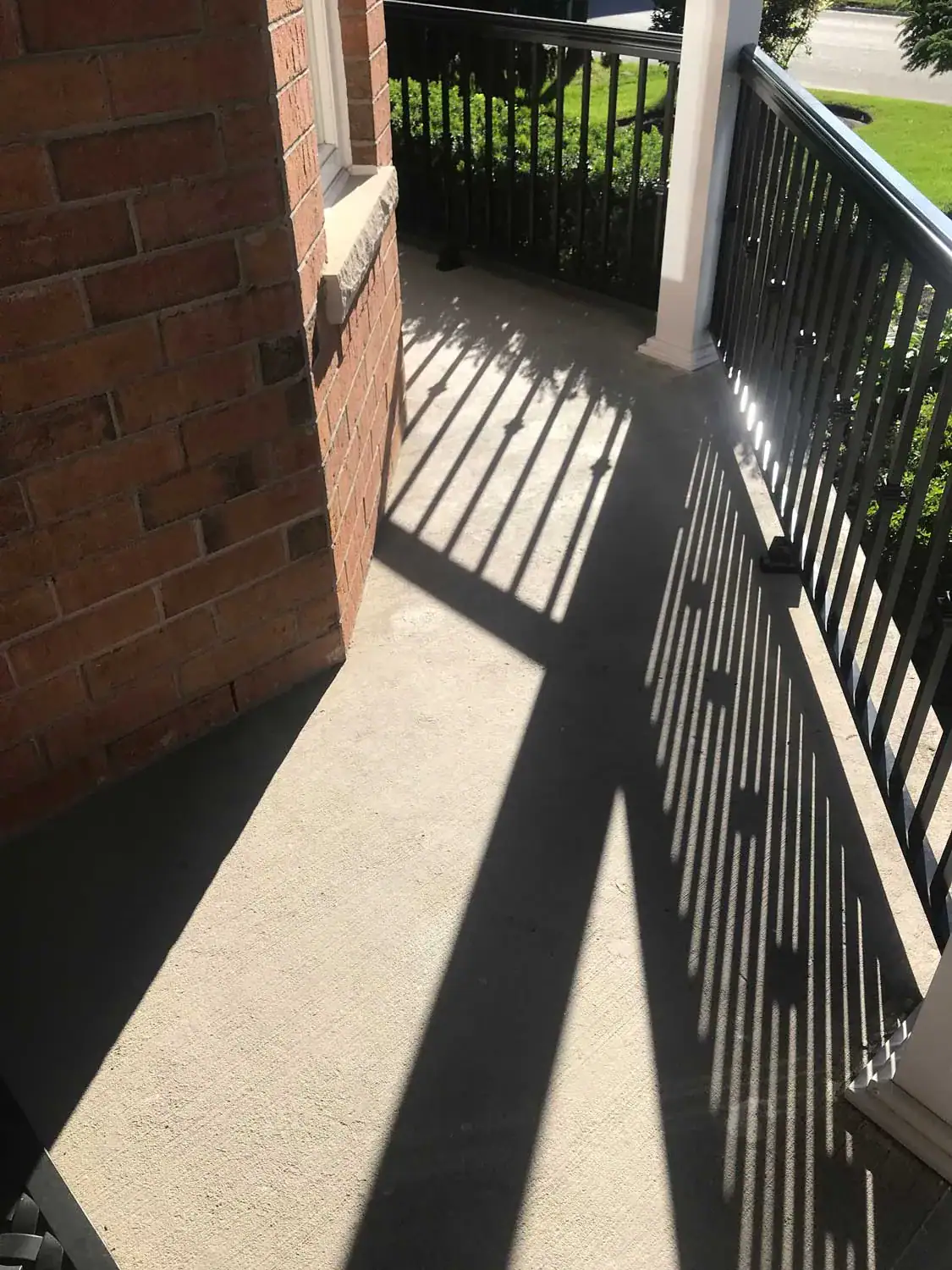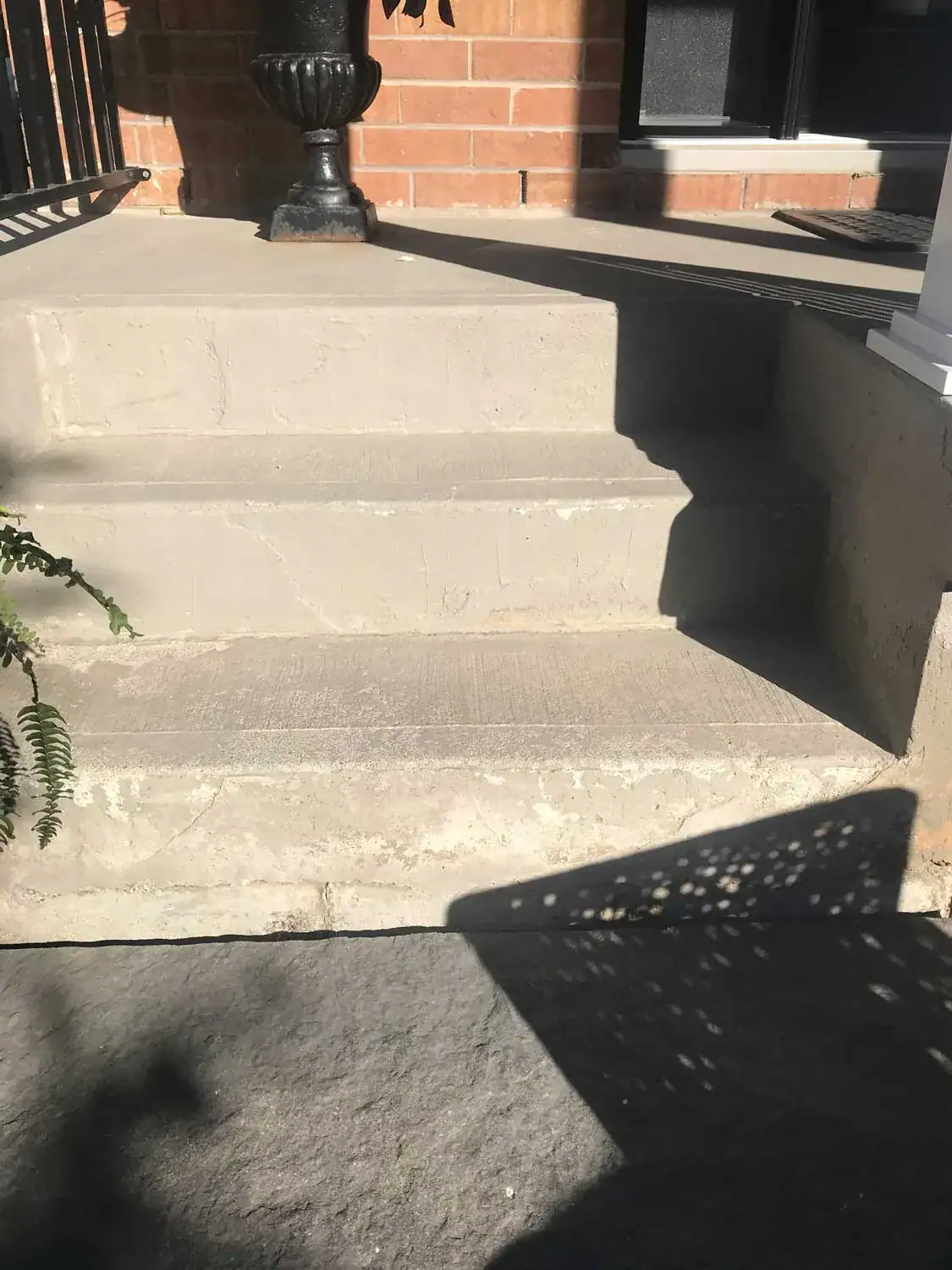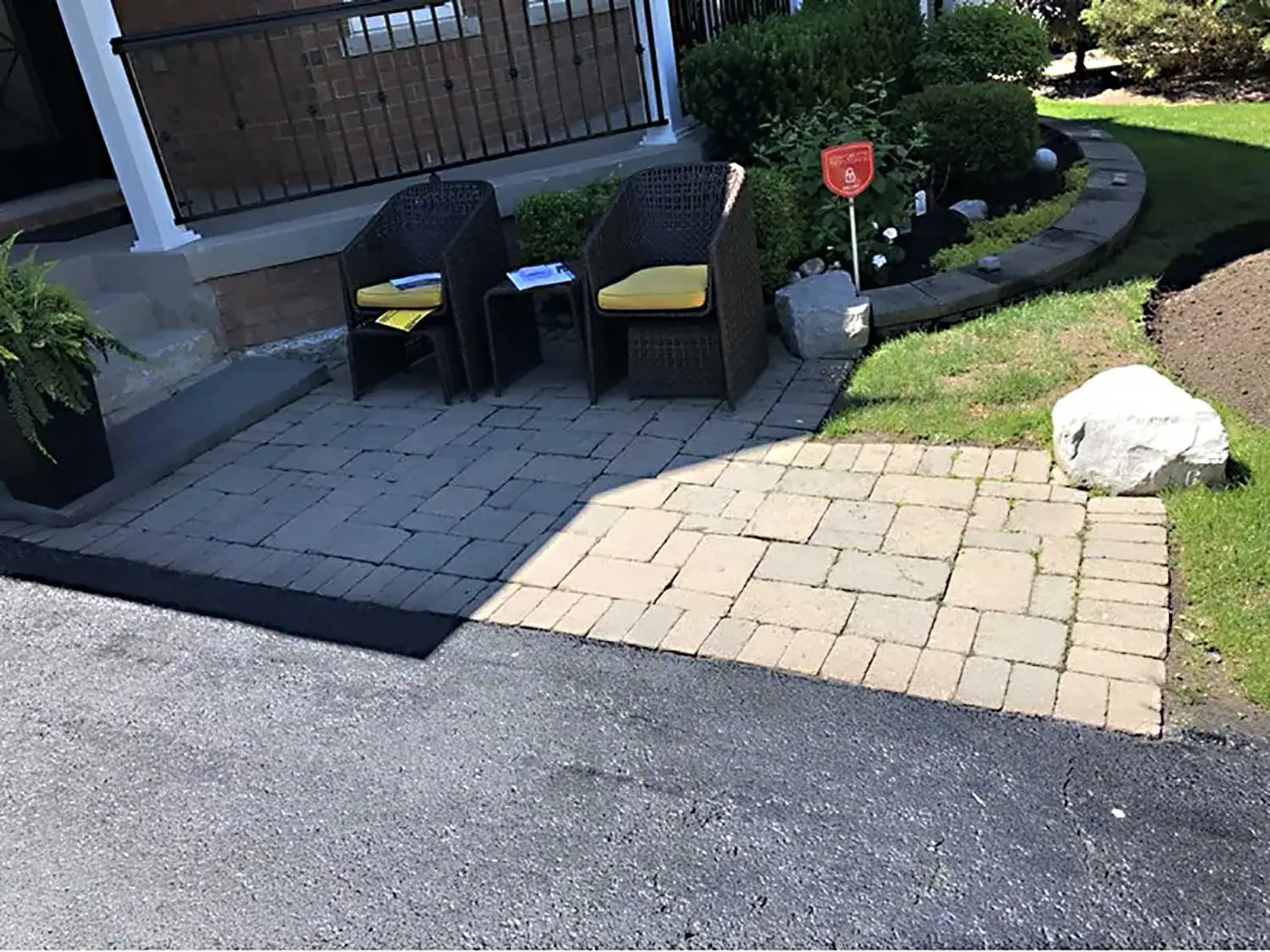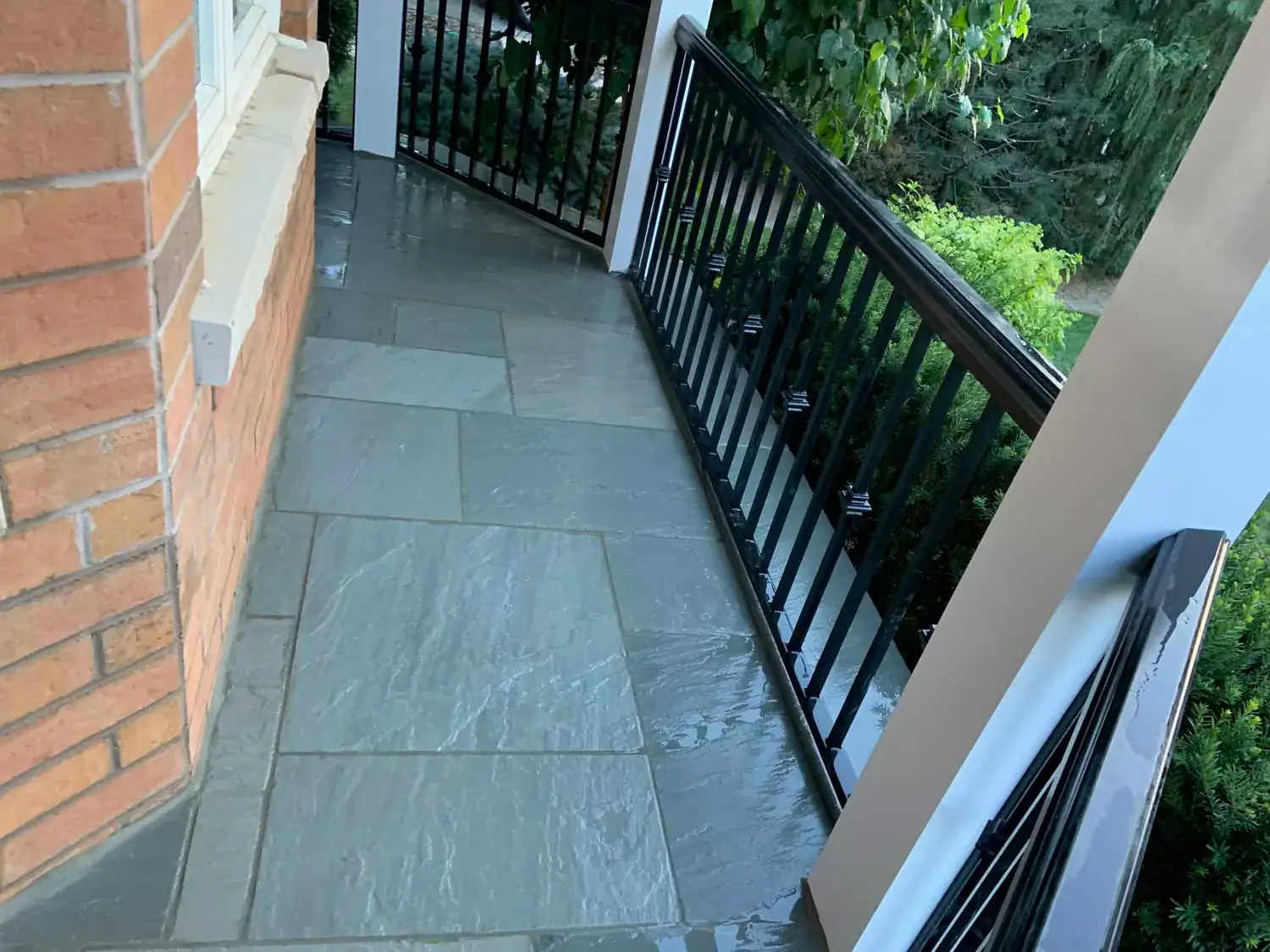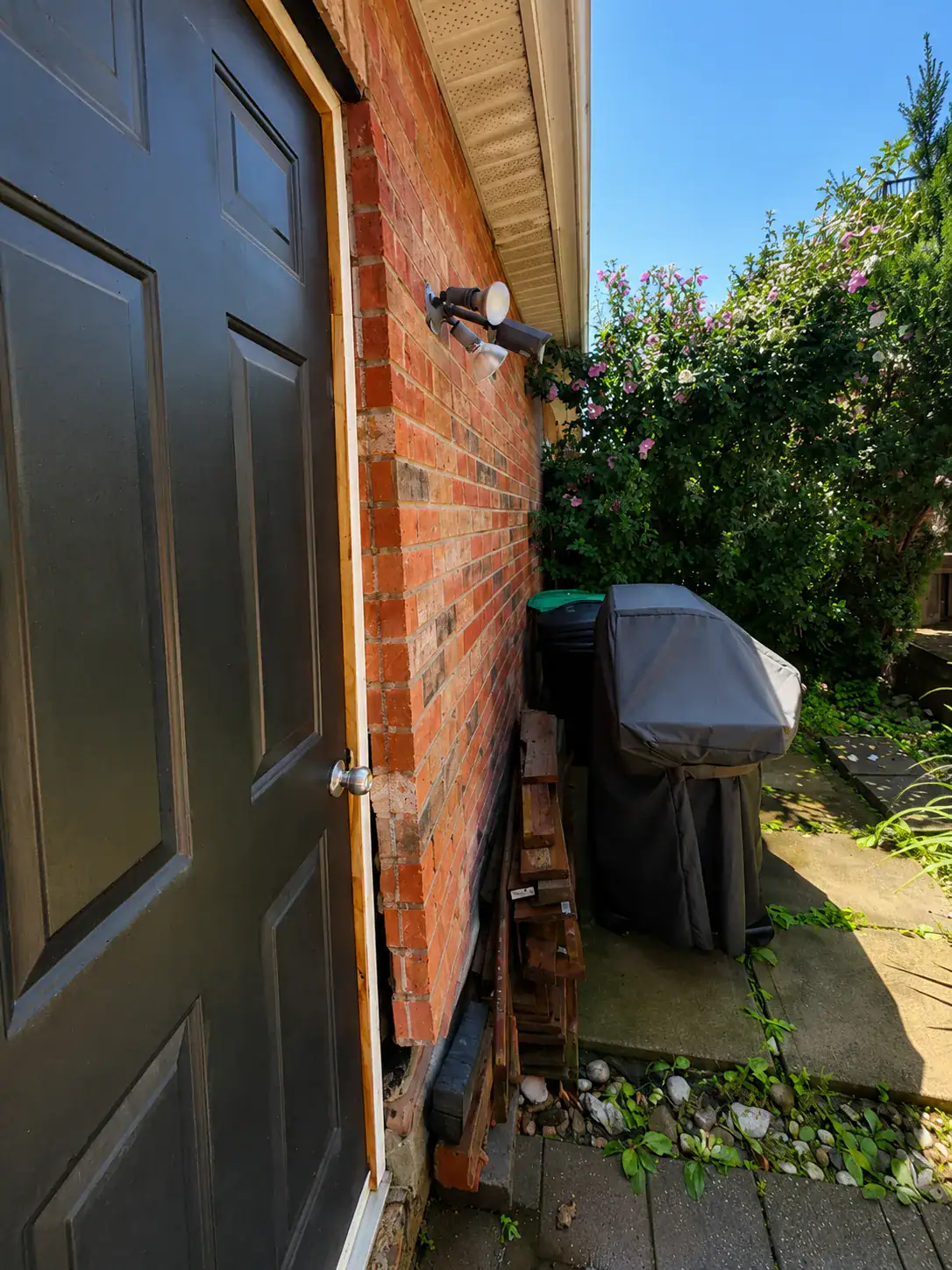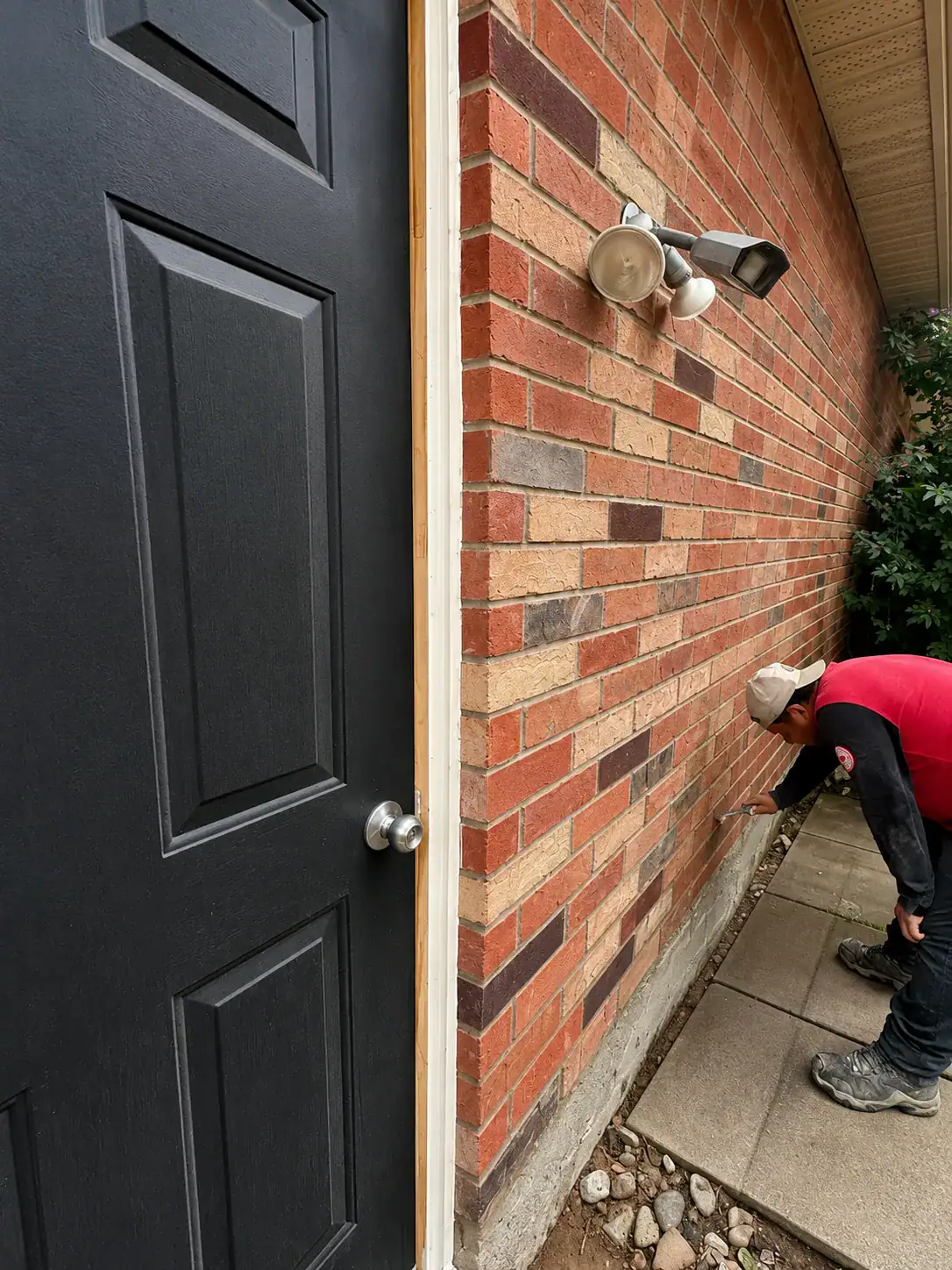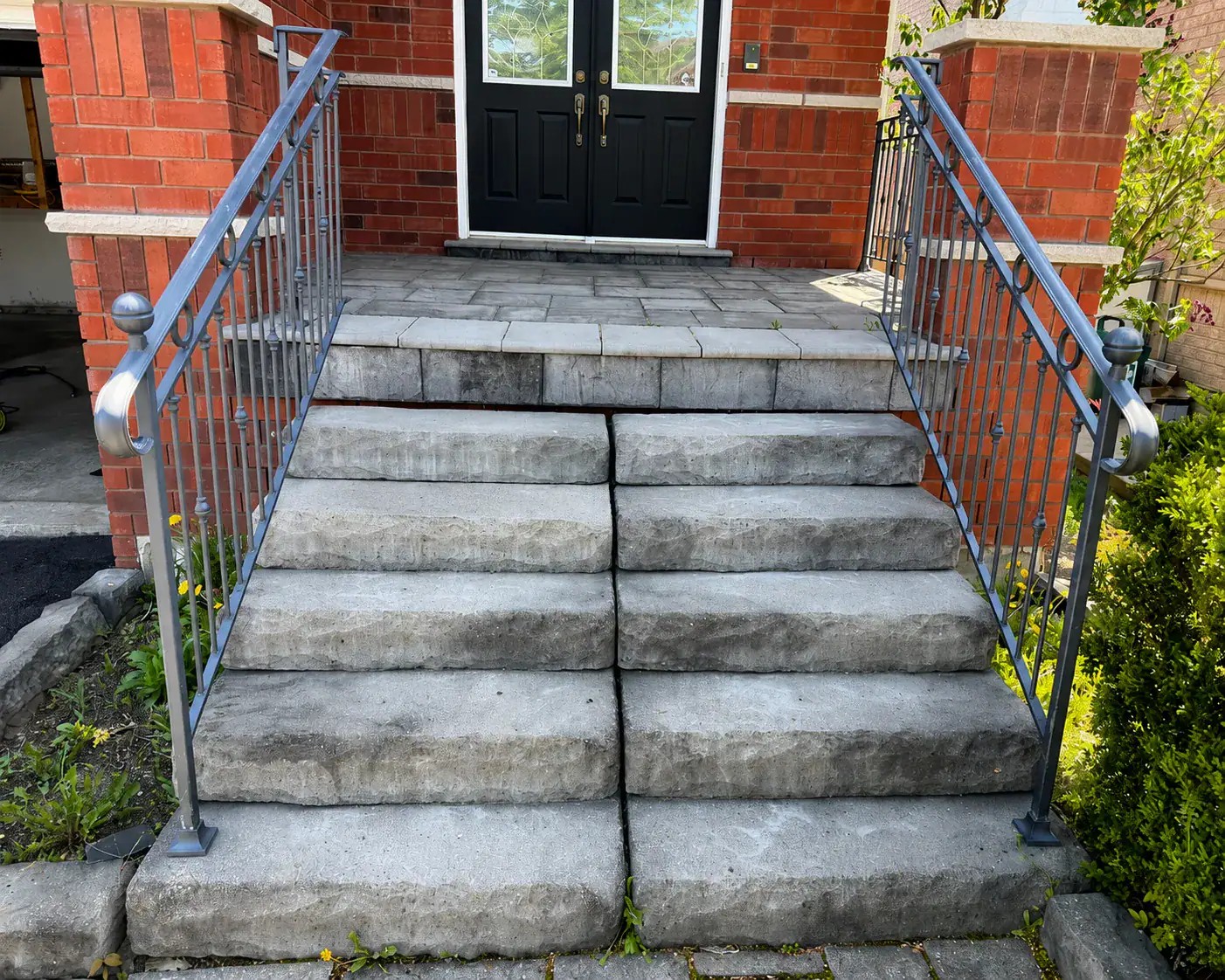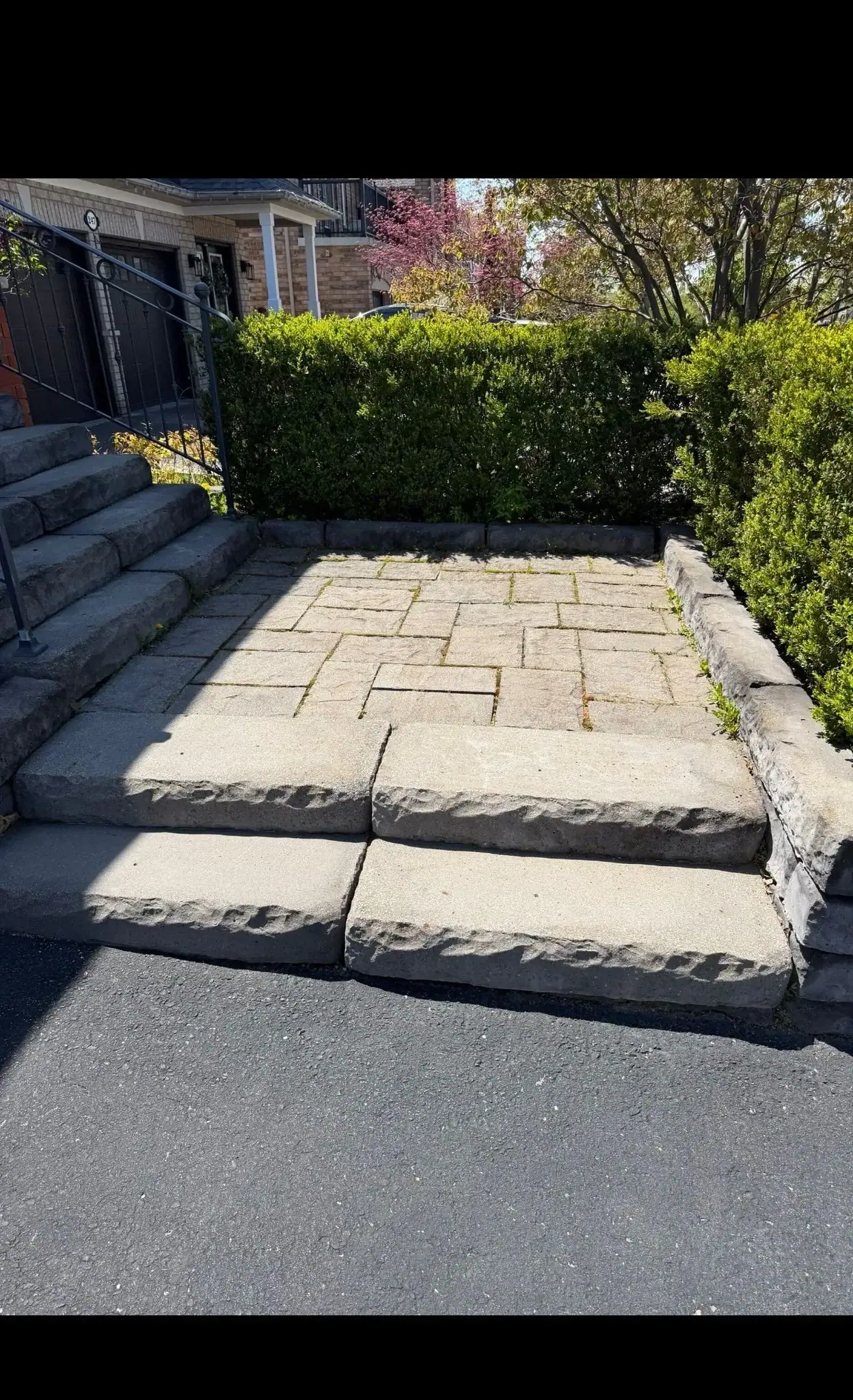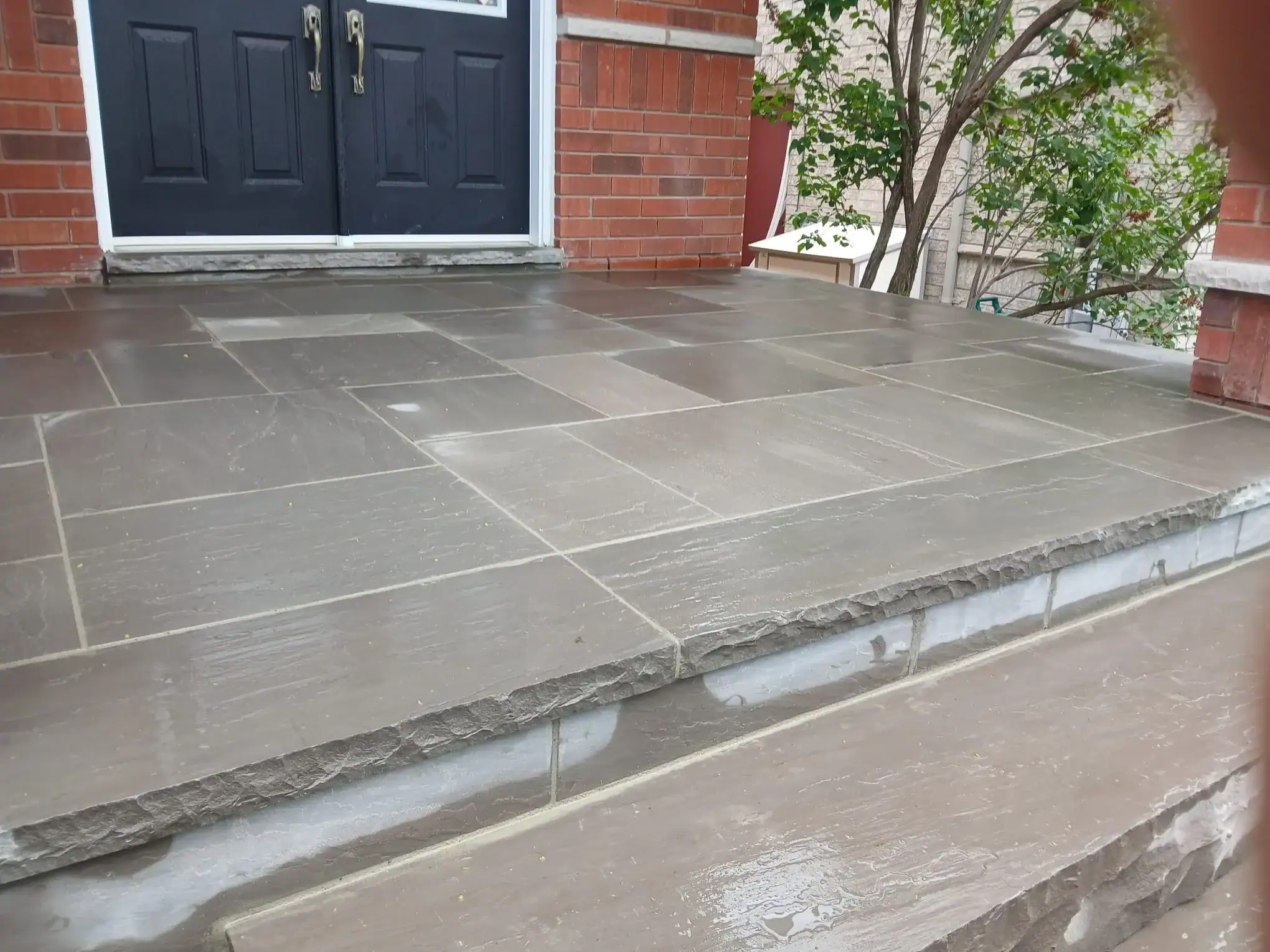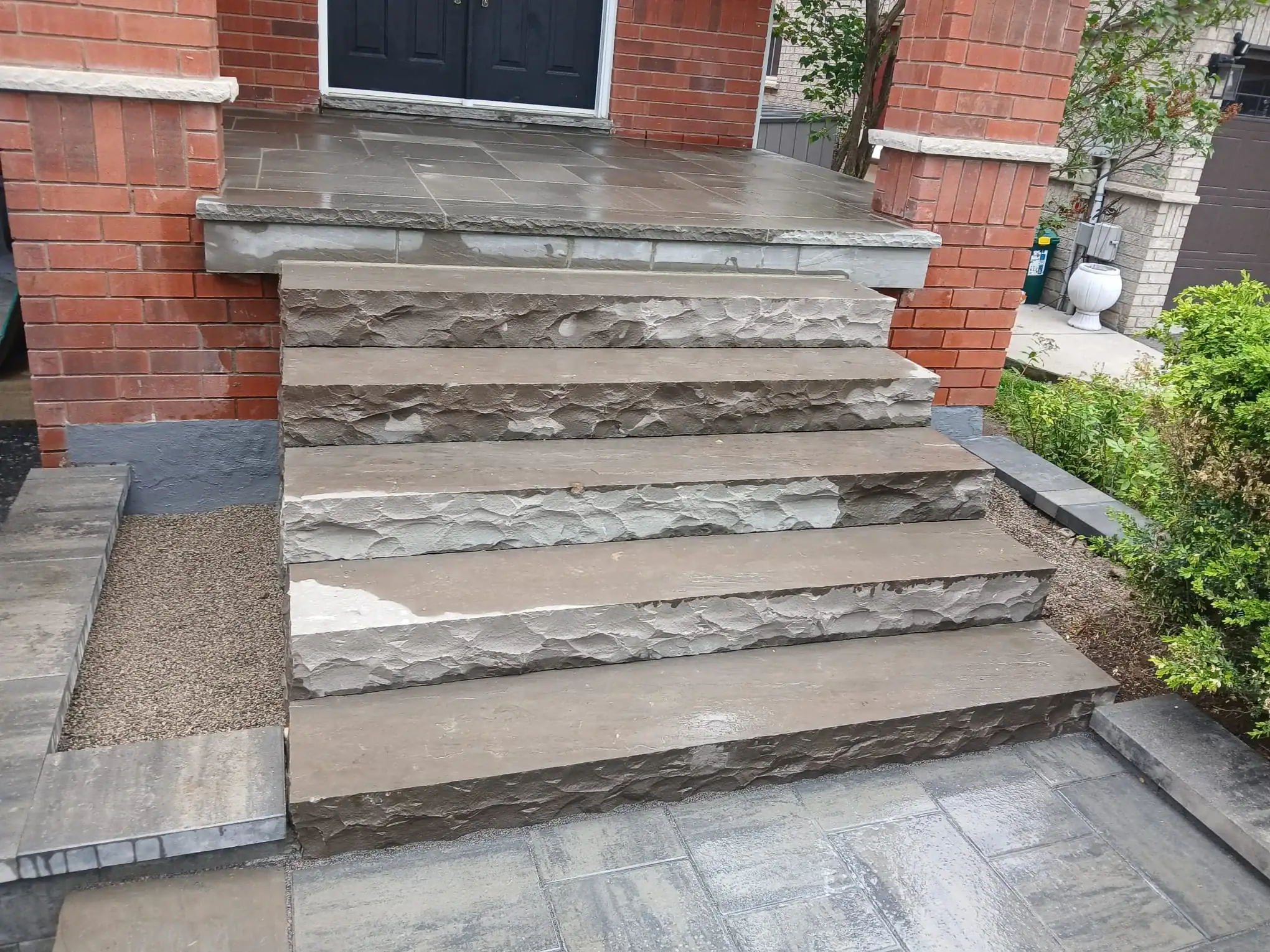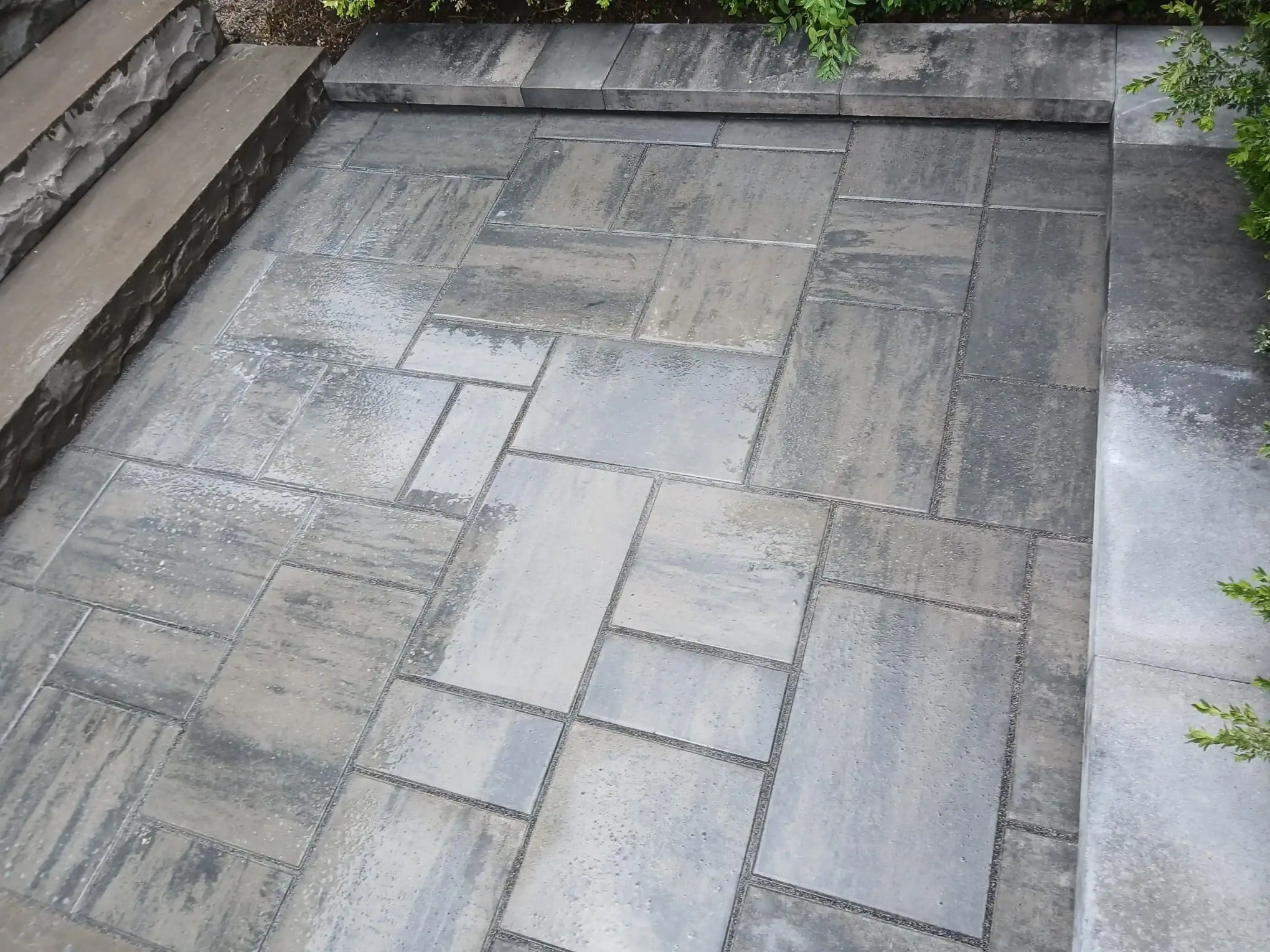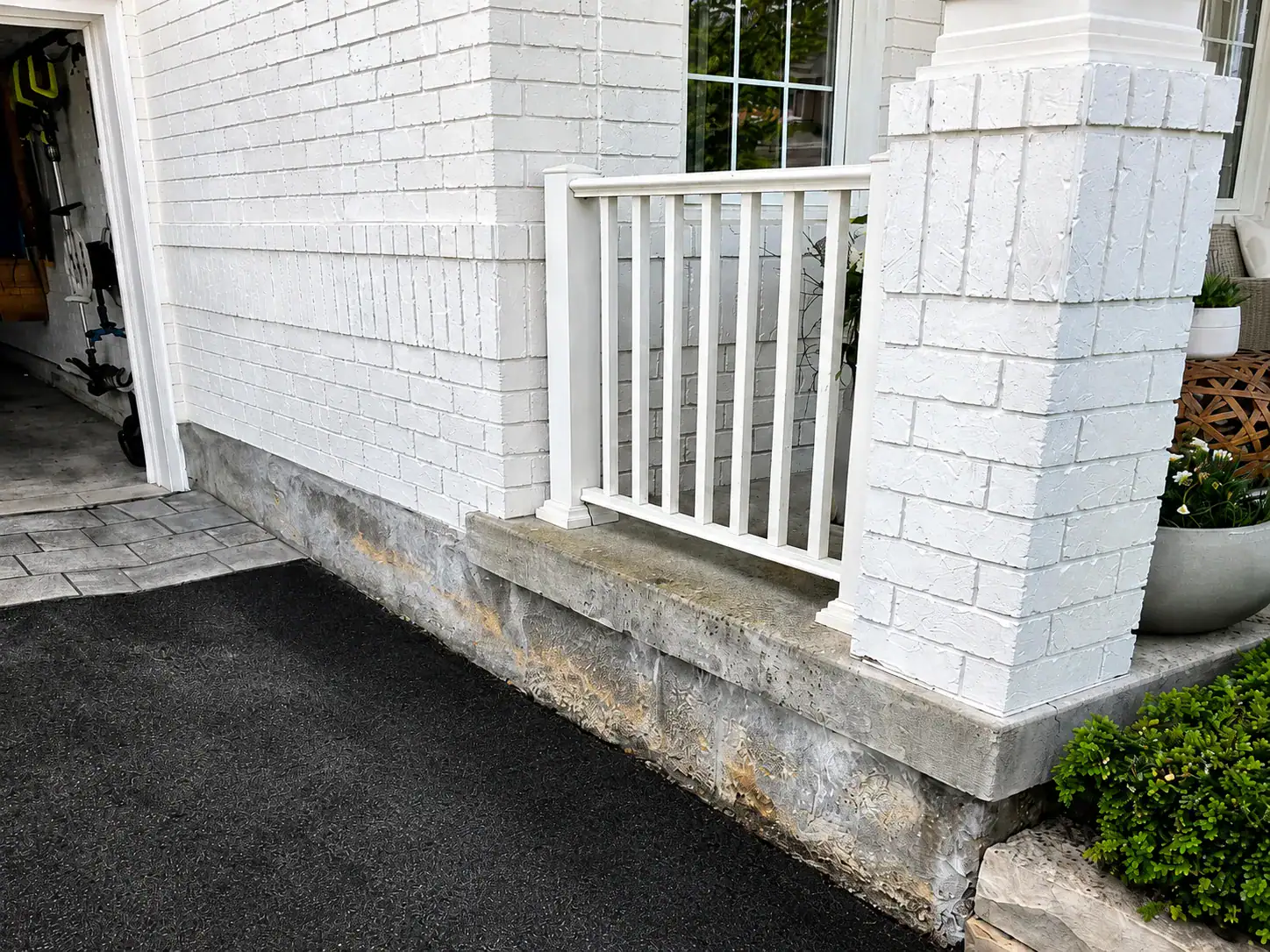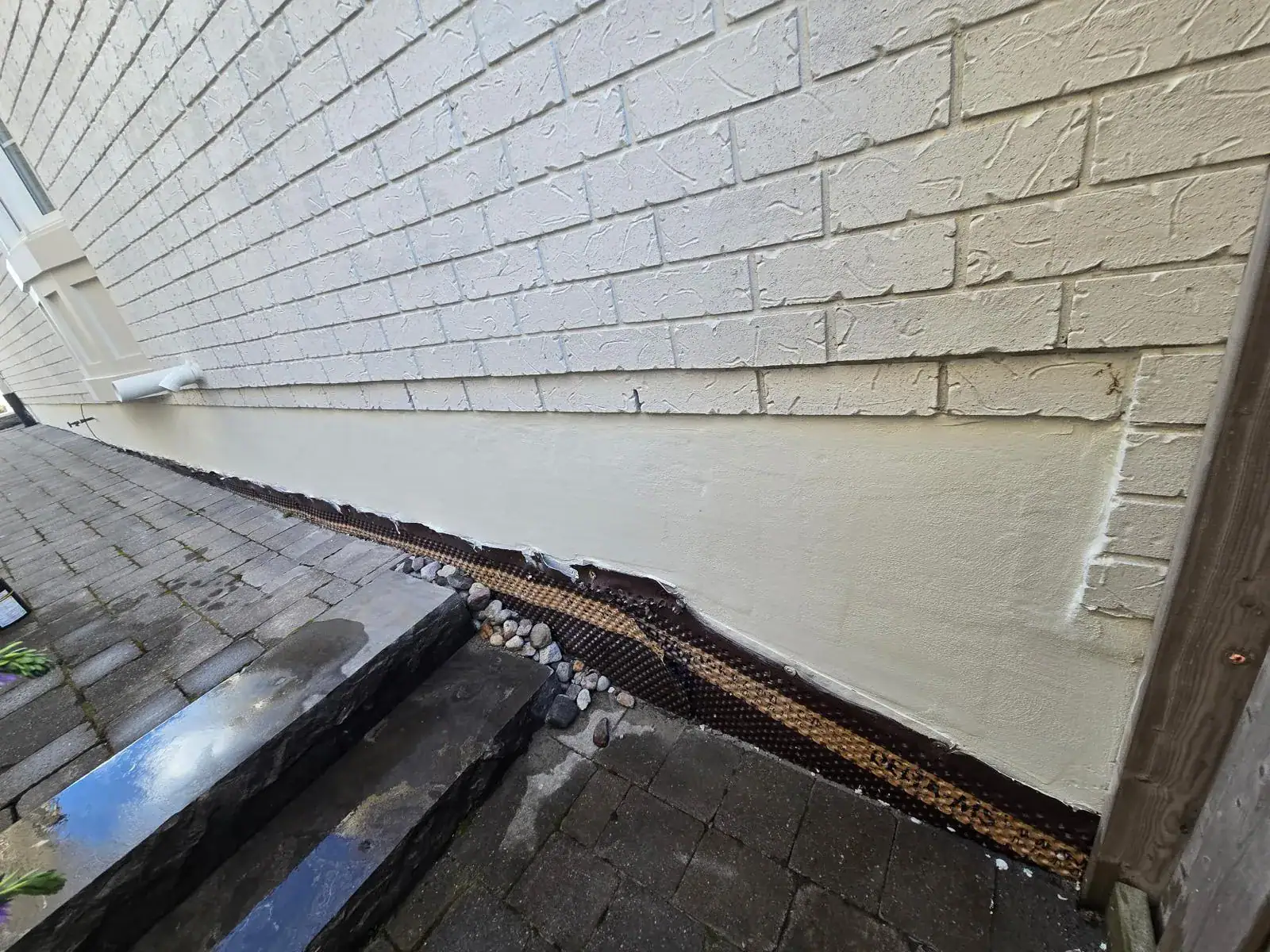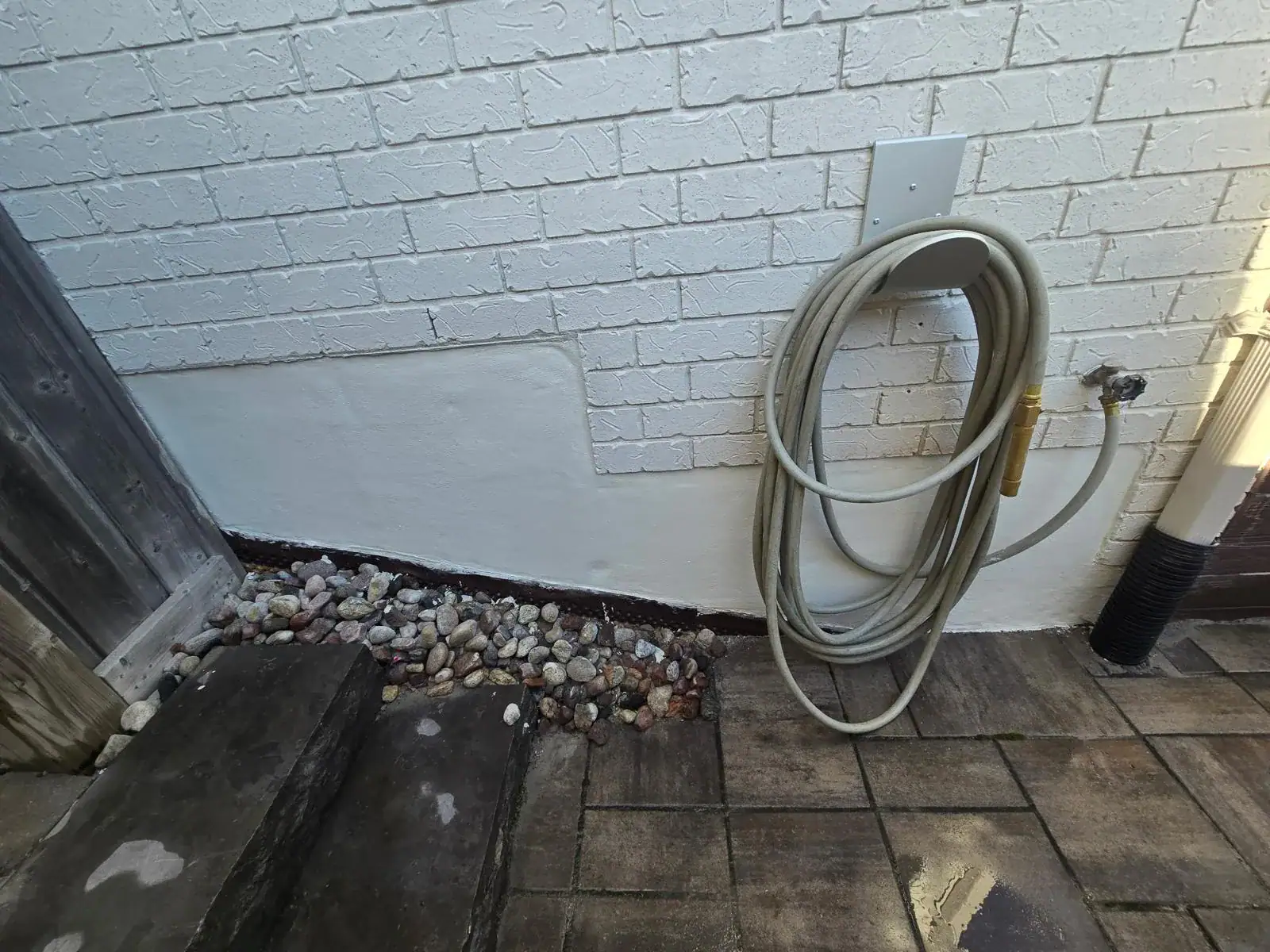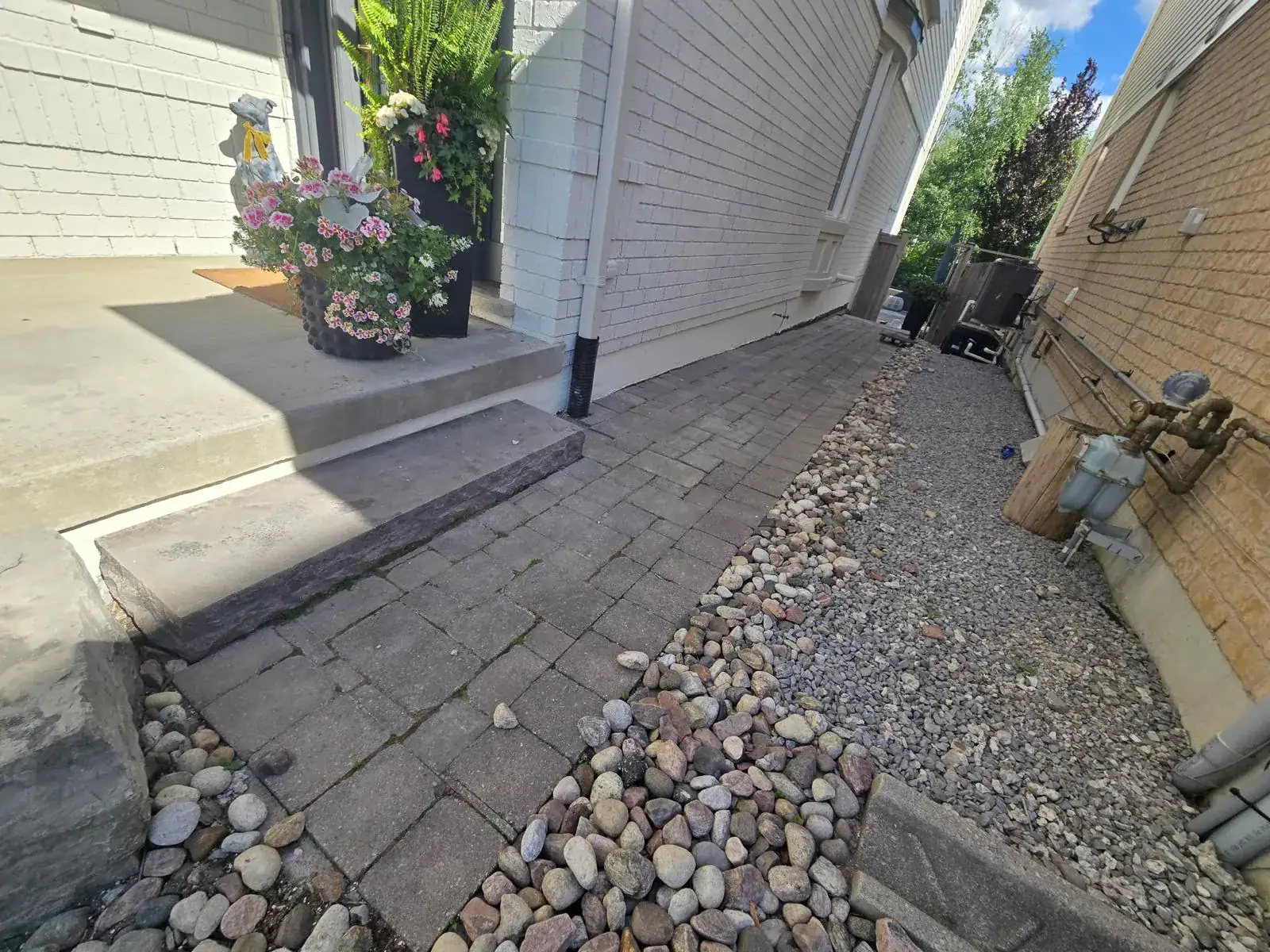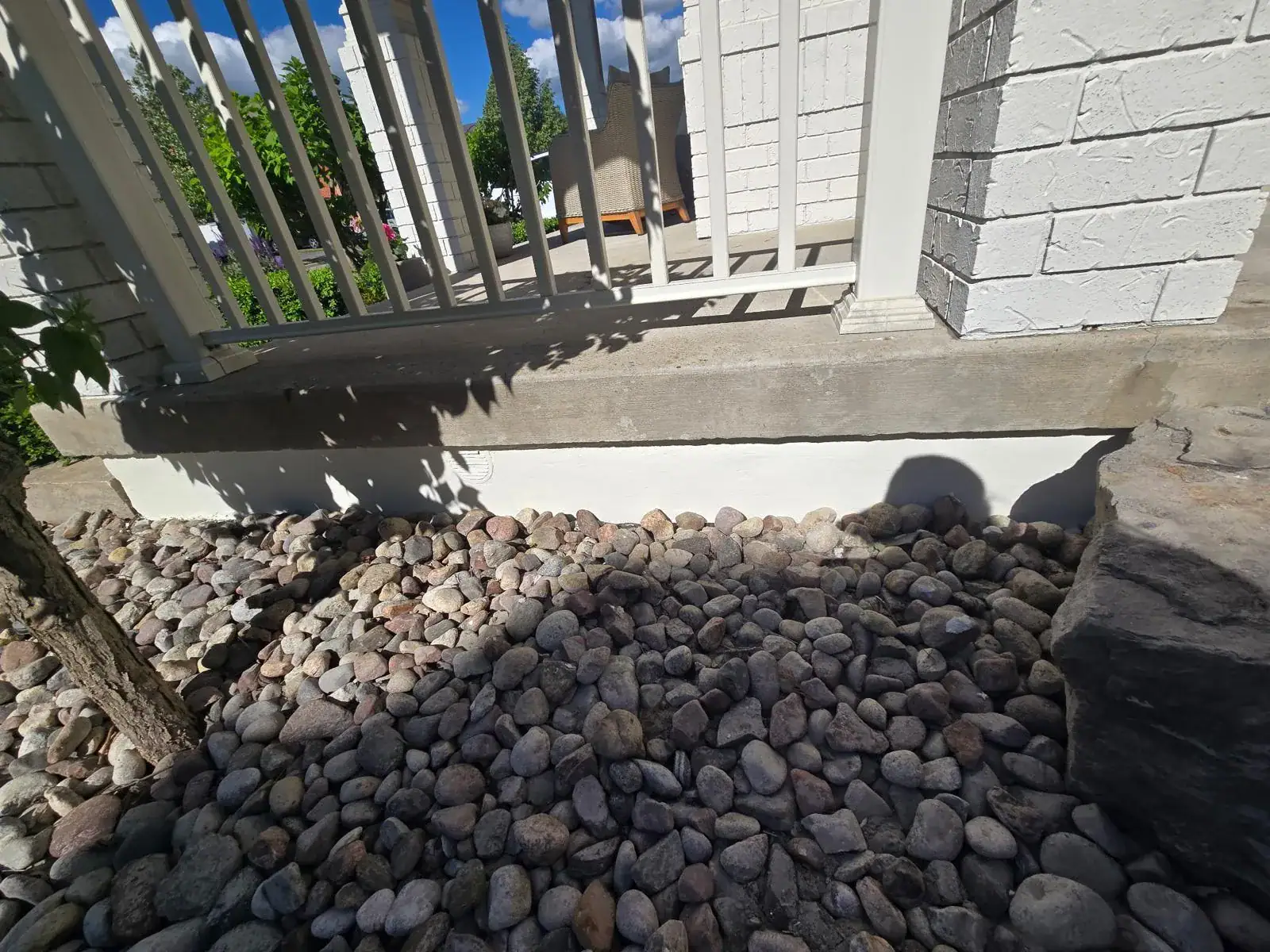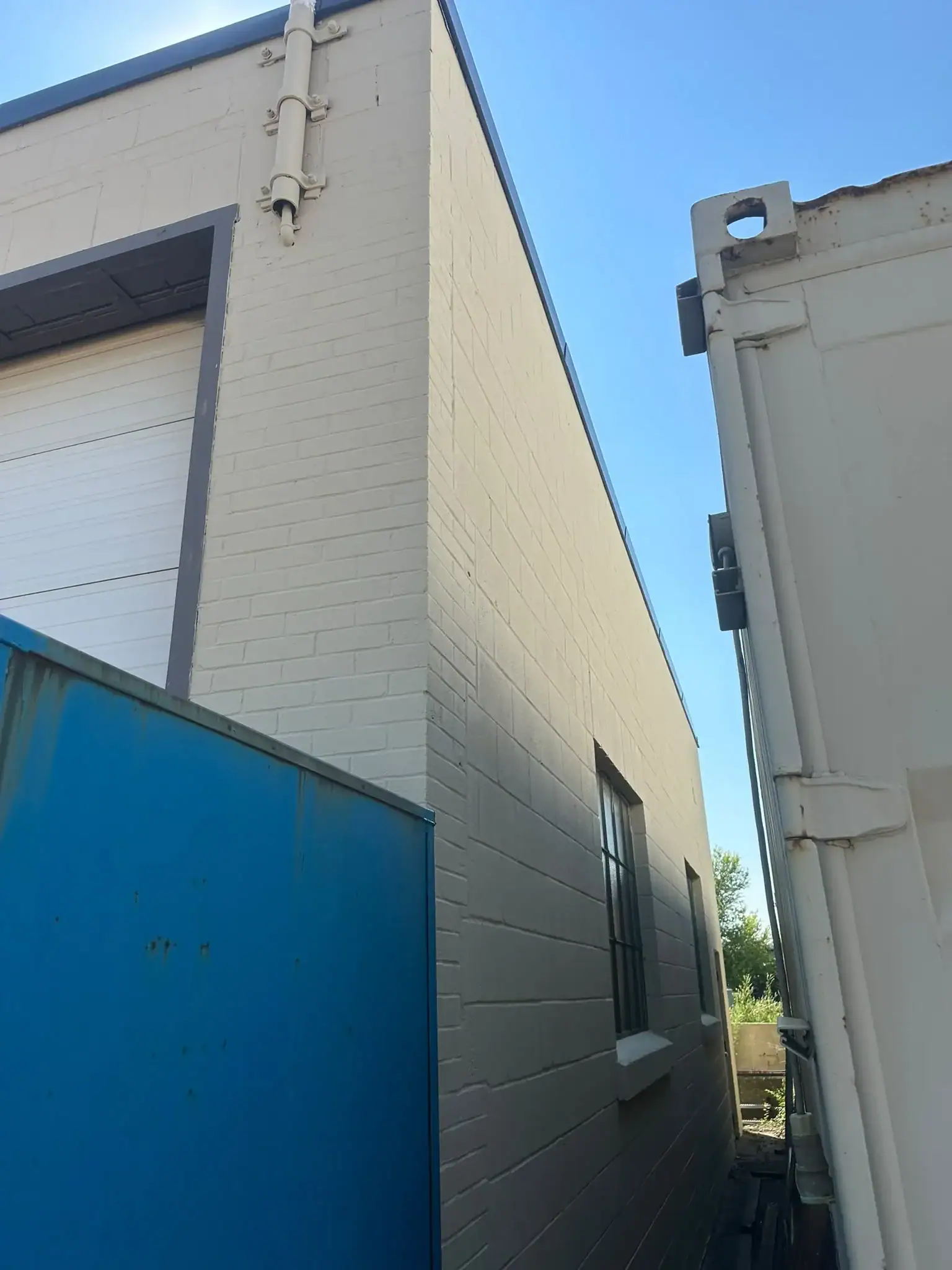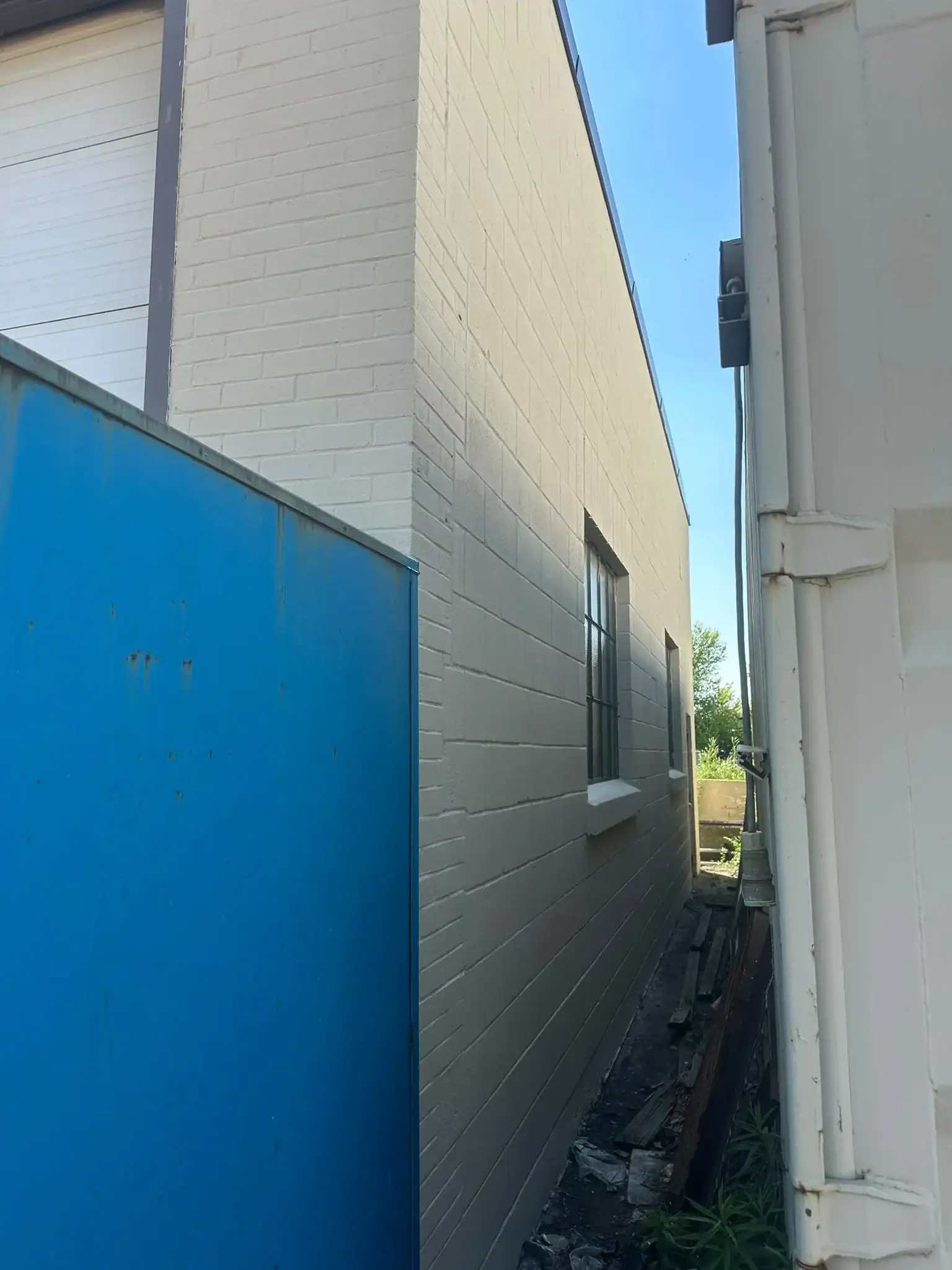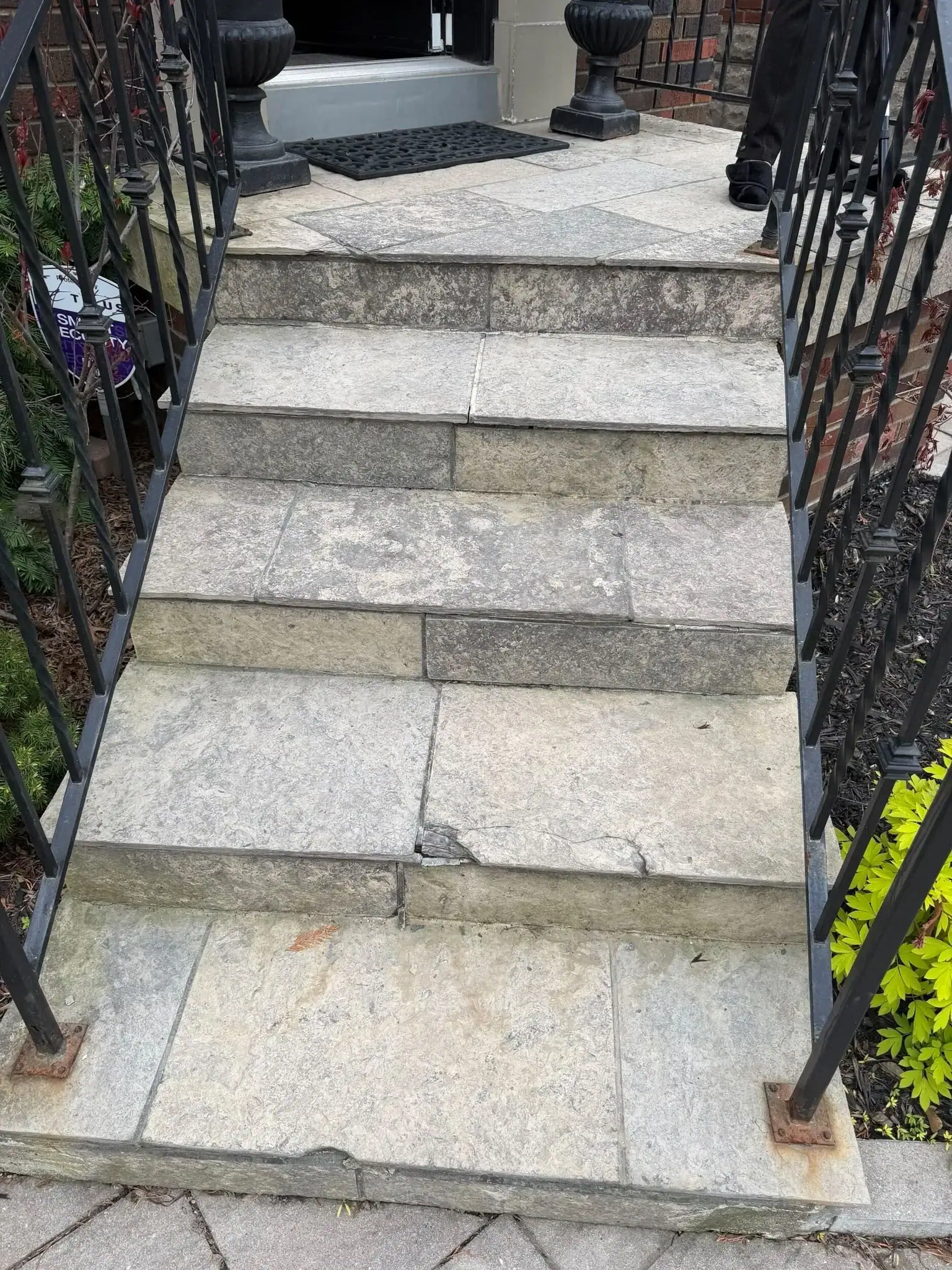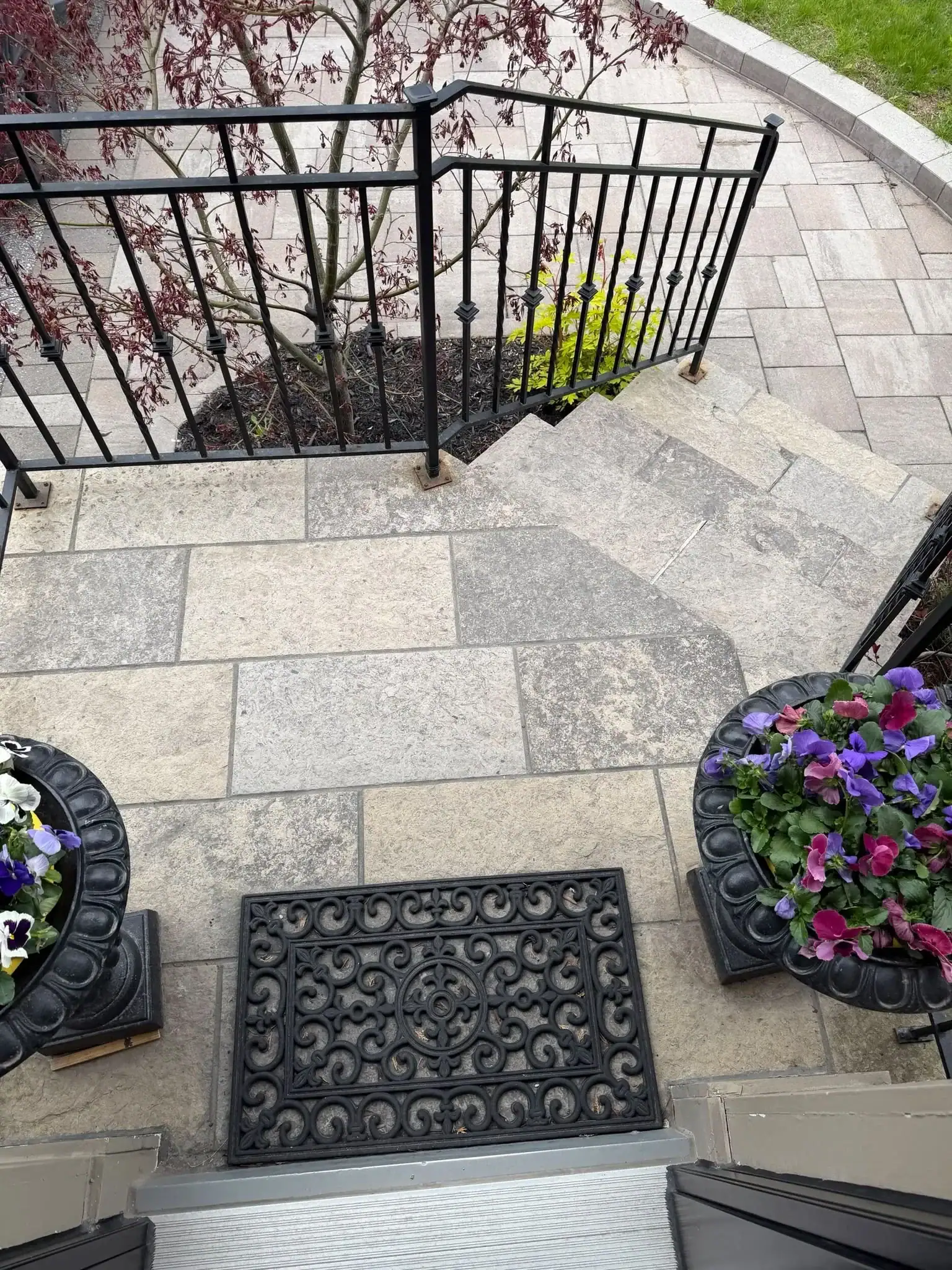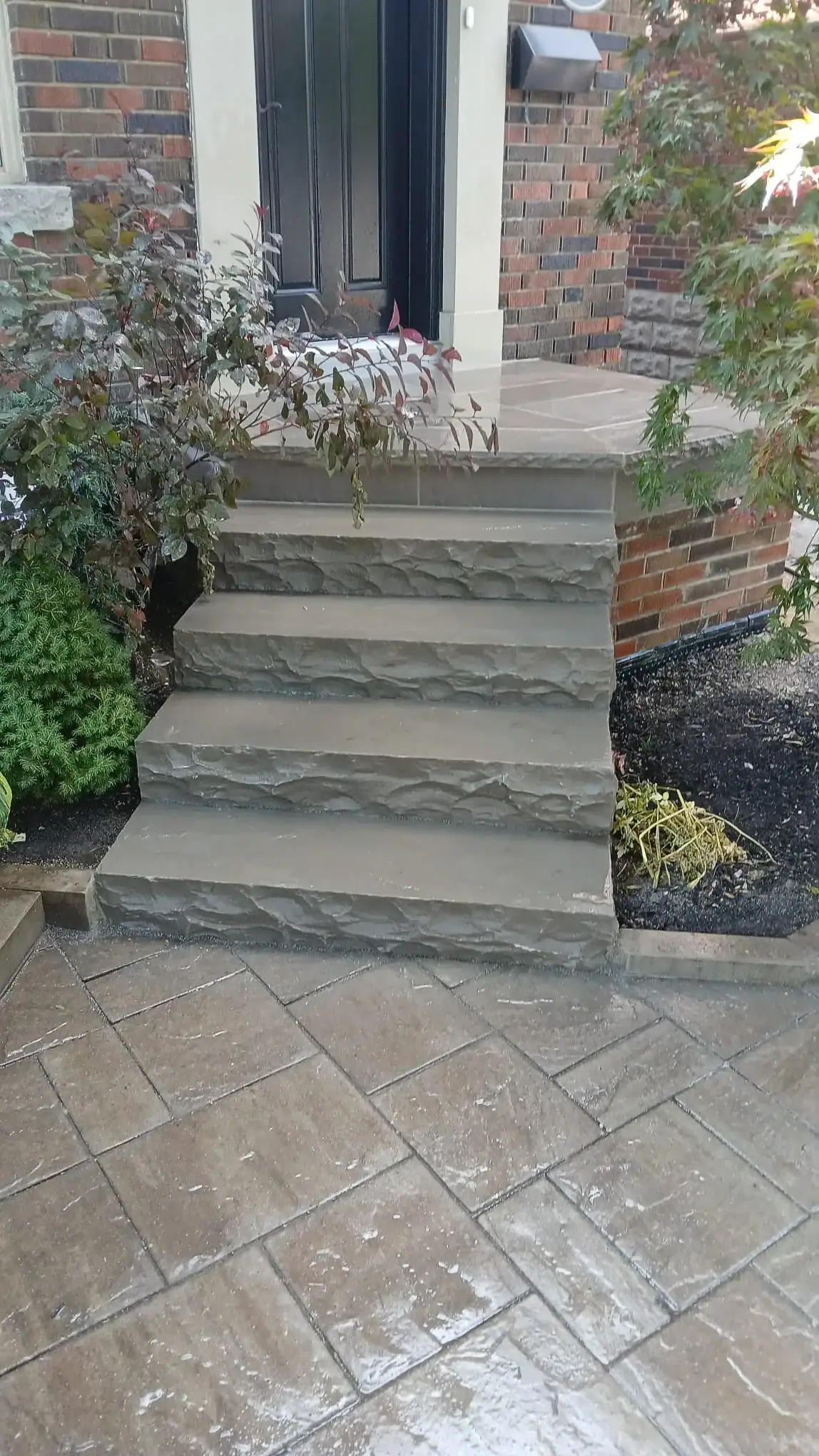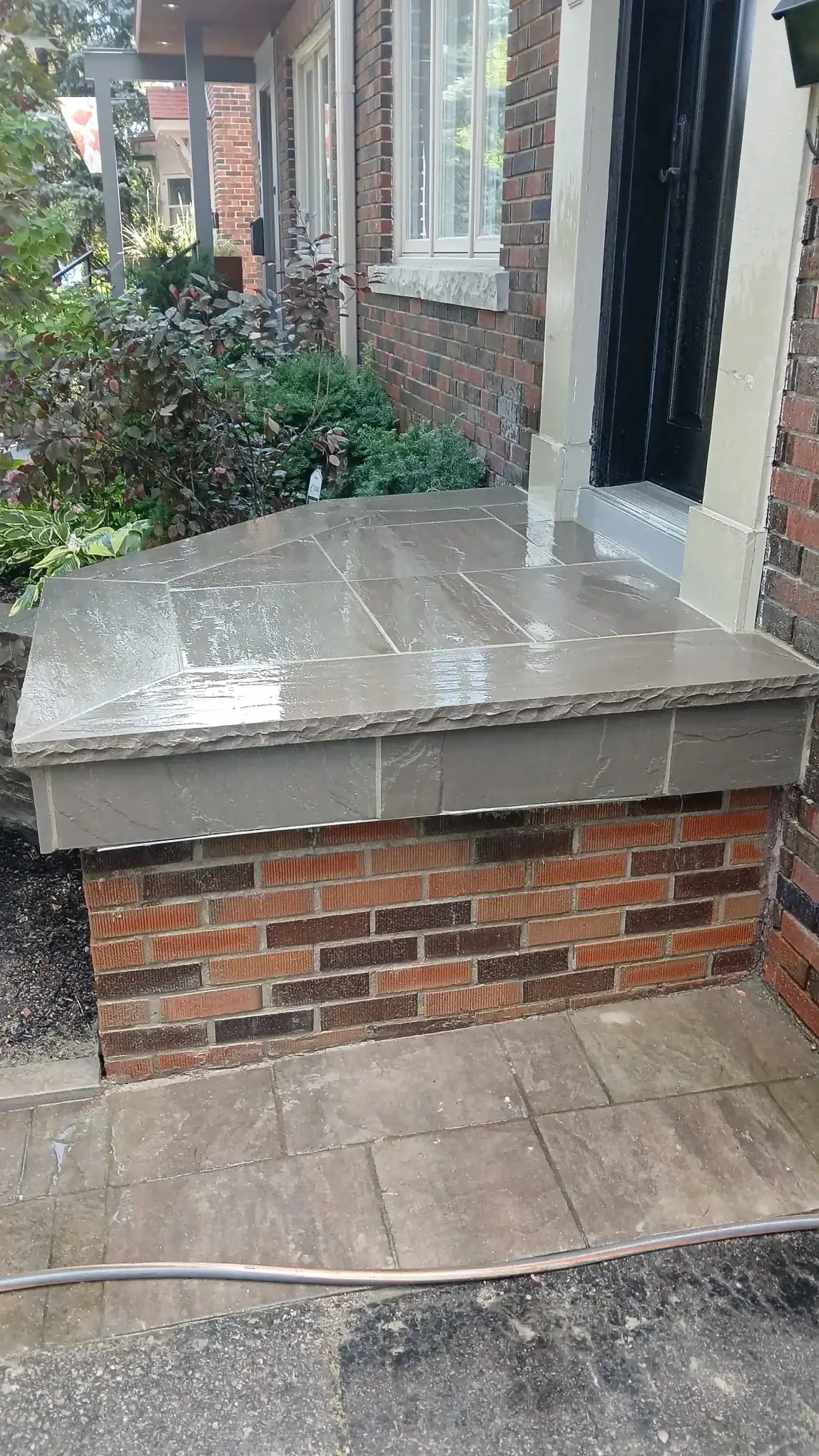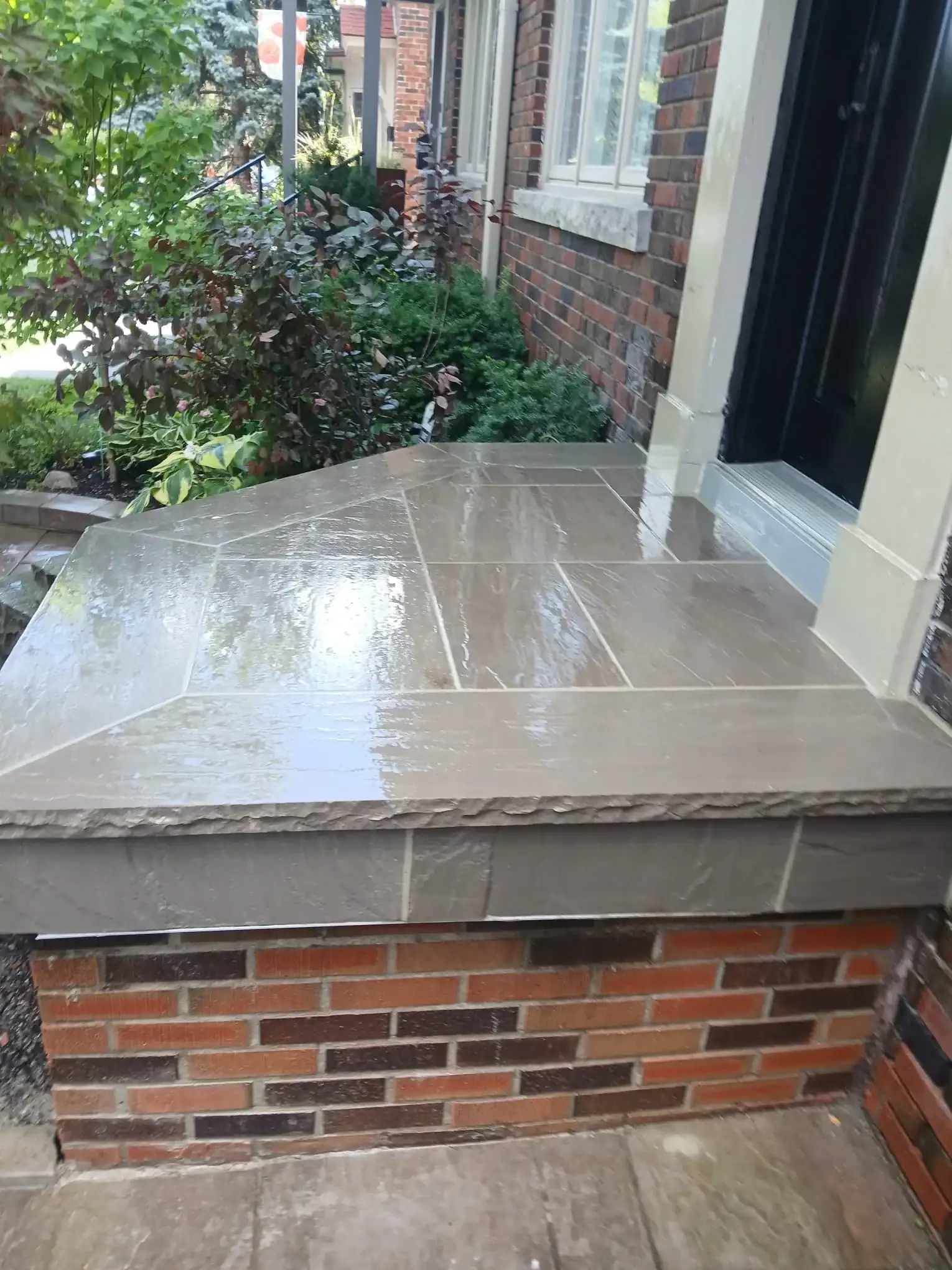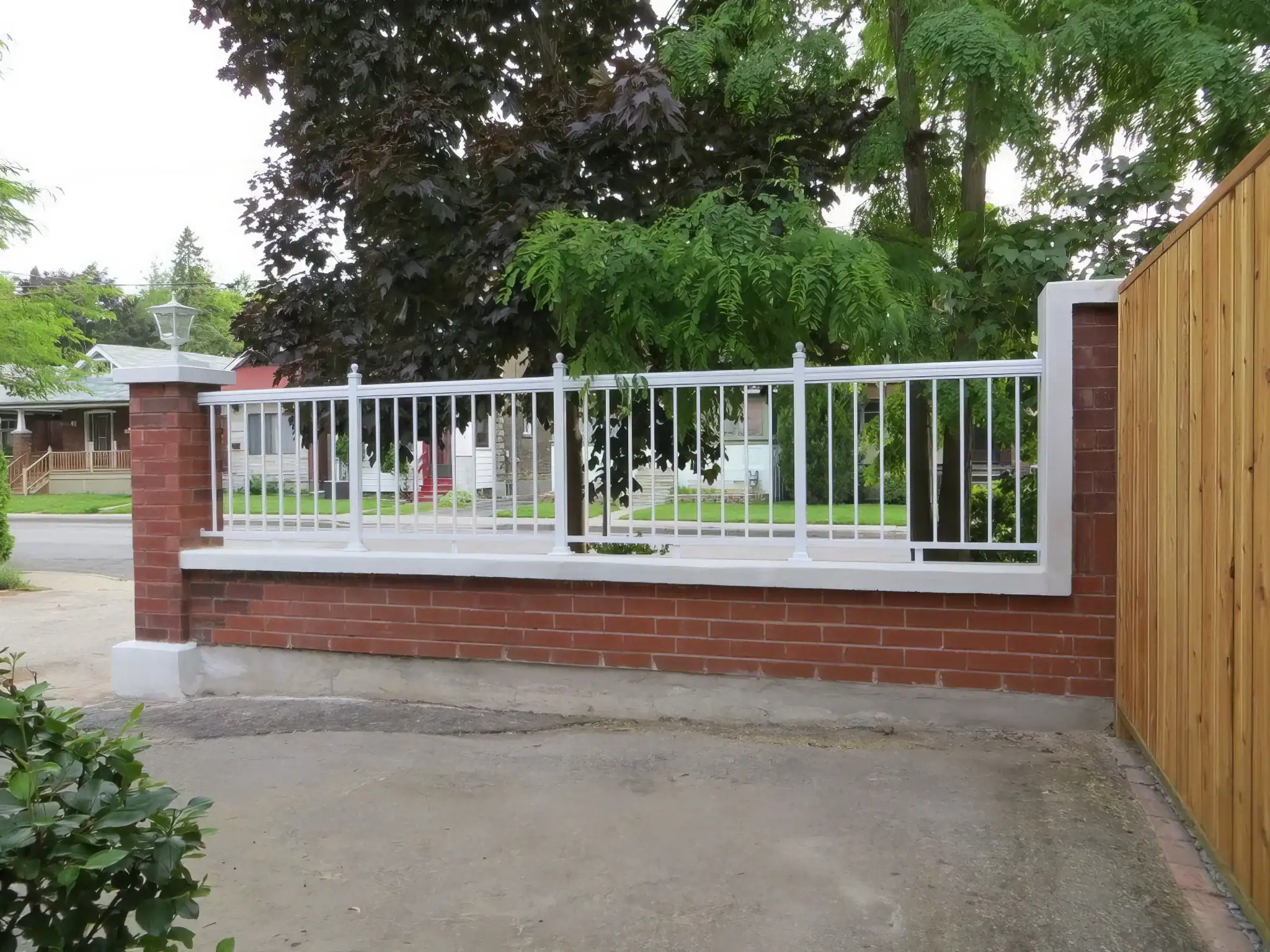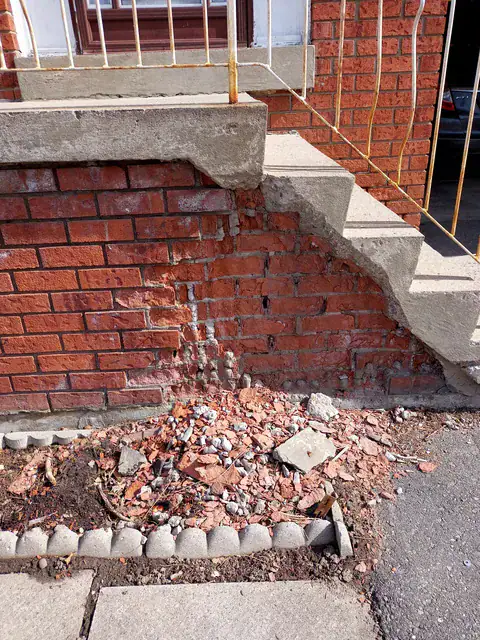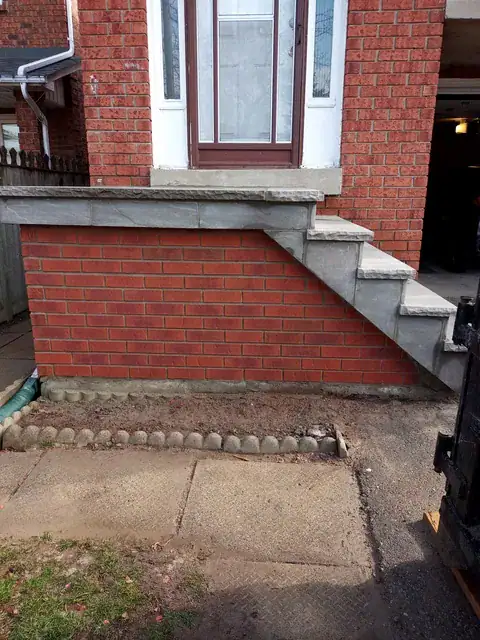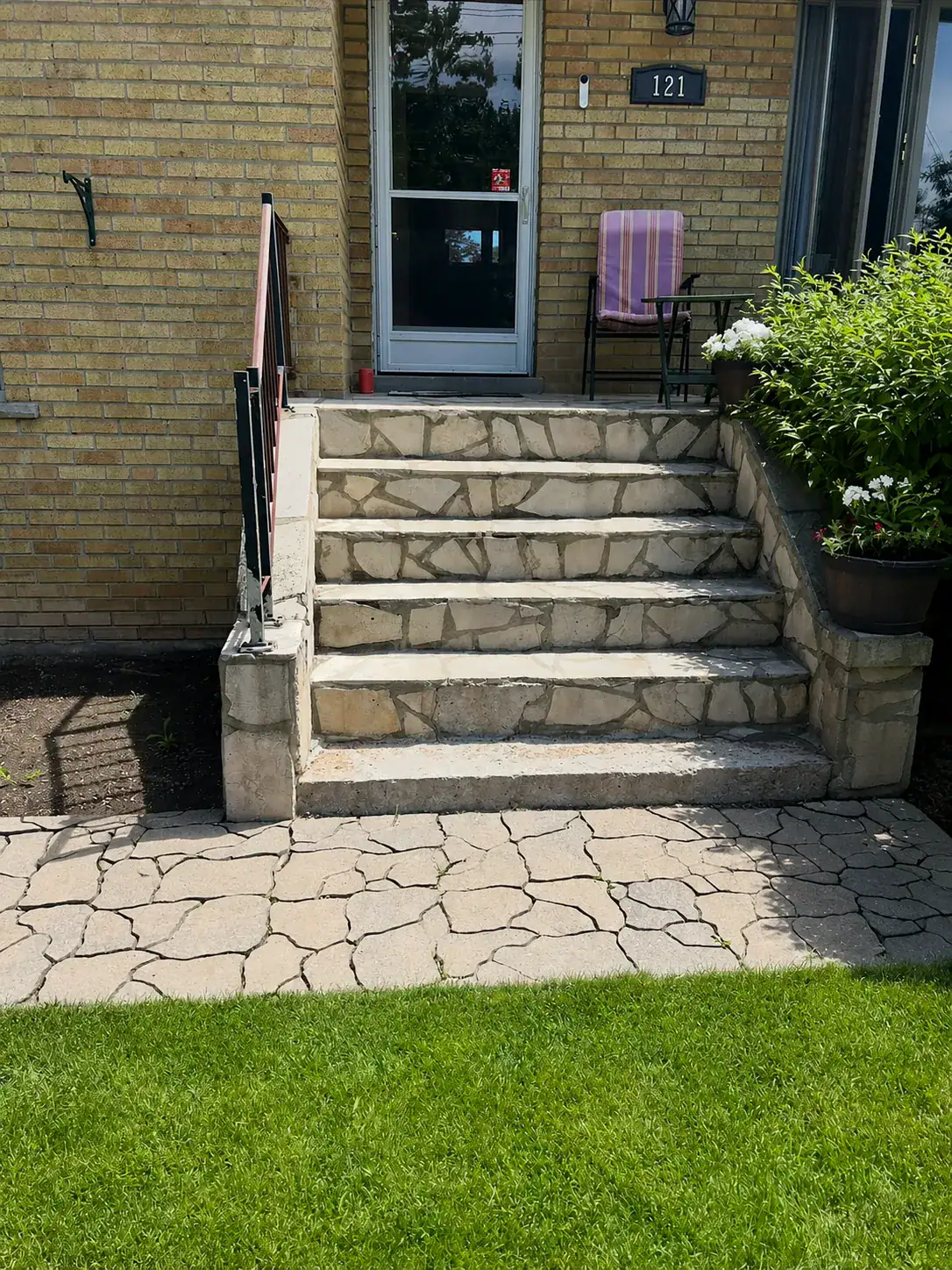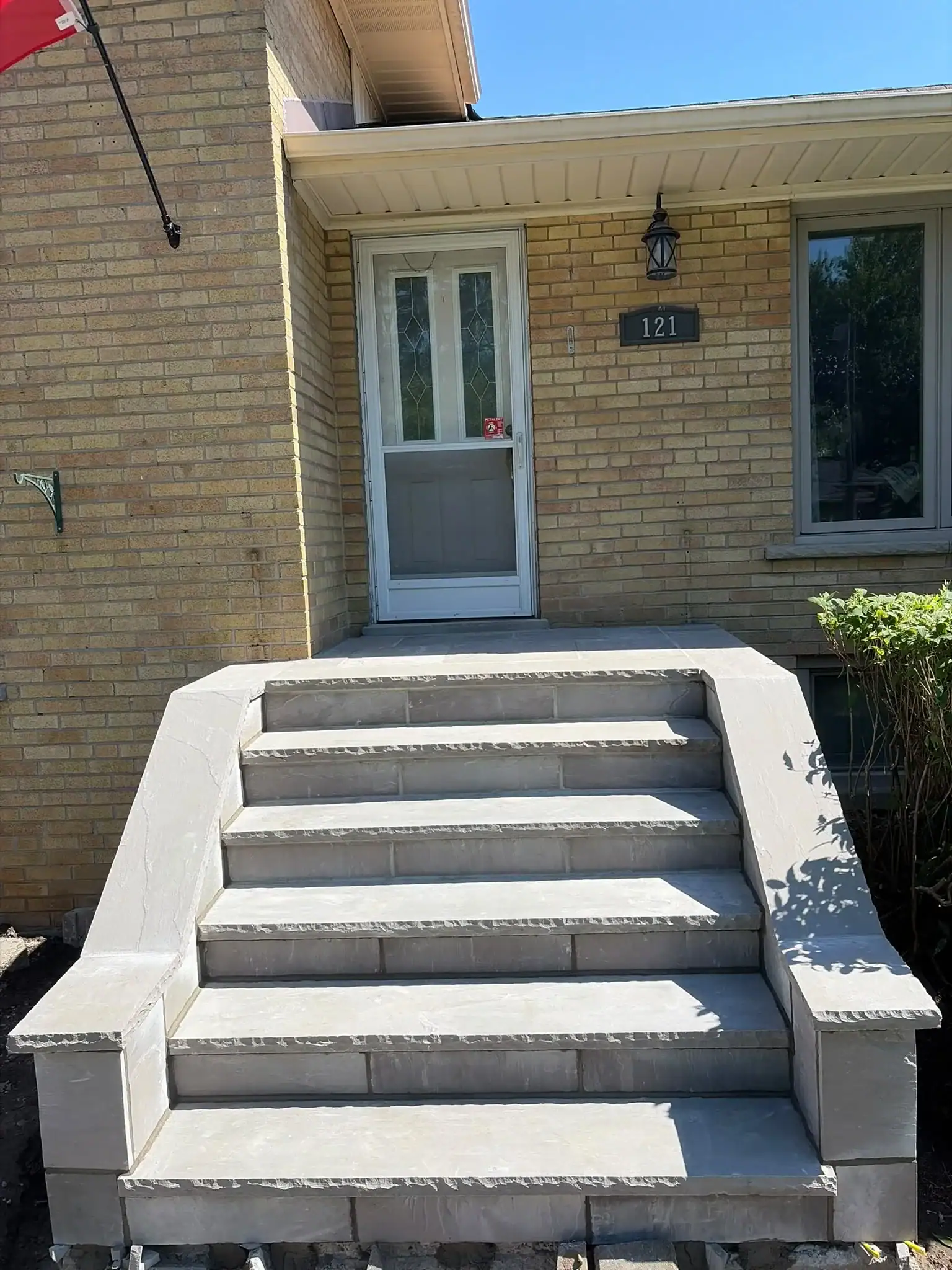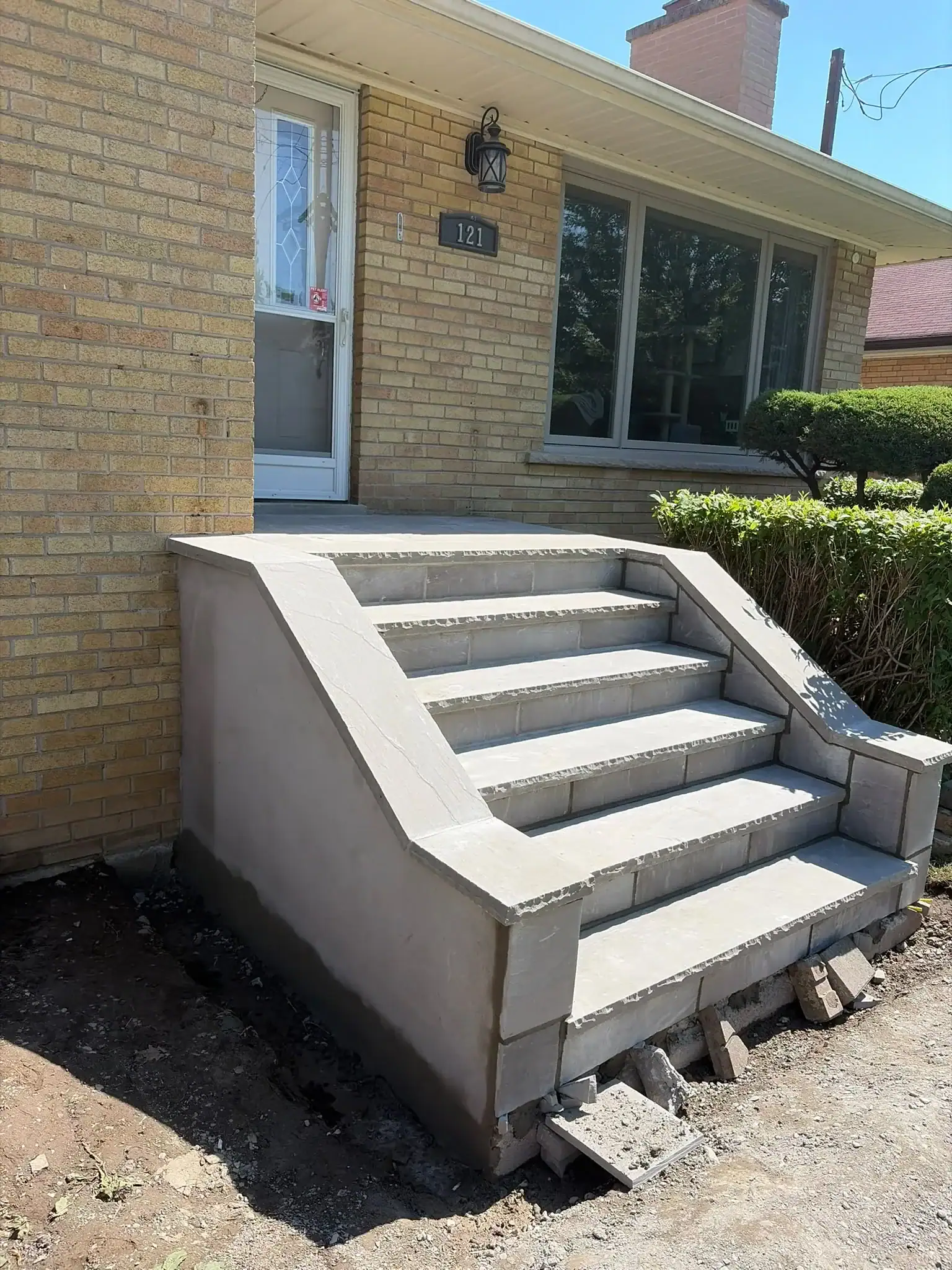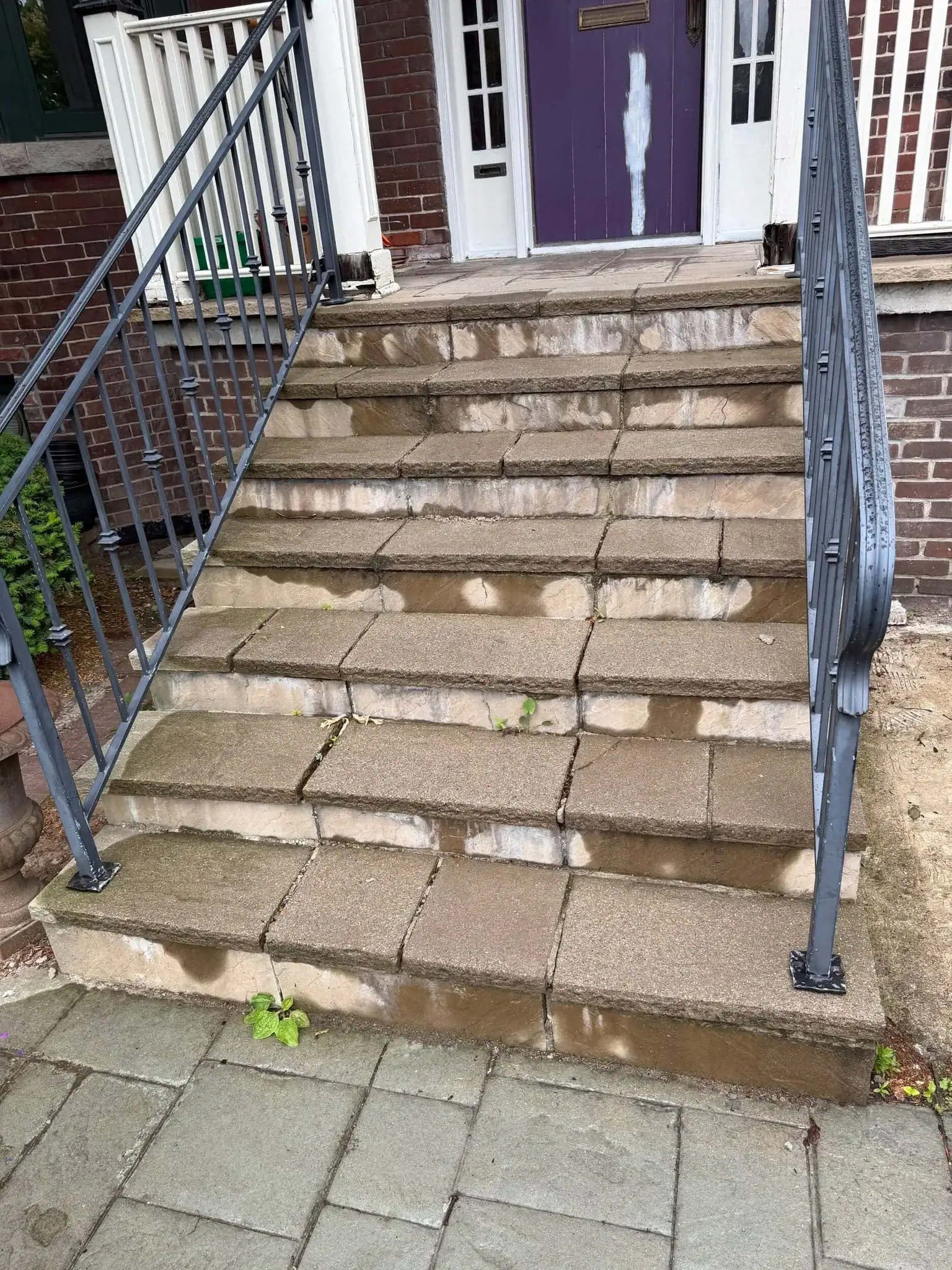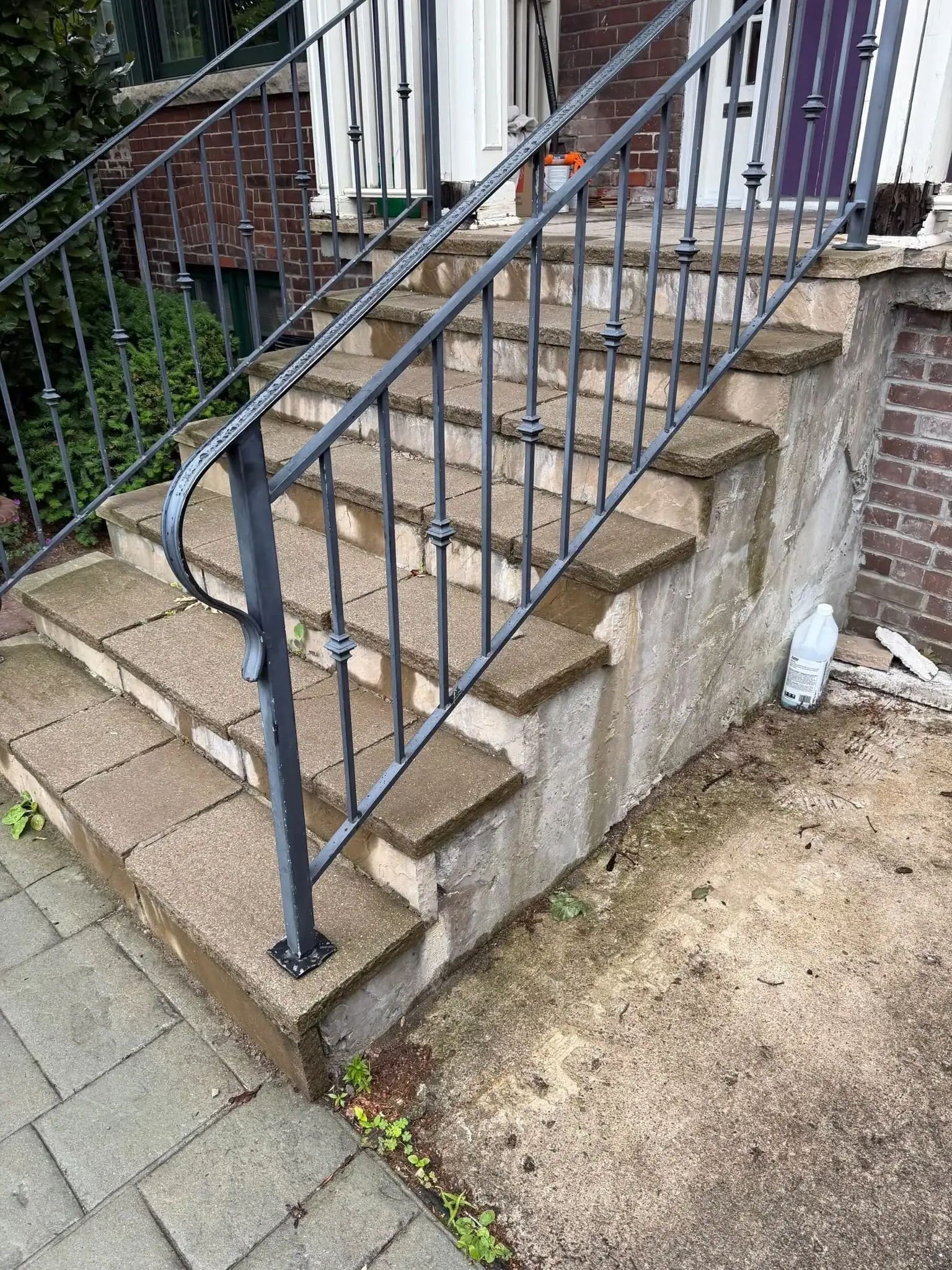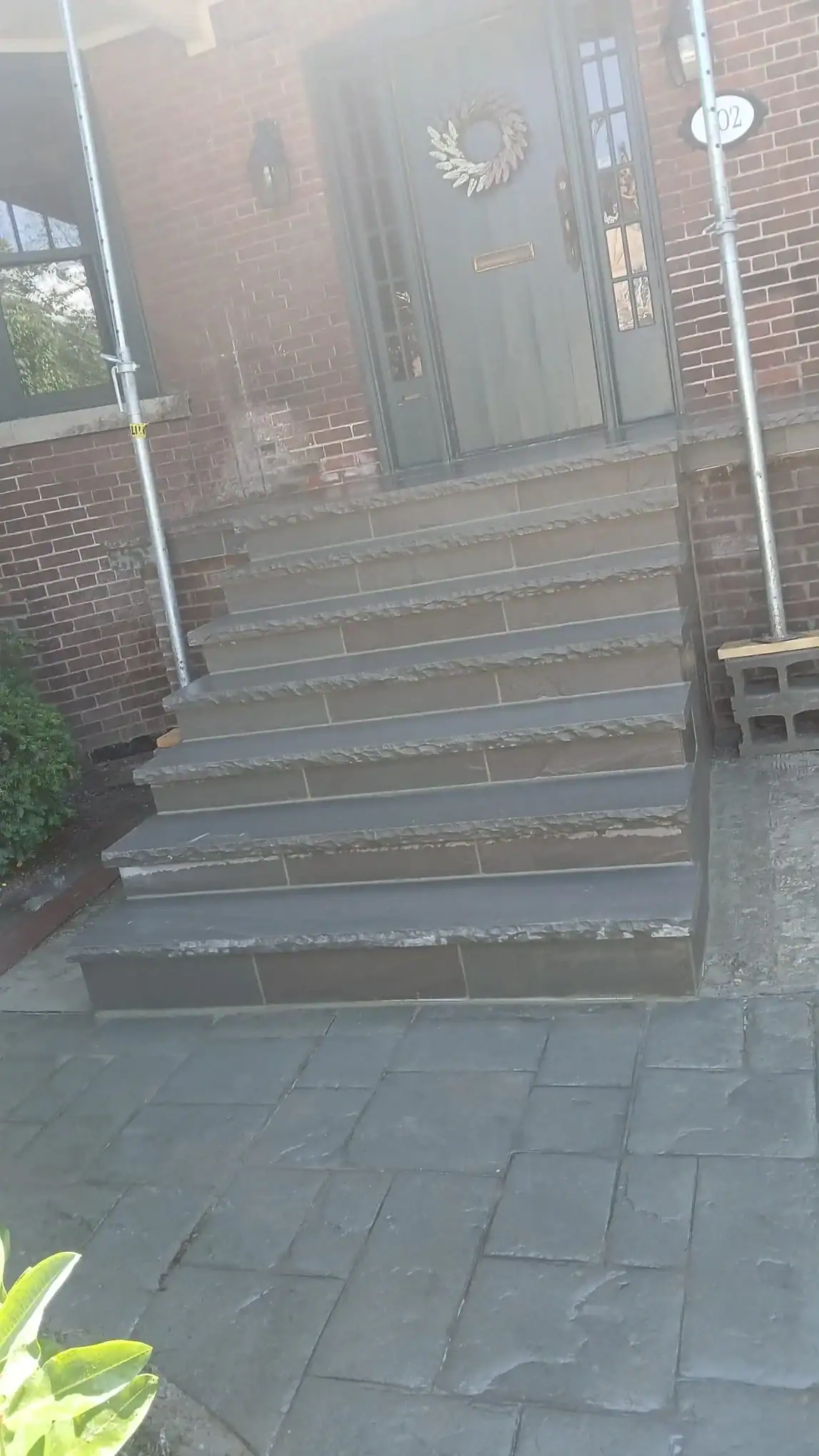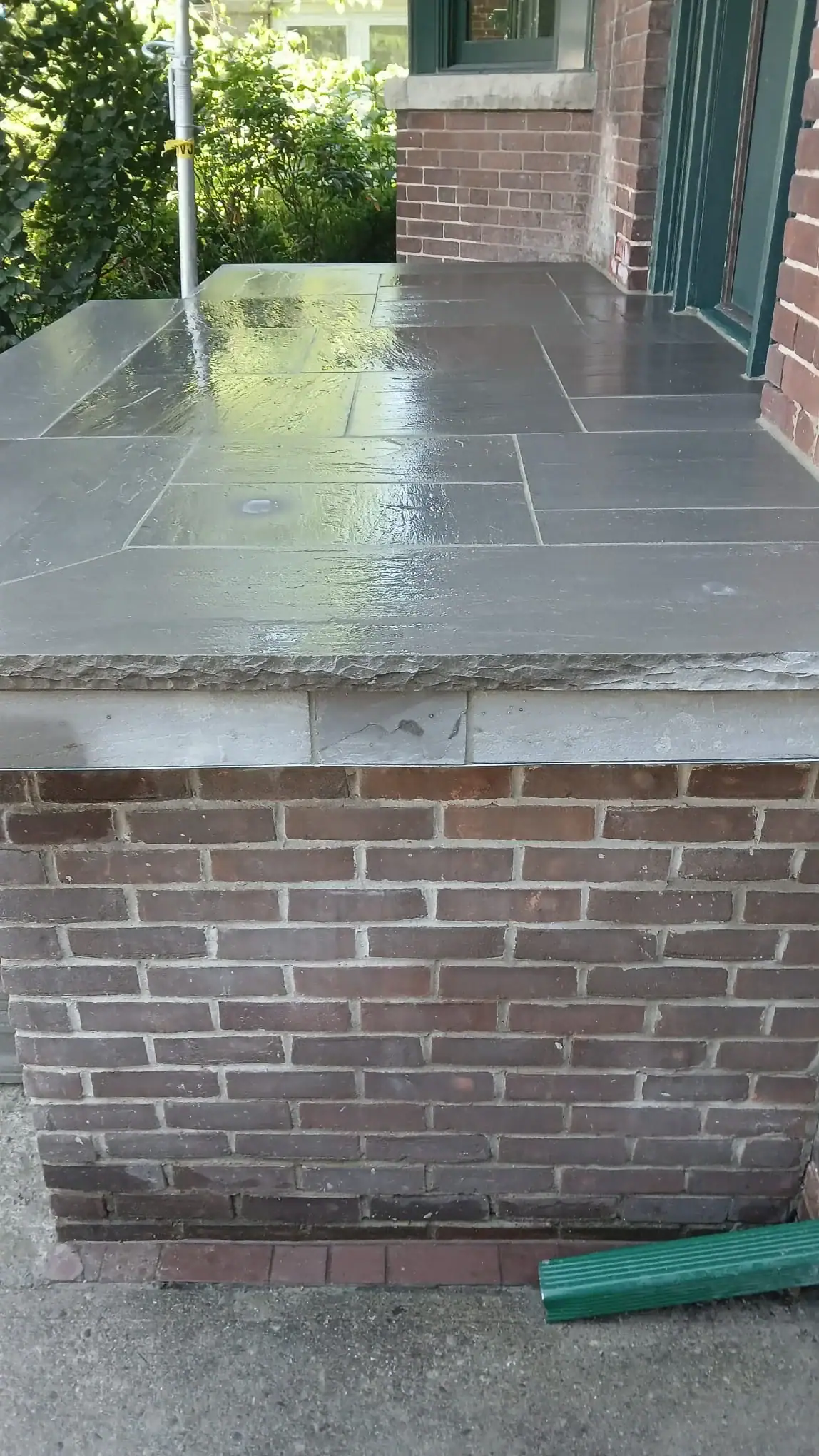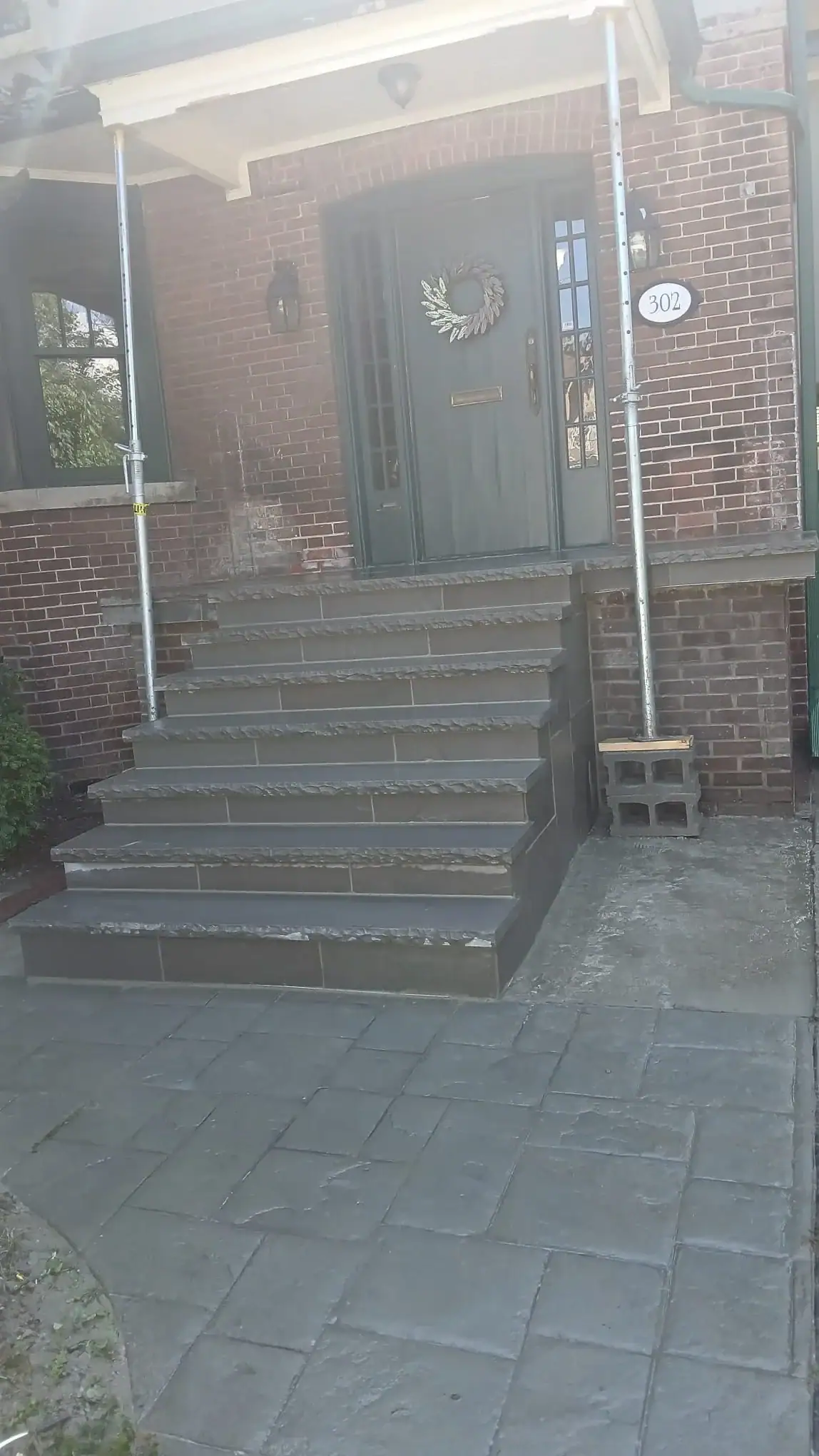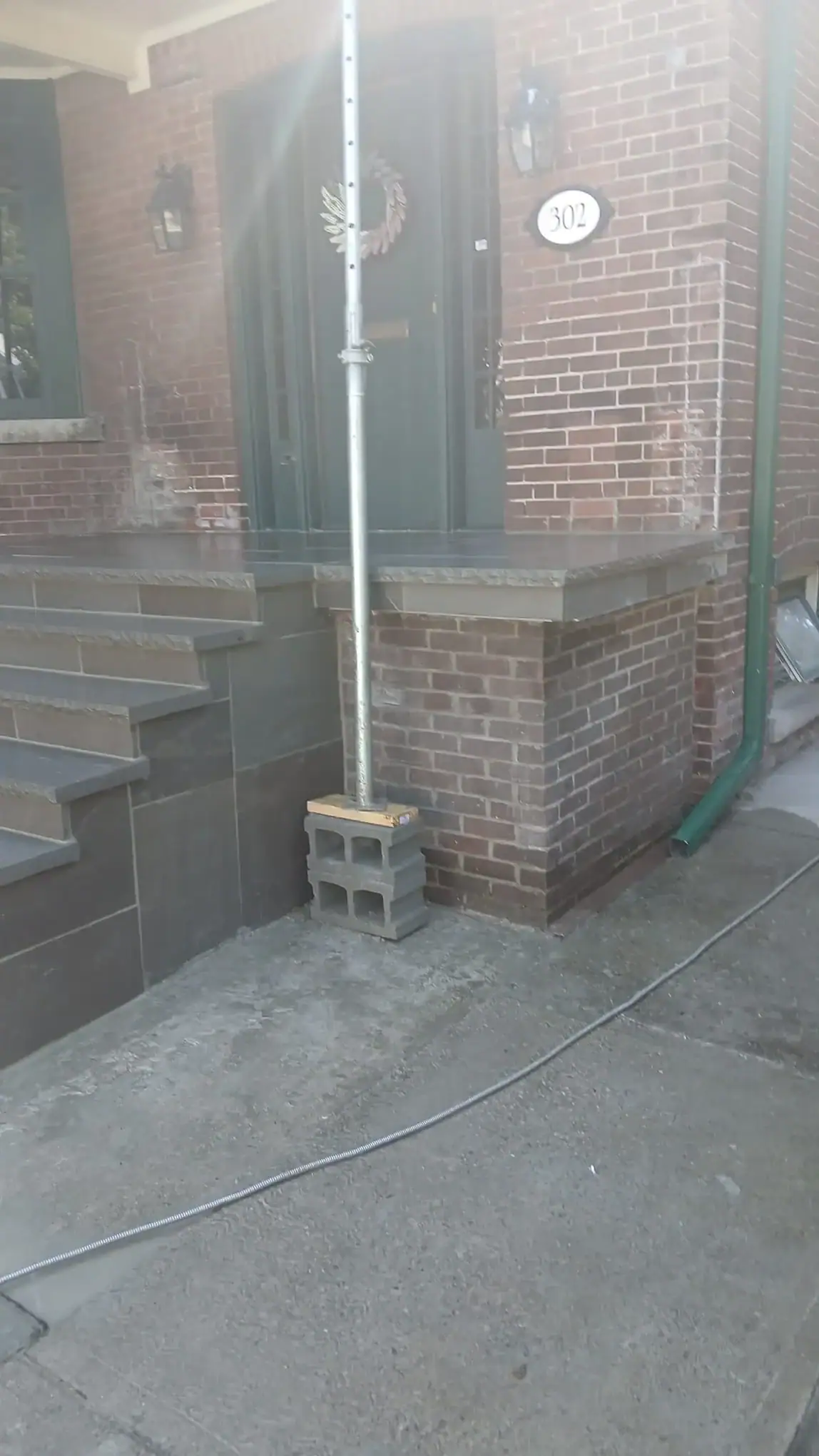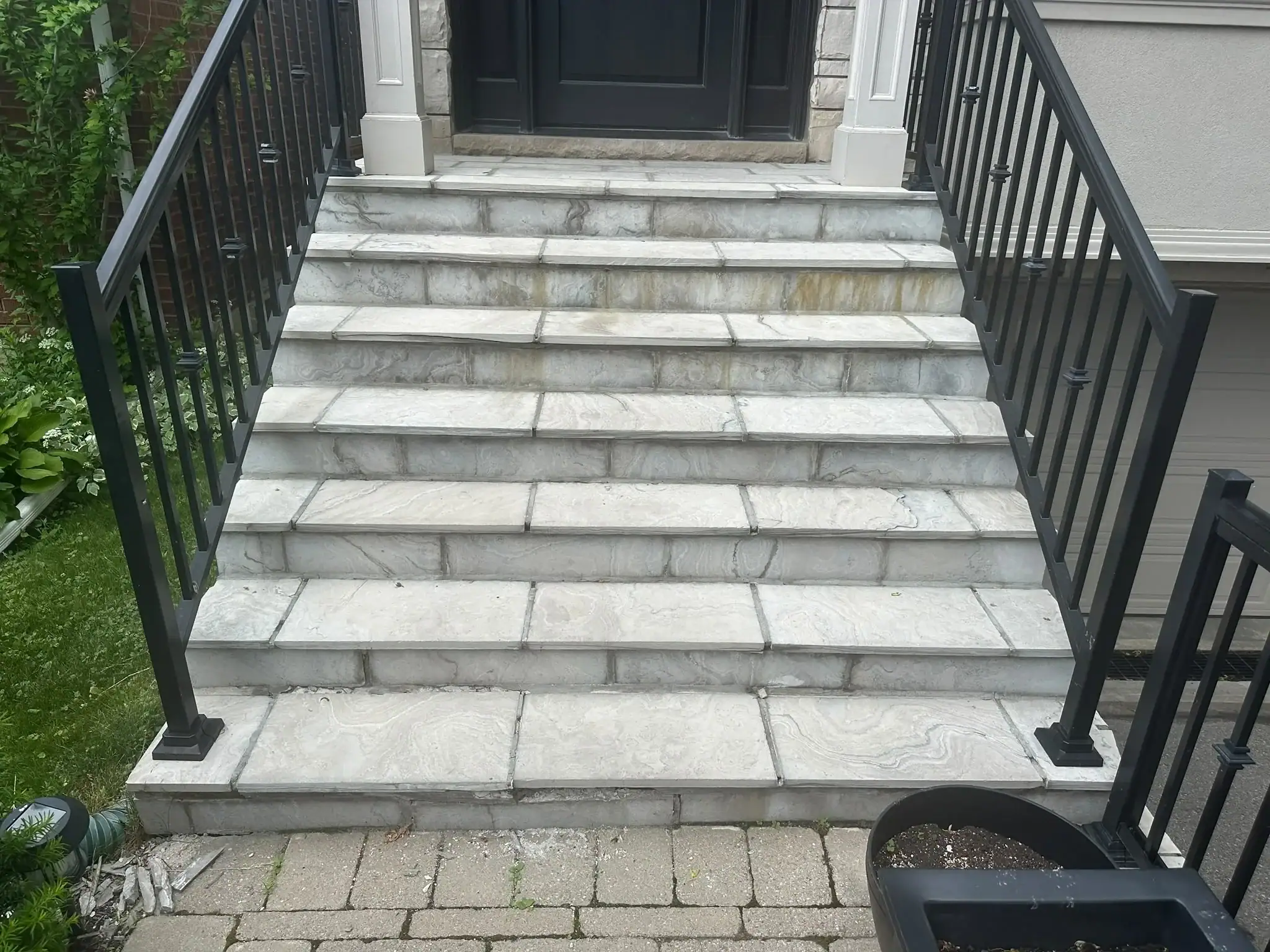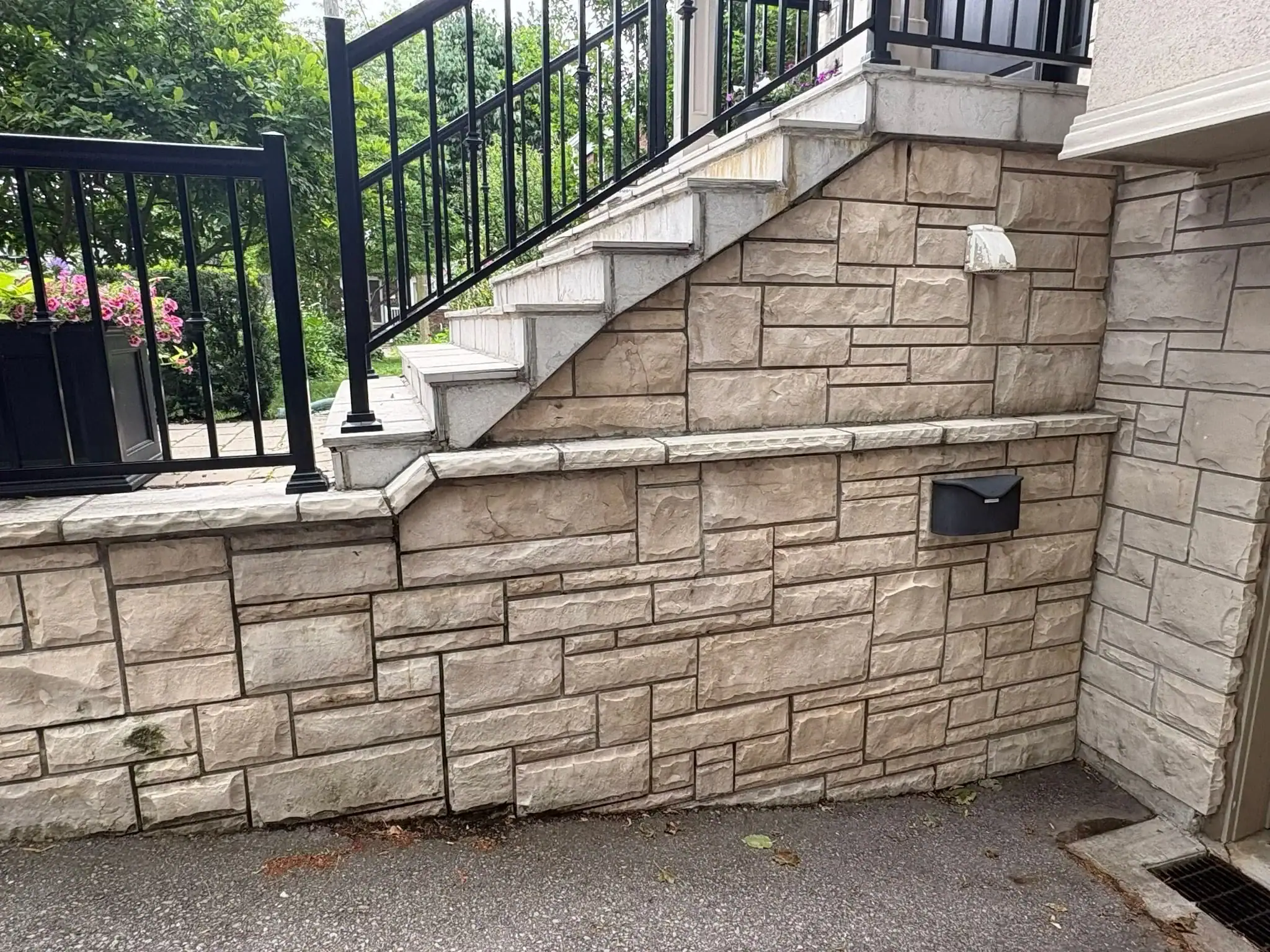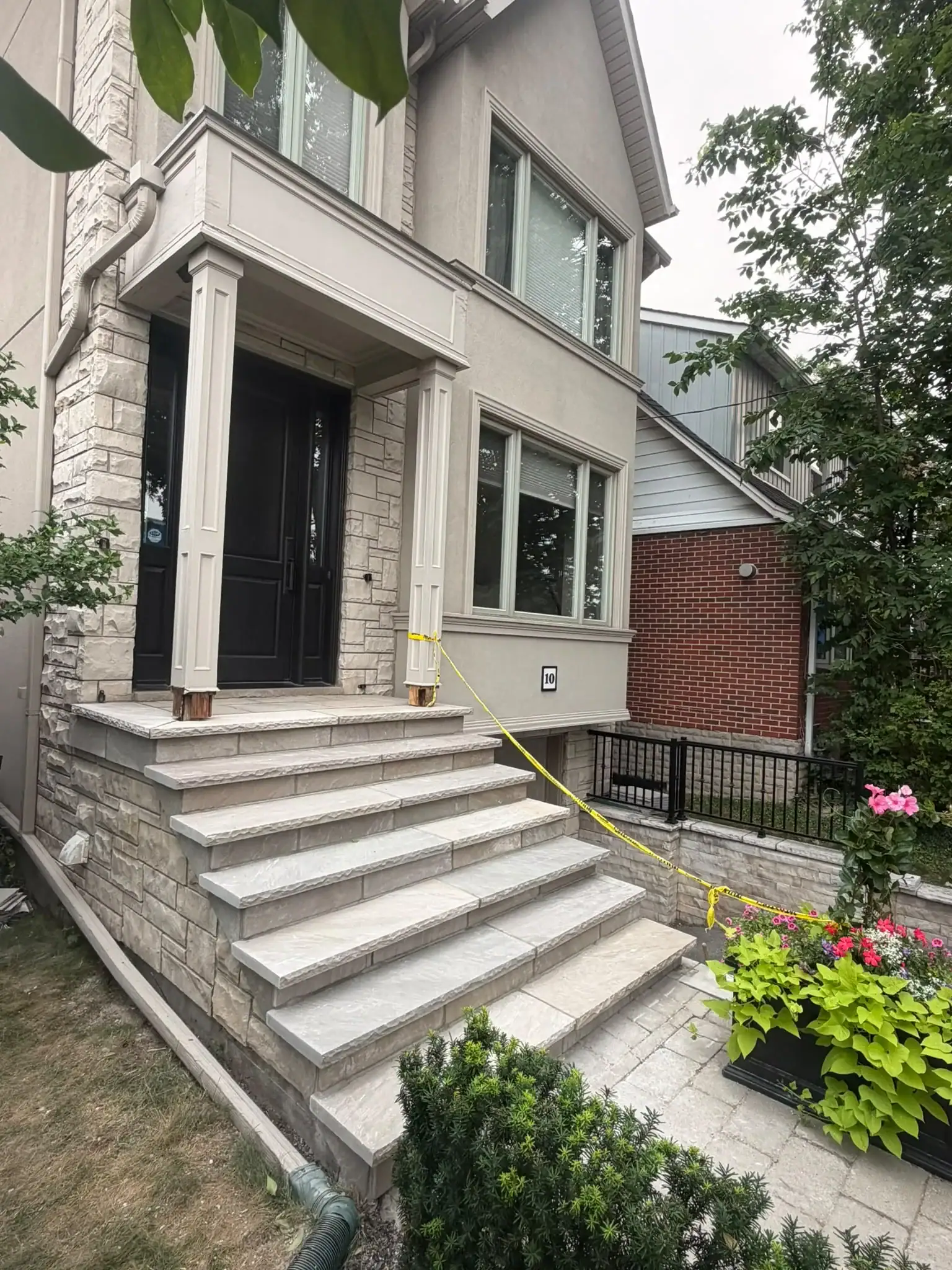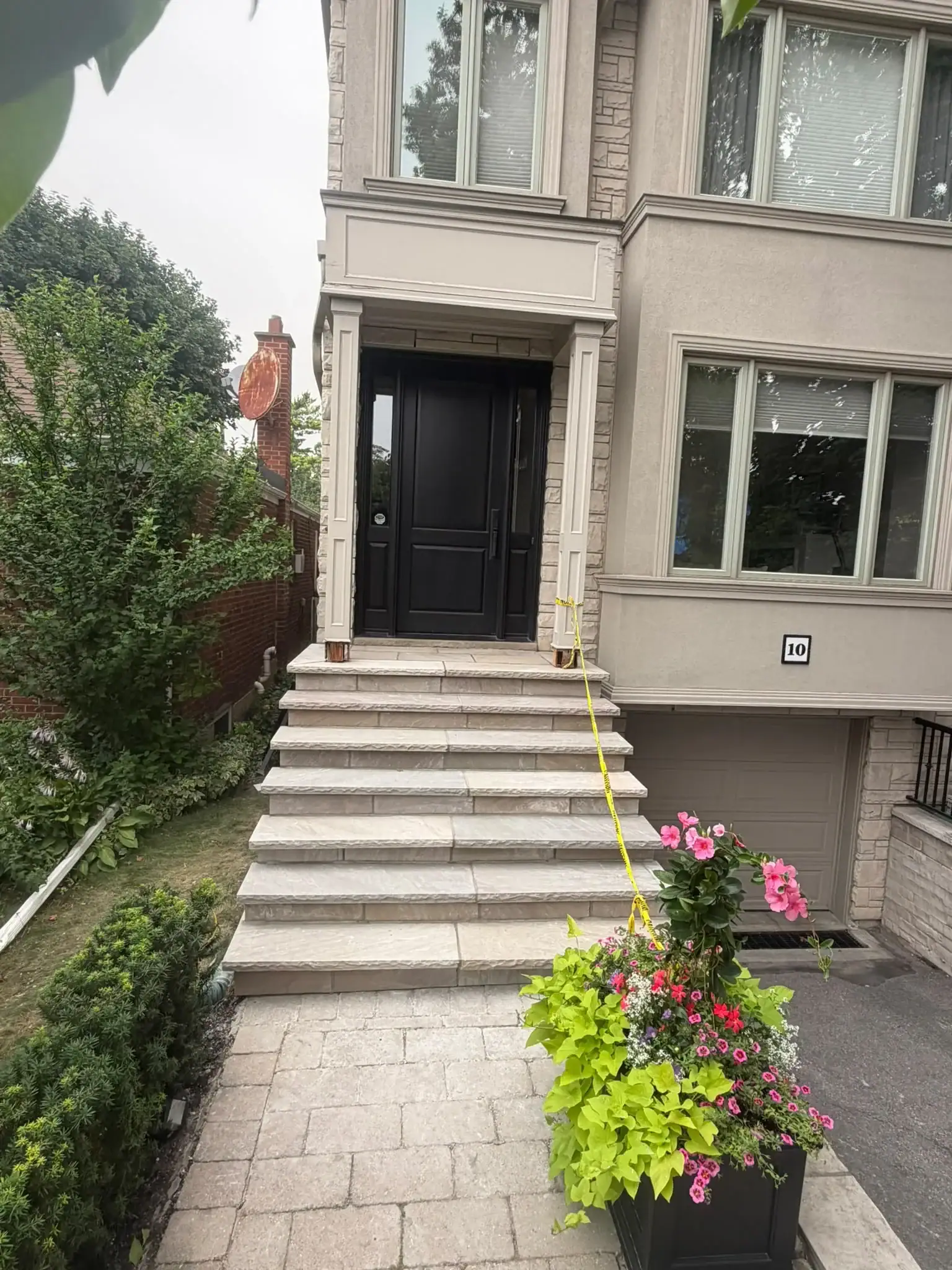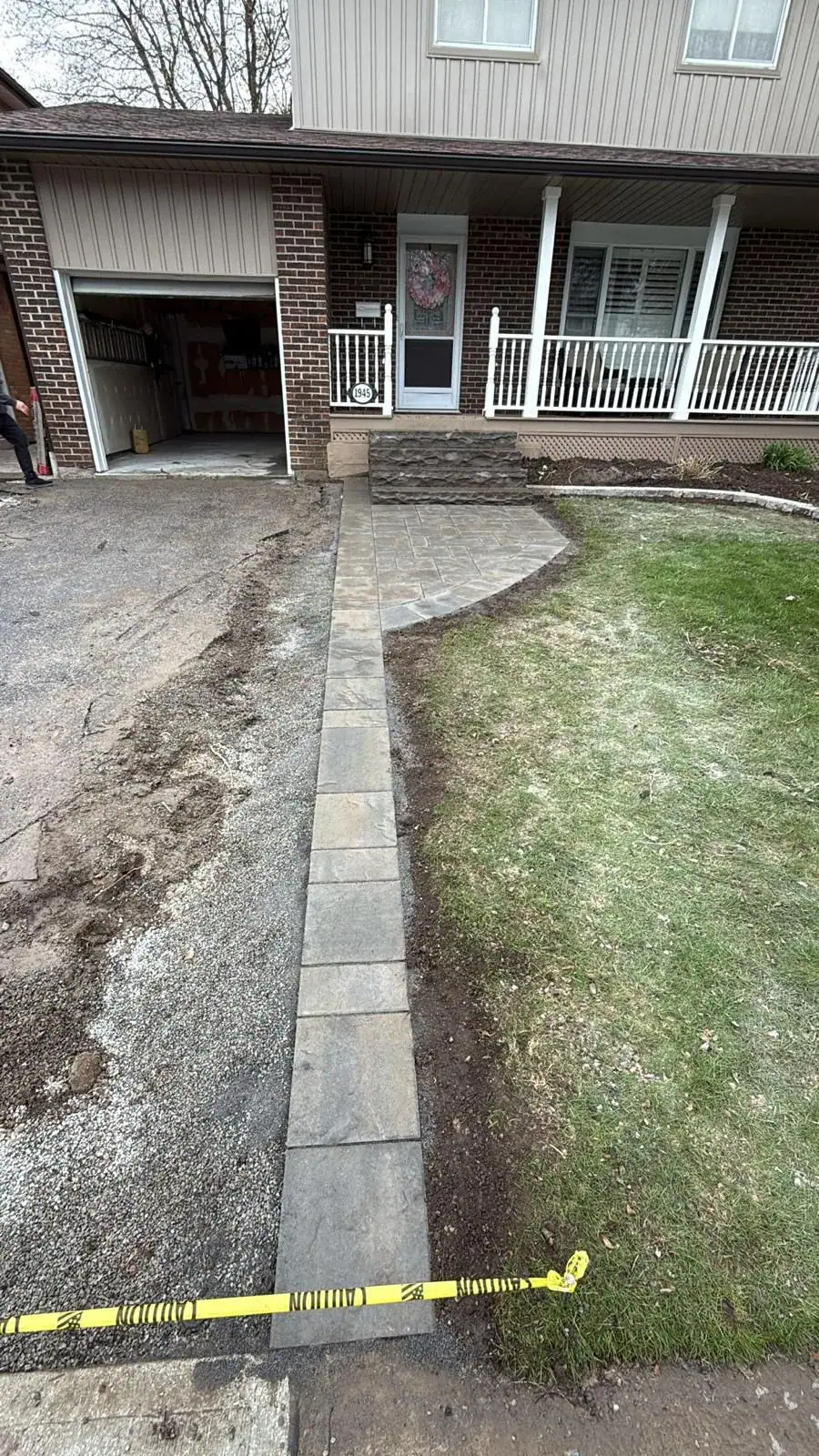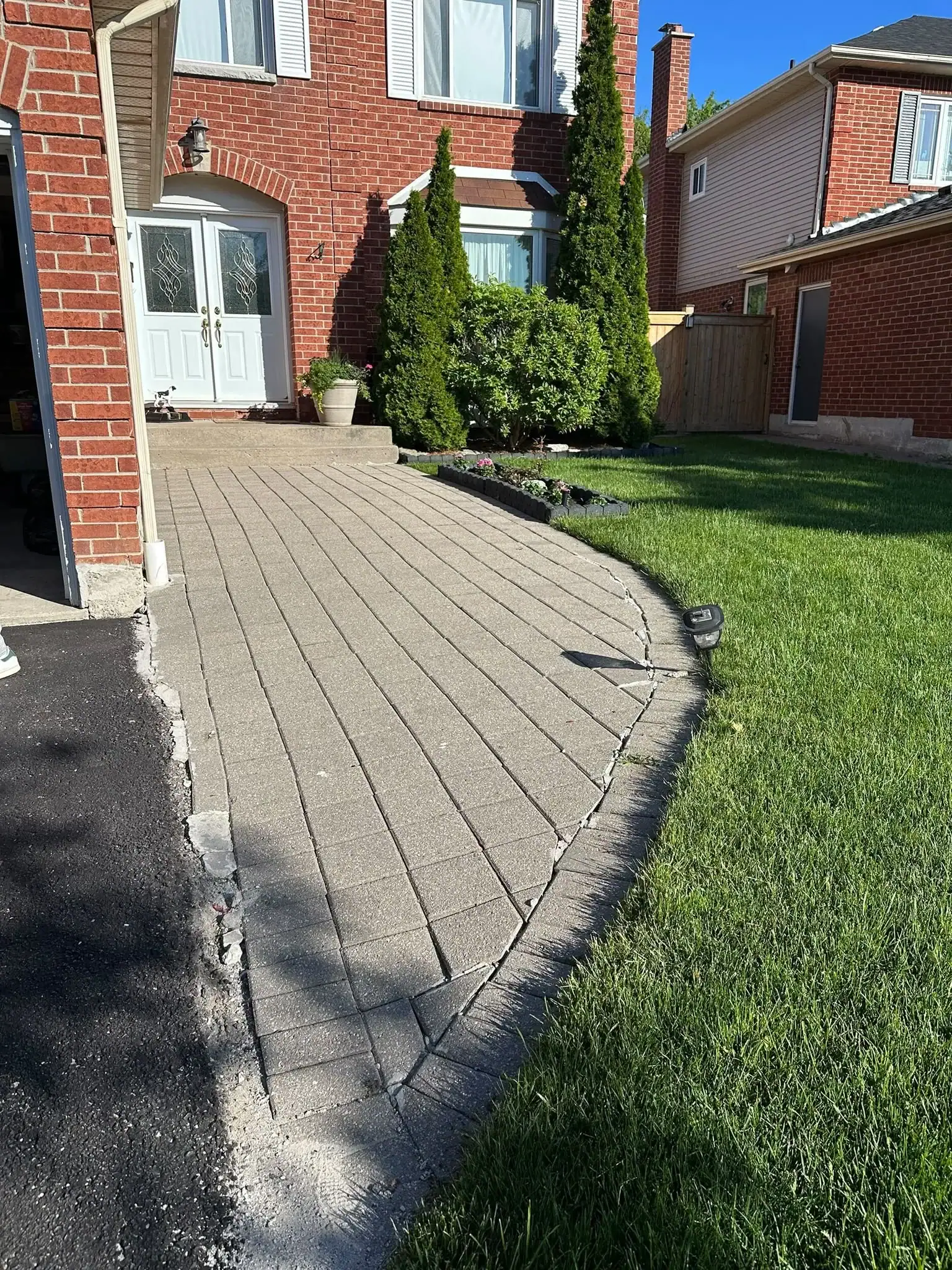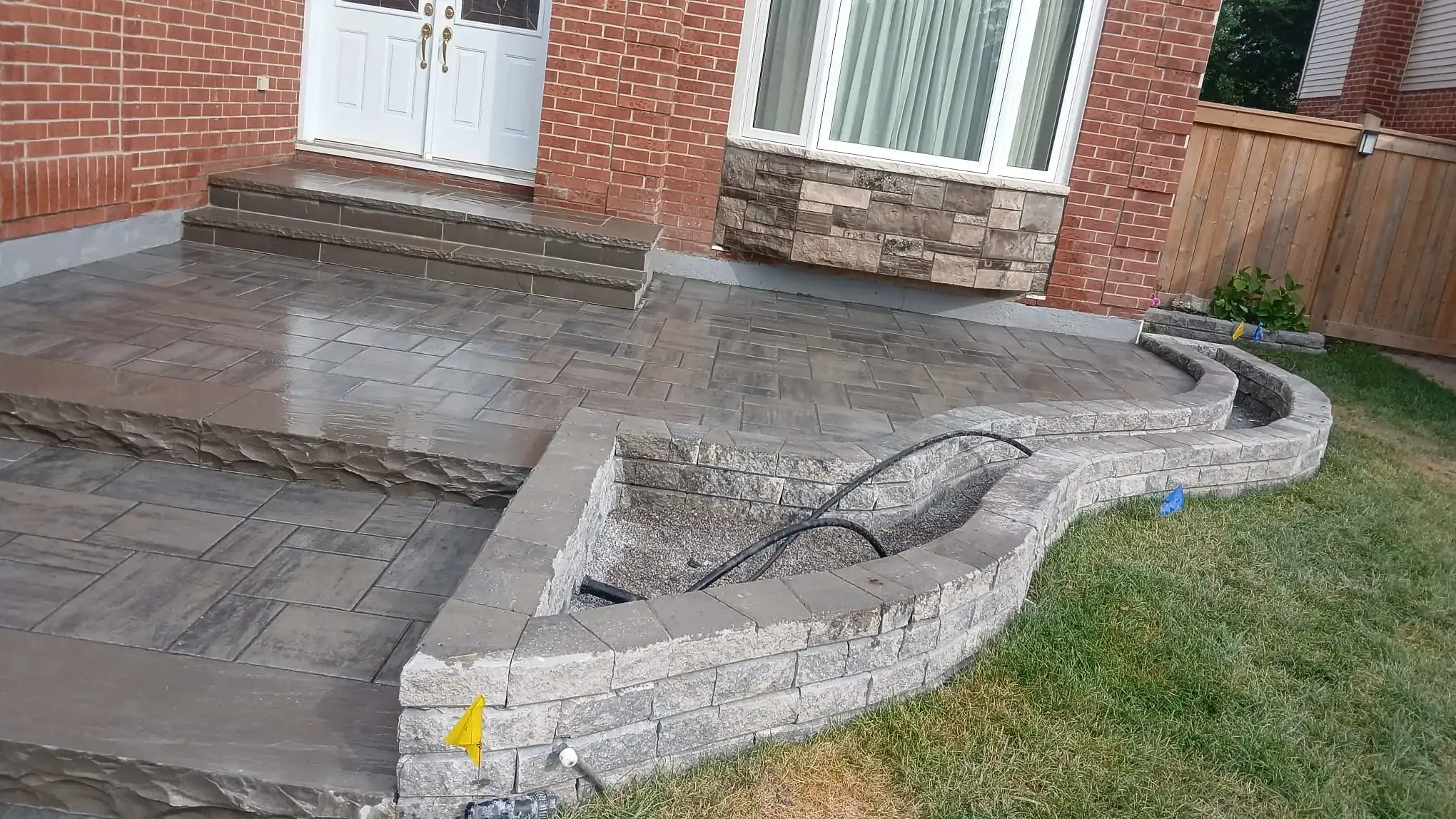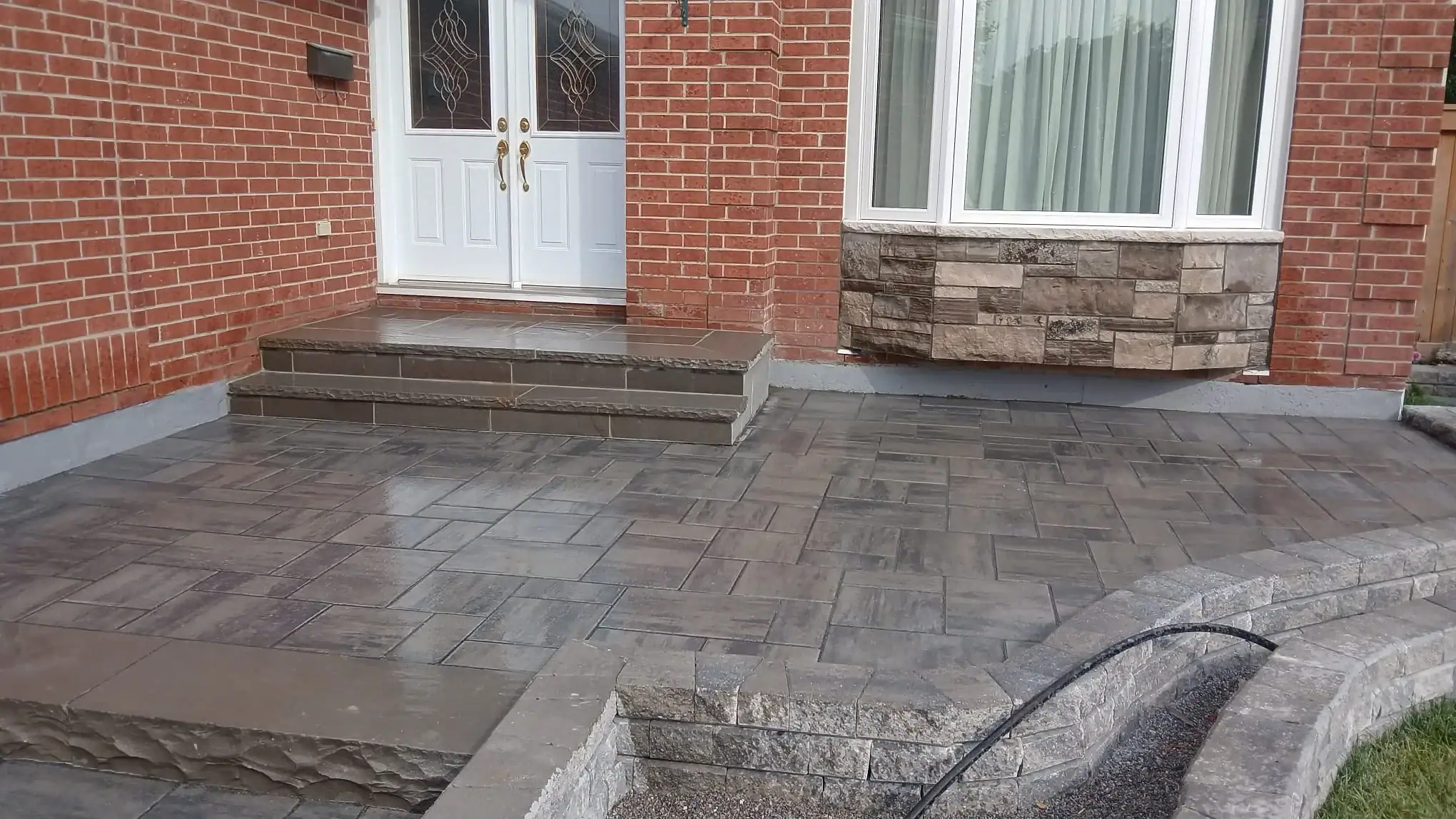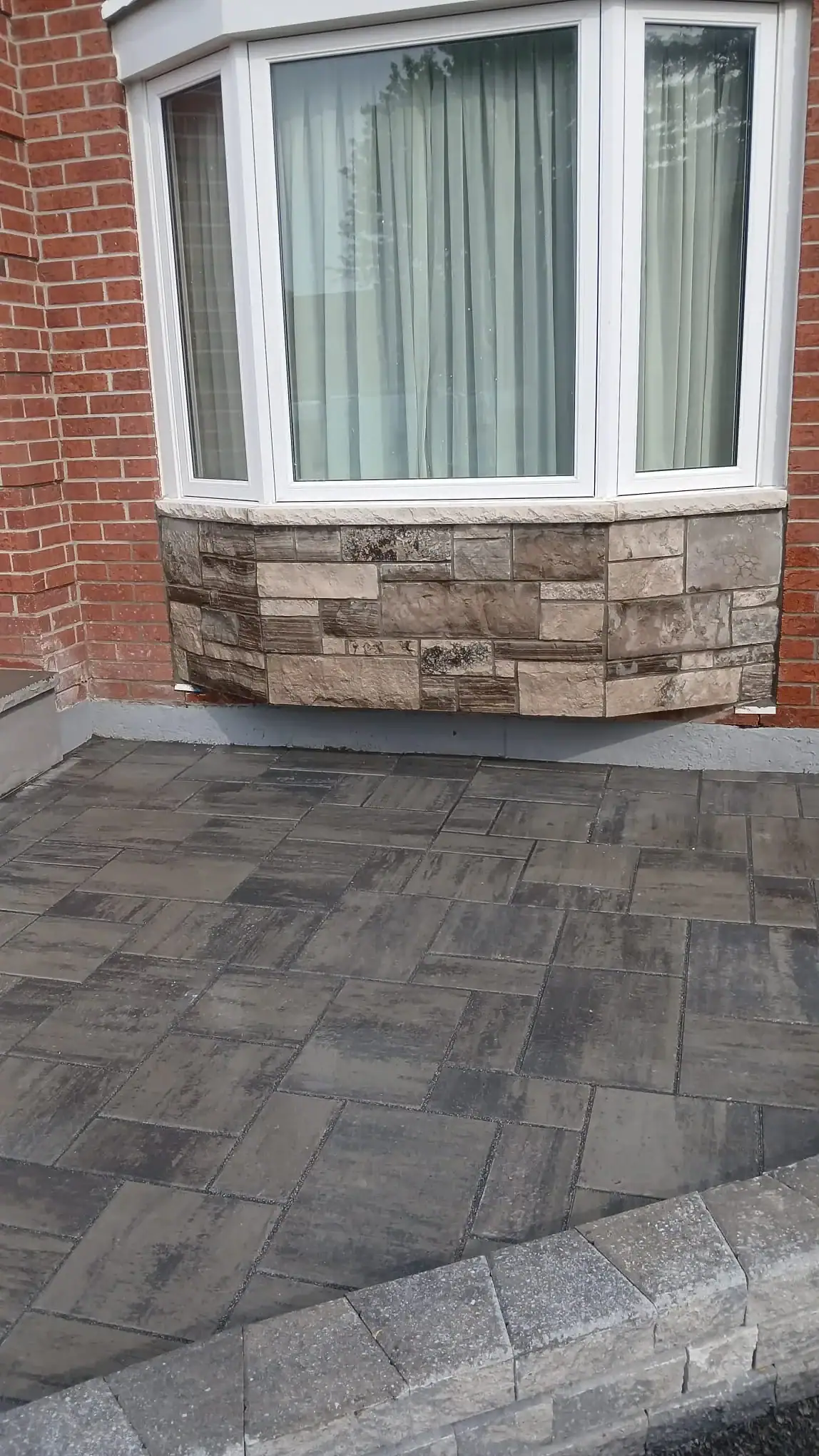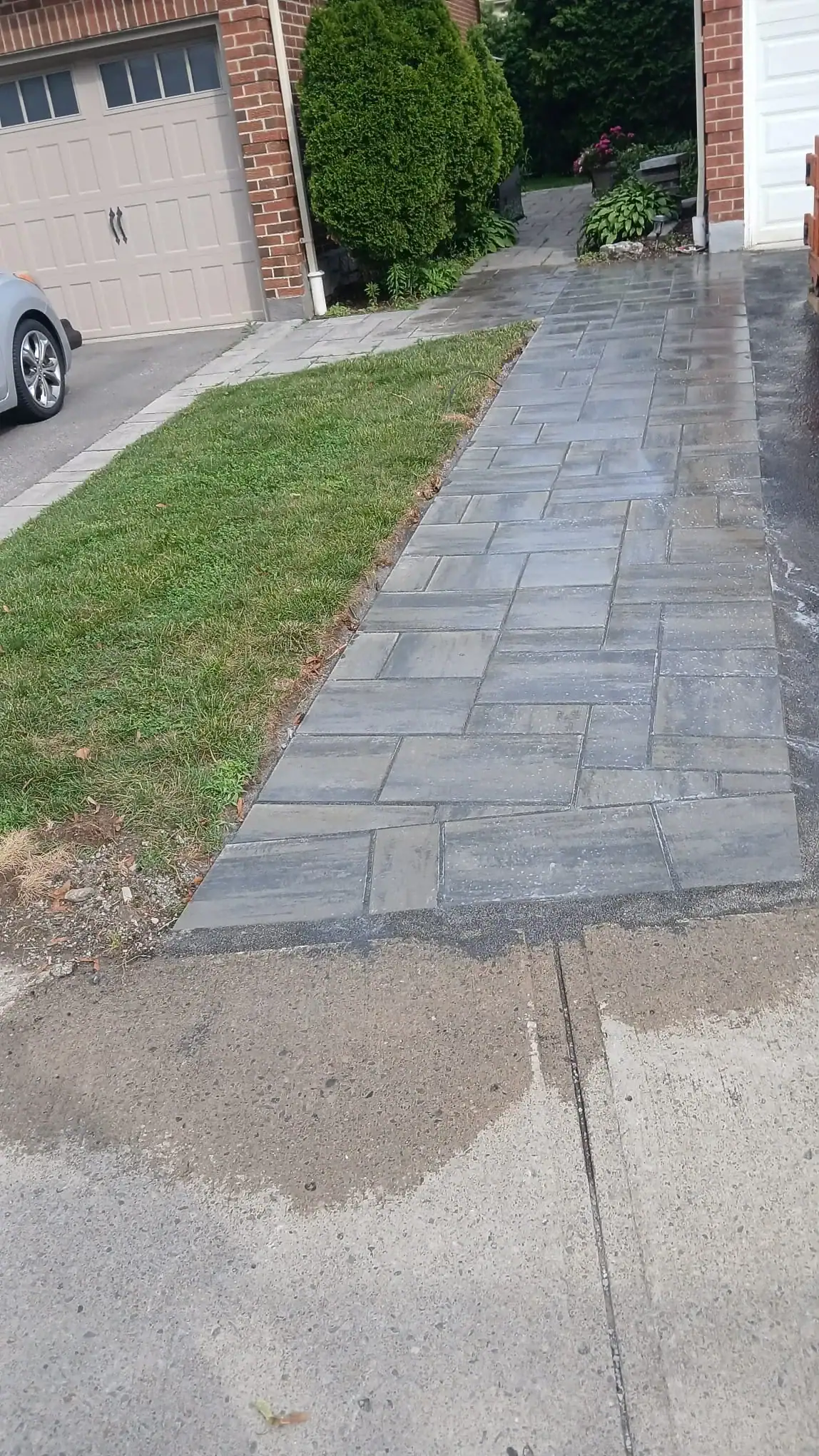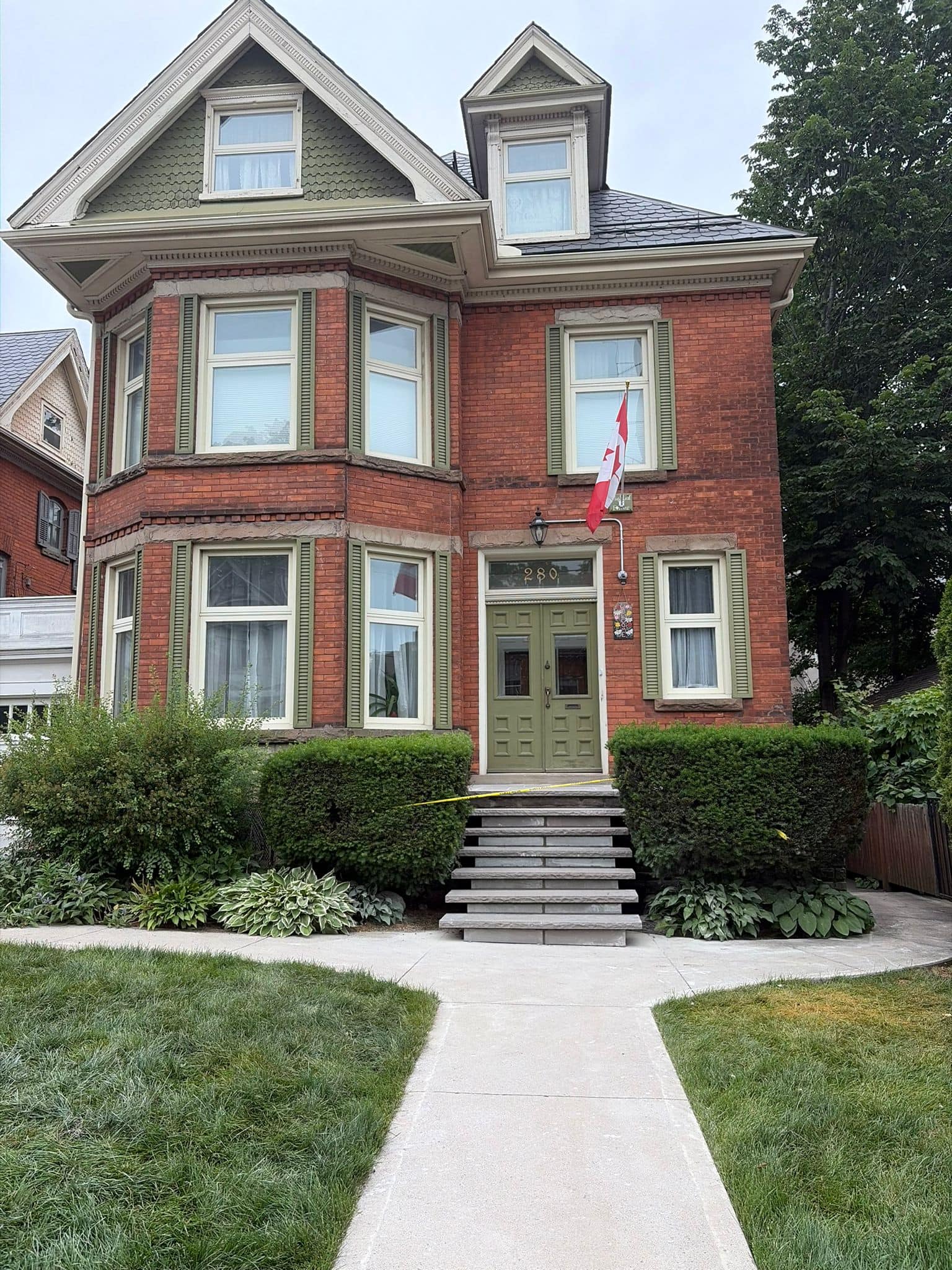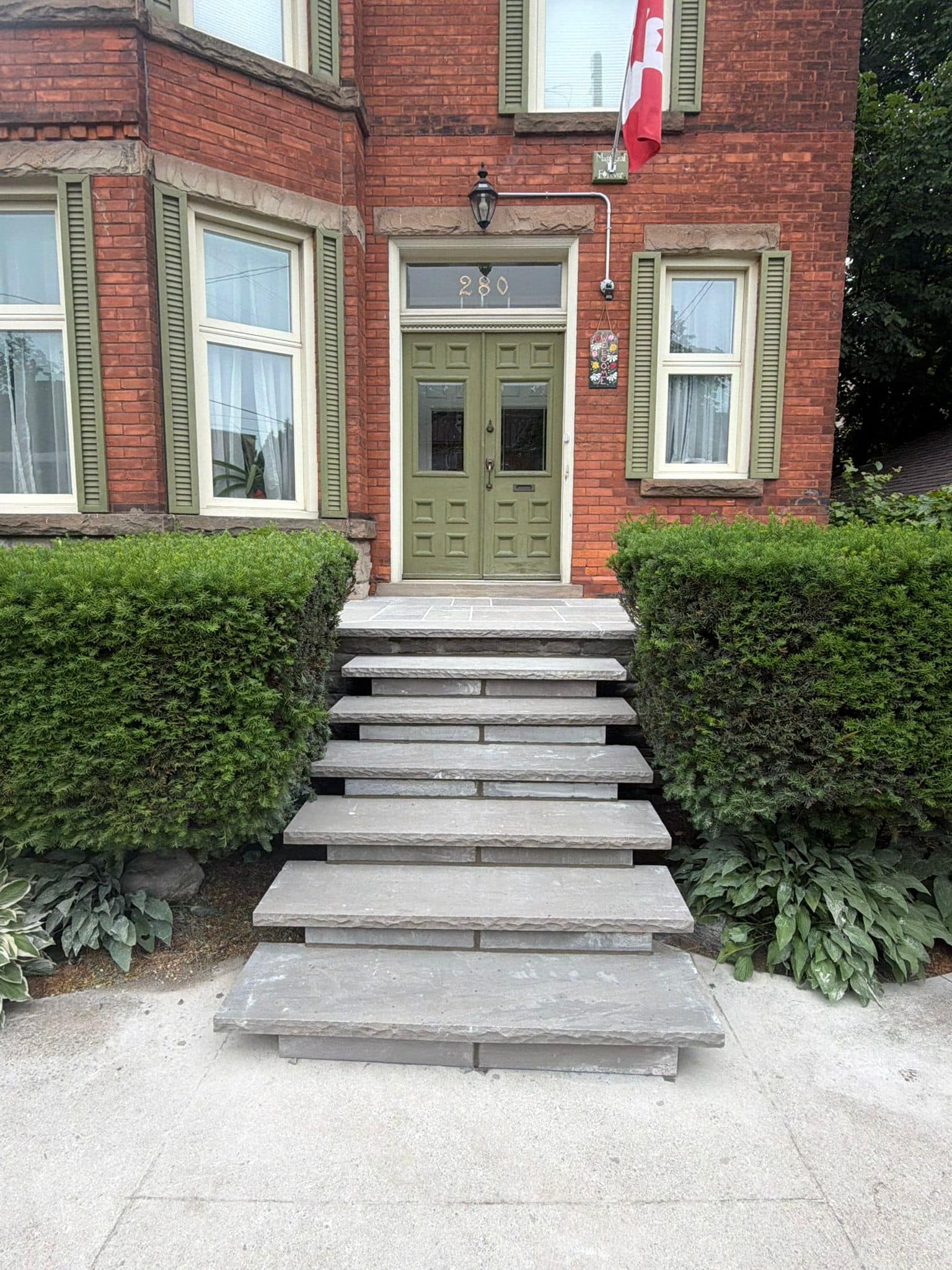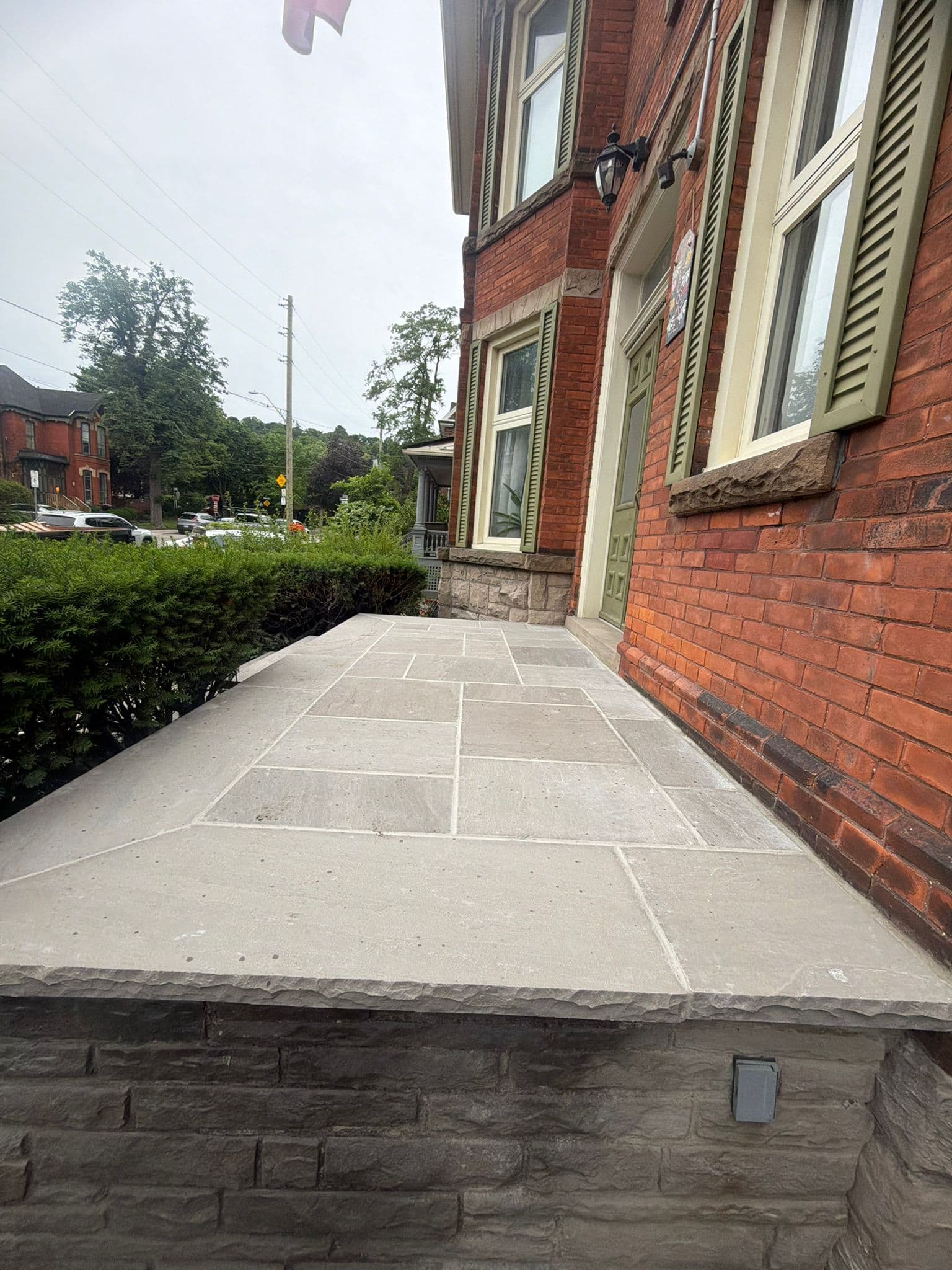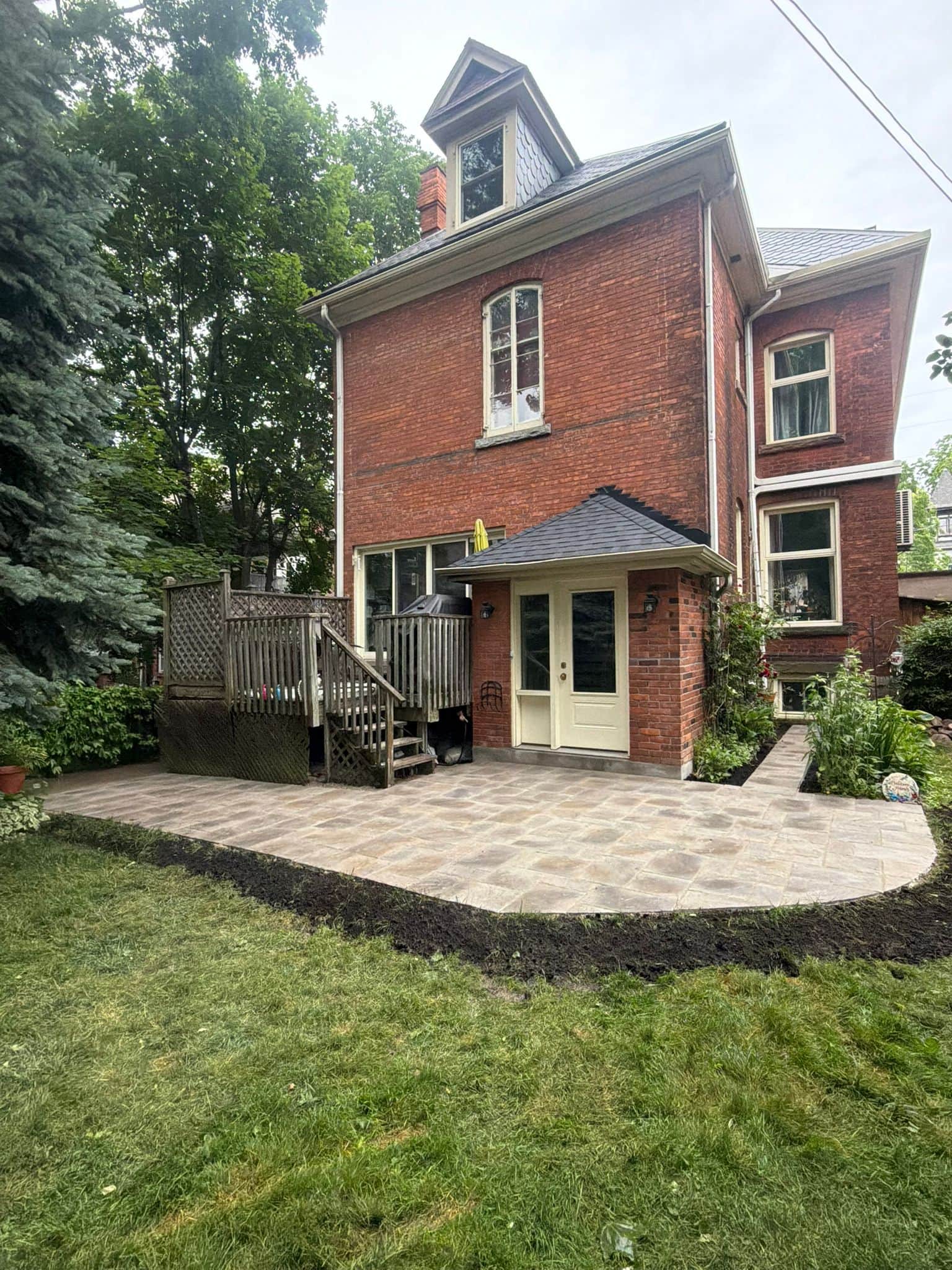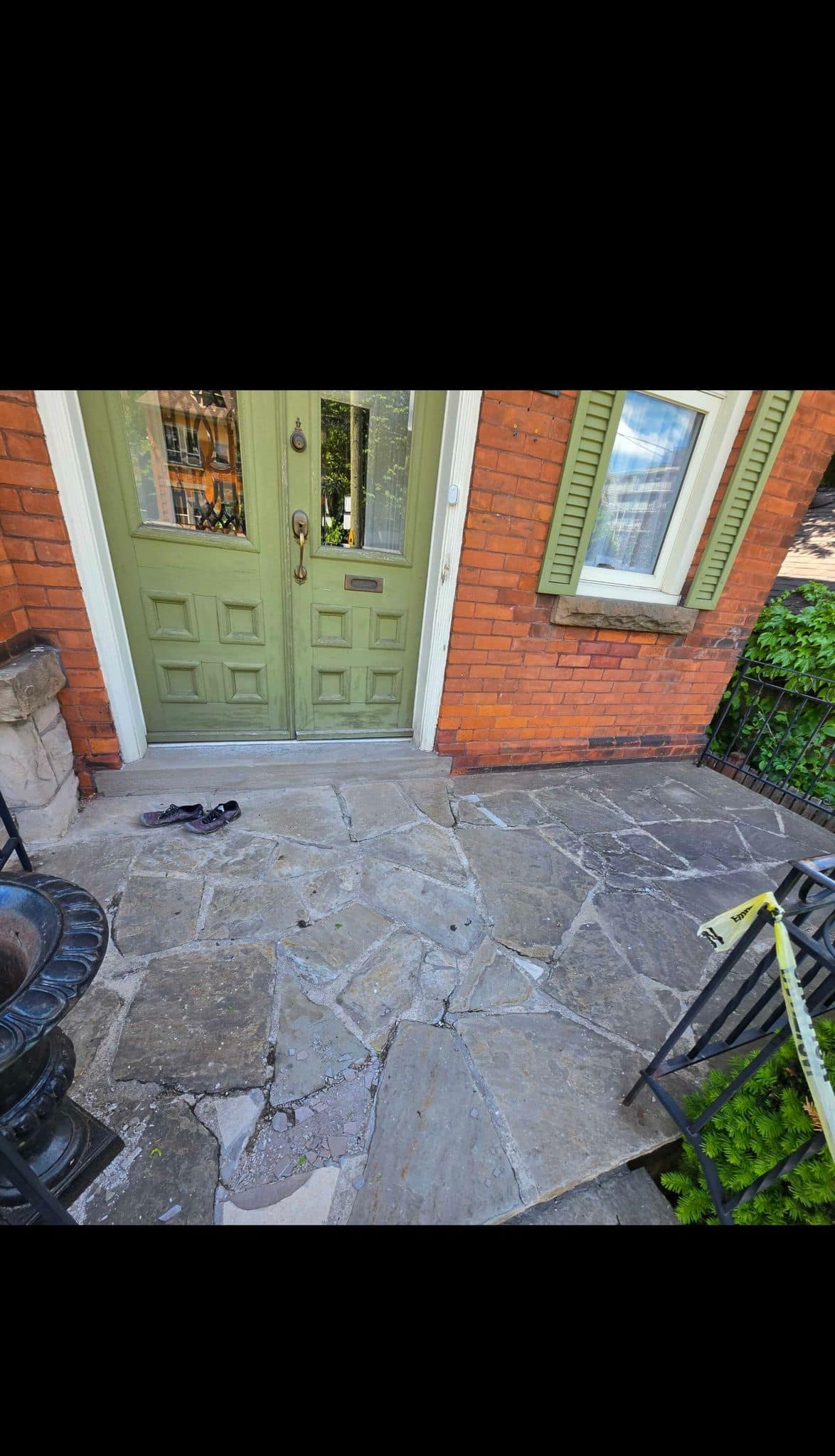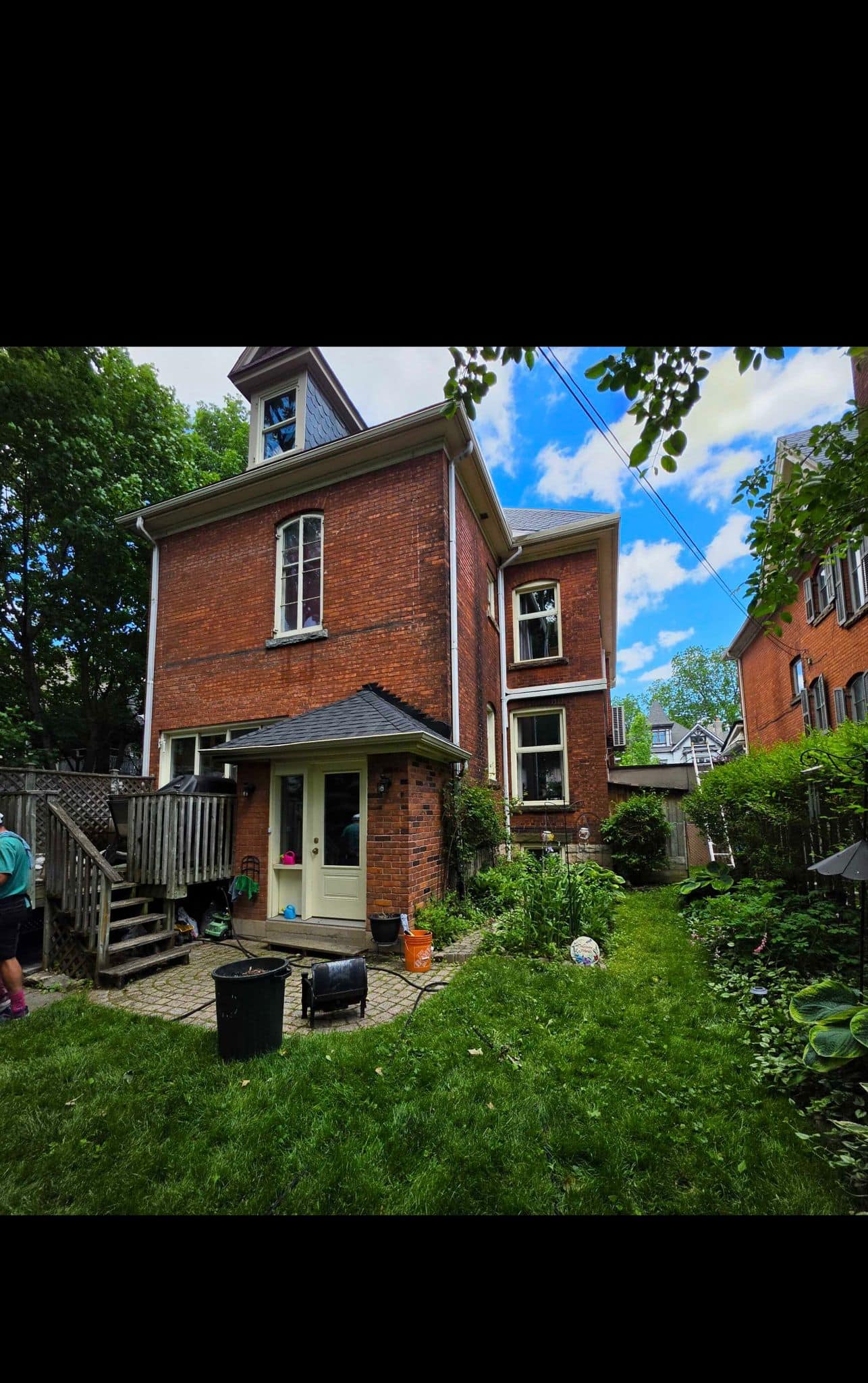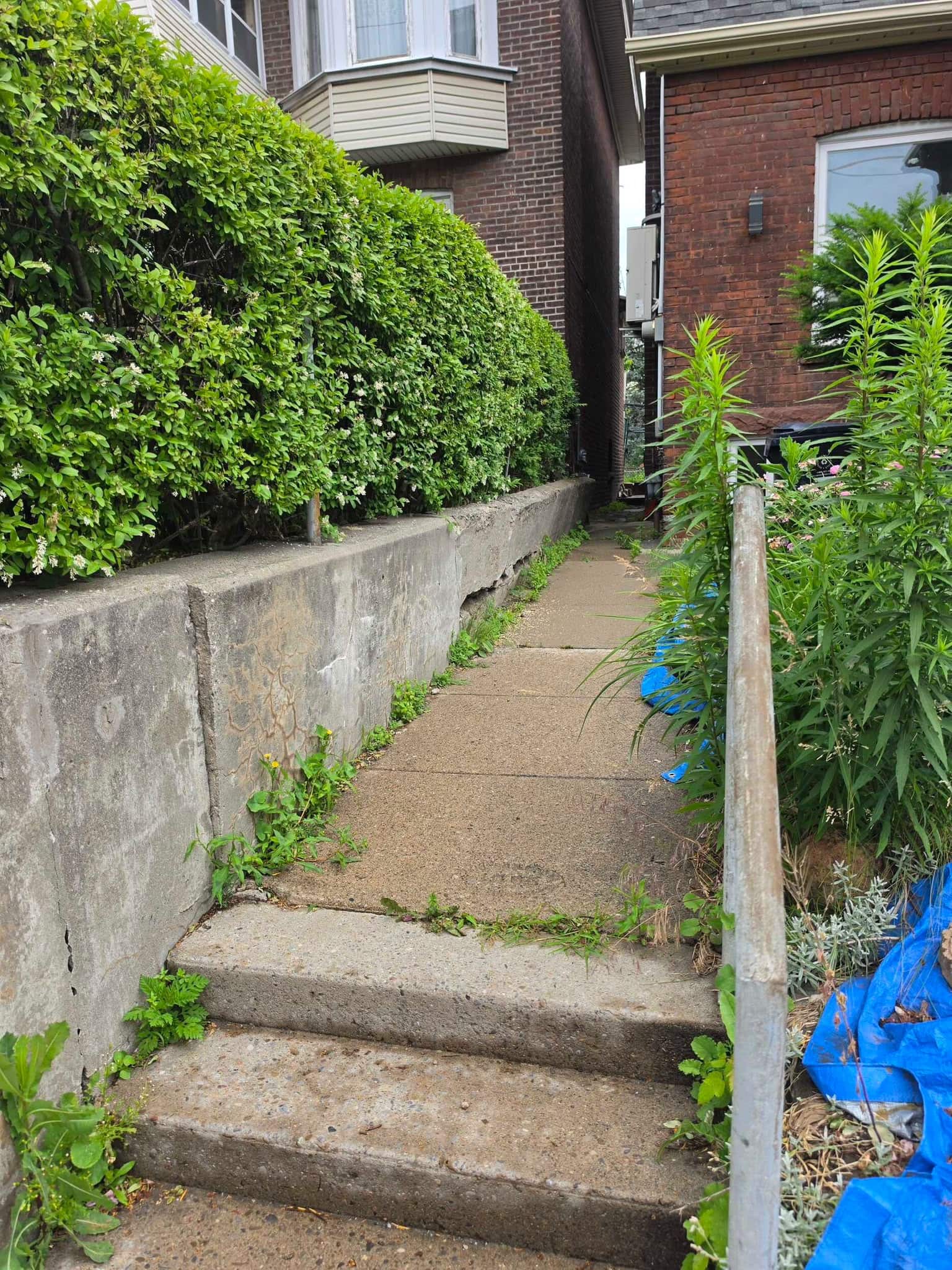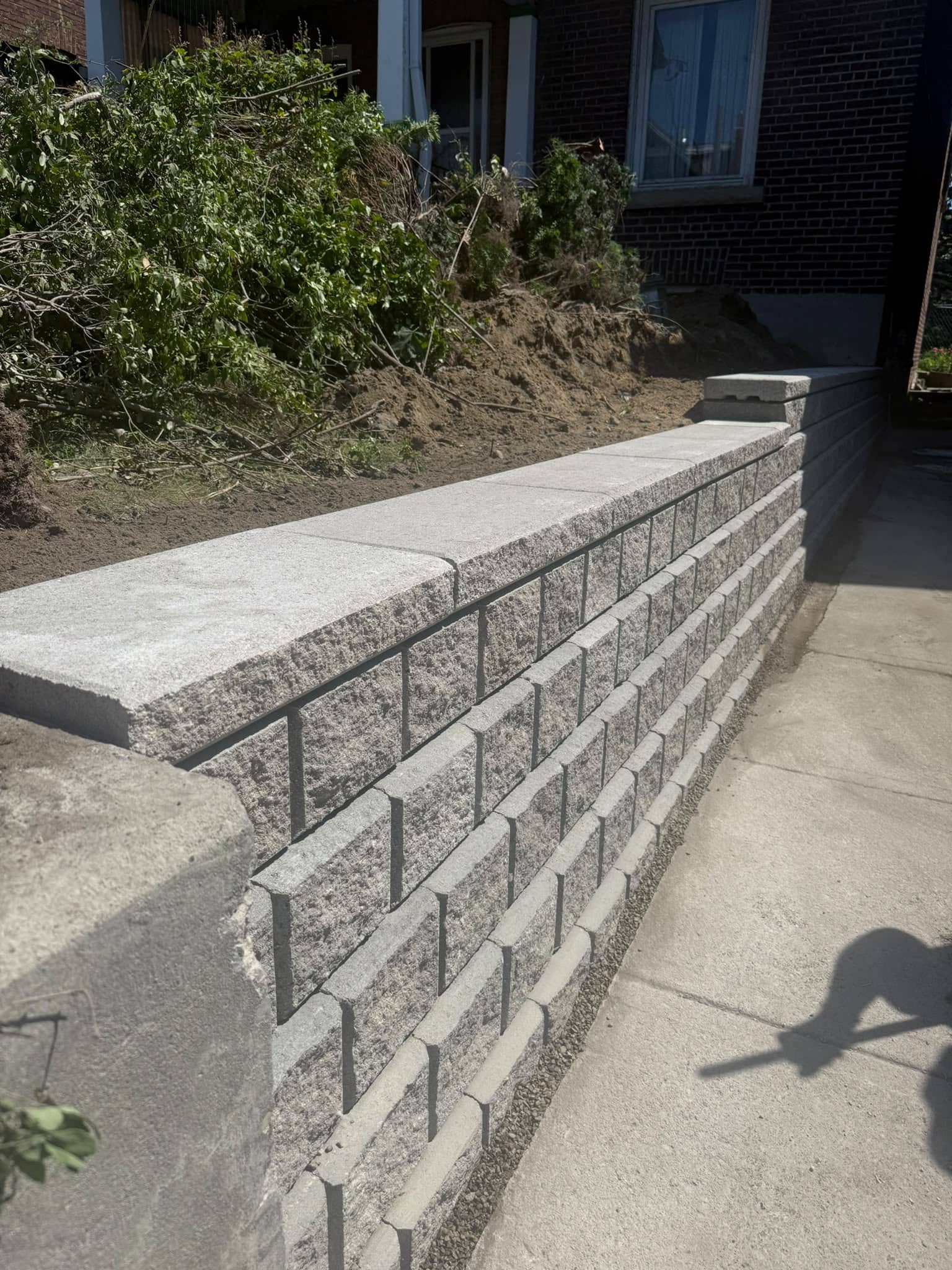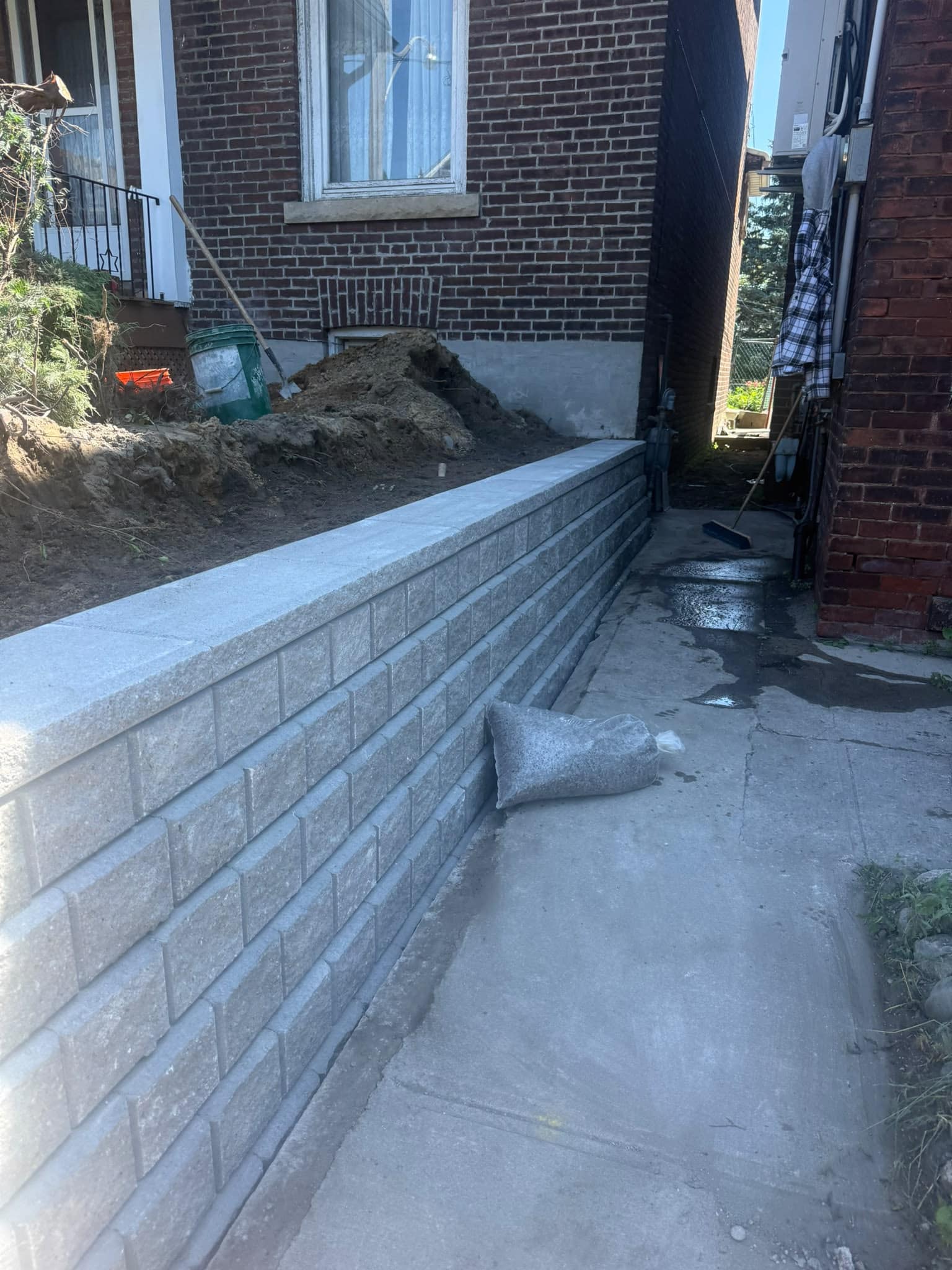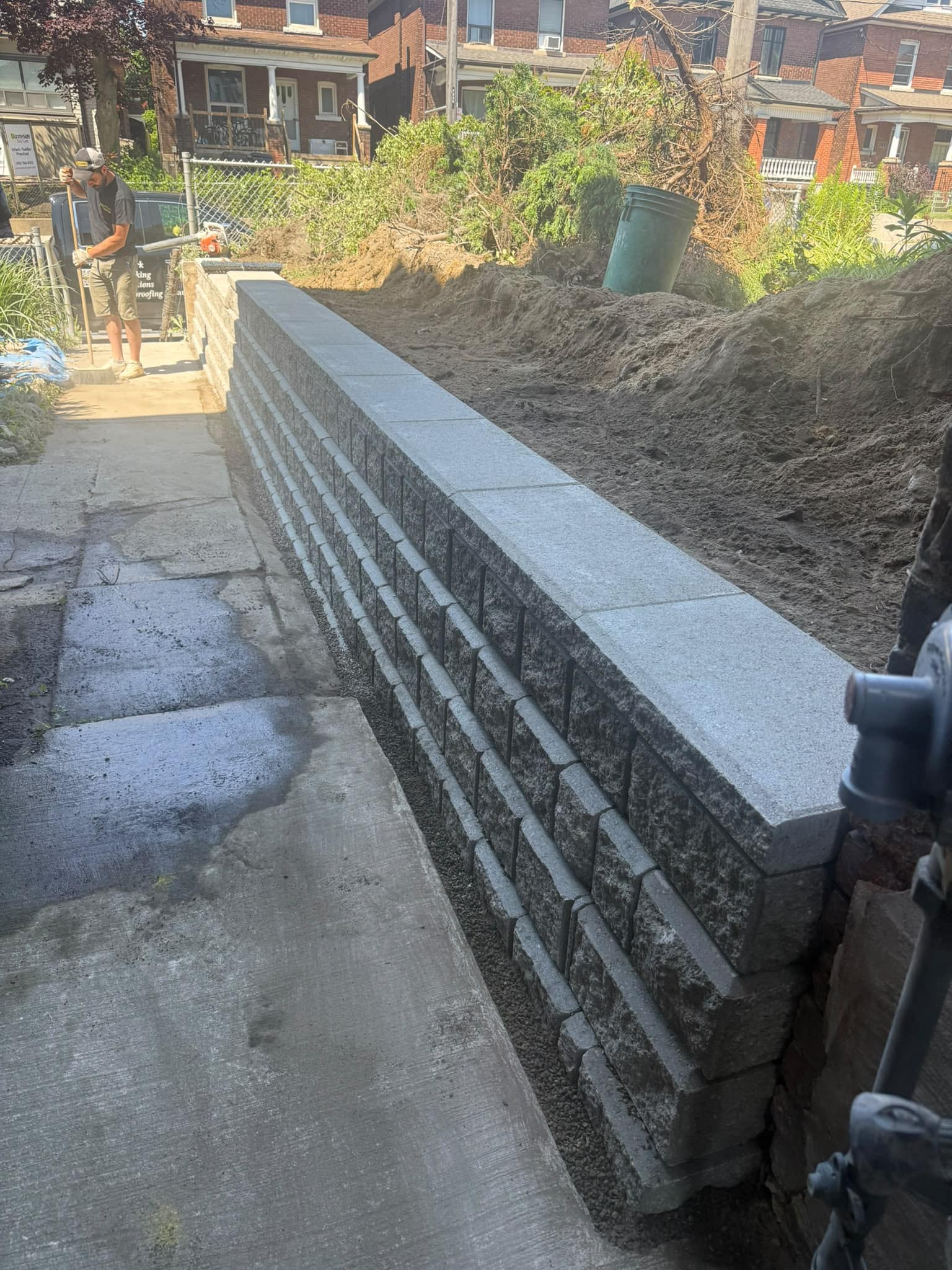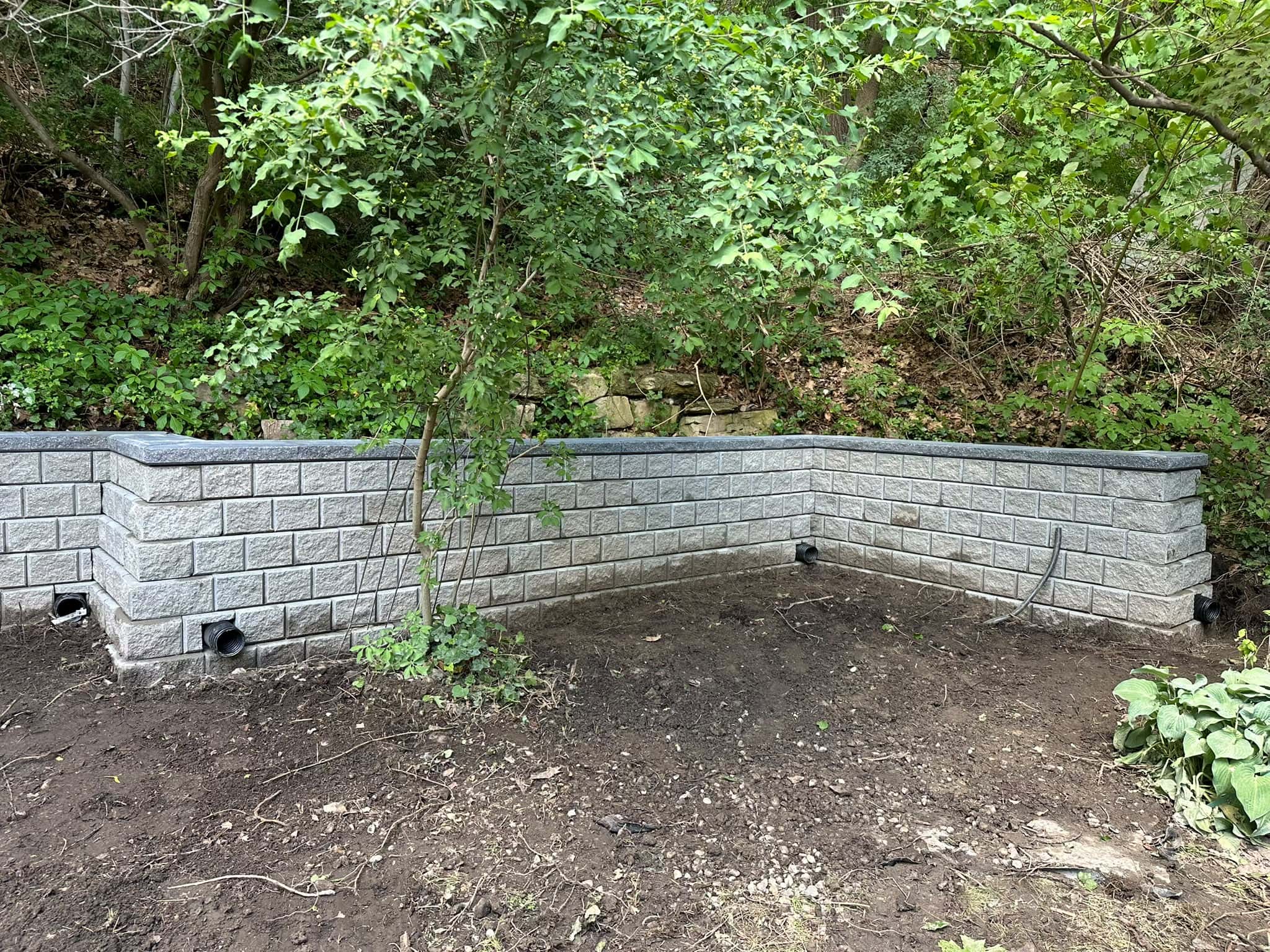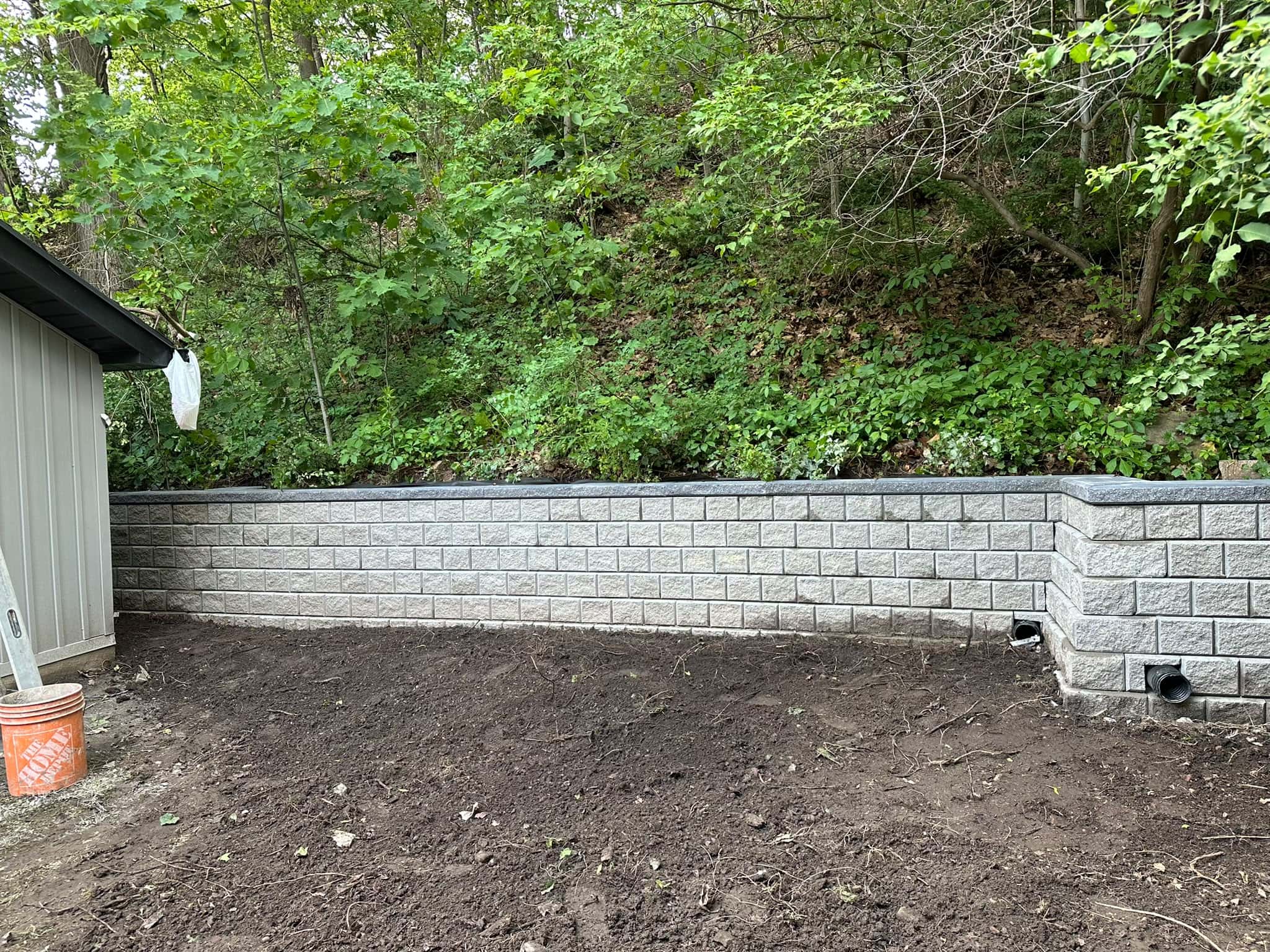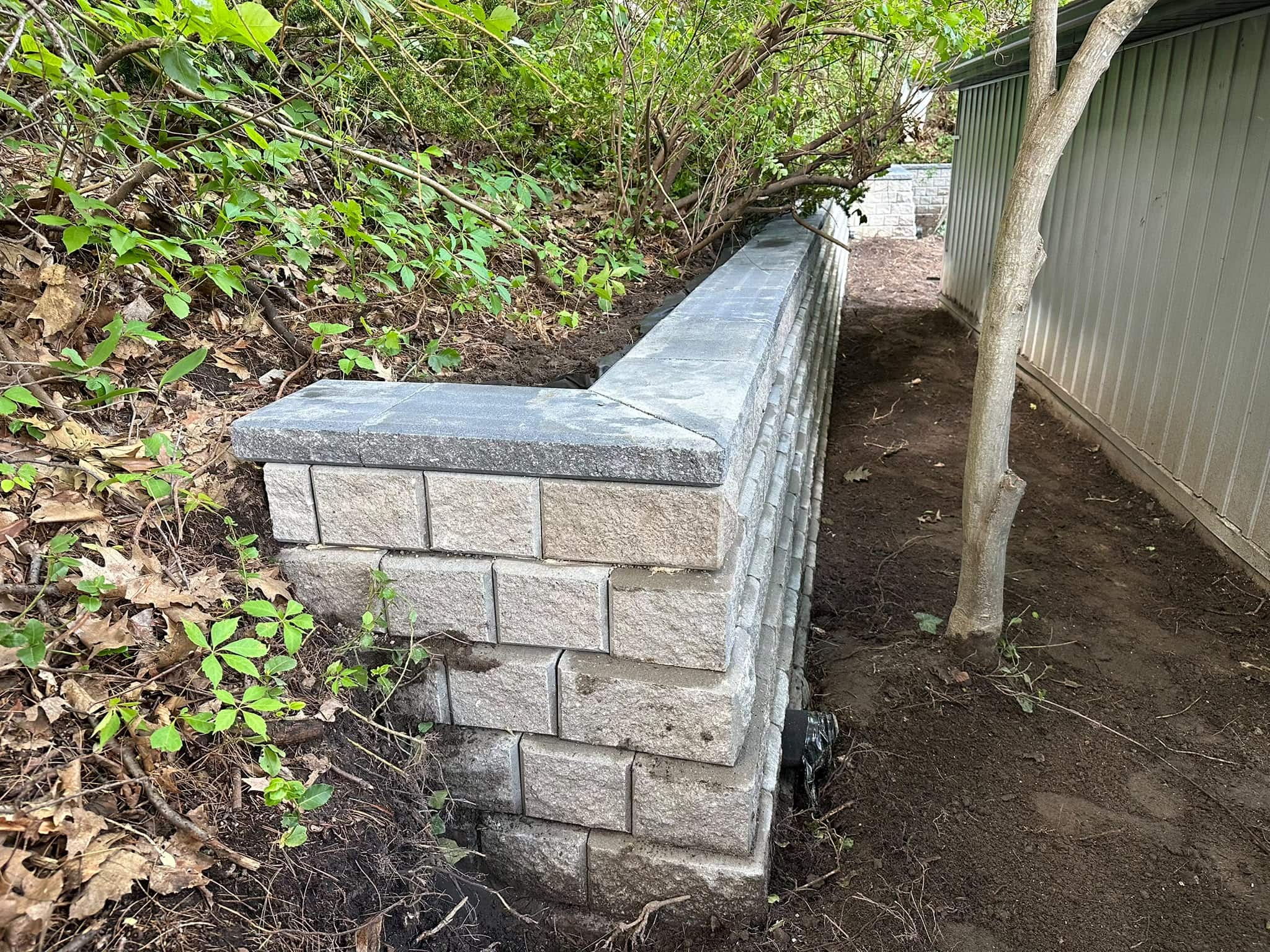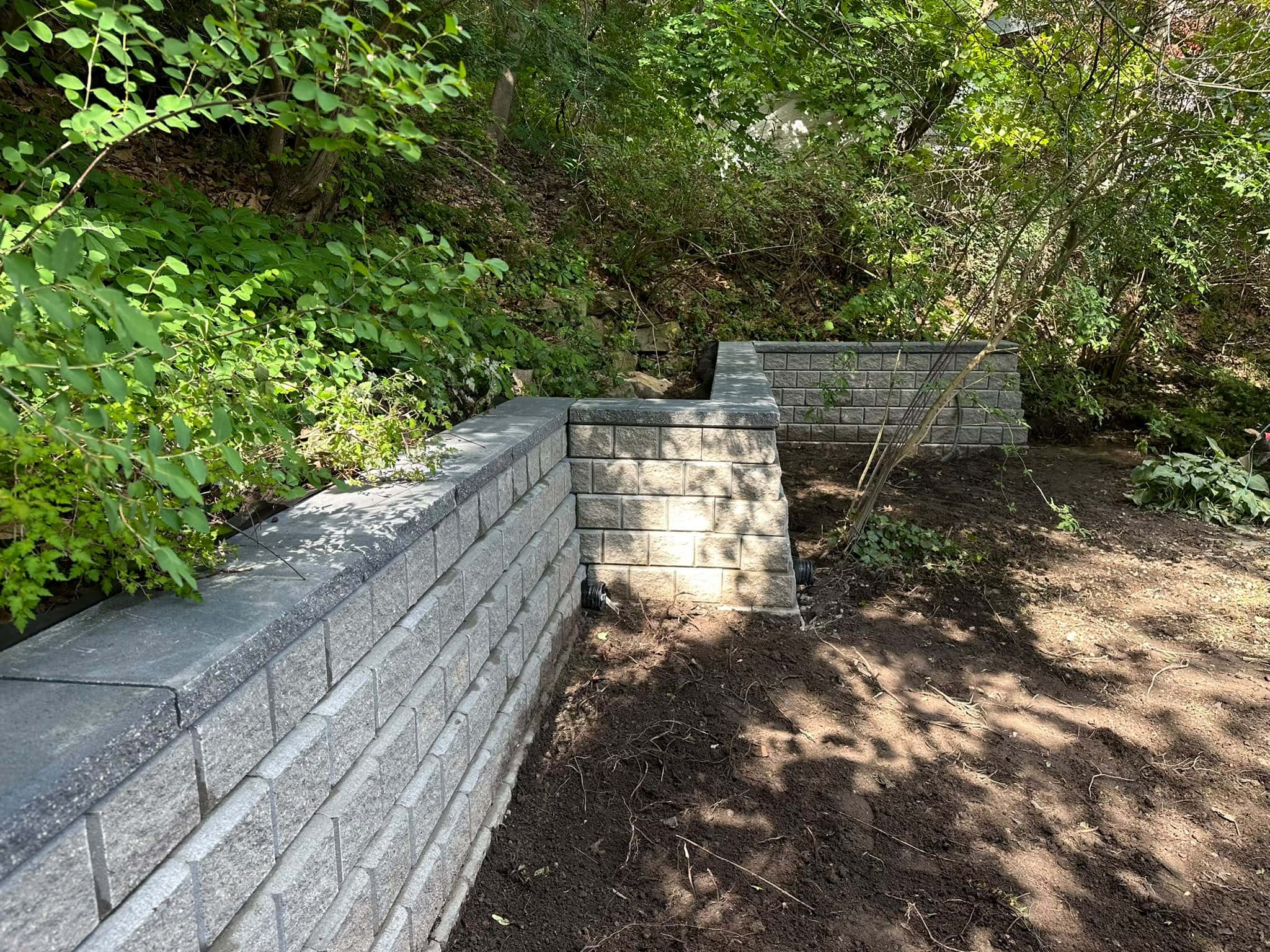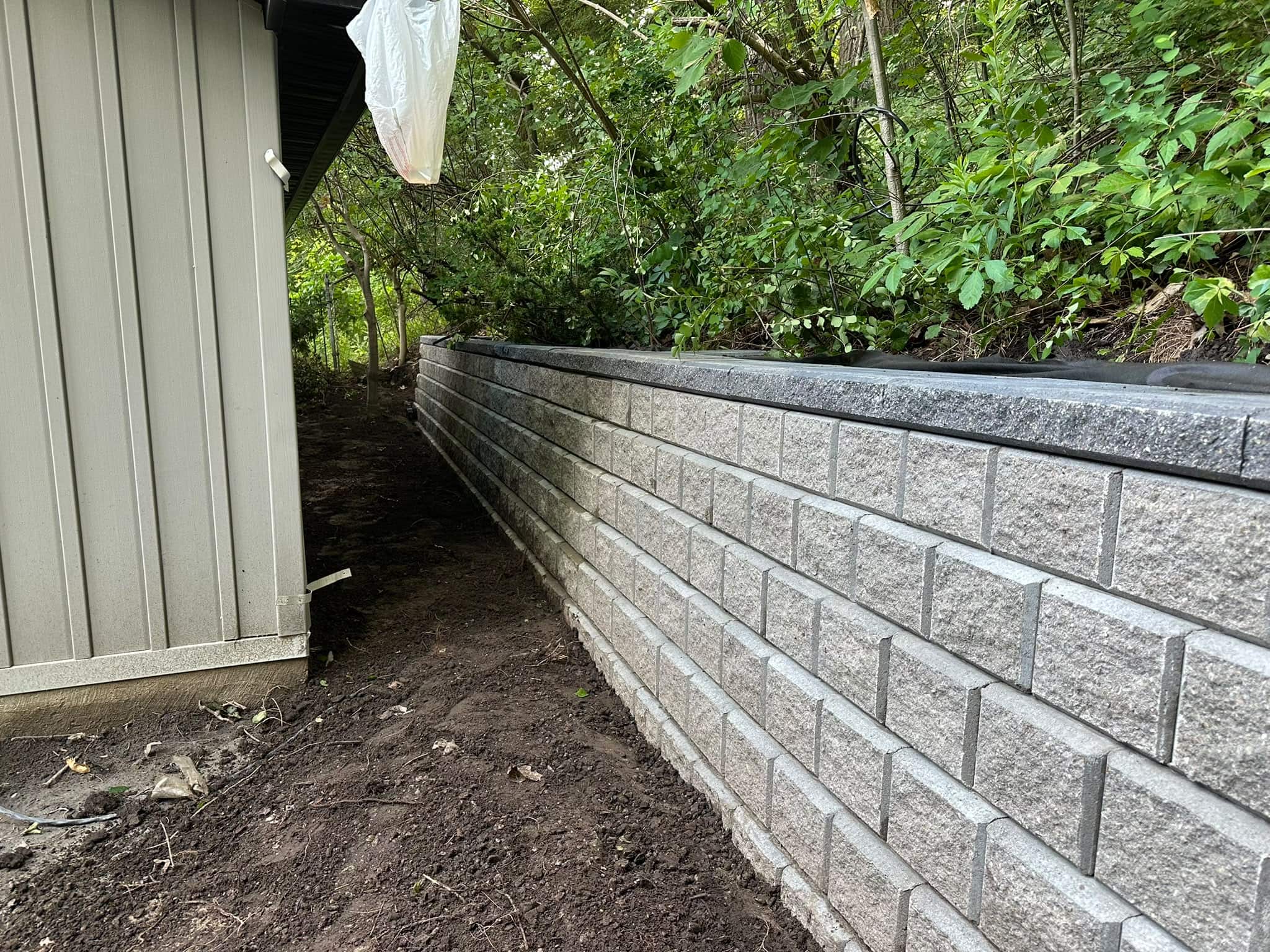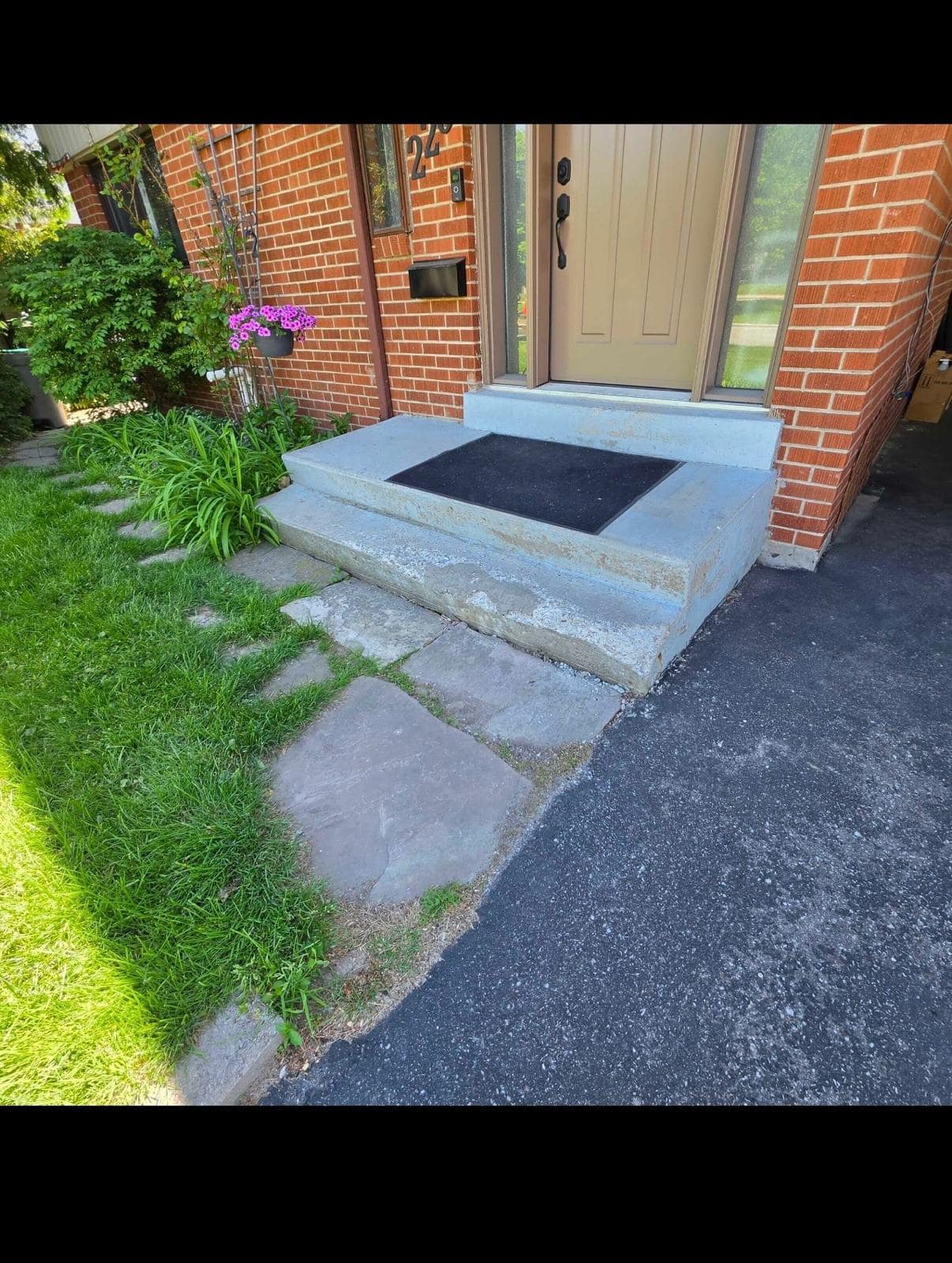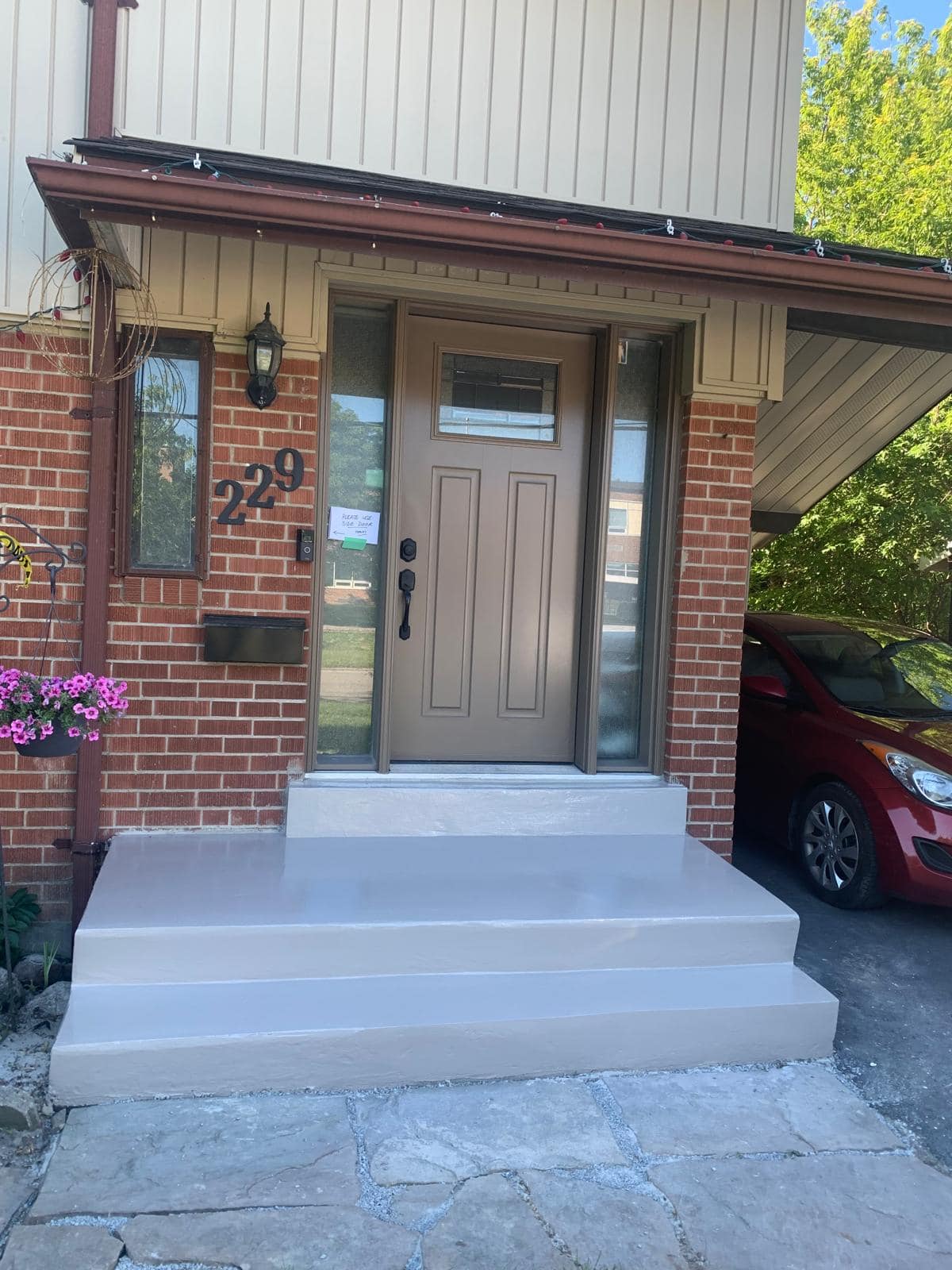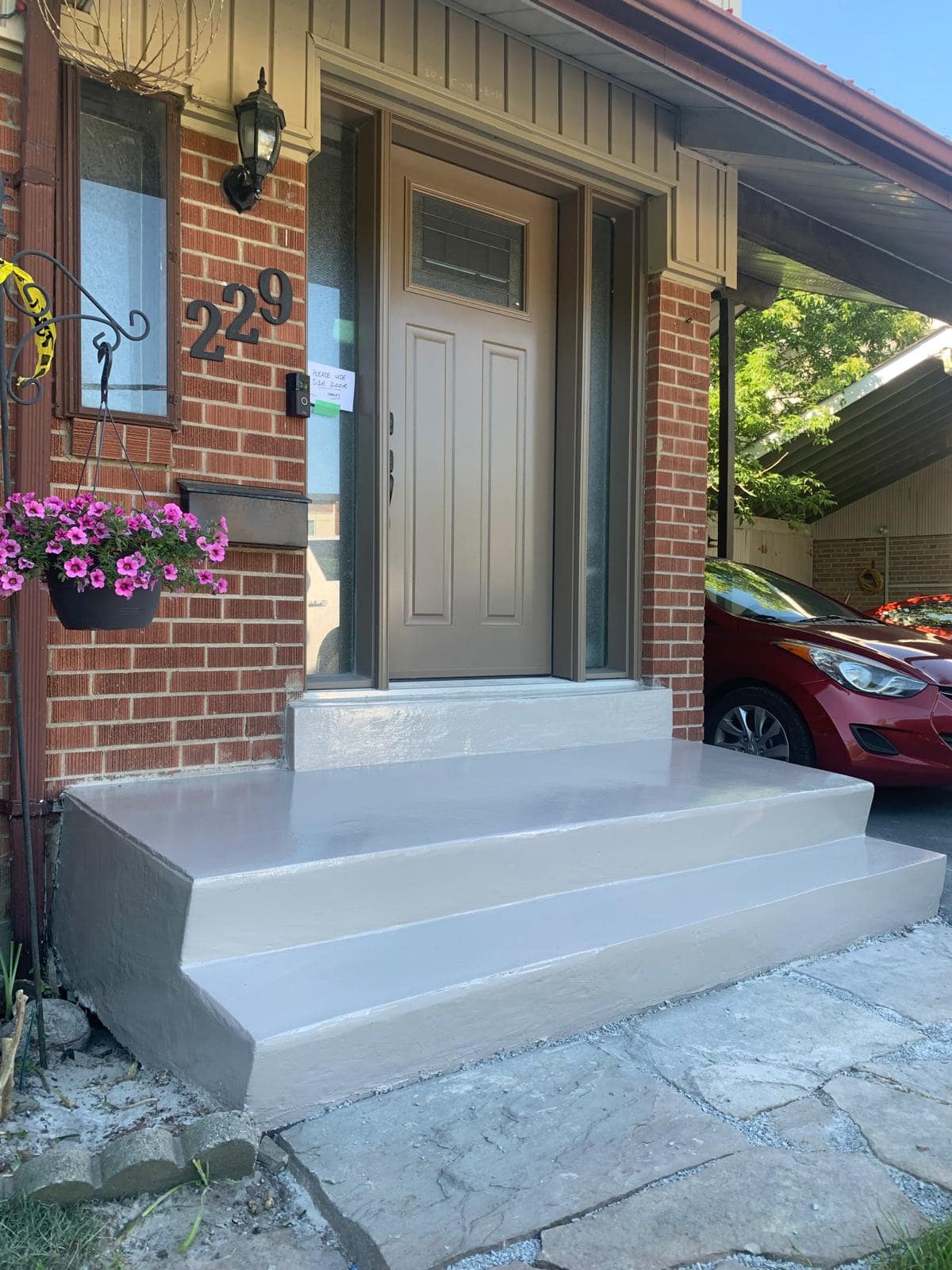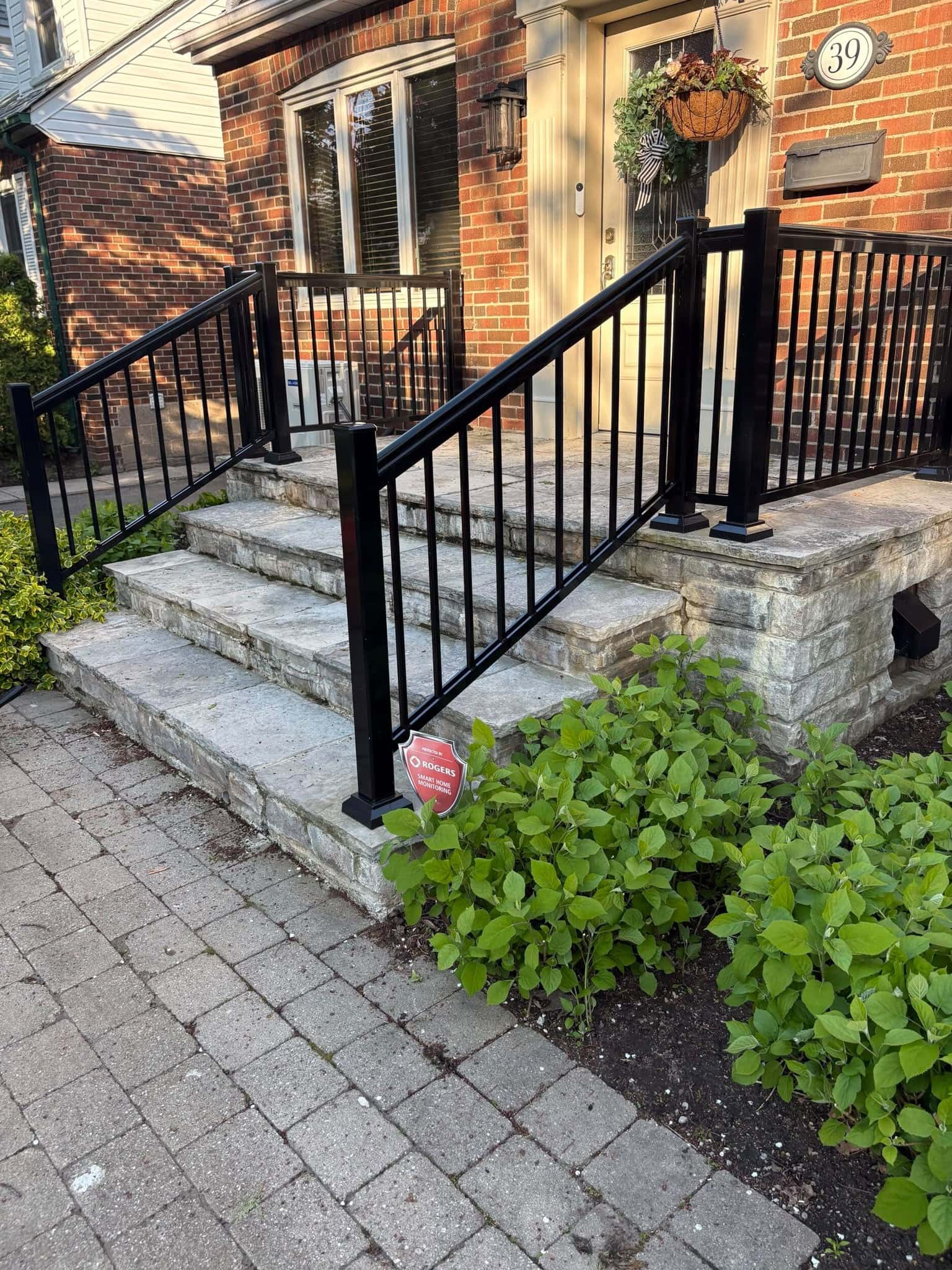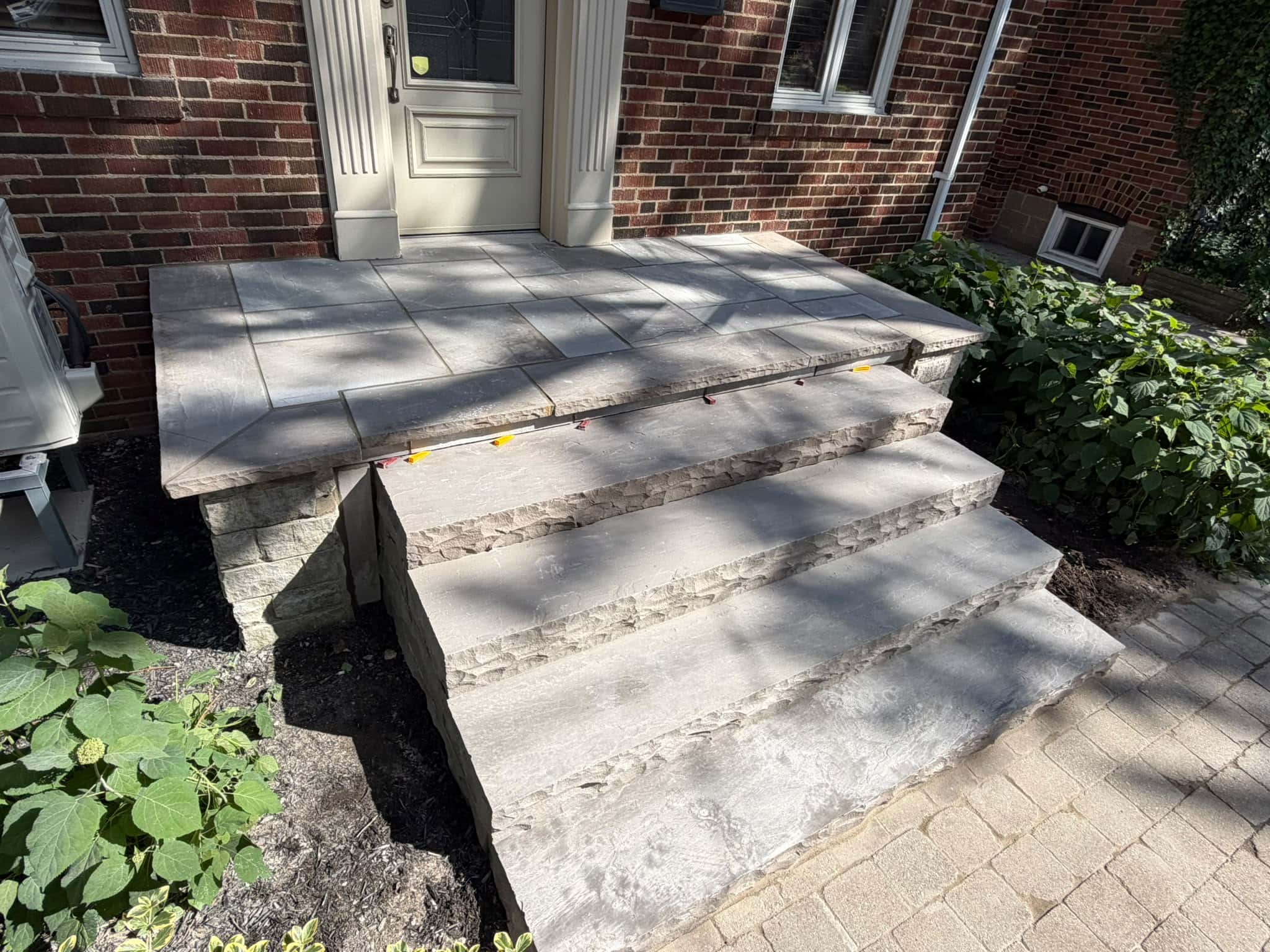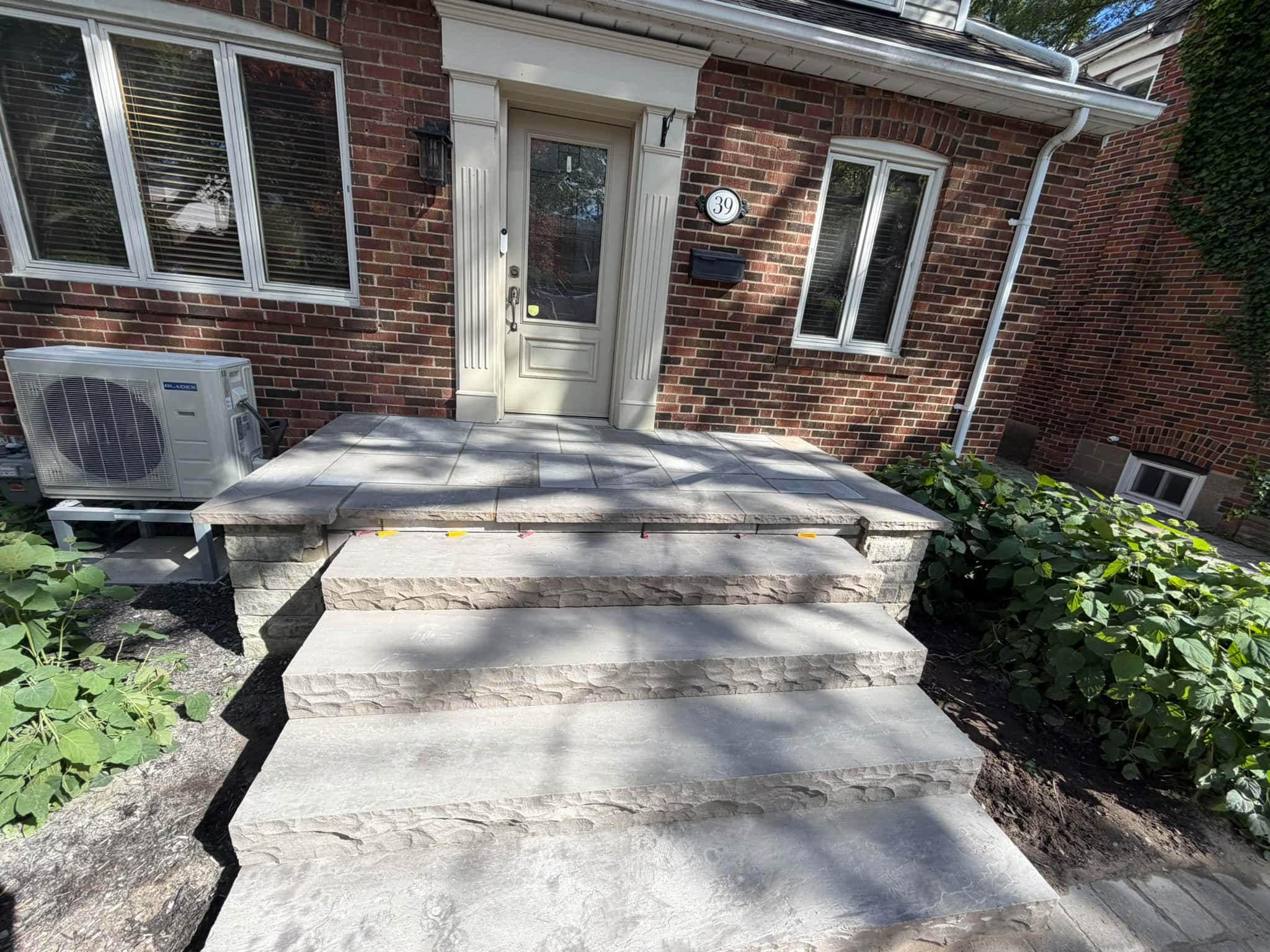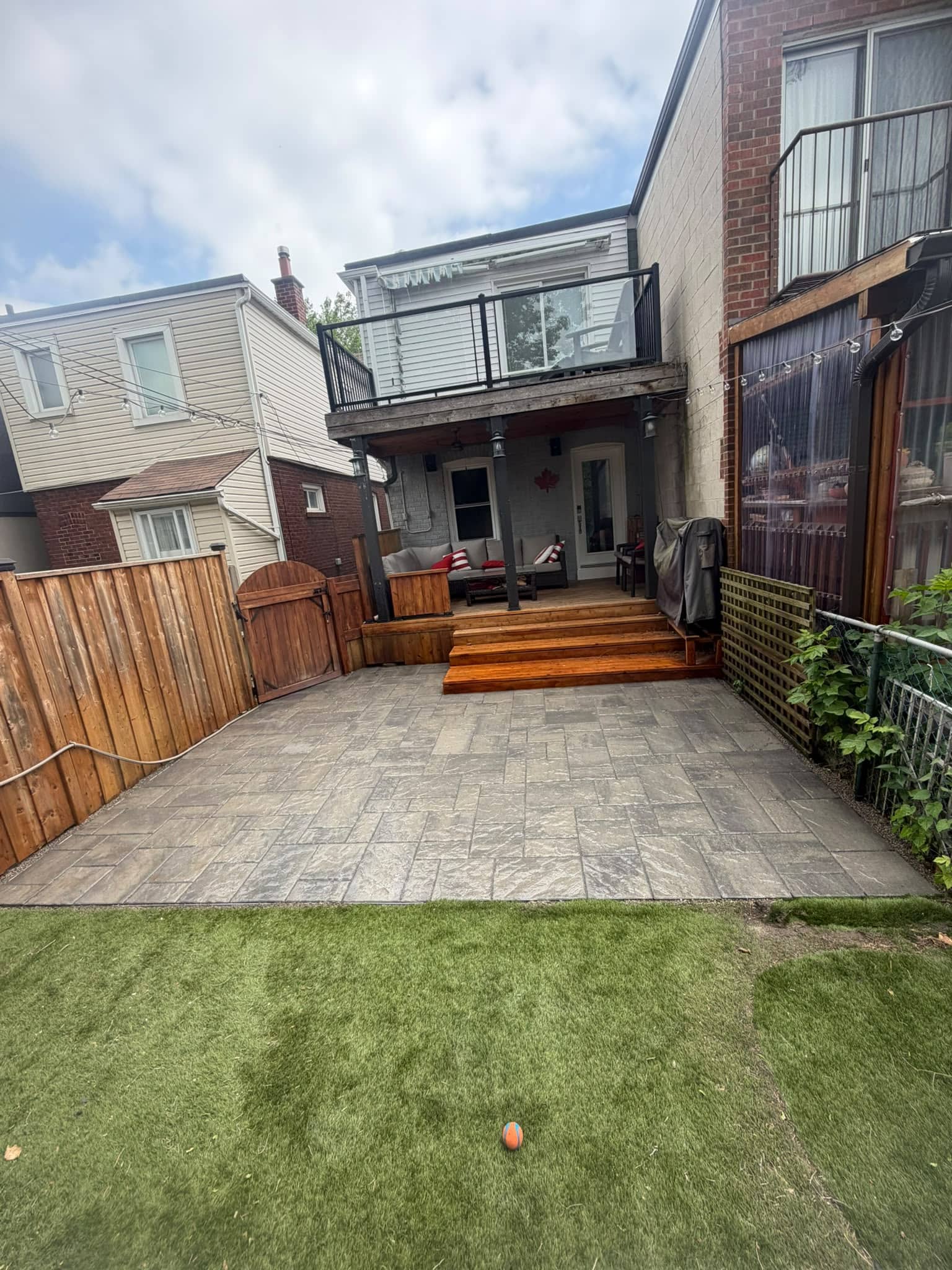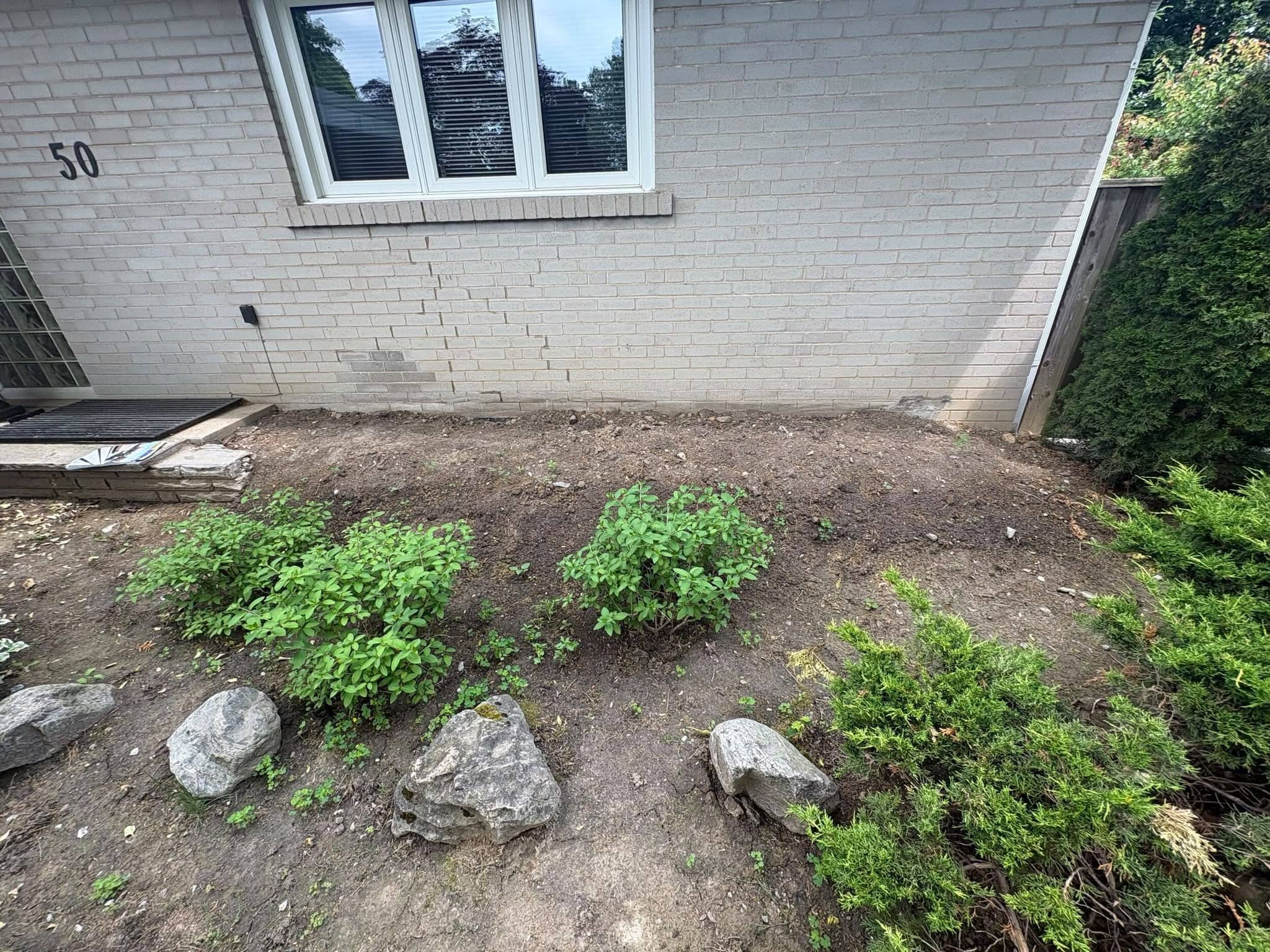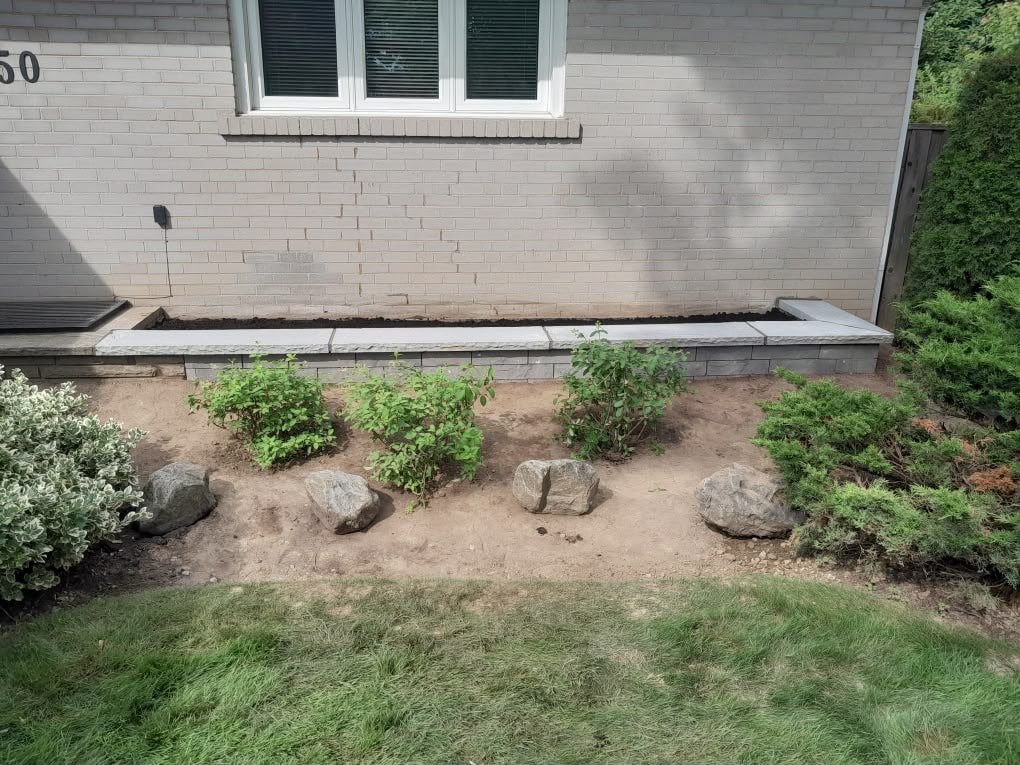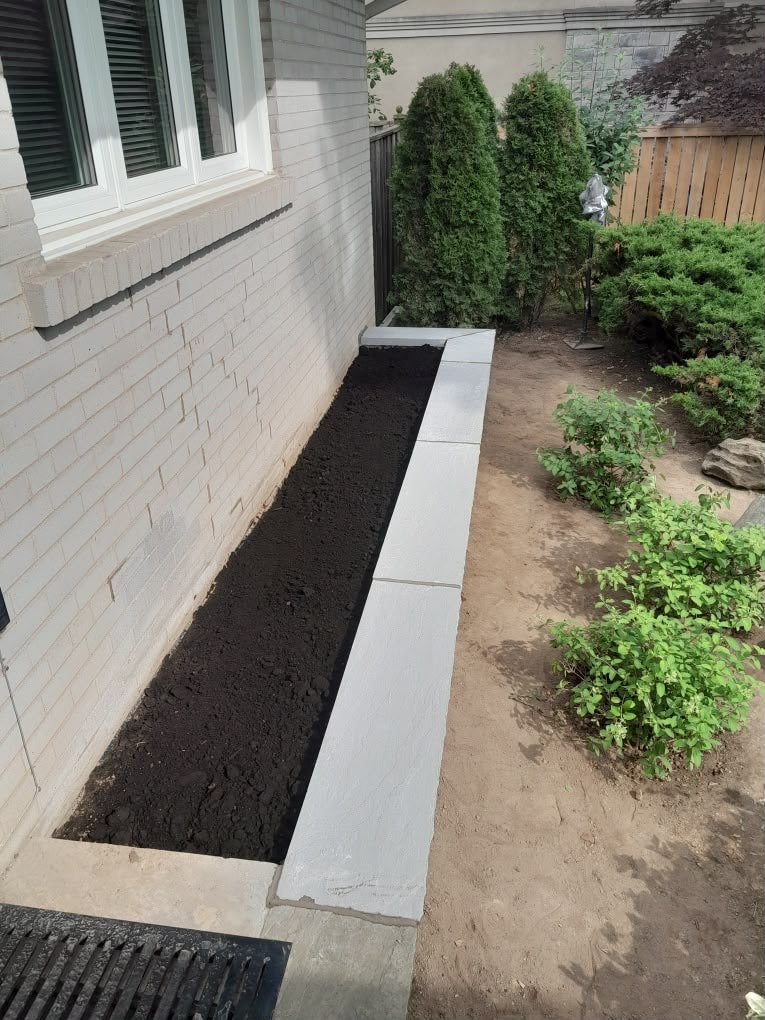

What is Stone Masonry?
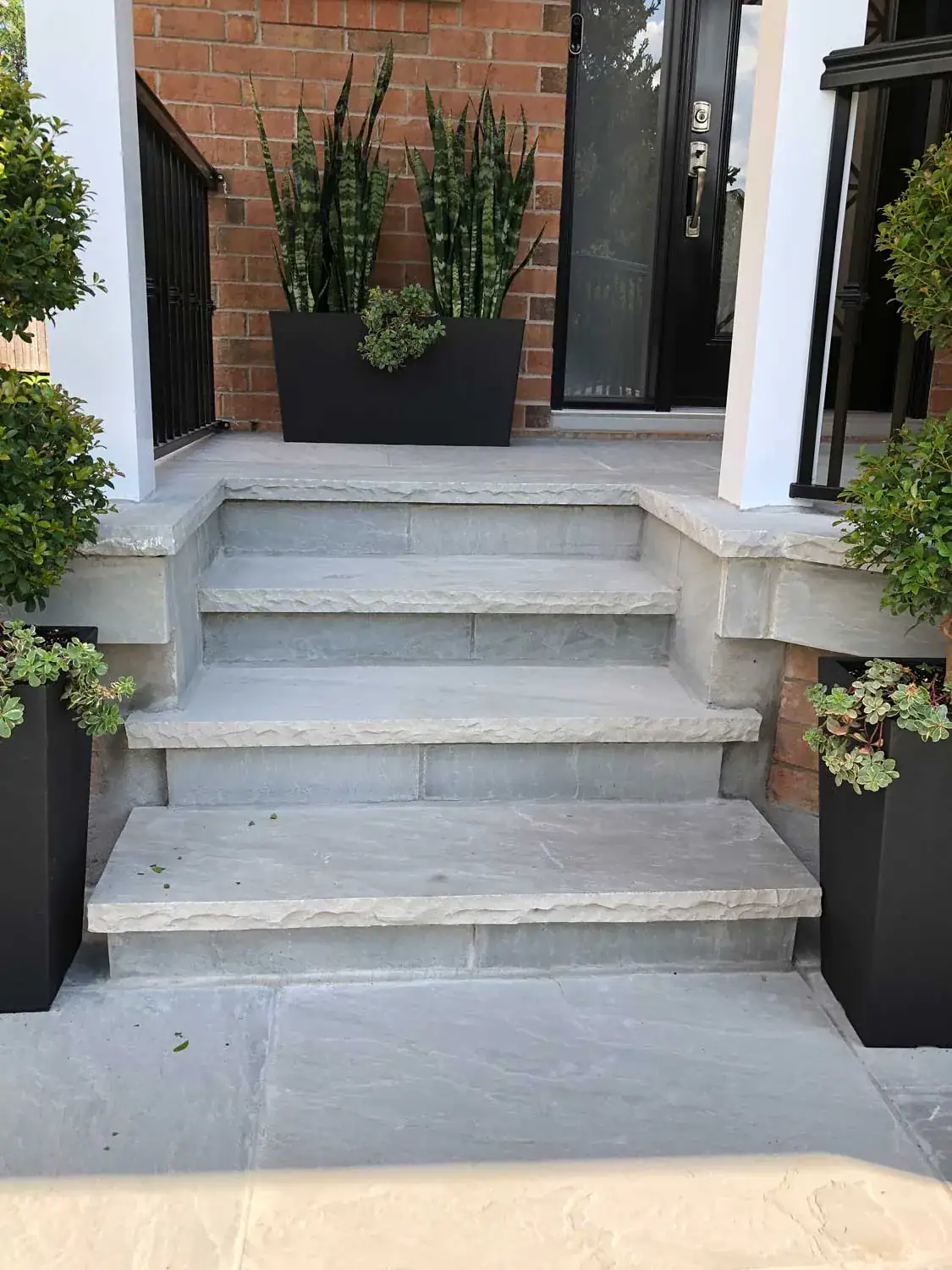
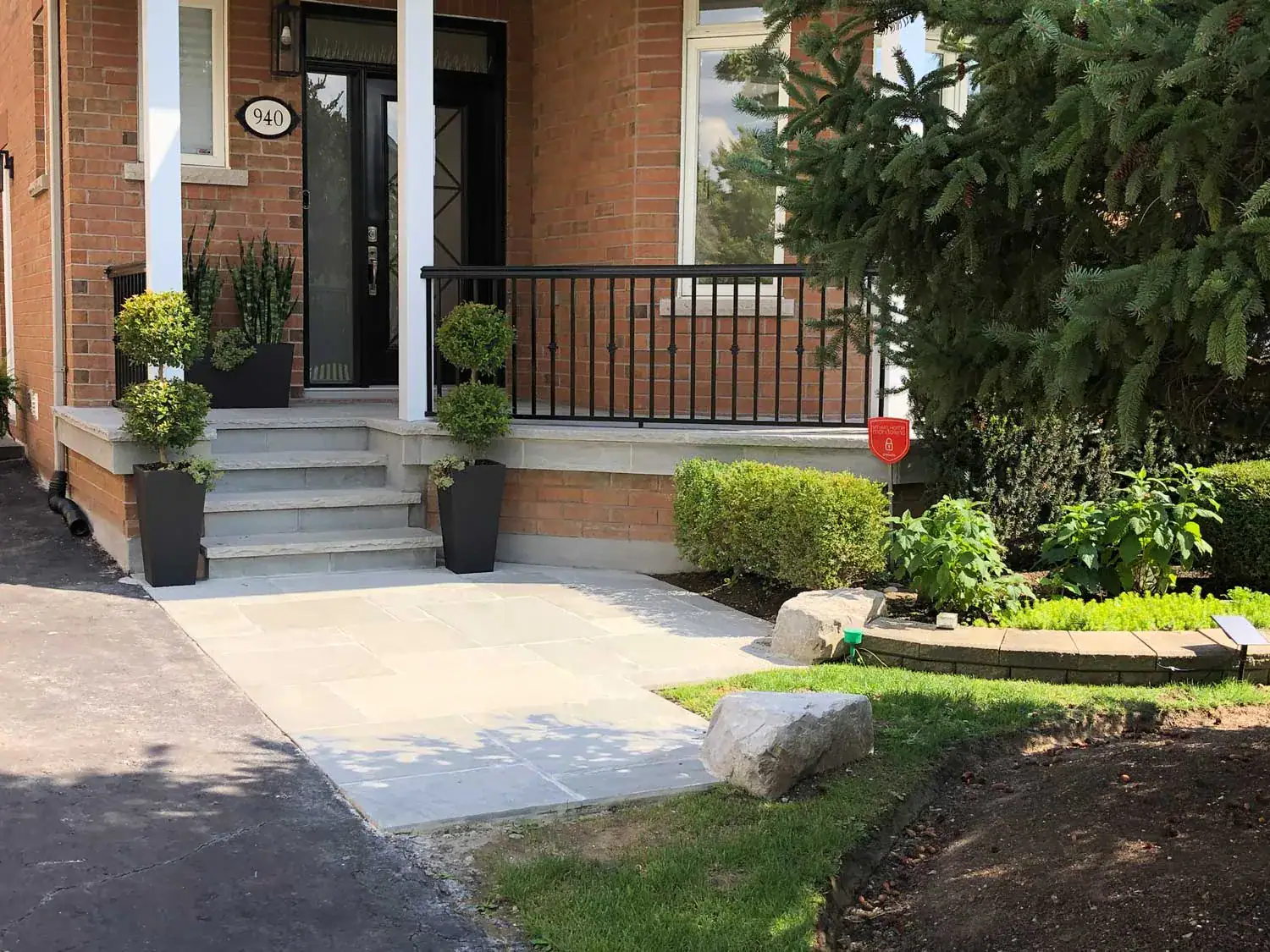
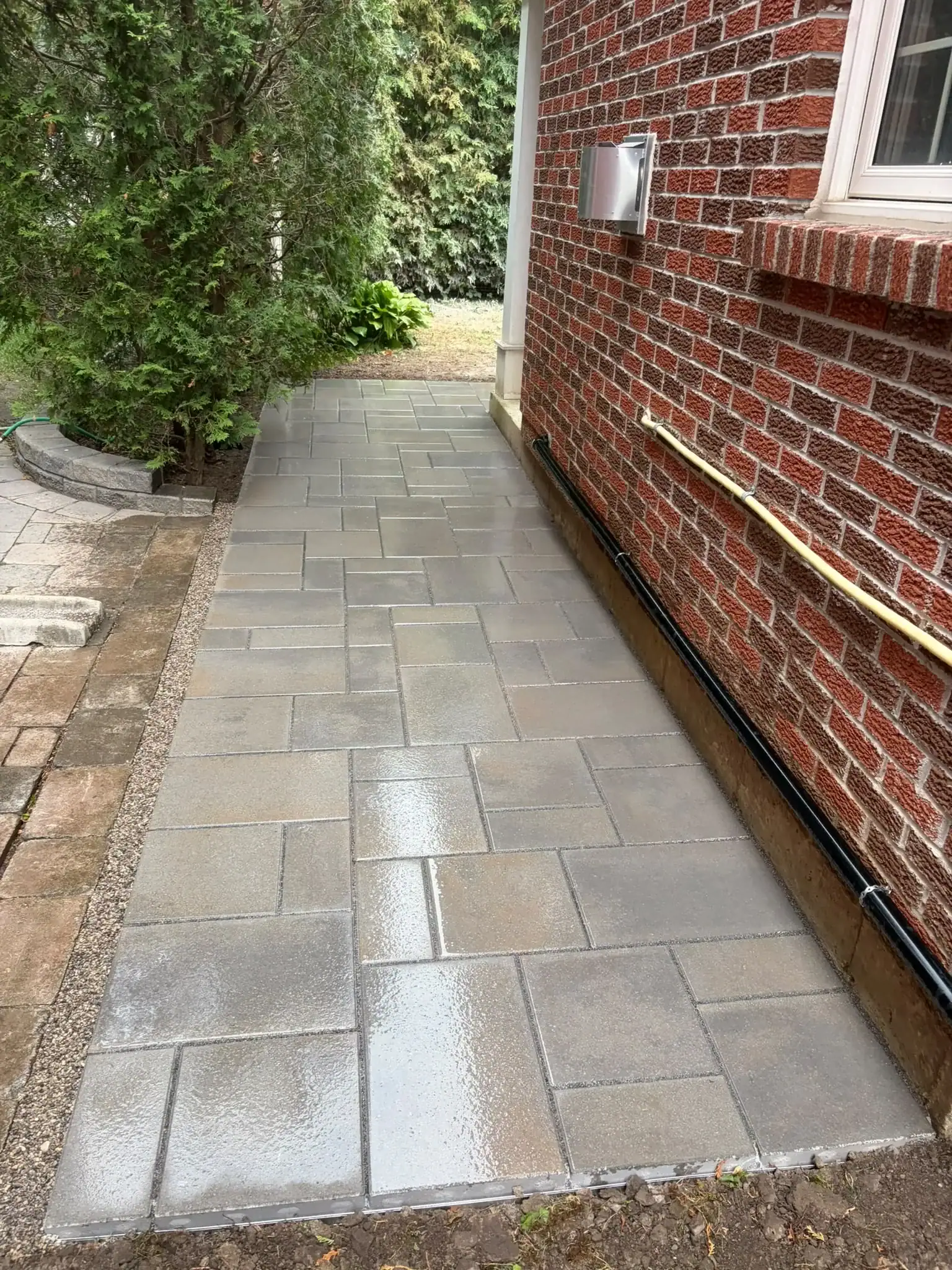
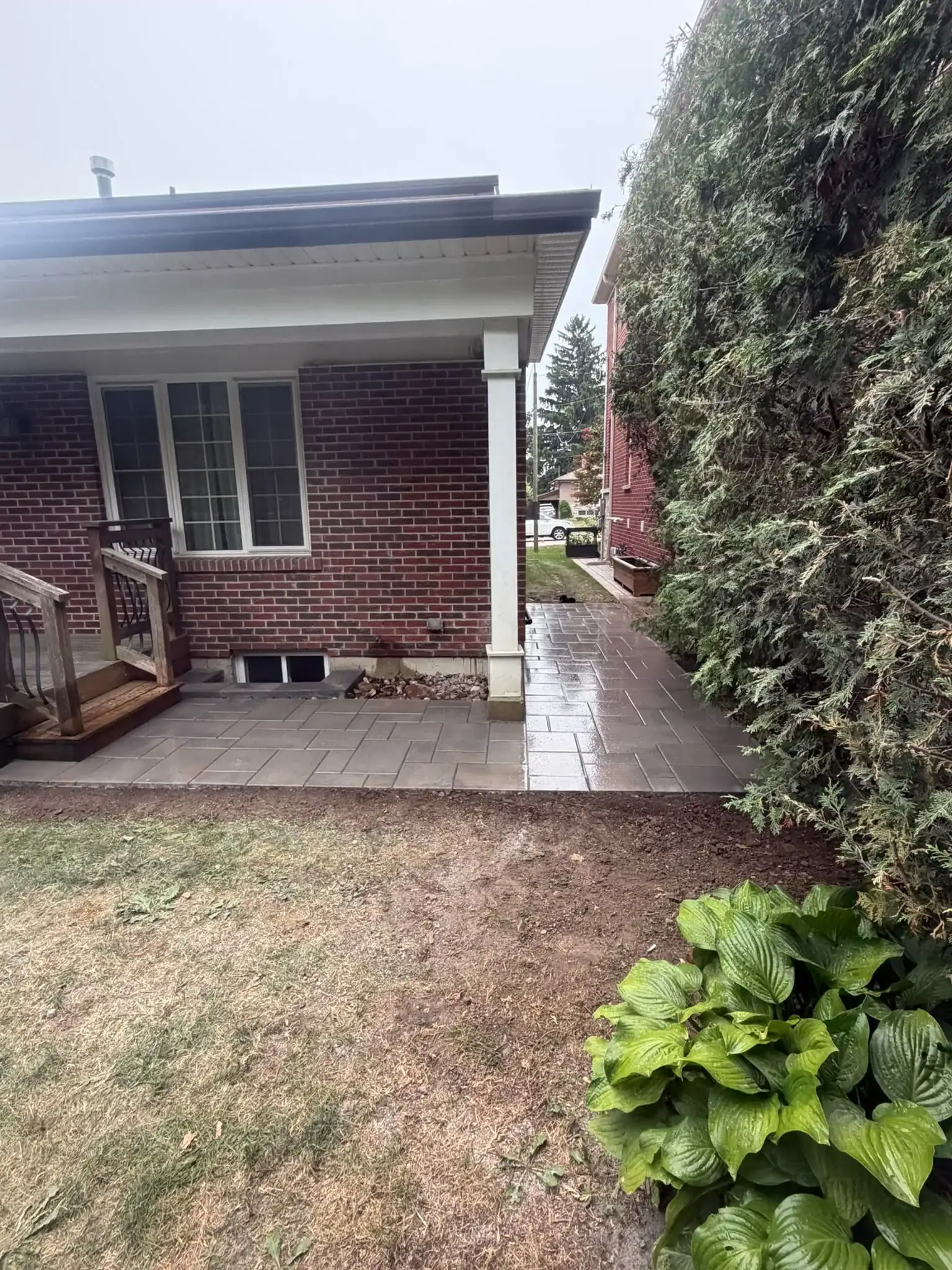
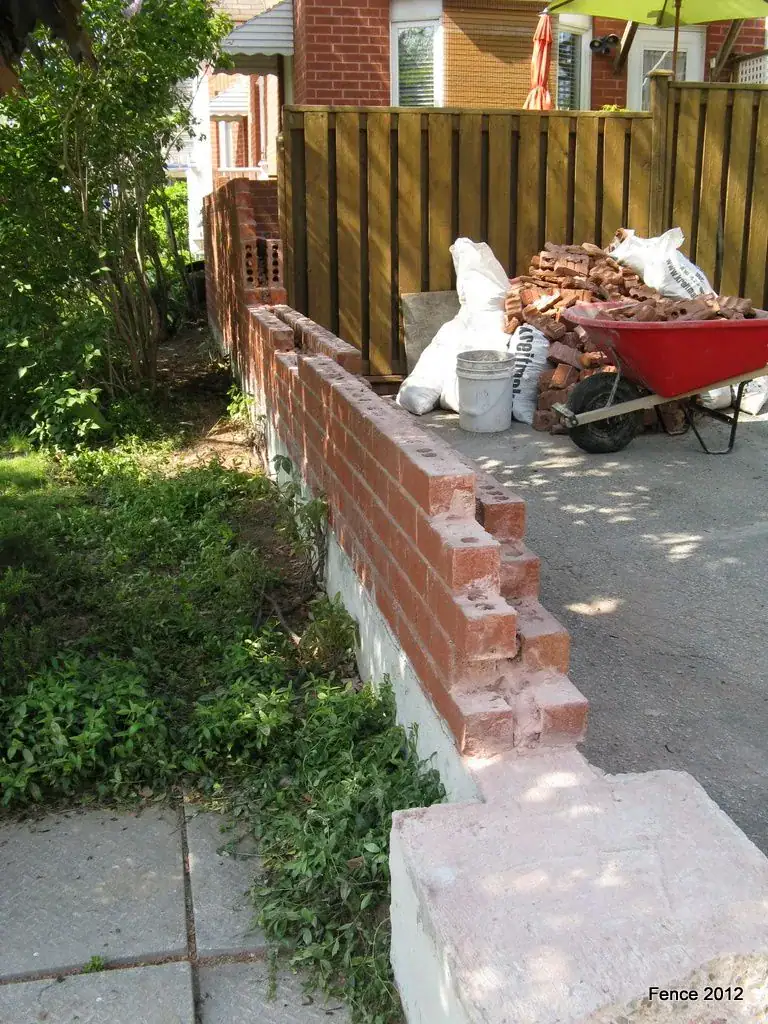
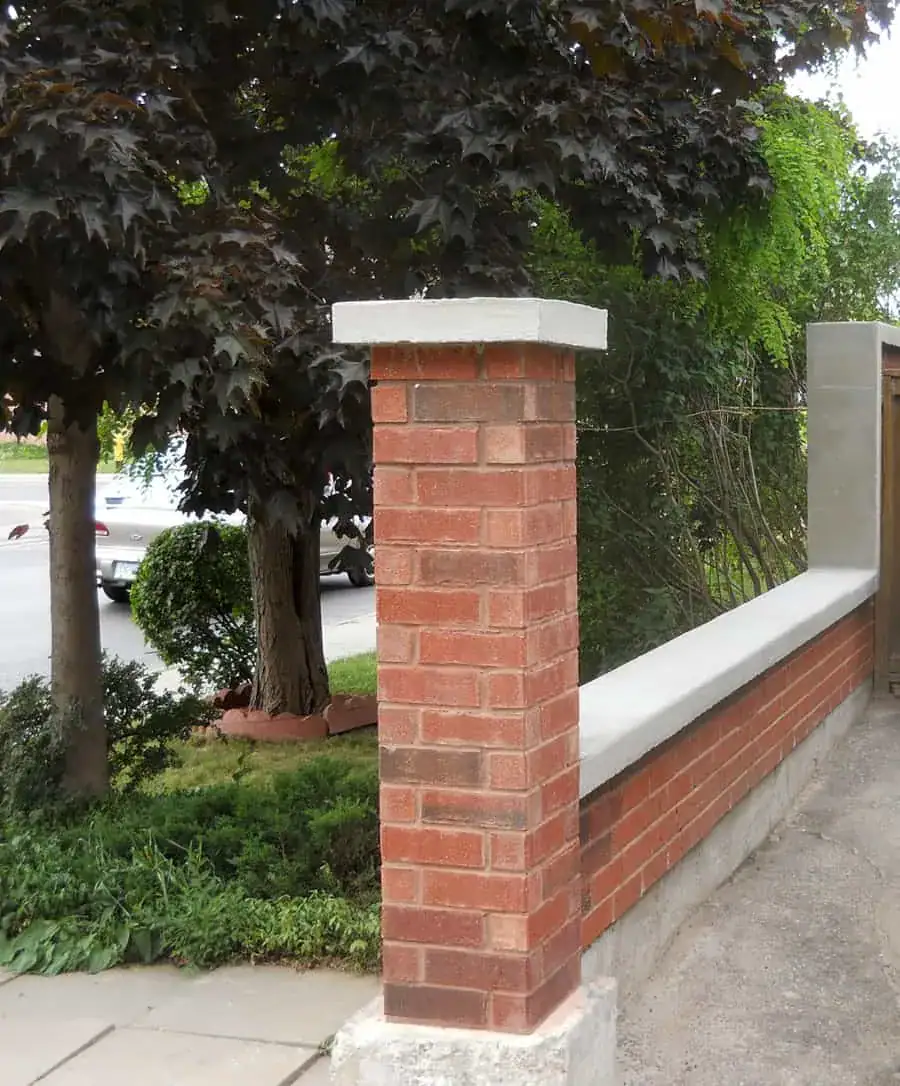
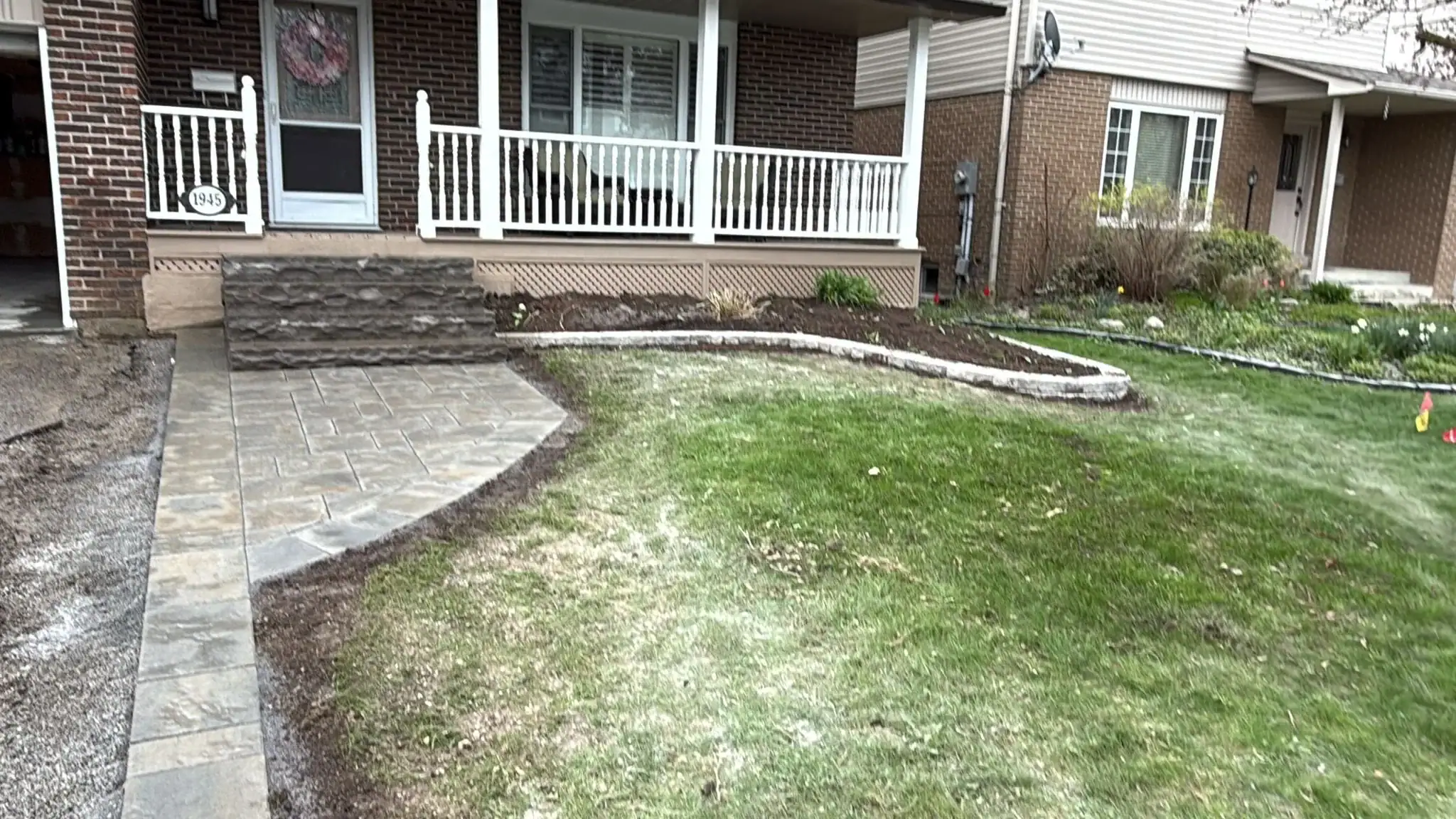
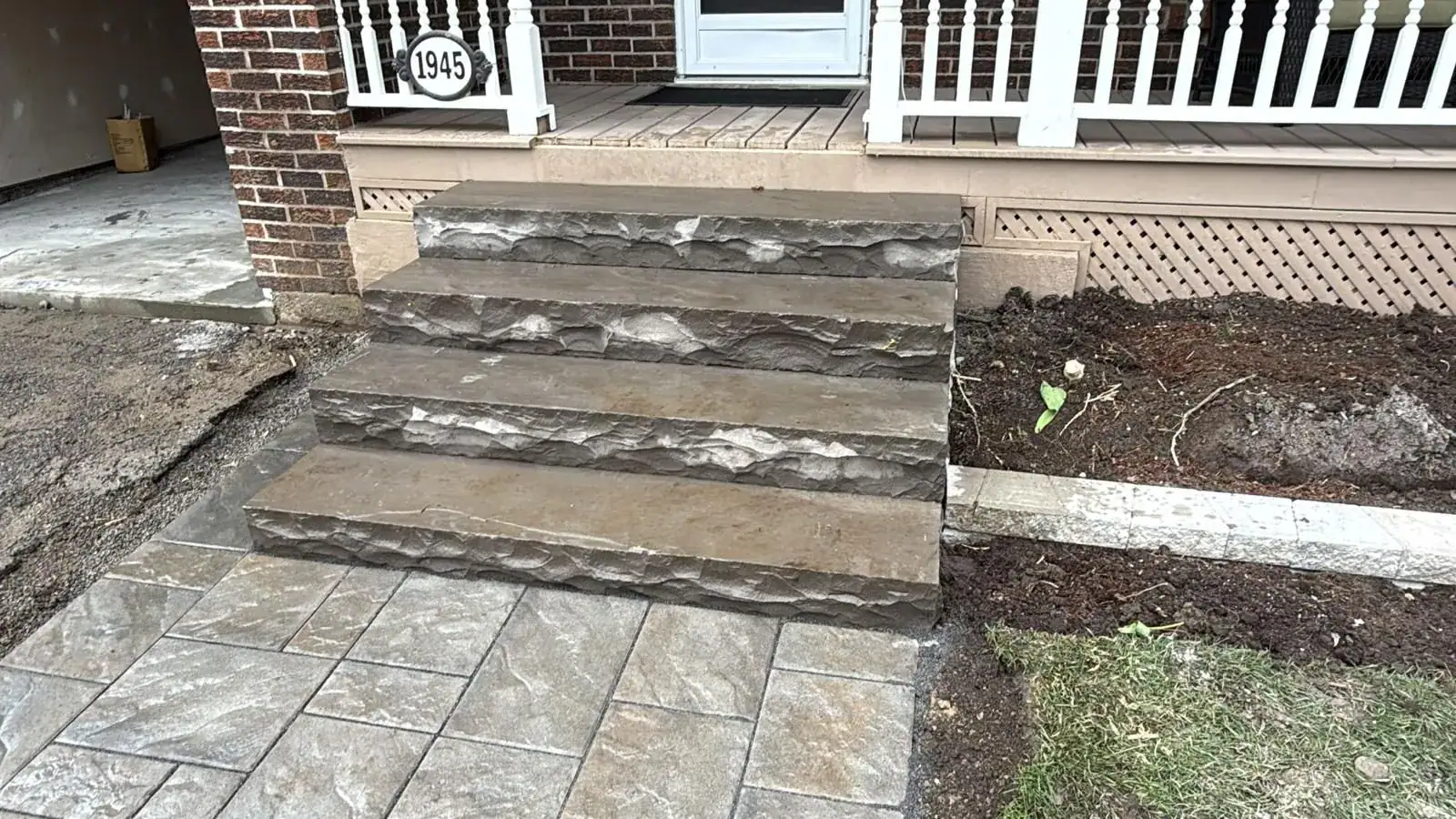
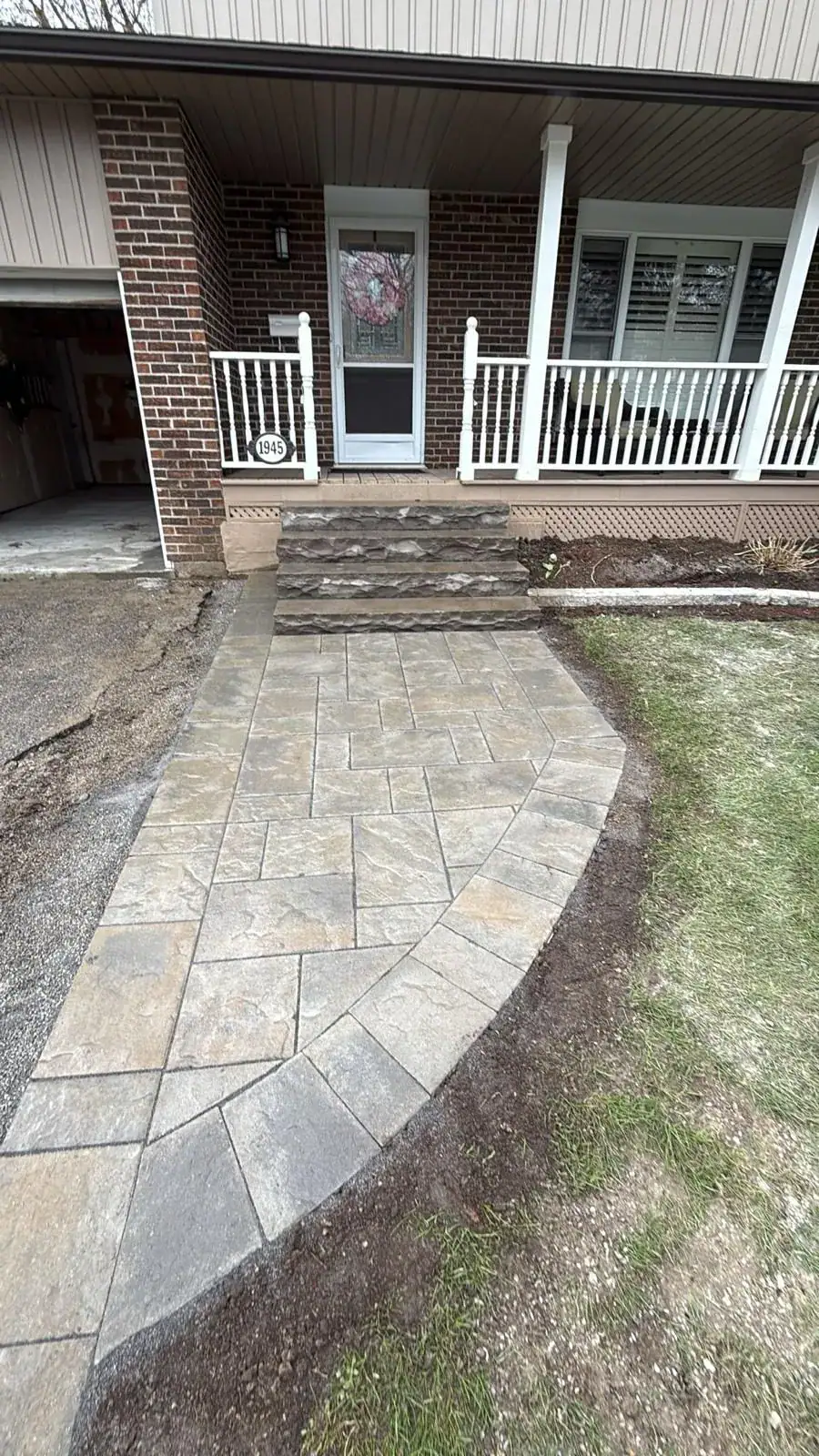
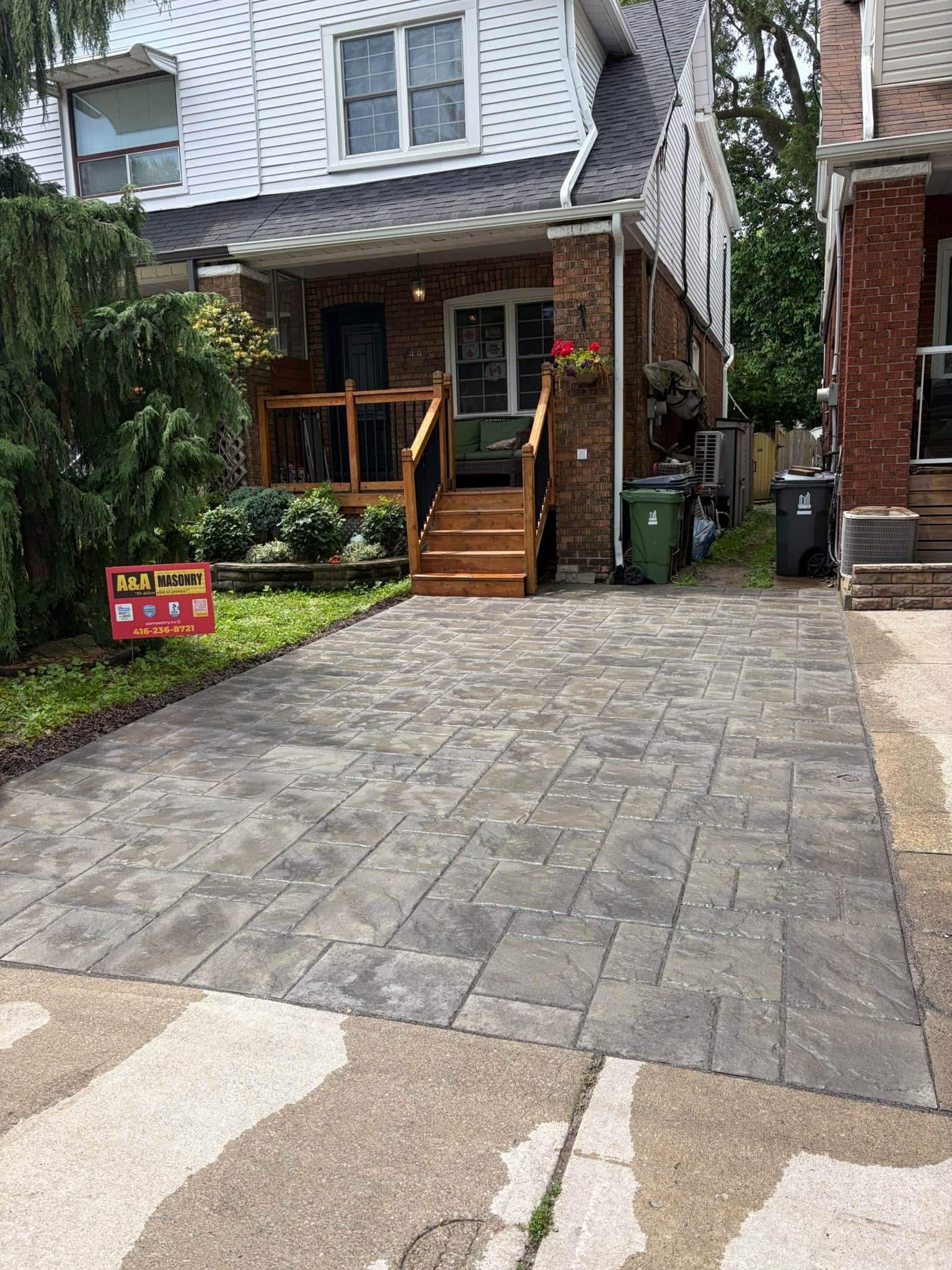
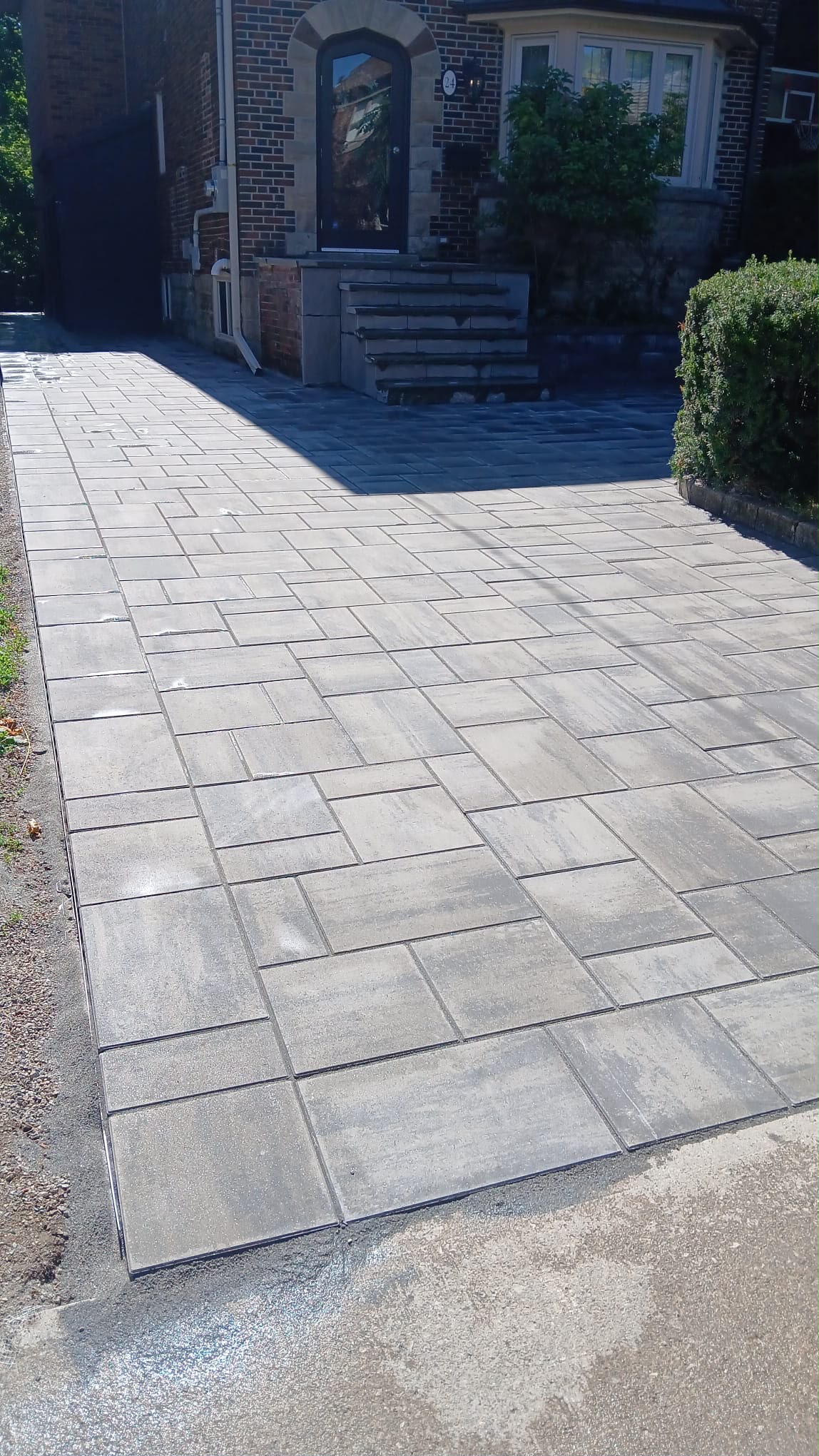
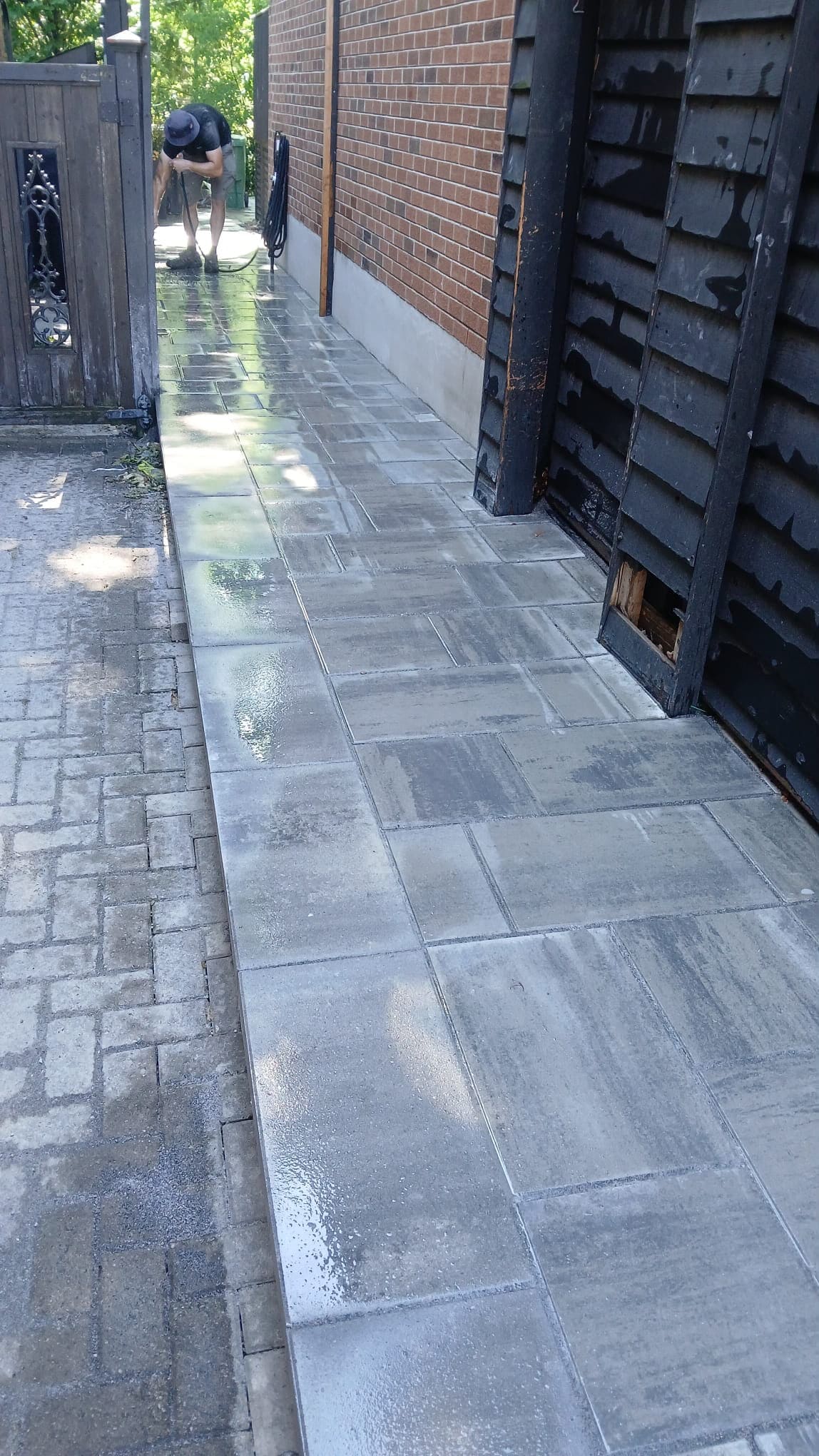
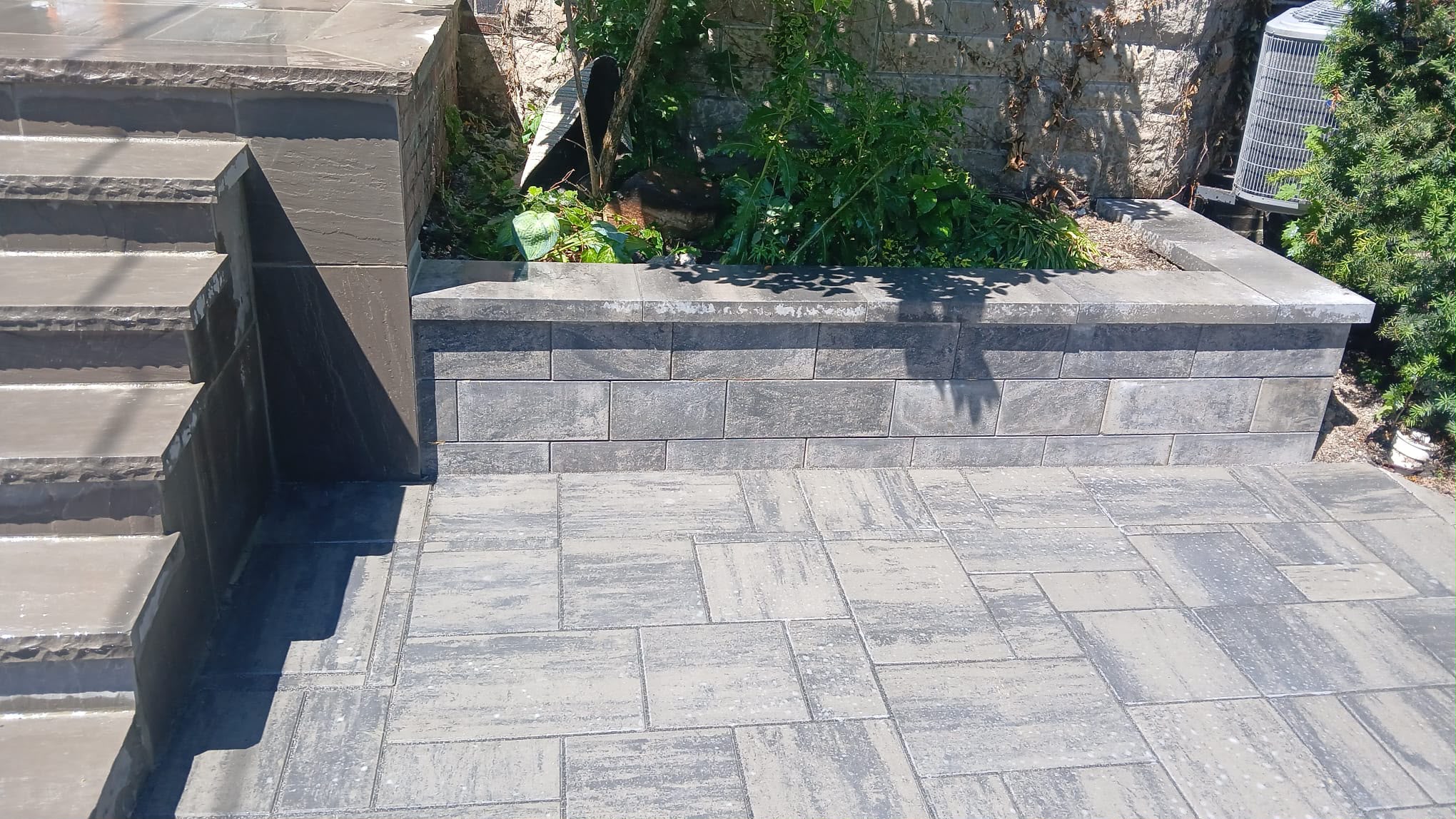
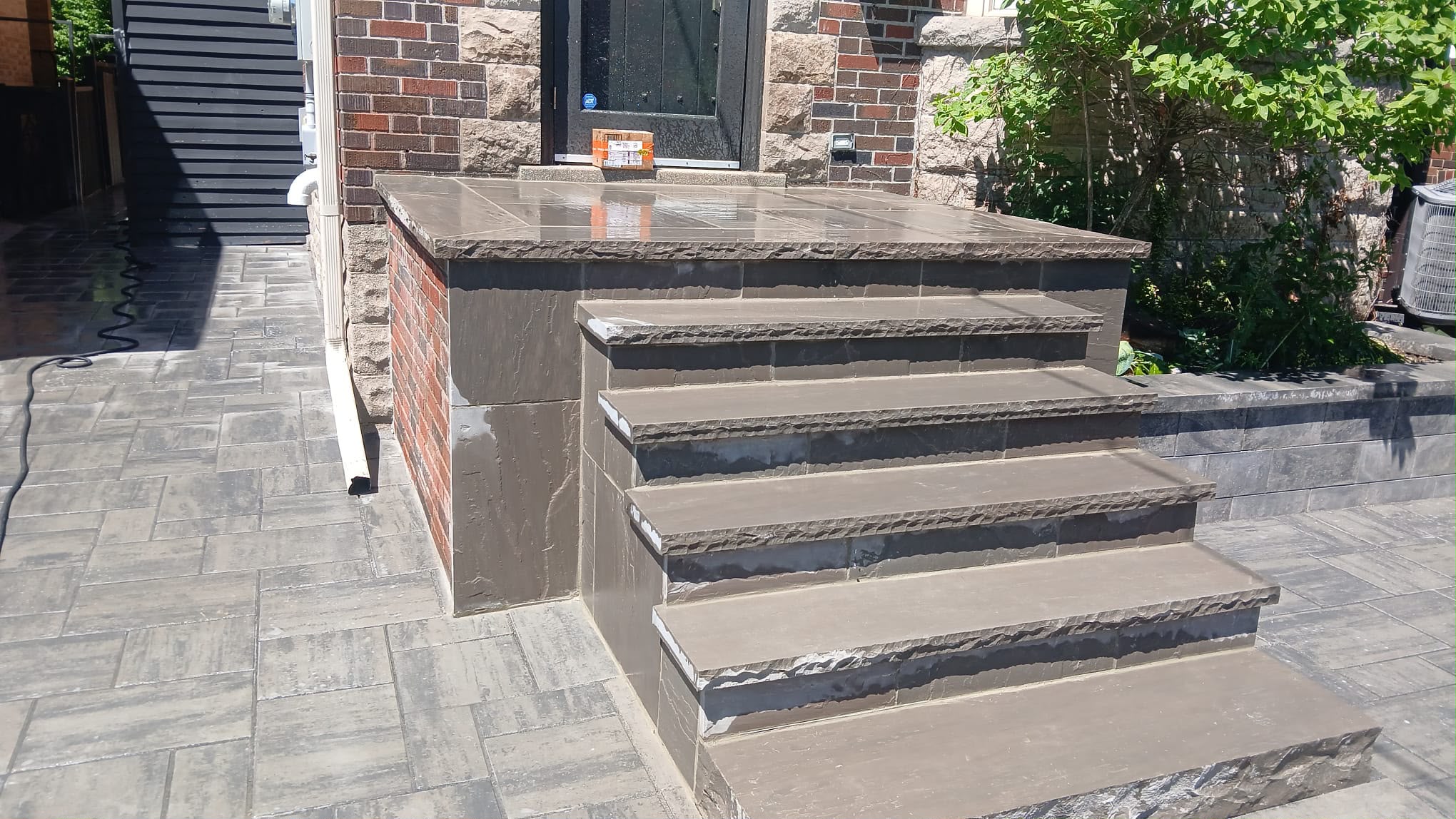
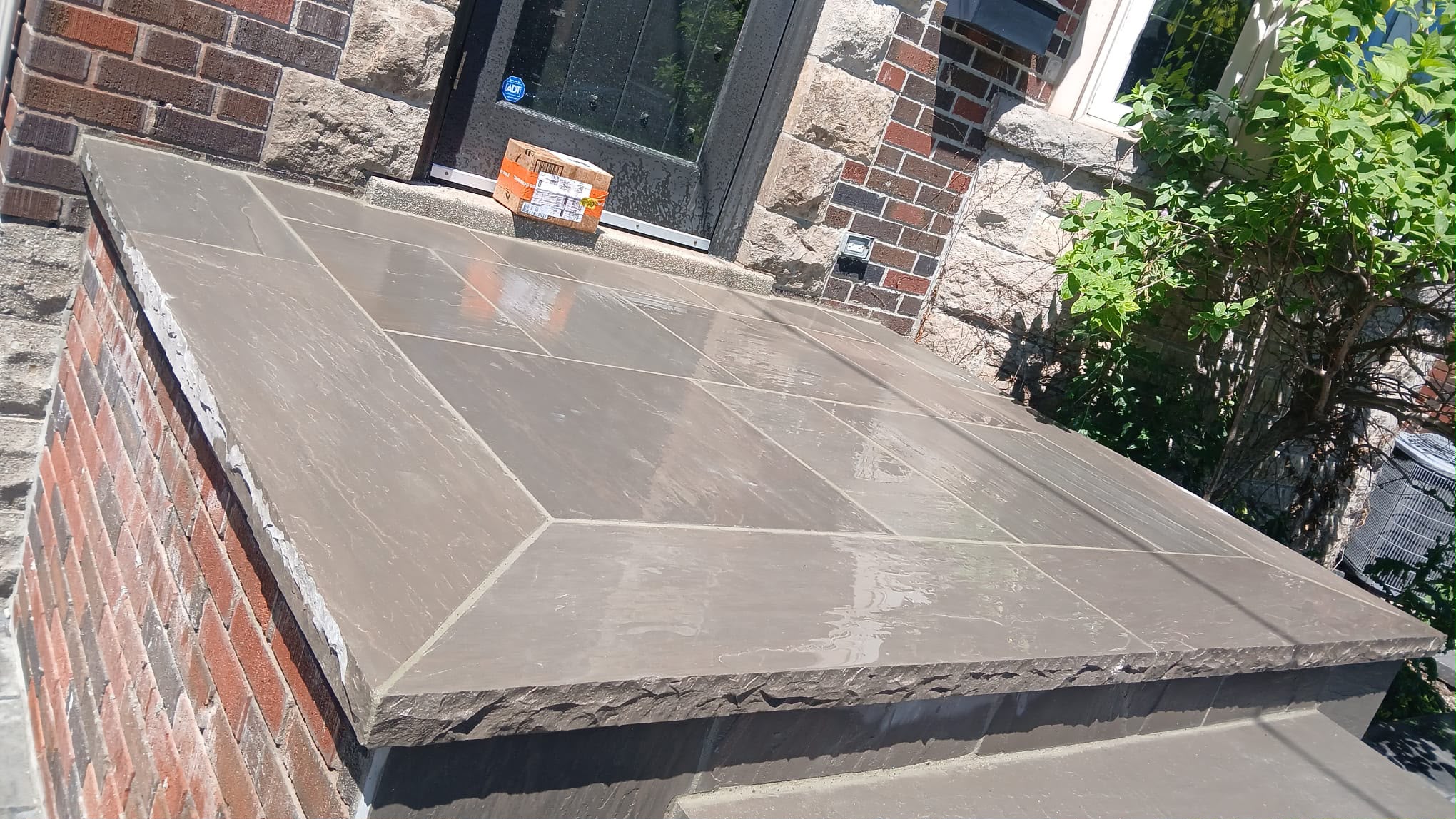
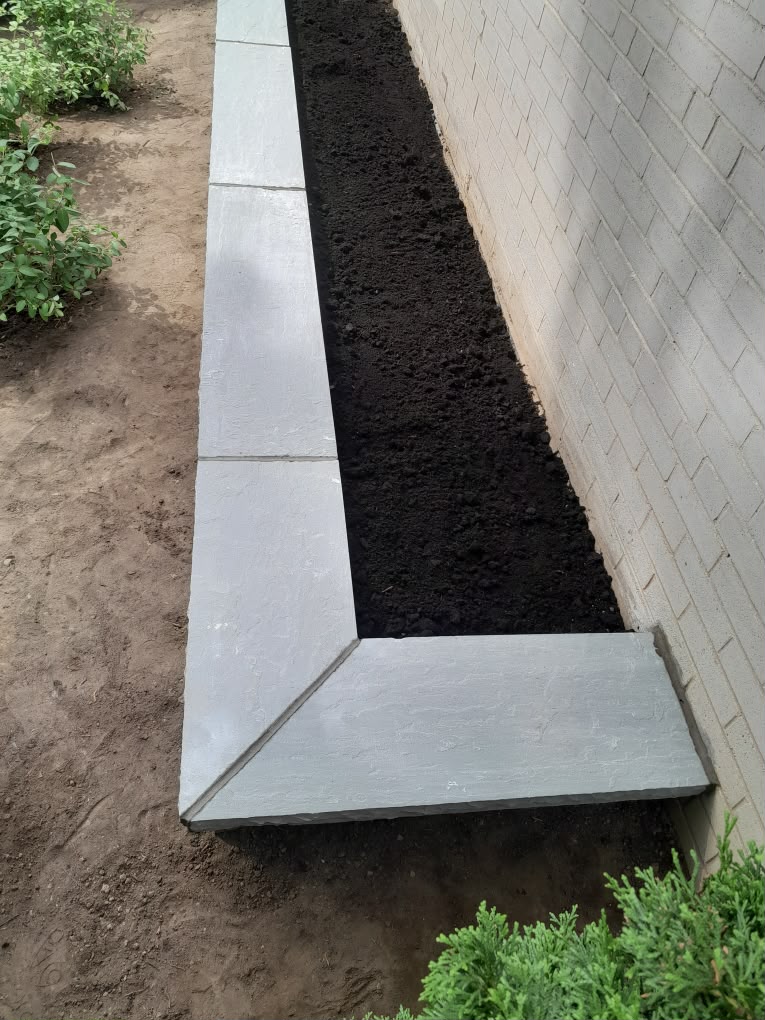
Stone masonry is a construction technique that involves building structures from individual units of stone, which are often laid in mortar. It is one of the oldest building methods and has been used for thousands of years.
What Are The Different Types Of Construction Stones?
Choosing the right stone is crucial in masonry construction, as each type offers distinct strengths and weaknesses. Here’s an overview of the seven main types of stones used in masonry, along with their best applications.
Granite: Durable and Elegant
Granite is renowned for its toughness and aesthetic appeal. With its exceptional hardness and longevity, it withstands harsh weather conditions effectively. Available in various colors and patterns, from classic gray to rich red, granite complements a wide range of architectural styles.
Best Uses: Ideal for high-traffic areas and outdoor projects, granite’s low porosity and resistance to weathering and staining make it a top choice for durability and elegance.
Limestone: Versatile and Sustainable
Limestone is celebrated for its natural beauty and durability. Ranging in color from soft whites to warm tans, it suits various design preferences. Its workability makes it a versatile option for applications such as flooring, wall cladding, and landscaping.
Best Uses: With its ability to withstand exposure to the elements, limestone is suitable for both interior and exterior projects, making it a sustainable choice for many masonry applications.

Granite Stone vs Limestone: Which One Is Best for Your Home Projects?
- Choose granite if you want a hard, durable, low-maintenance surface for high-use areas like kitchens, bathrooms, and outdoor spaces.
- Choose limestone if you prefer a more budget-friendly option with a natural, rustic look. It’s excellent for walls, facades, fireplaces, and certain landscaping projects, but be prepared to maintain it more often.
Here’s a table comparing Granite vs. Limestone for your home projects:
| Feature | Granite | Limestone |
| Best Uses | Countertops, Flooring, Exteriors, Stairs, Paving | Walls, Facades, Flooring, Fireplaces, Landscaping |
| Durability | Extremely durable, resistant to scratches, heat, and stains | Less durable, more susceptible to wear and tear |
| Maintenance | Low maintenance, requires sealing for stain resistance | Requires regular sealing to protect from stains and moisture |
| Workability | Harder, more challenging to shape and cut | Easier to cut, carve, and shape |
| Cost | More expensive | More affordable |
| Appearance | Elegant, luxurious, available in various colors and patterns | Natural, warm, earthy tones |
| Porosity | Low porosity, resistant to moisture | More porous, can absorb moisture if not sealed |
| Weight | Heavier, requires more support | Lighter, easier to handle |
| Best For | High-traffic areas, modern designs | Traditional, rustic designs, budget-friendly projects |
Sandstone: Textured and Earthy
Sandstone is appreciated for its unique textures and warm, earthy tones. It is a durable choice for masonry, particularly in moderate climates. Its natural beauty and ease of carving allow it to be used creatively in decorative elements and landscape features.
Best Uses: Sandstone is often employed in patios, garden walls, and other outdoor structures, enhancing the aesthetic appeal of any space.
Slate: Sleek and Modern
Slate is known for its remarkable durability, fire resistance, and low maintenance requirements. This fine-grained metamorphic rock is often used for roofing, flooring, and wall cladding, providing a sleek and modern look to masonry projects.
Best Uses: Ideal for both interior and exterior applications, slate is particularly effective in areas that experience moisture or temperature fluctuations.
Marble: Luxurious and Unique
Marble is a metamorphic rock prized for its stunning beauty and unique veining. Its luxurious appearance makes it a popular choice for high-end interior applications, such as countertops, flooring, and decorative accents.
Best Uses: While primarily used indoors, marble can also enhance exterior features when properly sealed, adding elegance to any masonry project.
Travertine
Travertine is a type of limestone that forms in mineral springs, often in hot springs or caves, where water rich in minerals deposits the stone over time. It’s a sedimentary rock primarily composed of calcium carbonate. Travertine has a distinctive, porous texture and can come in a variety of colors, ranging from white and cream to shades of brown, gold, and even red.

Factors to Consider When Choosing Masonry Stone
Choosing the right masonry stone is key for your project’s success. There are important factors to think about when picking masonry stone.
Durability and Weather Resistance
When picking masonry stone, its durability and weather resistance are top priorities. Stone durability is crucial for your structure’s long-term stability. You should check the stone’s hardness, compressive strength, and freeze-thaw resistance. This ensures it can handle your area’s weather.
Aesthetic Appeal and Color Options
The aesthetic appeal and color options of masonry stone are also vital. They greatly impact your project’s design and look. With options like sandstone’s warm tones to granite’s crisp look, you can create a unique design. This design should match your architectural style and personal taste.
Cost Considerations for Stone Masonry Projects
Investing in stone masonry is a big financial step. But knowing the different costs can help you plan better. The cost of a stone masonry project depends on several things. These include the type of stone, the design’s complexity, the project’s size, and the labor costs.
The stone you choose greatly affects the budget. Stones like granite and marble are pricier than options like limestone or sandstone. Also, how easy it is to get and move the stone can change the final cost.
The design’s complexity also plays a big role in costs. Detailed designs and custom shapes raise both labor and material costs. Big projects, like building a whole house or a large outdoor feature, cost more than small ones.
What Are The Classification Of Stones In Civil Engineering?
In civil engineering, stones are classified into two main categories:
- Igneous Stones: These stones form from volcanic activity. Common examples include granite and basalt, known for their hardness and durability.
- Sedimentary Stones: These stones are formed by the accumulation of mineral deposits over time. Limestone, sandstone, and travertine are examples of sedimentary stones.
- Metamorphic Stones: These stones are transformed by heat and pressure, such as marble and slate, which are used for both decorative and structural purposes.
Why is stone masonry no longer popular in construction?
Stone masonry is no longer as popular in modern construction due to factors like high material and labor costs, time-intensive installation, and the availability of more efficient building materials like concrete, steel, and engineered wood.
While stone masonry offers durability, fire resistance, and a timeless aesthetic, modern construction methods prioritize cost-effectiveness, faster project timelines, and energy efficiency.
Additionally, the environmental impact of quarrying stone has driven the industry toward more sustainable alternatives. However, stone masonry remains a sought-after choice for decorative features and heritage restorations where strength and visual appeal are essential.
Top Alternatives of Stone Masonry Materials in Modern Concrete Construction
In contemporary construction, several innovative materials and techniques have emerged as effective alternatives to traditional stone masonry, particularly within concrete construction. These alternatives offer benefits such as enhanced sustainability, cost-effectiveness, and design flexibility.
Autoclaved Aerated Concrete (AAC)
- Lightweight, precast building material with excellent thermal insulation and fire resistance.
- Reduces construction time and material waste.
- Reduces structural load on foundations.
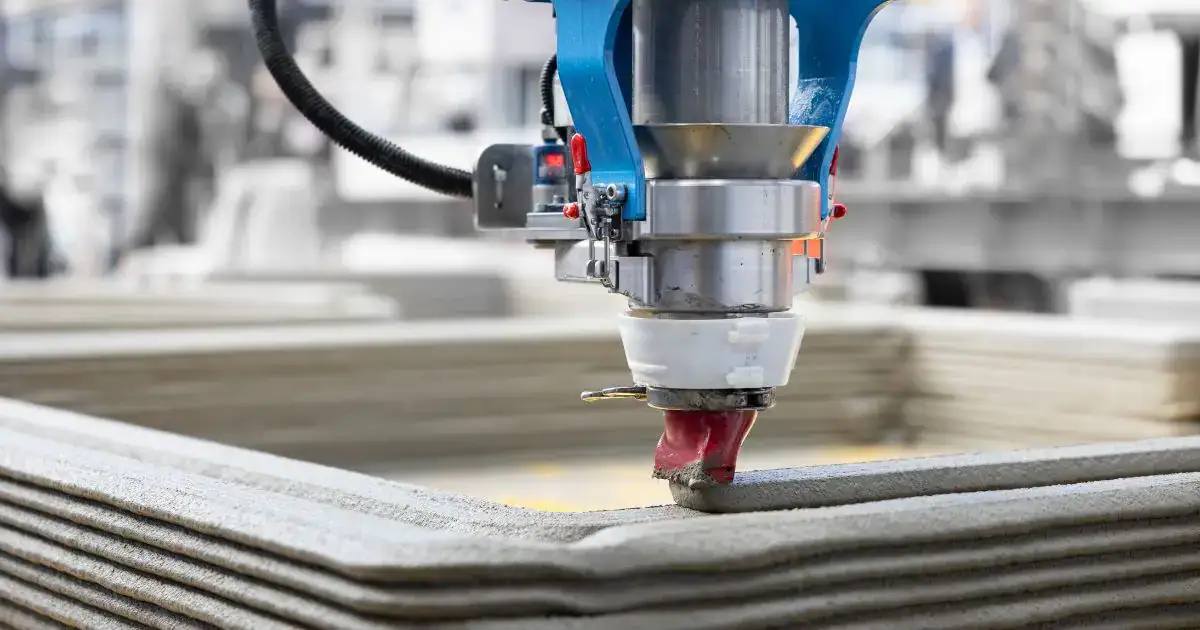
3D Concrete Printing
- Uses computer-controlled machines to deposit concrete layer by layer.
- Allows rapid construction, reduced labor costs, and minimal material waste.
- Allows architects to design intricate, customized structures.
Tilt-Up Concrete Construction
- Cost-effective and time-efficient method for casting concrete wall panels.
- Can be designed with various finishes and textures.
Hempcrete
- Sustainable biocomposite material with excellent thermal performance and moisture regulation.
- Ideal for non-structural walls and concrete frameworks.
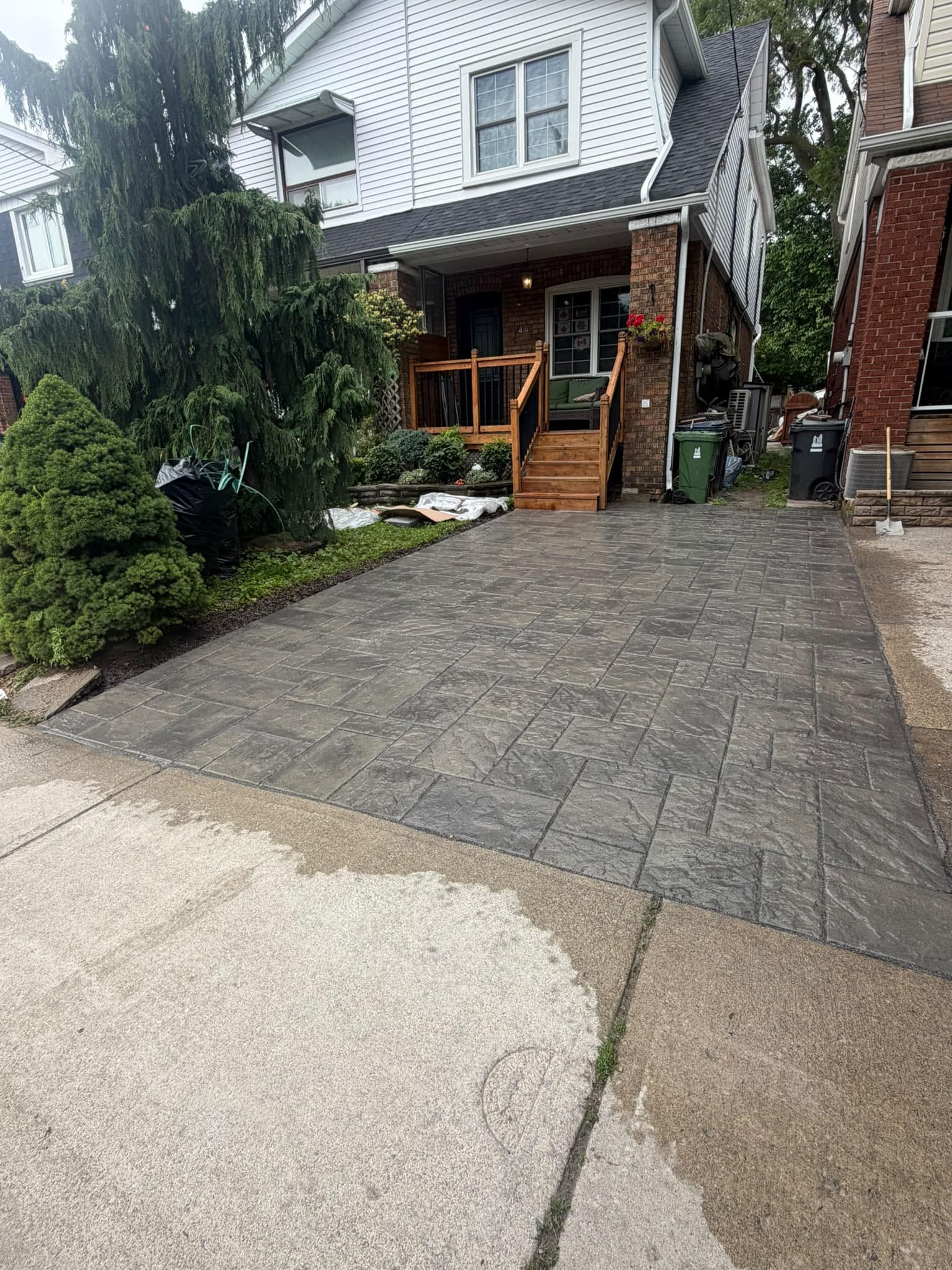
Stamped Concrete
- Technique imprinting concrete with patterns and textures.
- Provides aesthetic appeal of stone masonry at a fraction of the cost and maintenance.
Steel
- Widely used due to its strength, durability, and versatility.
- Can be prefabricated off-site, speeding up the building process.
These modern alternatives not only replicate the visual appeal of traditional stone masonry but also offer additional benefits such as improved energy efficiency, sustainability, and design flexibility, making them popular choices in today’s concrete construction industry.
FAQ
What is the best stone for construction?
The best stone for construction depends on the specific application. However, granite is widely regarded as one of the best stones for construction due to its strength, durability, and resistance to weathering and wear. It is commonly used for foundations, structural elements, and exterior facades. Limestone and sandstone are also excellent choices for building purposes, with limestone offering ease of shaping and sandstone being ideal for aesthetic exterior applications.
What is the best stone for concrete?
The best stone for concrete is typically crushed limestone or granite. These stones are used as aggregates in concrete mixes due to their strength and durability. Gravel is also commonly used, as it provides the necessary binding qualities for a solid concrete mix.
What are the classification of stones in building construction?
In building construction, stones are classified based on their origin, hardness, and use:
- Building Stones (Structural Stones): These are used for walls, foundations, and other structural elements. Examples include granite, limestone, and sandstone.
- Decorative Stones: These are used for aesthetic purposes, such as flooring, countertops, and facades. Marble, slate, and travertine are typical decorative stones.
Which stone is good for outdoor?
For outdoor applications, granite and sandstone are excellent choices. Granite is highly durable, weather-resistant, and suitable for pathways, patios, and driveways. Sandstone is often used for landscaping, garden walls, and paving due to its natural look and versatility. Travertine is another good option for outdoor spaces, offering an elegant appearance for patios and outdoor flooring.
What are the best types of stones for masonry construction?
The top stones for masonry are durable, weather-resistant, and look good. Granite, limestone, sandstone, and slate are popular. Each has its own strengths and uses.
What is the strongest masonry stone?
Granite is the strongest masonry stone. It’s very durable, resists weathering, and has low porosity. It’s perfect for projects needing lasting strength.
With decades of experience, A&A Masonry Inc. has built a reputation for delivering top-quality masonry, waterproofing, and exterior restoration services across Toronto and the surrounding areas. Our skilled team specializes in brick, stone, and concrete repairs, ensuring durable and visually appealing results.
At A&A Masonry, we prioritize craftsmanship, customer satisfaction, and long-lasting solutions. Whether you need foundation waterproofing, brick repair, tuckpointing, or interlocking stone installations, our experts provide reliable service backed by extensive industry experience.
Why Choose A&A Masonry?
✔ Expert Craftsmanship – Our team comprises experienced masons and waterproofing specialists dedicated to high-quality workmanship.
✔ Comprehensive Services – We offer everything from chimney repair to fireplace stone veneer and parging to enhance and protect your property.
✔ Waterproofing Solutions – Protect your home with professional basement waterproofing and exterior foundation sealing.
✔ Customer-First Approach – Transparent quotes, detailed assessments, and a commitment to excellence in every project.
Our Services Include:
- Concrete Repairs
- Stone Masonry
- Brick Painting
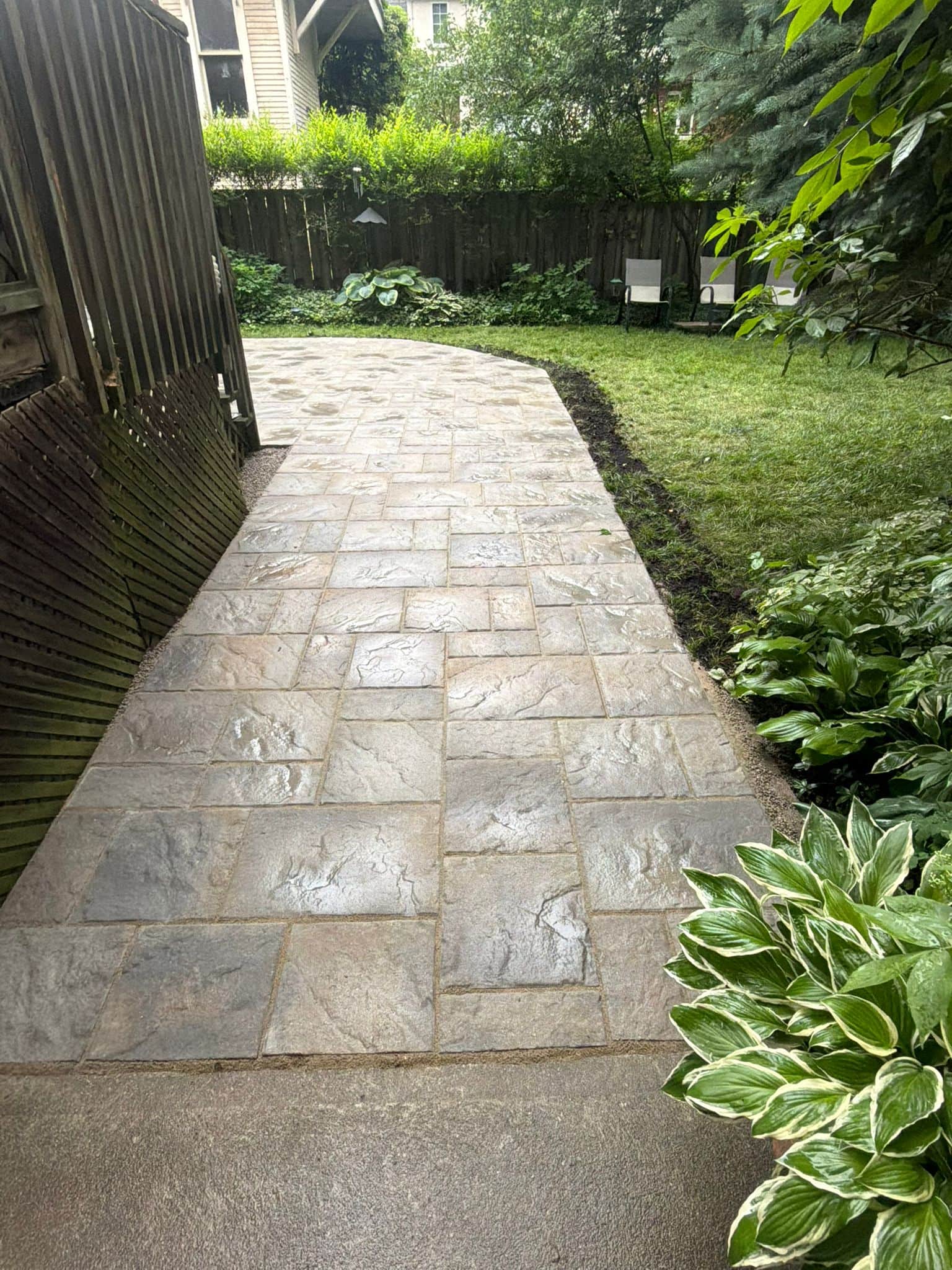
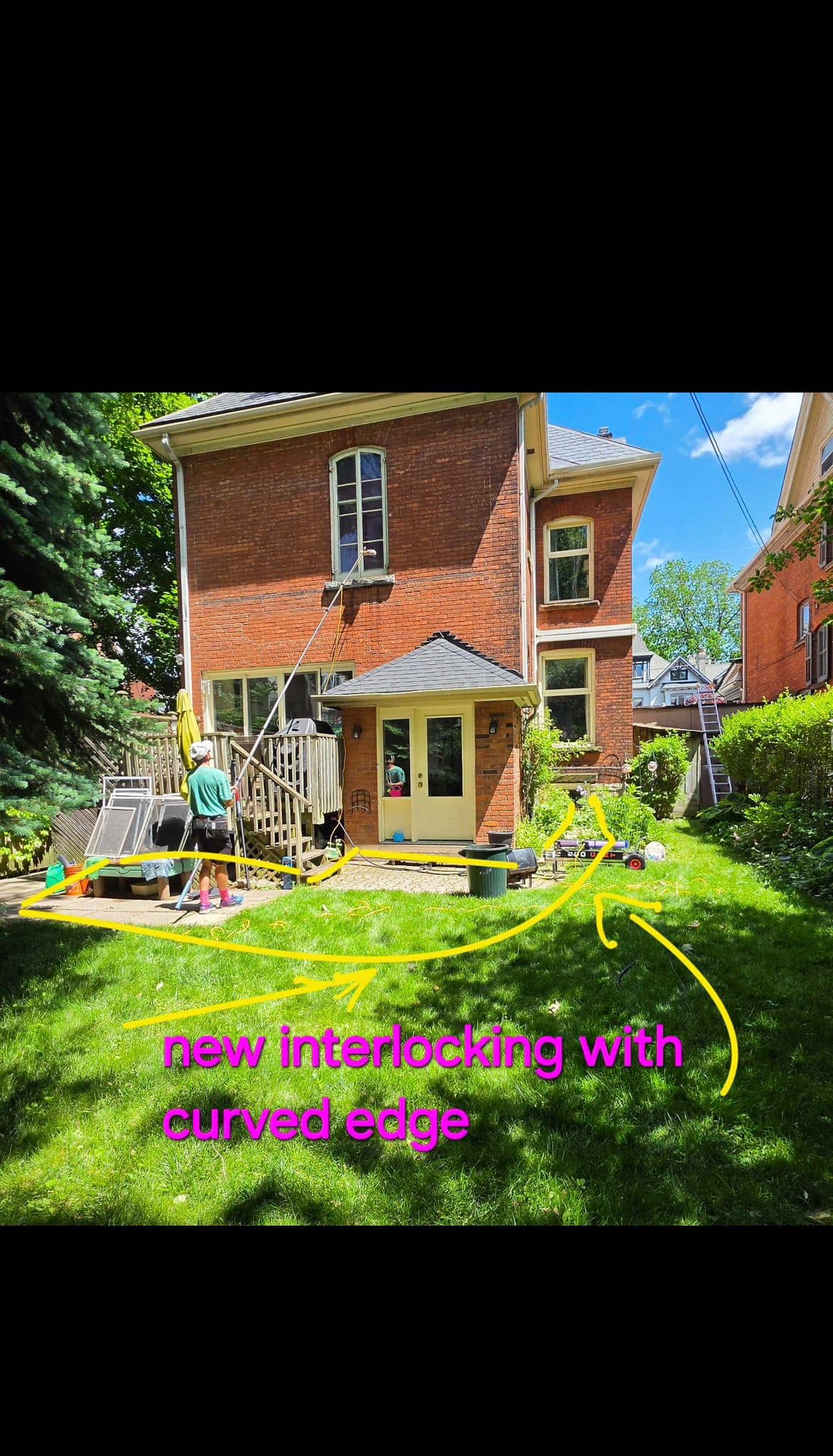
- Interlocking Stone Pavers
- Parging
- Tuckpointing
- Brick Repair
- Fireplace Stone Veneer
- Chimney Repair
- Commercial Exterior Painting
- Basement Waterproofing
- Stucco
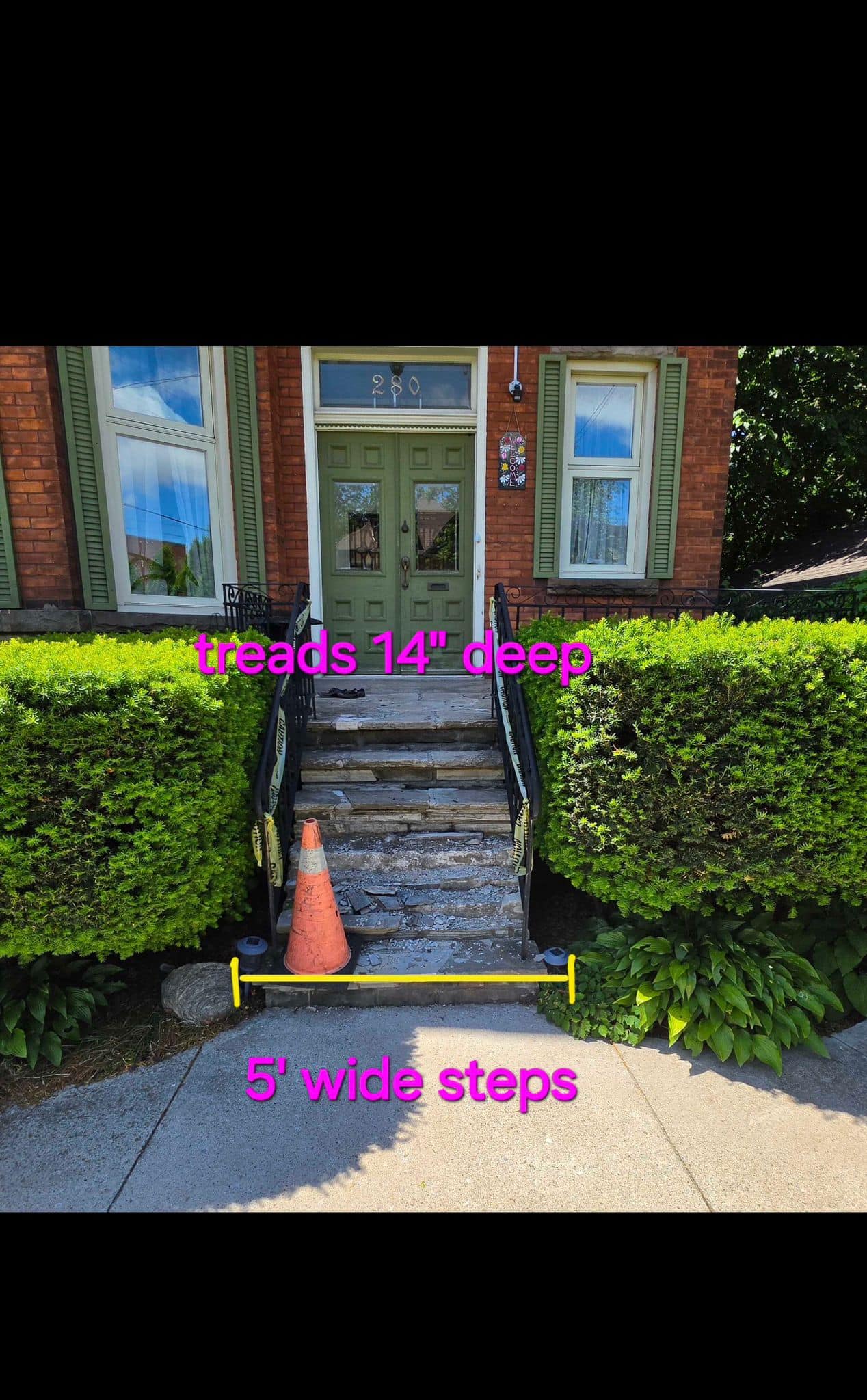
- Interlocking Steps
- Roofing