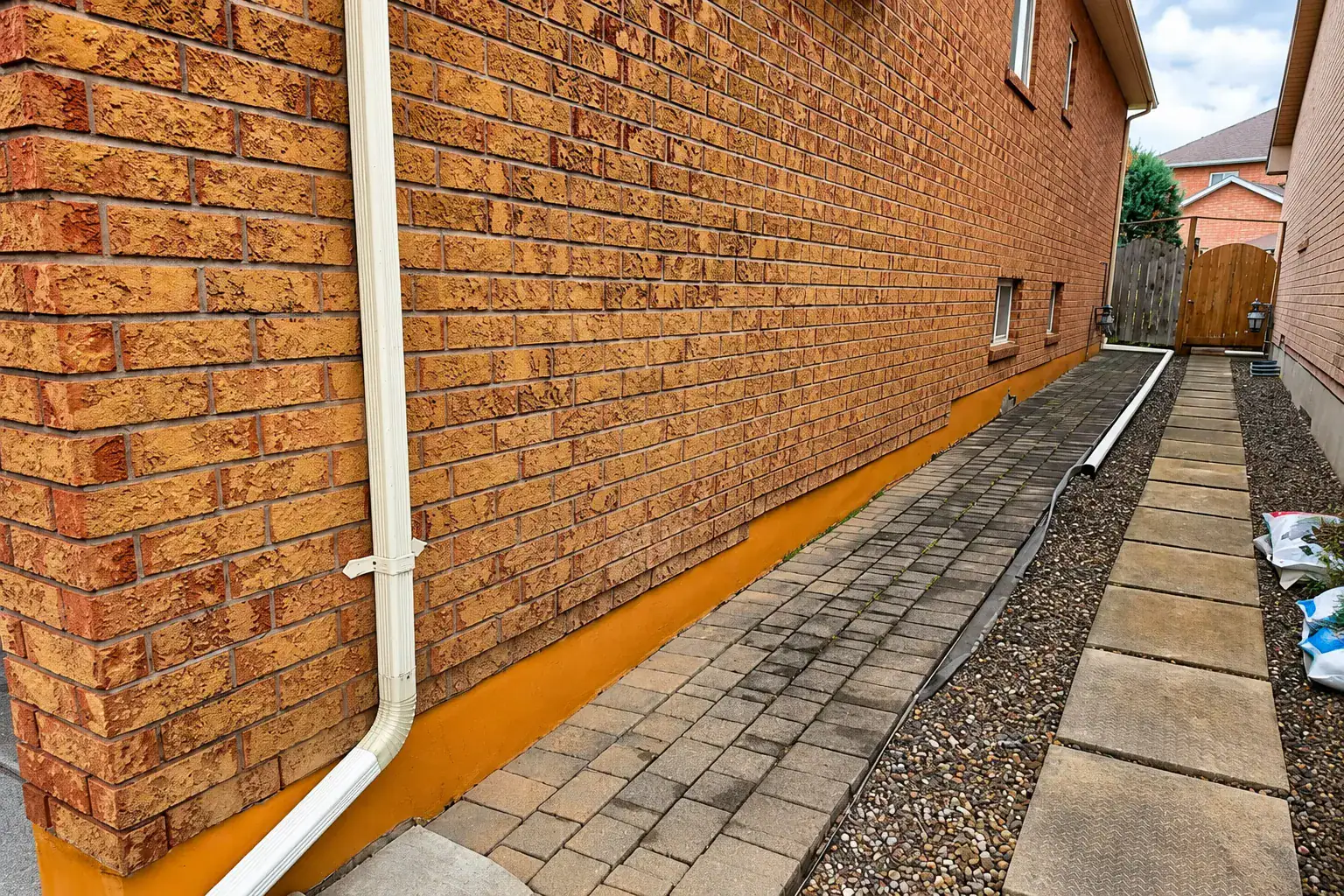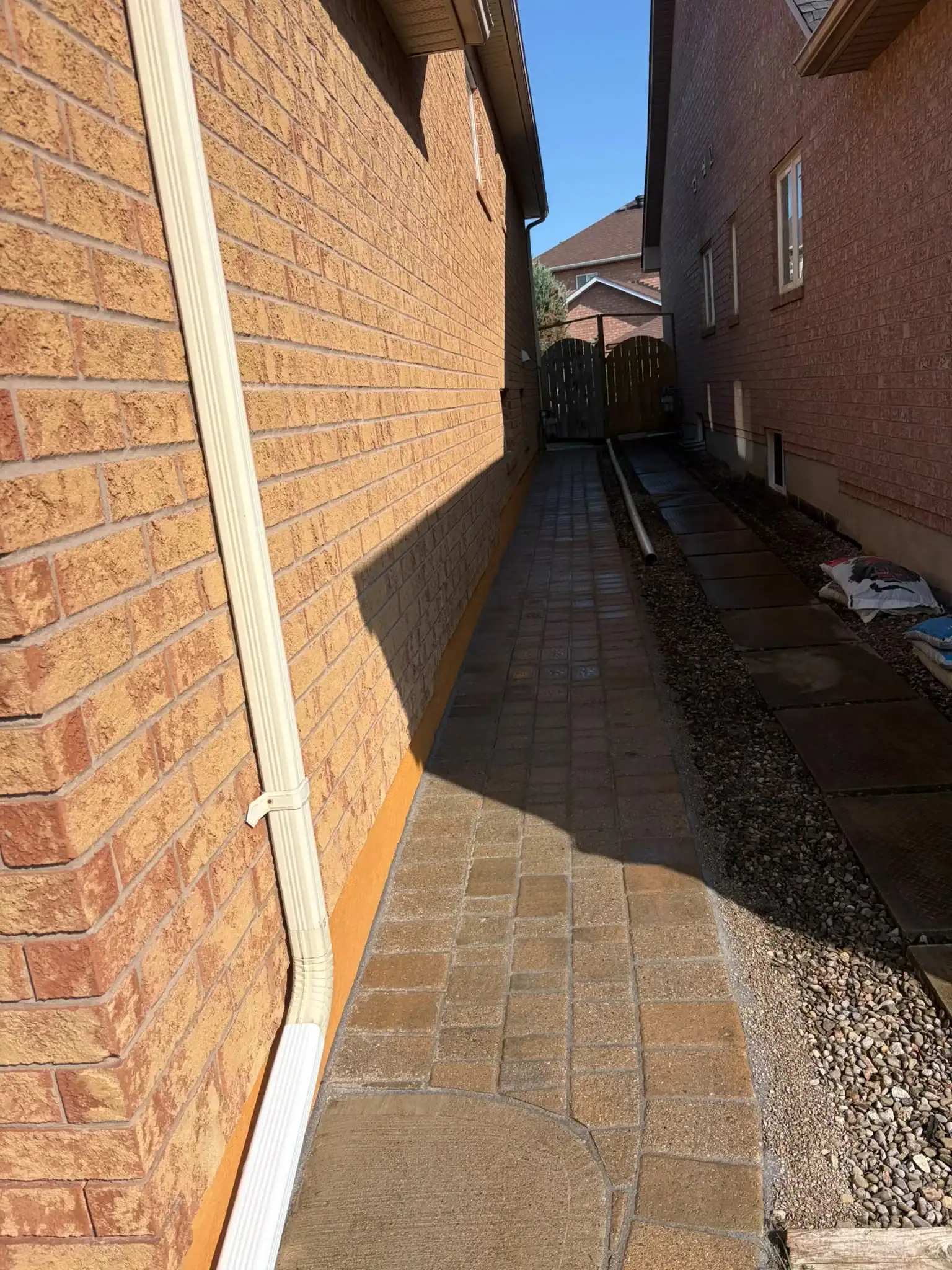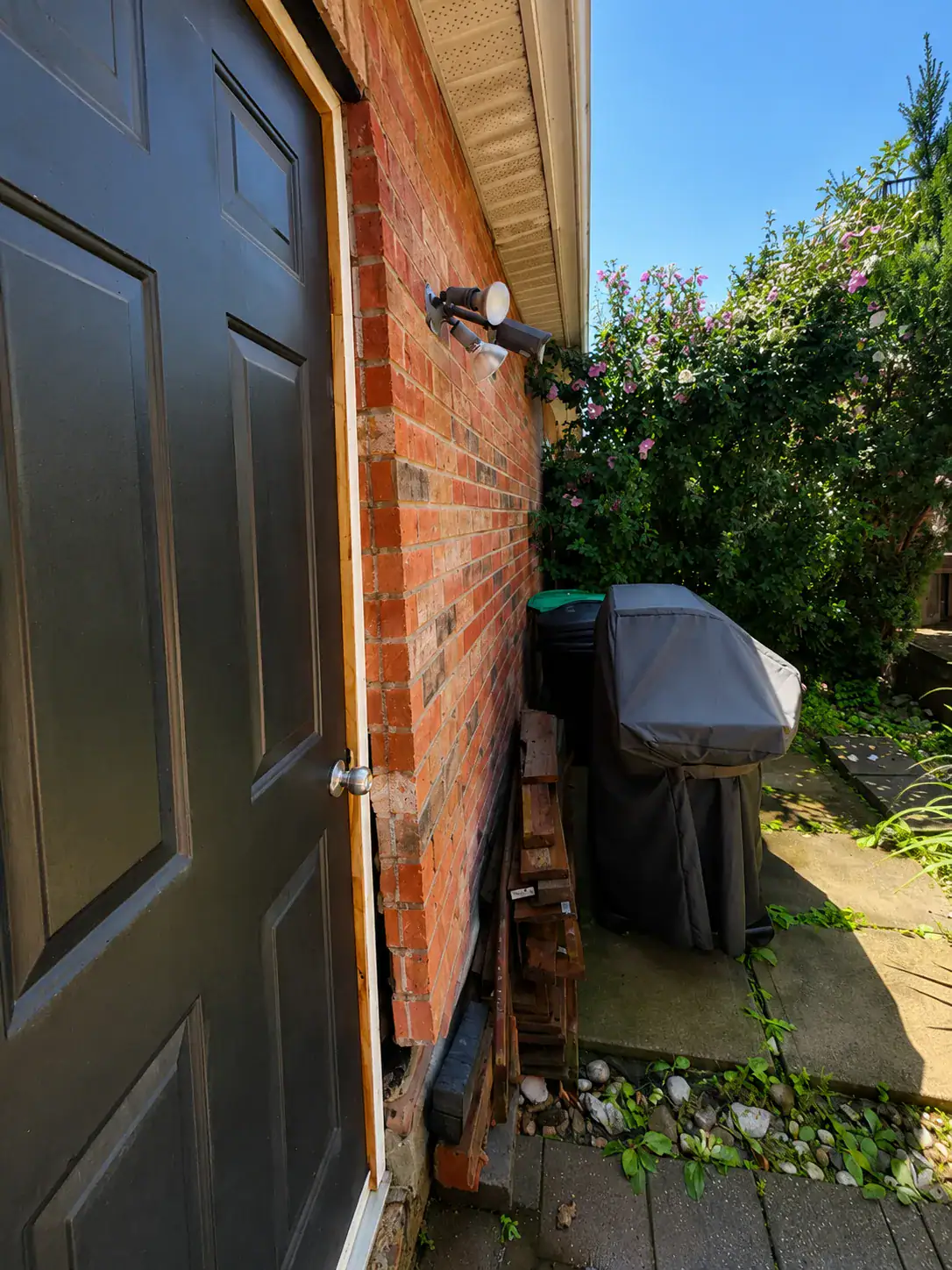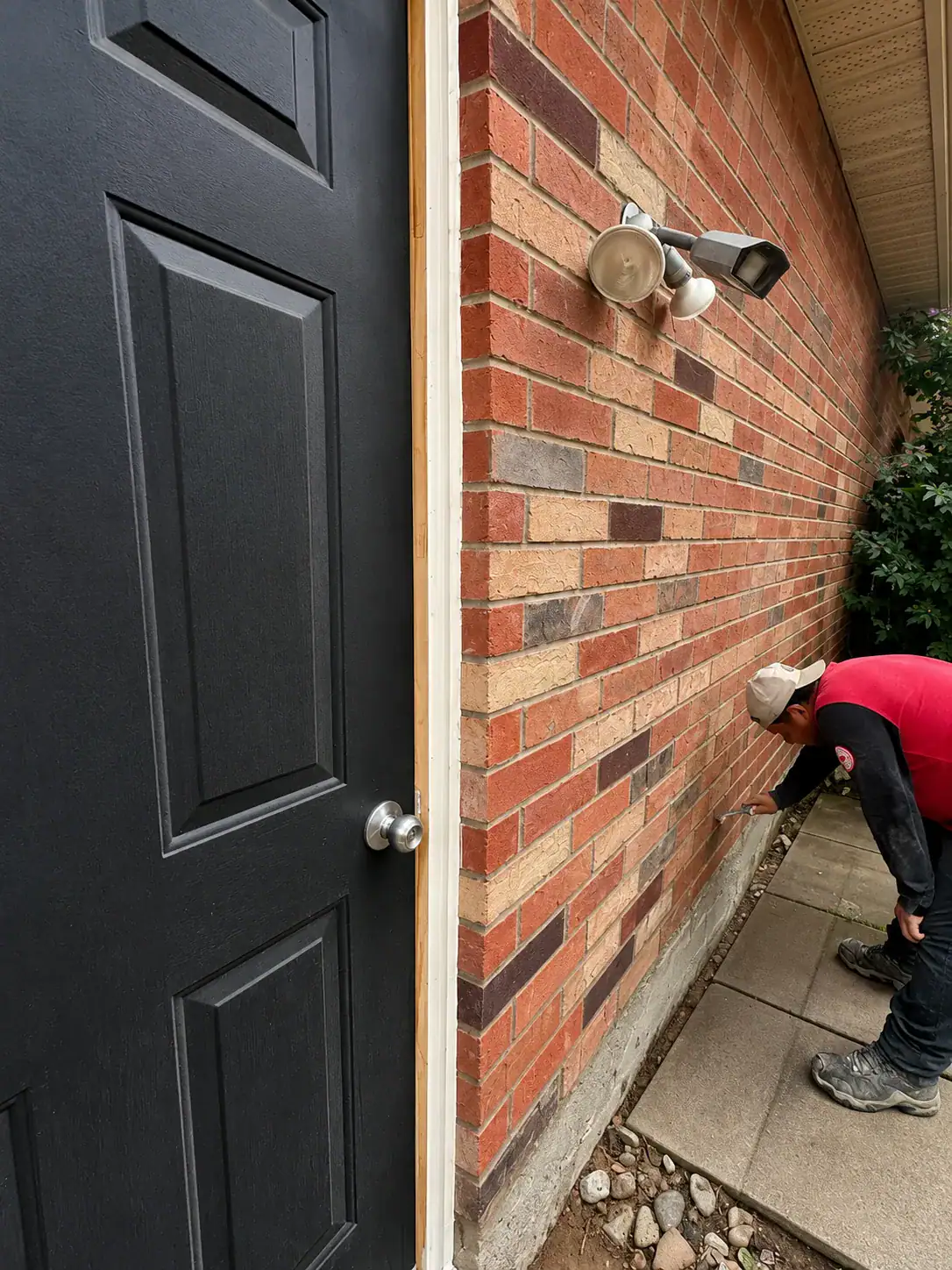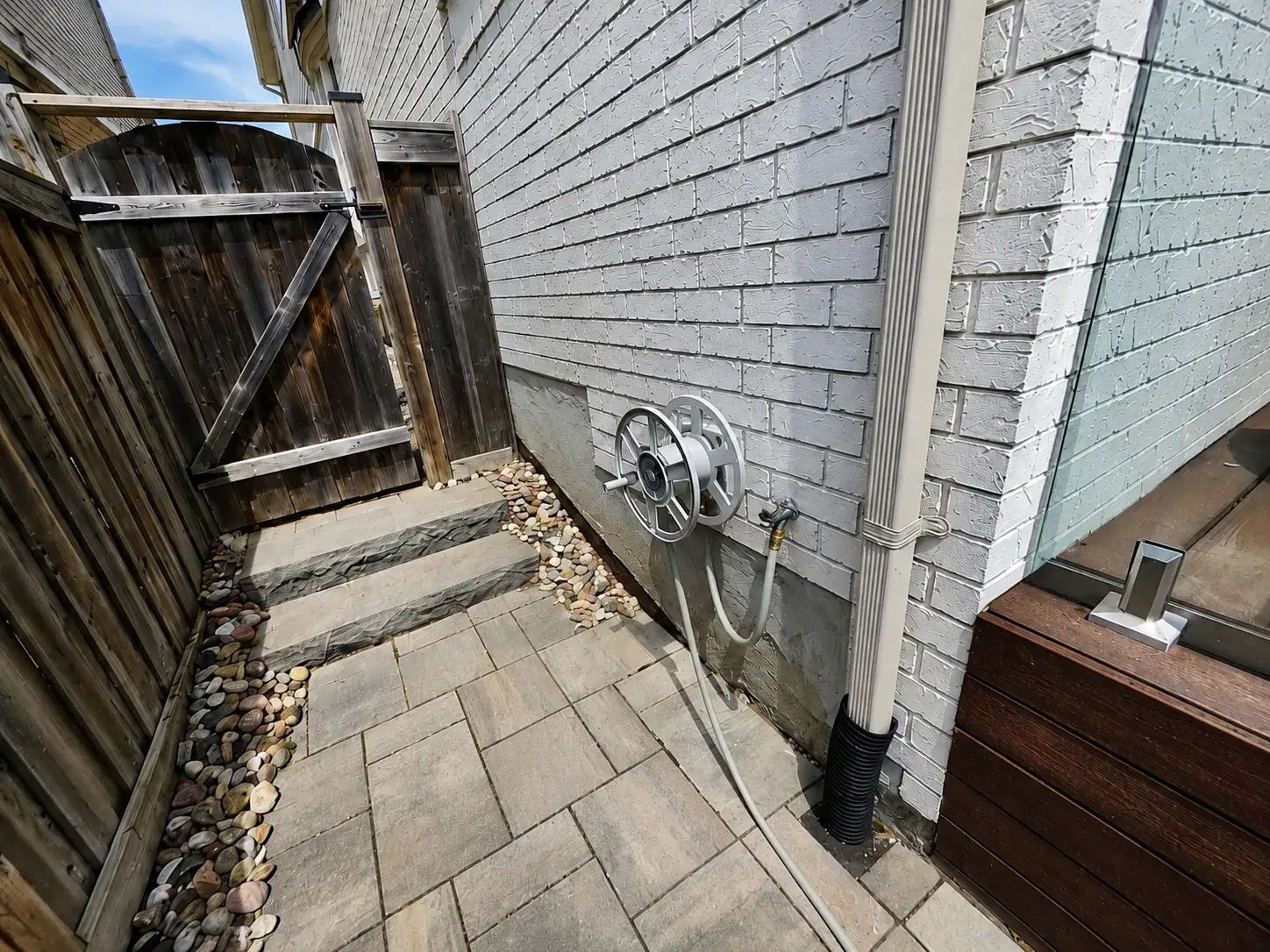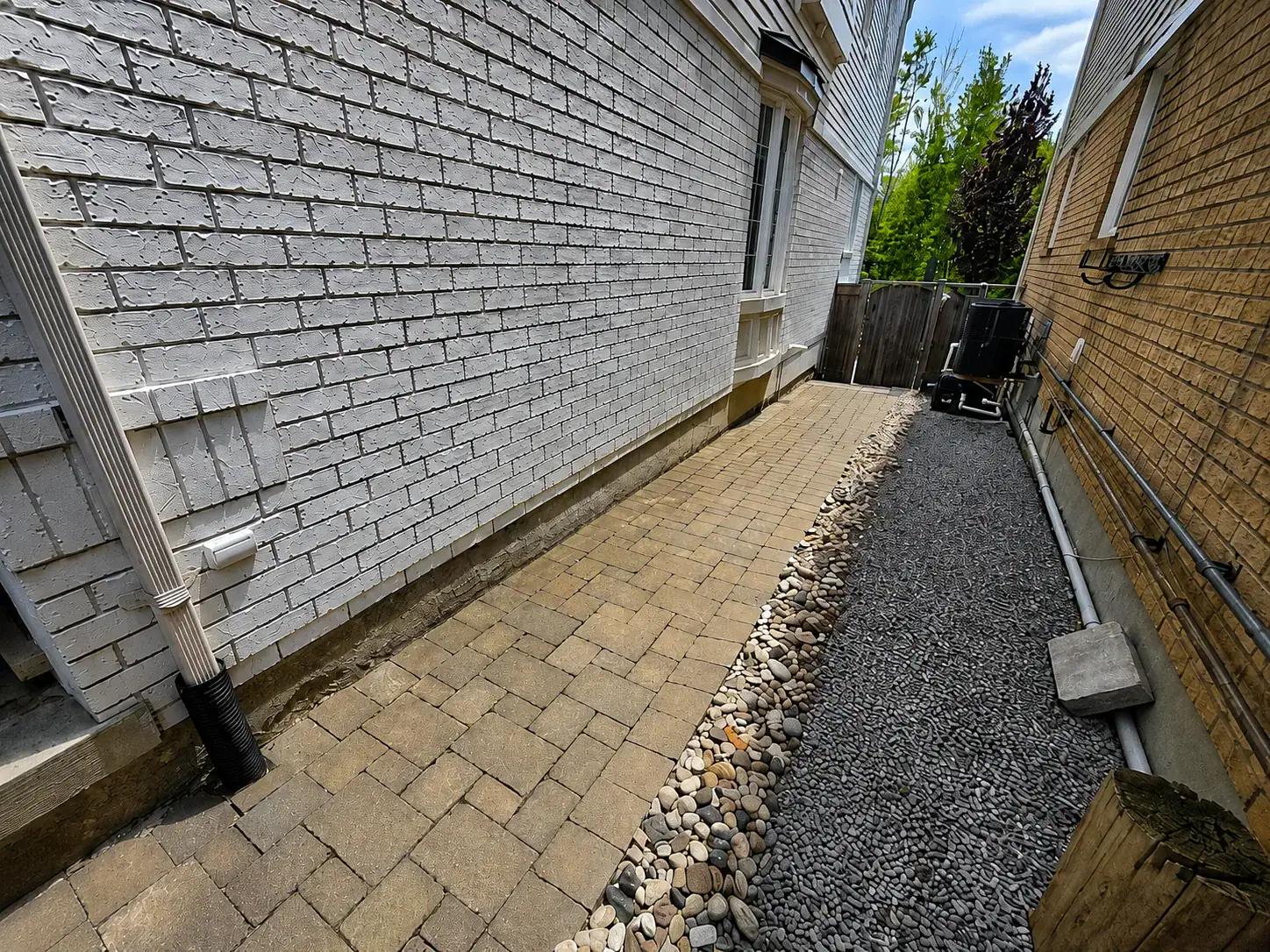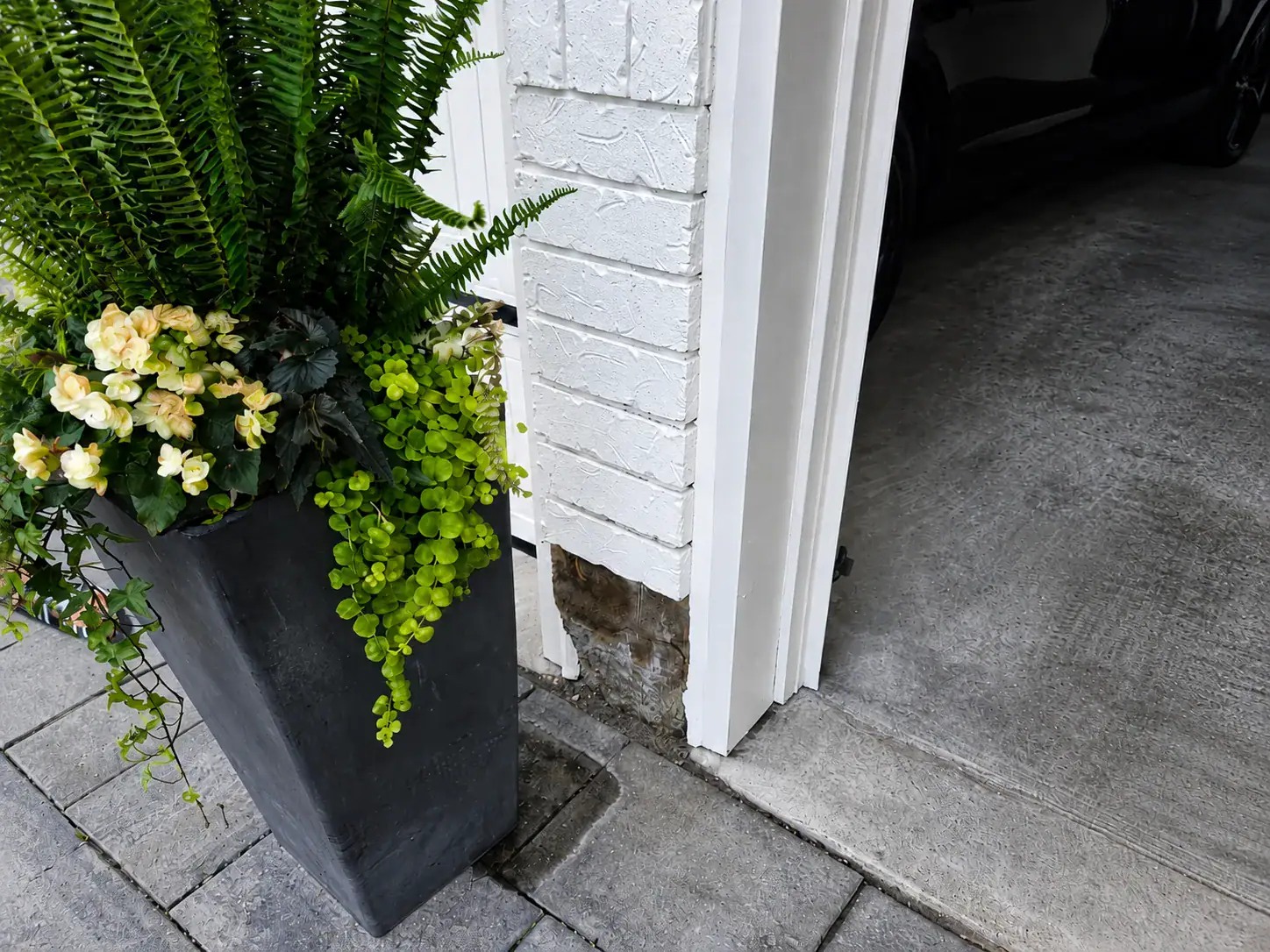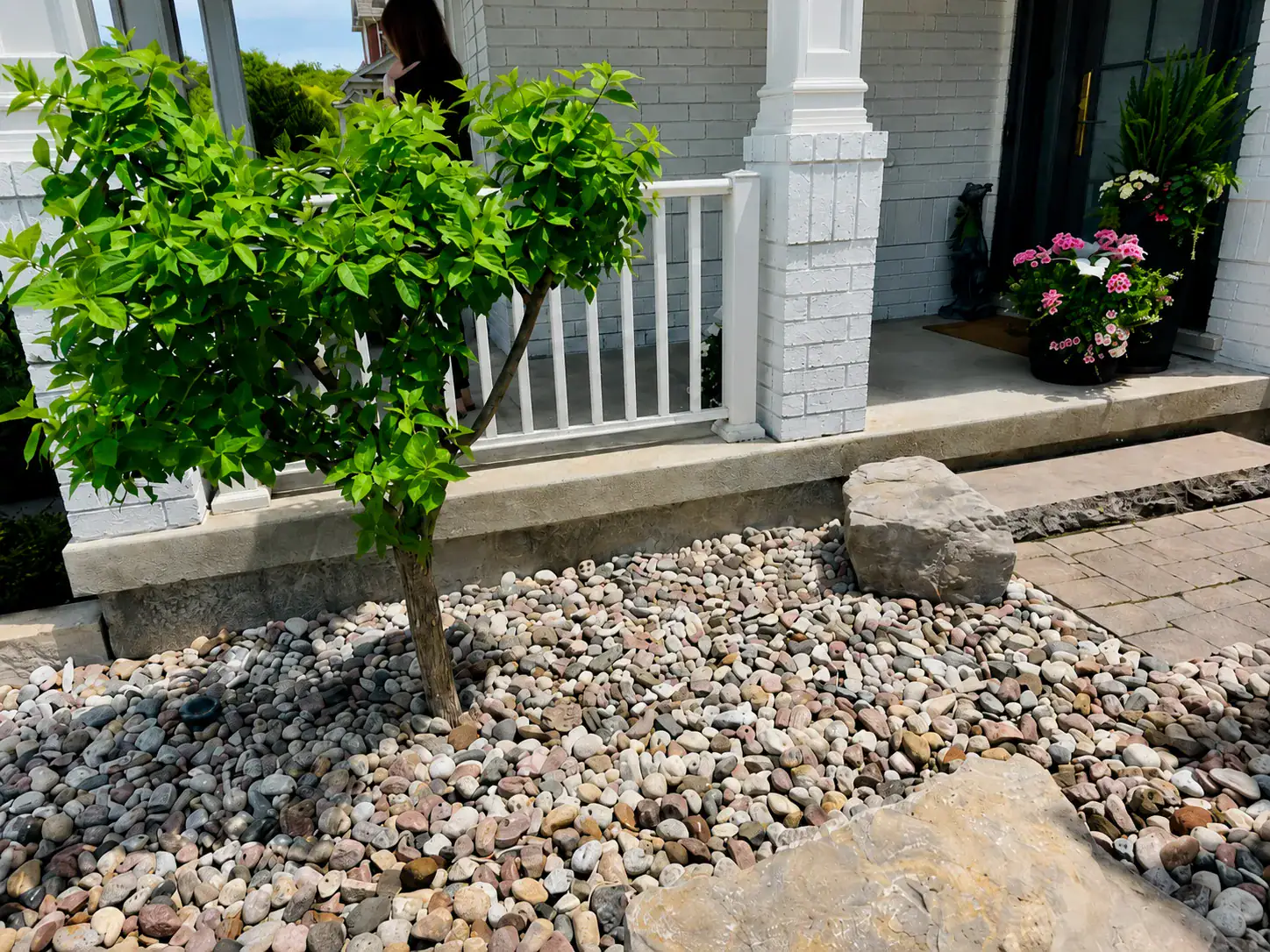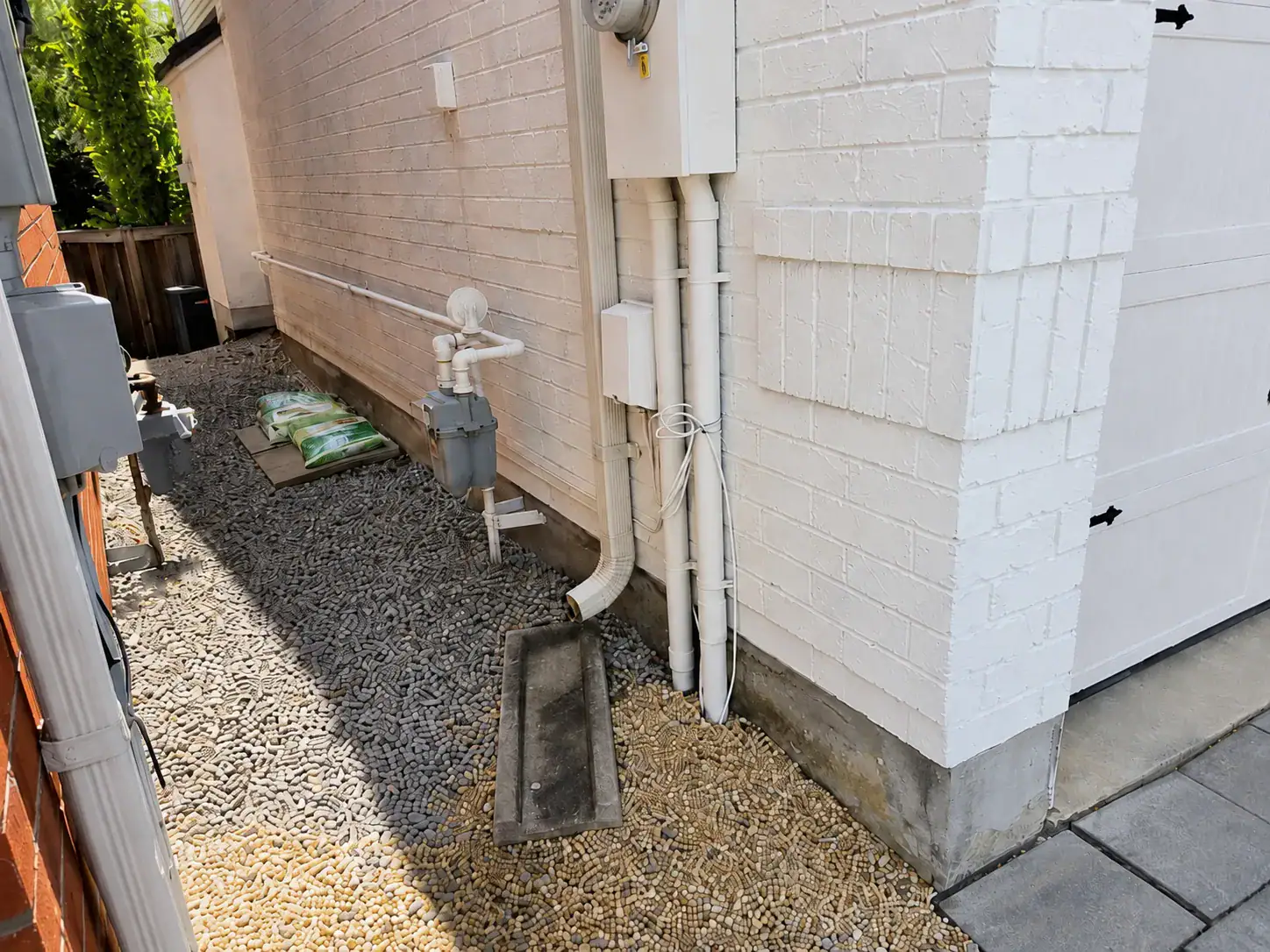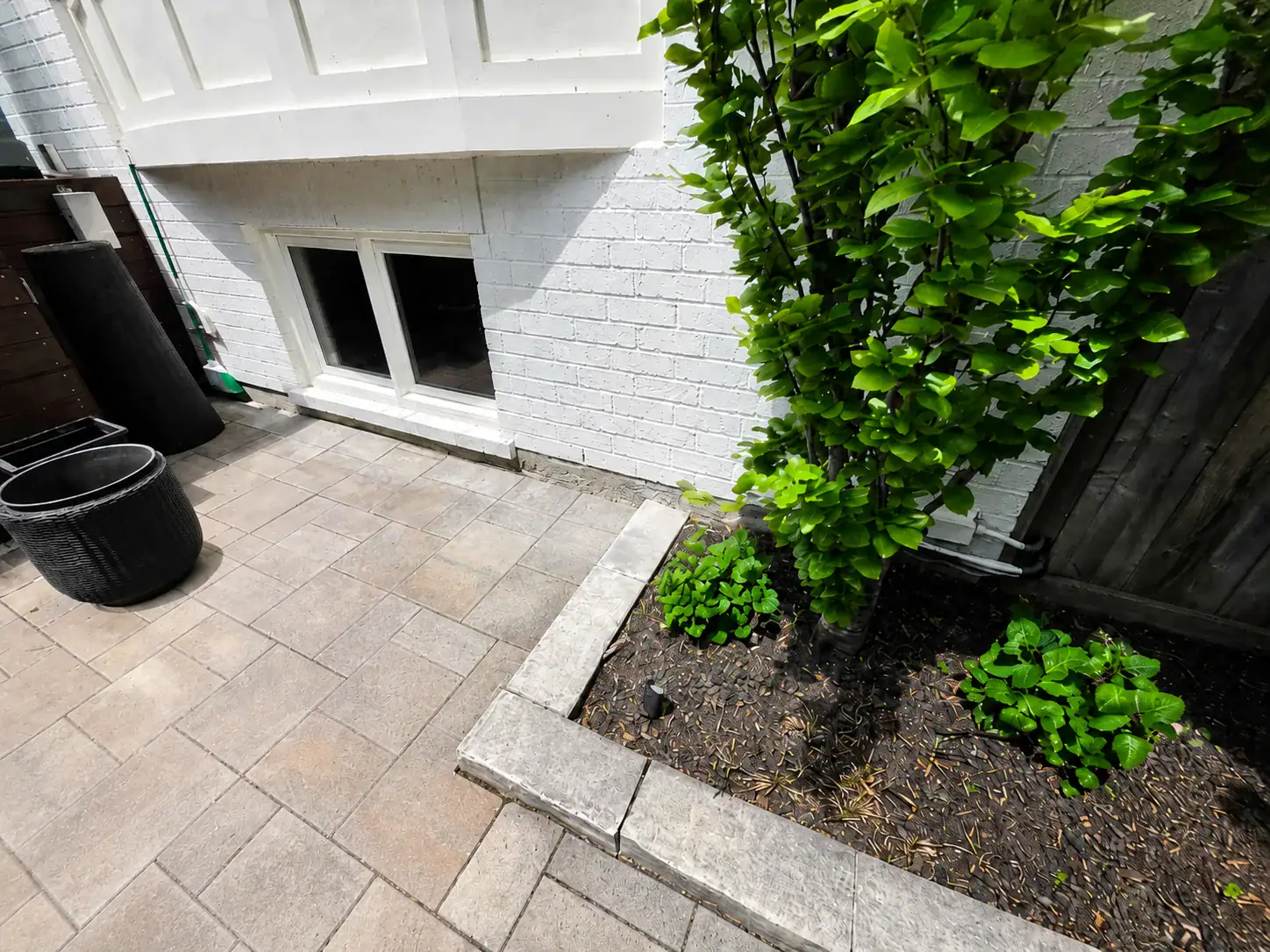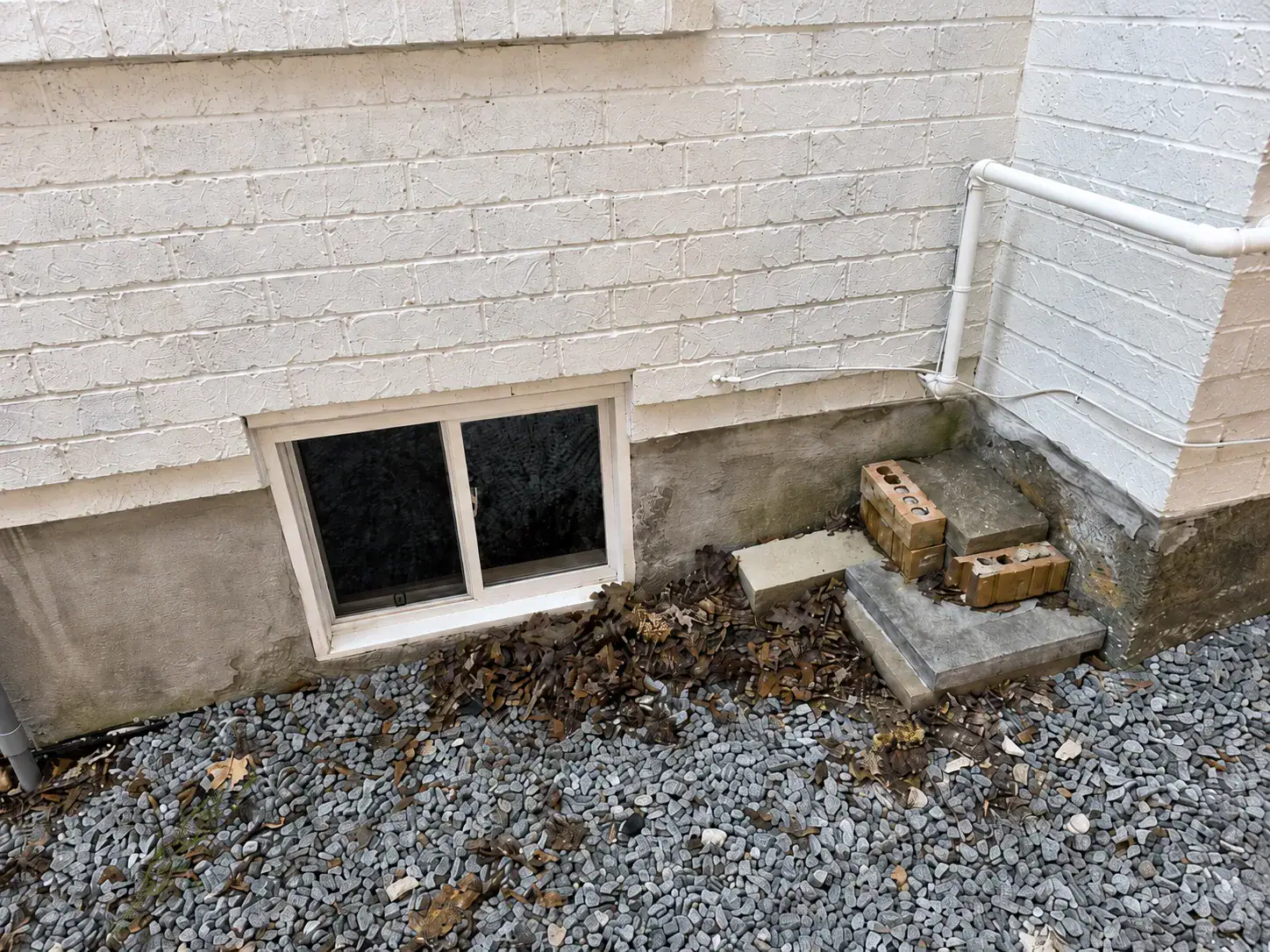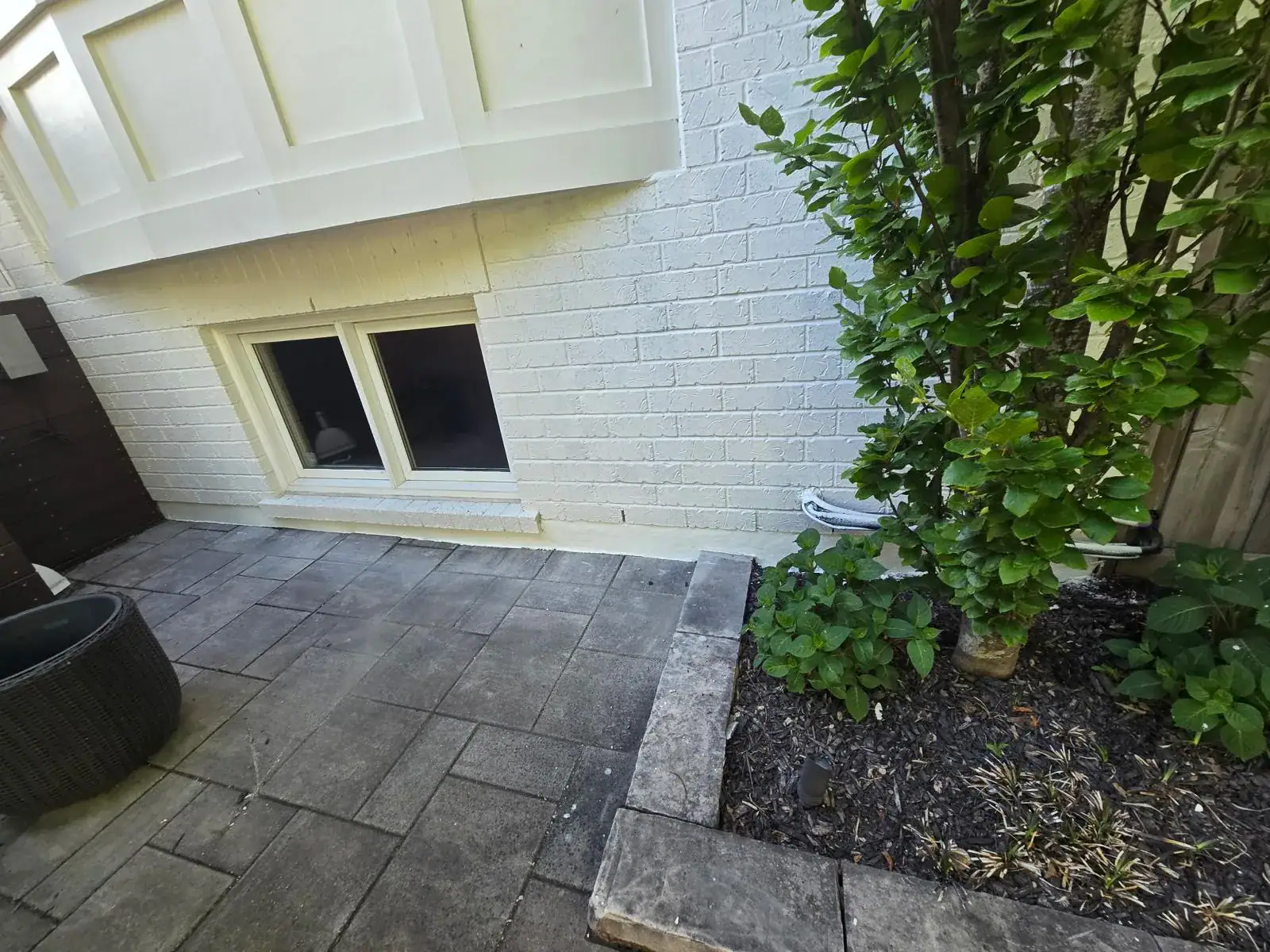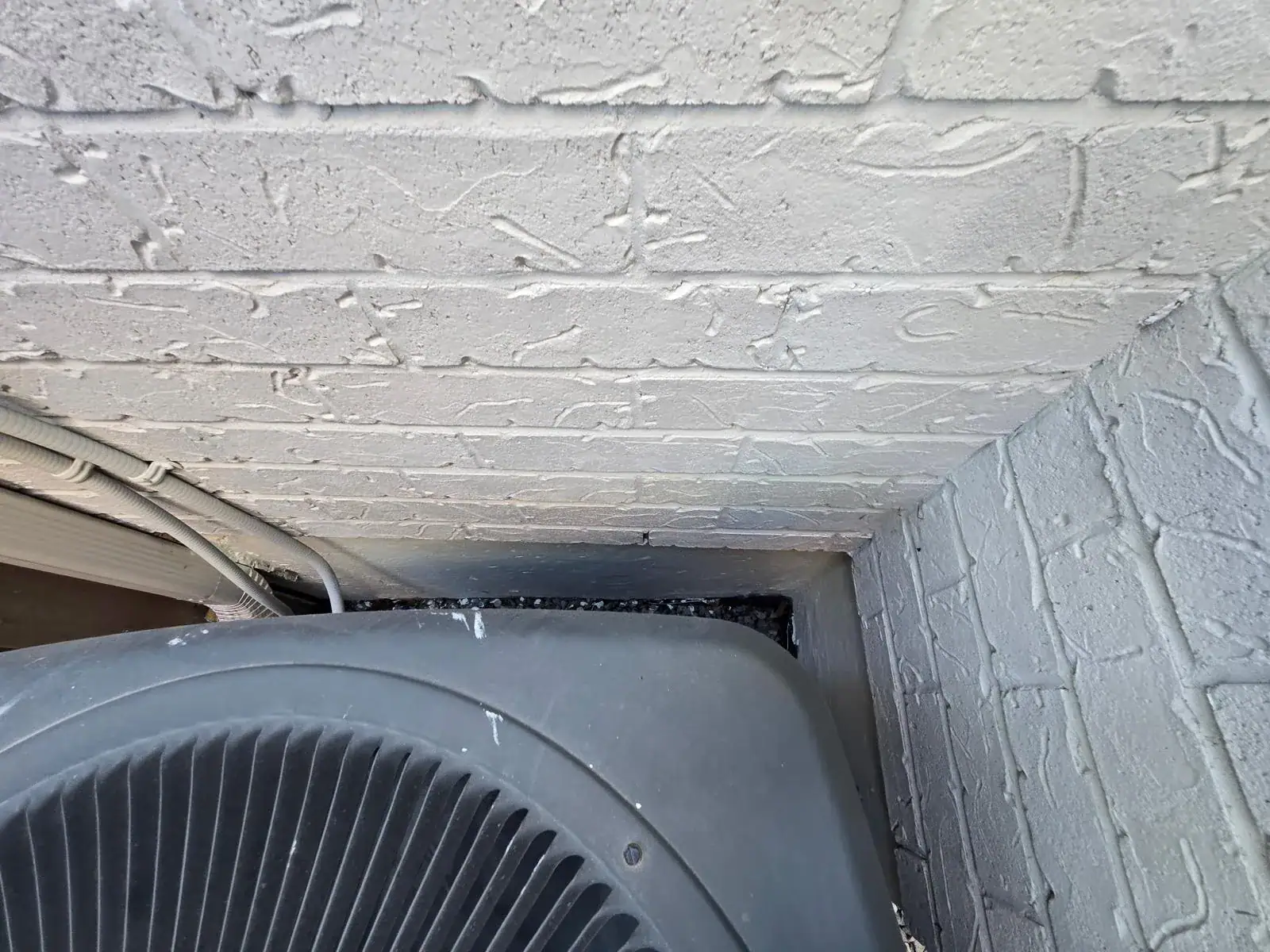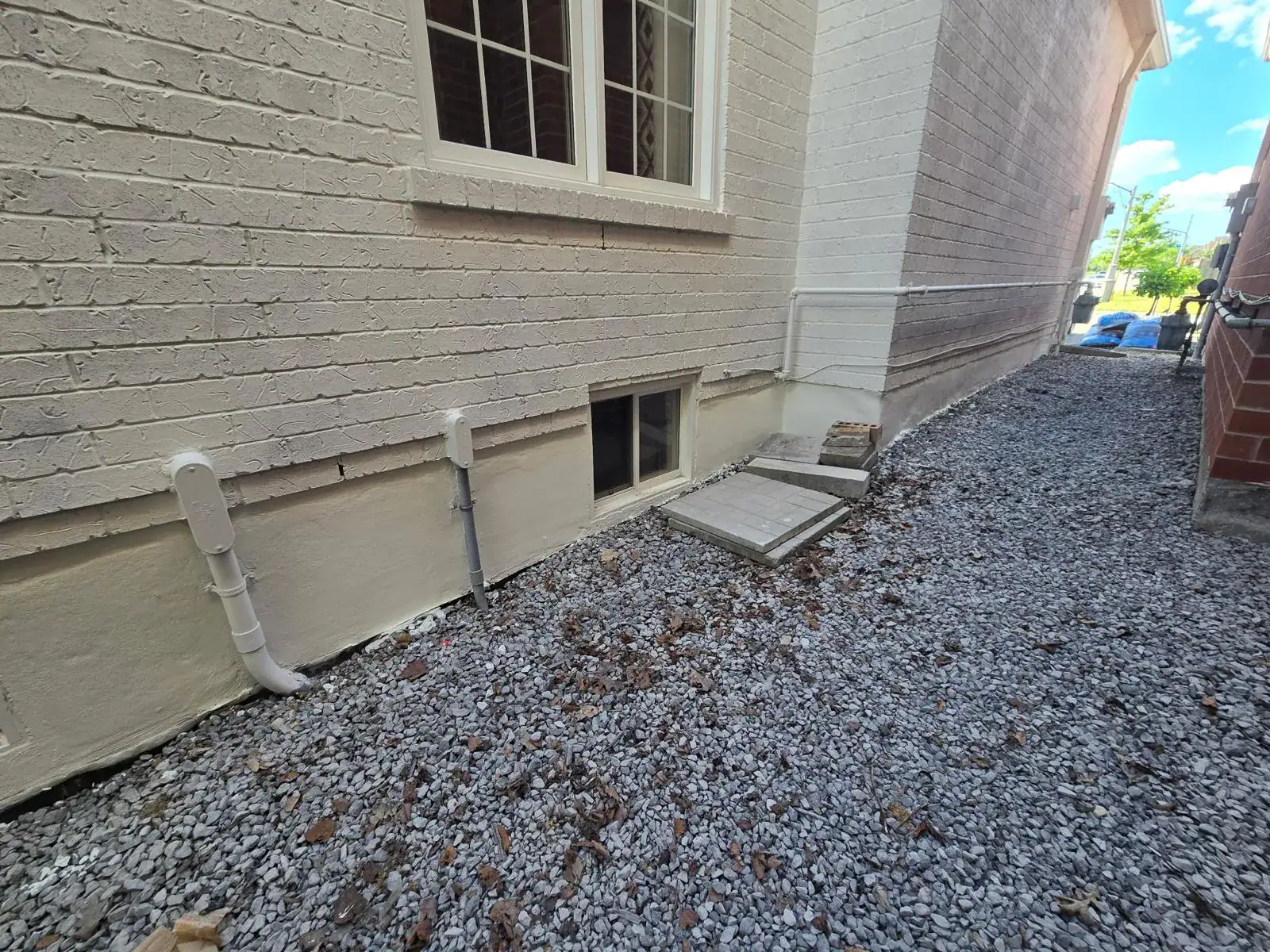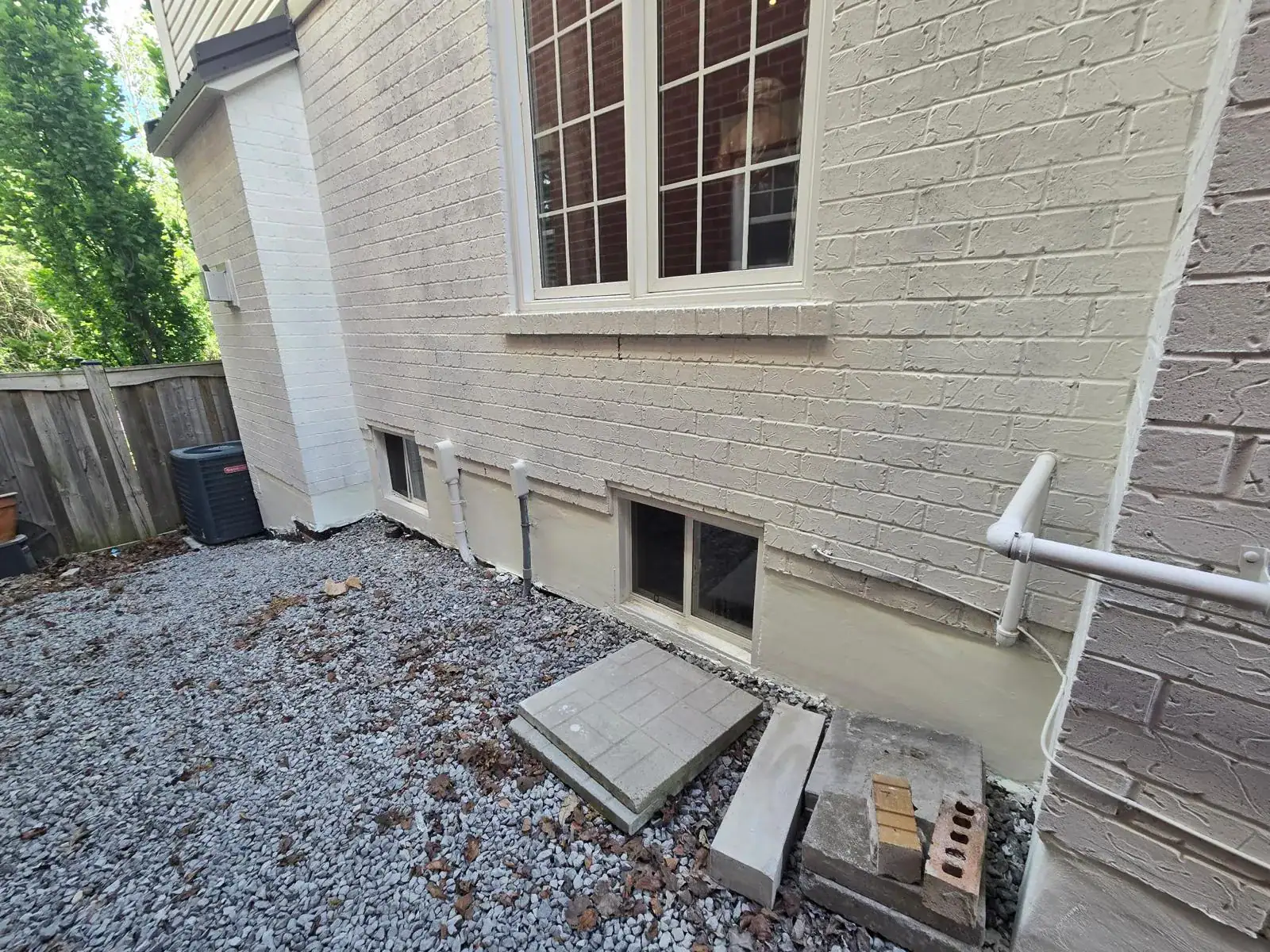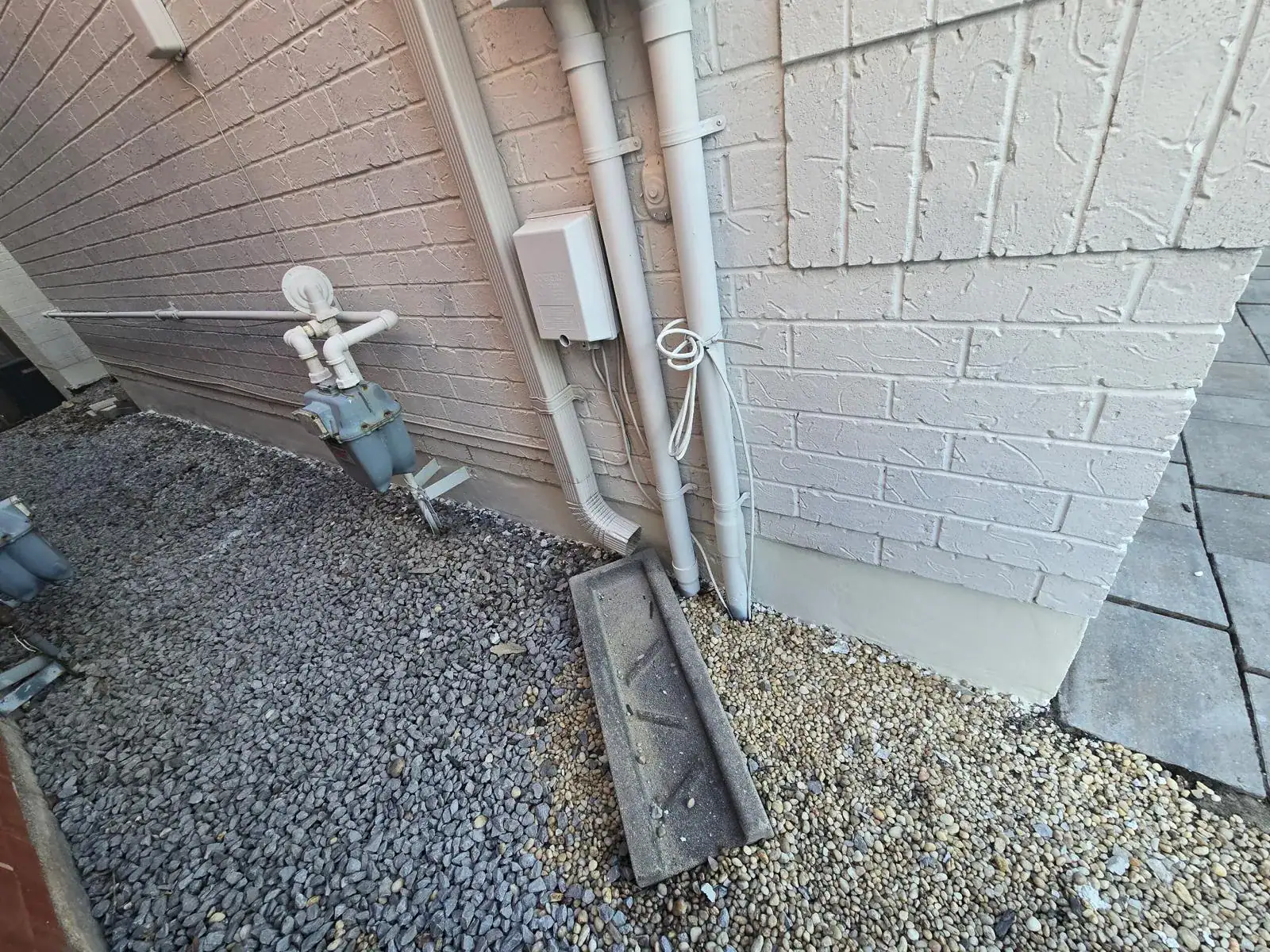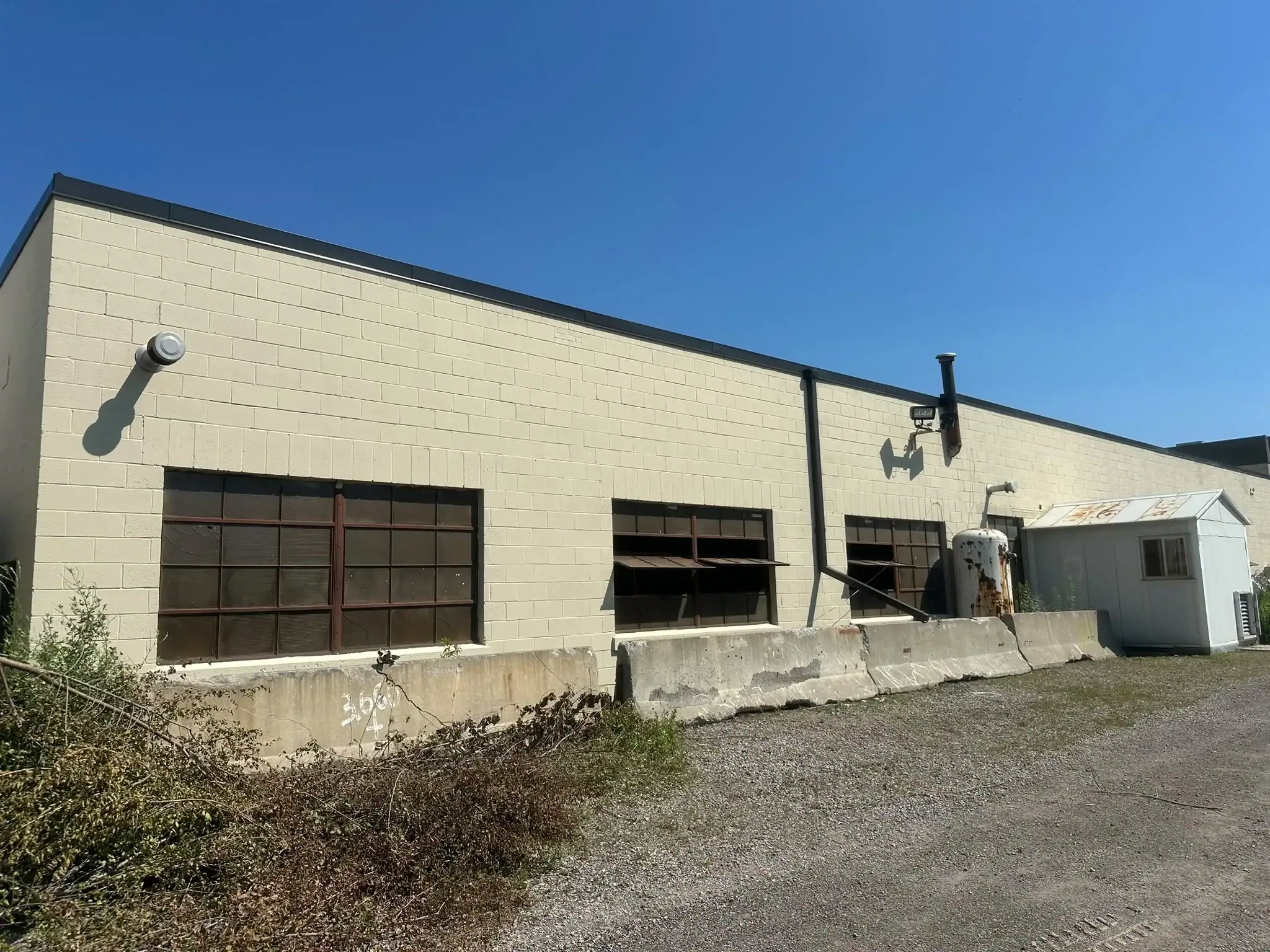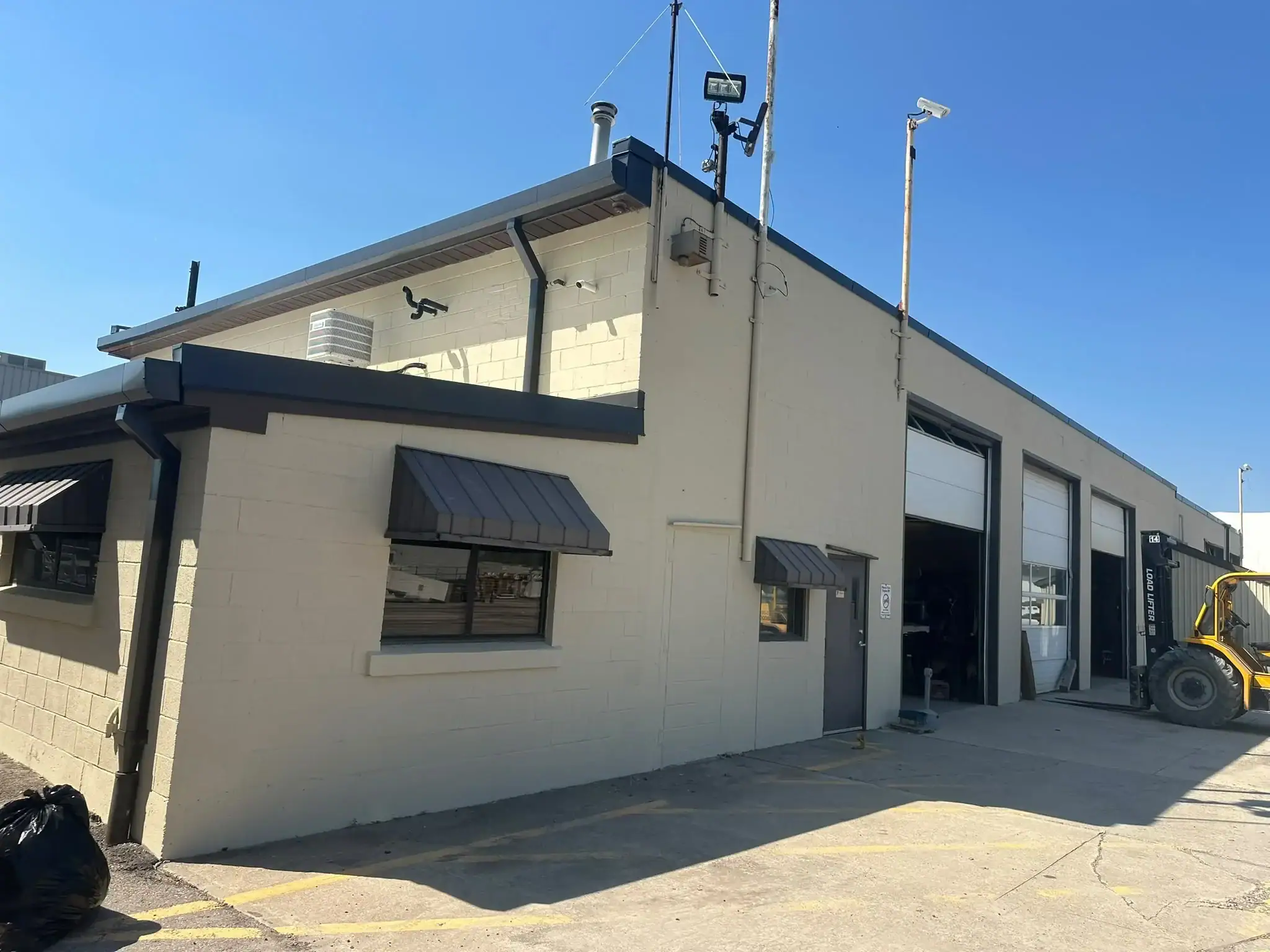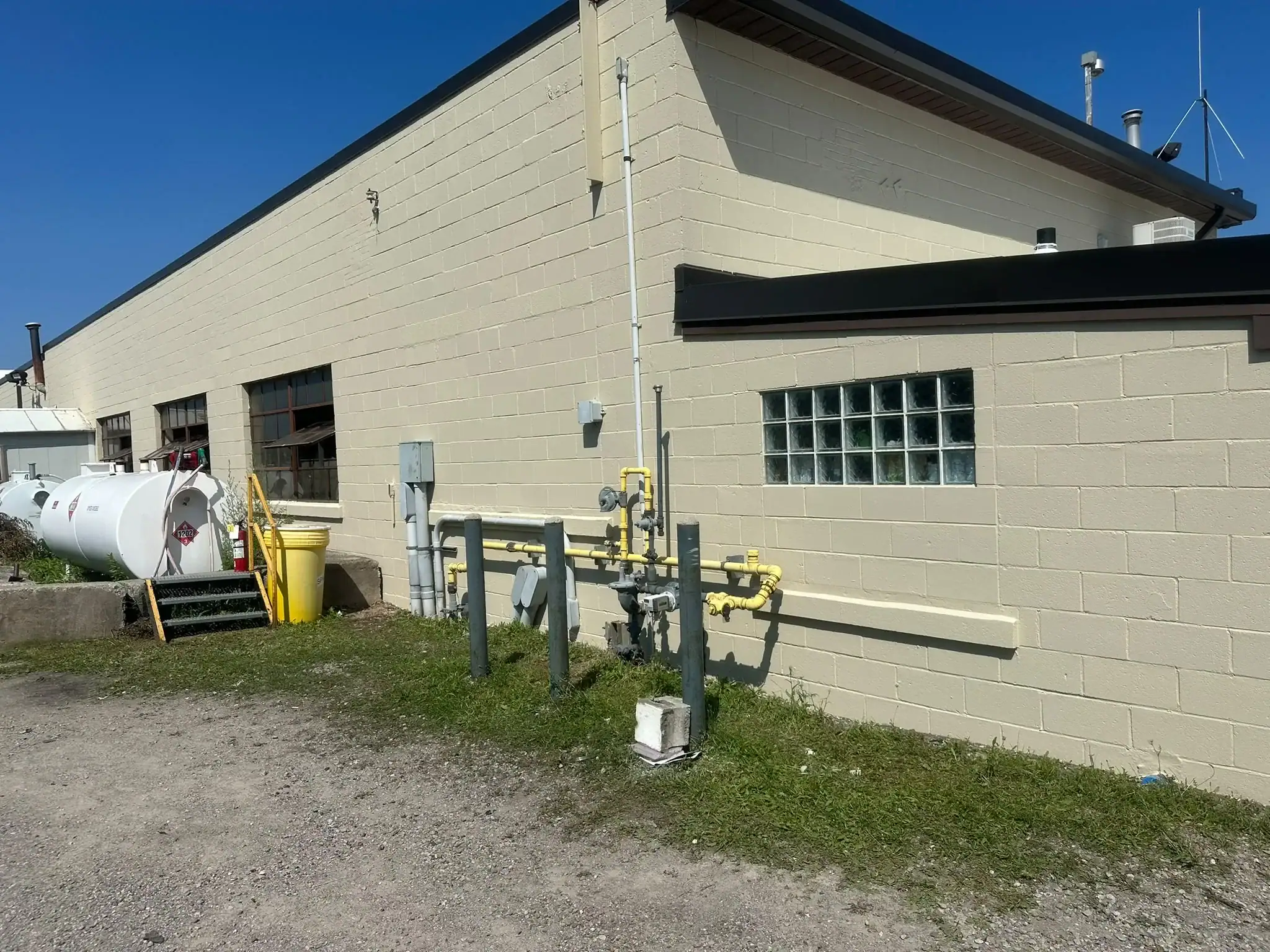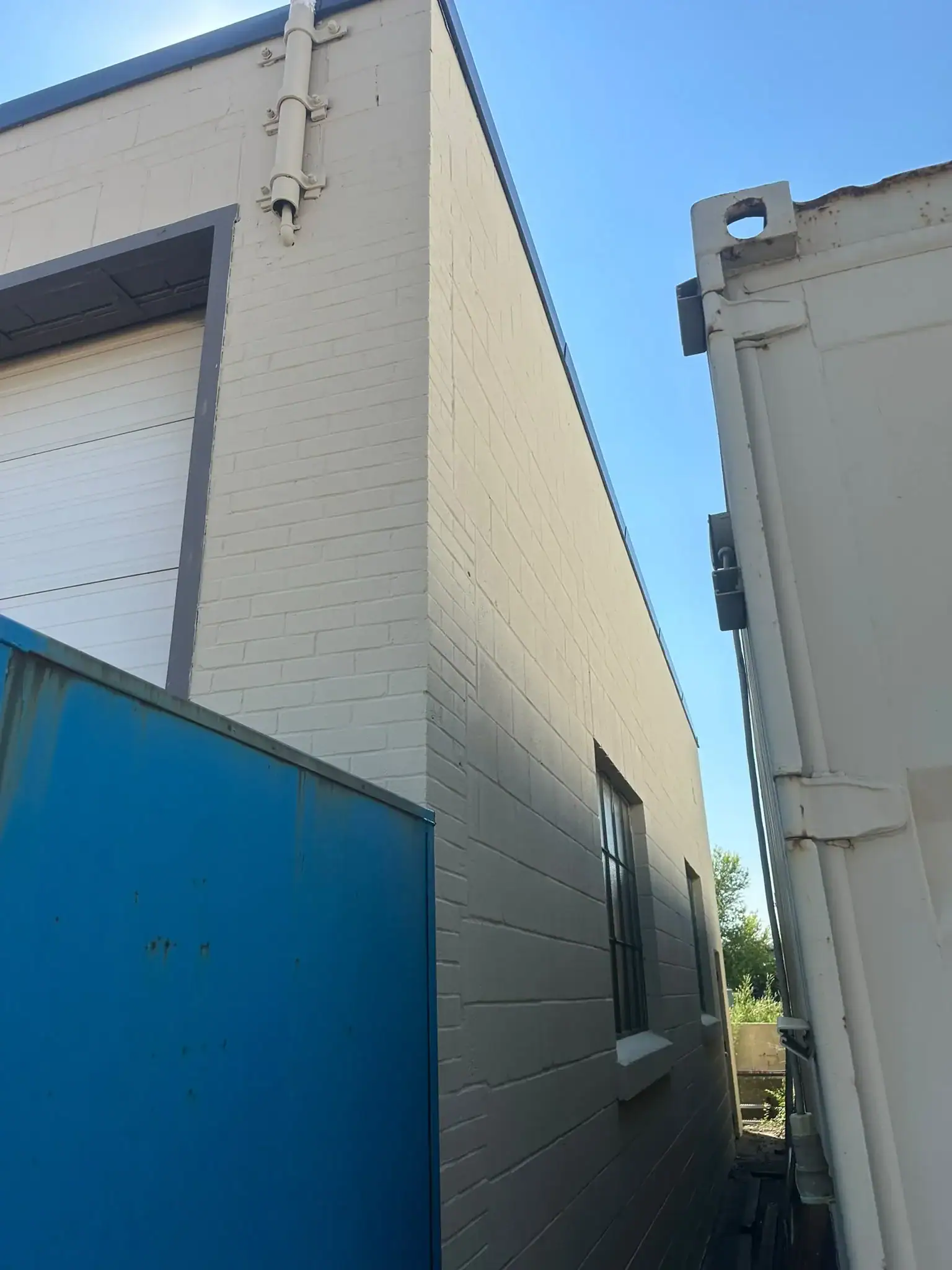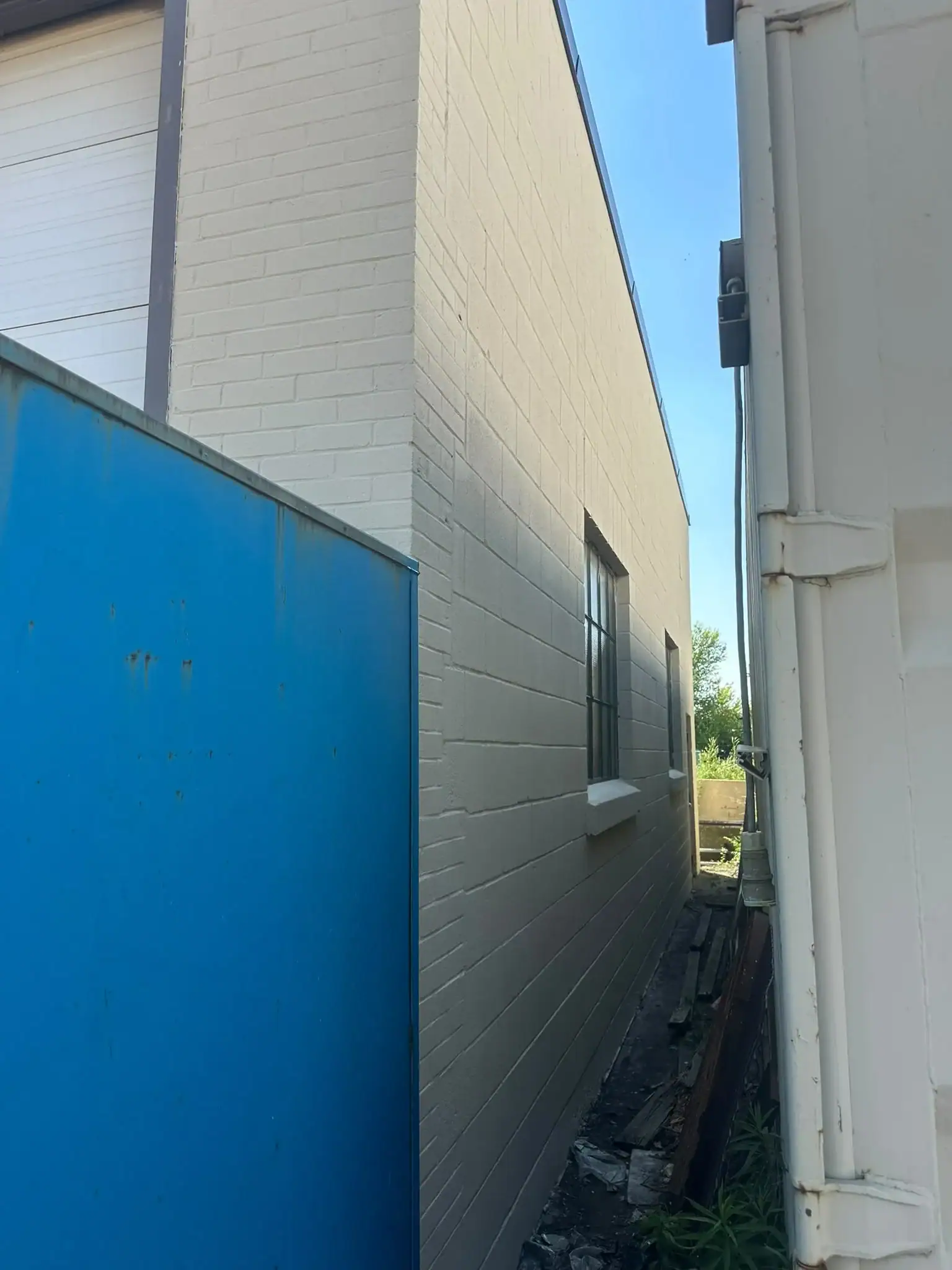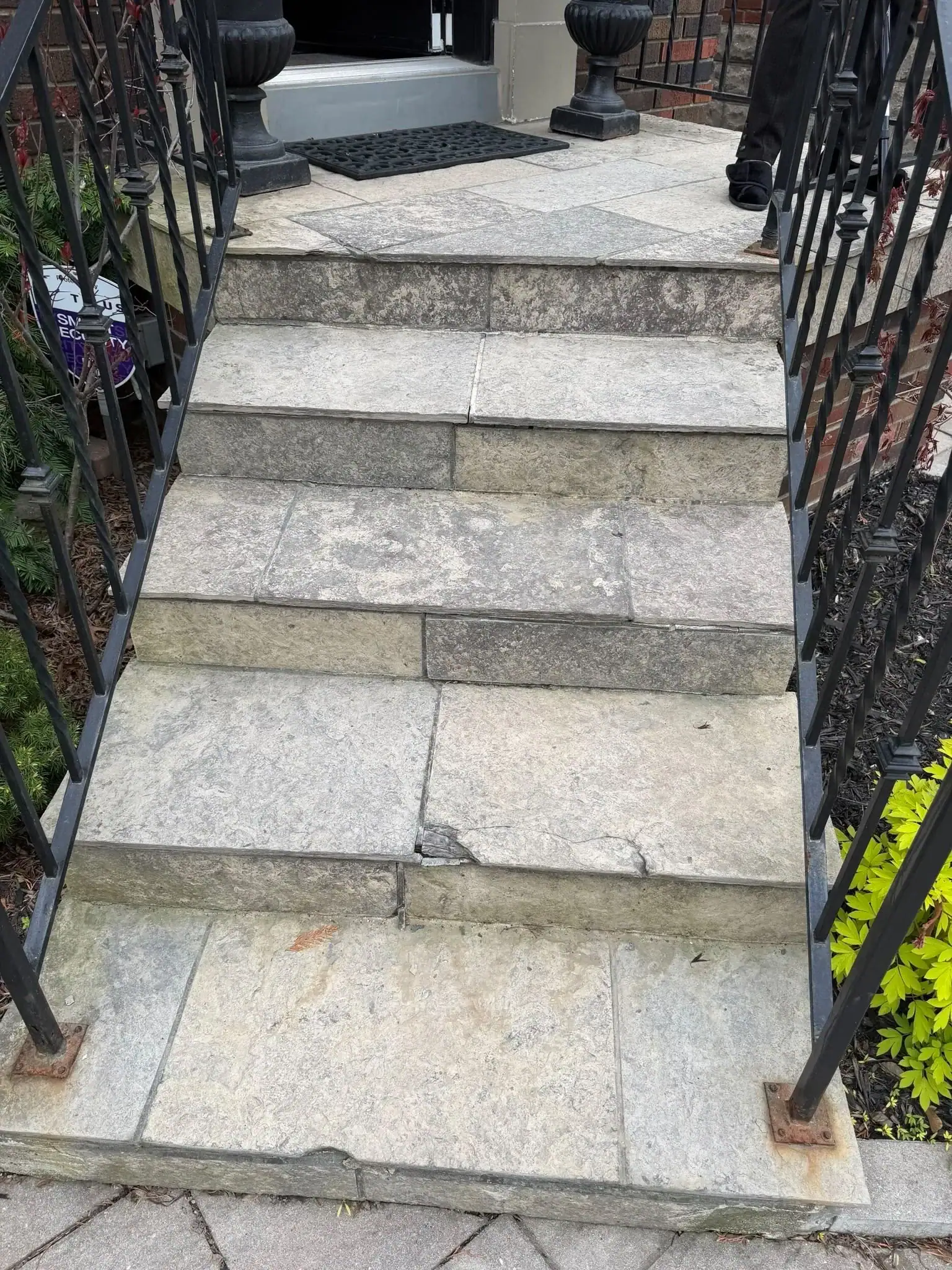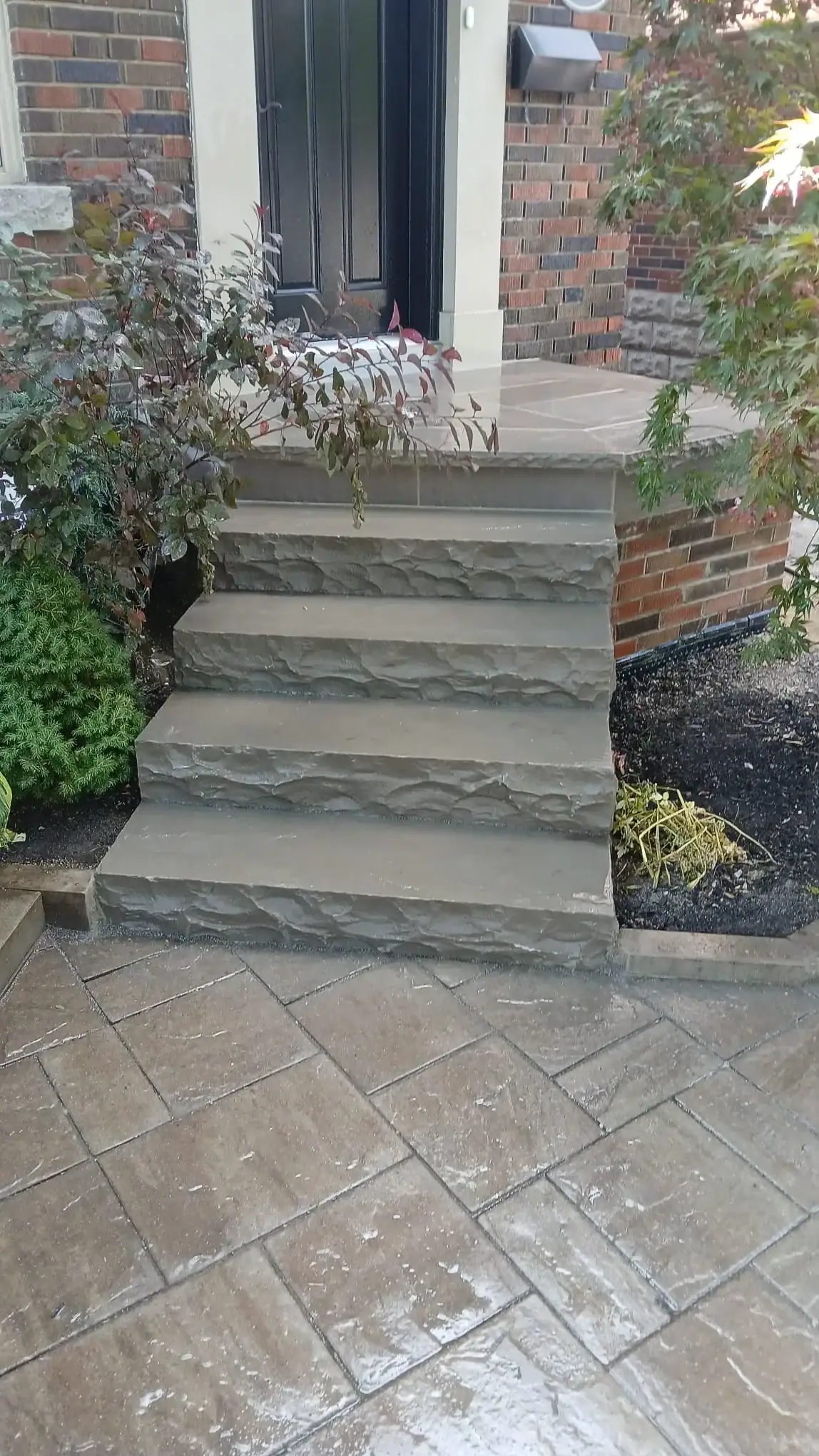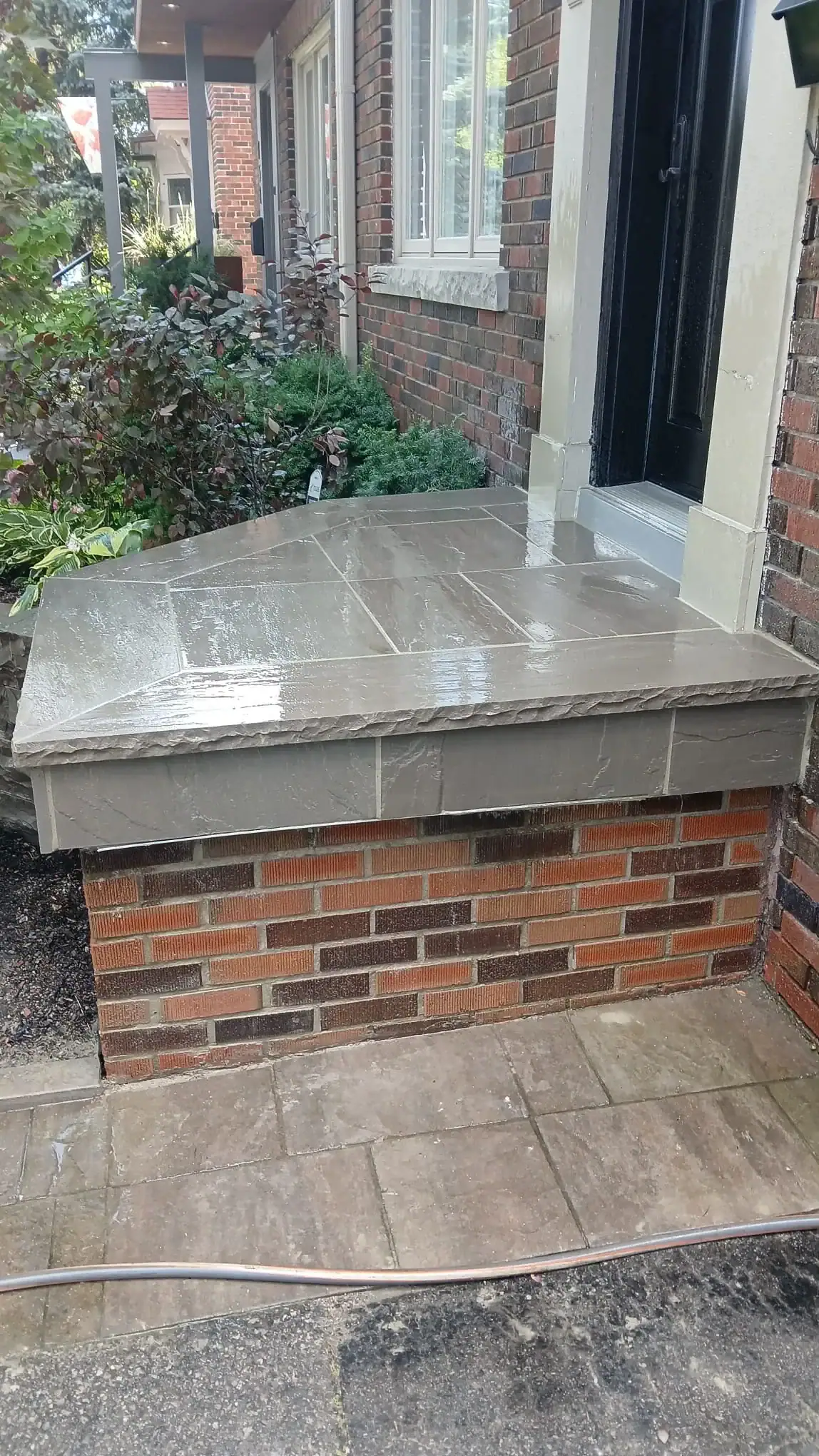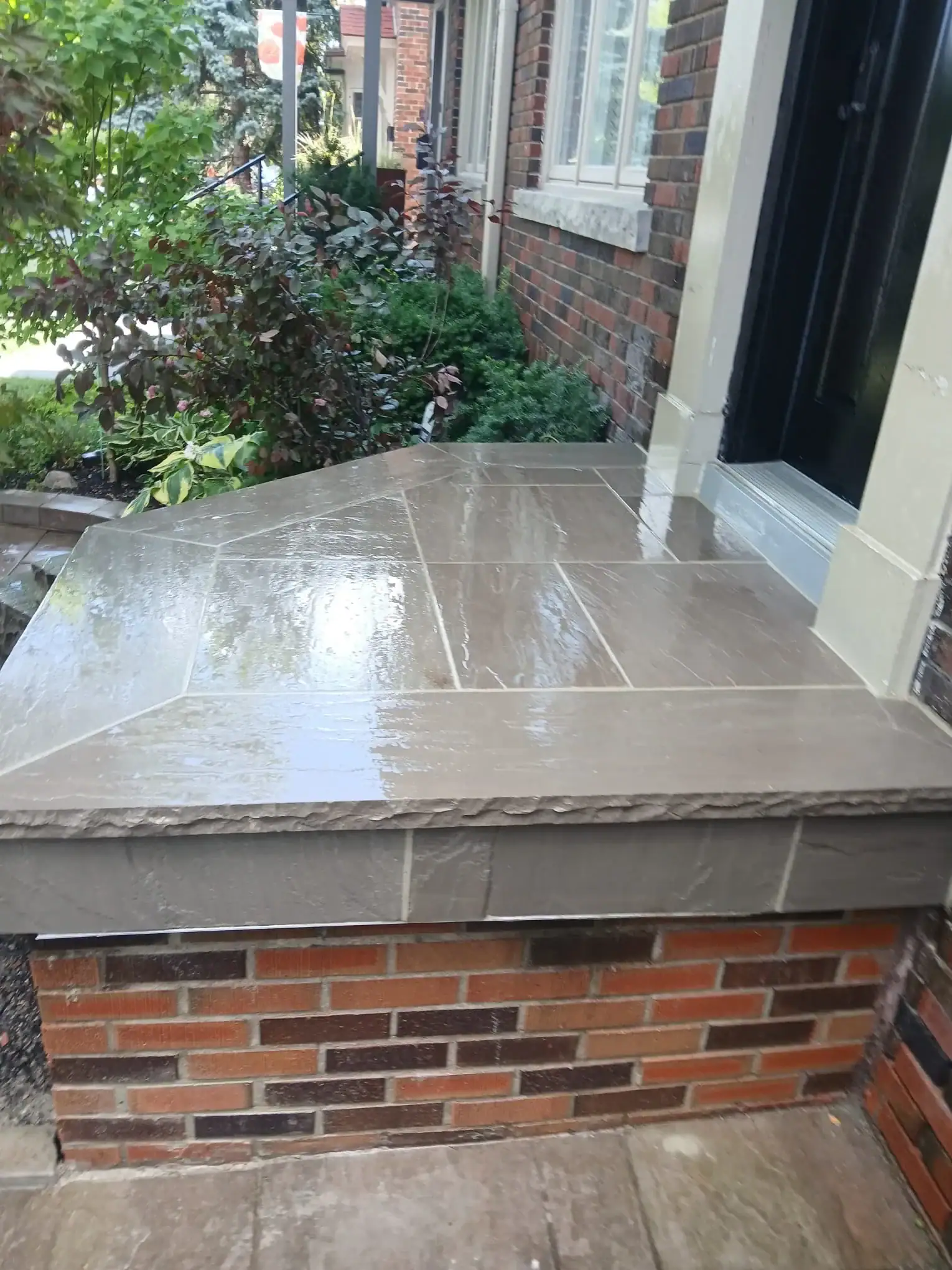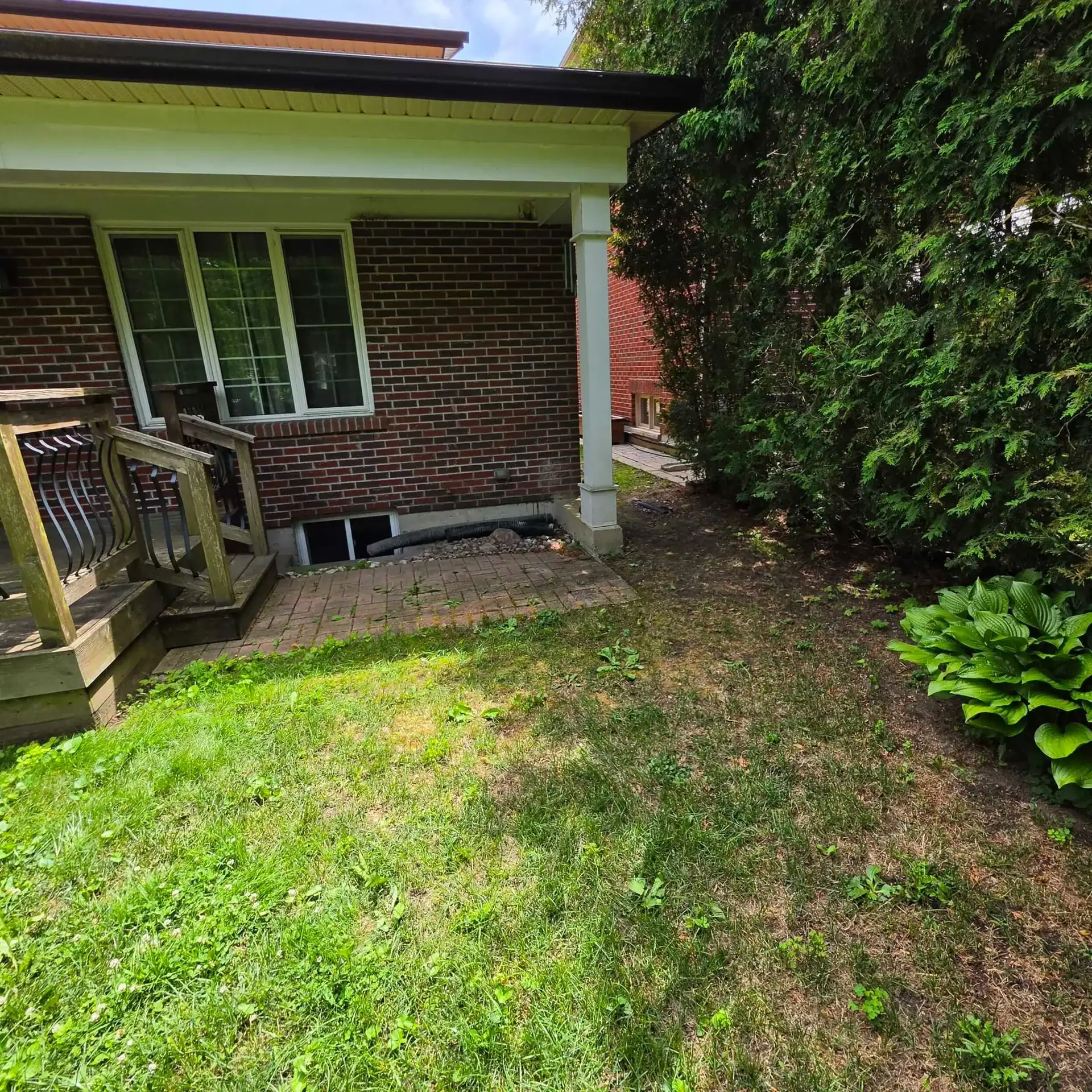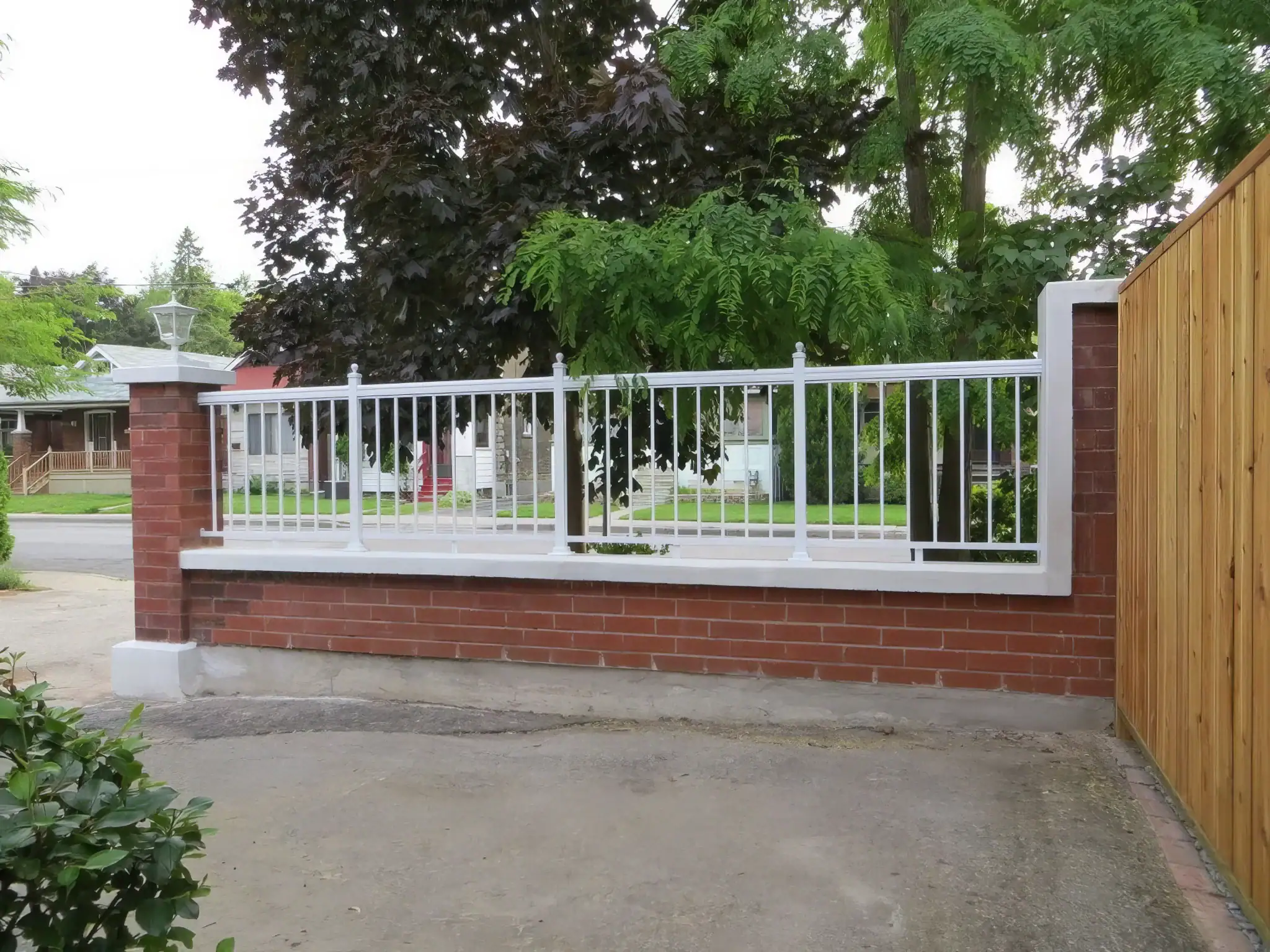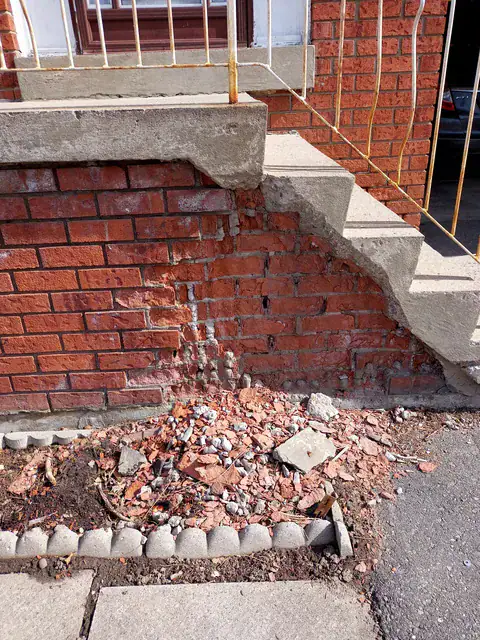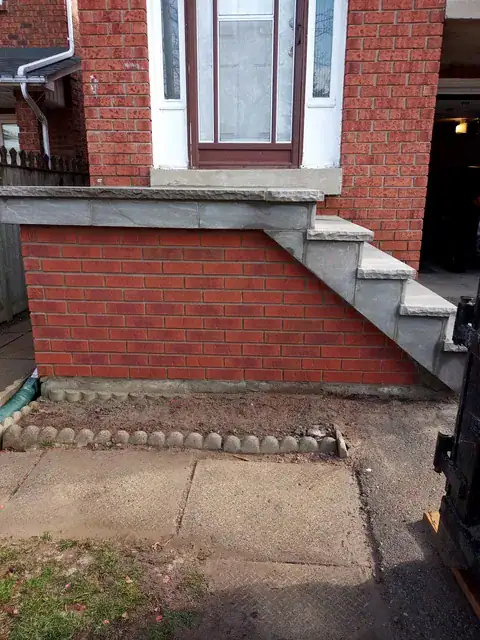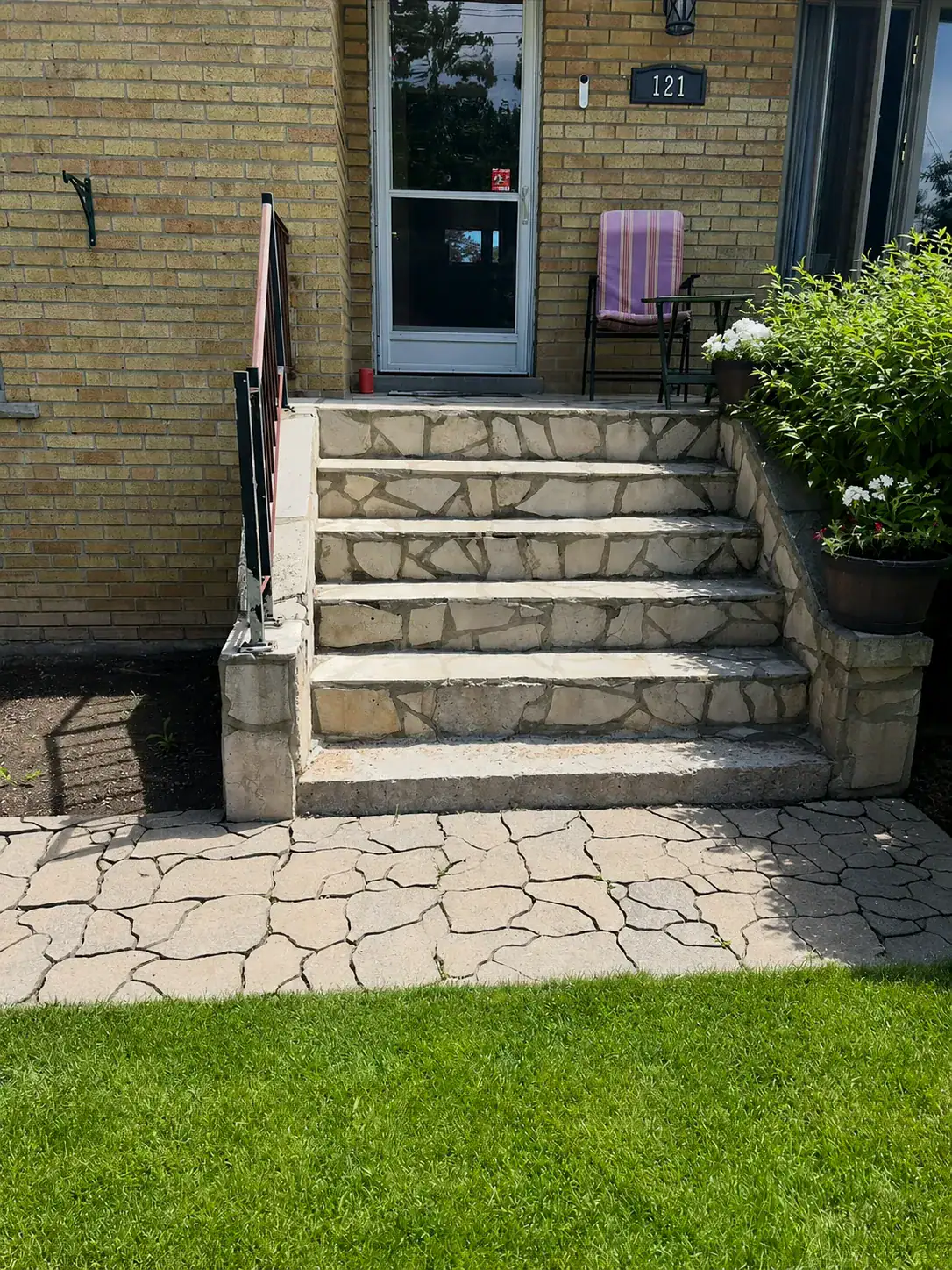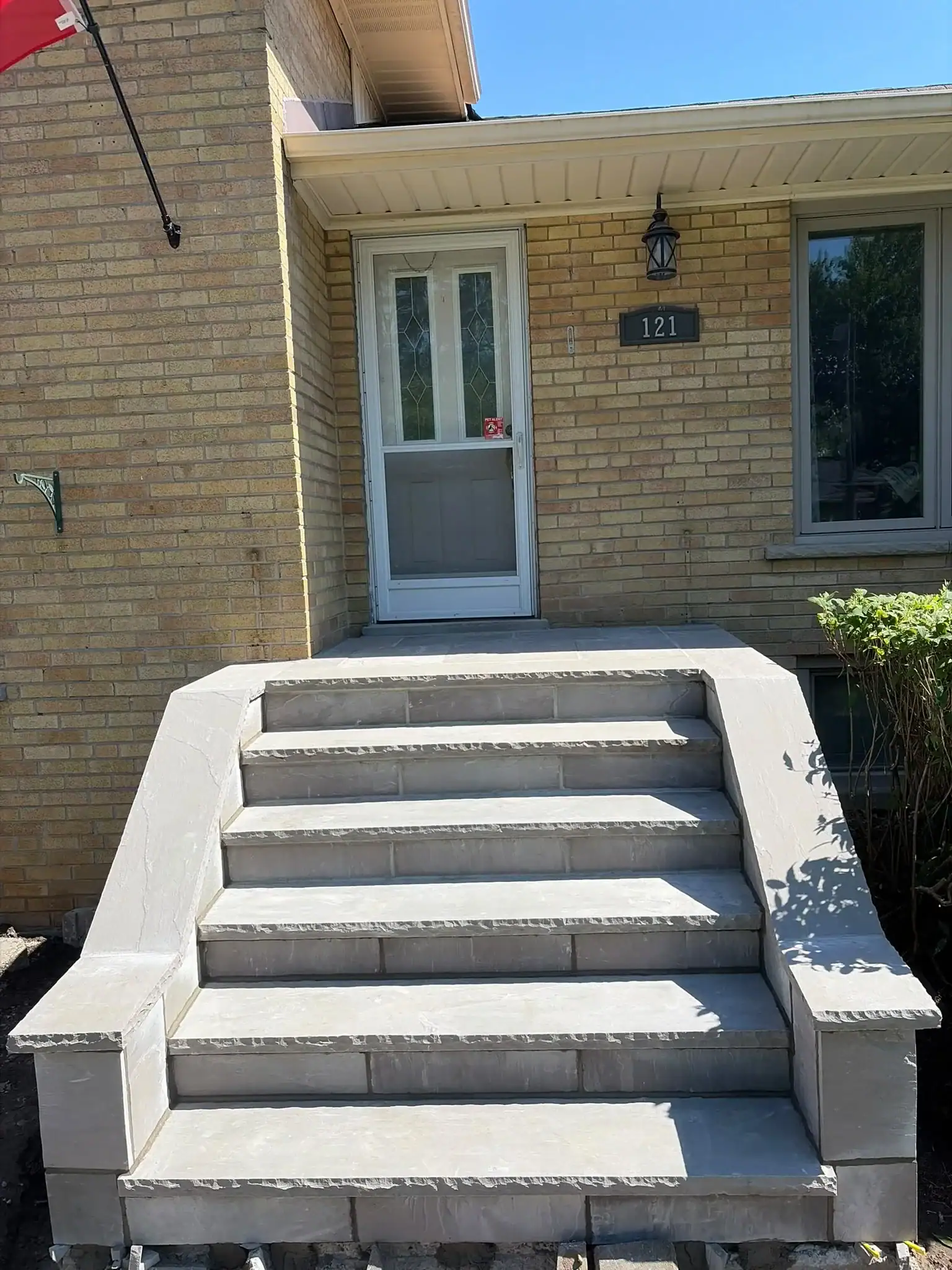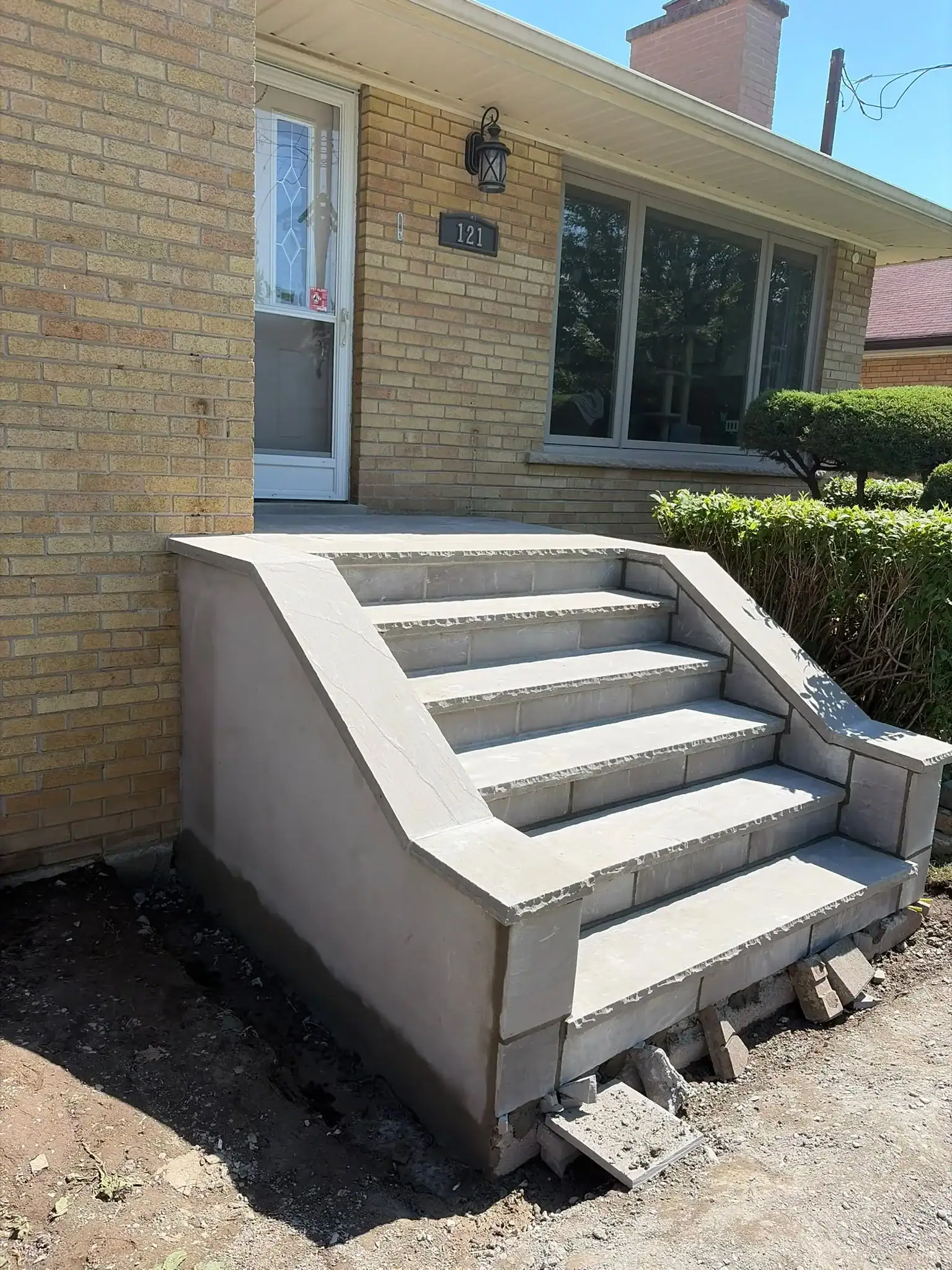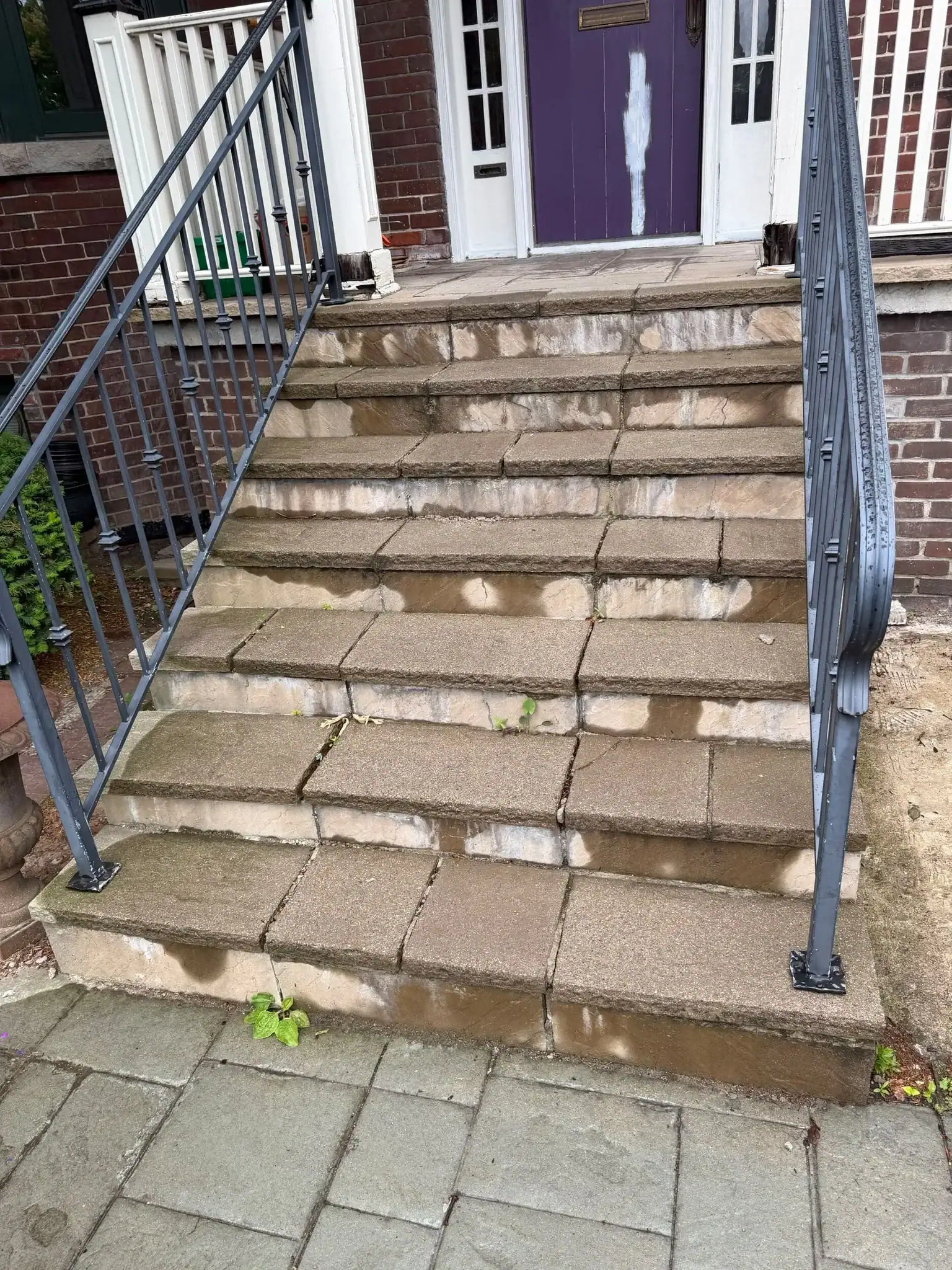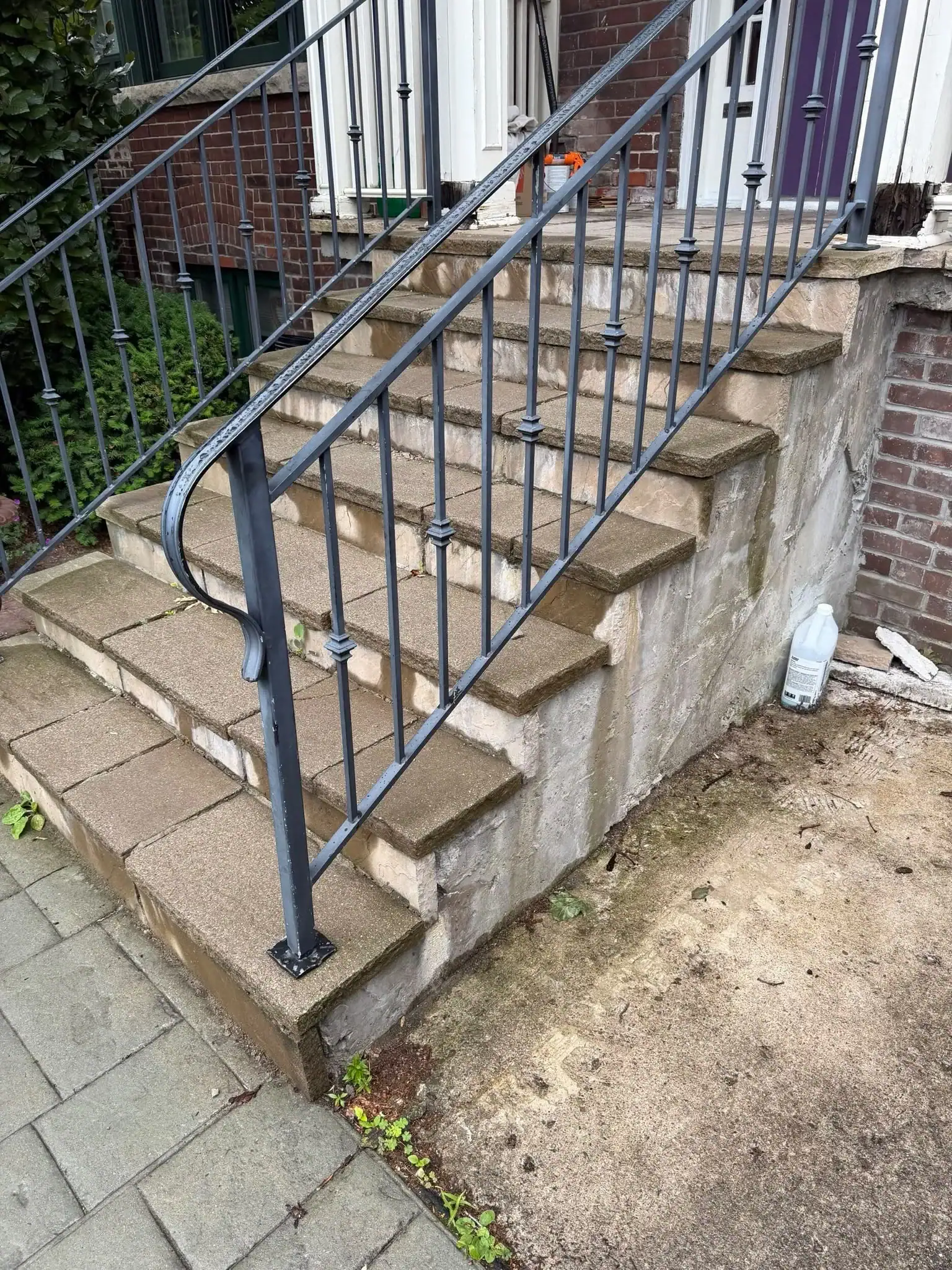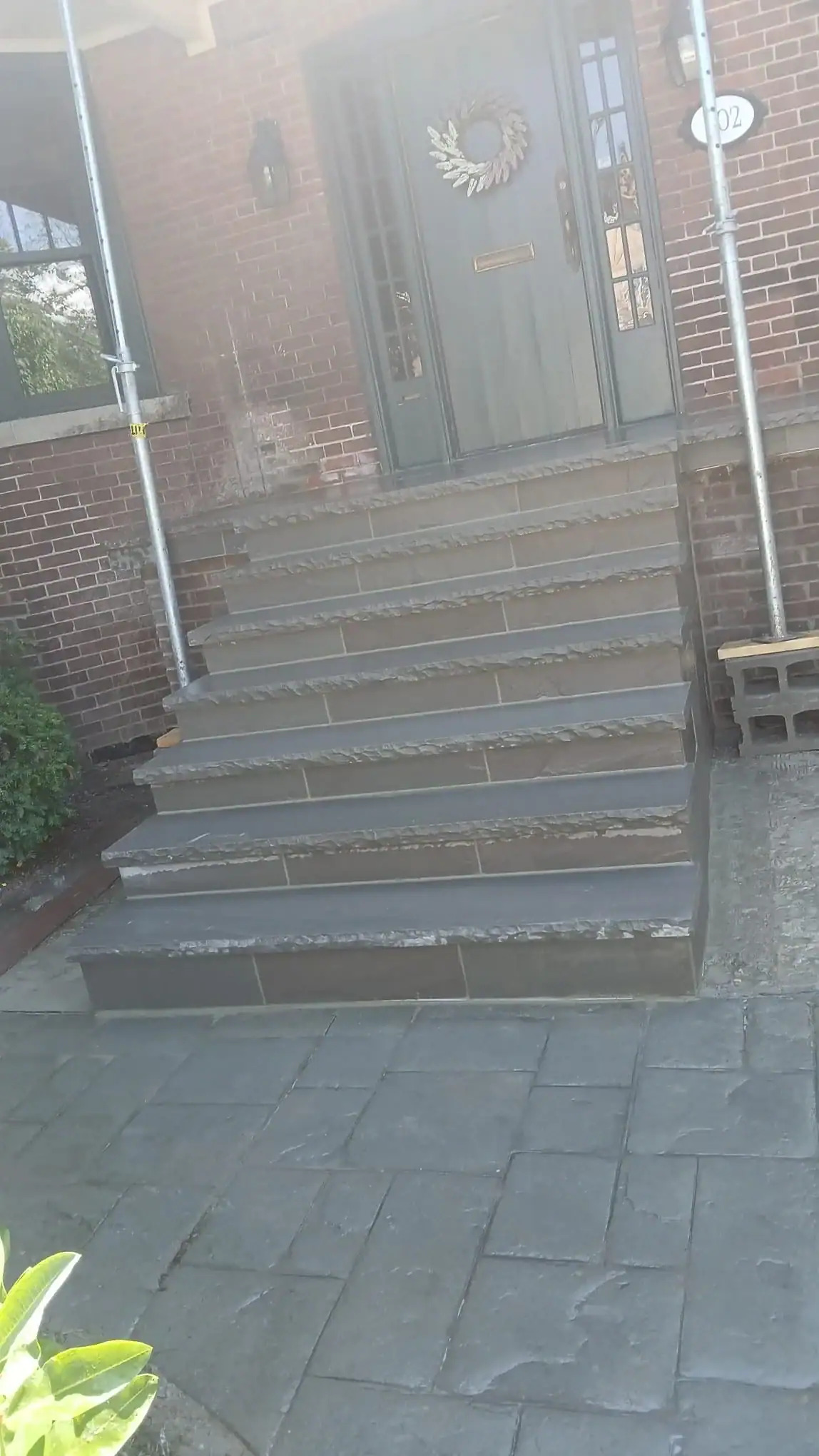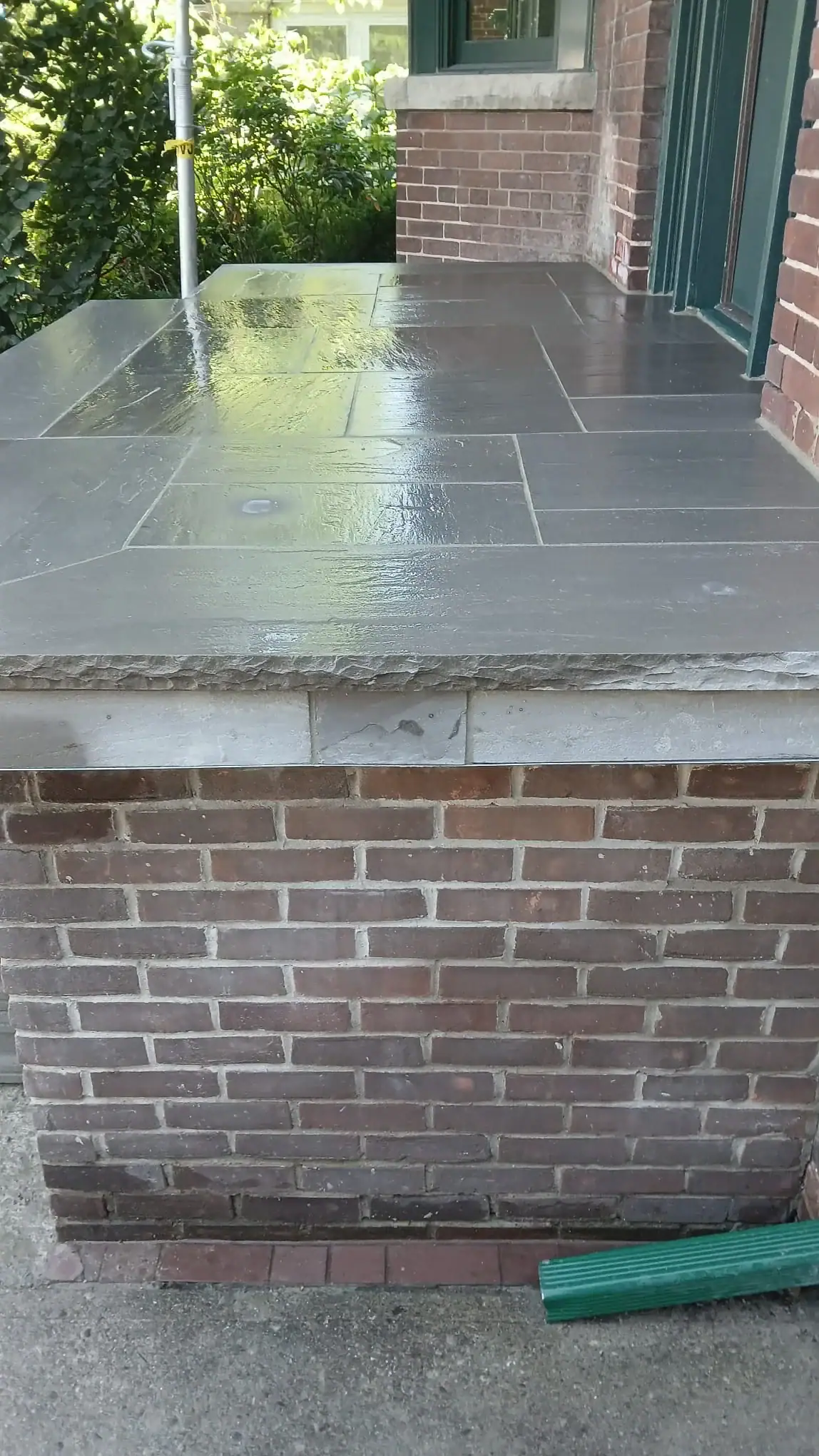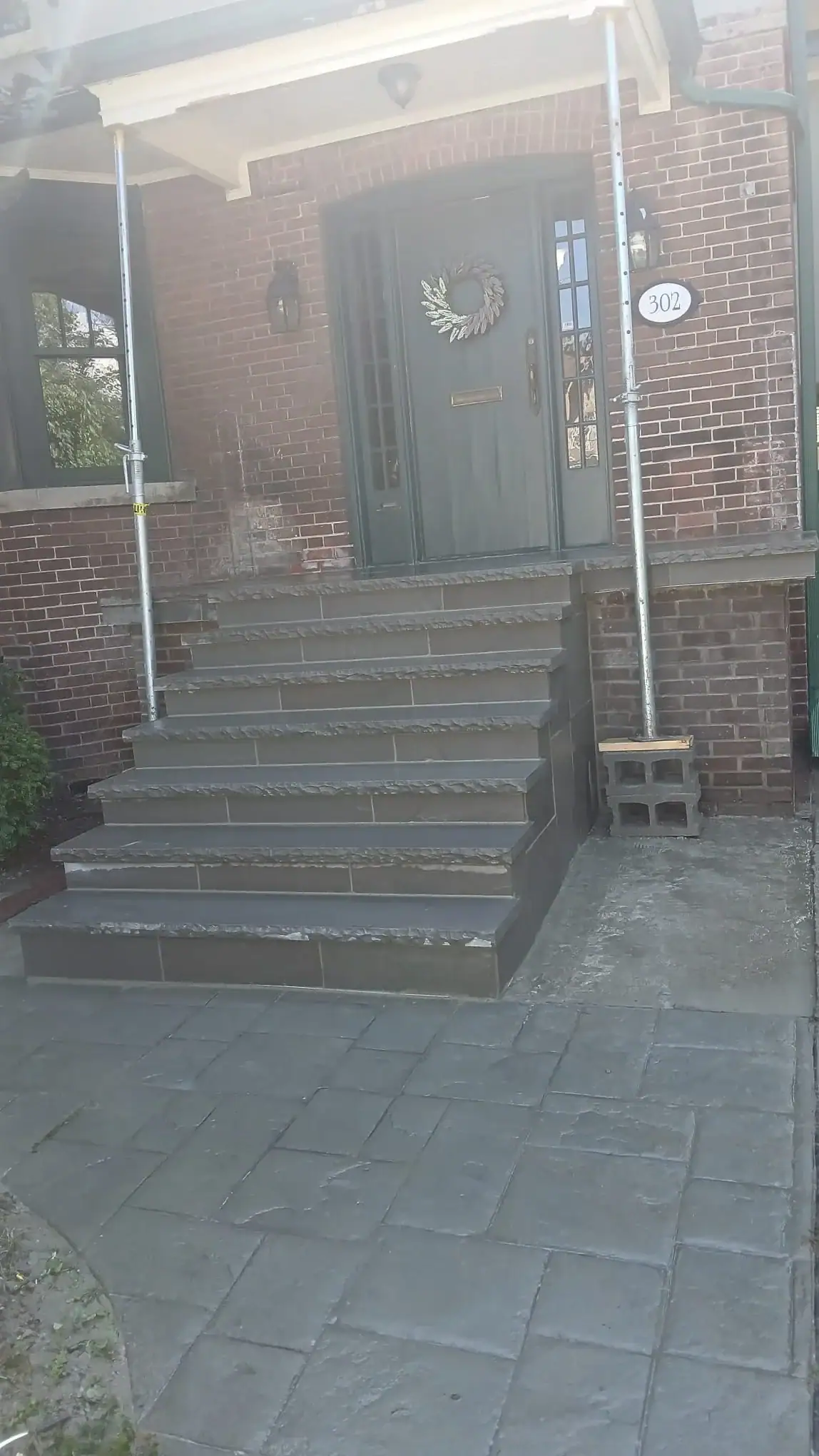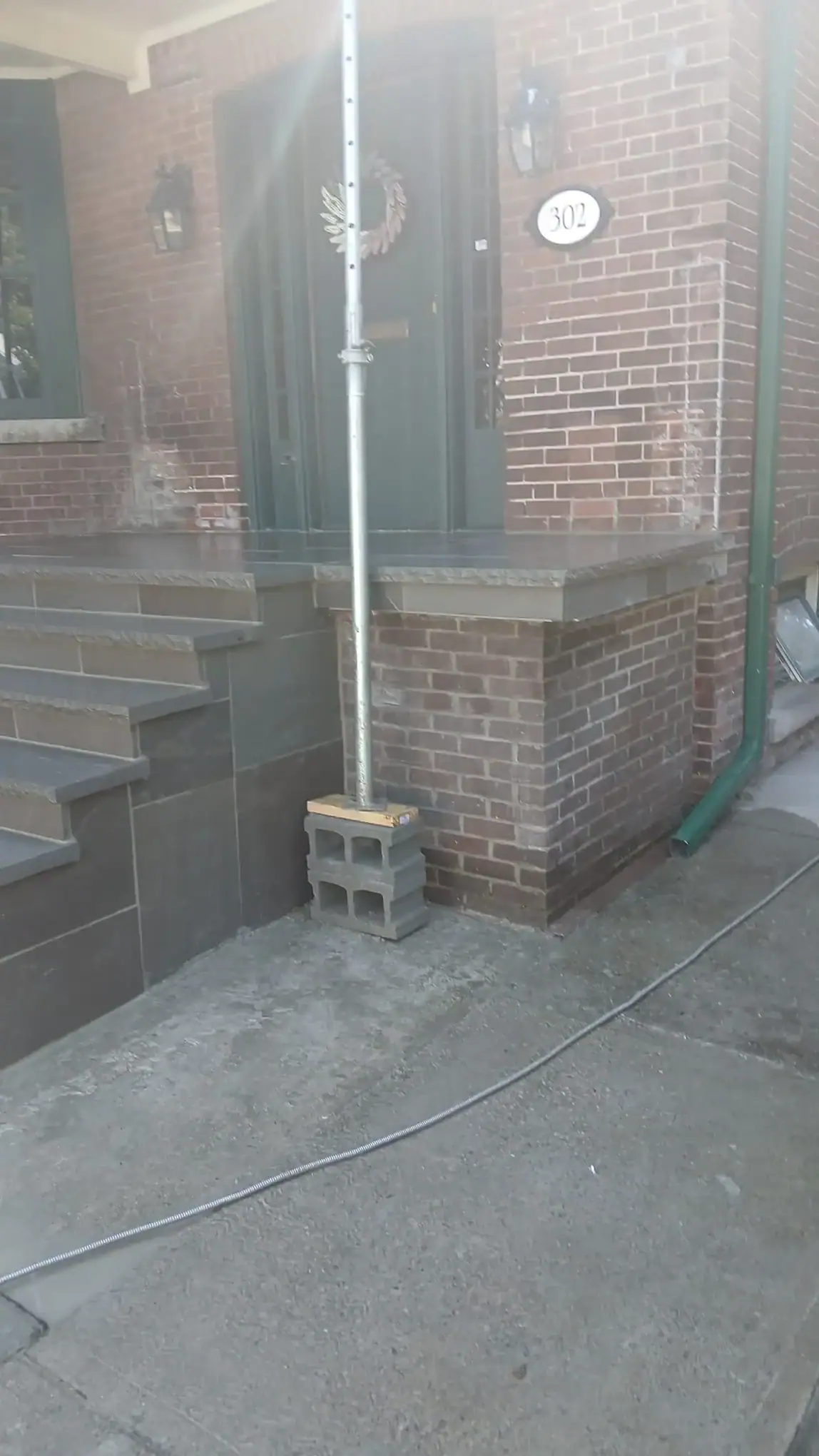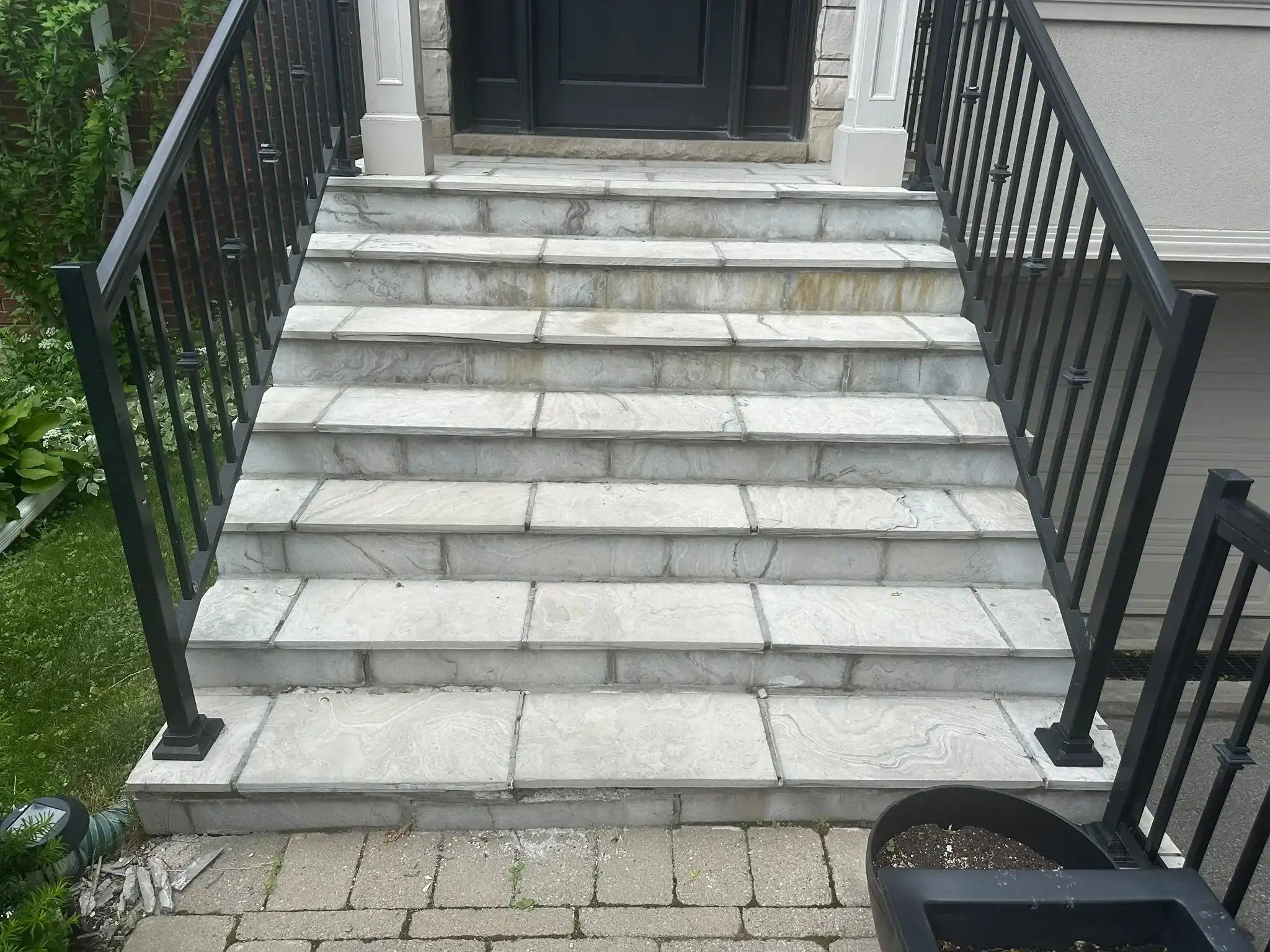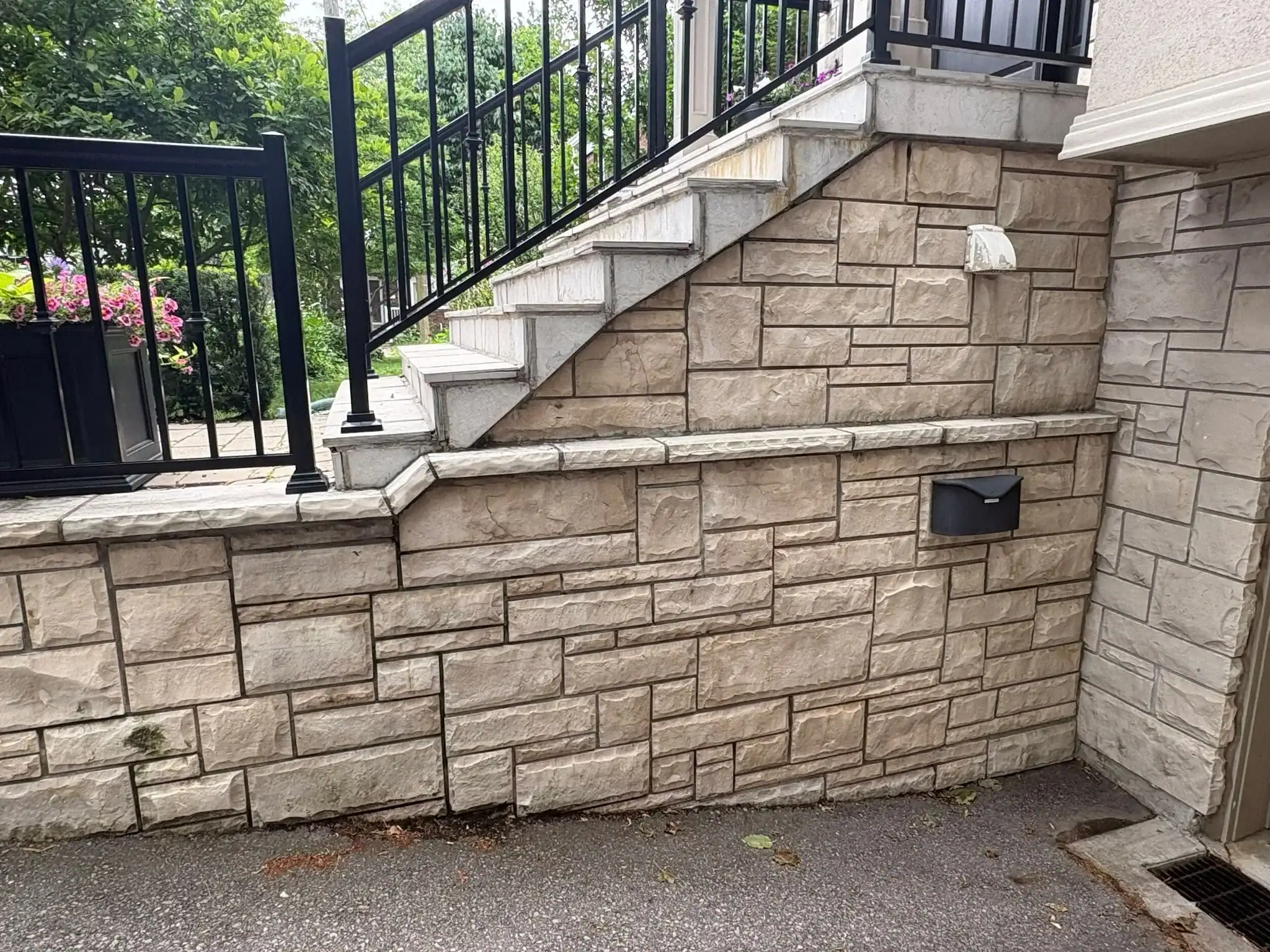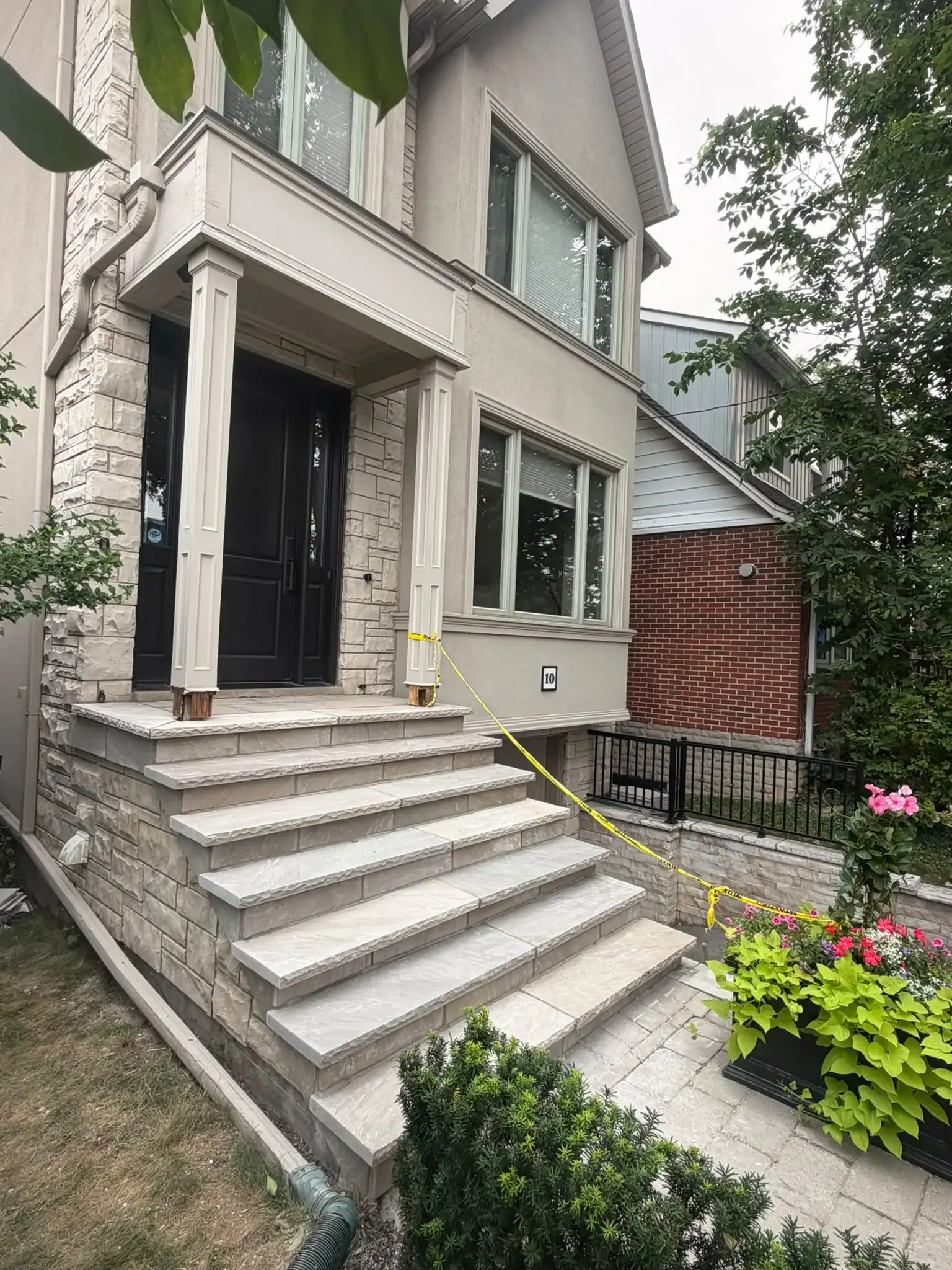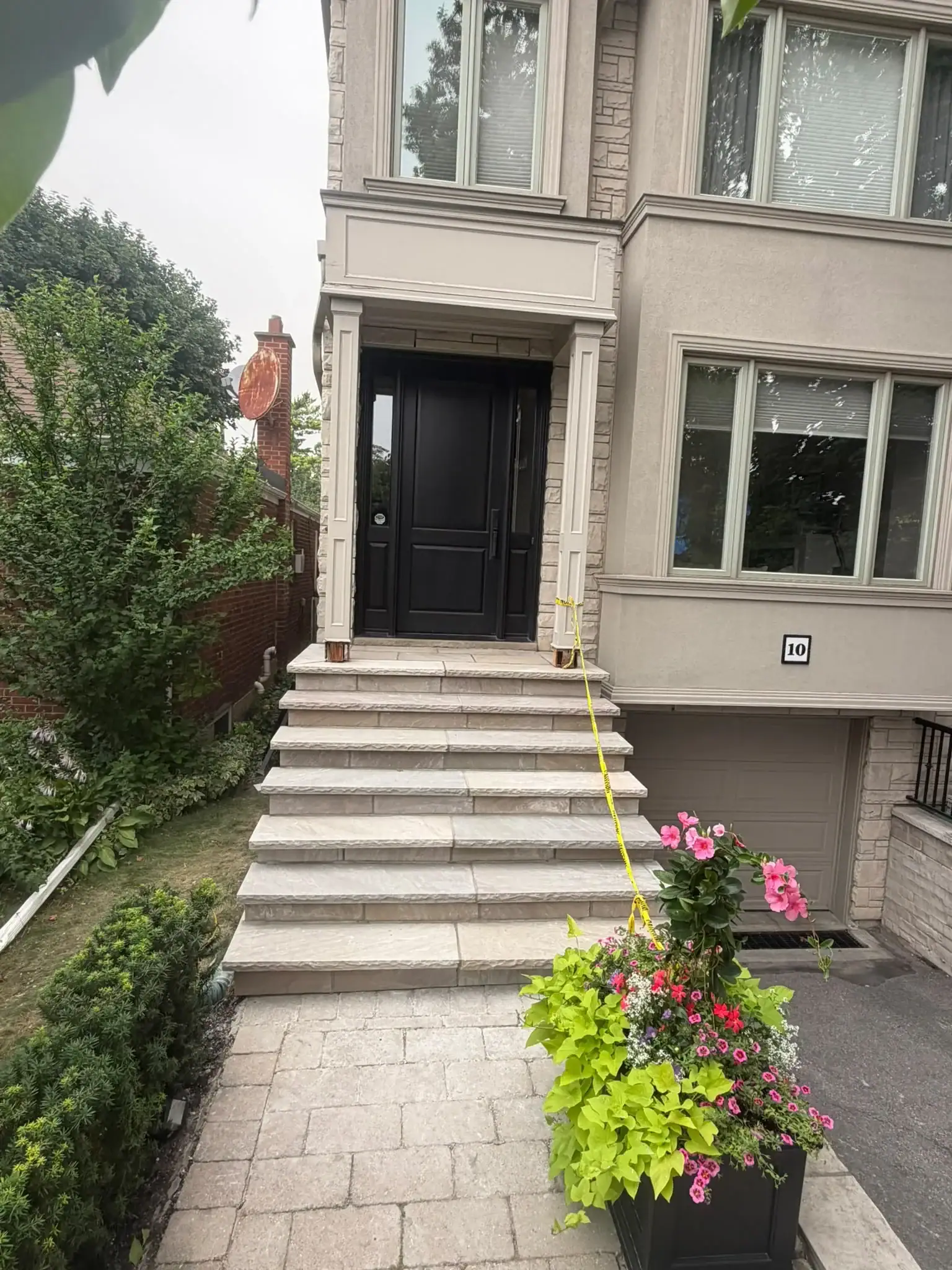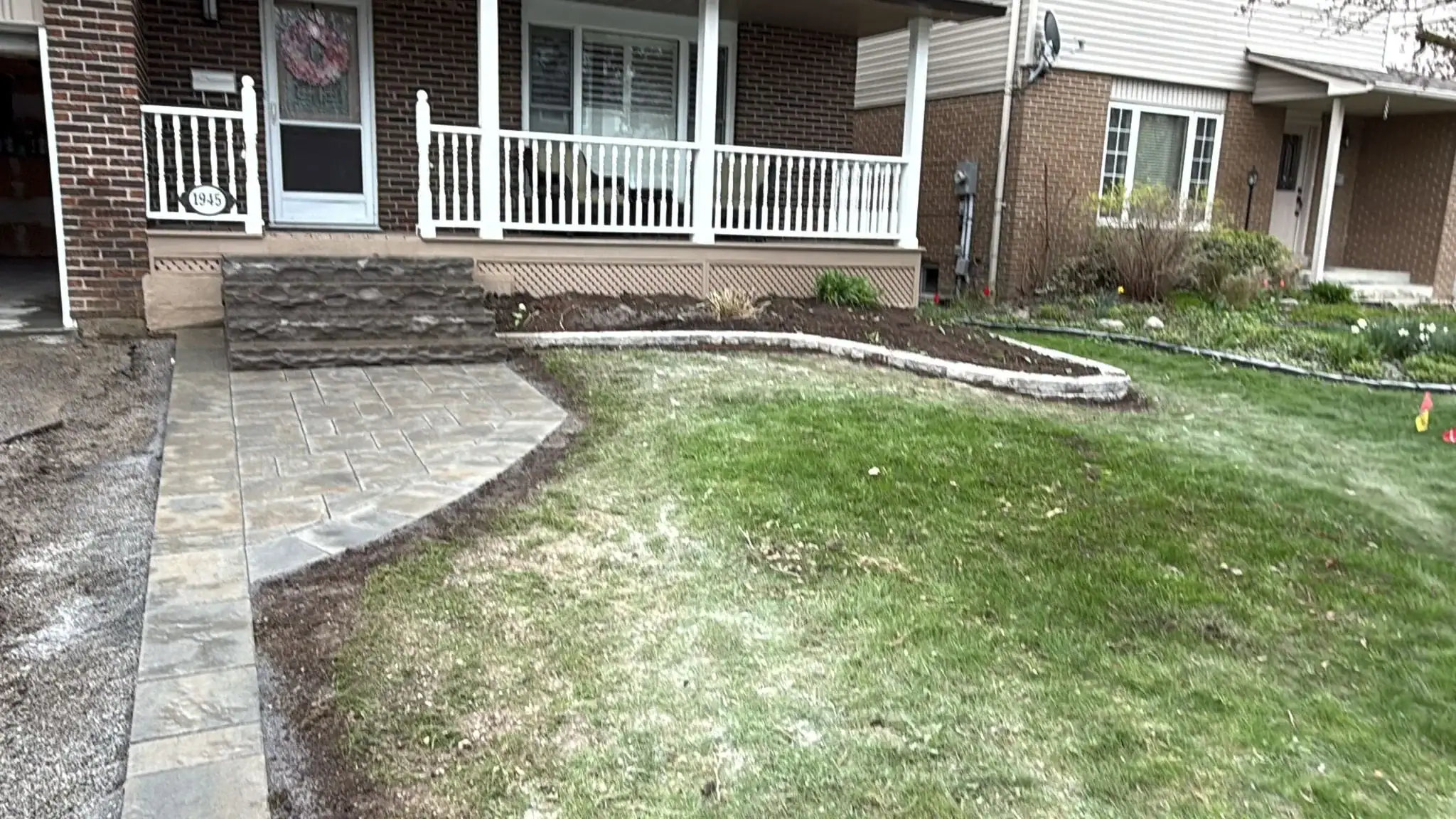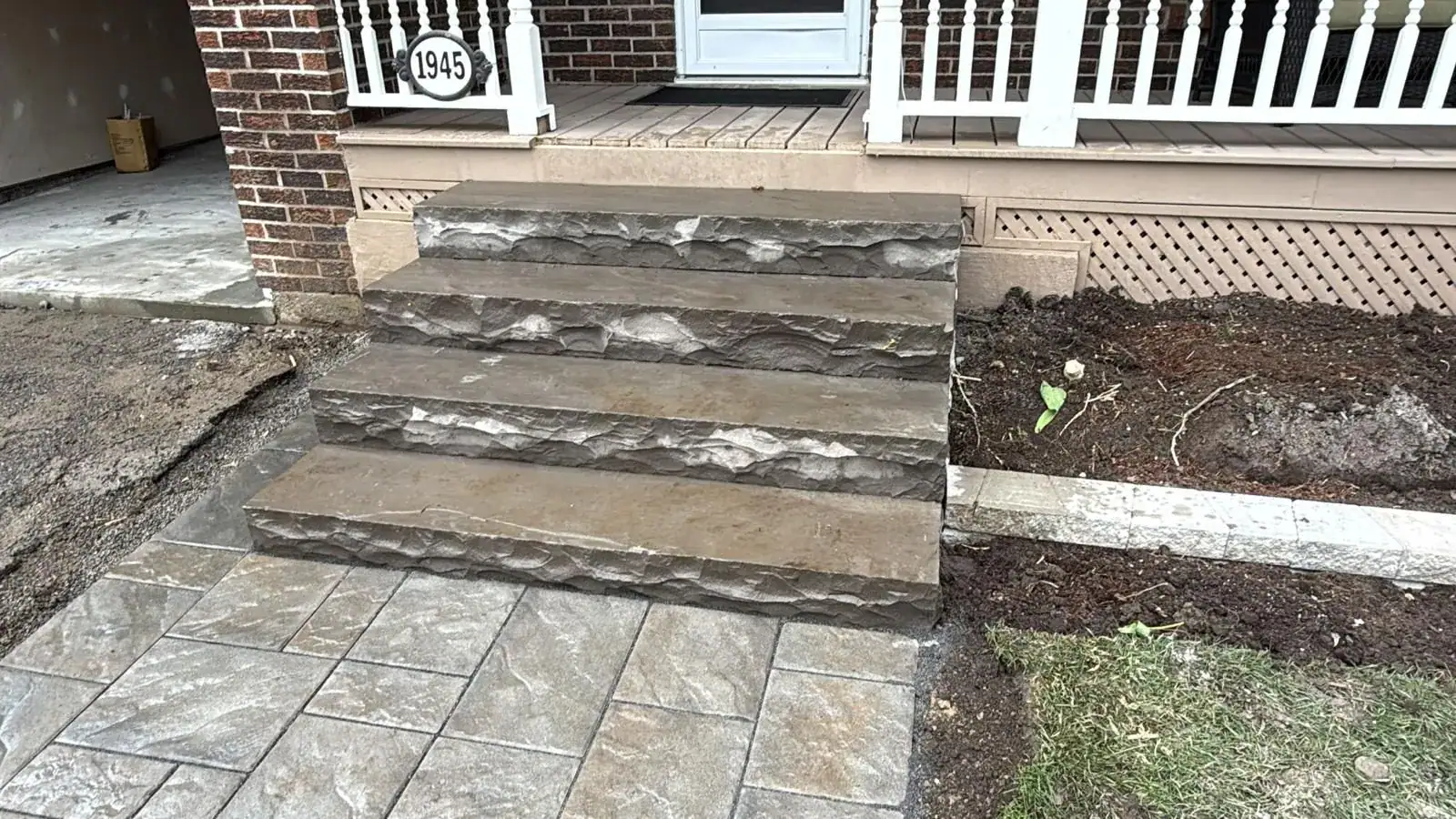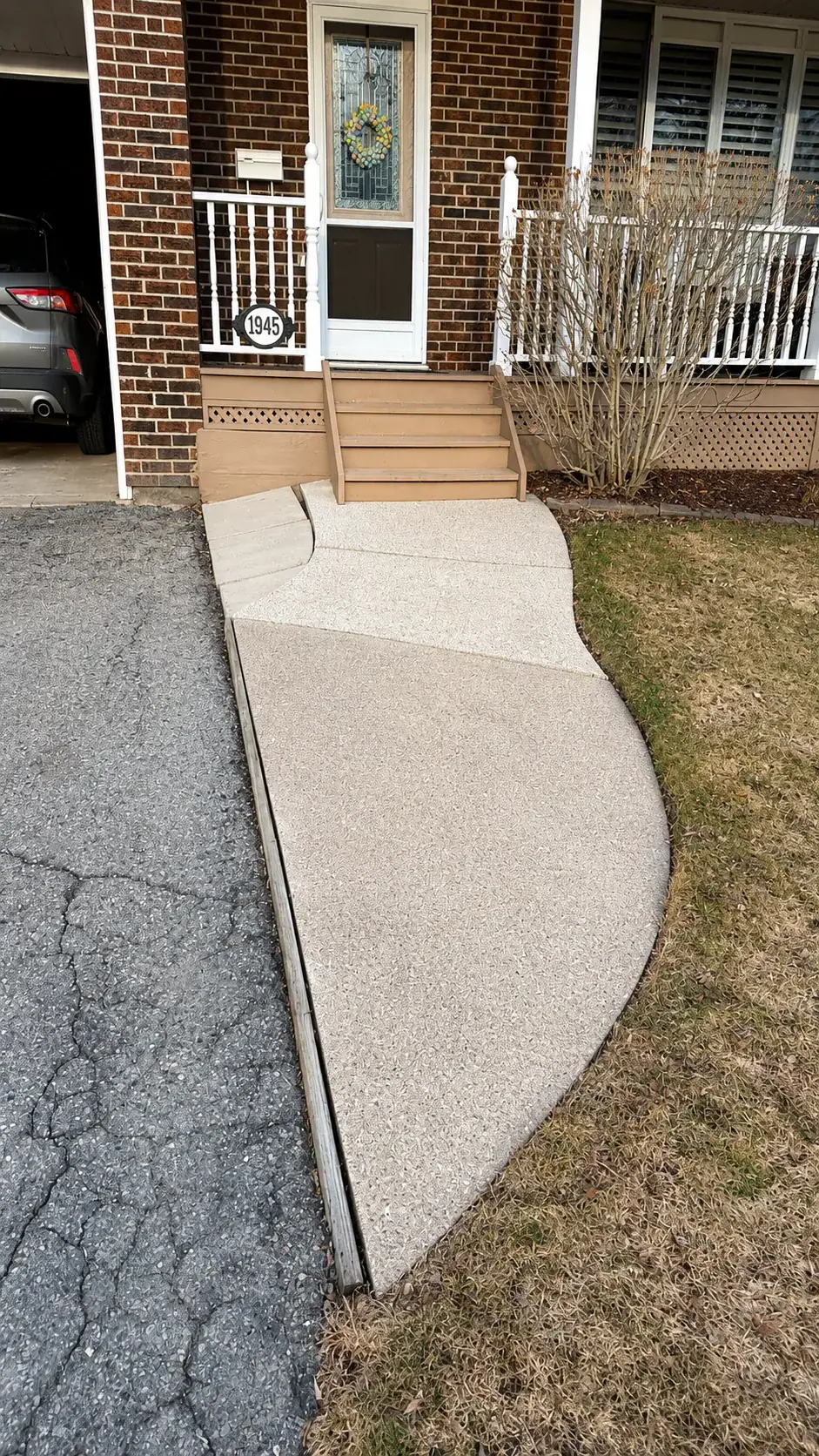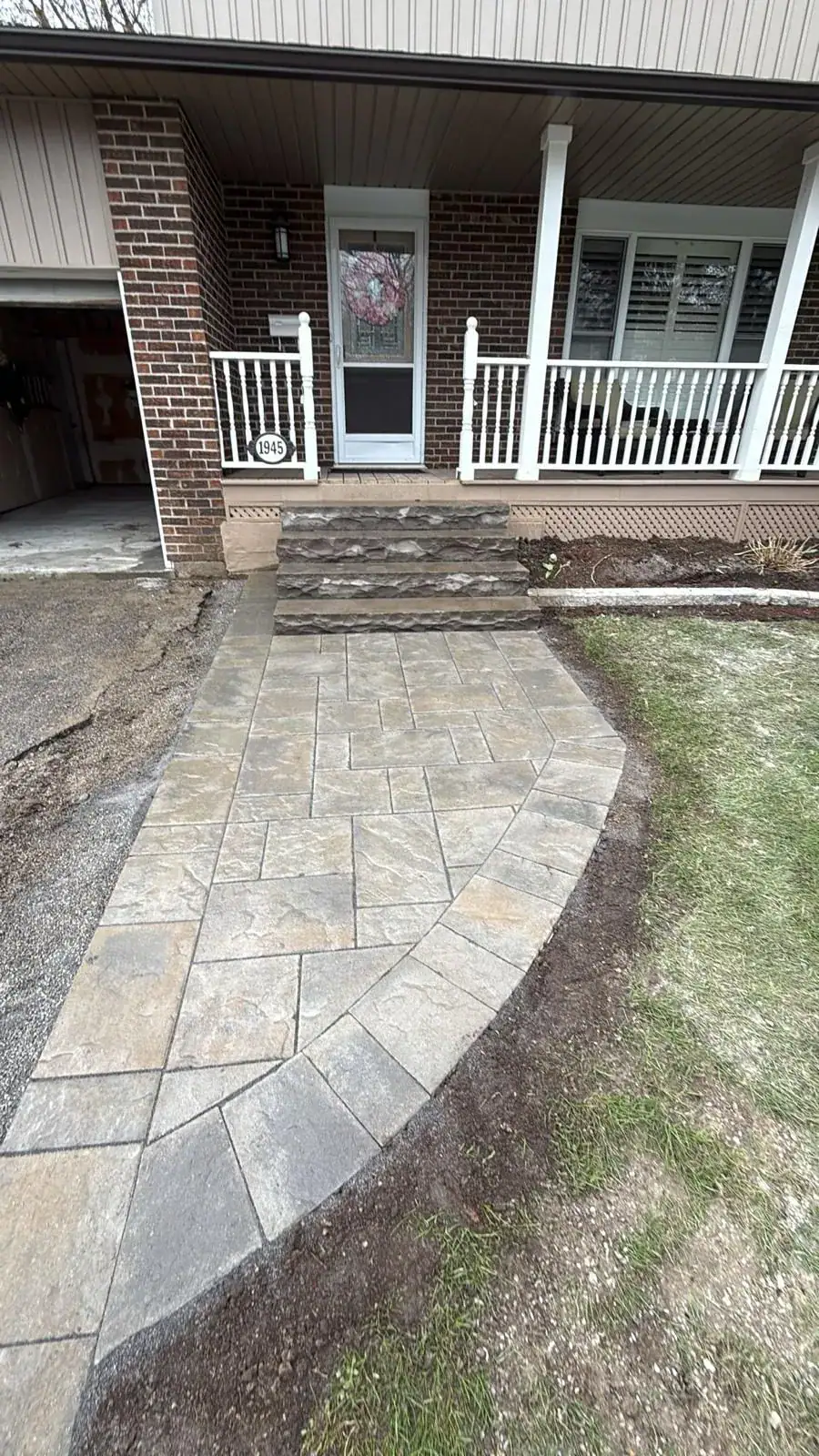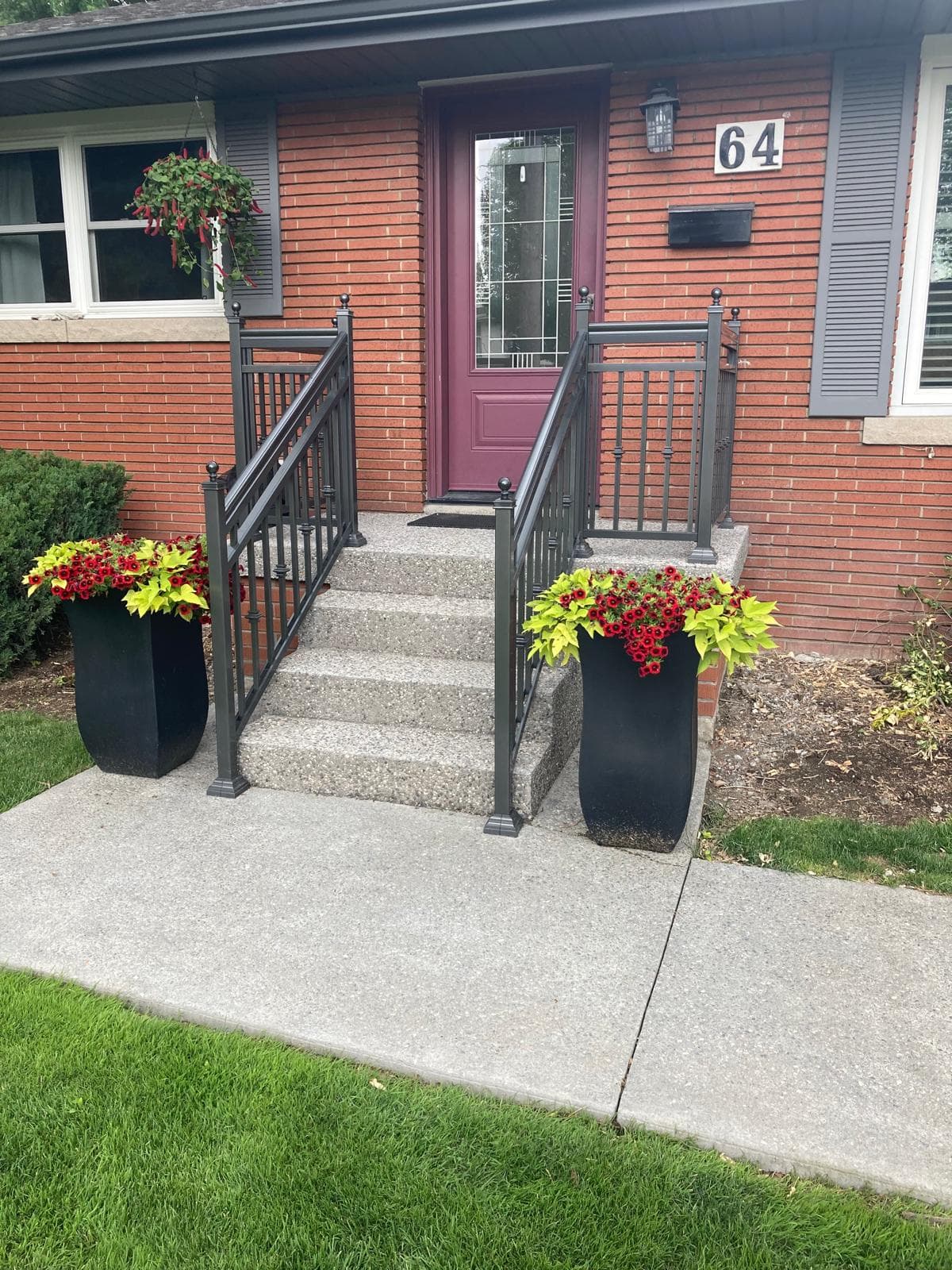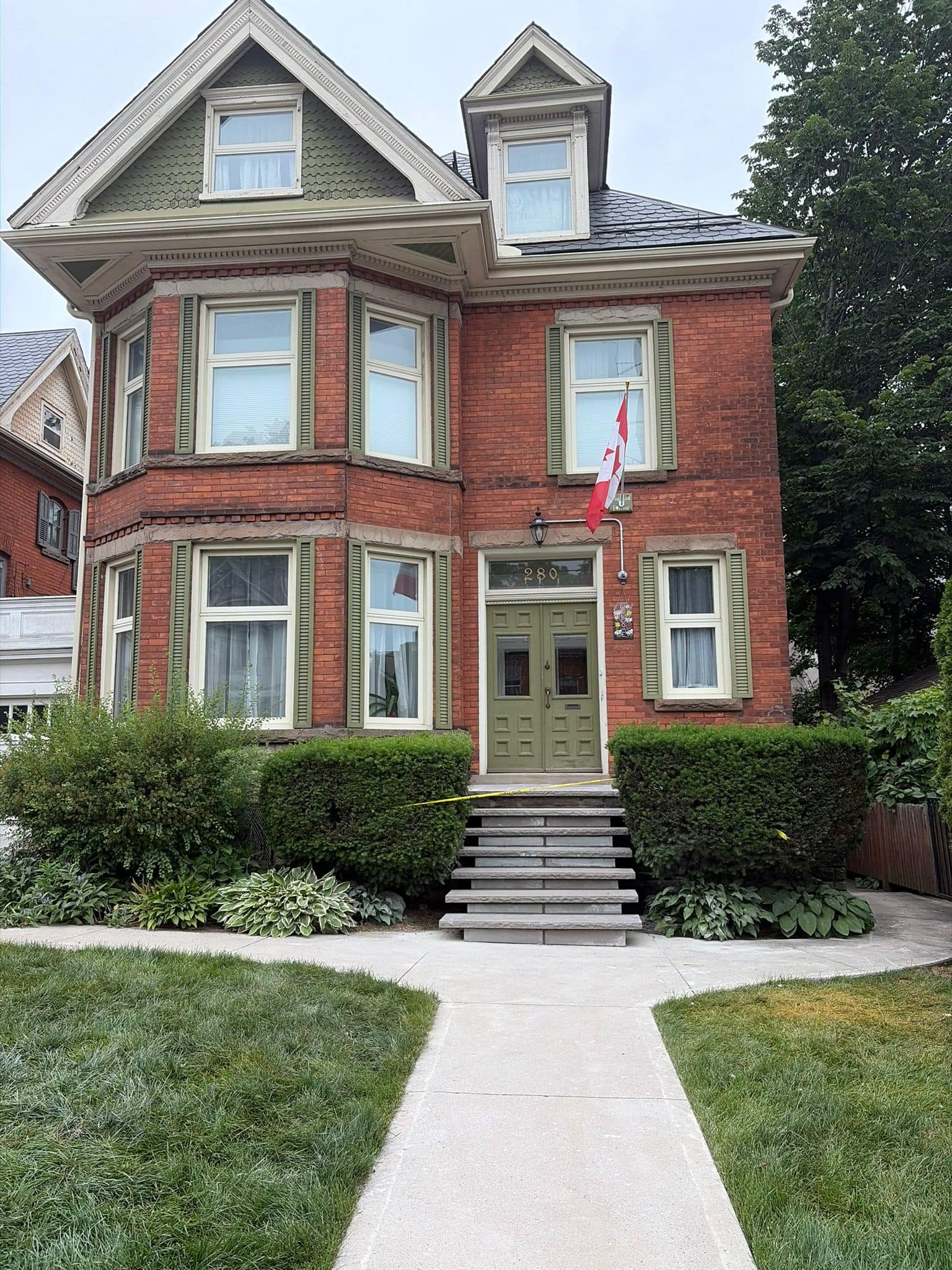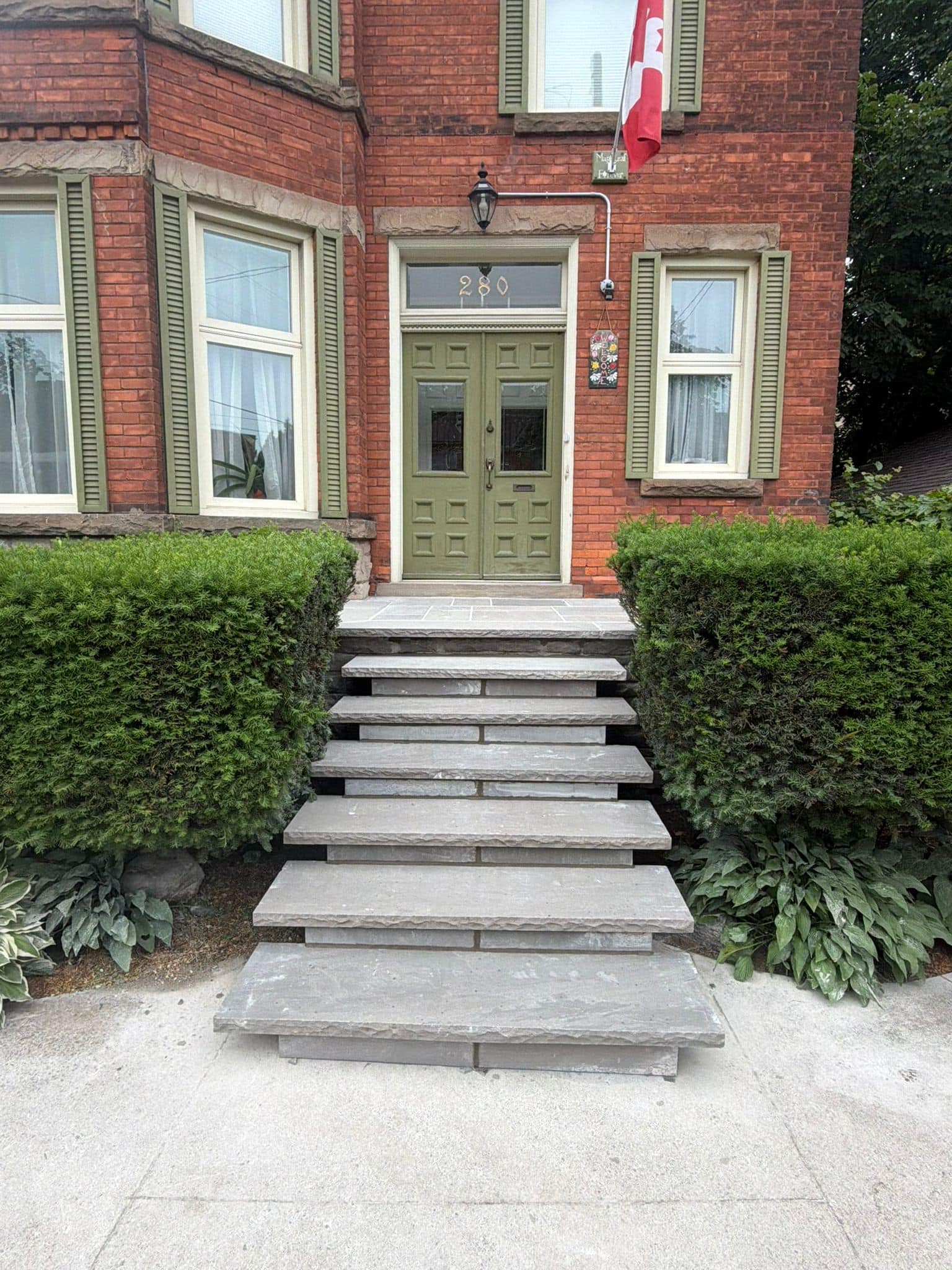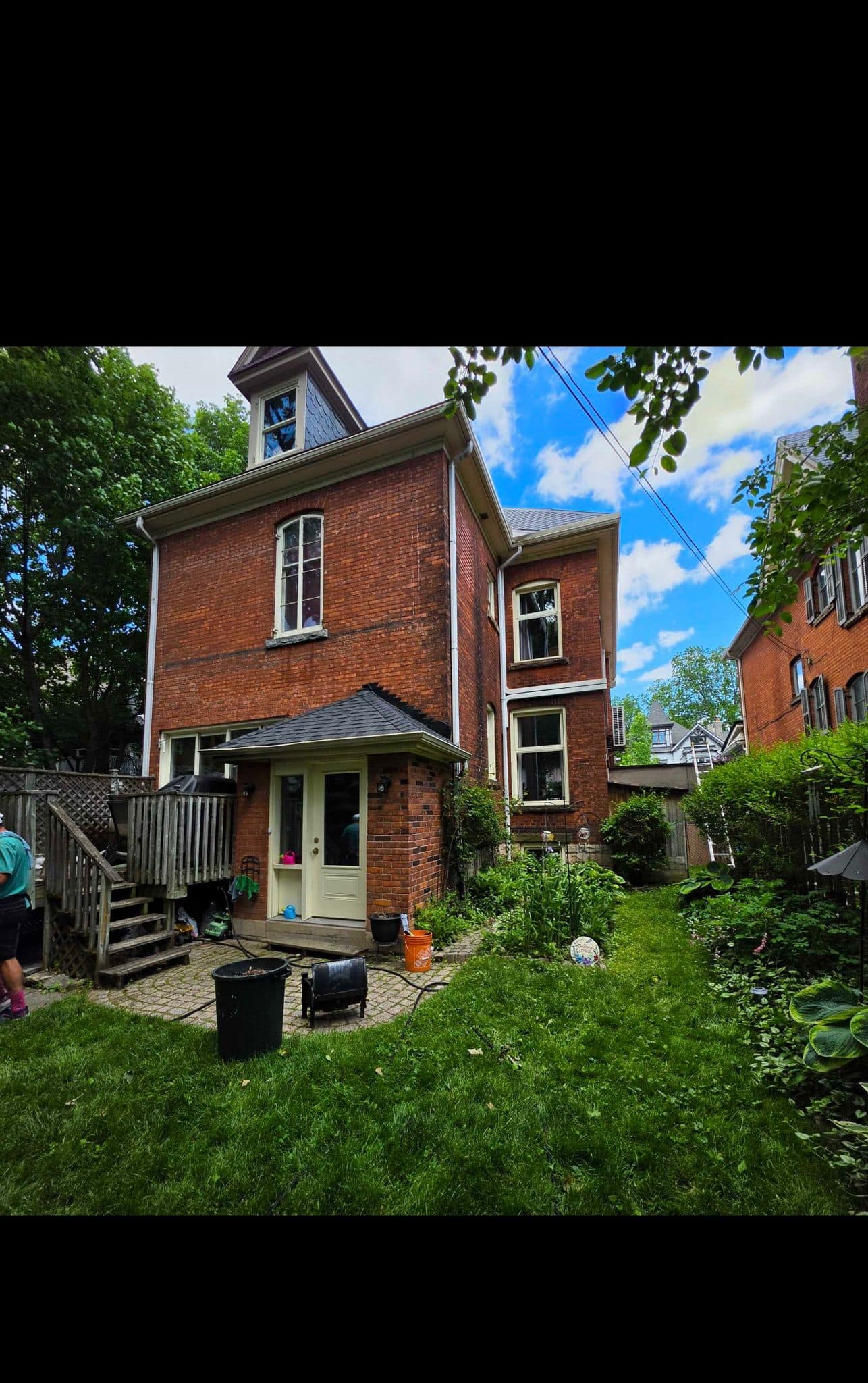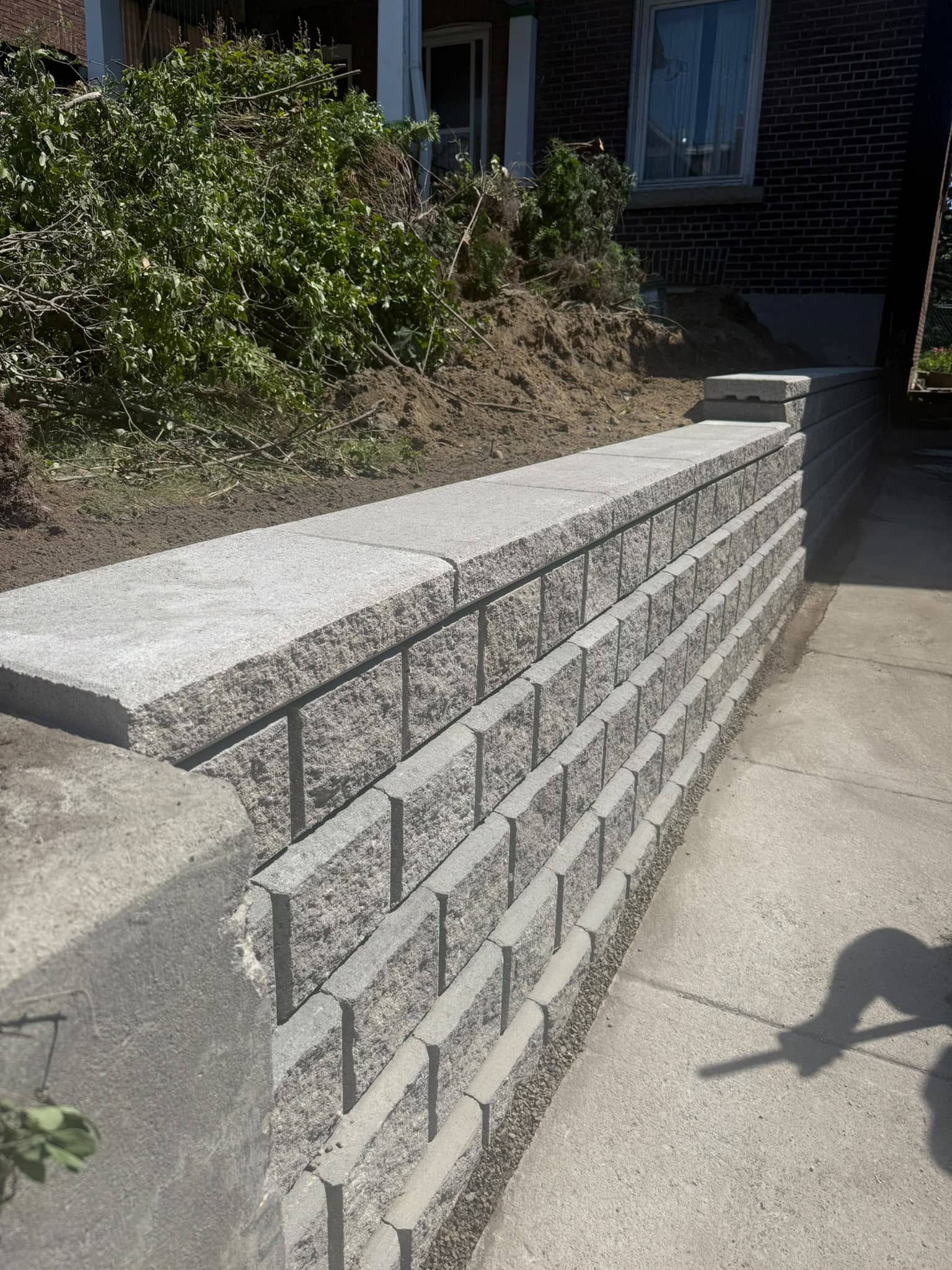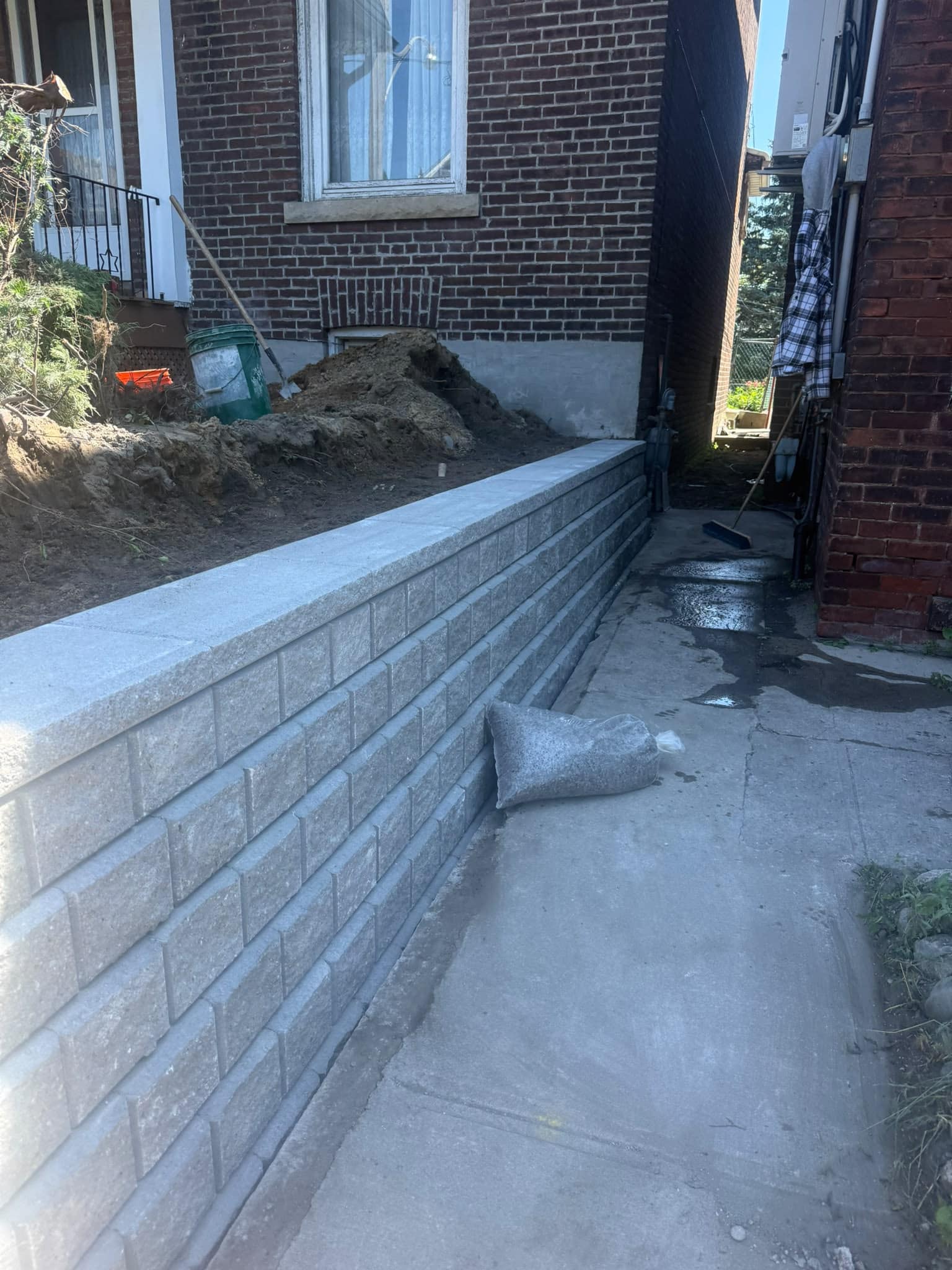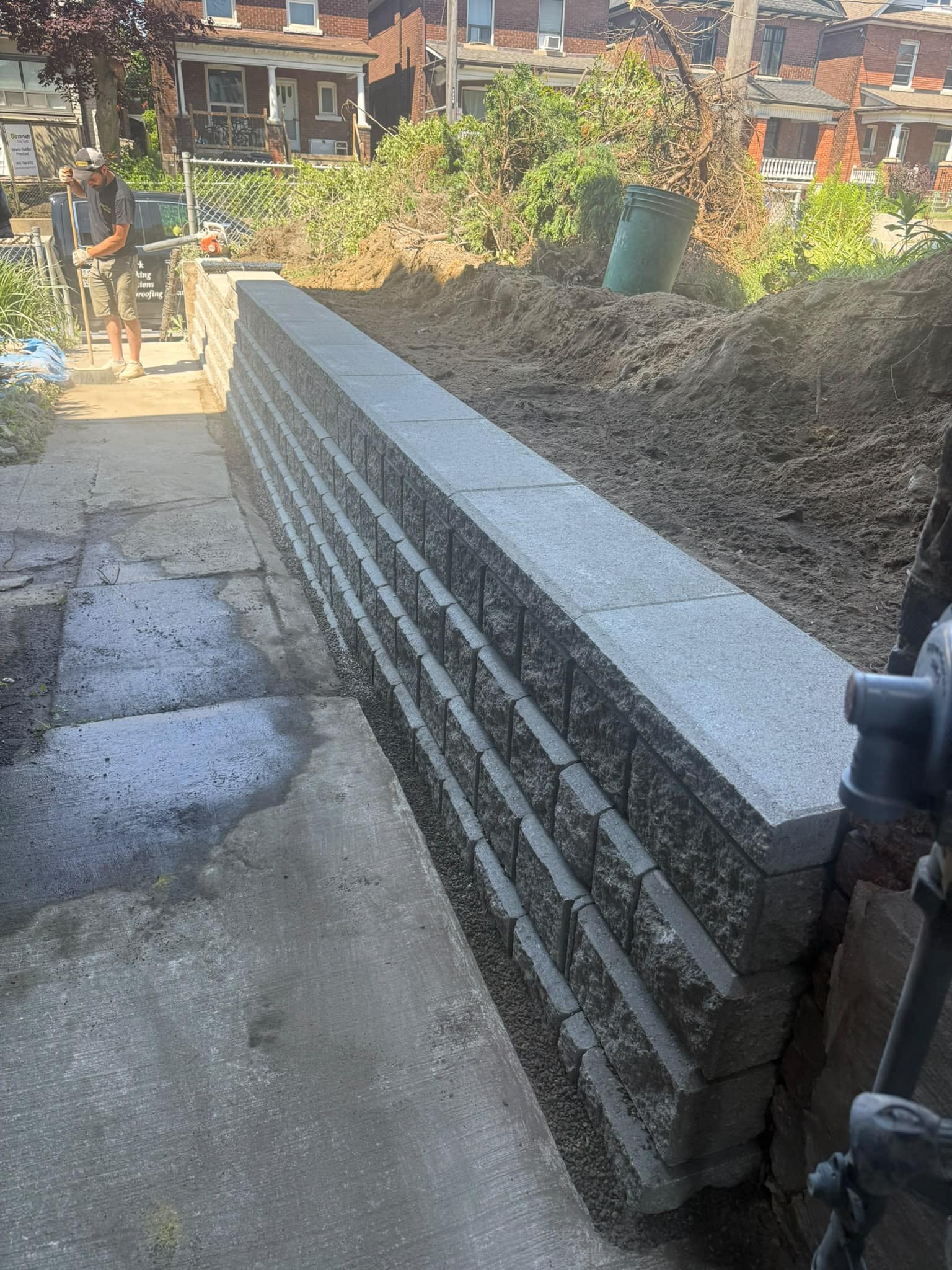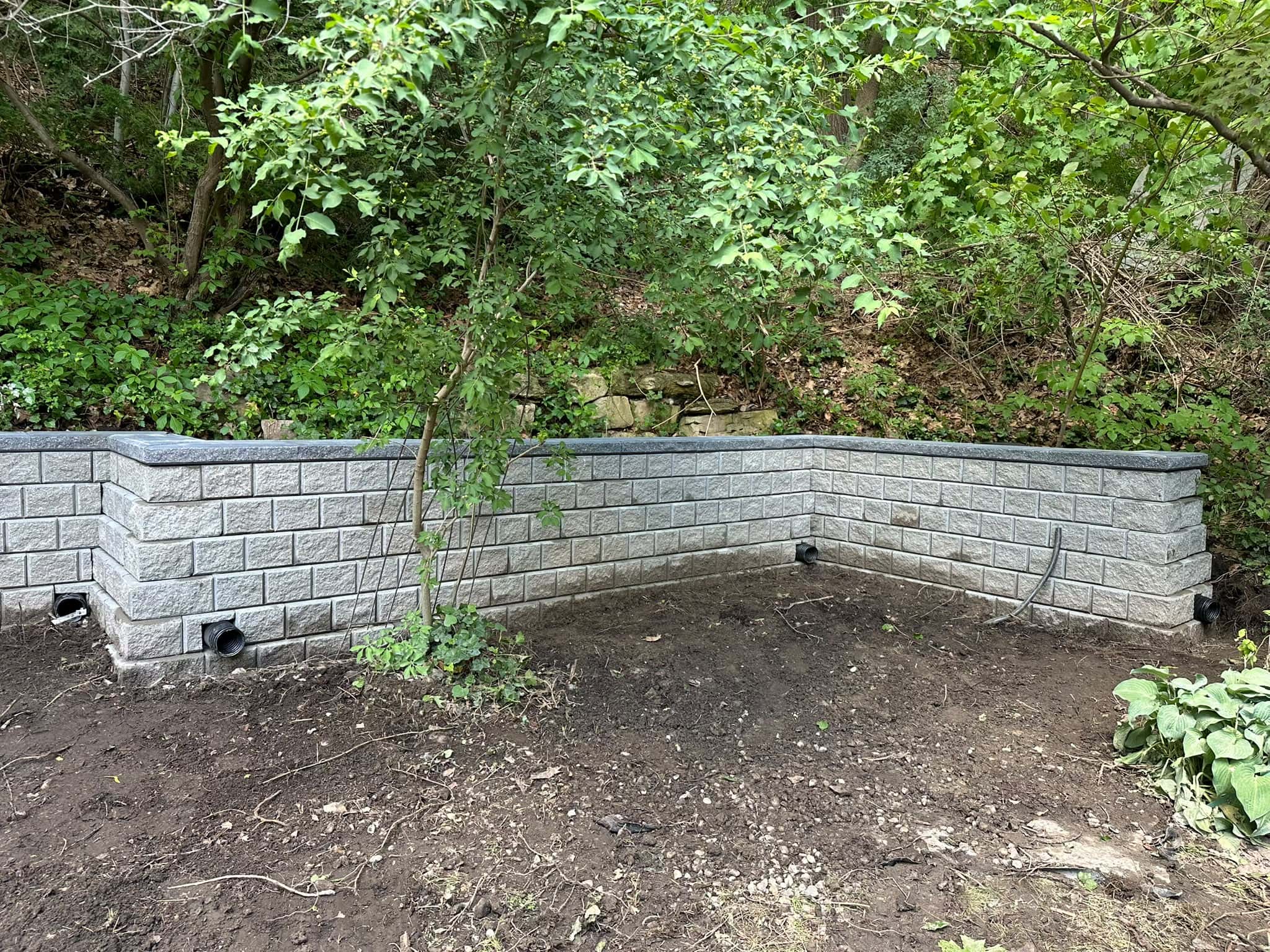
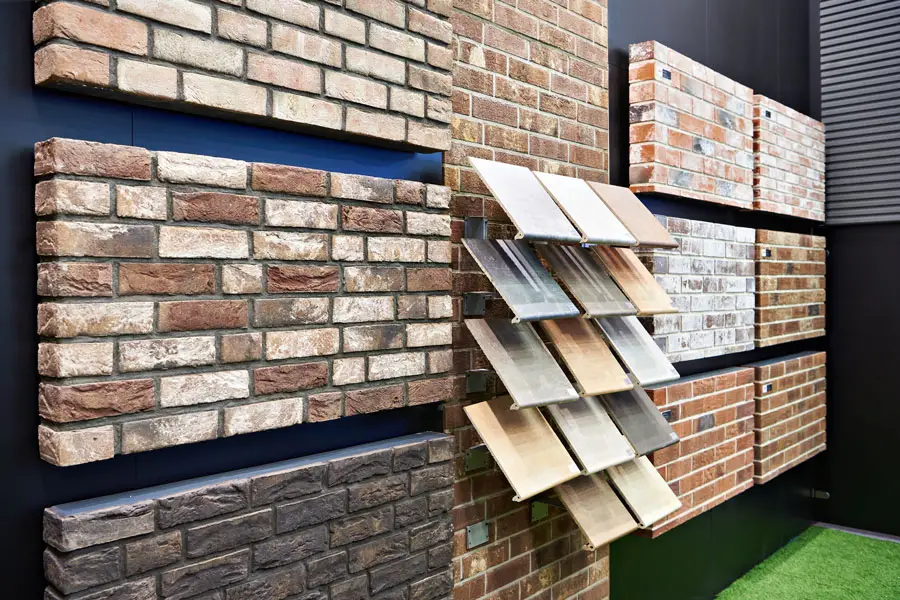
Brick veneer is a type of wall construction that uses thin brick slices attached to a structural wall, providing the appearance of a full brick structure without the added weight and cost. Unlike solid brick walls, brick veneer is primarily decorative and does not bear the structural load of a building.
It’s becoming more popular in new buildings because of its many advantages. The idea of brick veneer has been around for ages. It was first seen in ancient buildings.
Today, brick veneer is used everywhere, from homes to big buildings. It’s loved for making walls that are not only beautiful but also practical.

What Is a Brick Veneer Wall and How Does It Work?
Brick veneer is a common exterior finish in buildings. It has a single layer of bricks, about 1 inch thick, attached to a backing.
With main functions as a decorative cladding rather than a structural element, it is designed to be durable and look good.
Definition and Basic Concepts
Simply put, brick veneer is a non-structural exterior cladding. It is attached to a building’s framework using metal ties or anchors, leaving a small air gap between the veneer and the structure. This gap allows for drainage and ventilation, preventing moisture buildup.
The Composition of Modern Brick Veneer
Understanding what brick veneer is made of is key. A brick veneer wall has bricks, a backing, and a space for air and water to move.
So, what’s in a brick veneer wall? It has:
- Bricks: The outside layer of bricks adds beauty and guards the inside from the weather.
- Structural Backing material: This layer gives the wall strength and can be wood, steel, or concrete.
- Anchoring systems: secure the brick veneer to the structural backing. They hold the brick veneer to the backing, making sure the wall stays strong.
- Cavity: The space between bricks and backing allows air and water to escape, preventing damage.
- Insulation: improves energy use and warmth
- Weather barrier: This barrier is usually a waterproof material, like a membrane or coating, on the wall’s outside.
A brick veneer wall exterior requires several key components to function properly. The structural backing is very important. It gives the brick veneer the support it needs. This backing, which can be made of wood or steel, helps keep the wall stable and strong.
When used on outdoor surfaces, the weather barrier of the brick veneer wall exterior is another critical part. It keeps water and moisture out of the wall. This barrier is usually a waterproof material, like a membrane or coating, on the outside of the wall. Installing the minimum cavity for the brick veneer wall is important for good drainage and air flow.
Knowing these basics about brick veneer helps with setting it up right and keeping it in good shape.

Brick Veneer Wall Installation Methods and Requirements
Installing a brick veneer wall involves several key factors. You need to understand the wall detail and section. Knowing the disadvantages of brick veneer walls is also important. This ensures the wall looks good and is strong.
Before starting, prepare the site and pick the right materials. Make sure the foundation is level and solid. Choose bricks that fit the climate and look you want. The steps include laying the foundation, building the wall, and adding finishing touches.
Preparation Requirements
Getting ready is crucial for a good installation. This means:
- Clearing the site of debris and obstacles
- Checking the foundation for damage or weaknesses
- Picking the right materials, like bricks, mortar, and flashing
Installation Process
The installation process includes:
- Laying the foundation, including the footing and wall base
- Building the wall, laying bricks, and applying mortar
- Adding flashing and weatherproofing to protect from the elements
Brick Veneer vs Traditional Brick Construction
Homeowners and builders often ask if brick veneer is good and if it’s as good as traditional brick. Let’s look at how they compare in terms of performance, durability, and cost.
Brick veneer is loved for its look and practical benefits. It’s a single layer of bricks on a backing, giving a sleek, modern feel. Traditional brick, with its multiple layers, is more expensive and takes longer to put up.
Here are some main differences between brick veneer and traditional brick:
- Cost: Brick veneer is cheaper than traditional brick.
- Installation time: Brick veneer is quicker to install.
- Weight: Brick veneer is lighter, making it easier to move and handle.
- Aesthetics: Both offer design choices, but brick veneer is often chosen for its modern look.
Both methods can last decades with the right care. But brick veneer is more at risk of water damage and needs regular checks. The choice between brick veneer and traditional brick depends on what you want, your budget, and your building needs.
Advantages of Choosing Brick Veneer
Brick veneer is known for its durability, low upkeep, and beauty. There needs to be 1 space between the veneer and the wall behind. This space helps with drainage and prevents moisture damage, keeping the wall strong.
The size of brick veneer walls can change based on the project. Yet, they are designed to fit many places, from homes to offices.
The main benefits of brick veneer are:
- Low maintenance needs
- Long-lasting and durable
- Looks good and can be designed in many ways
- Helps save energy and is cost-effective
Brick veneer is a favourite for building because of its many good points. Understanding the need for a 1 space in a brick veneer wall and the appropriate size for brick veneer walls aids in making informed building choices.
Why is a 1 space required in a brick veneer wall?
In a brick veneer wall, a 1-inch space (commonly referred to as a “gap” or “air space”). The 1-inch space in a brick veneer wall is essential for moisture management, thermal efficiency, structural stability, and aesthetic quality.
Brick Veneer Design Possibilities and Architectural Applications
Brick veneer is a favourite among builders and homeowners for its design flexibility. It’s a structure with a brick outer layer and a backing material inside. This setup gives a strong, lasting exterior look.
Many ask if brick veneer is cheaper than real brick. The answer is yes, it’s often more affordable. This is because it needs less material and is easier to install.
Exterior Applications
Brick veneer is great for exterior walls, facades, and cladding. It suits many styles, from modern to traditional. You can mix it with stone or wood for a unique look.
Interior Design Options
Inside, brick veneer works well for feature walls, fireplaces, and accent walls. It brings warmth and elegance to any space. It can fit various styles, from rustic to modern.
Some popular styles include:
- Modern brick veneer with a sleek, contemporary look
- Traditional brick veneer with a classic, timeless look
- Rustic brick veneer with a warm, earthy look
Maintenance and Care for Brick Veneer
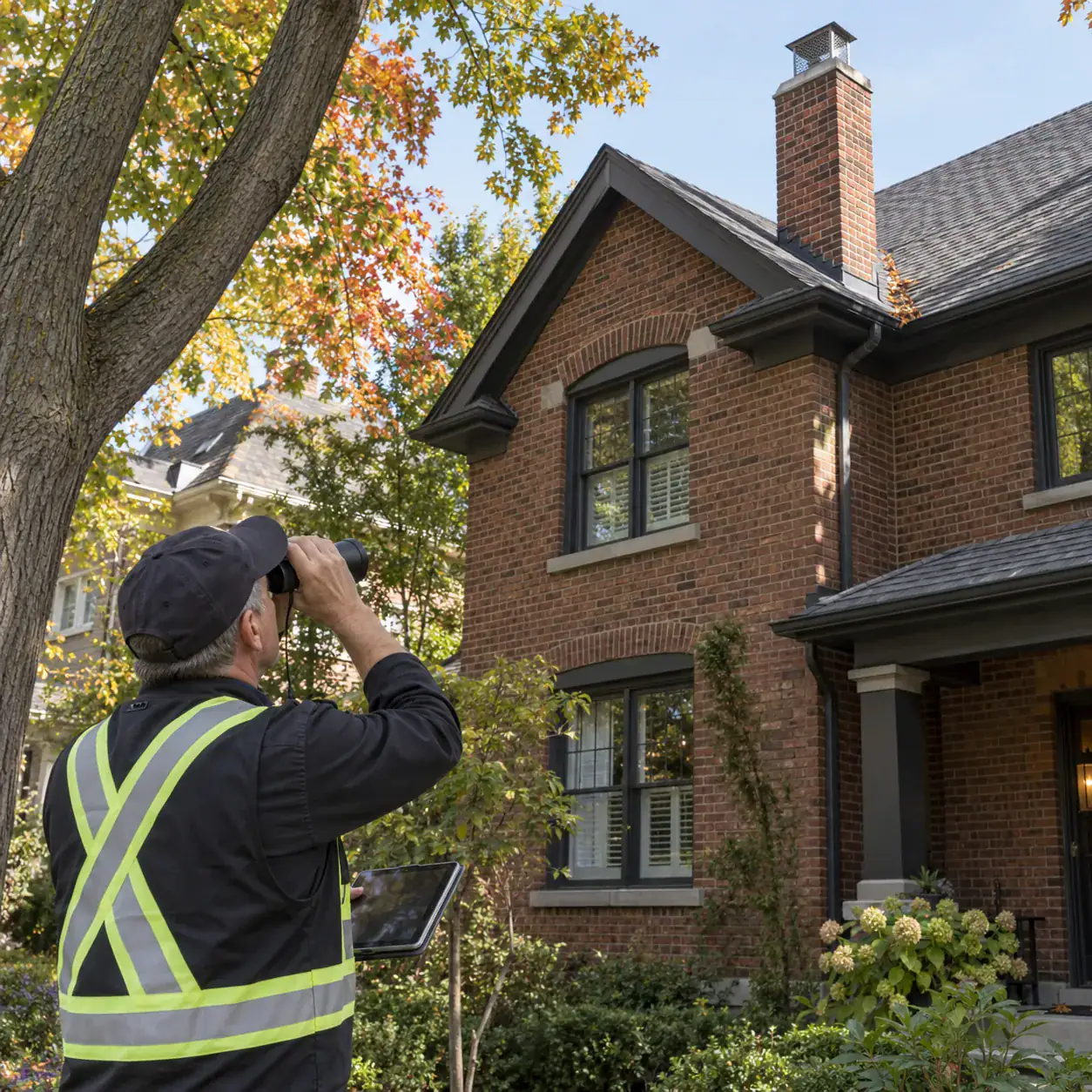
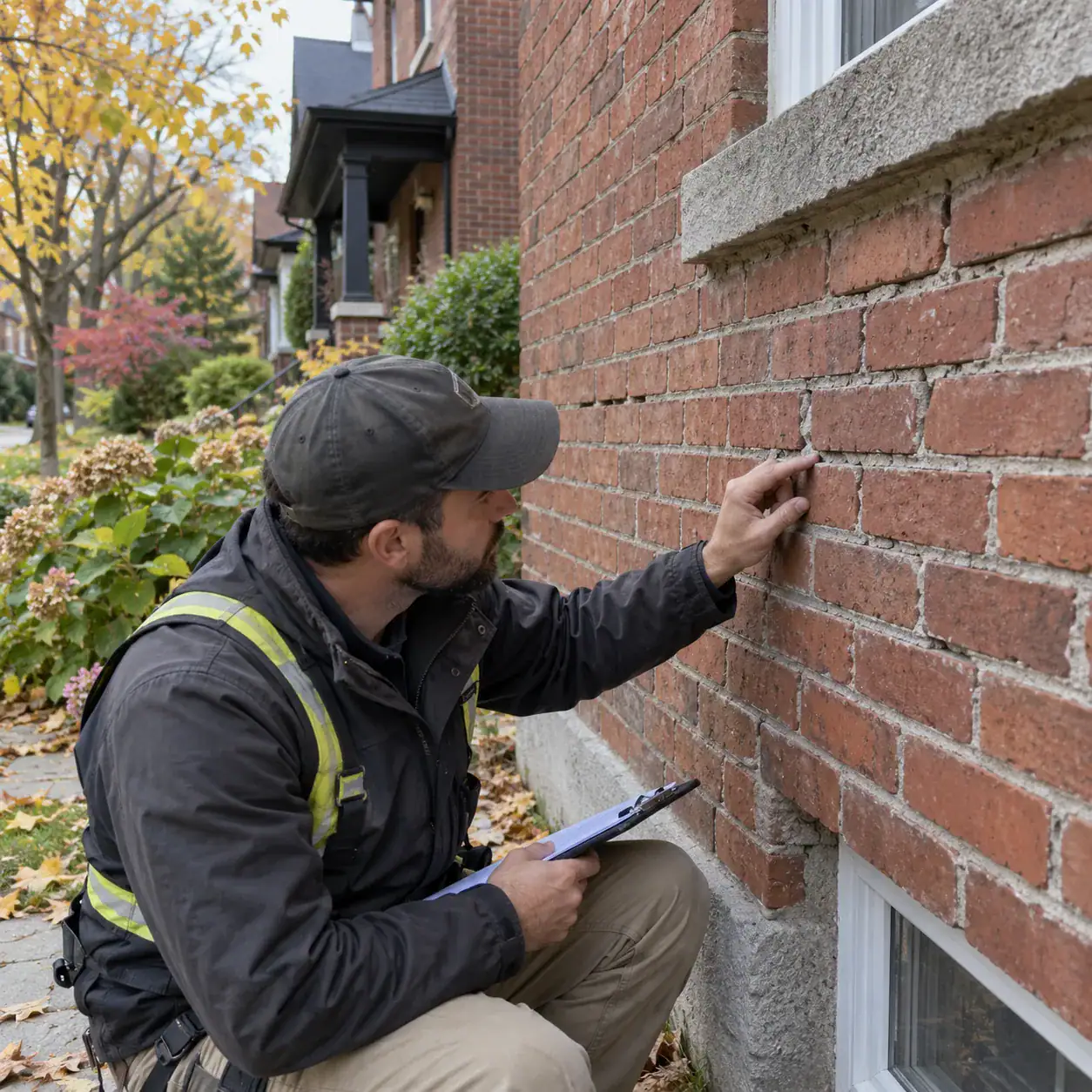
Keeping your brick veneer wall in good shape is crucial. Regular cleaning and checks can spot problems early. For more info, talk to a pro or a trusted source.
Some important steps for maintaining your brick veneer wall include:
- Regular cleaning to remove dirt and debris
- Inspection for cracks or damage to the wall or mortar
- Repairing any damage or defects promptly
- Applying a waterproof coating to protect the wall from moisture
By keeping up with these maintenance tips, you can enjoy your wall’s beauty and durability for many years. Remember, regular care can save you from expensive fixes later.
Brick Veneer Cost vs Alternative Materials
Choosing the right material for construction or renovation is crucial. Brick veneer cost changes based on brick type, project size, and location.
Brick veneer installation costs can be high per square foot. Vinyl siding and stucco costs, too, are computed per square foot, but are a more affordable alternative to brick and brick veneer. The price range can vary depending on the quality, size, and project.
However, even brick veneer might cost more upfront but offers long-term savings. It can last years. Vinyl siding and stucco need replacing periodically, typically every 4 to 5 years, which leads to increased budget expenditure on them.
Hiring Professionals and Building Codes
Brick veneer walls are subject to various building codes and compliance requirements to ensure safety, durability, and performance.
These include structural requirements such as load-bearing capacity, anchorage, moisture control, thermal performance, fire safety, material standards, aesthetic and finish requirements, and maintenance.
Local zoning laws may impose additional restrictions or requirements based on the building’s location, and historical preservation may require specific materials and methods. Hence, it is crucial to consult and work with qualified professionals to ensure compliance.
If you’re noticing issues with your brick veneer, our brick repair services can help restore your exterior.
FAQs
Brick Veneer vs. traditional or hard Brick
The key difference is that a full brick is a structural component, whereas a brick veneer is purely decorative. Full brick walls are self-supporting, while brick veneer requires a supporting structure, such as wood or steel framing.
What Is the Difference Between Brick Veneer and Faux Brick?
Brick veneer is made of real bricks but in a thinner form, whereas faux brick is typically manufactured from materials like polyurethane, vinyl, or other composites designed to mimic the appearance of brick.
What Are the Disadvantages of Brick Veneer?
Disadvantages of brick veneer can include:
- Less Strength – Does not provide the same structural integrity as a full brick.
- Water Penetration – Requires proper flashing and drainage systems.
- Limited Thermal Benefits – Offers less insulation compared to full brick.
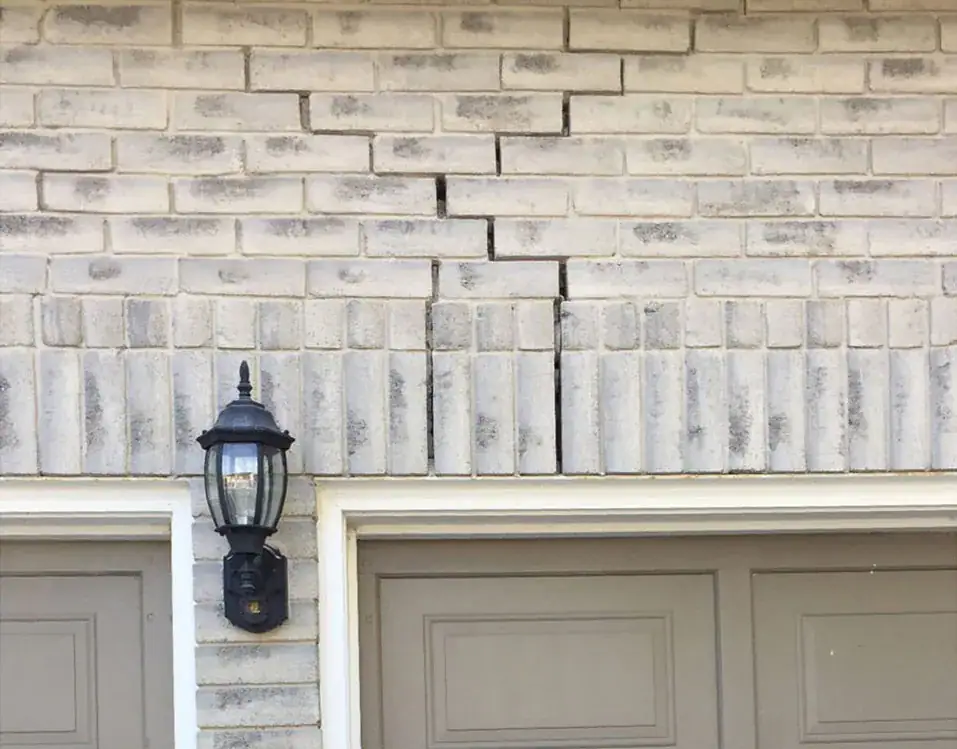
- Potential Cracking – May develop cracks over time due to shifting.
What Is Brick Veneer Made Of?
Brick veneer is typically made from clay, just like traditional bricks, but is thinner and lighter. Some veneers are also manufactured from concrete or composite materials.
What size are brick veneer walls?
Brick veneer walls are typically 3.5 inches thick, with a total thickness of 4 to 6 inches. They can vary in height depending on the building design, but typically match the structure’s height.
The length of the wall depends on the architectural design, and the cavity width is typically 1 inch (25 mm). The standard thickness and height can vary based on the specific construction project, so local building codes should be consulted.
What Does a Brick Veneer Wall Include?
The brick veneer wall includes:
- Brick veneer panels or bricks
- Sheathing (e.g., plywood or OSB)
- Moisture barrier
- Air cavity for drainage
- Flashing and weeping holes
- Mortar joints
- Support ties or anchors
What Are Brick Veneer Wall Materials?
Commonly used materials are:
- Thin clay bricks
- Mortar
- Metal ties or anchors
- Moisture barrier
- Sheathing (plywood or OSB)
- Cavity for drainage
Conclusion
Brick veneer has many benefits that make it great for both inside and outside your home. It’s strong, flexible, and looks good. But you should think about its needs and challenges before deciding.
When deciding if brick veneer is right for you, consider costs, upkeep, and local building rules. Consult with experts to ensure your project meets all relevant standards. This ensures the brick veneer is installed correctly and fits well with your home.
Choosing brick veneer wisely means you get its lasting beauty and strength without future problems. Whether you’re building a new home or updating an old one, thinking carefully about brick veneer helps you choose the best option for your space.
To learn more about the foundational techniques and tools used in brick veneer construction, check out our guide on brick masonry basics.
With decades of experience, A&A Masonry Inc. has built a reputation for delivering top-quality masonry, waterproofing, and exterior restoration services across Toronto and the surrounding areas. Our skilled team specializes in brick, stone, and concrete repairs, ensuring durable and visually appealing results.
At A&A Masonry, we prioritize craftsmanship, customer satisfaction, and long-lasting solutions. Whether you need foundation waterproofing, brick repair, tuckpointing, or interlocking stone installations, our experts provide reliable service backed by extensive industry experience.
Why Choose A&A Masonry?
✔ Expert Craftsmanship – Our team comprises experienced masons and waterproofing specialists dedicated to high-quality workmanship.
✔ Comprehensive Services – We offer everything from chimney repair to fireplace stone veneer and parging to enhance and protect your property.
✔ Waterproofing Solutions – Protect your home with professional basement waterproofing and exterior foundation sealing.
✔ Customer-First Approach – Transparent quotes, detailed assessments, and a commitment to excellence in every project.
Our Services Include:
- Concrete Repairs
- Stone Masonry
- Brick Painting
- Interlocking Stone Pavers
- Parging
- Tuckpointing
- Brick Repair
- Fireplace Stone Veneer
- Chimney Repair
- Commercial Exterior Painting
- Basement Waterproofing
- Stucco
- Interlocking Steps
- Roofing