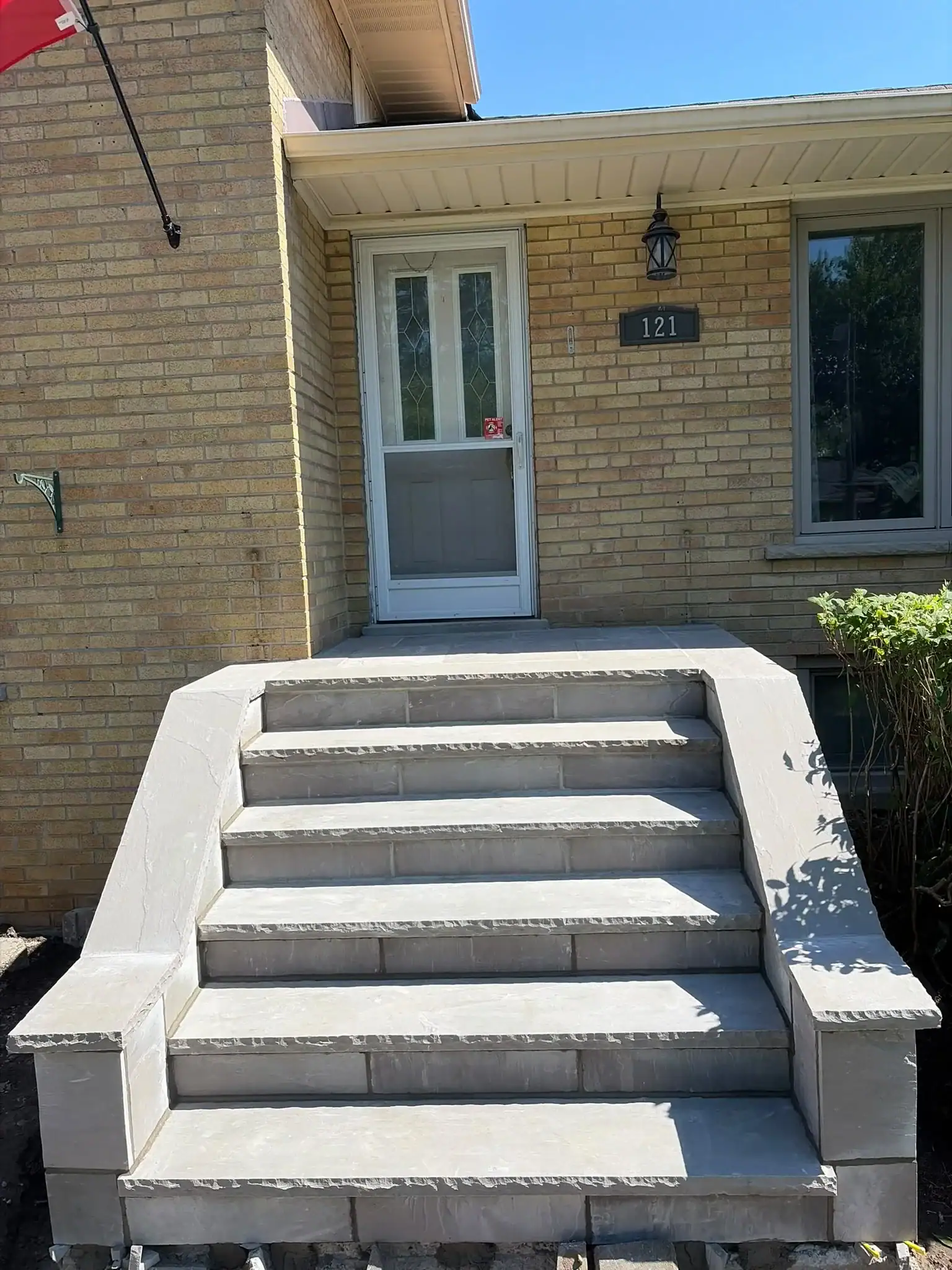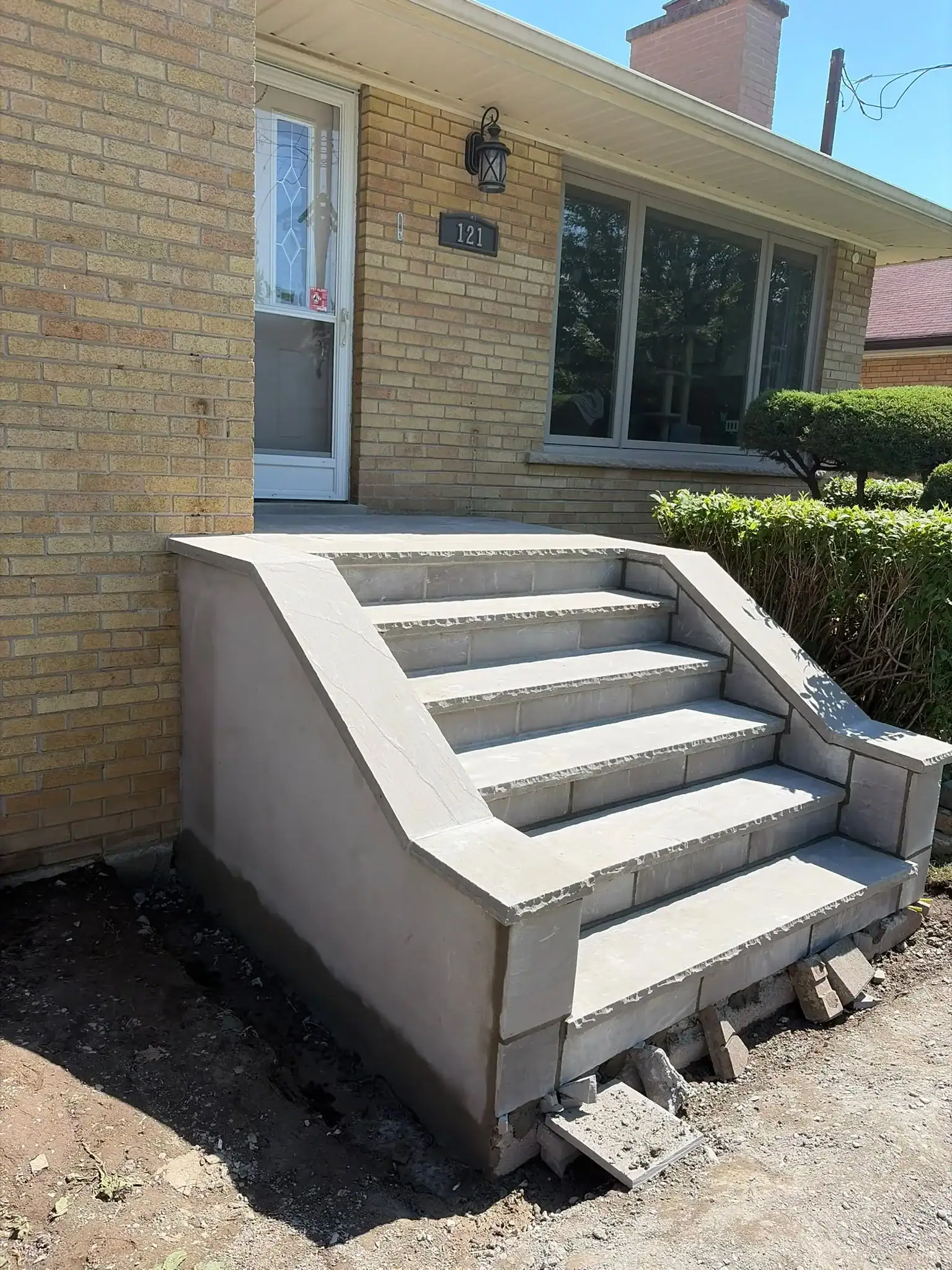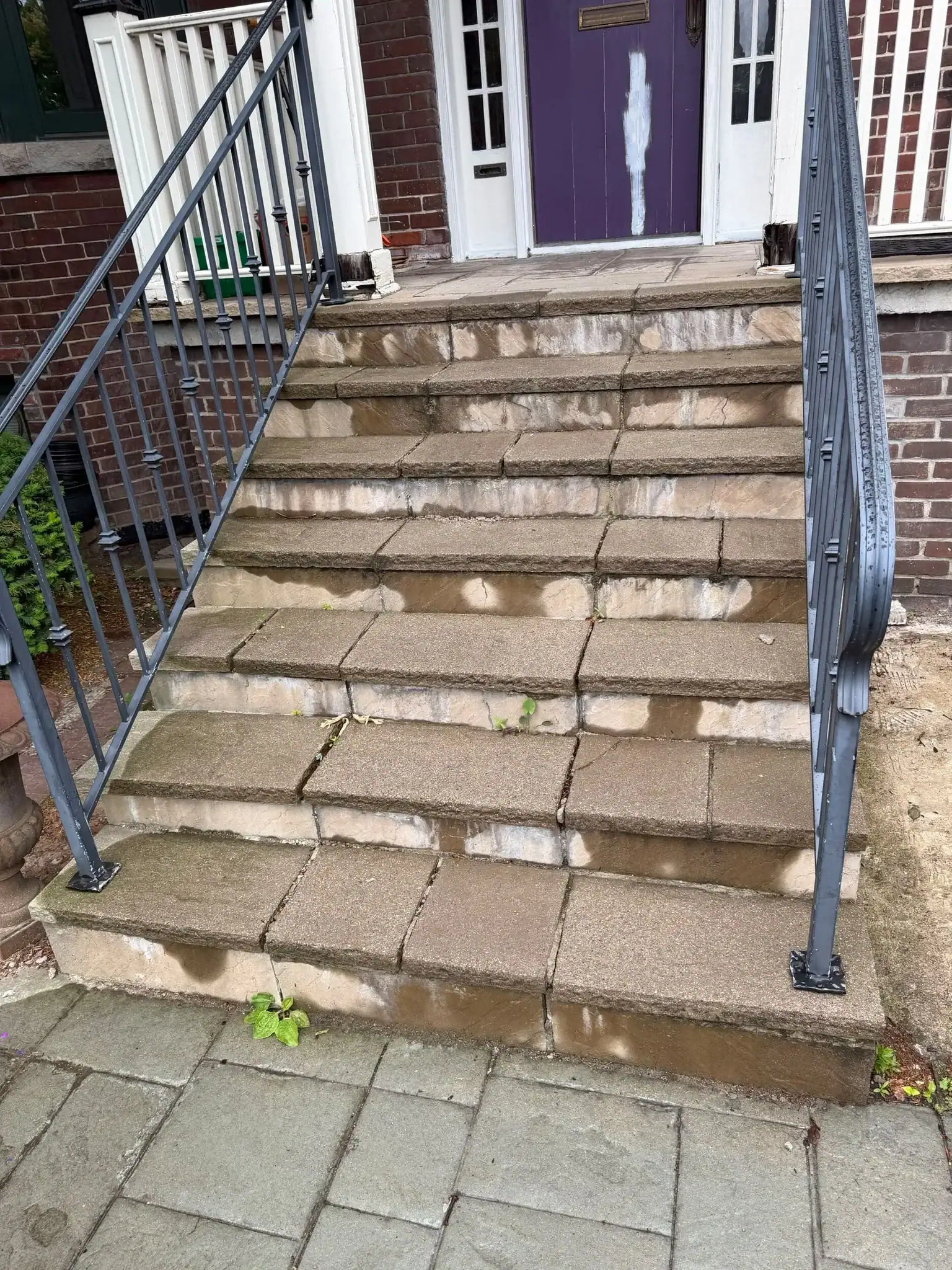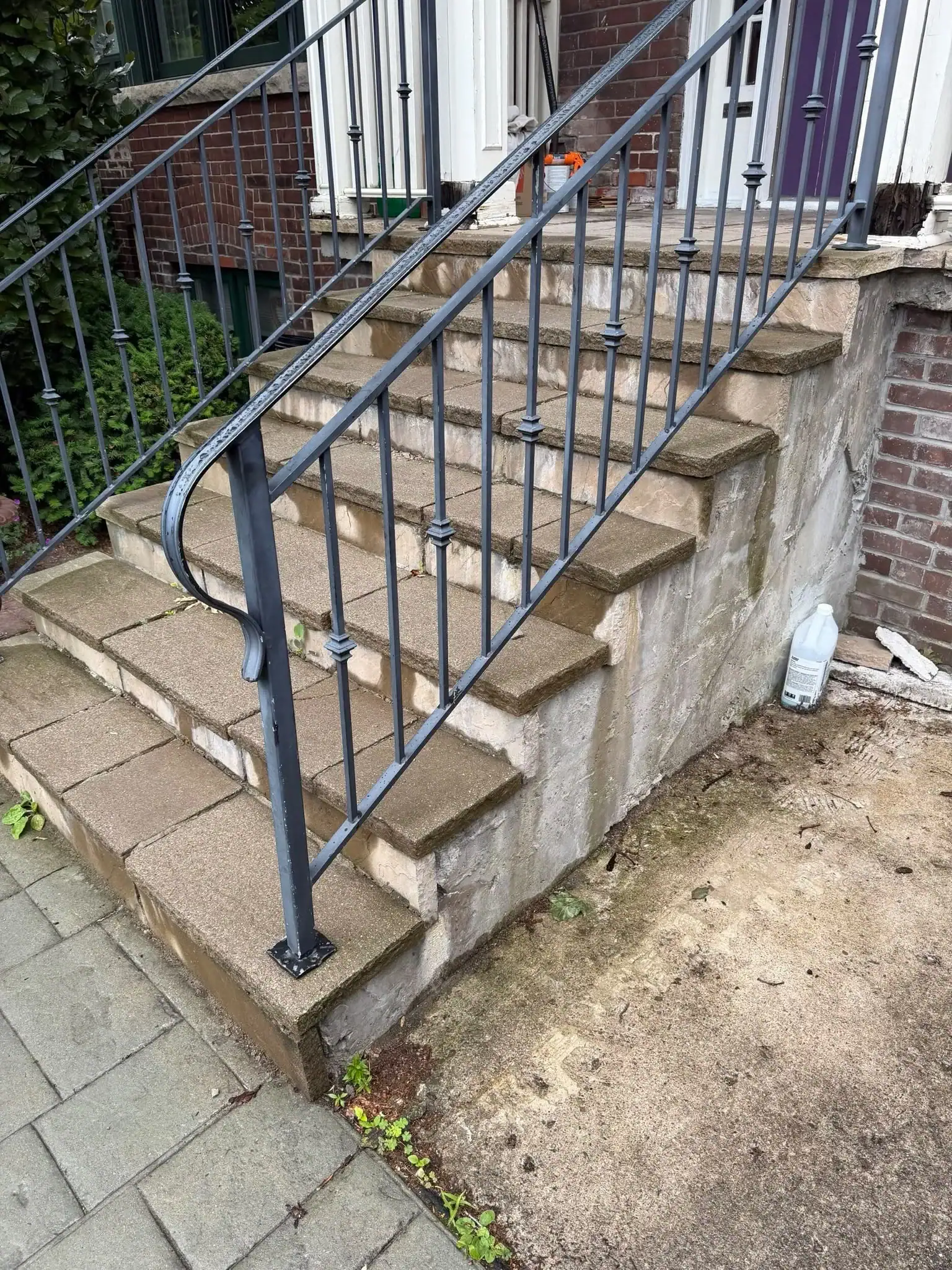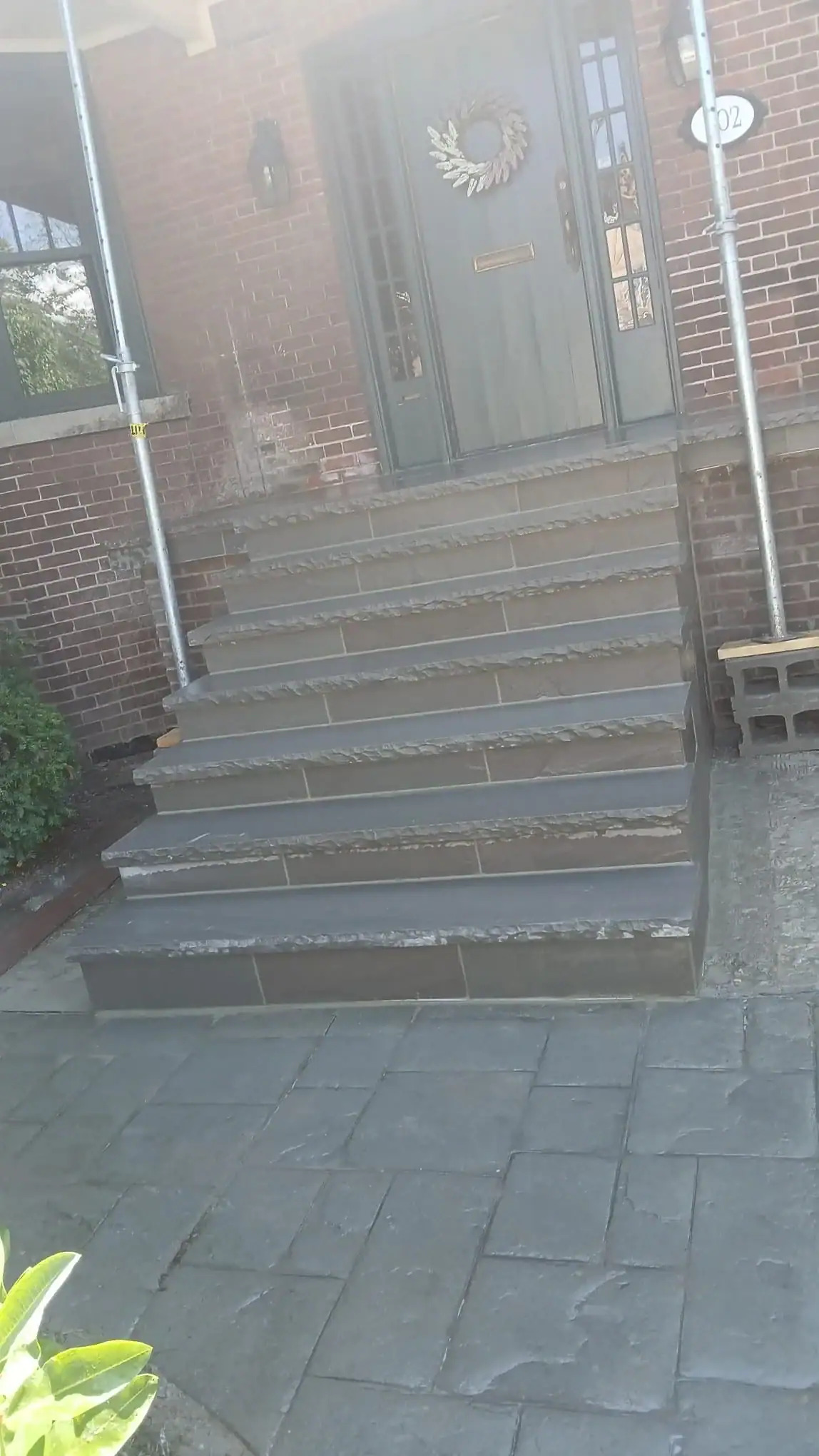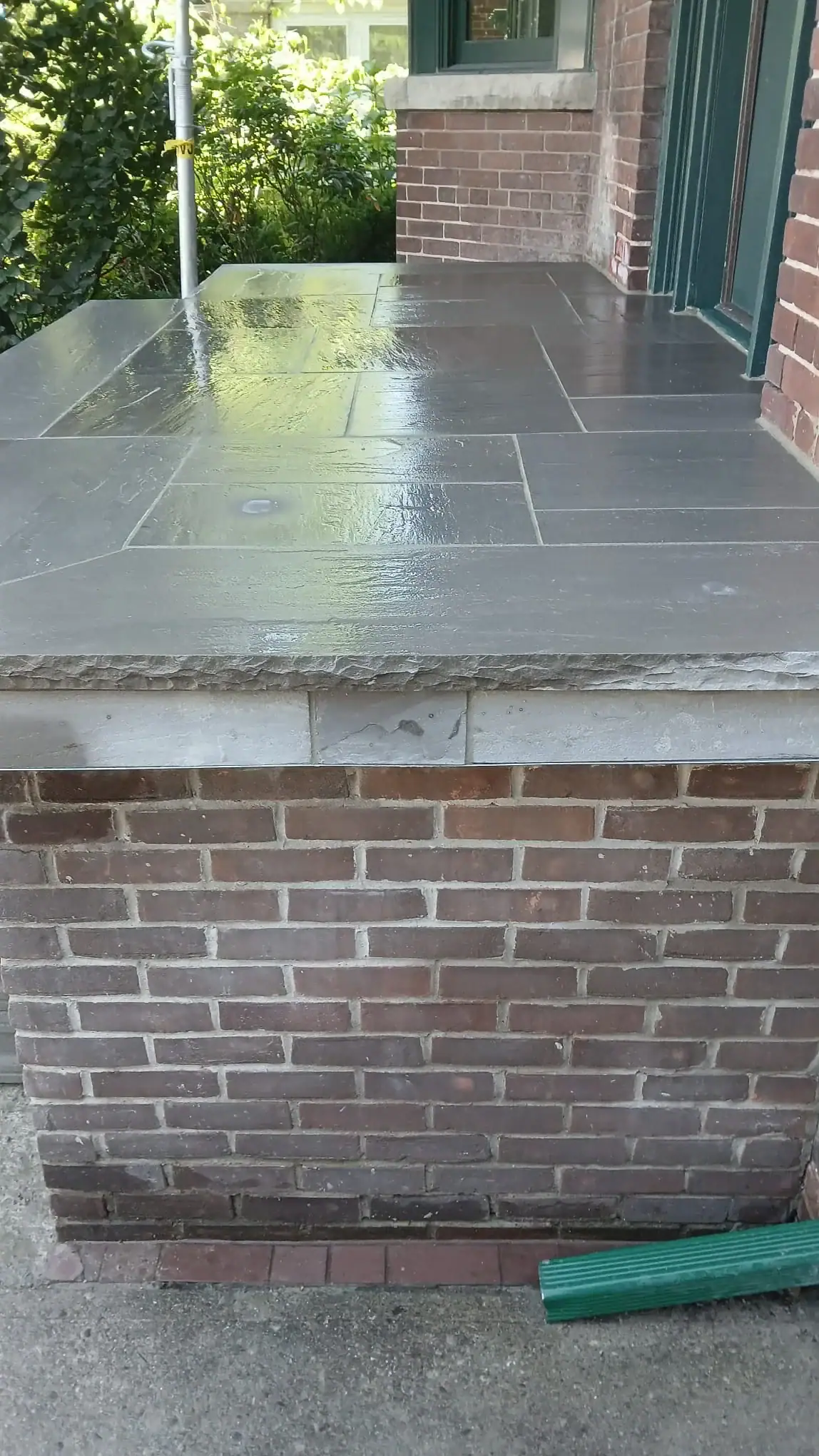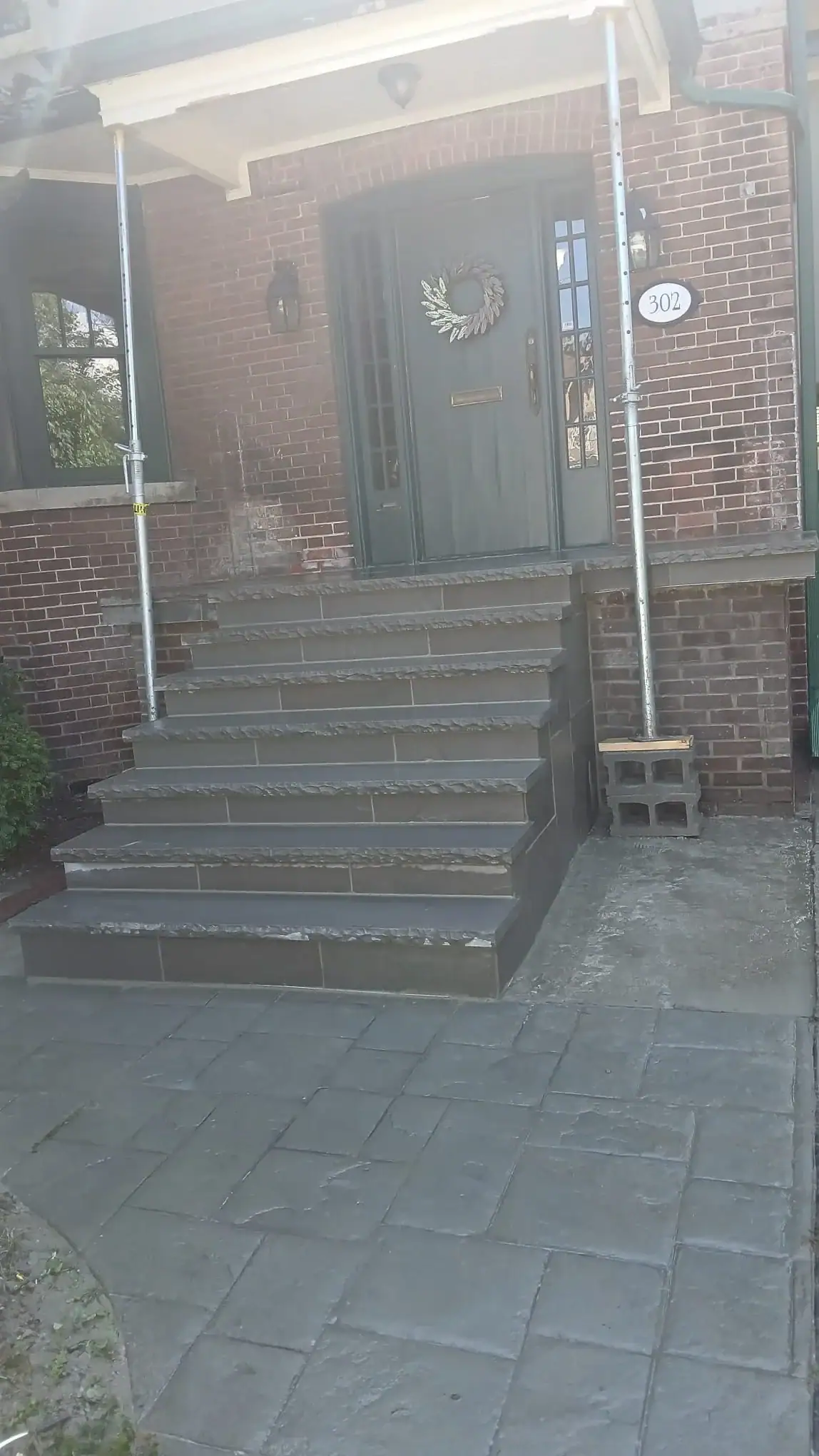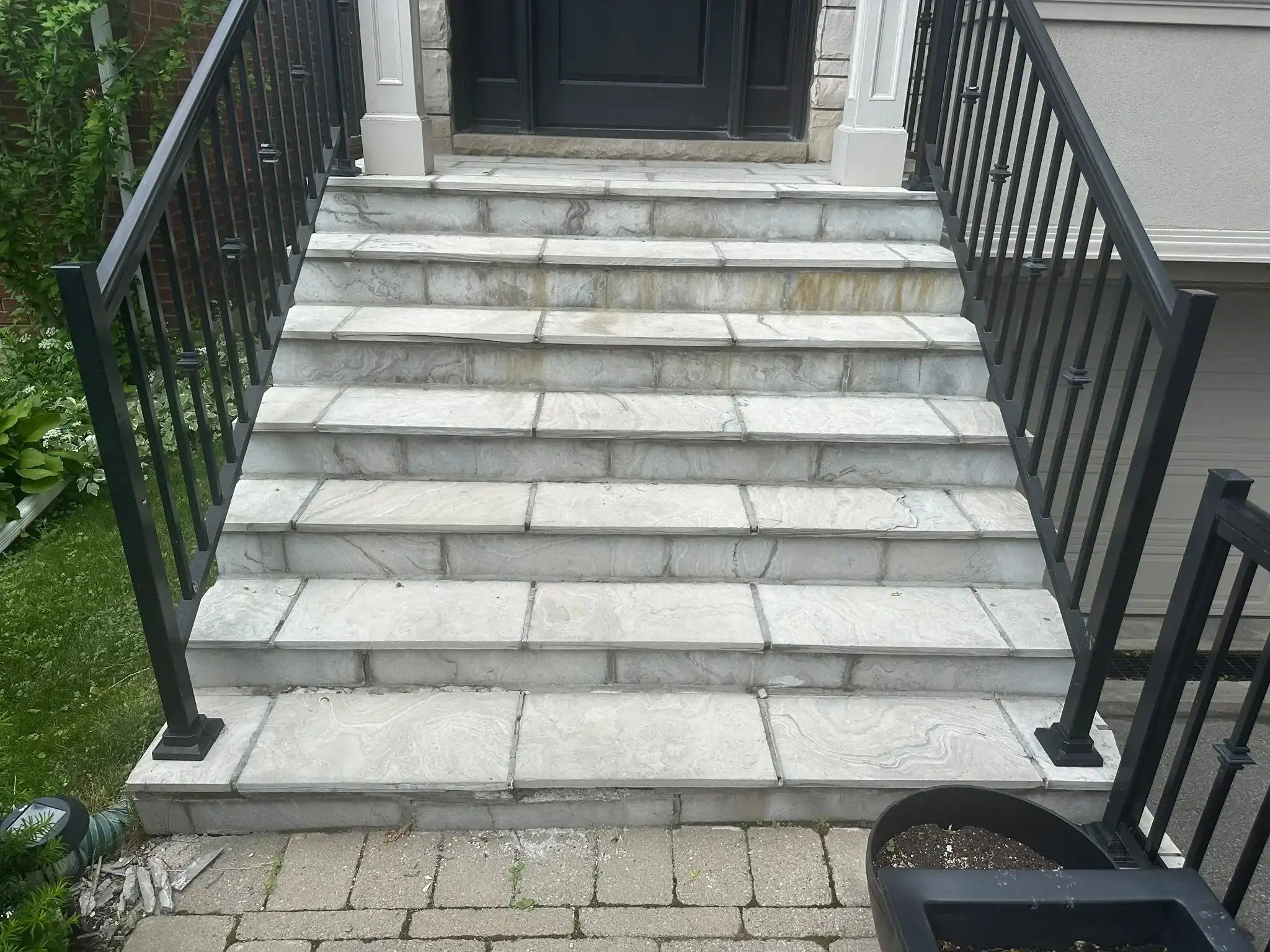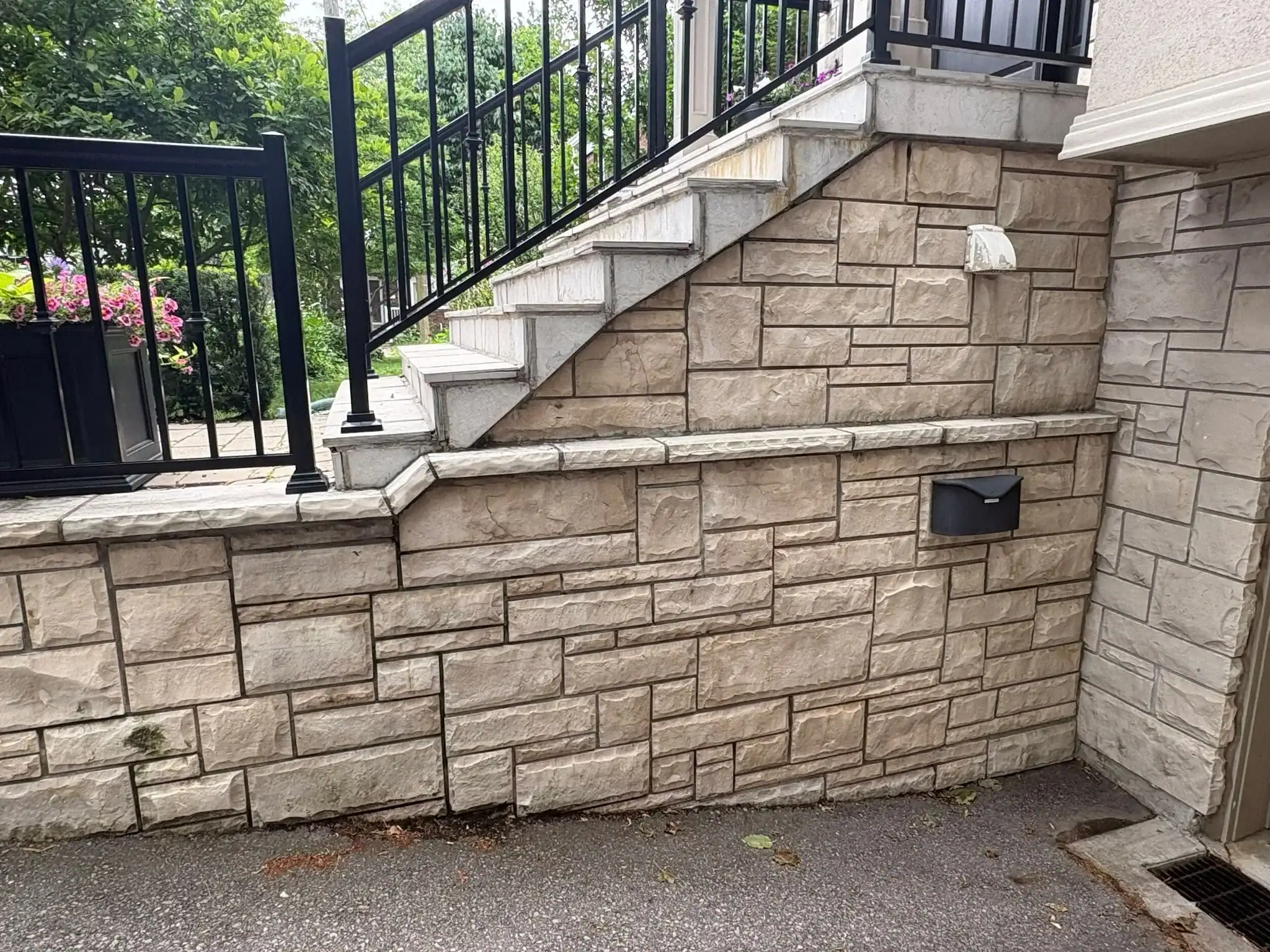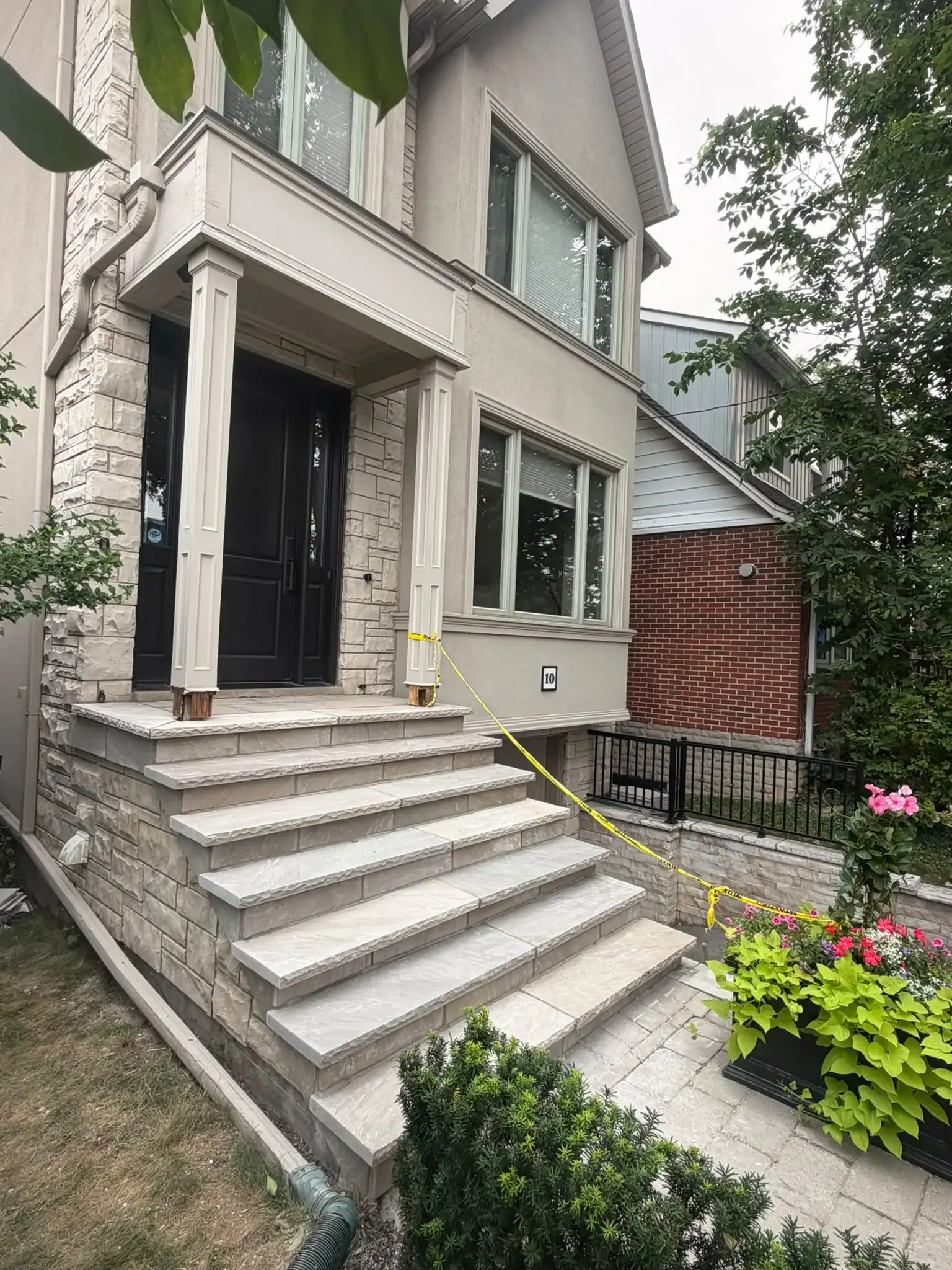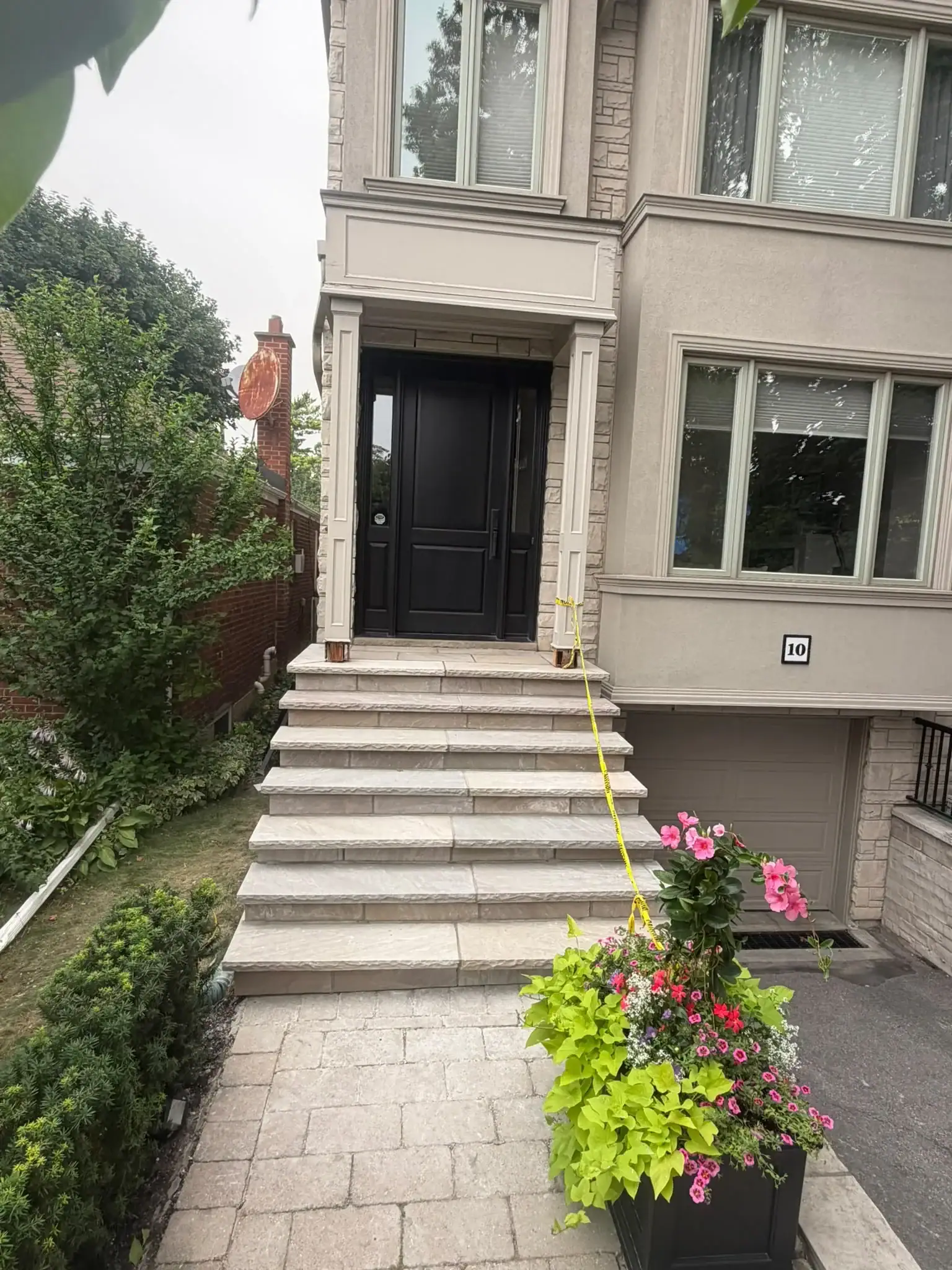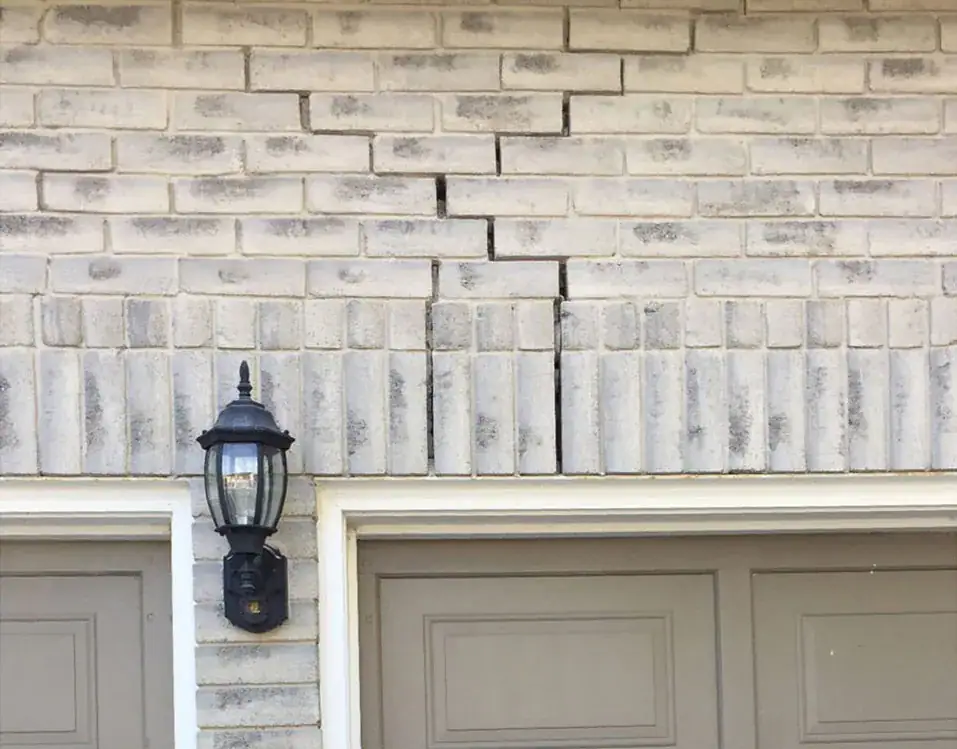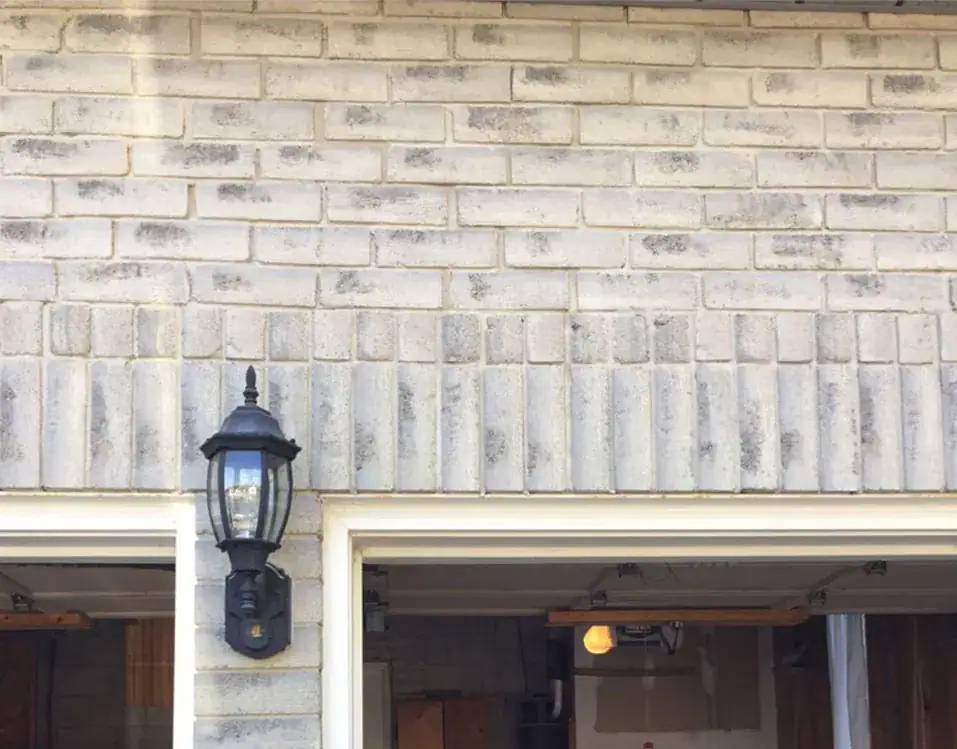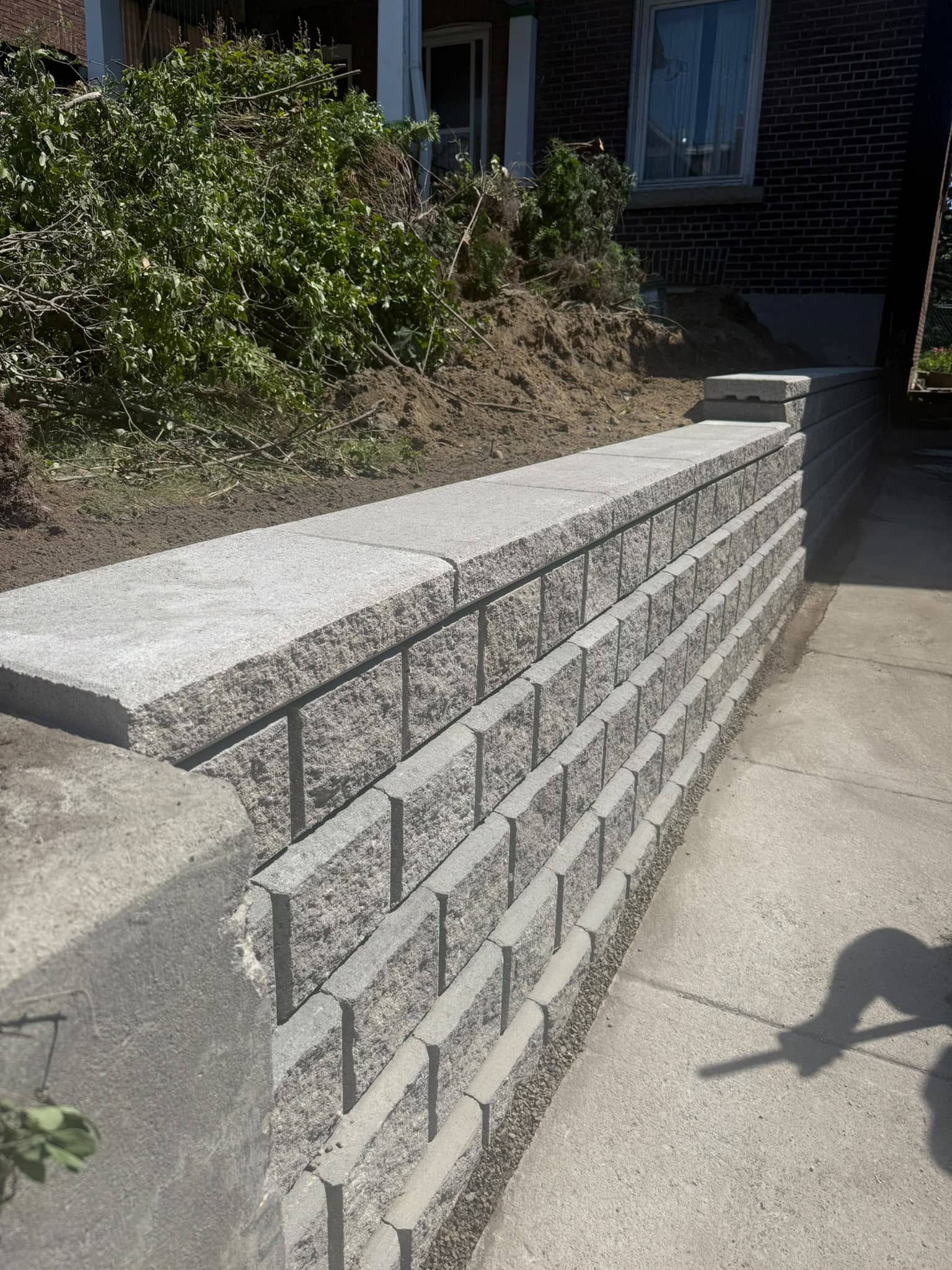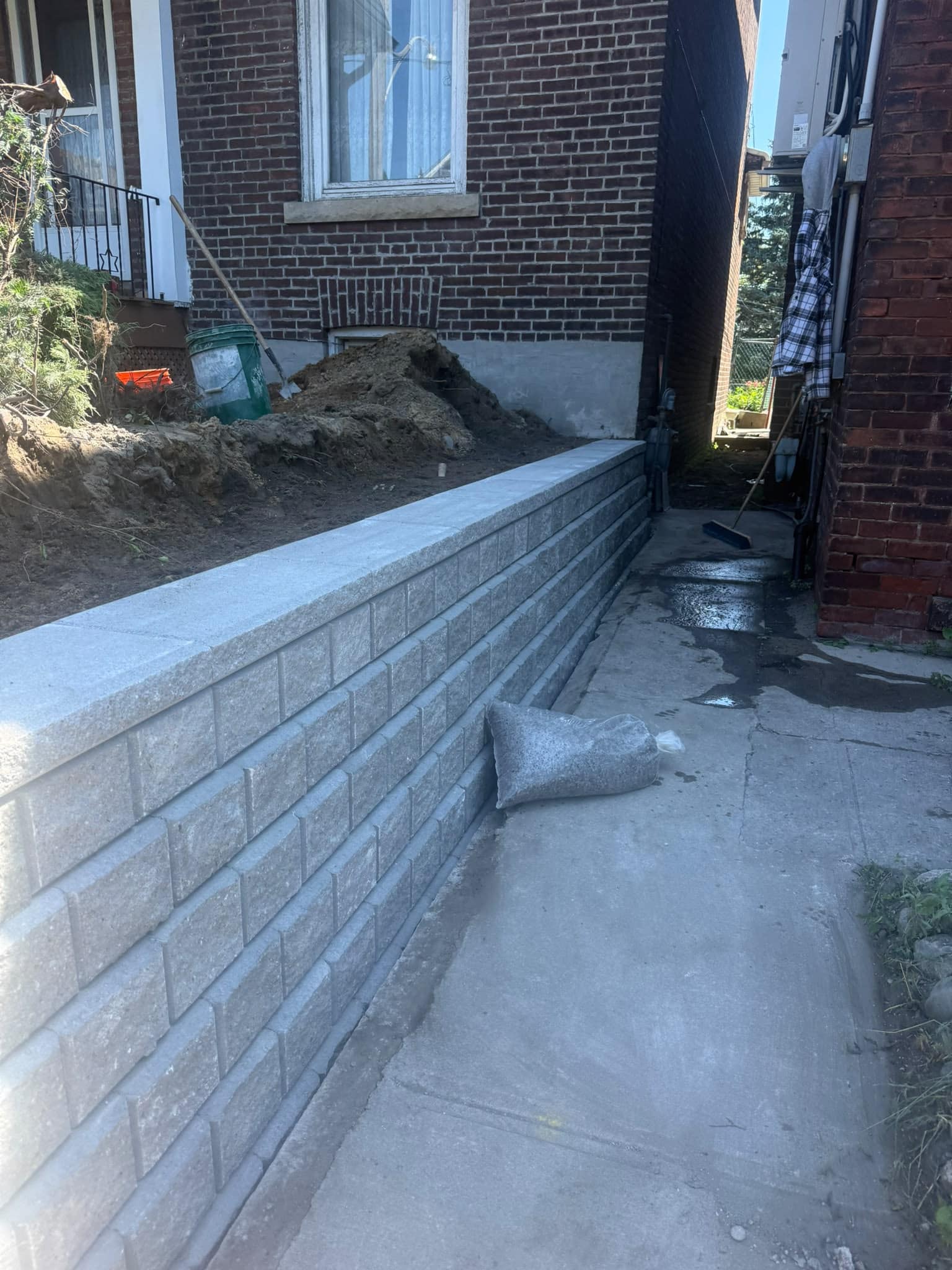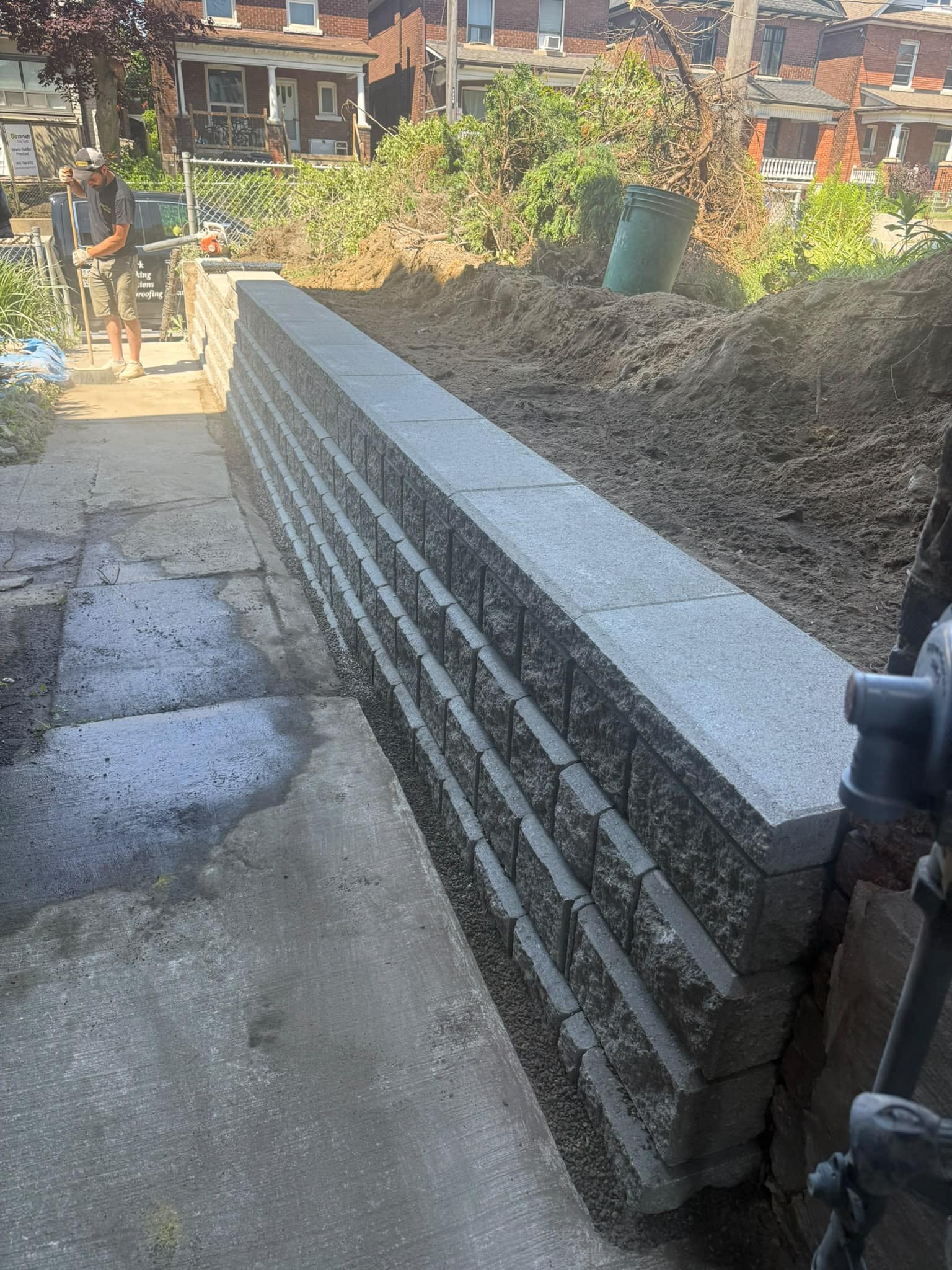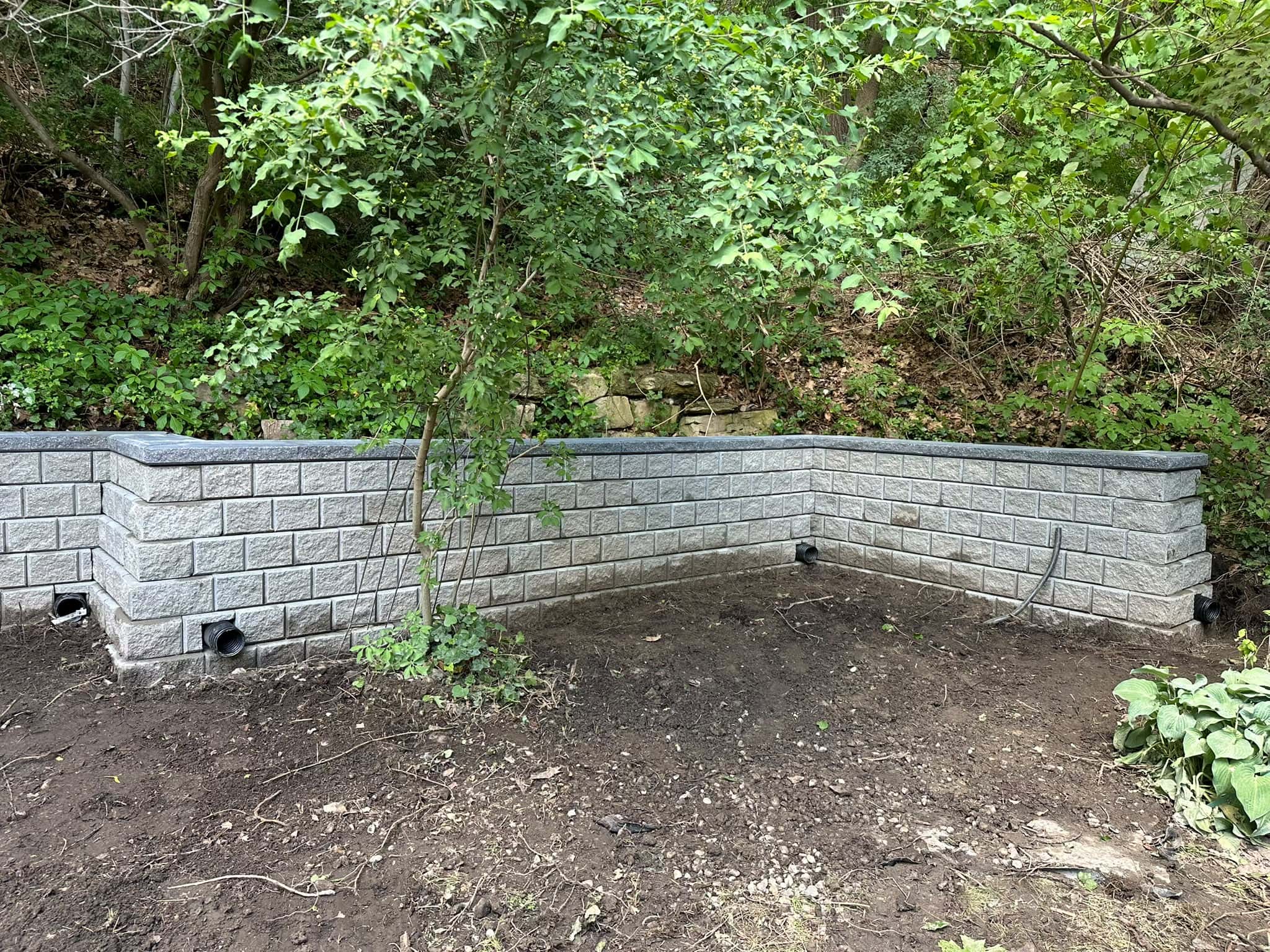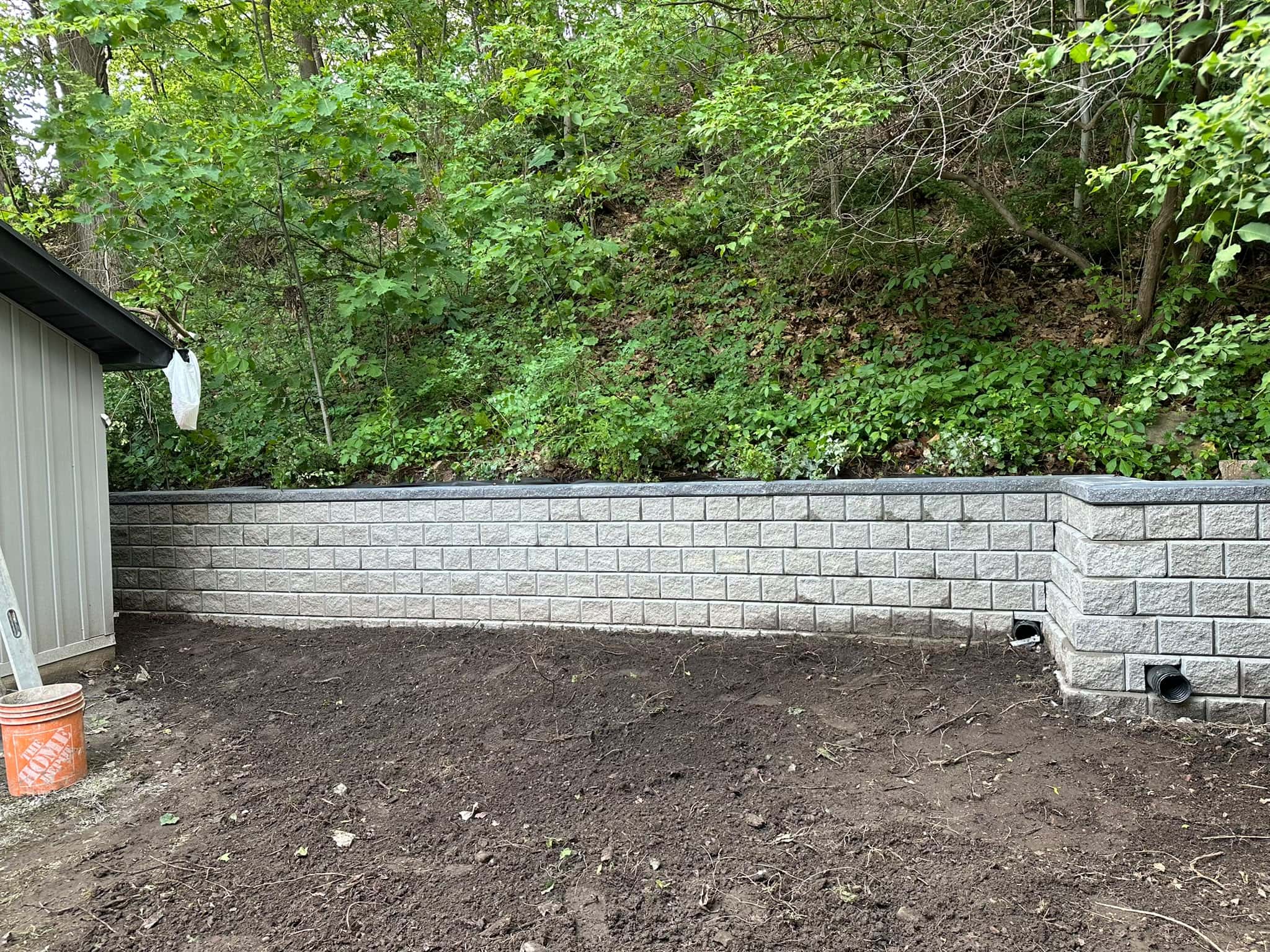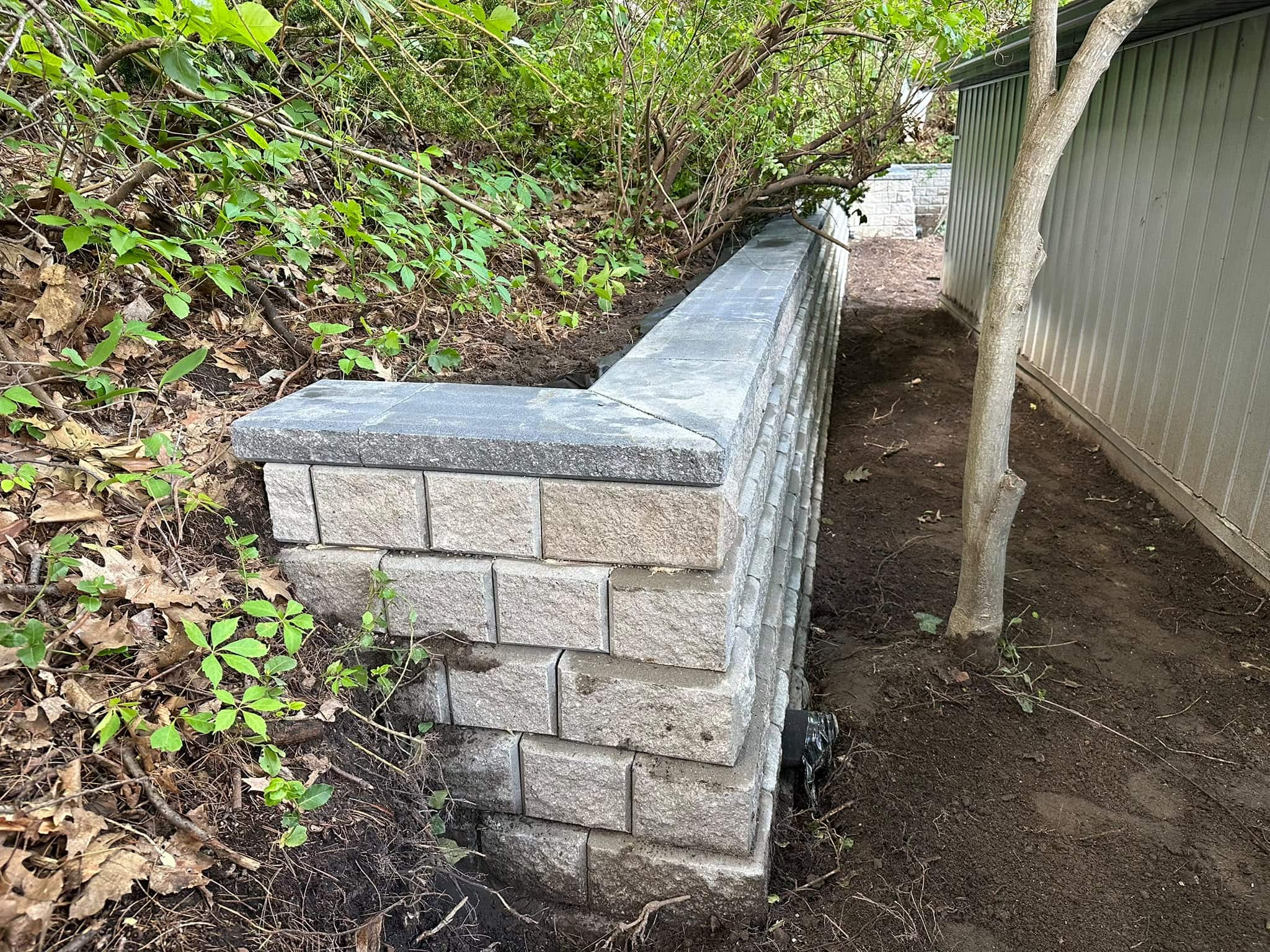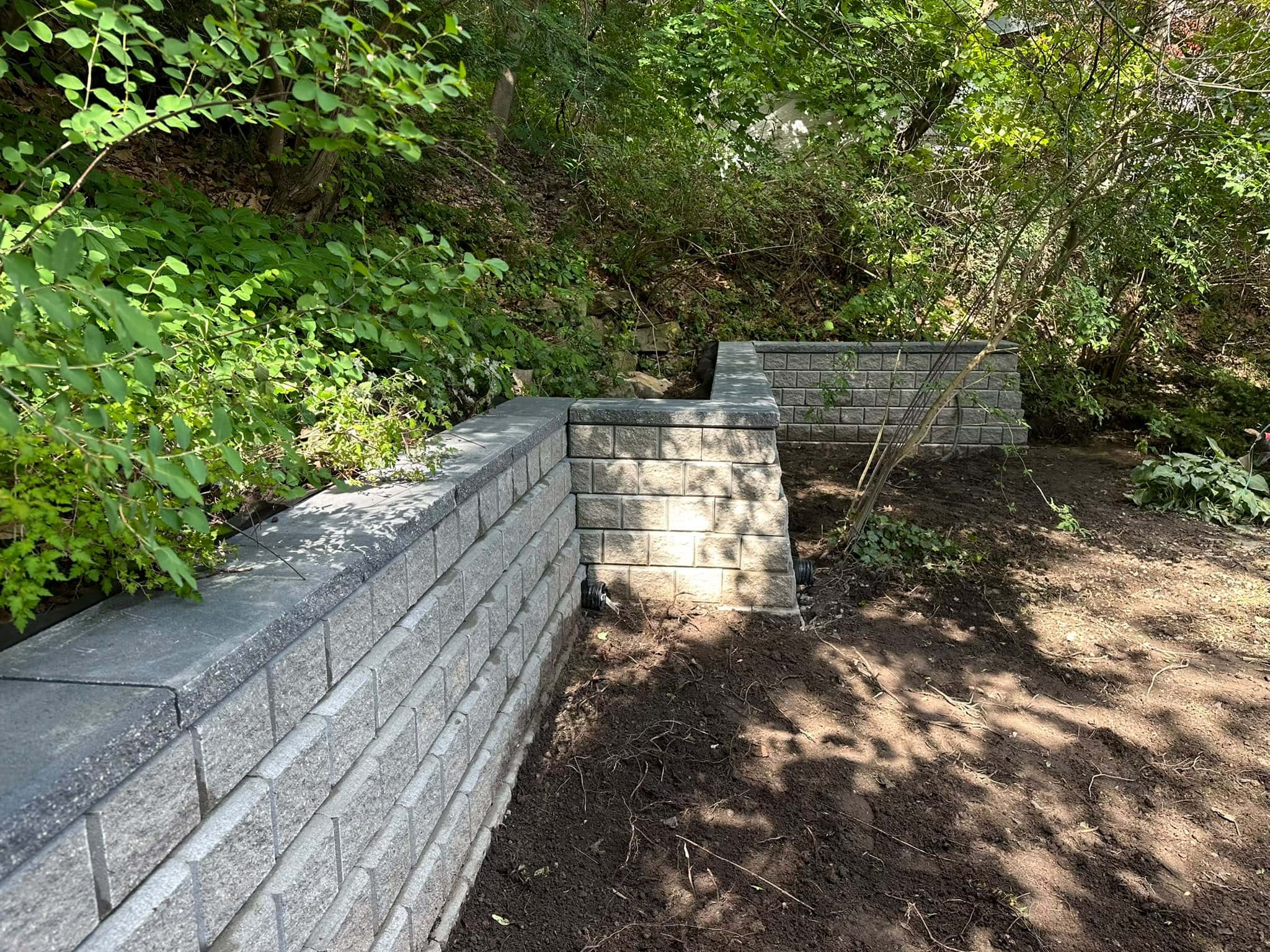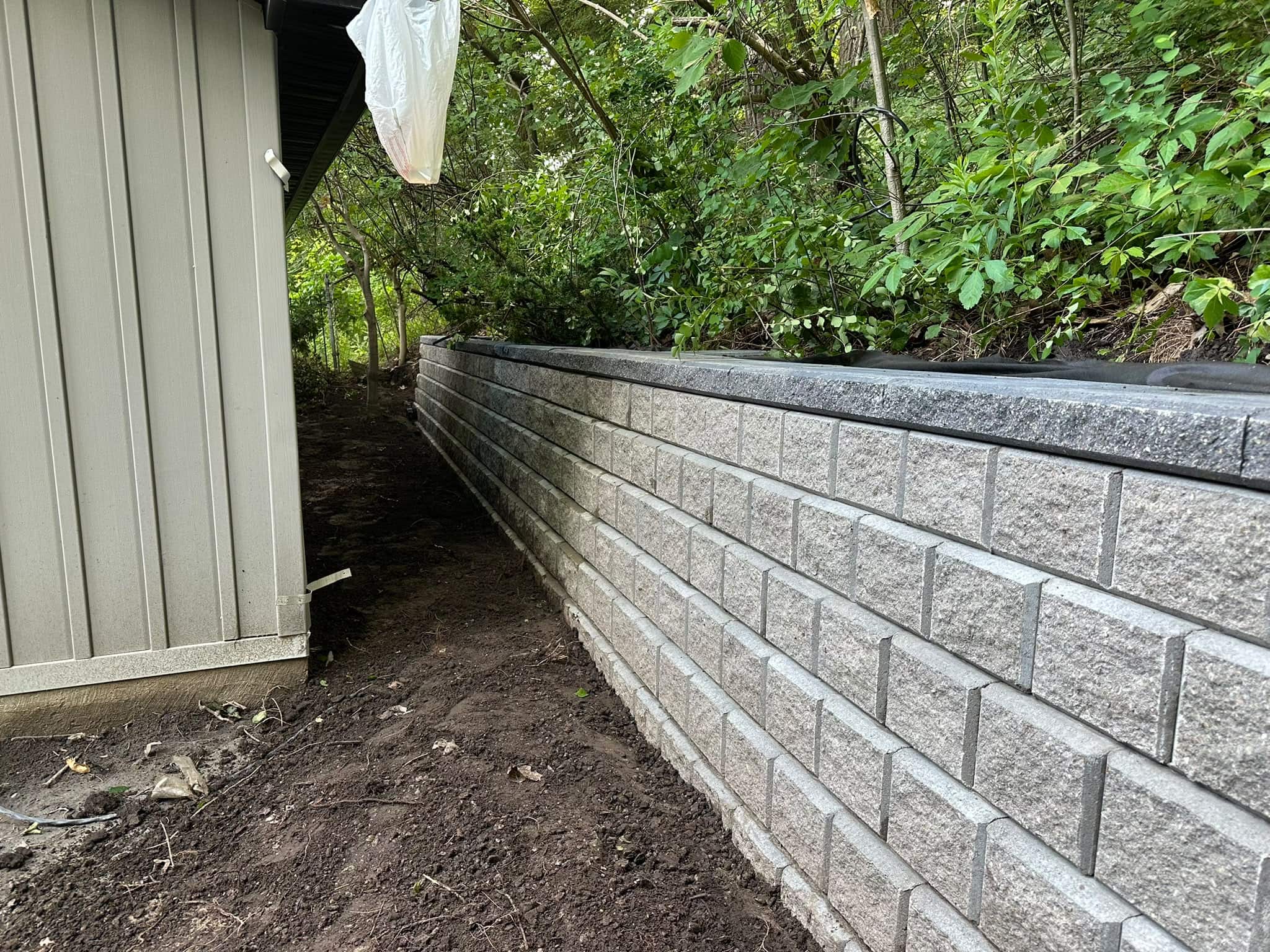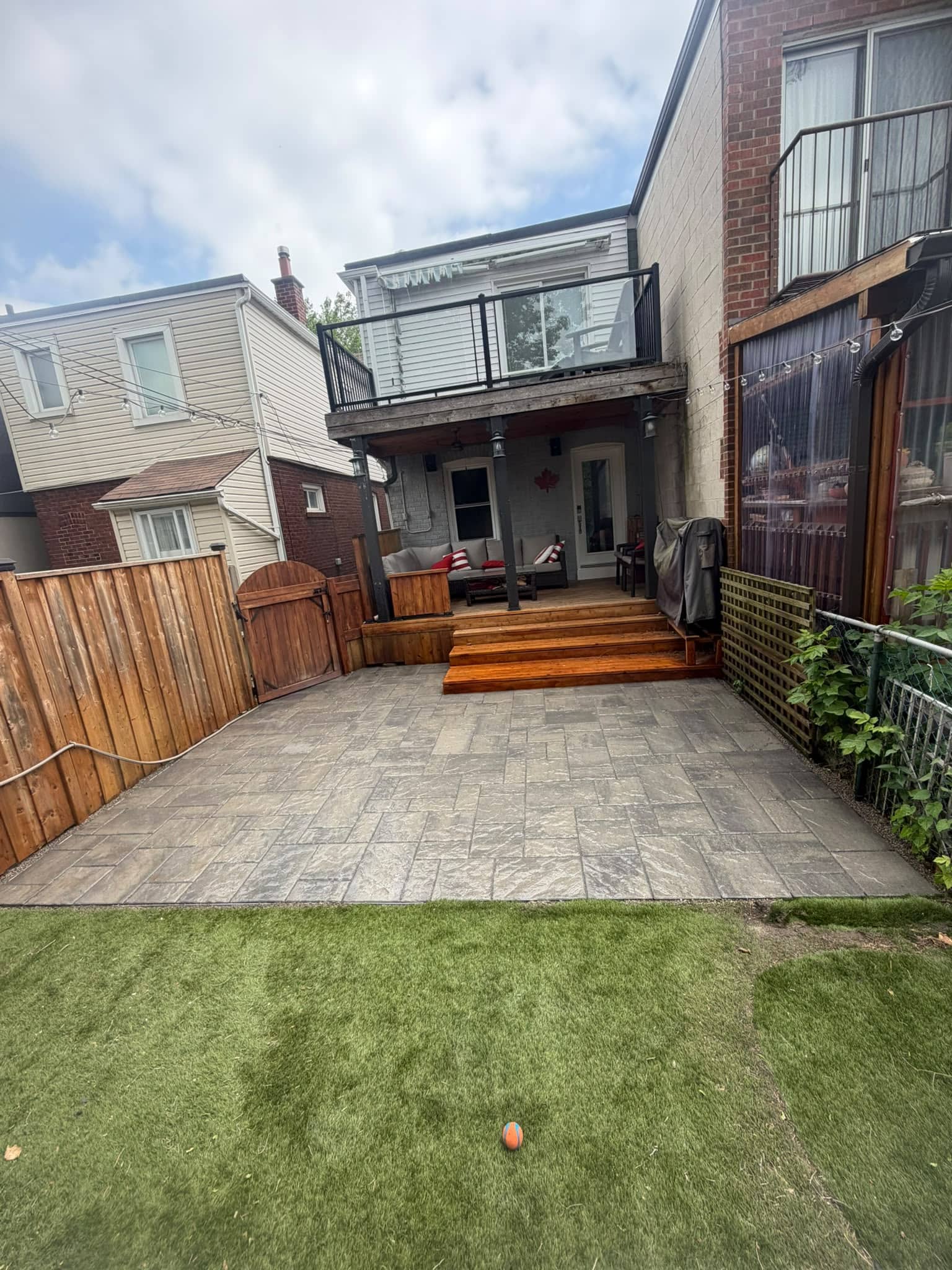

In construction, rebar, or reinforcing steel, is key for the strength and durability of concrete and masonry structures.
What is Rebar in Construction?
Rebar, short for reinforcing bar, is a steel rod used to strengthen concrete structures by improving their tensile strength. While concrete is incredibly strong in compression, it lacks tensile strength, making it prone to cracking under tension. Rebar solves this issue, adding flexibility and structural integrity that helps concrete withstand external pressures and environmental stress.
Common types include carbon steel, epoxy-coated, and stainless steel rebar, used in foundations, bridges, and high-rise buildings.
What is rebar used for, and how does it work?
Rebar is used to reinforce concrete structures, improving their strength and durability. It helps prevent cracking and withstands tensile forces in buildings, bridges, roads, and foundations. Common applications include slabs, beams, columns, retaining walls, and tunnels, ensuring structural integrity in construction projects.
Rebar works by reinforcing concrete, which is strong in compression but weak in tension. The steel rebar absorbs tensile forces, preventing cracks and structural failure. When embedded in concrete, it creates a composite material that distributes loads evenly, improving durability.
Ribbed or deformed rebar (refers to surface ridges or patterns) provides better bonding with concrete, ensuring a solid grip, unlike smooth rebar. These ridges increase friction between the steel and concrete, preventing the rebar from slipping once the concrete sets.
Without rebars in construction, buildings and bridges could collapse, leading to expensive repairs or even worse consequences.
Rebar application is critical in building:
- Bridges and overpasses
- High-rise buildings
- Foundations and retaining walls
- Concrete slabs and pavements
- Reinforced concrete structures

What are Rebar Sizes, Grades, and Types?
Rebar comes in various sizes, grades, and types to accommodate different structural needs:
| Rebar Grade | Yield Strength (MPa) | Yield Strength (psi) | Best Uses |
|---|---|---|---|
| Grade 40 | 280 MPa | 40,000 psi | Light construction, residential slabs, driveways |
| Grade 60 | 420 MPa | 60,000 psi | Commercial buildings, highways, bridges (most common) |
| Grade 75 | 520 MPa | 75,000 psi | High-load structures, heavy industrial projects |
| Grade 80 | 550 MPa | 80,000 psi | Earthquake-resistant buildings, tunnels |
| Grade 100 | 690 MPa | 100,000 psi | Skyscrapers, high-rise towers, nuclear plants |
| Grade 120 | 830 MPa | 120,000 psi | Ultra-high strength applications |
What are standard rebar sizes?
Rebar sizes vary by country, but the most common standard rebar sizes follow the Nominal Diameter (mm/inches) and Bar Numbering System.
U.S. Standard Rebar Sizes (ASTM)
| Rebar Size | Diameter (inches) | Diameter (mm) | Weight (kg/m) |
|---|---|---|---|
| #3 | 0.375″ | 9.5 mm | 0.560 kg/m |
| #4 | 0.500″ | 12.7 mm | 0.990 kg/m |
| #5 | 0.625″ | 15.9 mm | 1.560 kg/m |
| #6 | 0.750″ | 19.1 mm | 2.250 kg/m |
| #7 | 0.875″ | 22.2 mm | 3.060 kg/m |
| #8 | 1.000″ | 25.4 mm | 3.990 kg/m |
| #9 | 1.128″ | 28.7 mm | 5.040 kg/m |
| #10 | 1.270″ | 32.3 mm | 6.400 kg/m |
| #11 | 1.410″ | 35.8 mm | 7.990 kg/m |
| #14 | 1.693″ | 43.0 mm | 11.38 kg/m |
| #18 | 2.257″ | 57.3 mm | 20.24 kg/m |
Canadian Standard Rebar Sizes (CSA G30.18)
| Canadian Rebar Size | Diameter (mm) | Approx. U.S. Equivalent | Weight (kg/m) |
|---|---|---|---|
| 10M | 11.3 mm | #3 | 0.785 kg/m |
| 15M | 16.0 mm | #5 | 1.570 kg/m |
| 20M | 19.5 mm | #6 | 2.355 kg/m |
| 25M | 25.2 mm | #8 | 3.925 kg/m |
| 30M | 29.9 mm | #9 | 5.313 kg/m |
| 35M | 35.7 mm | #11 | 7.907 kg/m |
| 45M | 43.7 mm | #14 | 11.767 kg/m |
| 55M | 56.4 mm | #18 | 19.620 kg/m |
Canadian Standard Rebar Sizes (CSA G30.18)
Key Differences Between U.S. & Canadian Rebar Sizes
- Canada uses the “M” designation, indicating the approximate diameter in millimeters (e.g., 10M ≈ 10mm).
- U.S. rebar sizes are based on 1/8-inch increments (e.g., #4 = 4/8″ or 0.5 inches).
- Both follow similar weight and strength standards, but Canada aligns with CSA G30.18, while the U.S. follows ASTM A615/A706.
International Rebar Standards
- Europe (BS, EN): Ranges from 6mm to 50mm in diameter.
- Australia (AS/NZS 4671): Sizes N12 to N40, indicating 12mm to 40mm diameter.
What Does Rebar Grade Mean?
Rebar grades indicate the strength, composition, and ductility of reinforcing steel. The grade is based on the minimum yield strength (measured in megapascals MPa or pounds per square inch psi) and determines how much stress the rebar can withstand before deforming.
Understanding Rebar Grades
- Yield Strength – The force required to permanently deform the rebar. Higher grades mean stronger steel.
- Chemical Composition – Some grades have added alloys like chromium or vanadium for corrosion resistance.
- Weldability & Ductility – Lower-carbon grades are more weldable, while higher grades offer greater strength but may be less flexible.
Common Rebar Grades & Strengths
| Rebar Grade | Yield Strength (MPa) | Yield Strength (psi) | Best Uses |
|---|---|---|---|
| Grade 40 | 280 MPa | 40,000 psi | Light construction, residential slabs, driveways |
| Grade 60 | 420 MPa | 60,000 psi | Commercial buildings, highways, bridges (most common) |
| Grade 75 | 520 MPa | 75,000 psi | High-load structures, heavy industrial projects |
| Grade 80 | 550 MPa | 80,000 psi | Earthquake-resistant buildings, tunnels |
| Grade 100 | 690 MPa | 100,000 psi | Skyscrapers, high-rise towers, nuclear plants |
| Grade 120 | 830 MPa | 120,000 psi | Ultra-high strength applications |

Different Rebar Types
Different types of rebar are used depending on environmental exposure and structural requirements. Common types include;
- Epoxy-Coated Rebar: Coated with epoxy to prevent corrosion. Ideal for environments with high moisture or chemical exposure.
- Galvanized Rebar: Coated with a layer of zinc for corrosion resistance. Suitable for outdoor applications and in aggressive environments.
- Stainless Steel Rebar: Offers excellent corrosion resistance. Used in highly corrosive environments, such as coastal areas.
- Fiberglass Rebar: Made from composite materials, lightweight and non-corrosive. Used in applications where magnetic interference is a concern.
- Carbon Steel Rebar: The most common type, made from carbon steel. Available in various grades for different strength requirements.
- Welded Wire Reinforcement (WWR): Made from steel wires welded together in a grid pattern. Used in slabs and pavements for added strength.
- High-Strength Rebar: Designed for applications requiring higher tensile strength. Often used in seismic zones or heavy load-bearing structures.
- Deformed Rebar: Features ridges or bumps for better bonding with concrete. Commonly used in construction for improved strength.
- Smooth Rebar: Has a smooth surface, used in applications where bonding is less critical. Typically used in non-structural applications.
These types of rebar cater to different structural needs and environmental conditions, ensuring the durability and strength of concrete constructions.
How to Read Rebar Sizes
Rebar sizes are read using a numbering system that represents the diameter of the bar in eighths of an inch. For example:
- #3 rebar = 3/8 inch (9.5 mm) diameter
- #4 rebar = 4/8 inch (1/2 inch or 12.7 mm) diameter
- #5 rebar = 5/8 inch (15.9 mm) diameter
- #6 rebar = 6/8 inch (3/4 inch or 19.1 mm) diameter
The larger the number, the thicker and stronger the rebar. This numbering system is standard in the U.S., while metric sizes are measured in millimeters.
For construction projects, understanding rebar sizes is crucial for ensuring structural integrity in concrete foundations, walls, and reinforcements. Always refer to building codes and engineering specifications when selecting rebar for your project.
What Is The Difference Between Steel Bar And Rebar?
Rebar and steel bars are both made of steel, but they differ in many ways.
Rebar vs. Steel Bars: The Differences
The main difference is their purpose and design. Rebar is made for reinforced concrete, adding strength and preventing cracks. Steel bars, however, are used in many areas like construction, machinery, and more.
Rebar is made differently, with a surface that has ridges and indentations. This helps it bond well with concrete, making structures stronger. Steel bars, by contrast, have a smooth surface.
Rebar also has a higher strength-to-weight ratio. This makes it stronger and more durable, perfect for tough construction jobs.
Rebar is mainly for concrete reinforcement, while steel bars are used in various ways. This includes machinery, fencing, and other fabrication tasks.
Rebar Strength and Durability
In construction, rebar’s strength and durability are key. Rebar, or reinforcing steel, is much stronger than regular steel. It has higher yield and tensile strengths. This strength comes from how rebar is made and its alloy. Rebar is made from a high-strength steel alloy with carbon, manganese, and additives. This makes it stronger than regular steel, crucial for buildings and bridges.
Rebar also resists corrosion well, adding to its durability. The making process improves its surface and coating. This protects it from the elements, making it last longer. Rebar’s strength and durability make it vital in construction. It can handle heavy loads and resist corrosion. This keeps structures stable and safe for many years.

Rebar Installation and Usage
Installing and using rebar correctly is key for a project’s safety and strength. It must be placed right in the concrete formwork and held tight. The spacing of rebar follows engineering rules and building codes.
Rebar intersections are tied with wire or clips to keep the layout right. This stops the rebar from moving when the concrete is poured.
Construction teams carefully measure, cut, and overlap rebar to ensure it’s secure and spreads the structure’s weight. Contractors must also know the size, grade, and purpose of rebar to fit the project’s needs.
Trivia
Did You Know? The U.S. and Canada use different rebar sizing systems because of their measurement standards! The U.S. follows the ASTM system, where rebar sizes are based on eighths of an inch, while Canada uses the CSA metric system, with sizes reflecting approximate diameters in millimeters.
This difference dates back to Canada’s switch to the metric system in the 1970s, while the U.S. stuck with Imperial. Other countries, like those in Europe and Australia, also follow unique rebar standards suited to their local construction needs and seismic requirements!

FAQs
What is the difference between a steel bar and a rebar?
Steel bars and rebar serve different purposes. Rebar is made for reinforcing concrete. It features special properties that allow it to bond well with concrete. Steel bars, however, are used for many other things, not just concrete.
How does rebar prevent concrete from cracking?
Rebar helps absorb tension, preventing cracks from forming and spreading in concrete, which naturally lacks tensile strength.
Can rebar rust inside concrete?
Yes, over time, rebar can rust, especially if exposed to moisture. Epoxy-coated and galvanized rebars offer corrosion protection.
Does rebar spacing matter in construction?
Absolutely. Proper spacing ensures that rebar provides adequate support across the entire structure, optimizing load distribution and preventing weak spots.
Is rebar stronger than steel?
Yes, rebar is stronger than regular steel. It’s made to handle heavy loads and reinforce concrete structures. This makes it perfect for supporting heavy weights.
What Can I Use Instead of Rebar in Concrete?
If you’re looking for alternatives to traditional steel rebar, there are several options depending on the strength, flexibility, and durability needed for your project.
Rebar Alternatives:
Fiber Reinforcement – (For crack resistance and durability)
- Types: Polypropylene, steel, glass, or basalt fibers.
- Best For: Sidewalks, driveways, slabs, and decorative concrete.
Wire Mesh – (For light reinforcement in slabs and flooring)
- Material: Welded steel or fiber mesh.
- Best For: Residential slabs, patios, and non-structural concrete.
FRP Rebar (Fiber-Reinforced Polymer) – (For corrosion resistance and lightweight strength)
- Material: Fiberglass, carbon fiber, or basalt fiber.
- Best For: Bridges, marine structures, and areas with high moisture or chemical exposure.
Bamboo Reinforcement – (For eco-friendly construction in tropical climates)
- Best For: Small-scale, low-load structures in sustainable projects.
Post-Tensioning Cables – (For high-strength tensioned concrete slabs and beams)
- Best For: Large commercial buildings, bridges, and parking structures.
Steel Grid or Expanded Metal Mesh – (For increased tensile strength with minimal thickness)
- Best For: Thin concrete panels, precast walls, and road overlays.
Conclusion
Rebar is a foundational material in construction, offering the tensile strength and flexibility that concrete lacks. From choosing the right size and grade to selecting the best type for your environment, understanding rebar basics is essential for ensuring structural strength and longevity. Whether you’re planning a residential project or a large-scale commercial build, rebar plays a crucial role in creating safe, durable, and resilient structures.
Built to Last, Trusted for Excellence – A&A Masonry!
With decades of expertise, A&A Masonry delivers top-quality masonry, waterproofing, and exterior restoration services in Toronto. From brick and stone repairs to basement waterproofing and interlocking stone installations, we ensure lasting results with expert craftsmanship.
🔹 Skilled & Experienced Masons
🔹 Comprehensive Restoration & Waterproofing Solutions
🔹 Customer-First Service with Transparent Pricing
Our Masonry Services Include:
- Concrete Repairs
- Stone Masonry
- Brick Painting
- Interlocking Stone Pavers
- Parging
- Tuckpointing
- Brick Repair
- Fireplace Stone Veneer
- Chimney Repair
- Commercial Exterior Painting
- Basement Waterproofing
- Stucco
- Interlocking Stone Installation
- Interlocking Steps
- Roofing