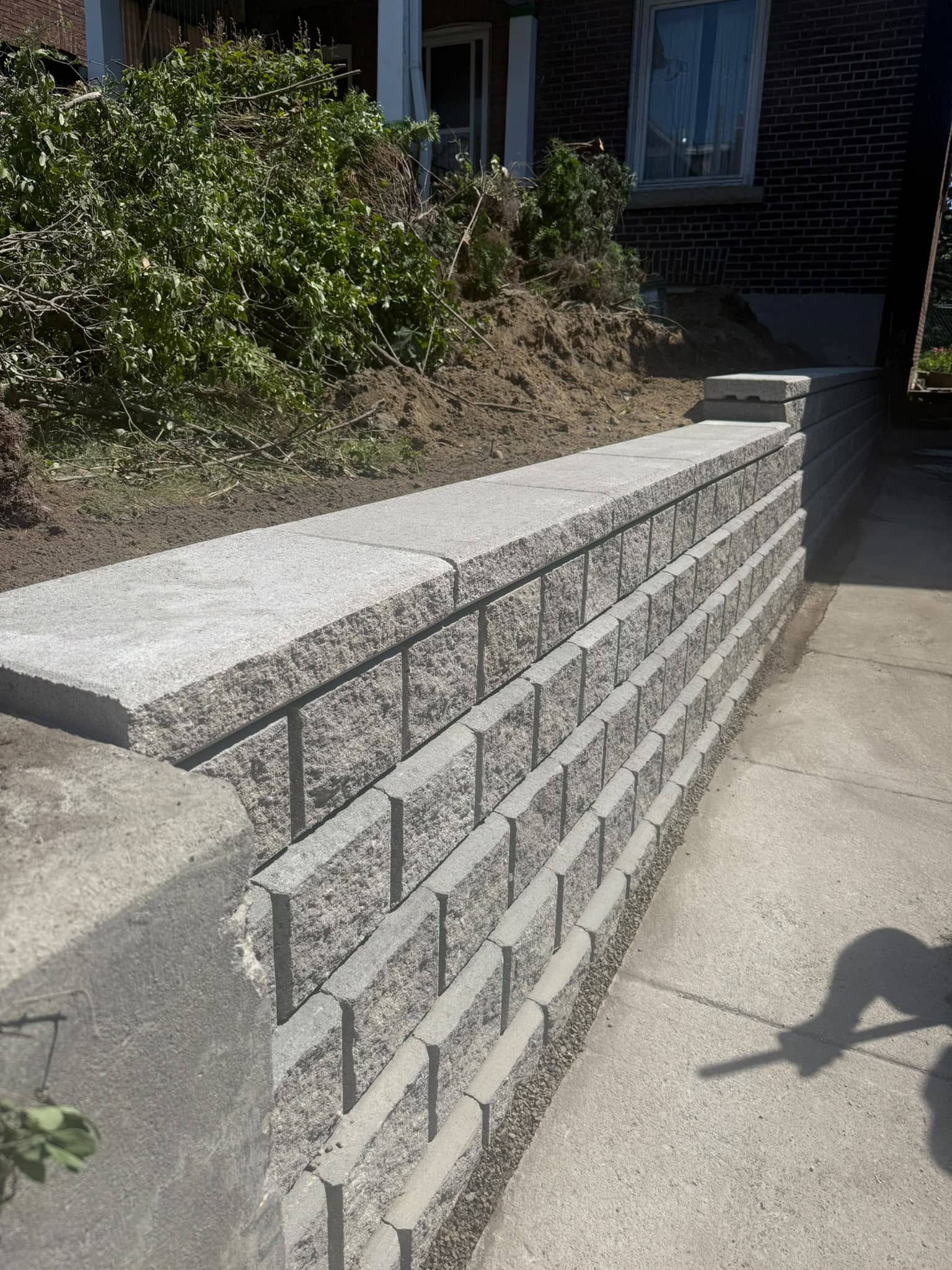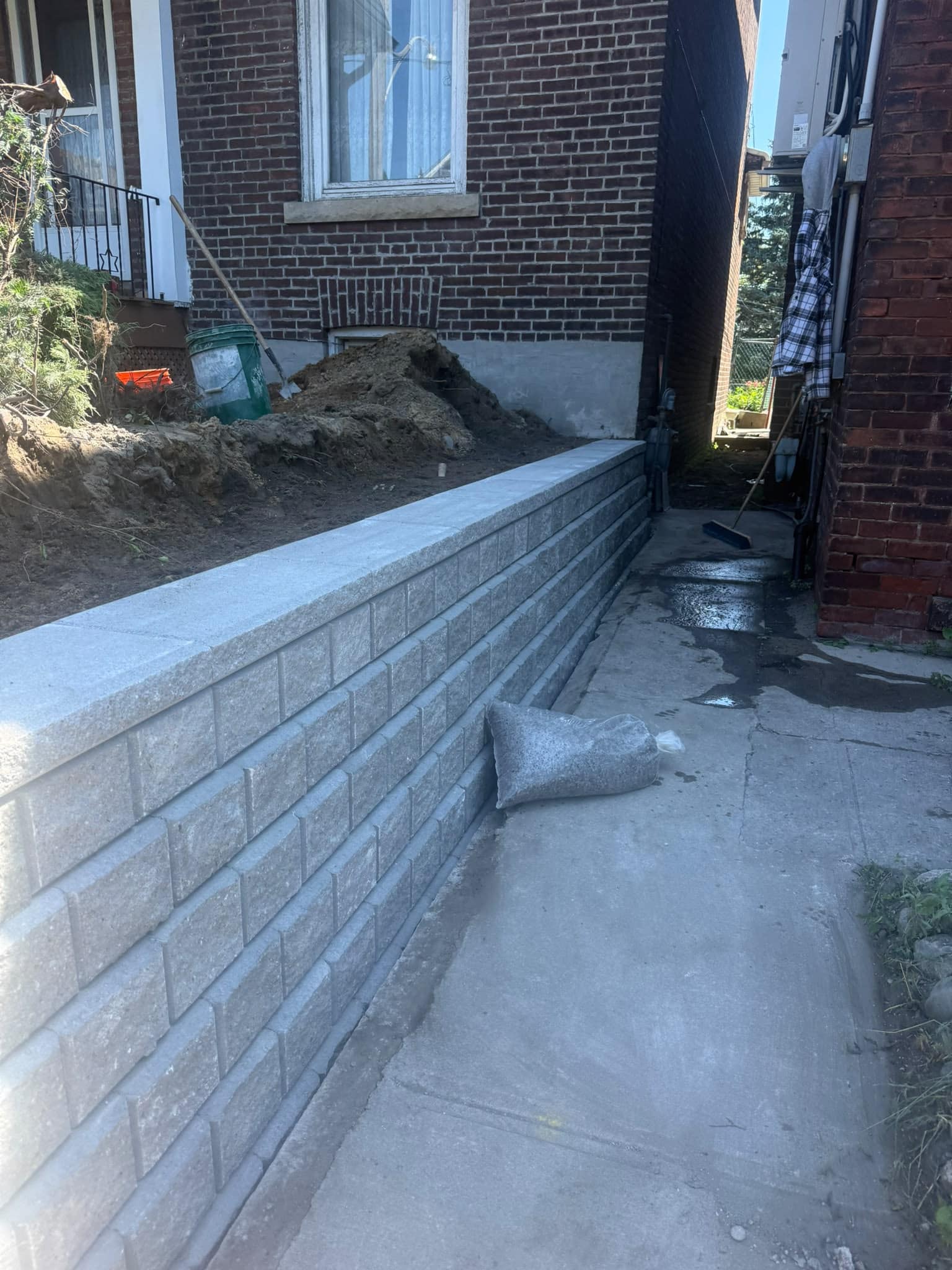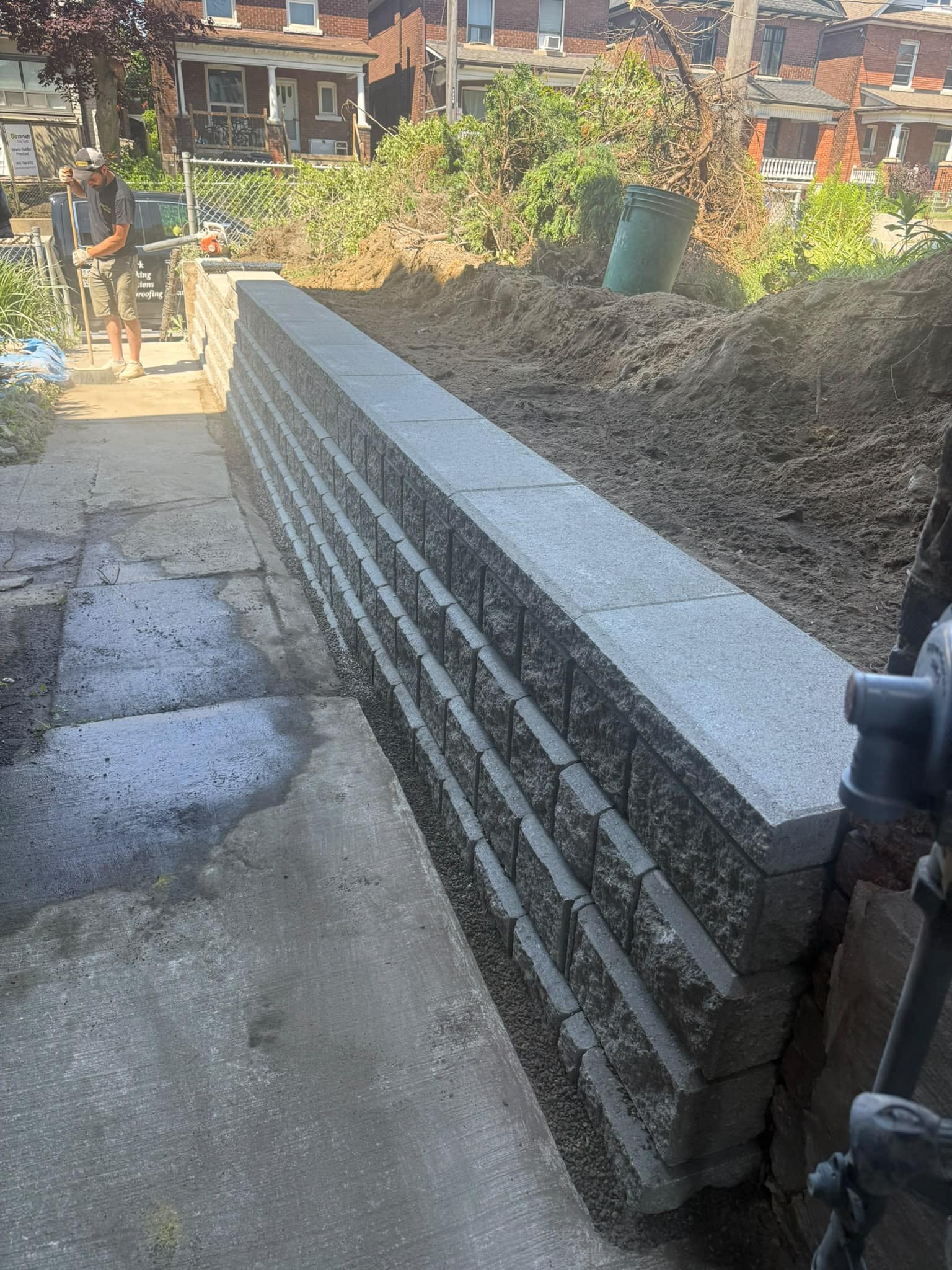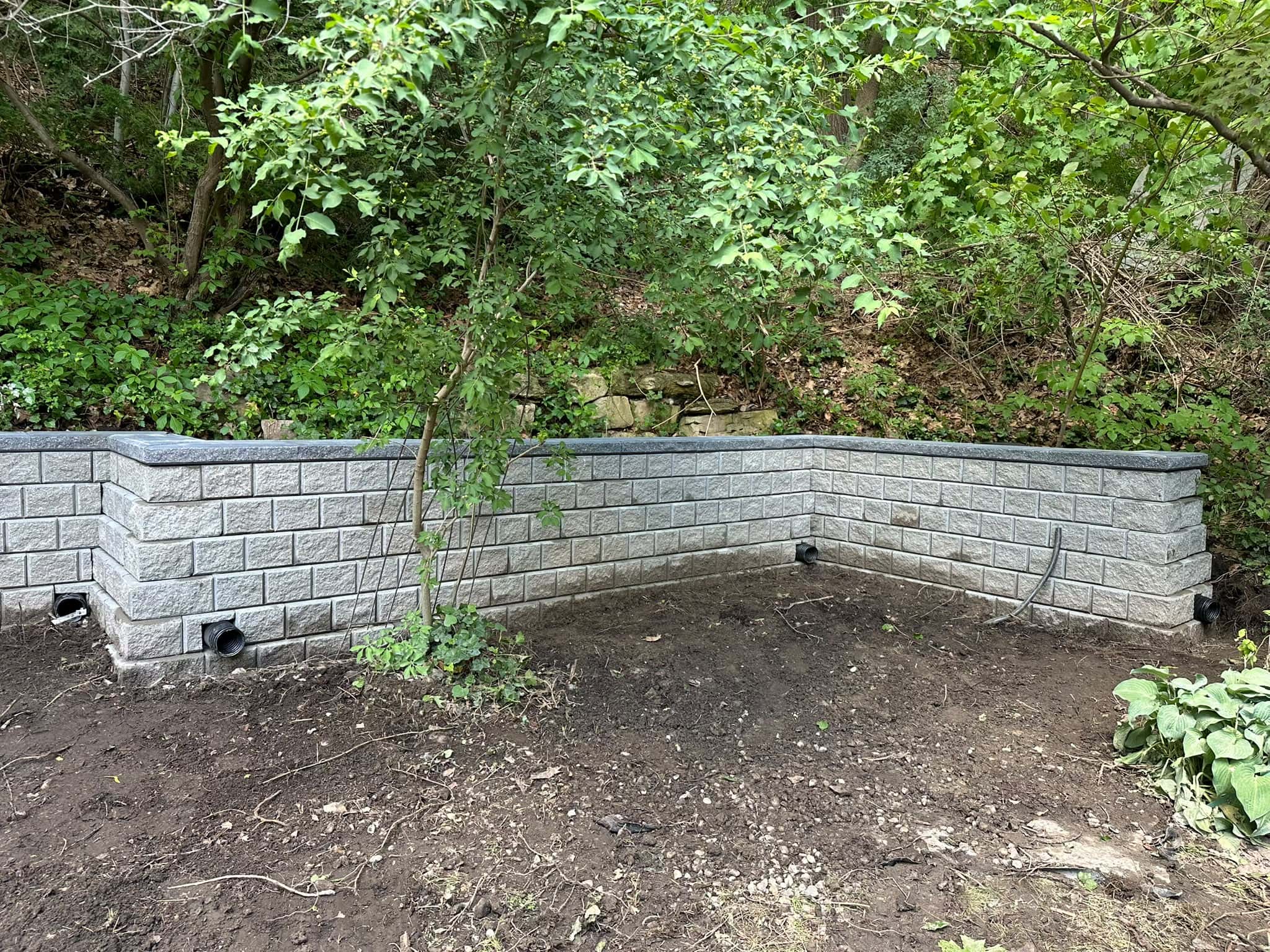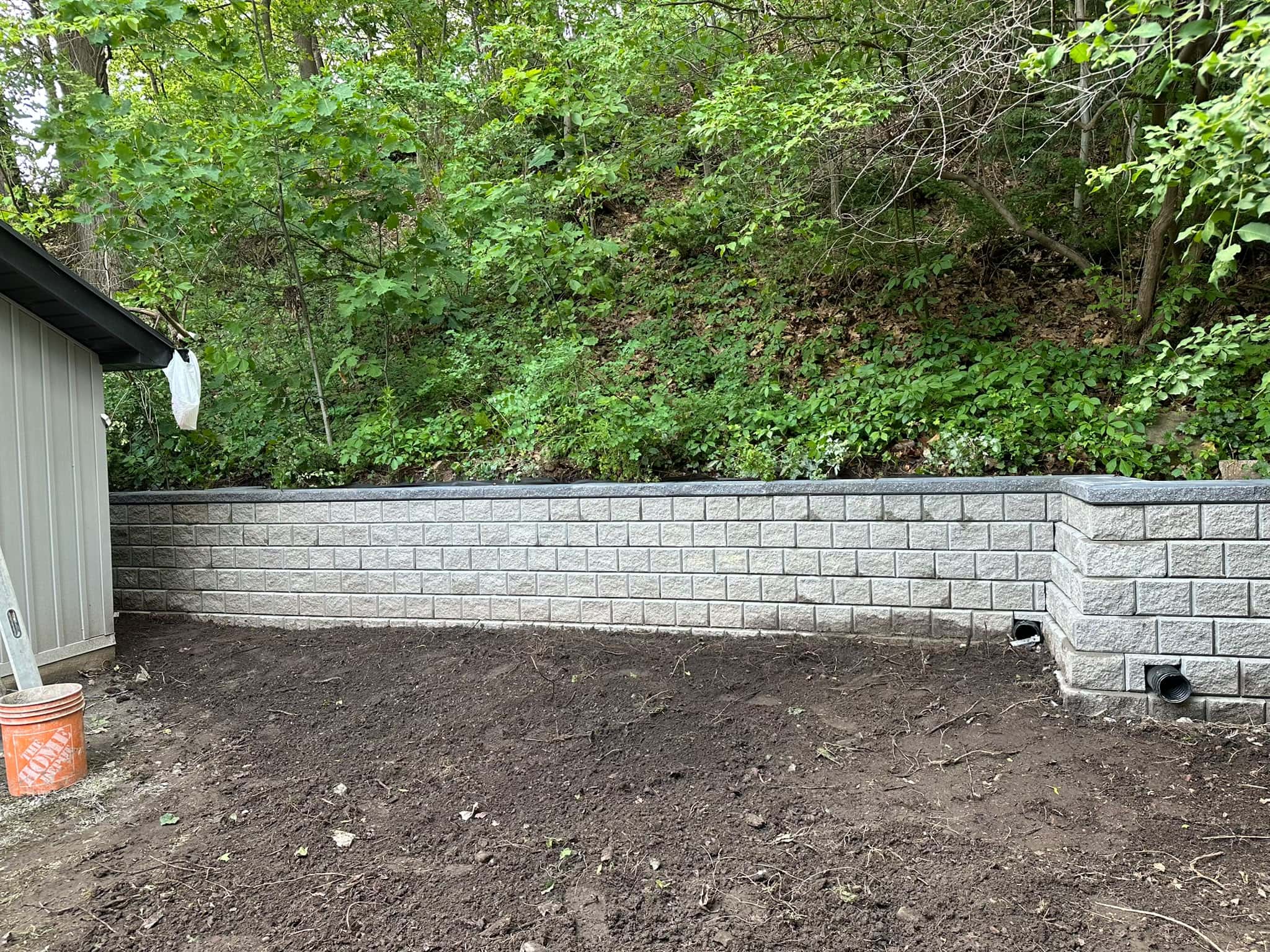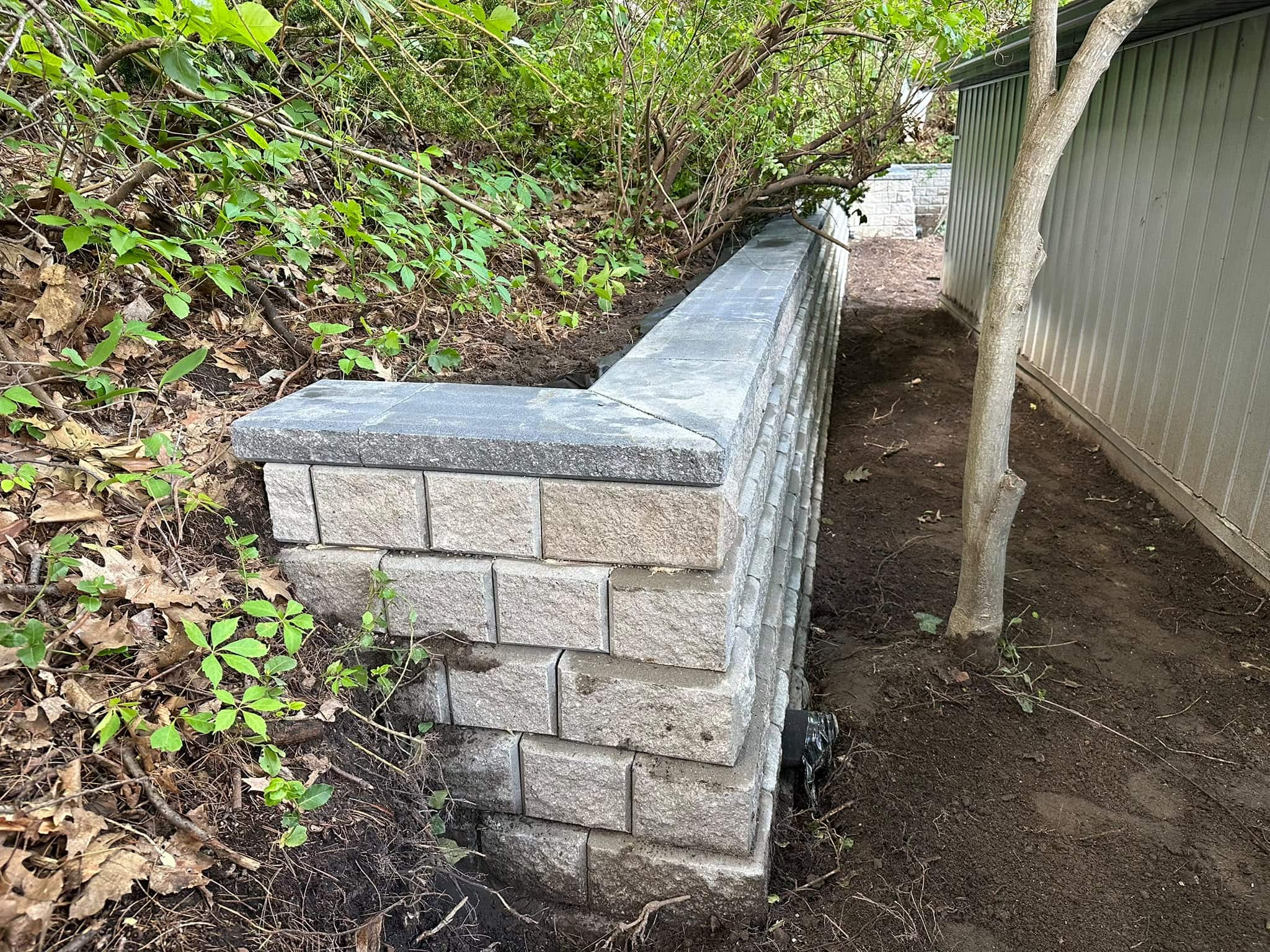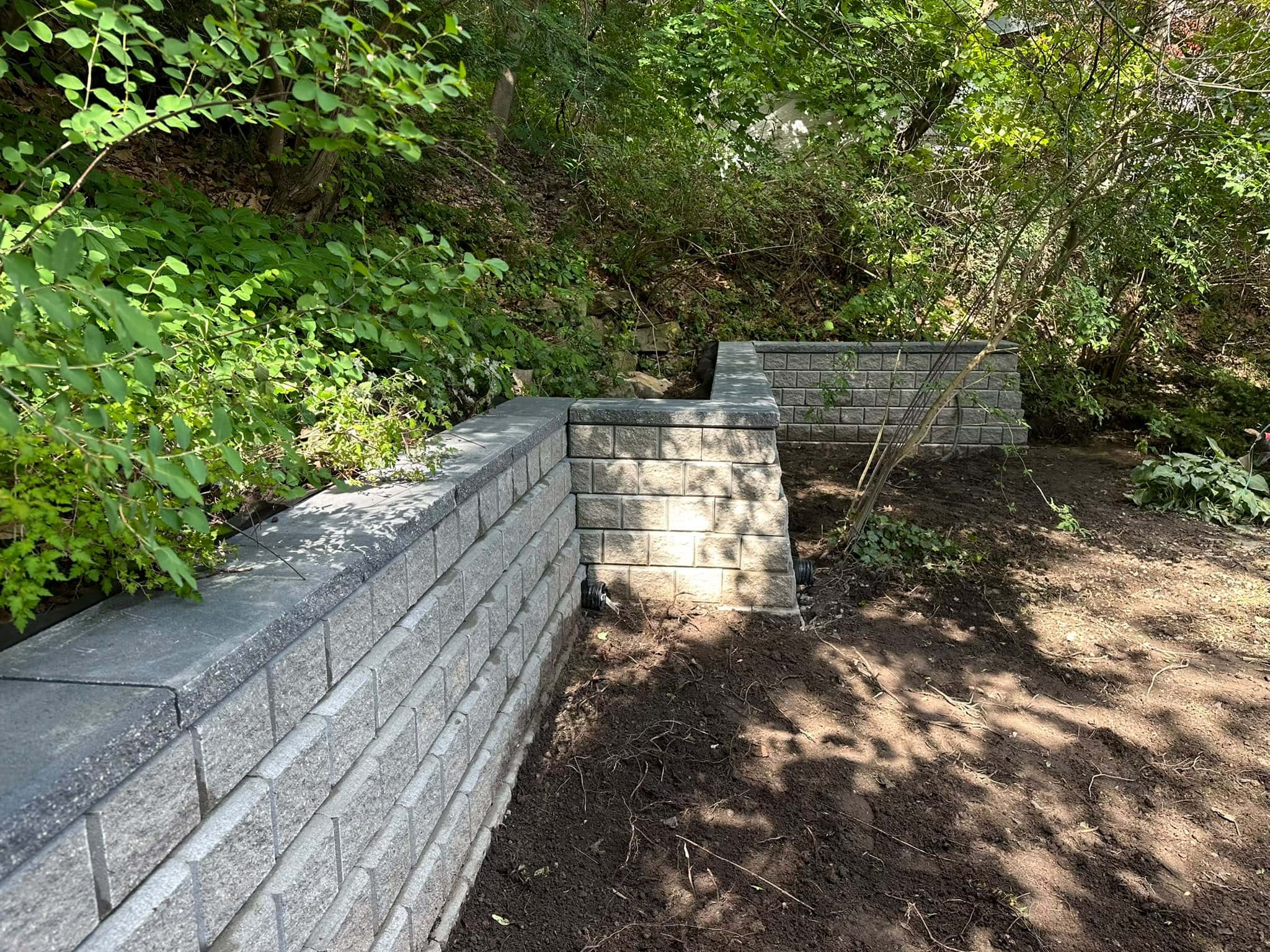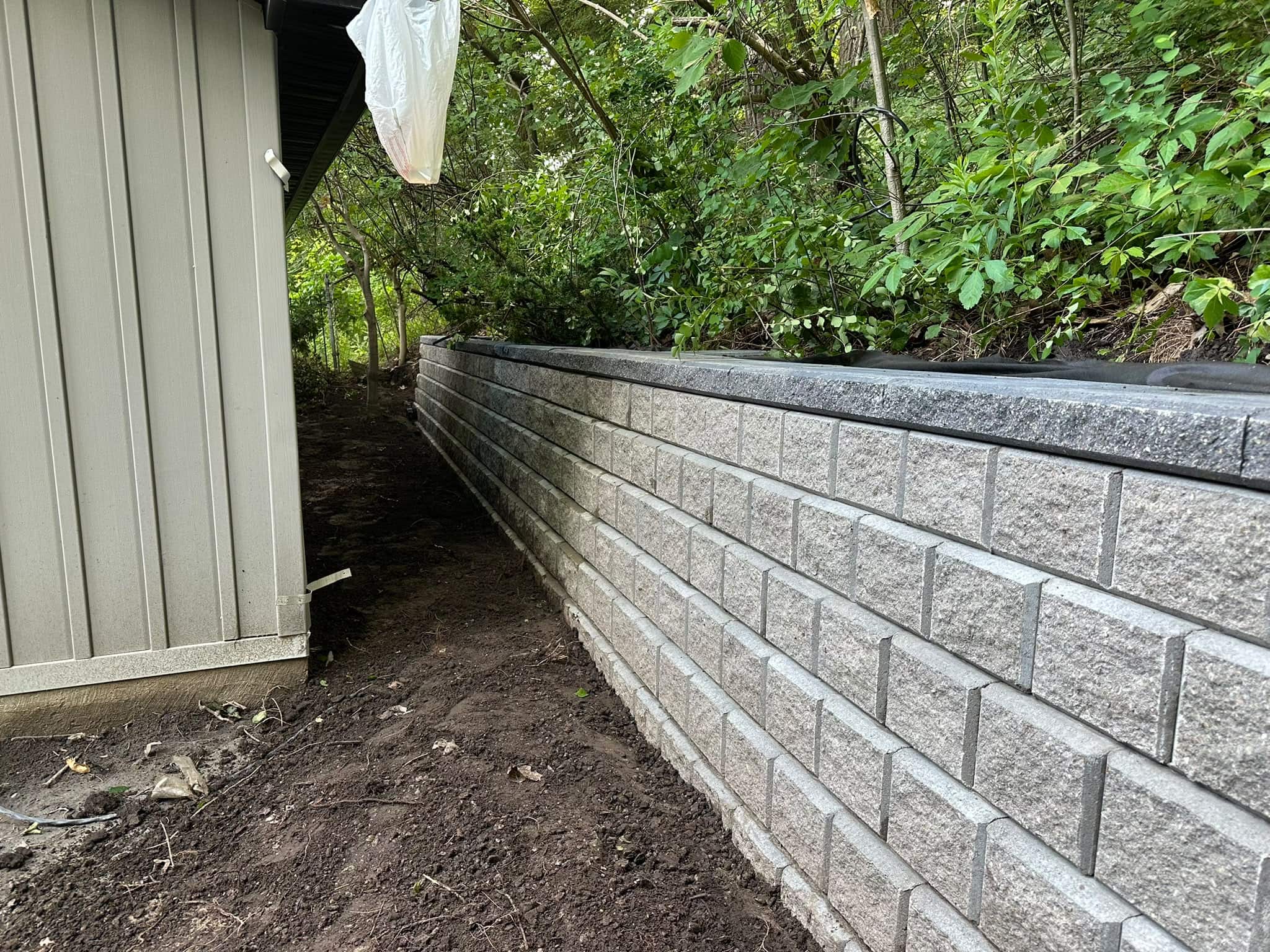

What Is A Gabion Wall?
Gabion walls are a new and flexible way to hold back soil. They are made of wire baskets filled with stones or other strong materials. These walls are popular in buildings because they are strong and look good.
At their heart, gabion walls are filled with stones. This gives them strength and beauty. The wire baskets hold everything together, while the rocks add weight and stability. This new way of building walls has changed our thoughts about holding back soil.
Gabion walls last a long time because of their wire baskets, which are coated to protect against rust. The stones inside also make the walls strong against damage, making them an excellent choice for projects that need to last.
Gabion walls are used in many projects. They help with landscaping, stopping erosion, and keeping slopes stable. Architects and engineers like them because they can be made to look good and fit well with the area around them.
In the following parts, we will examine how gabion walls are made and how they work. We will also compare them to other types of walls. Knowing more about gabion walls can help you choose the best one for your project.
Mechanically Stabilized Earth (MSE) Wall Fundamentals
What is MSE wall?
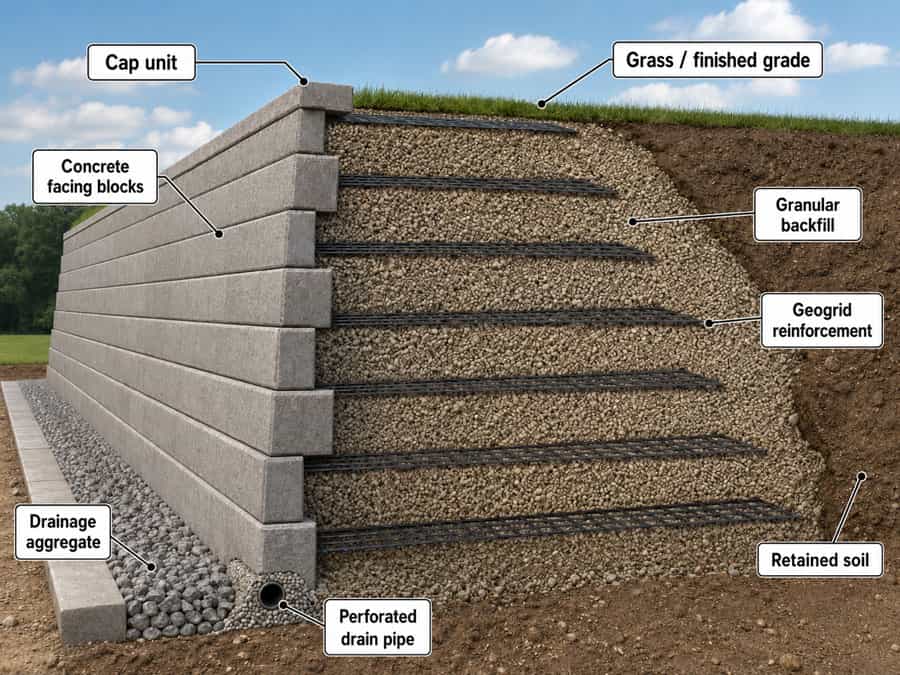
An MSE wall (Mechanically Stabilized Earth wall) is a retaining wall system constructed using compacted soil reinforced with steel strips, geogrids, or geotextiles.
MSE walls are a top pick for retaining walls in civil engineering for road construction, bridge abutments, and commercial developments; MSE walls offer durability, cost-effectiveness, and the ability to support heavy loads.
They mix the strength of concrete with the flexibility of soil, making them a strong and affordable option for many projects. These walls are designed to stabilize slopes, retain soil, and resist the pressure exerted by soil or other materials behind them.
Components and Materials
At the heart of an MSE wall are a few key parts:
- Reinforcement: This can be steel, geosynthetic, or other strong materials that add tensile strength to the soil.
- Facing: The outer layer of the wall is made from precast concrete panels, welded wire mesh, or natural stone.
- Compacted Soil: The earth that’s reinforced and compacted to strengthen the wall.
What is the maximum height for an MSE wall?
The maximum height of an MSE wall depends on factors like soil conditions, reinforcement type, and design specifications.
However, with proper engineering and reinforcement, MSE walls can typically be built up to 100 feet (30 meters) or more. For walls exceeding 40 to 50 feet (12 to 15 meters), additional geotechnical analysis and specialized reinforcement, such as stronger geogrids or metallic strips, are required to ensure stability.
Consult a structural engineer to determine the safest and most efficient design based on site-specific conditions.
How do MSE Walls work?
The engineering magic of MSE walls comes from combining the strength of reinforced soil with durable facing panels and effective drainage systems. The reinforcement materials interact with the soil to provide additional strength and stability, while the facing elements hold everything together and prevent erosion.
This design allows MSE walls to handle substantial pressure and resist deformation, making them suitable for various applications such as highways, embankments, and retaining walls in construction projects.
Installation Process Overview MSE wall
Building an MSE wall involves a few steps:
- Site preparation: Getting the ground ready by clearing and leveling it.
- Reinforcement placement: Putting in the reinforcement, like geosynthetic or steel, in a specific pattern.
- Soil compaction: Packing the soil in layers makes it dense and strong.
- Facing installation: Adding the precast concrete panels, welded wire mesh, or natural stone to the wall’s surface.
- Drainage system: Adding a system to handle water and dry the soil.
What material is used for MSE wall backfill?
The backfill material for an MSE wall must be granular, well-draining, and free of organic matter to ensure stability and prevent excessive settlement. Common materials used include:
- Granular soil (sand, gravel, crushed stone) – Preferred for its high drainage capacity and compaction properties.
- Well-graded aggregate – Provides strength and minimizes voids for better load distribution.
- Select fill – A mix of sand and gravel that meets specific gradation and compaction requirements.
- Recycled concrete aggregate (RCA) – Sometimes used as a cost-effective alternative if it meets engineering standards.
Avoid using clay, silt, or organic soils, as they retain moisture and reduce wall stability. Always refer to project specifications and geotechnical recommendations when selecting backfill materials.
What Is The Rule Of Thumb For MSE Wall?
The rule of thumb for an MSE wall ensures stability, durability, and proper performance. Here are key guidelines:
- Reinforcement Length – Typically 0.7 to 1.0 times the wall height for adequate stability.
- Backfill Material – Free-draining granular soil prevents water buildup and settlement issues.
- Facing Batter – A slight backward tilt (4 to 8 degrees) improves stability and reduces outward pressure.
- Compaction – Achieve at least 95% of maximum dry density to prevent excessive settlement.
- Embedment Depth: For proper support, it should be at least 10% of the wall height or a minimum of 2 to 3 feet.
- Drainage – Incorporate perforated pipes and drainage layers to prevent hydrostatic pressure buildup.
- Reinforcement Spacing – Typically 12 to 24 inches vertically, depending on design requirements.
Always follow site-specific geotechnical recommendations and engineering standards to ensure the best performance.
Gabion Walls vs MSE Walls
Here is a quick guide to the differences between Gabion and MSE Walls.
| Feature | Gabion Walls | MSE Walls |
| Definition | Wire mesh baskets filled with stones | Layers of compacted fill soil with reinforcement materials |
| Reinforcement | No internal reinforcement; relies on weight | Uses geosynthetic materials (geogrids, geotextiles) for support |
| Applications | Erosion control, slope stabilization, landscaping | Highway projects, urban development, infrastructure |
| Construction | More straightforward to construct in remote locations | Requires precise engineering and foundation planning |
| Flexibility | Limited design flexibility | Greater flexibility in design and height |
| Aesthetic Appeal | Natural stone blends with the environment | It can be finished with various materials, but typically more utilitarian |
Structural Capabilities and Load Bearing Comparison
Gabion and mechanically stabilized earth (MSE) walls differ in structure and load-bearing abilities.
Gabion walls are made of wire cages filled with rocks. They are strong and last a long time. They can handle a lot of pressure and are good in areas that shake a lot. Depending on the project’s needs, gabion walls are usually 12 to 24 inches thicker.
MSE walls use reinforced earth and facing elements for strength. They are thinner, 6 to 12 inches, and save space. MSE walls can handle a lot of load-bearing and structural capabilities, which is even better than old-style walls.
The thickness of MSE walls is essential for their strength. It helps them handle load-bearing well. MSE walls are thin but strong, making them great for saving space and being versatile.
Site Suitability and Geological Considerations
Choosing between Gabion Walls and Mechanically Stabilized Earth (MSE) Walls depends on the site and geology.
The soil at the site is key. Gabion Walls work well on sites with different soil types. They can handle uneven ground and small soil changes. On the other hand, MSE Walls need soil that’s the same everywhere to handle loads evenly. Sites with unstable soils, high water levels, or poor drainage are challenging for MSE Walls.
Seismic activity is another significant factor. Gabion Walls, with their flexible design, do better in earthquake-prone areas. MSE Walls are strong but can be damaged by earthquakes. They need unique design and reinforcement to stay safe.
Weaknesses of Gabion Walls and MSE Walls
Both gabion walls and Mechanically Stabilized Earth (MSE) walls have their strengths and specific weaknesses. Here’s a comparison of their shortcomings:
| Feature | Gabion Walls | MSE Walls |
| Structural Integrity | It can be less stable if not correctly filled or if the wire mesh deteriorates. | Depending on the reinforcement quality, geosynthetic failure can lead to wall failure. |
| Erosion Potential | Stones may wash out or settle over time, leading to reduced effectiveness. | Soil erosion behind the wall can occur if drainage is not adequately managed. |
| Installation Challenges | It requires proper filling and compaction and can be labor-intensive. | It requires precise engineering and careful installation, which can increase costs and time. |
| Maintenance | Regular inspections are needed to check for wire rusting or structural integrity. | It requires monitoring of geosynthetic materials and the potential for soil settlement. |
| Load Capacity | Limited load capacity compared to engineered solutions; not suitable for very high loads. | While strong, they can be limited by the type and quality of reinforcement used. |
| Environmental Impact | Potential for habitat disruption during construction; heavy materials can affect local ecosystems. | If not designed with drainage in mind, it can increase water runoff and erosion. |
FAQ
What is the difference between MSE and gabion retaining walls?
MSE walls are built with geosynthetic materials and compacted soil, while Gabion walls use wire baskets filled with stones. This makes MSE walls more potent and durable.
What are the pros and cons of gabion walls vs. MSE walls?
Gabion walls look natural and are easy to install, but they can’t hold much weight and can rust. MSE walls are strong and last long, but they cost more and require special skills.
How do MSE walls work?
MSE walls use reinforced soil and facing panels. The soil is packed tight with geosynthetic materials, making the wall strong against loads.
How thick are MSE walls?
MSE walls are thinner than concrete walls. They are 2 to 4 feet thick, and the exact thickness depends on the wall’s height and soil conditions.
What is the cost difference between gabion walls and MSE walls?
Gabion walls cost about 20-30% less than MSE walls. But, MSE walls might save money in the long run because they need less maintenance.
Reliable Wall Installation & Repair for a Stronger, Lasting Structure
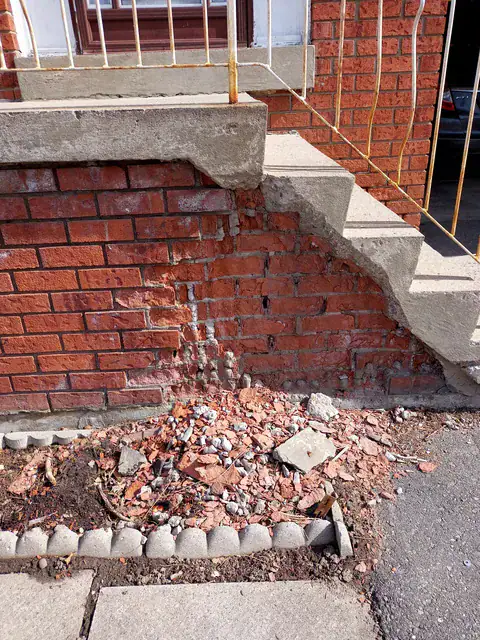
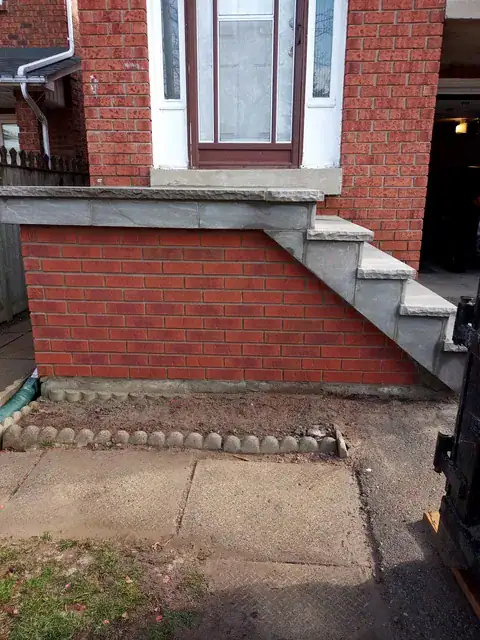
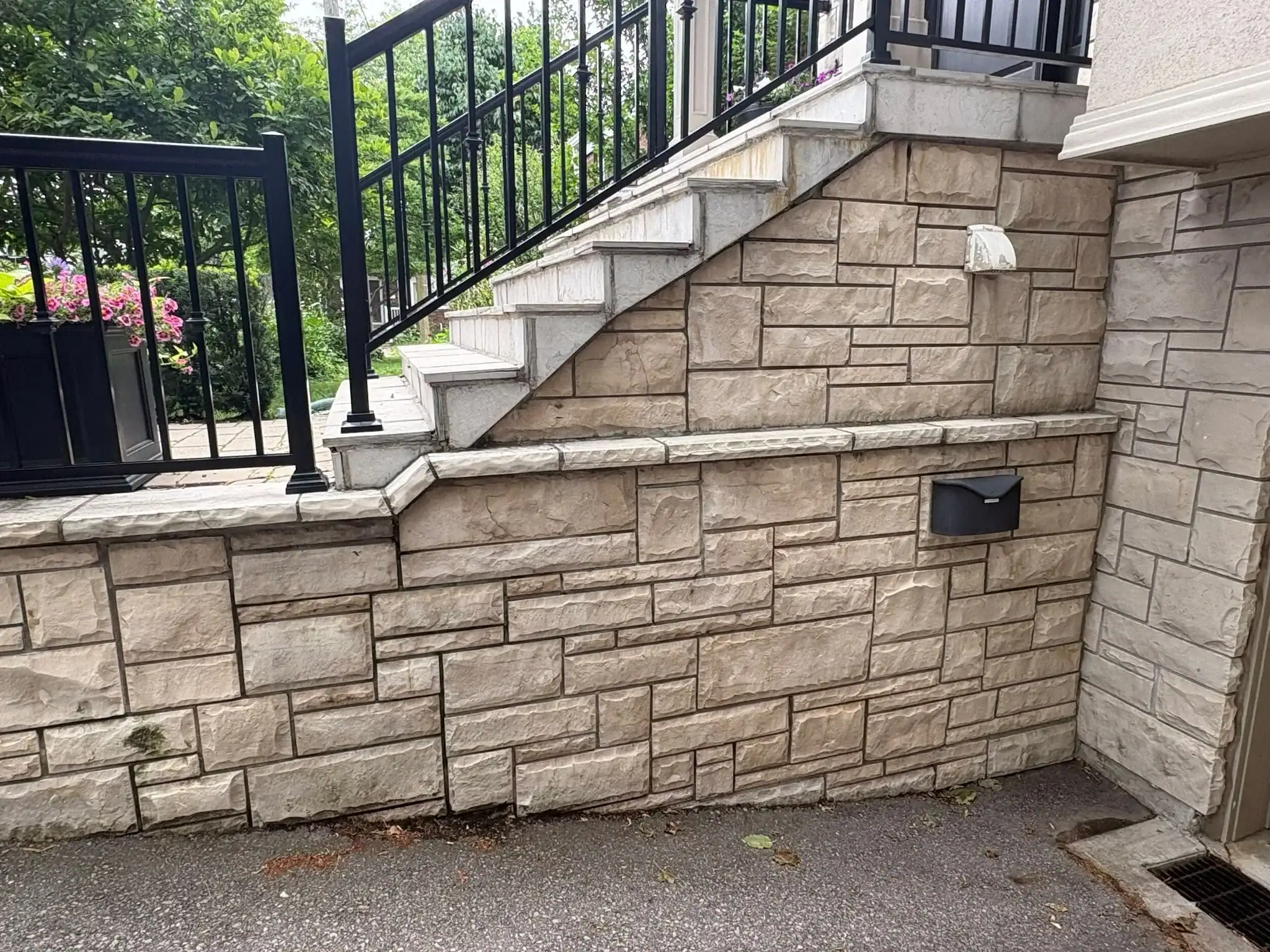
Walls play a vital role in both structural integrity and aesthetics, whether it’s a brick, stone, or concrete wall. At A&A Masonry, we specialize in expert wall installation and repair, ensuring durability, stability, and a polished finish that enhances your property.
With decades of experience, our team delivers high-quality craftsmanship tailored to your needs—whether it’s repairing damaged walls, reinforcing aging structures, or installing new, custom-designed masonry walls.
🔹 Seamless repairs for cracks, wear, and weather damage
🔹 Precision installation using high-quality materials
🔹 Enhanced curb appeal with expert masonry techniques
Looking for professional wall installation or repair? Reach out to A&A Masonry at 416-236-8721 for a free consultation, and let’s build something strong together.