
Updated: August 2025
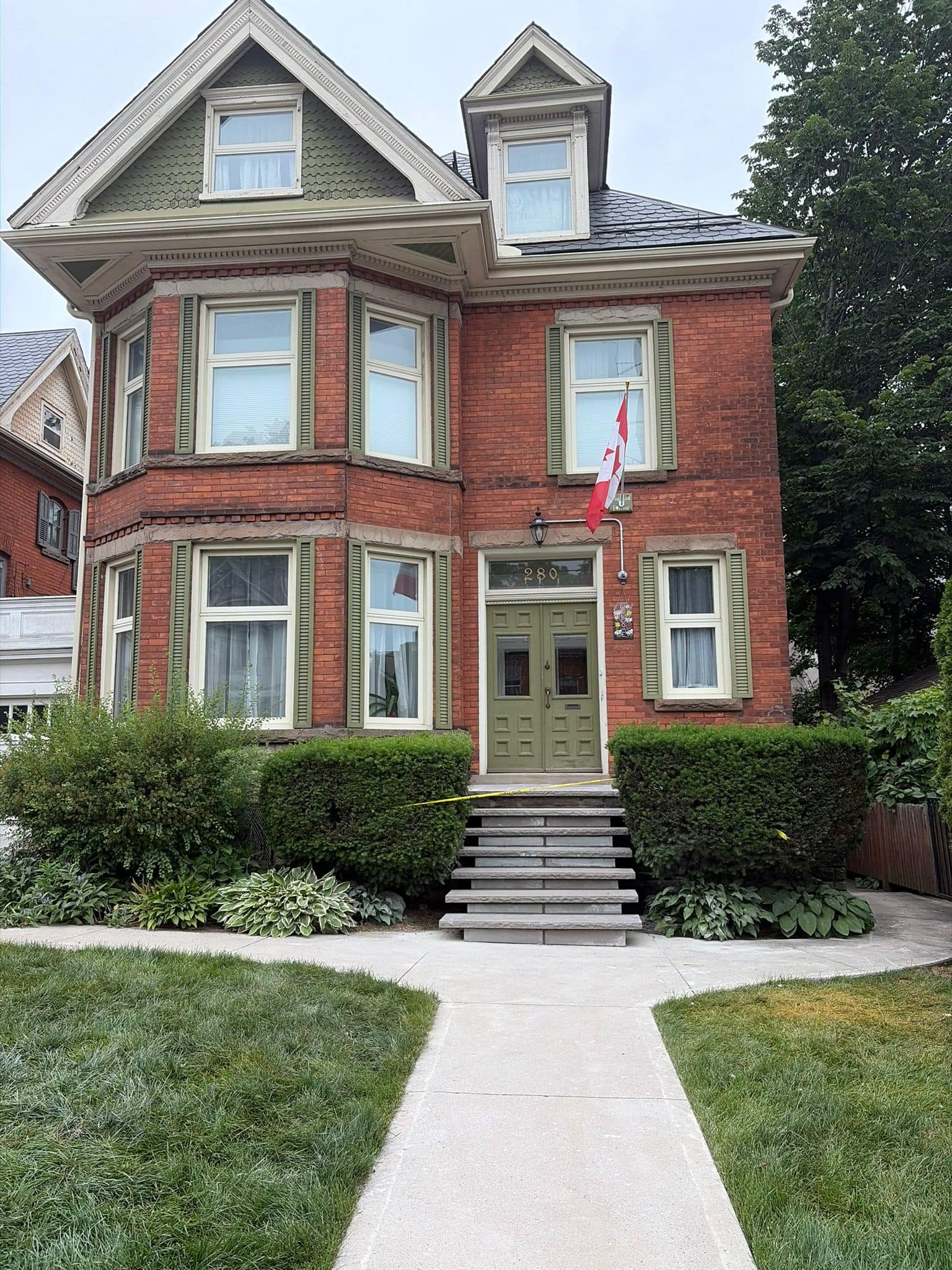
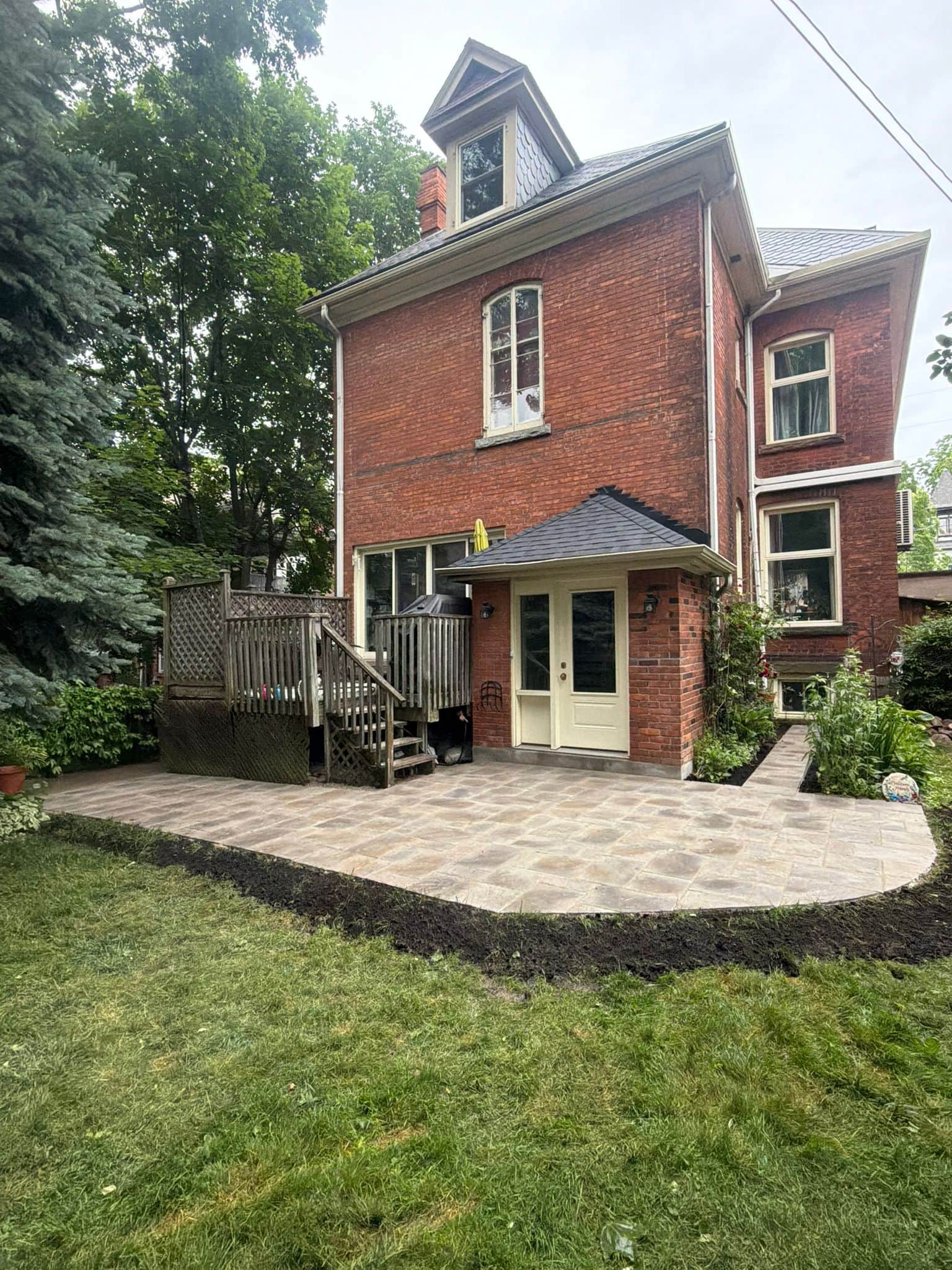
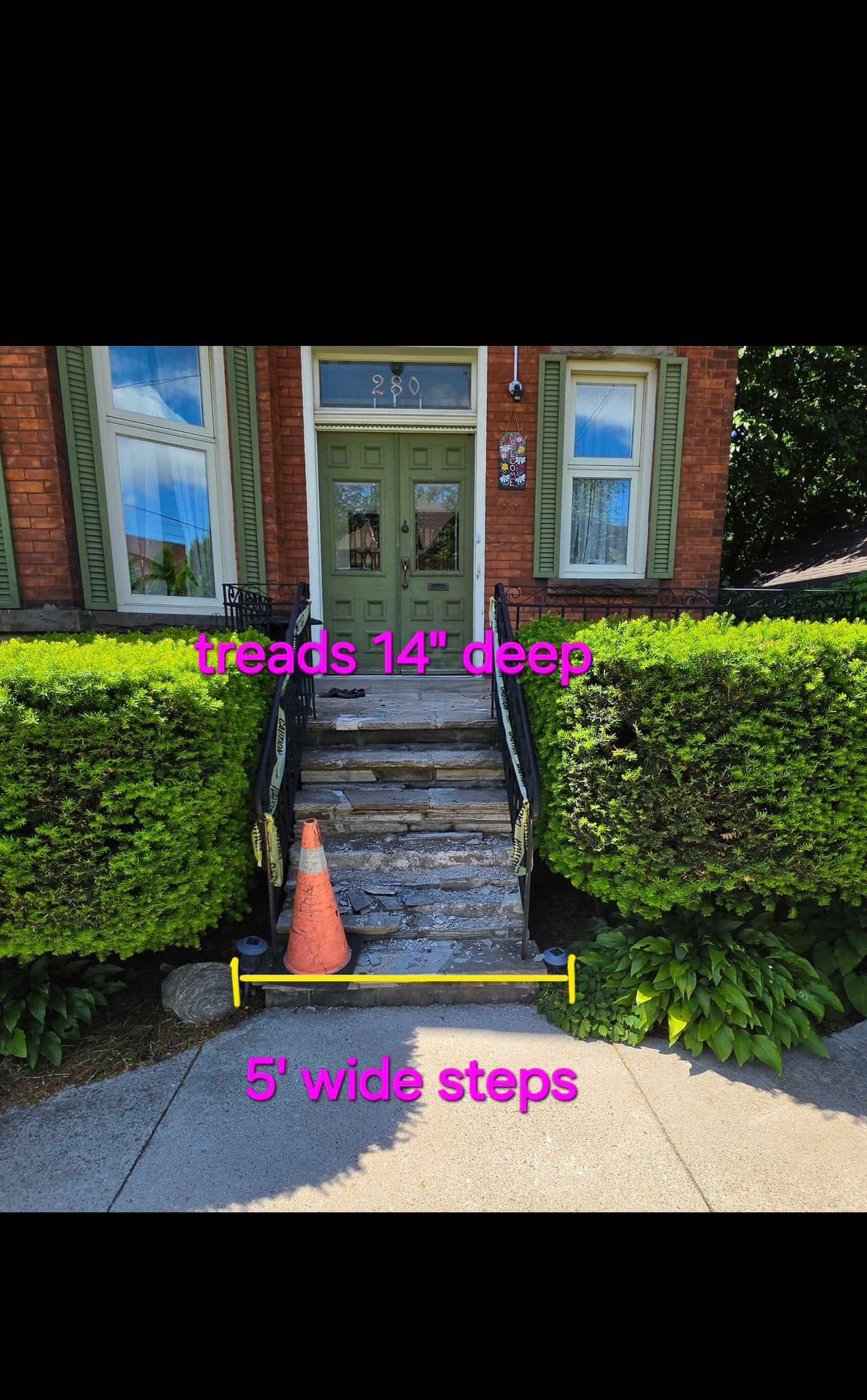
Toronto homes are defined by their brick. From stately Victorian semis to post-war bungalows, brick has been the go-to choice for durability, fire resistance, and style. But our freeze–thaw climate and older housing stock mean homeowners face unique brick challenges: cracking, spalling, moisture, and even hidden structural issues.
This guide is for GTA homeowners who want to understand their brickwork—how to spot problems, what repair options exist, and when to call in the pros. By the end, you’ll know the difference between cosmetic fixes and structural must-dos, plus what to expect when working with a reputable Toronto masonry contractor.
Understanding the principles of brick masonry is crucial for Toronto homeowners, as it impacts both aesthetics and structural integrity.
What Is Brick Masonry?
Brick masonry techniques have evolved, but the basic principles remain vital for maintaining quality construction.
Solid brick vs. brick veneer (how to tell on your home)
Solid masonry walls (often pre-1940s) use multiple wythes of brick to carry structural loads. Veneer walls (common post-1950s) use a single layer of brick tied to wood framing.
Quick test: look for brick headers (short ends showing) in older homes—solid. If you only see long faces (stretchers), you likely have veneer.
➡ Internal link: Brick Veneer Explainer
➡ Internal link: Service: Brick Repair
Why Toronto homes use so much brick
Historically, building codes demanded fire-resistant exteriors after downtown fires in the late 1800s. Add in Ontario’s abundant clay deposits and a climate where brick outperforms wood siding, and the result is our red-brick identity.
➡ Brick Repair Service
This prevalence of brick masonry is not just due to its beauty, but also its ability to withstand the local climate.
Toronto Climate & Brick (Freeze–Thaw Reality)
Salt, moisture, and winter cycling
Moisture enters brick pores; when it freezes, it expands. Repeat that cycle 100+ times in a Toronto winter, and you get cracks, flaking faces, or loose mortar. Road salt makes it worse.
The effects of moisture on brick masonry can lead to significant structural issues if not addressed promptly.
Why “wrong” sealers make it worse
Non-breathable sealers trap water inside the wall, accelerating damage. Masonry needs breathable treatments to allow vapor to escape.
➡ How Weather Affects Brick
➡ Waterproofing Service
Proper maintenance of brick masonry ensures longevity and reduces the likelihood of costly repairs.
Common Brick Problems
Common brick masonry problems can often be prevented with regular inspections and timely interventions.
Cracks
-
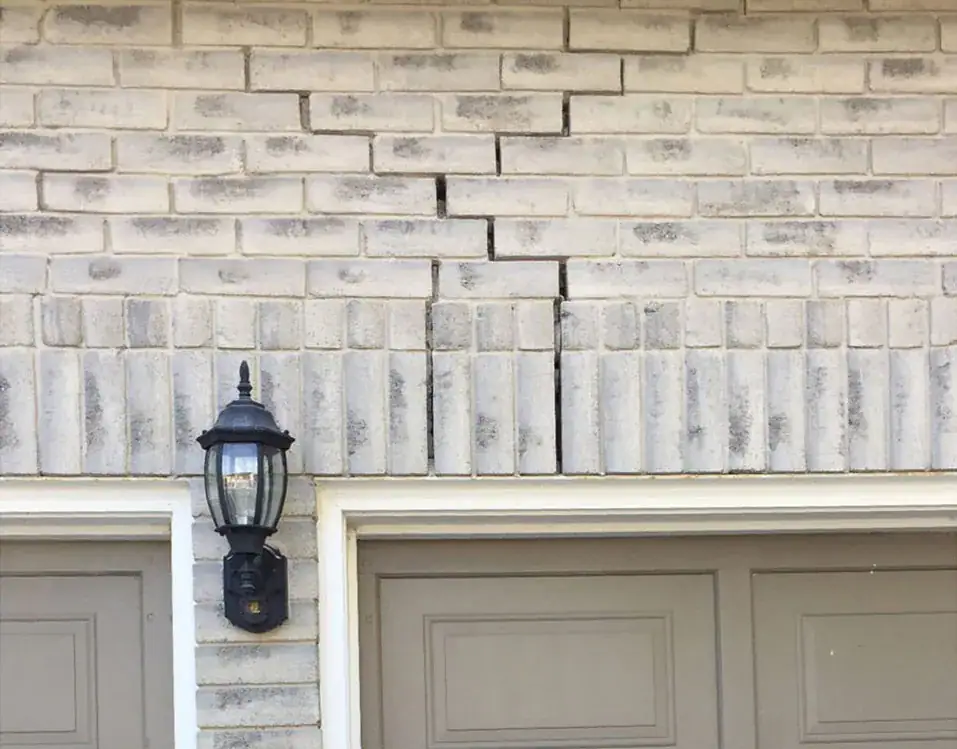
Stair-step: follows mortar joints, often structural shifting.
-
Hairline: surface-level, may just be shrinkage or thermal stress.
Spalling & flaking faces
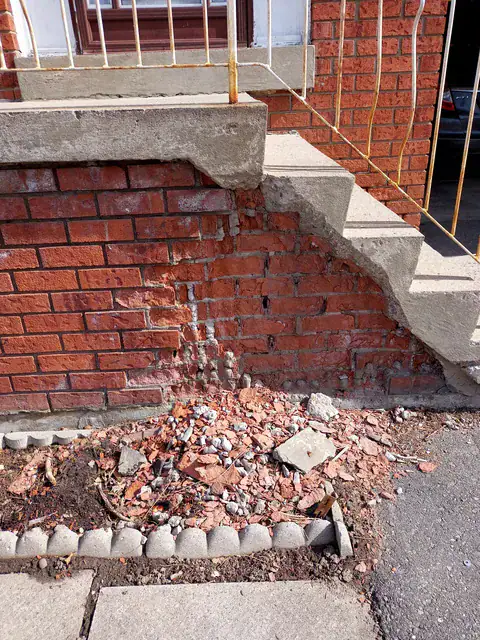
Caused by freeze–thaw or poor repairs. Outer brick layers flake off, exposing softer inner clay.
Efflorescence vs. real leaks
White chalky salts = moisture migration, usually not a structural leak. But staining/discoloration near windows could mean water penetration.
Monitoring efflorescence on your brick masonry is essential to prevent potential water damage.
Lintel rust jacking
Steel lintels above windows/doors expand when rusting, cracking surrounding brickwork.
➡ Is Your Brickwork Telling You…
Rust jacking in brick masonry can compromise the structural integrity of your home if not managed correctly.
Repairs 101 — Tuckpointing vs Repointing vs Rebuild
When repointing works; when you need partial rebuild
-
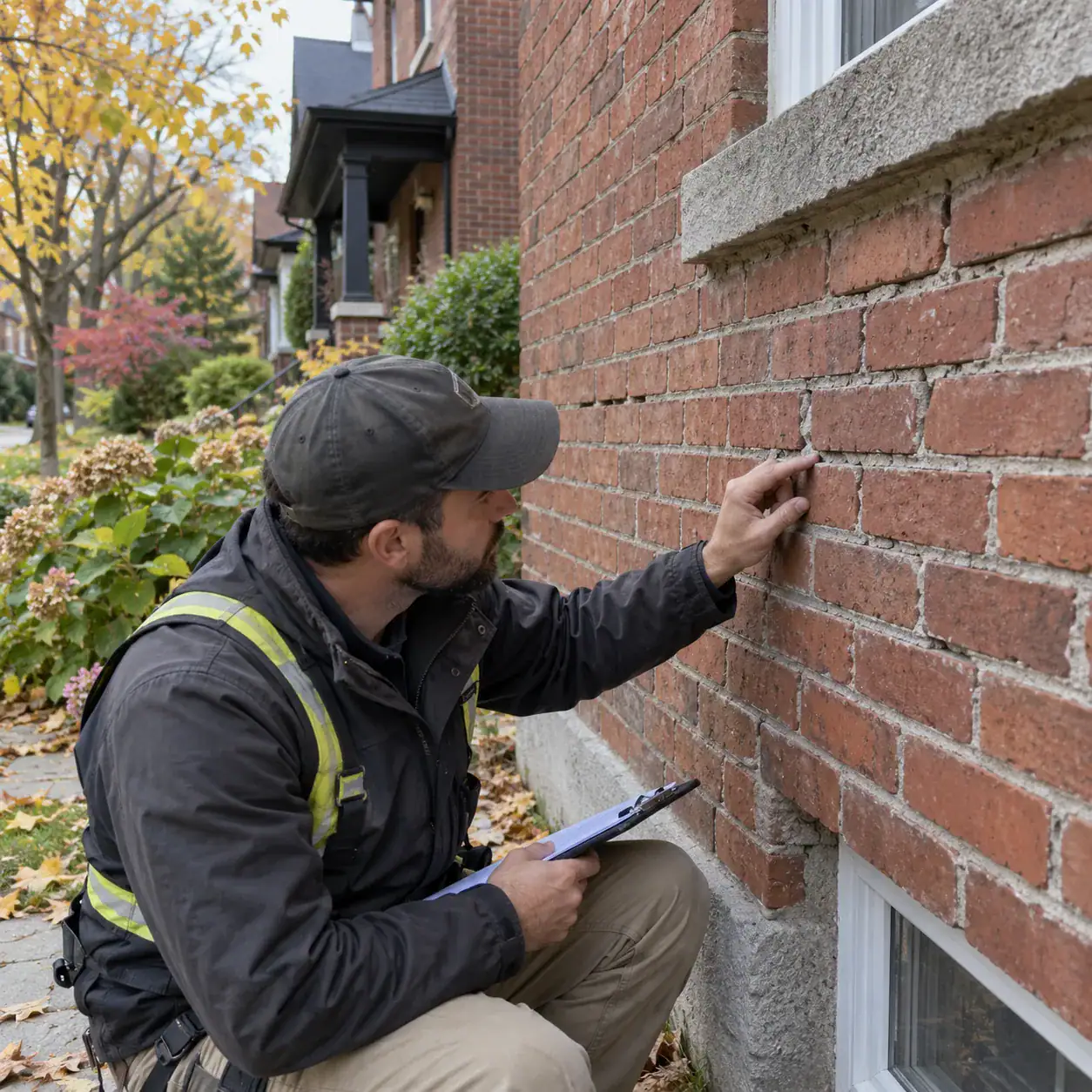
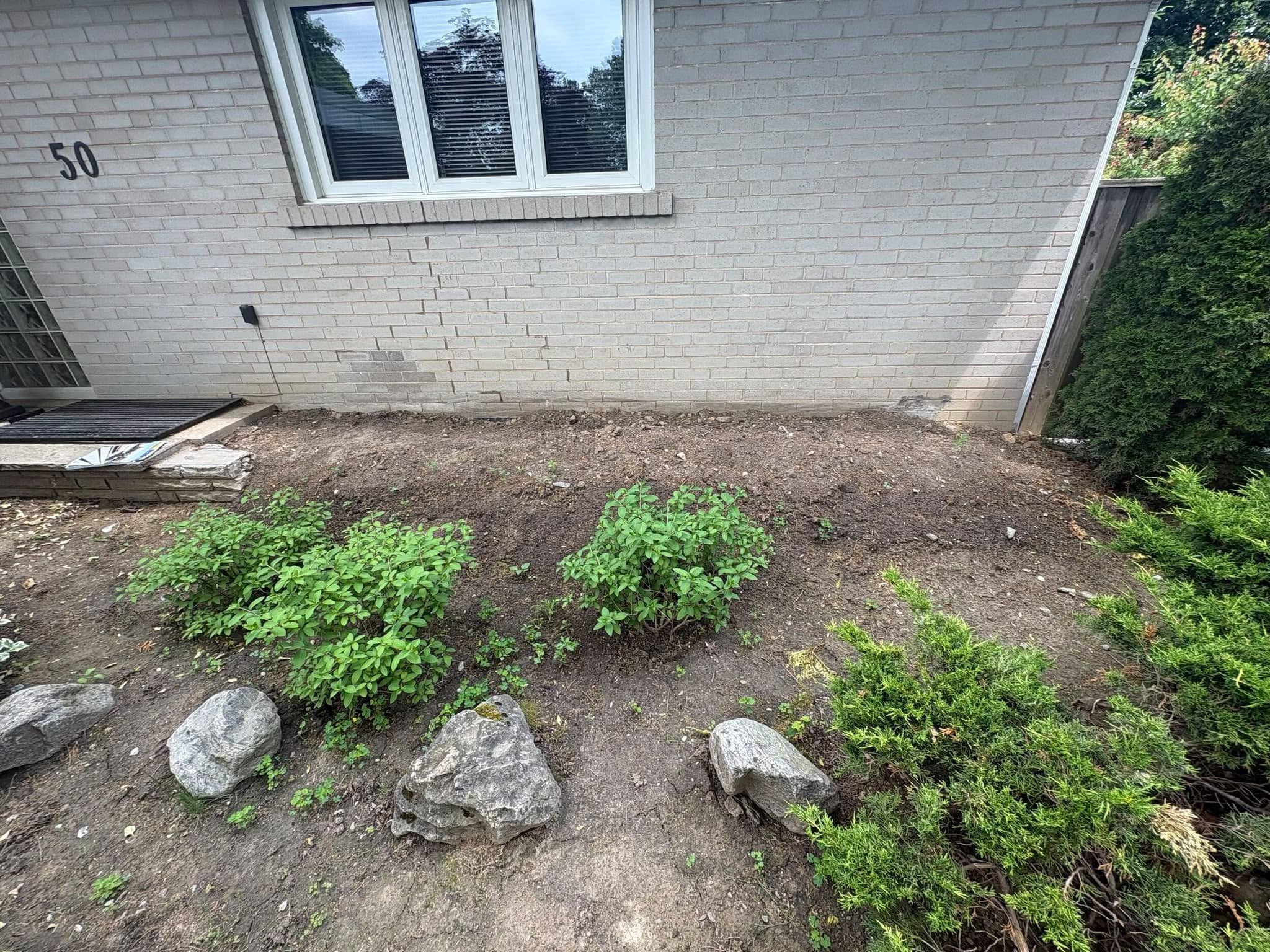
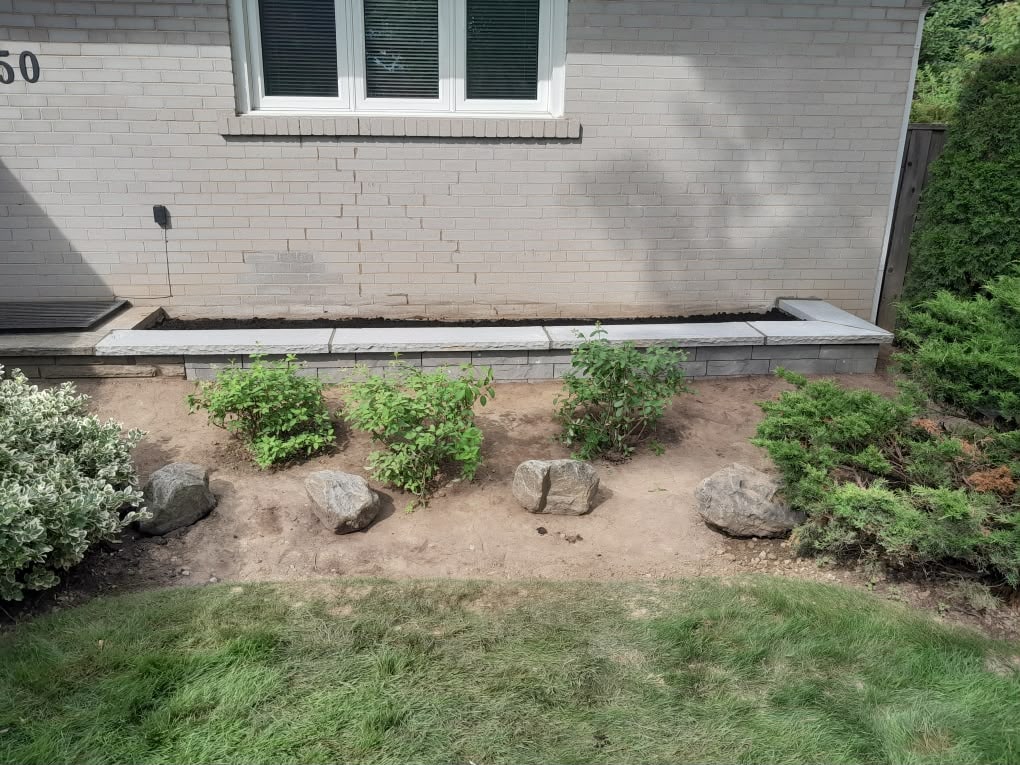
Repointing: replace failing mortar joints, brick remains intact.
Understanding when to repoint or rebuild your brick masonry is key to long-term home maintenance.
-
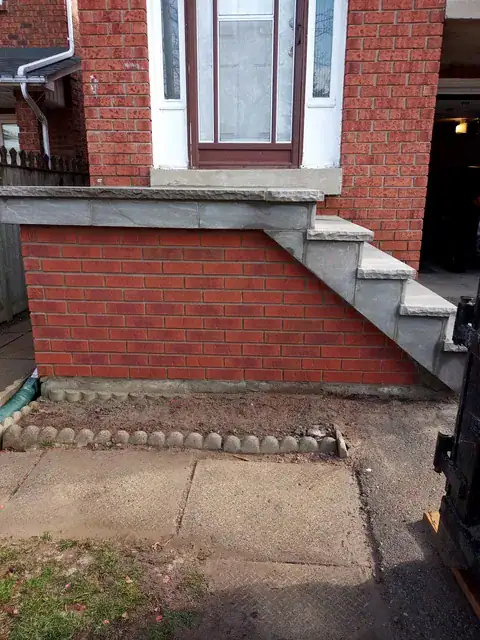
Rebuild: needed if bricks themselves are spalling or displaced.
Mortar selection
Toronto code allows Type N (softer, flexible) vs Type S (harder, structural). Heritage homes often require lime mortar. Using the wrong mix can cause premature damage.
Color matching & tooling profile
Choosing the right colour match for mortar in brick masonry enhances the overall appearance of your property.
Aesthetics matter. Mortar should match color, texture, and joint style (concave, flush, beaded). Poor matches stand out instantly.
➡ Internal links: Mortar Types Post | Repointing/Tuckpointing Service | Brick Repair
Costs & Timelines (Honest Ranges)
-
Minor repointing: $1,500–$3,500
-
Lintel replacement: $2,500–$4,500 per opening
-
Small wall rebuild: $5,000–$10,000
On-site inspection is essential—final pricing always depends on scope, access, and structural conditions. But good work should last decades.
➡ Contact Us
DIY vs Pro (Safety & Warranty)
You can patch hairline mortar at ground level. But anything involving height, load-bearing walls, or chimneys is pro-only territory. Pros carry WSIB/insurance, proper scaffolding, and warranties.
➡ Brick Repair Service
A DIY approach to minor repairs can save money, but always consult a professional for brick masonry work involving height.
Our Process at A&A Masonry (What to Expect)
-
Onsite assessment
-
Photos & notes
-
Written scope & quote
-
Scheduling
-
Dust & debris control
-
Quality checks during/after
-
Full cleanup
-
Warranty issued
FAQs
-
How long does brick repointing last? (20–30 years if done right)
-
Can you repair bricks in winter? (Not outdoors below 5°C; schedule spring–fall)
-
Do you match the mortar colour? (Yes, we custom-match)
-
Do you warranty brick repairs? (Yes—written warranty provided)
Ready to Fix It Right?
Don’t let small cracks become big rebuilds. A&A Masonry has restored thousands of Toronto homes, combining craftsmanship with modern protection.
📞 Call us today at (416) 236-8721 or Book an Inspection → Click Here
Investing in expert brick masonry will ensure your home remains a beautiful and safe investment for years to come.