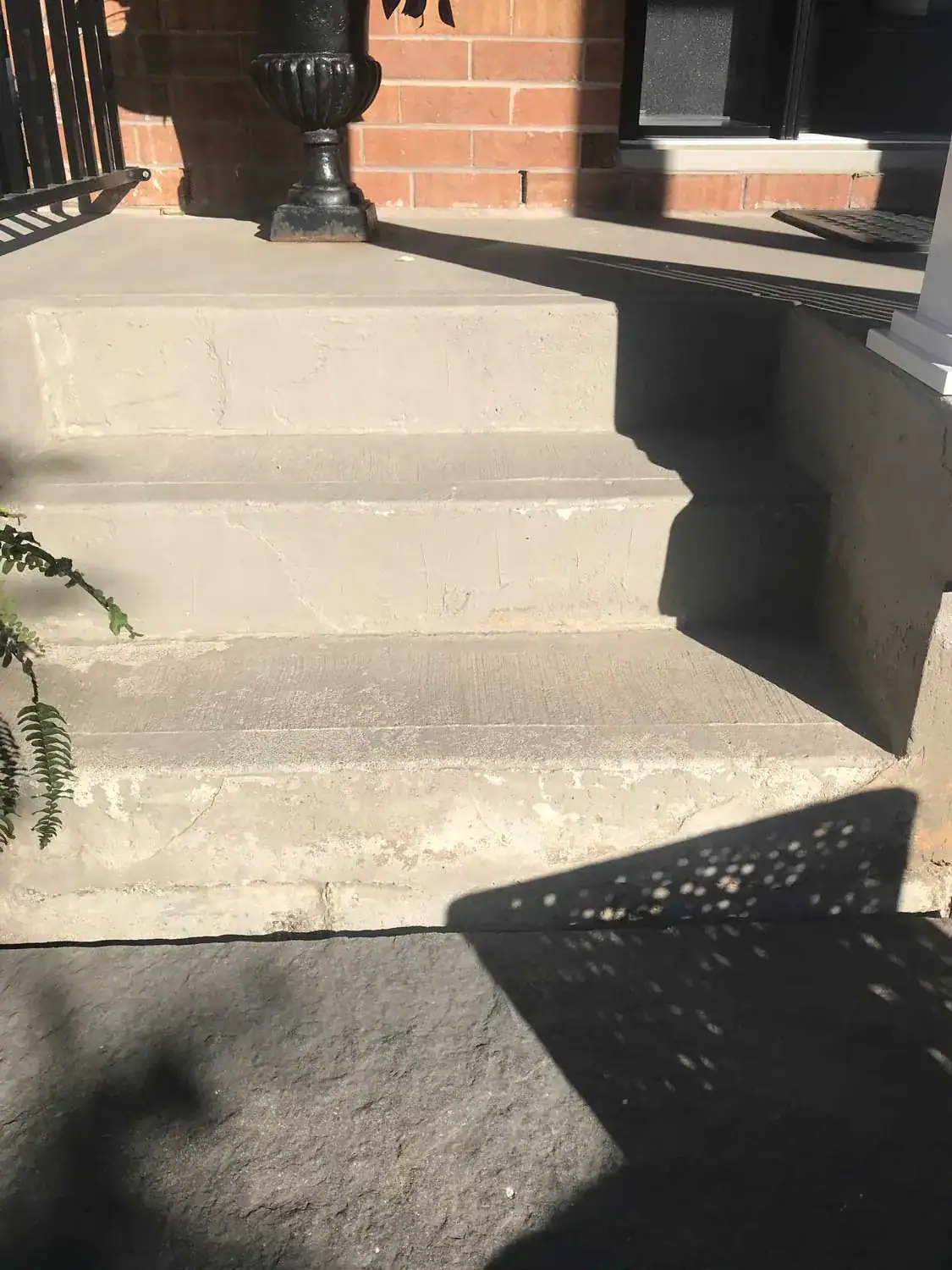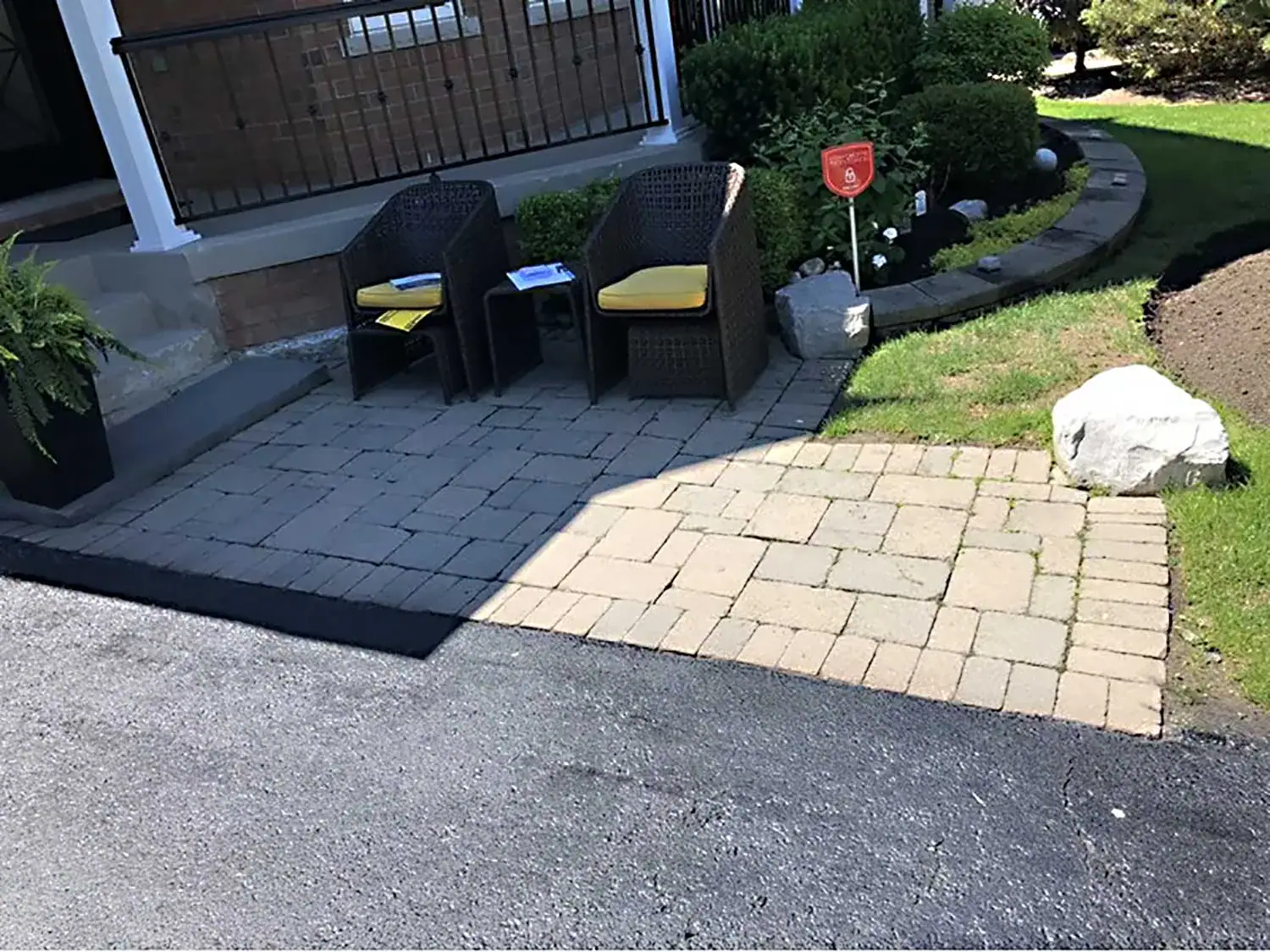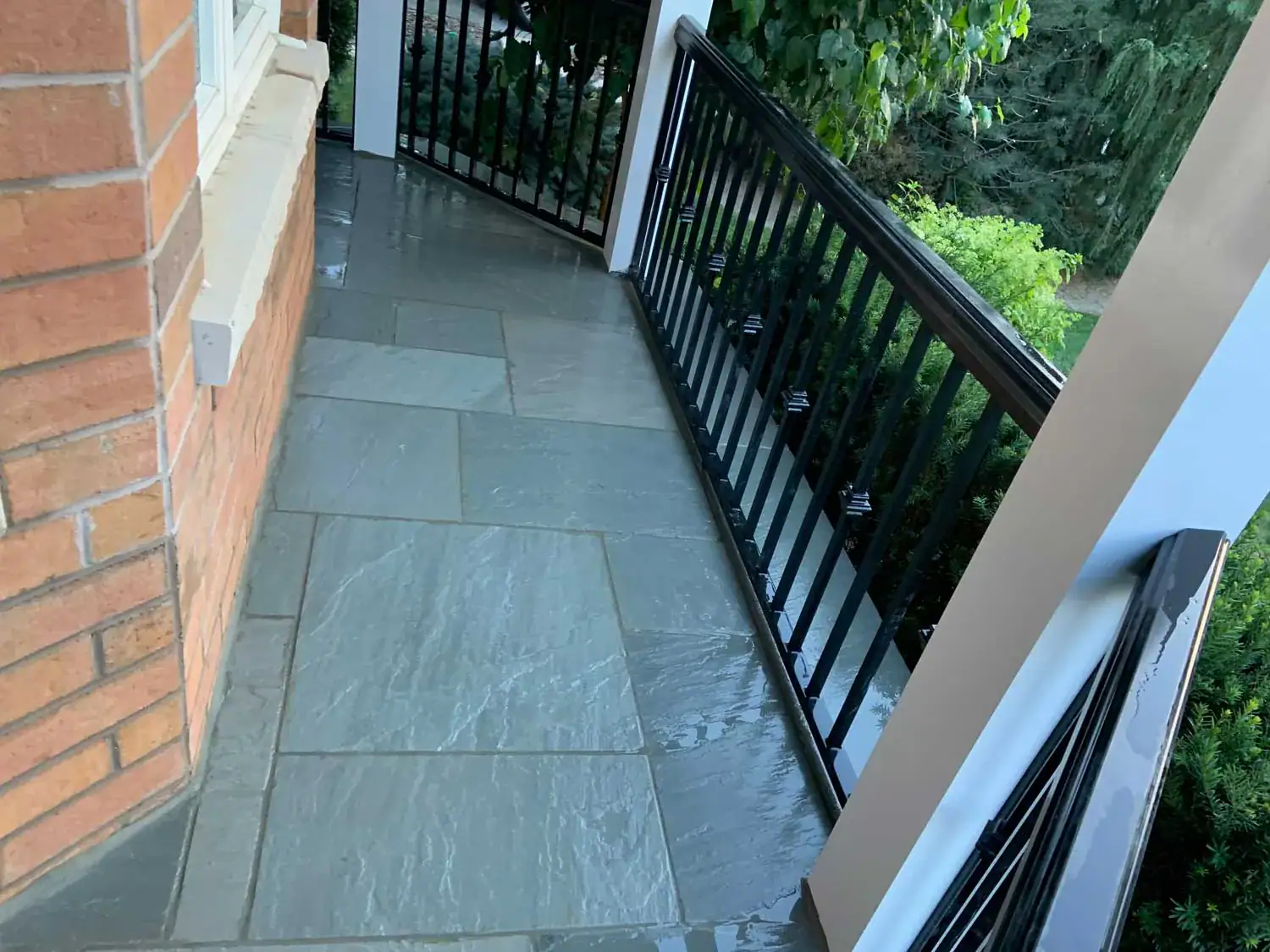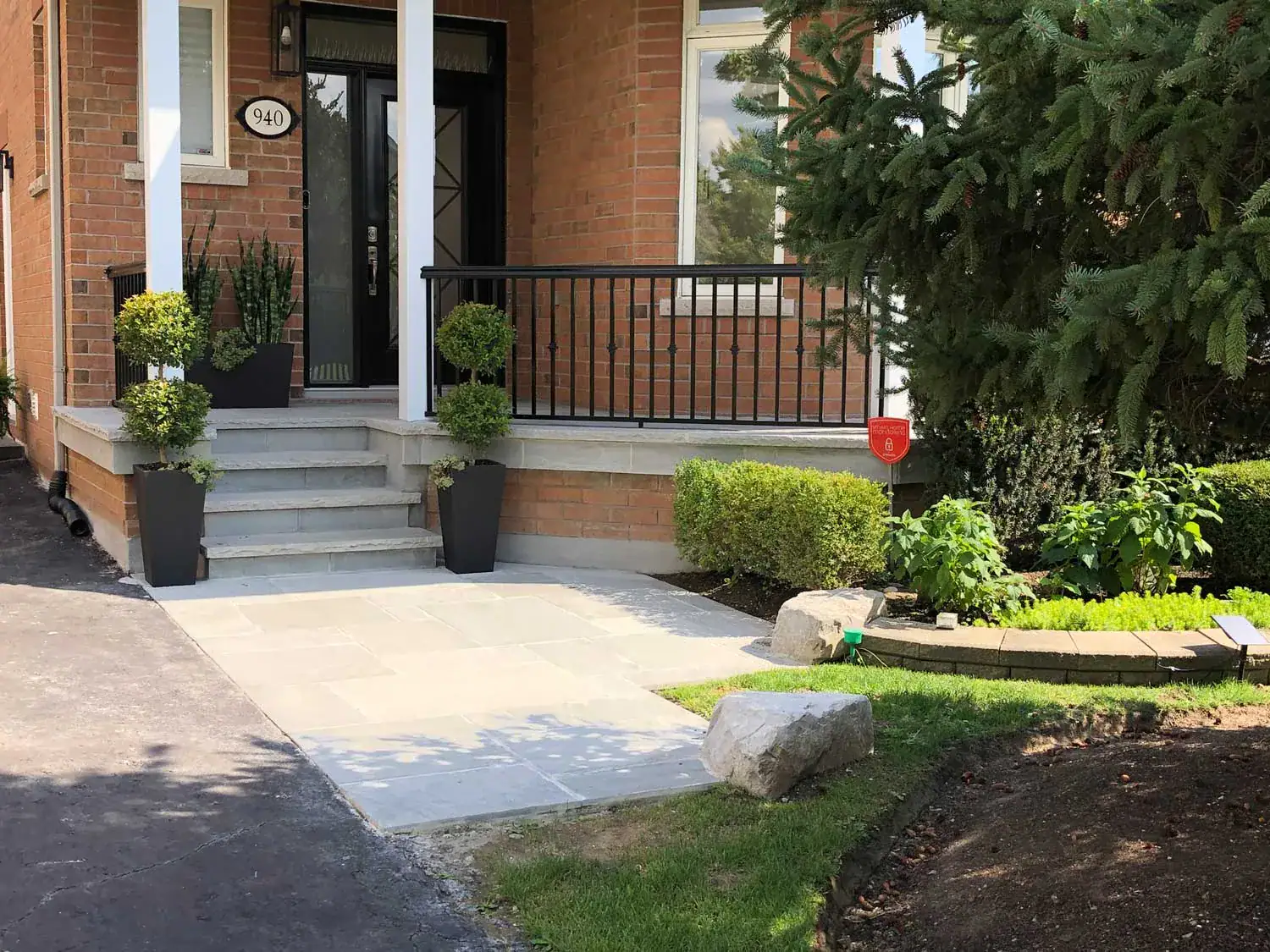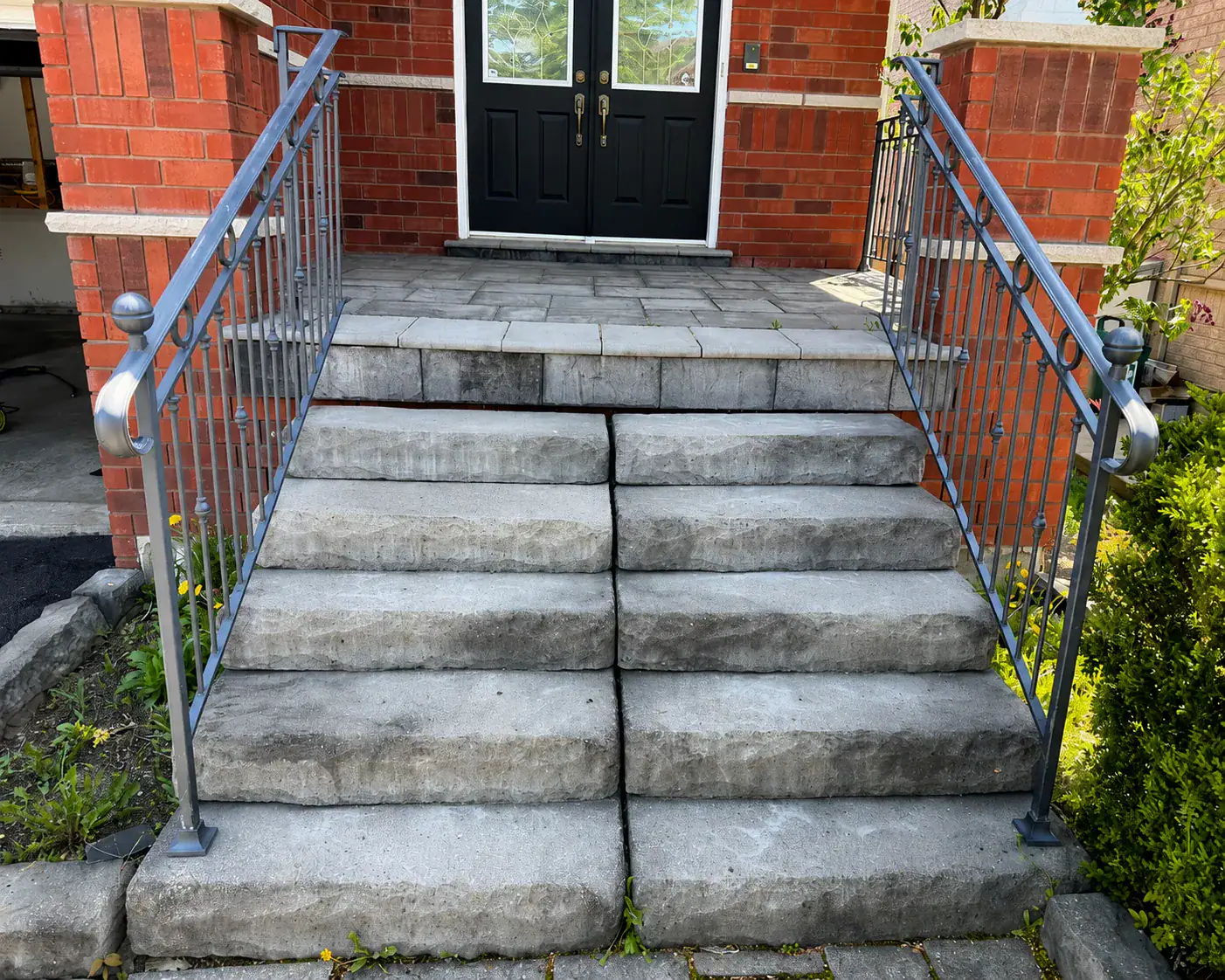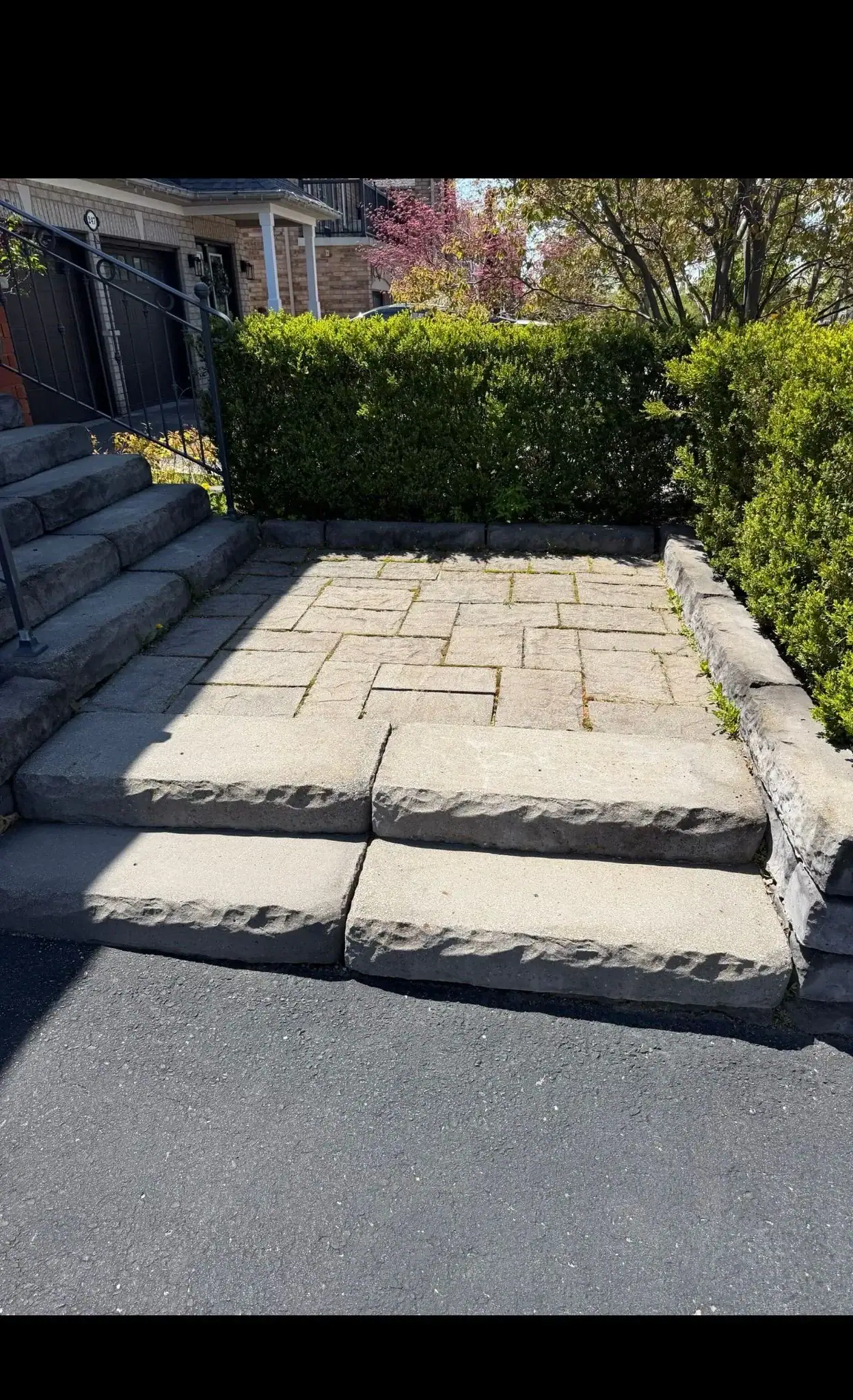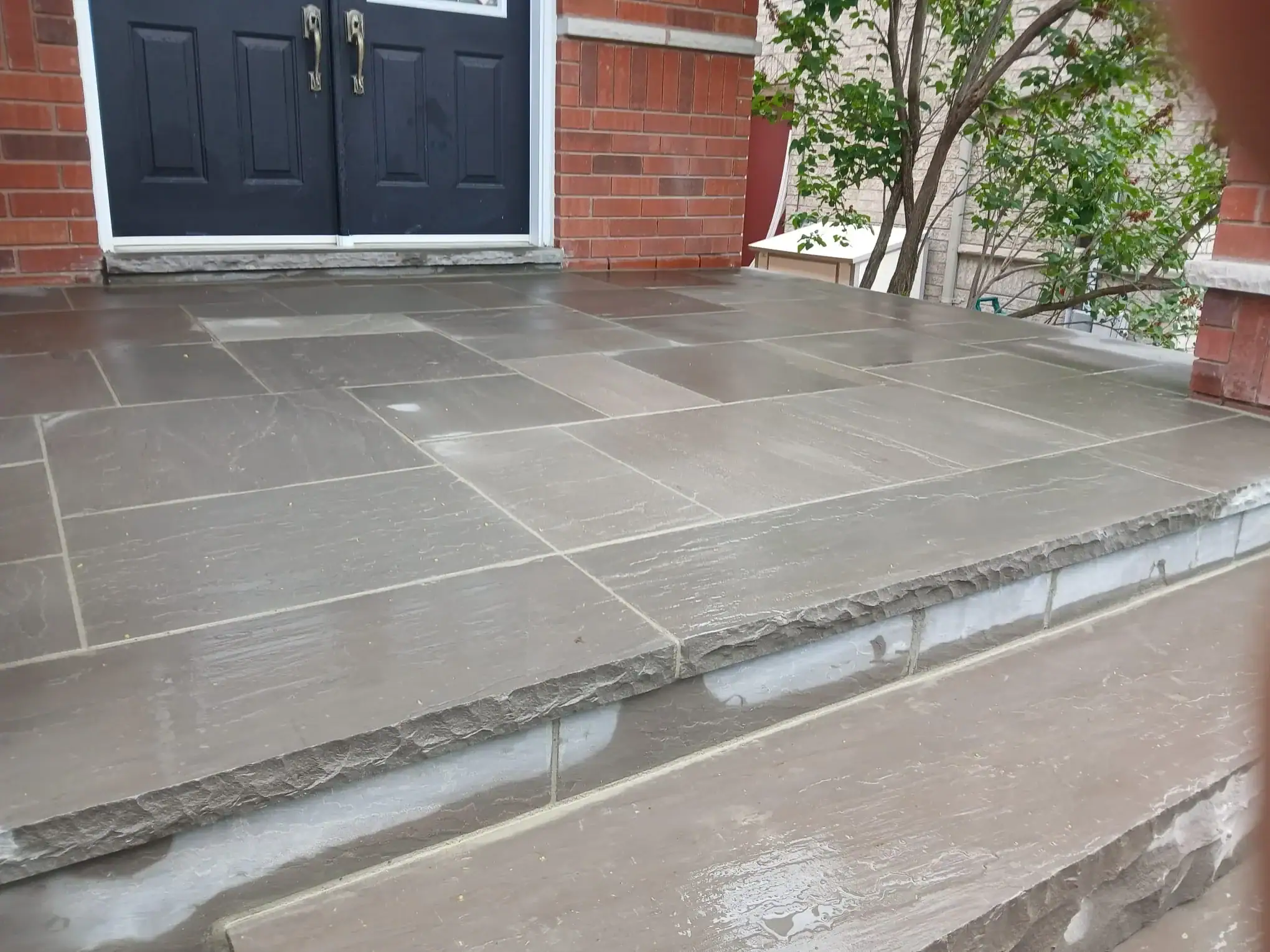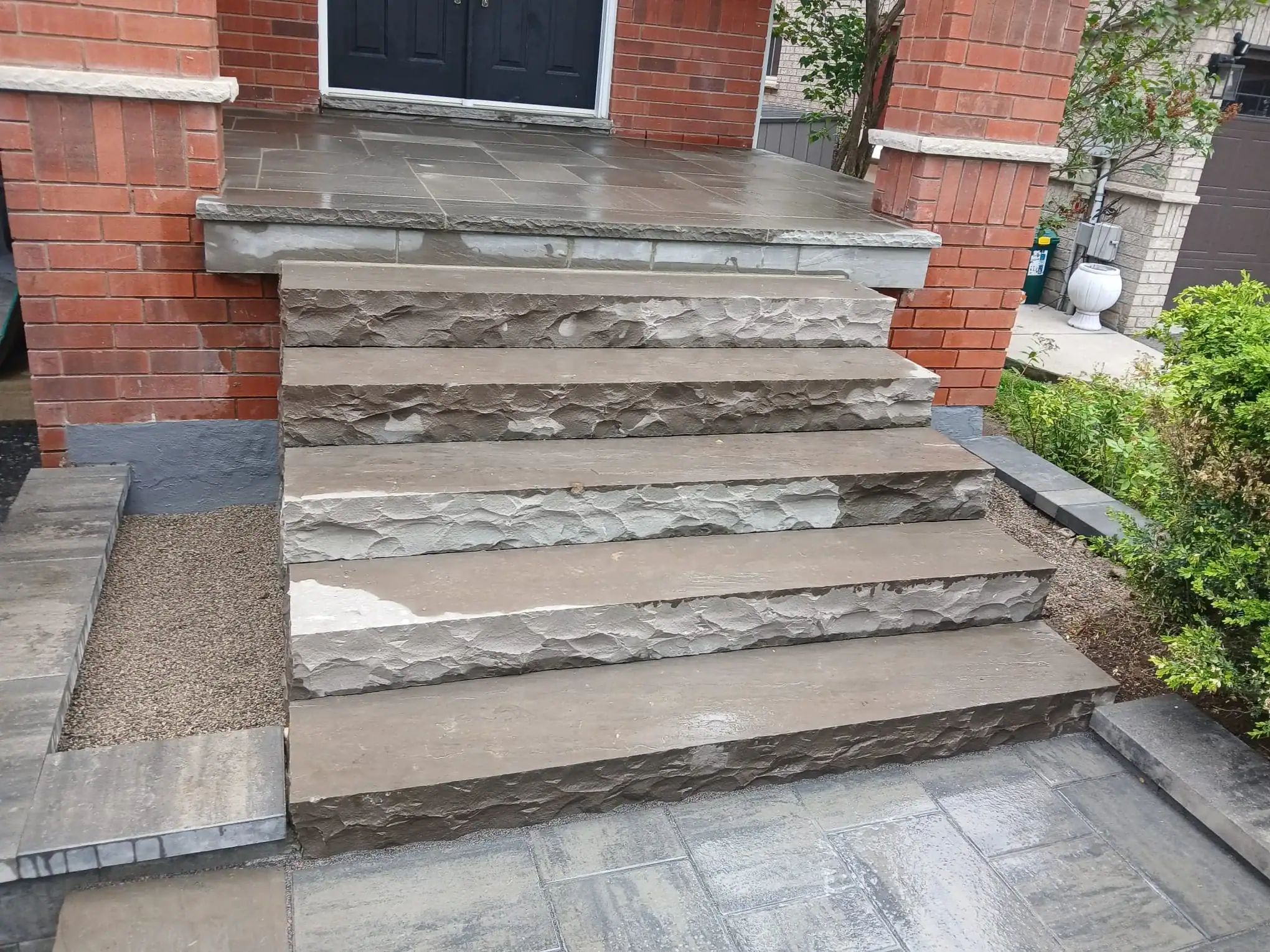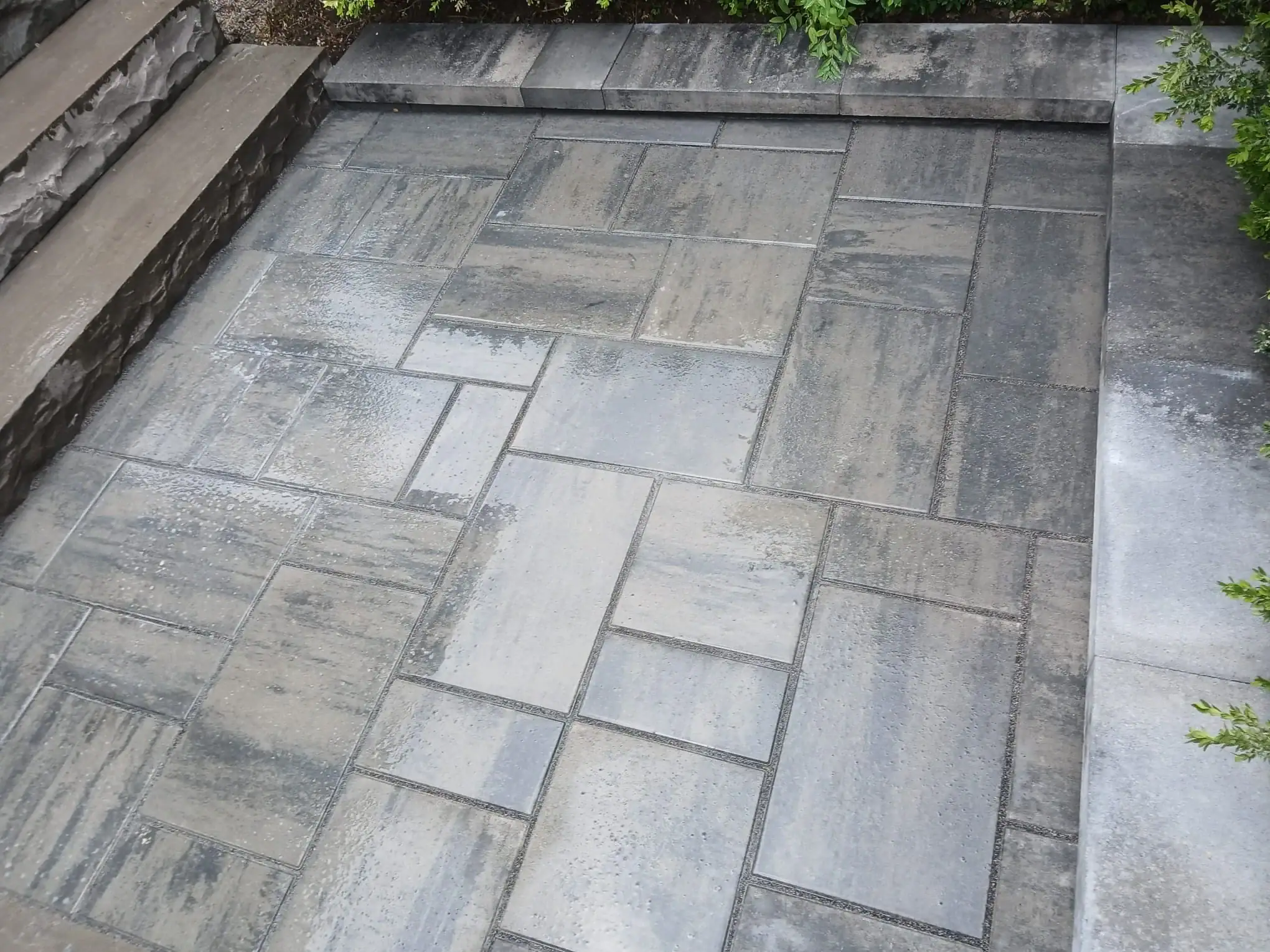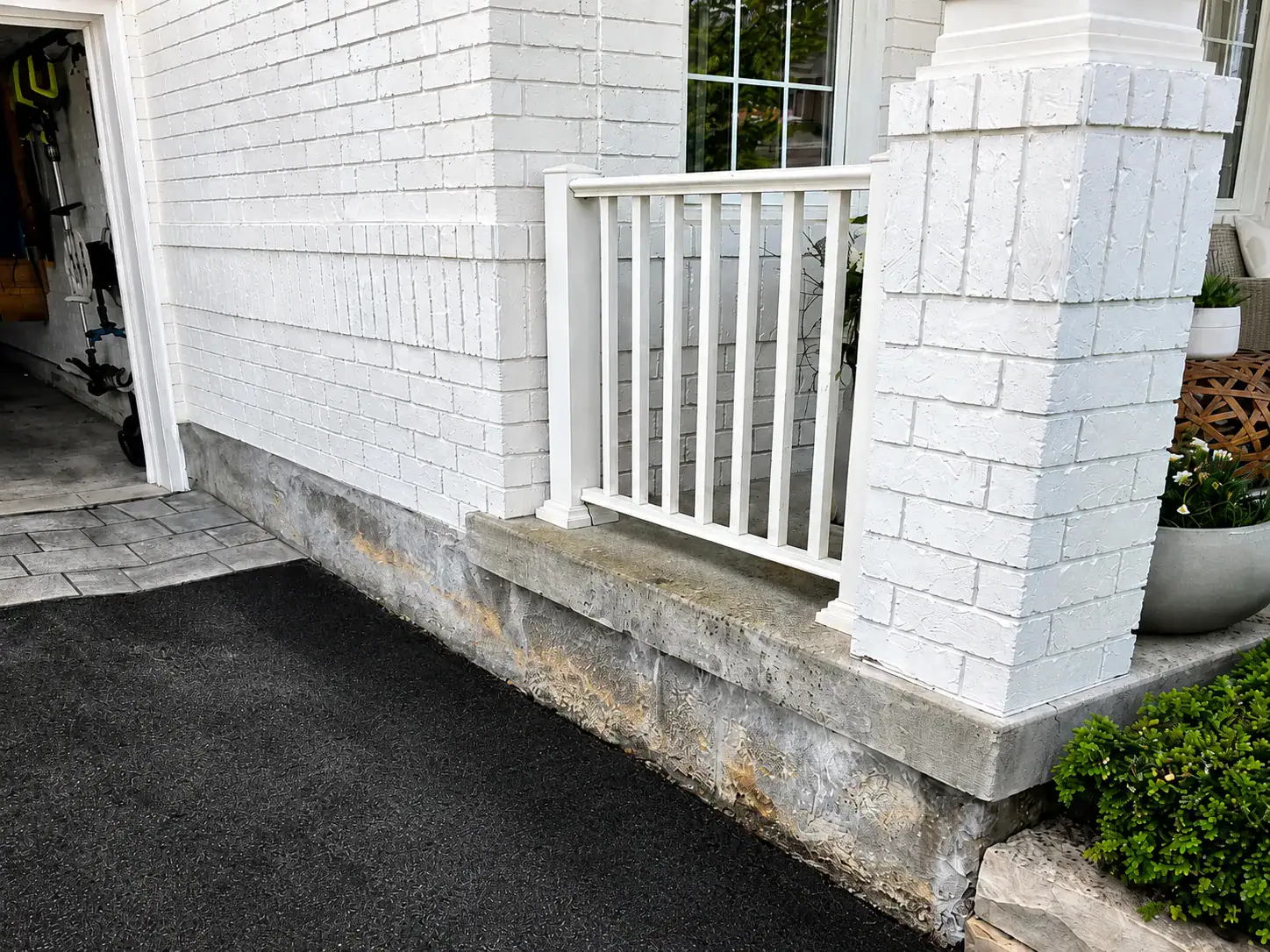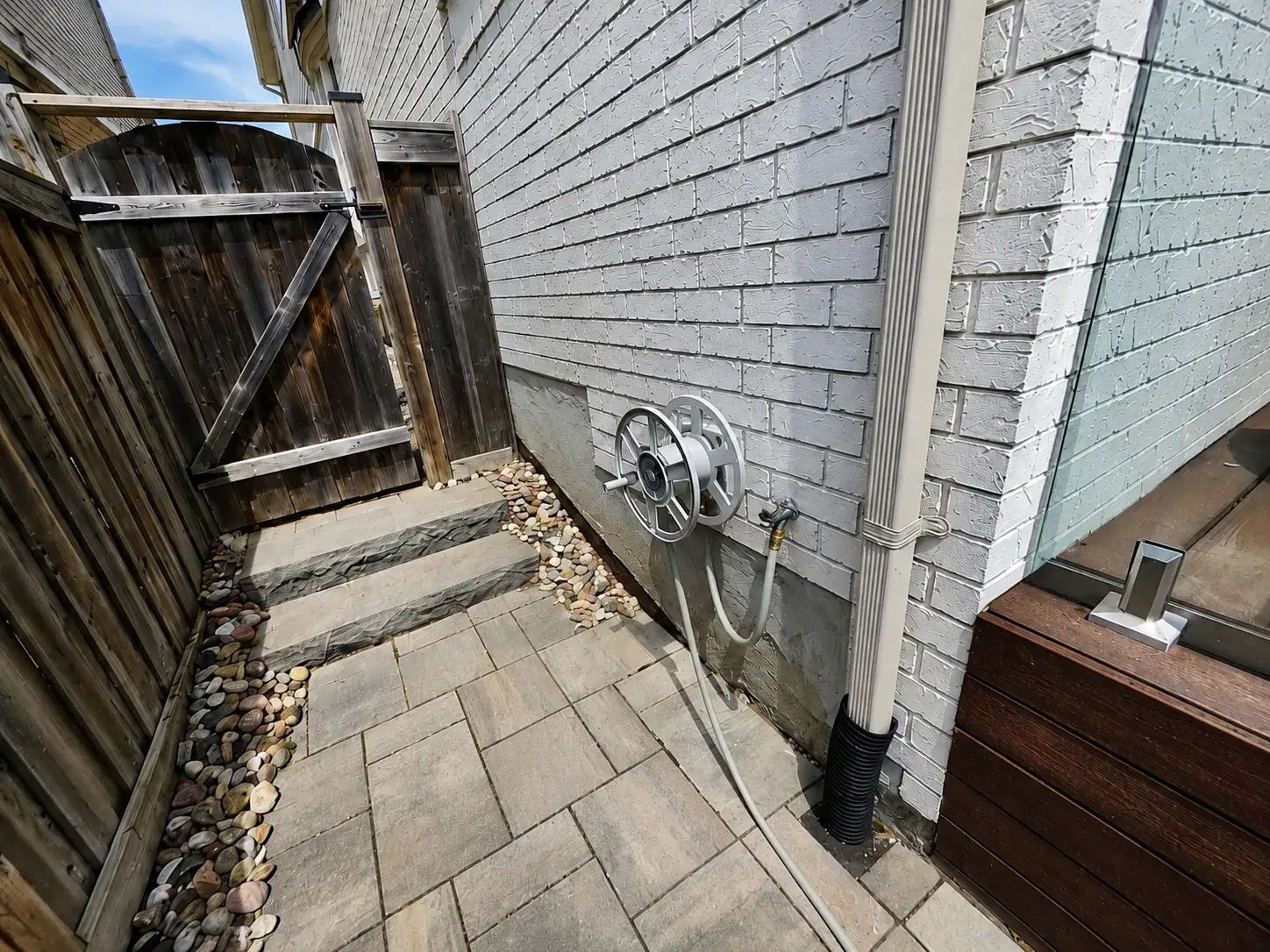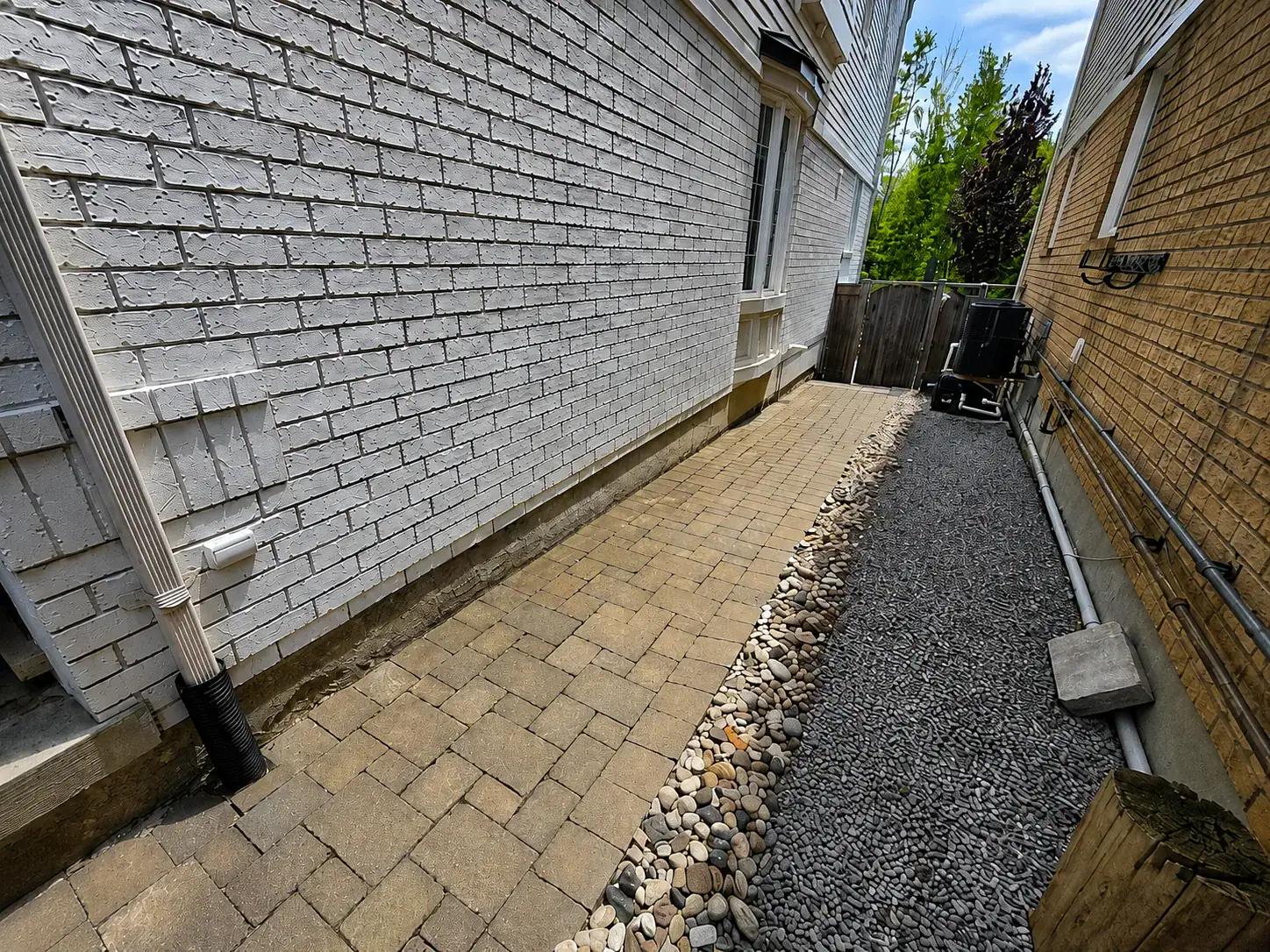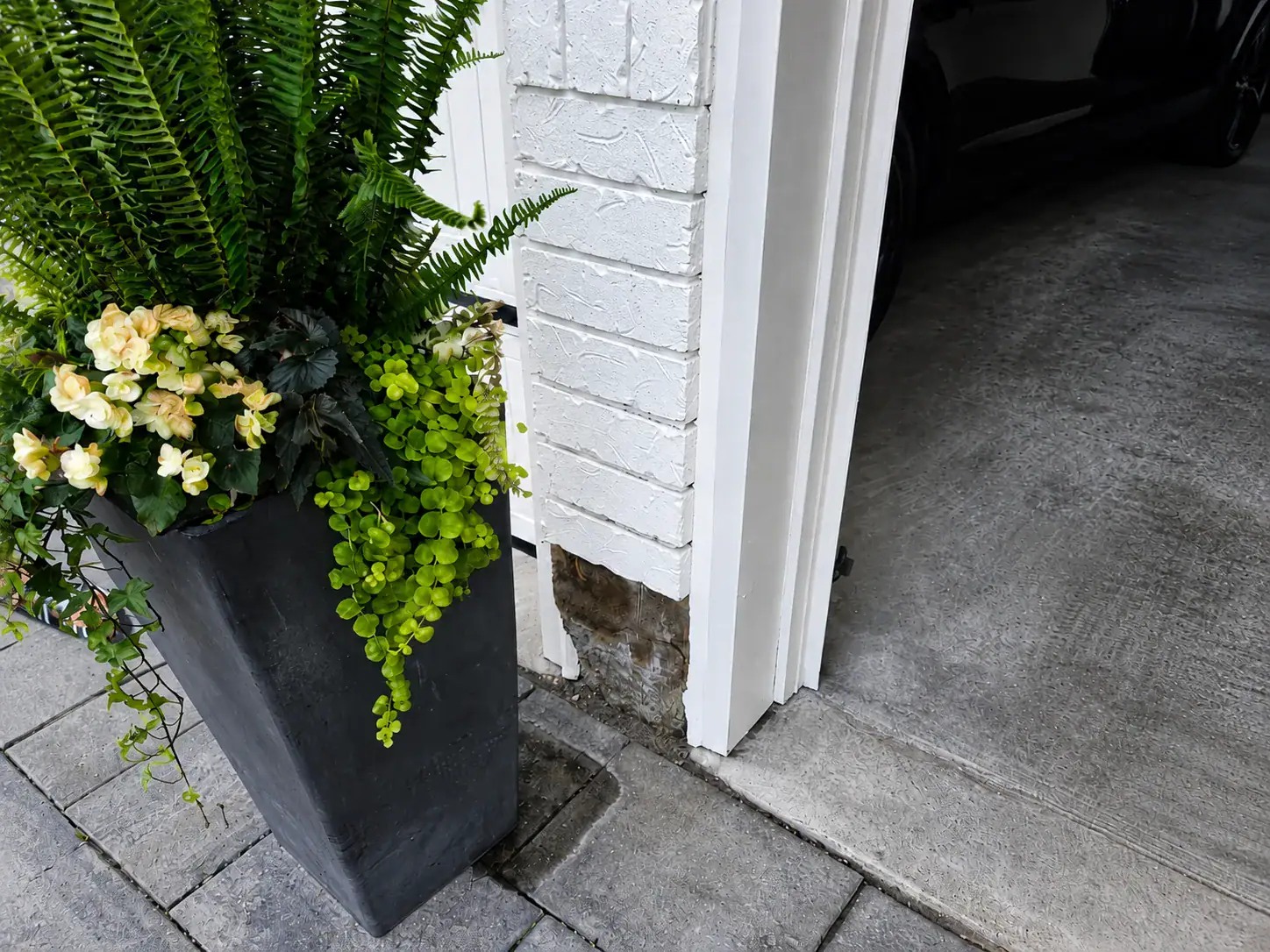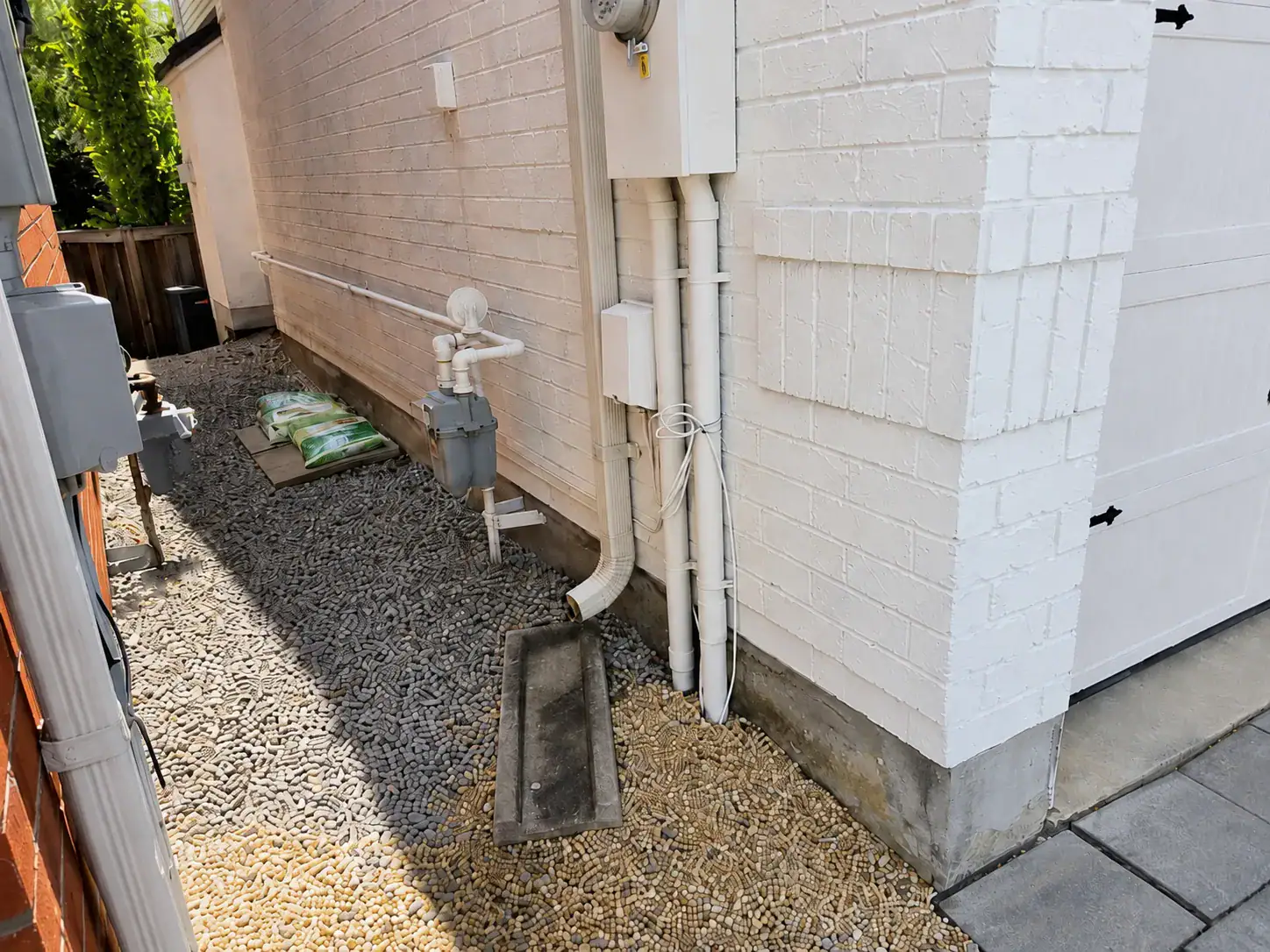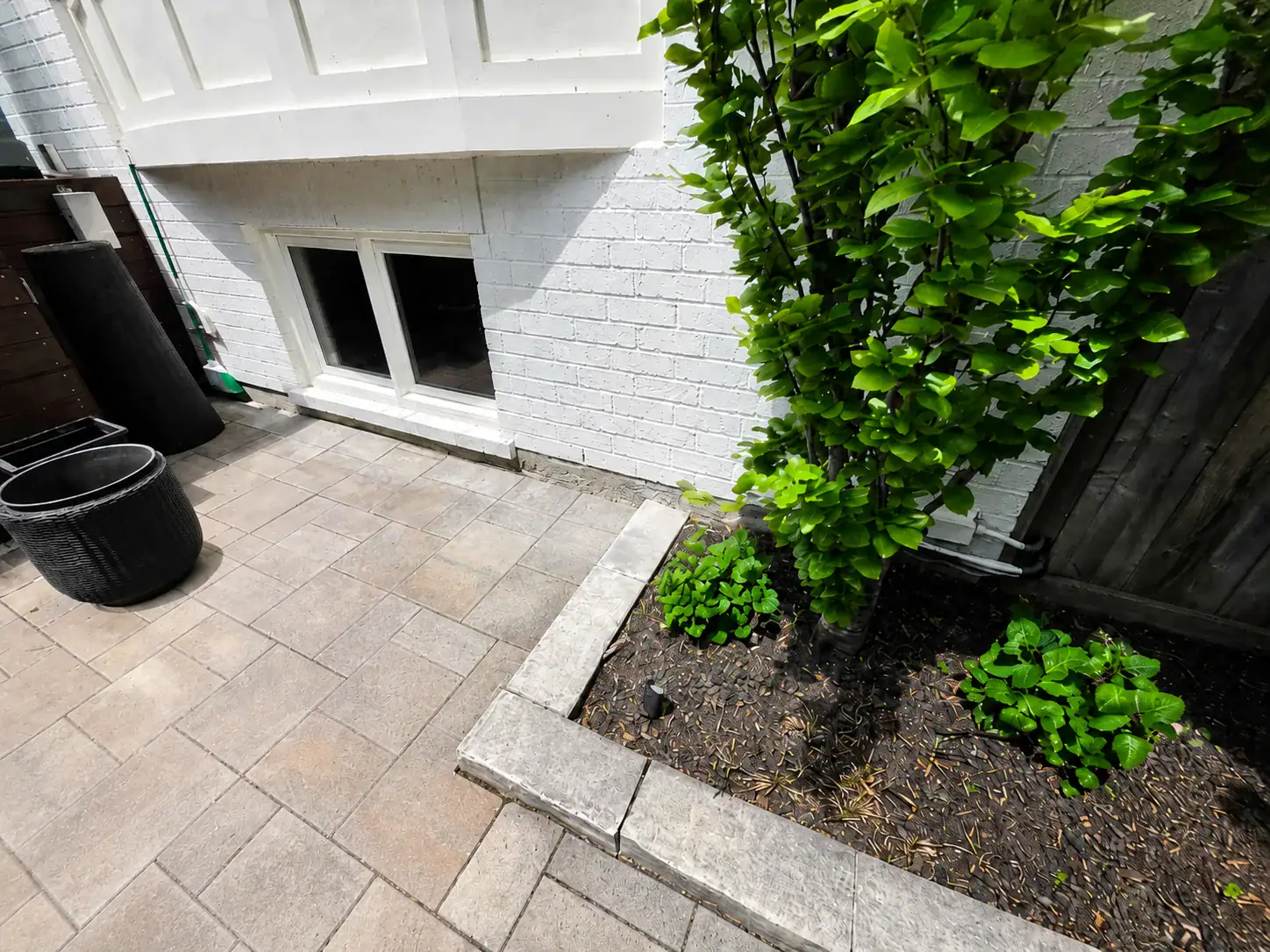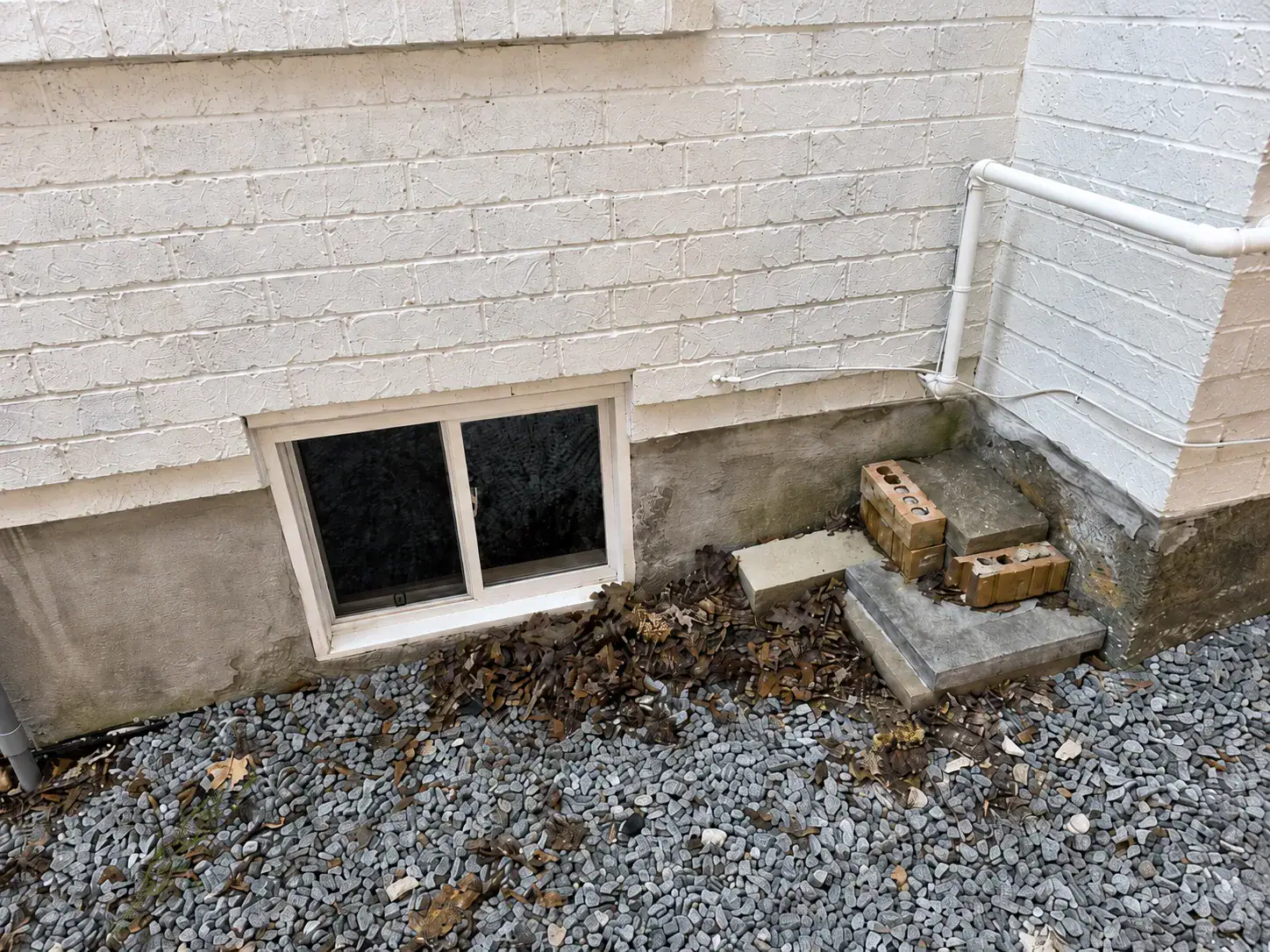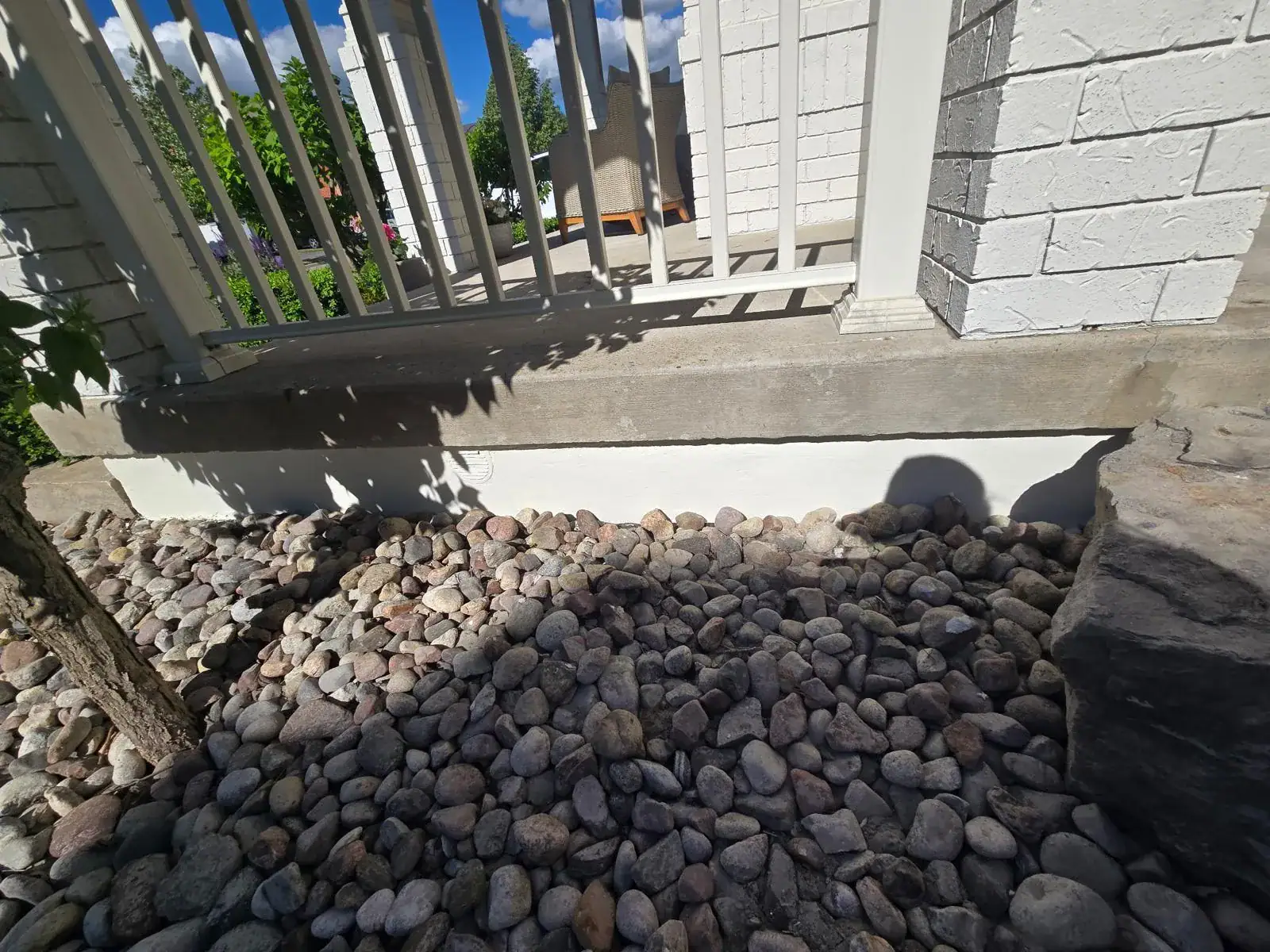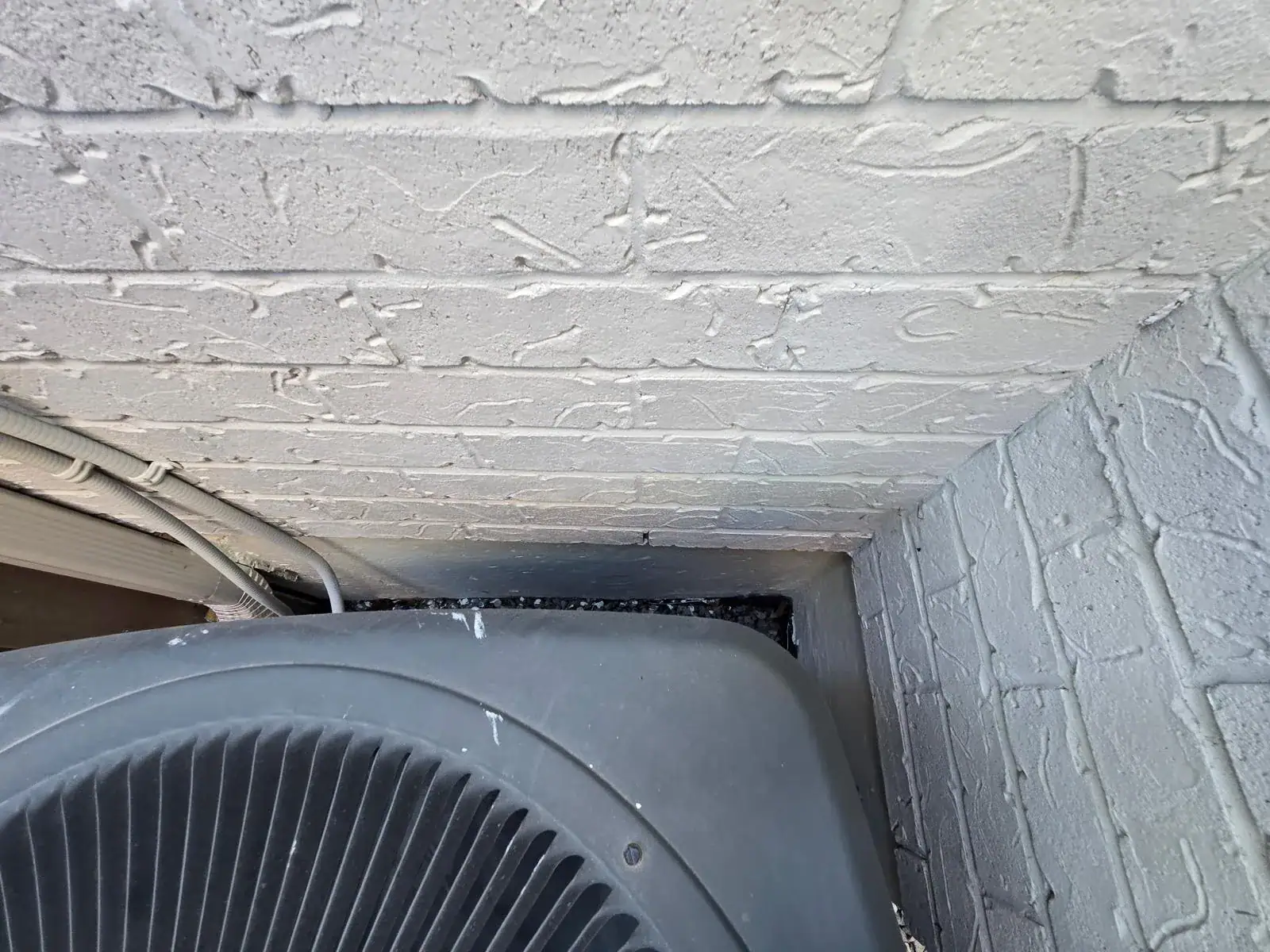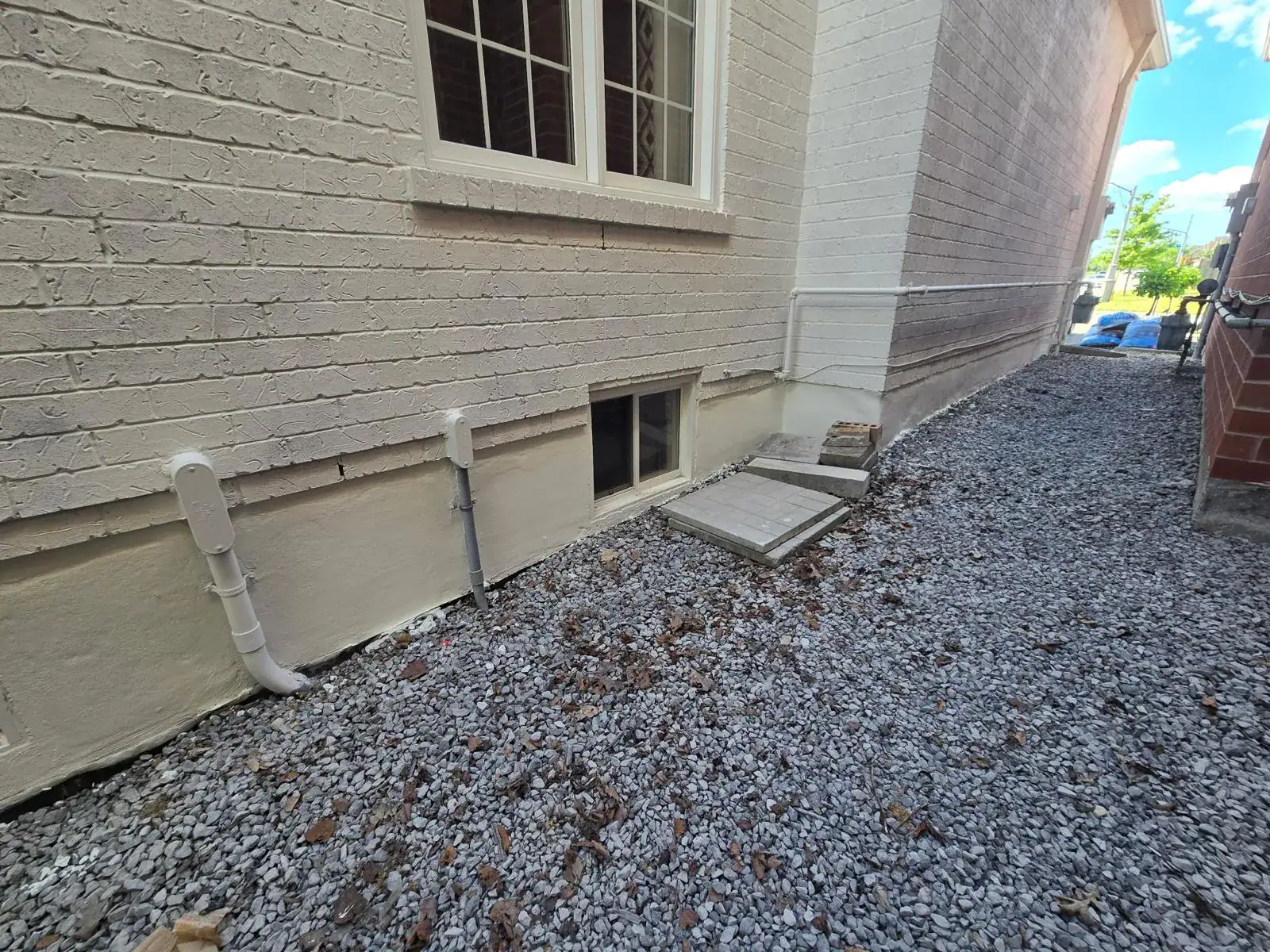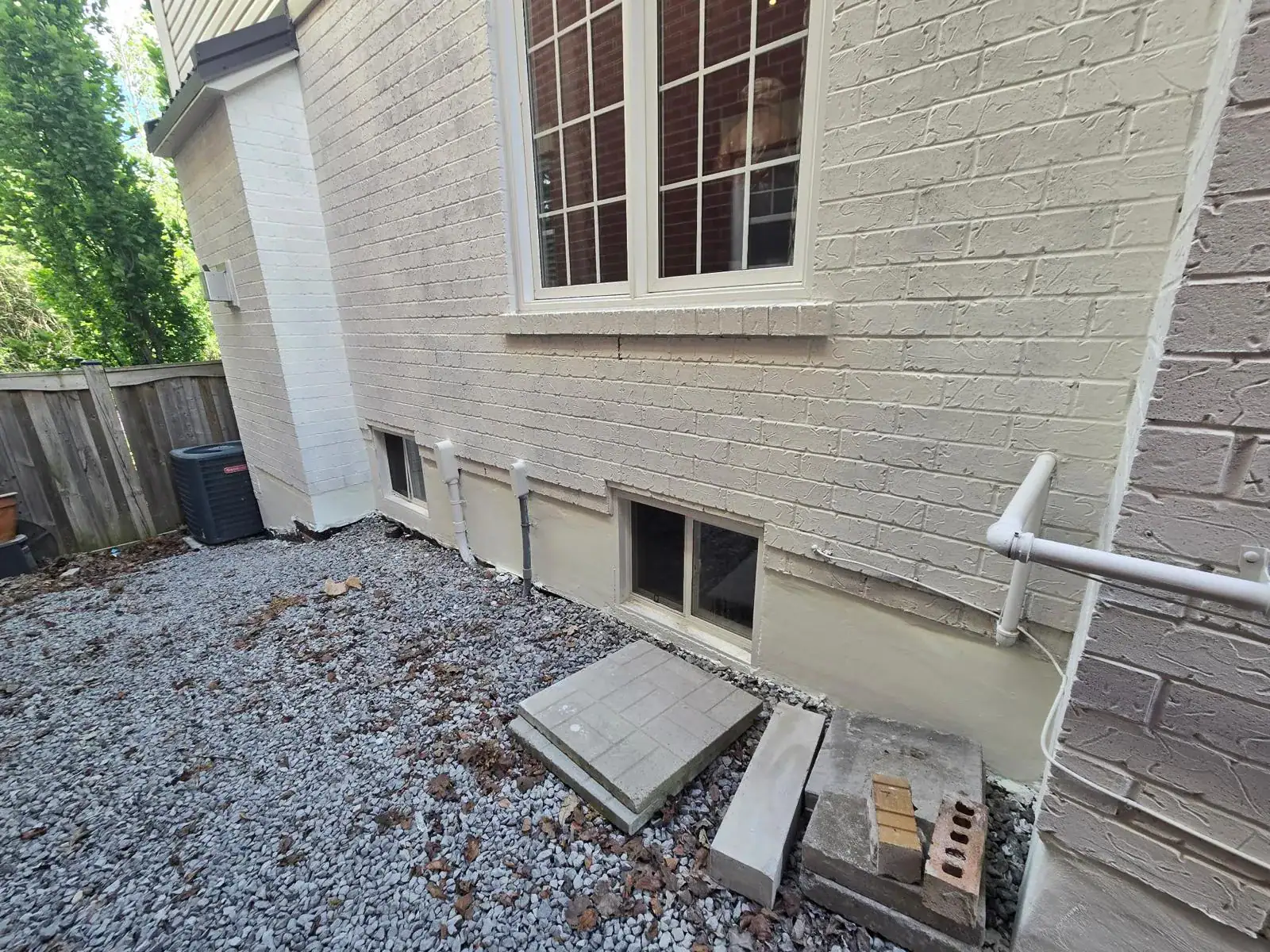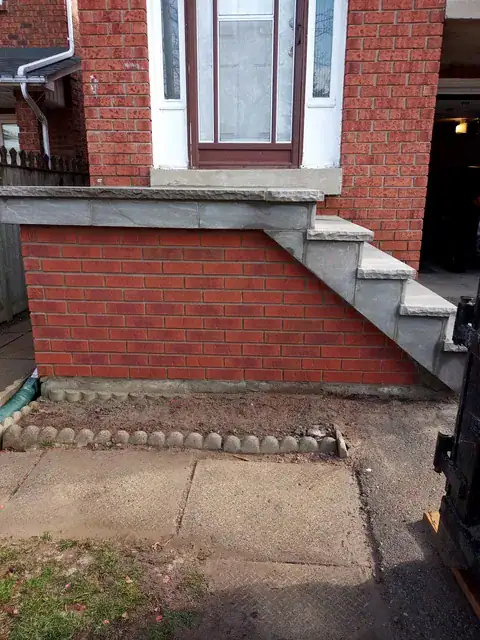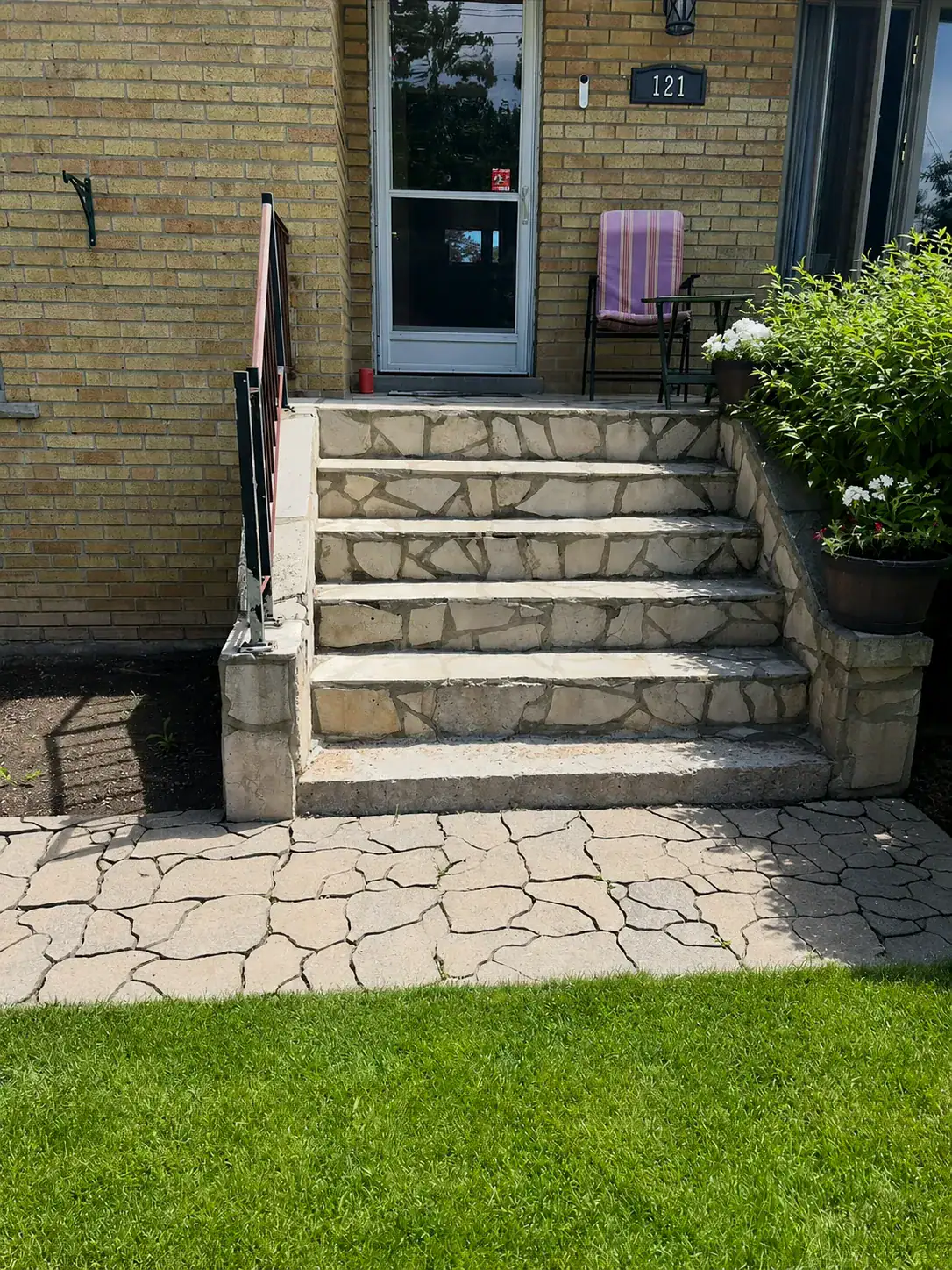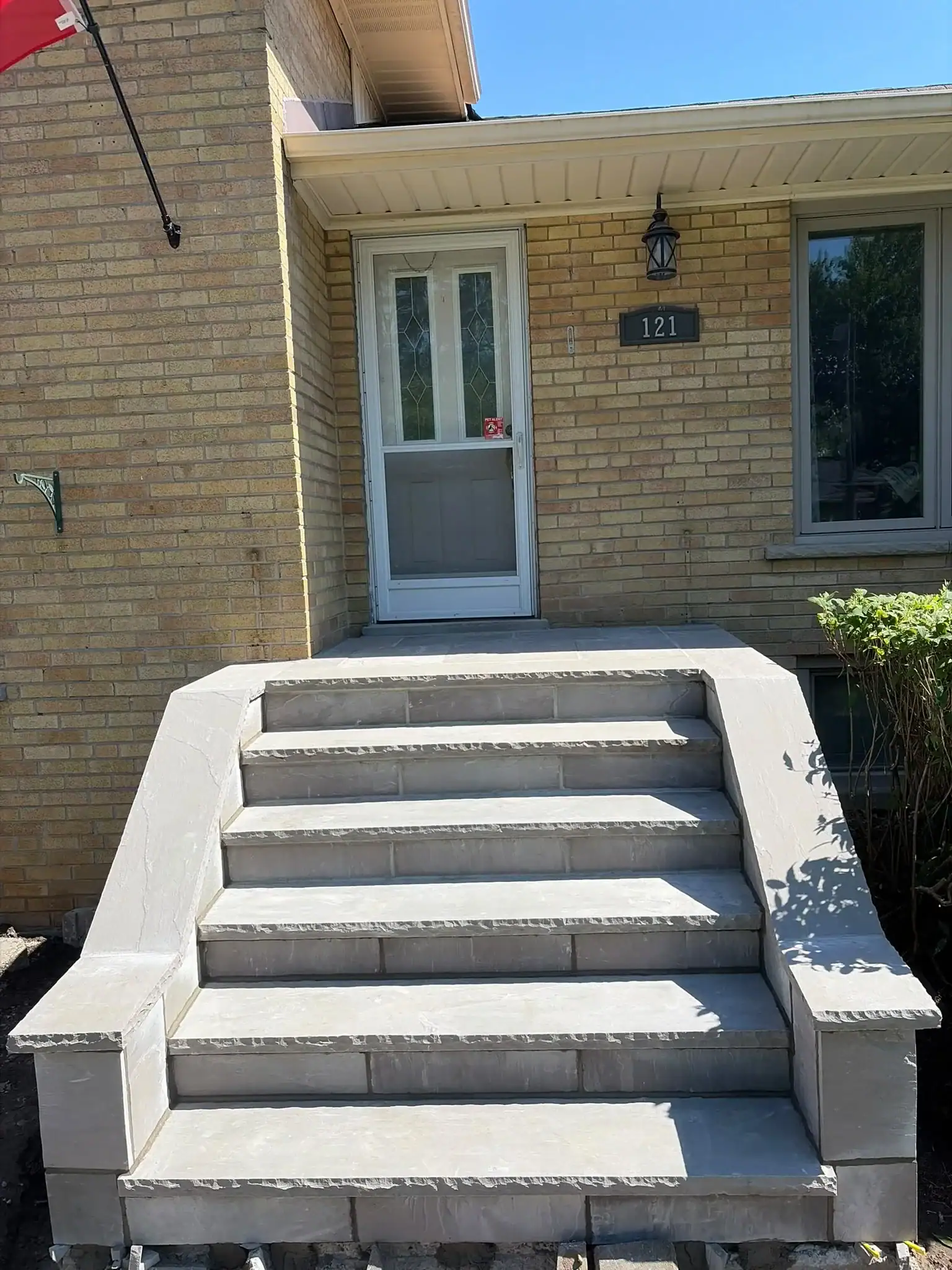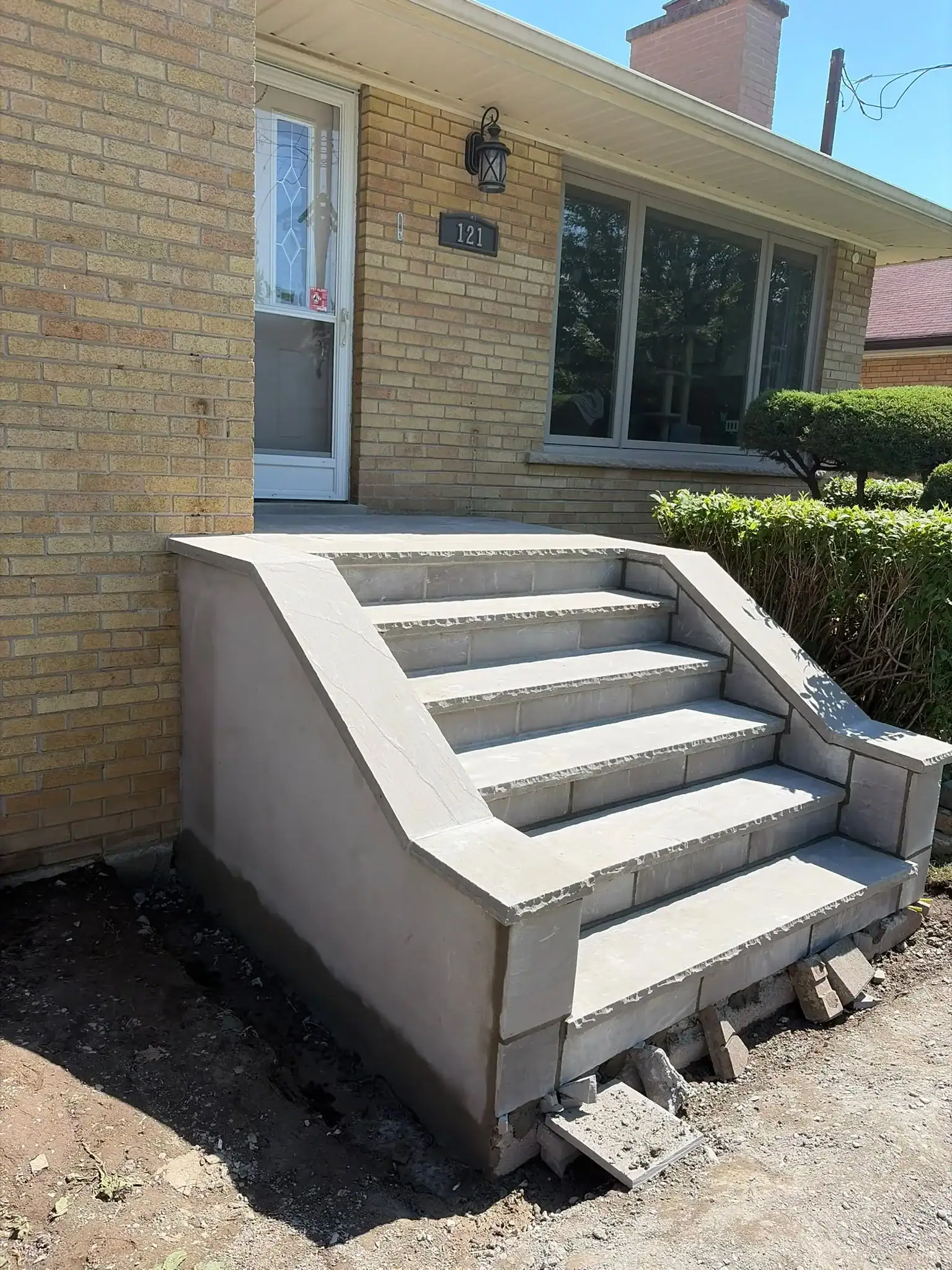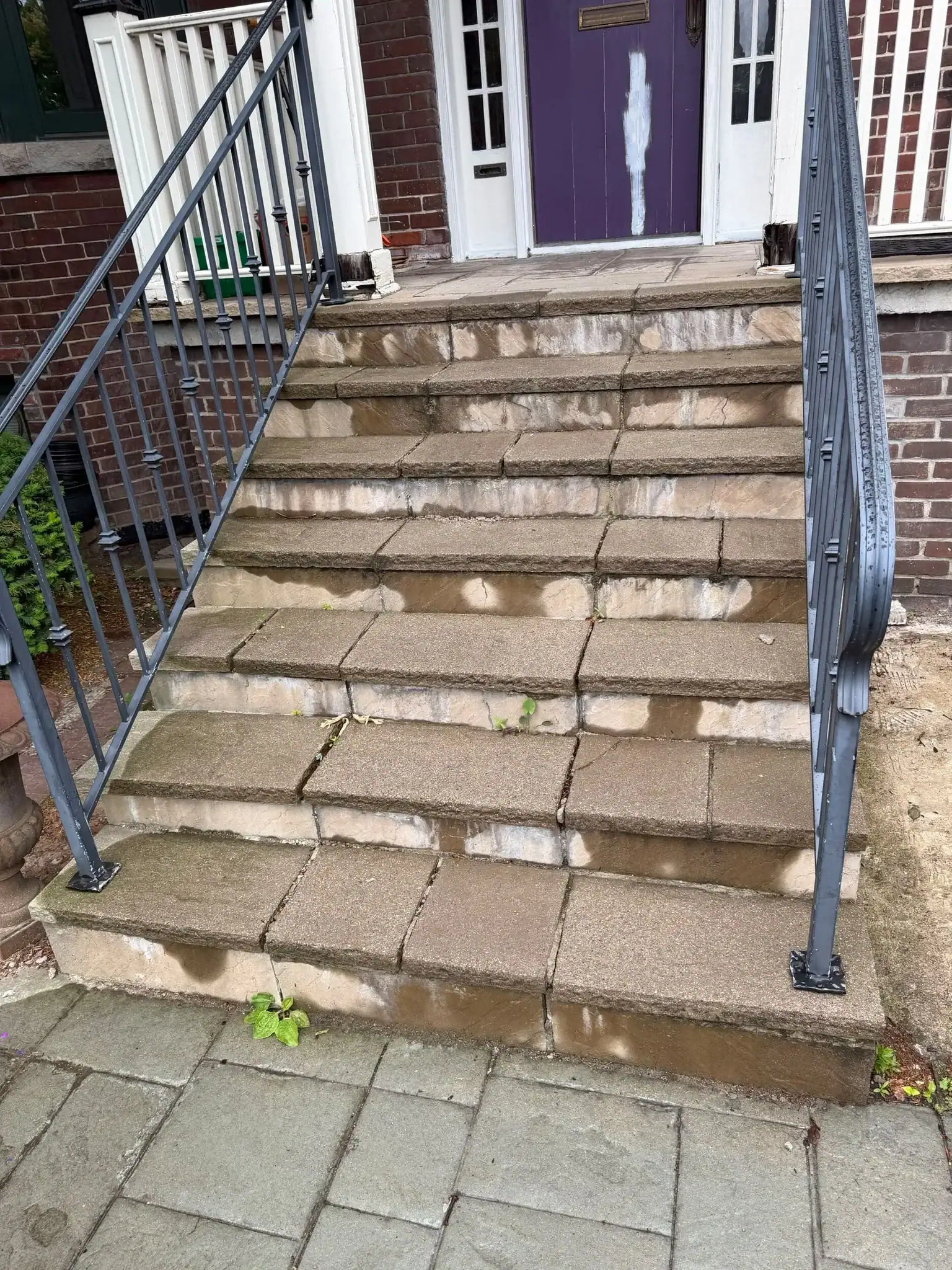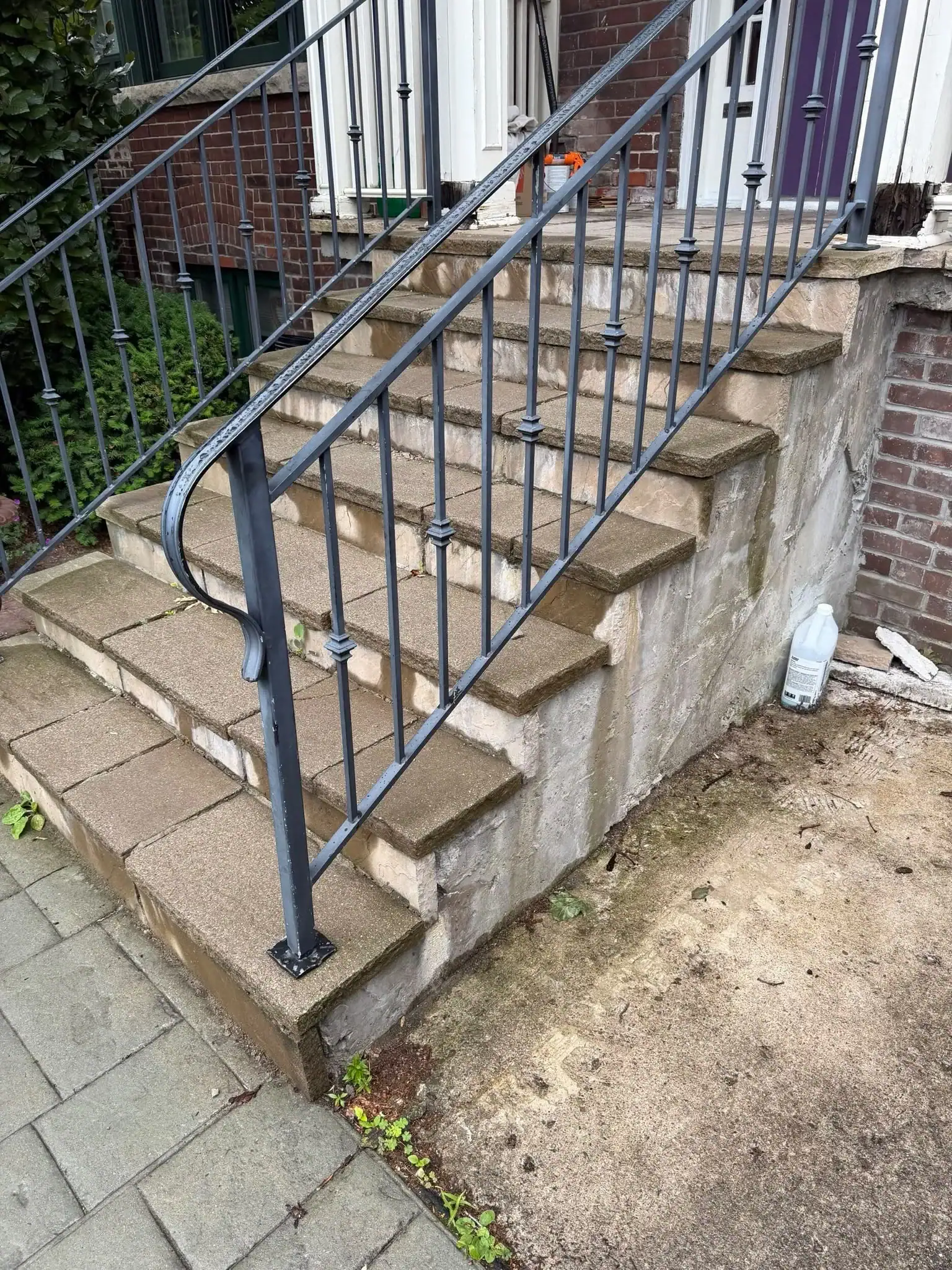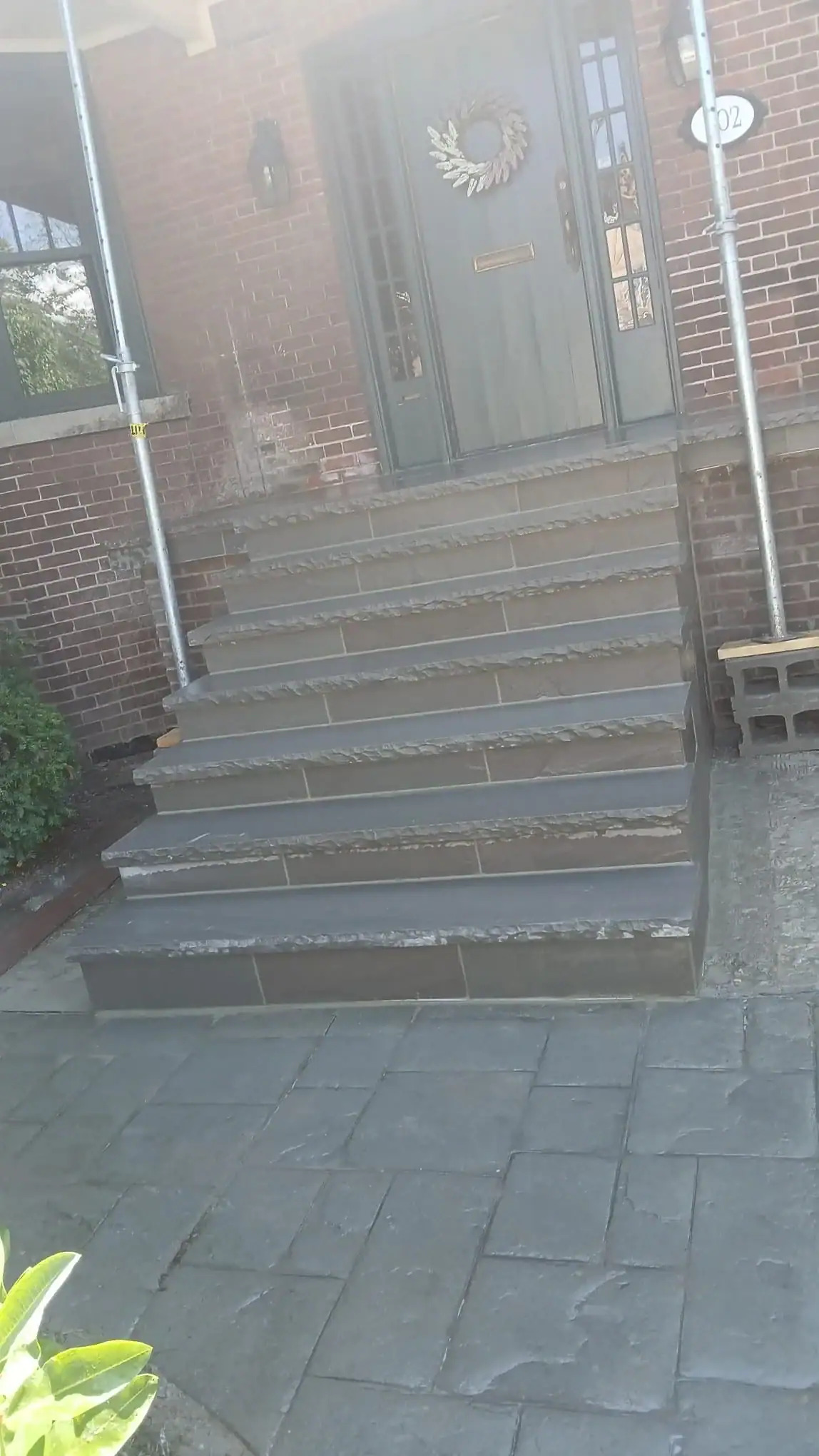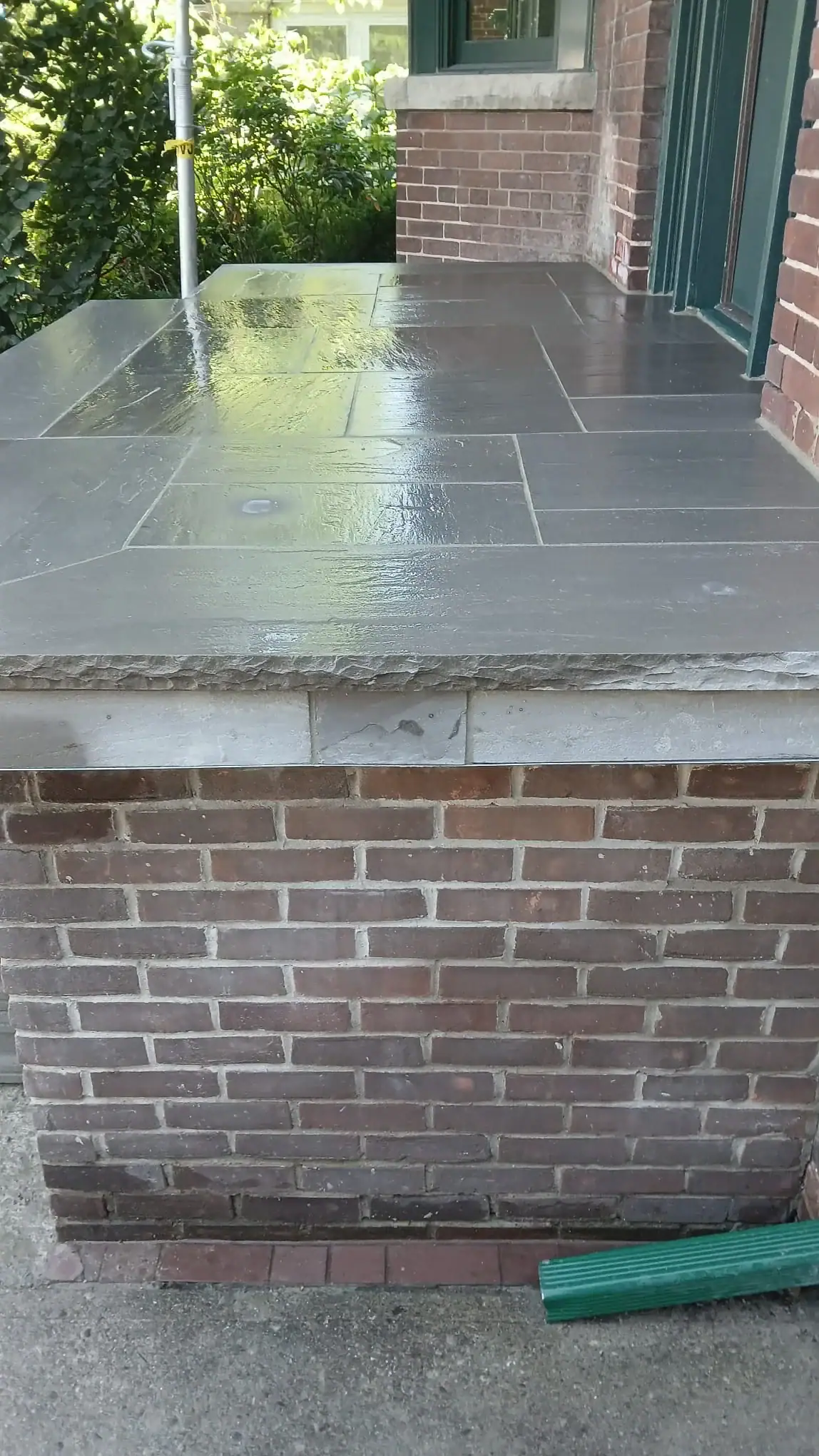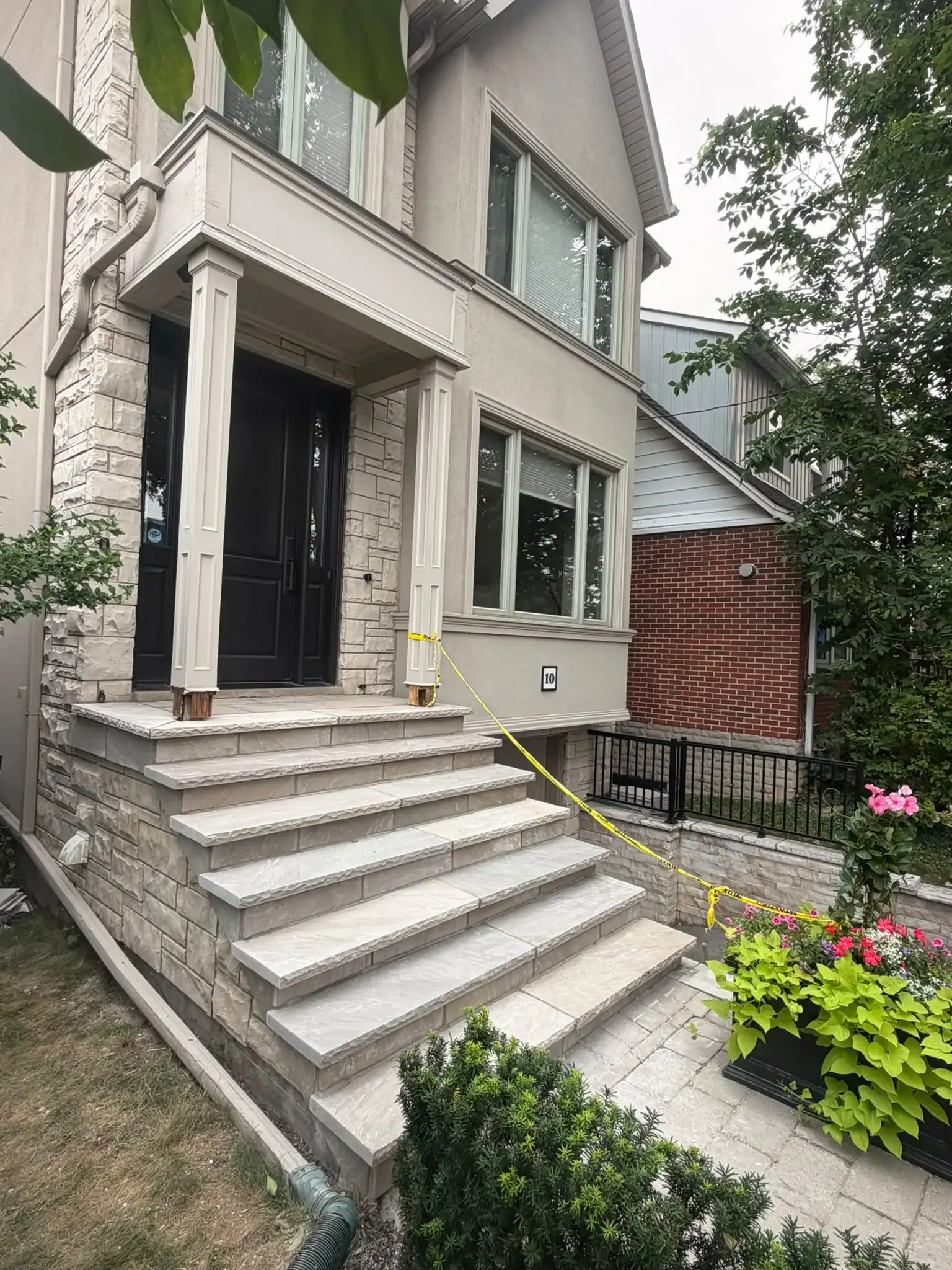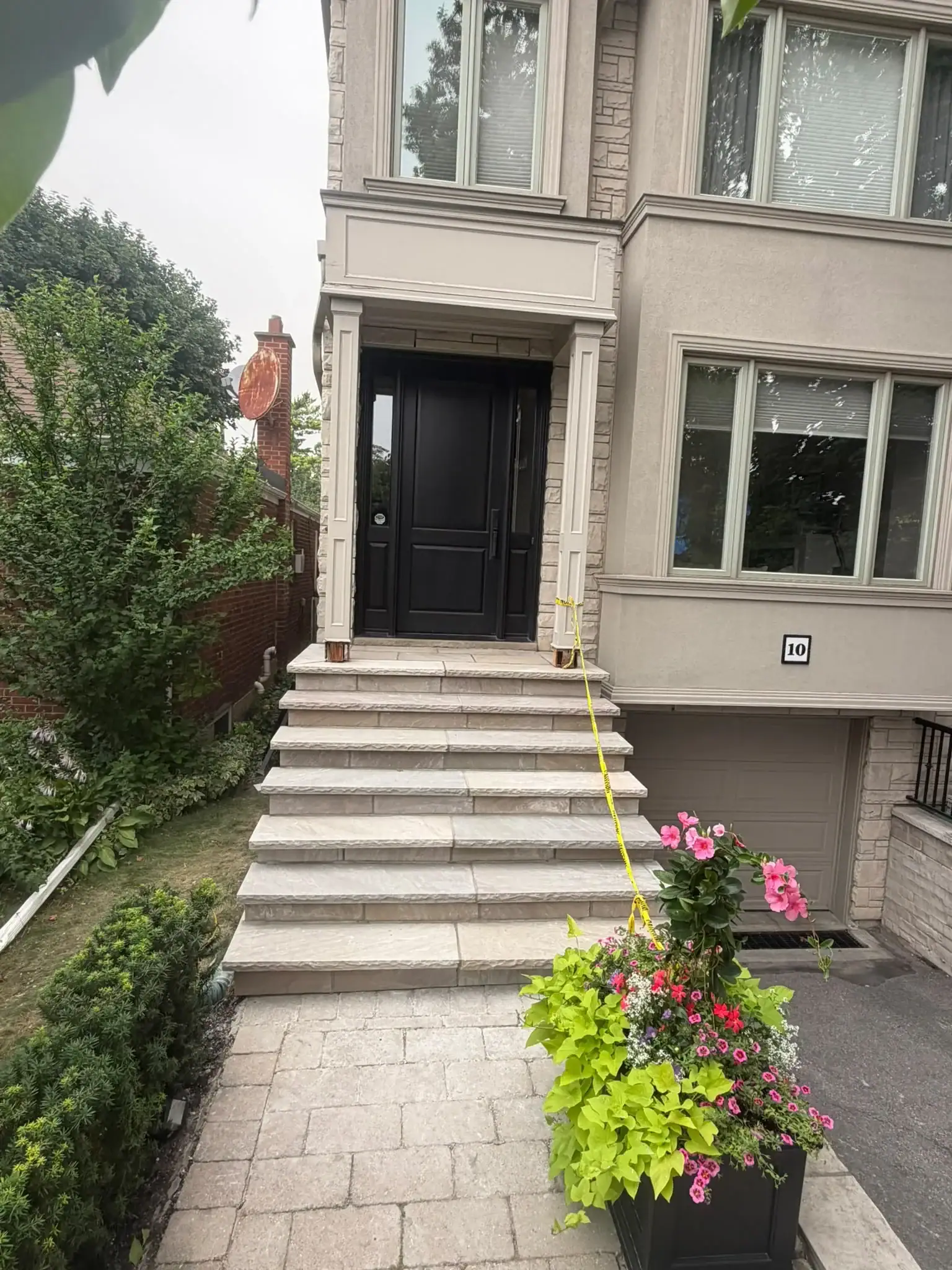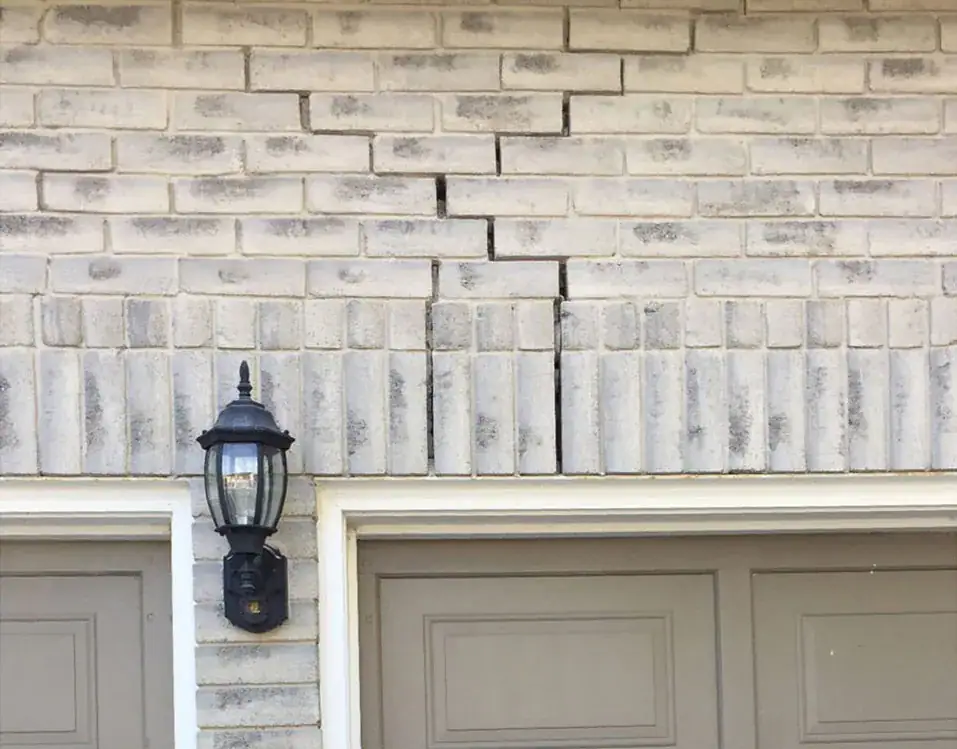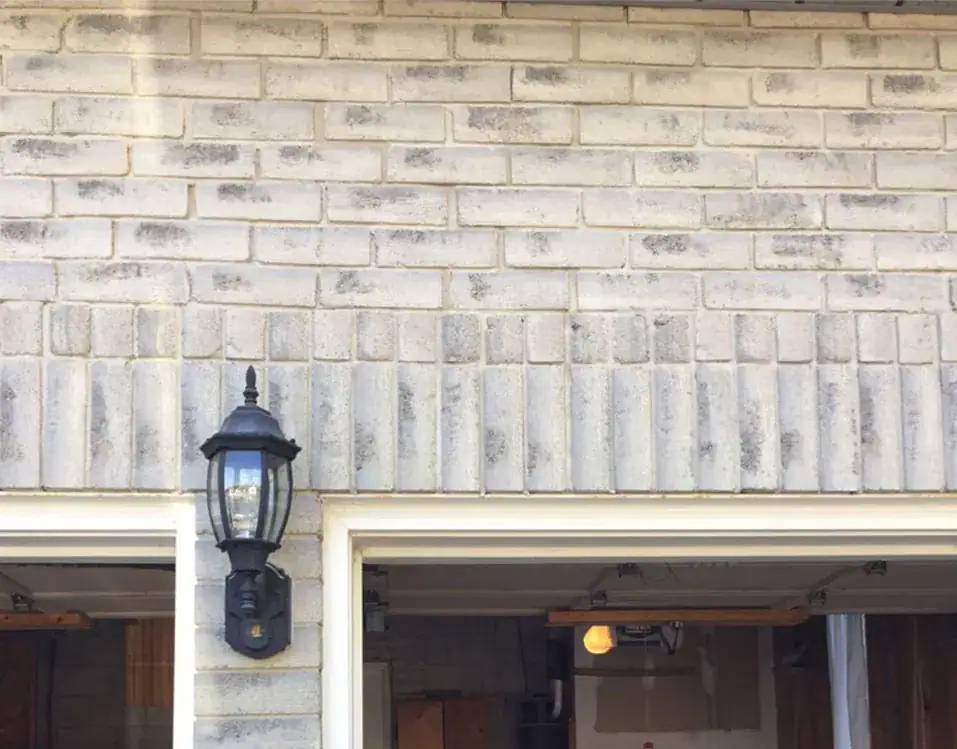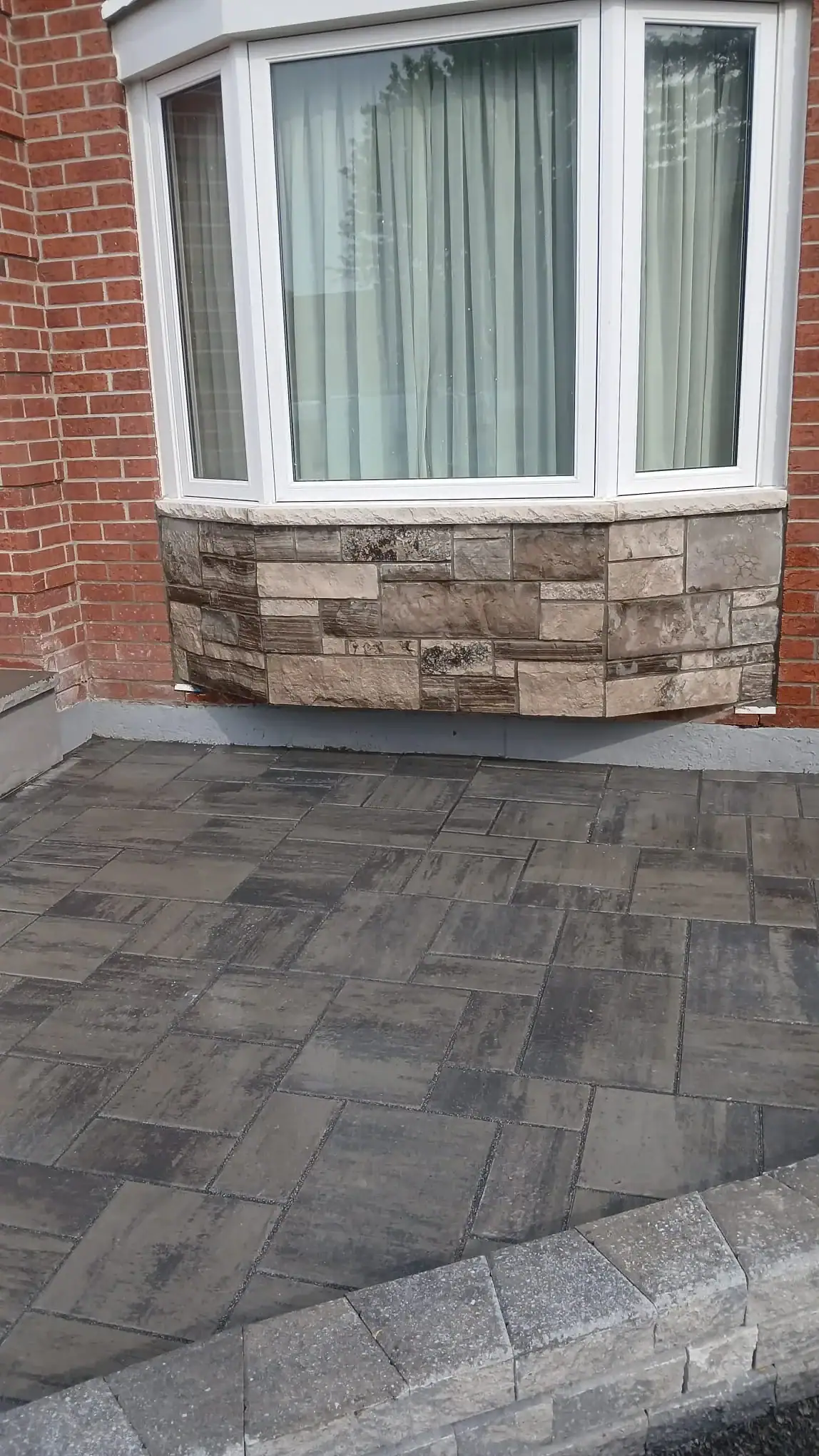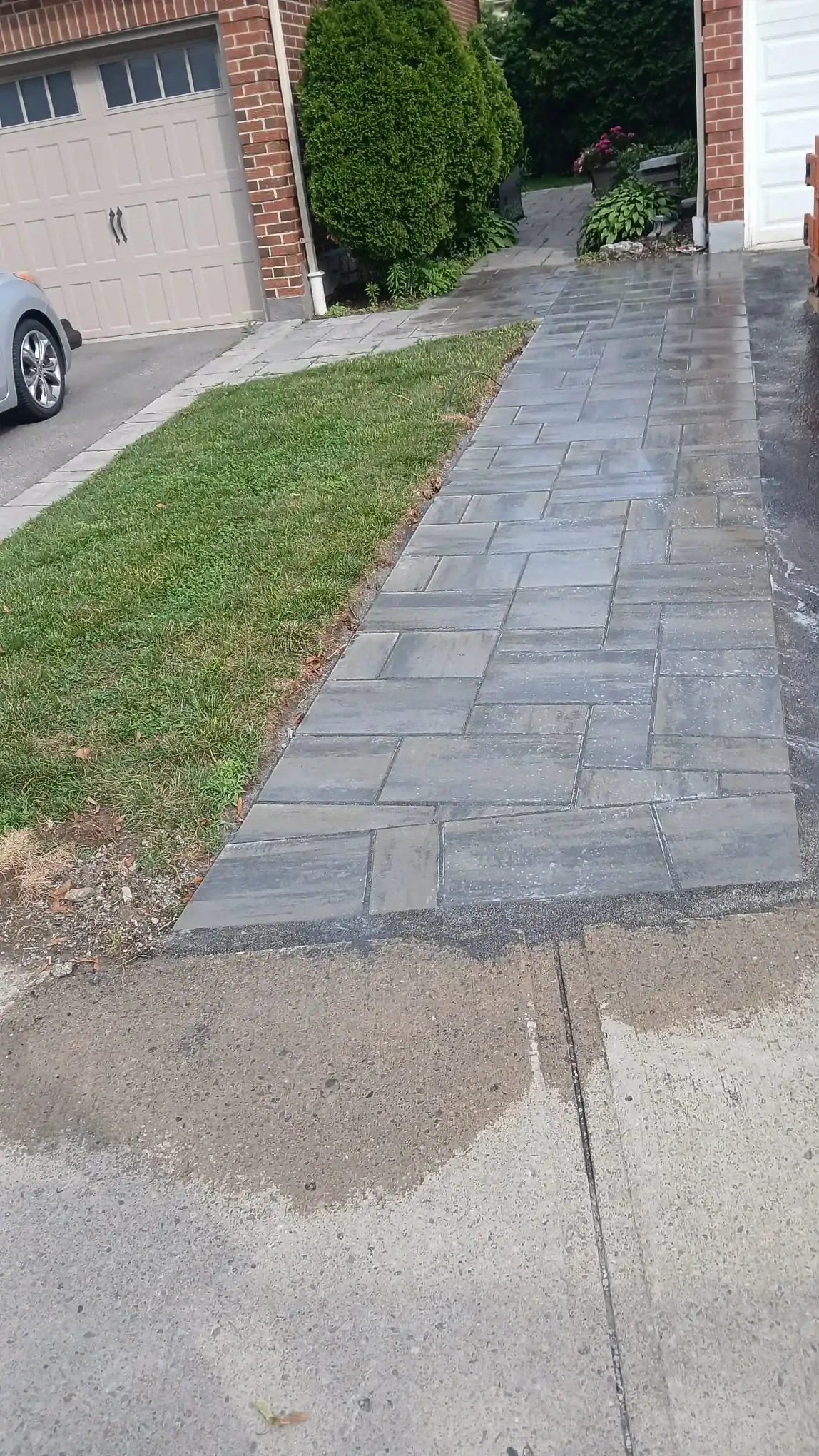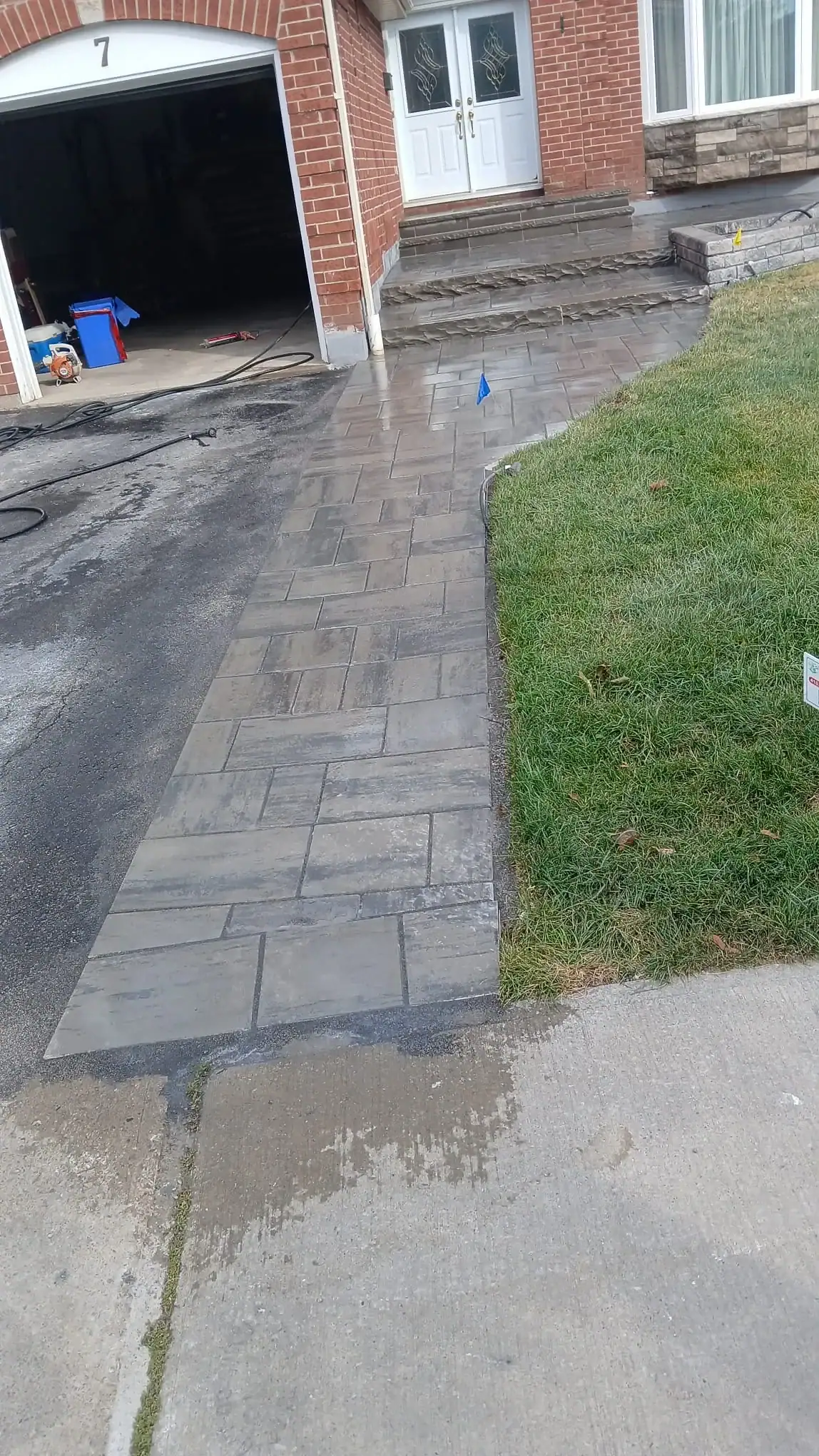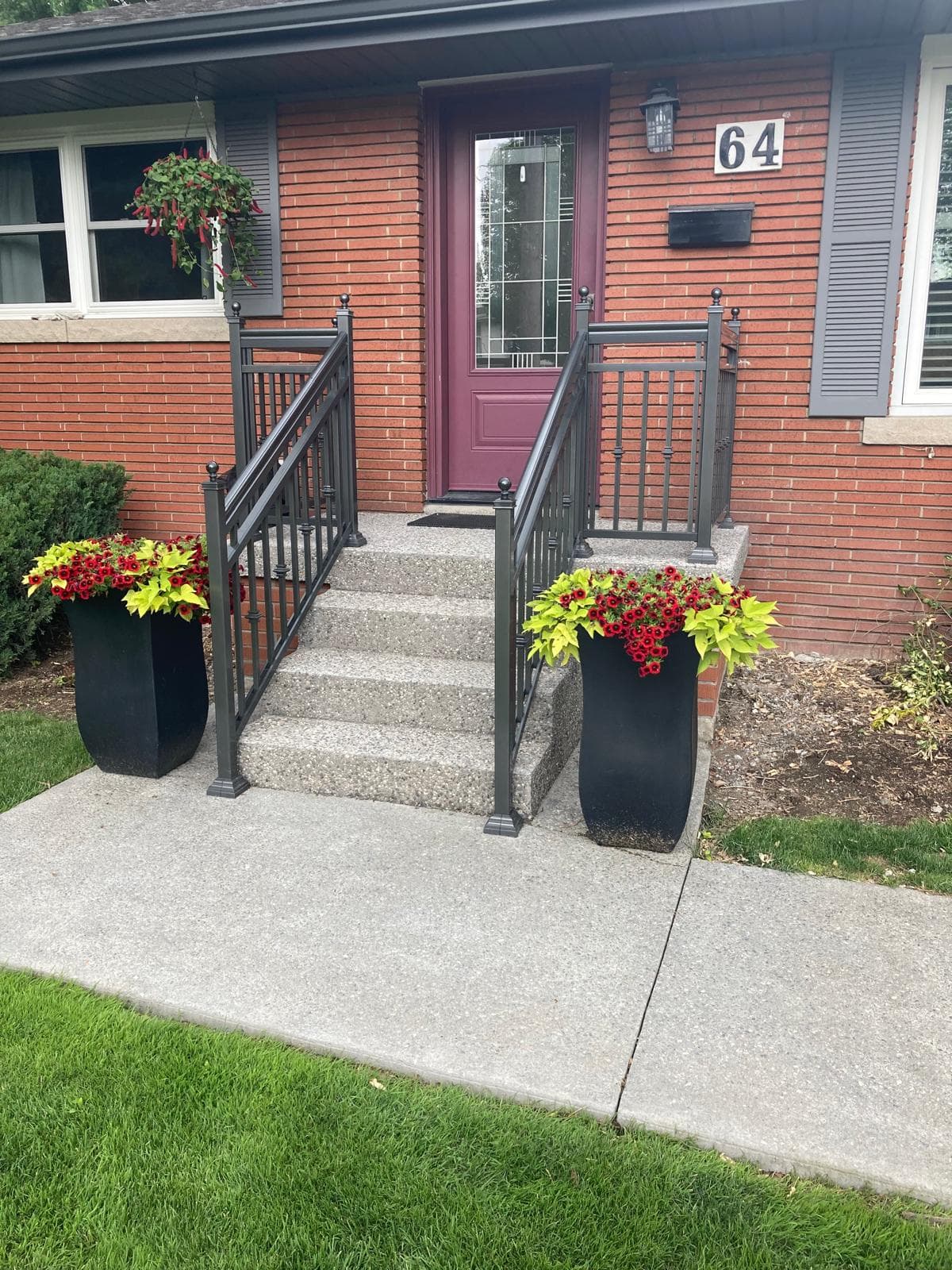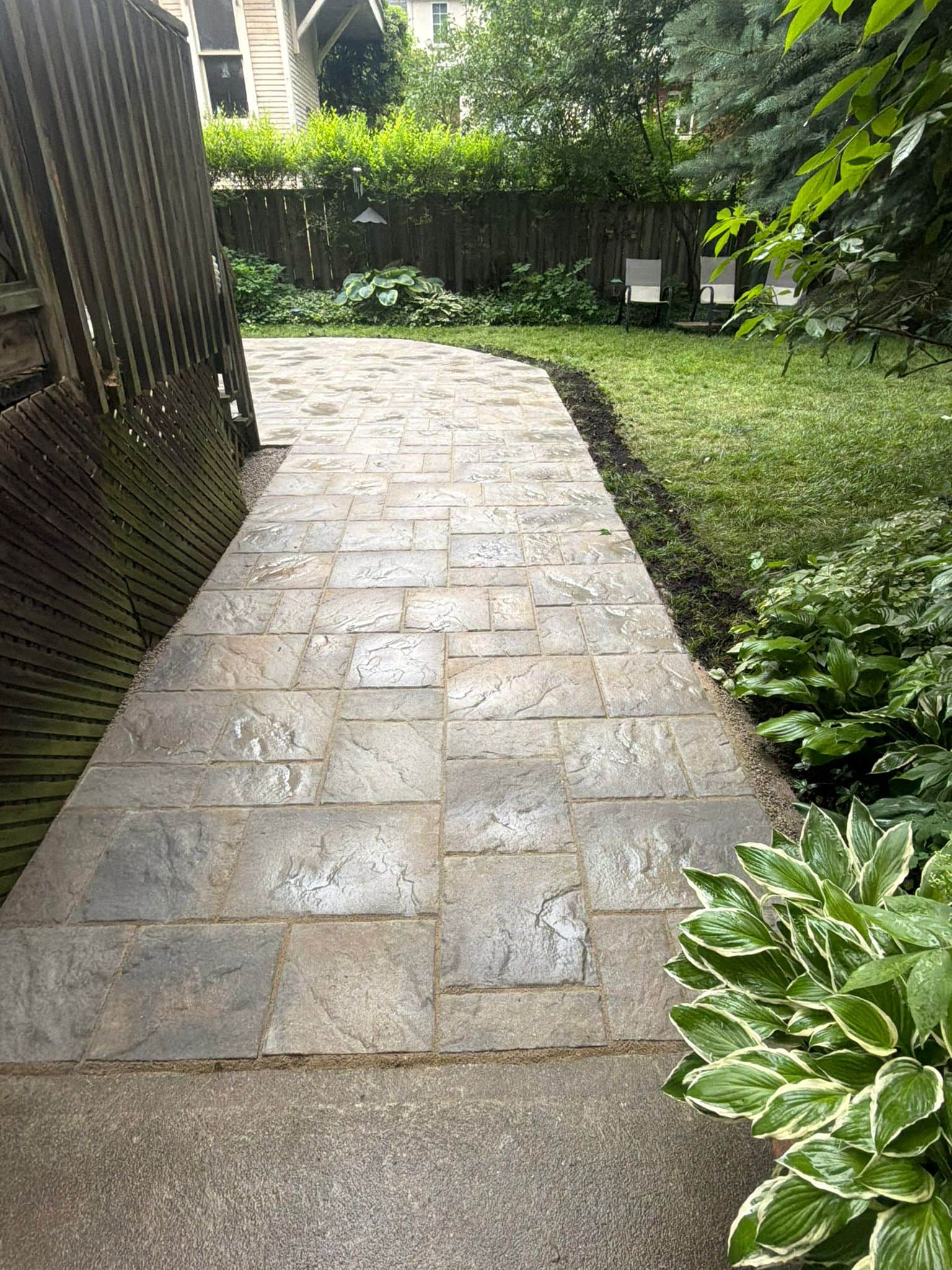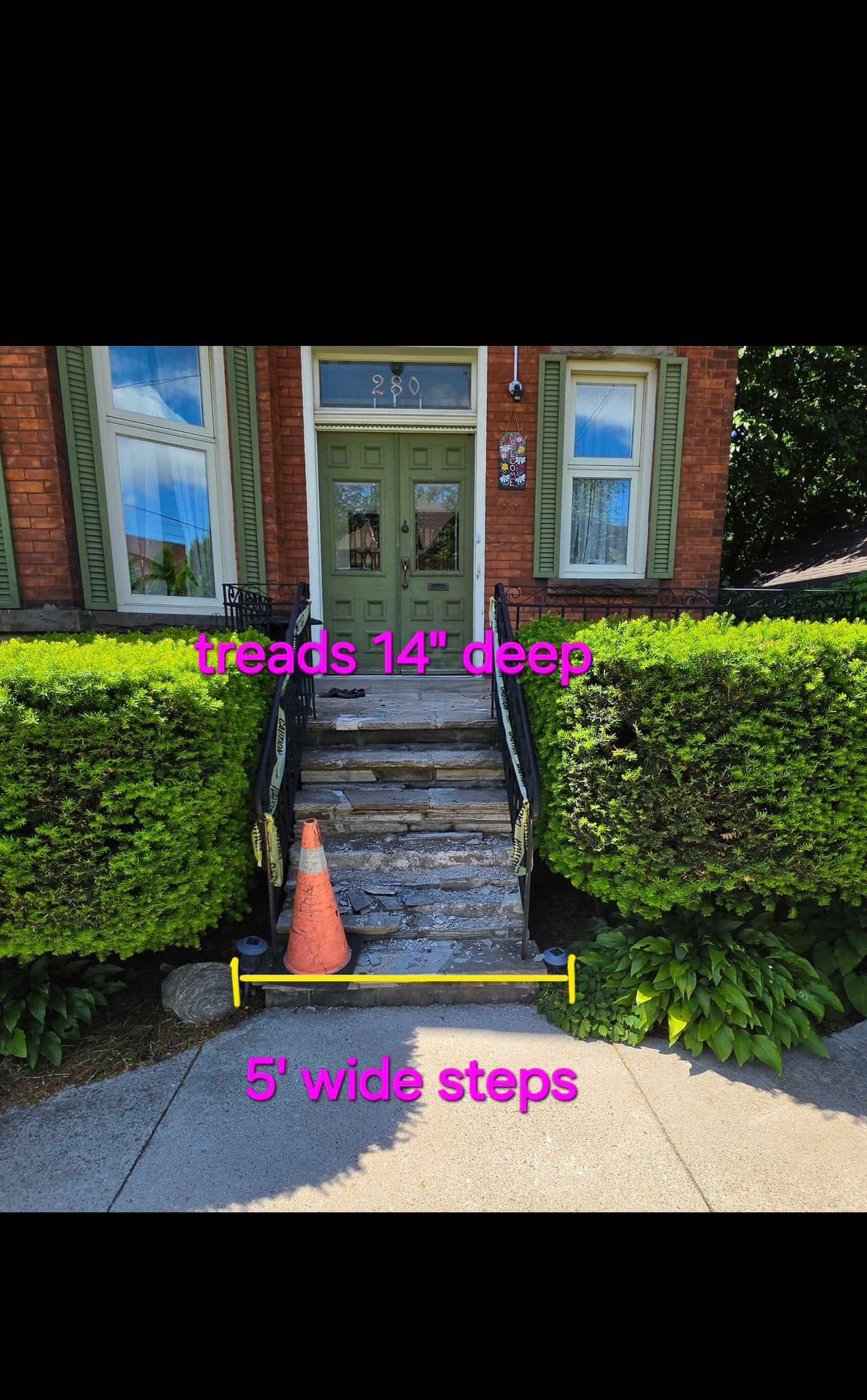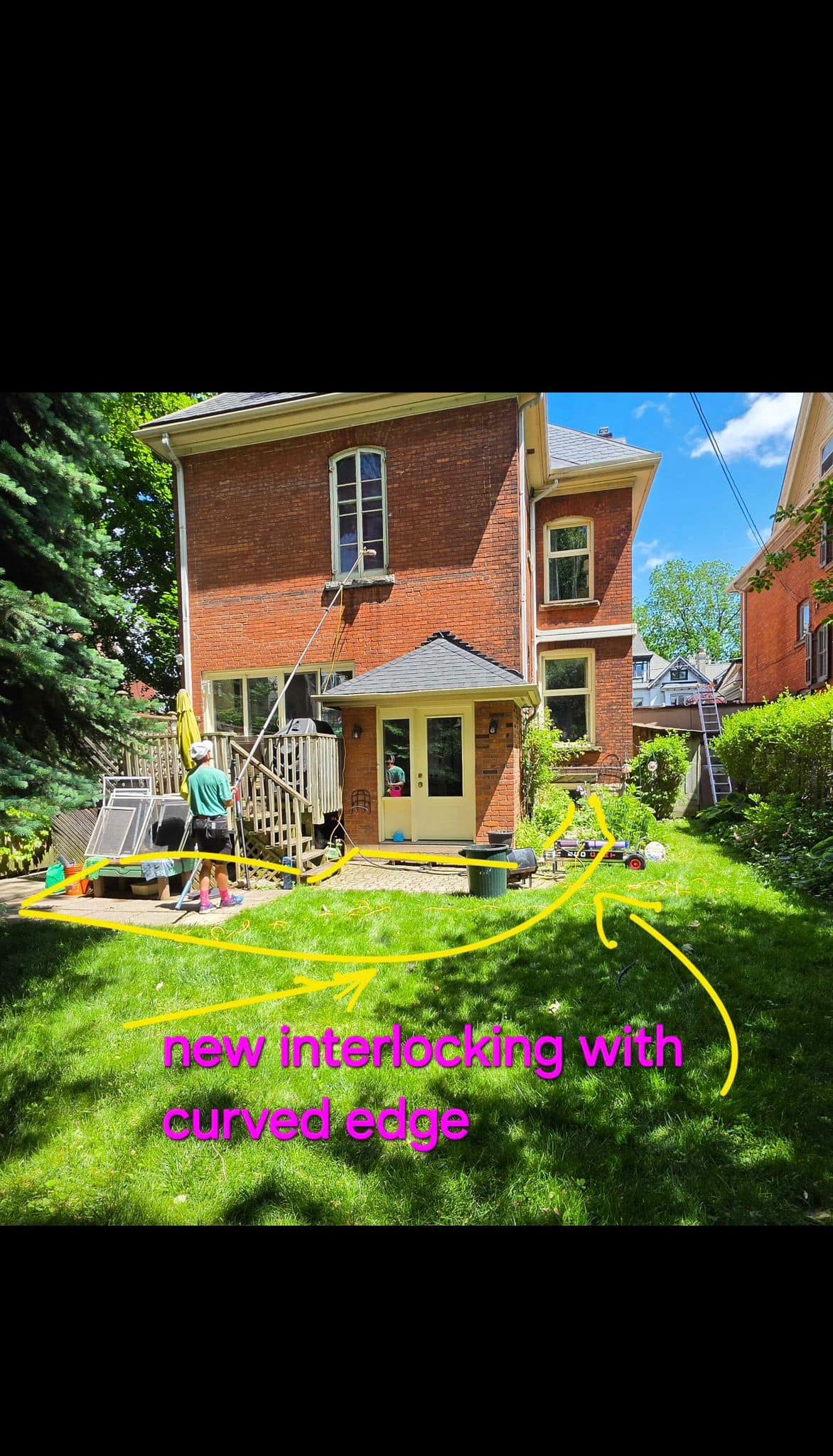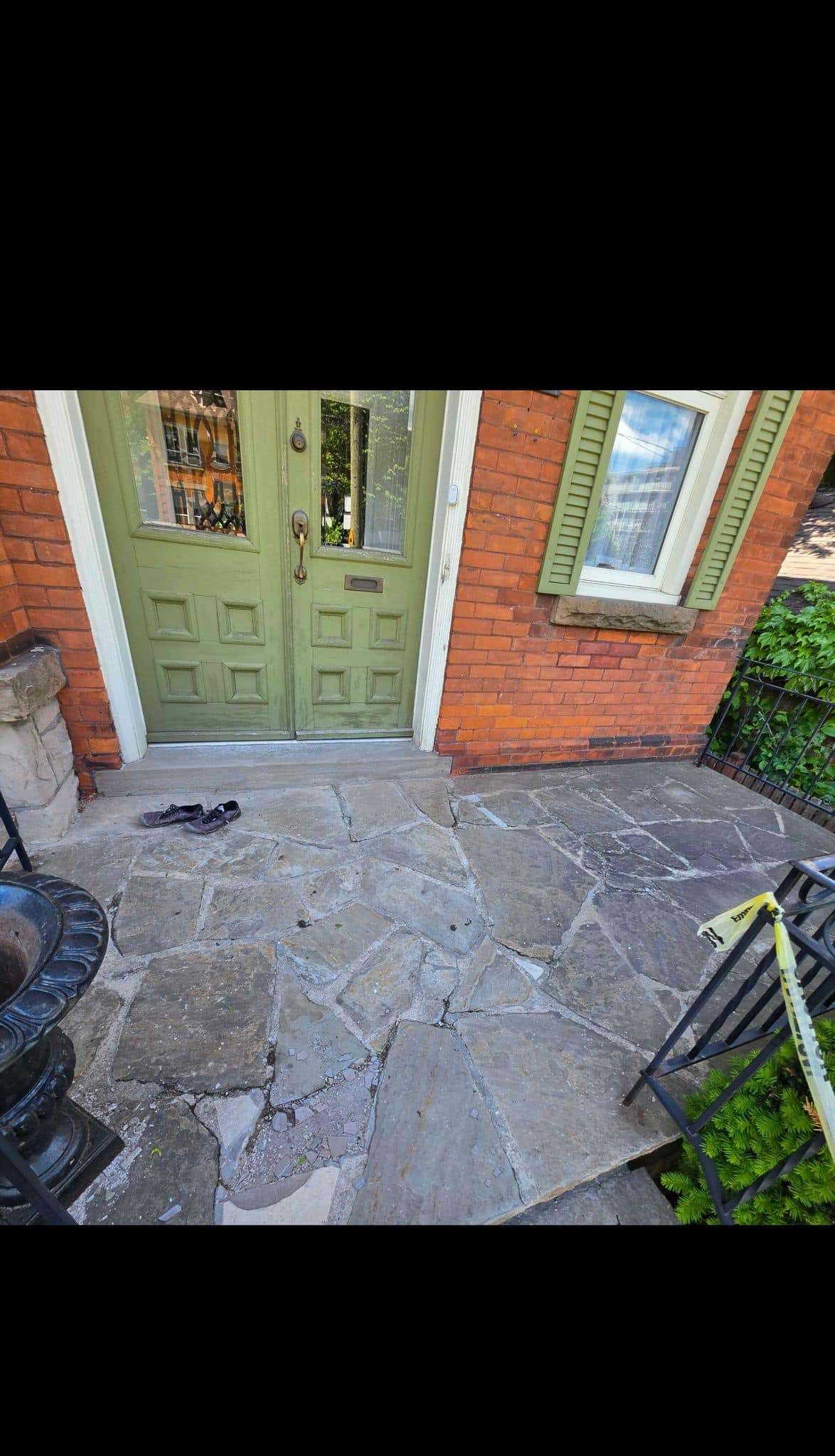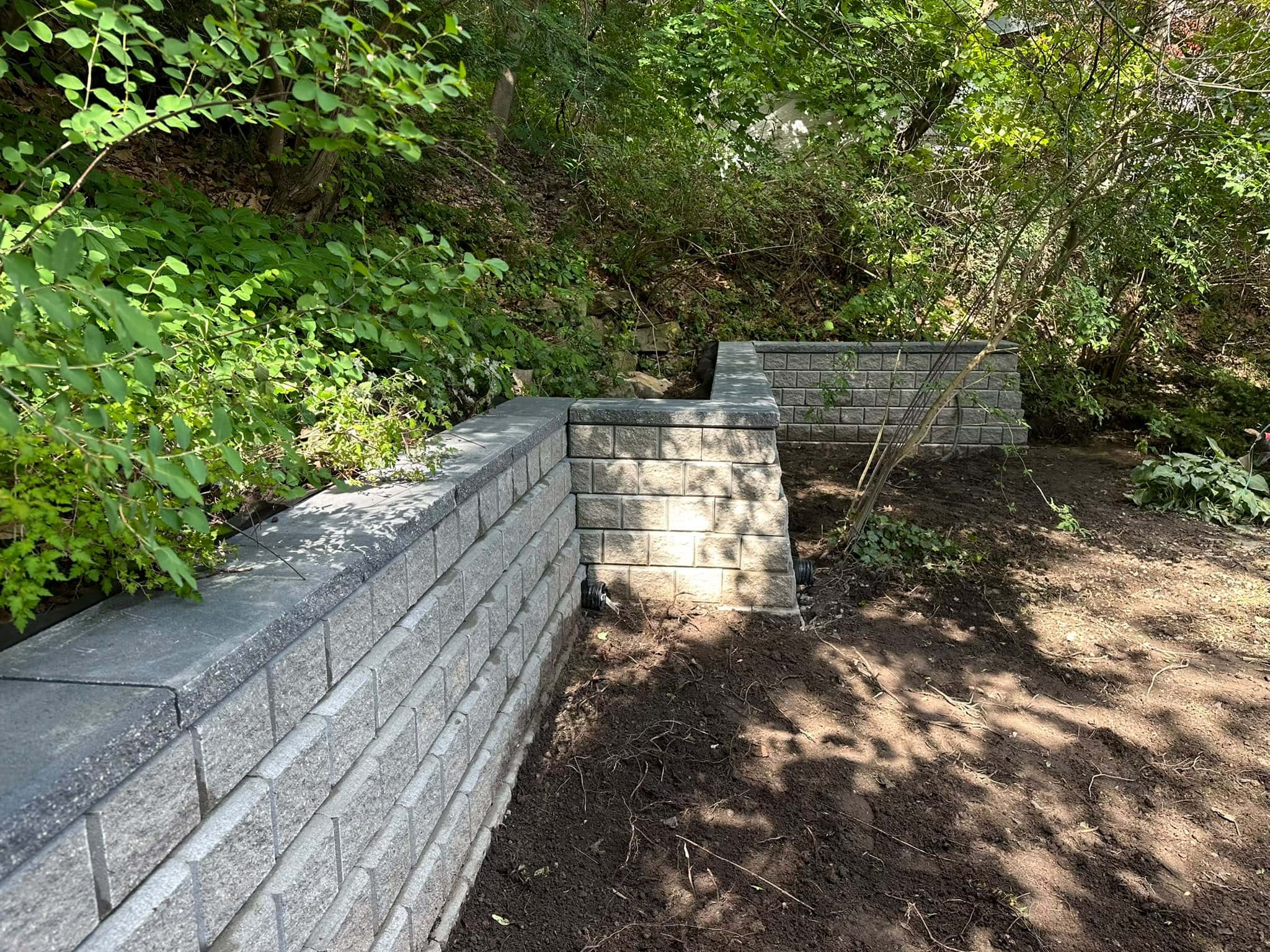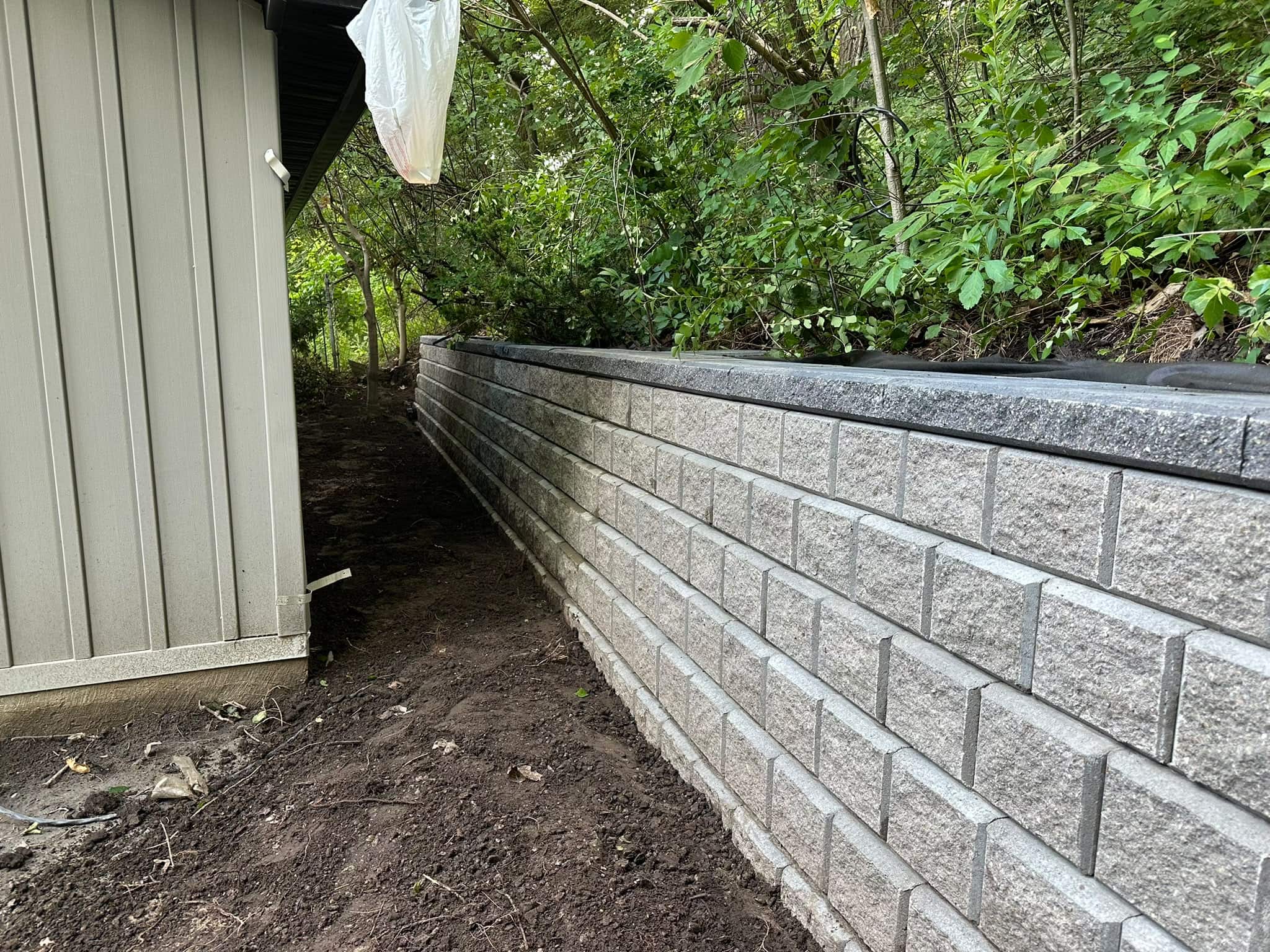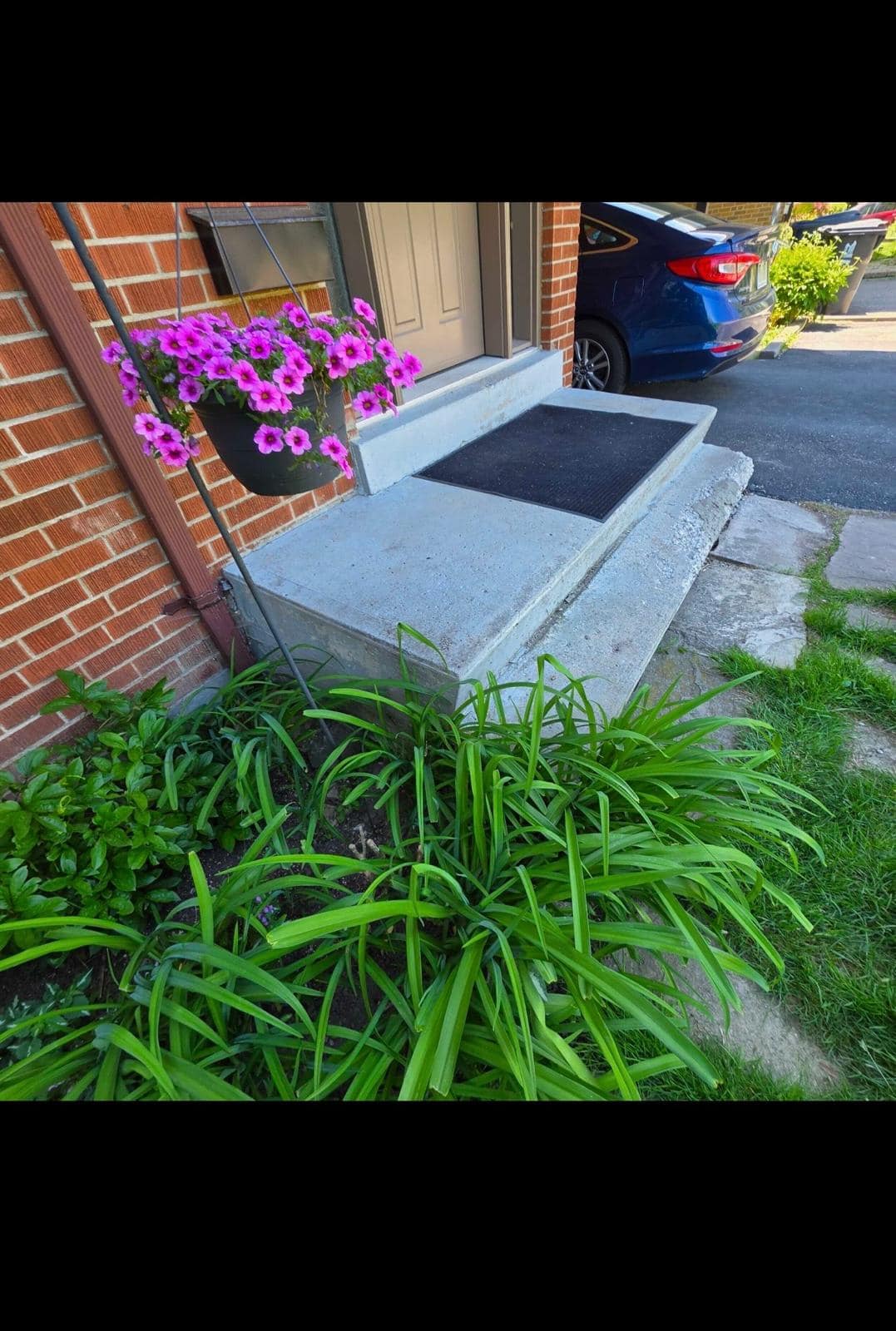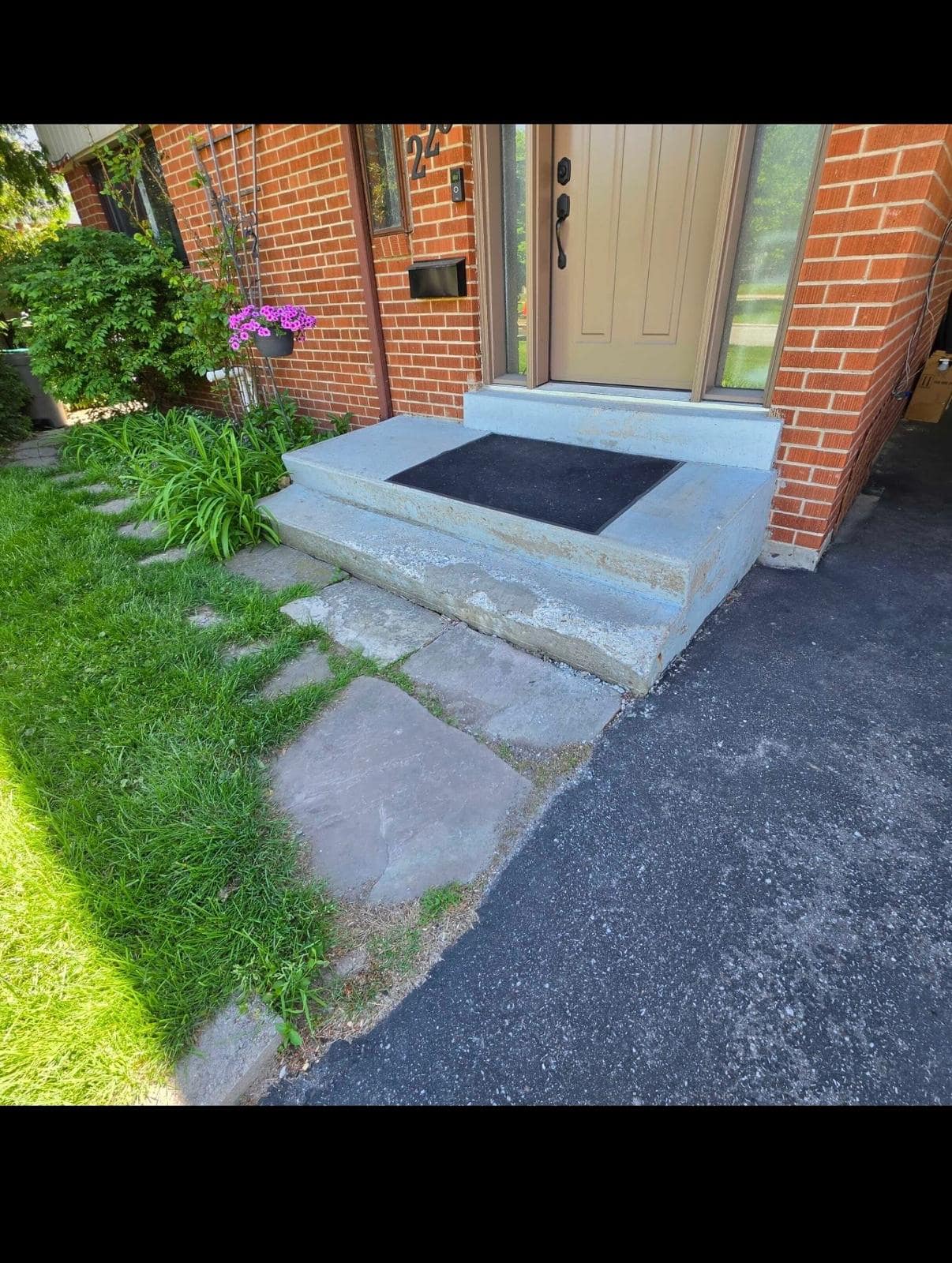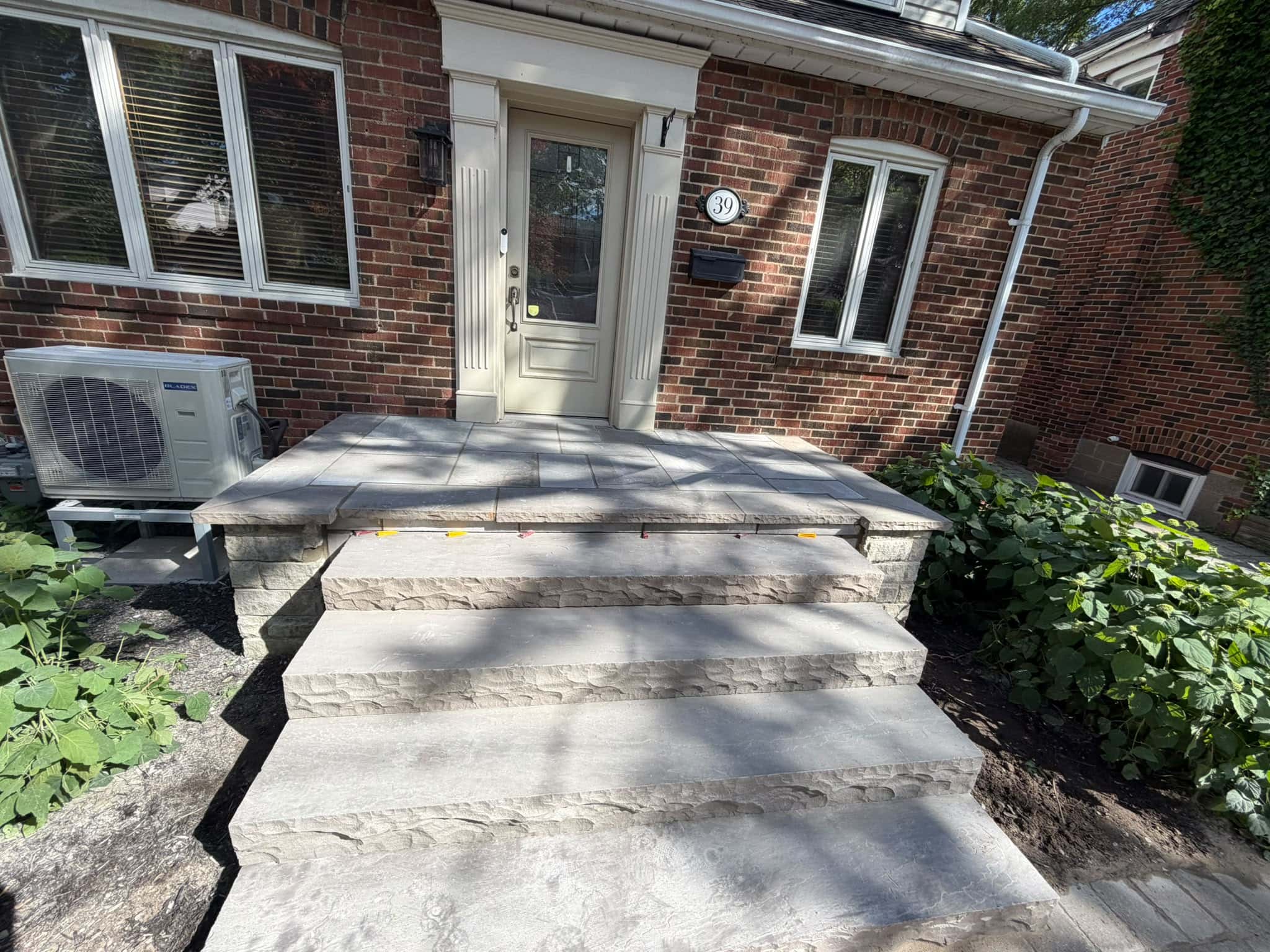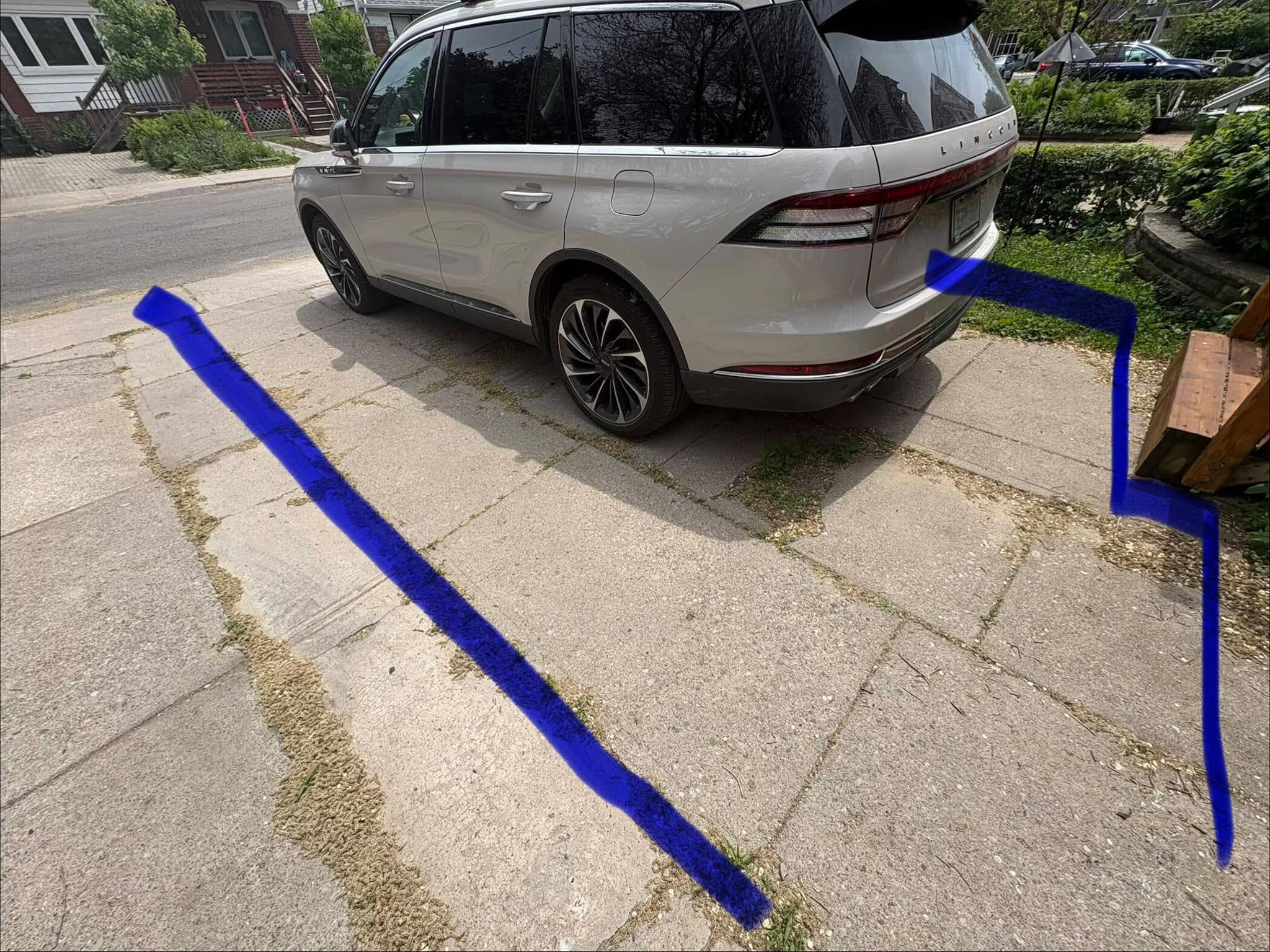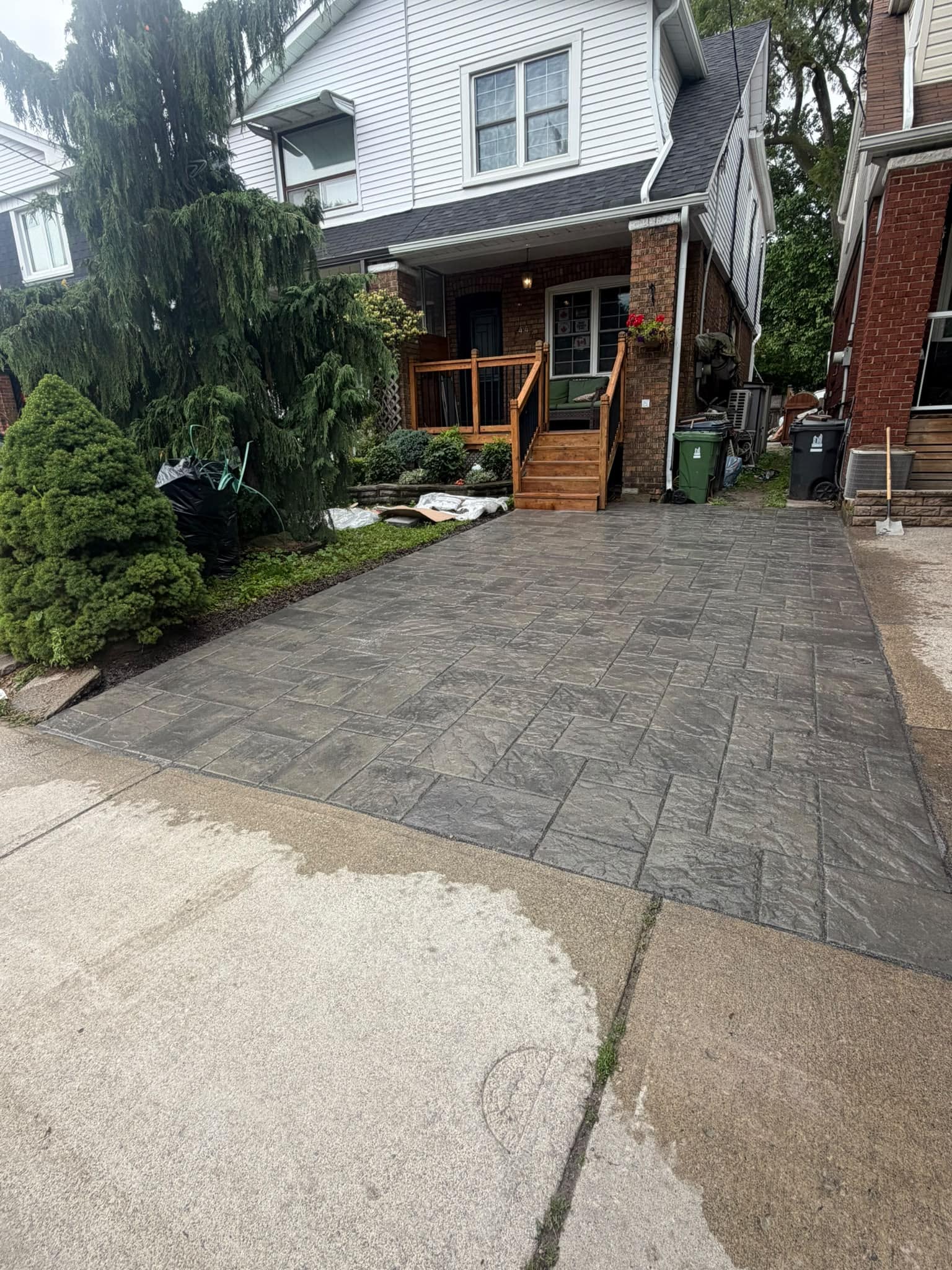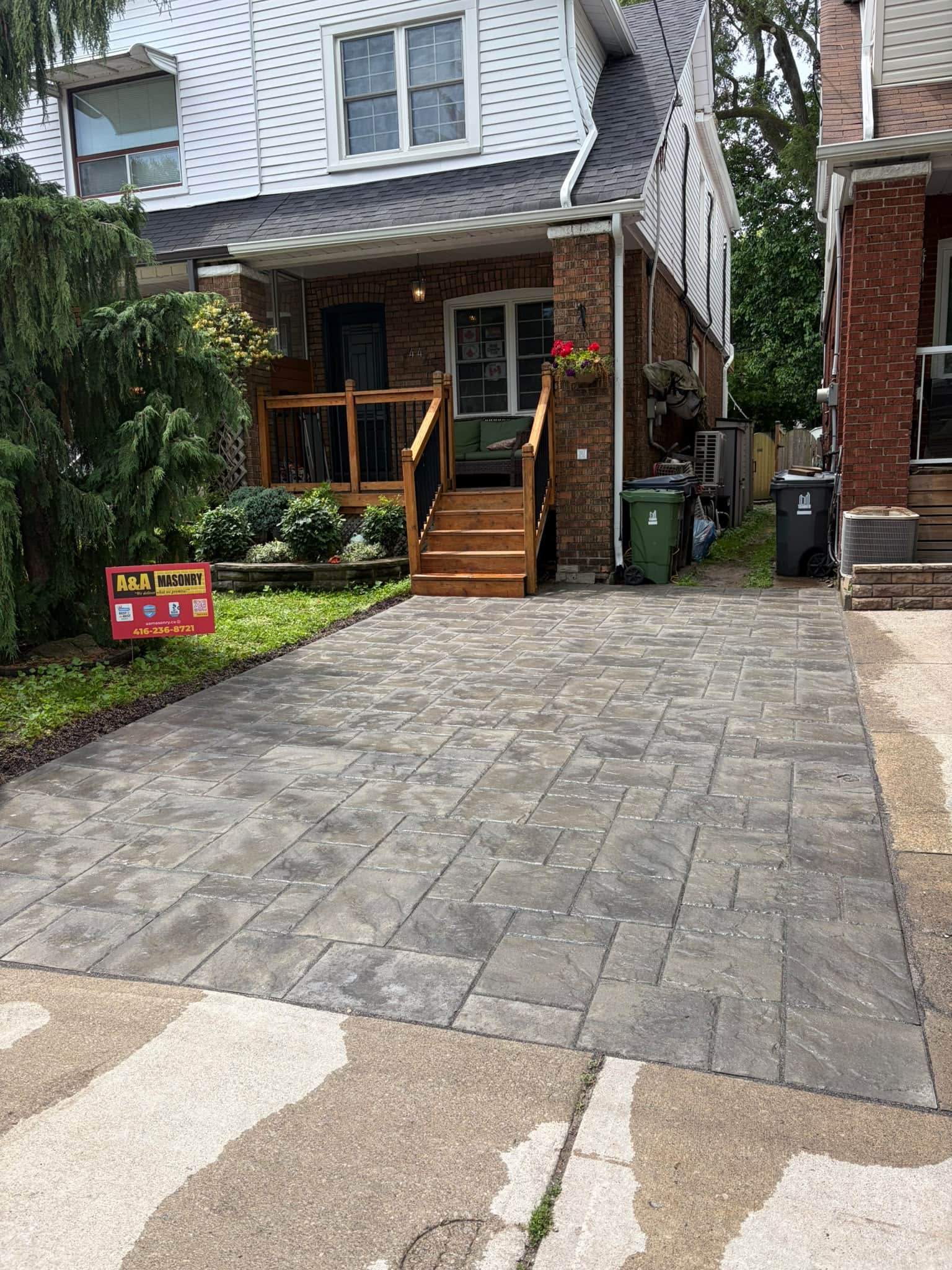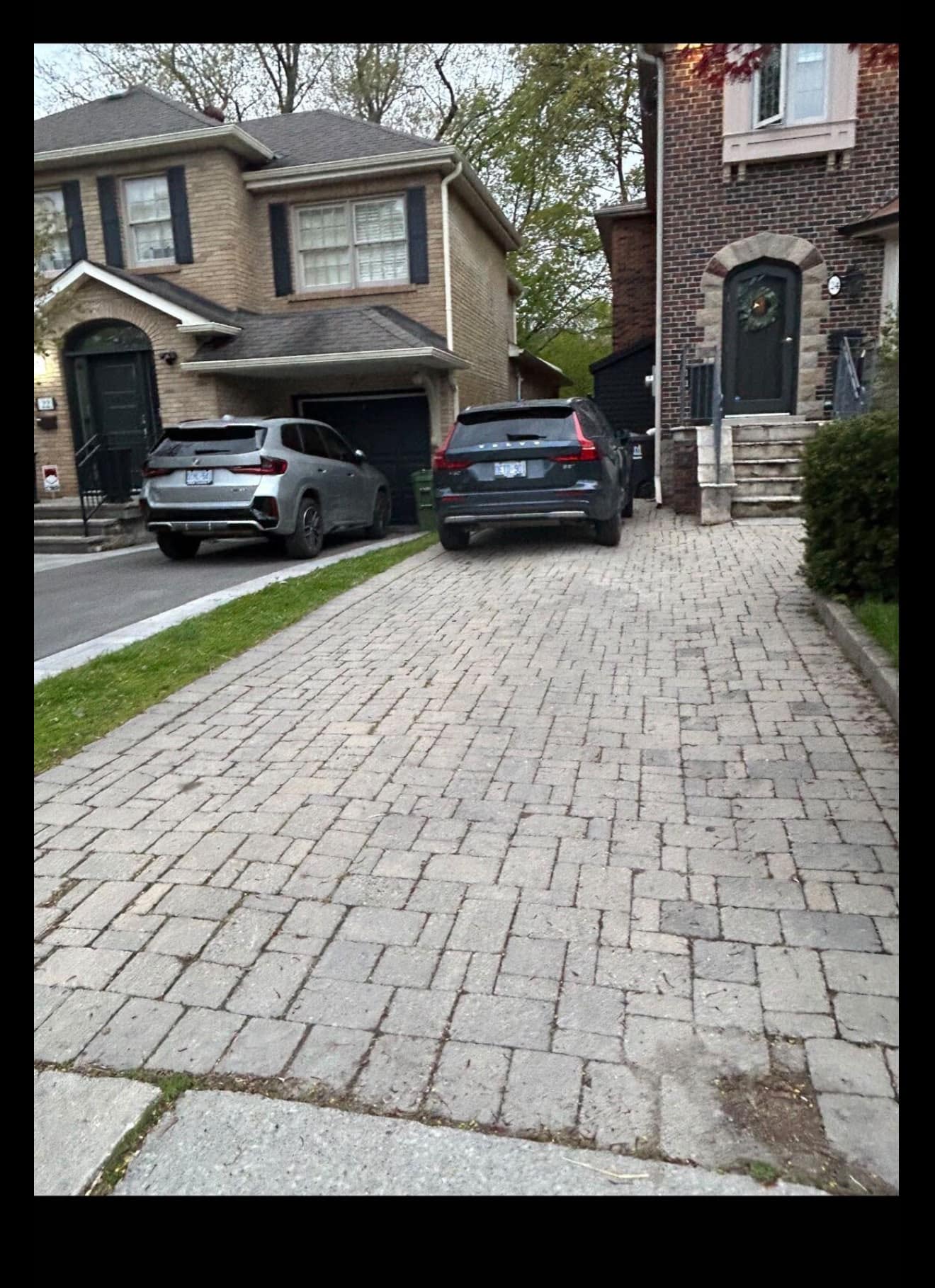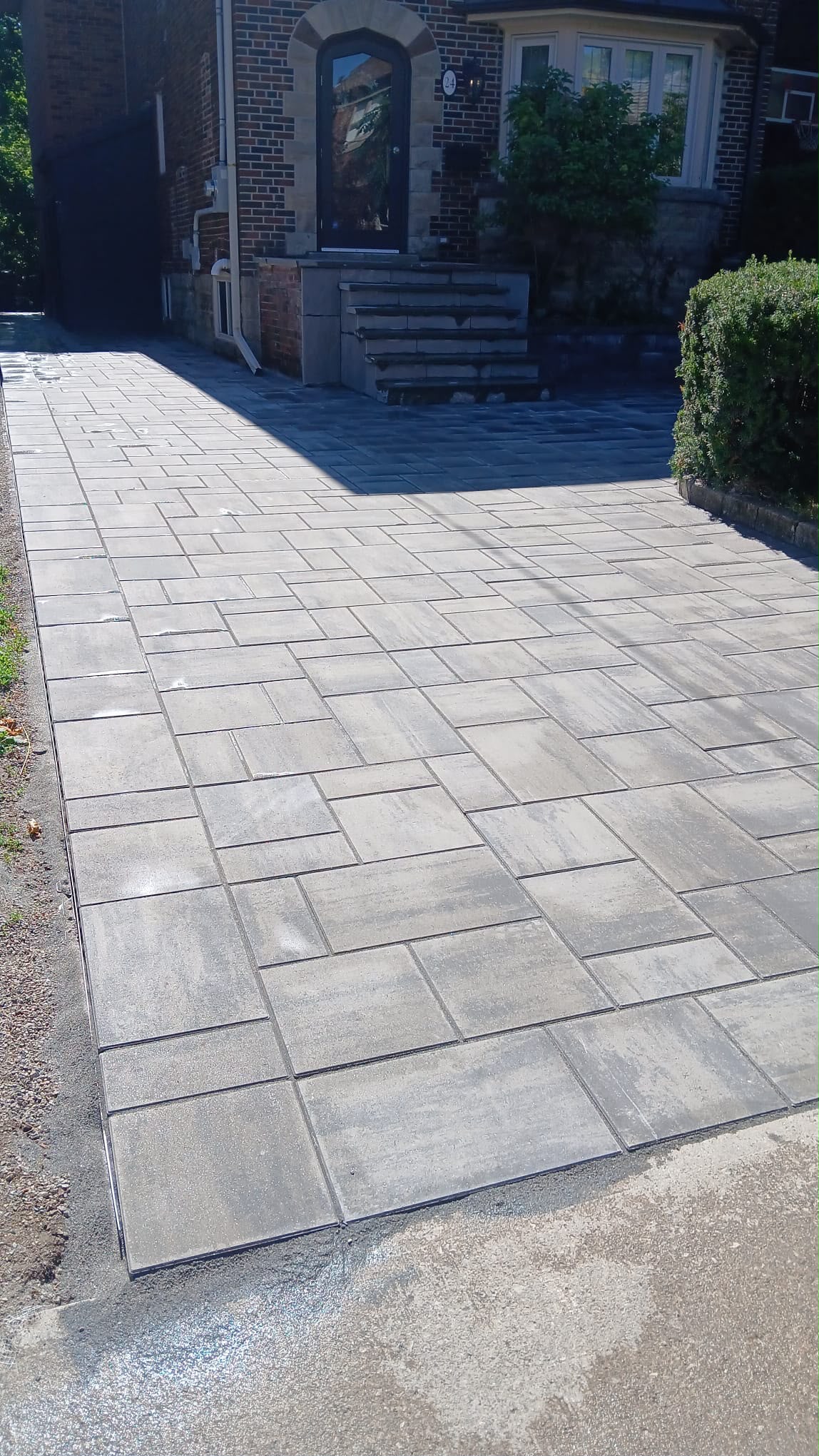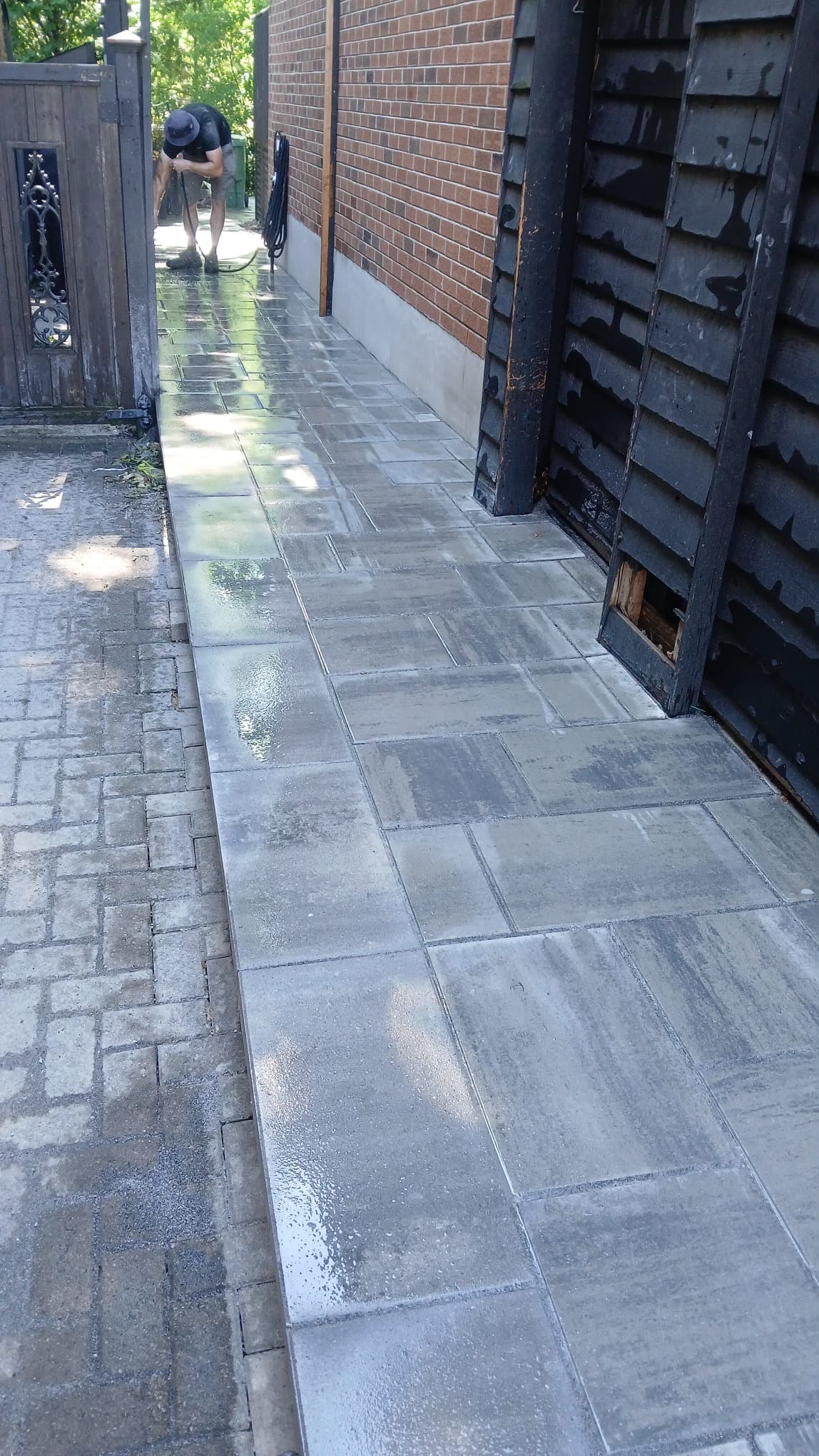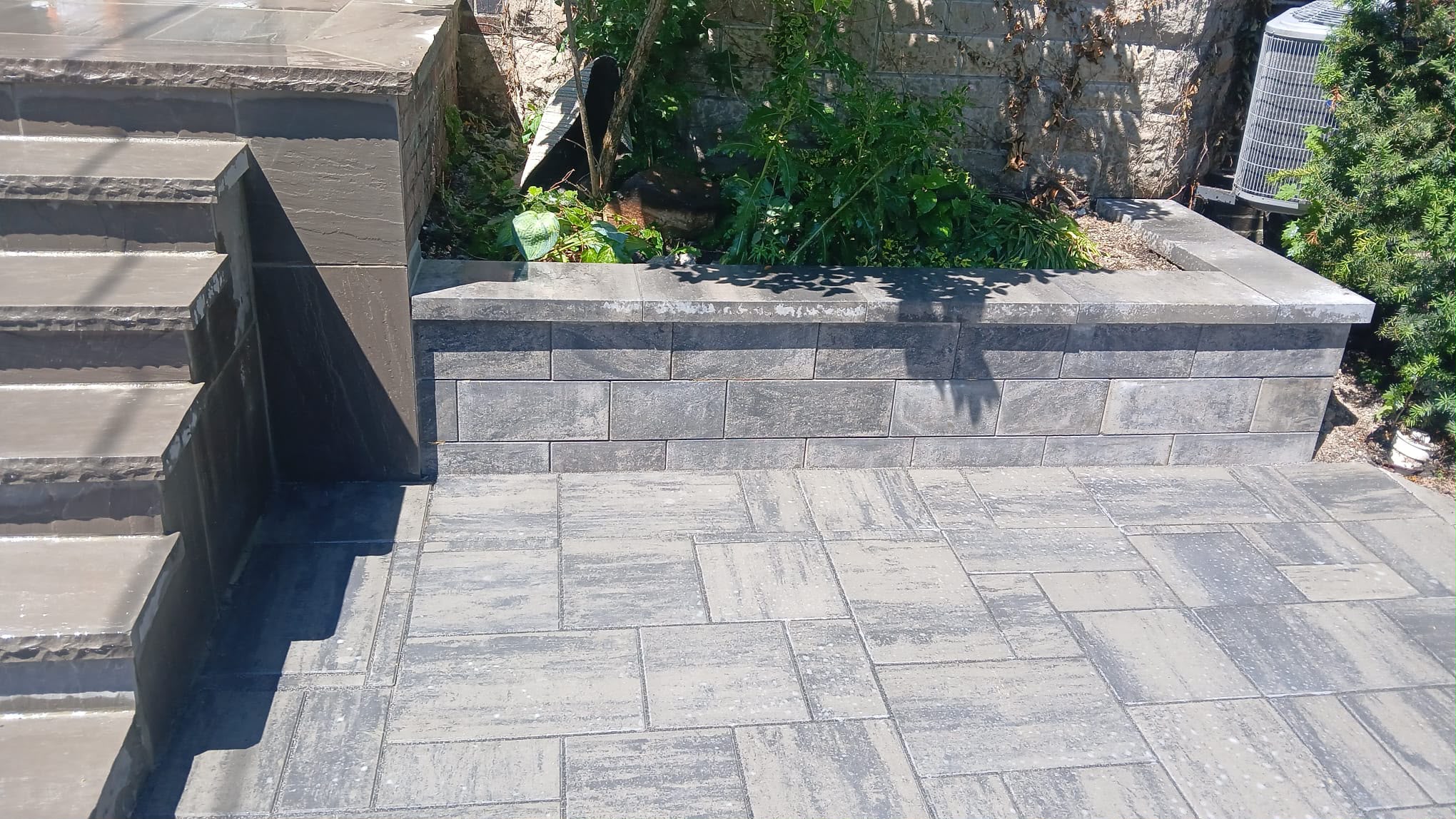

Interlock base failures in Toronto present significant challenges, often resulting in costly repairs and frustrating inconveniences for homeowners and businesses. Understanding the causes — ranging from soil settlement issues to improper installation — is crucial for maintaining these systems. This article explores the impact of climate, highlights key signs of interlock base failures, and offers effective solutions and preventive measures, ensuring you are well-equipped to tackle interlock base failures issues. Delve deeper to safeguard your investments and enhance the longevity of your interlock systems.
Definition and Importance
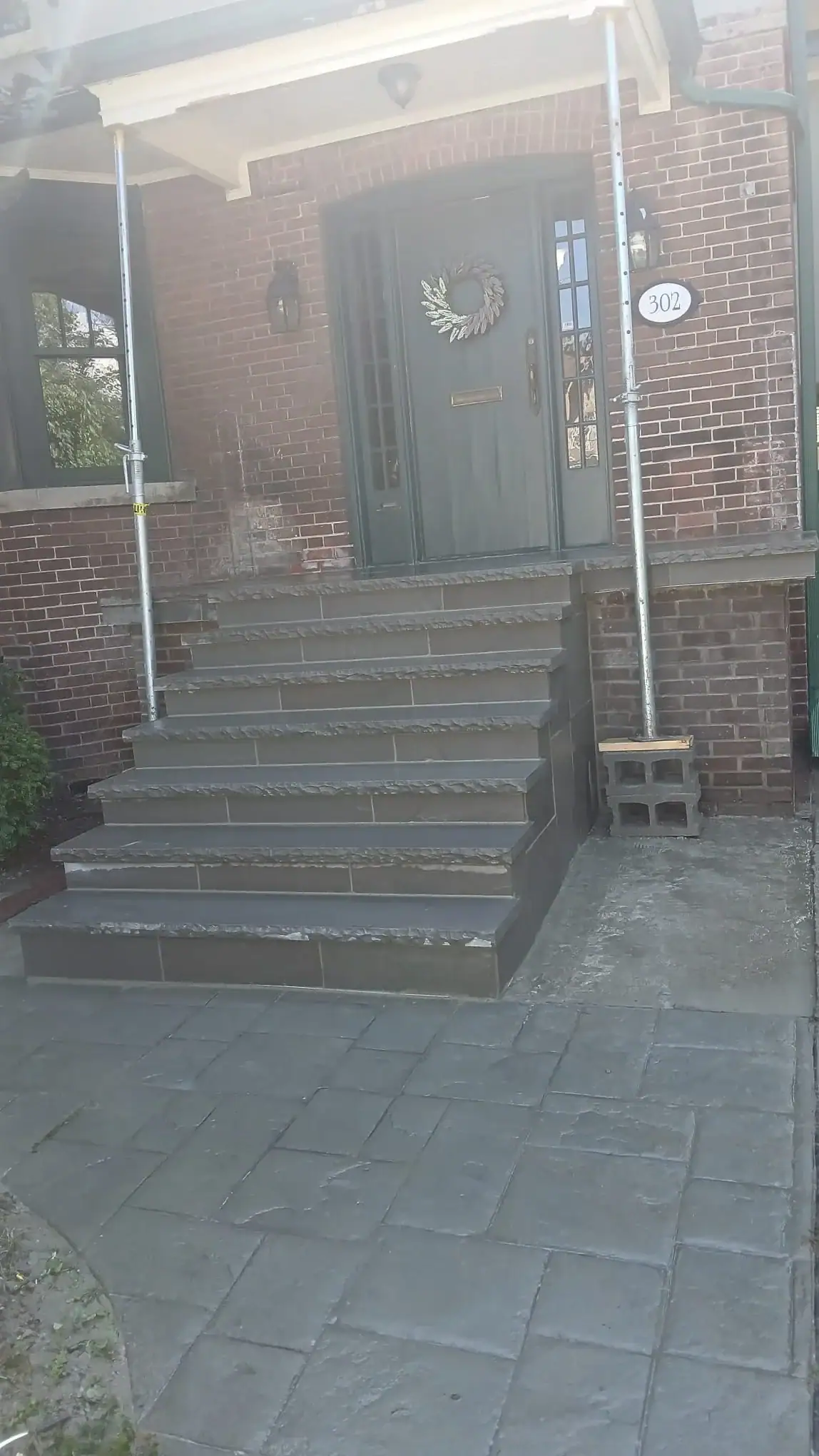
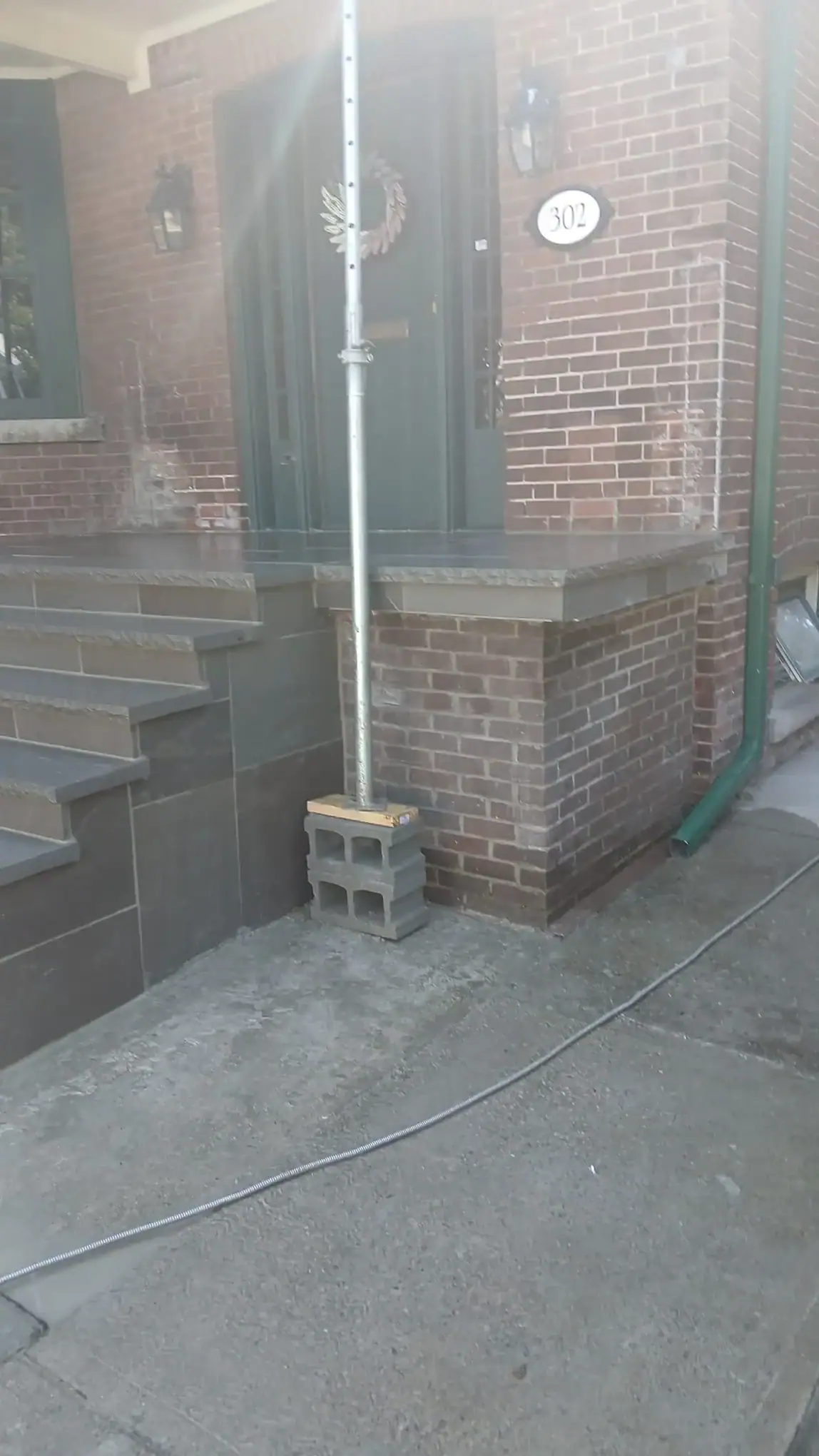
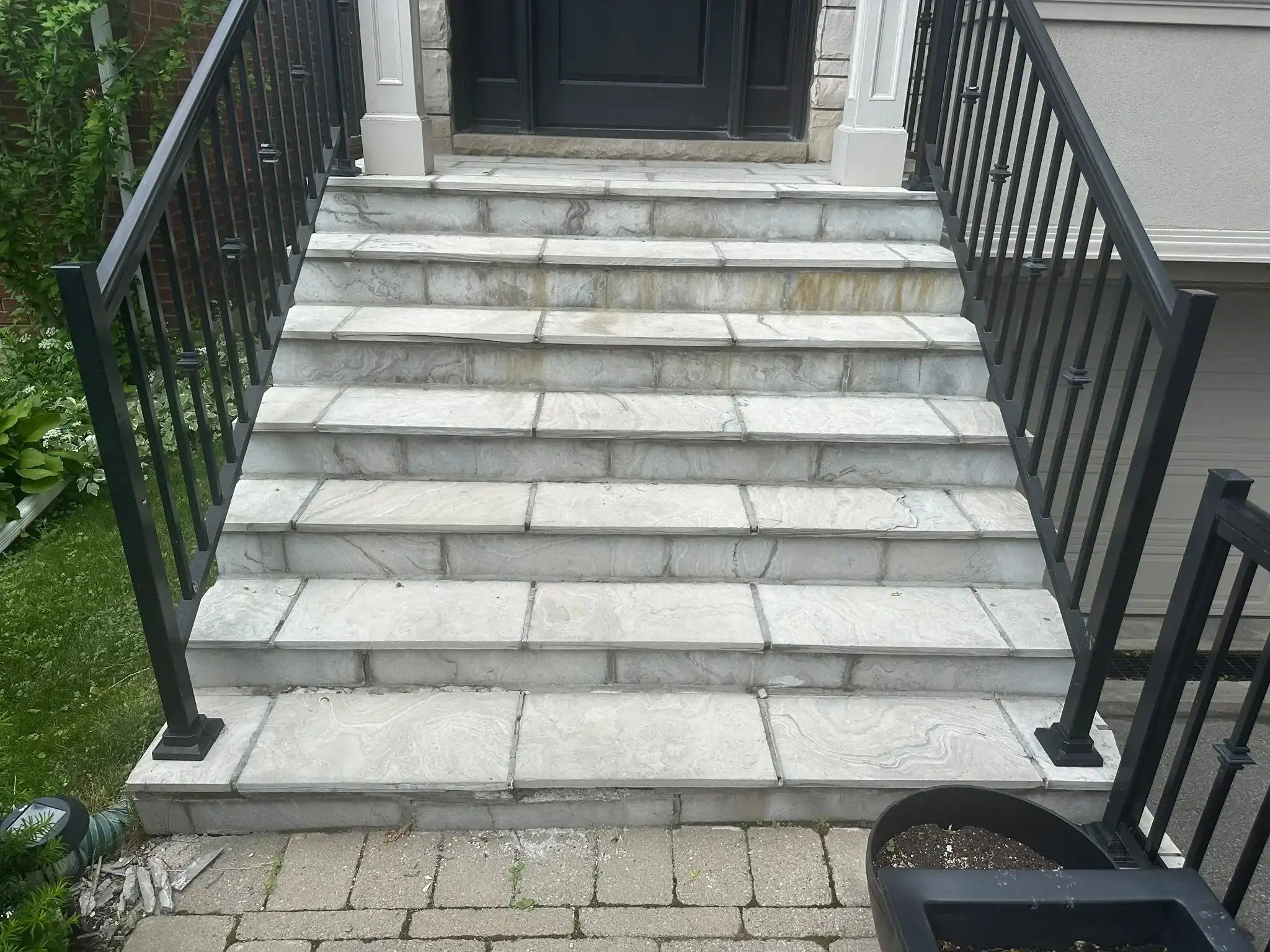
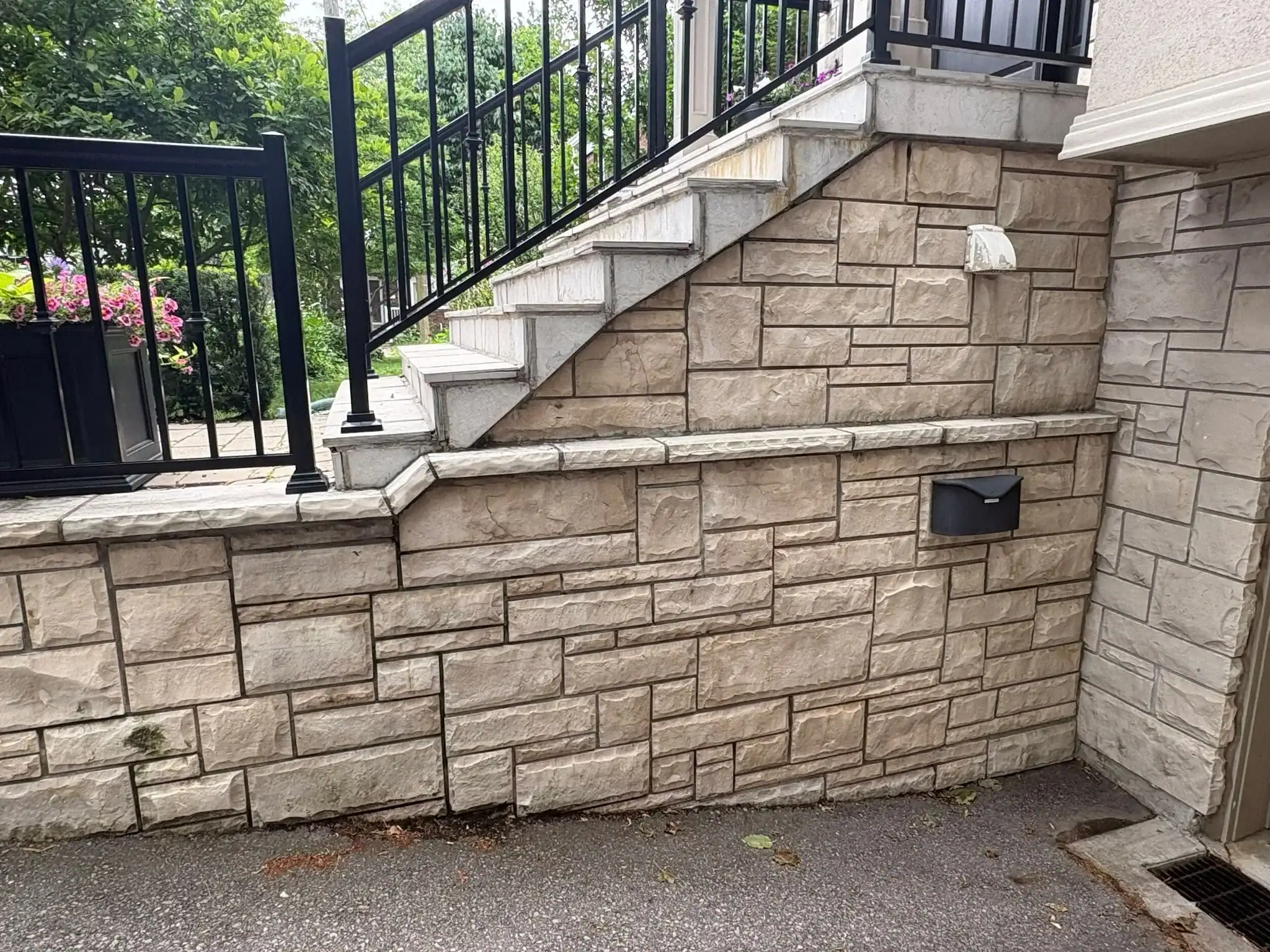
Interlock base failures refer to the structural deterioration of interlocking paver systems, which can adversely affect both stability and longevity.
Such failures frequently result from insufficient base preparation or improper installation techniques, leading to uneven surfaces and potential trip hazards. For example, a homeowner who undertakes the installation of pavers without establishing an appropriate gravel base may incur substantial repair expenses, often exceeding $3,000, due to the necessity of removing and reinstalling the entire system.
Interlock base failures can often be avoided by following best practices during installation. Understanding interlock base failures is essential for any property owner.
To mitigate these issues, it is crucial to employ a laser level to ensure precise alignment during installation and to establish a compacted gravel base of at least 4 inches. Additionally, investing in high-quality materials can significantly enhance durability and prevent future failures.
Overview of Interlock Systems
Interlock systems are composed of individual pavers that are strategically arranged to effectively distribute load and enhance the aesthetic appeal across a variety of landscapes.
Common types of pavers include concrete, brick, and natural stone, each offering distinct advantages. The installation process generally involves compacting a gravel base and closely fitting the pavers together. This method is essential for applications such as driveways and pathways, as it ensures both durability and safety.
In the context of urban planning, interlock systems play a significant role in facilitating effective water drainage and minimizing runoff, thereby promoting sustainable design practices. These attributes render interlock systems a robust choice for both residential and municipal projects.
Common Causes of Interlock Base Failures
A proactive approach to avoiding interlock base failures can save homeowners significant expense in the long run.
Identifying the prevalent causes of interlock base failures is crucial for the development of effective prevention and remediation strategies.
Soil Settlement Issues
Recognising the signs of interlock base failures early can help mitigate further damage.
Soil settlement can lead to inconsistencies in the foundation, resulting in uneven surfaces and potential structural damage to the interlocking system. Clay and silt are particularly susceptible to settlement due to their fine grain and moisture-retaining properties.
To mitigate these issues, it is essential to conduct a comprehensive geotechnical analysis, which will identify the soil characteristics and associated settlement risks.
Subsequently, implementing soil compaction techniques, such as dynamic compaction or vibro-compaction, can significantly enhance soil stability. For example, at a construction site in North Carolina, soil stabilization was achieved through grout injection methods, effectively preventing future settlement and ensuring the structural integrity of the project.
Water Drainage Problems
Improper drainage is a significant contributor to interlock base failures, as excessive water can erode the substrate and compromise the structural integrity of the installation.
To effectively address drainage issues, it is advisable to consider the installation of French drains or permeable pavers. French drains function by diverting water away from problem areas using gravel-filled trenches, which can substantially reduce water pooling. For example, a properly installed French drain has the potential to decrease maintenance costs by up to 40% due to reduced erosion.
Addressing interlock base failures promptly can prevent more severe issues from arising.
Conversely, permeable pavers facilitate the passage of water, thereby minimizing runoff and promoting natural absorption. Both methods not only serve to protect the interlock system but also enhance the aesthetic appeal of the landscape, thereby contributing to the long-term value of the property.
Improper Installation Techniques
Numerous interlock issues stem from improper installation practices, frequently attributed to insufficient training or a lack of compliance with building codes.
Common installation deficiencies include inadequate excavation of the base, which can result in settling and shifting over time, as well as inadequate compaction of the base material, leading to an unstable foundation.
Consulting experienced professionals can greatly reduce the risk of interlock base failures.
Engaging certified contractors can help mitigate these risks. Contractors should follow a comprehensive checklist of best practices, which includes:
- Ensuring the base depth meets project specifications,
- Utilizing high-quality materials, and
- Conducting regular inspections throughout the installation process.
Implementing these measures can significantly improve the durability and performance of interlock systems.
Impact of Climate on Interlock Bases
Climate significantly influences the performance and longevity of interlock bases, impacting both material stability and durability.
Freeze-Thaw Cycles
Planning for seasonal changes can minimise the risk of interlock base failures.
In regions characterized by freeze-thaw cycles, moisture that becomes trapped in the base may result in frost heave, leading to the lifting and cracking of pavers. To mitigate these issues, it is advisable to design interlock systems utilizing flexible jointing materials such as polymeric sand or rubberized fillers. Research suggests that these materials can extend the lifespan of paver installations by as much as 30%.
To ensure proper drainage, it is essential to incorporate perforated pipes or gravel beds beneath the pavers, facilitating moisture escape. Additionally, conducting regular maintenance inspections is imperative; it is recommended to assess for gaps or shifting pavers biannually and to refill joints as needed to maintain structural integrity and prevent moisture accumulation.
Heavy Rainfall Effects
Heavy rainfall has the potential to overwhelm drainage systems, resulting in the pooling of water and accelerated erosion around interlock bases. To address these challenges, the implementation of effective drainage solutions is of paramount importance.
Being aware of how heavy rainfall affects interlock base failures can lead to better preparation.
One successful approach is the establishment of rain gardens, which can enhance the longevity of interlock installations by up to 25%. These gardens effectively capture excess rainwater, facilitating its percolation into the soil rather than allowing it to run off.
Additionally, the incorporation of permeable pavers can significantly improve drainage efficiency, as they permit water to seep through, thereby alleviating pressure on traditional drainage systems.
Regular maintenance, including the prompt removal of debris from drains, is essential to ensure that these systems remain functional during periods of intense weather.
Identifying Signs of Failure
Ignoring the signs of interlock base failures could lead to more extensive repairs.
Identifying the early signs of interlock base failure is crucial for homeowners, as it can prevent costly repairs and extensive damage.
Cracking and Shifting
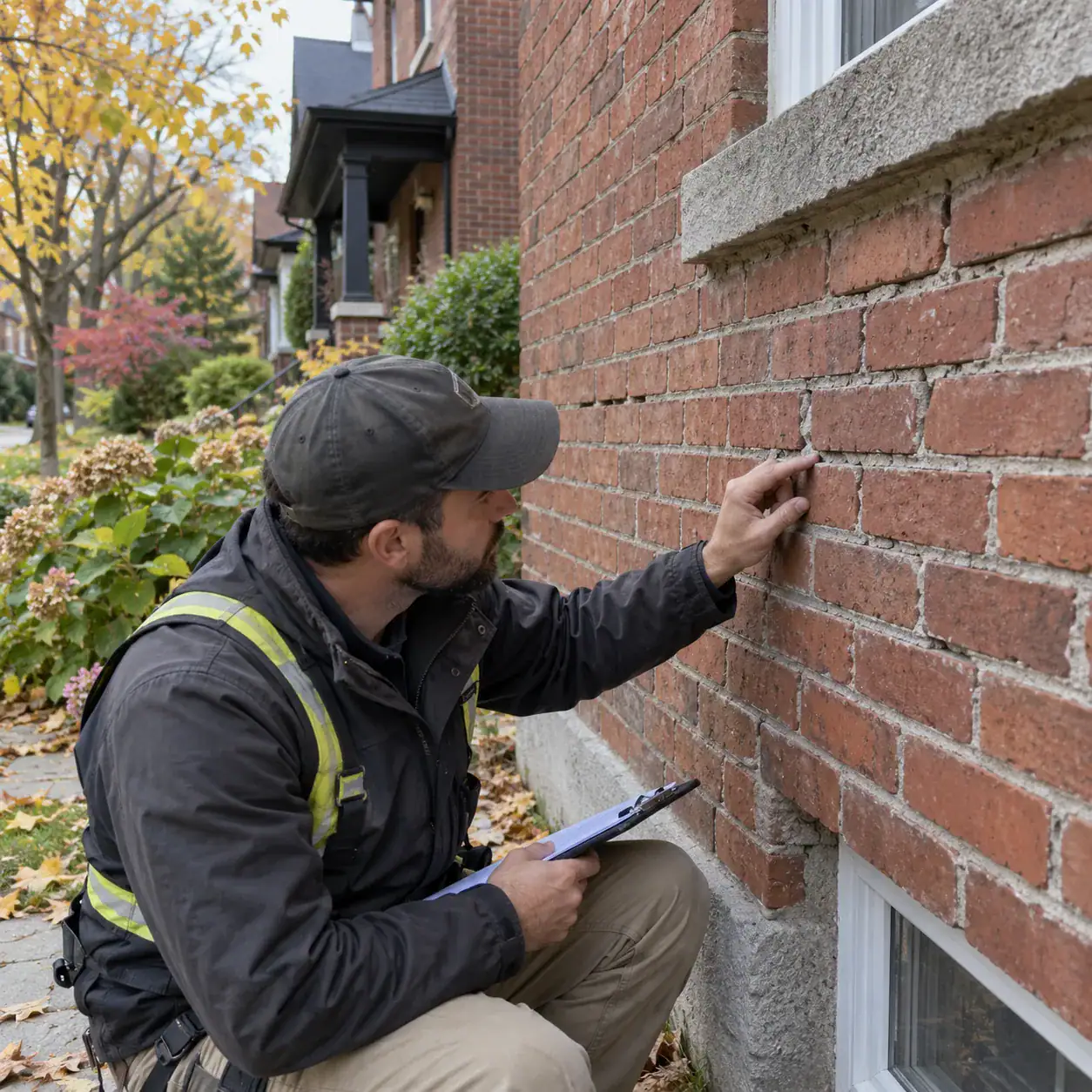
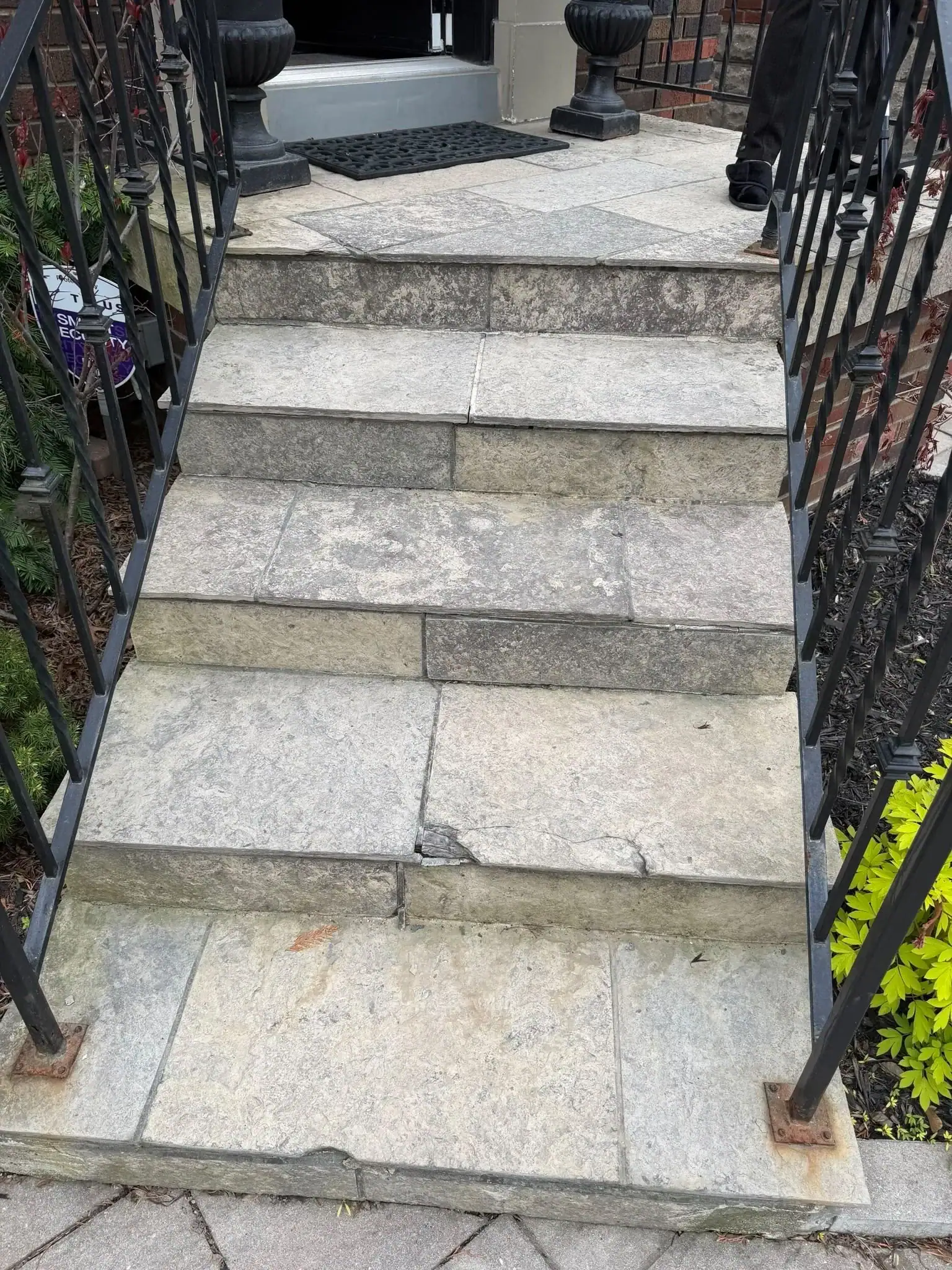
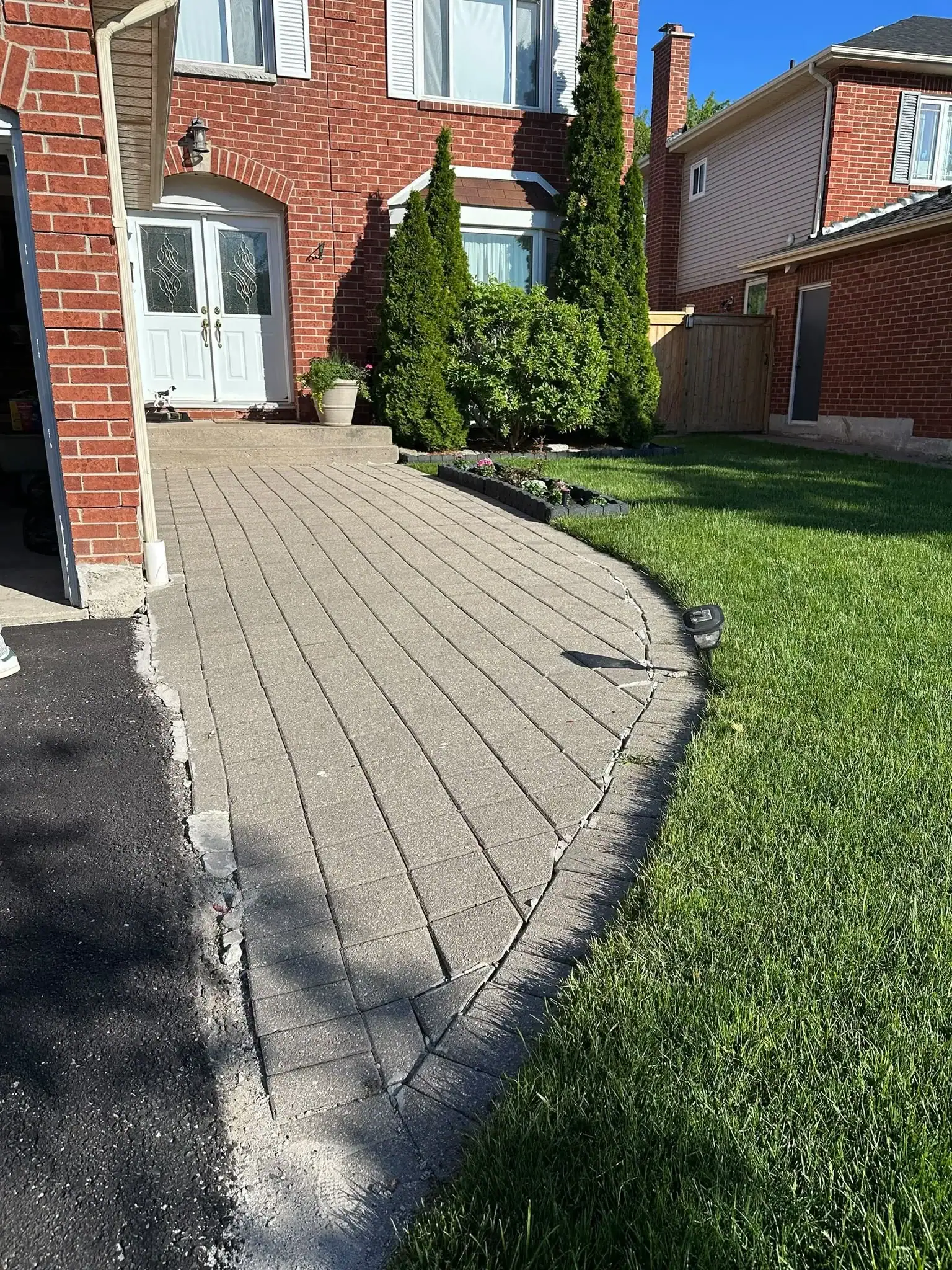
Cracking and shifting of pavers serve as clear indicators of underlying structural issues that require immediate attention.
To assess the extent of the problem, it is advisable to conduct a thorough inspection of the cracks. Vertical cracks typically suggest foundation settling, while horizontal shifts may indicate issues related to soil erosion or water drainage.
Utilizing a level to check for unevenness in the paver surface and measuring the cracks with a measuring tape to monitor their width over time can provide valuable information.
Additionally, it is prudent to become familiar with sealants and repair kits, which are readily available at most hardware stores, as these can offer temporary solutions until a more permanent remedy is implemented.
Pooling Water and Drainage Issues
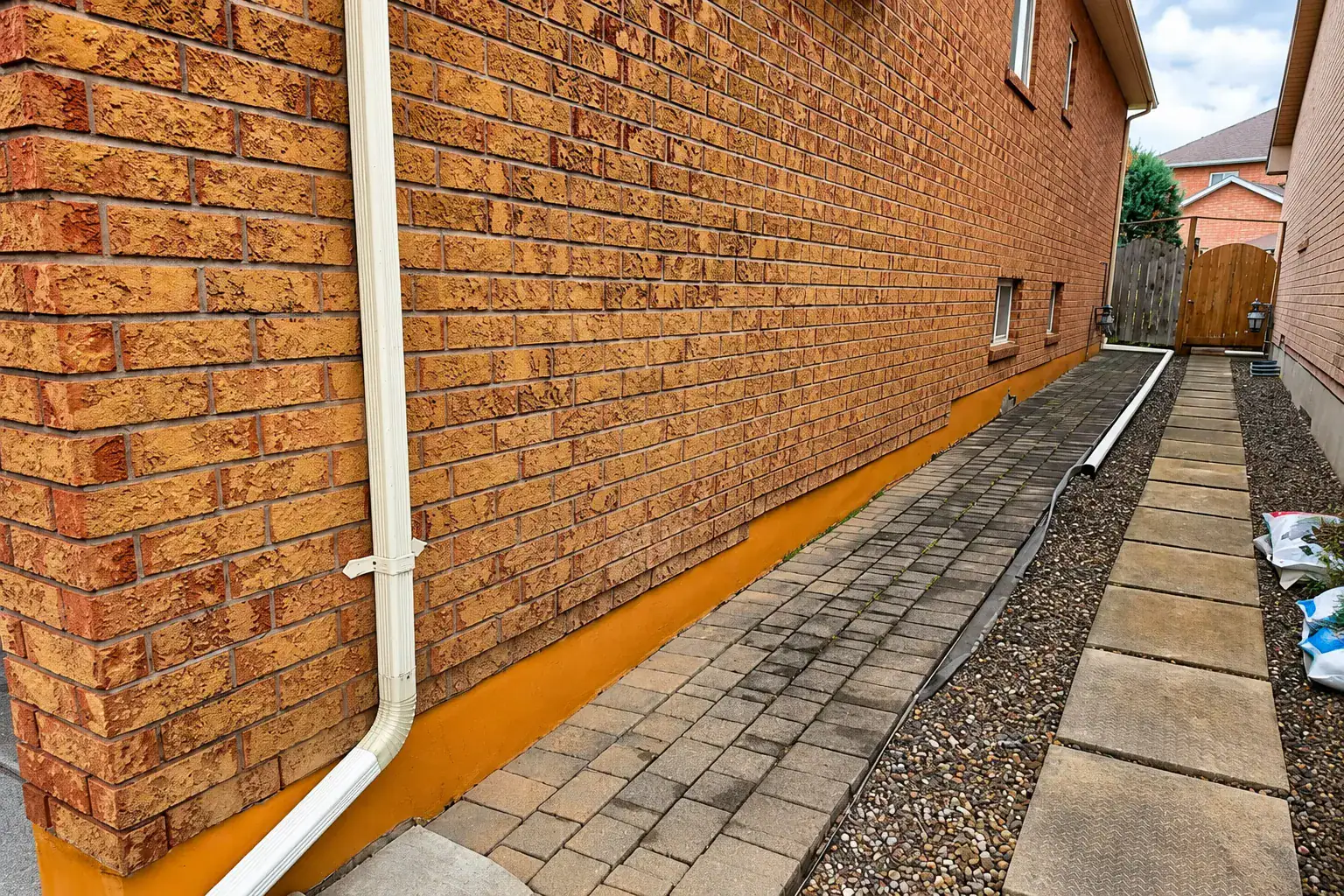
Pooling water around interlock bases may indicate inadequate drainage, which can lead to erosion and potential instability of the pavers.
The implications of unaddressed interlock base failures can extend beyond just the surface.
To evaluate drainage efficiency, it is advisable to utilize a moisture meter to assess soil saturation levels surrounding the interlock. Should the readings reveal elevated moisture levels, it may be necessary to consider remediation options.
- Re-grading the area can effectively redirect excess water away from the interlock, thereby ensuring proper flow.
- Additionally, the installation of French drains or perforated pipes can significantly enhance drainage capacity, particularly in regions susceptible to flooding.
Regular maintenance, such as the removal of debris from drainage channels, will contribute to efficient water management over time.
Solutions and Preventive Measures
The implementation of effective solutions and preventive measures can substantially improve the durability of interlock systems and reduce the likelihood of failures.
Multiple strategies exist to counteract interlock base failures effectively.
Proper Installation Practices
Adhering to proper installation practices is essential for ensuring the longevity and performance of interlock systems.
It is advisable to begin by preparing a solid base, utilizing crushed gravel or sand as a foundation to promote adequate drainage and stability. For precise alignment, employing a taut string line or a laser level is recommended to ensure that pavers are laid in a straight and even manner. It is also important to compact the base thoroughly prior to laying the pavers to prevent any shifting over time.
Following reputable installation guidelines from established sources, such as the Interlocking Concrete Pavement Institute (ICPI), can help avoid common pitfalls. Additionally, regular maintenance-such as joint filling and periodic re-leveling-is critical for preserving the integrity of the installation.
Testing for signs of interlock base failures should be a routine part of maintenance.
Regular Maintenance Tips
Regular maintenance is essential for preserving the integrity of interlock systems and preventing costly failures. To ensure that interlock systems remain in optimal condition, it is advisable to conduct seasonal inspections.
-
- Begin by examining the joints for any cracks or gaps and apply a high-quality sealant to prevent water infiltration.
- Utilizing a pressure washer to effectively remove debris and stains is recommended, as this will help maintain proper drainage.
- Additionally, it is important to monitor for the presence of weeds and remove them to prevent destabilization of the system.
- It is crucial to adhere to local regulations regarding the types of sealants used and the disposal of waste materials.
Communication with contractors about potential interlock base failures can lead to timely interventions.
By implementing these maintenance steps, one can significantly extend the lifespan of the interlock system while enhancing its overall aesthetic appeal.
Drainage Solutions
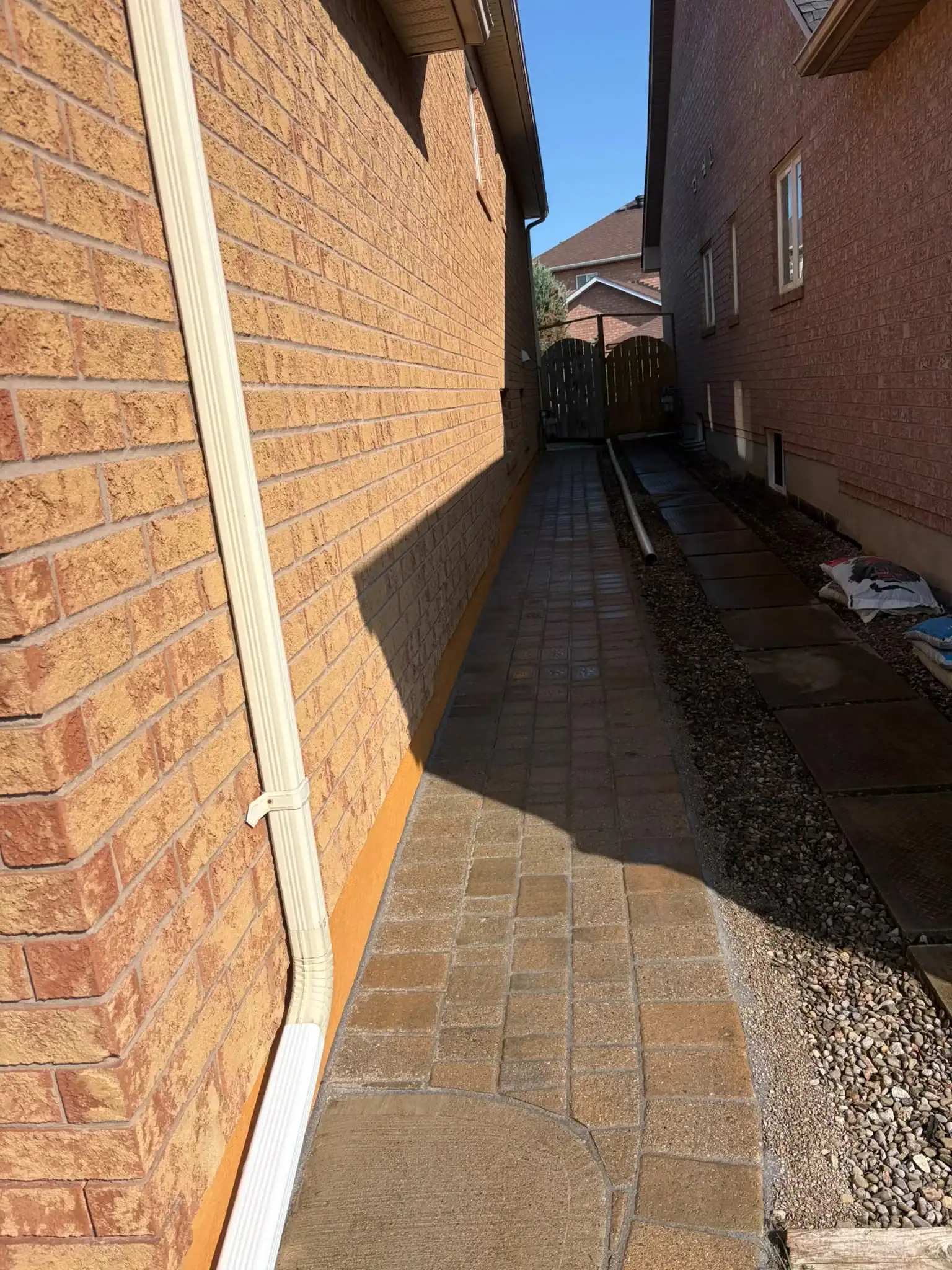
Implementing effective drainage solutions is essential for mitigating water-related issues and extending the lifespan of interlock bases. Various options should be considered, including permeable pavers, which facilitate water infiltration while minimizing runoff; trench drains designed to efficiently capture surface water; and proper grading techniques that direct water away from foundations.
For example, in a residential project, the installation of a trench drain along the driveway, coupled with a slight slope applied to the garden beds, resulted in a 50% reduction in maintenance costs. Additionally, the use of permeable pavers in the patio area not only improved the overall aesthetics but also significantly minimized puddling, thereby demonstrating the advantages of thoughtfully designed drainage strategies.
Summary of Key Points
Key points include the importance of proper installation, regular maintenance, and an understanding of the environmental impacts on interlock systems.
To ensure optimal performance of interlock systems, it is advisable to schedule regular maintenance checks every six months. During these inspections, it is essential to assess the condition of the interlocking stones as well as the integrity of the underlying base.
Utilizing a sealant specifically formulated for interlocking pavers is recommended; applying it after thorough cleaning can help prevent weather-related damage. Additionally, comprehending the drainage patterns of the surrounding environment is critical.
Planning for adverse weather can help prevent interlock base failures.
For example, in areas prone to heavy rainfall, it may be prudent to install a drainage system that complements the interlock design, thereby effectively preventing water pooling and erosion.
Future Considerations for Interlock Systems
As urban areas continue to evolve, future considerations for interlock systems will encompass advancements in materials and design strategies aimed at addressing climate challenges. Innovations such as geotextiles can significantly enhance soil stability, facilitating improved drainage and erosion control.
For example, the incorporation of woven geotextiles beneath paving systems serves to enhance load distribution and extend the lifespan of the infrastructure. Furthermore, smart drainage solutions, including permeable paving materials, promote water absorption and minimize runoff, effectively mitigating the risks of flooding.
Innovations can play a key role in preventing interlock base failures.
By integrating these methodologies, cities can develop more resilient infrastructures. It is essential to implement regular inspections and maintenance routines to ensure that these systems operate at peak efficiency, adapting to the evolving climate while maintaining urban aesthetics and functionality