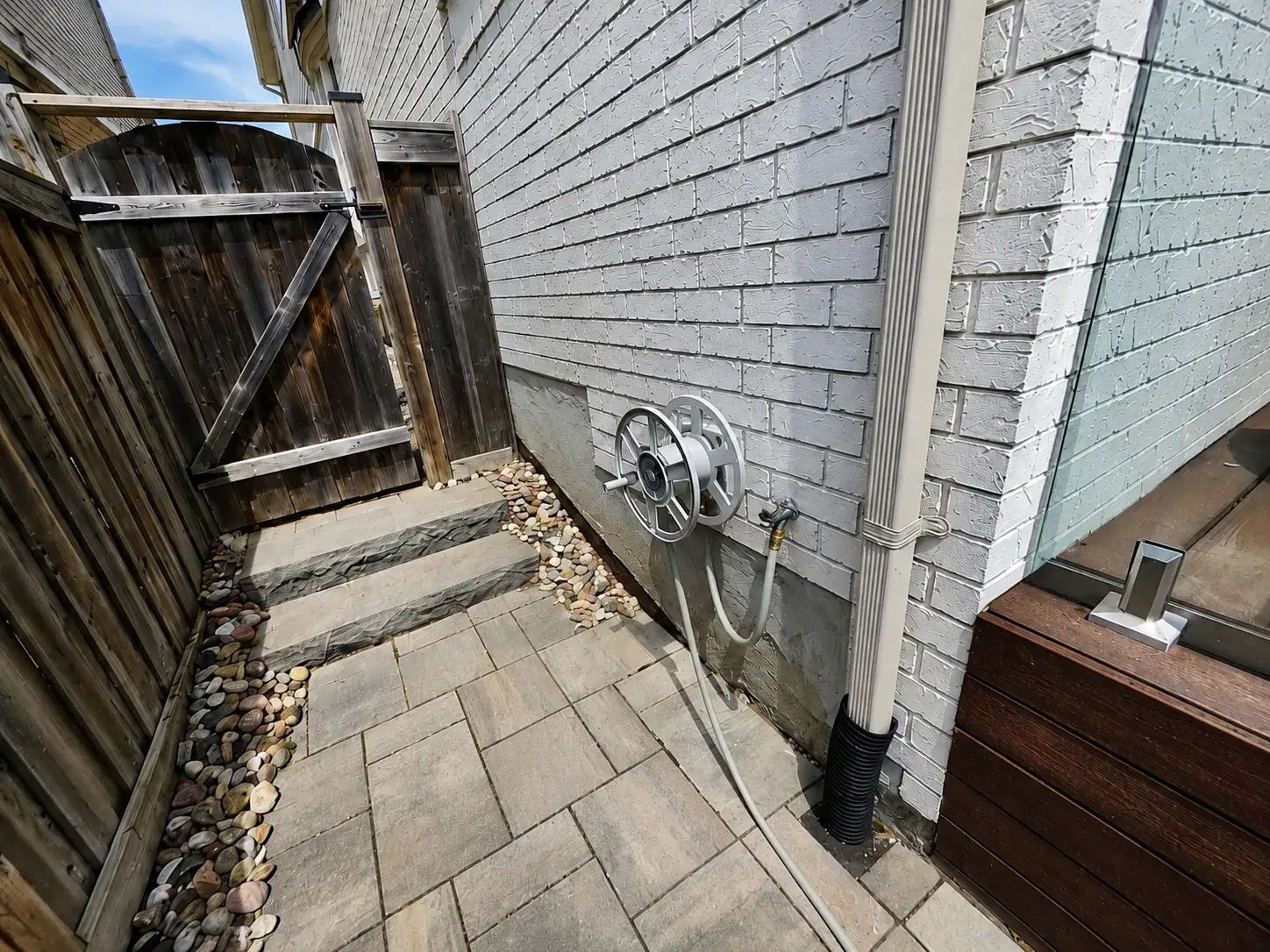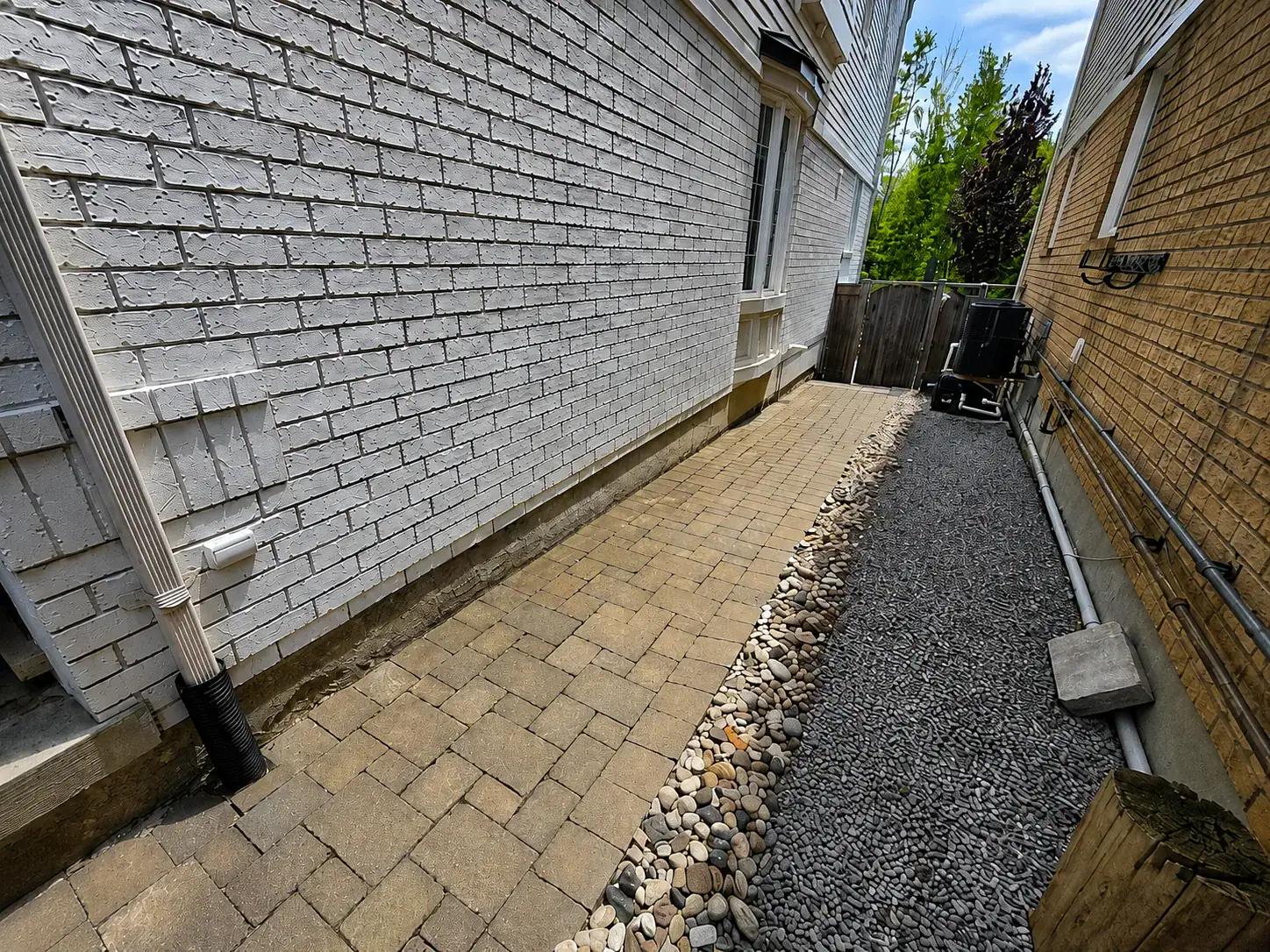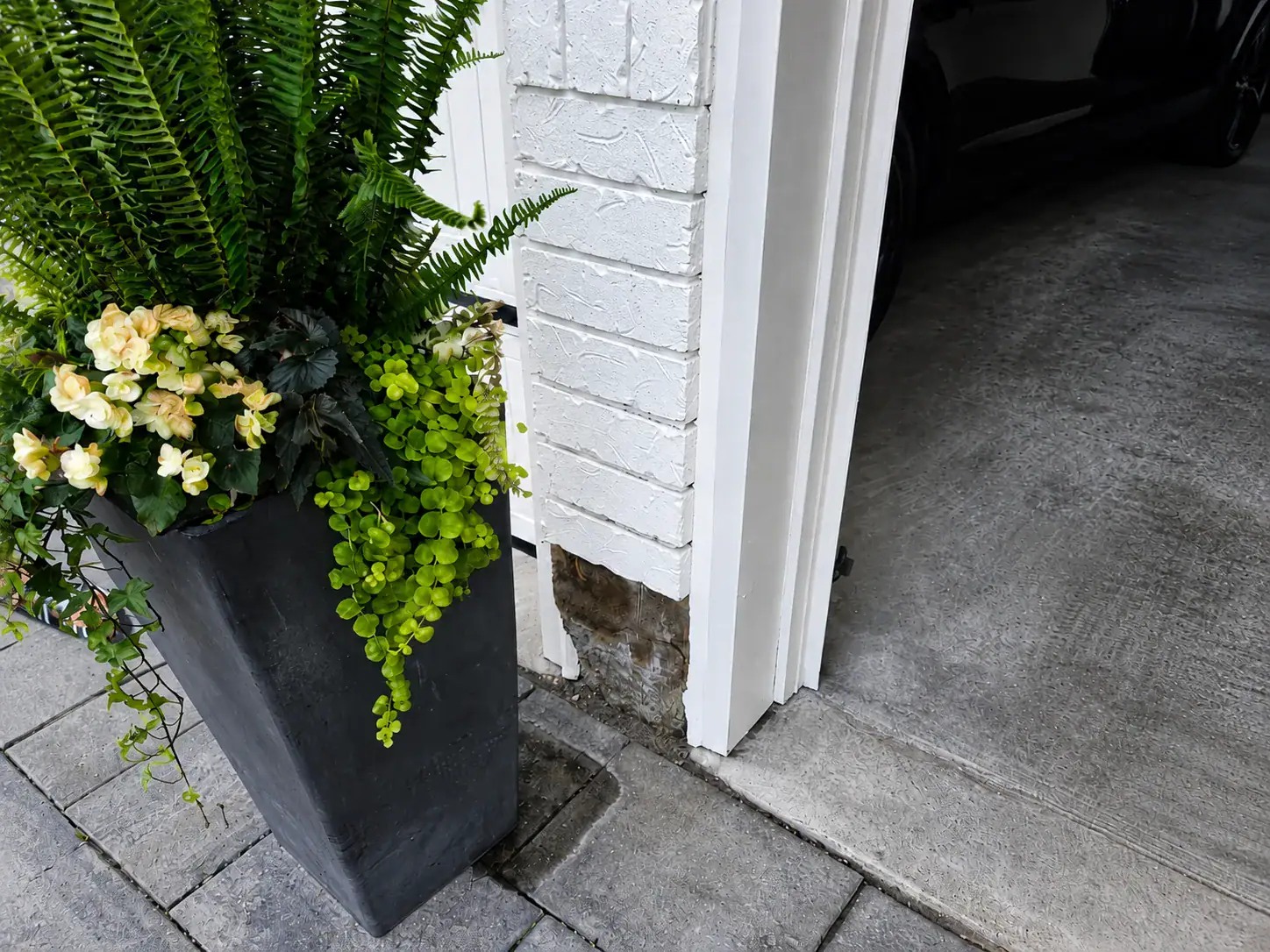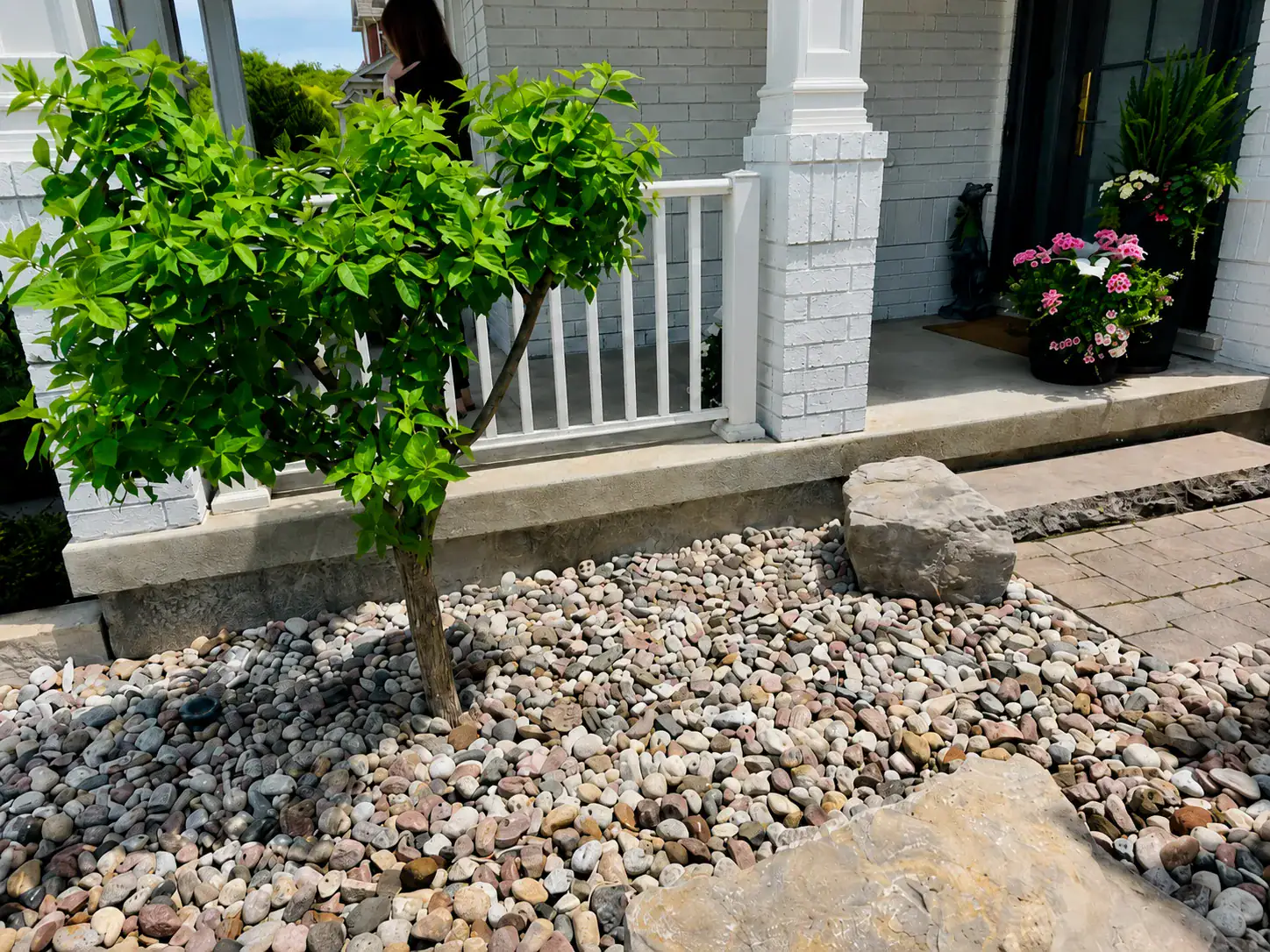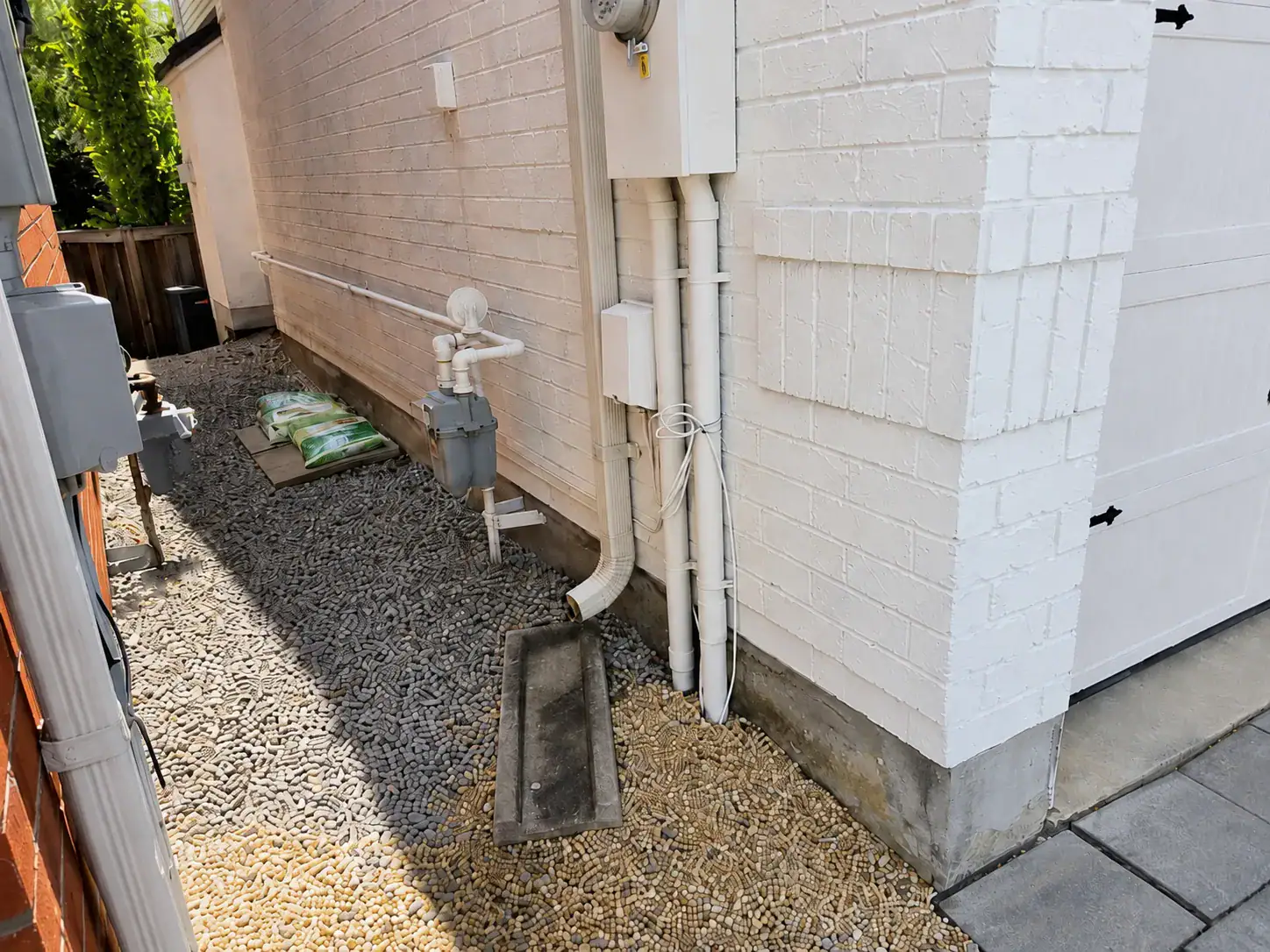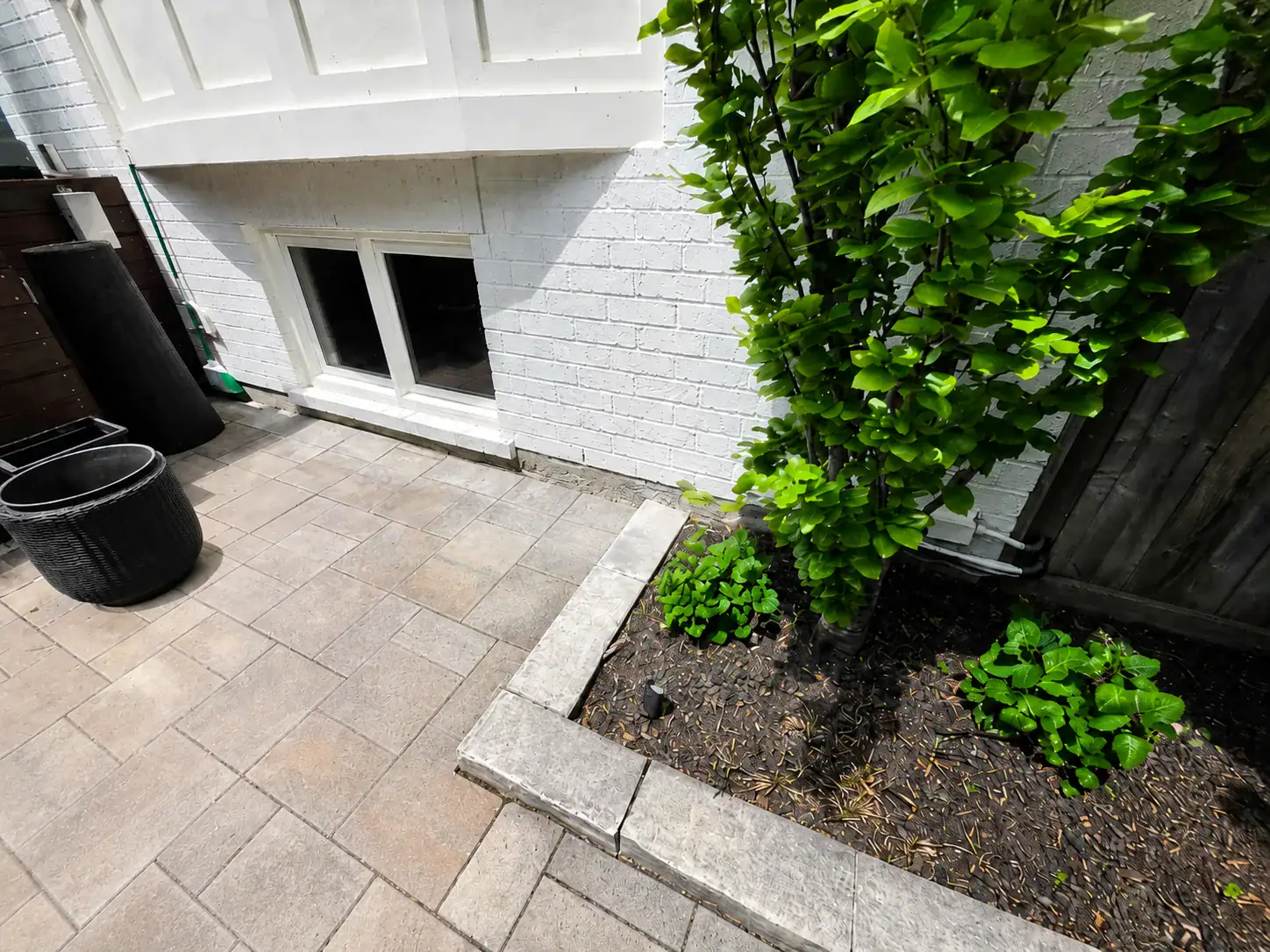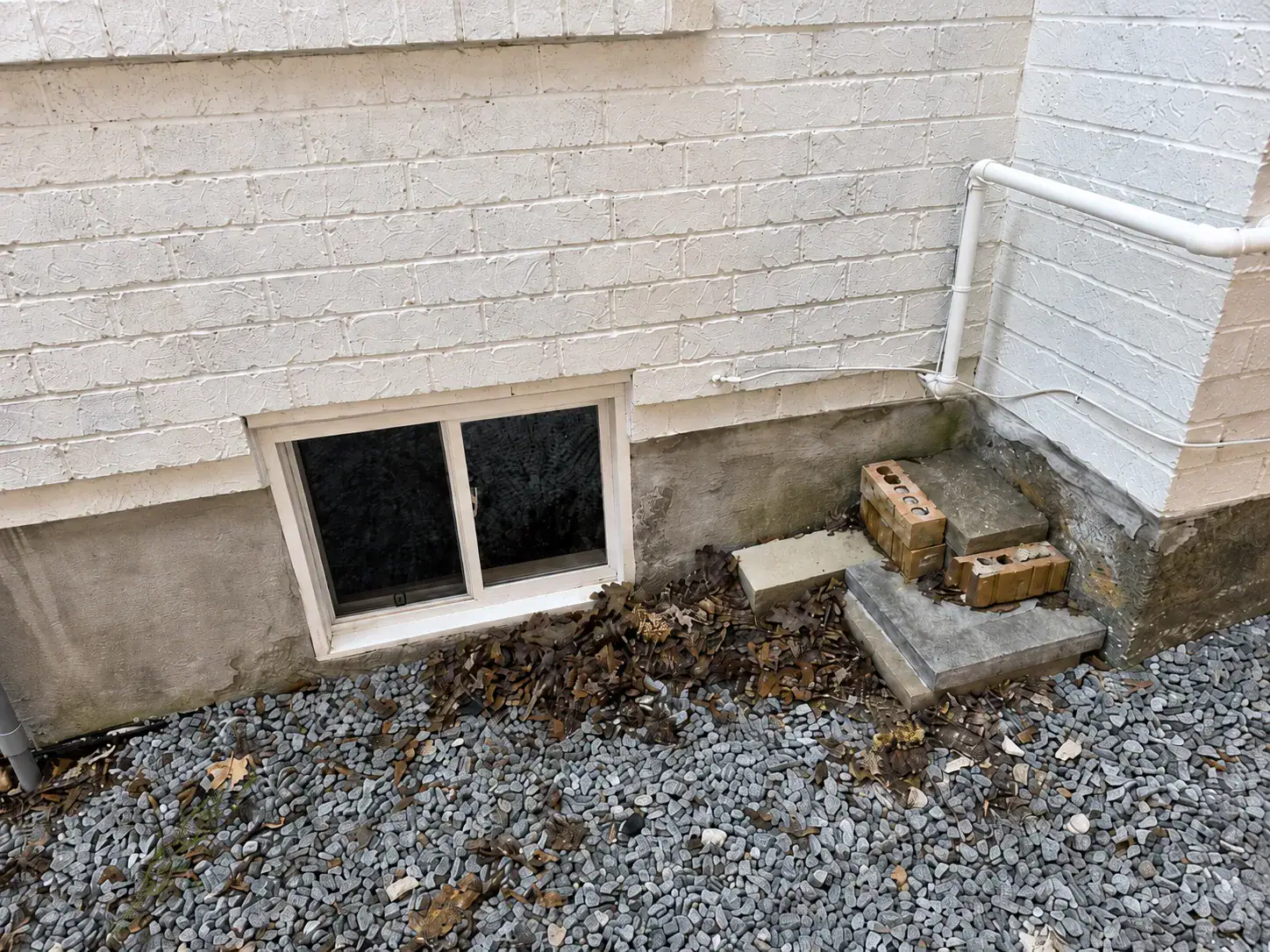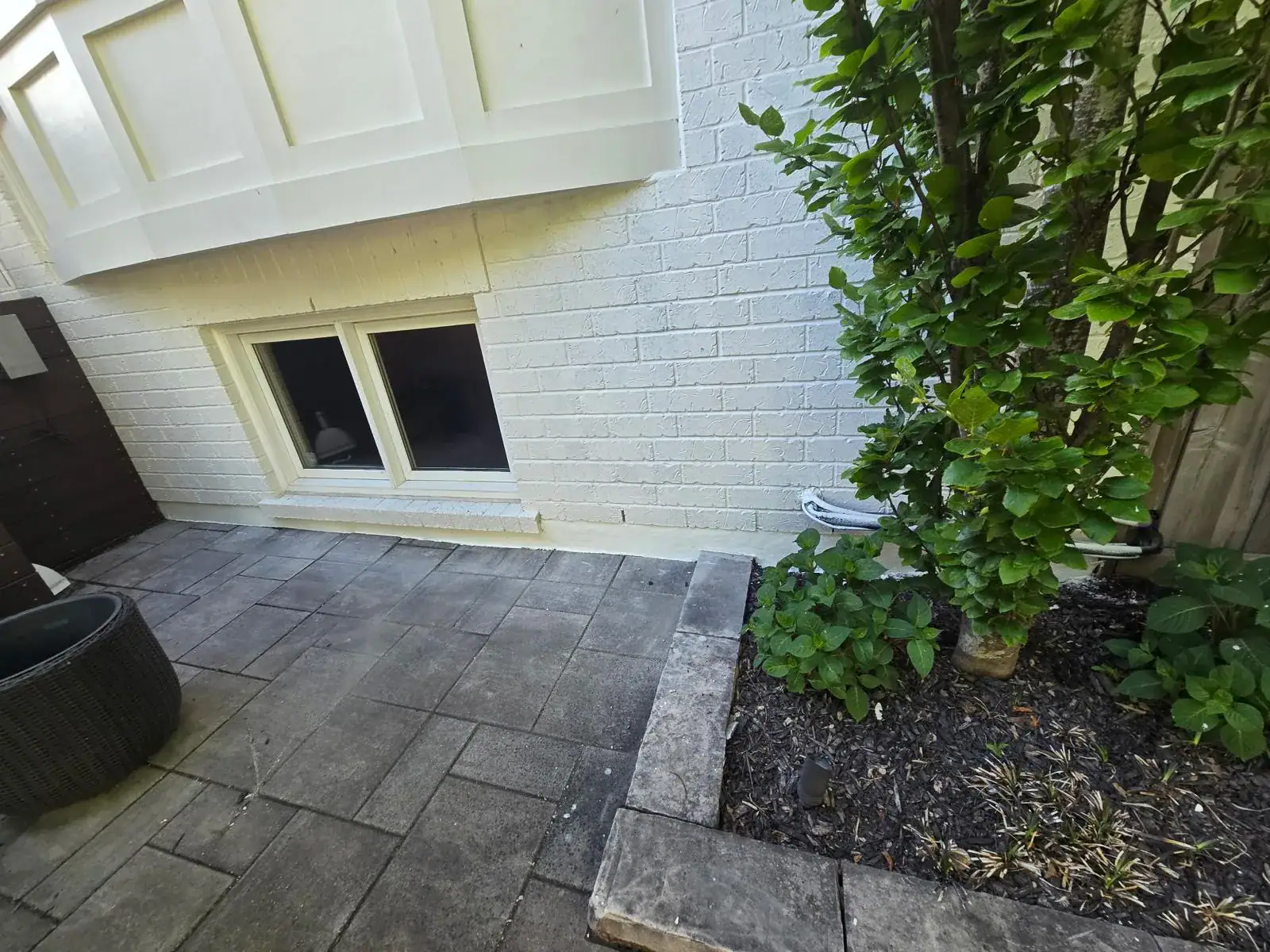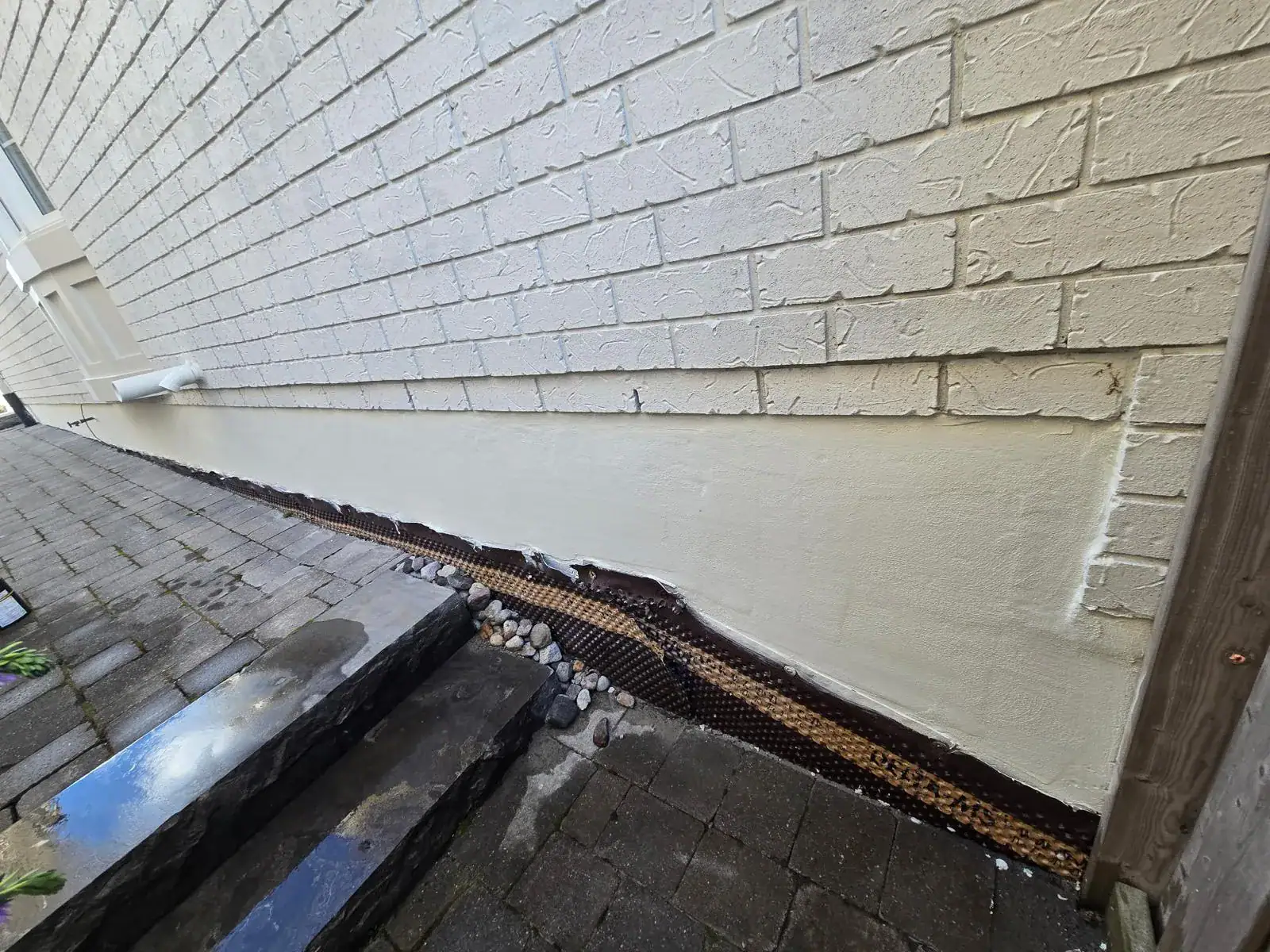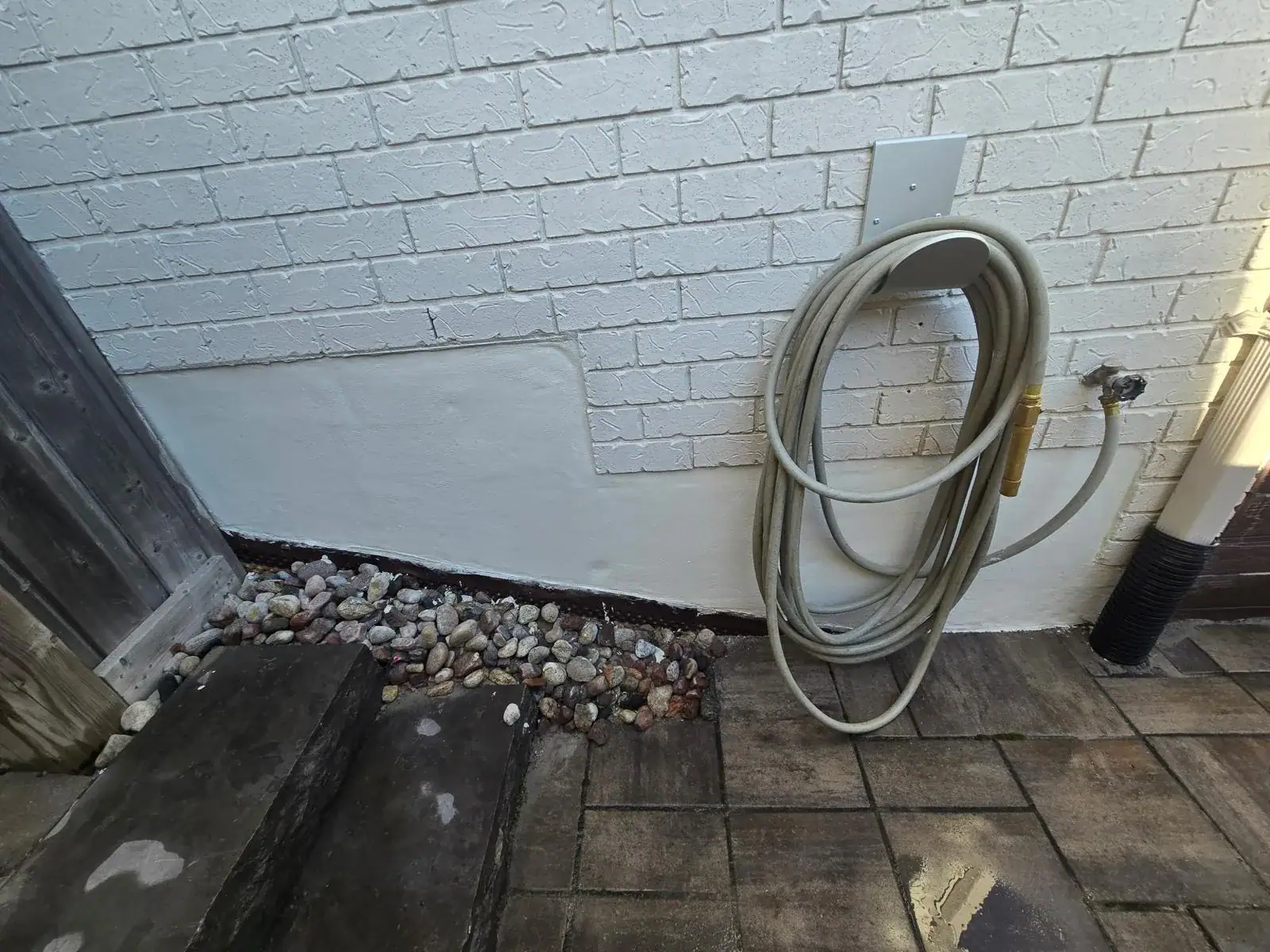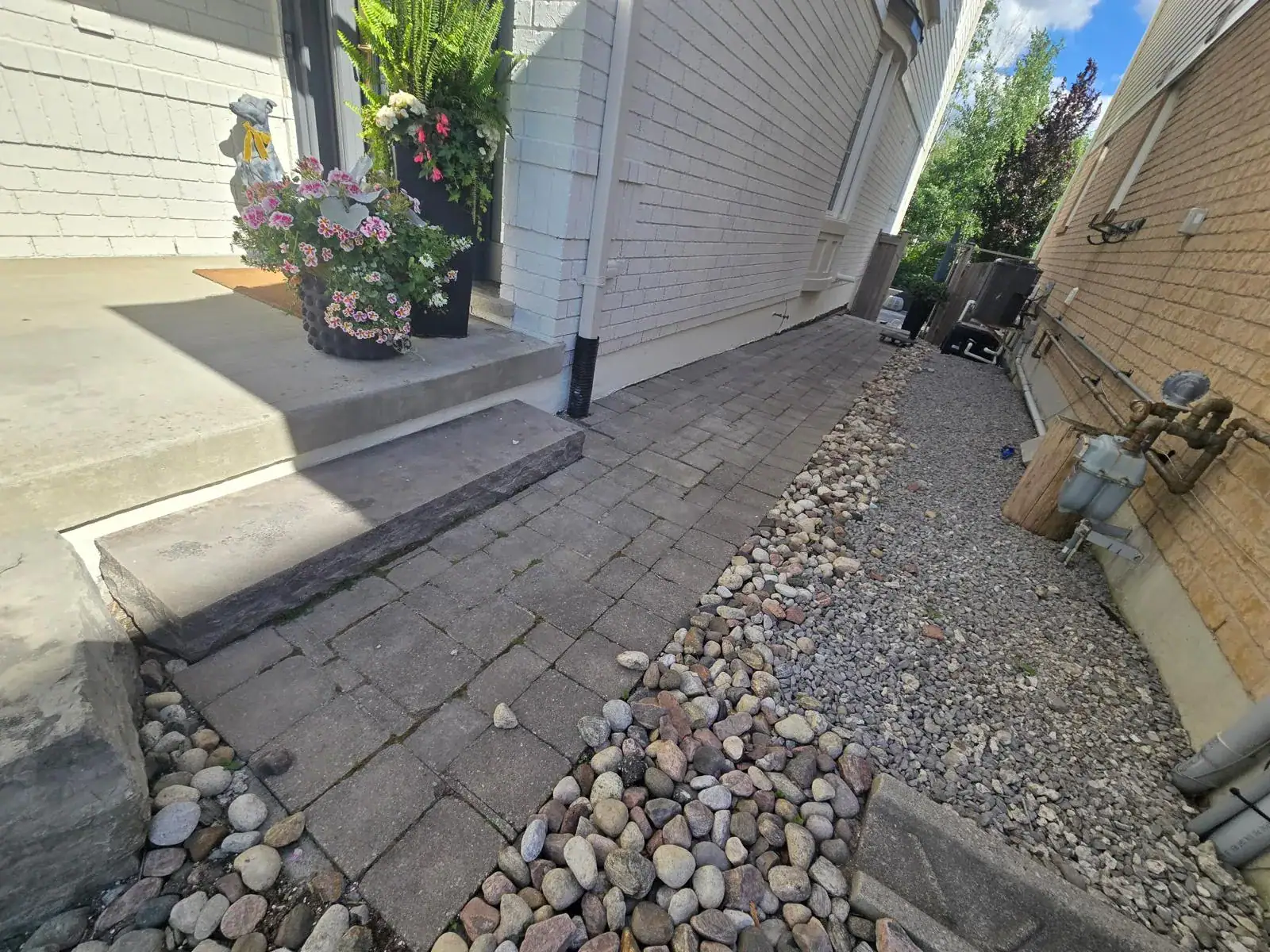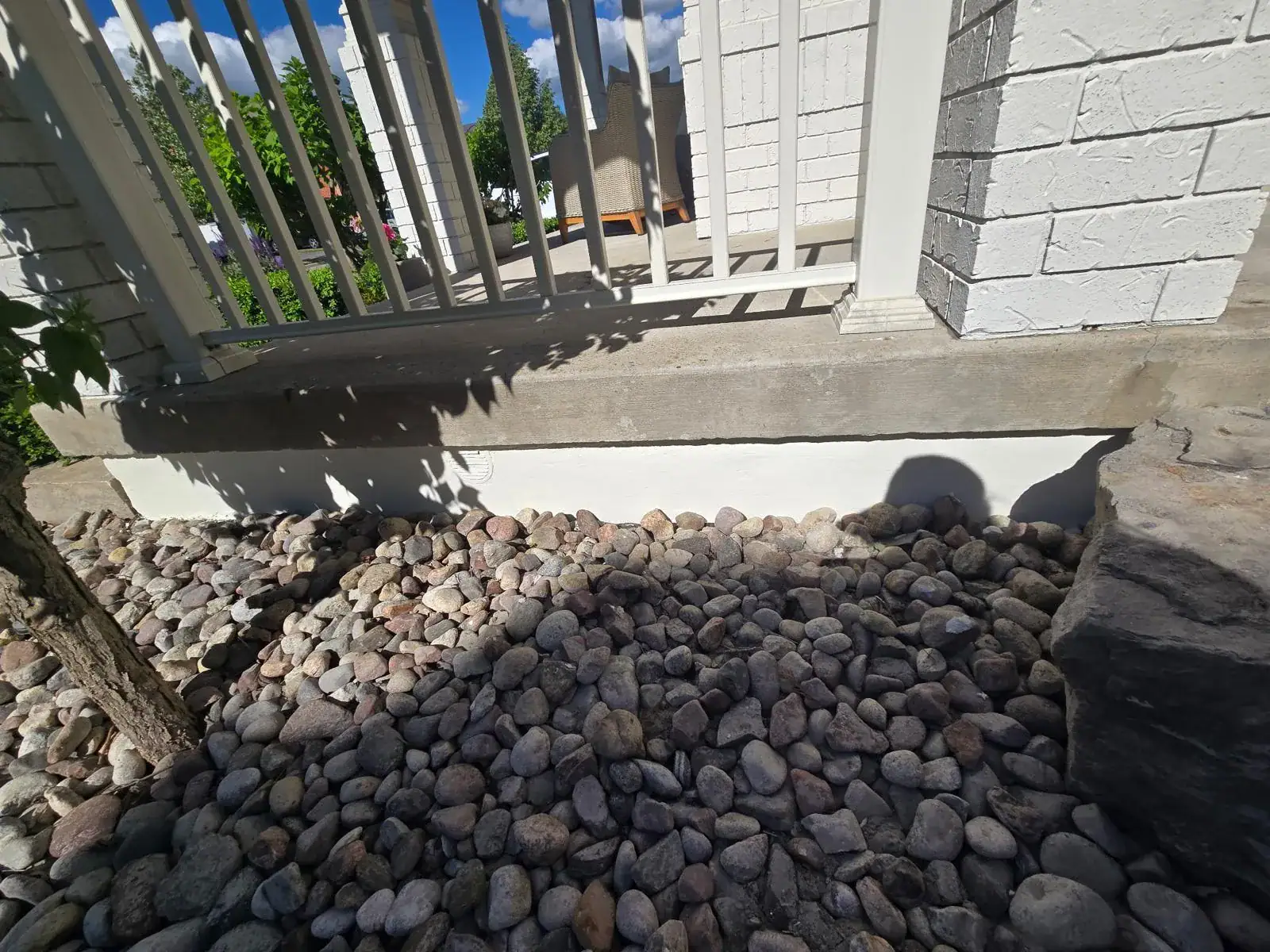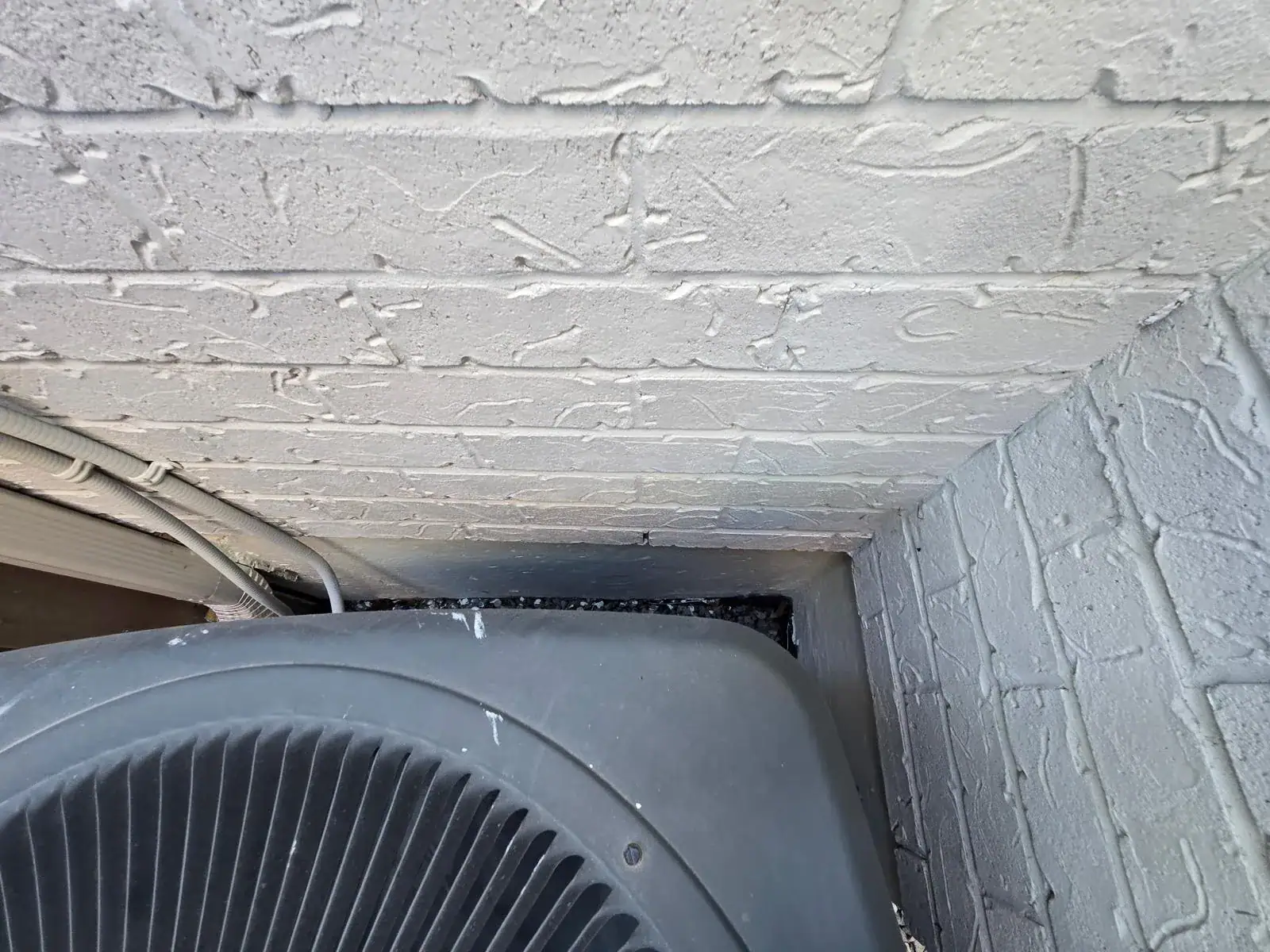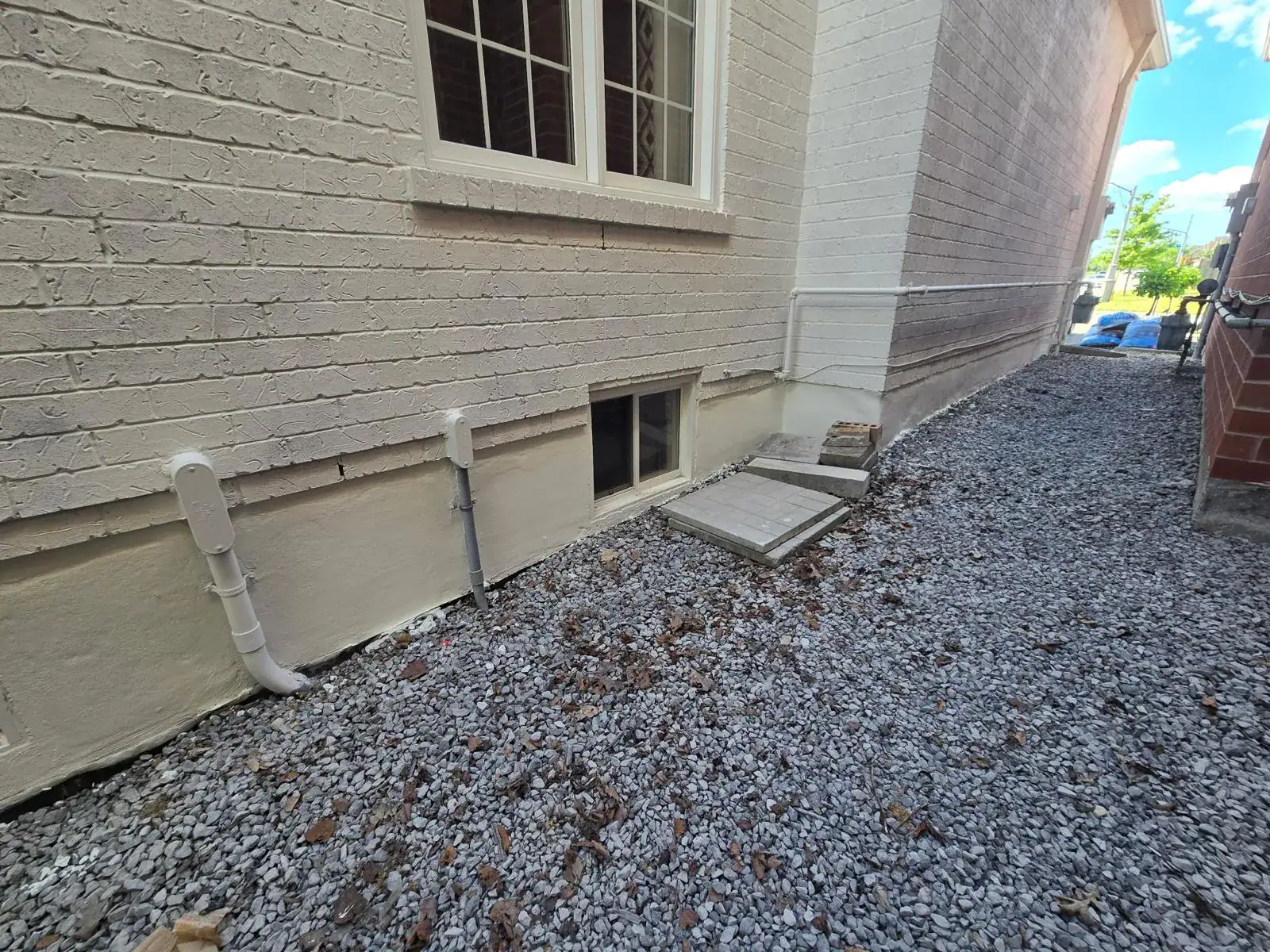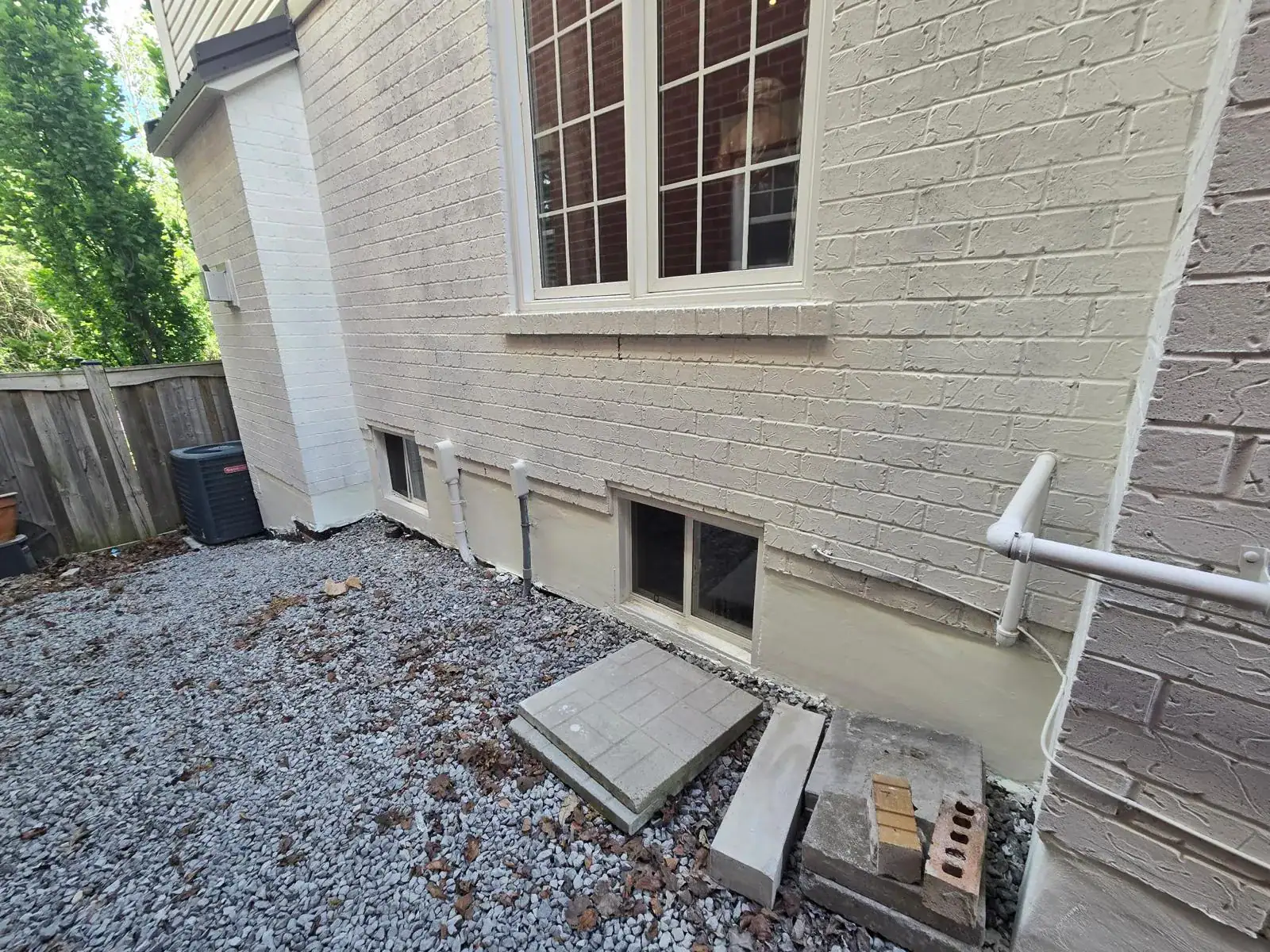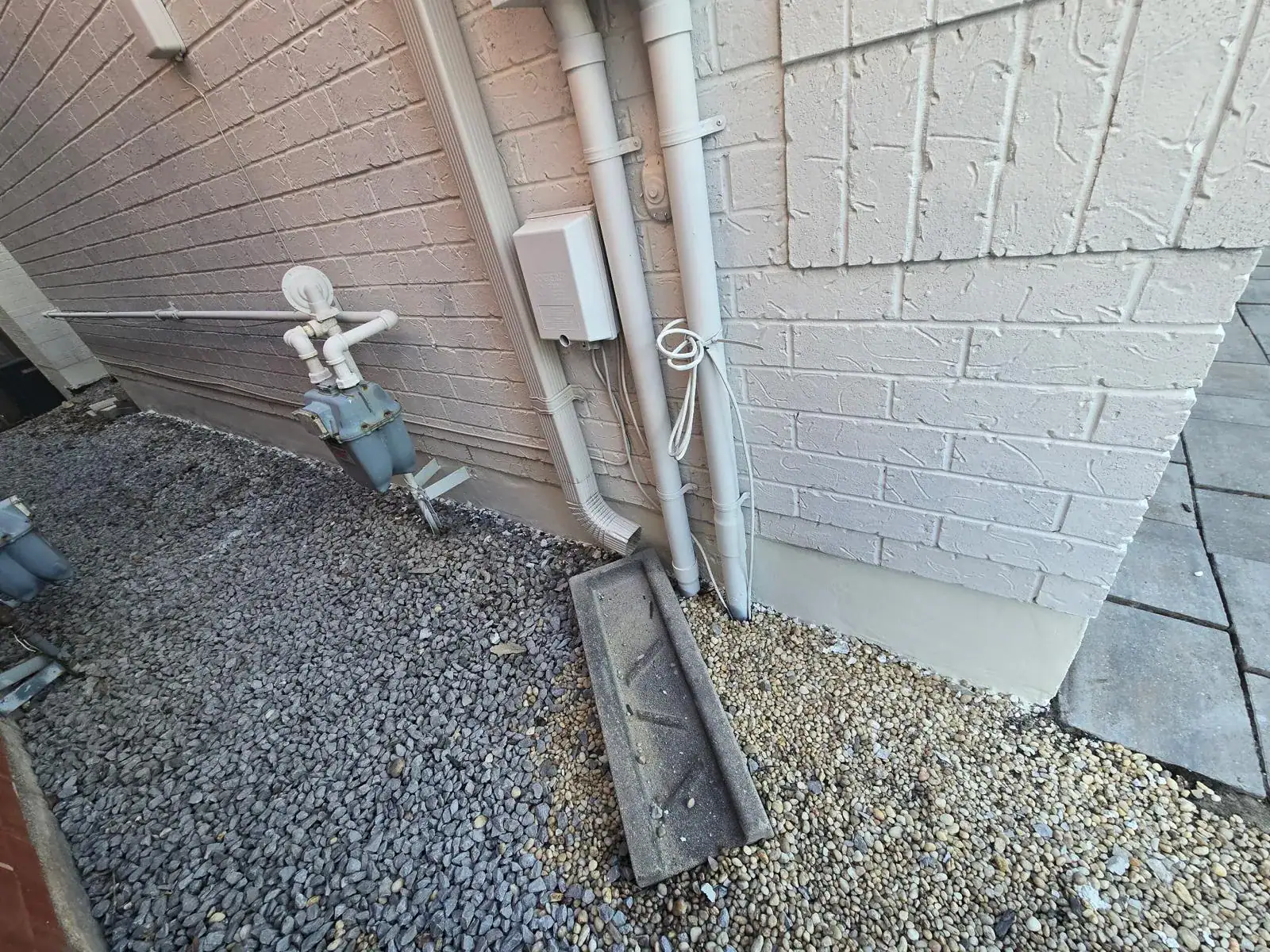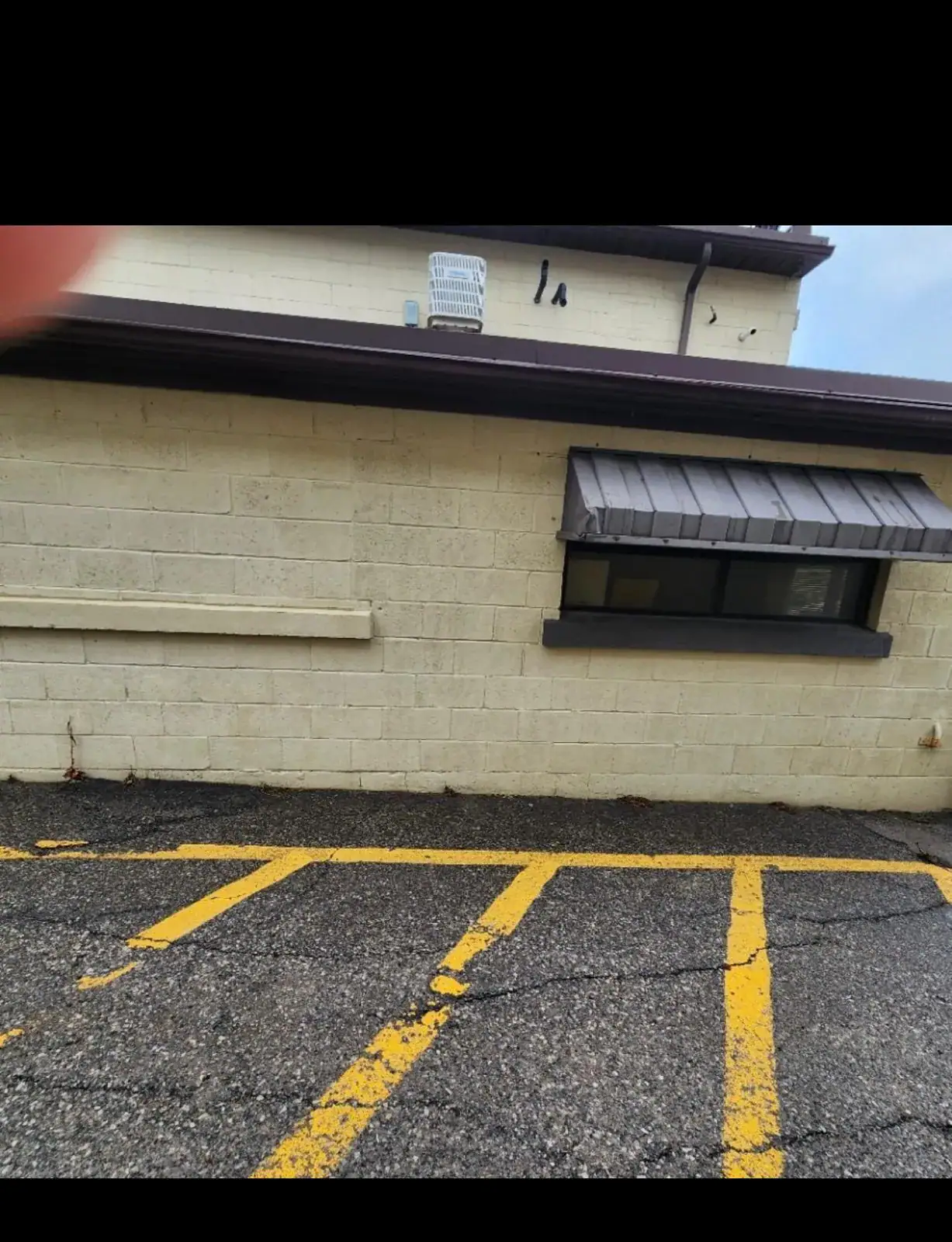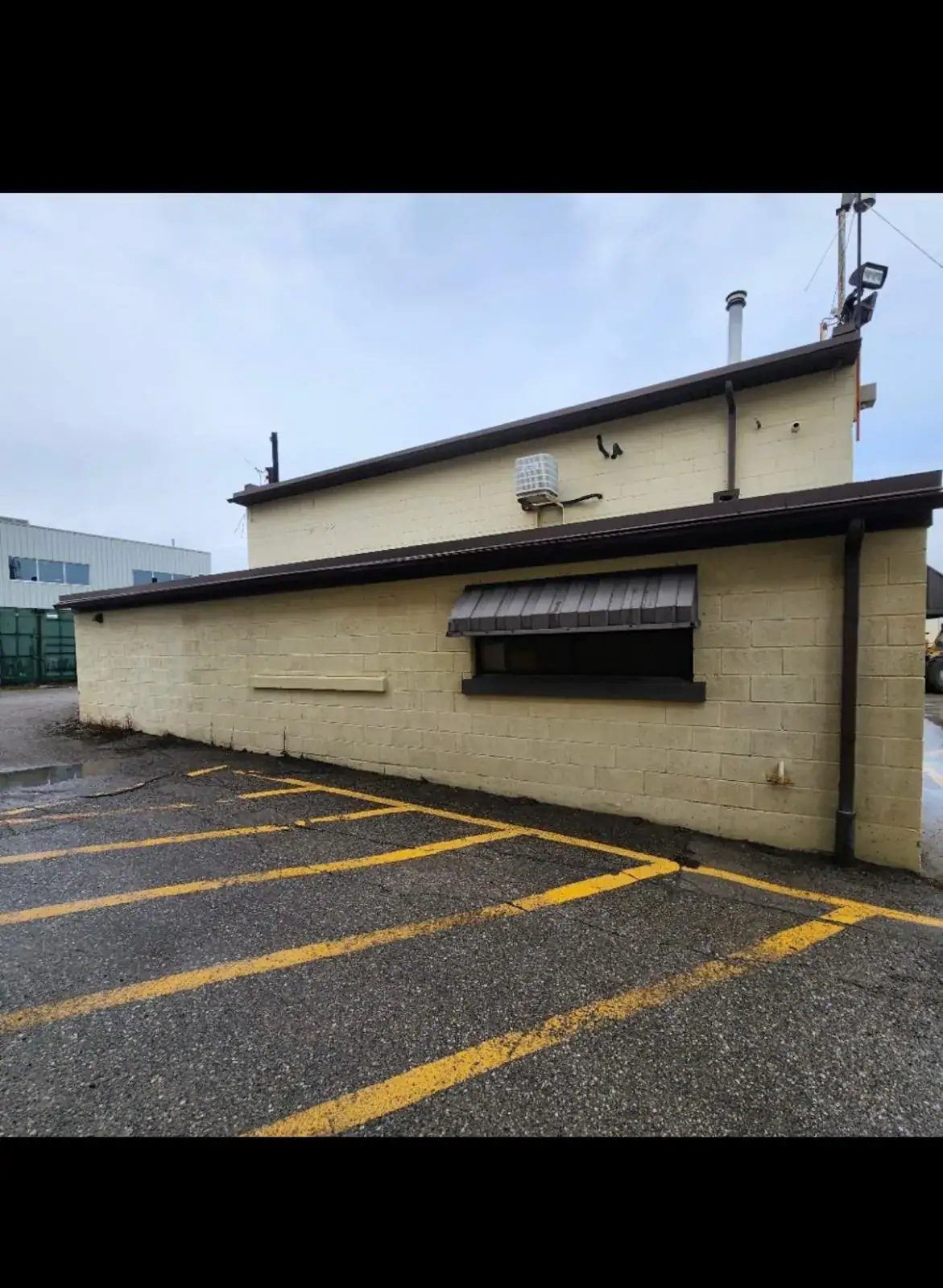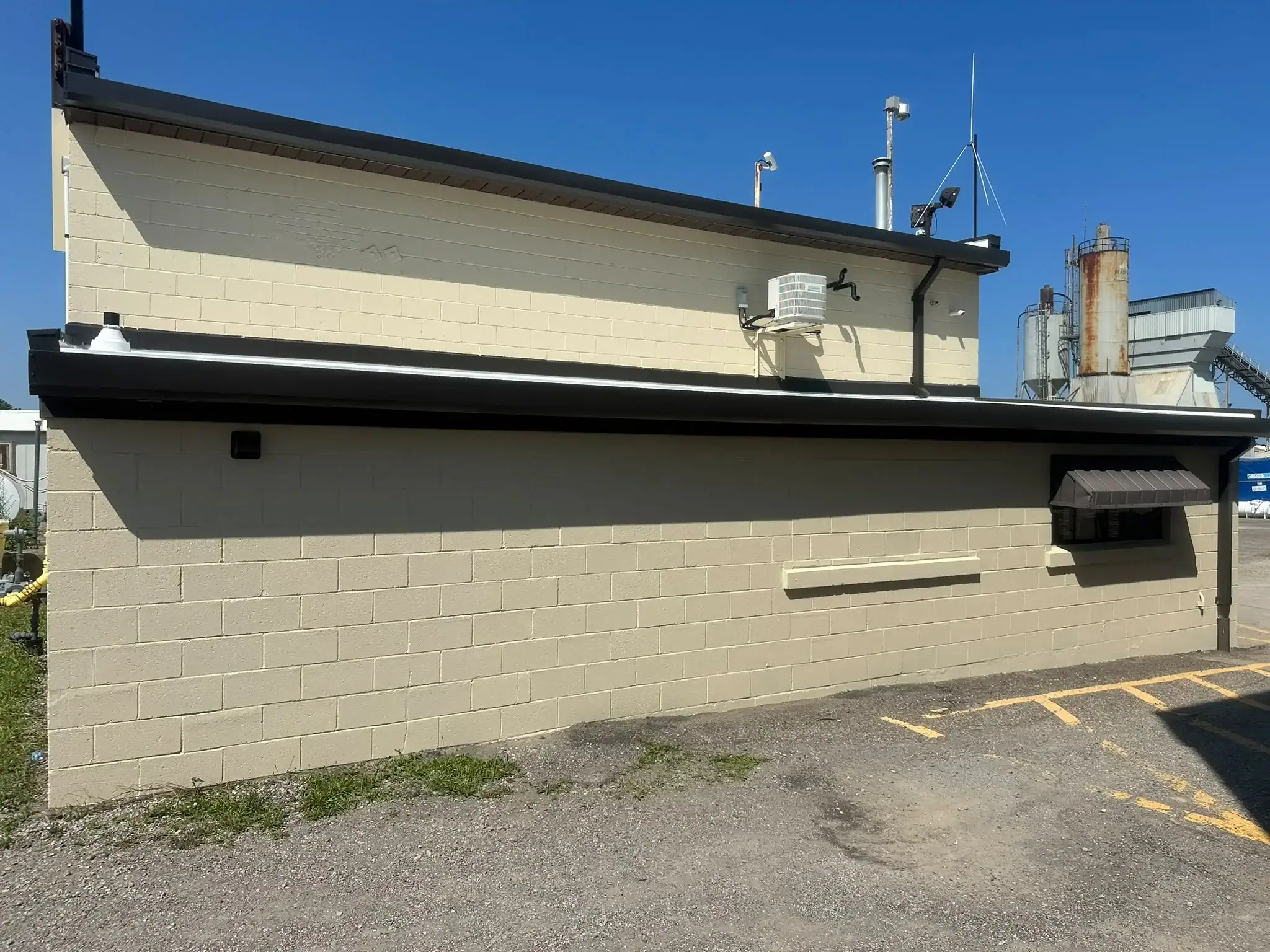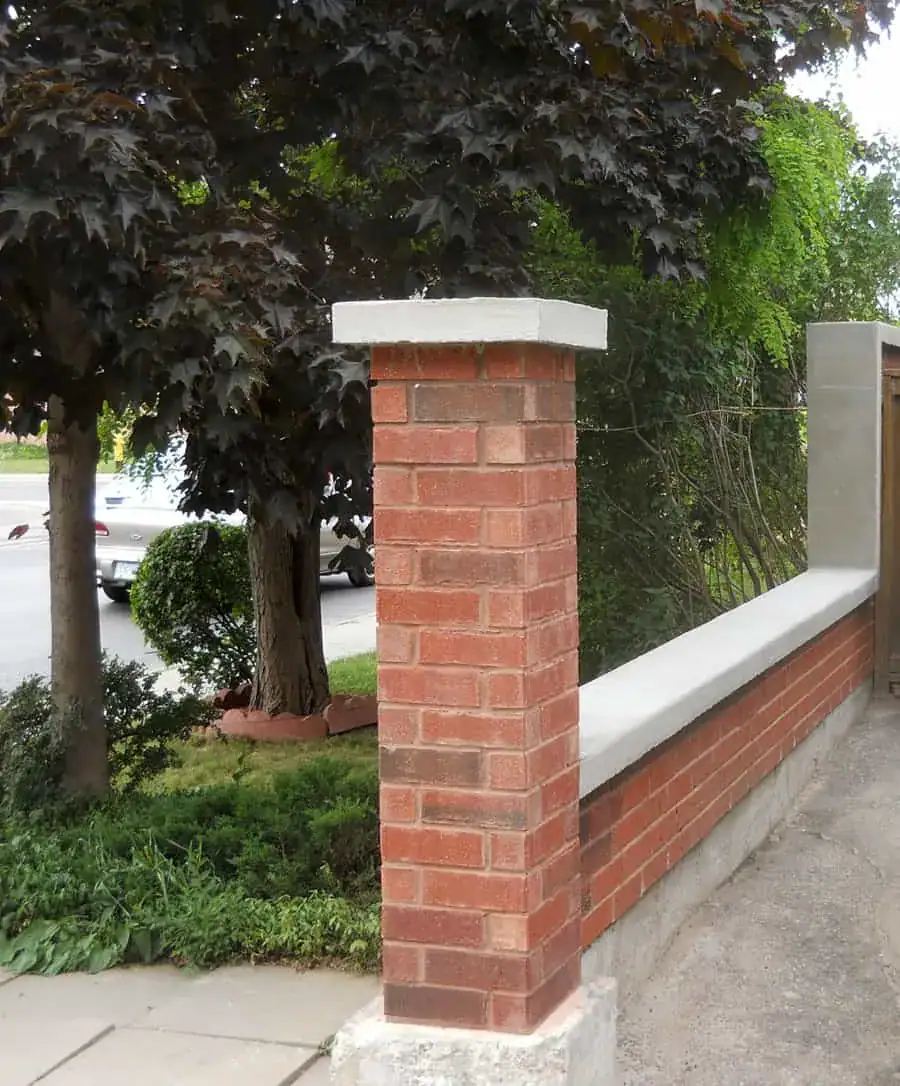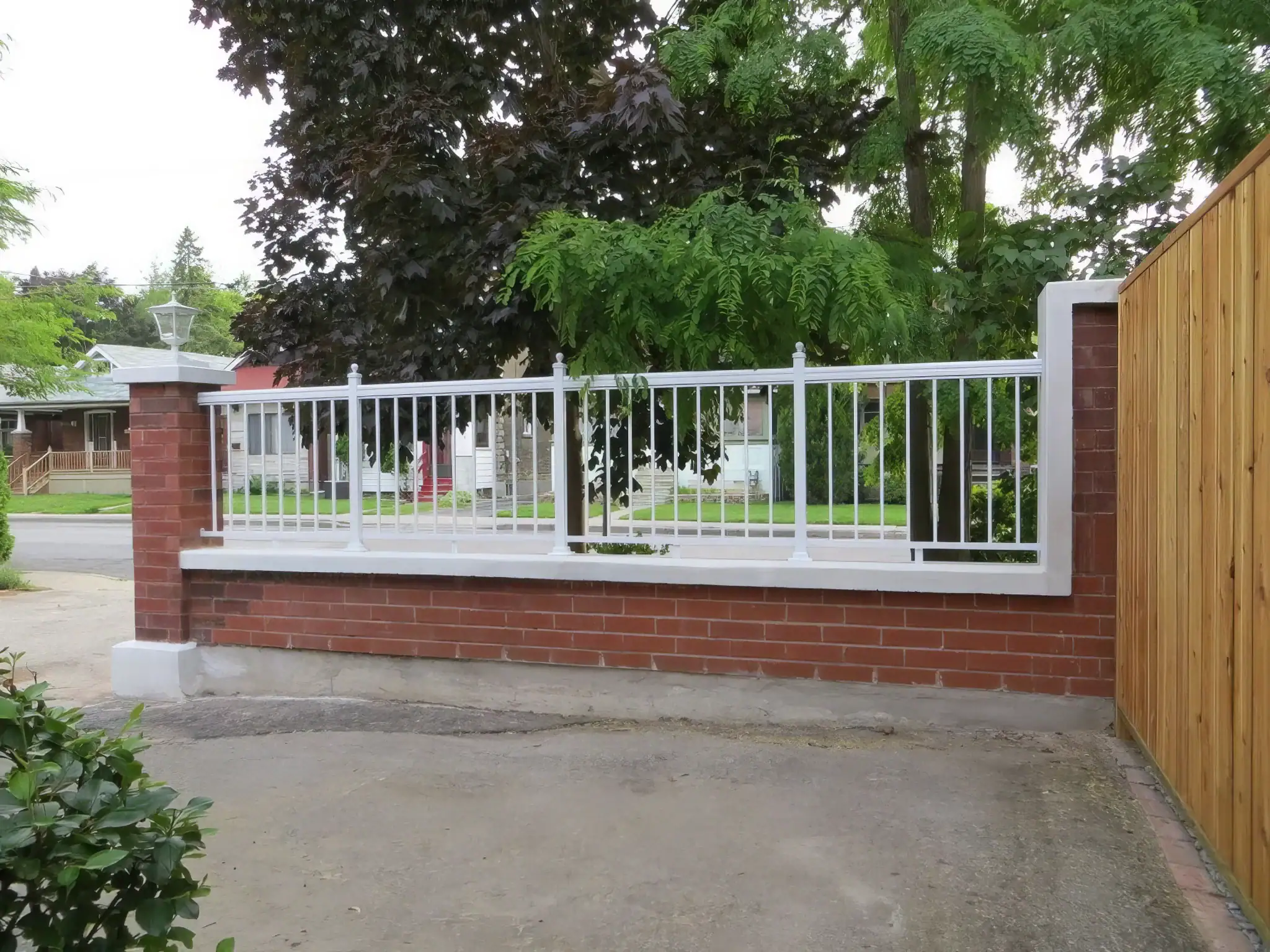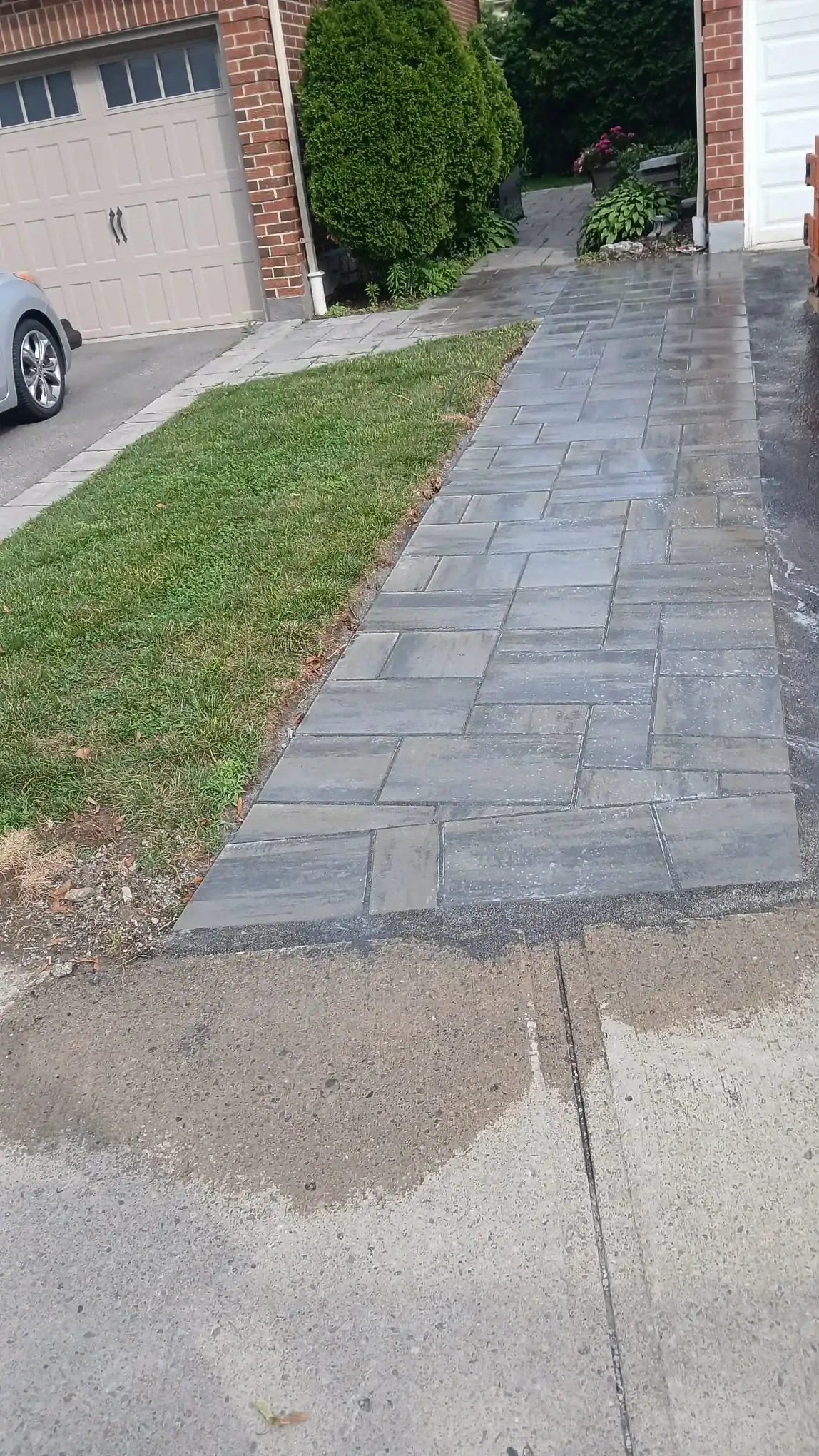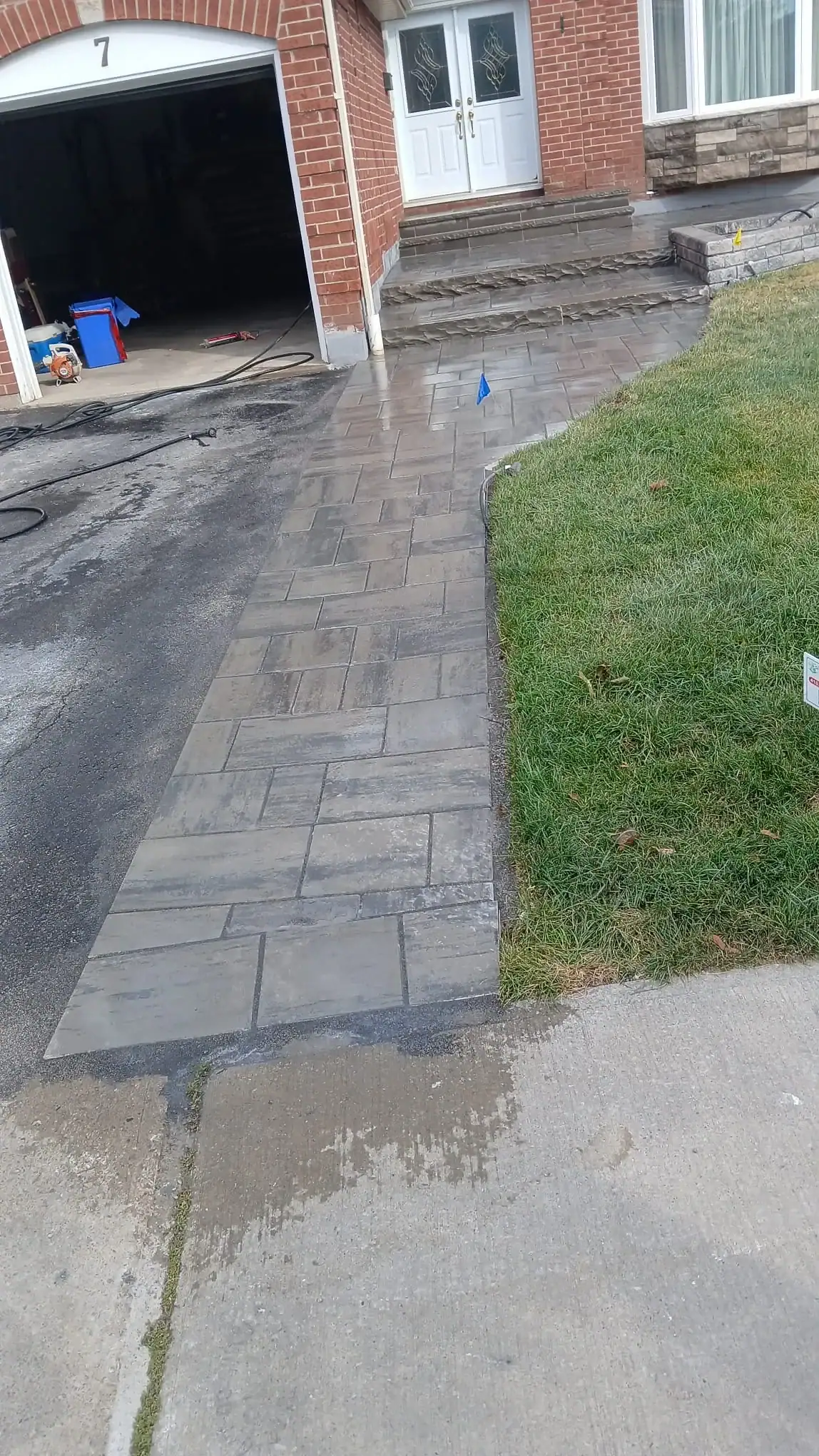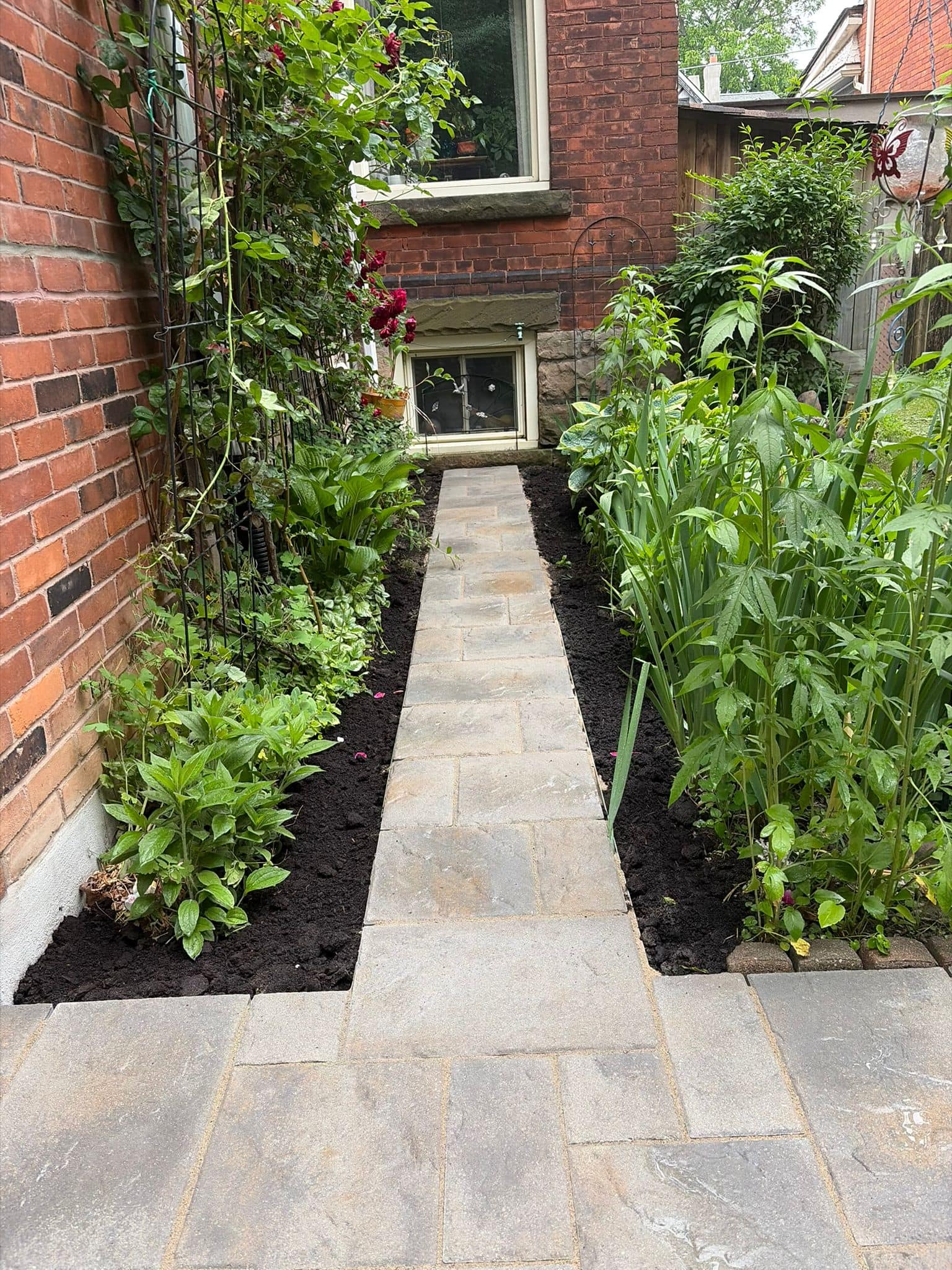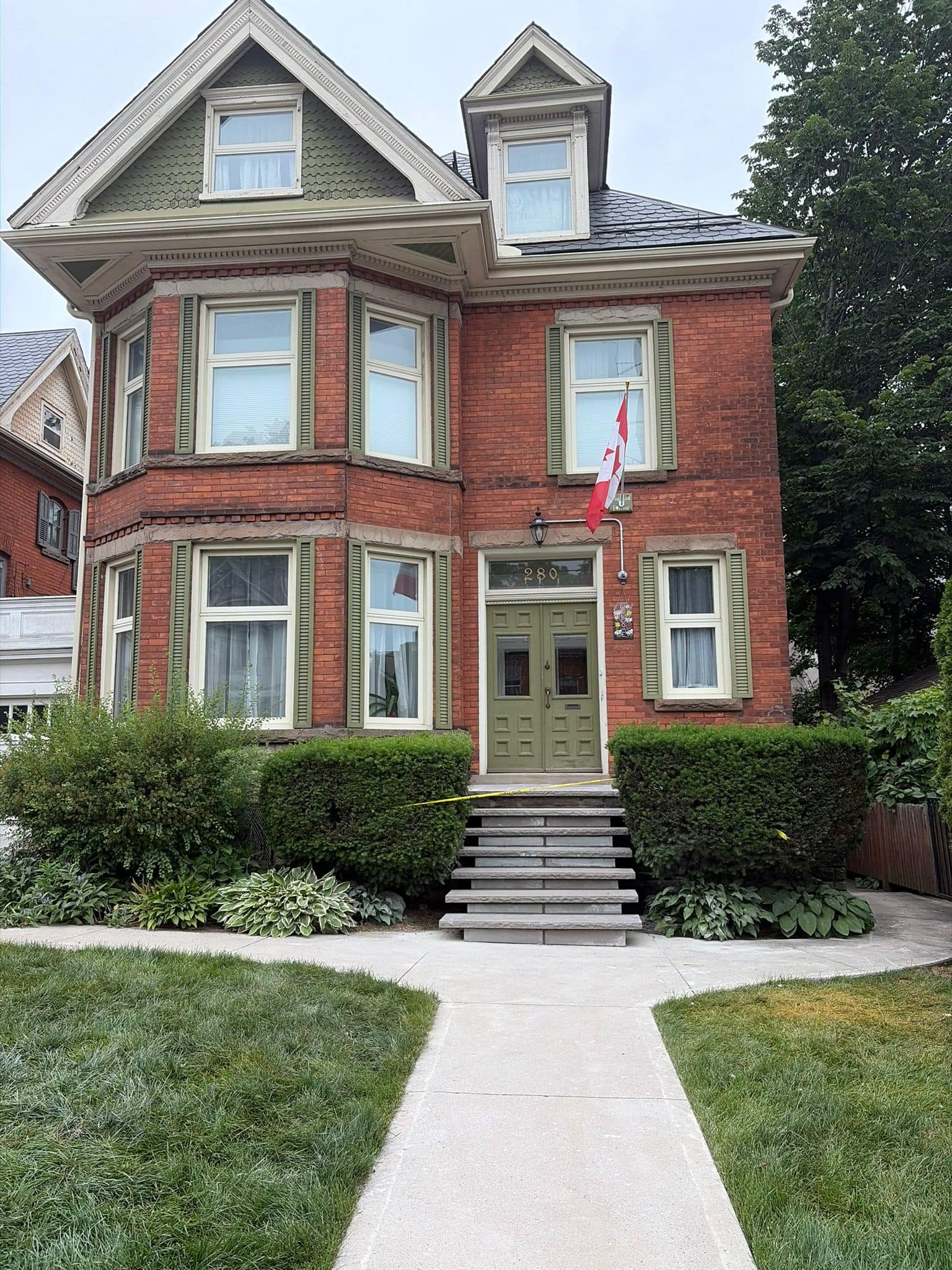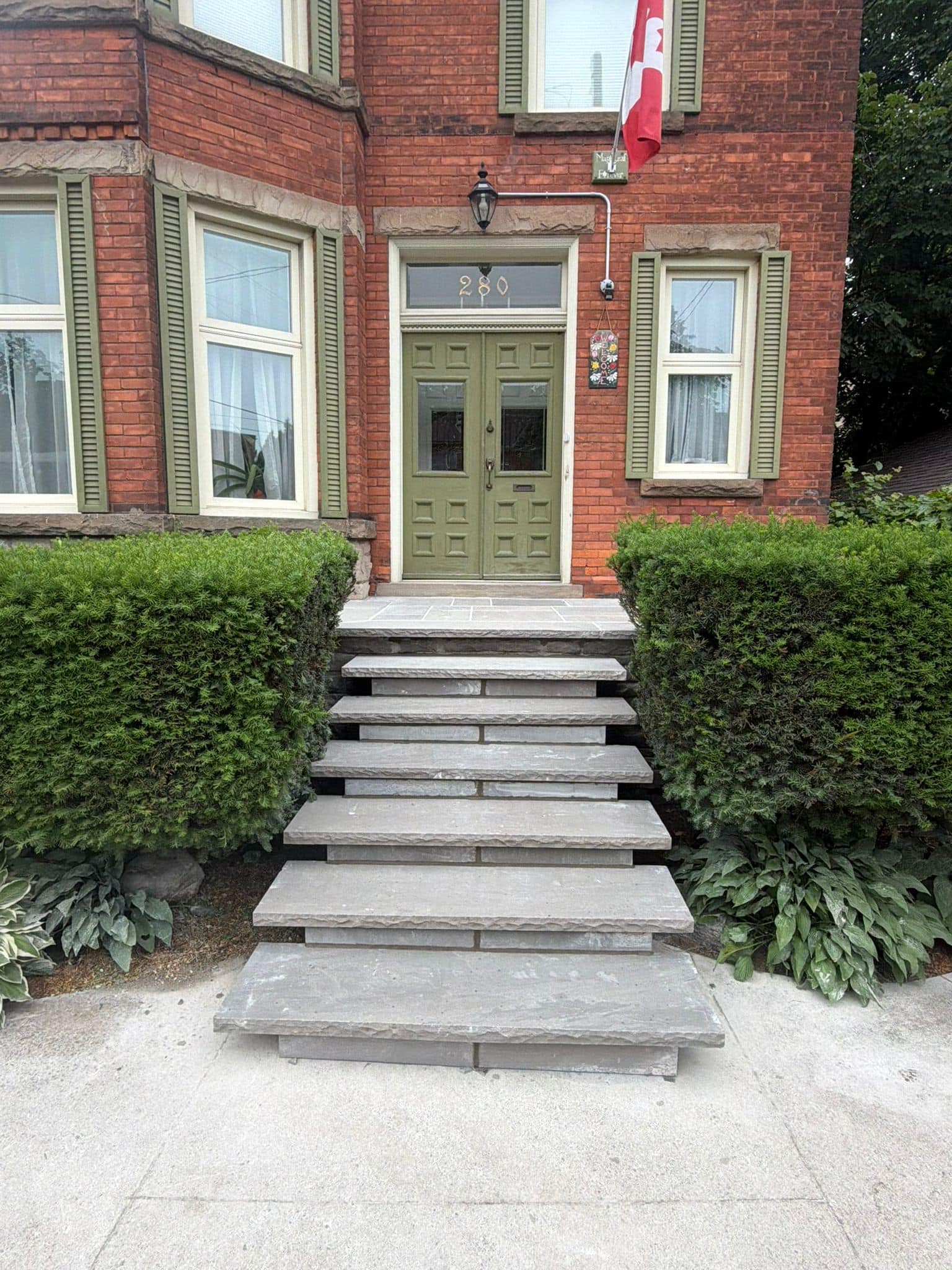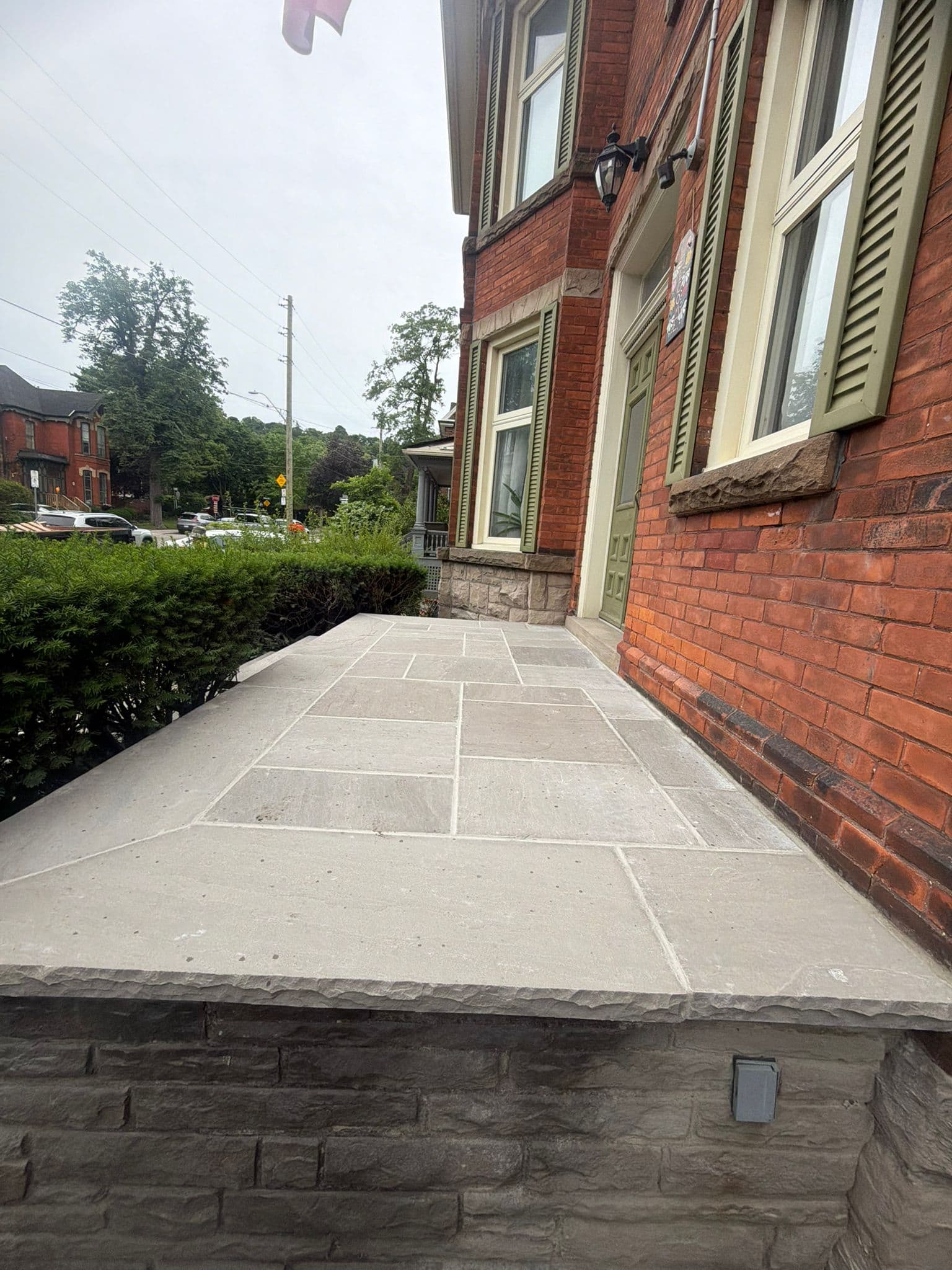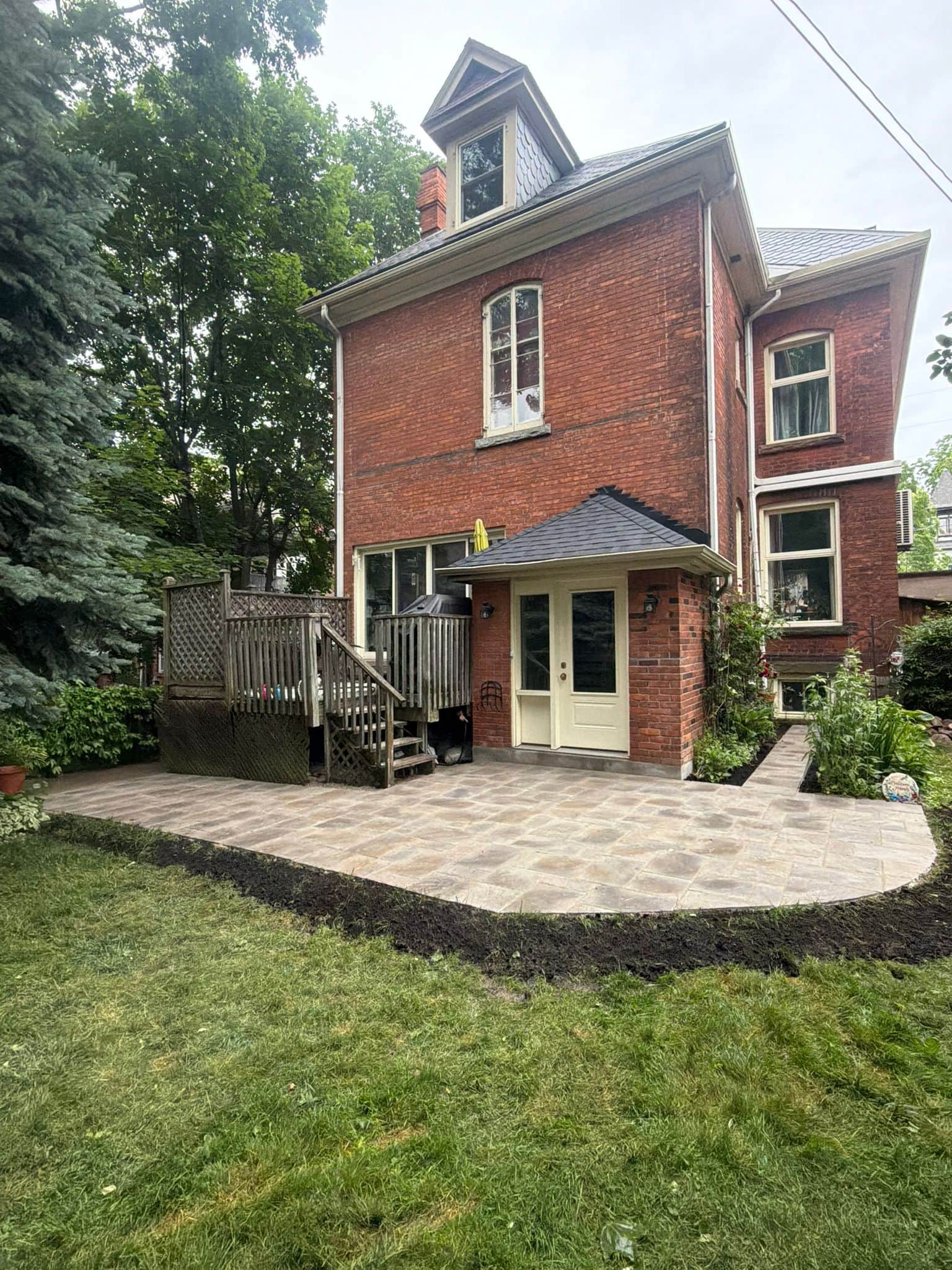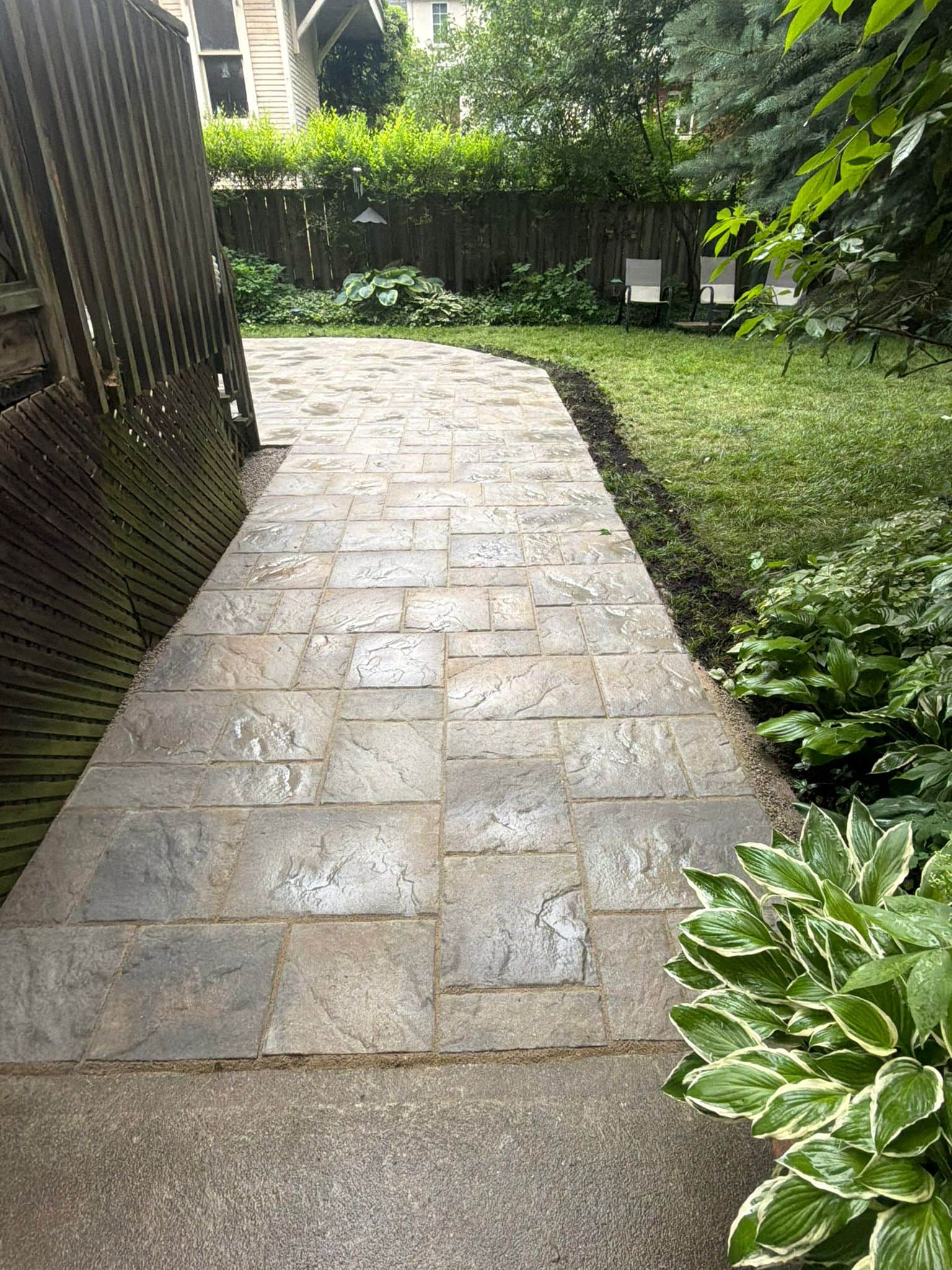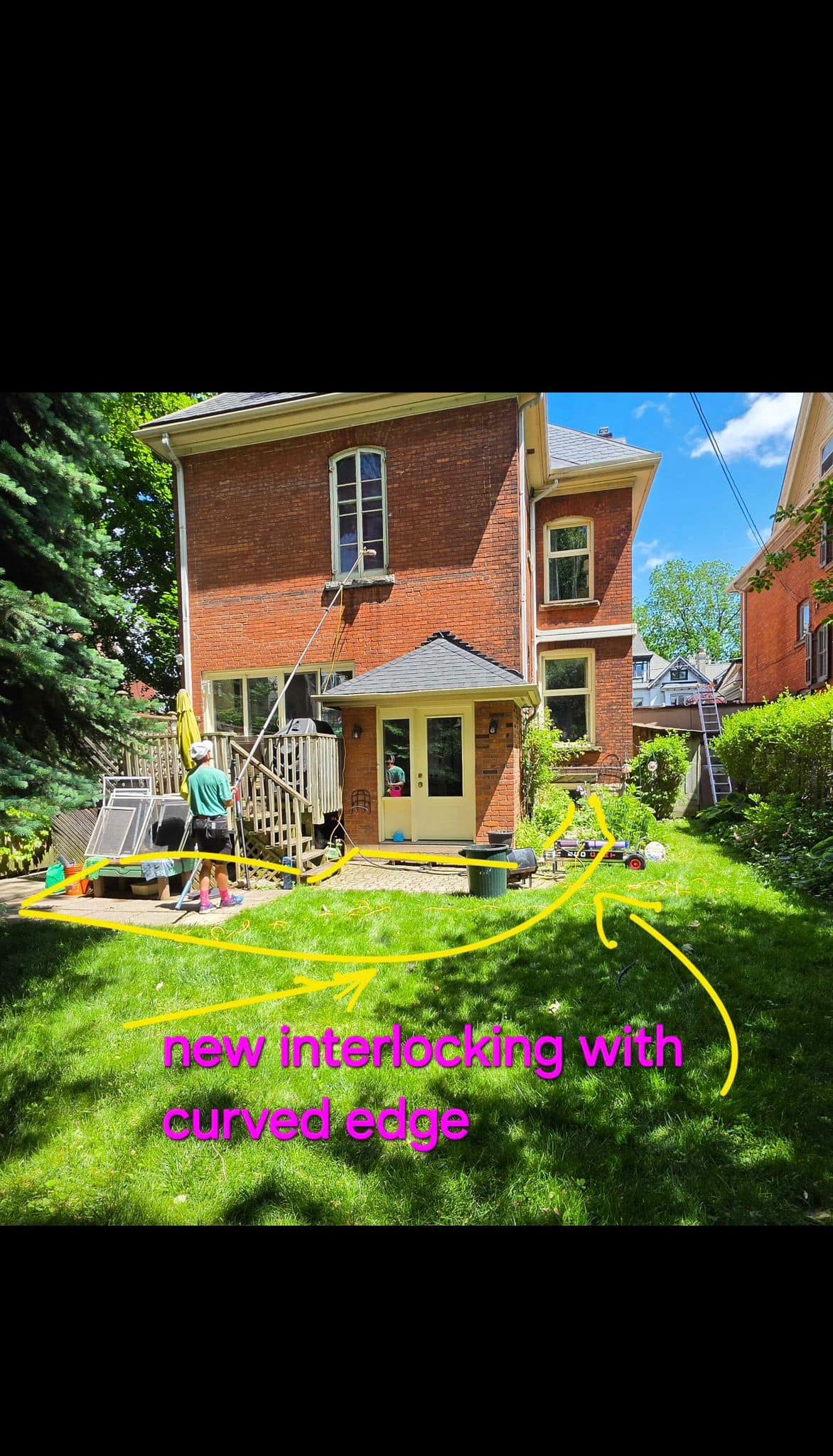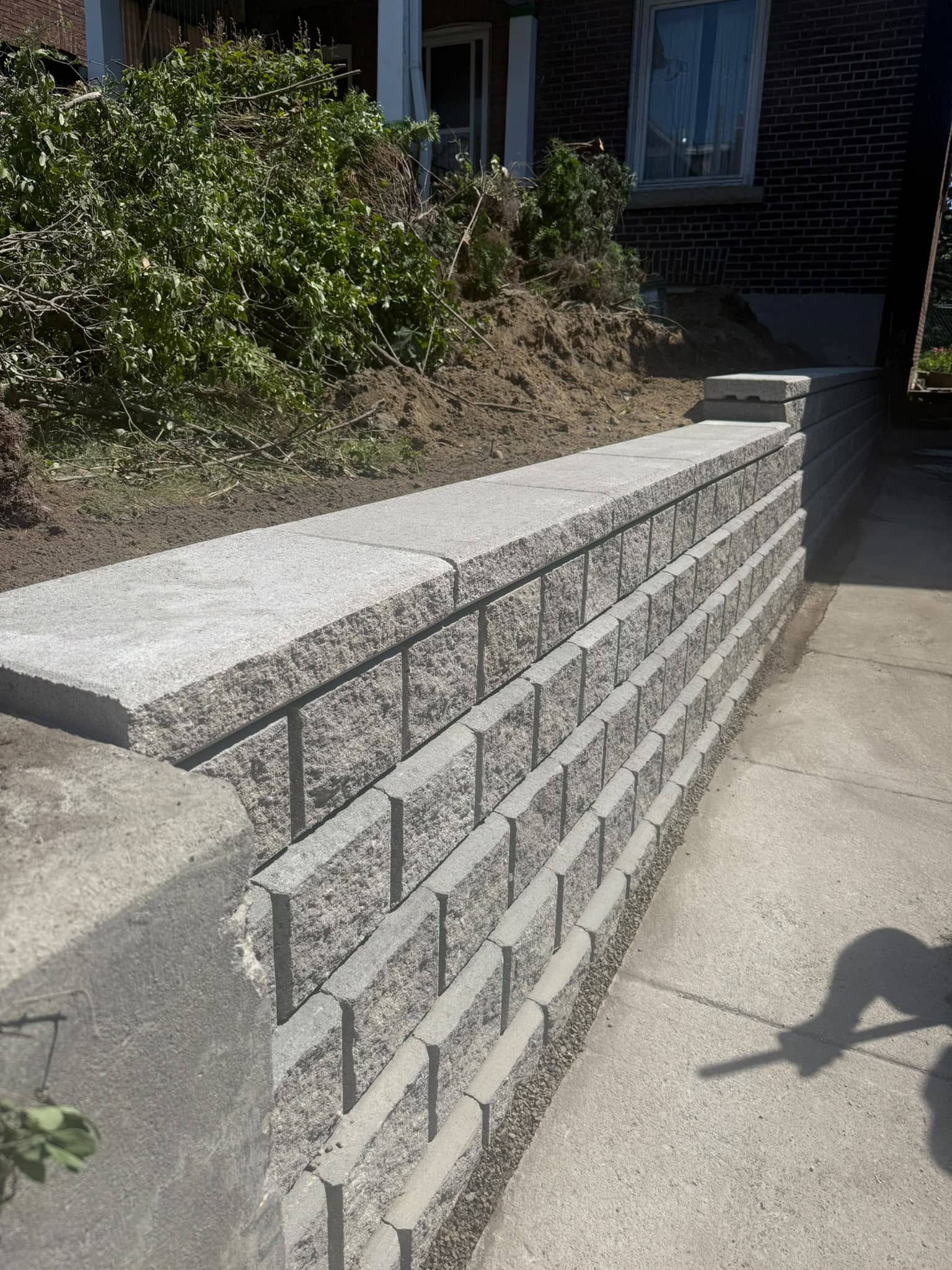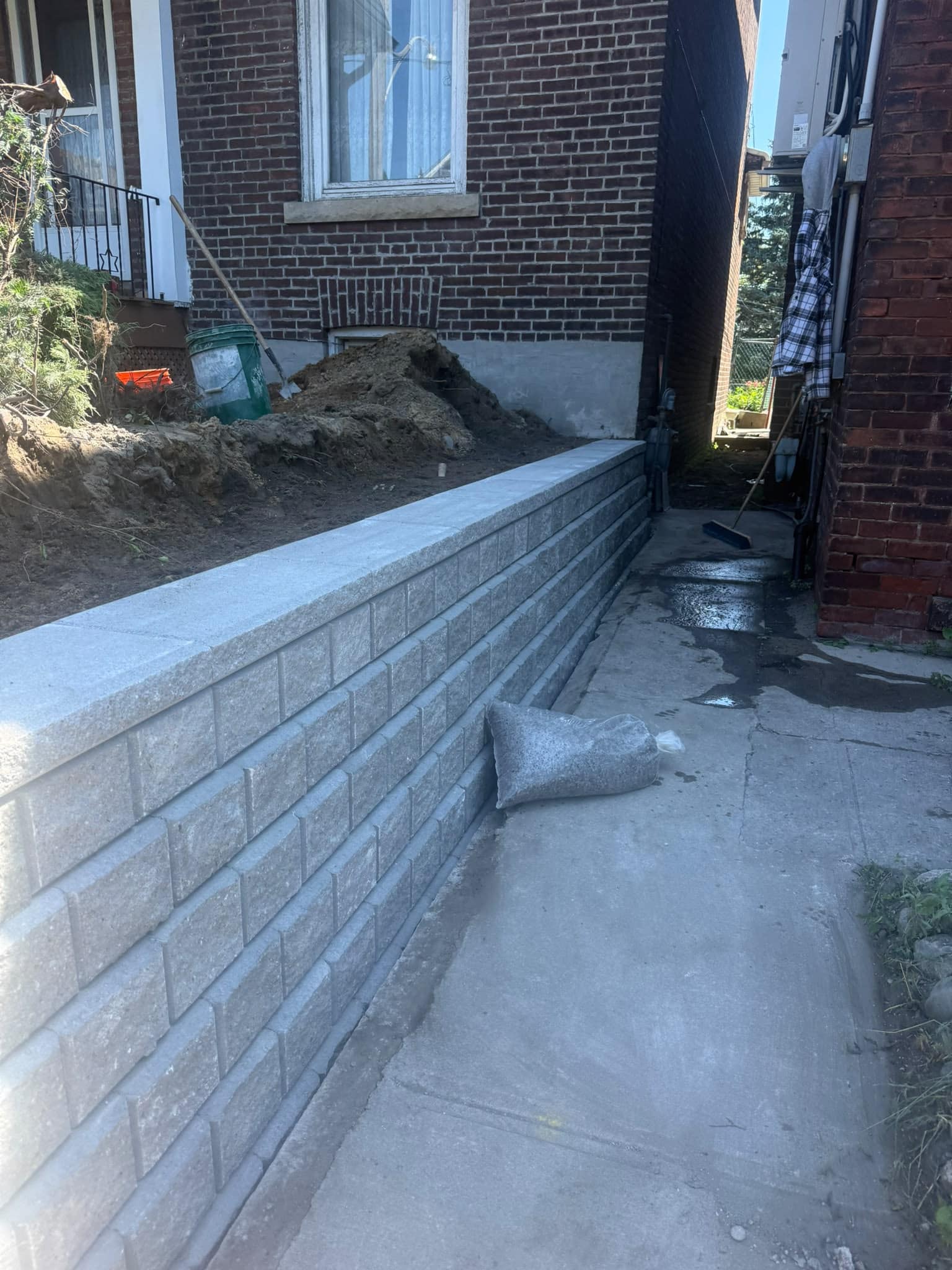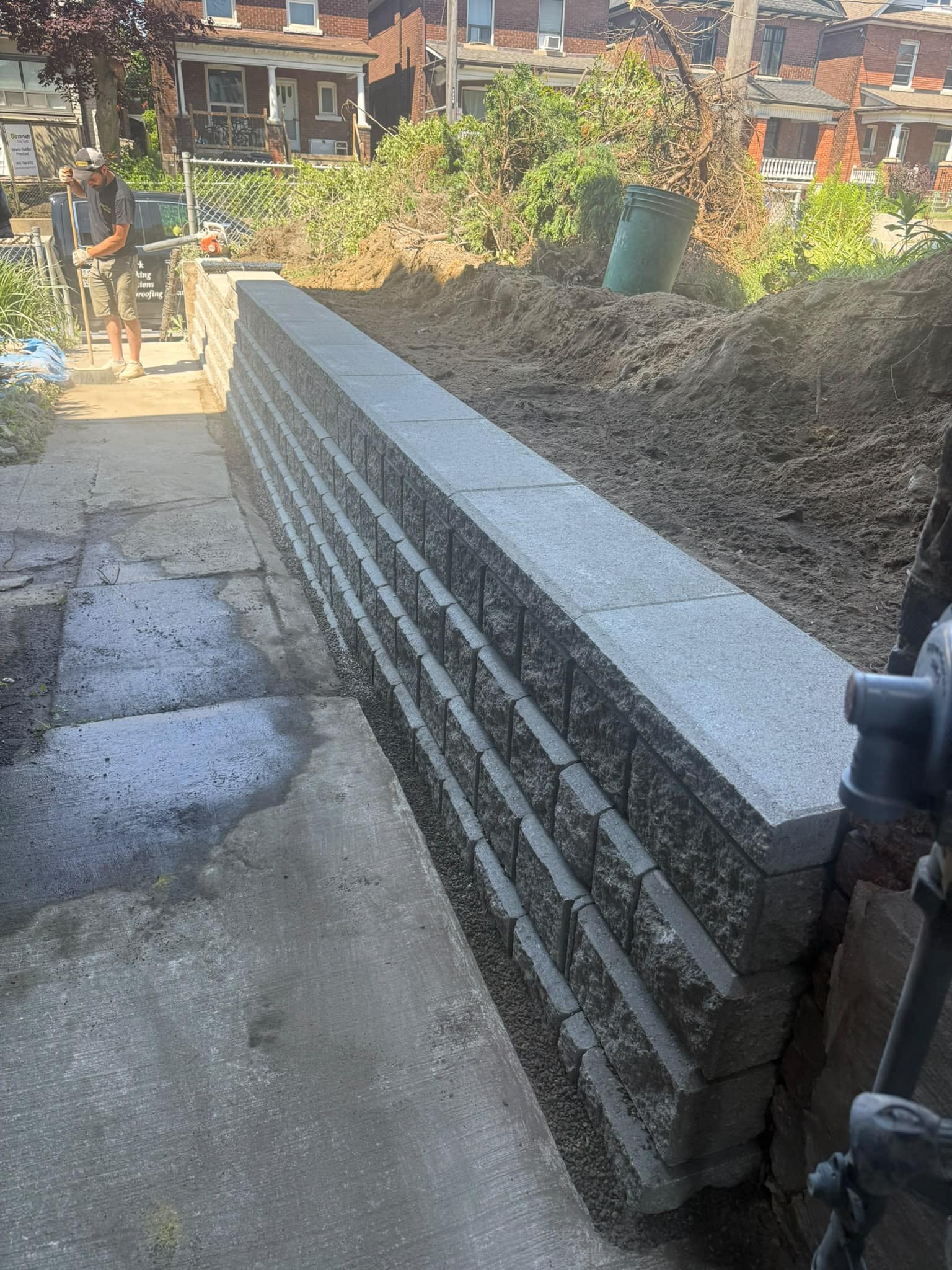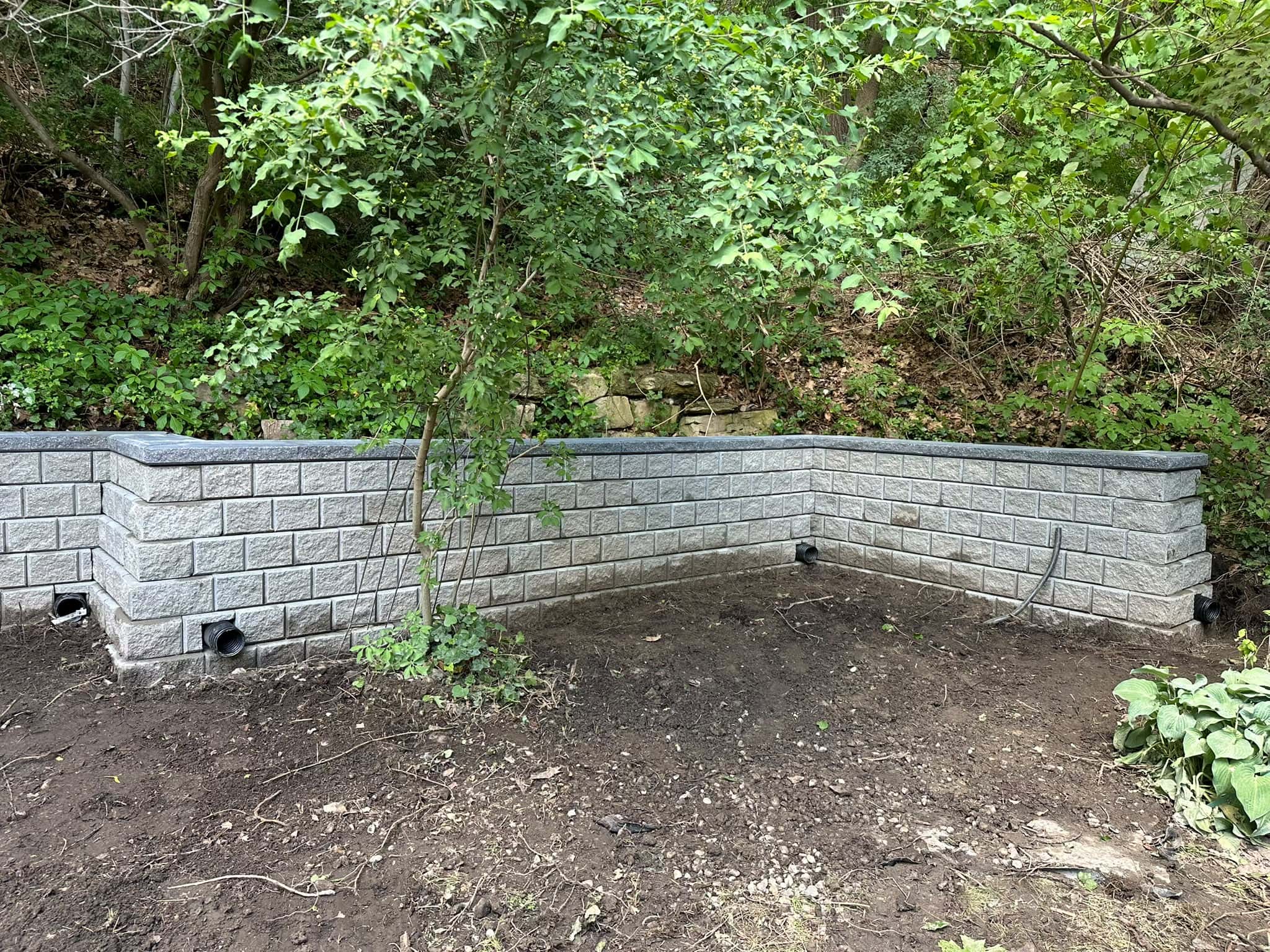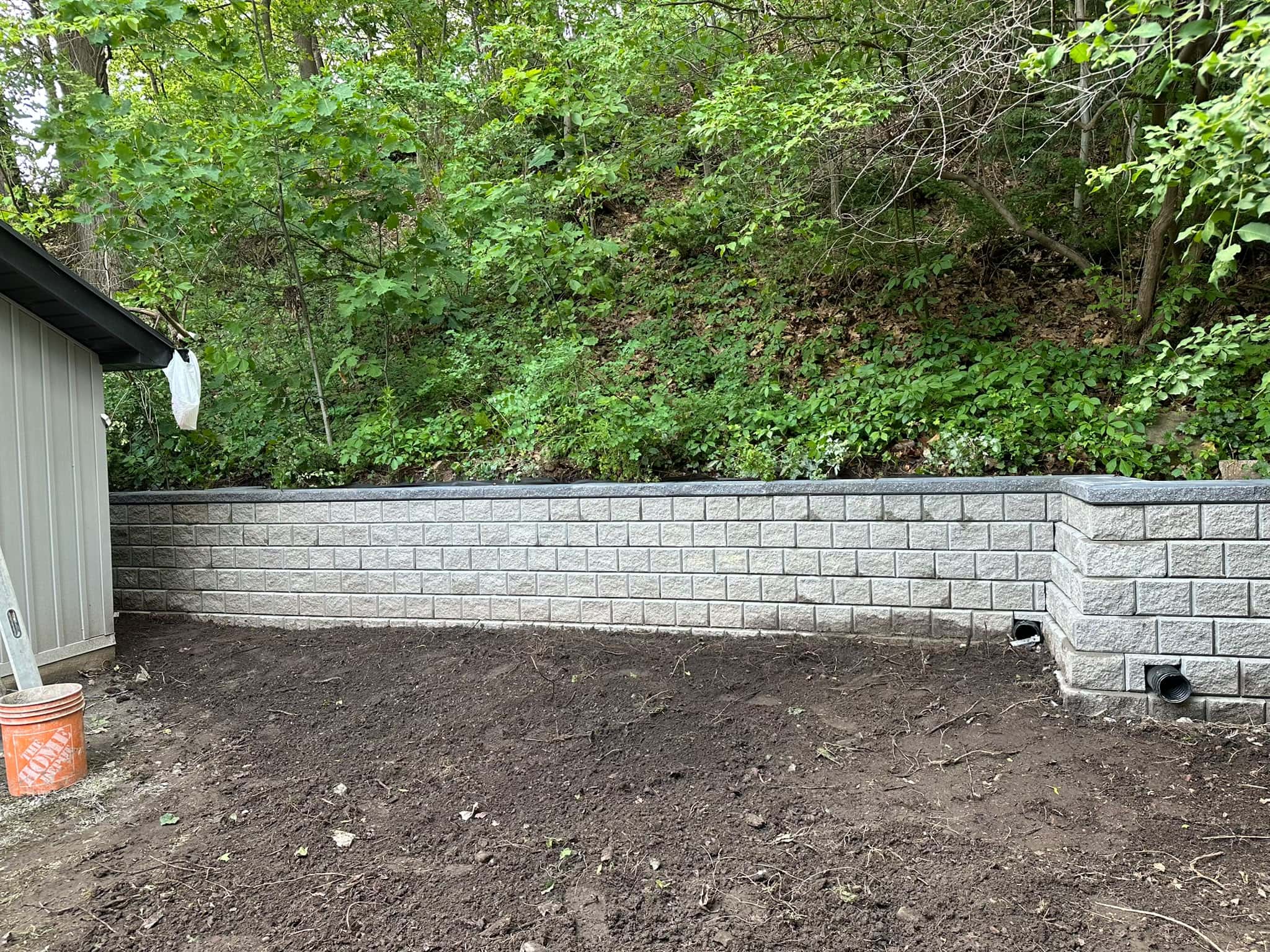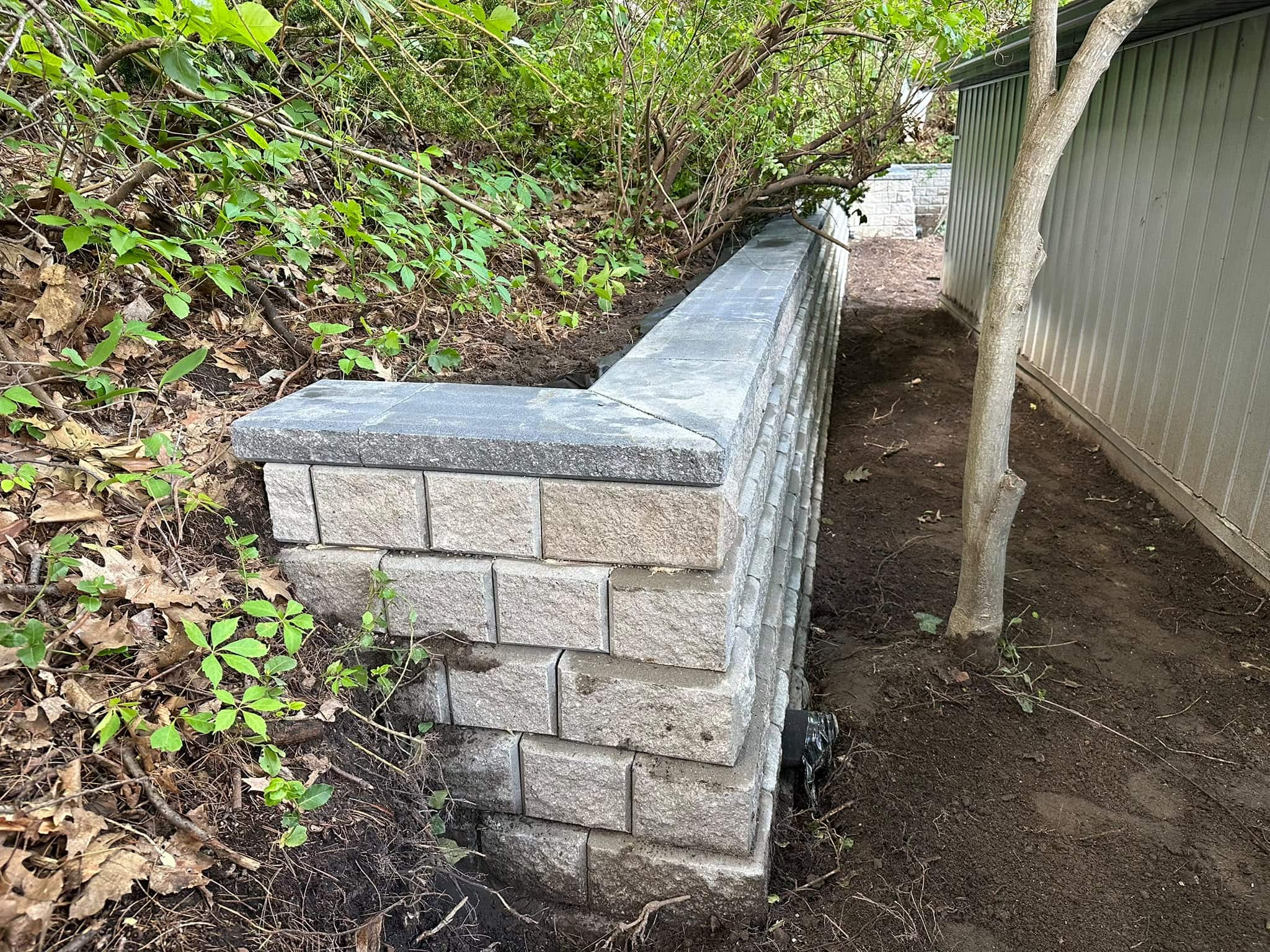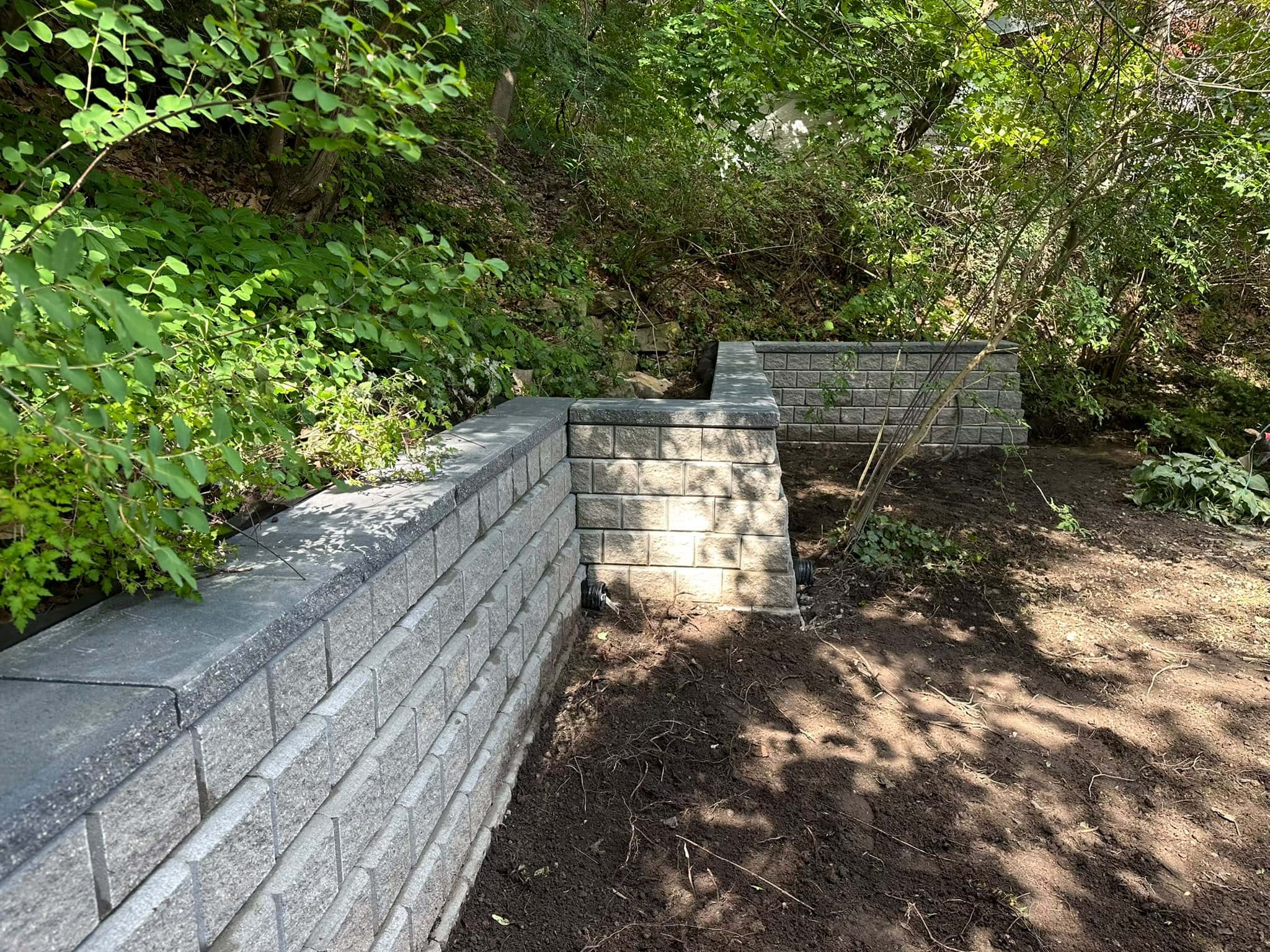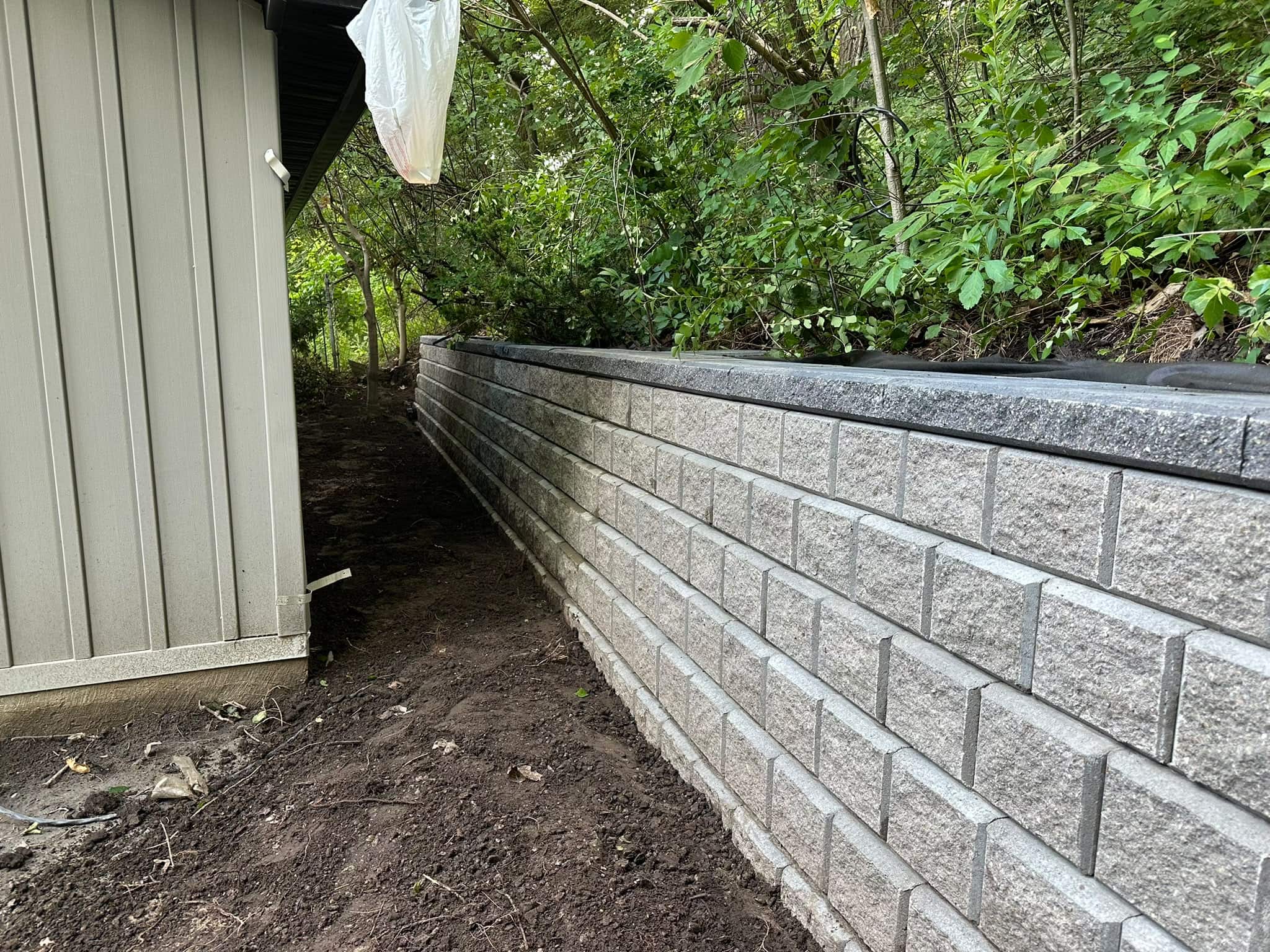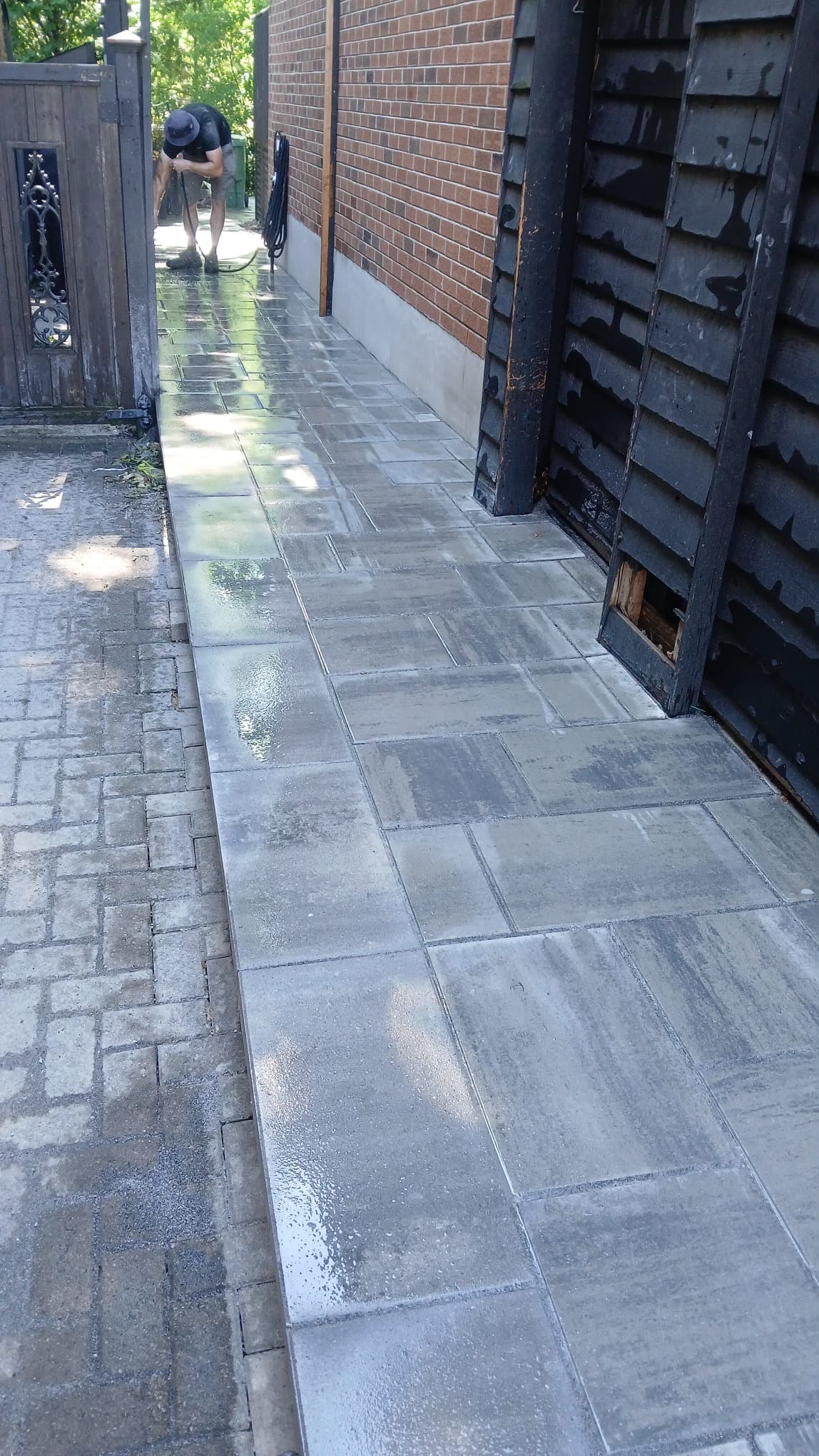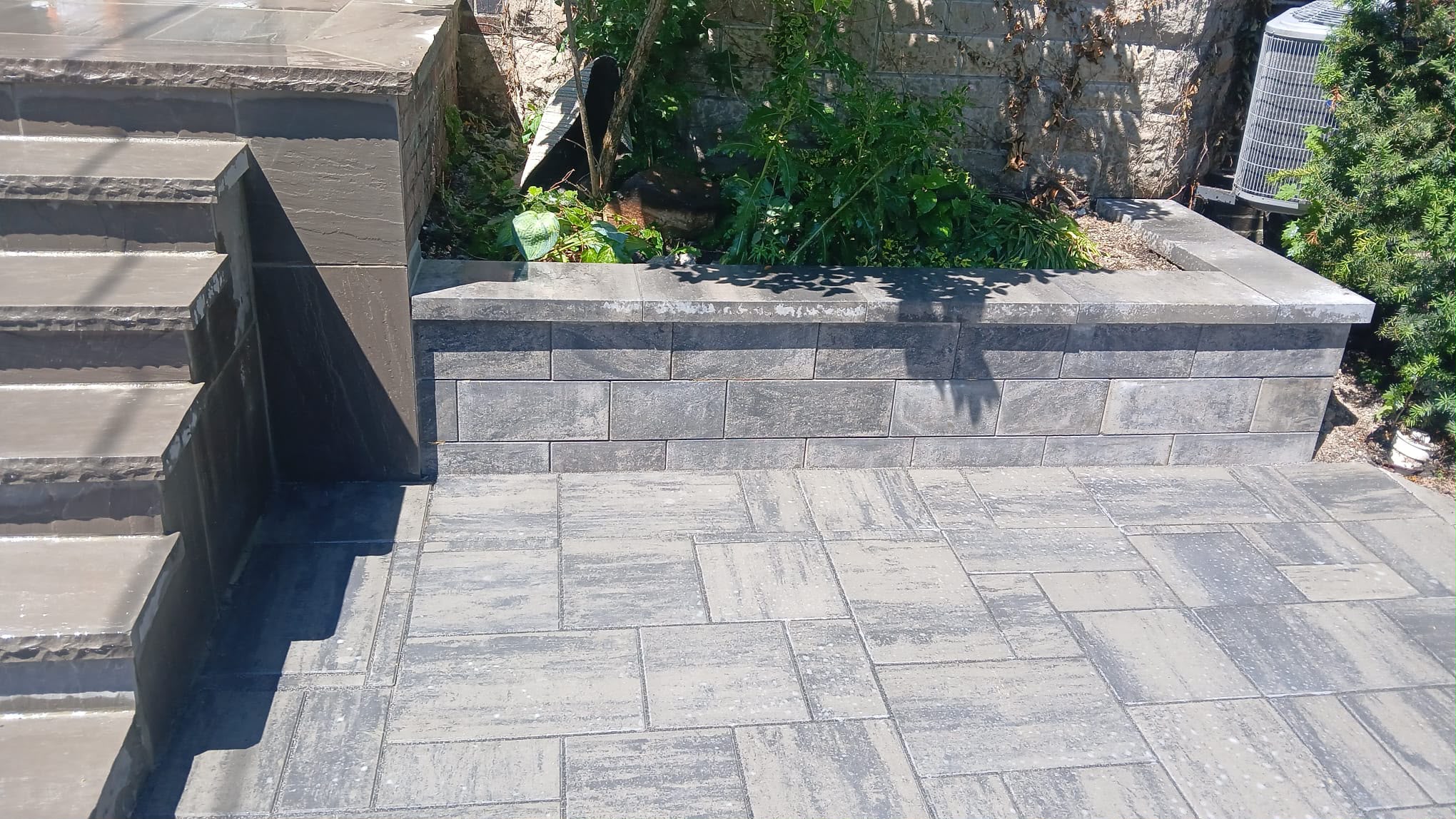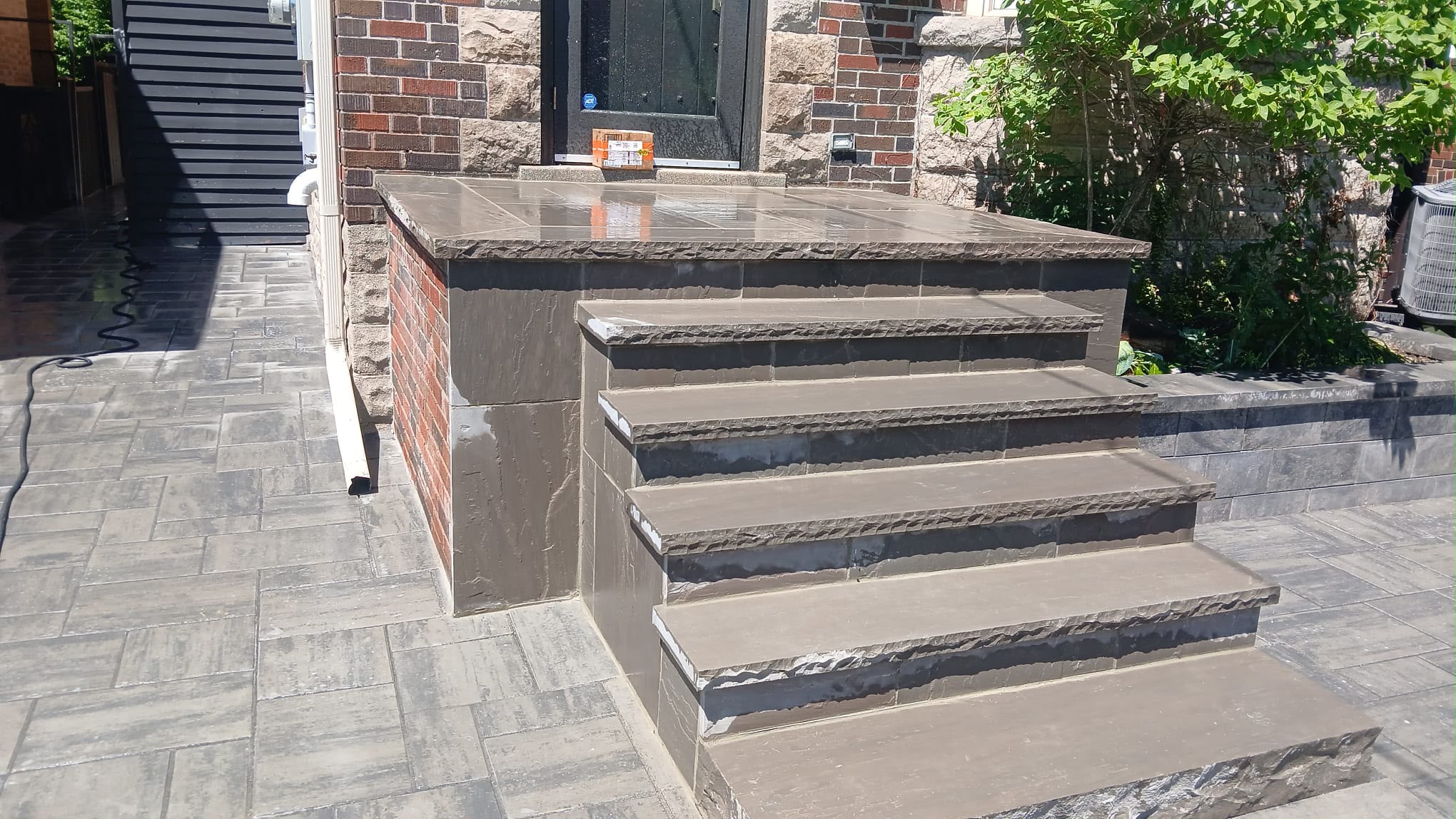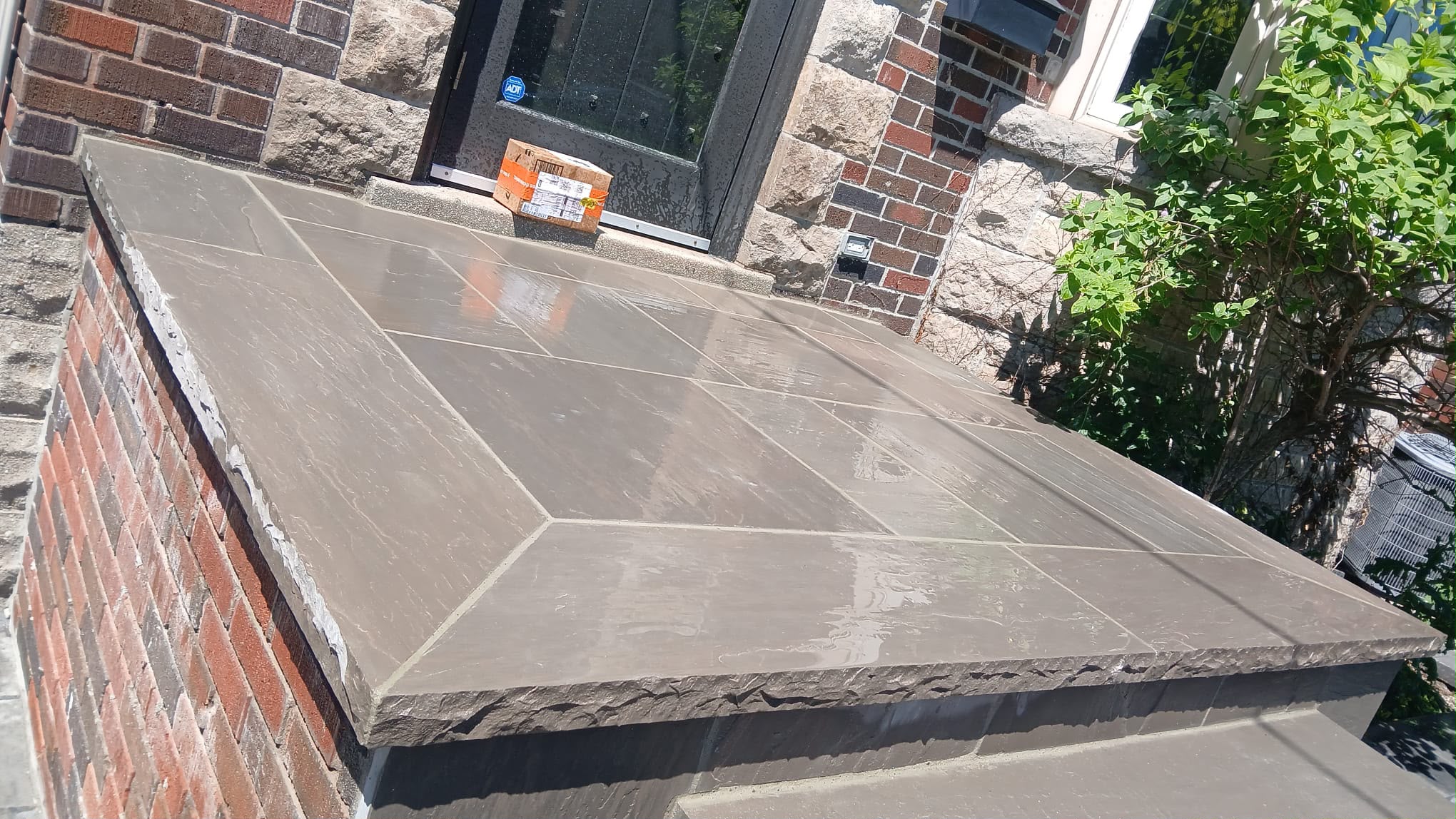

Masonry safety tips are essential for Toronto and GTA homeowners because deteriorating brick, stone, and concrete can quickly become a safety hazard if ignored. While masonry is known for durability, aging materials, moisture exposure, and freeze-thaw cycles can create risks that affect both occupants and visitors.
Understanding basic masonry safety tips helps homeowners identify early warning signs, reduce liability risks, and prevent injuries caused by falling masonry, unstable surfaces, or hidden moisture damage.
Why masonry safety tips matter in Toronto
Masonry safety tips are especially important in Toronto due to the region’s climate. Frequent freeze-thaw cycles cause expansion and contraction that slowly weaken mortar joints and masonry units.
Without regular inspection, masonry safety issues often go unnoticed until bricks loosen, chimneys deteriorate, or porches begin to crack and shift.
Common masonry safety hazards around homes
Loose or falling bricks
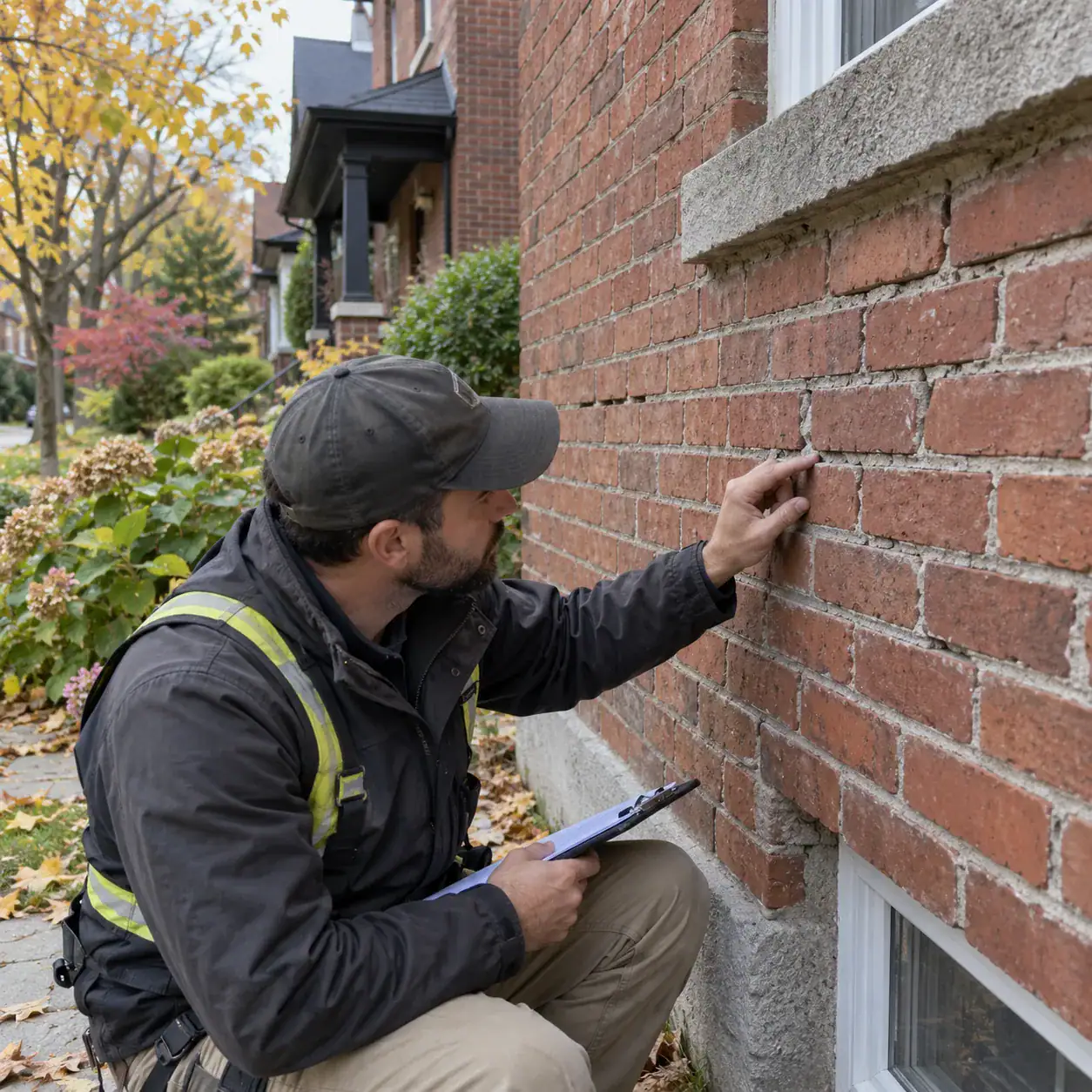
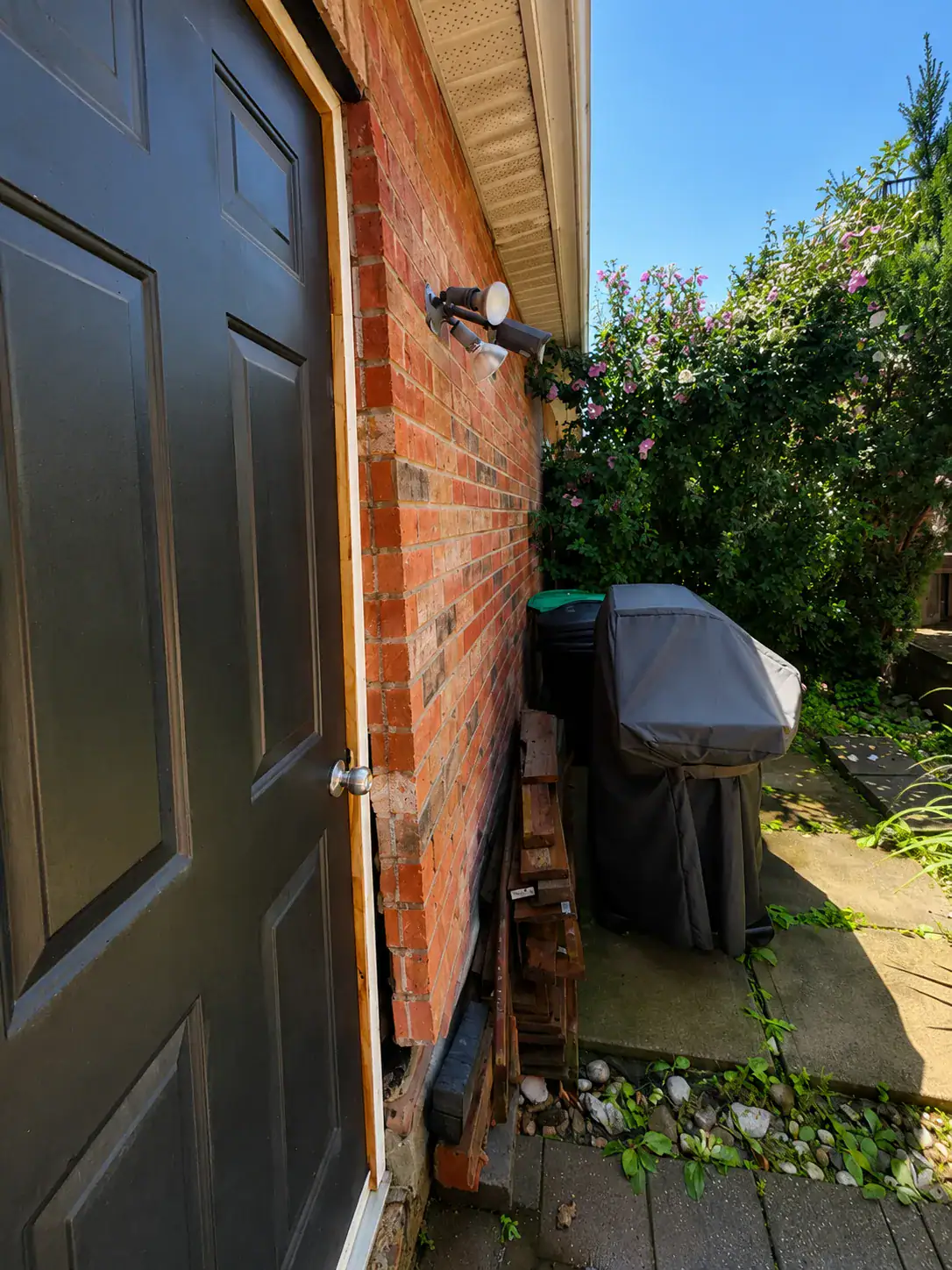
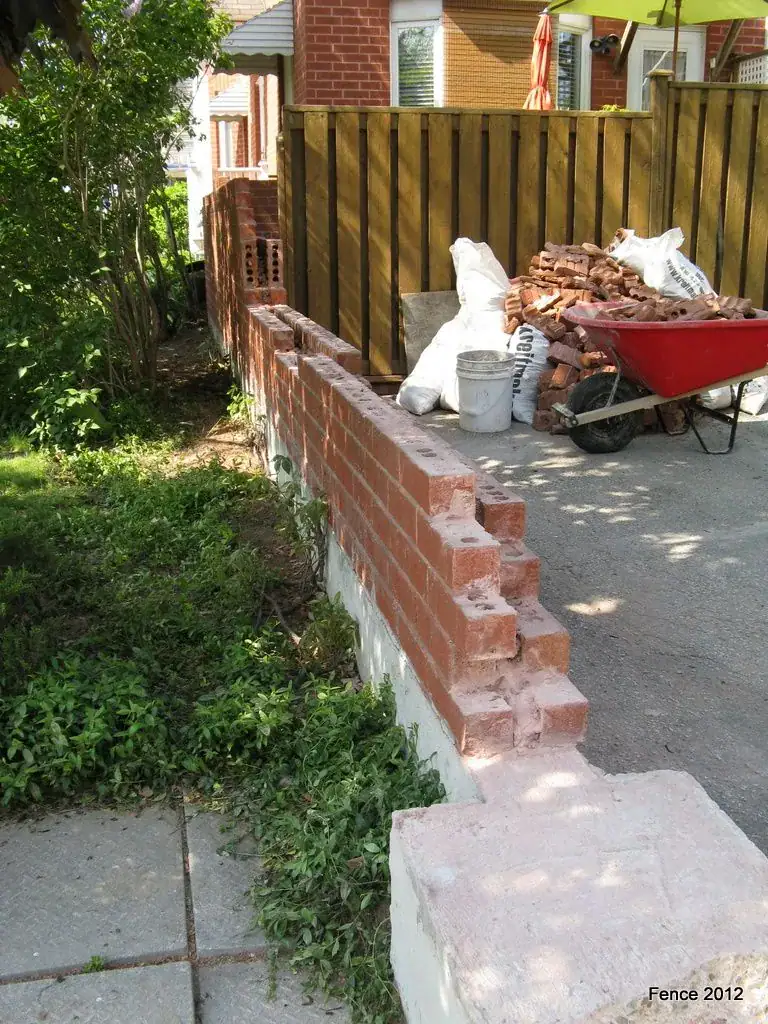
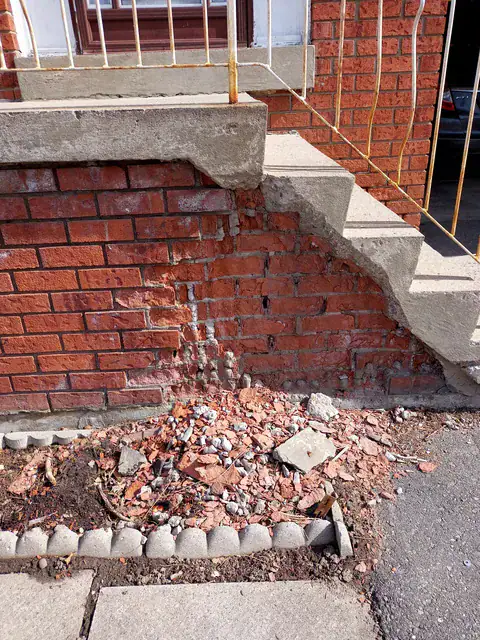
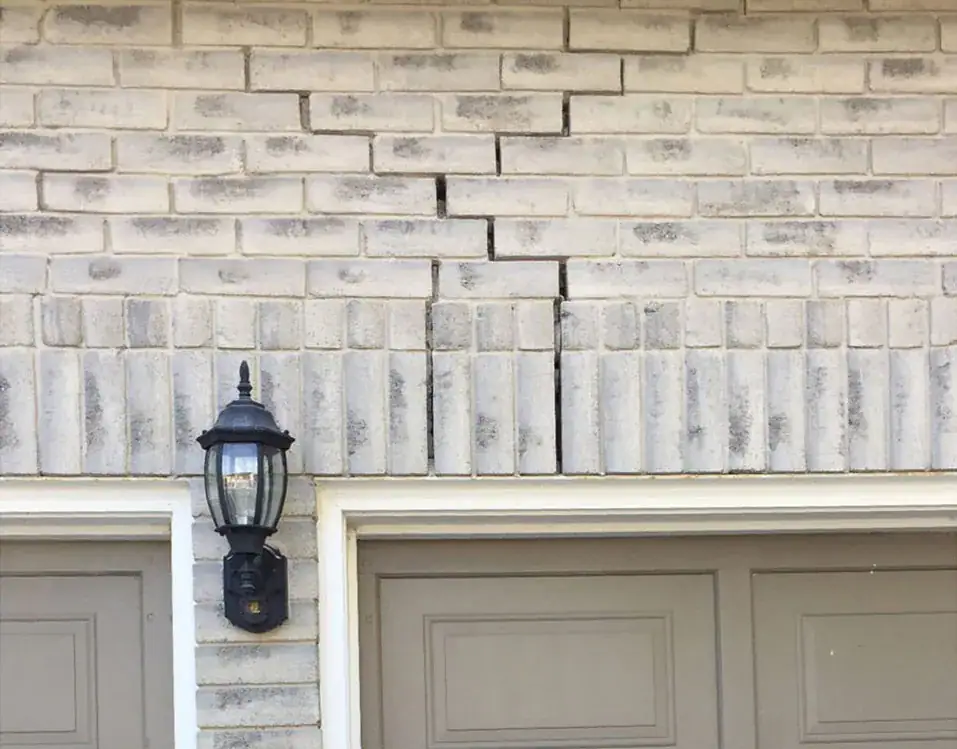
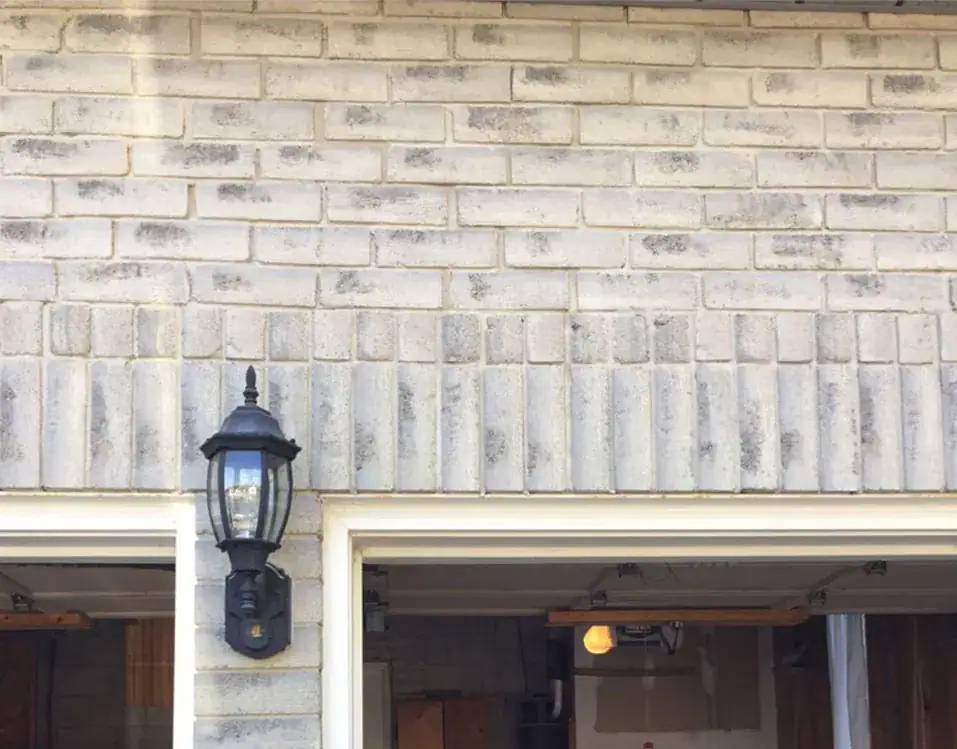
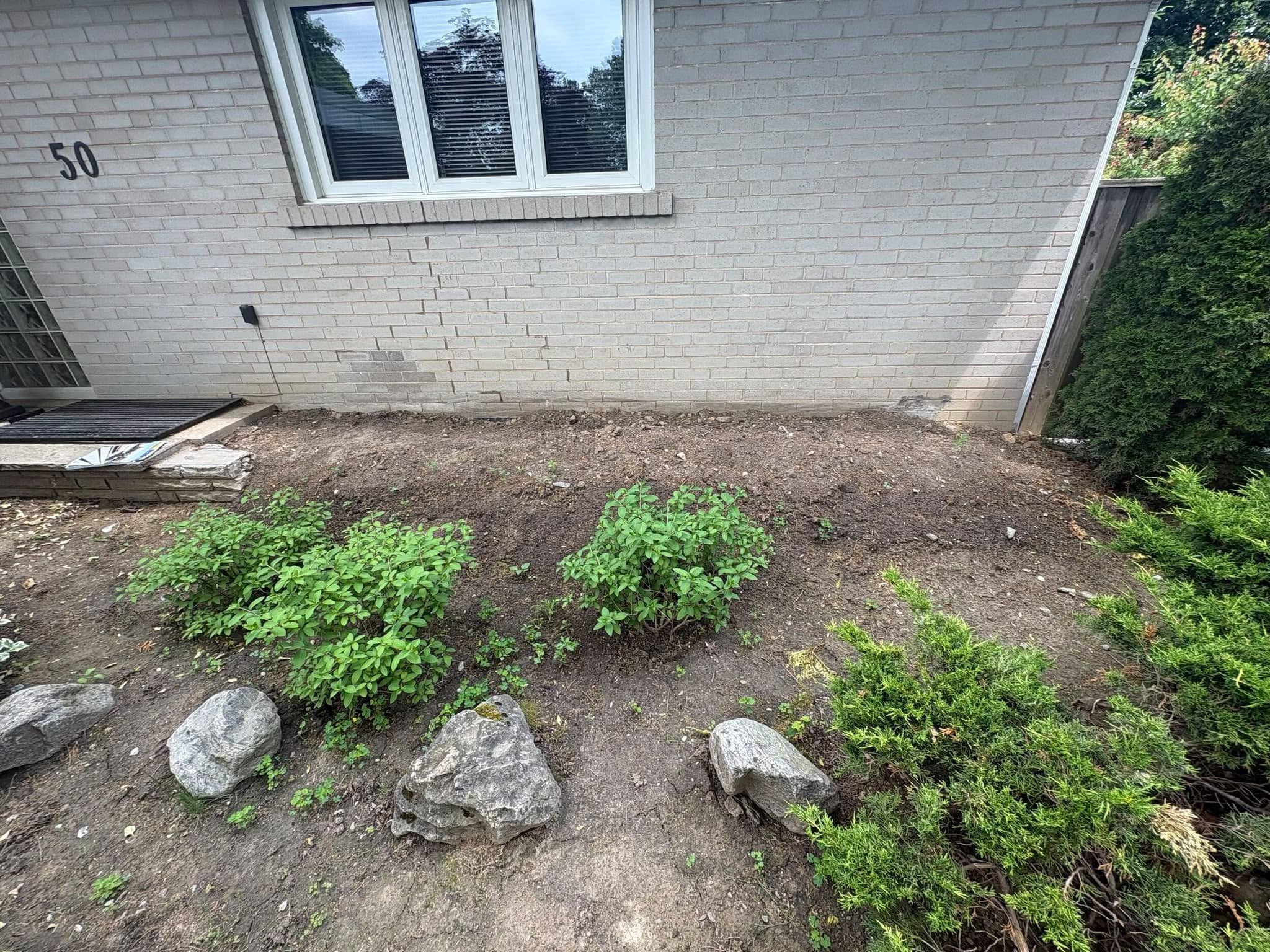
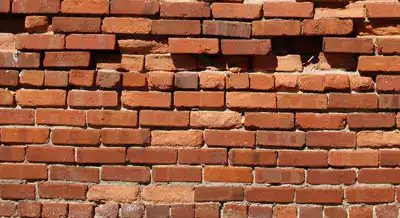 Loose bricks are one of the most serious masonry safety risks. When mortar fails, bricks can detach from walls, chimneys, or parapets and fall without warning.
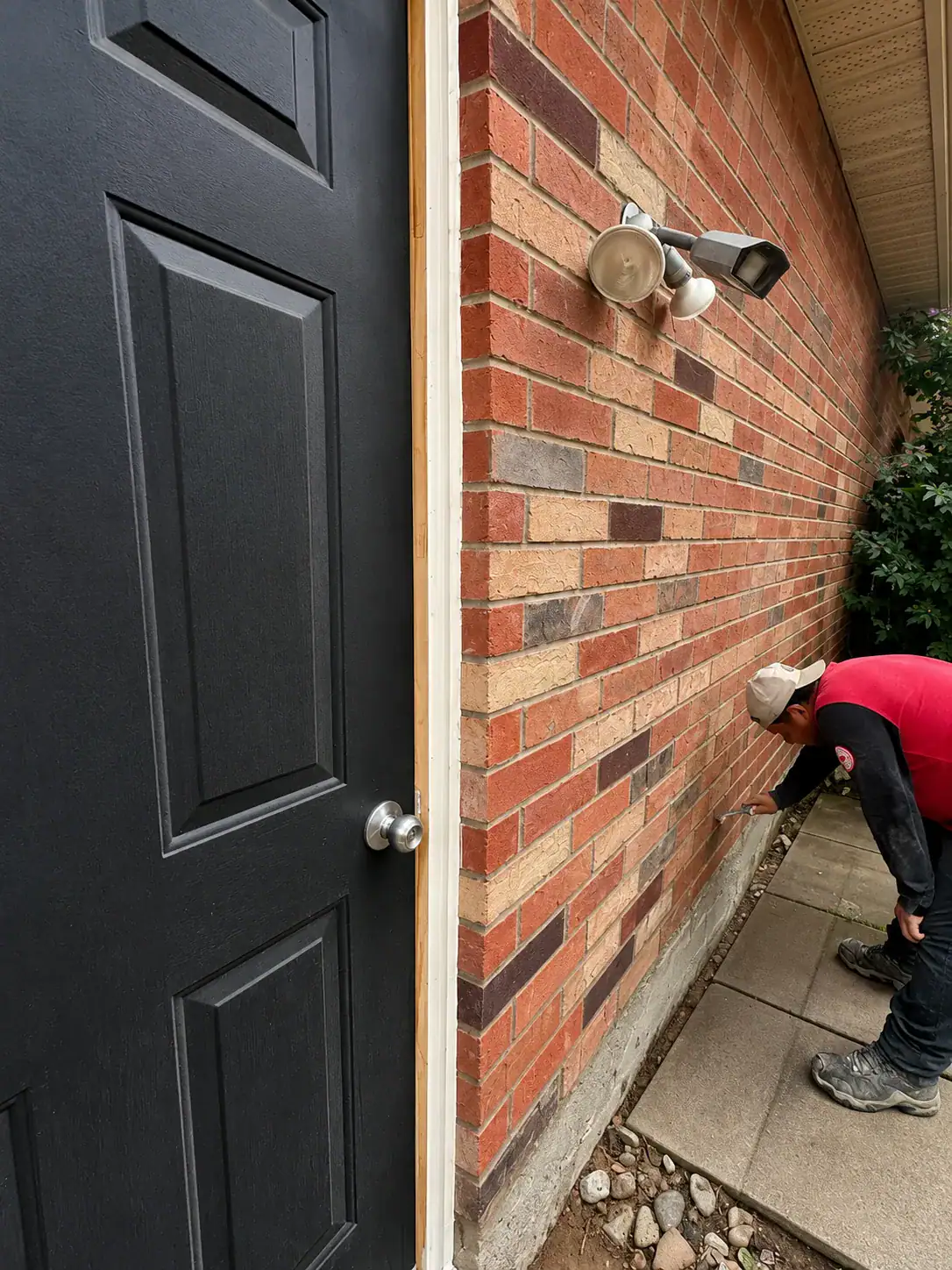
This is why early brick repair and tuckpointing are critical masonry safety tips rather than cosmetic upgrades.
In older neighbourhoods, localized services such as Scarborough brick repair and restoration are often needed due to prolonged exposure.
Chimney deterioration
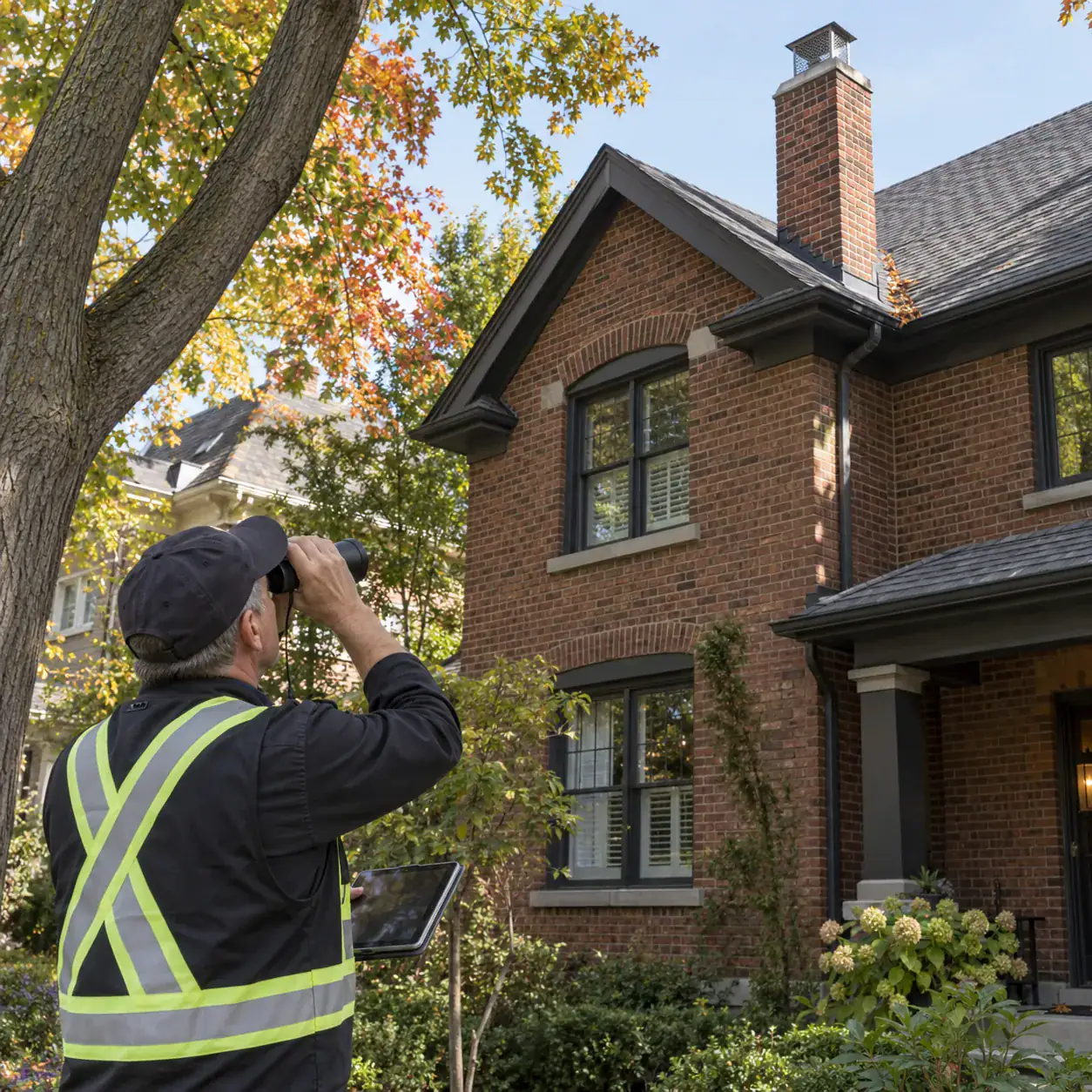
Chimneys pose unique safety risks because they are exposed on all sides and located above occupied spaces. Cracked mortar, spalling bricks, and failing crowns are common sources of masonry safety issues.
Professional chimney repair addresses these risks before falling debris or structural instability occurs.
Unsafe porches and entryways
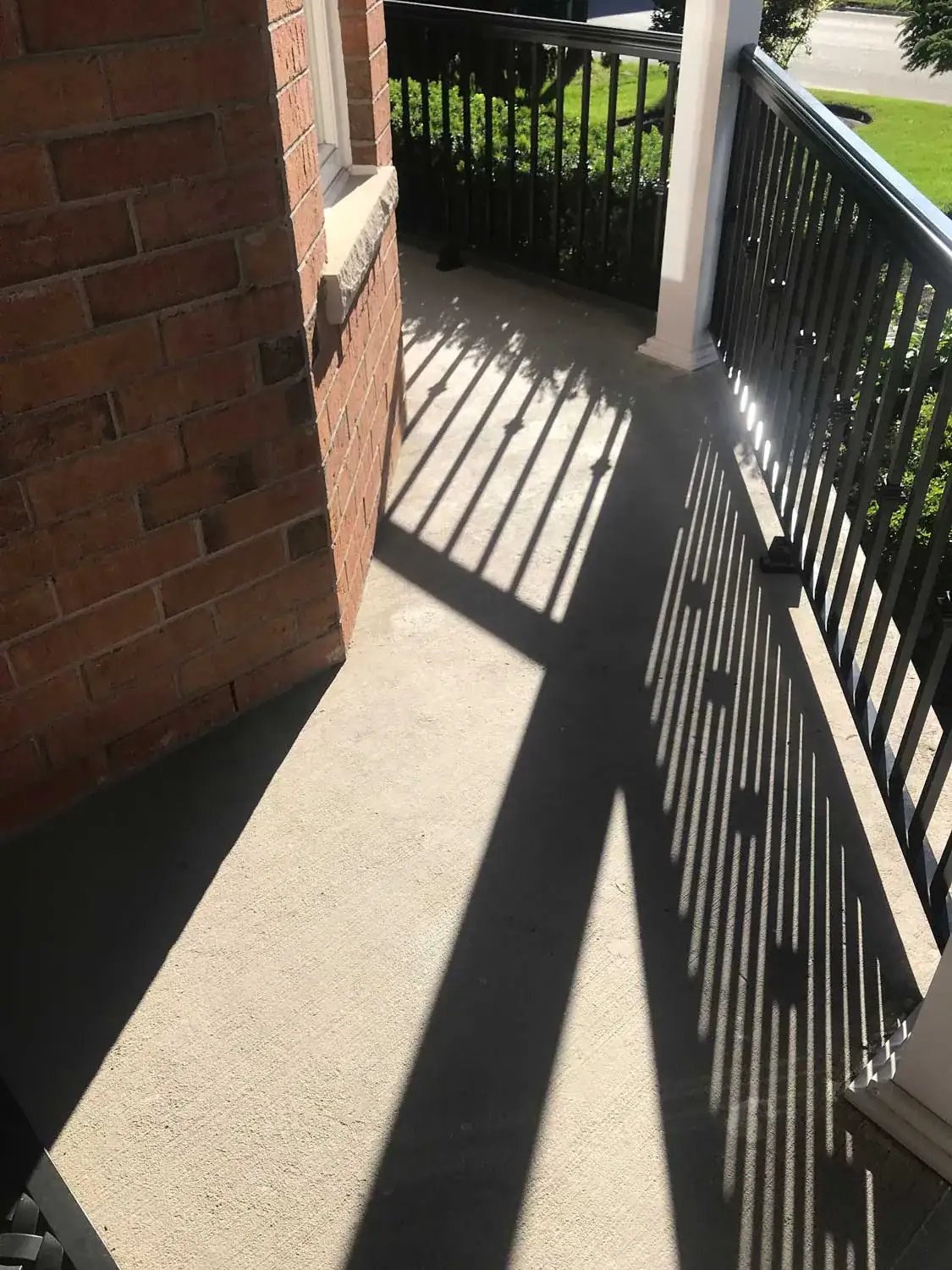
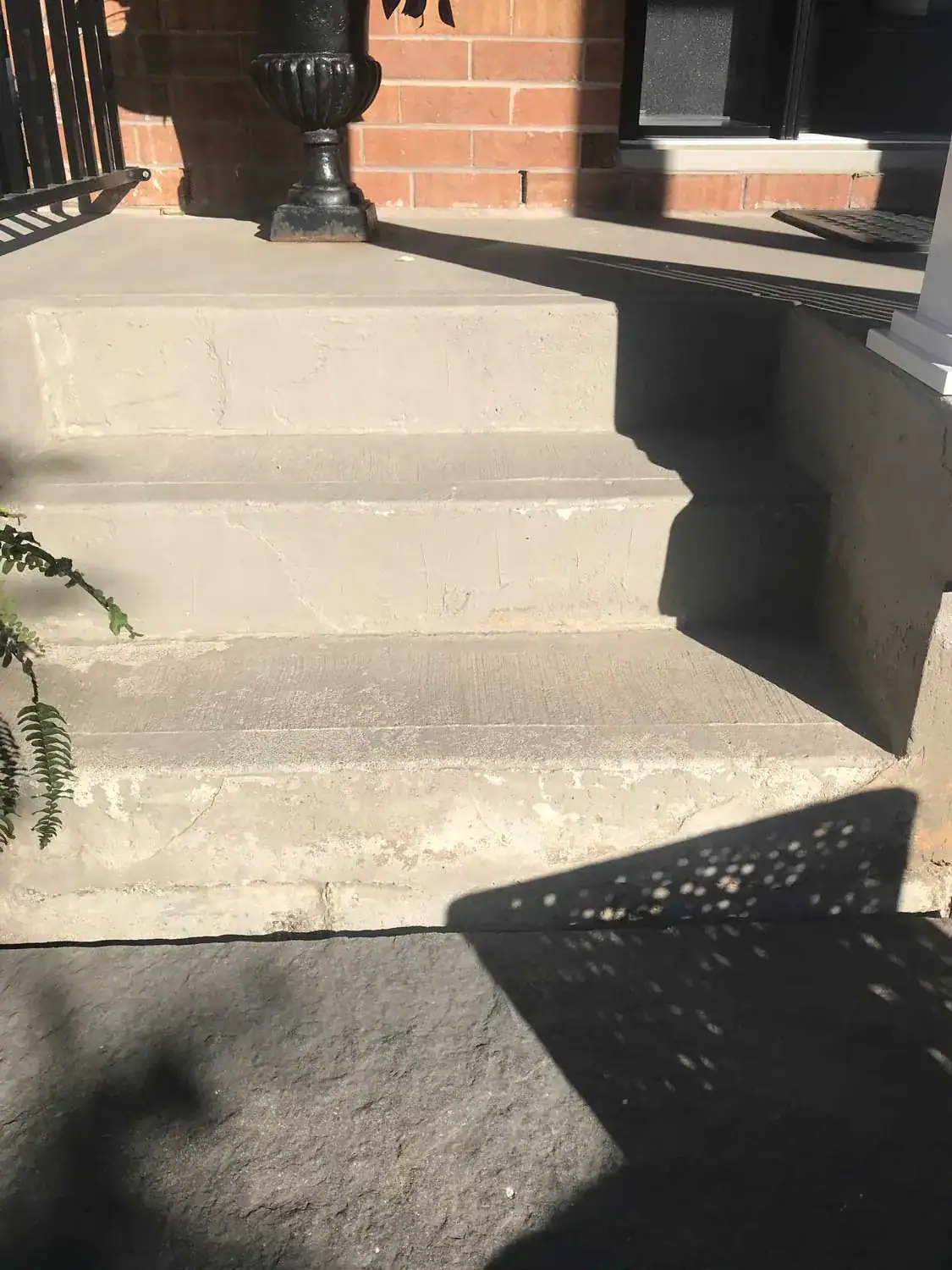
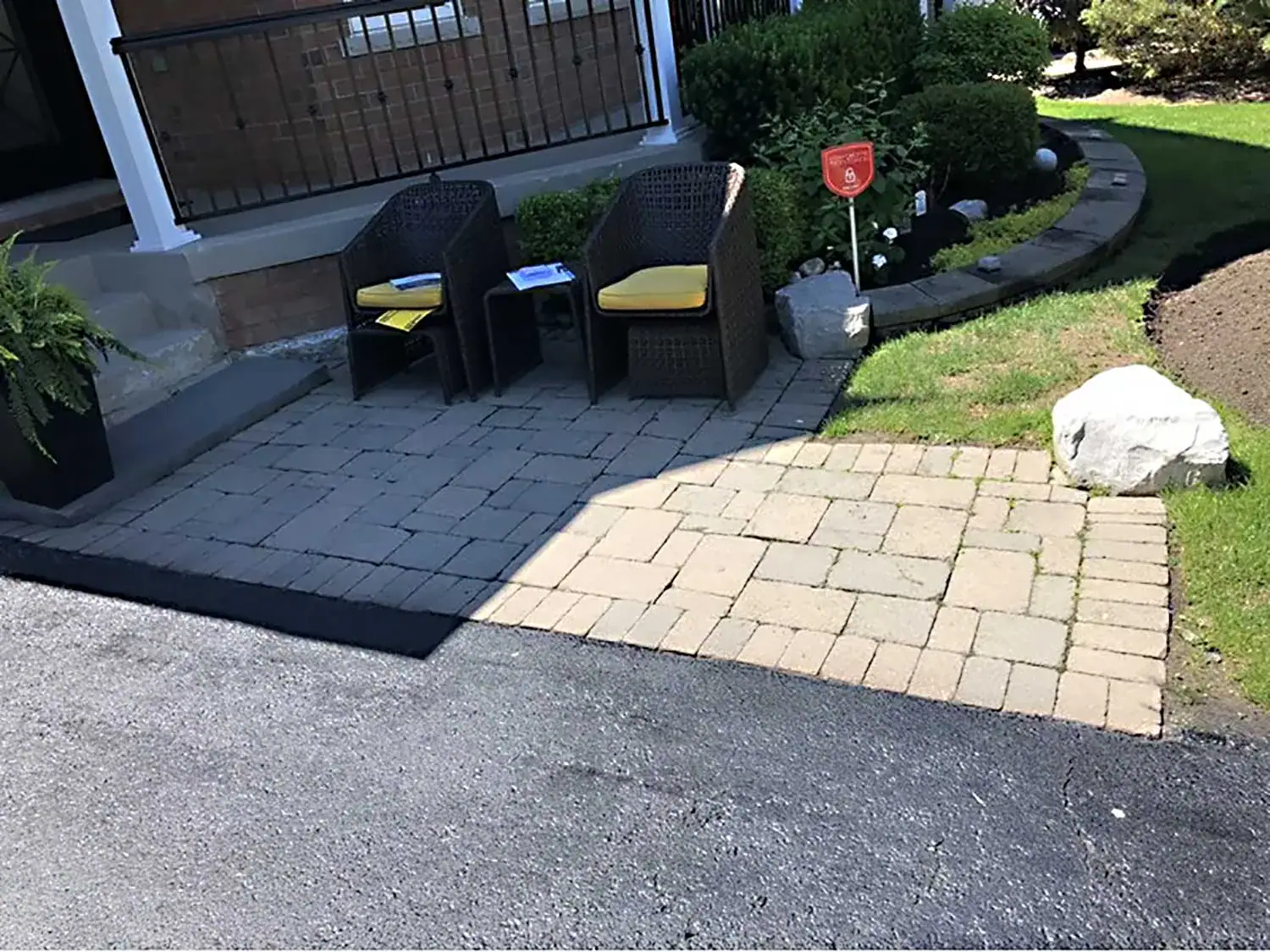
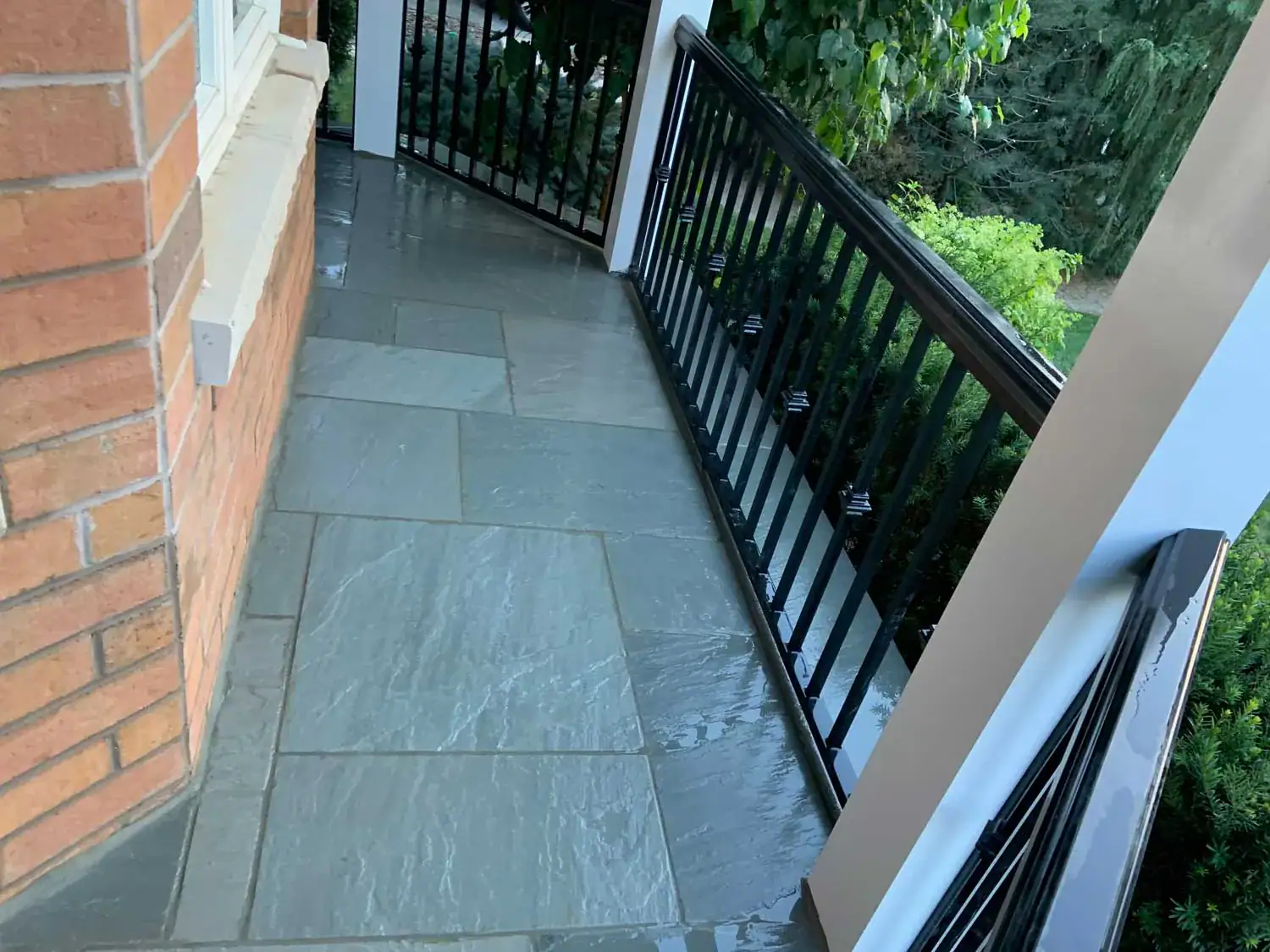
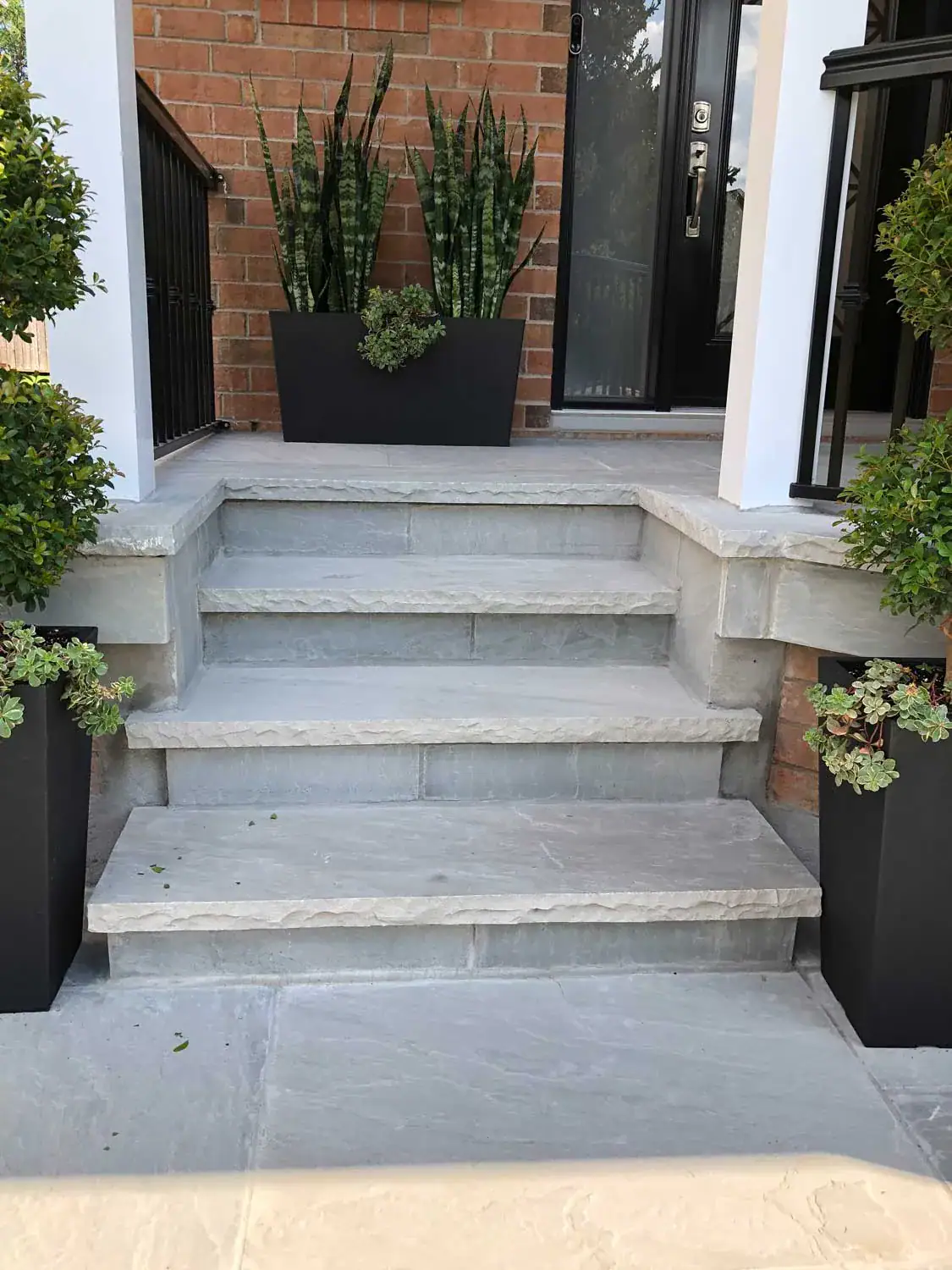
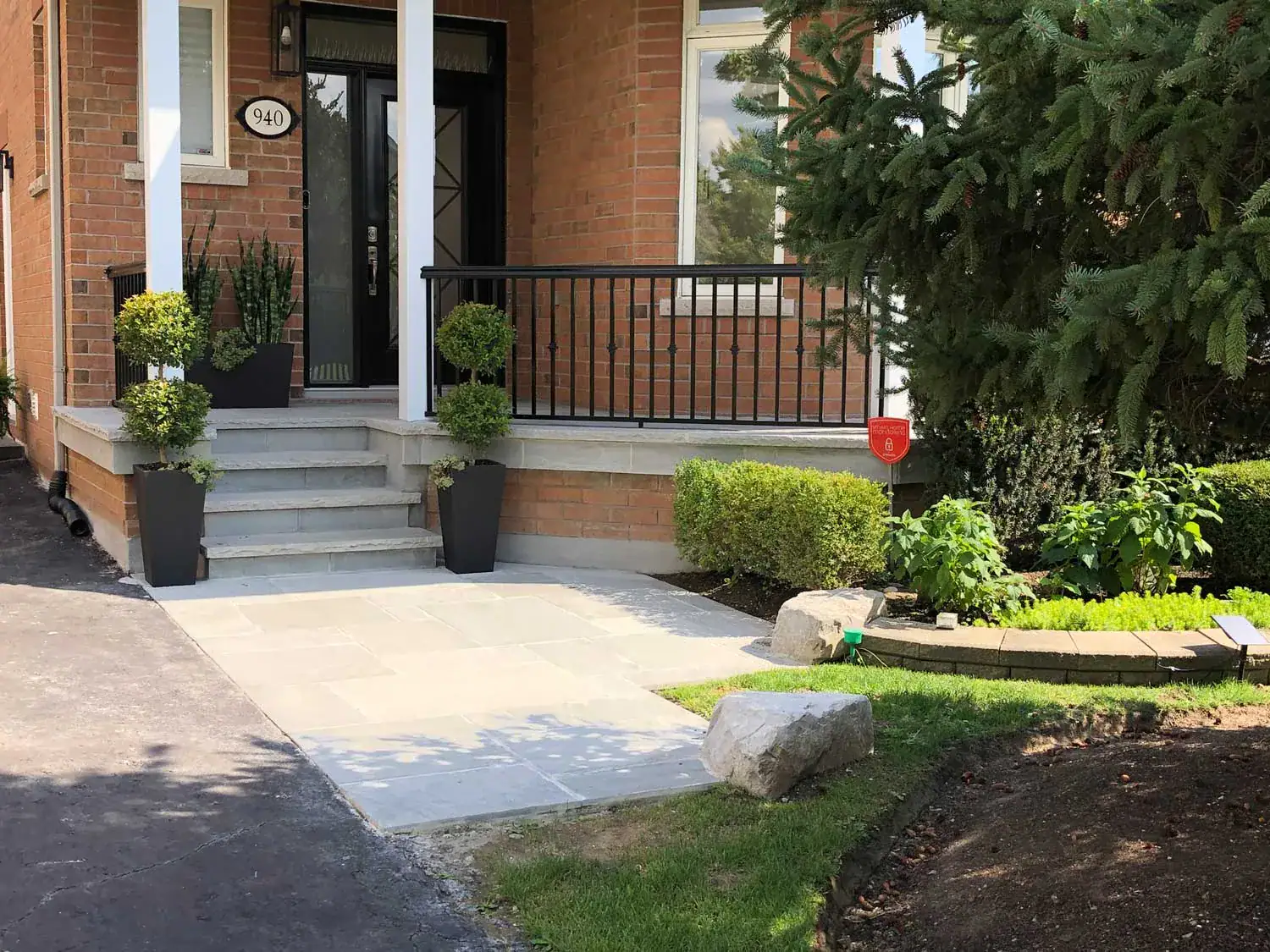
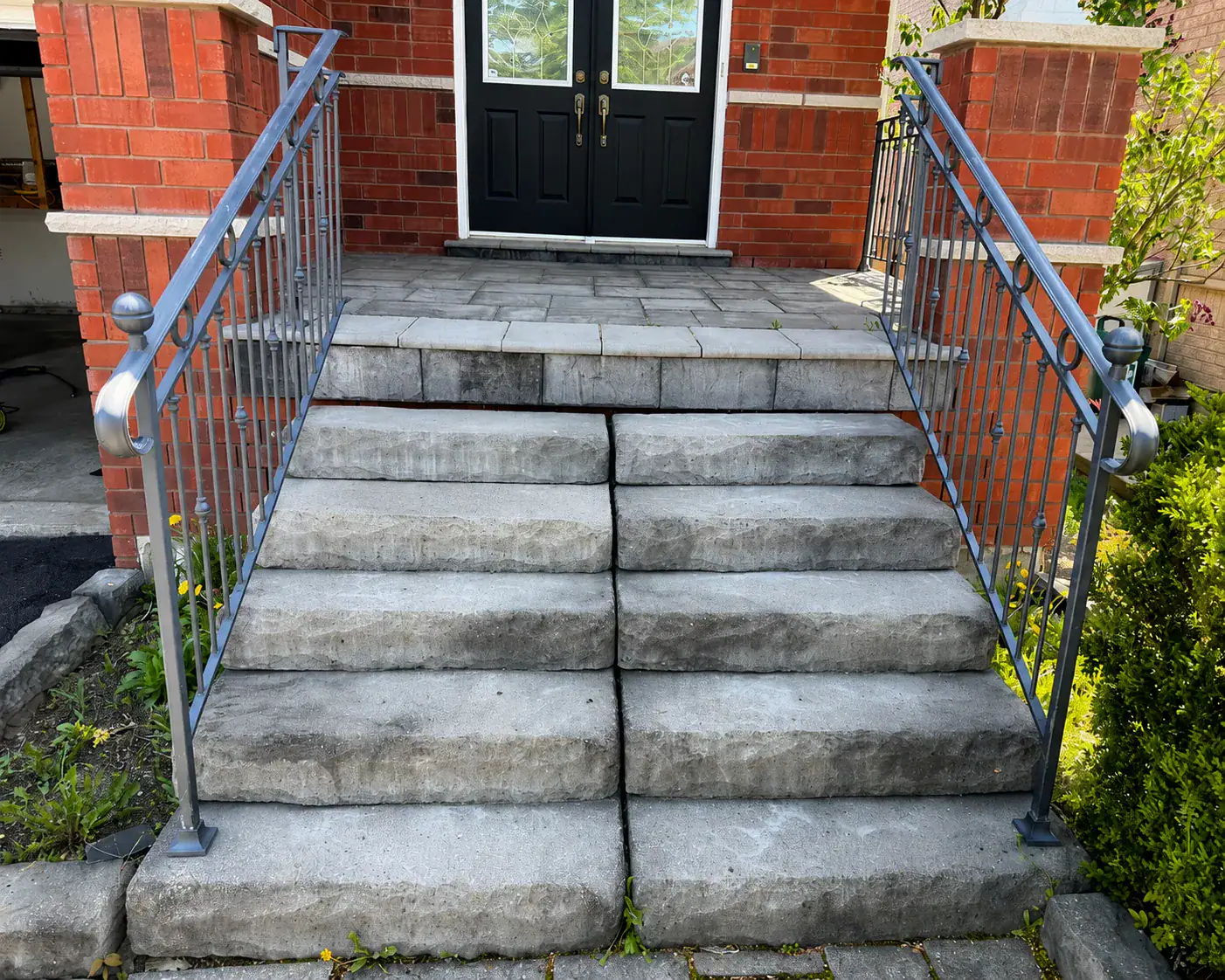
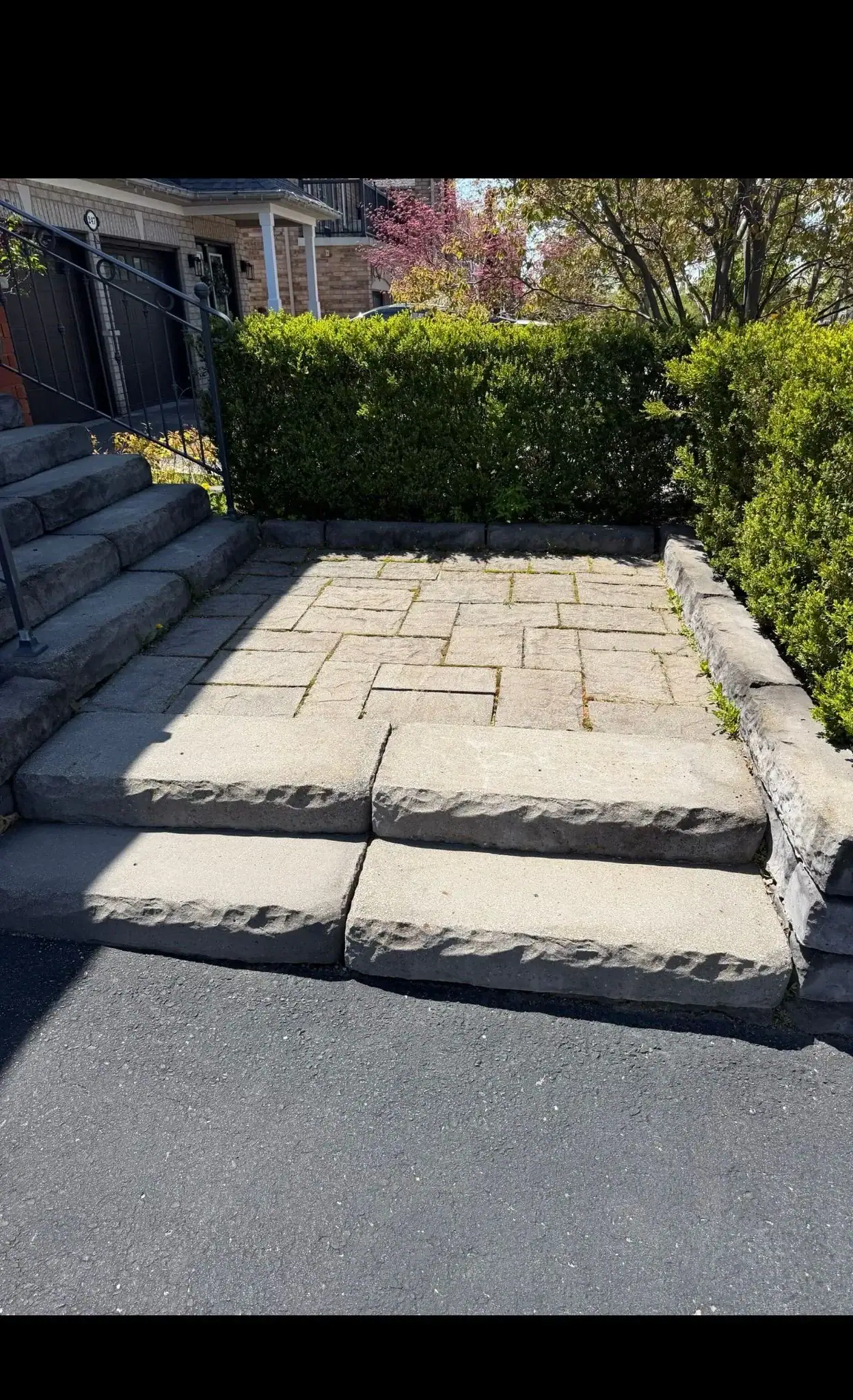
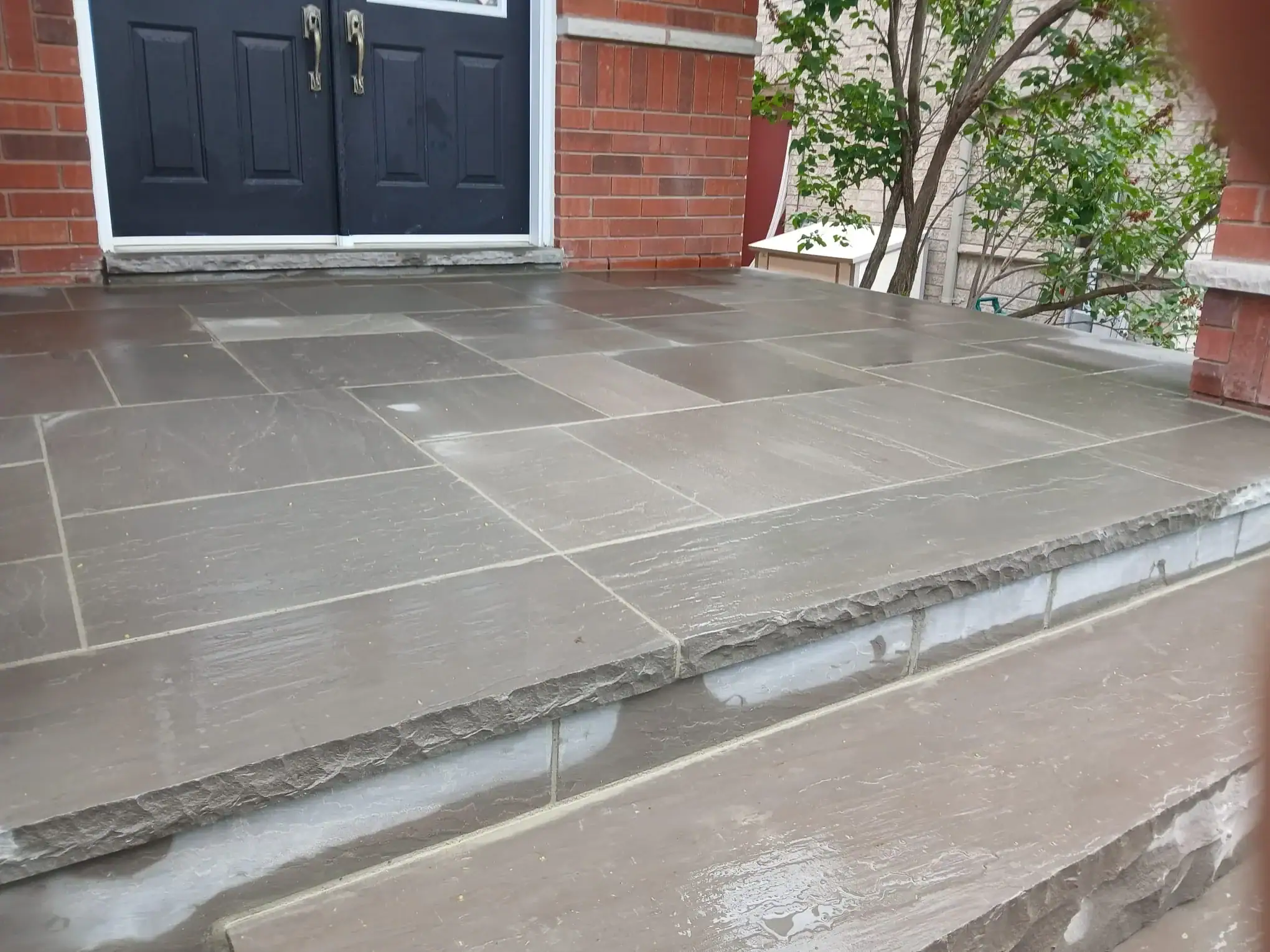
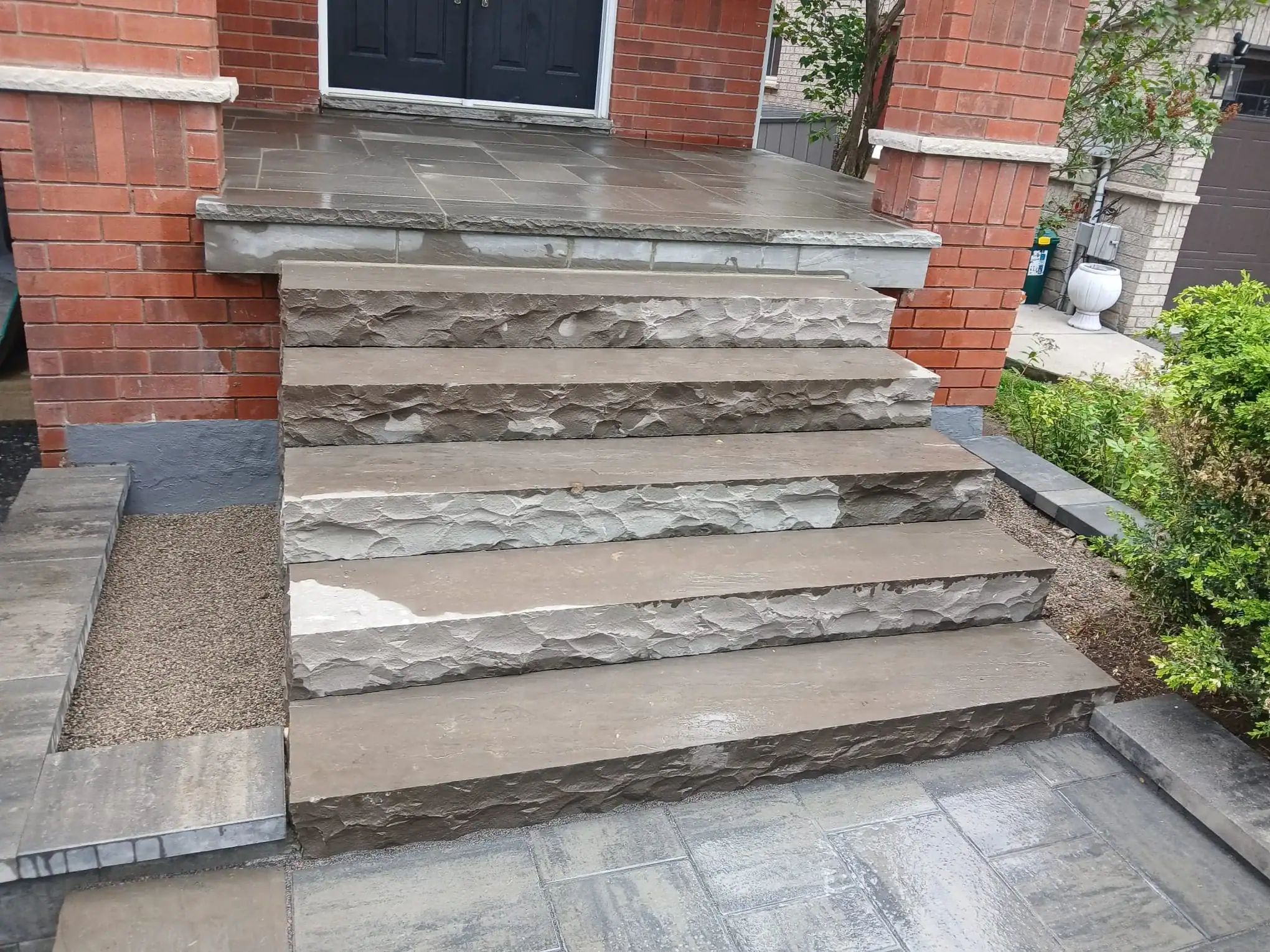
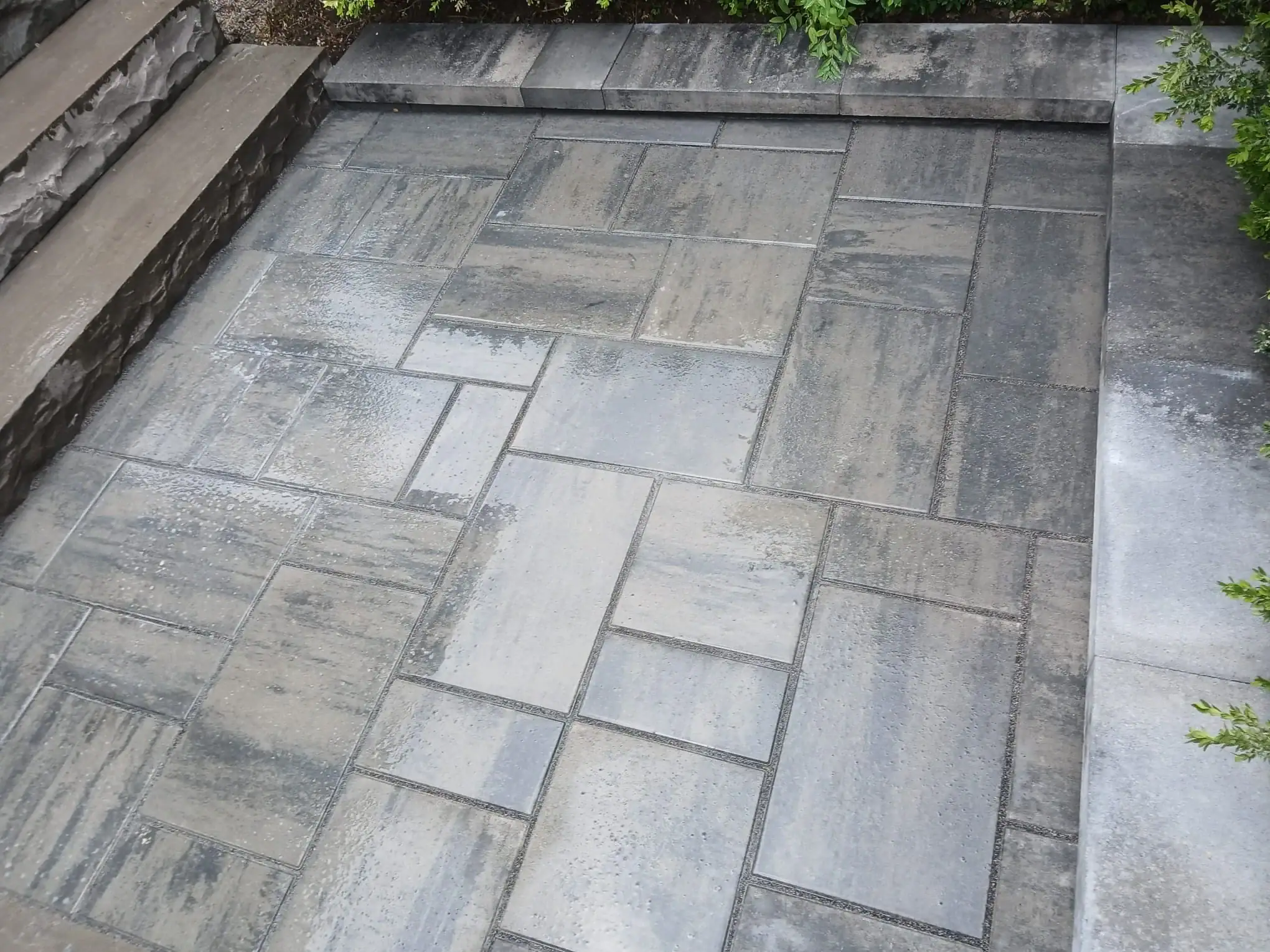
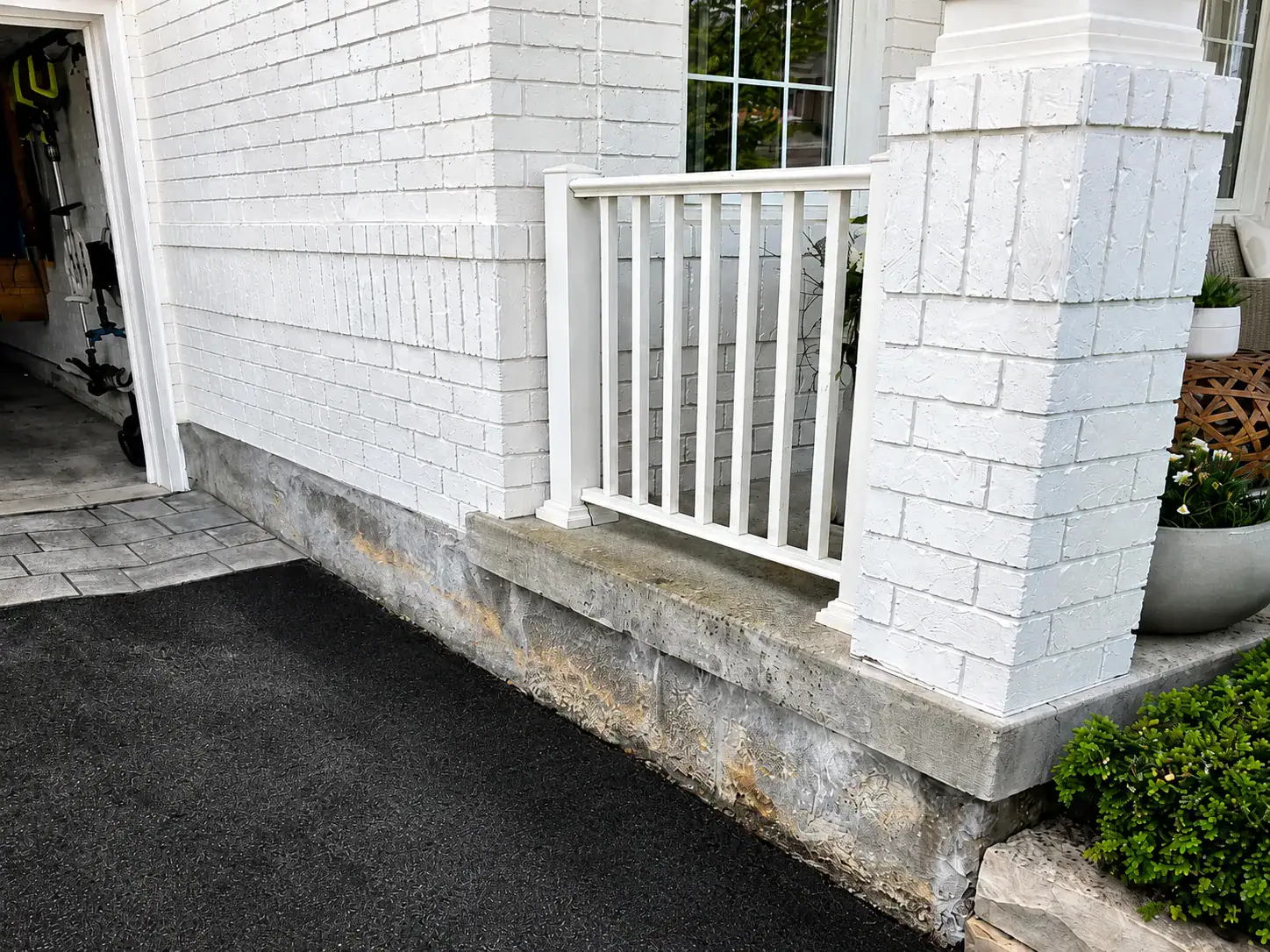
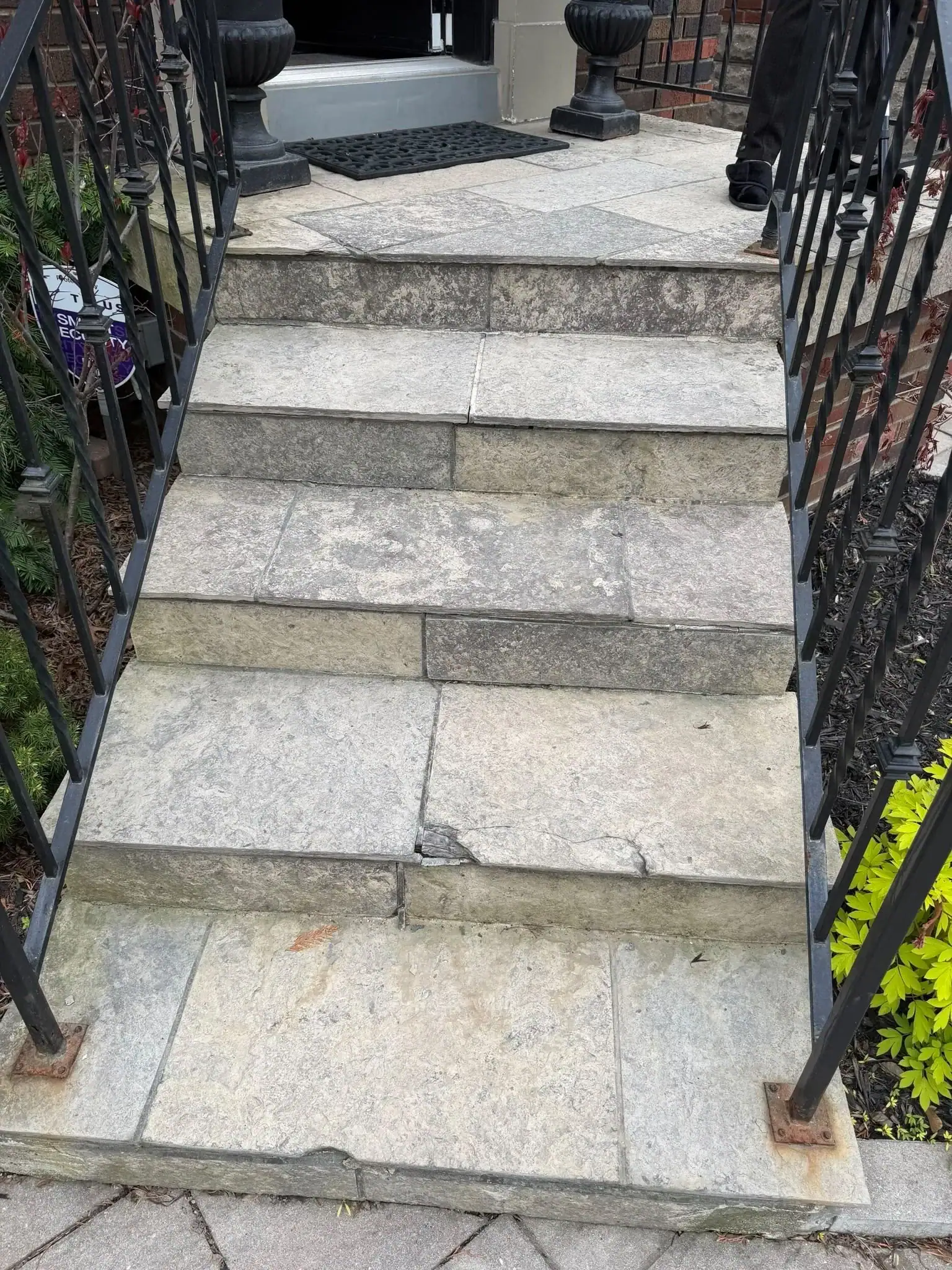
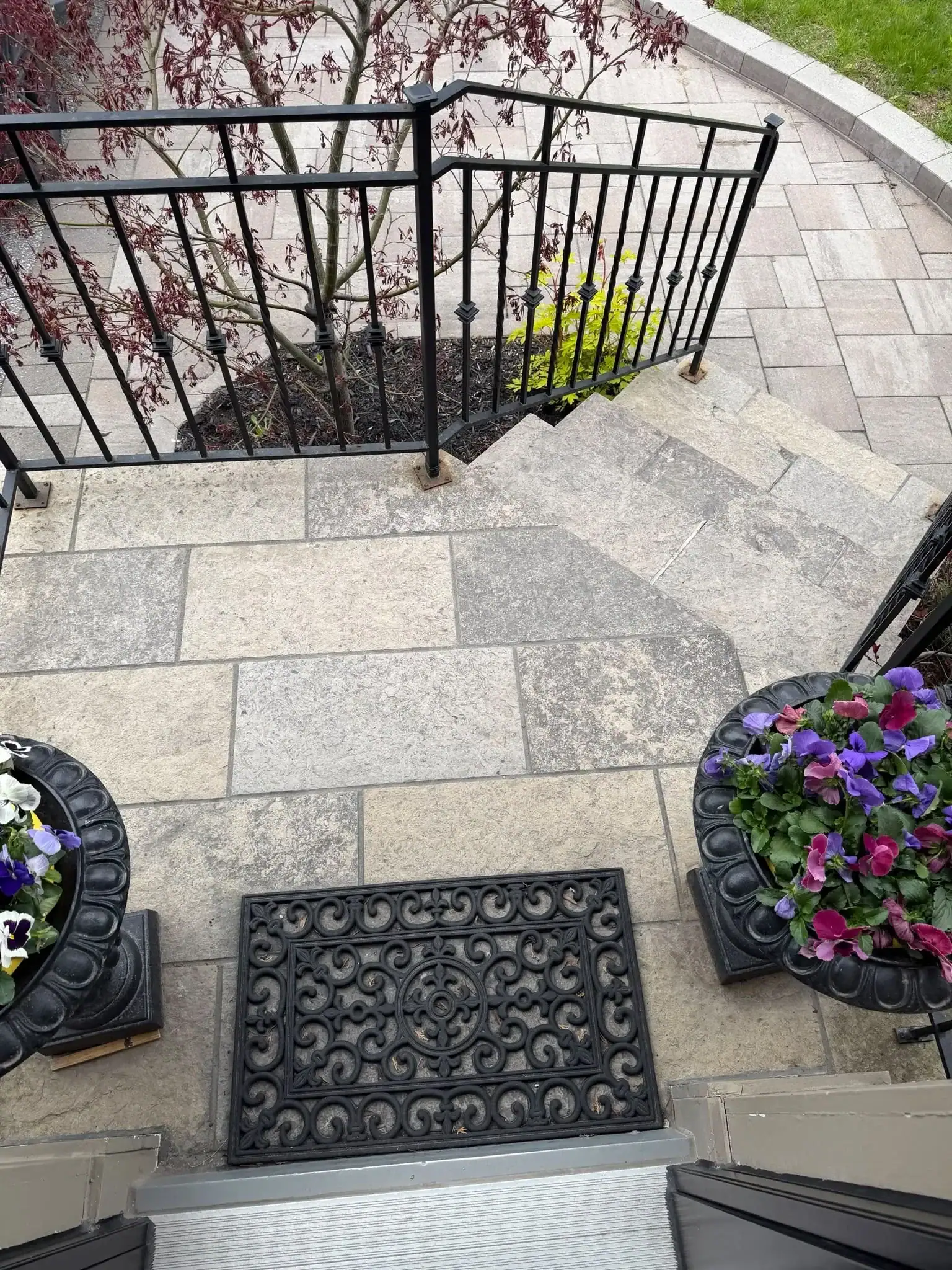
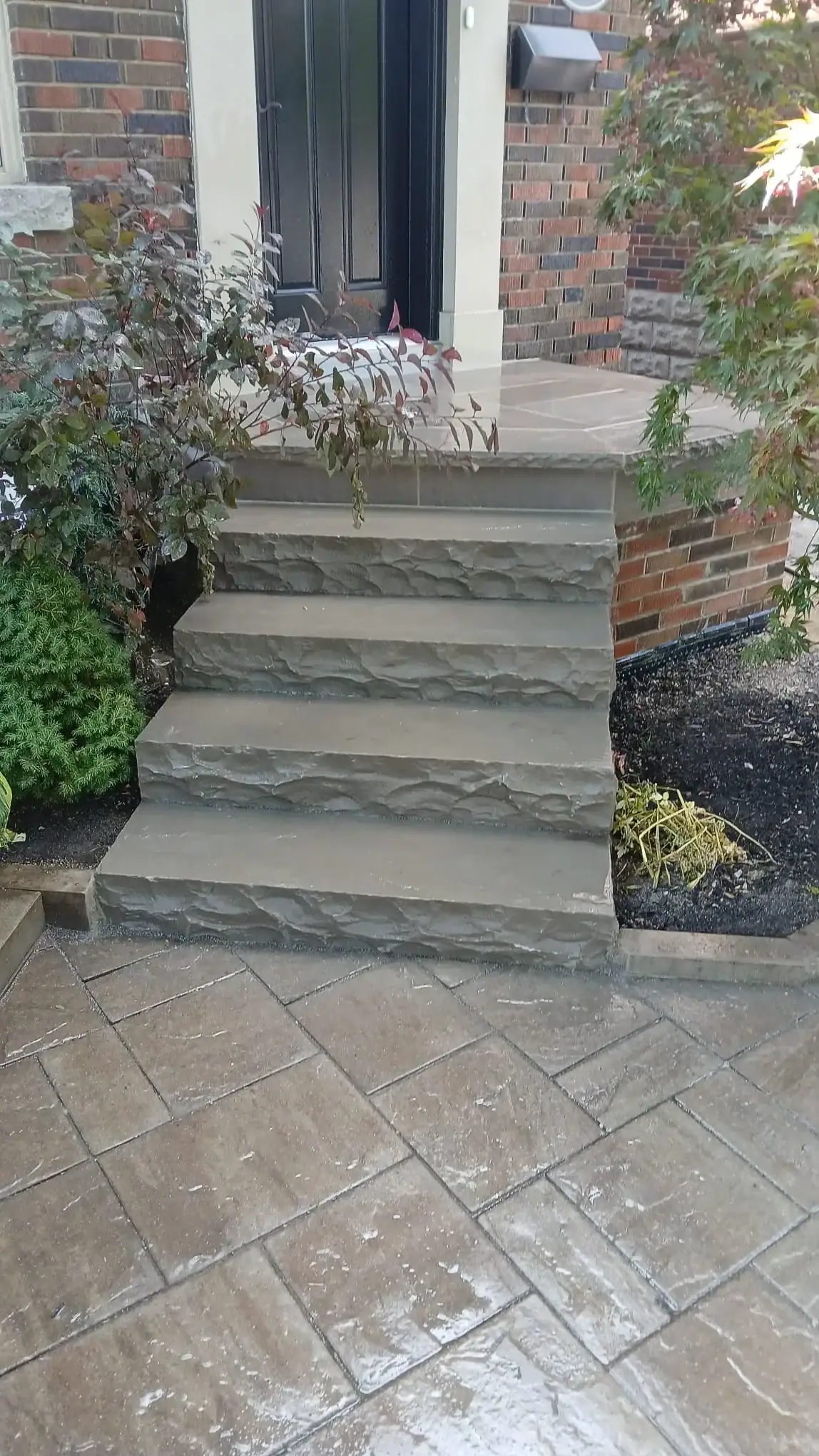
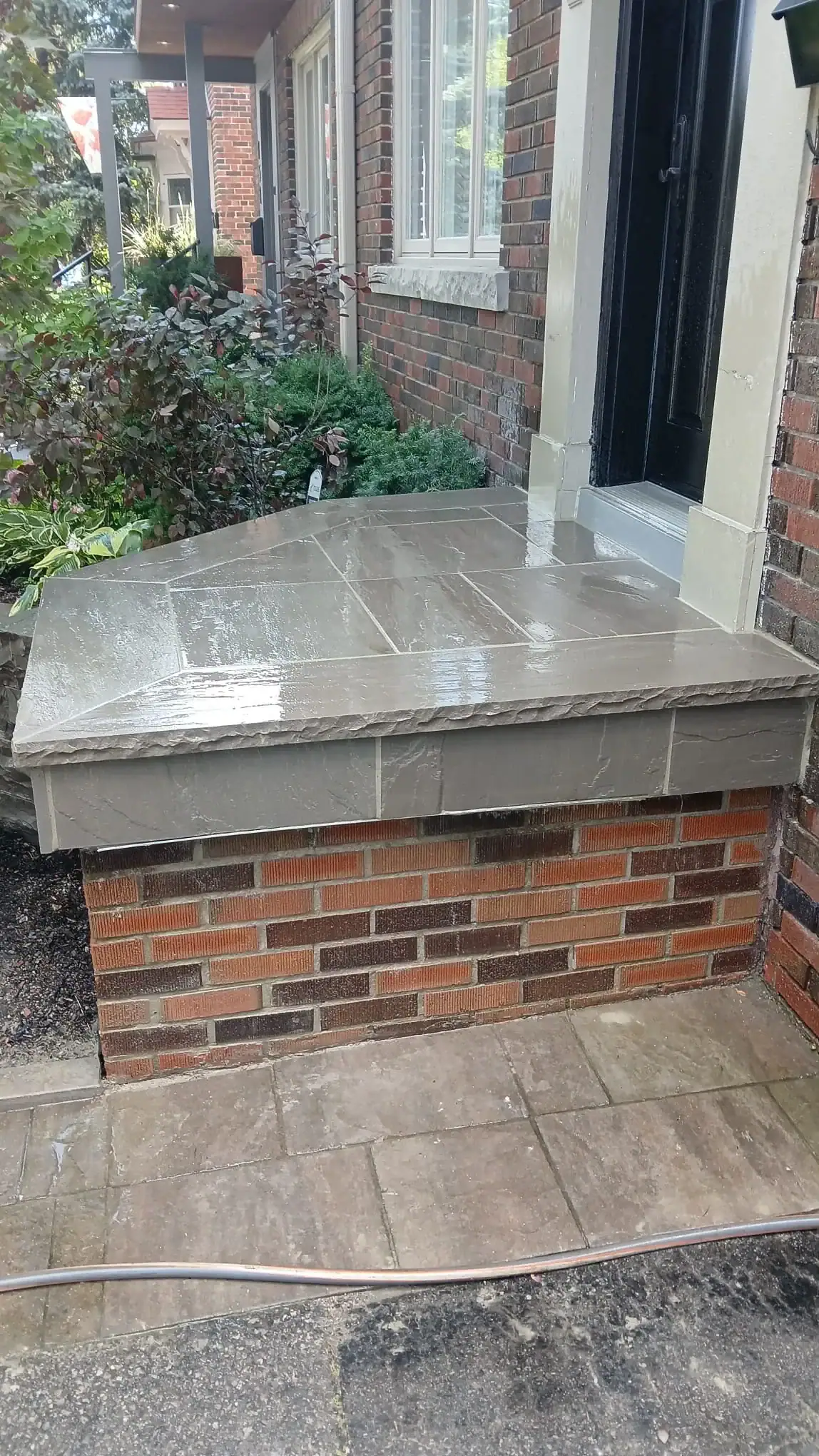
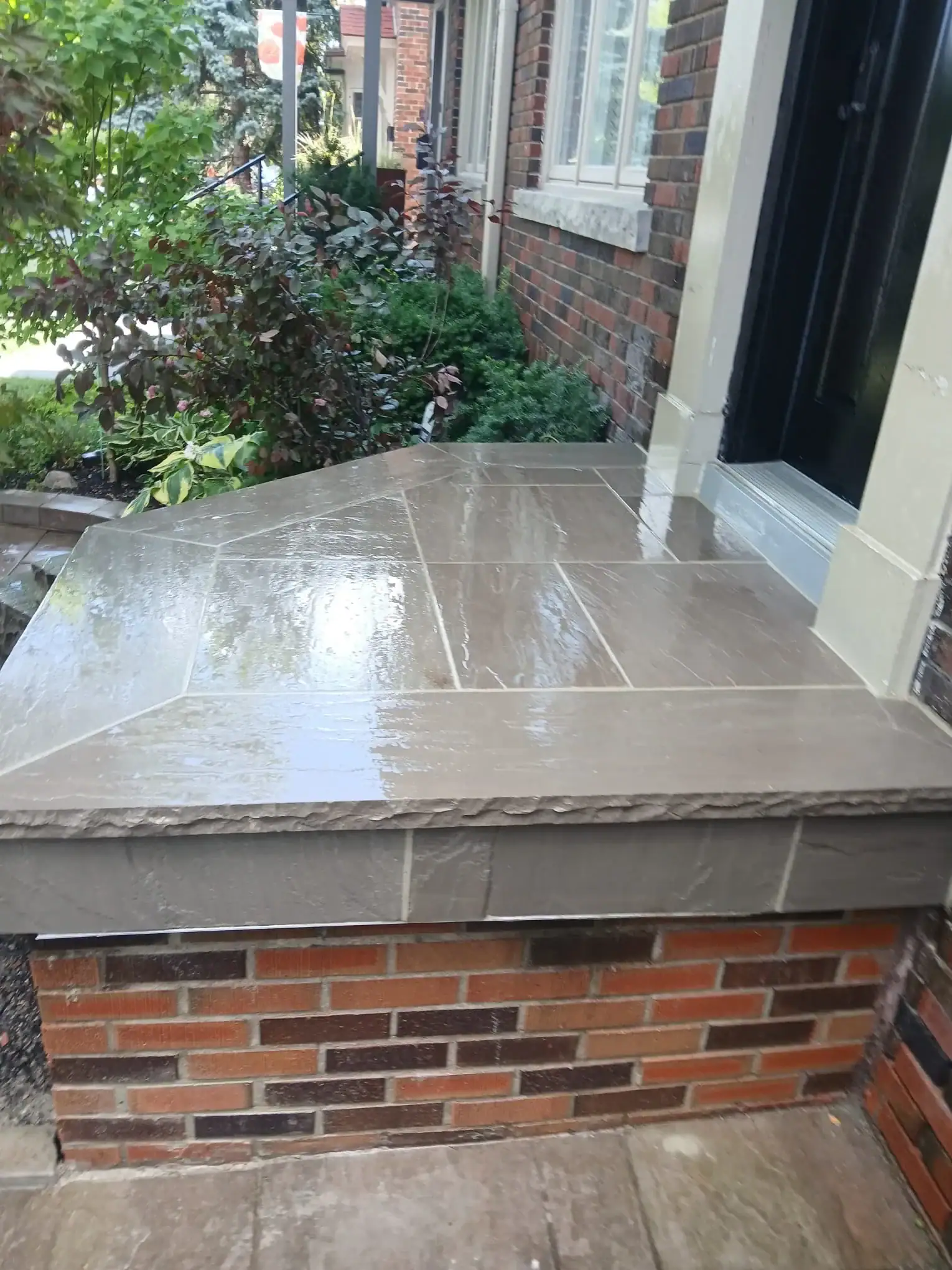
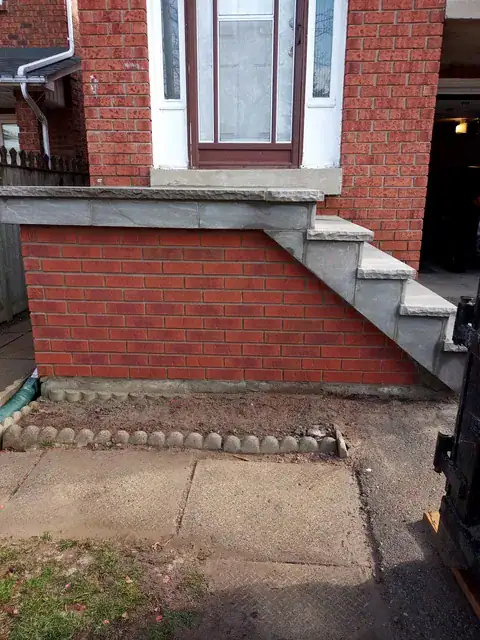
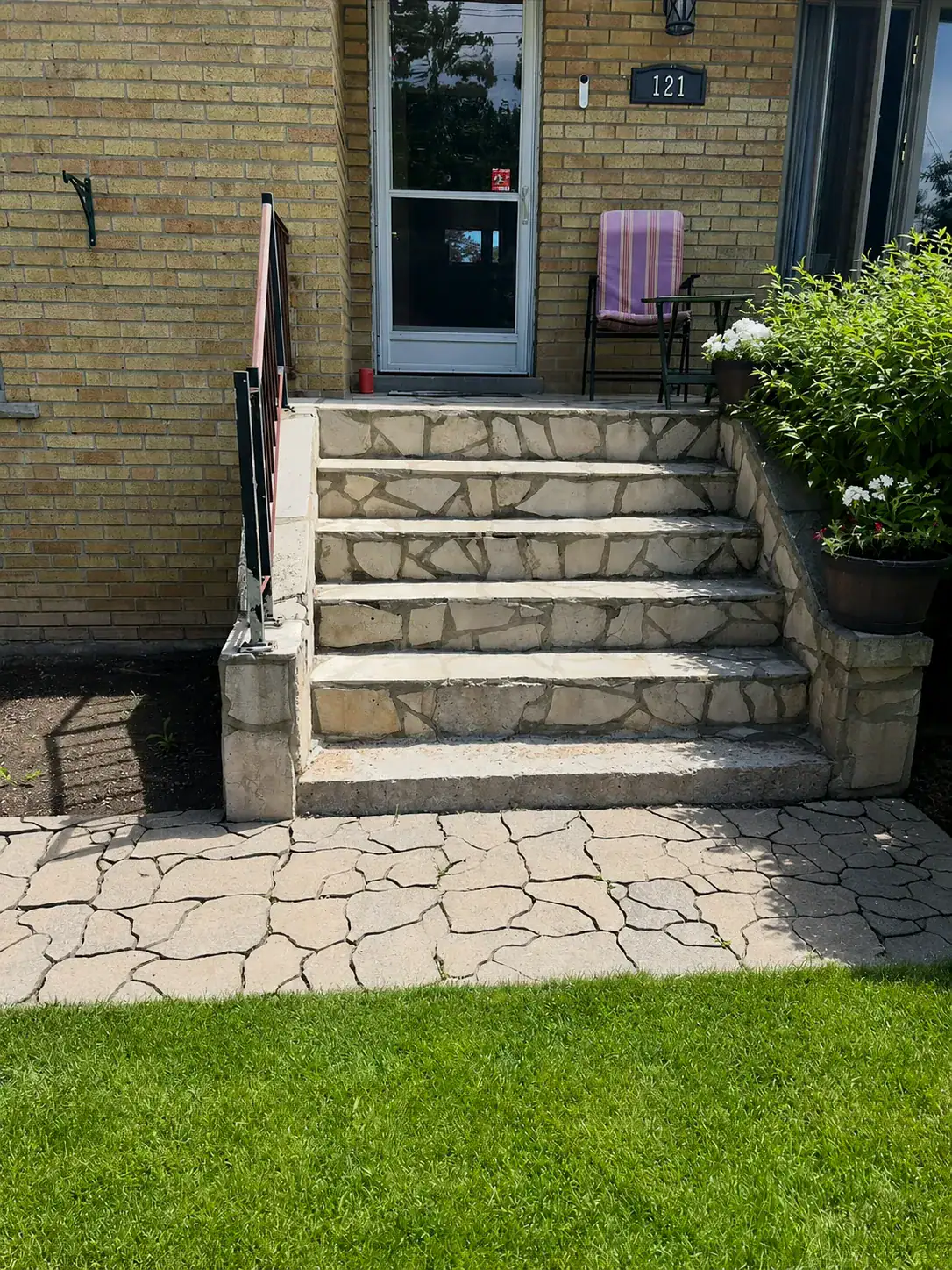
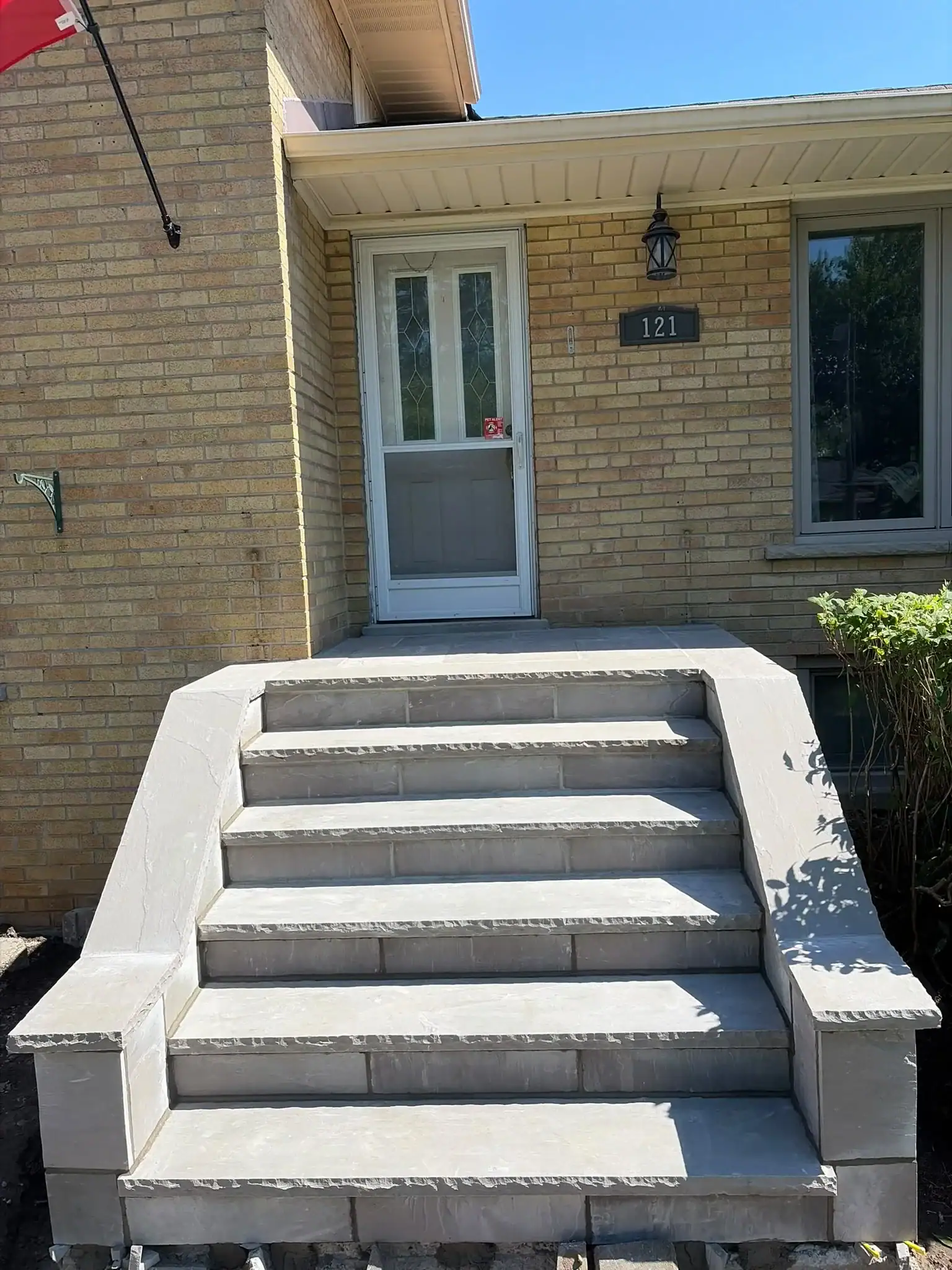
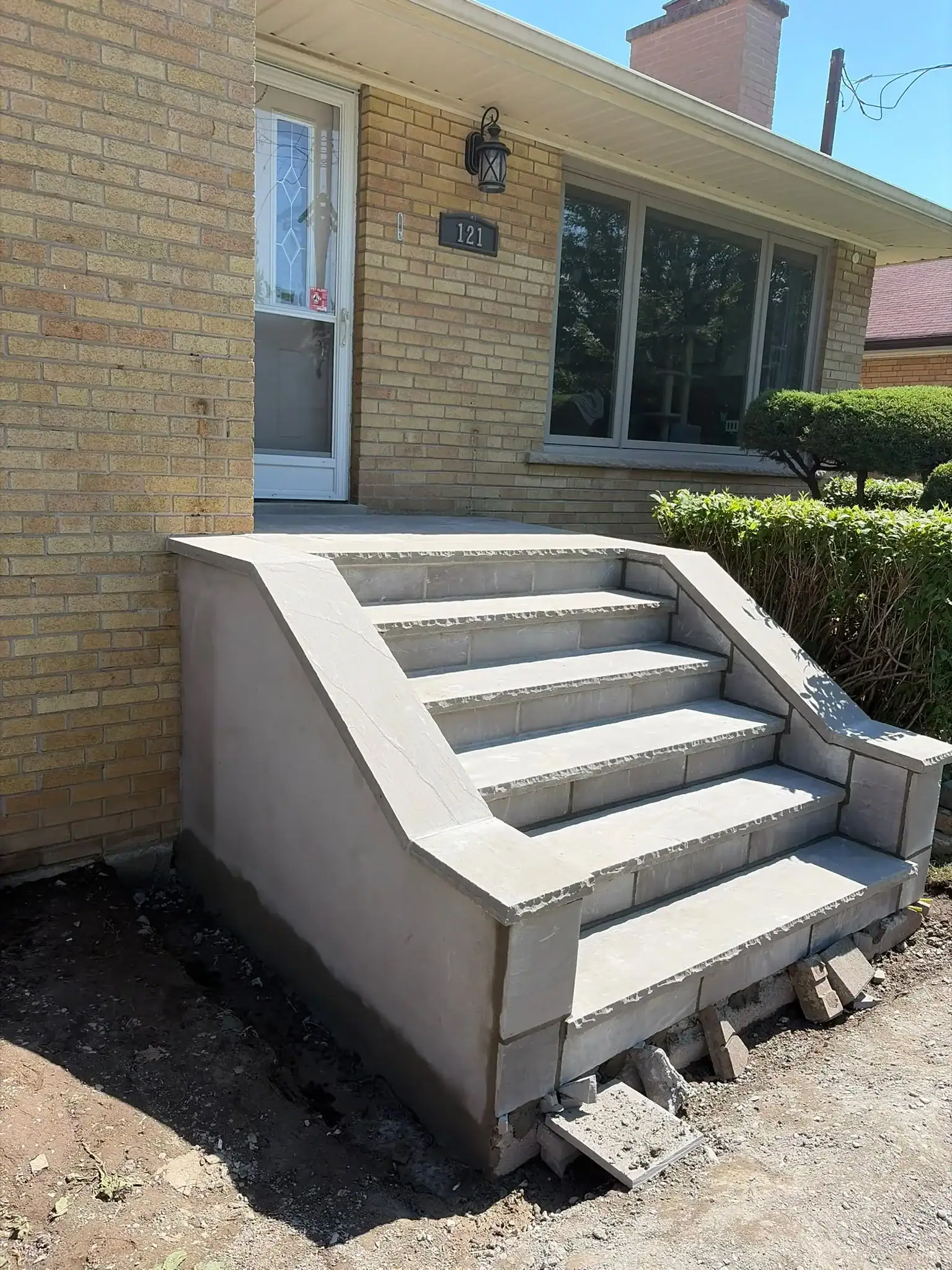
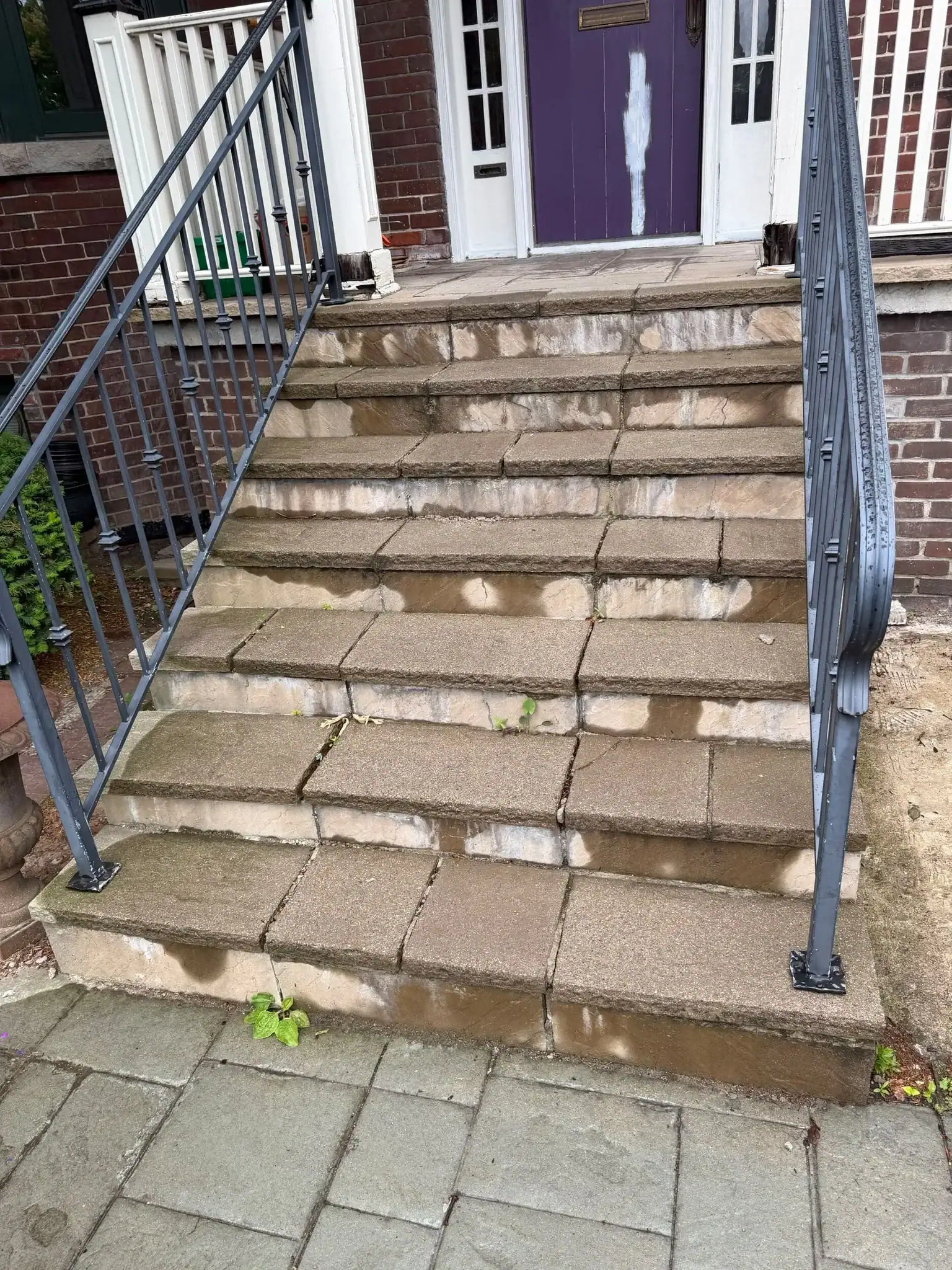
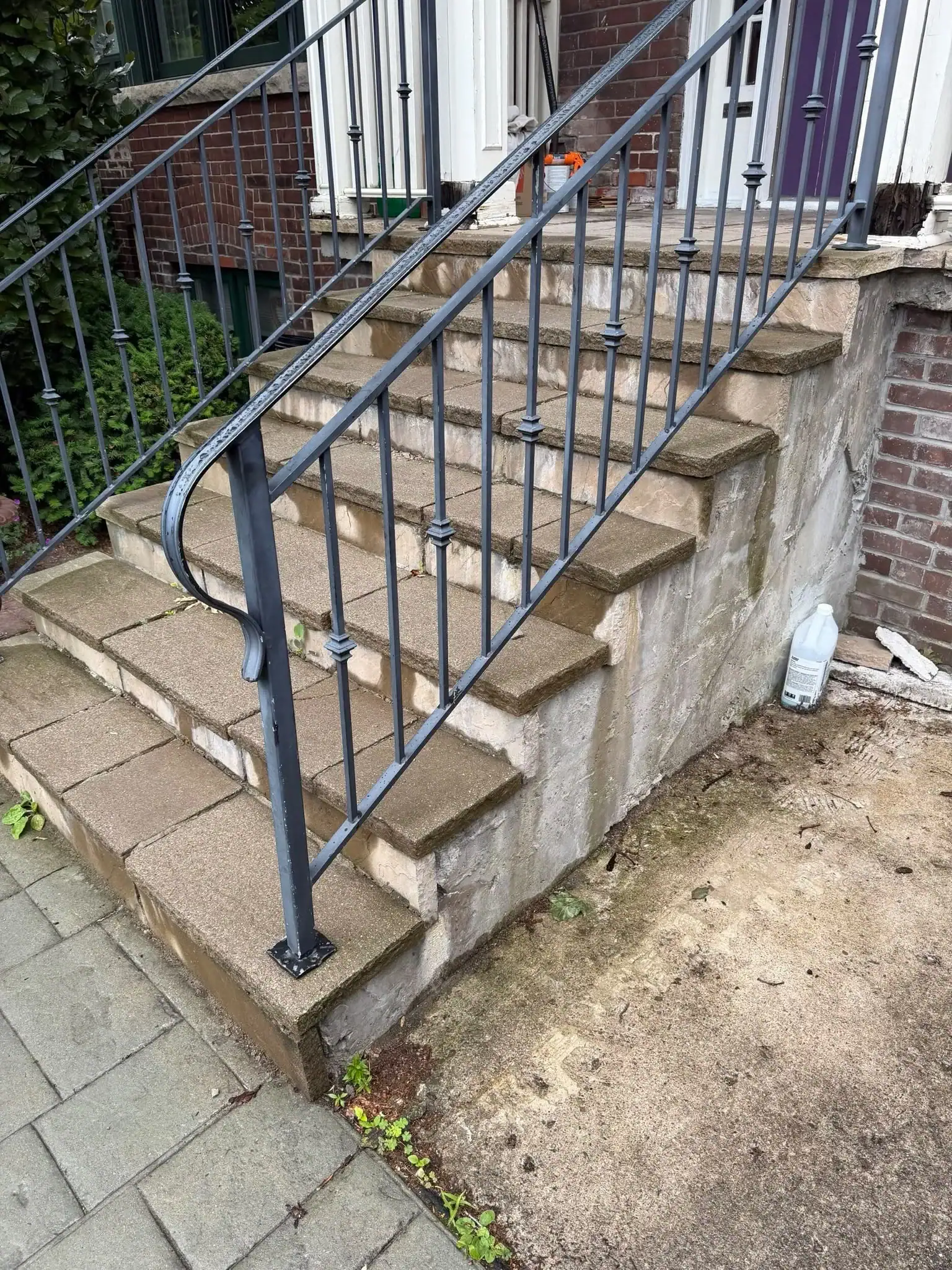
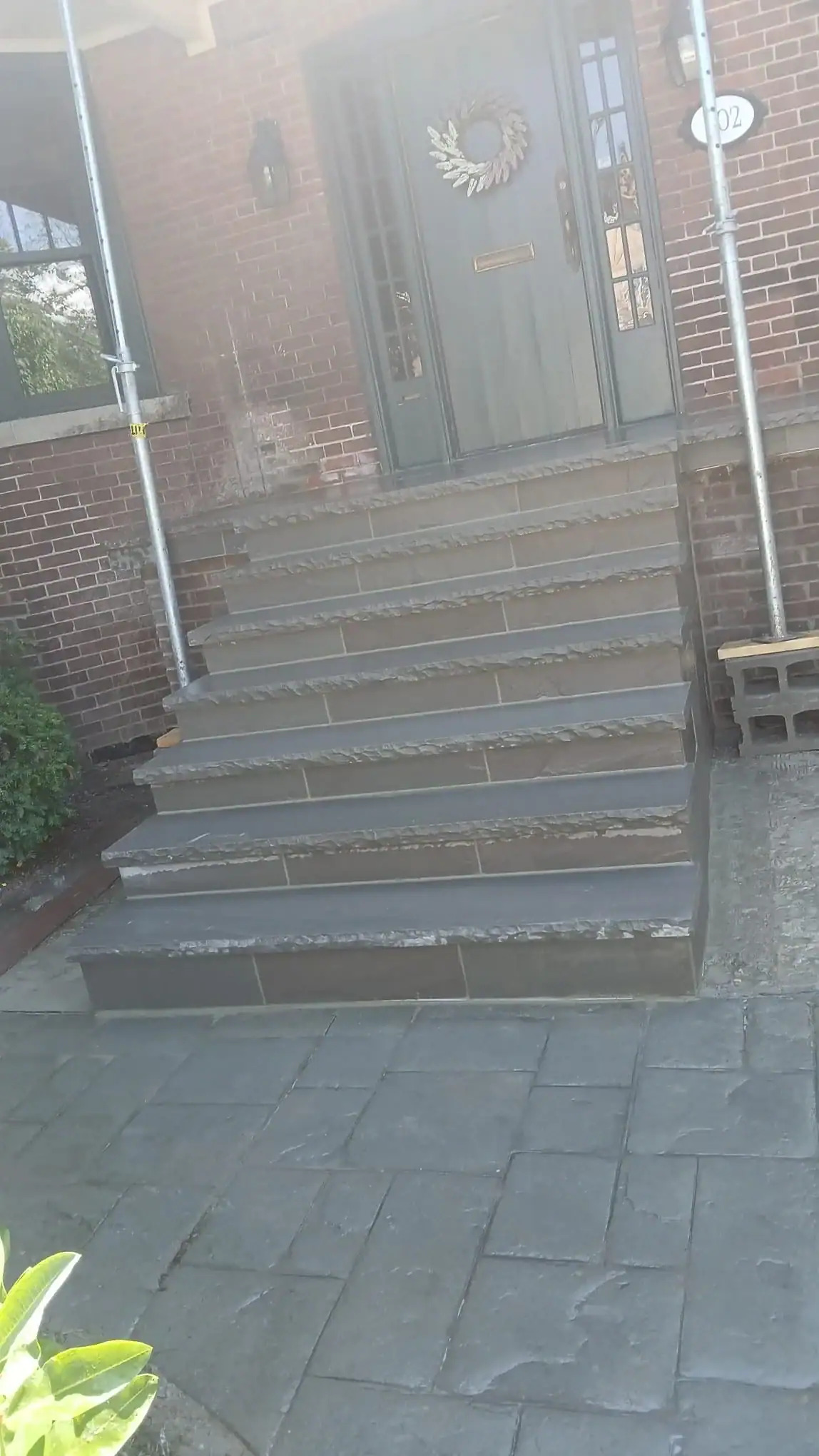
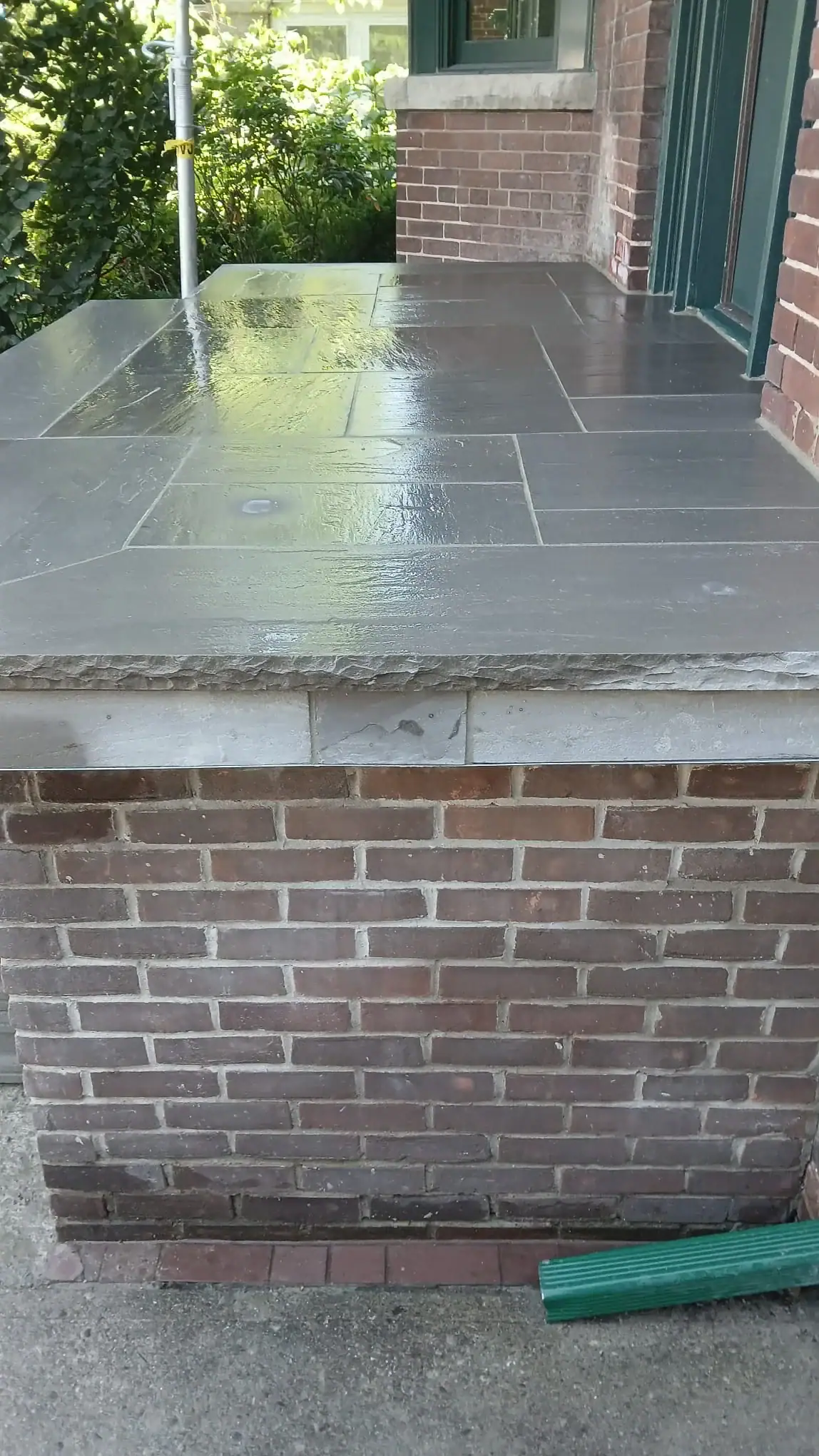
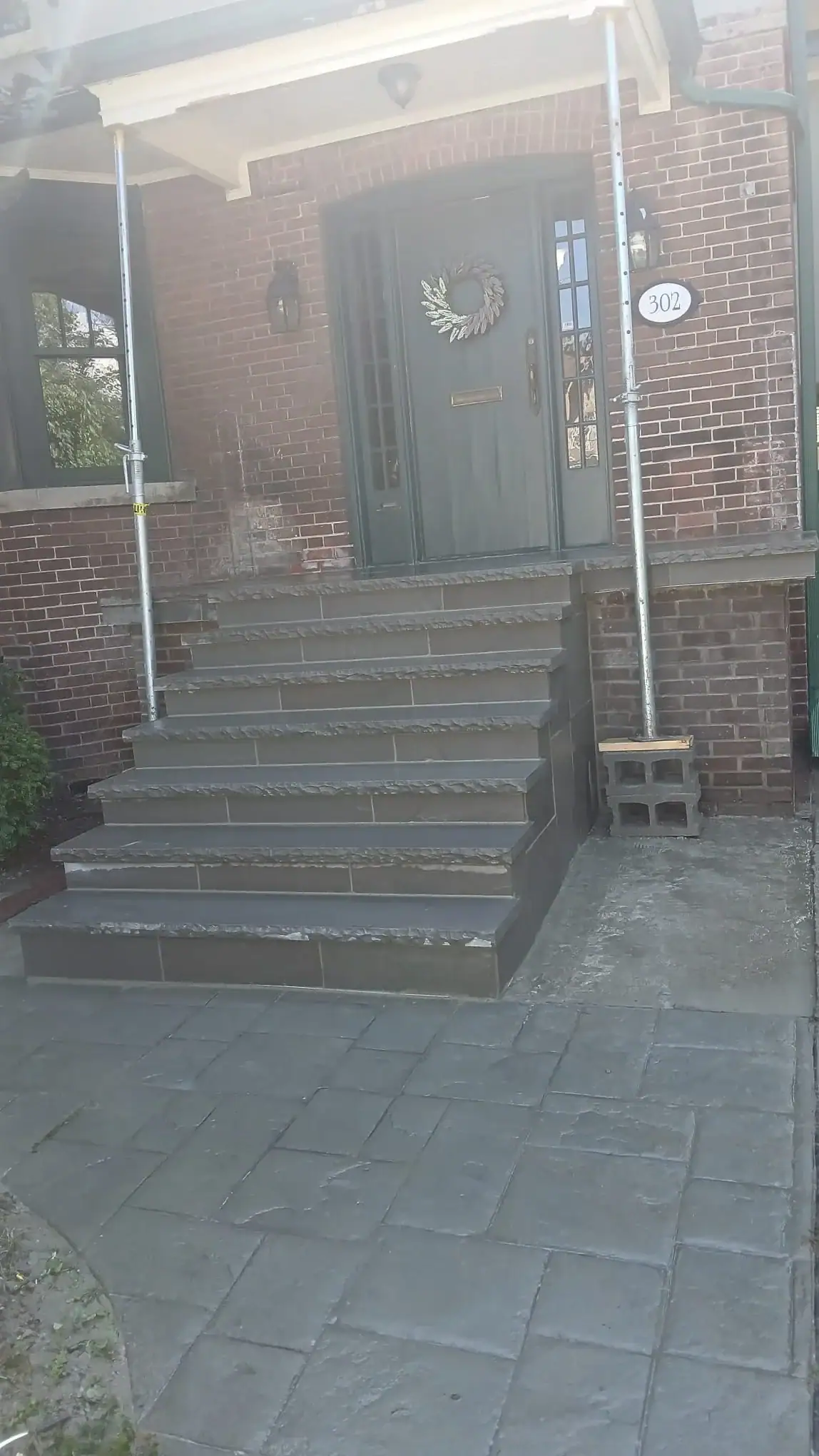
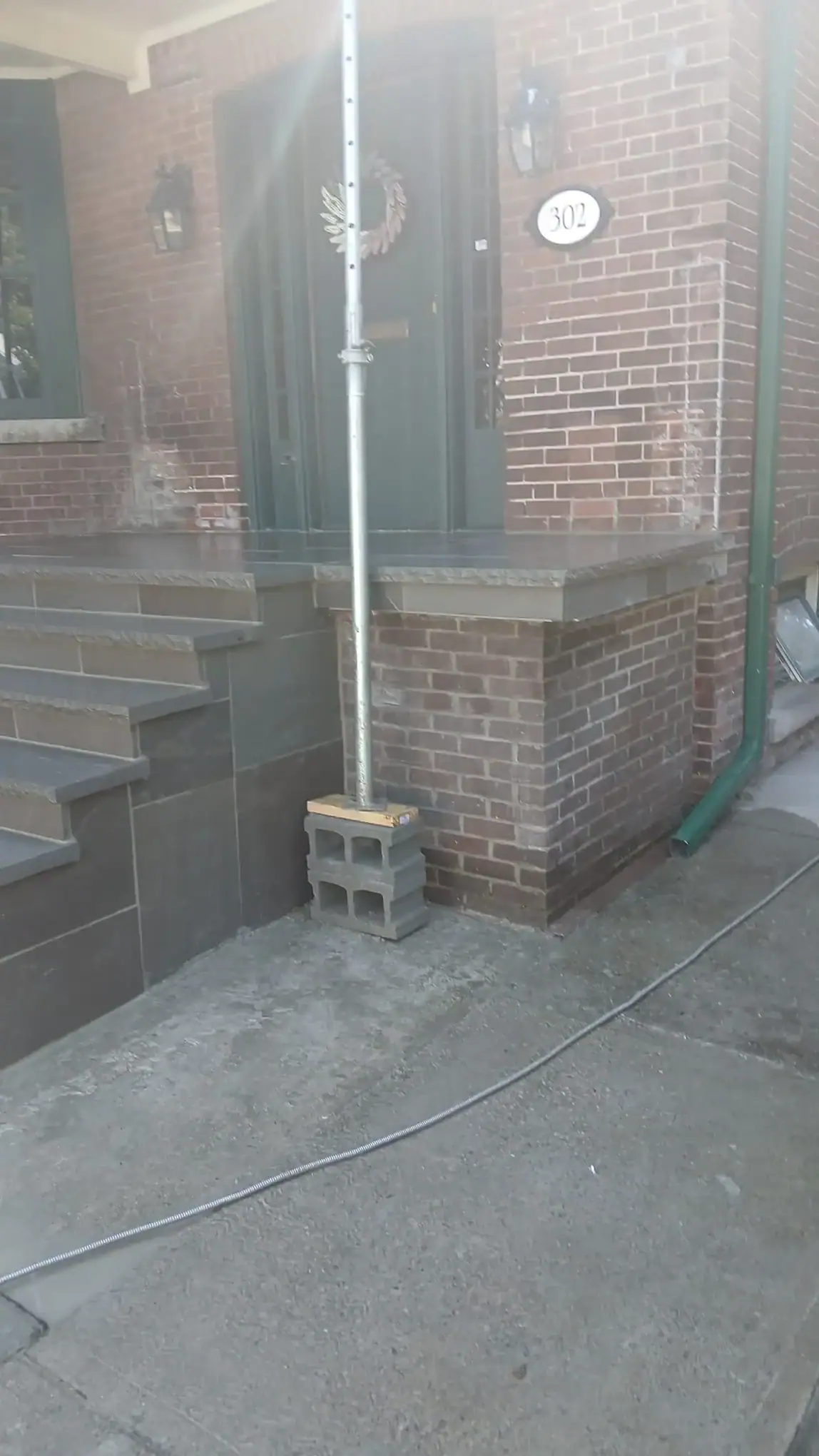
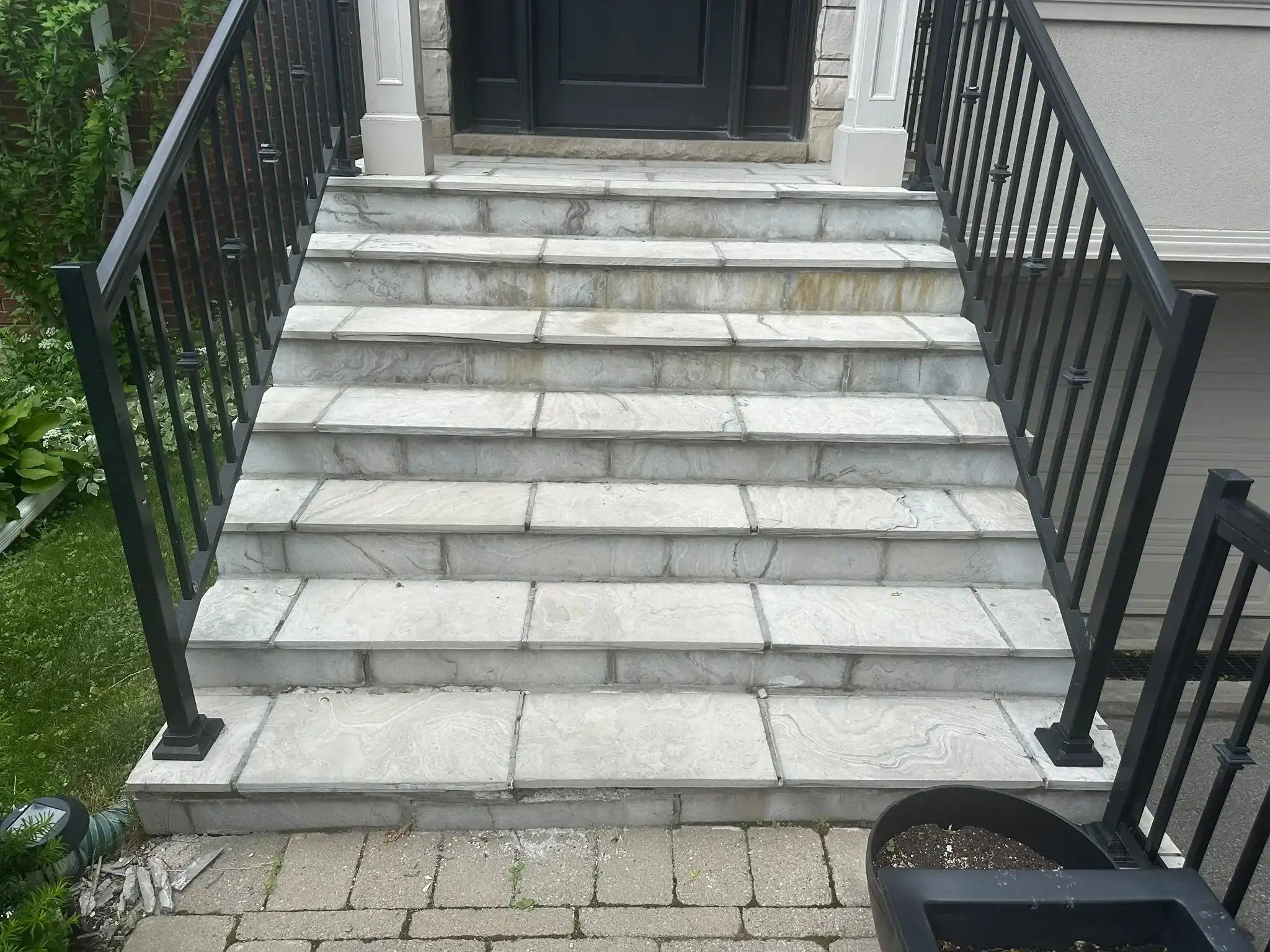
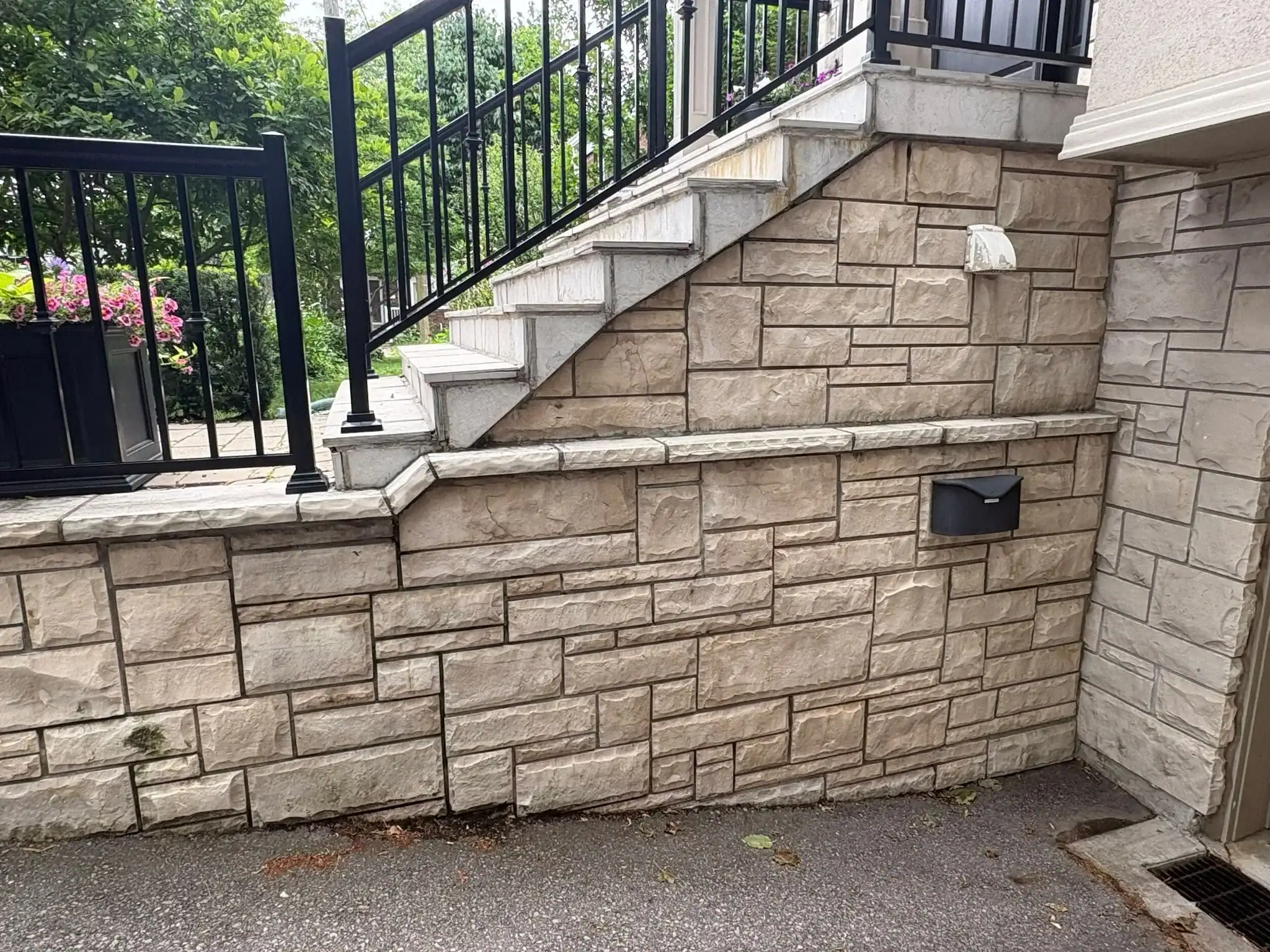
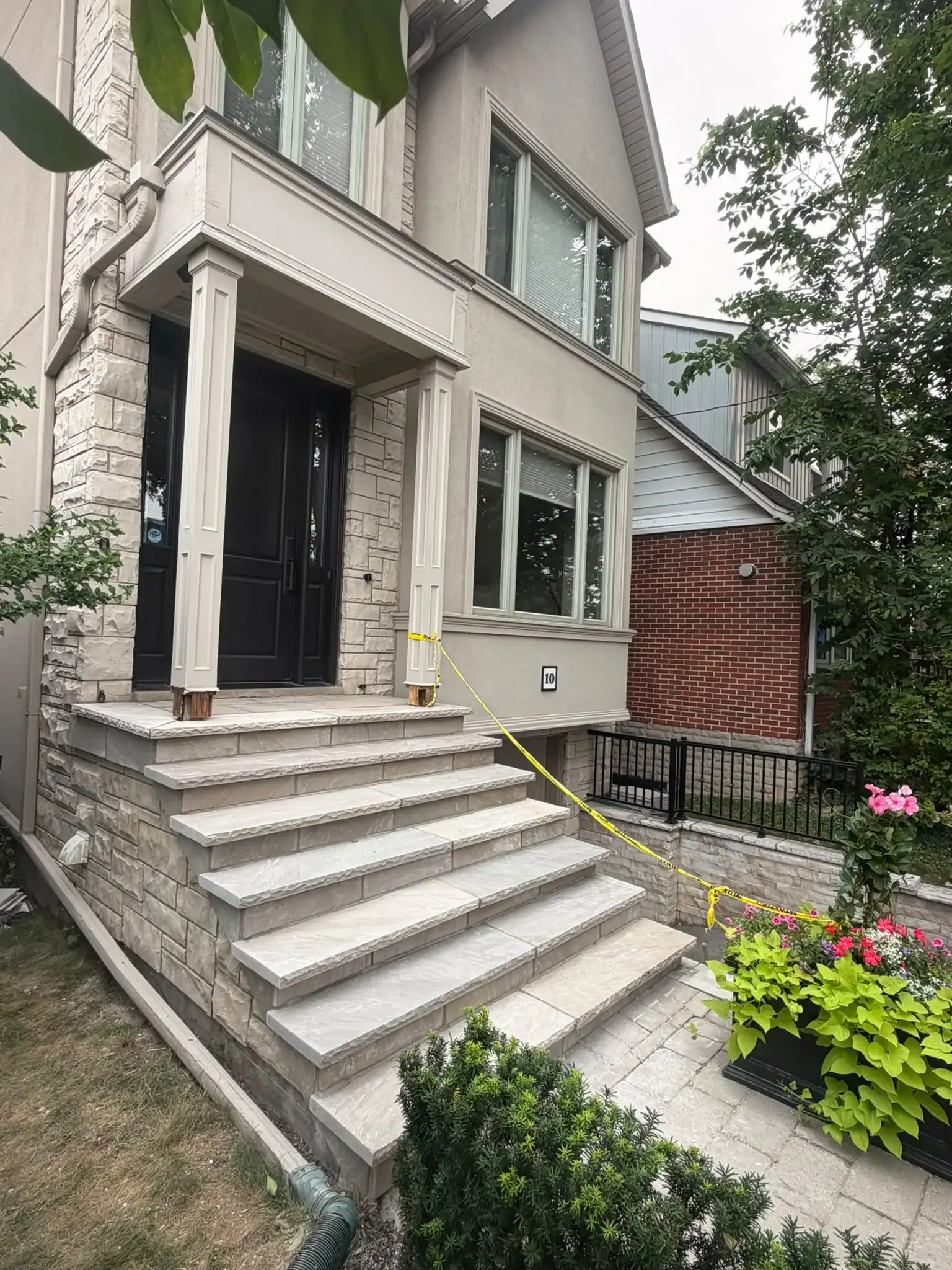
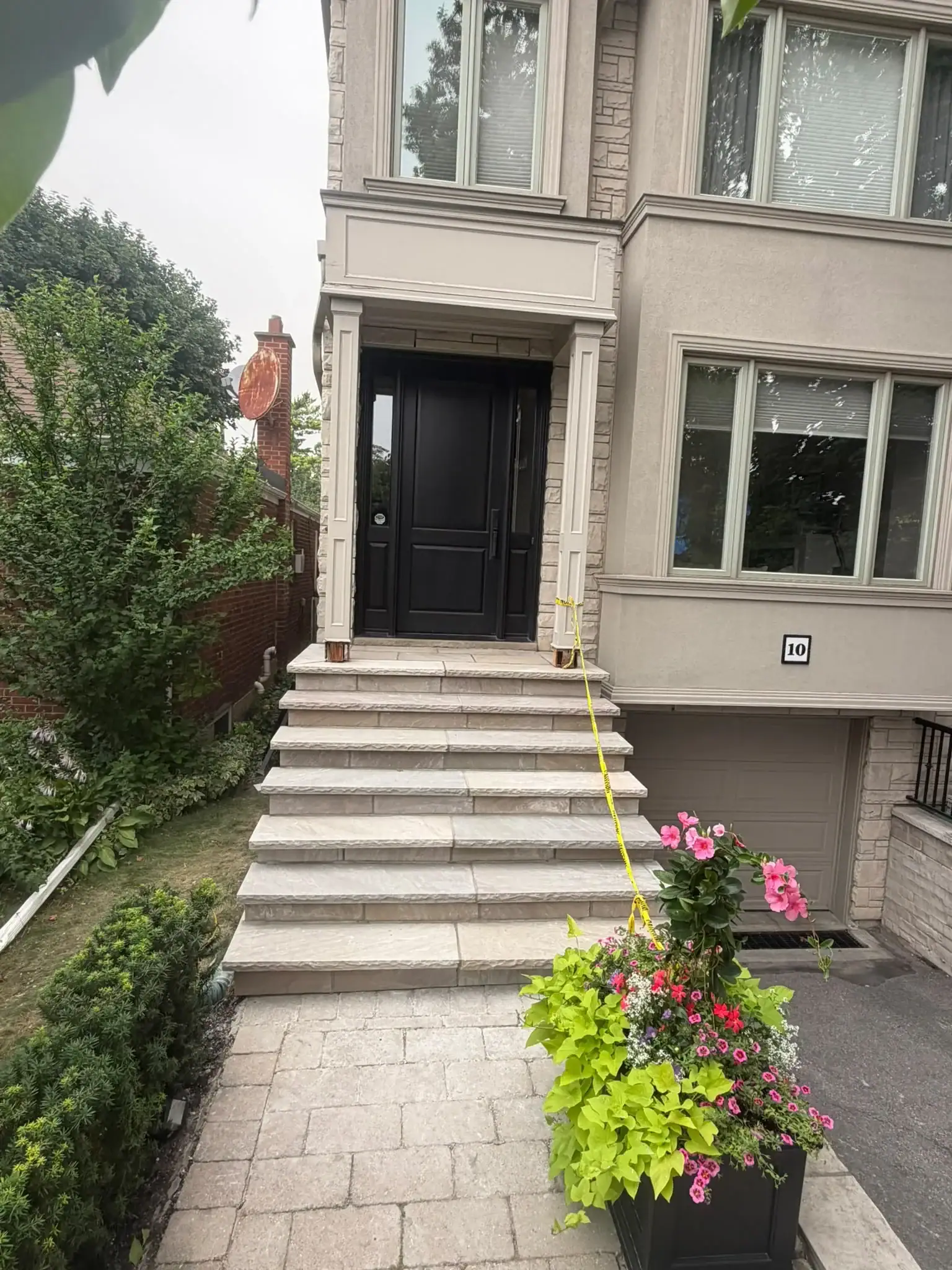
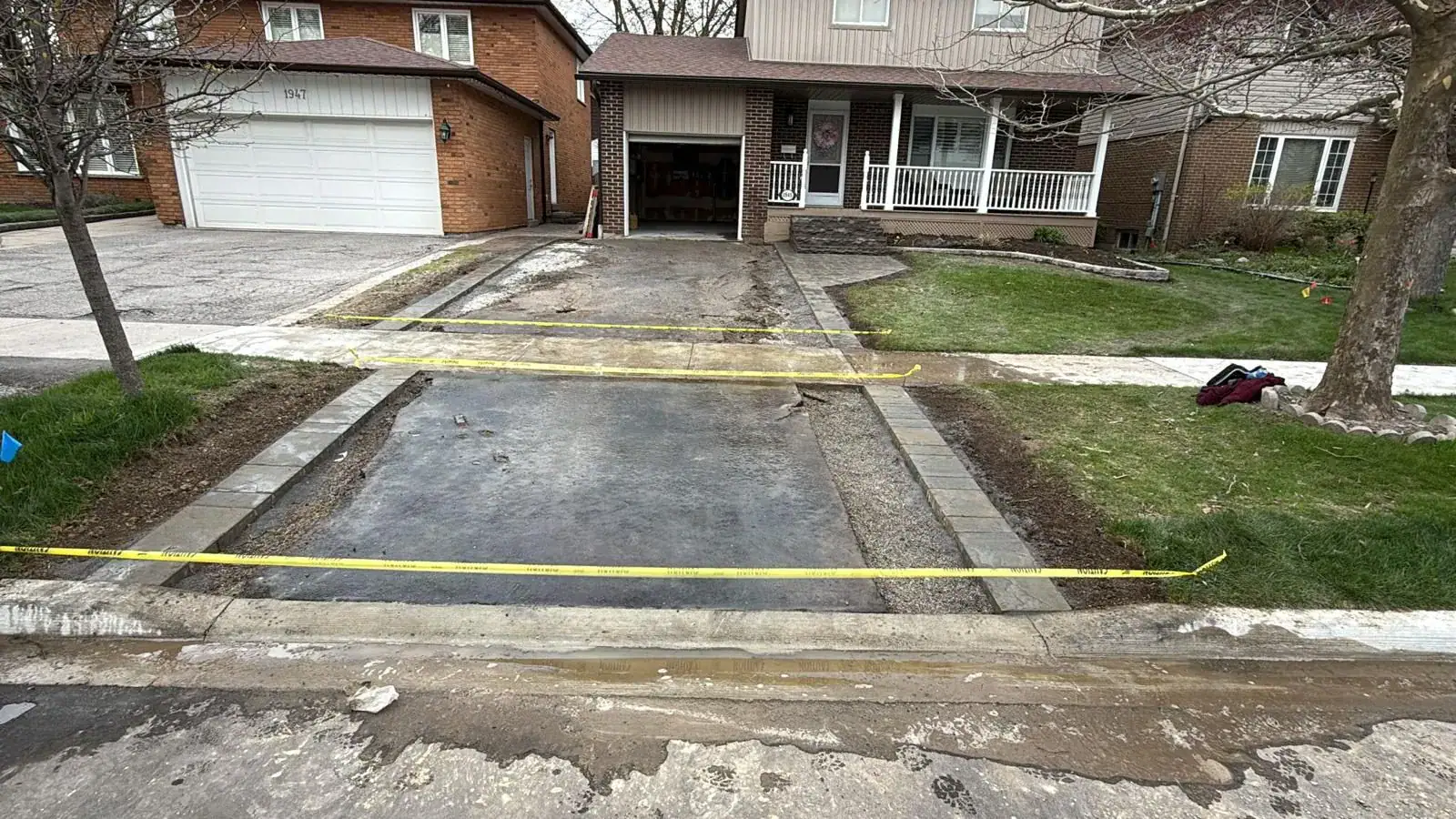
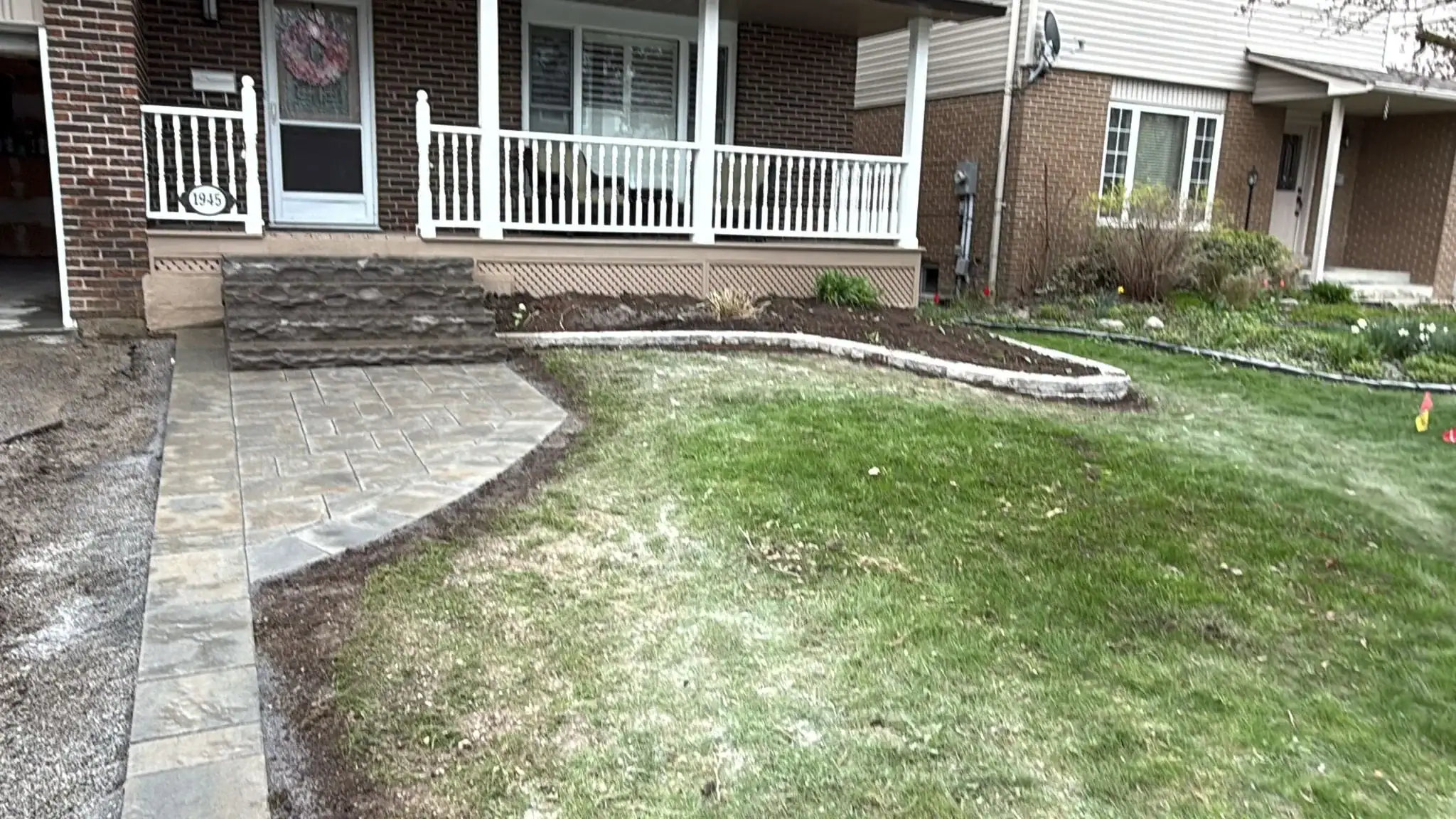
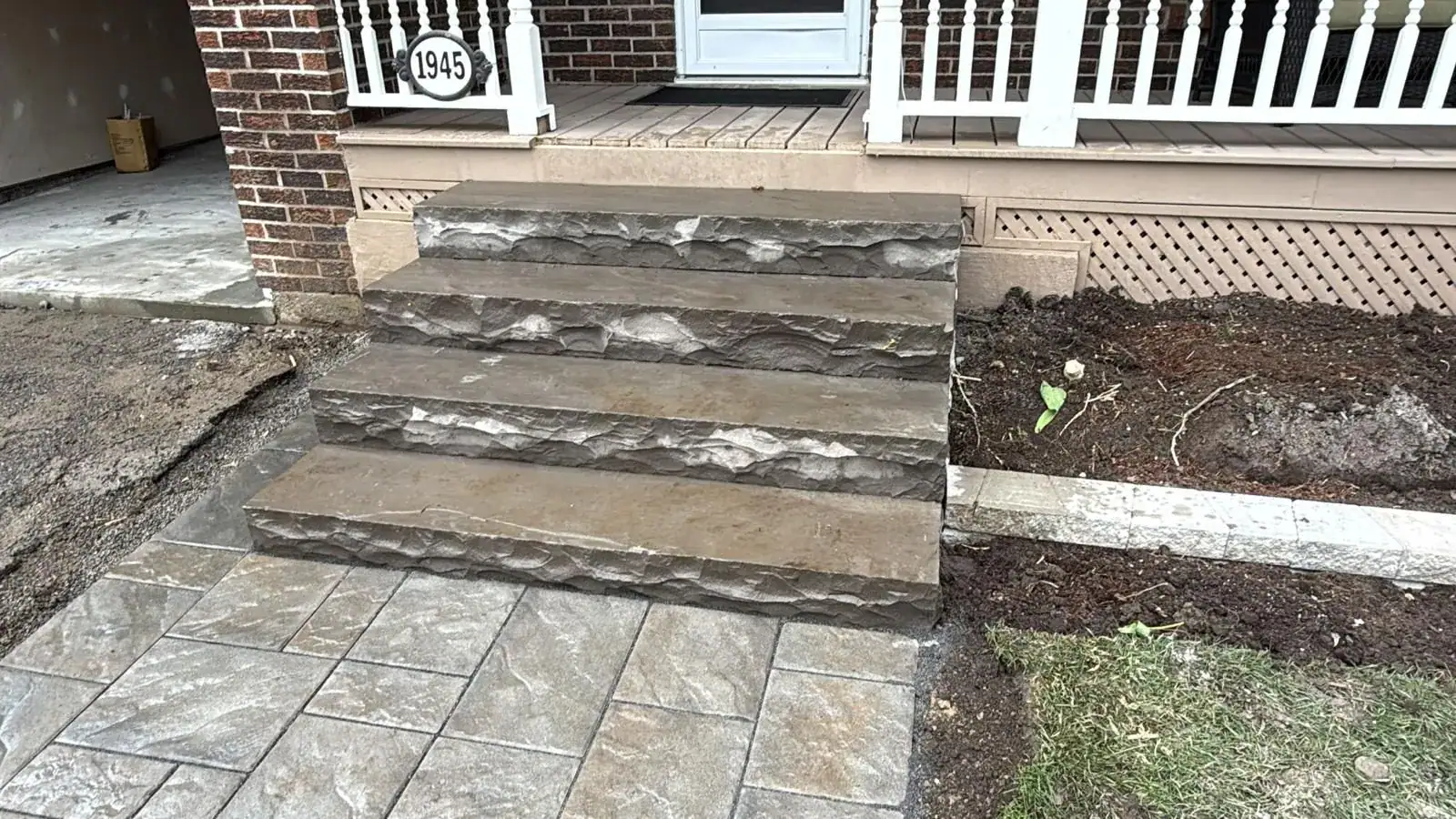
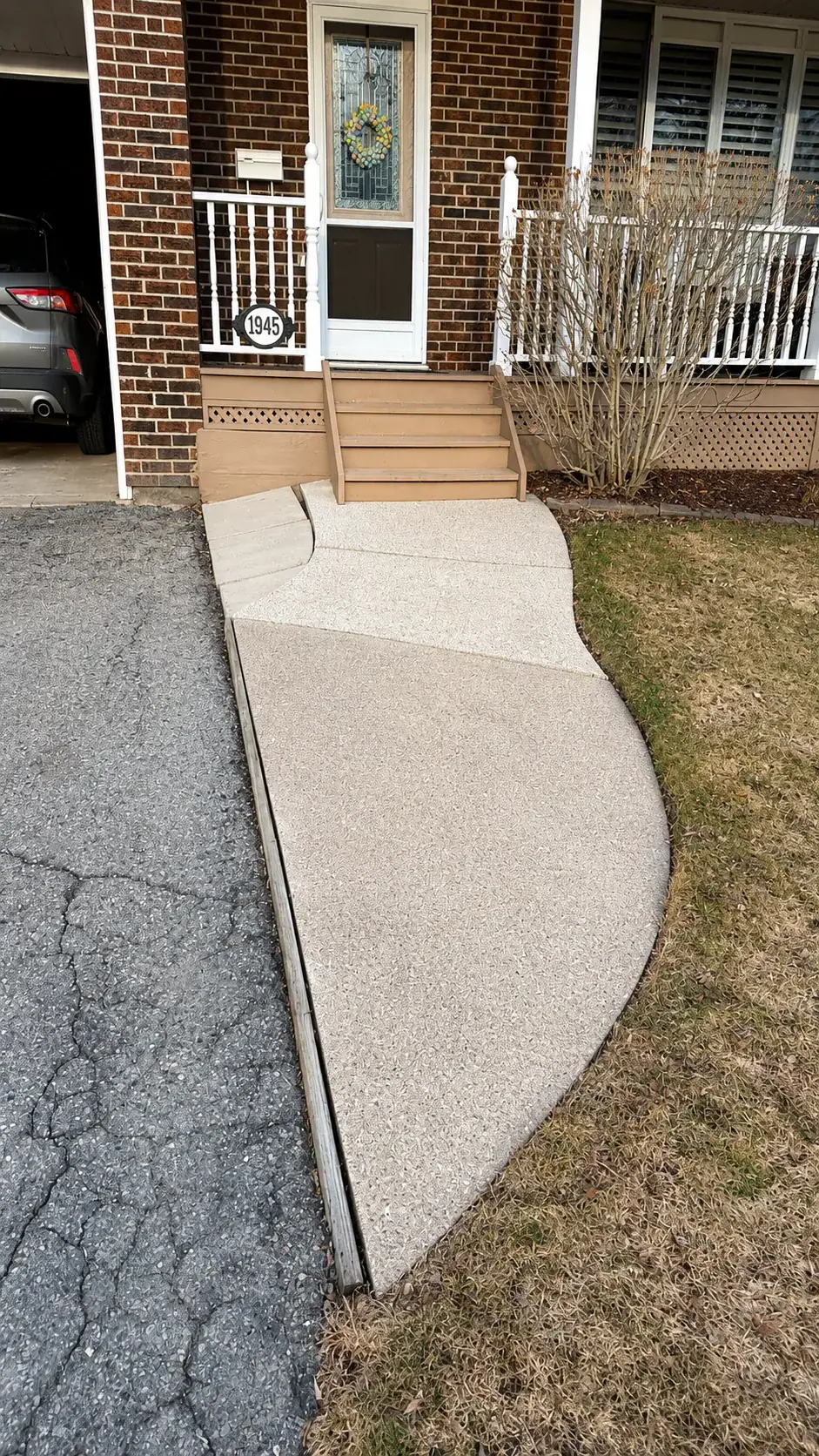
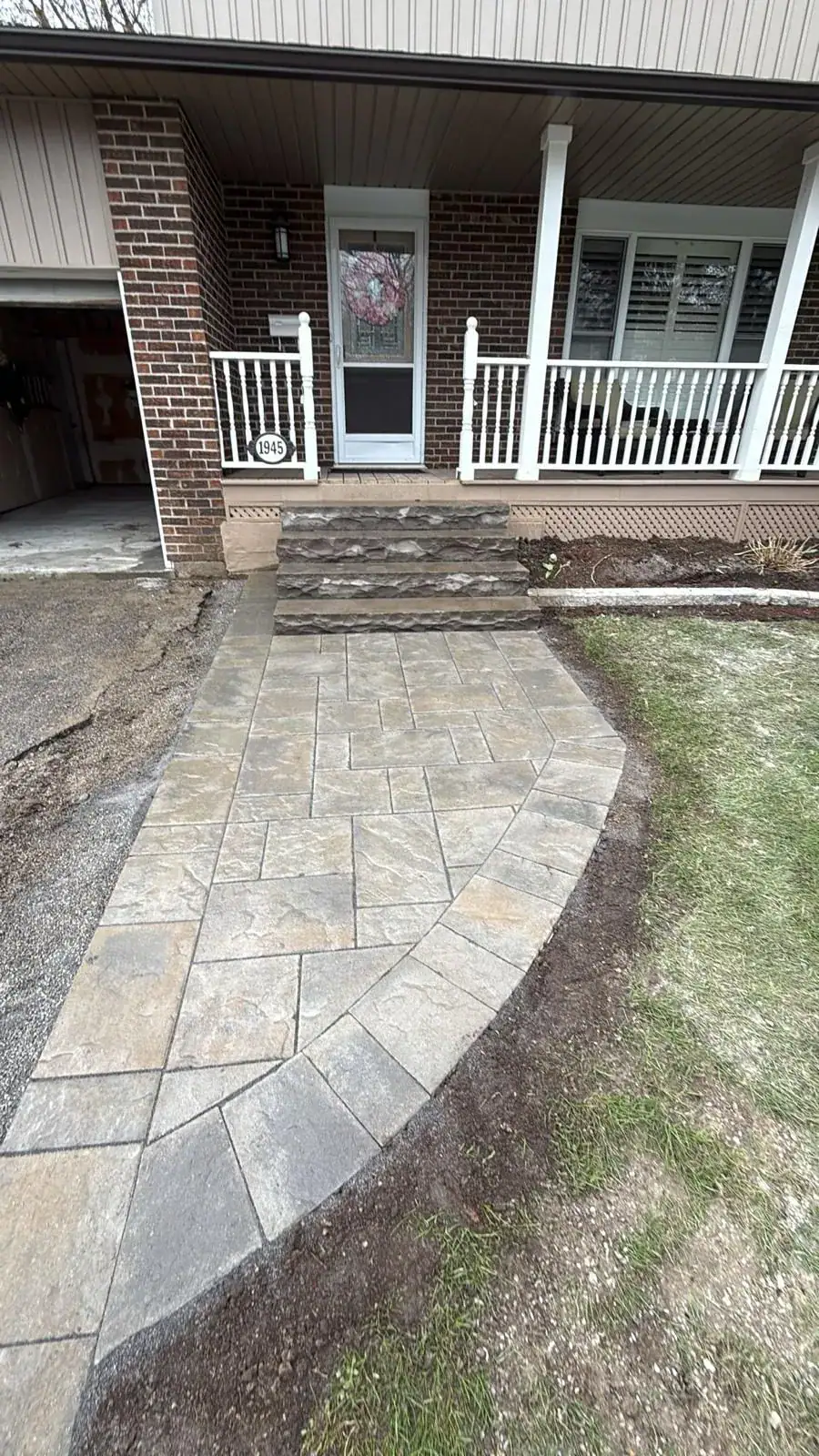
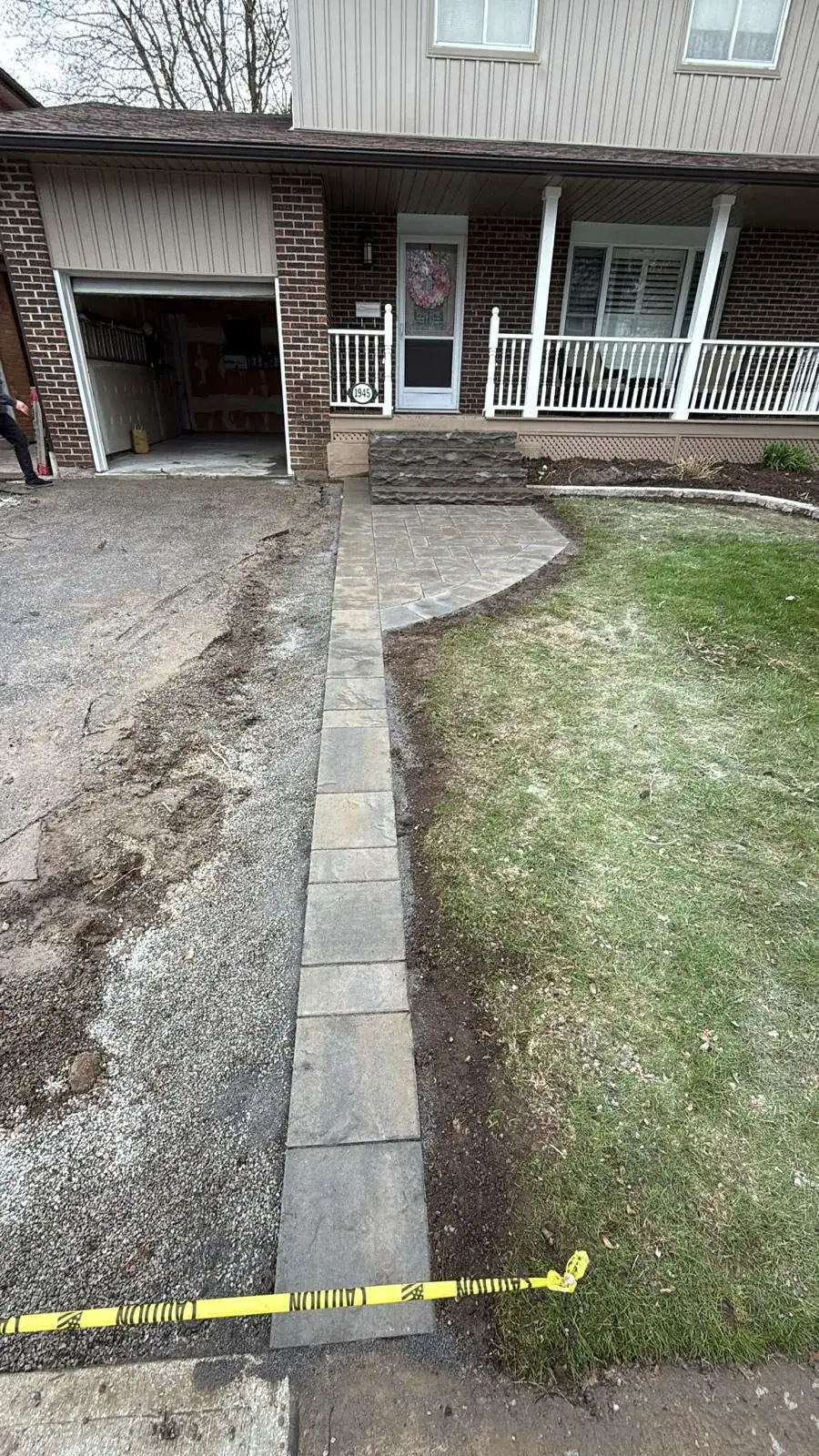
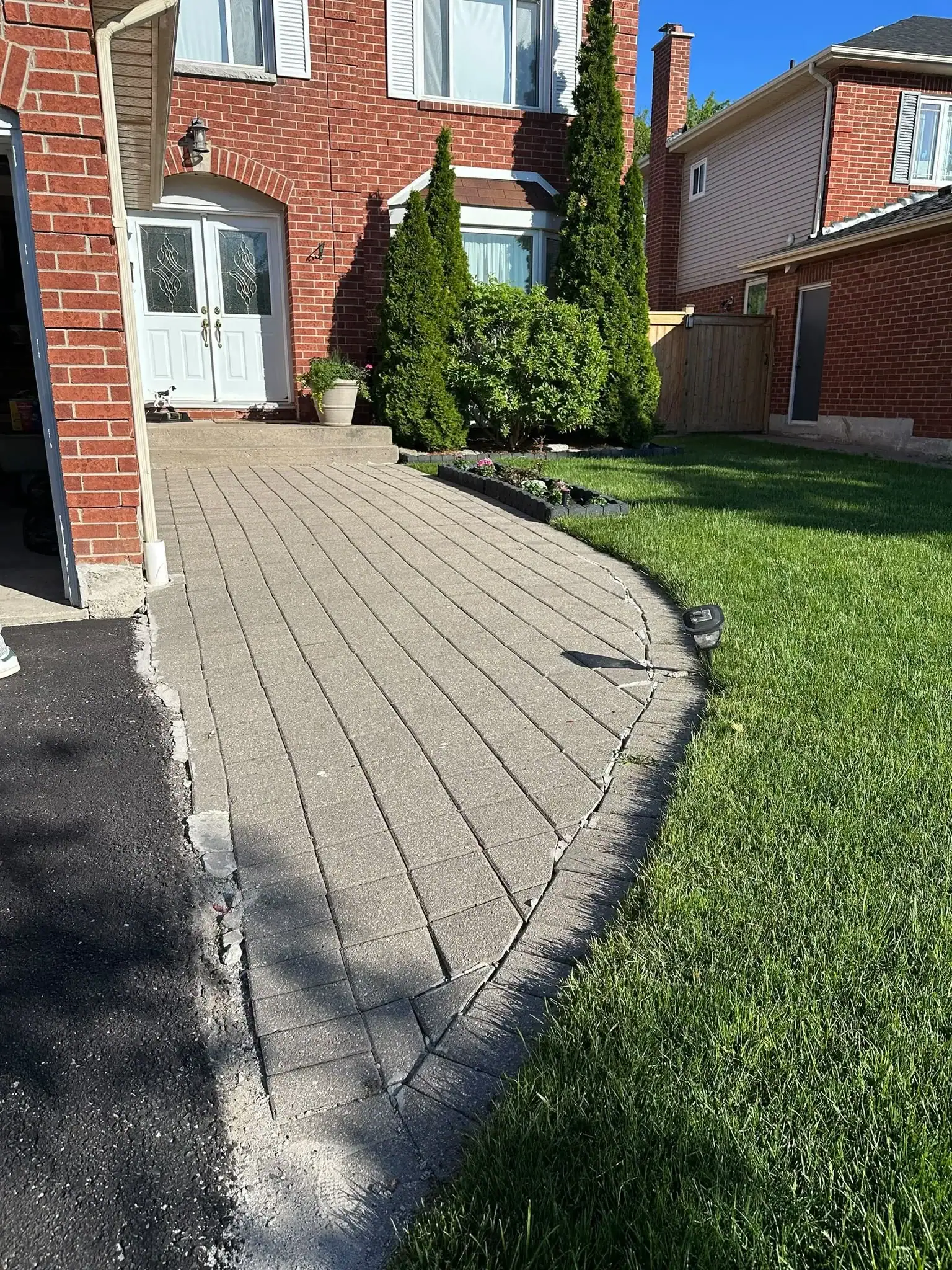
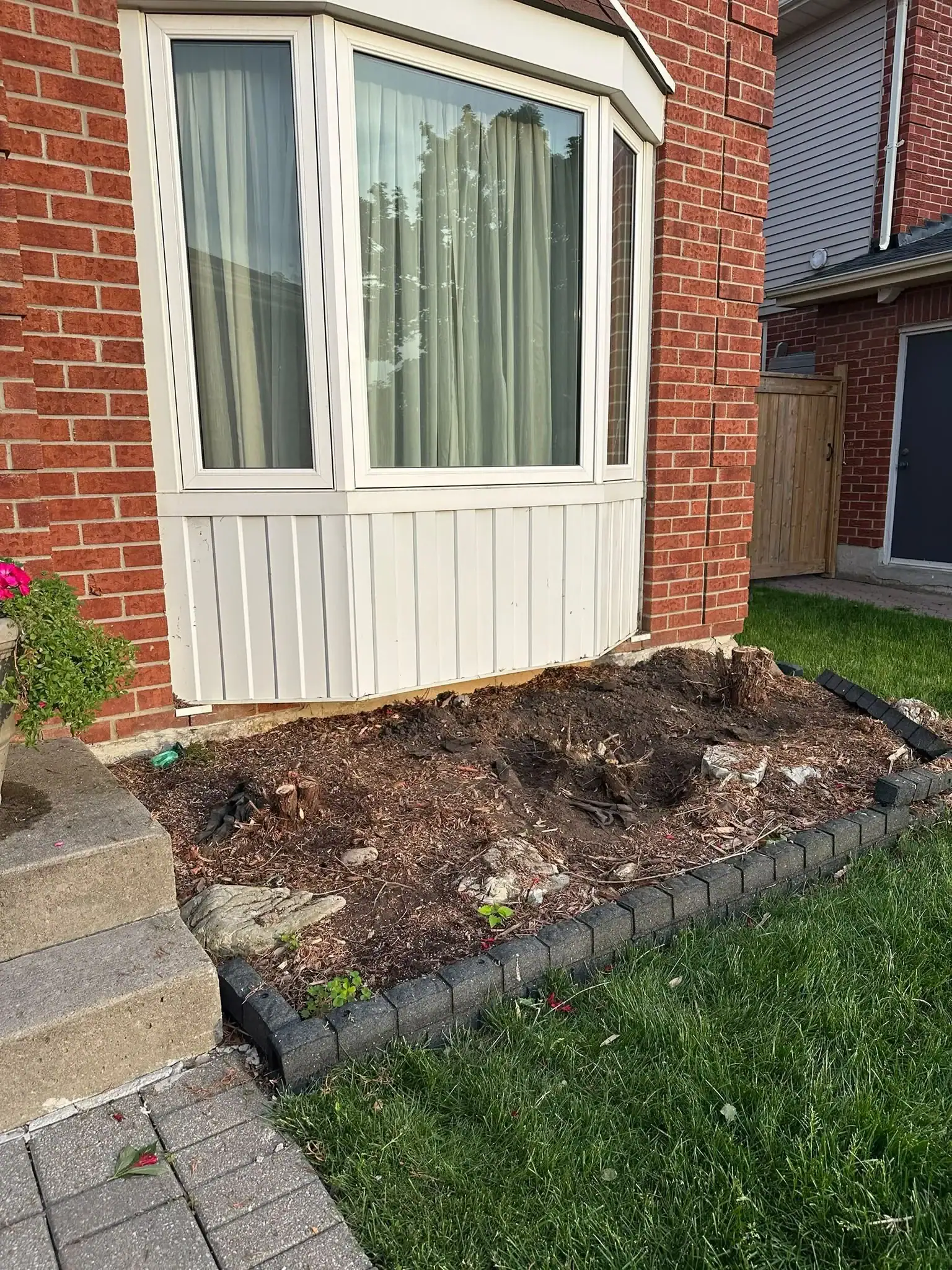
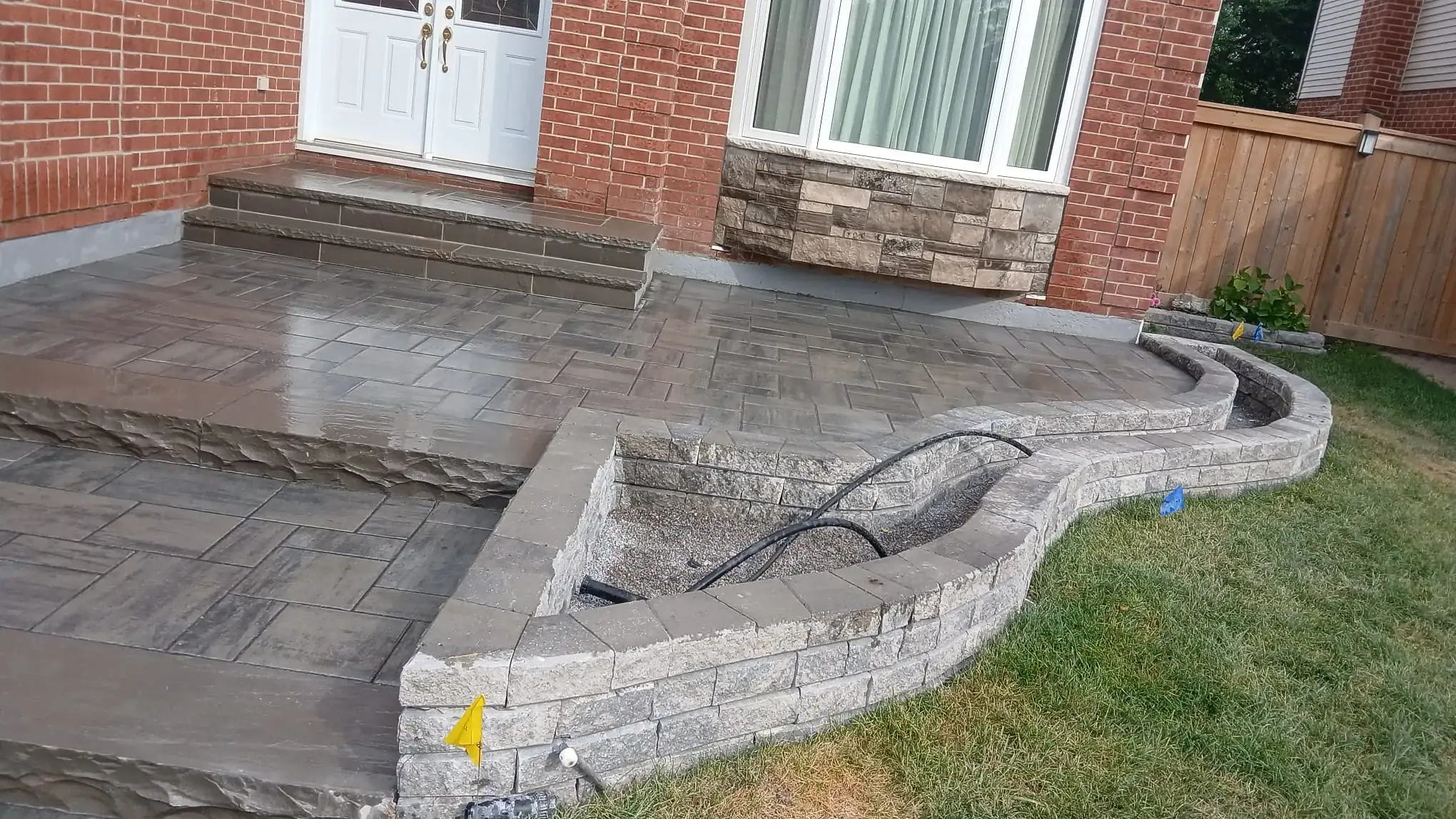
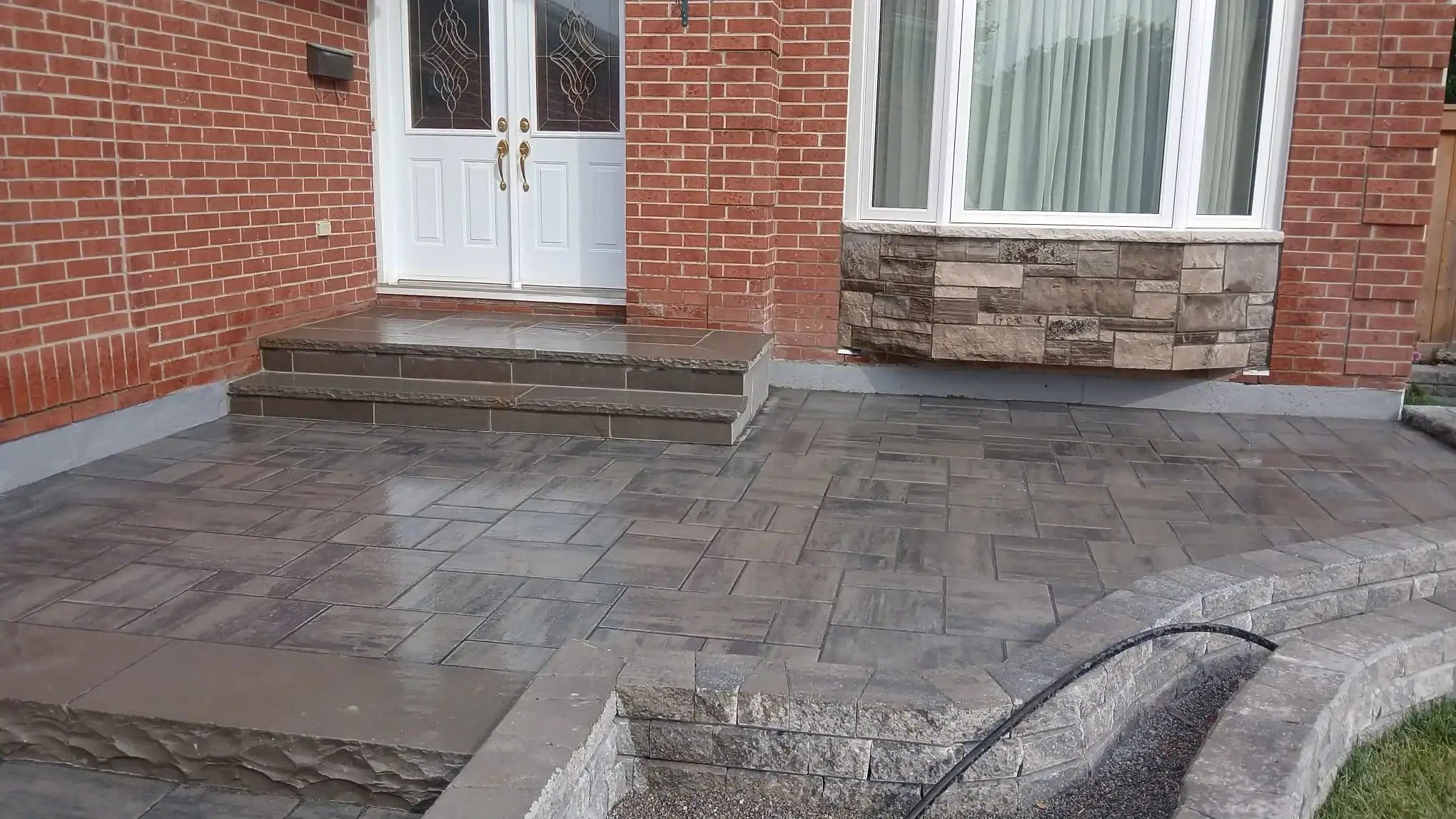
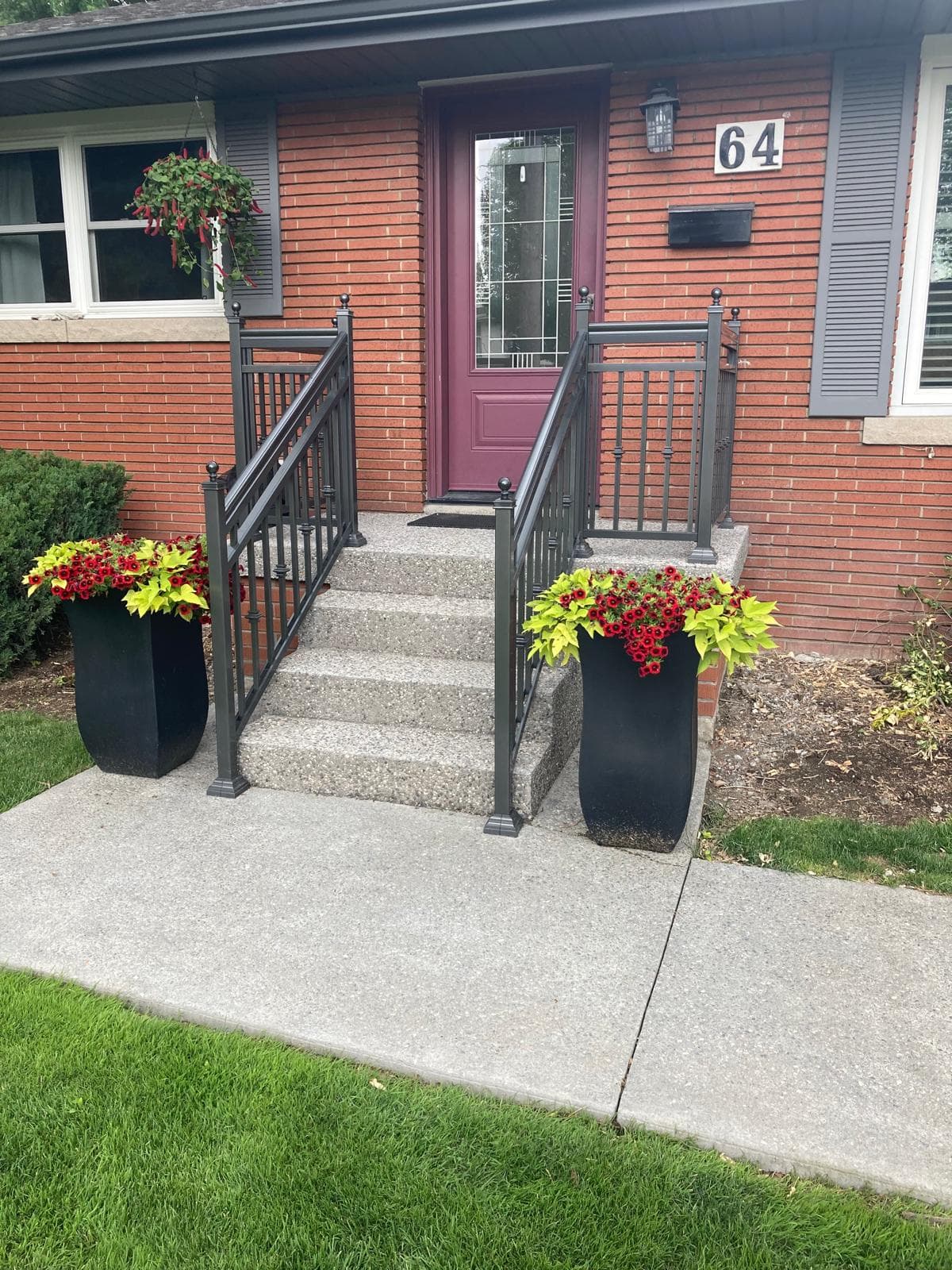
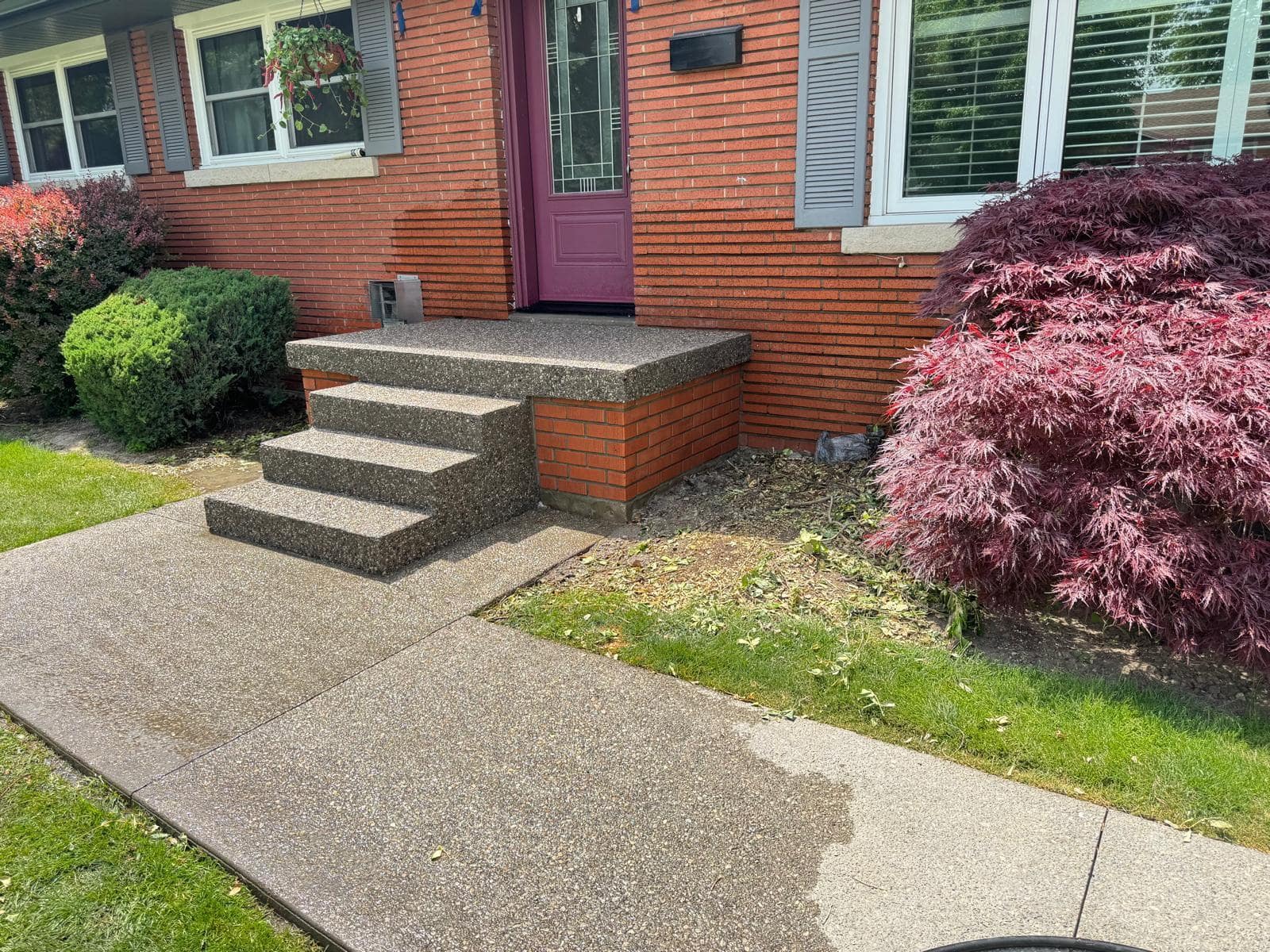
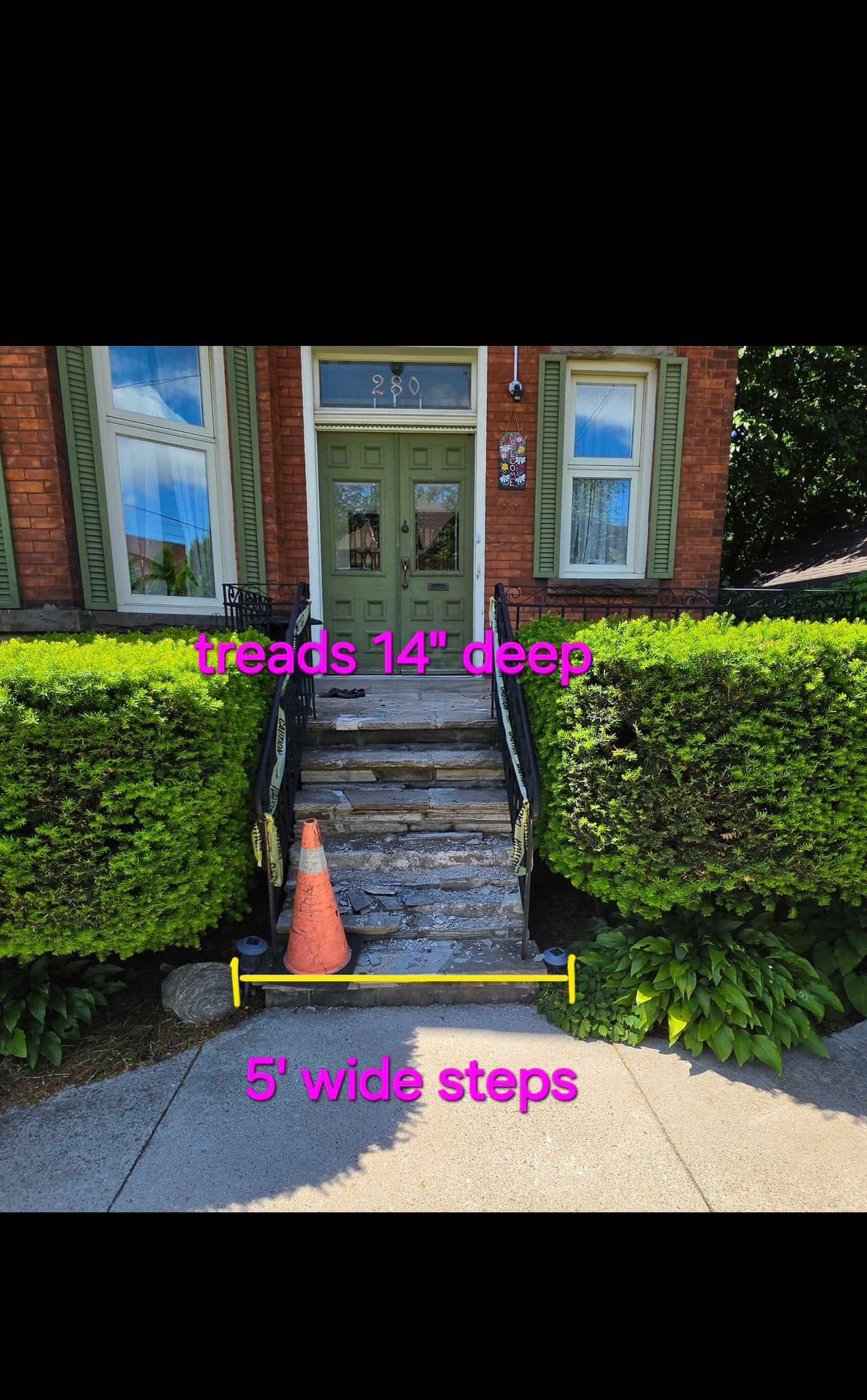
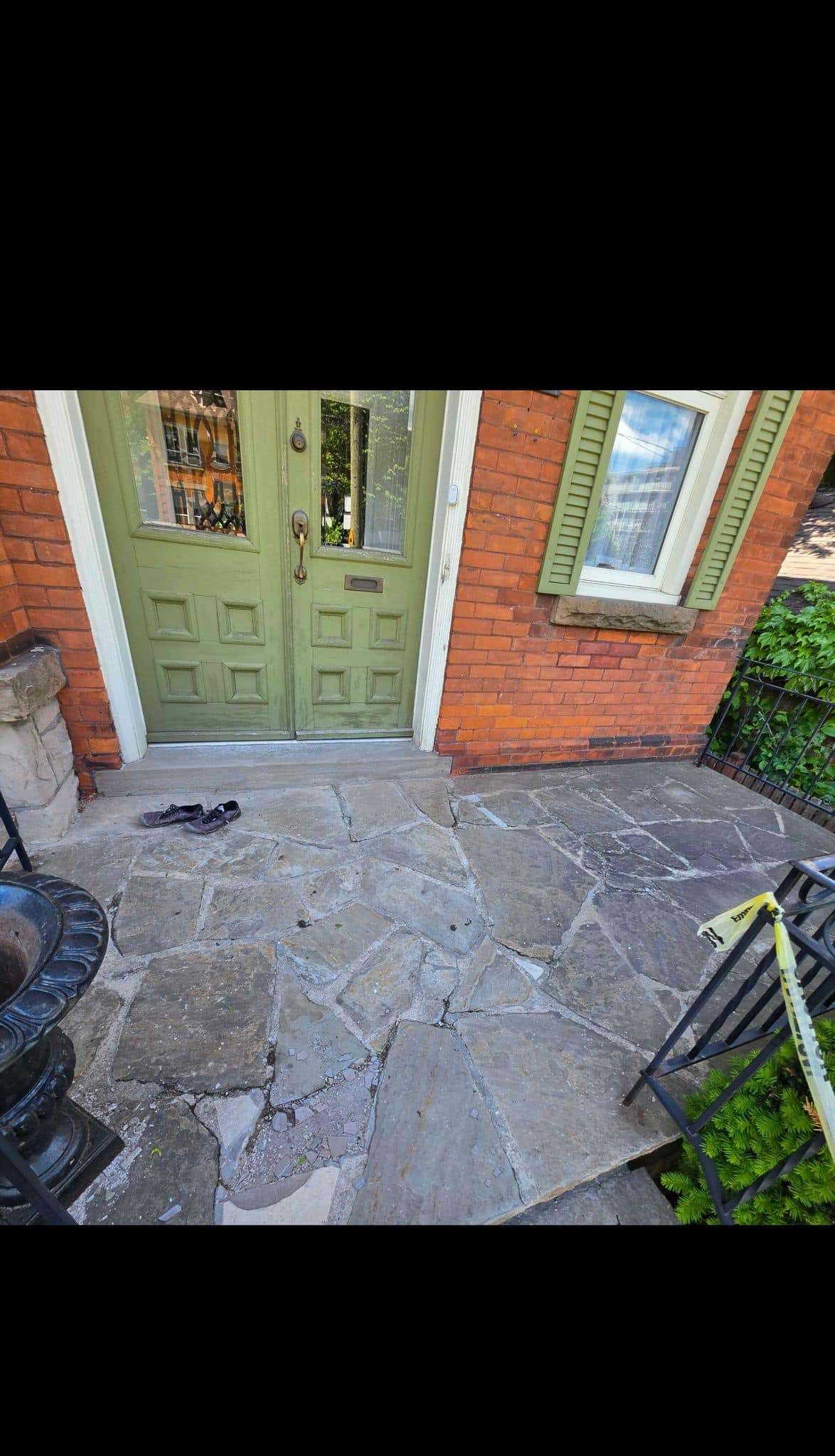
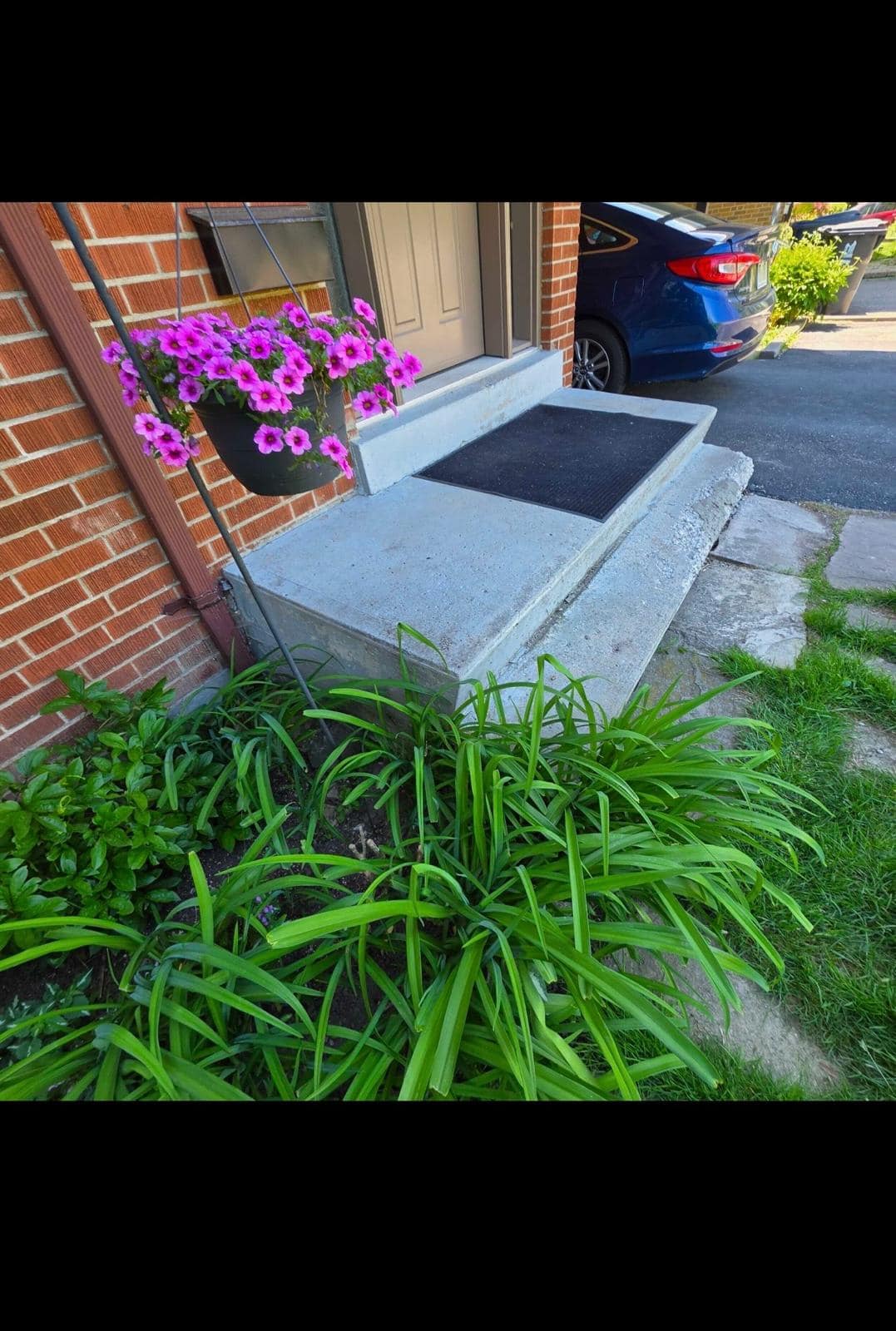
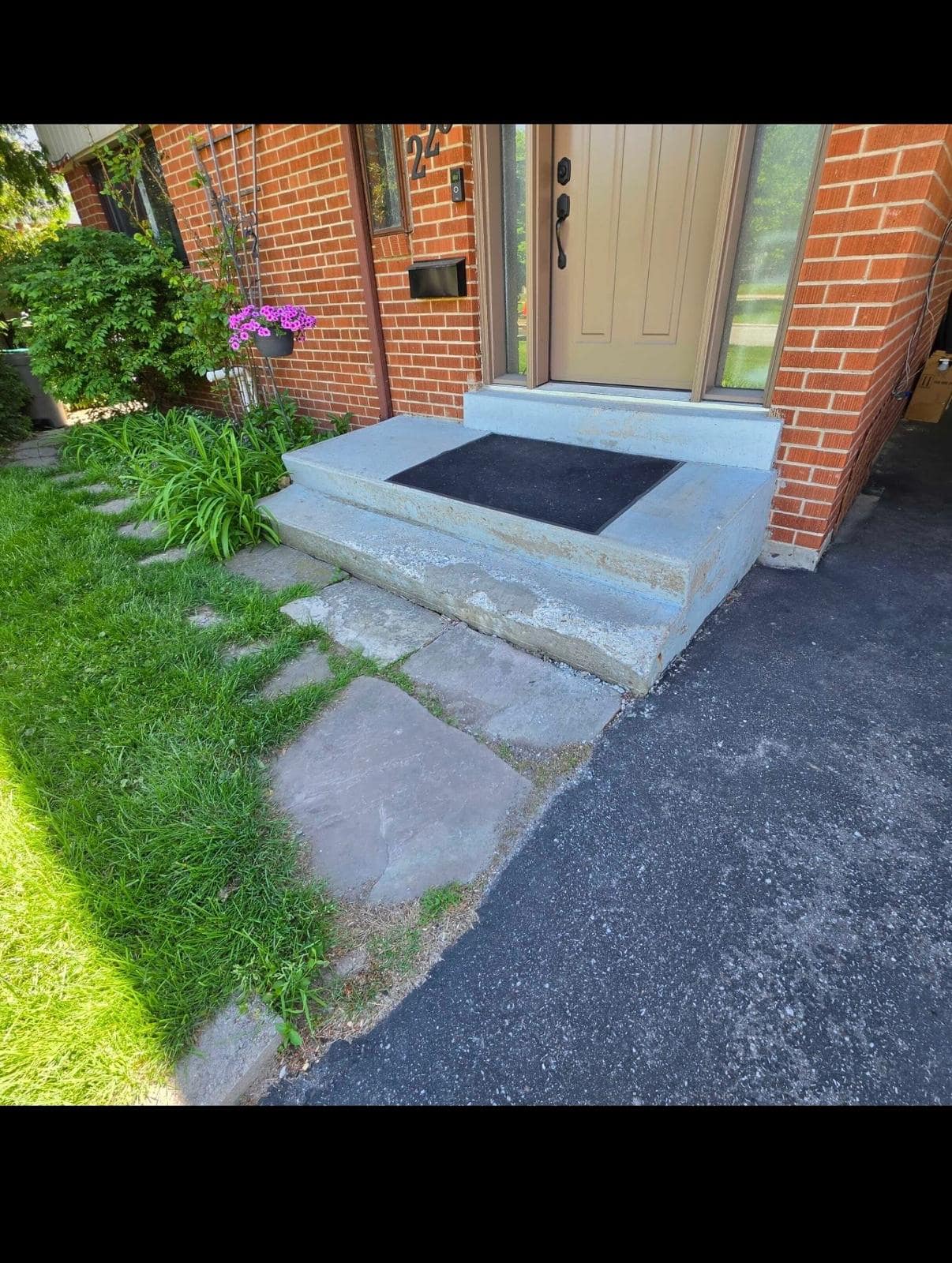
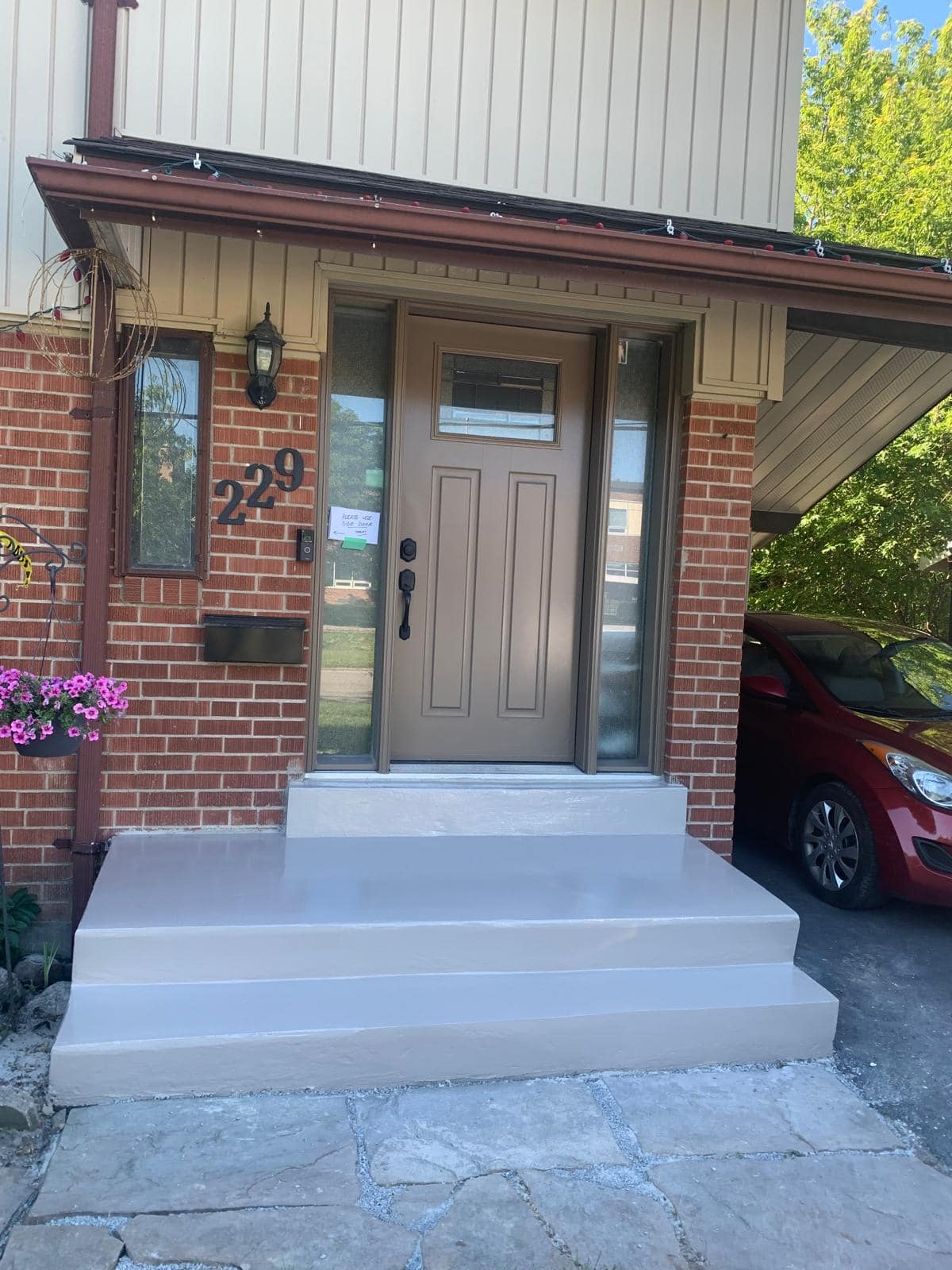
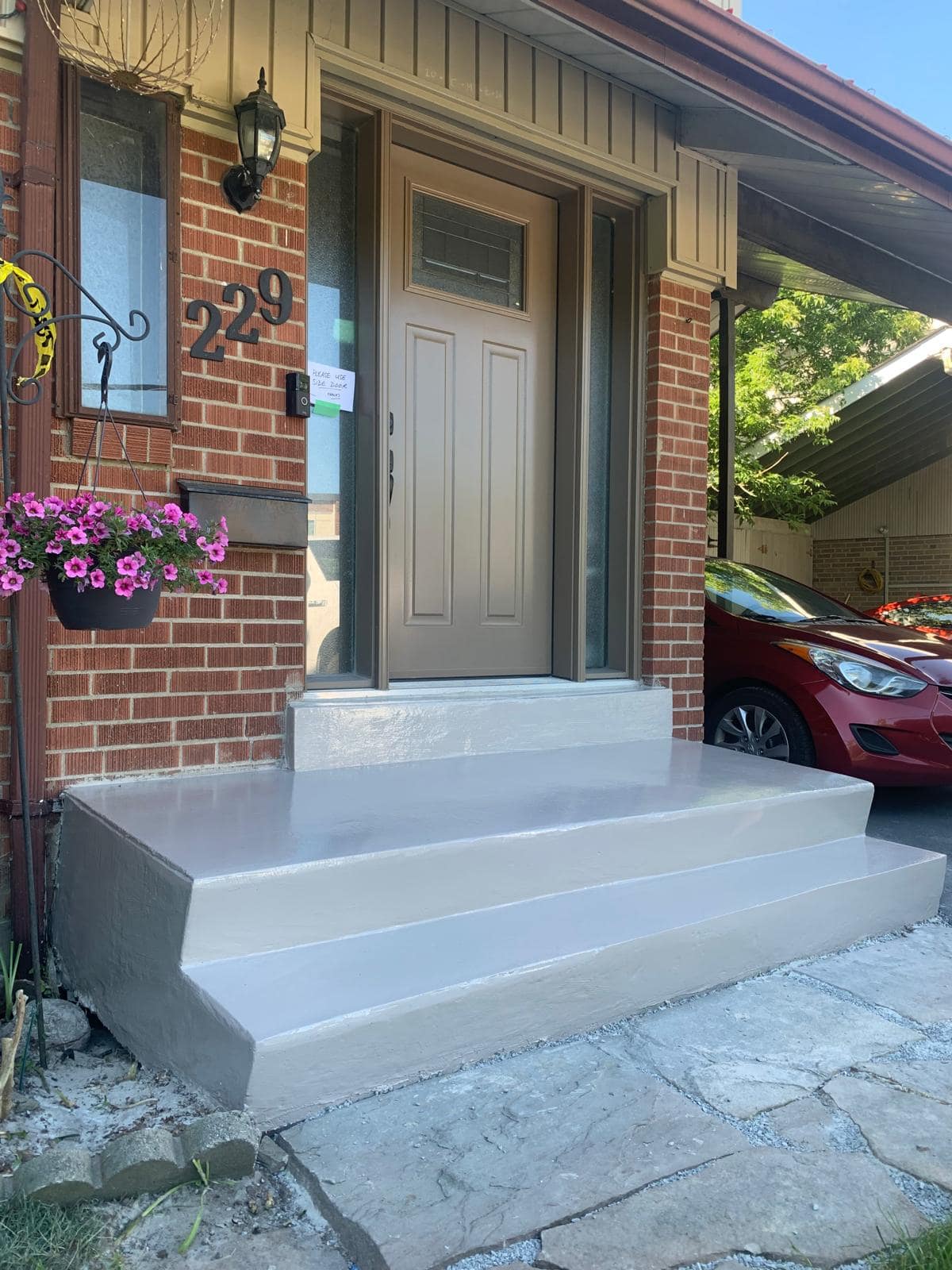
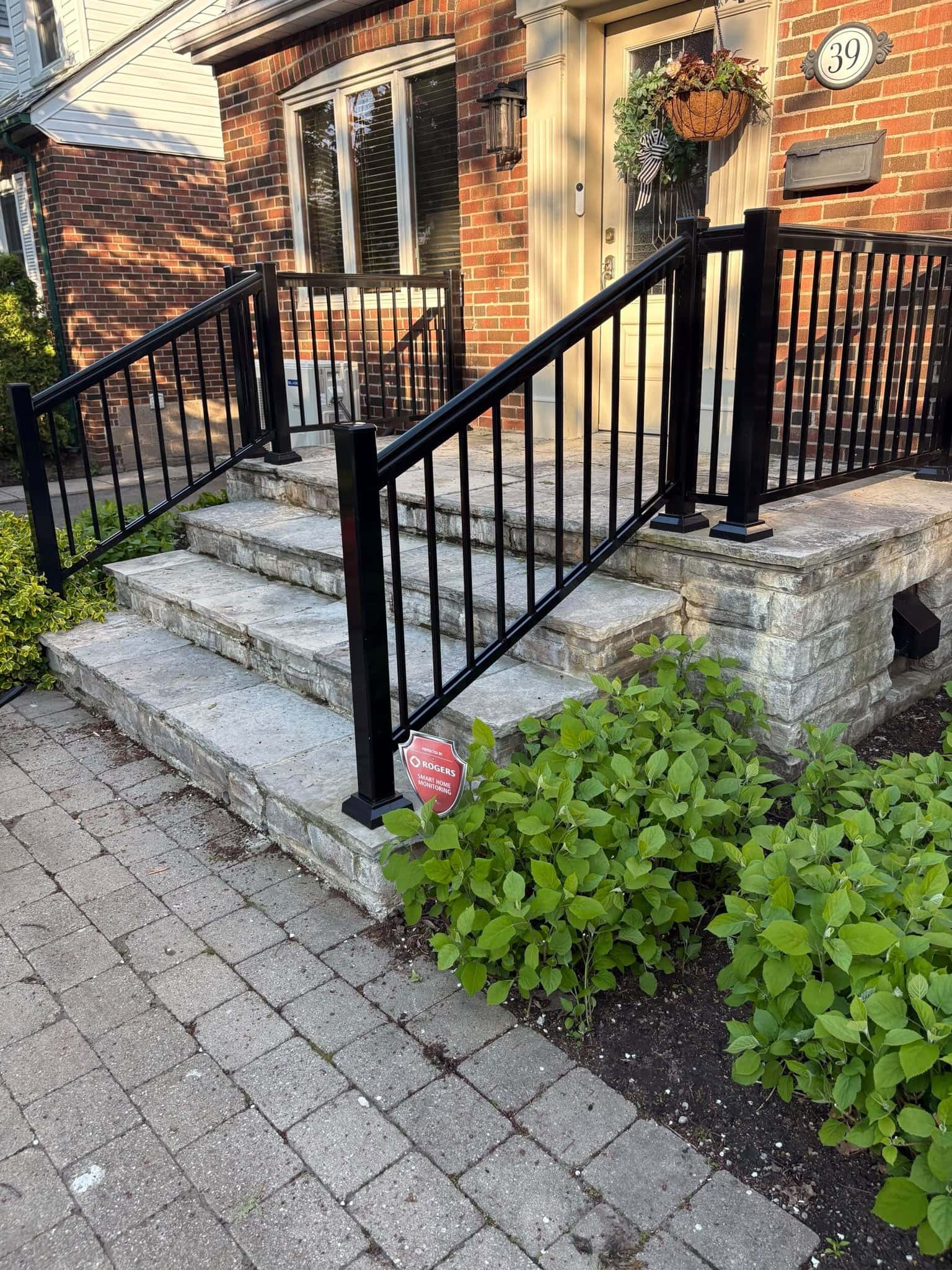
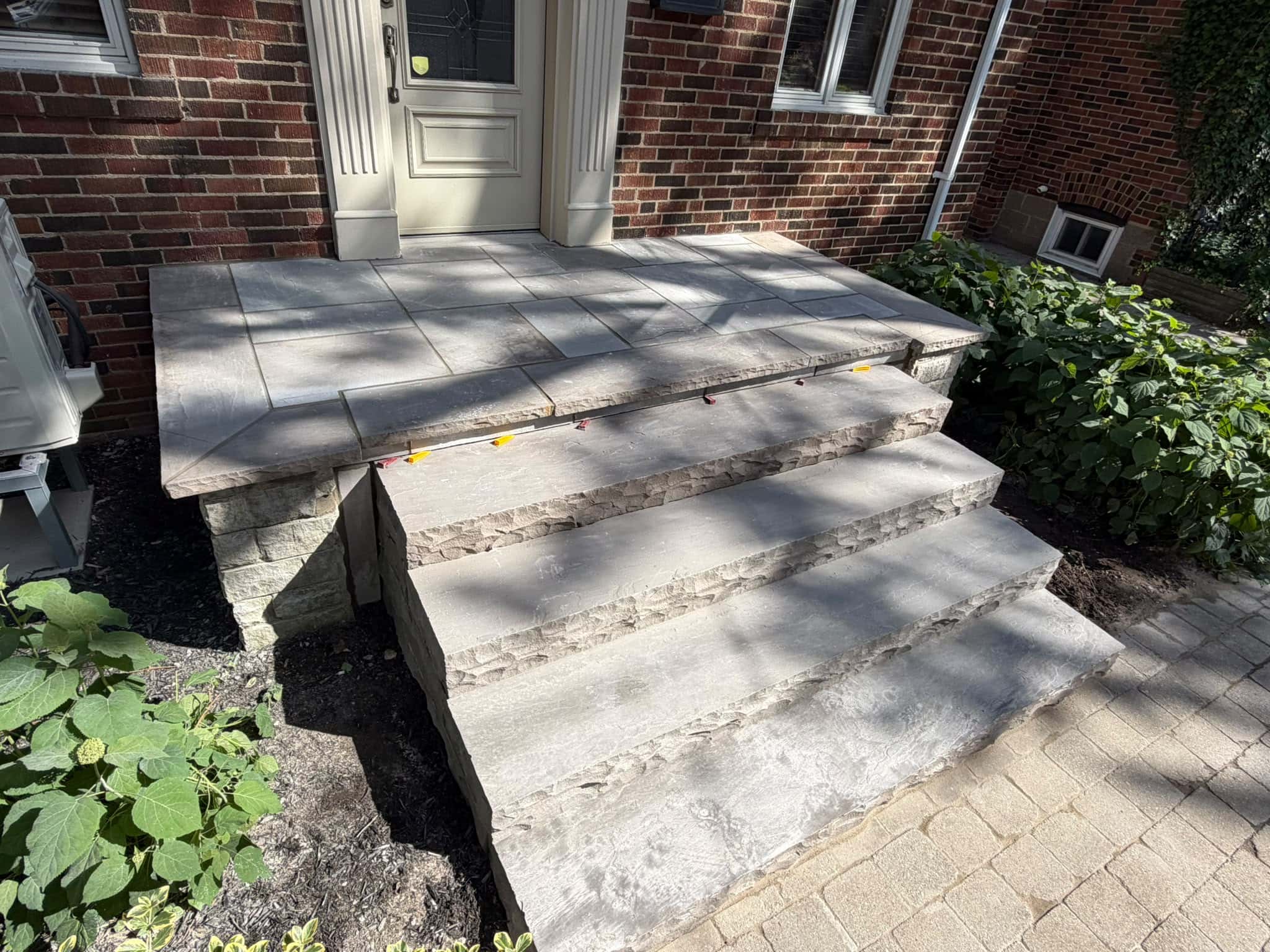
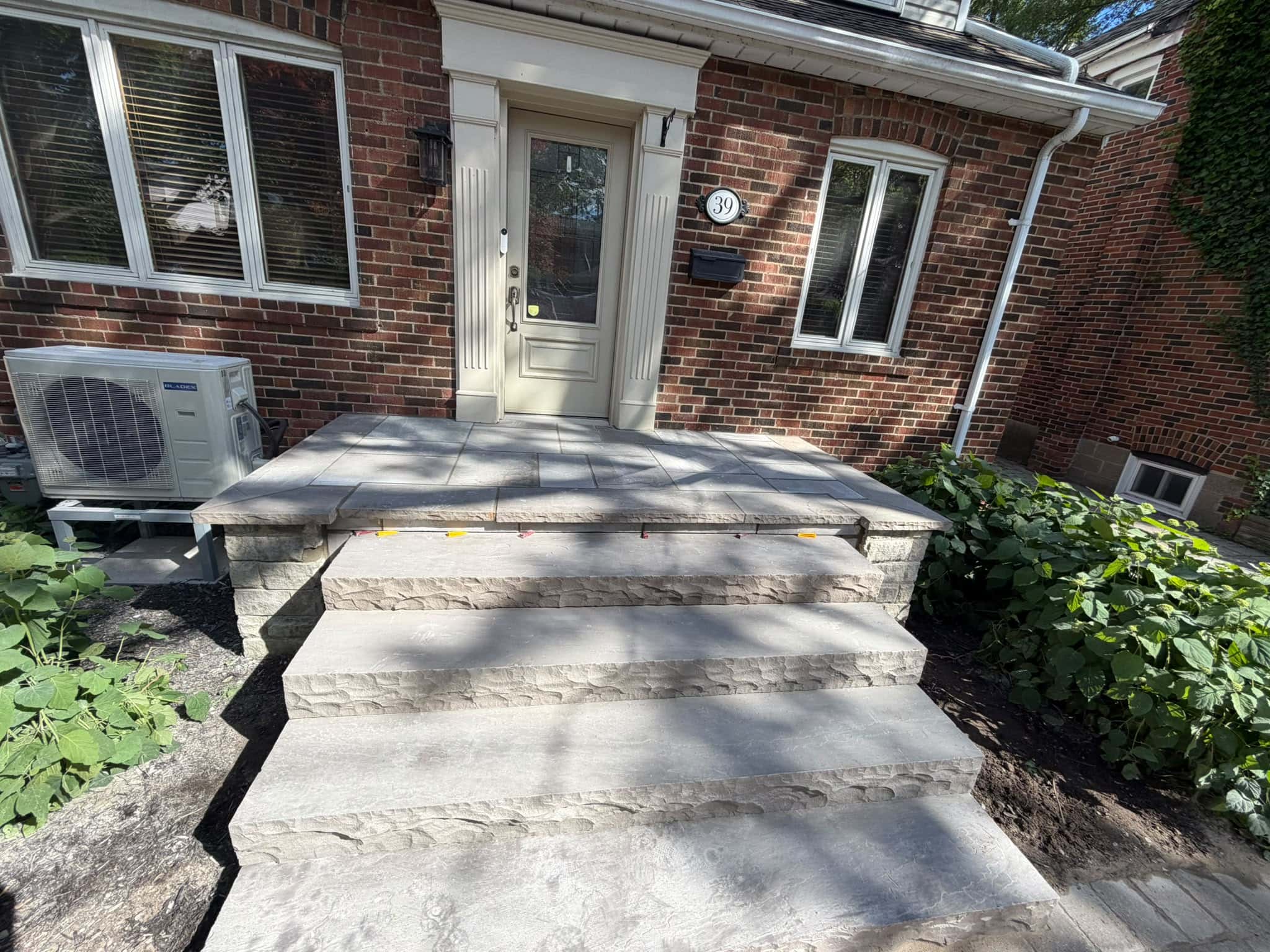
Front porches and steps are high-traffic areas where masonry safety tips matter most. Cracked slabs, shifting brickwork, or deteriorated mortar can create tripping hazards.
Timely porch repair helps maintain safe access points and proper load support.
Masonry safety tips for moisture-related risks
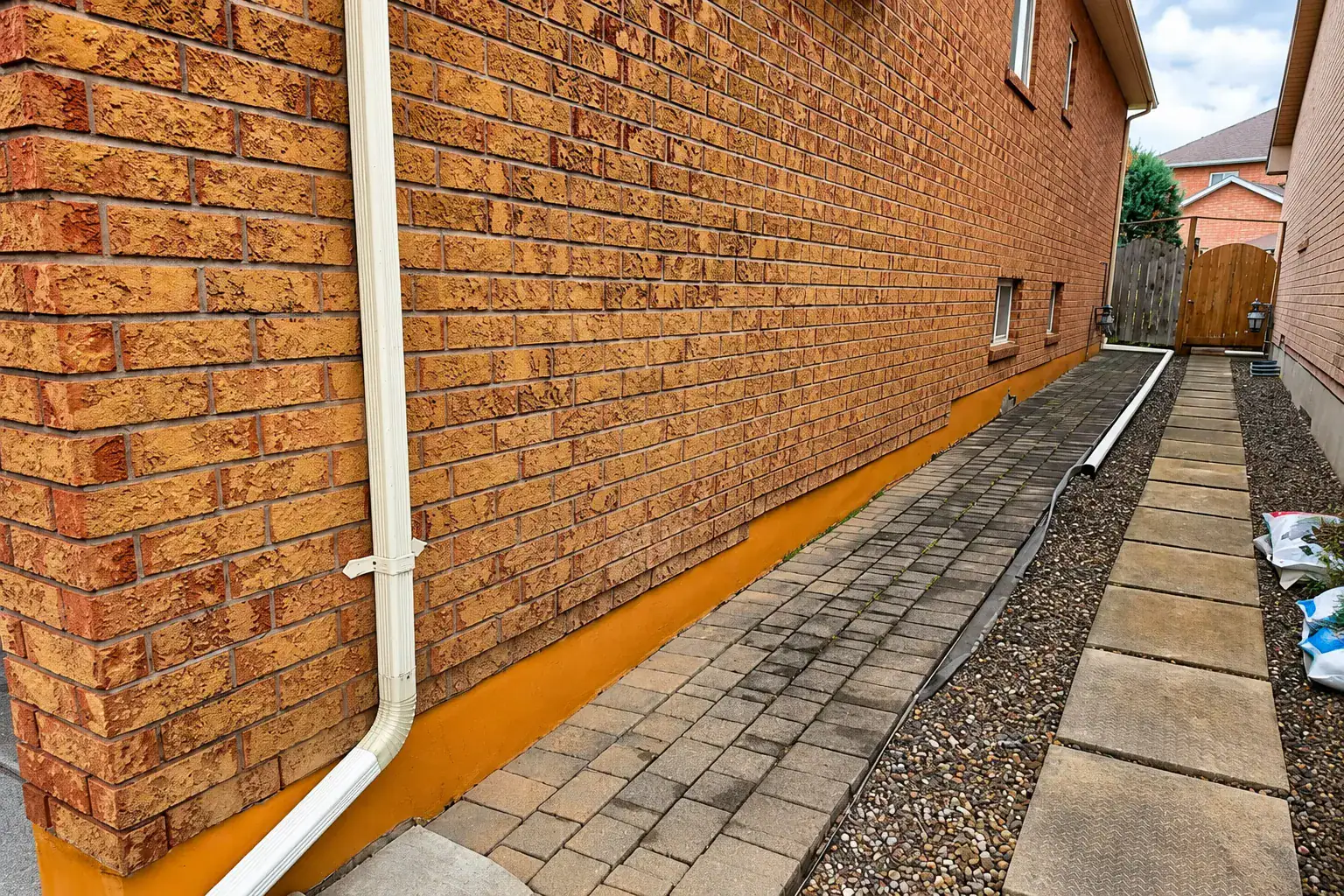
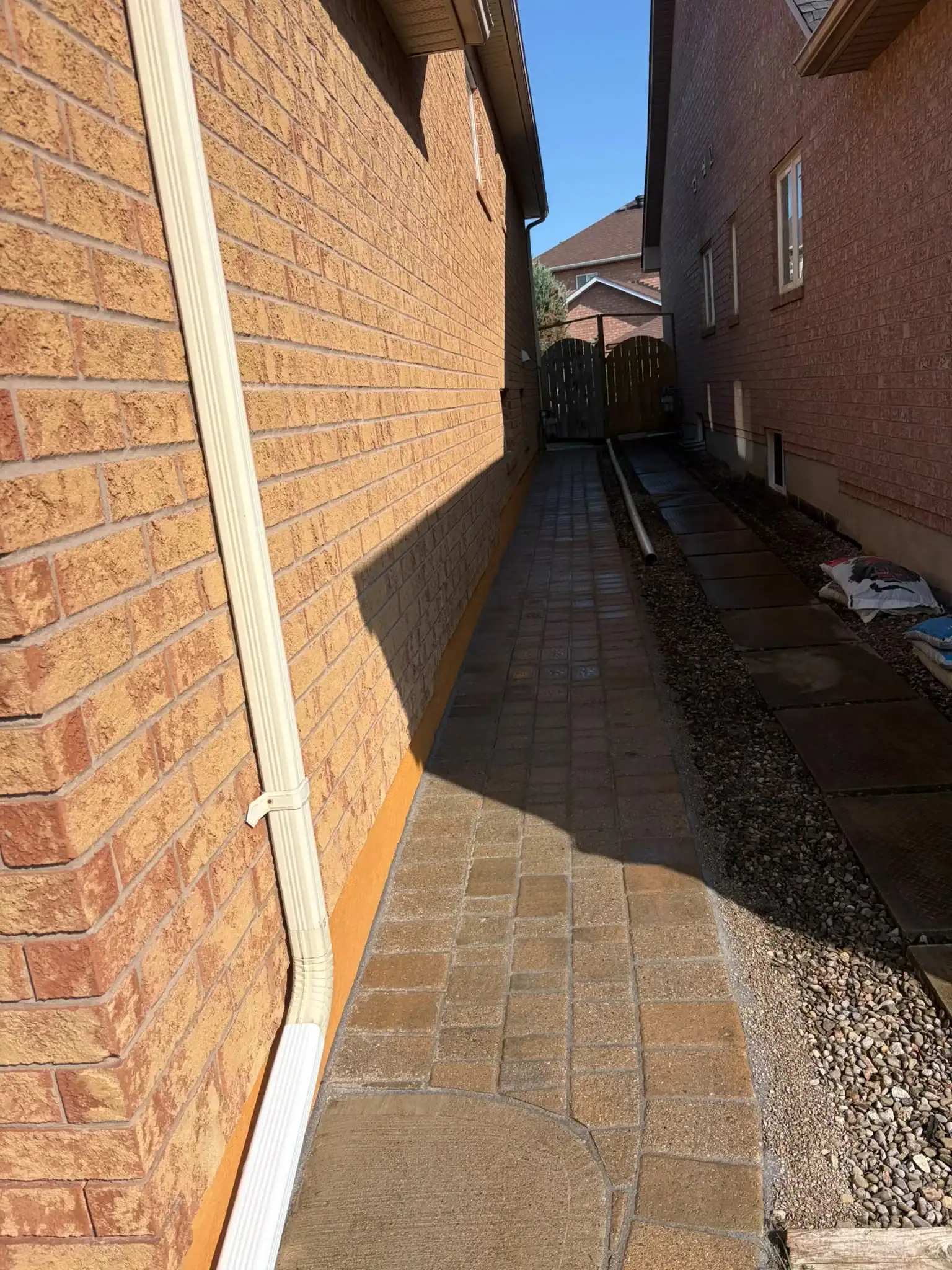
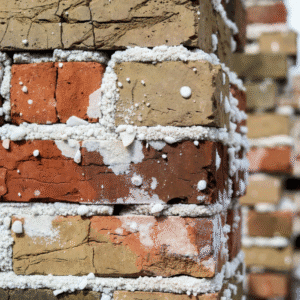 Moisture is a leading cause of masonry safety problems. Water entering masonry can freeze, expand, and cause sudden material failure.
Applying masonry safety tips such as sealing entry points, improving drainage, and repairing mortar joints reduces the risk of unexpected damage.
Fireplace and interior masonry safety
Masonry safety tips also apply indoors. Fireplaces rely on structurally sound masonry to contain heat and direct smoke safely.
Homes with aging hearths or modified layouts often require inspection related to fireplace installation to ensure interior masonry remains safe and functional.
When masonry safety becomes a regulatory issue
At a certain stage, ignoring masonry safety tips becomes more than a maintenance issue. Falling masonry, unstable chimneys, and deteriorating exterior walls can pose risks to the public.
In Toronto, deteriorating exterior masonry and structural components fall under building safety oversight provided by the City of Toronto Building Division, which provides guidance and inspections related to exterior wall and structural safety.
How homeowners reduce liability through masonry safety
Applying masonry safety tips consistently reduces the risk of injury and property damage. Homeowners who address masonry issues early avoid emergency repairs and potential liability claims.
Reviewing real-world outcomes through client video testimonials helps homeowners understand how preventative action improves safety and durability.
Final masonry safety checklist
- Inspect mortar joints annually
- Address loose or cracked bricks immediately
- Check chimneys for deterioration
- Repair porches and steps showing movement
- Monitor interior masonry around fireplaces
Final thoughts for Toronto homeowners
Masonry safety tips are not about overreacting to minor wear. They are about recognizing when small problems create real risks.
For Toronto and GTA homeowners, following basic masonry safety tips protects occupants, visitors, and property value while preventing avoidable accidents.