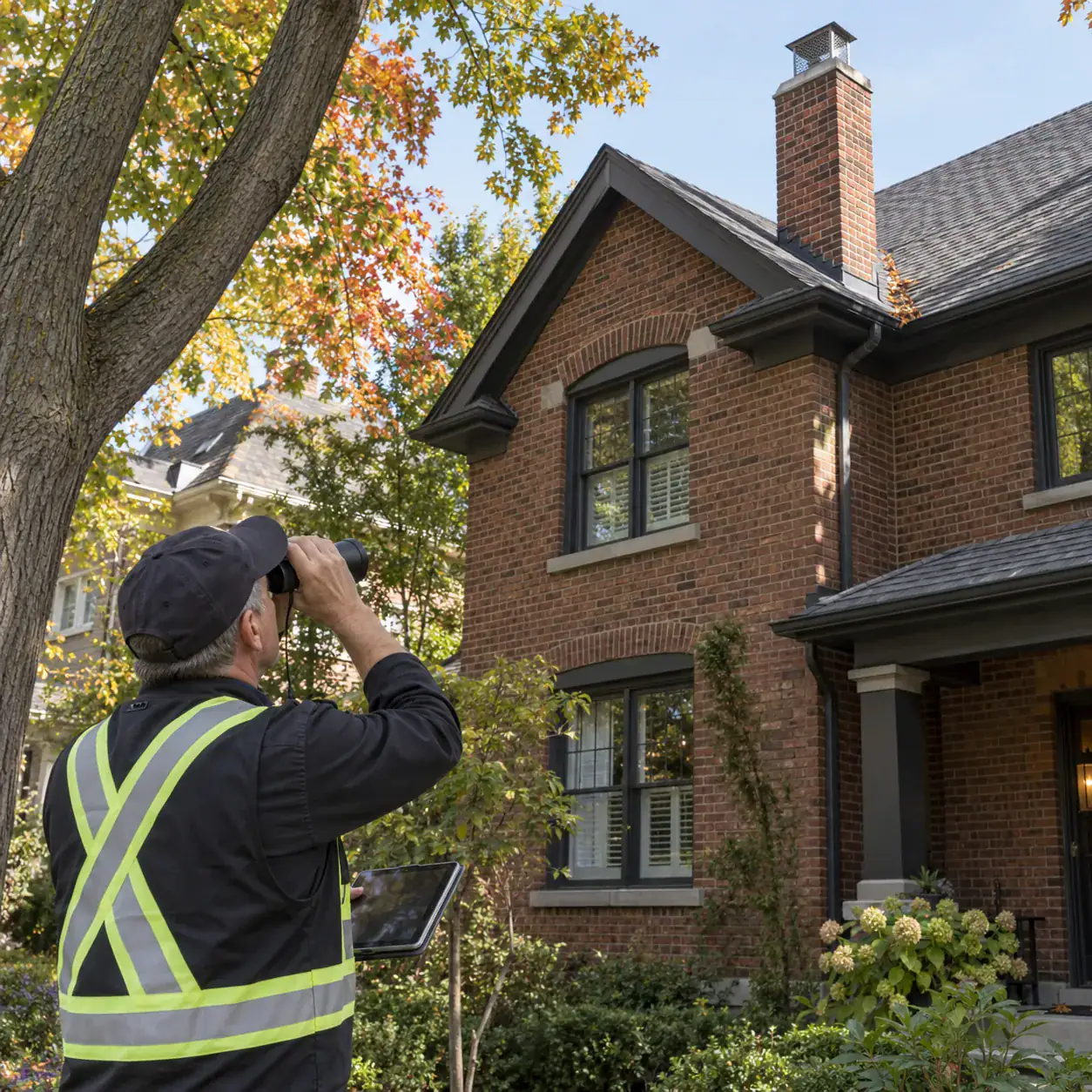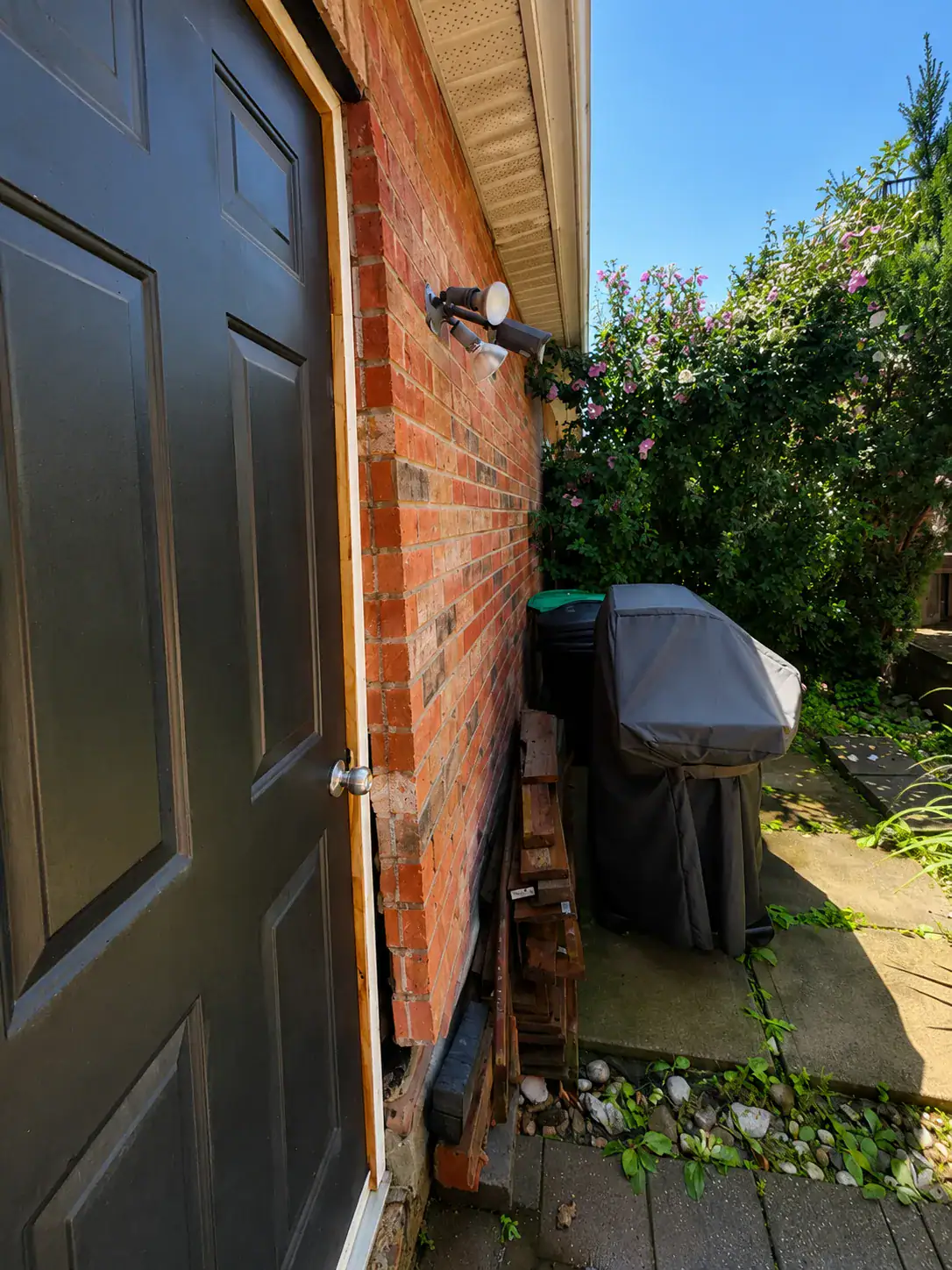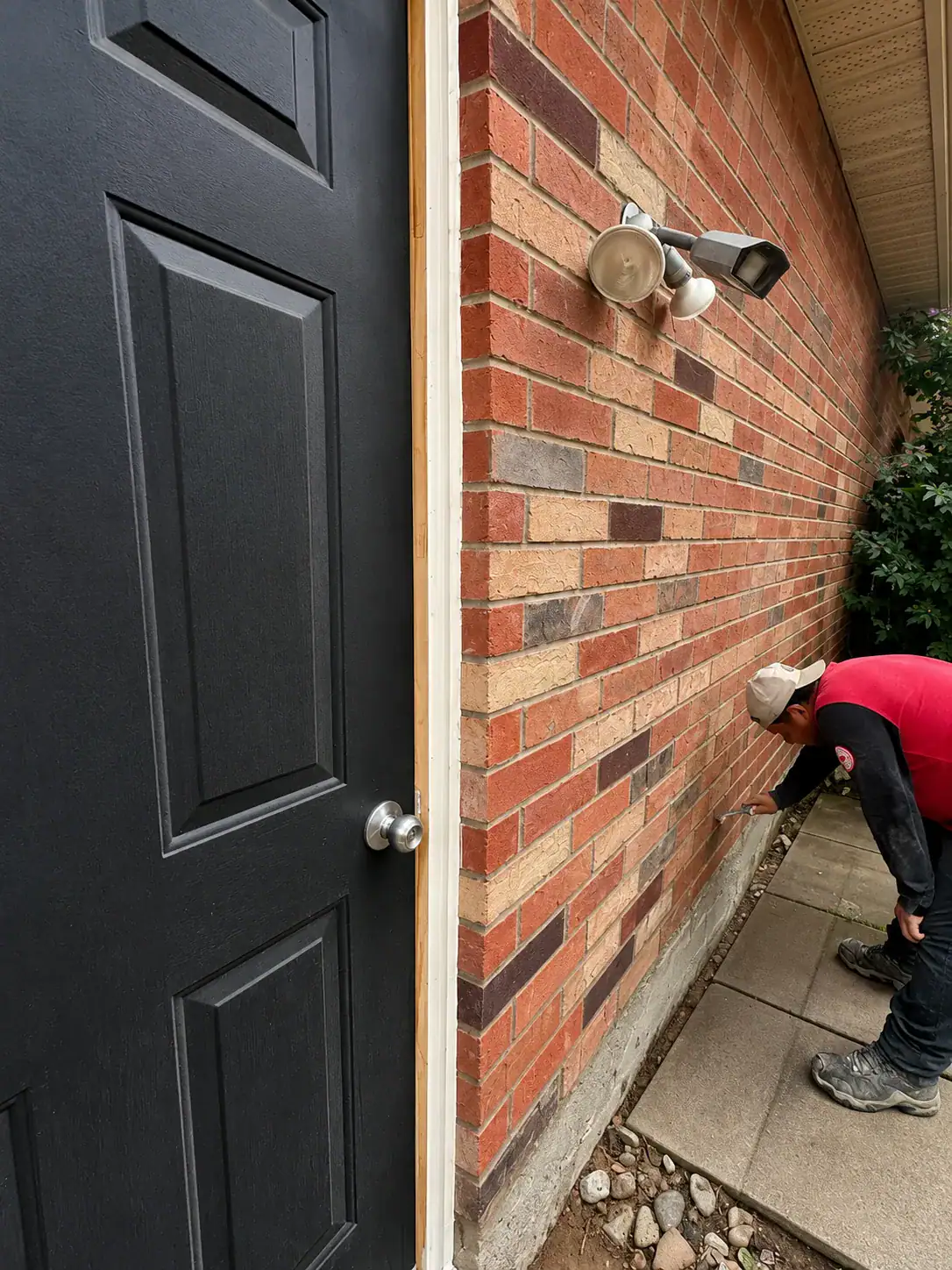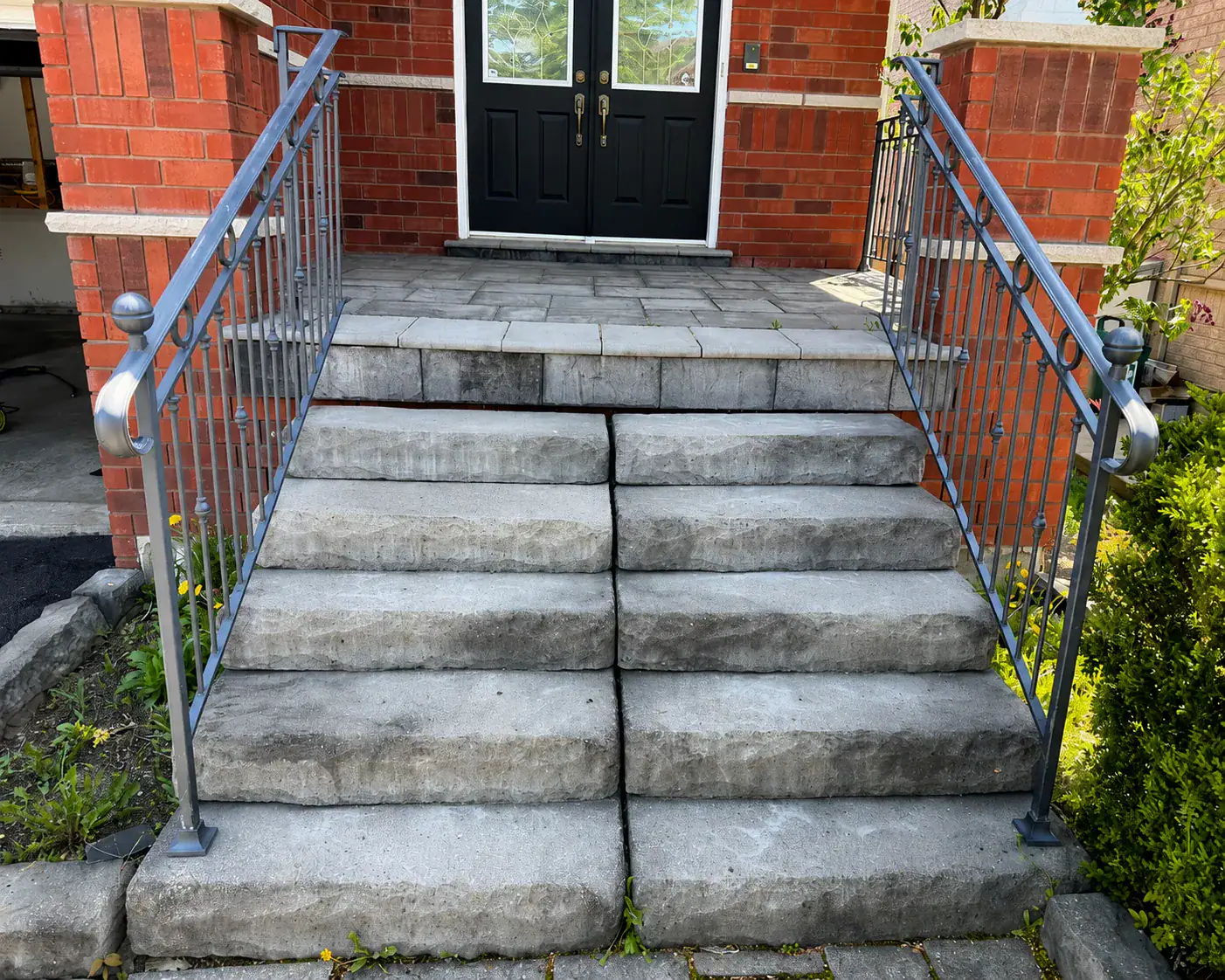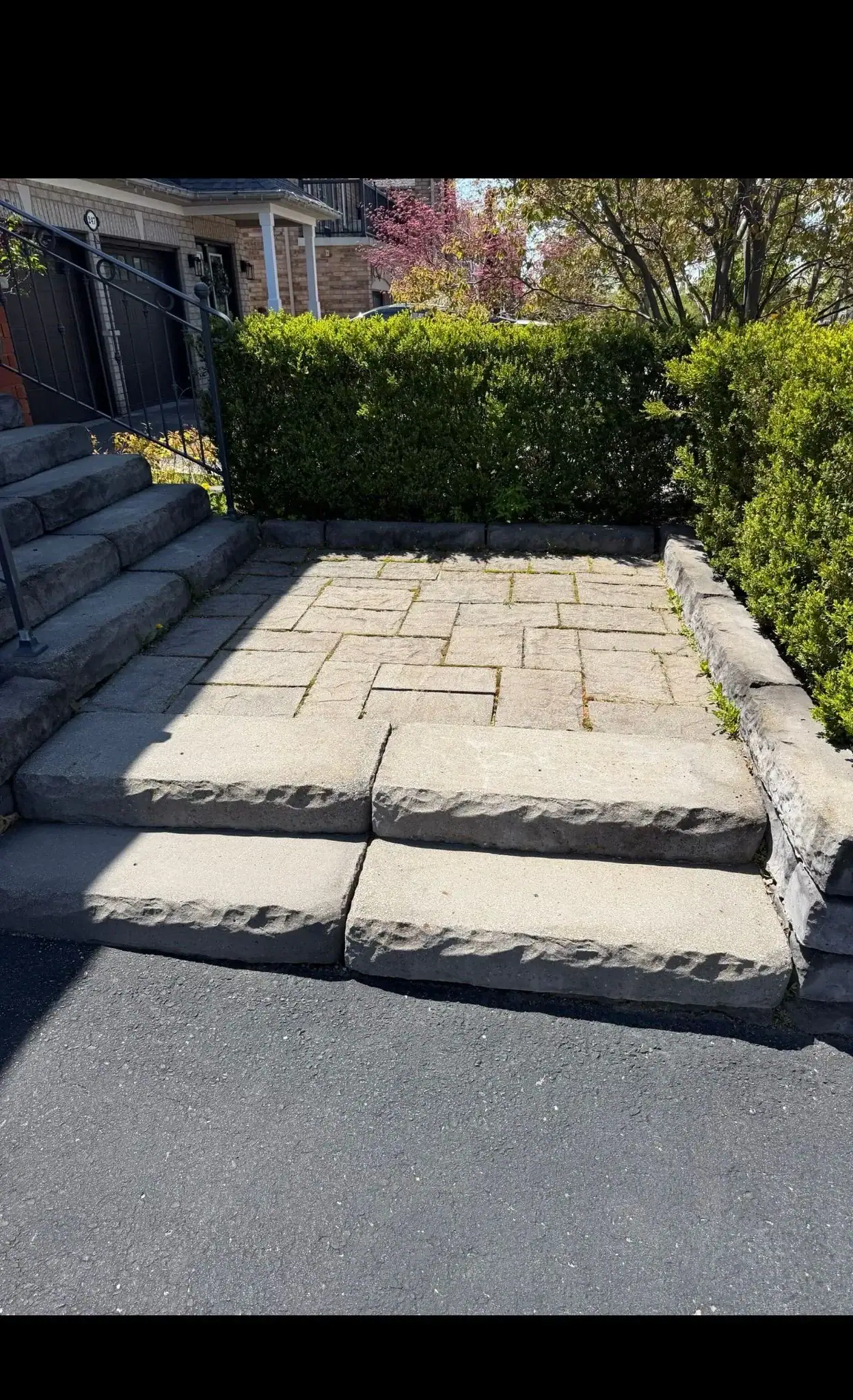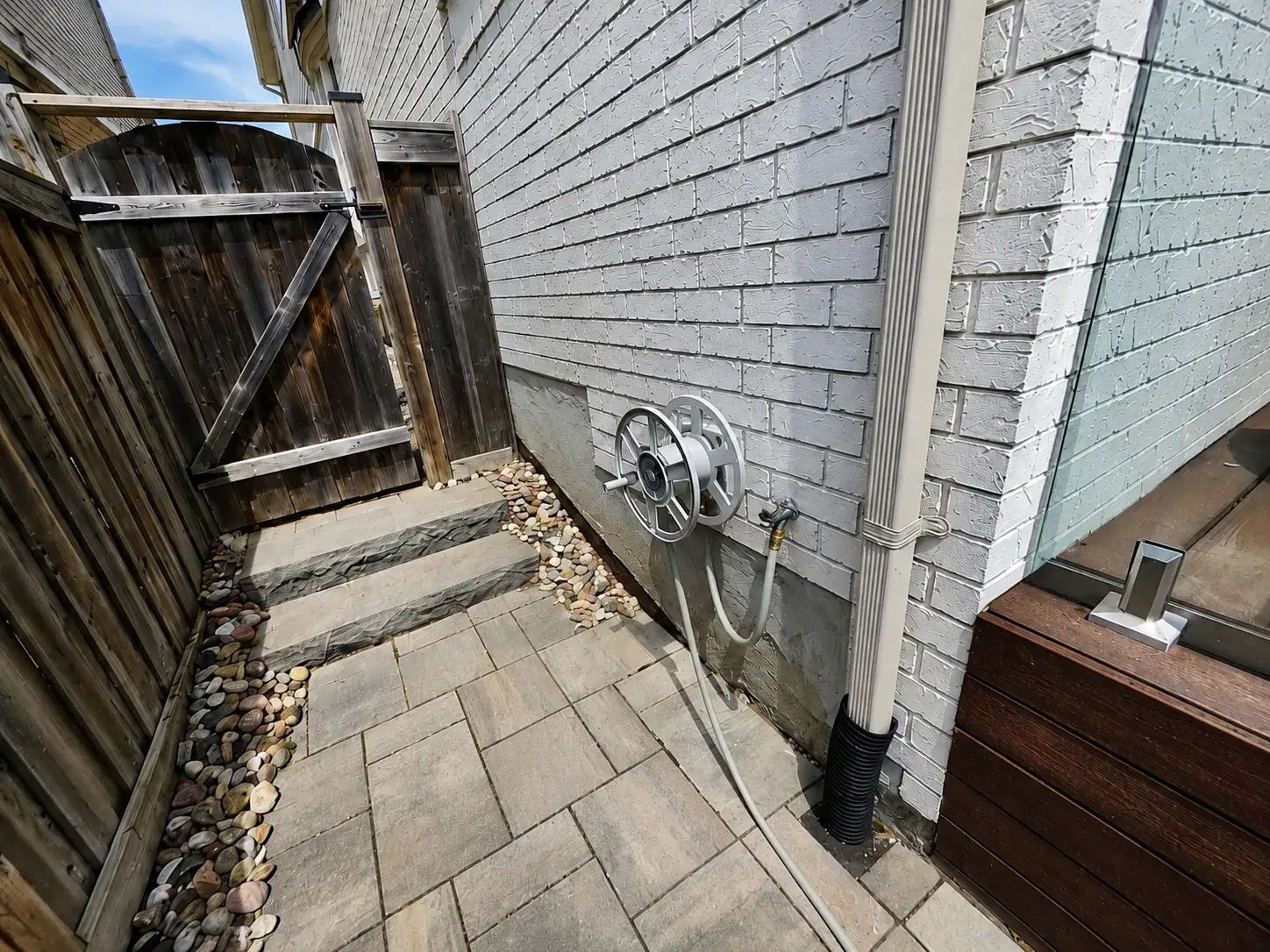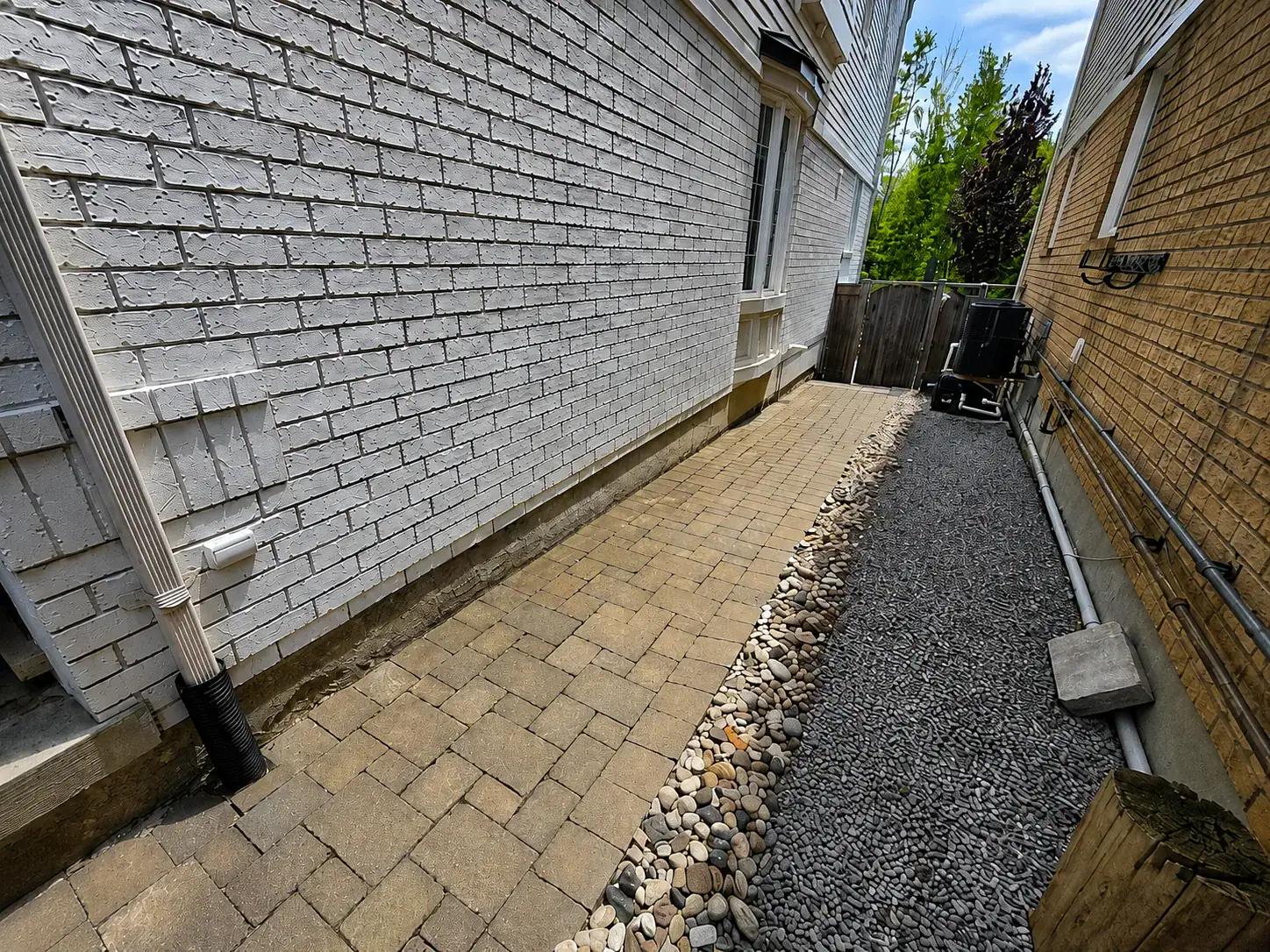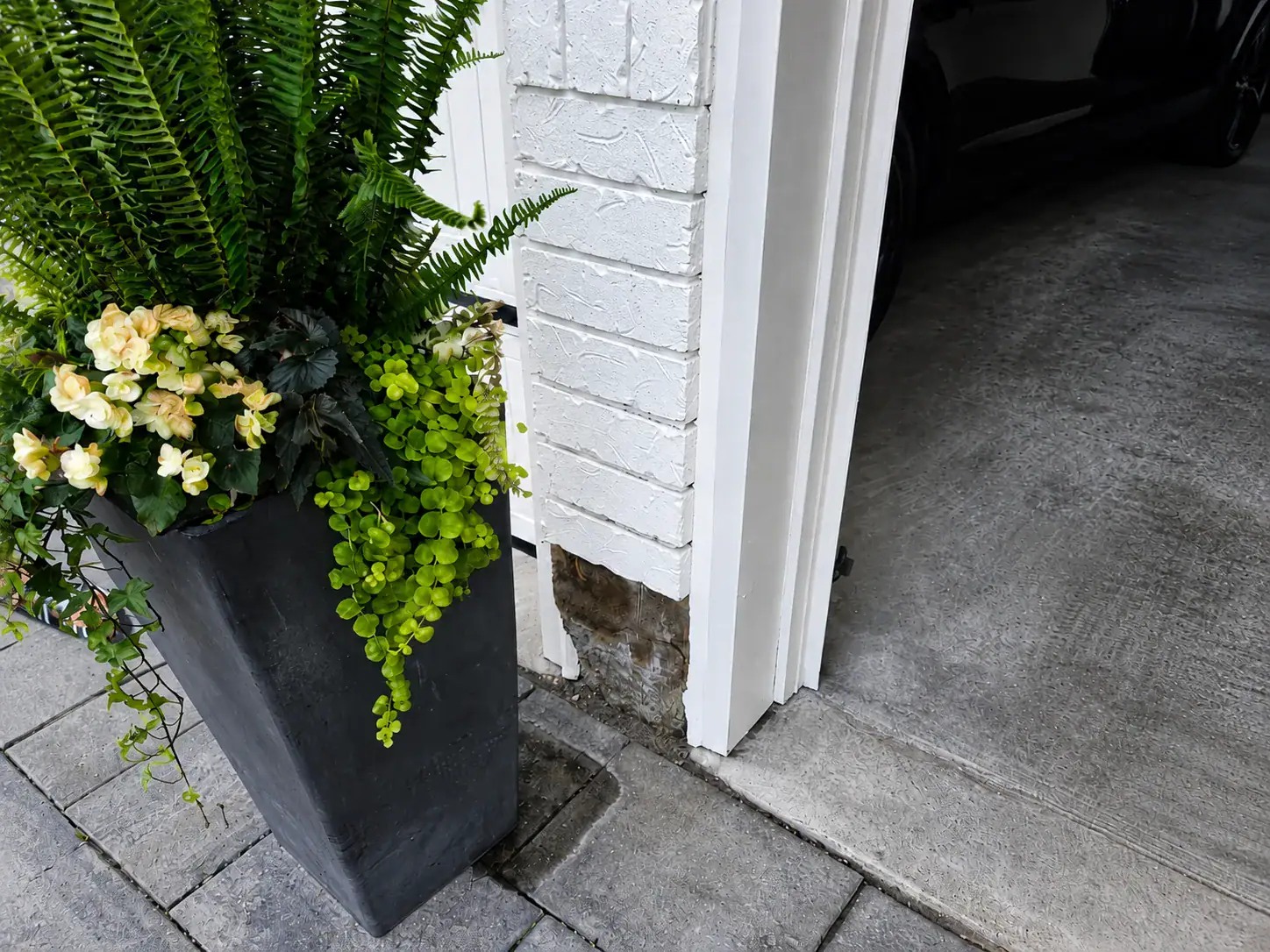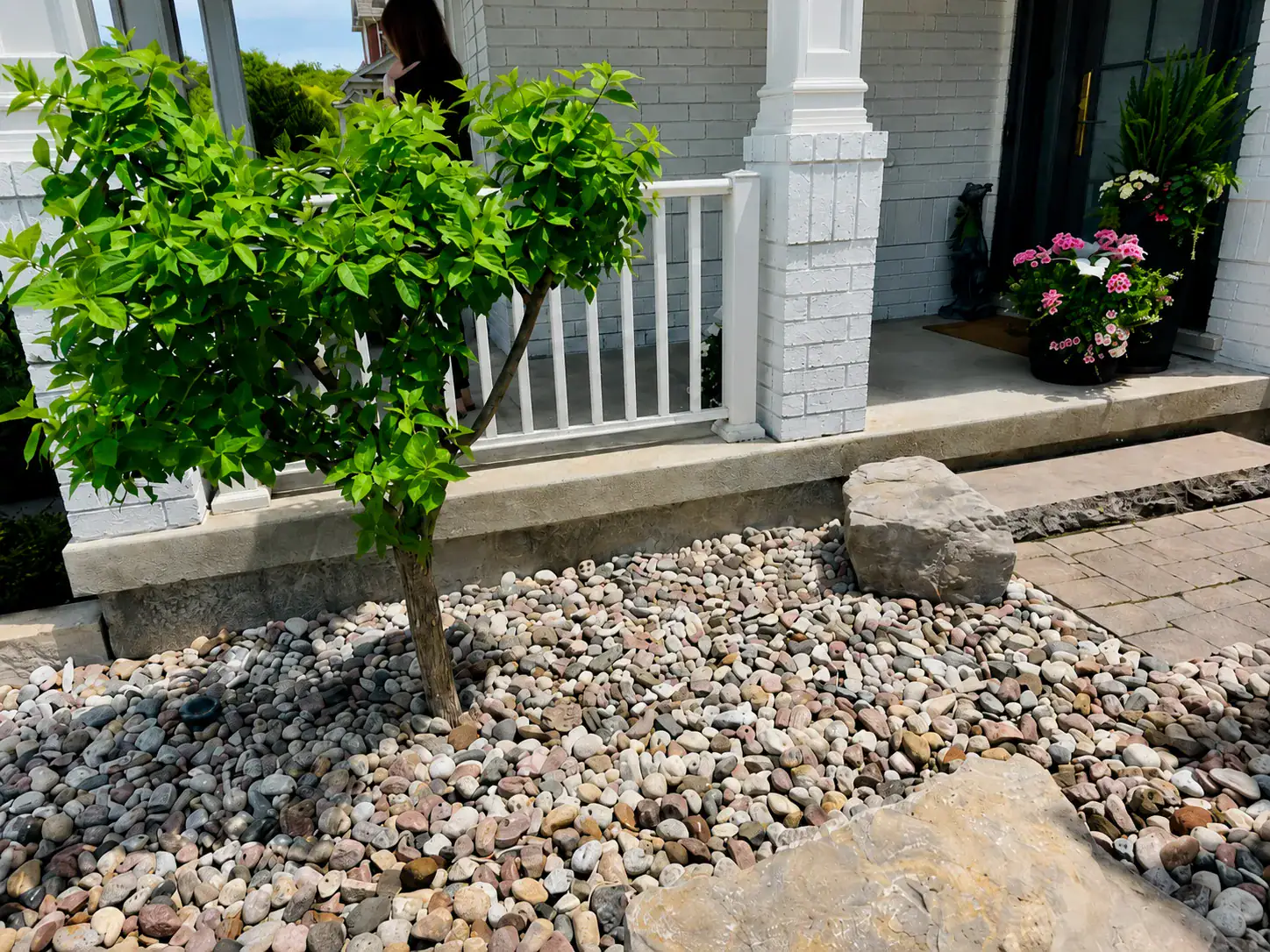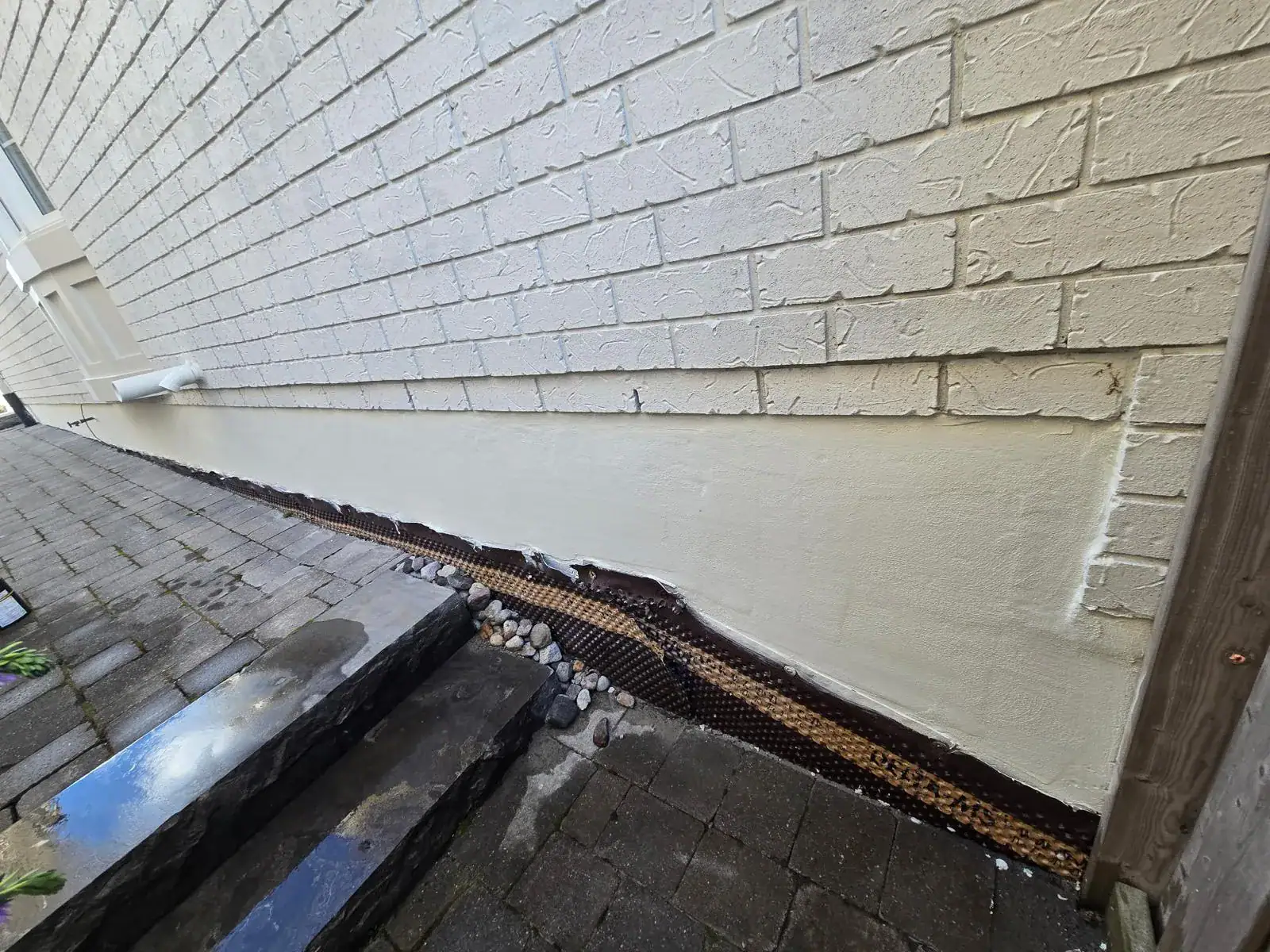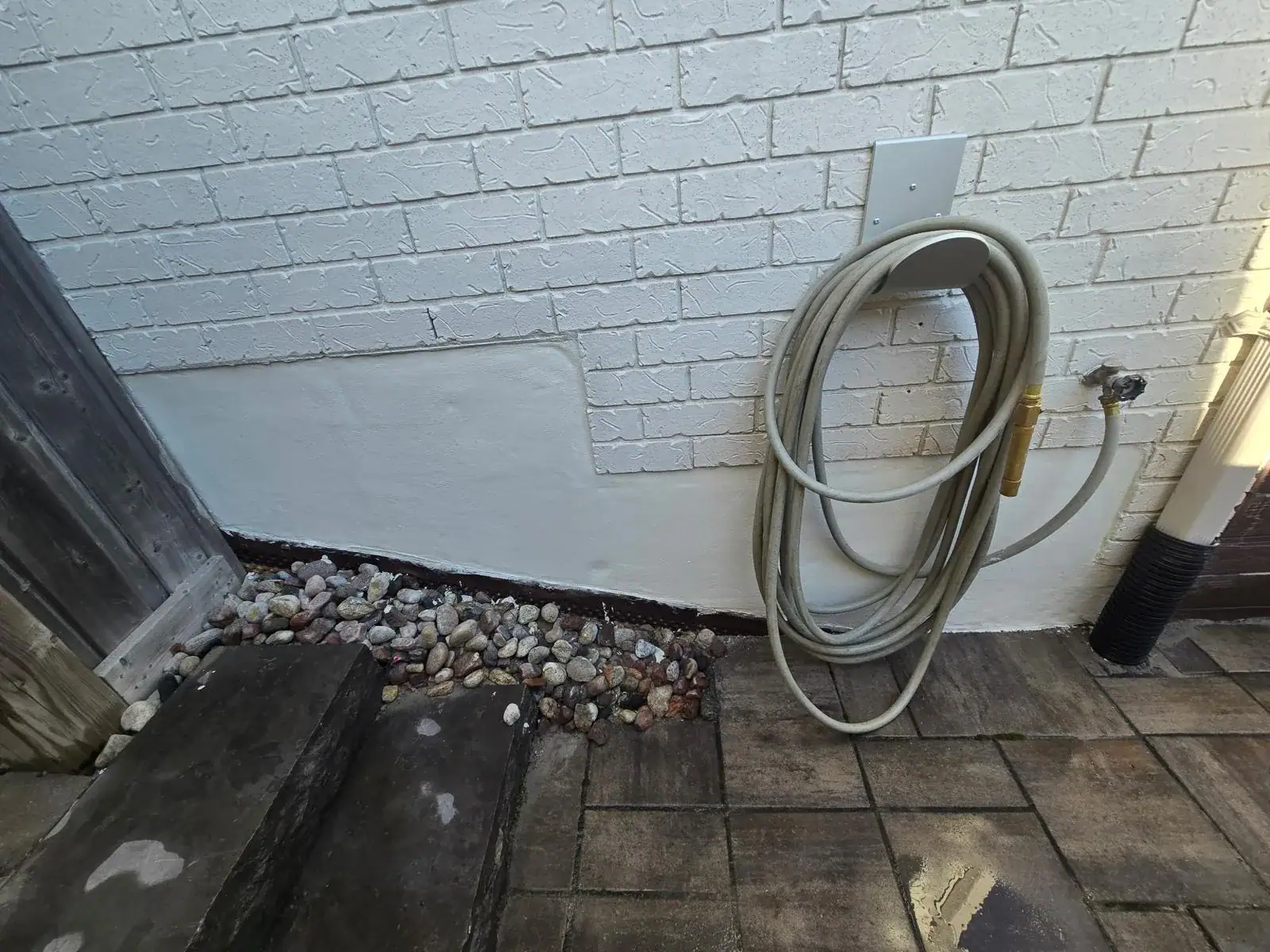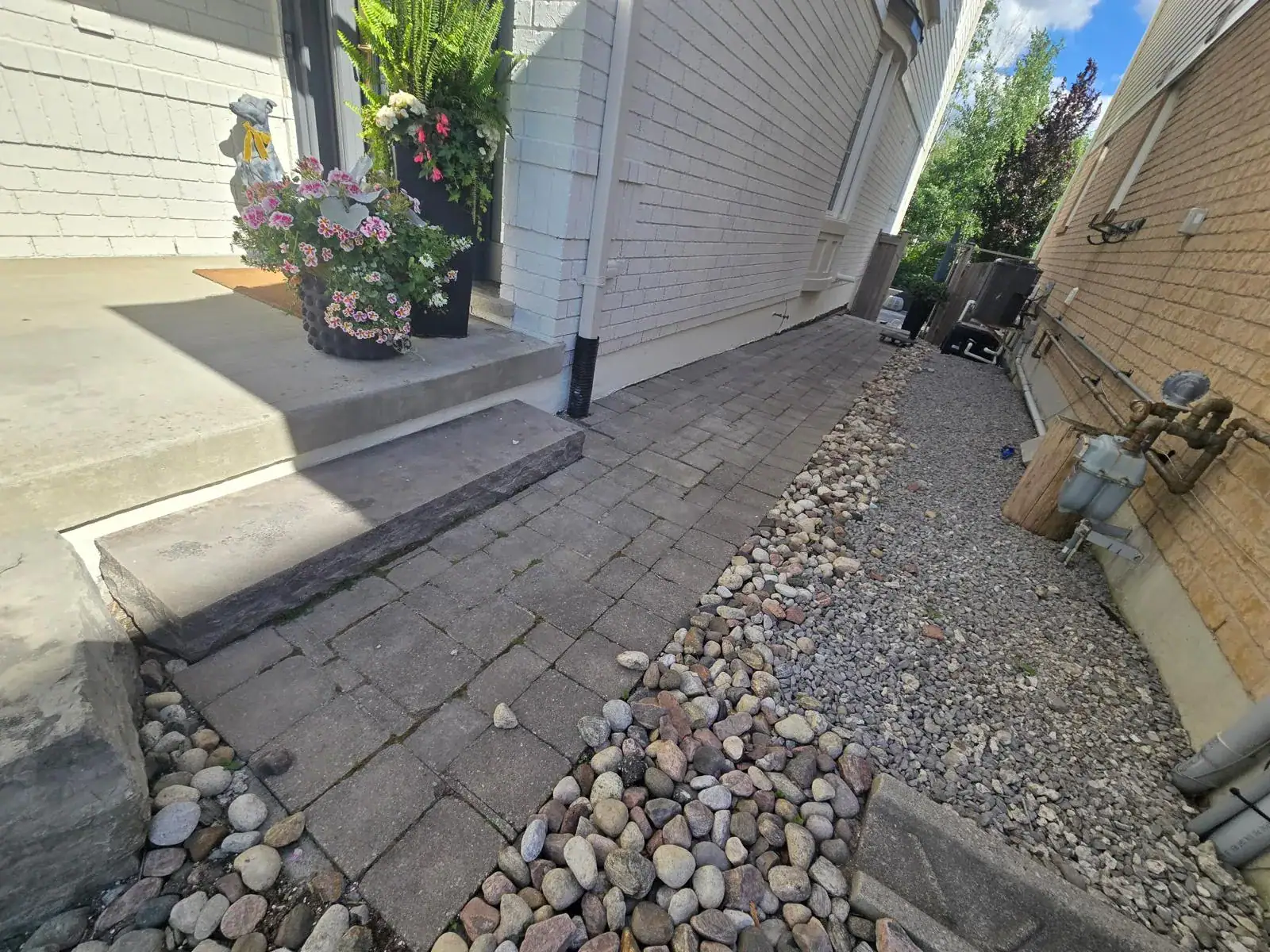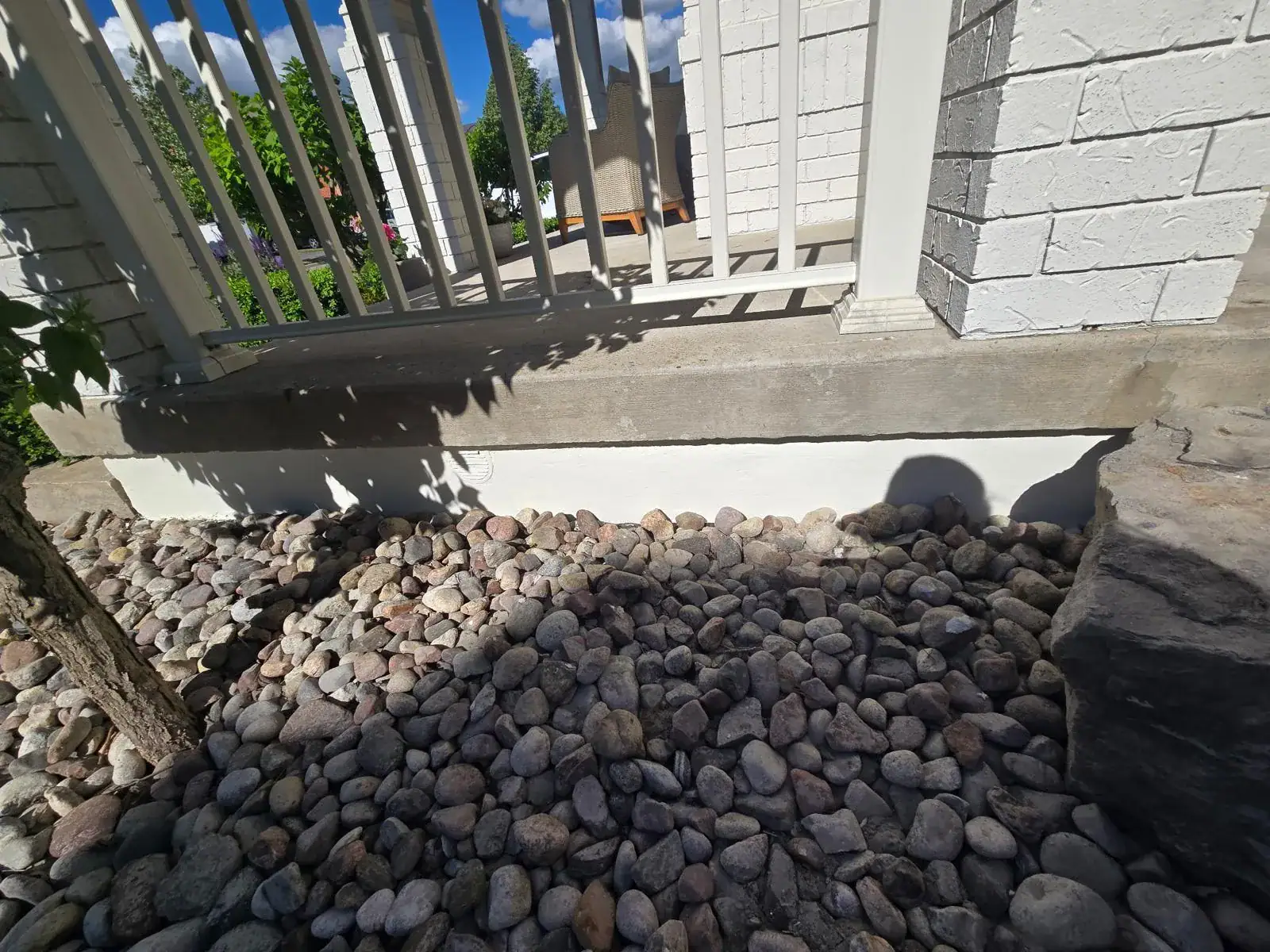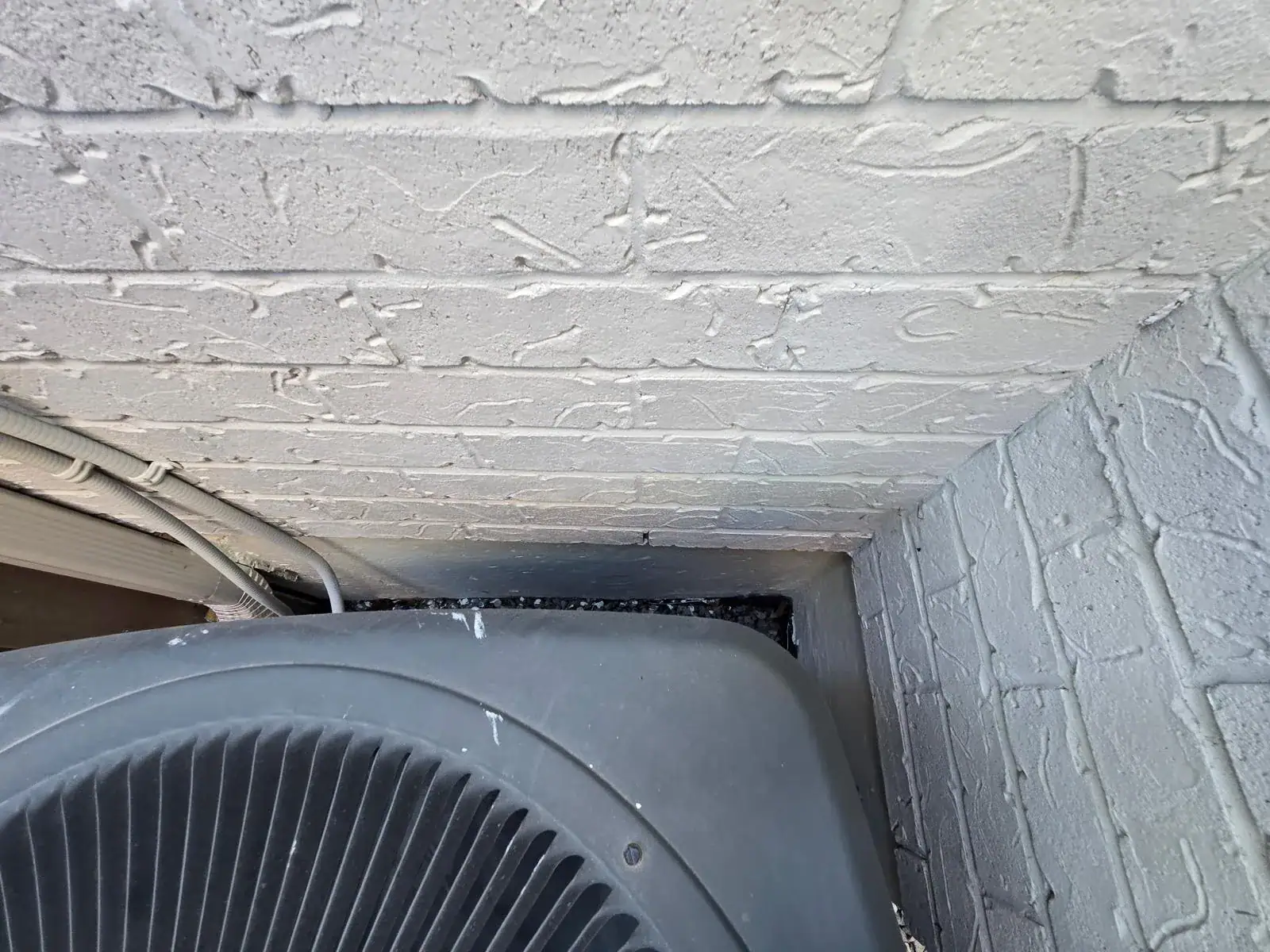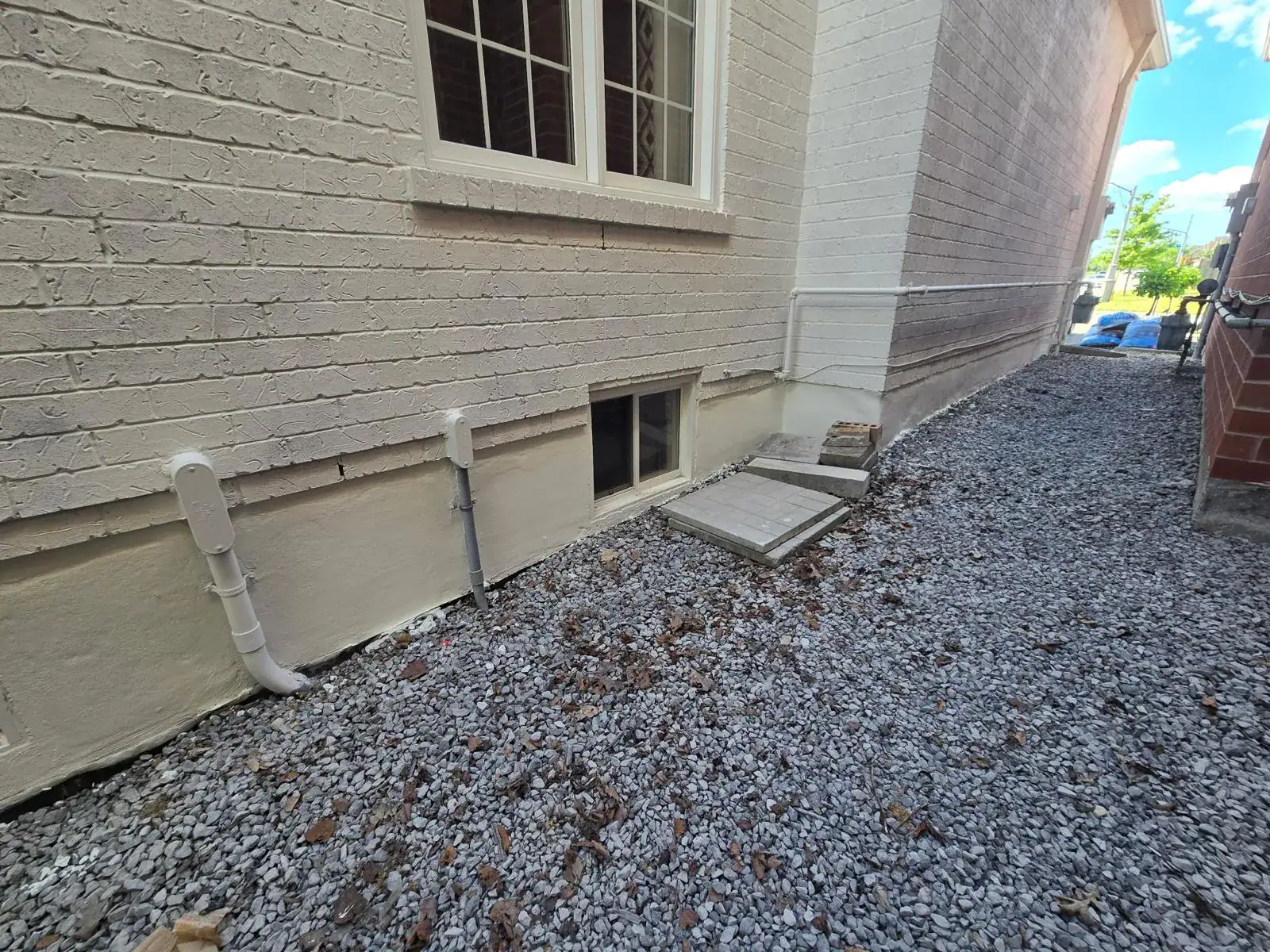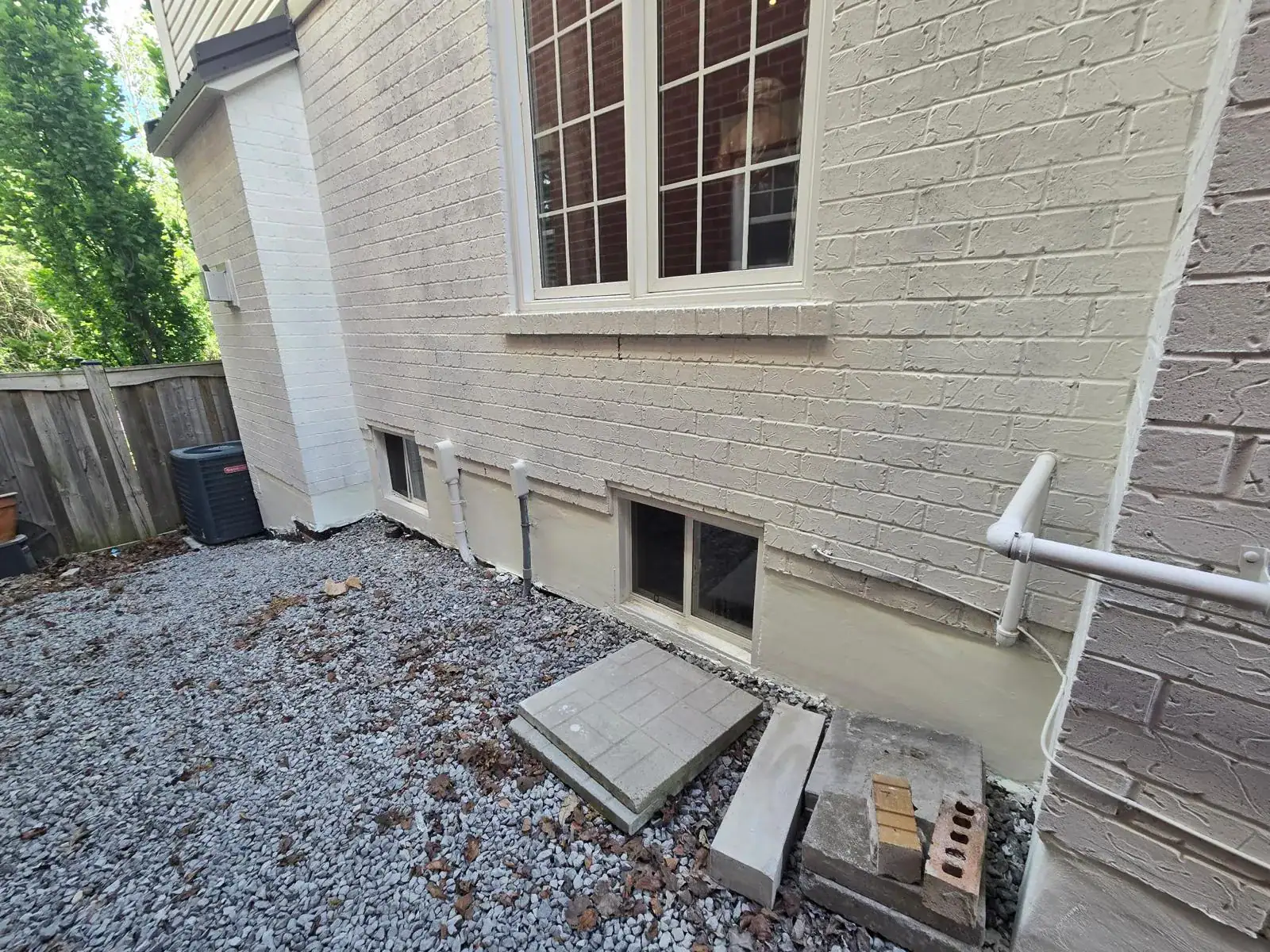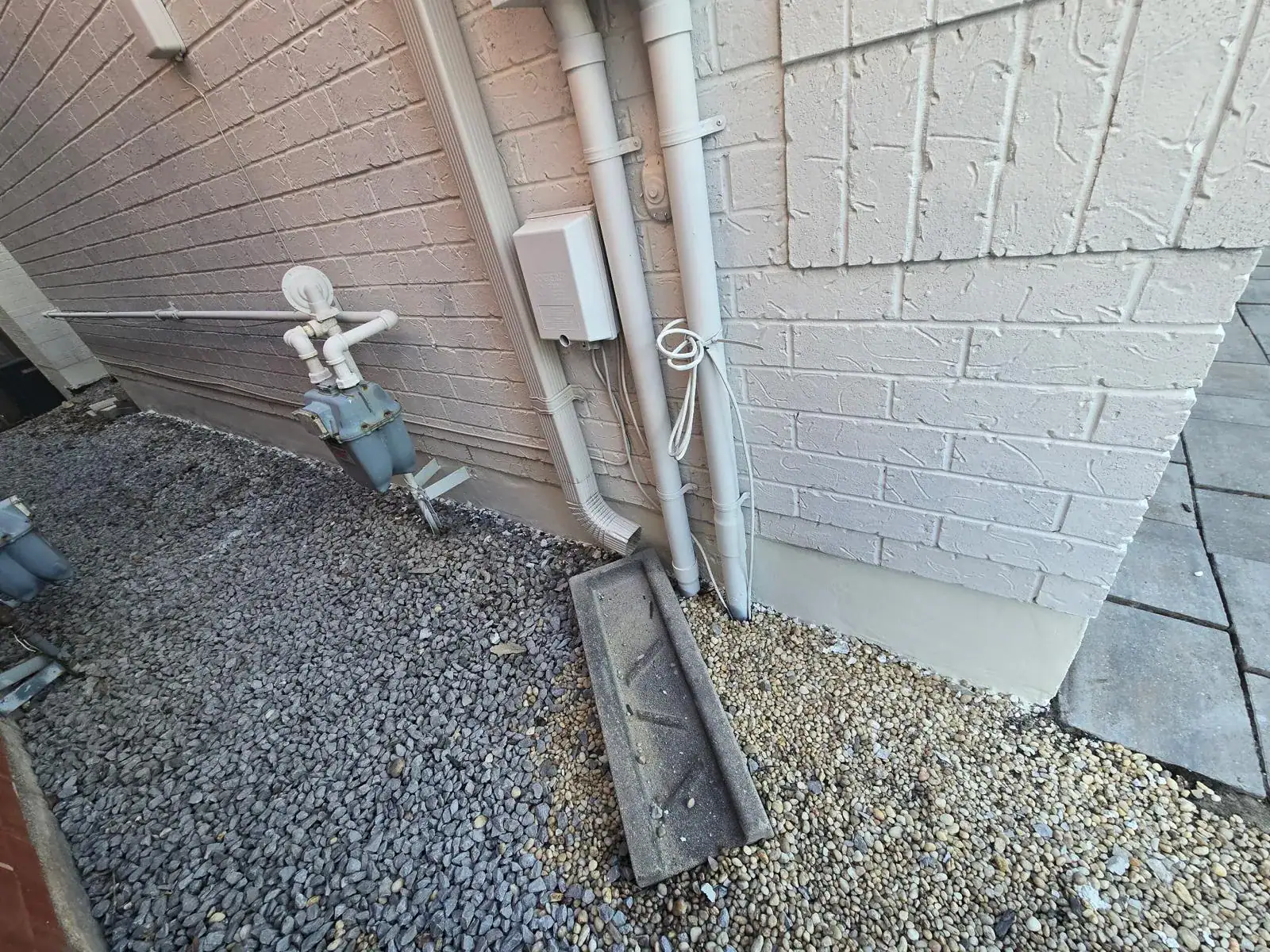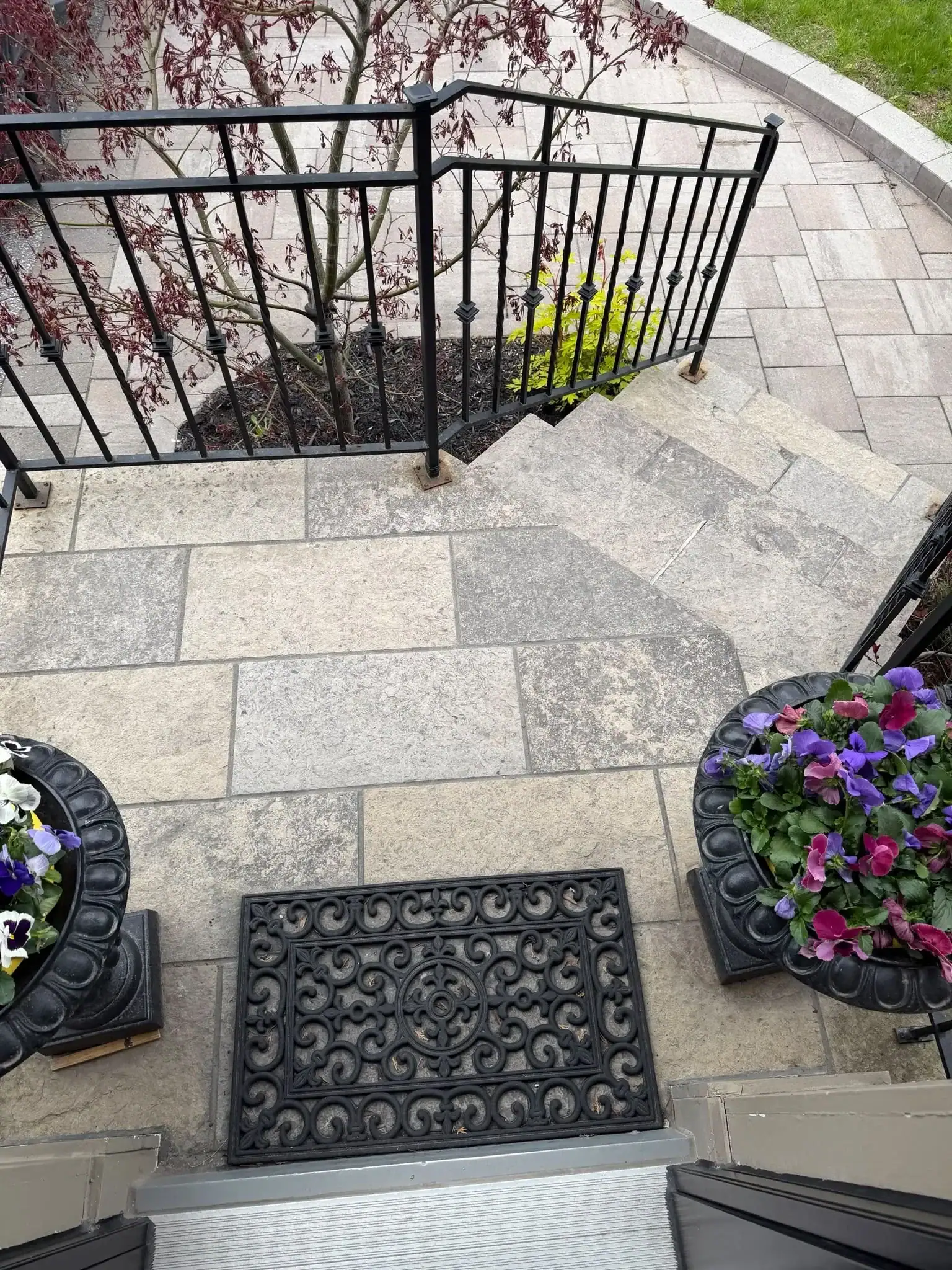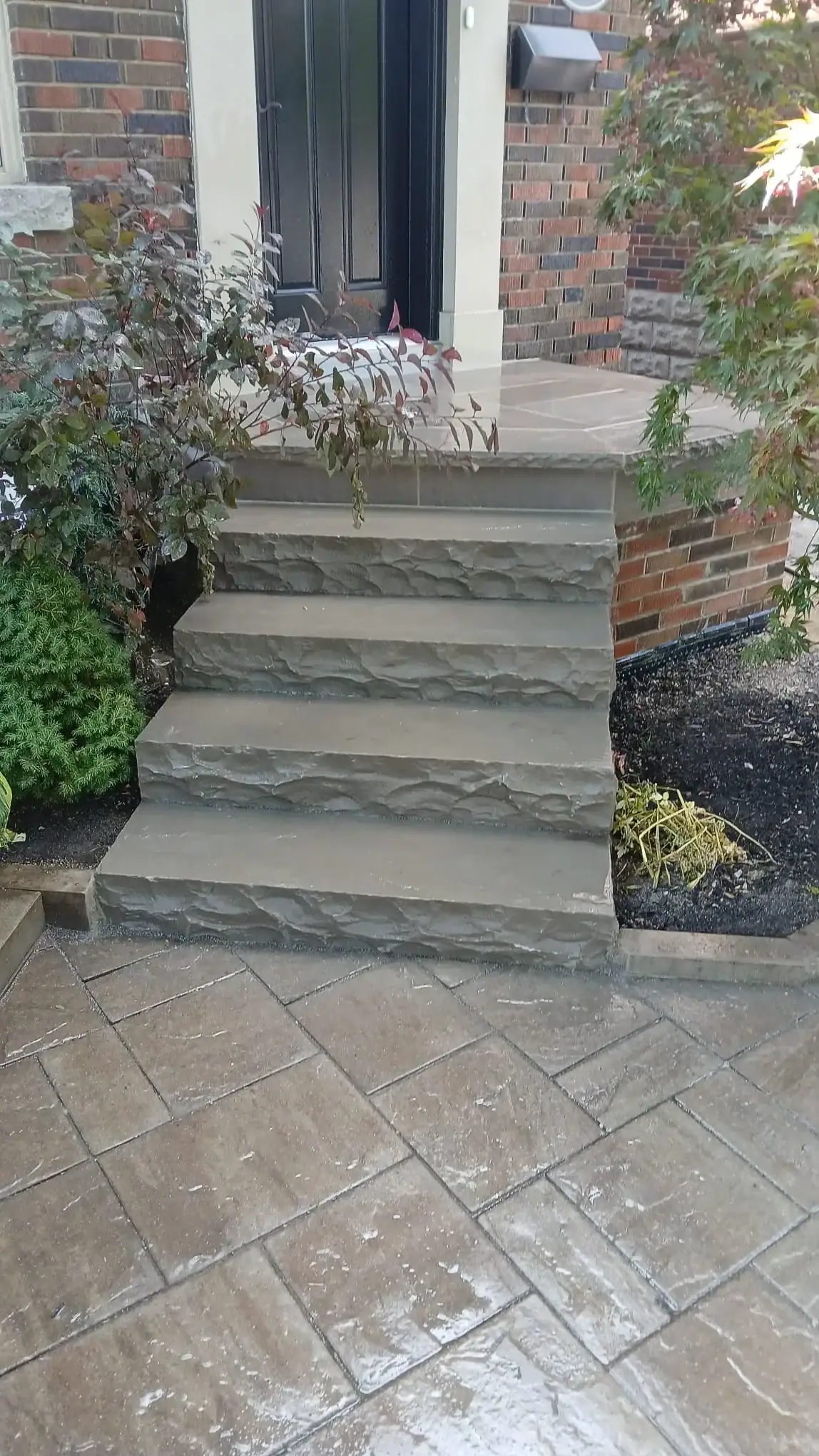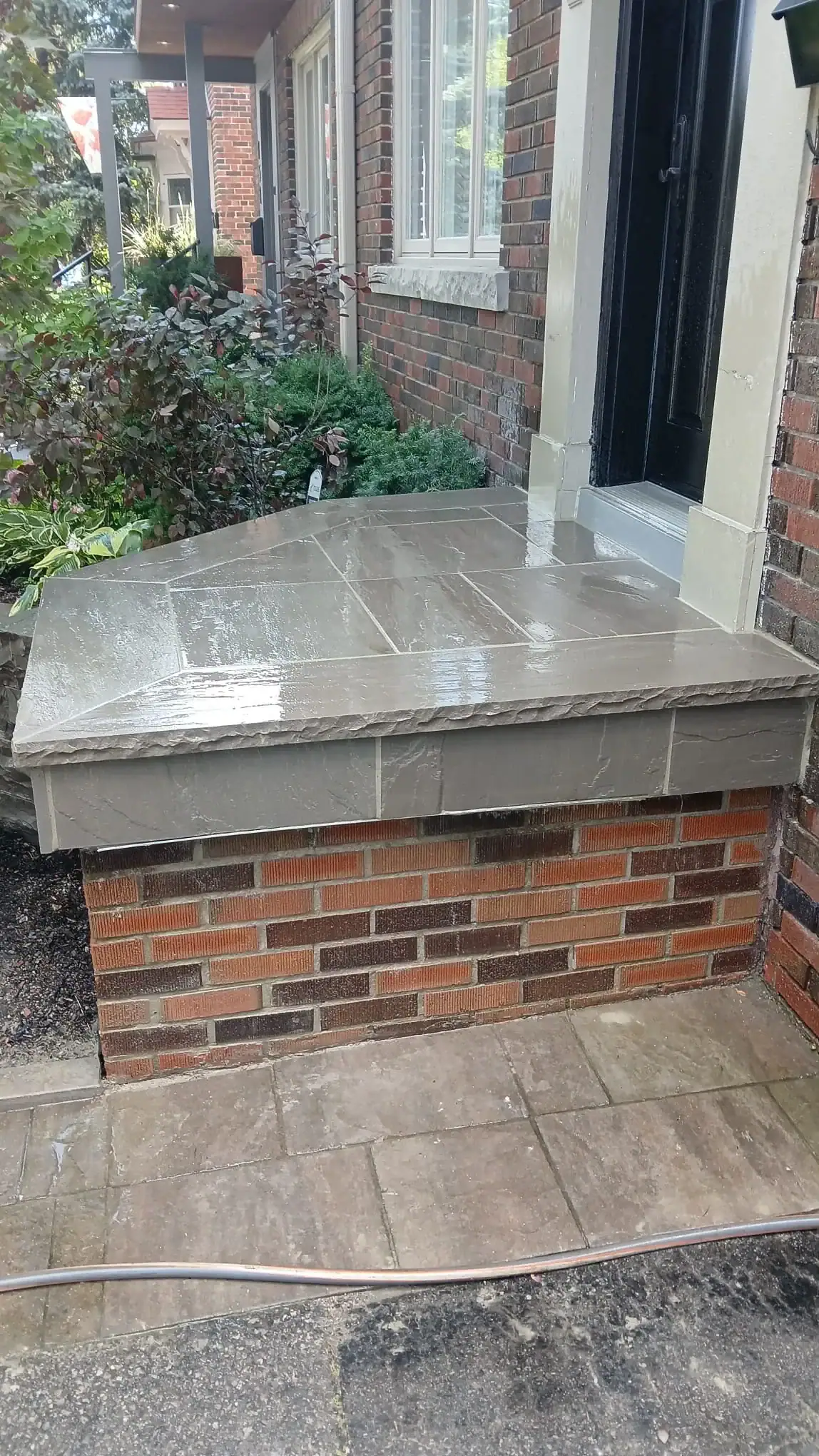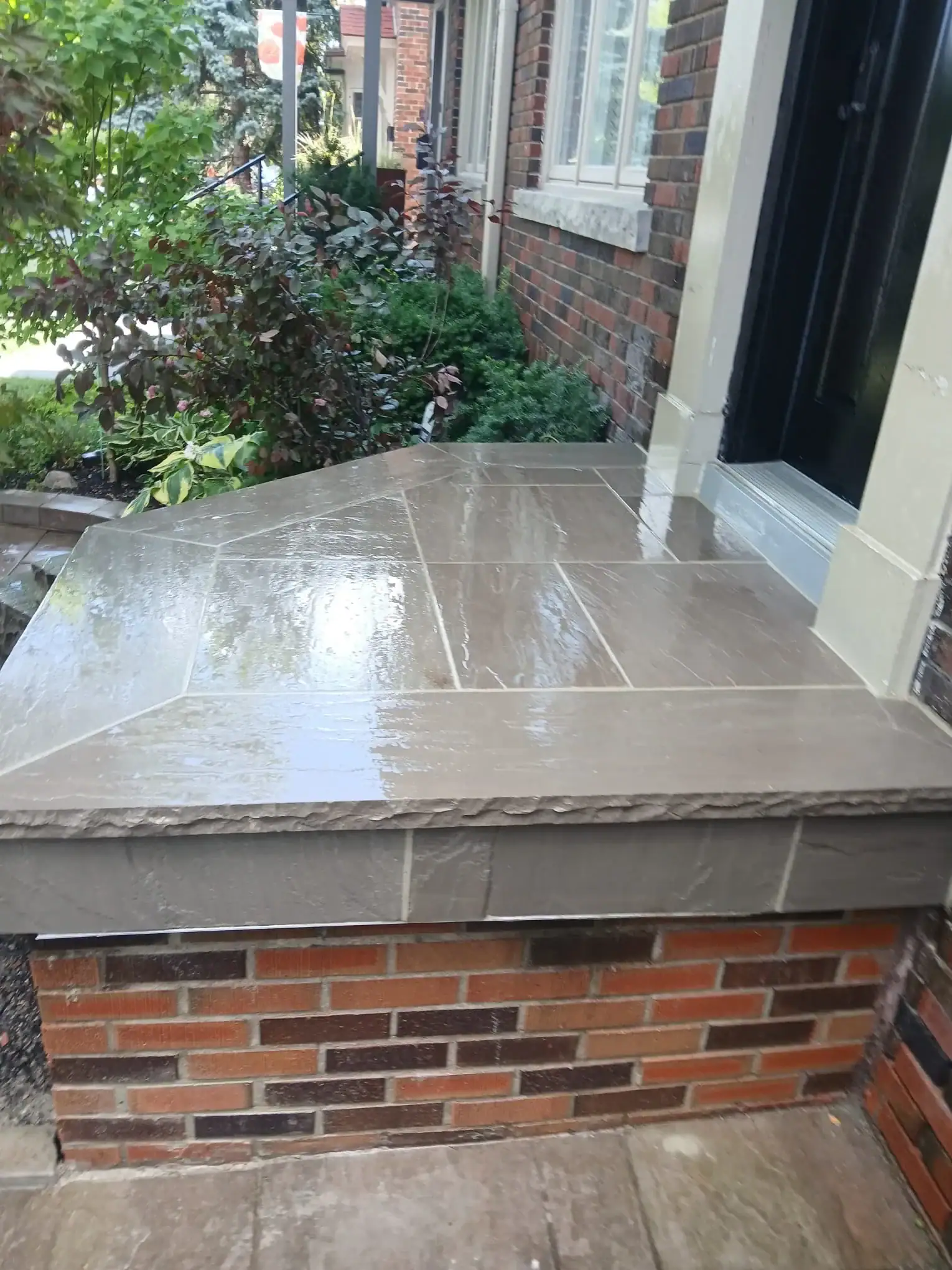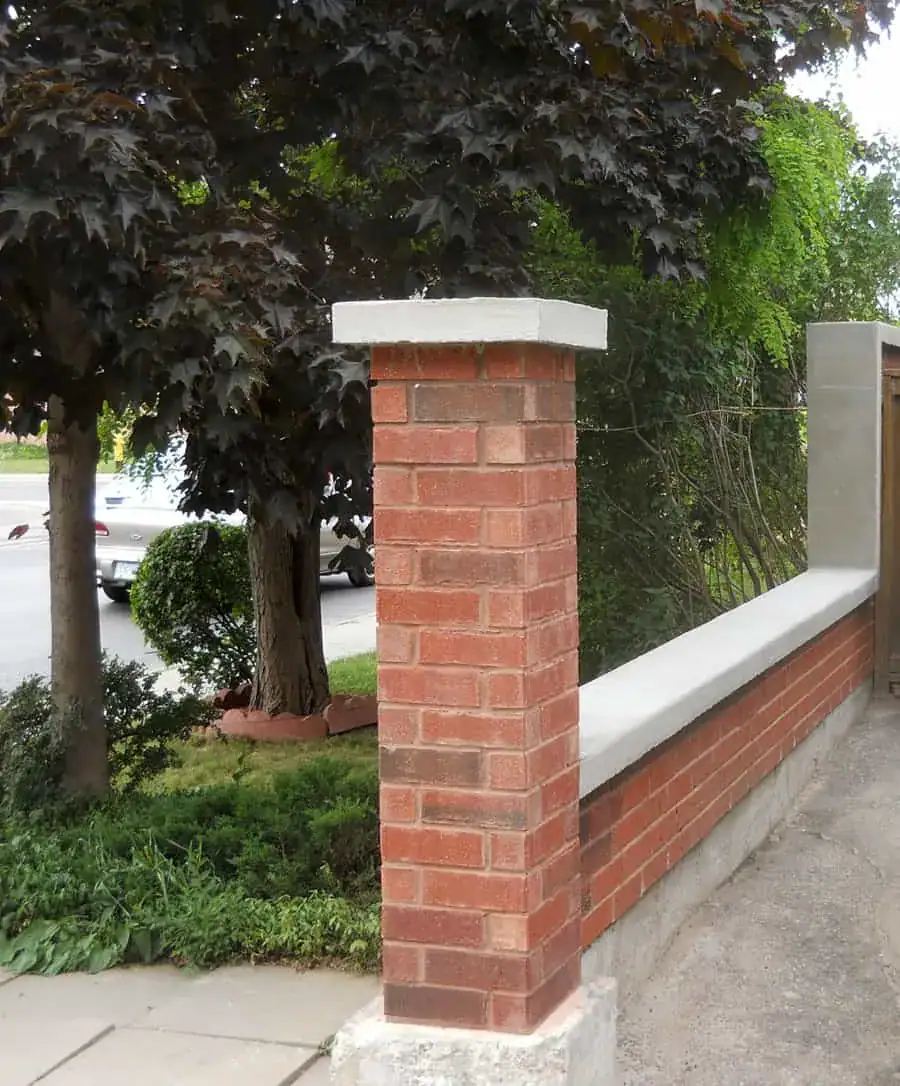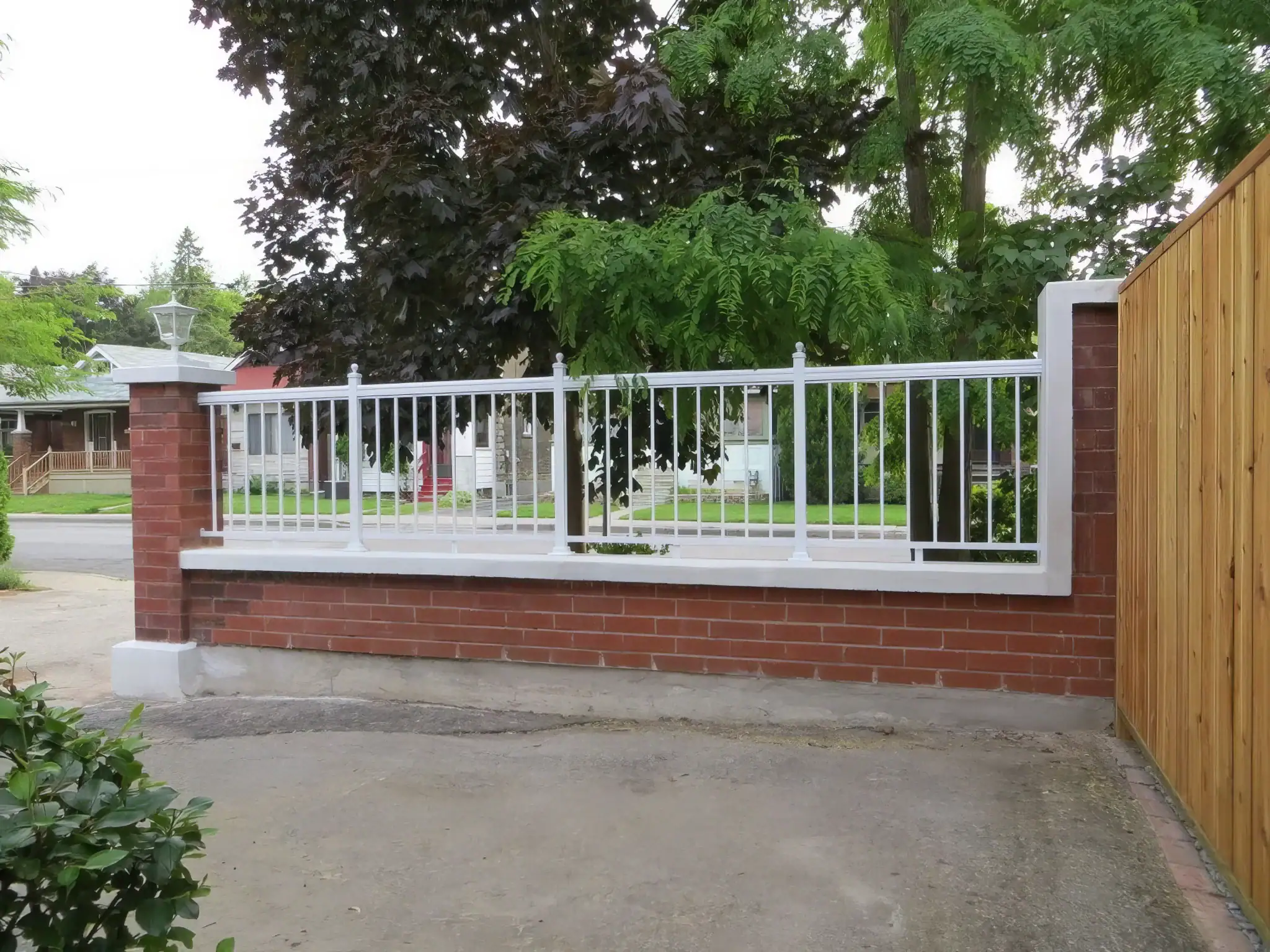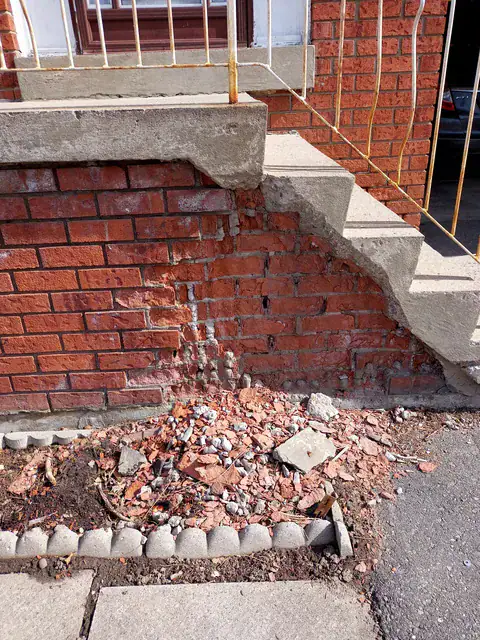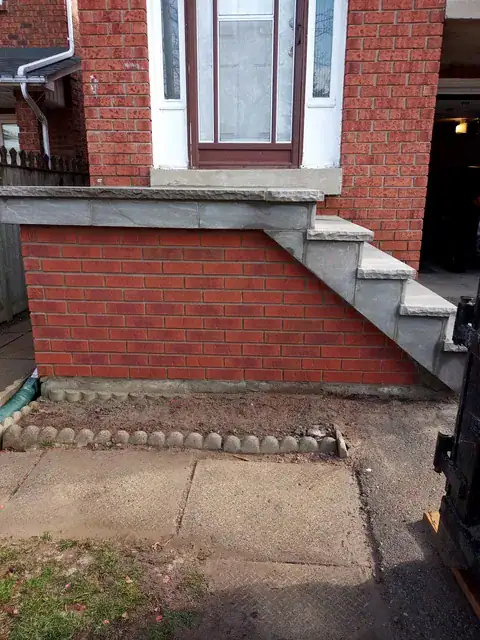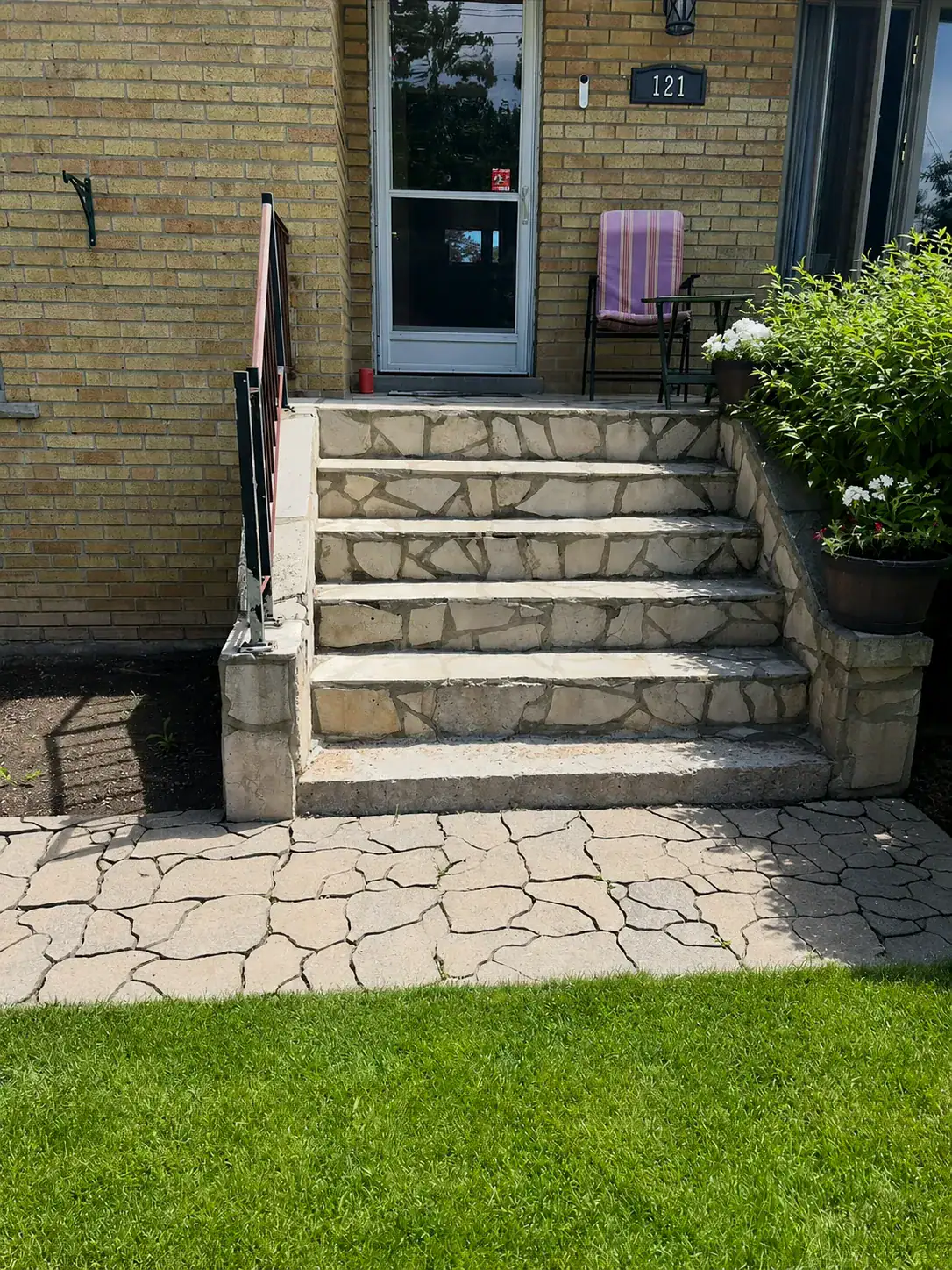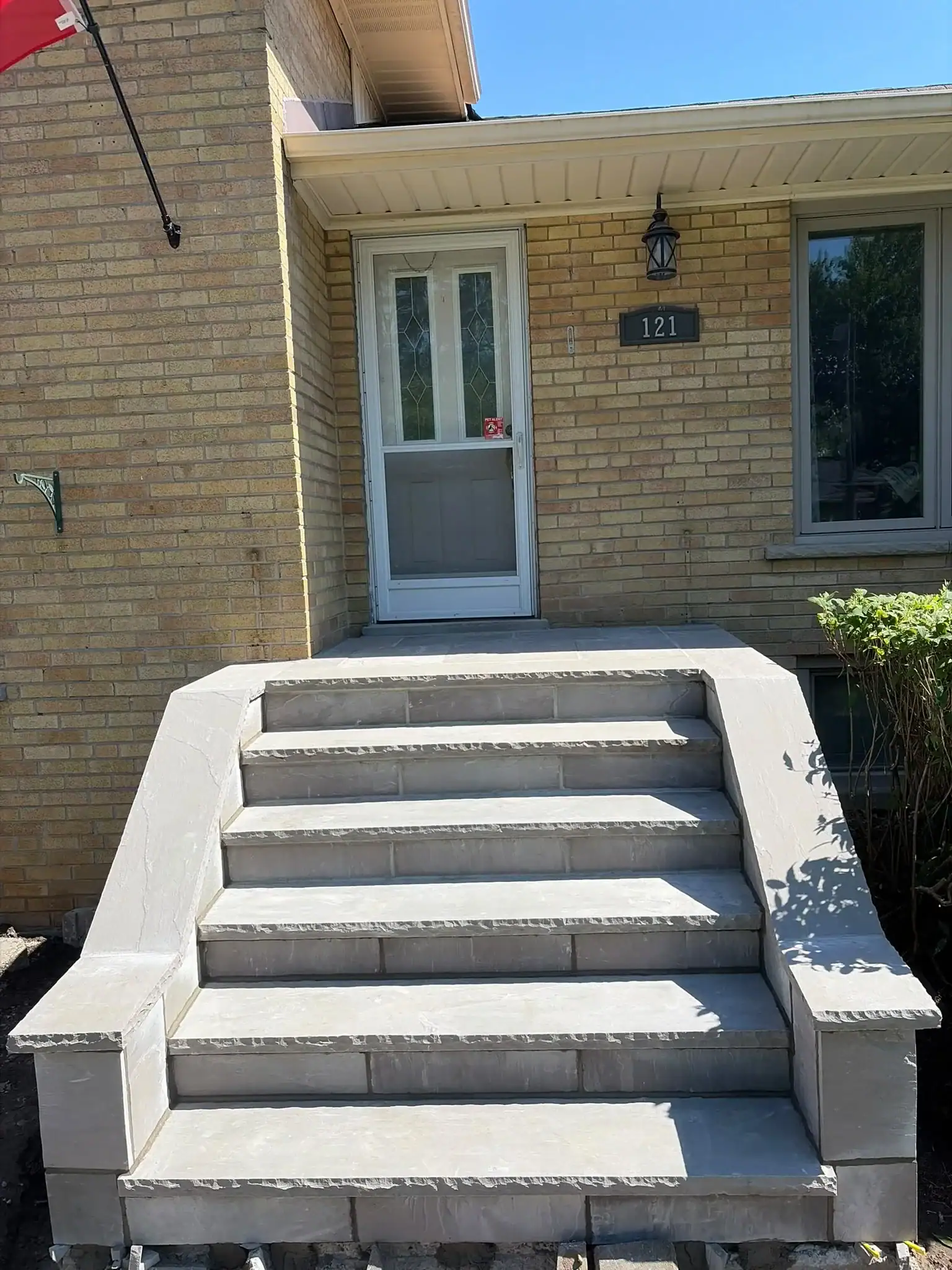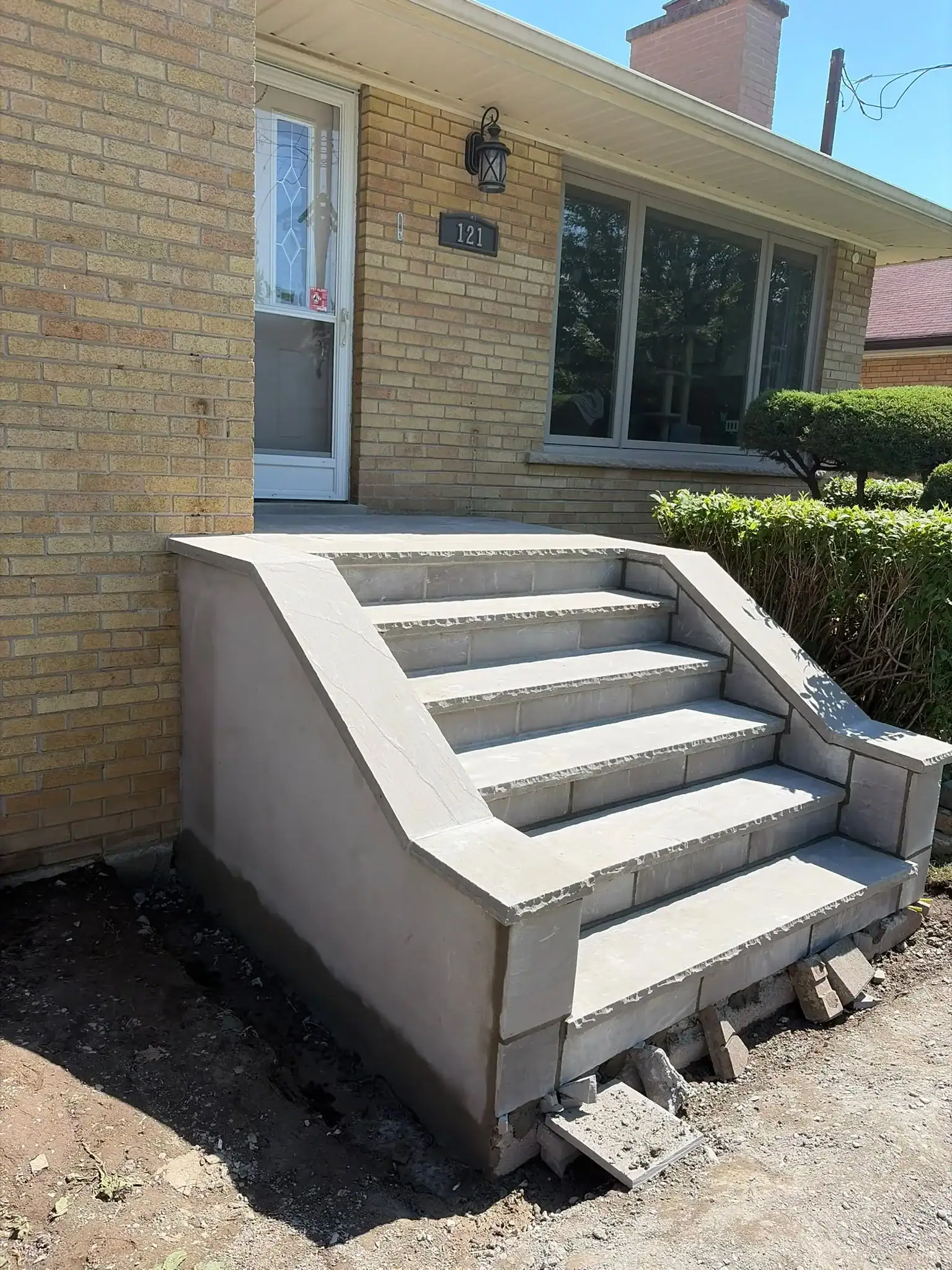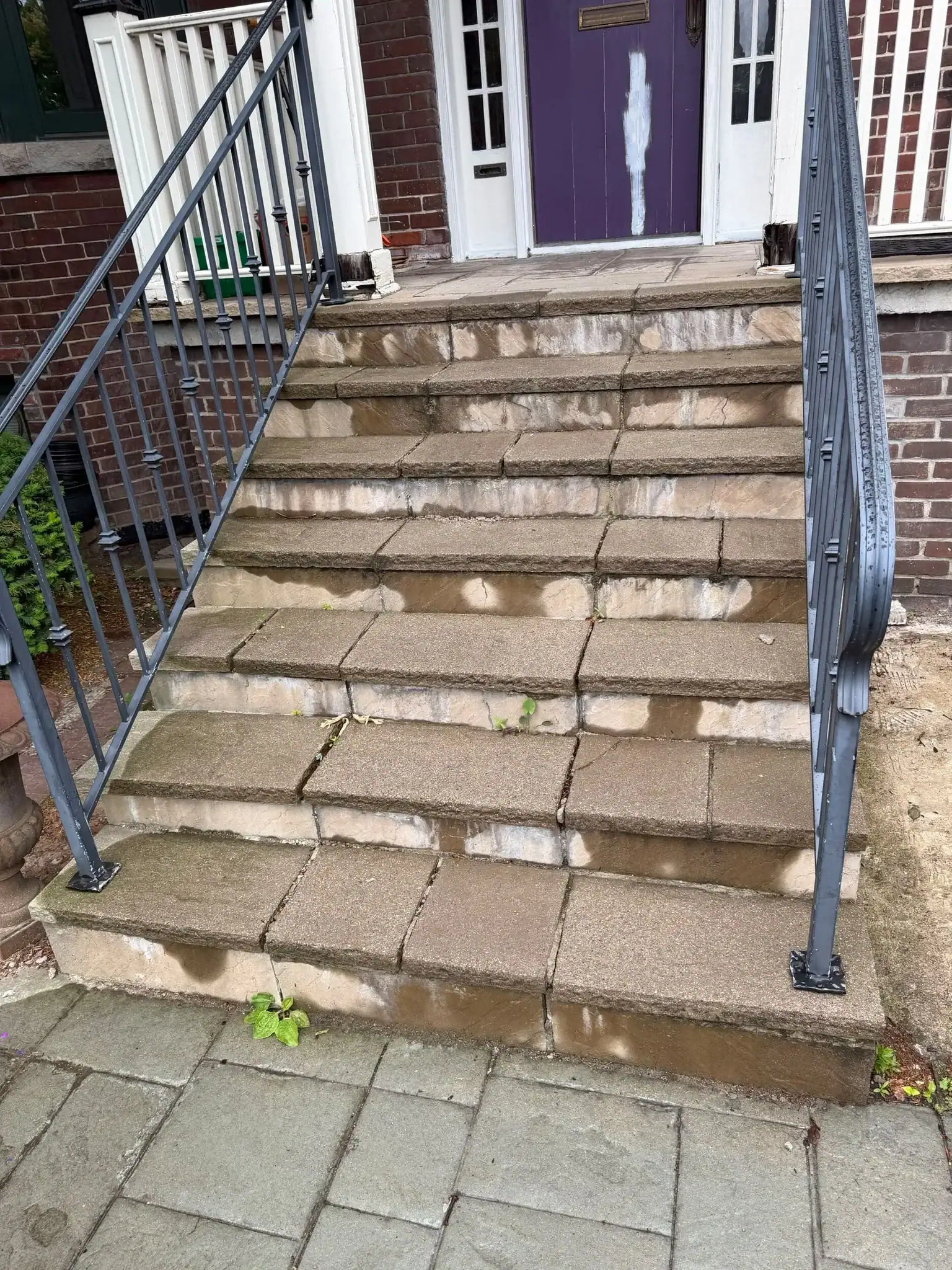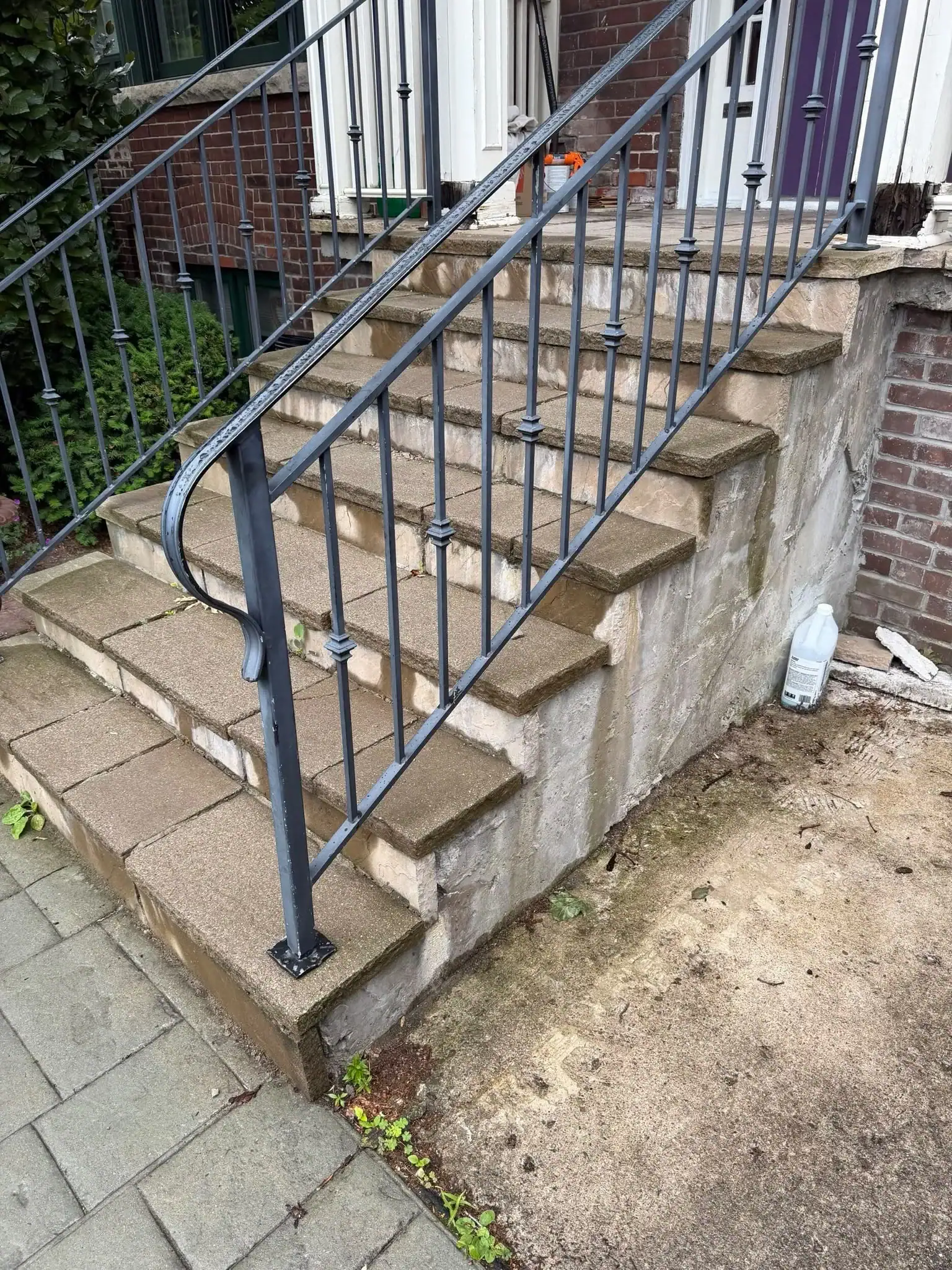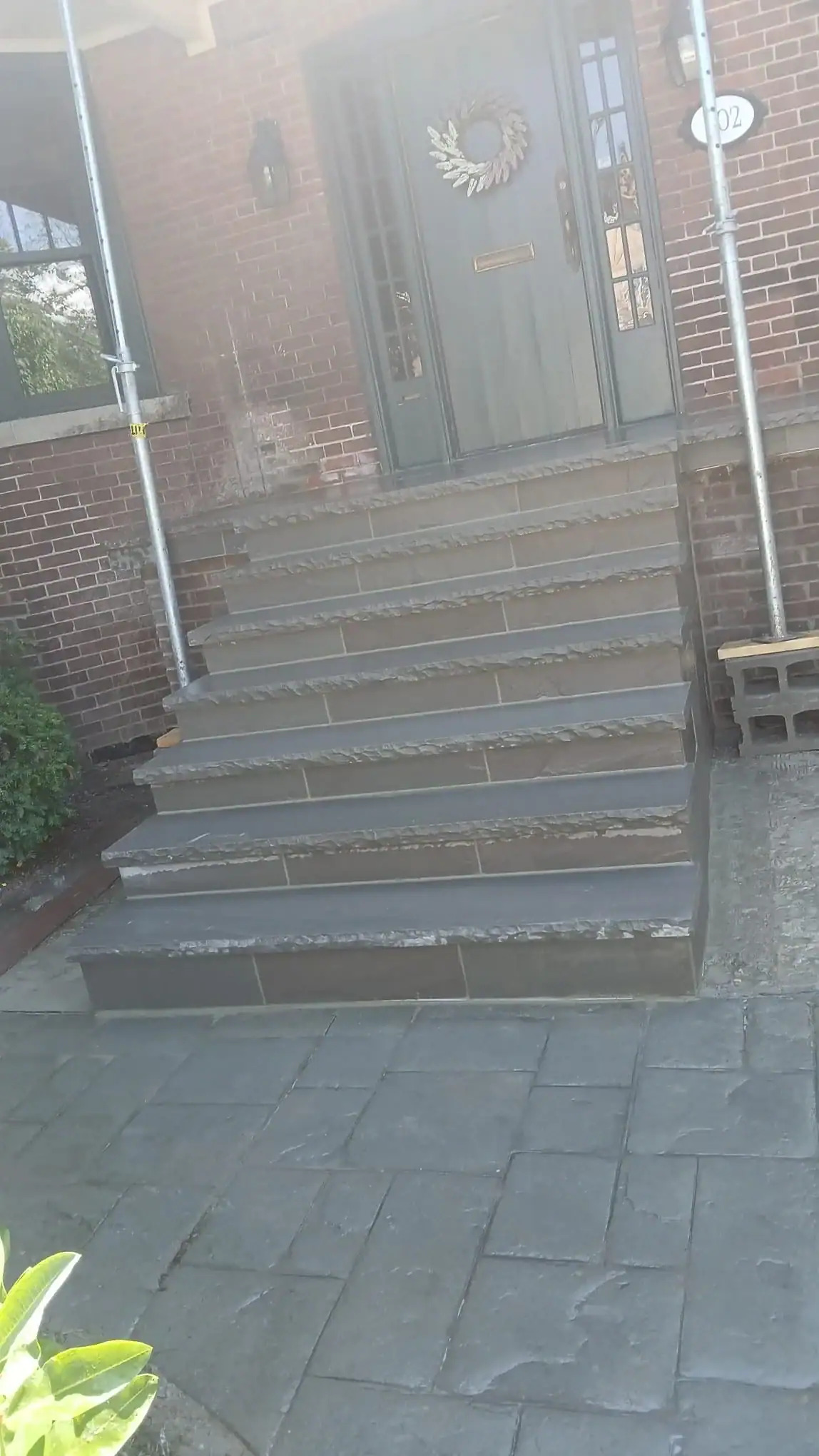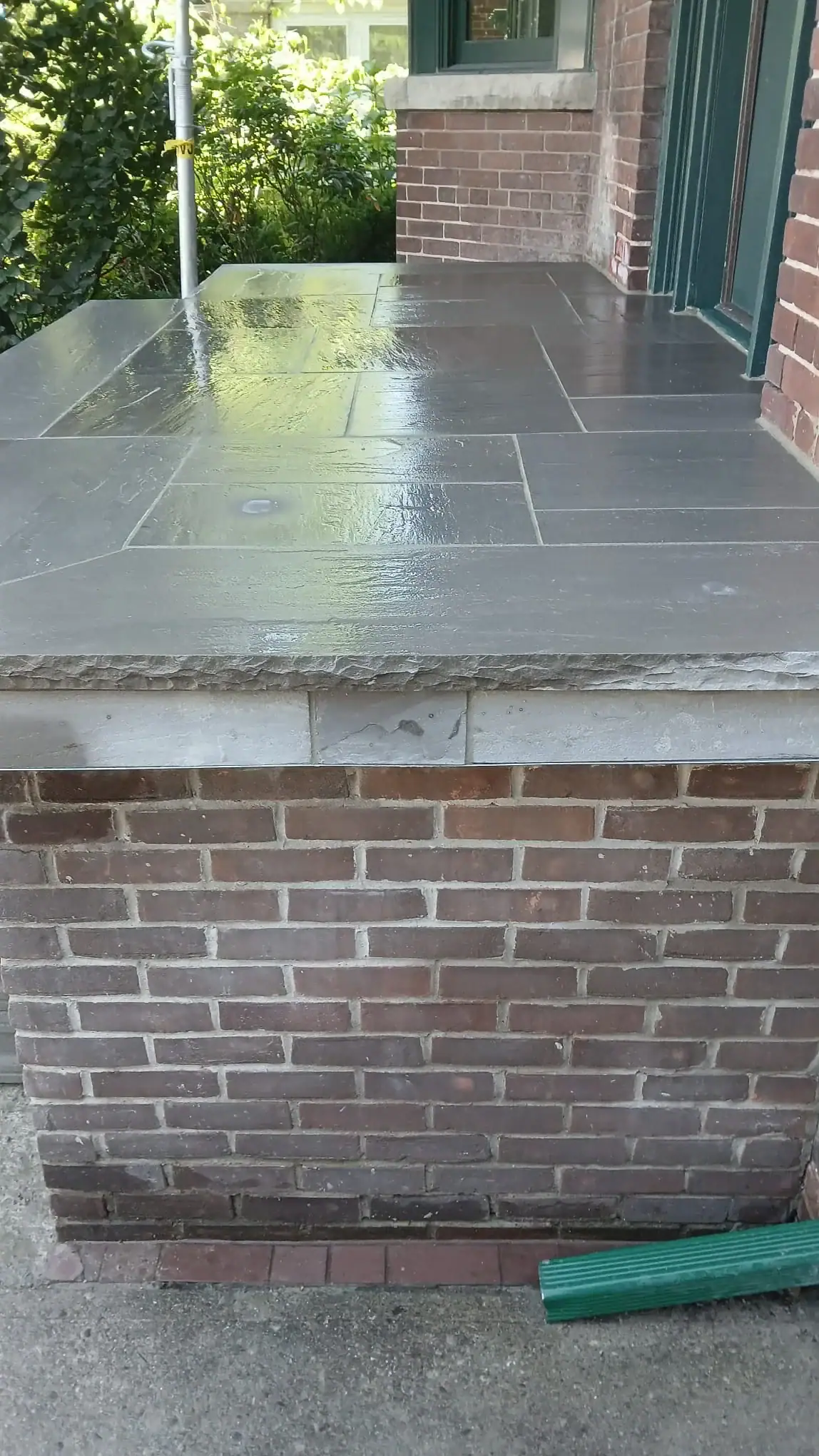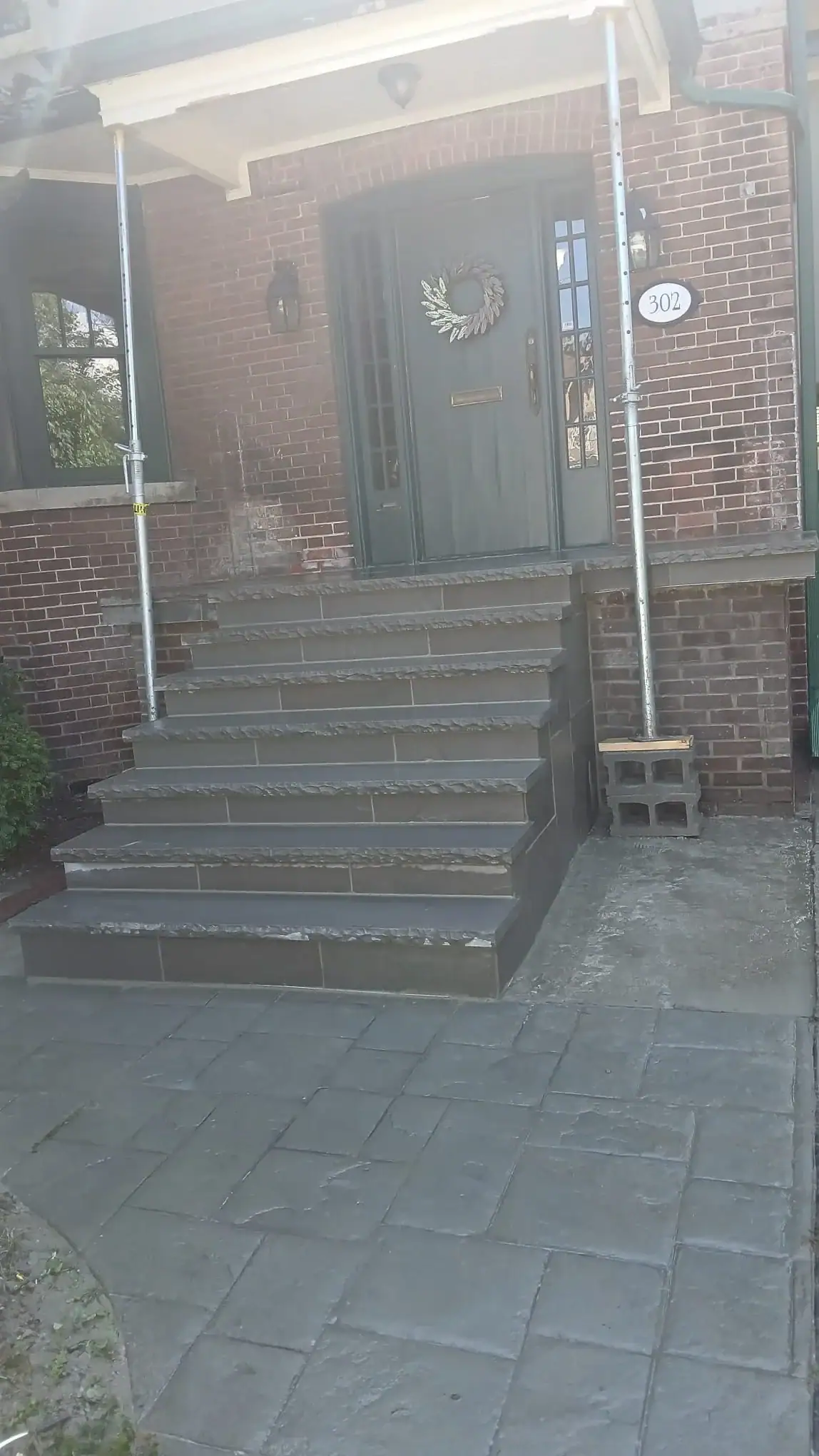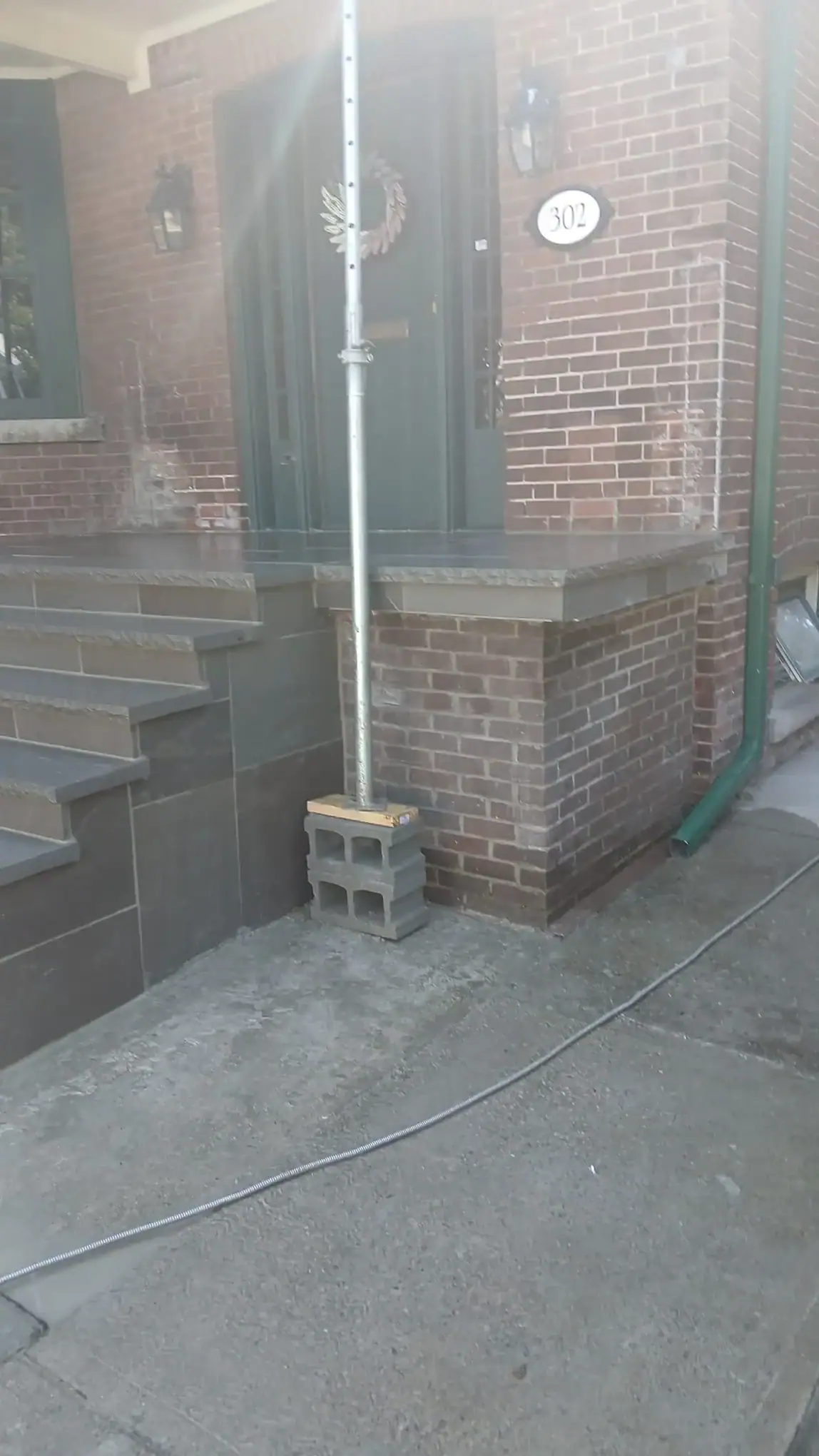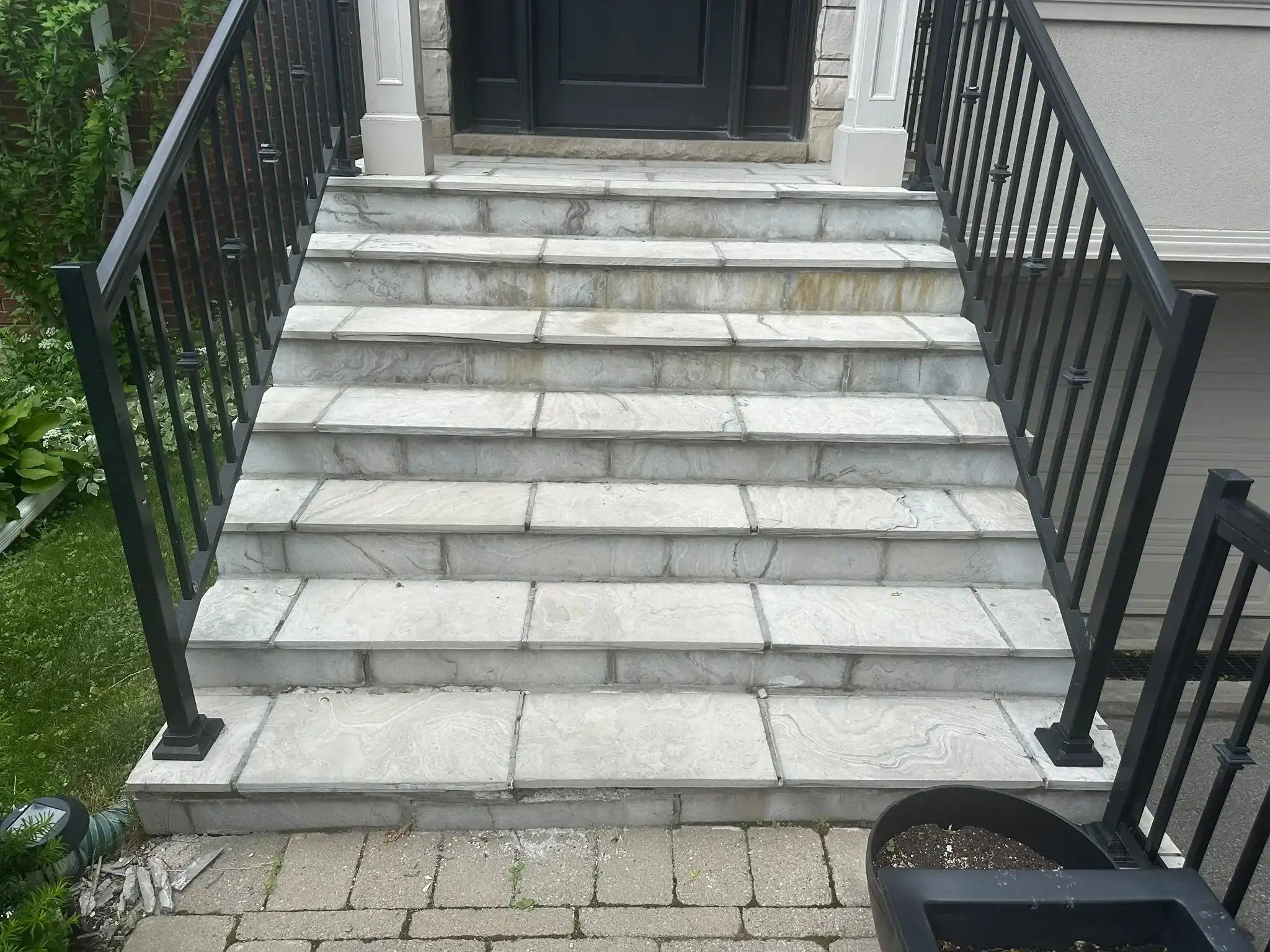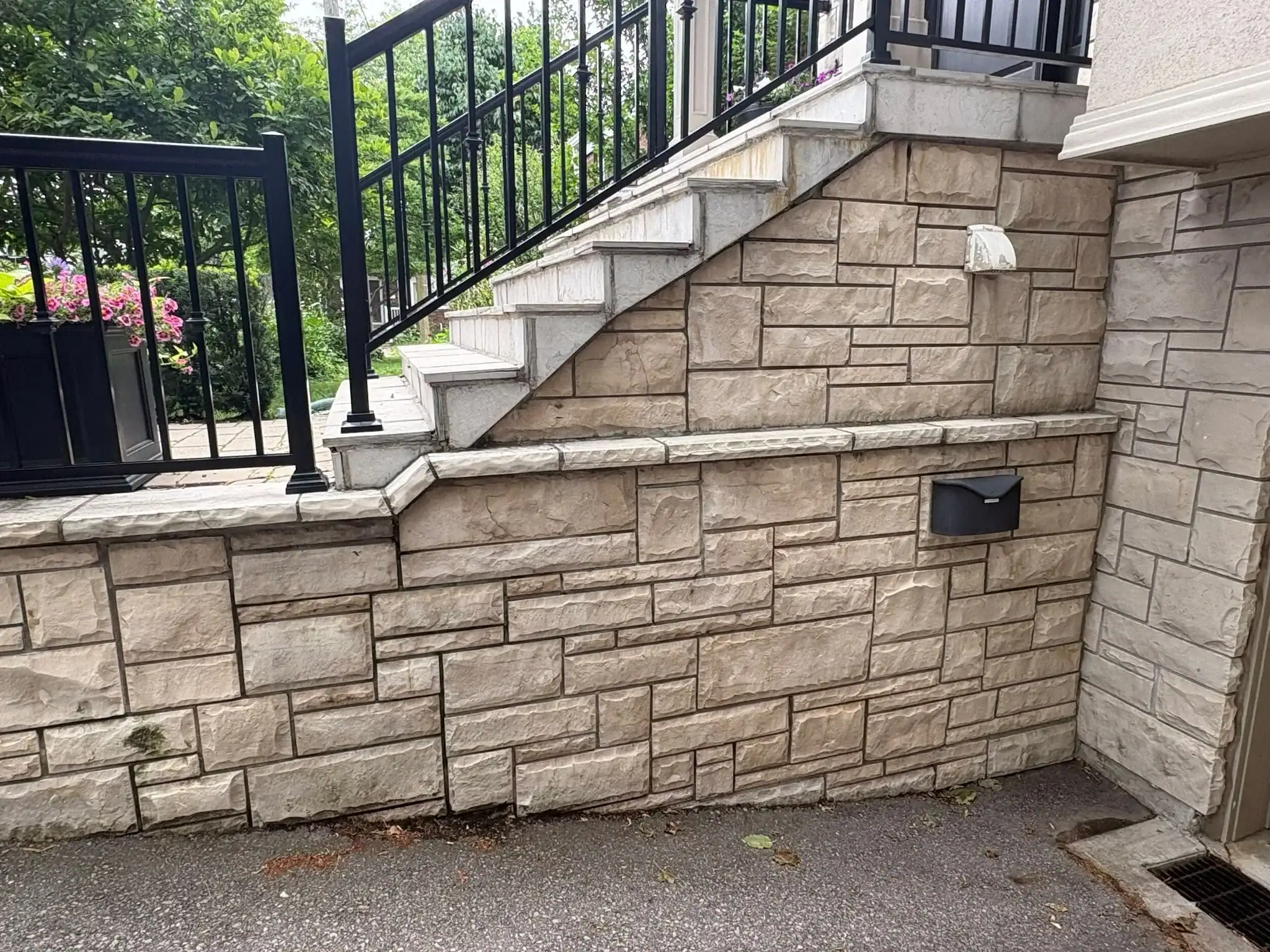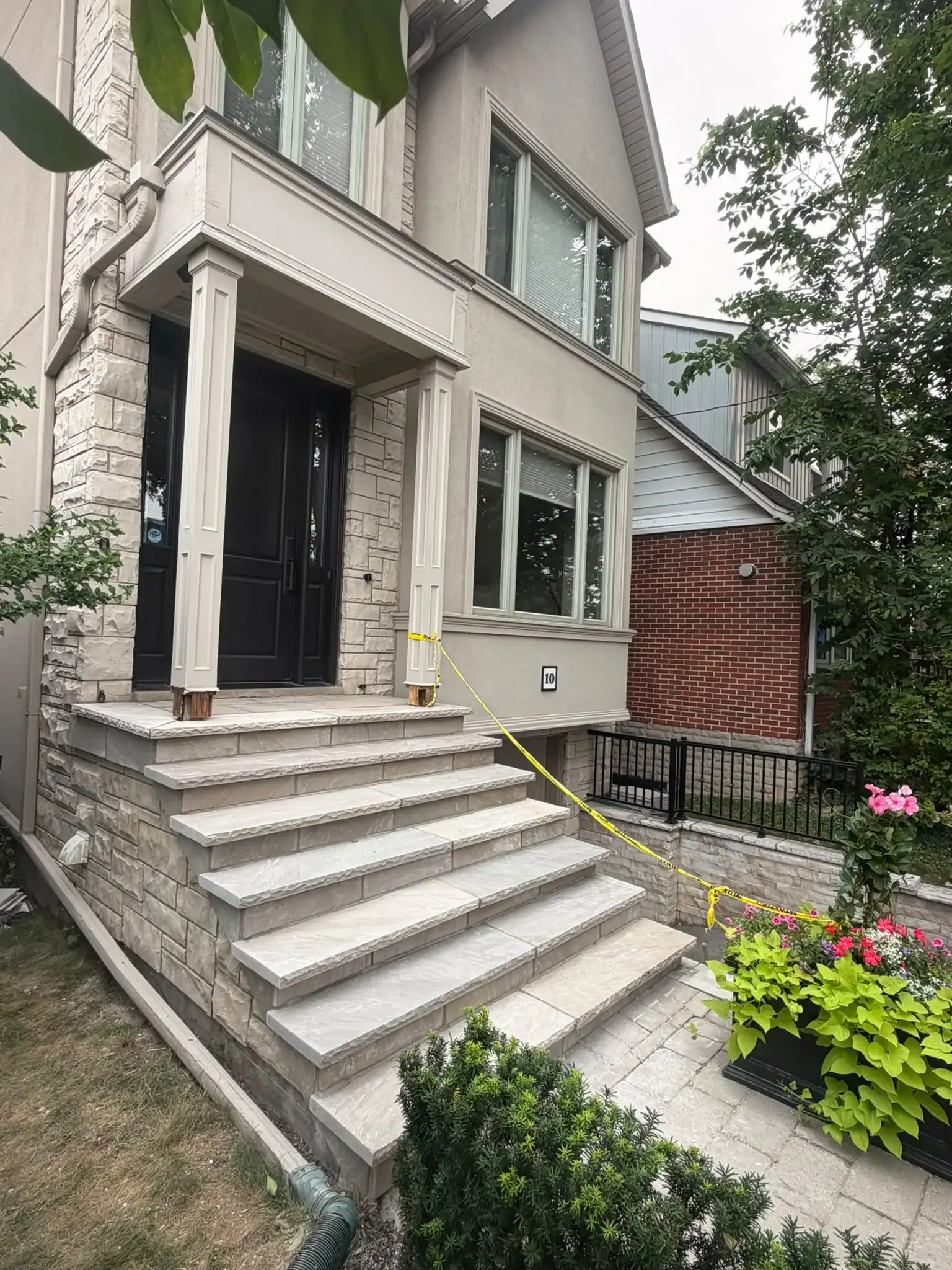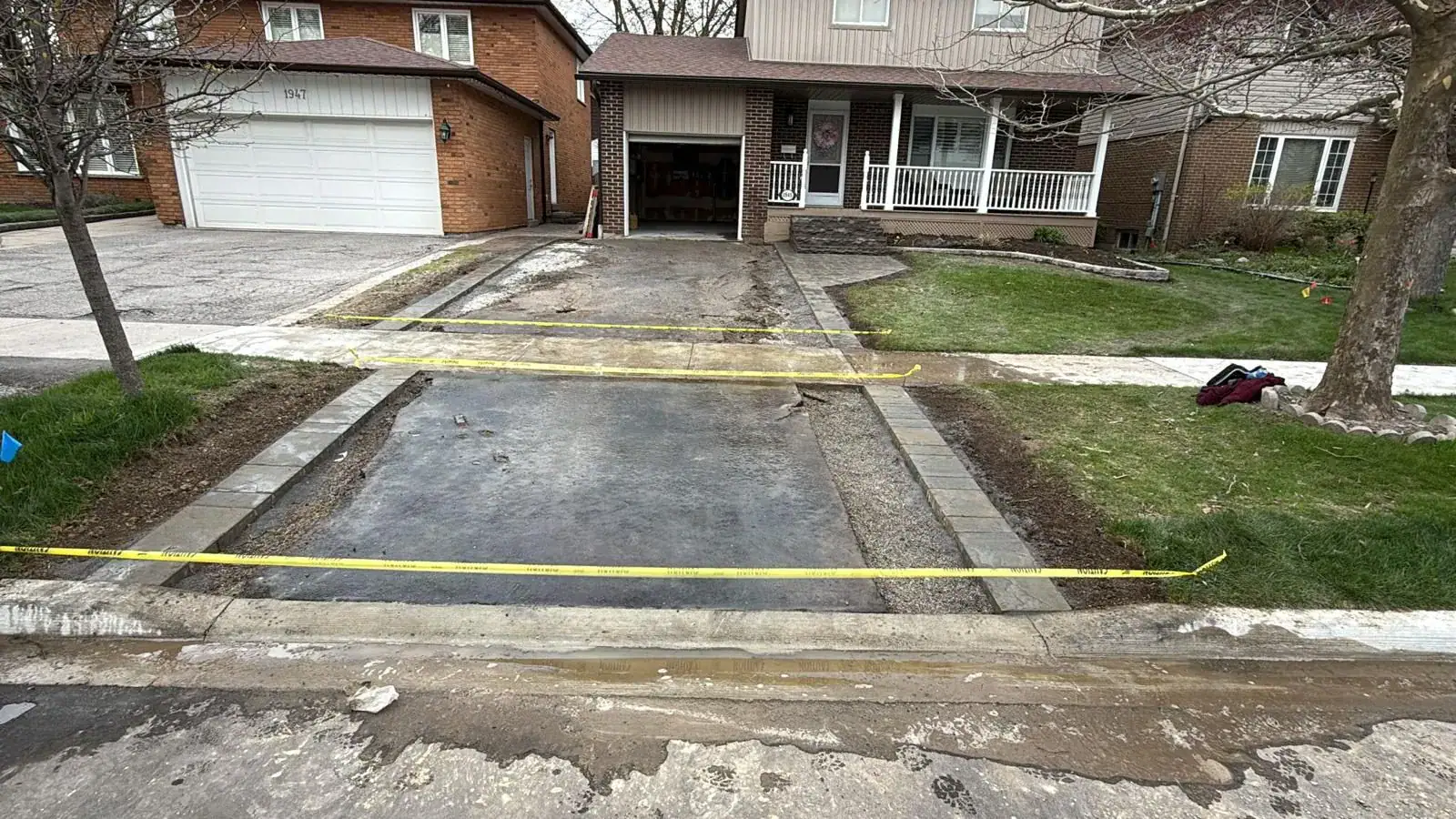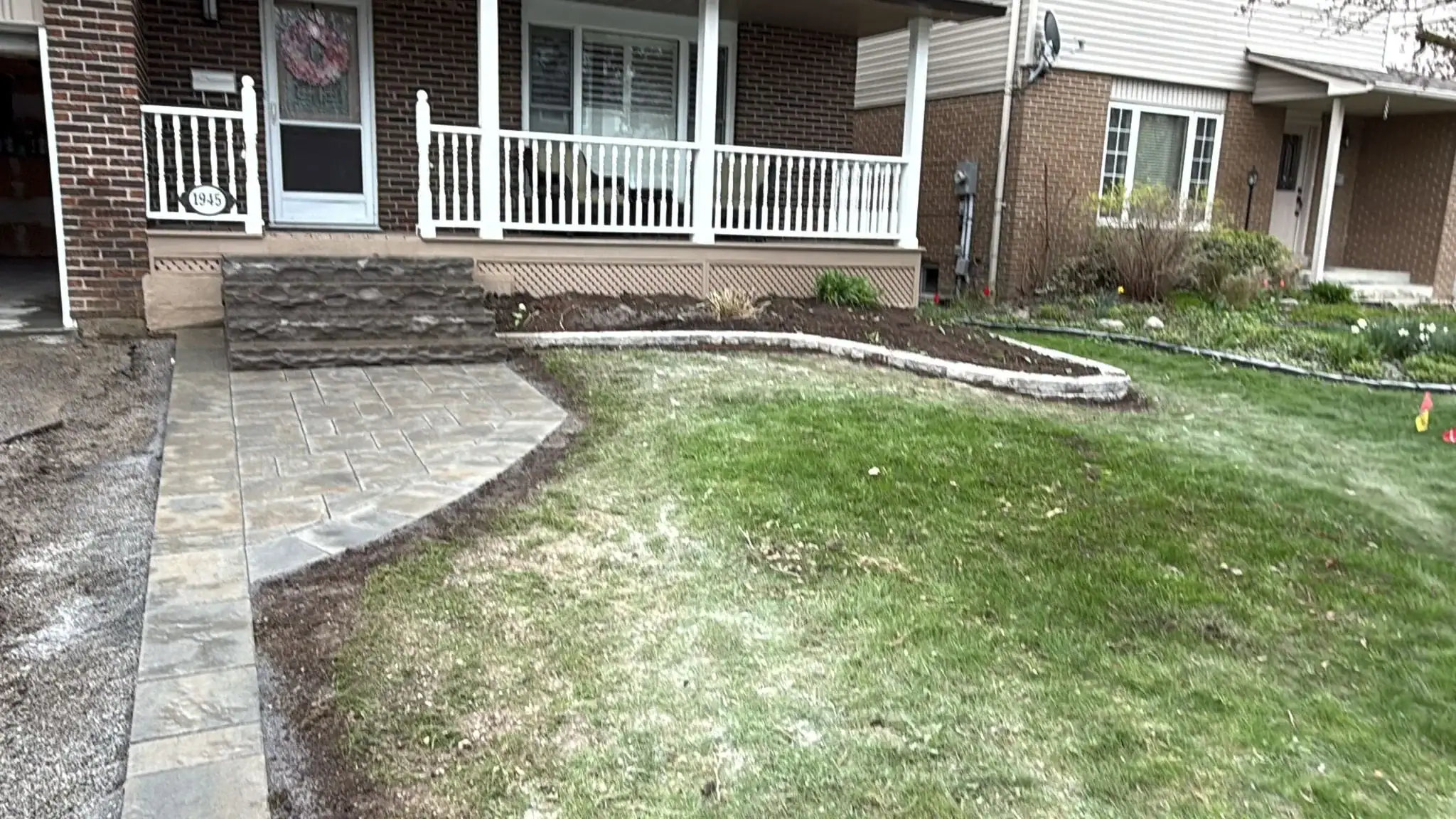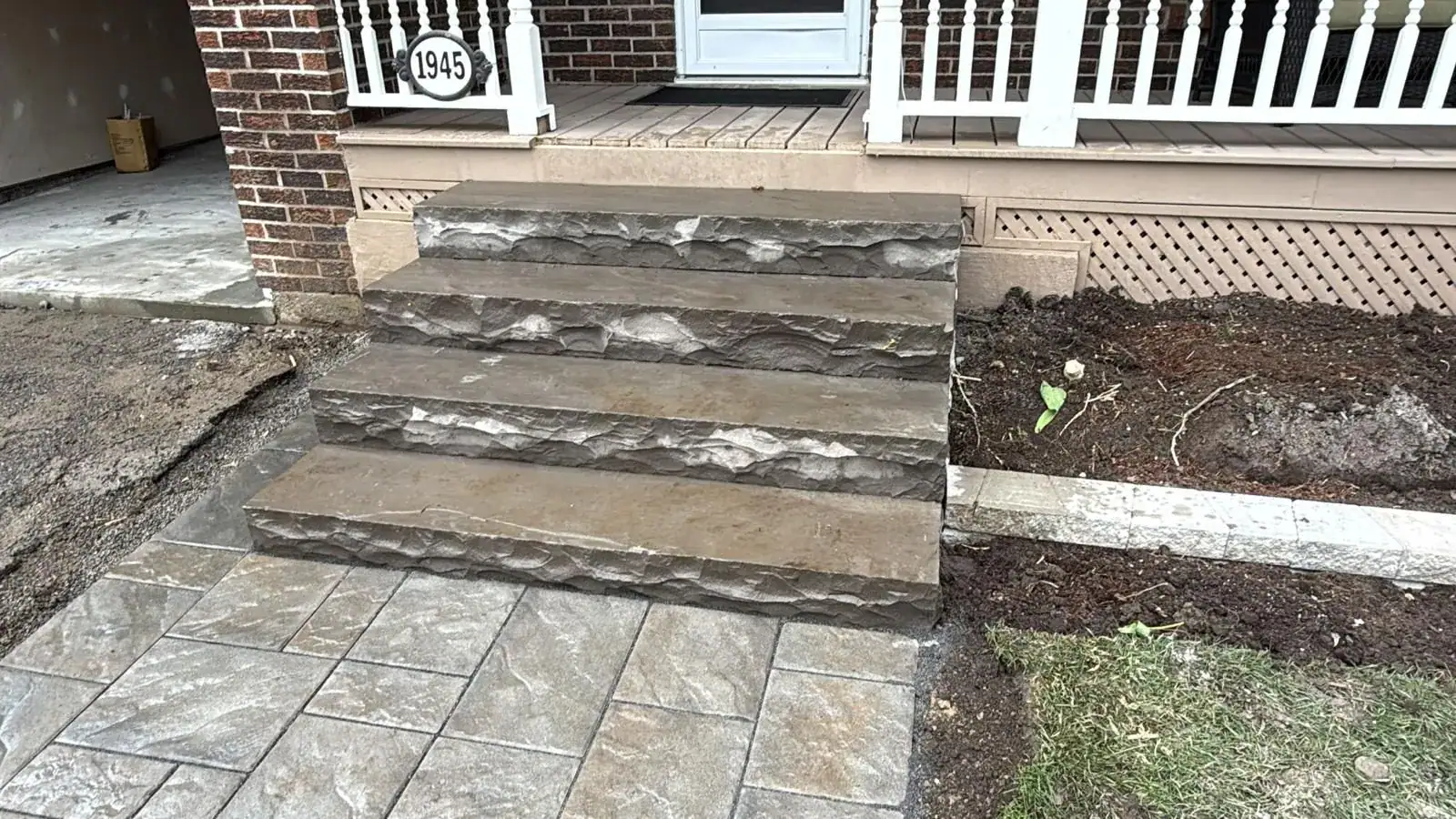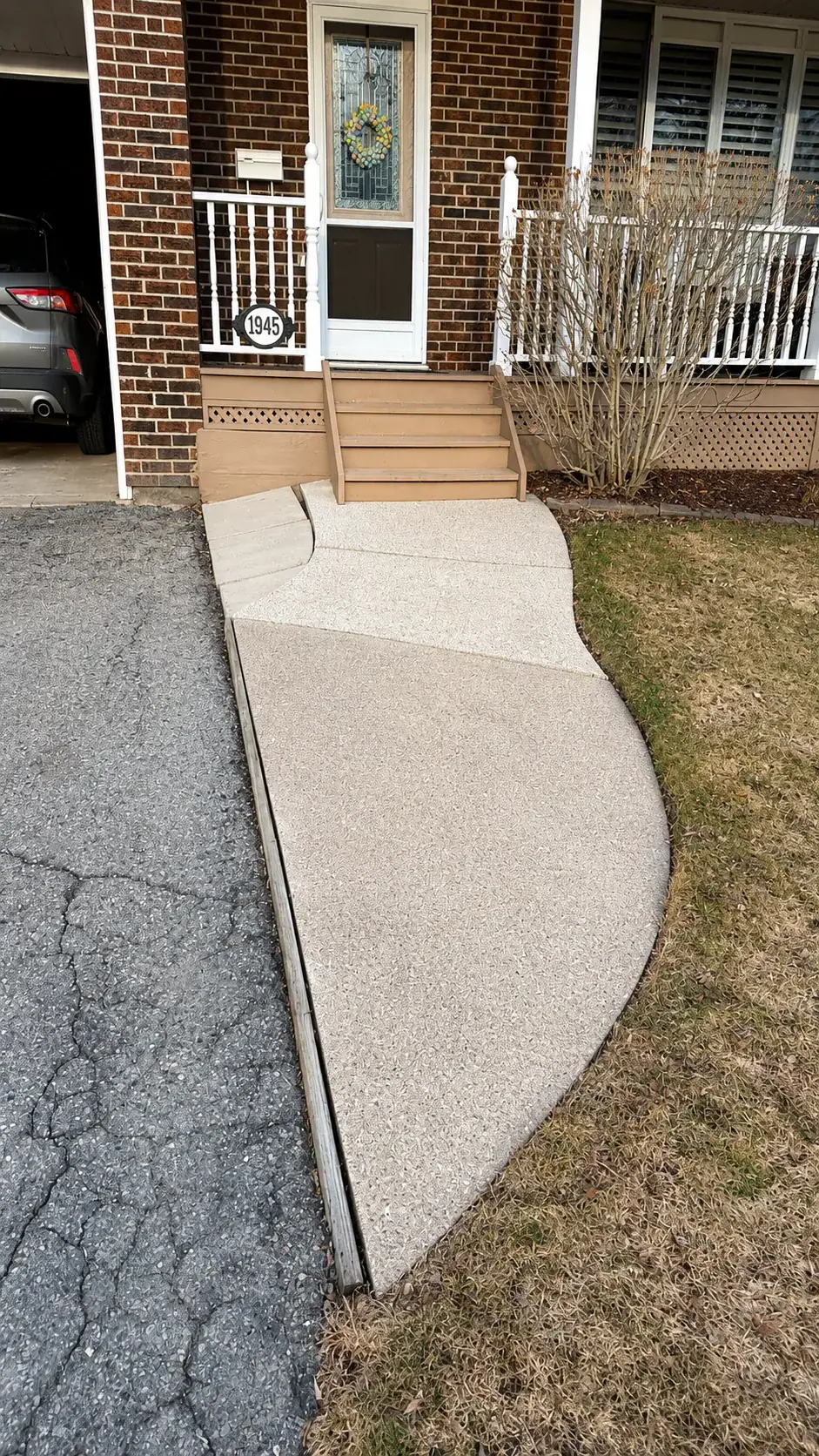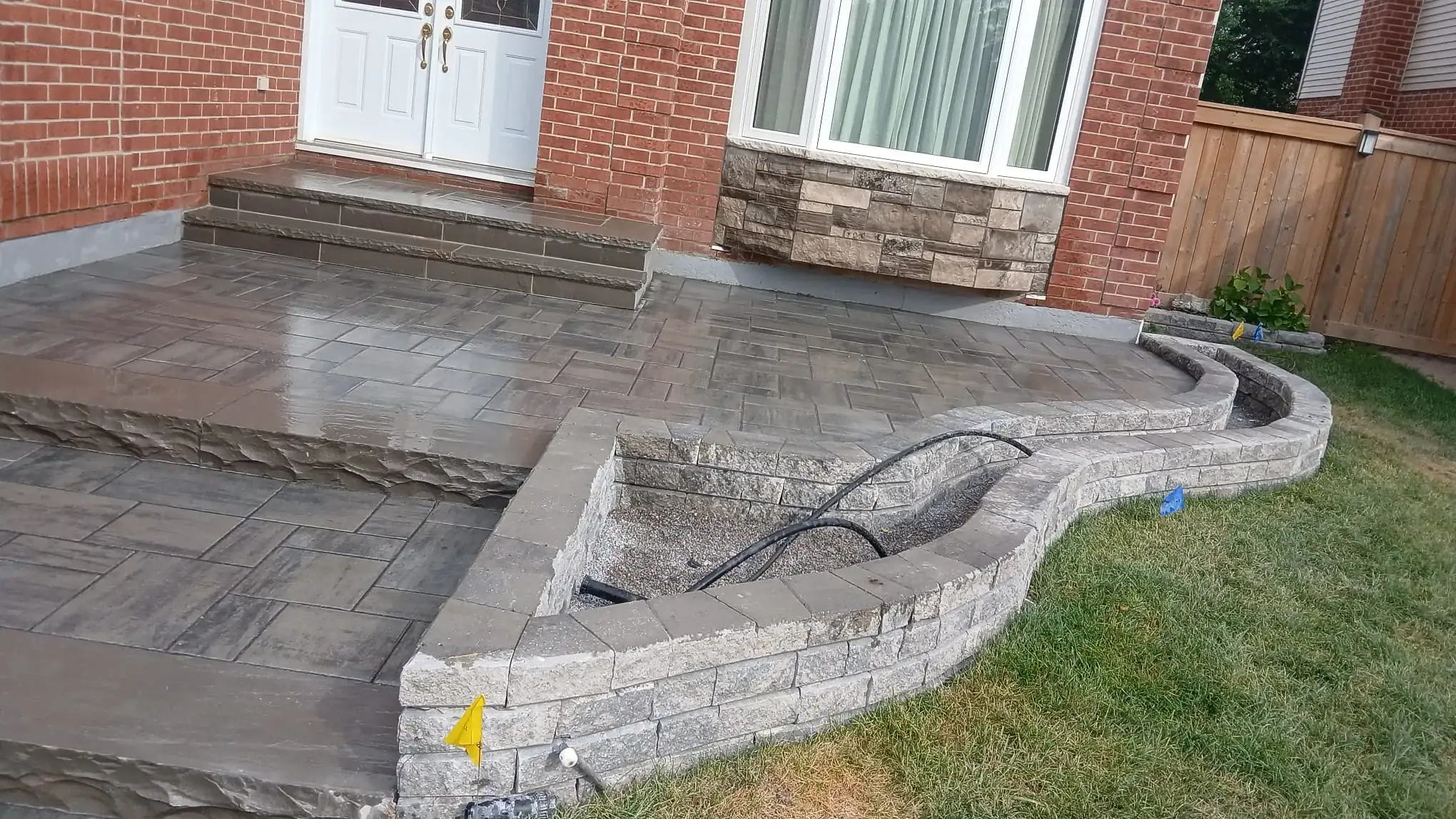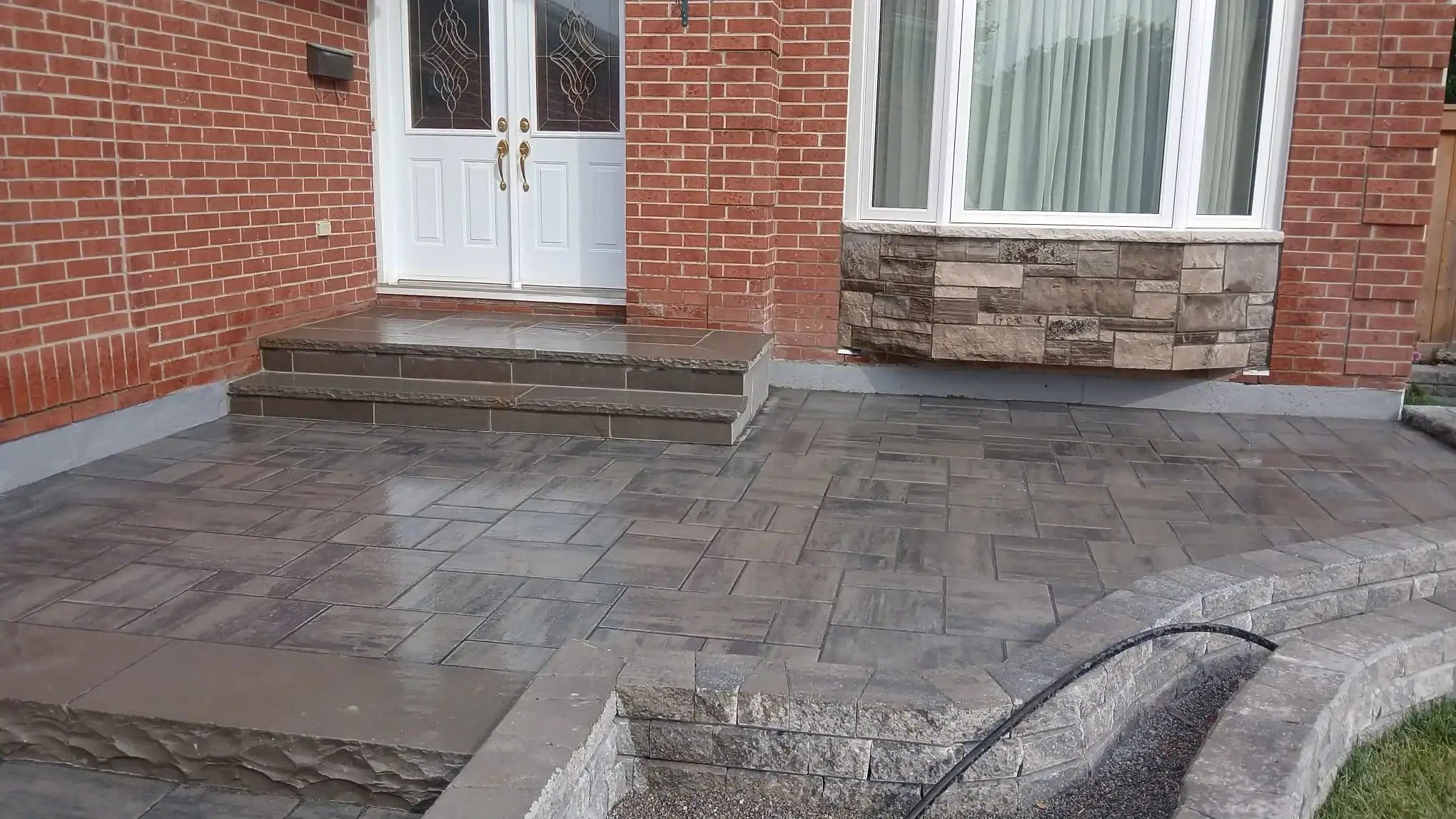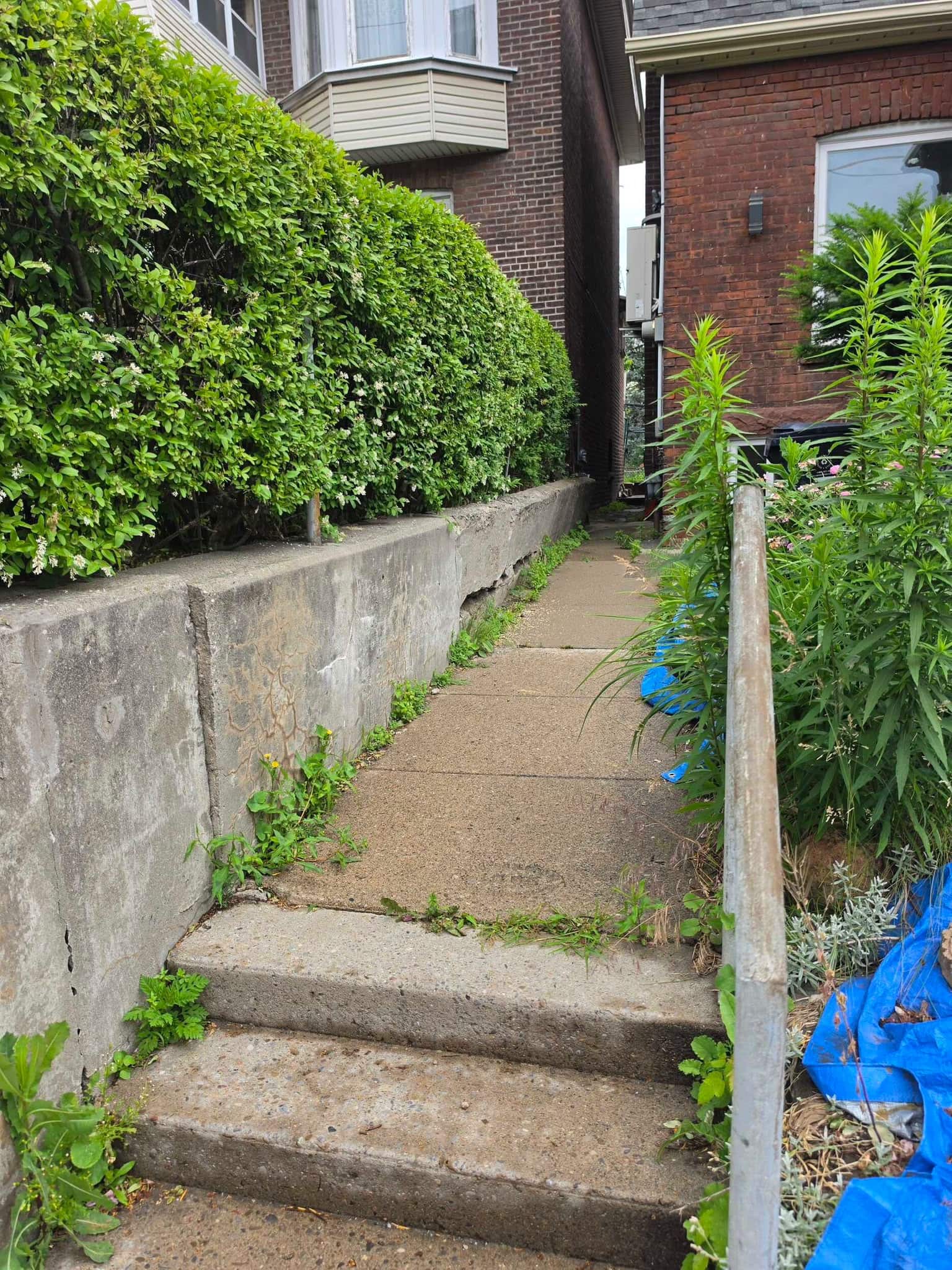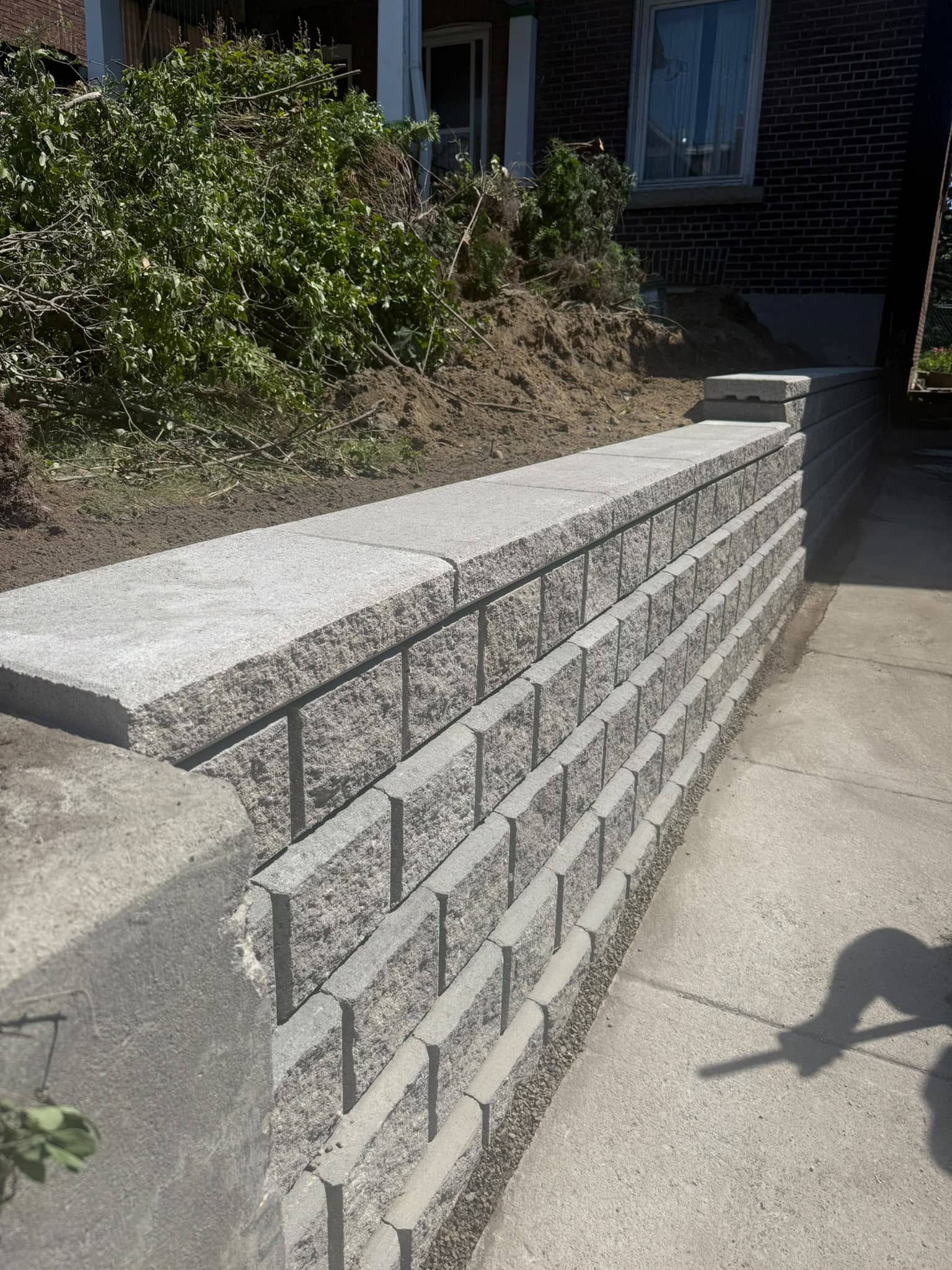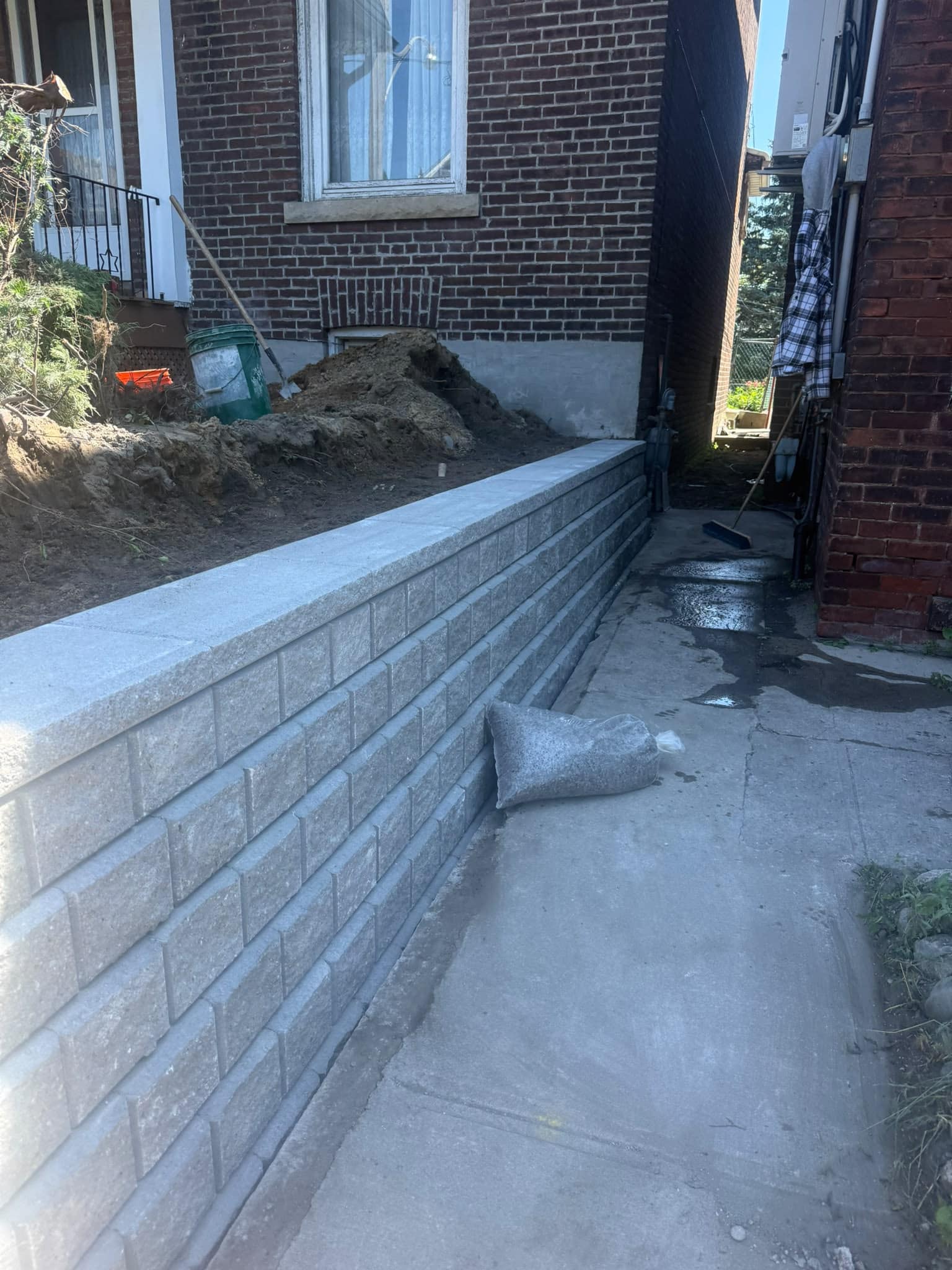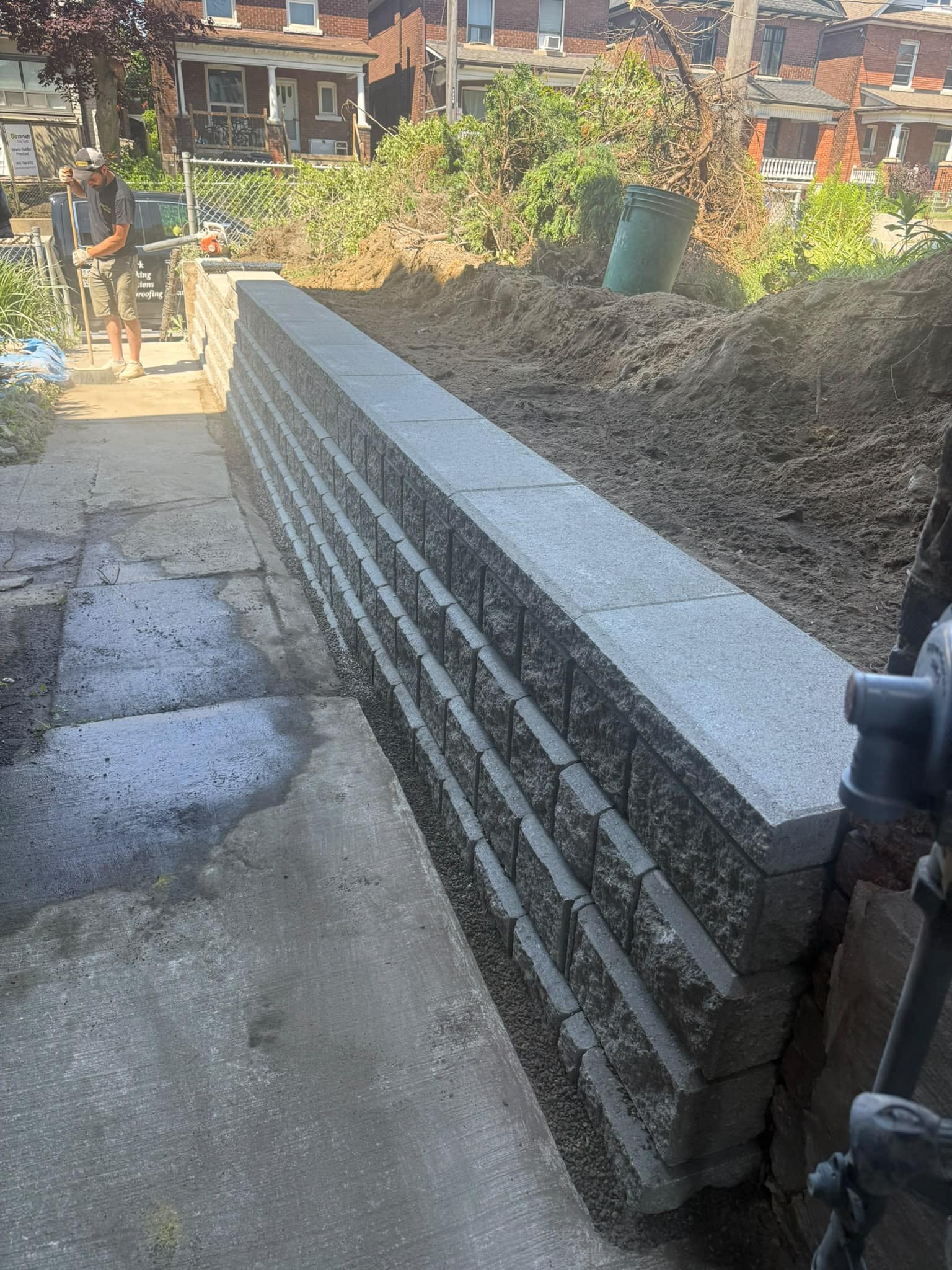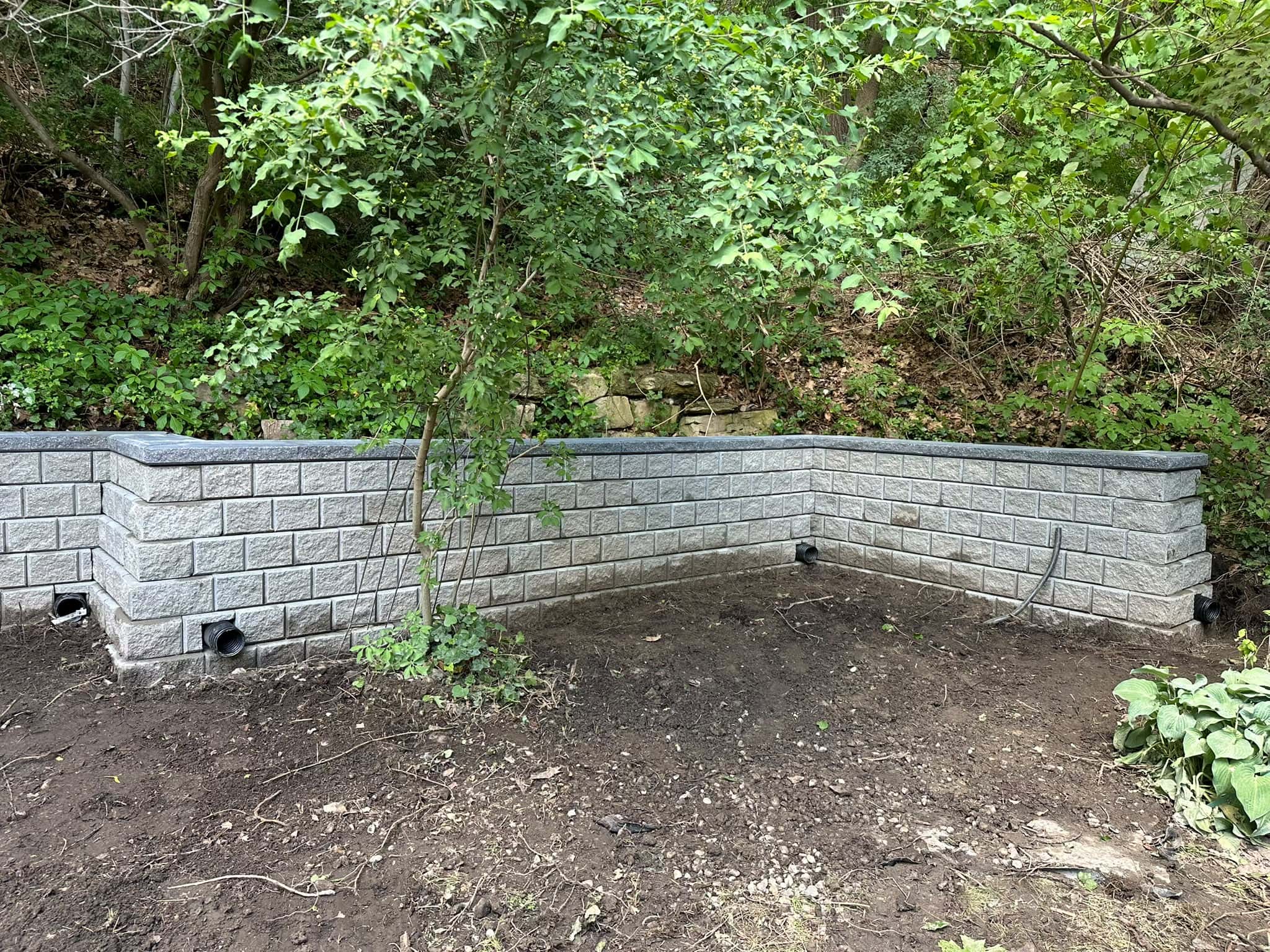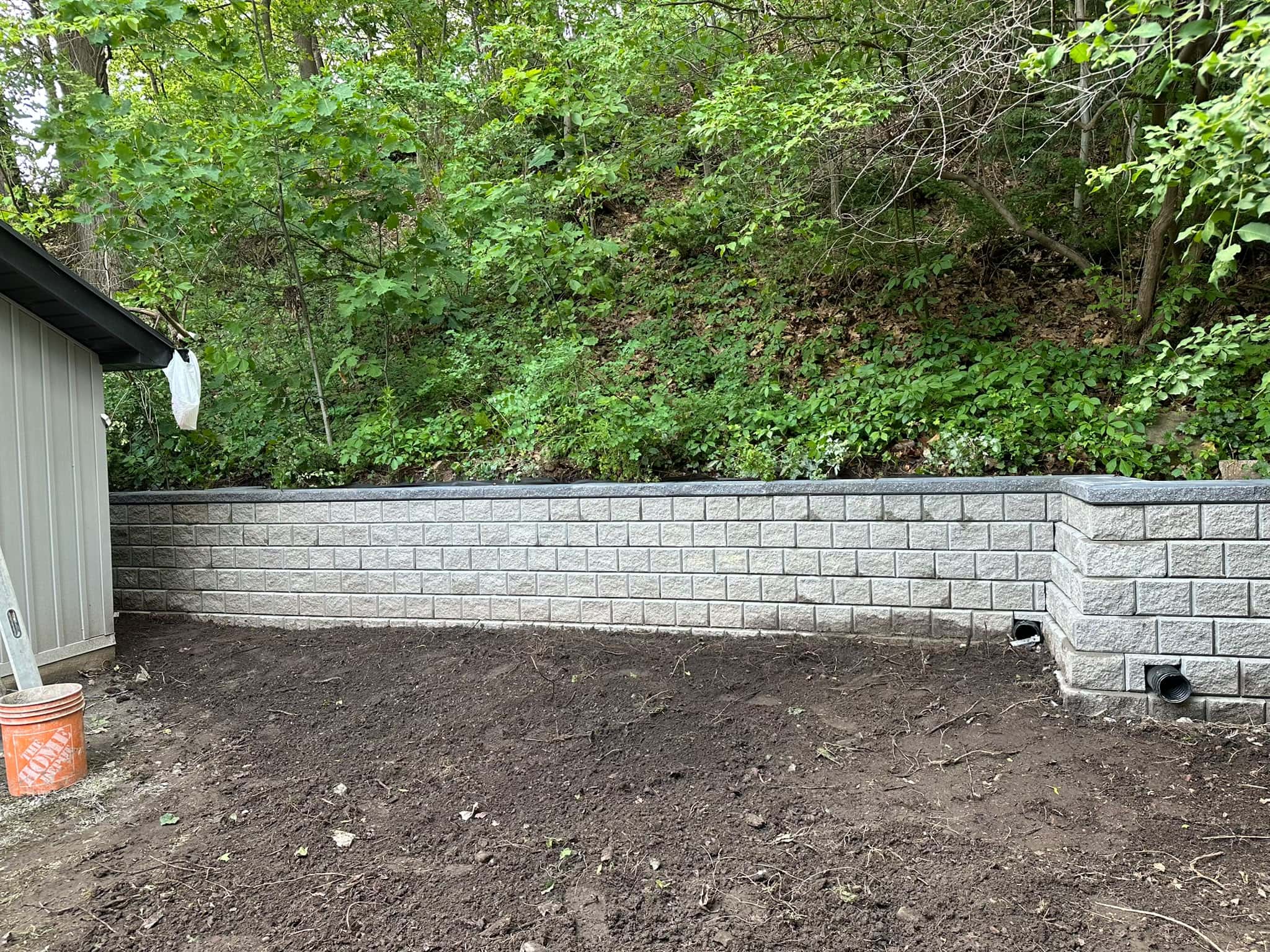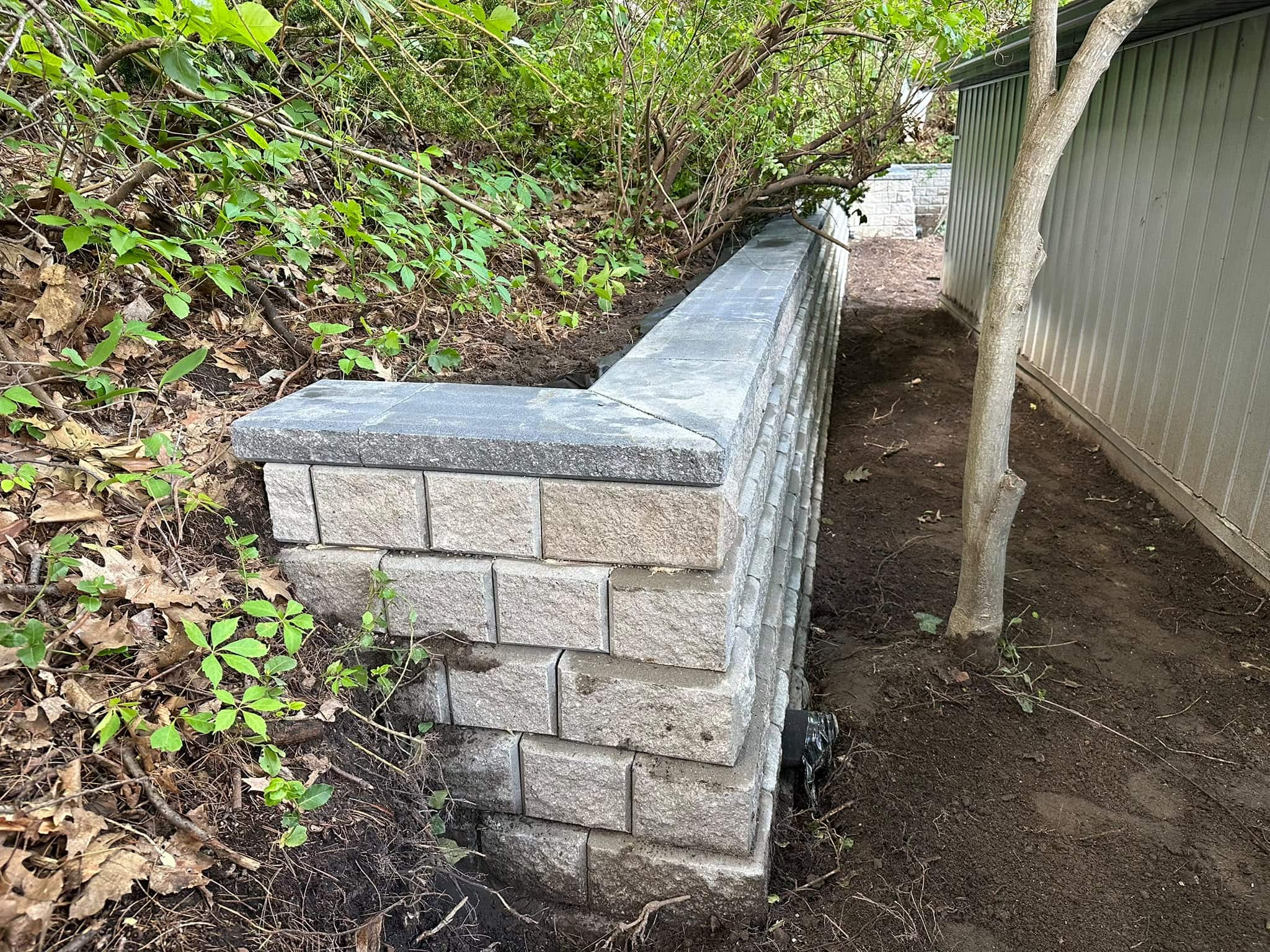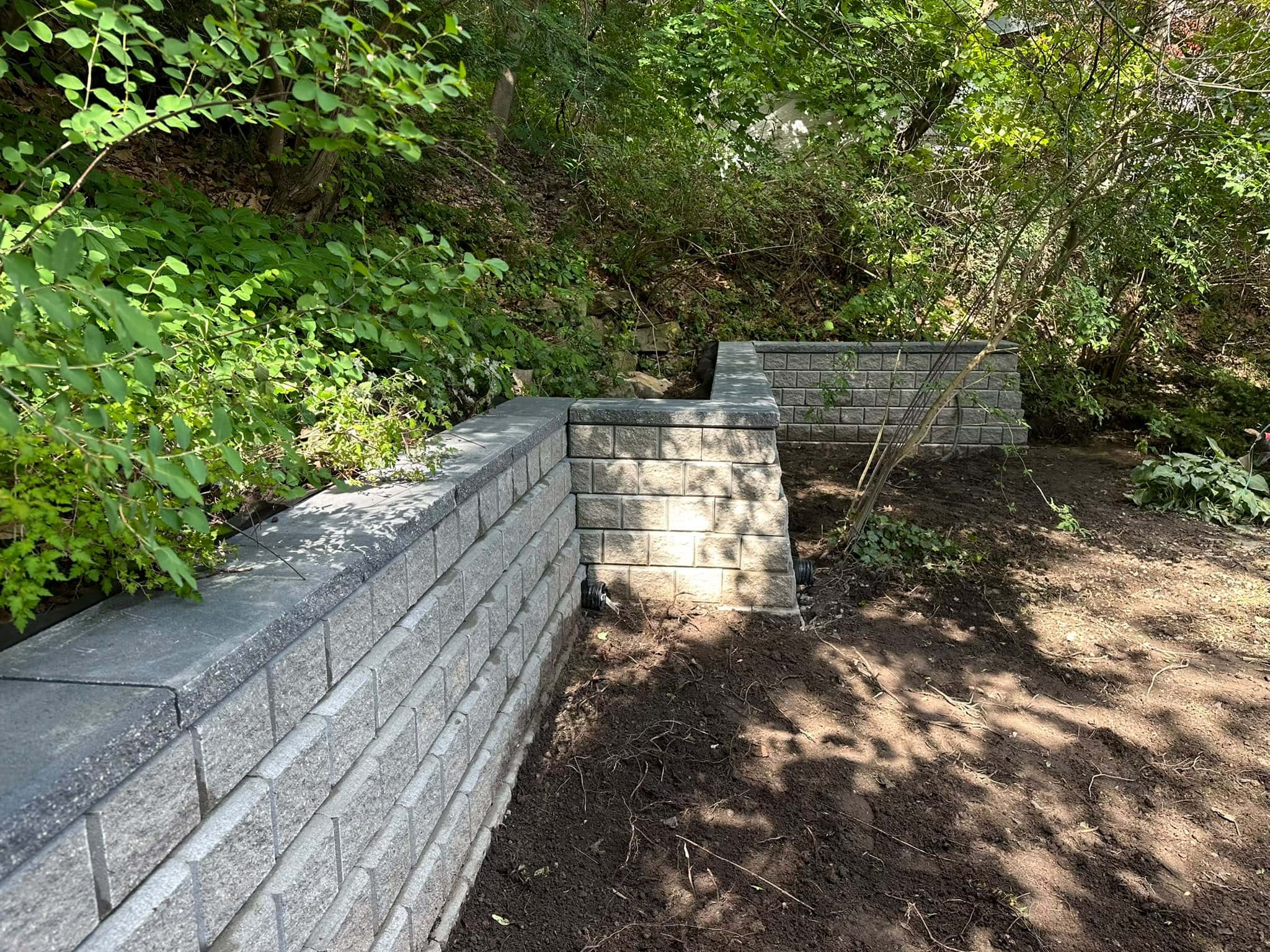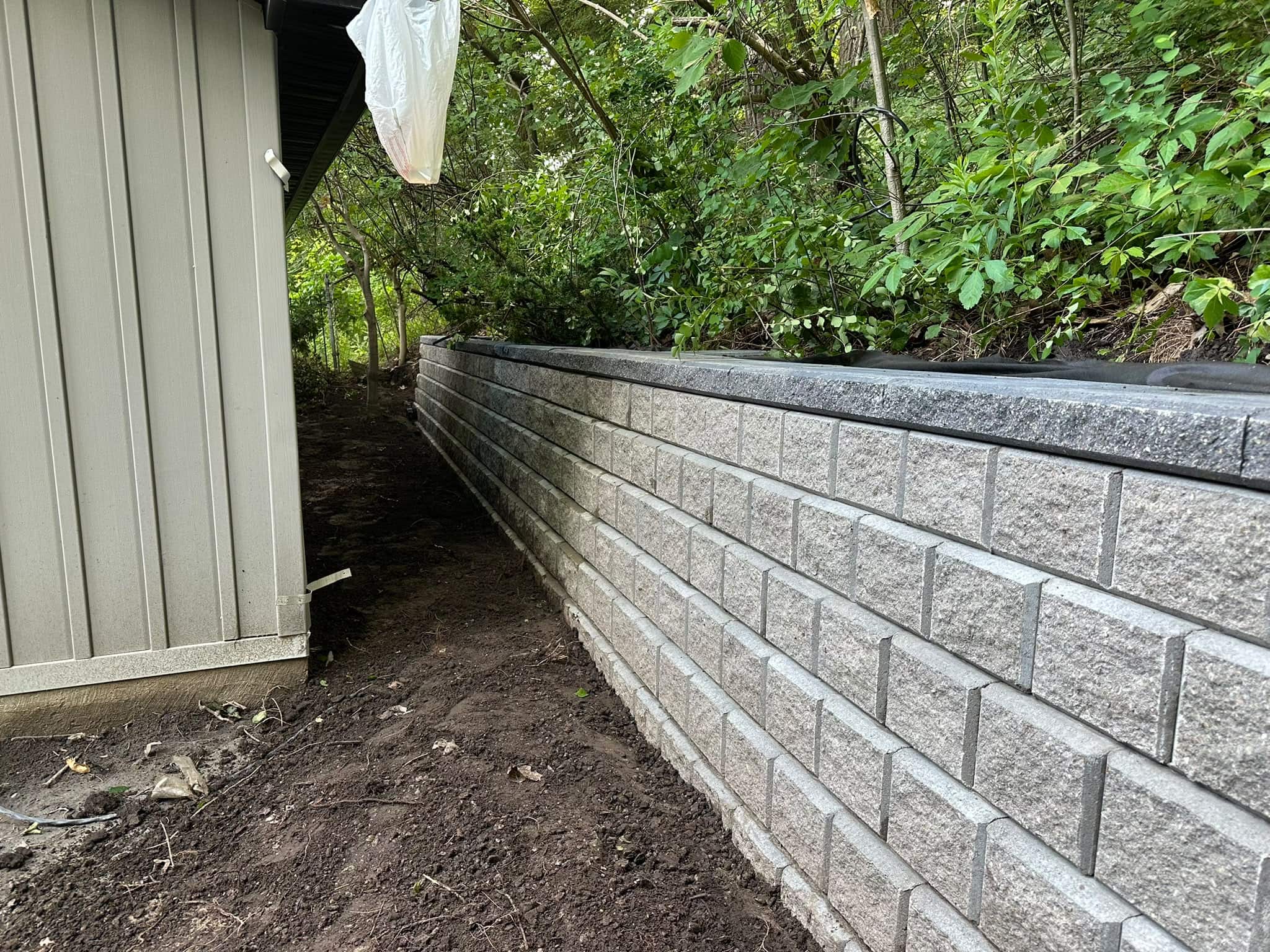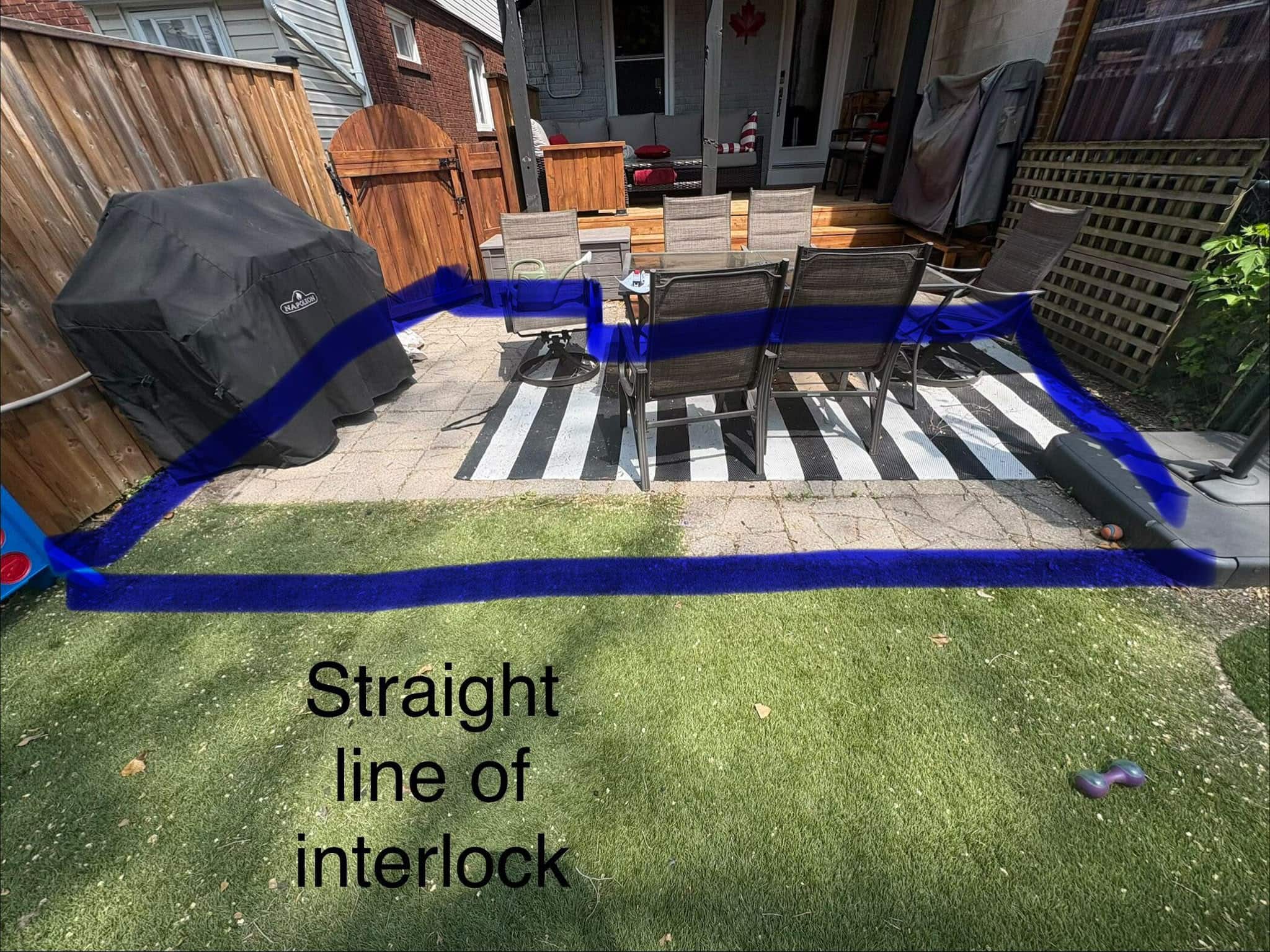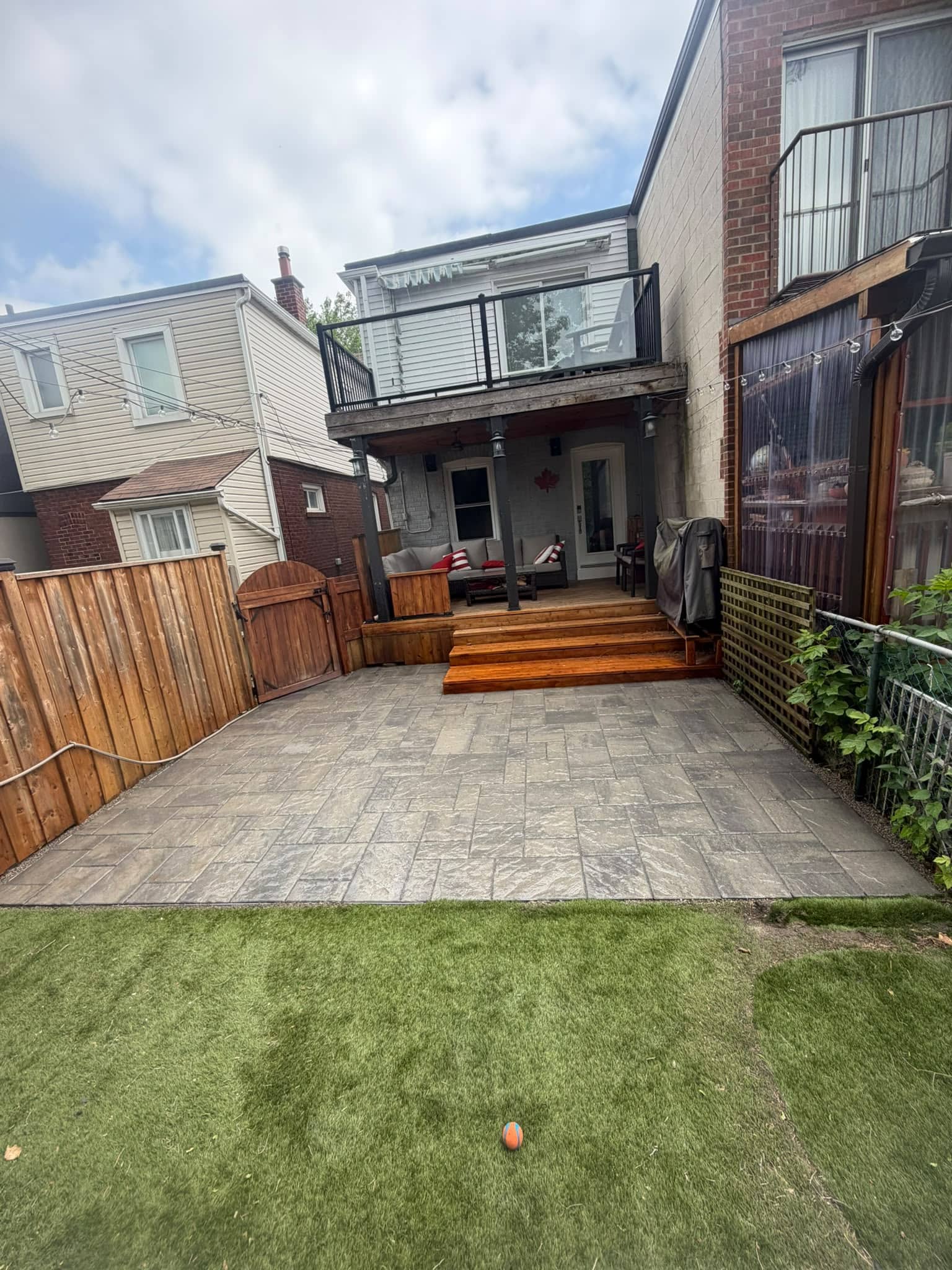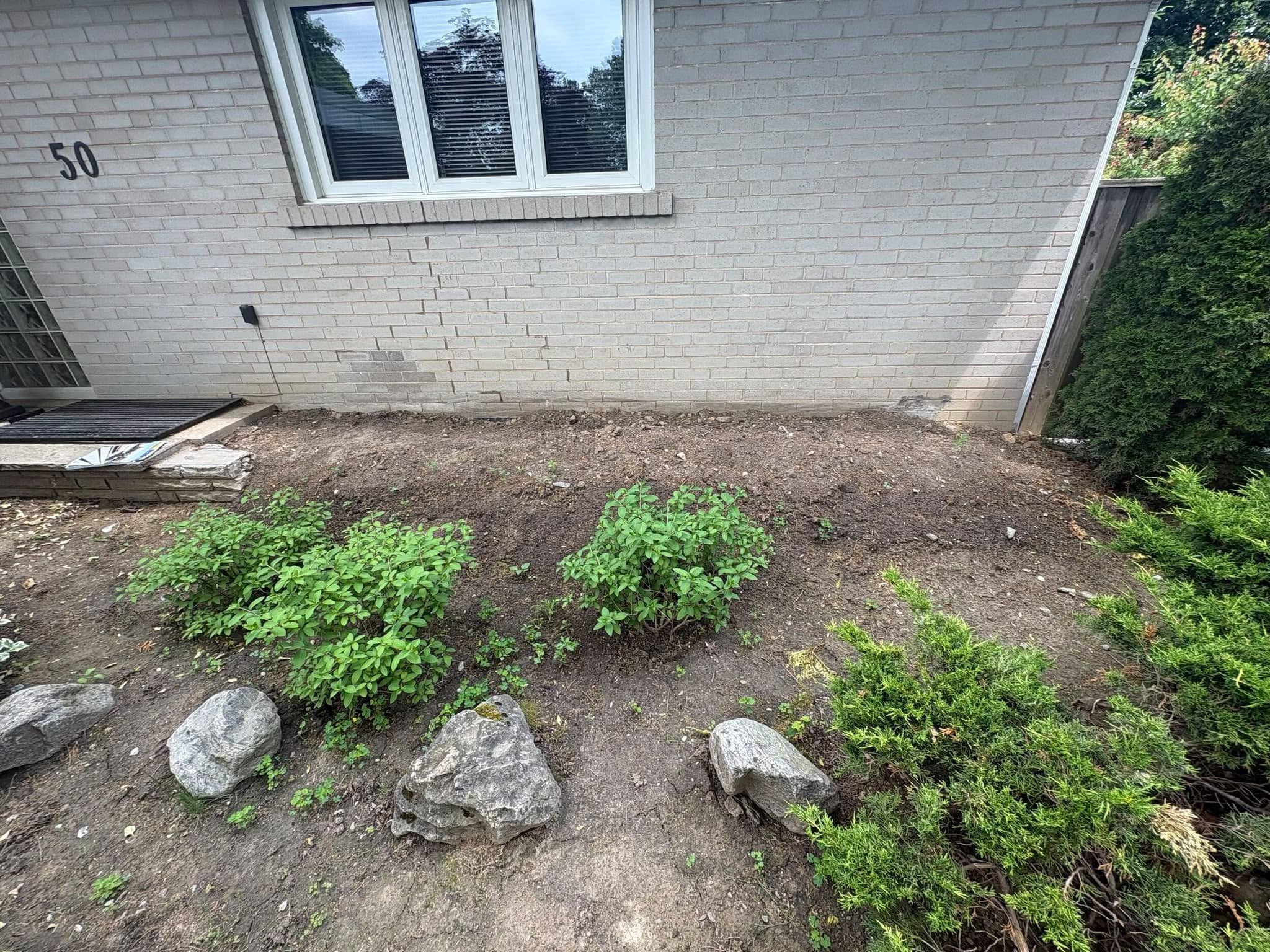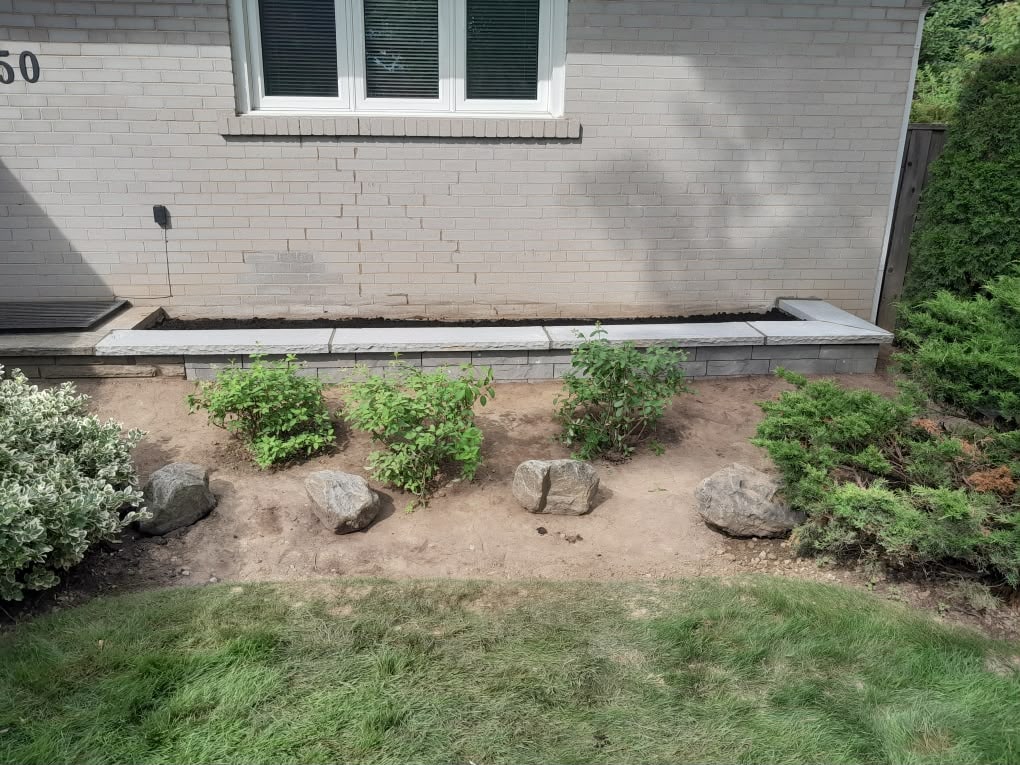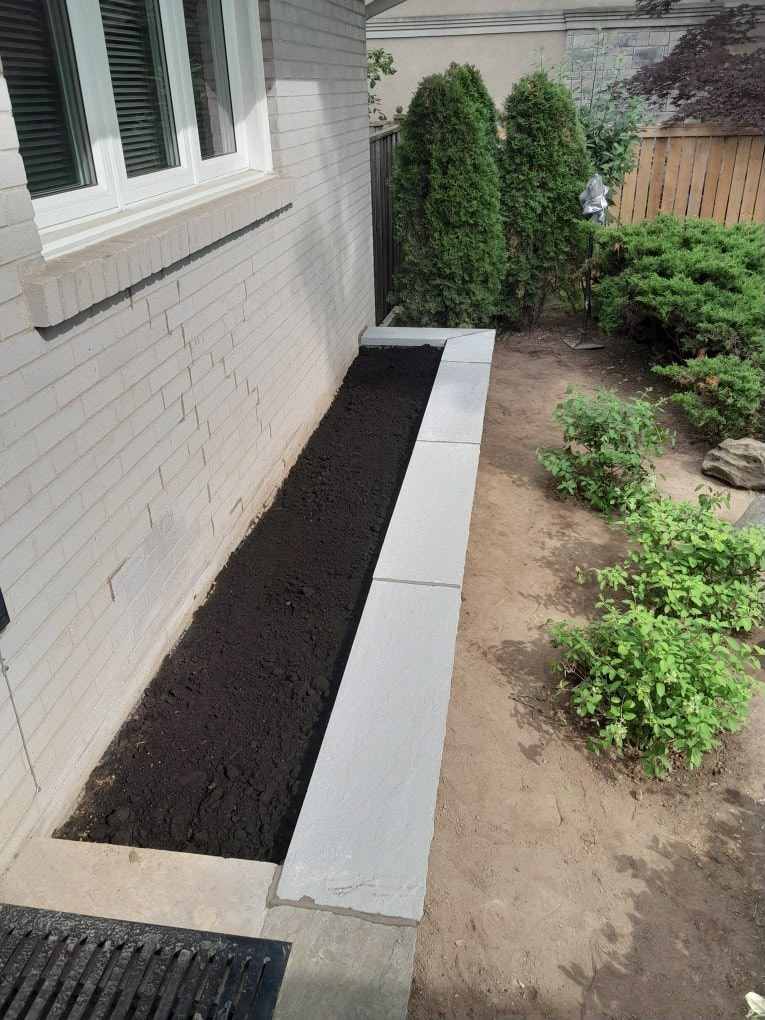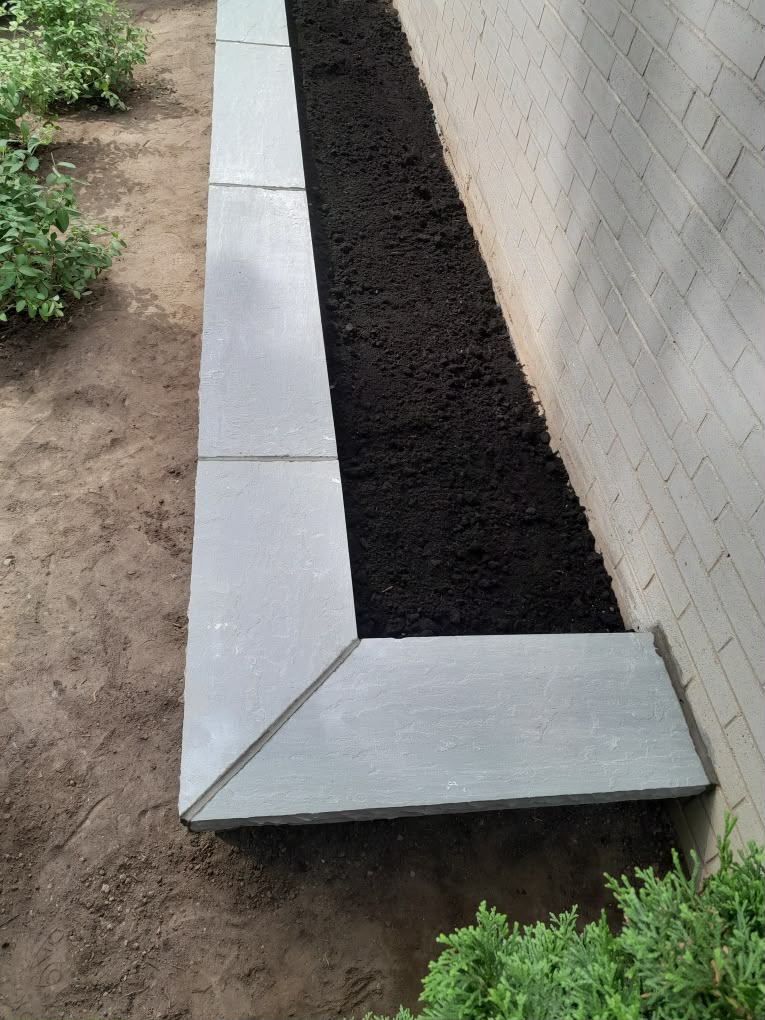

Retaining wall repair is a common concern for Toronto and GTA homeowners, especially on properties with sloped landscapes, raised gardens, or multi-level walkways. Retaining walls play a critical role in holding back soil, managing drainage, and protecting nearby structures. When they begin to fail, the risk extends beyond appearance to safety and structural stability.
Knowing the early signs that retaining wall repair is needed allows homeowners to act before collapse or extensive reconstruction becomes necessary.
Why retaining walls fail over time
Retaining wall repair is often required due to a combination of soil pressure, moisture, and freeze-thaw cycles. In Toronto’s climate, water buildup behind a wall freezes and expands, increasing pressure that pushes the wall forward.
Walls built without proper drainage or reinforced foundations are especially vulnerable to movement and cracking.
Visible signs that retaining wall repair is needed
Leaning or bulging walls
A retaining wall that leans forward or bulges outward is one of the clearest signs that retaining wall repair is necessary. This movement indicates that soil pressure has exceeded the wall’s capacity.
Cracks in masonry or joints
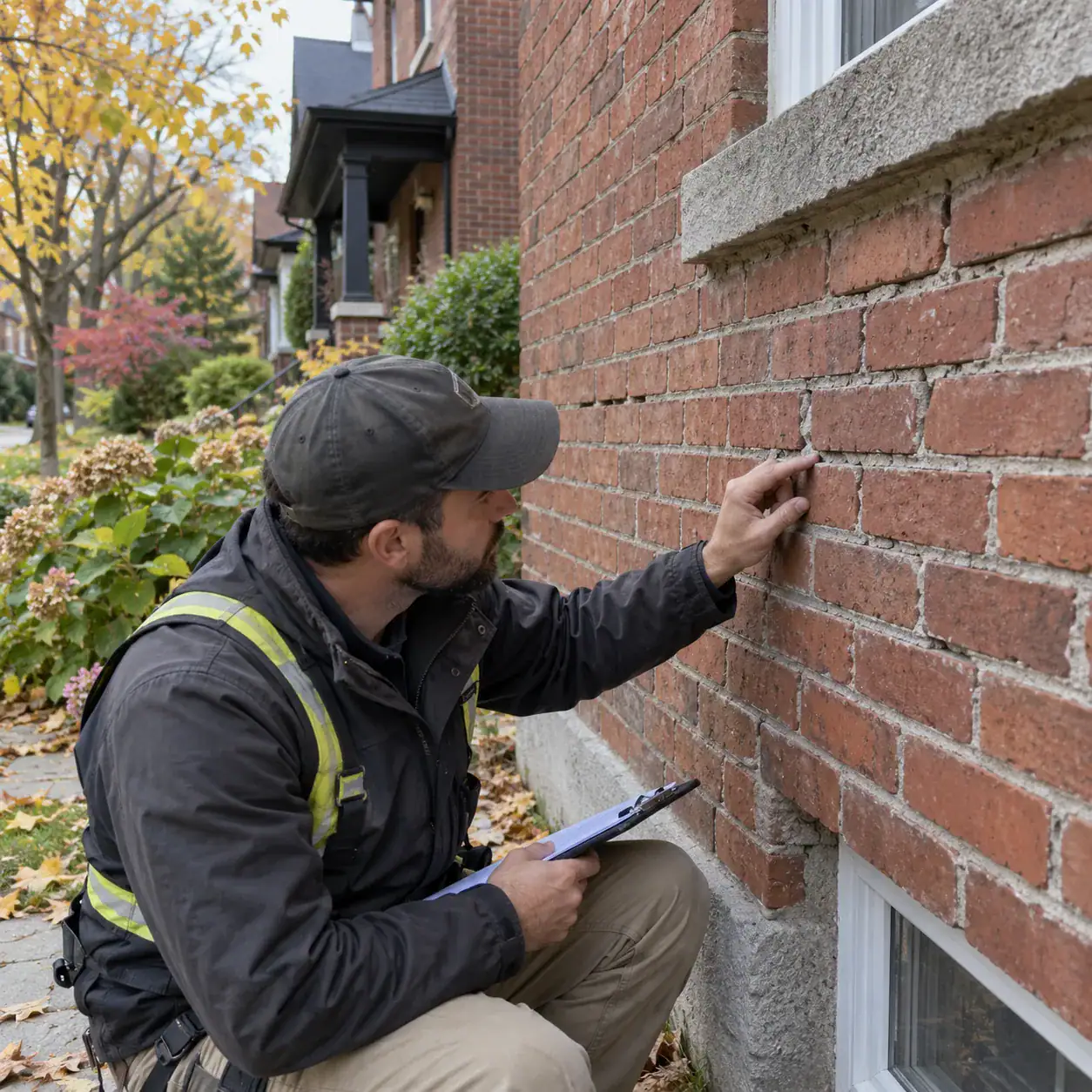
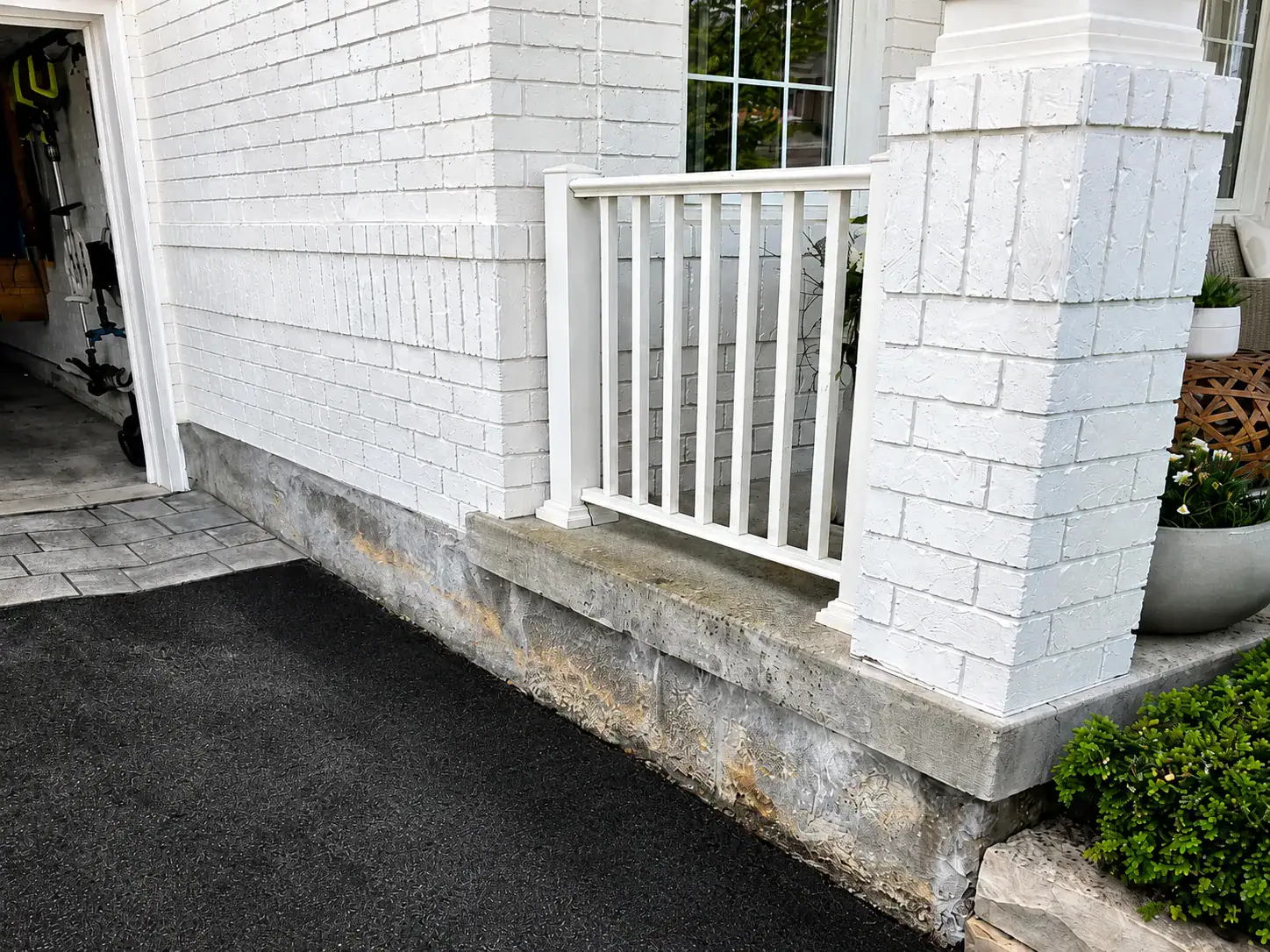
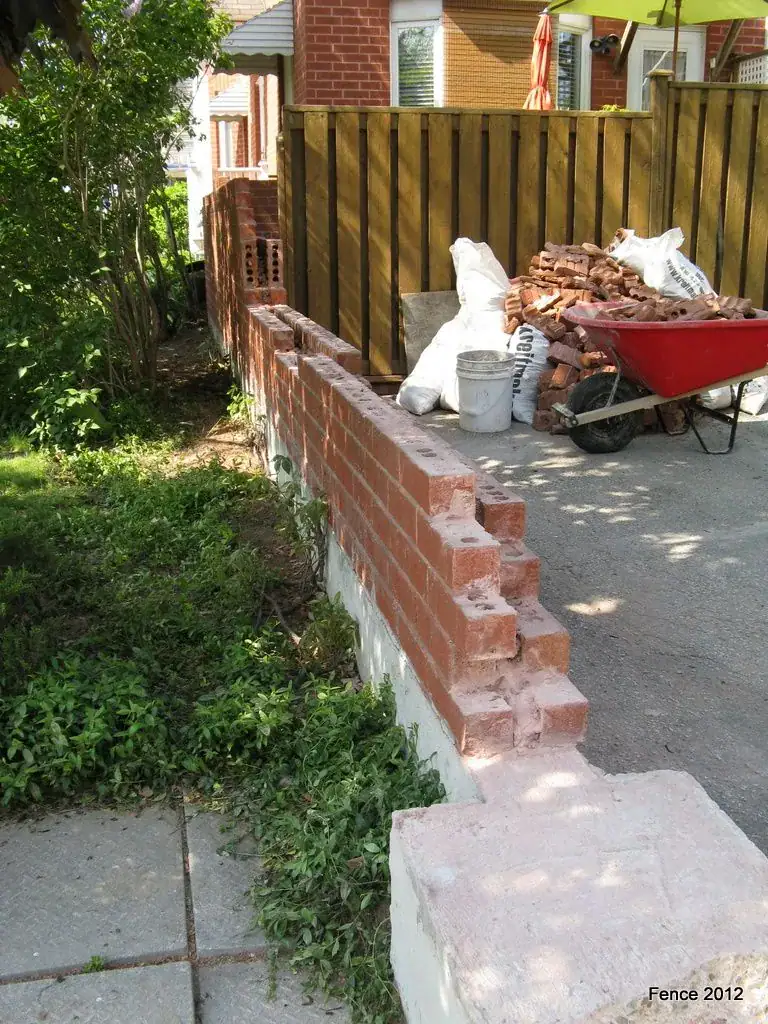
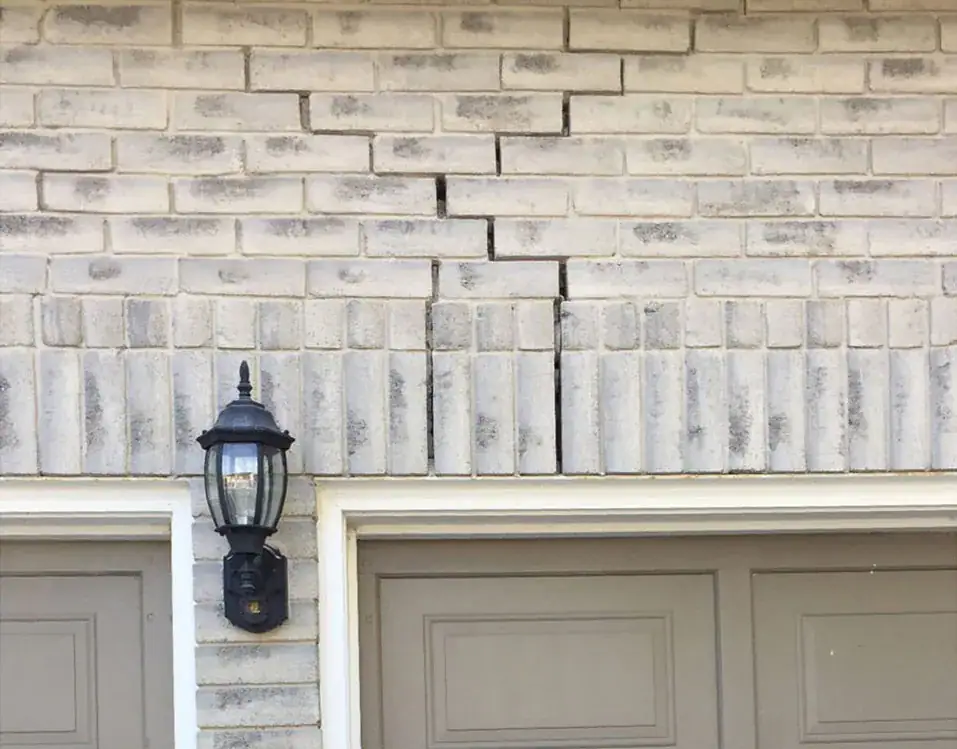
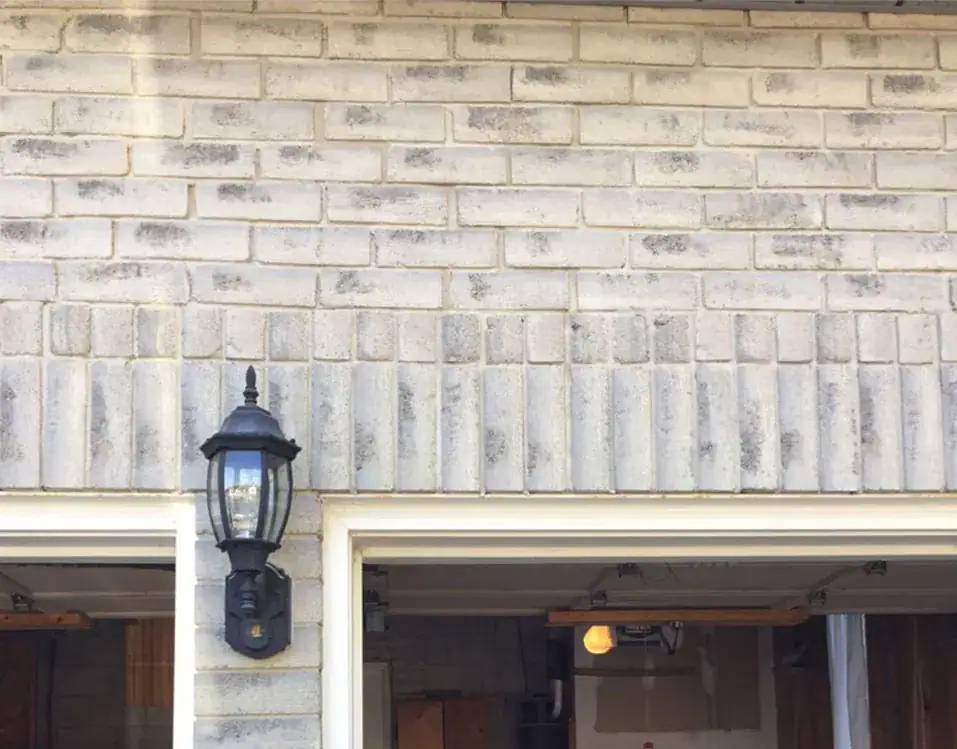
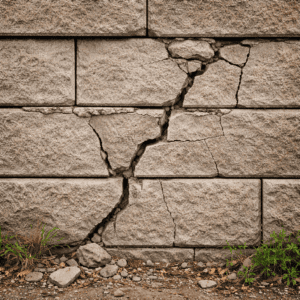 Cracking along mortar joints or masonry units often signals structural stress. While small cracks may seem minor, they allow water to penetrate and accelerate deterioration.
In some cases, early tuckpointing can slow damage, but extensive cracking may require full retaining wall repair or replacement.
Water pooling or drainage issues
Poor drainage behind a wall is a leading cause of retaining wall failure. Standing water increases hydrostatic pressure and weakens masonry materials.
Improving drainage and installing waterproofing systems often goes hand in hand with waterproofing solutions.
Impact on walkways, steps, and nearby structures
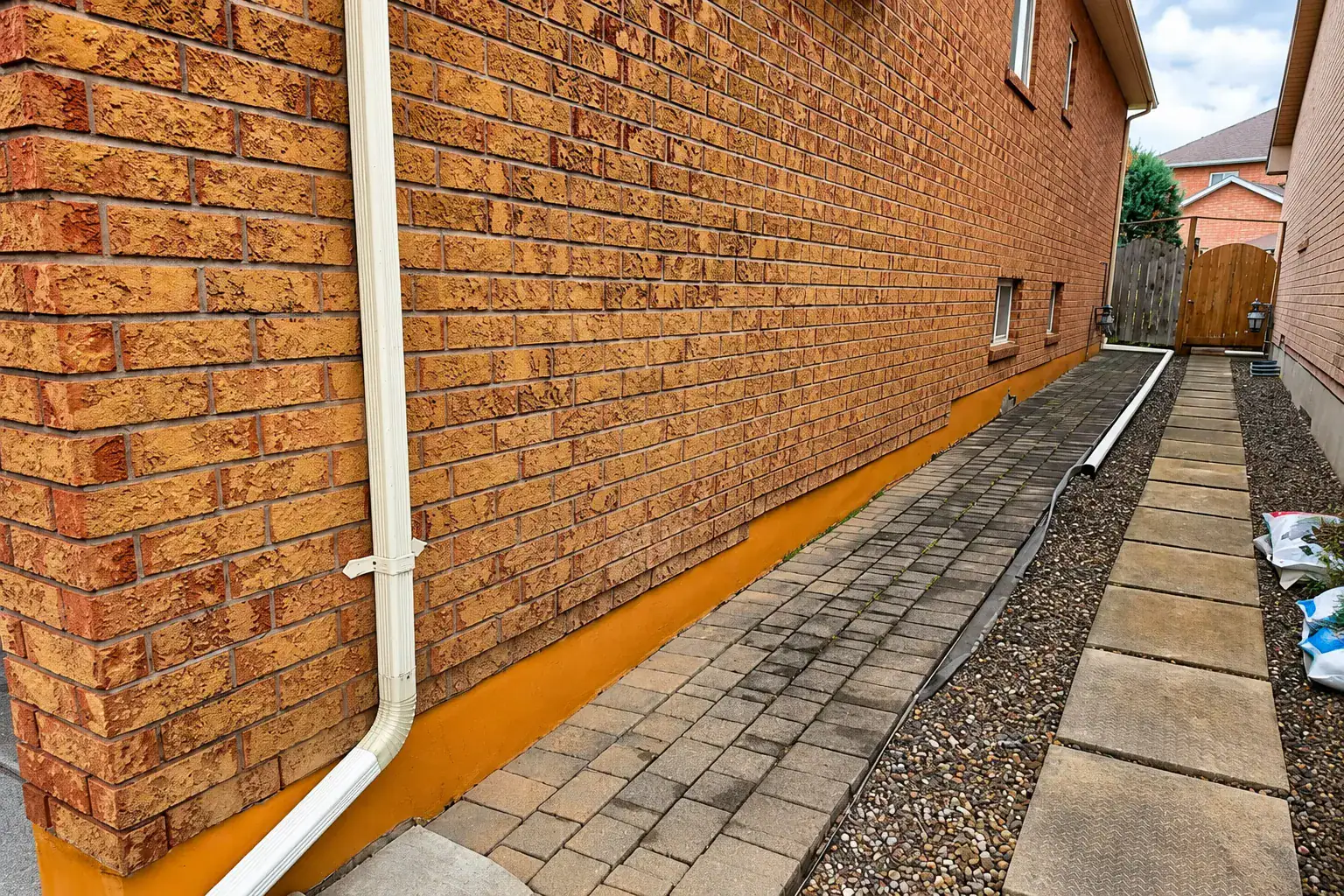
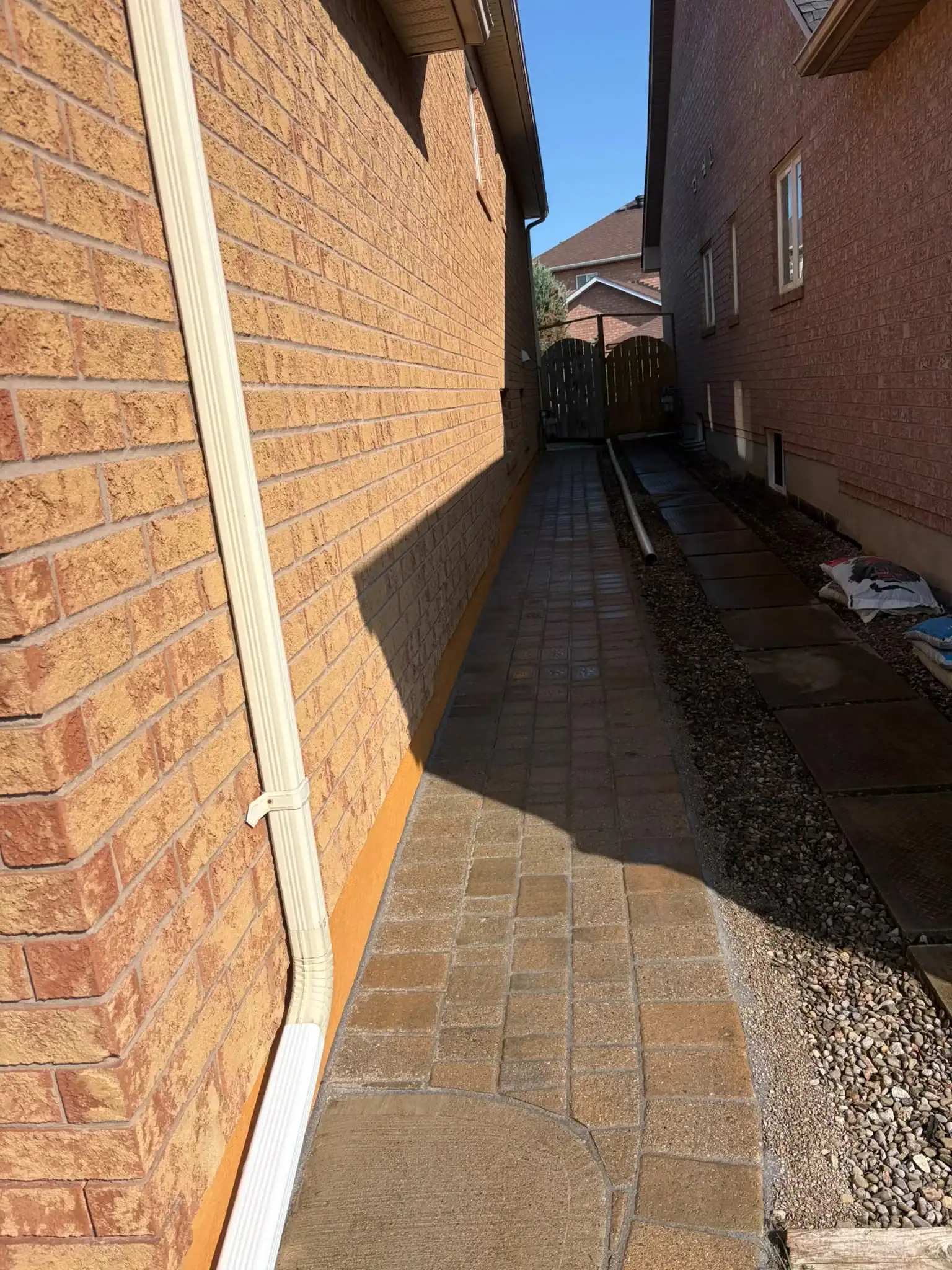
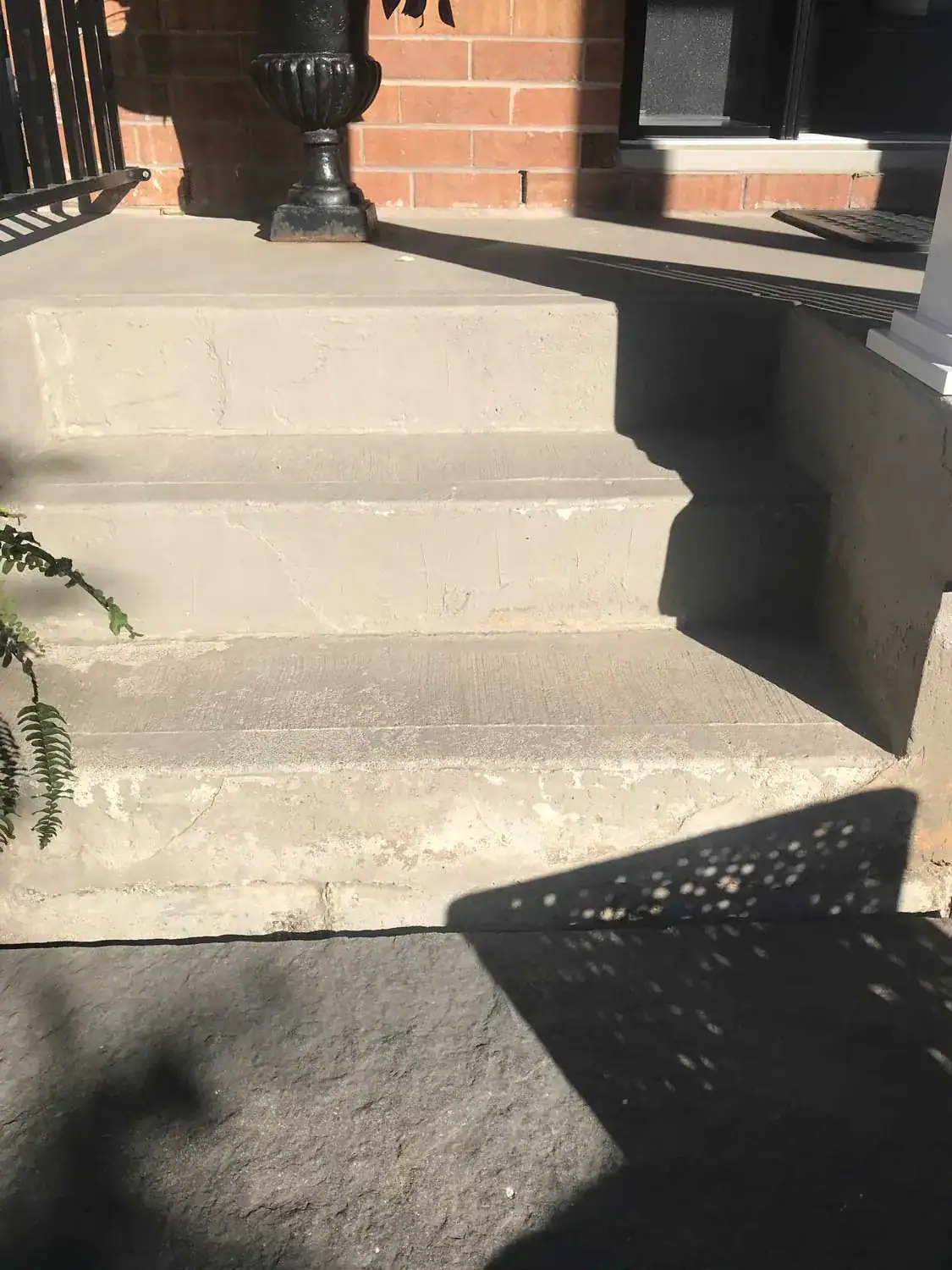
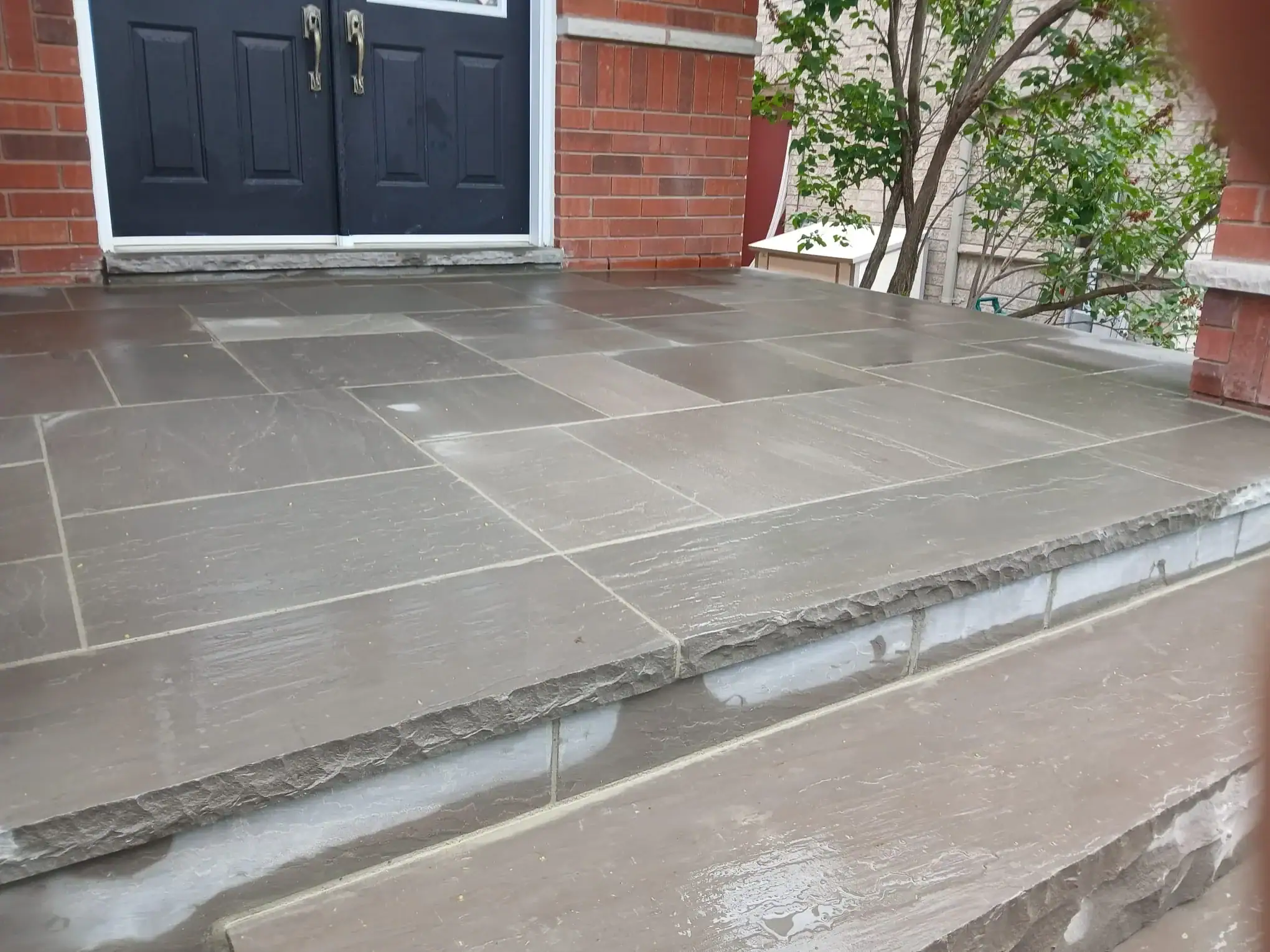
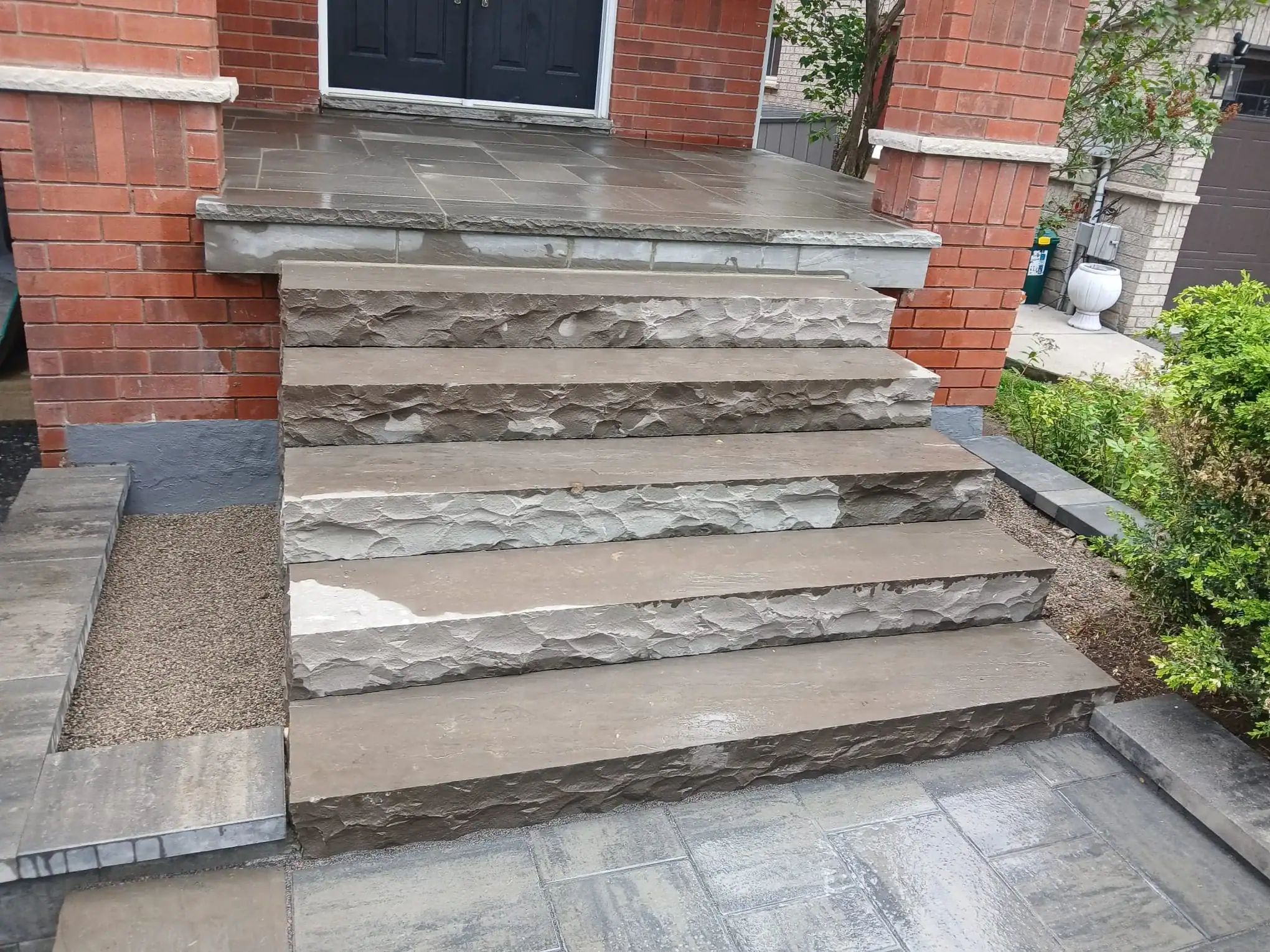
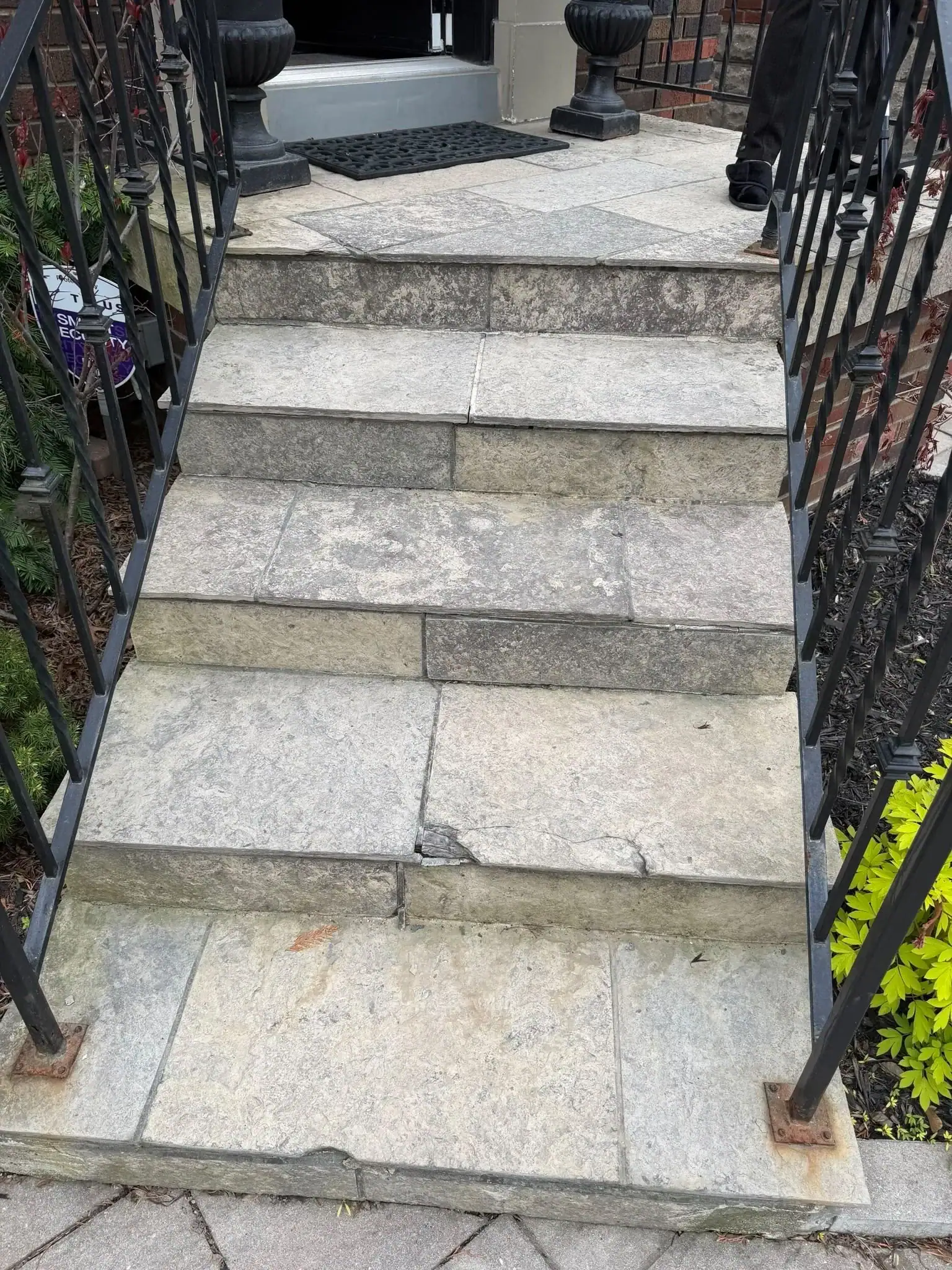
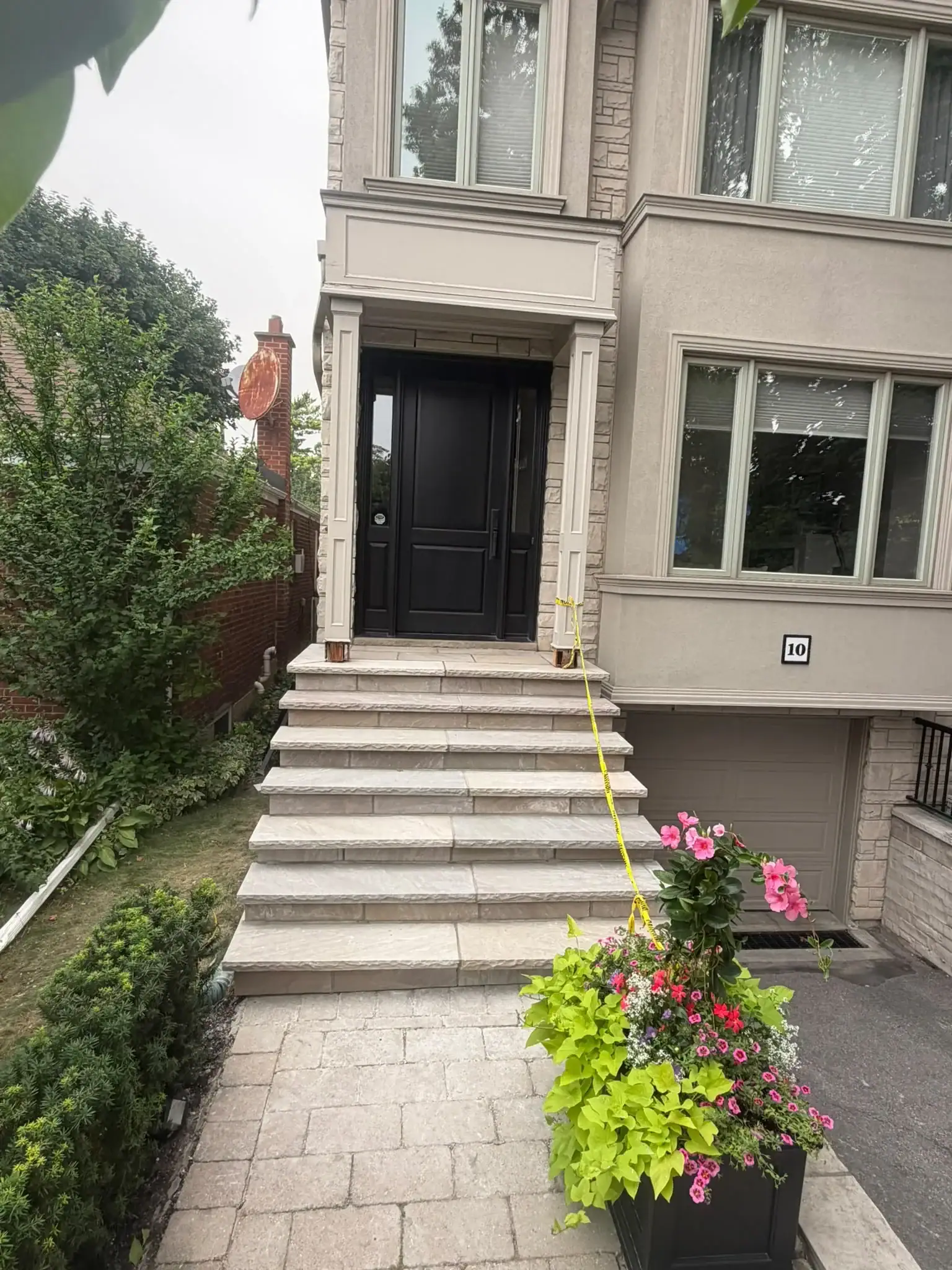
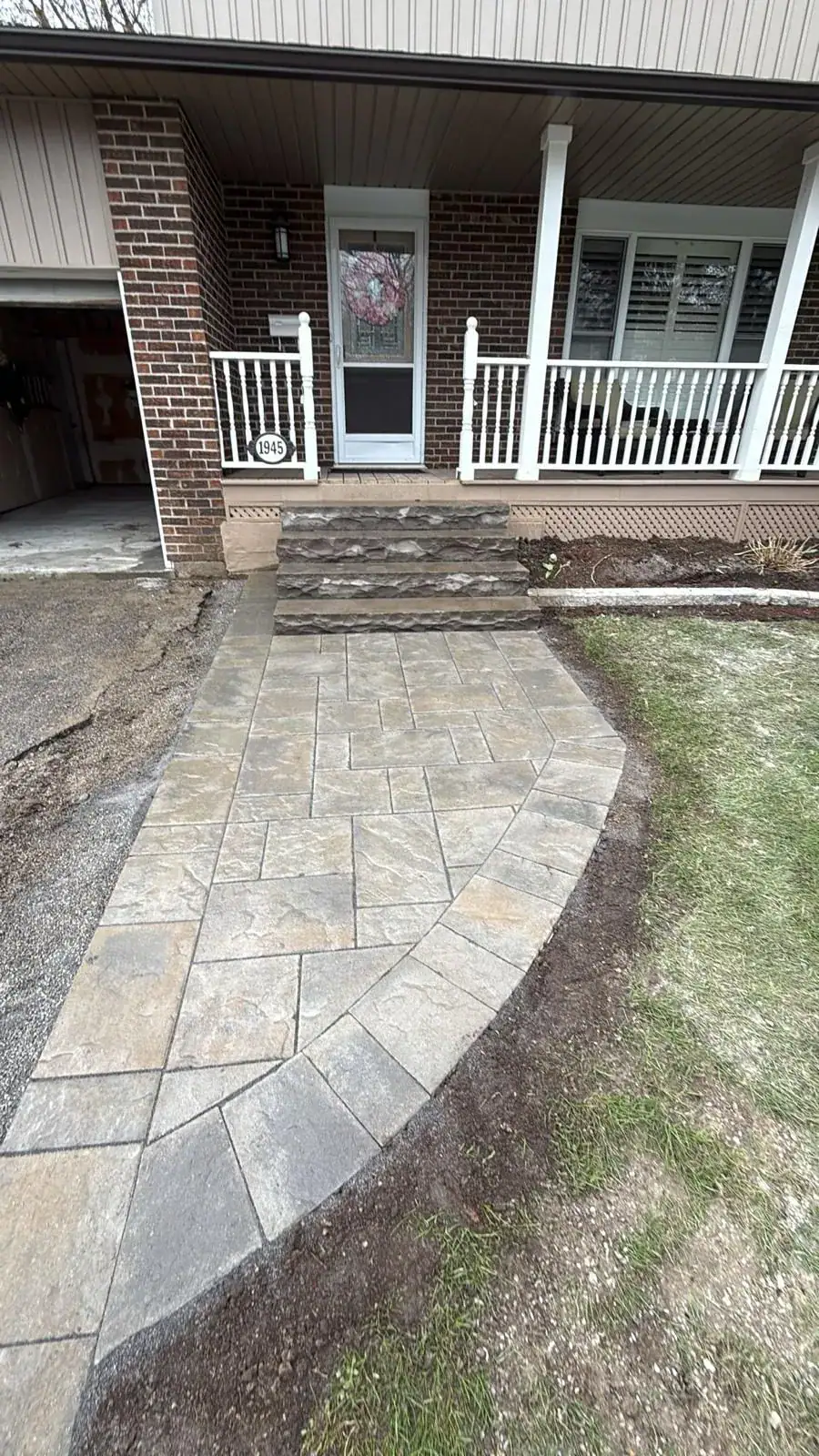
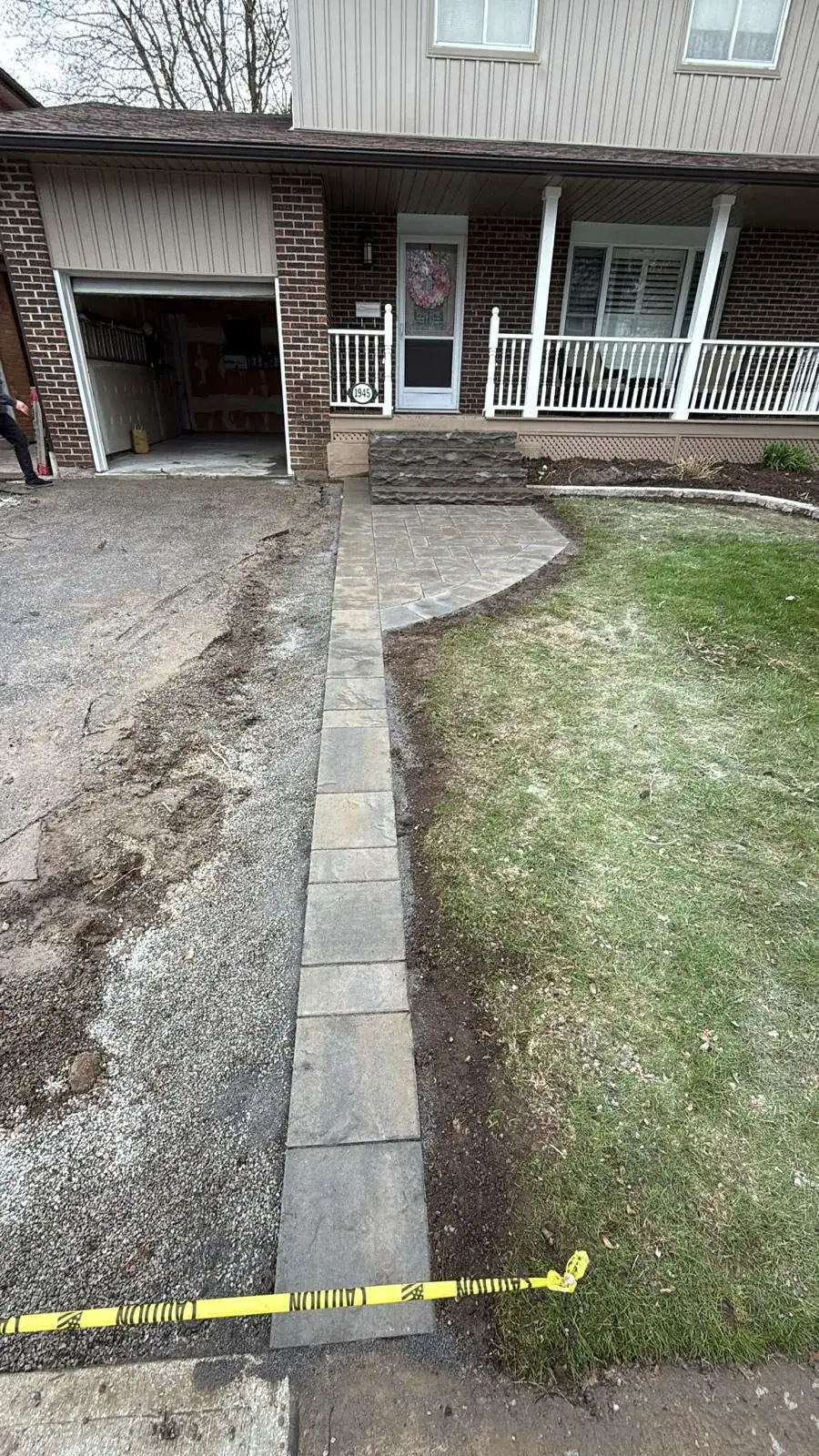
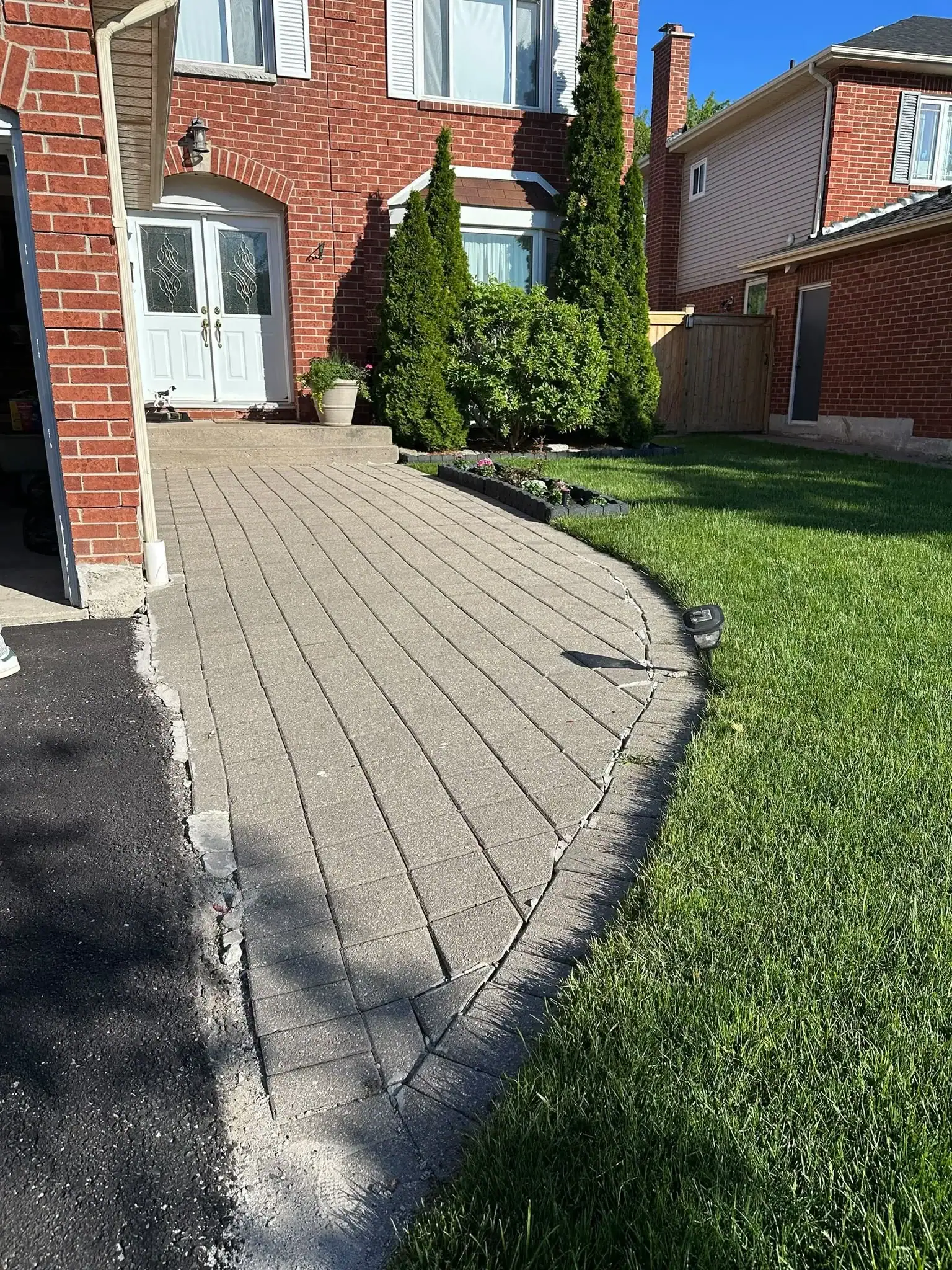
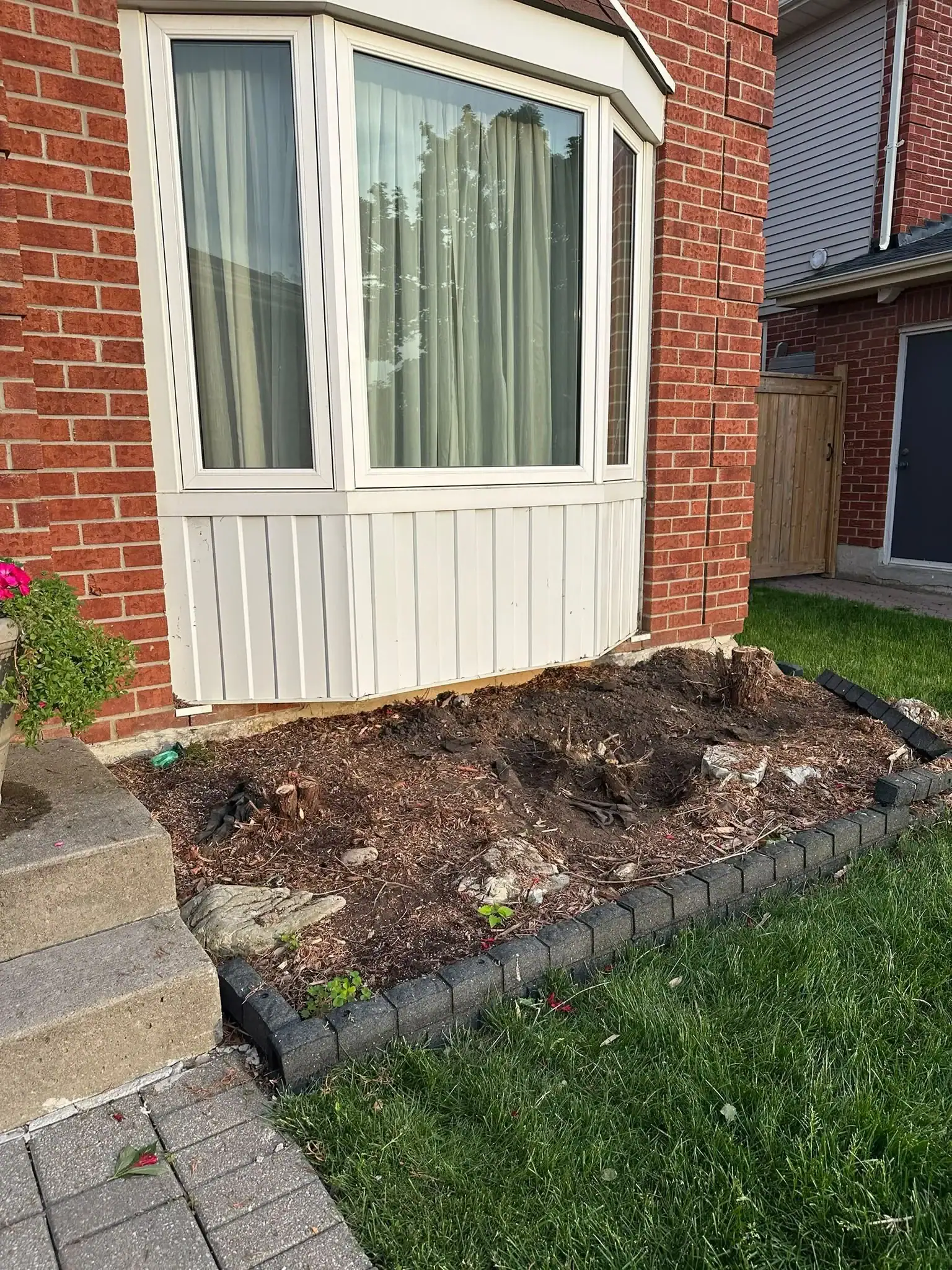
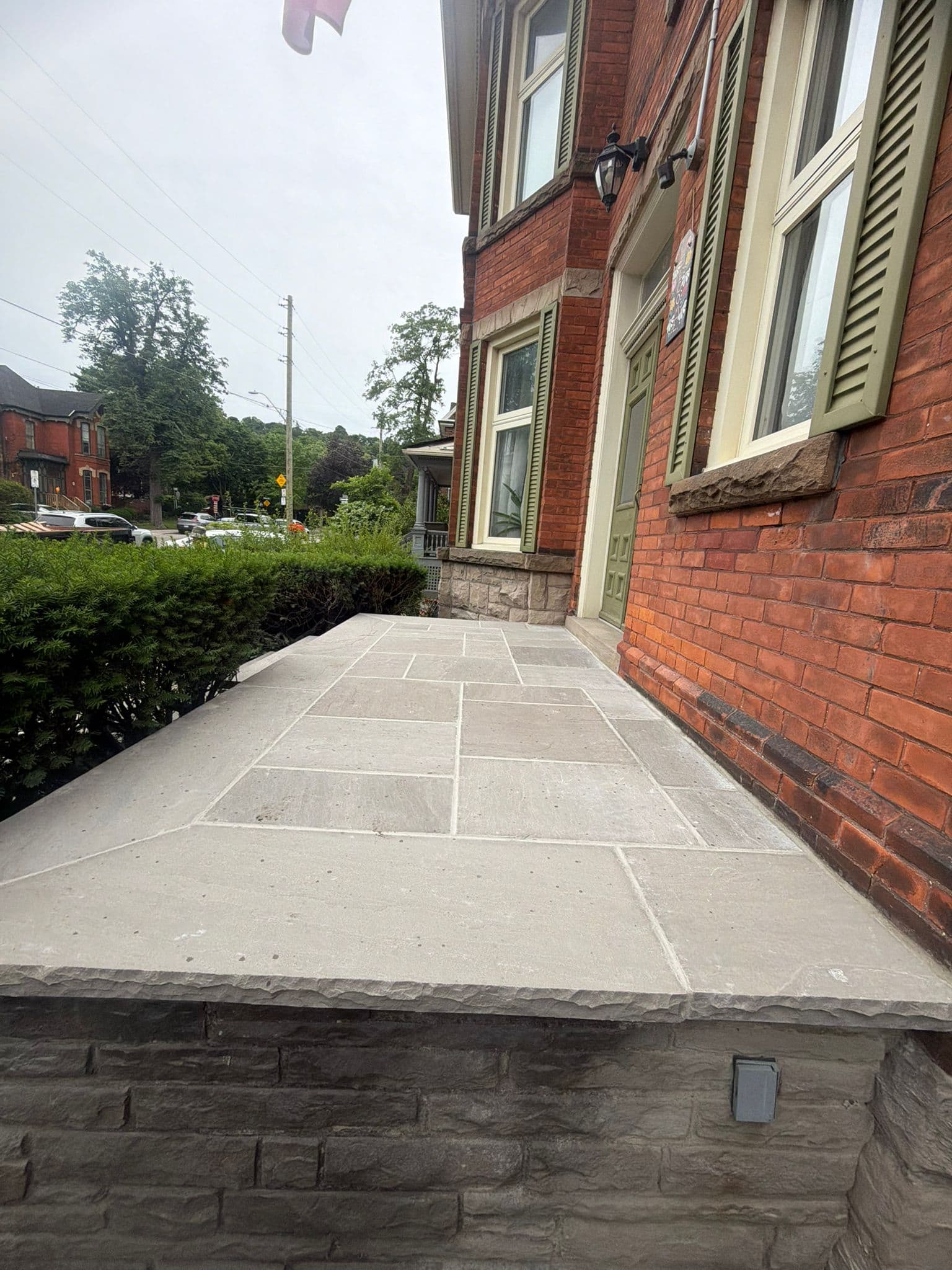
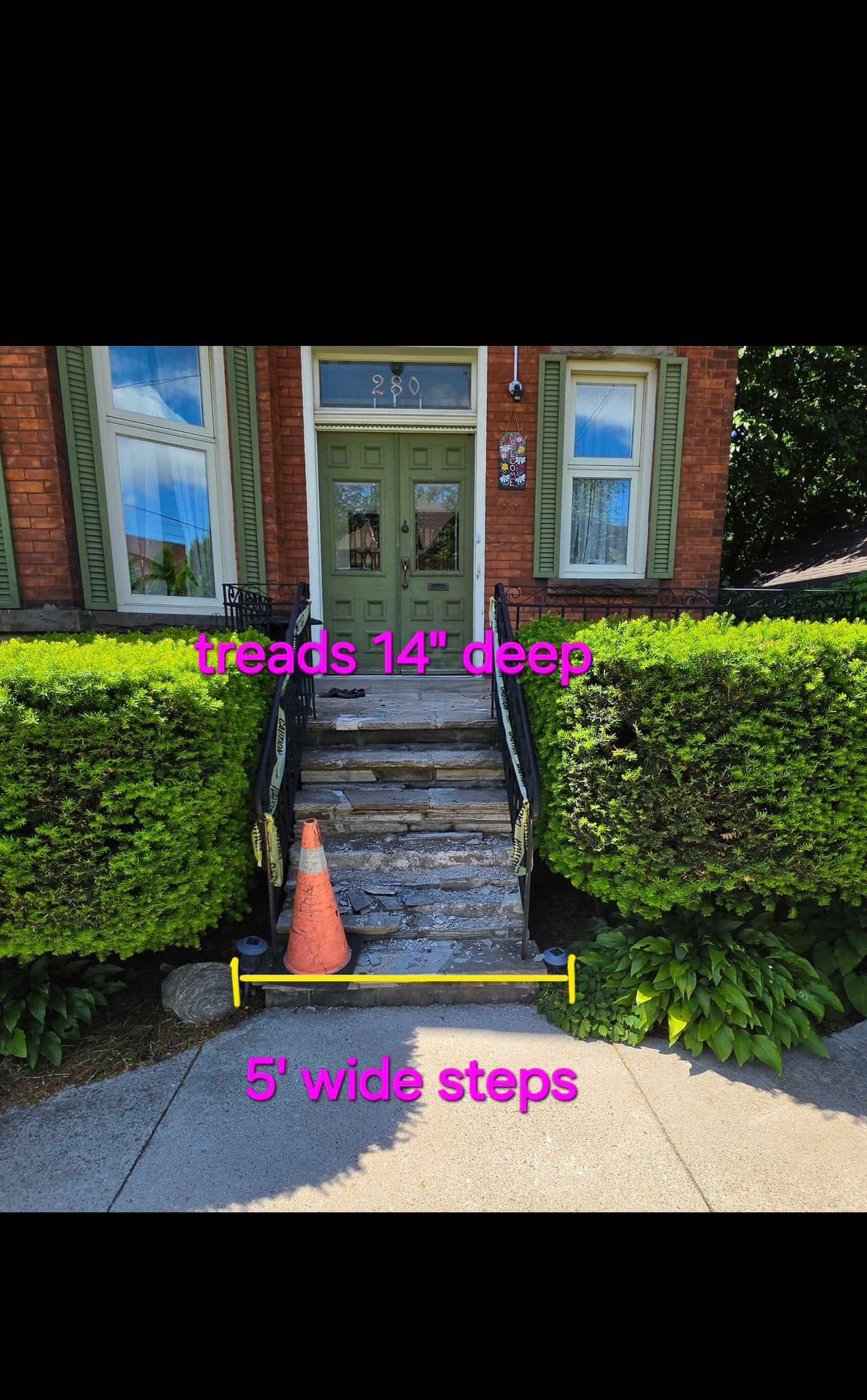
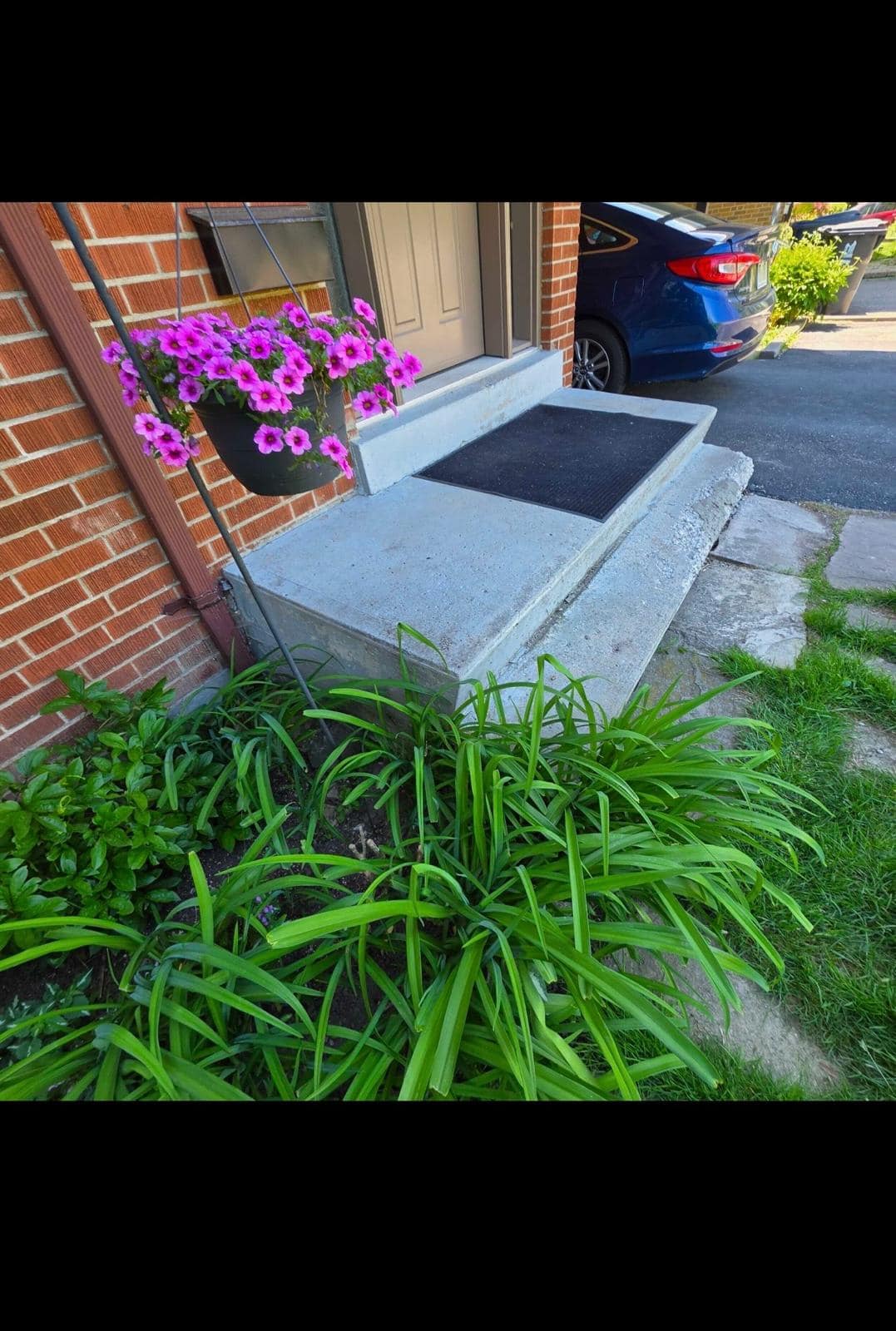
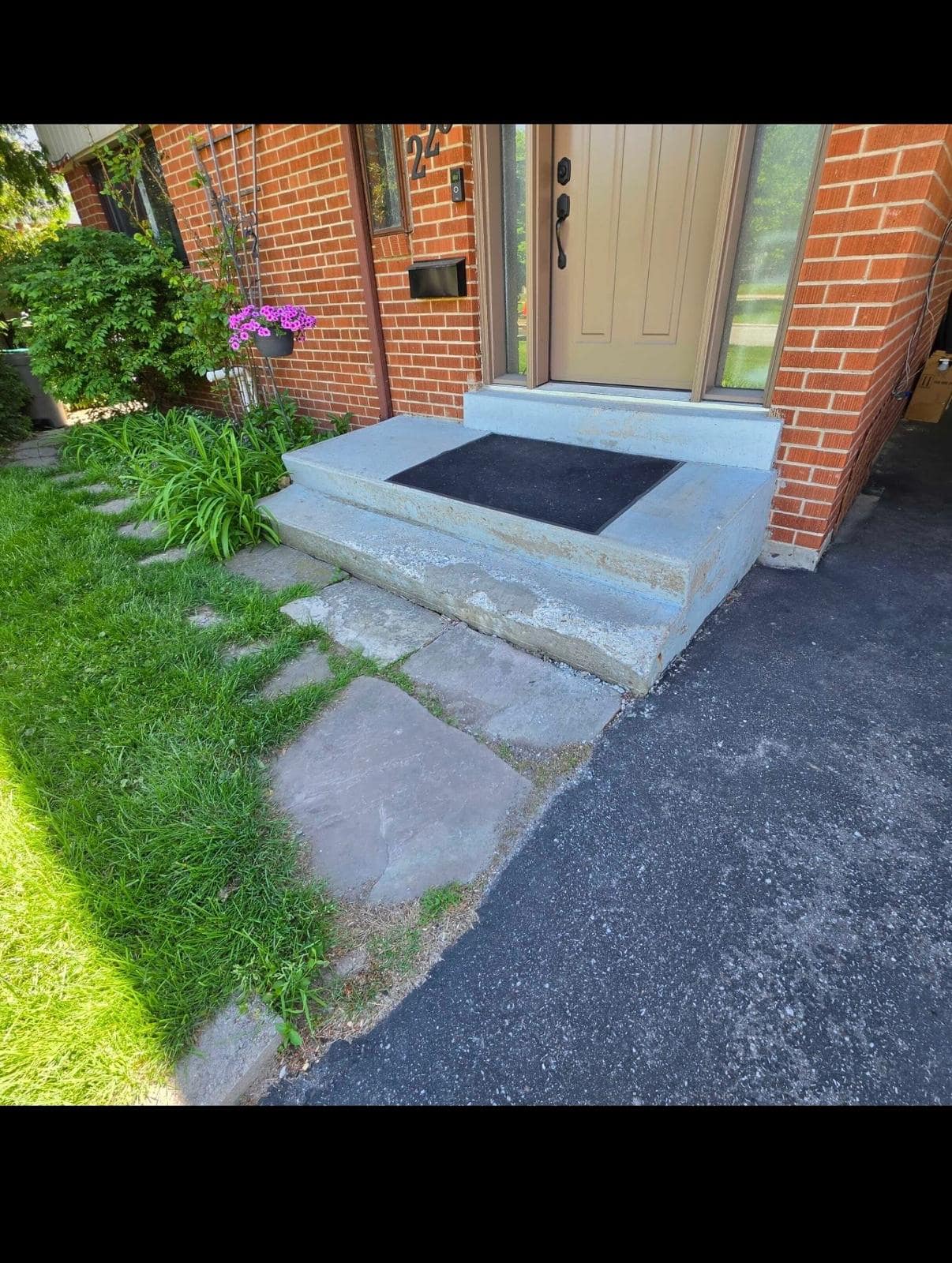
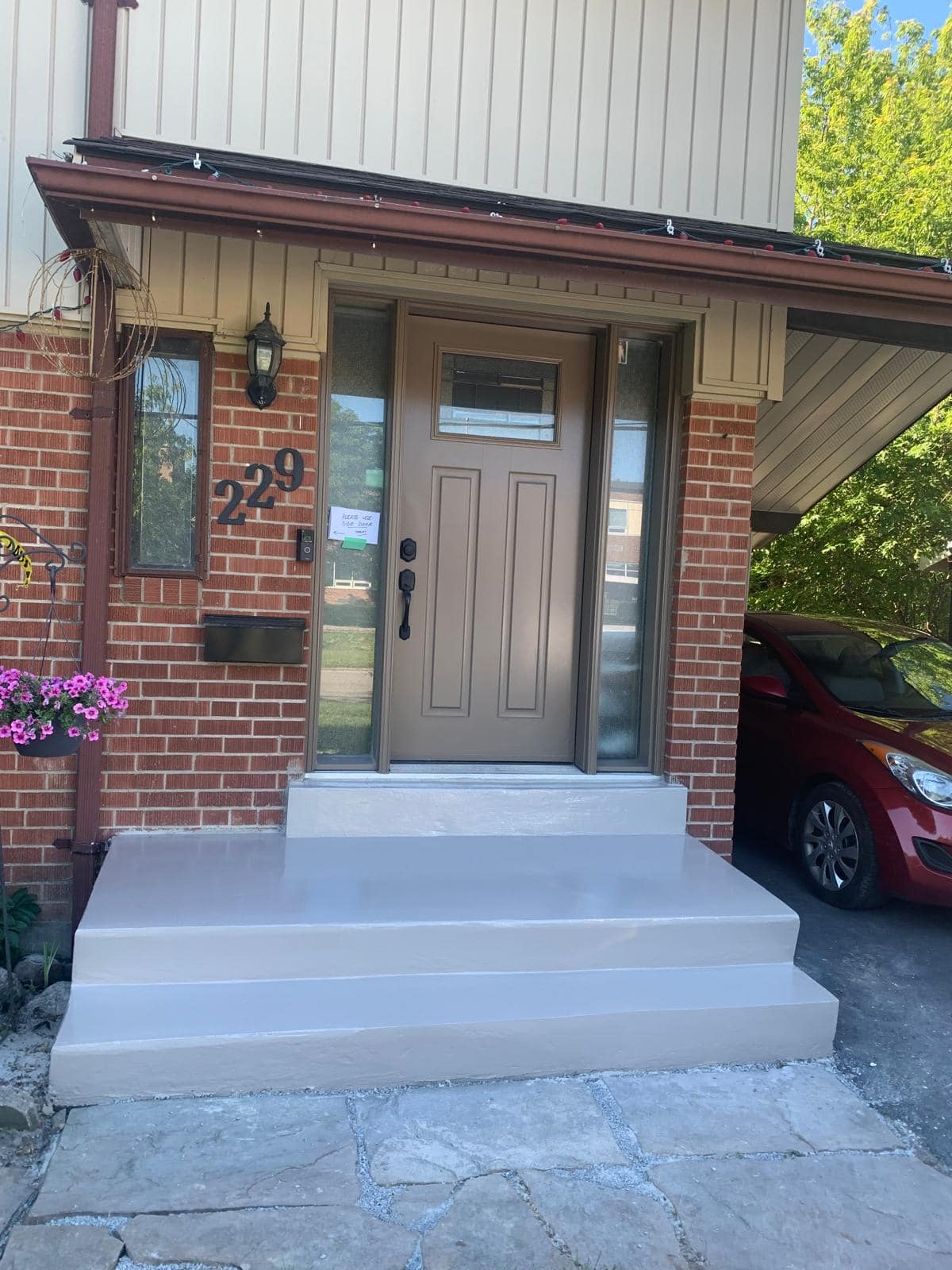
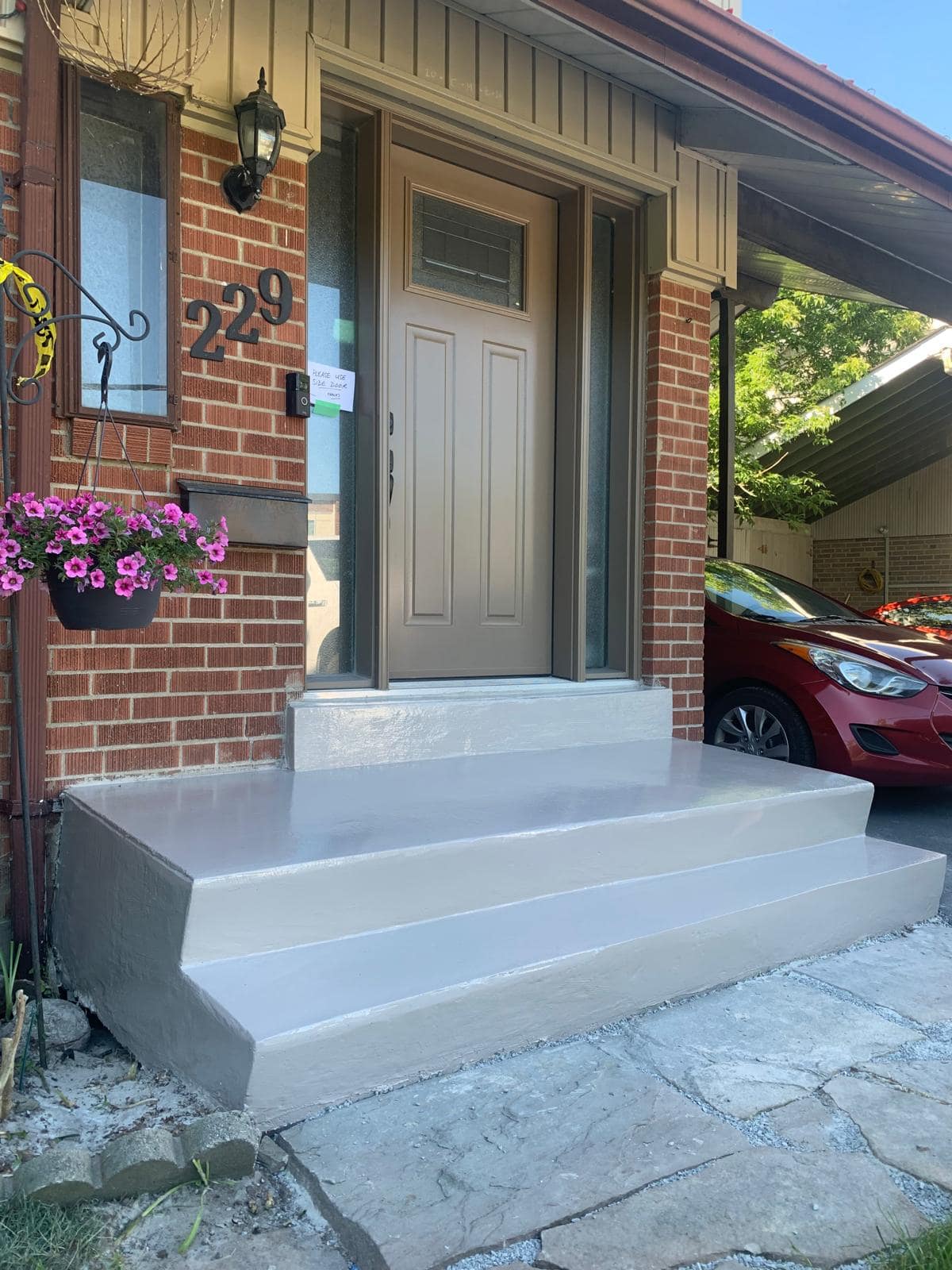
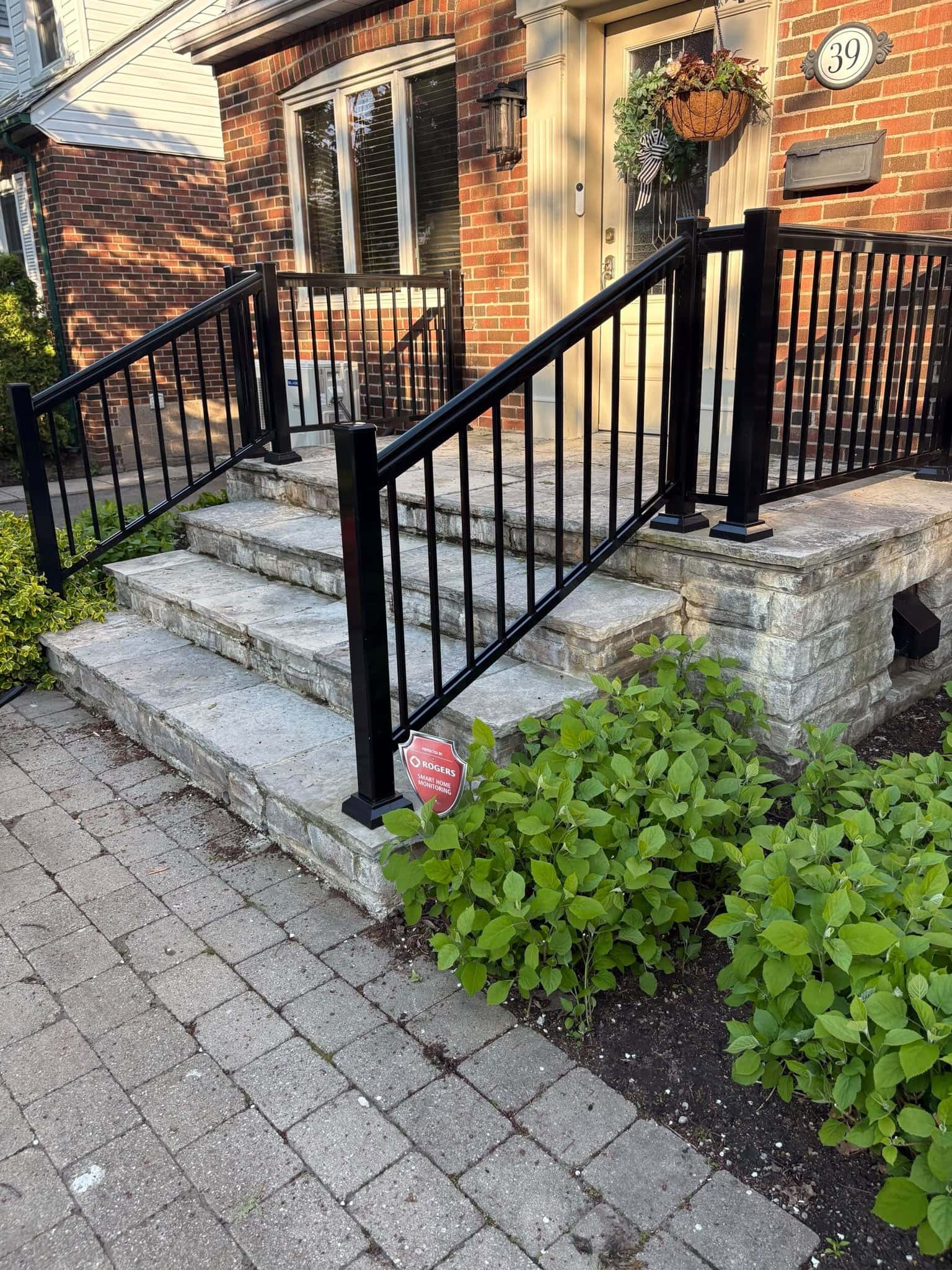
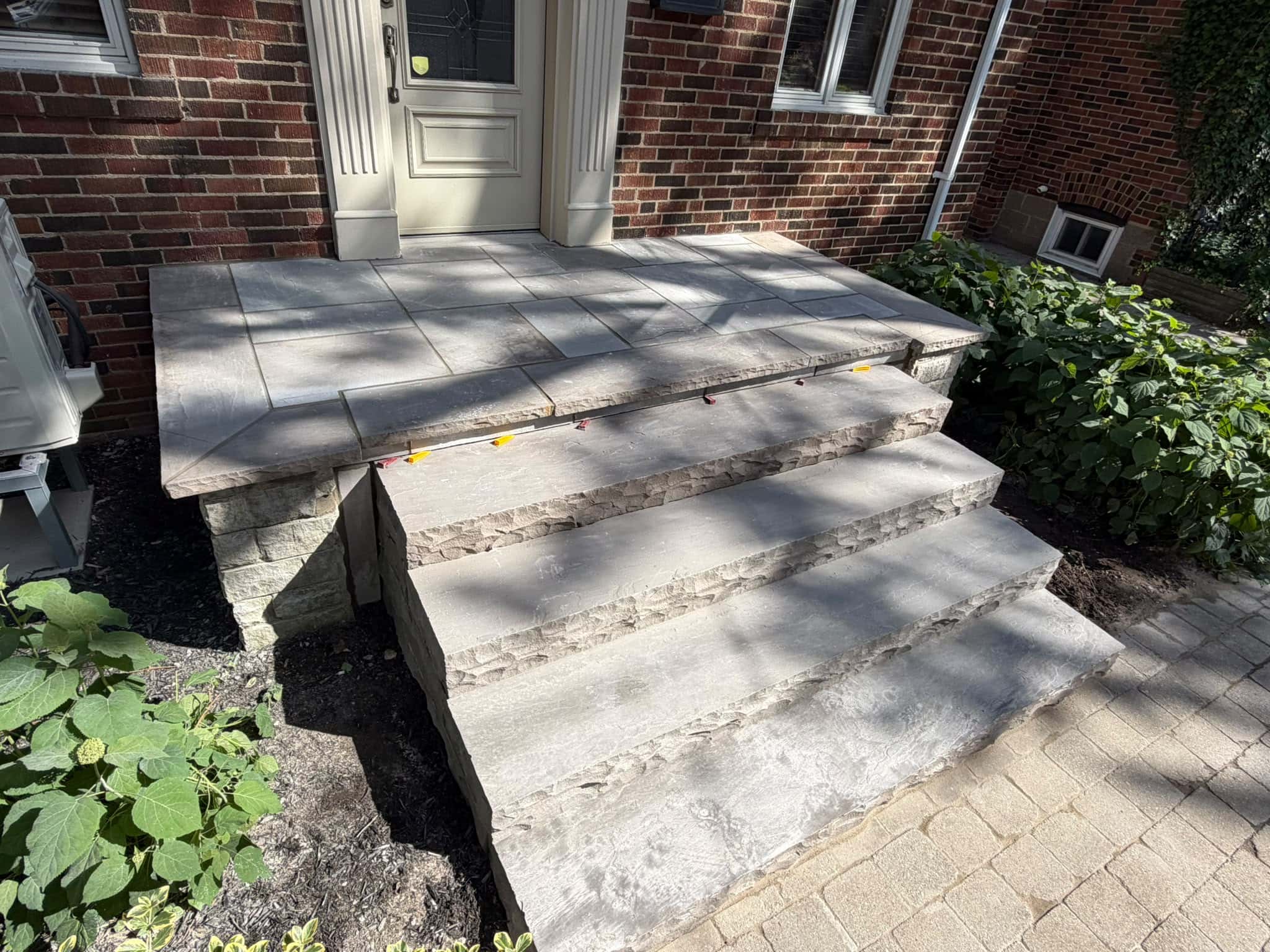
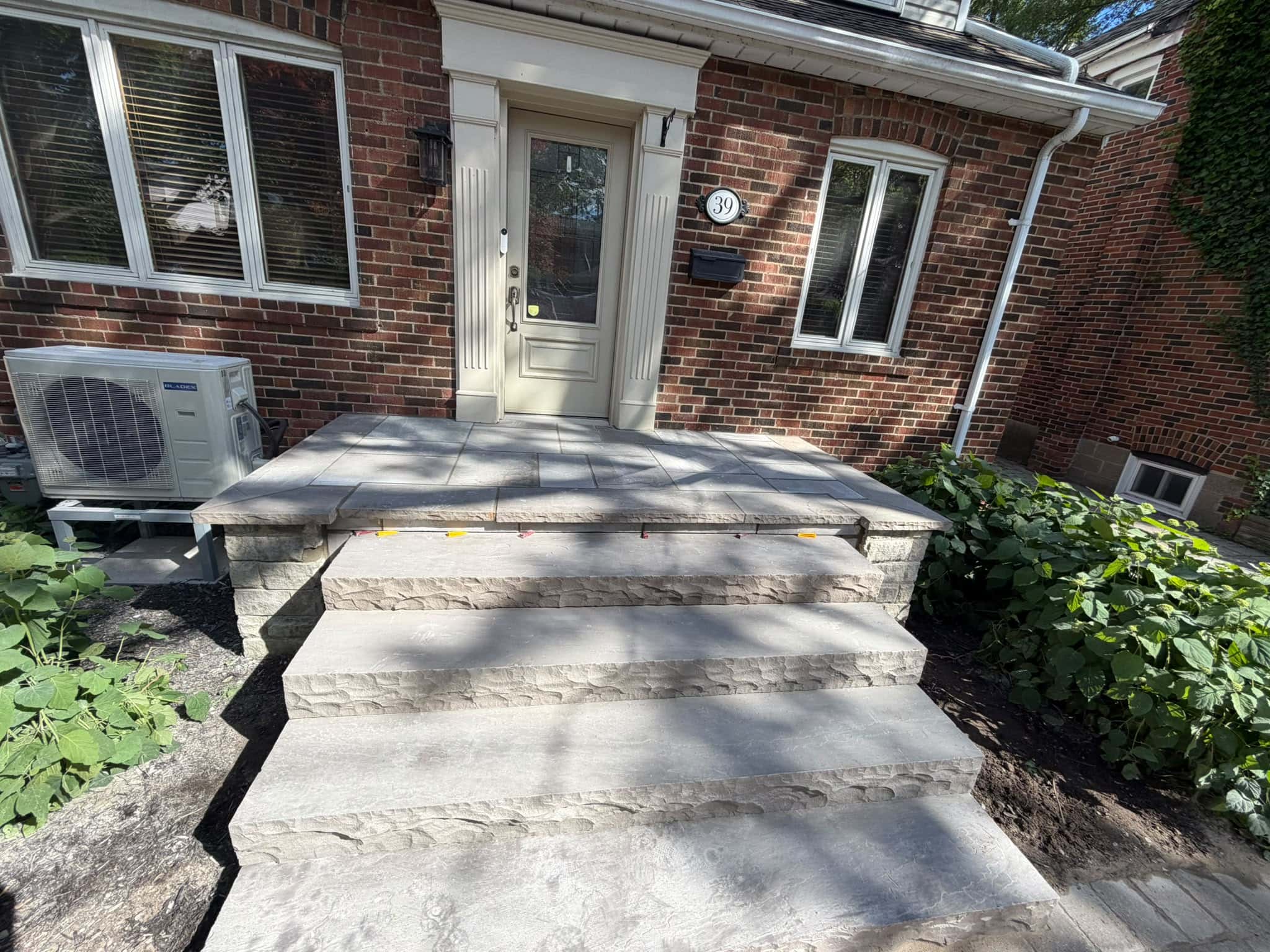
Failing retaining walls affect more than soil retention. Shifting walls can cause nearby masonry walkways and steps to settle unevenly.
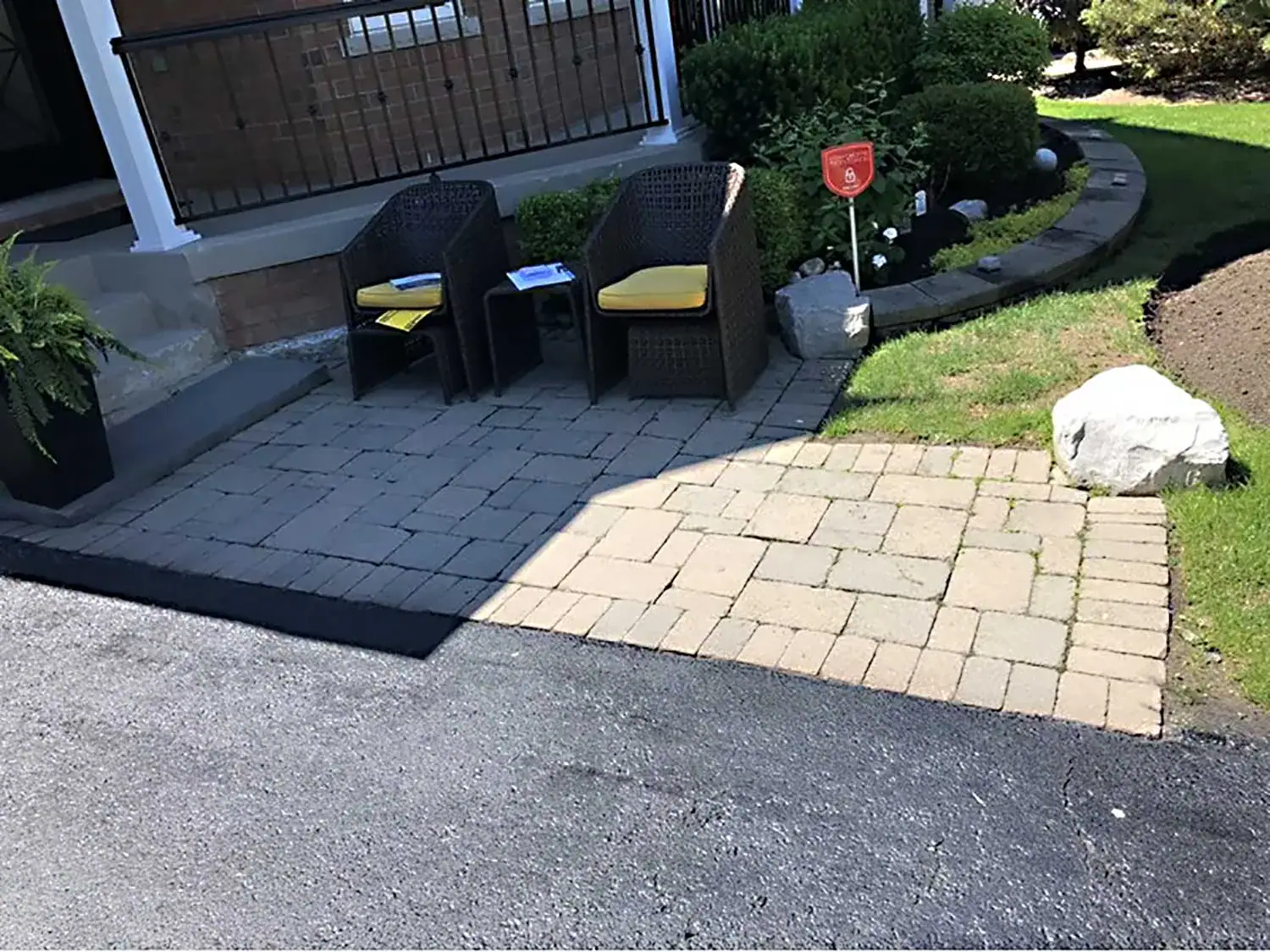
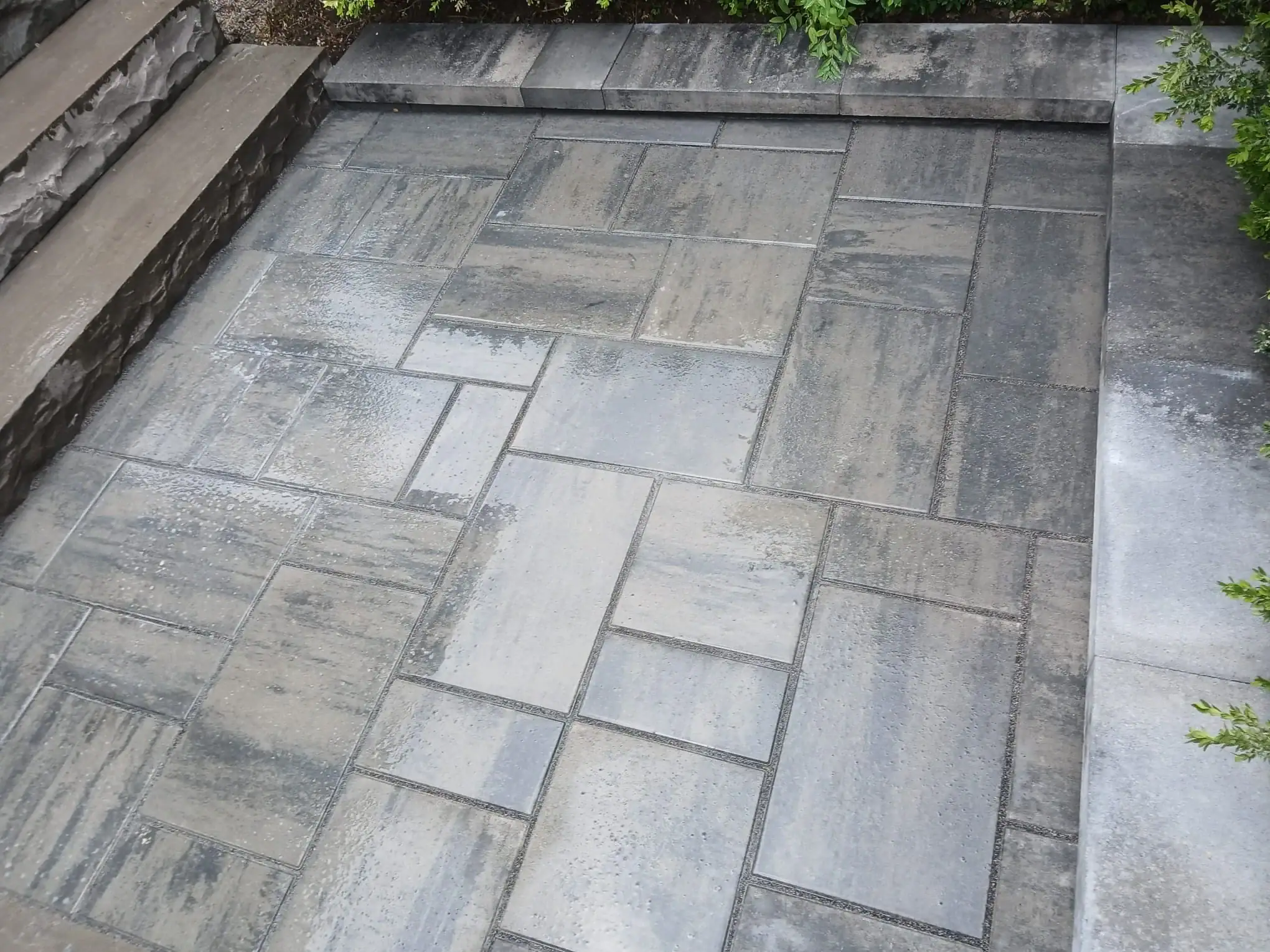
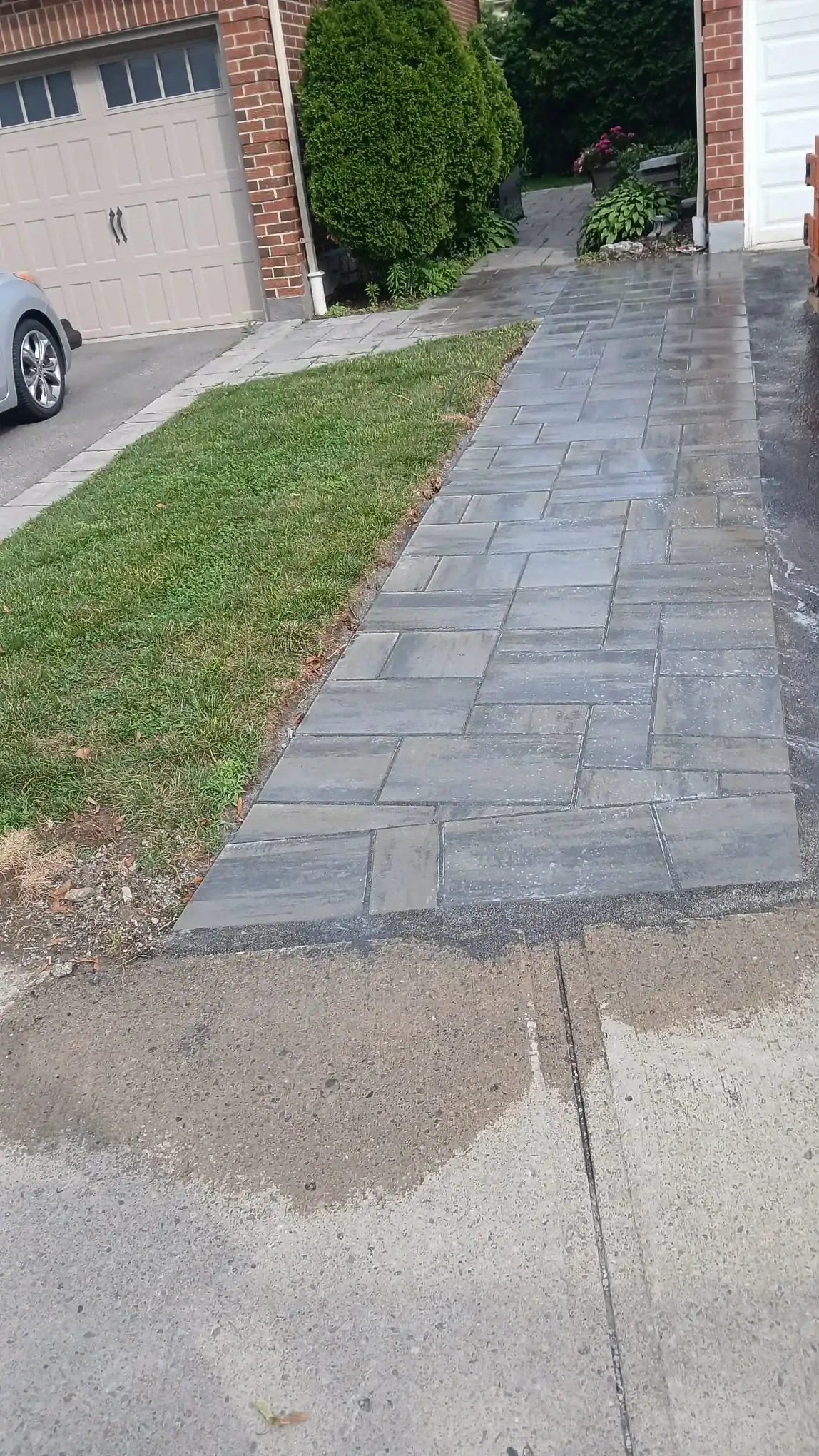
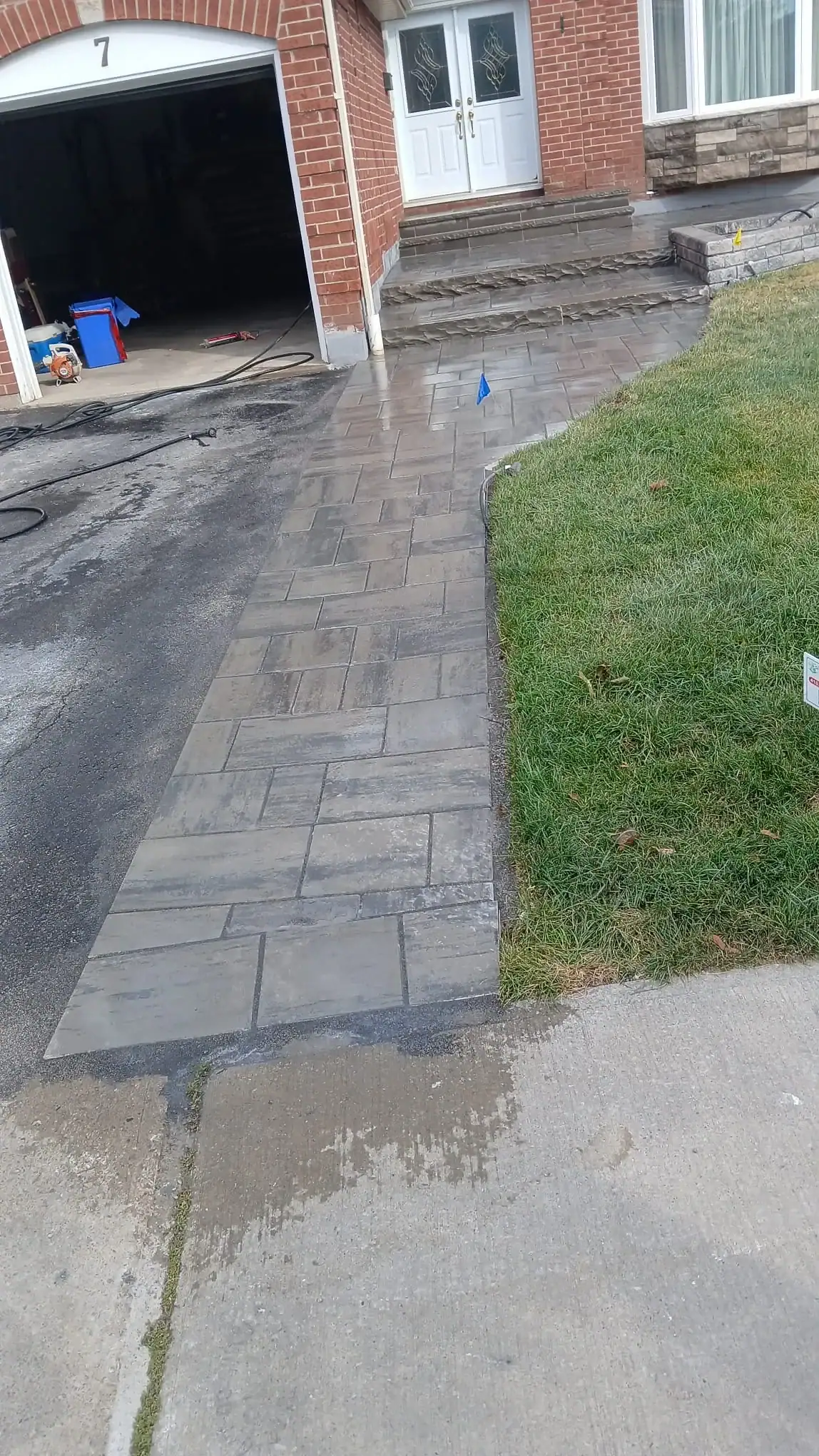
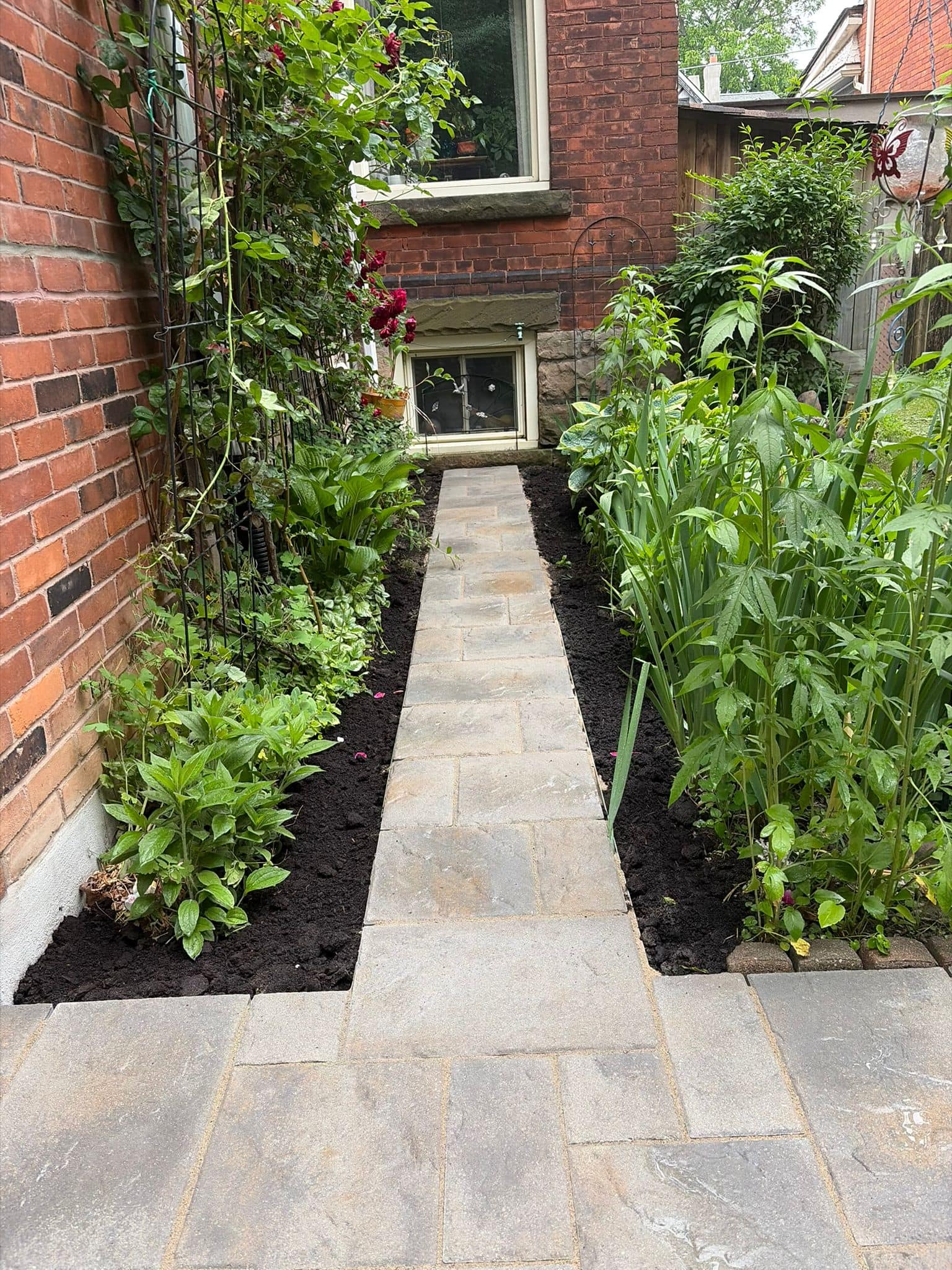
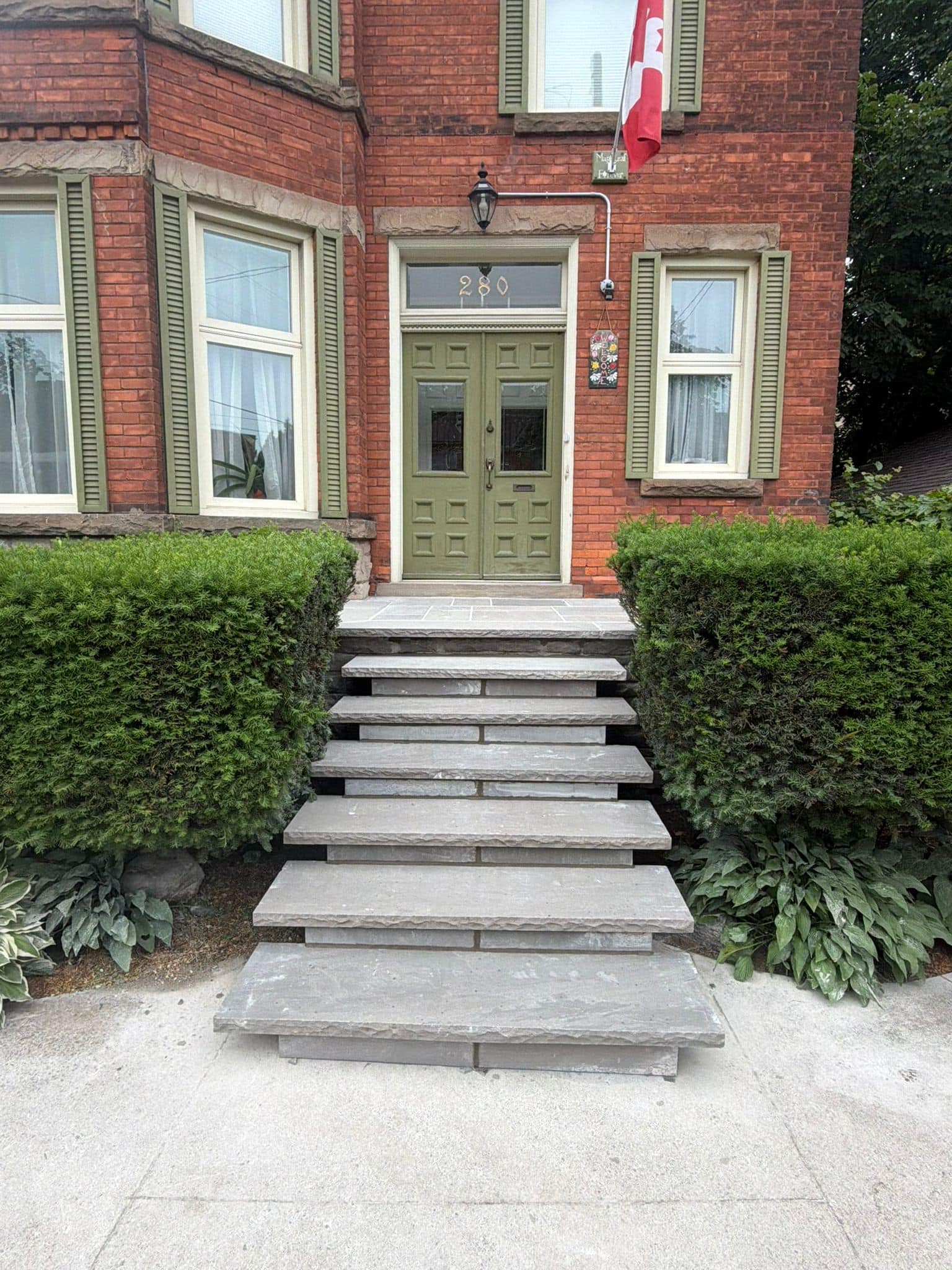
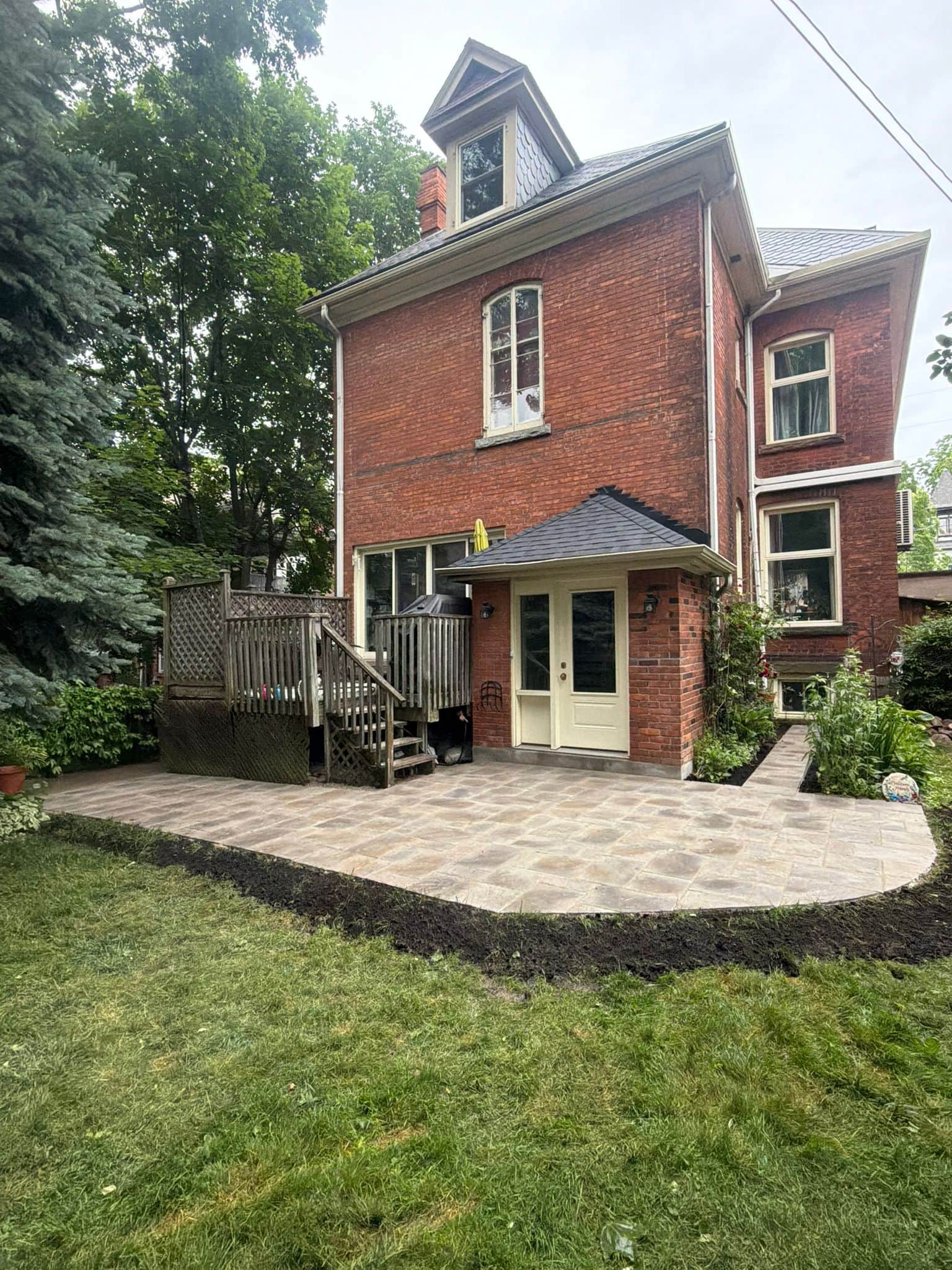
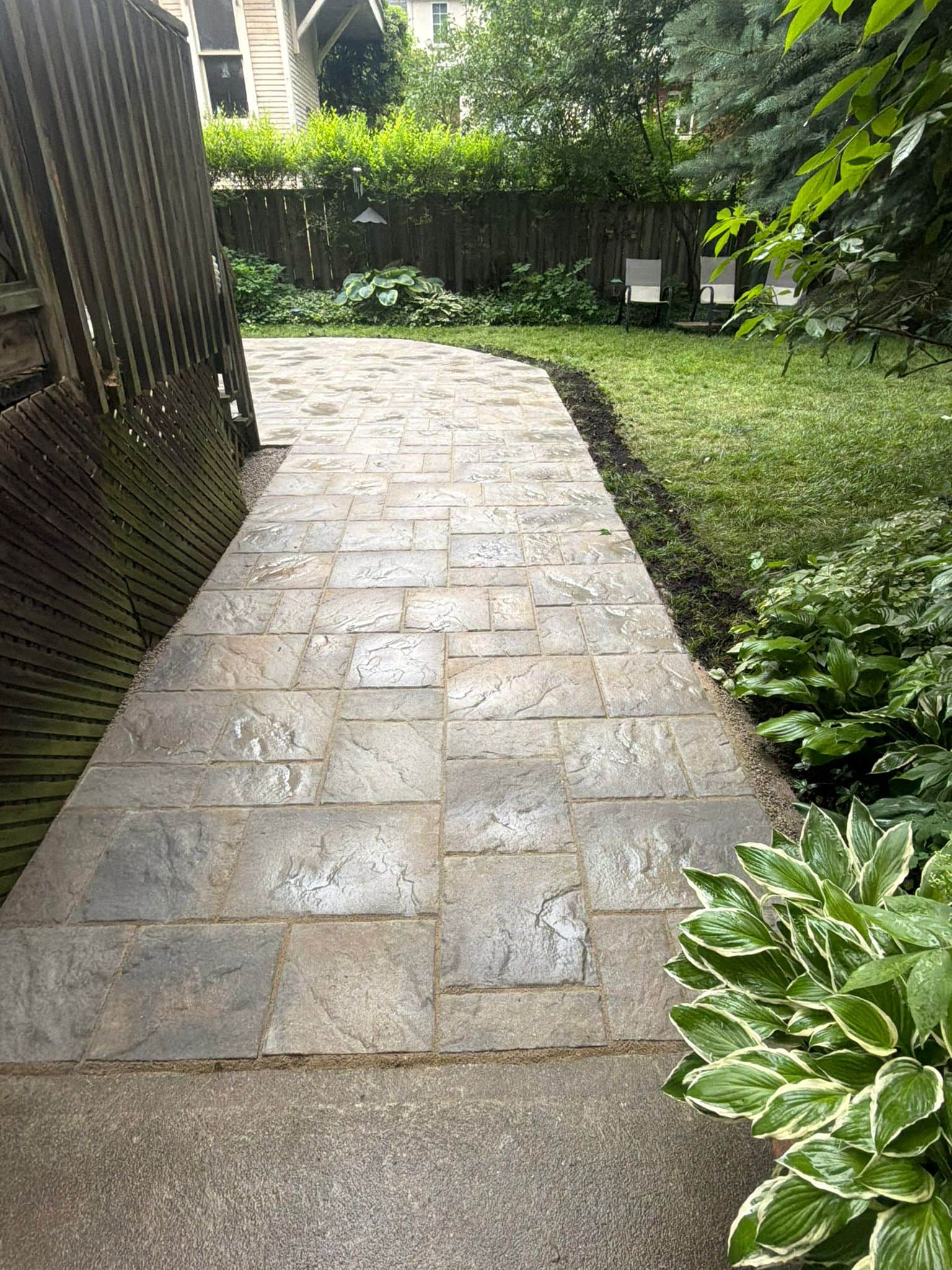
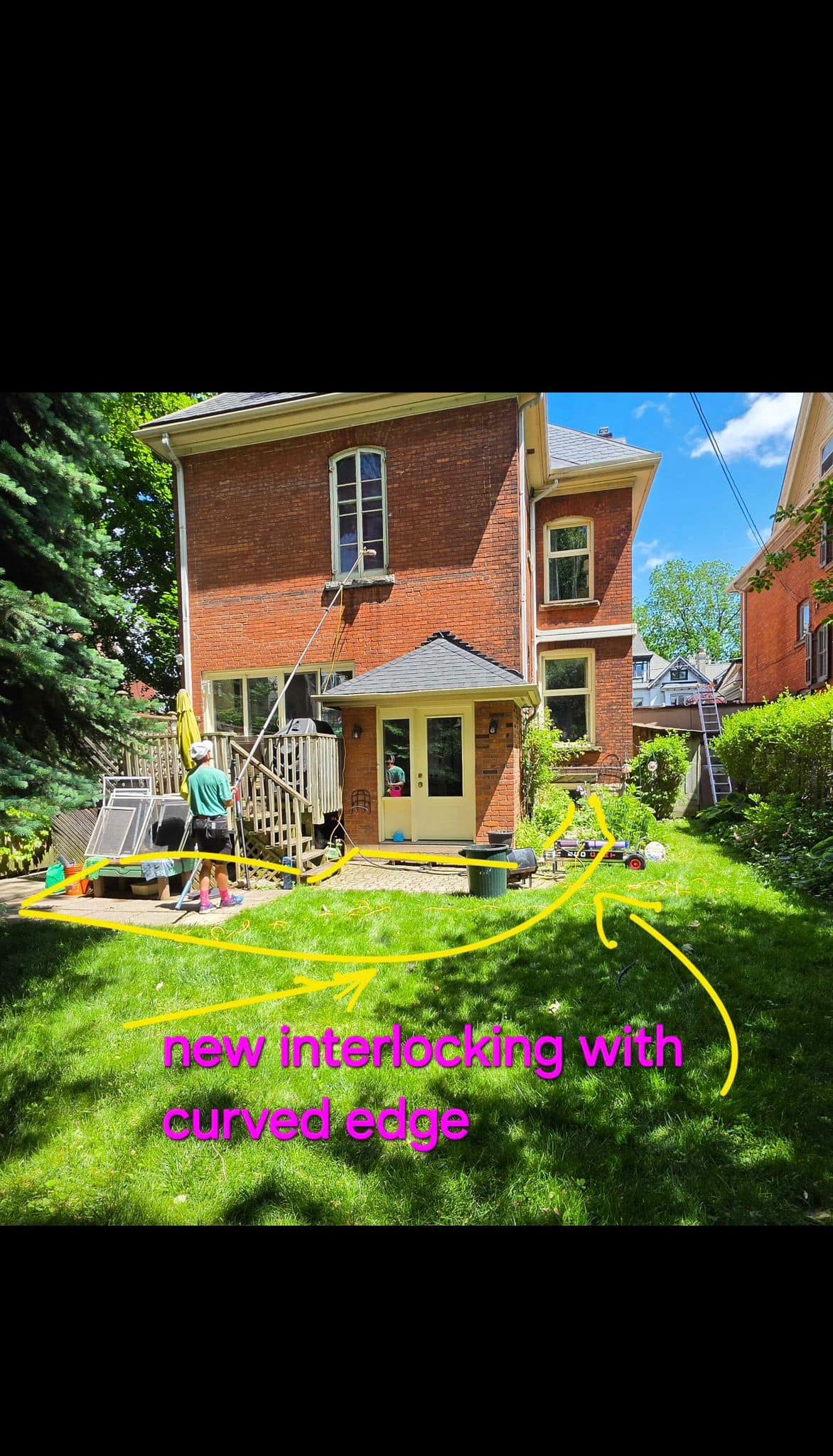
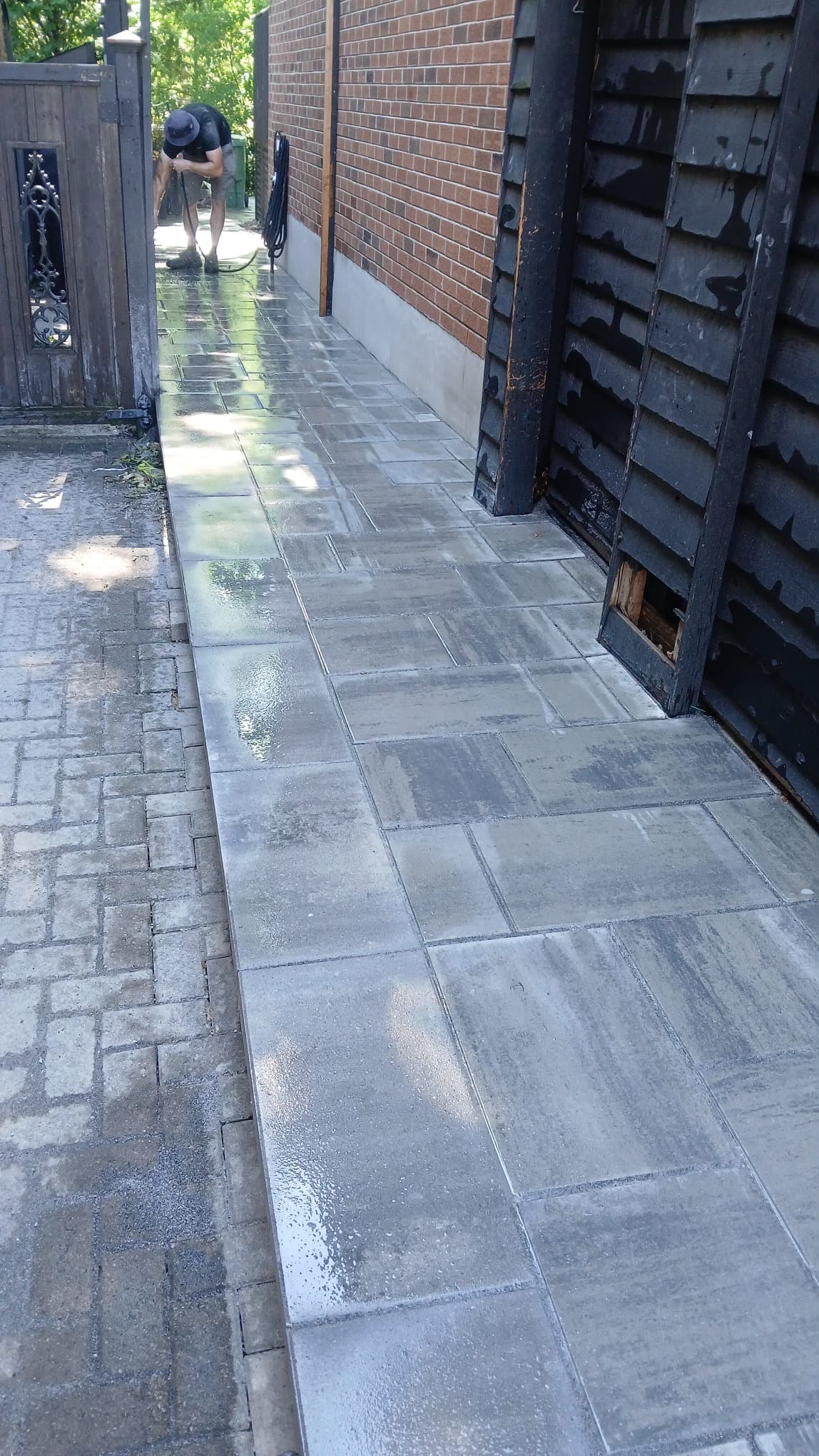
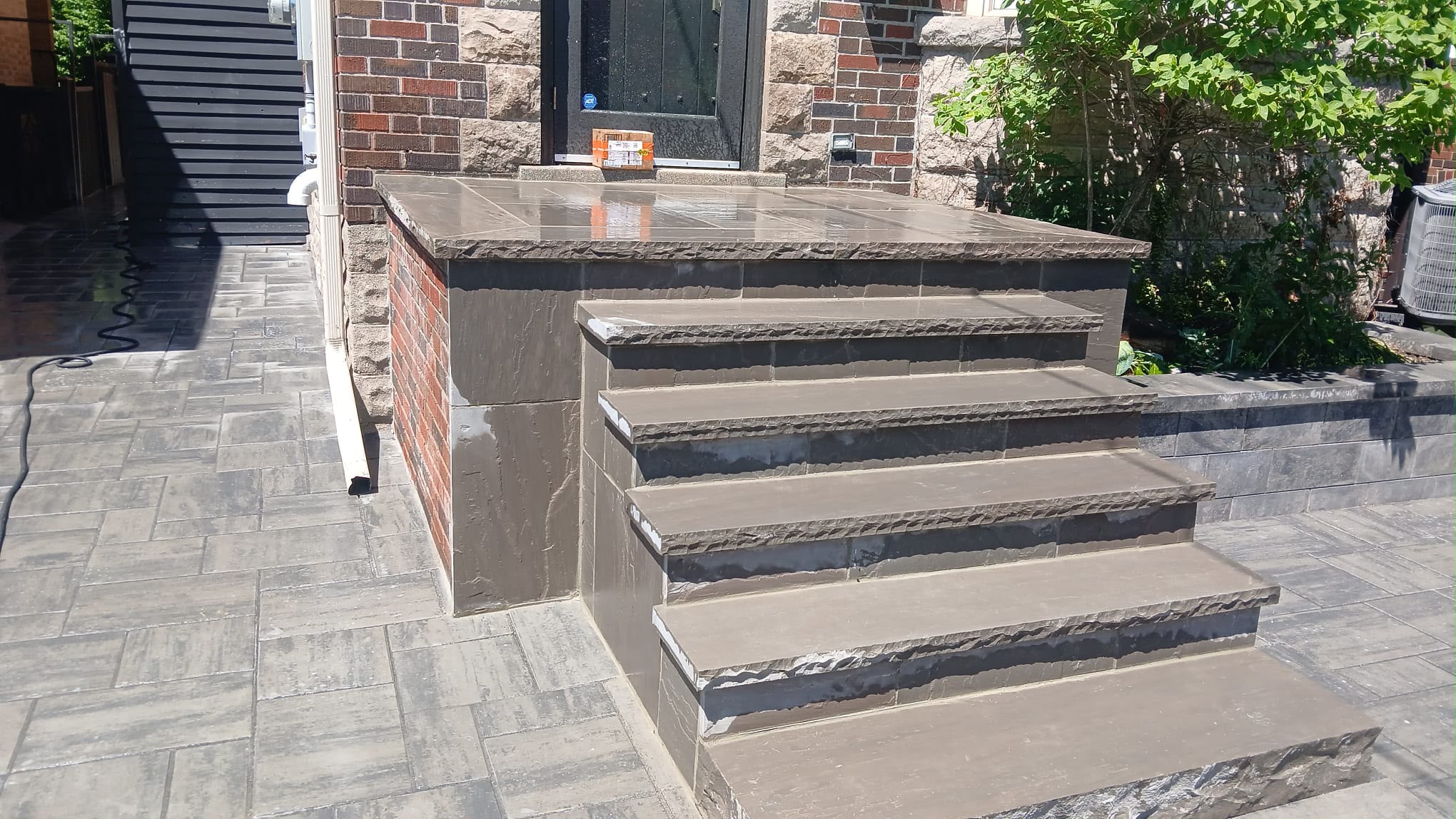
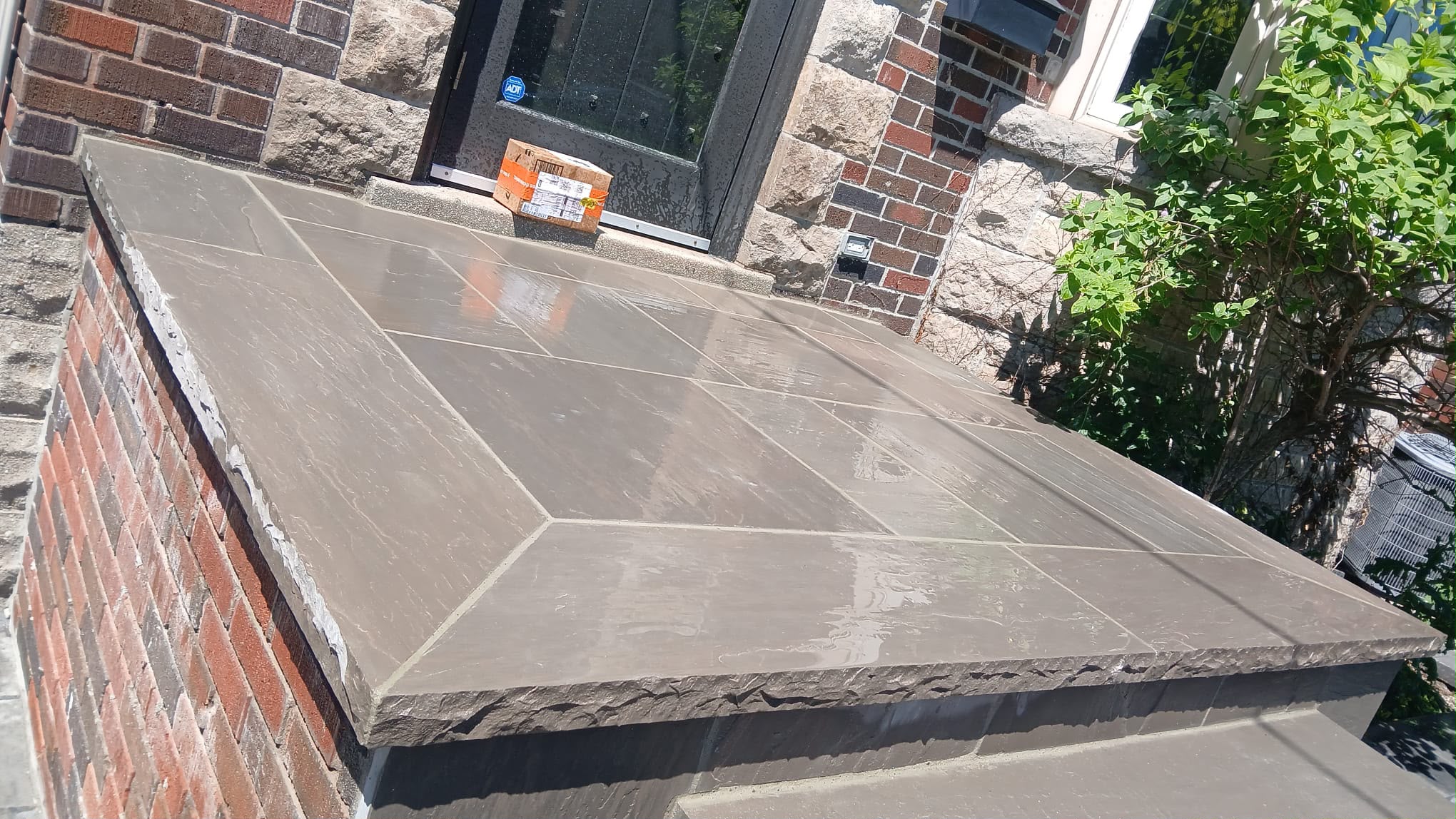
Upgrades to paver walkway interlocking and stabilization through porch repair are often needed once retaining wall repair begins.
In neighbourhoods like Bolton and Hamilton, integrated solutions such as Bolton interlocking stone services and Hamilton interlocking stone services help restore site stability.
Repair vs replacement decisions
Not all retaining wall issues require full replacement. Localized retaining wall repair may be possible when damage is limited and the foundation remains stable.
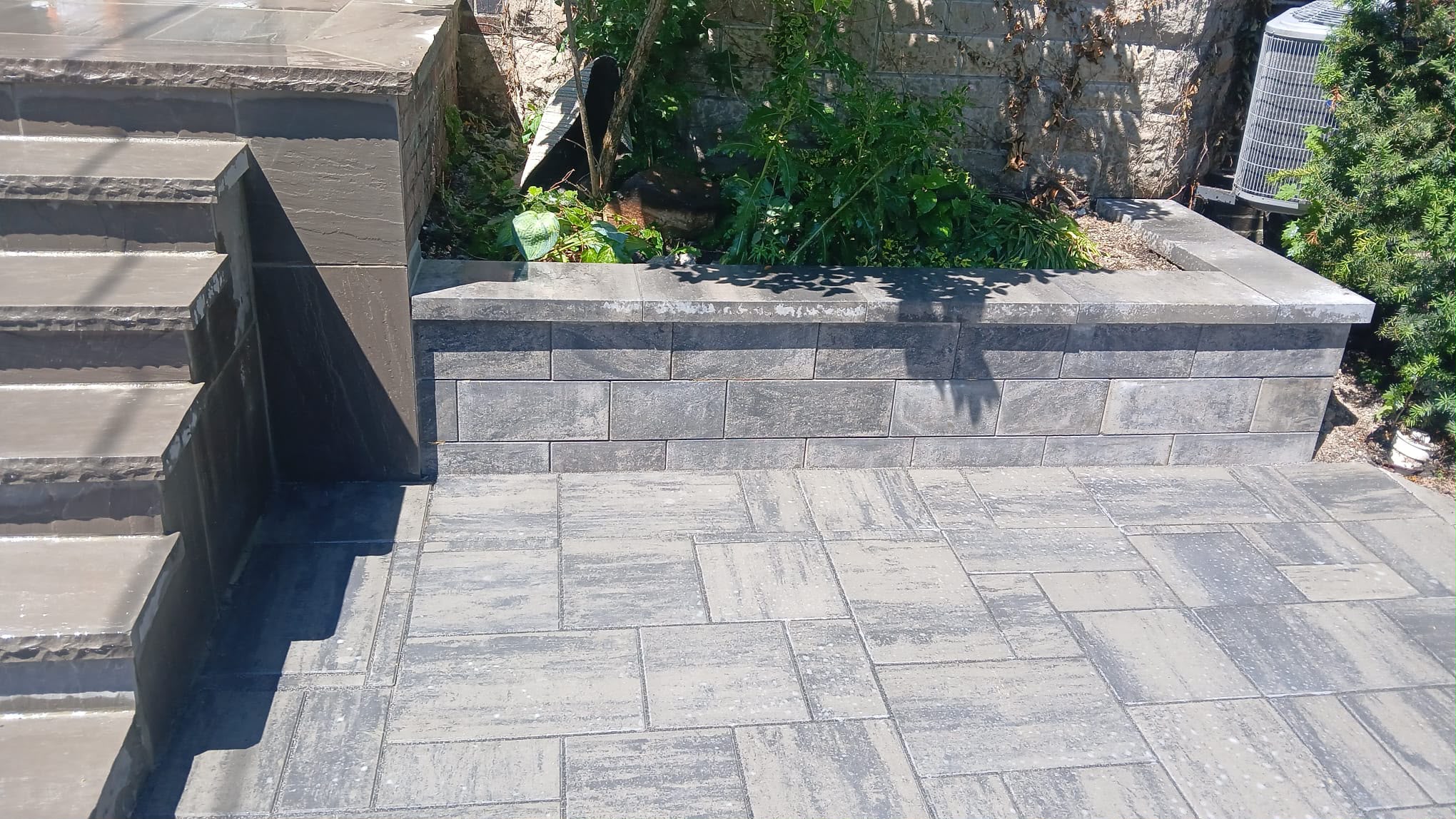
However, walls with significant movement, missing drainage, or advanced deterioration often require replacement using modern systems like segmental retaining walls designed to handle soil pressure and moisture more effectively.
Safety and regulatory considerations
Retaining wall failure can create falling hazards, soil collapse, and damage to neighbouring properties.
In Toronto, deteriorating exterior masonry and structural components fall under building safety oversight provided by the City of Toronto Building Division, which provides guidance and inspections related to exterior wall and structural safety.
How homeowners evaluate retaining wall repairs
Before committing to retaining wall repair or replacement, homeowners often seek proof of long-term performance.
Reviewing client video testimonials helps homeowners understand how proper design and installation prevent recurring issues.
Final thoughts for Toronto homeowners
Retaining wall repair is not just a landscaping concern. It is a structural issue that affects safety, drainage, and property value.
For Toronto and GTA homeowners, identifying warning signs early and choosing the right repair approach helps prevent costly damage and ensures long-term site stability.