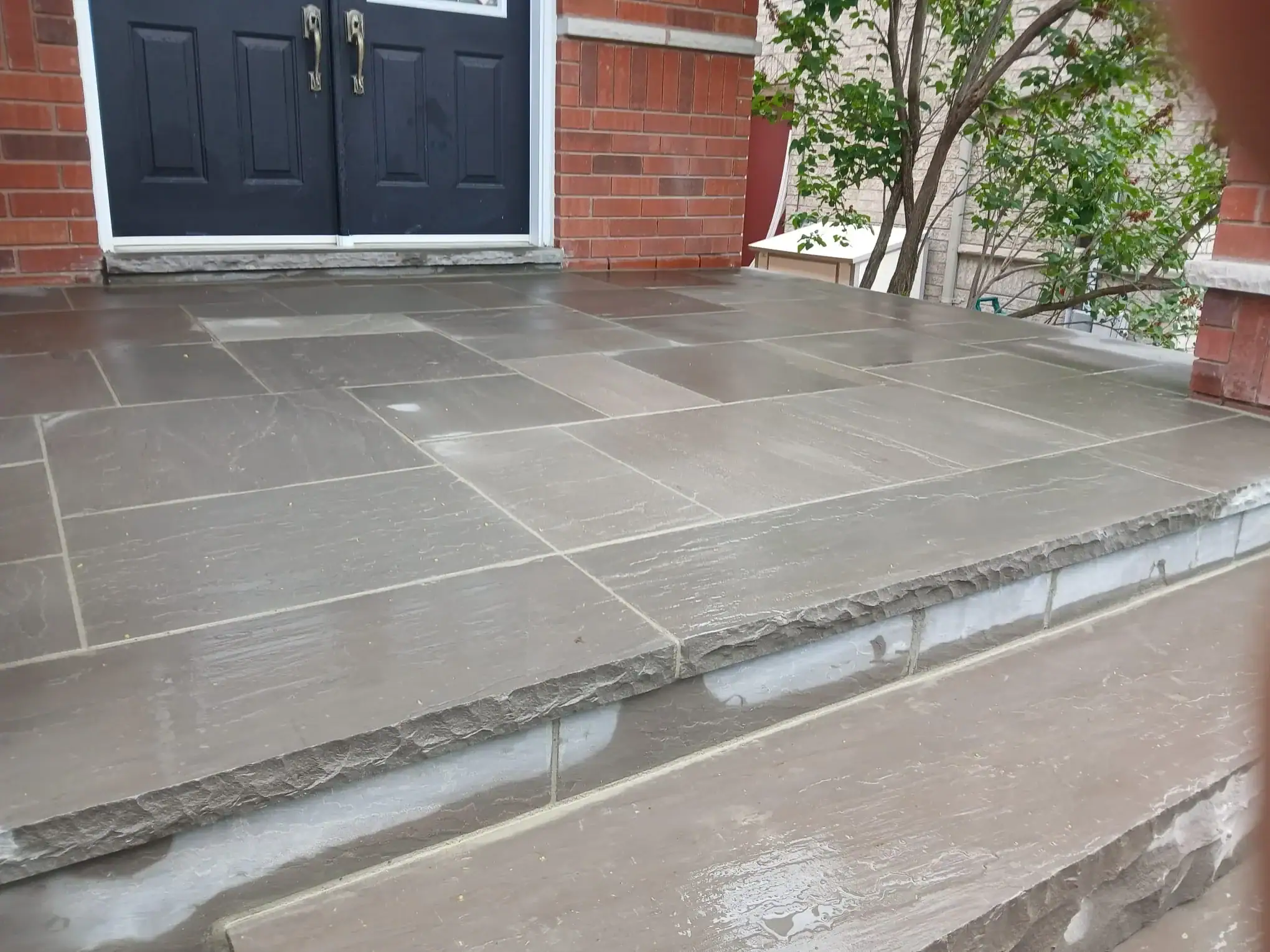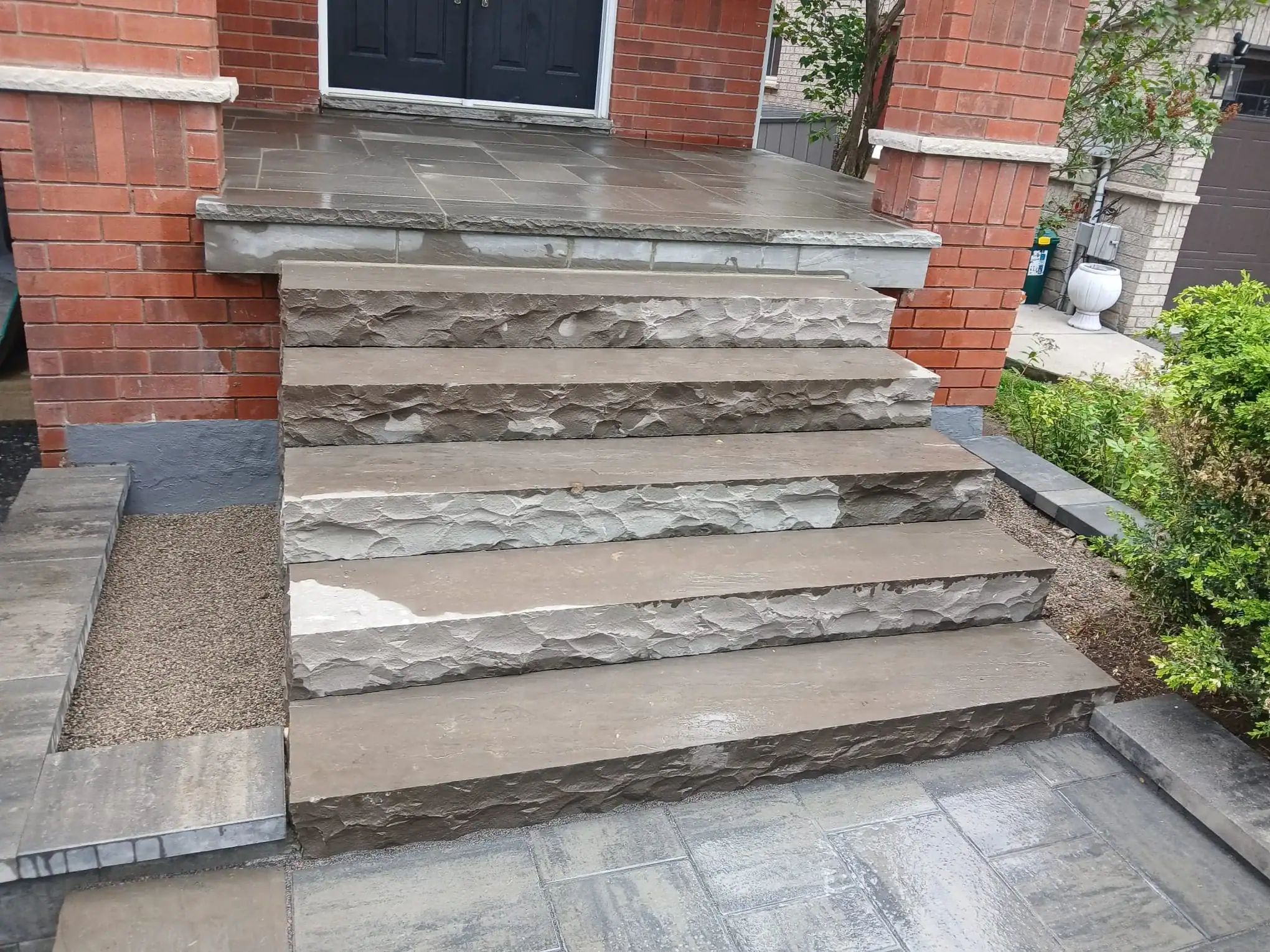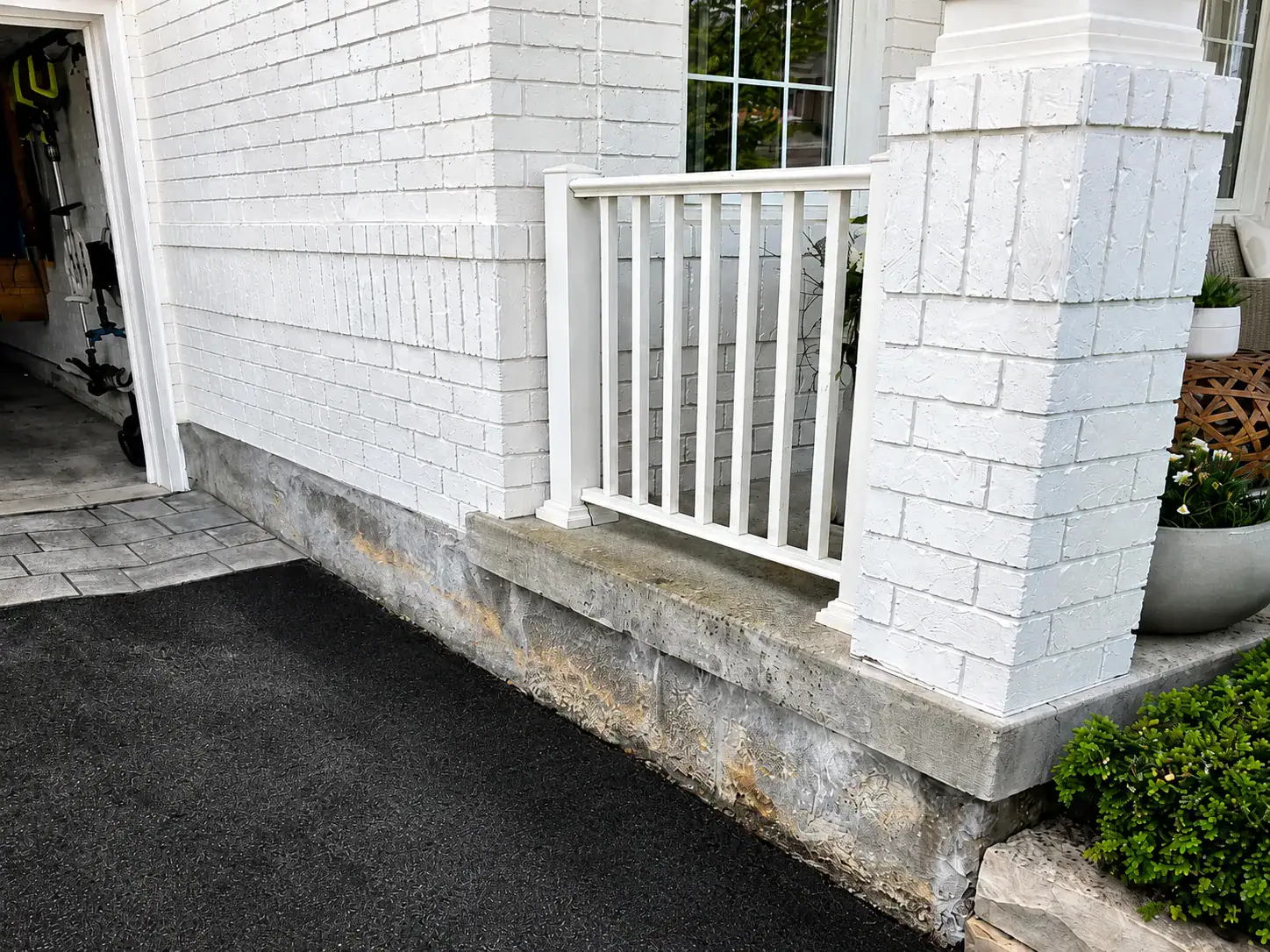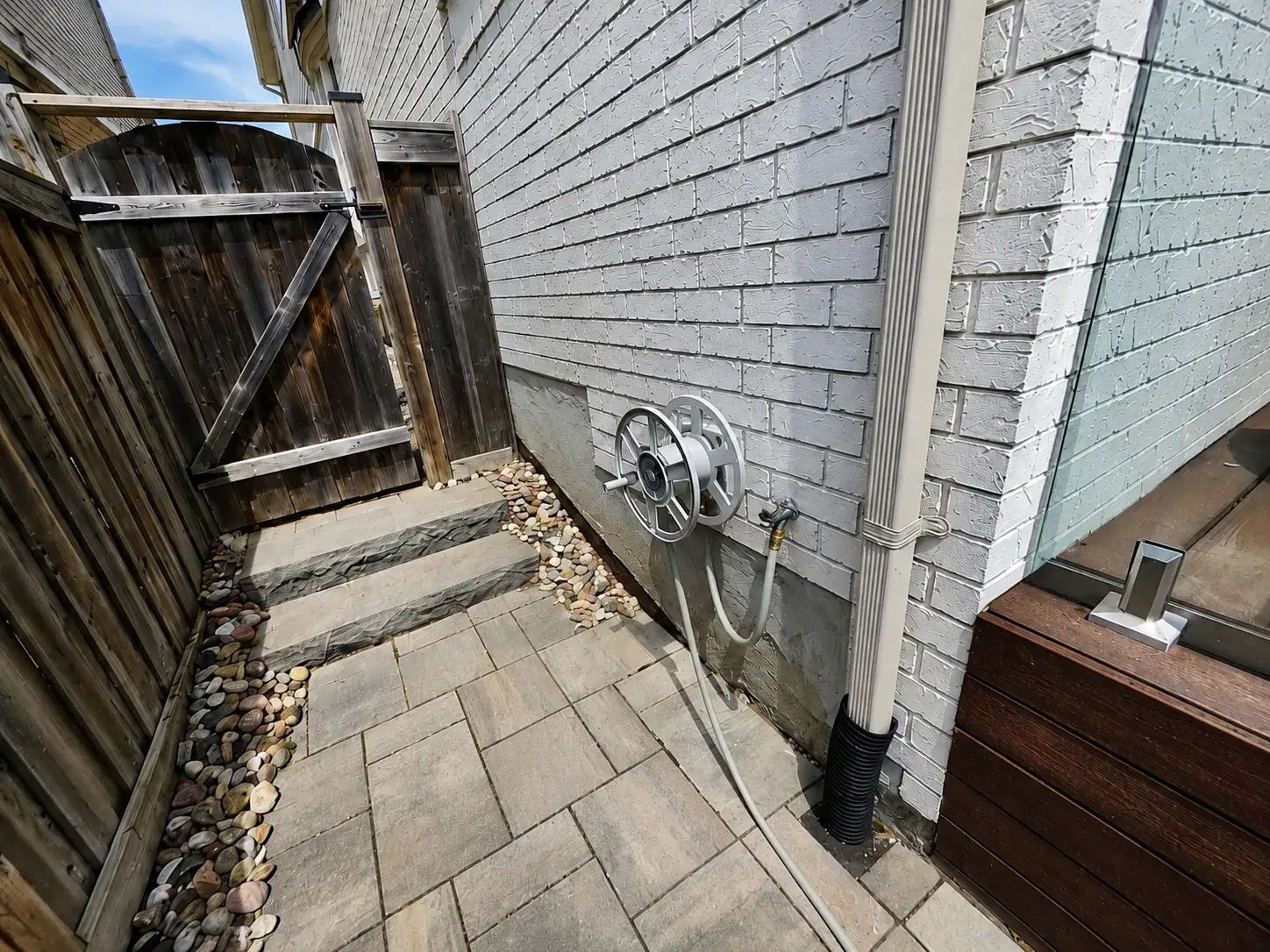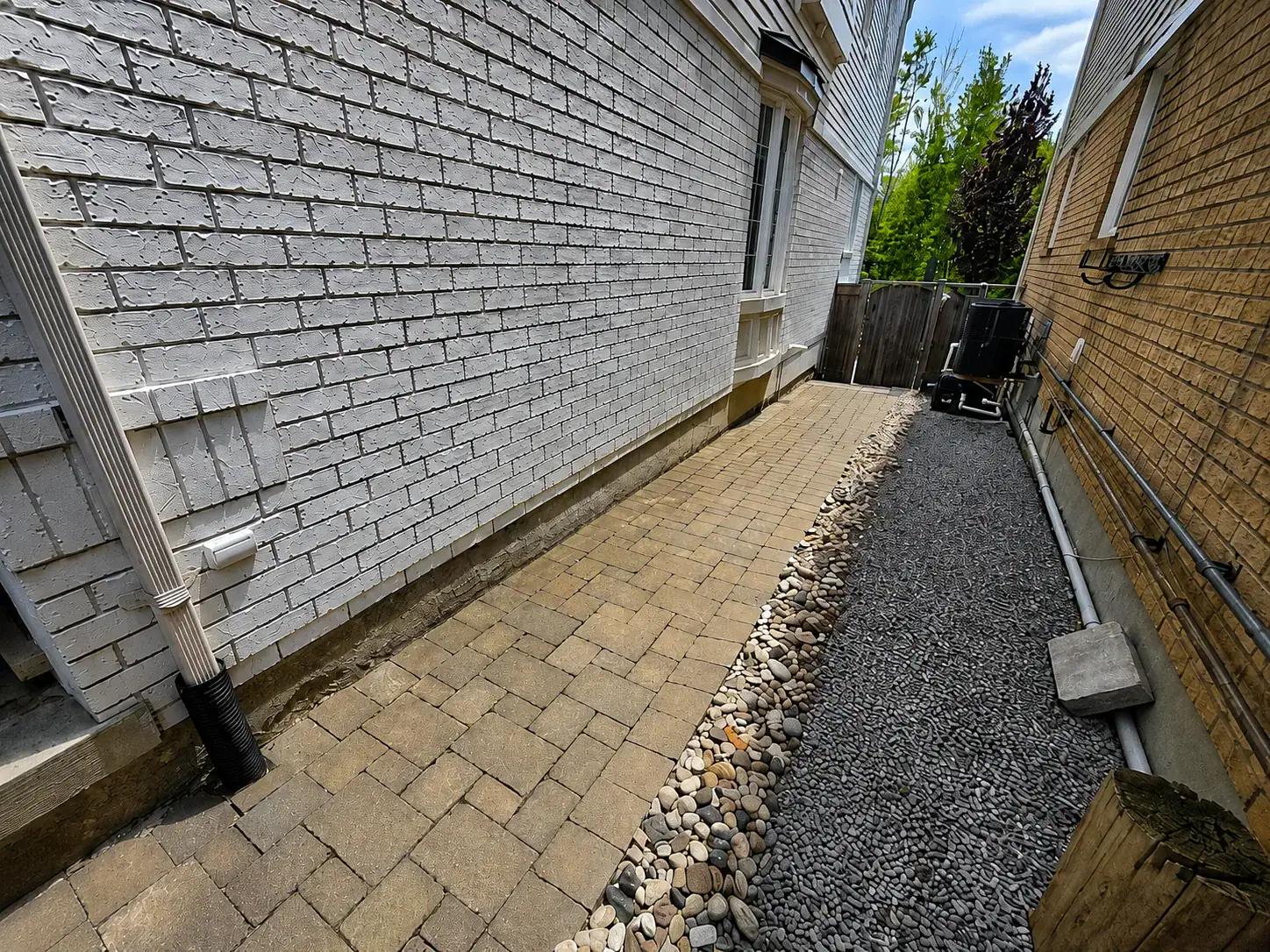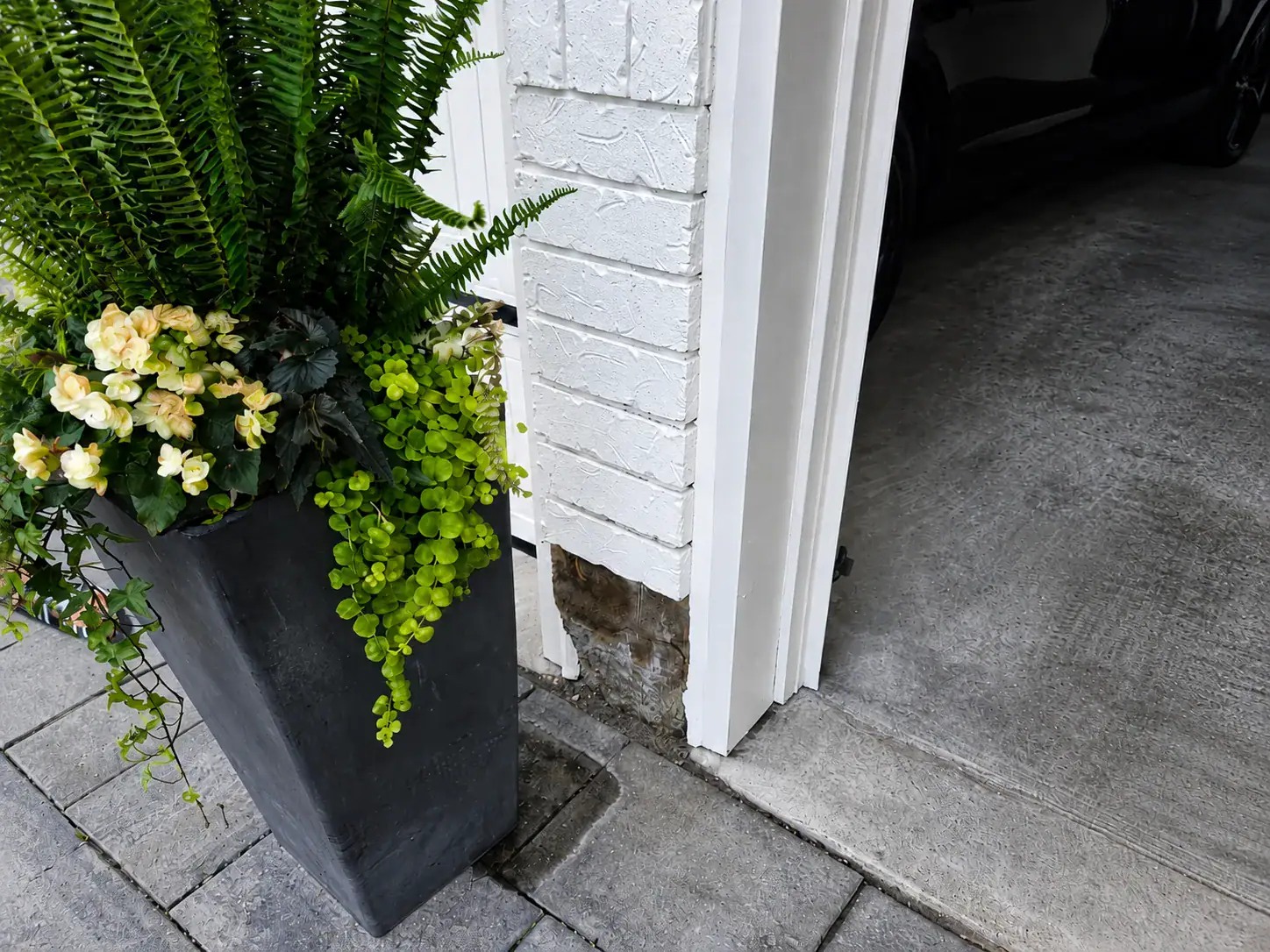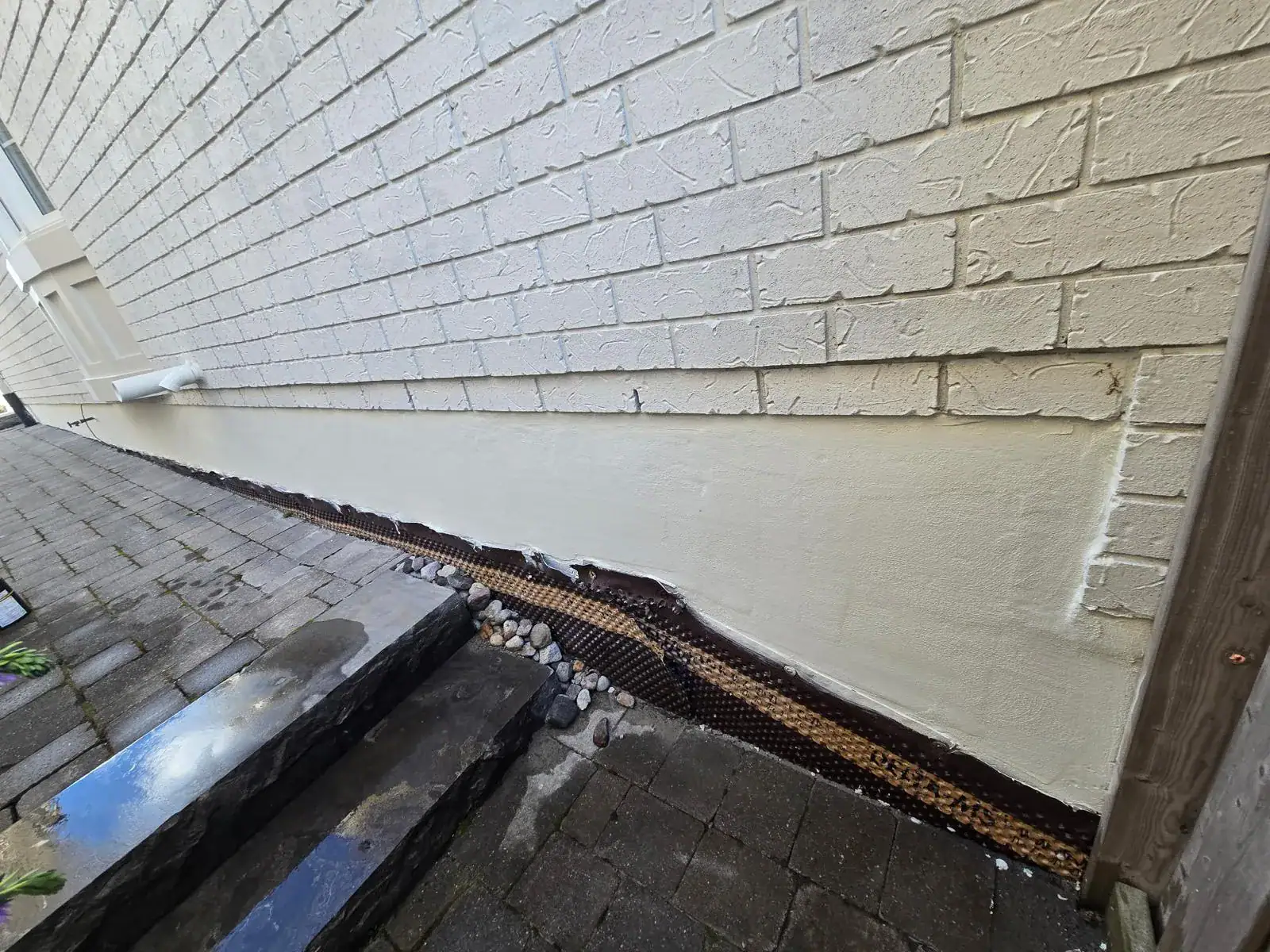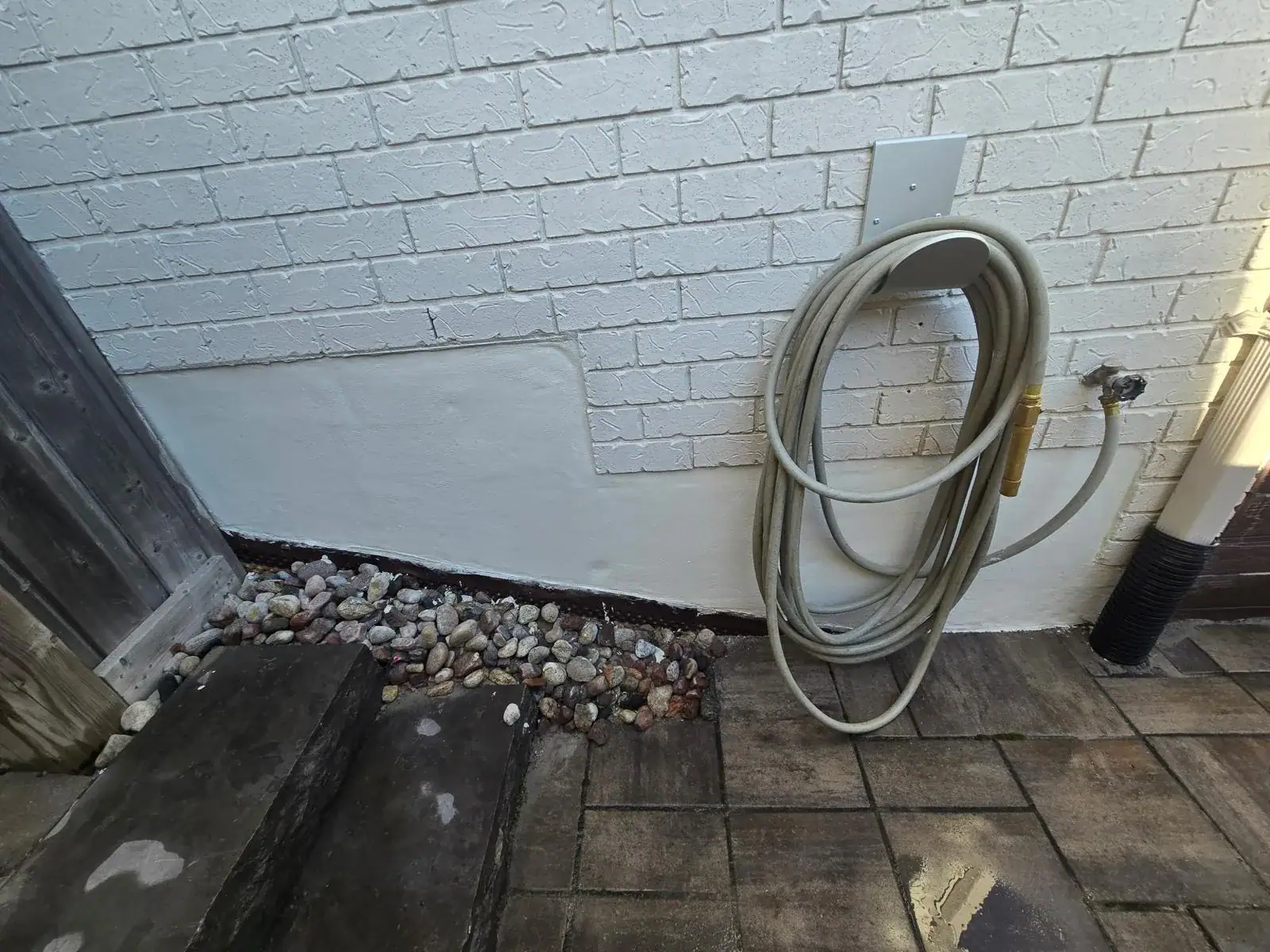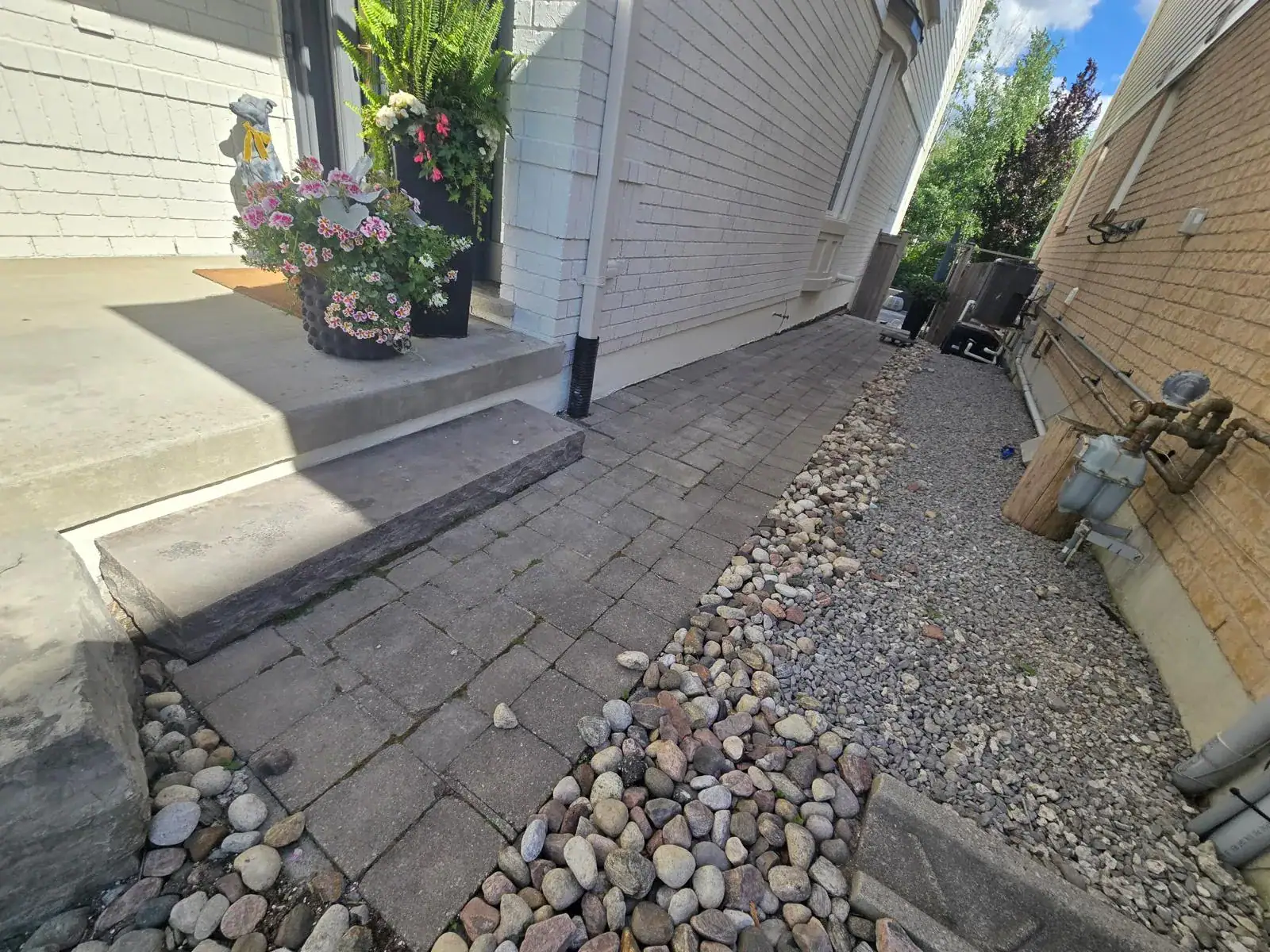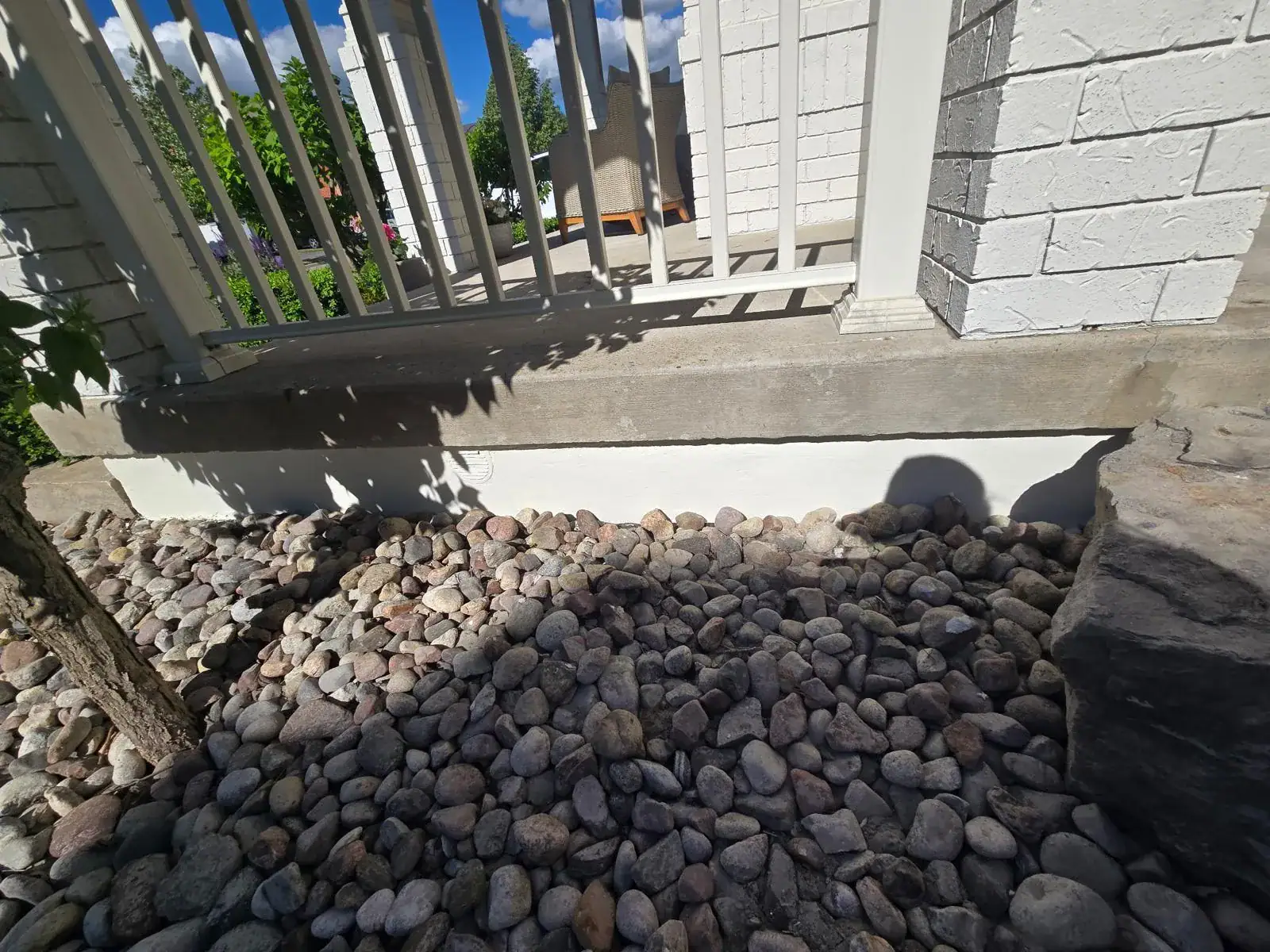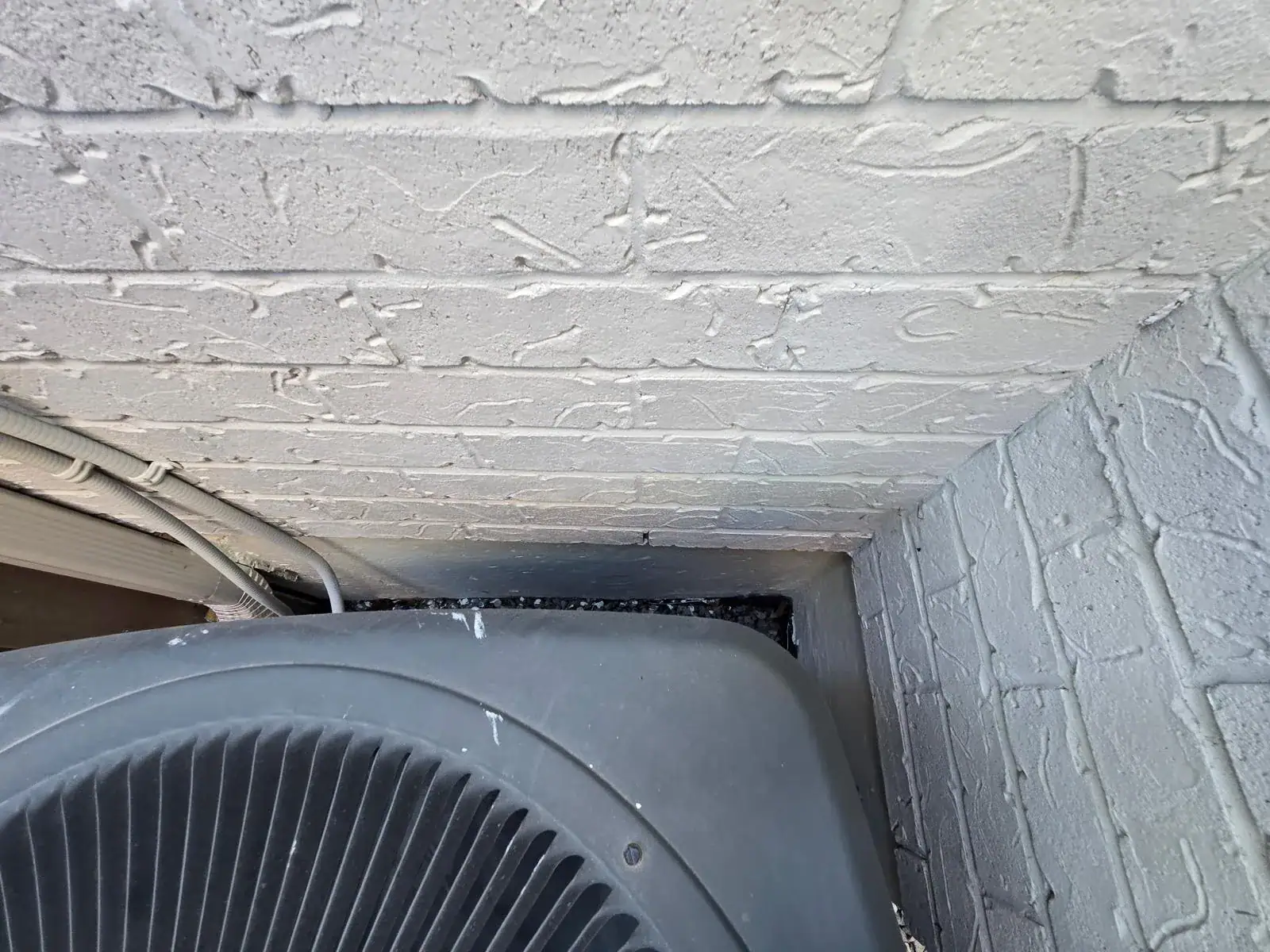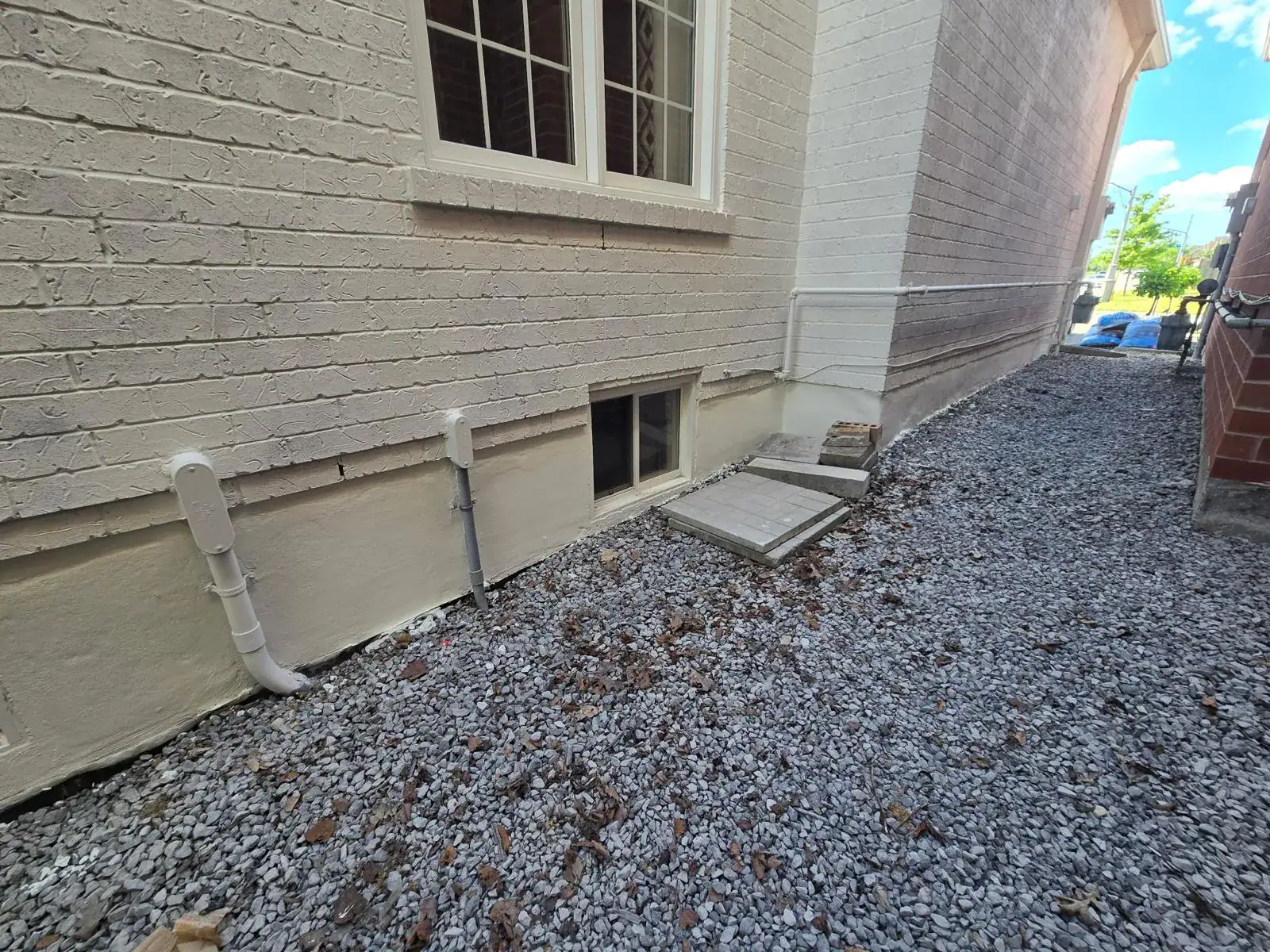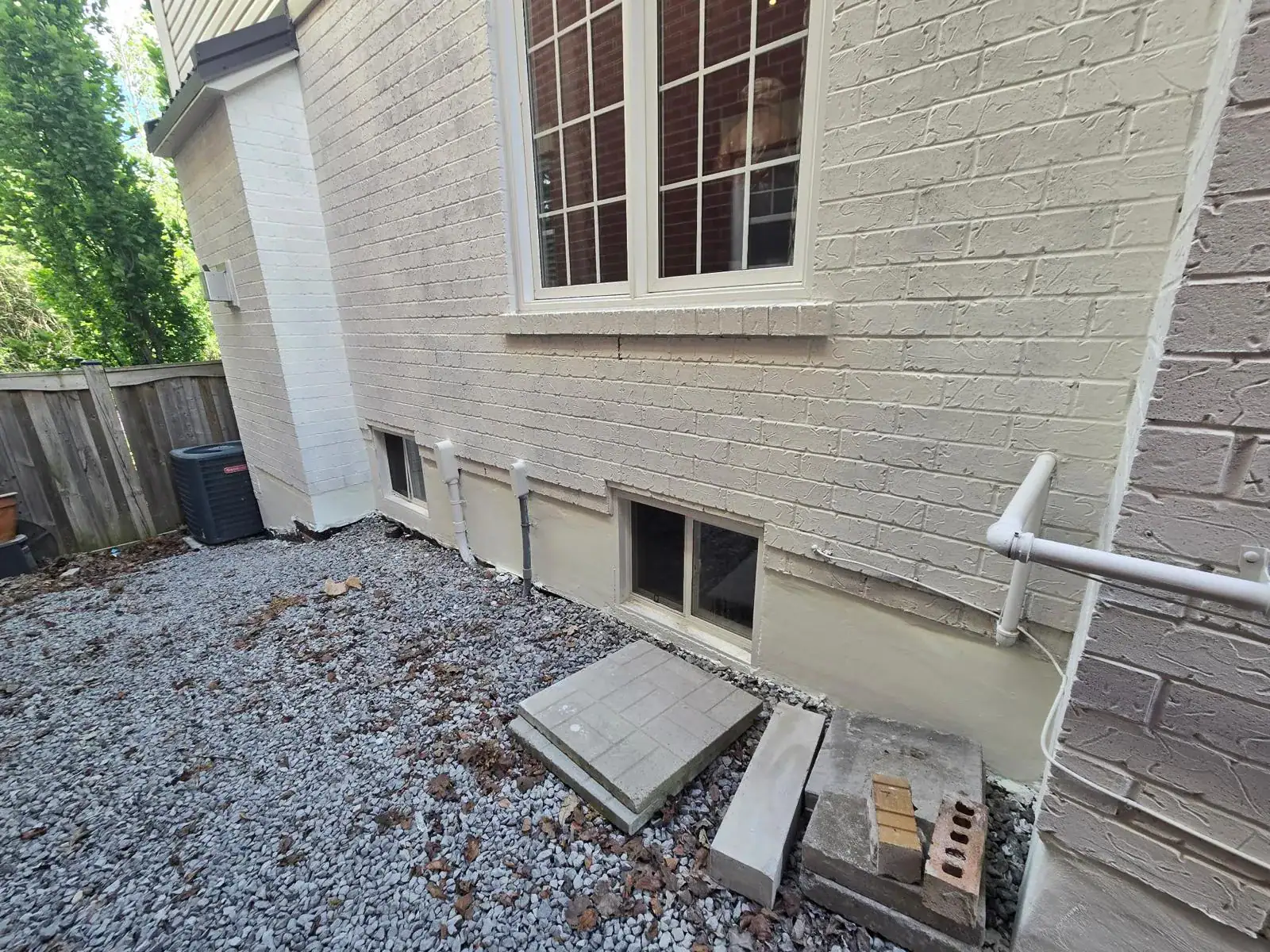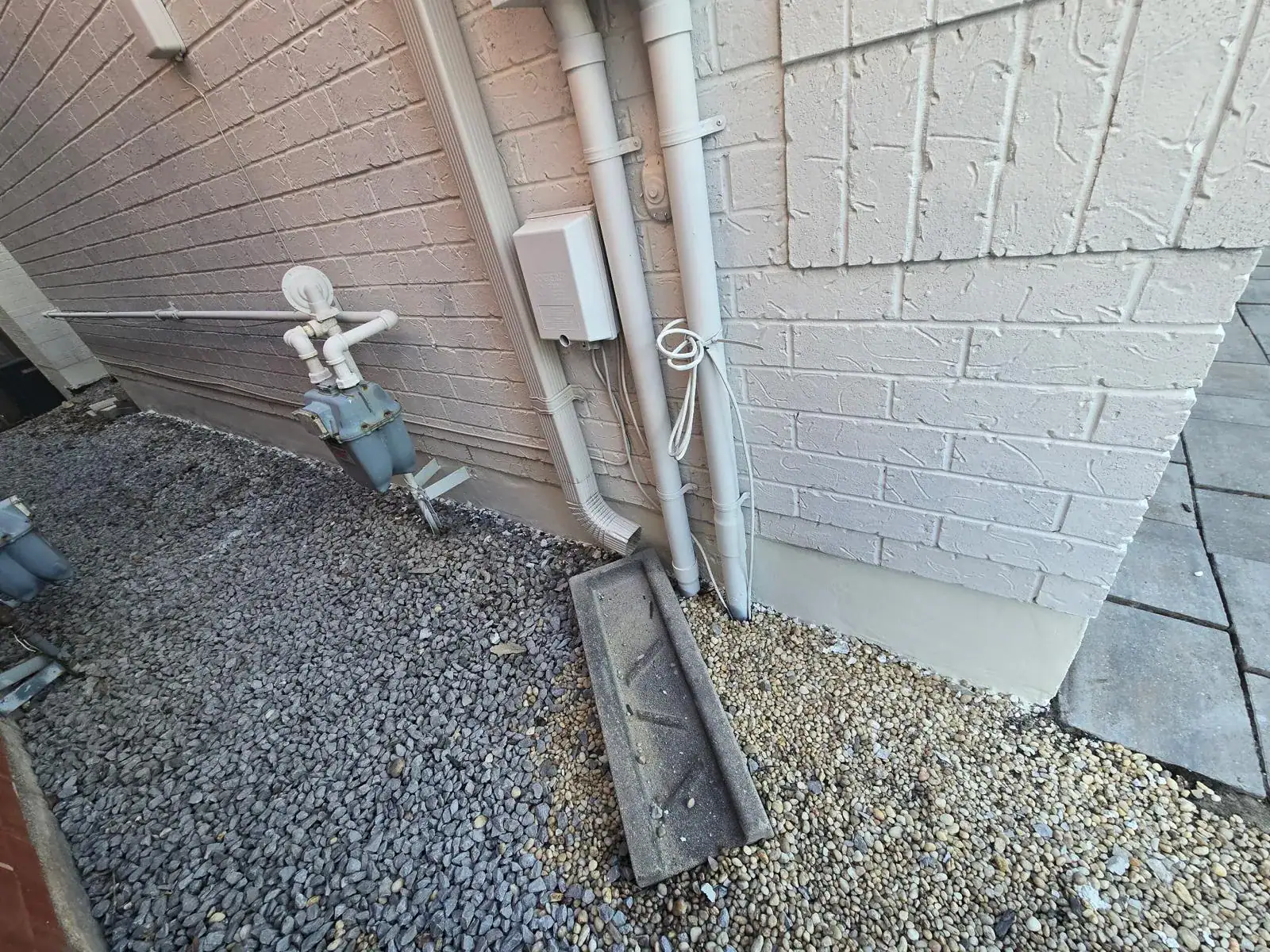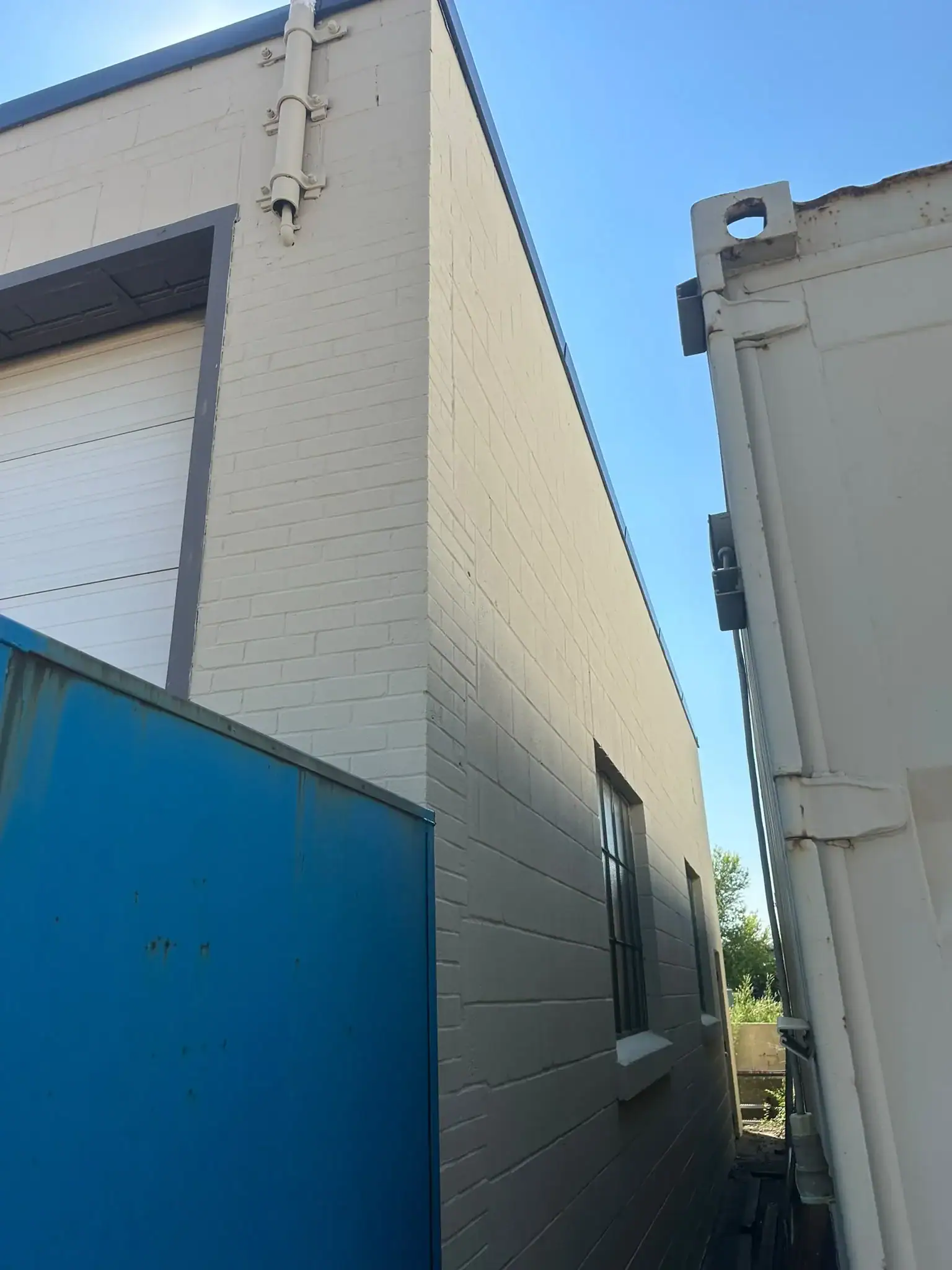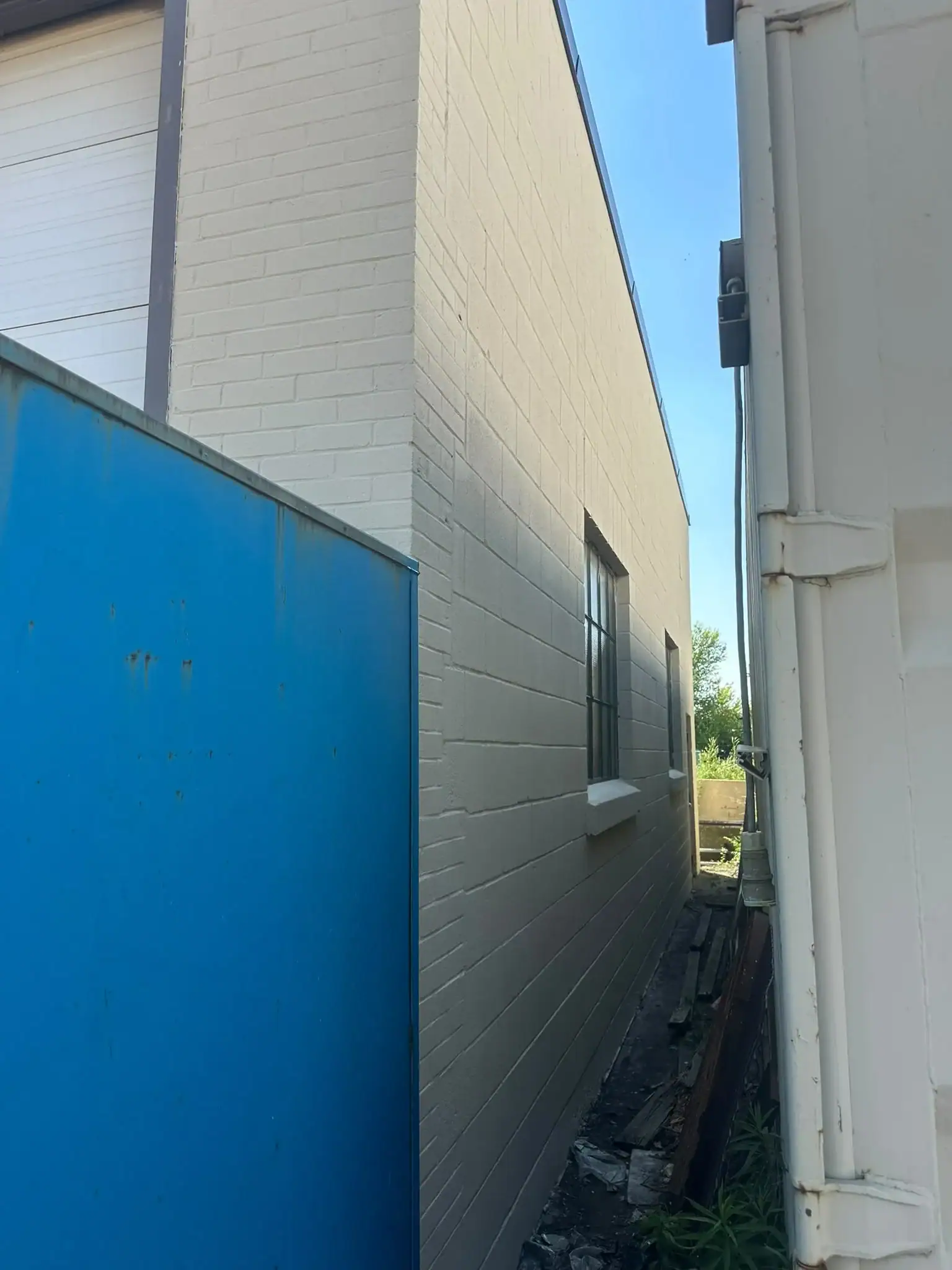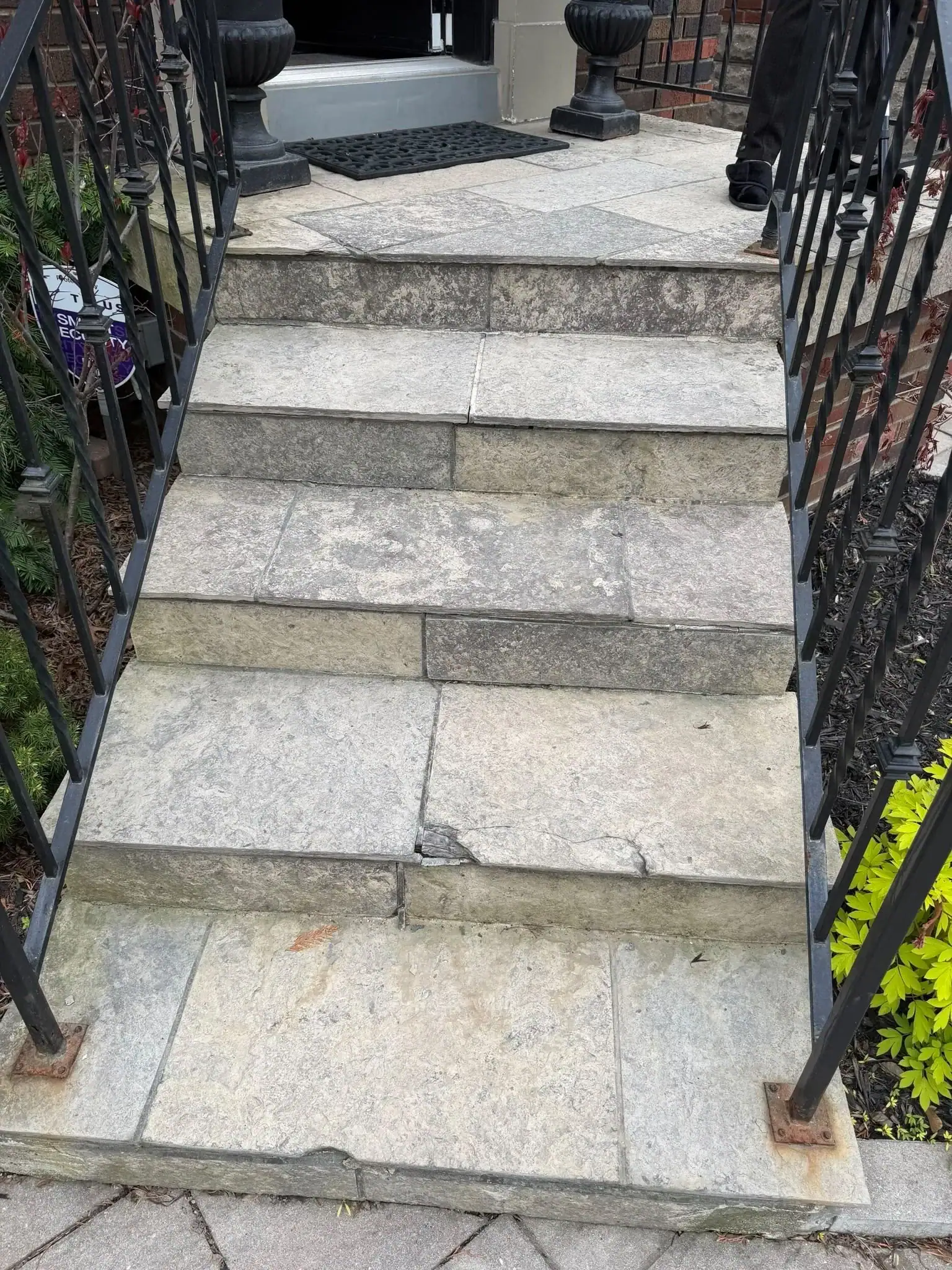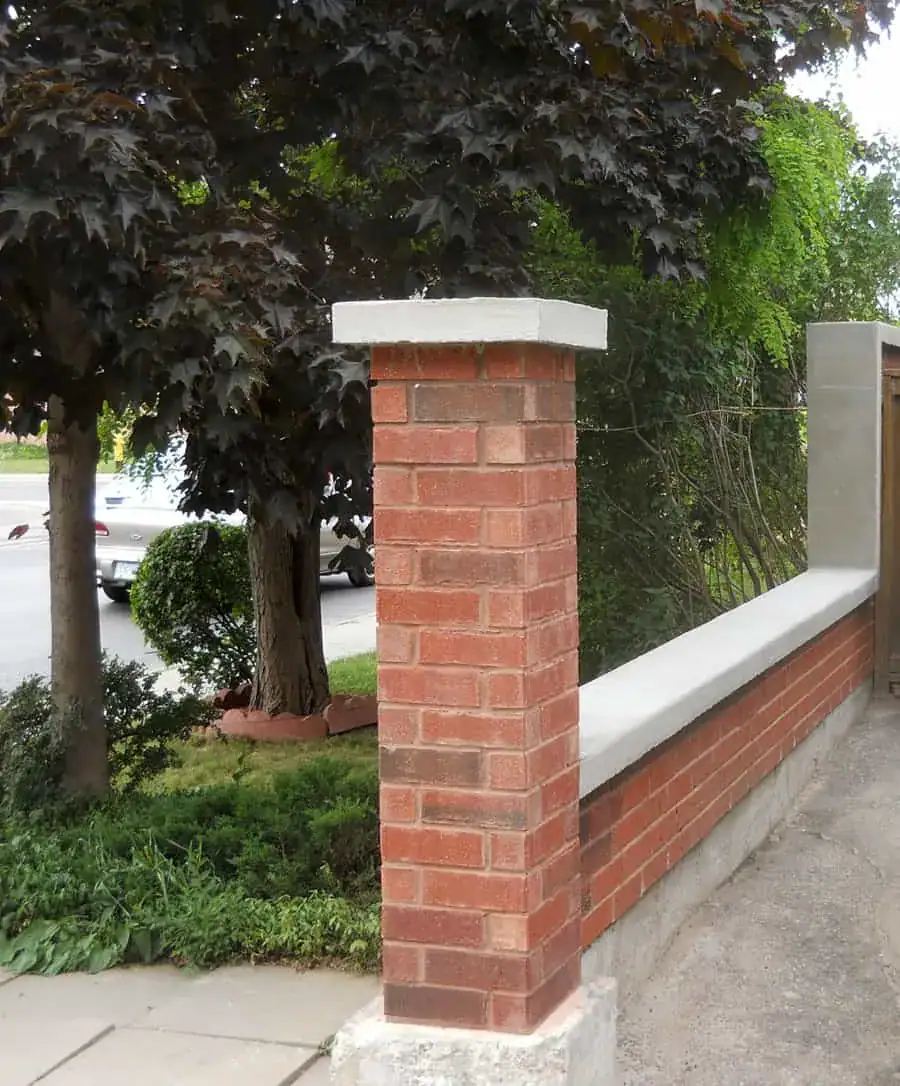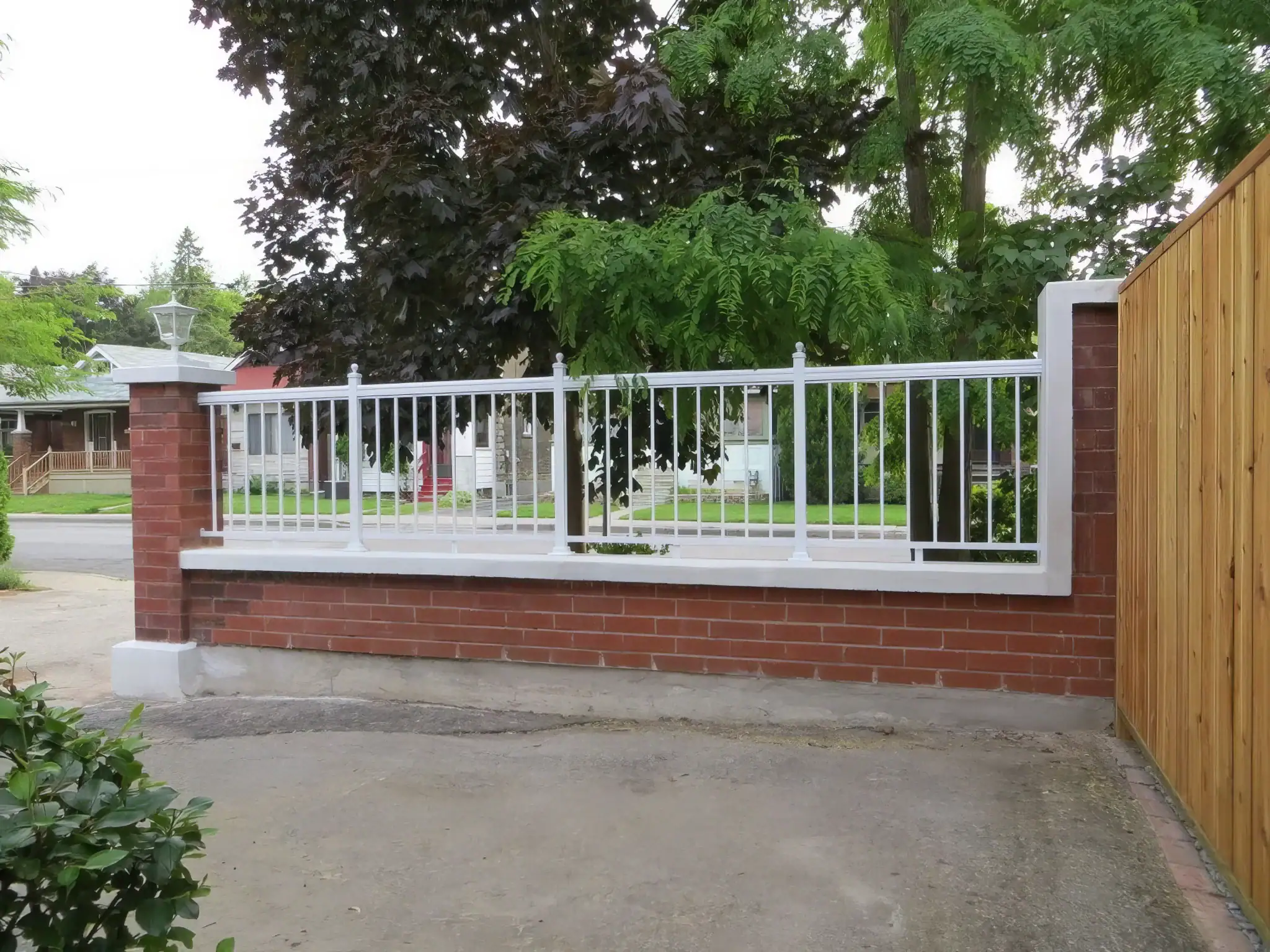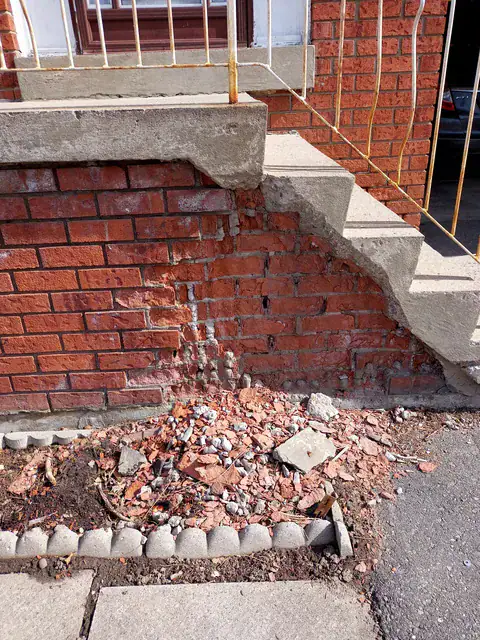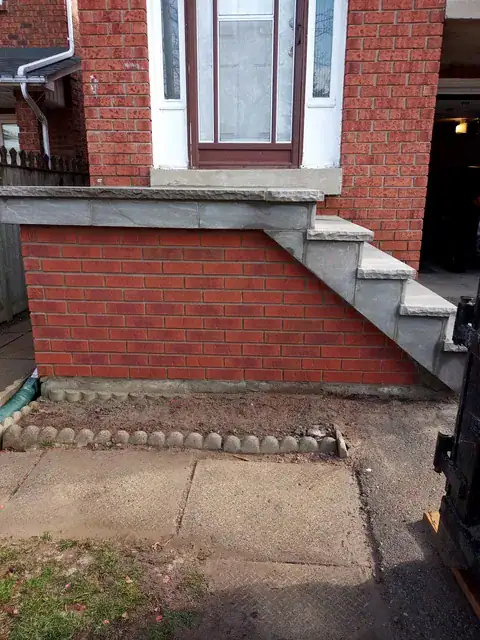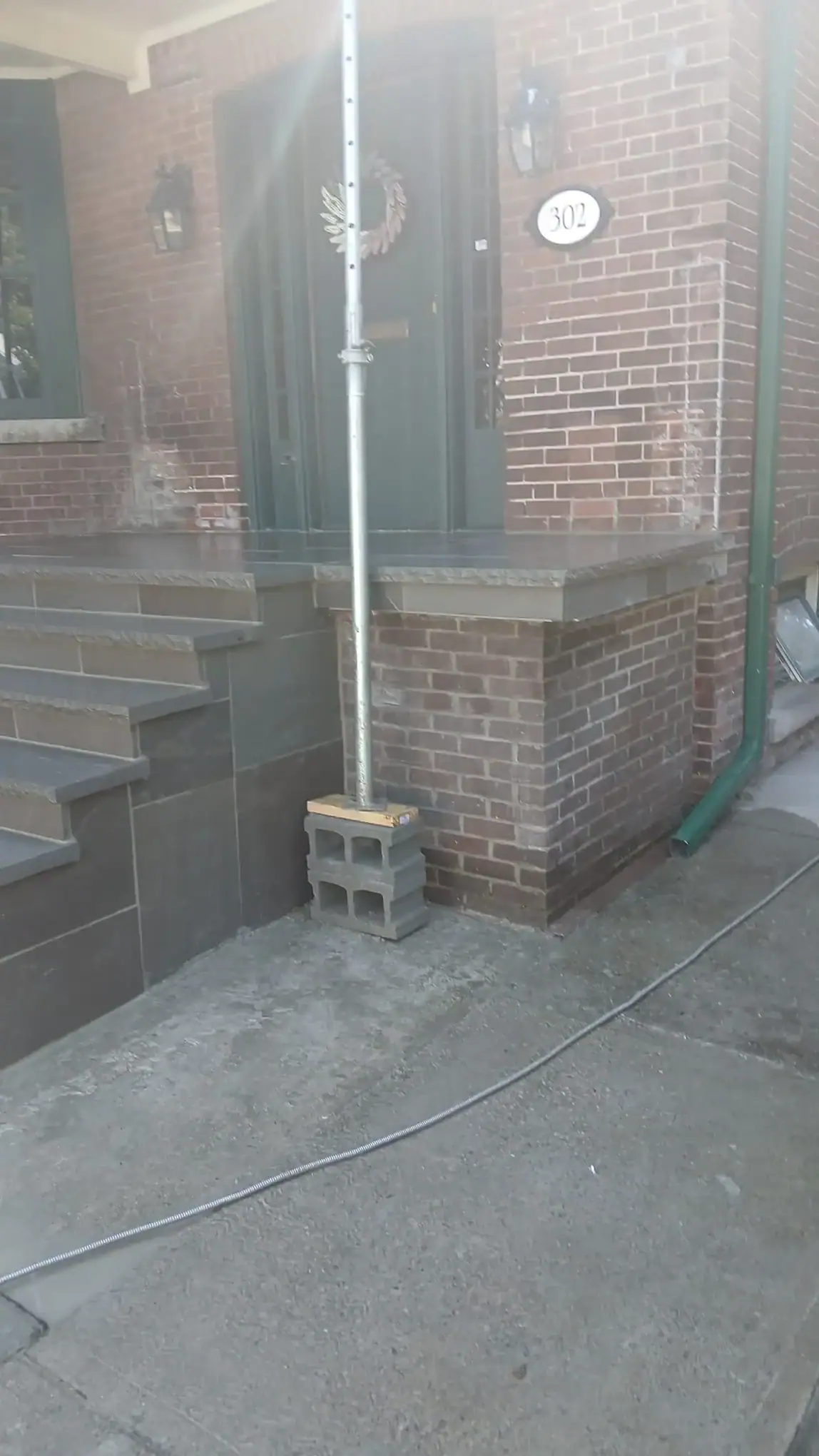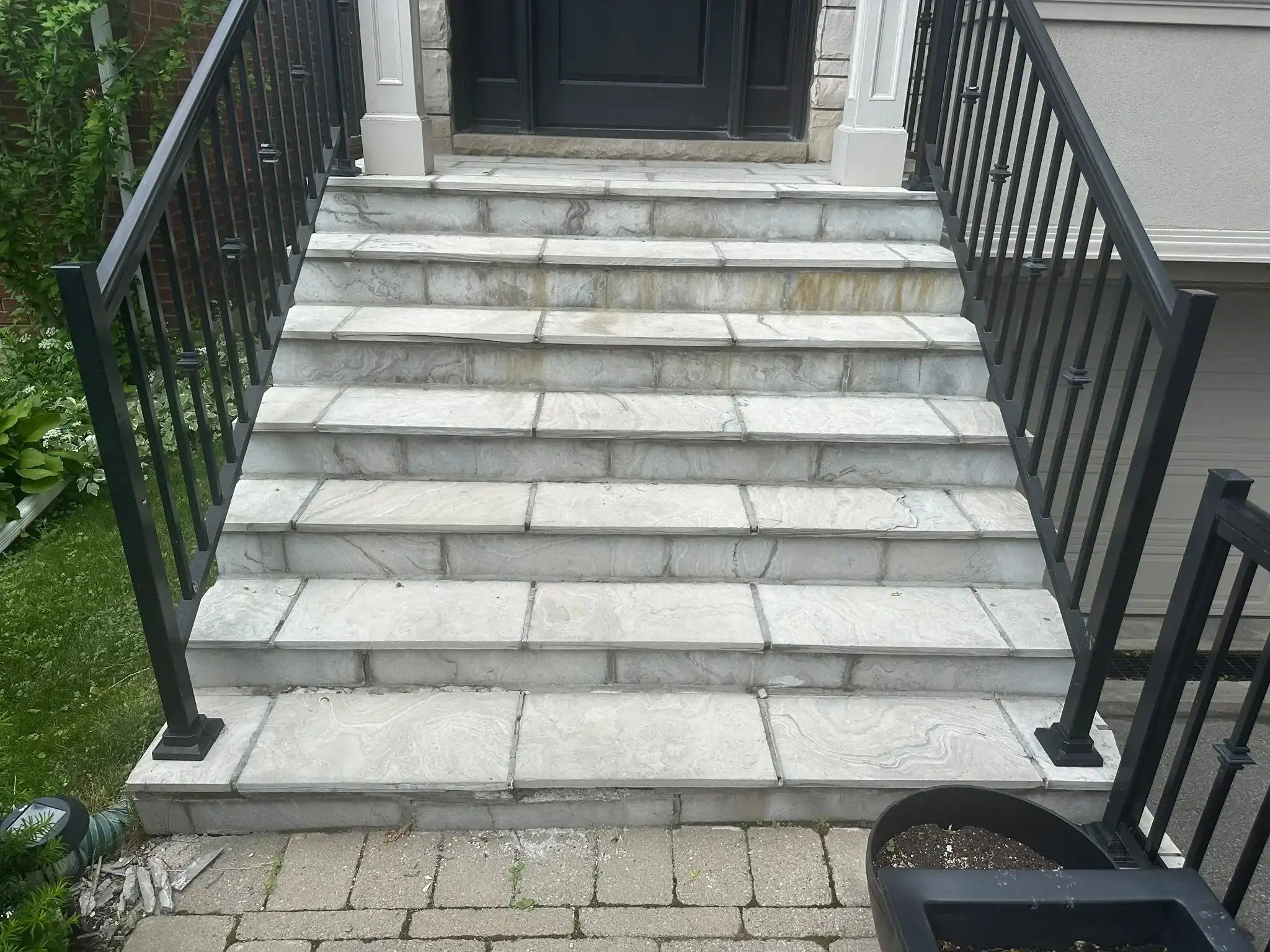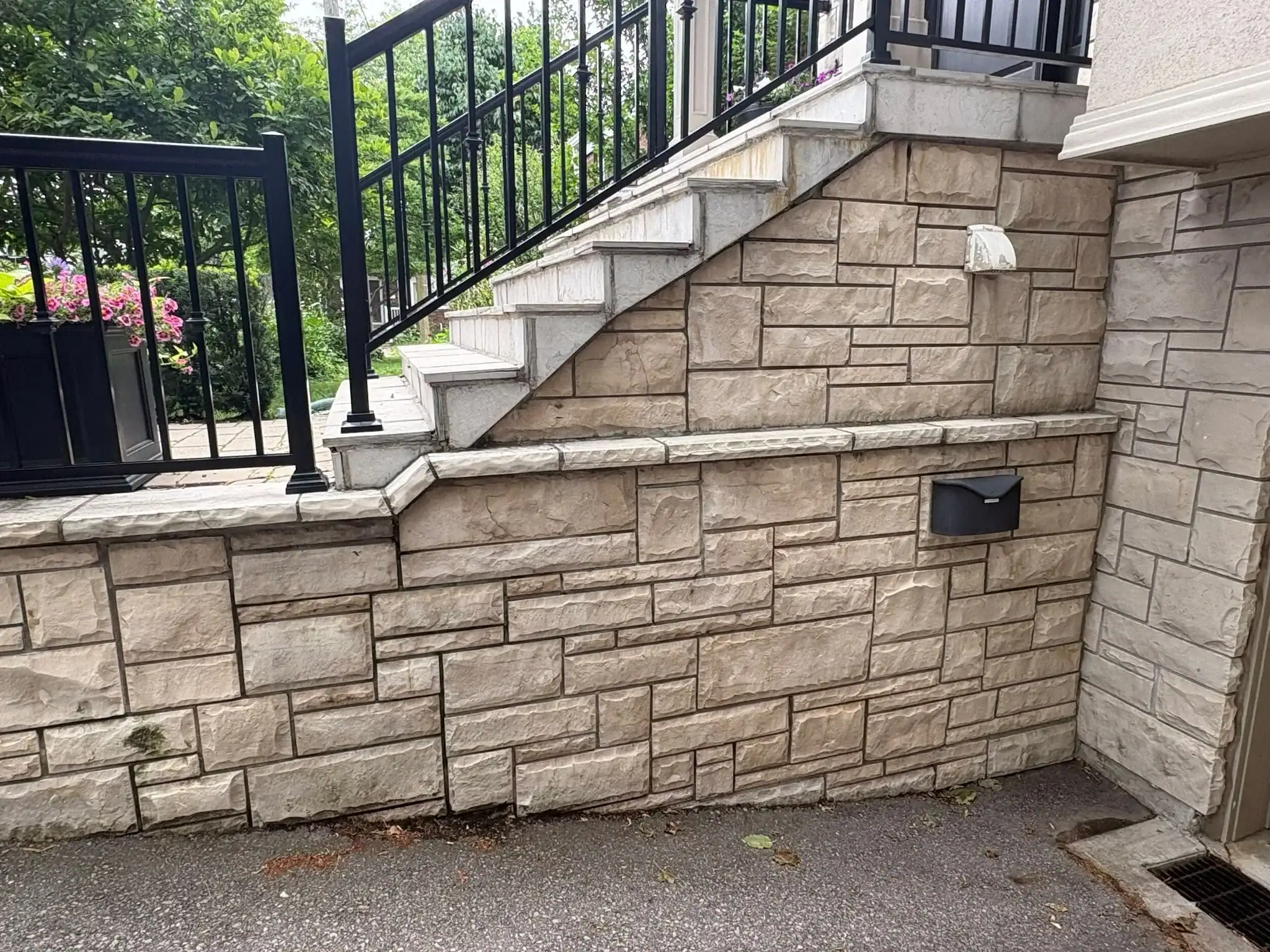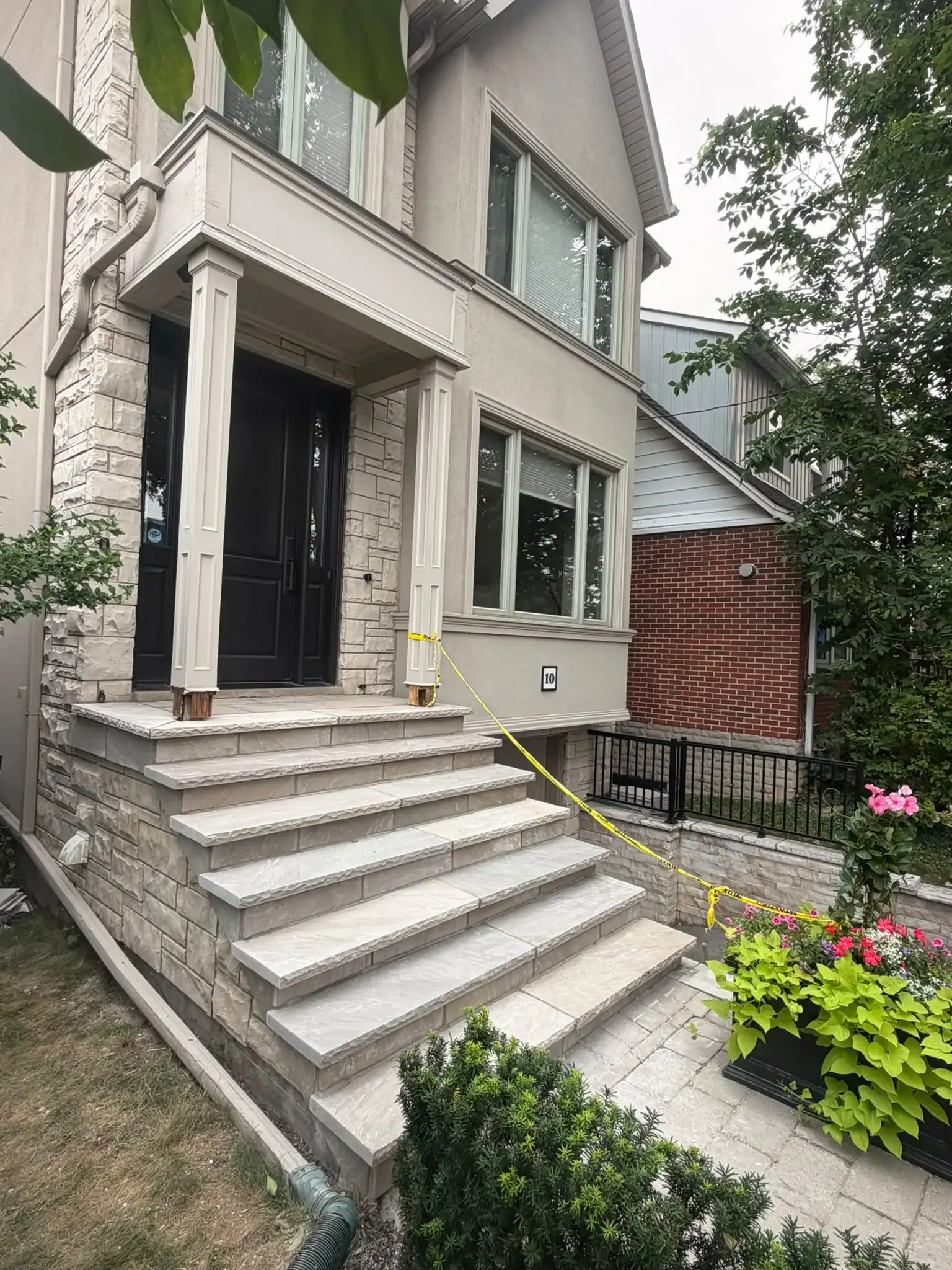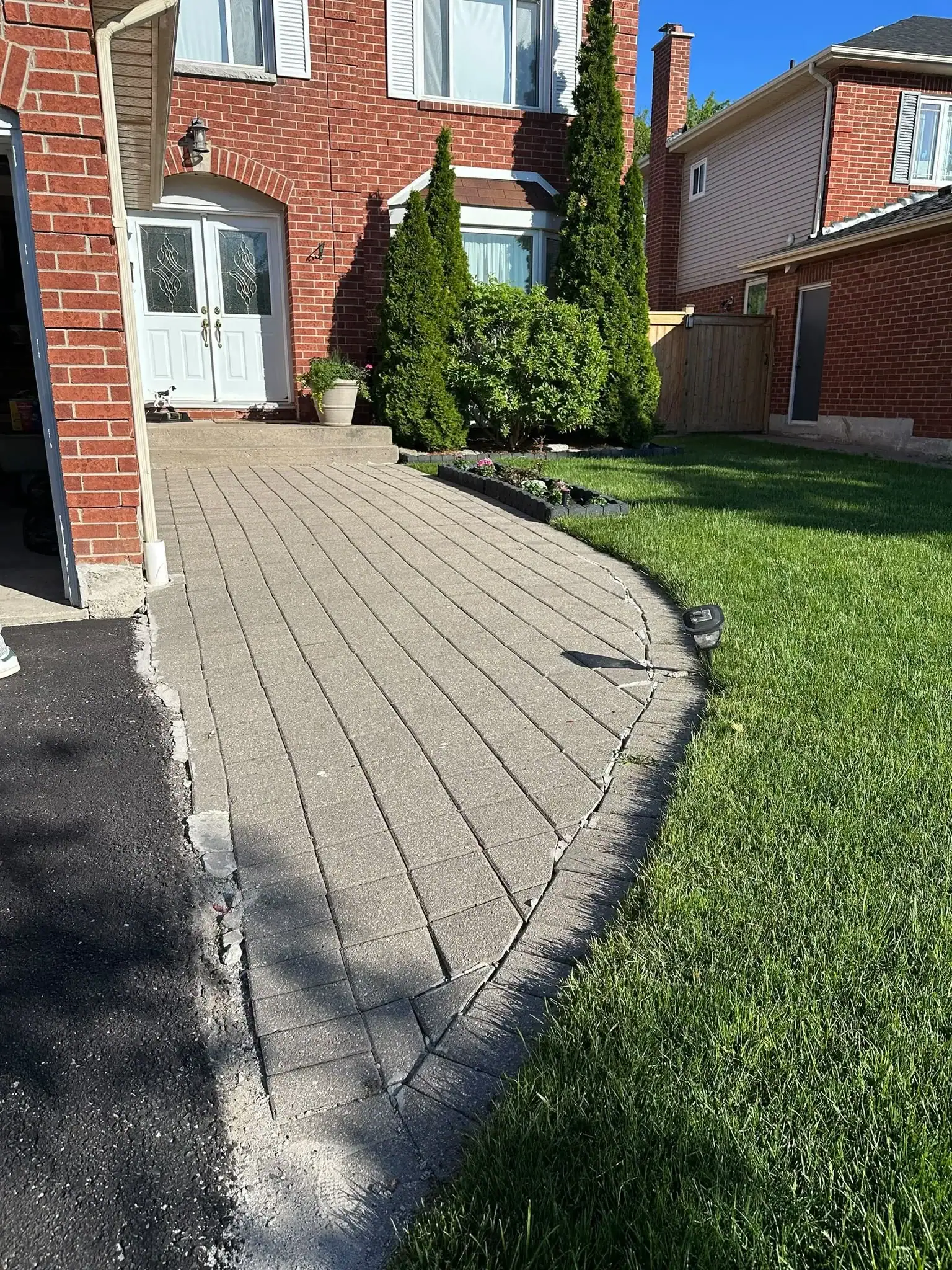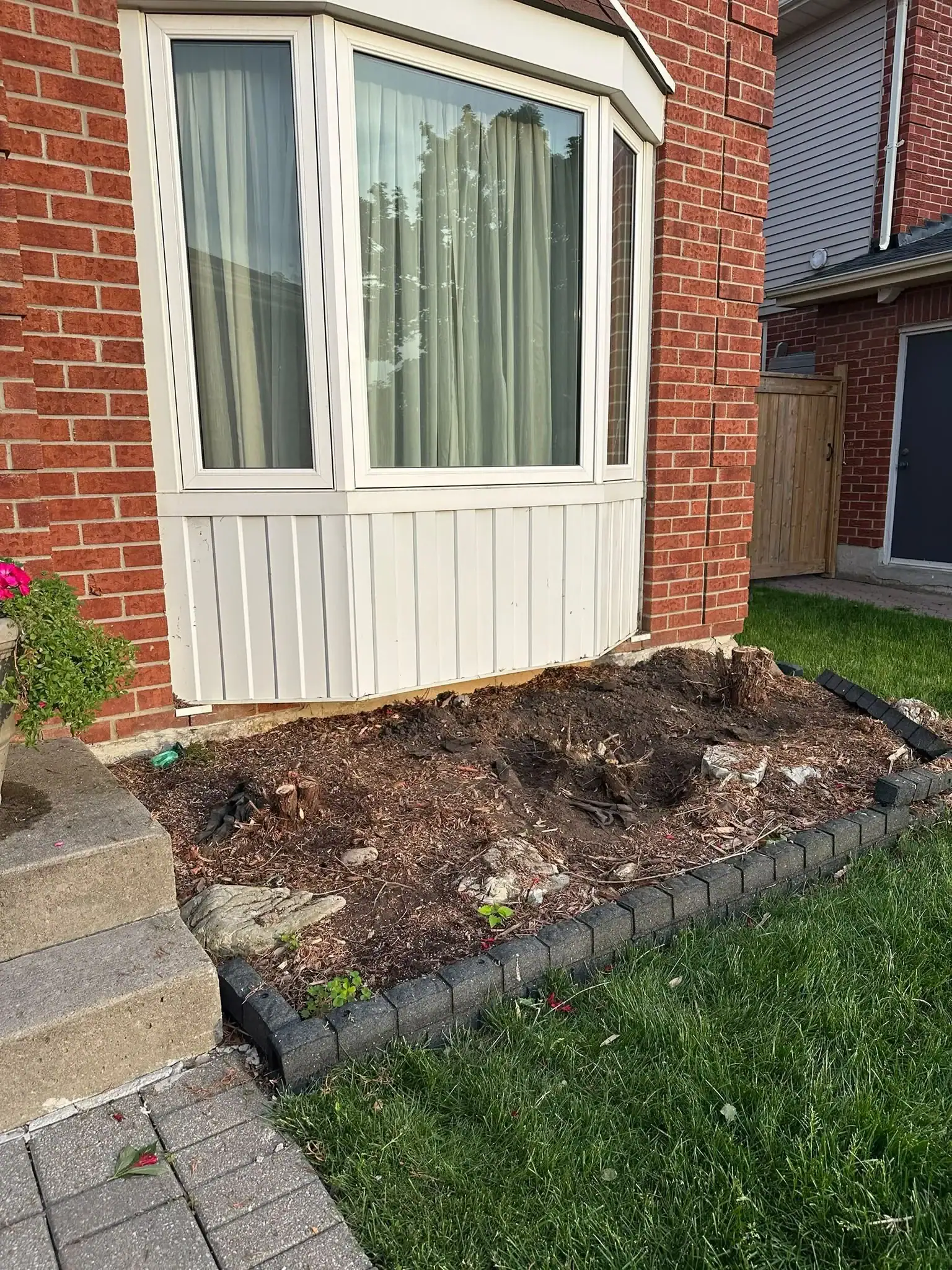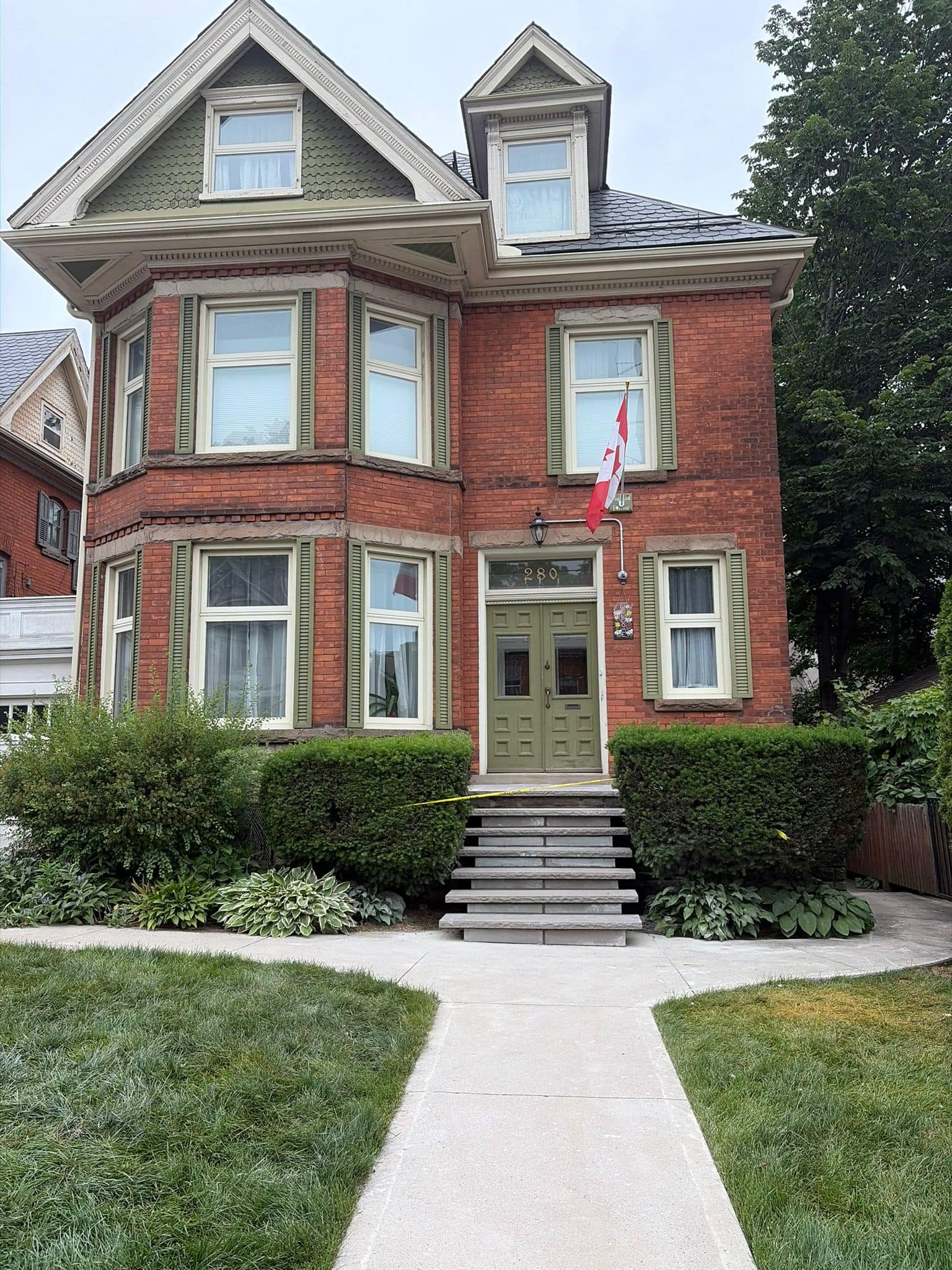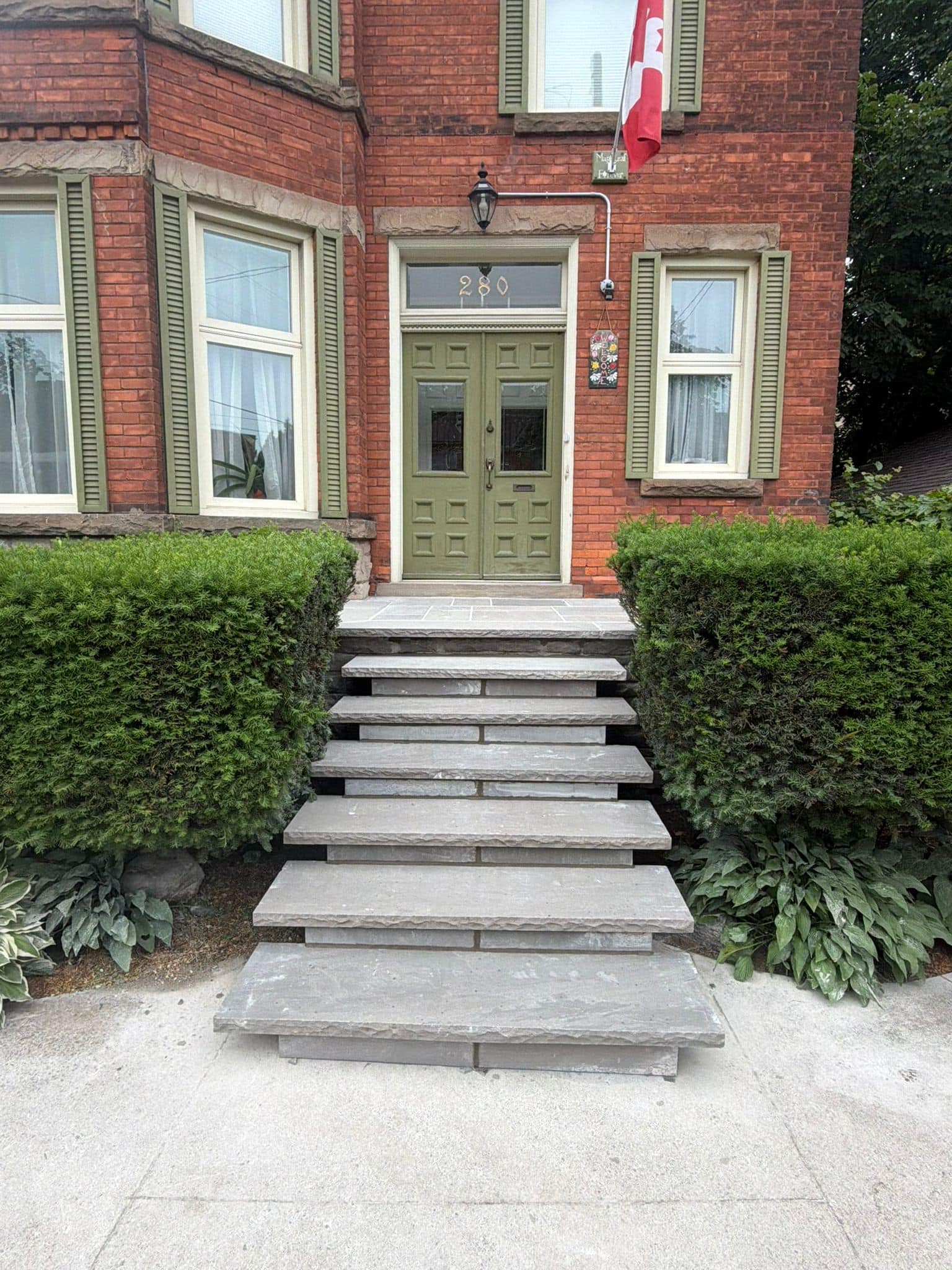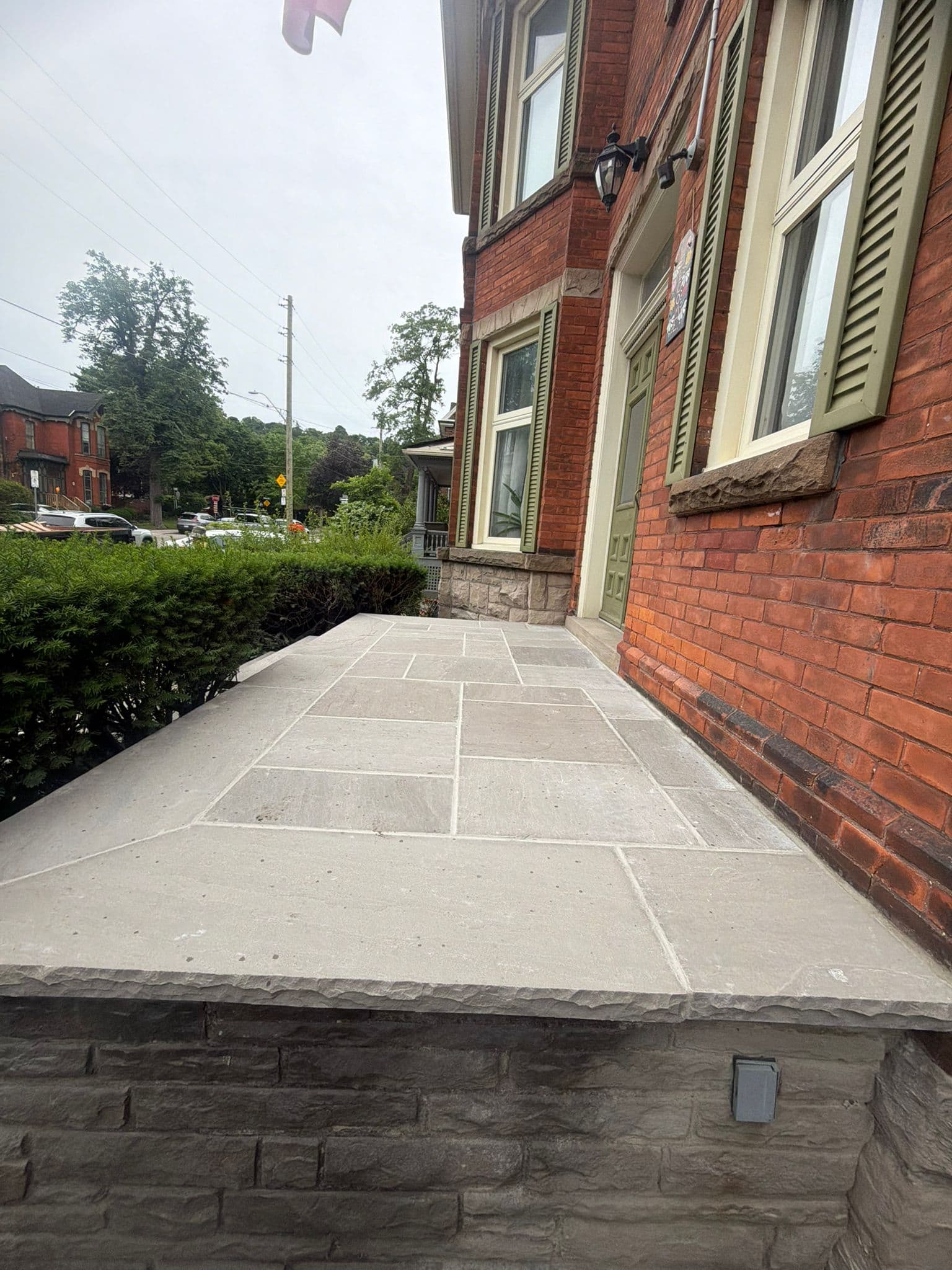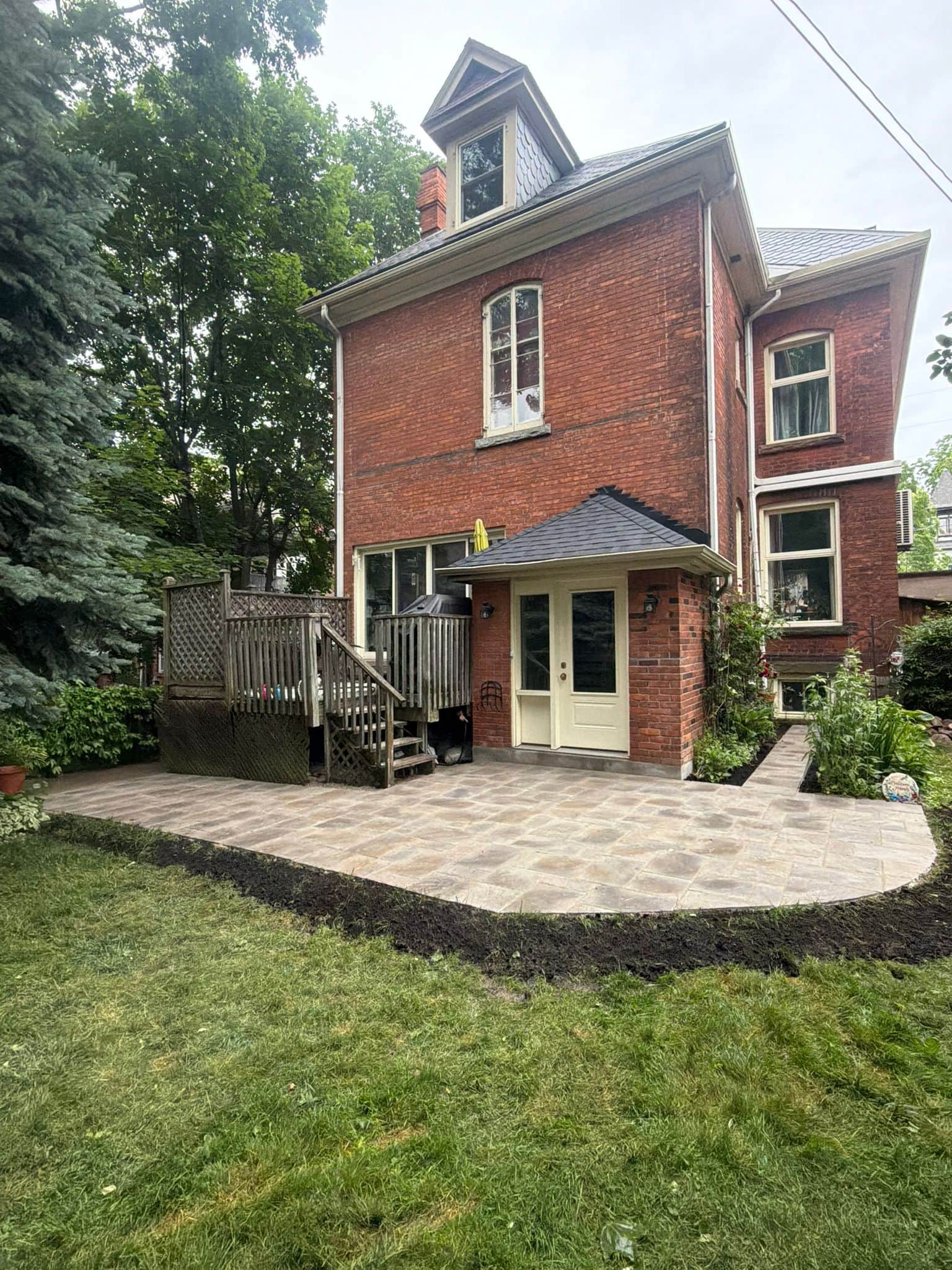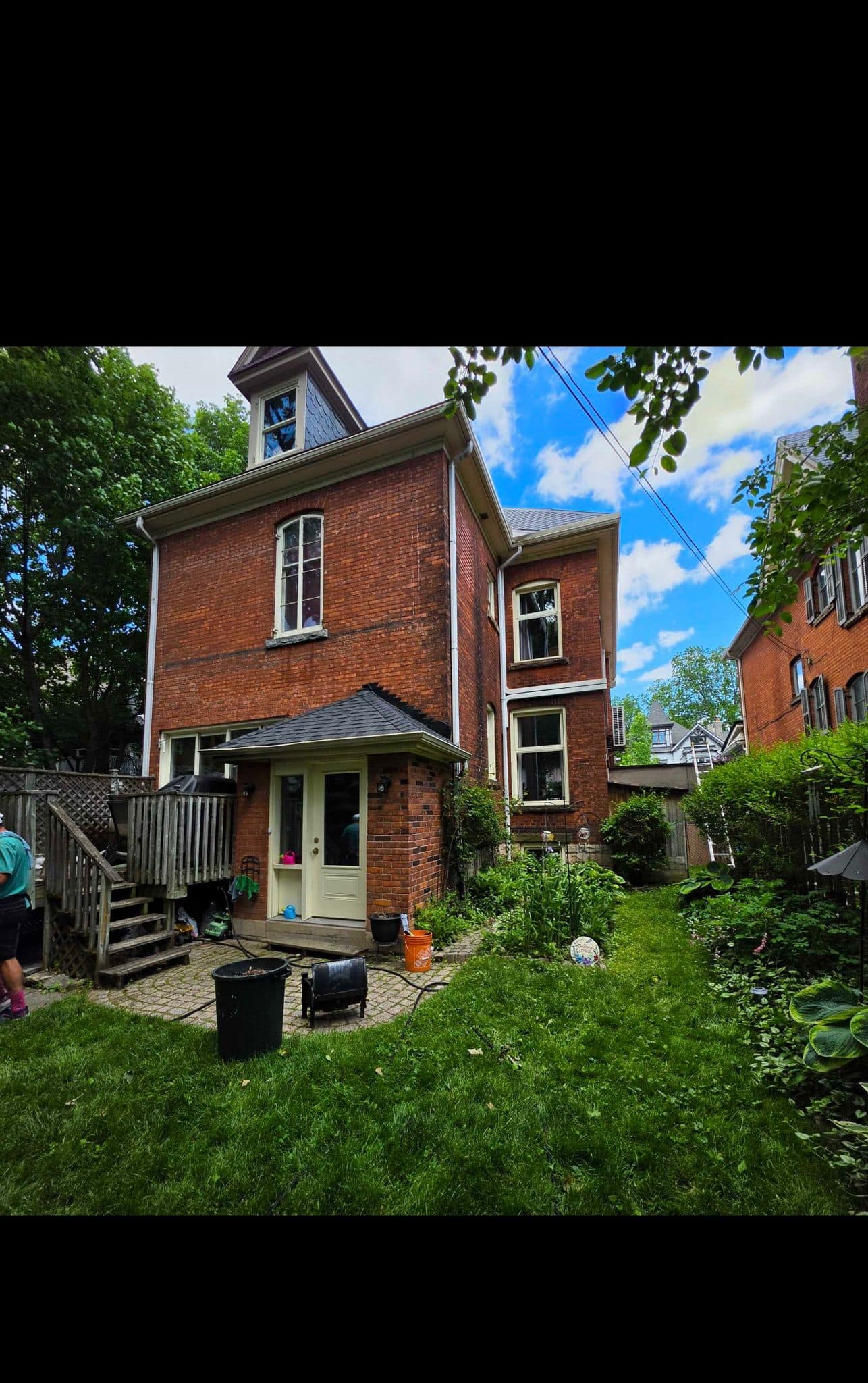

When does brick damage become structural is a question many Toronto homeowners ask after noticing cracks or shifting brickwork. While some brick issues are cosmetic, others indicate deeper structural movement that can affect safety and long-term stability.
Understanding when brick damage becomes structural helps you respond early instead of waiting until repairs become extensive.
Cosmetic Brick Damage
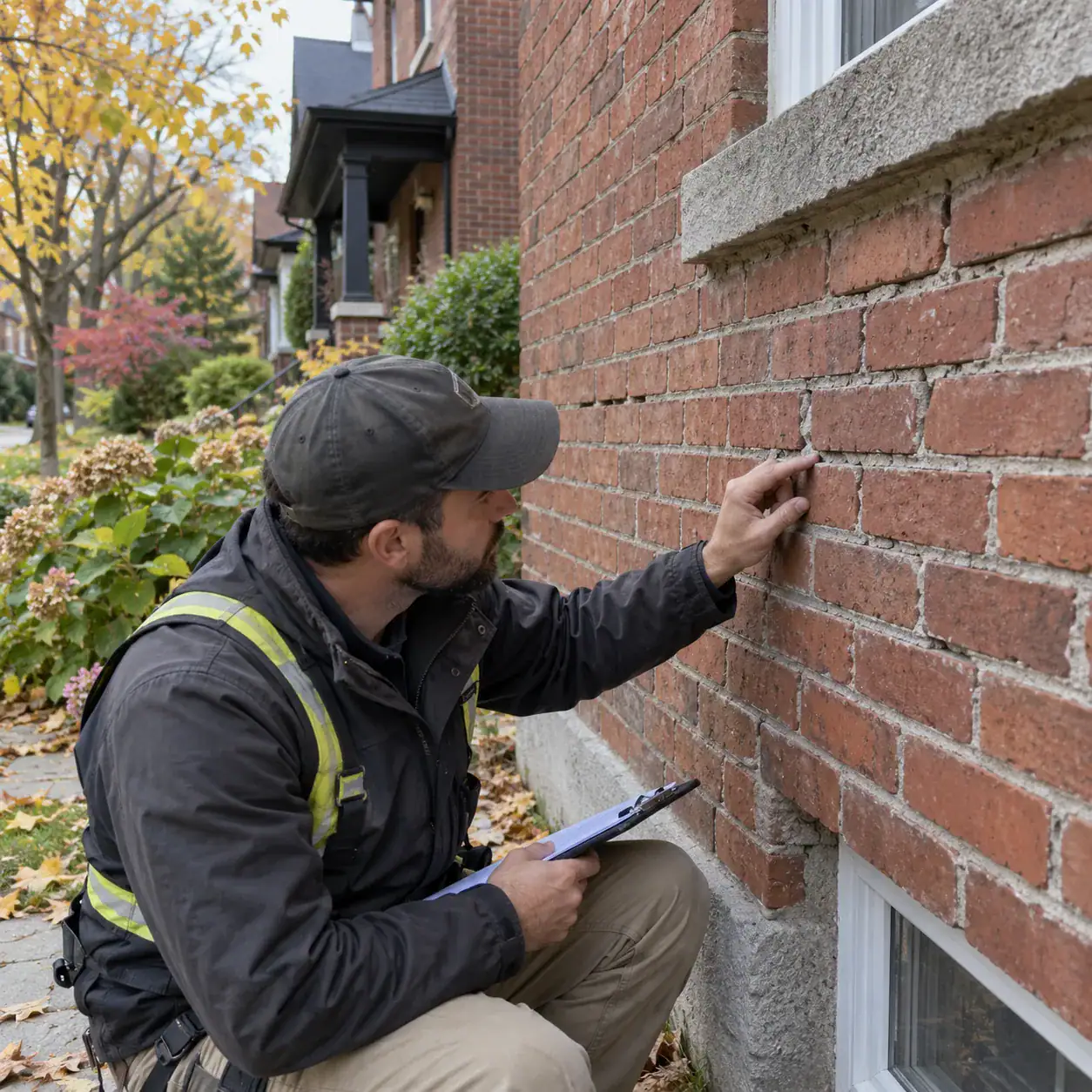
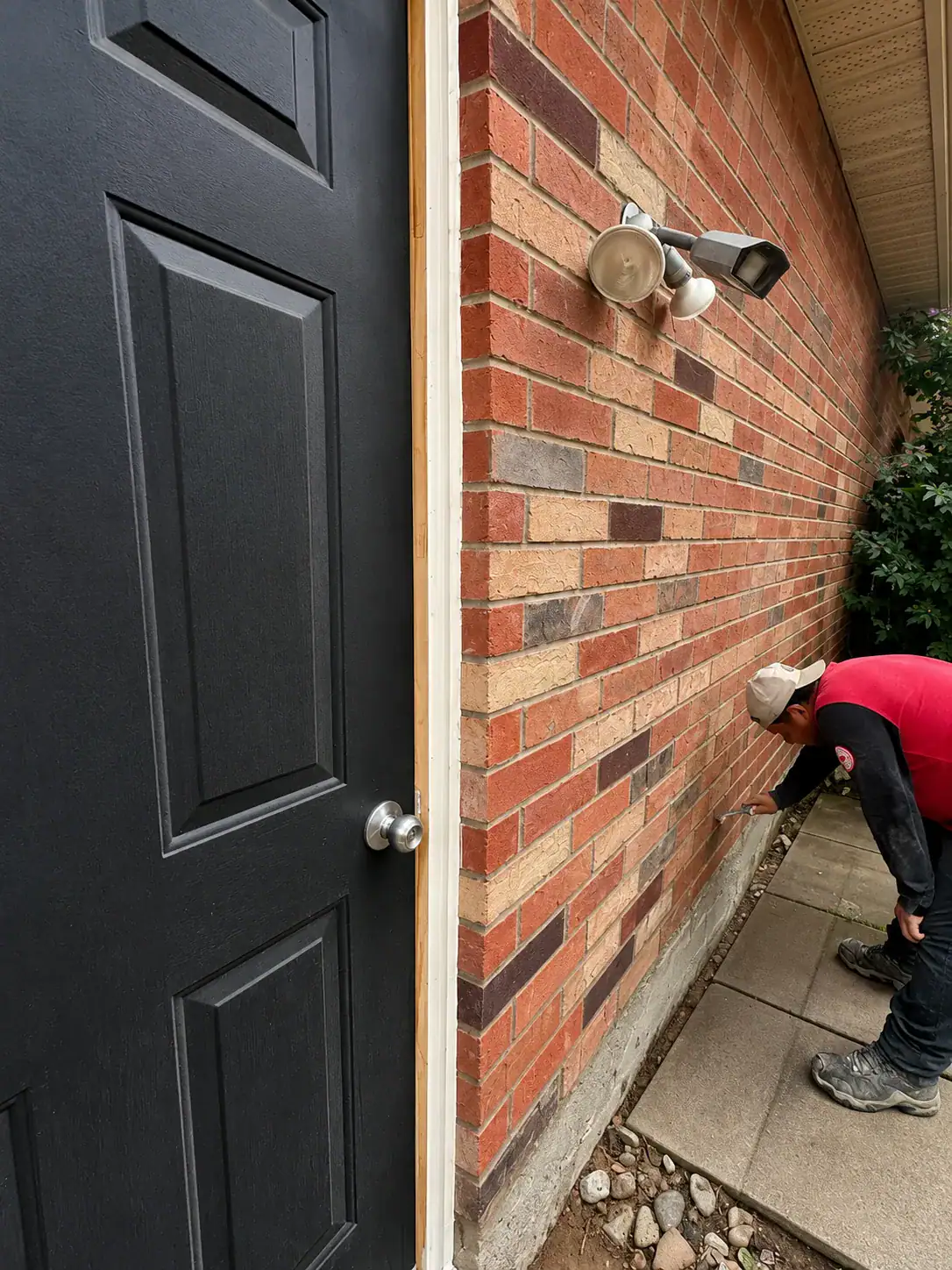
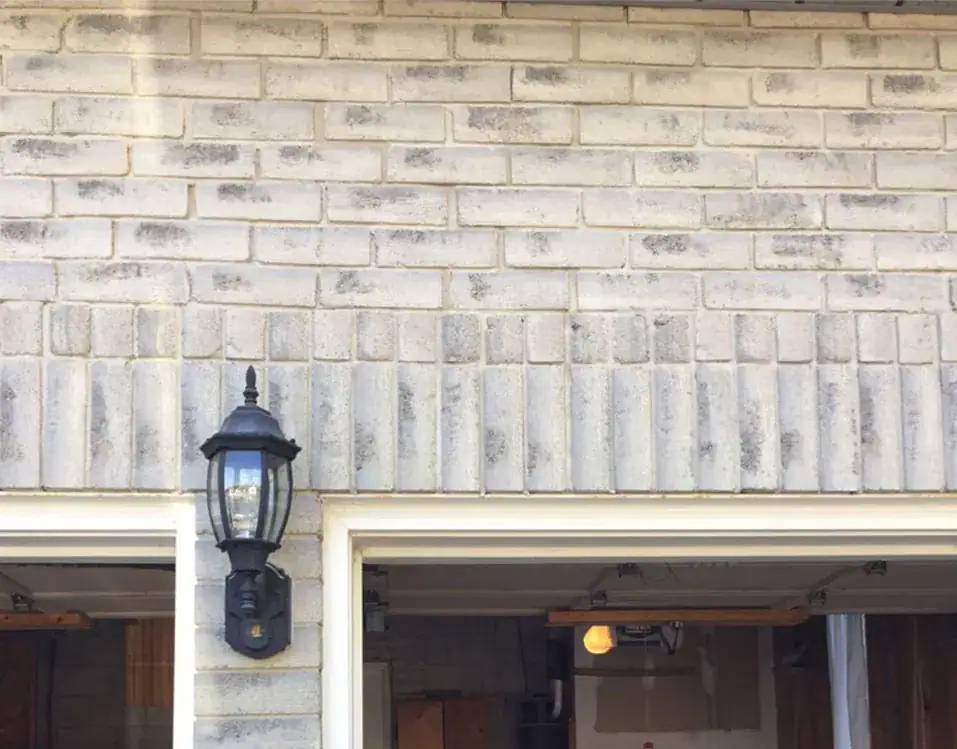
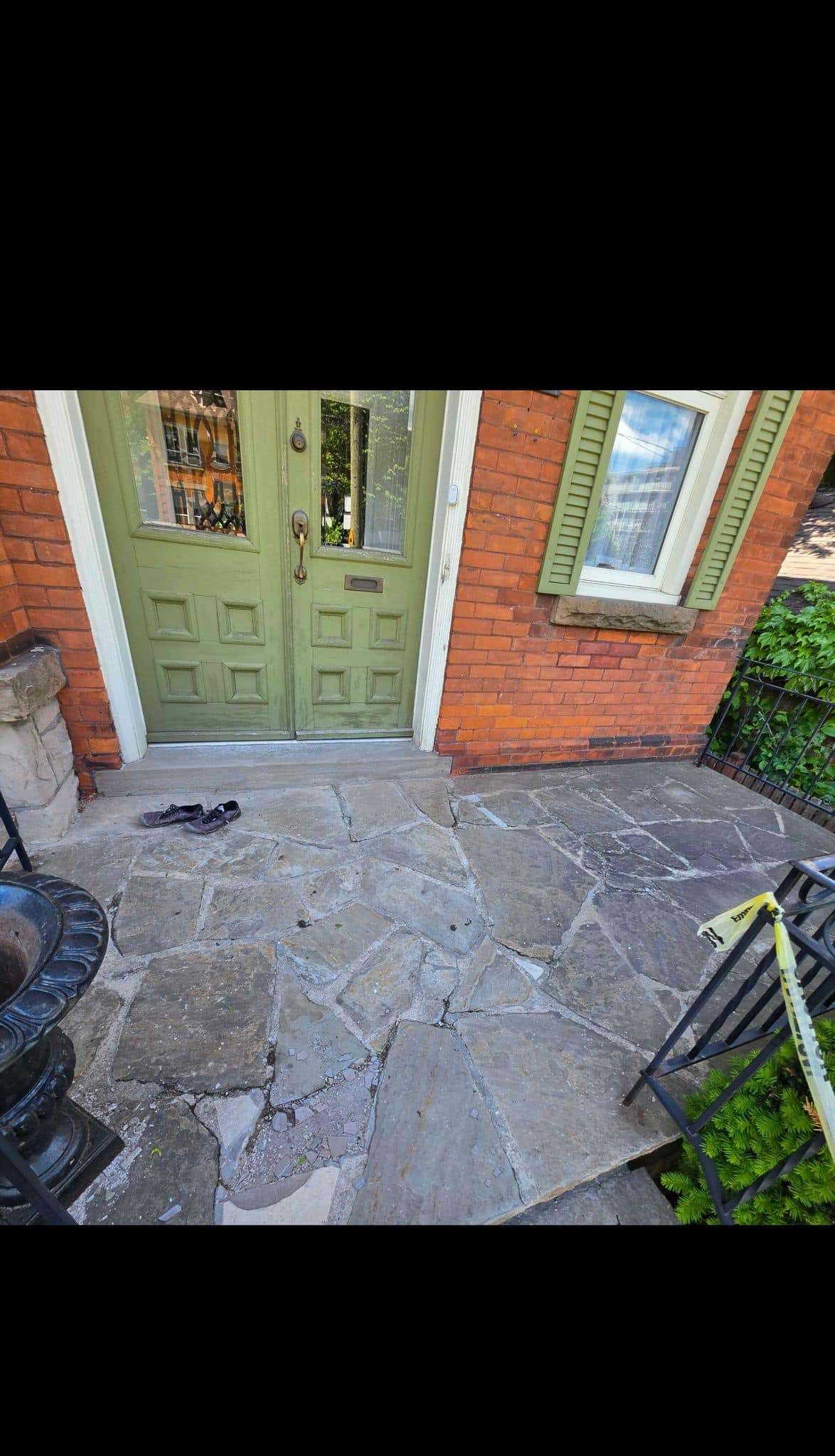
Surface discoloration, minor hairline cracks, and isolated mortar wear typically do not mean brick damage has become structural. In many cases, simple maintenance such as tuckpointing Toronto can restore joint integrity before structural concerns develop.
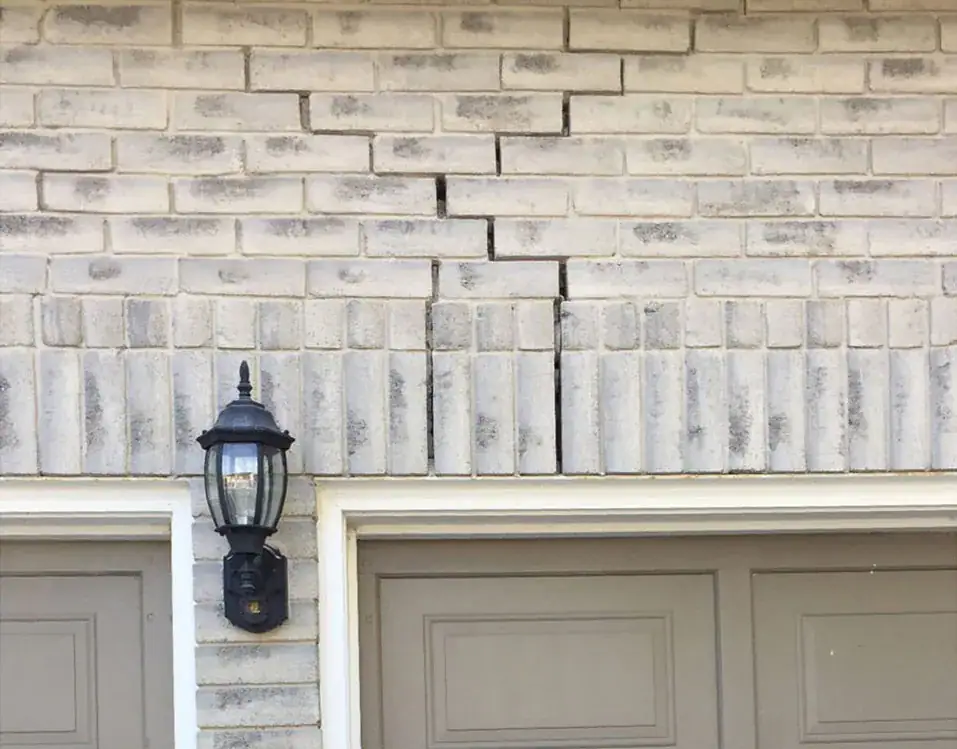
Warning Signs Brick Damage Is Structural
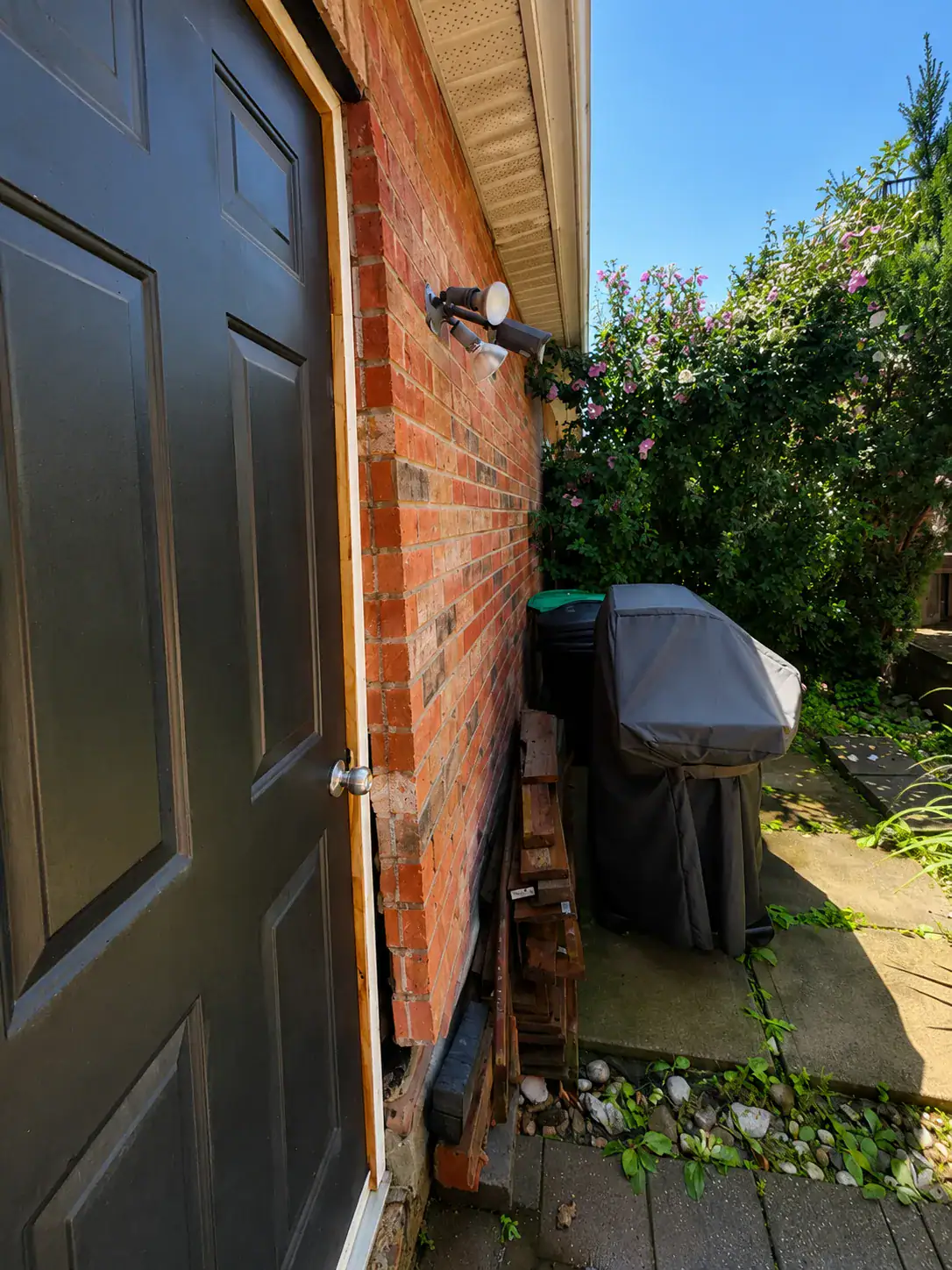
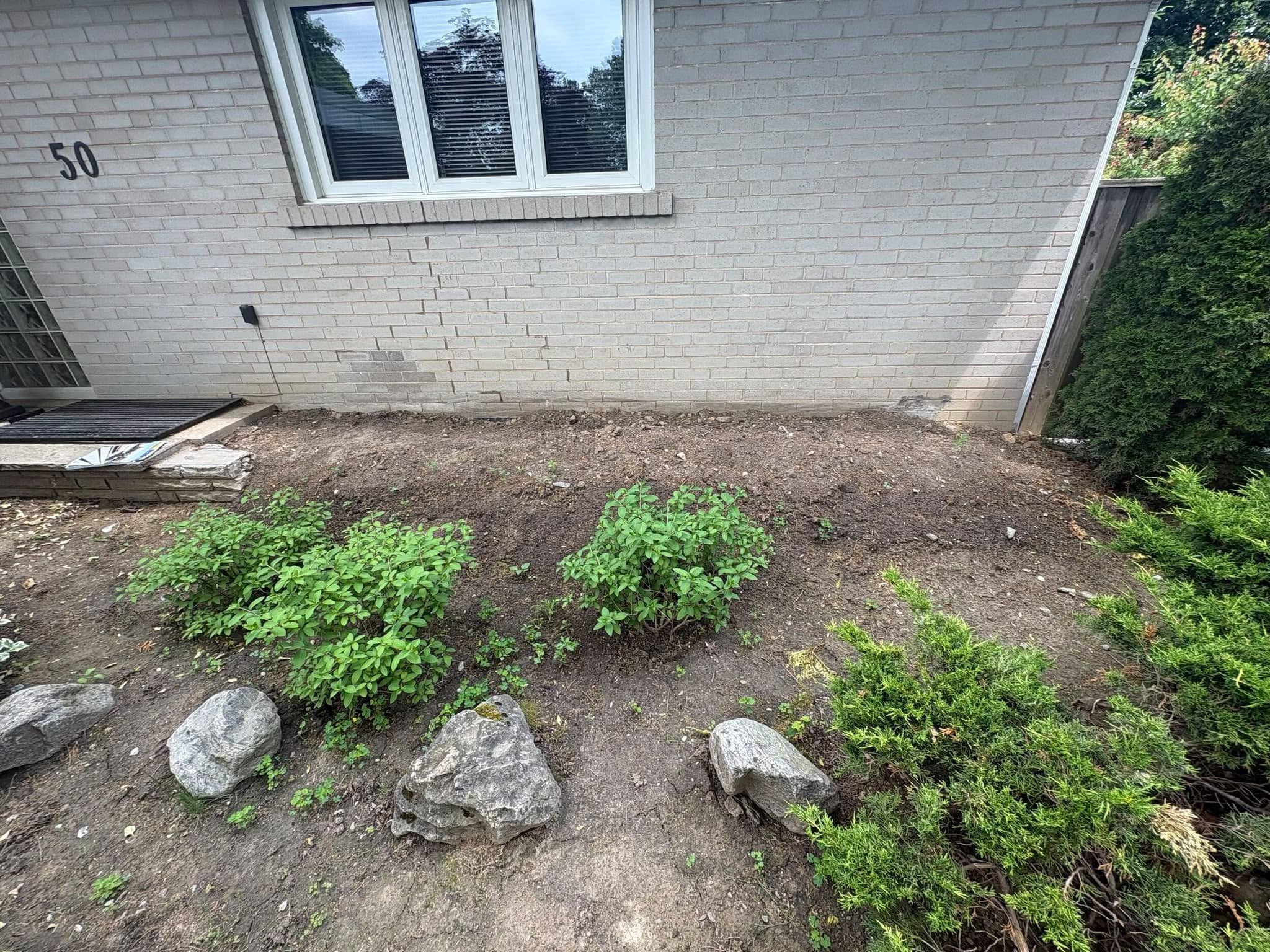
- Step cracks along mortar joints
- Horizontal cracking near foundation lines
- Bulging or bowing brick walls
- Doors or windows sticking due to wall movement
- Brick separating from structural framing
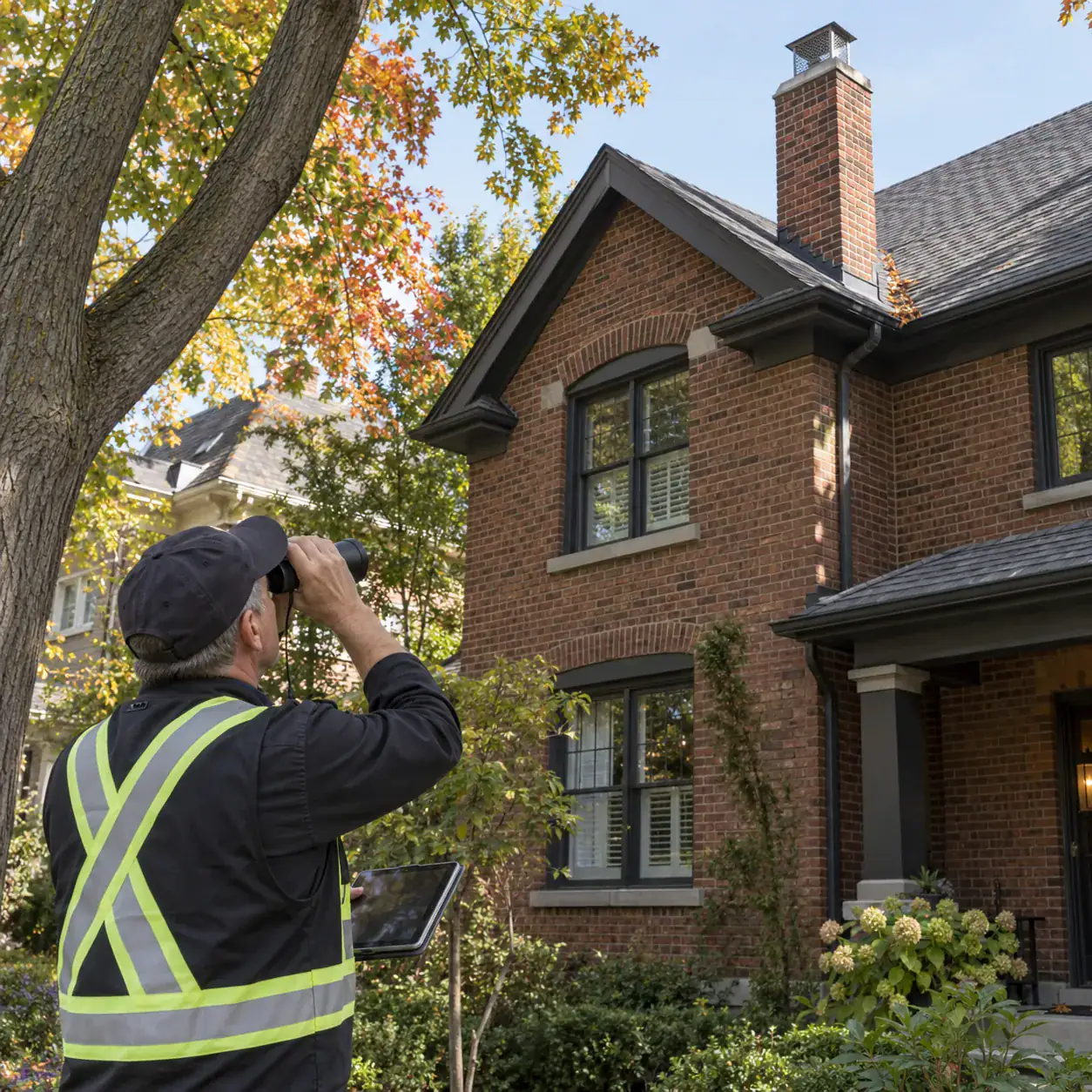
When these signs appear, brick damage may no longer be cosmetic. At that stage, professional evaluation is necessary.
Foundation Movement and Structural Stress
Foundation settling is one of the most common reasons brick damage becomes structural. If you want deeper context, review this guide on foundation settling.
When a foundation shifts, the brick above it absorbs stress. Over time, small cracks widen and compromise load-bearing integrity.
Moisture and Freeze-Thaw Impact
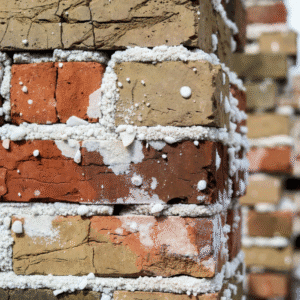 Toronto’s freeze-thaw cycles accelerate structural deterioration. Repeated moisture exposure weakens mortar and expands brick units, contributing to long-term wall movement.
In some cases, corrective waterproofing Toronto may be required to prevent recurring structural damage.
When to Seek Professional Brick Repair
 If brick damage becomes structural, delaying repairs increases risk and cost. Professional brick repair Toronto services can stabilize affected areas and prevent further deterioration.
Local Oversight
In Toronto, deteriorating exterior masonry and structural components fall under oversight provided by the City of Toronto Building Division, which offers guidance on structural and safety compliance.
Final Thoughts
When brick damage becomes structural, it shifts from a cosmetic concern to a safety issue. Identifying the signs early protects your home’s stability and long-term value.