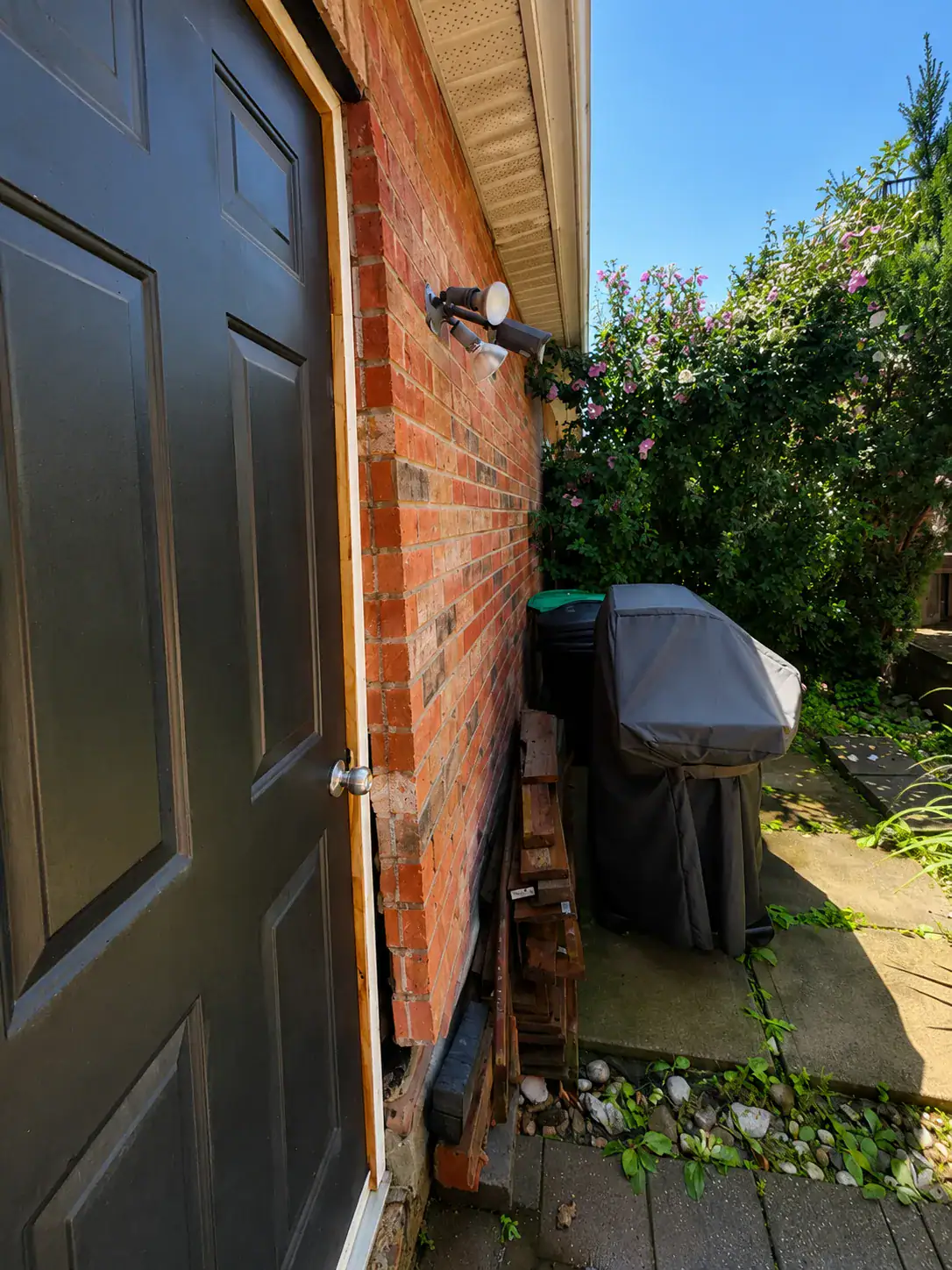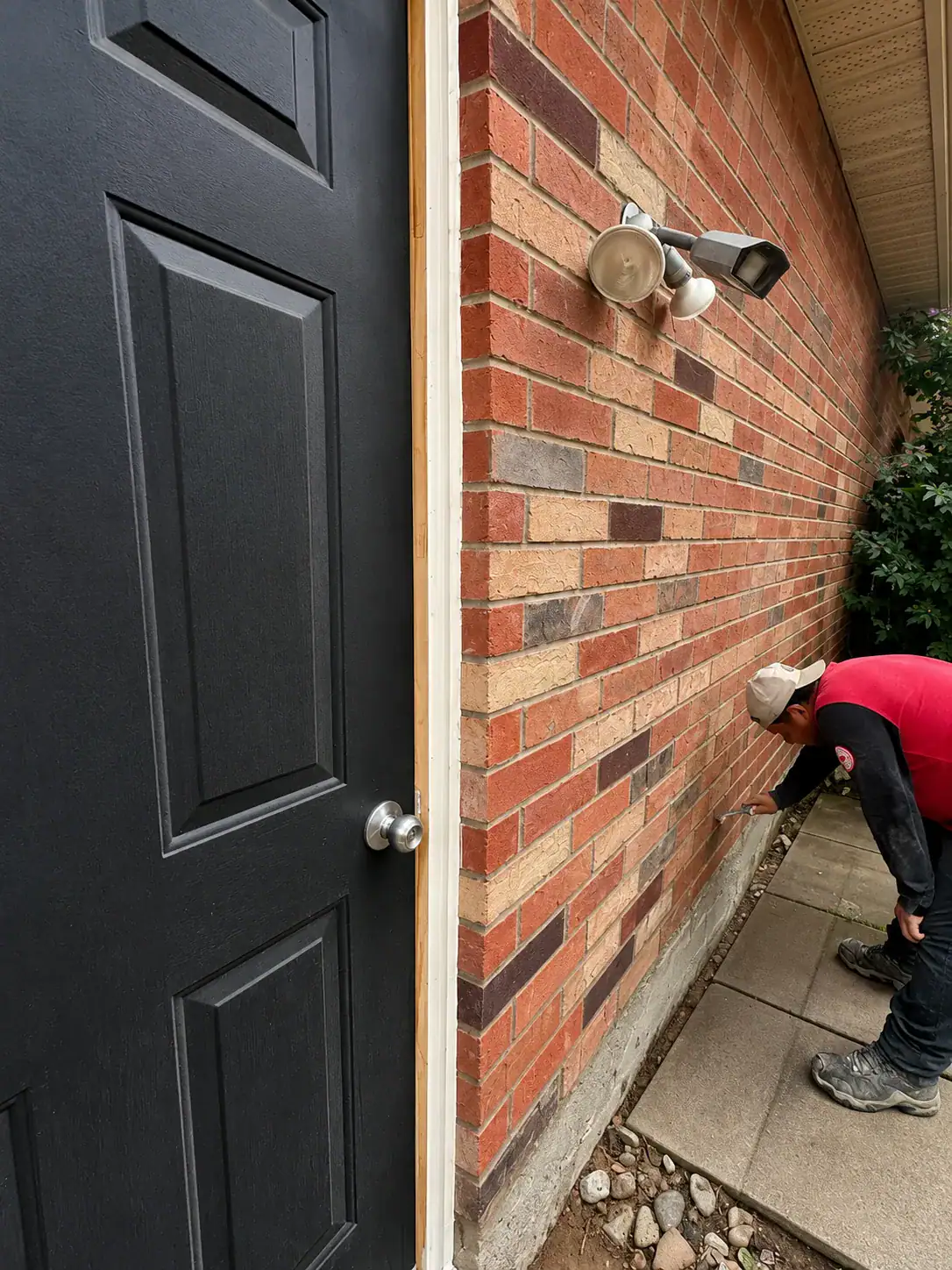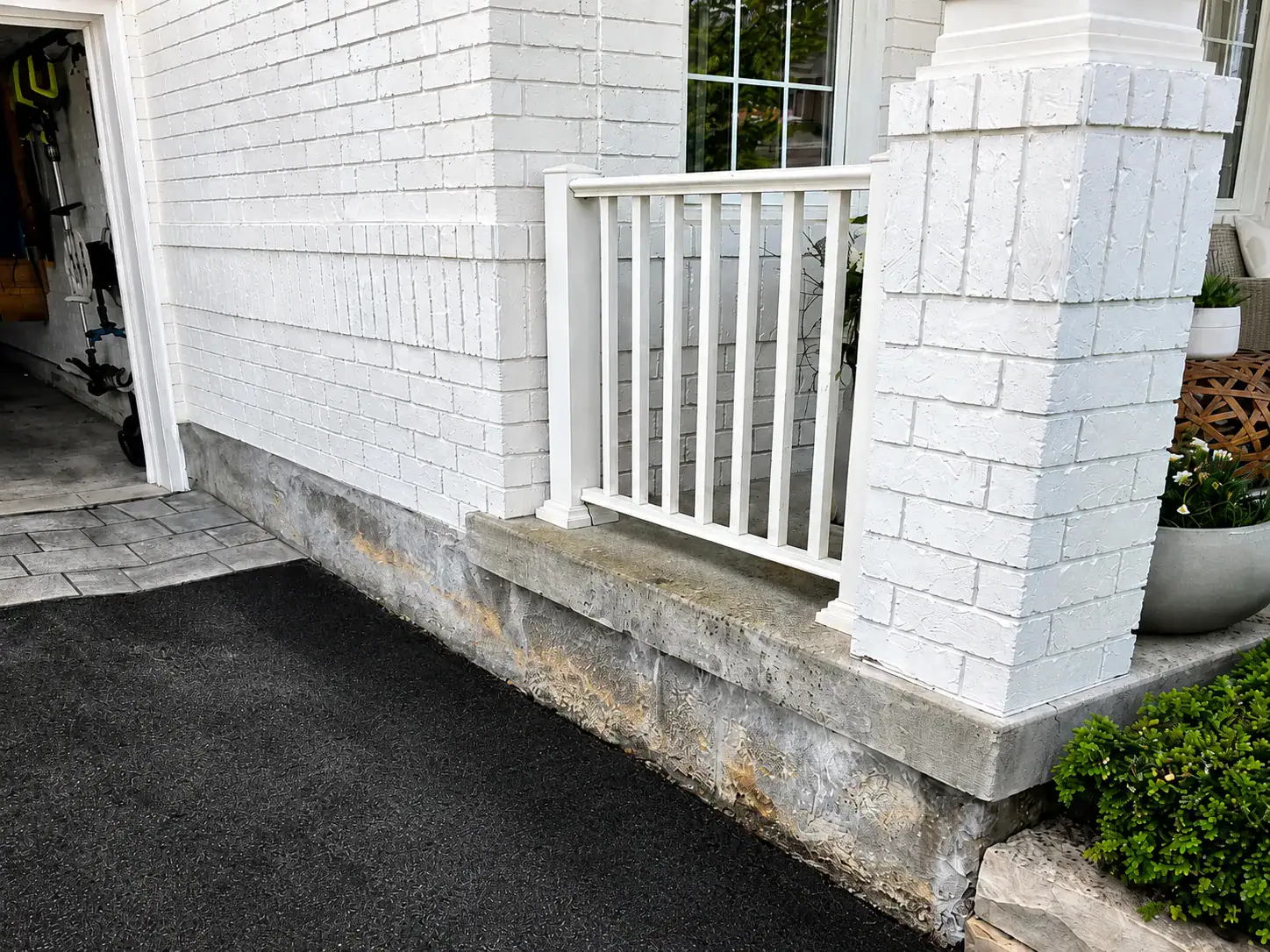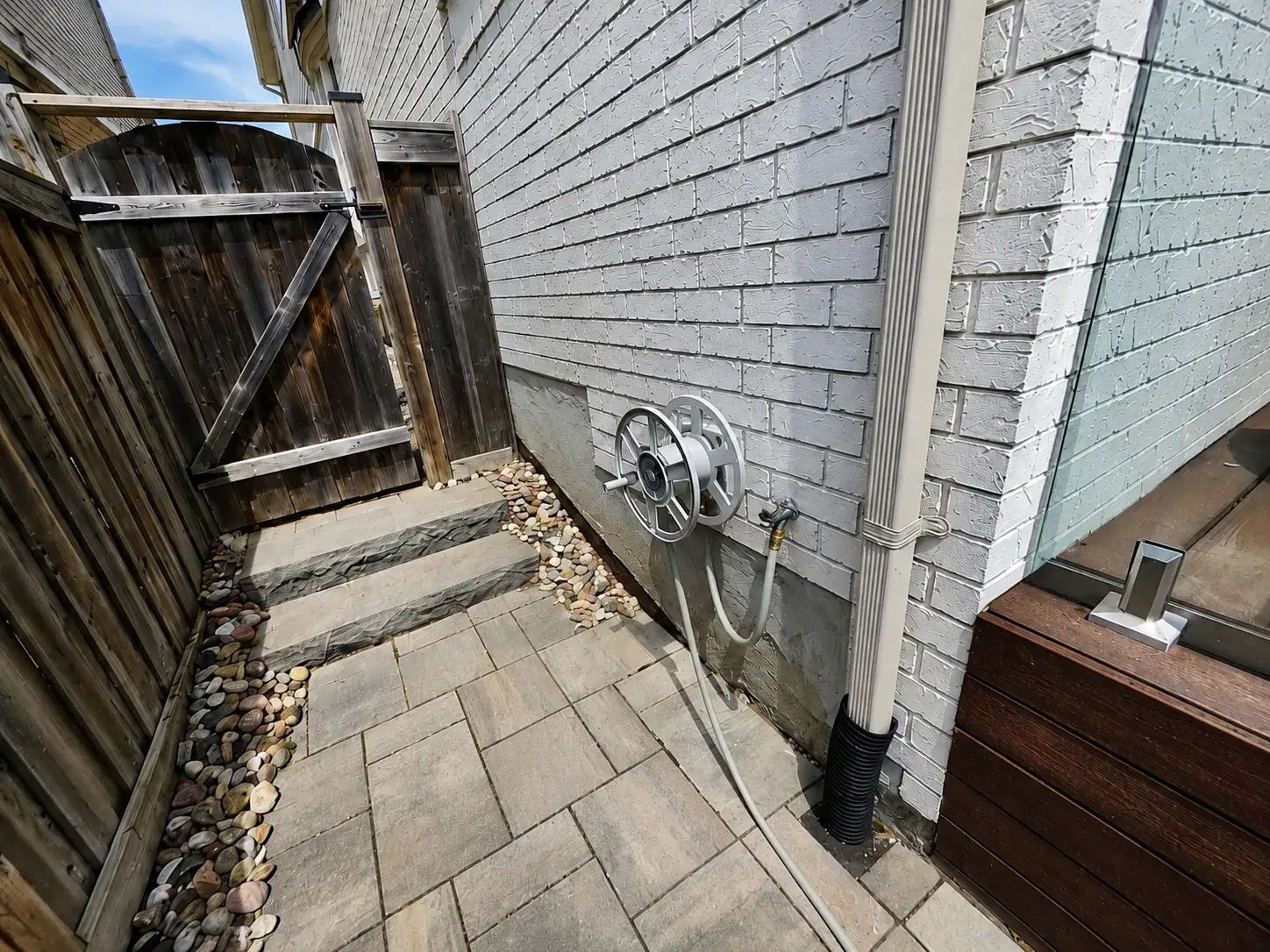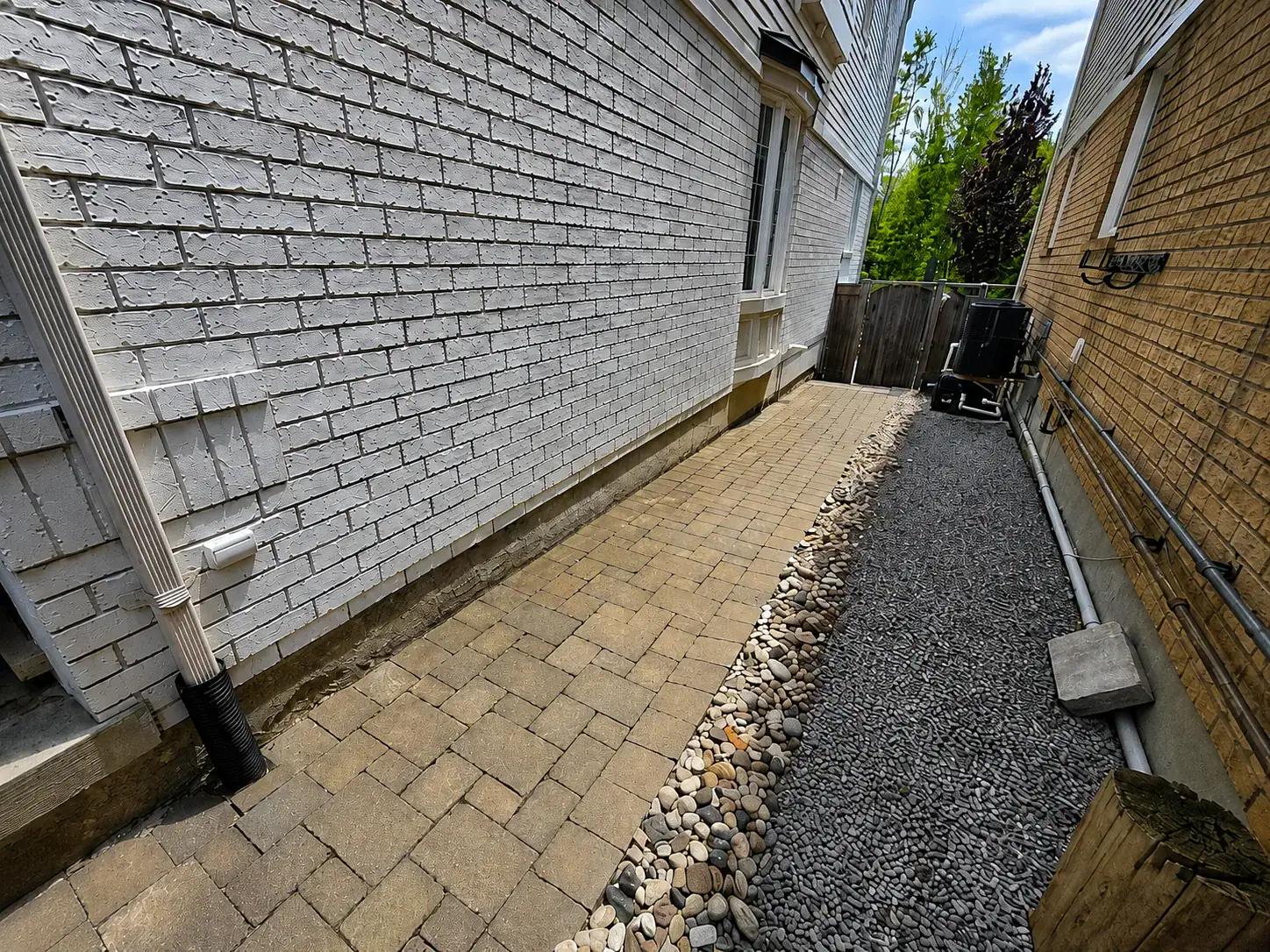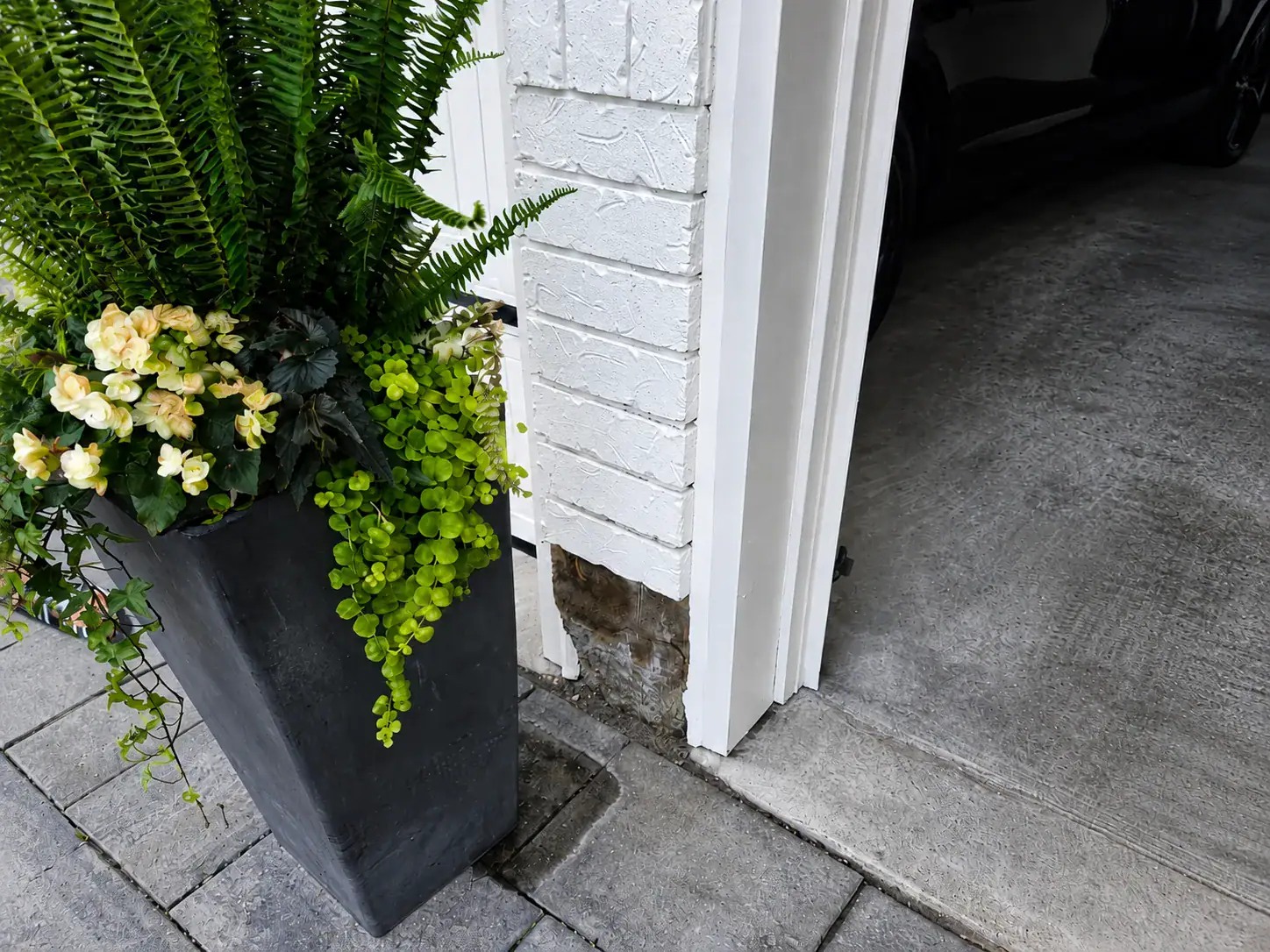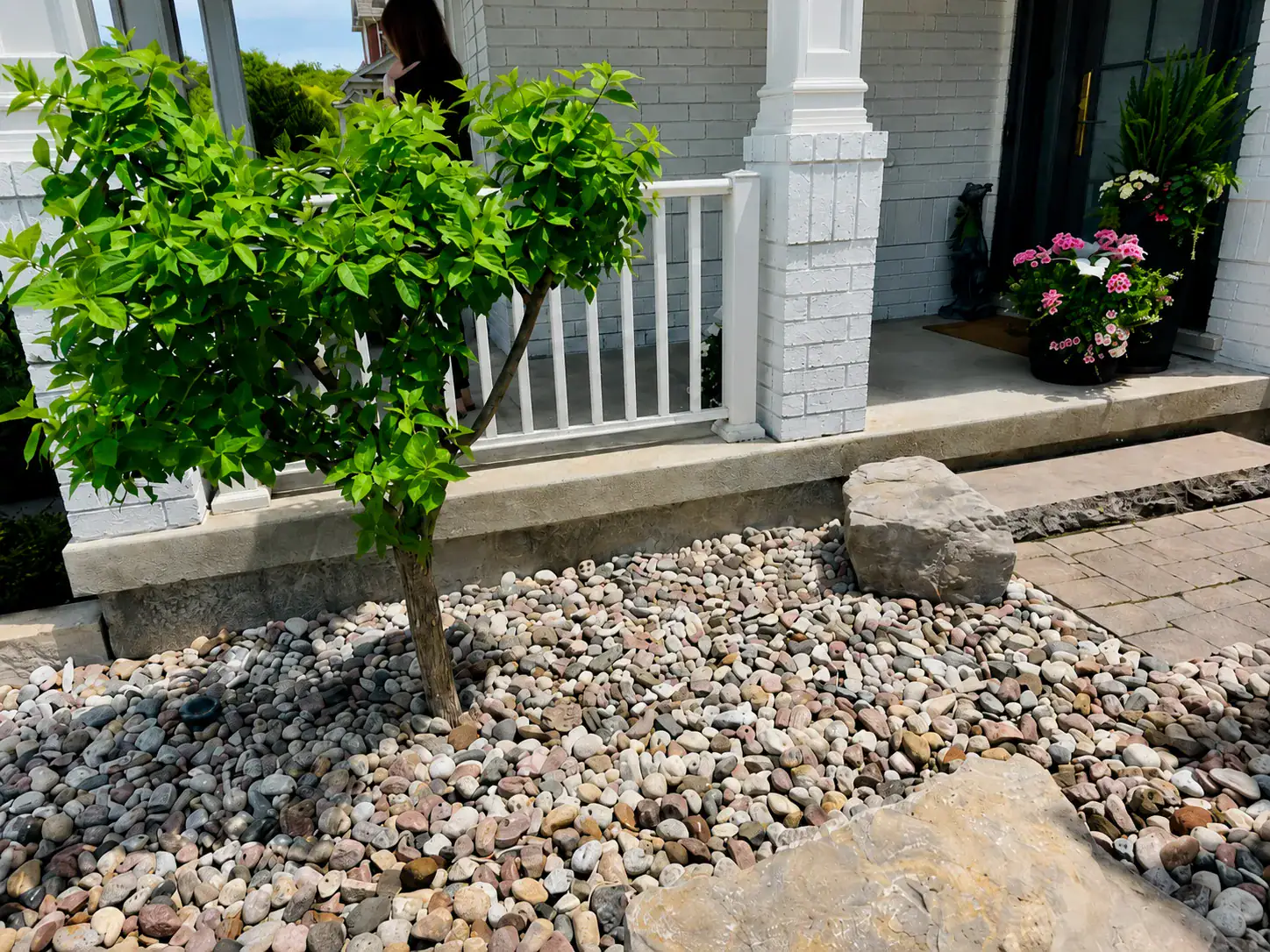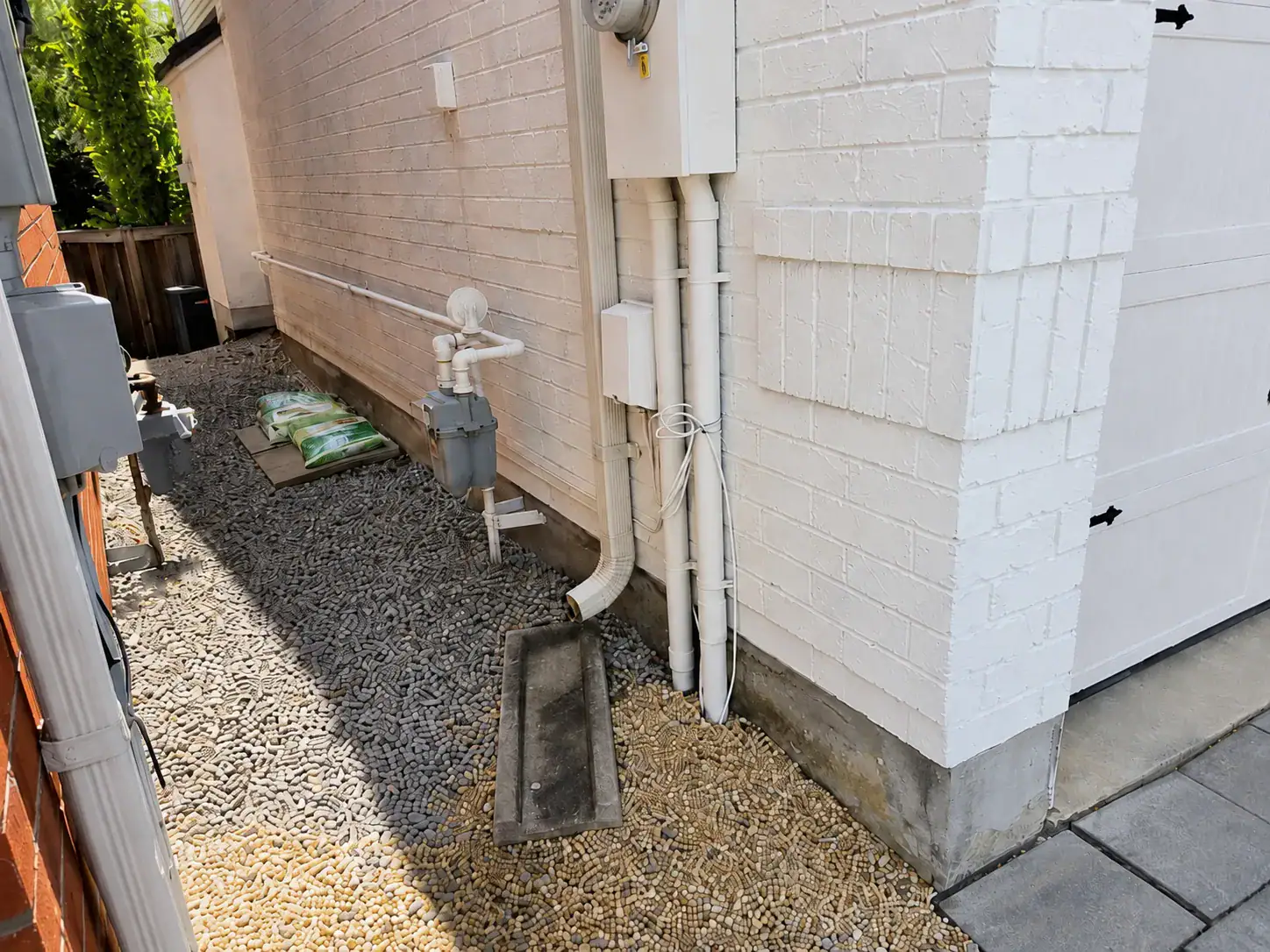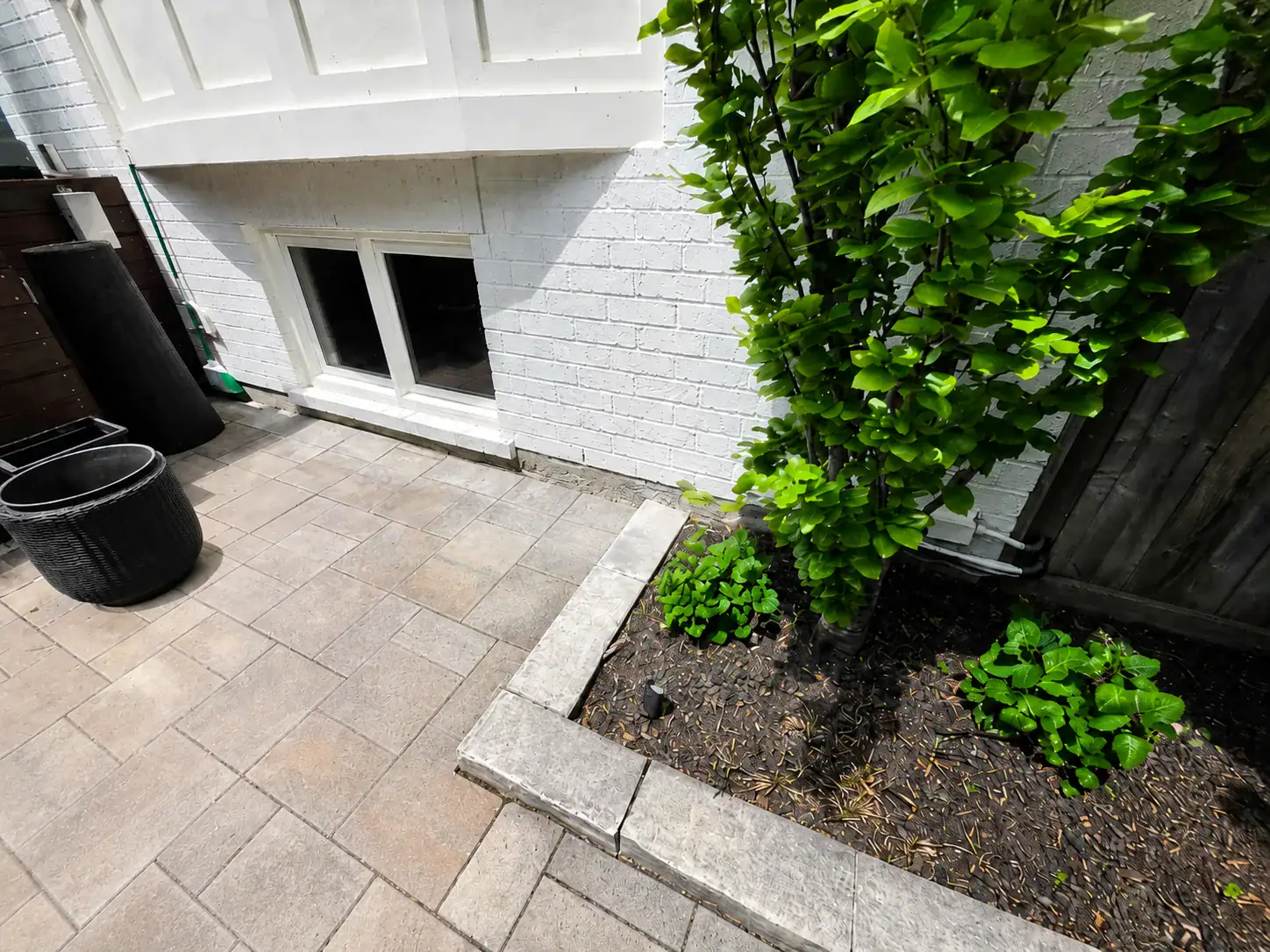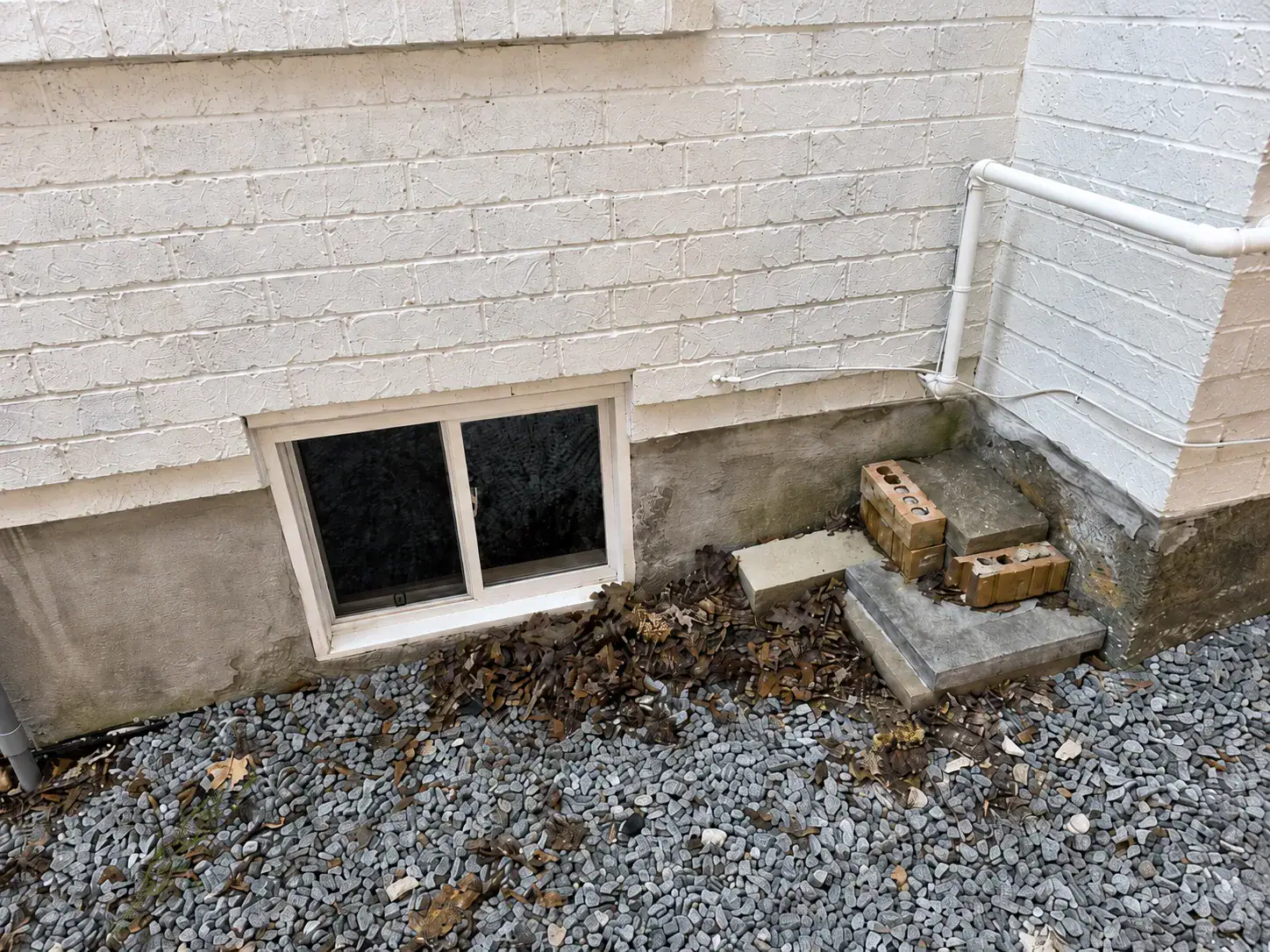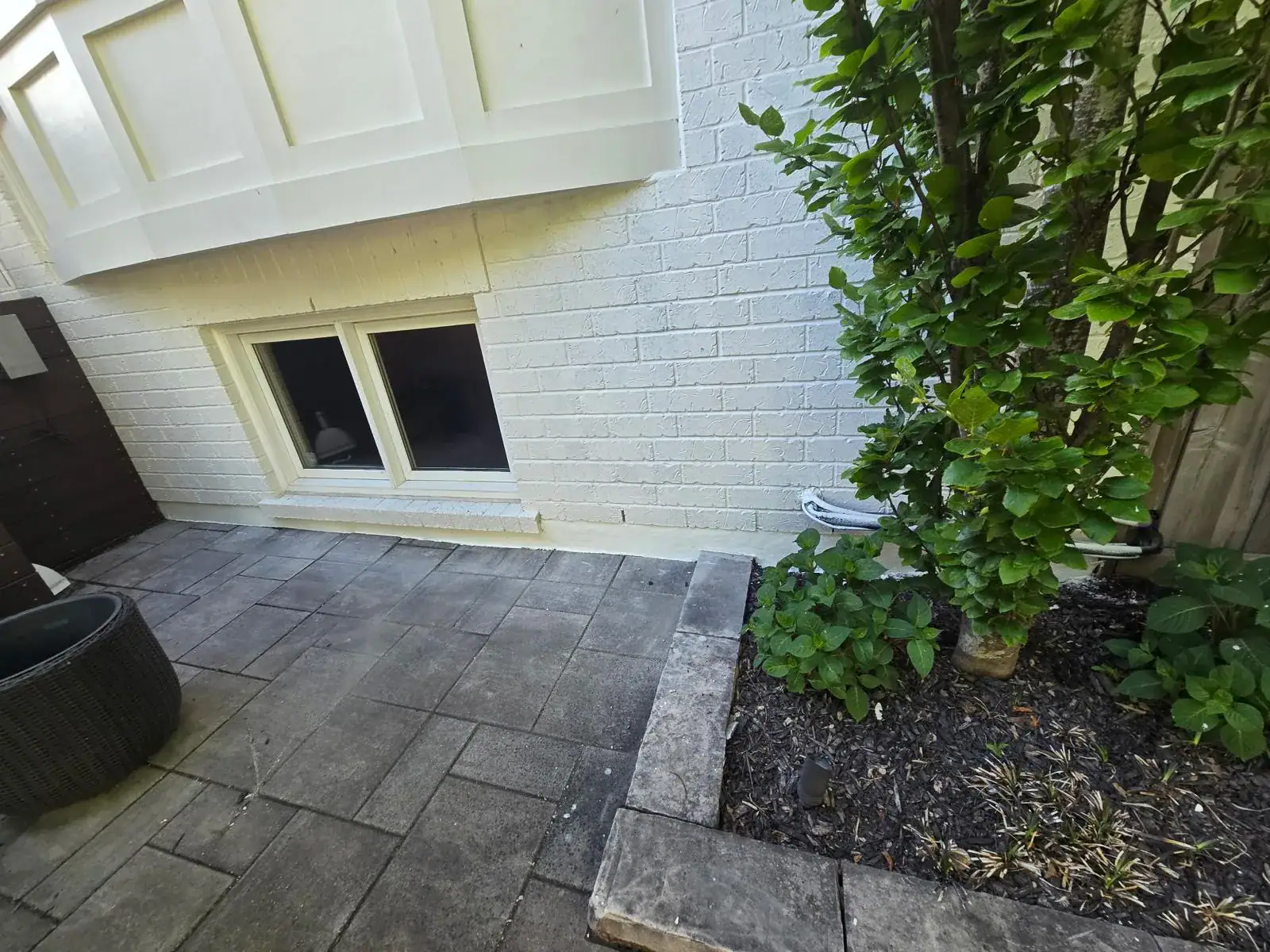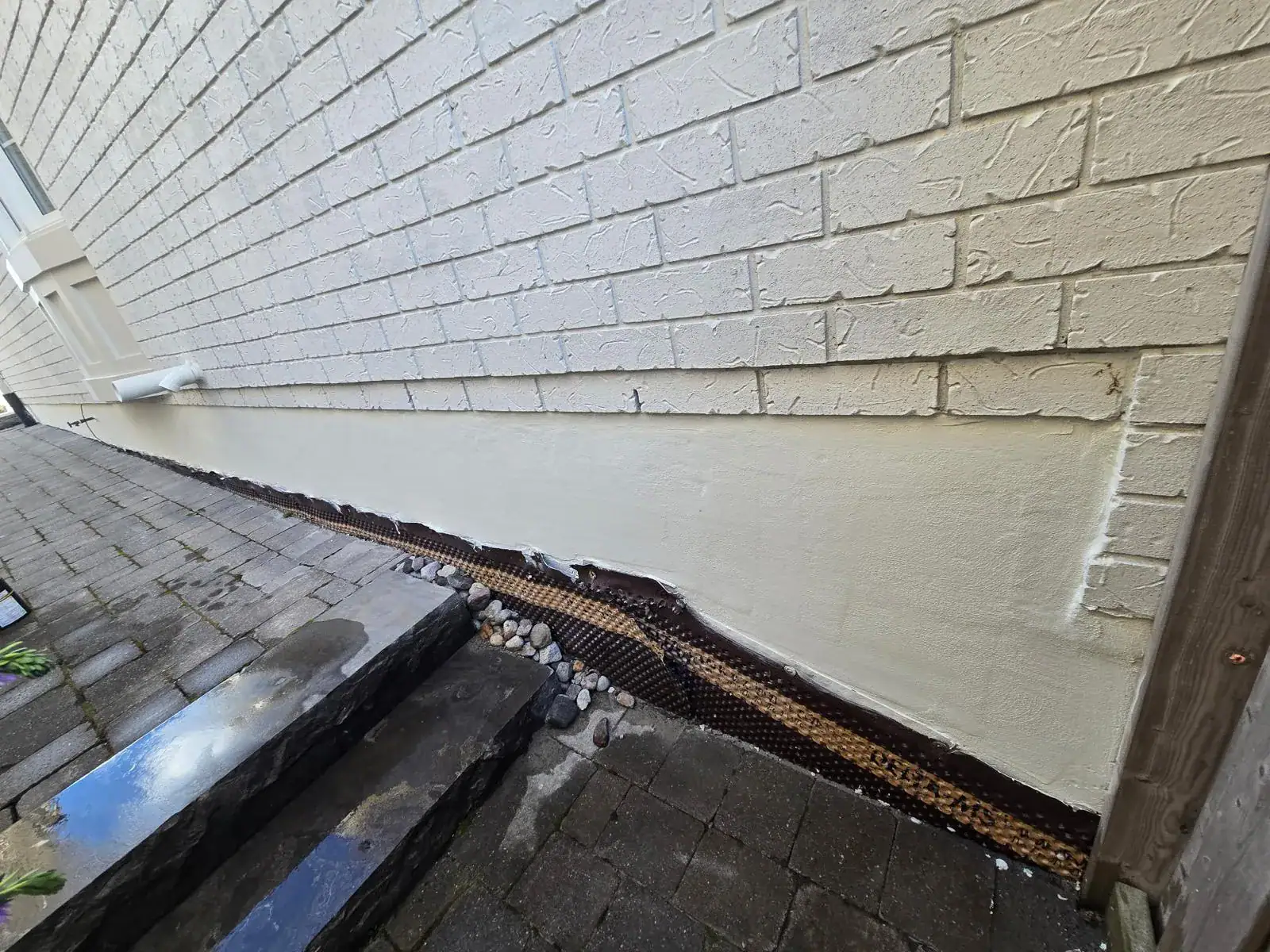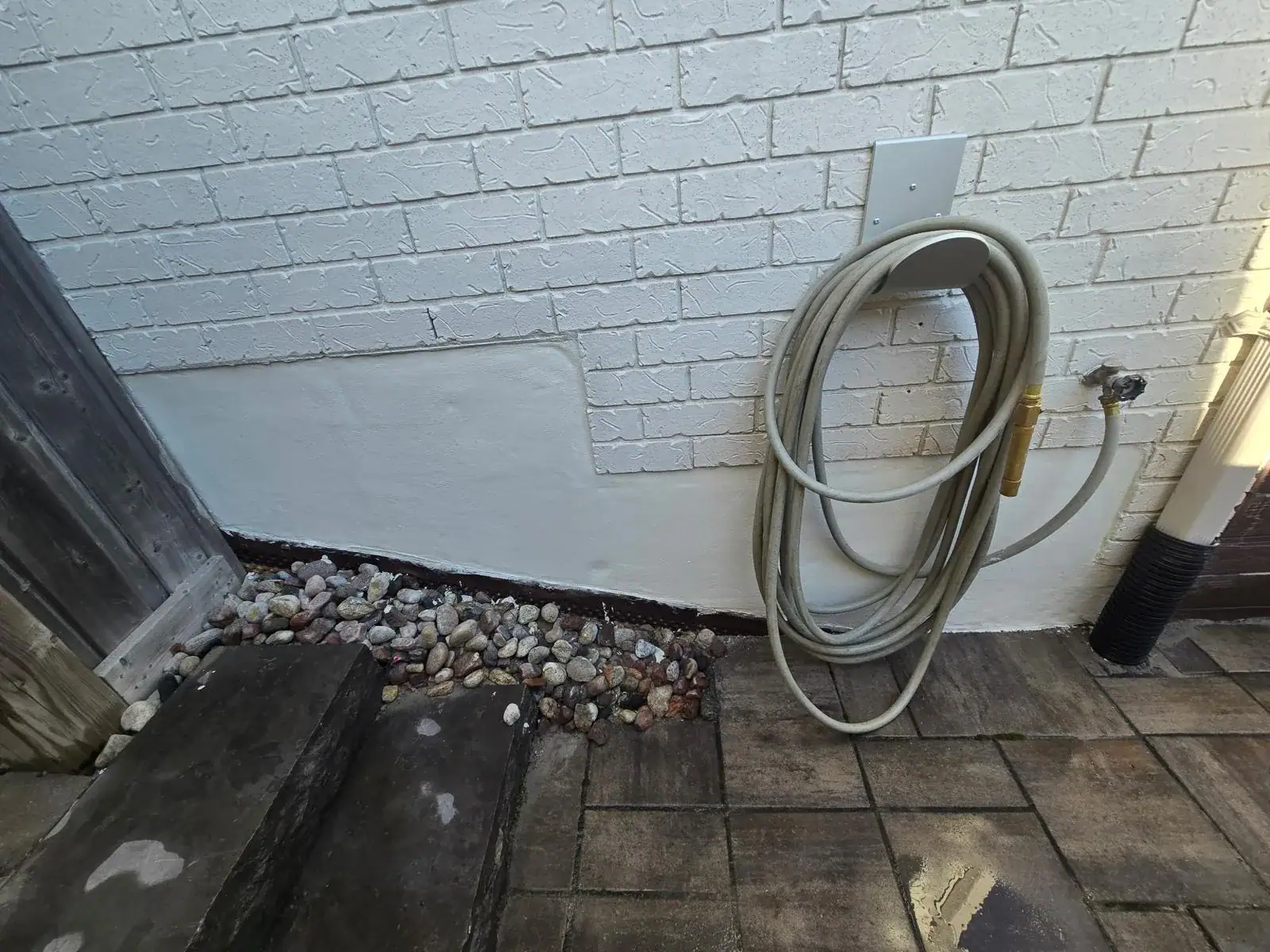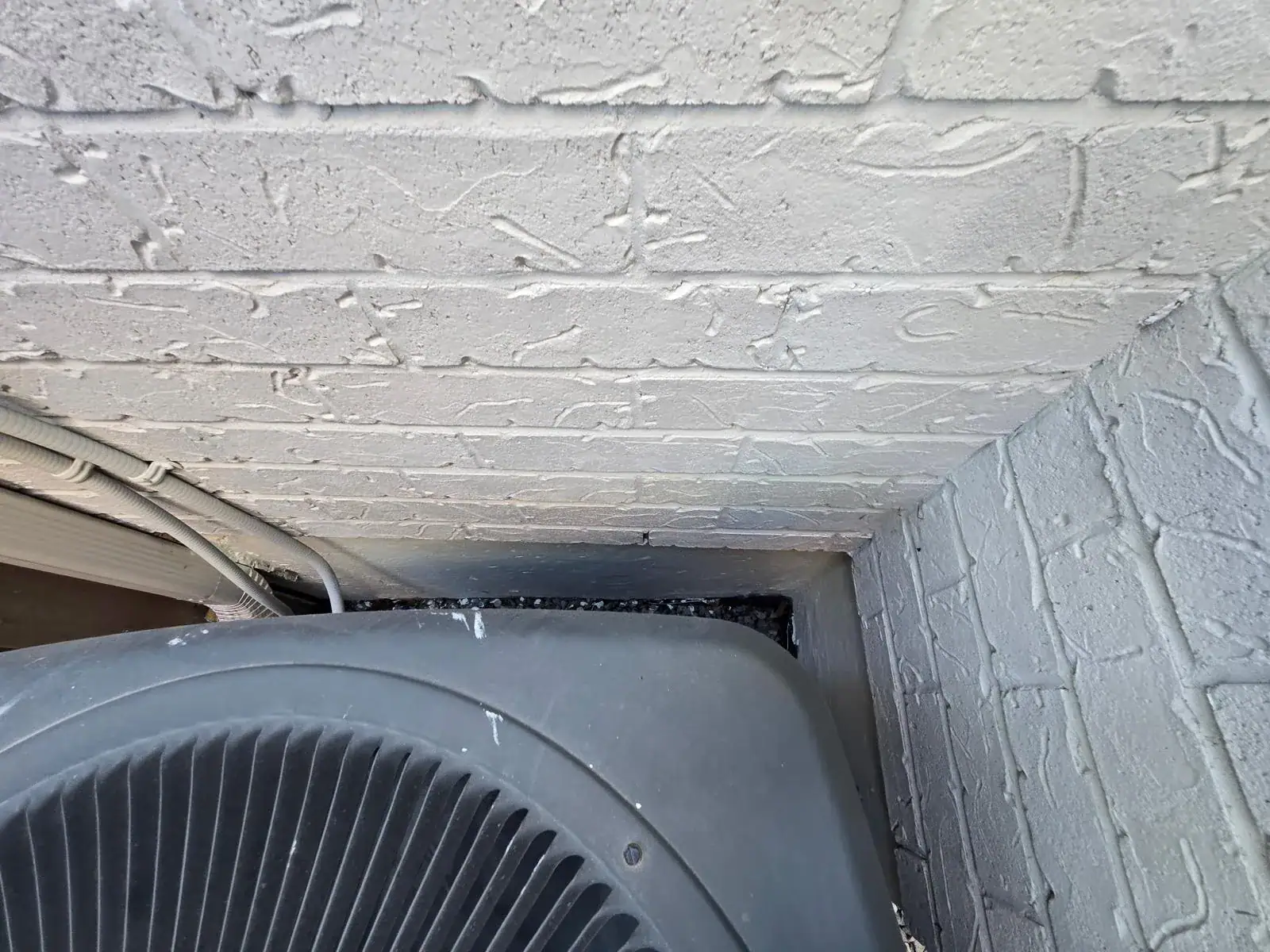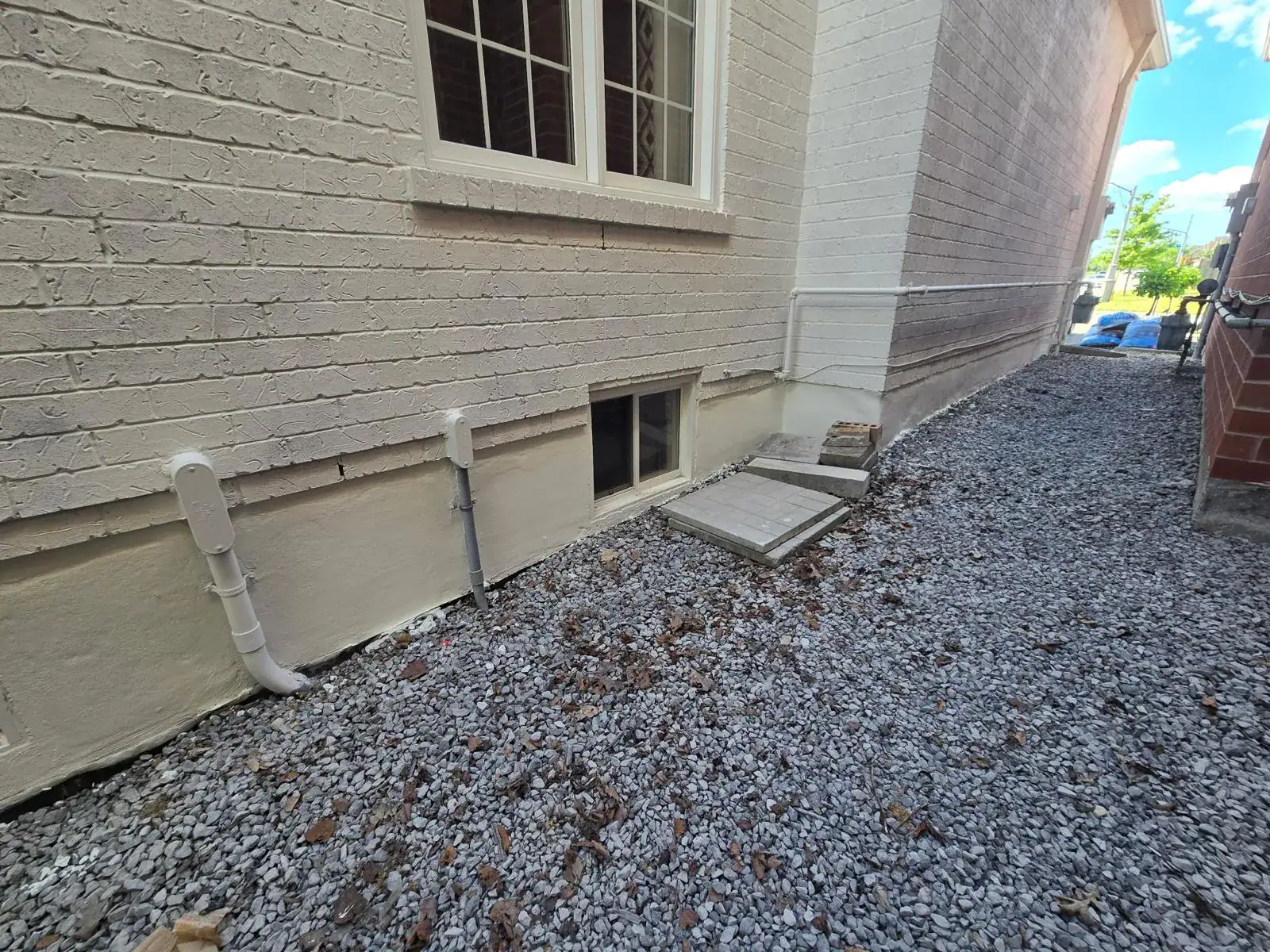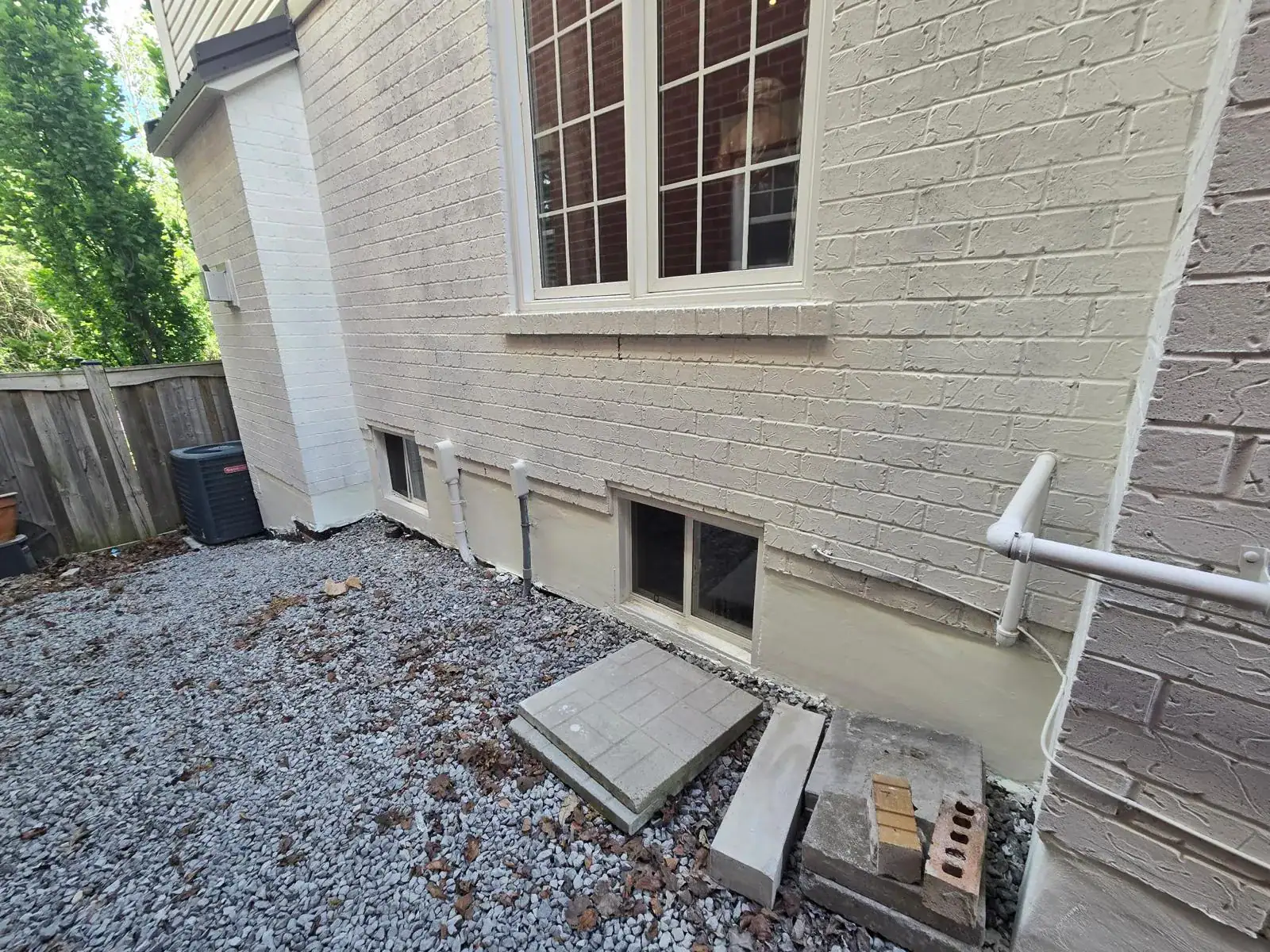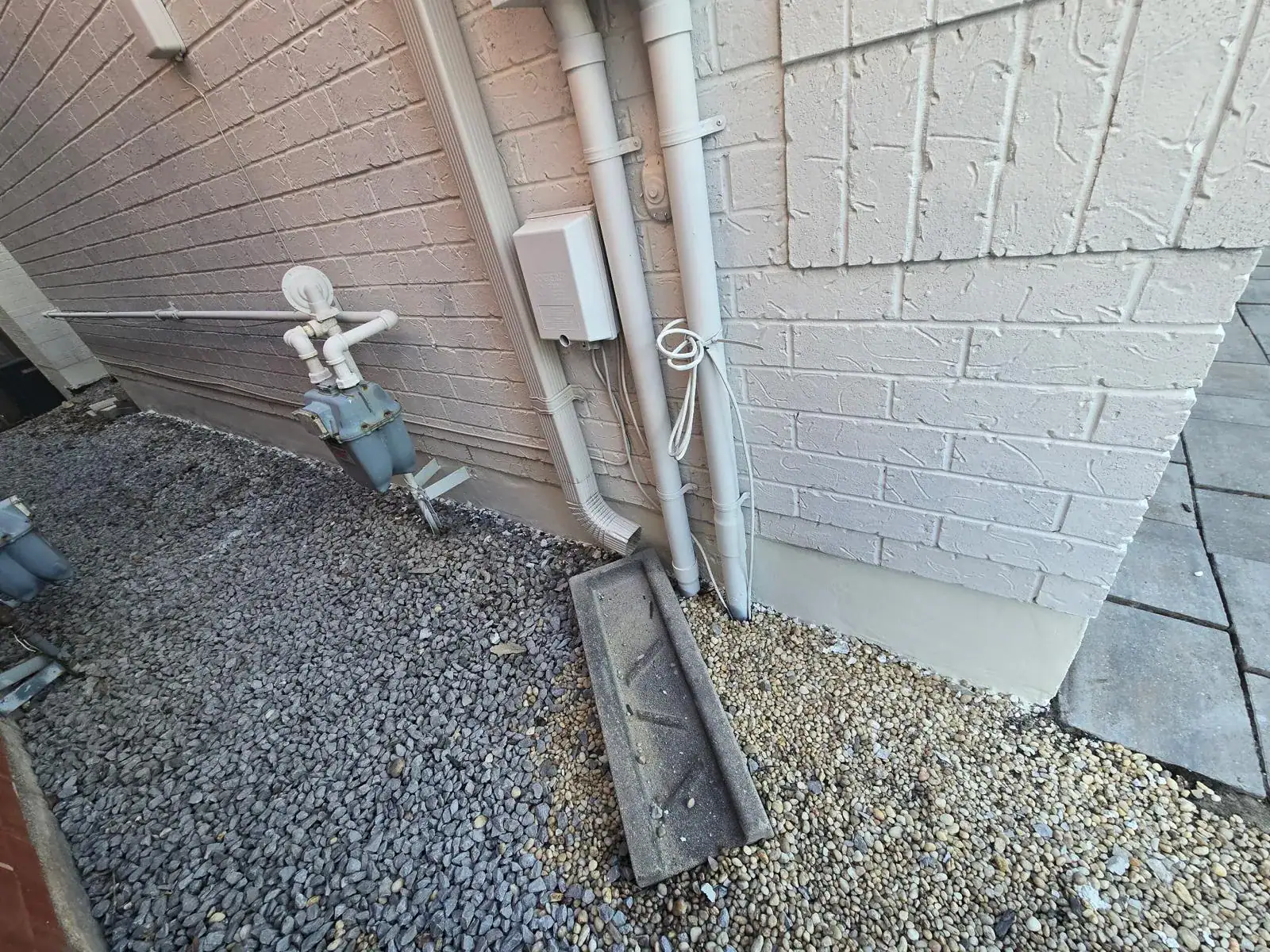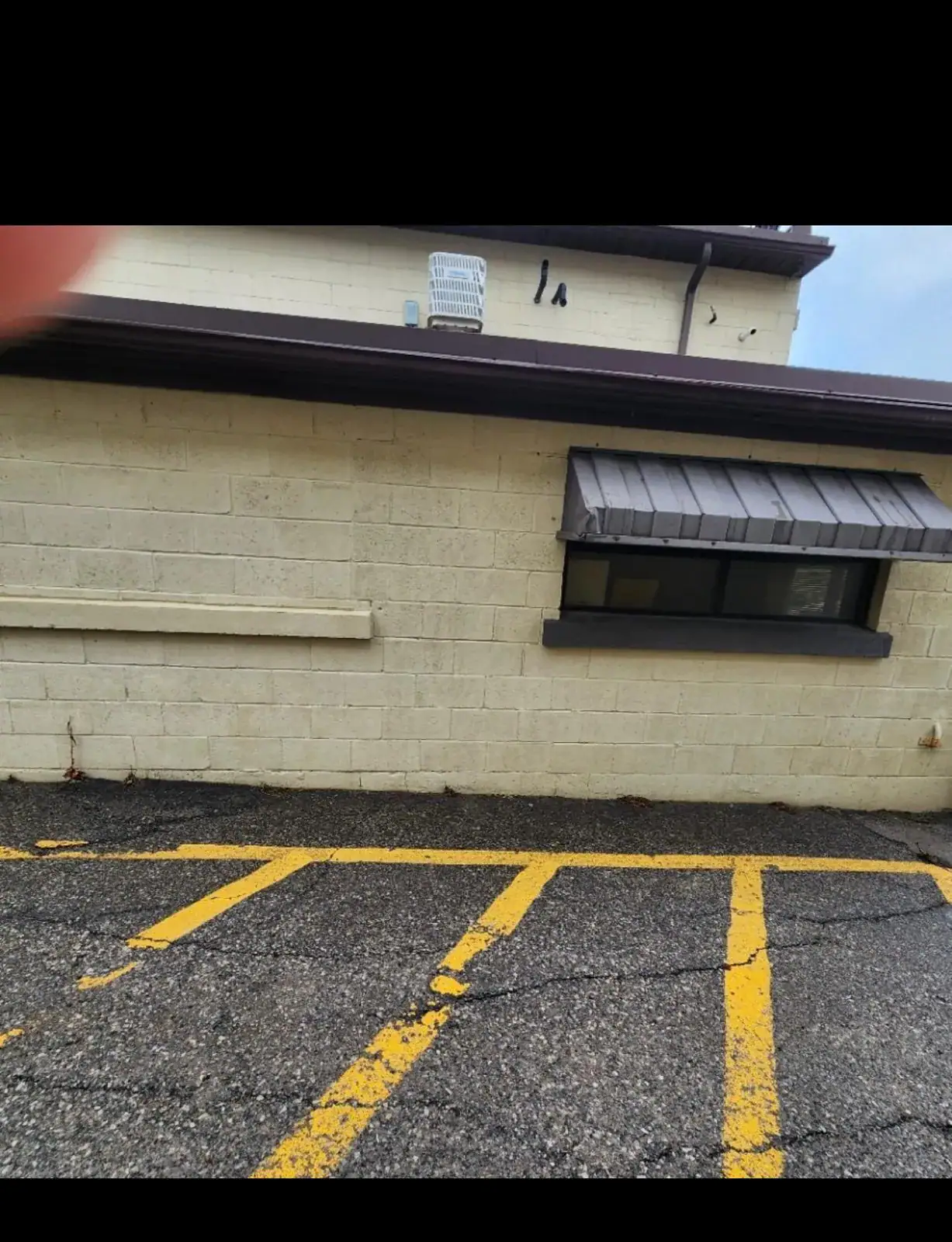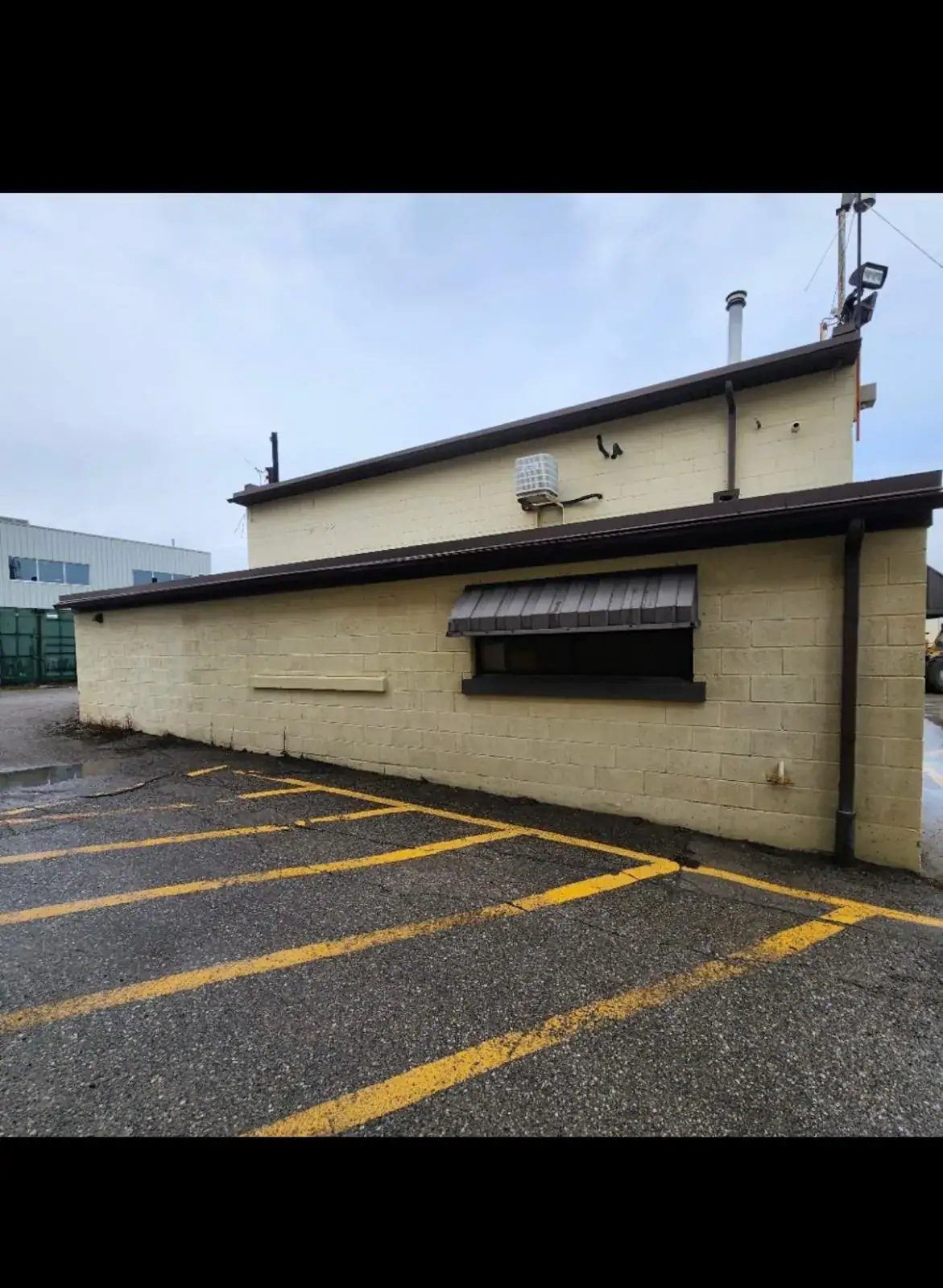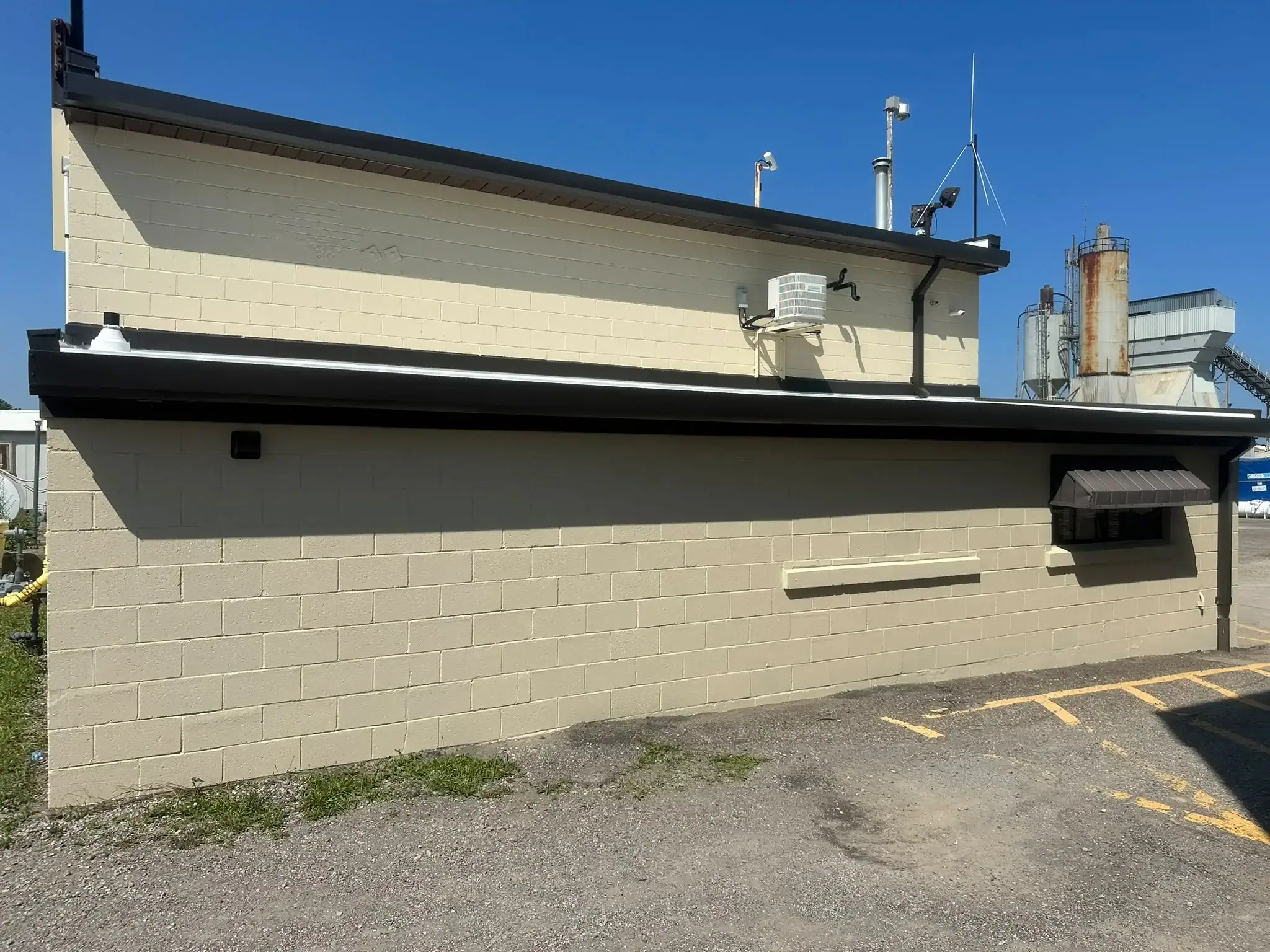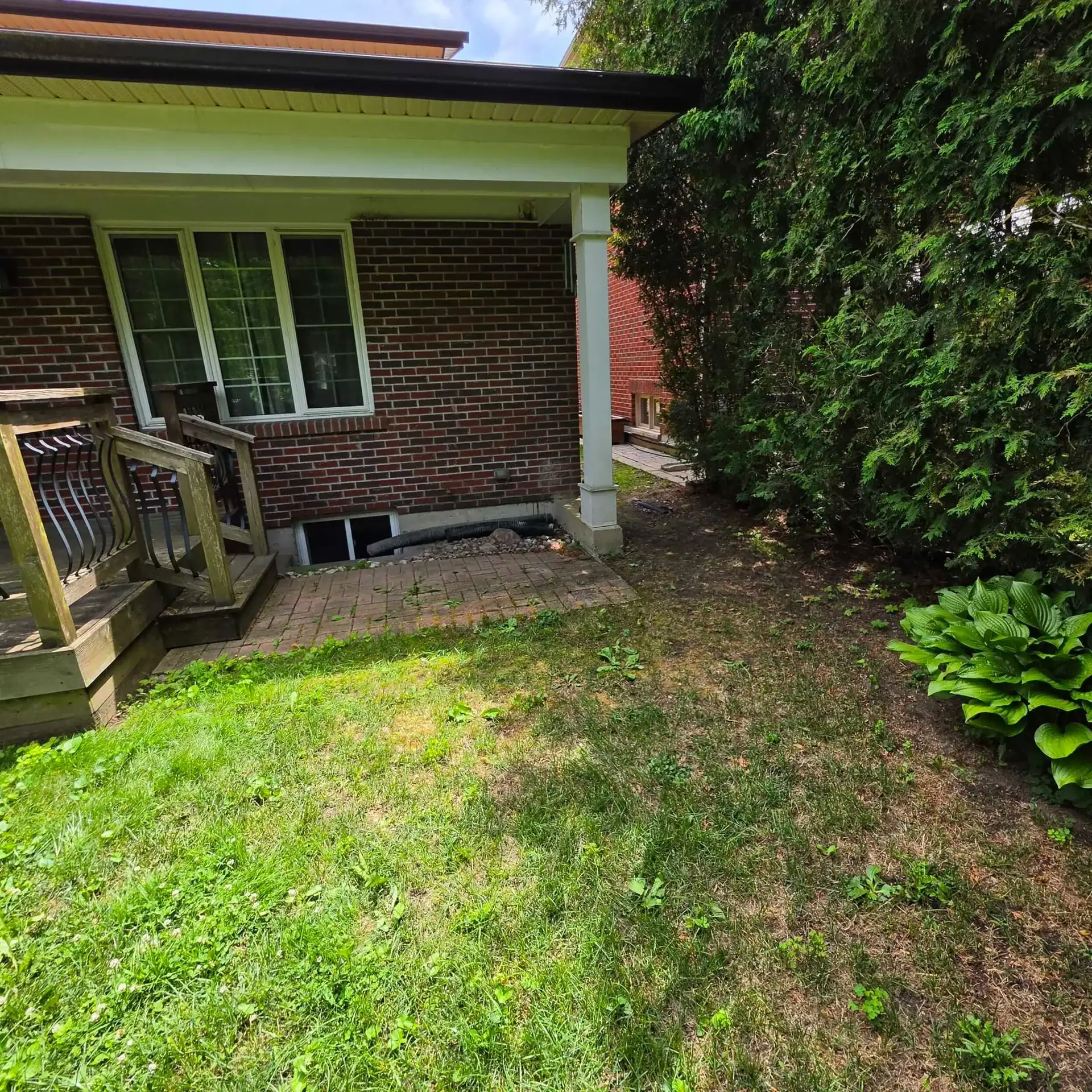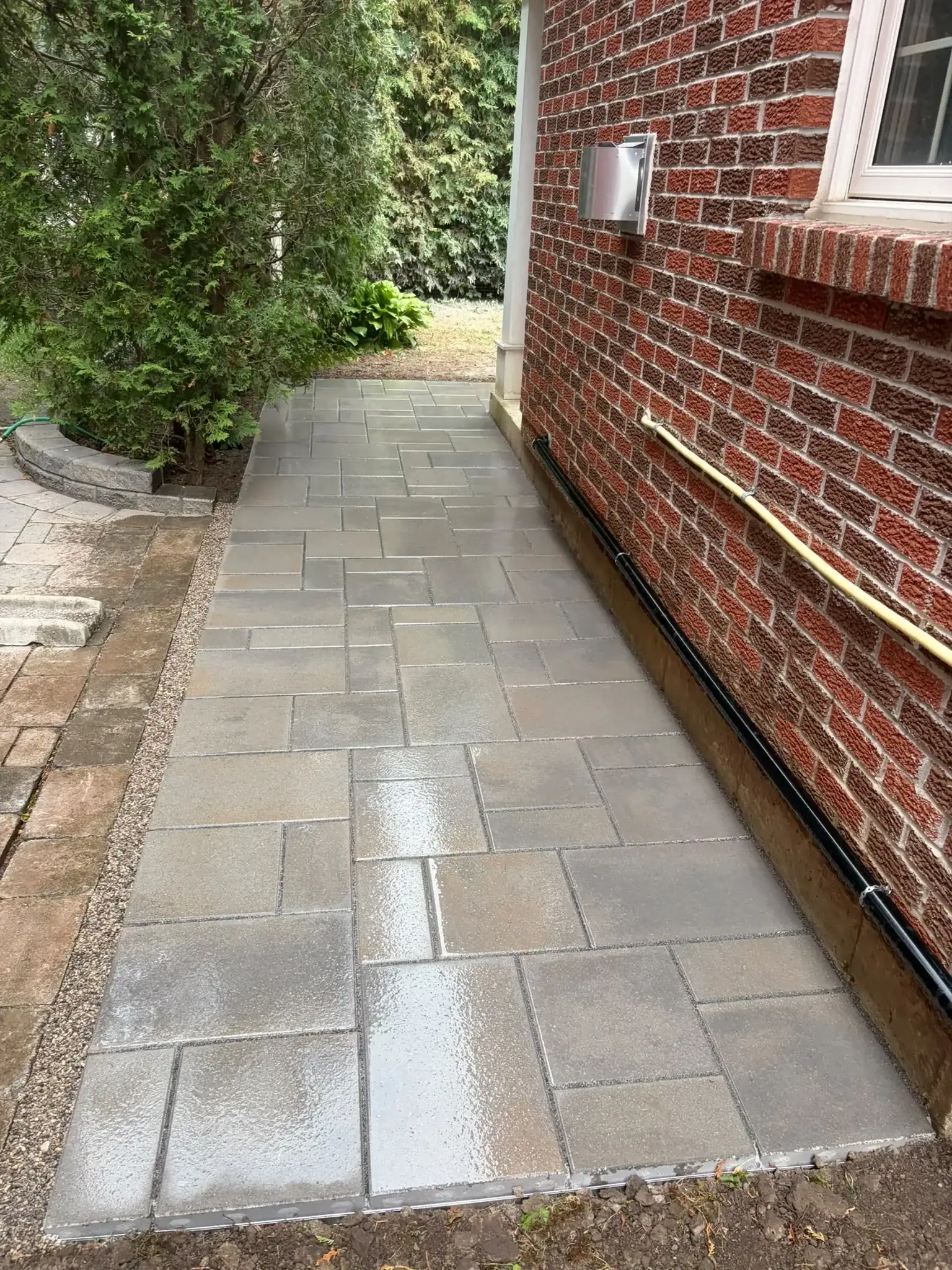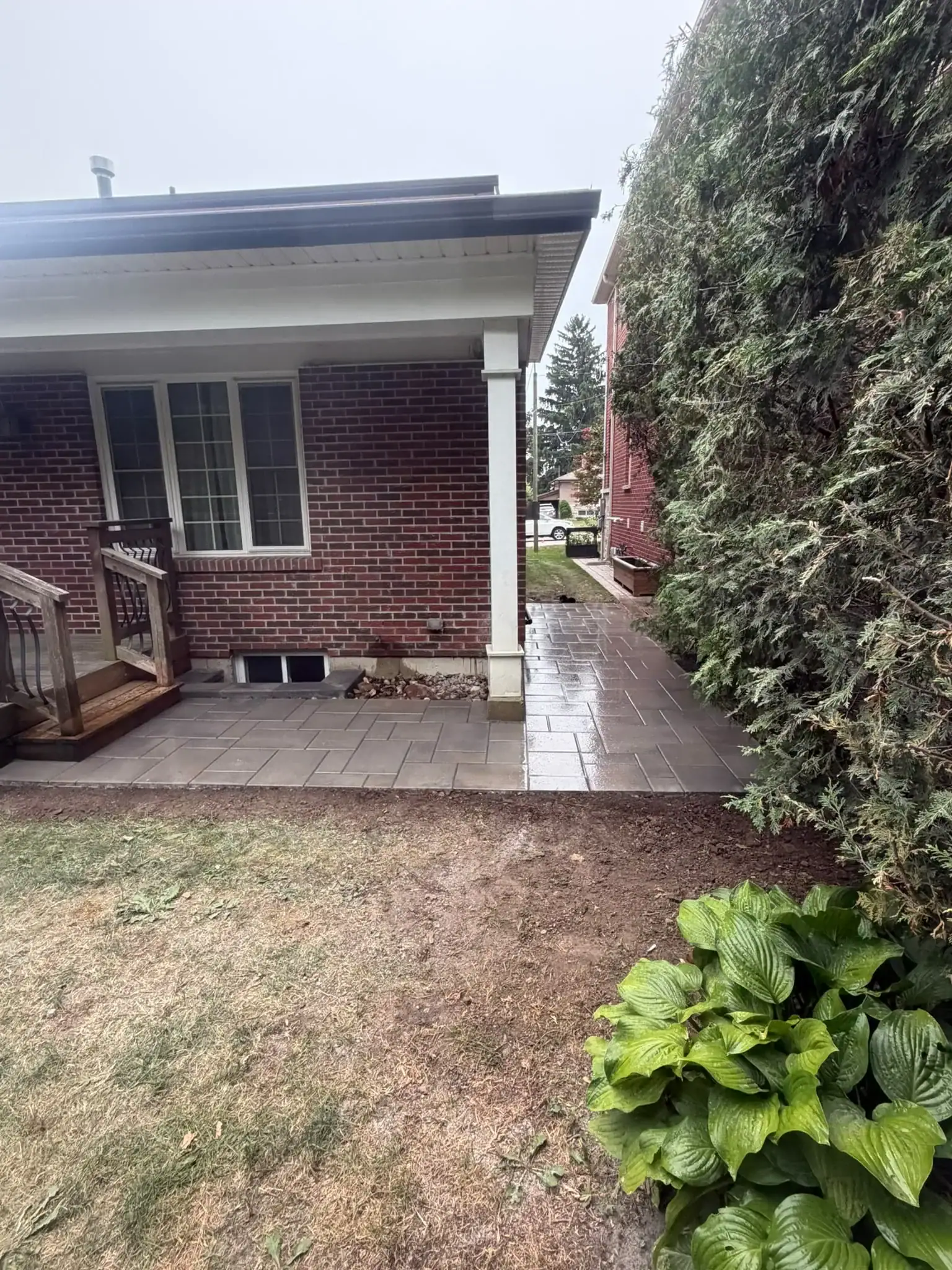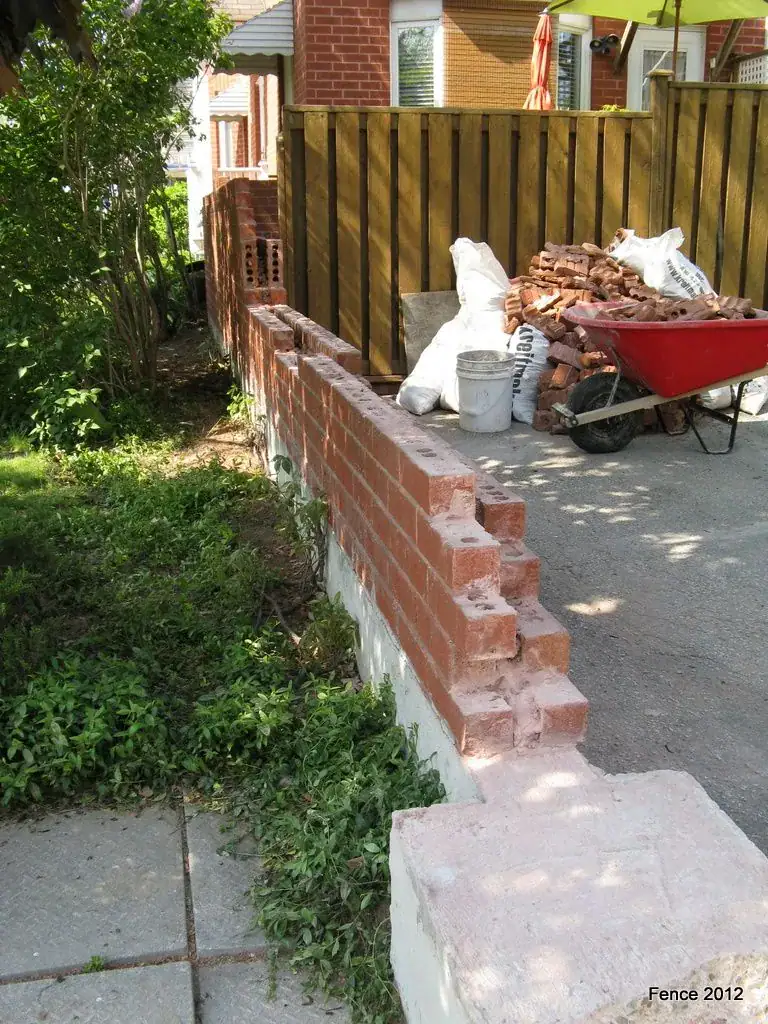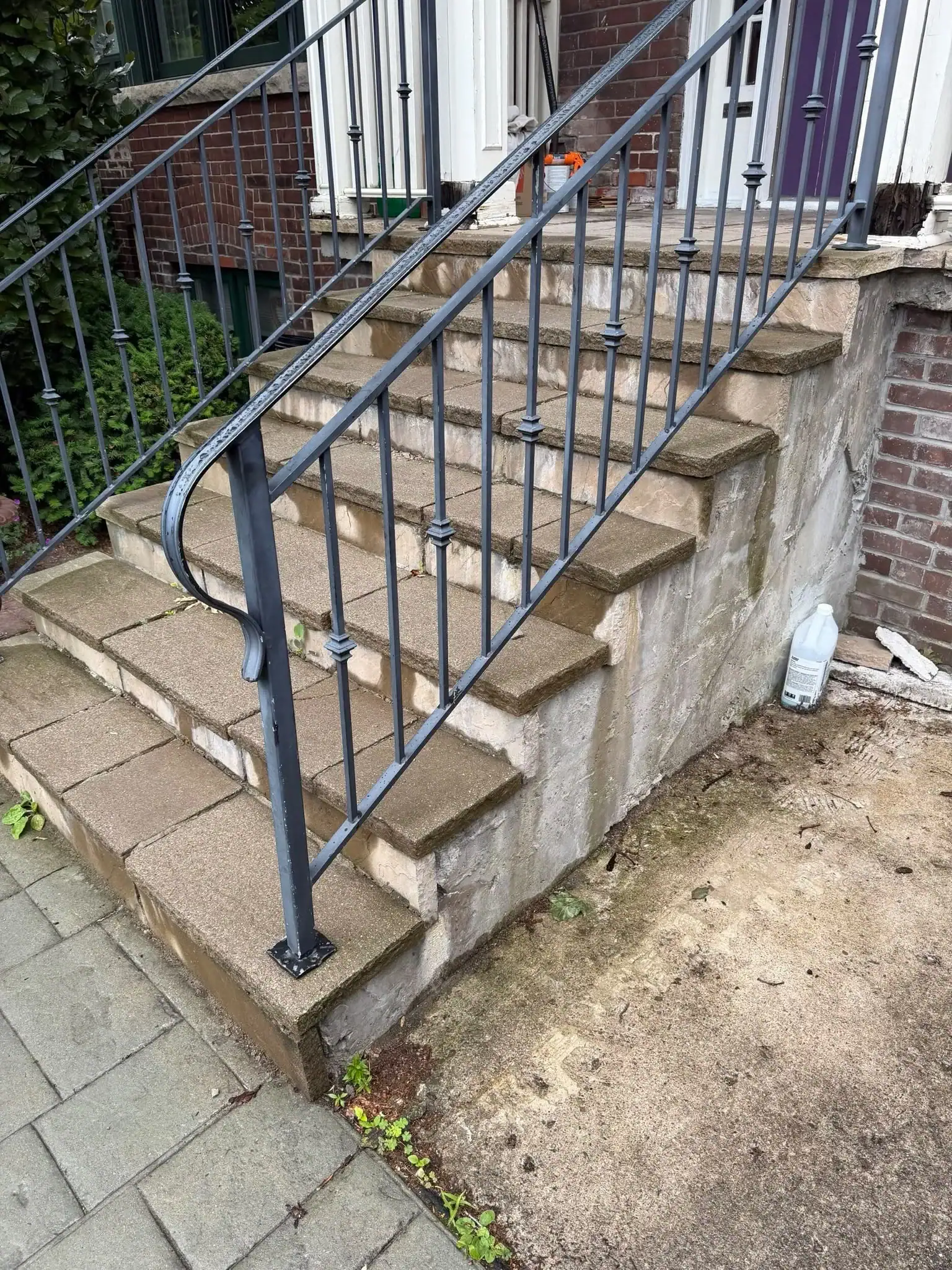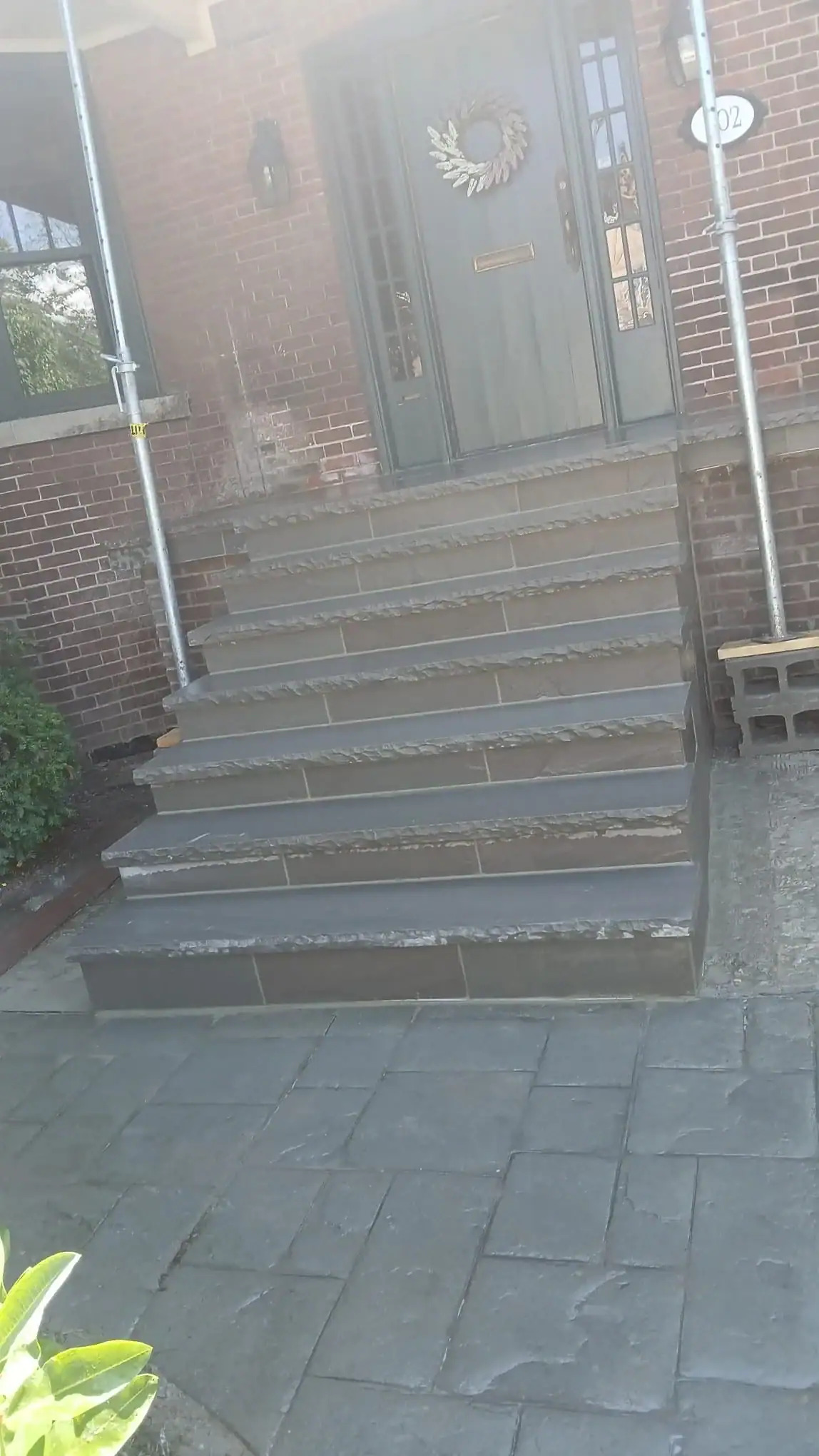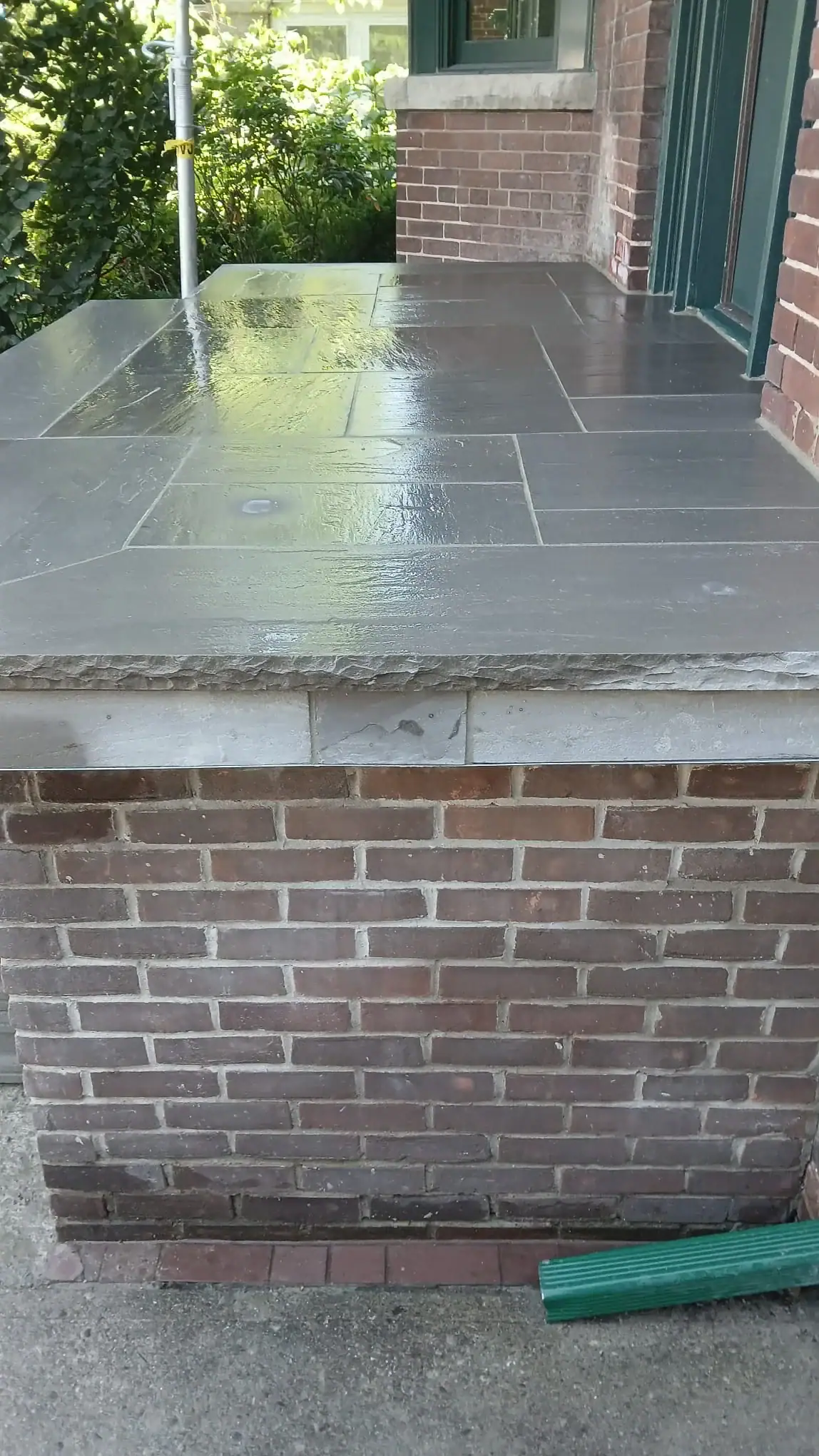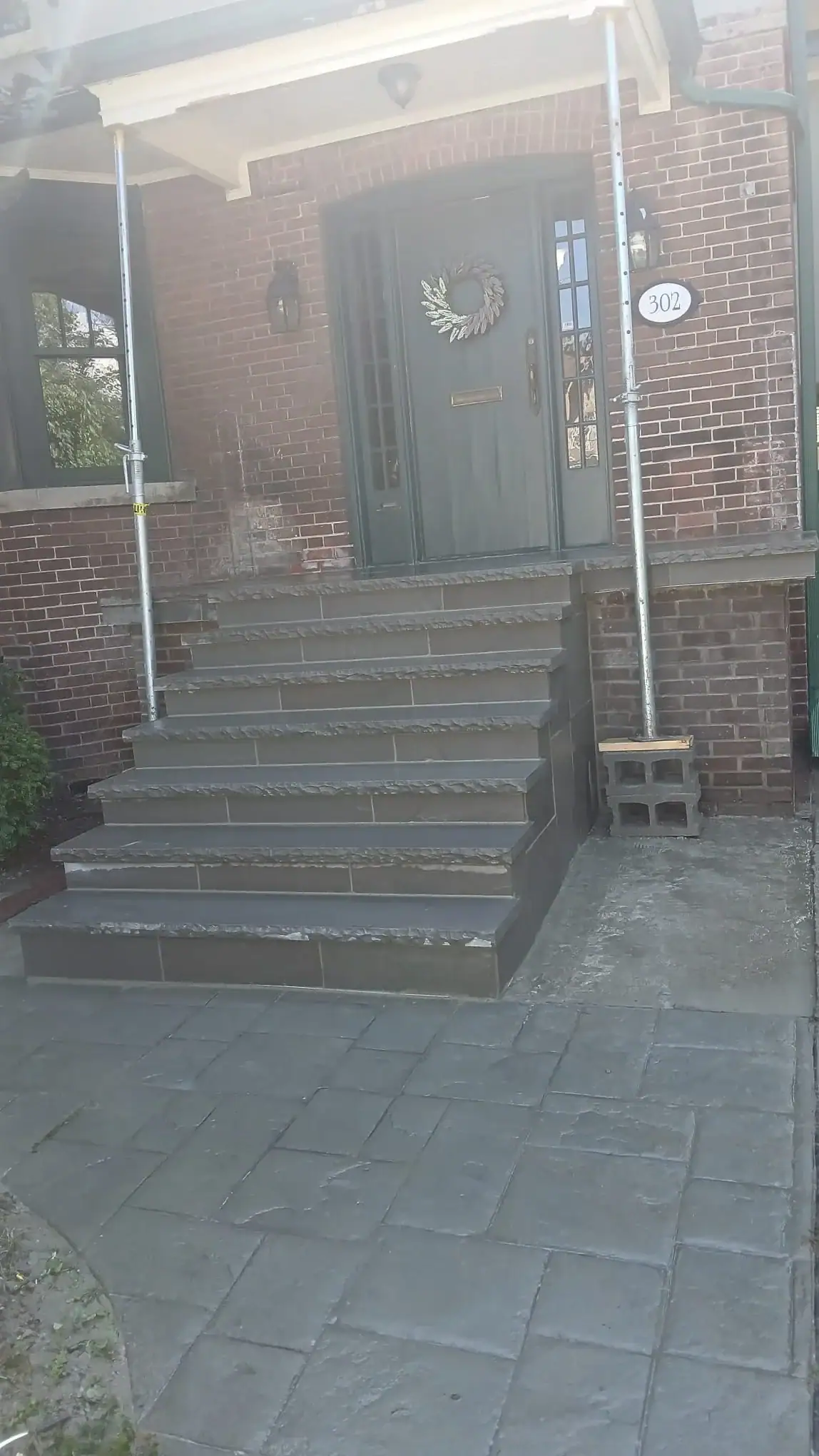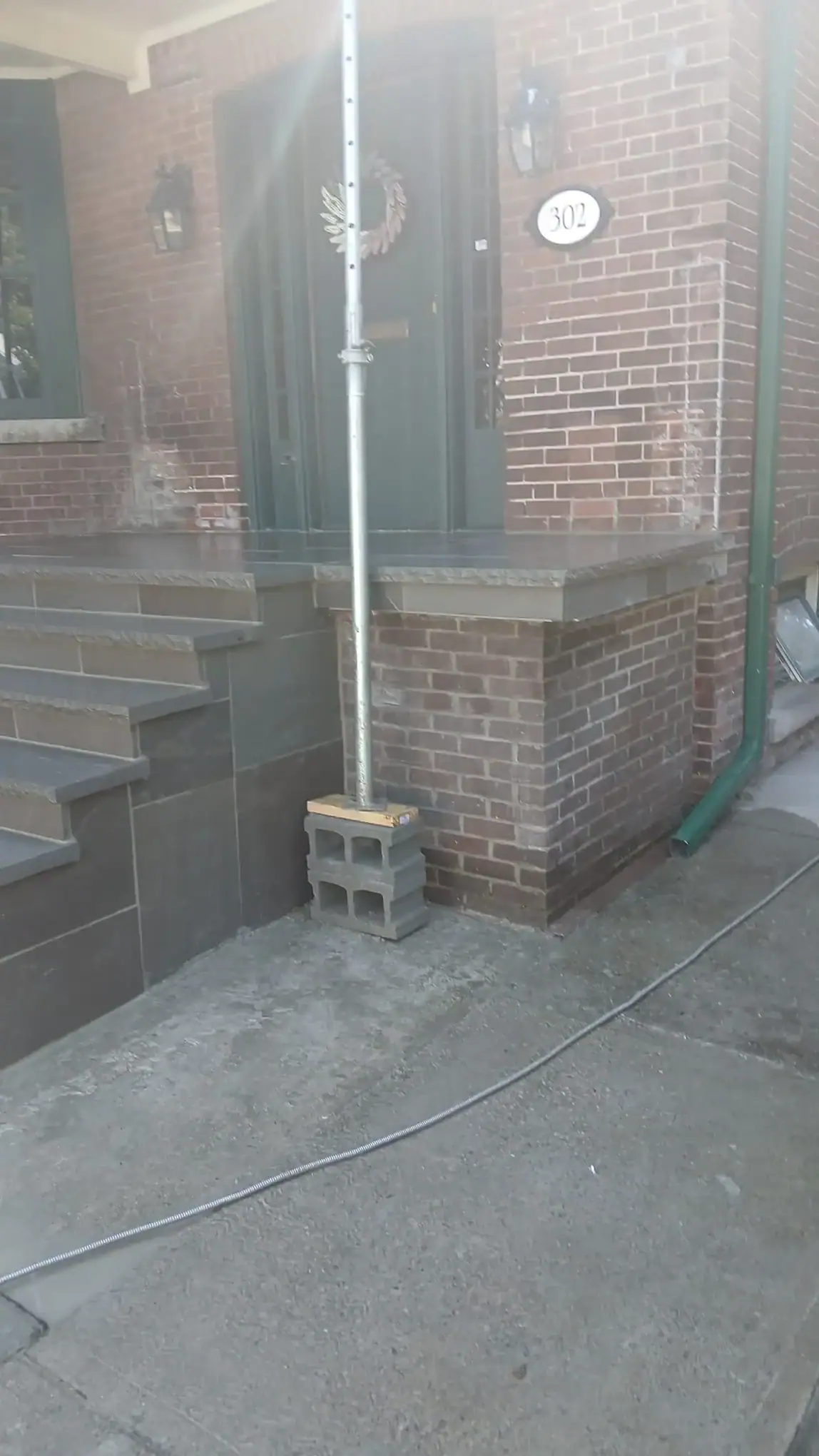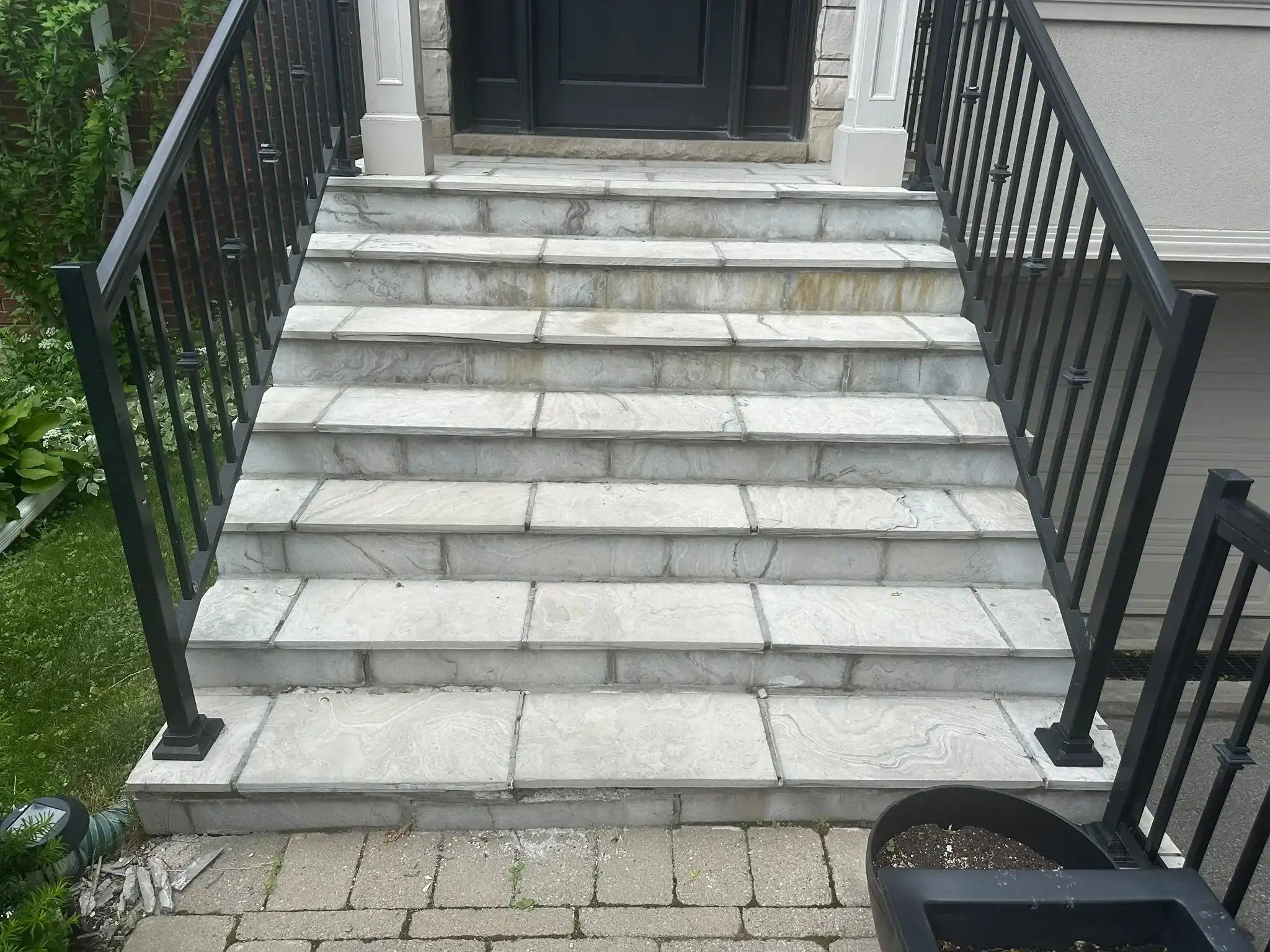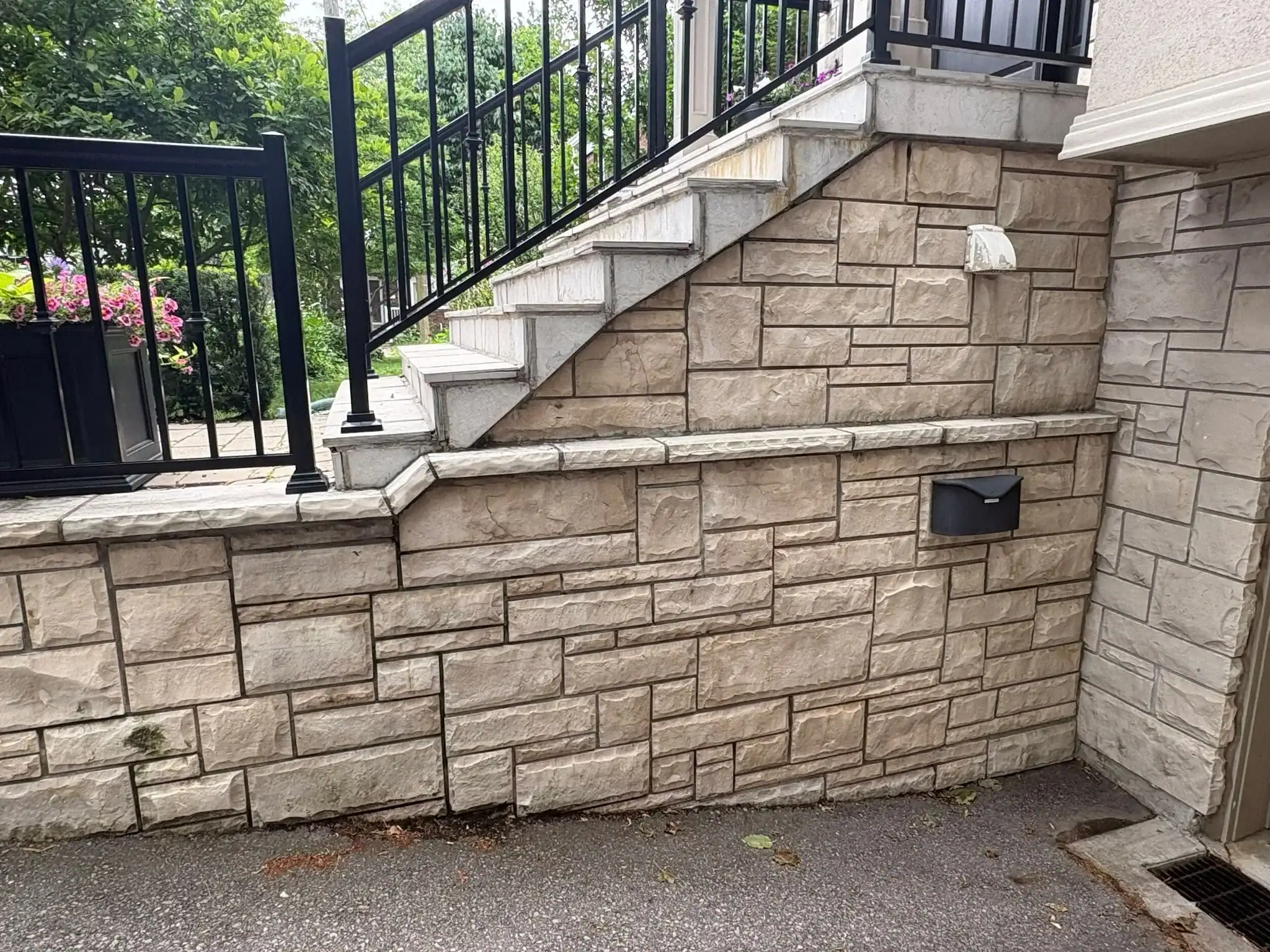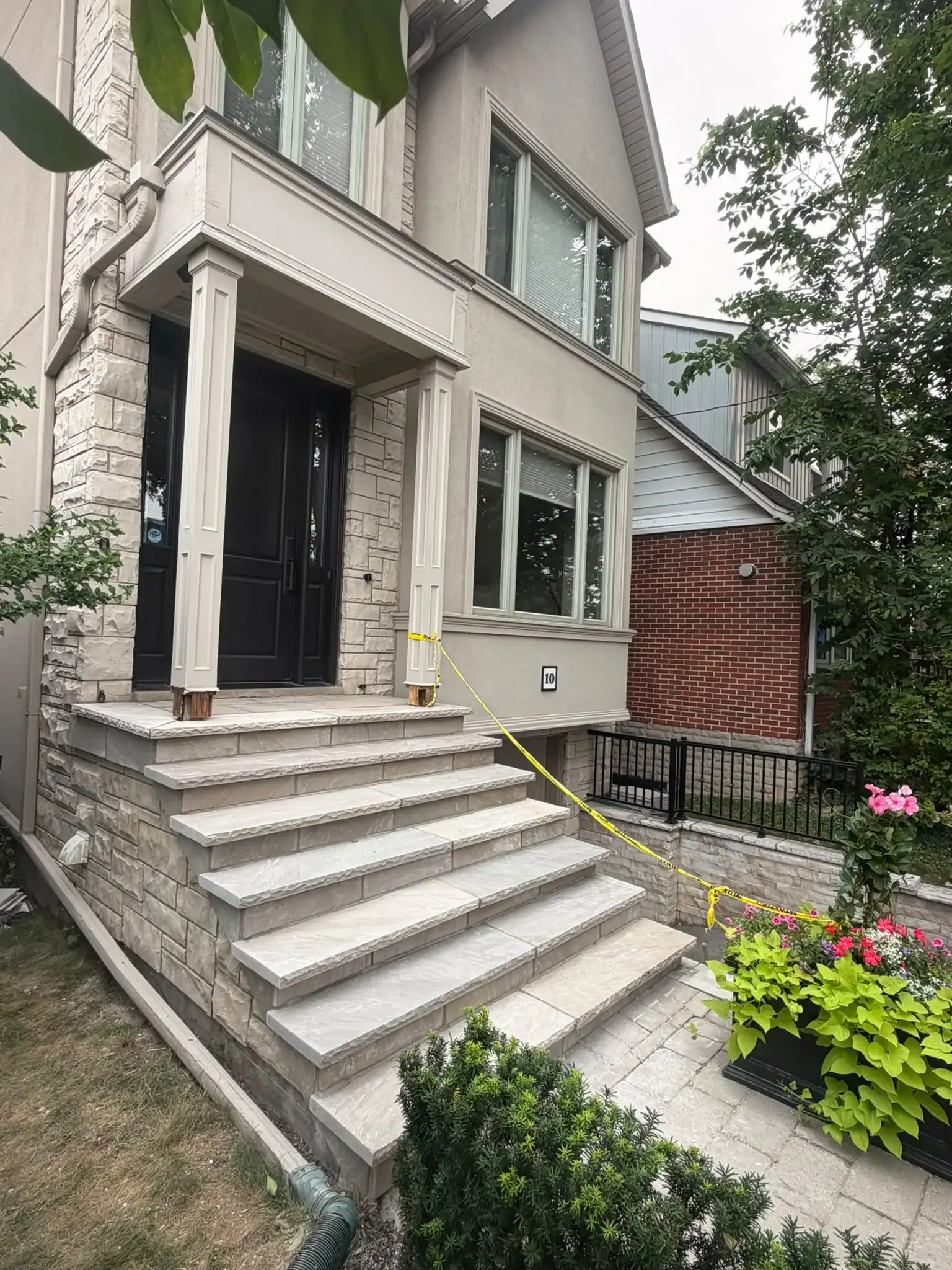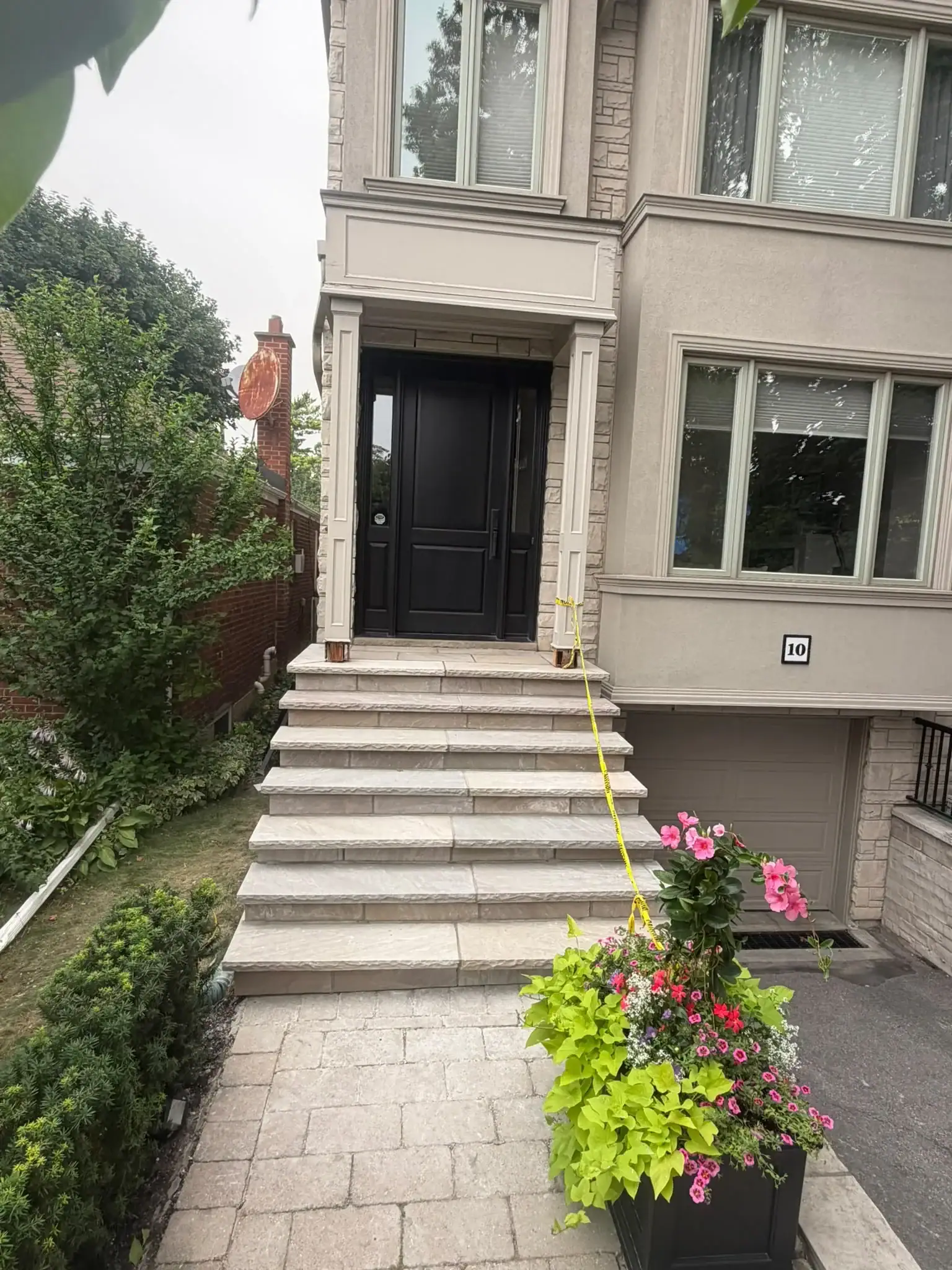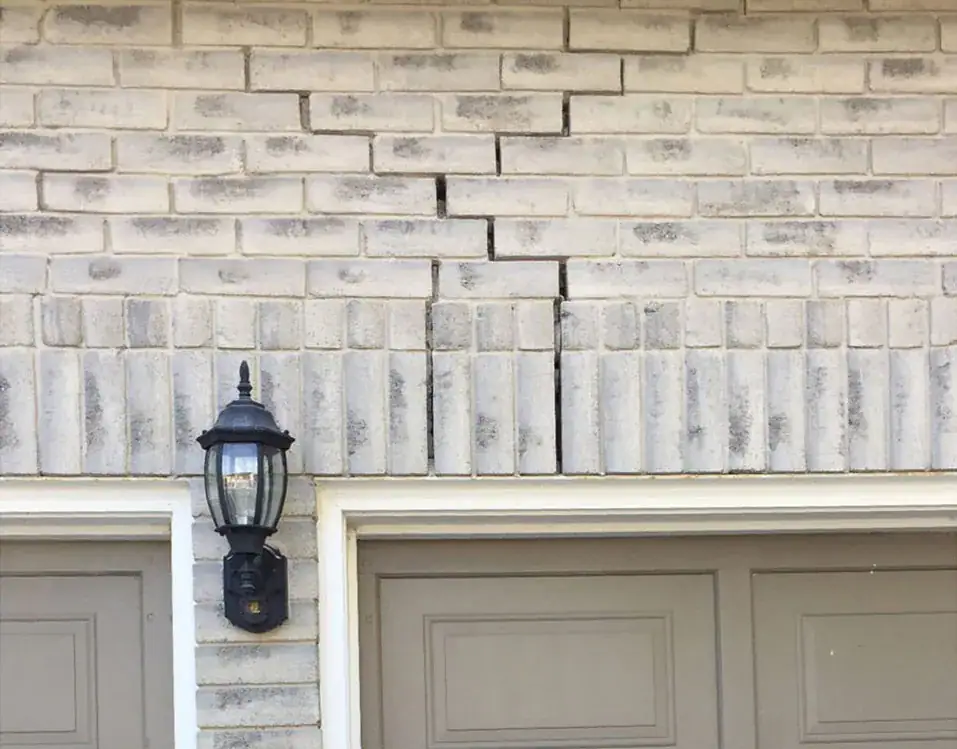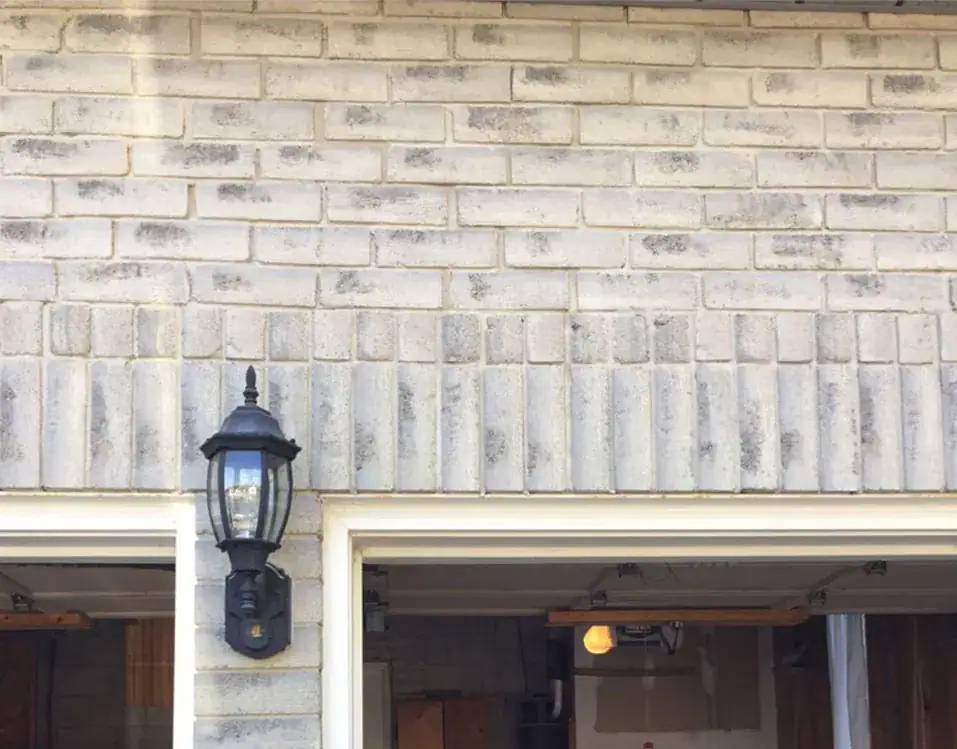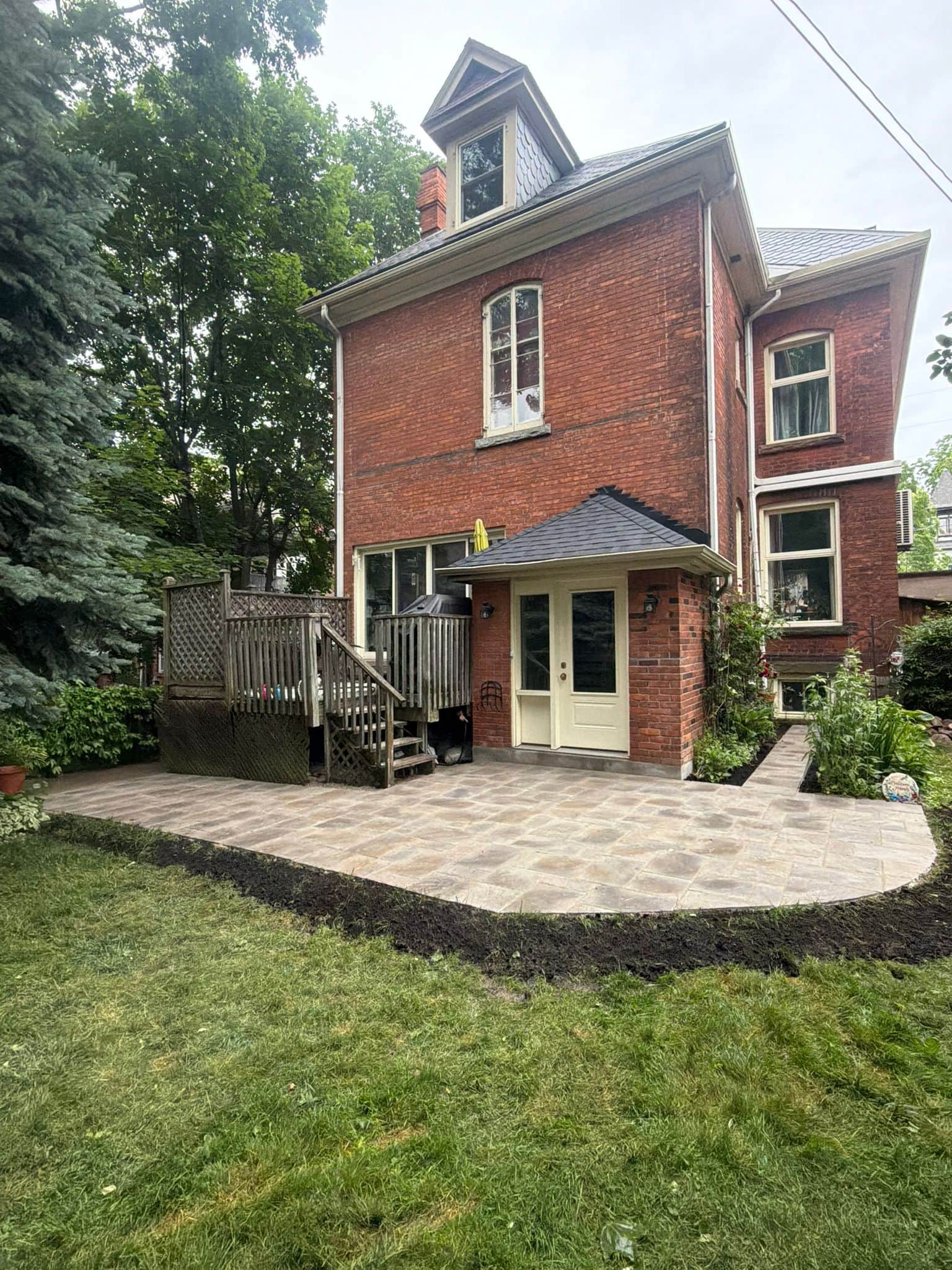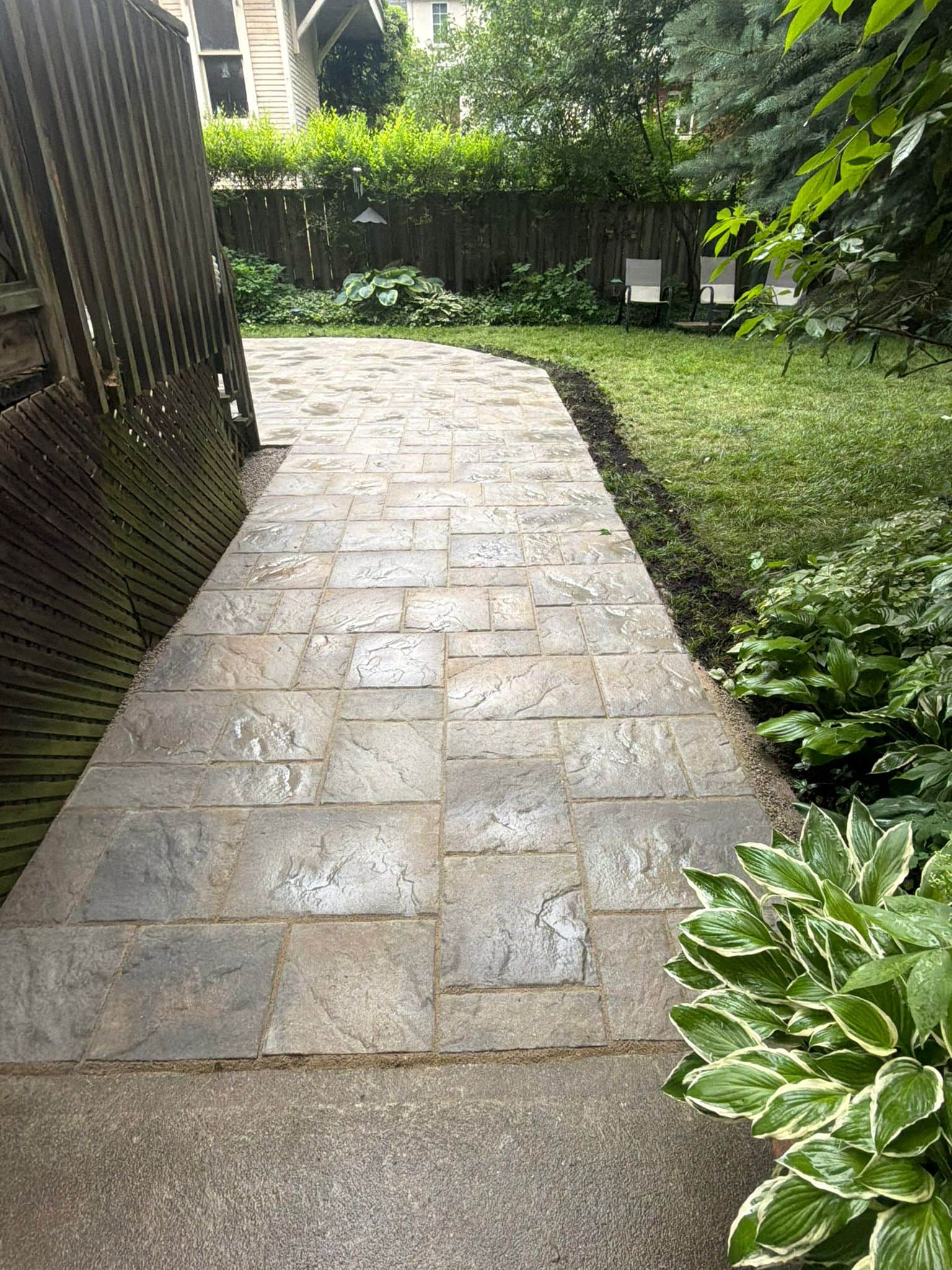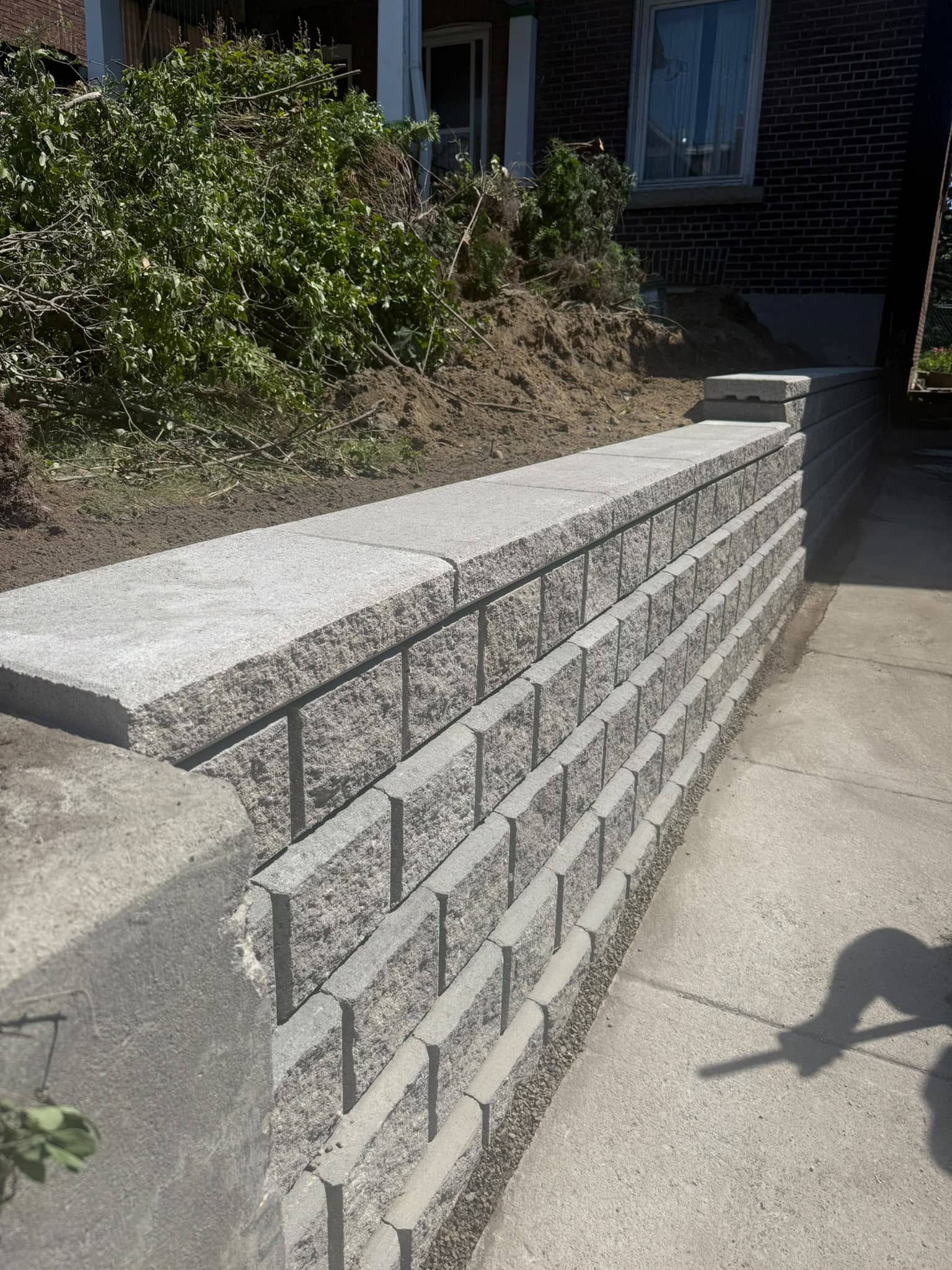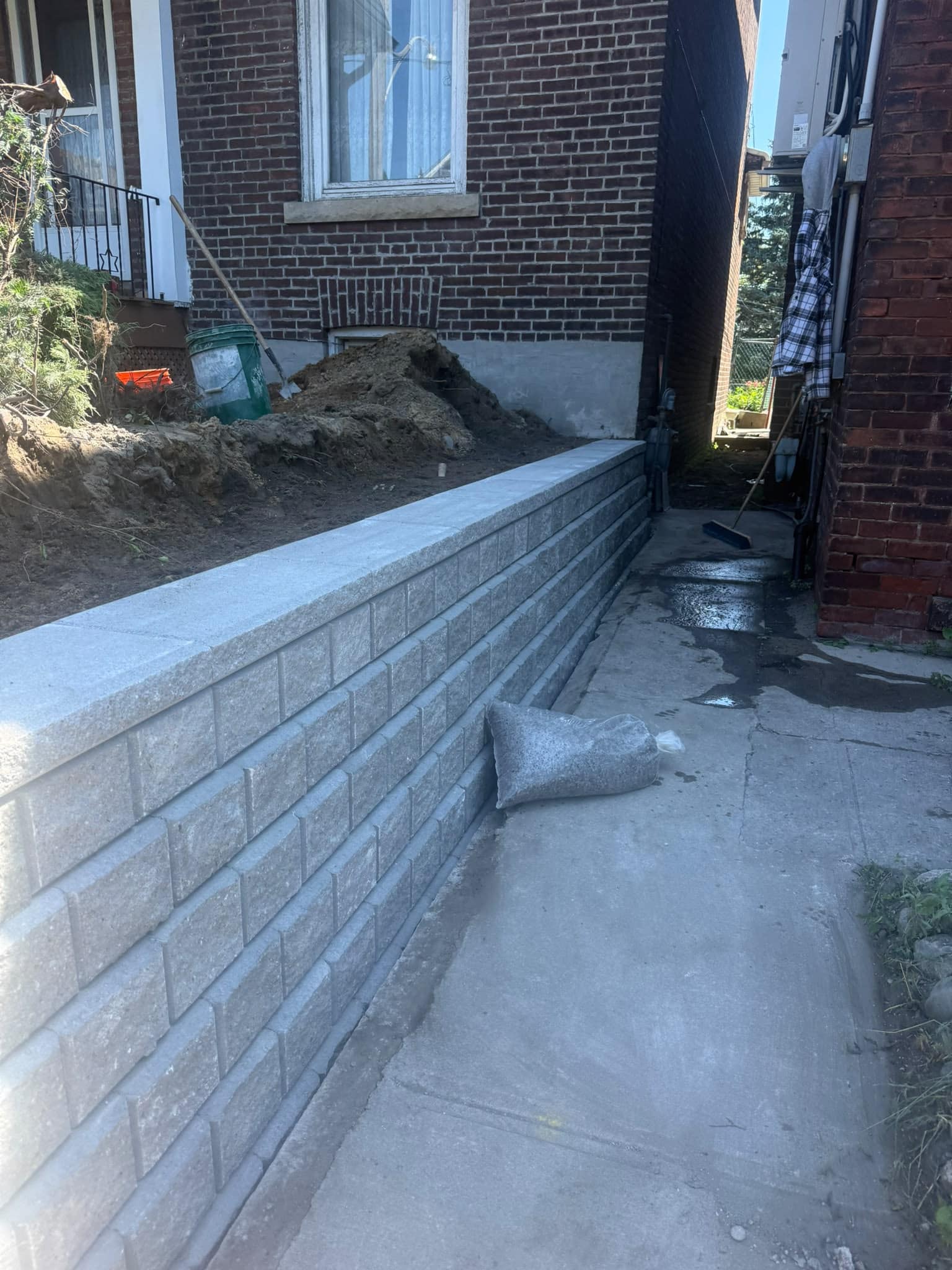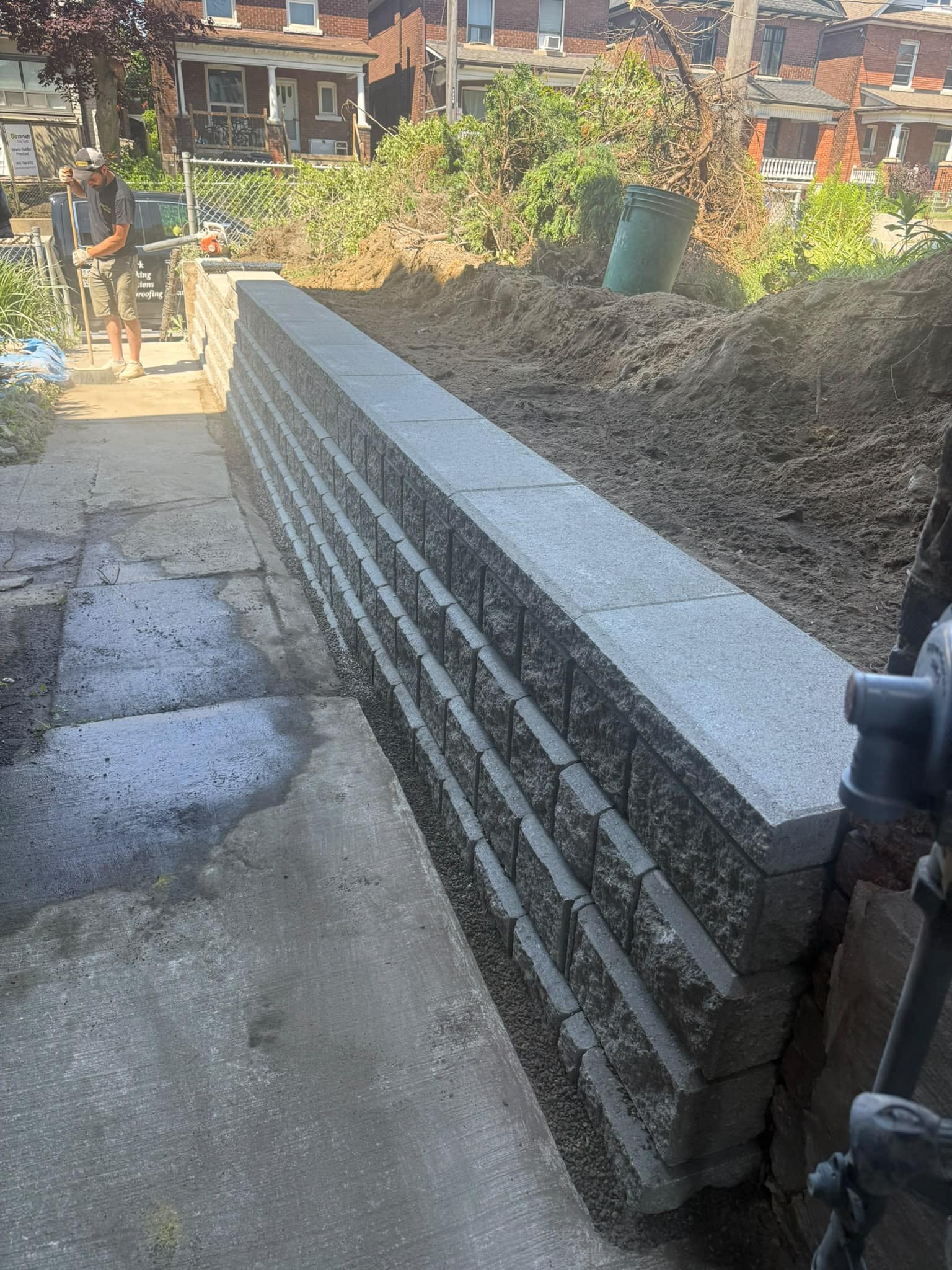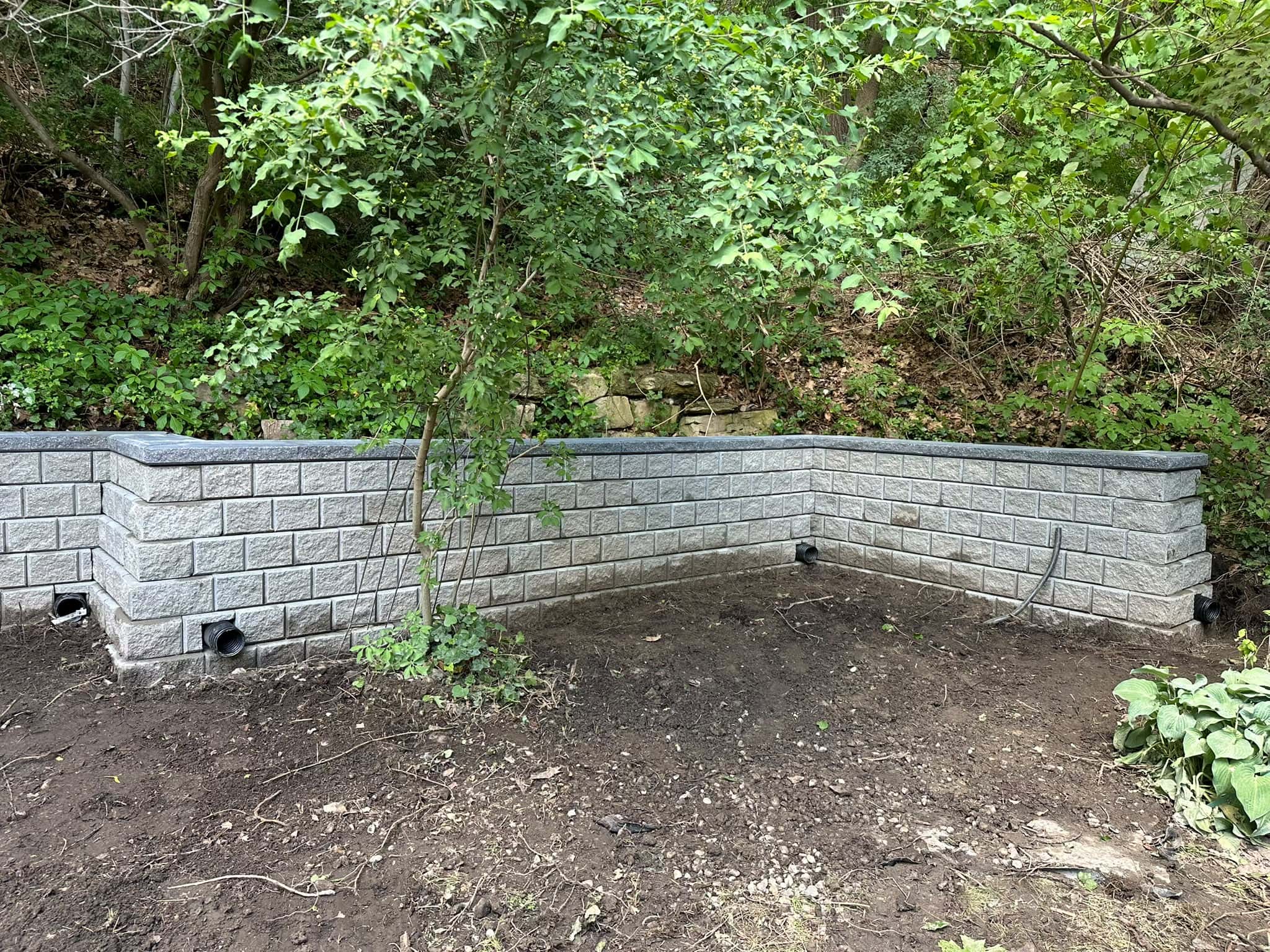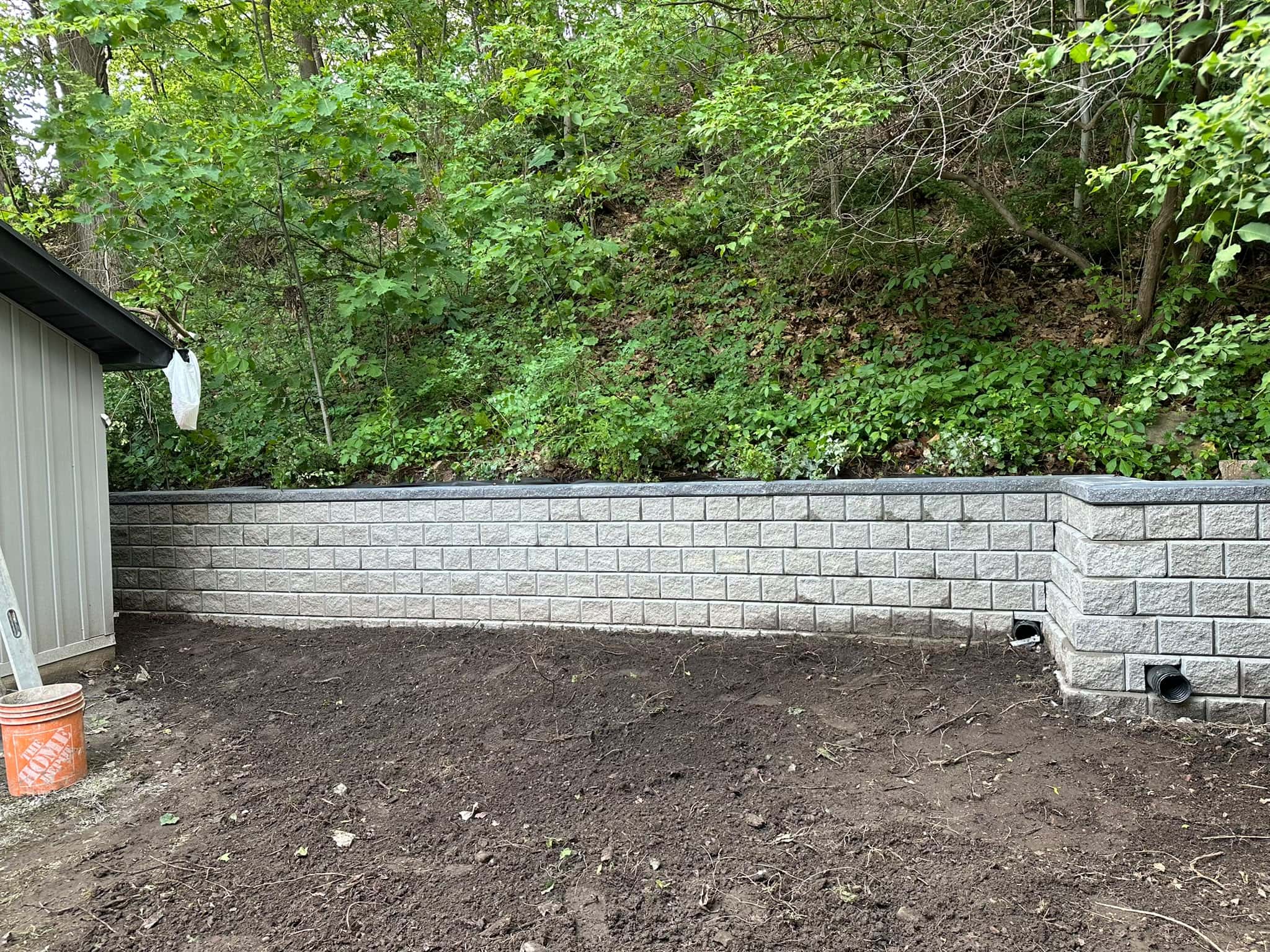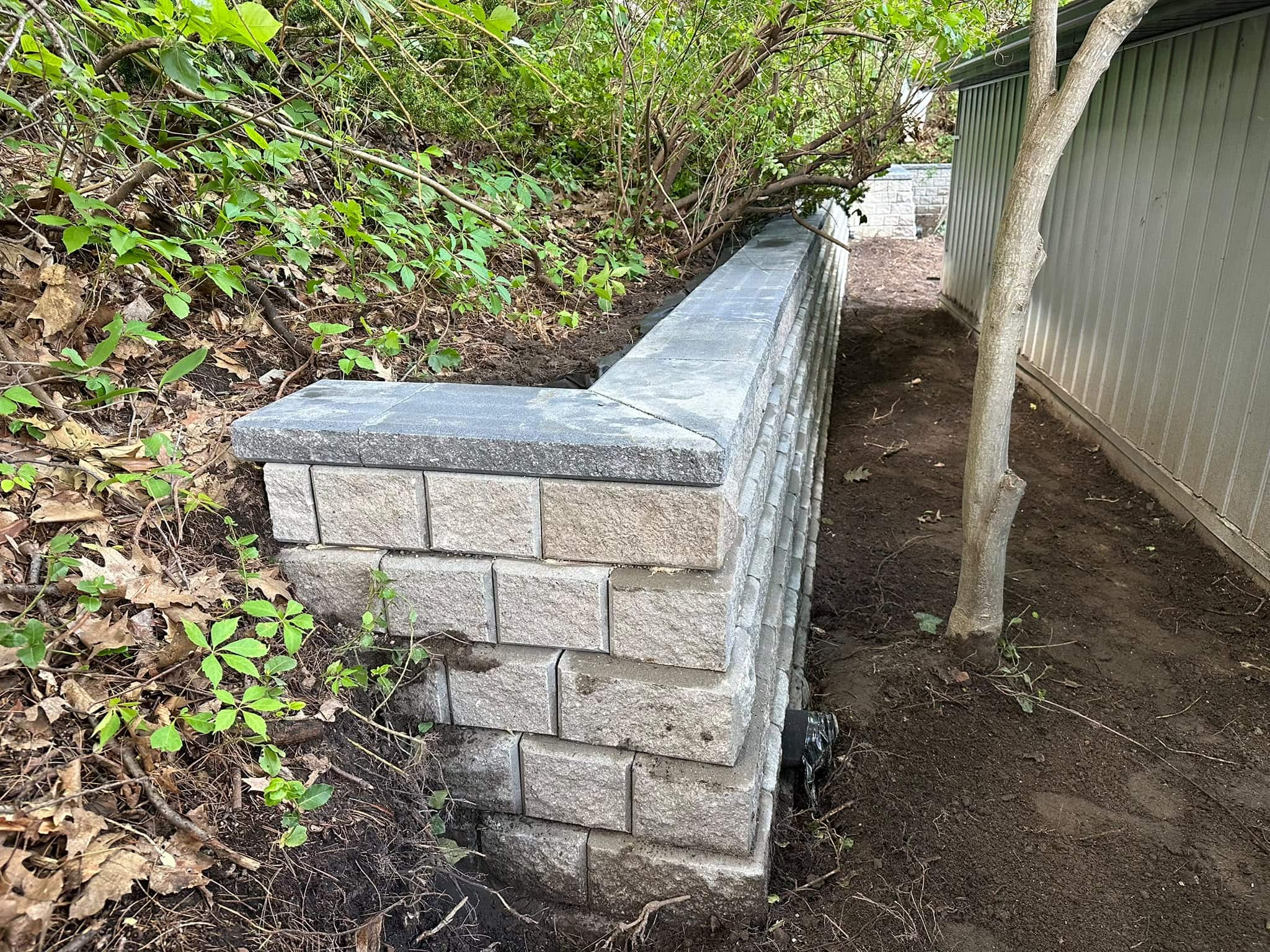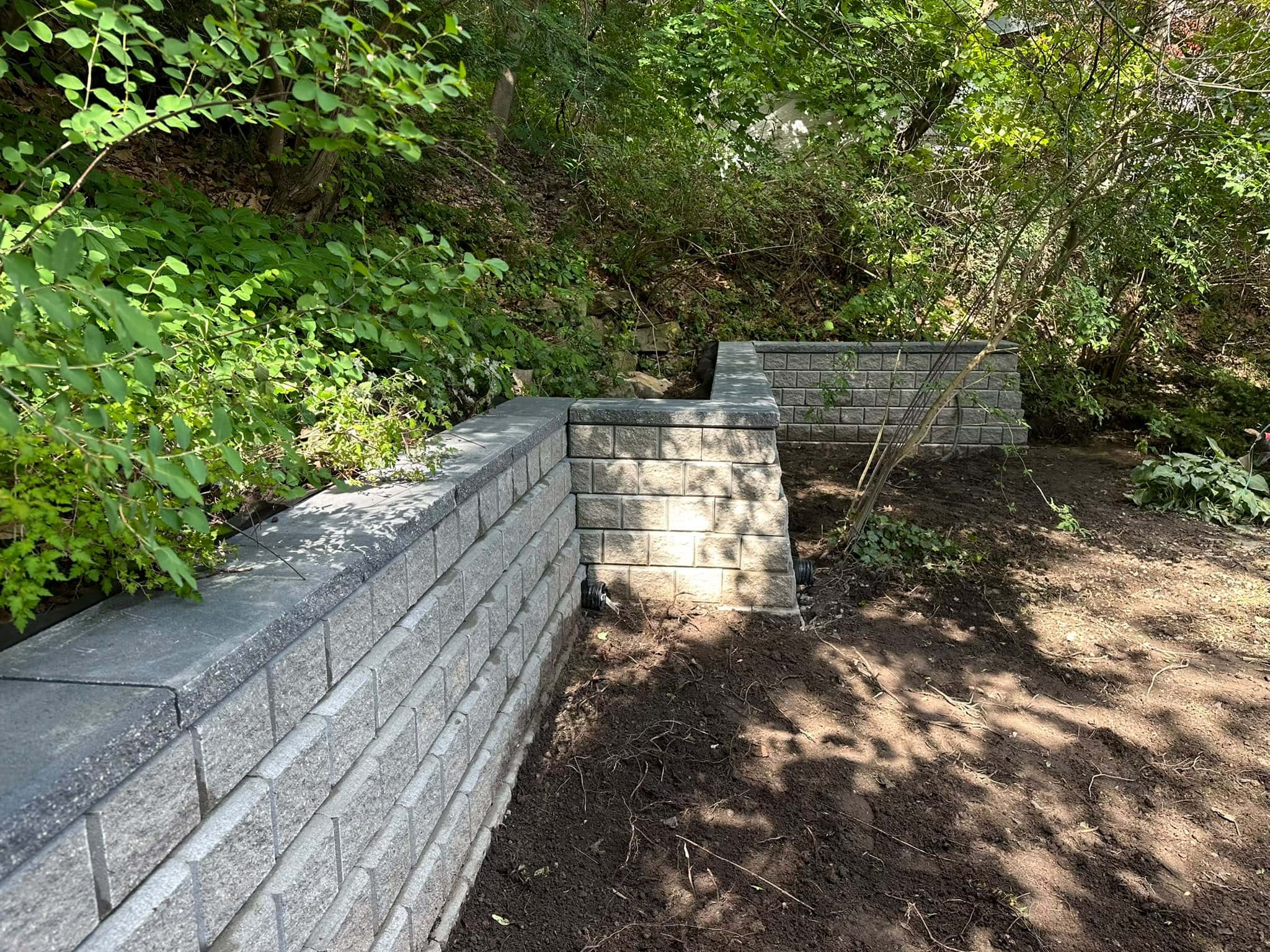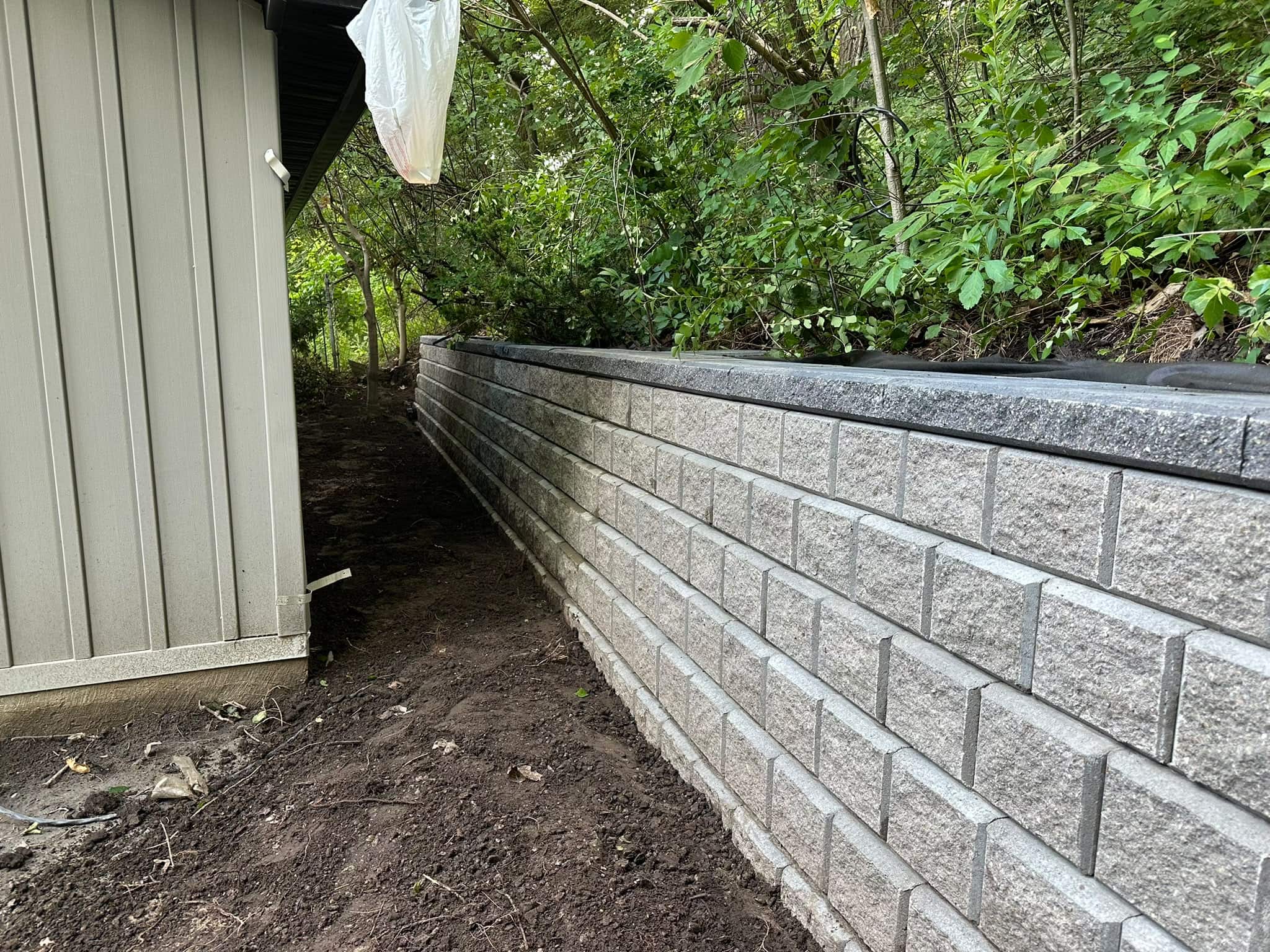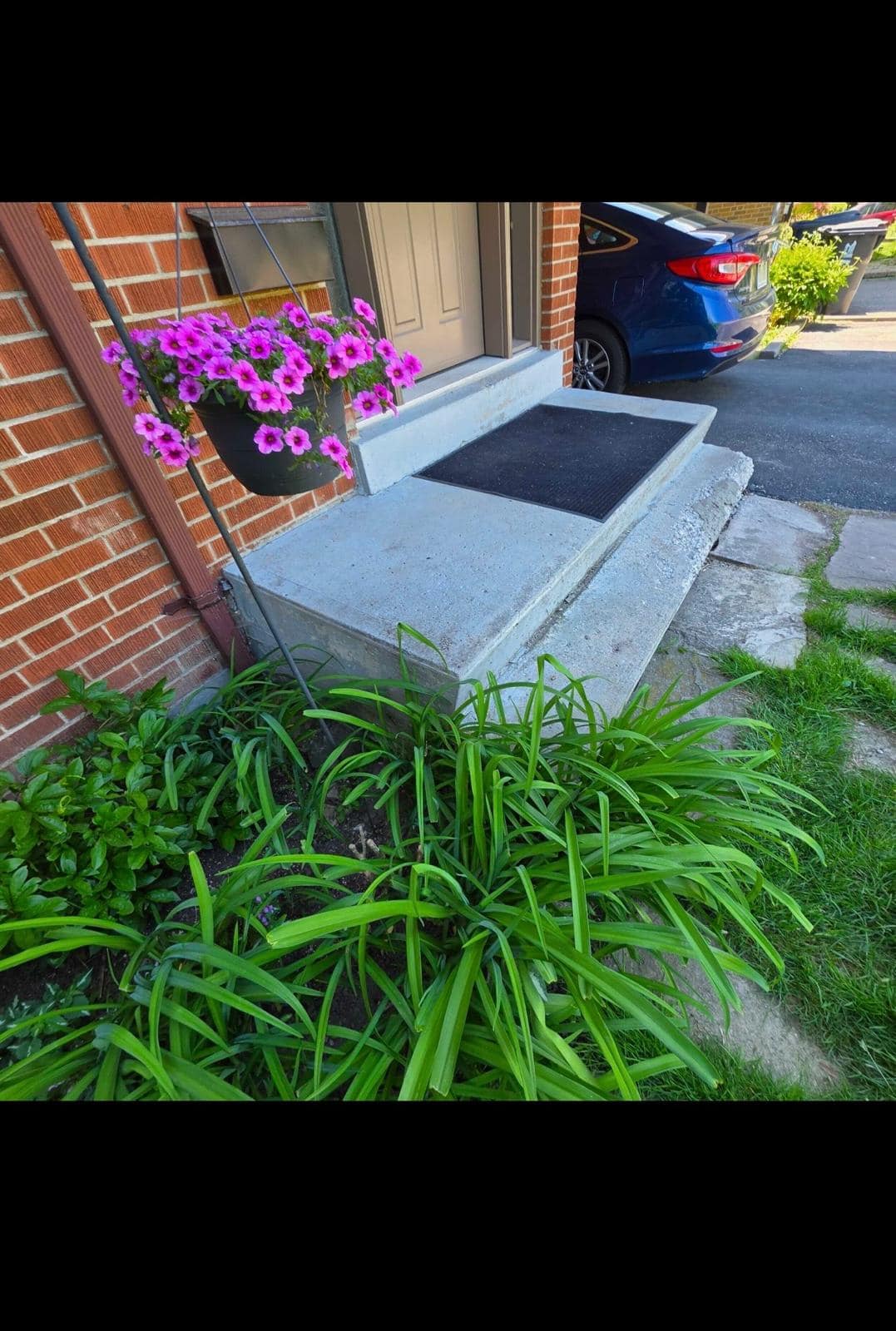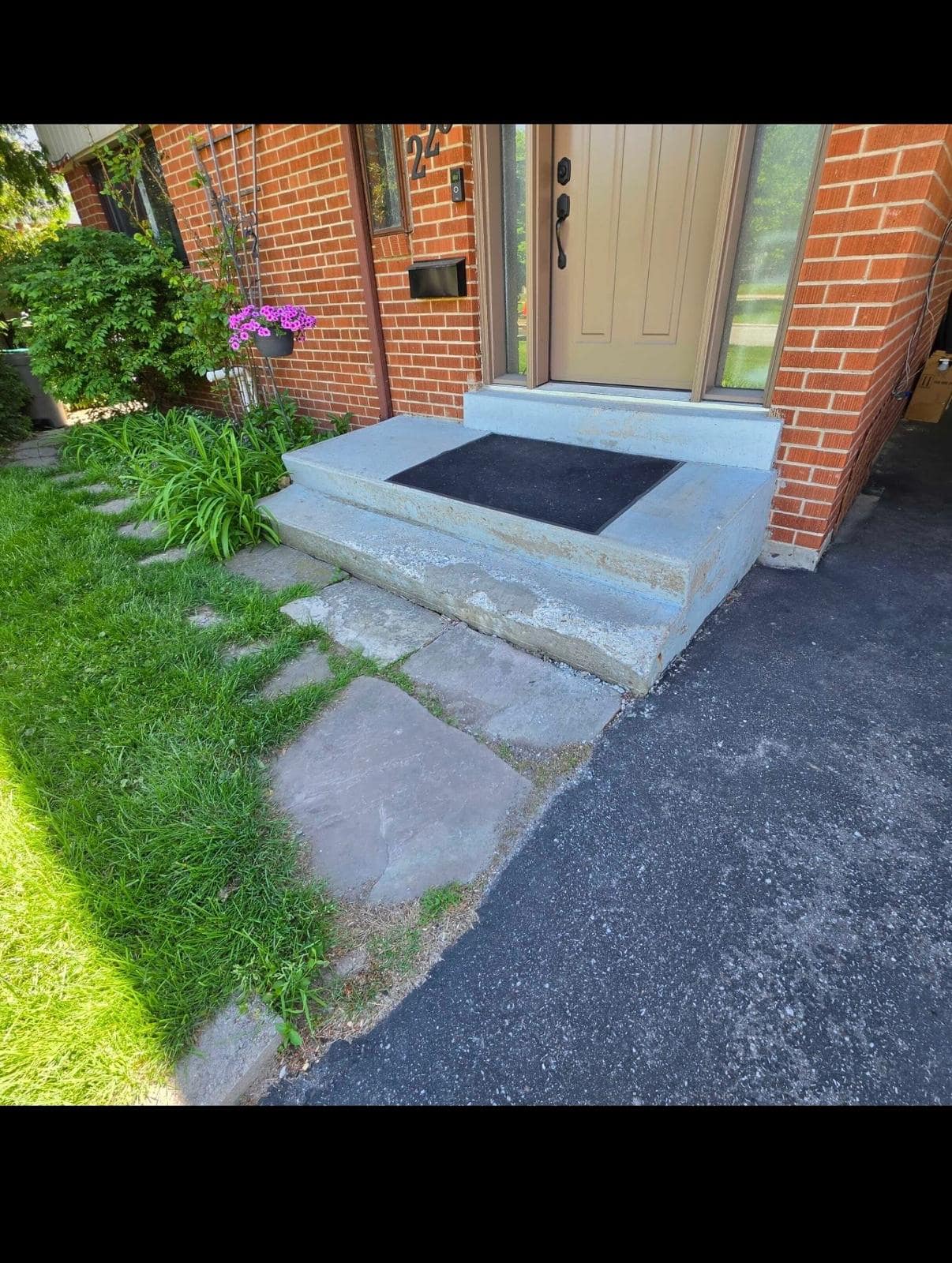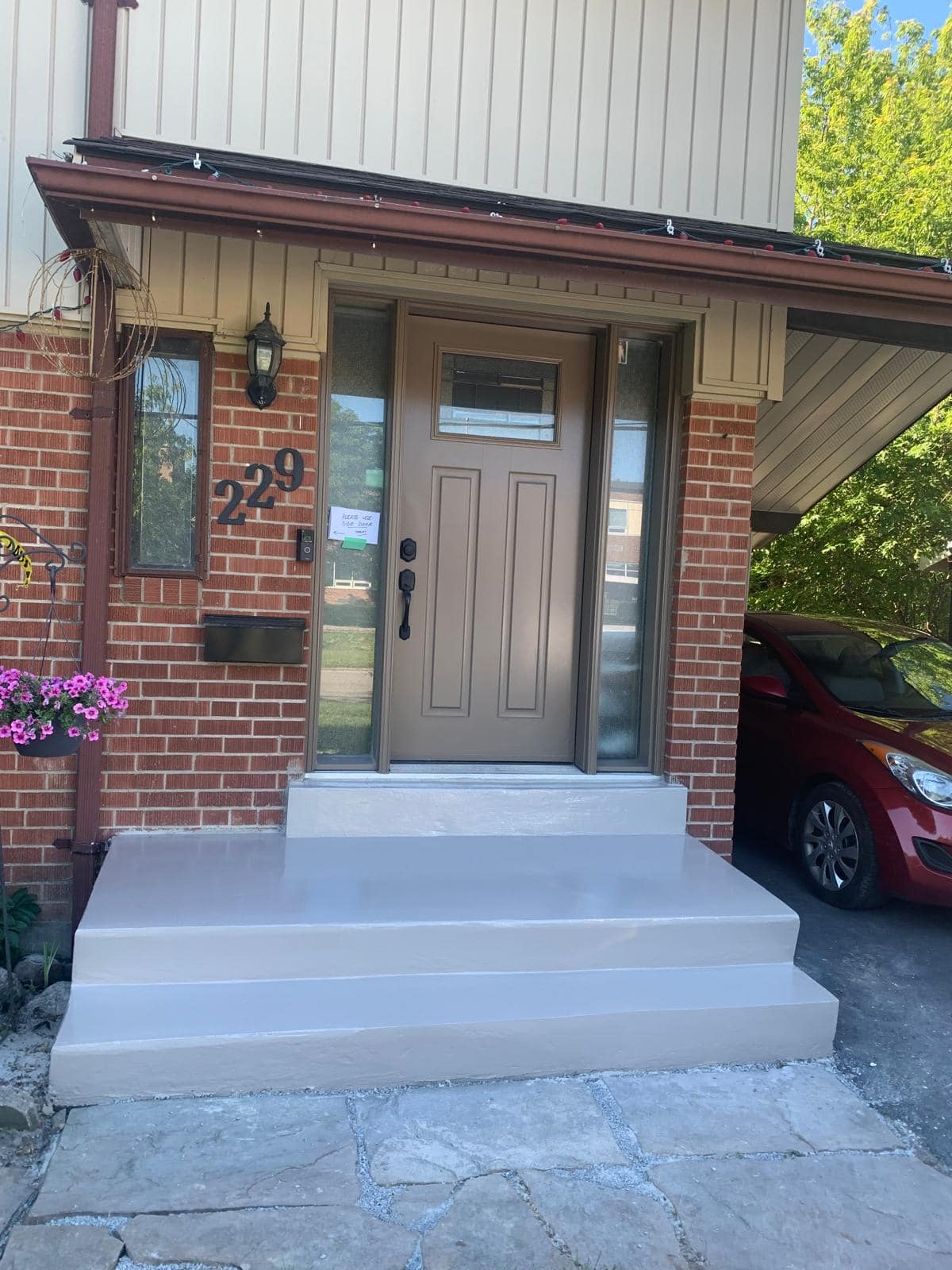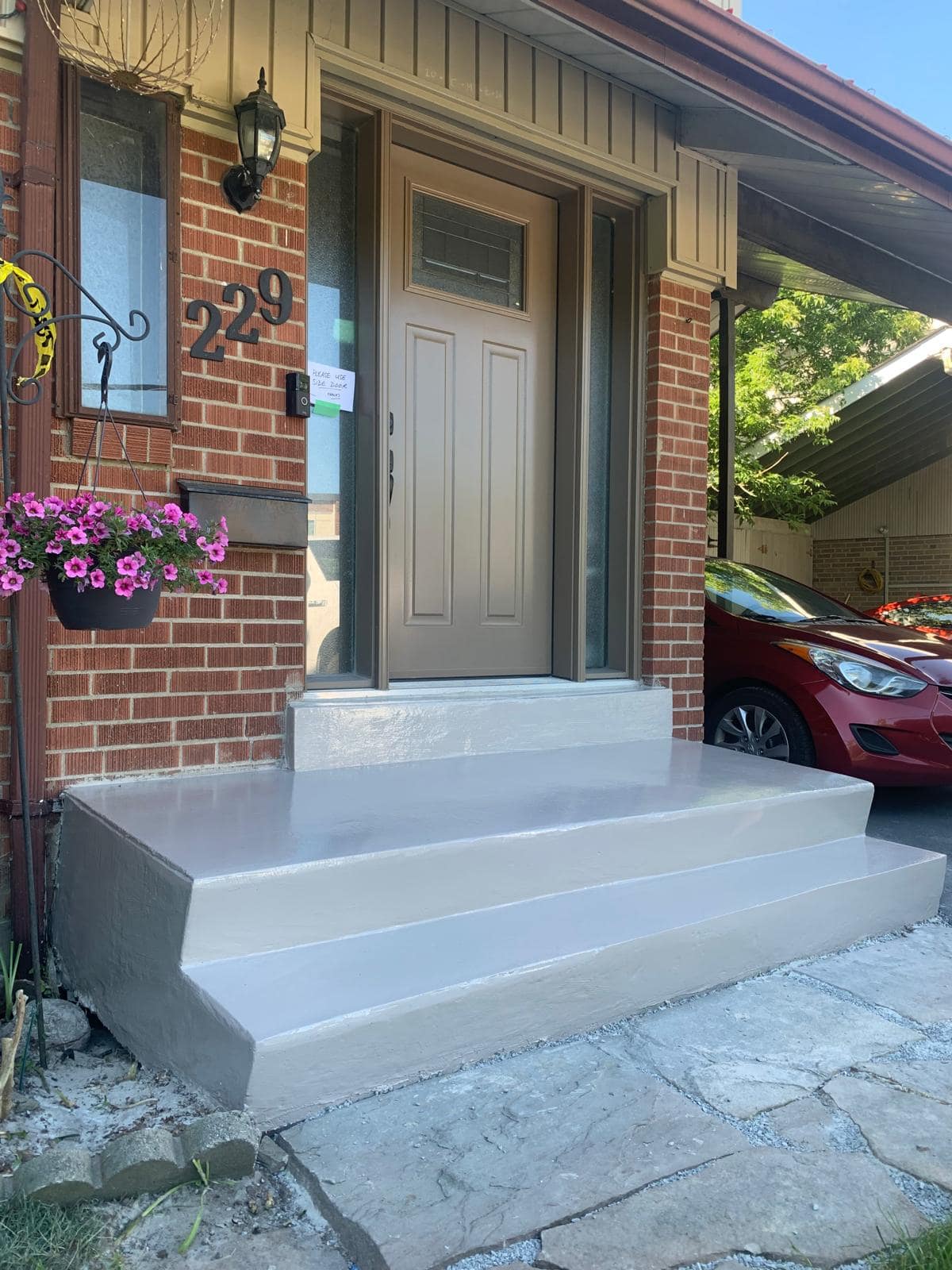

If you’ve noticed the cement coating on your foundation wall flaking off in chunks — or you’ve spotted damp patches creeping through the basement — you’re dealing with two related but distinct problems. Most Toronto homeowners end up phoning a waterproofing company for one and a masonry contractor for the other, then trying to schedule both in the same week. There’s a simpler way.
Parging and foundation waterproofing address different parts of the wall system. If moisture is entering through a below-grade foundation, A&A Masonry’s foundation waterproofing services explain the available repair approaches, while damaged above-grade parging repair may need to be addressed separately as part of the exterior wall work.
Coordinating parging and waterproofing through one contractor can simplify scheduling and reduce handoff issues where the above-grade and below-grade systems meet.
Why parging and waterproofing need to happen together
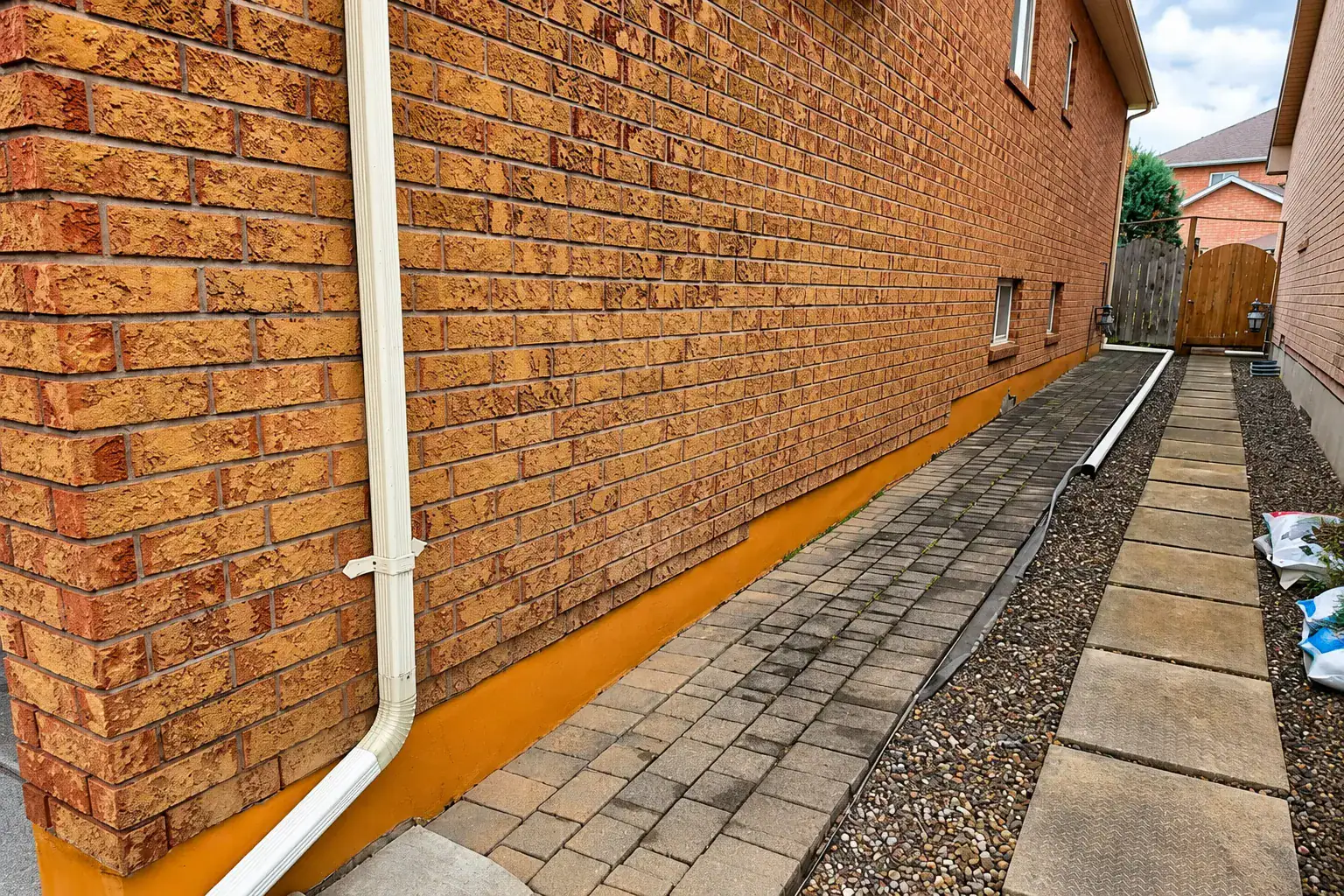
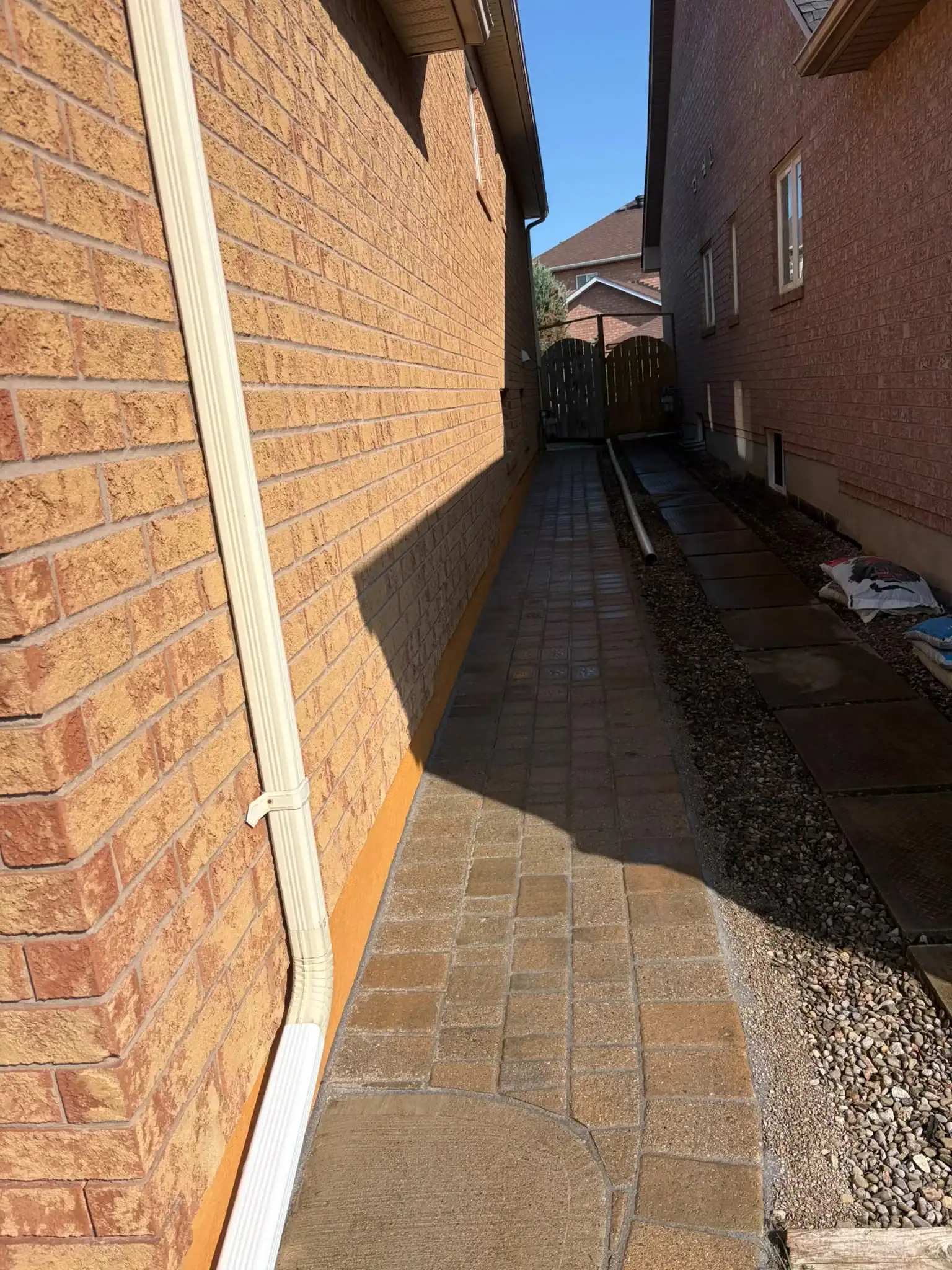
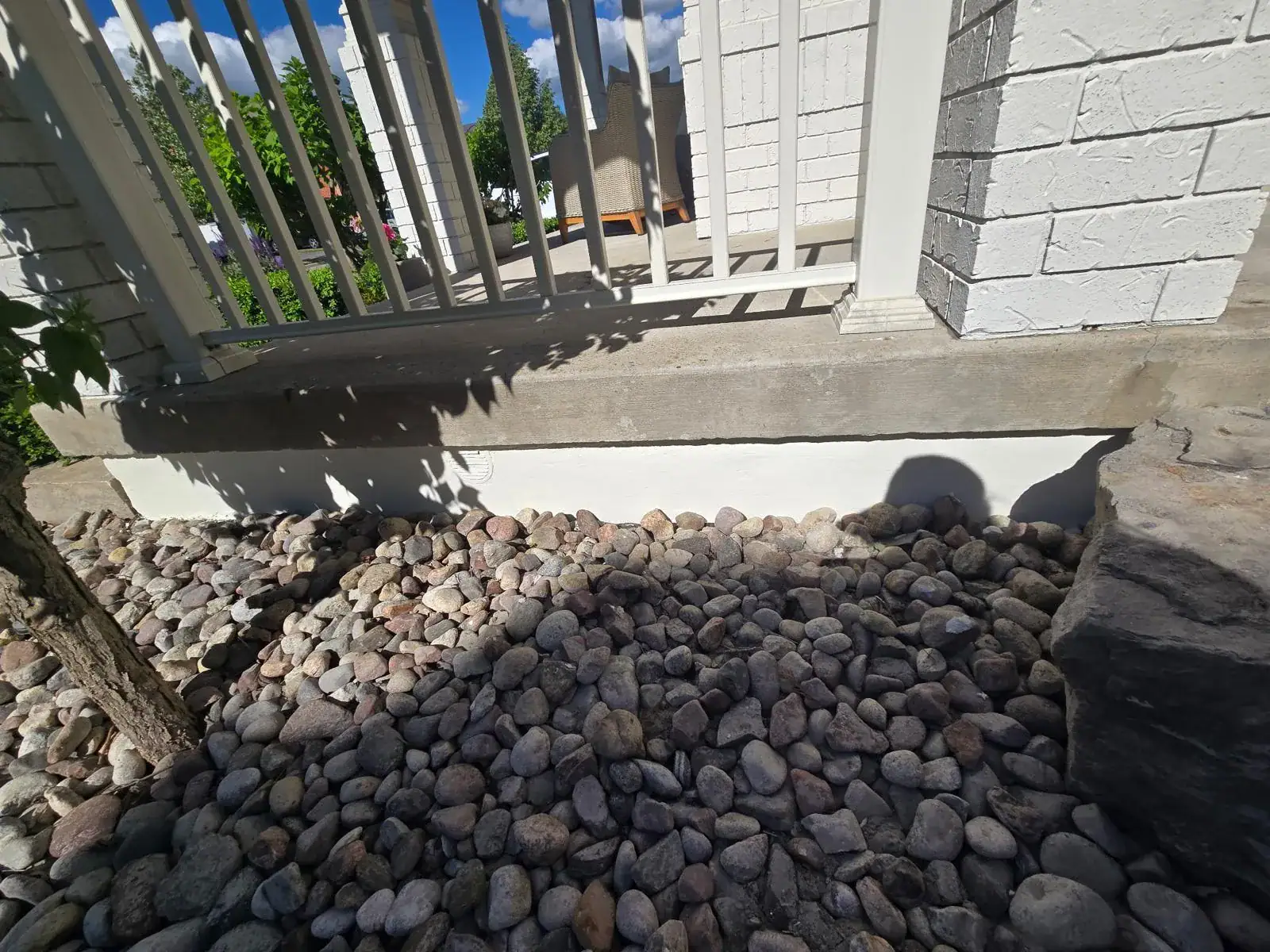
Parging is the thin mortar coating applied to the exposed section of your foundation wall above grade. It smooths and protects the concrete from direct weather exposure. Waterproofing — typically a membrane or elastomeric coating — is applied below grade to stop water moving through the wall under hydrostatic pressure.
The two aren’t interchangeable. Parging alone won’t stop water coming through a saturated clay soil in a Toronto spring thaw. Waterproofing membrane alone, applied to a rough or cracked block wall, won’t bond properly or protect the above-grade section from freeze-thaw spalling.
When exterior waterproofing is carried out, the wall is excavated to the footing, the membrane is applied below grade, and the backfill goes back in. That process disturbs the existing parging. If the mason who re-pargs the wall isn’t the same crew who applied the membrane, you risk gaps at the transition zone — exactly where water finds a way in.
Parging and waterproofing are not interchangeable. Parging can help protect and finish the exposed above-grade foundation surface, while foundation waterproofing is intended to address water entry through below-grade walls and related foundation areas.
Waterproofing systems require appropriate substrate preparation. Cracks, loose material, and irregular surfaces may need repair or preparation before the selected membrane or coating is installed.
What the combined process looks like on a typical Toronto home
Foundation Inspection and Preparation
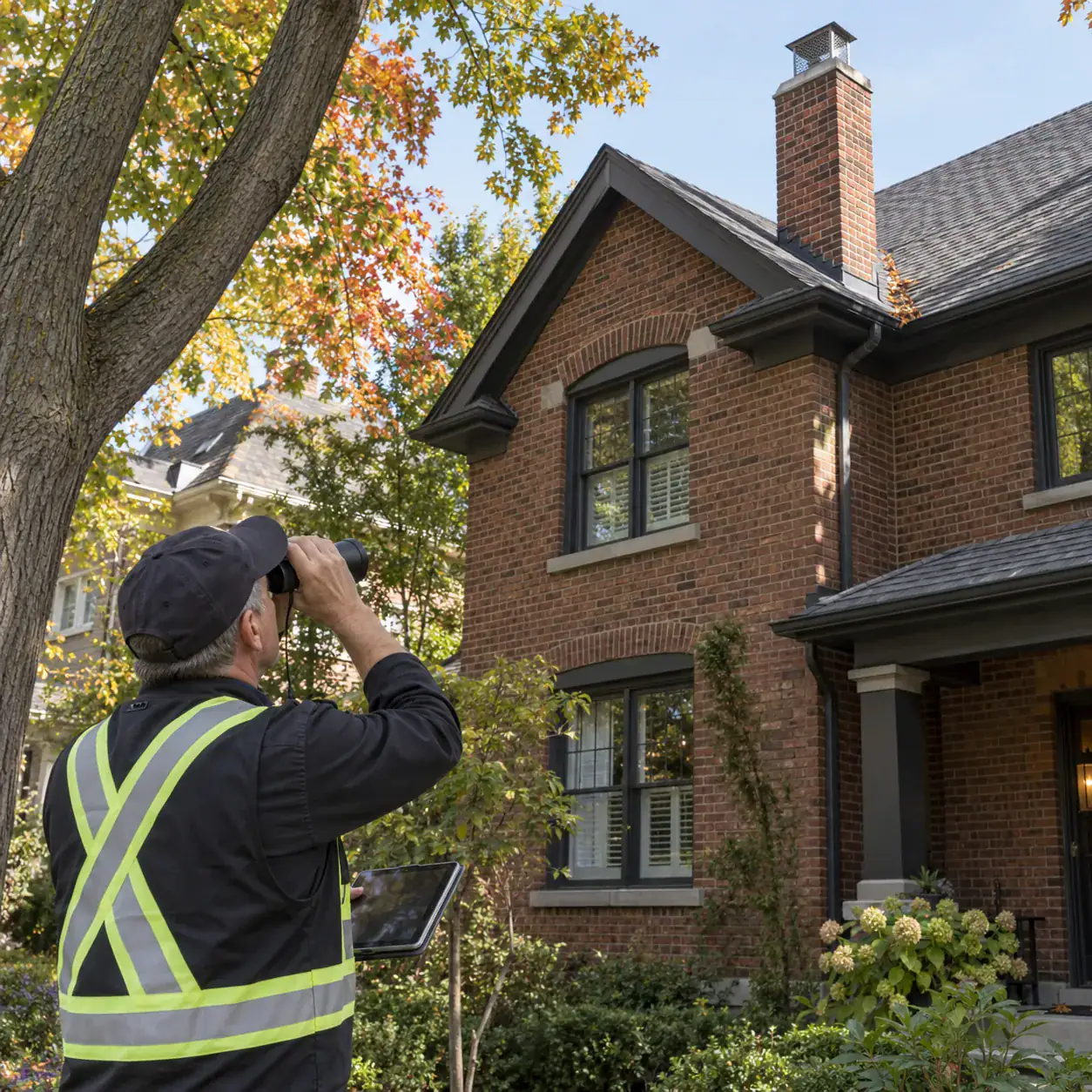
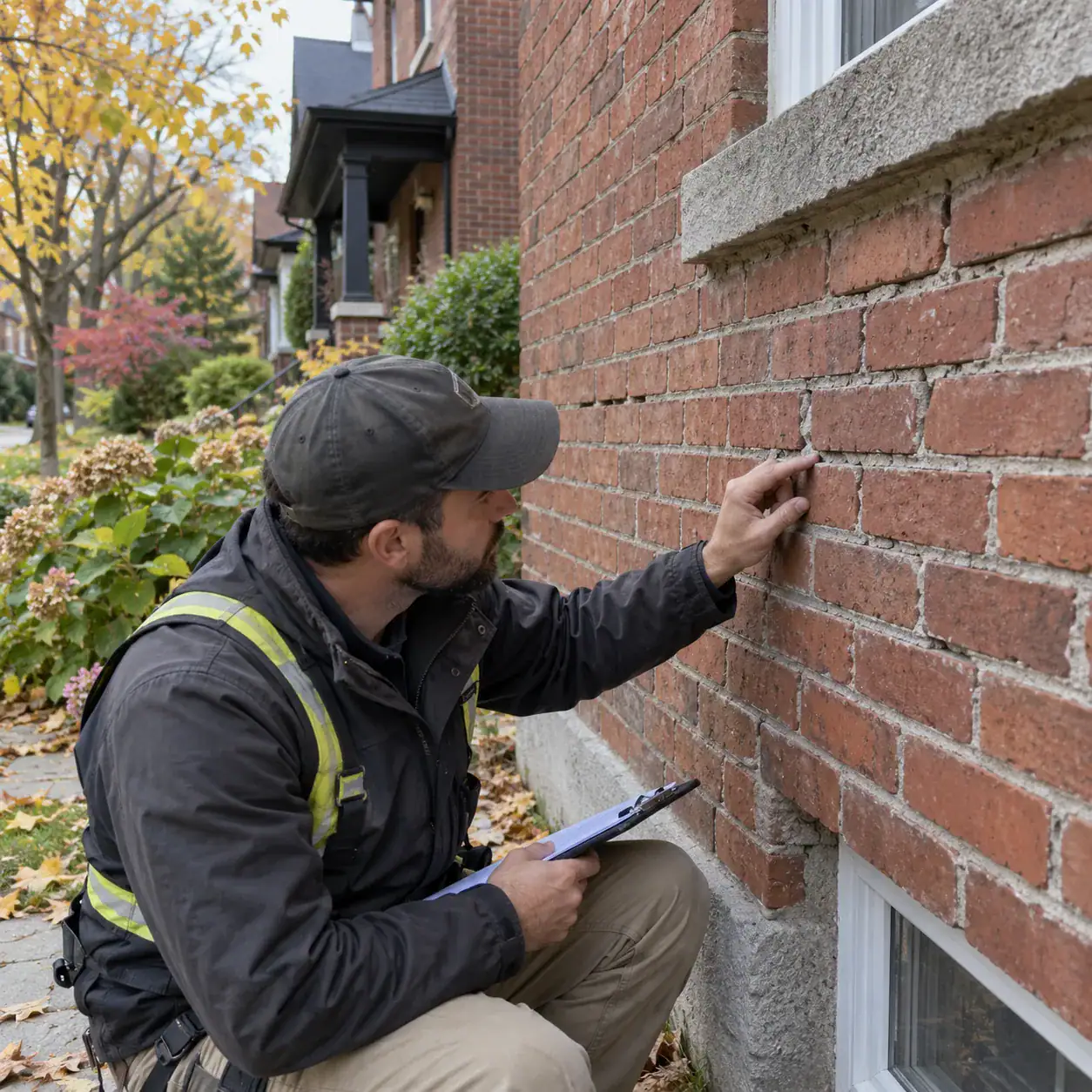
The foundation should first be inspected for cracks, loose material, deterioration and visible moisture entry so the appropriate repair method can be selected.
Waterproofing Work
Where exterior waterproofing is required, the wall is prepared according to the selected waterproofing system and manufacturer requirements. Crack repair, membrane installation, drainage components and excavation requirements vary by the condition of the foundation and the system being used.
Parging Repair
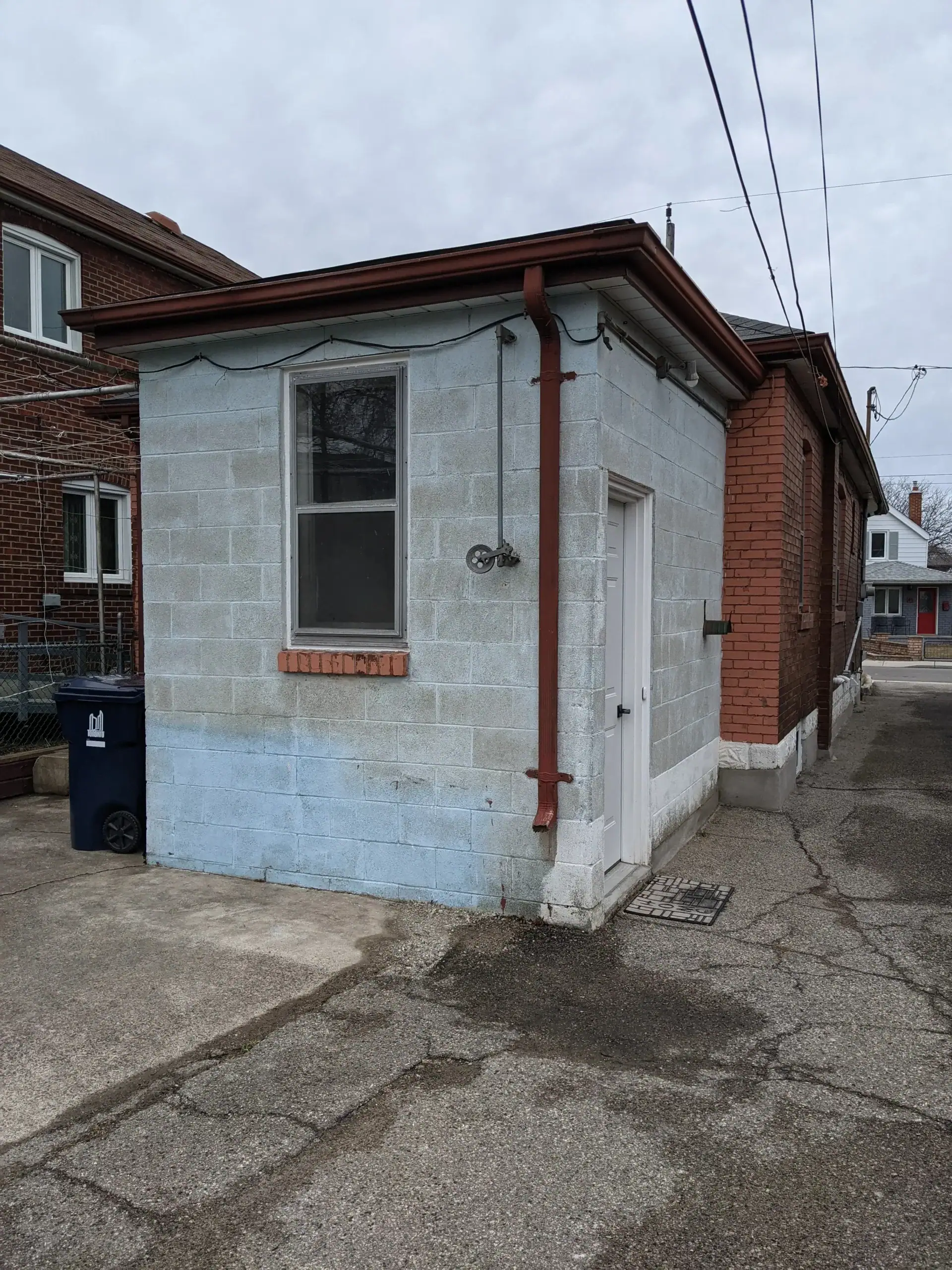
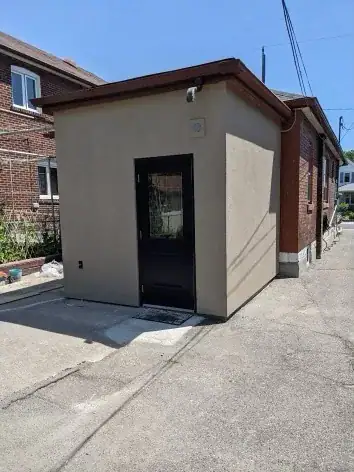
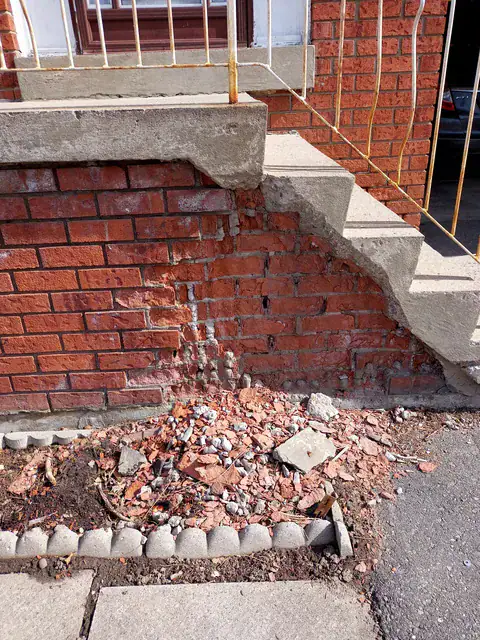
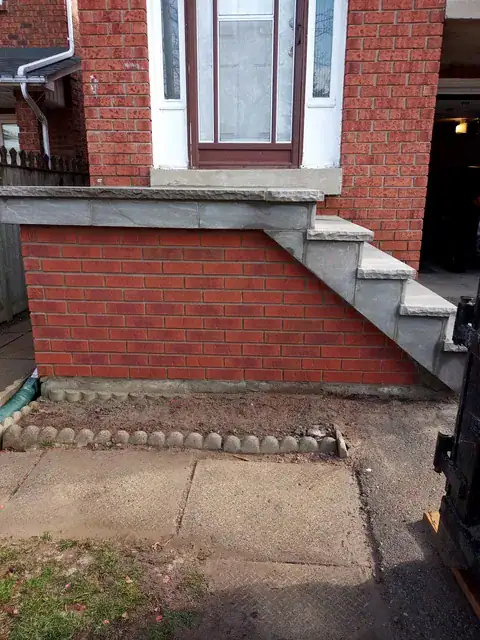
Above-grade parging that is loose, cracked or deteriorated should be removed back to a sound surface and repaired with a compatible parging material. The transition between the parging and waterproofing system should follow the product manufacturers’ requirements so the assemblies work together properly.
Drainage and Grading Review
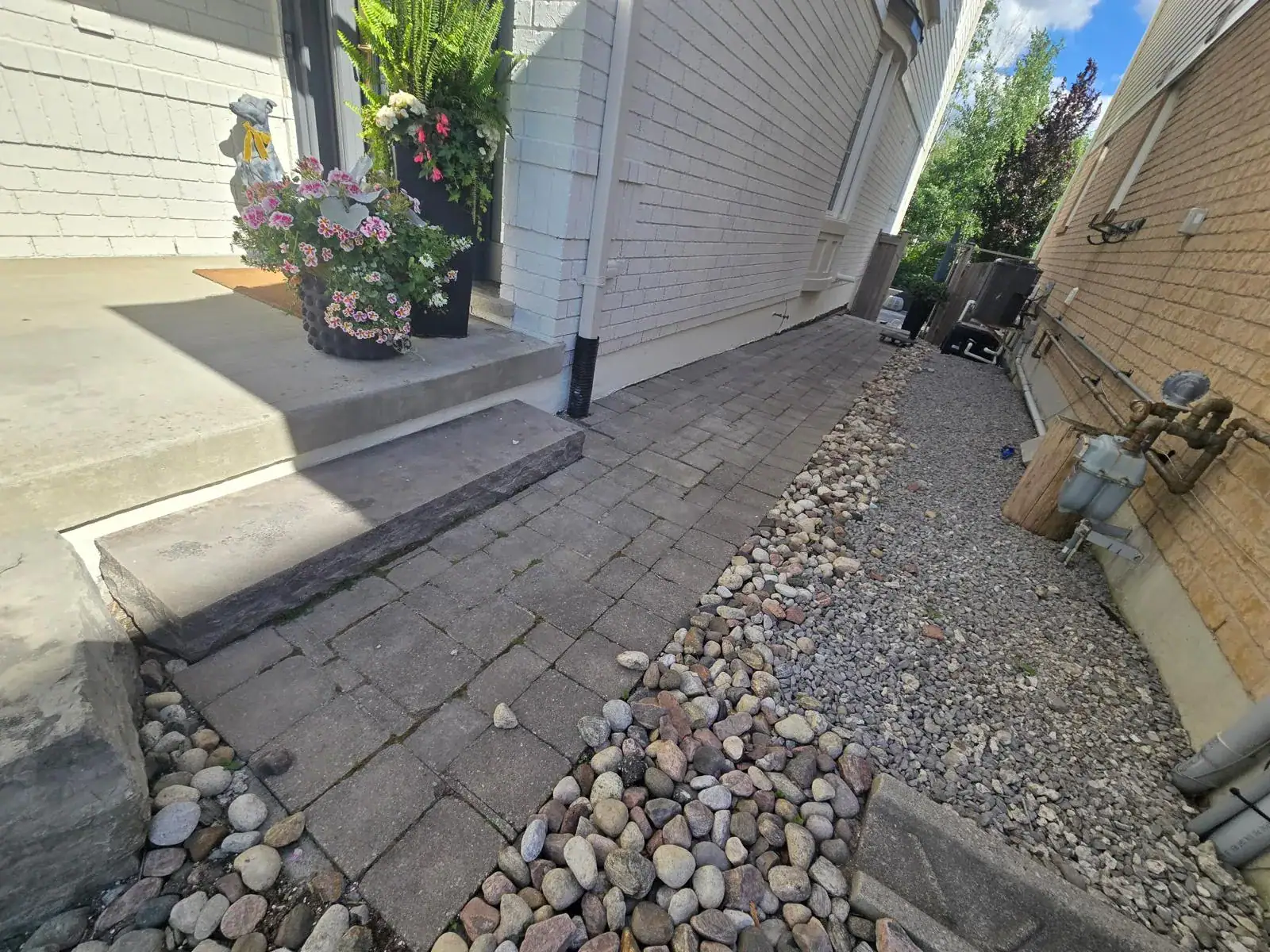
After exterior work is completed, grading, downspouts, window wells and other drainage conditions should be reviewed so surface water is directed away from the foundation where practical.
Signs your Toronto foundation needs both services now
You may need waterproofing, parging repair, or both if you notice:
- Parging flaking, cracking or separating across multiple areas
- Repeated efflorescence or moisture staining on the foundation
- Damp or visibly wet basement walls after rain or snowmelt
- Foundation cracks or recurring water entry
- Previous waterproofing that is visibly damaged or no longer controlling moisture
- Poor grading, overflowing window wells or drainage conditions directing water toward the foundation
Exterior foundation work is generally planned when ground and weather conditions allow proper excavation, preparation, installation and curing. The appropriate timing depends on the repair method, site access, soil conditions, weather and manufacturer requirements.
Choosing the right contractor in Toronto
The practical problem is that most waterproofing companies don’t have masons on staff, and most masonry contractors don’t carry waterproofing membranes or drainage systems. You end up with two separate quotes, two separate crews, and two separate schedules.
A&A Masonry provides foundation waterproofing, parging and related masonry repair services for Toronto homes. When more than one exterior issue is contributing to moisture or foundation deterioration, assessing the wall as a complete system can help identify which repairs should be completed together.
What to ask before you hire anyone
Whether you go with A&A Masonry or another contractor, a few questions will separate qualified firms from those who’ll leave you with a gap at the transition zone:
- Do you apply the membrane and the parging yourselves, or do you sub out one of the trades?
- What product are you using for the waterproofing membrane, and what’s the manufacturer’s specified substrate prep?
- How do you handle the transition between the membrane and the above-grade parge coat?
- Does the warranty cover both the waterproofing and the masonry work under a single document?
A contractor who hesitates on any of these — particularly the transition question — is telling you something important about how they’ll handle the most critical detail of the job.
How long does the work last?
The service life of foundation waterproofing and parging depends on the waterproofing system, wall condition, substrate preparation, drainage, soil conditions, workmanship, exposure and ongoing maintenance.
Exterior and interior waterproofing address moisture in different ways. The appropriate method depends on where water is entering, exterior access, foundation condition and whether drainage, crack repair or other related work is required.
Homeowners should periodically inspect exposed parging for new cracks or separation, keep window wells and drainage areas clear and make sure downspouts and grading are directing surface water away from the foundation where practical.
The cost of combined waterproofing and parging work varies based on foundation depth, exterior access, excavation requirements, wall condition, drainage, the waterproofing system being used and the amount of parging or related masonry repair required.
The most useful estimate is one that clearly identifies the moisture source, the repair method and the work included rather than relying on a fixed per-square-foot figure.
Seeing Foundation Moisture and Damaged Parging?
If your foundation has recurring moisture, cracks, deteriorated parging or signs of water entry after rain or snowmelt, the right repair depends on where the water is coming from and the condition of the wall. A&A Masonry can assess the foundation and determine whether waterproofing, parging repair, crack repair, drainage work or a combination of repairs is appropriate.