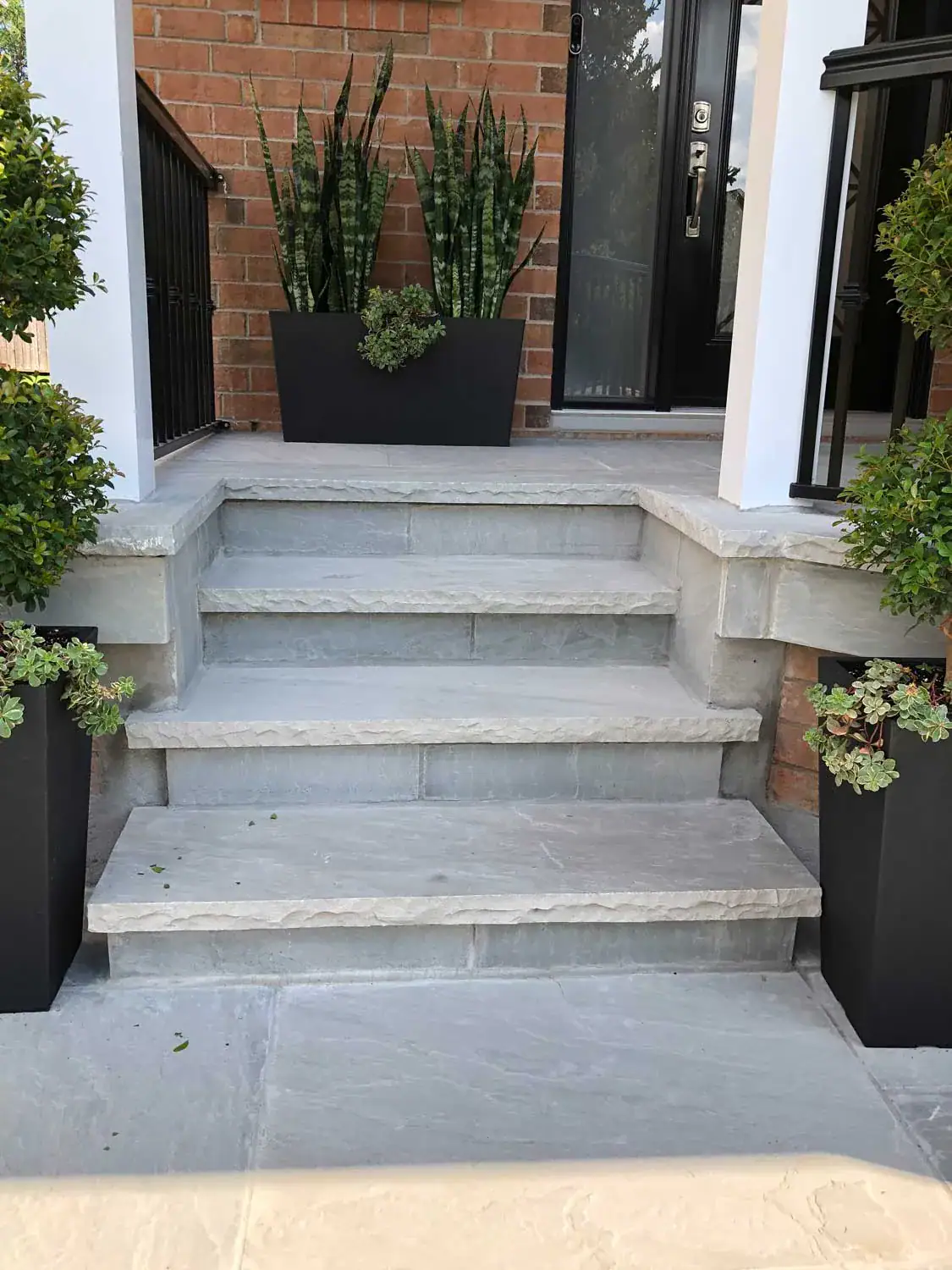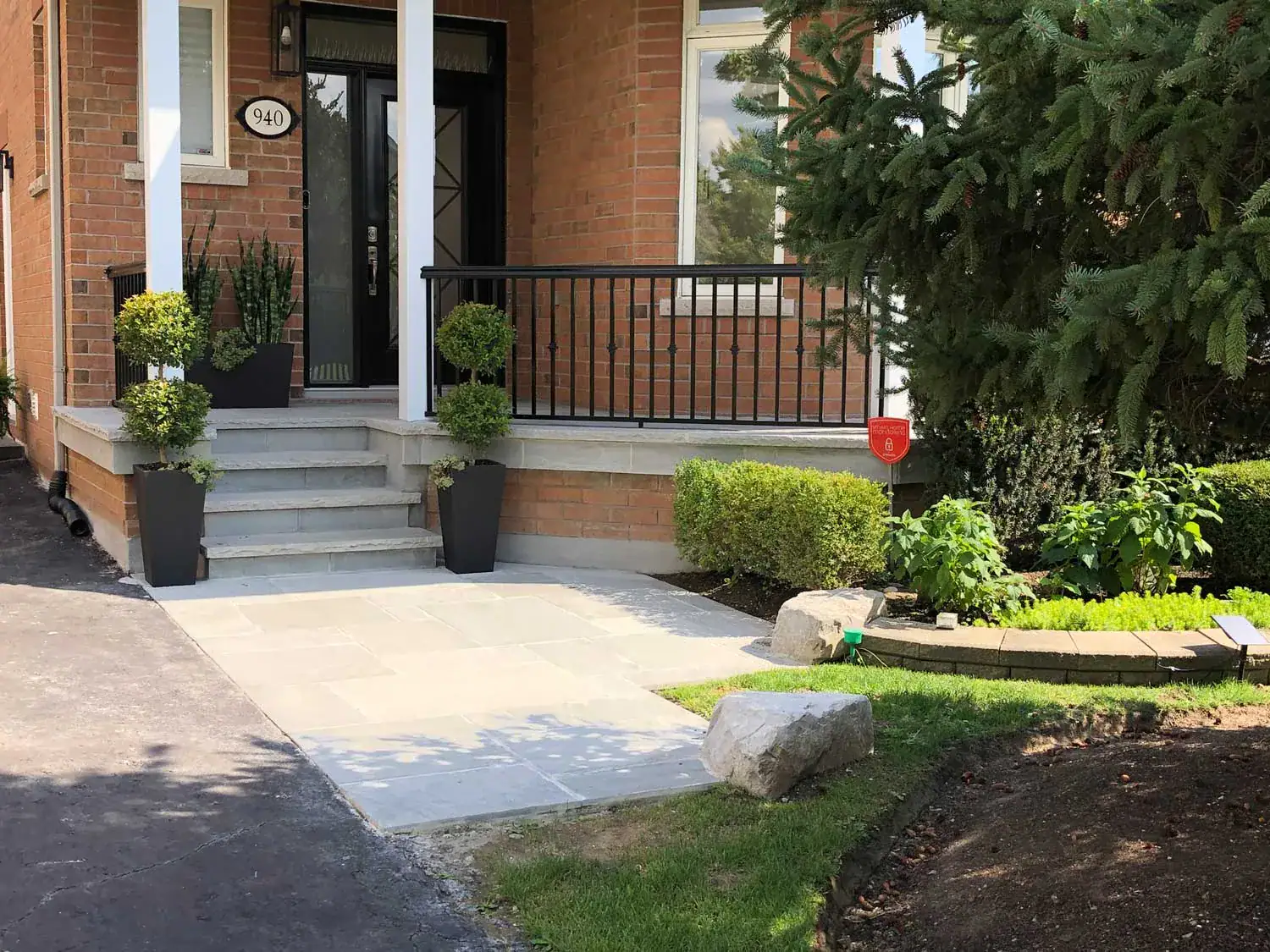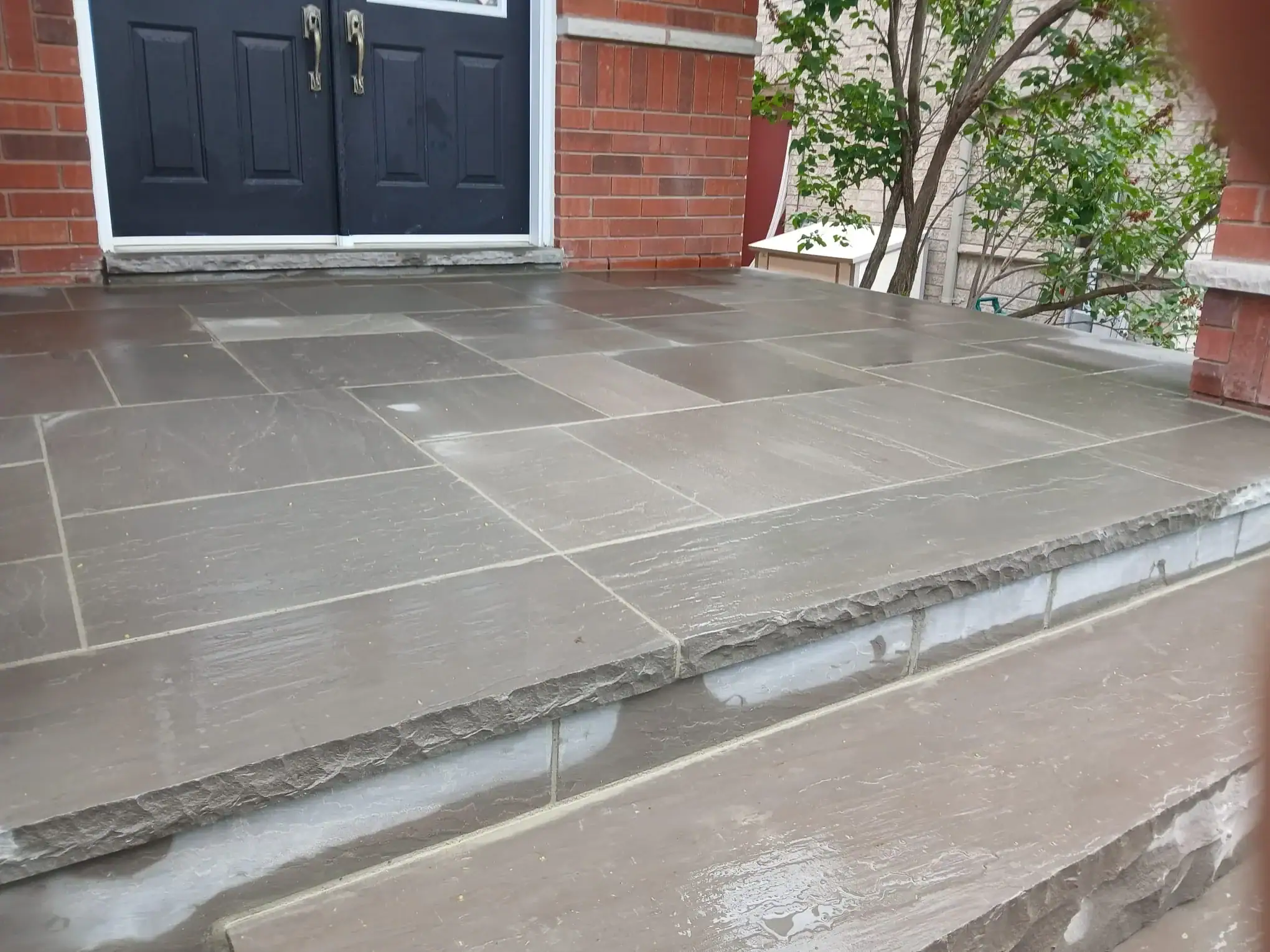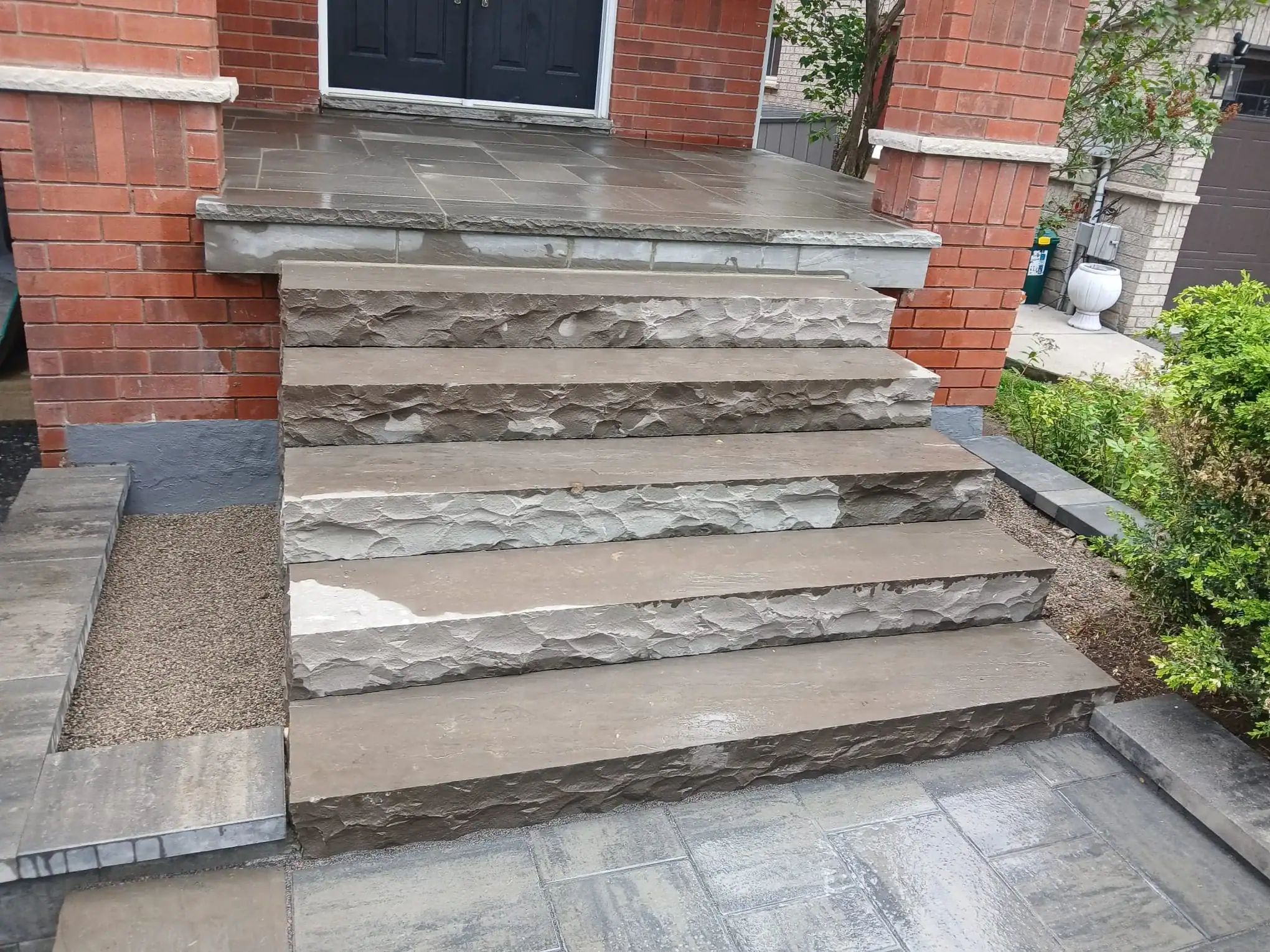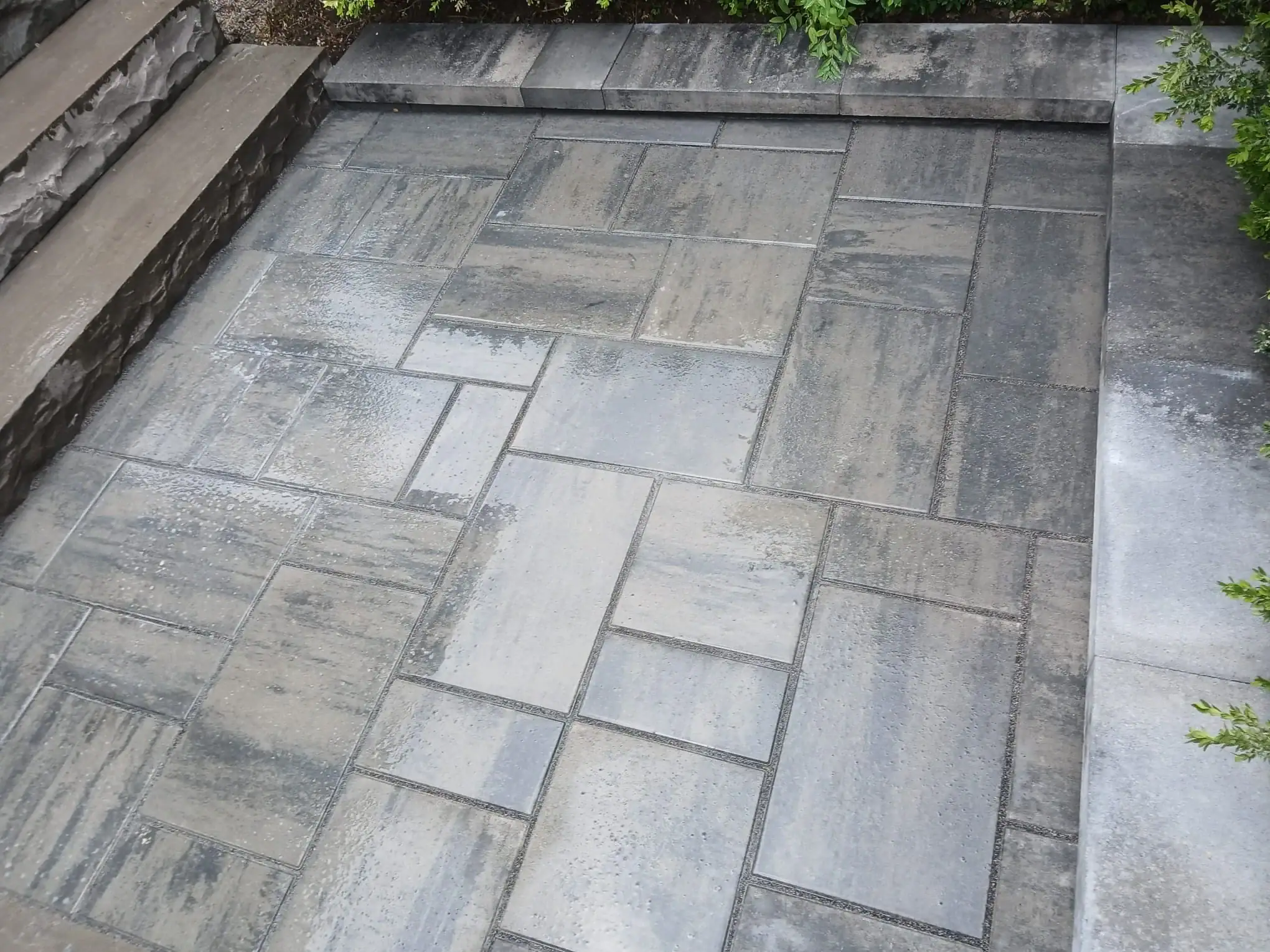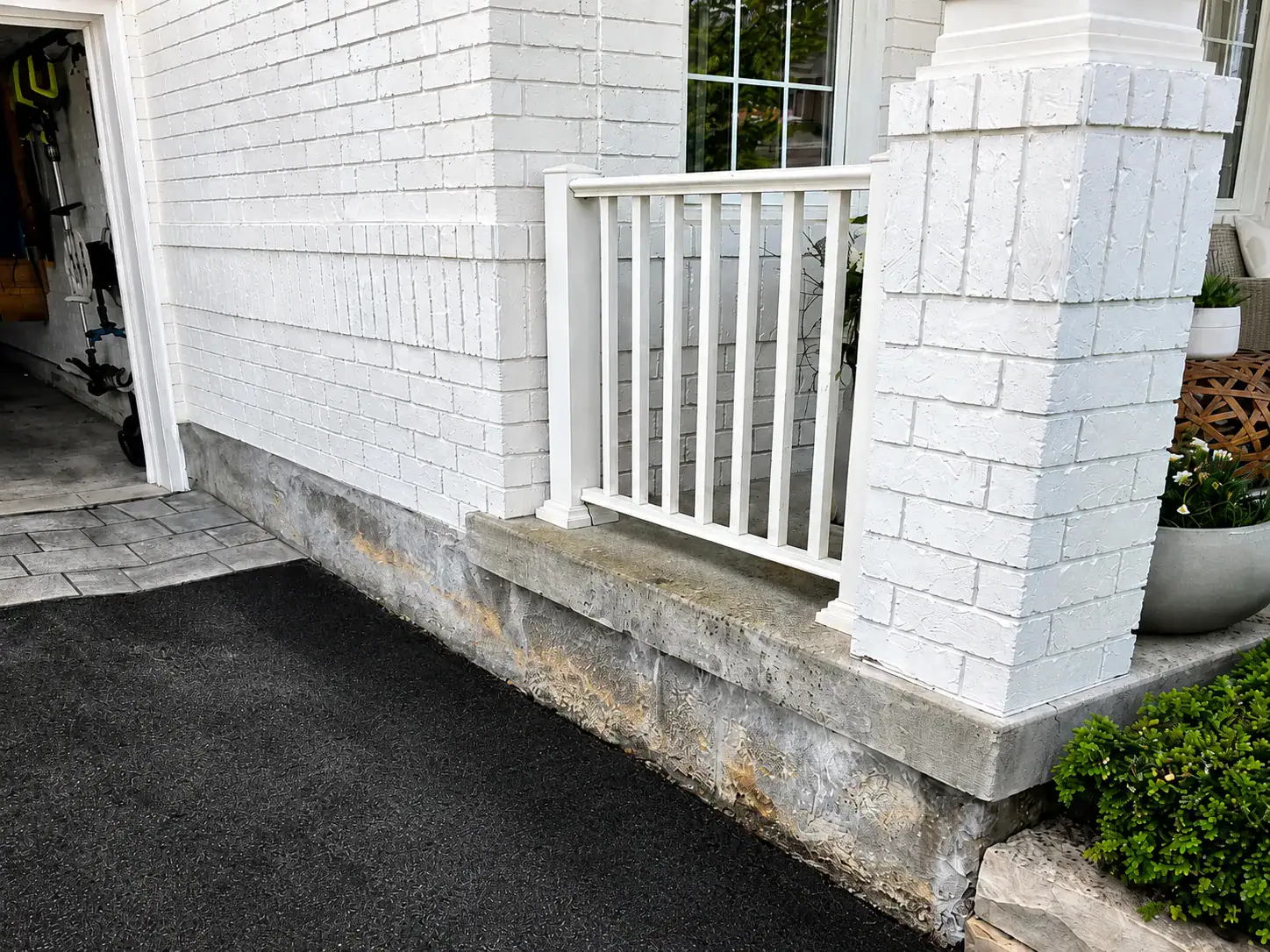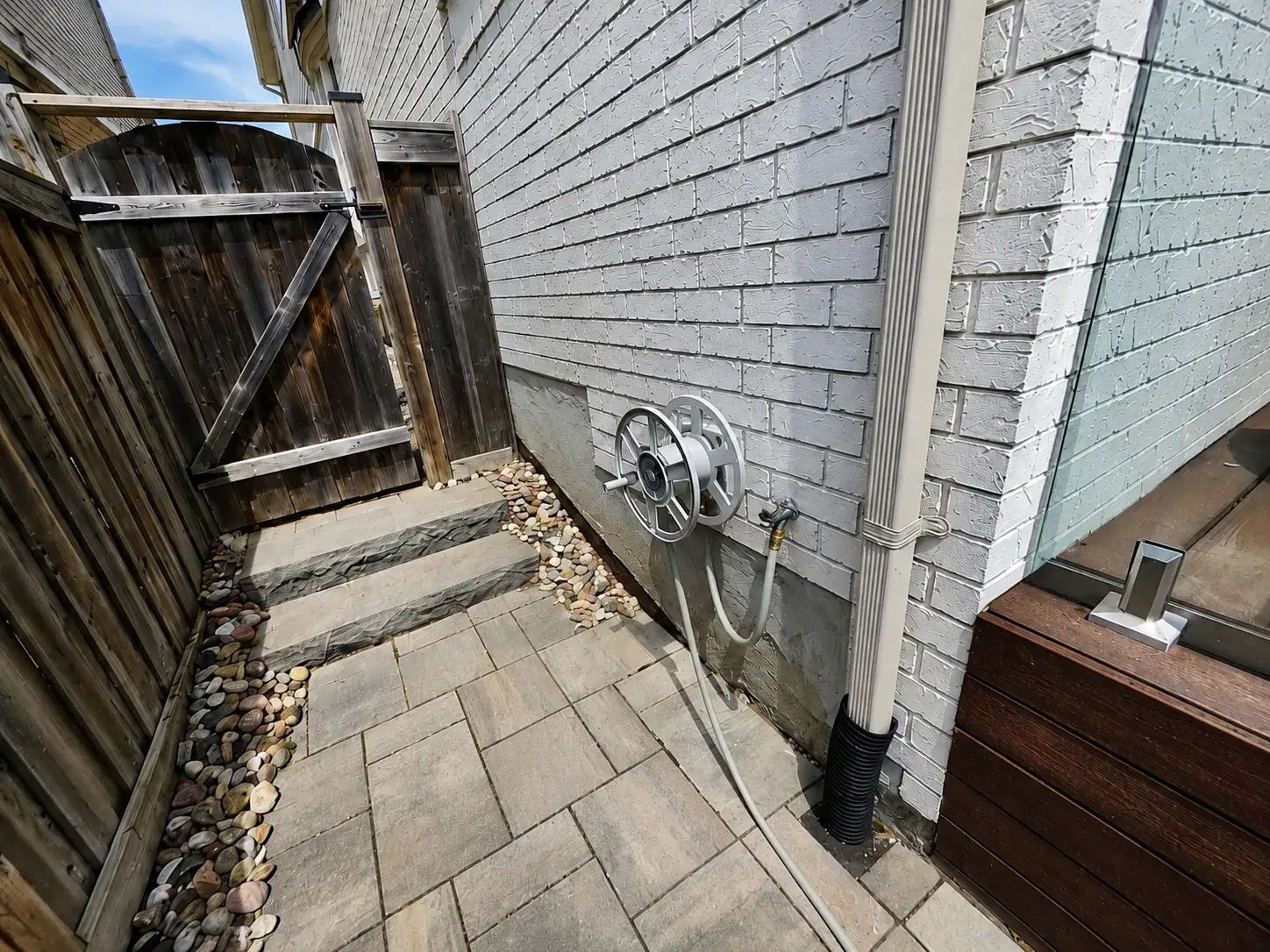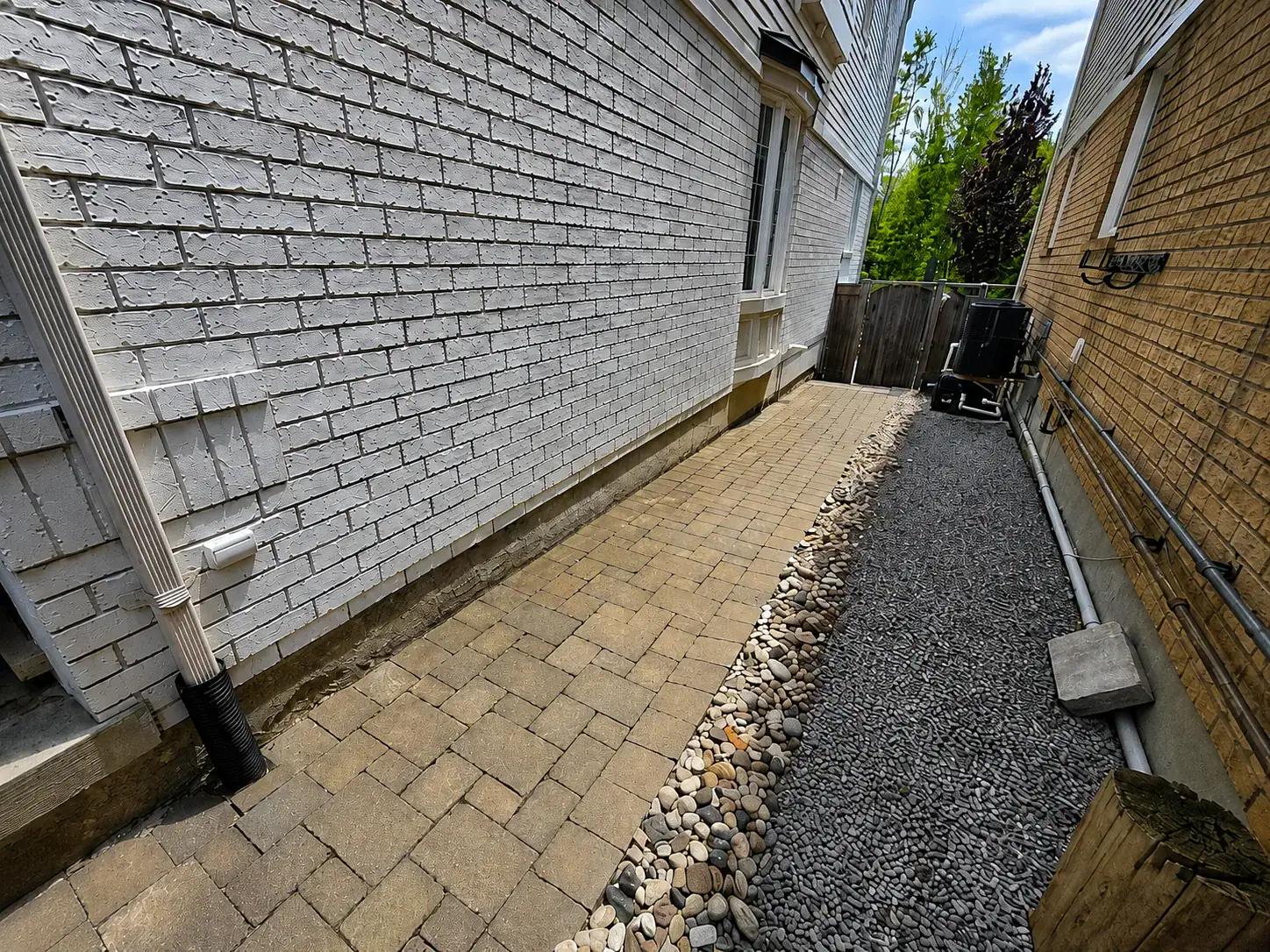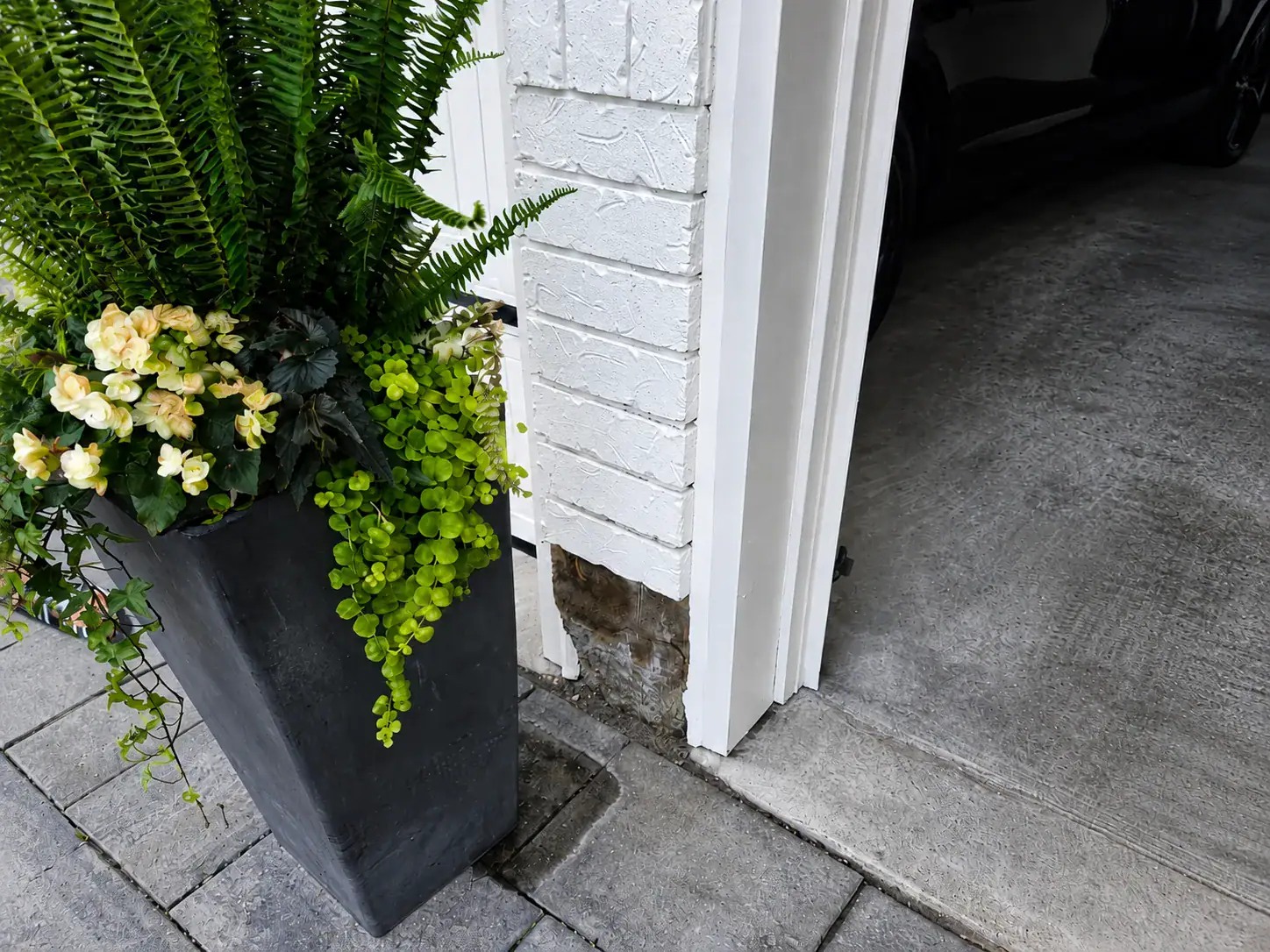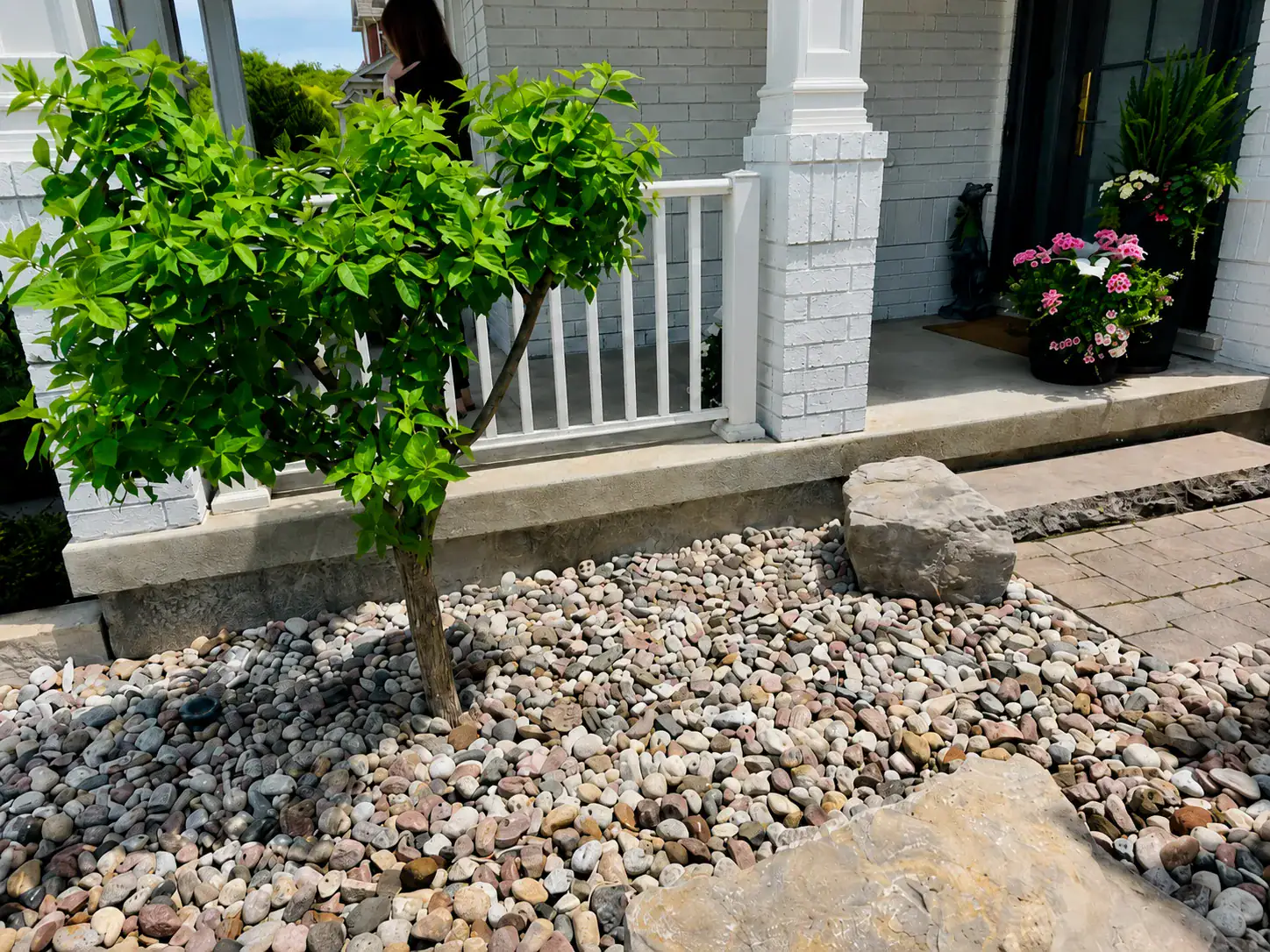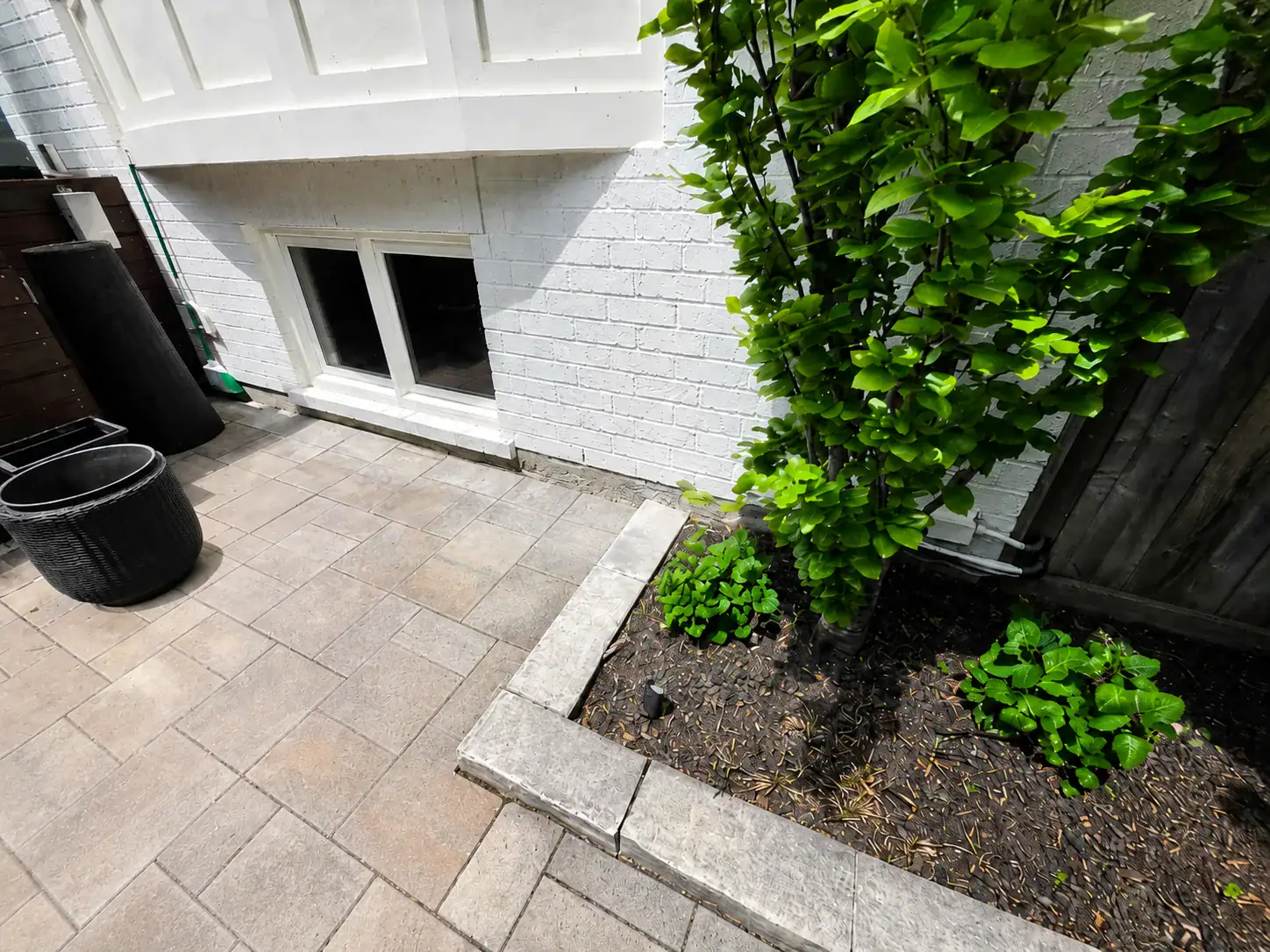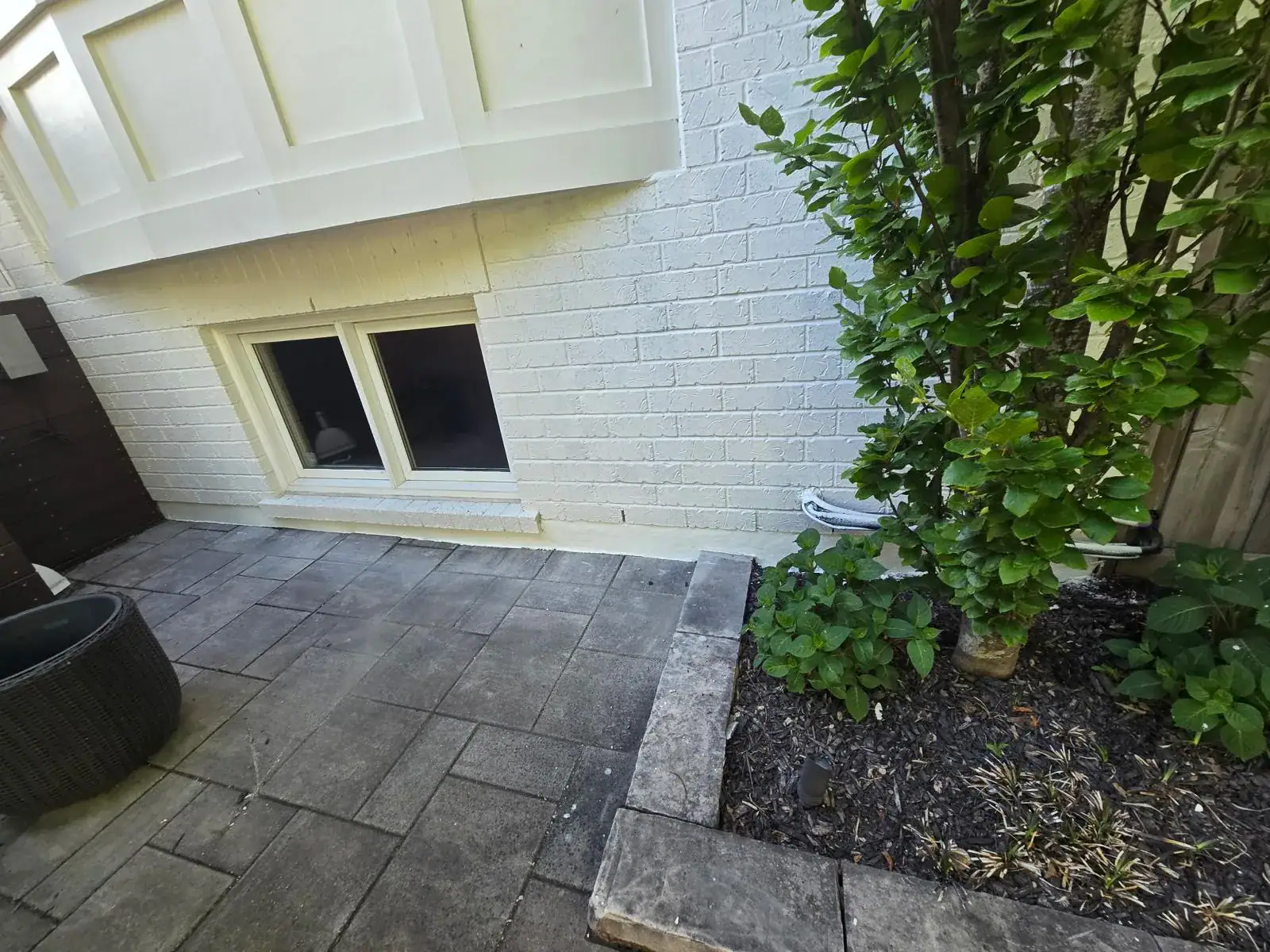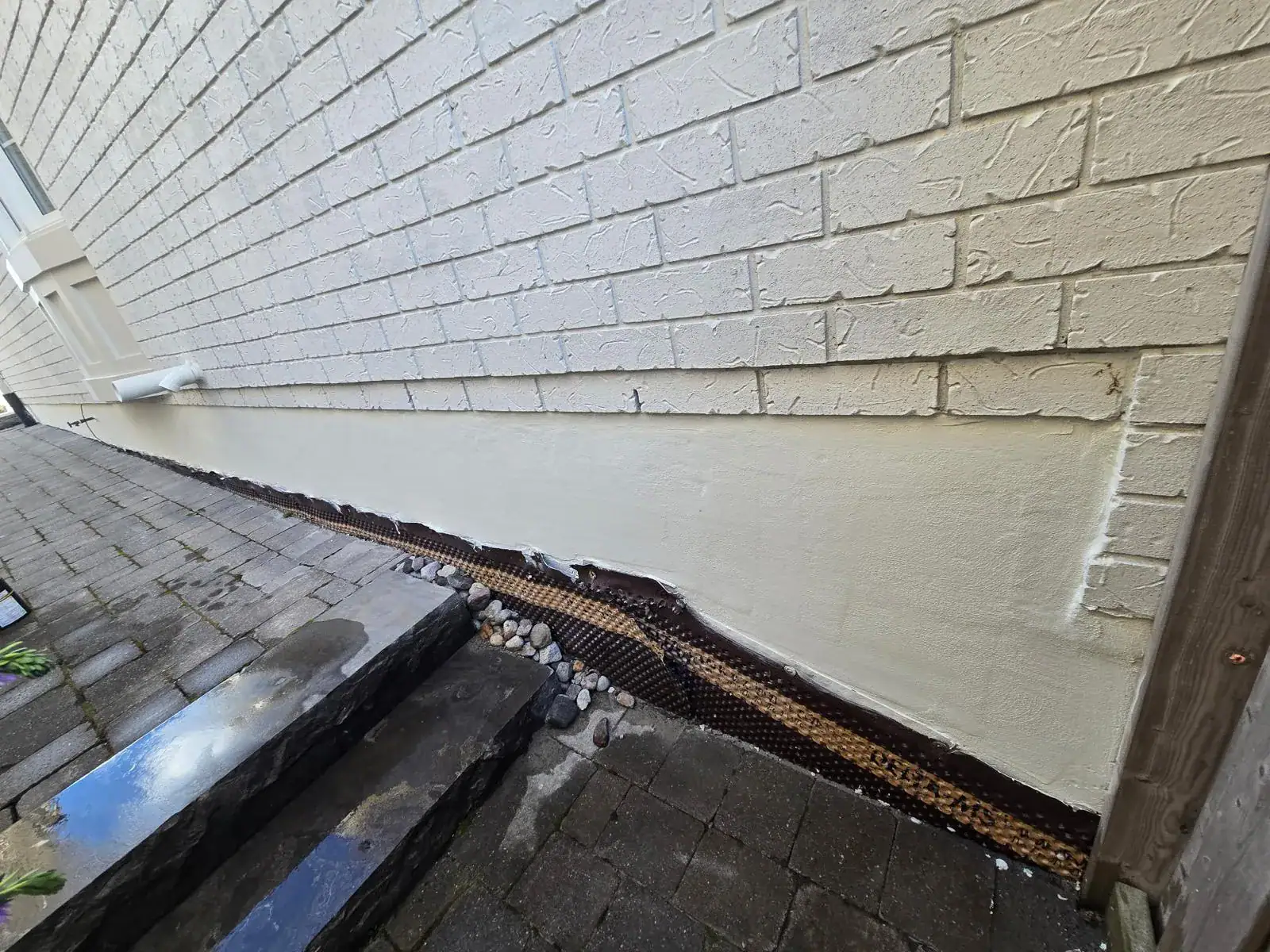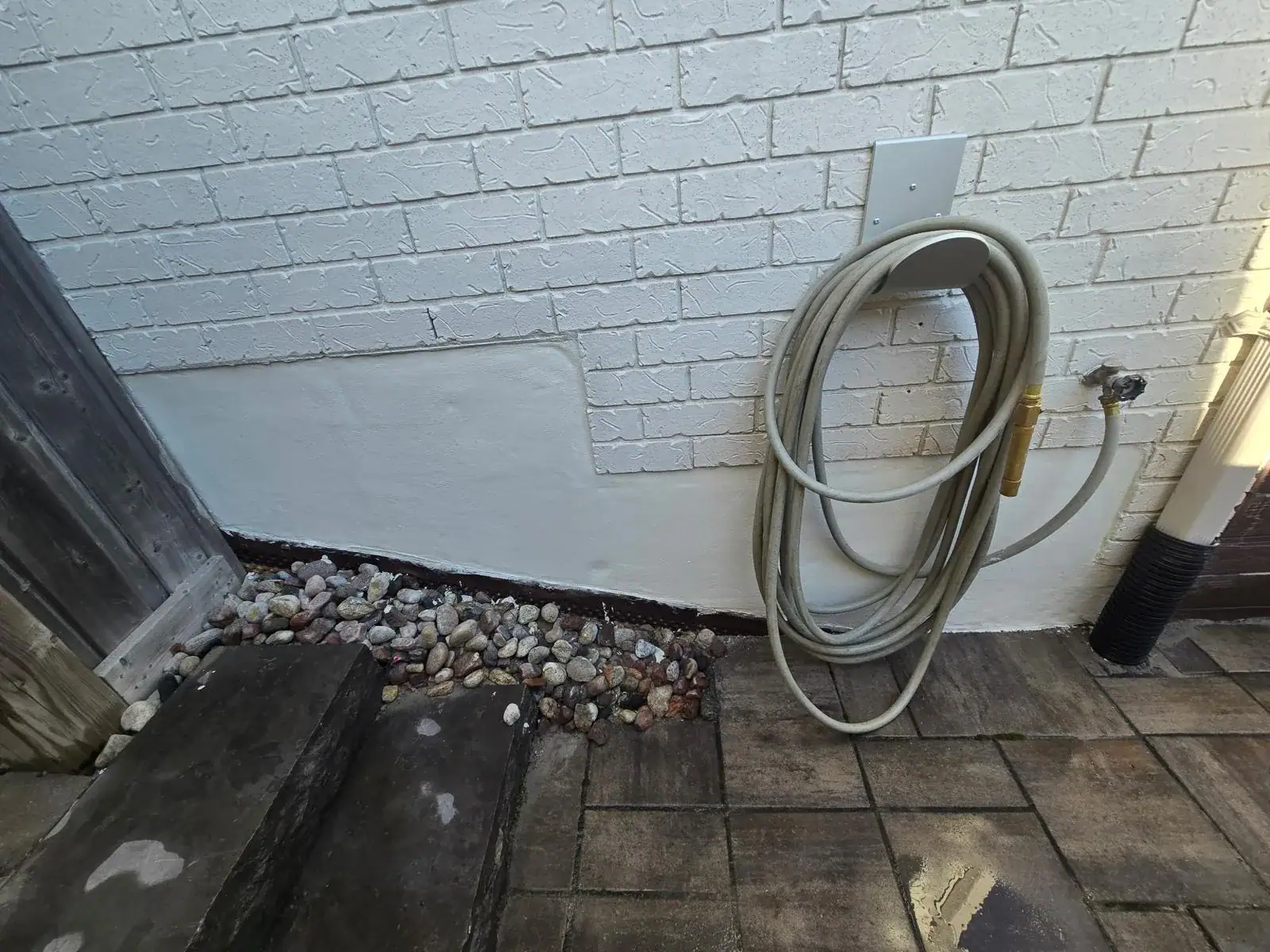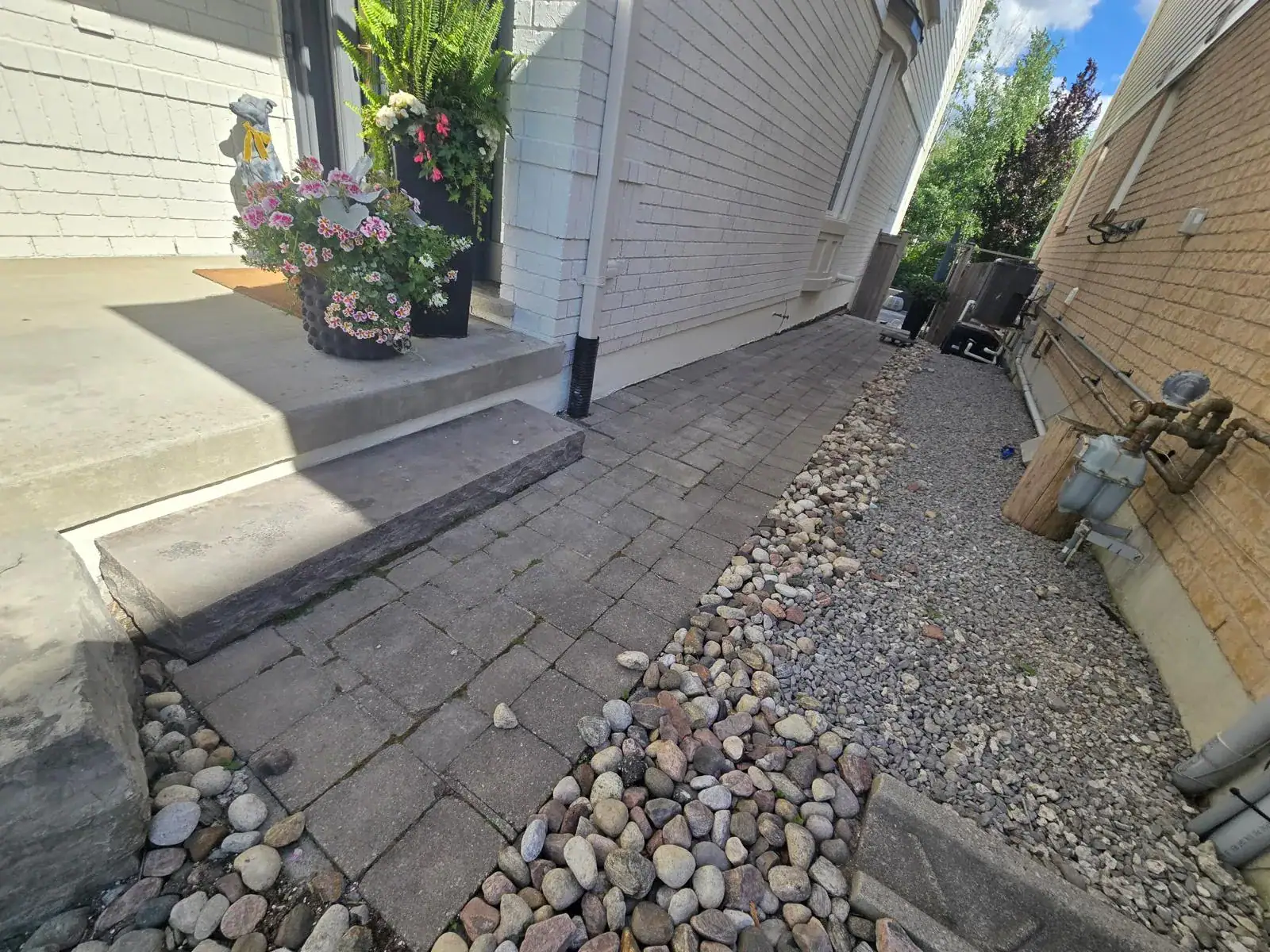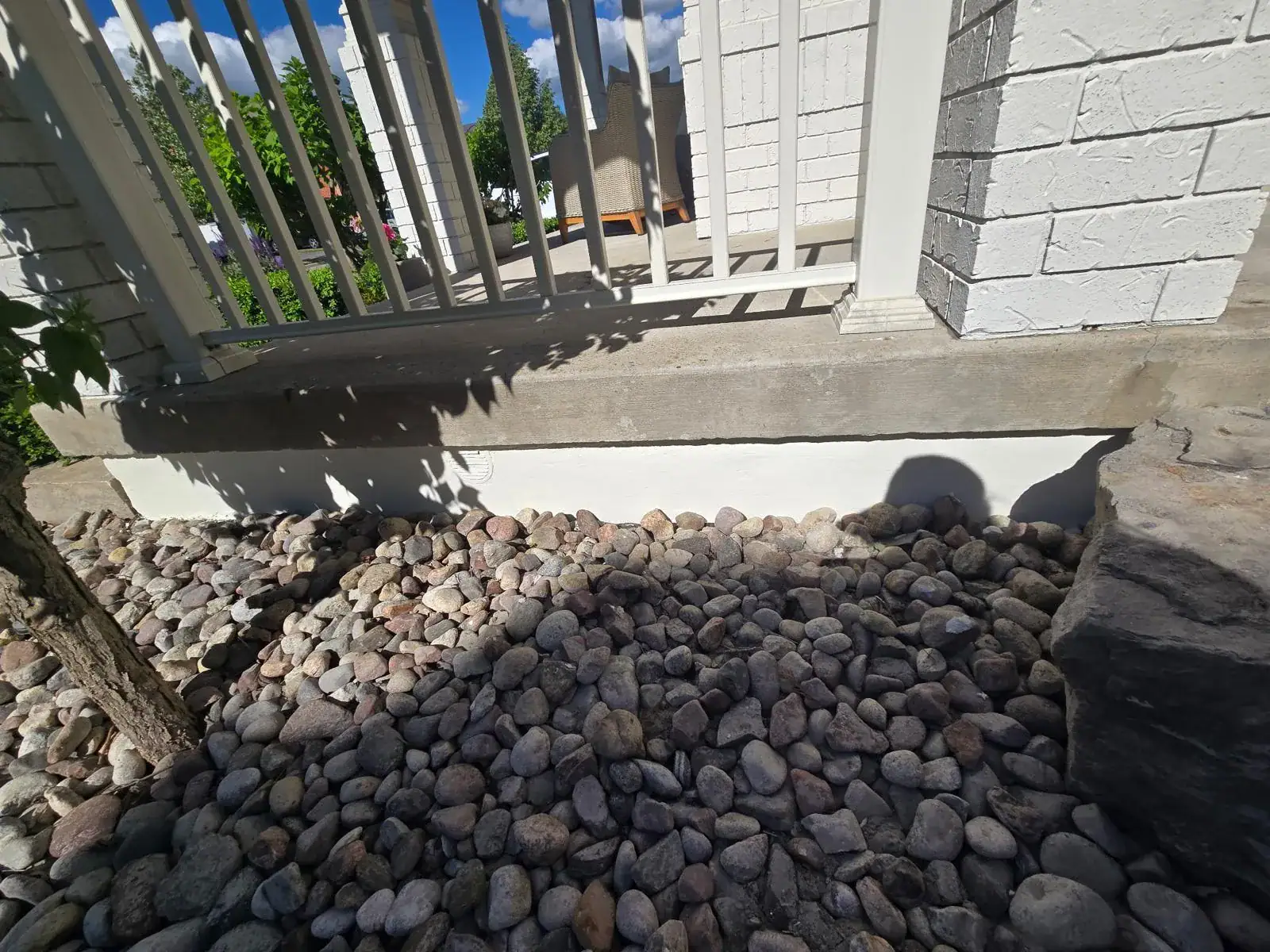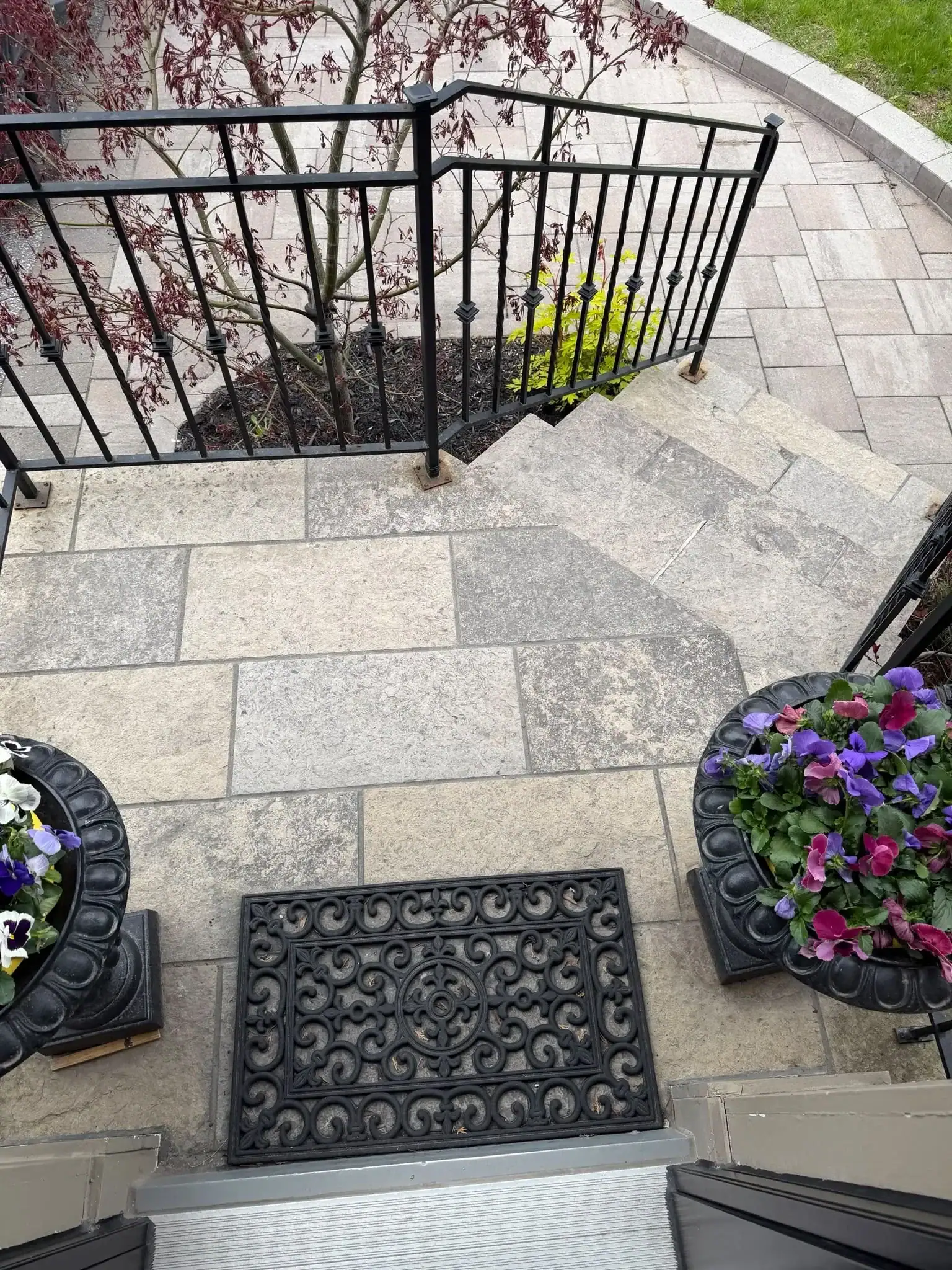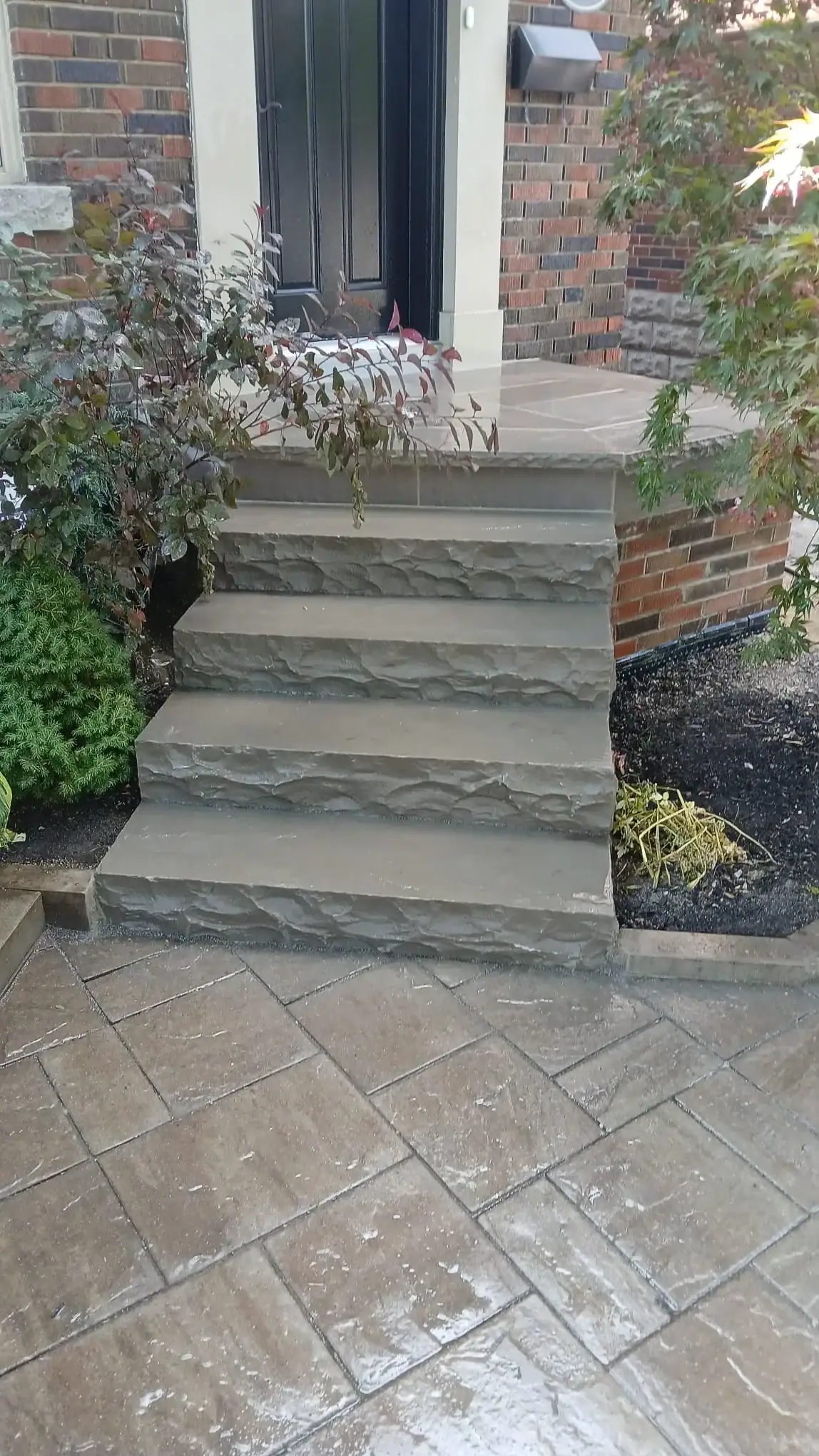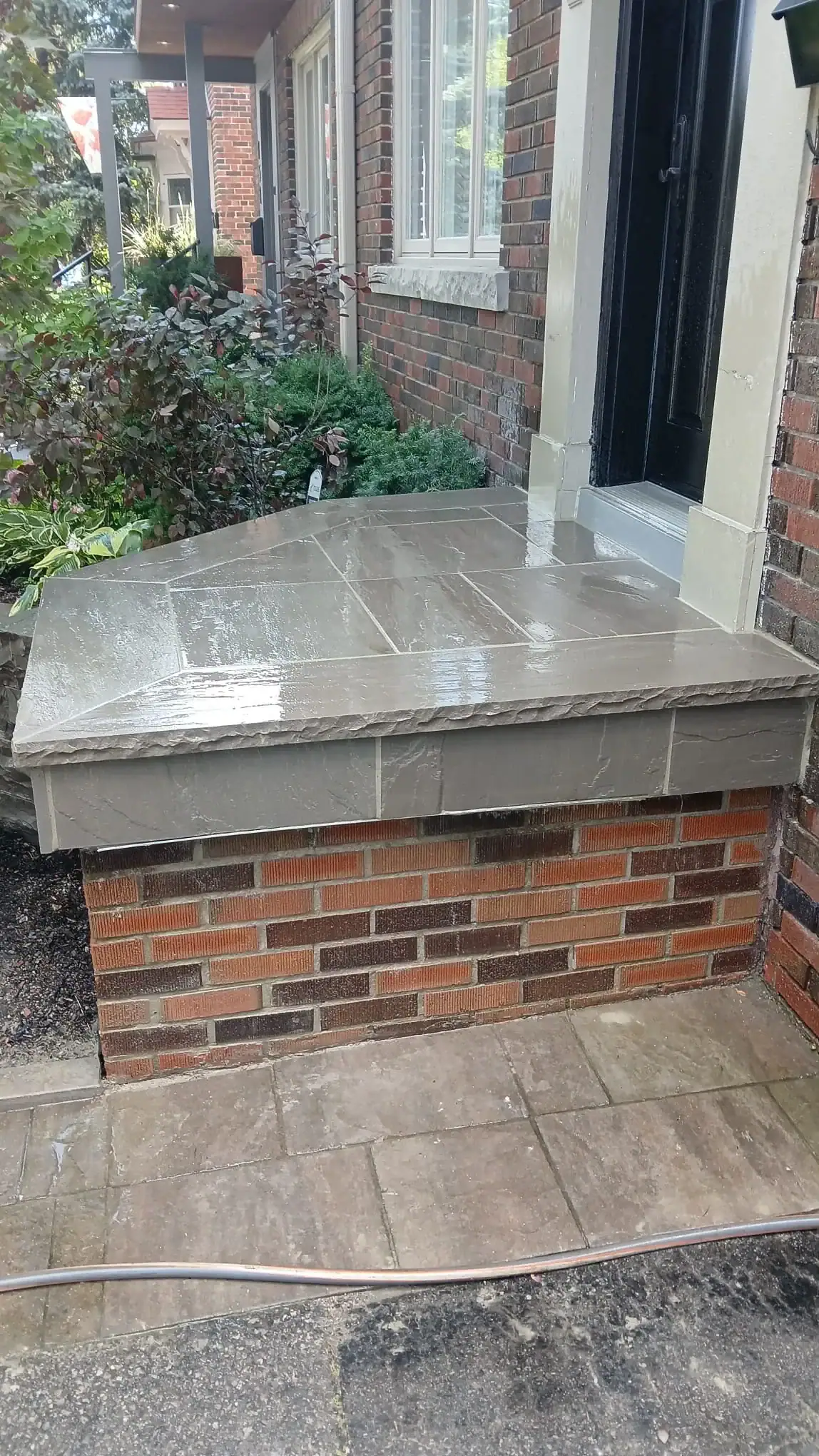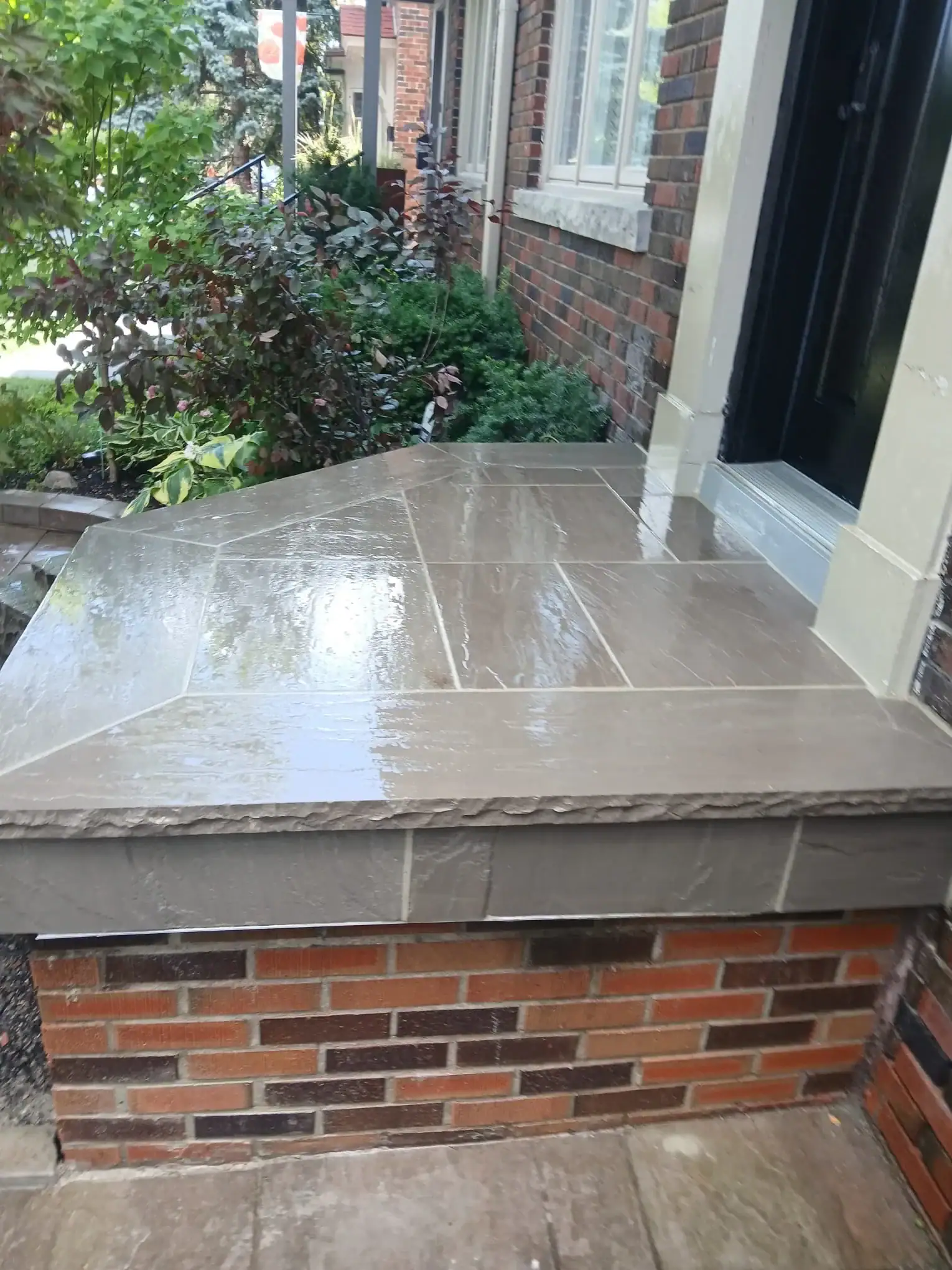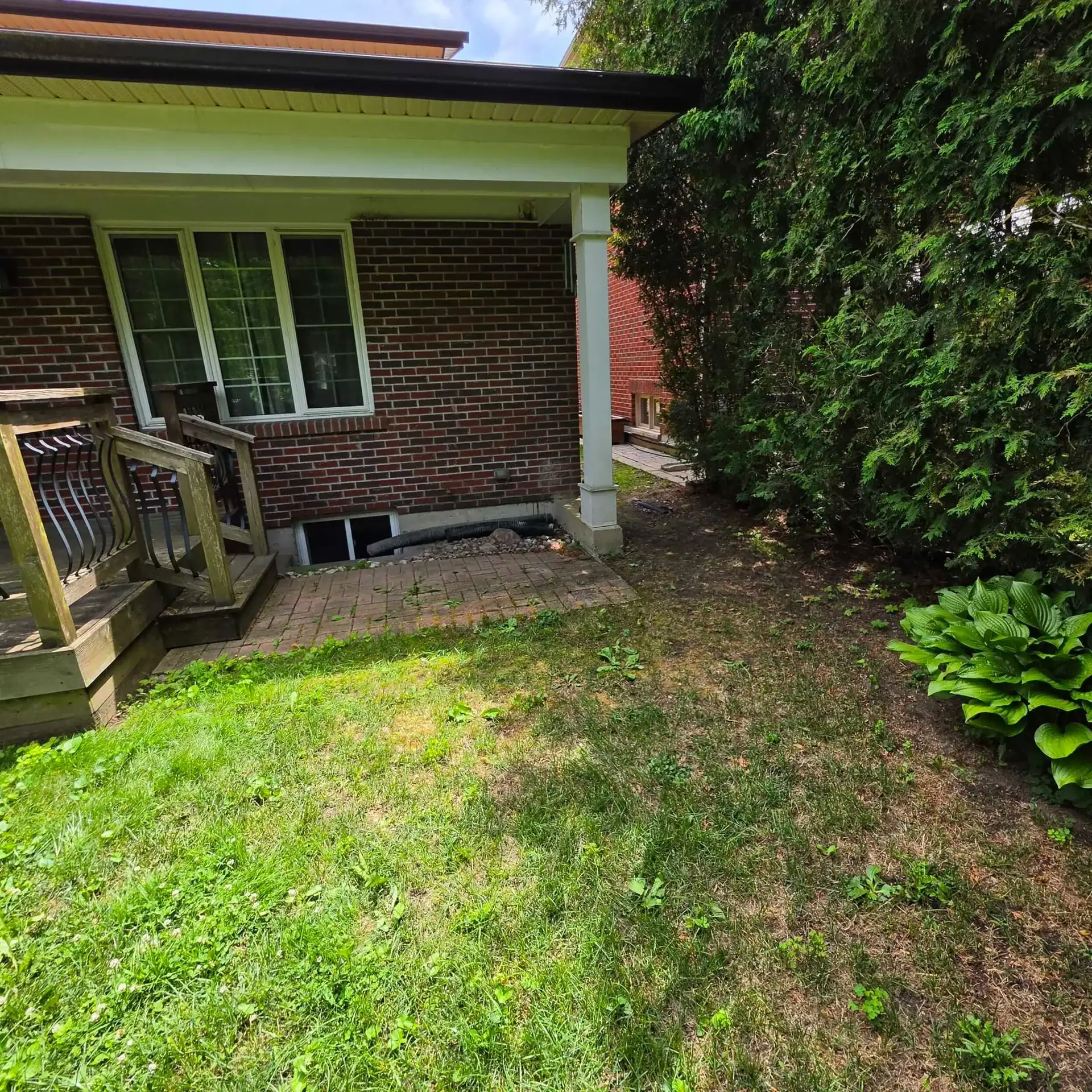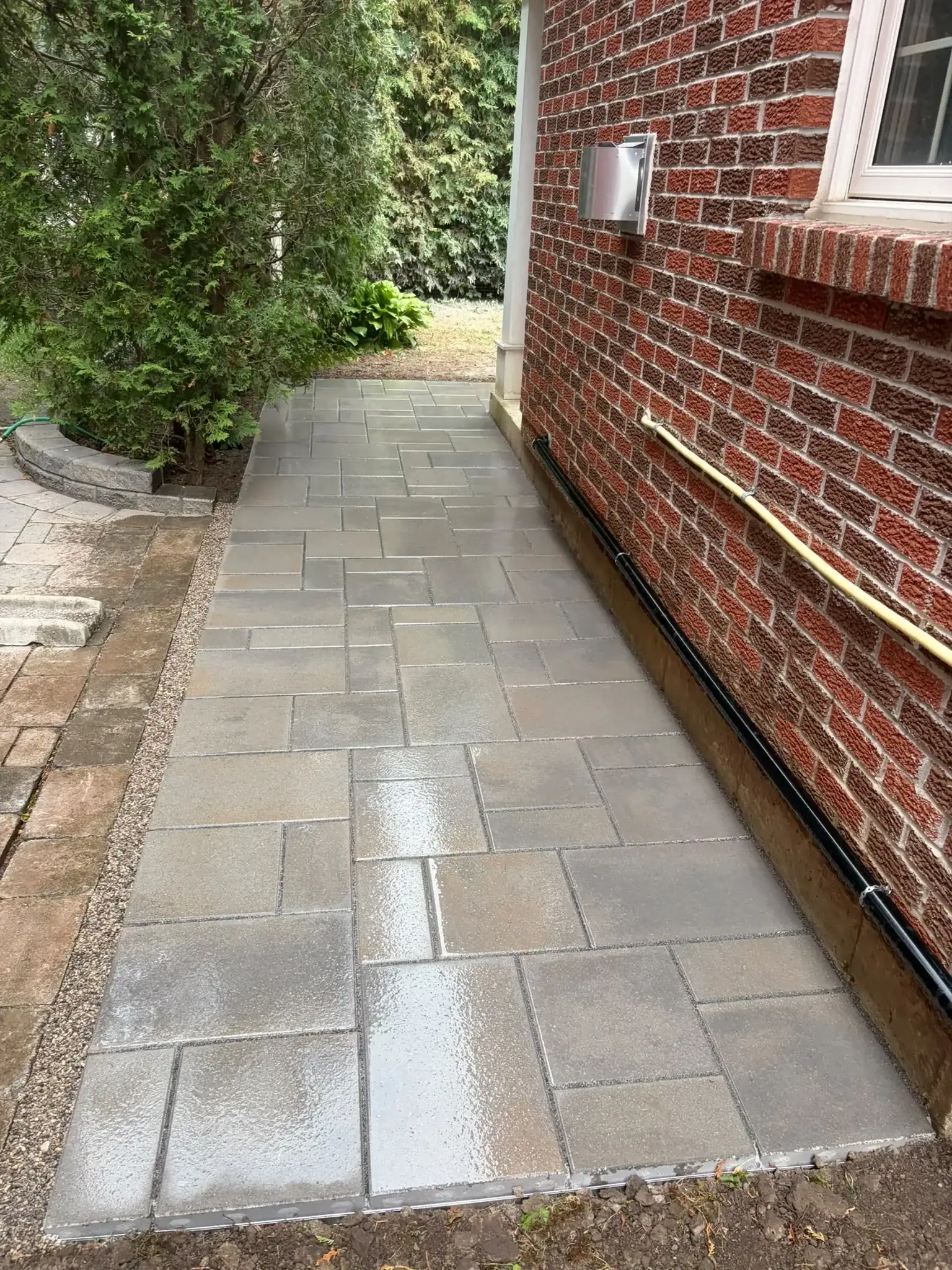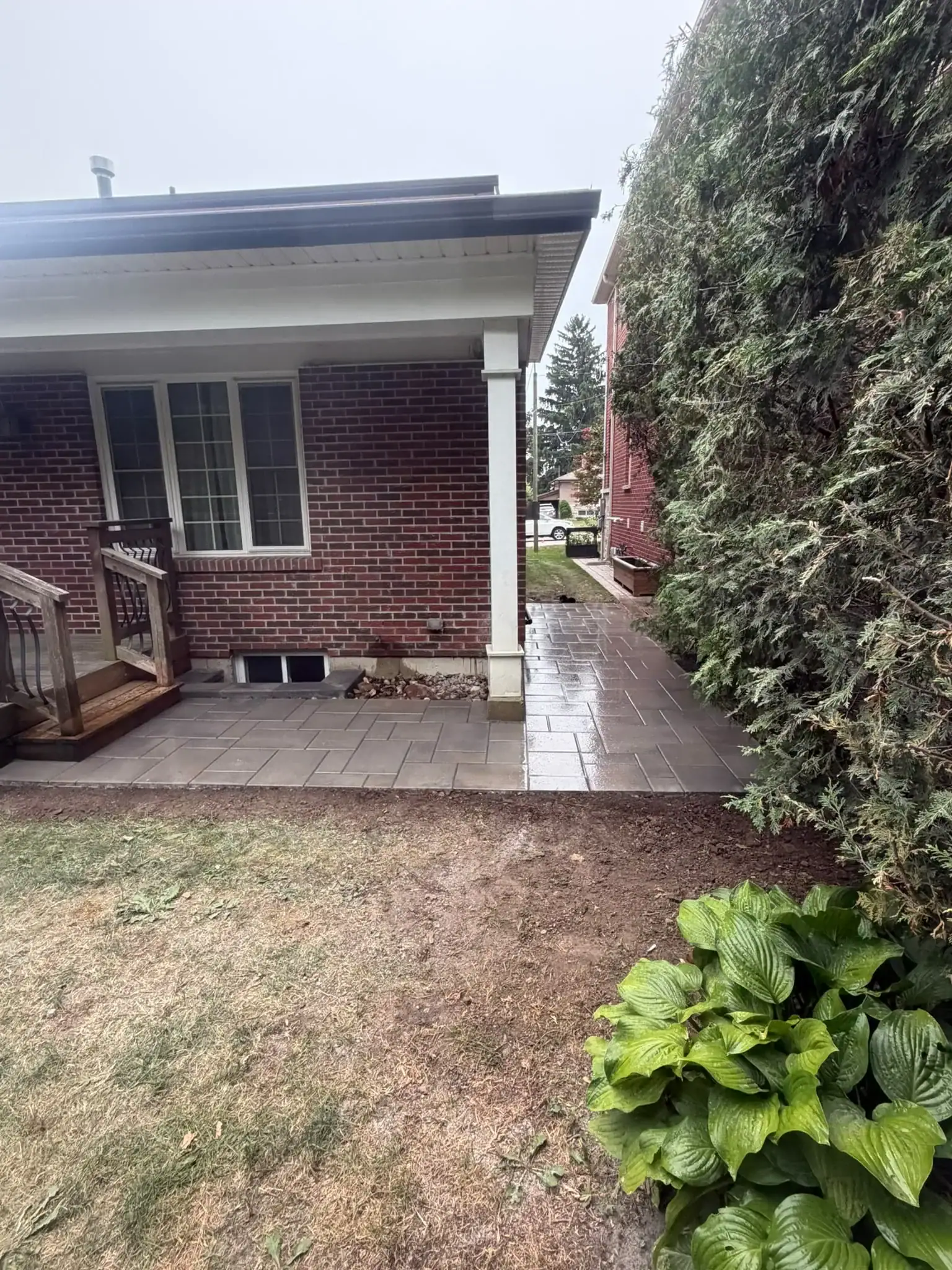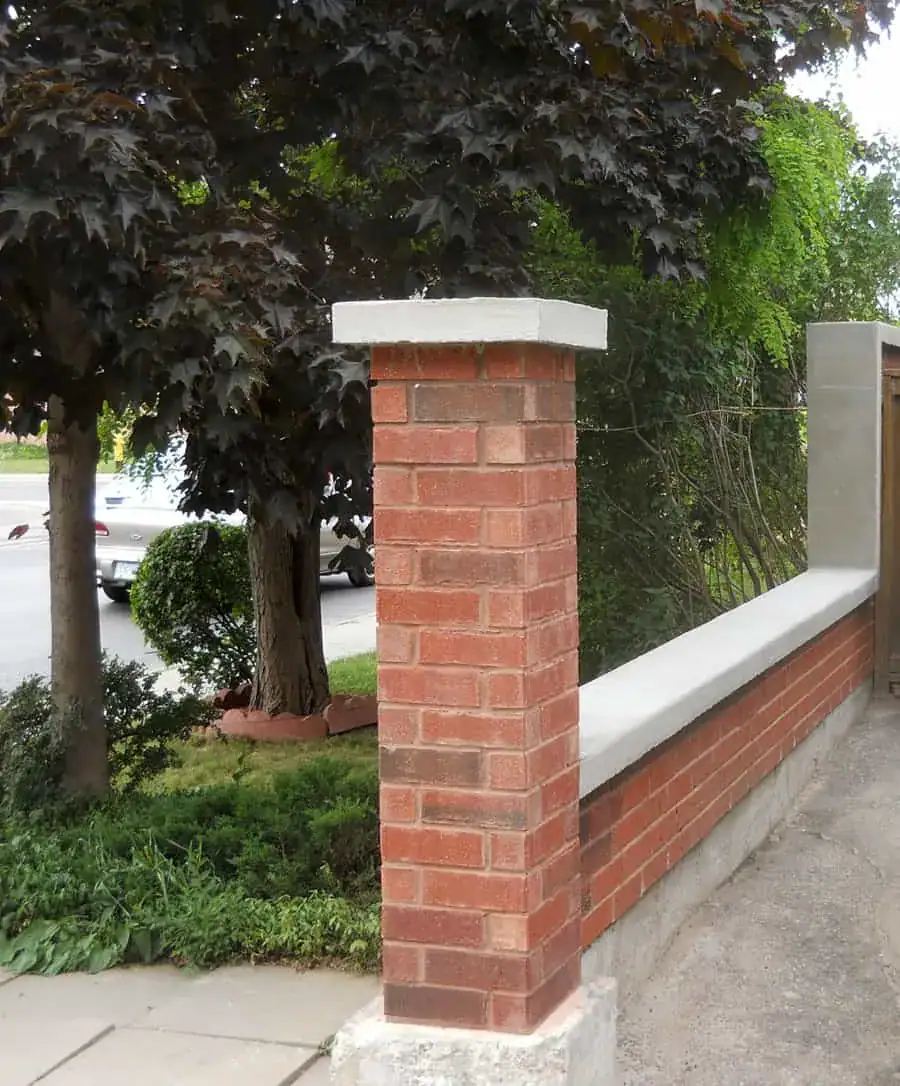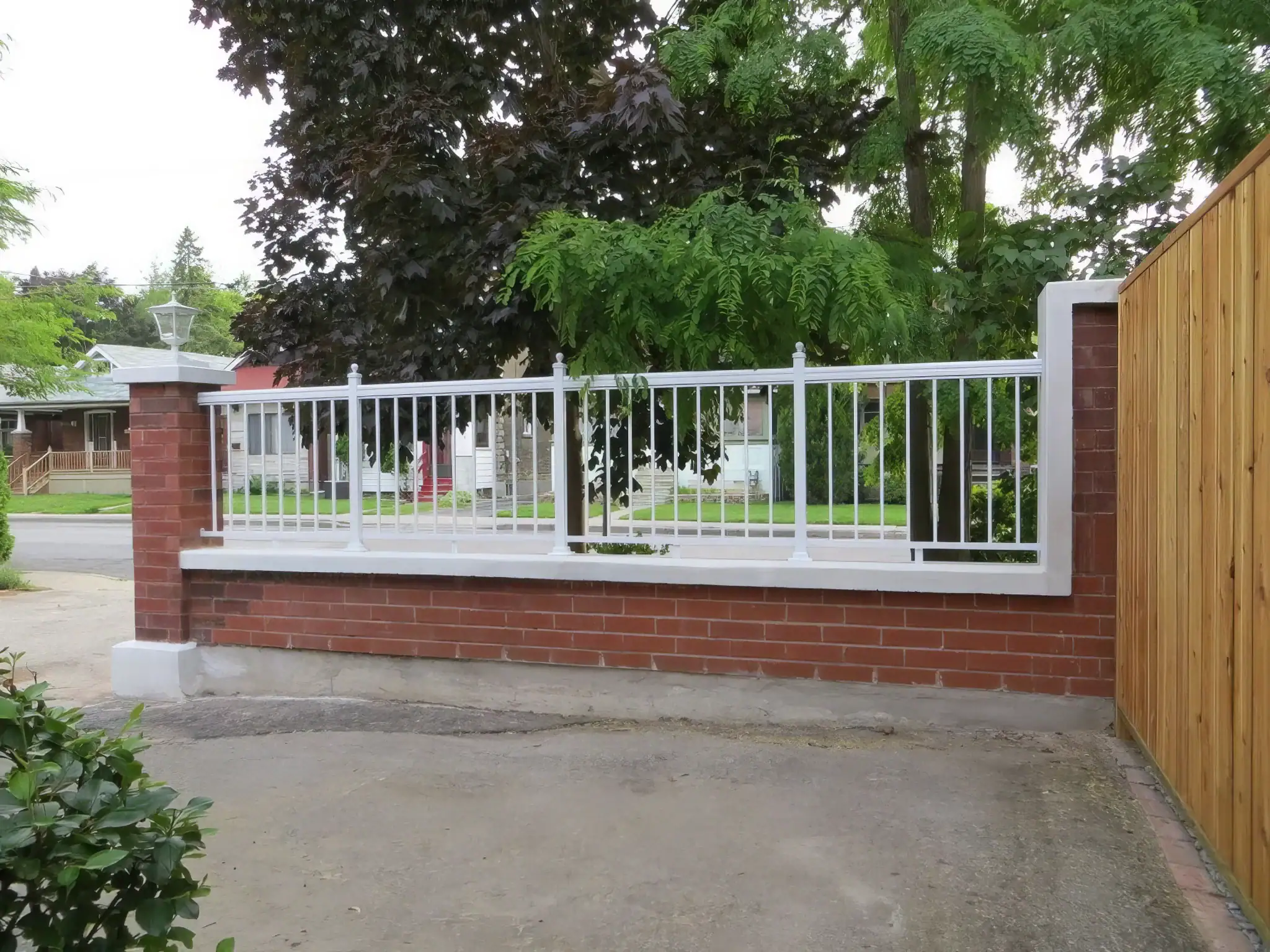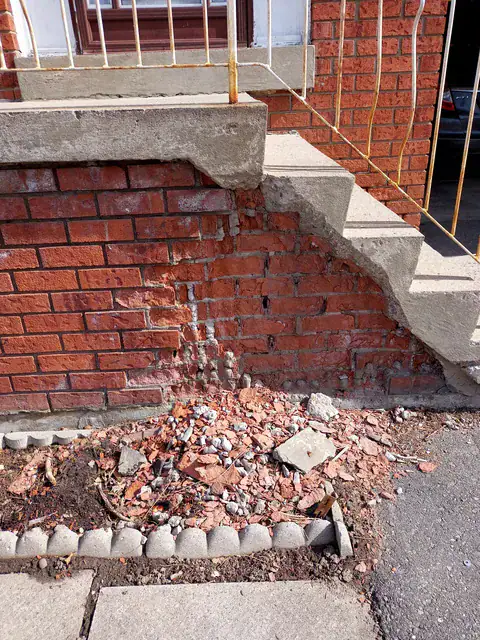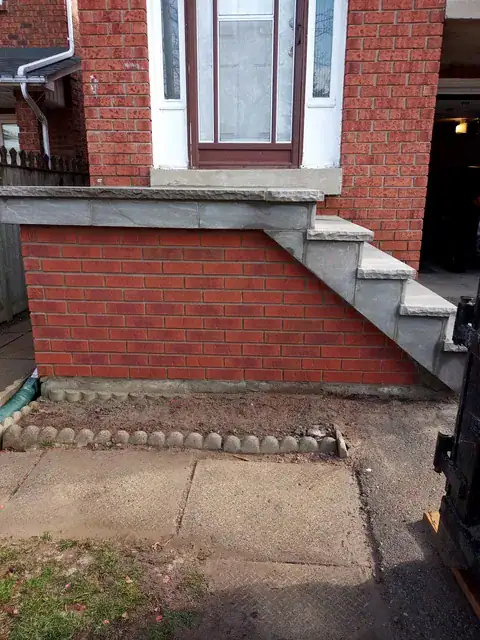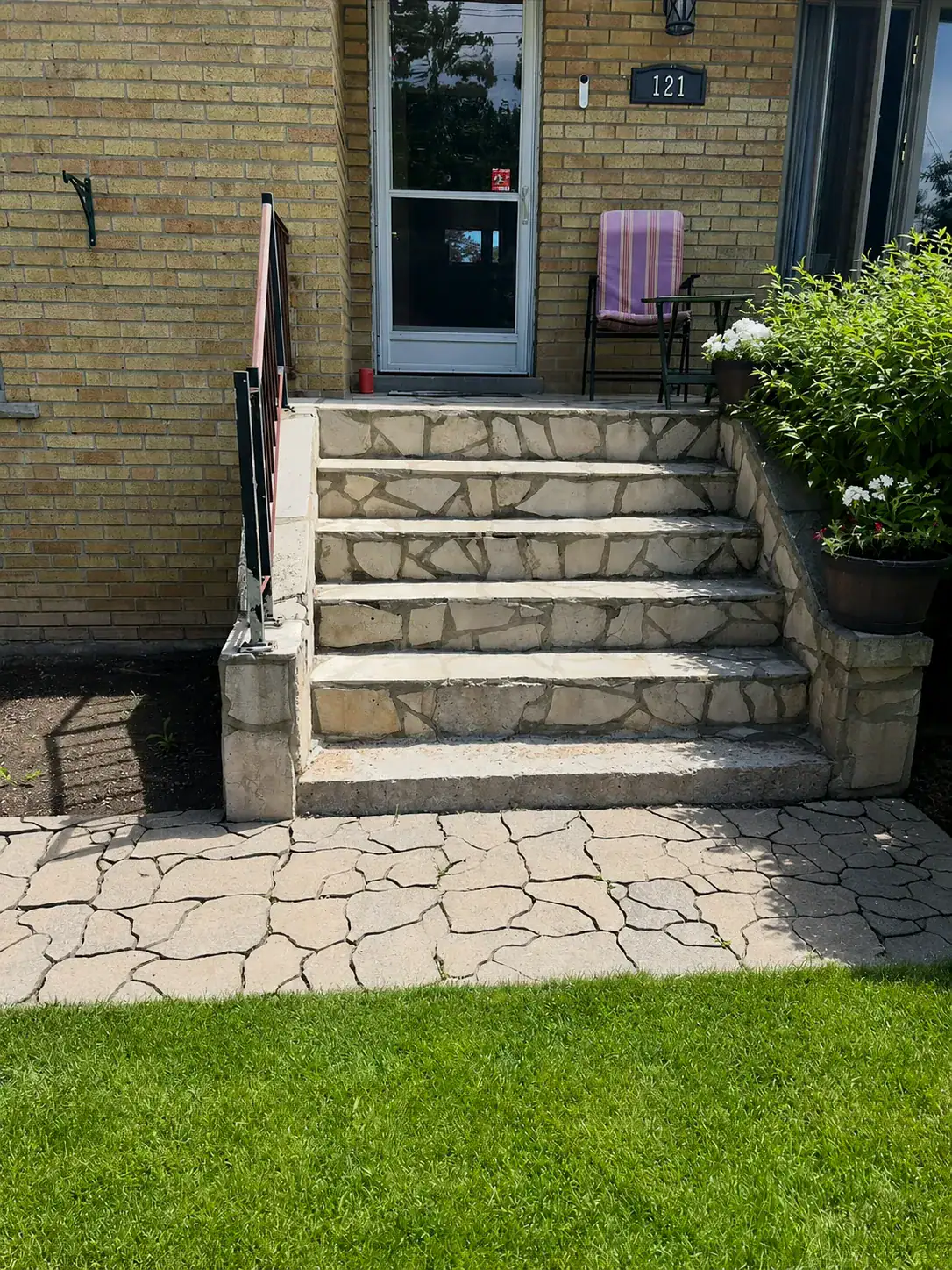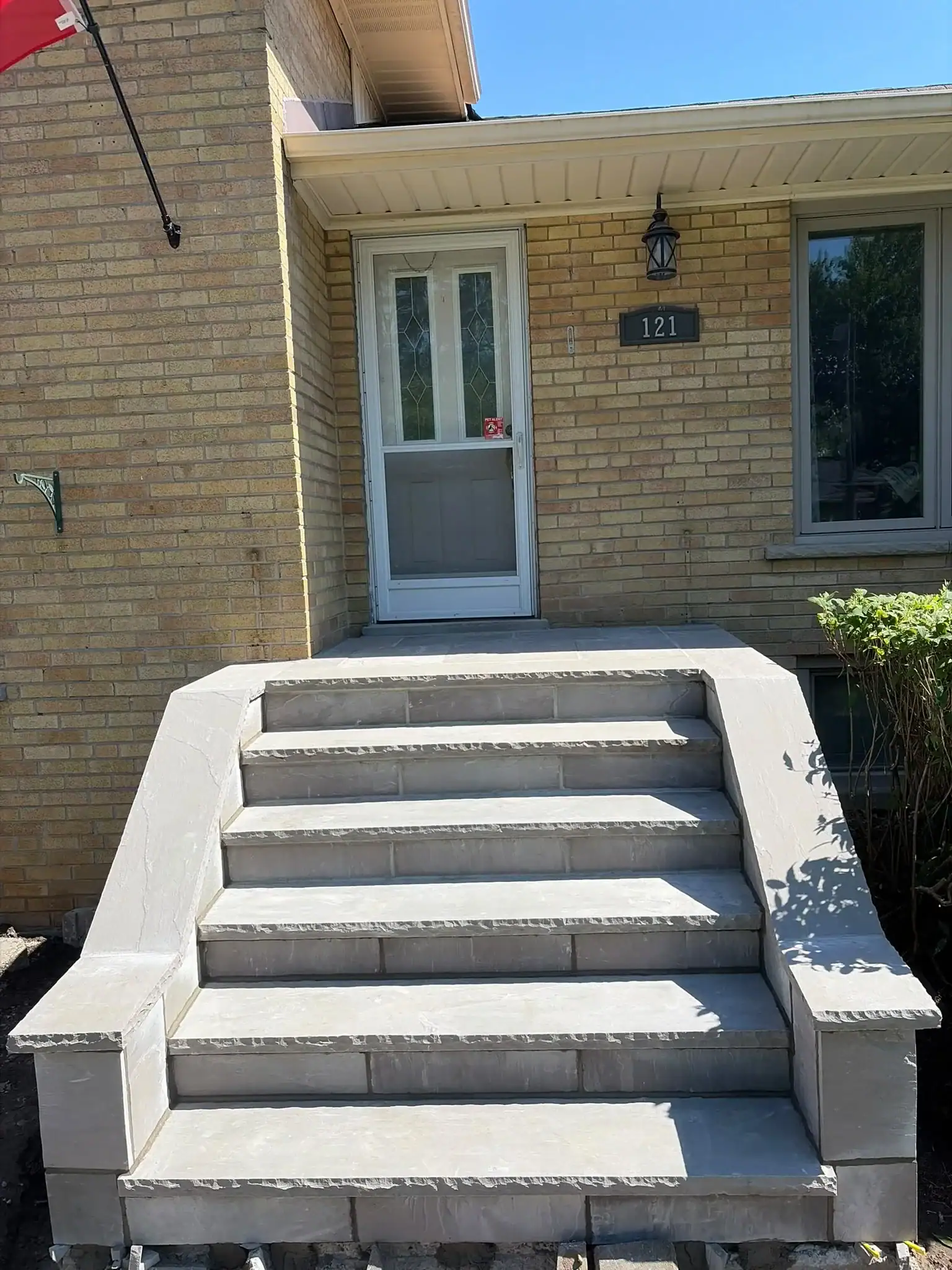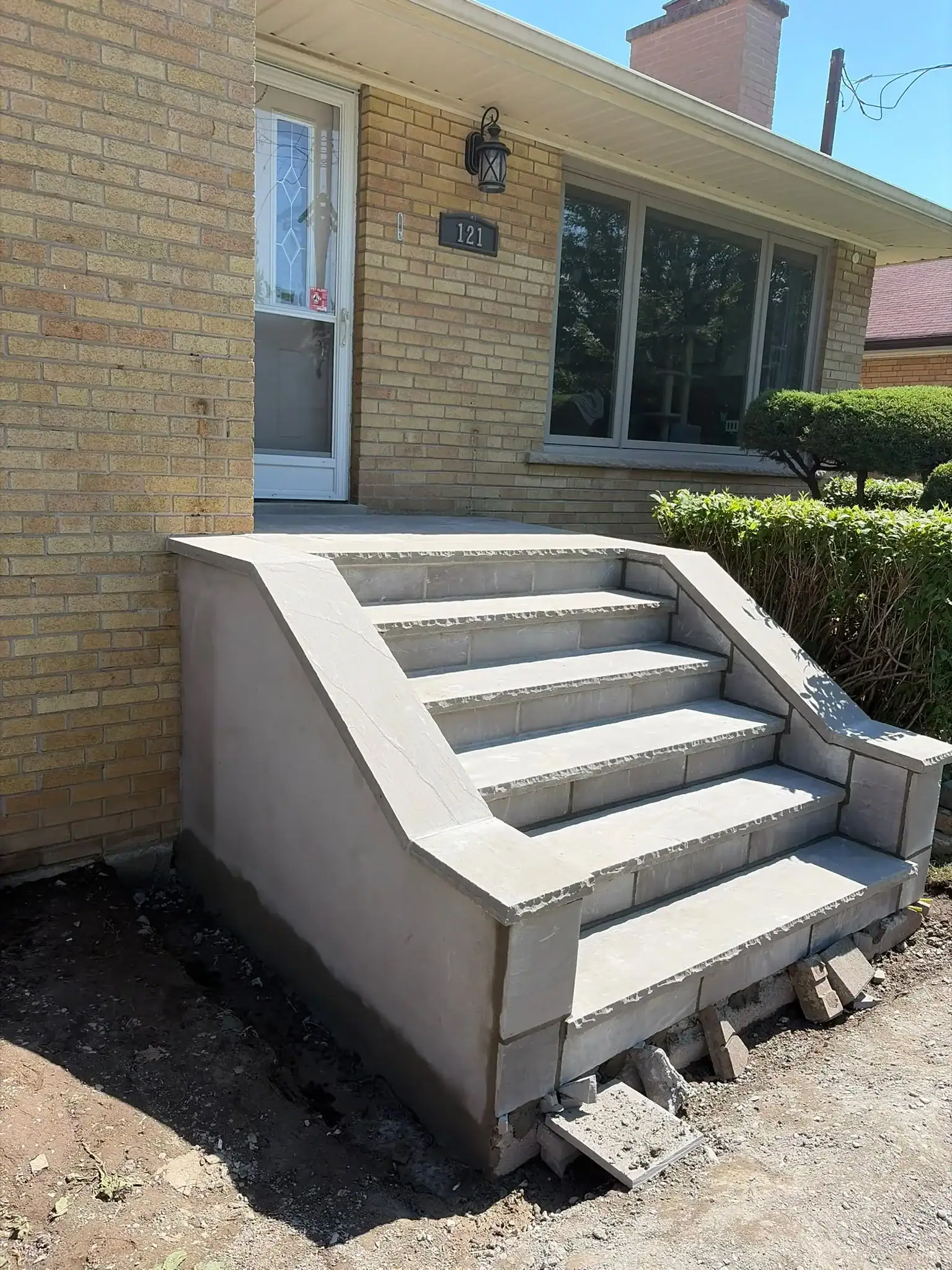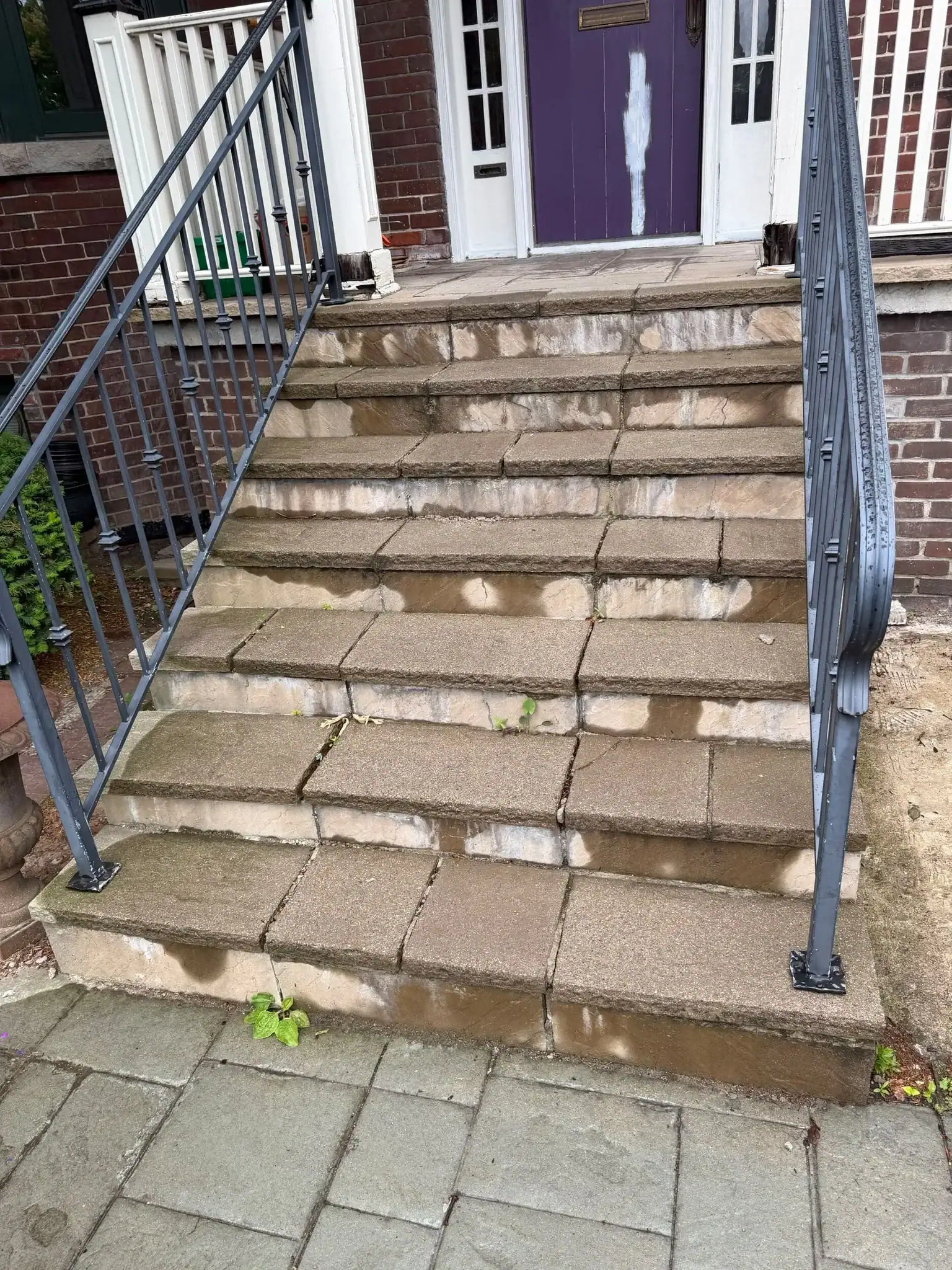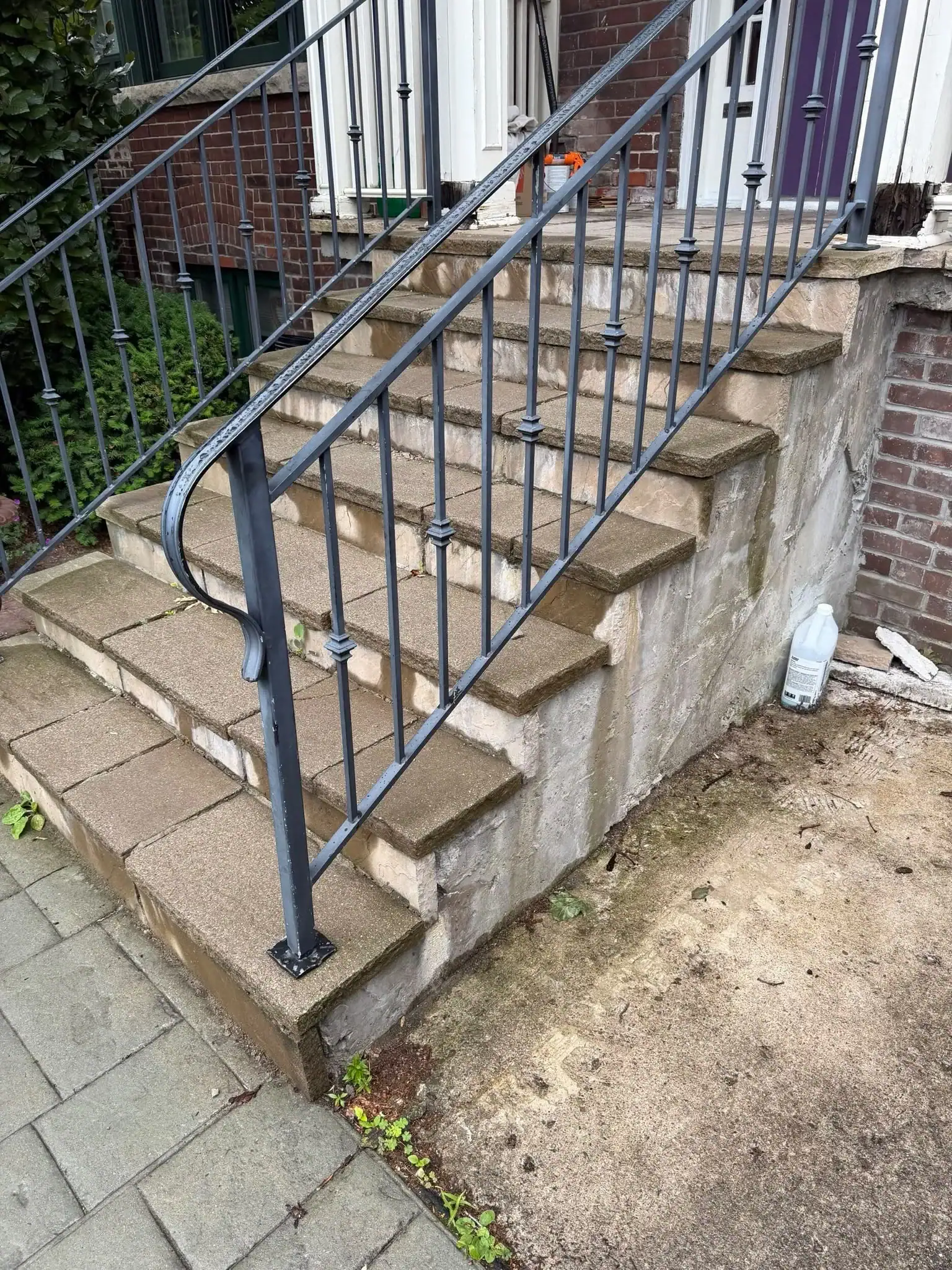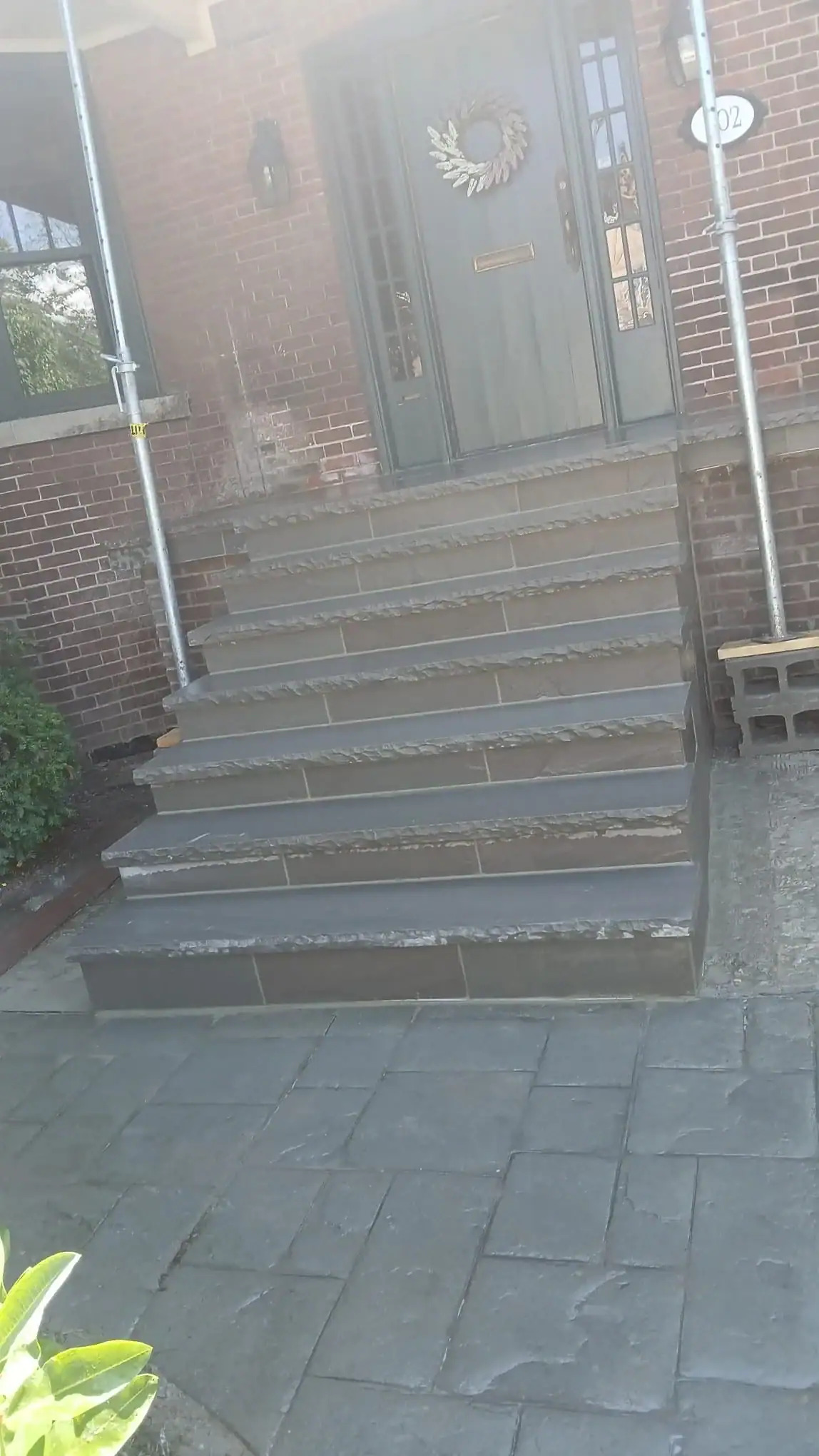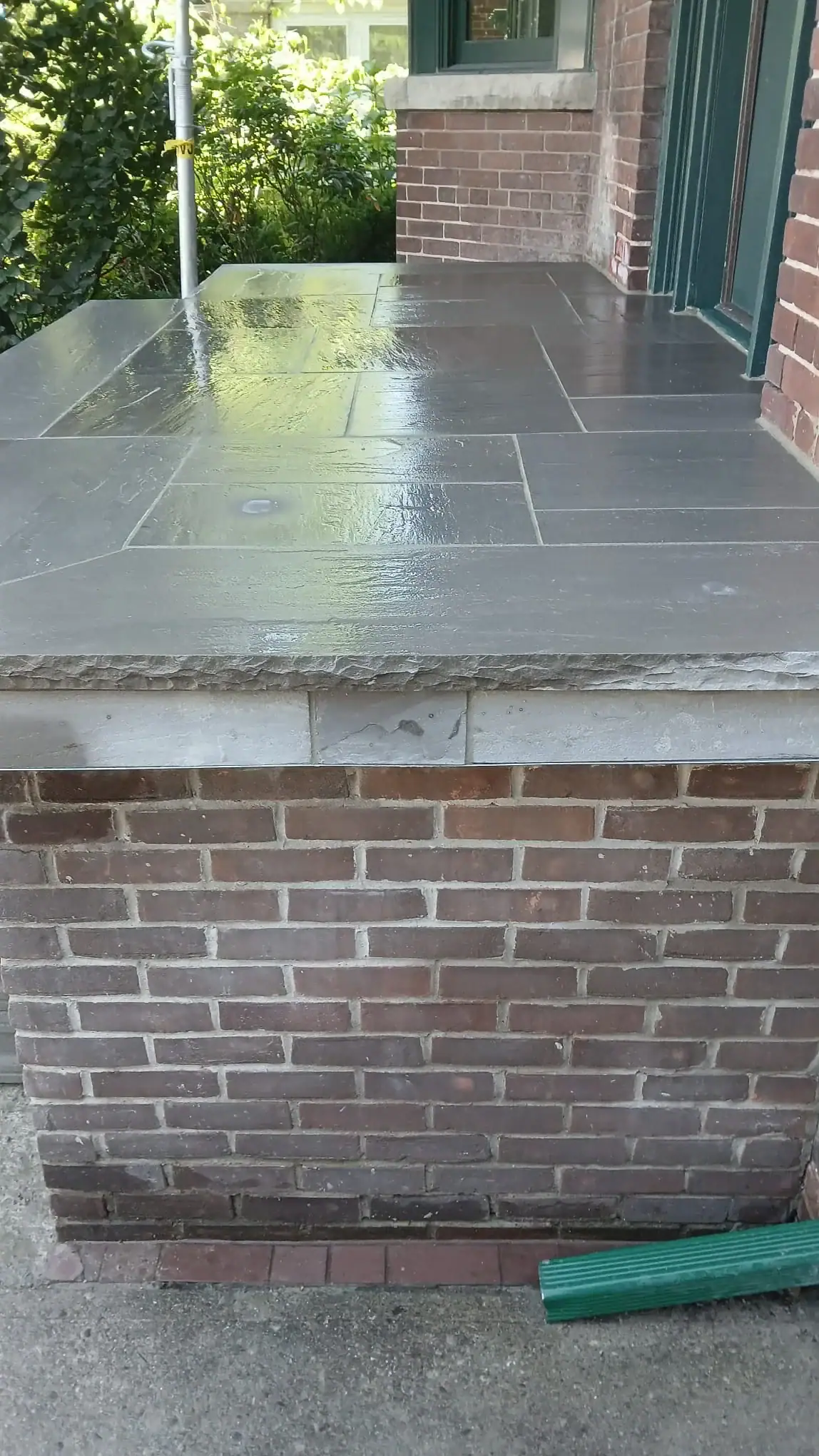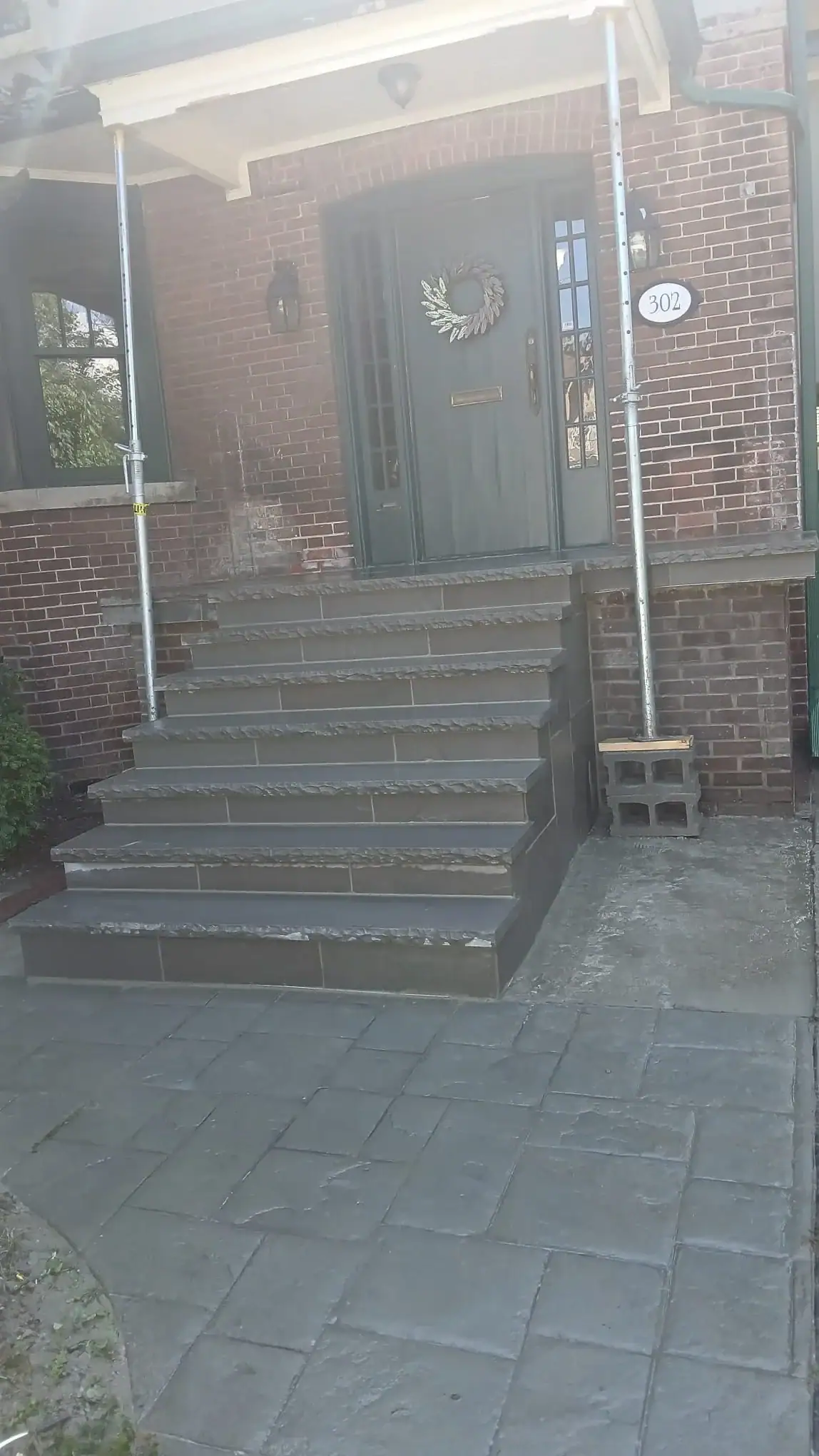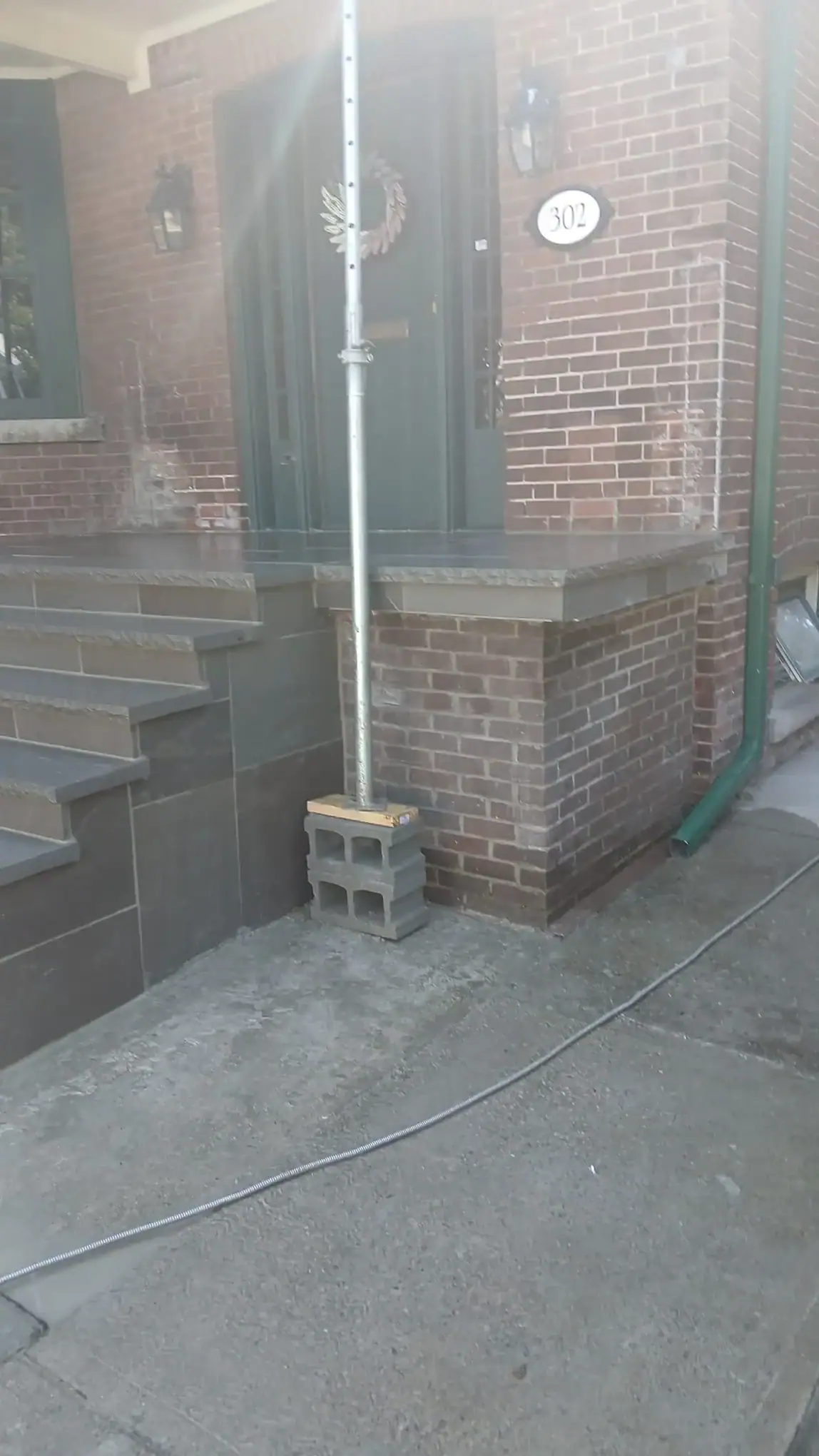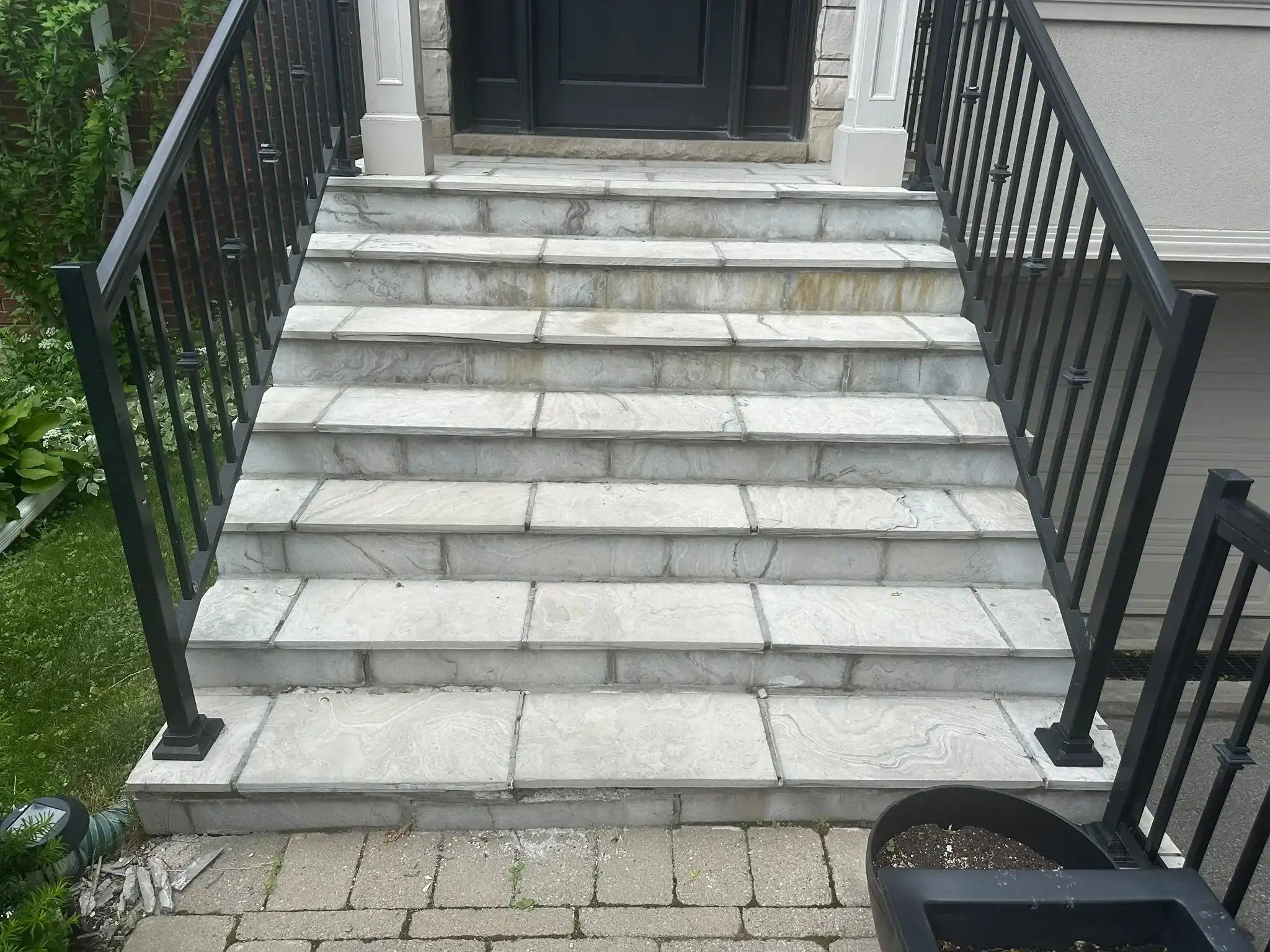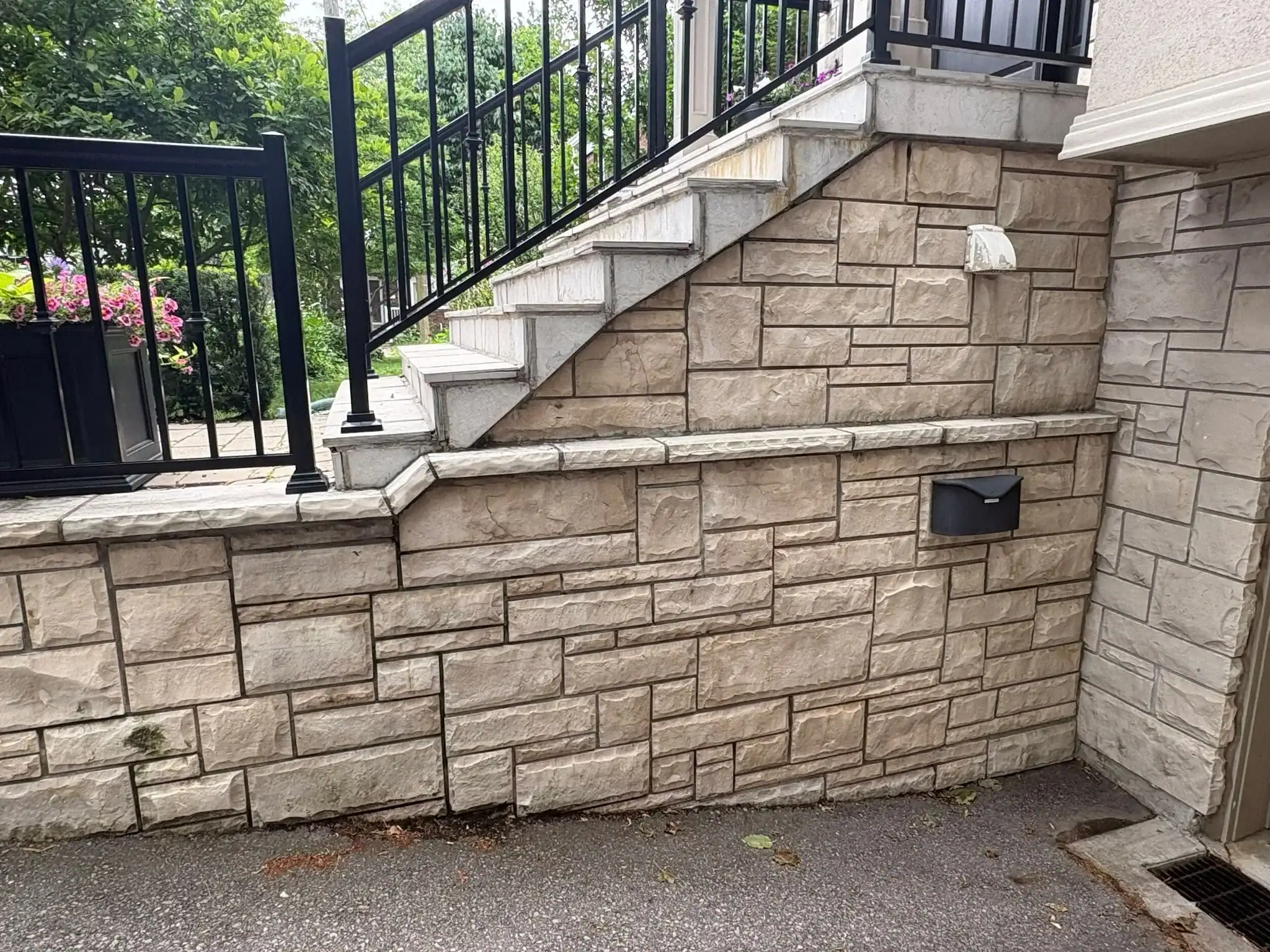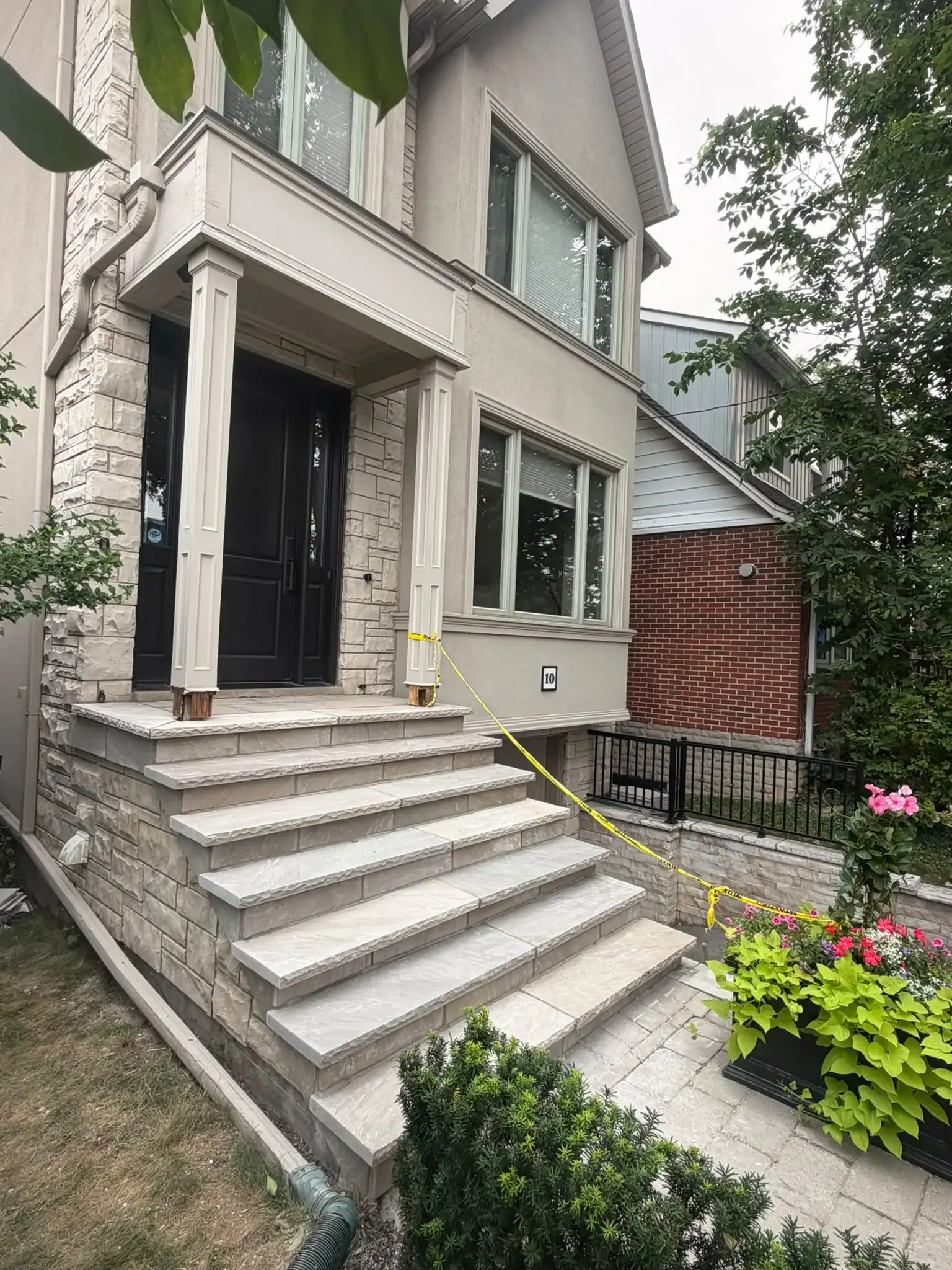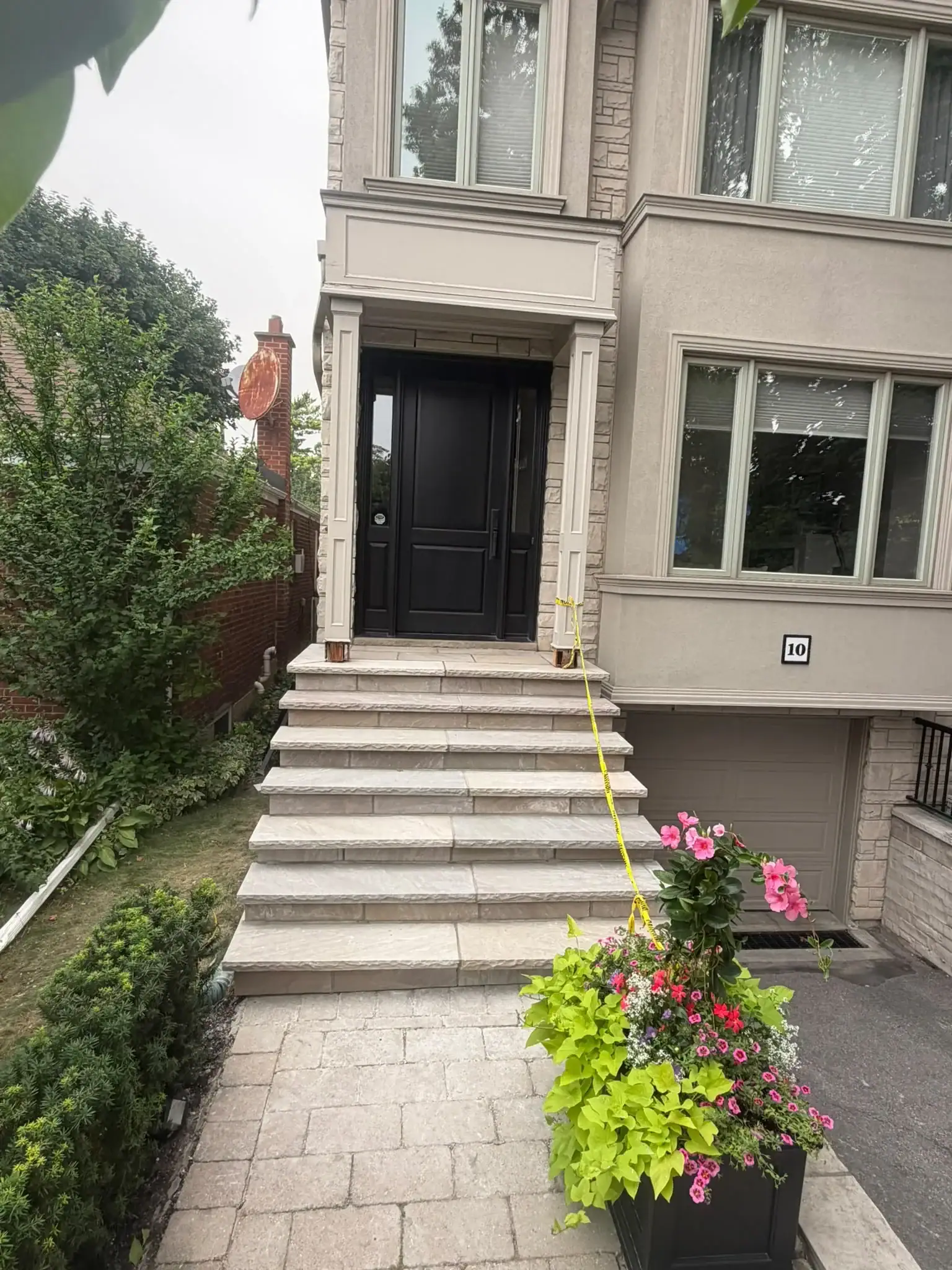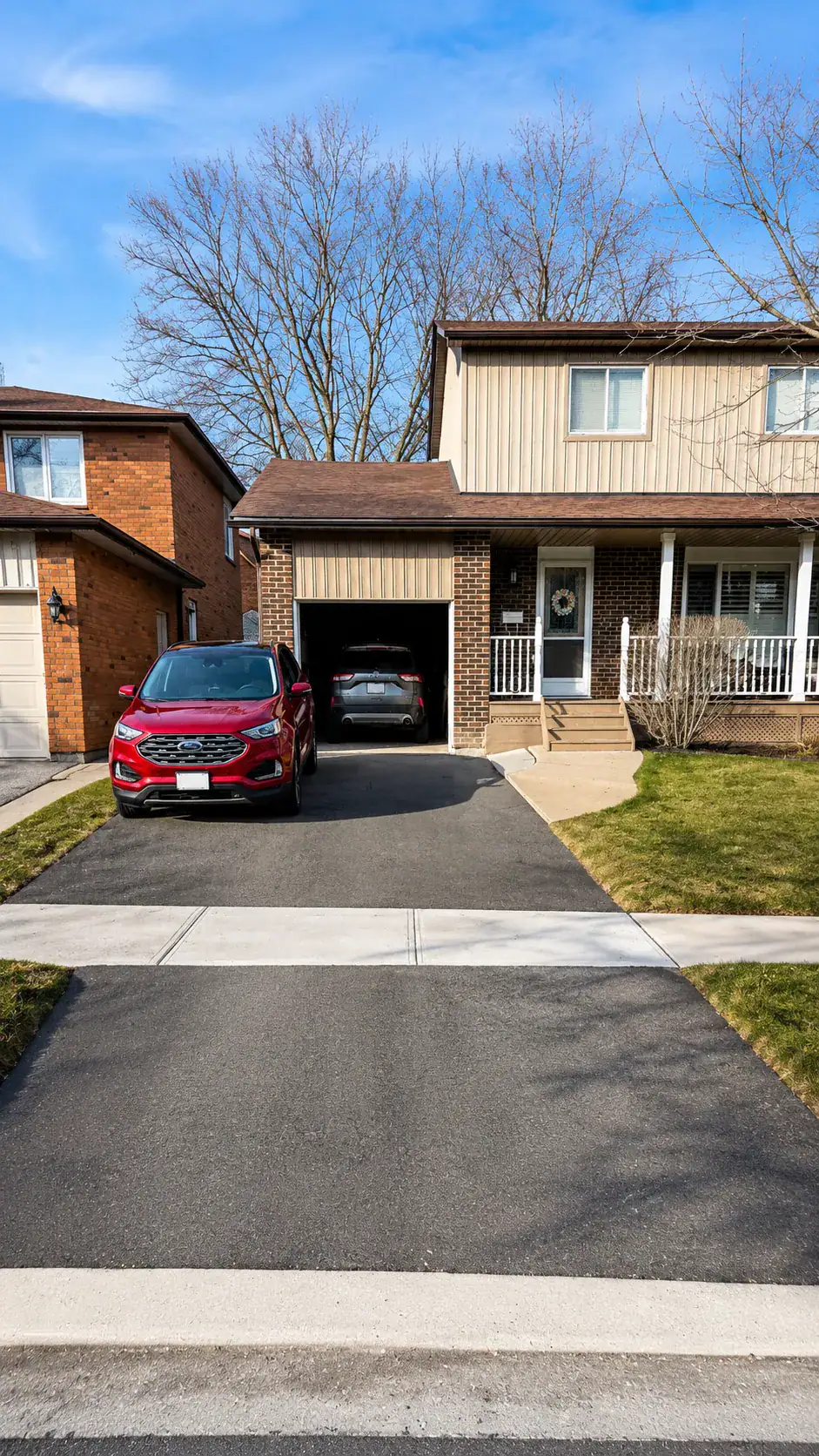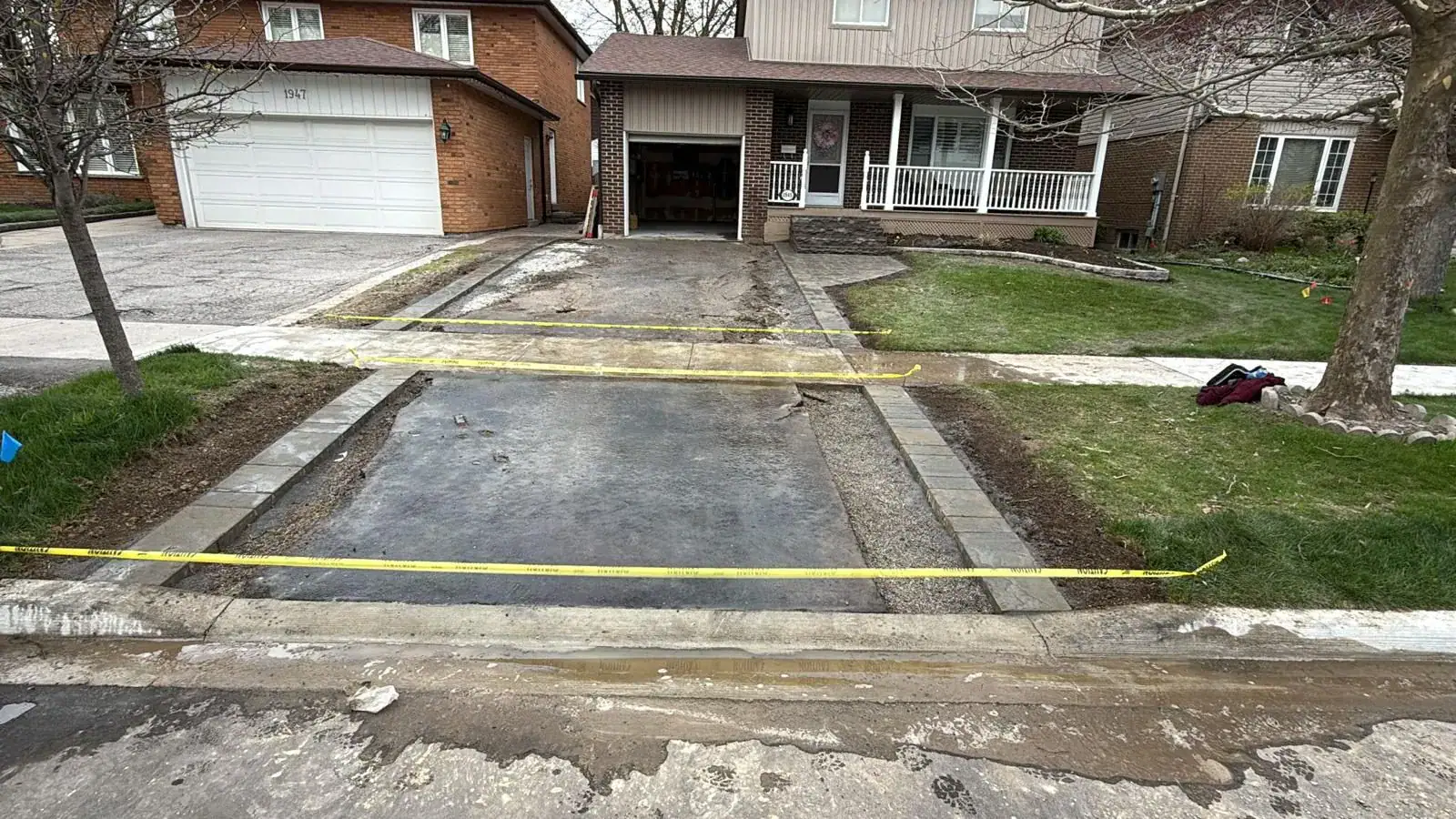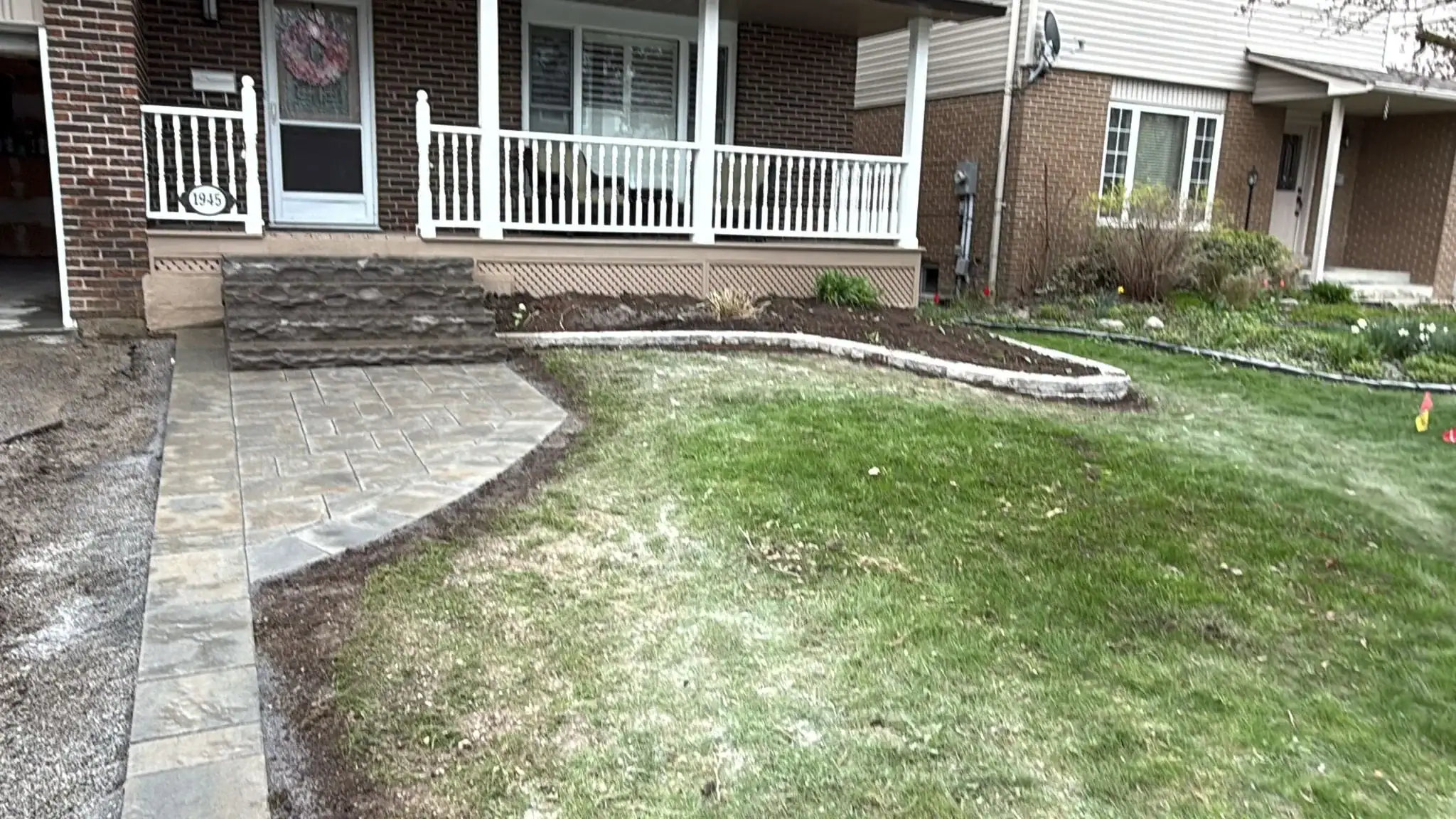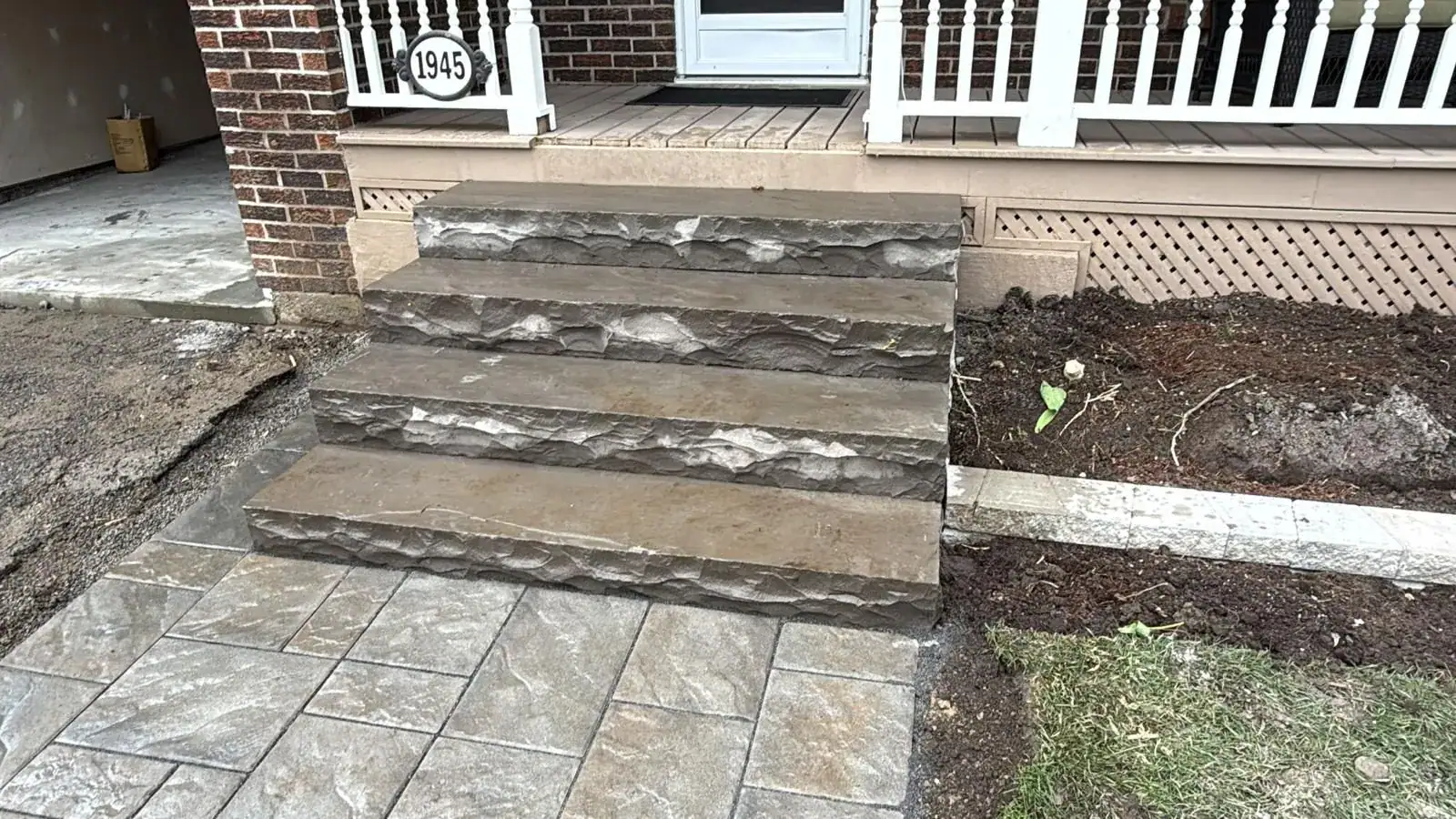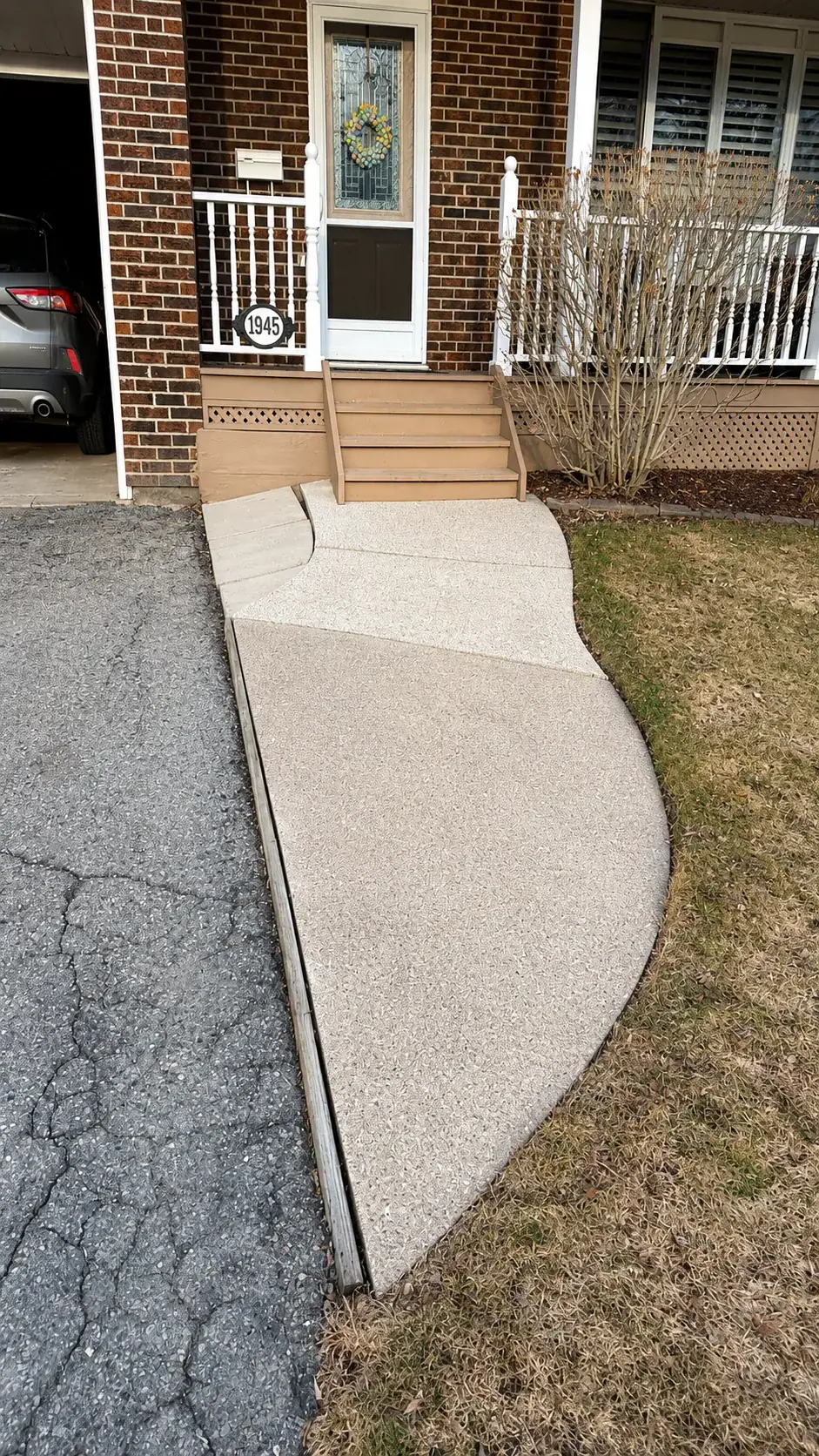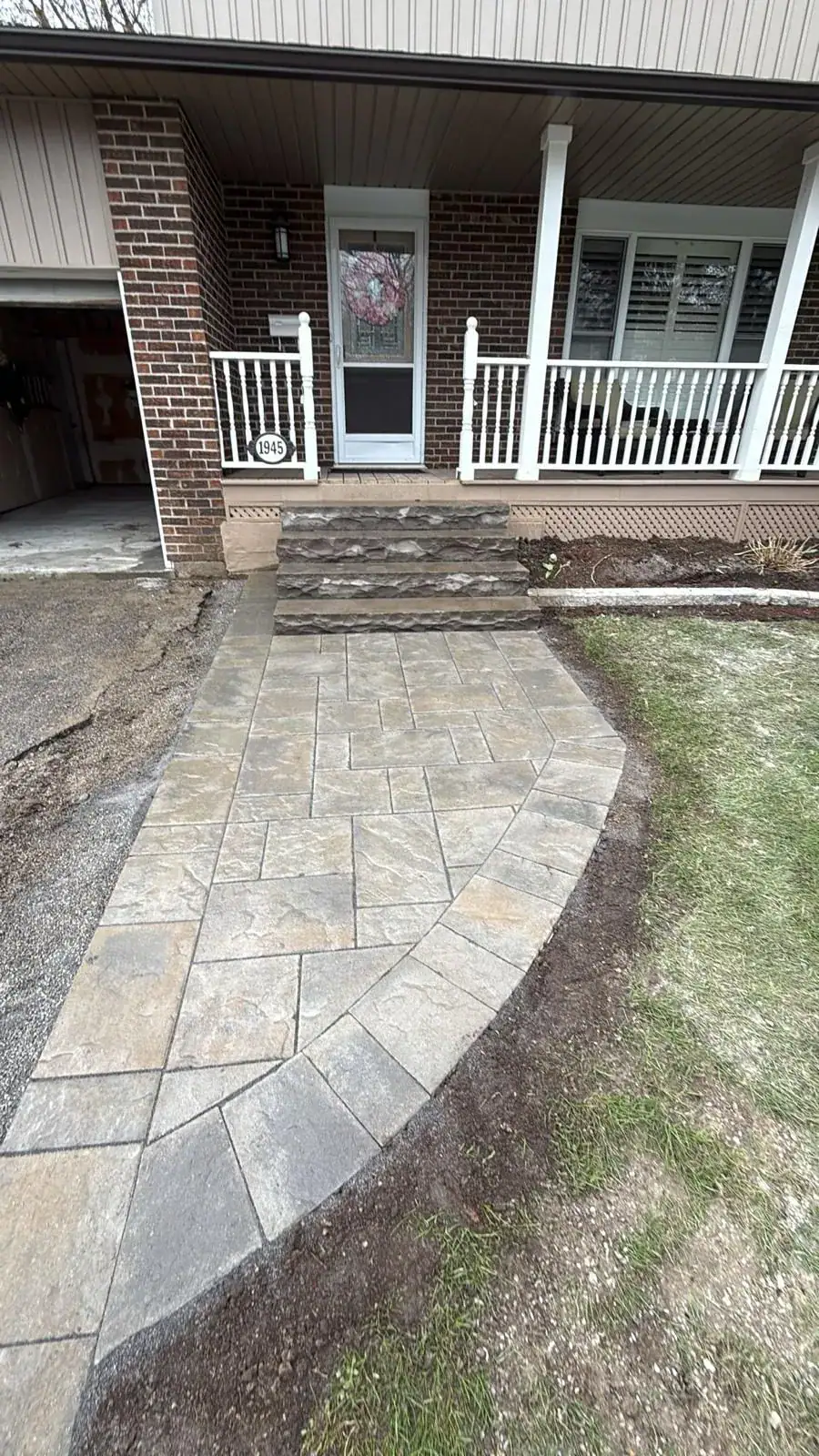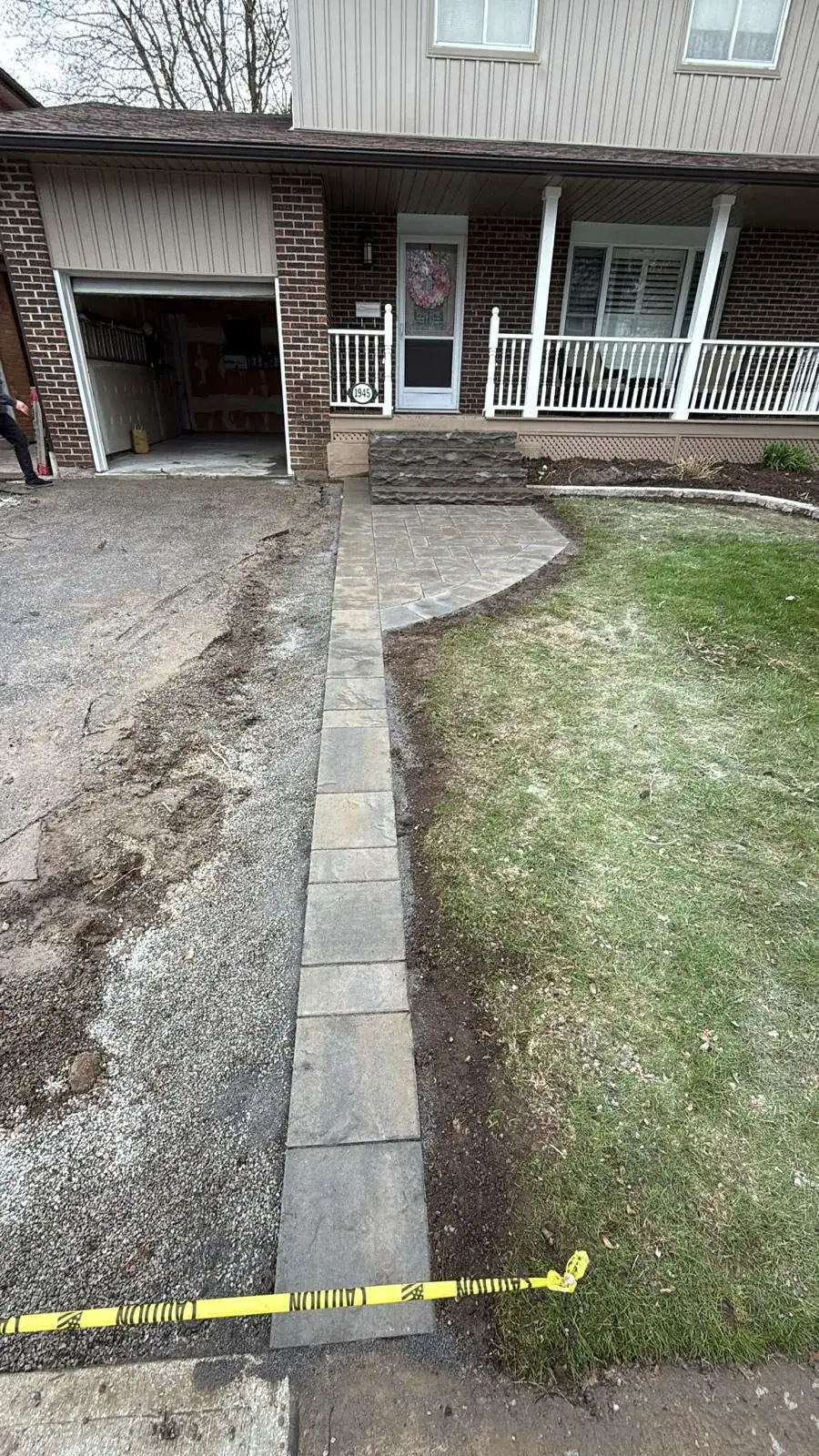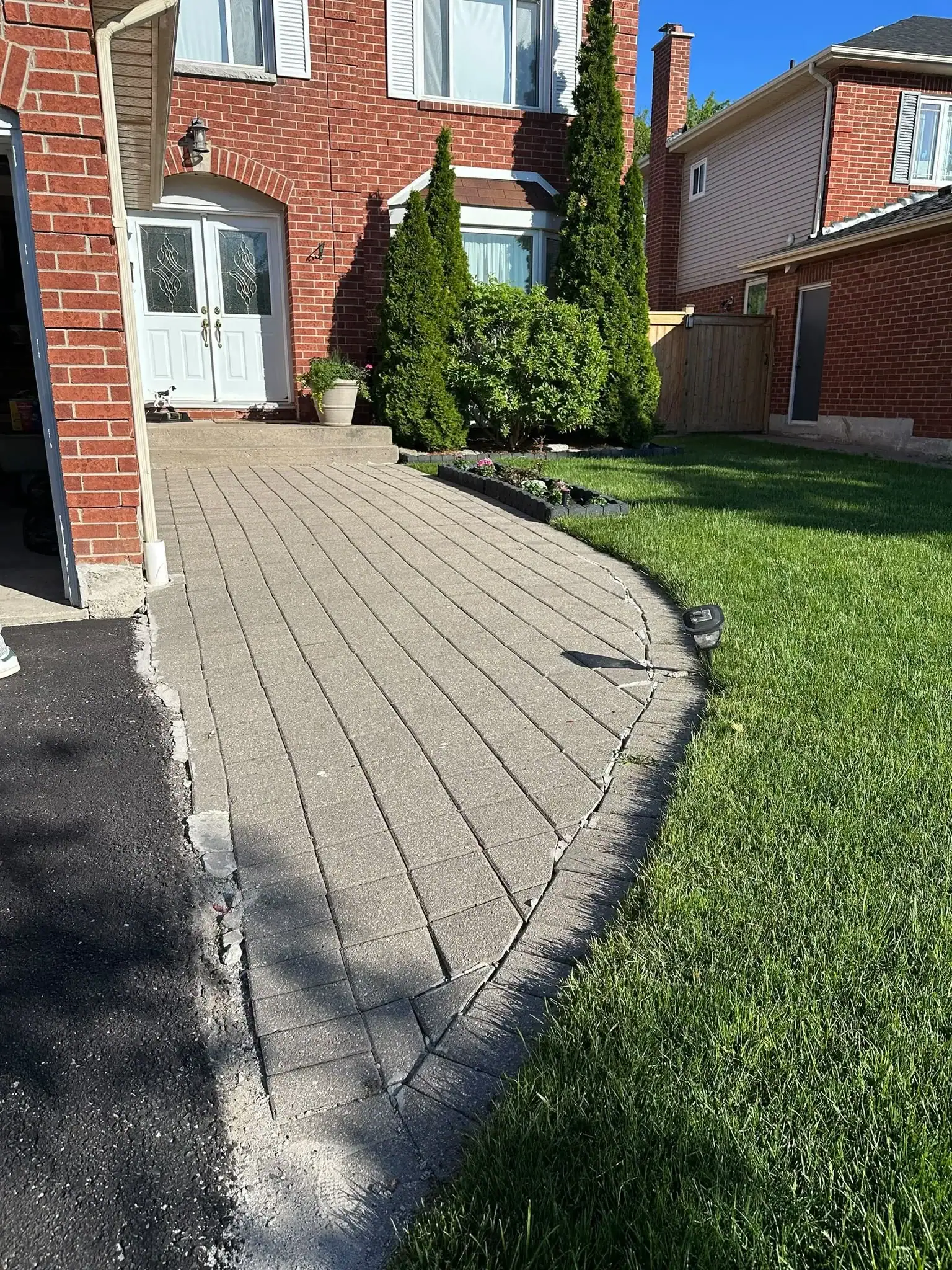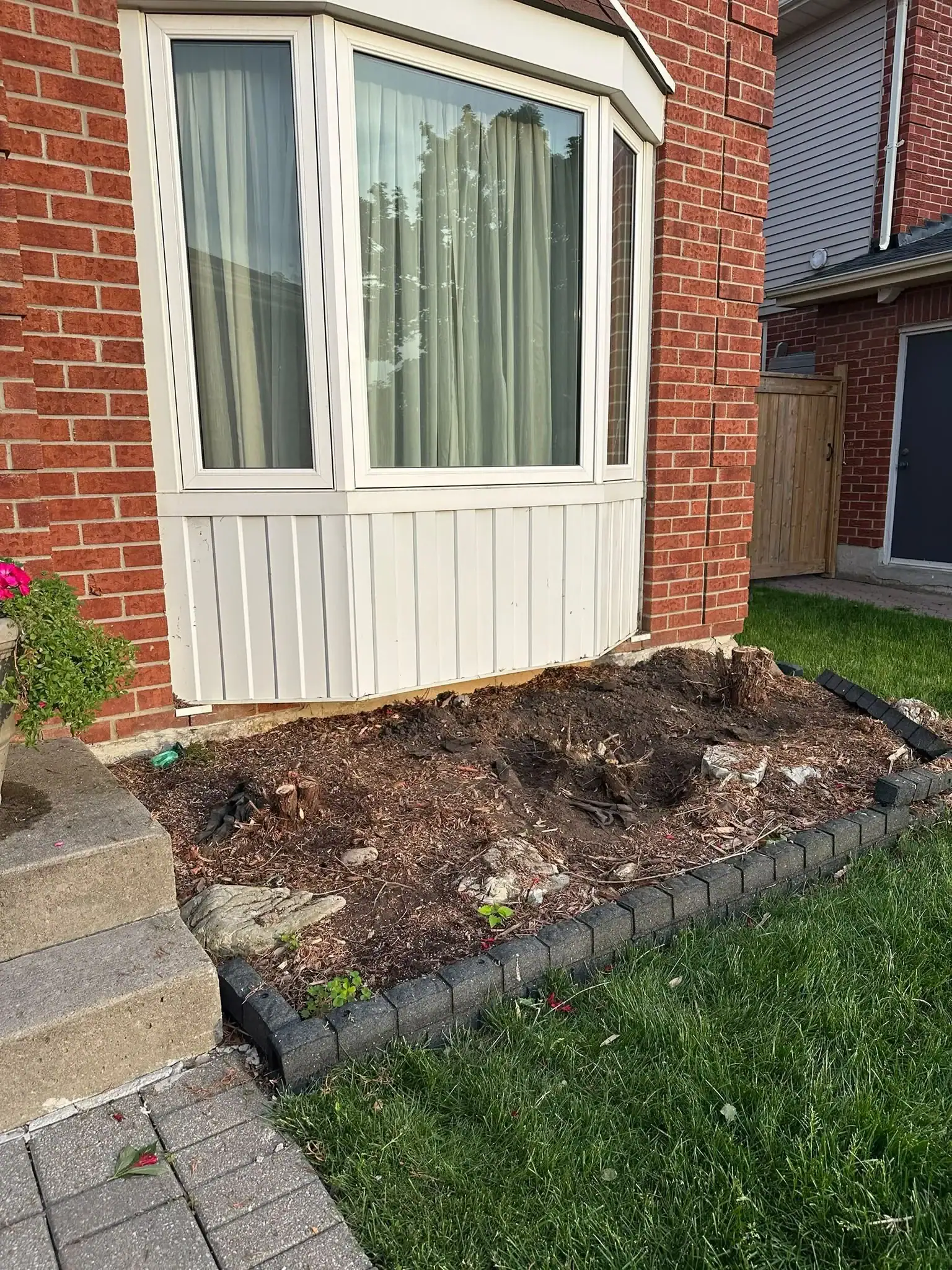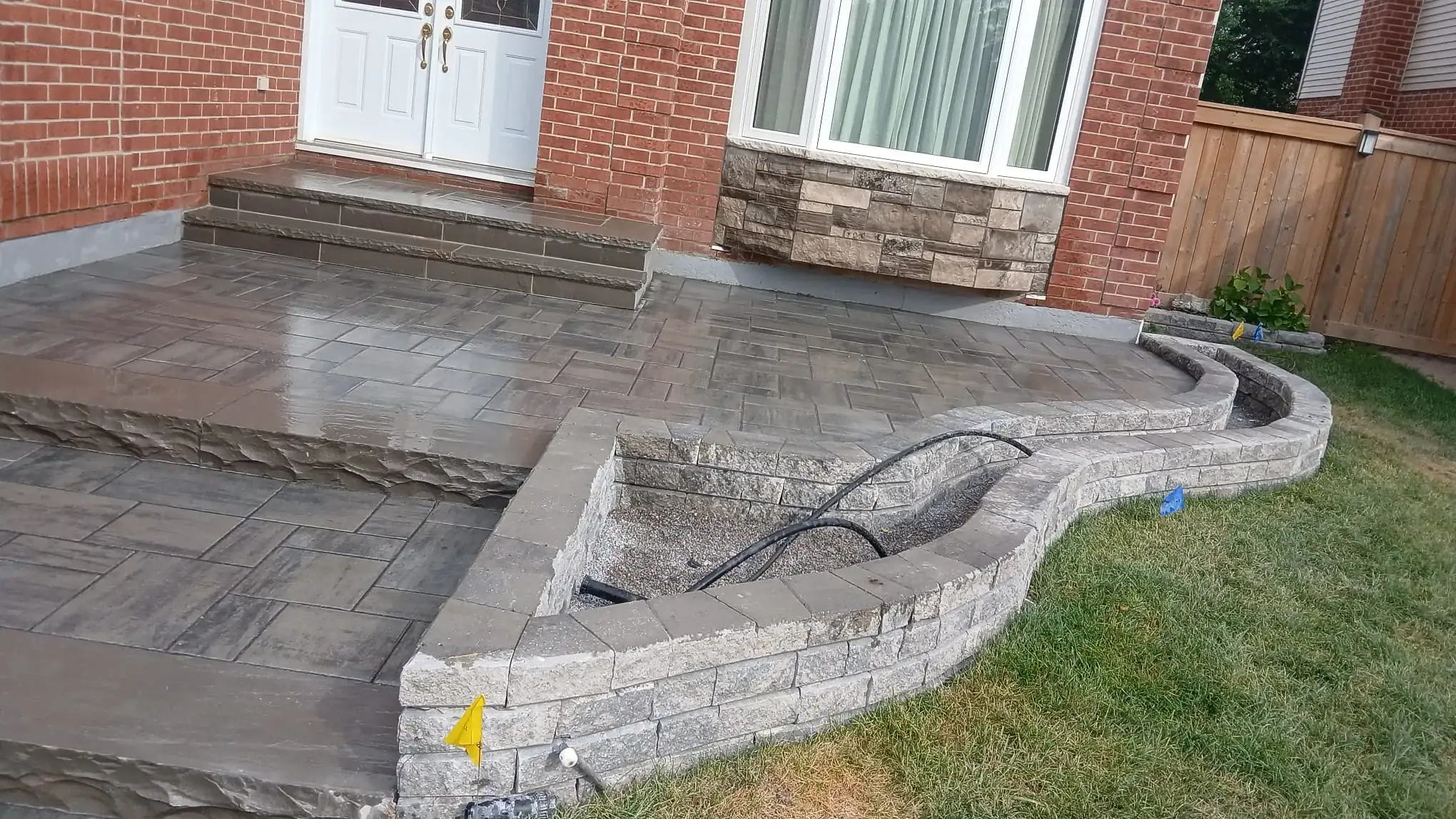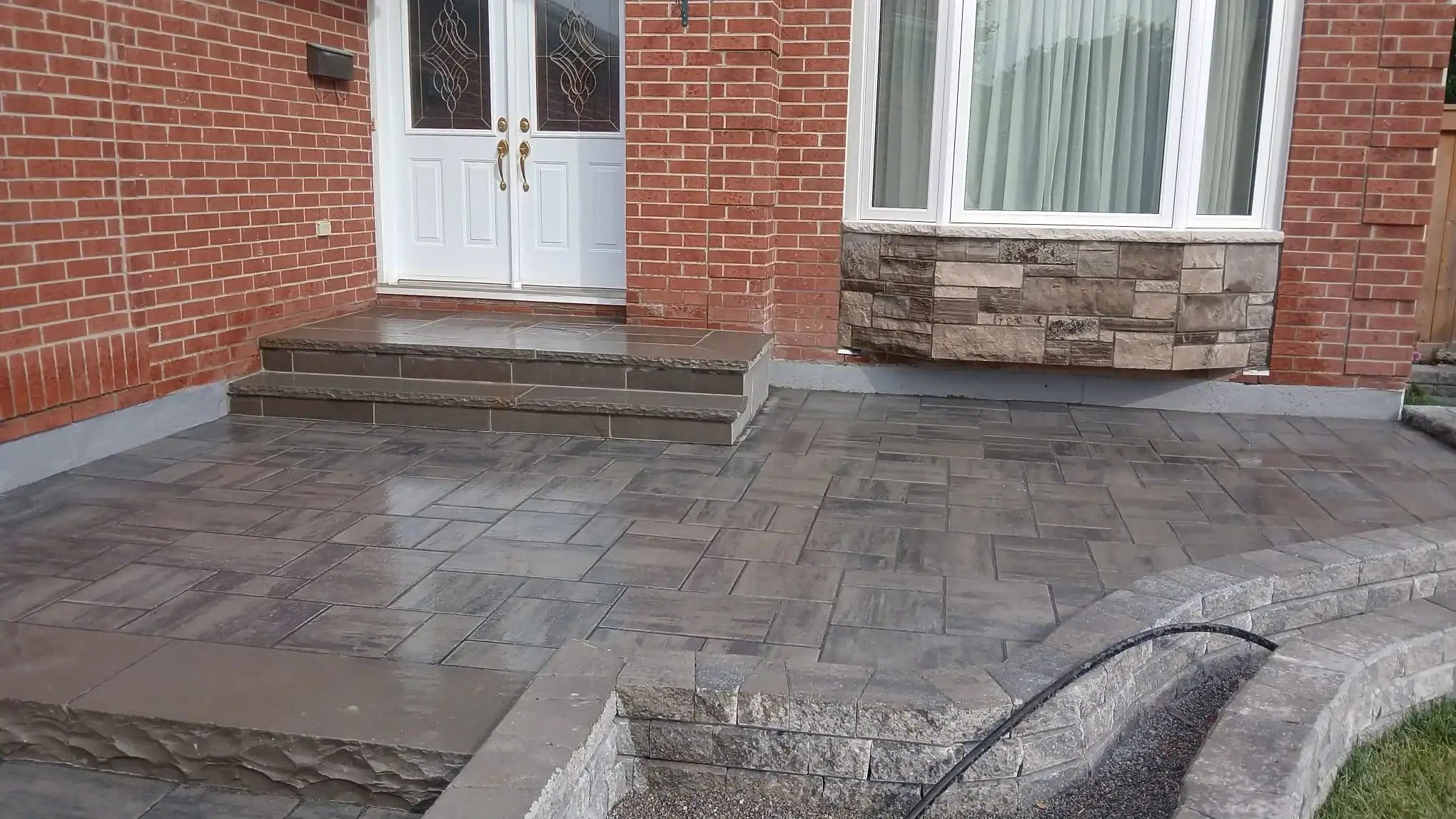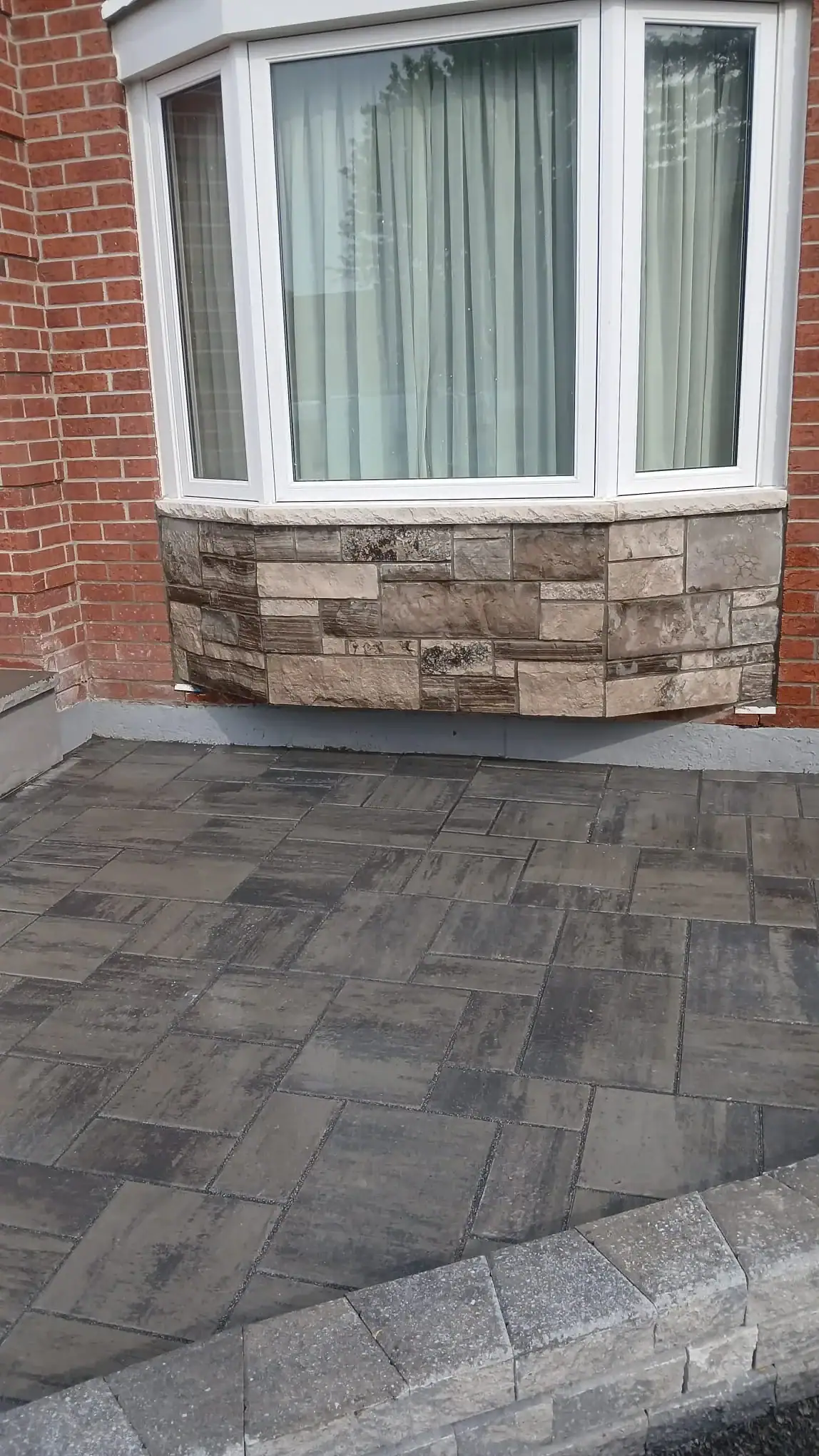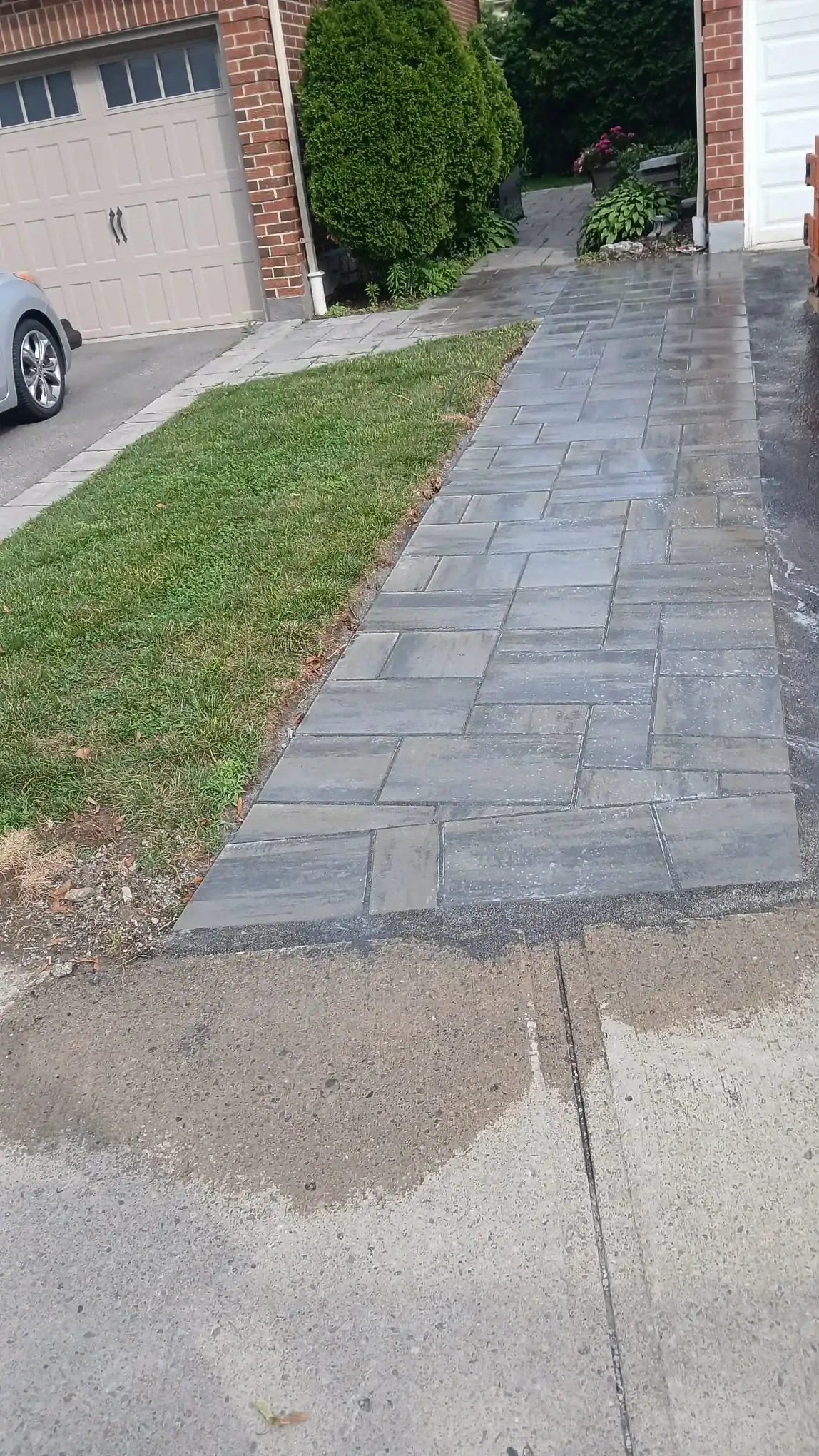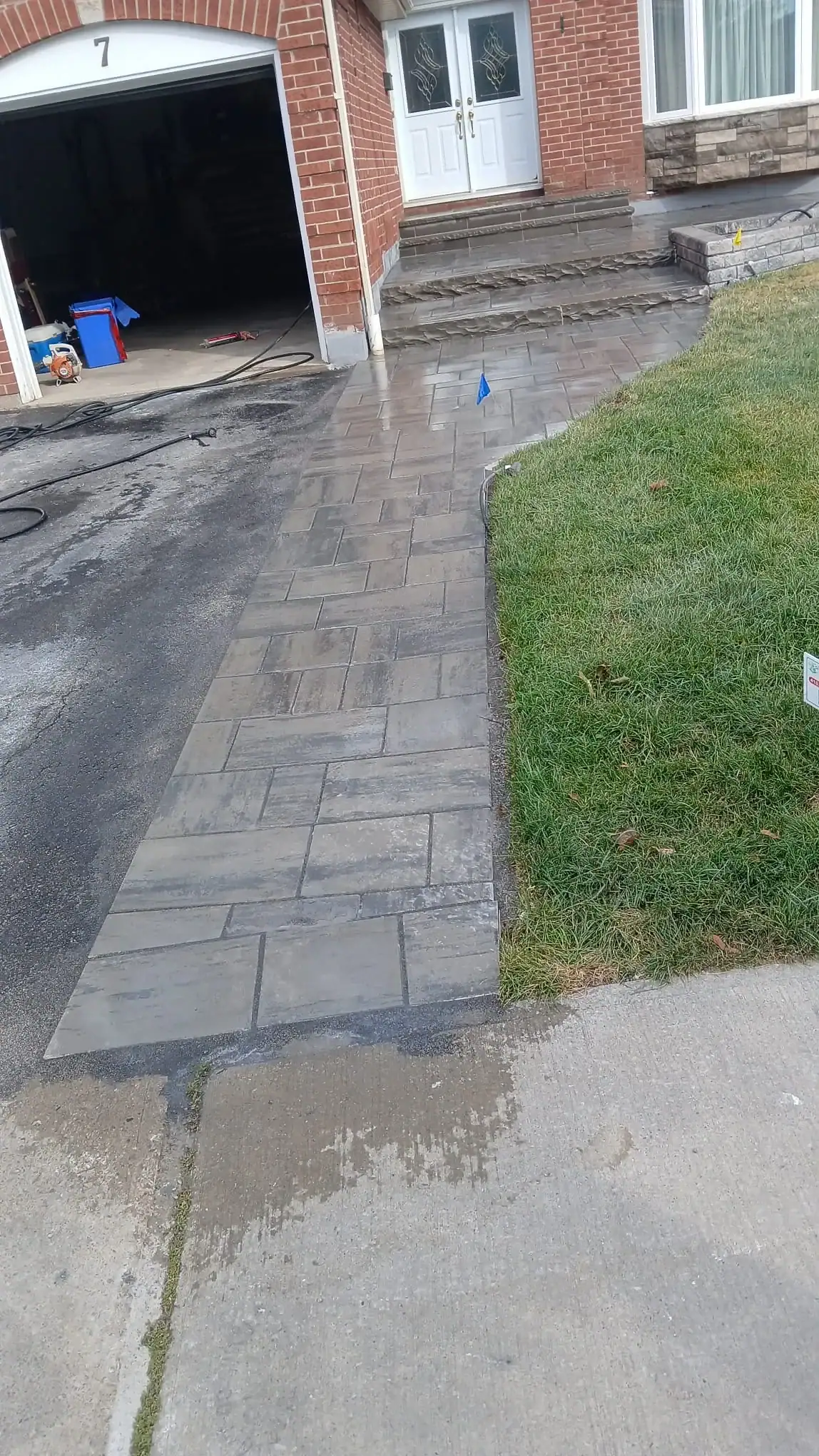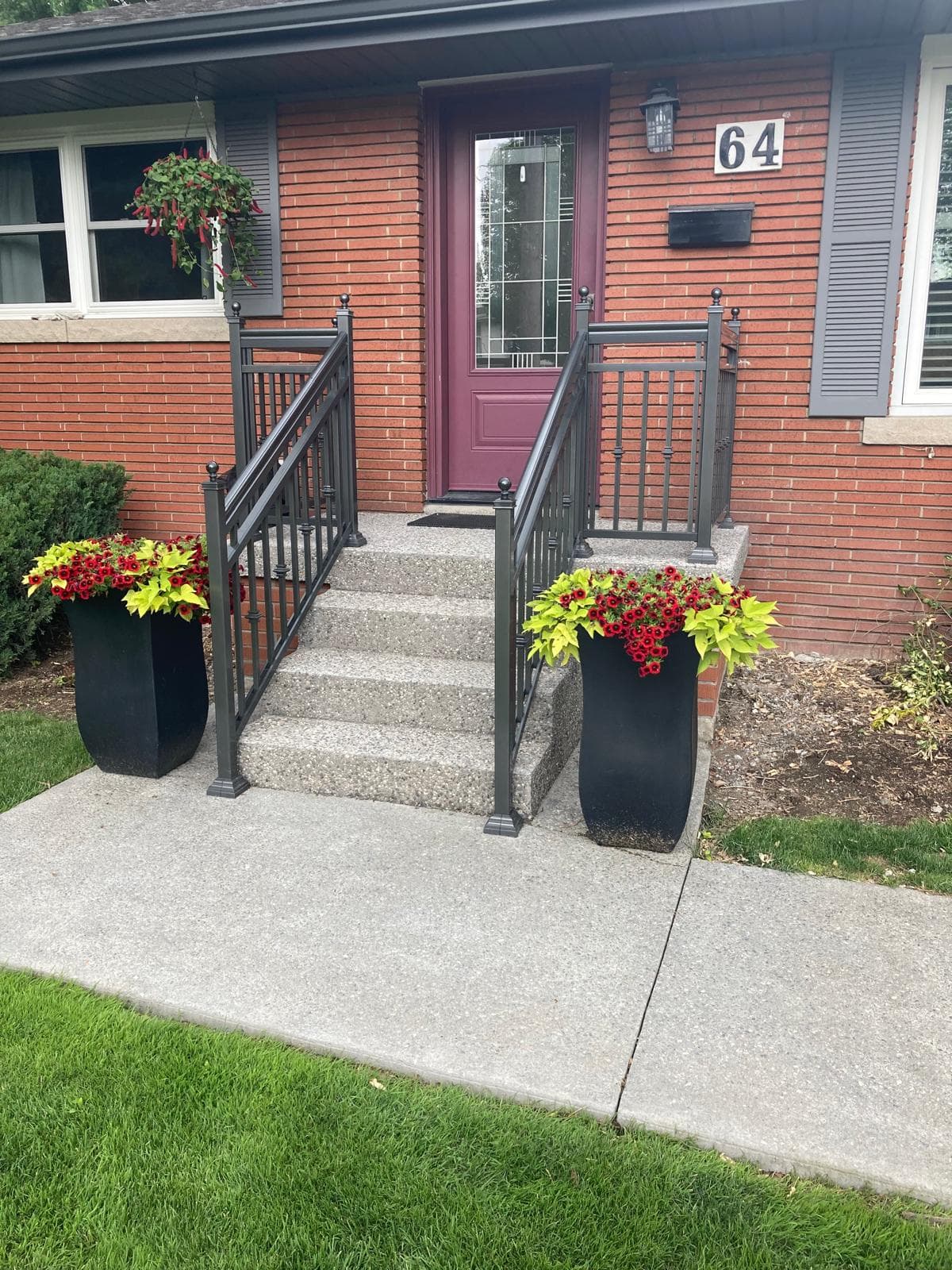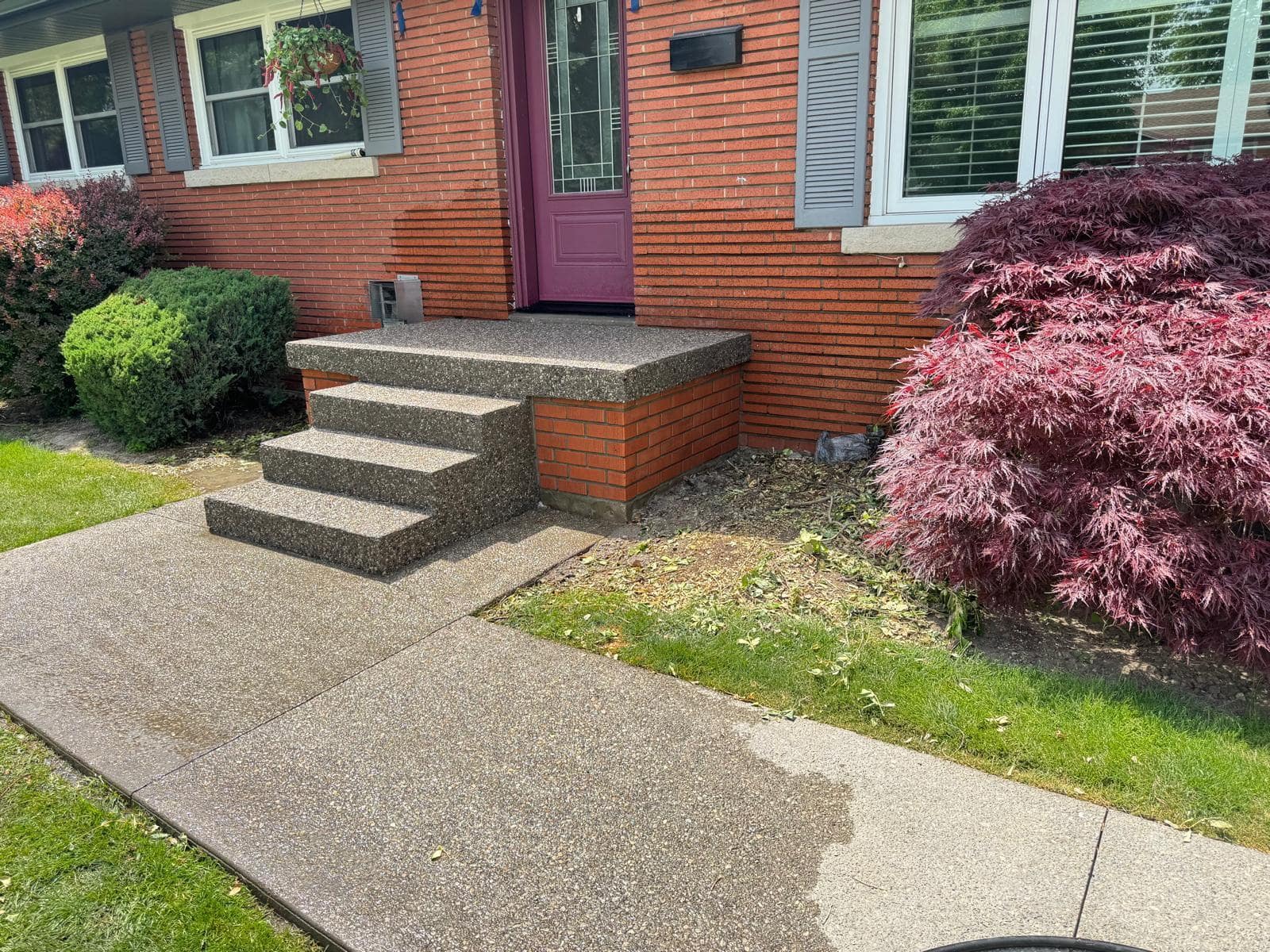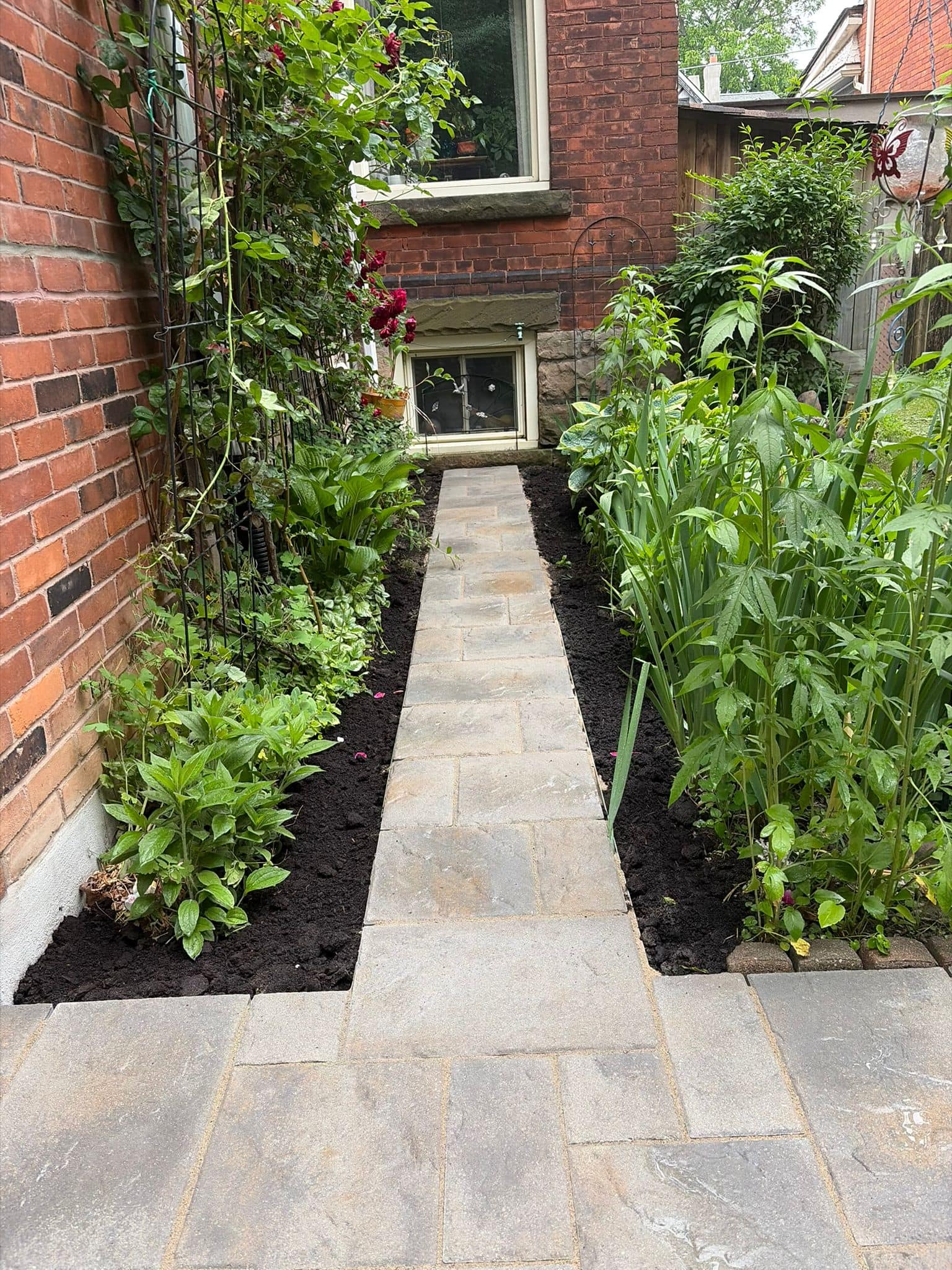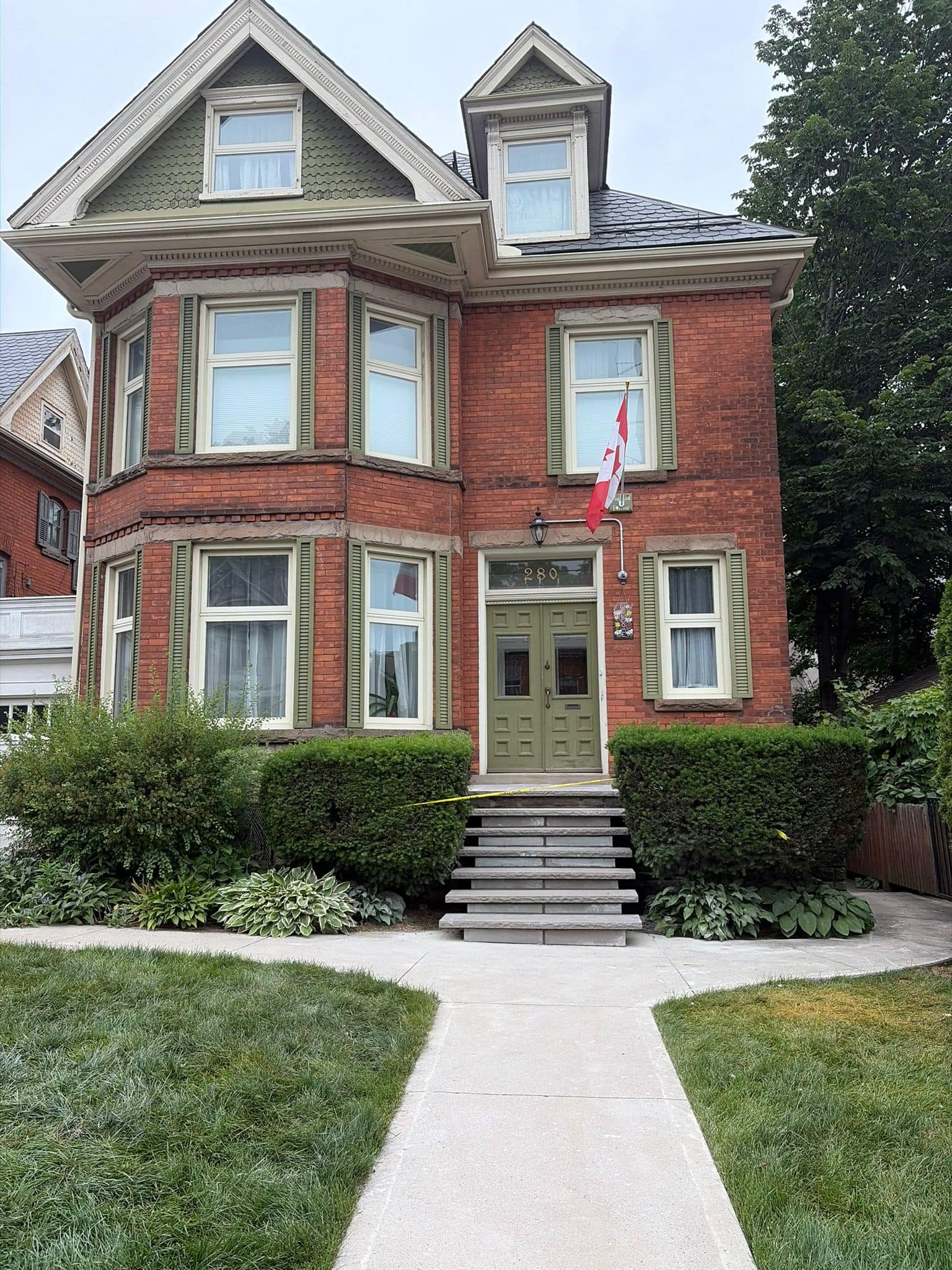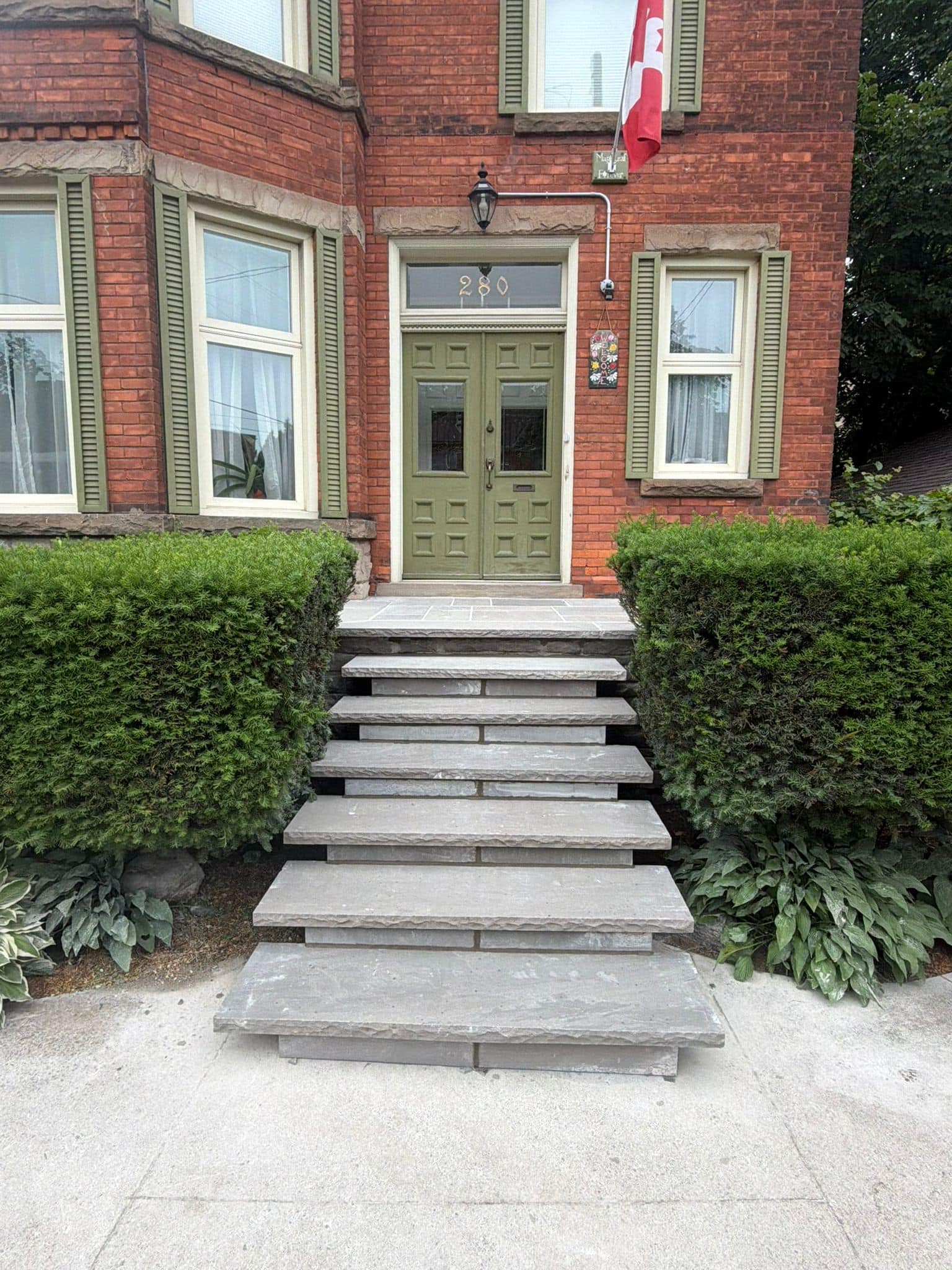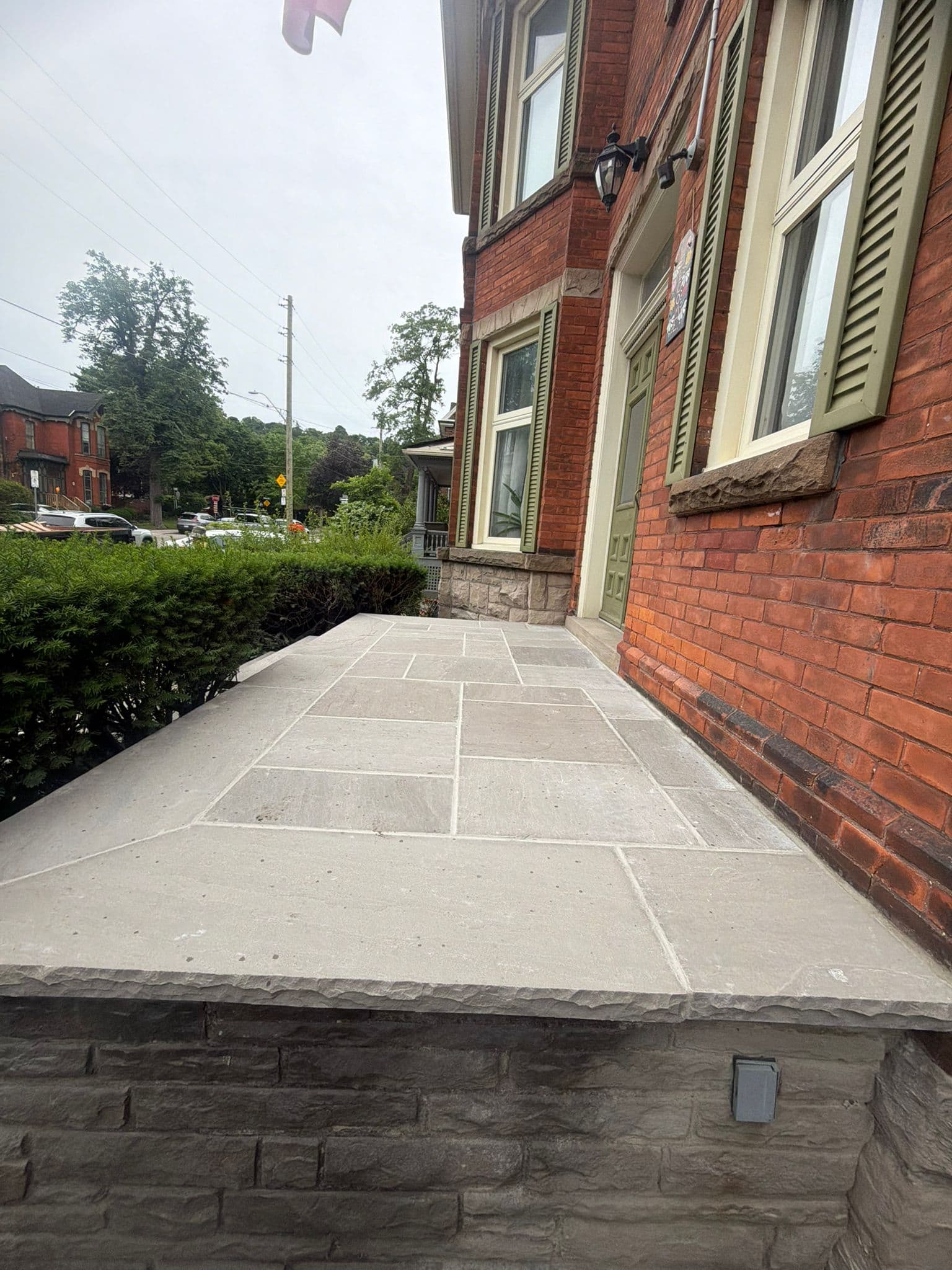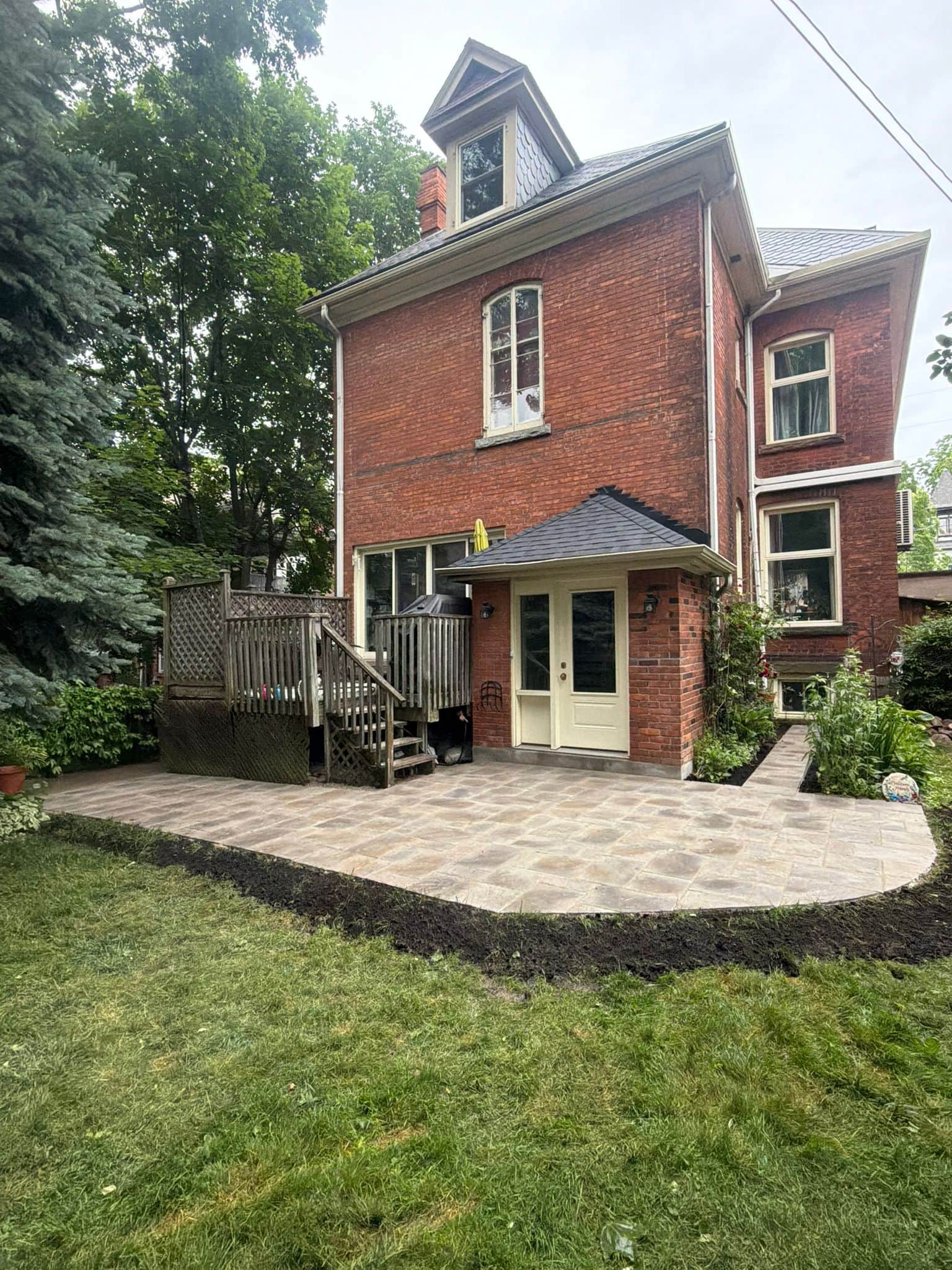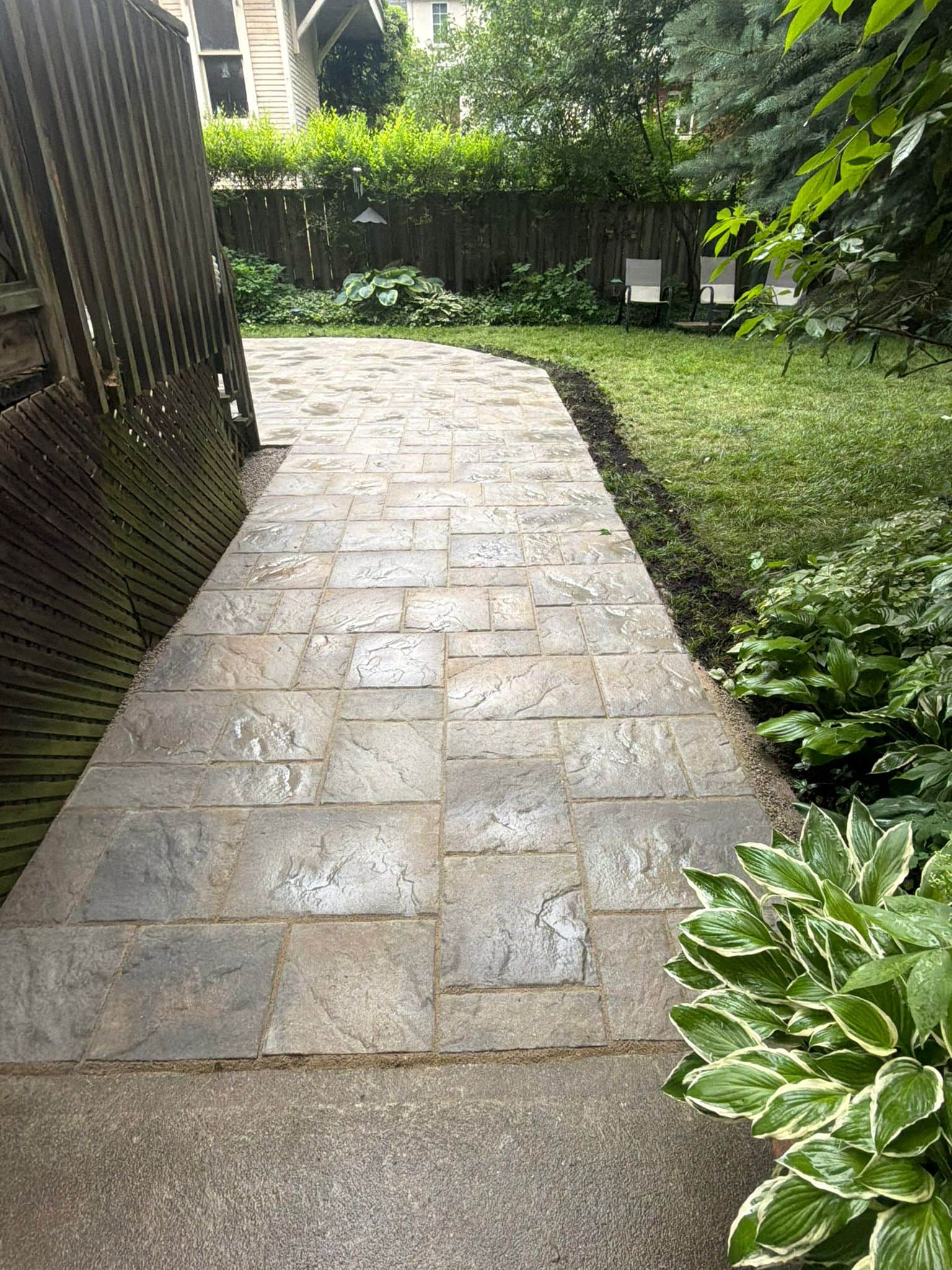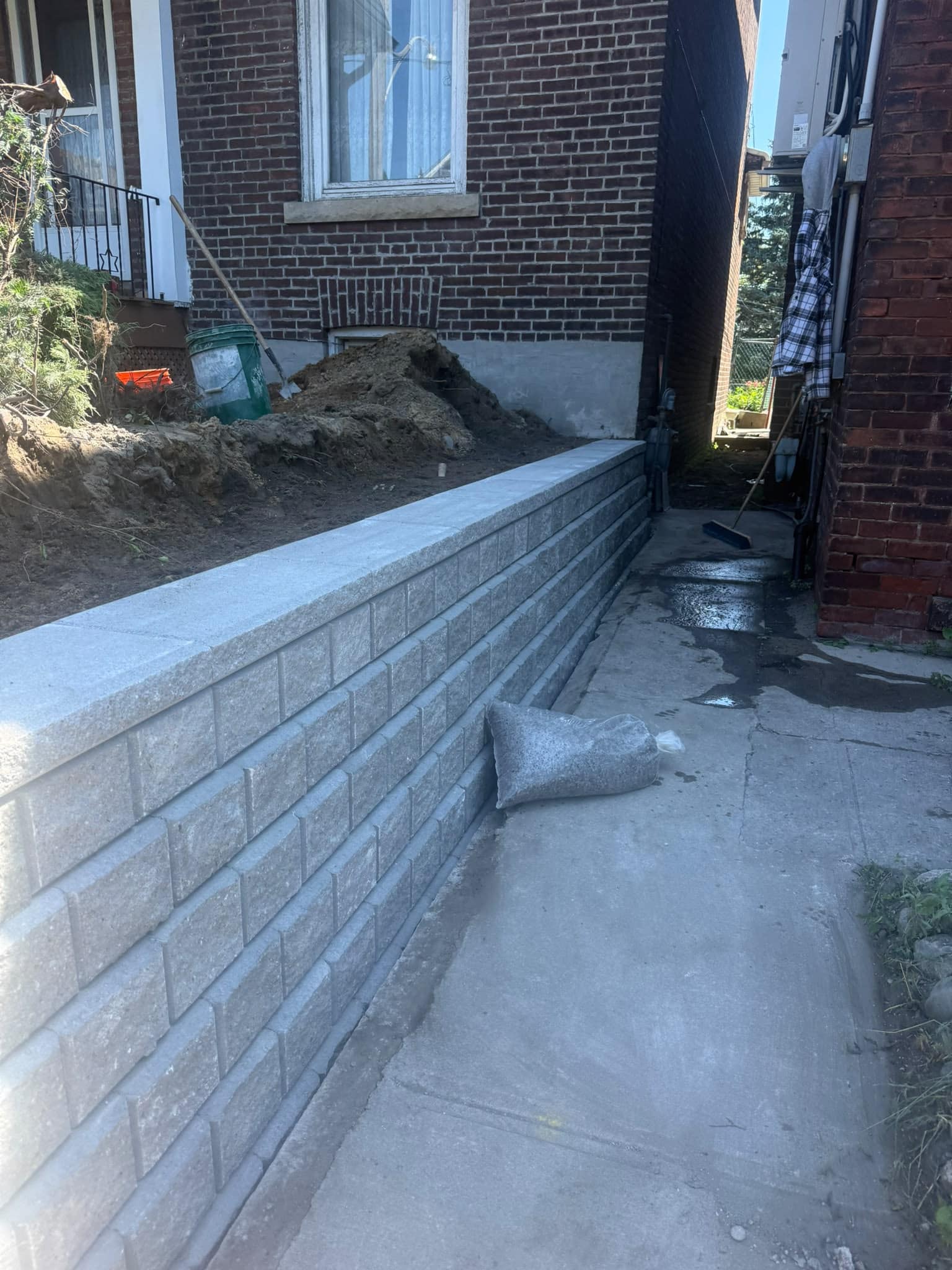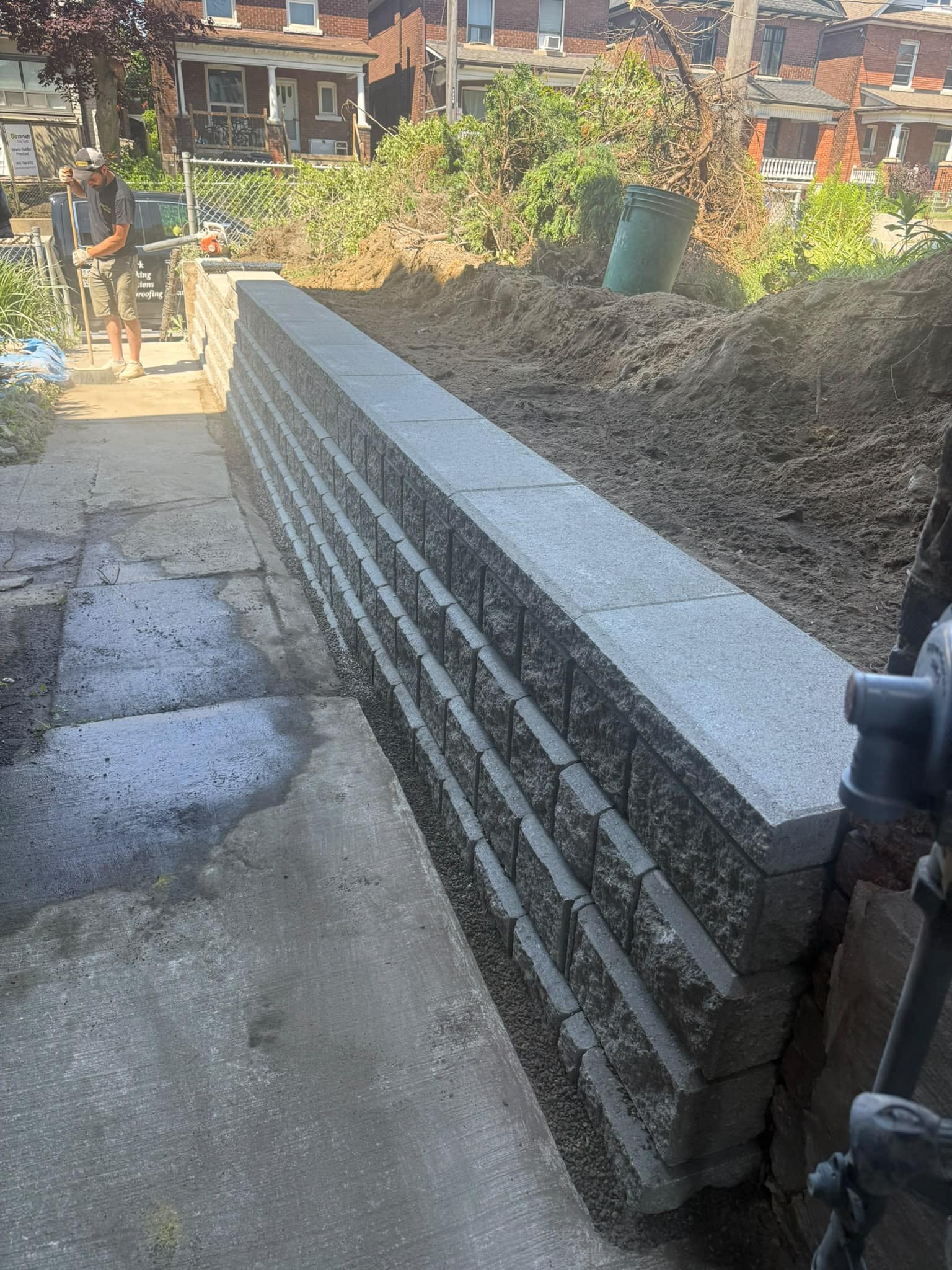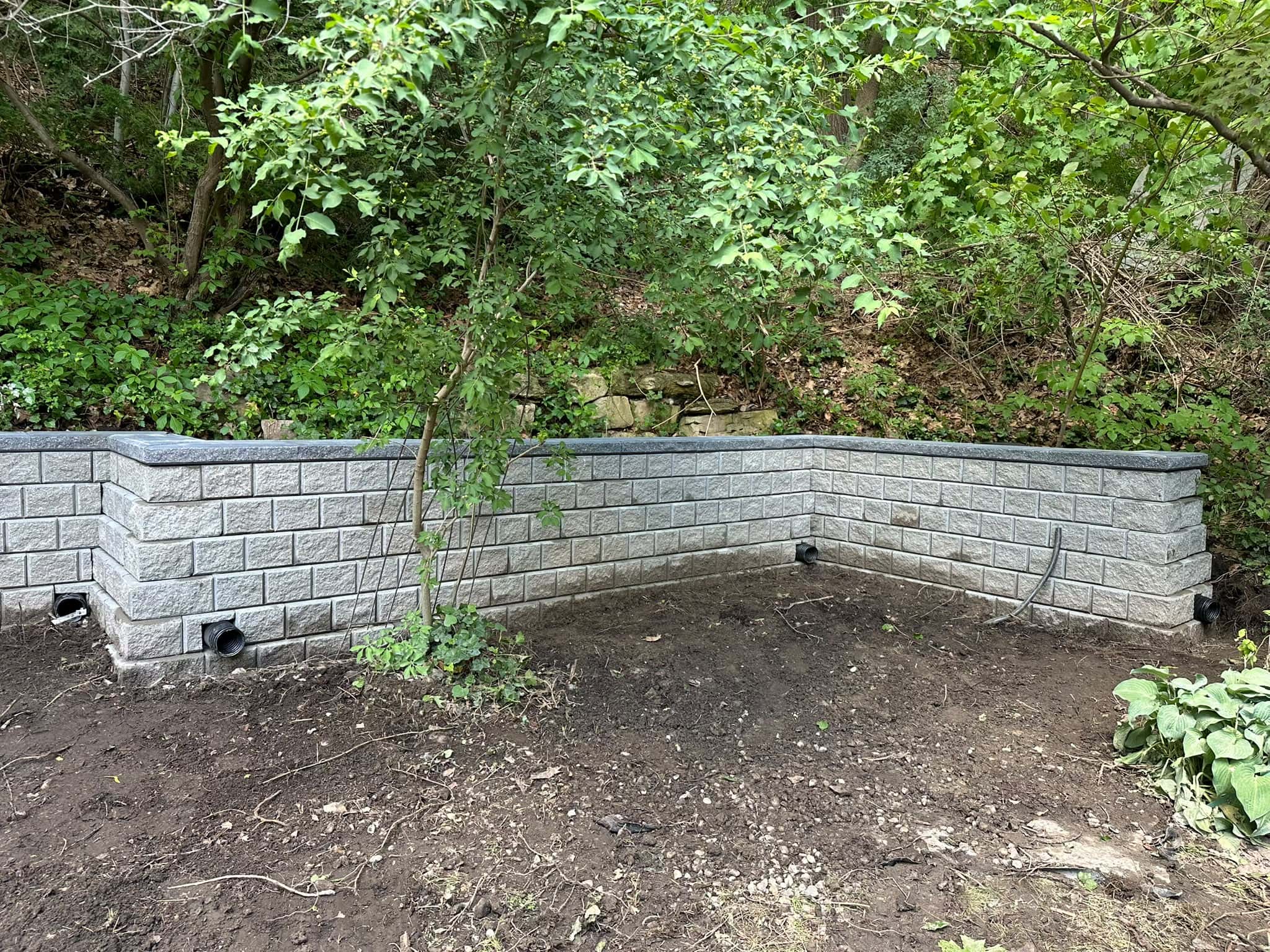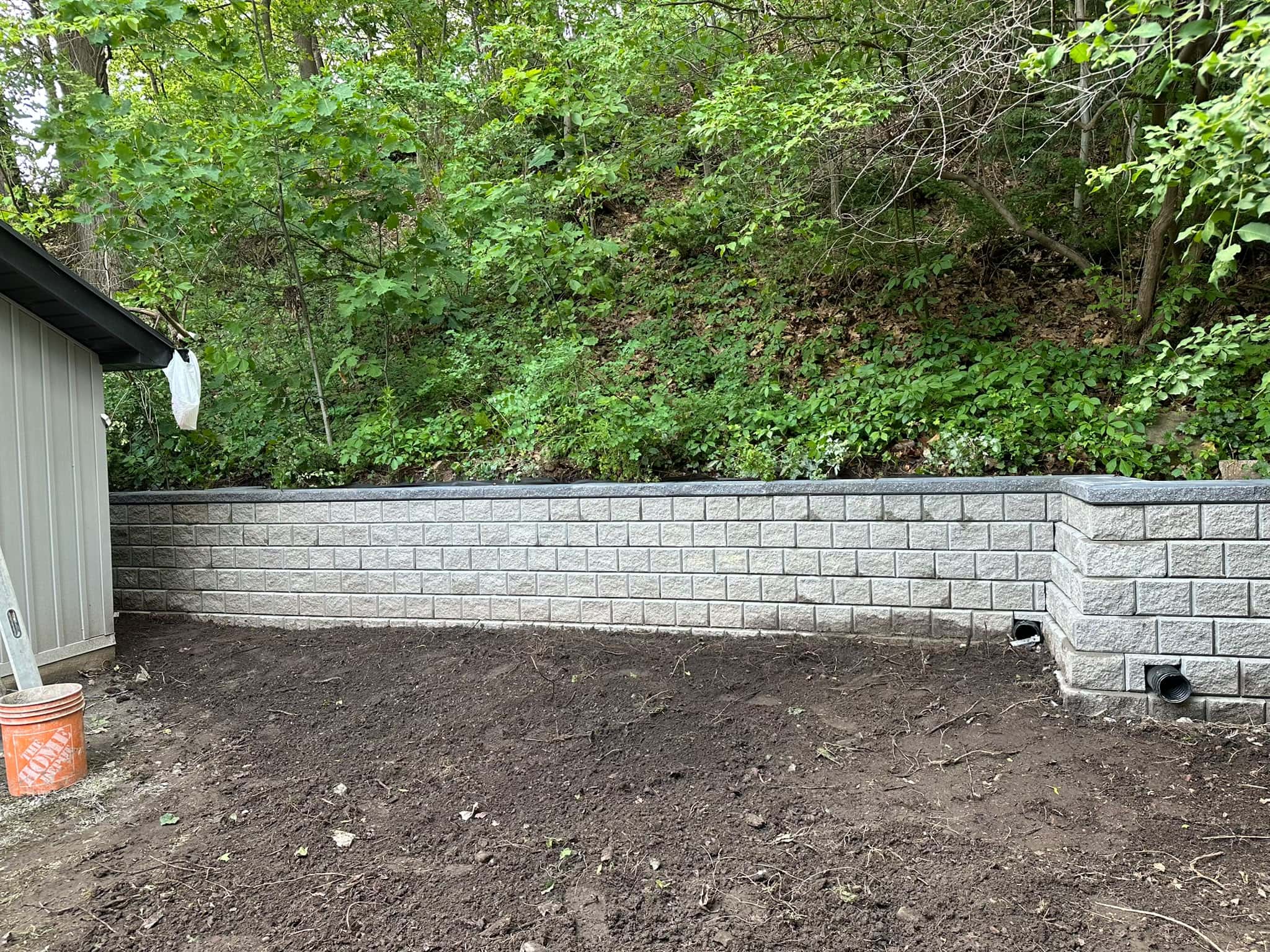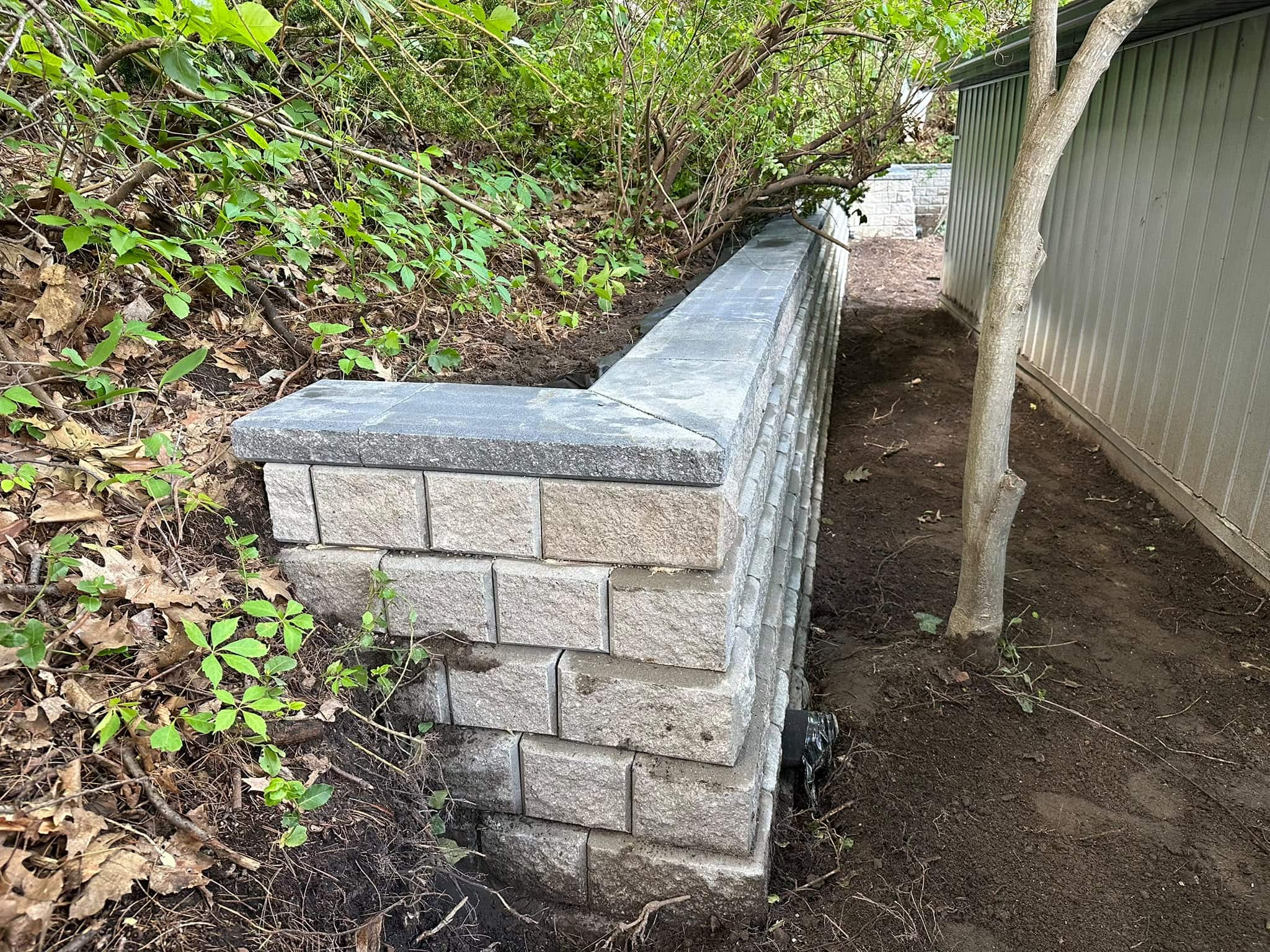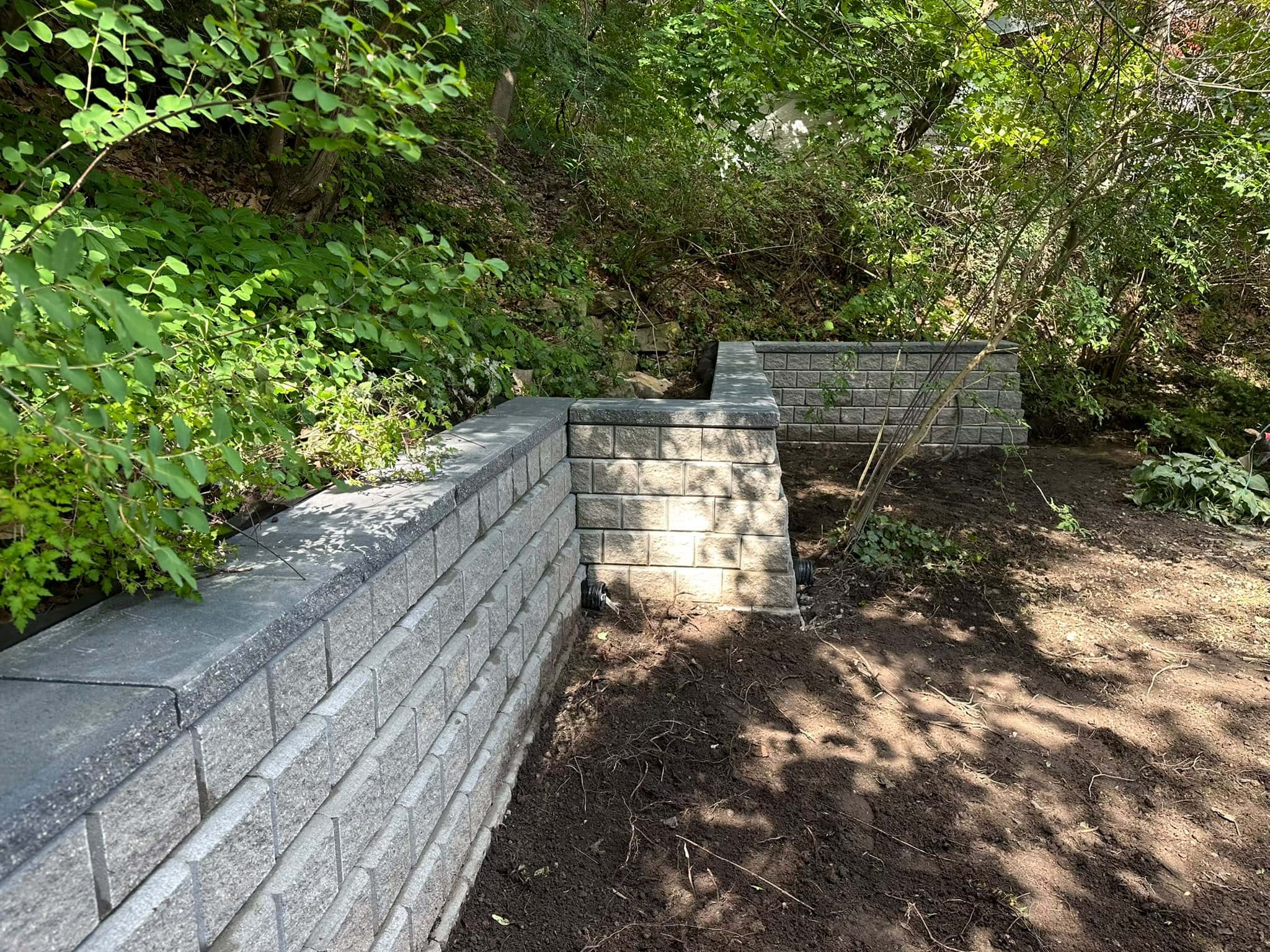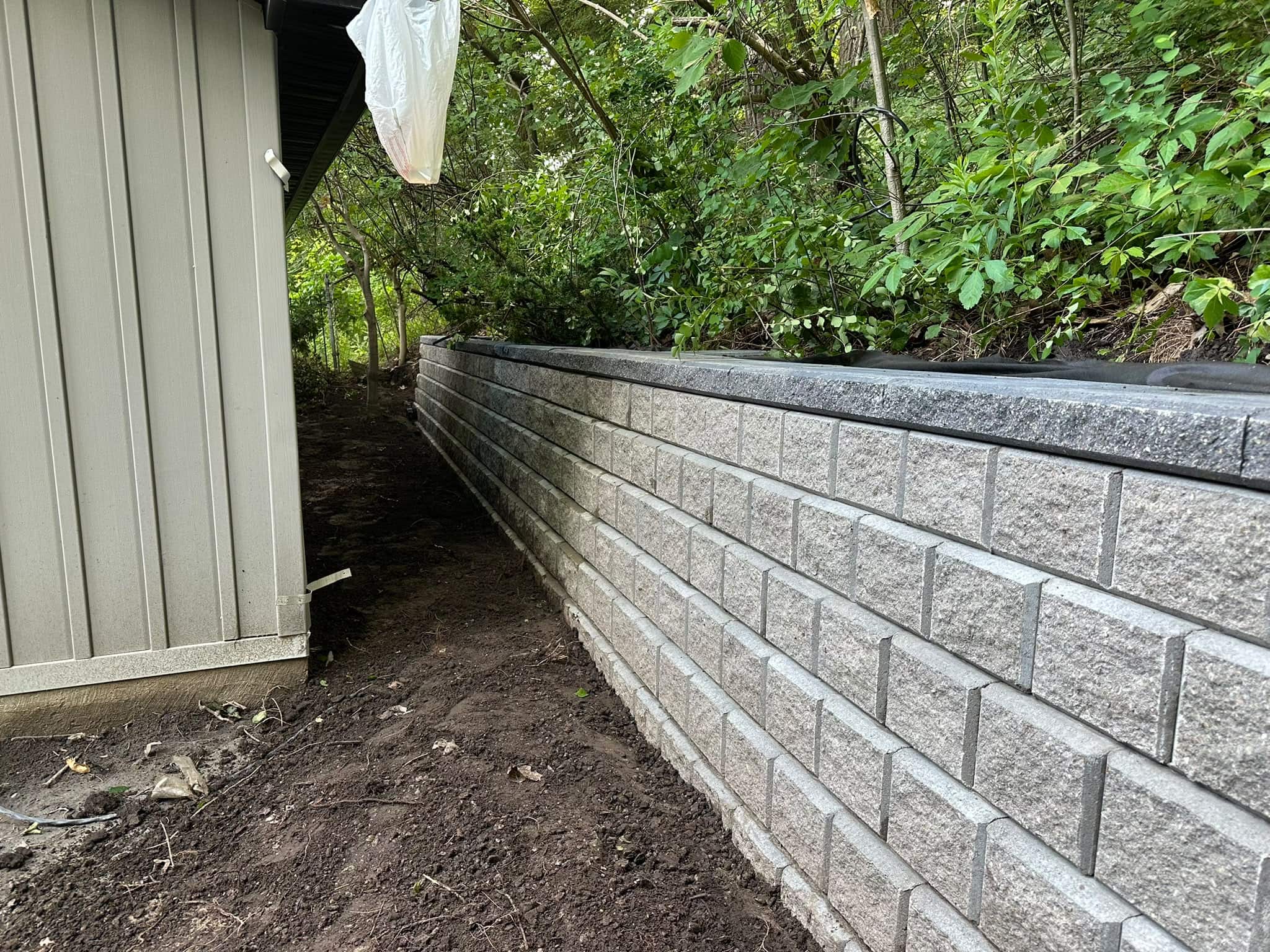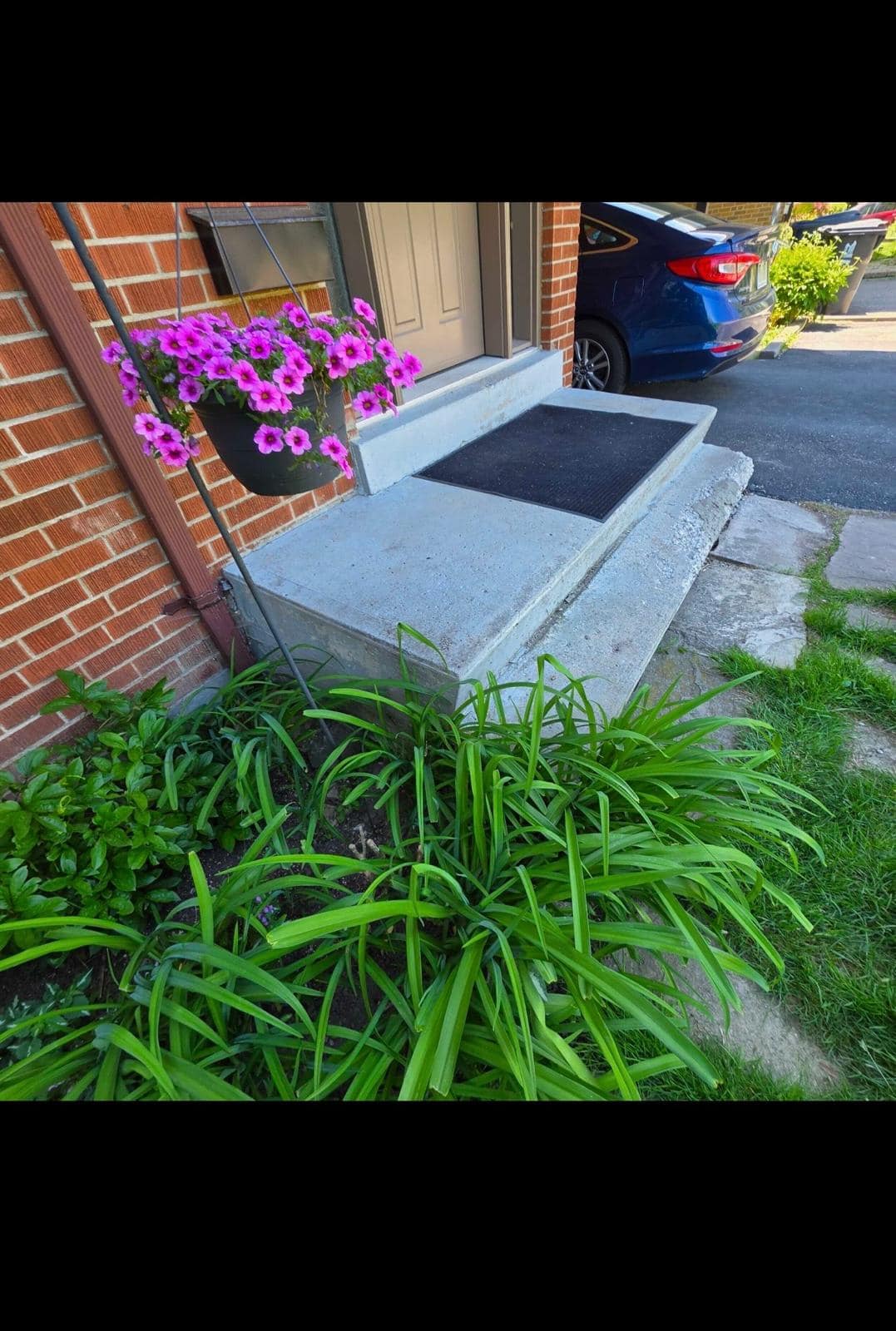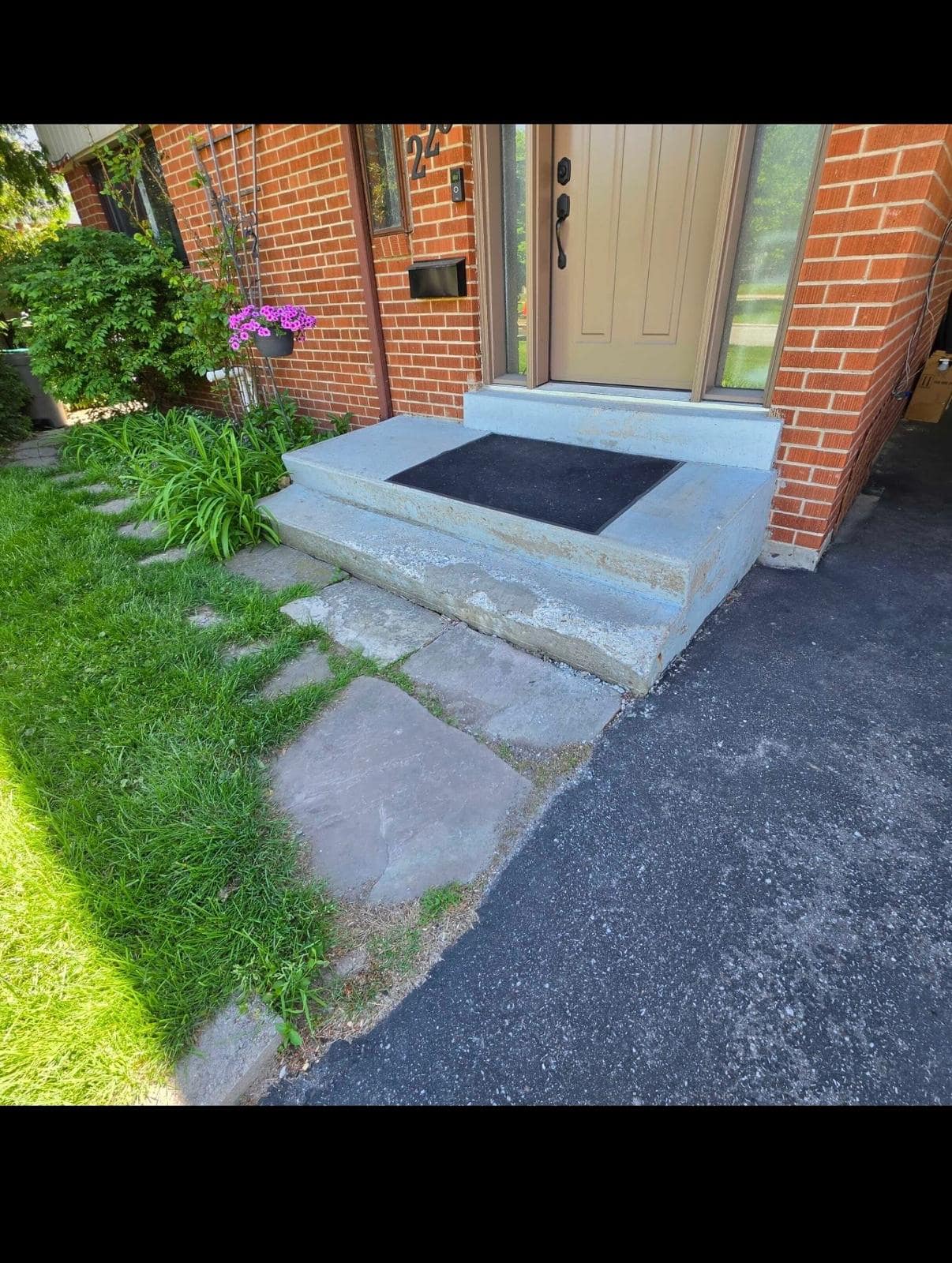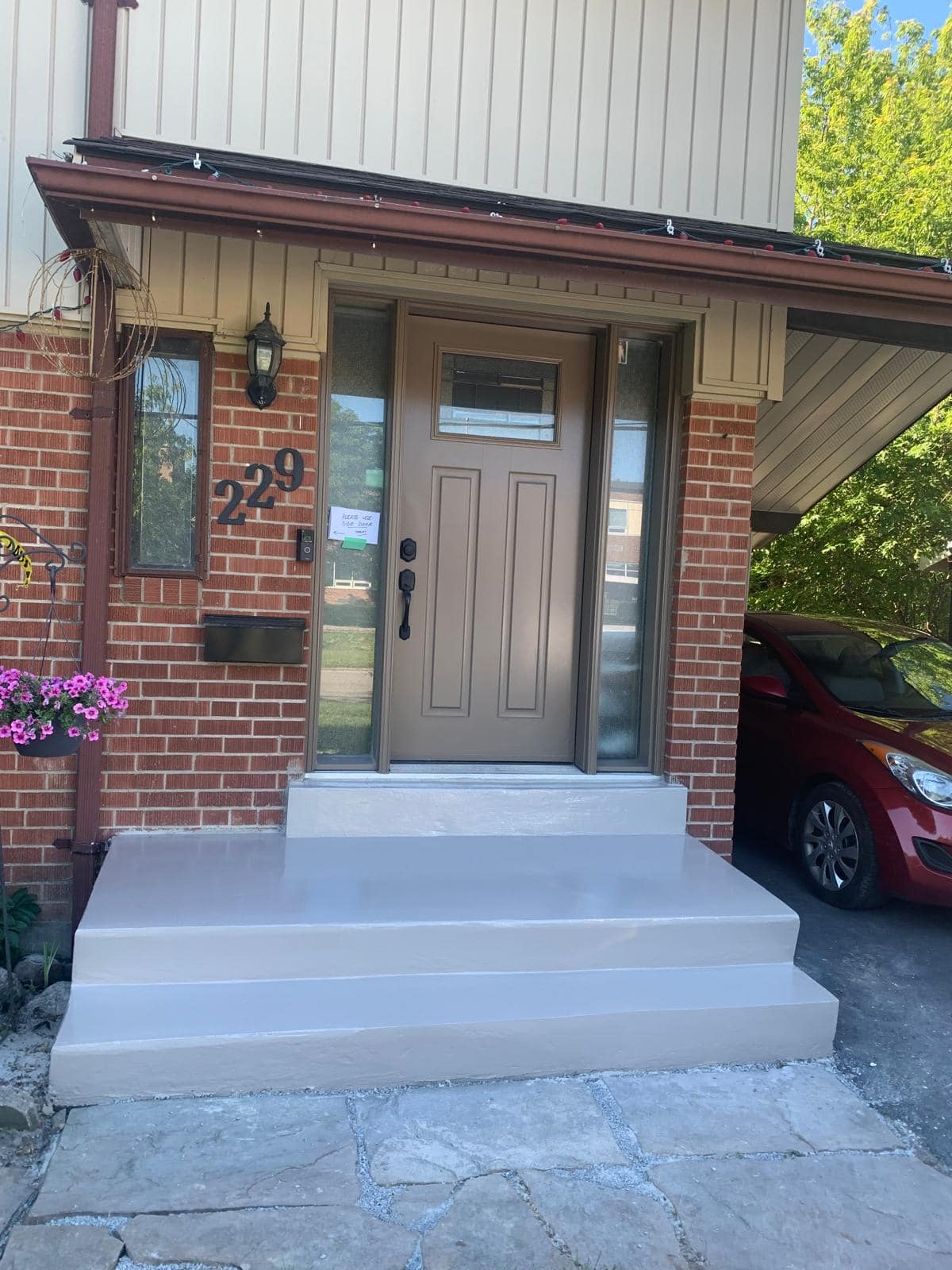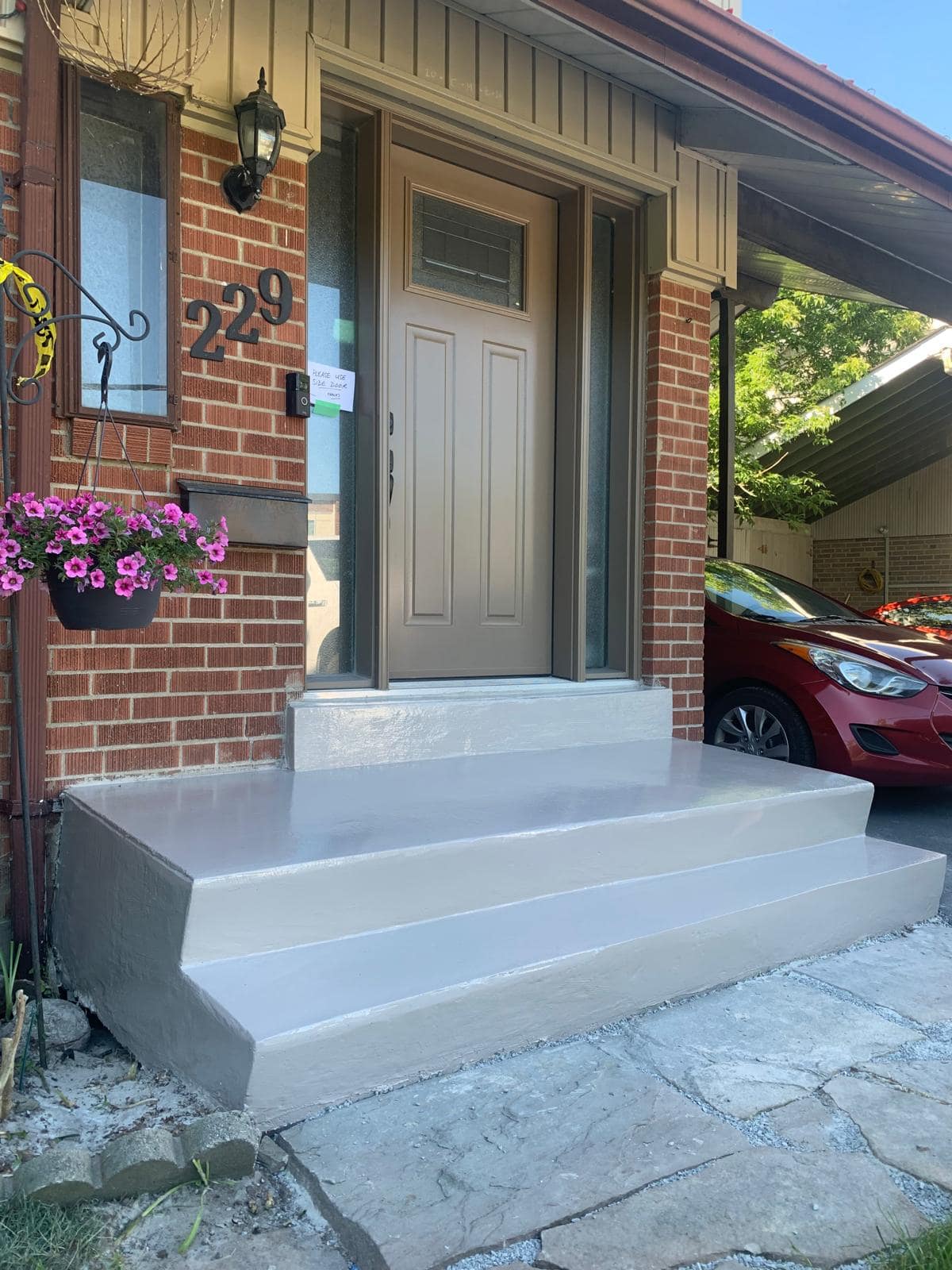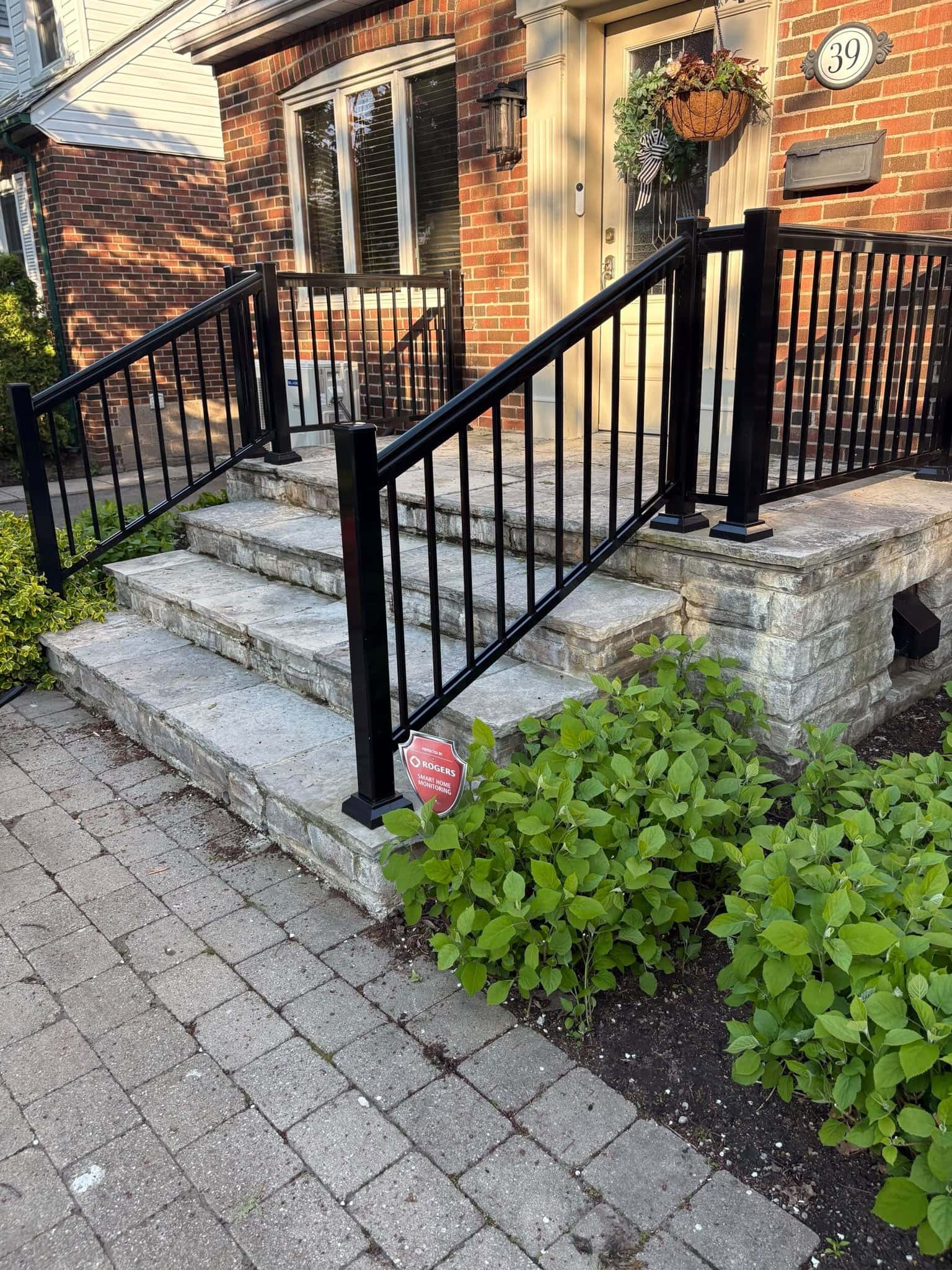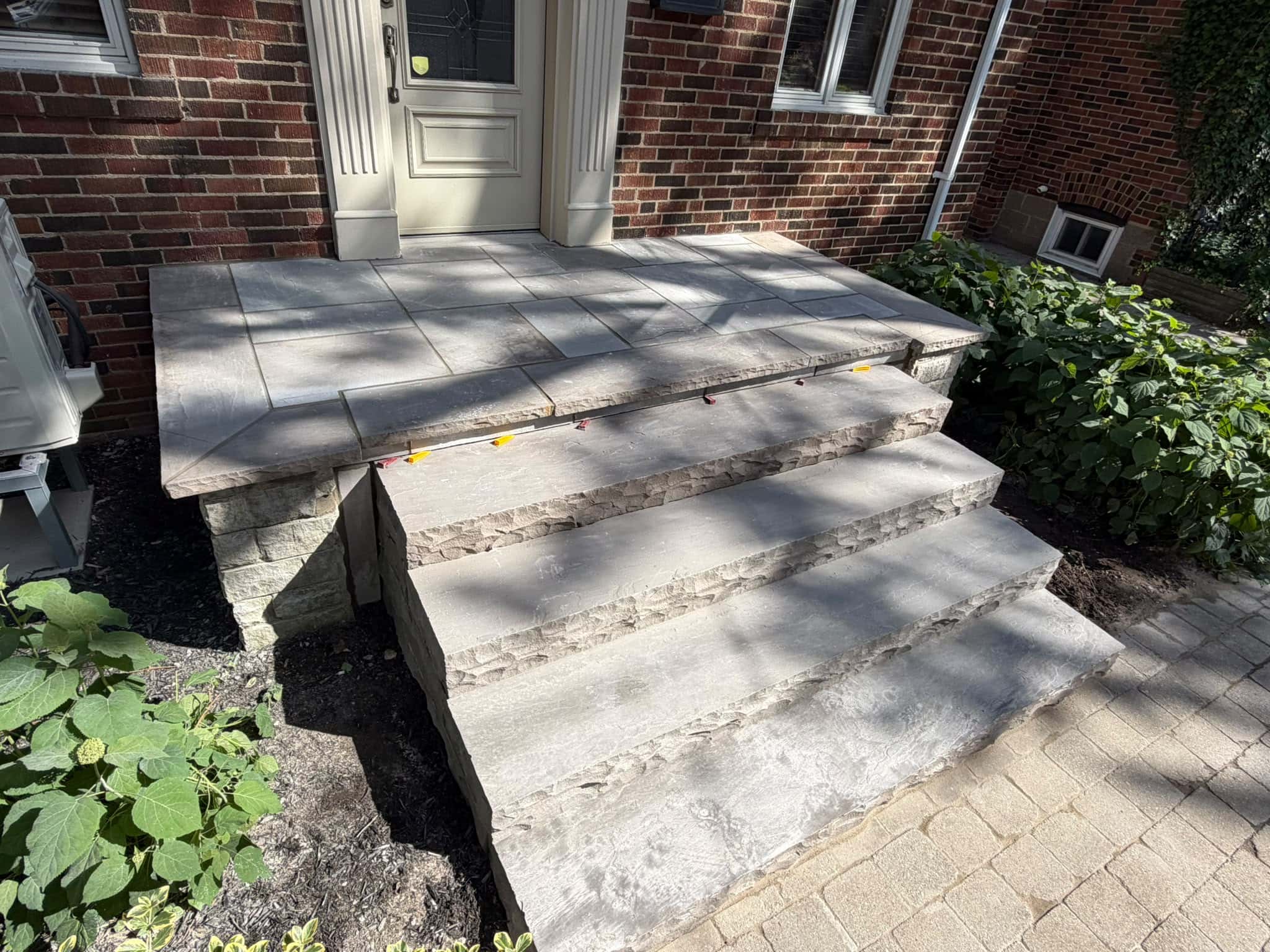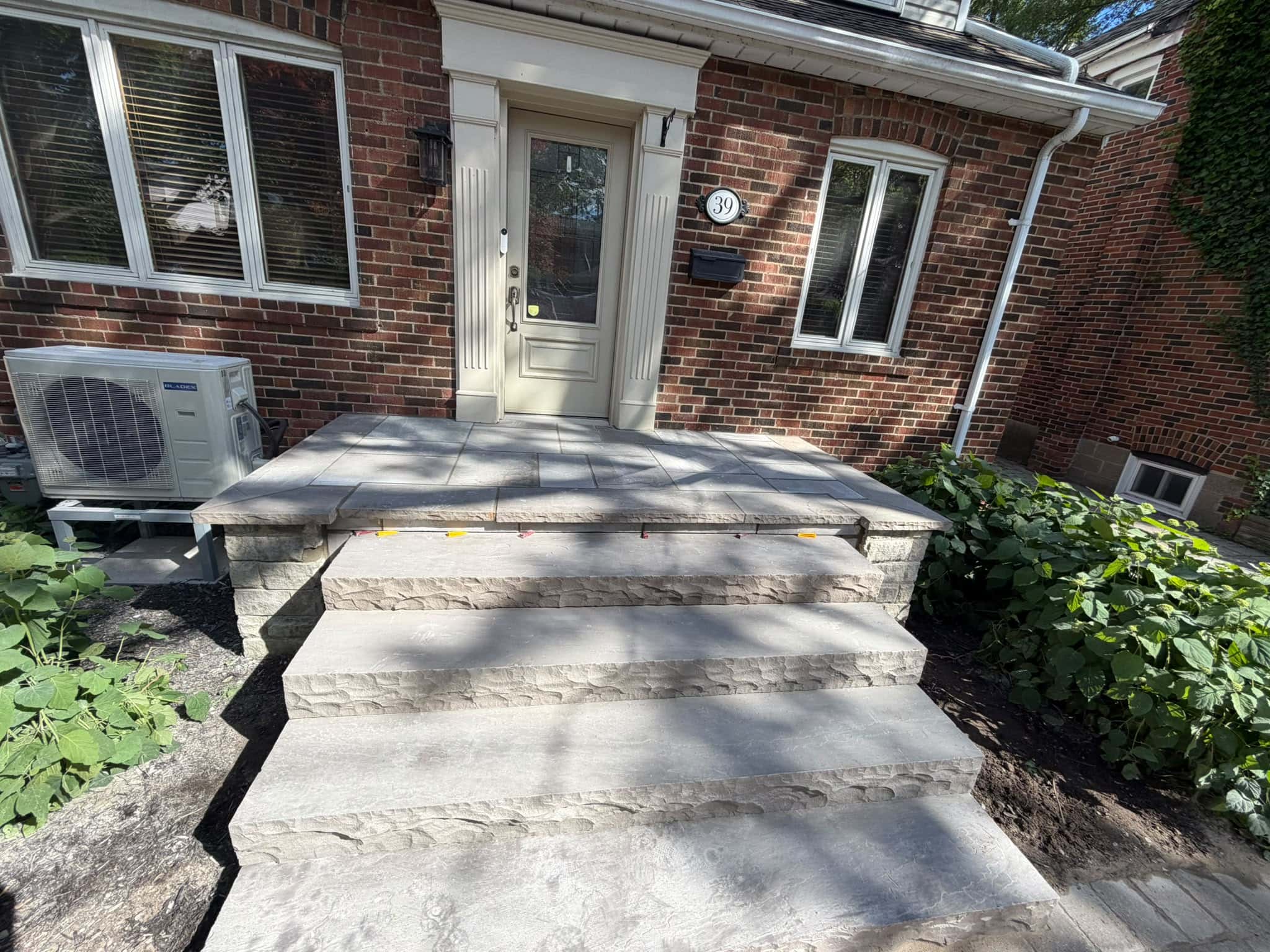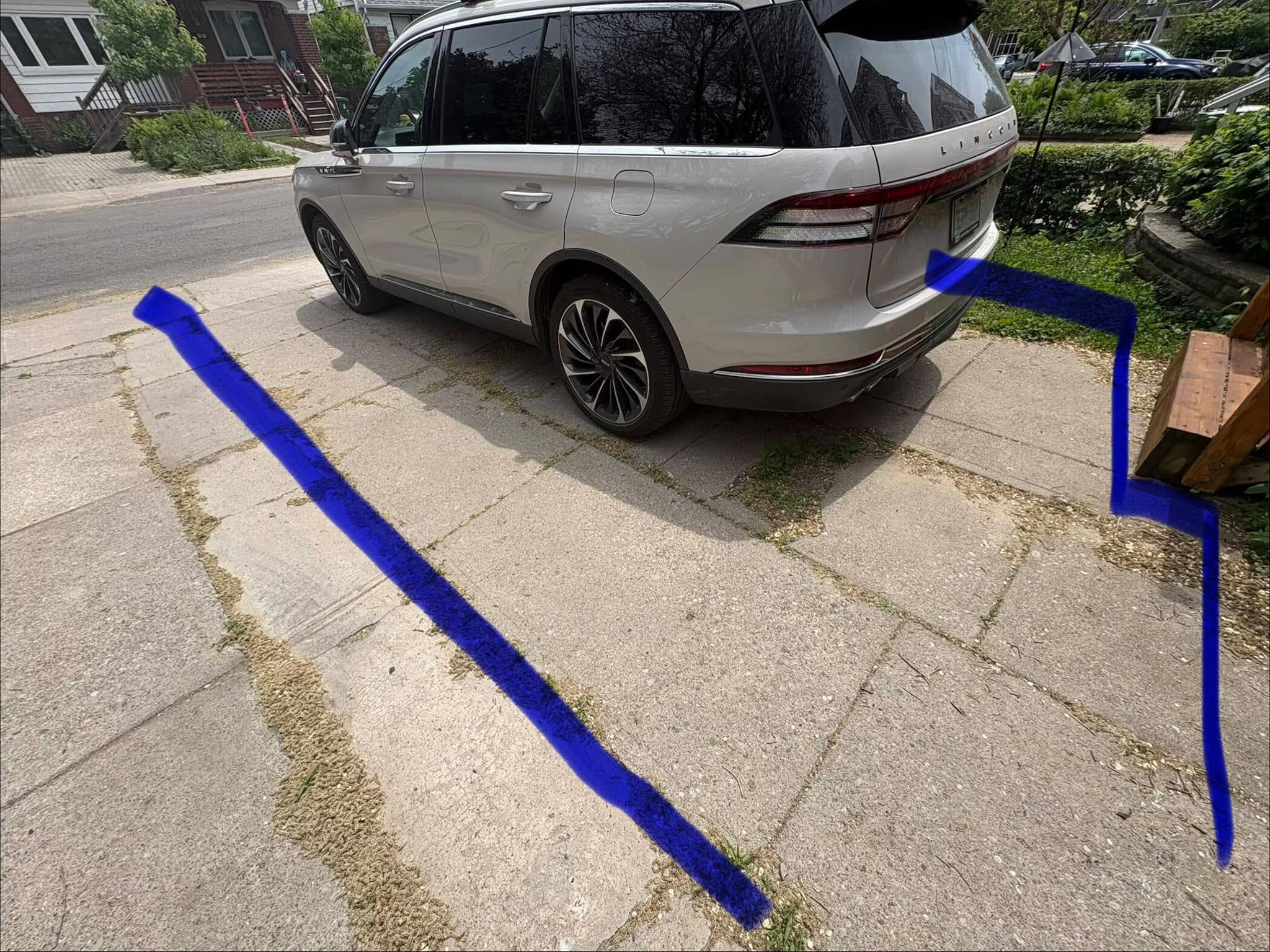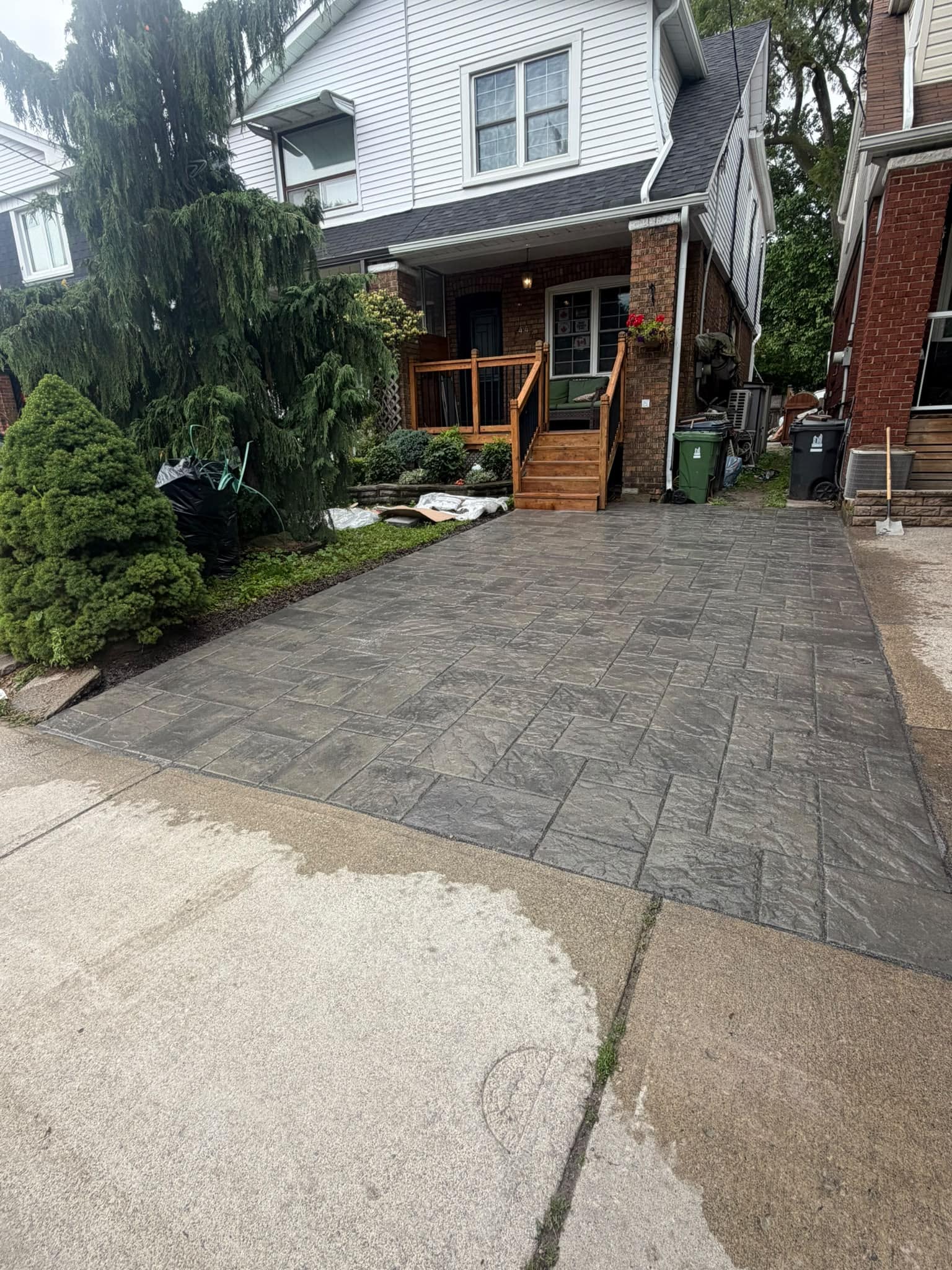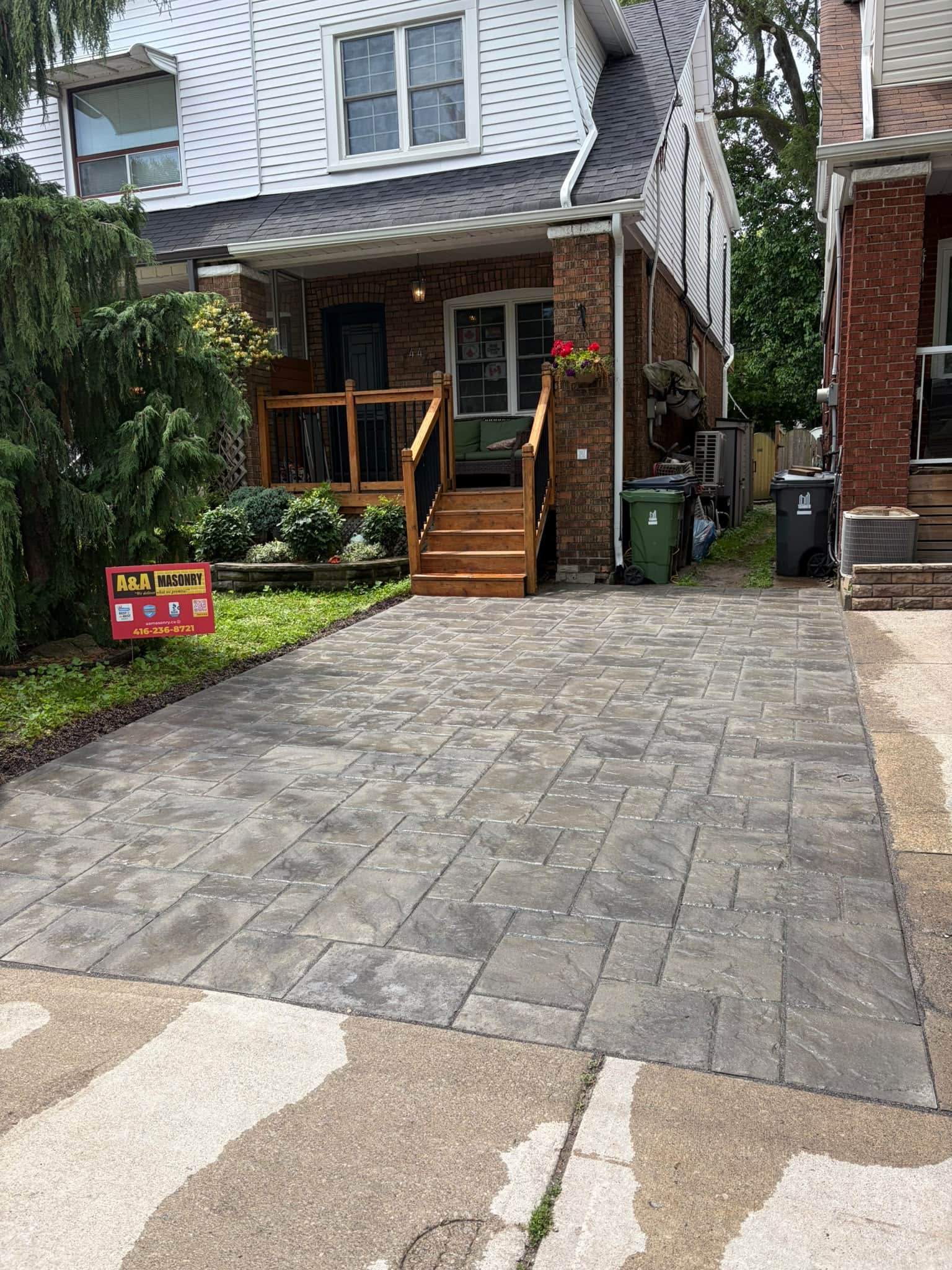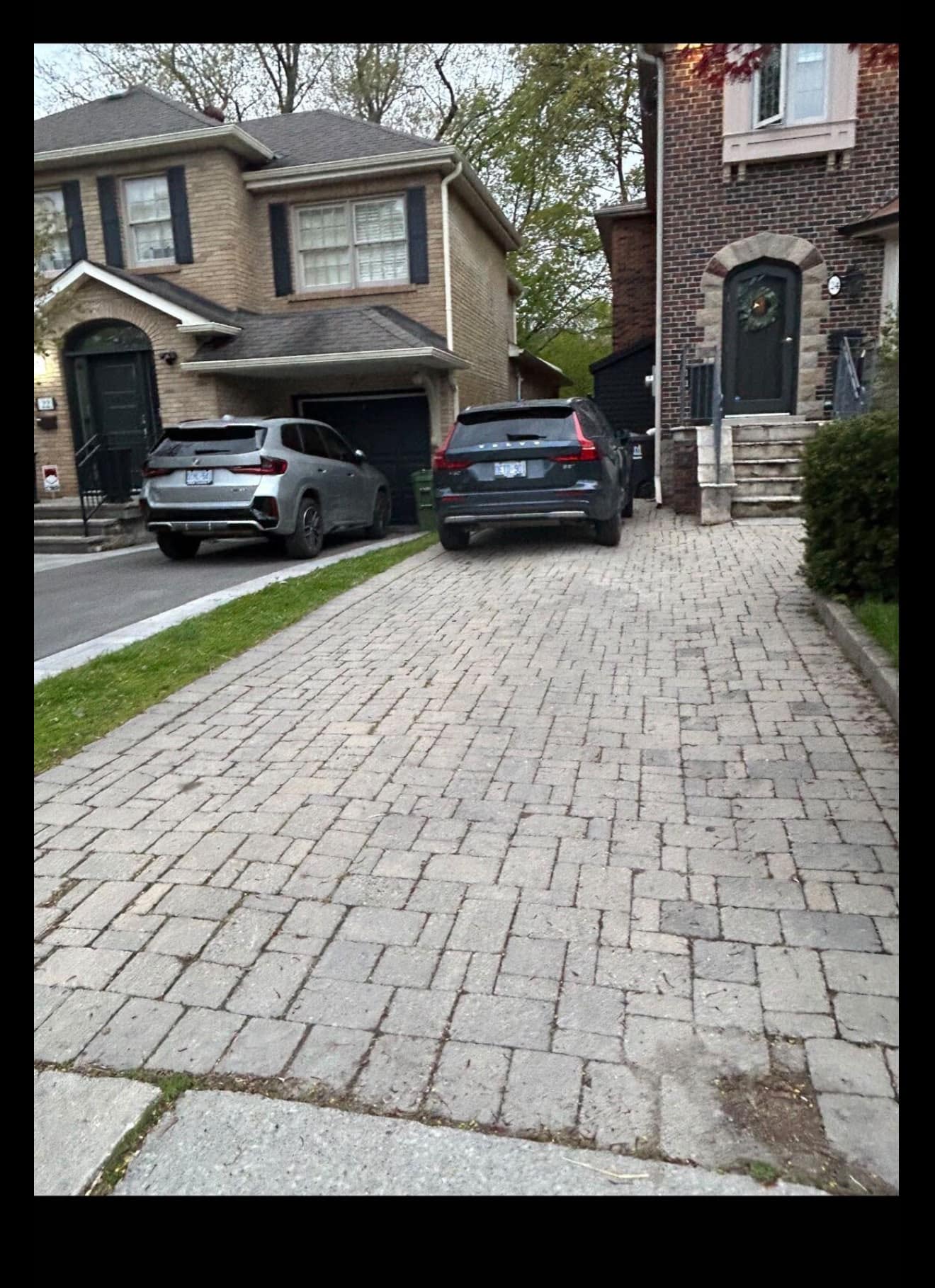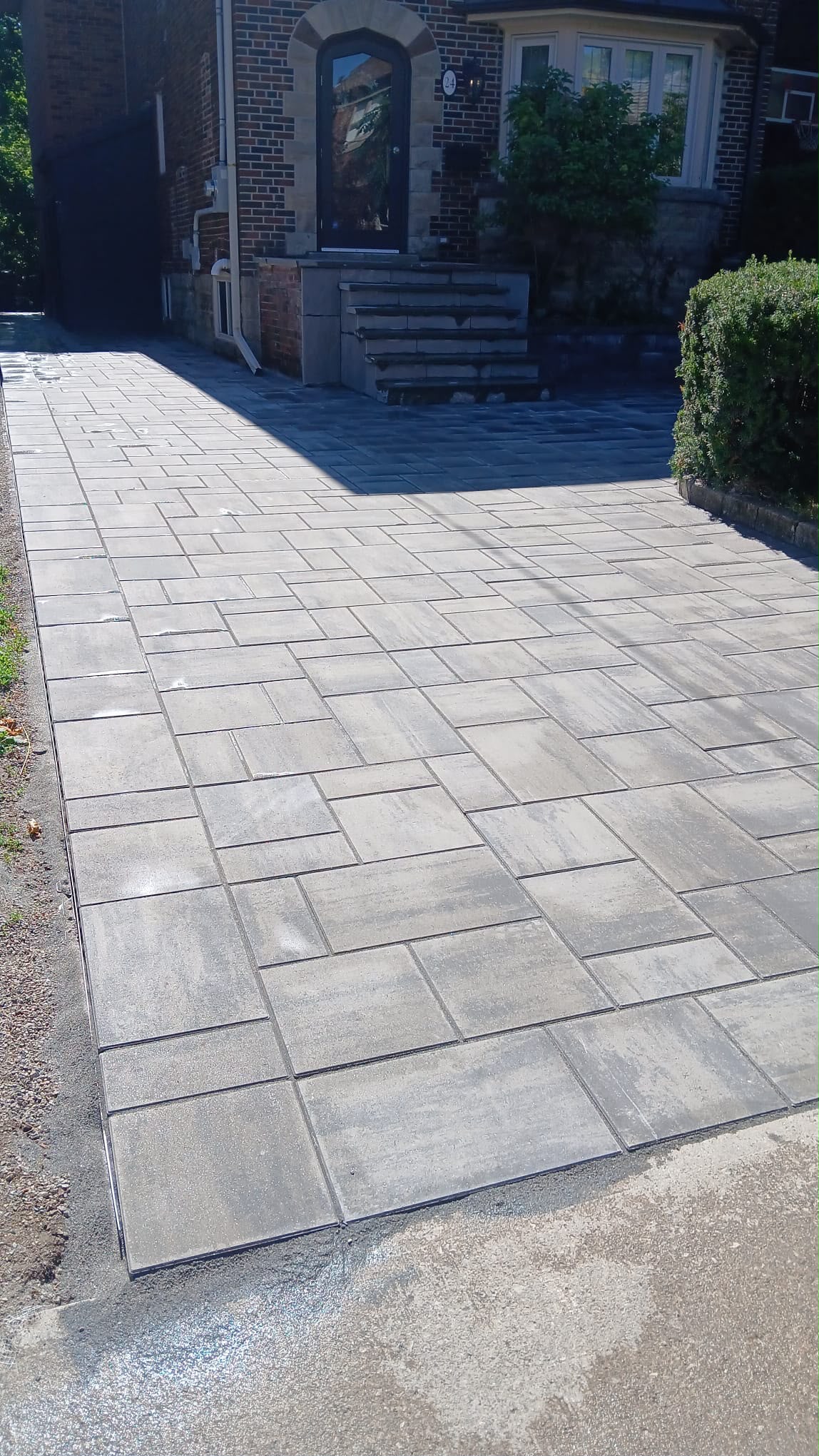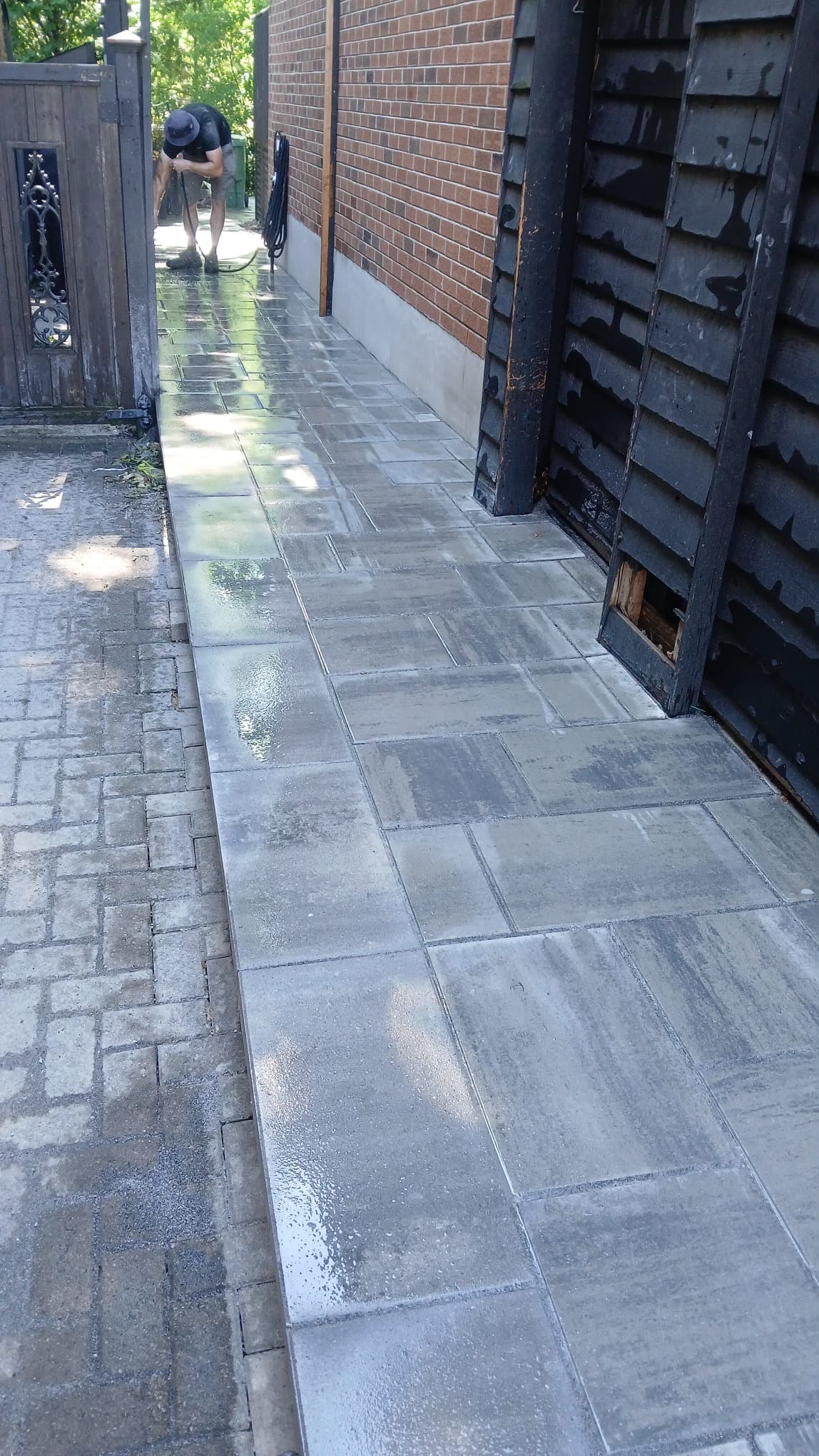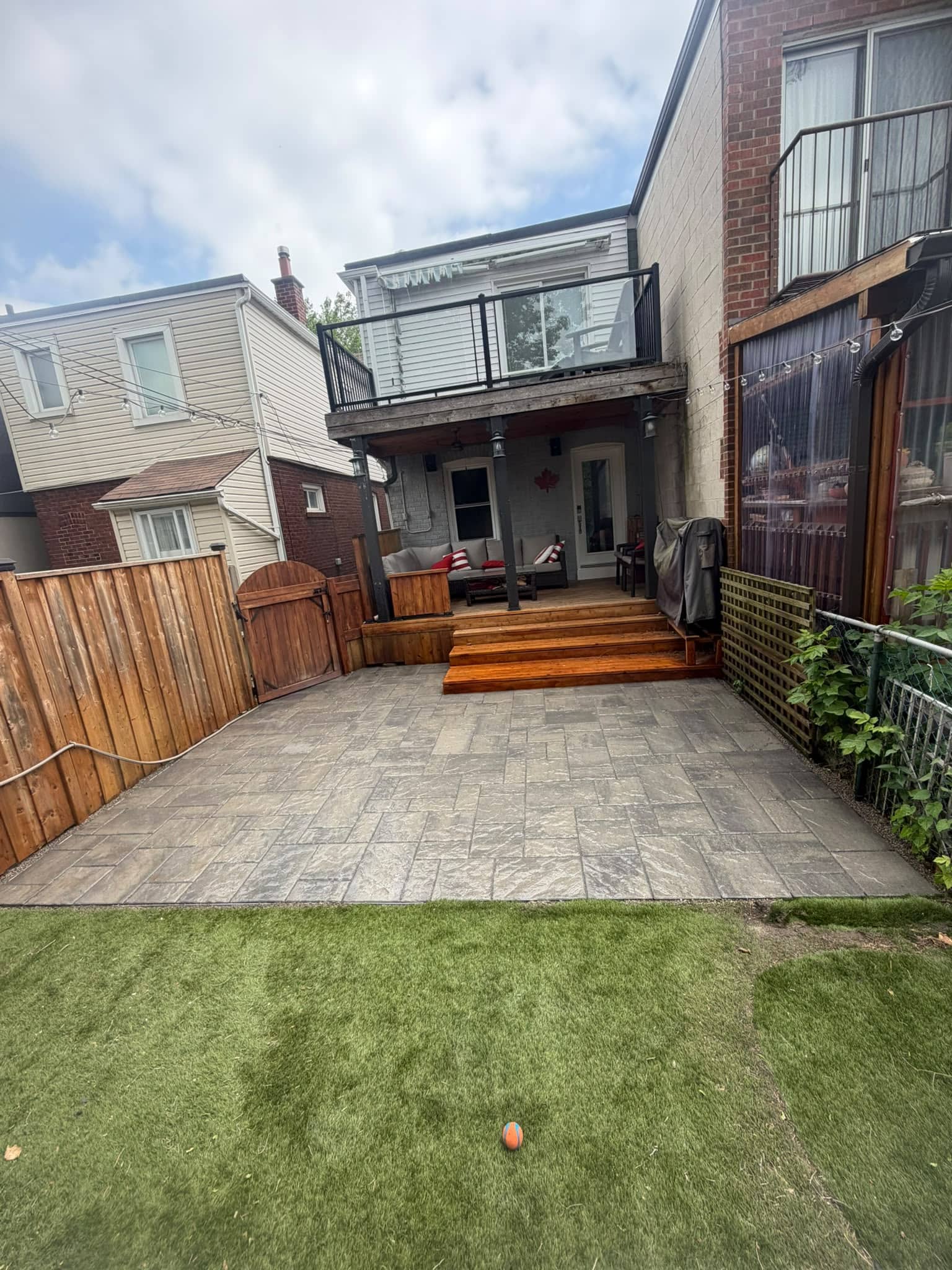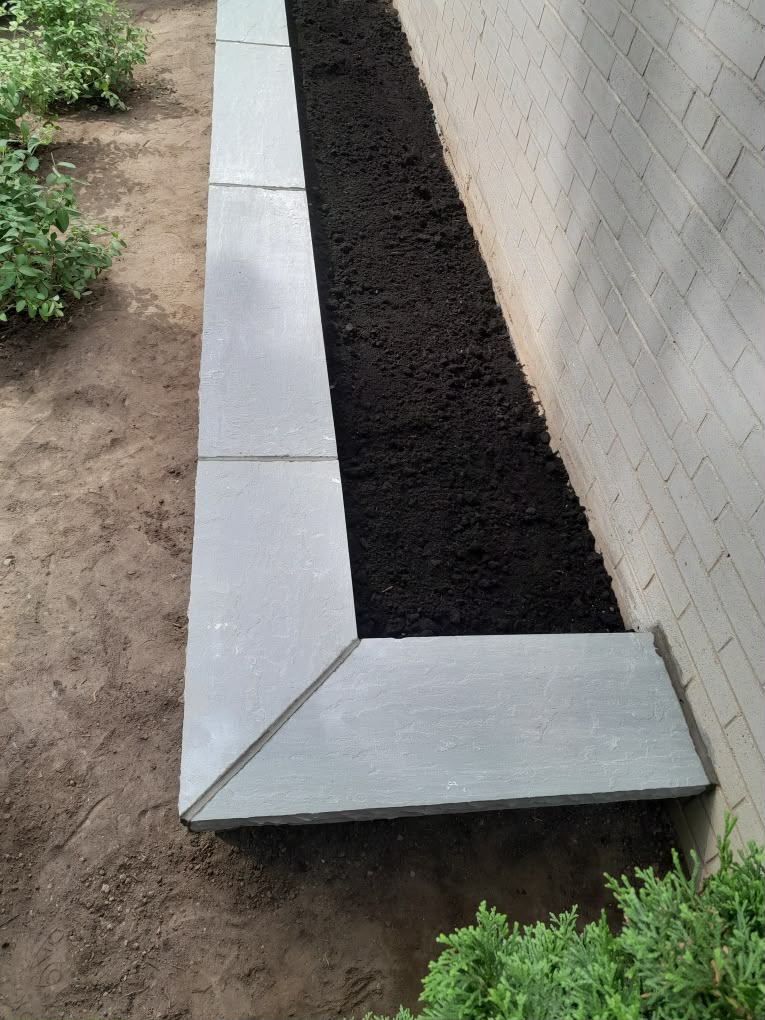

Interlocking borders are one of the smallest details in a hardscape project, but they can have one of the biggest effects on how the finished space looks and holds together. A patio, walkway, driveway, or garden edge can feel much more polished when the border is planned well. It can also feel awkward, unfinished, or overly busy when you treat the border like an afterthought.
That is why interlocking borders deserve more attention than they usually get. A border is not only decorative. It can help define edges, frame a pattern, separate materials, guide movement, and make the entire project feel intentional. In the right design, the border supports both style and function. In the wrong design, it can compete with the main field of pavers or make the layout feel cluttered.
For Toronto and GTA homeowners, border design also needs to make sense in real outdoor conditions. Interlocking surfaces deal with rain, snow, freeze-thaw cycles, runoff, foot traffic, and settling over time. In this guide, you will learn what interlocking borders do, which border styles tend to work best, how to match them to the surrounding hardscape, what design mistakes to avoid, and how to think about borders in a way that improves both appearance and performance.
If your border is part of a larger patio, walkway, driveway or entrance project, A&A Masonry’s interlocking installation and repair services cover new layouts, repairs, re-levelling, drainage, edge stability and other hardscape improvements for Toronto homes.
What an Interlocking Border Actually Does
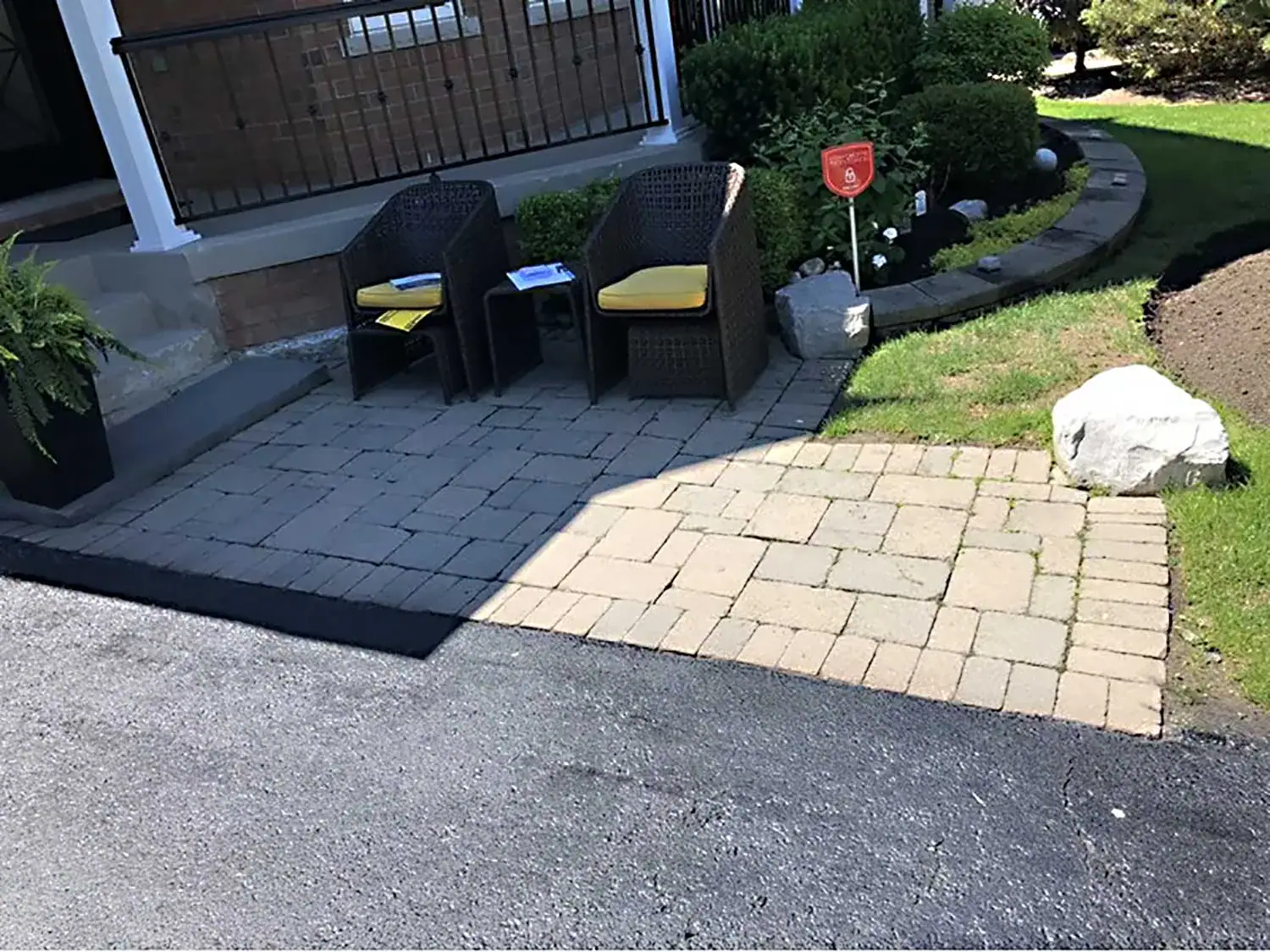
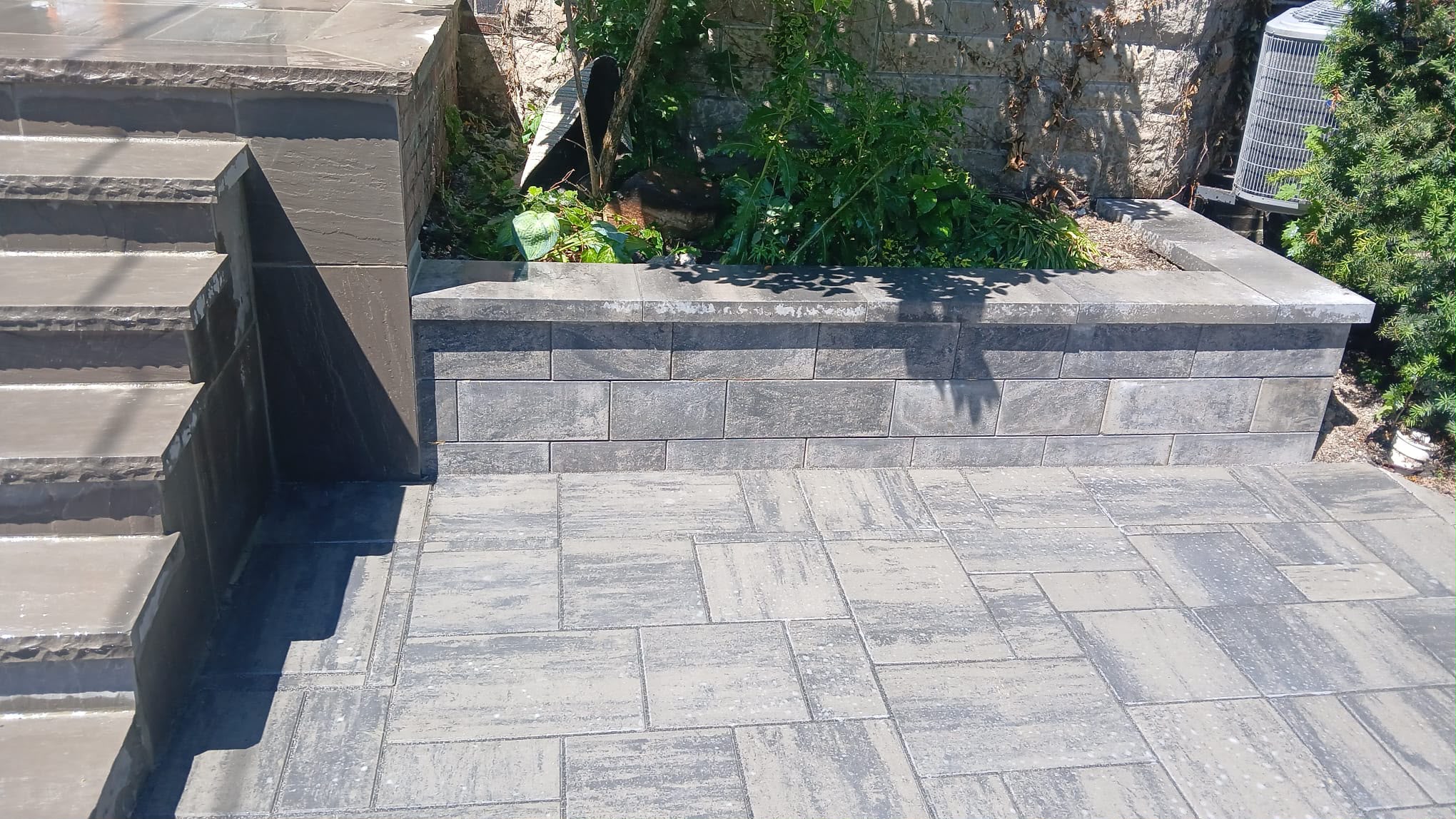
An interlocking border is the outer or separating band of pavers that frames part of the hardscape layout. It can run along the edge of a patio, walkway, driveway, or step. It can also divide one paver field from another or help define the transition between a hardscape surface and the surrounding landscape.
In simple terms, a border usually does three things:
- adds visual definition to the hardscape
- helps organize the pattern and layout
- creates a clearer transition between different outdoor zones
That is why borders matter so much in interlocking design. Without them, some projects can still look good, but with the right border, the layout often feels more finished and more professionally planned.
A visible paver border should not be confused with structural edge restraint. The border is part of the finished design, while proper edge restraint and base preparation help keep the interlocking field from spreading or shifting over time.
Why Borders Matter More Than Homeowners Expect
Many homeowners focus first on the main paver colour and pattern, which makes sense because that is the largest visual area. But the border is often what gives the project its definition. It can sharpen the lines of the space, make the pattern easier to read, and help the hardscape feel connected to the house or the yard.
A border can also help balance the scale of a project. On a large patio, it can stop the paver field from looking too flat or too repetitive. On a walkway, it can make the path feel more structured. On a driveway, it can add a cleaner finished edge without overpowering the main paving layout.
This is also why border design should not be chosen in isolation. The right border depends on the size of the space, the colour contrast, the home’s style, and how the hardscape connects to steps, garden beds, retaining walls, or the front entrance.
Common Border Styles Homeowners Will See
Not every border has to look dramatic. In many of the best interlocking projects, the border works because it supports the overall design rather than trying to become the main feature.
Common border approaches include:
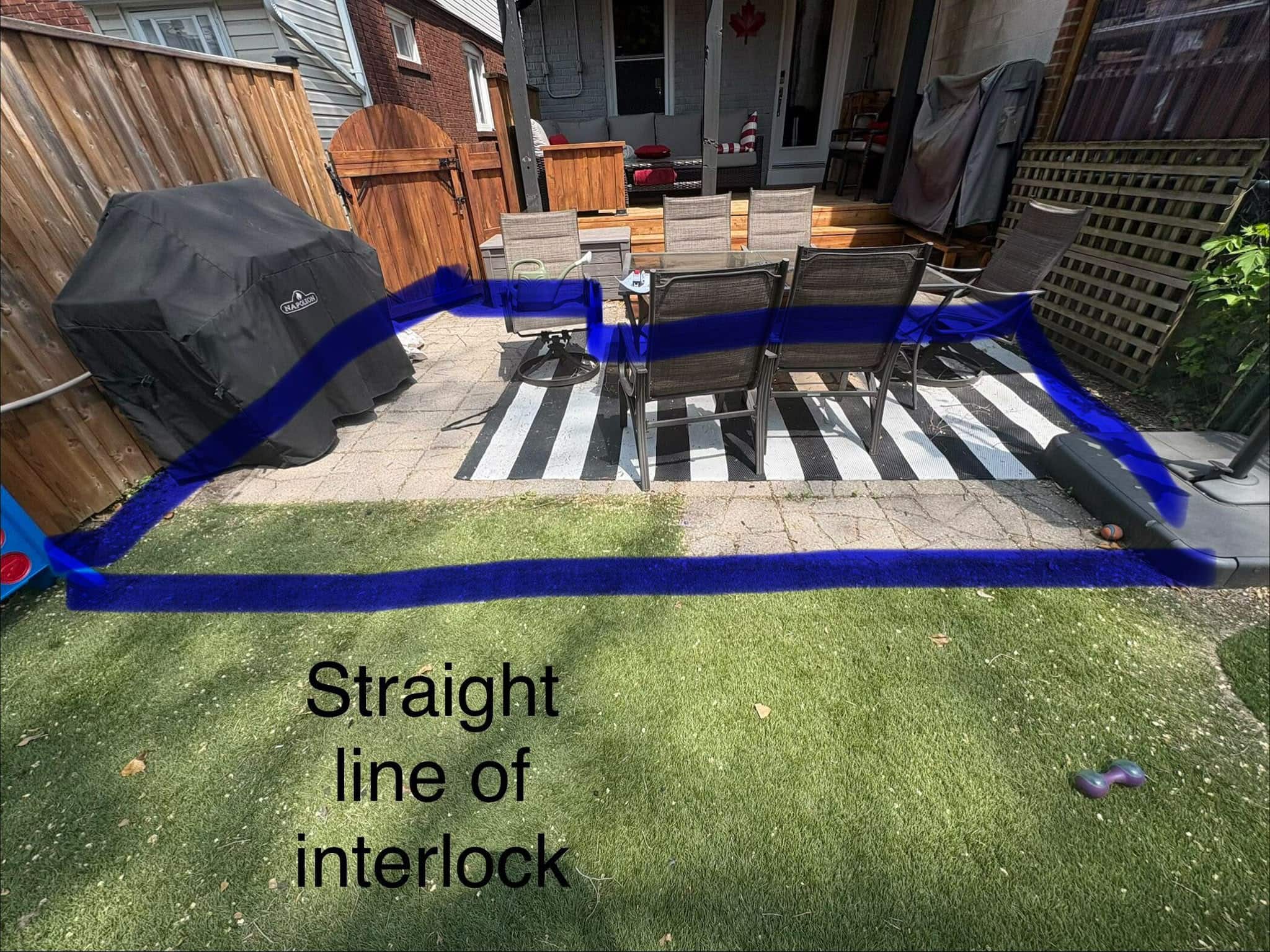
- Single soldier course: a simple row of pavers laid in a straight, linear orientation around the edge
- Double border: two rows used for more visual weight or a more formal finish
- Contrasting colour border: a darker or lighter edge that frames the main field clearly
- Blended border: a subtle border using related tones rather than strong contrast
- Accent band border: a narrow visual break between the field and the edge or between two paving zones
The best choice depends less on trend and more on context. A subtle border often works better than a strong contrast when the house already has a lot of visual detail. A stronger edge can work well when the main paver field is simple, and the space needs more definition.
Best Places to Use Interlocking Borders
Borders can be used almost anywhere in hardscaping, but they are most effective when they define the shape or improve transitions within the space.
Interlocking borders often work especially well on:
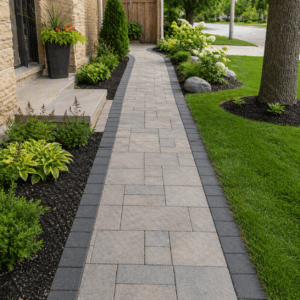
- front walkways
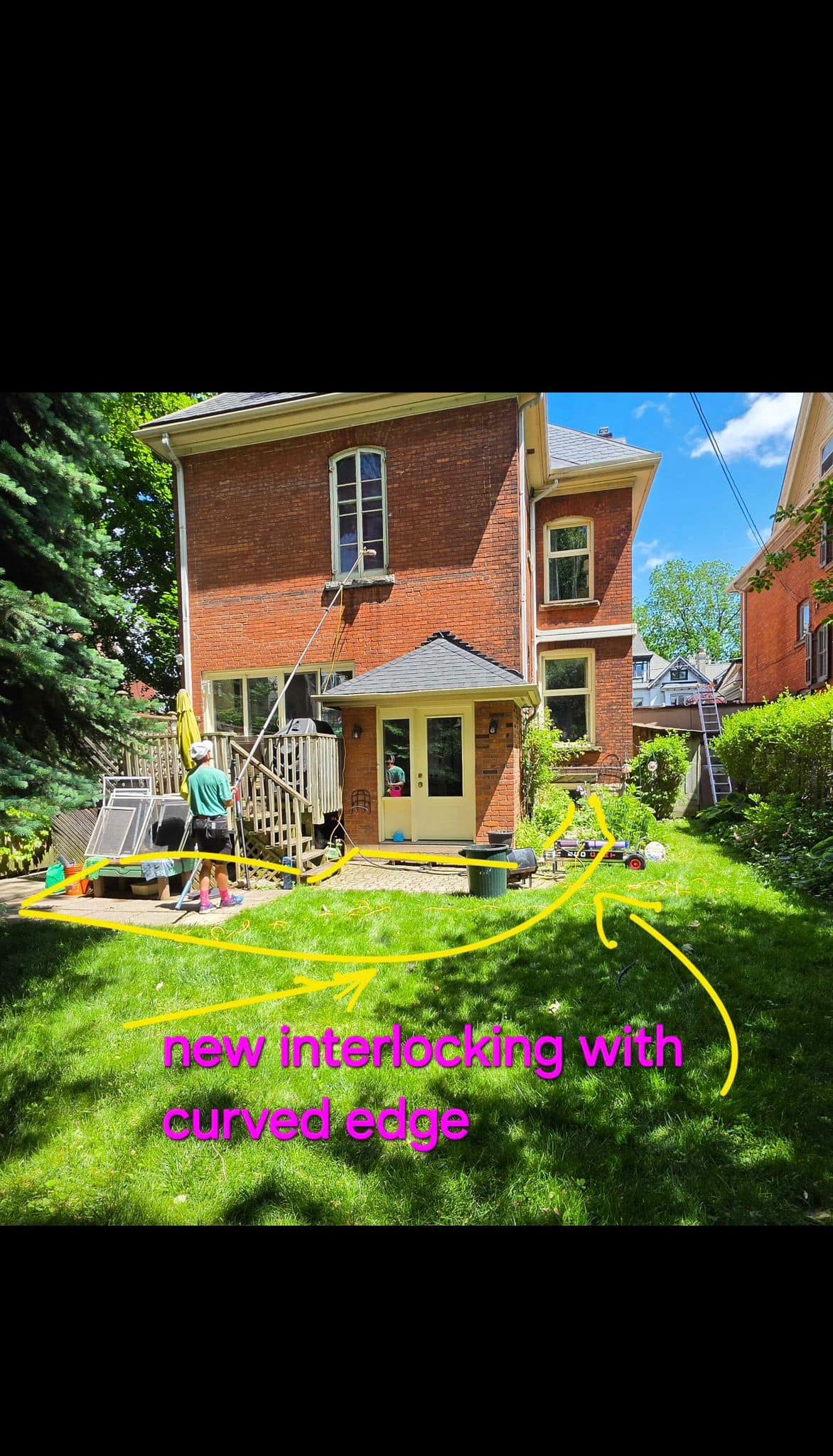
- patios
- driveways
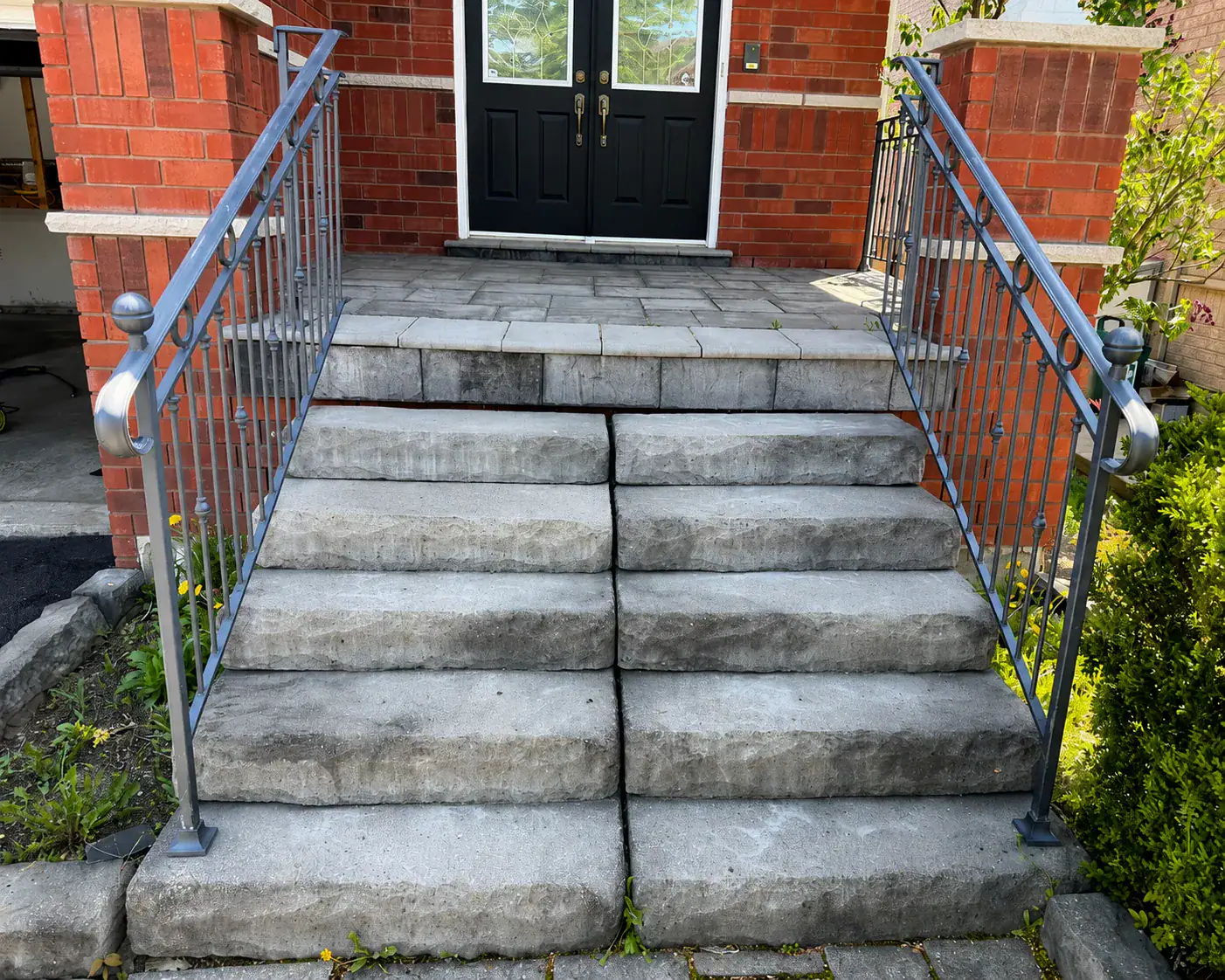
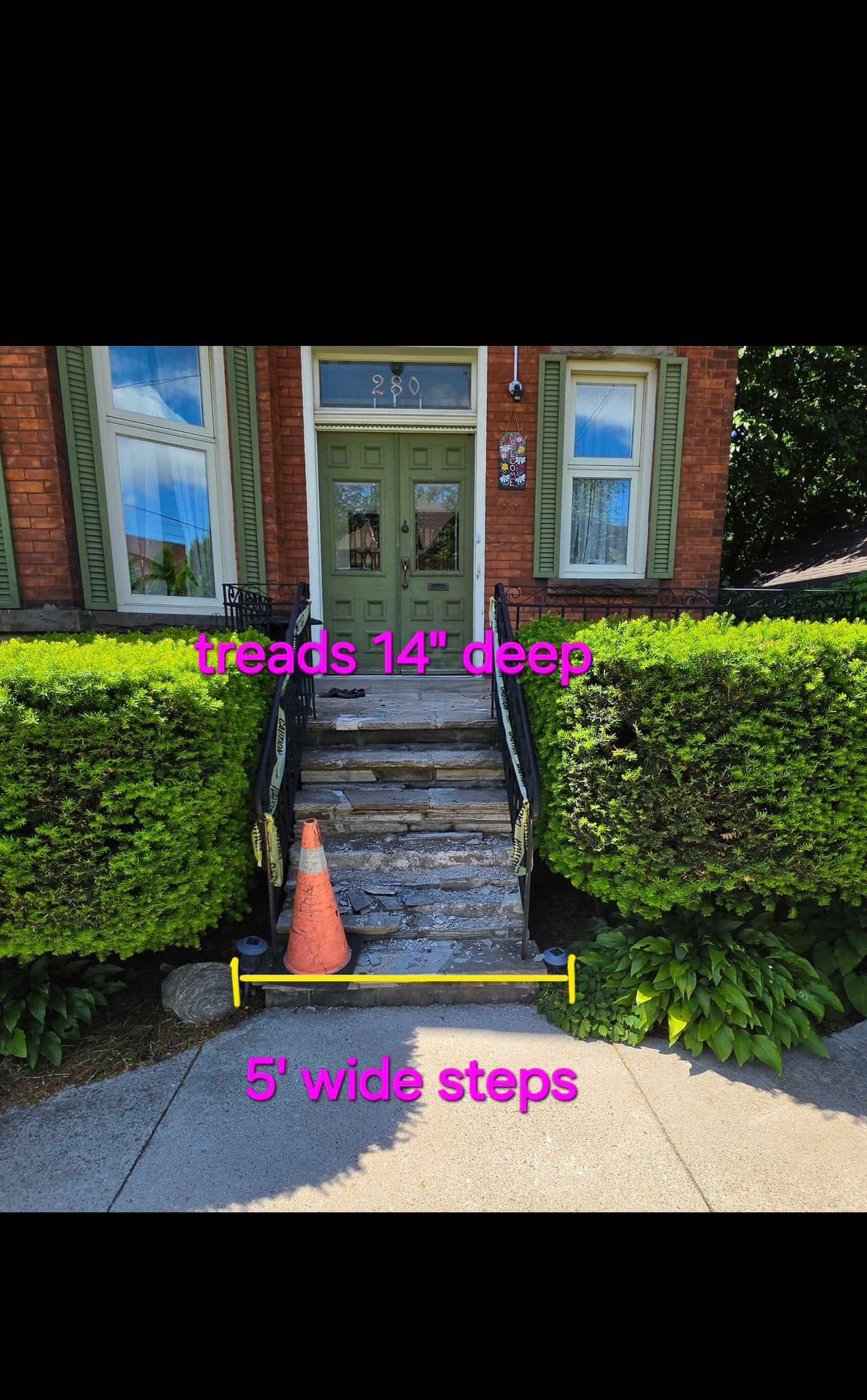
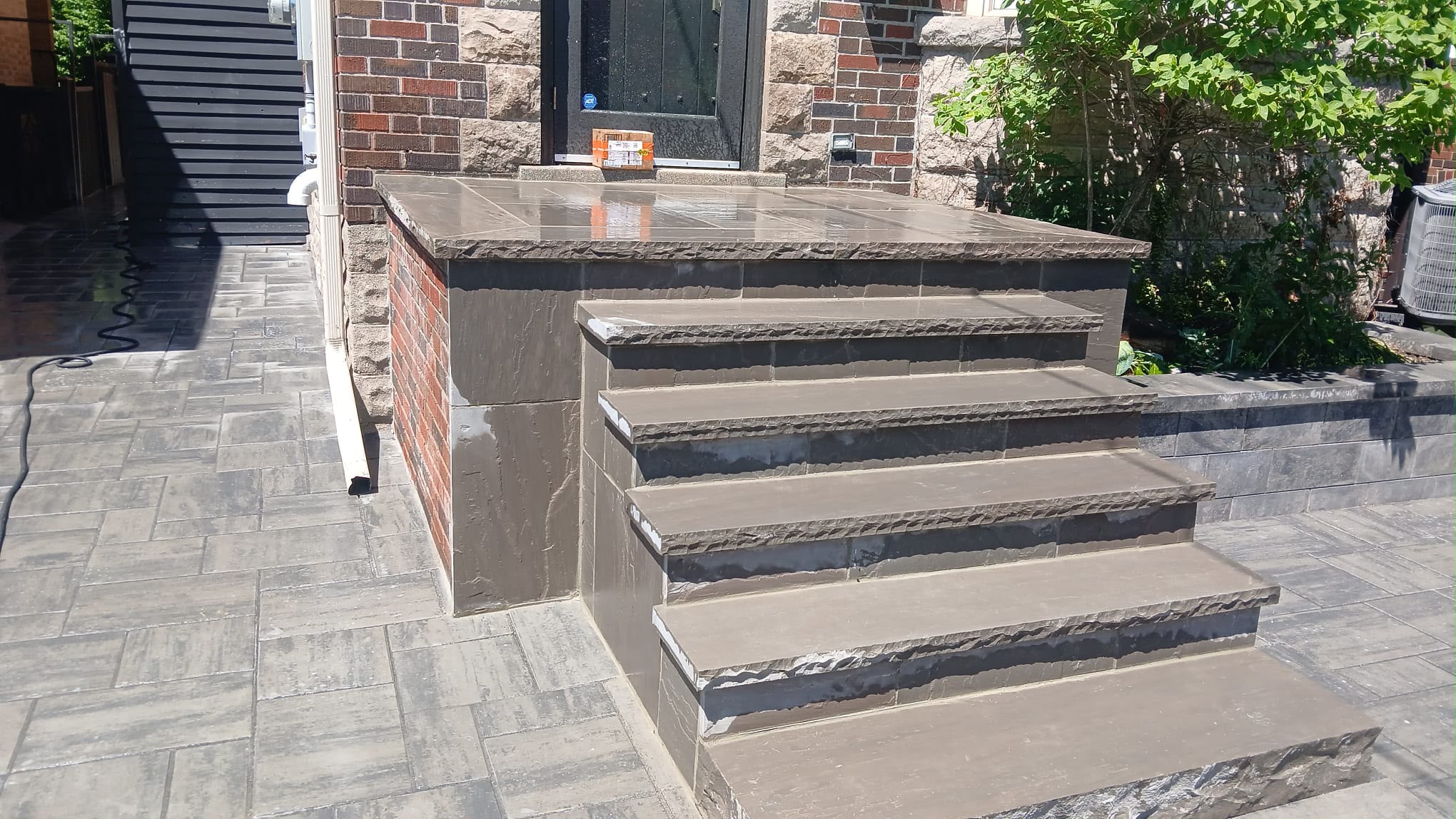
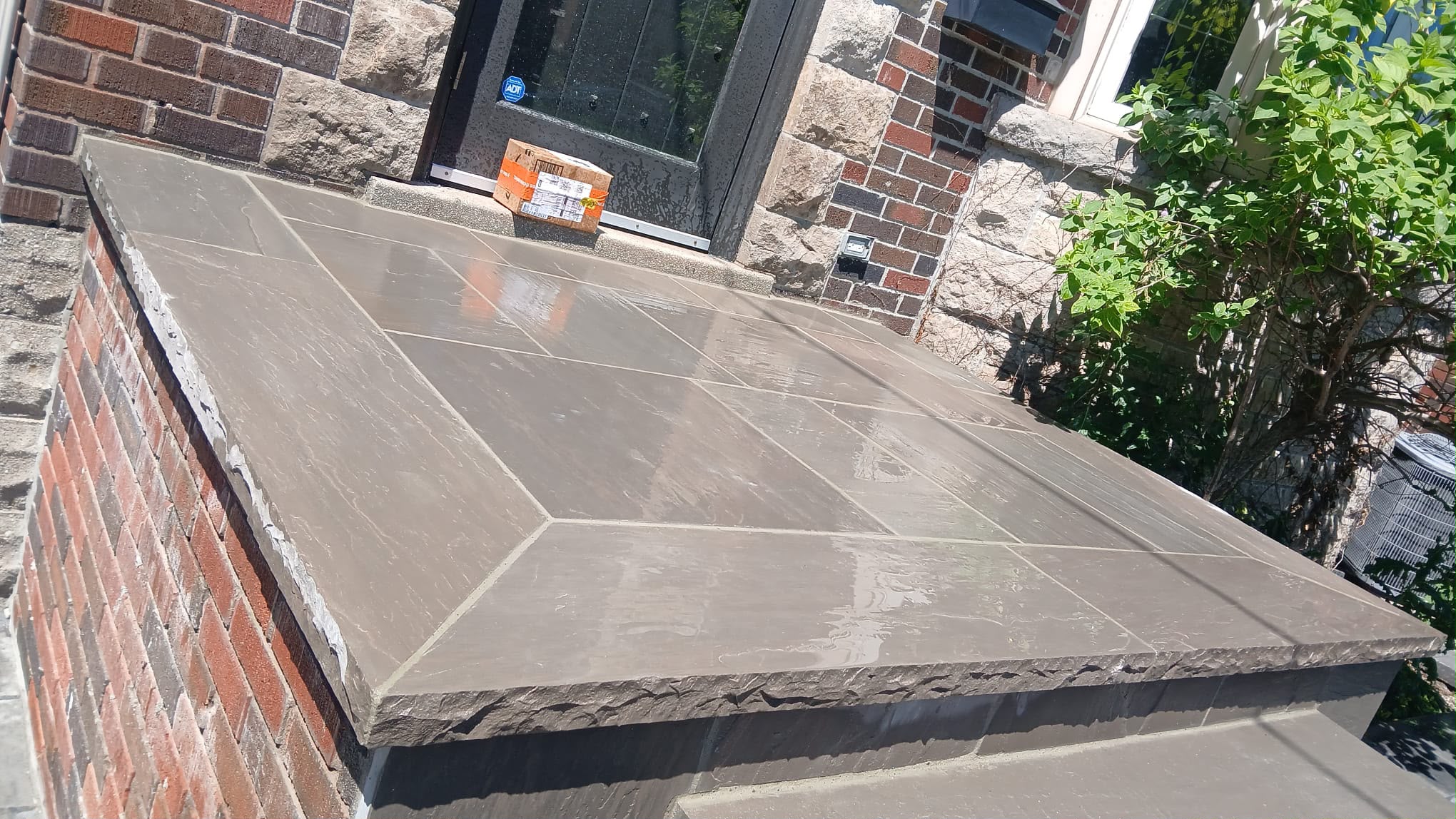
- steps and landings
- garden-edge paving
- poolside hardscape zones
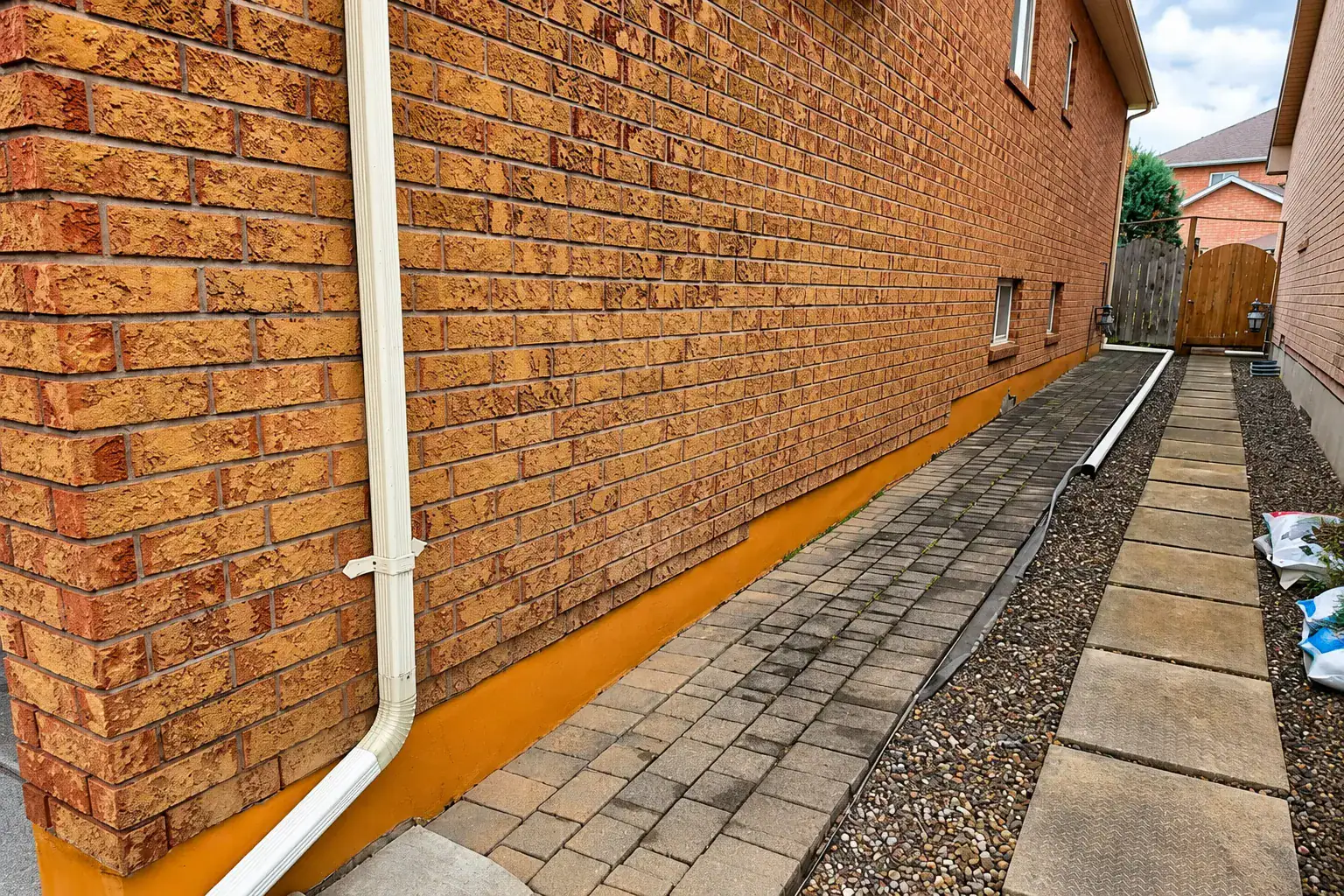
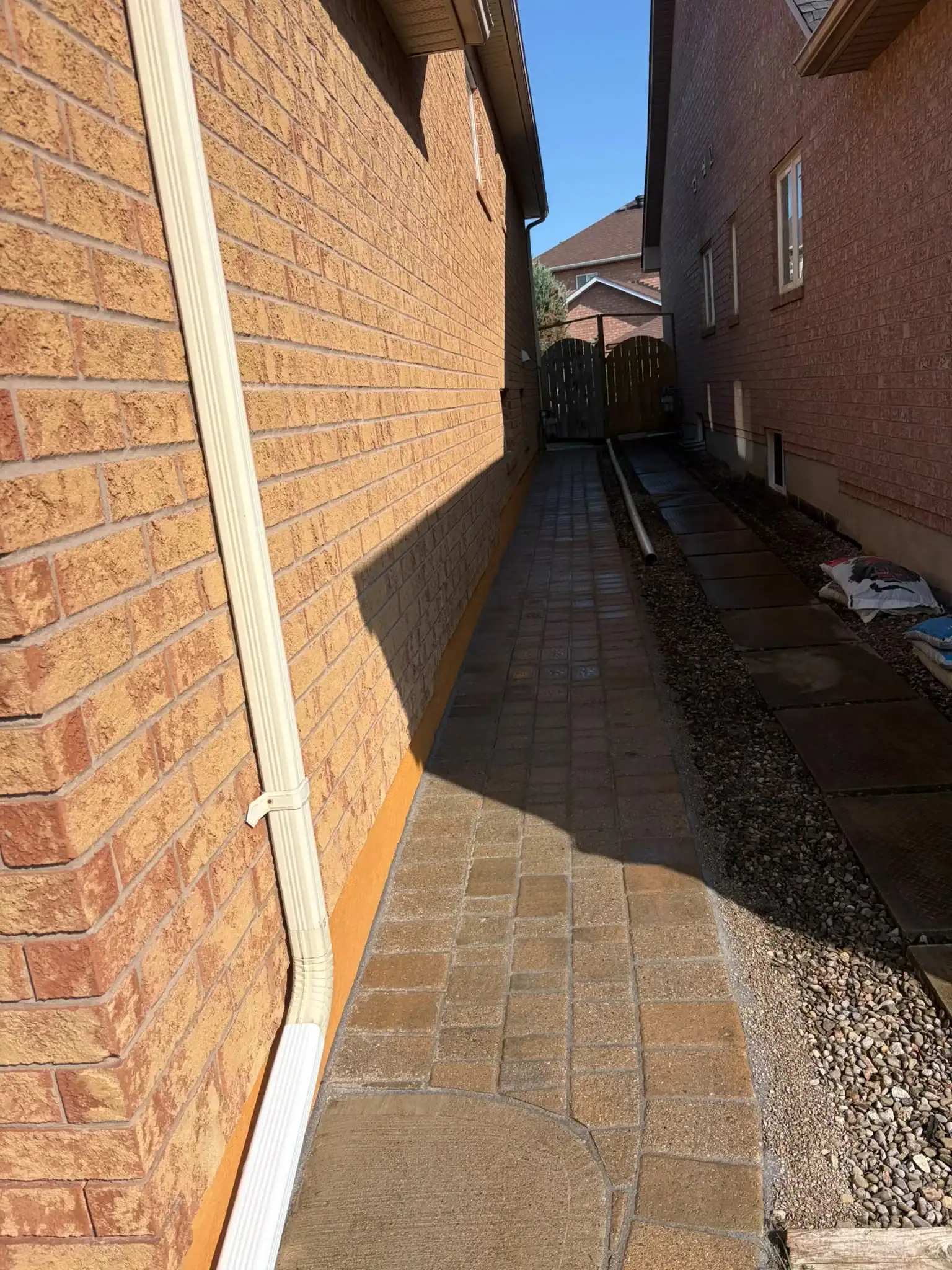
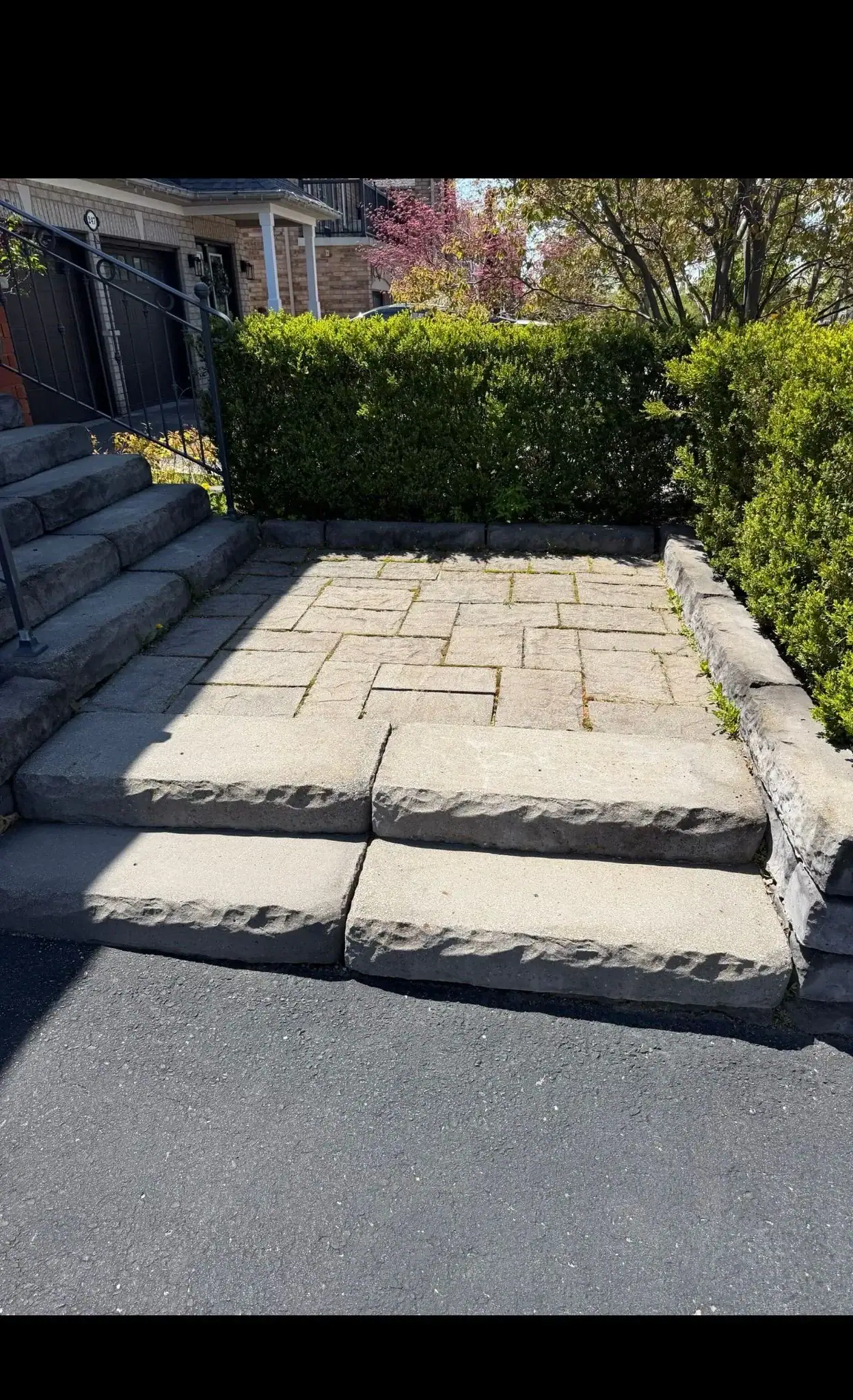
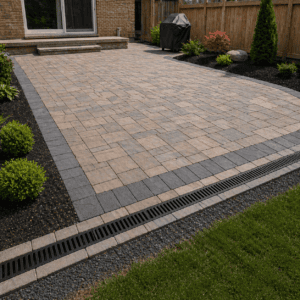
For patios, a border often helps the paved area feel complete instead of visually drifting into the lawn or planting beds. On walkways, it can make the path easier to read and more elegant. On driveways, it often helps create a more defined edge, especially when the surrounding landscaping is simple.
If the project is part of a larger patio layout, our page on interlocking patio installation is a useful reference. For pathways specifically, interlocking walkway design is also relevant when thinking about proportions and overall flow.
How to Choose a Border That Matches the Home
The border should not fight with the house. It should help the hardscape feel like it belongs there.
If the home has traditional brick or warmer masonry tones, a softer or warmer border usually feels more natural. If the home has cleaner modern lines, a sharper border with stronger contrast may make more sense. If the façade already has a lot of texture, a quieter border often works better. If the hardscape itself is large and simple, a stronger border can help define the space without making it feel overdesigned.
This is one reason our published blog on brick vs concrete pavers: best uses can be useful here too. The border is still part of the broader pavement strategy, and the main field material affects what kind of border will feel balanced.
How Much Contrast Is Too Much?
One of the most common design mistakes with interlocking borders is overdoing contrast. A border should stand out enough to define the space, but not so much that it looks disconnected from the rest of the project.
Too much contrast can make the border feel pasted on rather than integrated. Too little contrast can make it disappear completely, especially on larger paved areas. The best designs usually land somewhere in between. The border is visible, but it still feels related to the main surface.
A useful rule is this: the more complex the main paver pattern is, the simpler the border should usually be. The simpler the field is, the more room there is for the border to add character.
Why Border Design Should Also Consider Drainage
Border design is mostly visual, but it still sits within a hardscape system that must manage water effectively. If the surrounding interlocking surface directs water poorly, the border will not solve that problem. In fact, a border can sometimes make edge settlement or water issues more obvious if the layout is not draining properly.
The City of Toronto’s guidance on managing water around the house says grading should slope away from the foundation and that porous paving can help absorb and naturally filter rainwater and melted snow. That does not mean every interlocking border needs to function like a drainage system, but it reinforces the broader point that good hardscape design should never ignore runoff and slope.
That is why our published blog on the importance of proper drainage around masonry is relevant here too. If the project edges trap or redirect water badly, even a strong-looking border can end up framing a future maintenance problem.
Common Border Design Mistakes
Some interlocking border mistakes are easy to avoid once homeowners know what to watch for.
- using a border that is too visually strong for the size of the space
- choosing colours that clash with the home or the main field
- making the border too thin to read clearly
- adding multiple accent bands that clutter the design
- forcing a formal border style onto a casual, natural-looking landscape
- focusing on the border while ignoring drainage and layout performance
Another common issue is trying to use the border to “fix” a weak overall layout. A good border can improve a strong design, but it cannot rescue a patio or walkway that already feels poorly shaped, awkwardly placed, or disconnected from the rest of the yard.
What to Check in an Existing Border Before Updating It
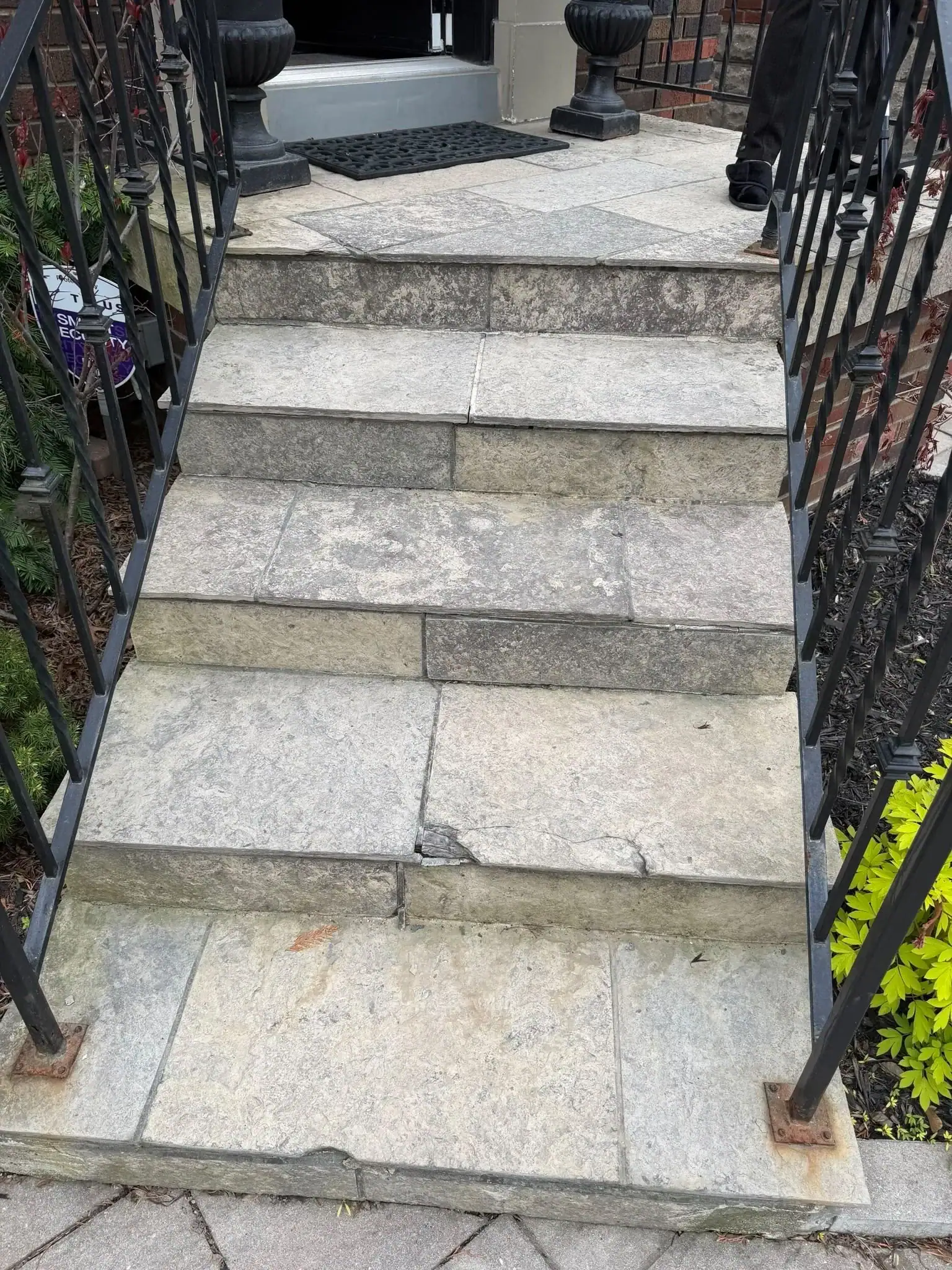
If the hardscape already exists, assess its condition before appearance. A border that appears visually tired may actually have a more serious issue behind it, such as edge movement, settling, joint loss, or drainage-related shifting.
Check for:
- separation between the border and the main field
- uneven or dipped edges
- joint washout or sand loss
- water pooling near the border
- border pavers that look looser than the rest of the surface
- visual mismatch caused by partial past repairs
If the surrounding patio or driveway is already shifting, the issue may extend beyond the border itself. That is where pages like interlocking driveway repair and installation and interlocking installation and repair services become more relevant than border design alone.
When Homeowners Can Decide on Their Own and When Help Matters
Homeowners can usually decide the visual direction themselves. You can often tell whether you want a soft border, a cleaner, more formal edge, or stronger contrast. That kind of style choice is personal and usually easier to identify than the project’s technical side.
Where help matters more is in the layout, edge stability, drainage, and how the border fits into the rest of the hardscape. That is especially true when the border wraps around steps, retaining walls, multiple grade changes, or larger patio and driveway areas.
If the project includes steps, walls, or transitions, related pages like interlocking steps and retaining wall design become useful because the border should support the whole layout, not stop awkwardly when the grade changes.
If the work is part of a larger rebuild rather than a simple surface refresh, it is also smart to understand whether the scope may cross into work that needs approval. The City of Toronto’s building permit guidance is a useful starting point when homeowners are unsure whether a project is still minor landscape work or something more involved.
Quick Decision Guide: Subtle Border, Strong Border, or No Border?
Choose a subtle border if:
- the house already has a lot of texture or visual detail
- the paver field has a more active pattern
- you want the space to feel calm and cohesive
Choose a stronger border if:
- the main field is simple and needs more framing
- the patio or walkway is large enough to support a stronger definition
- the home style is clean enough to handle more contrast
Choose no border only if:
- the design still feels complete without one
- the layout already has enough structure from shape or material changes
- the project is intentionally minimal, and the edge still reads clearly
If you are unsure, the safest choice is usually a simpler border that supports the layout instead of trying to dominate it.
Final Thoughts
Interlocking borders and design tips matter because the edge of a hardscape often determines how finished the whole space feels. A good border can frame the project, connect it to the house, and make the overall design feel more intentional. A poor border can make even quality paving look off-balance.
For Toronto homeowners, the strongest border choices usually come from balancing appearance with real-world performance. The colour, pattern, width, and placement all matter, but so do drainage, edge stability, and how the border fits into the broader patio, walkway, or driveway layout.
If there is one takeaway, it is this: treat the border like part of the design, not a trim piece added at the end. That is usually what makes the difference between a hardscape that looks fine and one that looks truly finished.
Planning or Updating an Interlocking Border?
If your border is part of a patio, walkway, driveway, or entrance, the design should work with the overall paver layout, drainage, grade, and edge stability rather than being treated as a decorative strip added at the end. A&A Masonry can assess the space and help plan an interlocking layout that fits the property and performs properly through Toronto’s seasonal conditions.