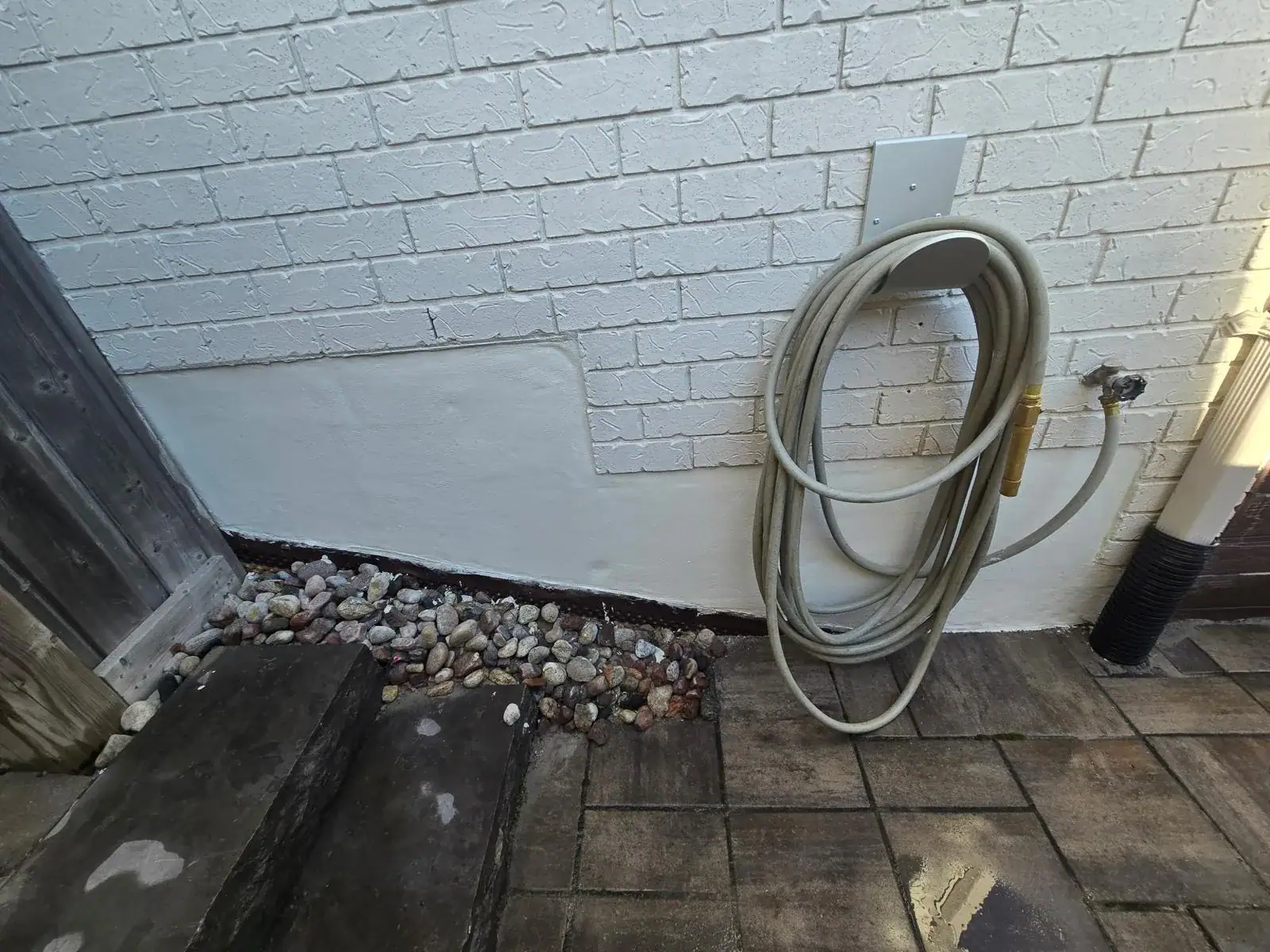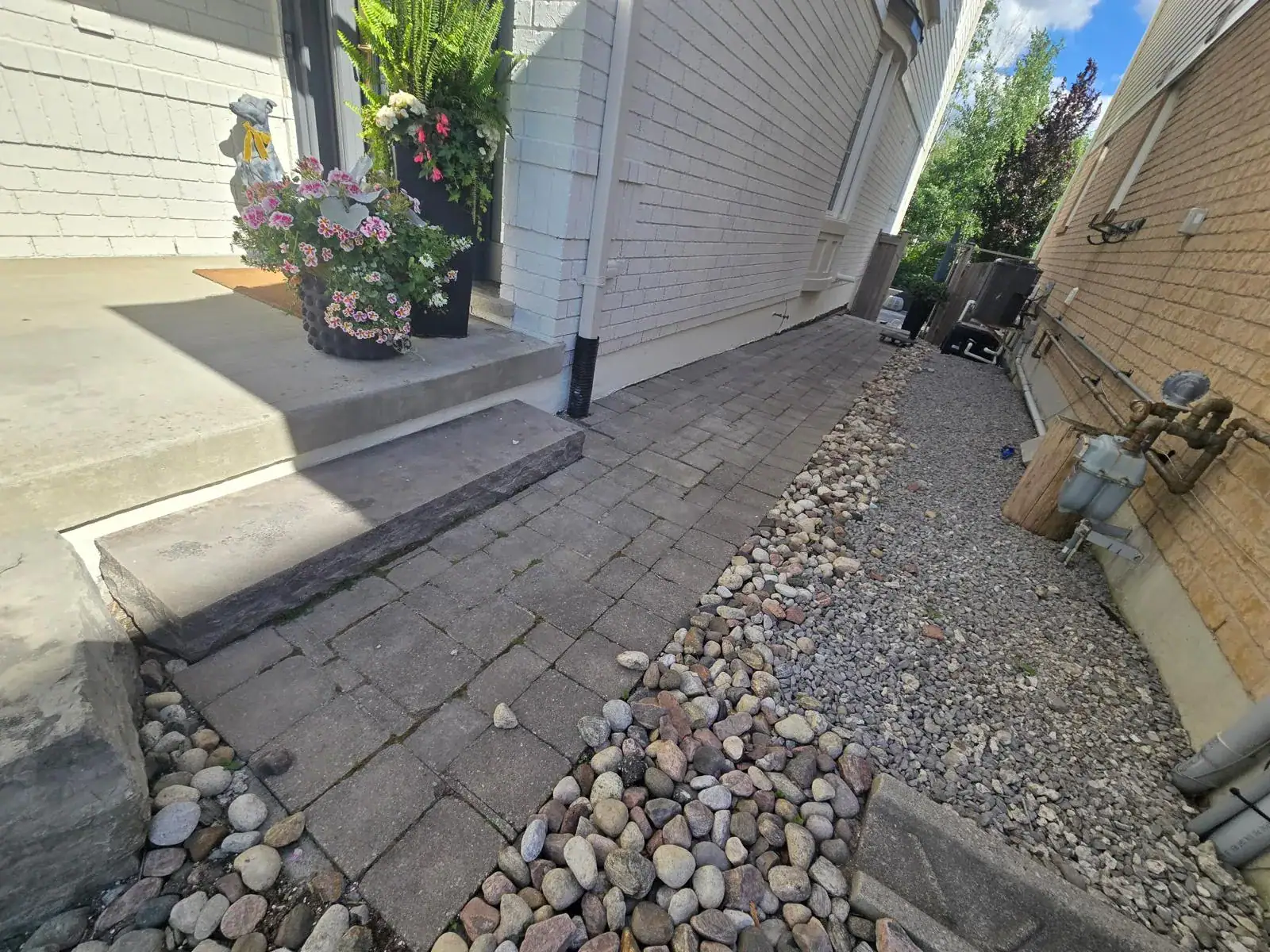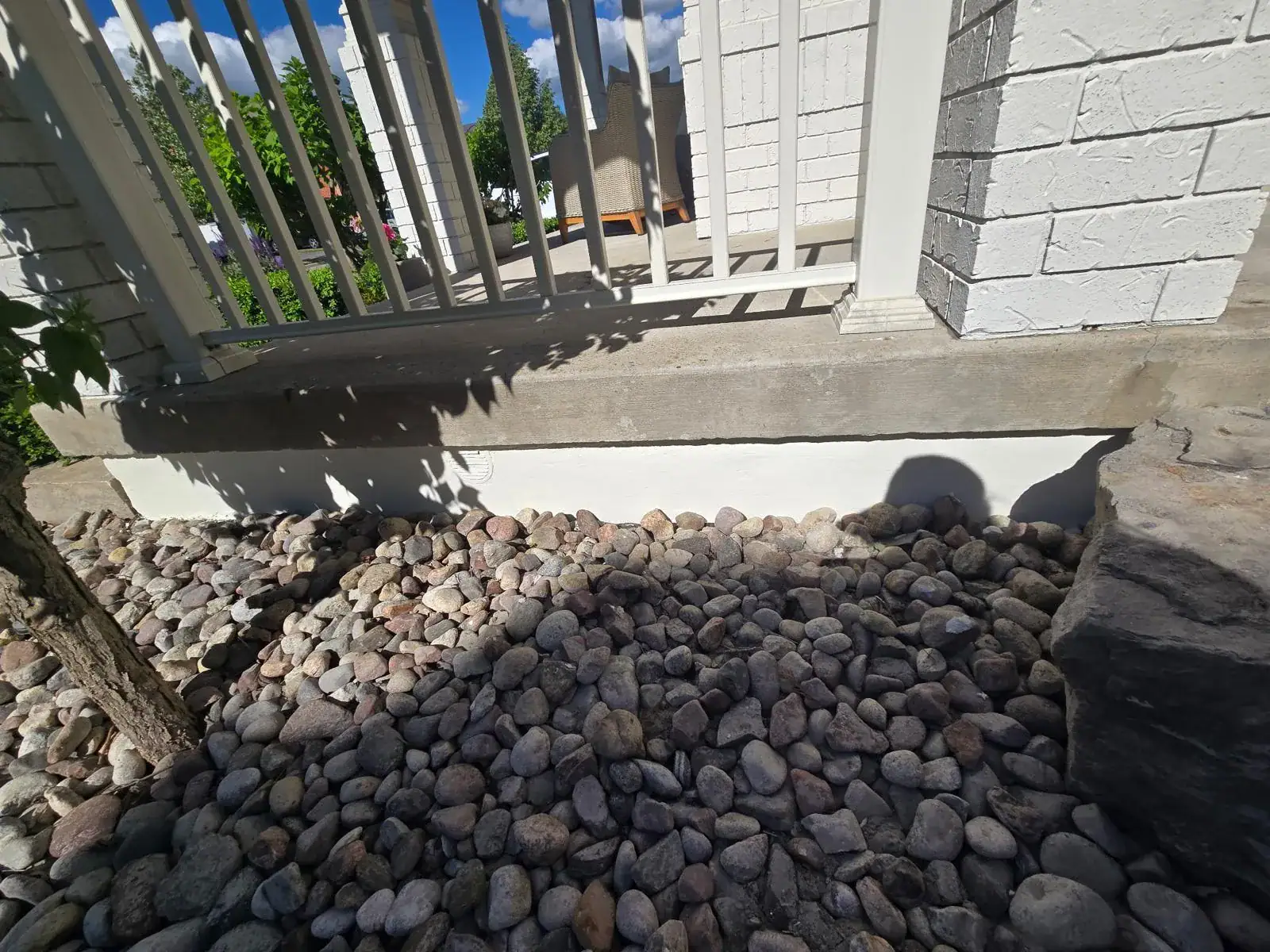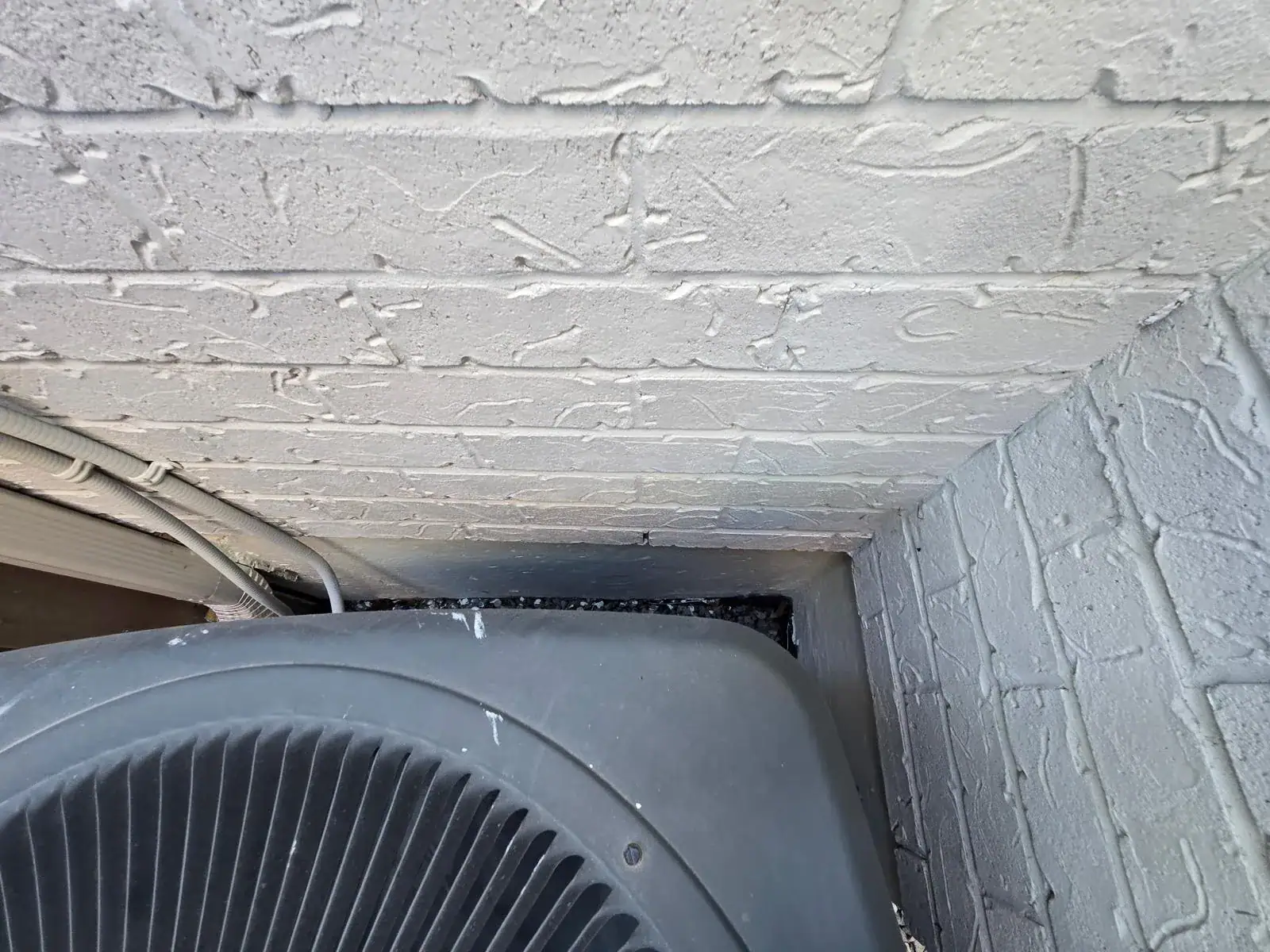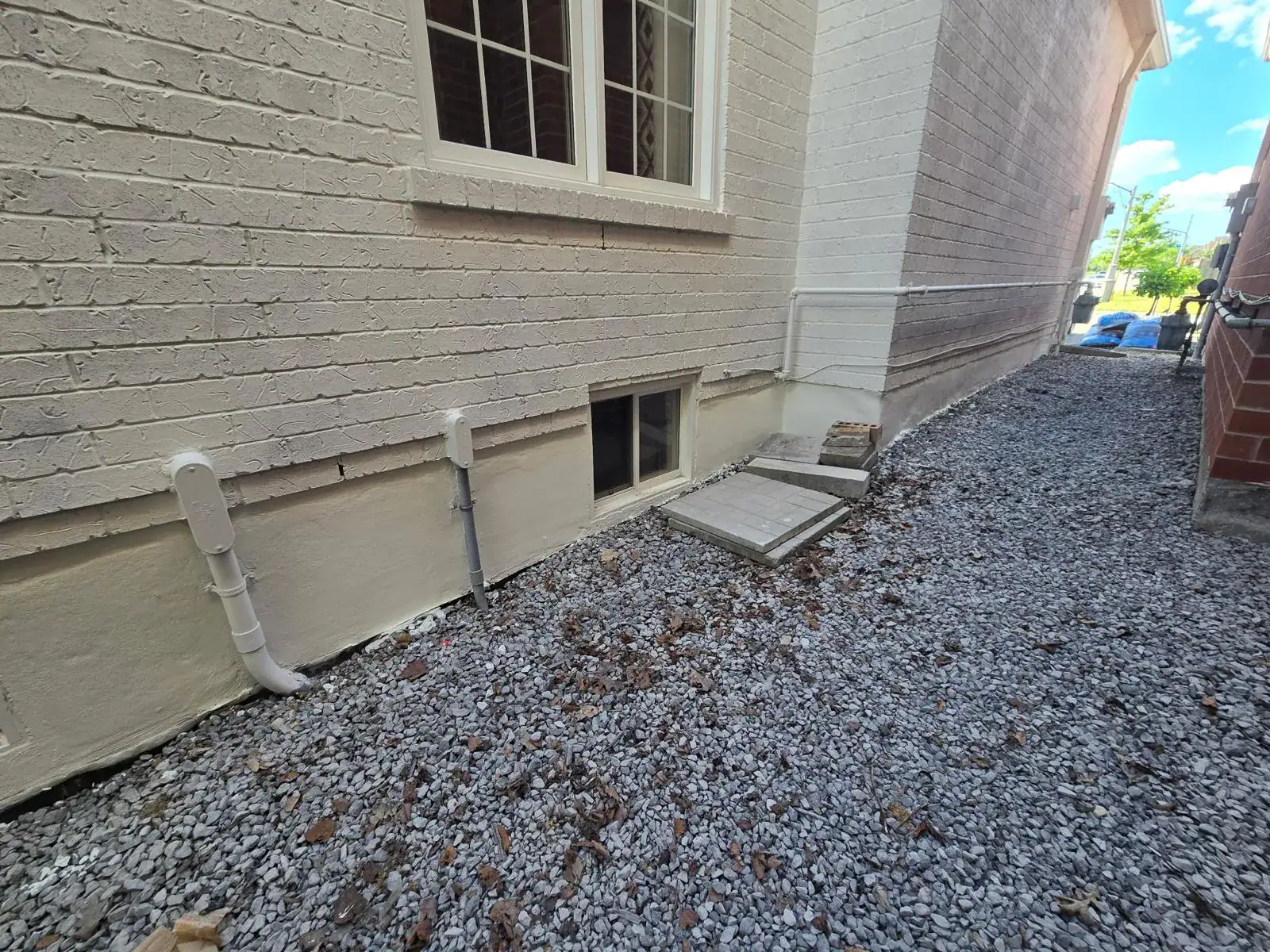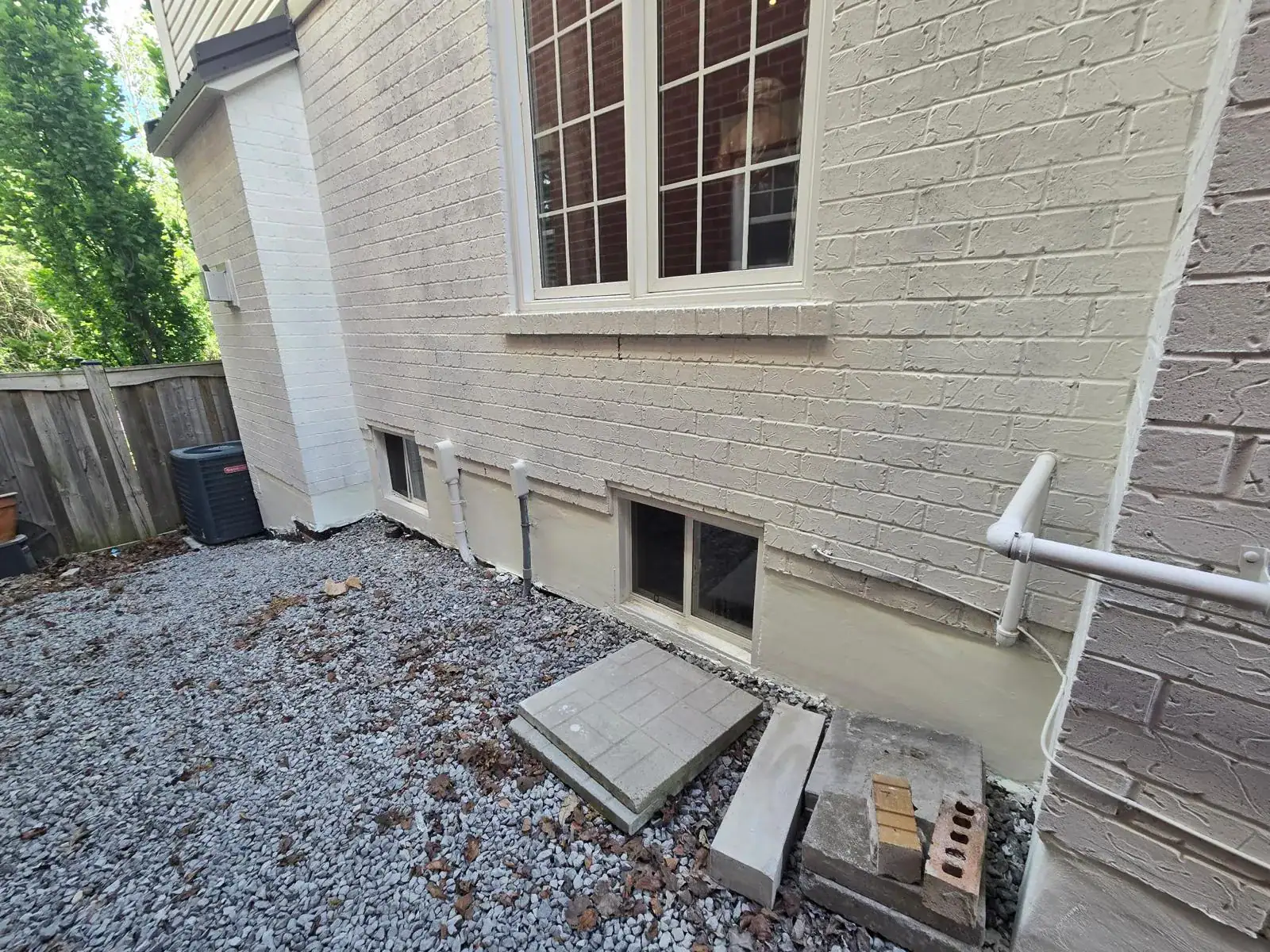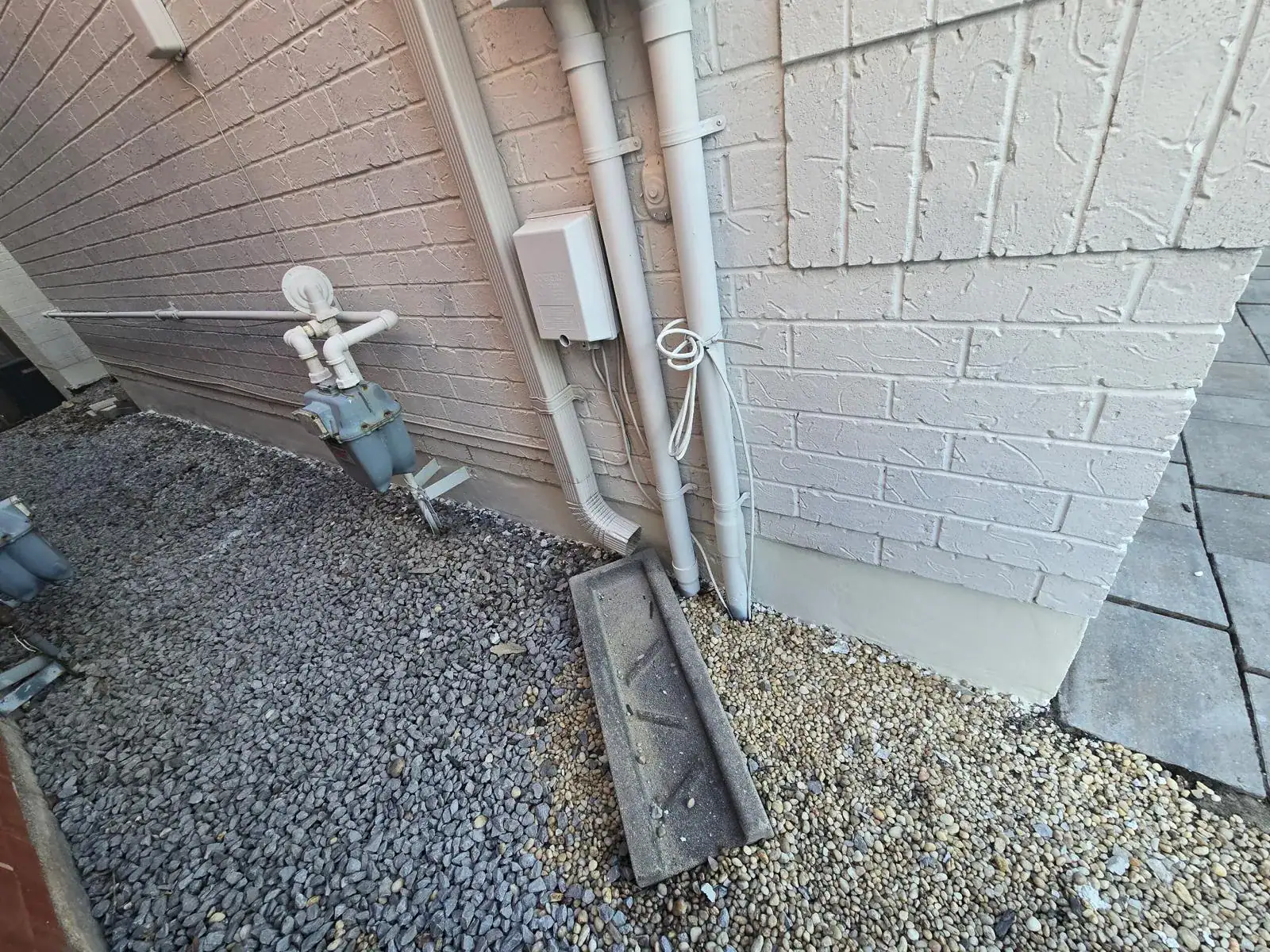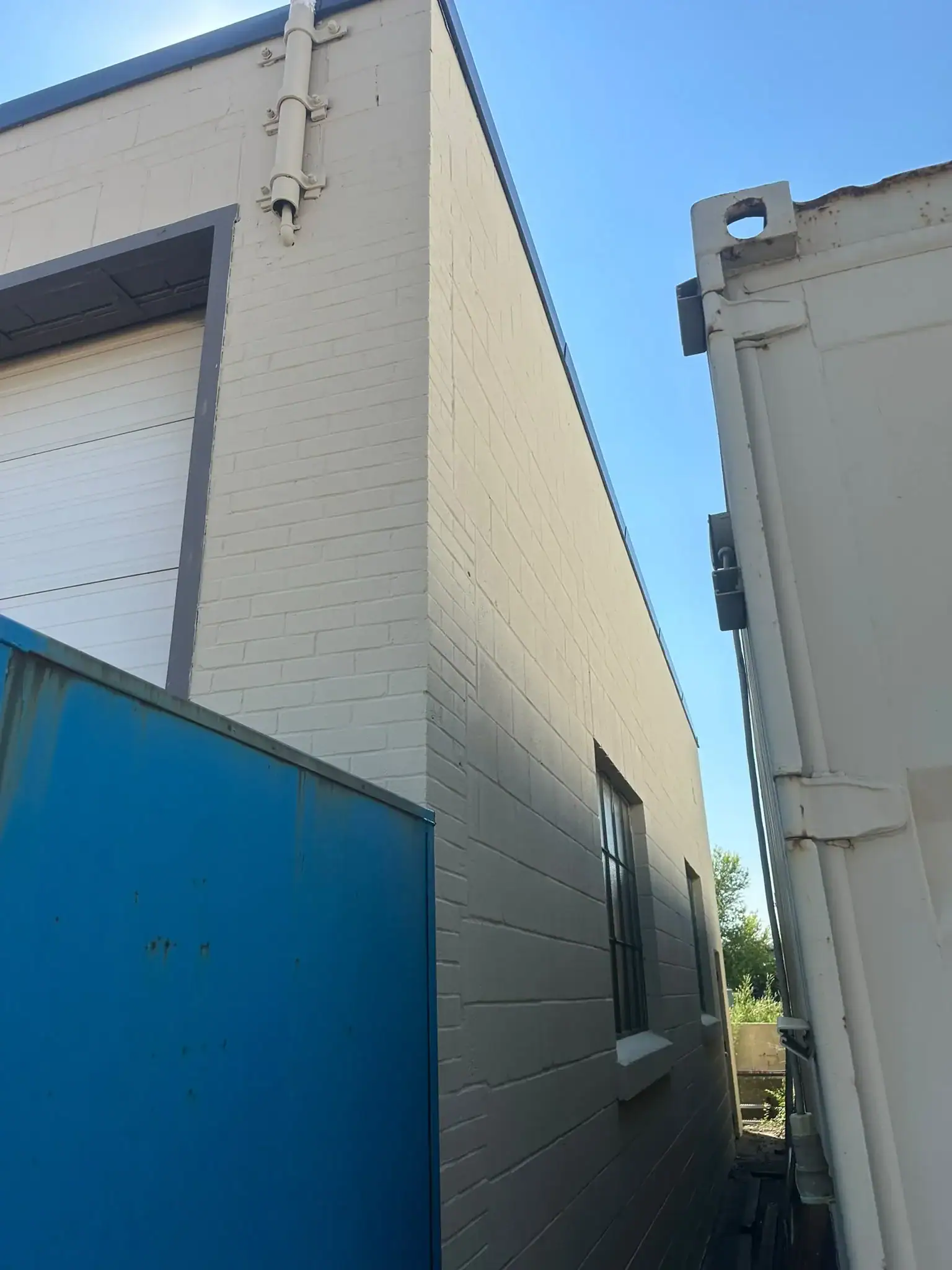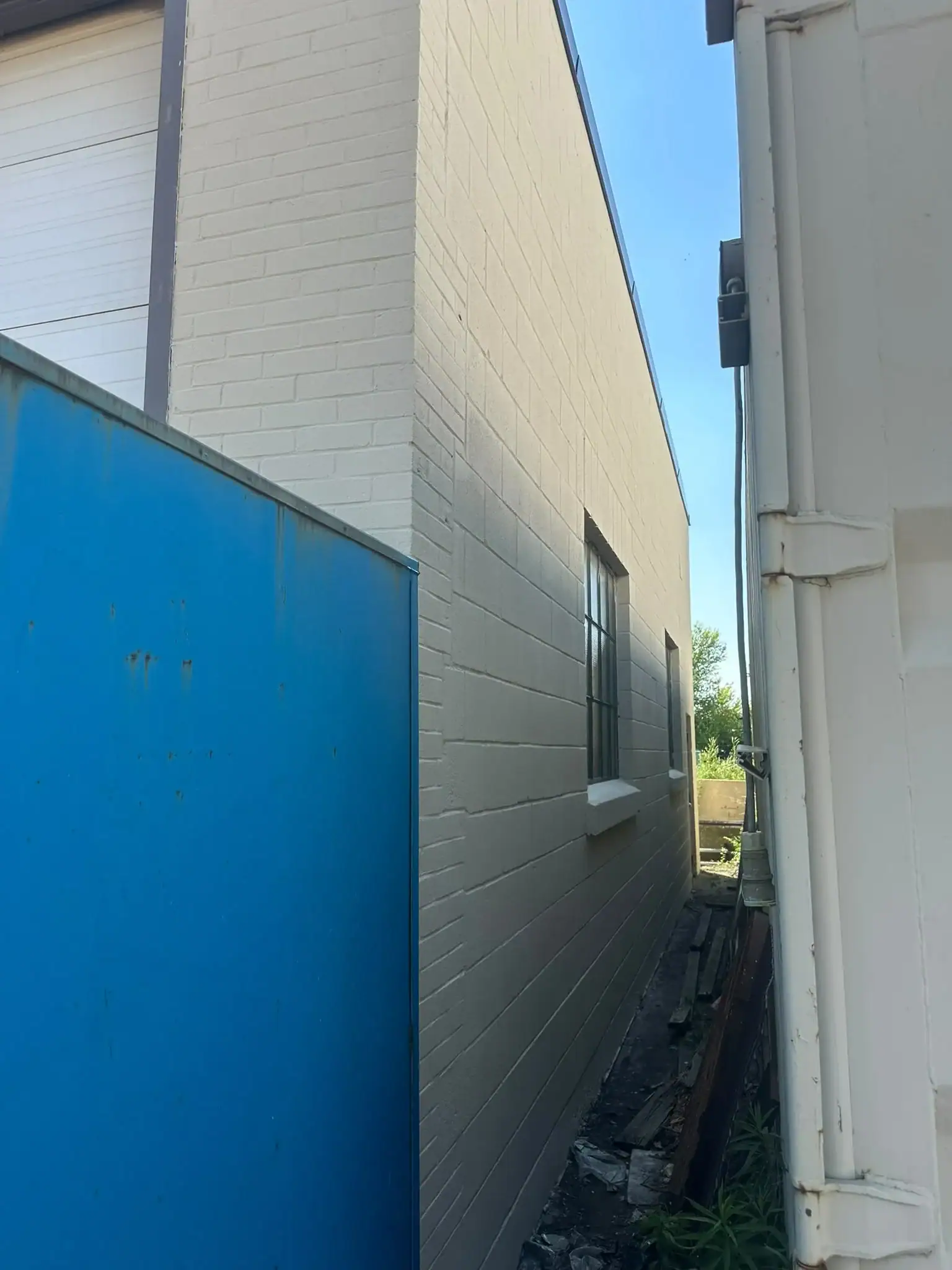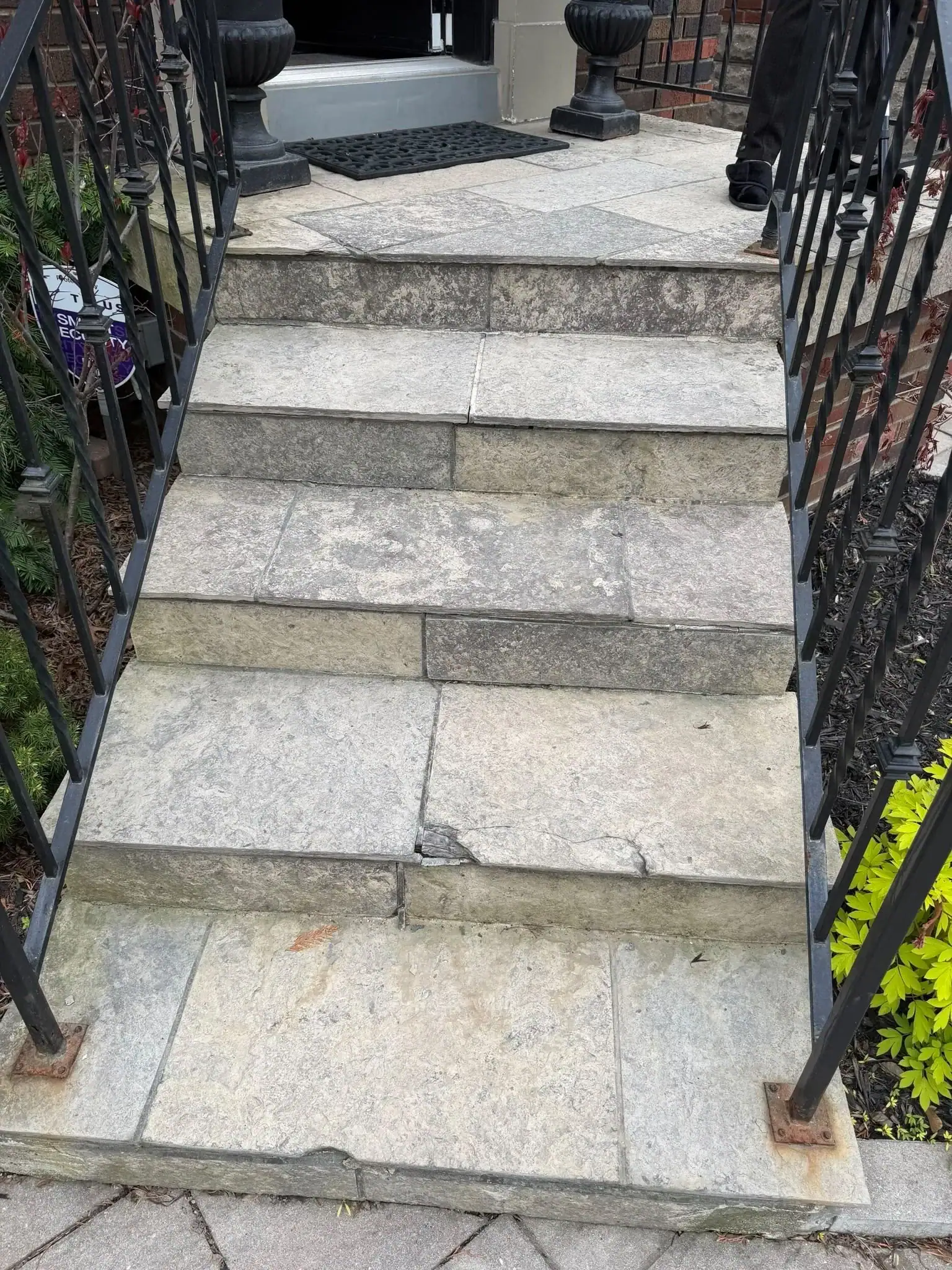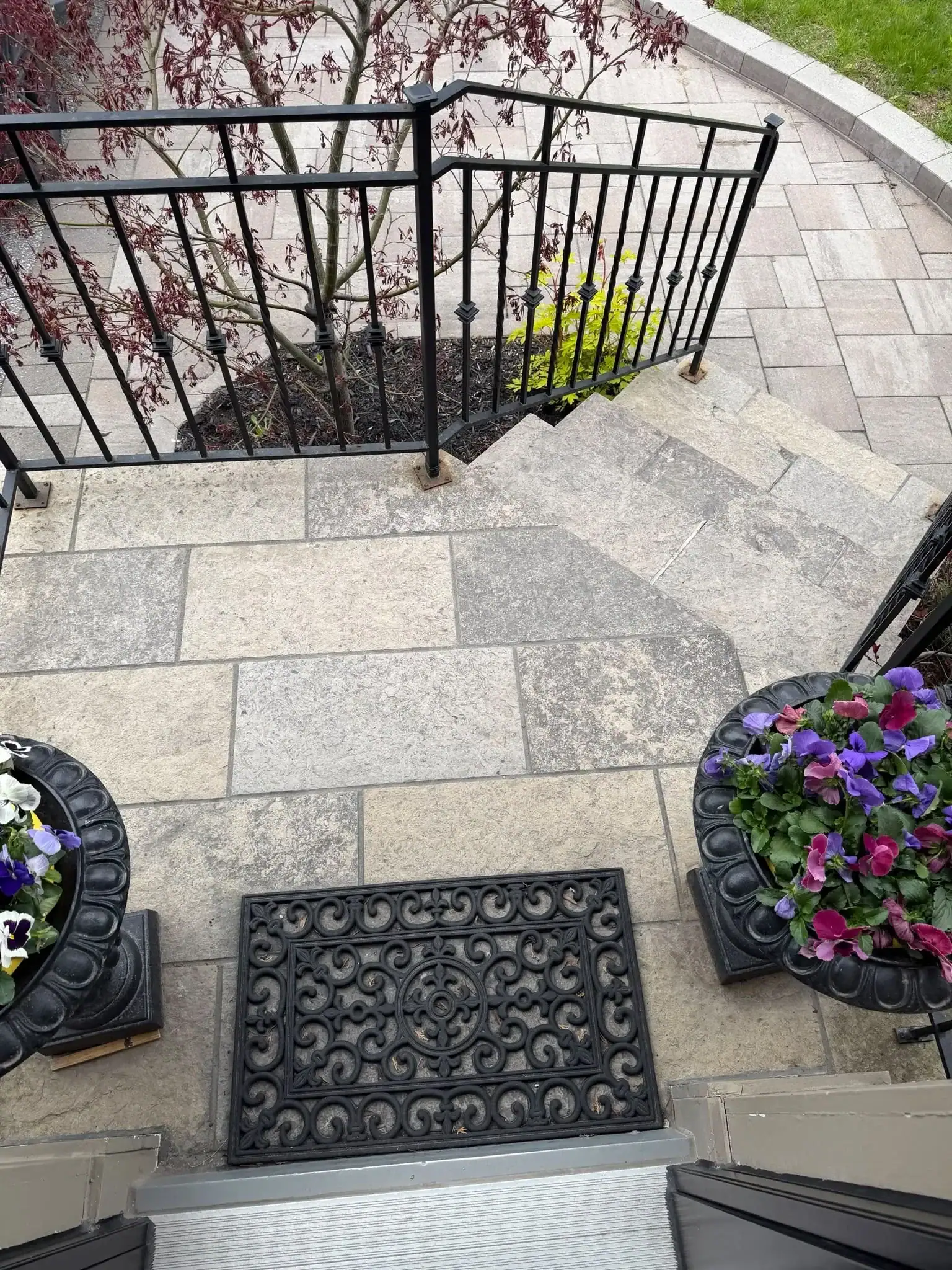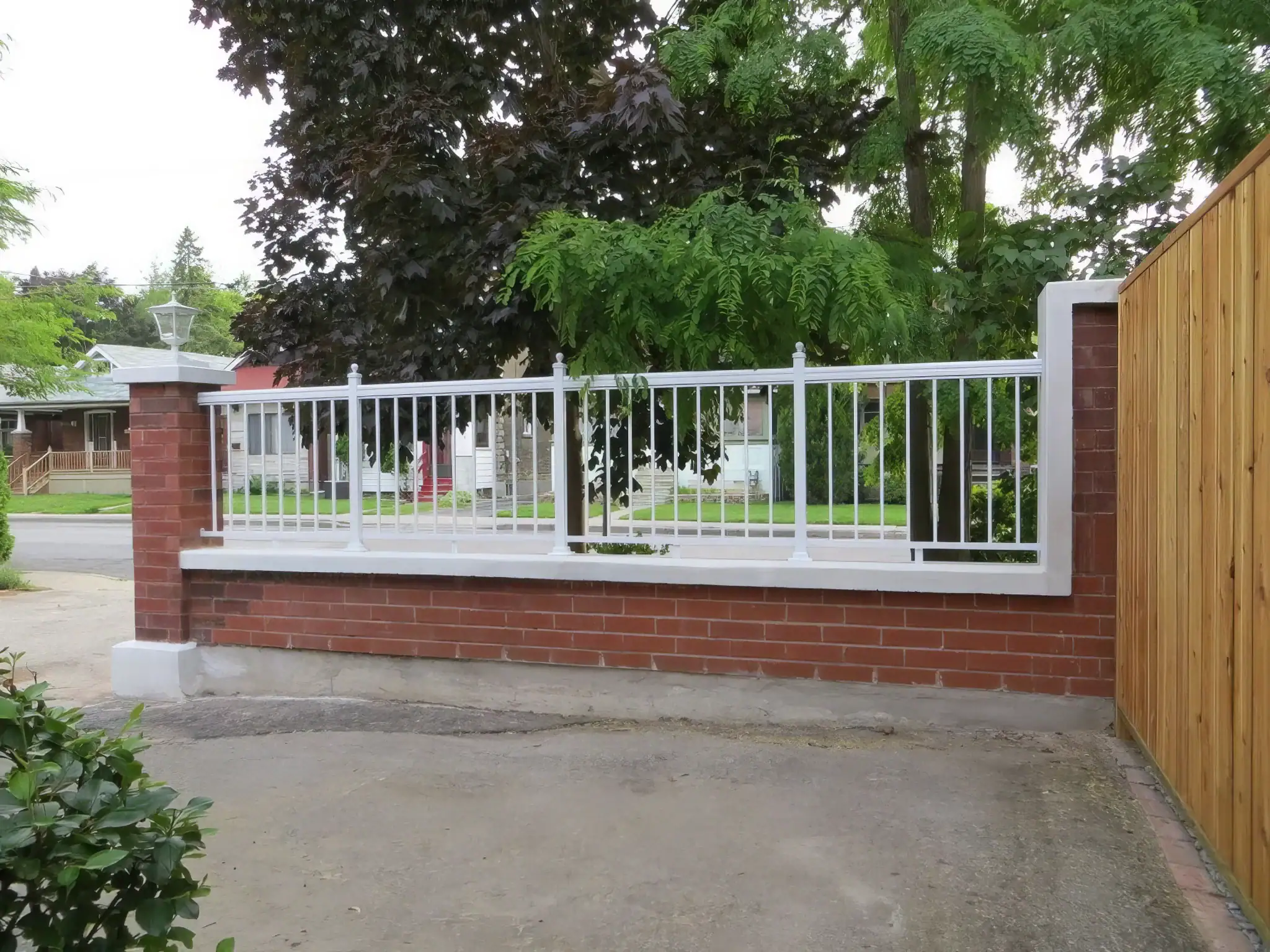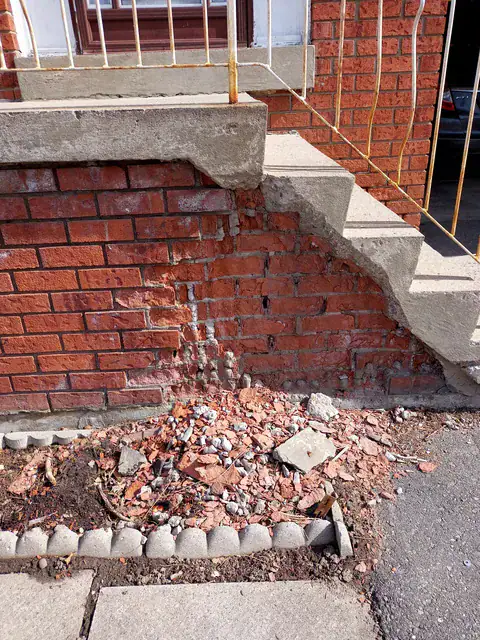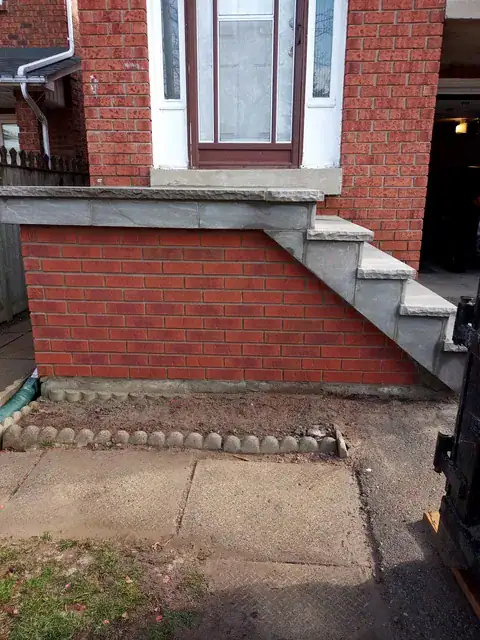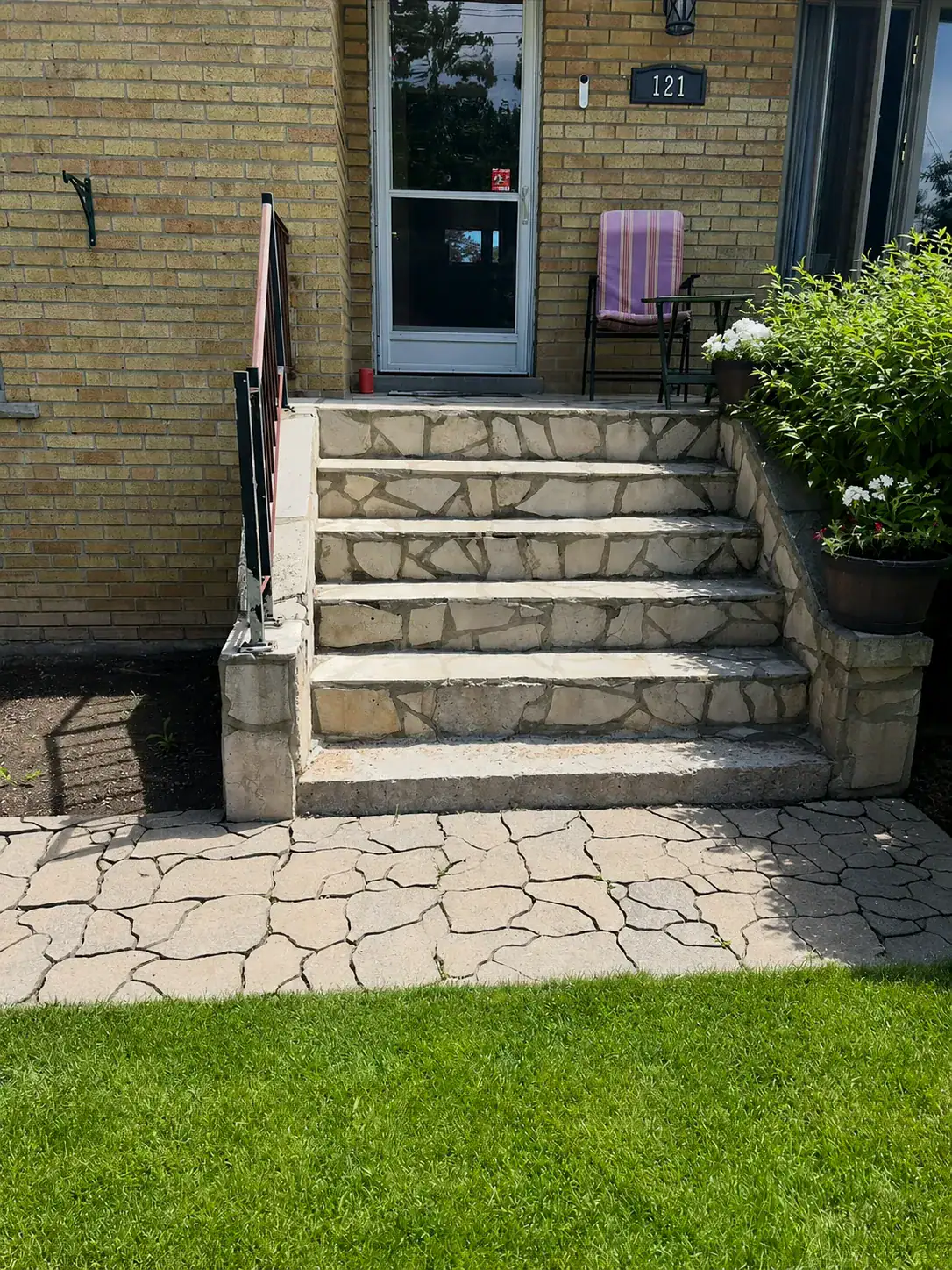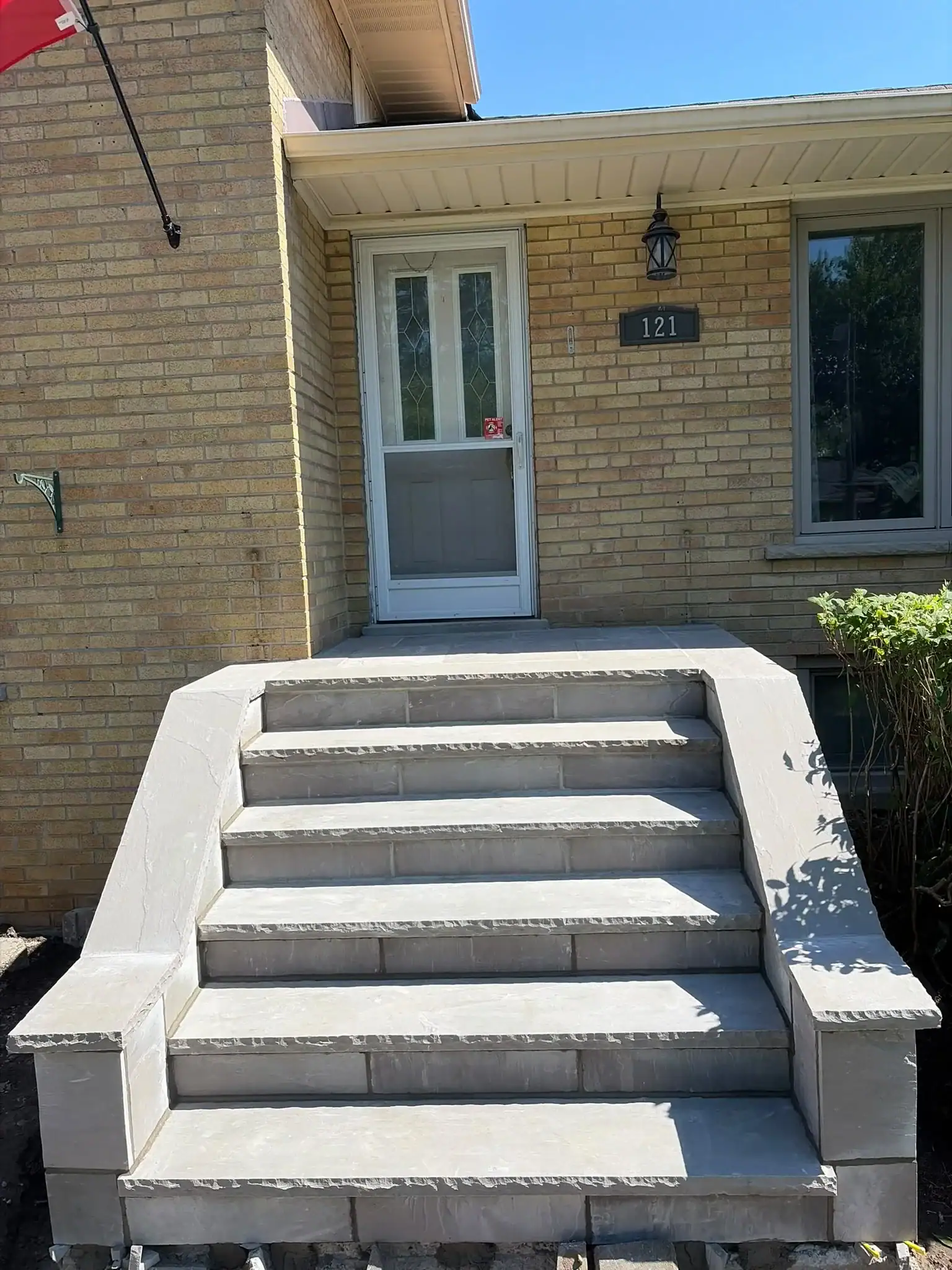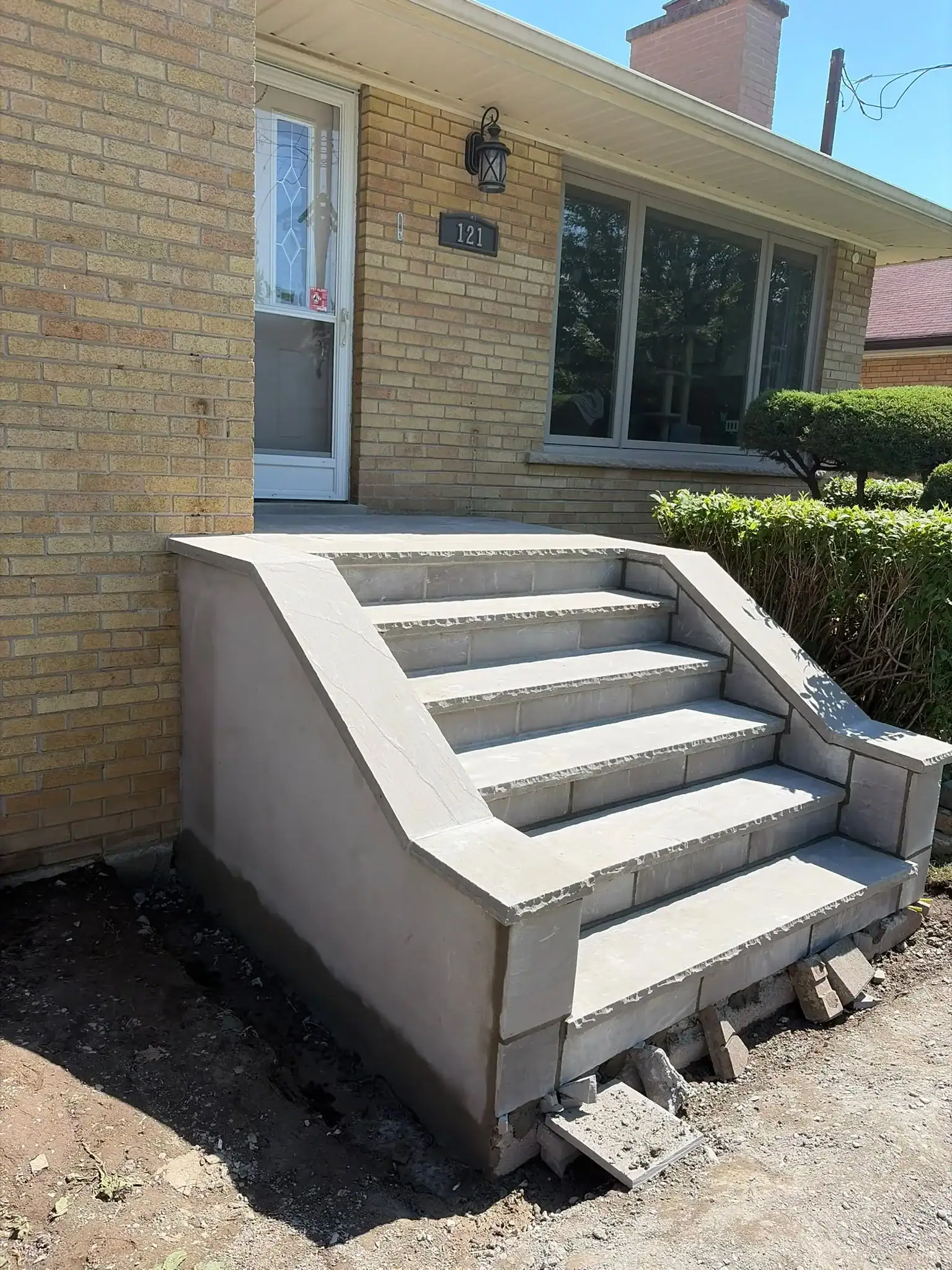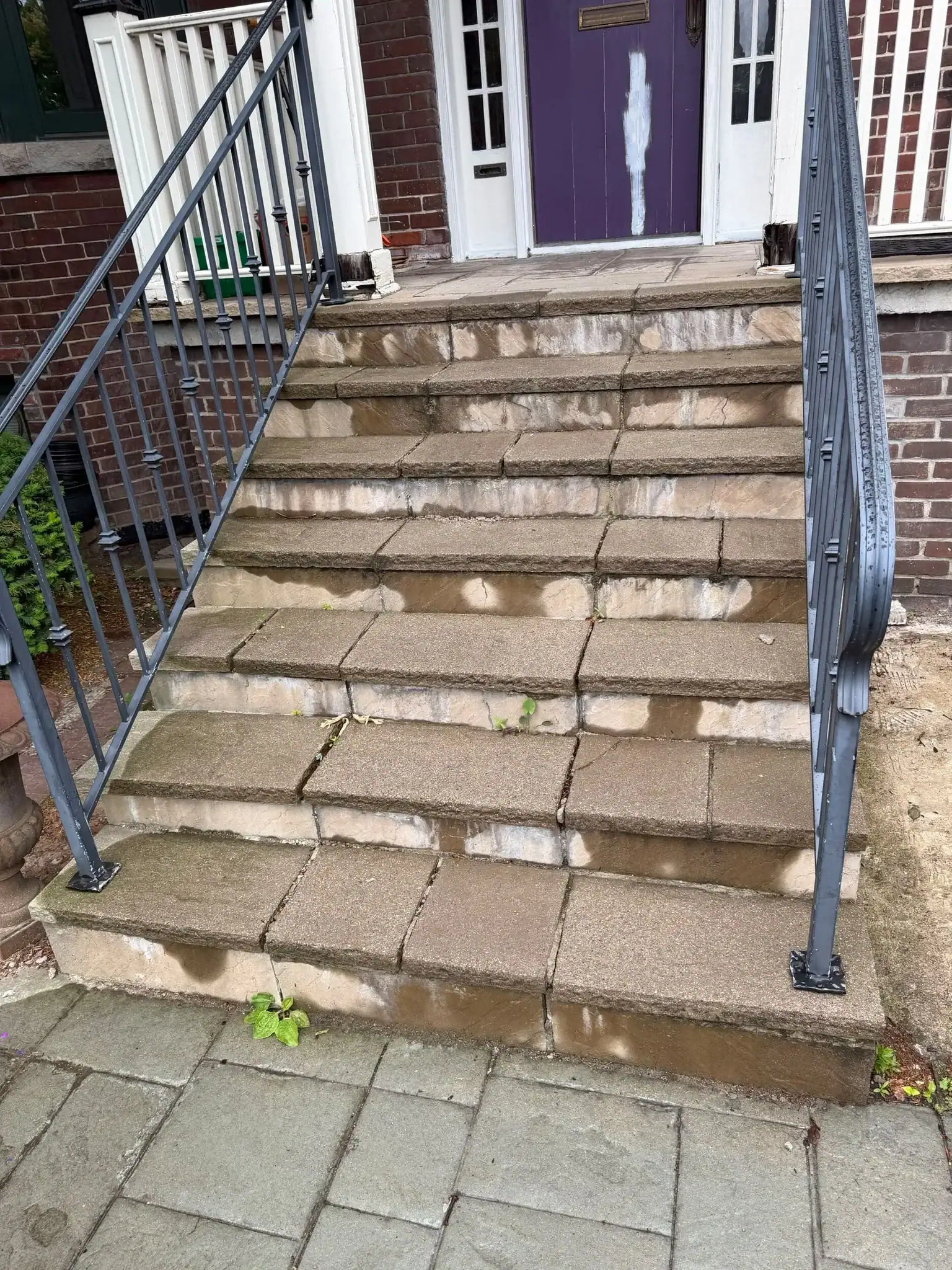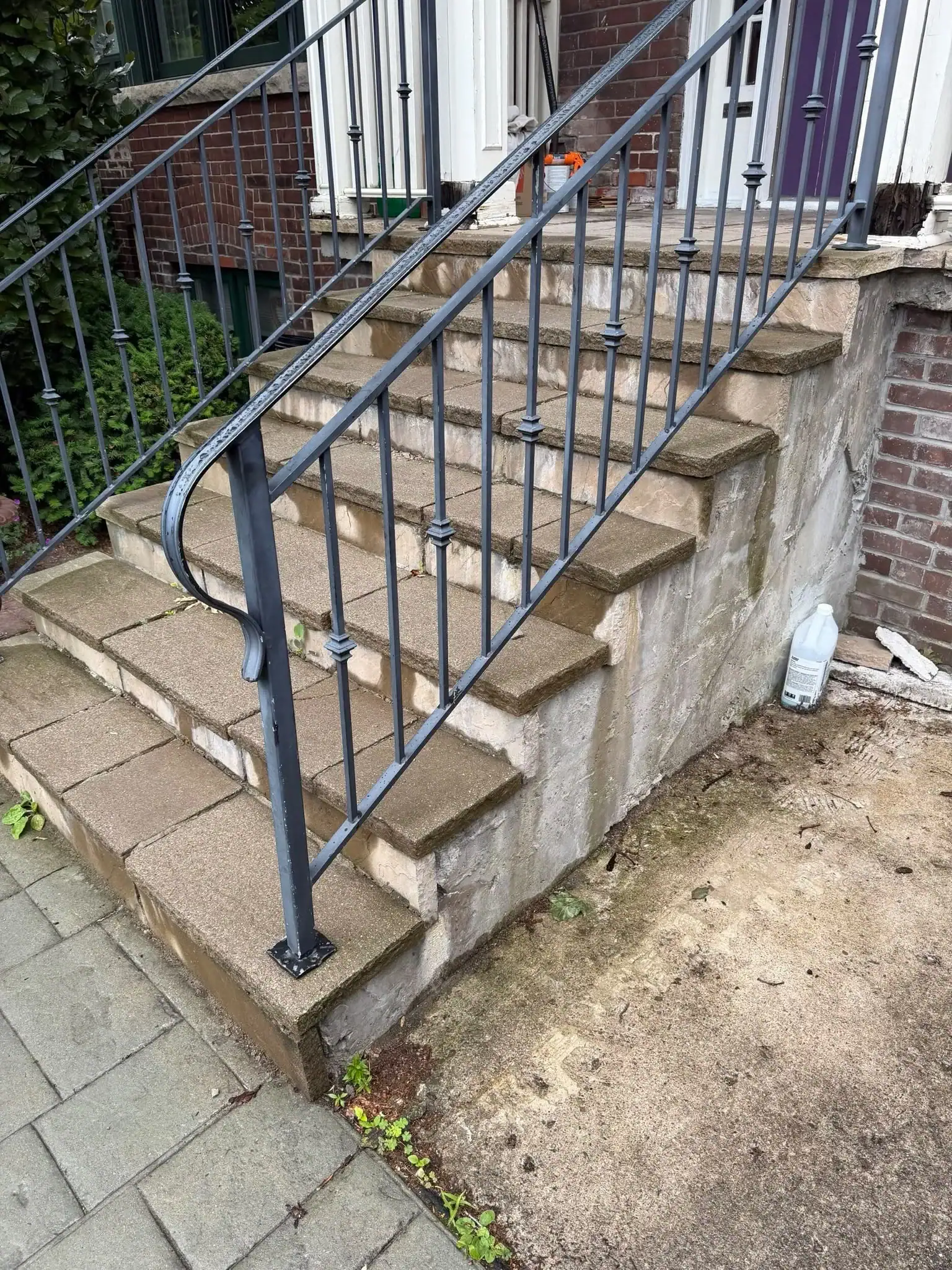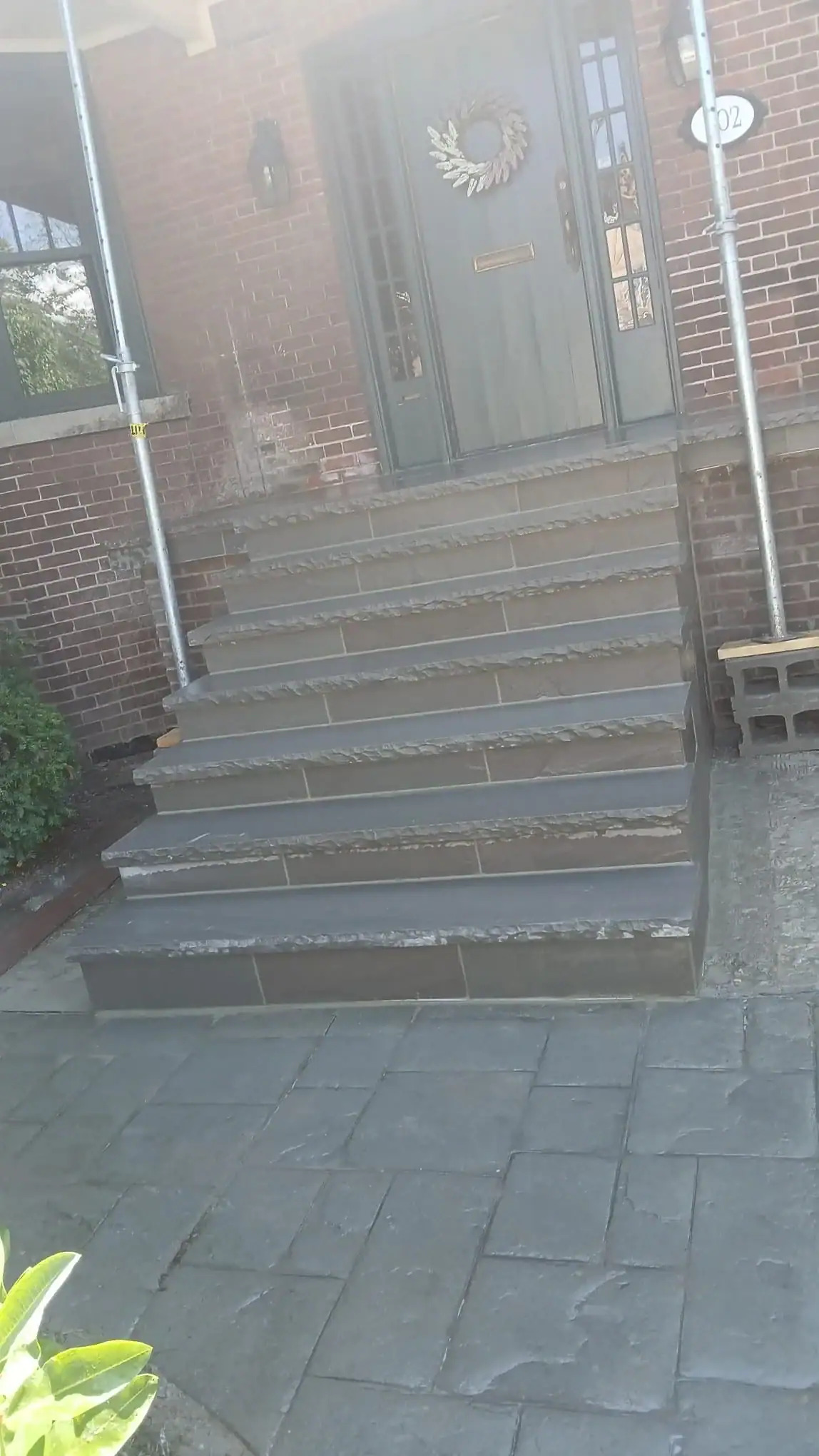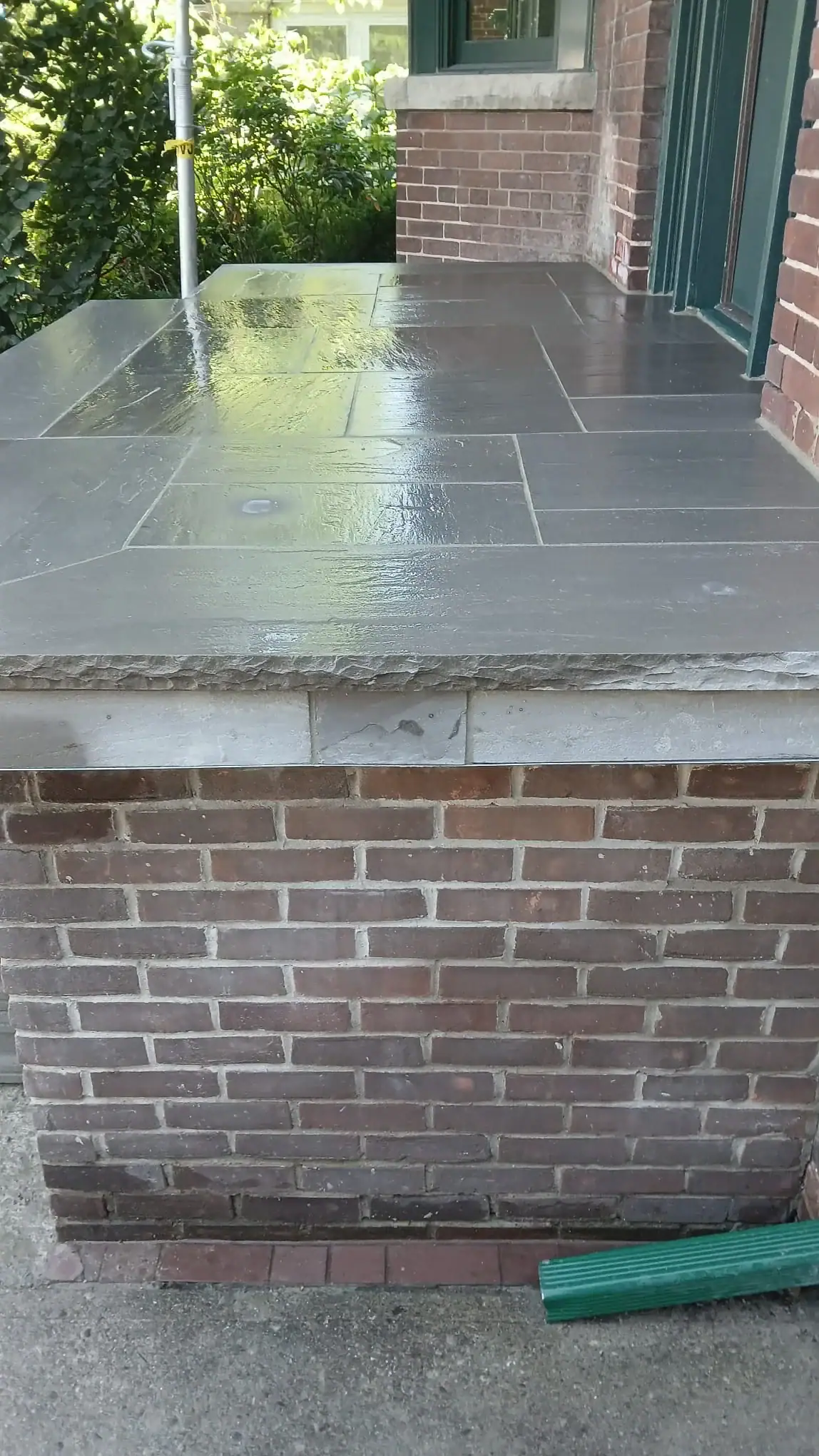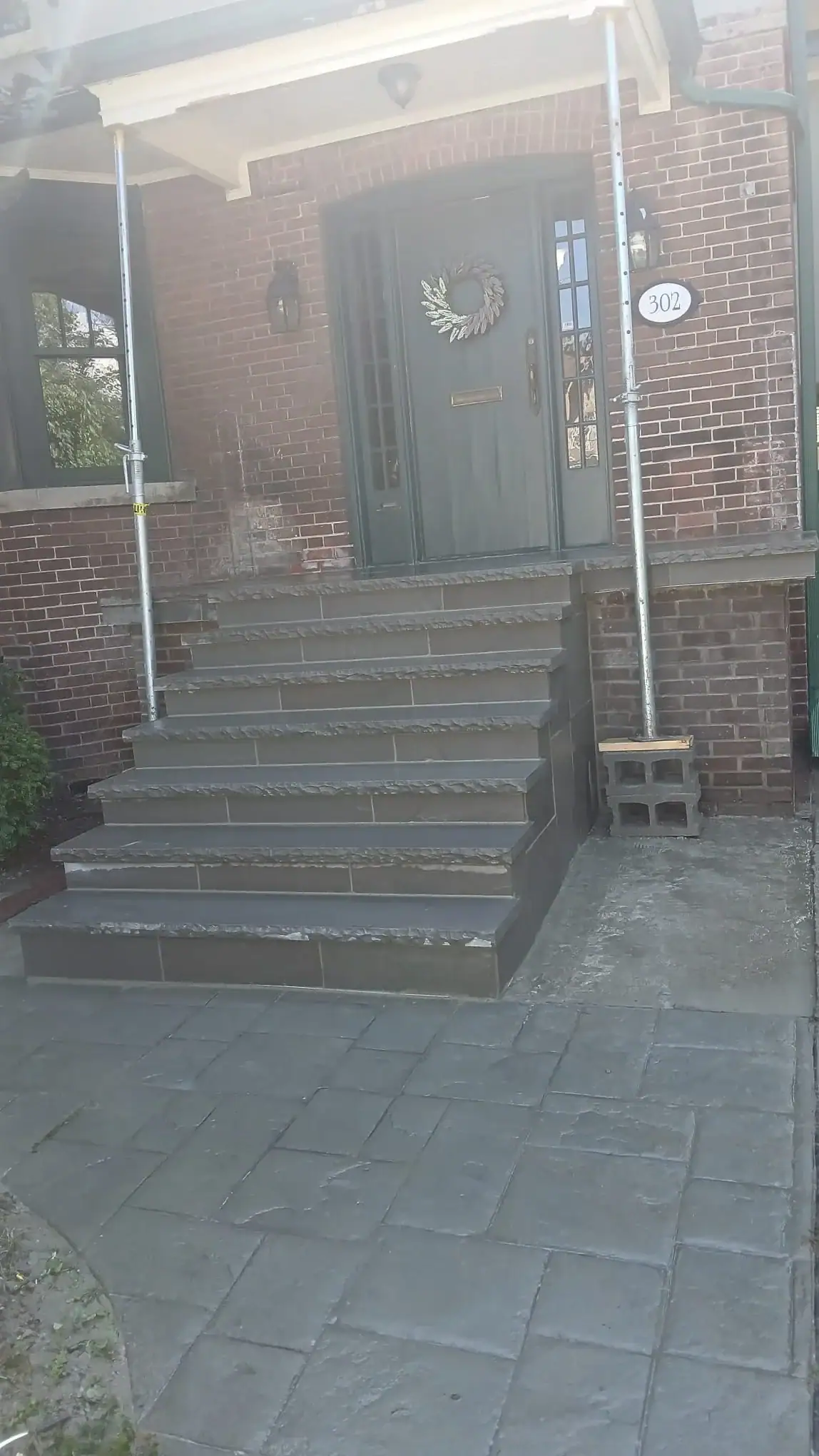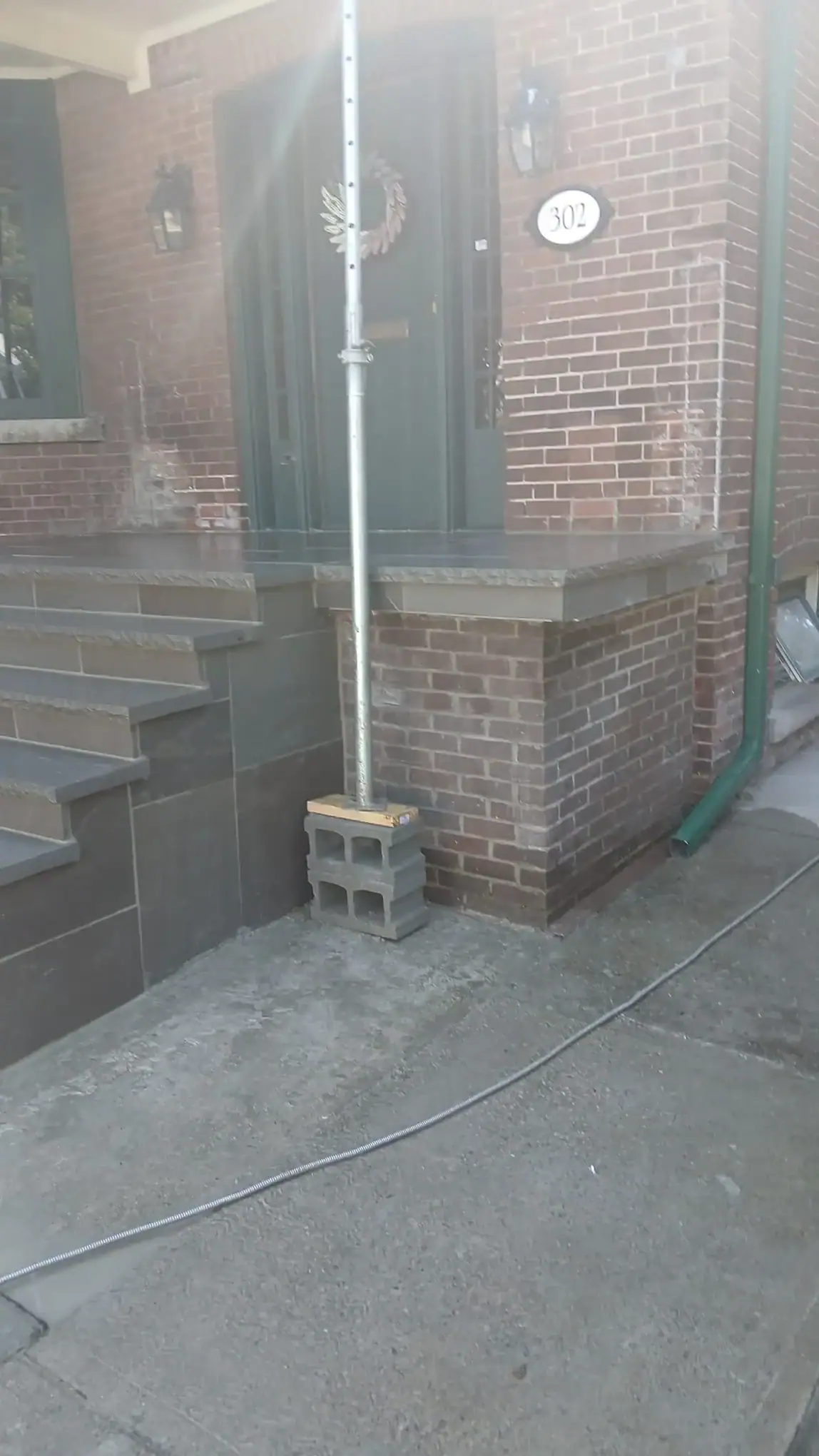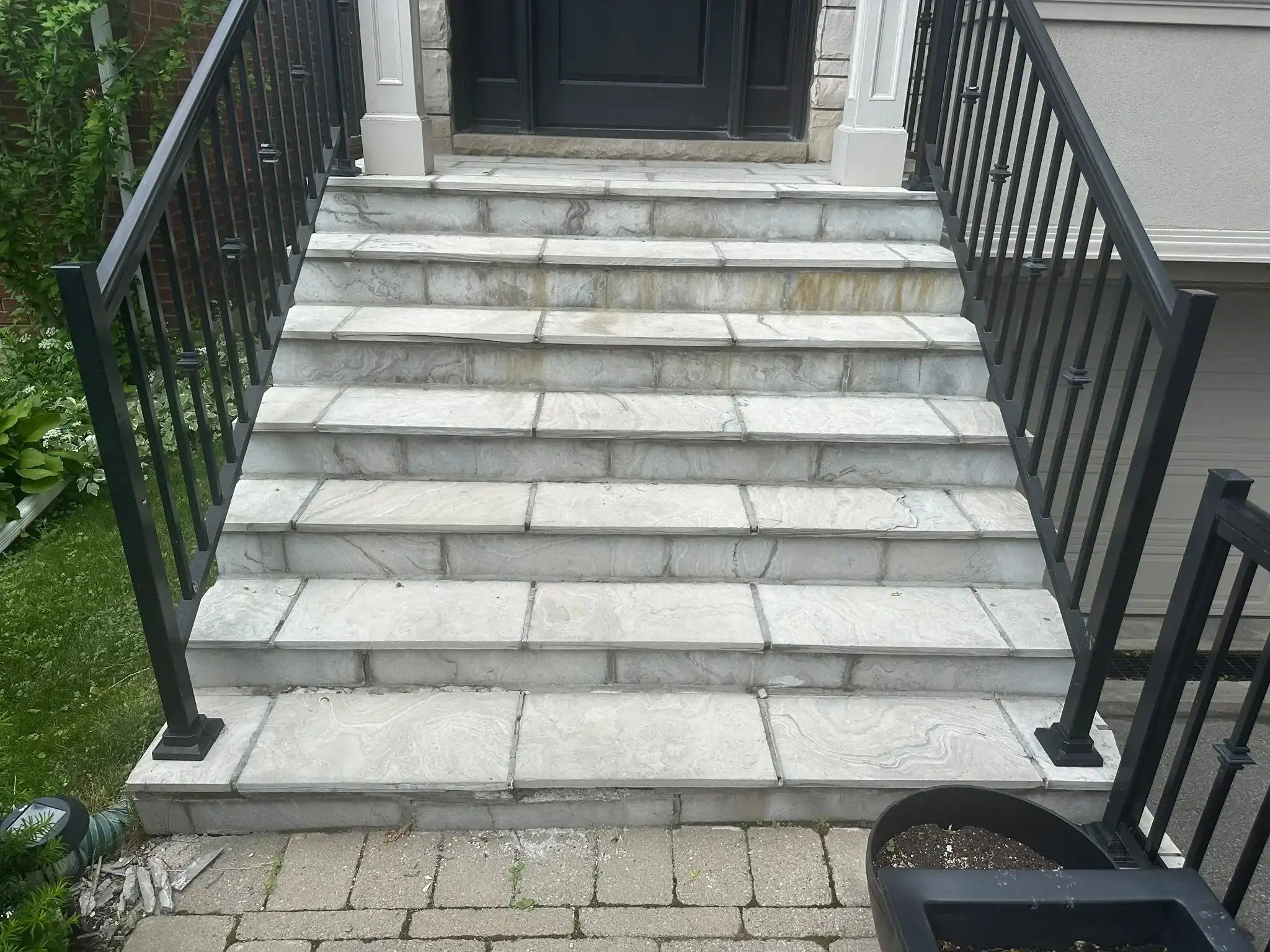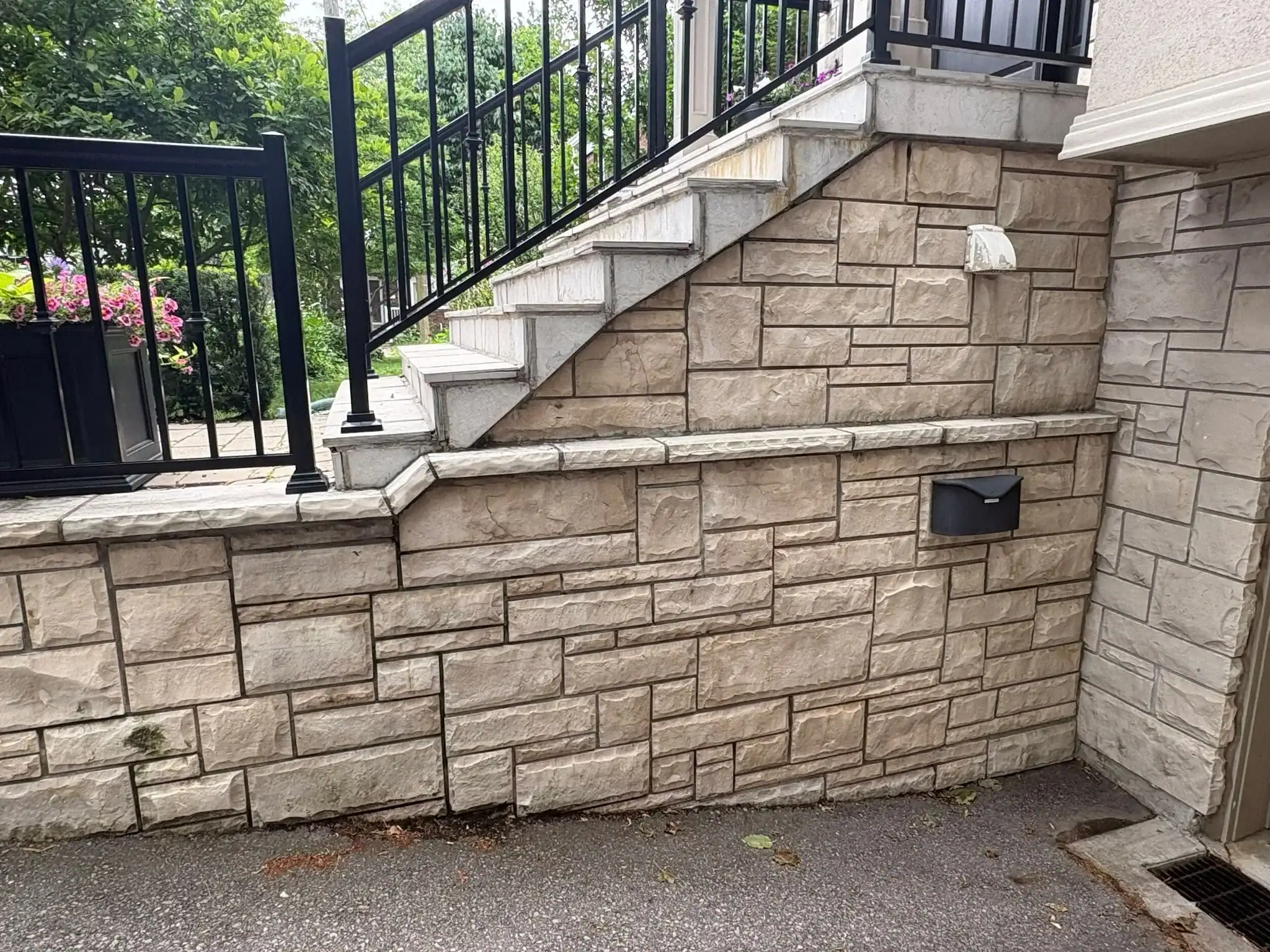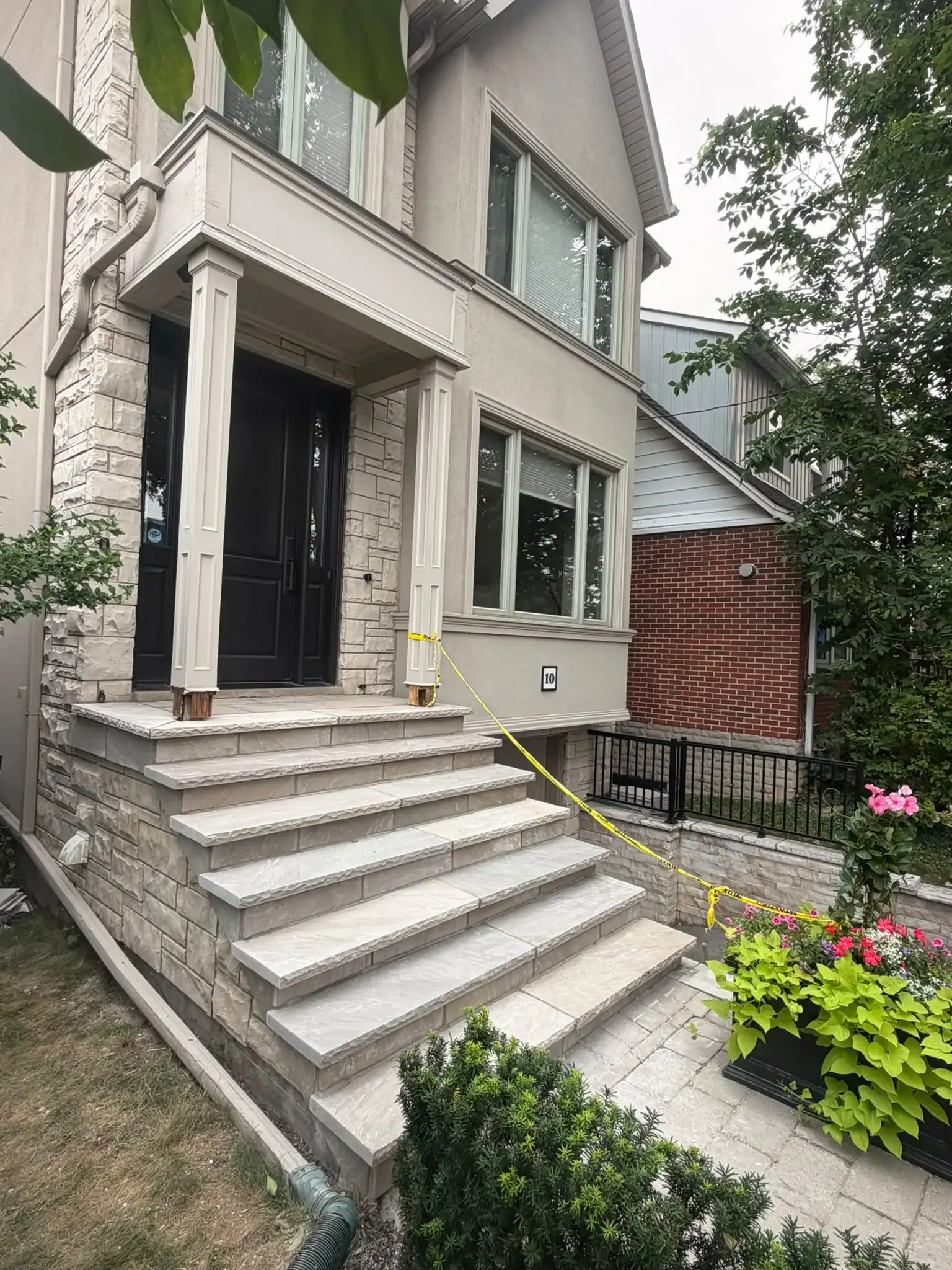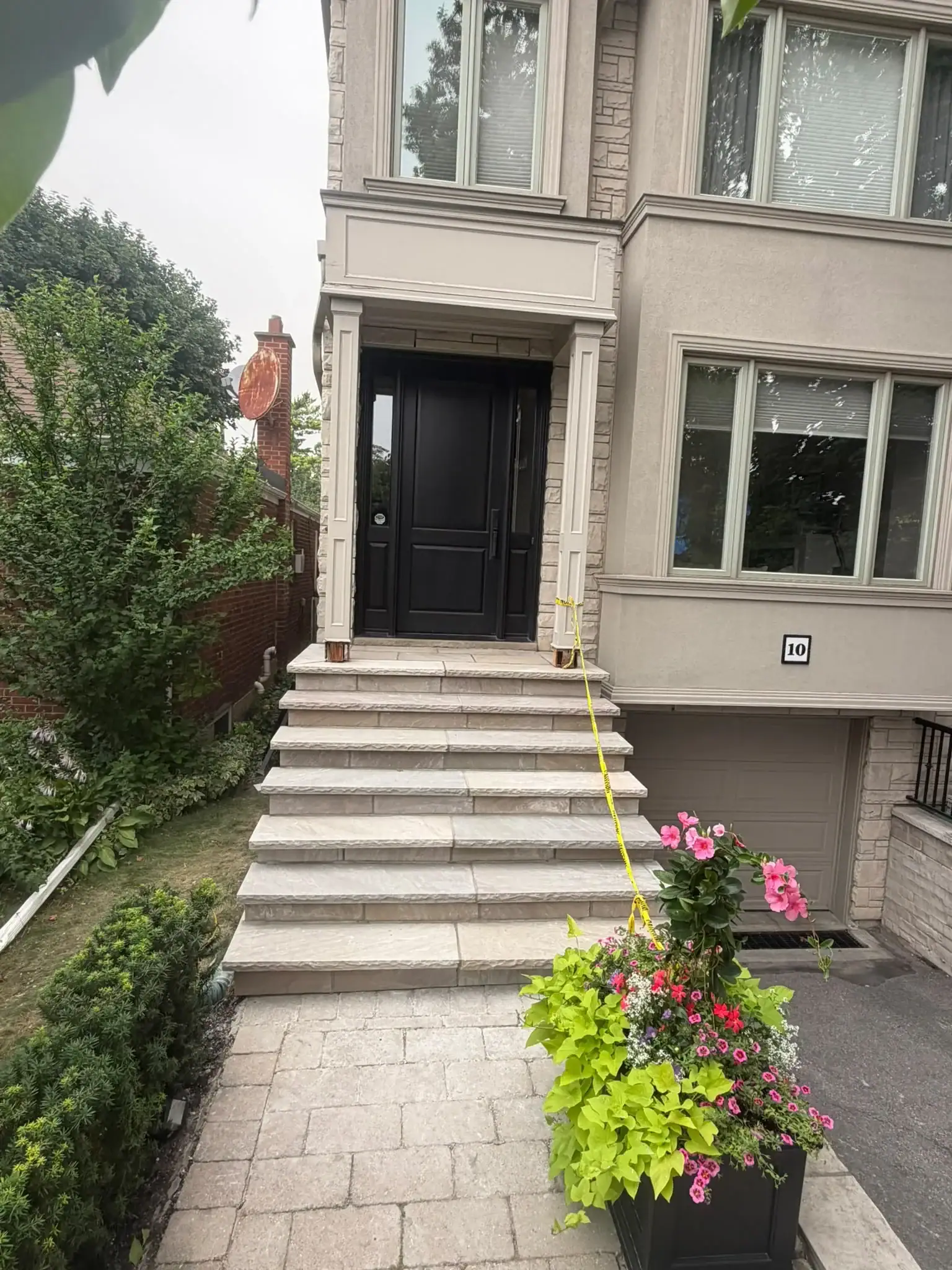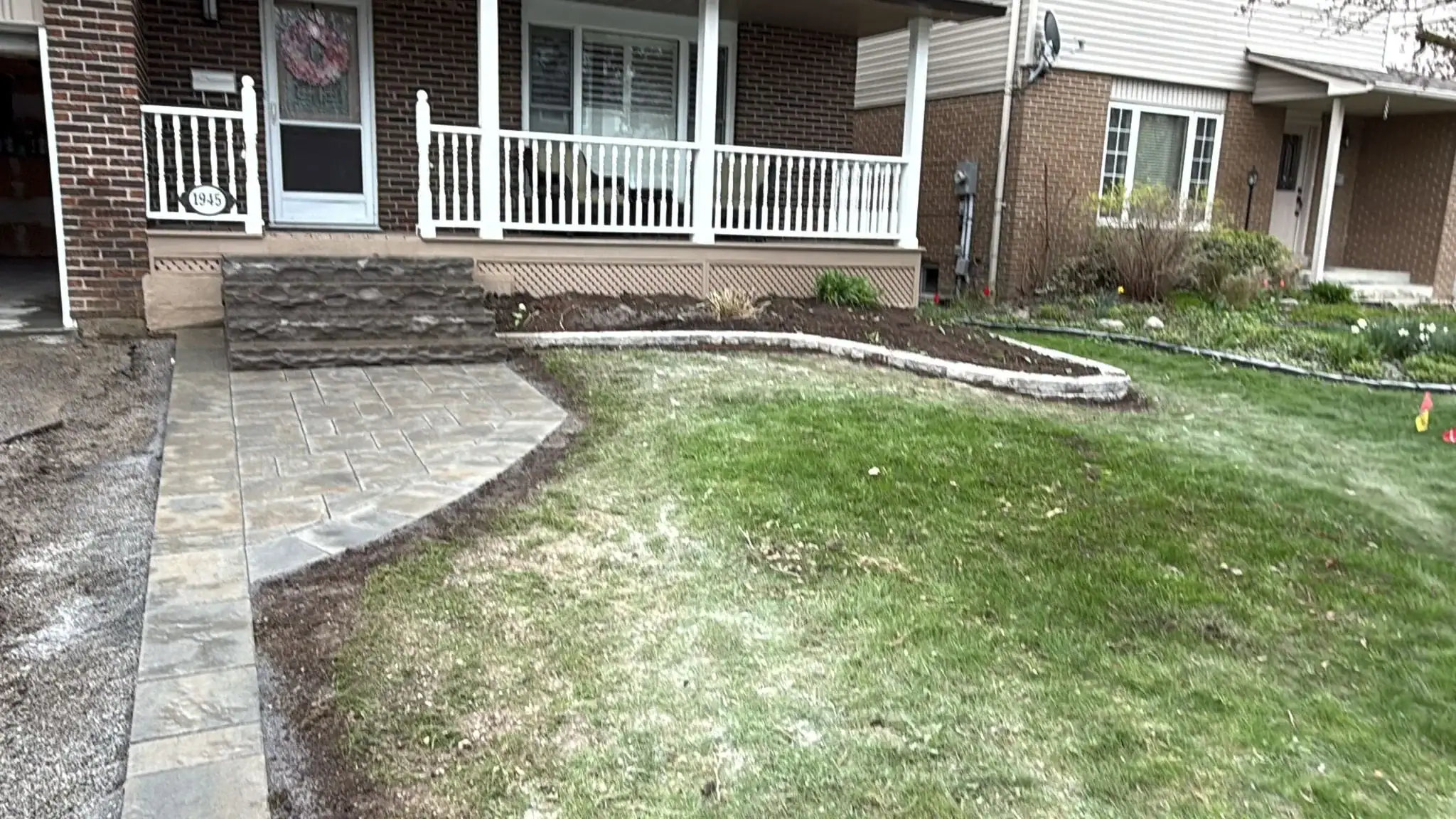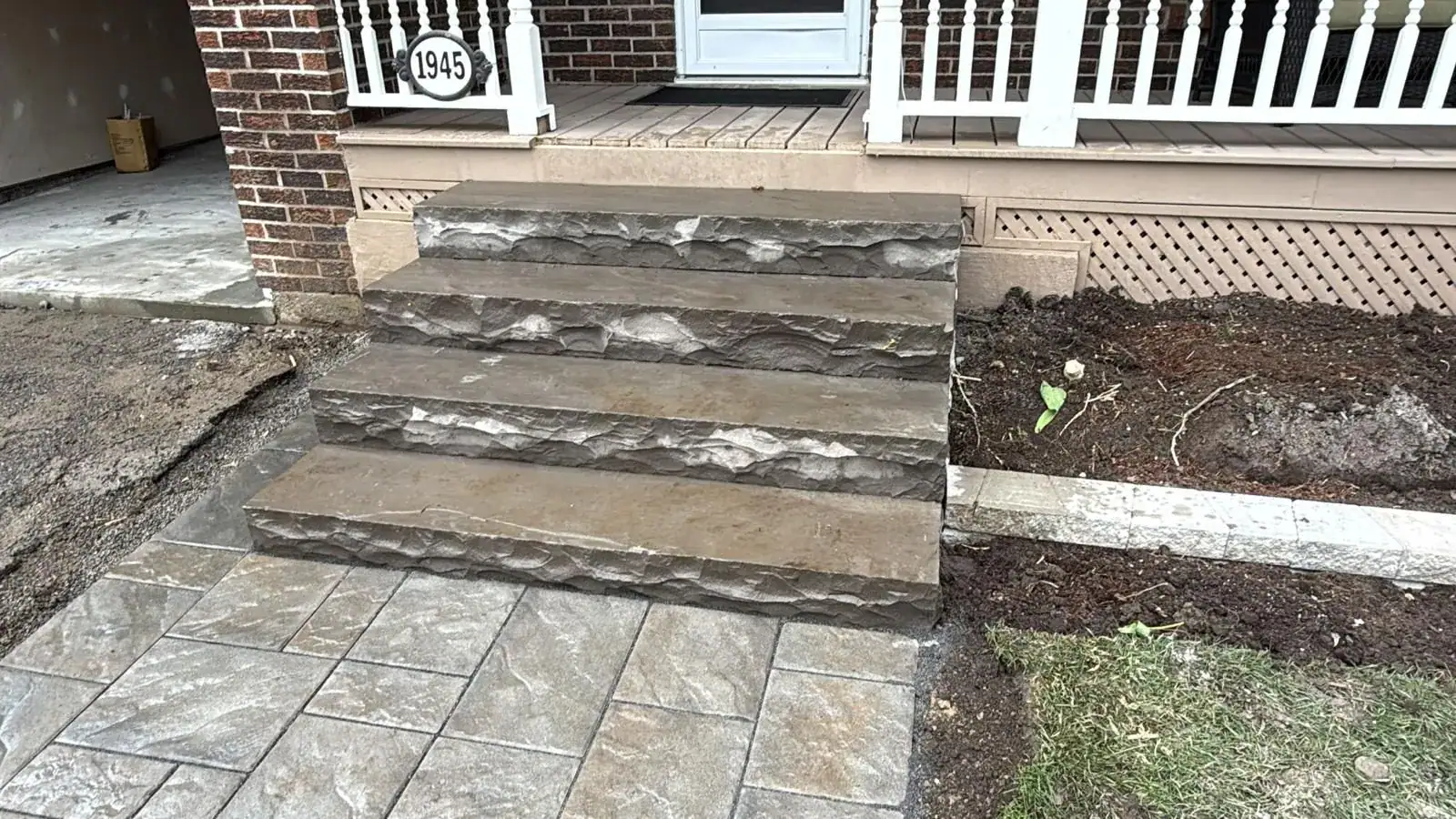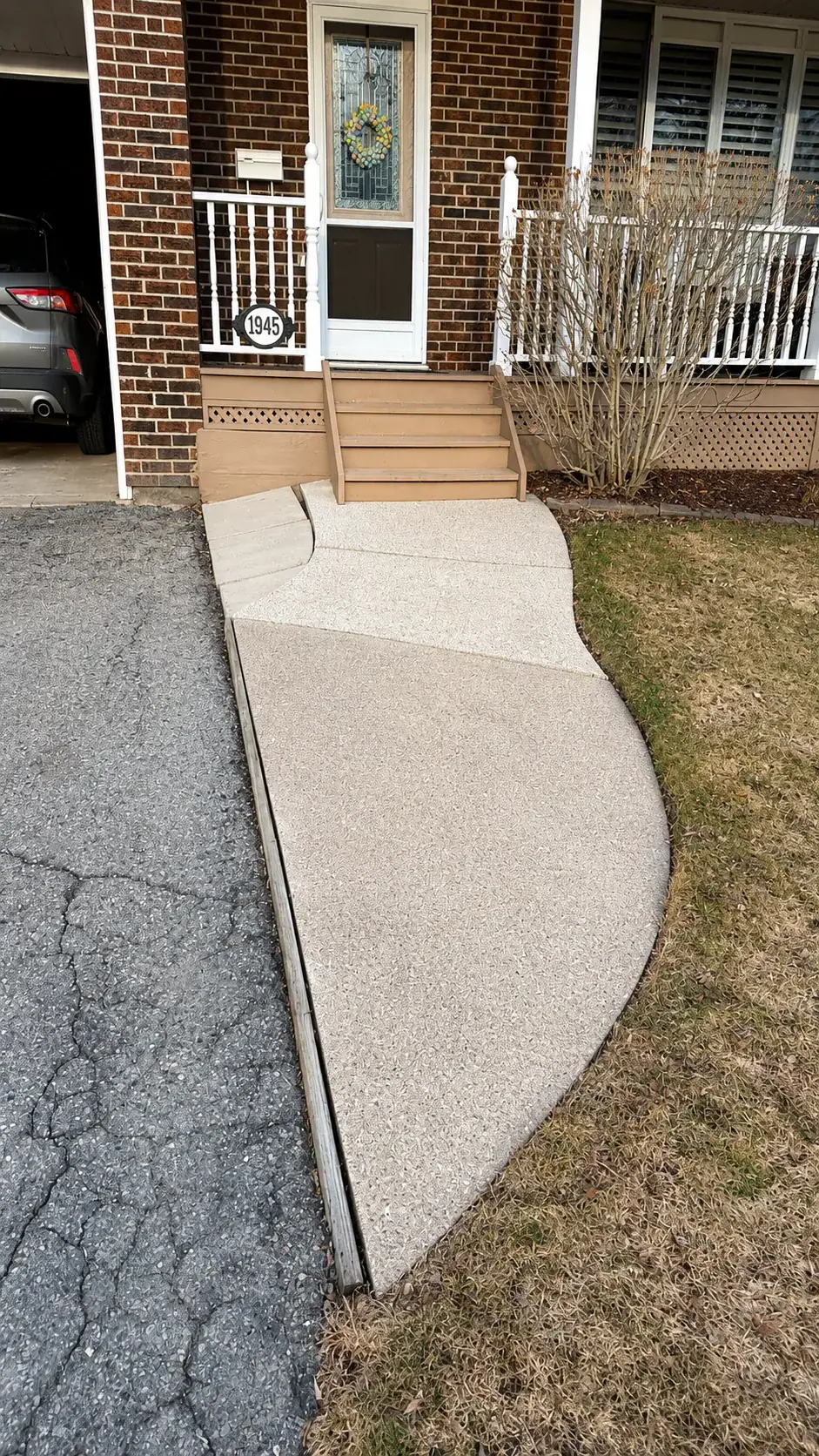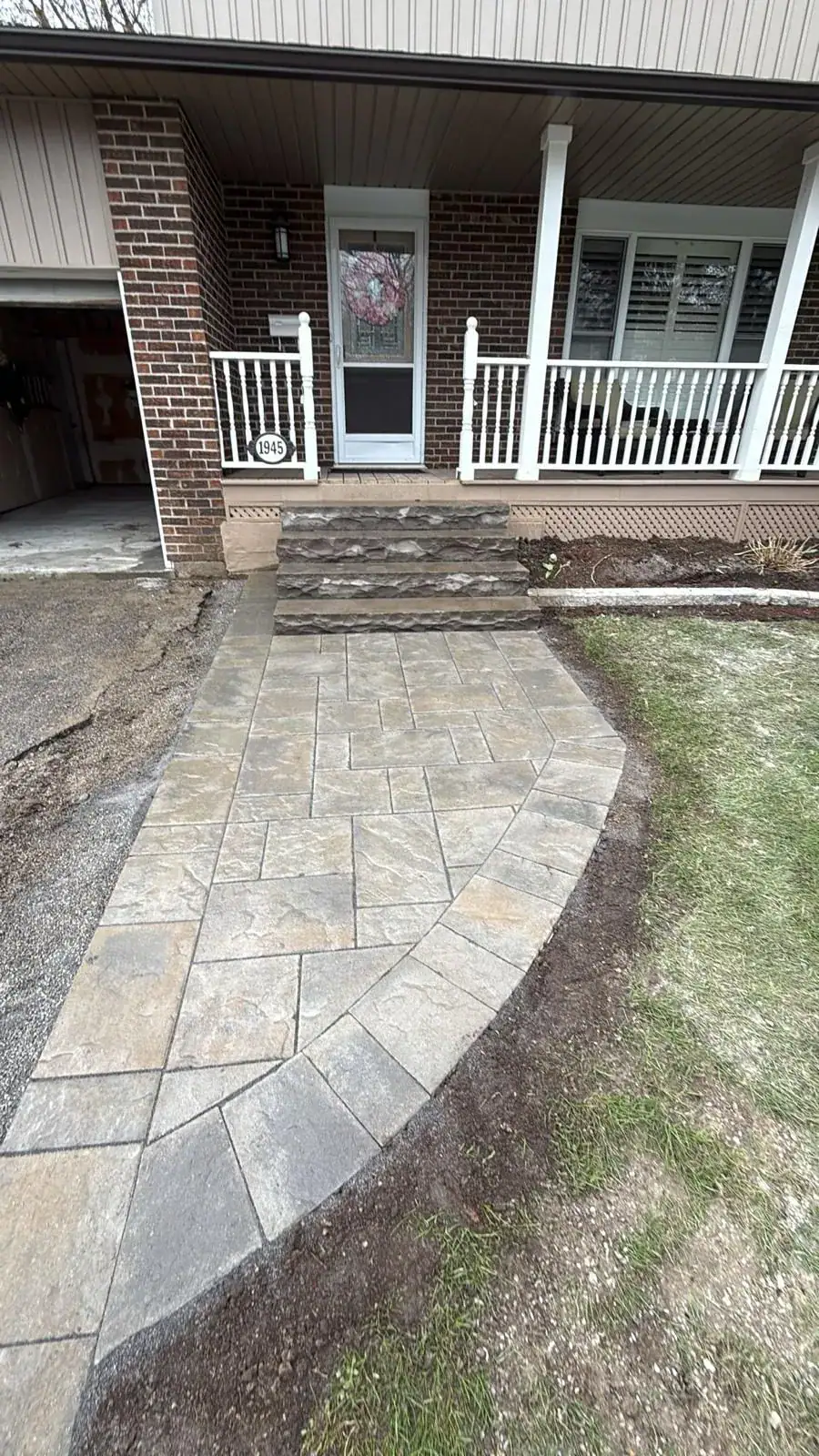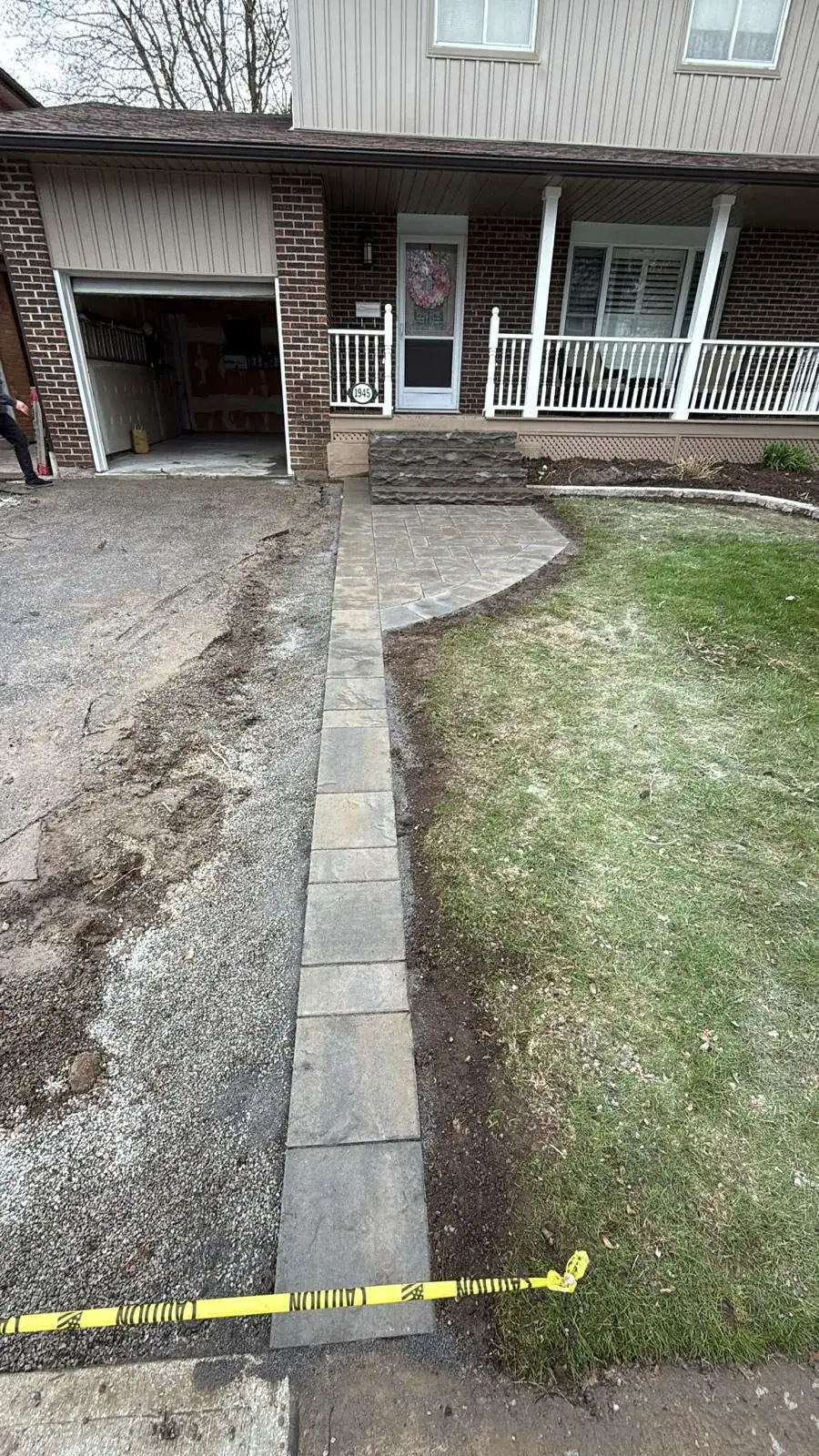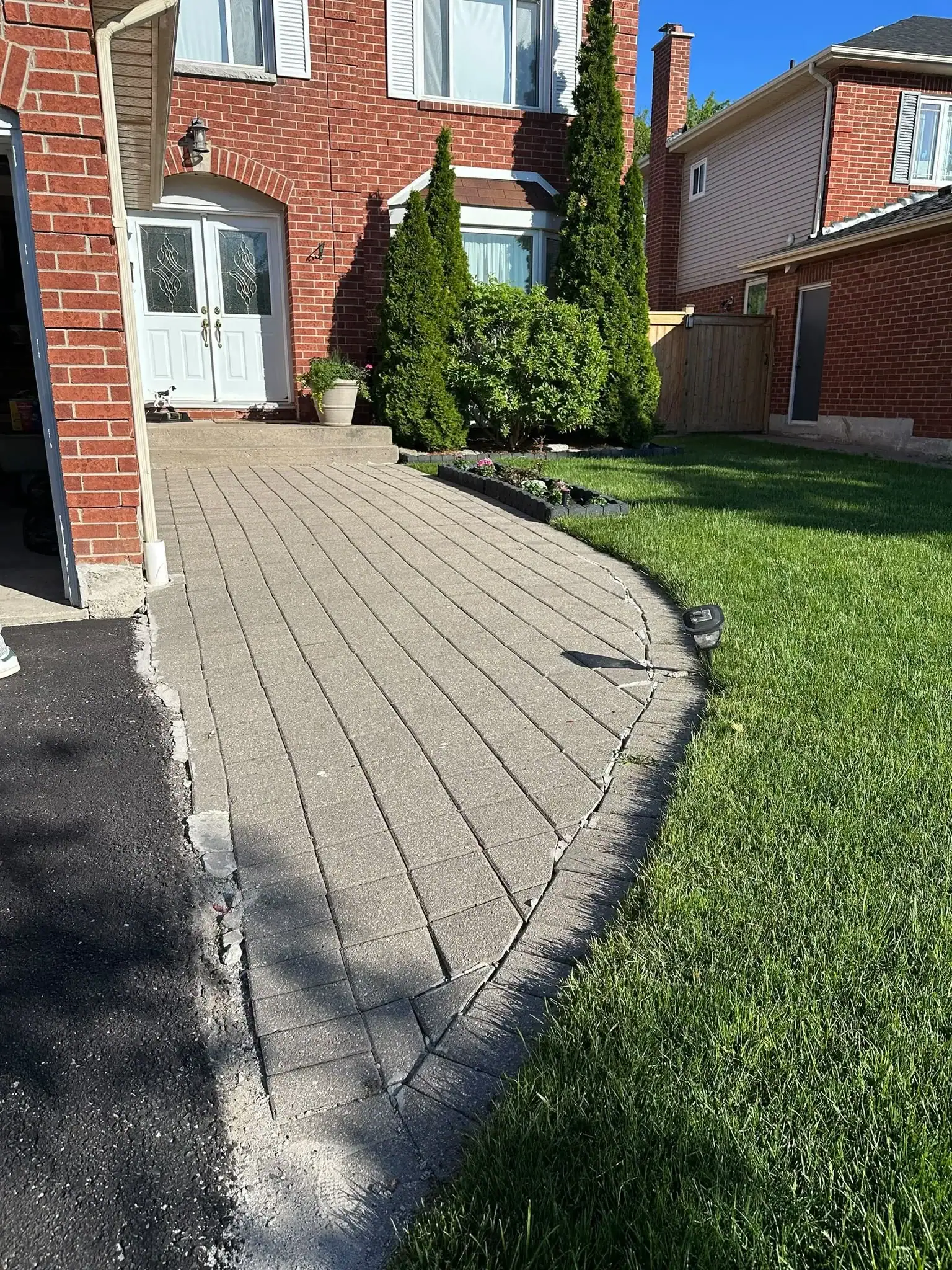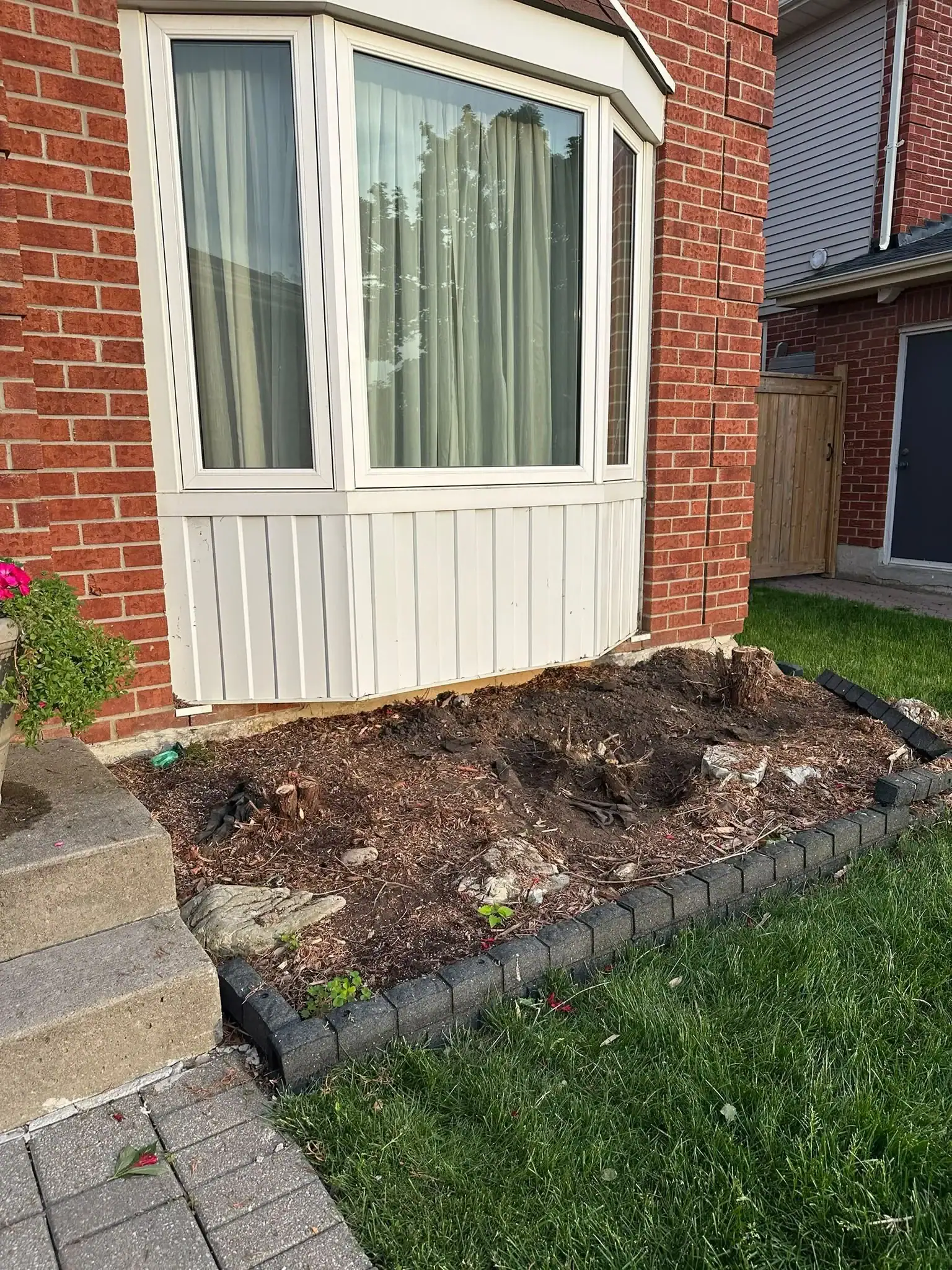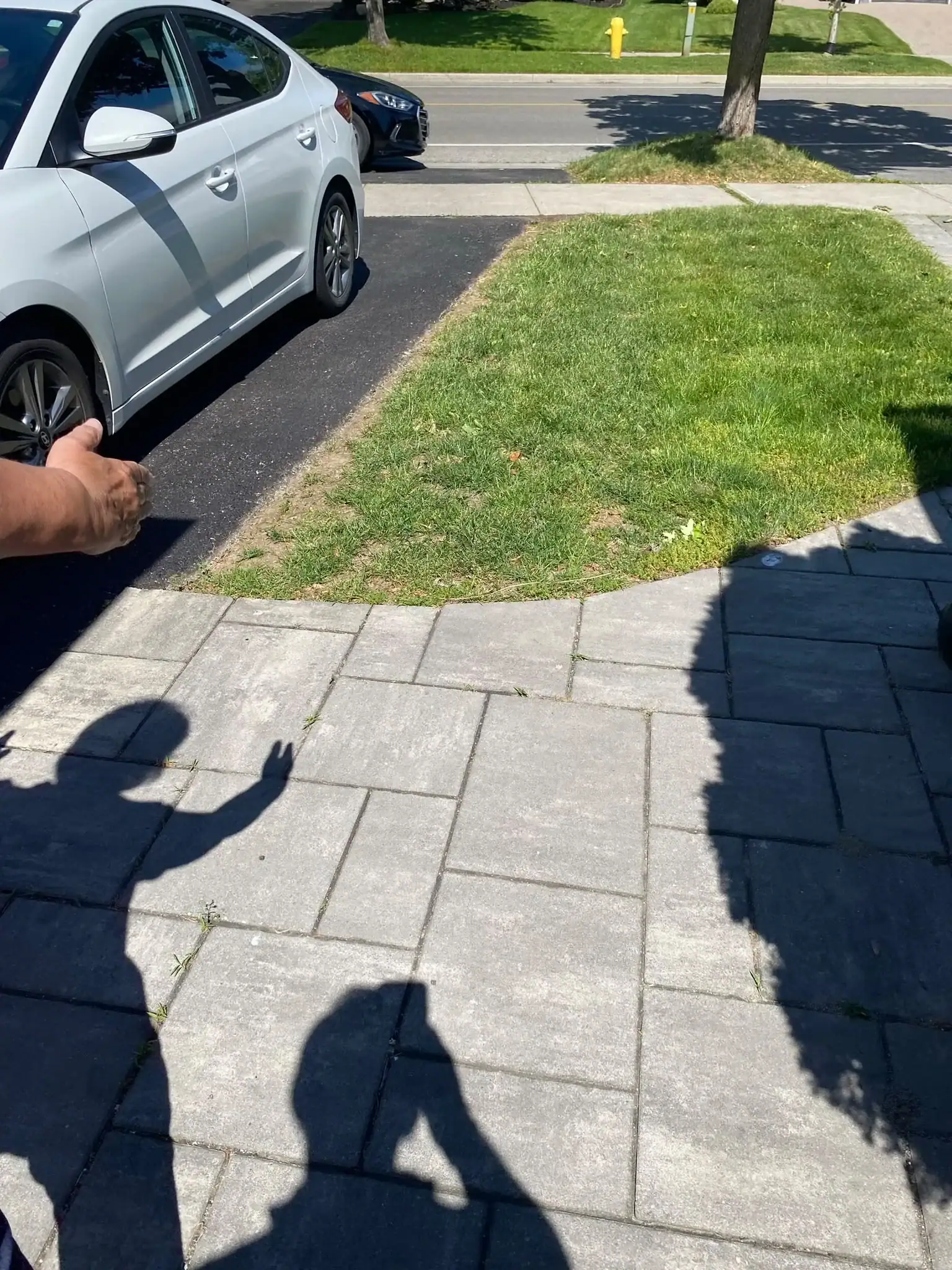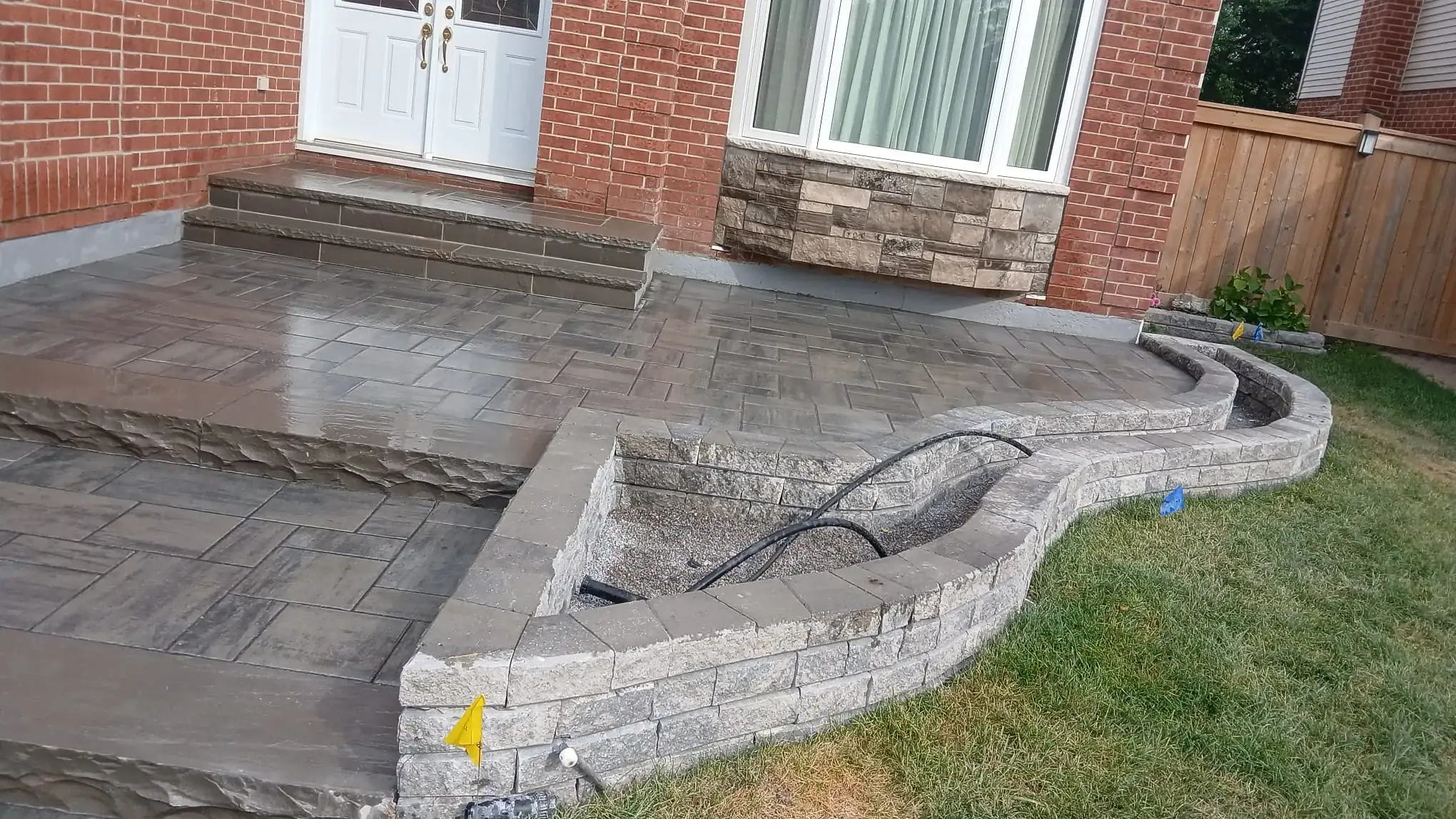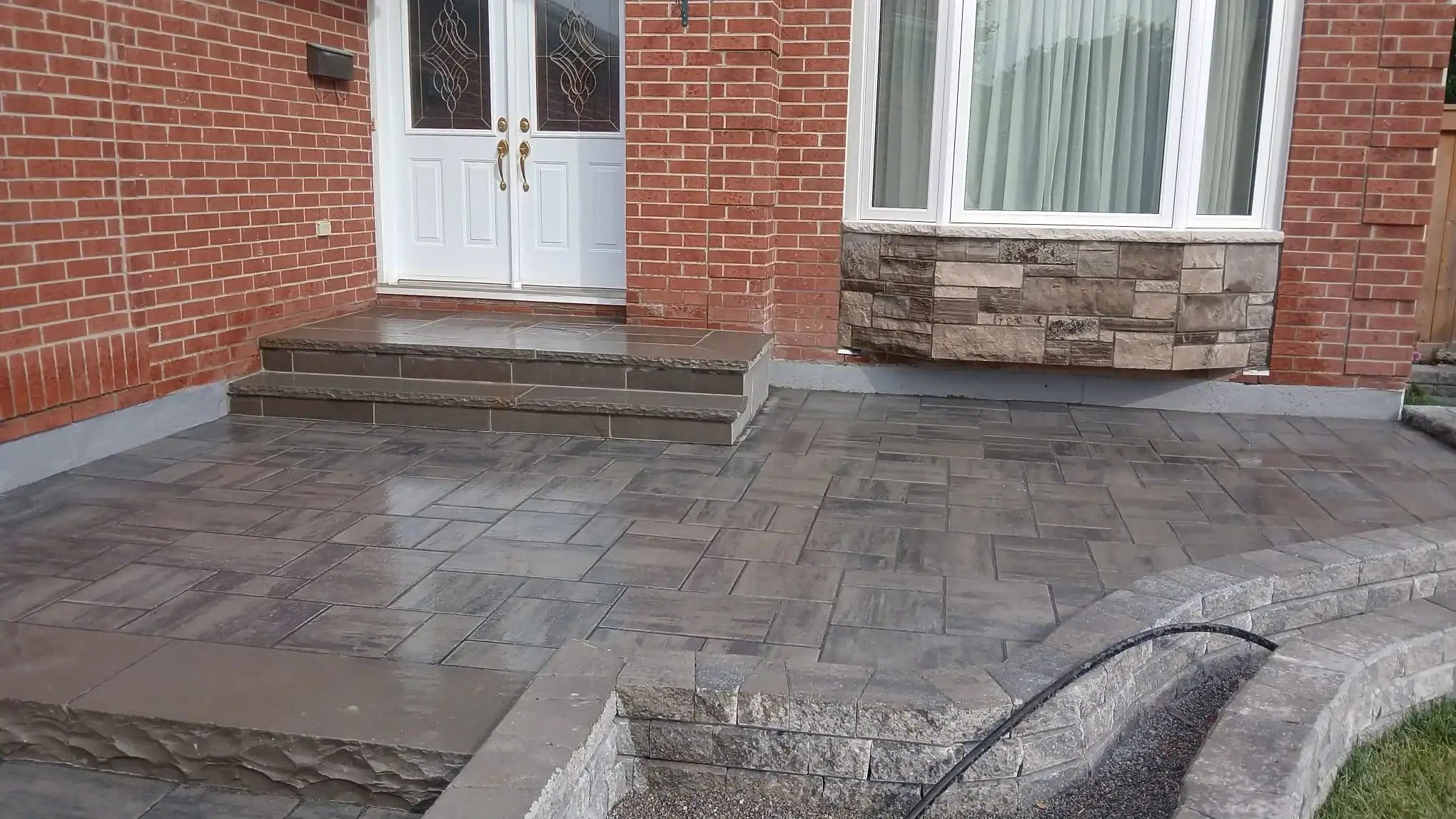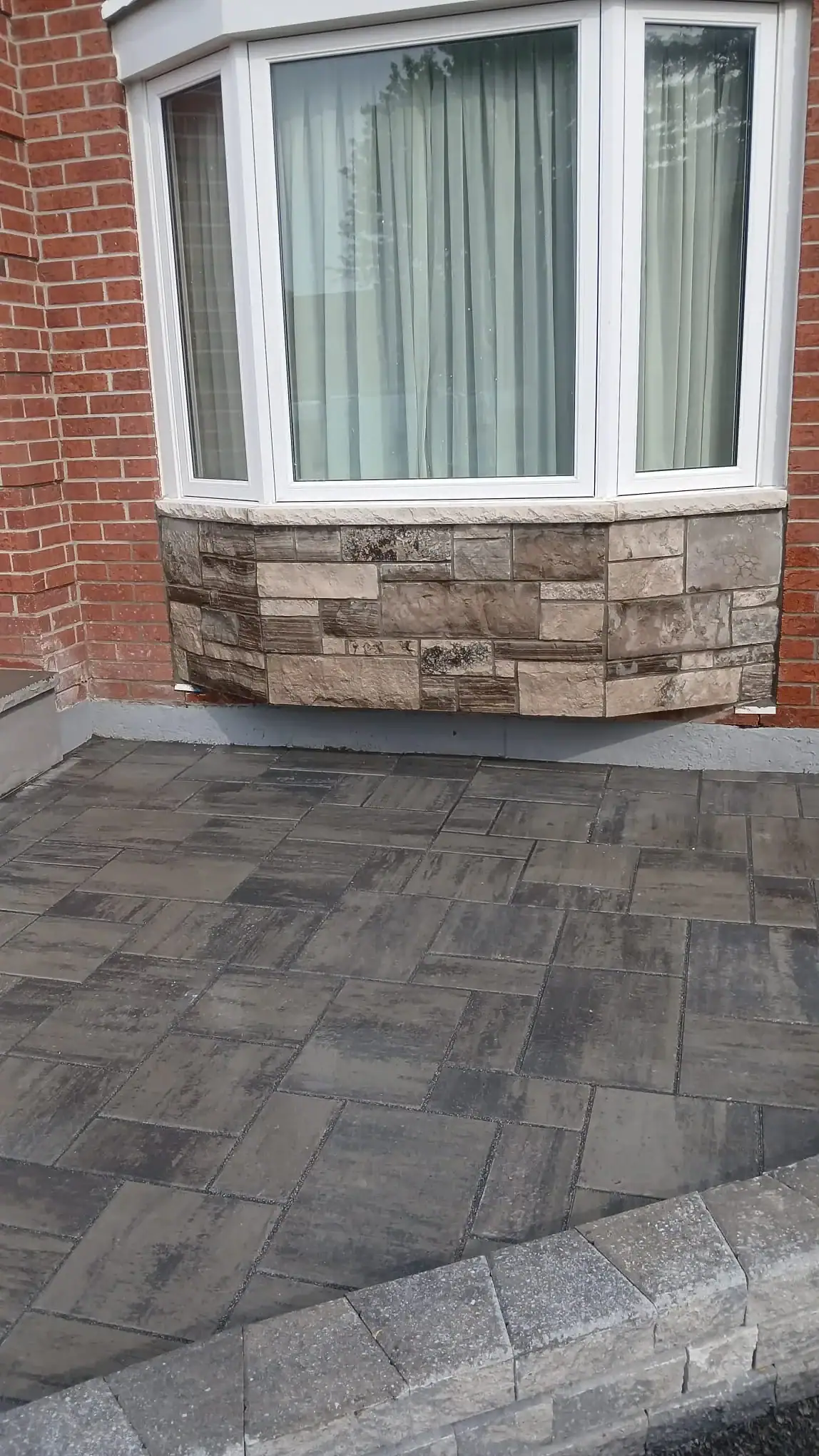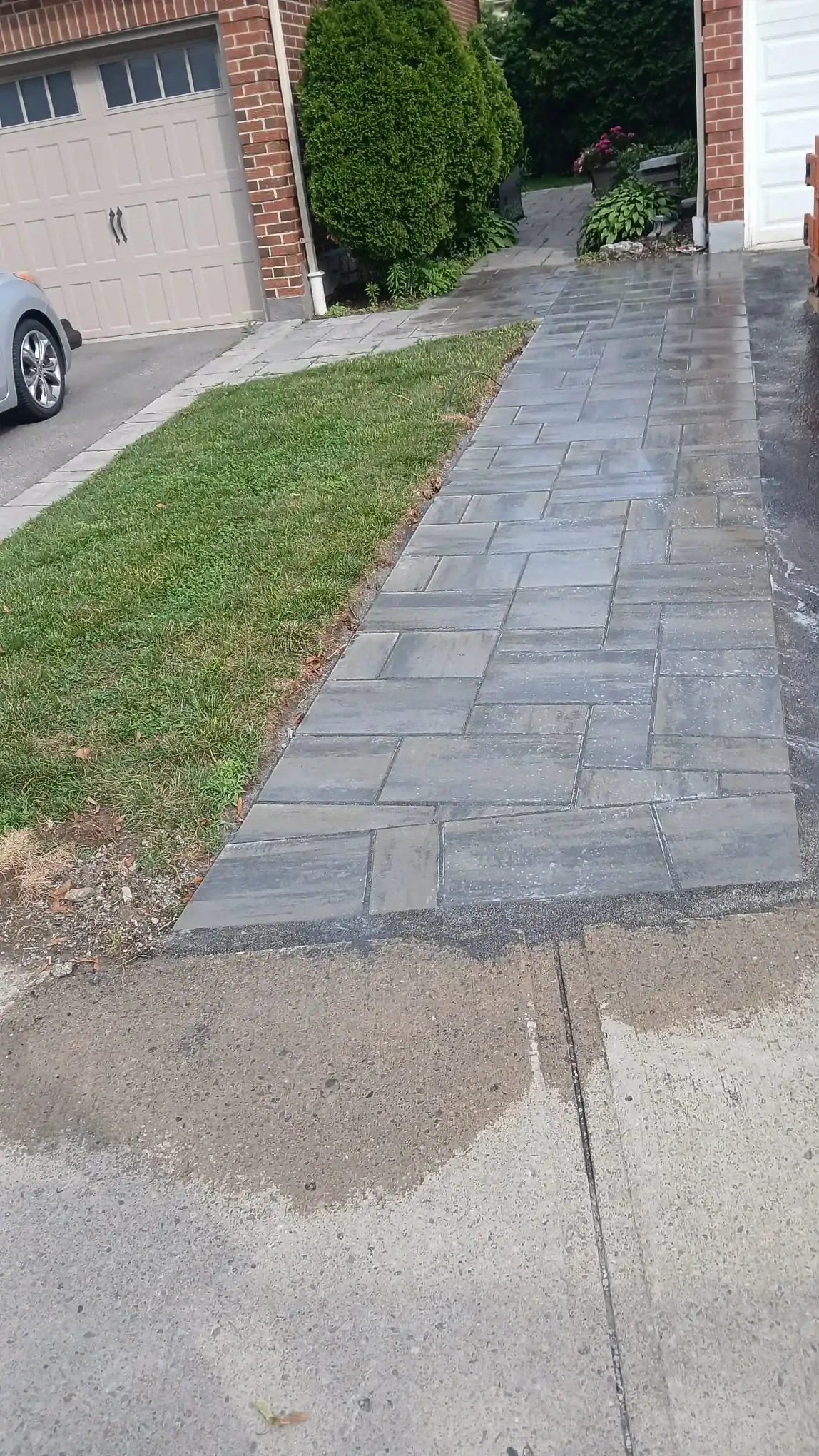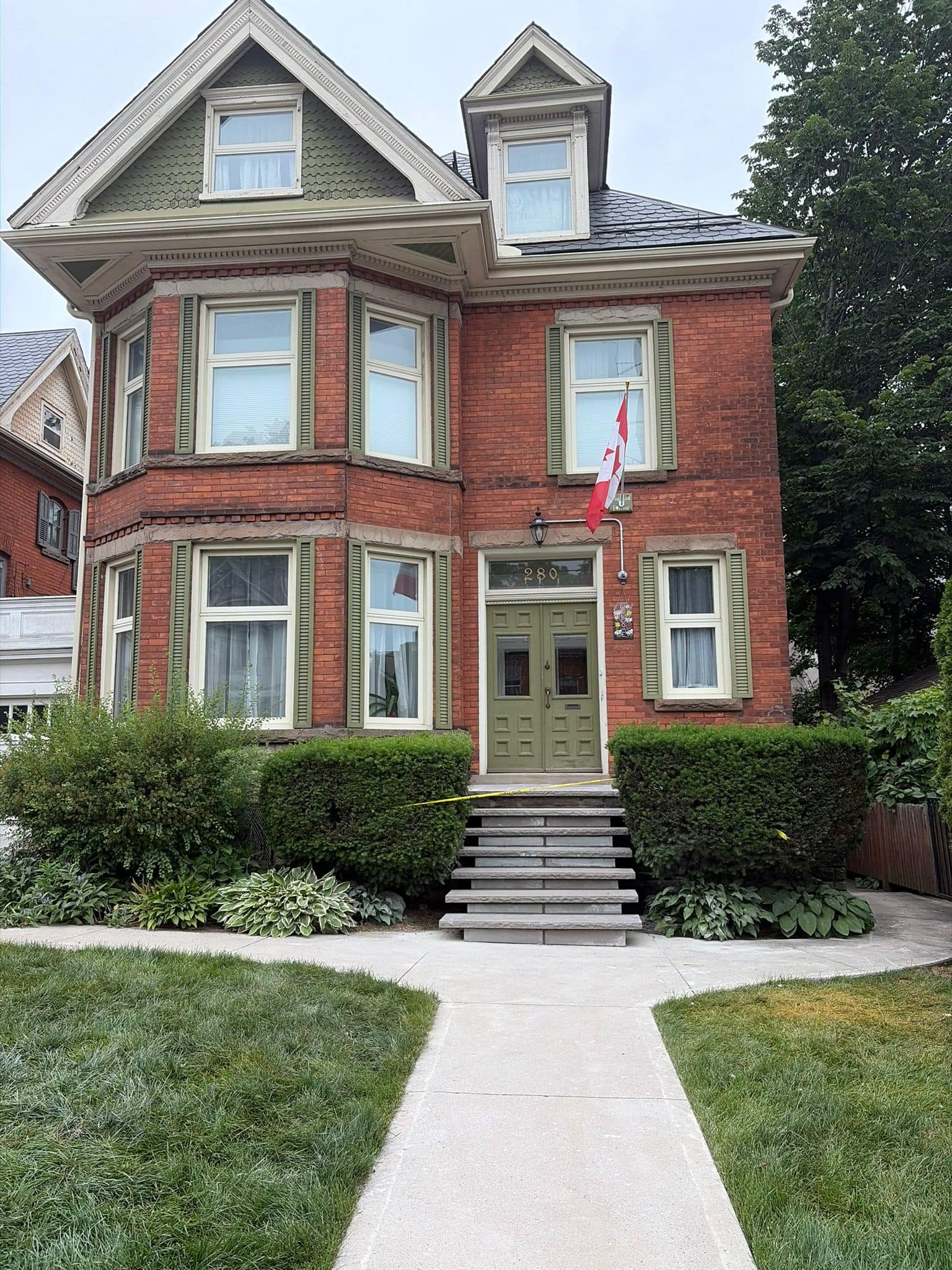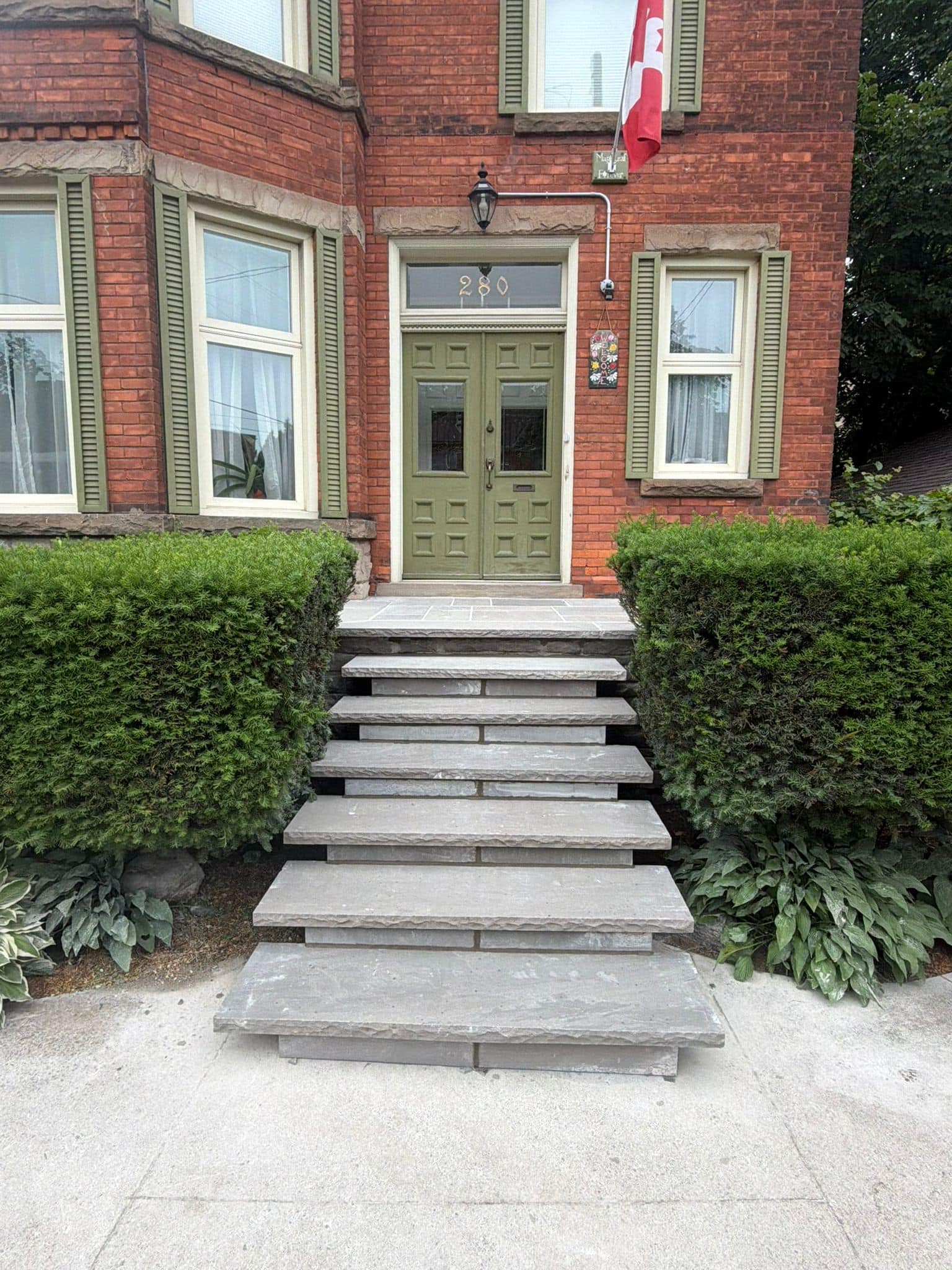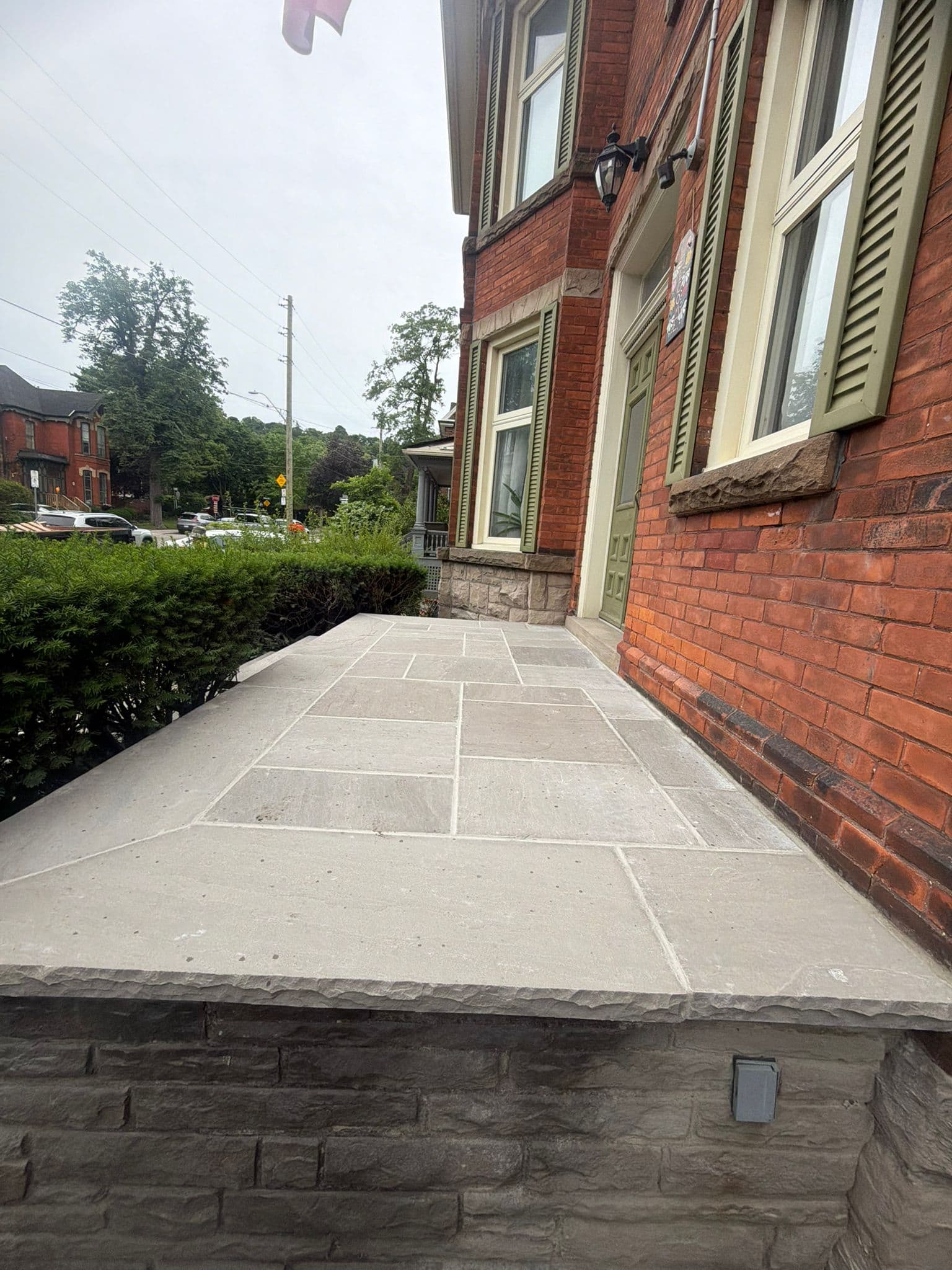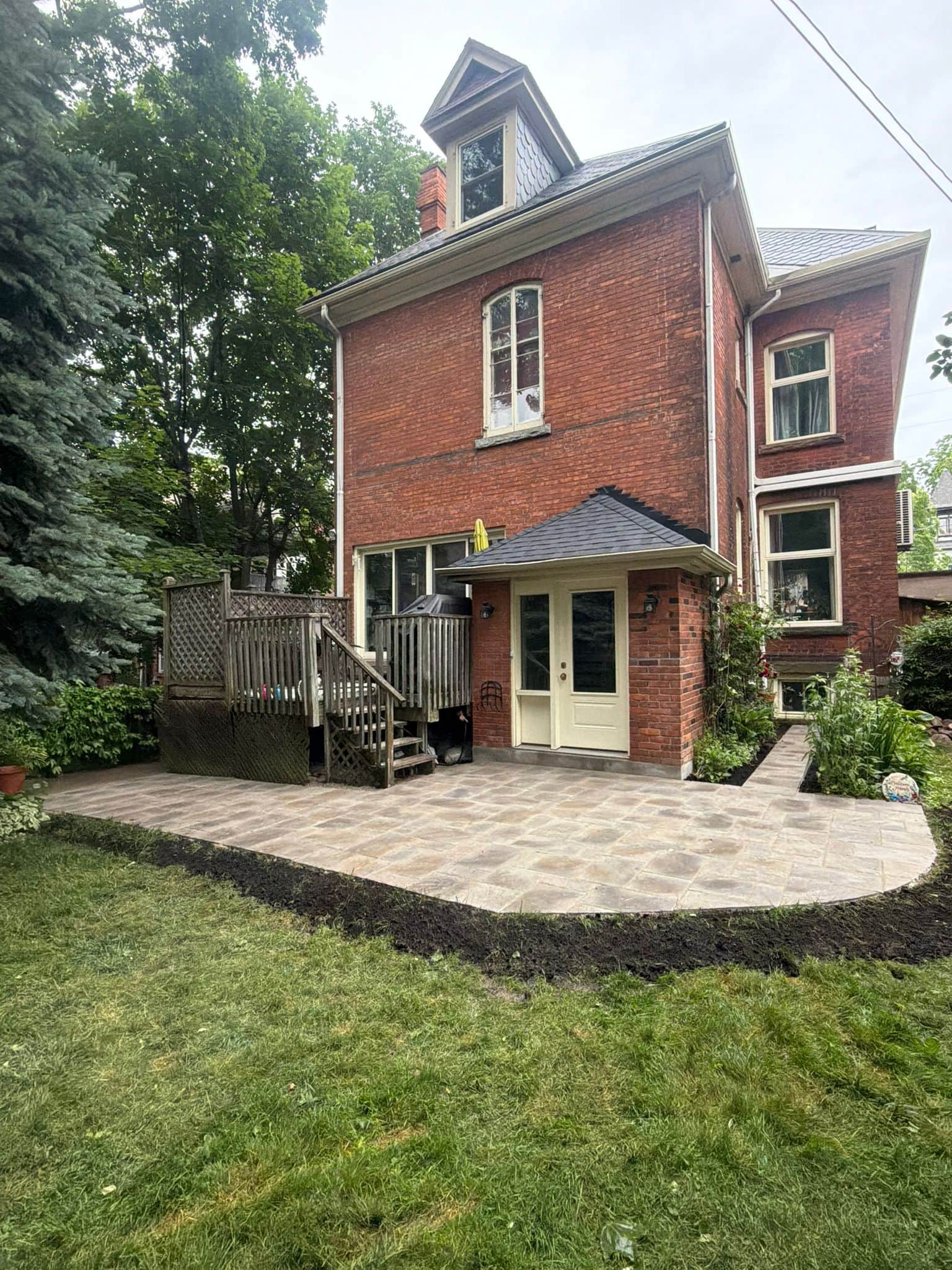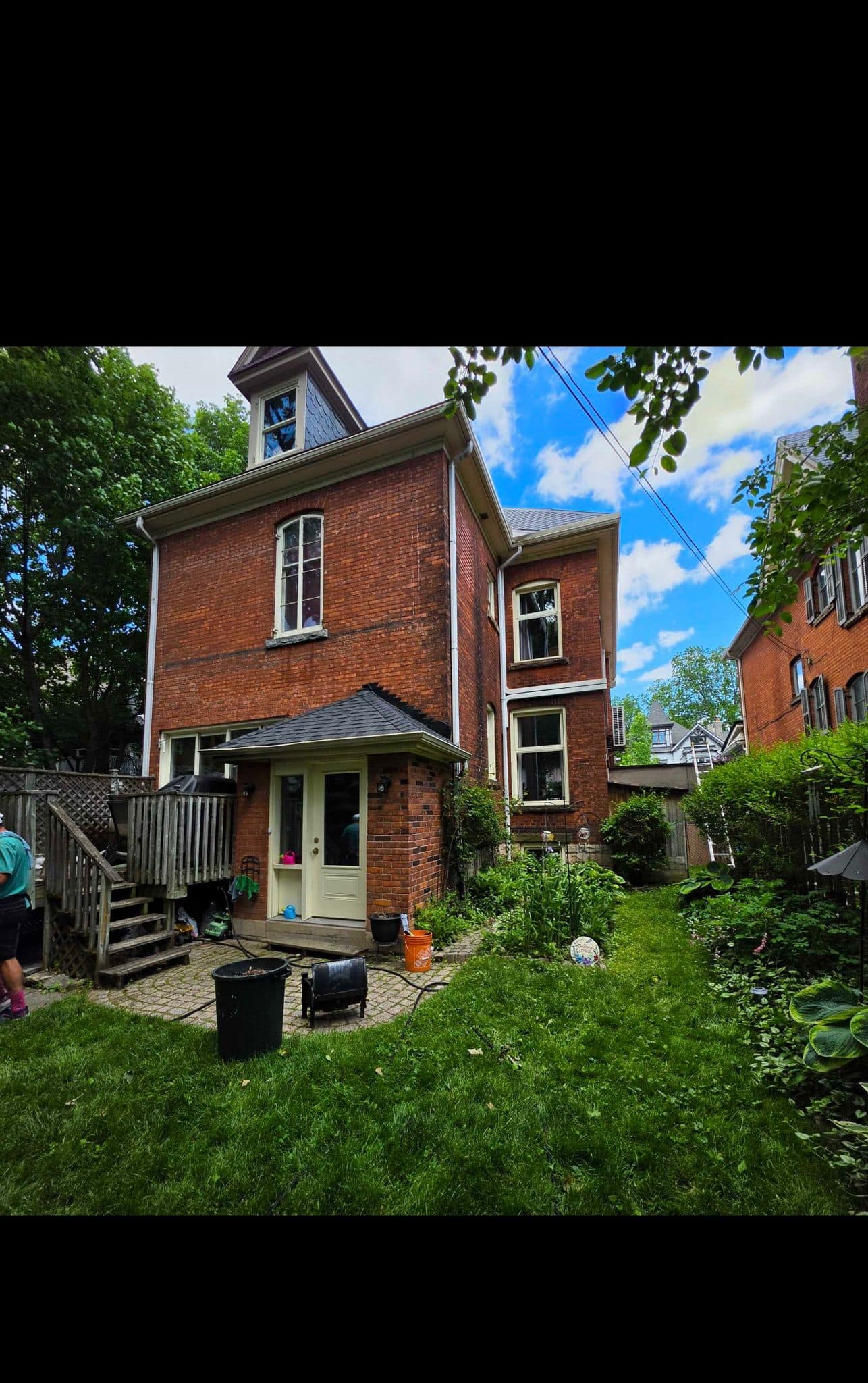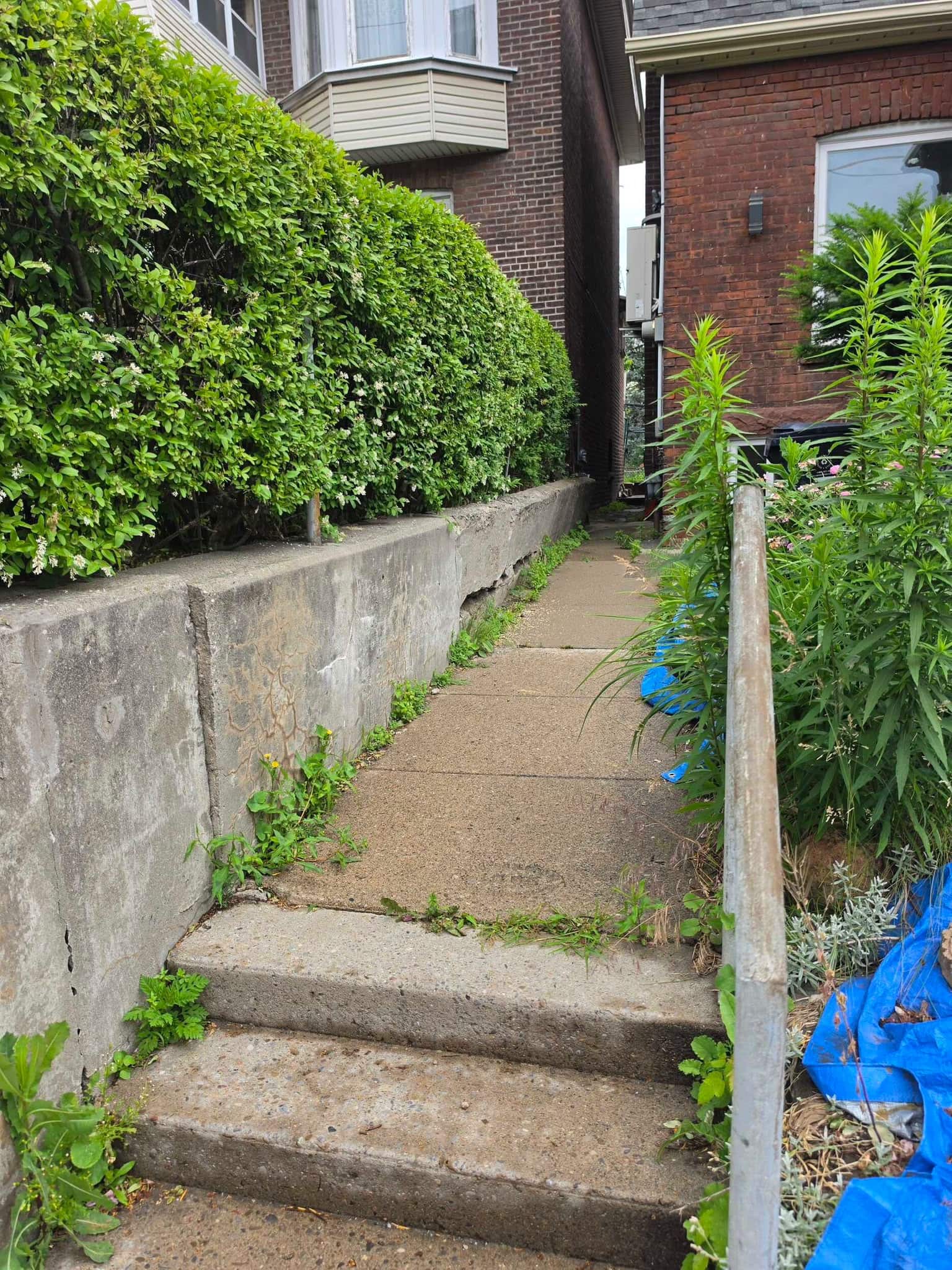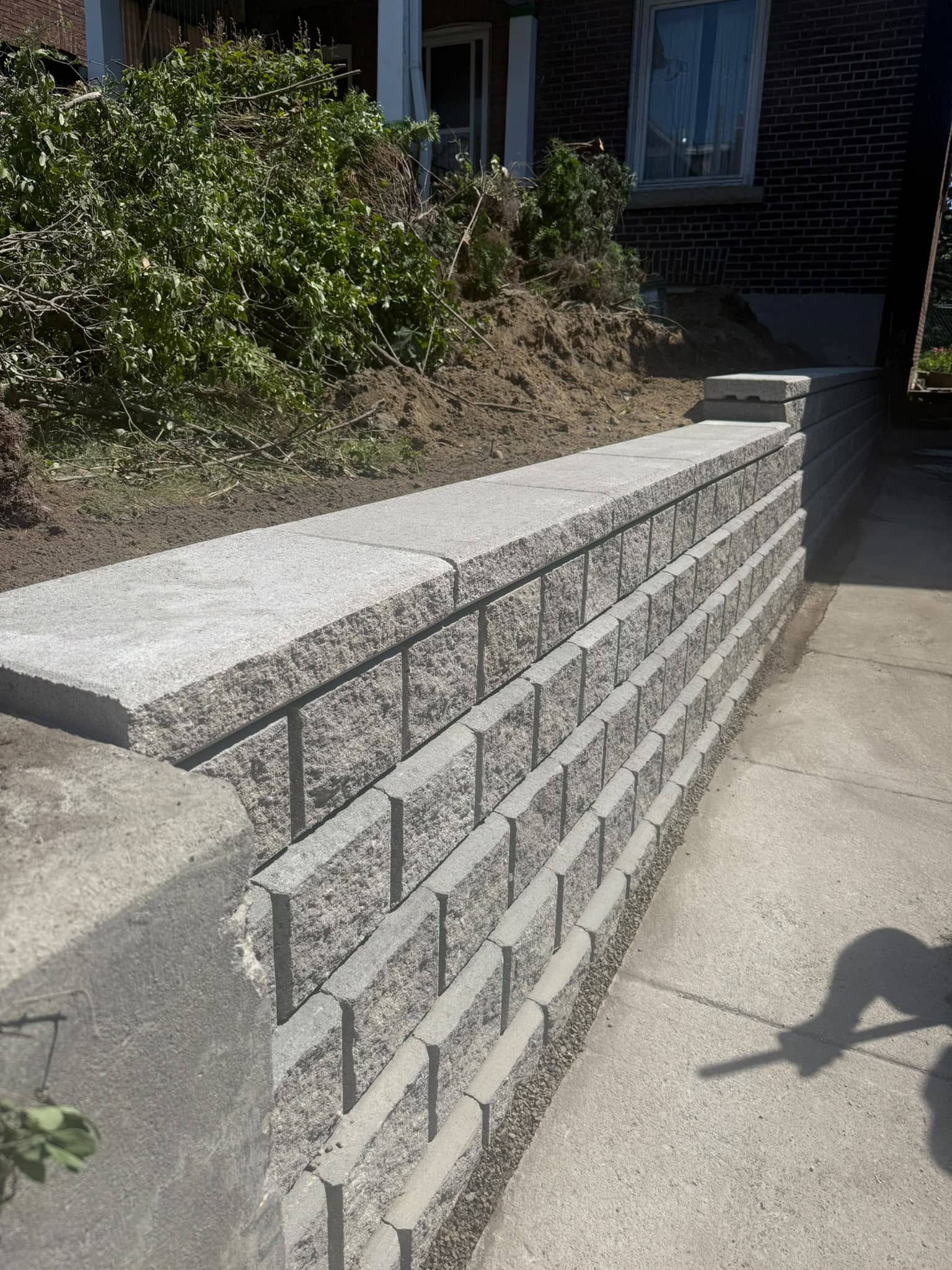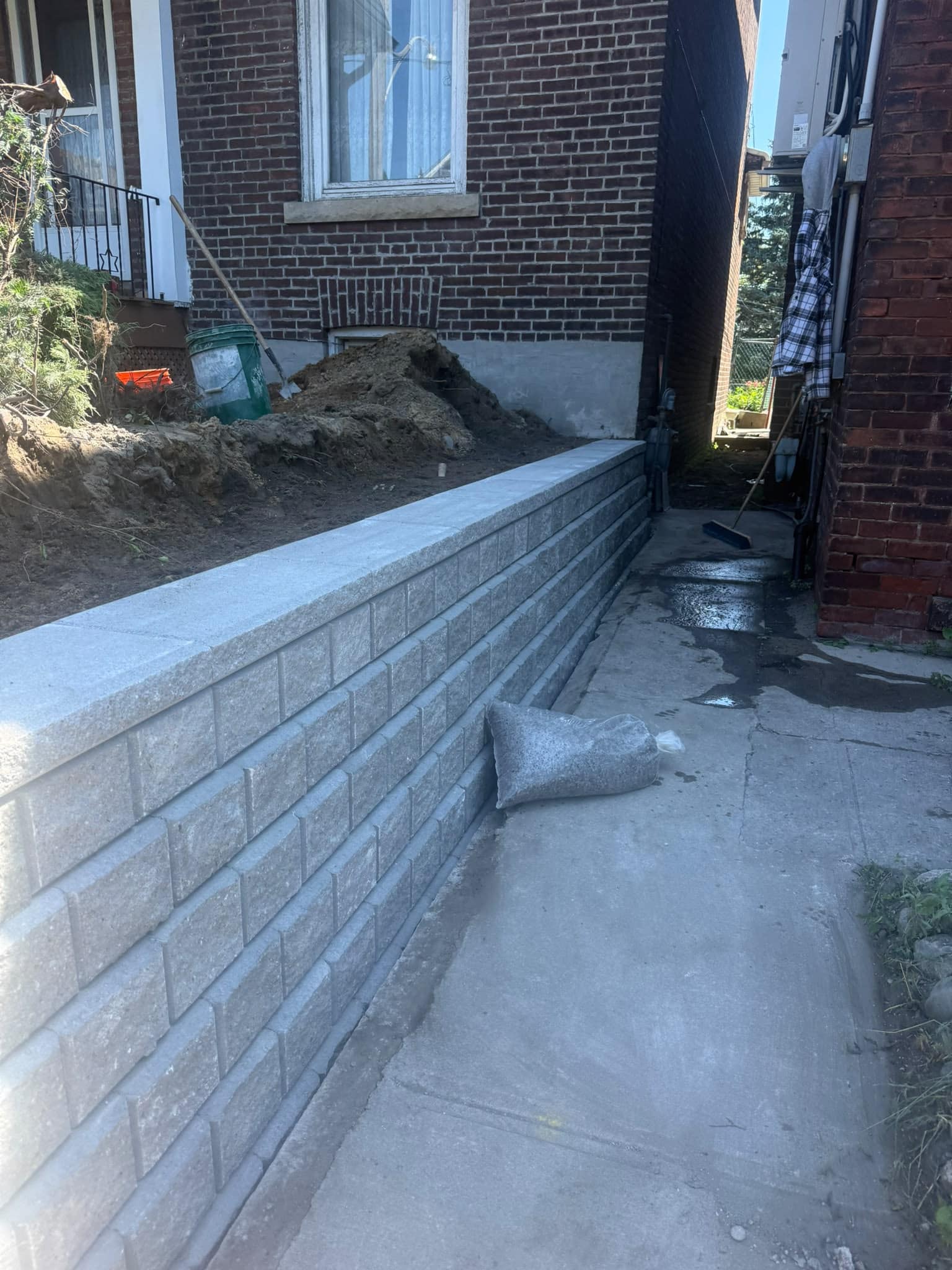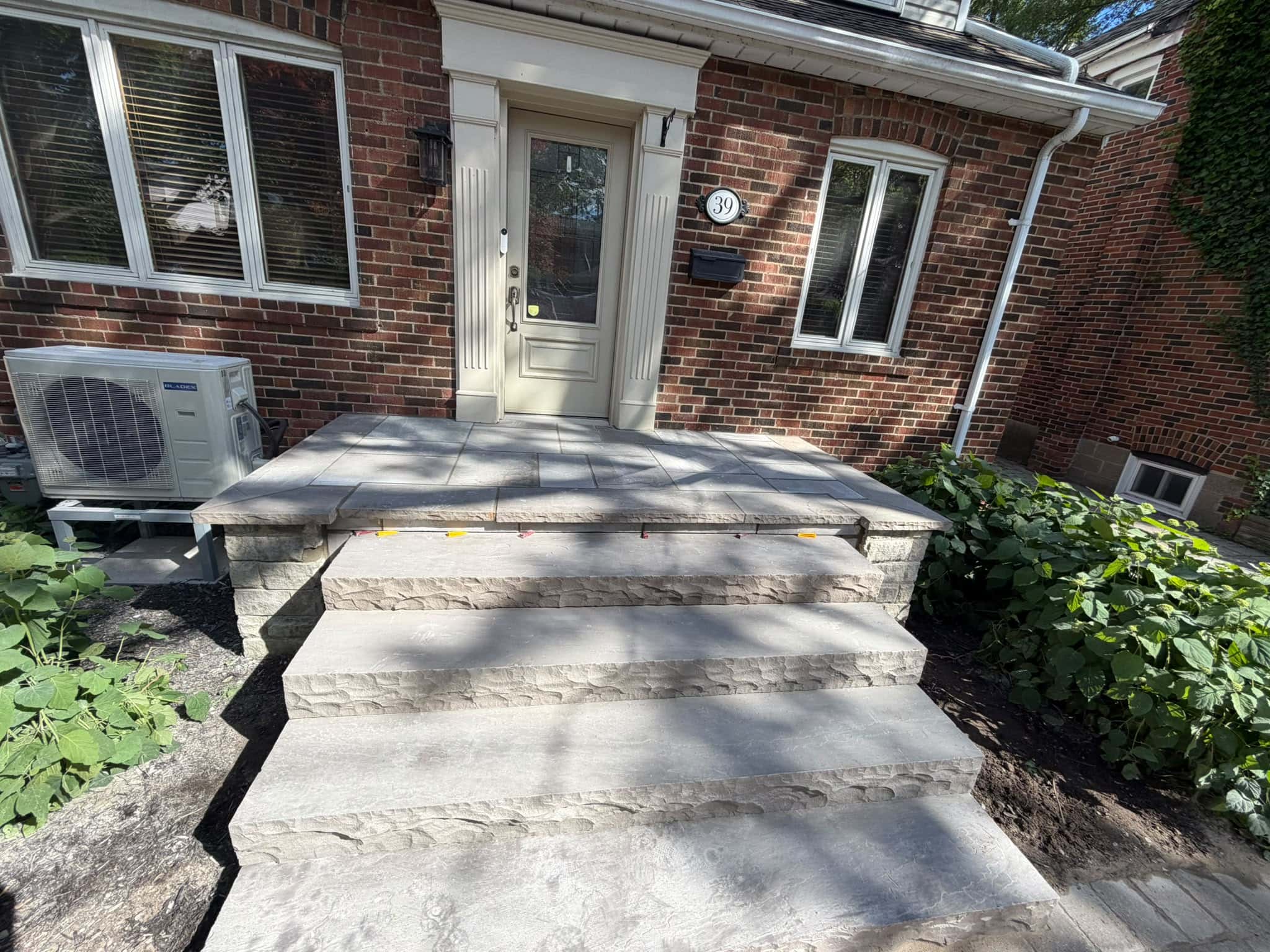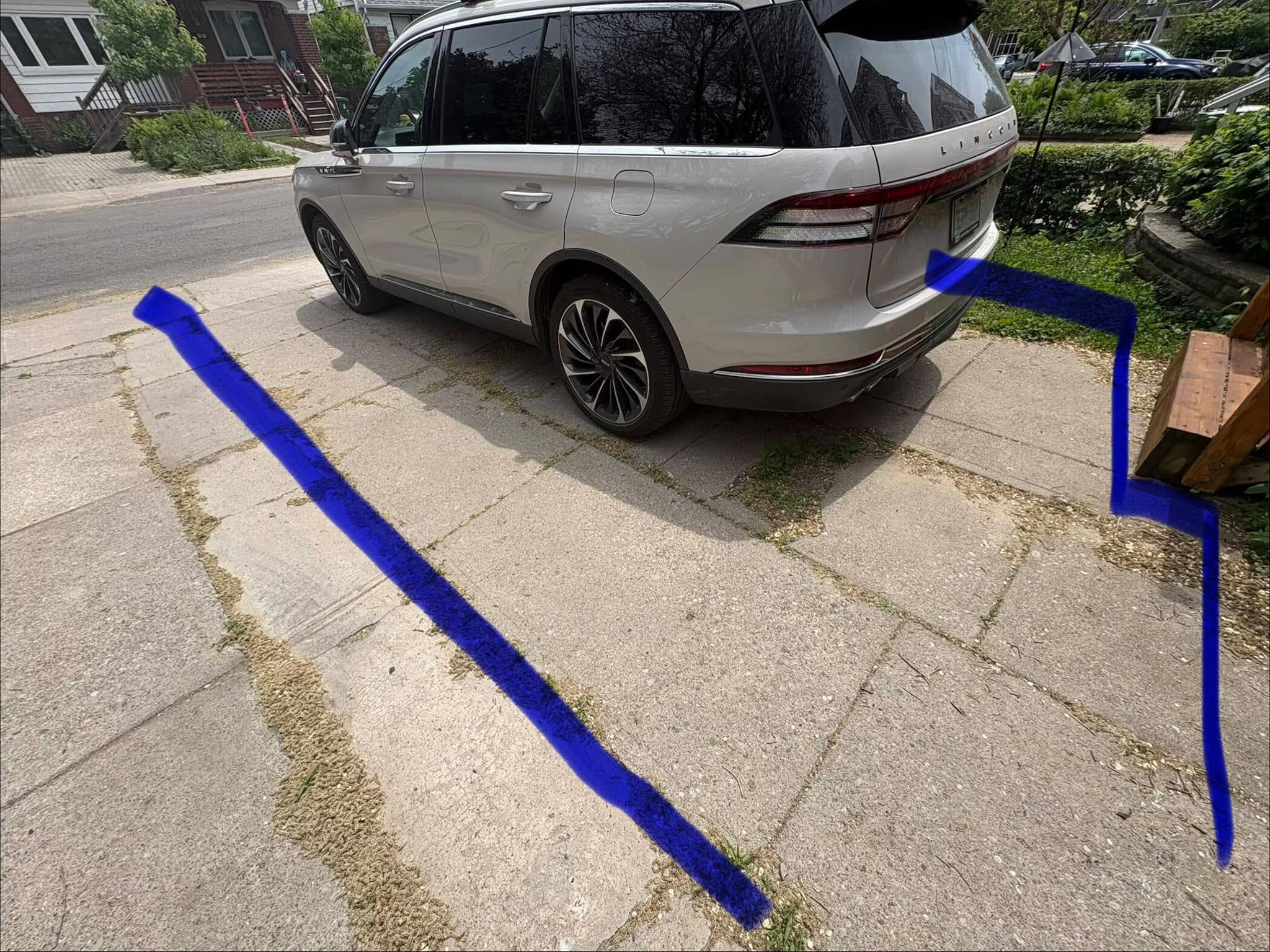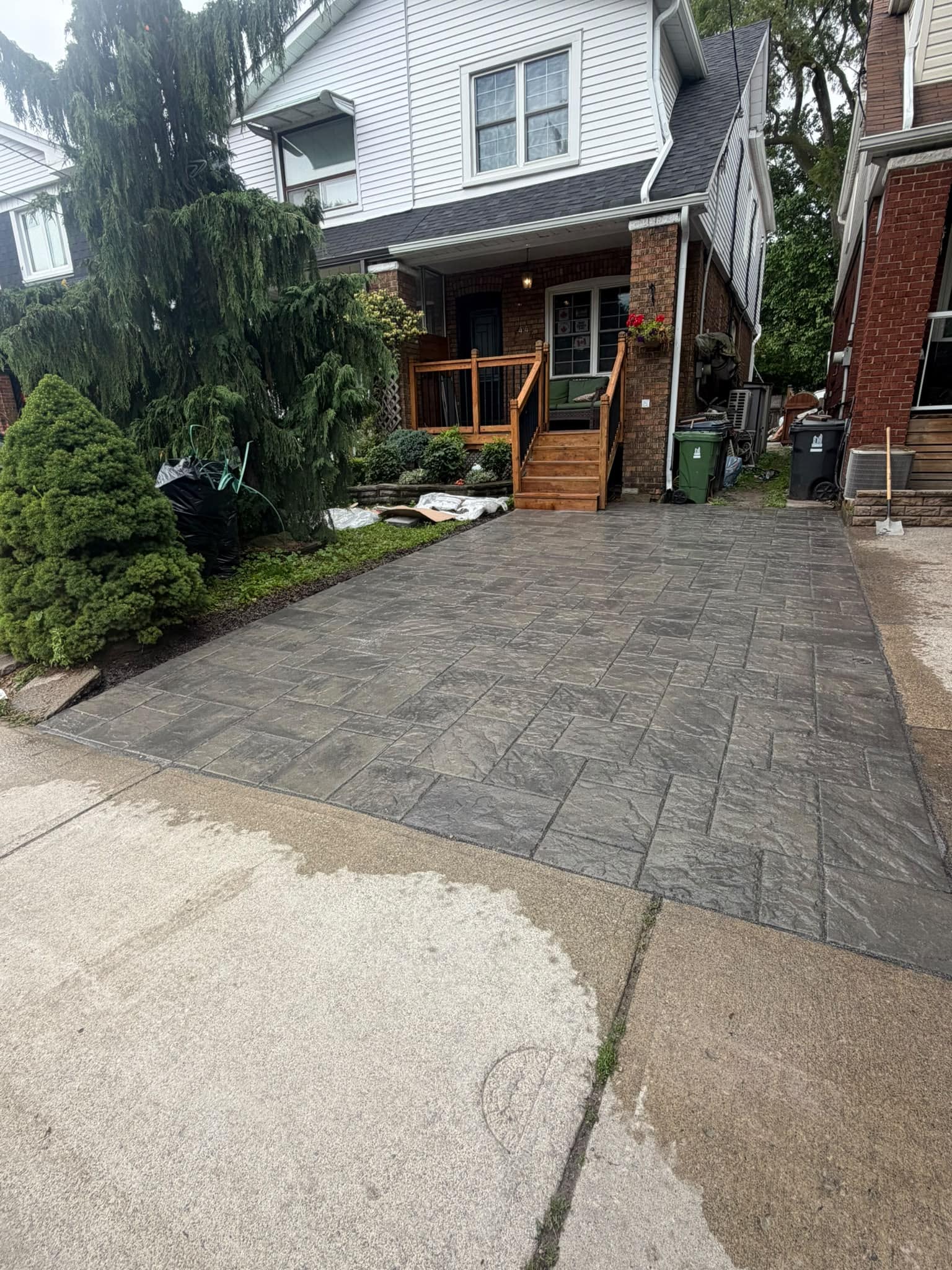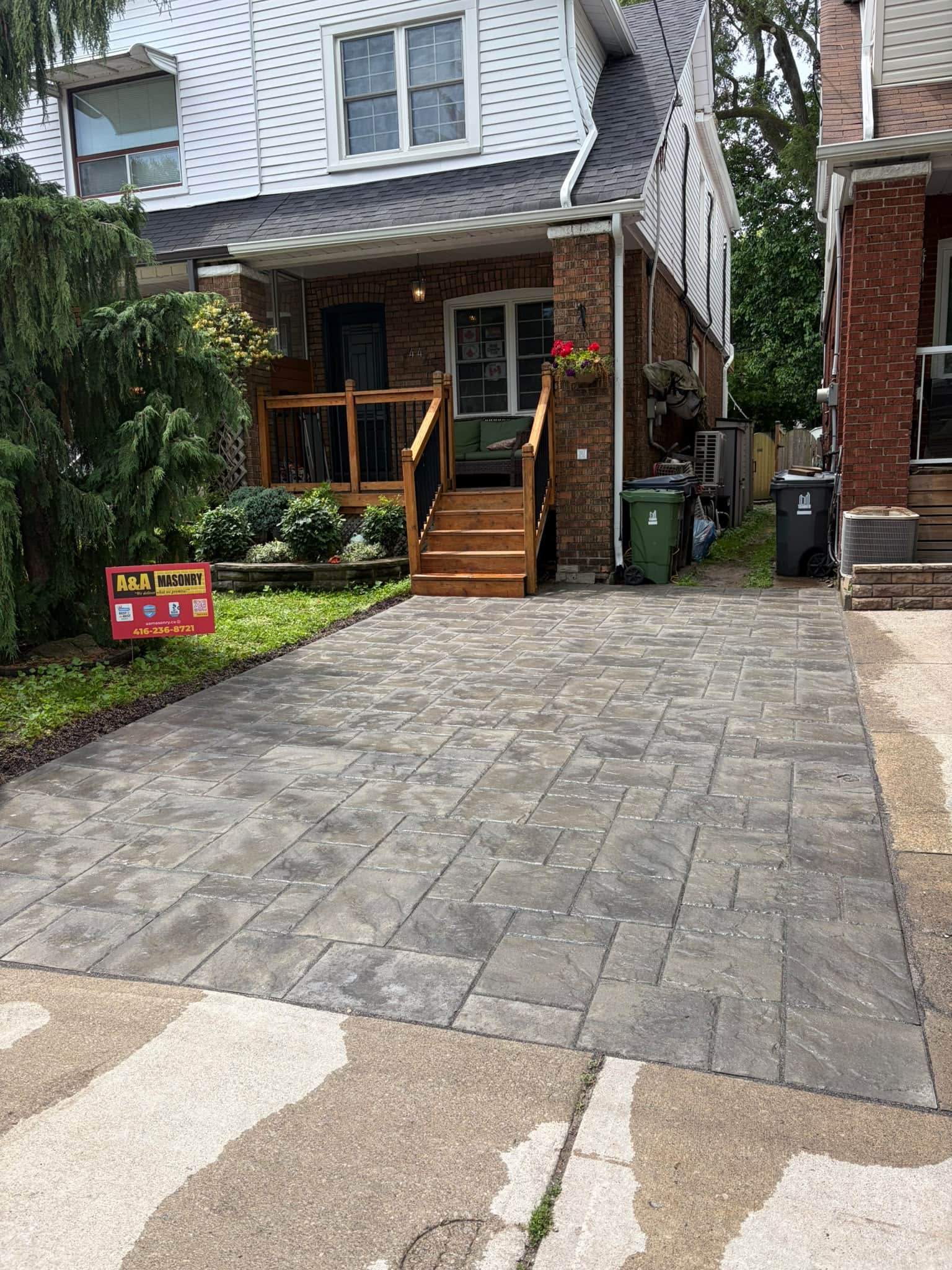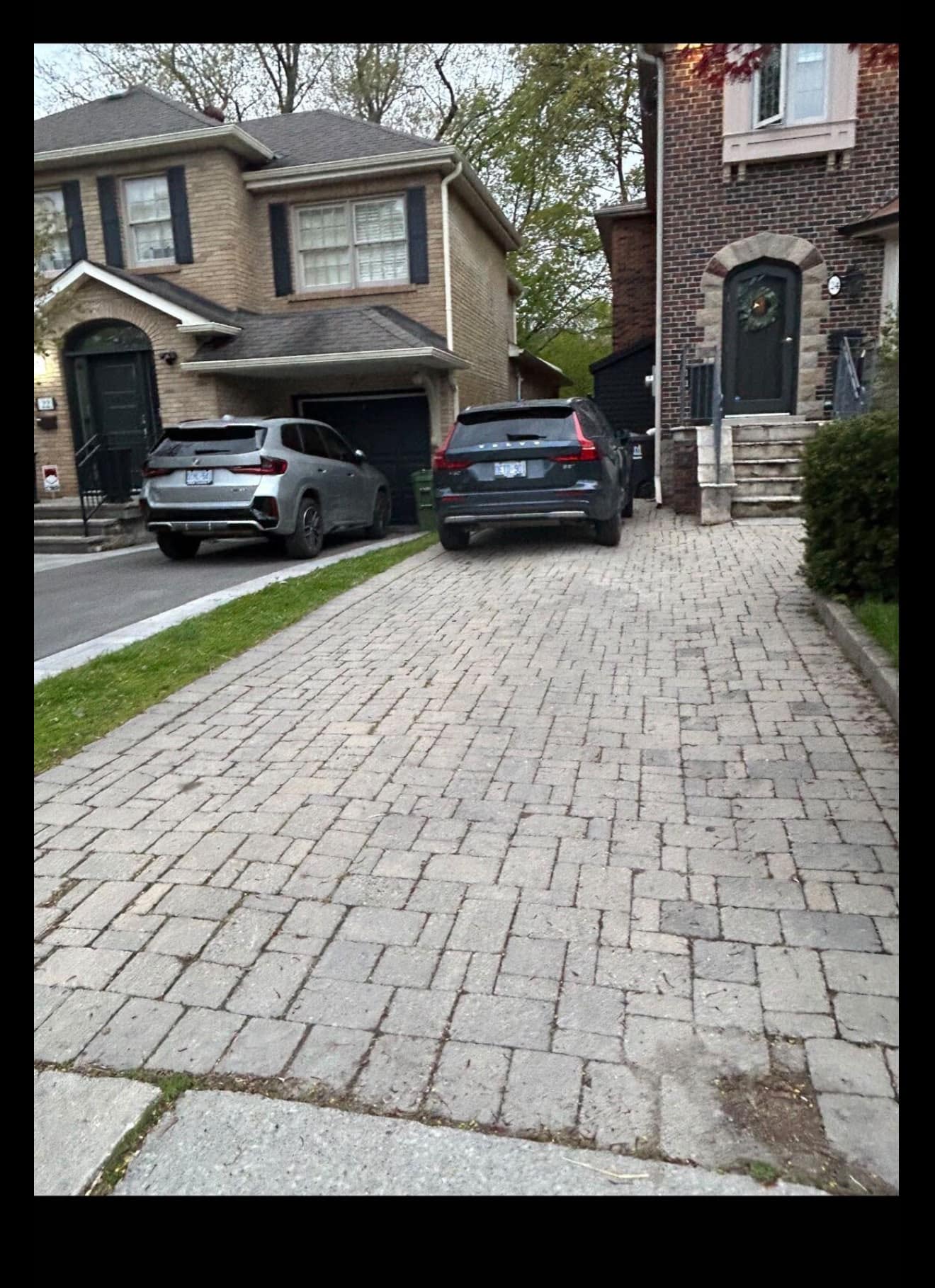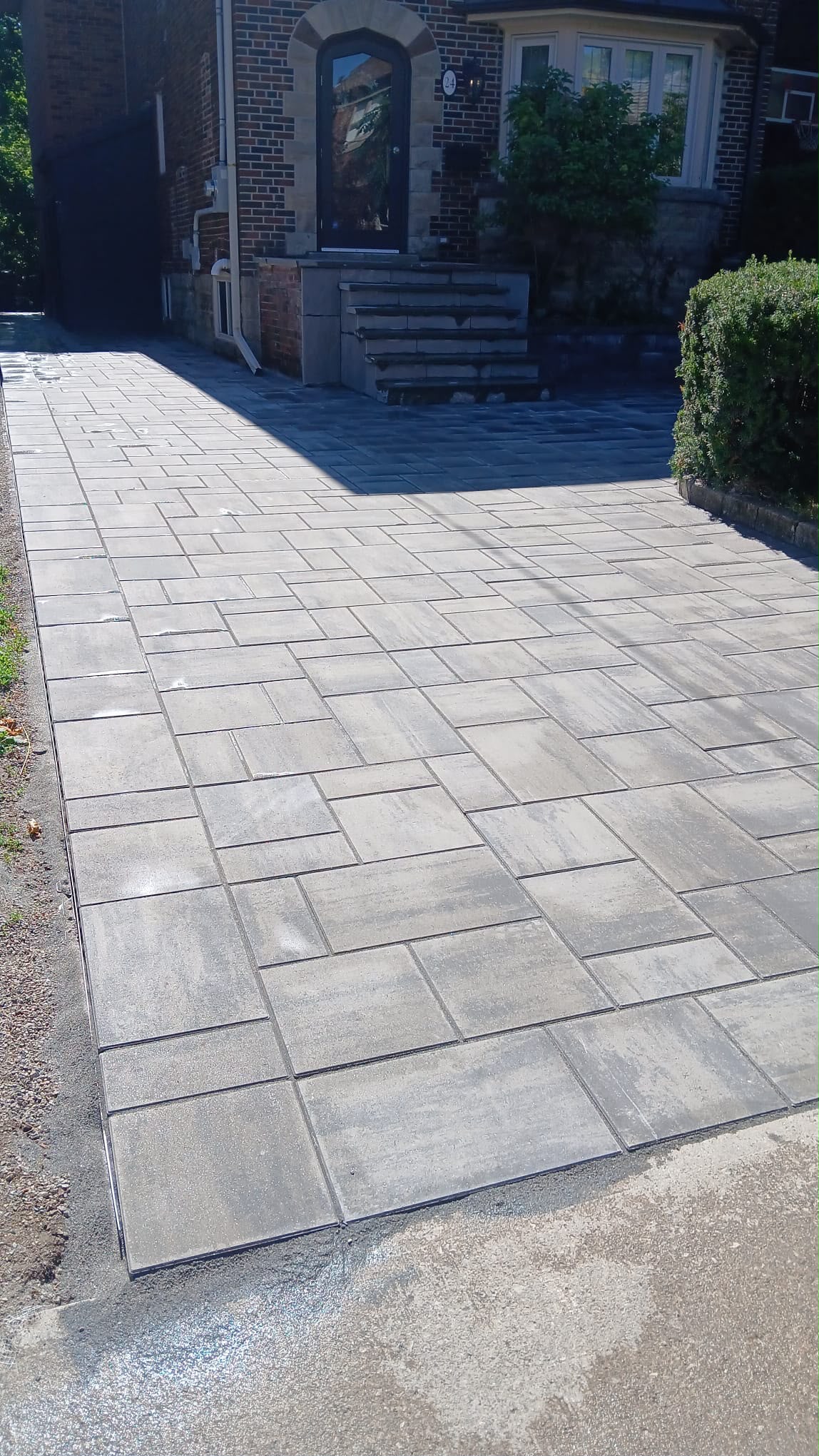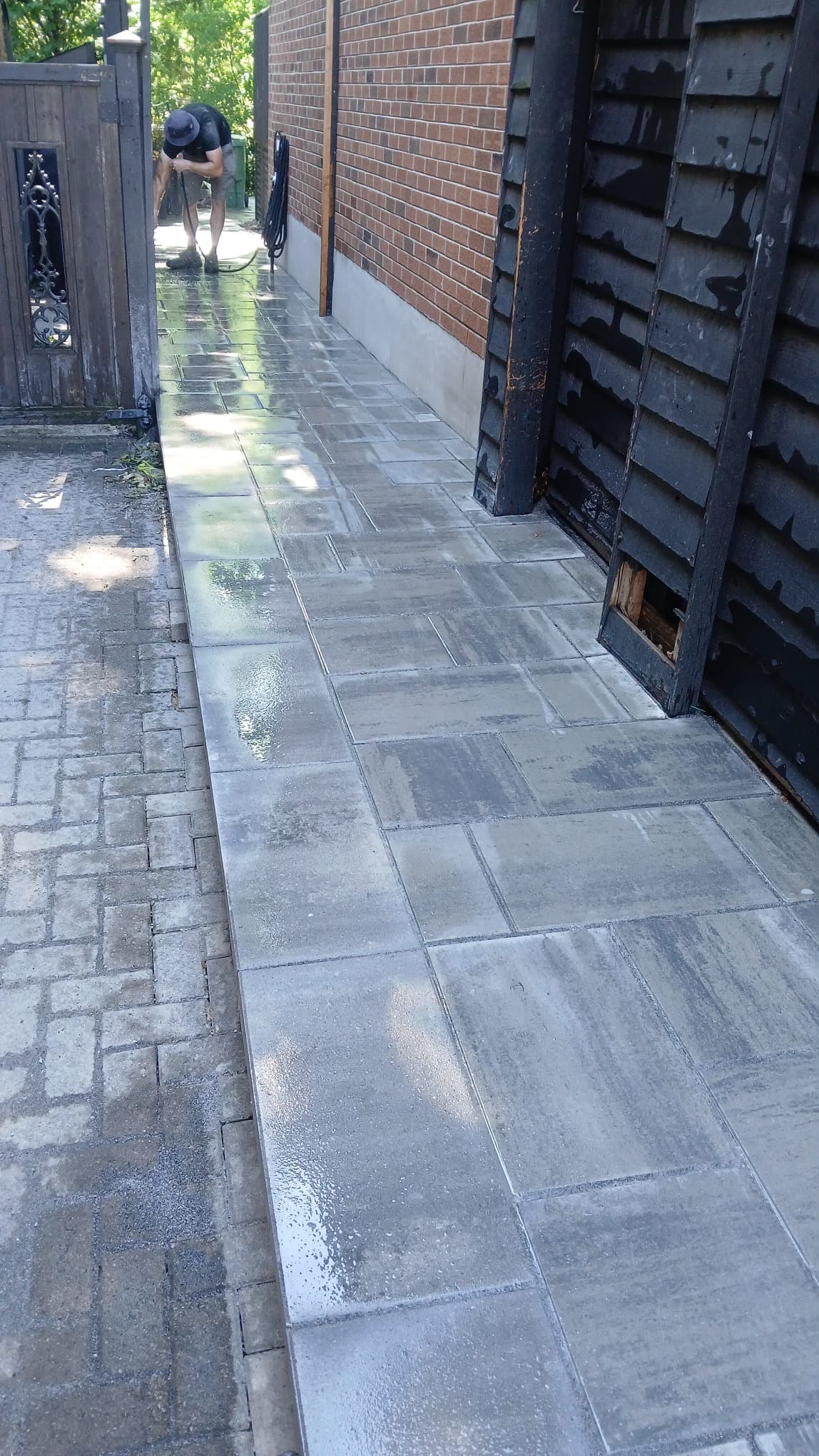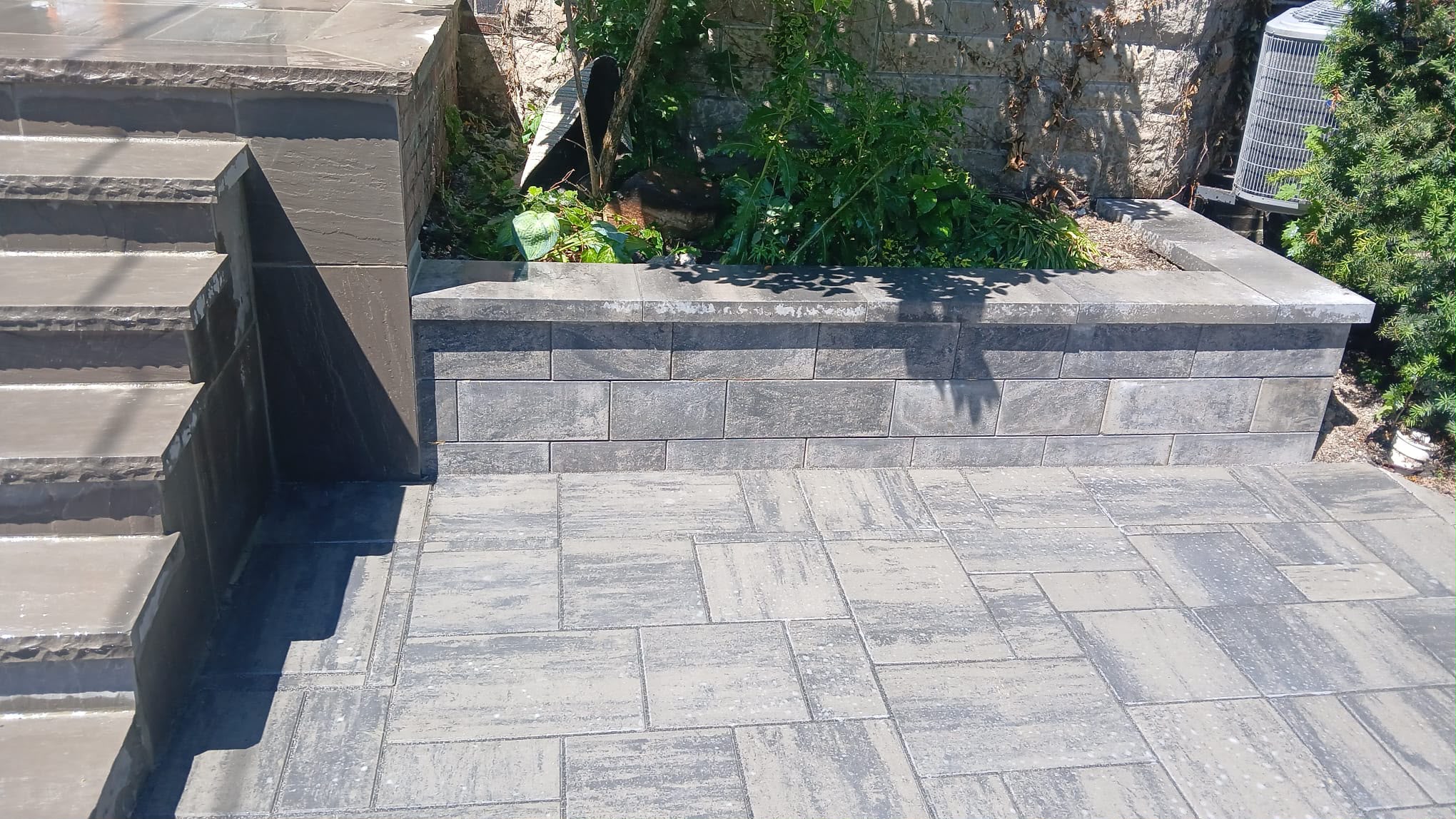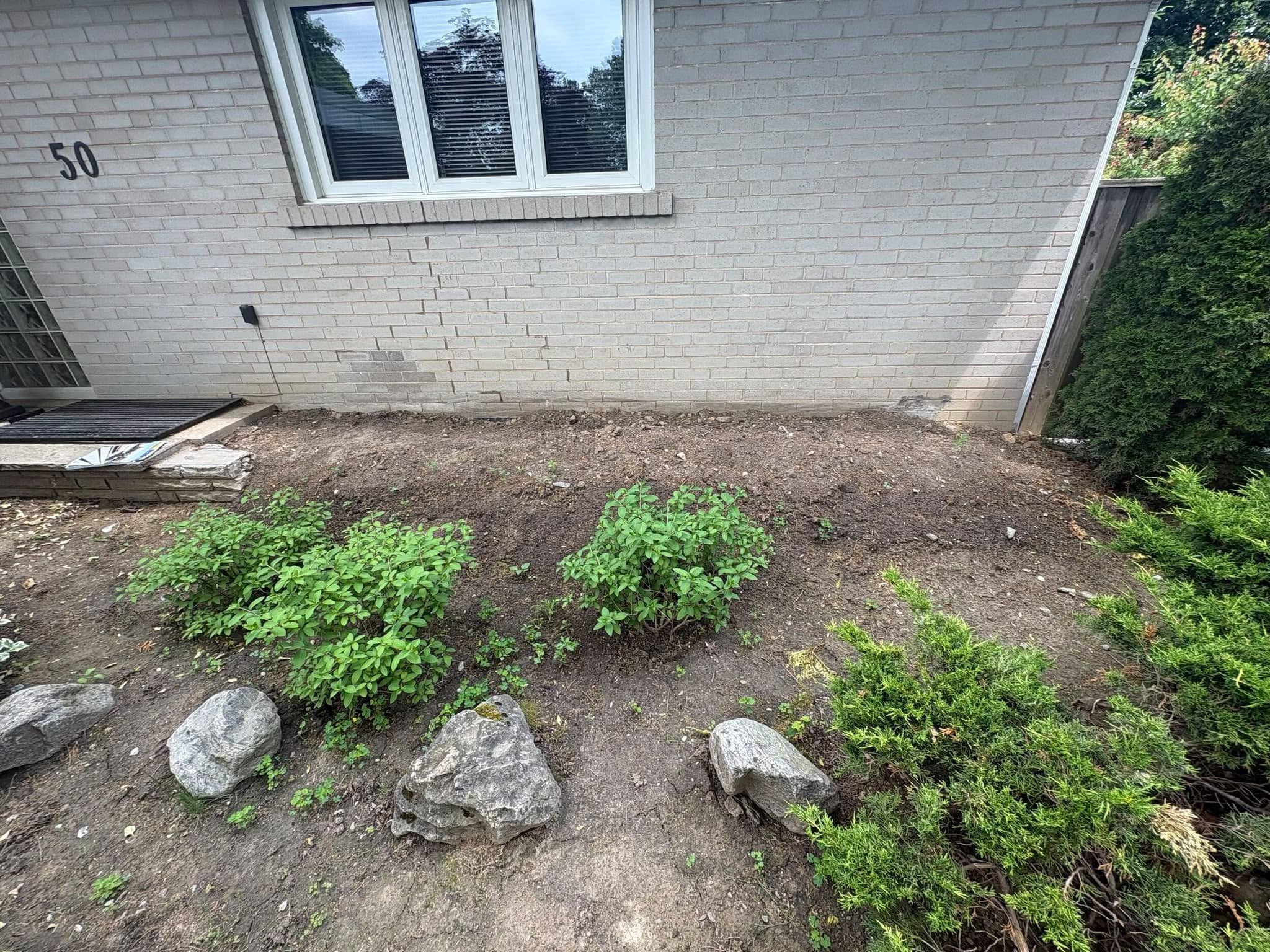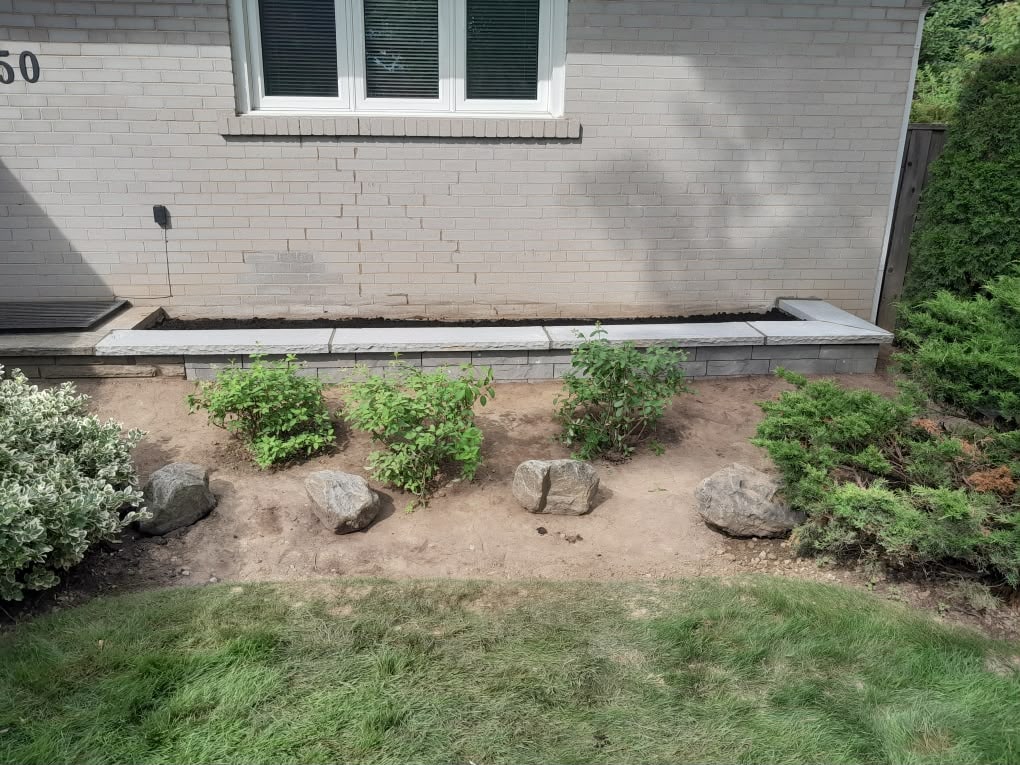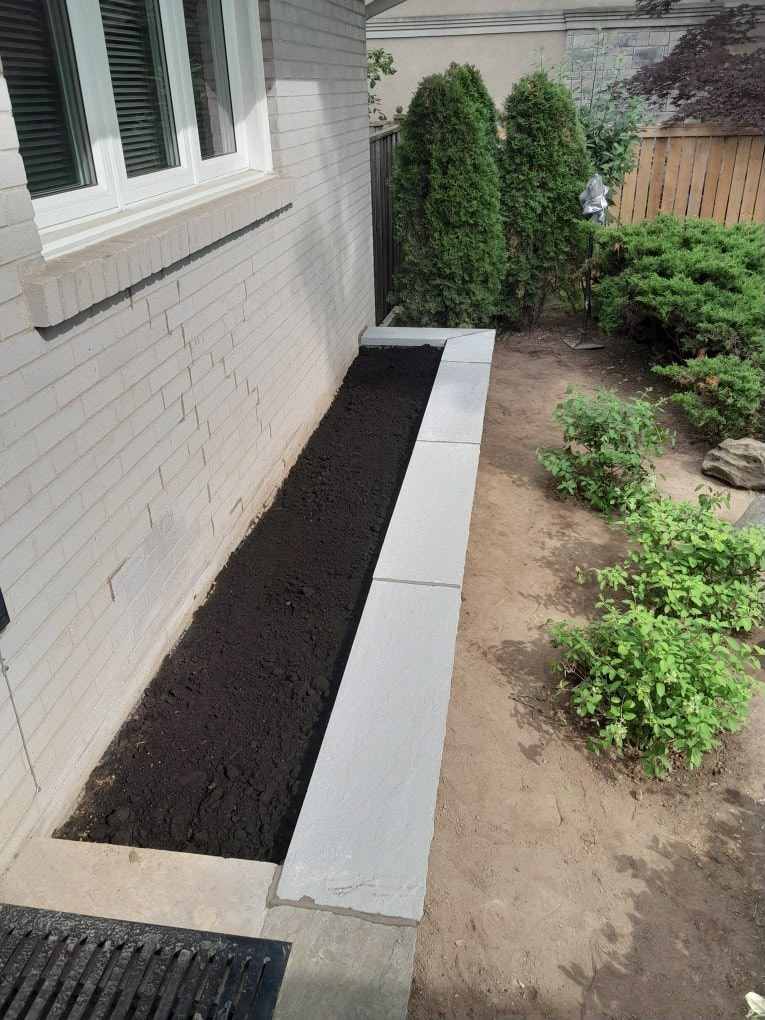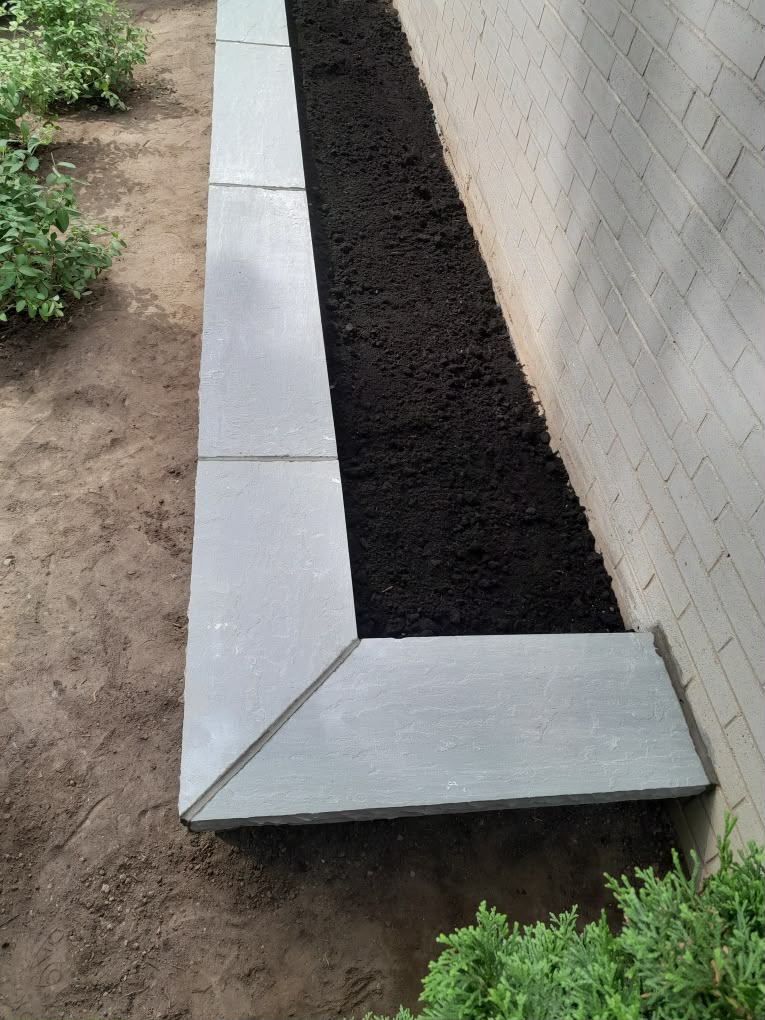

Drainage does not get as much attention as brick colour, stone choice, or curb appeal, but it has a bigger effect on how long masonry lasts. A beautiful brick wall, chimney, front step, foundation, retaining wall, porch, or walkway can still run into trouble if water keeps collecting around it. In many Toronto homes, drainage problems do not begin with a dramatic failure. They start quietly, with moisture that stays too long near the masonry, slow staining, small cracks, crumbling mortar, shifting surfaces, or white salt deposits that keep returning.
That is why proper drainage matters so much. Masonry can handle weather, but it is not meant to stay wet for long periods or be constantly exposed to poorly managed runoff. When water is allowed to pool beside a wall, drain toward the foundation, spill out of clogged eavestroughs, or soak into steps and retaining walls without an outlet, the masonry begins to age faster than it should.
For Toronto and GTA homeowners, this matters even more because freeze-thaw weather adds another layer of stress. Water gets into small openings, temperatures drop, and that trapped moisture expands. Over time, that can contribute to cracked mortar joints, spalling brick, stained walls, shifting hardscape surfaces, and moisture problems near the foundation. In this guide, you will learn why drainage matters around masonry, where water problems usually begin, what signs to watch for, what can happen if you ignore them, what homeowners can do first, and when professional help makes more sense.
What Proper Drainage Means Around Masonry
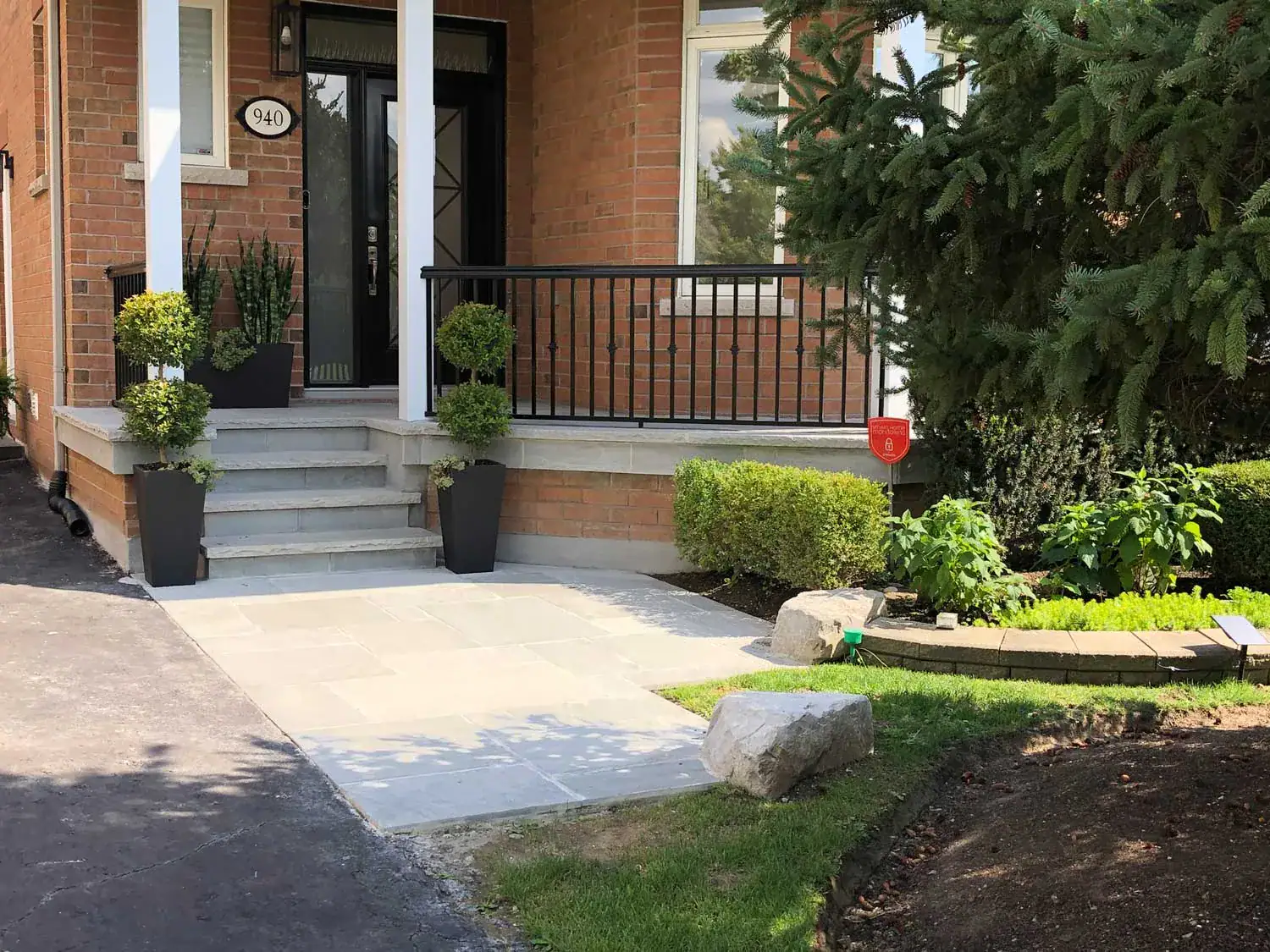
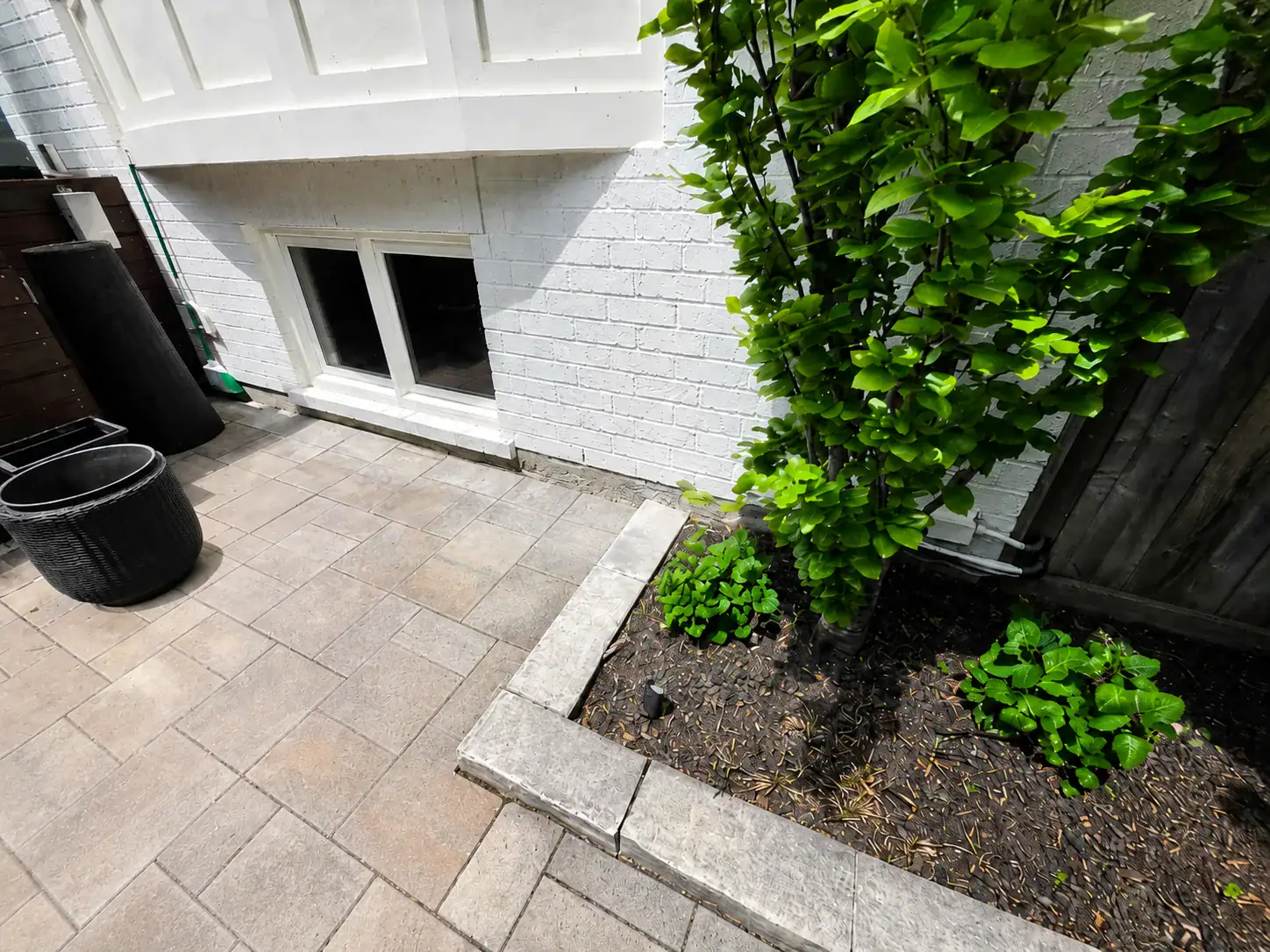
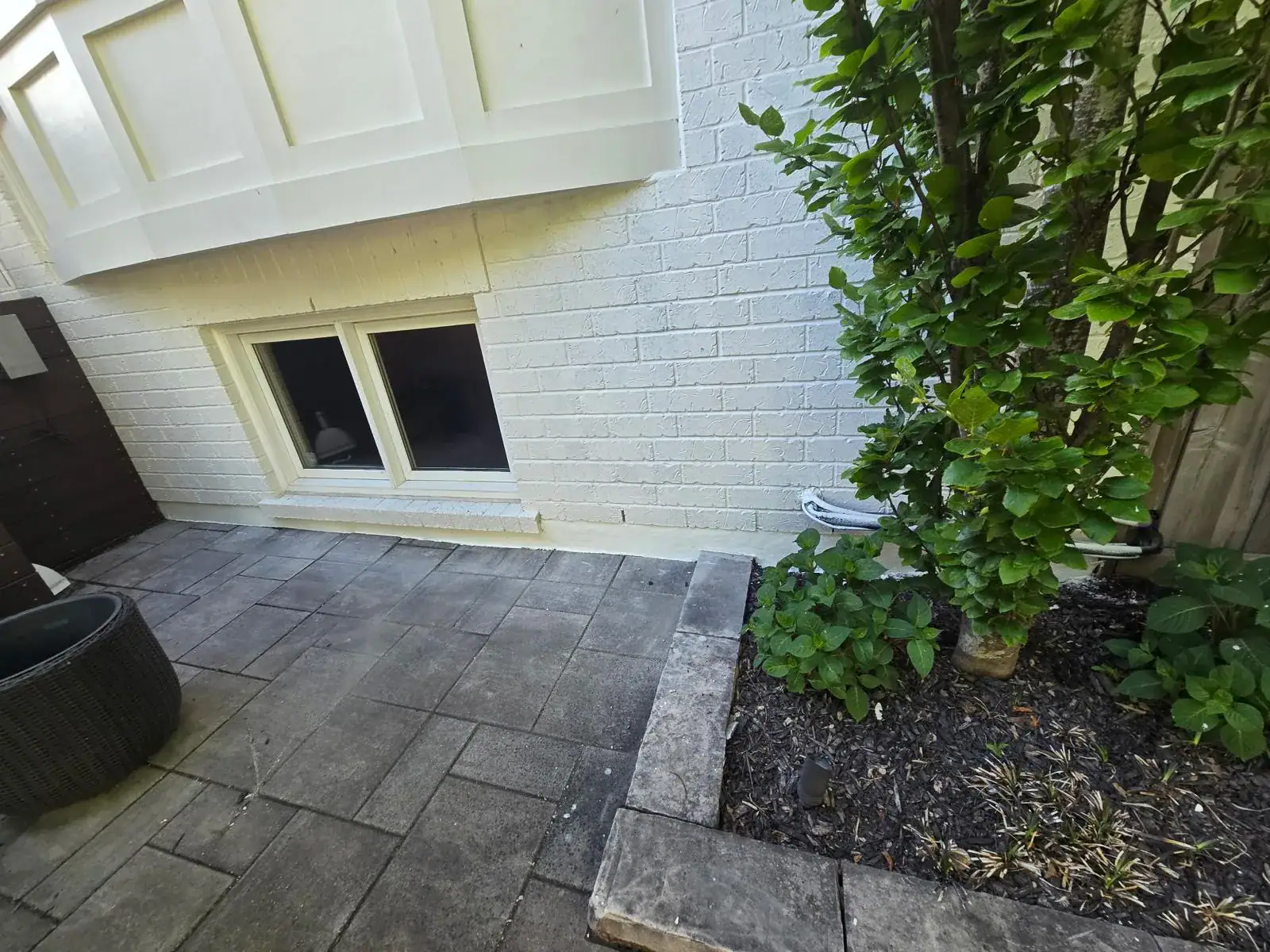
Proper drainage means water is directed away from parts of your home and landscape that can be damaged by prolonged wetness. Around masonry, that includes foundation walls, brick facades, chimneys, porches, front steps, retaining walls, interlocking surfaces, and any joints where water can enter and linger.
In simple terms, good drainage means rainwater, melted snow, and groundwater have a path away from the structure. It also means the masonry has a chance to dry instead of staying damp day after day.
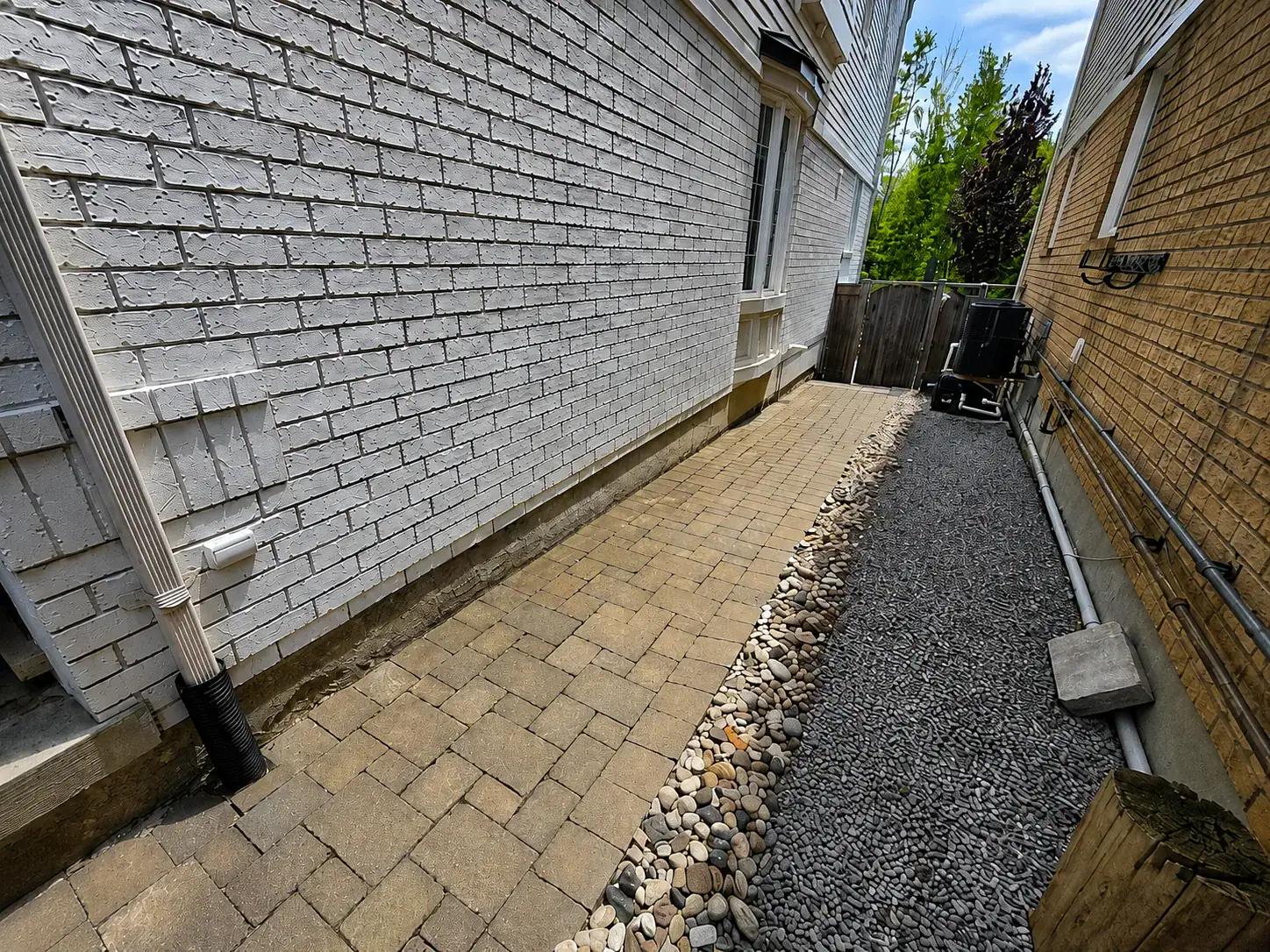
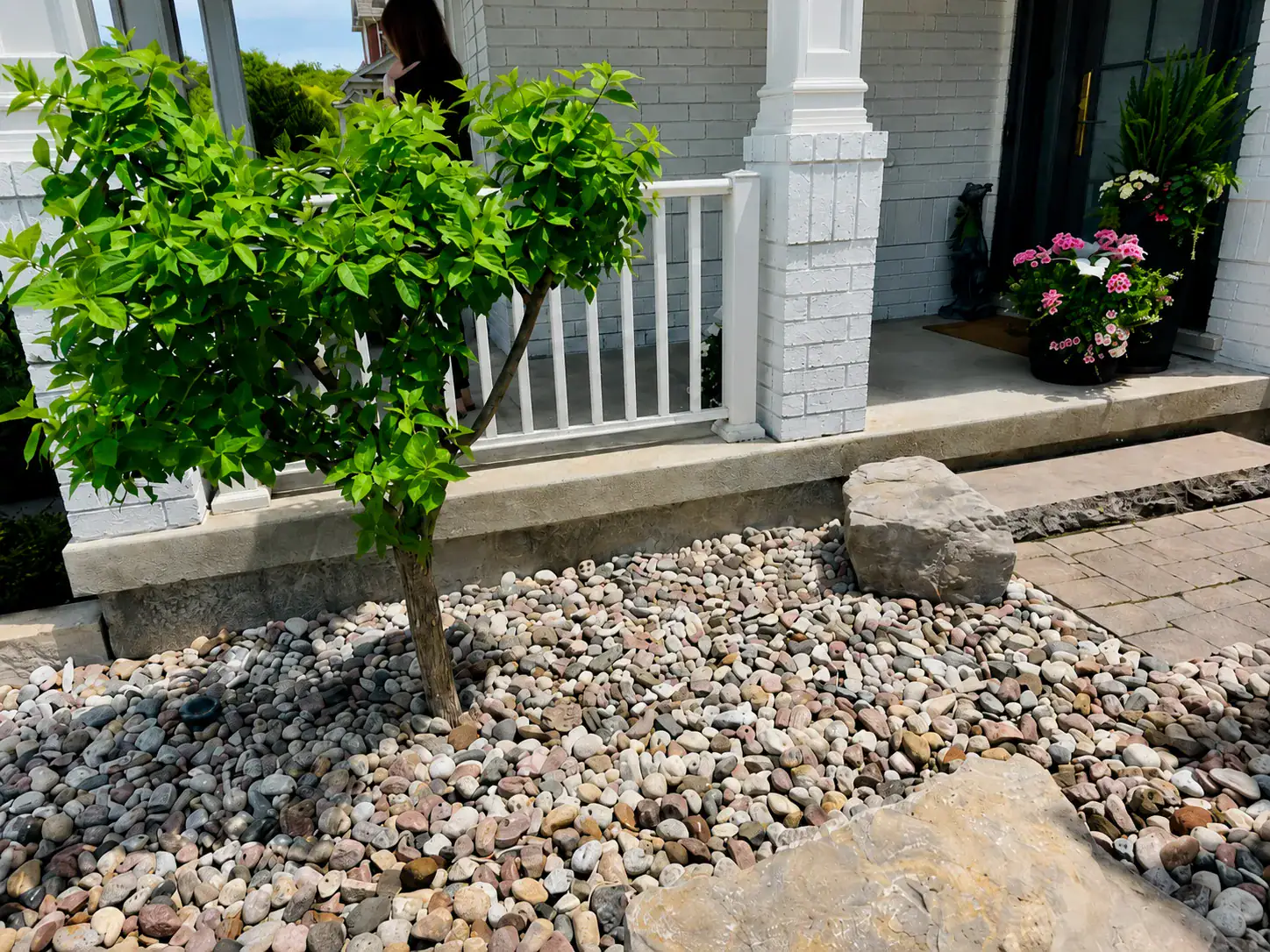
That may involve grading around the house, downspouts that discharge in the right place, clean eavestroughs, functioning drains, proper drainage behind retaining walls, and paving layouts that do not trap water against the home. The City of Toronto’s guidance on managing water around the house explains that landscaping should slope away from the foundation, downspouts should discharge well away from foundation walls, and water should not be allowed to collect beside the home.
For masonry, proper drainage is less about making things look tidy and more about reducing long-term exposure to water. A wall that gets wet occasionally is normal. A wall that stays wet because water is always being pushed toward it is where problems start.
Why Drainage Matters So Much in Toronto
Toronto’s climate makes drainage more important than many homeowners realize. Rainstorms, snow accumulation, freeze-thaw cycling, spring melt, and seasonal temperature swings all put stress on masonry. Water is not only falling from above onto walls. It can also wick upward from the ground, move through mortar joints, collect at the base of a wall, spill over from clogged gutters, or sit behind retaining walls and steps if drainage is poor.
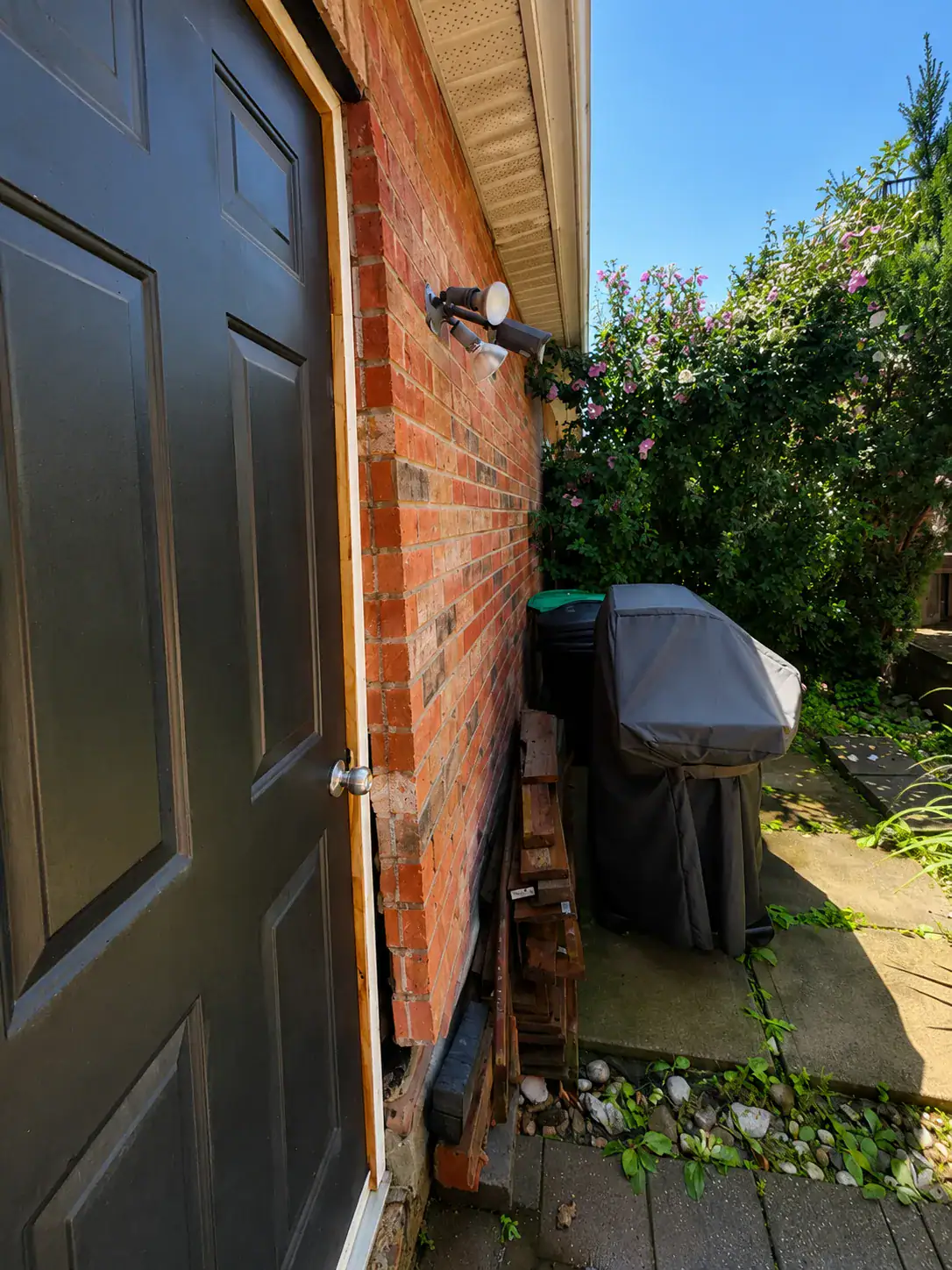
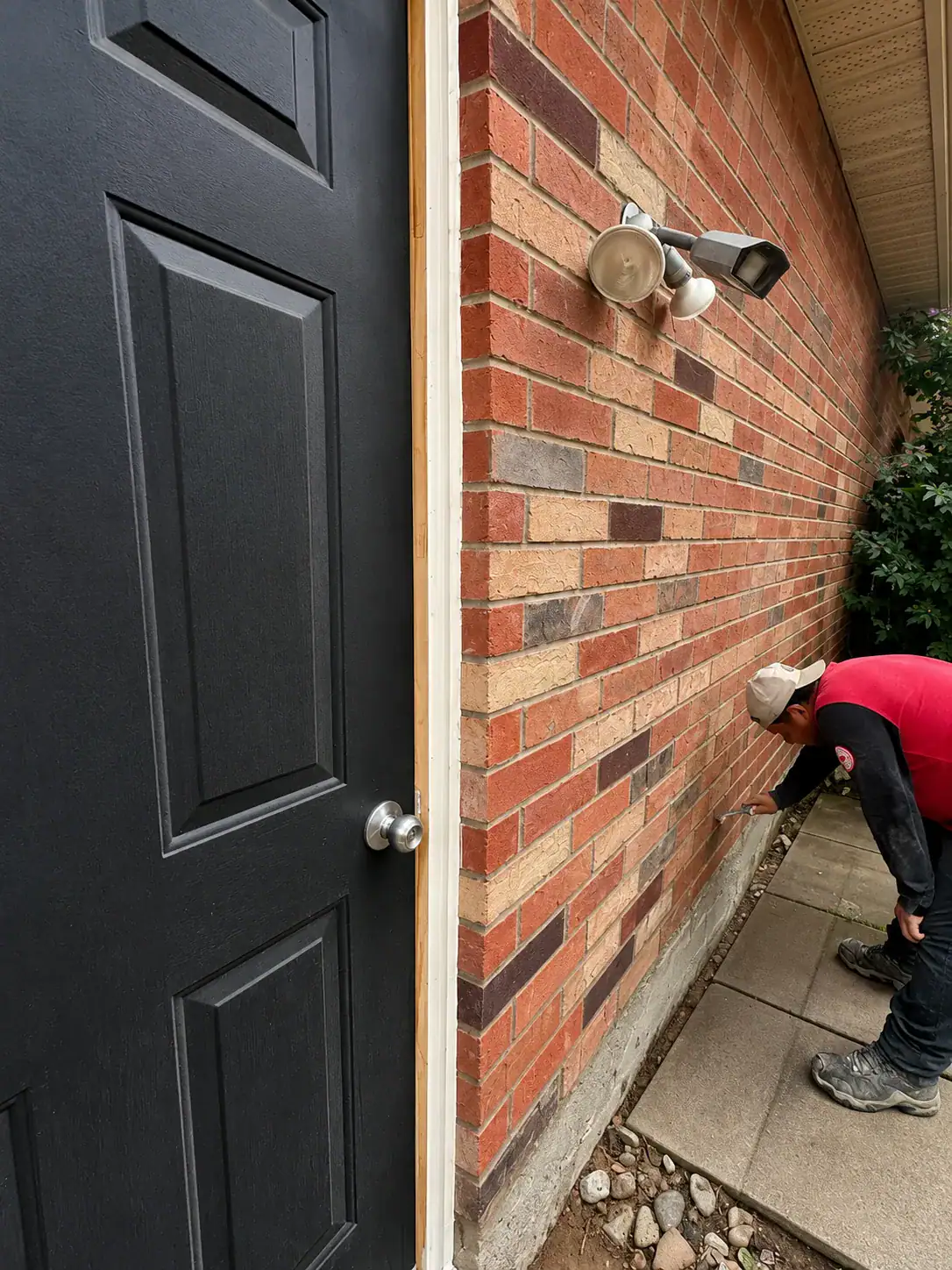
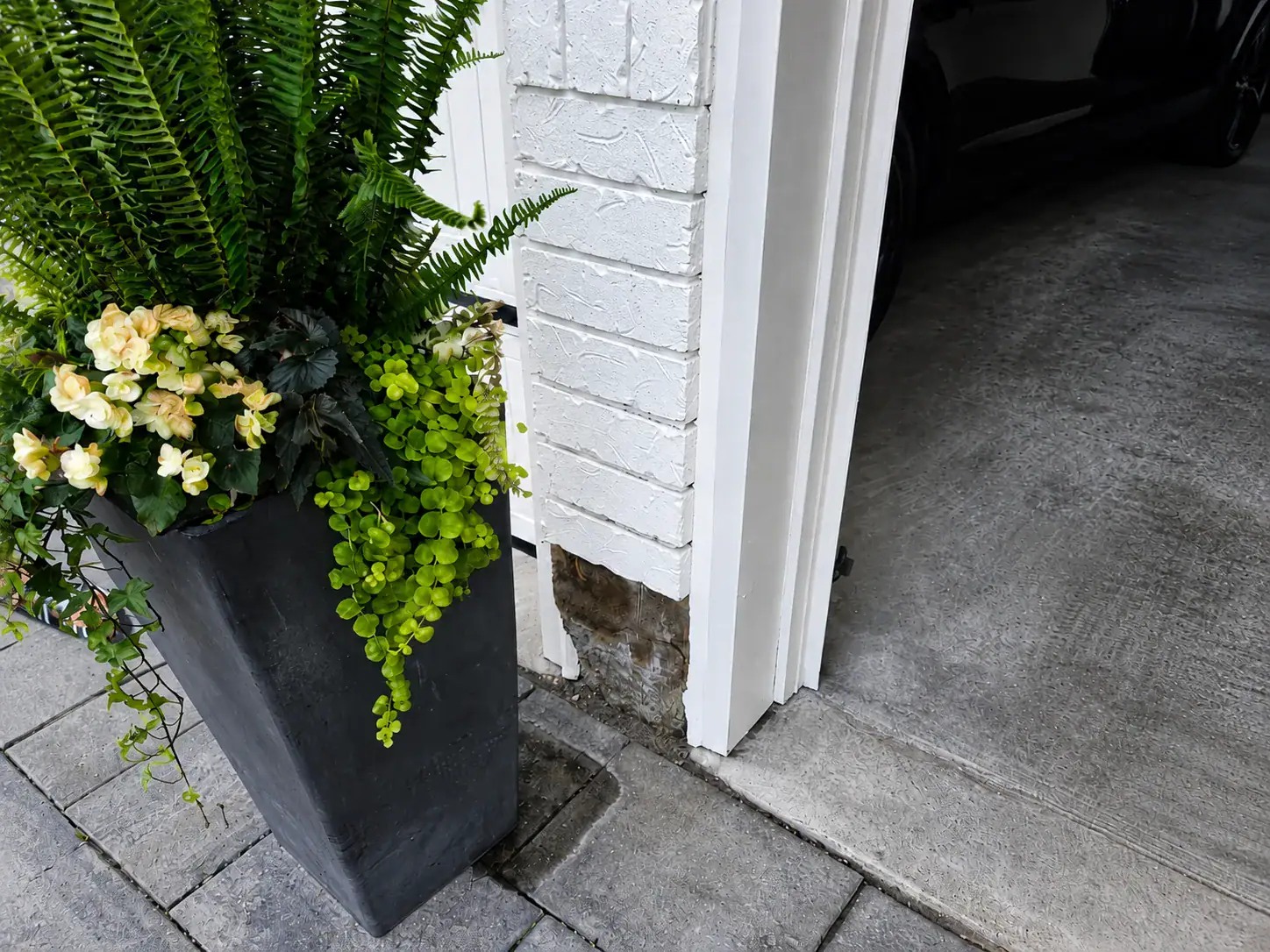
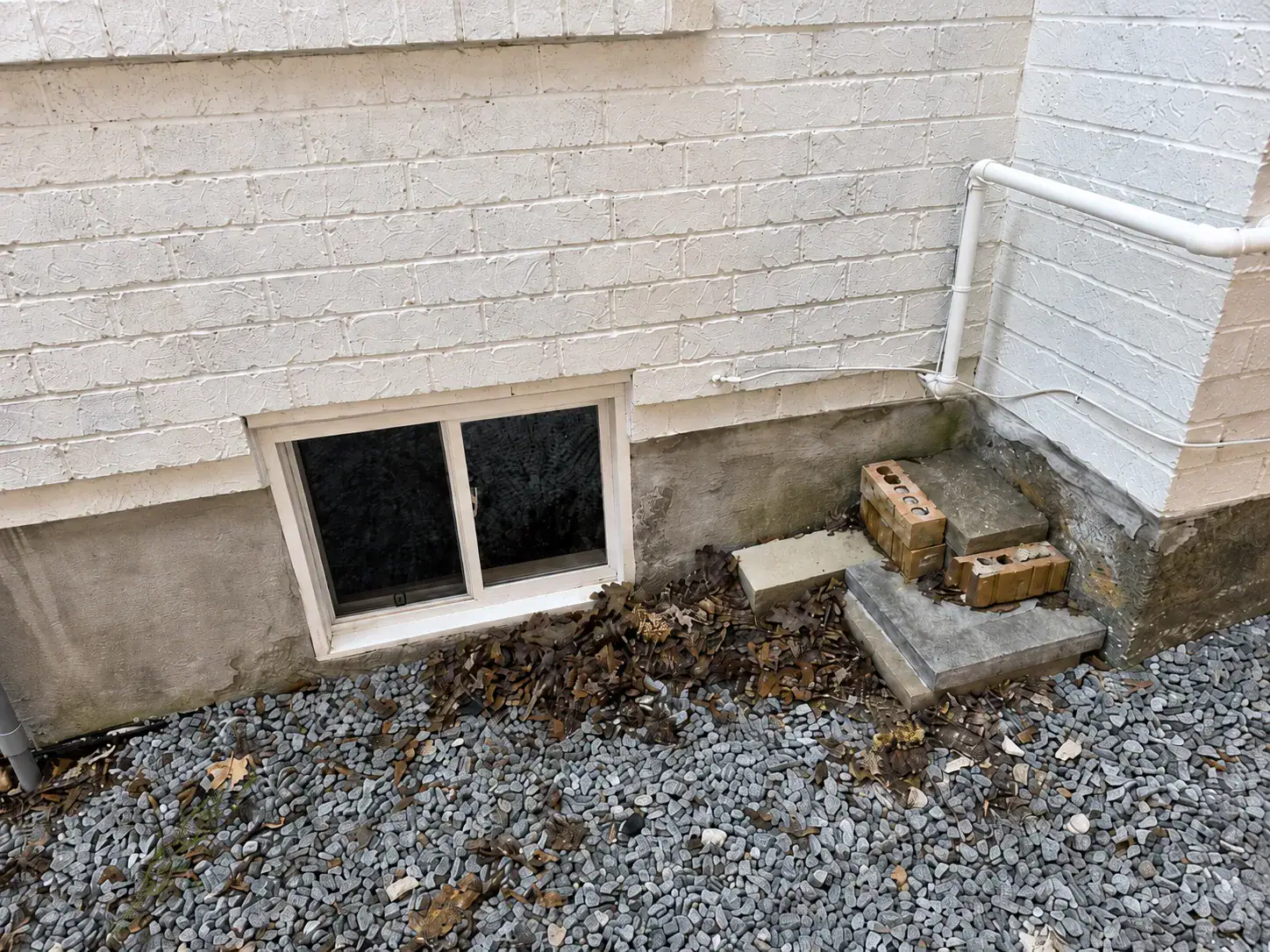
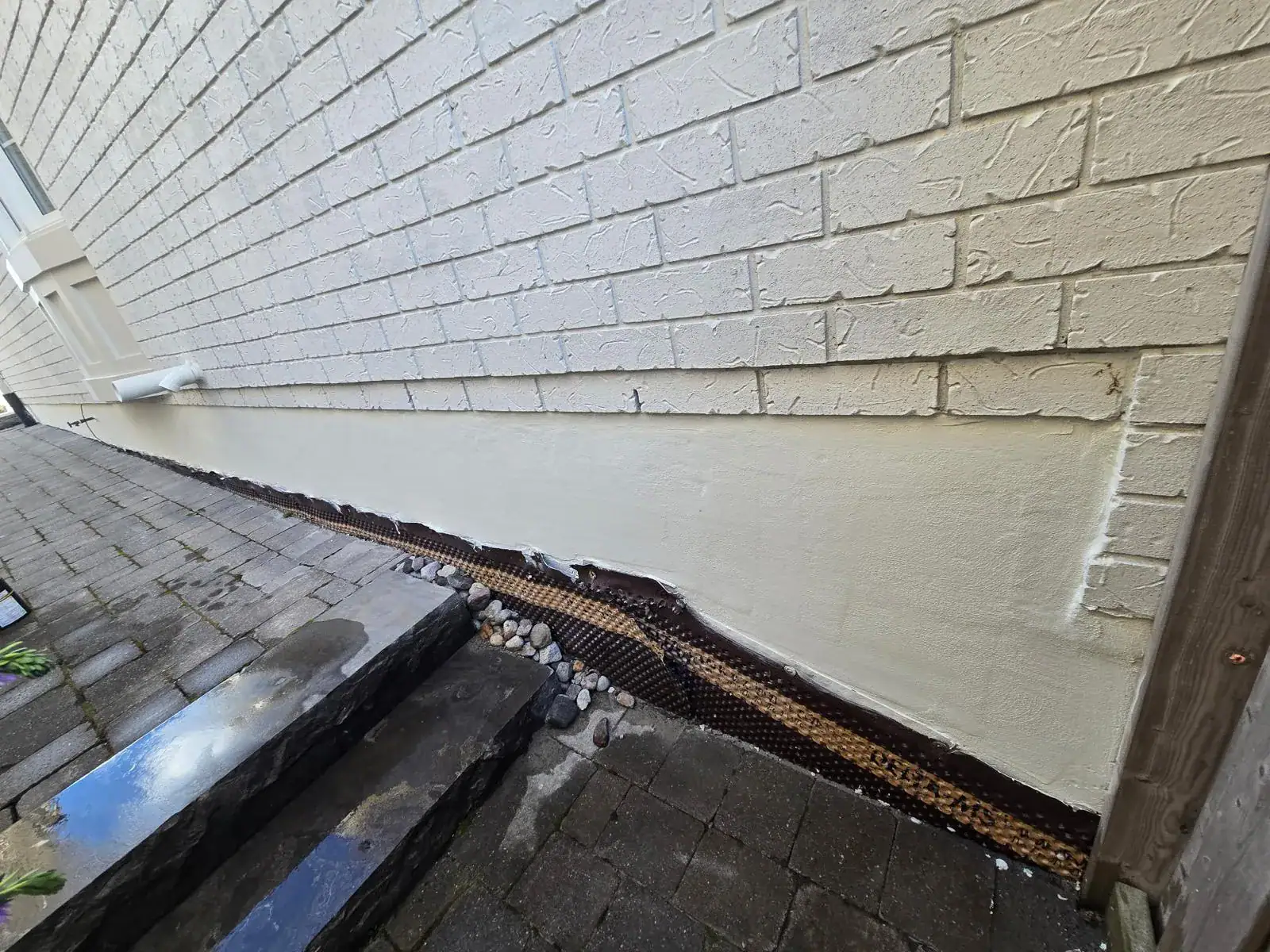
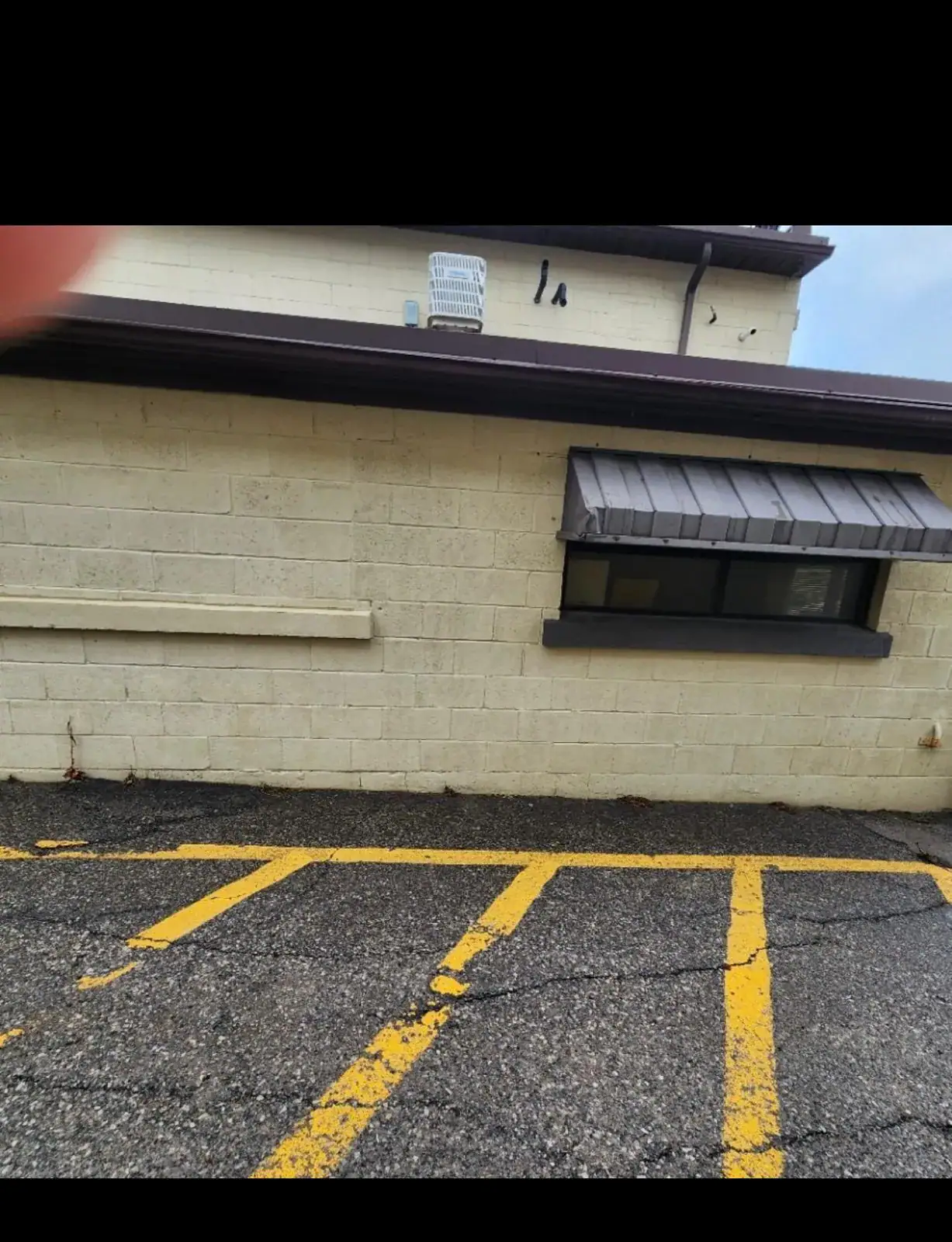
That is one reason the lower sections of masonry often show problems first. The base of the wall is where runoff, splash-back, melting snow, and poor grading often meet. If those areas stay wet, masonry has less chance to dry and more chance to deteriorate slowly.
Toronto’s Property Standards Chapter 629 also requires yards to be graded and maintained to prevent recurrent ponding, erosion, and unstable soil conditions, and to direct surface water away from building walls. Ontario’s Building Code also reinforces the larger point that drainage and moisture control are part of sound construction practice, not optional extras.
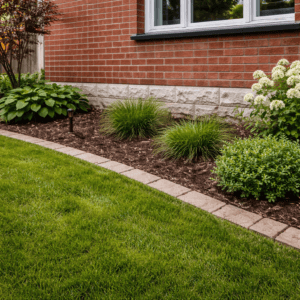
Where Drainage Problems Usually Begin
Homeowners often think of drainage as a basement issue only, but poor drainage often shows up first in exterior areas. Some of the most common trouble spots include:
- soil or landscaping that slopes toward the house instead of away from it
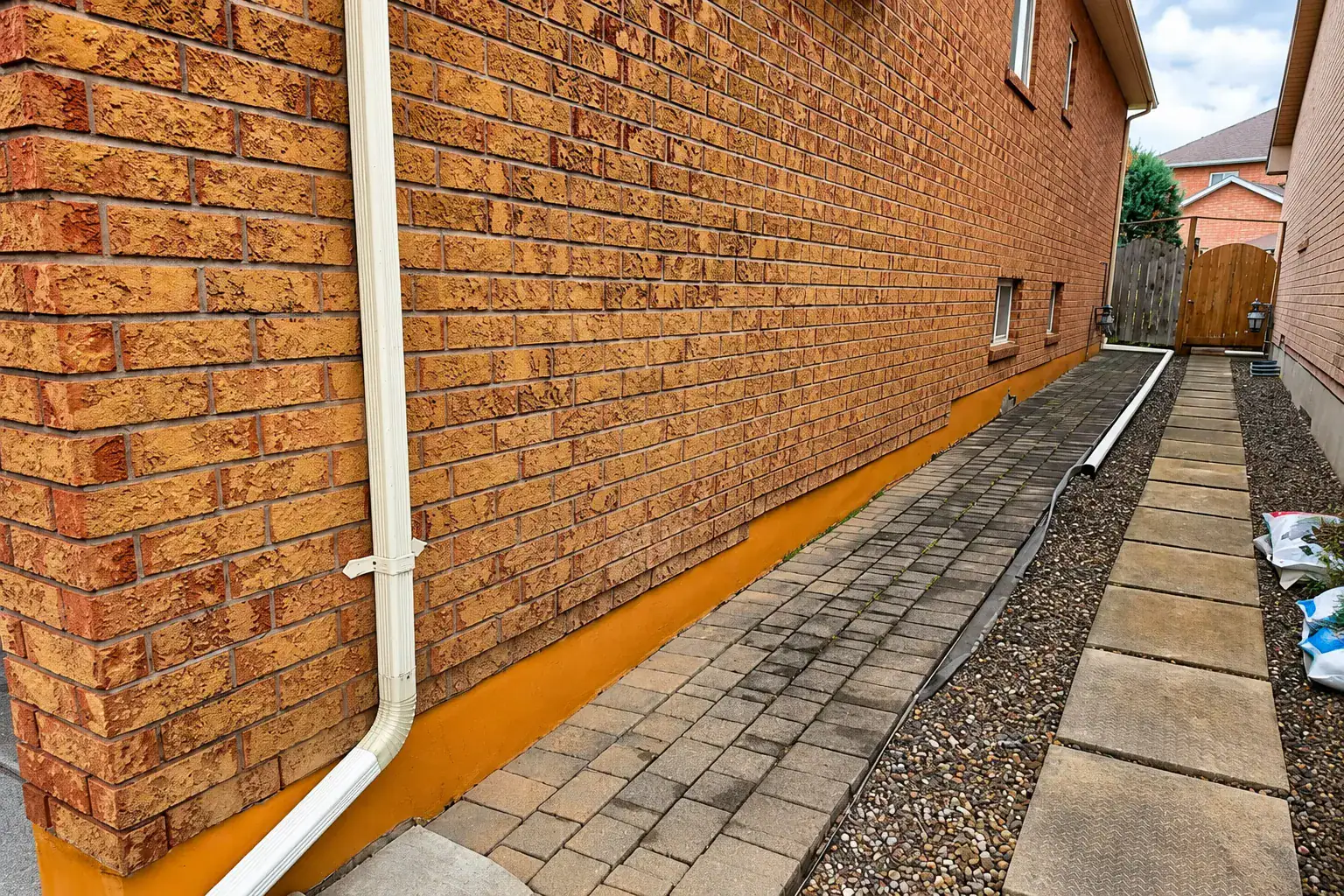
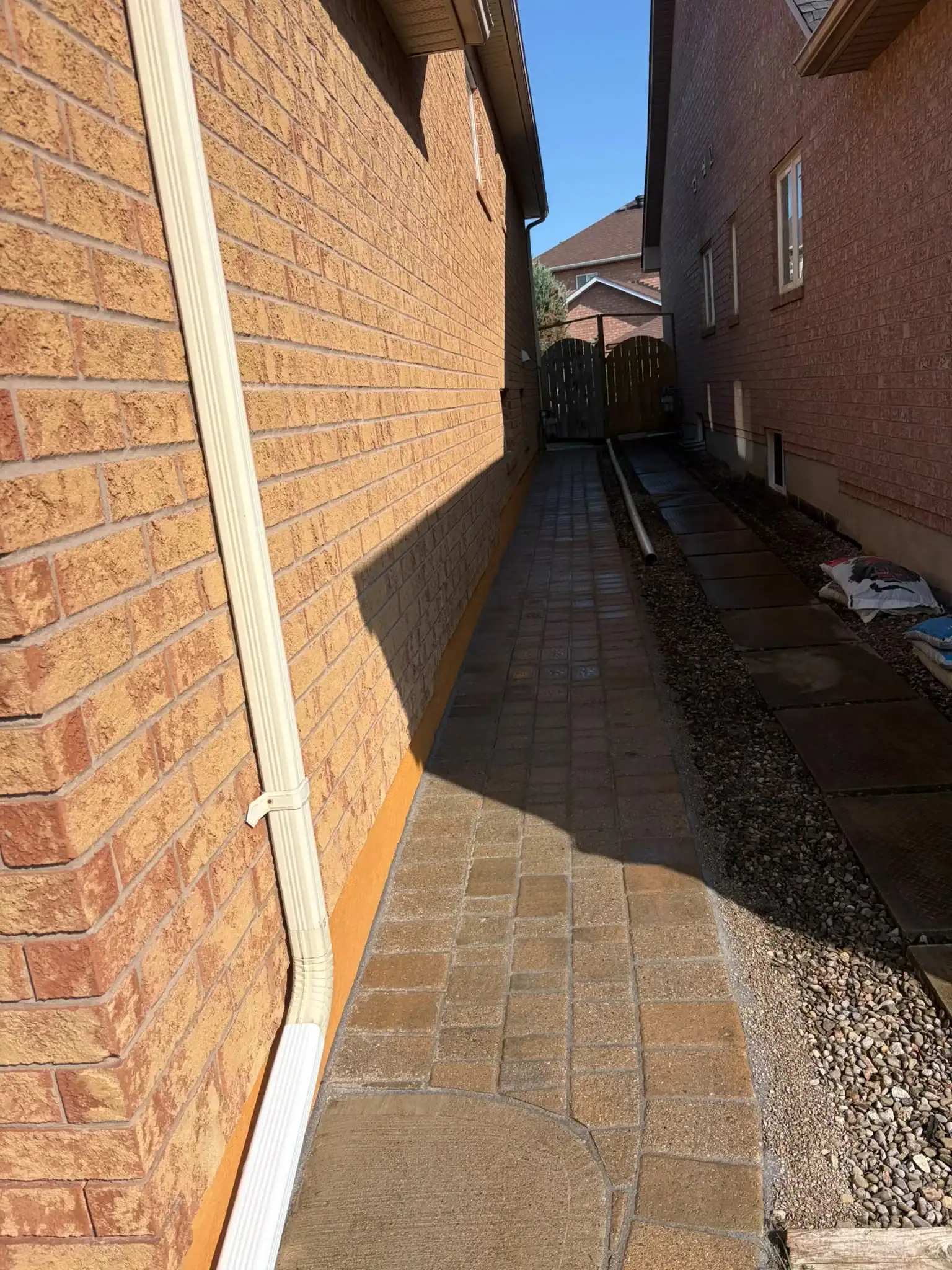
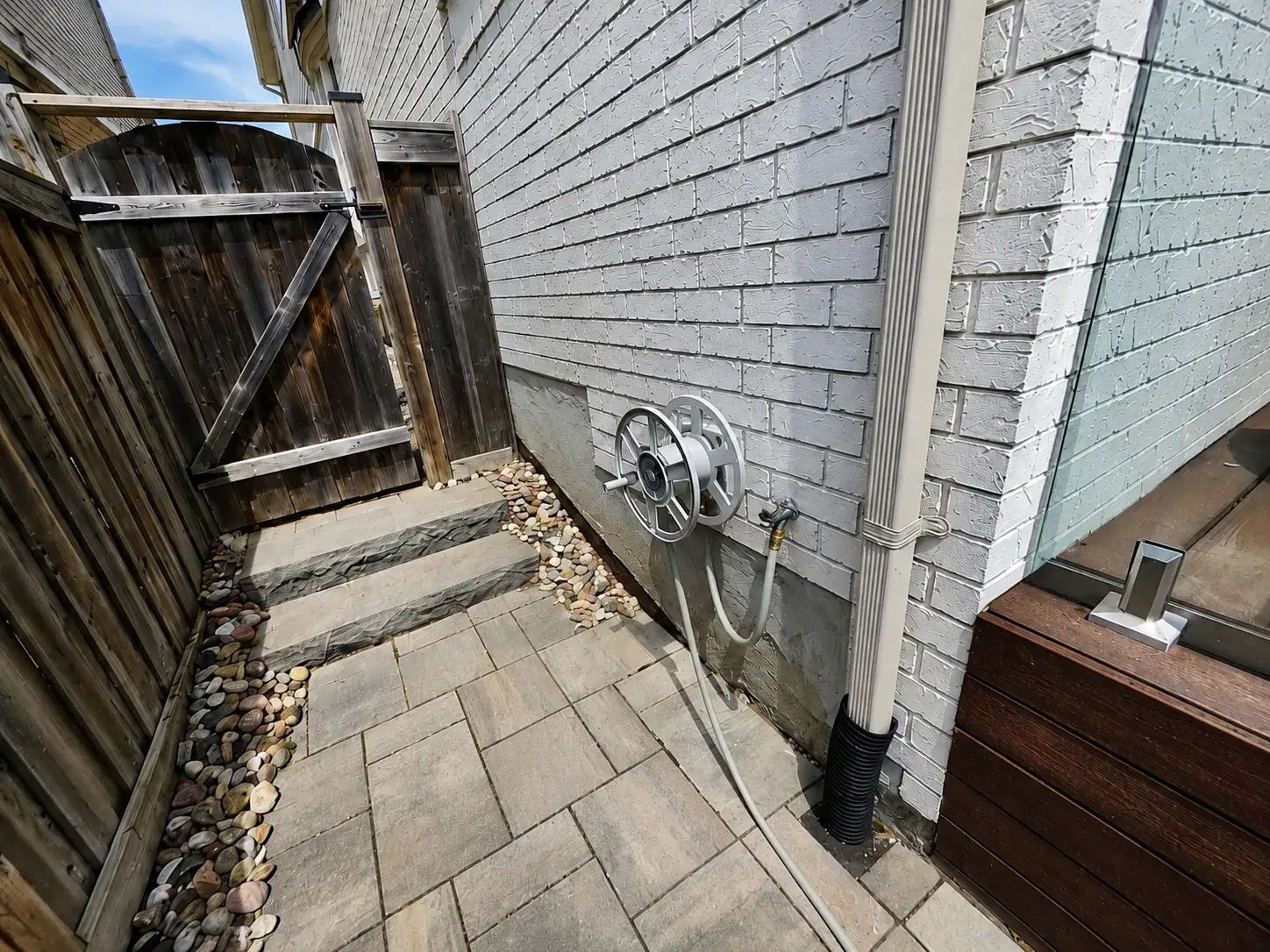
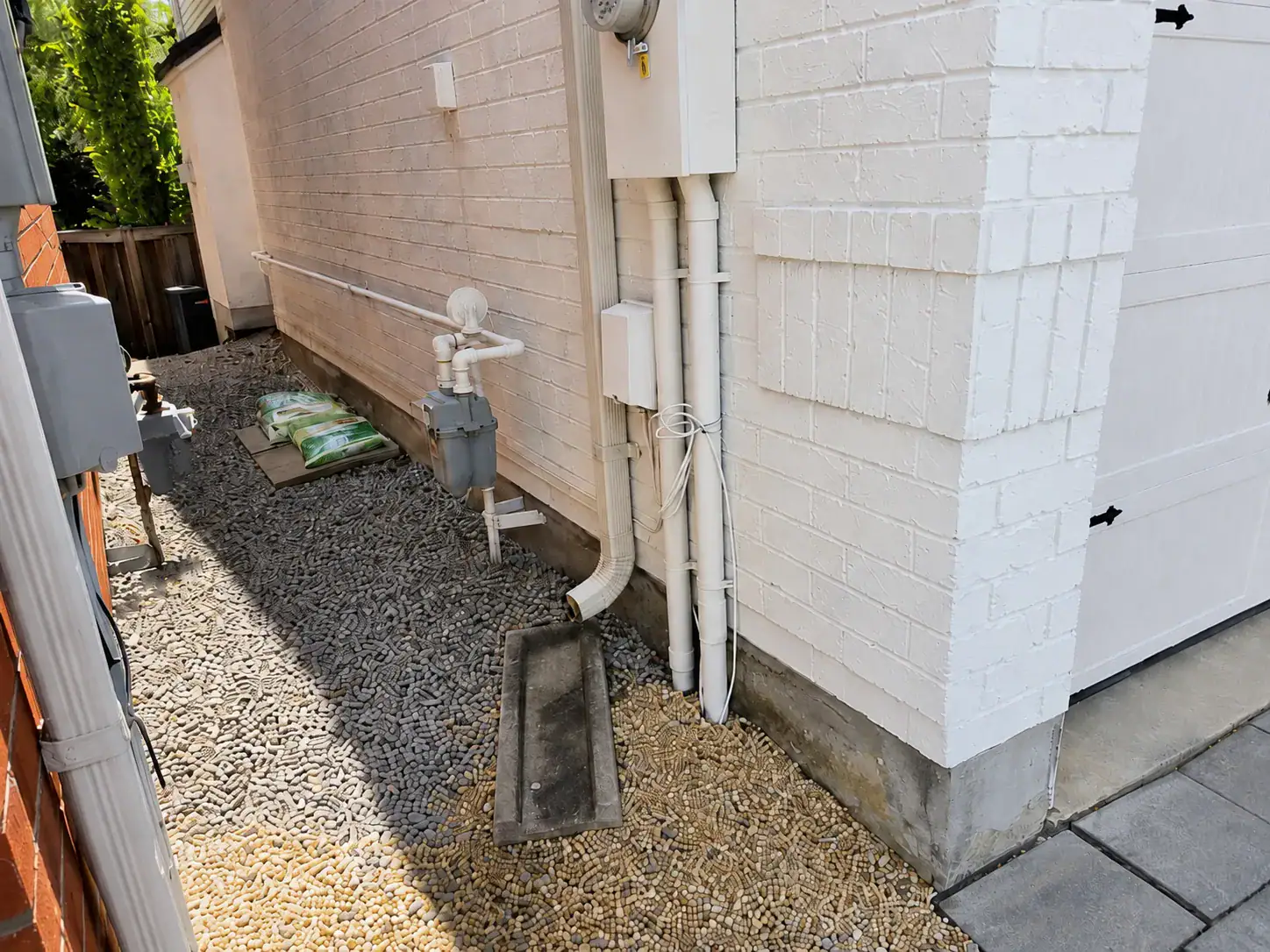
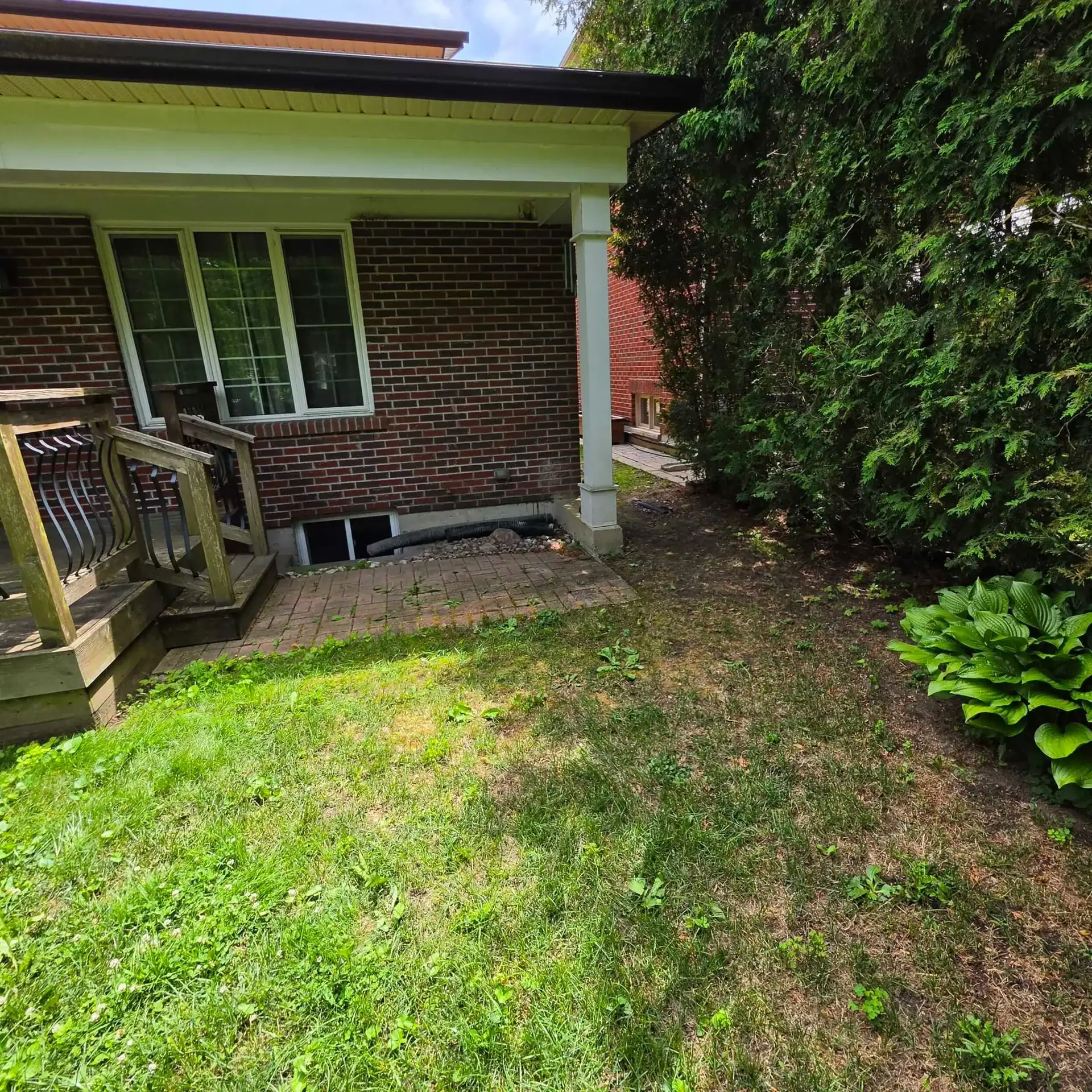
- downspouts that discharge too close to the foundation
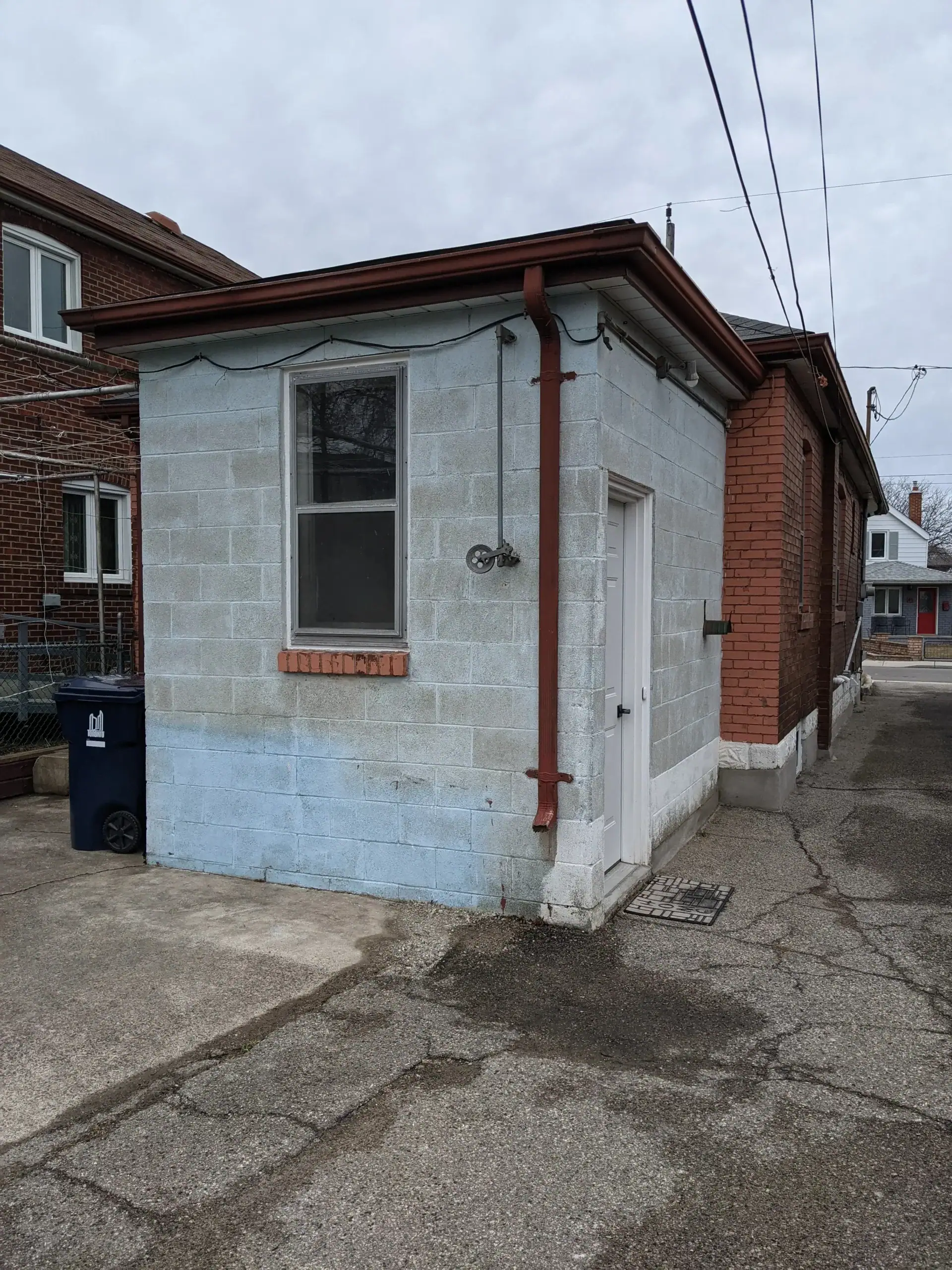
- clogged eavestroughs that spill water down brick walls
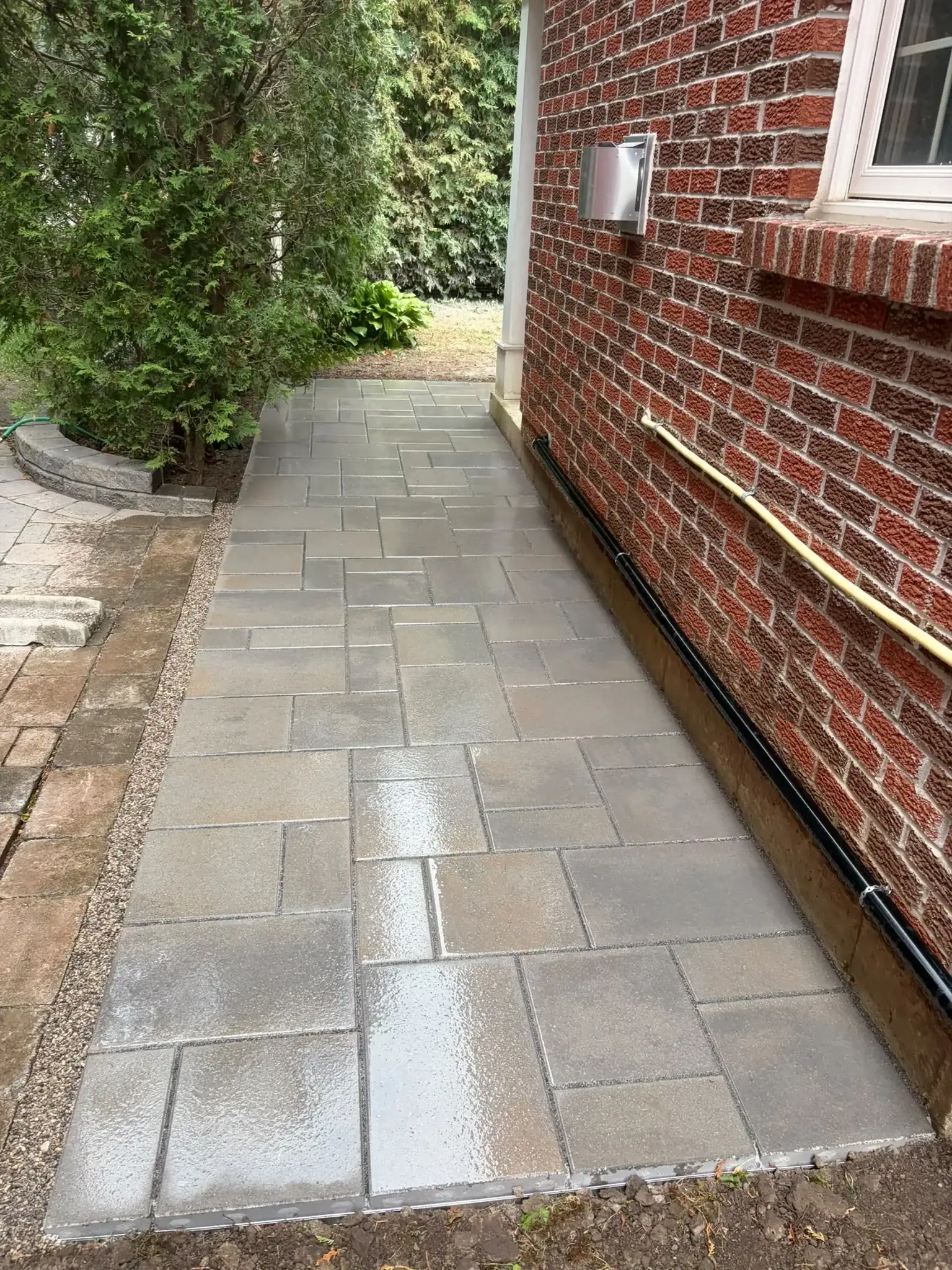
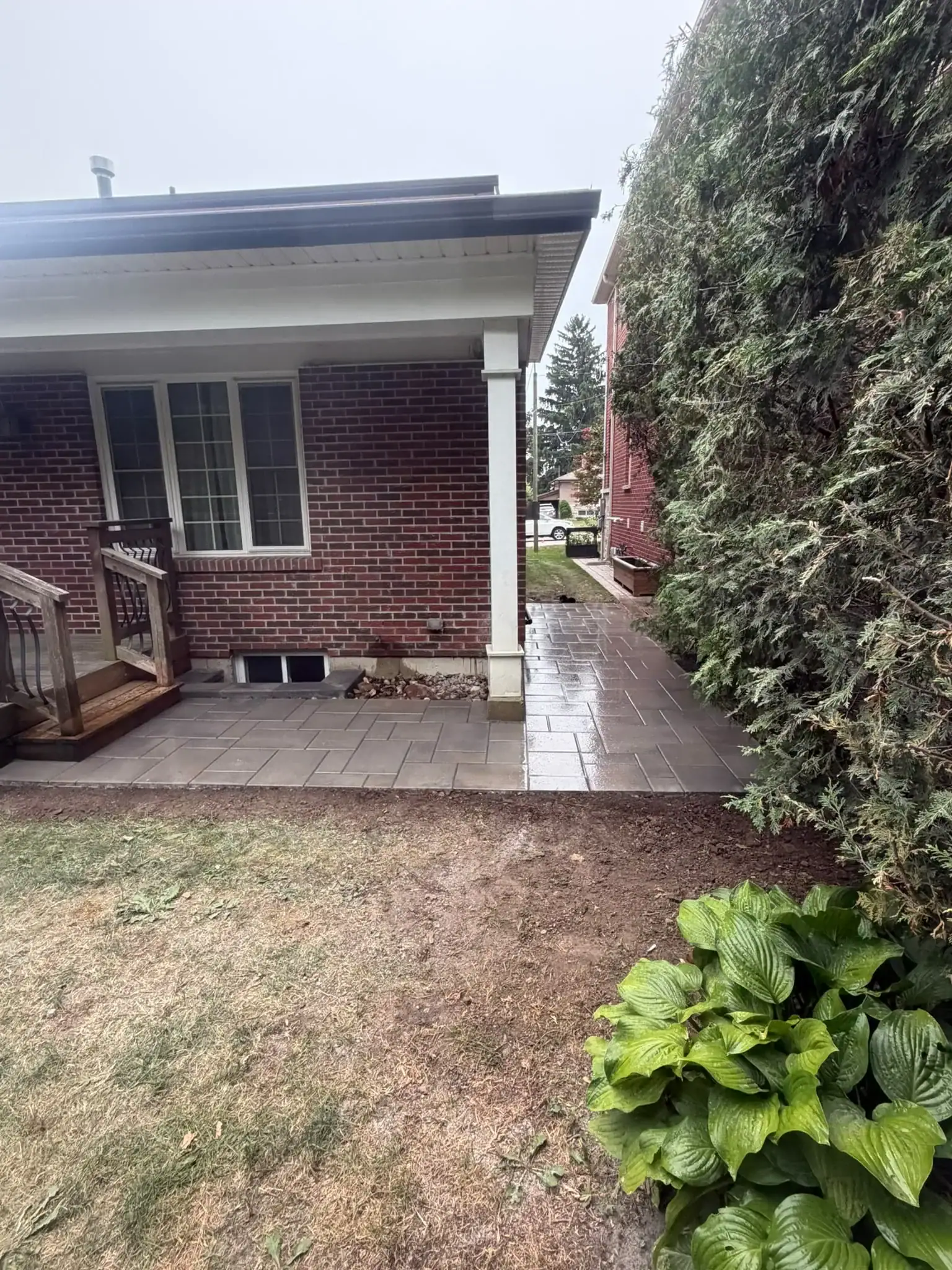
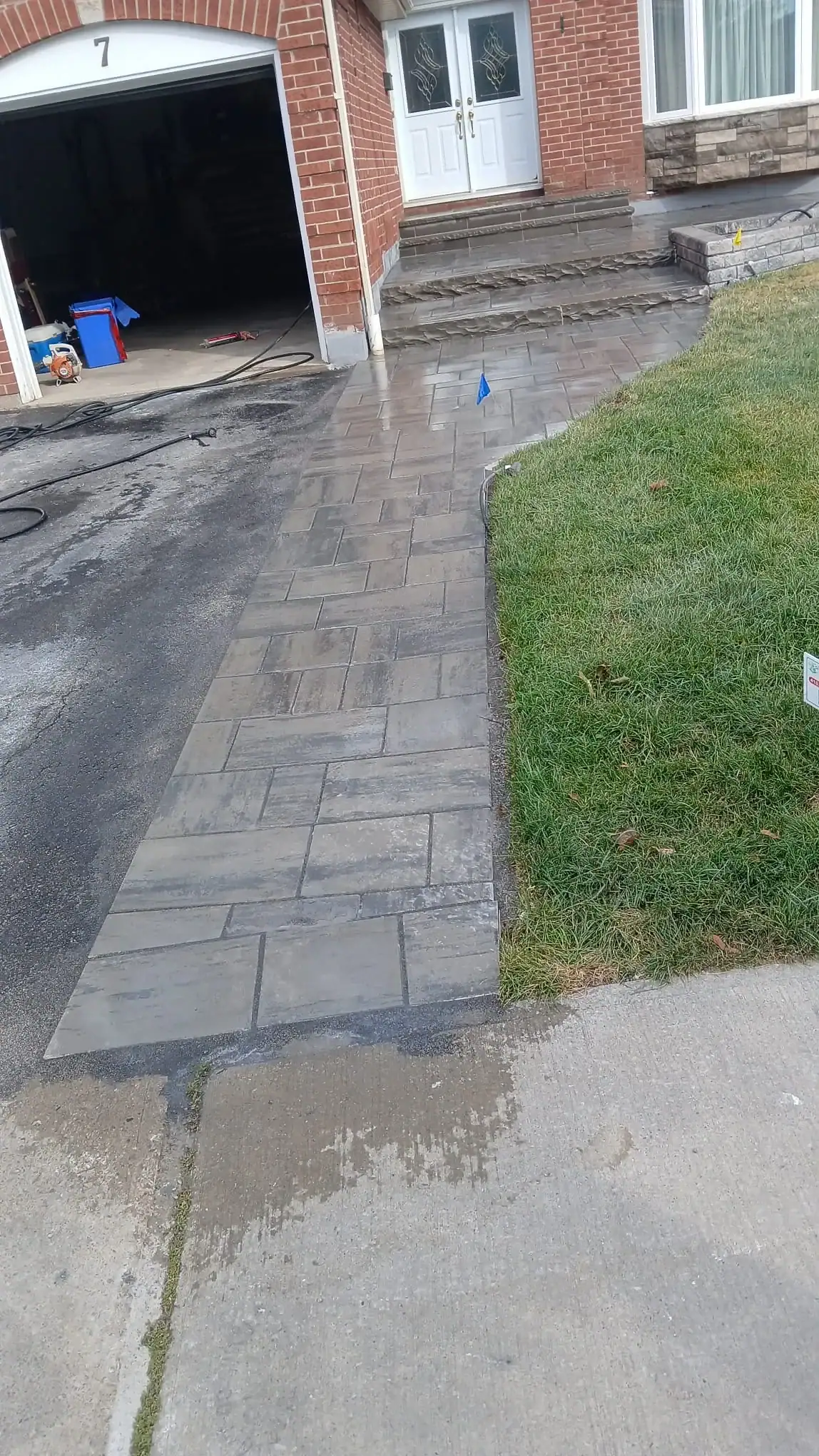
- interlocking or concrete surfaces pitched the wrong way
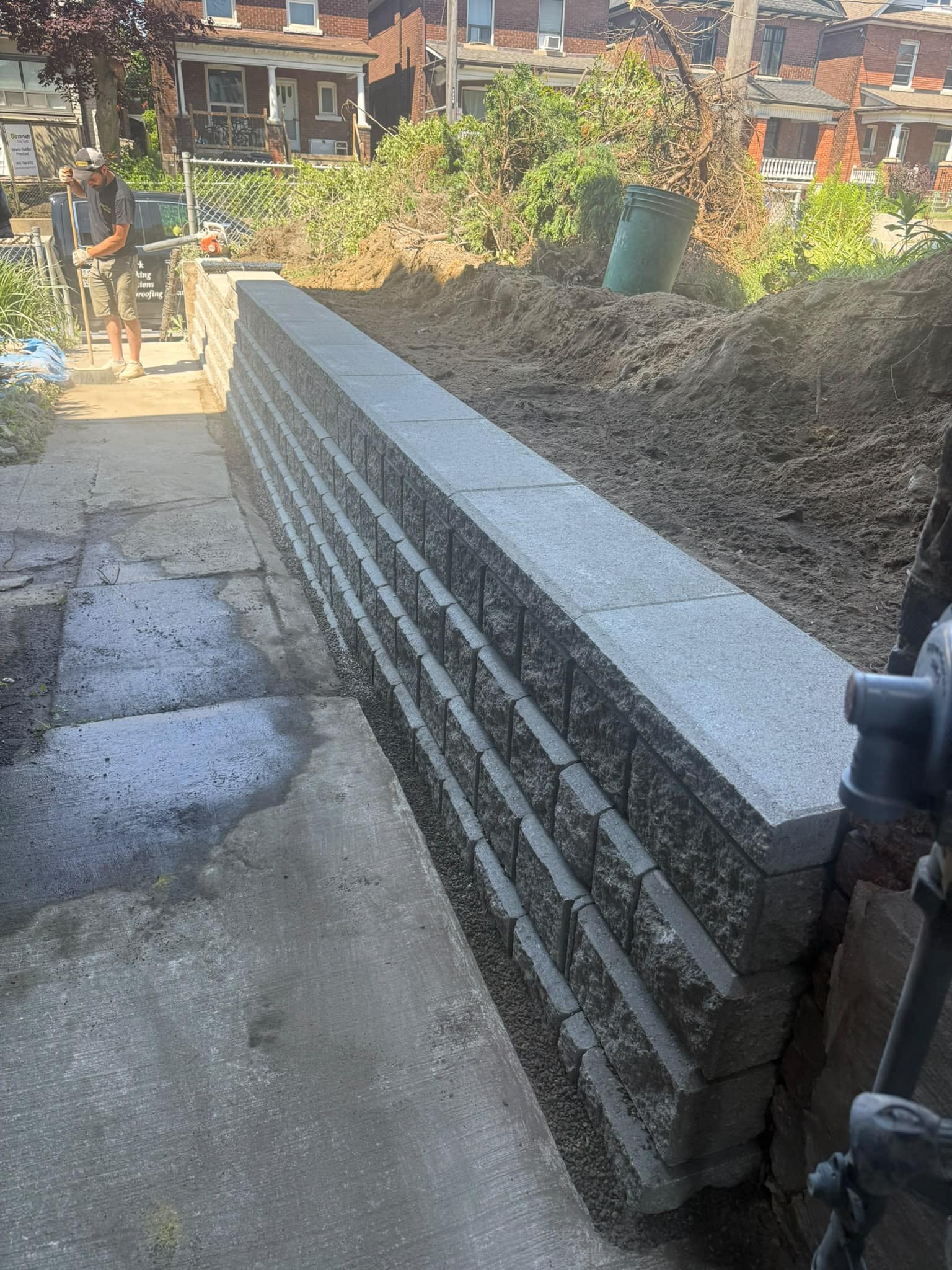
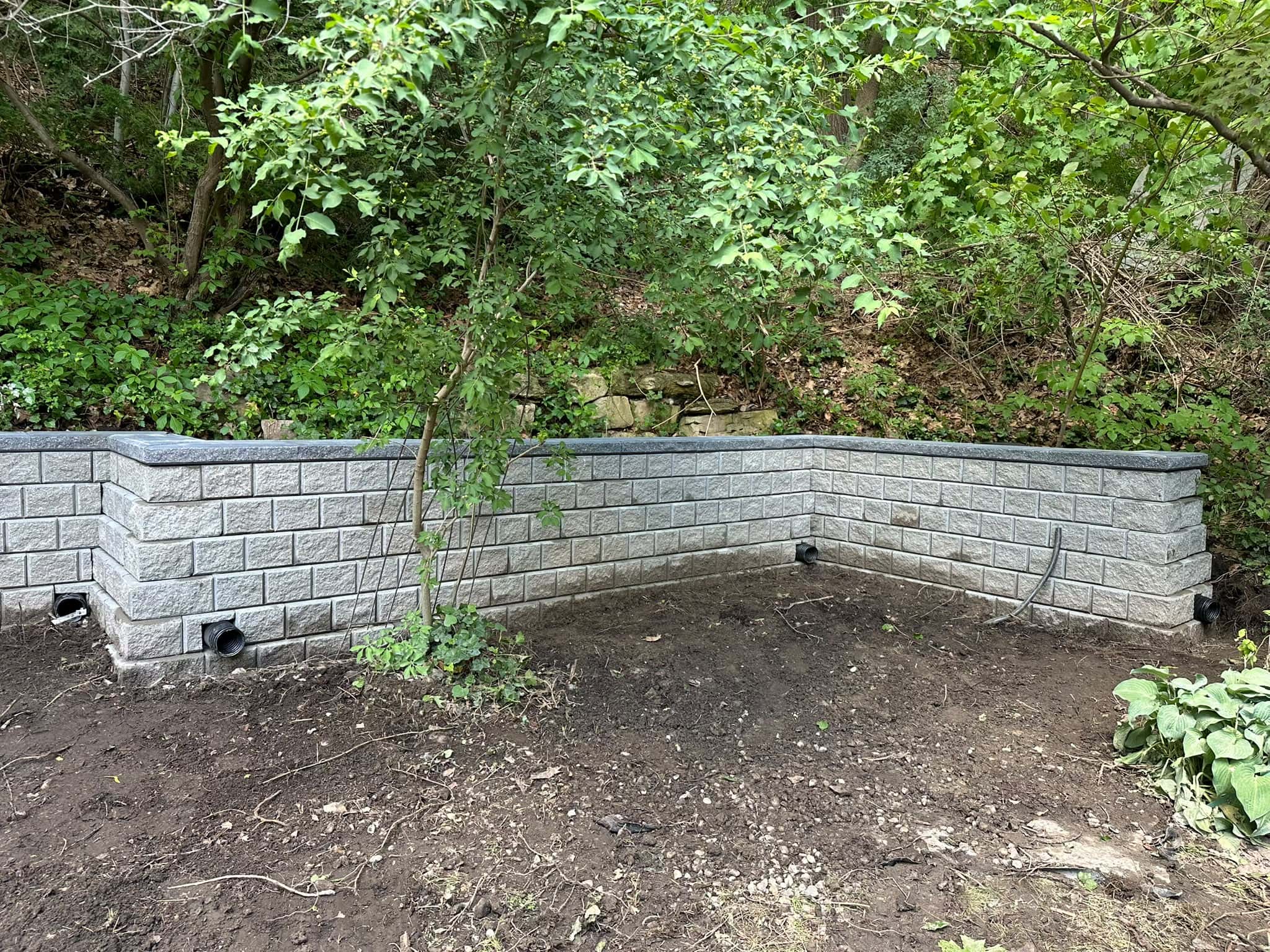
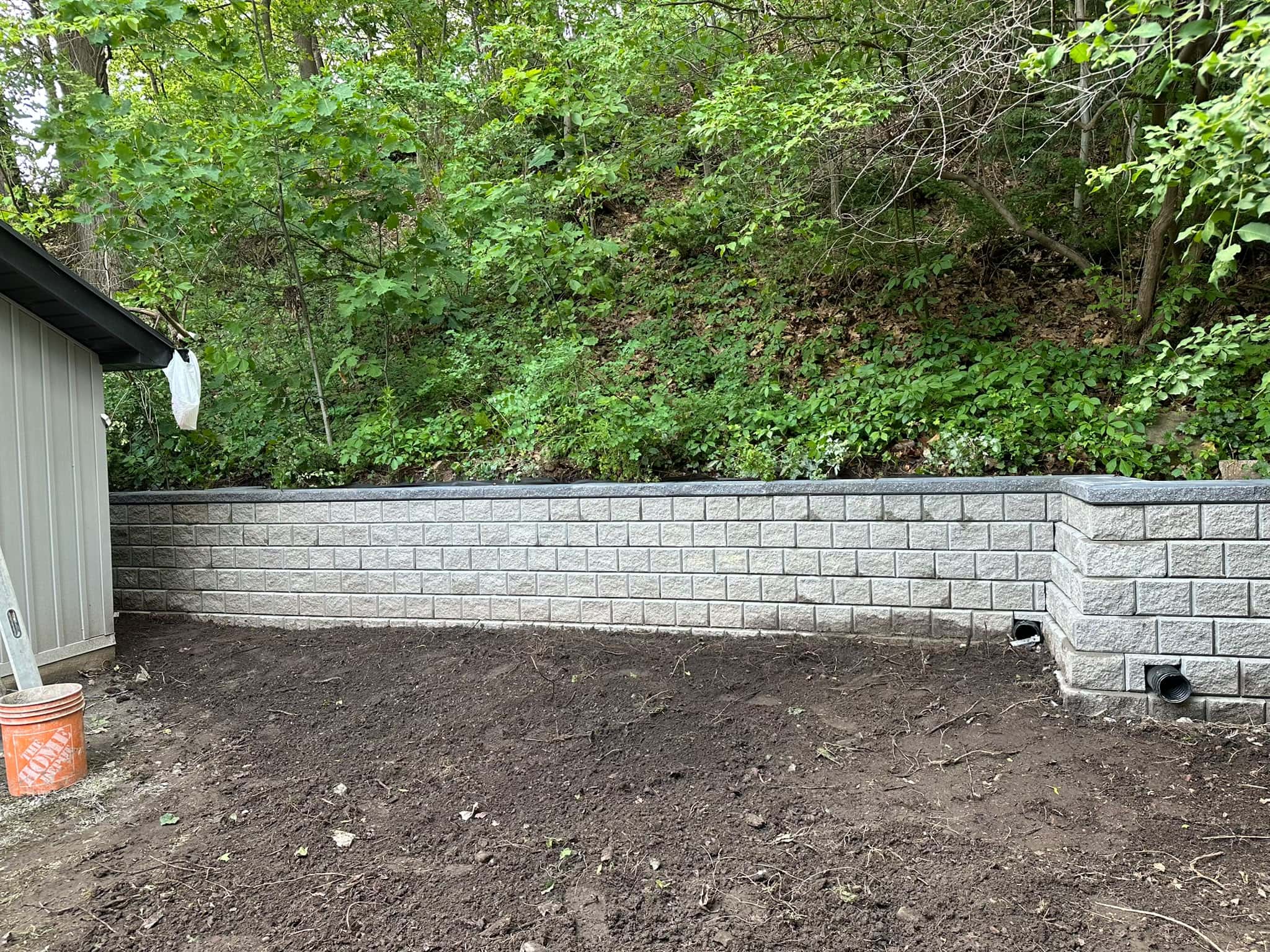
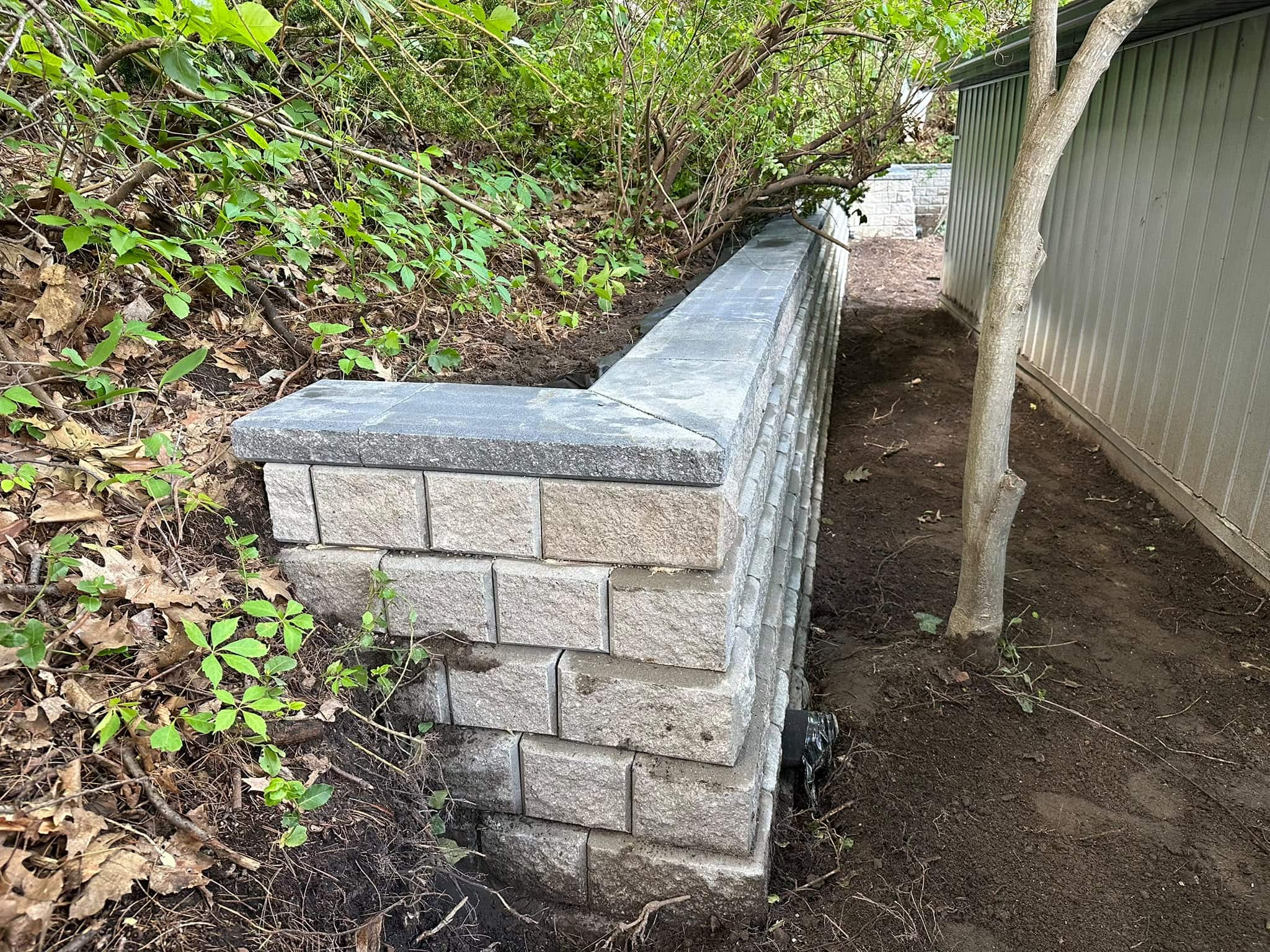
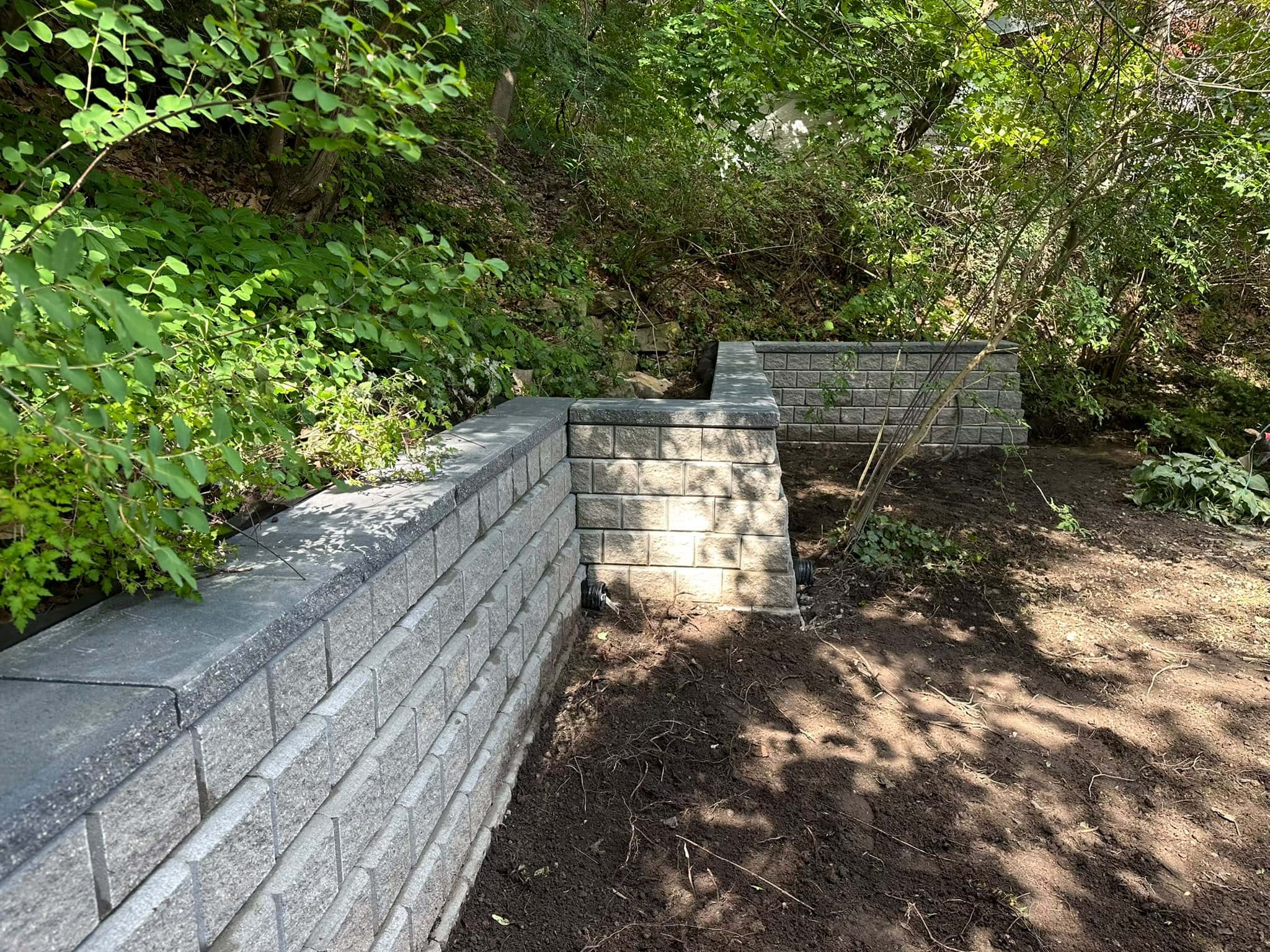
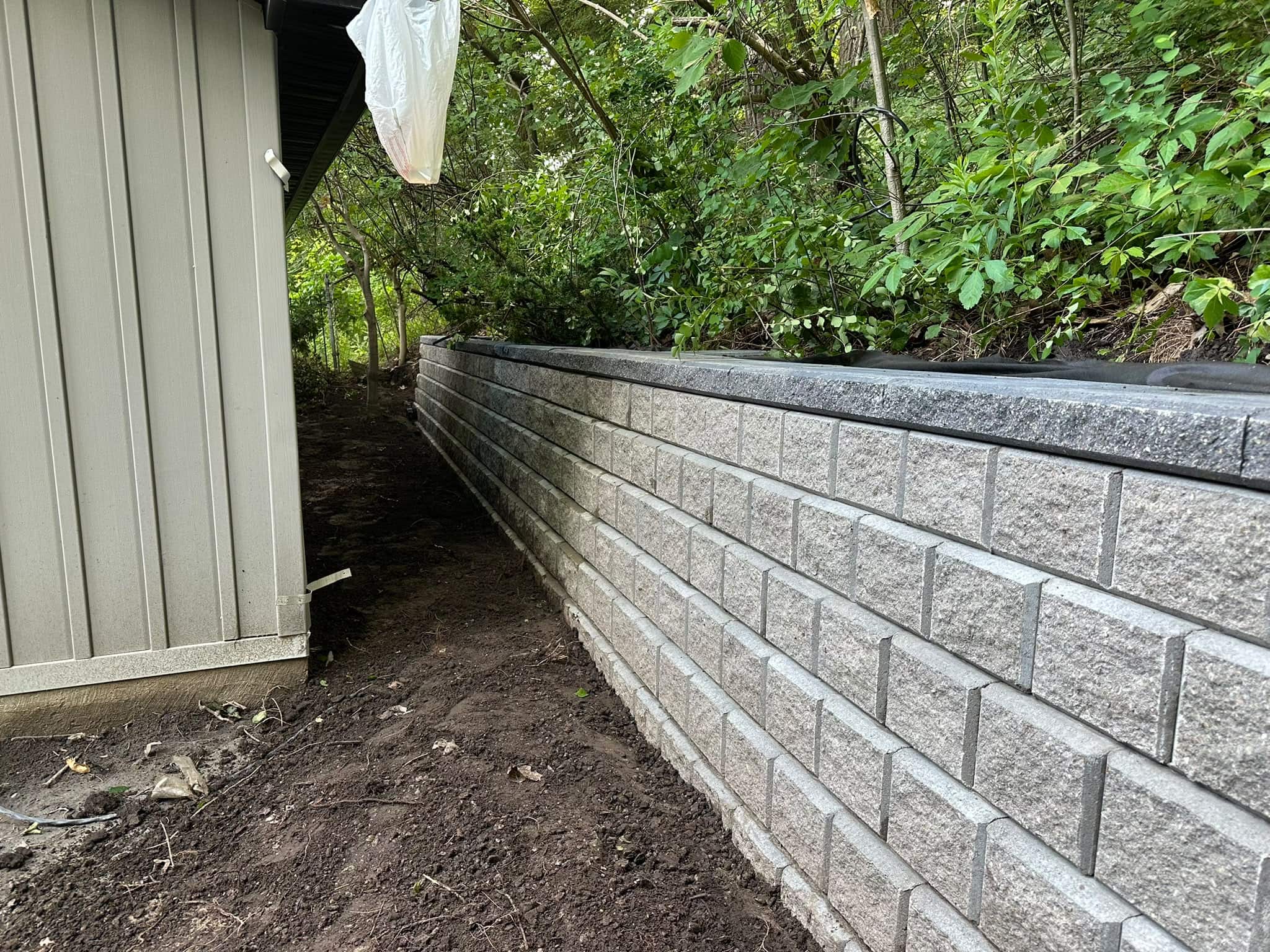
- retaining walls without proper drainage relief behind them
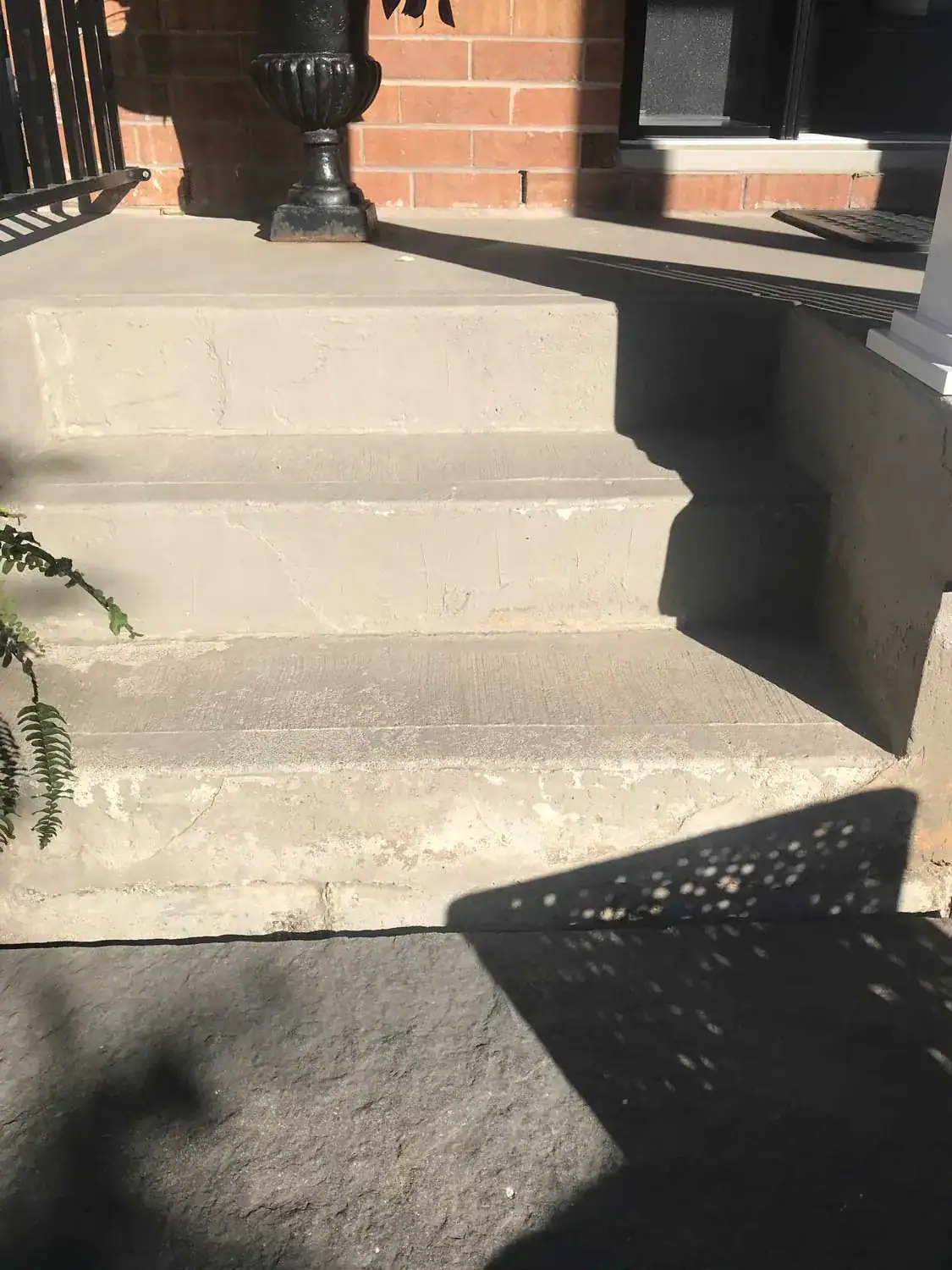
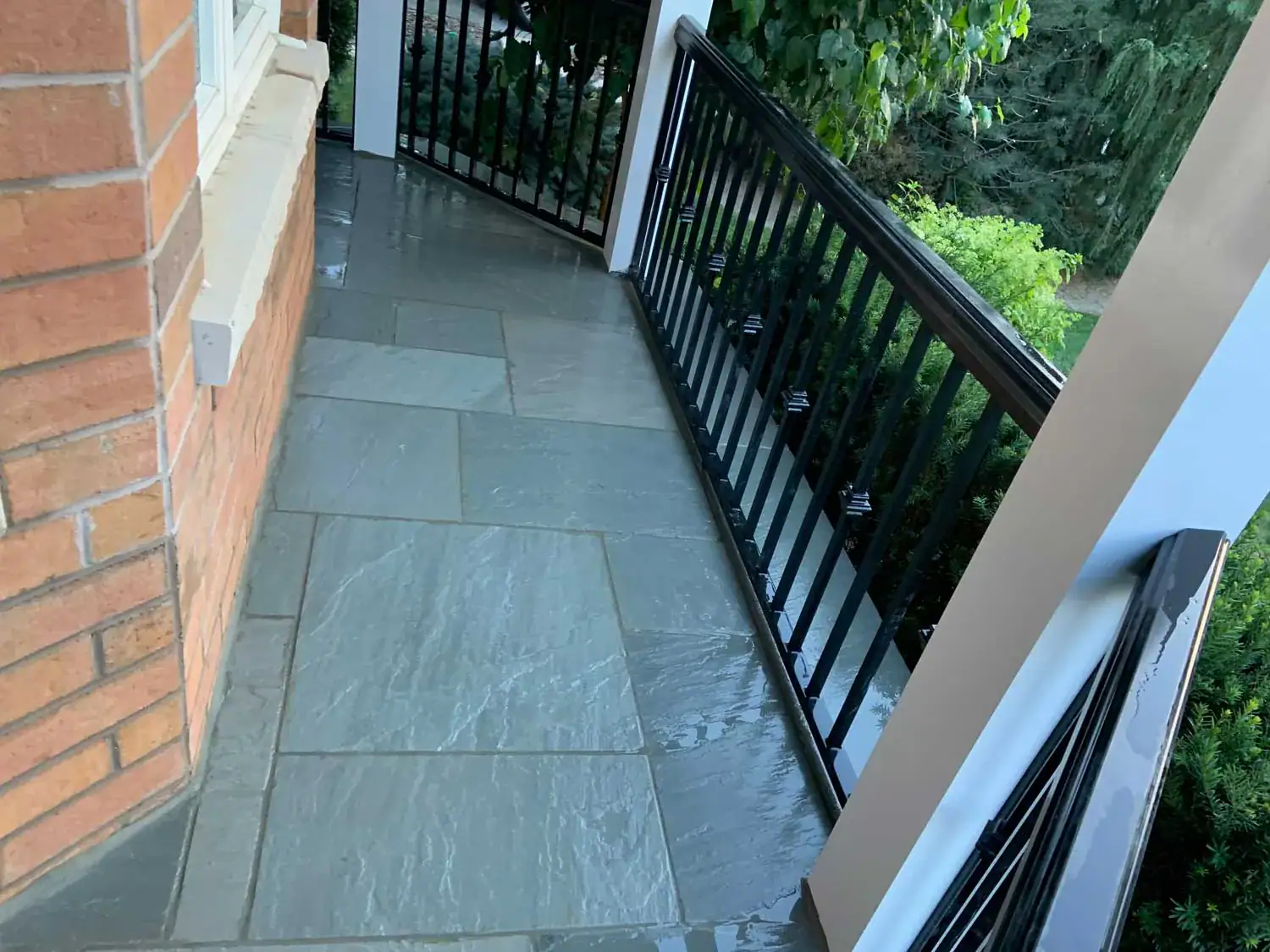
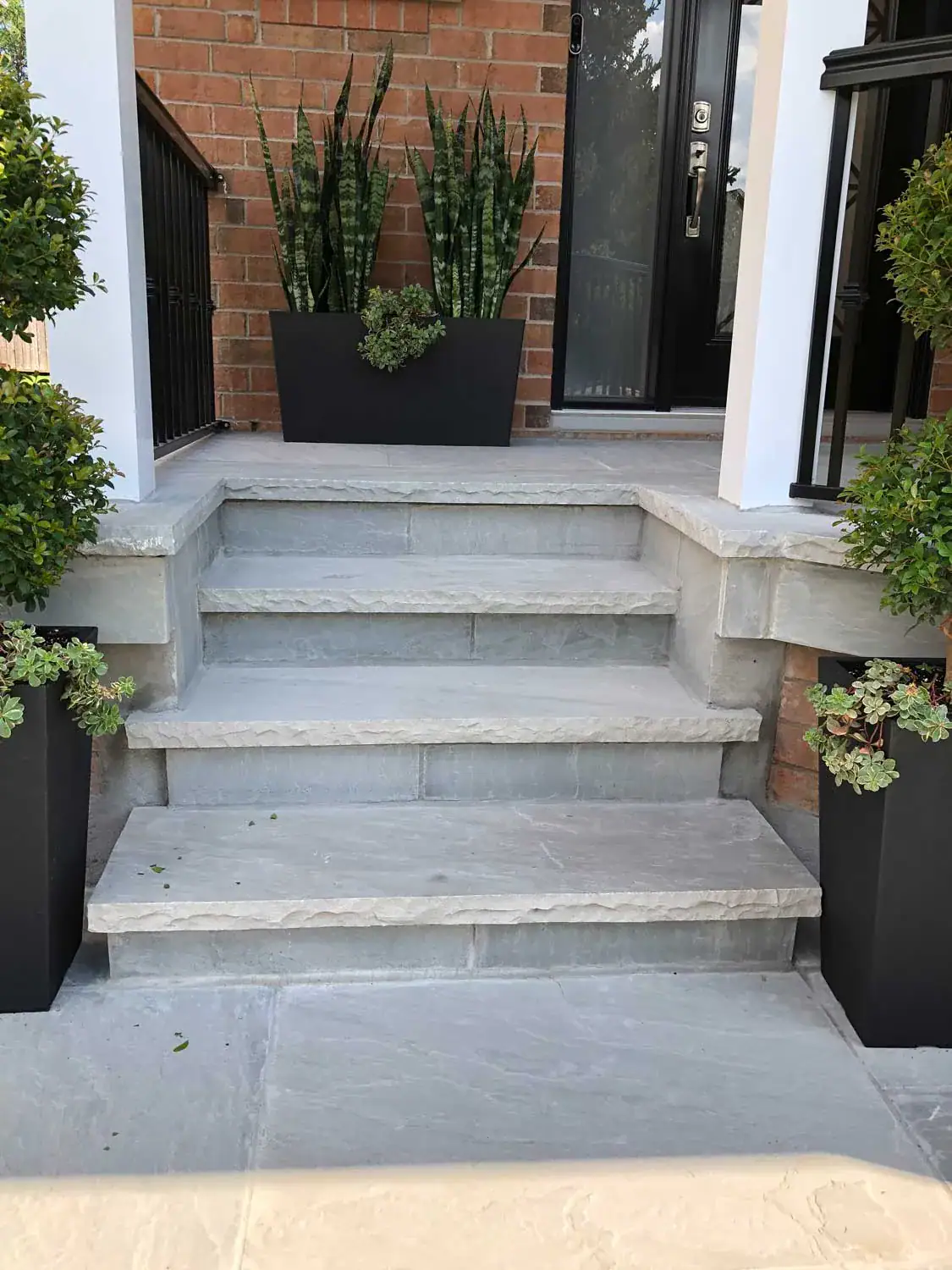
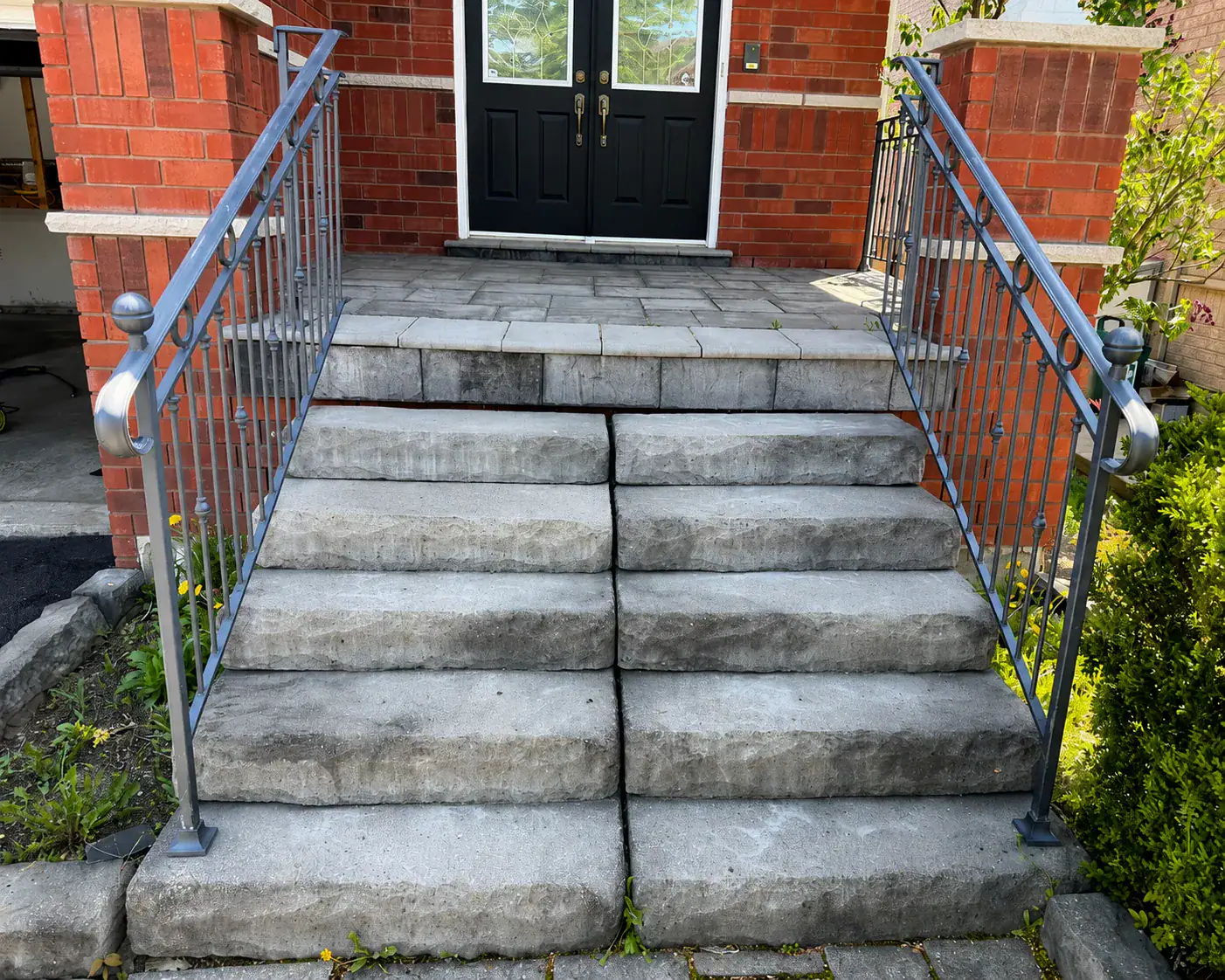
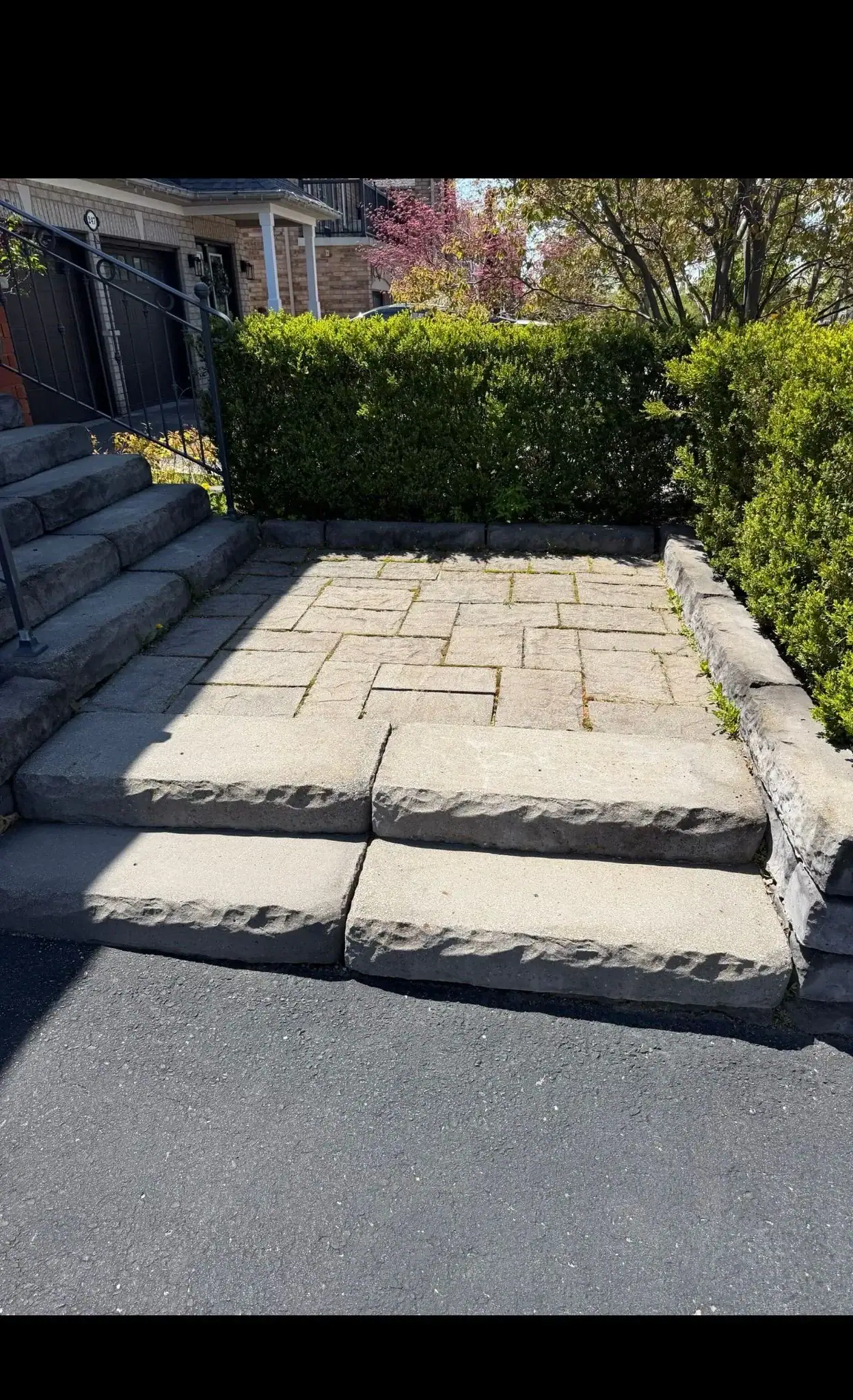
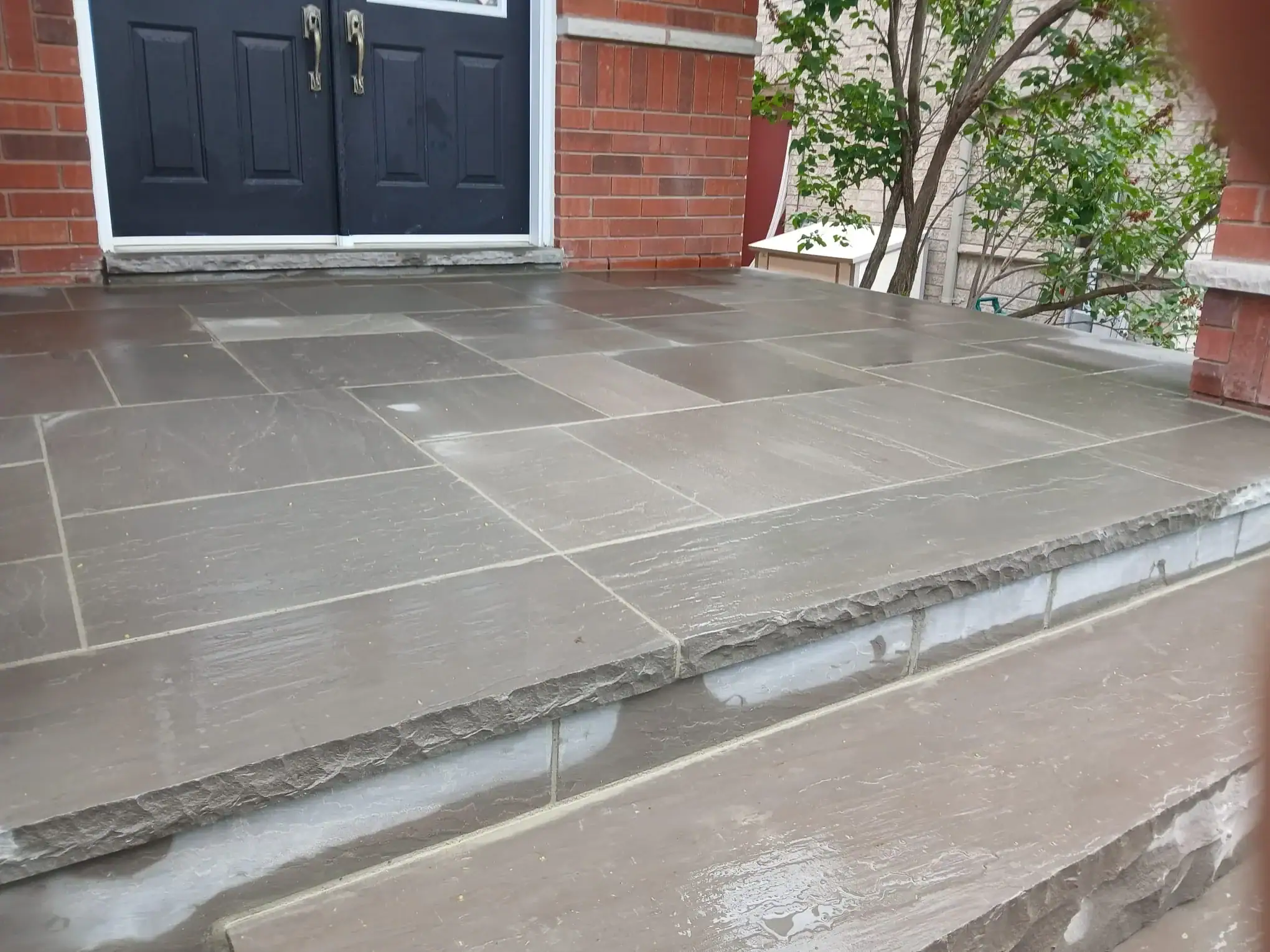
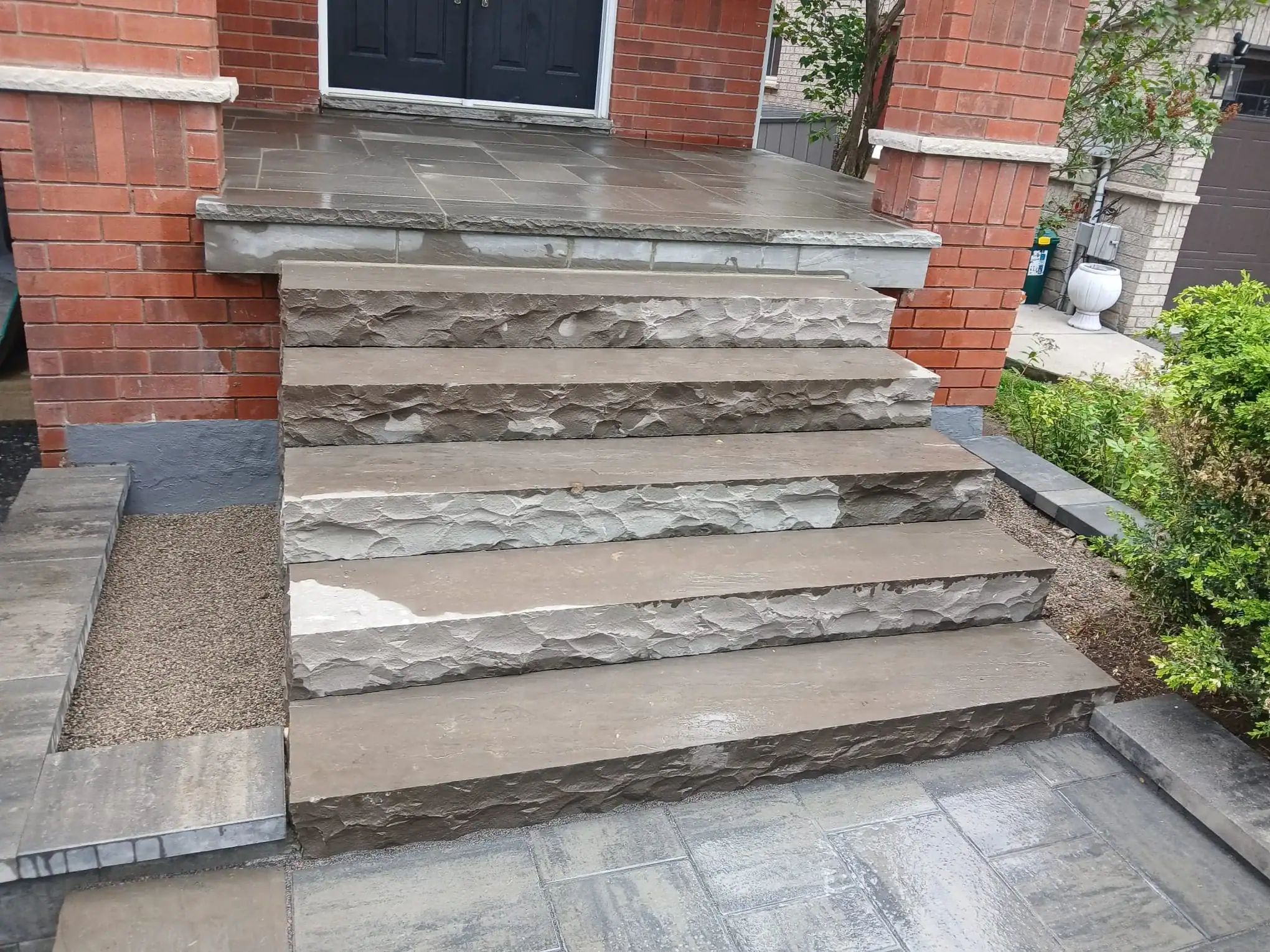
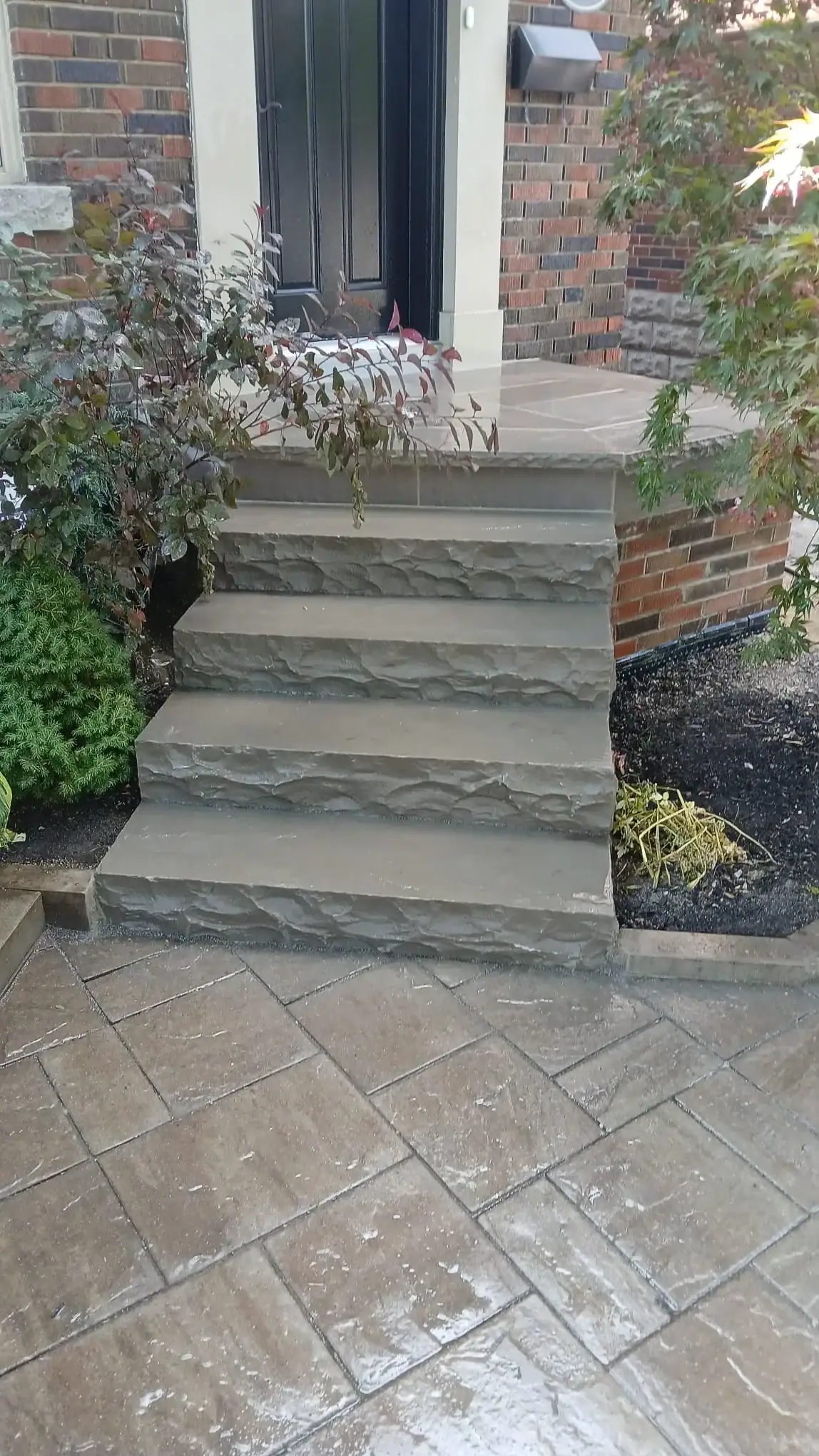
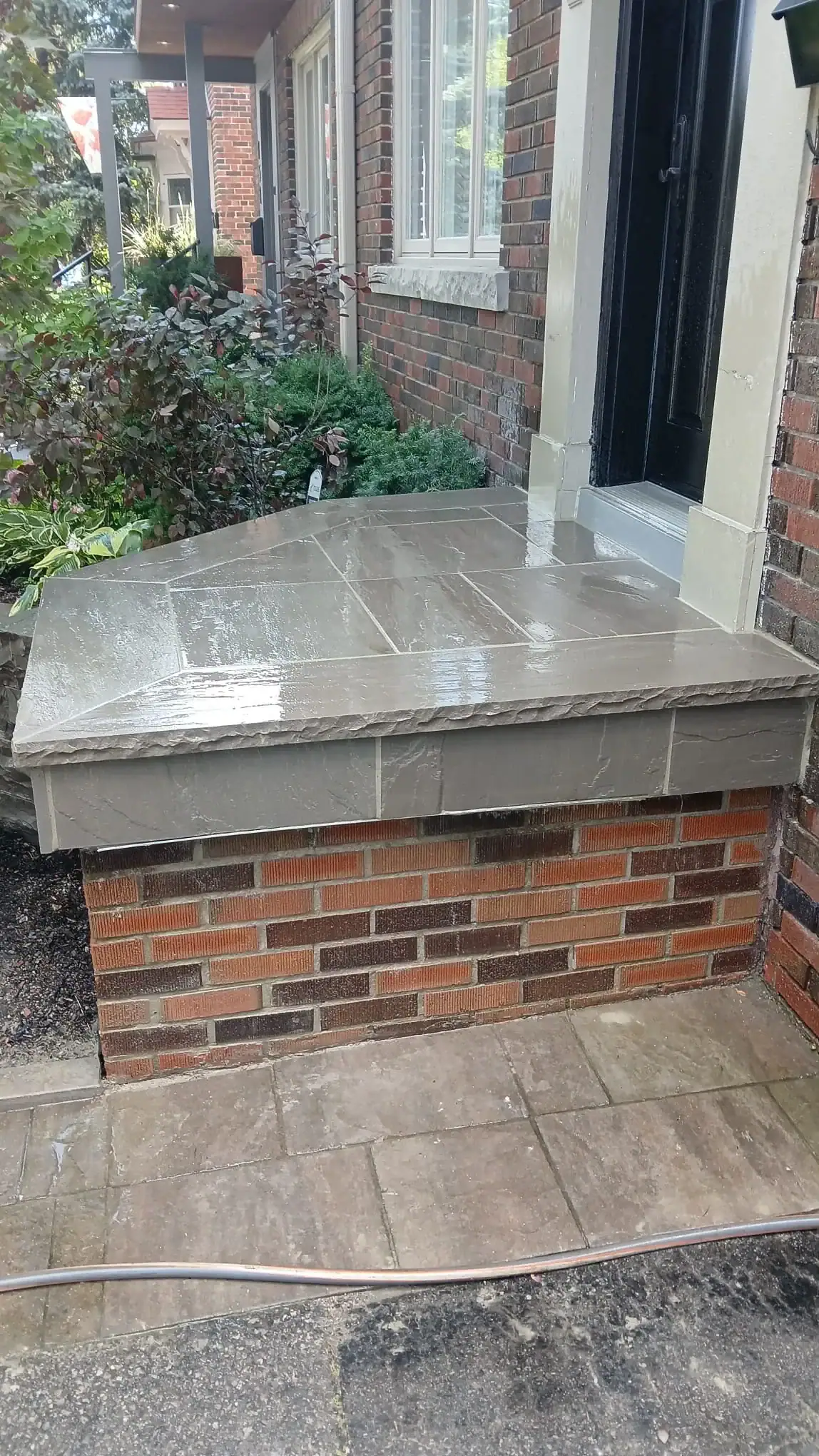
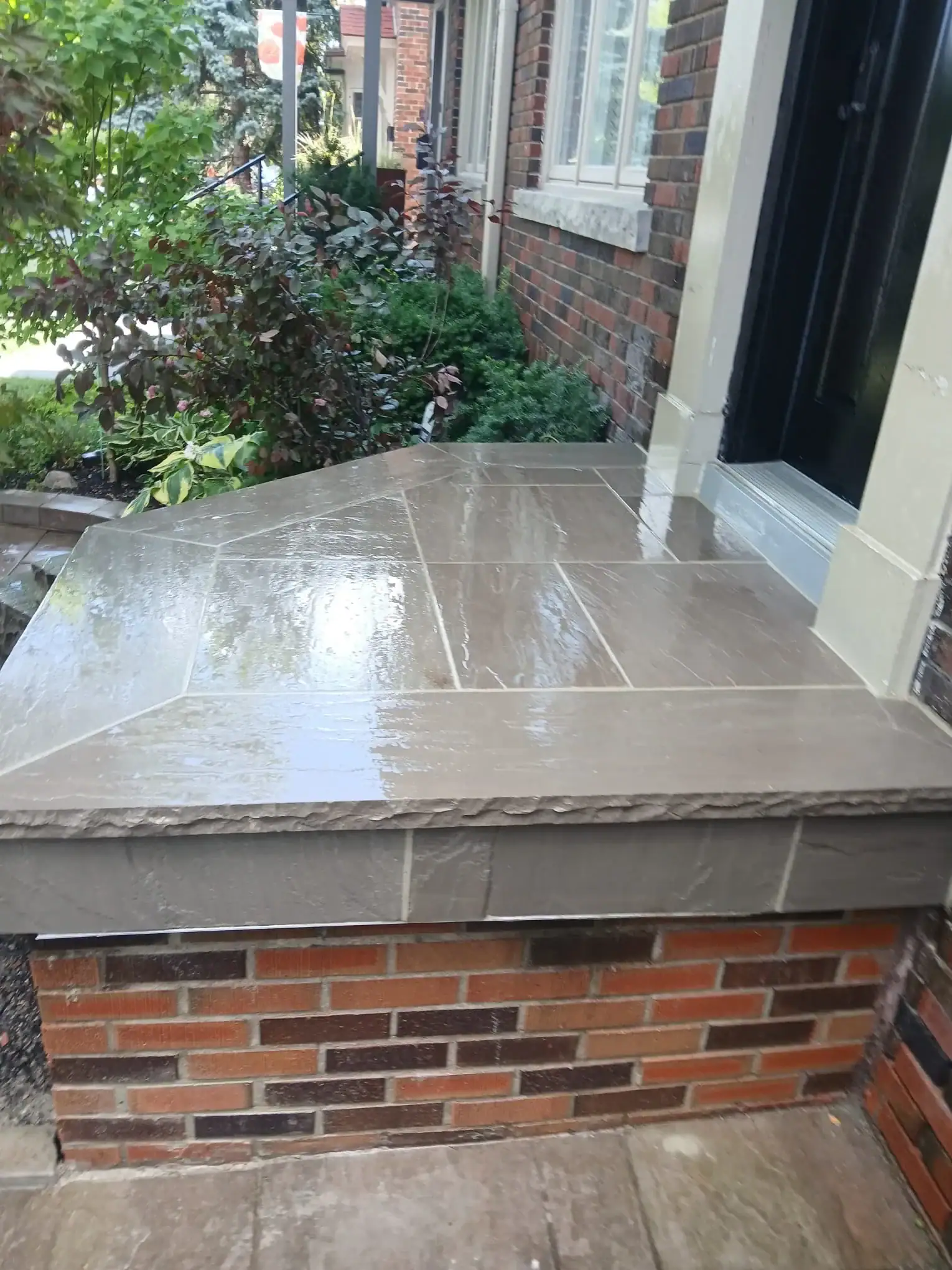
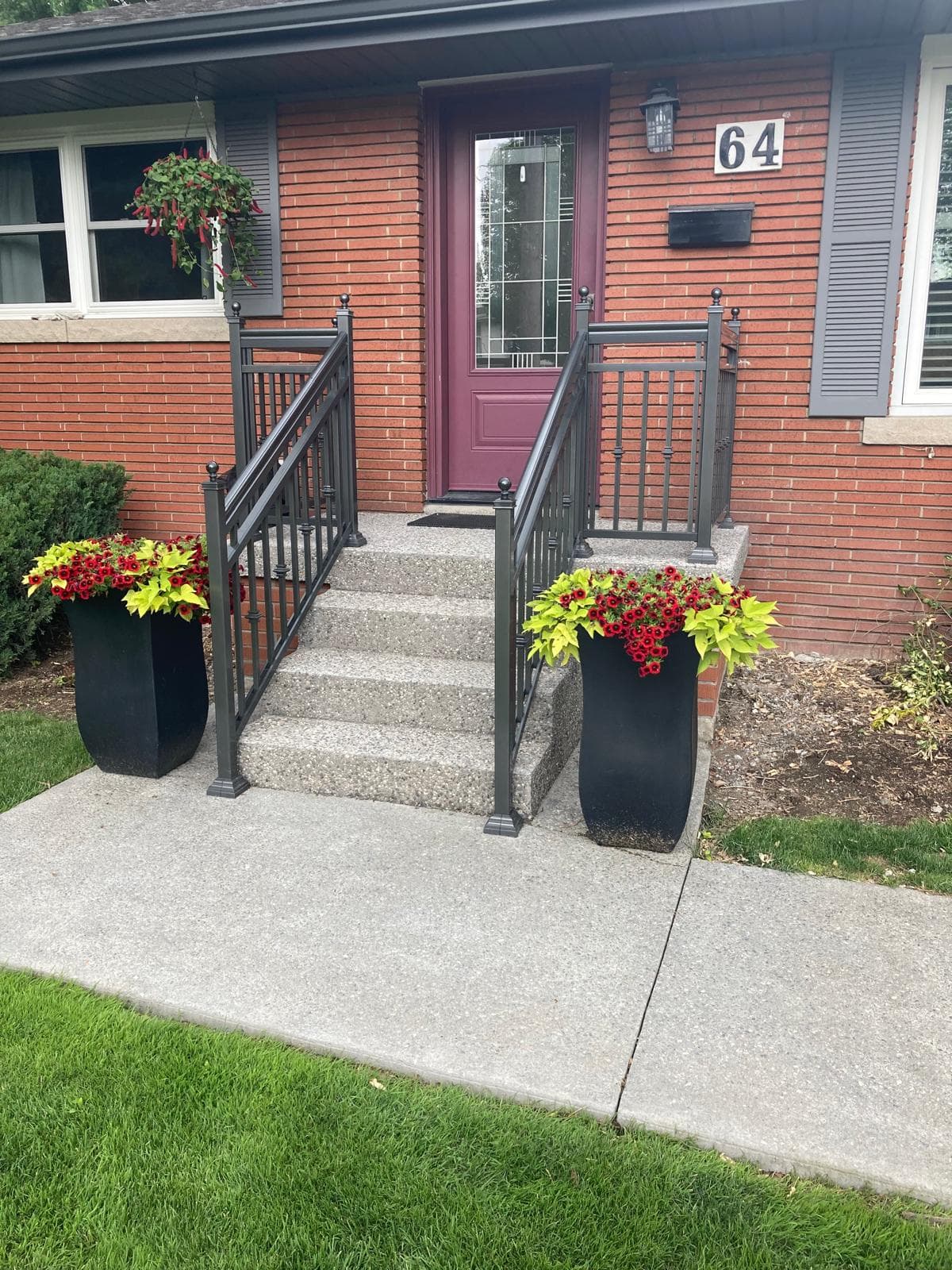
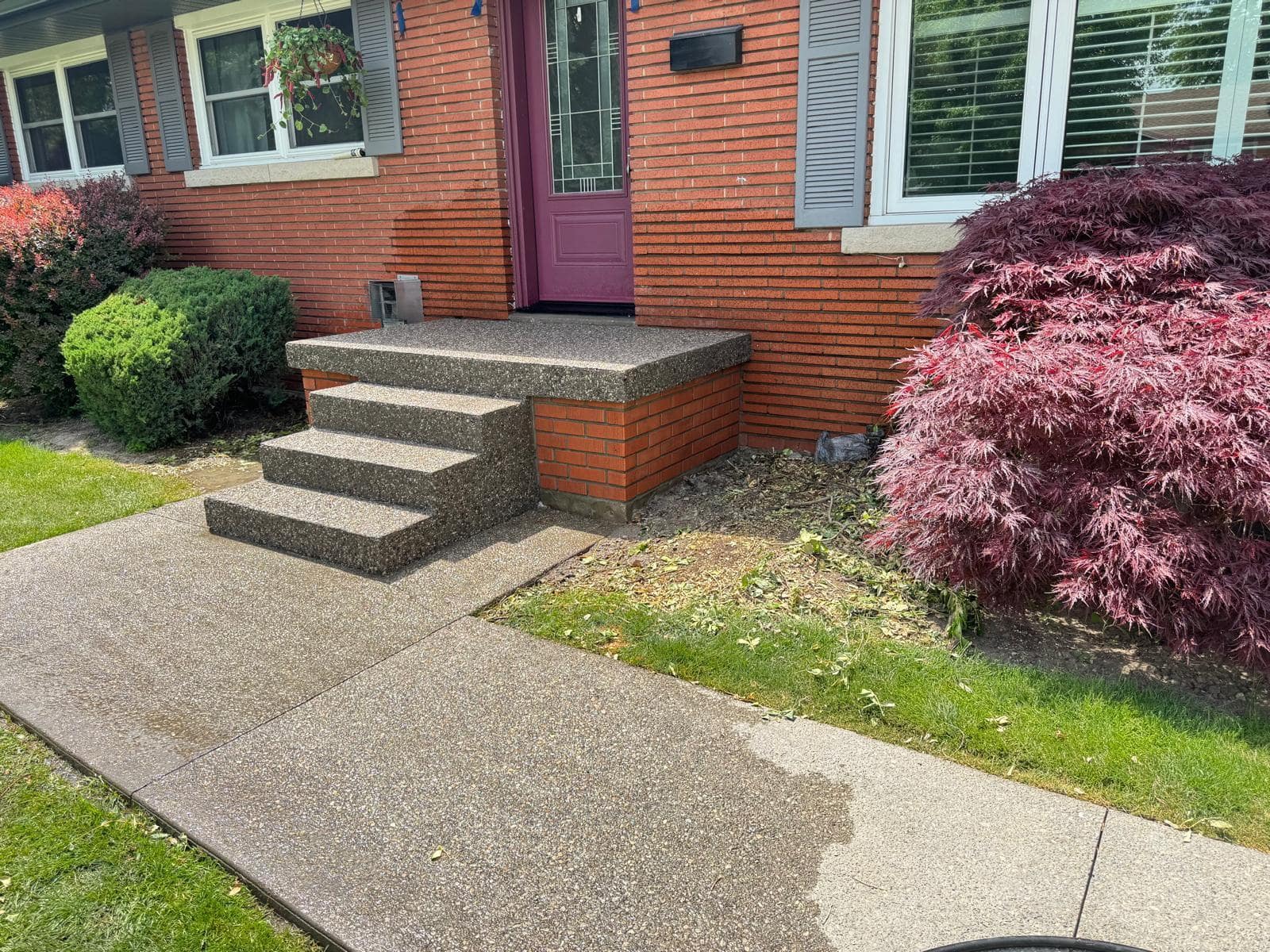
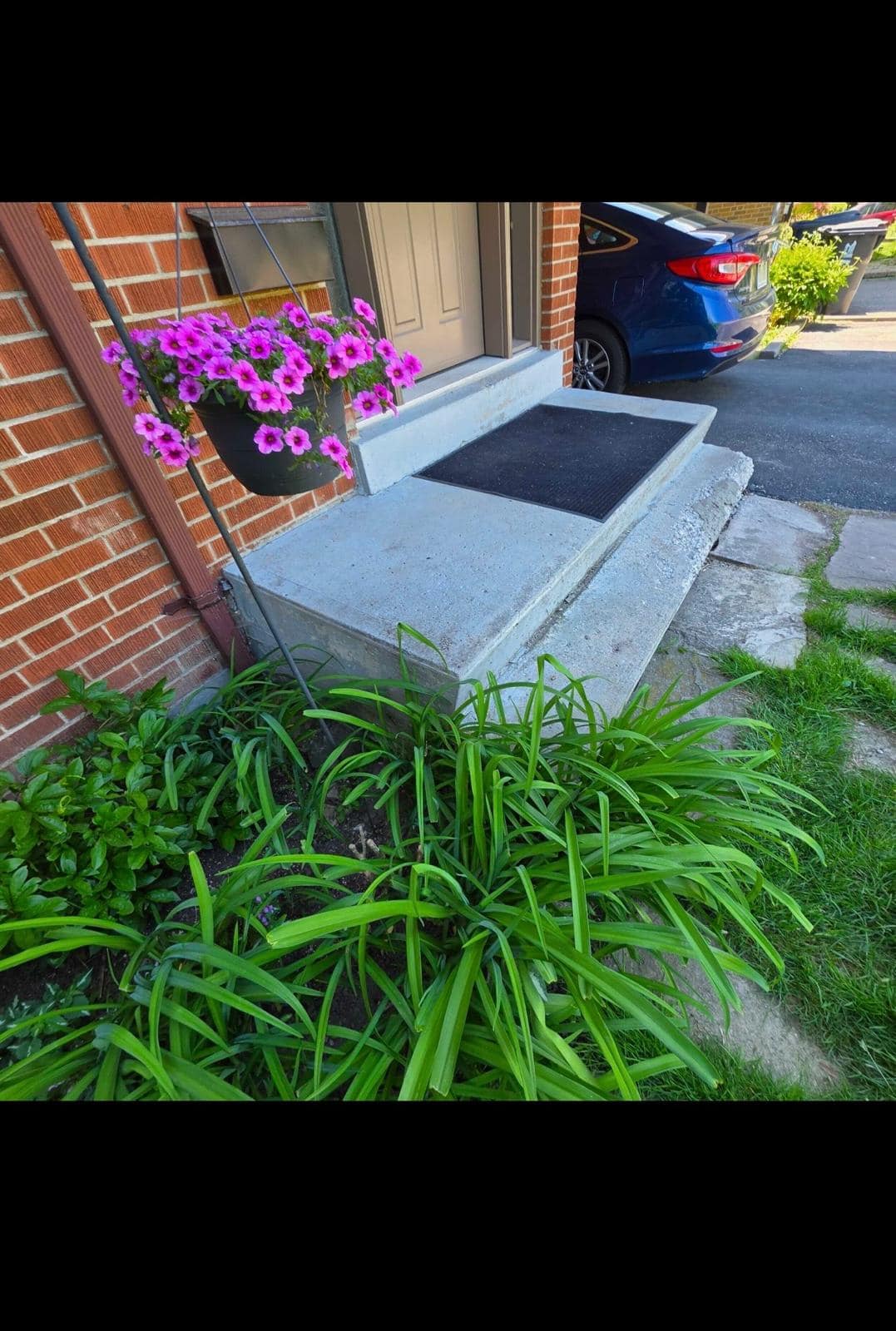
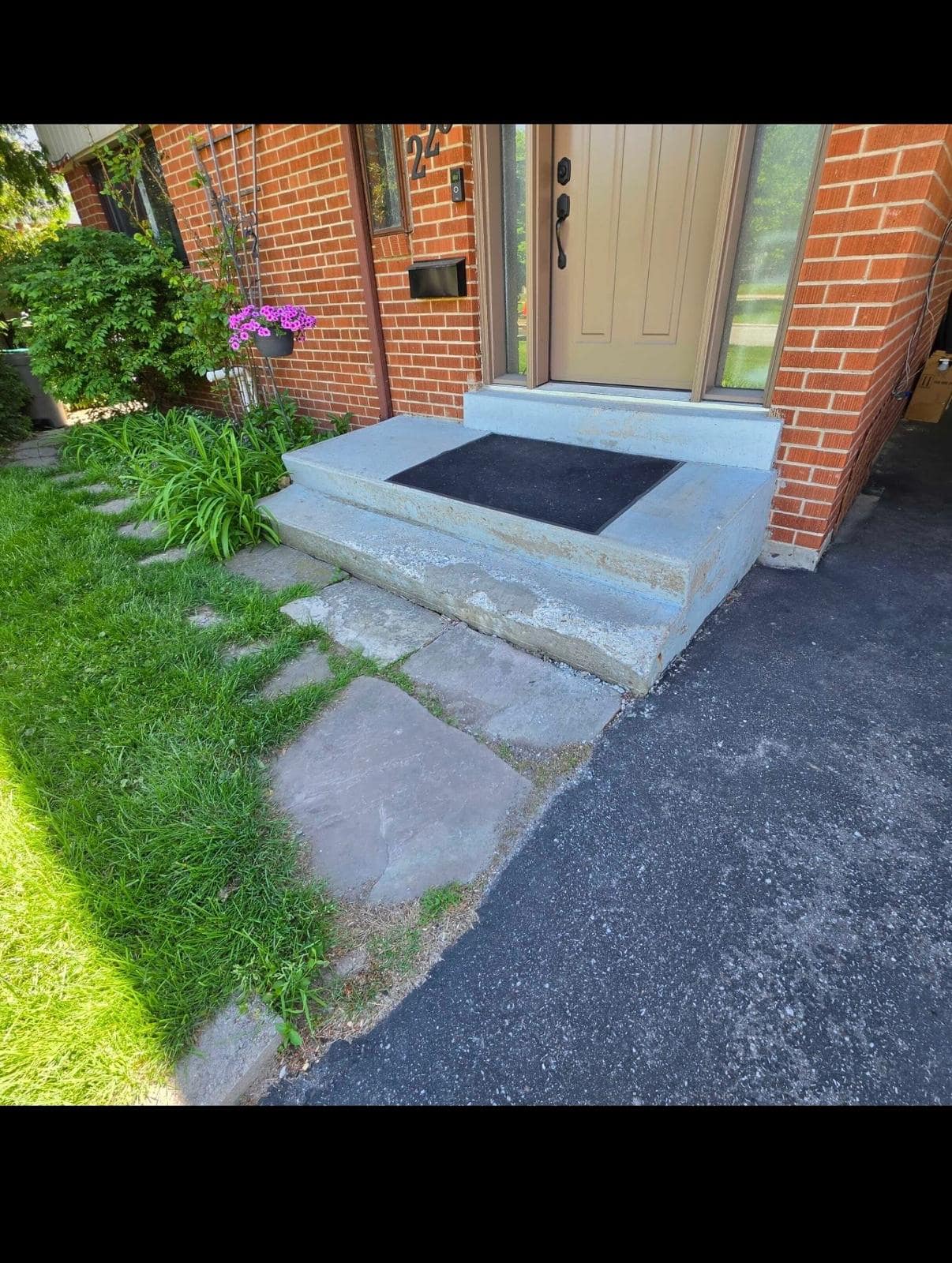
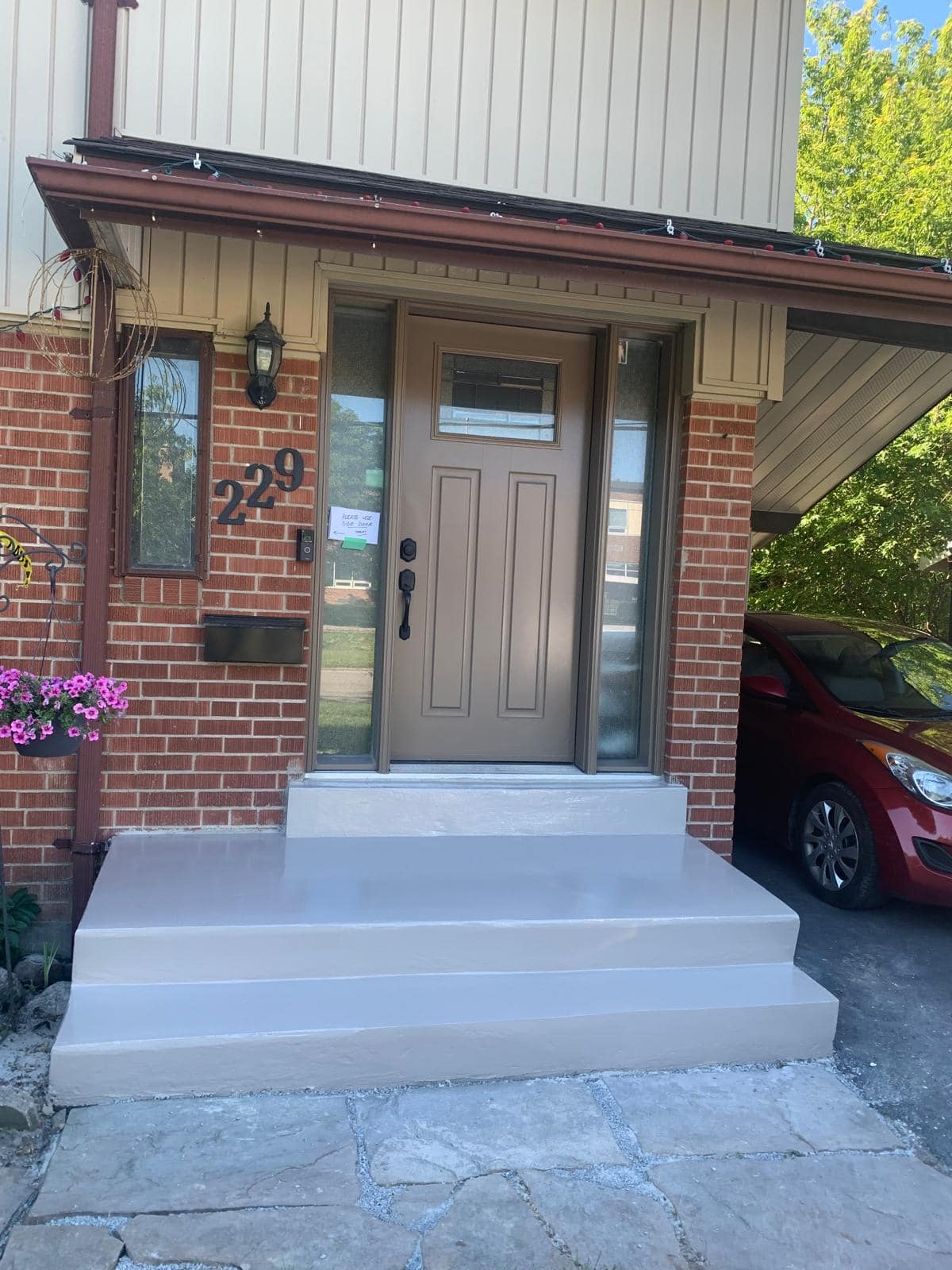
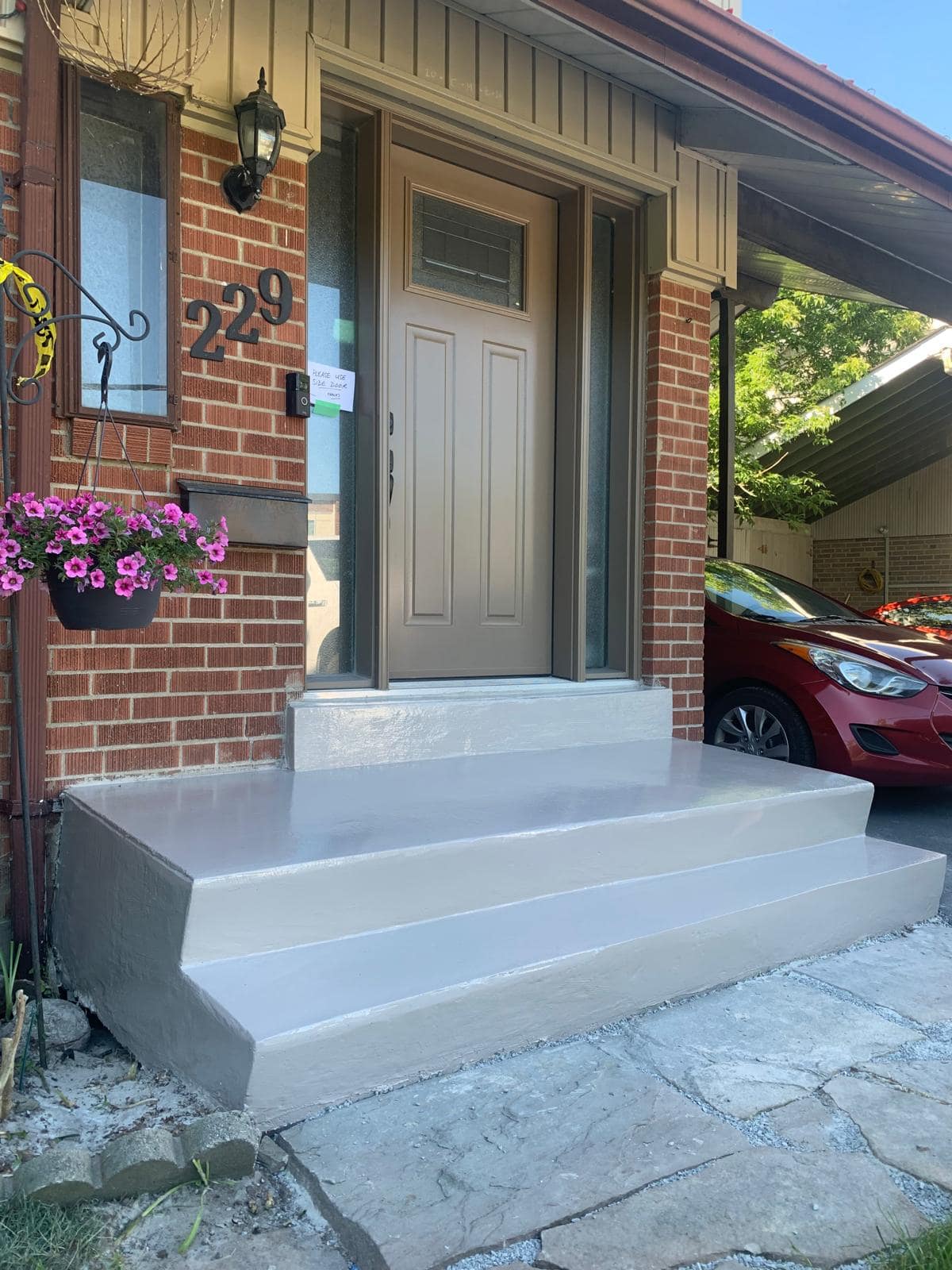
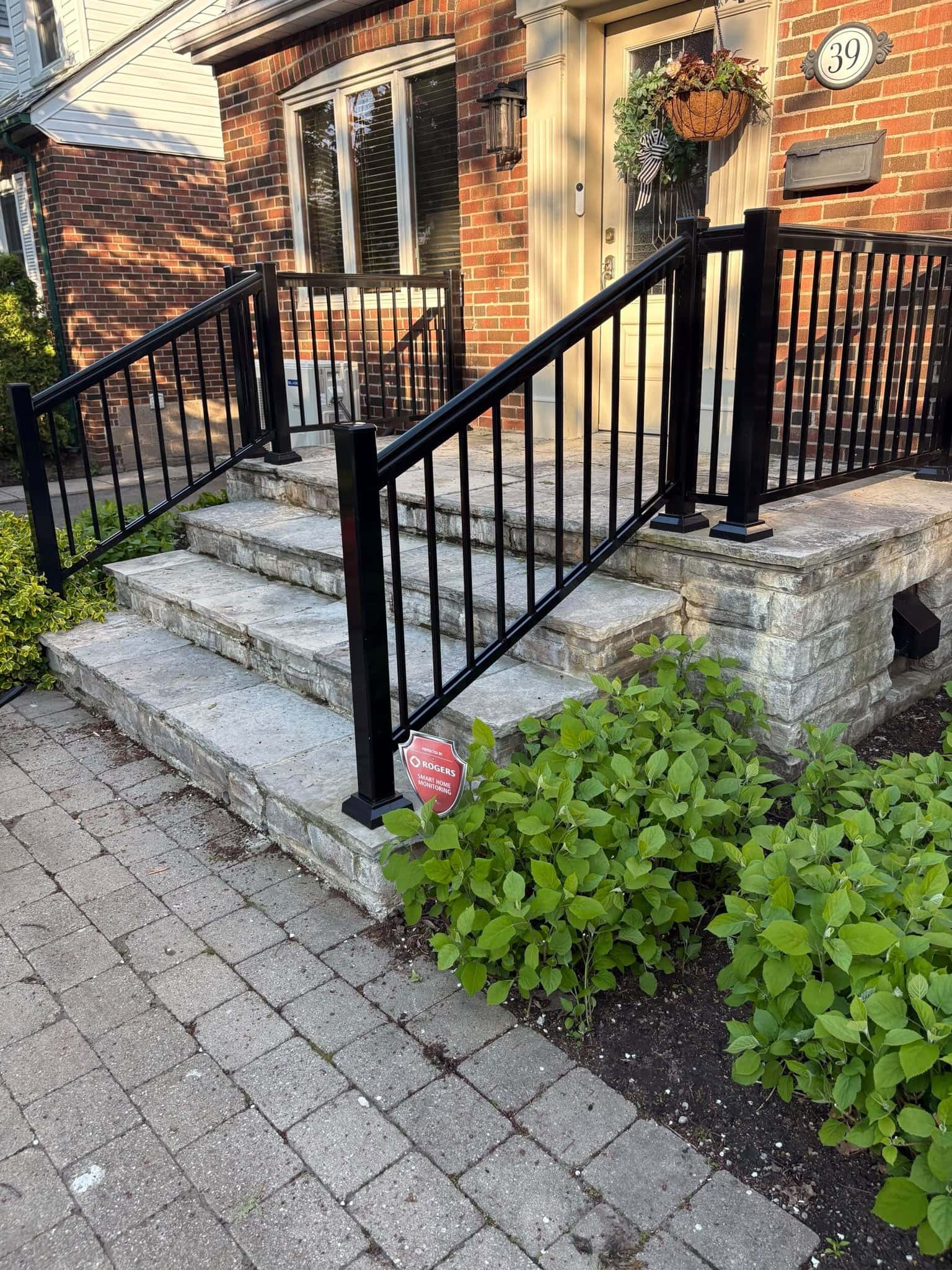
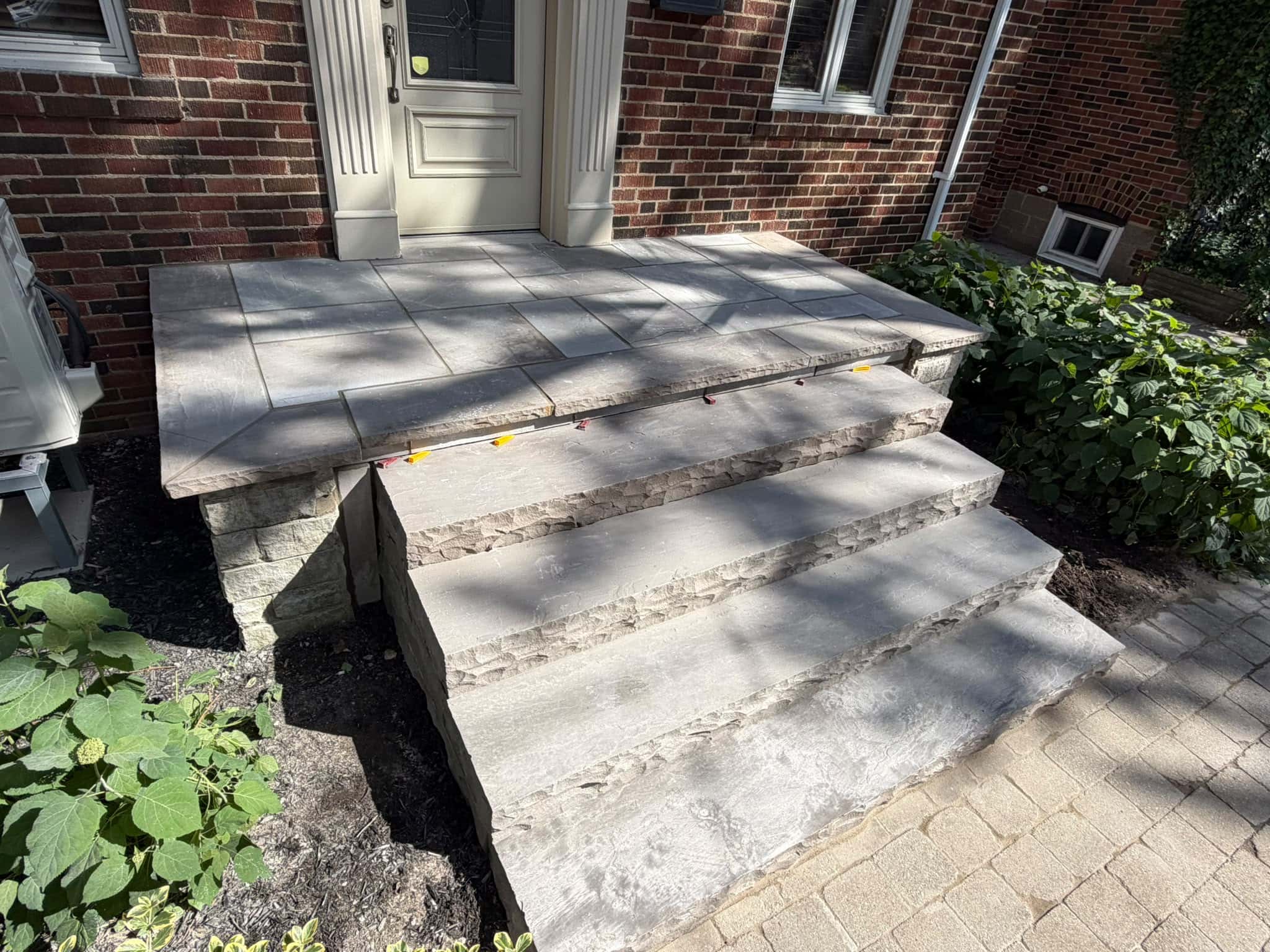
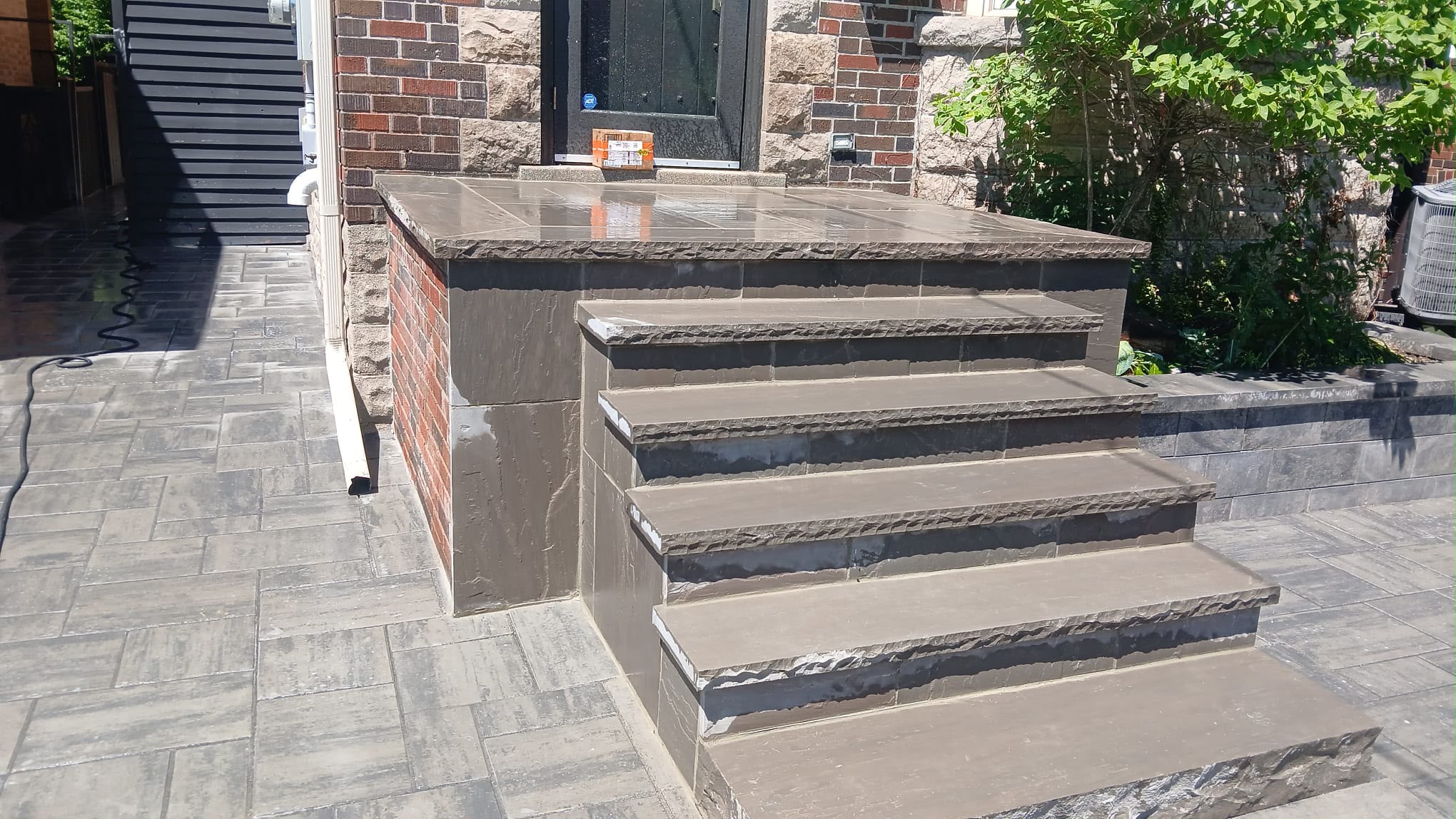
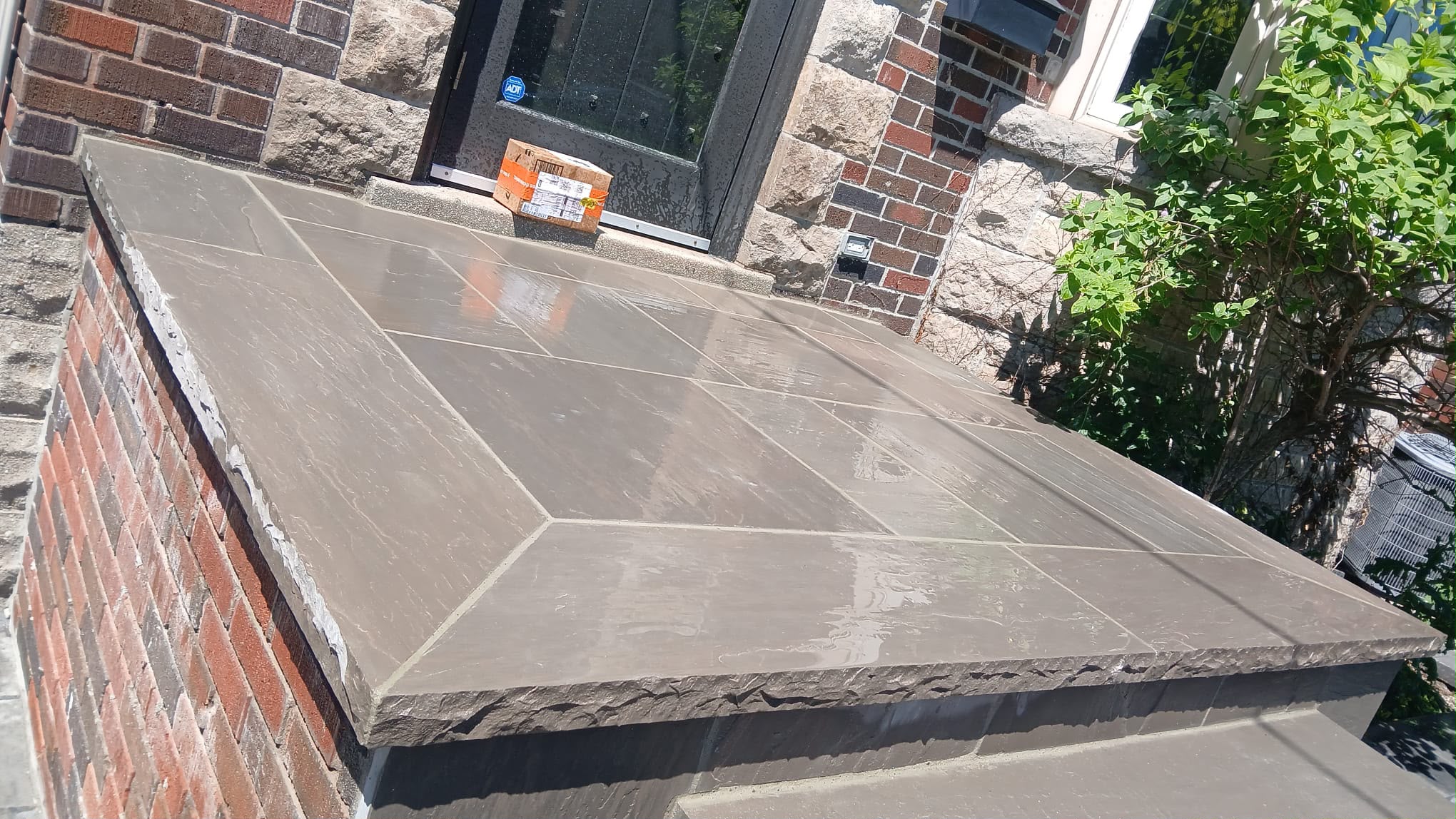
- front steps and porches where water sits near joints
- chimneys with failed caps, flashing, or runoff patterns that keep masonry wet
- low areas near the home where water ponds after rain or snowmelt
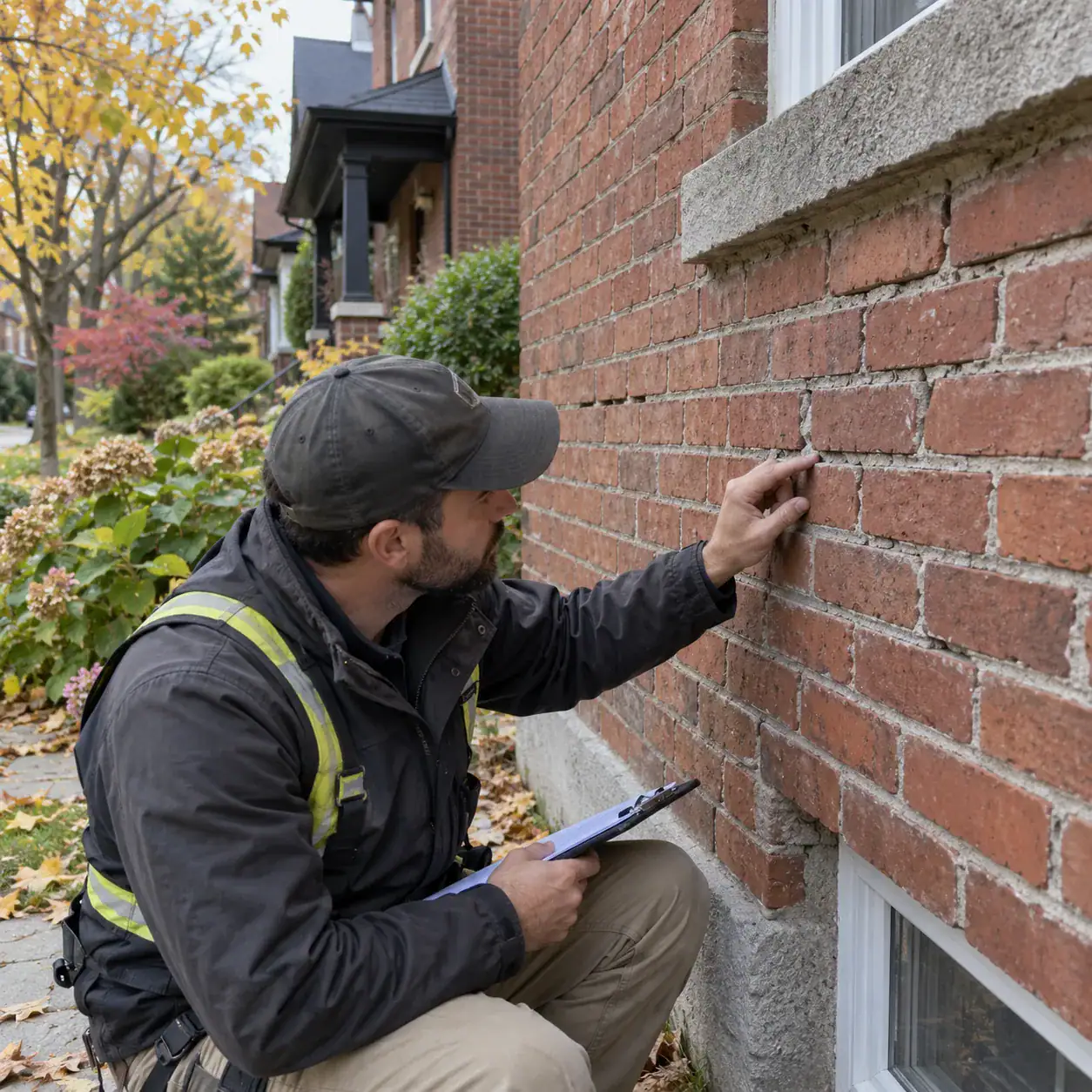
One of the biggest mistakes is focusing only on the visible masonry damage rather than on the water source that feeds it. A homeowner may notice cracking mortar or staining on brick and assume the answer is only a surface repair. But if the grade still slopes toward the house, the same moisture pressure remains. The repair may help, but the drainage problem keeps working against it.
This is one reason drainage-related masonry issues often overlap with broader waterproofing needs in Toronto. If the lower wall is being repeatedly soaked, the answer is not always just repointing or patching. Sometimes, the more important fix is controlling the water outside first.
Common Signs Your Drainage Is Affecting Masonry
Drainage problems do not always announce themselves clearly. You often see the symptoms before you understand the cause.
Common warning signs include:
- white efflorescence or mineral staining on brick or stone
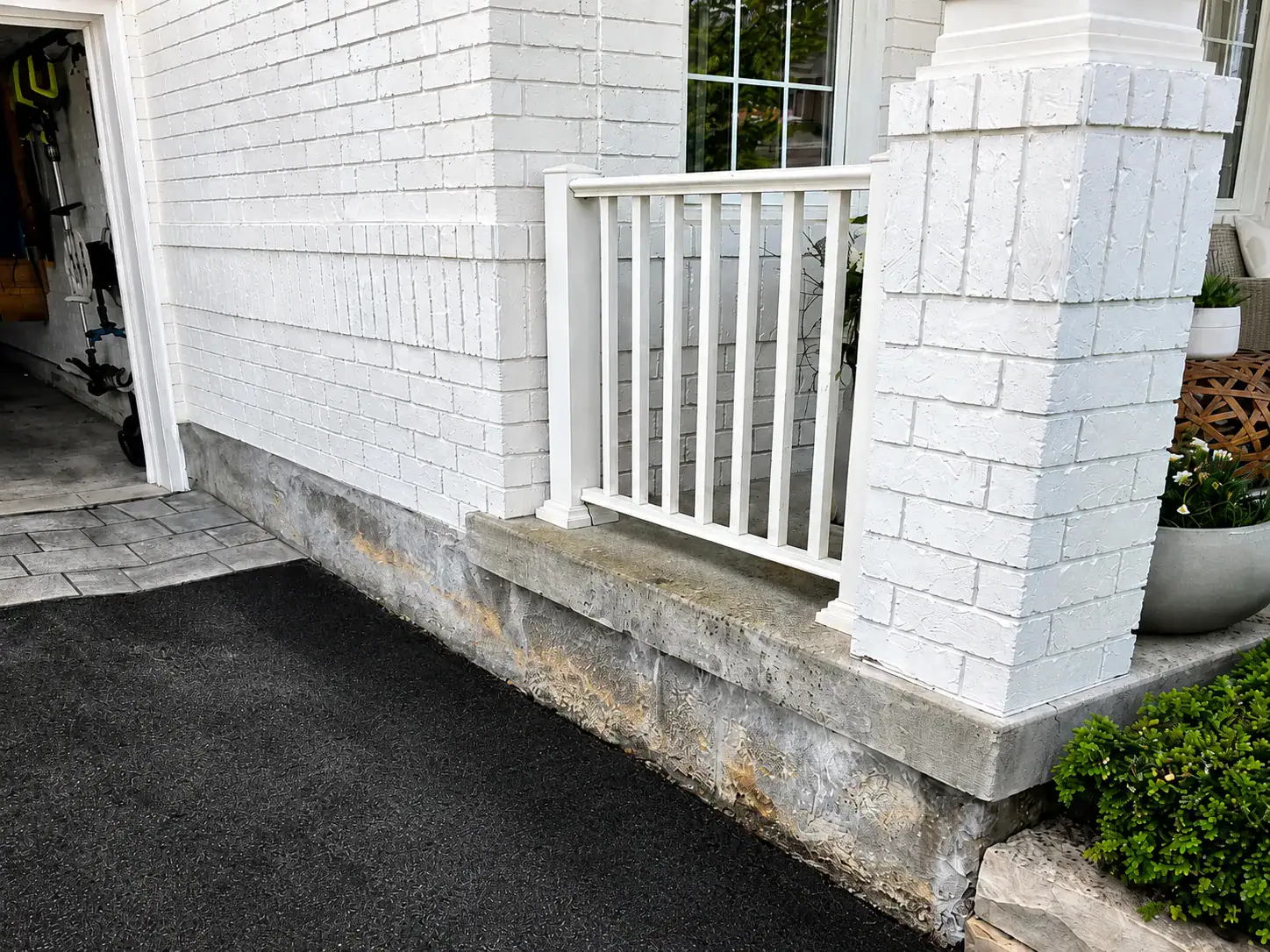
- damp, dark, or slow-drying areas near the base of a wall
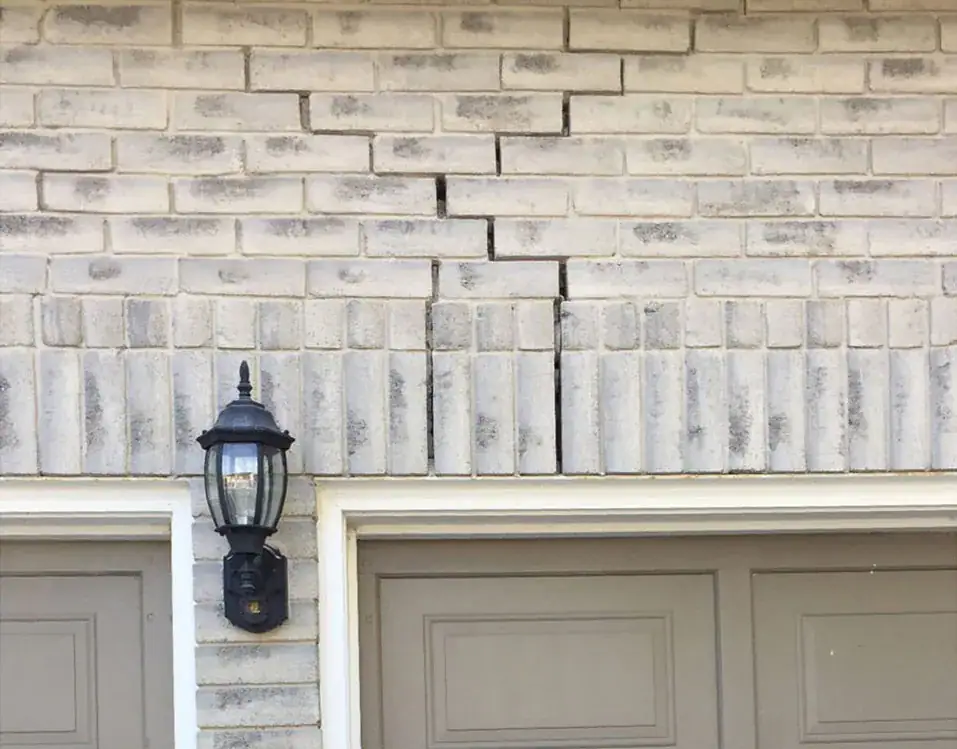
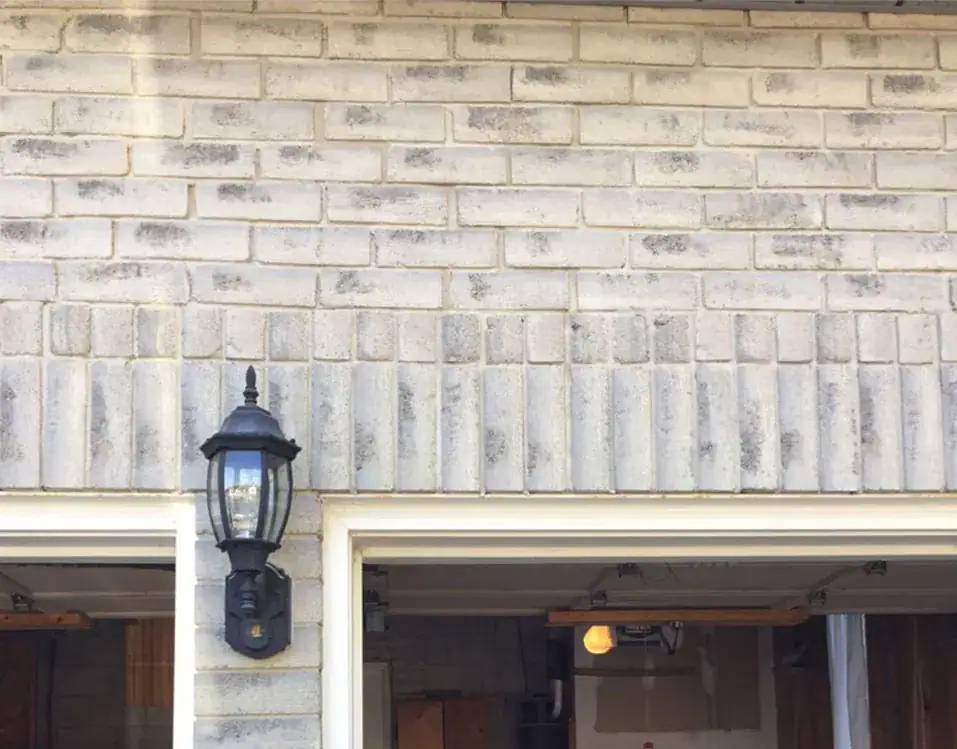
- cracked or crumbling mortar joints
- spalling brick or flaking masonry faces
- moss, algae, or repeated moisture staining on steps or walls
- water pooling near porches, interlocking, or retaining walls
- settling or movement in walkways and paved areas
- interior moisture clues near the basement foundation walls
If you are seeing several of these together, the issue is probably not cosmetic. It usually means water is staying in the wrong place long enough to affect the masonry. In lower wall sections, this can overlap with foundation concerns, especially where grading and exterior drainage have been poor for years. That is where pages like foundation repair Toronto become relevant as supporting information, not because every drainage problem means structural failure, but because repeated water exposure can move small maintenance issues in that direction.
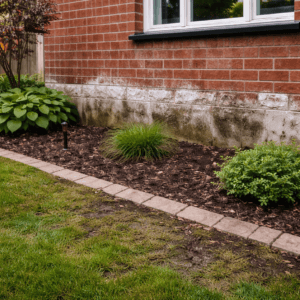
Best Areas to Check First Around Your Home
If you want to be proactive, start with the places where water usually gathers, exits, or changes direction. These are often the locations where the cause becomes clearer.
- Foundation perimeter: look for low spots, ponding, damp soil, and staining on the lower masonry
- Downspout discharge areas: check whether water is landing too close to the wall
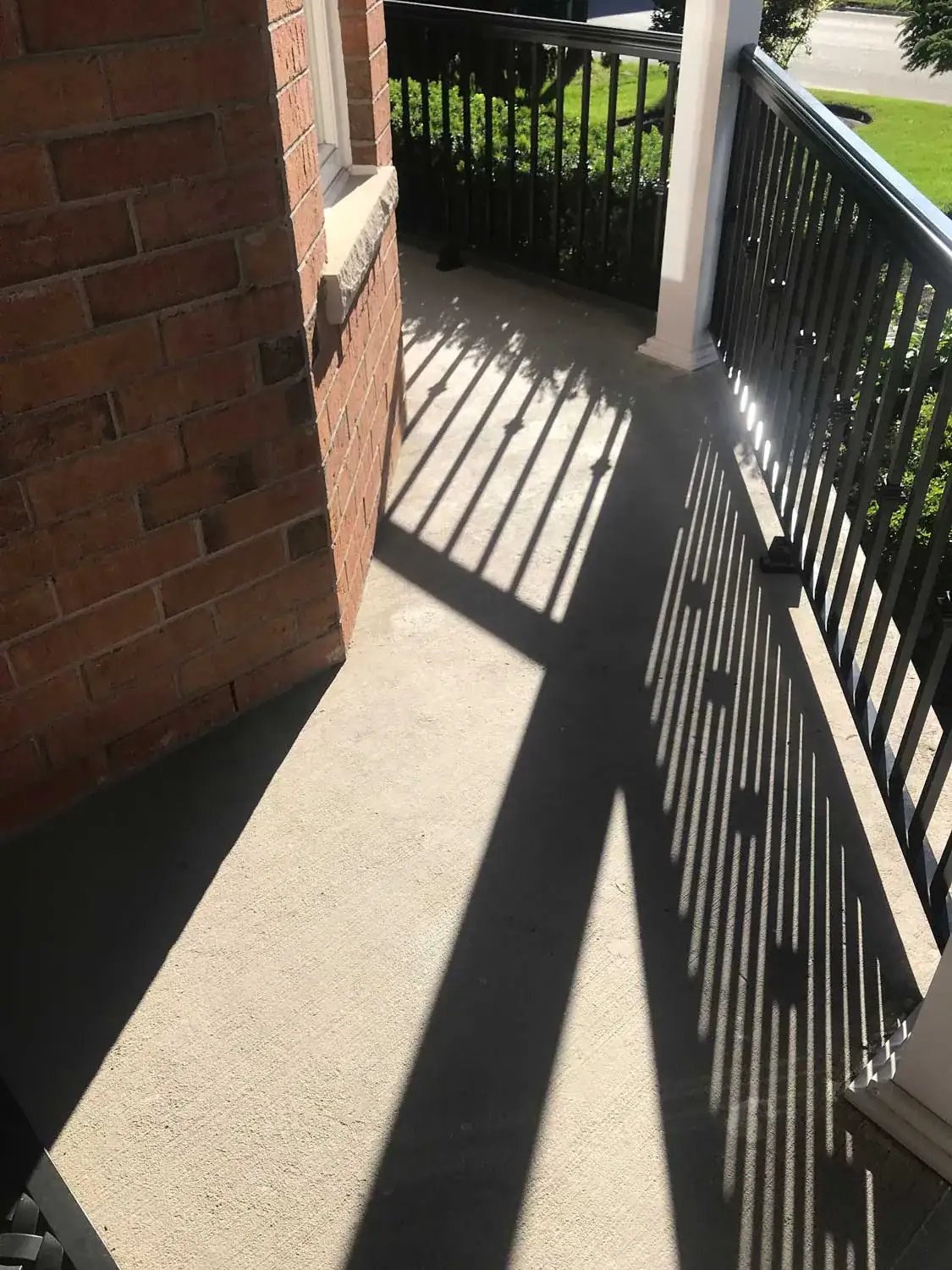
- Front steps and porches: look for pooled water, open joints, or repeated moss and staining
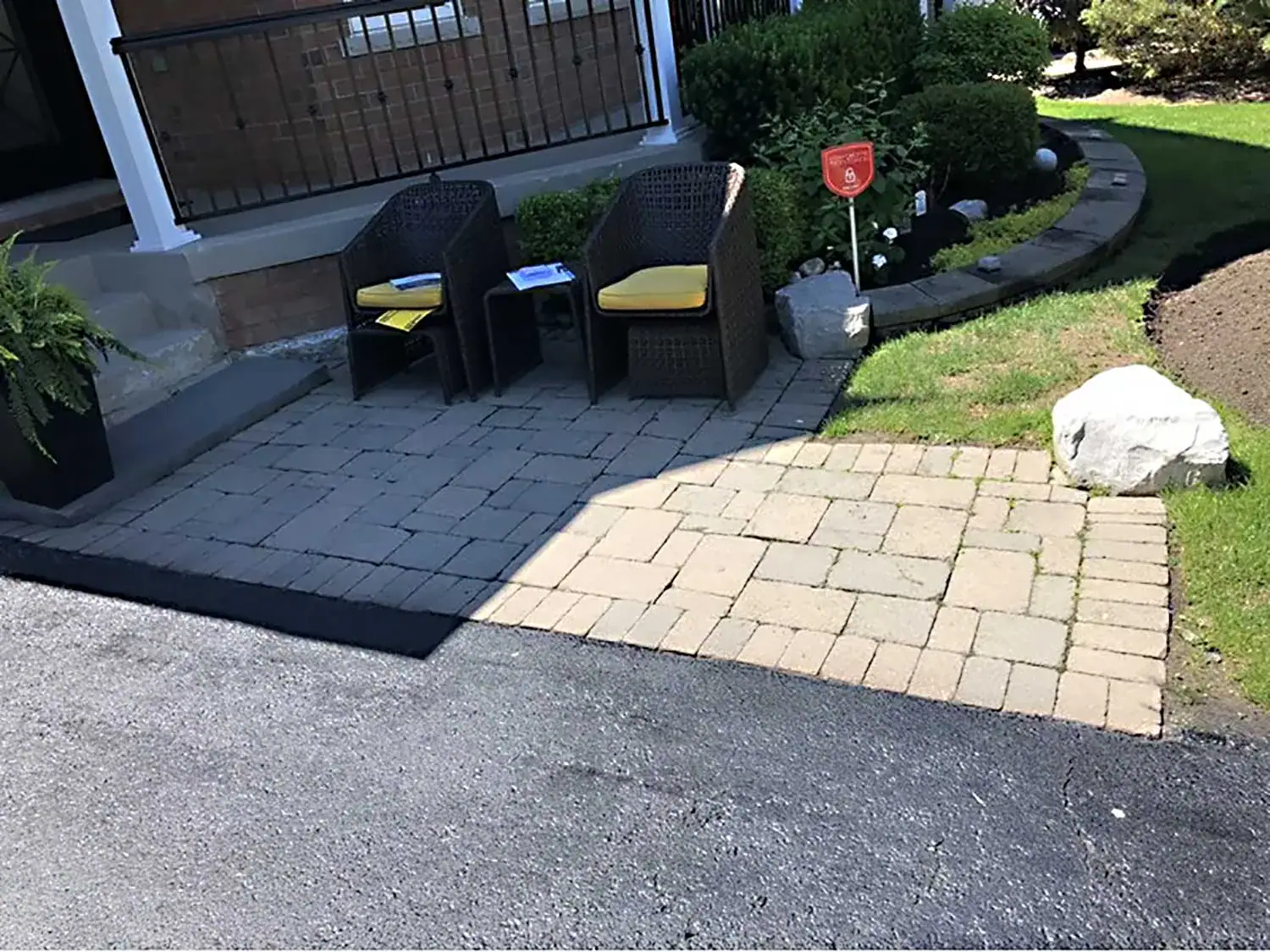
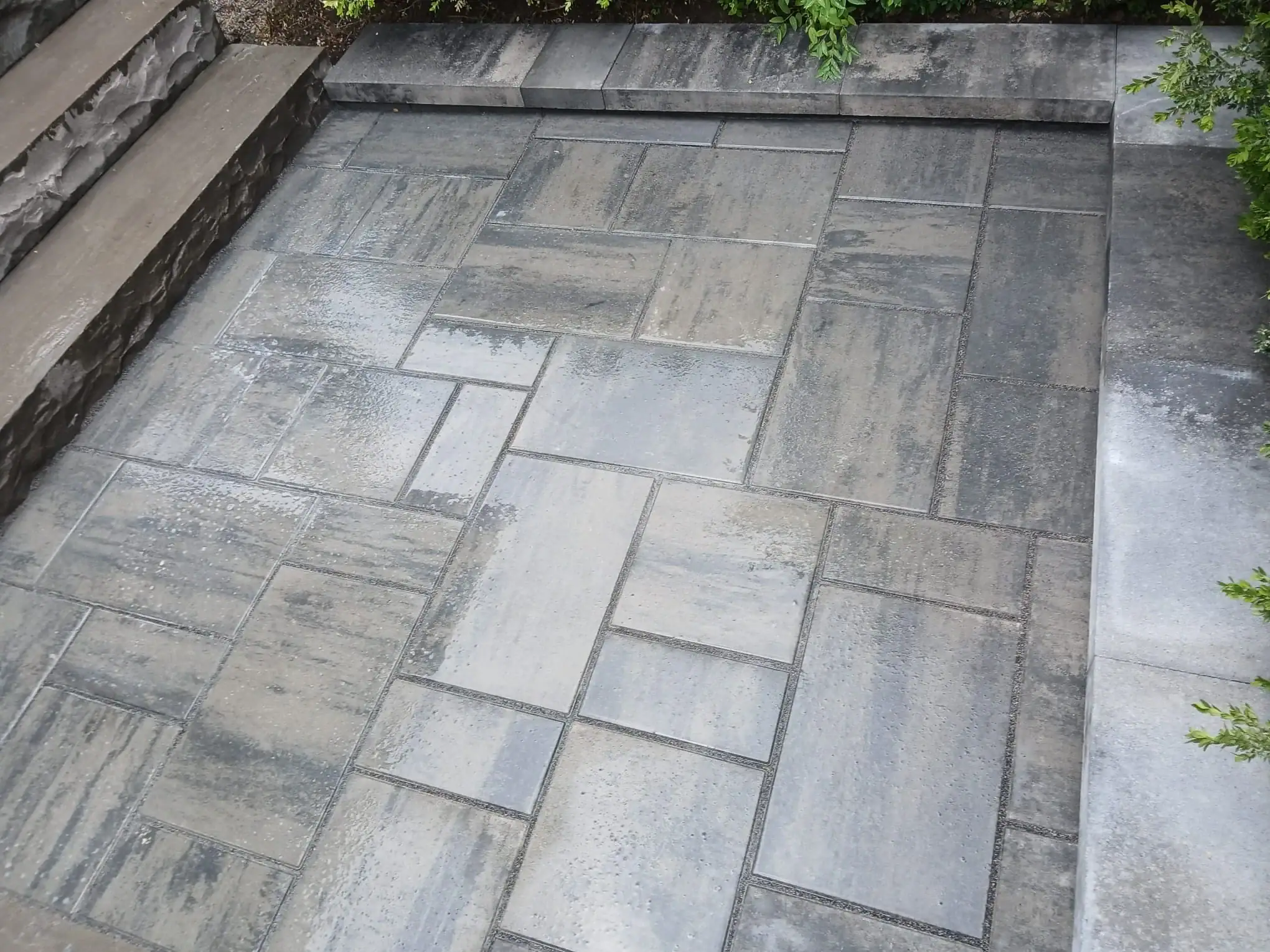
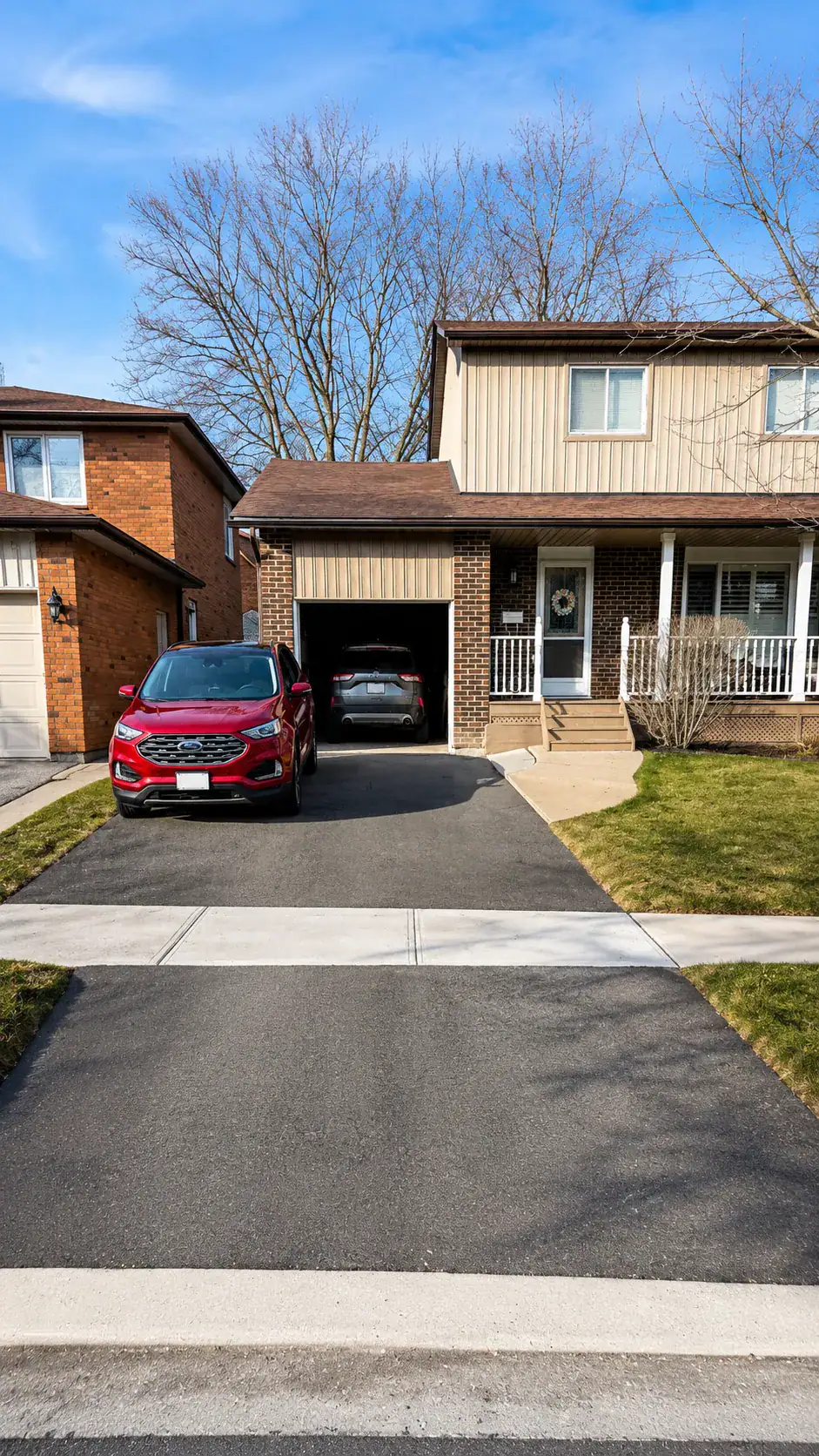
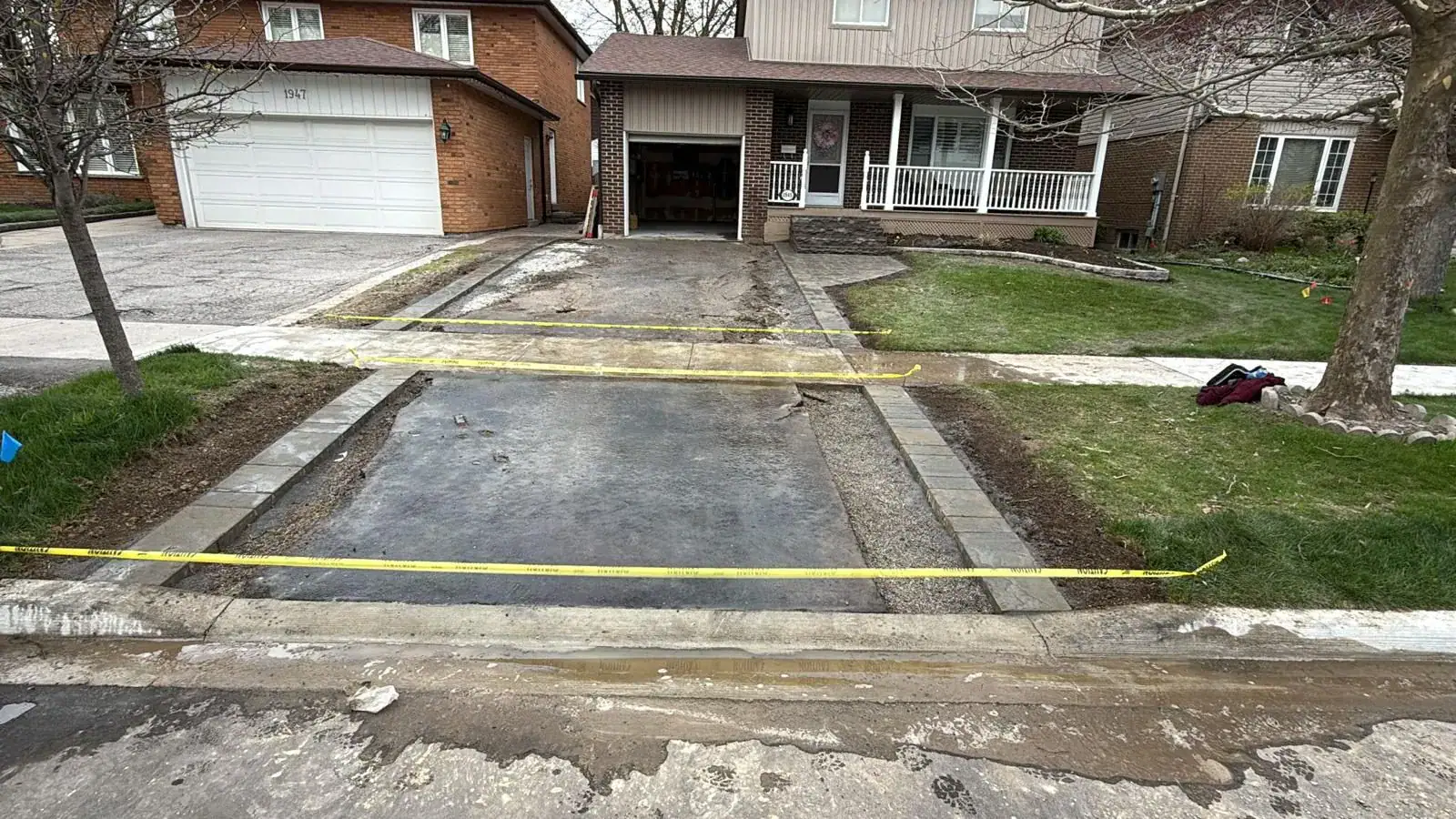
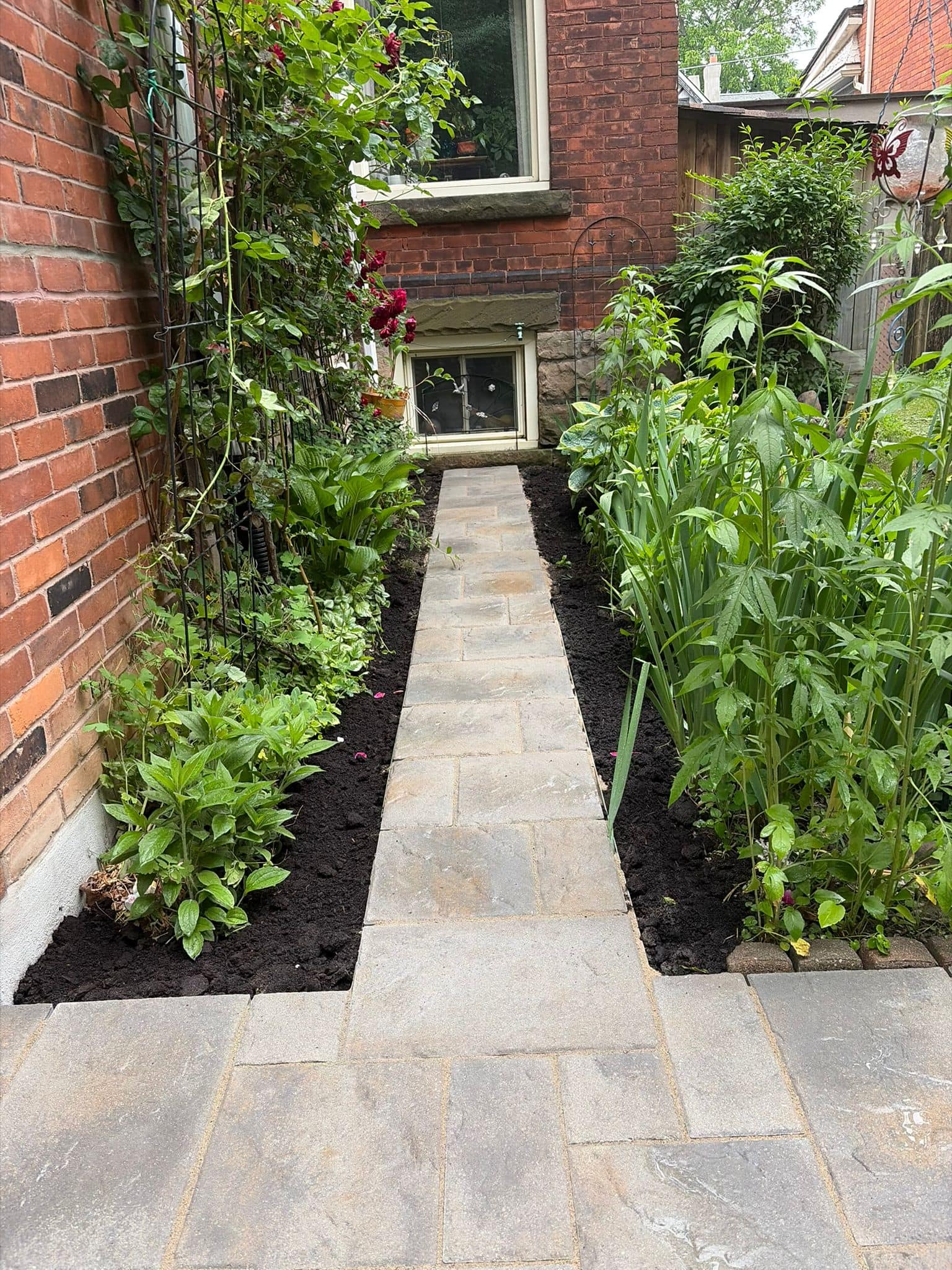
- Interlocking driveways and walkways: watch whether the slope is sending water toward the house
- Retaining walls: check for bulging, staining, soil movement, or persistent wetness
- Chimneys and wall transitions: look for runoff patterns, staining, or moisture trails
- Eavestroughs and gutters: check for overflow, clogs, or sections dumping water directly onto masonry
It is also worth checking supporting drainage elements, especially your roof runoff system. If the gutter and downspout system is not working well, the masonry below it often pays the price. For that reason, this supporting blog on what an eavestrough is and why it is important is a useful companion read to this topic.
What Happens If You Ignore Poor Drainage
Poor drainage does not always create immediate damage, but it often creates compounding damage. The water keeps returning, the masonry keeps getting wet, and small issues get more expensive to fix.
What can happen over time:
- mortar joints weaken faster
- brick or stone surfaces begin to flake or spall
- foundation areas stay damp and more vulnerable to leaks
- steps, porches, and walkways shift as water affects the base
- retaining walls experience more pressure from trapped water behind them
- staining and efflorescence keep returning
- repairs have shorter life because the moisture source was never corrected
Retaining walls are a good example. Homeowners sometimes focus on the visible face of the wall, but water pressure behind it can be one of the biggest threats to long-term performance. That is why drainage is such an important design factor in walls and hardscape layouts. If you are dealing with sloped yard conditions, it helps to think about drainage as part of the wall system itself, not as a separate issue. That is one reason pages like retaining wall design in Toronto matter when planning masonry outdoors.
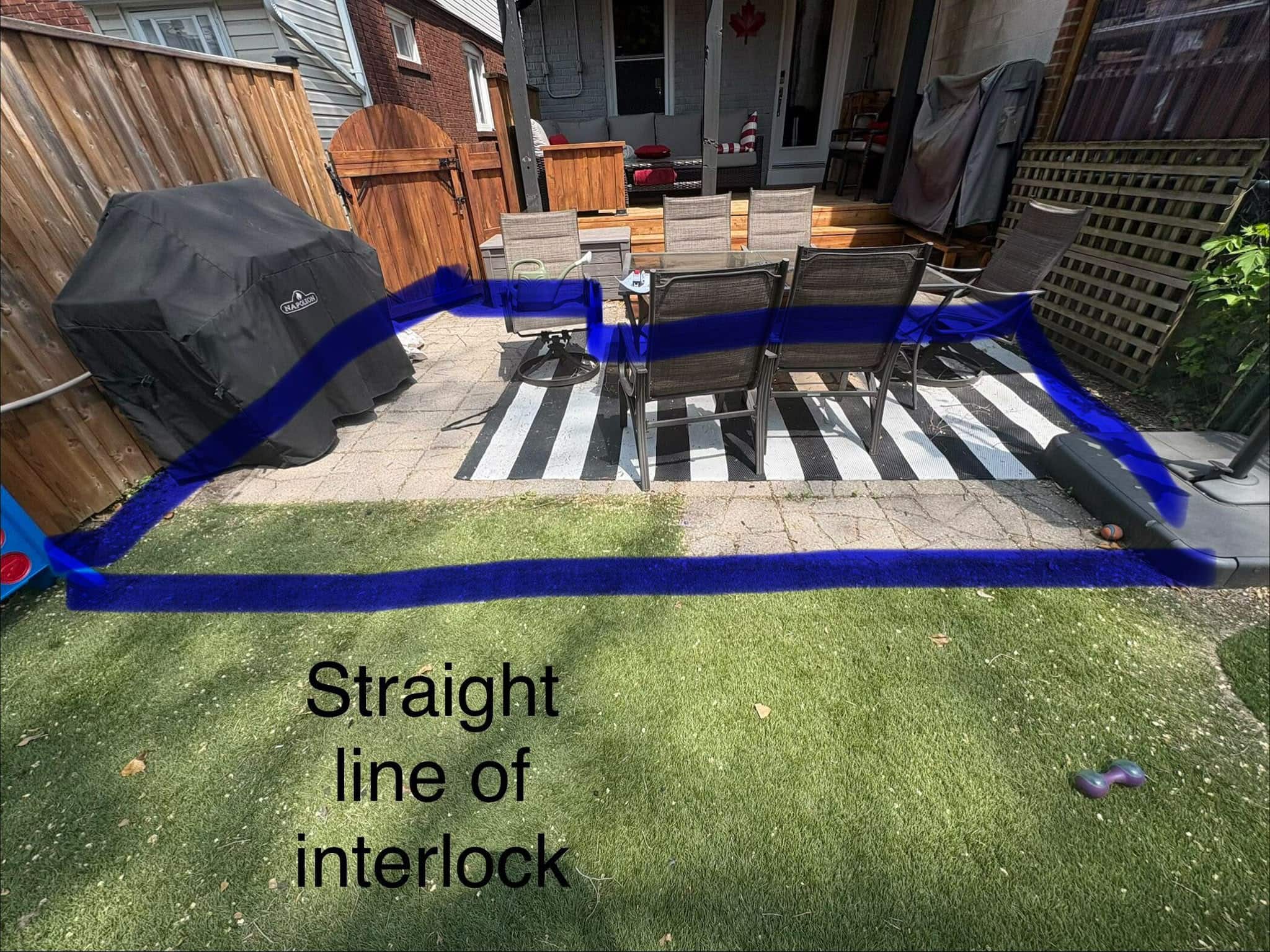
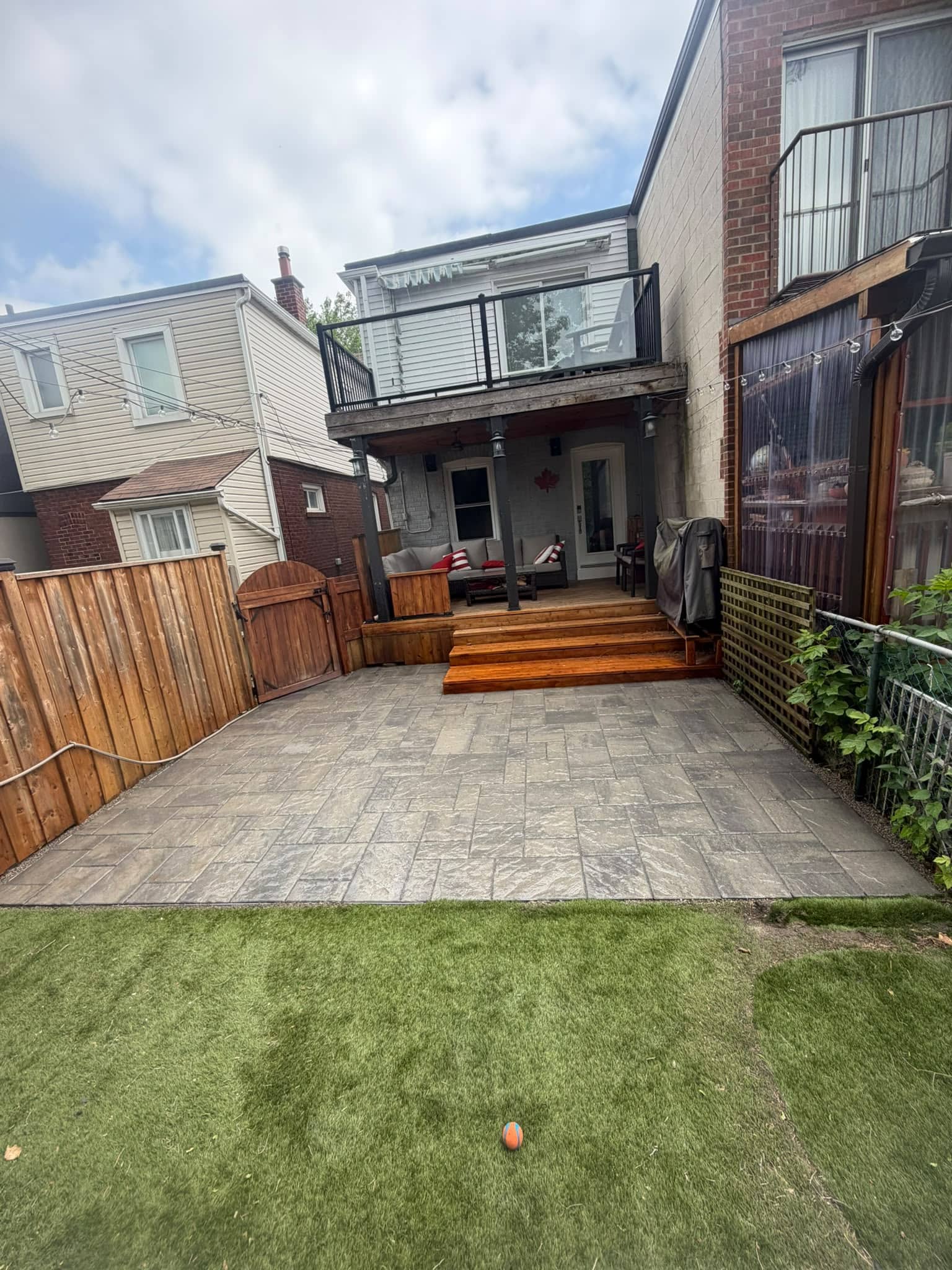
The same logic applies to interlocking and patio areas. A surface may look like it only needs a reset or surface adjustment, but if the water path is wrong, the movement often returns. Fixing the symptom without fixing the drainage path usually means doing the job twice.
What Homeowners Can Do Themselves
Some drainage improvements are realistic homeowner tasks, especially if the issue is early and the correction is simple.
Homeowners can often:
- clean leaves and debris from eavestroughs and downspouts
- check whether downspouts are discharging too close to the house
- clear nearby catch basins or drains if it is safe to do so
- watch where water goes during a heavy rain
- fill small low spots in landscaping where water repeatedly ponds
- move planters, mulch, or piled snow away from lower masonry
- monitor recurring damp or stained areas around the base of the home
These steps do not solve every problem, but they do help homeowners identify whether the issue is simple runoff management or part of a larger moisture pattern. The City of Toronto also recommends keeping catch basins clear and ensuring disconnected downspouts discharge properly, without sending water back toward the home or creating hazards. That guidance is part of the same water management advice for homeowners.
When Professional Help Makes More Sense
Drainage problems are better handled professionally when water is affecting masonry performance, not just yard appearance.
Professional input makes more sense when:
- masonry is already cracking, staining, or deteriorating
- water is entering the basement or staying near the foundation
- interlocking or steps are pitching toward the home
- retaining walls show movement or persistent wetness
- you suspect drainage behind masonry features is failing
- the property needs regrading, drainage redesign, or exterior waterproofing work
Ontario recognizes brick and stone mason work as a regulated skilled trade, which is a reminder that masonry problems linked to drainage are not just landscaping issues. Once moisture affects wall performance, proper repair and moisture control require sound construction judgment. You can see that reflected in Ontario’s Ontario Brick and Stone Mason trade information. For homeowners dealing with older masonry or more specialized repair needs, Toronto also has a useful masonry repair guidance document that underscores the importance of proper assessment and planning.

Drainage by Area: Where the Priorities Change
Not every part of the property faces the same drainage risks, so it helps to think about it area by area.
- Foundation walls: keeping water away is the main goal because repeated saturation raises the risk of leaks, staining, and masonry deterioration
- Front steps and porches: the main concern is water sitting near joints, freezing in openings, and affecting the stability of the structure or adjacent paving
- Walkways and interlocking: the main concern is whether the slope is pushing water toward the house instead of away from it
- Retaining walls: the main concern is pressure from trapped water behind the wall and poor drainage relief
- Chimneys: the main concern is repeated wetting from faulty caps, flashing, or runoff patterns that keep the masonry damp
This is useful because it helps homeowners stop thinking of drainage as one giant abstract problem. It is usually more practical than that. You are looking for the wrong water path at this location.
Prevention Tips That Actually Help
The best drainage strategy is not one big fix. It is a set of smaller habits and design decisions that keep water moving away from the house and away from vulnerable masonry.
- keep eavestroughs and downspouts clean
- make sure roof runoff discharges away from the foundation
- maintain grading that slopes away from exterior walls
- watch for ponding after major rain or spring melt
- repair cracked mortar and open joints before water gets deeper in
- check retaining walls and interlocking after winter movement
- do not let wet soil, mulch, or snow stay piled against the masonry
- treat drainage as part of every masonry or hardscape project, not an afterthought
This is especially important when planning new outdoor work. A patio, walkway, or retaining wall that looks good on day one can still create future moisture problems if drainage was ignored. That is why water handling should be part of the design conversation from the start.
Quick Decision Guide: Fix It Yourself or Get Help?
You can usually start with homeowner-level fixes if:
- the issue is limited to clogged gutters, minor ponding, or short downspout discharge
- the masonry is not yet visibly deteriorating
- you are mainly observing where water goes and making simple runoff corrections
You should usually get professional help if:
- brick, mortar, steps, or retaining walls are already deteriorating
- the grading problem is significant
- water is affecting the foundation or basement
- you are dealing with drainage behind masonry structures
- the problem keeps returning after simple maintenance
If you are still not sure, use this rule: if the water problem is already showing up in the masonry, it is probably beyond a simple cleanup.
Final Thoughts
The importance of proper drainage around masonry is easy to underestimate because drainage is mostly invisible when it is working well. But when it is working badly, masonry often shows the damage first. Staining, efflorescence, cracked mortar, shifting steps, wet foundation areas, and wall deterioration often trace back to water being allowed to stay where it should not.
For Toronto homeowners, the smartest approach is to think of drainage as protection for everything built around the home. Brick, stone, concrete, retaining walls, porches, walkways, and foundations all last longer when water is properly directed away and allowed to drain rather than collect.
If there is one takeaway from this topic, it is this: do not wait for masonry damage to teach you there is a drainage problem. Watch where the water goes first. That is often where the real answer begins.