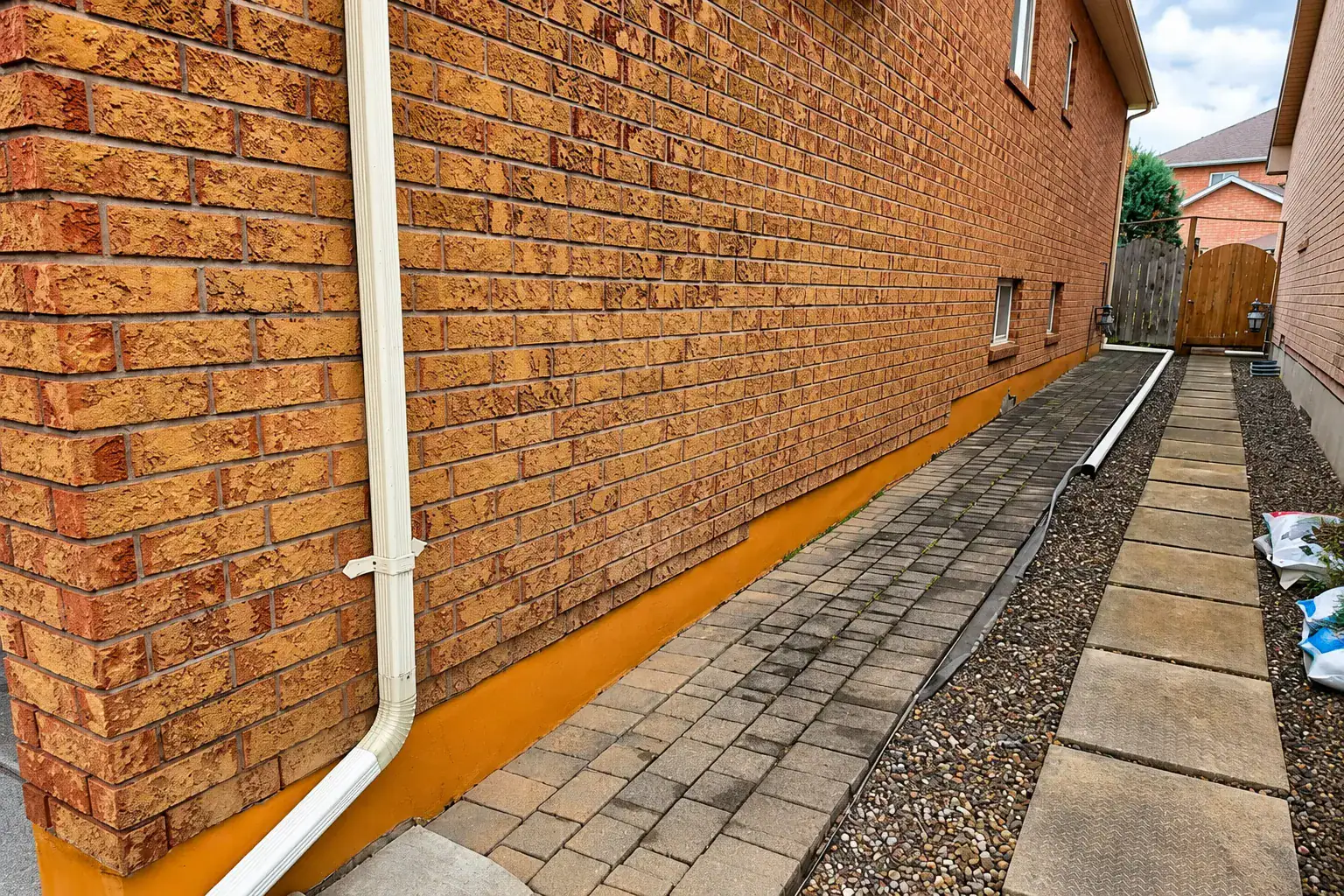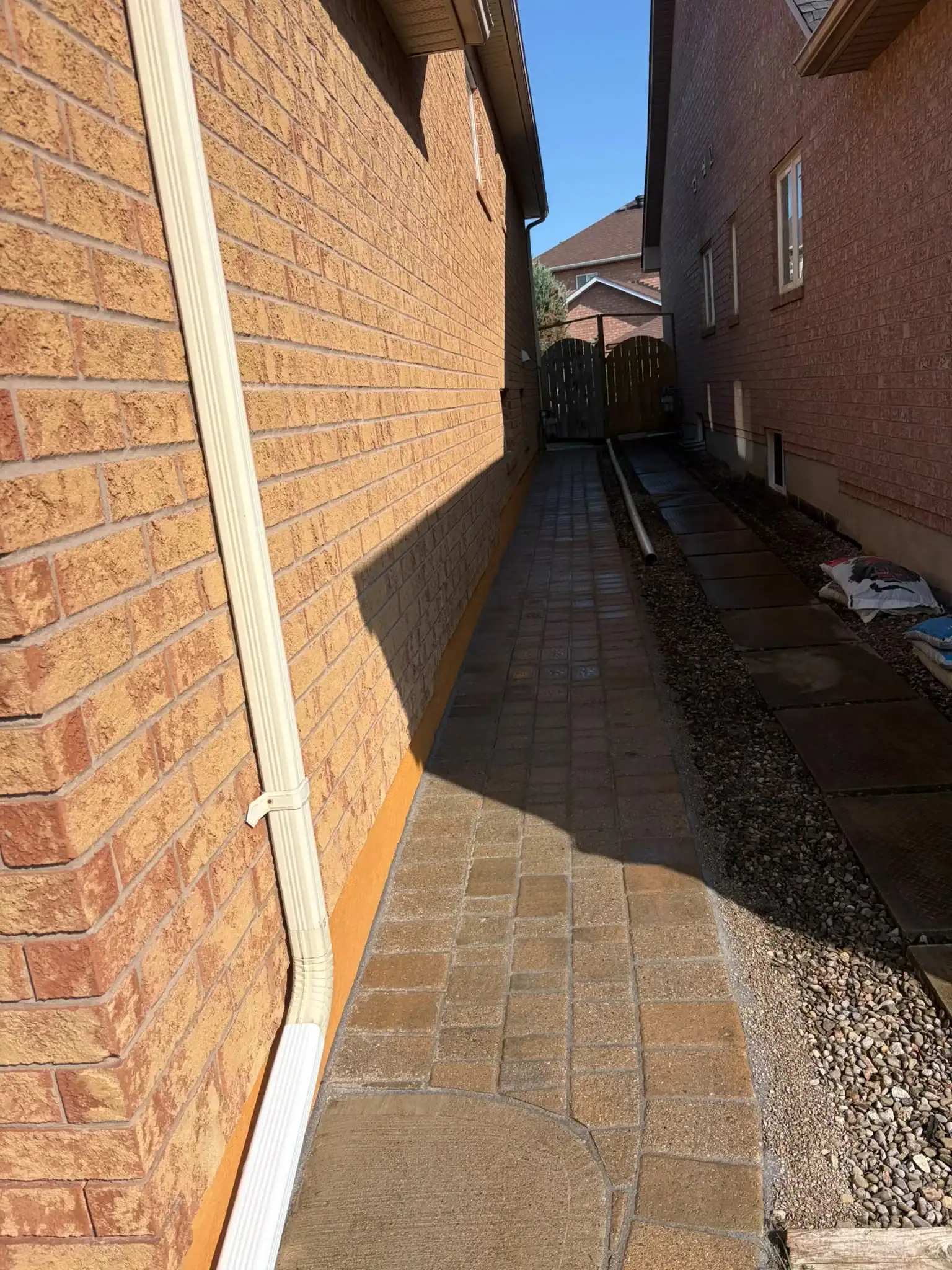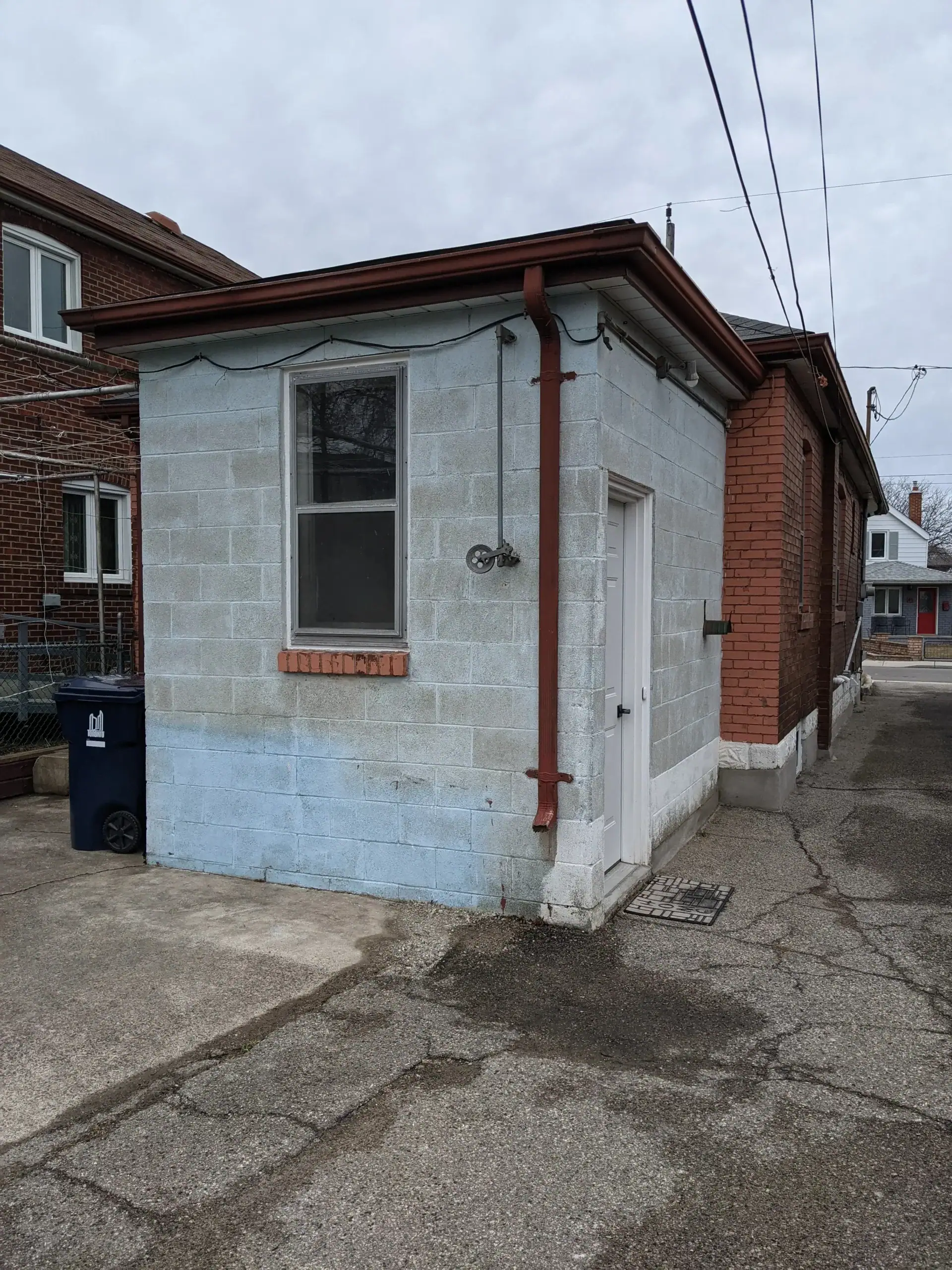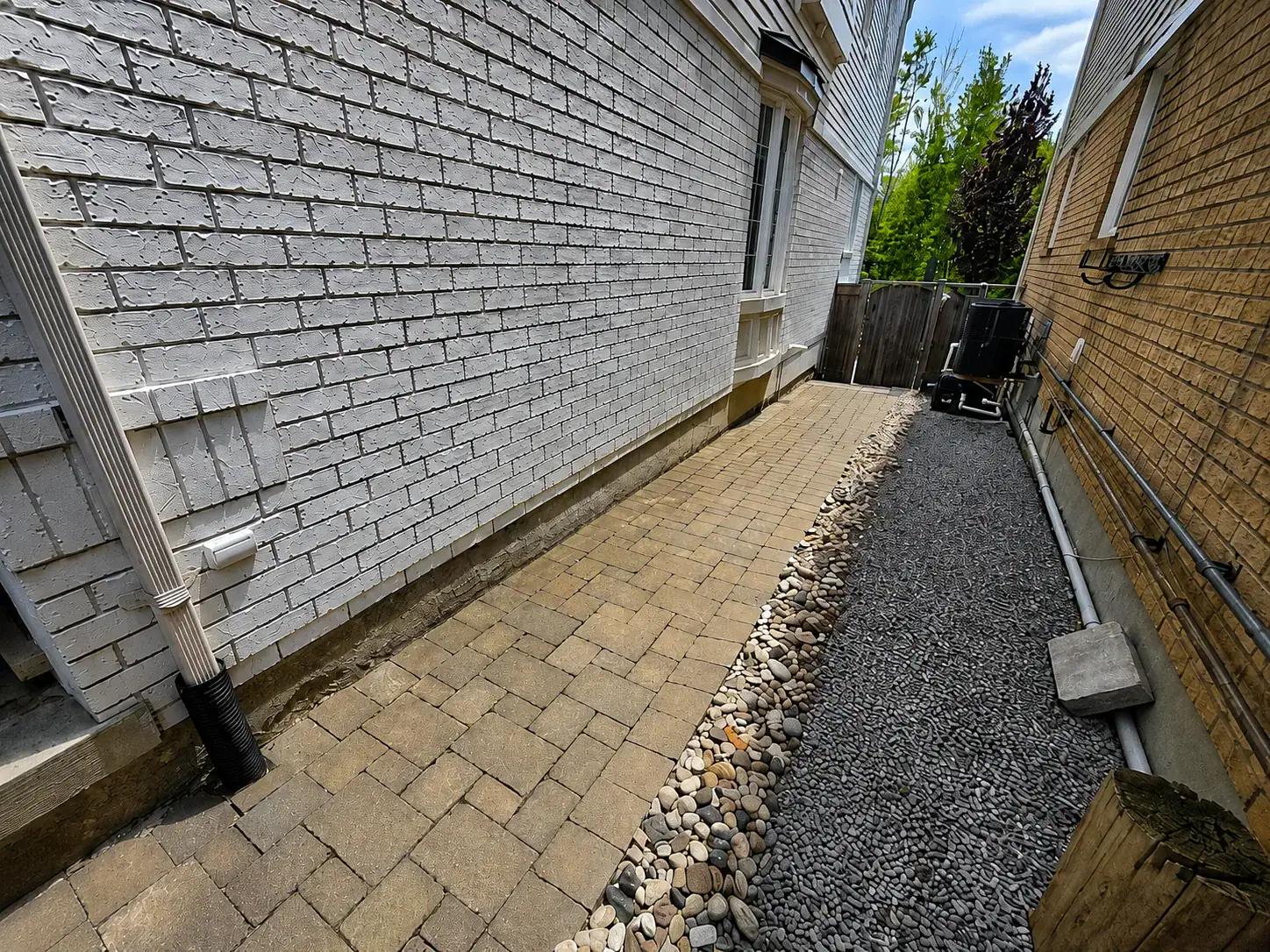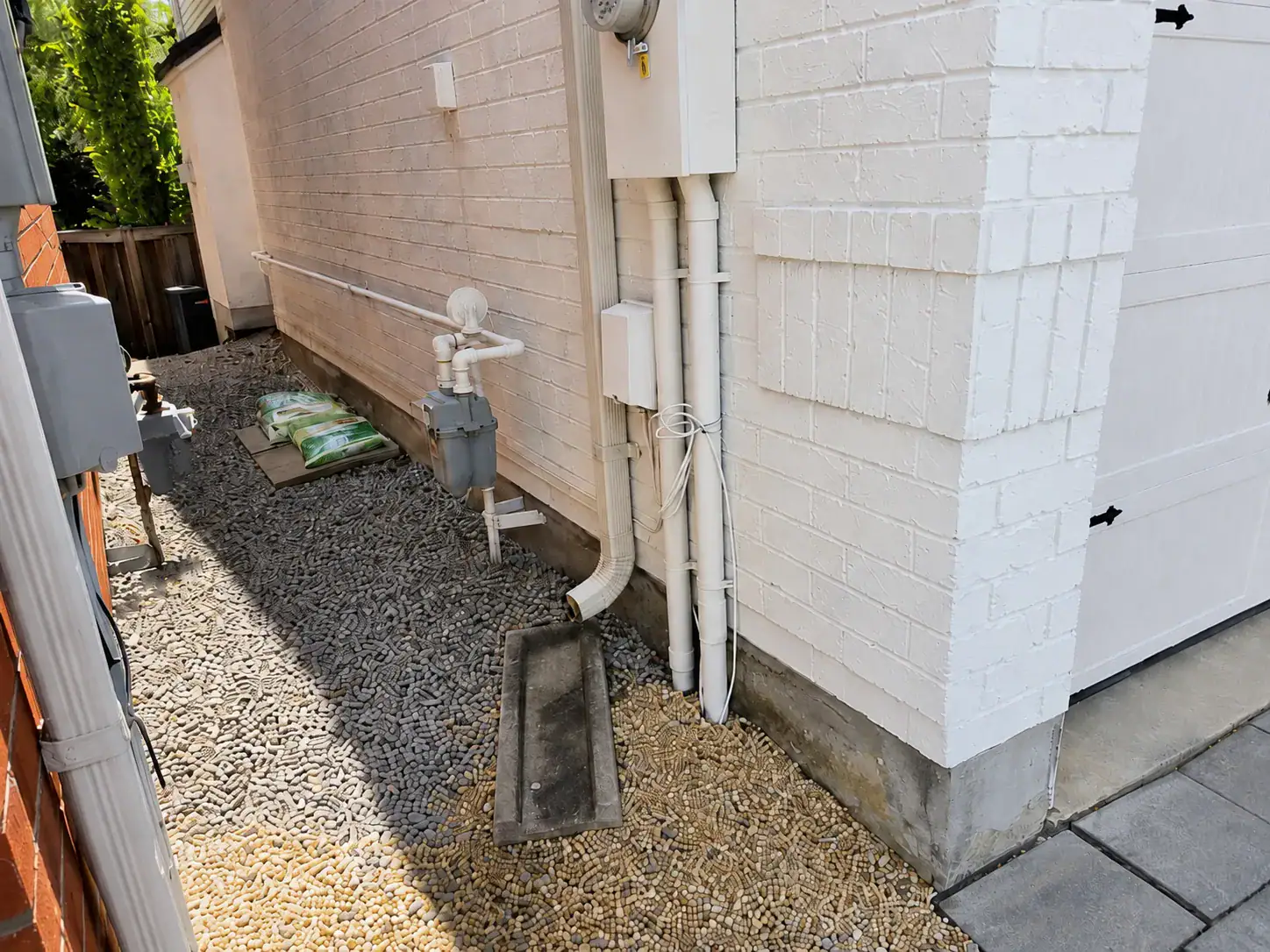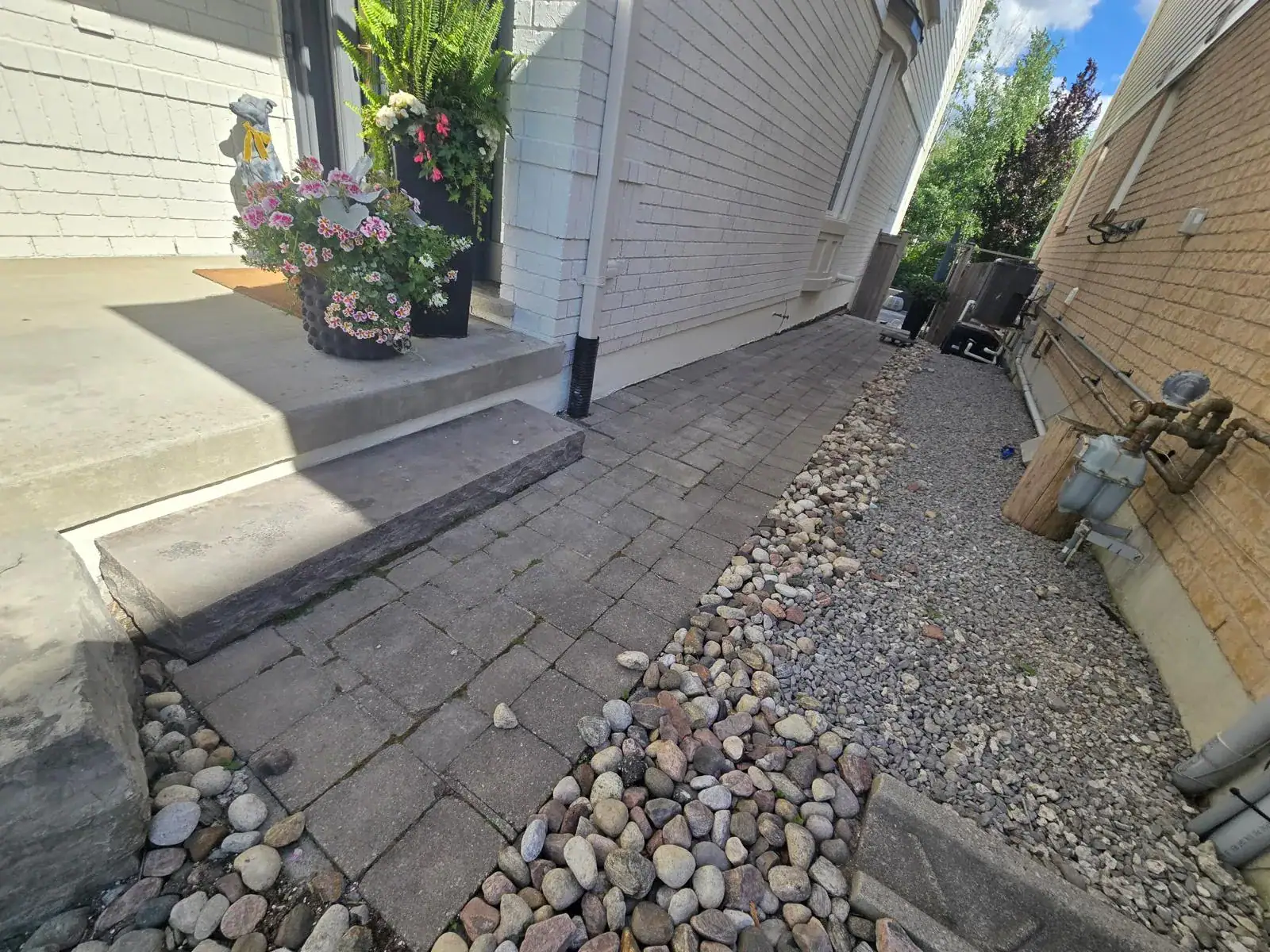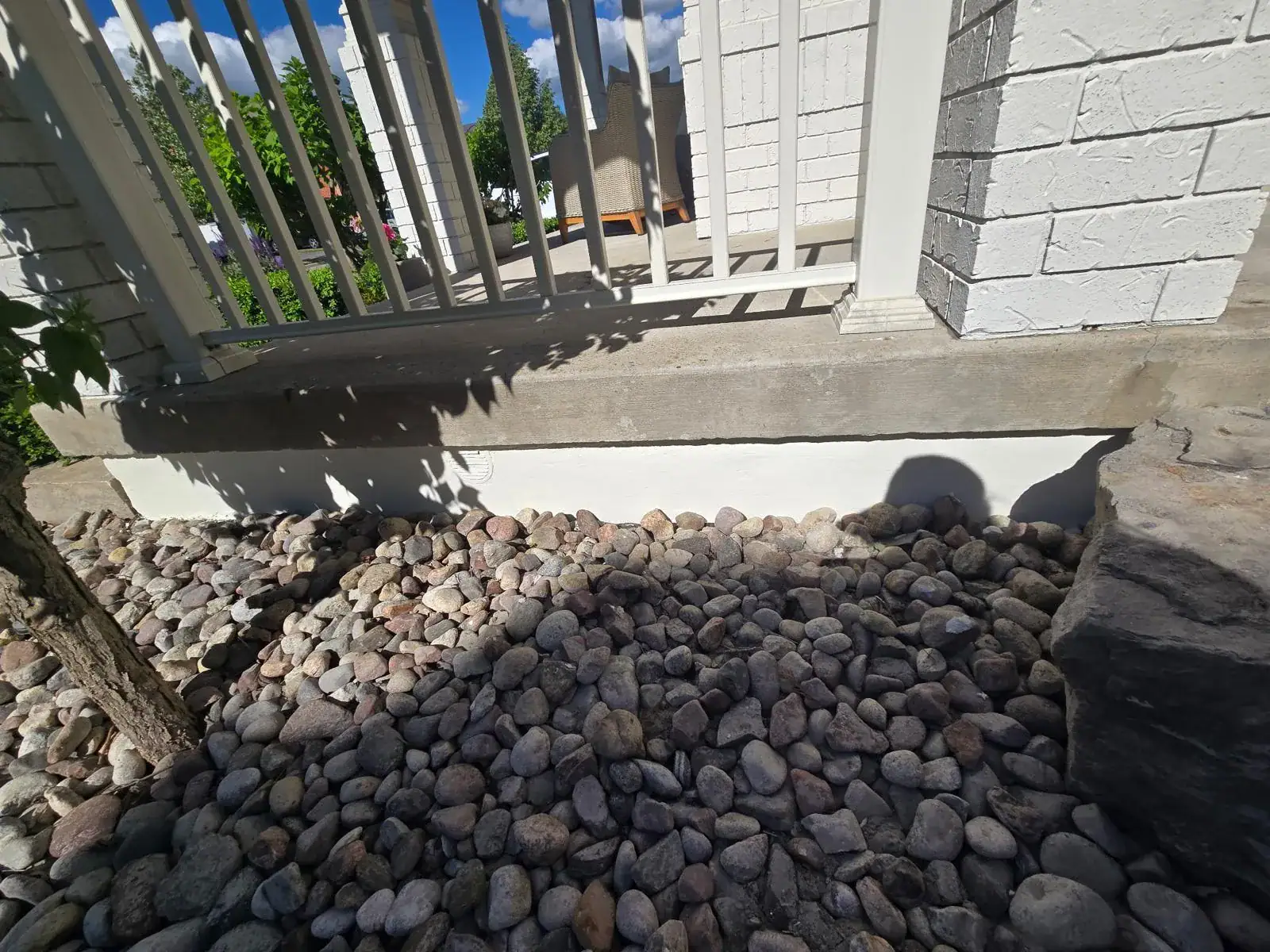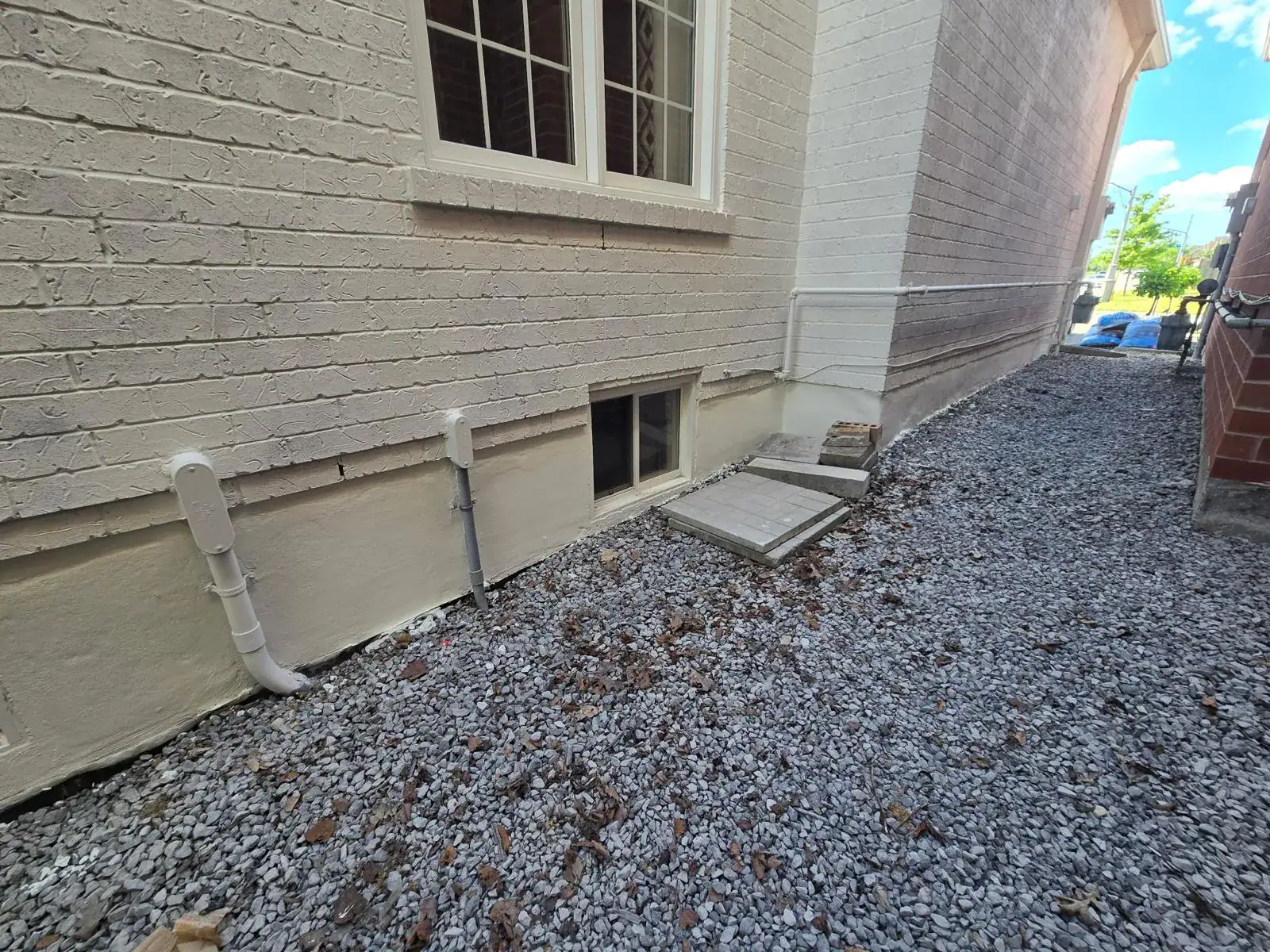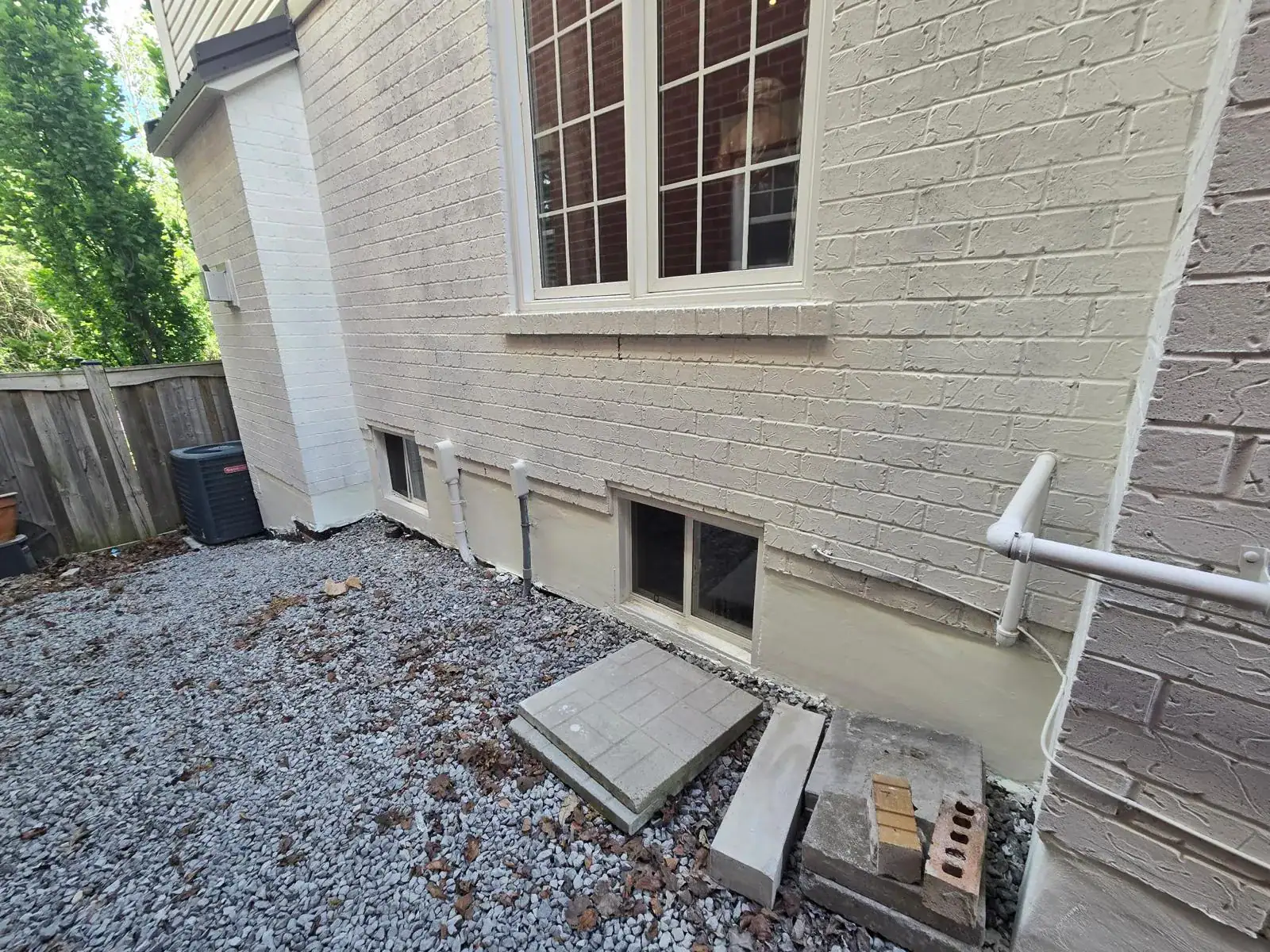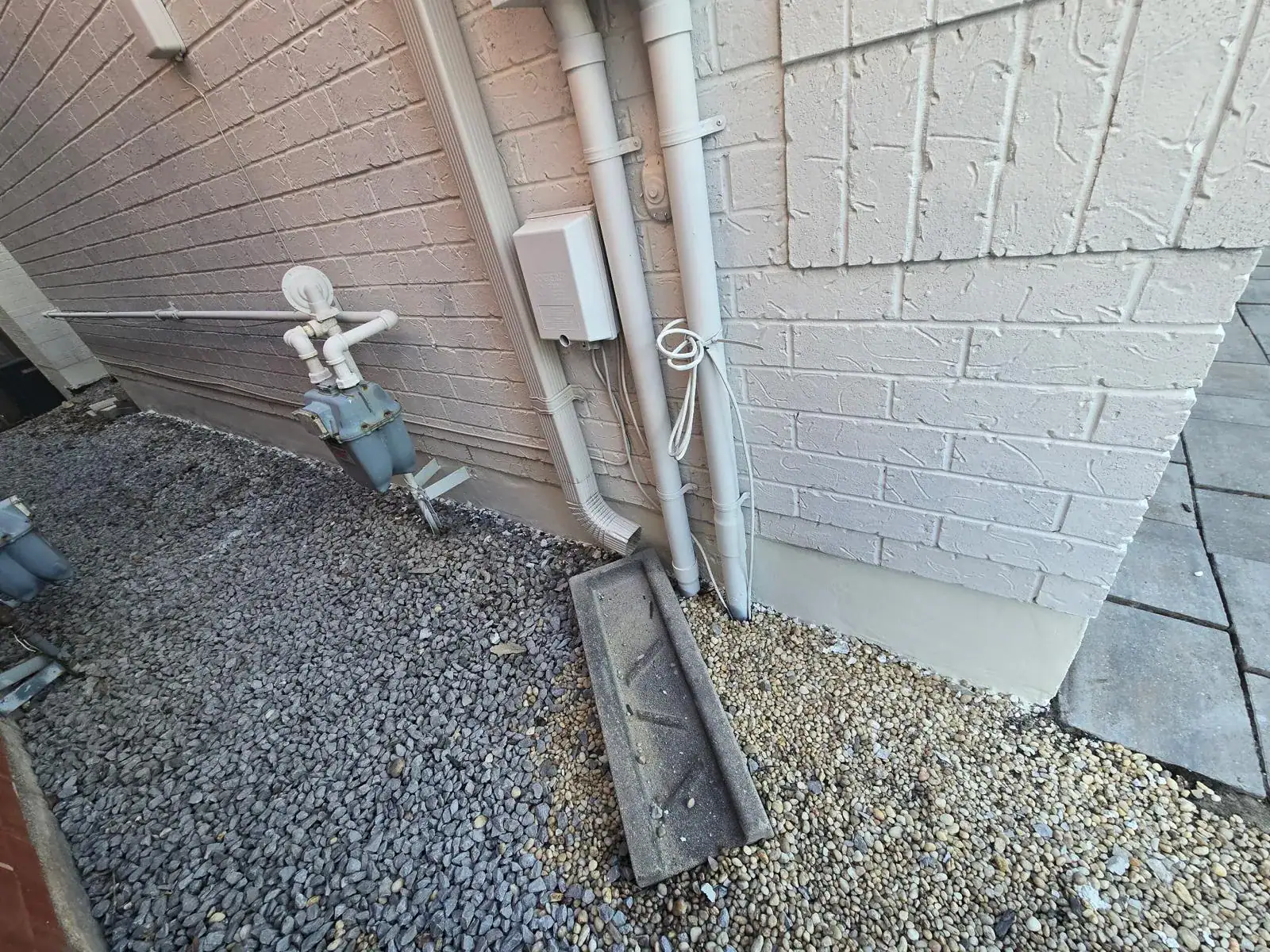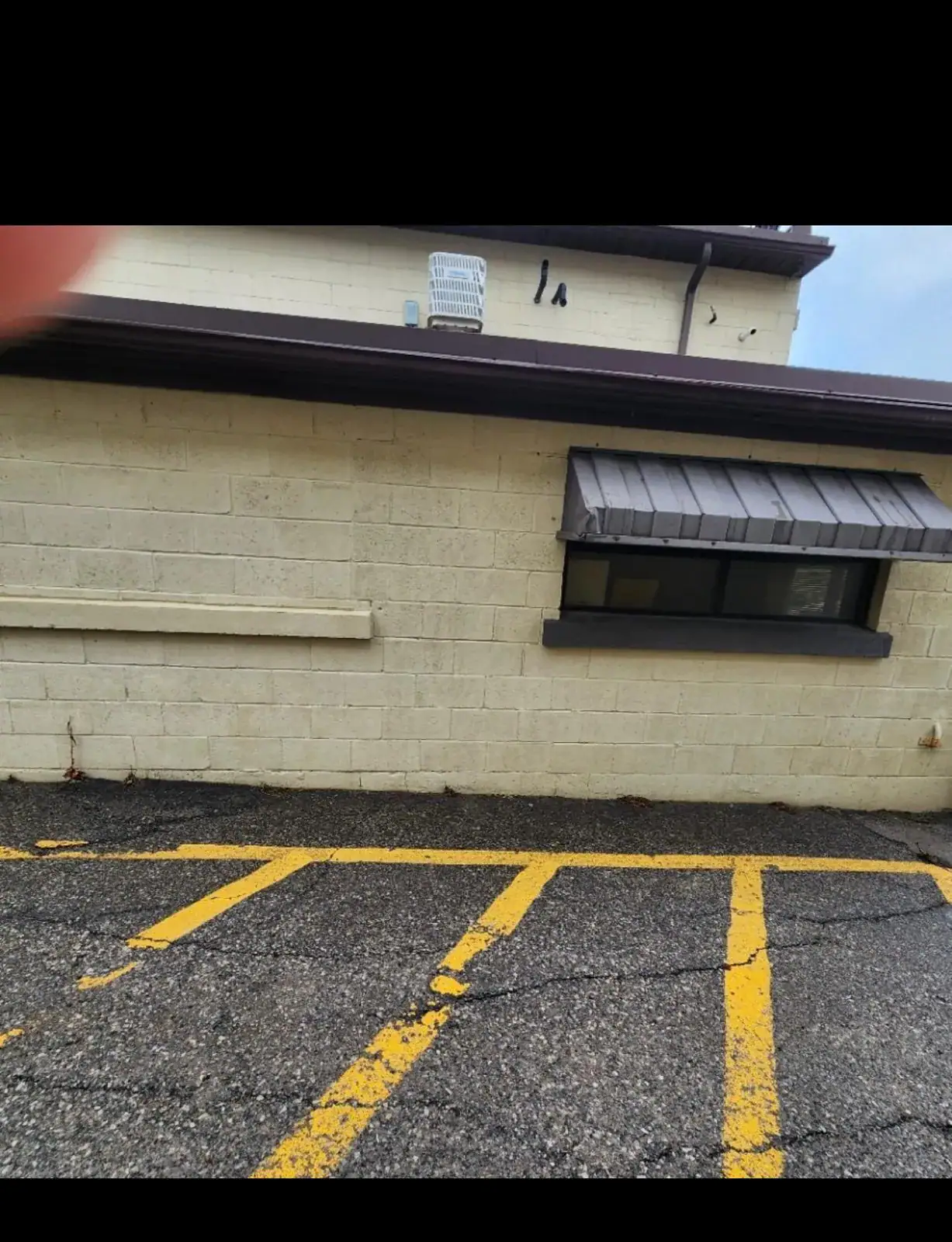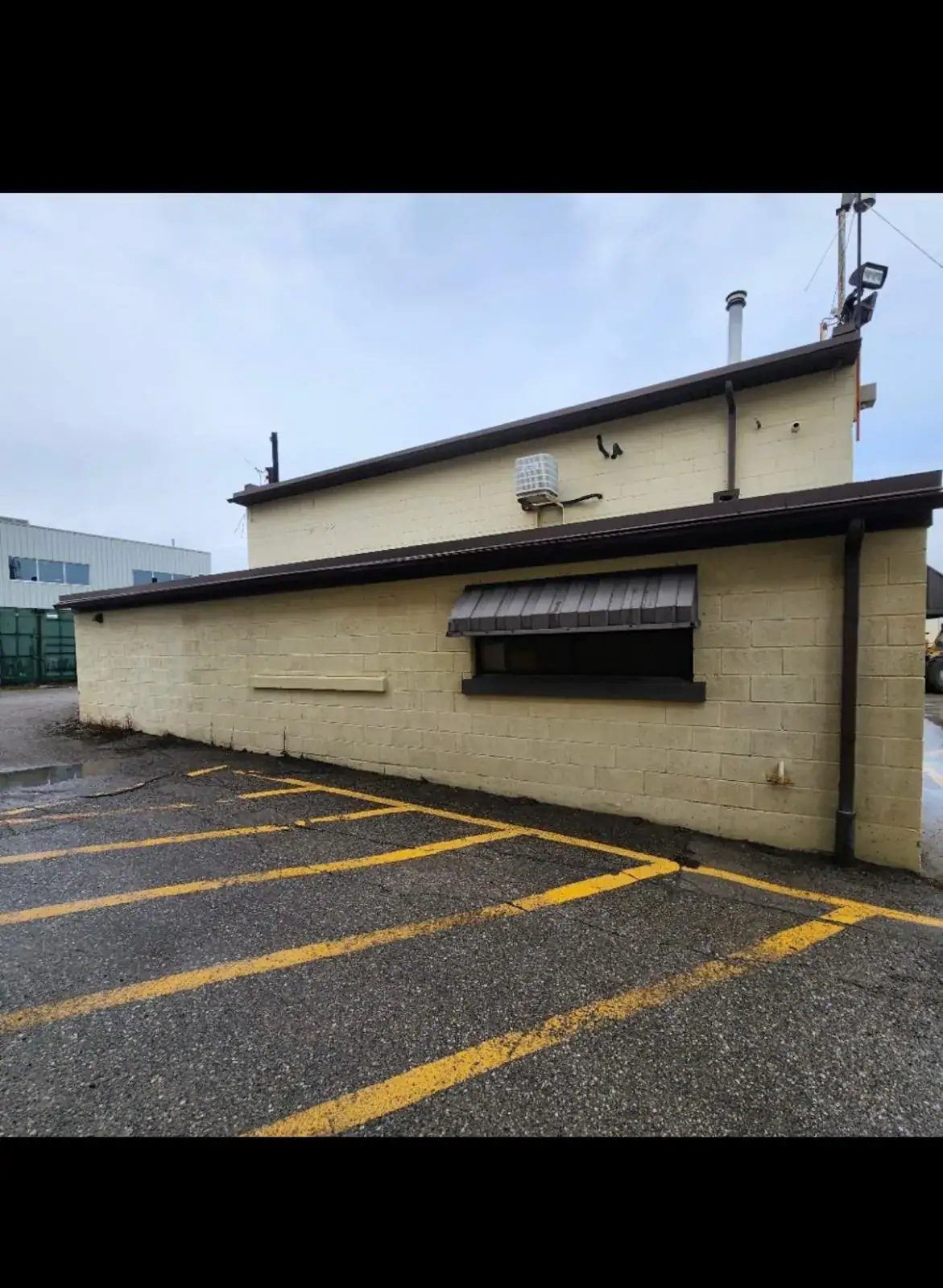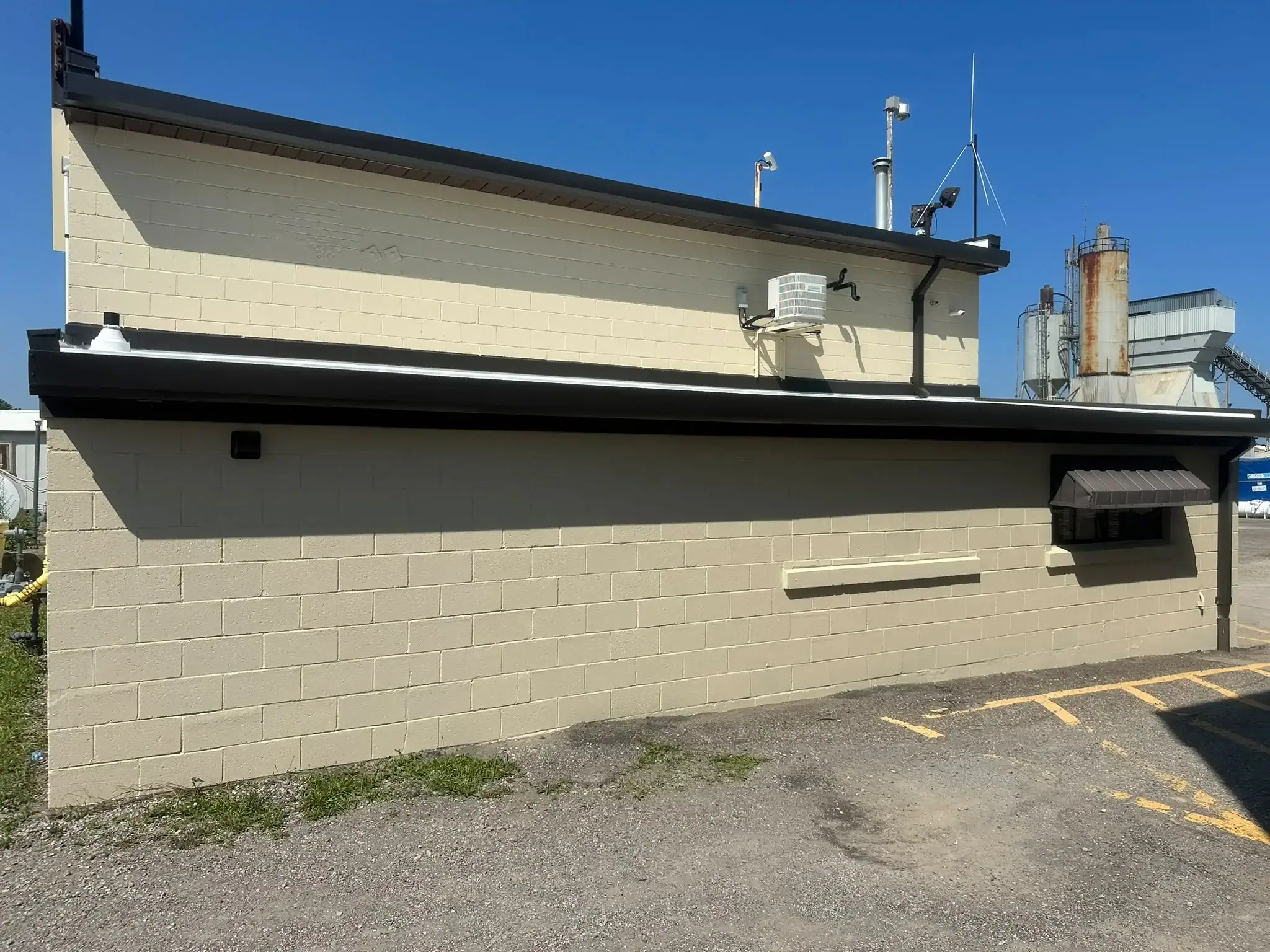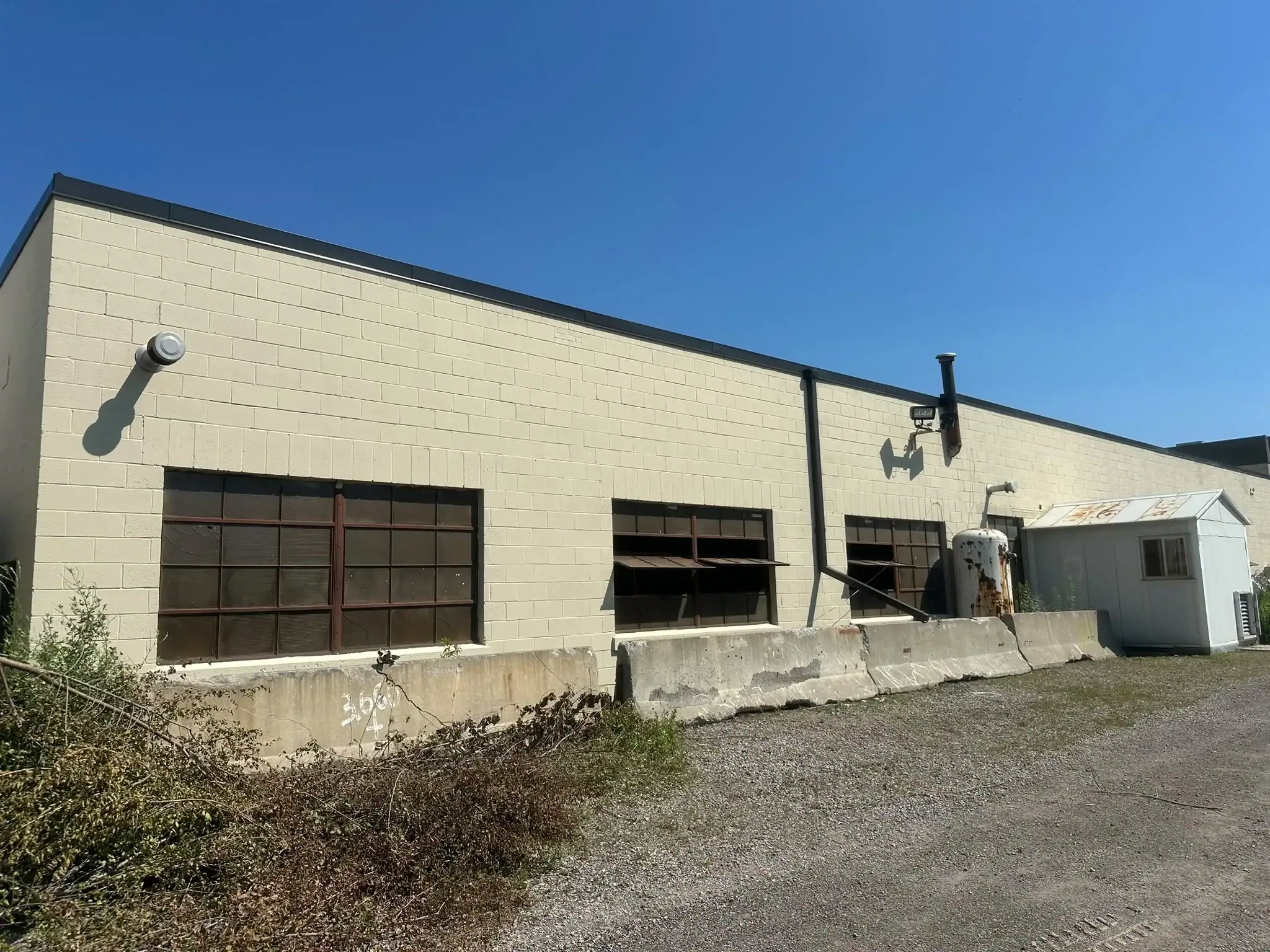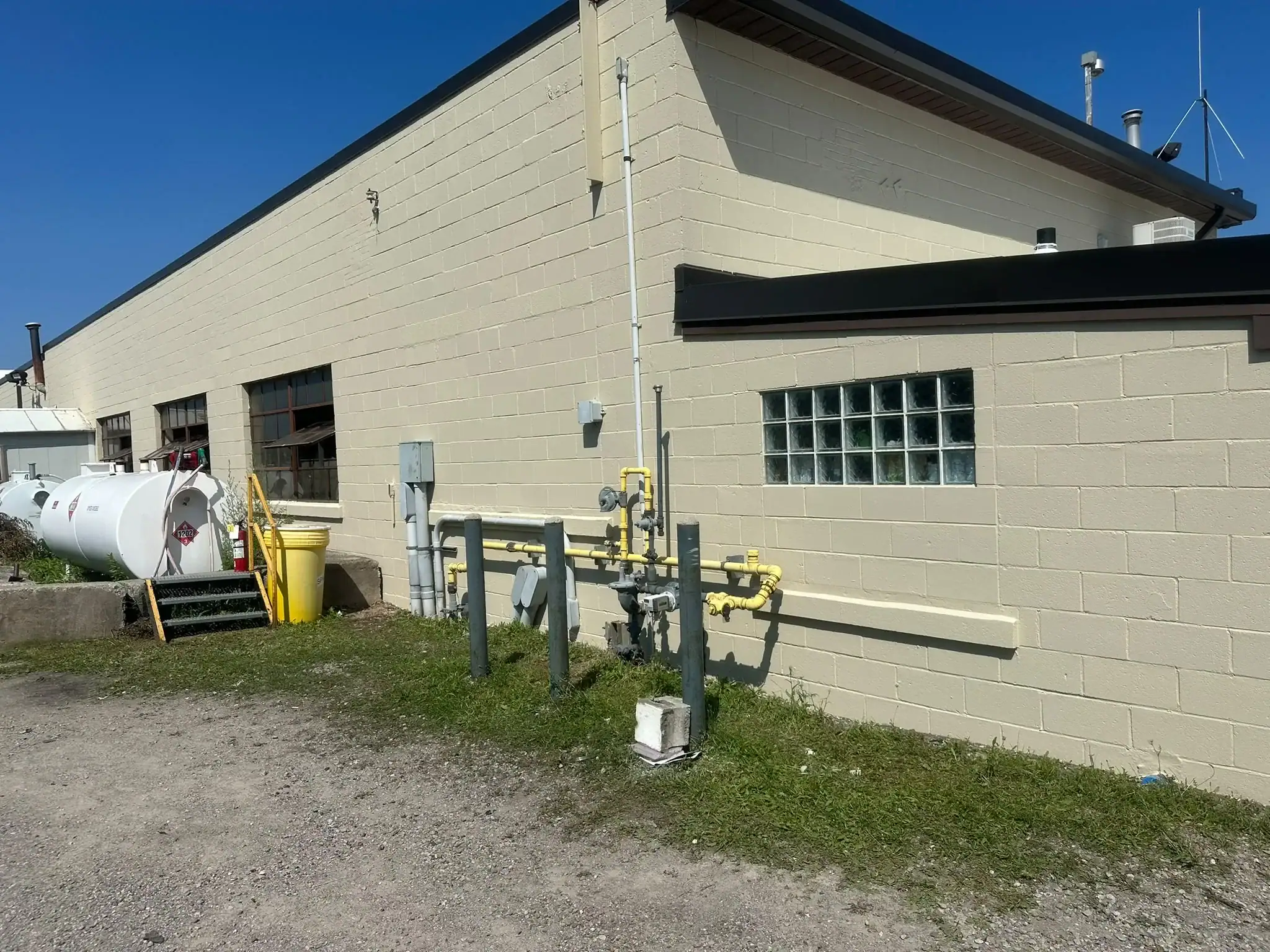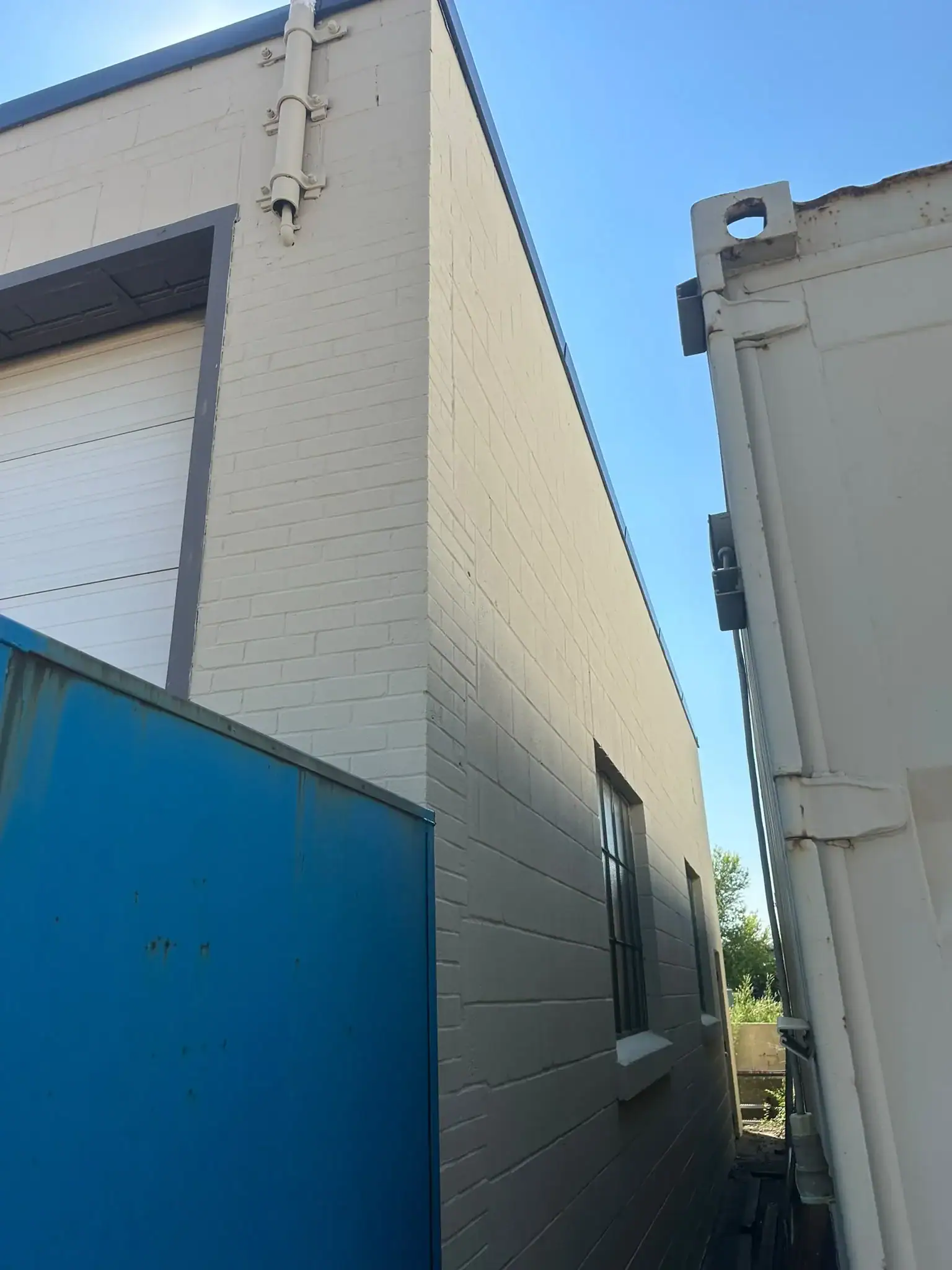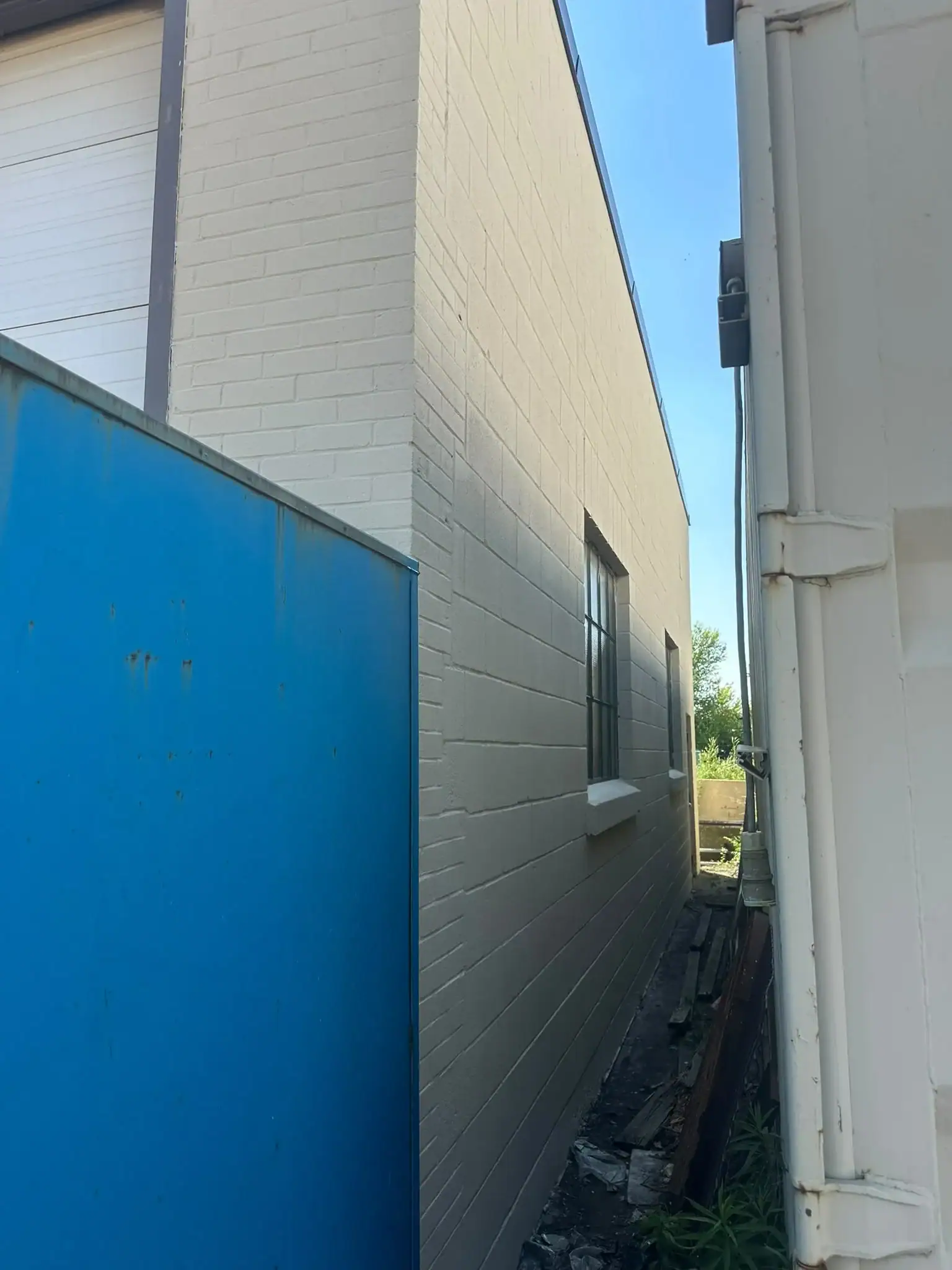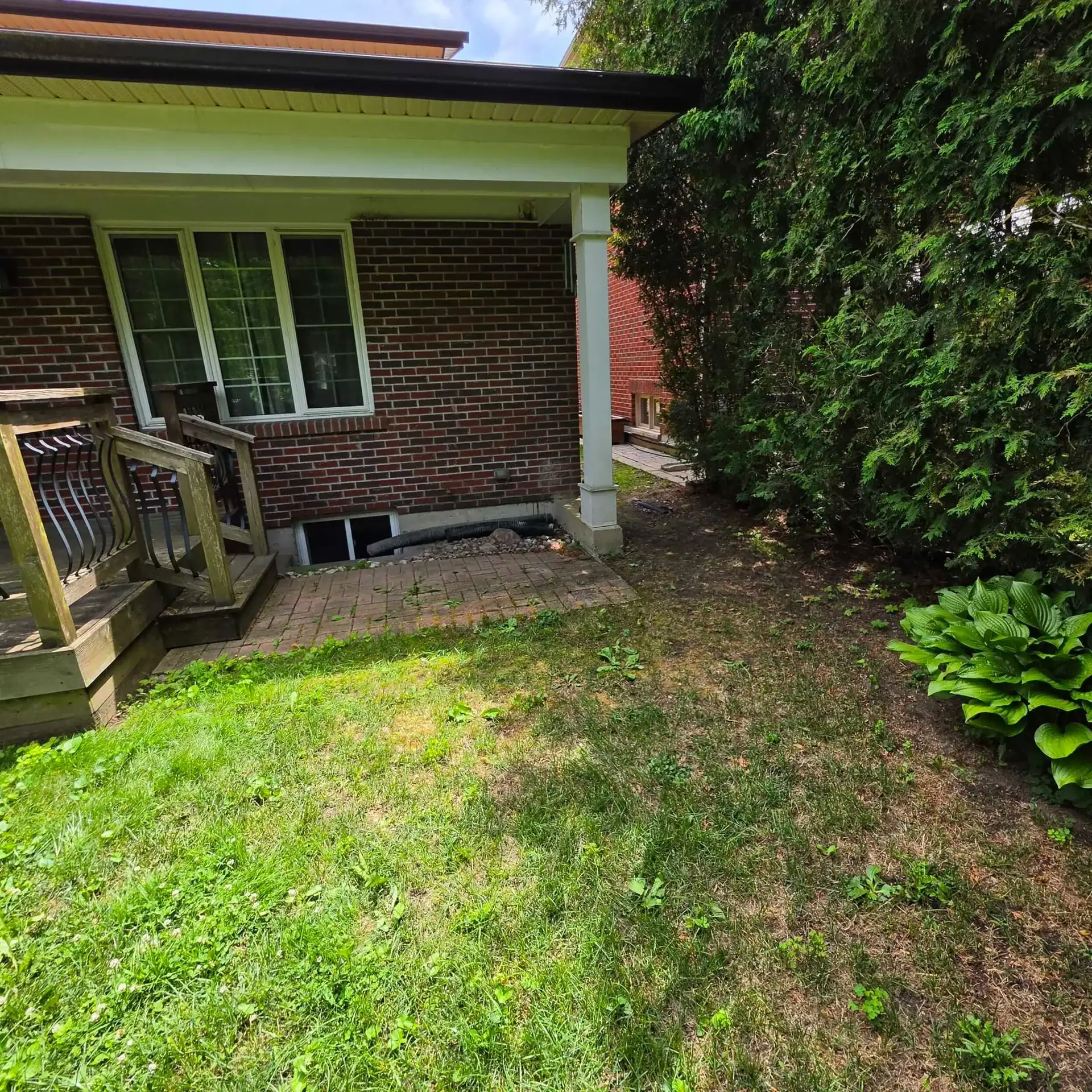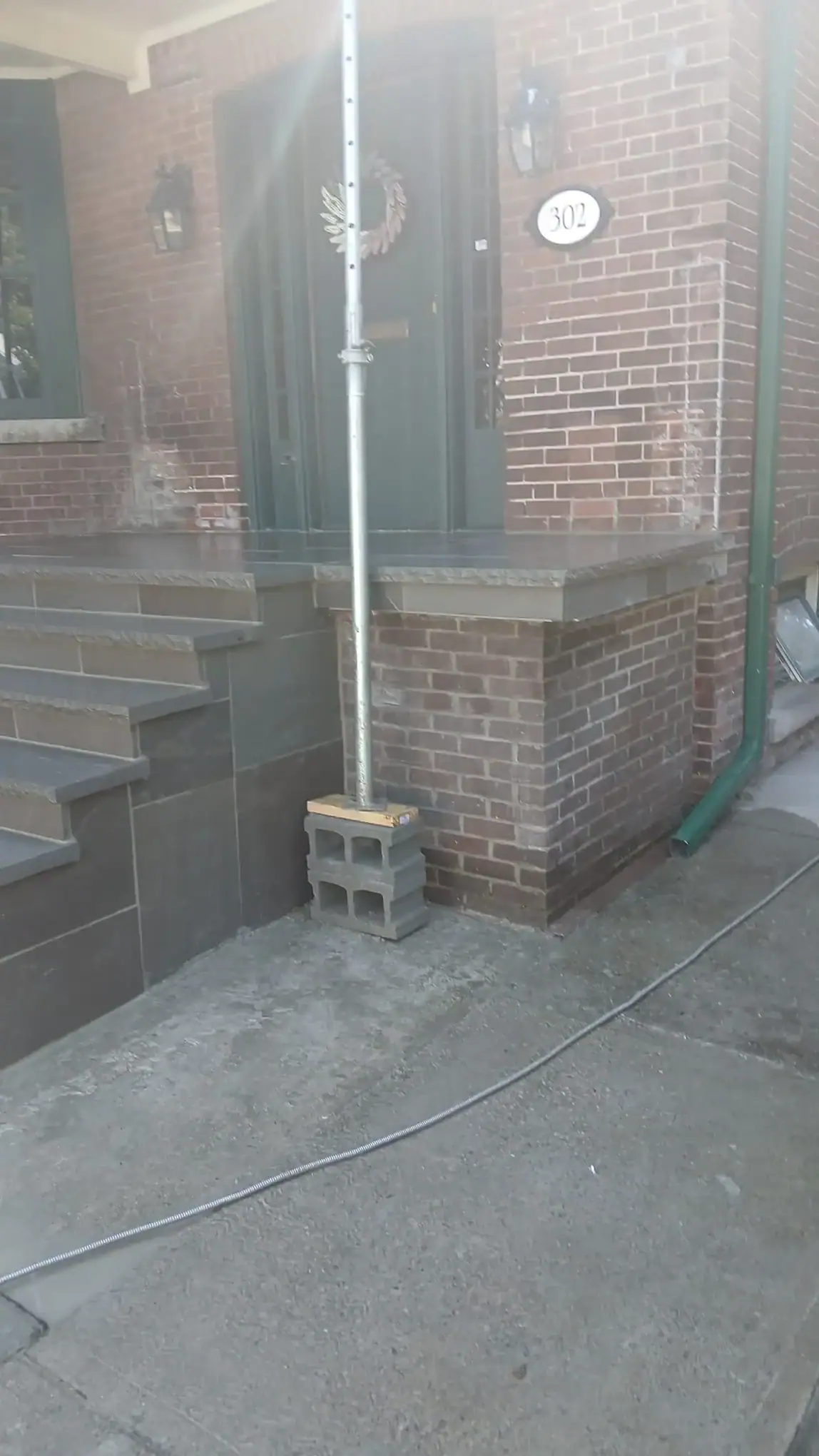

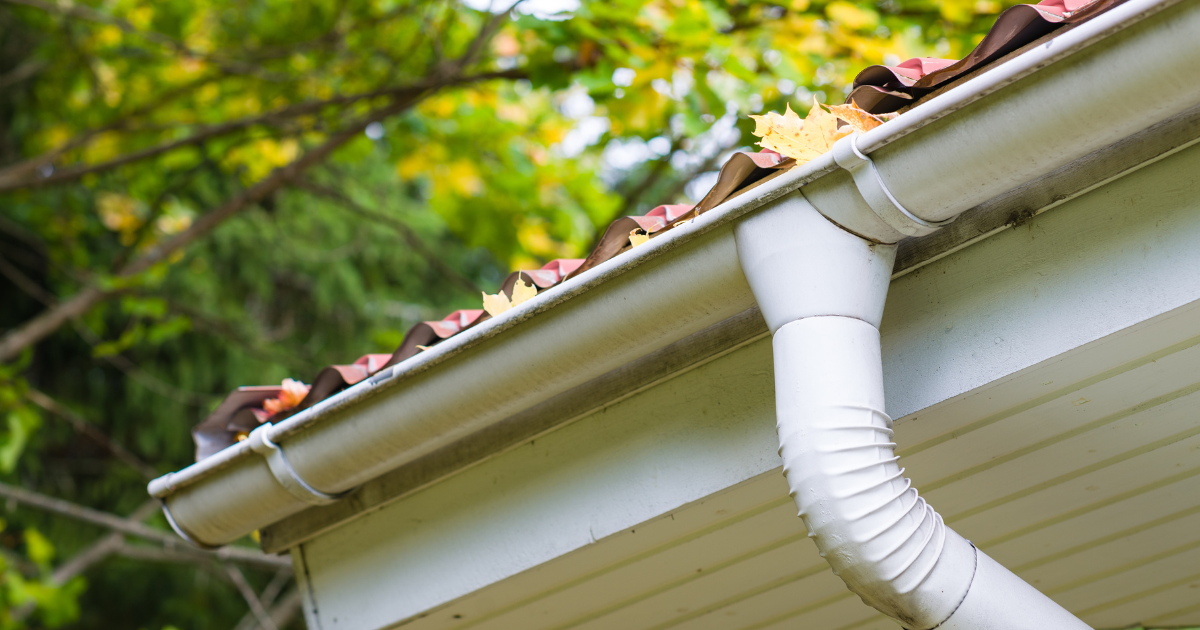
An eavestrough, commonly known as a gutter, is a crucial component of a home’s drainage system. It is designed to collect rainwater from the roof and direct it away from the foundation, preventing water damage, soil erosion, and basement flooding. These systems come in various materials and styles, each with unique benefits for homeowners.
Eavestrough vs. Gutter: What’s the Difference?
Many people use the terms eavestrough and gutter interchangeably, but there are slight distinctions. The term “Eavestrough” is more commonly used in Canada, referring specifically to the trough running along the edge of the roof. “Gutter,” on the other hand, describes other types of drainage channels beyond roofing systems.
Why Eavestroughs Are Essential for Protecting Your Home from Water Damage
They prevent water from pooling around the foundation, which can lead to costly structural issues. They also protect siding, windows, and landscaping from excessive moisture damage. Without an efficient system, homes are at risk of mould growth, basement leaks, and roof deterioration.
Choosing the Best Material for Your Eavestrough: Aluminium, Vinyl, or Copper?
Selecting the right material for your eavestrough is essential for durability and efficiency:
- Aluminum – Lightweight, rust-resistant, and affordable; a popular choice for most homes.
- Vinyl – Budget-friendly and easy to install but may become brittle in extreme weather.
- Copper – Highly durable and aesthetically pleasing but expensive and requires professional installation.
Seamless vs. Sectional Eavestroughs: Which One is Right for You?
- Seamless Eavestroughs – Custom-fitted to your home, reducing the risk of leaks and improving durability.
- Sectional Eavestroughs – Easier to install but prone to leaks at the seams over time.
For homeowners looking for long-term reliability, seamless eavestroughs are often the best investment.
Common Problems and How to Fix Them
- Clogging – Caused by leaves and debris; solved by regular cleaning or installing guards.
- Leaks – Usually occur at joints; use sealant or replace sections if necessary.
- Sagging – Happens due to loose fasteners; secure with new brackets.
- Rust – Common in older metal eavestroughs; replace with rust-resistant materials like aluminum or copper.
How to Clean Your Eavestrough Like a Pro: A Step-by-Step Guide
- Use a sturdy ladder and wear gloves for protection.
- Remove leaves and debris using a scoop or trowel.
- Flush the eavestrough with a garden hose to check for clogs.
- Inspect for any damage and make necessary repairs.

Eavestrough Maintenance 101: How to Keep Your Gutters in Top Shape
- Clean your eavestroughs at least twice a year (spring and fall).
- Check for leaks, rust, or sagging sections regularly.
- Install gutter guards to minimize debris buildup.
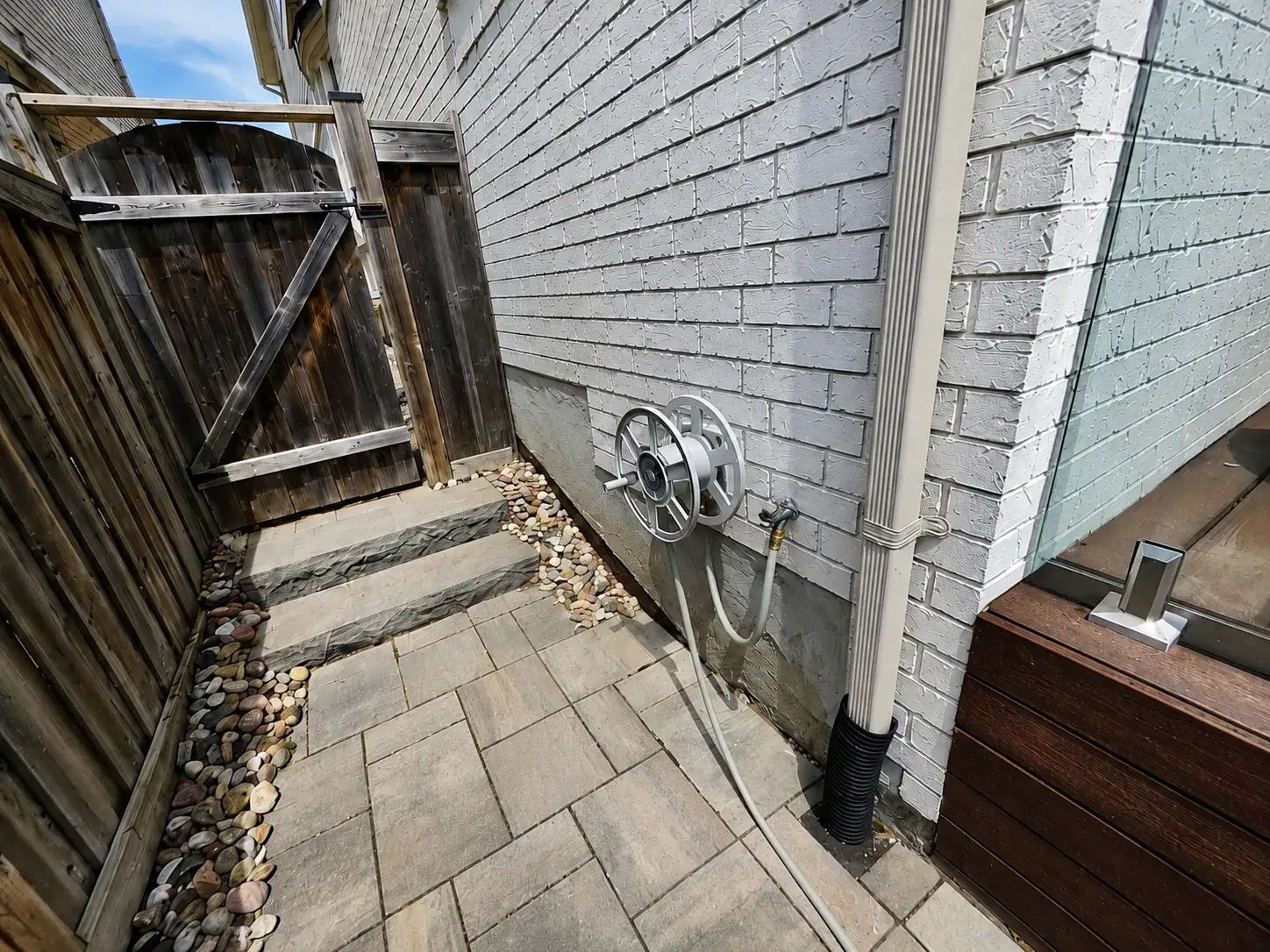
- Ensure downspouts direct water away from the foundation.
Signs Your Eavestrough Needs Repair or Replacement
- Water overflowing during rainstorms.
- Visible cracks, holes, or rust patches.
- Peeling paint or water stains on exterior walls.
- Sagging or detaching sections of the eavestrough.
DIY vs. Professional Installation: What You Need to Know
- DIY Installation – Cost-effective for experienced homeowners but requires proper tools and knowledge.
- Professional Installation – Ensures precise fitting and durability but comes with higher labor costs.
For long-term performance, professional installation is often the better choice.
Winterising Your Eavestrough: Essential Tips for Cold Weather Protection
- Clear out debris before winter to prevent ice dams.
- Install heating cables to prevent freezing.
- Ensure proper sloping for smooth water flow.
- Inspect and repair any weak spots before snow and ice accumulate.
How Guards Can Save You Time and Money
Eavestrough guards act as a barrier against leaves and debris, reducing the frequency of cleanings and preventing clogs. Popular options include:
- Mesh Guards – Fine screening to block debris while allowing water through.
- Reverse Curve Guards – Directs water into the eavestrough while leaves slide off.
- Foam Inserts – Fits inside the eavestrough to block debris while allowing water to seep through.
FAQ
What is the purpose of an eavestrough?
An eavestrough (or gutter) is designed to collect and direct rainwater away from a building’s foundation, preventing water damage, soil erosion, and basement flooding.
What is the rule of thumb for gutters?
A common rule of thumb is that gutters should have at least one downspout per 30 to 40 feet of gutter run. Additionally, they should be cleaned at least twice a year to prevent clogs and overflow.
What is the best type of eavestrough?
Seamless aluminum eavestroughs are the most popular due to their durability, rust resistance, and low maintenance. However, copper and steel options are also available for premium longevity and aesthetics.
What is the correct slope for eavestrough?
Eavestroughs should have a slope of approximately 1/4 inch per 10 feet toward the downspout to ensure proper drainage.
Final Thoughts: Investing in the Right Eavestrough for Your Home
A well-maintained system is a critical investment for any homeowner. Choosing the right material, performing regular maintenance, and considering protective measures can extend its lifespan and safeguard your home from costly water damage.
By following these expert tips, you’ll ensure your system remains effective year-round. If you’re unsure about installation or repairs, consulting a professional is always a smart move.