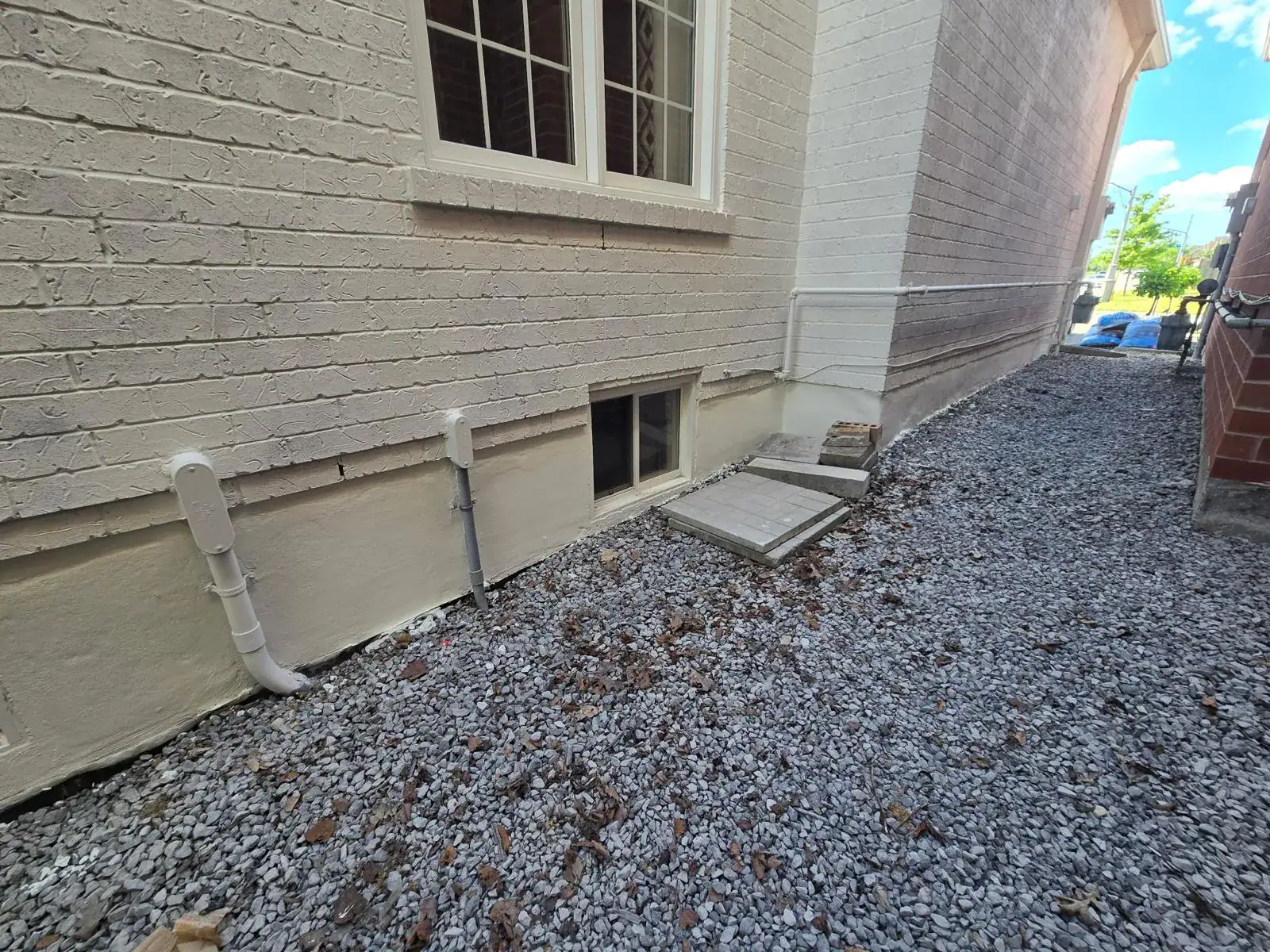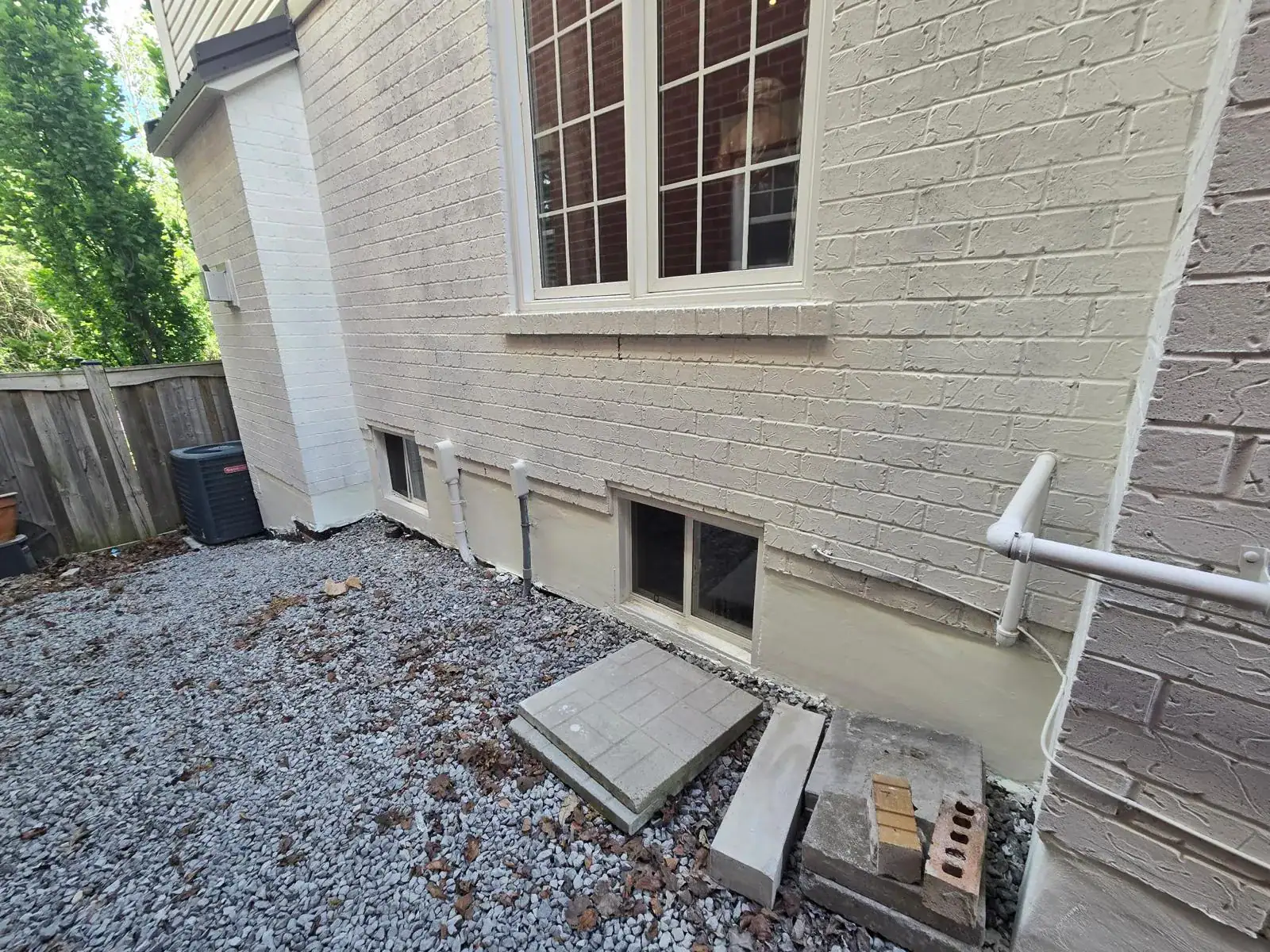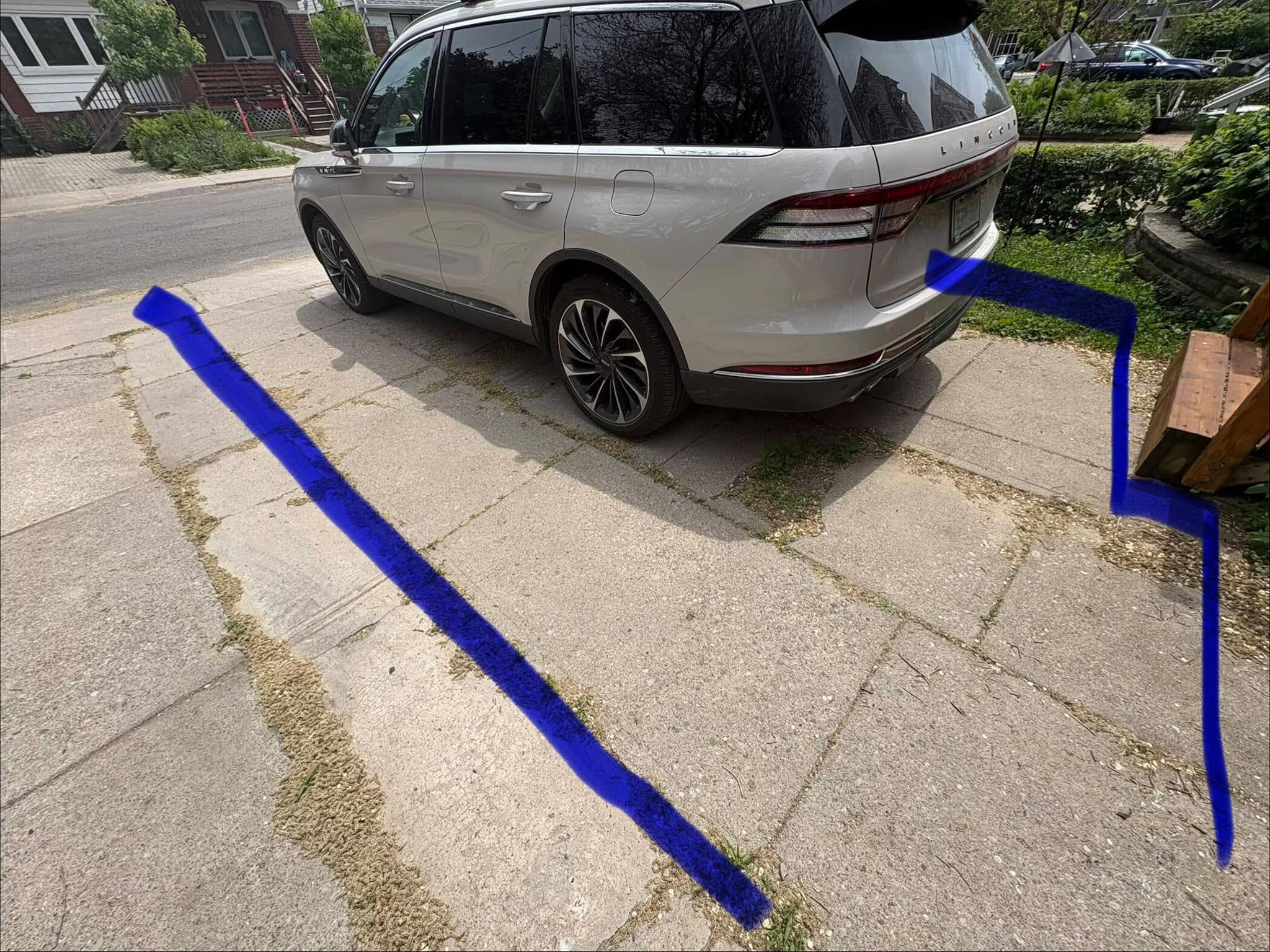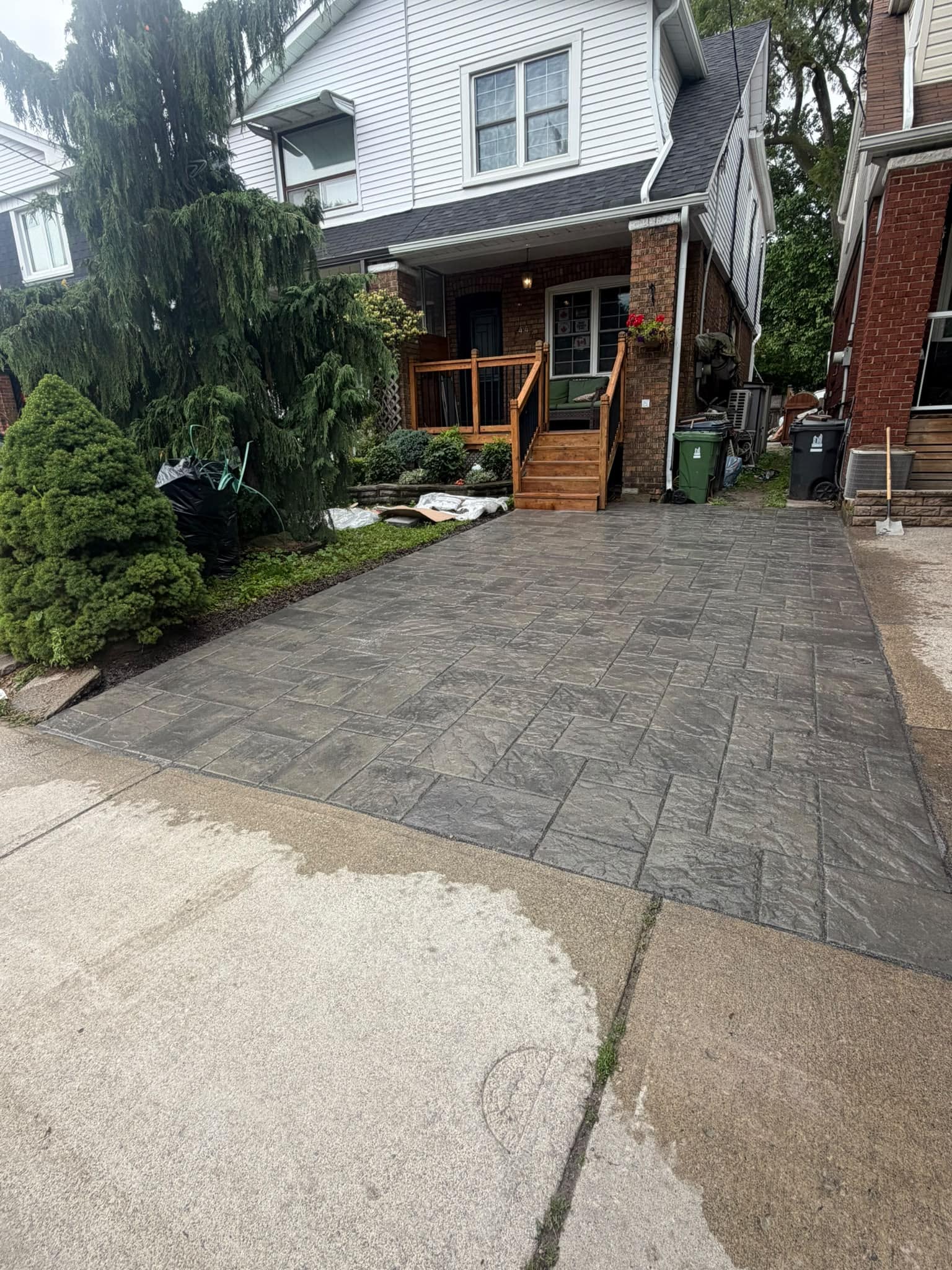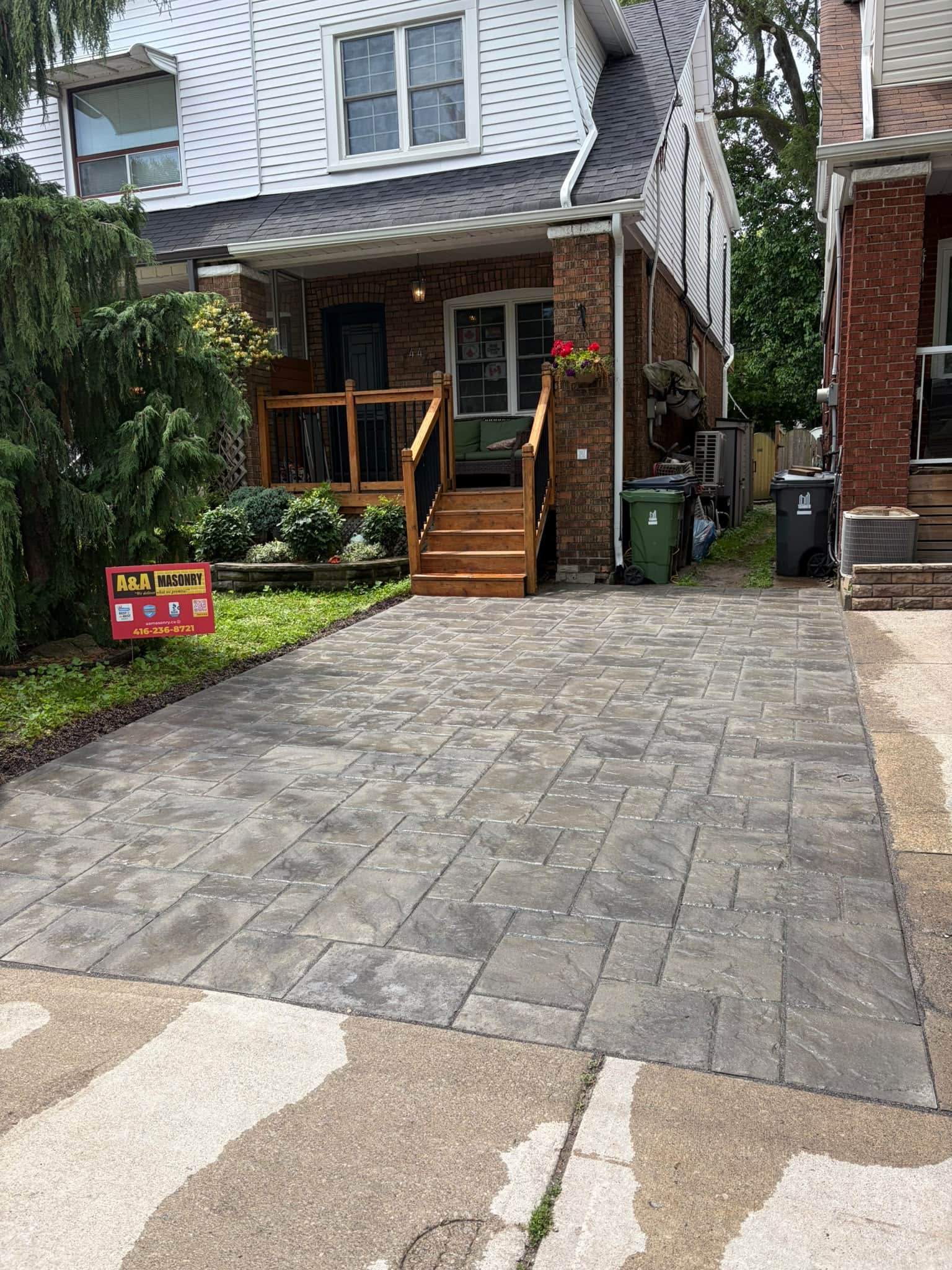
Cracks in your garage floor are common and need attention. Garage floors face many stresses, like heavy vehicles and soil shifts. We’ll examine why cracks occur, their types, and when to hire a professional for repairs.
Garage floor cracks can mean serious issues or just everyday wear. Knowing the type, cause, and size of the crack is key. This article helps you understand your garage floor condition and how to keep it in good shape.
Understanding Garage Floor Cracks
Garage floors often get cracks, which is quite common. Understanding the different types and their causes is crucial. Some cracks are simply a sign of age, but others may indicate more significant problems.
Types of Cracks
Garage floors can have several kinds of cracks, including:
- Hairline cracks – These are thin, superficial cracks that are typically harmless and common in concrete floors.
- Wide cracks – Larger, more noticeable cracks that may indicate more significant problems.
- Jagged cracks – Irregular, uneven cracks that can be a sign of a more serious issue, such as concrete settlement or expansion.
Causes of Cracking
Cracks in a garage floor can be caused by a variety of factors, including:
- Concrete shrinkage – As concrete cures and dries, it can shrink, leading to the formation of small cracks.
- Ground settlement – If the soil underneath the concrete slab settles or shifts, it can cause the concrete to crack.
- Thermal expansion and contraction – Extreme temperature changes can cause the concrete to expand and contract, leading to cracks.
- Improper installation – If the concrete slab was not adequately prepared or poured, it can be more susceptible to cracking.
Some cracking in a concrete garage floor is normal and to be expected. However, knowing the types and causes can help you determine if it’s just a cosmetic issue or if it requires more attention and repair.
Structural vs. Non-Structural Cracks
Knowing the type of cracks in your garage floor is key. Structural cracks are severe and might show foundation or slab problems. They are wider, longer, and often irregular. You might also see uneven floors or walls.
Non-structural cracks are more common and generally less severe. They are narrower, shorter, and follow a regular pattern. They can come from concrete shrinkage, thermal changes, or minor ground settling.
“Distinguishing between structural and non-structural cracks is key to determining the appropriate course of action for your garage floor.”
Non-structural cracks may appear unsightly, but they are often less severe in nature. They might not need urgent professional help. Still, keep an eye on them and address any issues if they worsen.
If you’re unsure whether a concrete crack is severe, get a pro’s opinion. They can check the crack, its depth, and any underlying issues. This will help you determine if it’s a significant issue or just a minor problem.
Cracks Caused by Settlement
Cracks in the garage floor may indicate a more significant issue – settlement. When the ground beneath the concrete slab shifts or compacts, the floor can sink or rise unevenly. This type of crack is usually broader and more jagged. If you notice these signs, it’s essential to address the issue before it worsens.

Signs of Settlement Issues
Spotting the signs of settlement in your garage floor is crucial. Look for these indicators:
- Wide, jagged cracks in the concrete
- Uneven floor surfaces, with some areas higher or lower than others
- Doors or windows that are sticking or not closing properly
If you notice these signs of settlement issues in the garage floor, it’s time to act. Worry about the cracks before they cause more damage. Ignoring settlement cracks can lead to costly repairs, so it’s best to address them promptly.
Cracks from Concrete Shrinkage
Concrete shrinkage is a common reason for cracks in garage floors. As the concrete dries, it contracts, causing hairline cracks. These cracks are usually not a structural issue, but they can affect the floor’s appearance and feel.
Concrete shrinkage happens when it dries and hardens. Losing moisture causes it to shrink, leading to these fine cracks. Even though they don’t weaken the garage, they can still be a nuisance and may need fixing.
The good news is that cracks caused by concrete shrinkage can be repaired with simple sealing or patching. Catching these hairline cracks early helps keep the garage floor looking good.
It’s crucial to watch out for these cracks and repair them if they worsen or threaten the garage’s structure. If that happens, professional help for more serious repairs may be necessary.
Cracks in Garage Floor
Cracks in the garage floor can happen for many reasons. These include settlement, concrete shrinkage, and thermal expansion. It’s essential to fix these cracks to keep your garage safe and looking good. The cost to repair a cracked garage floor depends on the extent of the damage and the chosen repair method.
Garage floor cracks can be small or large in size. They can affect the floor’s structure. Understanding why the cracks occurred is the first step in fixing them.
Settlement Cracks
Settlement cracks are often deep and show foundation or soil problems. These cracks are uneven and may resemble stairs or diagonals.
Shrinkage Cracks
Concrete shrinkage cracks happen as the concrete dries. These cracks are straight and spaced evenly, forming a grid.
Thermal Cracks
Thermal expansion and contraction can also cause cracks. These cracks are long and straight, often along the garage walls or doors.
The cost to fix a cracked garage floor varies. Small cracks might cost $50 to $100 to fix. However, more significant damage could cost over $1,000 to repair.
Fixing cracks promptly is crucial to preventing further damage. If you’re unsure about what to do, seek help from a professional. They can advise you on the best and most affordable way to repair your garage floor.
Cracks from Thermal Expansion
Cracks in garage floors often come from thermal expansion and contraction. When concrete expands and contracts with temperature changes, it can lead to cracks. Knowing how to prevent these thermal cracks is key to maintaining a strong garage floor.
Preventing Thermal Cracks
To avoid cracks from thermal expansion, consider these strategies:
- Proper Expansion Joint Placement: Installing expansion joints in your garage floor allows it to move naturally. This reduces stress that can cause cracks.
- Sealant Application: Using a high-quality sealant in expansion joints and other vulnerable areas creates a flexible barrier. It lets the floor expand and contract without cracking.
- Concrete Mix Design: Selecting a concrete mix that can withstand temperature fluctuations effectively can also reduce the risk of cracking.
By taking these steps, you can stop thermal cracks in your garage floor. This keeps your space durable and ready for your vehicle and work needs.
Assessing Crack Severity
It’s essential to assess the severity of the cracks in your garage floor. Small cracks may not require immediate attention. However, big, jagged cracks could indicate a more significant issue. These cracks might show that the concrete is not stable or durable.
Ignoring these cracks can cause more damage and even be dangerous.
To figure out how severe a crack is, look at a few things:
- Width and depth – If a crack is over 1/8 inch wide or 1/2 inch deep, it’s likely a bigger issue.
- Crack pattern – Straight cracks are usually less of a worry than jagged ones, which might mean a structural problem.
- Location and direction – Cracks that run across the garage door or along the walls may indicate foundation issues.
When to Seek Professional Help
If you notice wide, deep, or concerning cracks in your garage floor, it’s time to seek the help of a professional contractor. They can assess the severity of the cracks, determine the cause, and recommend the most effective repair. Failing to address serious cracks can lead to further damage and more expensive repairs later.
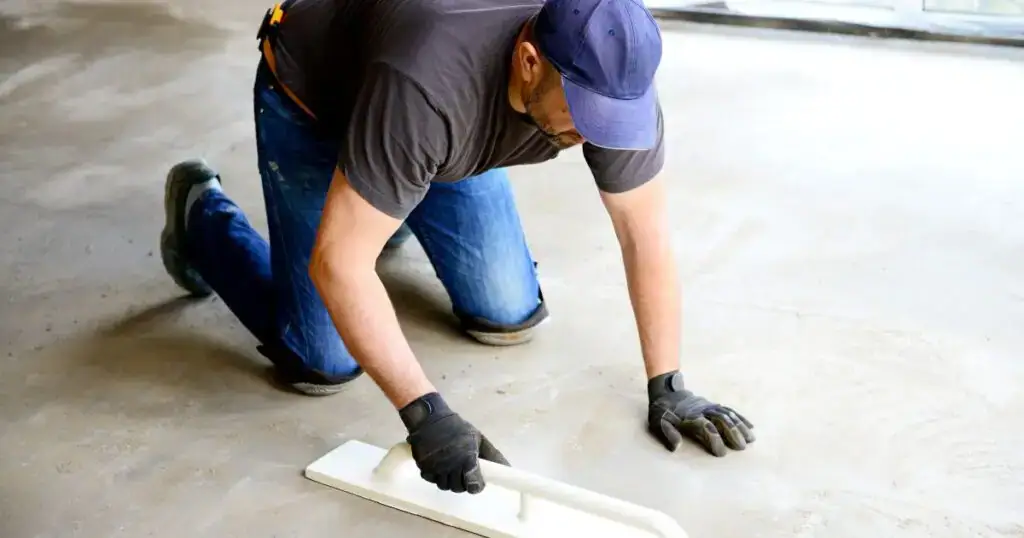
By watching for signs of a severe concrete crack, you can protect your garage floor. This keeps your property safe and sound.
Can I Fix a Crack?
Homeowners can repair minor, non-structural cracks in their garage floor themselves. They can use epoxy or polyurethane sealants for small cracks. For larger cracks, concrete repair compounds are effective. However, it’s crucial to clean the area thoroughly and follow the product’s instructions for a successful repair.
Remember, DIY fixes can save money, but check if your cracks require professional attention for serious or structural problems.
Professional Garage Floor Repair
For big or structural cracks in the garage floor, get a professional garage floor crack repair contractor. They can identify the real cause of the cracks, recommend the best solution, and perform the necessary work to make the floor safe and strong. The cost of professional garage floor repair changes based on the job size. But their skill means a fix that lasts and looks great.
Experts possess the right skills and tools to tackle challenging crack problems. They might use epoxy, concrete patching, or even resurface the floor for a strong and nice look. By choosing pros, you know your garage floor will be fixed right.
- Thorough assessment of the crack causes
- Recommendation of appropriate repair methods
- Expert execution of the necessary work
- Guaranteed long-lasting, high-quality results
The cost of professional garage floor repair may be more than the cost of a DIY project. But the quality and lasting fix are worth it. Consider the long-term benefits when deciding how to repair your garage floor cracks.
FAQs
What does it mean when you have cracks in your garage floor?
Cracks in your garage floor can mean different things. They might show concrete shrinkage, ground settlement, or thermal expansion. The size and type of cracks help figure out what’s causing them and what to do next.
Are cracks in a garage wall normal?
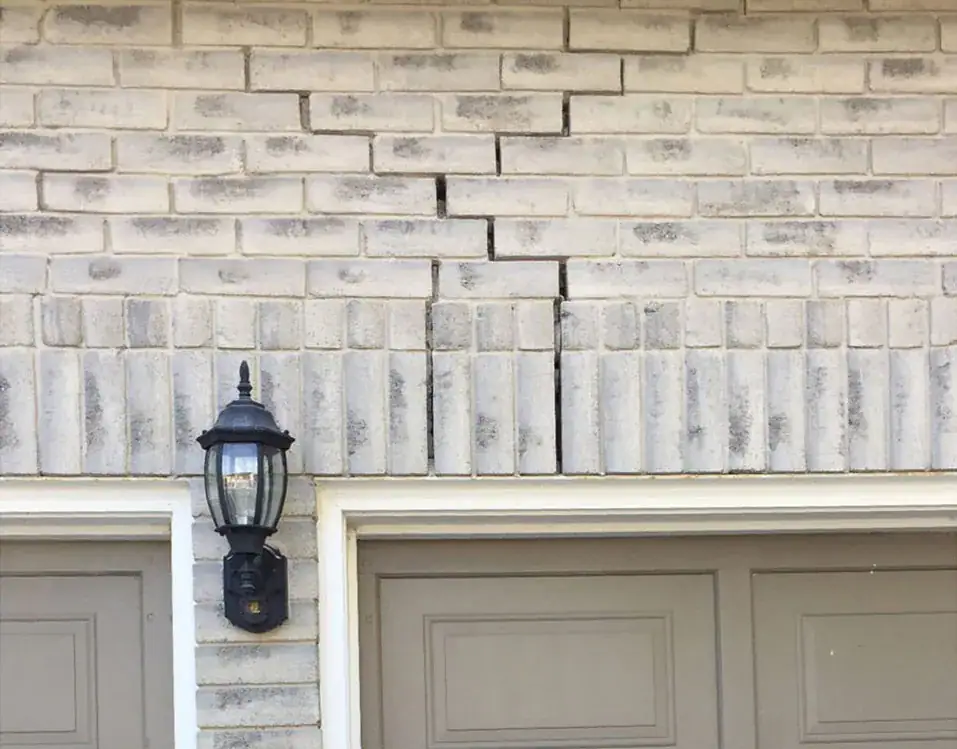
Yes, small cracks in garage walls are typical. They often come from concrete shrinking or settling. However, big or deep cracks may require a closer inspection and possibly repair.
What causes cracks in your garage floor?
Garage floor cracks can come from several reasons. These include concrete shrinkage, ground settlement, thermal changes, and poor installation. Knowing the cause helps find the correct fix.
When should you worry about cracks in your garage floor?
Worry about garage floor cracks if they’re big, jagged, or show other signs of trouble. This could mean foundation or slab issues. Such cases may require a professional to check and fix.
Is it normal for concrete floors to crack?
Yes, concrete floors, such as garage floors, can crack over time. This is because concrete shrinks and expands in response to changes in temperature and moisture. Small cracks are usually okay, but larger ones may require attention.
How do you know if a concrete crack is severe?
The seriousness of a concrete crack depends on its size, shape, and symptoms. Big, jagged cracks, uneven floors, or stuck doors are serious. They might need a professional to fix it.
How much does it cost to fix a cracked garage floor?
The cost of fixing a cracked garage floor varies. Small cracks can be fixed with DIY stuff for $50 to $200. However, larger repairs, such as slab leveling or replacement, can cost thousands, depending on the extent of the work required.
Conclusion
Cracks in the garage floor are common but shouldn’t be ignored. Knowing why they happen is key to fixing them right. By monitoring the severity of the cracks and seeking help when necessary, you can maintain a safe and strong garage floor.
It’s essential to understand the distinction between cracks caused by settlement, shrinkage of concrete, and exposure to heat. For small, non-structural cracks, you might be able to fix them yourself. However, bigger or structural cracks require a professional. Fixing cracks early can prevent further damage and keep your garage floor functioning properly.
If you have cracks in your garage floor or want to prevent them, understanding the causes and solutions is crucial. Being informed and taking action can help keep your garage safe and reliable for many years.
Built to Last, Trusted for Excellence – A&A Masonry!
With decades of expertise, A&A Masonry delivers top-quality masonry, waterproofing, and exterior restoration services in Toronto. From brick and stone repairs to basement waterproofing and interlocking stone installations, we ensure lasting results with expert craftsmanship.
🔹 Skilled & Experienced Masons
🔹 Comprehensive Restoration & Waterproofing Solutions
🔹 Customer-First Service with Transparent Pricing
Our Masonry Services Include:
-
Concrete Repairs
-
Stone Masonry
-
Brick Painting
-
Interlocking Stone Pavers
-
Parging
-
Tuckpointing
-
Brick Repair
-
Fireplace Stone Veneer
-
Chimney Repair
-
Commercial Exterior Painting
-
Basement Waterproofing
-
Stucco
-
Interlocking Stone Installation
-
Interlocking Steps
-
Roofing