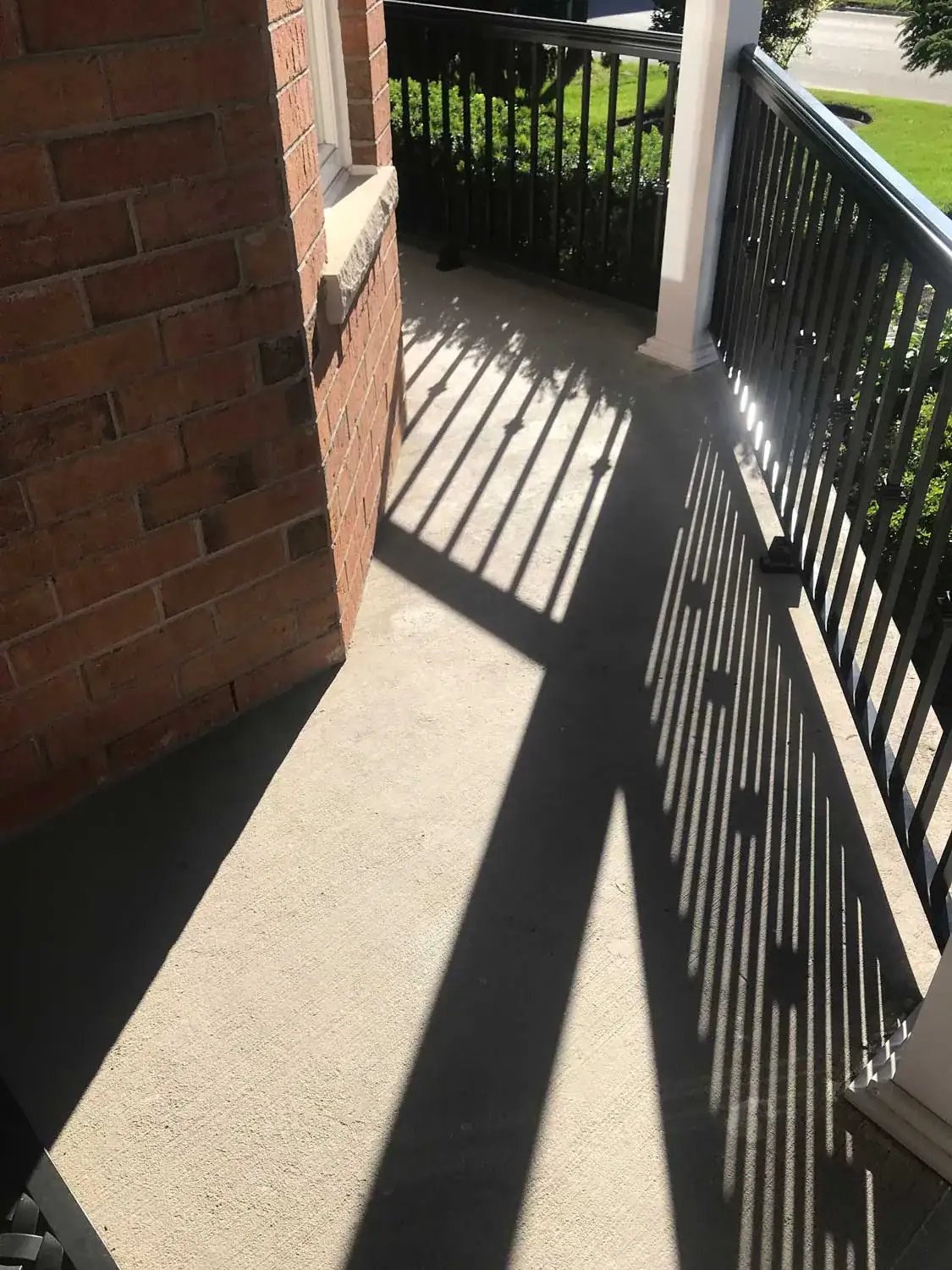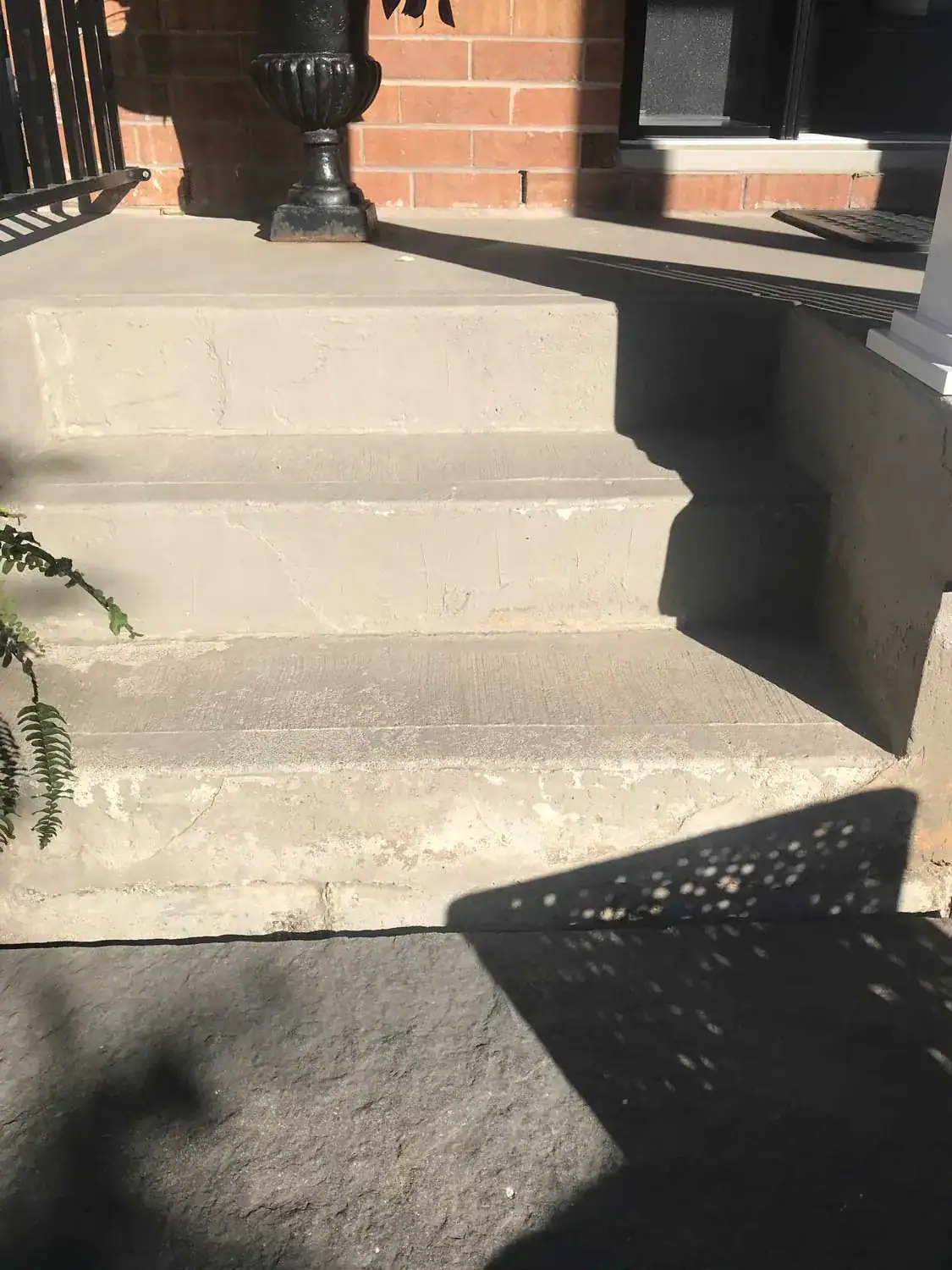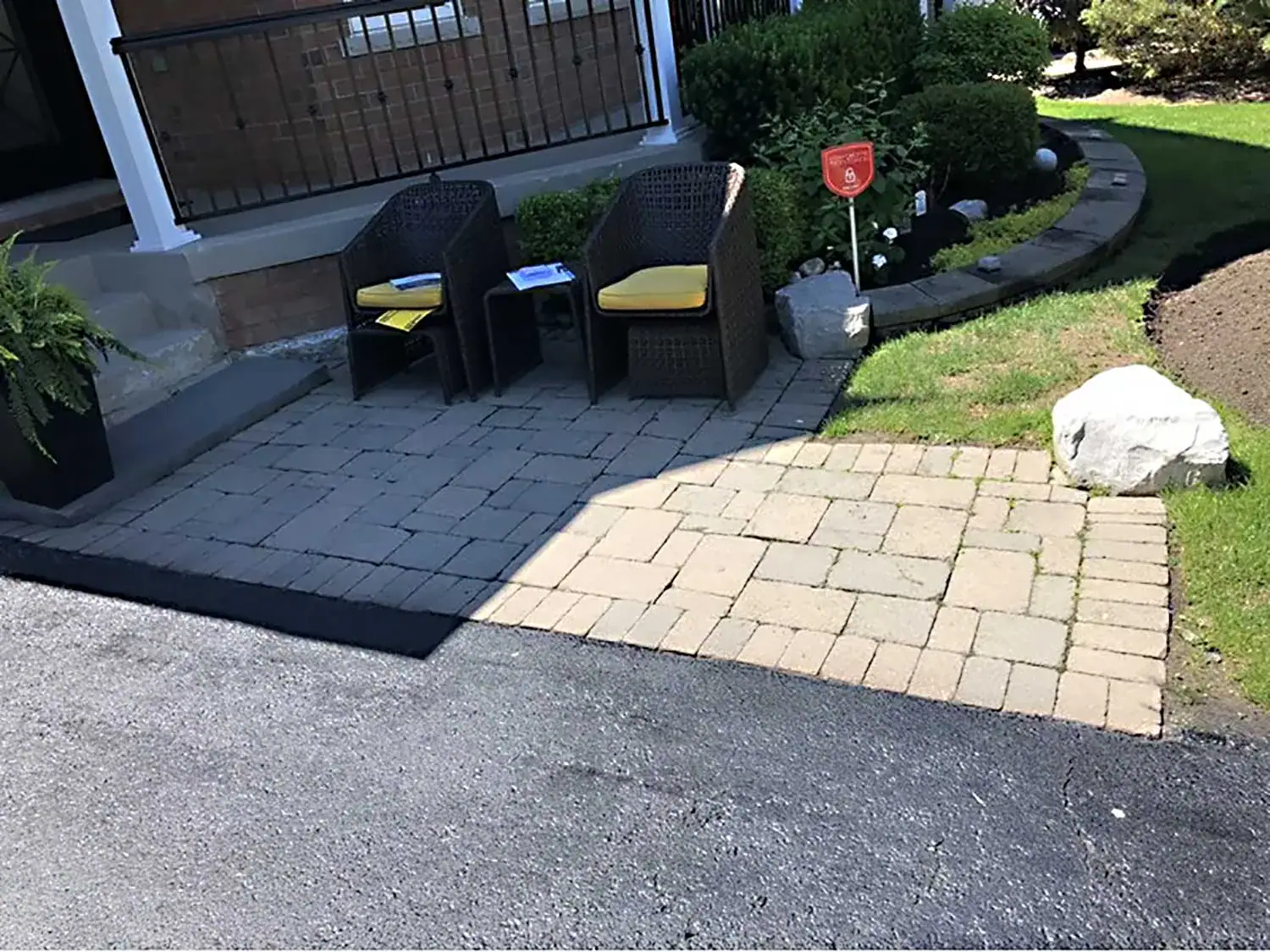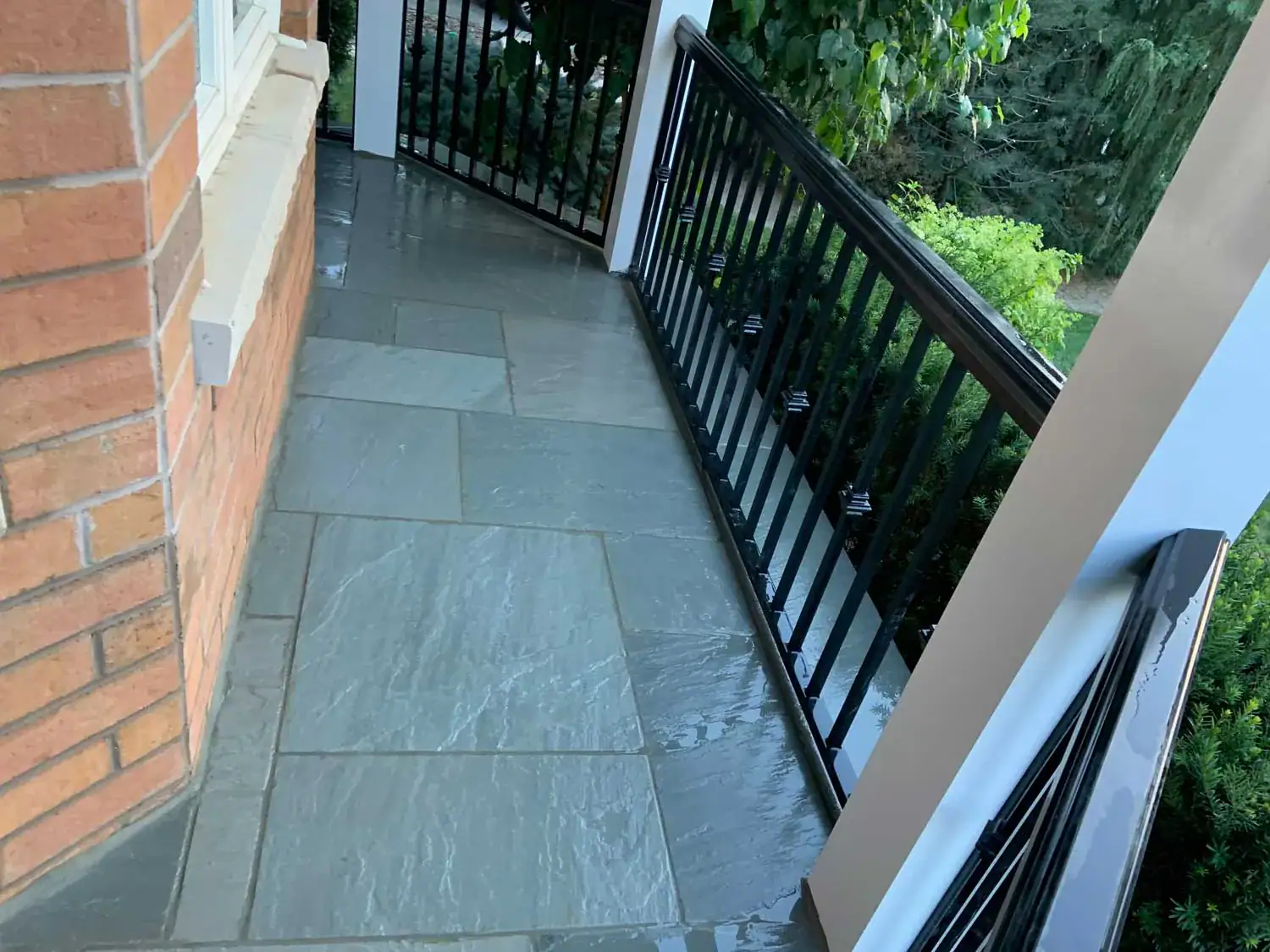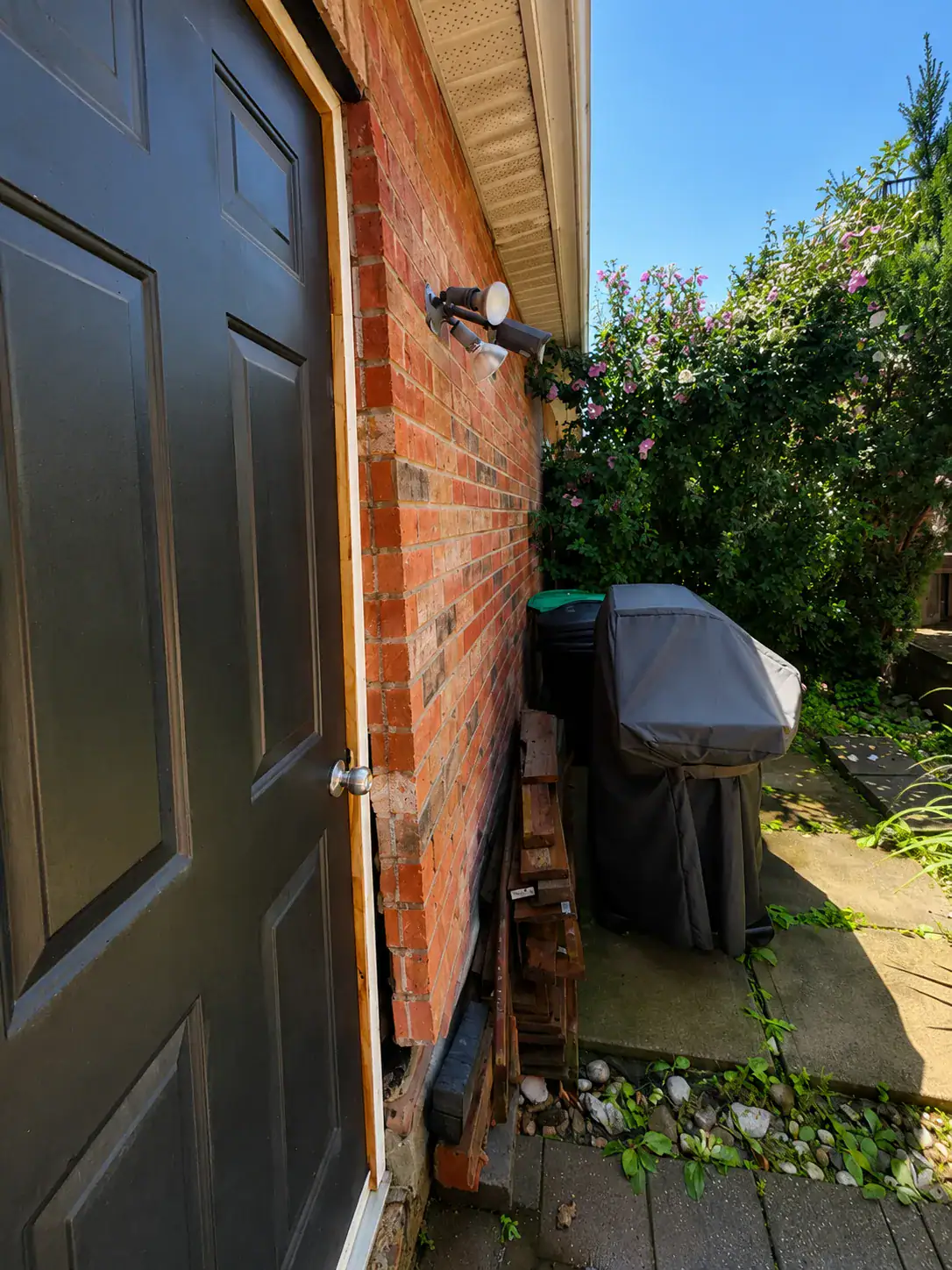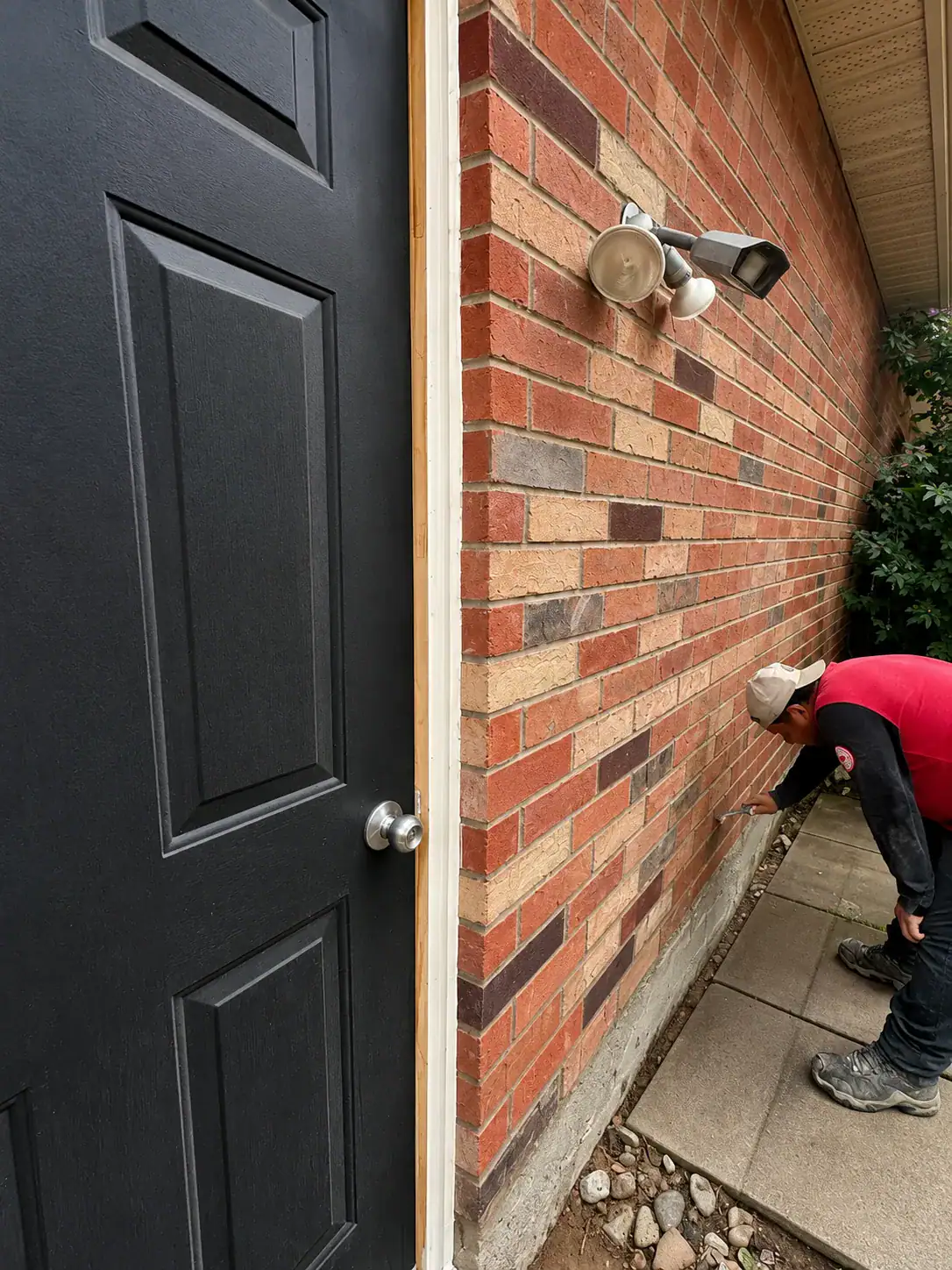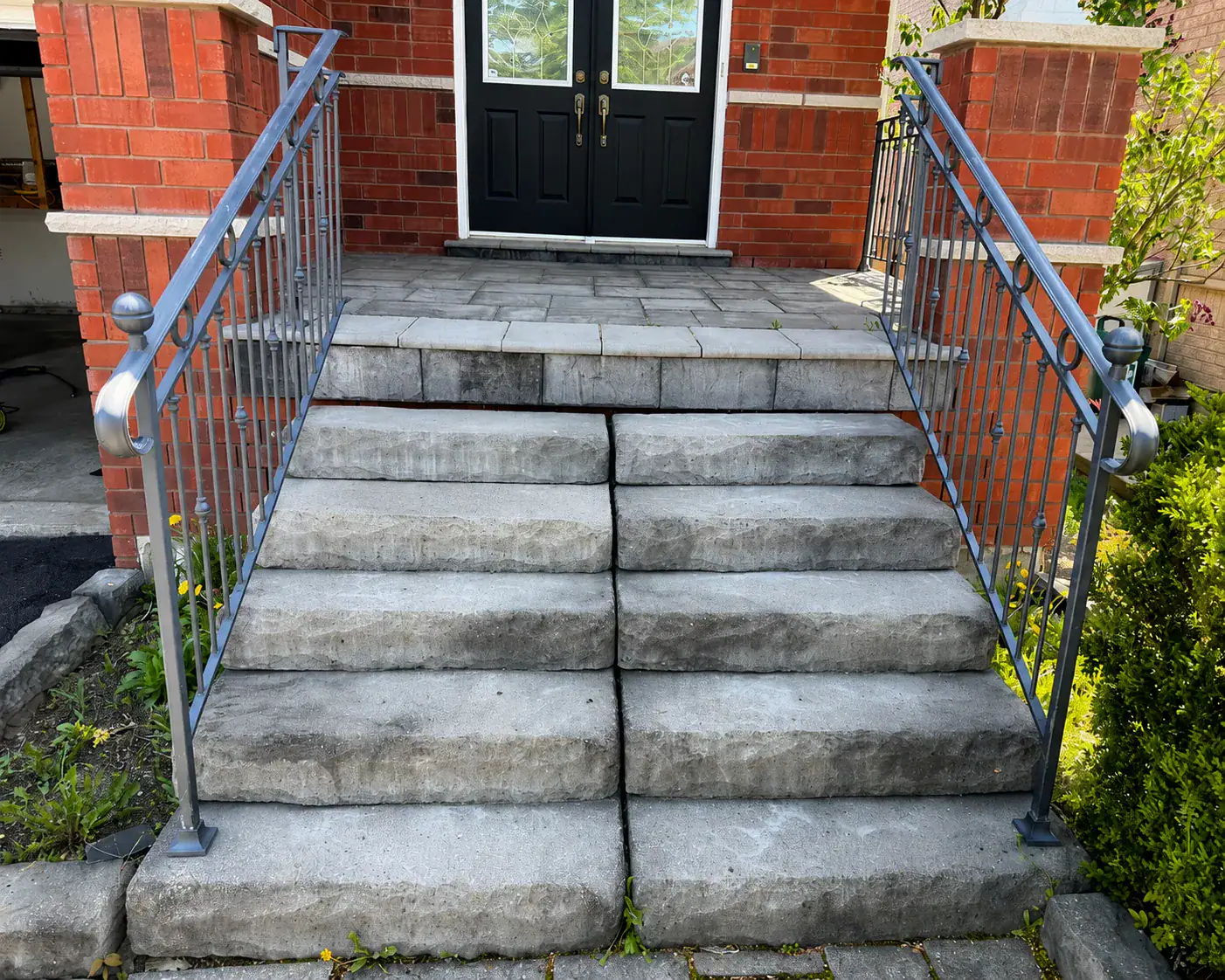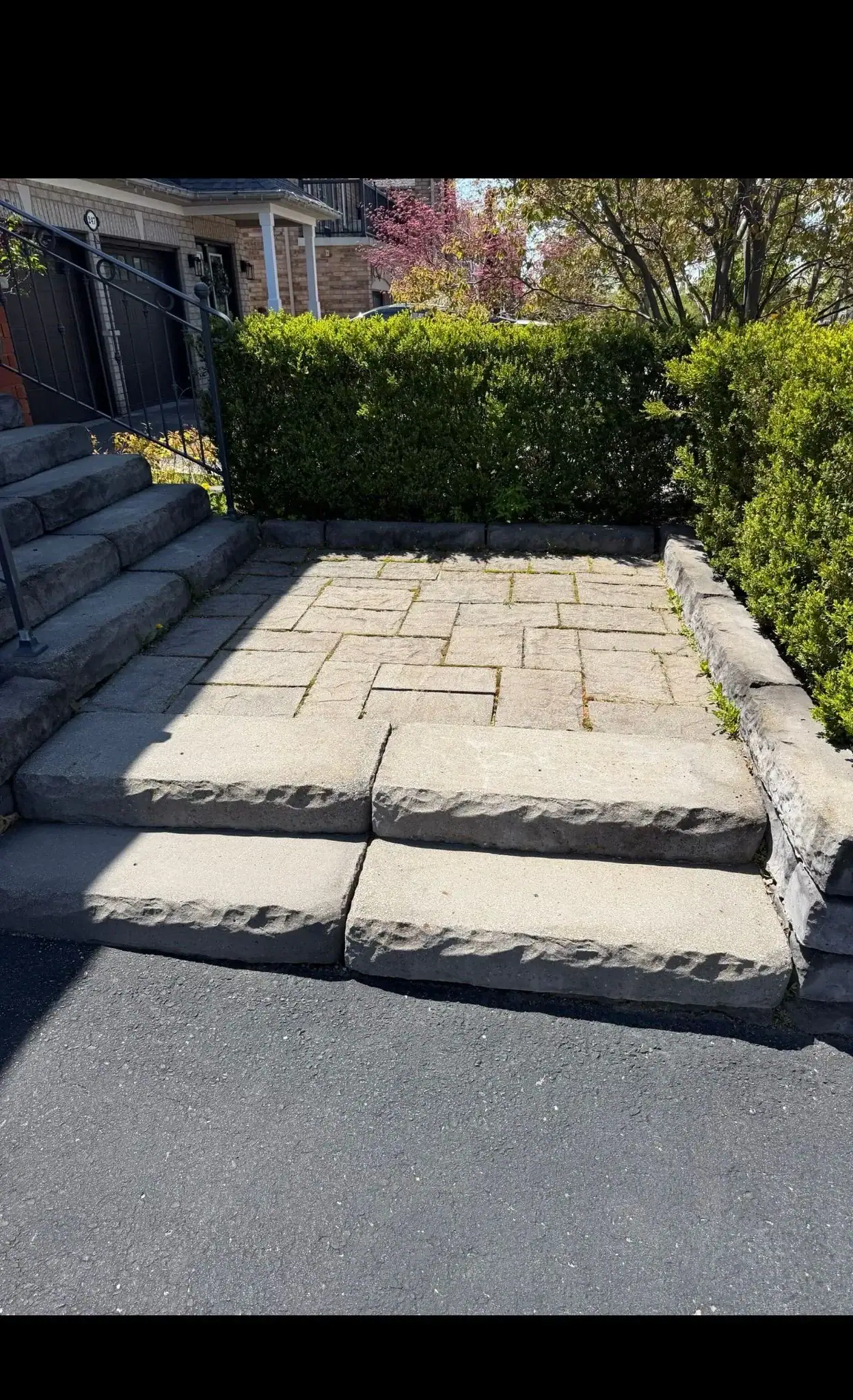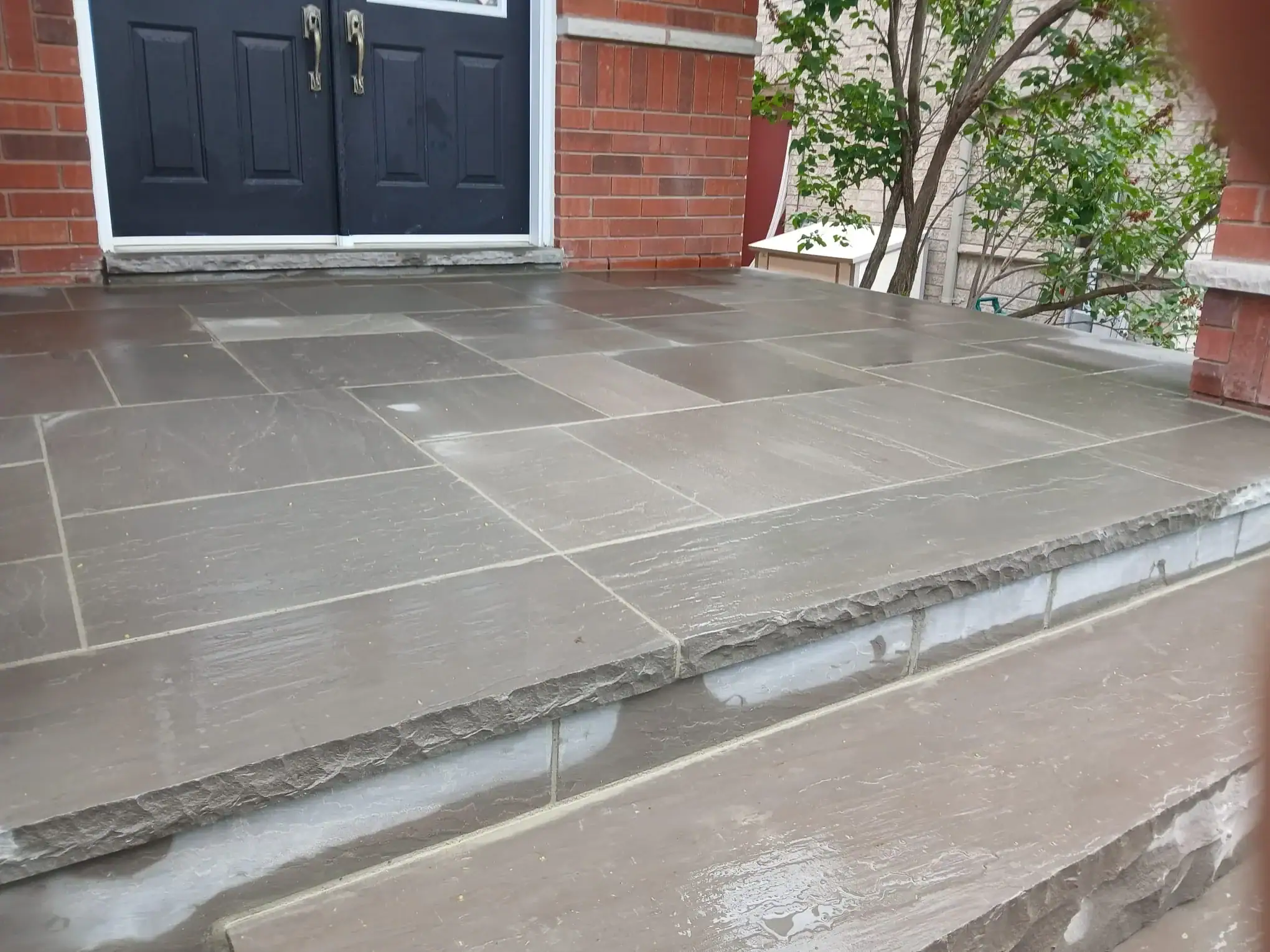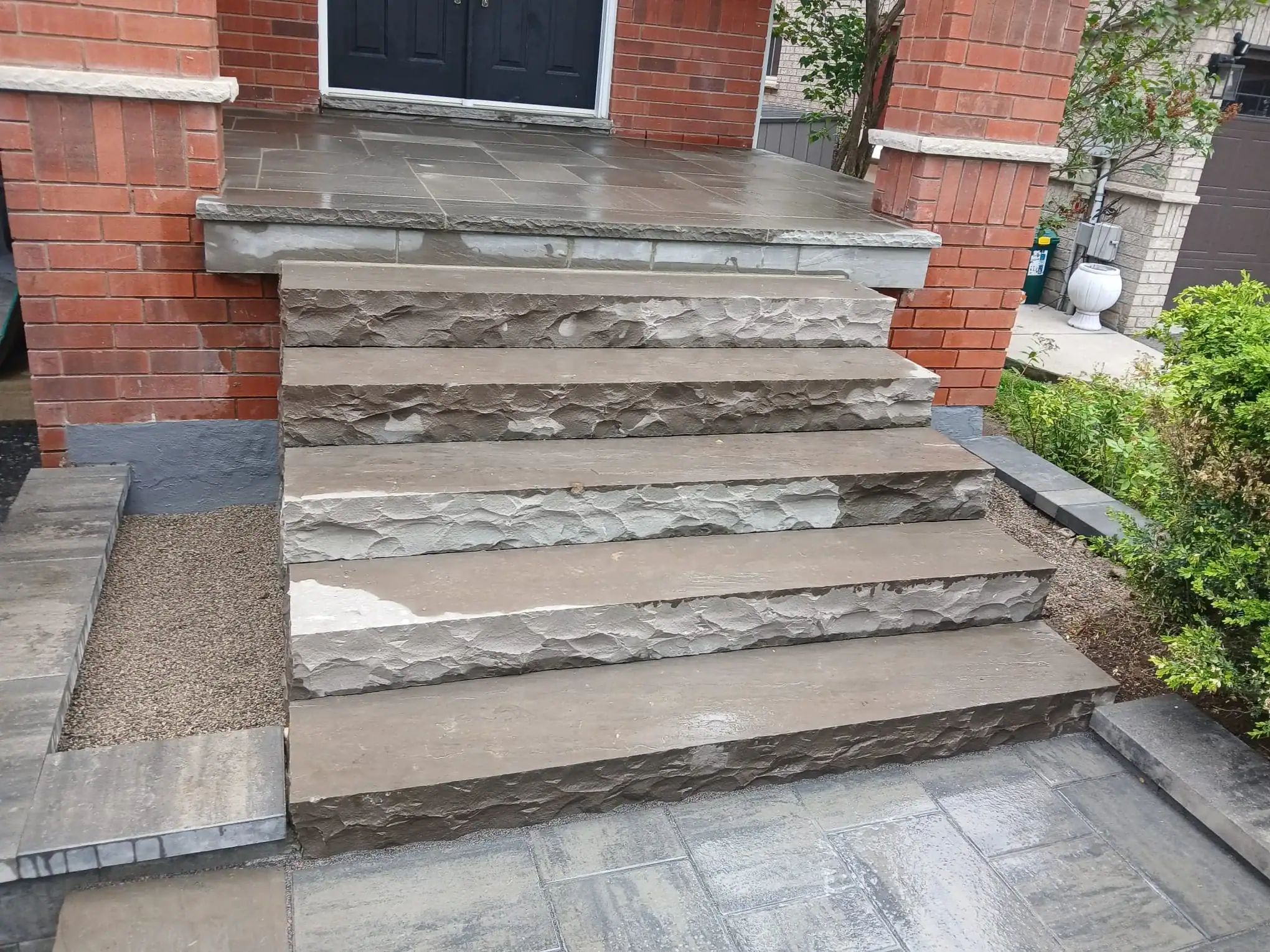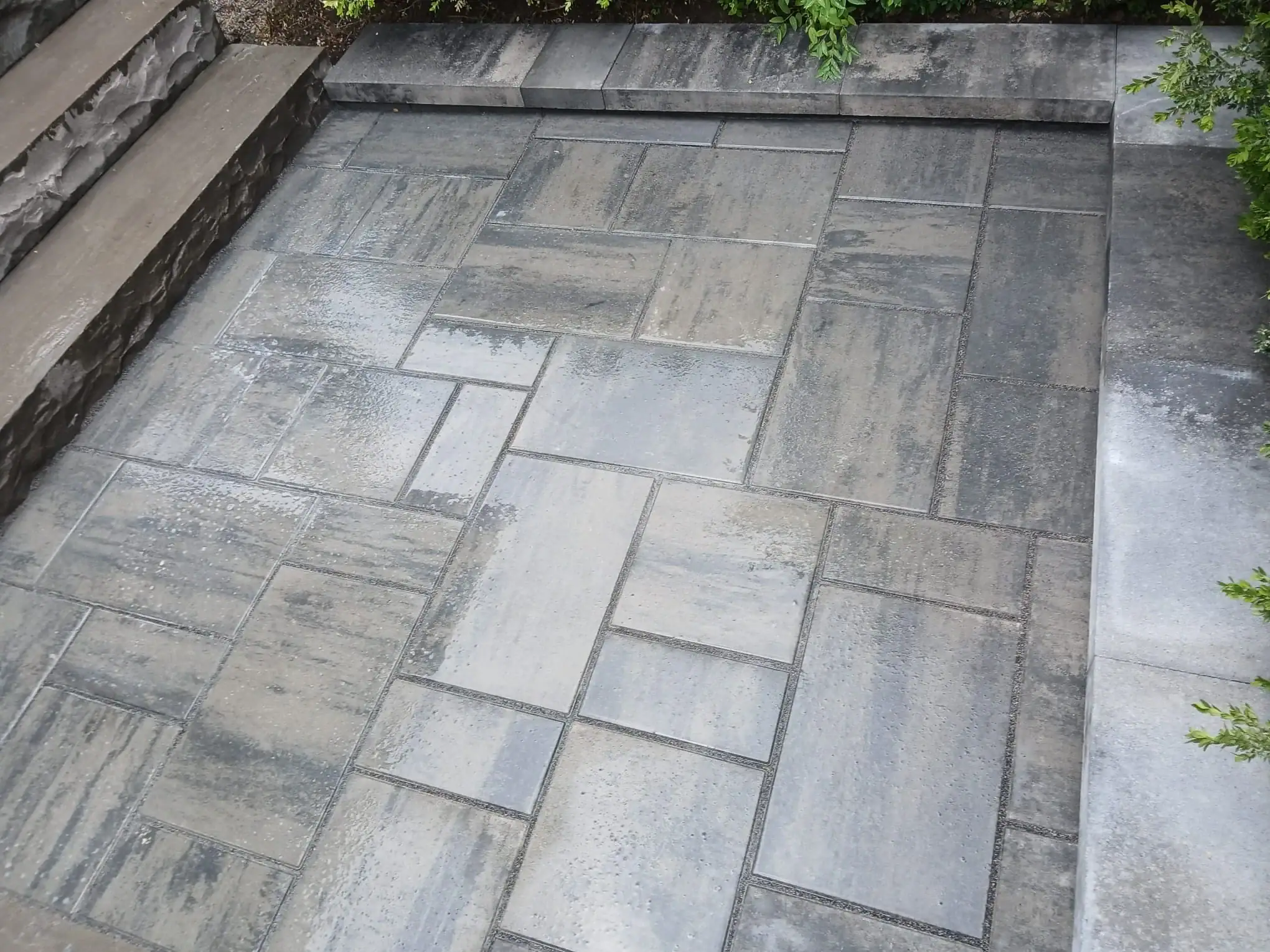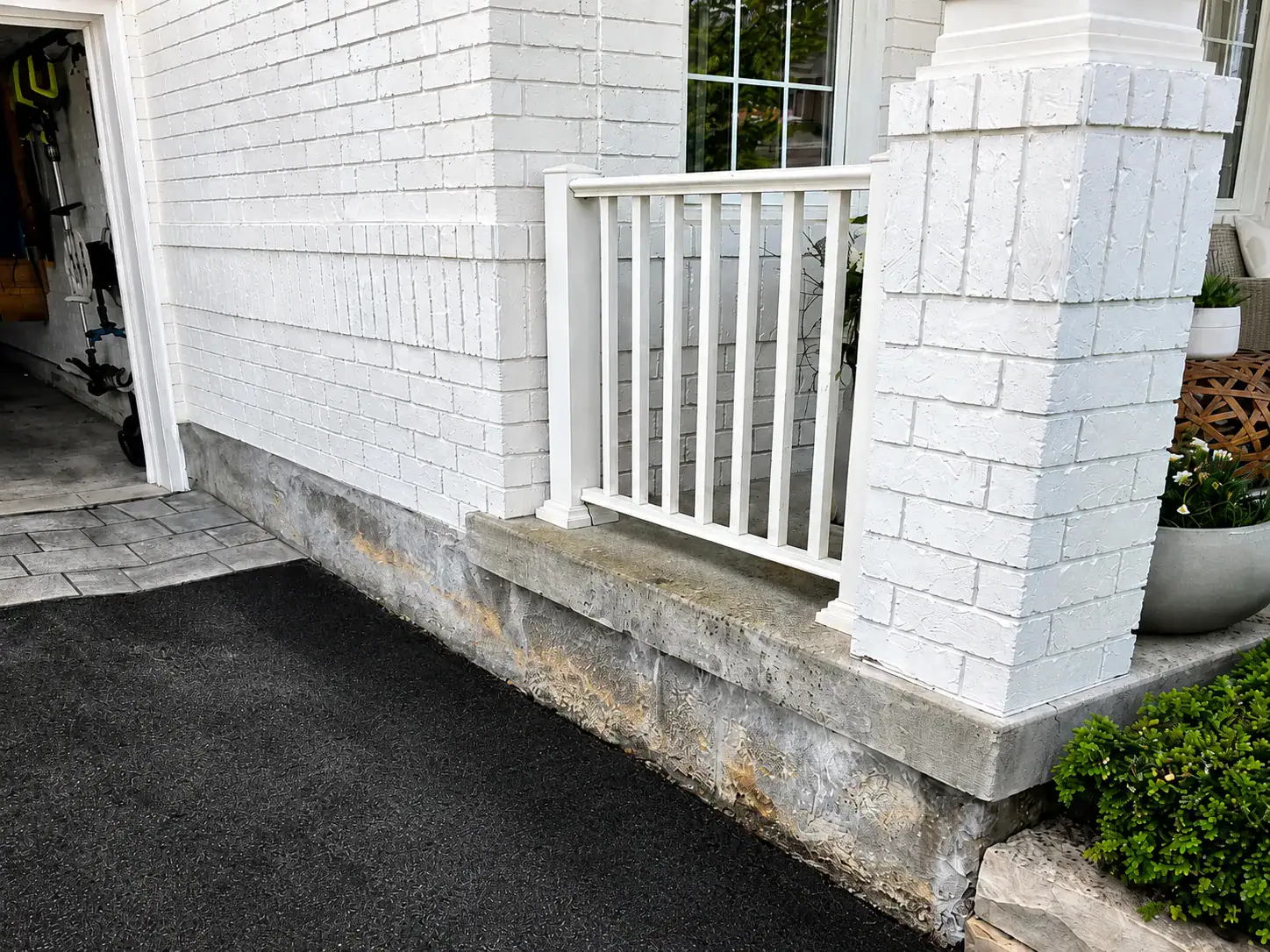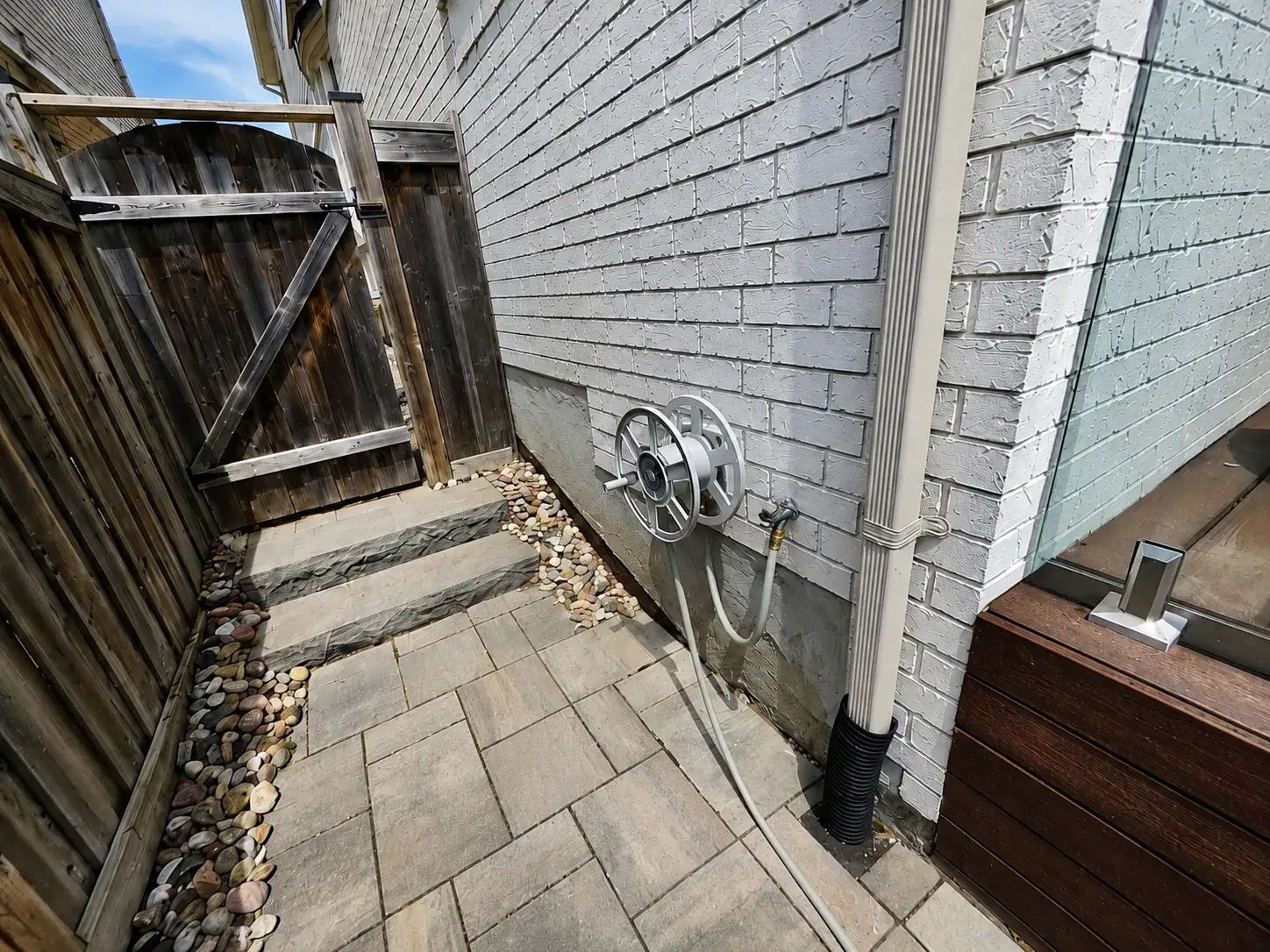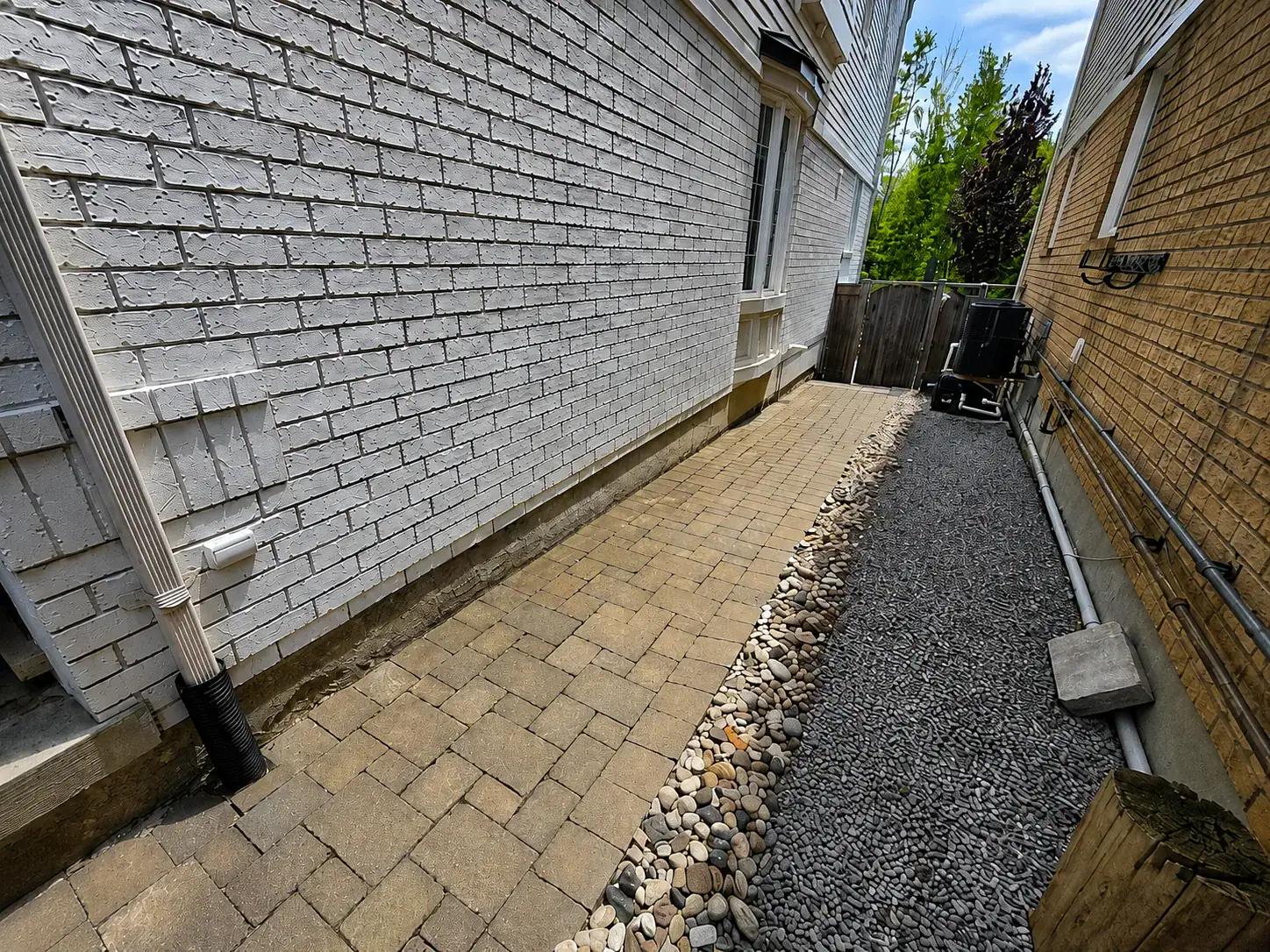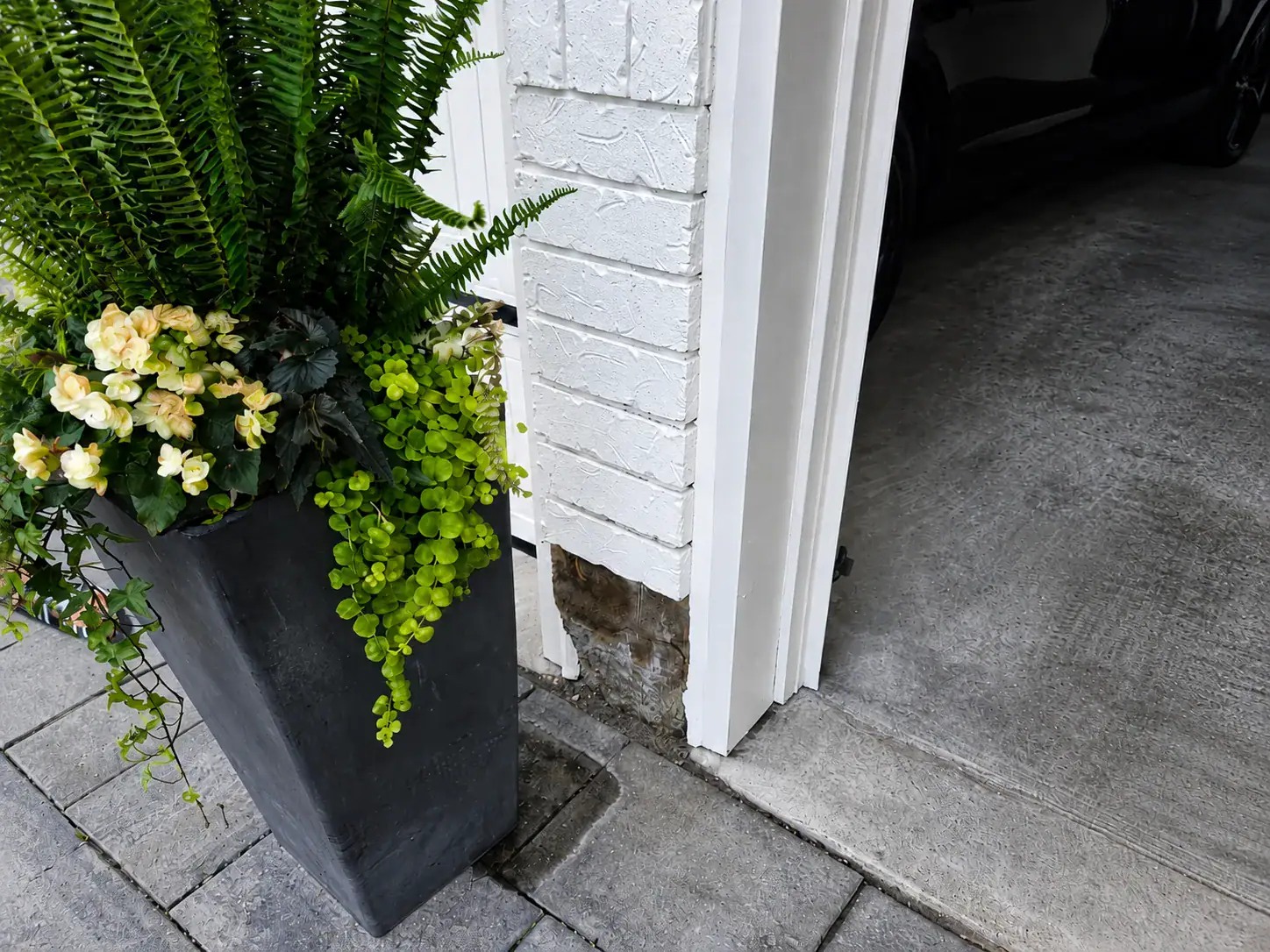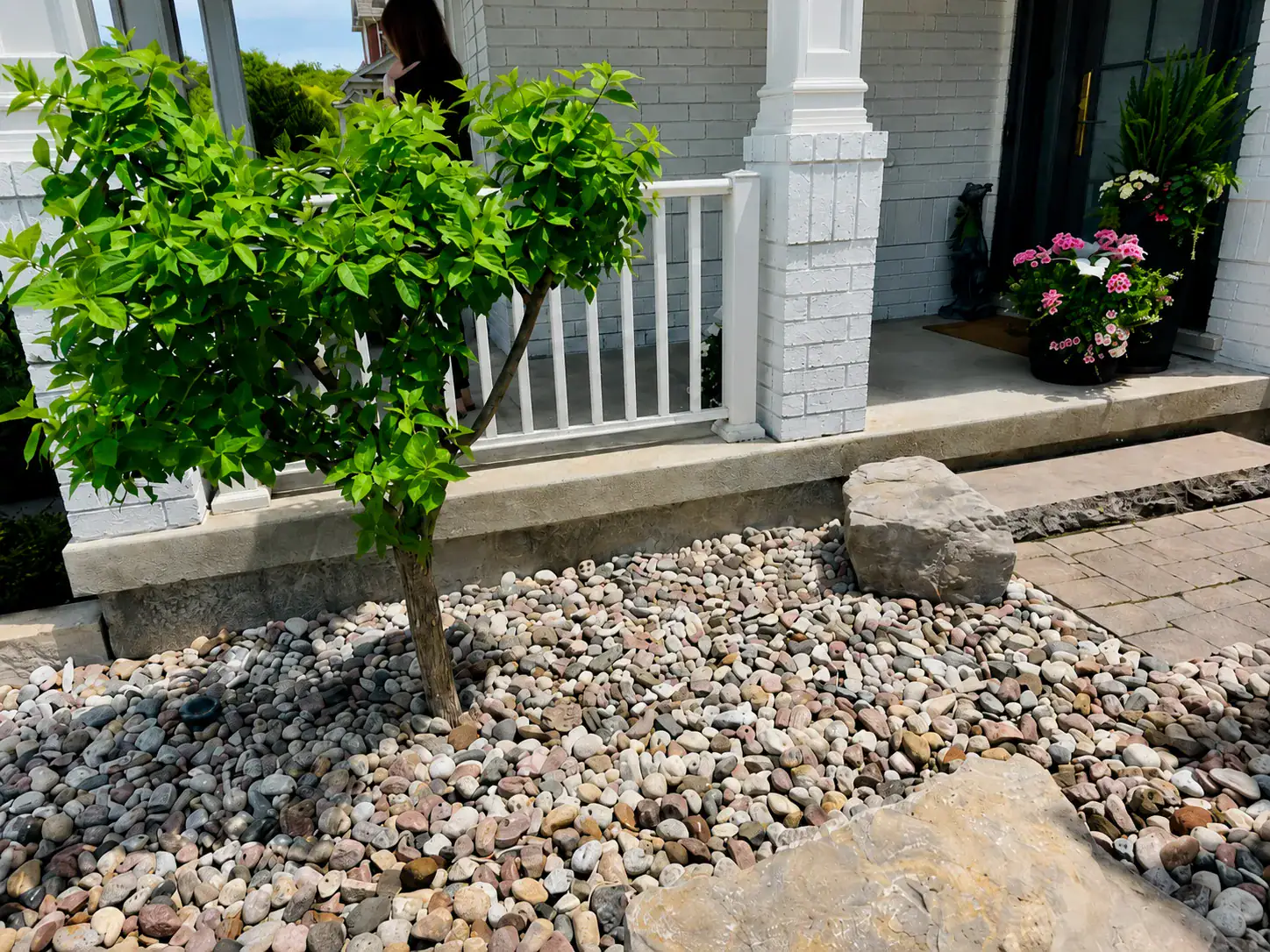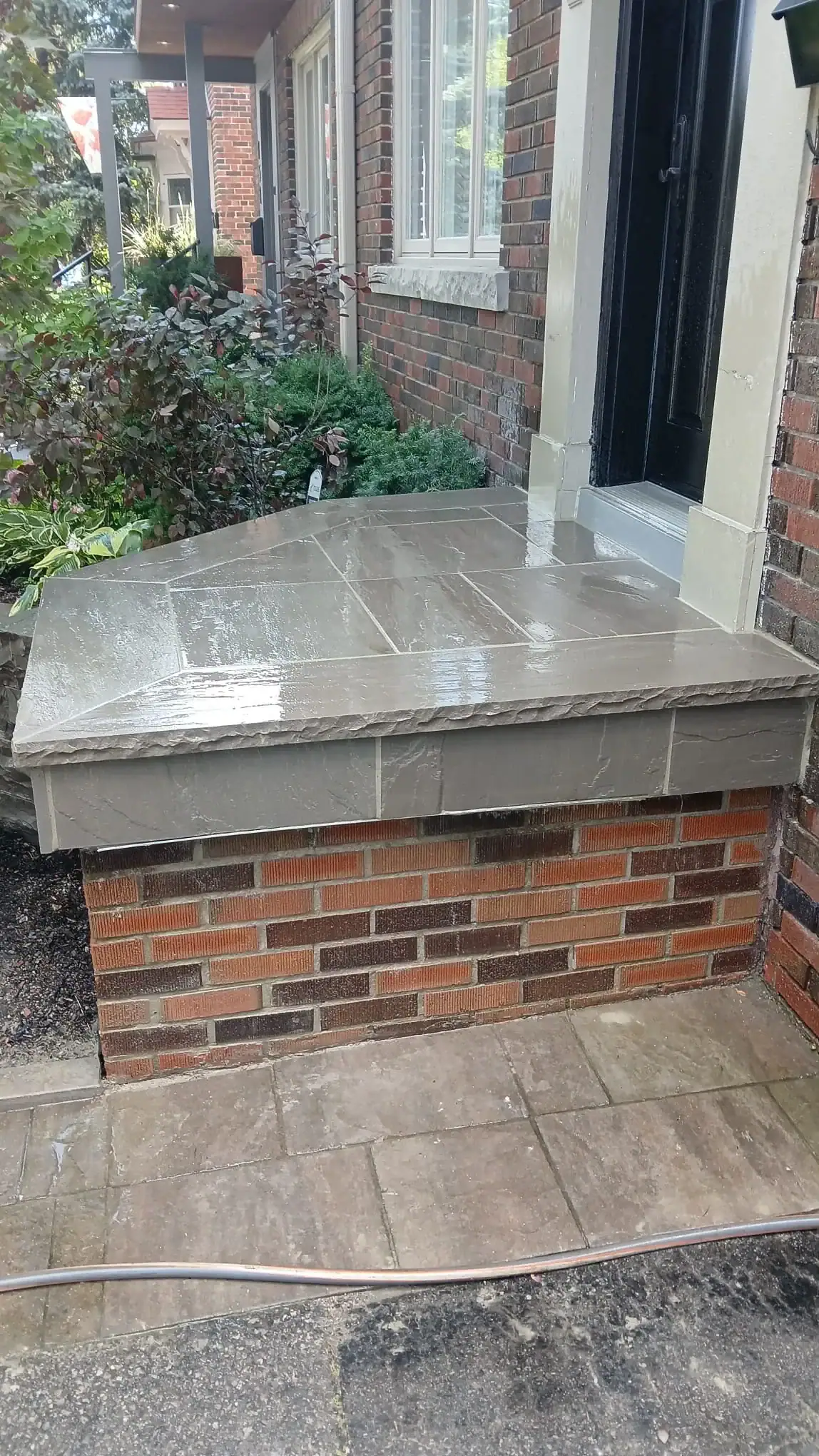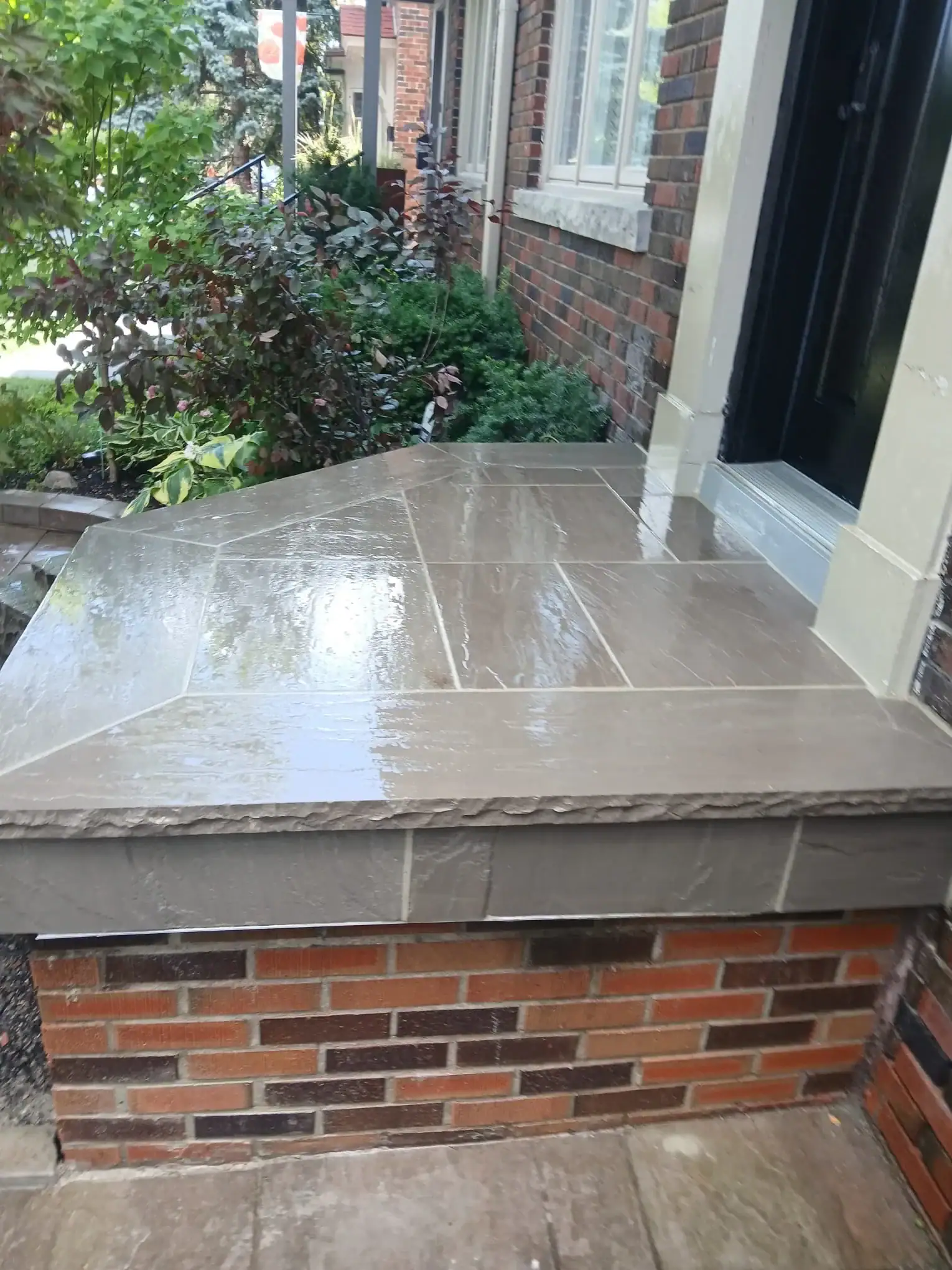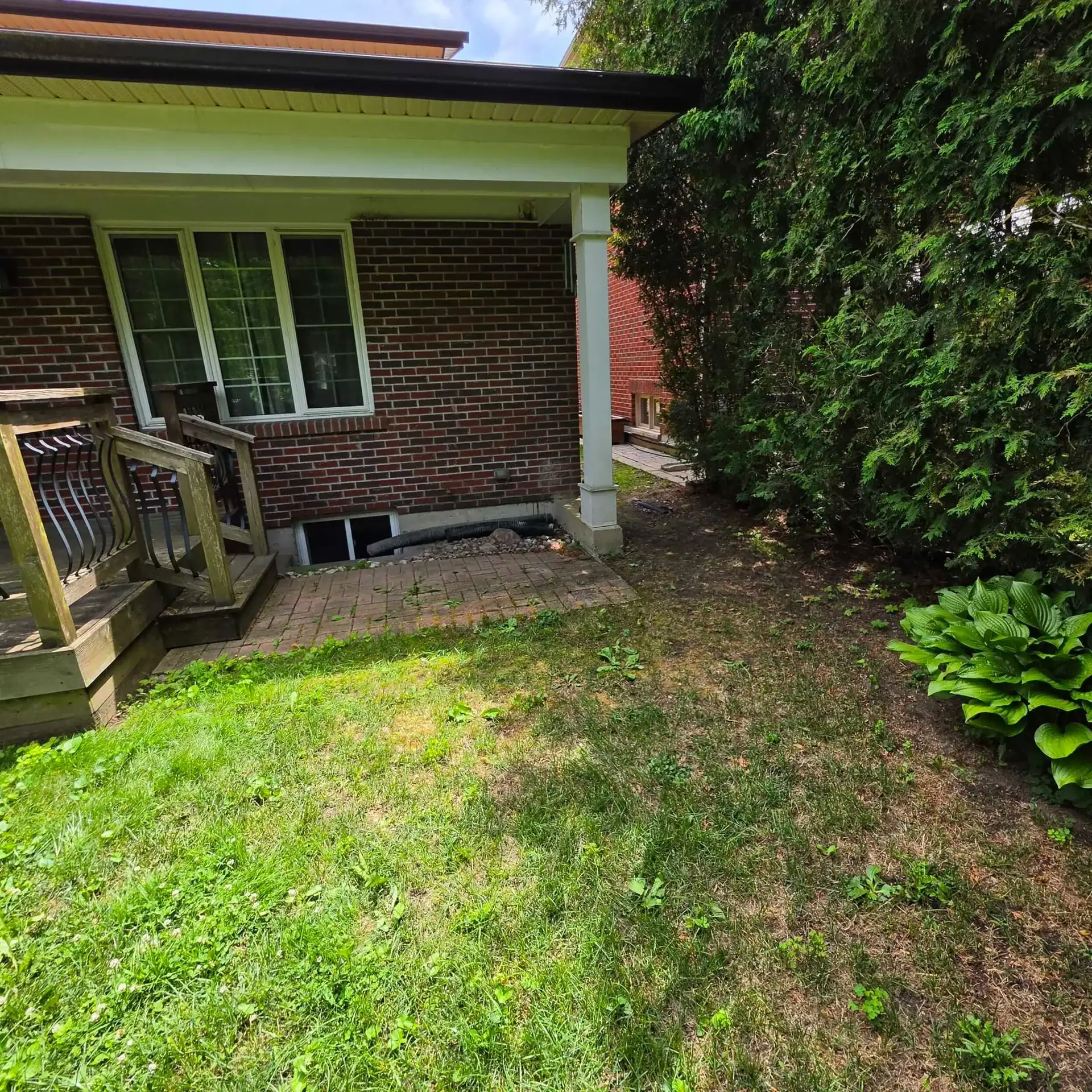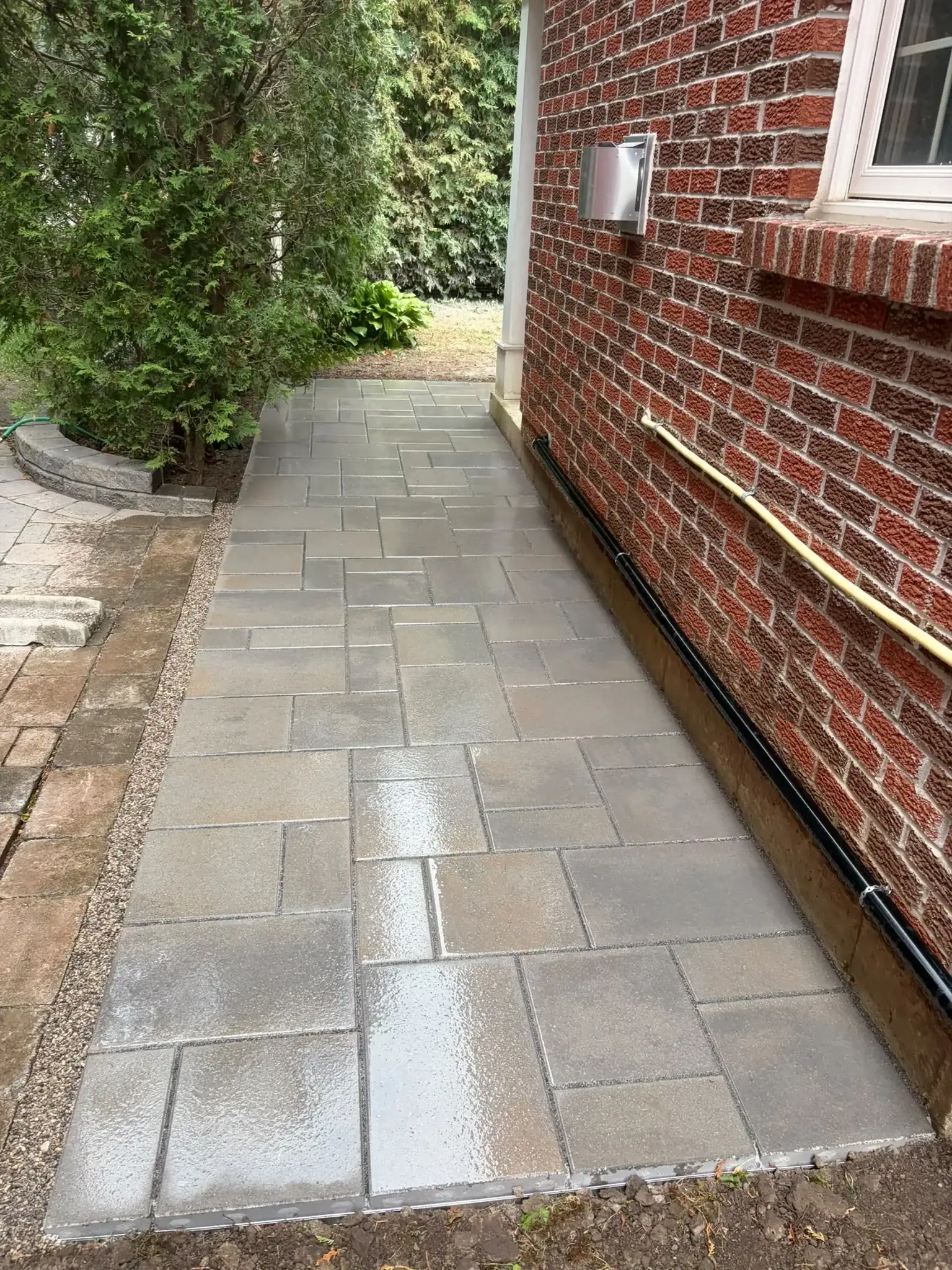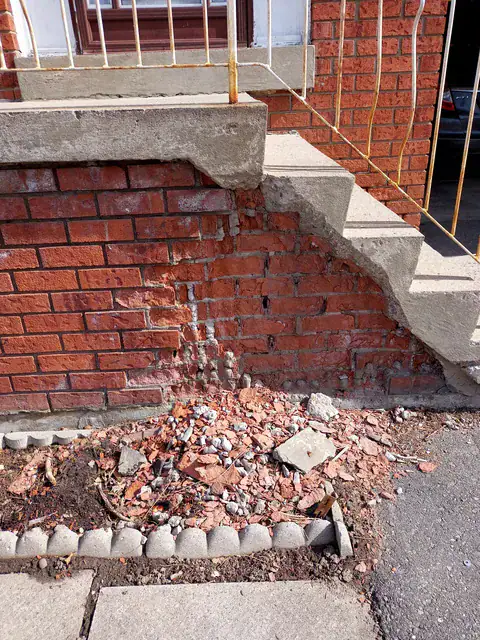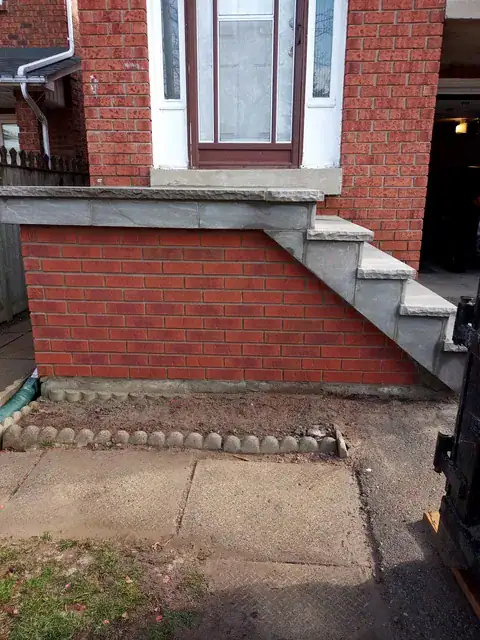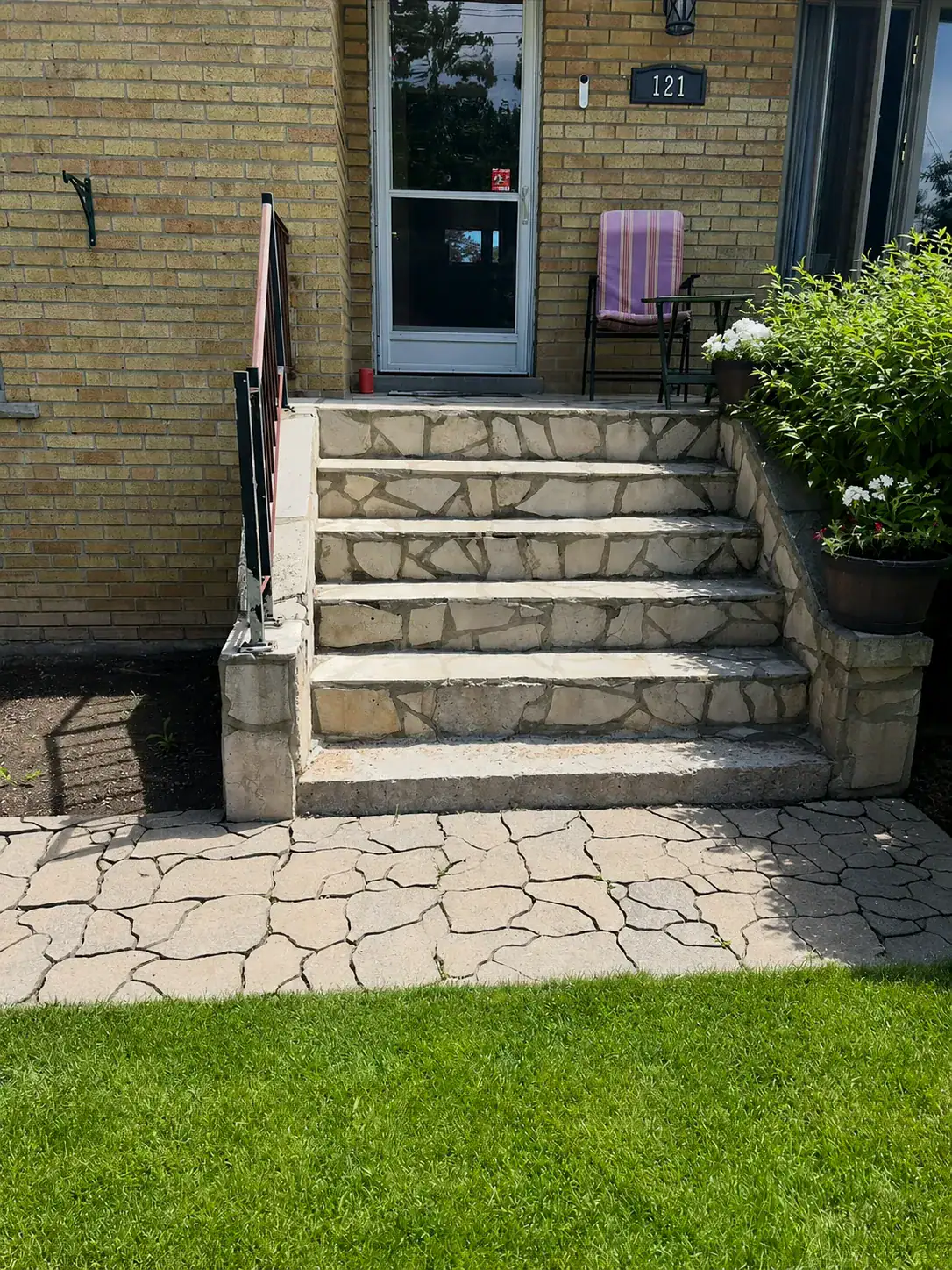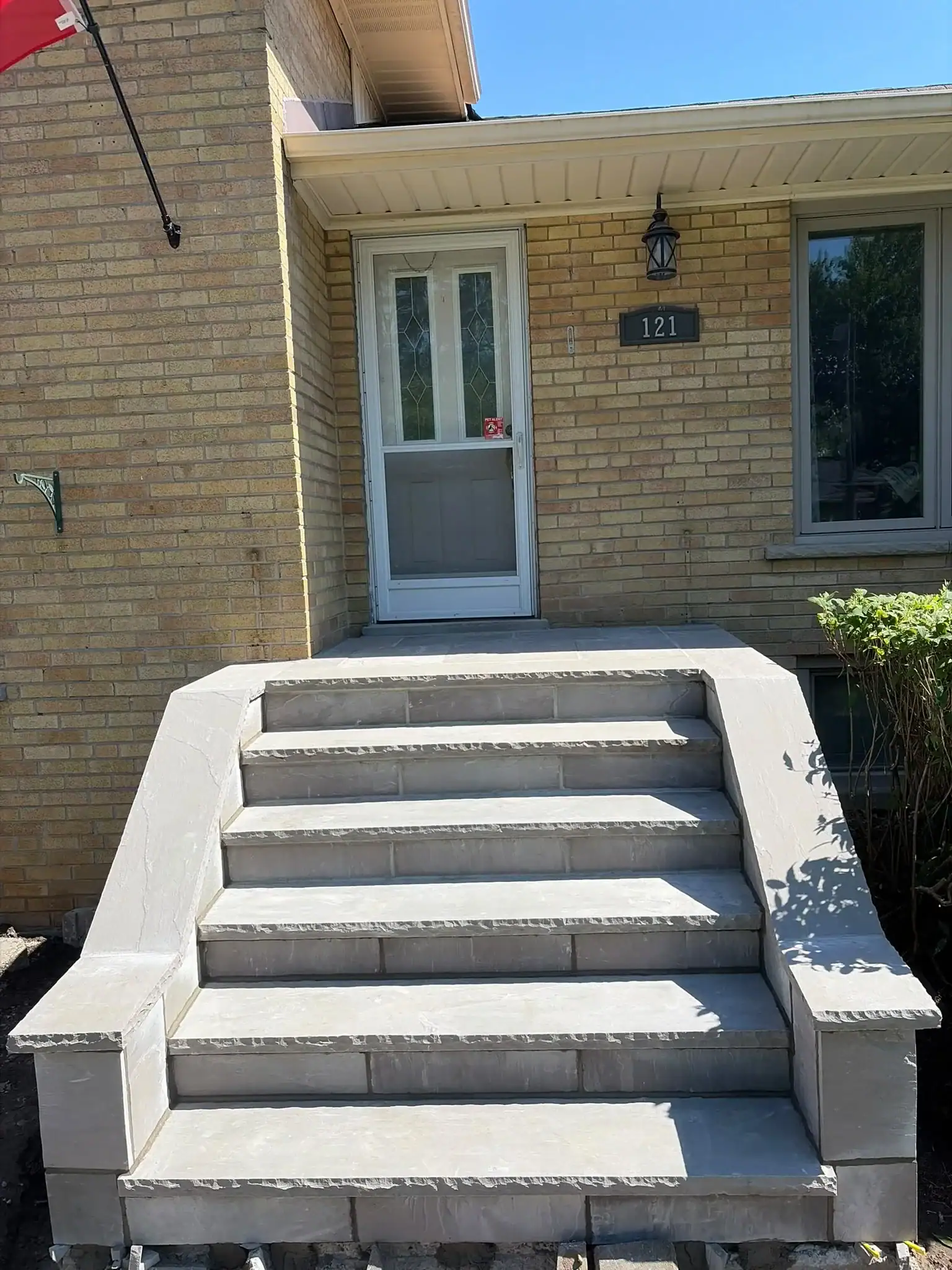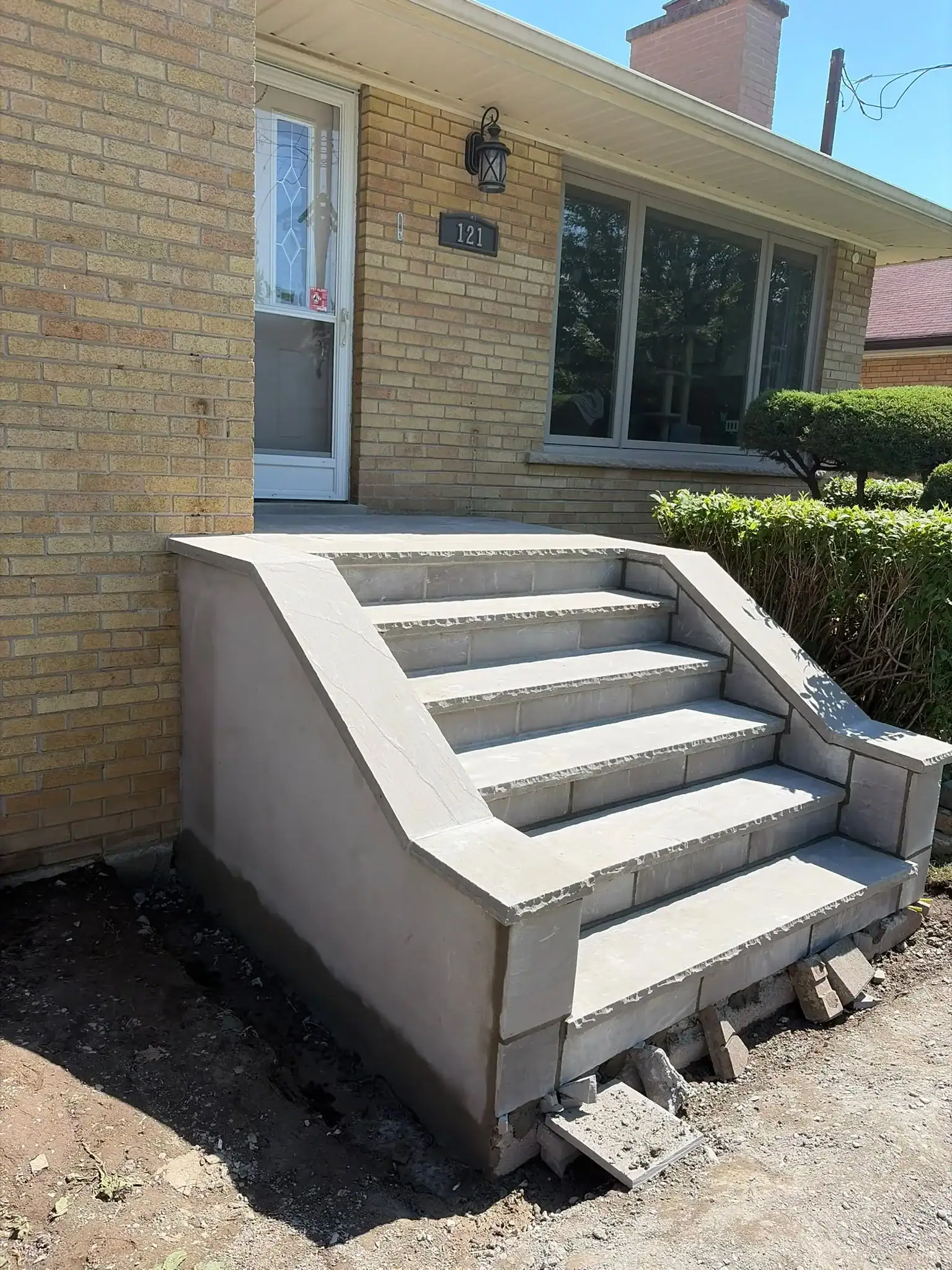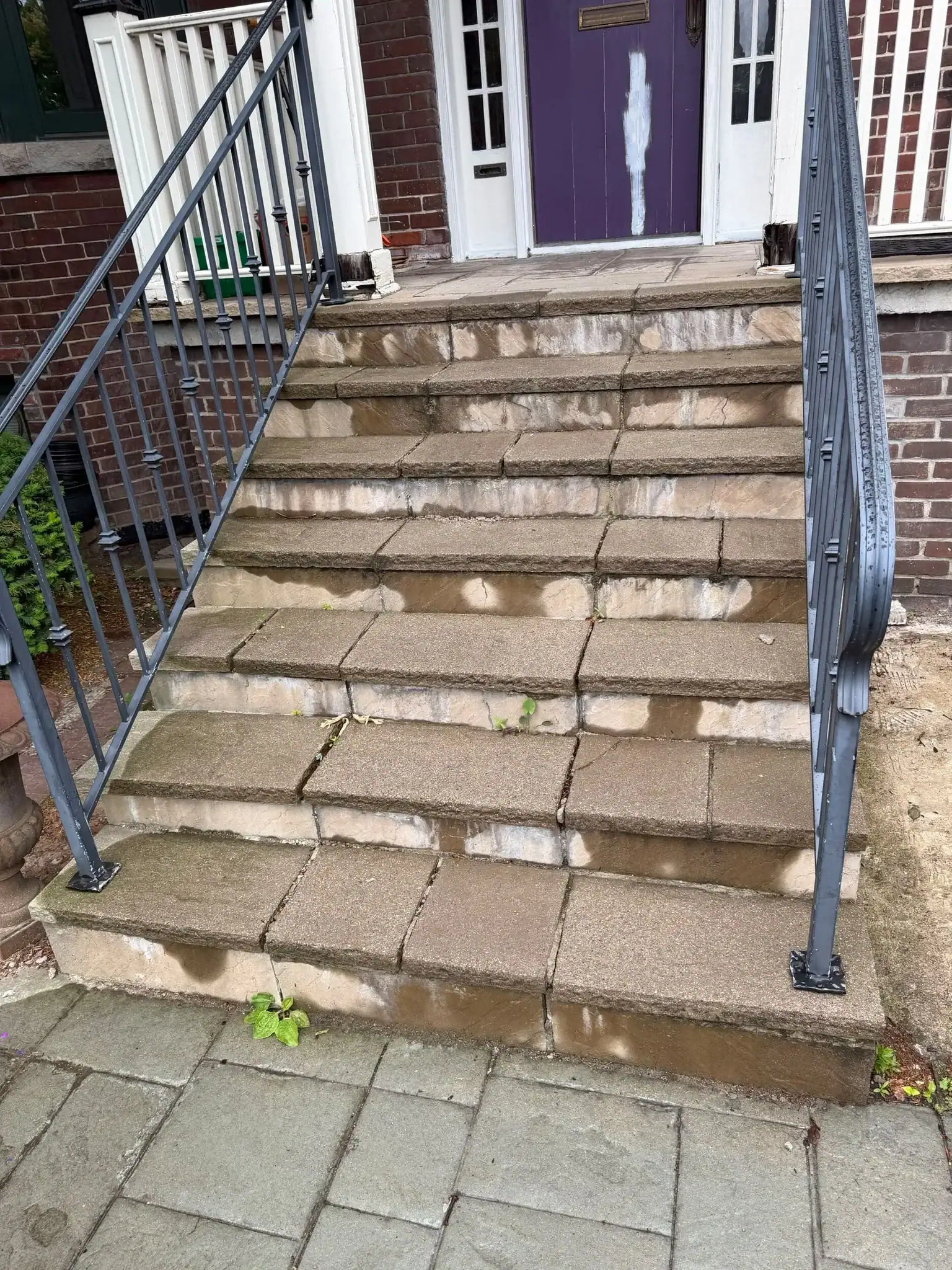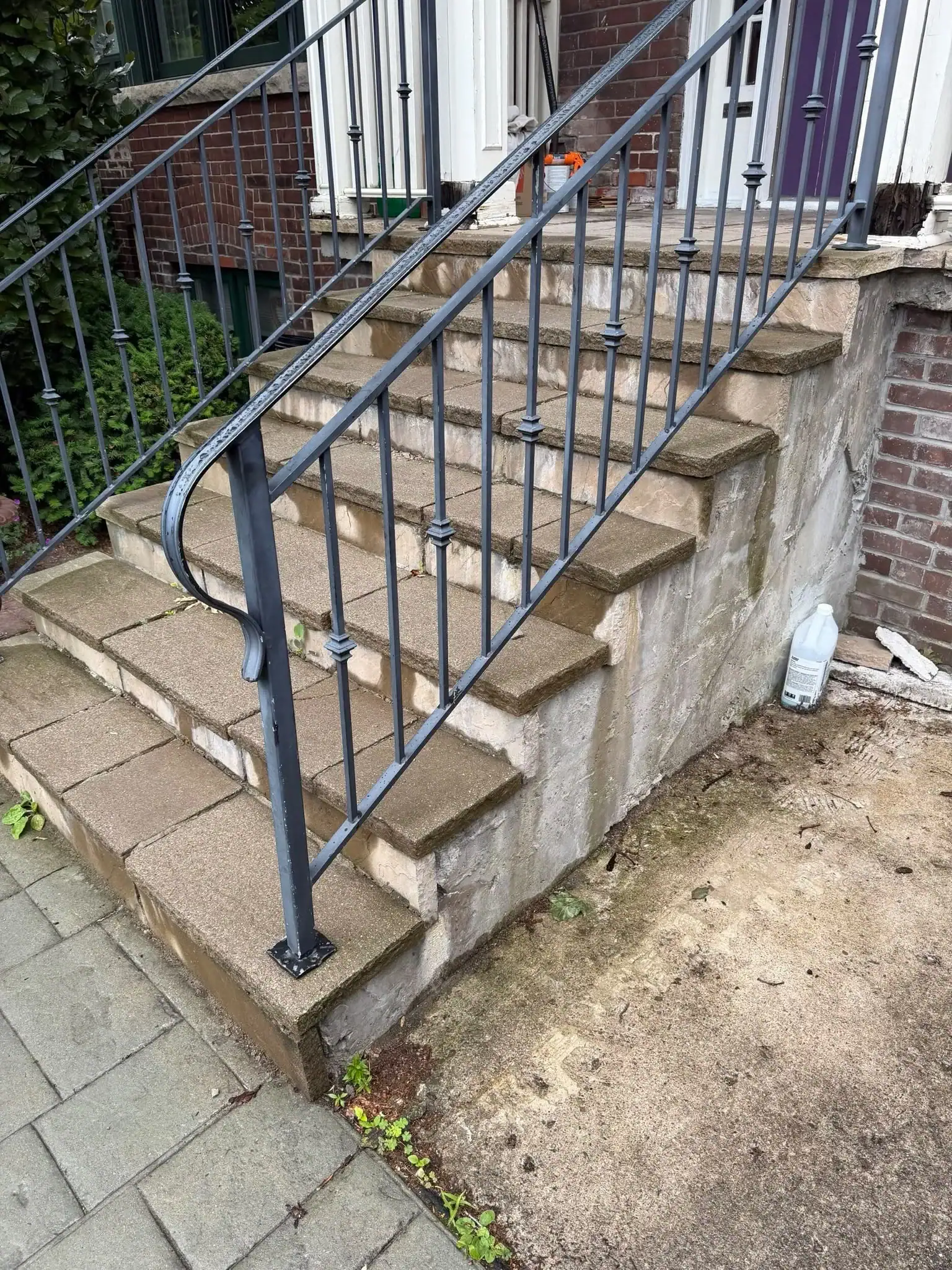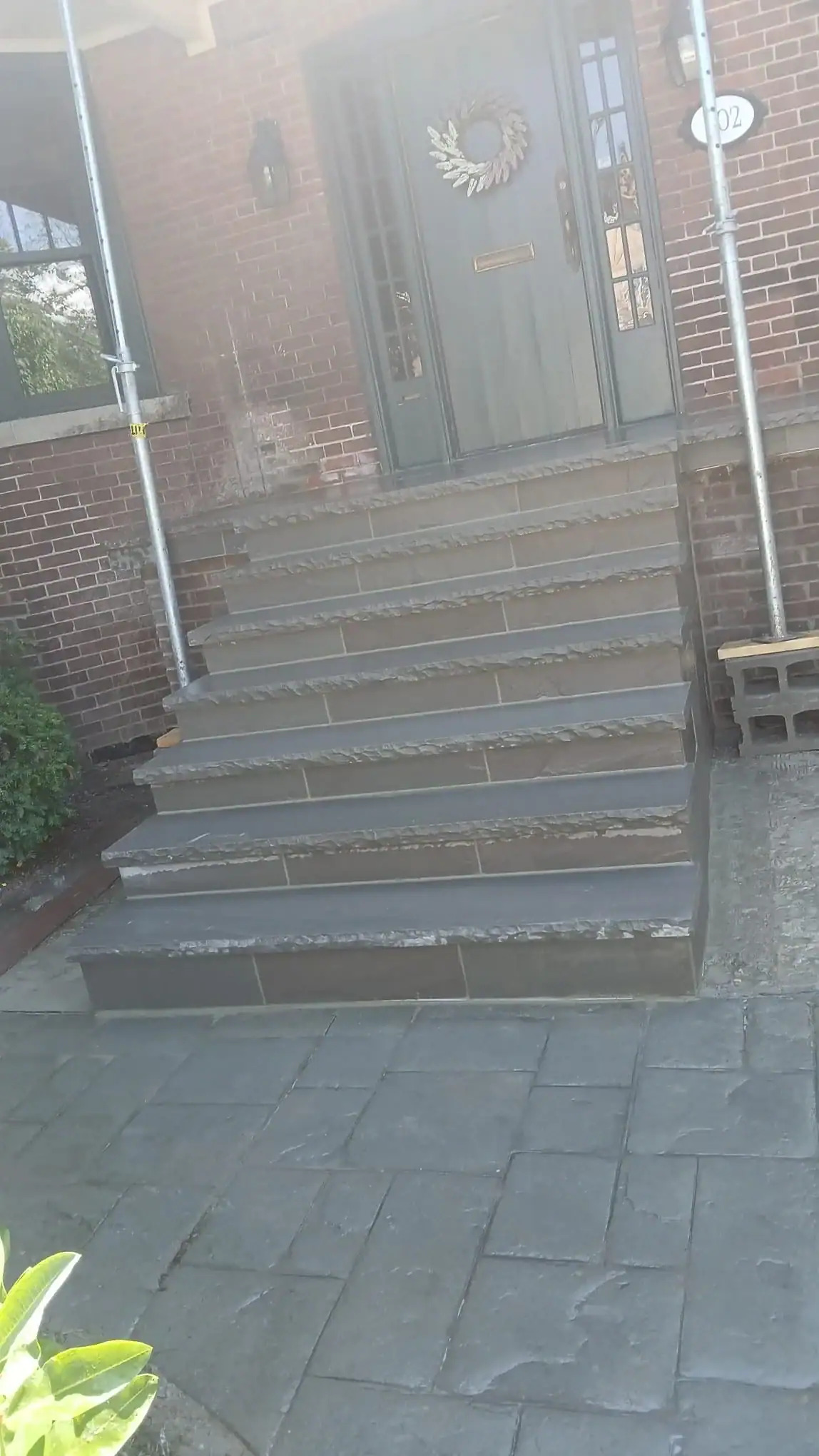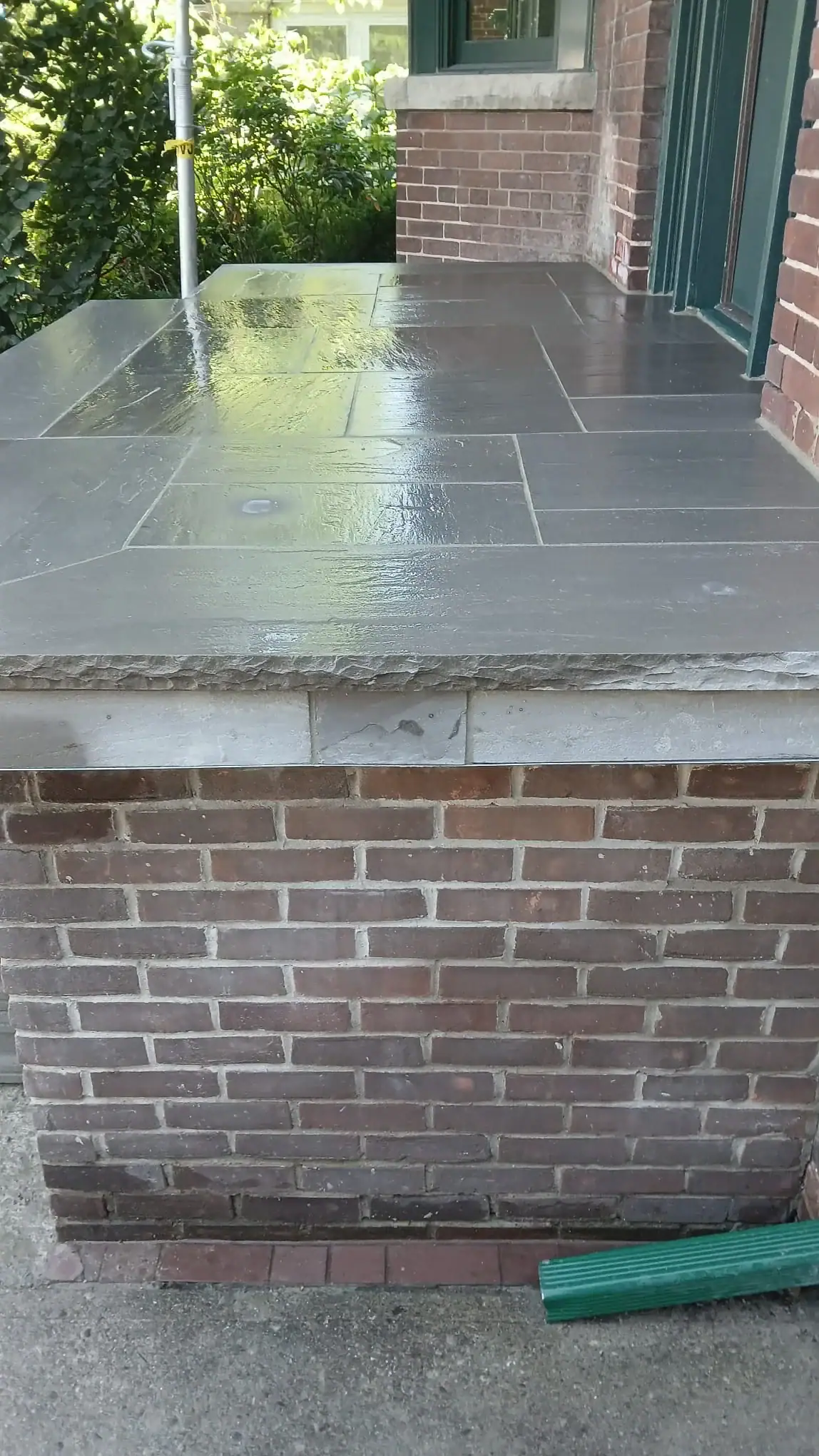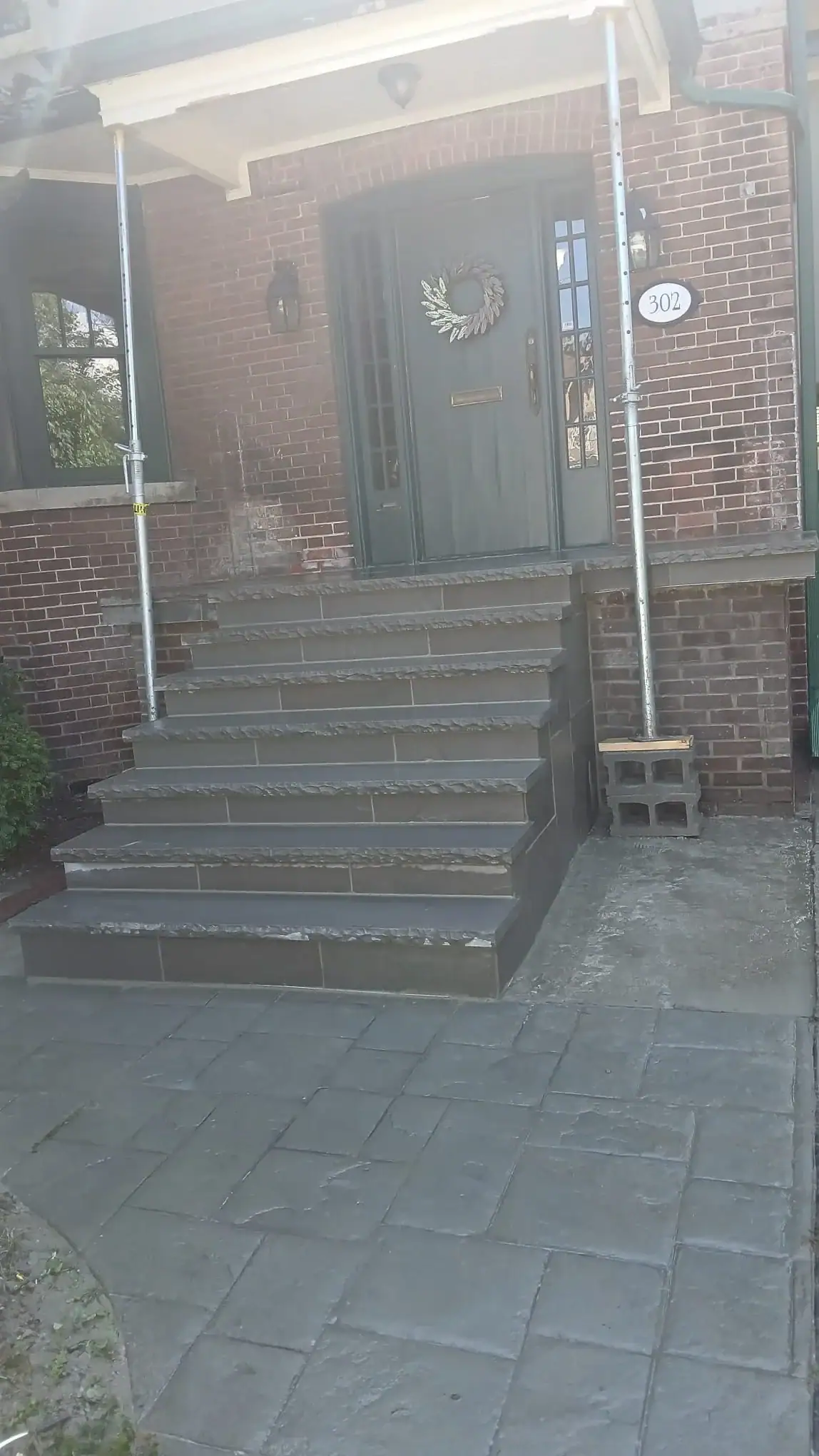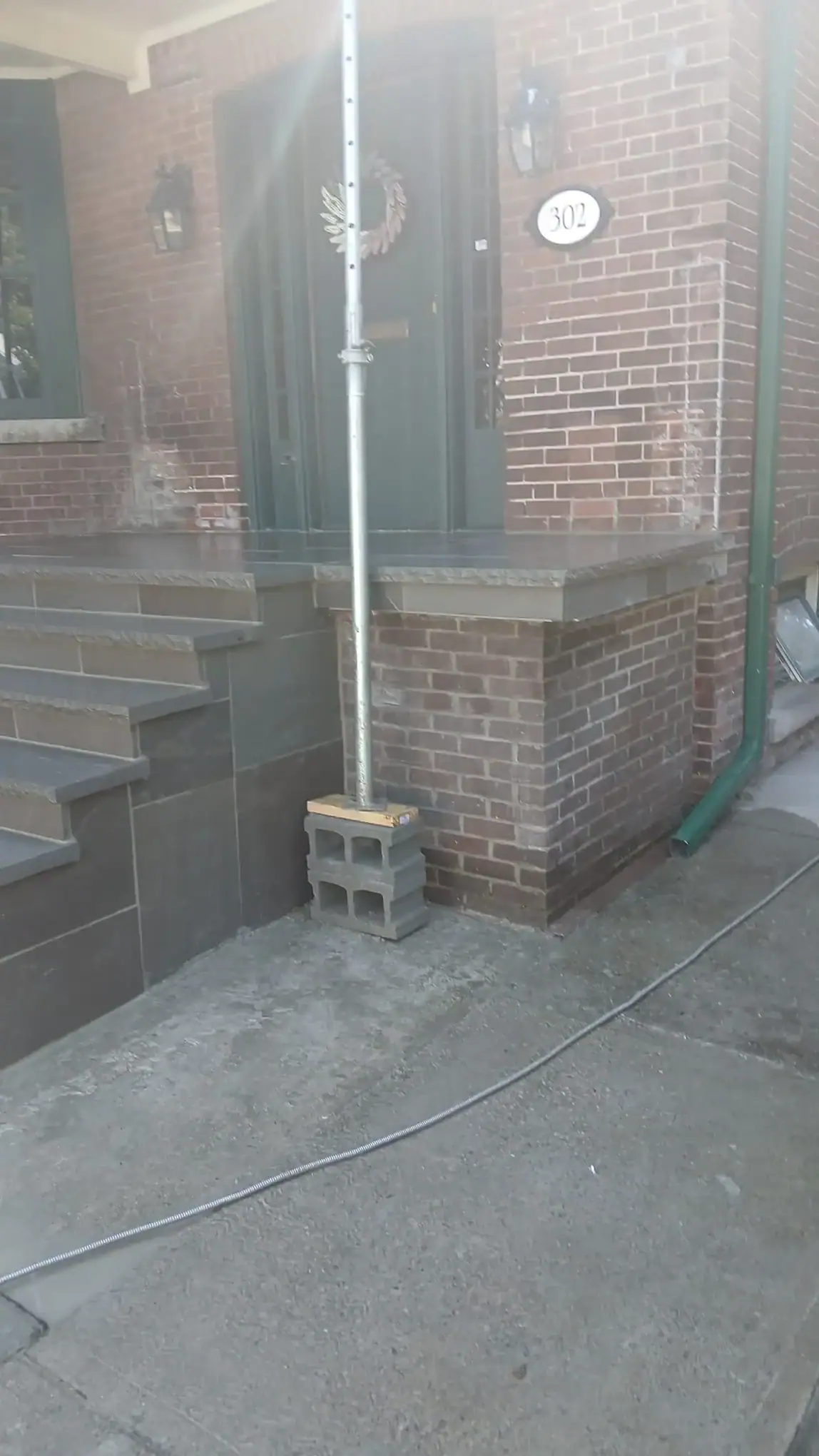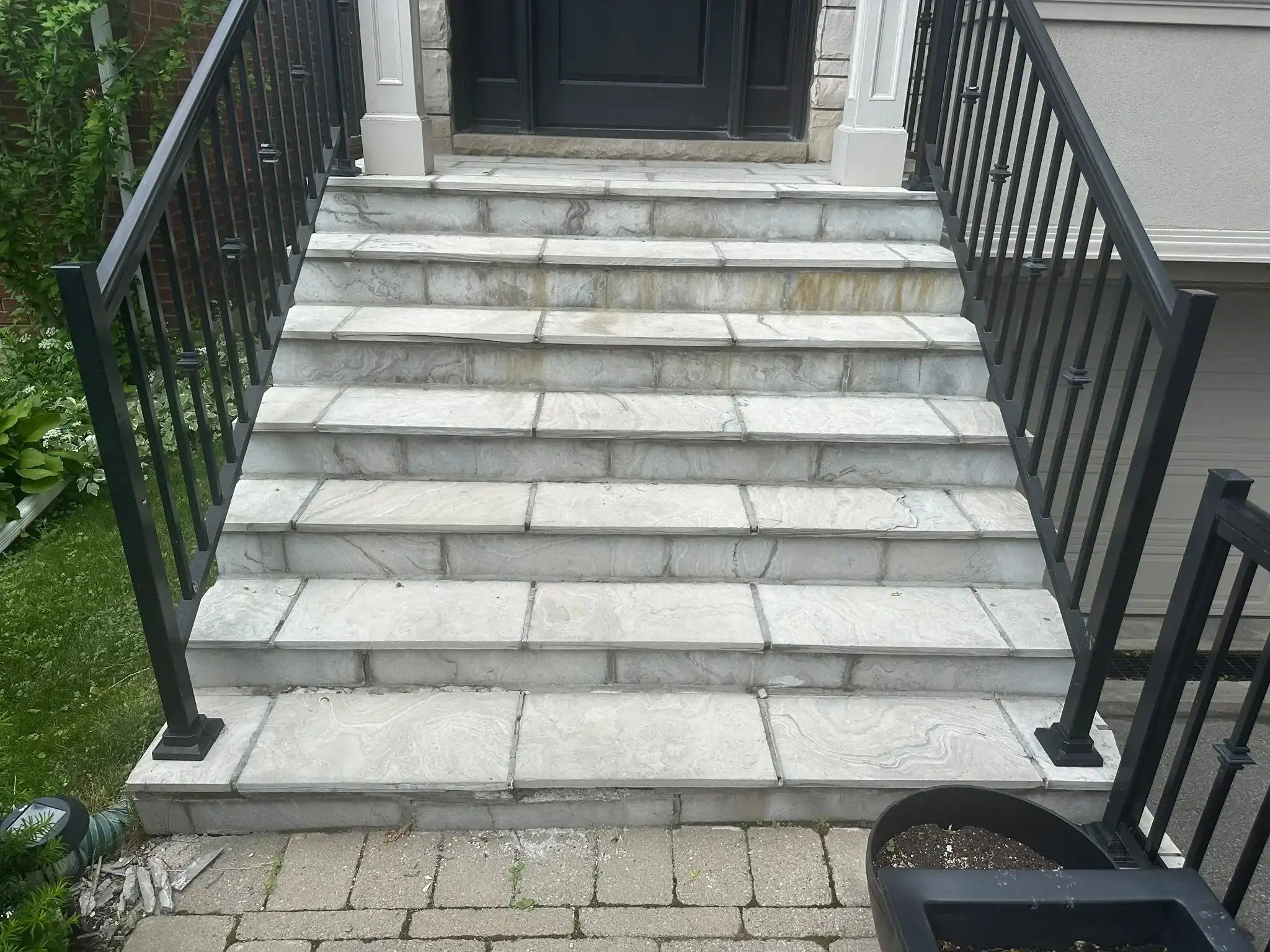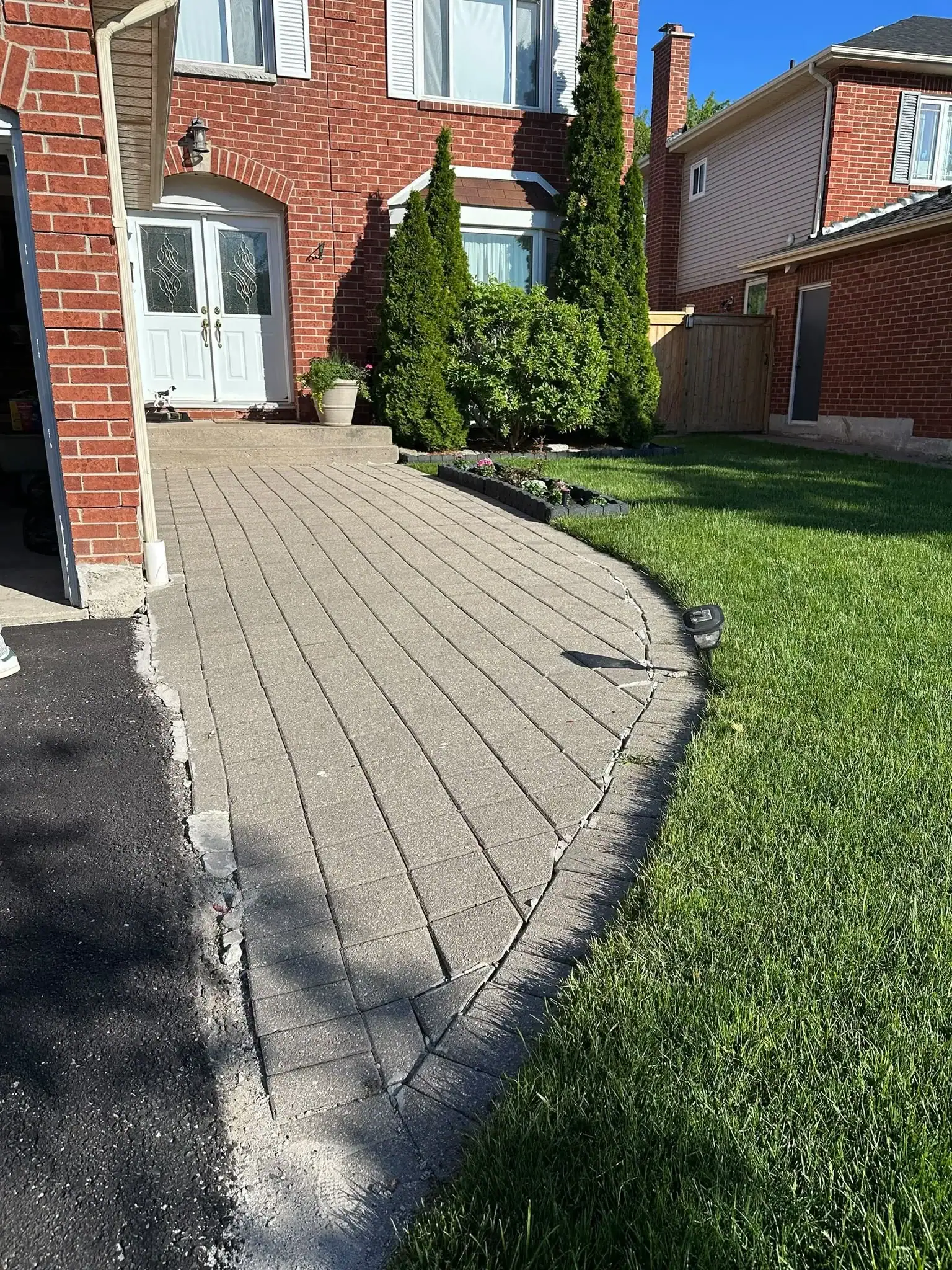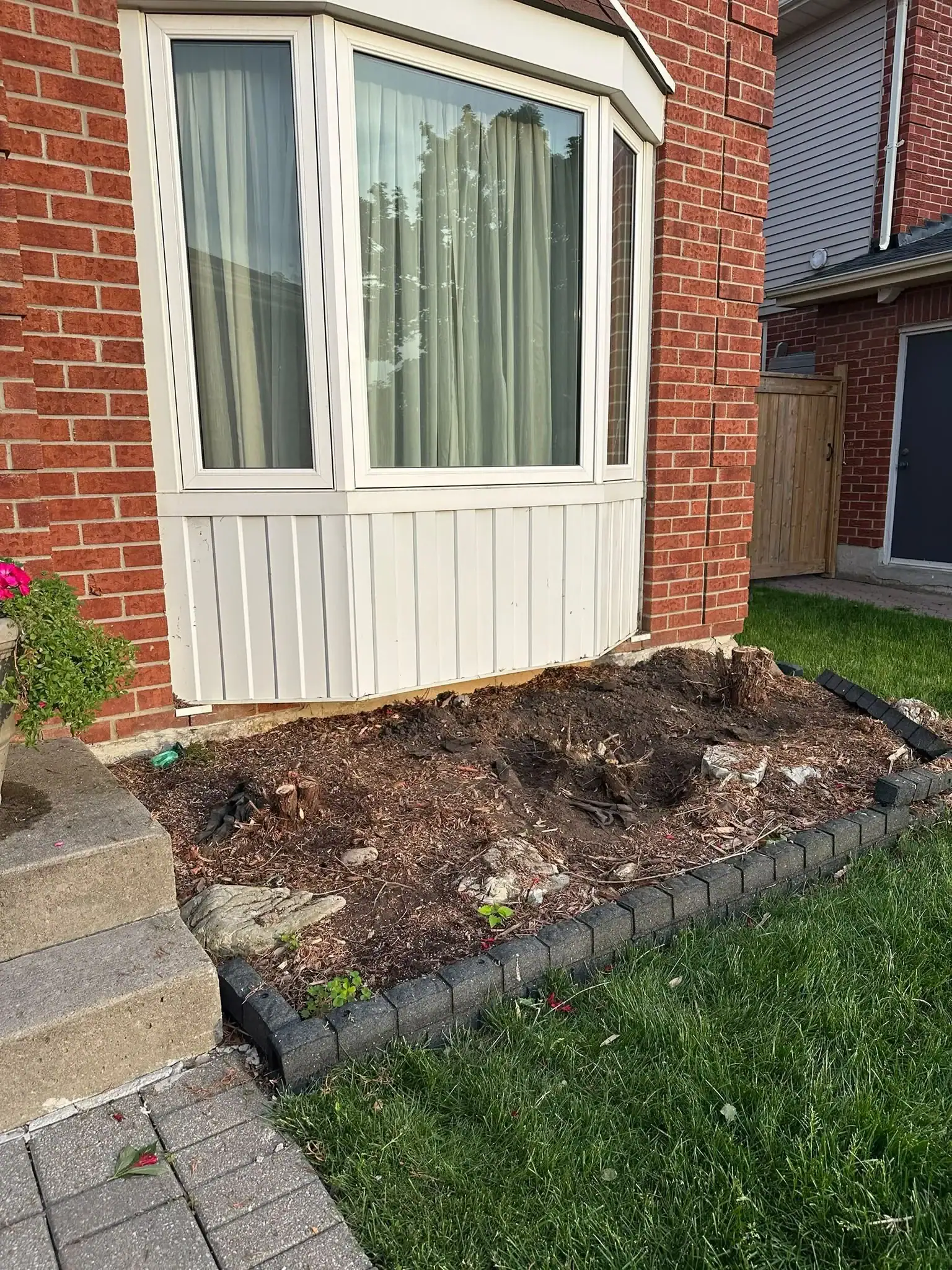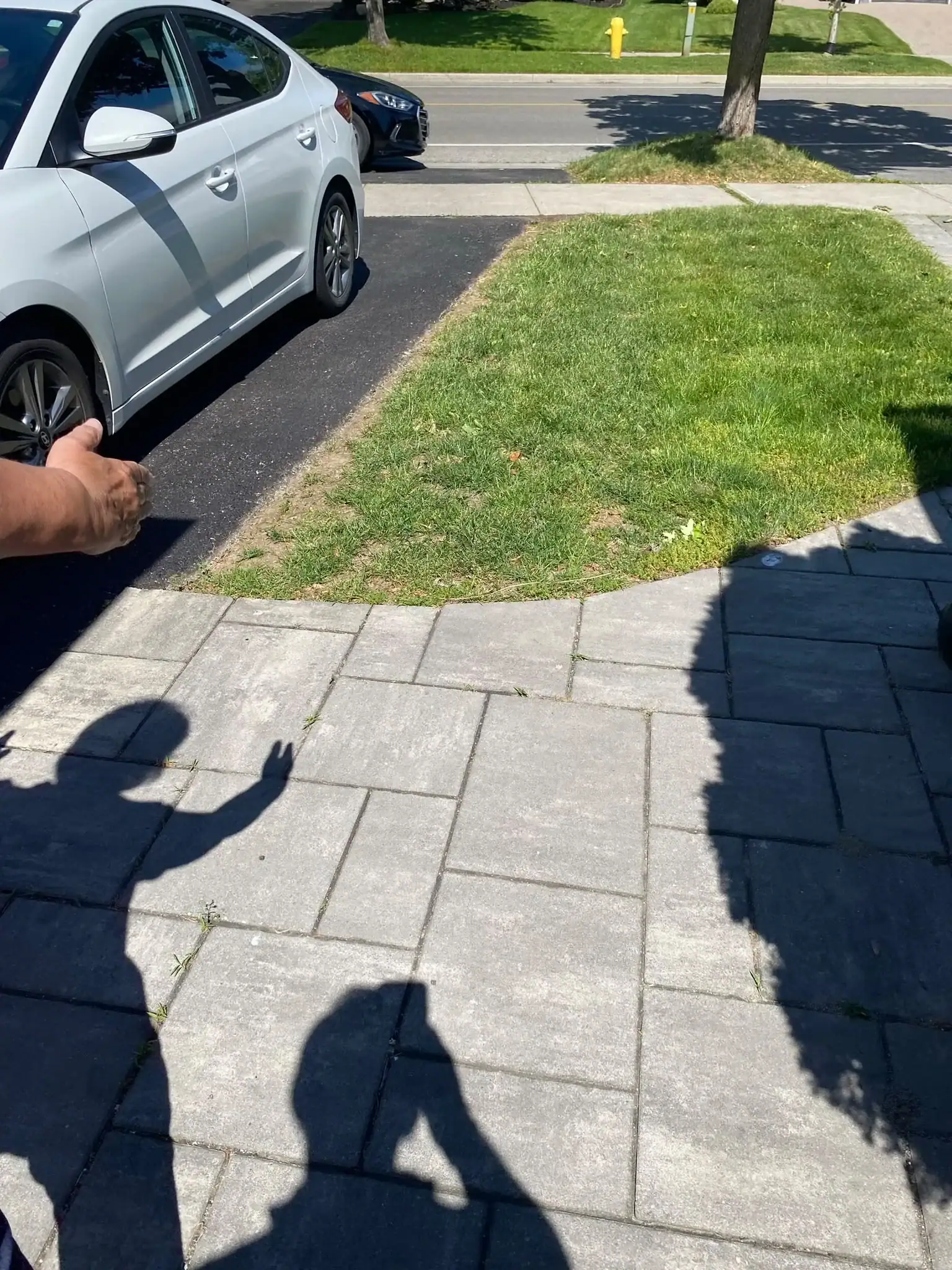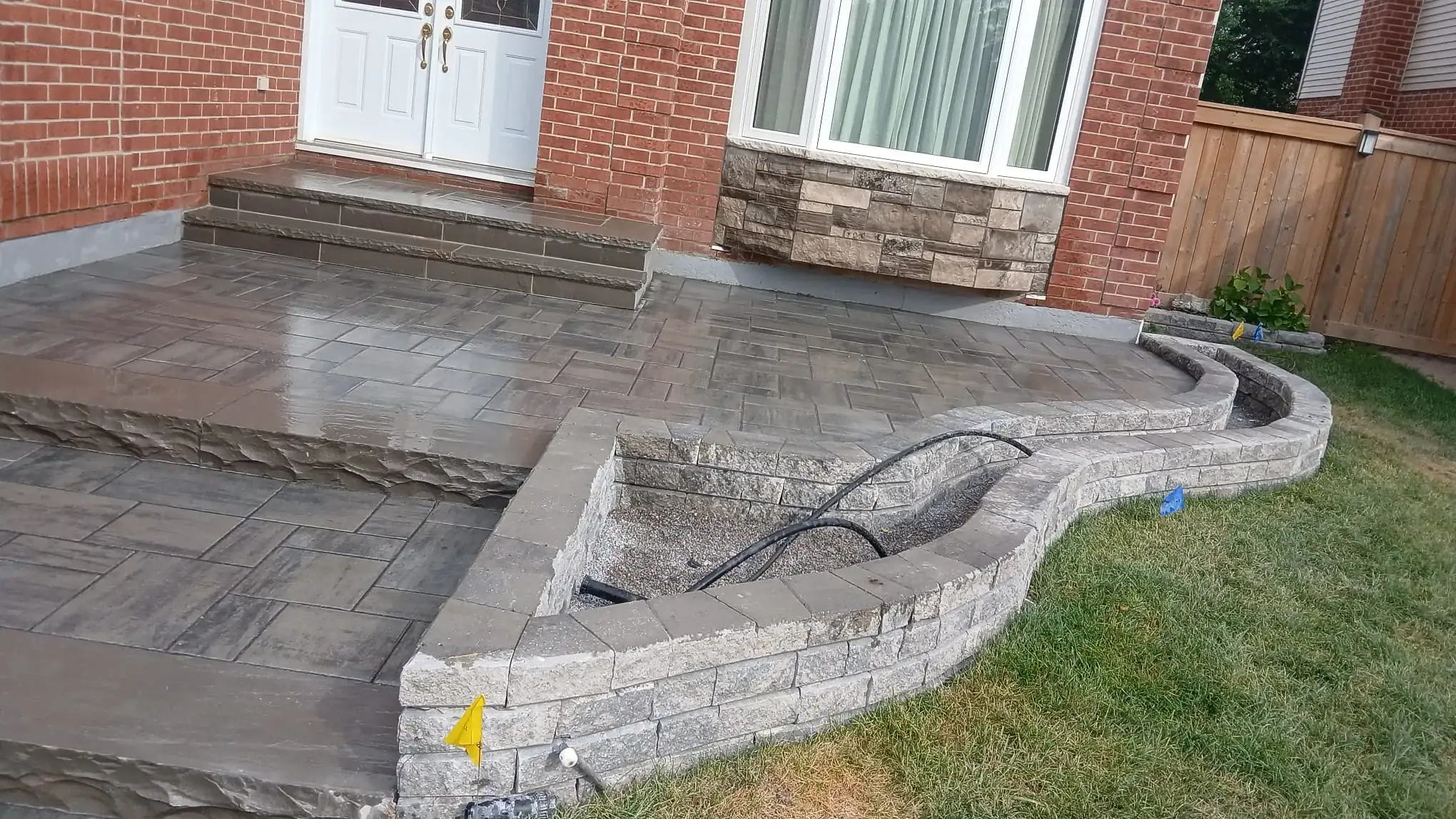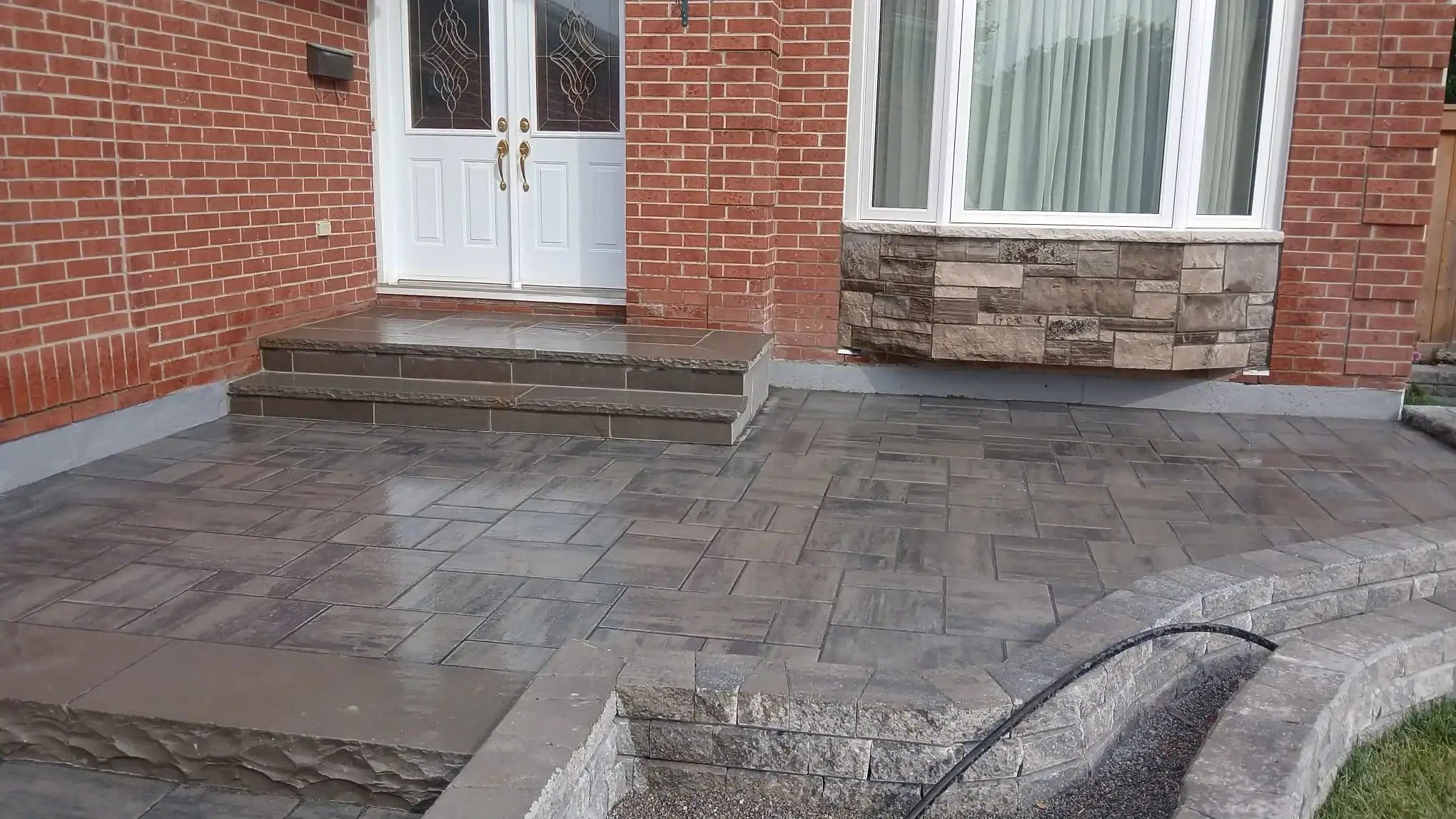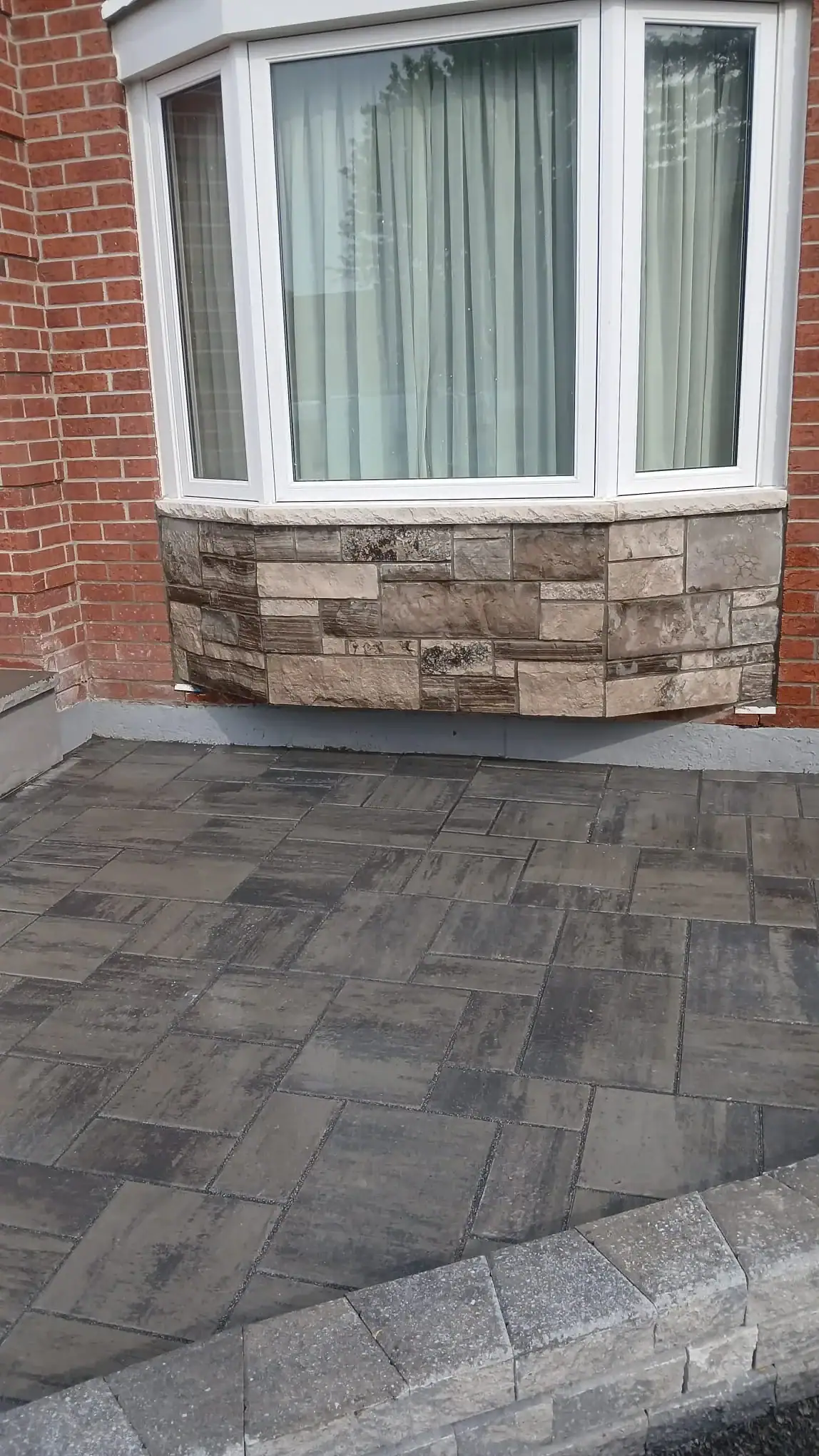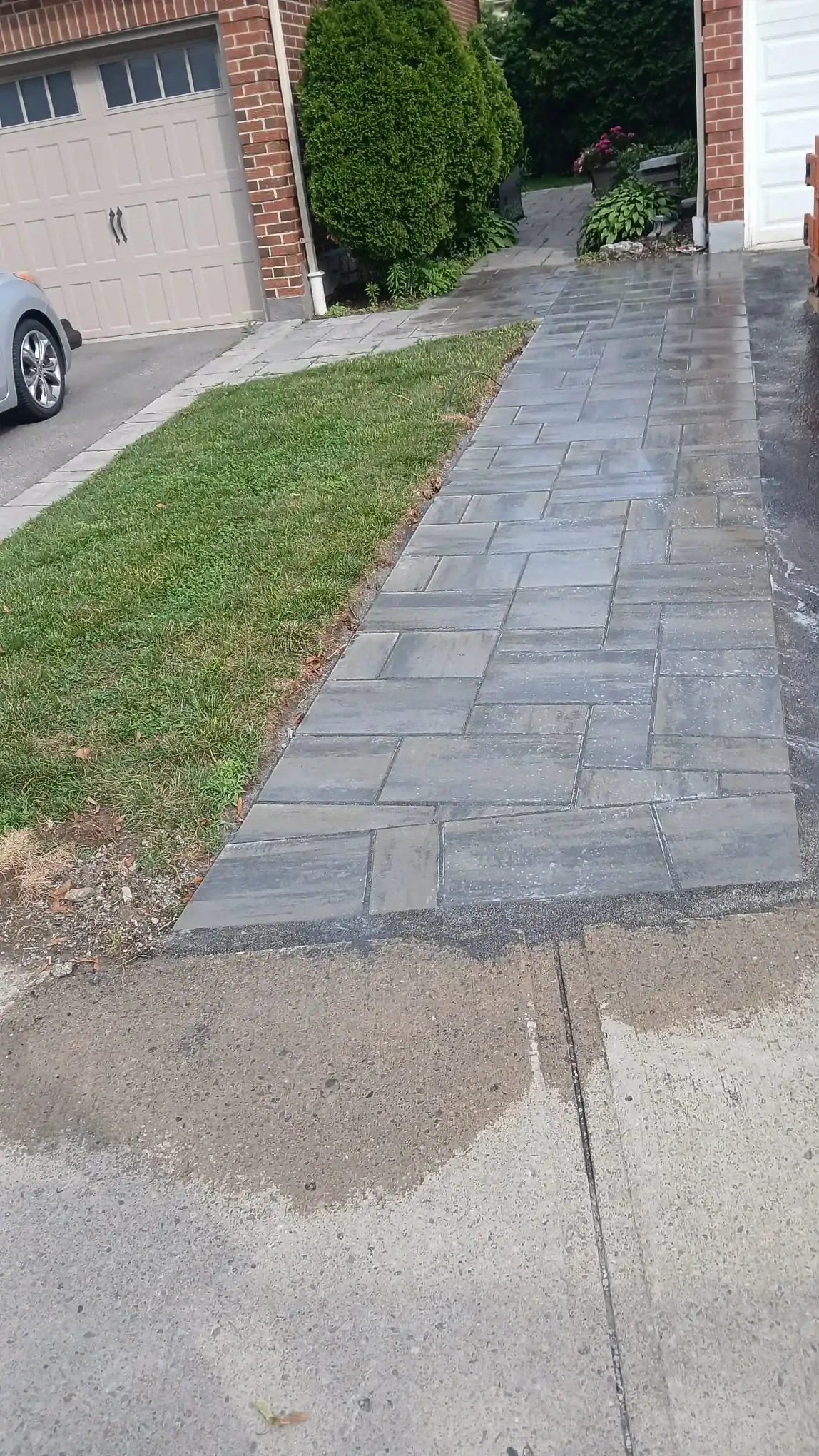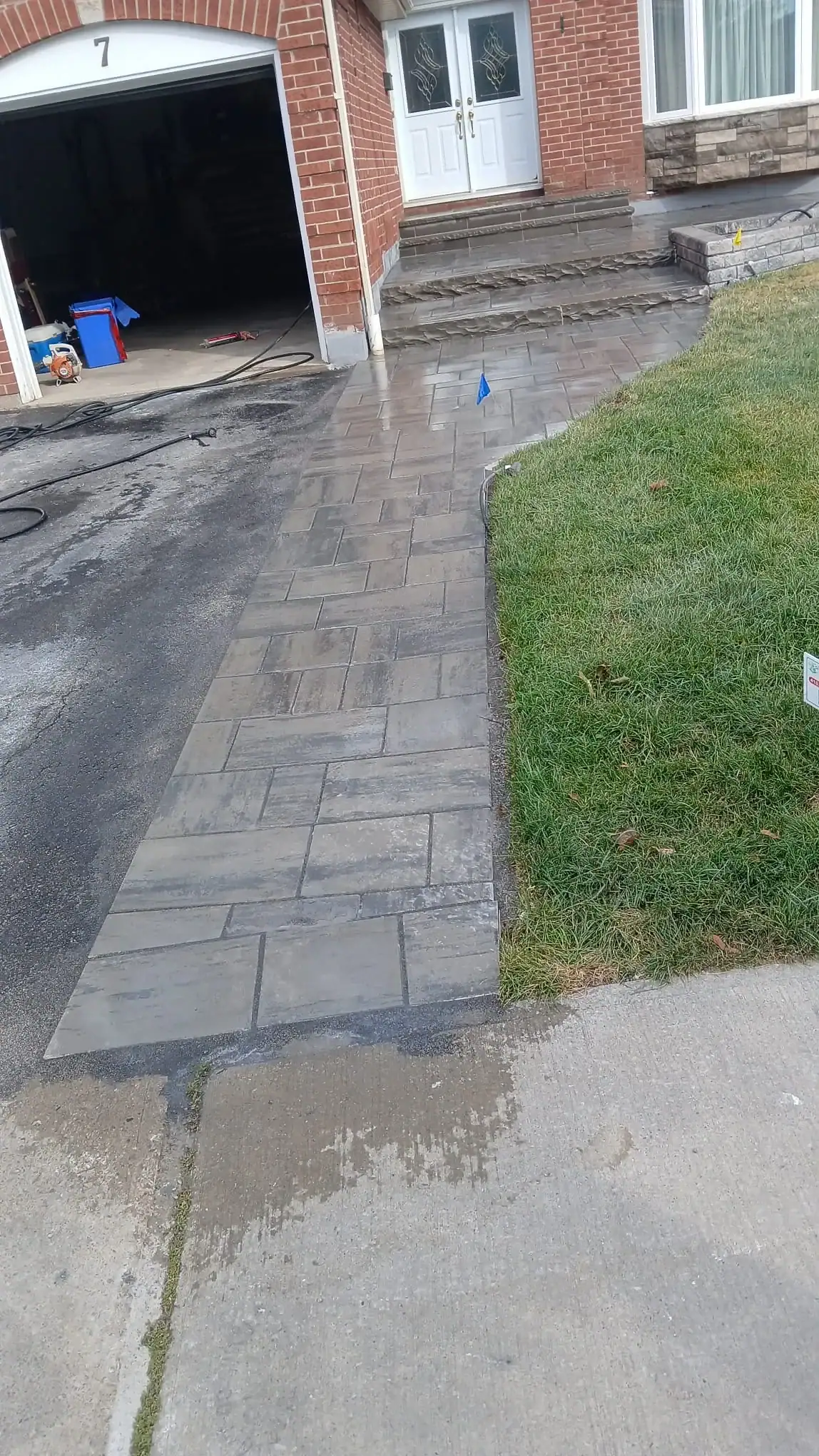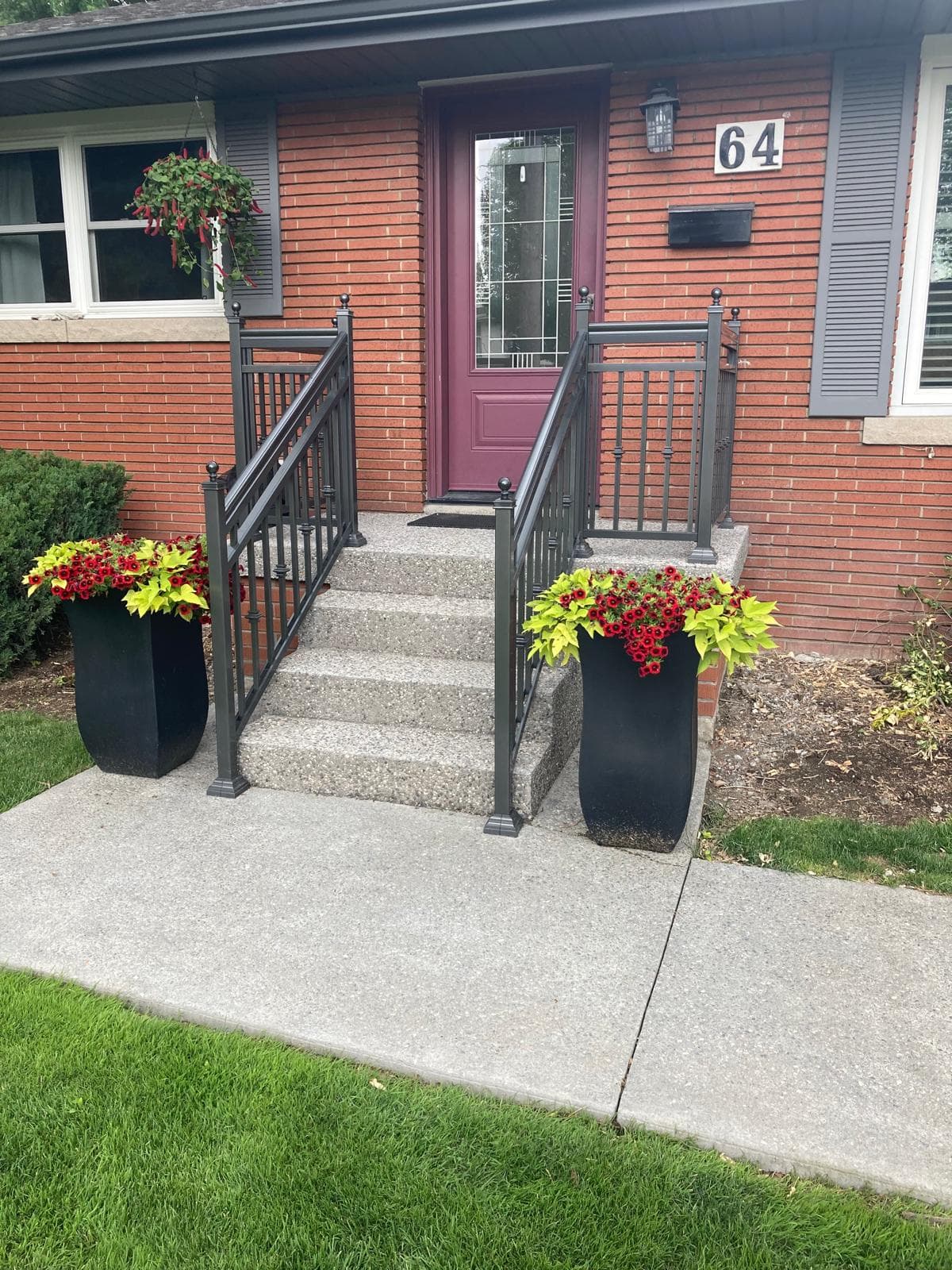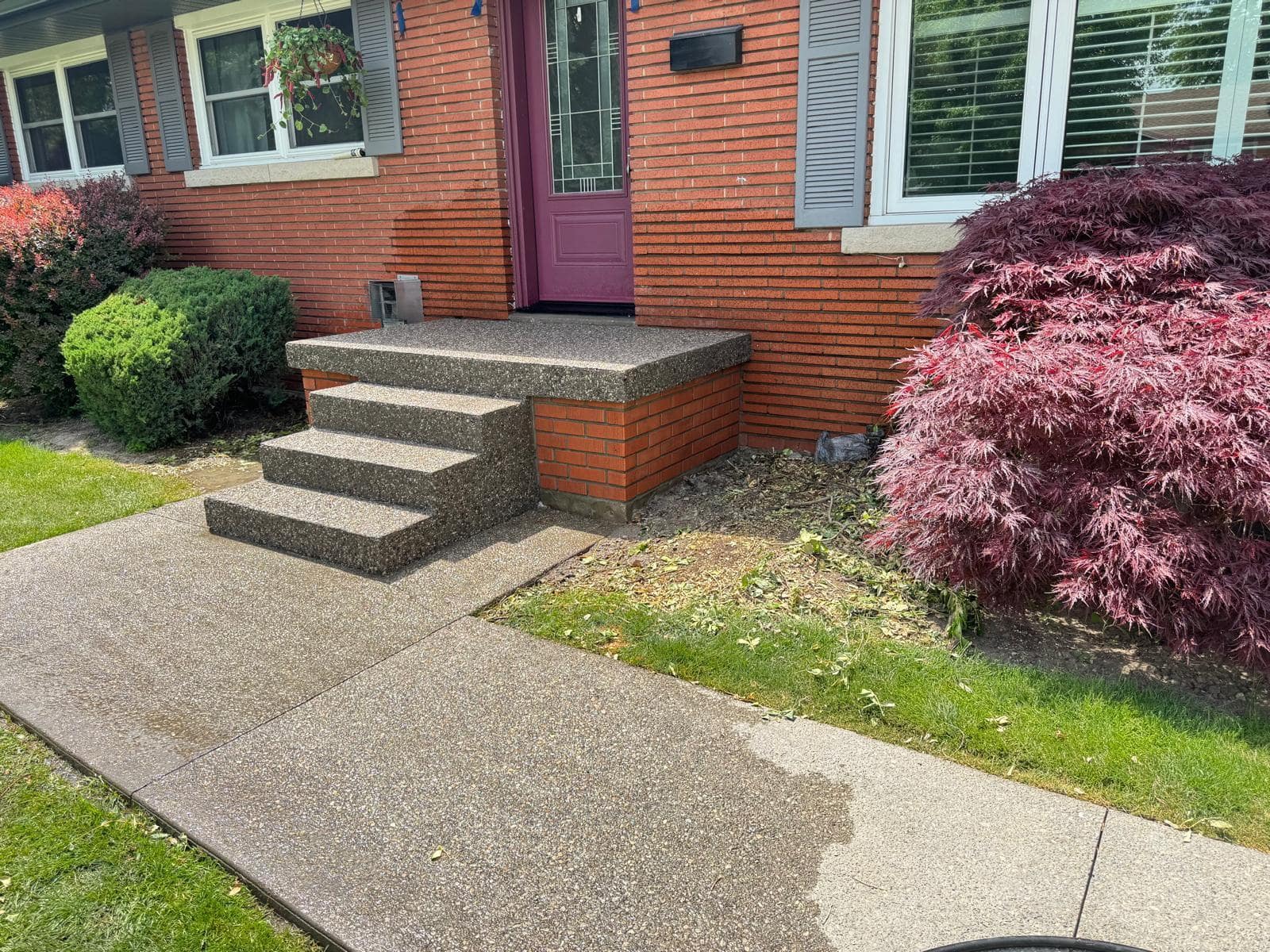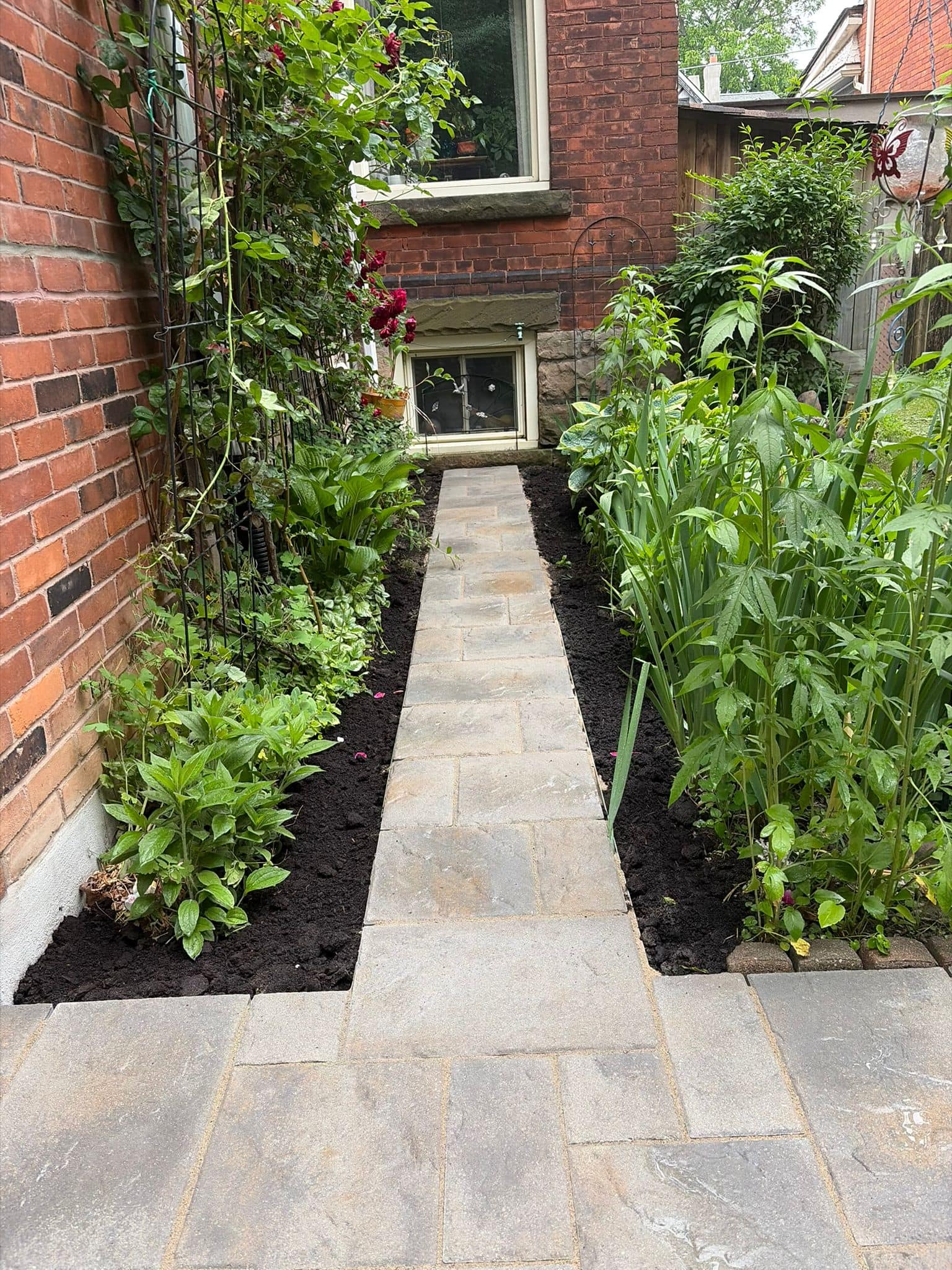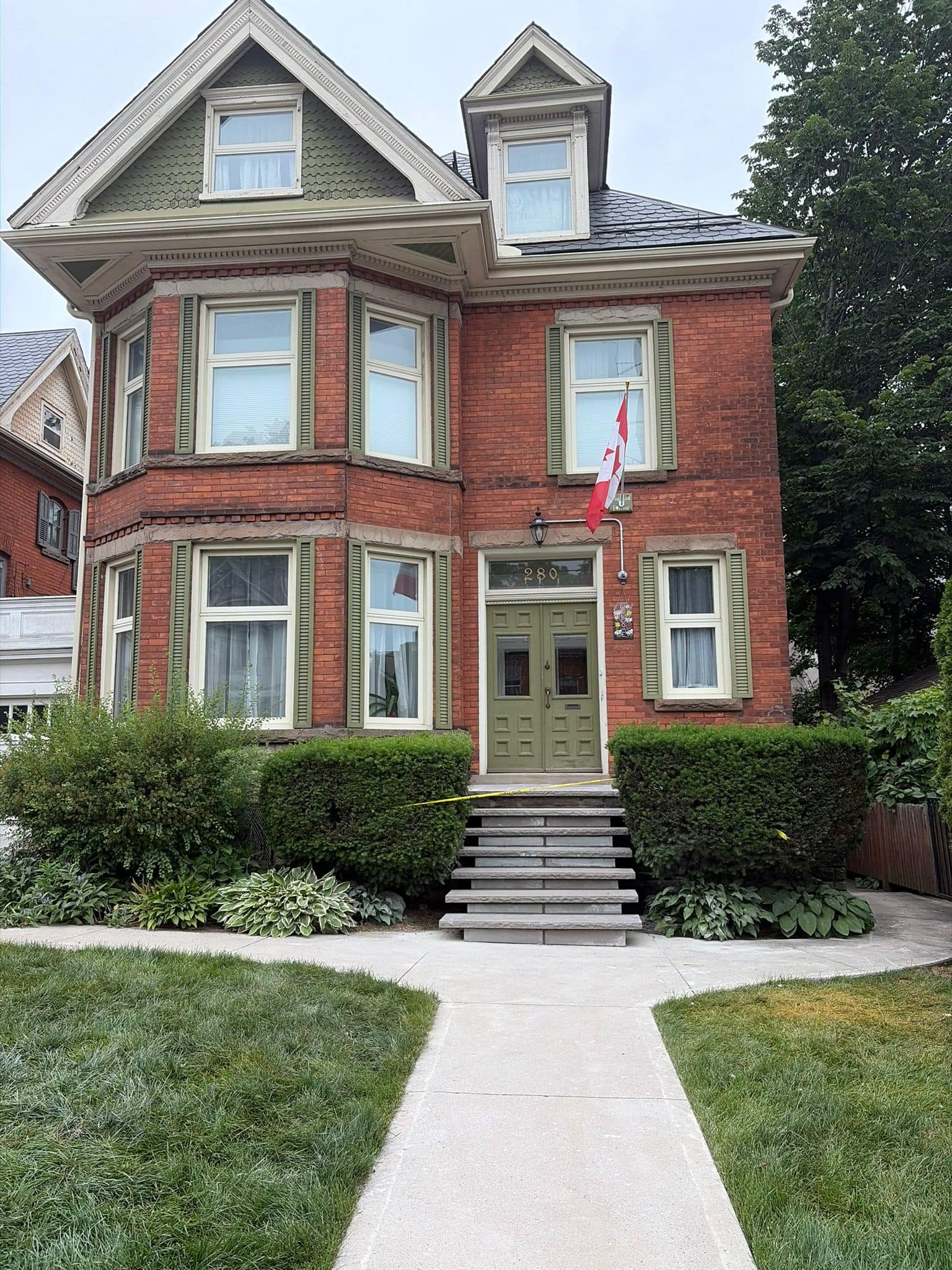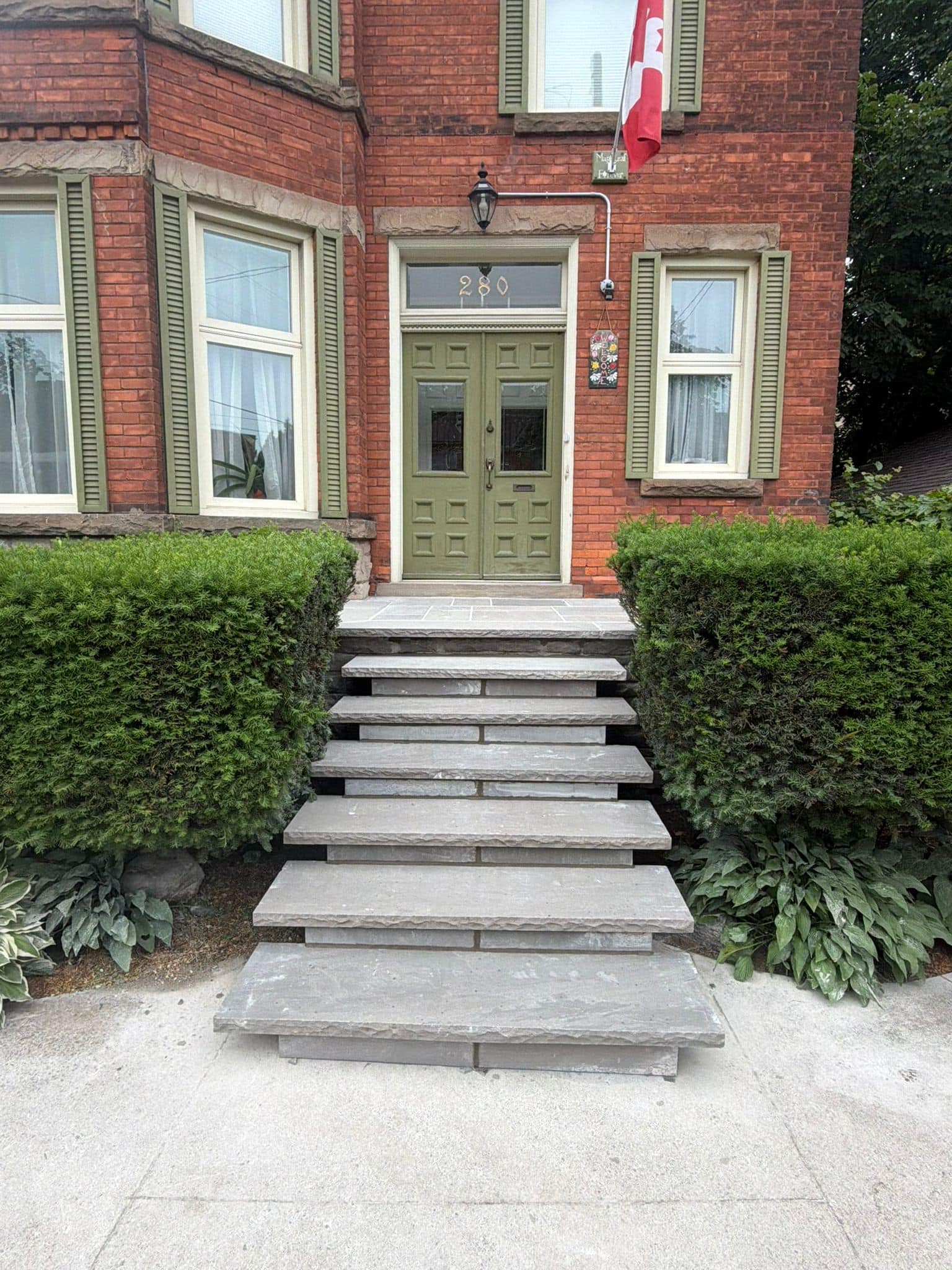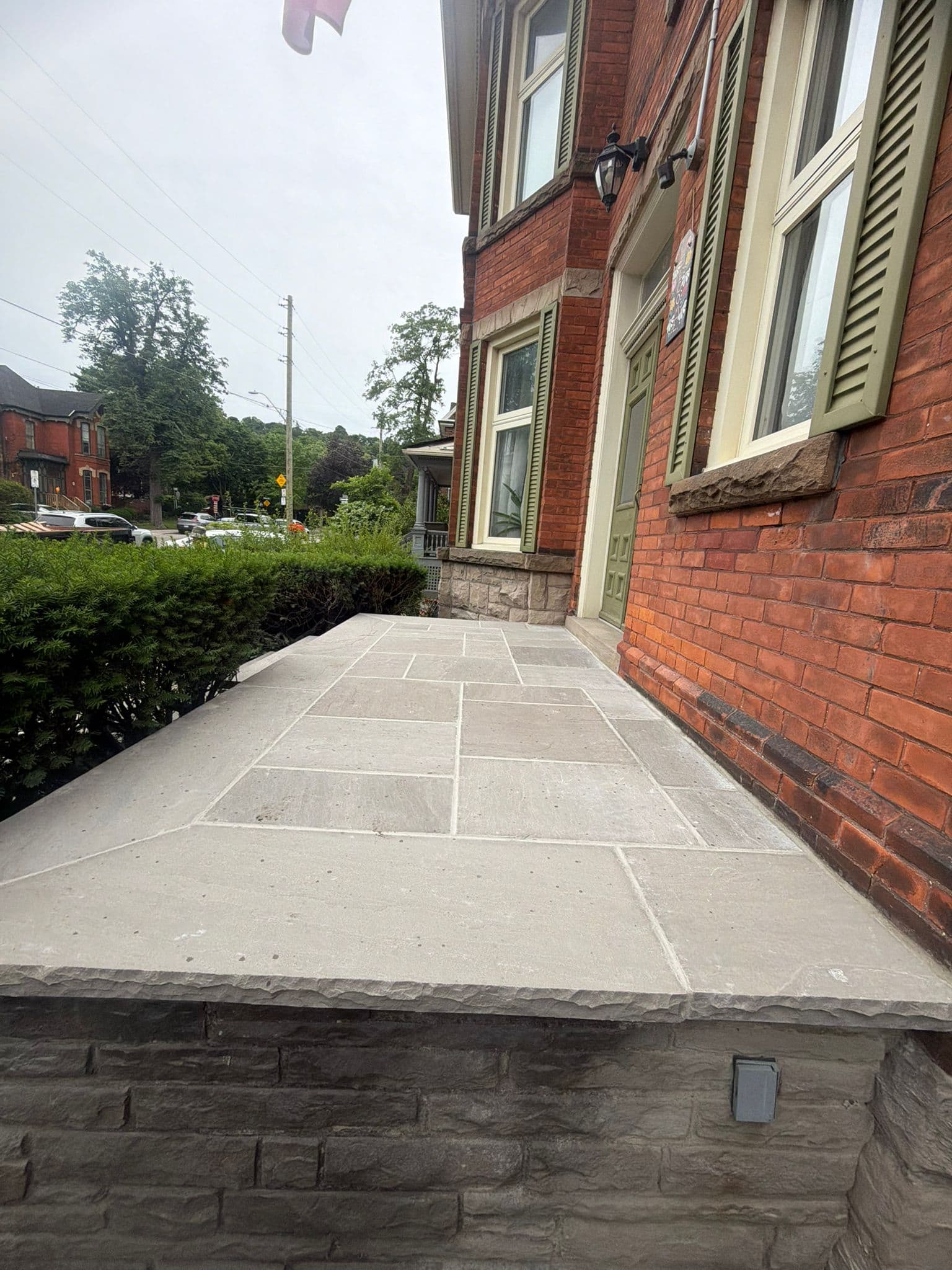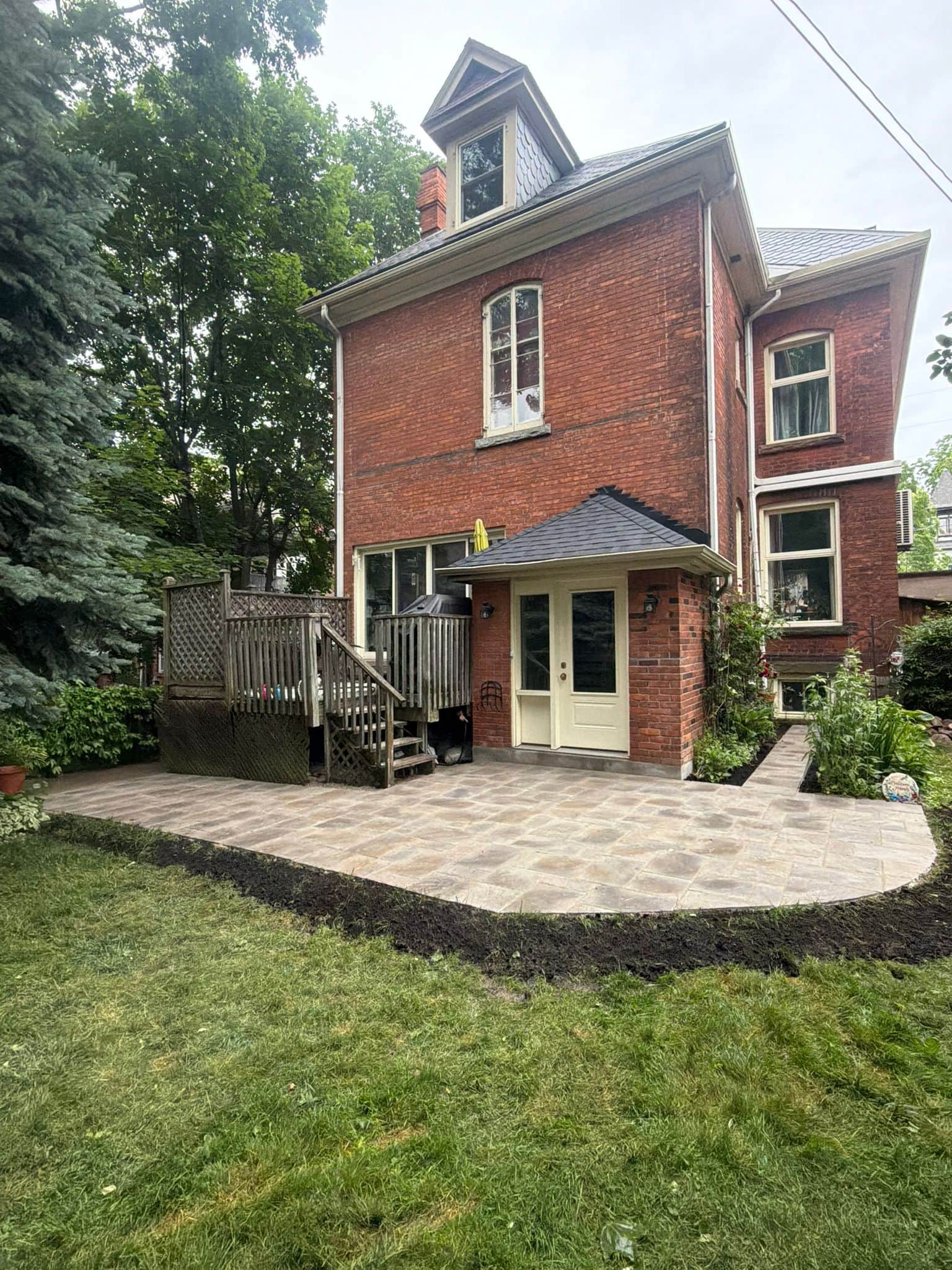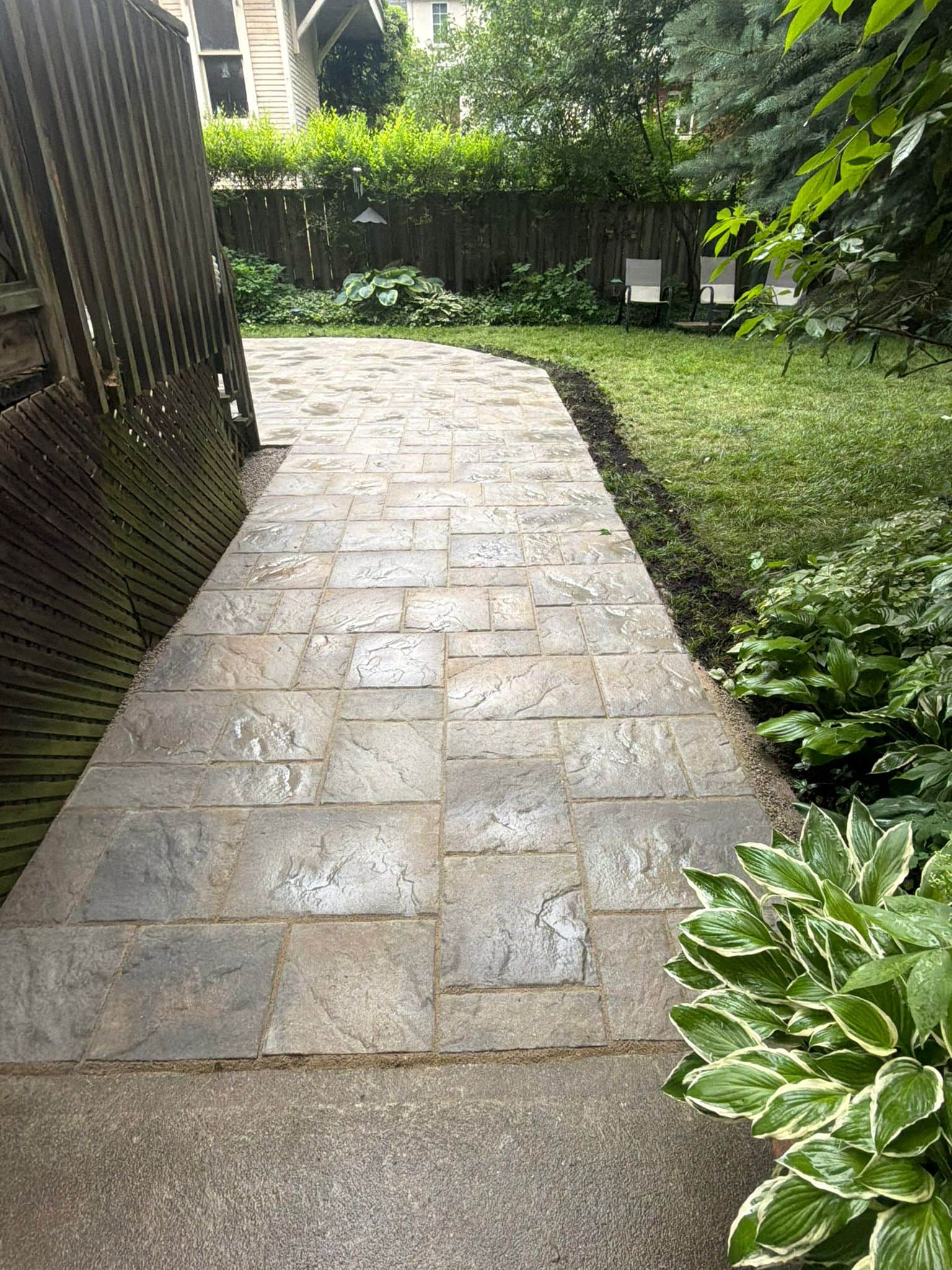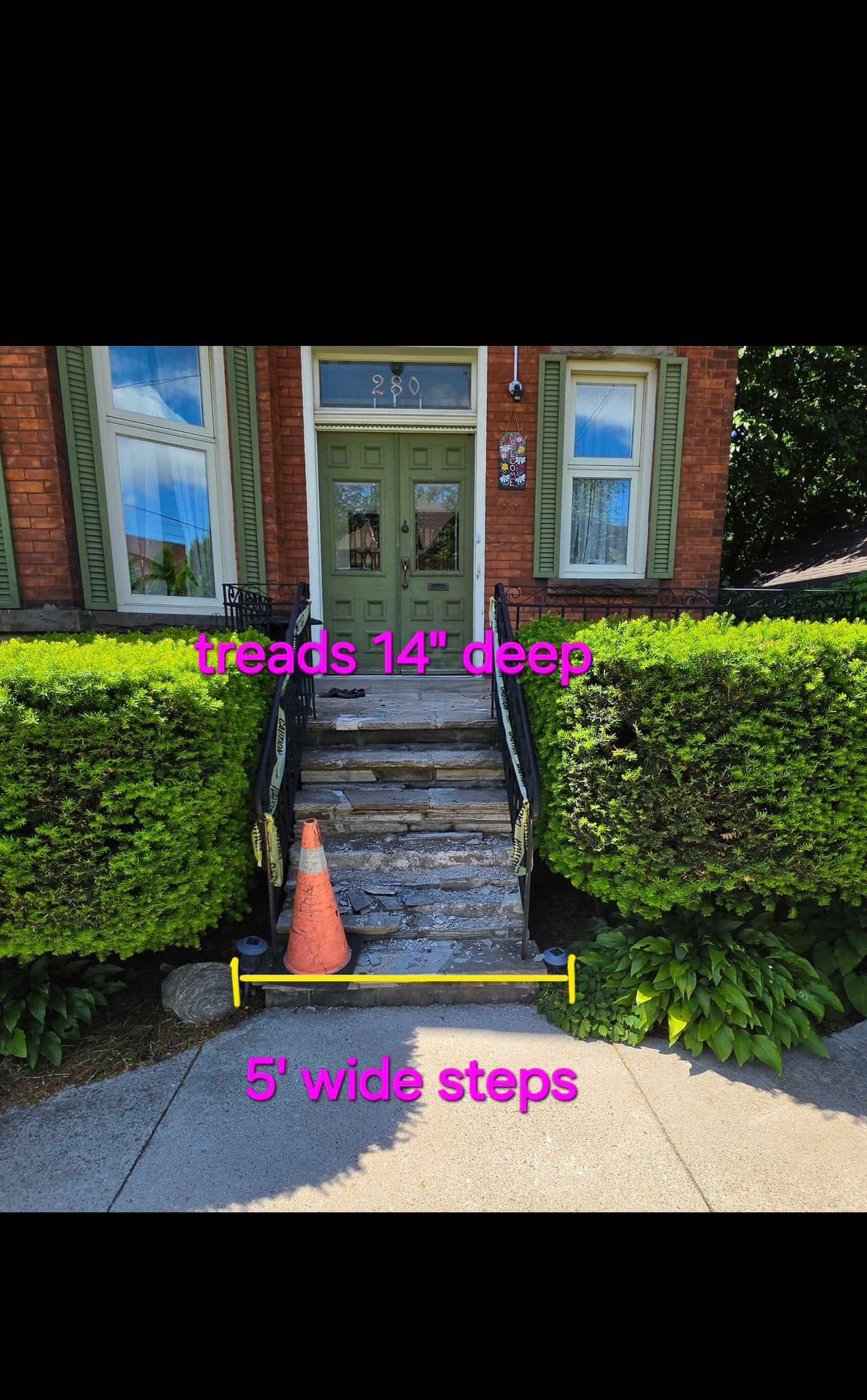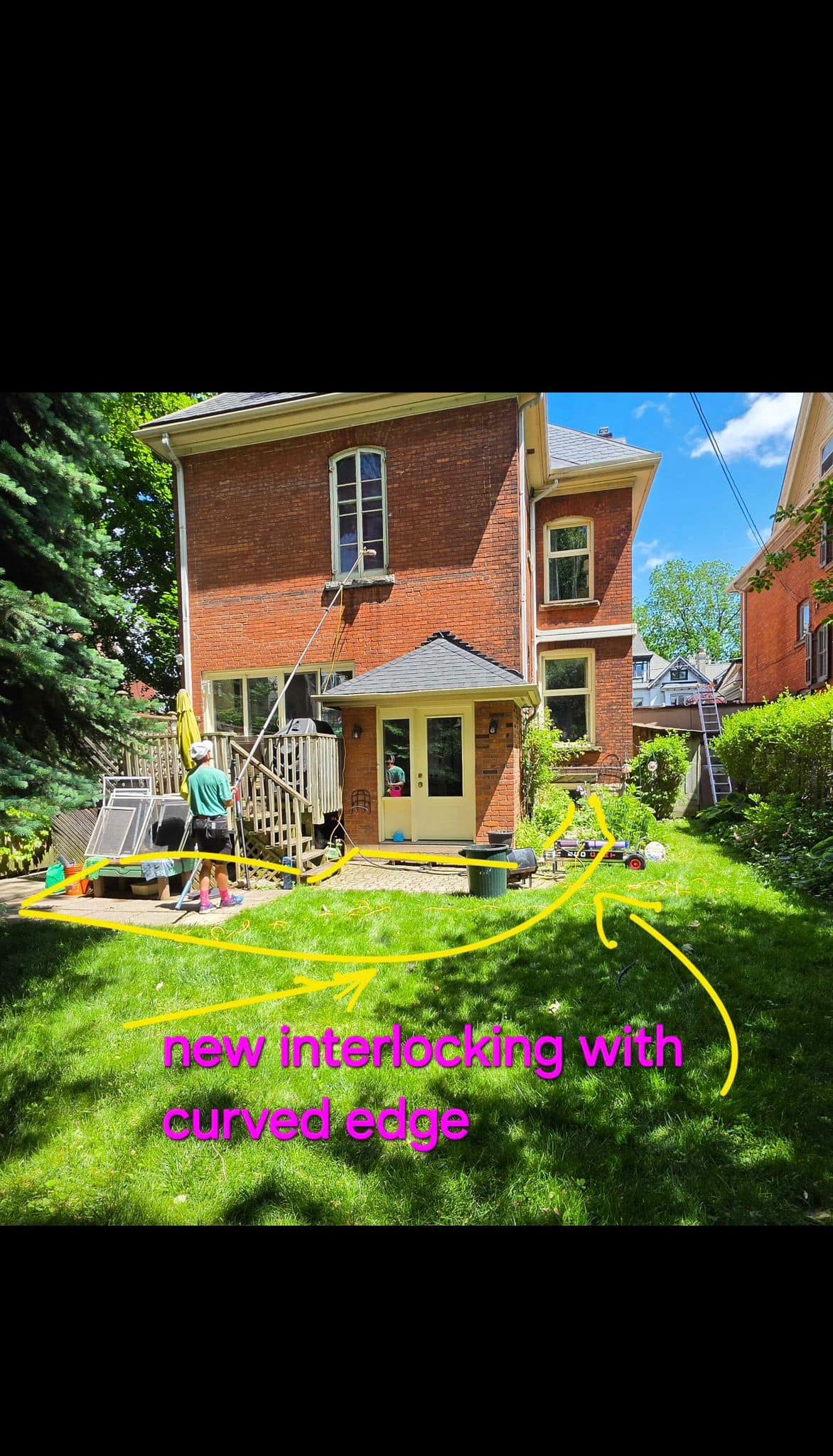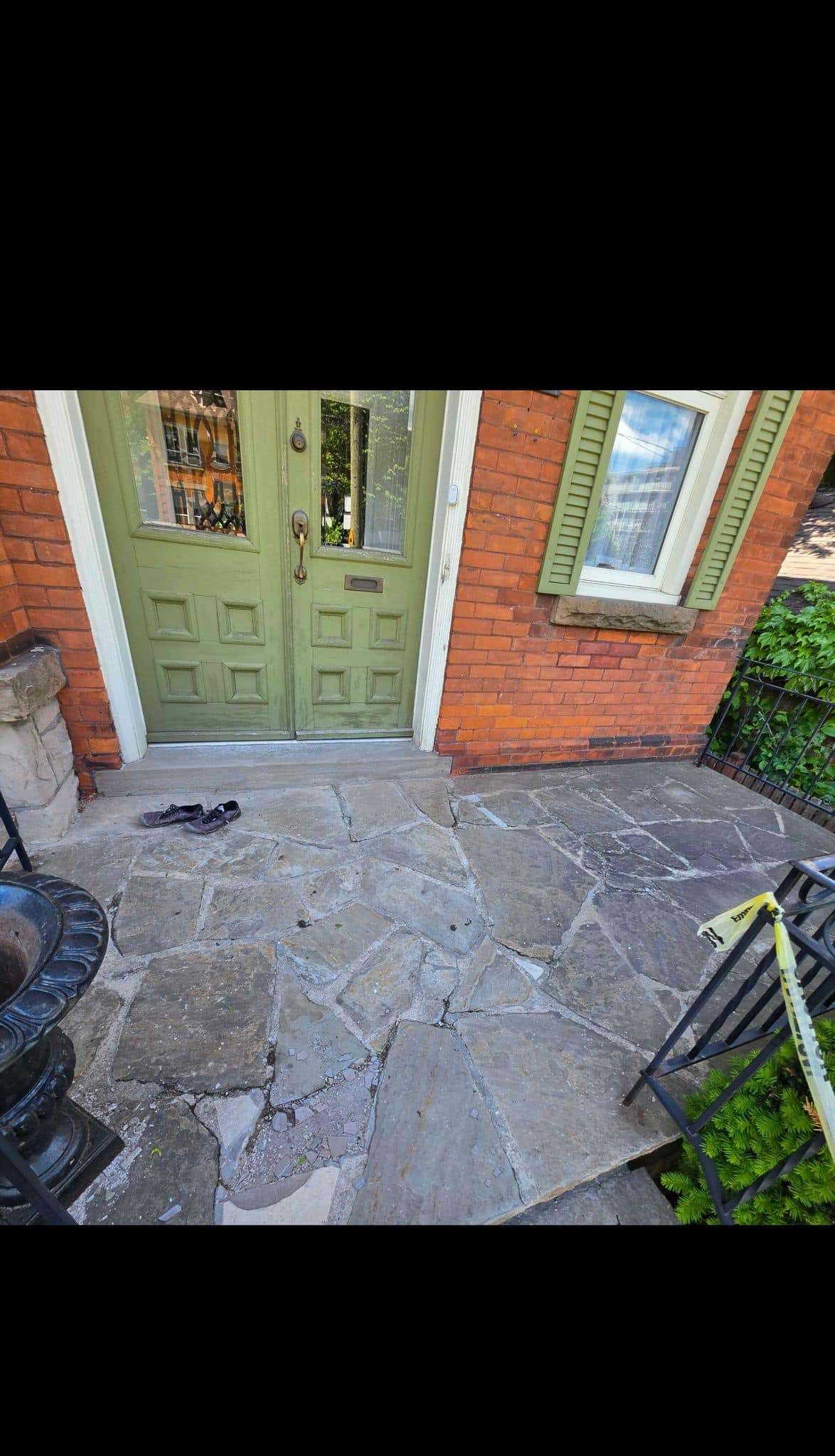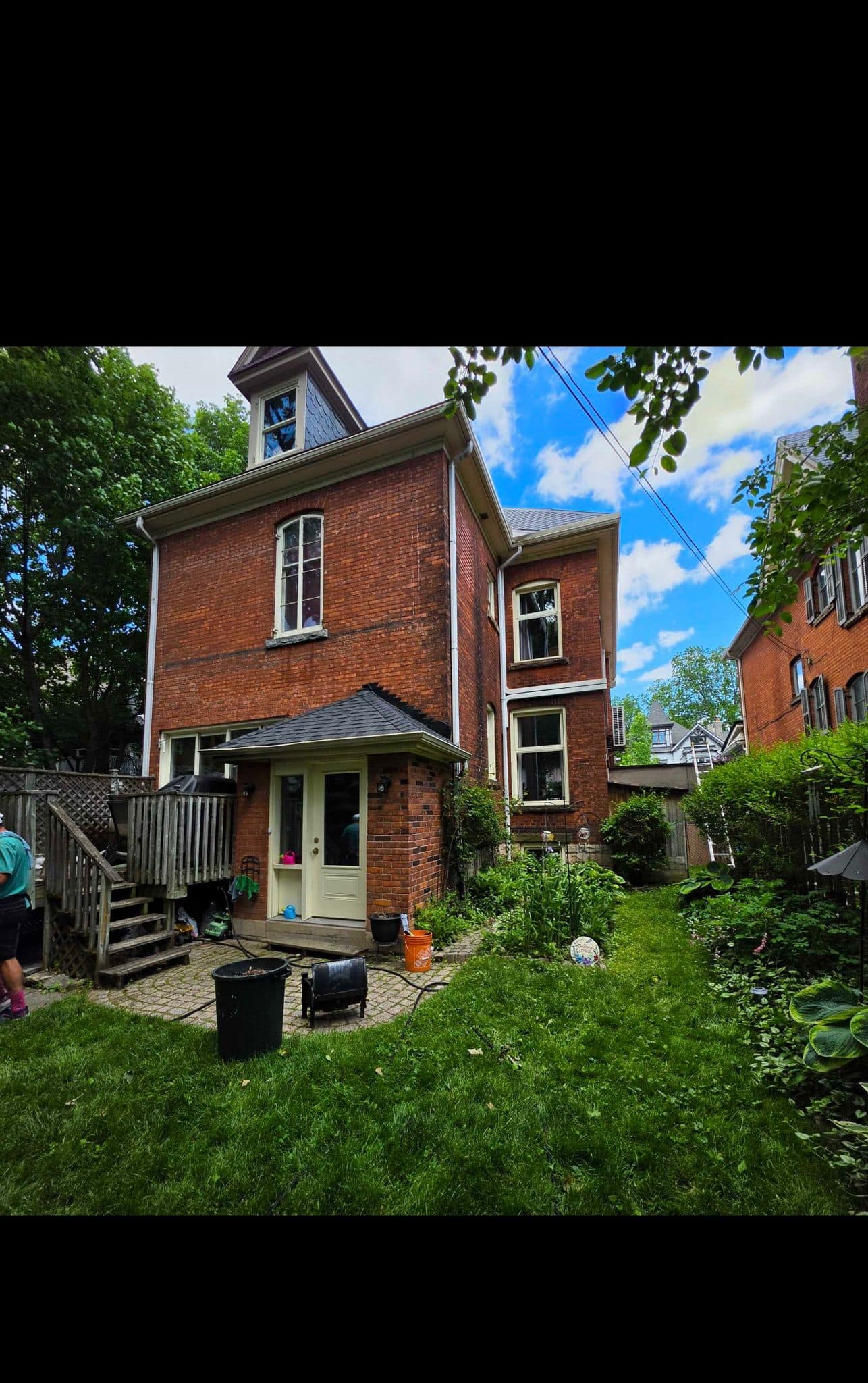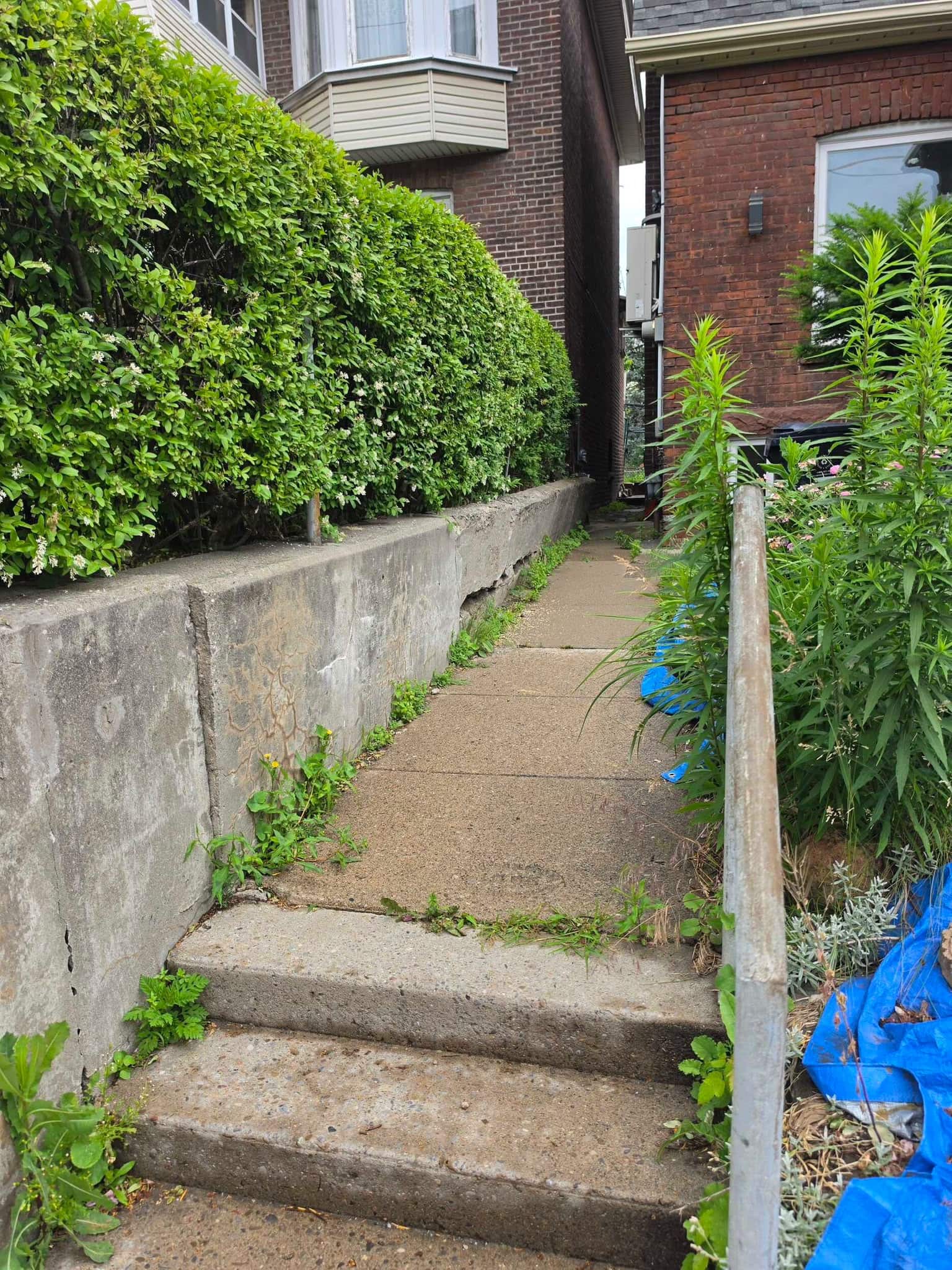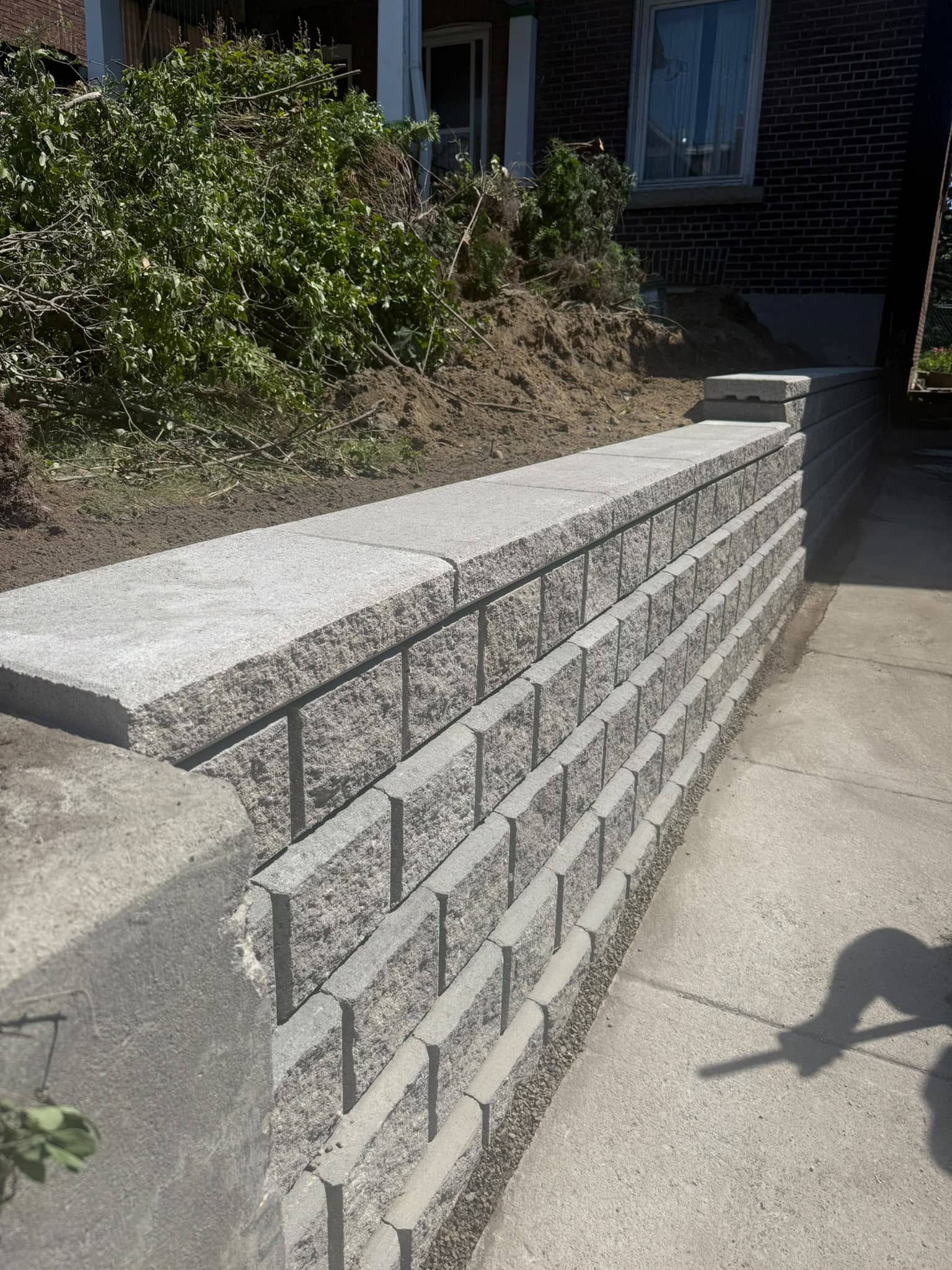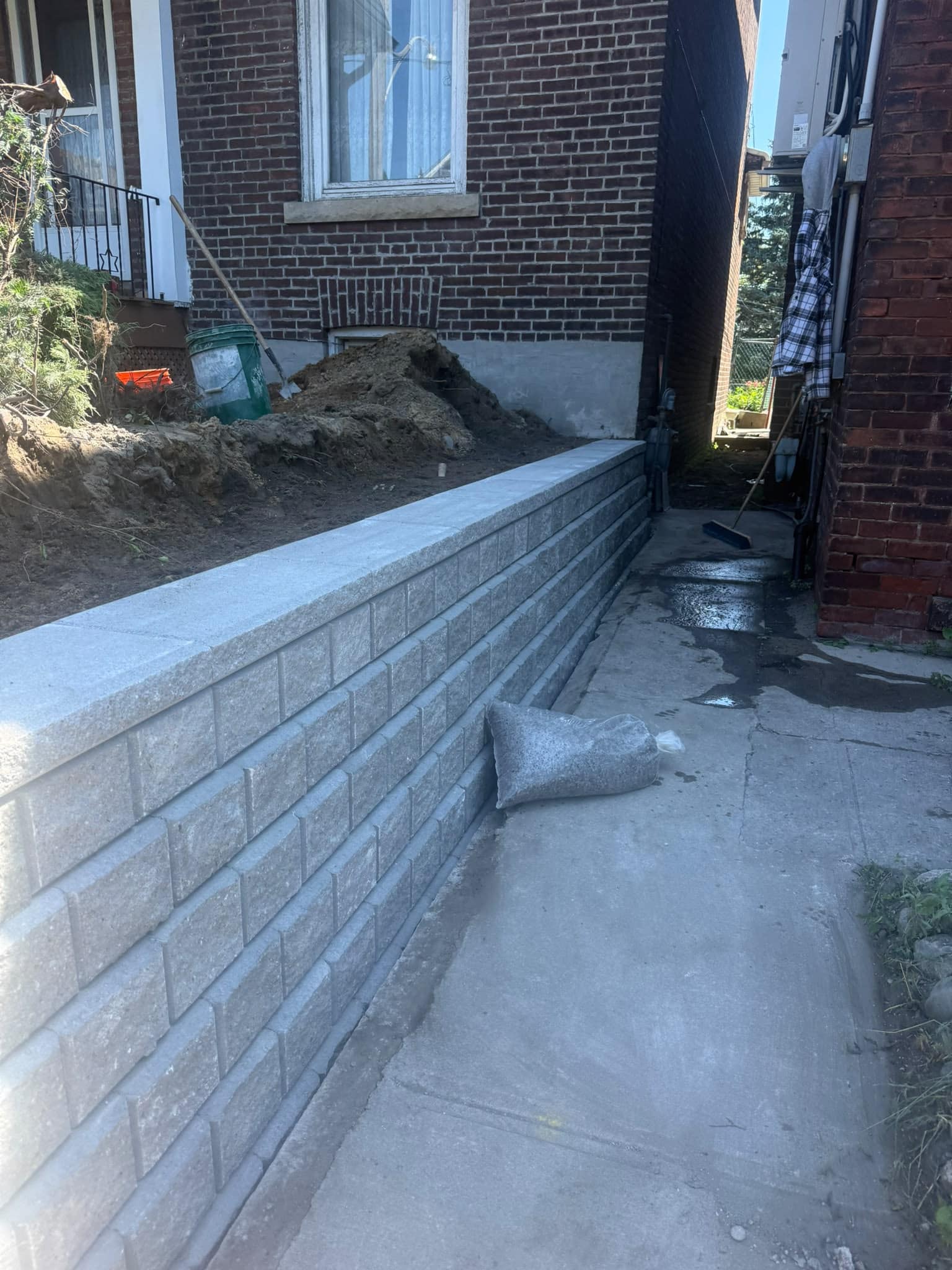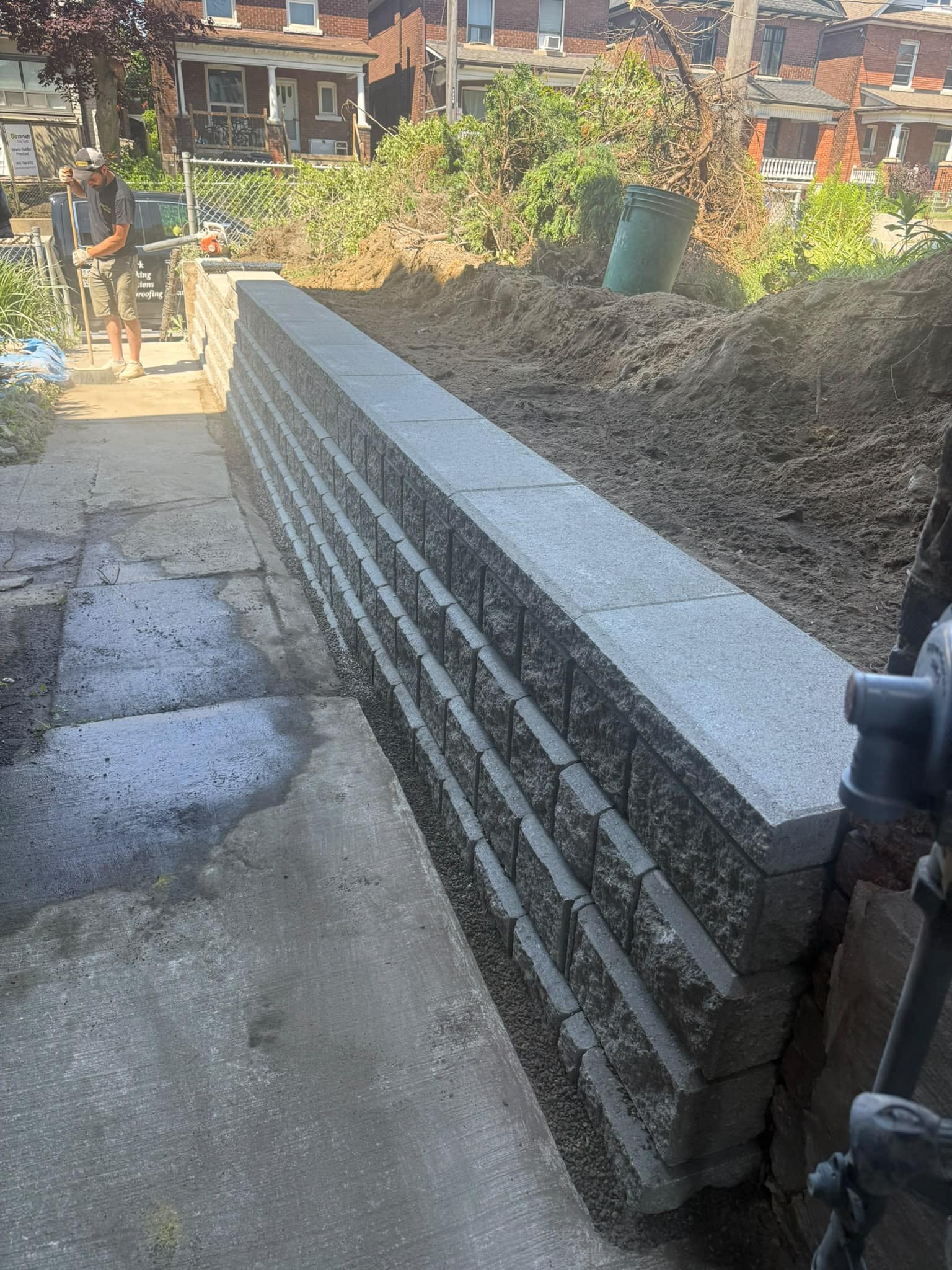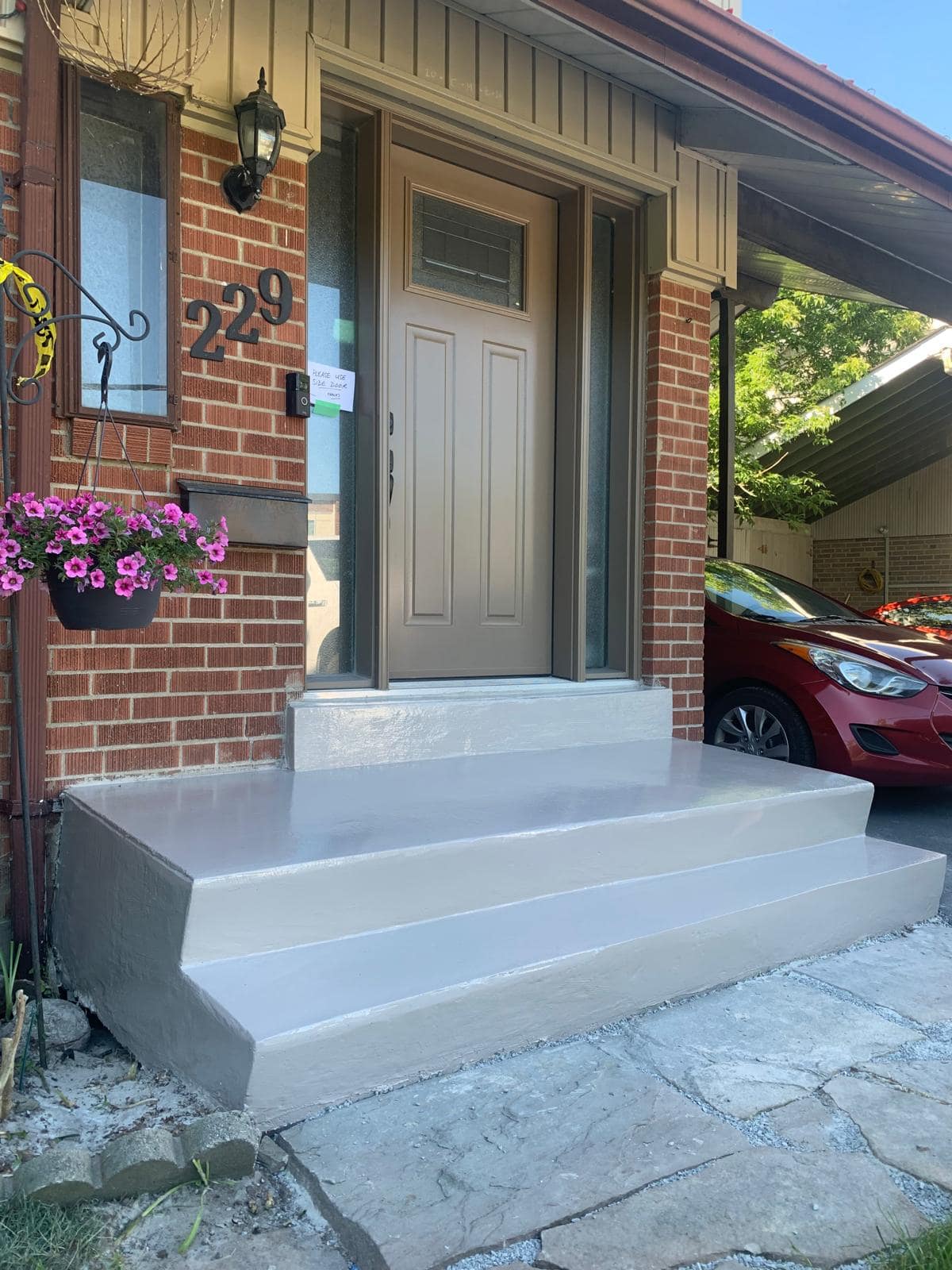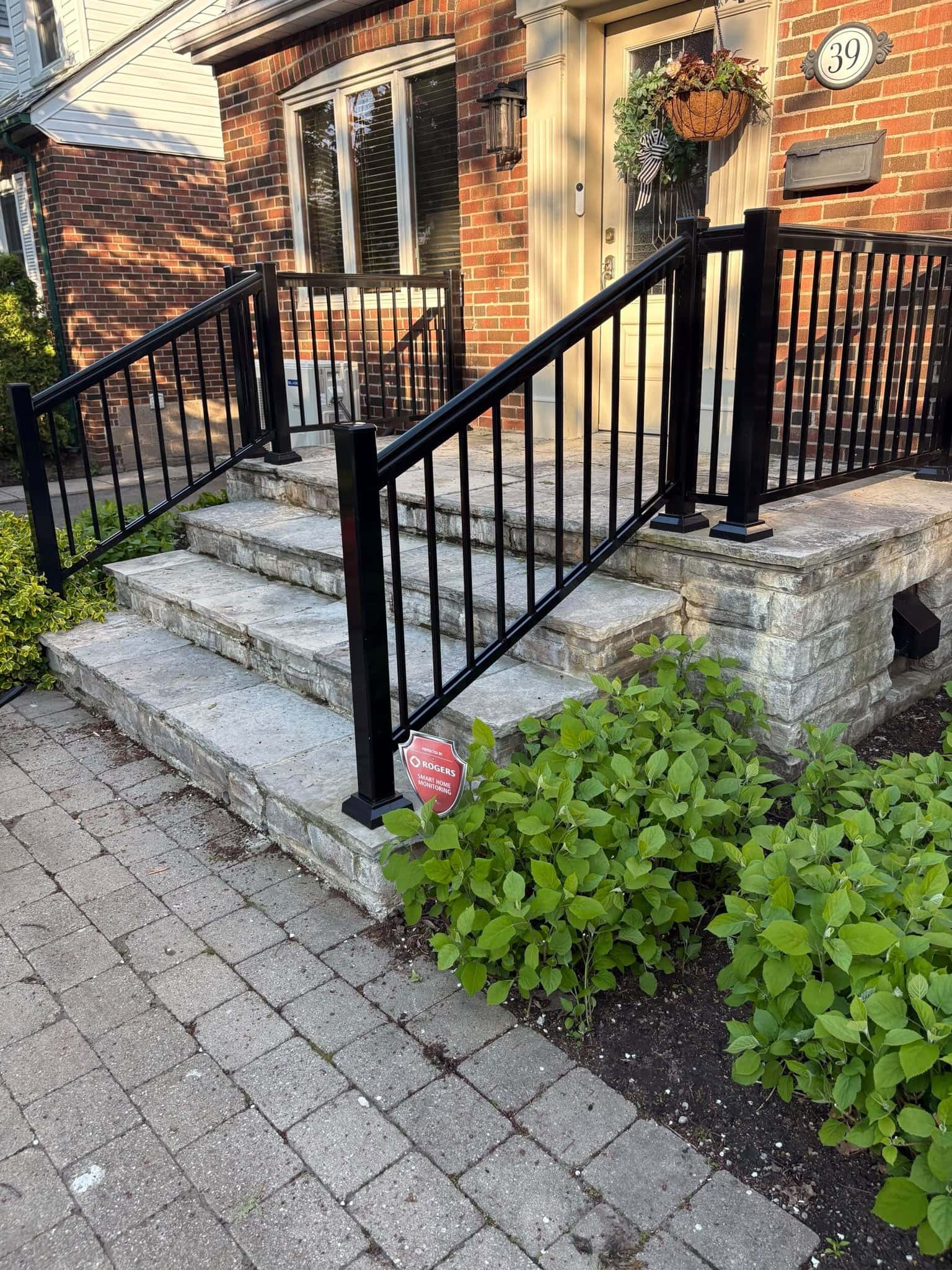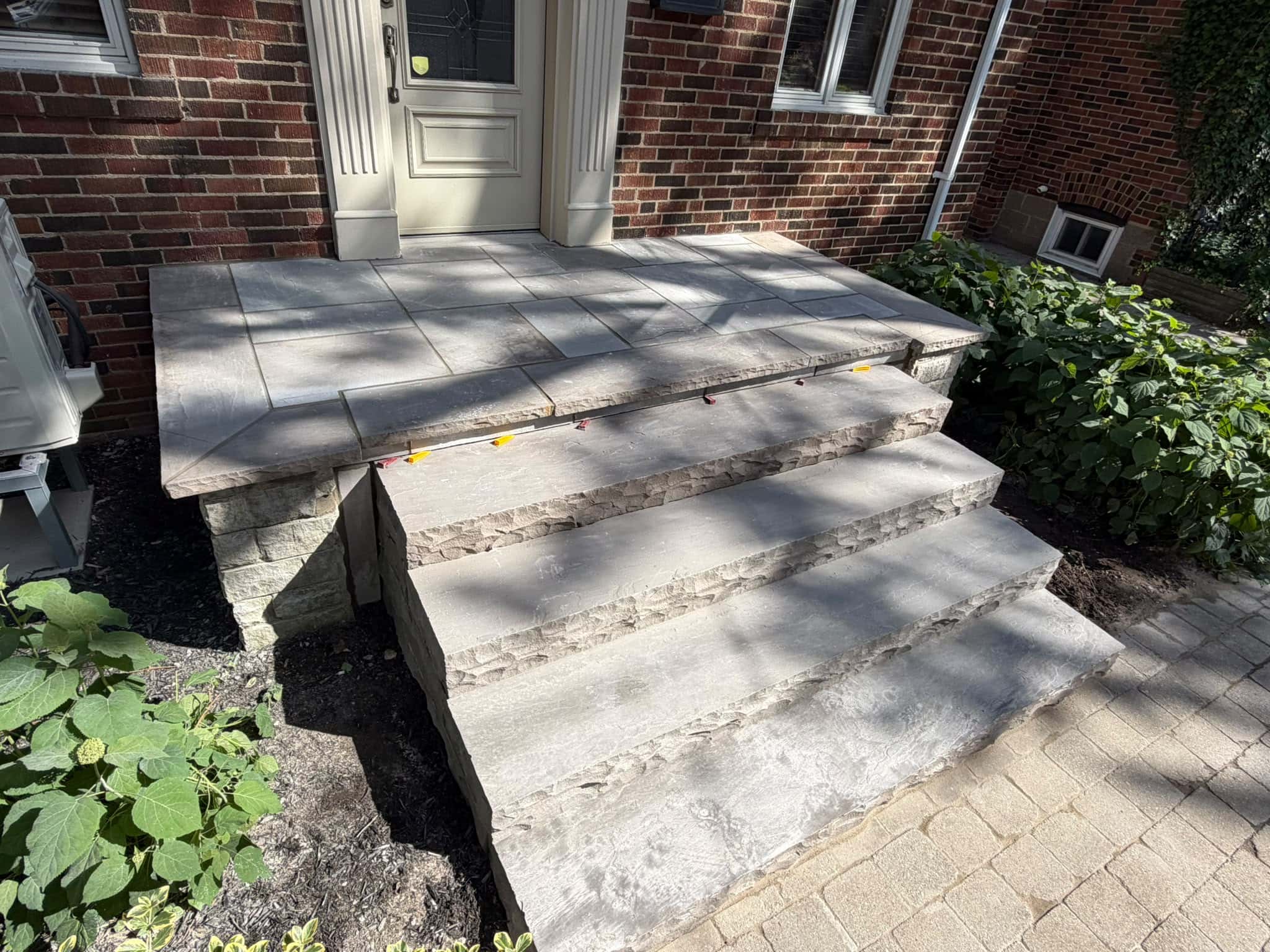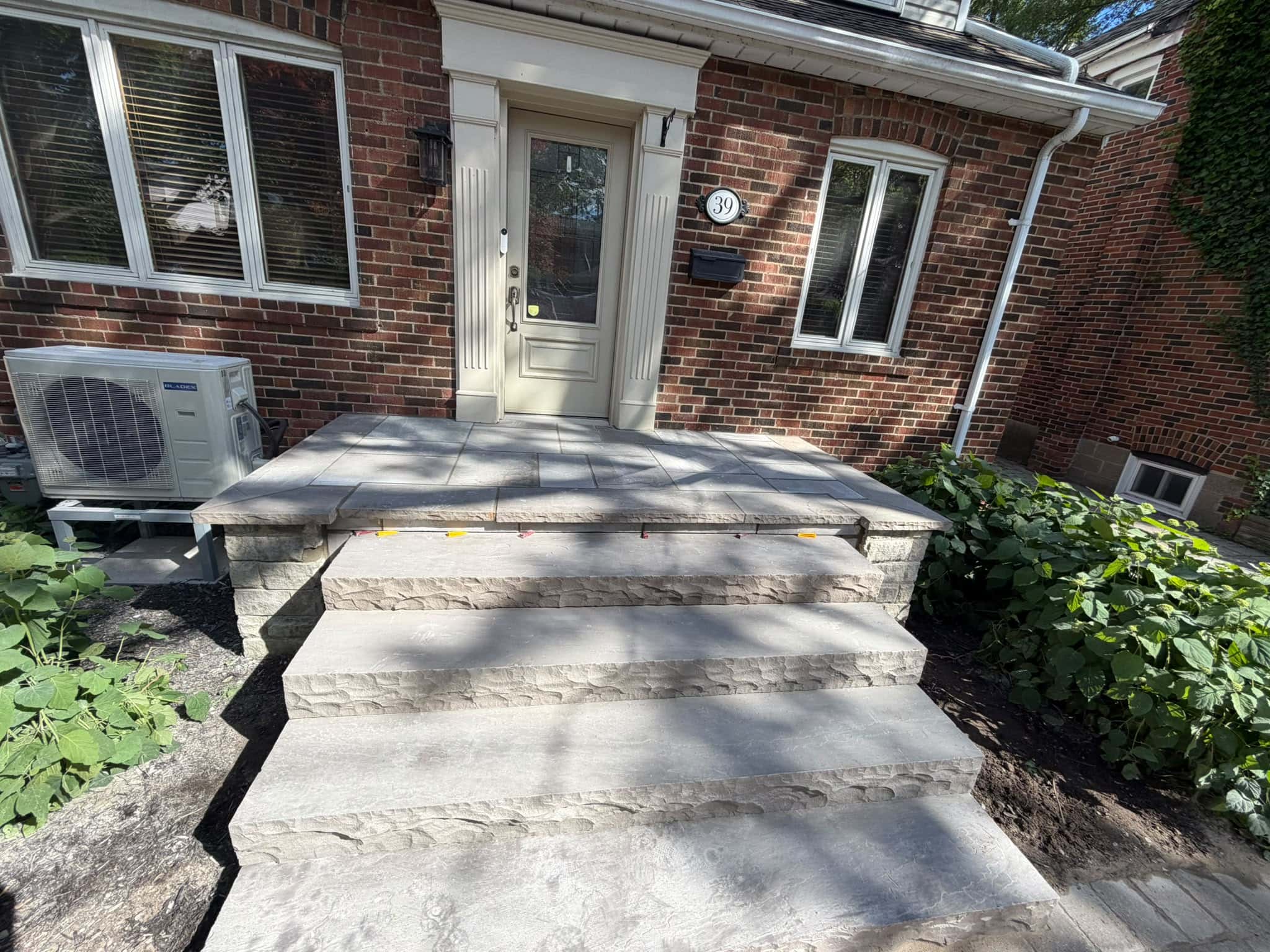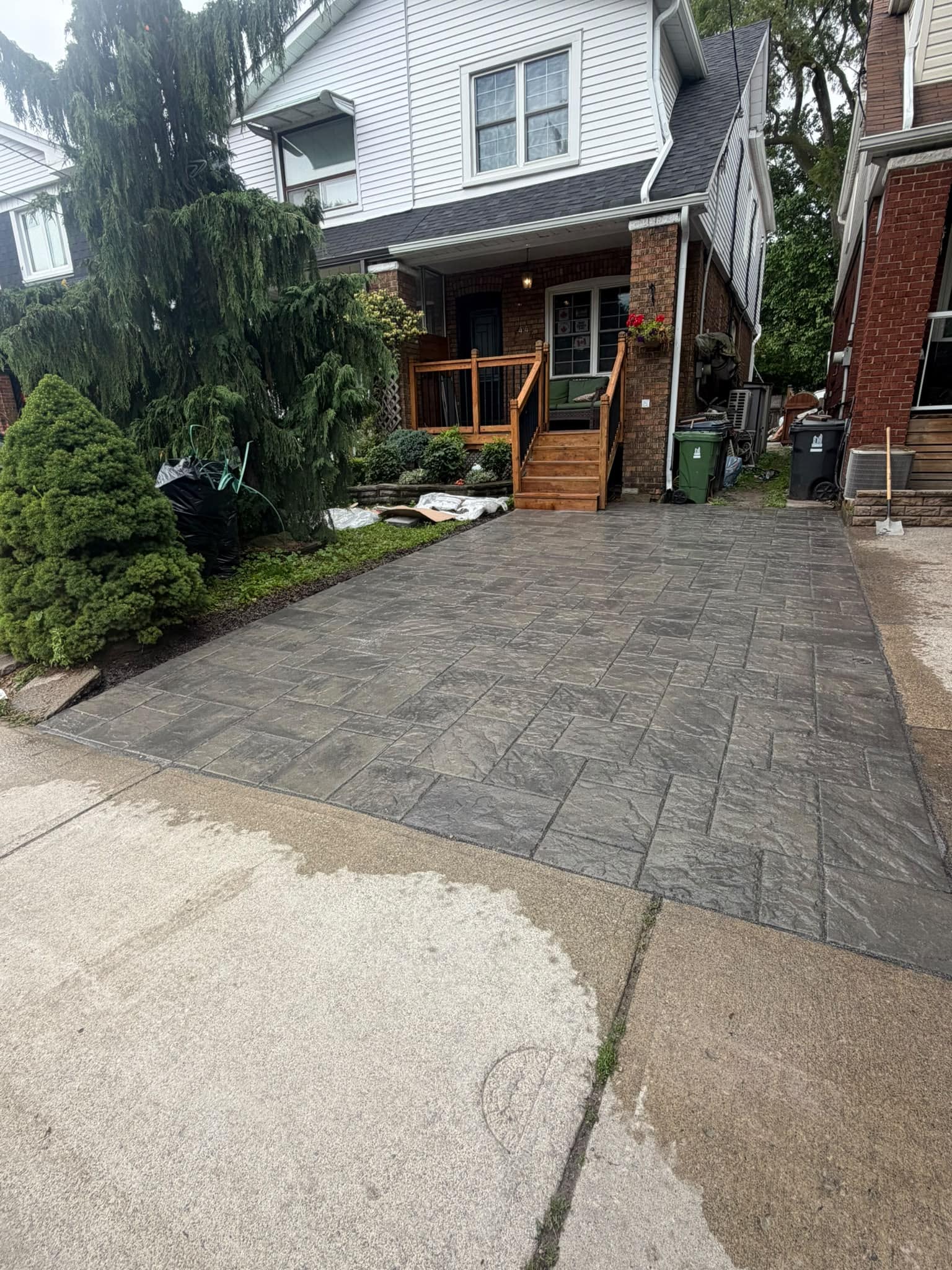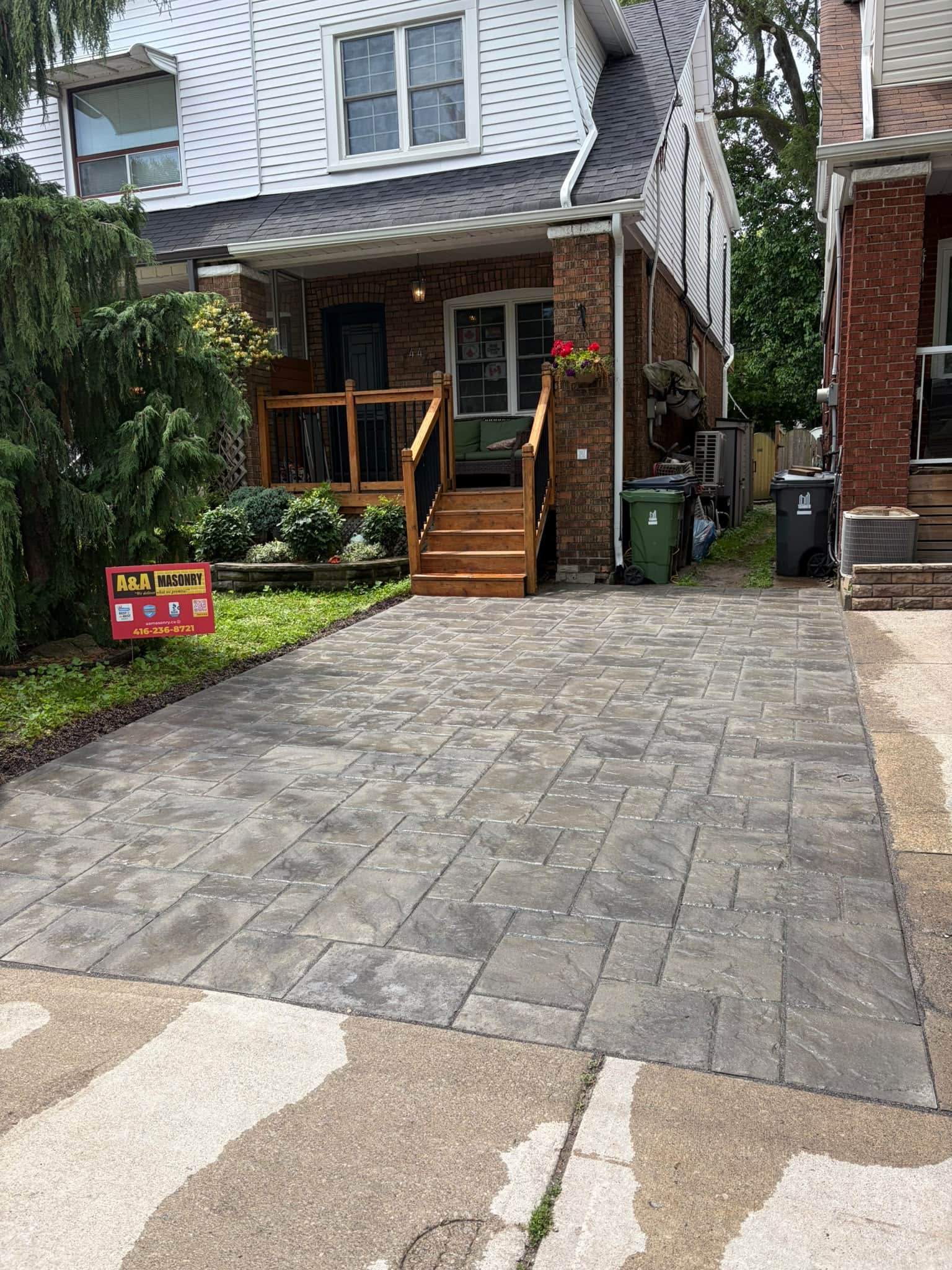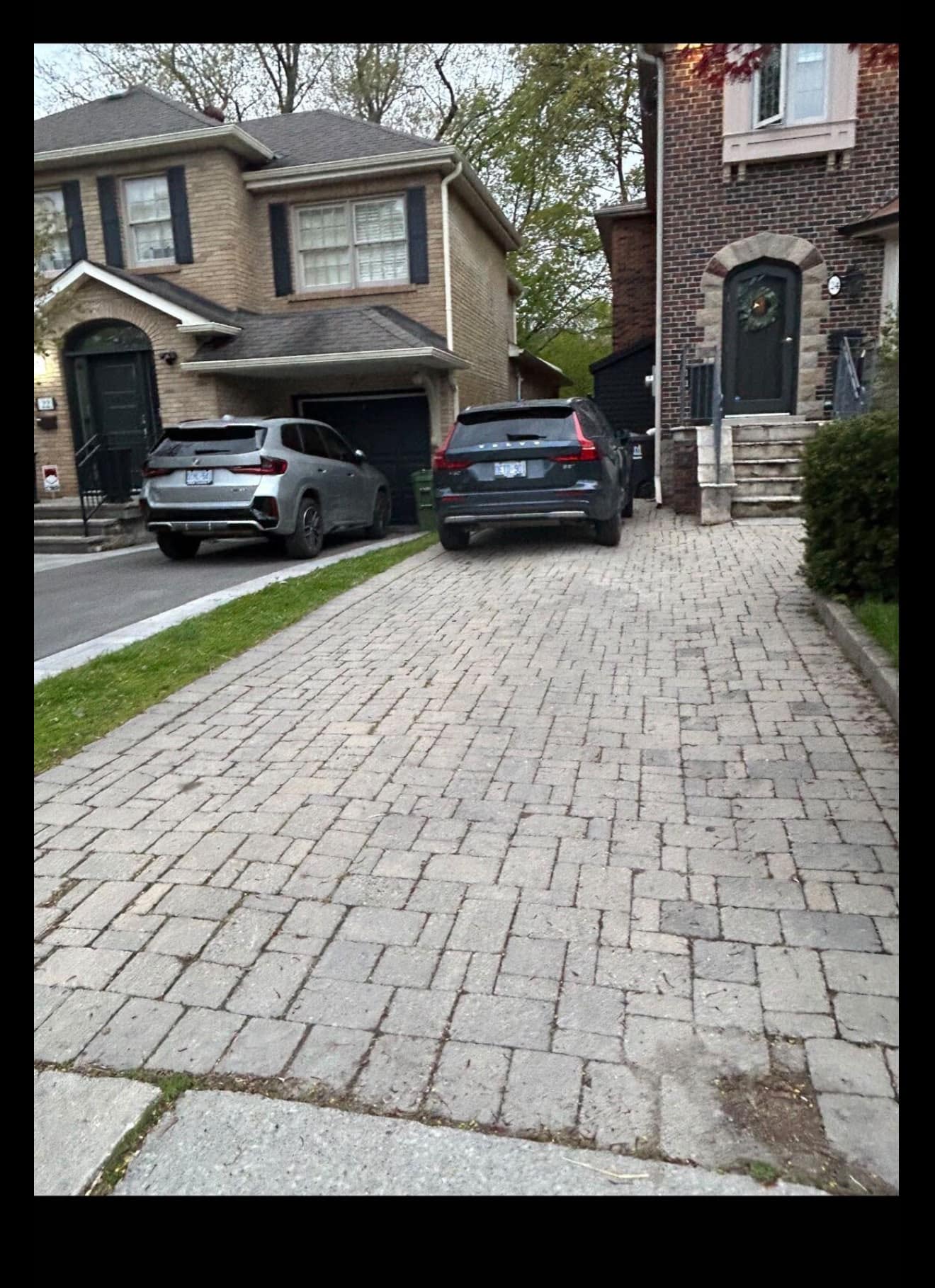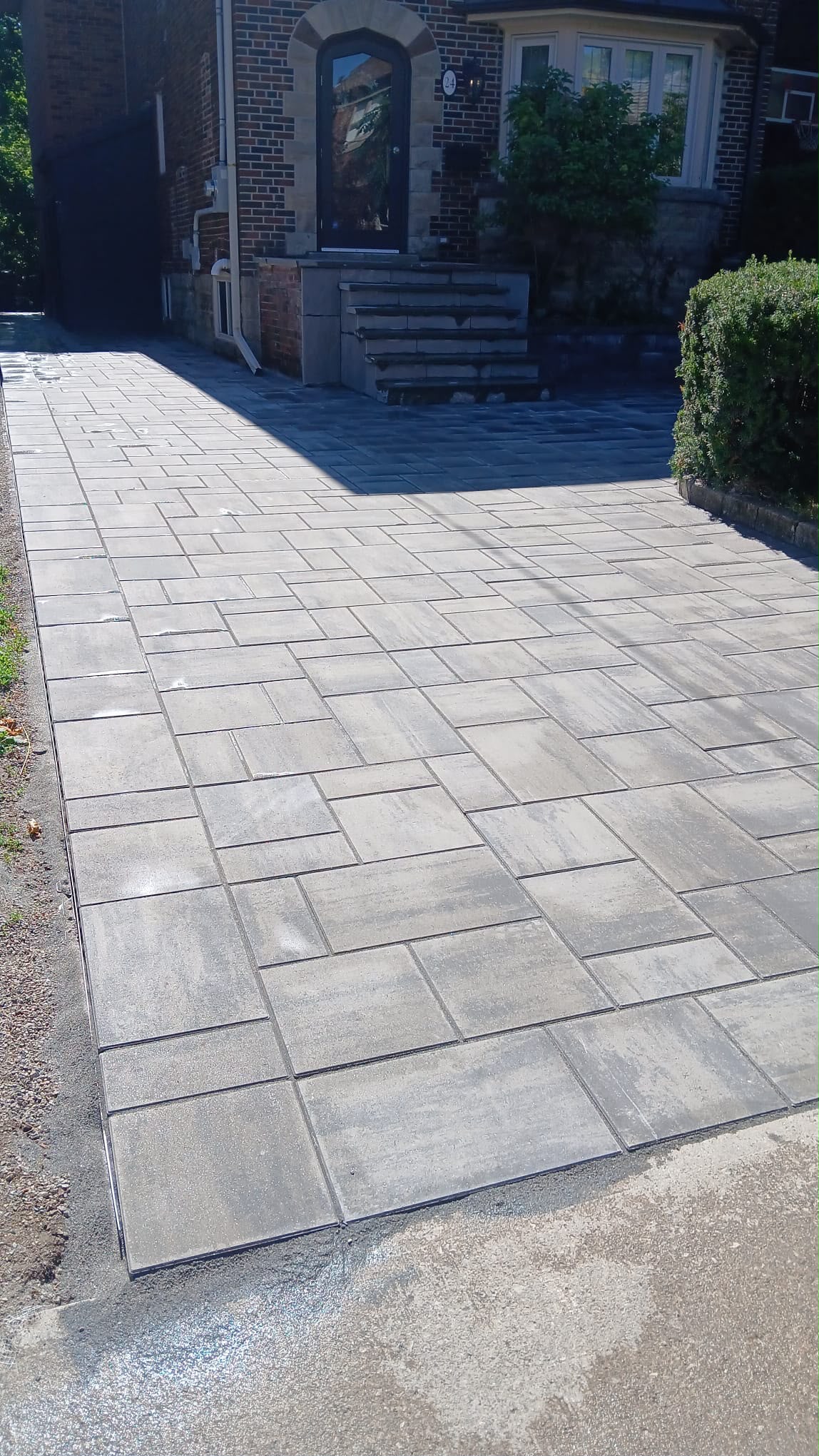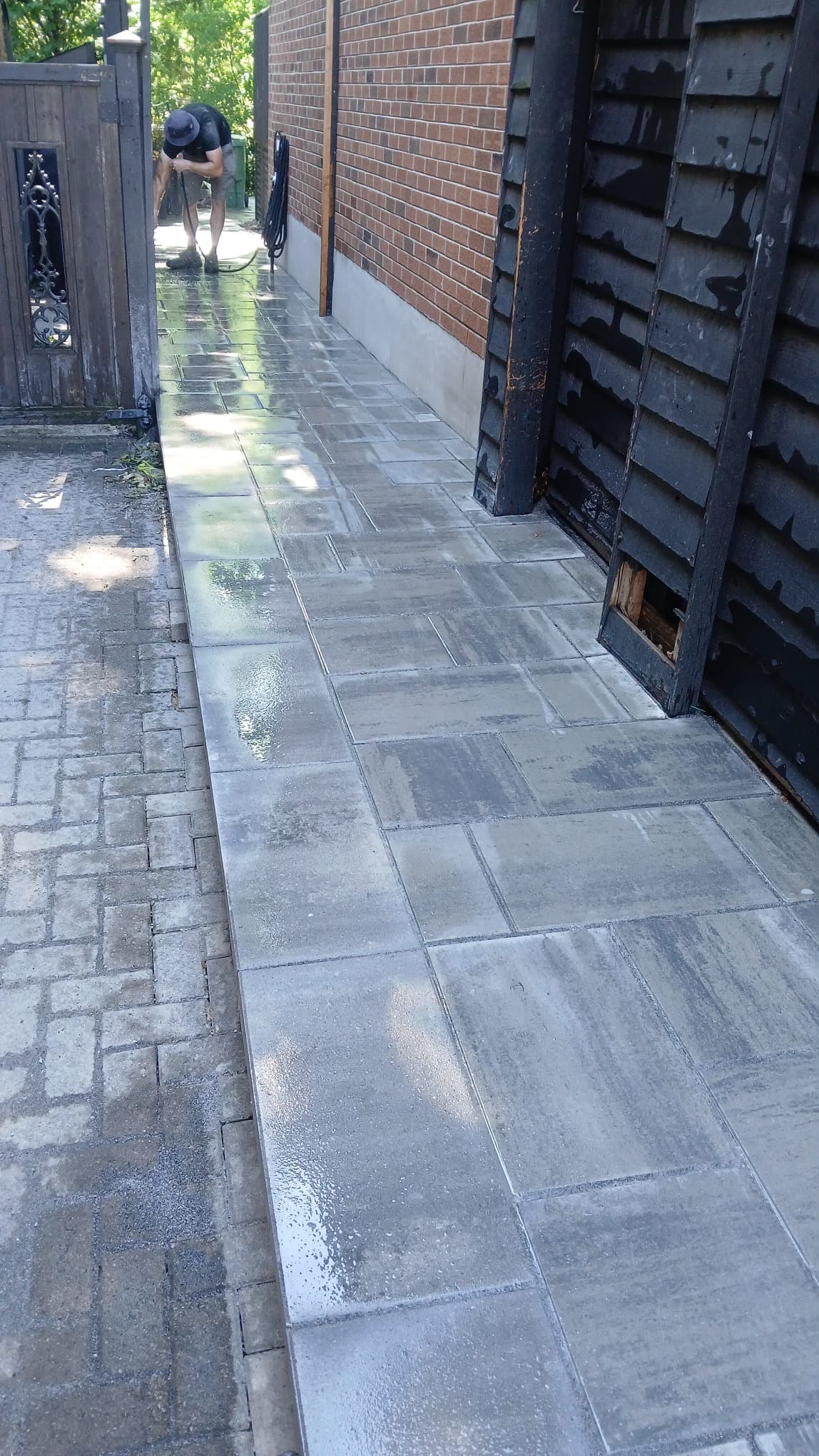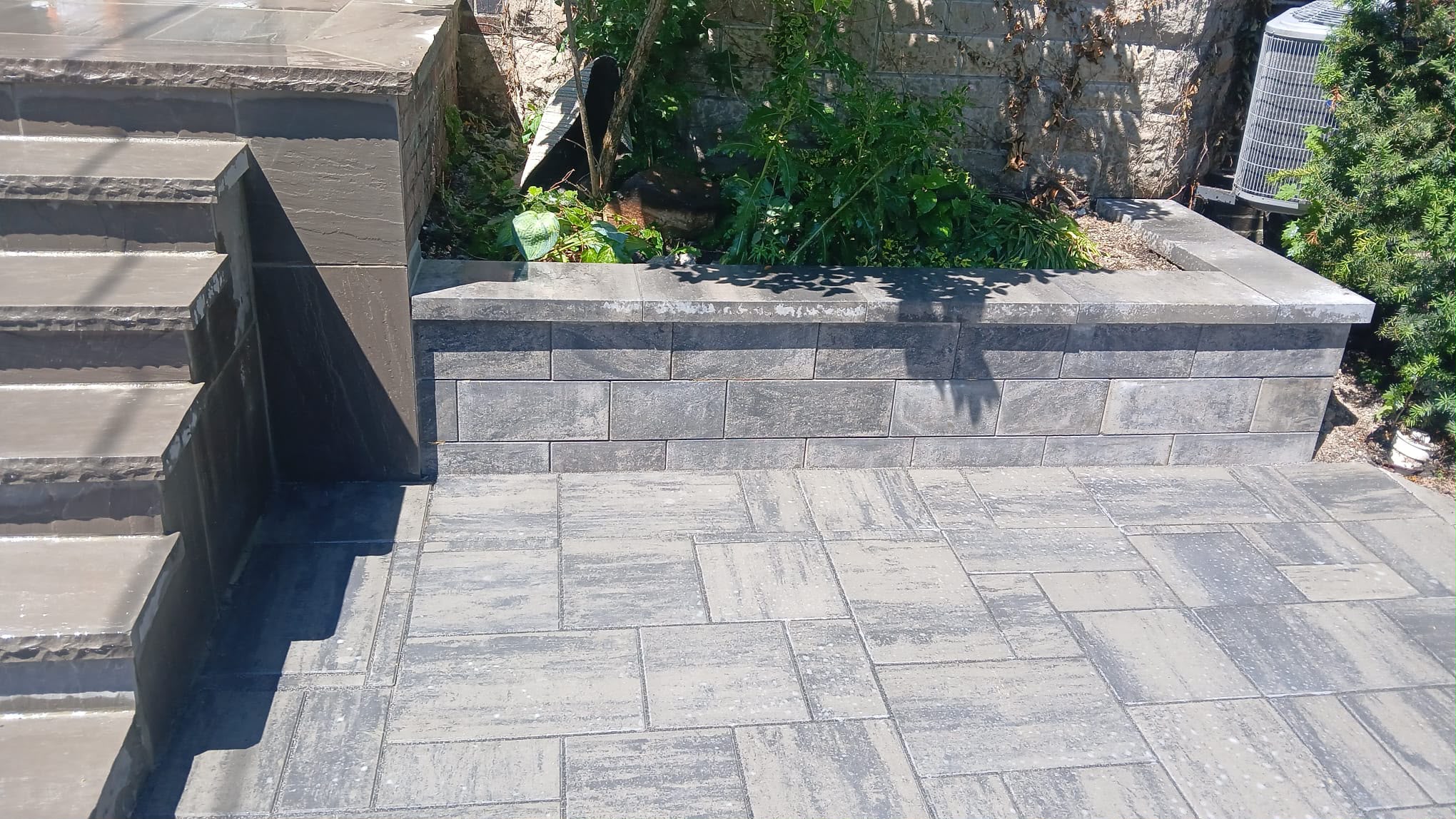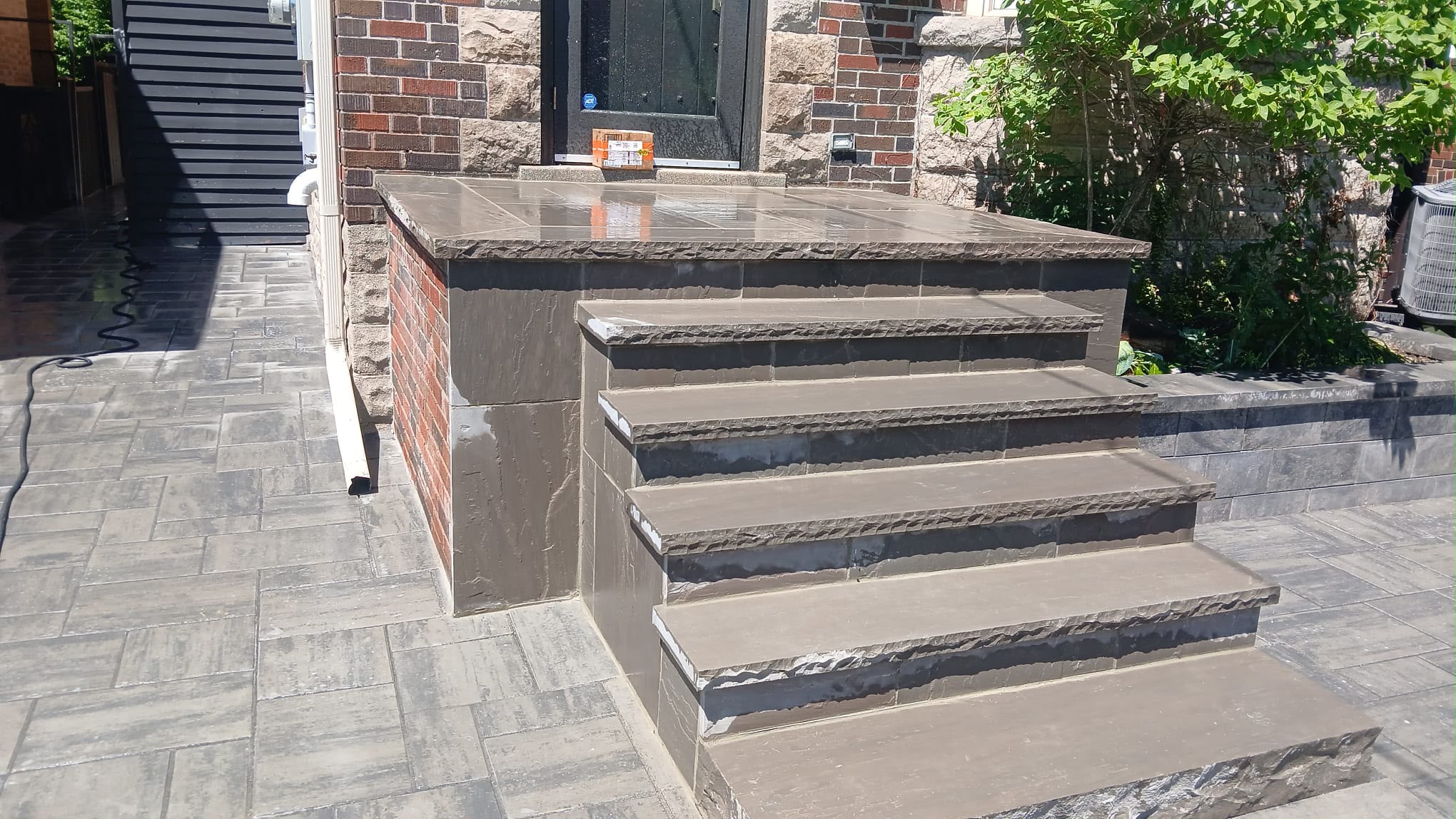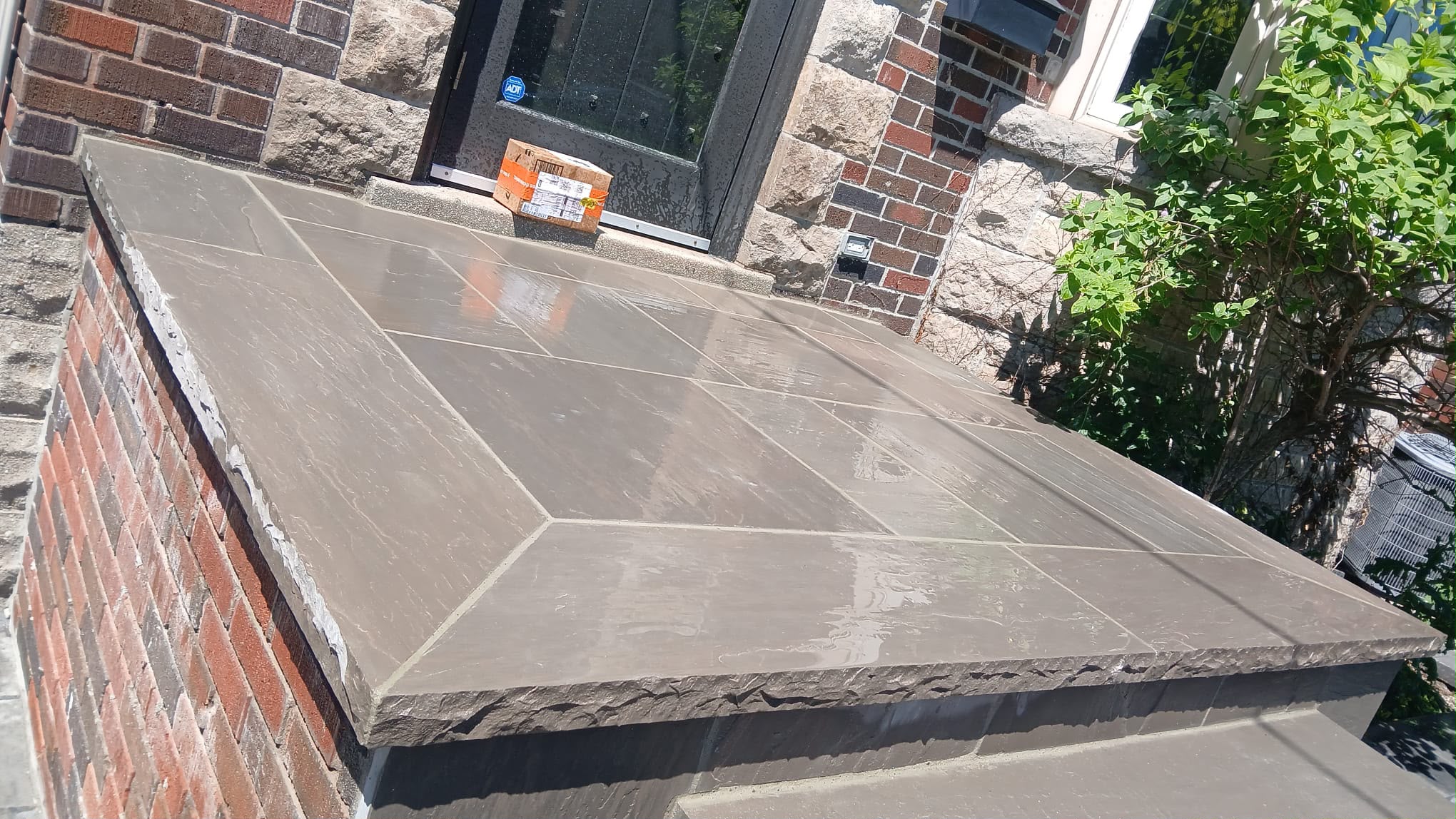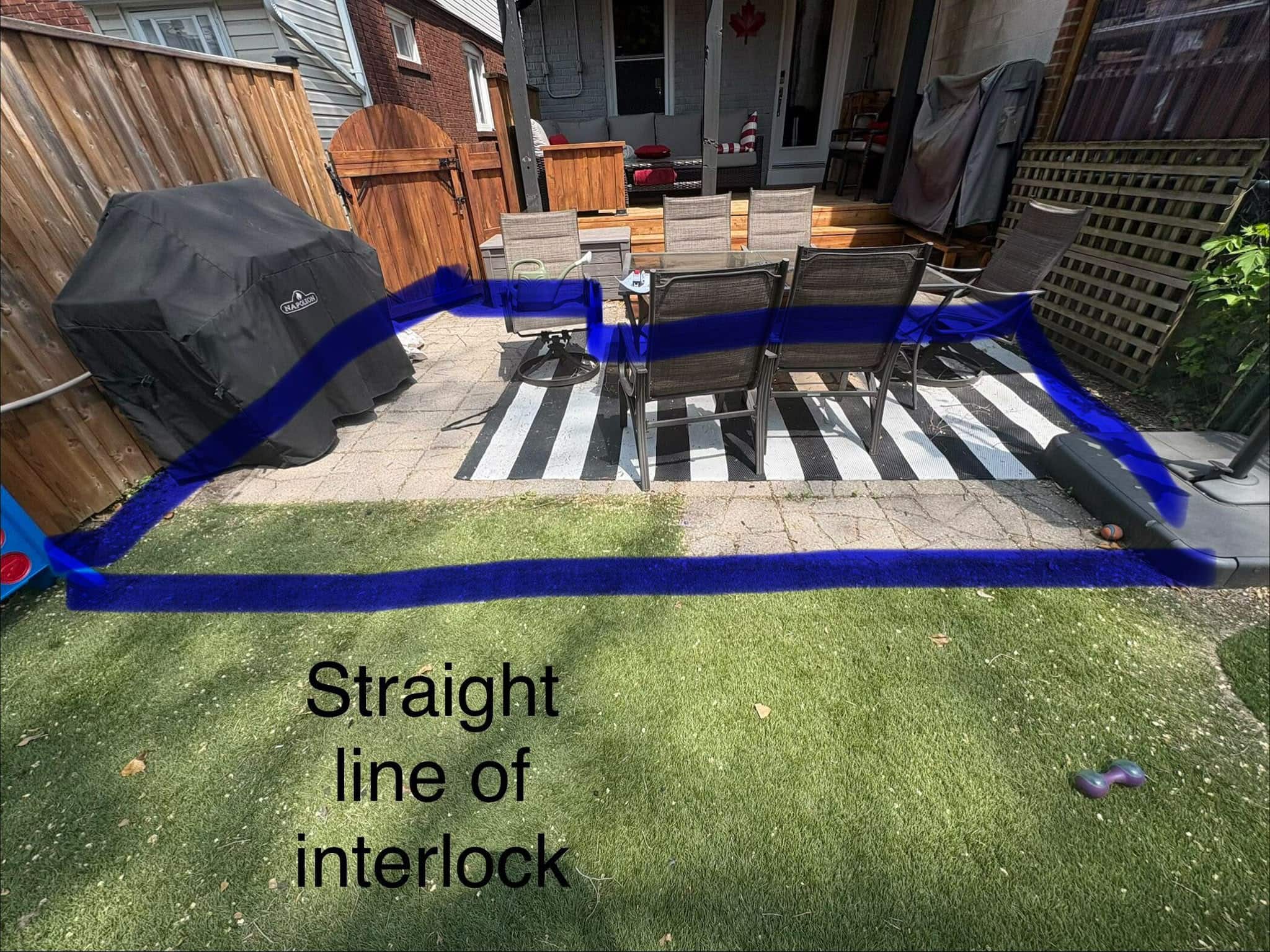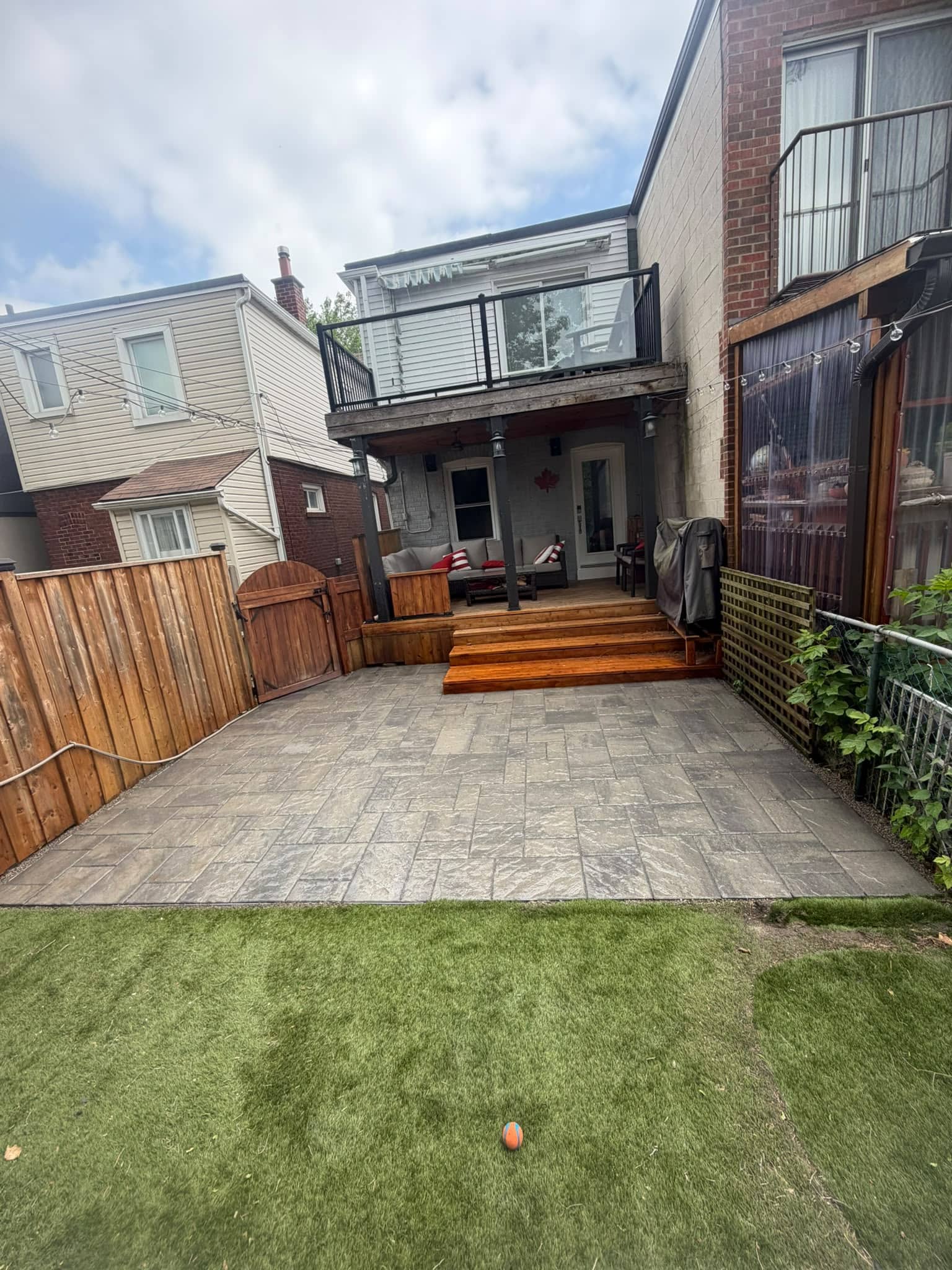

Choosing between brick and concrete pavers sounds simple at first, but for many Toronto homeowners, the better choice depends on where the pavers will go, how the space will be used, and how much maintenance they are willing to handle over time. A patio, walkway, front entrance, backyard seating area, and driveway do not all ask for the same material. What works beautifully in one part of the property may be less practical in another.
That is why this comparison matters. Brick pavers and concrete pavers can both create strong, attractive outdoor surfaces, but they do not offer the same look, feel, flexibility, or ideal use cases. Some homeowners care most about timeless curb appeal. Others want a surface that can handle heavier loads, offer more design options, or make repairs easier later.
For homes in Toronto and the GTA, climate also plays a major role. Freeze-thaw cycles, water runoff, melting snow, and seasonal shifting can affect how well an outdoor hardscape performs over time. In this guide, you will learn the main differences between brick and concrete pavers, where each tends to work best, the trade-offs to consider, and how to choose the right option for your space.
What Brick and Concrete Pavers Mean for Homeowners
Both brick and concrete pavers are individual paving units installed over a prepared base, rather than being poured as one continuous slab. That alone gives them an advantage in many outdoor spaces because individual units are easier to repair or replace than a large poured surface if movement or settlement happens later.
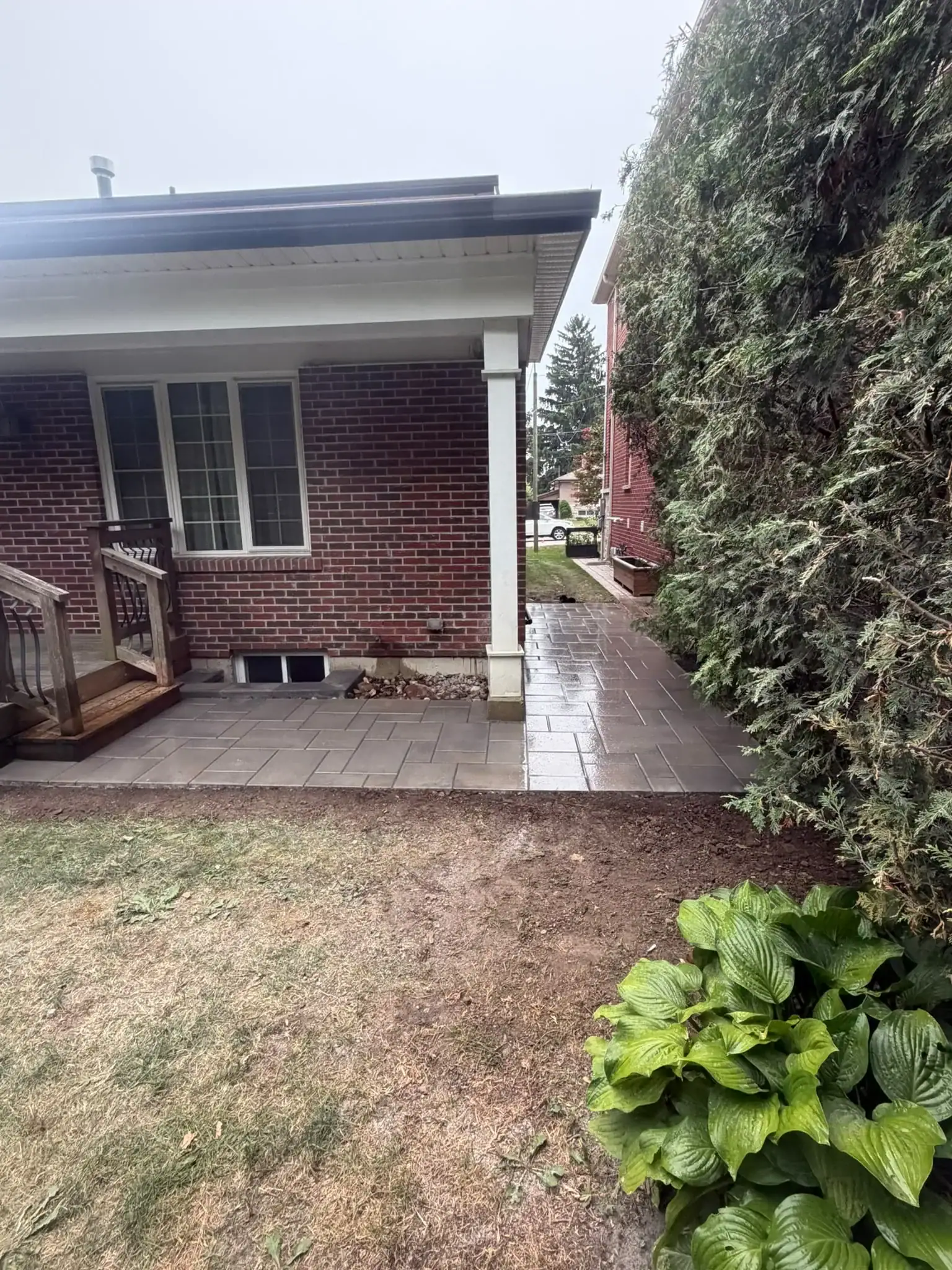
Brick pavers are usually chosen for their classic appearance. They often suit traditional homes, older Toronto properties, and outdoor spaces where warmth, texture, and a timeless look matter. Concrete pavers are often chosen for flexibility. They come in a wider range of shapes, sizes, finishes, and colours, making them easier to match with modern, transitional, or highly customized landscape designs.
For homeowners, the real question is not which material is better in a general sense. It is the one that fits the job best. A small garden path and a busy driveway have very different demands. So do a heritage-style front walkway and a large contemporary backyard patio.
Main Differences Between Brick and Concrete Pavers
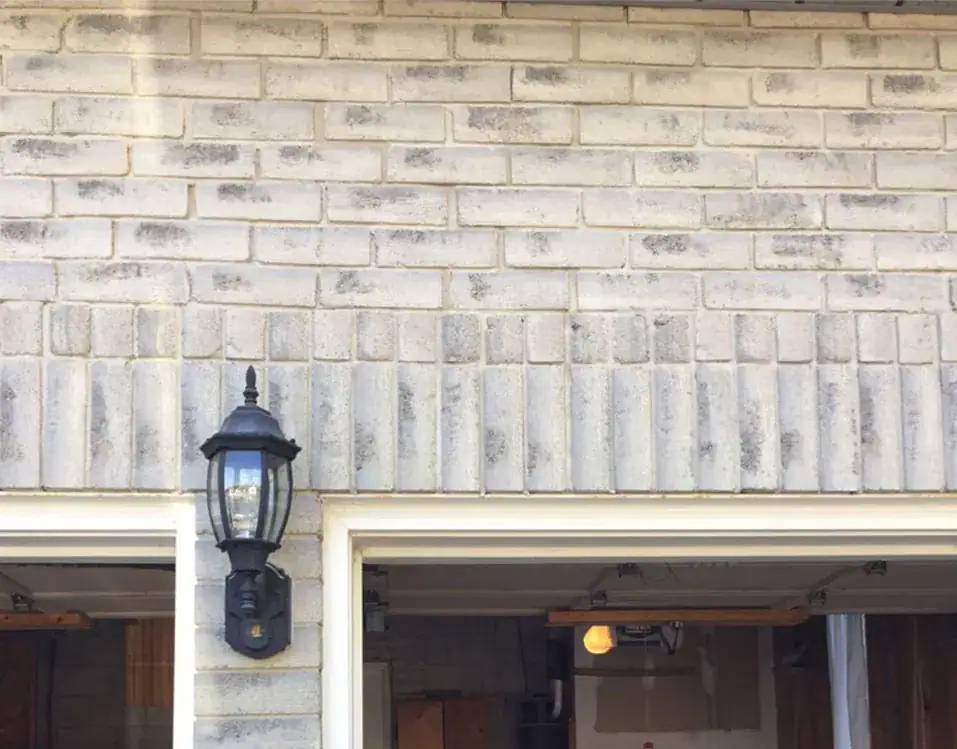
The biggest difference most homeowners notice first is appearance. Brick pavers tend to have a more traditional and established look. They often work especially well with red brick homes, older facades, and properties where homeowners want an outdoor feature that feels mature rather than highly manufactured.
Concrete pavers usually offer more variety. They can mimic natural stone, create cleaner, modern lines, and offer more pattern options. That makes them useful for homeowners who want more control over colour, scale, and layout.
There are also practical differences:
- Brick pavers: often chosen for classic visual appeal, heritage-style compatibility, and smaller decorative spaces
- Concrete pavers: often chosen for design flexibility, broader colour and shape options, and larger hardscape areas
- Brick: tends to deliver a more traditional and weathered character over time
- Concrete: tends to offer more consistency across a larger installation and can suit both traditional and modern layouts
- Both: depend heavily on proper base preparation, drainage, edge restraint, and correct installation
That last point matters more than many homeowners expect. Even a high-quality paver material can perform poorly if the base is not prepared correctly. On the other hand, a well-installed paver system usually holds up better and is easier to maintain than a rushed installation done with the wrong base or poor drainage planning. This is one reason a dedicated interlocking contractor in Toronto often adds value beyond the material choice alone.
Why Material Choice Matters in Toronto
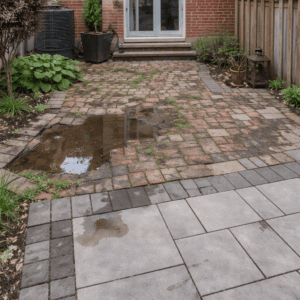
Toronto’s weather is hard on exterior surfaces. Rain, snow, ice, melting water, and repeated freeze-thaw cycles all affect how outdoor hardscapes age. Moisture control matters because water that accumulates in the wrong places can lead to shifting, joint washout, icing, unevenness, and increased wear over time.
That does not mean brick pavers are bad for Toronto or that concrete pavers are automatically better. It means the installation details matter. A driveway, walkway, or patio should be chosen with drainage, use, and seasonal movement in mind, not only colour or style.
It also means homeowners should think beyond the paver itself. Is the area sloped? Does meltwater collect there in late winter? Will the surface carry vehicles or only foot traffic? Is the house traditional brick, stone, or newer modern construction? These questions often do more to determine the best material than product brochures do.
If drainage is poor, even a good-looking surface can disappoint. Toronto’s official guidance on managing water near the home makes the same broader point: water should move away from the house and should not be allowed to cause long-term moisture problems around exterior surfaces. You can review that here: City of Toronto: Managing Water Around the House. Ontario’s Building Code is also a useful standards reference when thinking about exterior construction details: Ontario Building Code.
Best Uses for Brick Pavers
Brick pavers usually make the most sense when homeowners want a more established, classic, or heritage-friendly look. They are especially appealing where the pavers need to feel like they belong to the architecture rather than stand out as a separate design feature.
Brick pavers are often a strong fit for:
- front walkways on older homes
- garden paths with a traditional feel
- entry areas where charm matters more than heavy load capacity
- courtyard-style patios
- smaller outdoor seating areas
- landscape accents beside brick homes or masonry facades
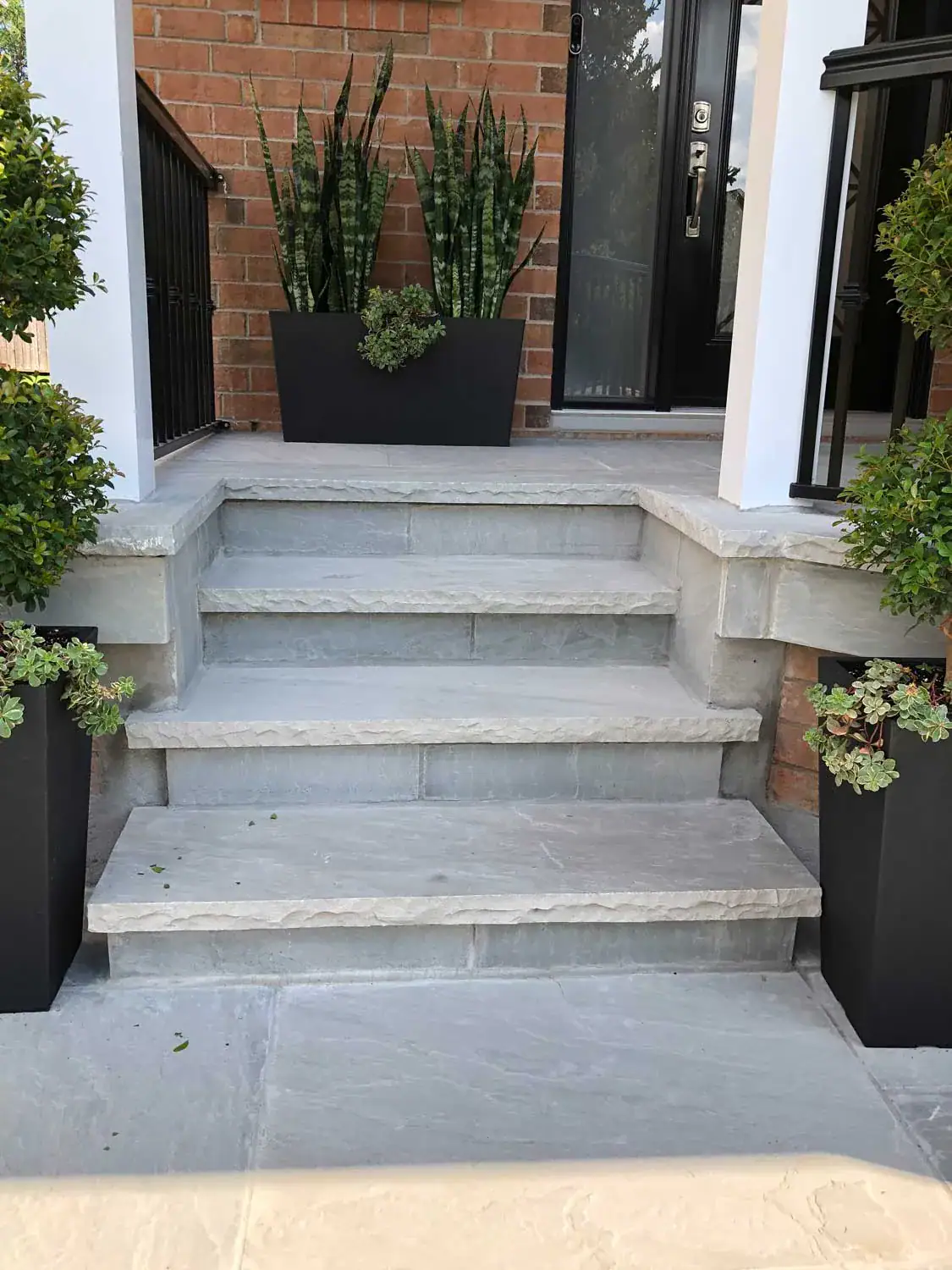
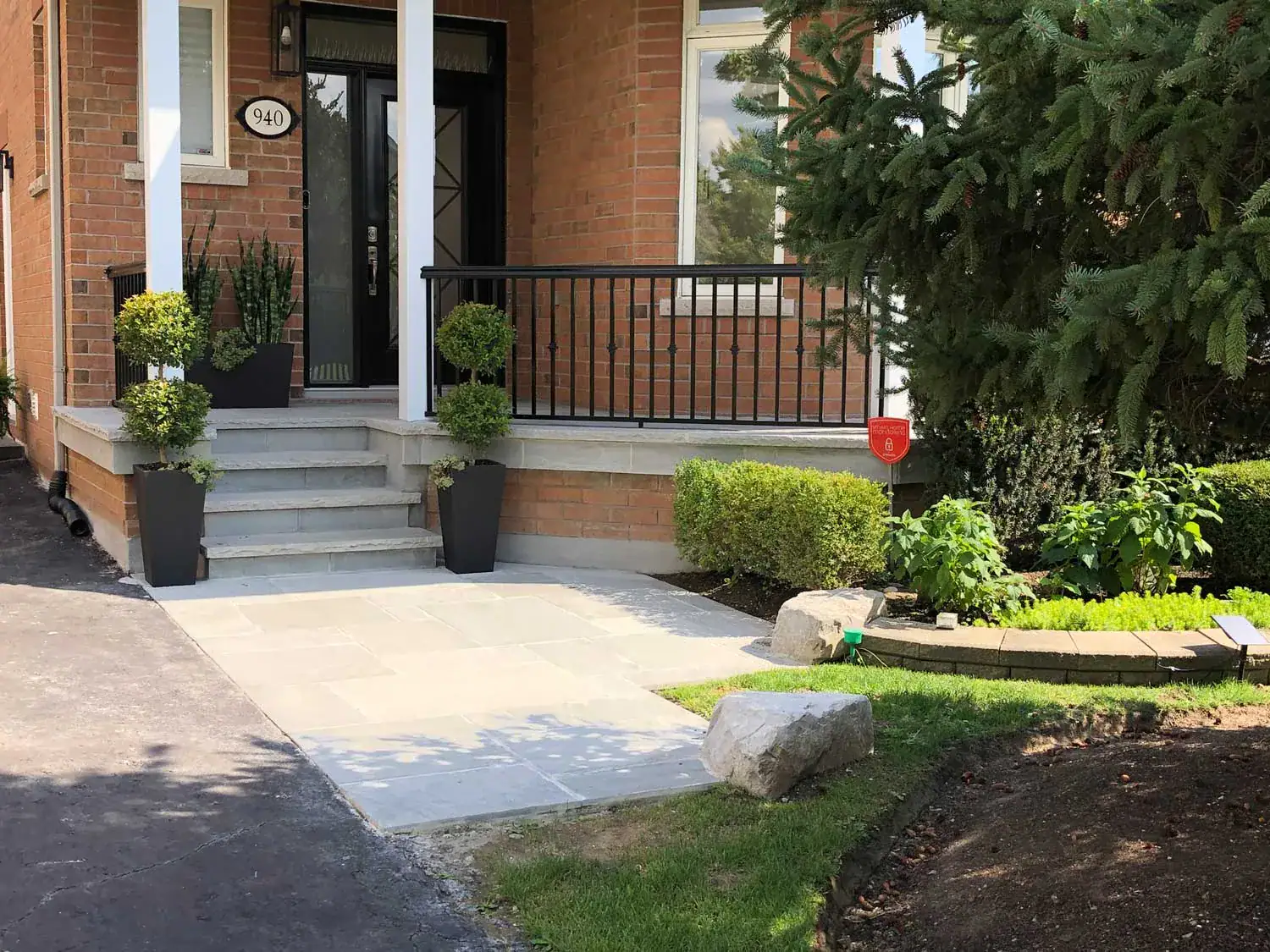
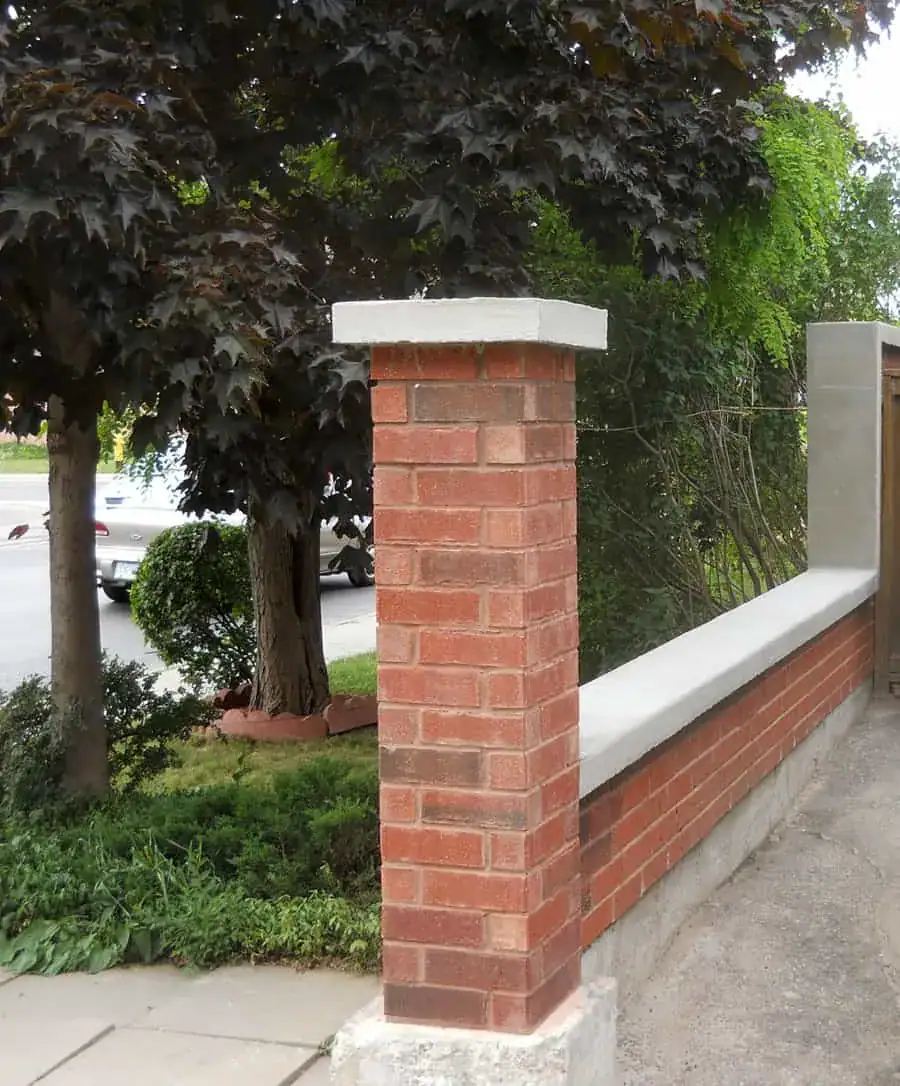
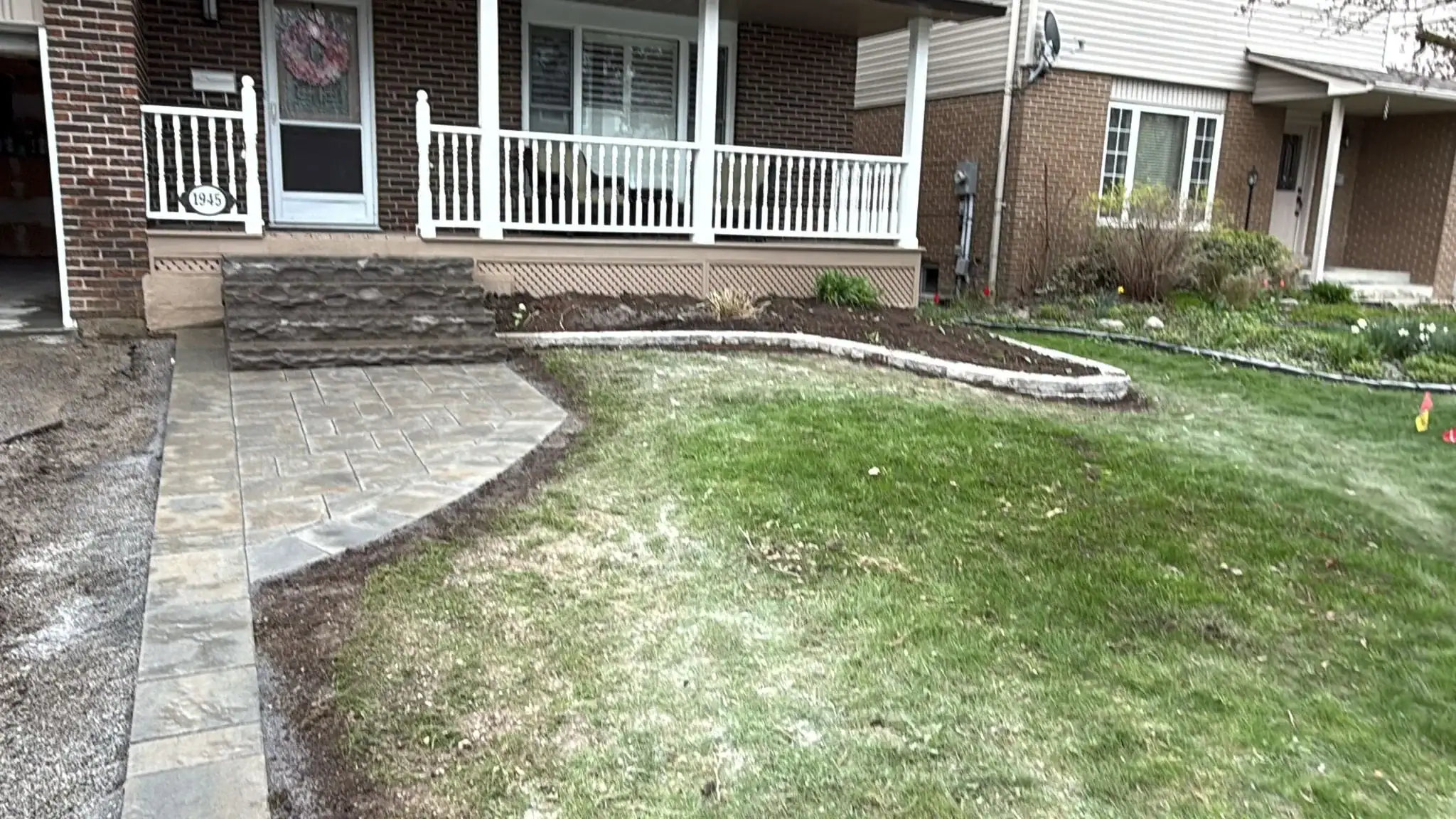
They can work especially well near entrances, porches, and older residential exteriors where homeowners want the paving to feel warmer and more character-driven. If the goal is to complement existing brickwork rather than contrast with it, brick pavers often do that naturally.
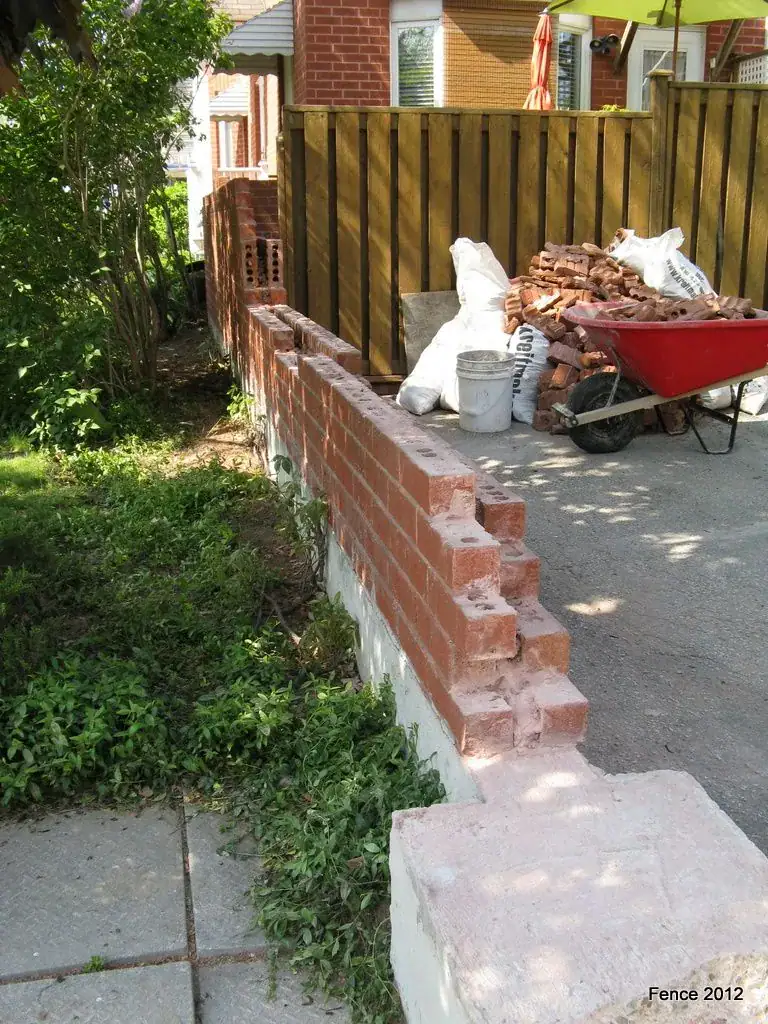
They can also be a good choice for spaces where individual-unit replacement matters. Since pavers are modular, repairs can be more targeted than with a poured slab. That makes them useful in outdoor areas where minor movement or future access may be an issue.
In a Toronto home with a more classic streetscape, brick pavers often feel most at home on front paths, connecting walkways, and patio zones that benefit from a traditional outdoor look rather than a sleek contemporary finish.
Best Uses for Concrete Pavers
Concrete pavers are often the more flexible option when homeowners want a broader range of looks or need a material that suits larger and more varied hardscape projects.
Concrete pavers are often a strong fit for:
- driveways
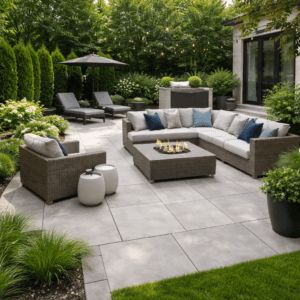
- larger patios
- modern backyard entertaining spaces
- walkways with cleaner lines or larger-format layouts
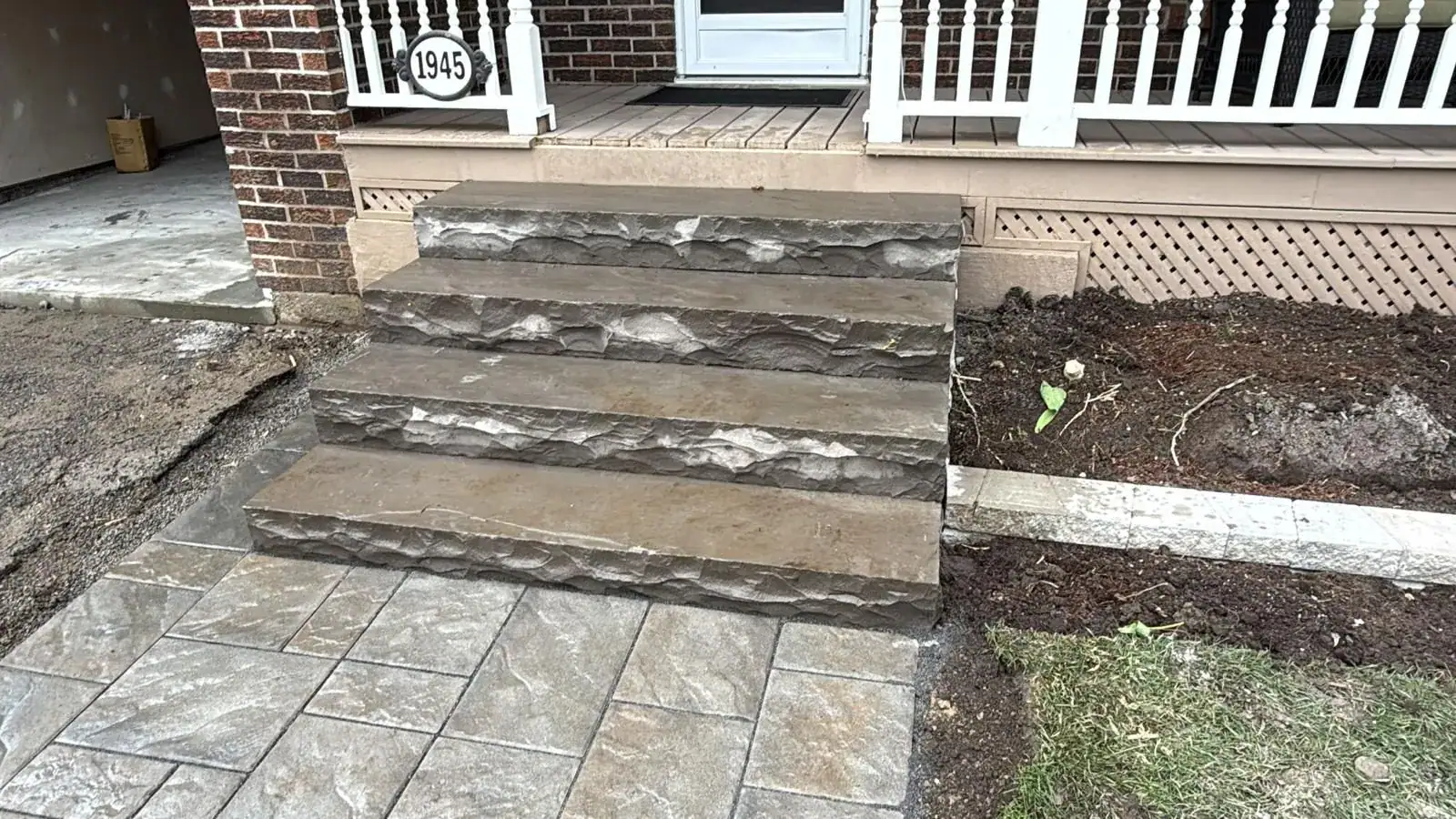
- front entrances that need a custom look
- areas where homeowners want more choice in pattern and colour
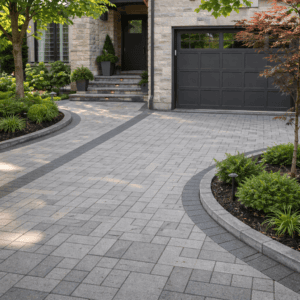
For many homeowners, concrete pavers are the practical answer when the project is bigger, the design is more custom, or the space needs to coordinate with other landscape elements such as steps, coping, edging, retaining walls, or modern façades. They can also be easier to use when the design calls for more contemporary geometry or a less traditional colour palette.
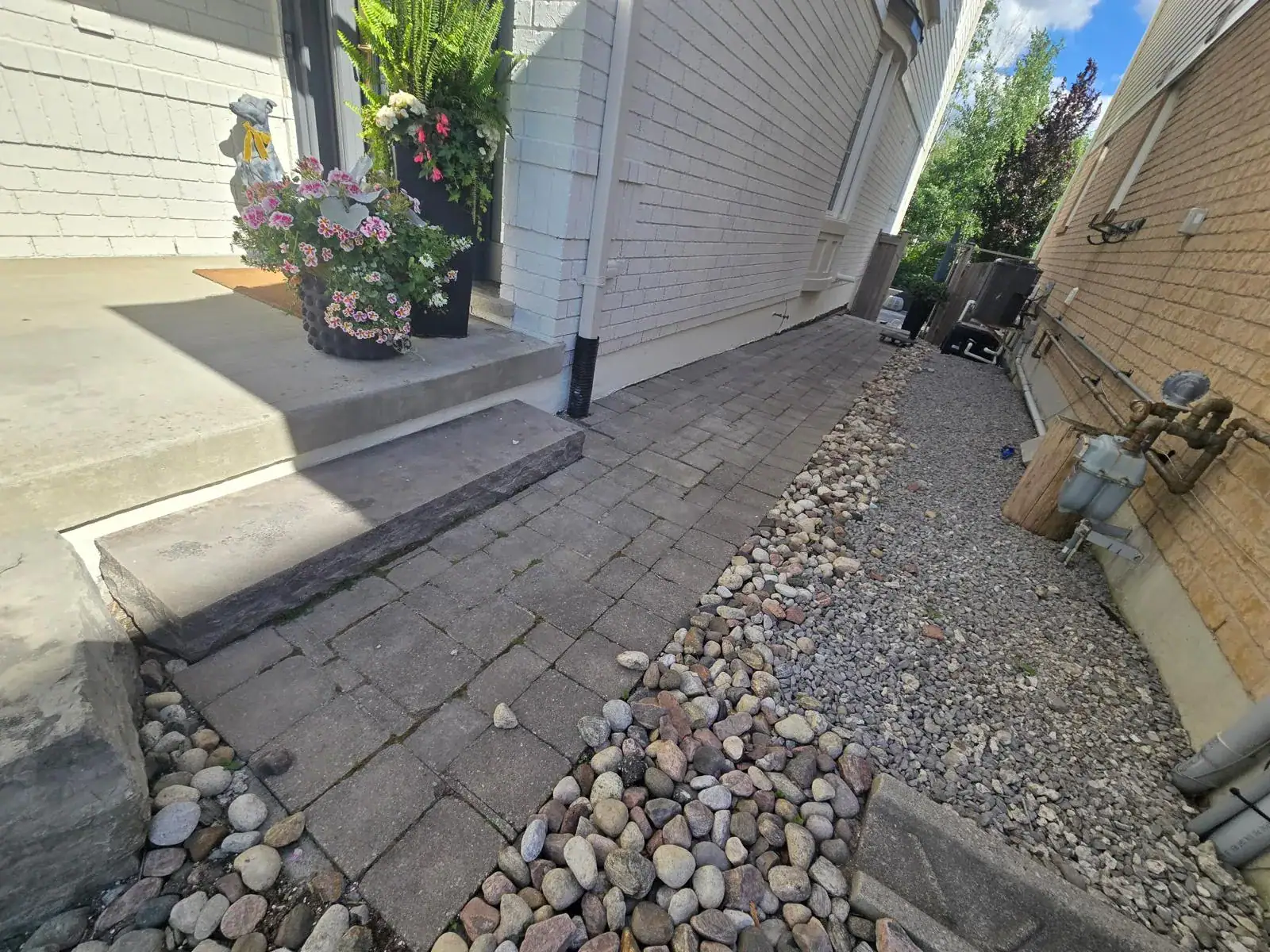
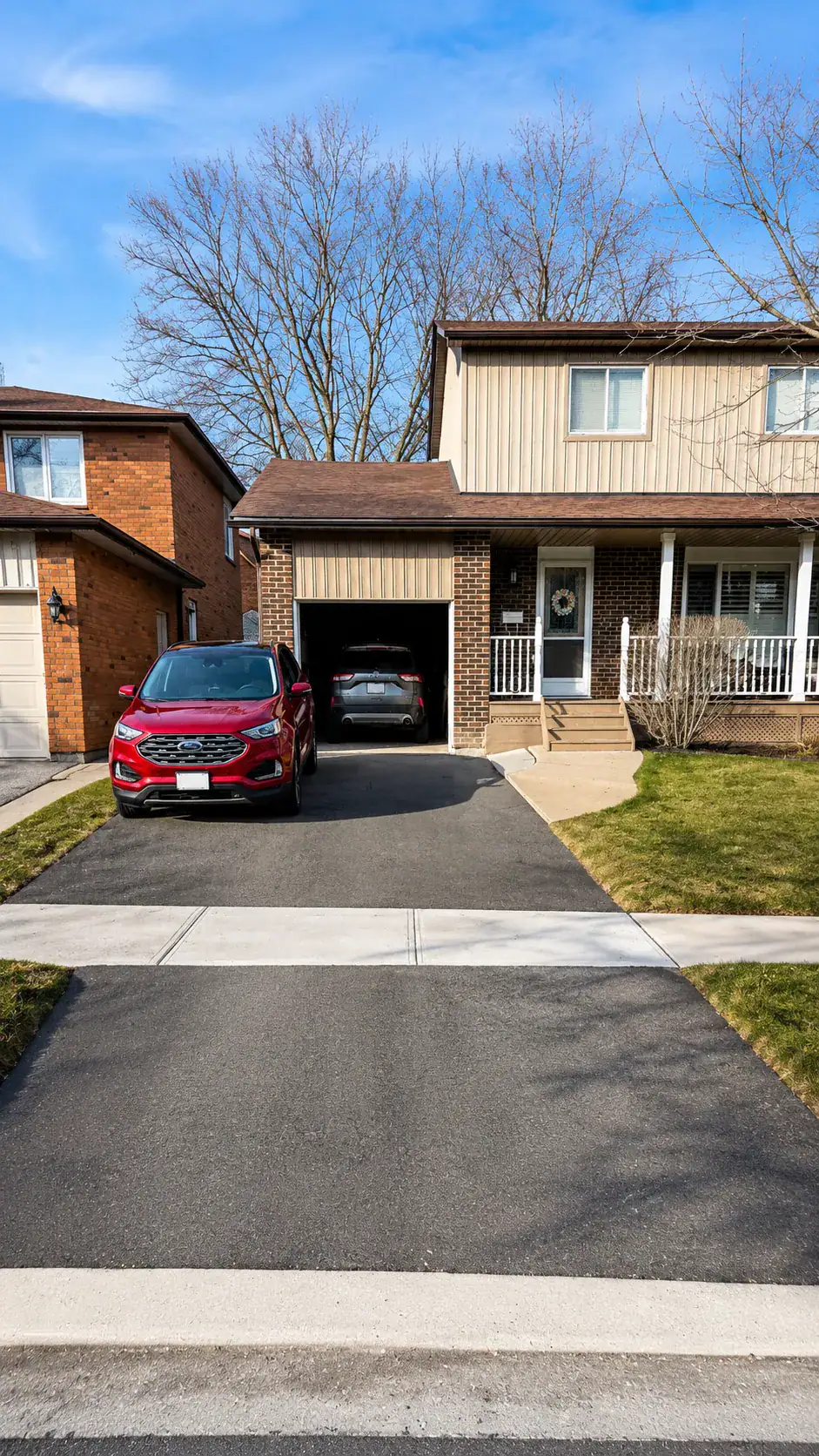
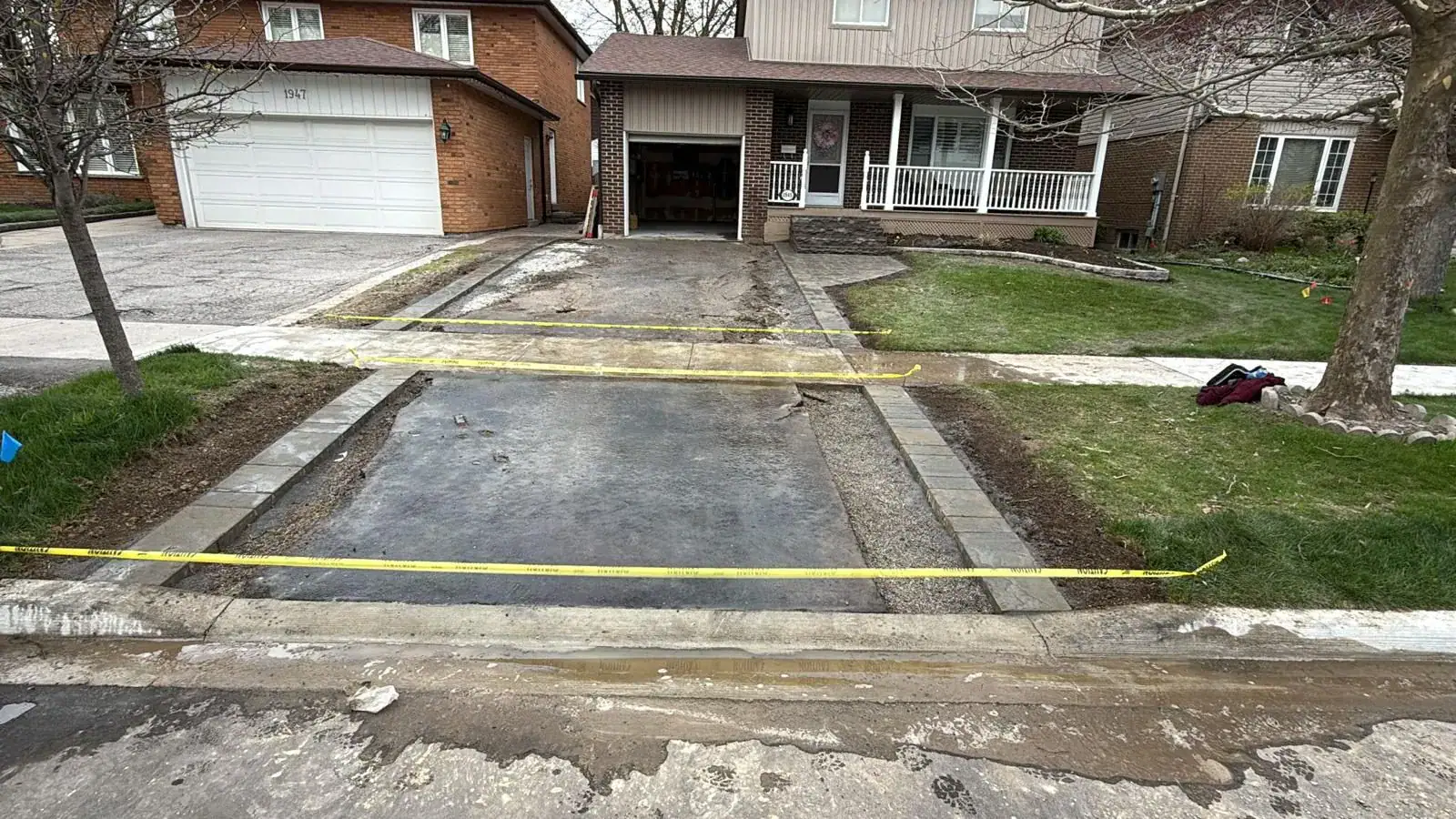
Concrete pavers are especially common in areas such as driveways and broad patios because they make it easier to build a cohesive design across a larger footprint. If you are specifically comparing options for vehicle areas, it also helps to review how they fit into a dedicated interlocking driveway project in Toronto rather than judging them solely as patio materials.
Best Choice by Area of the Property
Many homeowners get stuck because they are trying to choose one “winner” for every situation. A better way to decide is to break the project down by area.
- Driveways: concrete pavers are often the more practical choice because they usually offer more size, style, and layout flexibility for larger vehicle areas
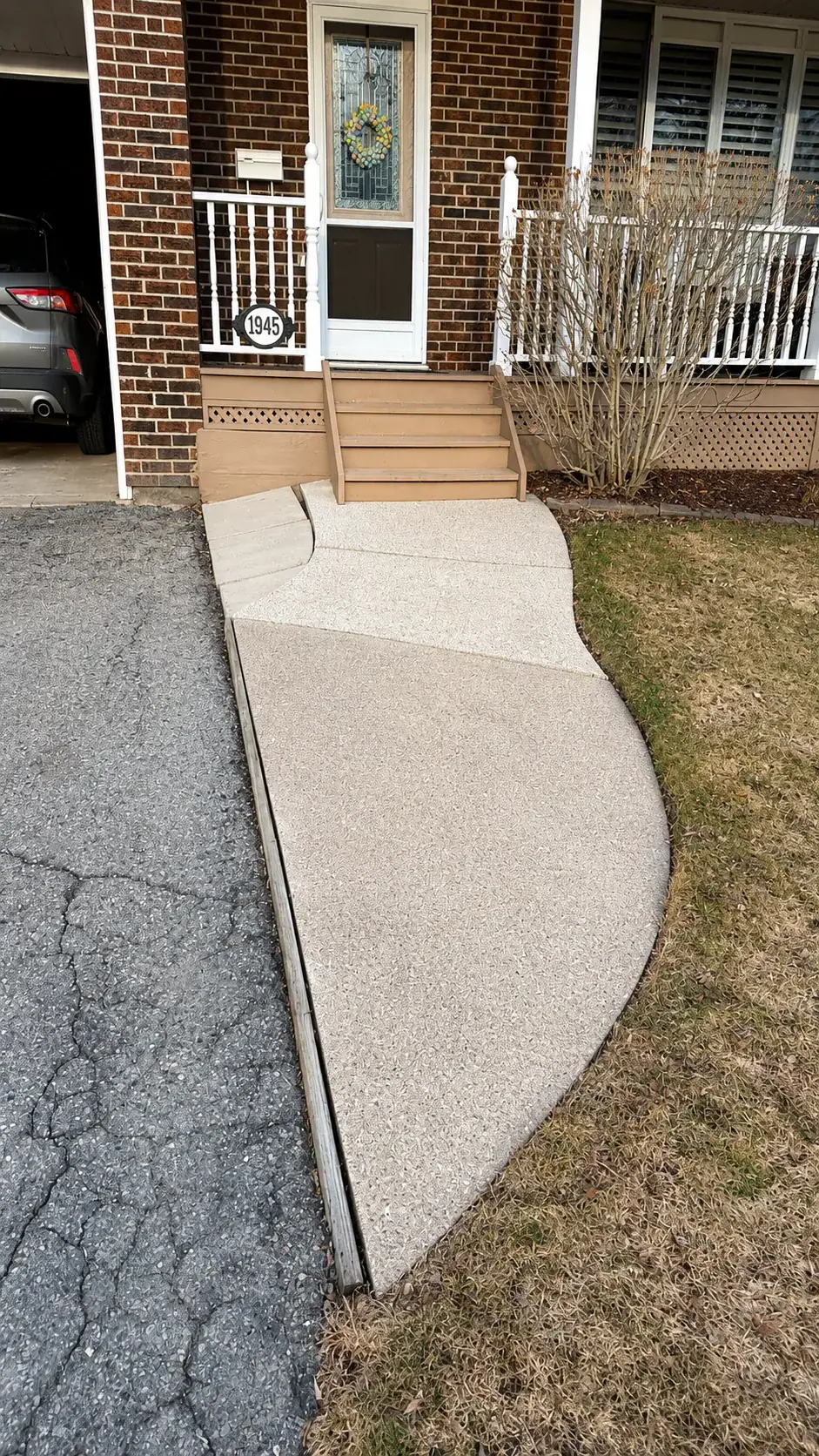
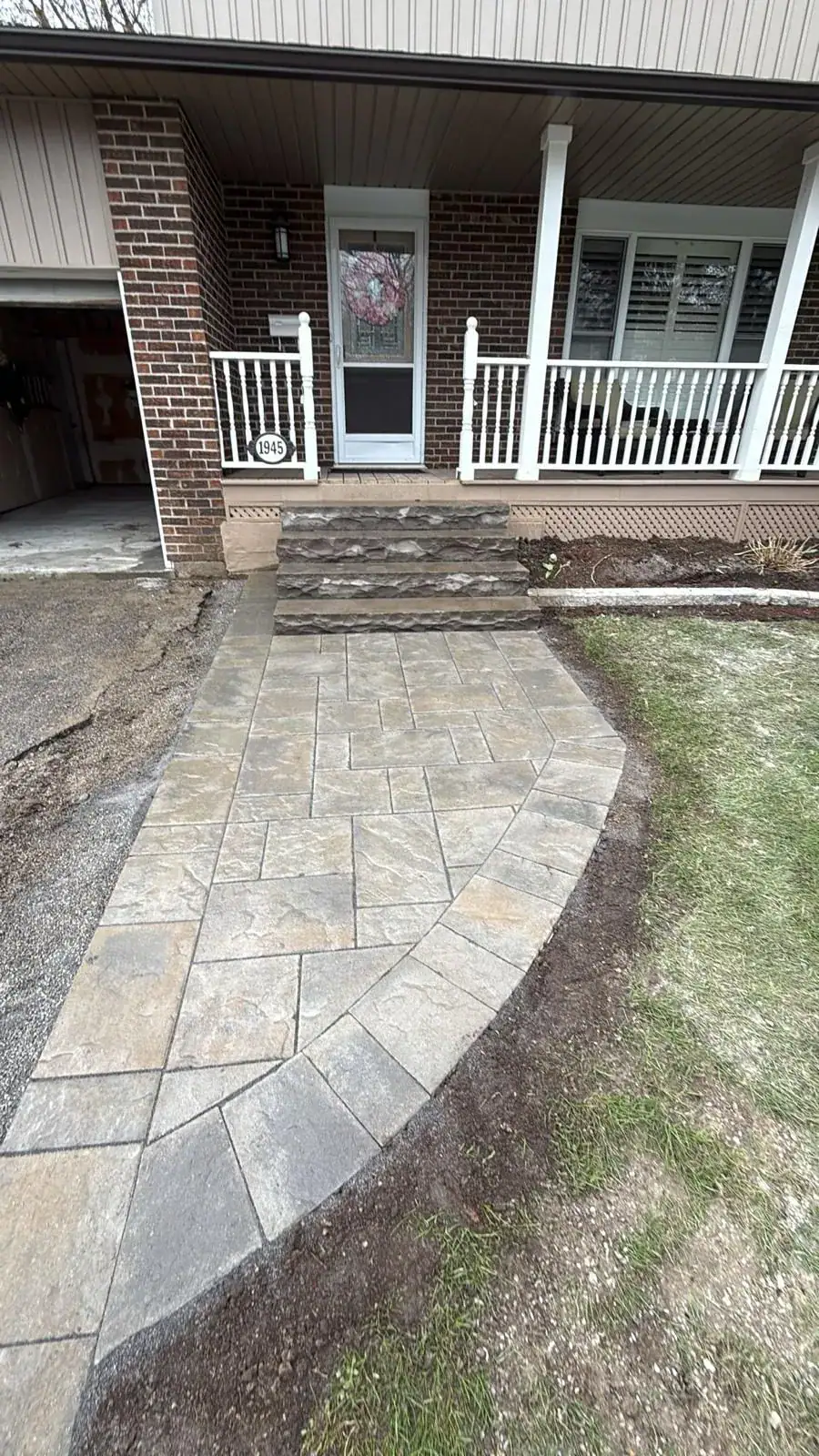
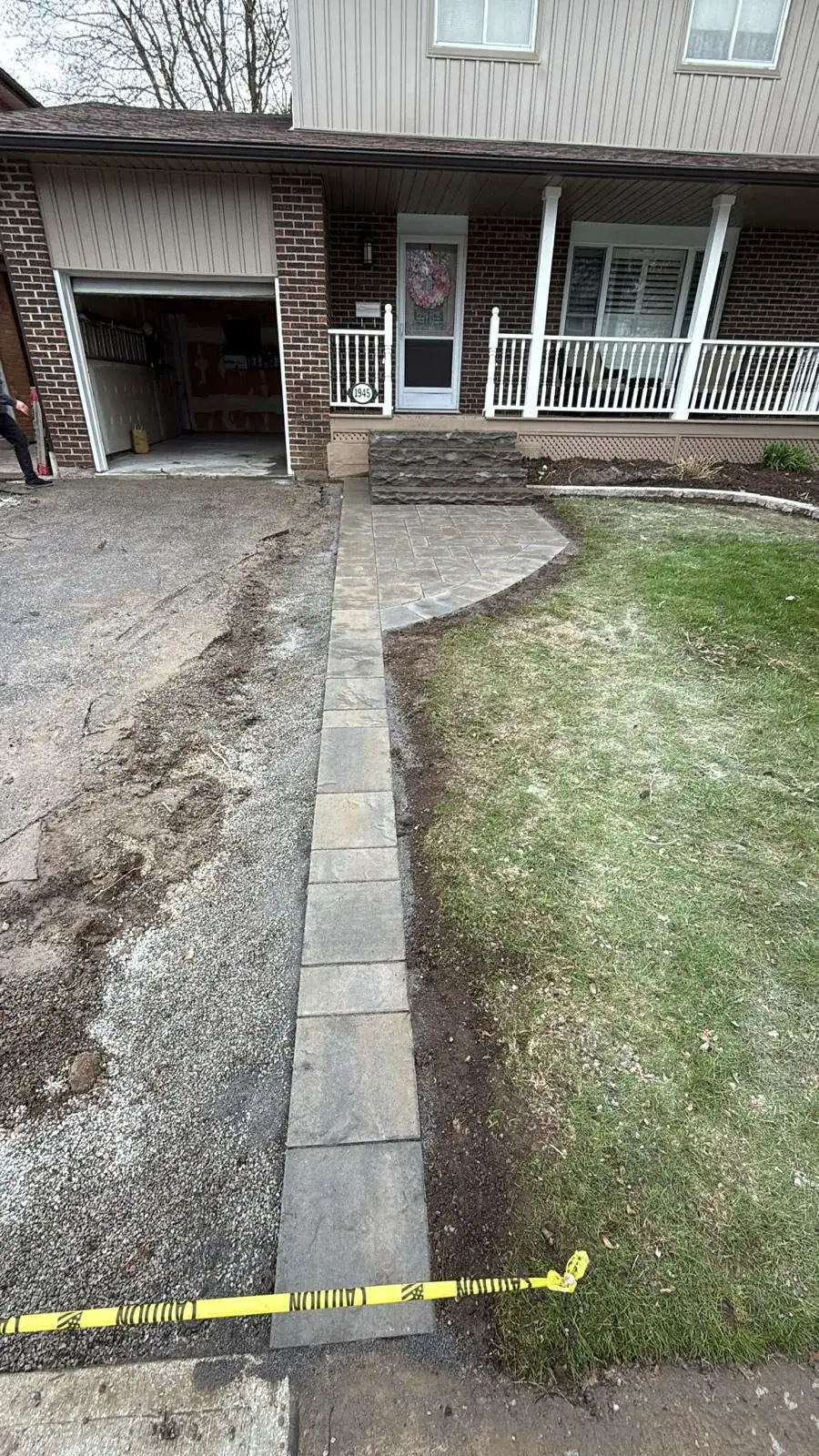
- Front walkways: brick pavers often feel more natural on traditional homes, while concrete pavers can work better on newer or more modern properties
- Patios: either can work well, but brick often suits smaller, warmer, classic spaces, while concrete usually suits larger entertaining areas with broader design goals
- Front entrances: brick can add charm and character, while concrete can create a sharper custom look
- Garden paths: brick often feels more established and softer in landscaped settings
- Mixed hardscape projects: concrete pavers usually give more freedom when tying together steps, patios, landings, and driveways
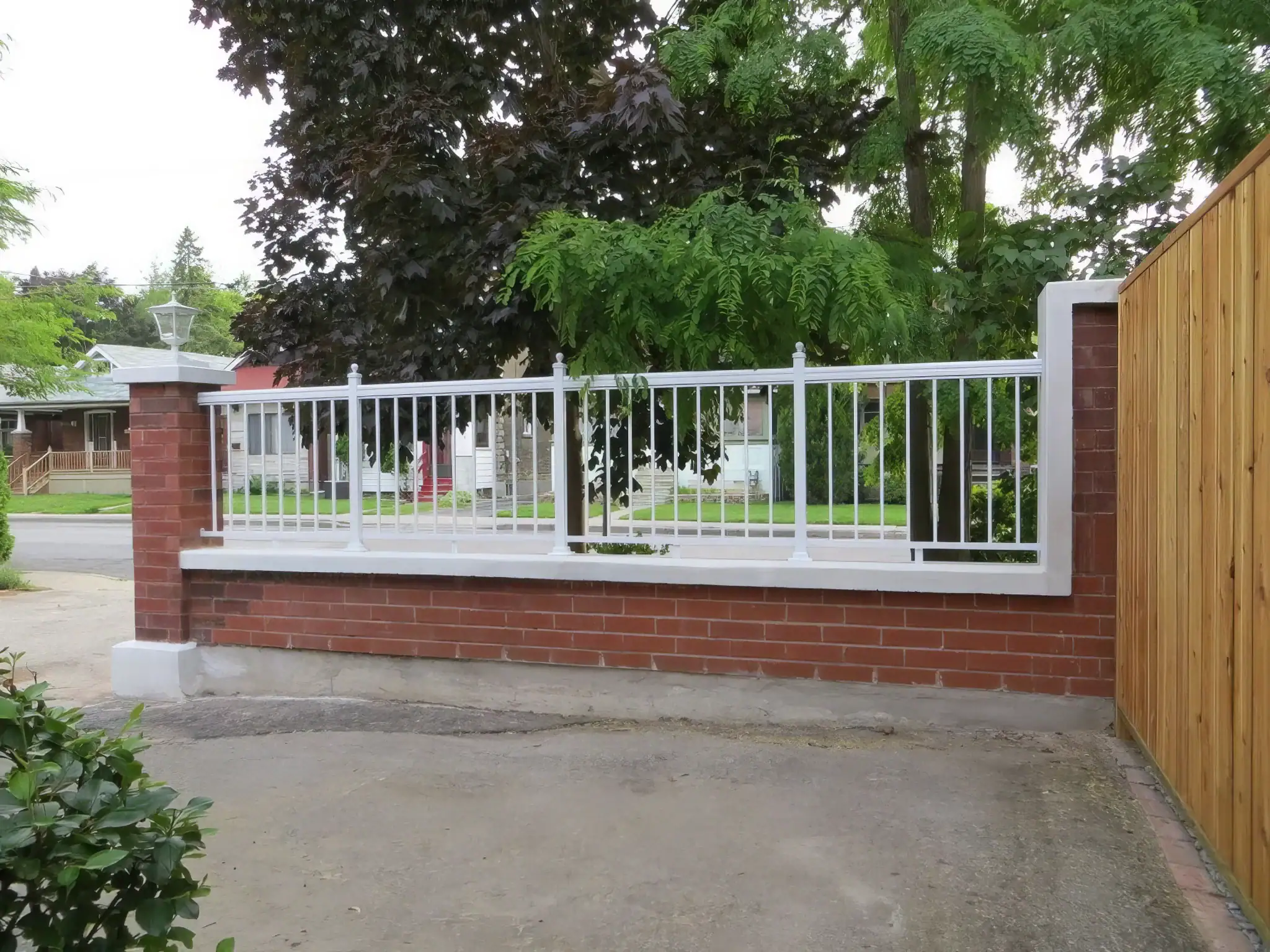
This is also why some of the best projects are not strictly brick-only or concrete-only. A home may benefit from concrete pavers in the driveway and patio, while brick is used as an accent or in smaller pedestrian spaces where it visually connects to the home.
When Brick Pavers Make More Sense Than Concrete
Brick pavers usually make more sense when the design goal is character, warmth, and visual connection to older masonry. They are often the better fit when homeowners want the paving to support the house rather than become the main feature.
This can be especially true for older Toronto neighbourhoods where brick homes, traditional steps, and mature landscaping create a certain visual rhythm. In those settings, concrete pavers can still work well, but brick often feels more natural and less forced.
Brick may also be the more satisfying choice in smaller spaces where the richness of the material is easier to appreciate. A narrow front path, a compact sitting area, or a brick-adjacent entrance can benefit from the texture and familiarity that brick brings.
That said, choosing brick only for appearance can be a mistake if the space really needs a more engineered design approach, broader format options, or heavier-duty layout planning. The prettier material in a sample board is not always the better one for the actual job.
When Concrete Pavers Make More Sense Than Brick
Concrete pavers often make more sense when scale, flexibility, and layout control are priorities. They are usually the easier choice when the surface area is larger, the style is more contemporary, or the project needs to tie together multiple hardscape elements such as steps, landings, driveways, and patios.
They are also often the simpler choice when homeowners want specific tones, shapes, or pattern systems that brick cannot deliver as easily. If the outdoor design is meant to look more current, minimal, or architecturally sharp, concrete pavers are often the more natural fit.
For example, if the project includes a large backyard living area, a wide driveway, or a long connecting path with steps, concrete pavers usually offer greater design flexibility. They also work well in projects that connect to other features like interlocking patios in Toronto or paver walkways where the layout needs to feel coordinated across multiple zones.
Maintenance and Long-Term Upkeep
Homeowners often focus on the installation day and forget that the surface has to keep working through years of weather, foot traffic, shifting seasons, and outdoor maintenance.
Brick pavers often appeal to homeowners who like materials that age with character. Small variations in tone and weathering can feel natural rather than distracting. Concrete pavers often appeal to homeowners who want a more uniform look across a larger space, especially in contemporary landscapes.
Both types of pavers may eventually need joint sand maintenance, occasional resetting in isolated areas, or replacement of damaged individual units. That is one of the advantages of paver systems in general. Repairs are often more targeted than with a cracked poured slab.
Still, it helps to be realistic. No paver surface is truly maintenance-free. Weeds in neglected joints, poor drainage, base movement, and edge failure can affect both materials. The real question is whether the homeowner is choosing a surface that suits the site and is willing to keep it in good condition over time.
Winter Performance and Repairability
In Toronto, winter performance deserves its own discussion. Snow removal, ice, meltwater, and freeze-thaw cycles all put pressure on outdoor surfaces. A well-installed paver system usually handles seasonal movement better than a poorly installed one, regardless of whether the material is brick or concrete.
Repairability is one of the reasons pavers stay popular. If a small section settles or a few units are damaged, repairs can often be more localized rather than requiring a full replacement of the entire surface. That matters in climates where movement happens gradually.
For homeowners, this means the smarter question is not only “Which paver looks better?” but also “Which paver system is easier to live with after five winters?” If the base, drainage, and layout are done properly, both materials can perform well. If those basics are ignored, both can disappoint.
What About Cost?
Cost matters, but it should be handled carefully in a comparison like this because exact pricing depends on the product, site conditions, excavation needs, access, edging, pattern complexity, drainage work, and labour. So instead of treating cost like a simple yes-or-no factor, it is more useful to think in terms of cost direction.
For many projects, concrete pavers offer a wider range. There are often more product lines, sizes, and finish levels to choose from, which can make them easier to match to different budgets and design goals. Brick pavers may appeal more to homeowners who prioritize visual character and a more traditional look, especially in smaller or more architectural spaces.
That is why the better value question is not just “Which one costs less?” but “Which one gives me the right result for this part of the property?” A cheaper-looking result that does not suit the home is not really a better value. Neither is a premium-looking choice used in the wrong area.
What Happens If You Choose the Wrong Material
Choosing the wrong paver type does not always lead to outright failure, but it can lead to disappointment. Sometimes the material looks out of place. Sometimes it wears in a way the homeowner did not expect. Sometimes the surface performs fine, but the finished result does not suit the house or the way the space is actually used.
Common problems include:
- a driveway material that feels too delicate for the scale of the space
- a patio finish that clashes with the home’s architecture
- too much focus on colour and not enough on drainage or layout
- an installation that becomes uneven because the base was treated like an afterthought
- a surface that is harder to maintain because the wrong product was chosen for the location
That does not mean every paver project needs to be fully permeable, but it does support the bigger point: water handling is part of good hardscape design. A beautiful surface that traps or redirects water badly is not really a successful outdoor upgrade.
How to Choose Between Brick and Concrete Pavers
If you are deciding between the two, a useful way to think about it is to rank your priorities honestly.
Ask yourself:
- Is the space mostly about appearance, or heavy use?
- Do I want a traditional look or a more modern one?
- Will this be a driveway, patio, walkway, or mixed-use space?
- Does the paver need to match existing brickwork or stand apart from it?
- How important are custom pattern and colour choices?
- How important is future repair access?
- How does water move through this part of the property now?
If the answer leans toward timeless character, smaller-scale charm, and visual warmth, brick pavers may be the right fit. If the answer leans toward larger hardscape, more design choices, and broader layout control, concrete pavers are often the stronger option.
It also helps to think in terms of combinations rather than single-material loyalty. Some properties work best with concrete pavers in the driveway and brick or brick-accented elements in smaller pedestrian zones. Others benefit from keeping everything in one coordinated material family.
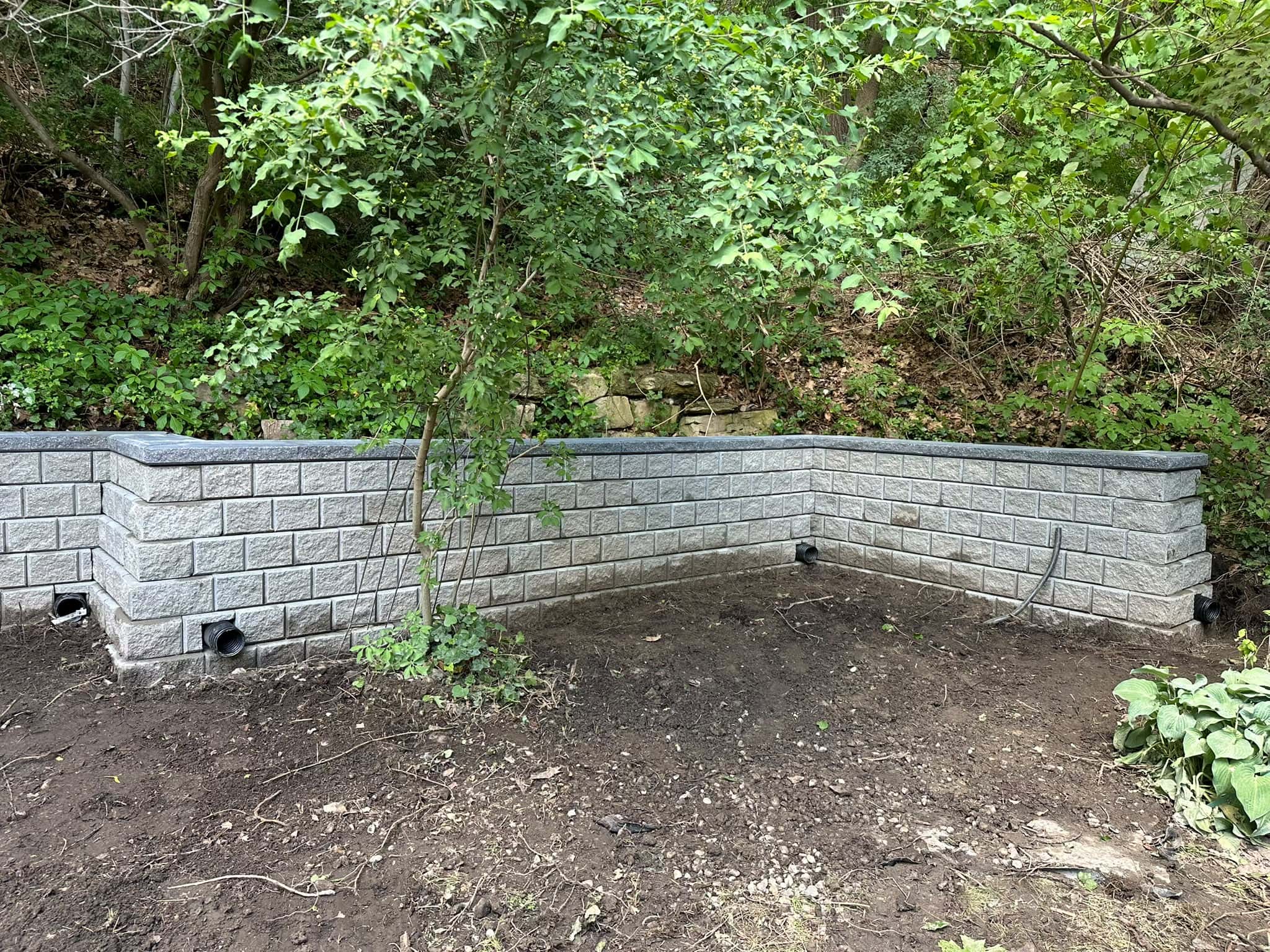
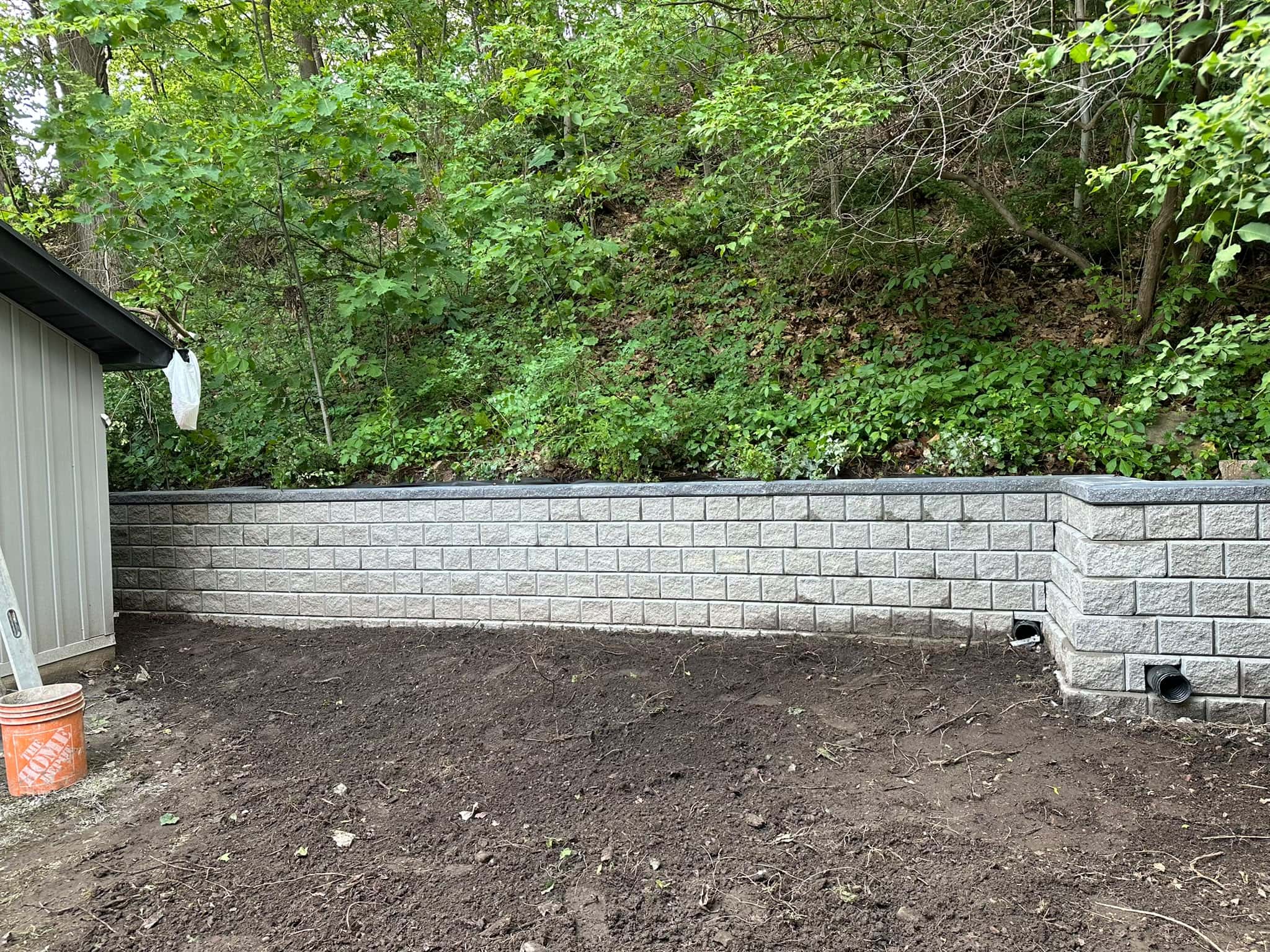
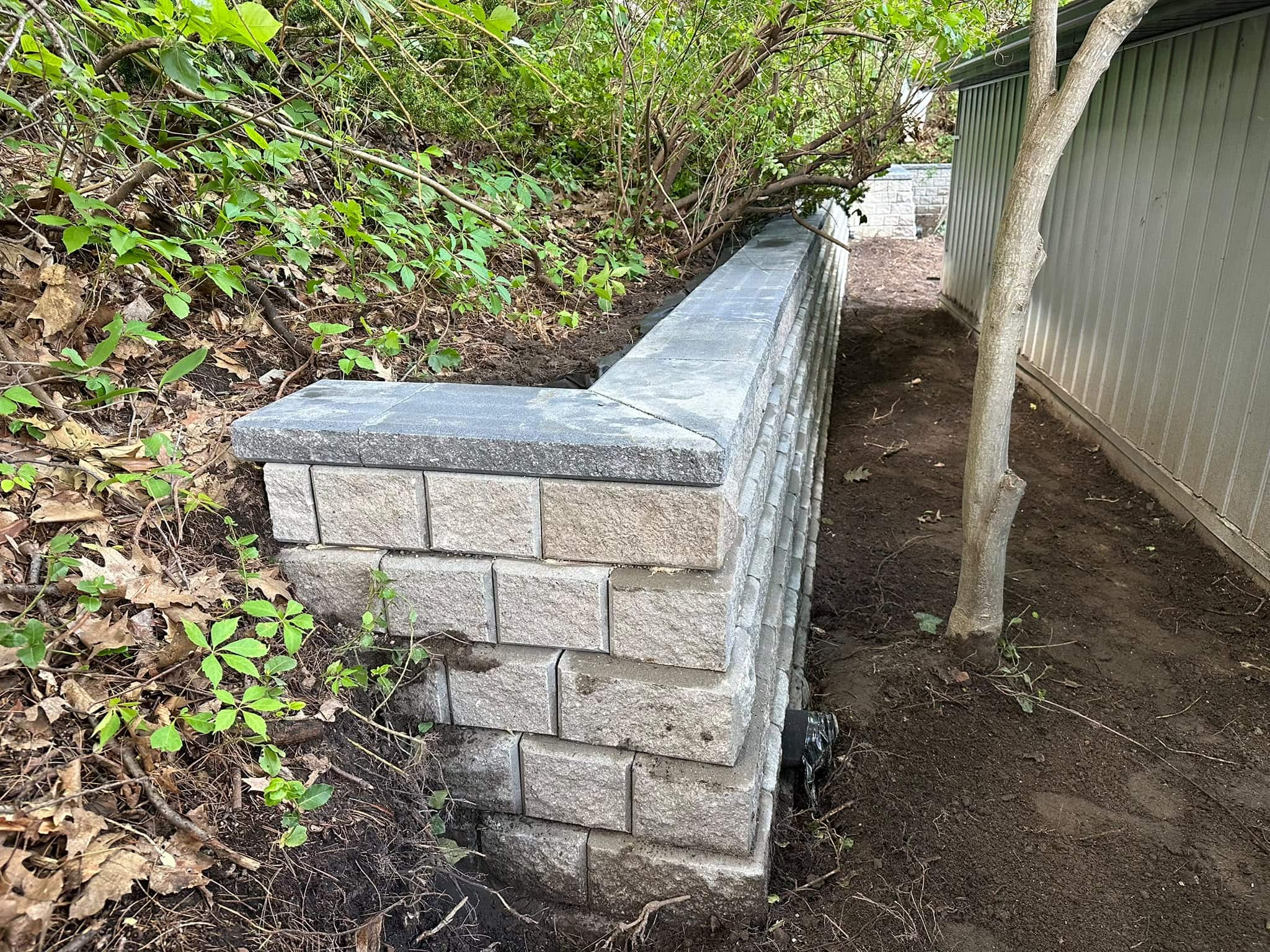
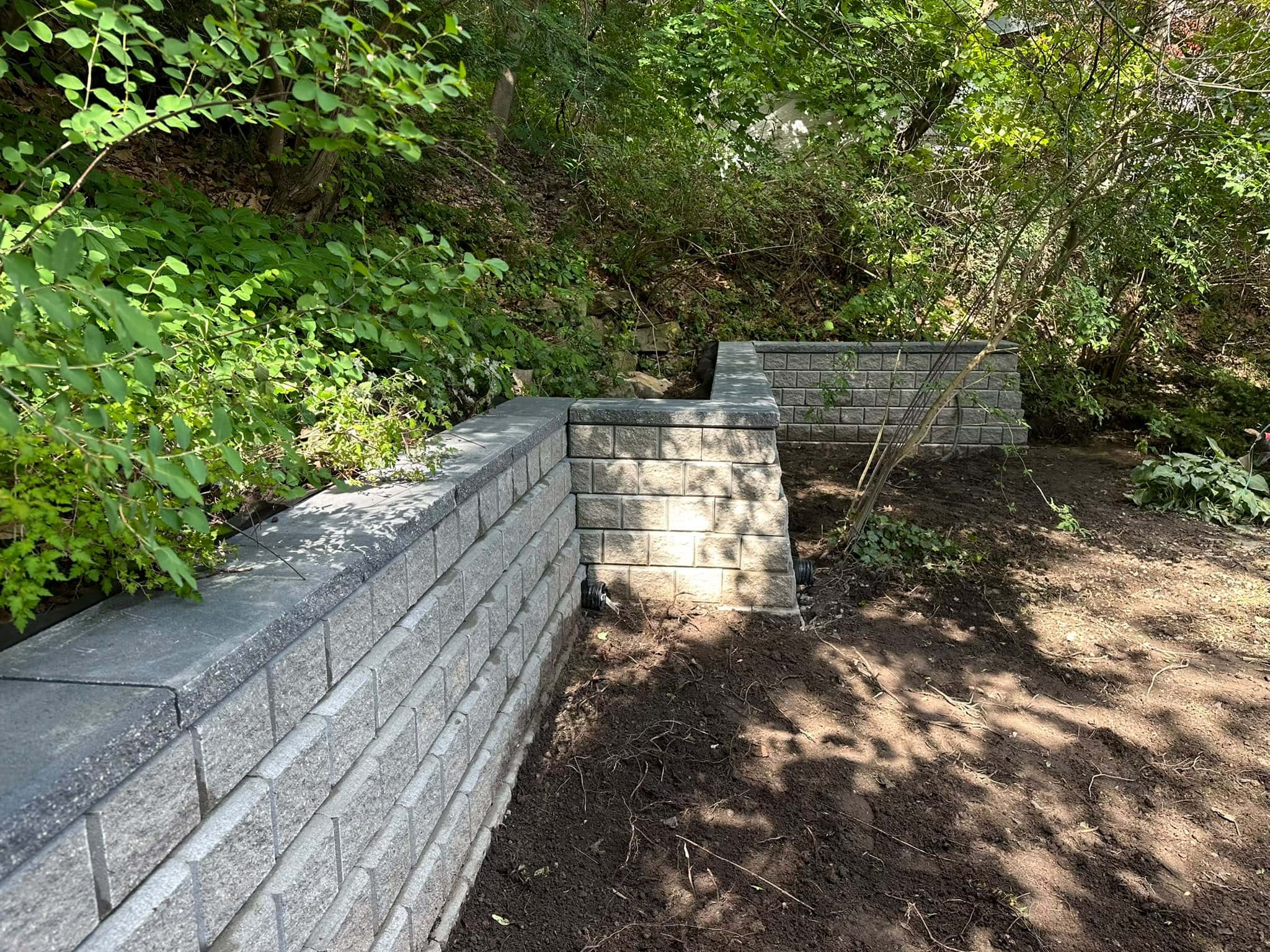
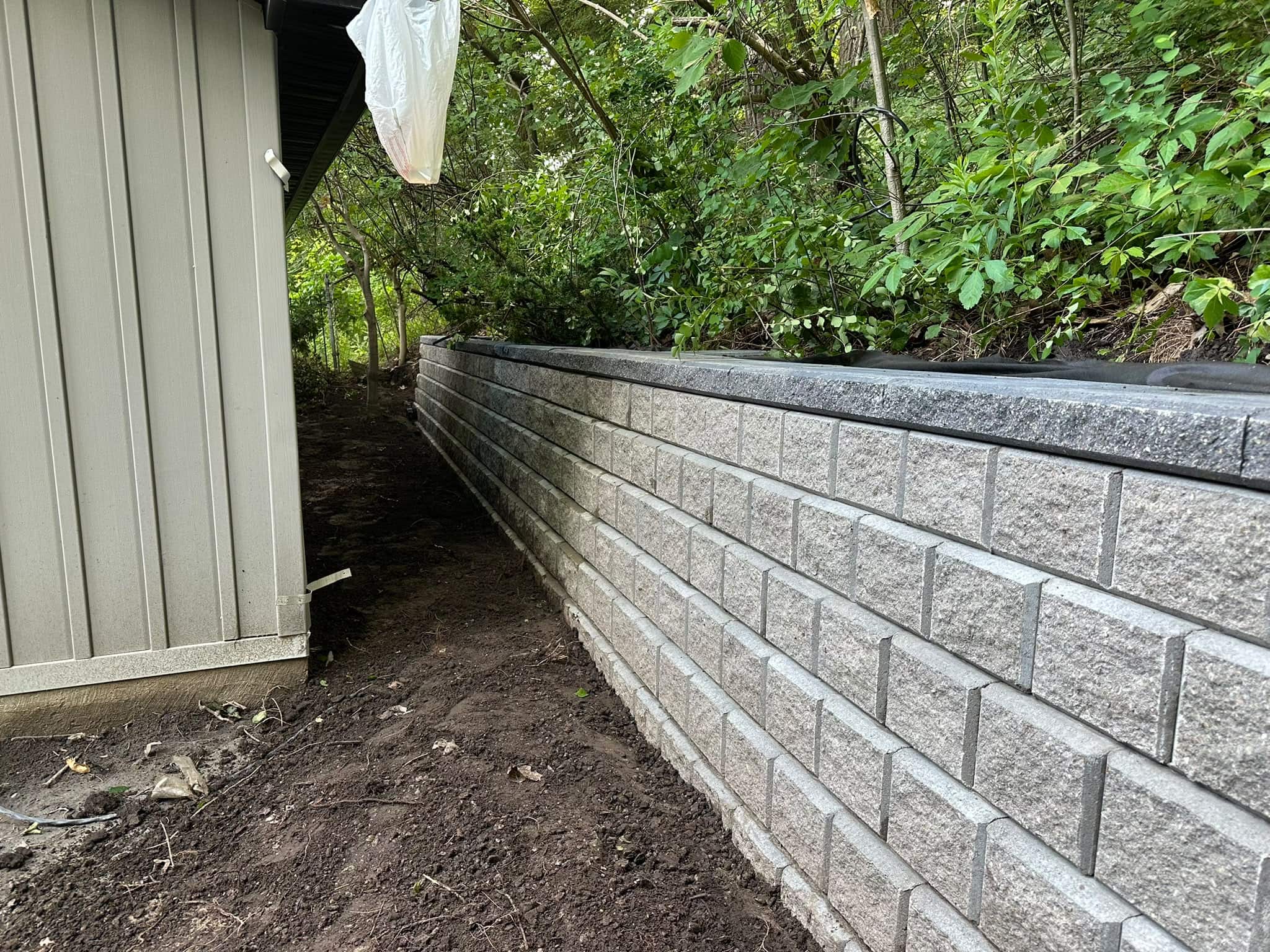
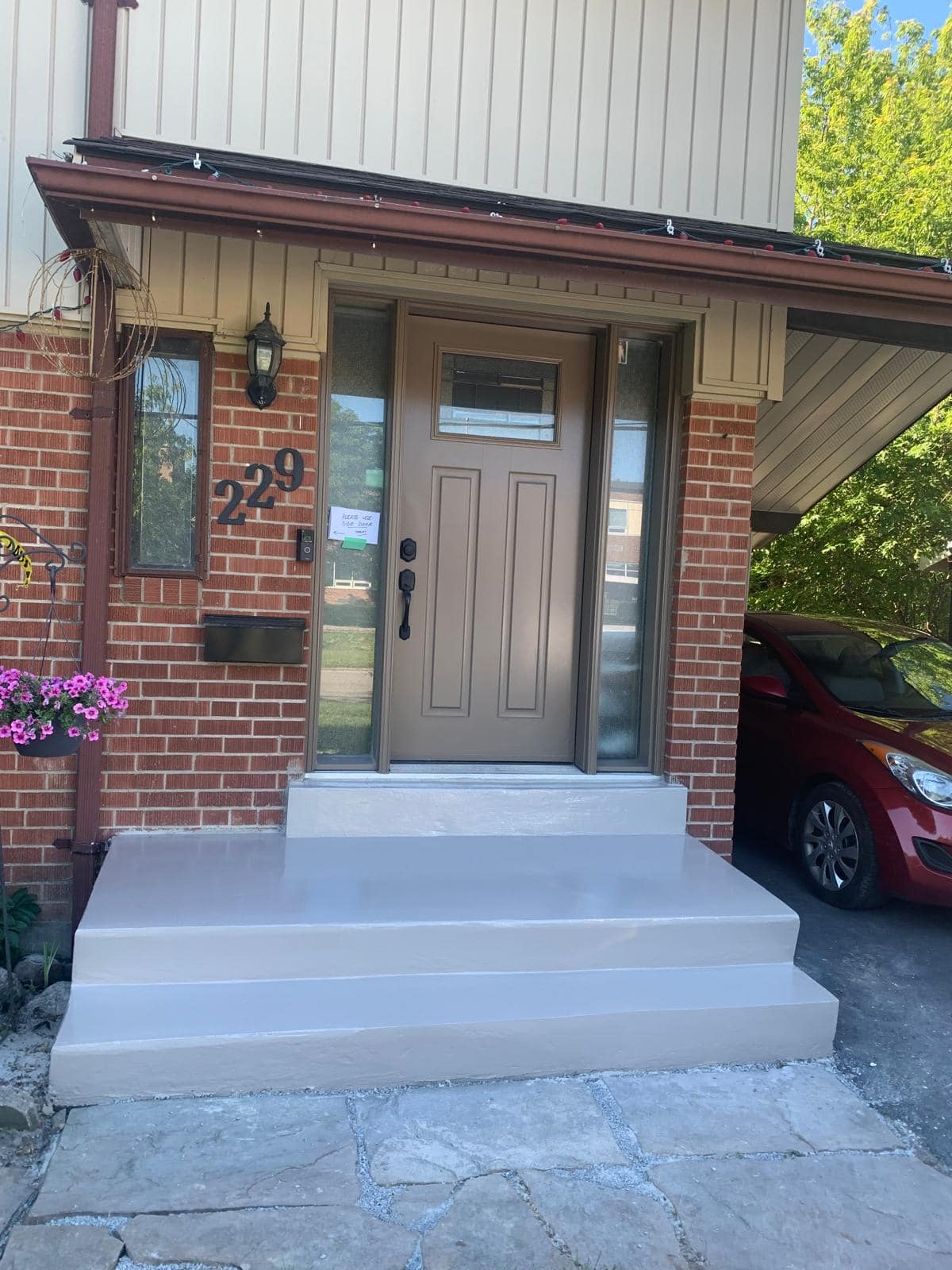
If you want a broader primer before choosing, this guide on what pavers are and how they are used in outdoor spaces is a helpful supporting read. And if the project includes adjoining vertical elements, such as steps, porch edges, or retaining features, it may make sense to plan the paving alongside related work, such as interlocking steps or segmental retaining walls in Toronto, so the whole outdoor area feels intentional.
Quick Decision Guide: Choose Brick If, Choose Concrete If
Choose brick pavers if:
- you want a classic or heritage-friendly look
- your home already has strong brick character
- the project is a front path, smaller patio, or garden walkway
- you prefer warmth and texture over a sharper modern look
- the space is more about charm than large-scale custom layout
Choose concrete pavers if:
- you want more shapes, finishes, and pattern options
- the project is a driveway or larger patio
- your home has a more modern or transitional style
- you want a clean, cohesive look across multiple hardscape areas
- you need more flexibility in design and scale
If you still feel split between the two, that usually means the answer depends less on the material itself and more on the property’s exact location, layout, and architecture.
What Homeowners Can Decide Themselves and When Professional Input Helps
Homeowners can usually decide the design direction, overall feel, and general use of the space on their own. In many cases, you already know whether you want something classic, modern, formal, or relaxed.
Where professional input becomes more valuable is in the details that affect long-term performance, such as:
- base preparation
- drainage and slope
- load expectations for vehicle areas
- transitions between the paving and the house
- edge restraint and movement control
- compatibility with steps, porches, or adjacent masonry
That distinction matters because the material debate can distract homeowners from the bigger issue. A great paver on a poor base is still a poor project. Masonry and paving are not just aesthetic decisions. They involve real construction judgment, too. For homeowners who want a standards or trade-reference layer, here are two official sources worth reviewing: Ontario Brick and Stone Mason trade information and City of Toronto masonry repair guidance.
Final Thoughts
Brick vs concrete pavers is not really a question of which one is universally better. It is a question of fit. Brick pavers often shine in traditional walkways, smaller patios, and spaces where character matters most. Concrete pavers often make more sense for driveways, larger patios, and projects where flexibility in size, style, and layout is a bigger priority.
For Toronto homeowners, the smartest choice usually comes from balancing looks with real-world use. Think about the architecture of the home, the scale of the space, the amount of traffic, and how the area handles water through the seasons. Those factors tend to matter more than surface preference alone.
If you choose the right material for the right location and pair it with strong installation planning, both brick and concrete pavers can be excellent long-term options. The mistake is not choosing one over the other. The mistake is choosing based only on appearance and ignoring how the space actually needs to perform.