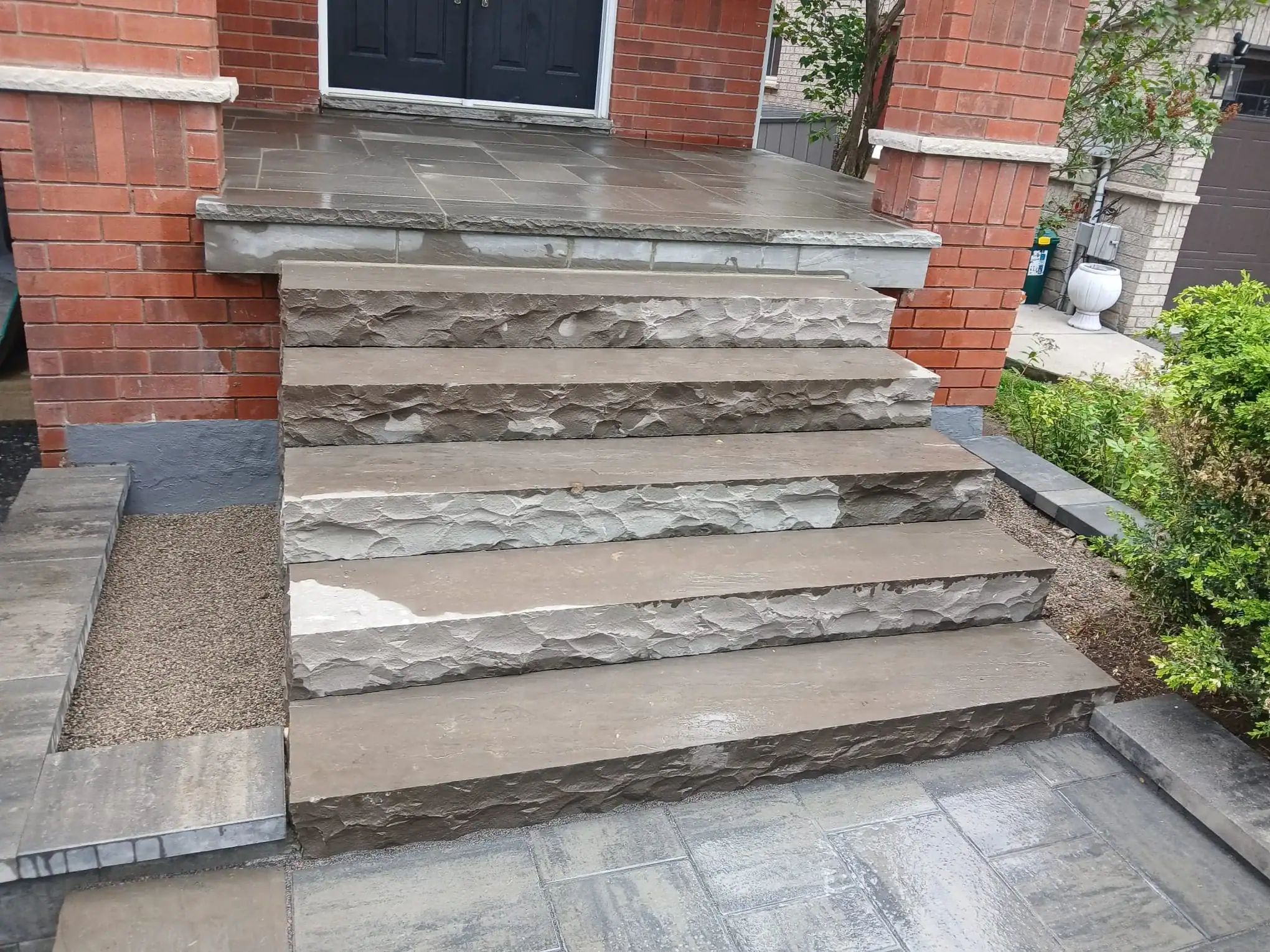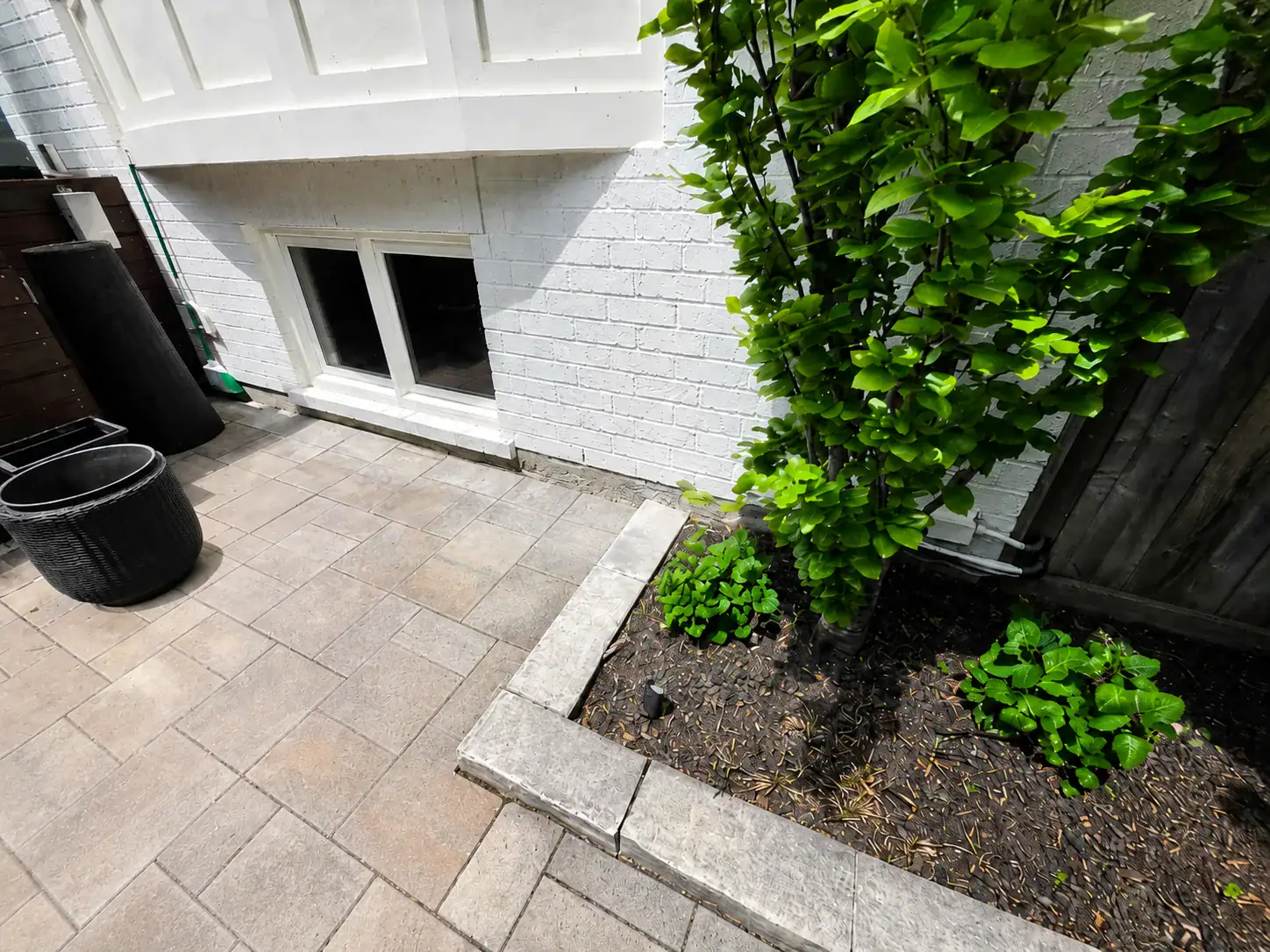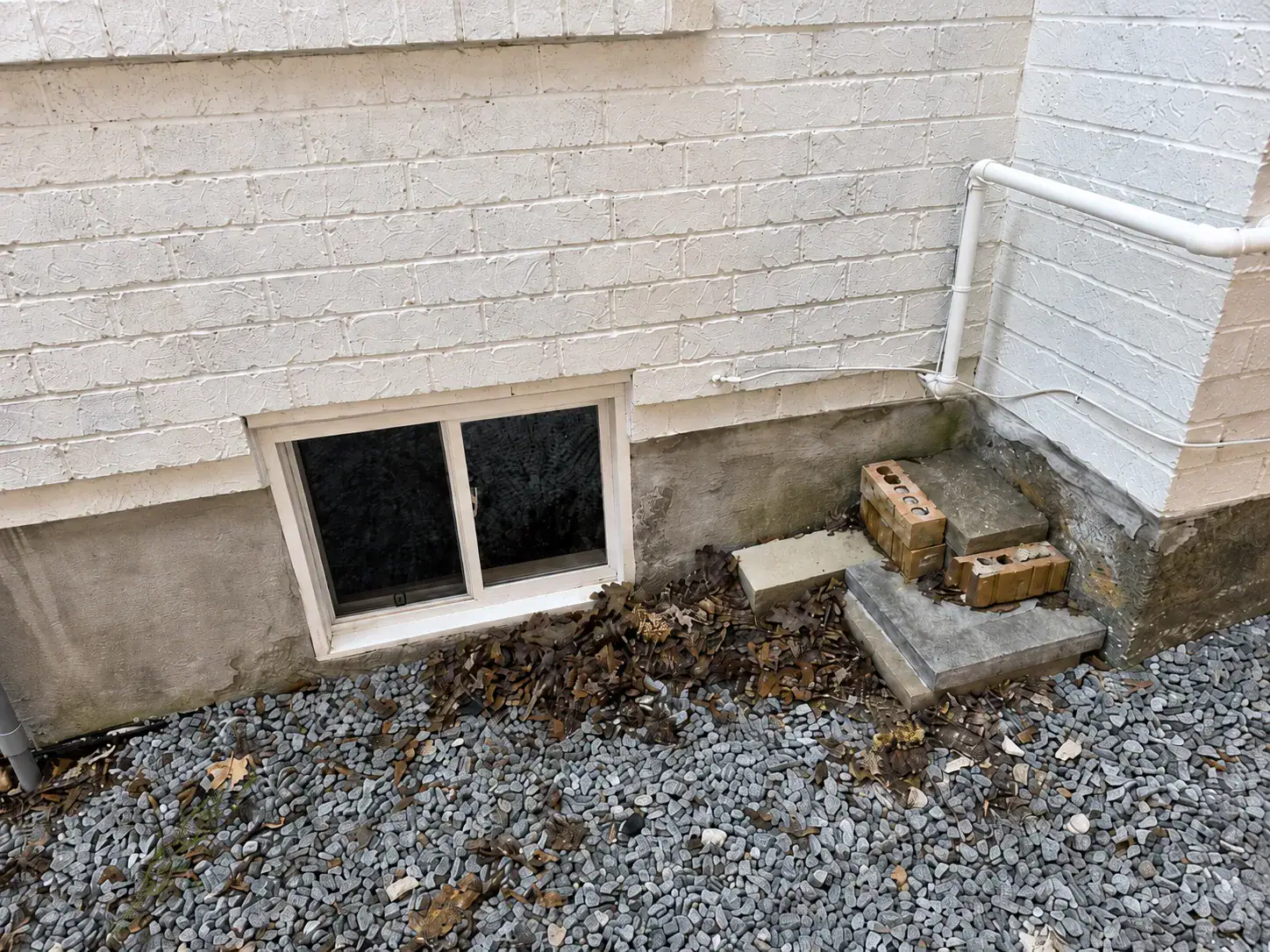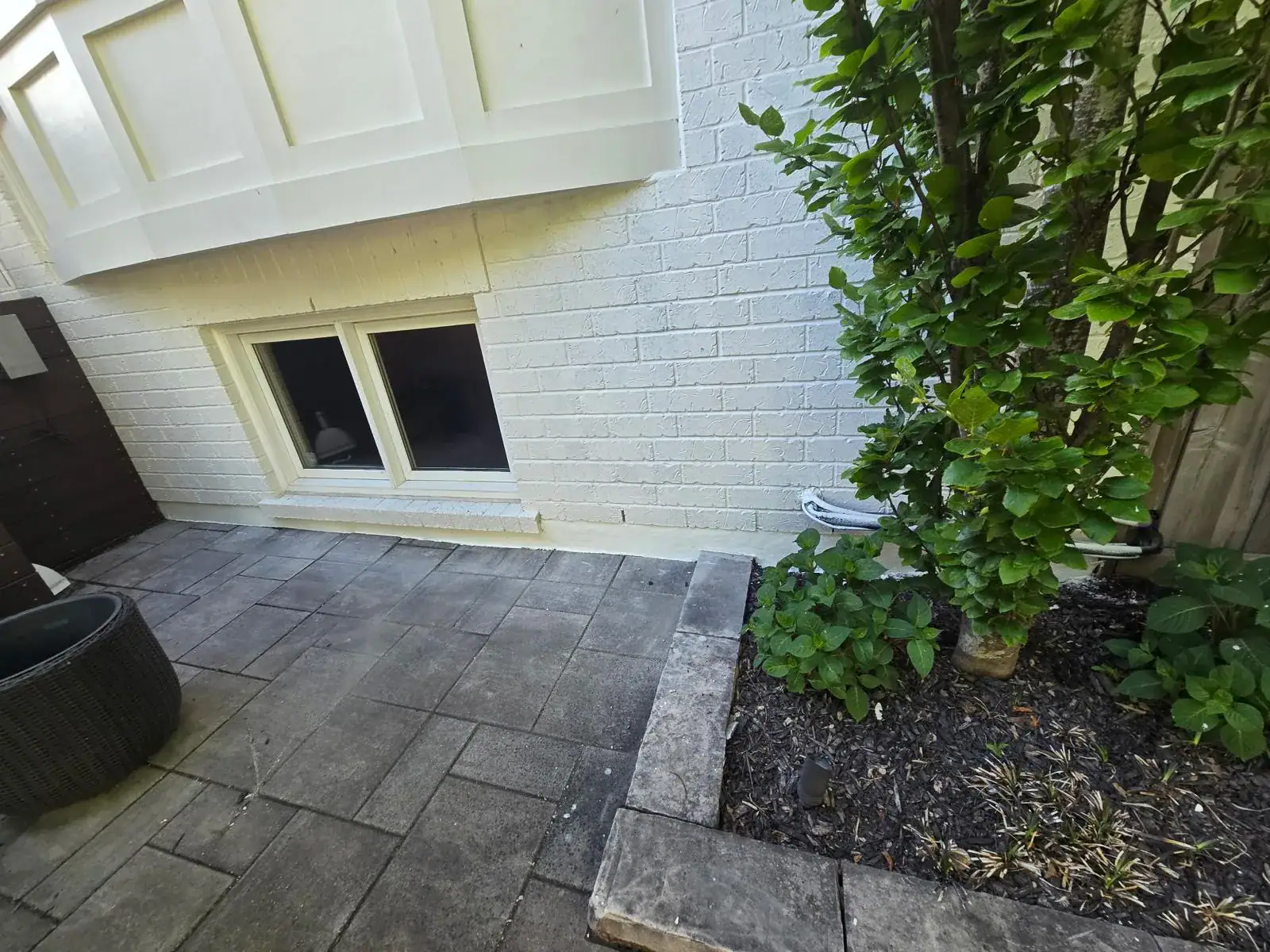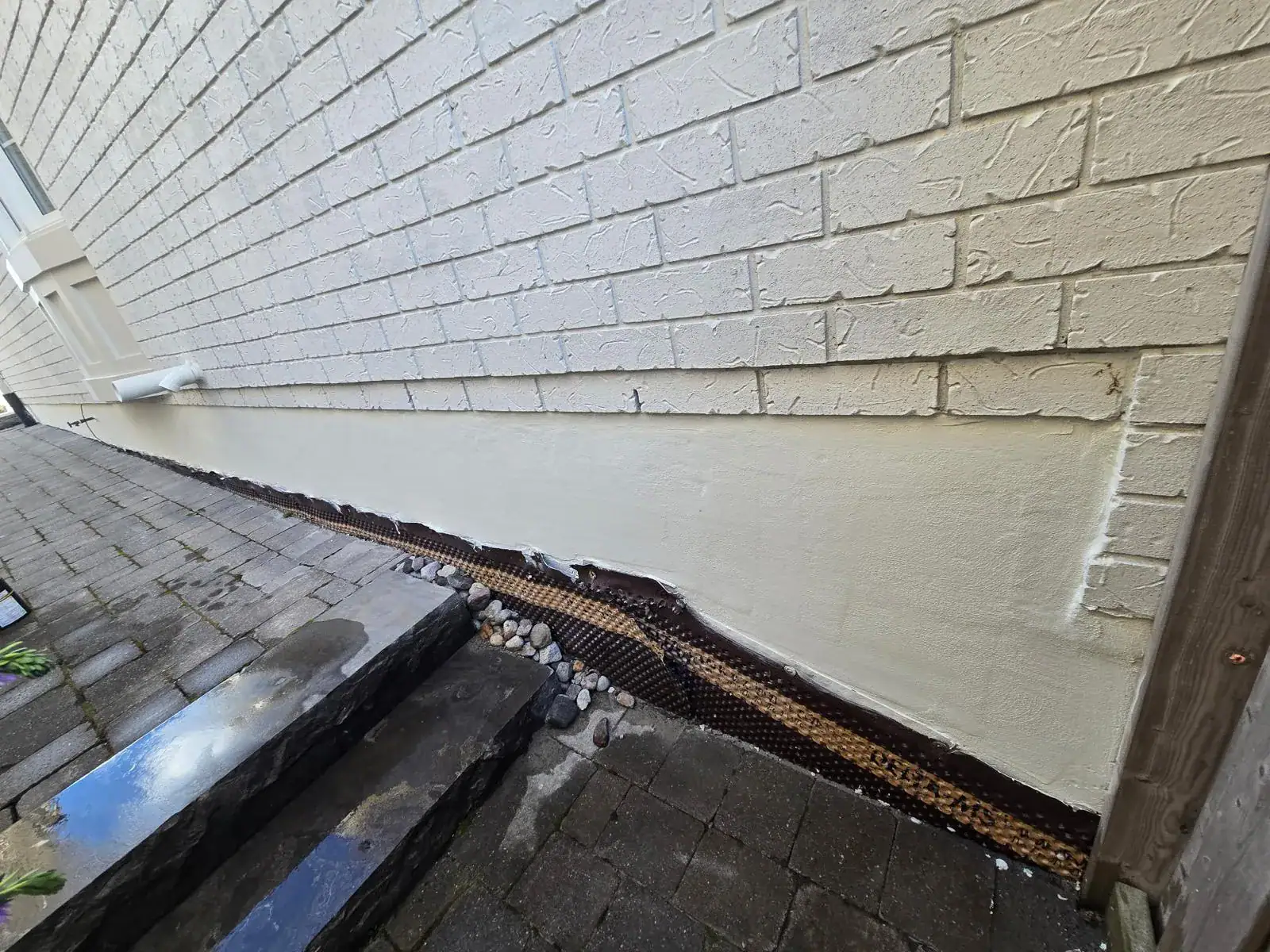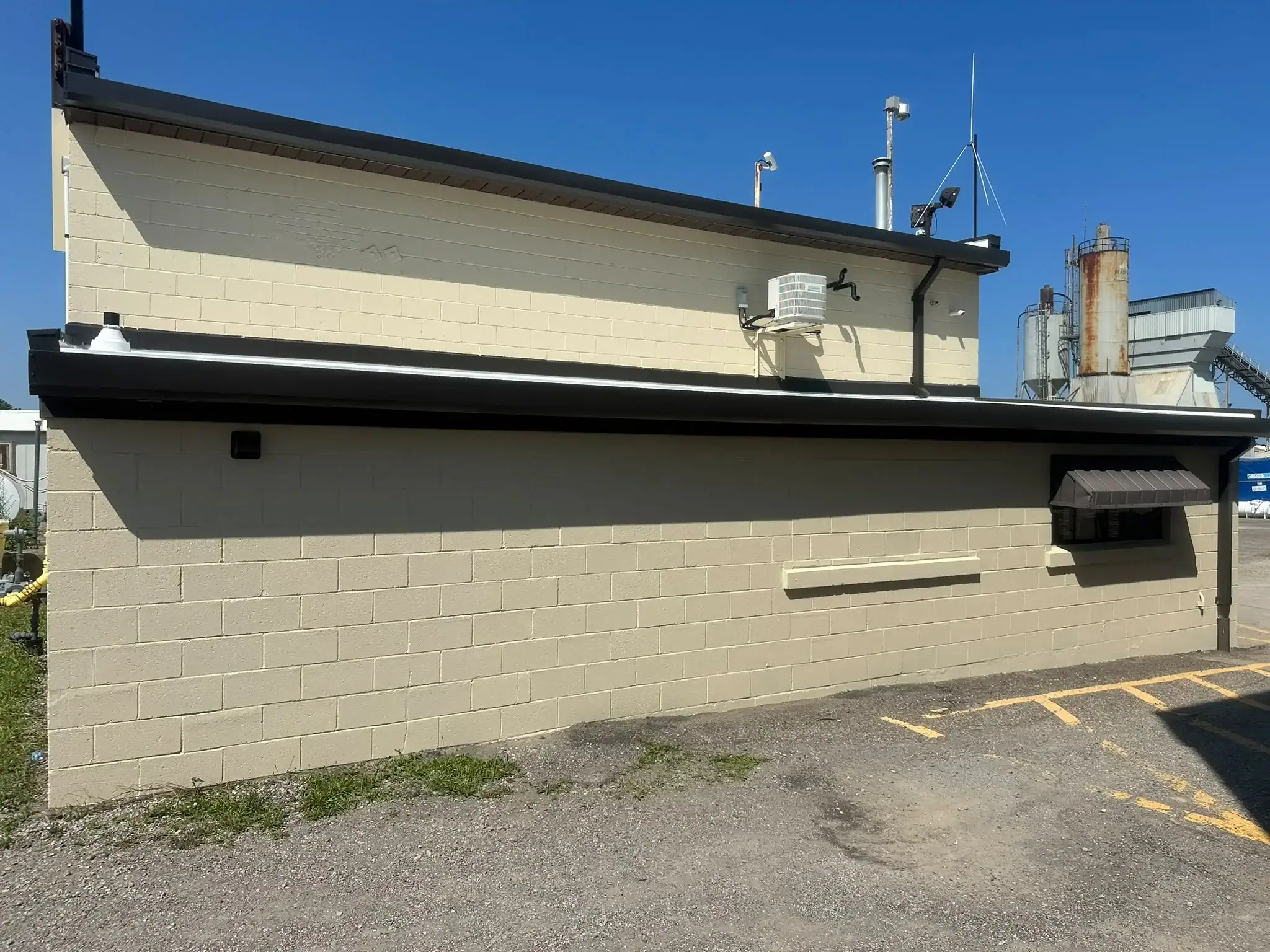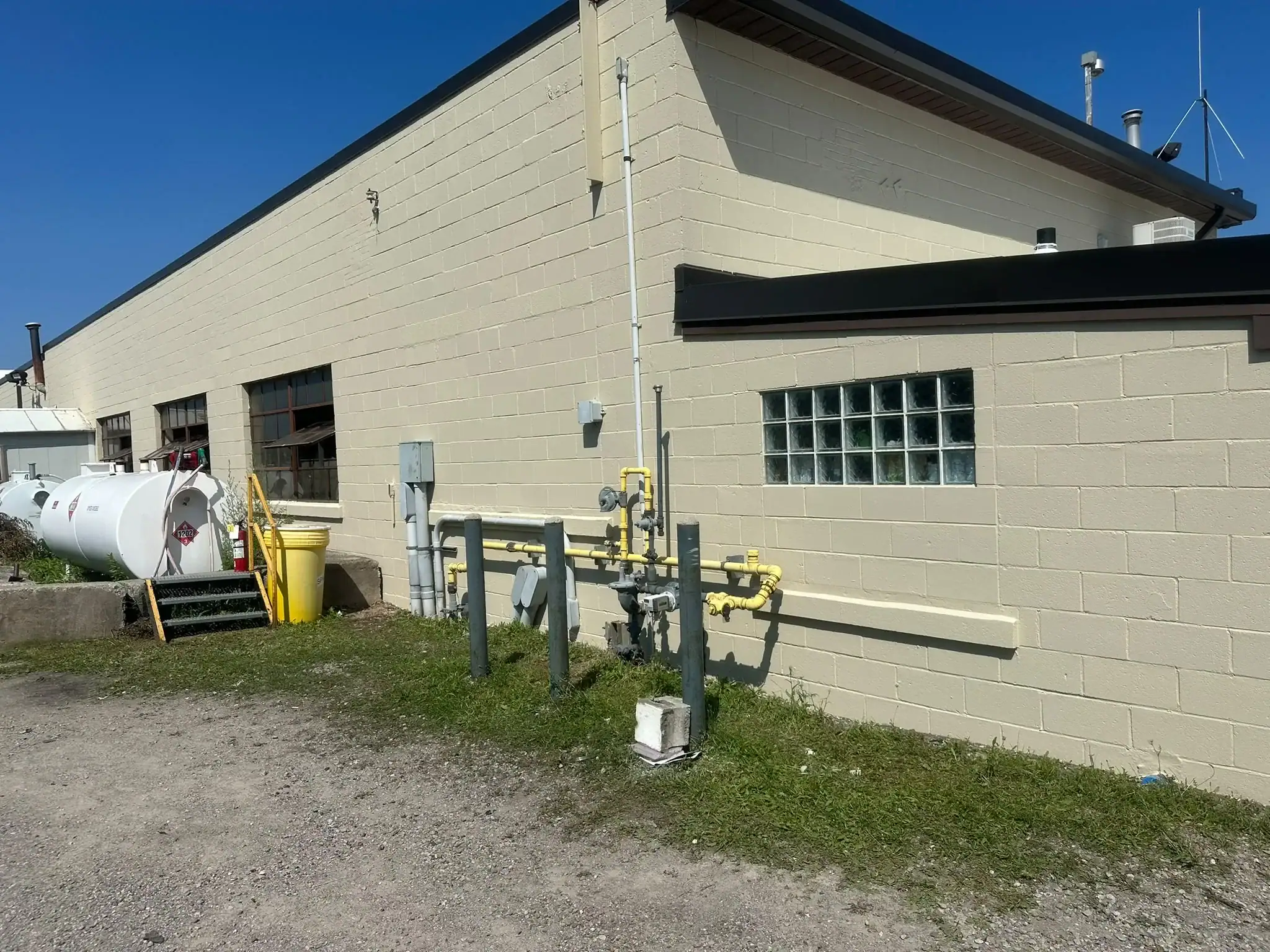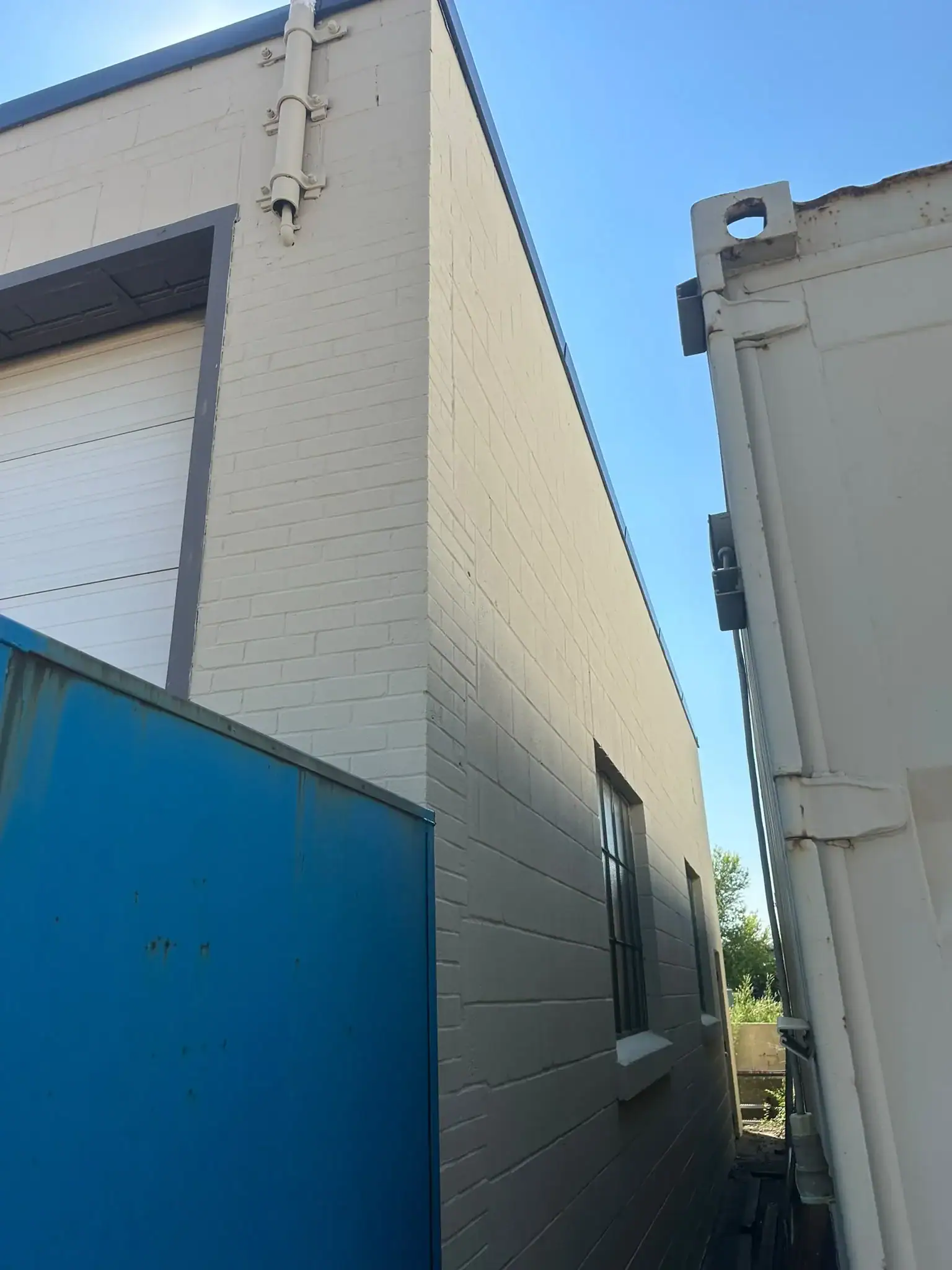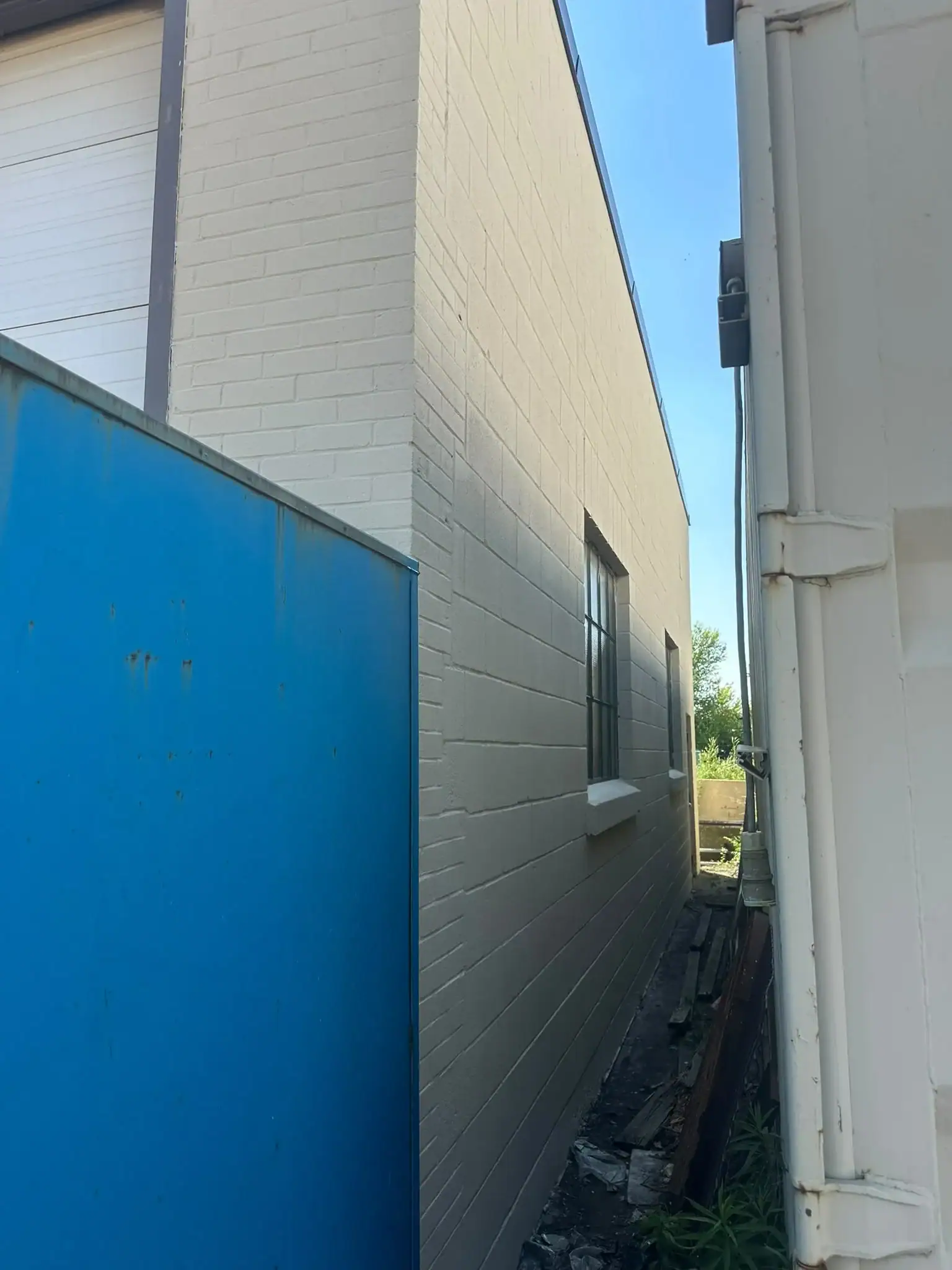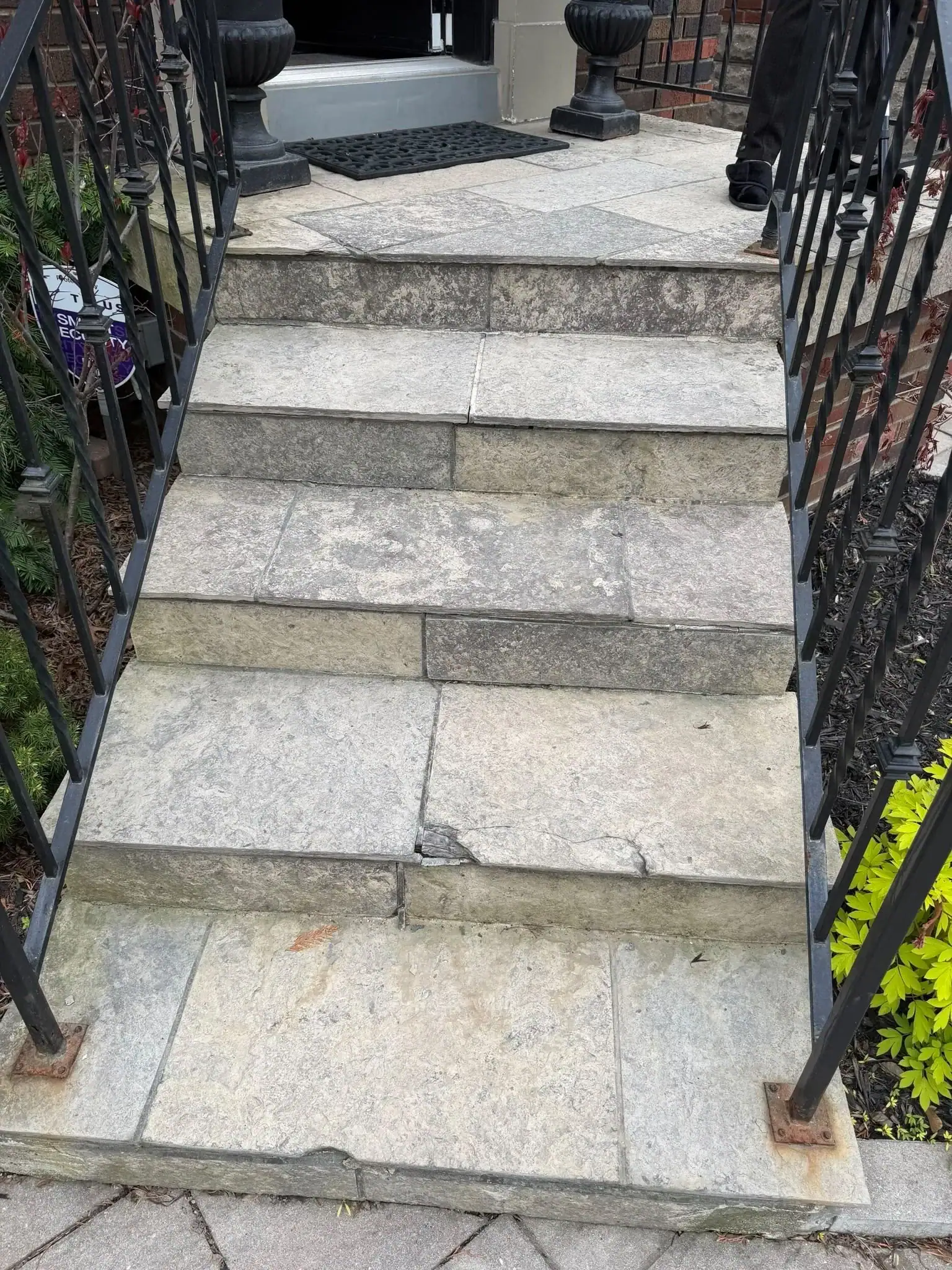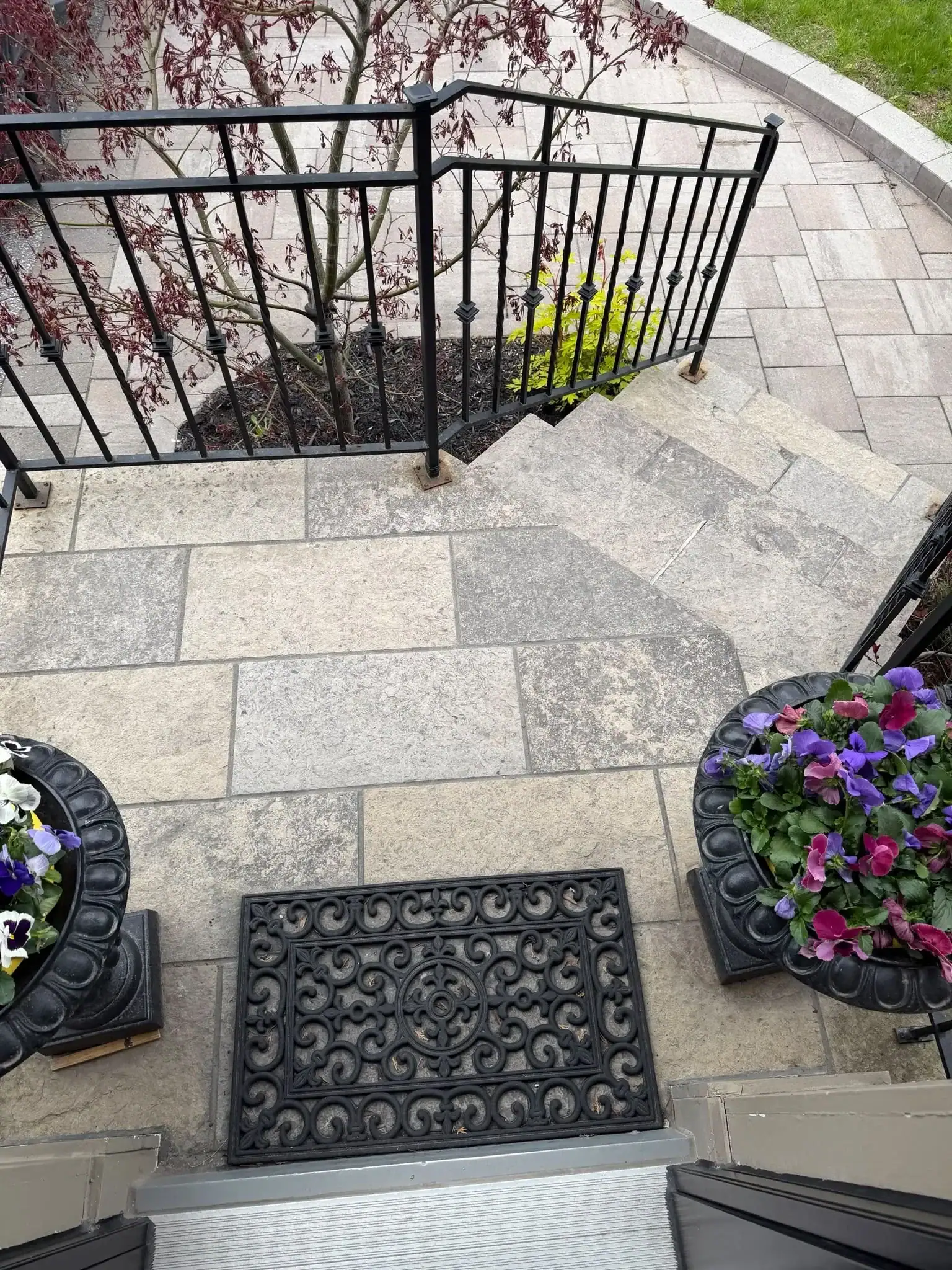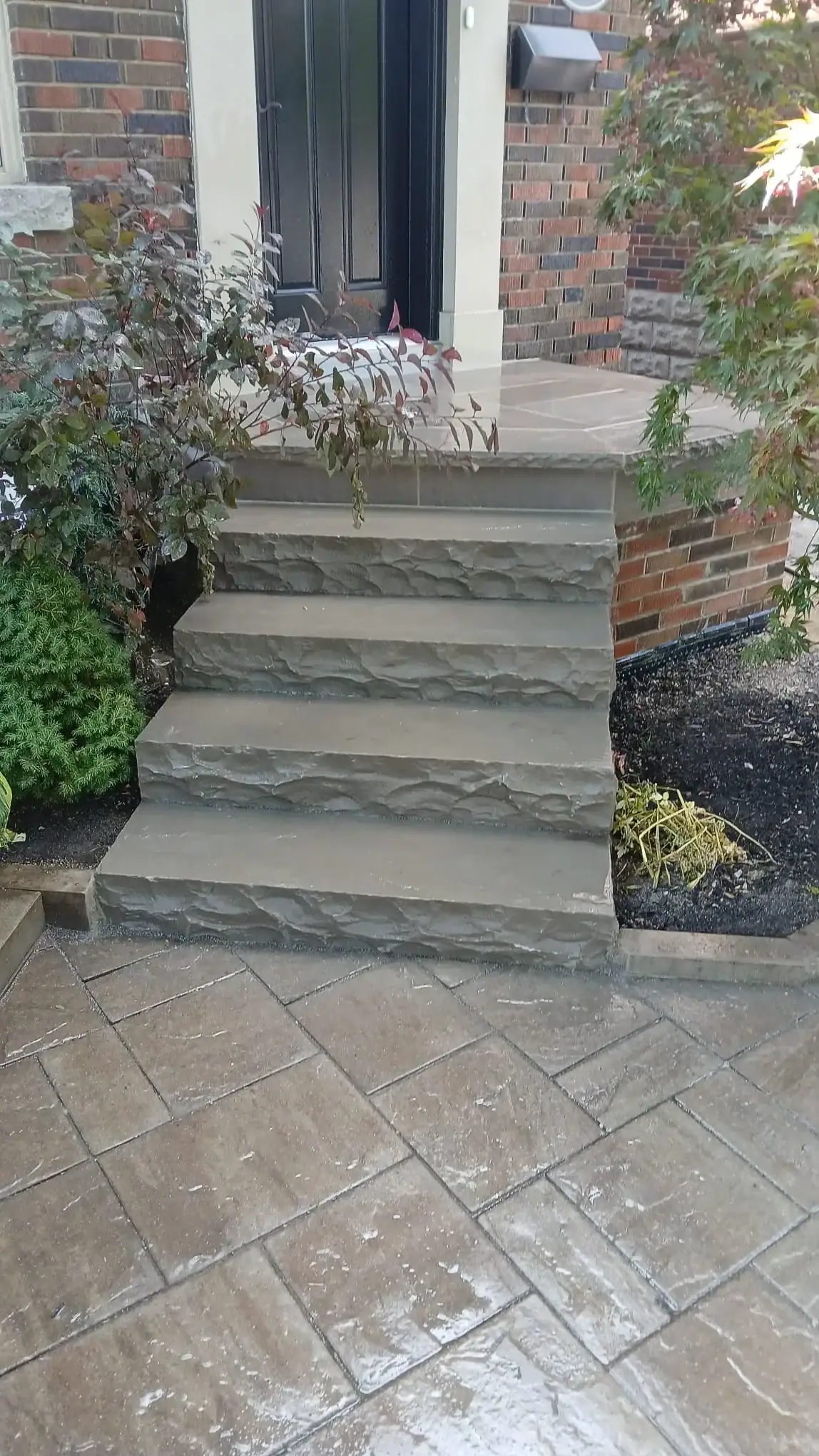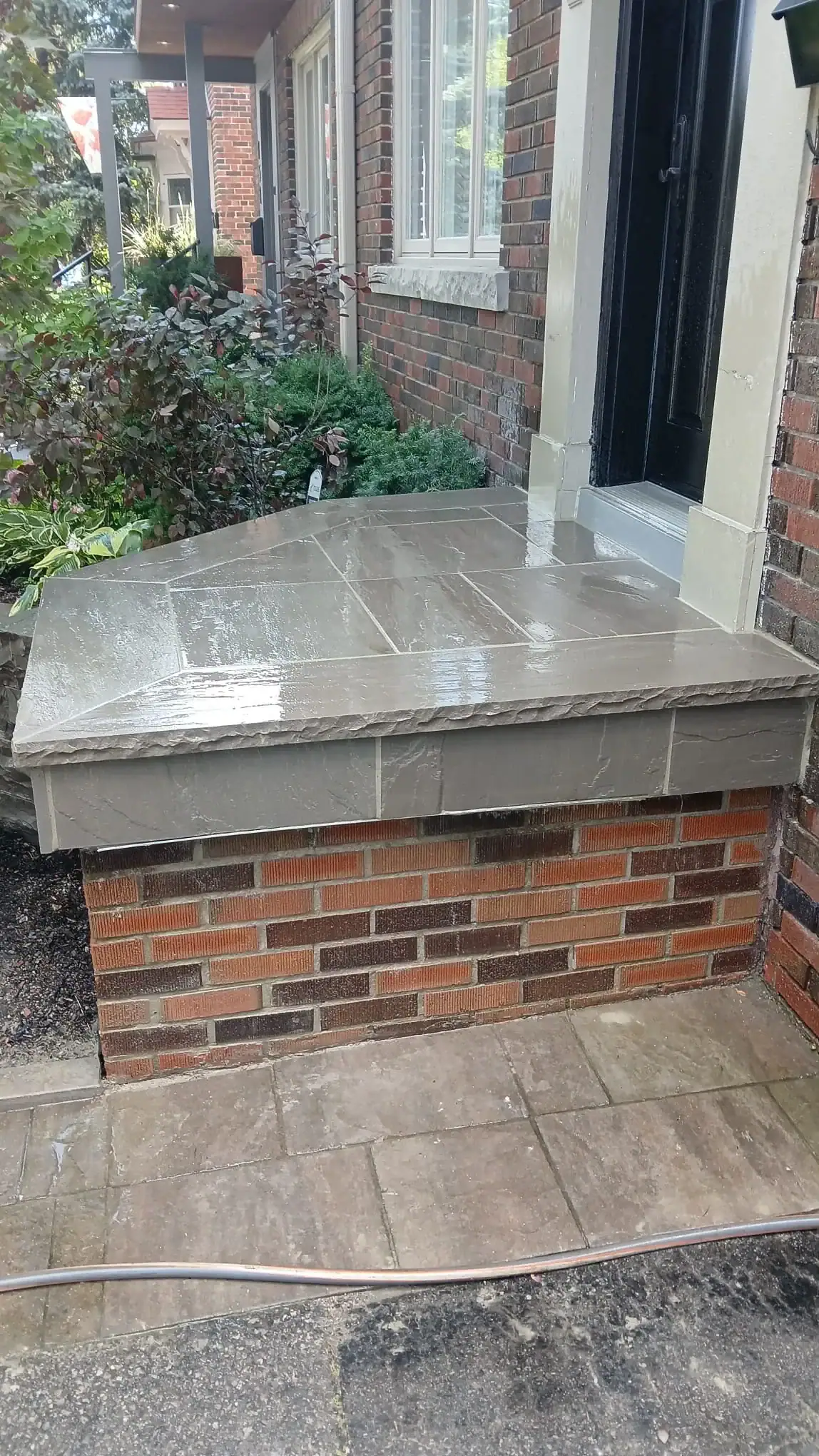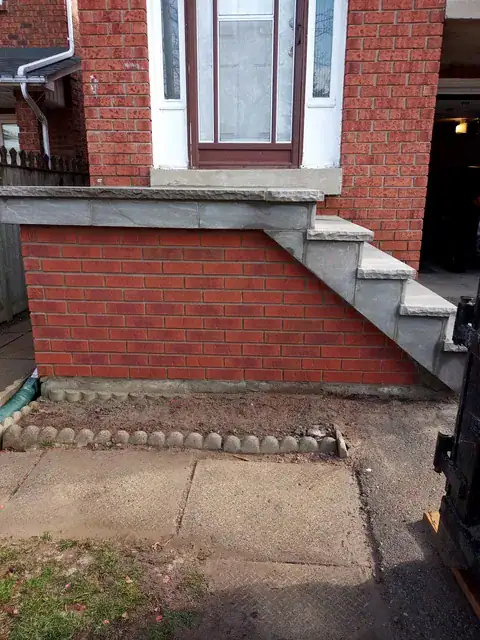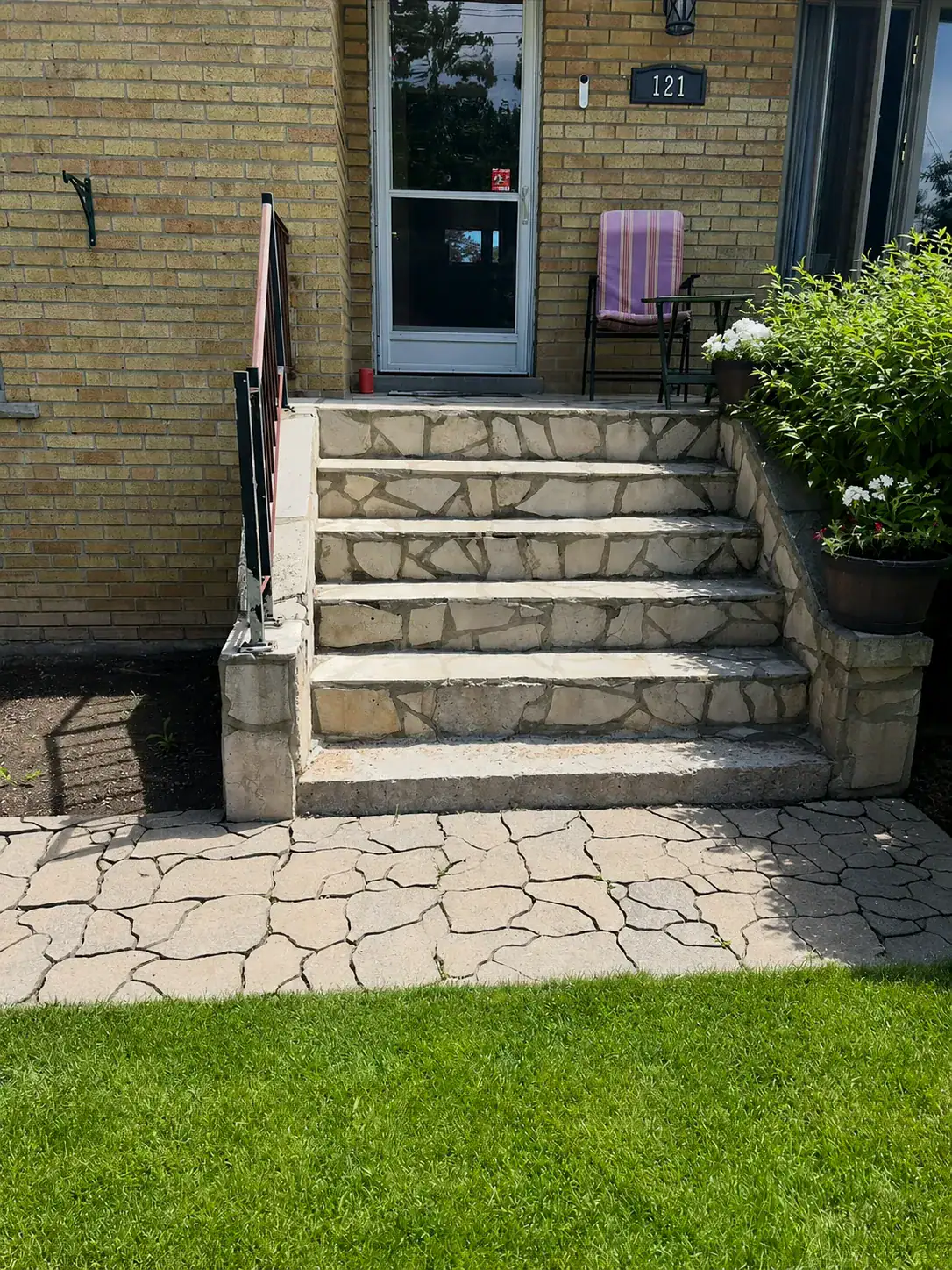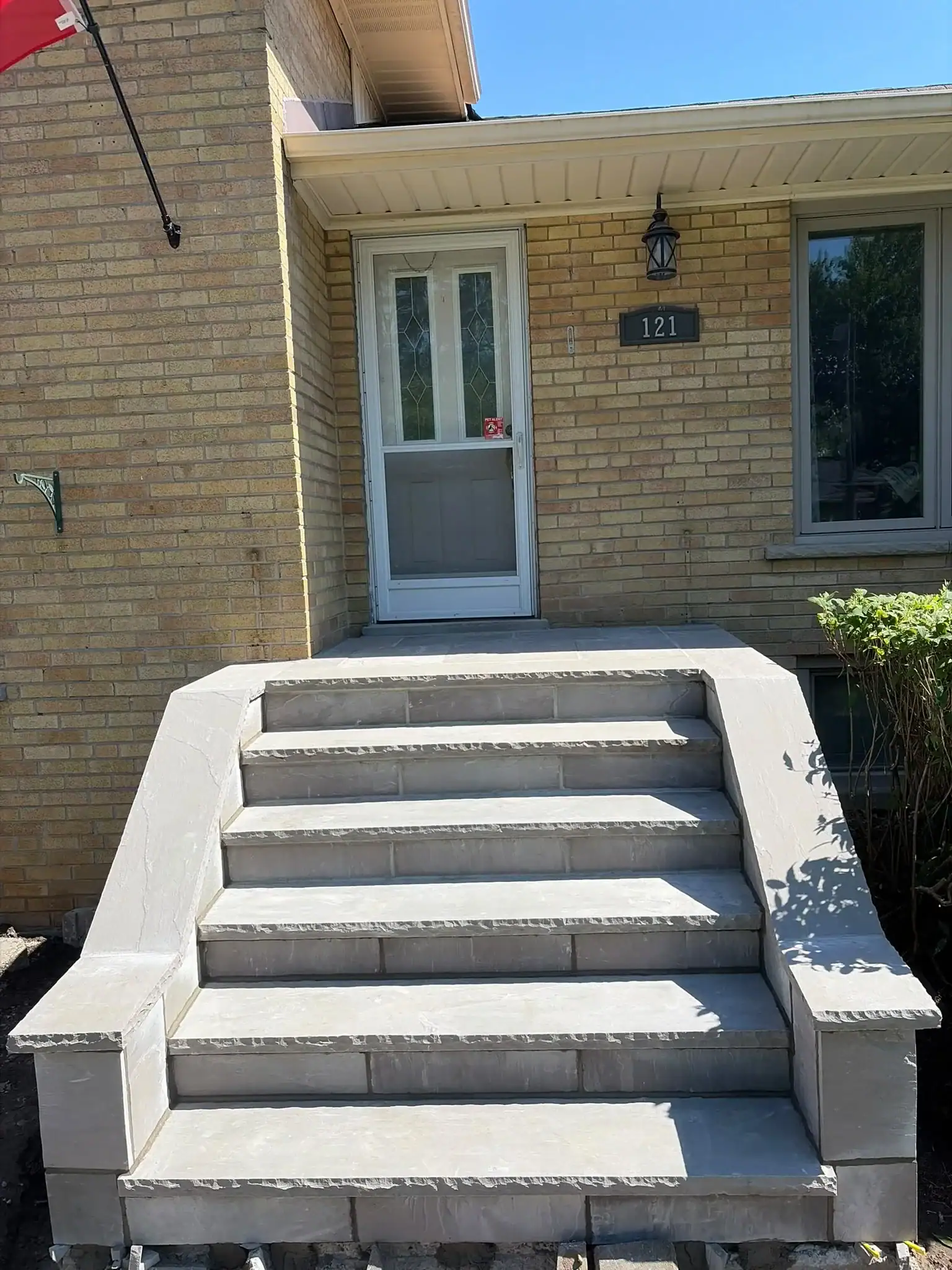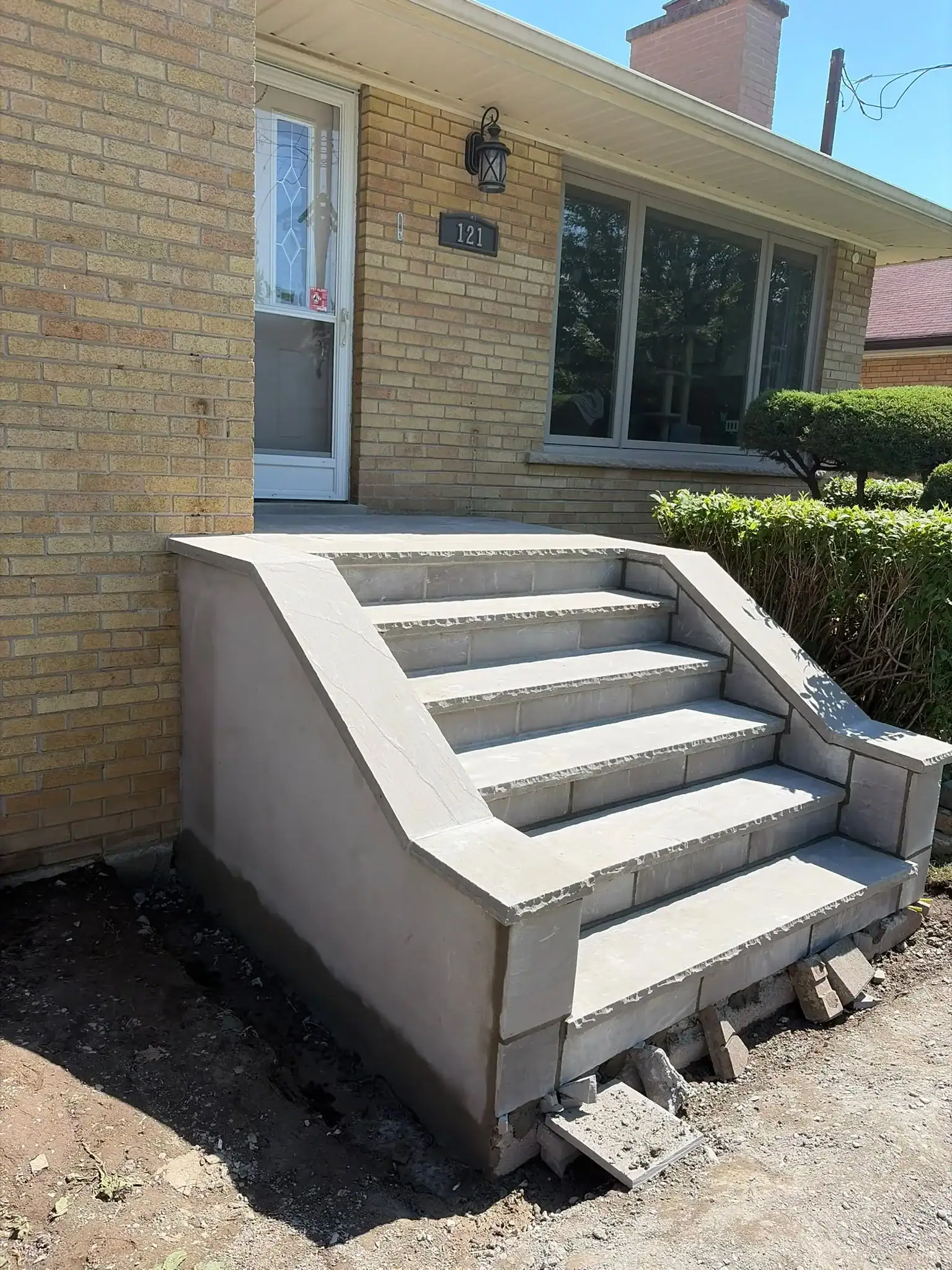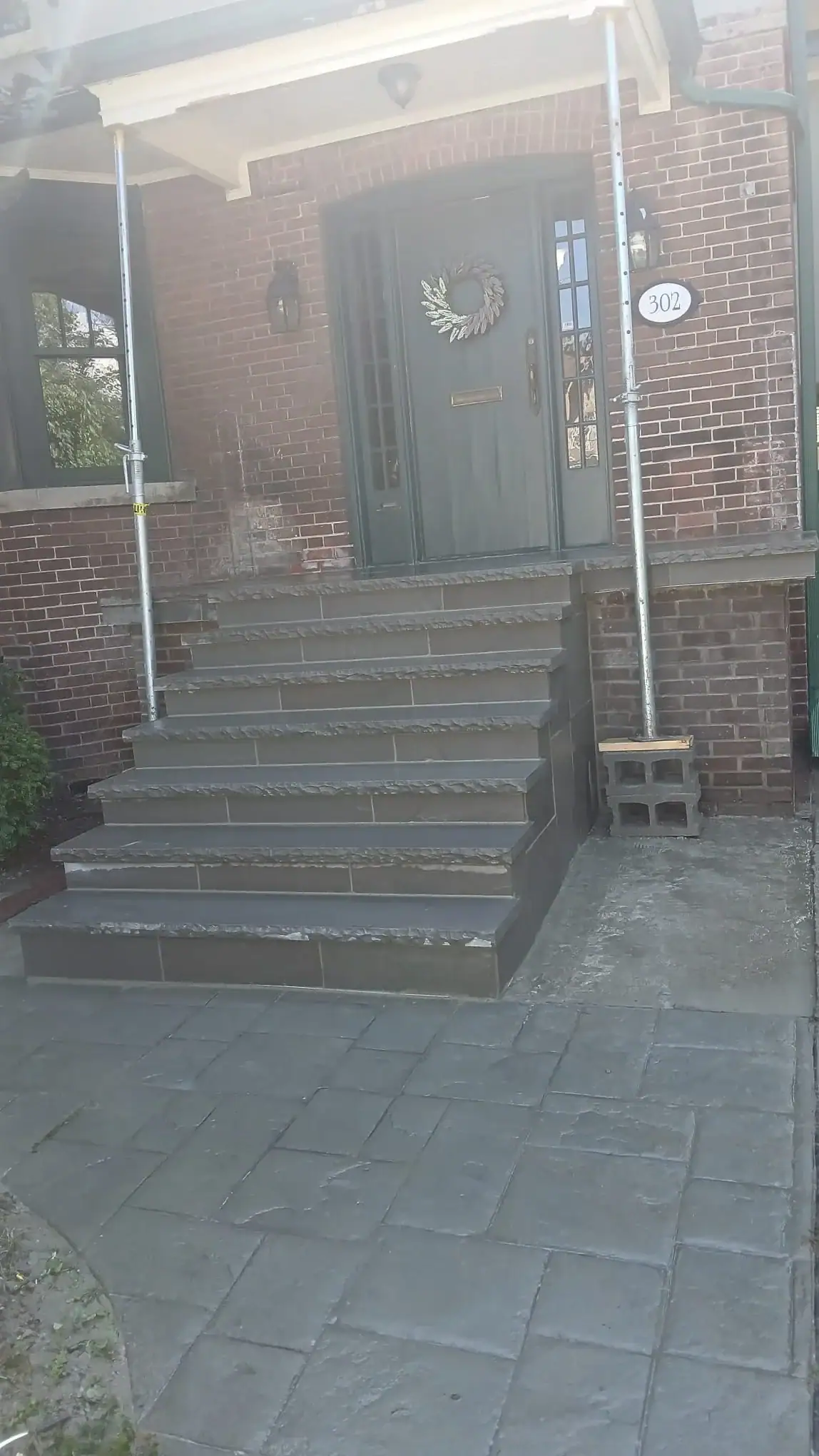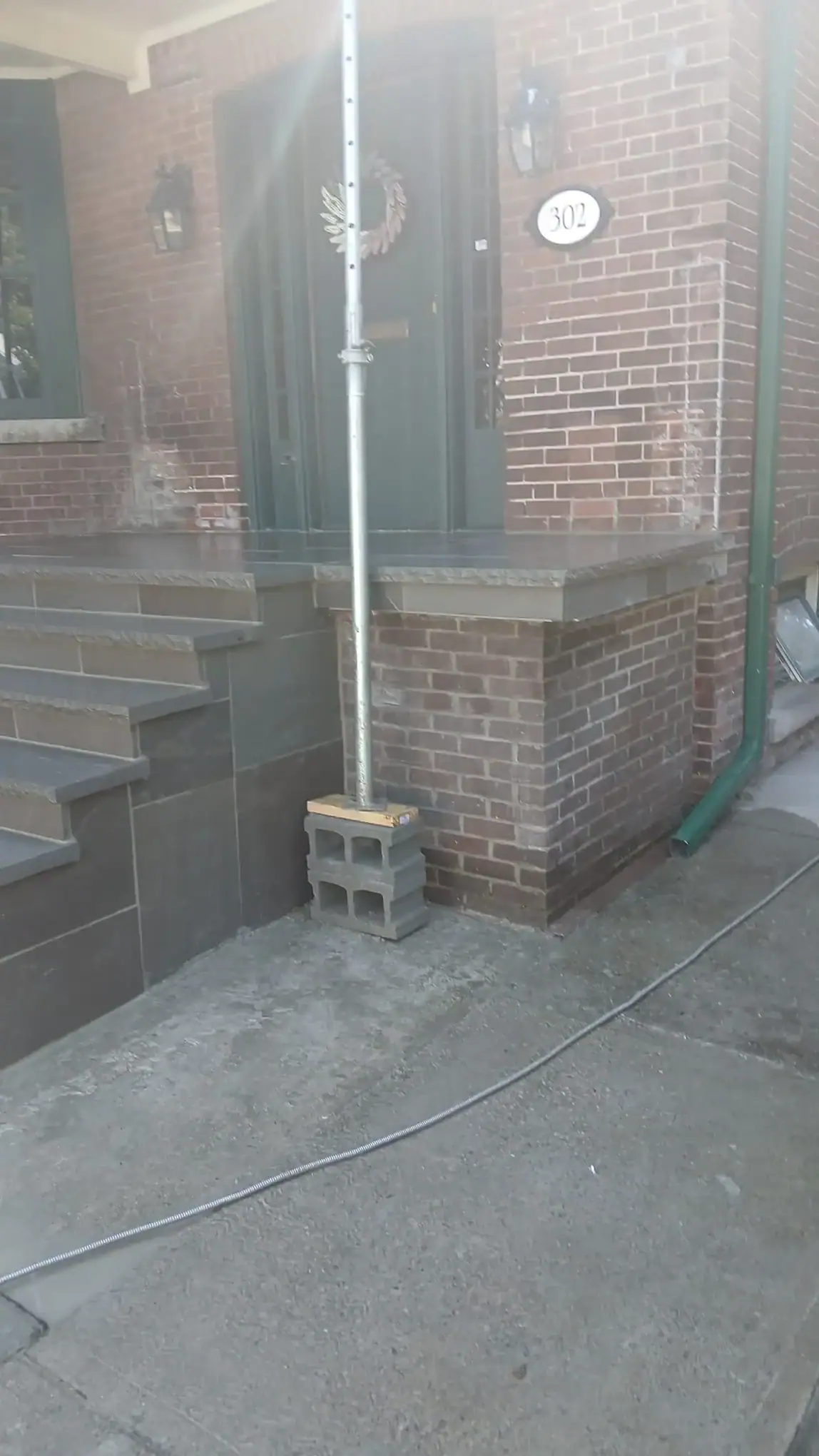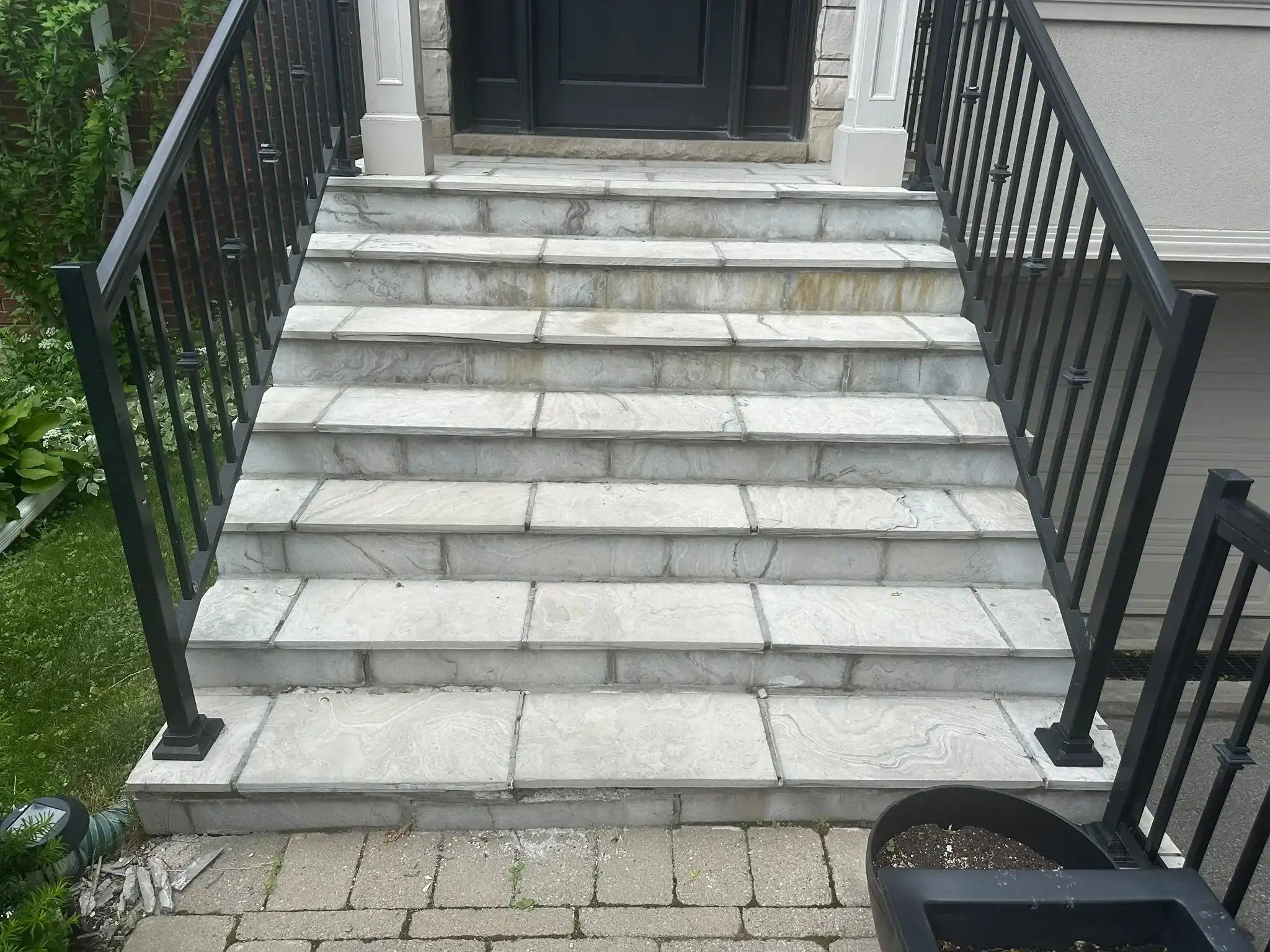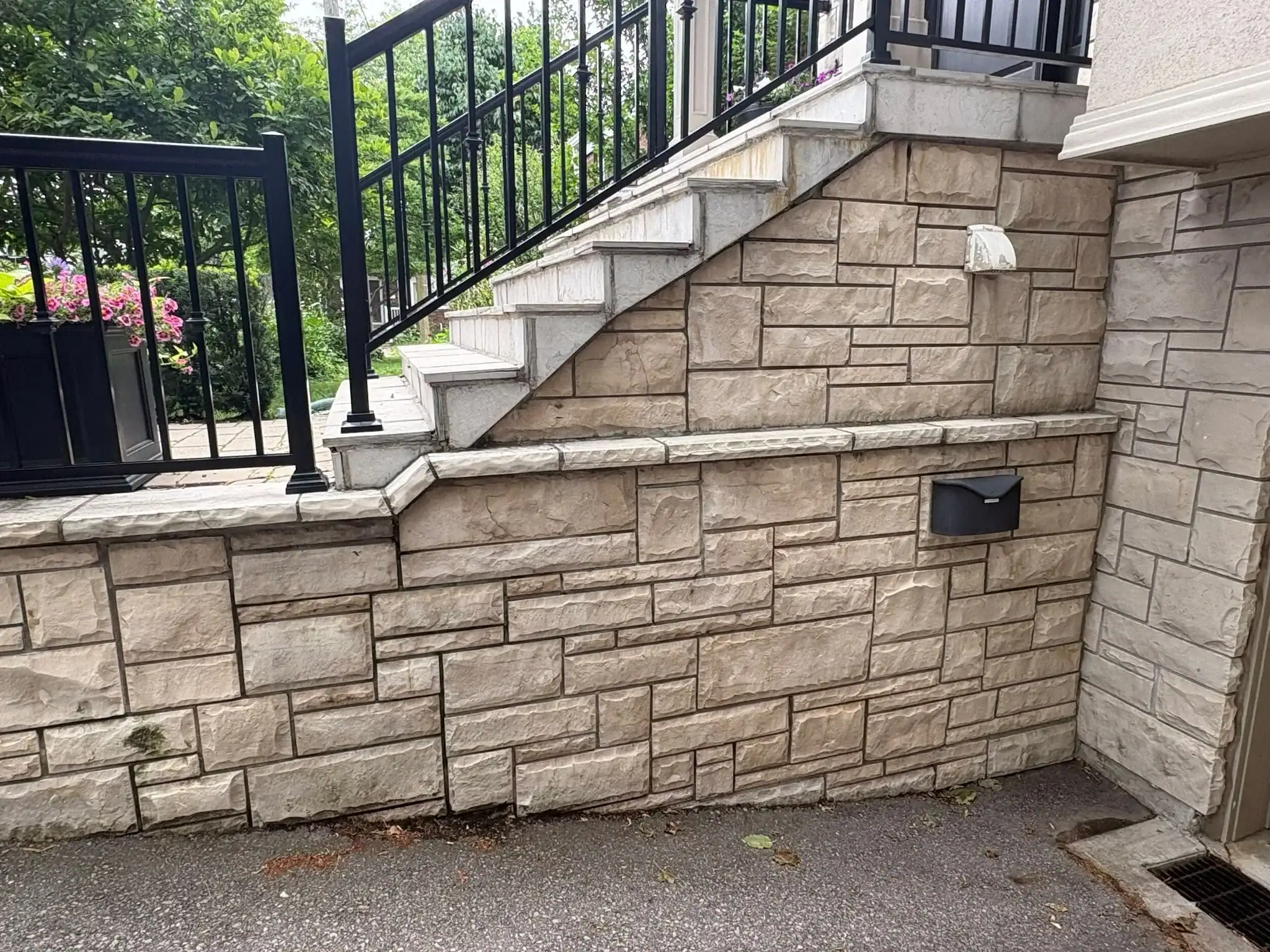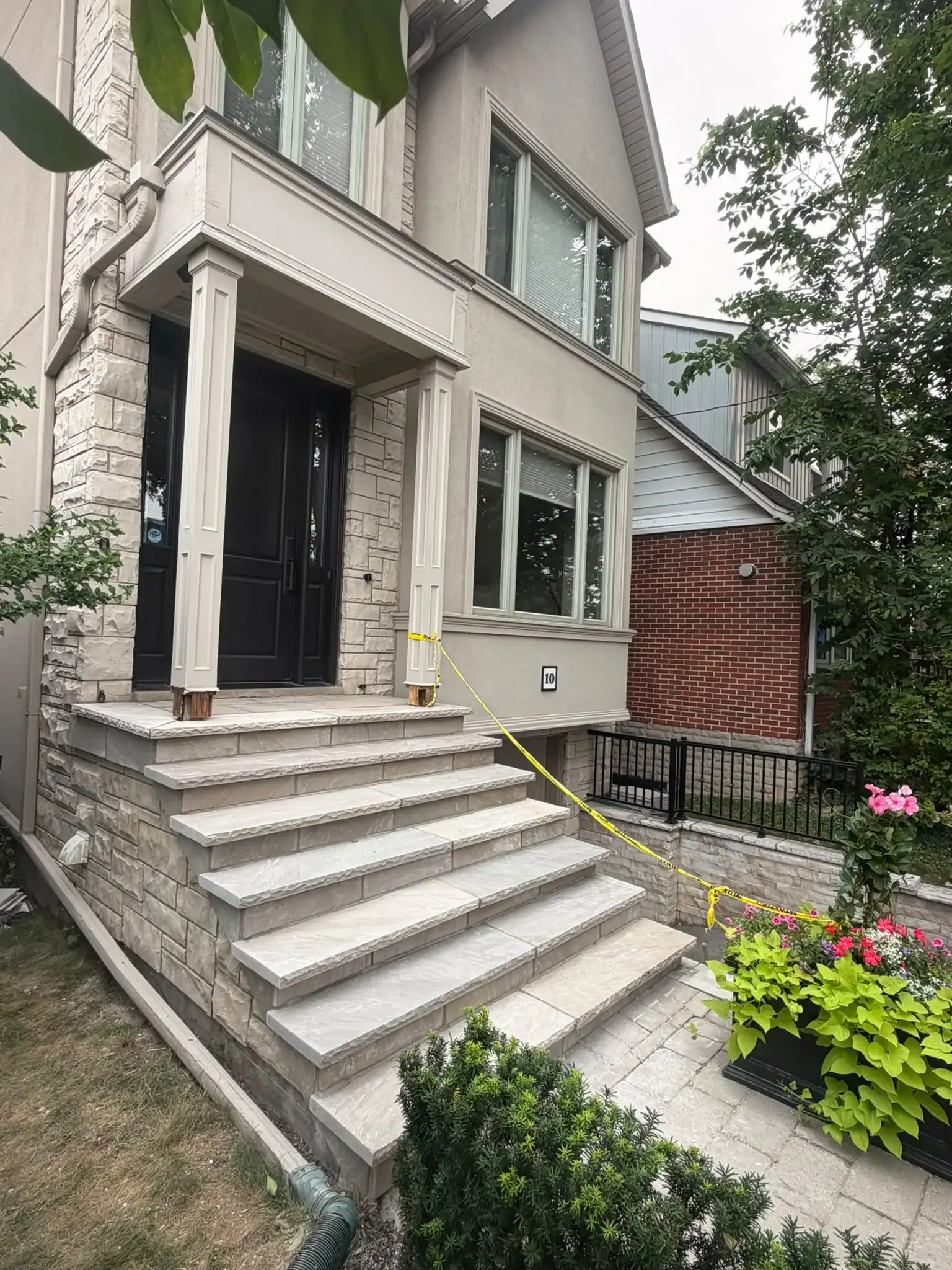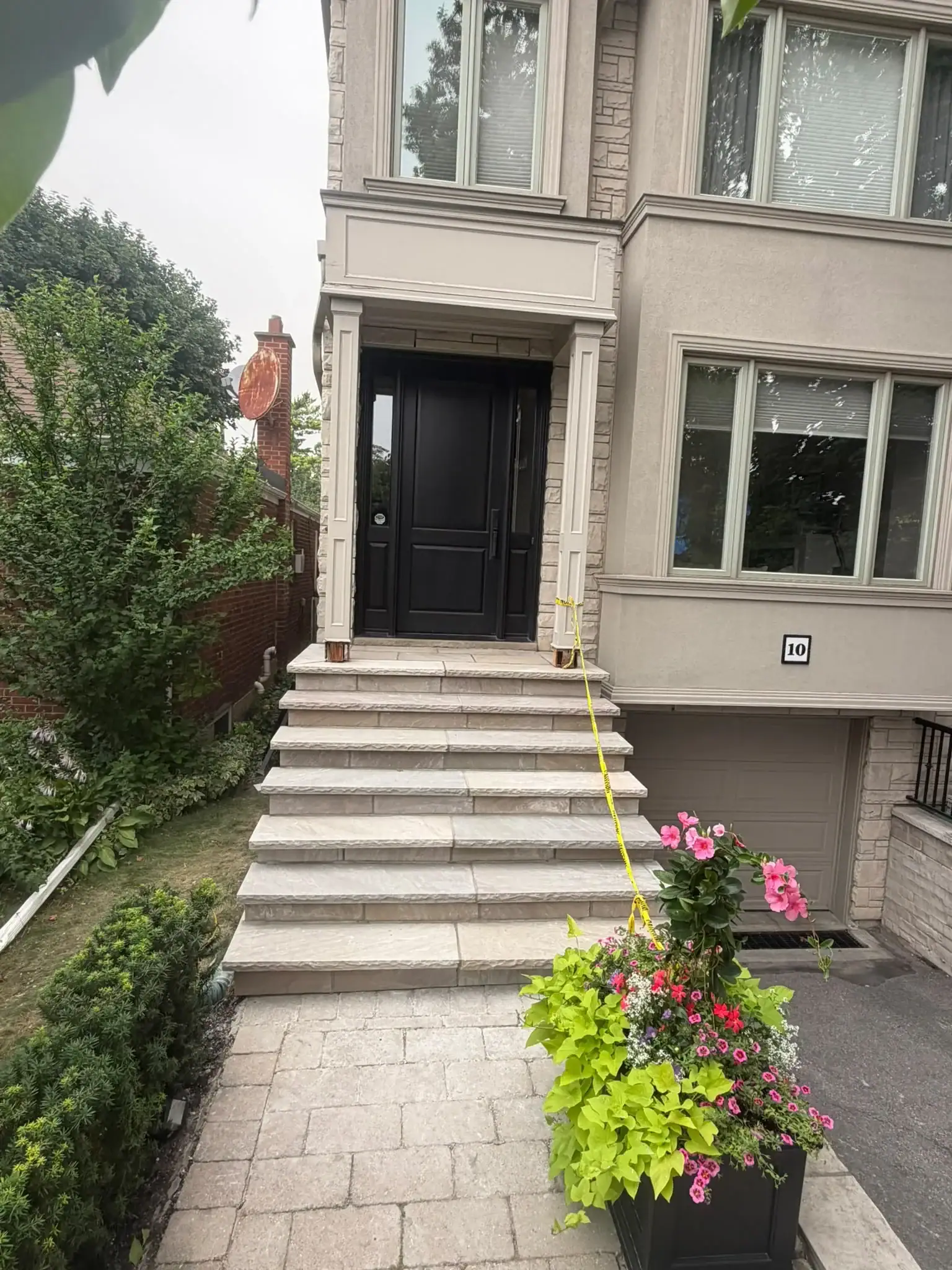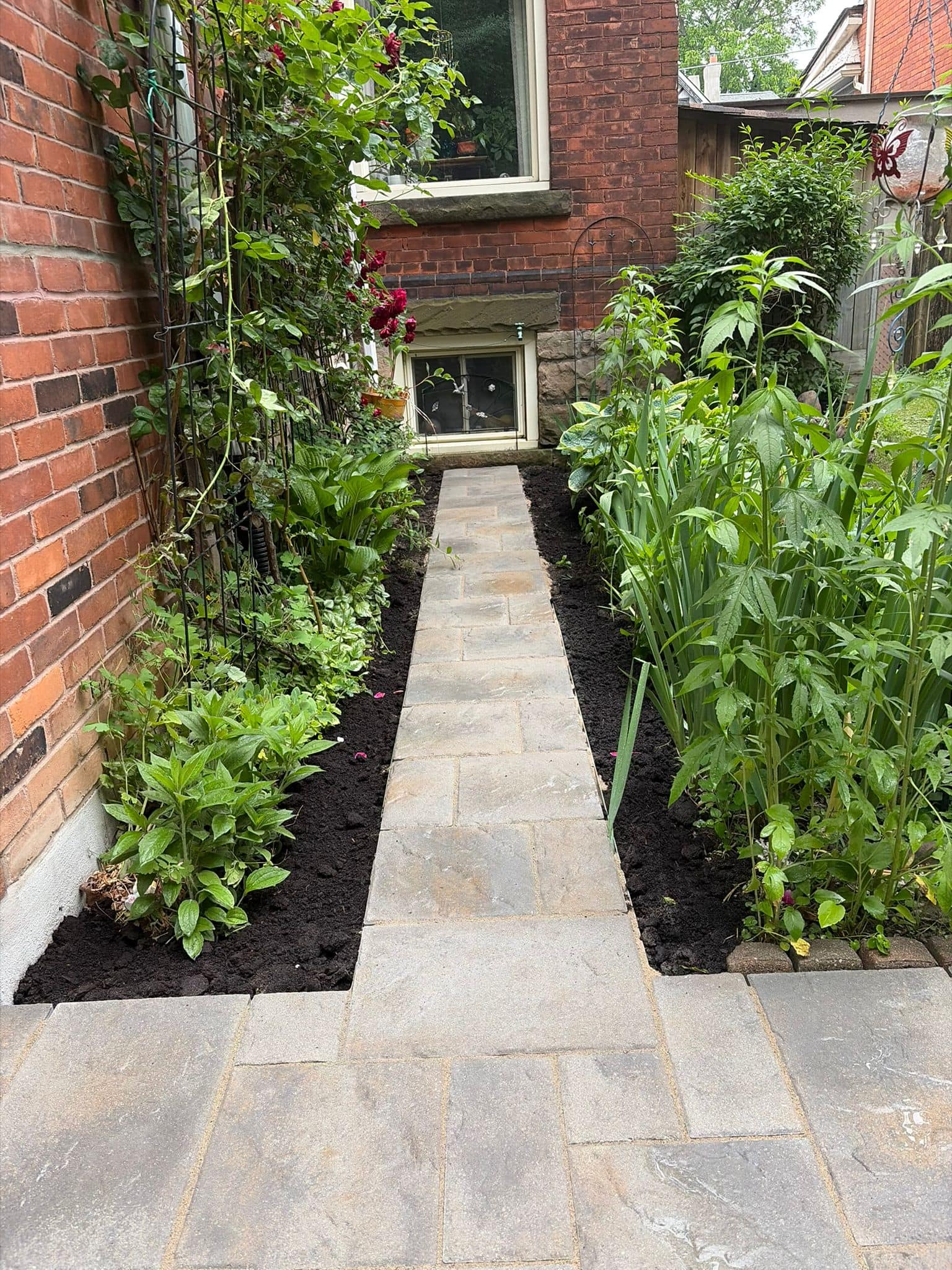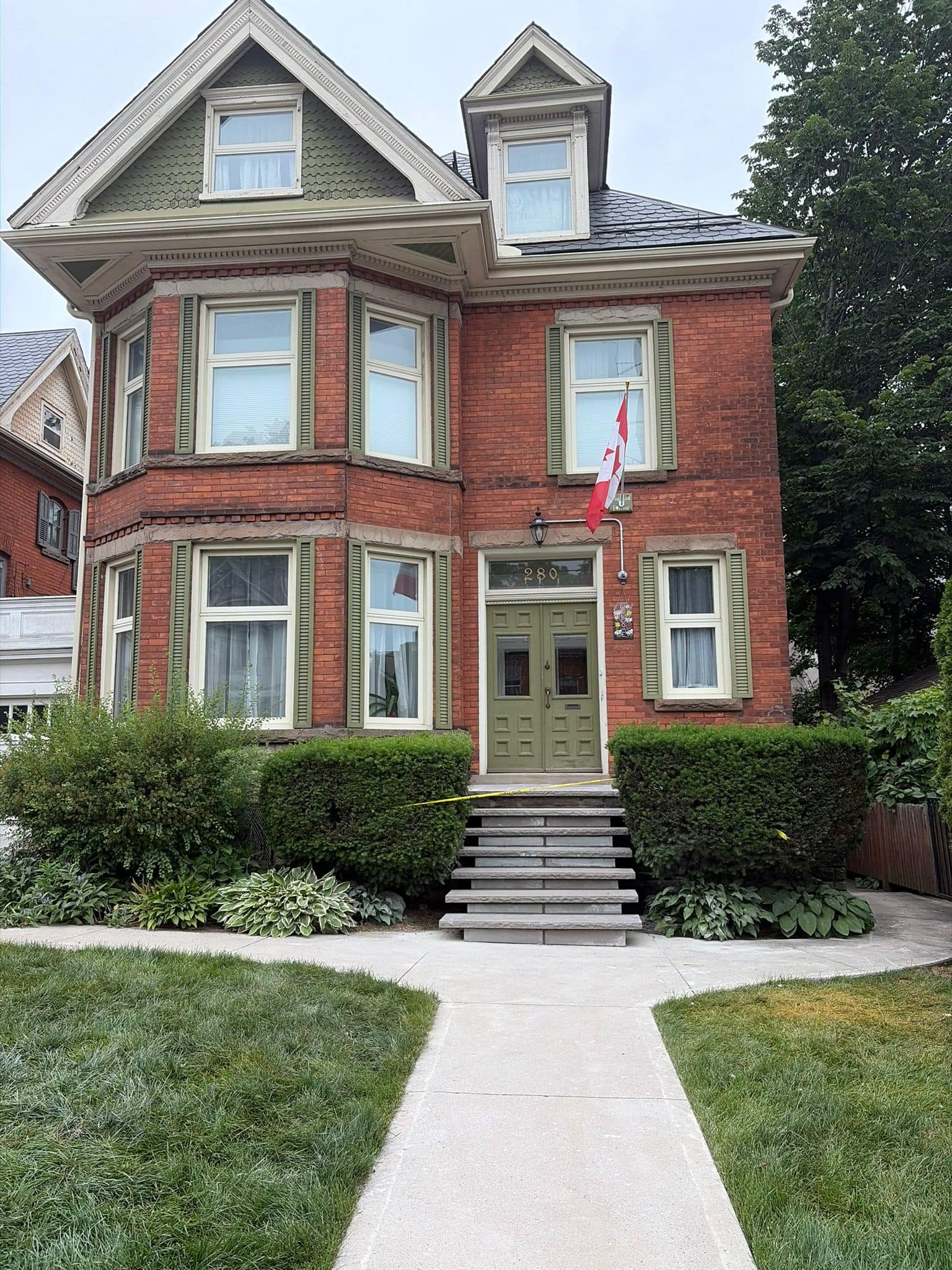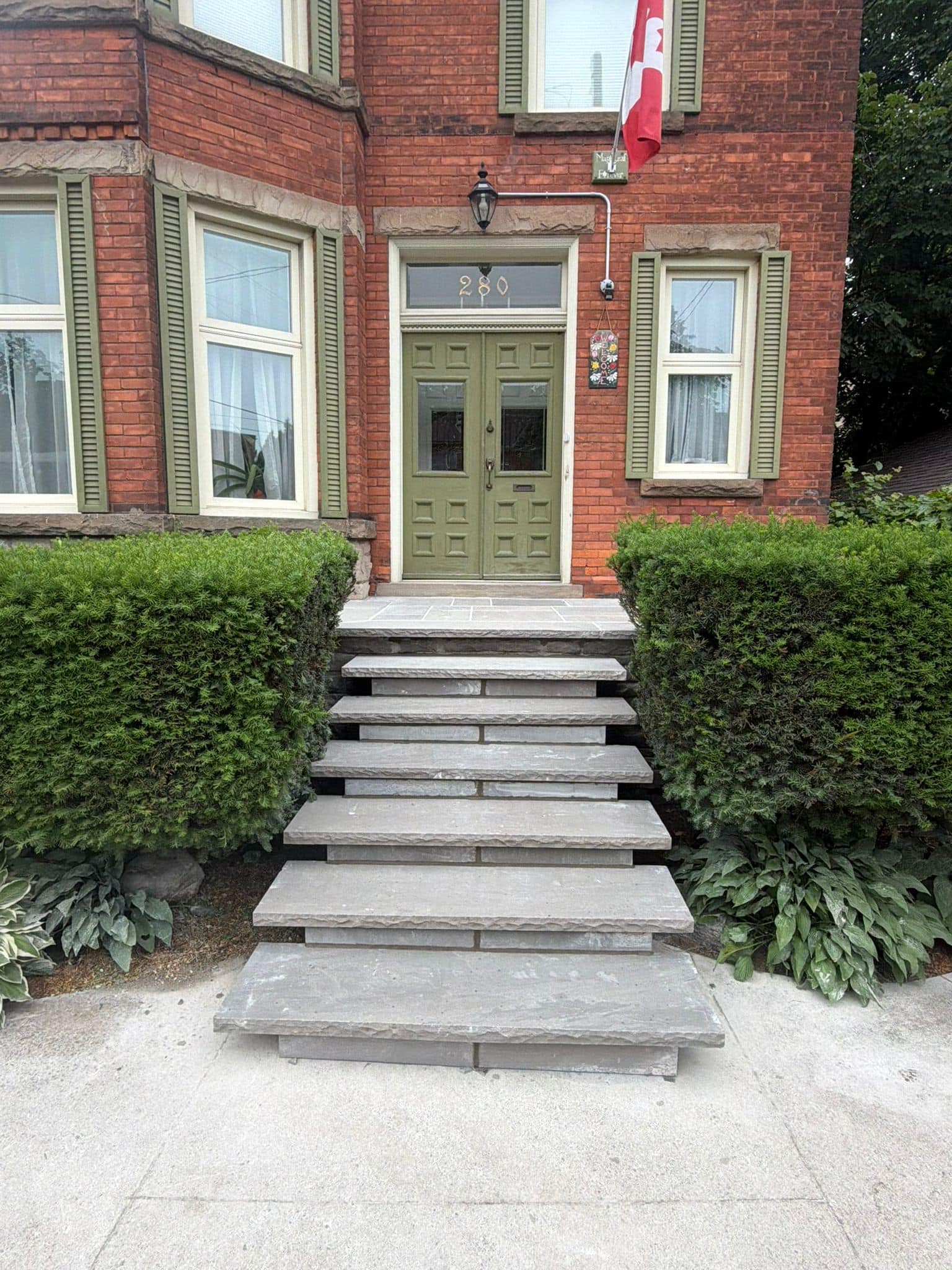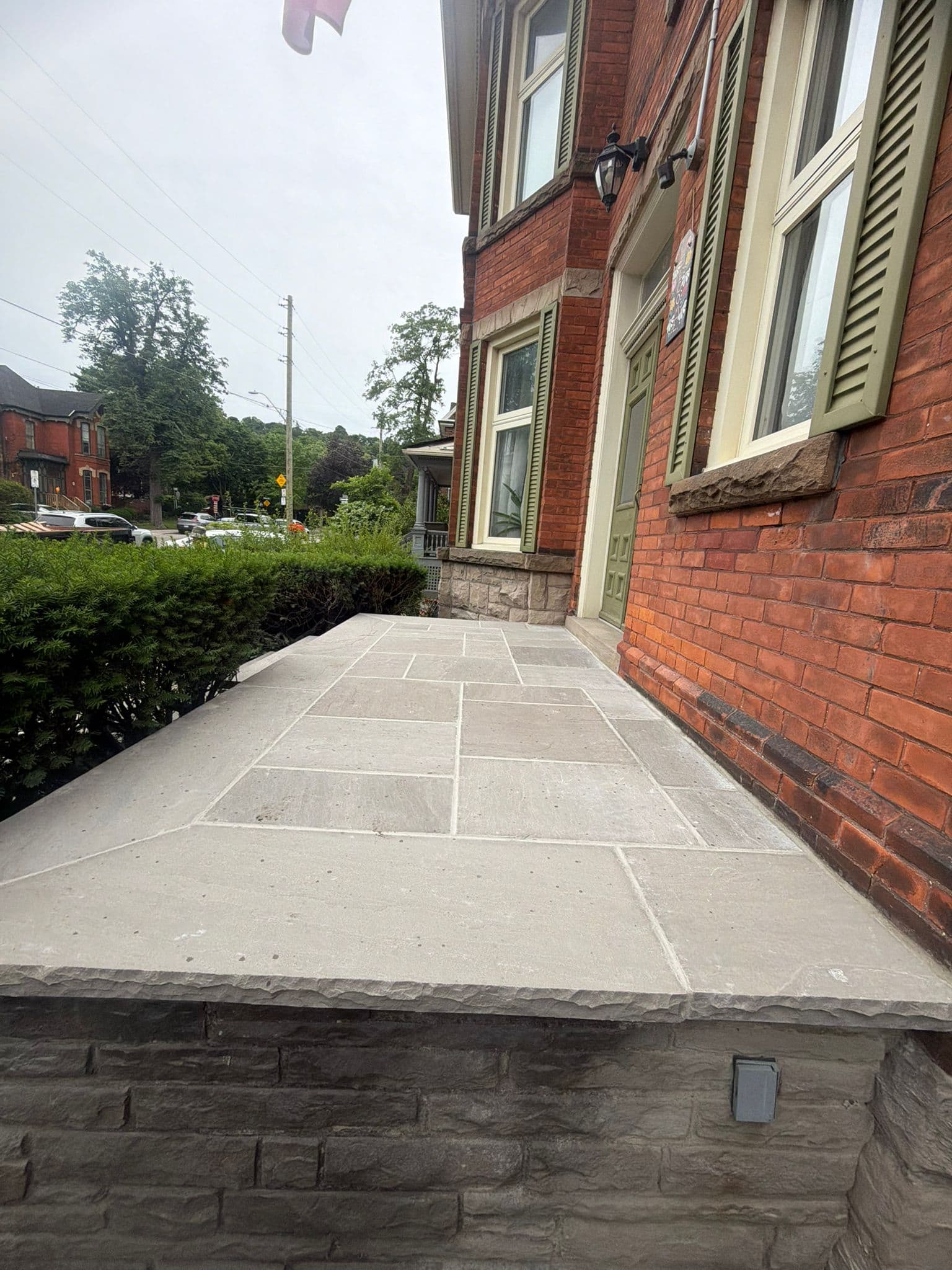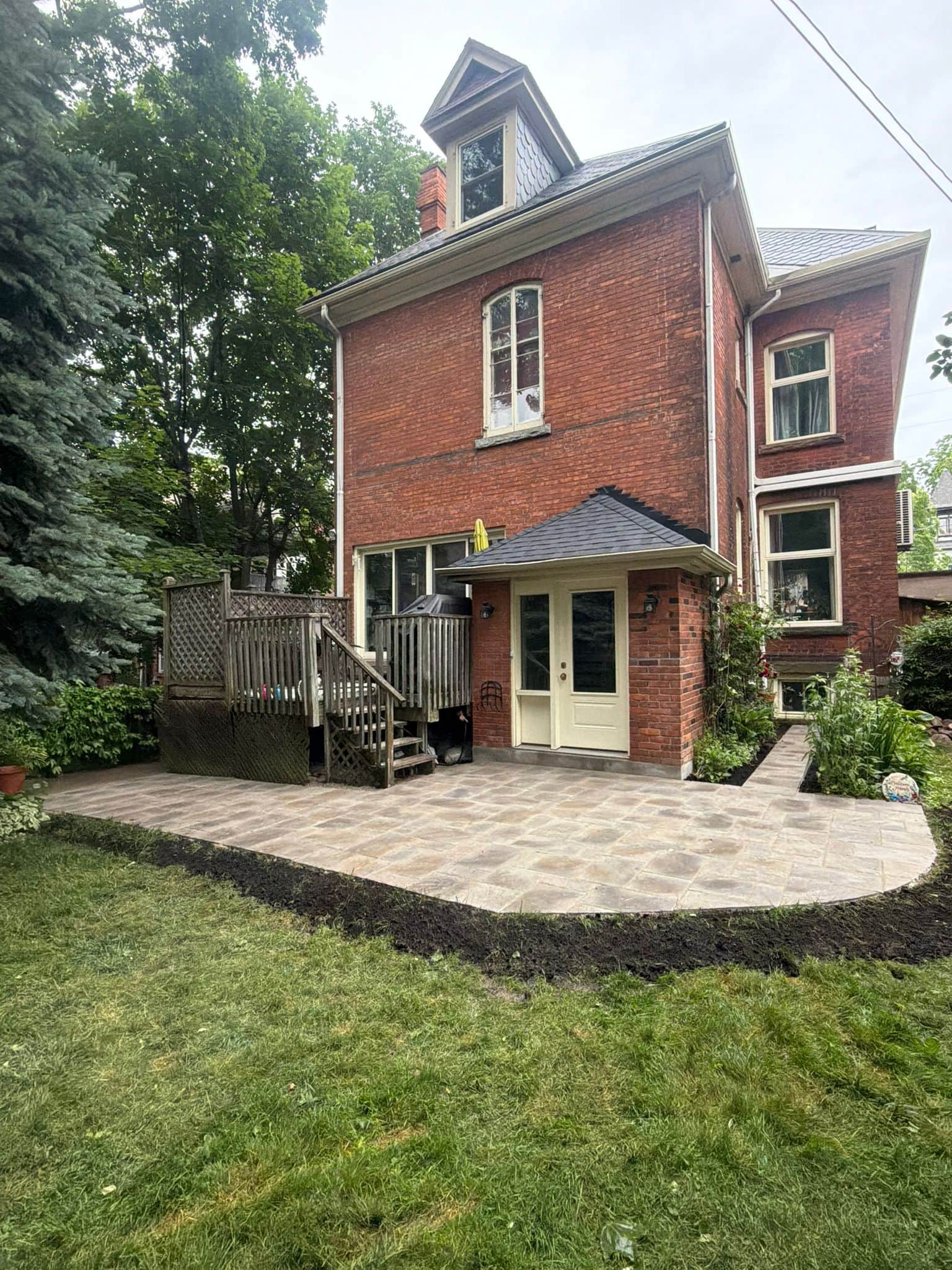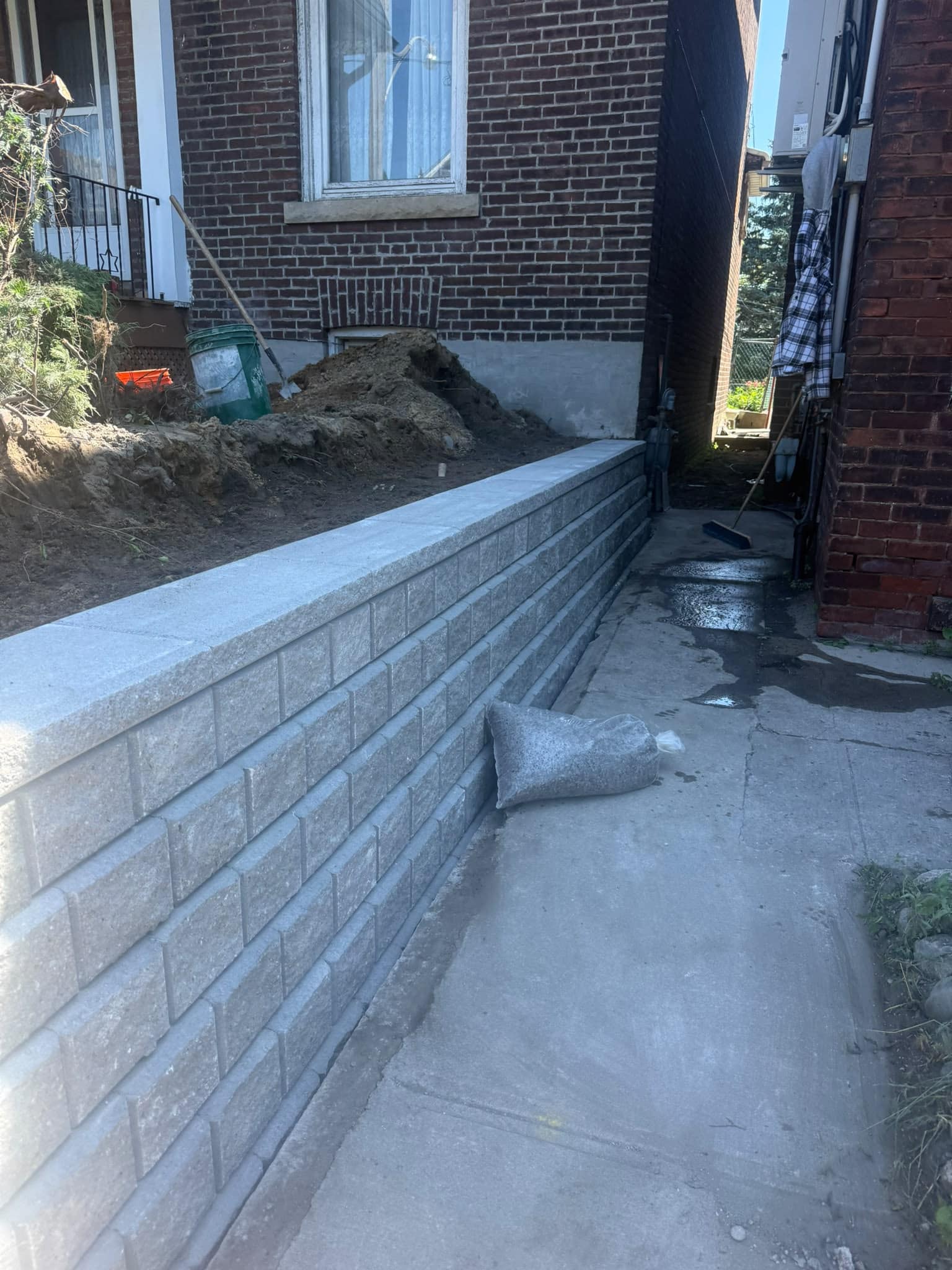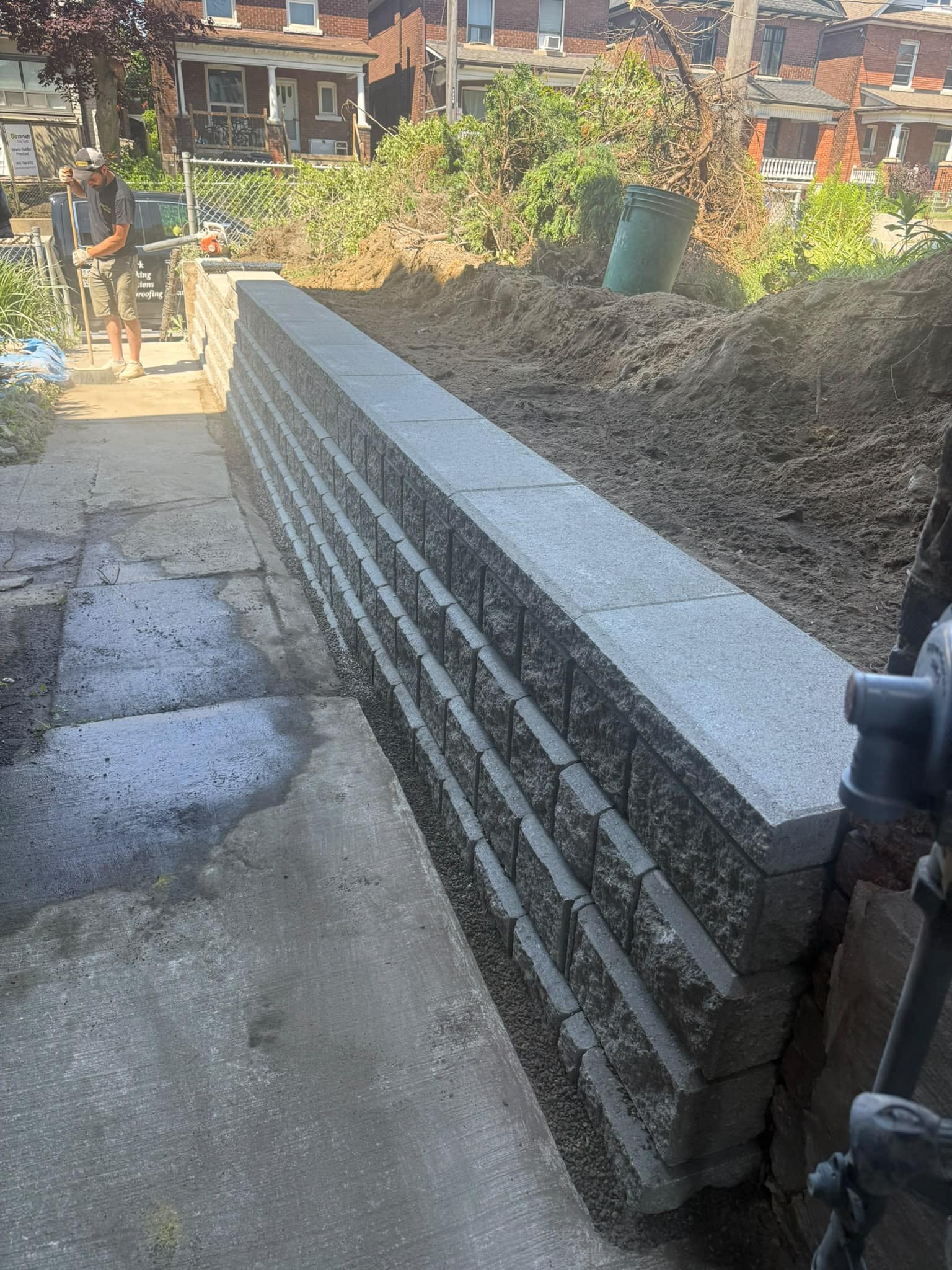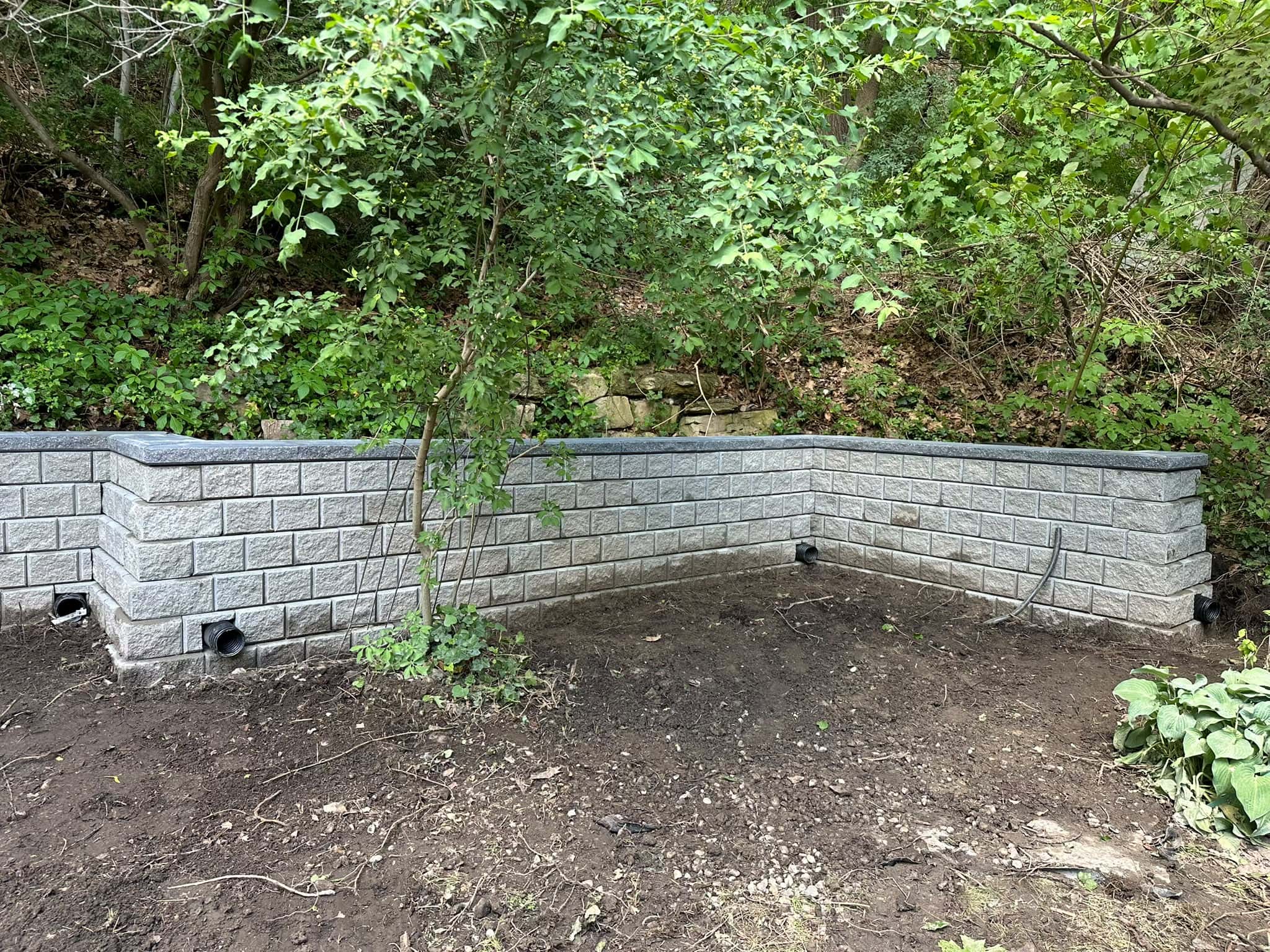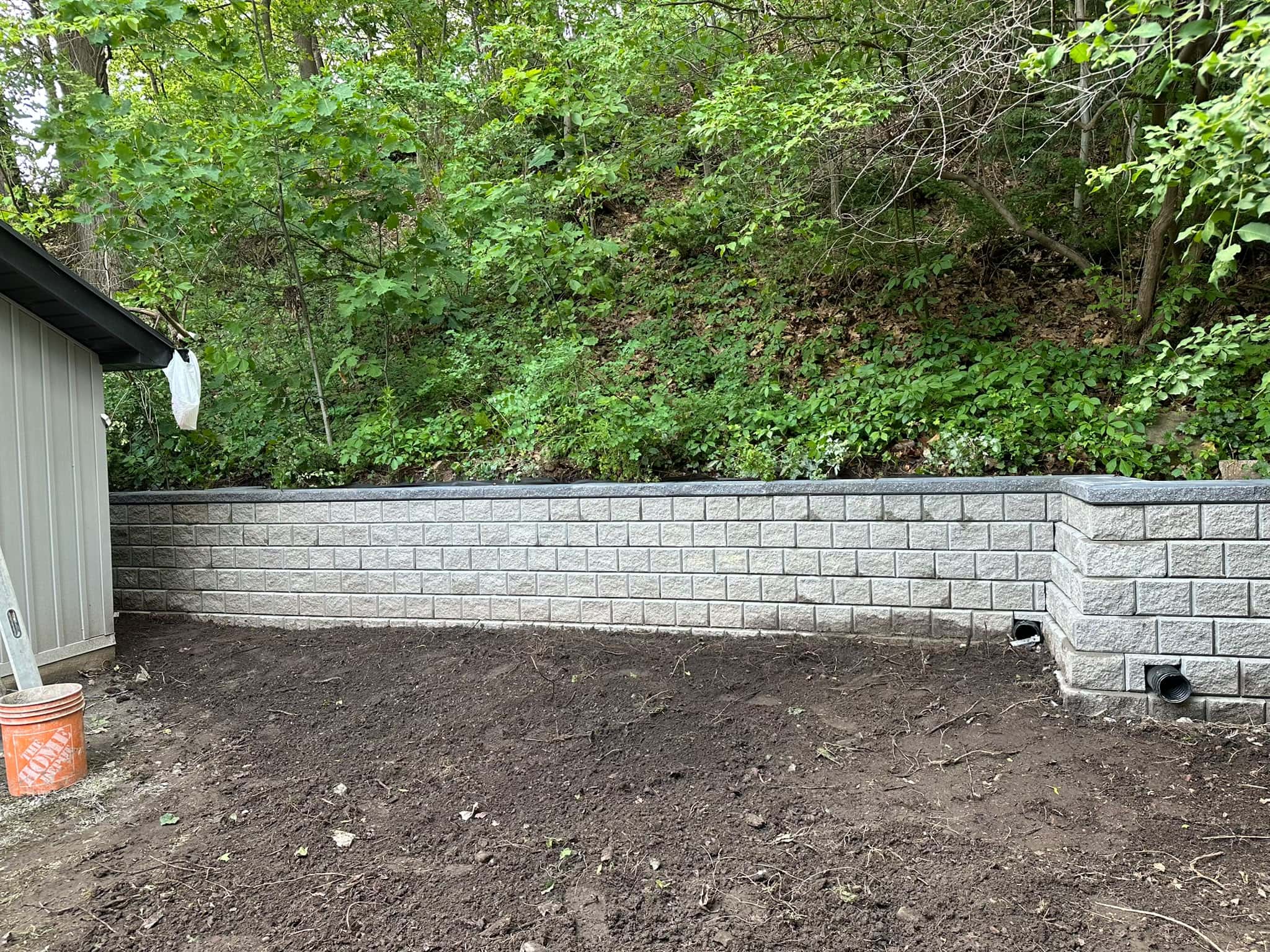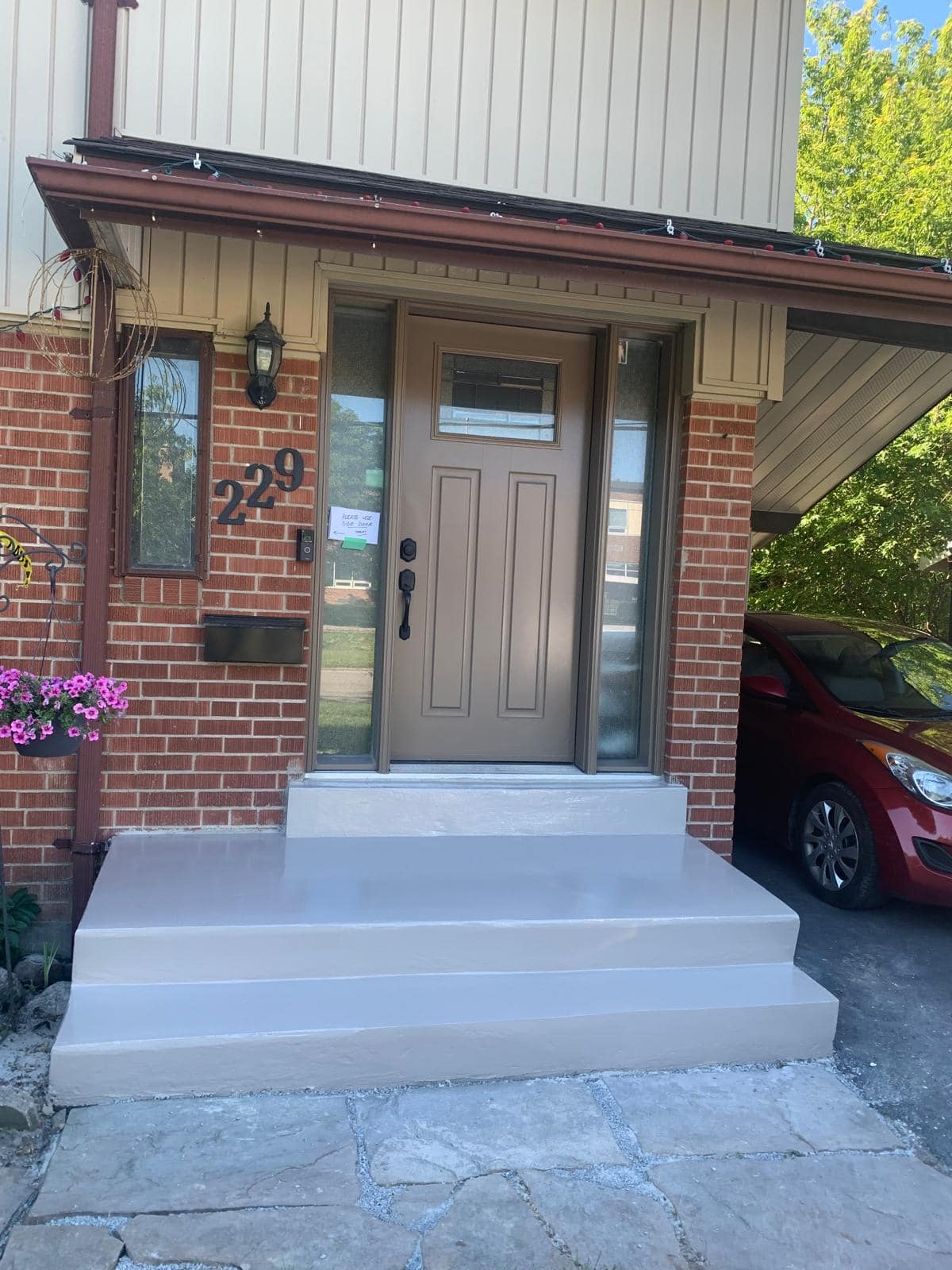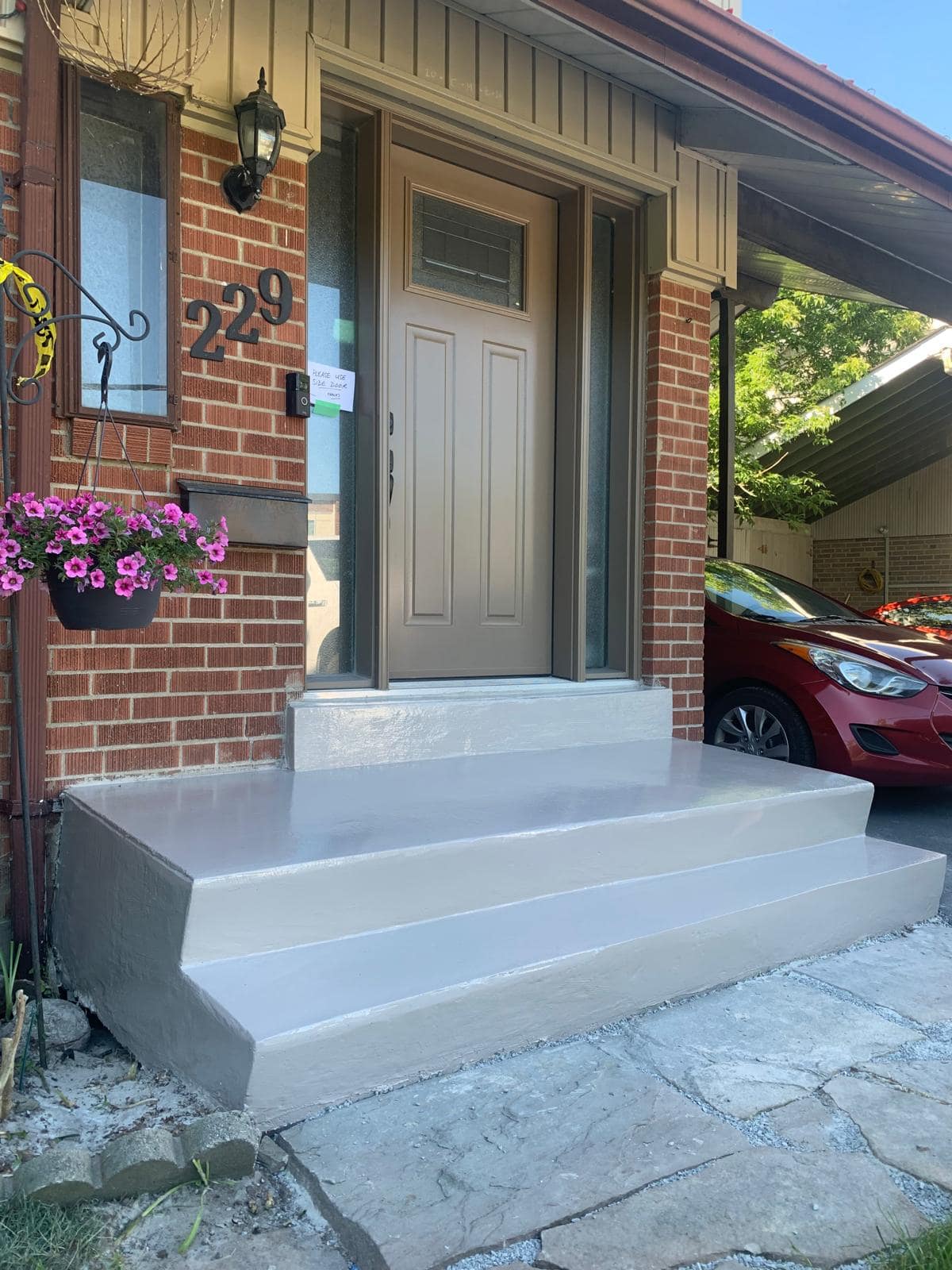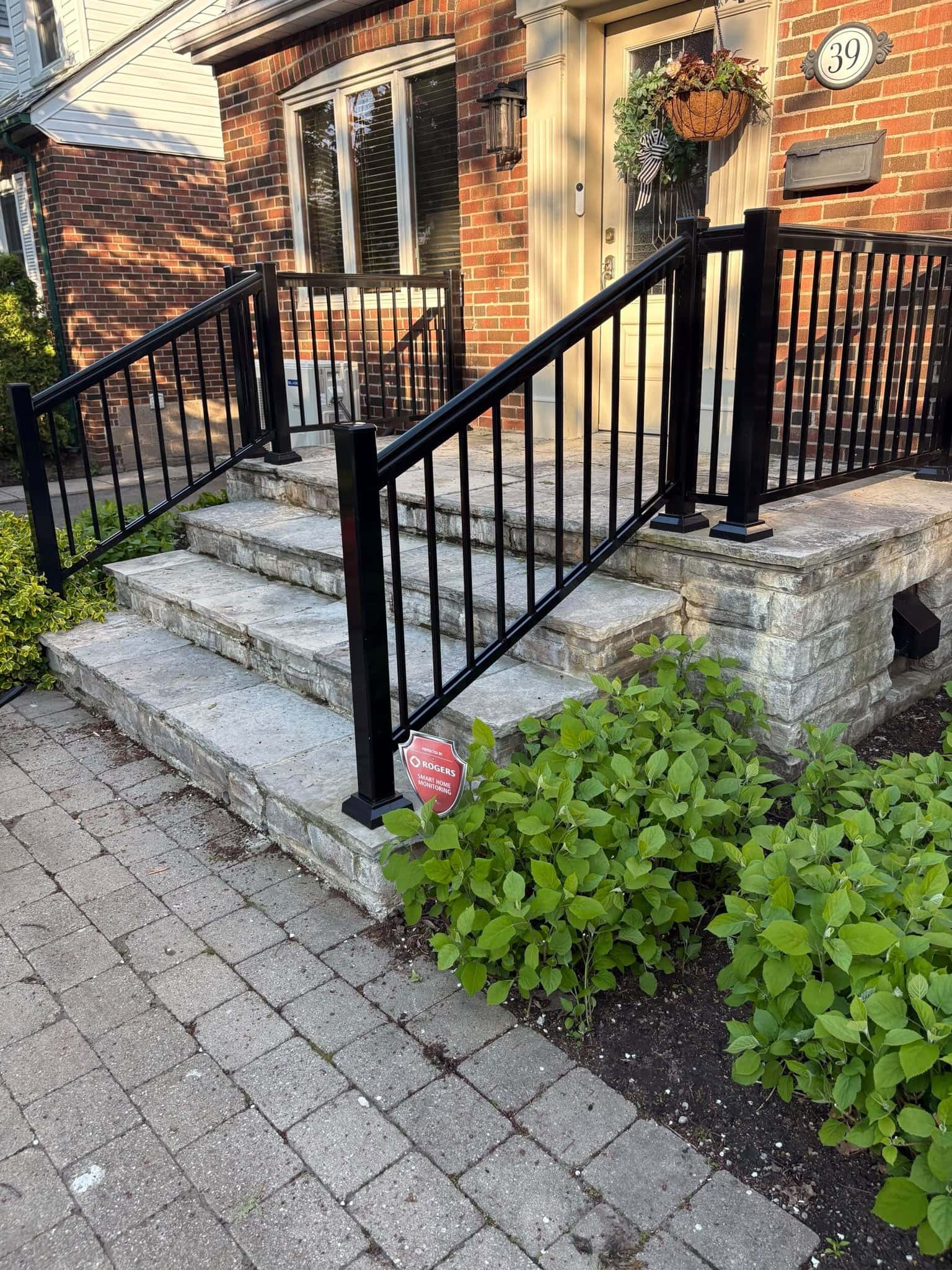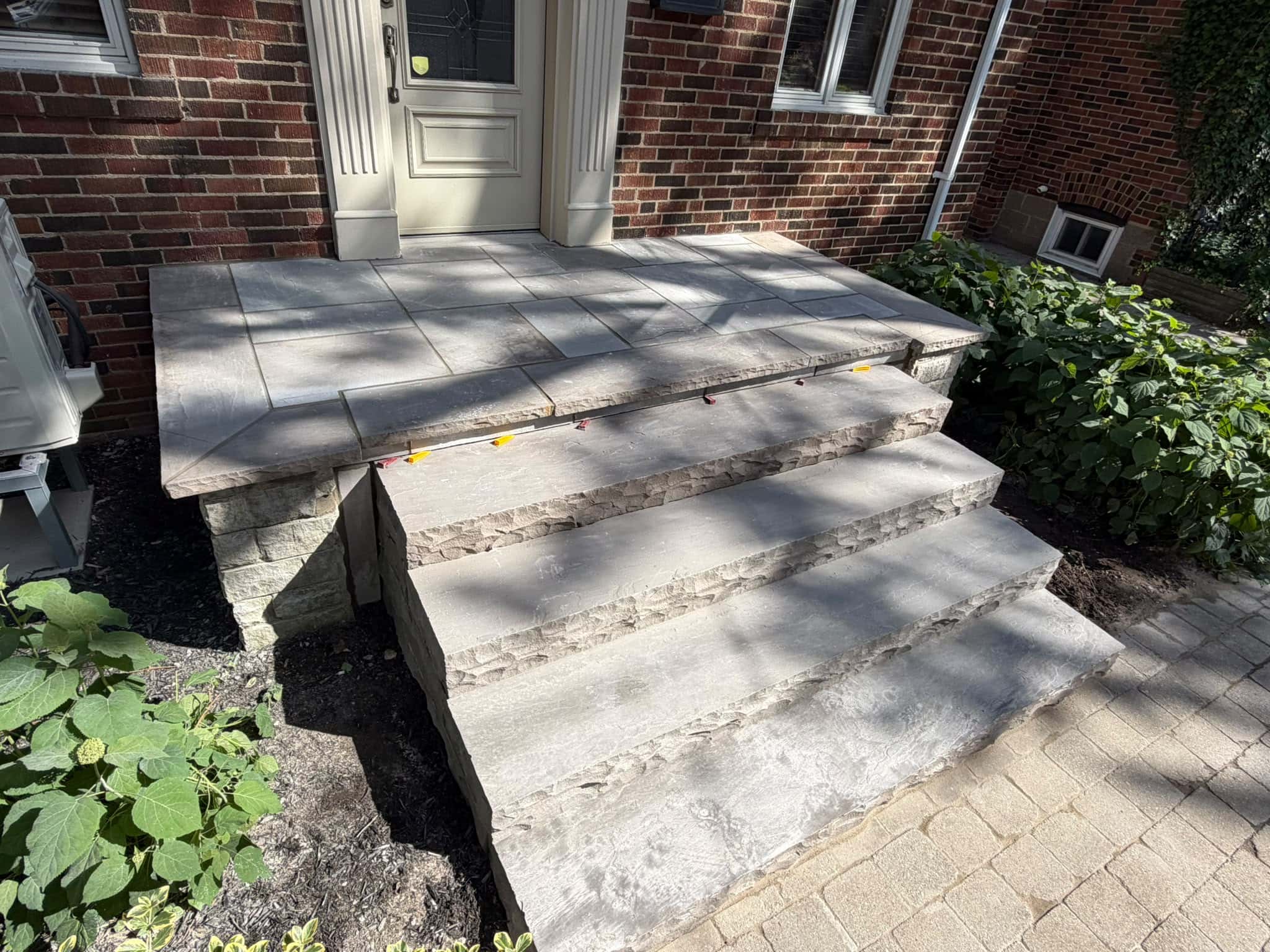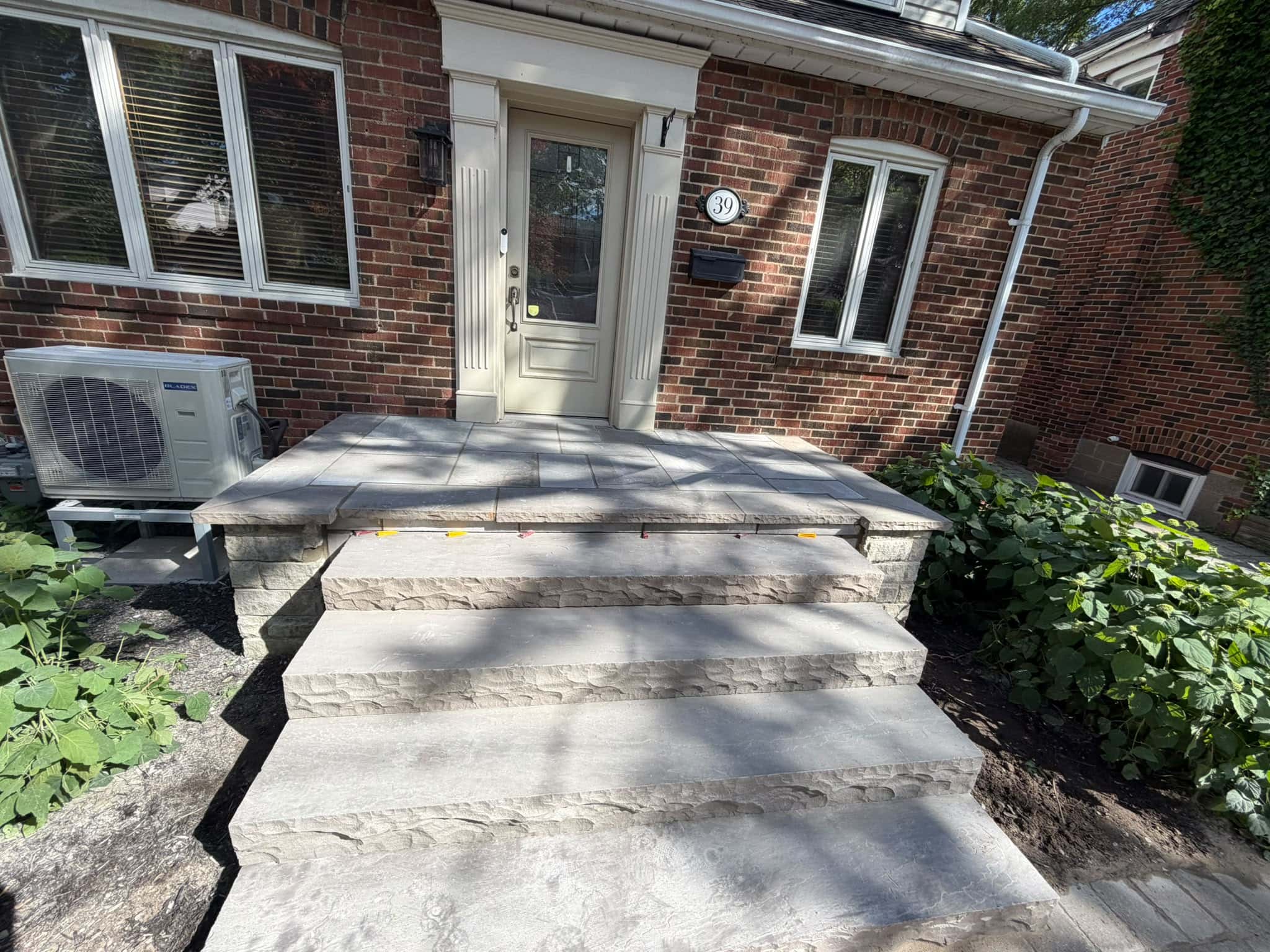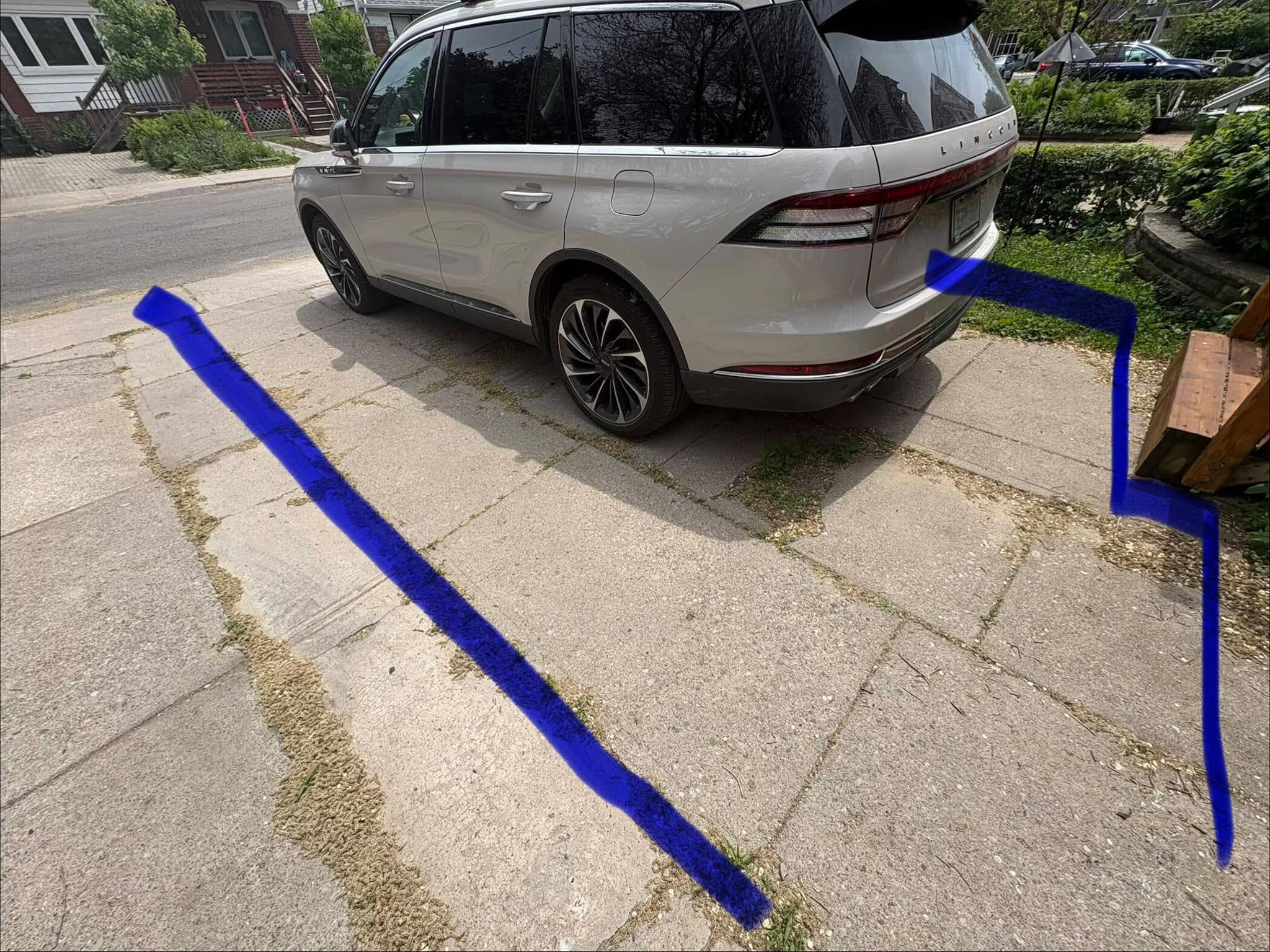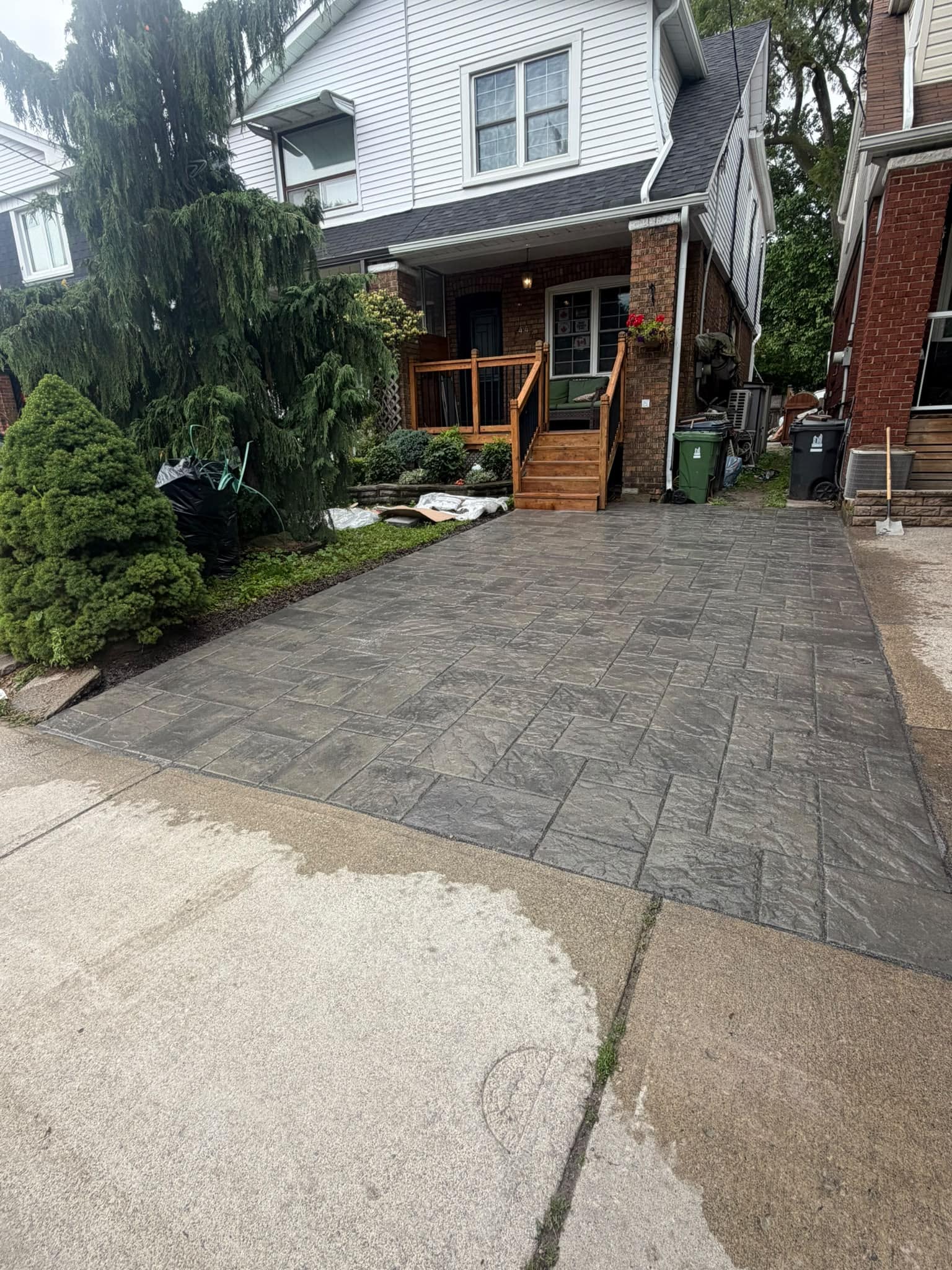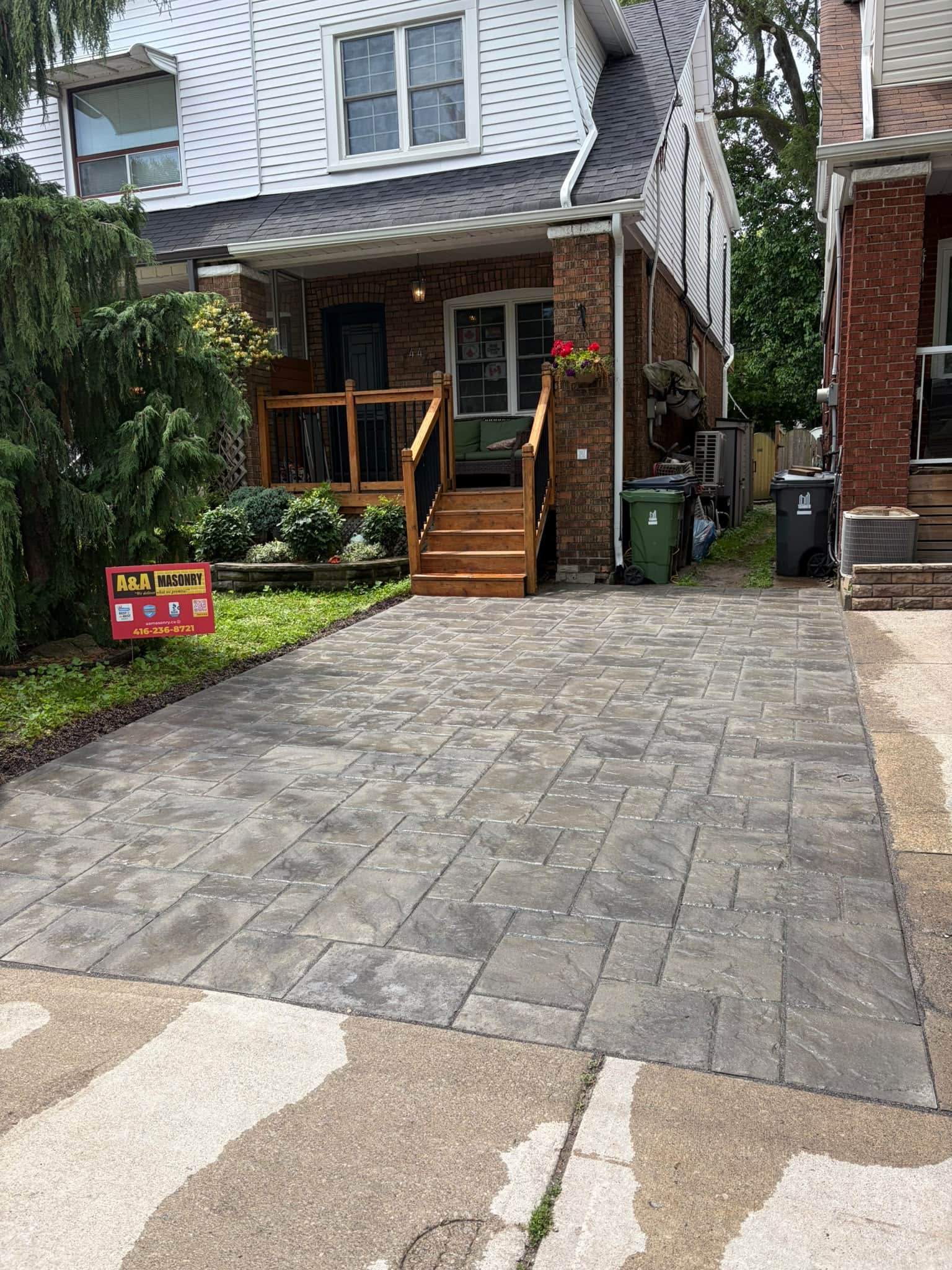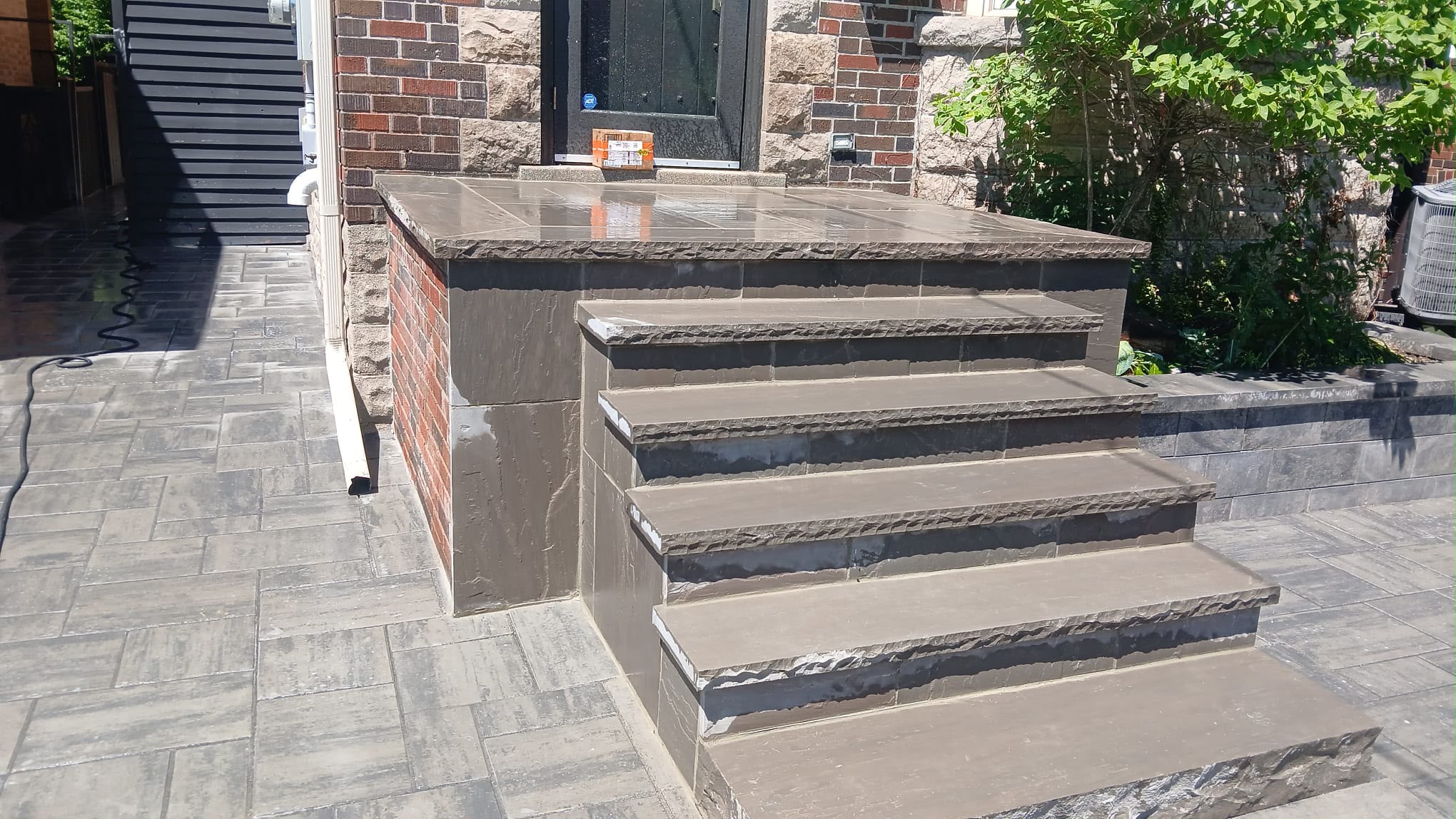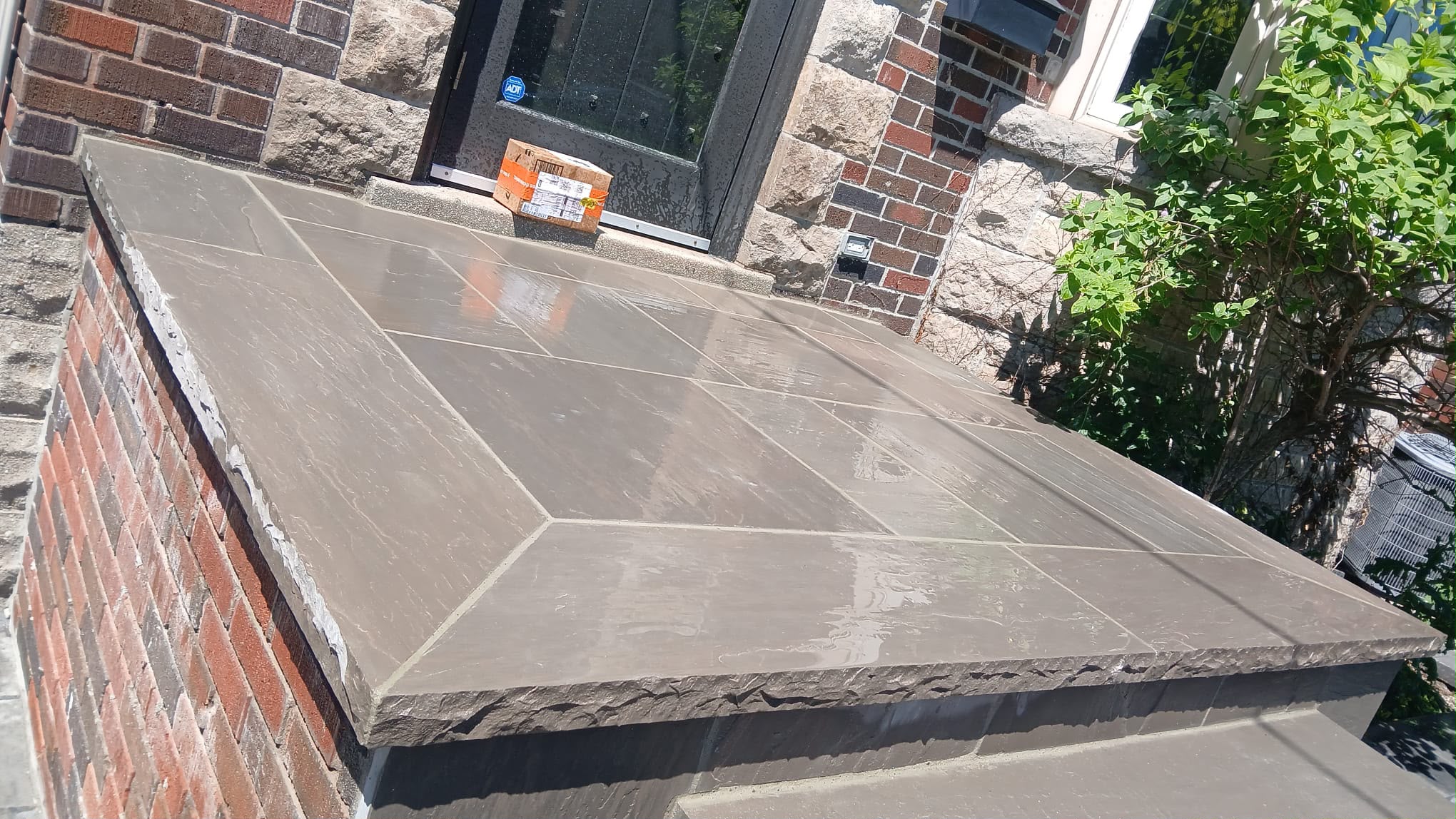

Masonry energy efficiency, Toronto homeowners are increasingly interested in, is not just about insulation. It is about how materials like brick and stone interact with temperature, moisture, and airflow to create a more stable indoor environment.
While insulation plays a major role, masonry materials contribute in ways that many homeowners overlook. Understanding how masonry affects energy performance can help you make better decisions when maintaining or upgrading your home.
How Masonry Regulates Temperature
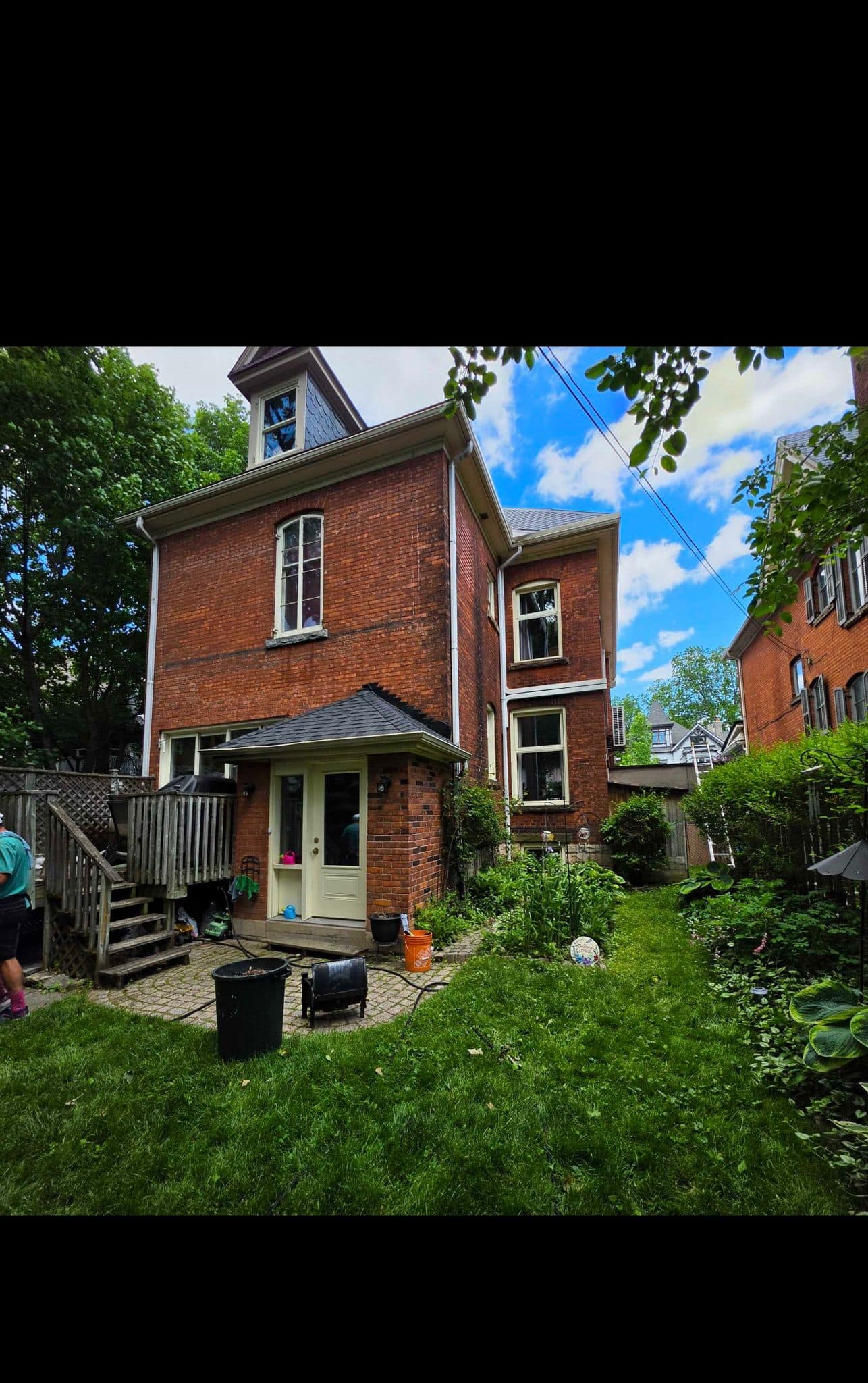
Brick and stone have what is known as thermal mass. This means they absorb heat during the day and release it slowly over time. In colder climates like Toronto, this helps stabilize indoor temperatures.
During winter, masonry retains heat, reducing the energy required to maintain a comfortable indoor environment. In summer, it helps keep interiors cooler by slowing down heat transfer.
This natural temperature regulation reduces reliance on heating and cooling systems.
Why Thermal Mass Matters in Toronto
Toronto experiences extreme seasonal changes. Cold winters and warm summers place constant demand on heating and cooling systems.
Masonry helps buffer these temperature swings. Homes with properly maintained brick or stone exteriors often experience more consistent indoor temperatures compared to those with lighter materials.
This consistency improves comfort while reducing energy consumption.
The Importance of Proper Installation
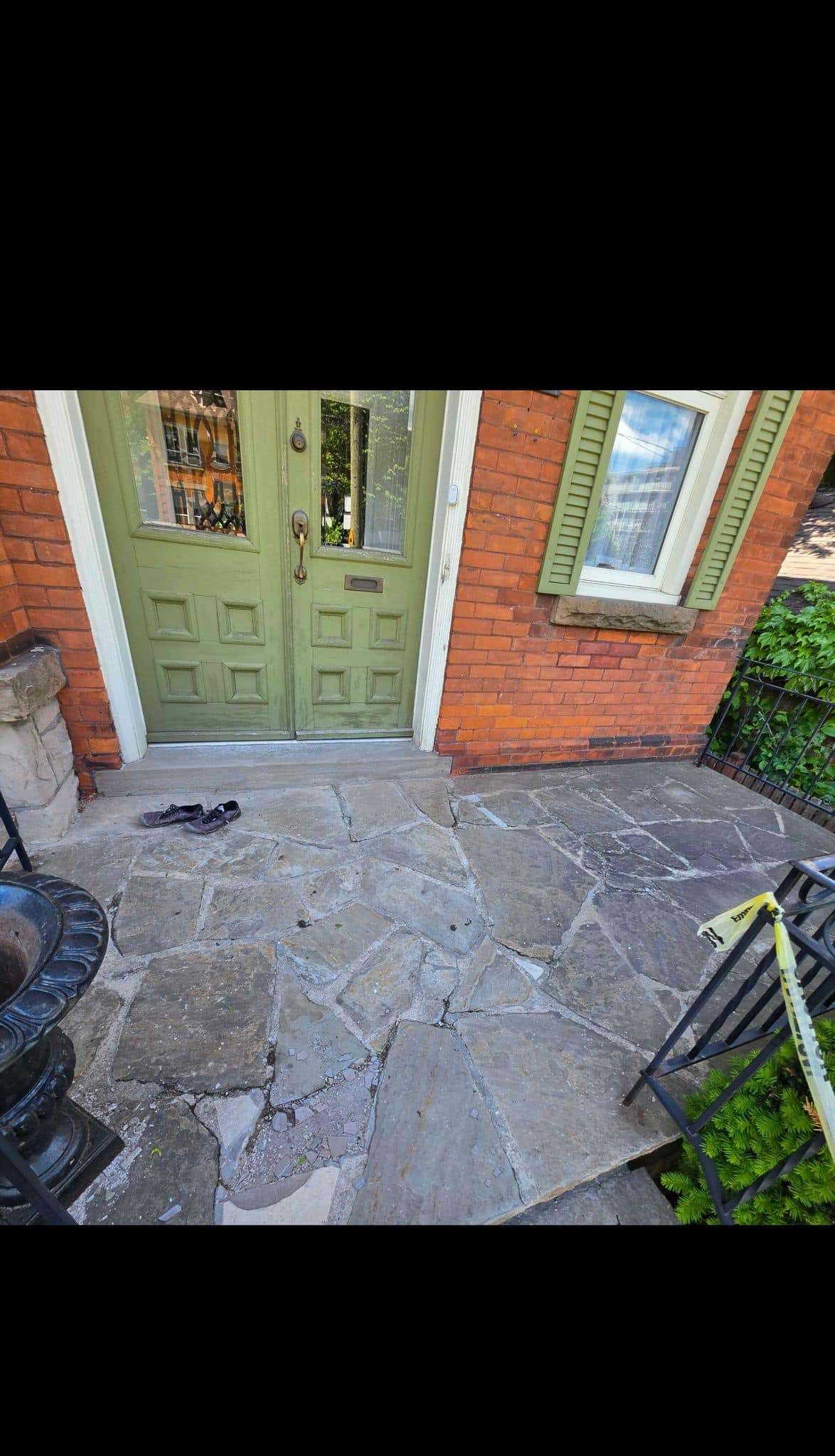
Energy efficiency benefits depend on proper installation. Poorly constructed masonry can allow air leaks and moisture infiltration, which reduce thermal performance.
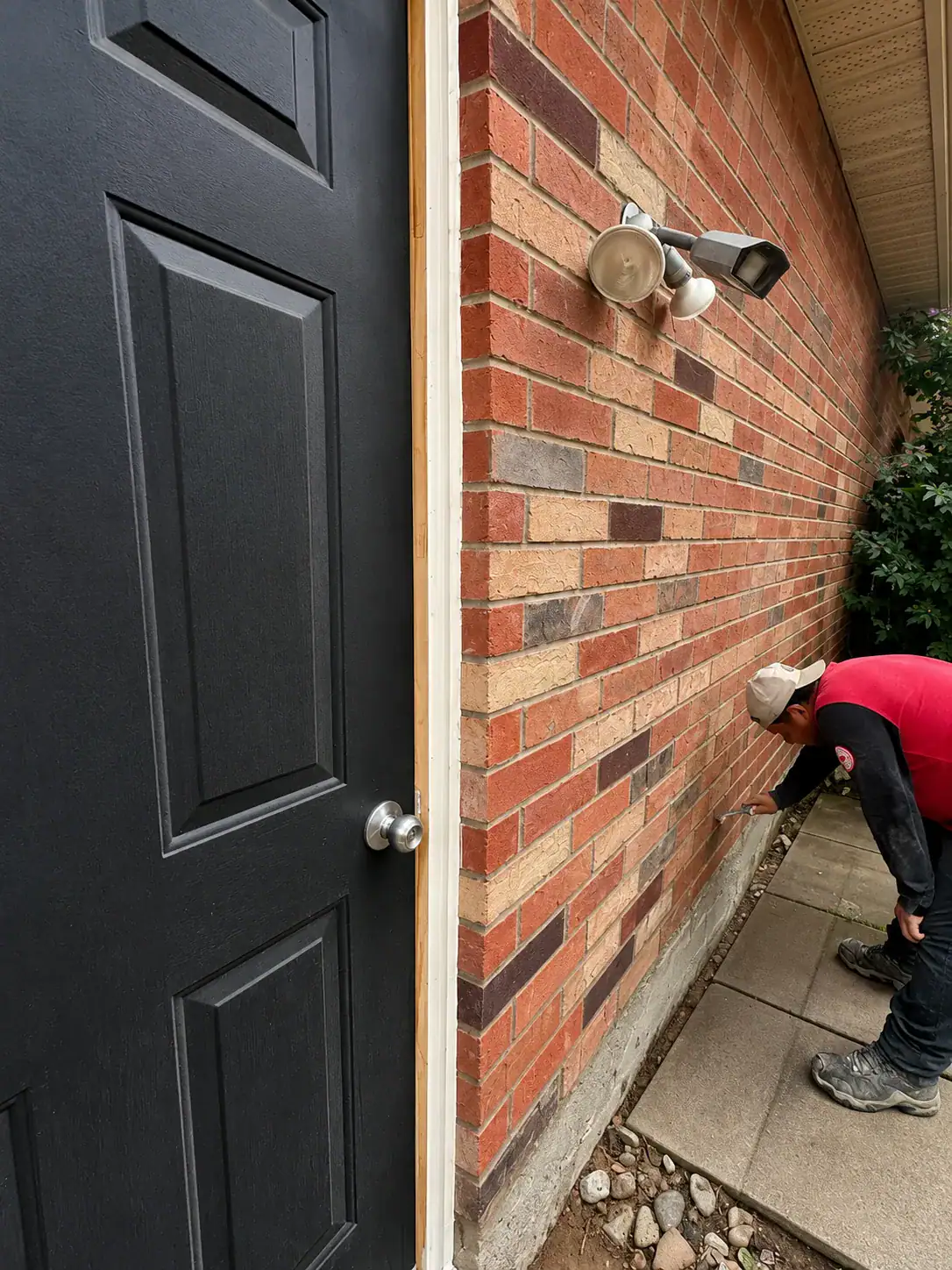
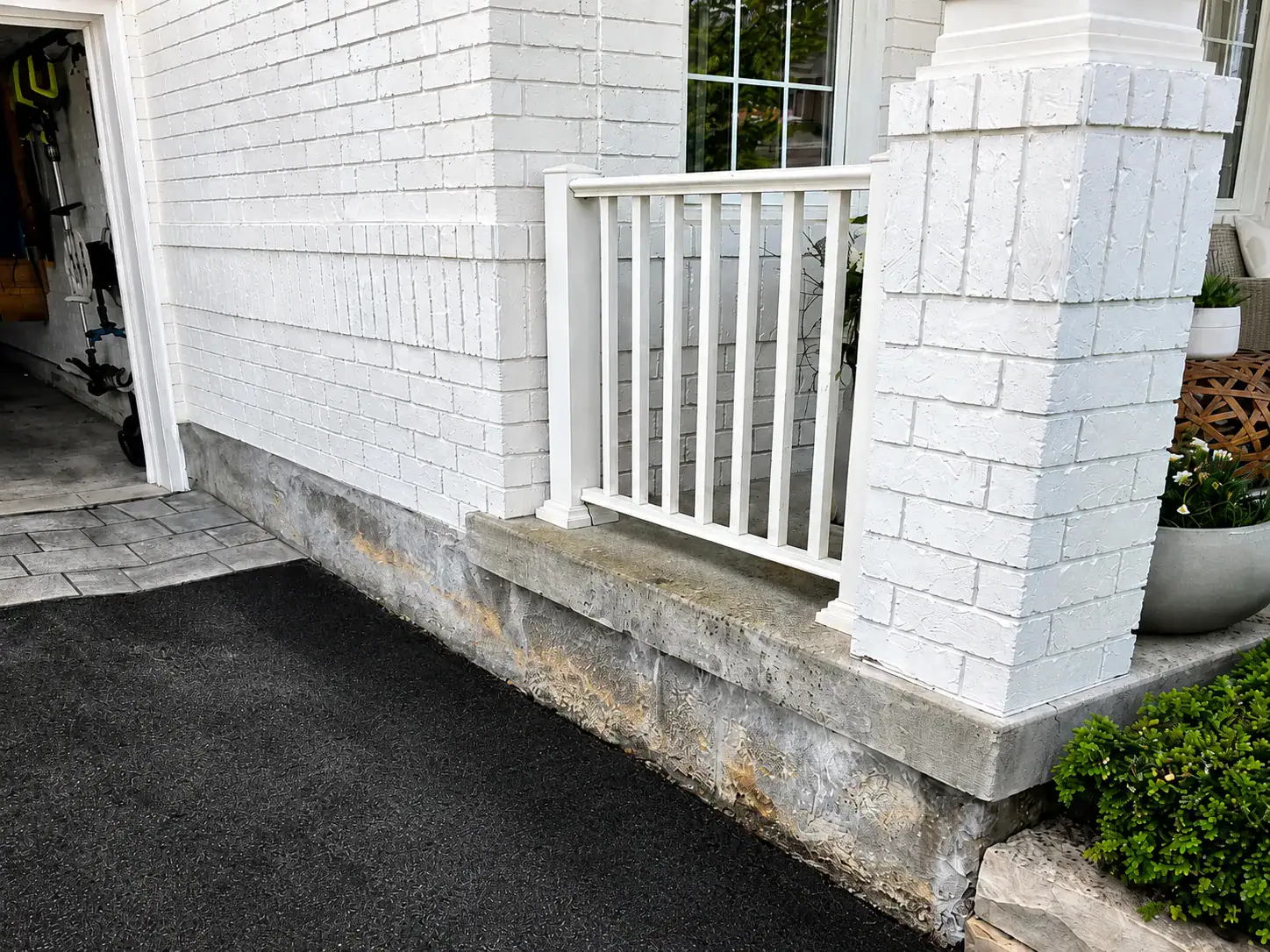
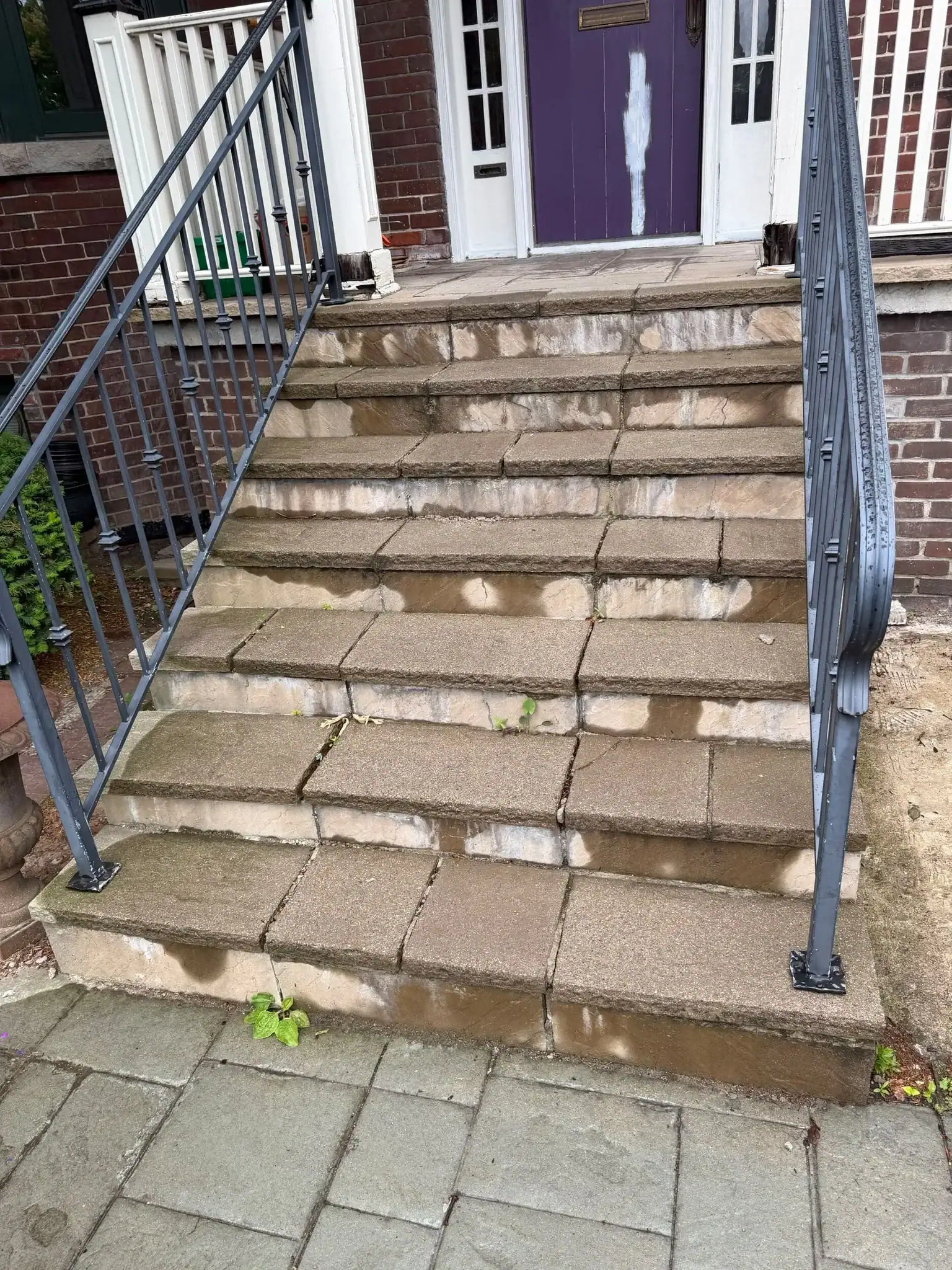
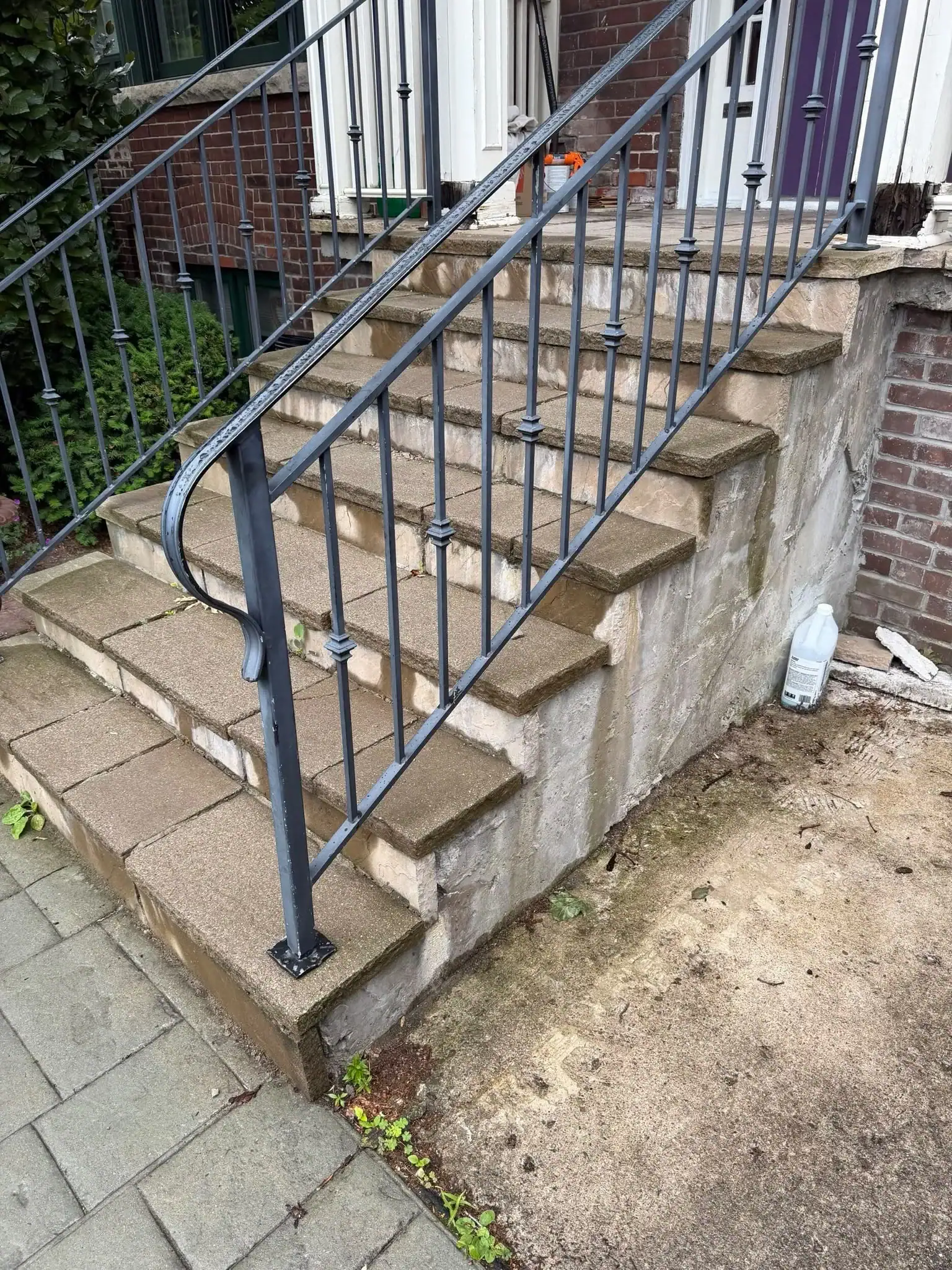
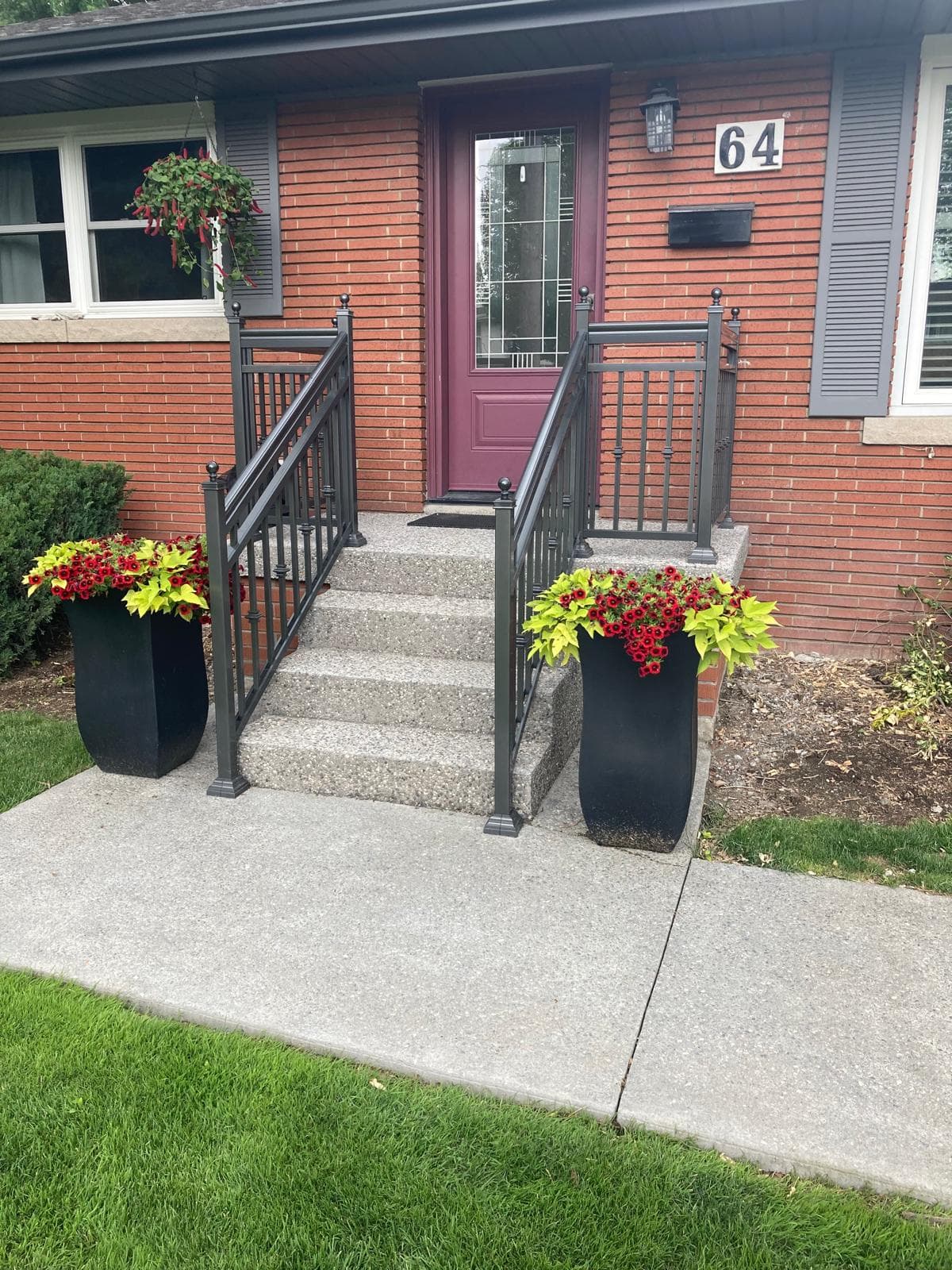
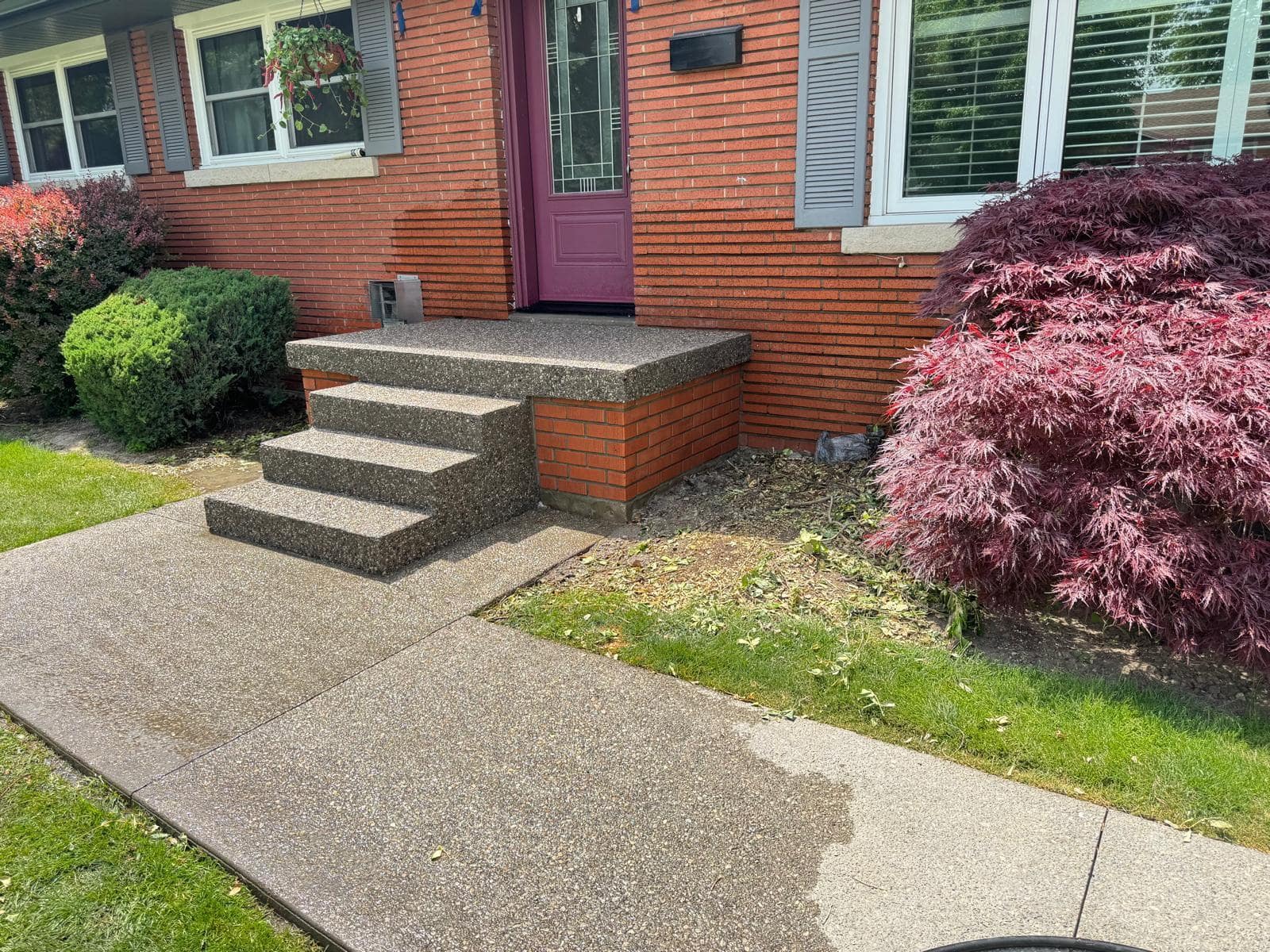
Ensuring proper construction through services like brick repair Toronto or repointing helps maintain the integrity of the wall system.
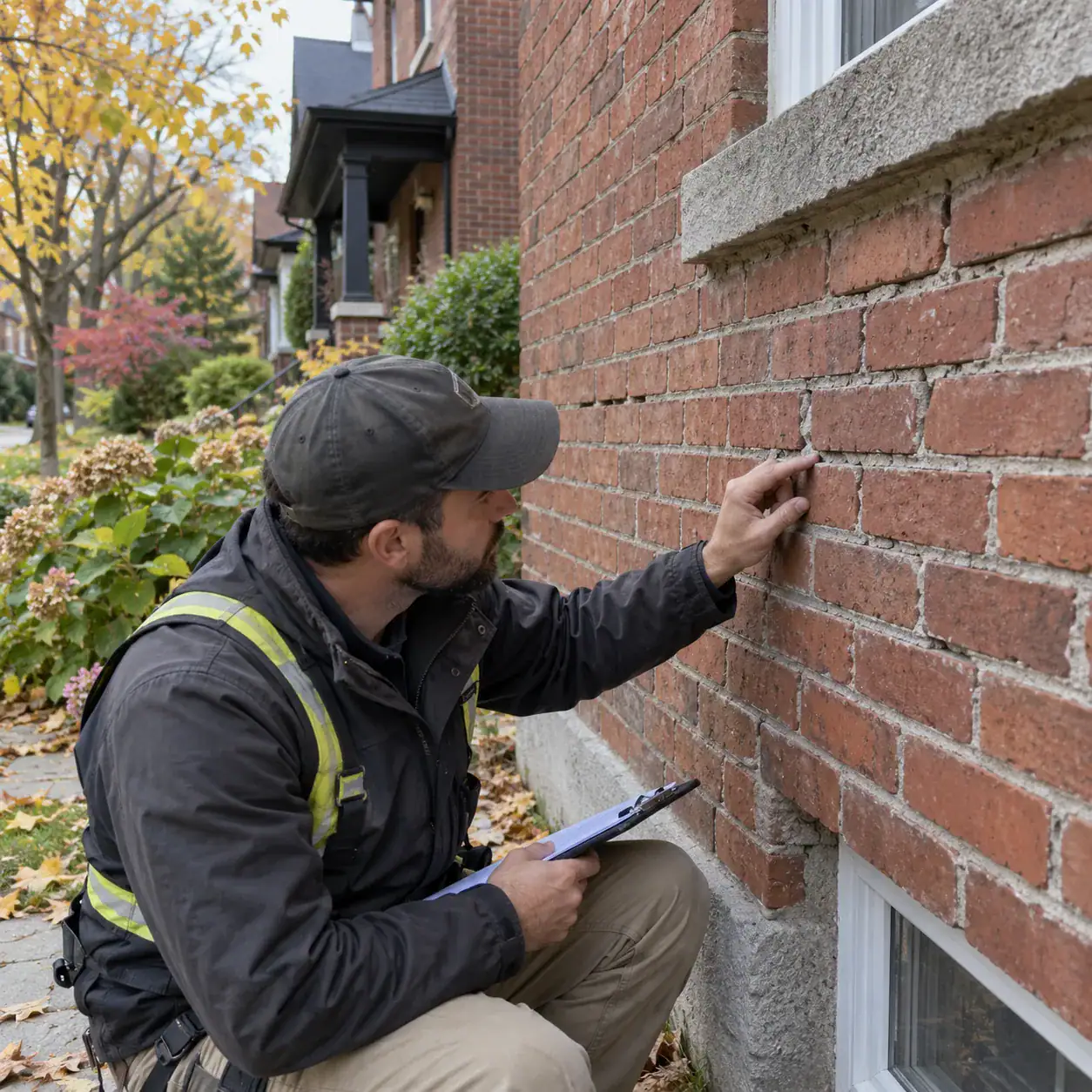
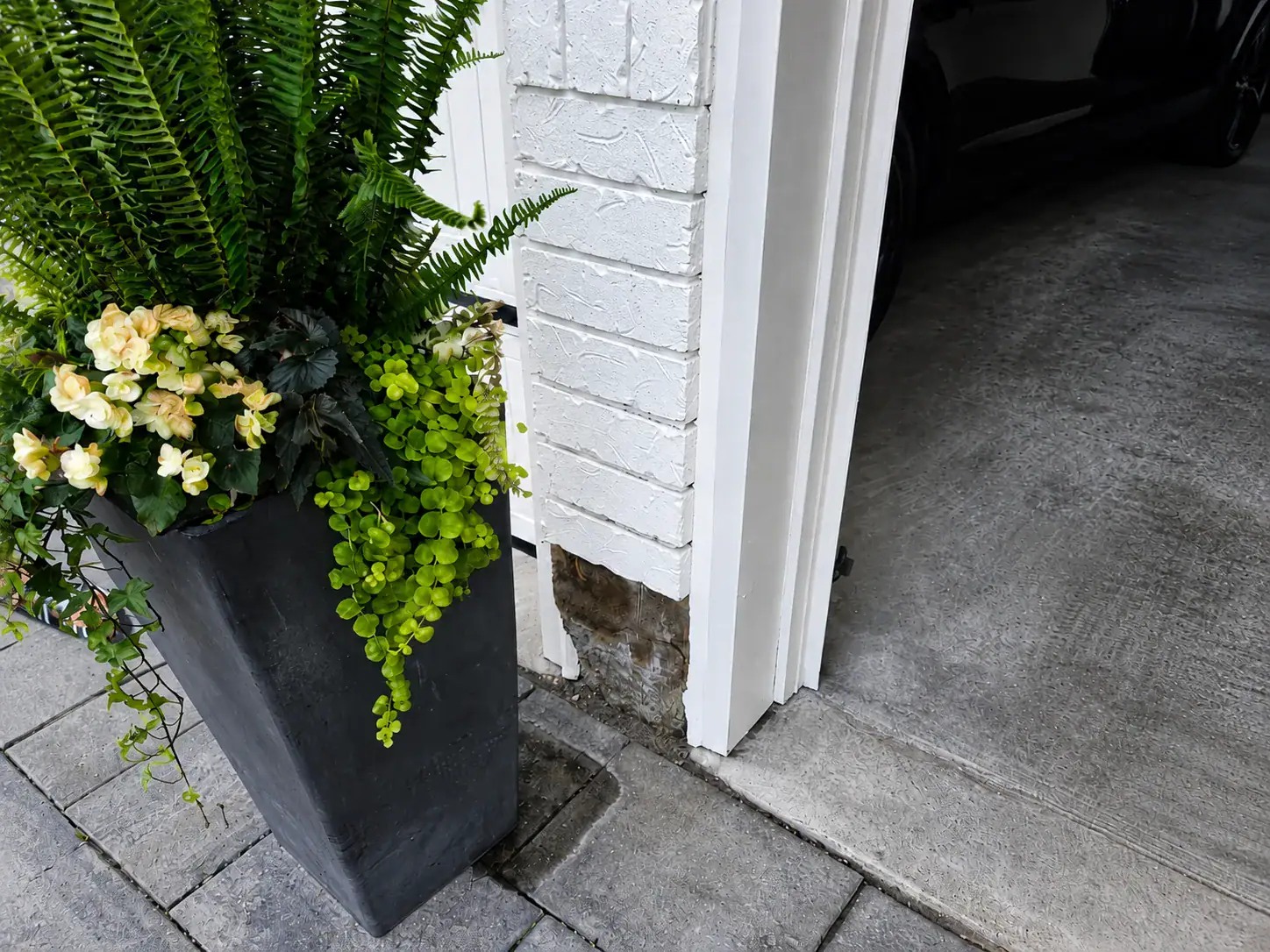
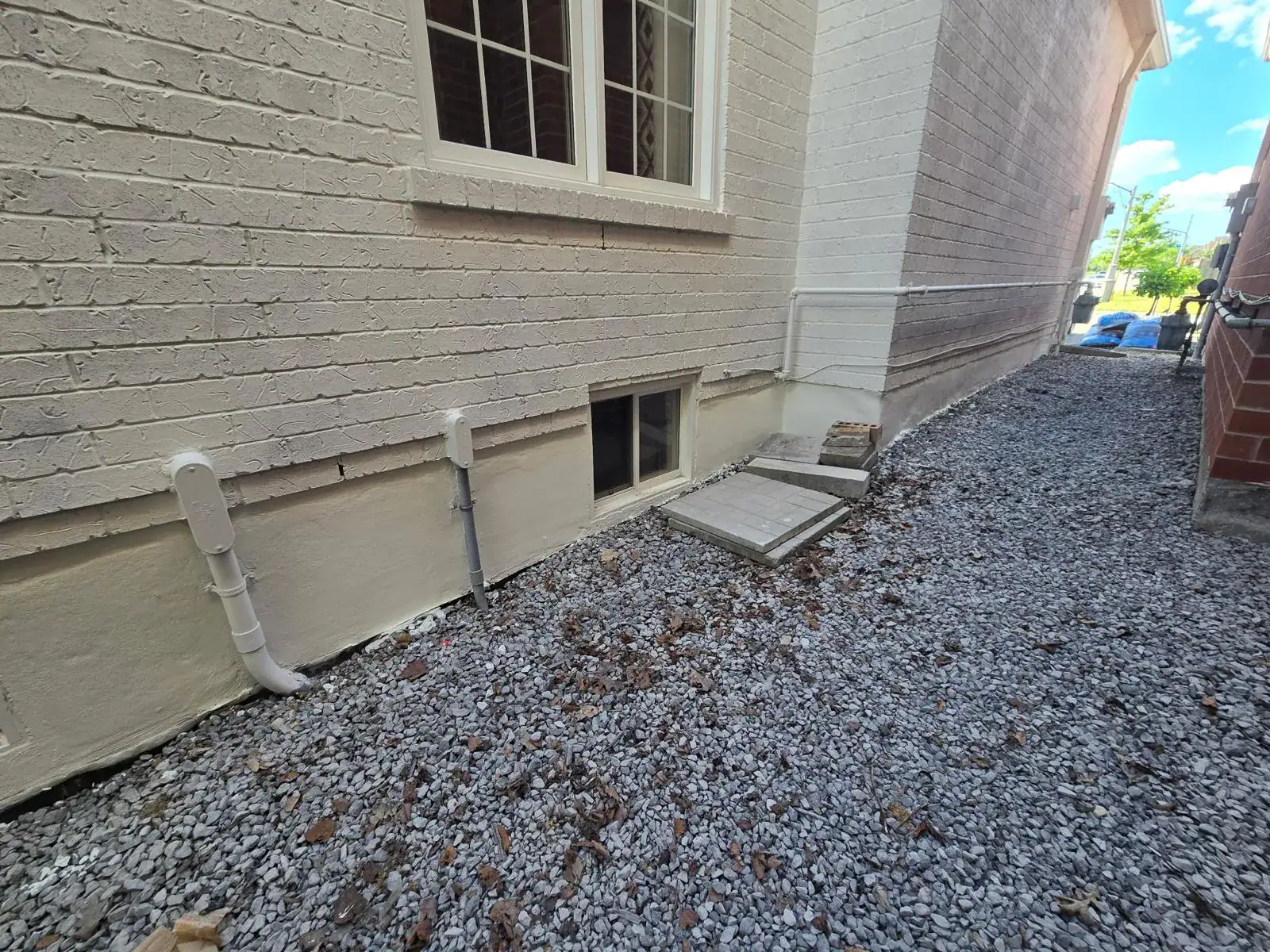
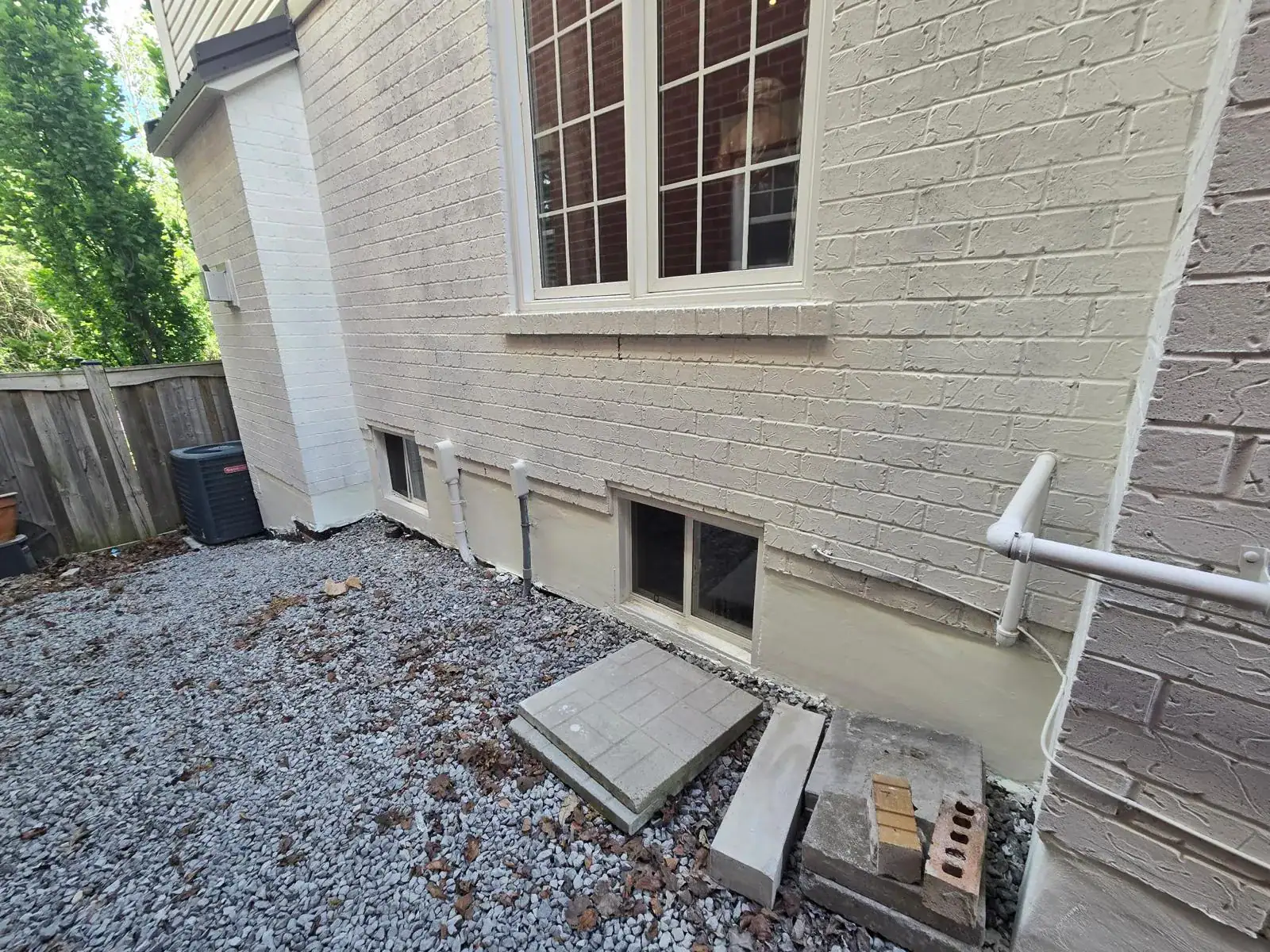
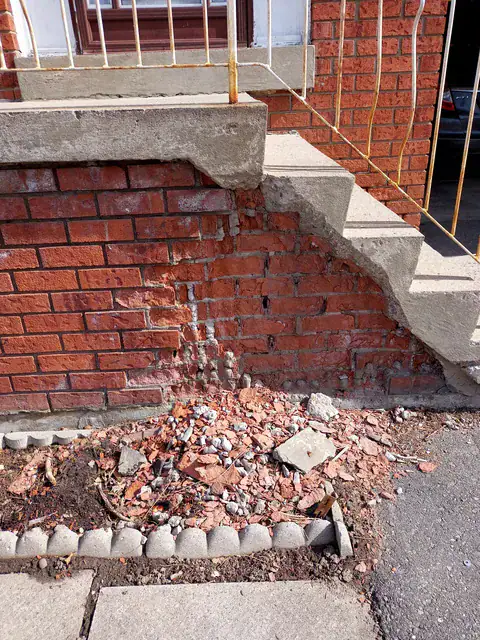
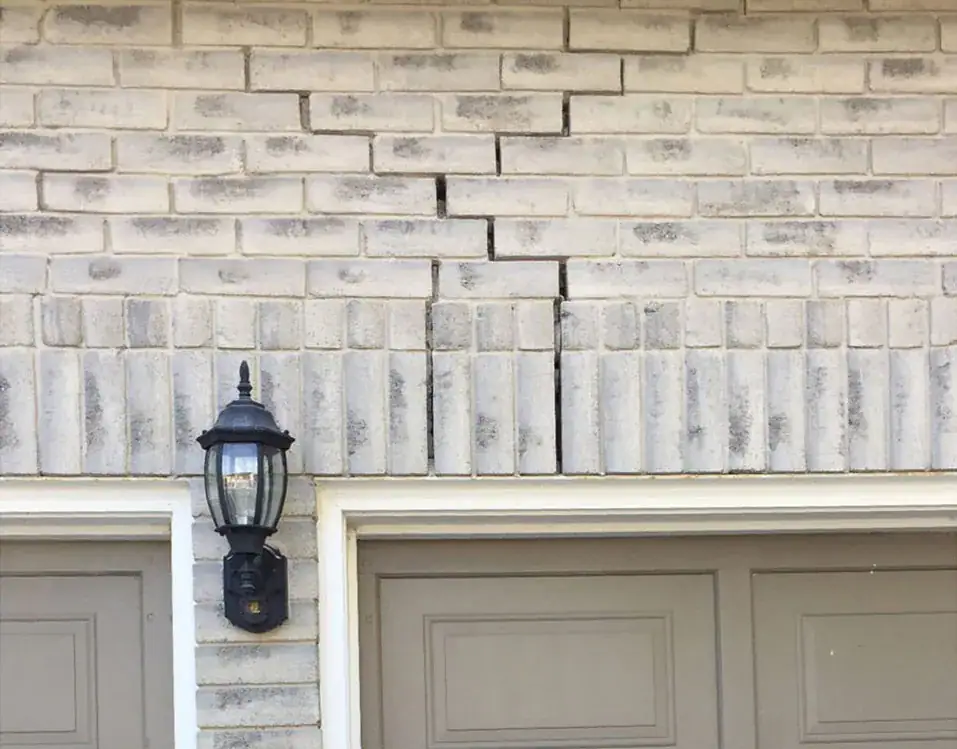
Damaged mortar joints or cracks can compromise insulation and allow heat to escape.
Moisture Control and Energy Efficiency
 Moisture plays a significant role in how masonry performs. Wet materials lose their insulating properties, leading to heat loss.
Proper moisture management, including waterproofing Toronto, helps maintain energy efficiency while protecting structural components.
Keeping masonry dry ensures it continues to perform effectively.
Stone Masonry and Insulation Performance
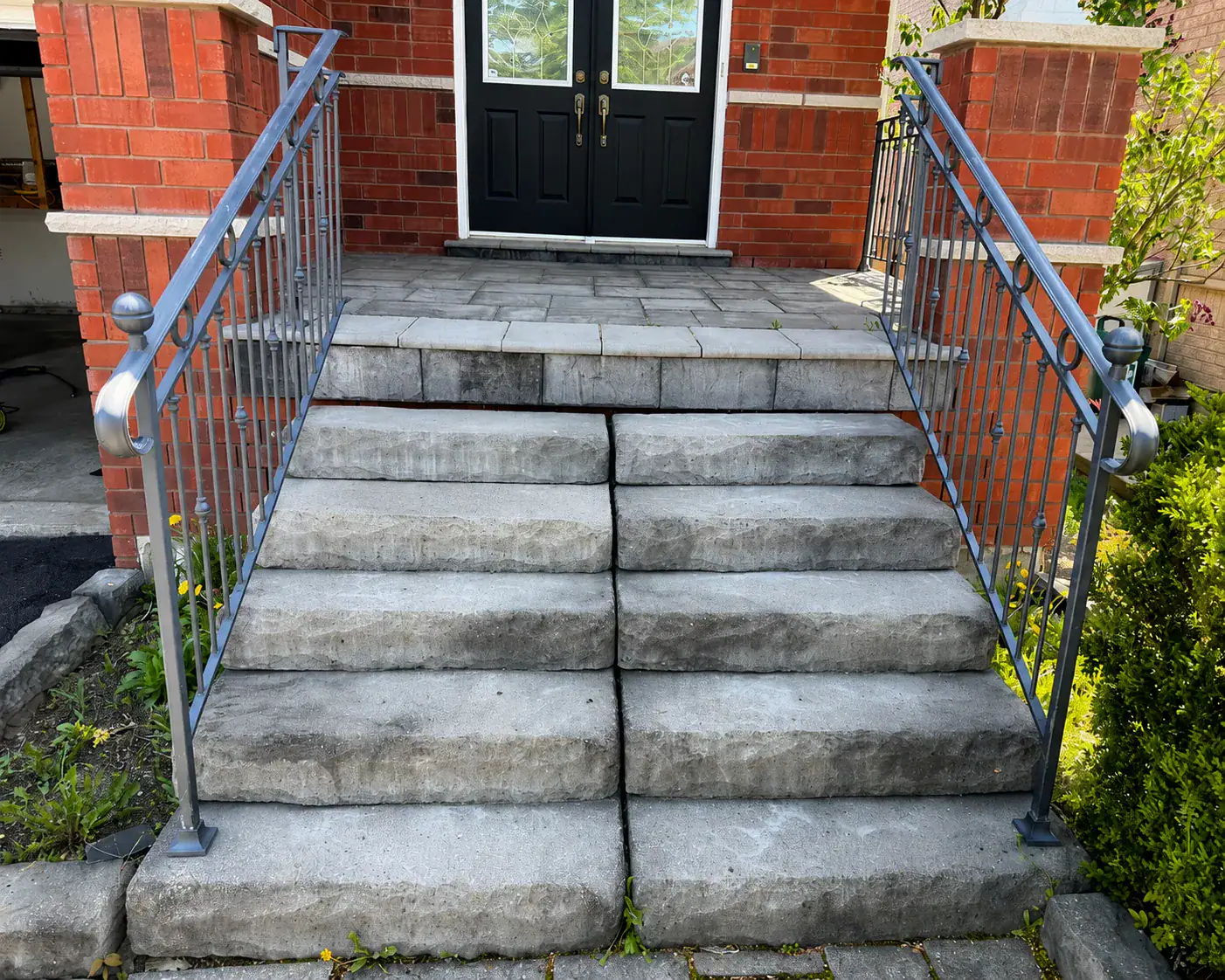
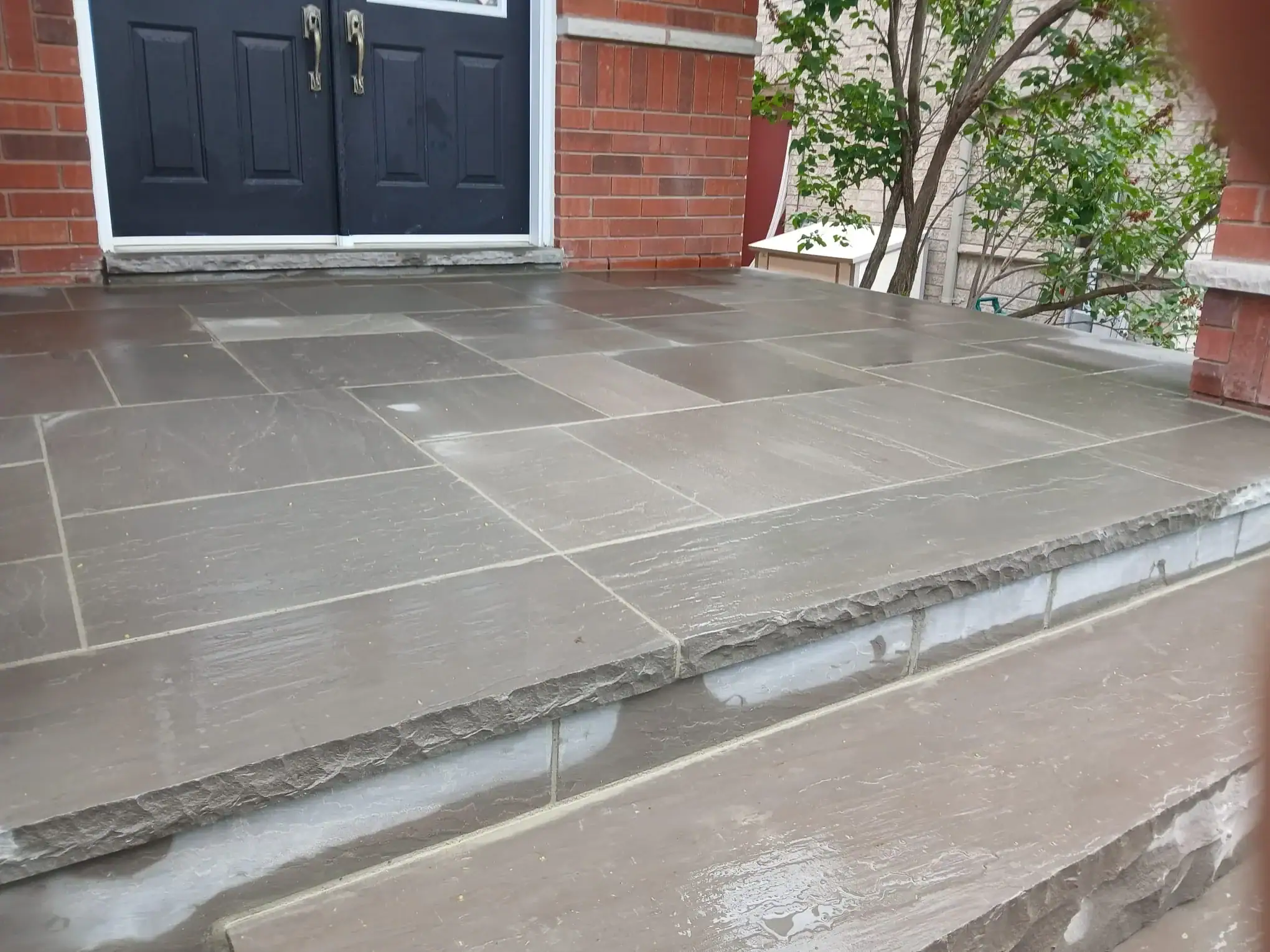
Natural stone is often used for both structural and decorative purposes. While stone itself does not replace insulation, it contributes to overall thermal stability.
Projects such as stone masonry Hamilton or stone masonry Ancaster installations often incorporate layered wall systems that improve both strength and efficiency.
These systems combine masonry with insulation to create better energy performance.
Air Sealing and Masonry Maintenance
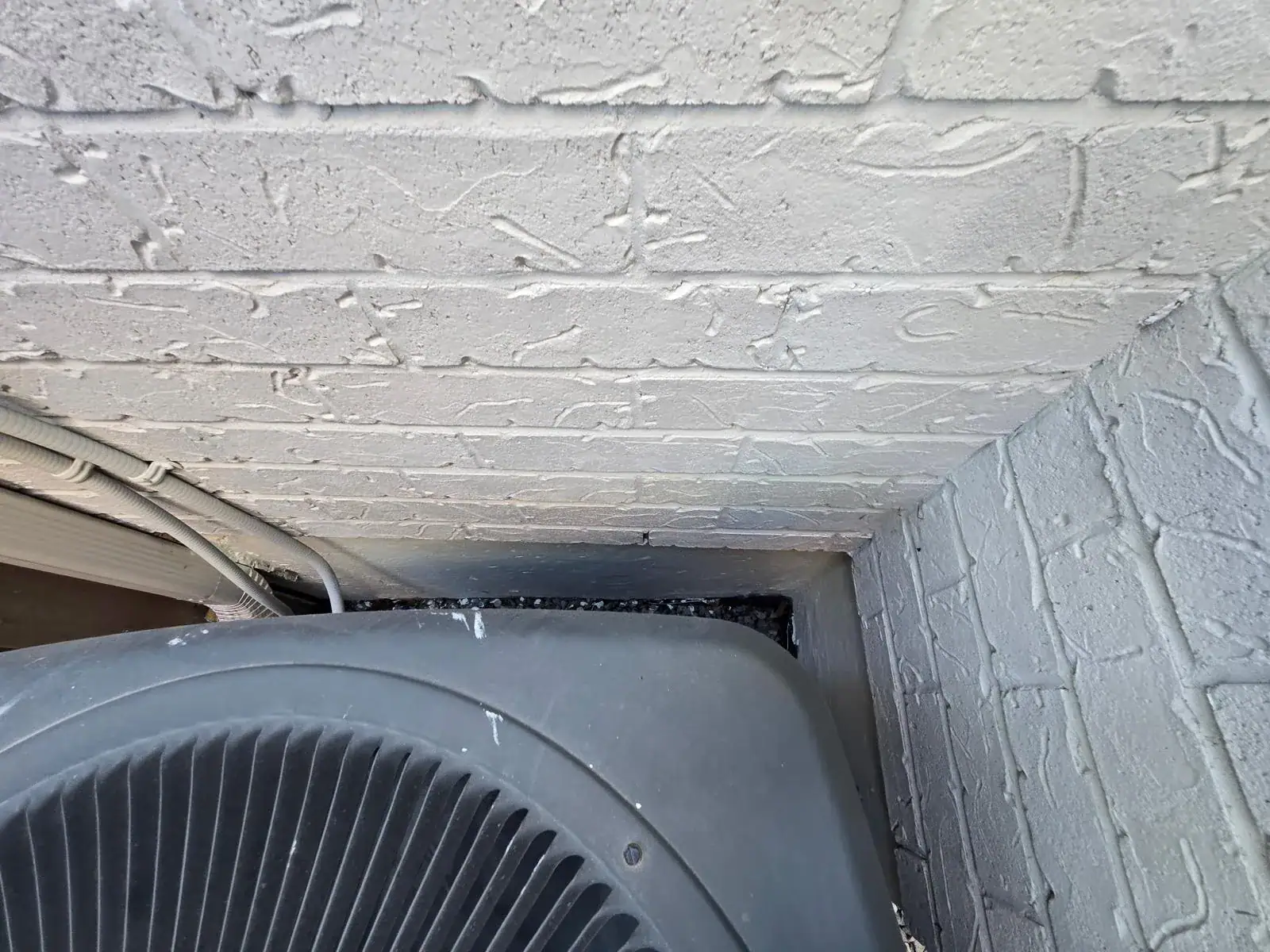
 Small gaps in masonry can lead to significant energy loss. Cracks in mortar joints, gaps around windows, and deteriorating surfaces allow air to move in and out of the building.
Regular maintenance, including sealing and repairs, helps improve energy efficiency by reducing air leakage.
Services like window and door caulking Toronto play an important role in maintaining airtight structures.
Energy Efficiency and Interlocking Surfaces
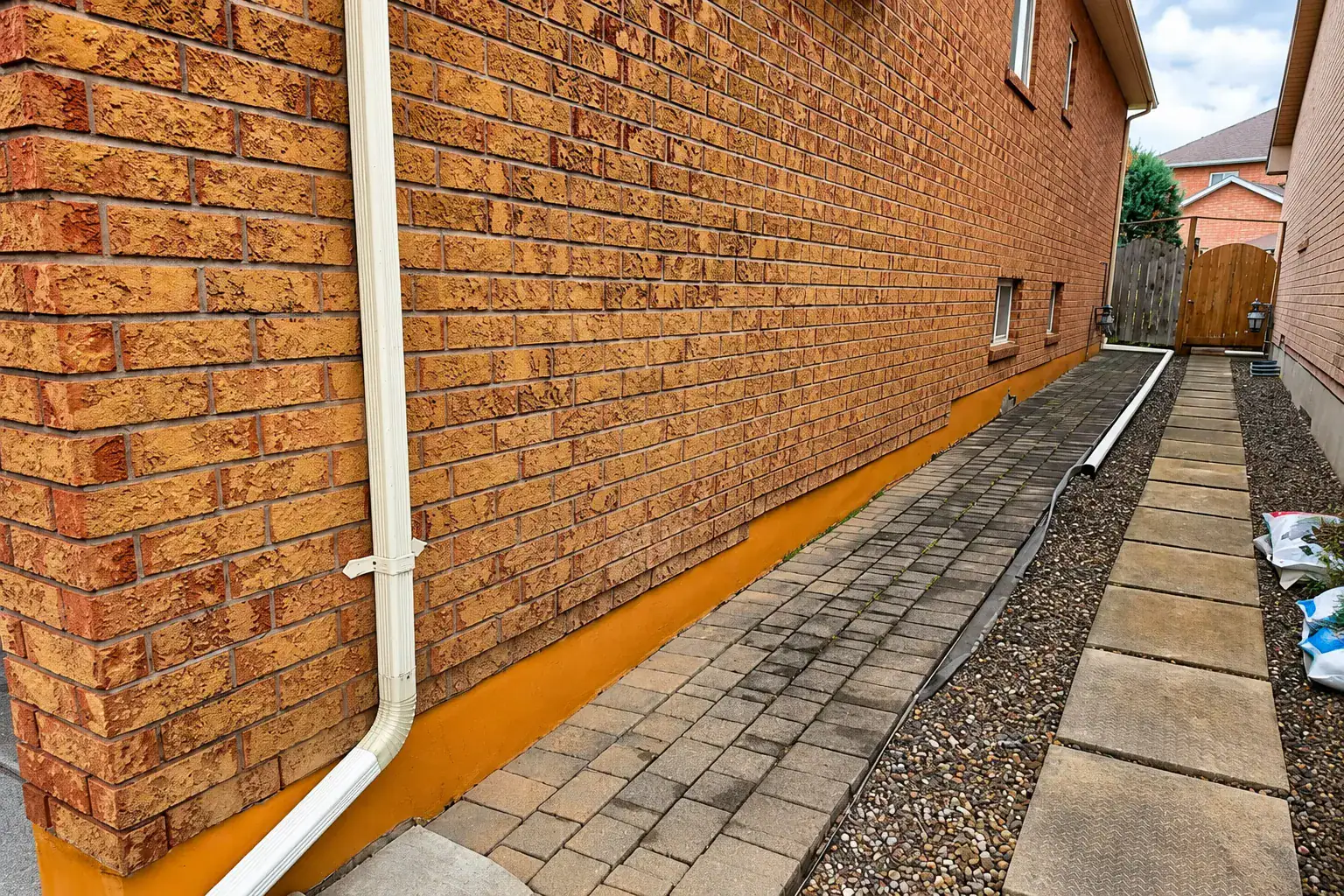
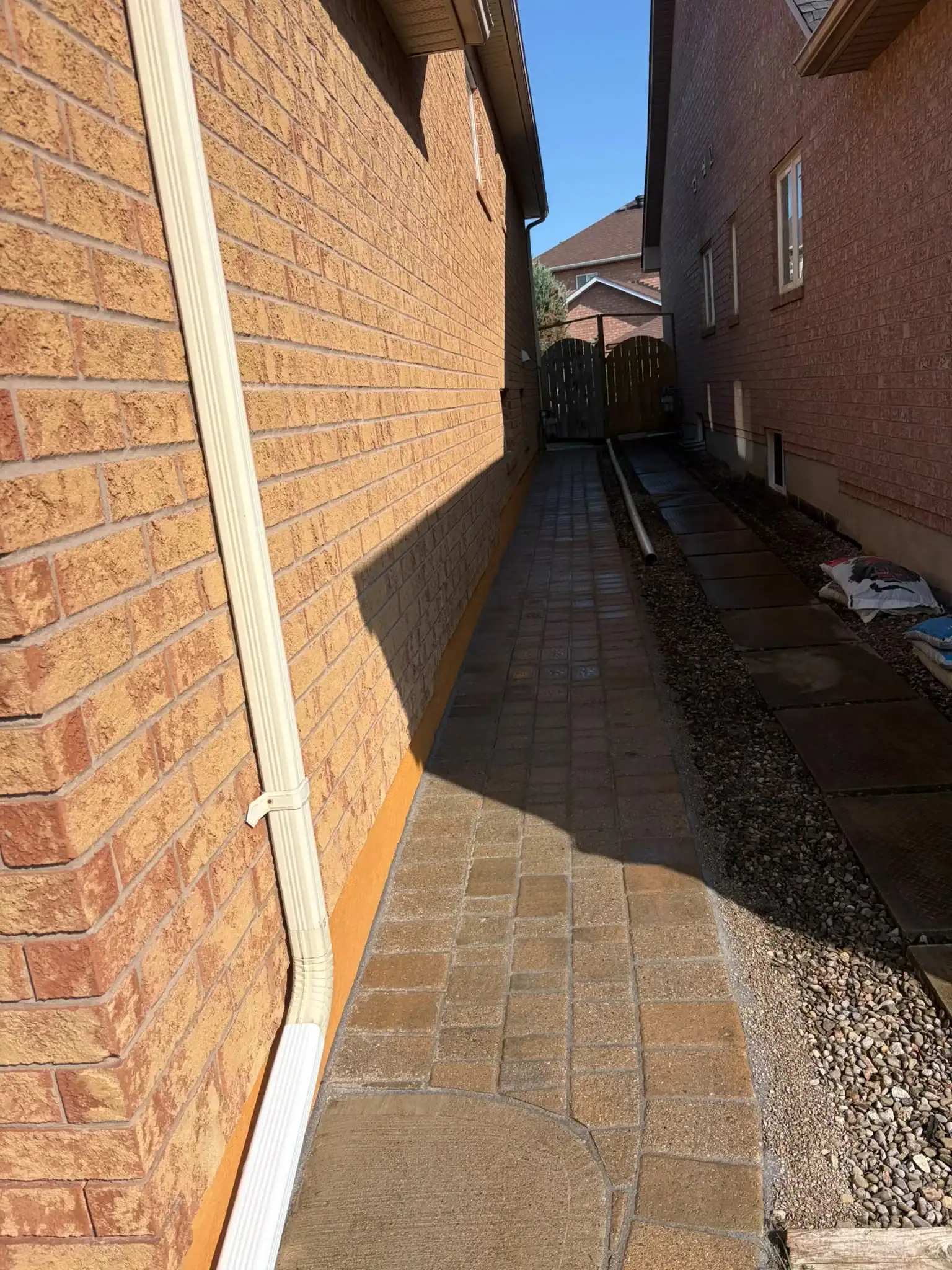
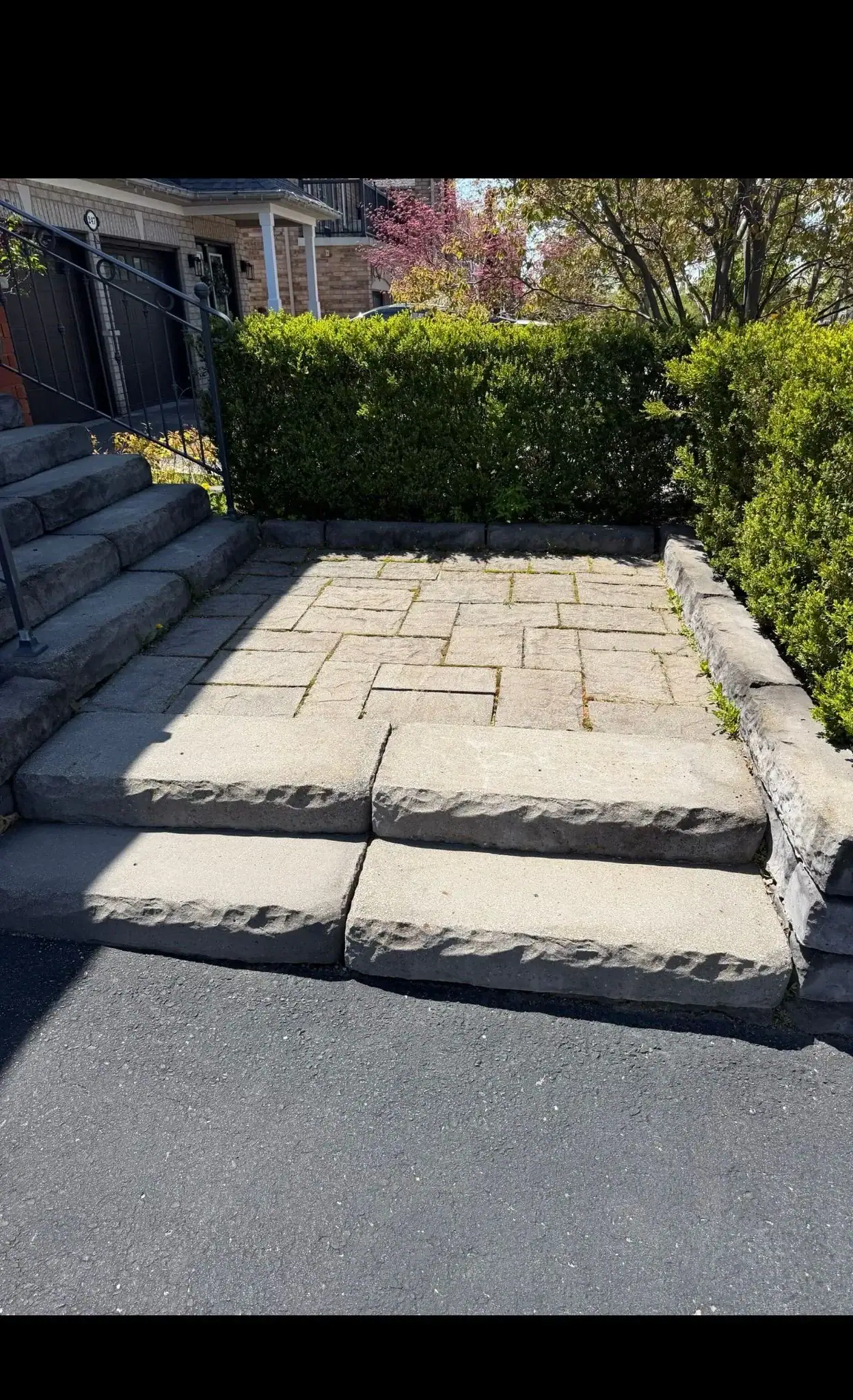
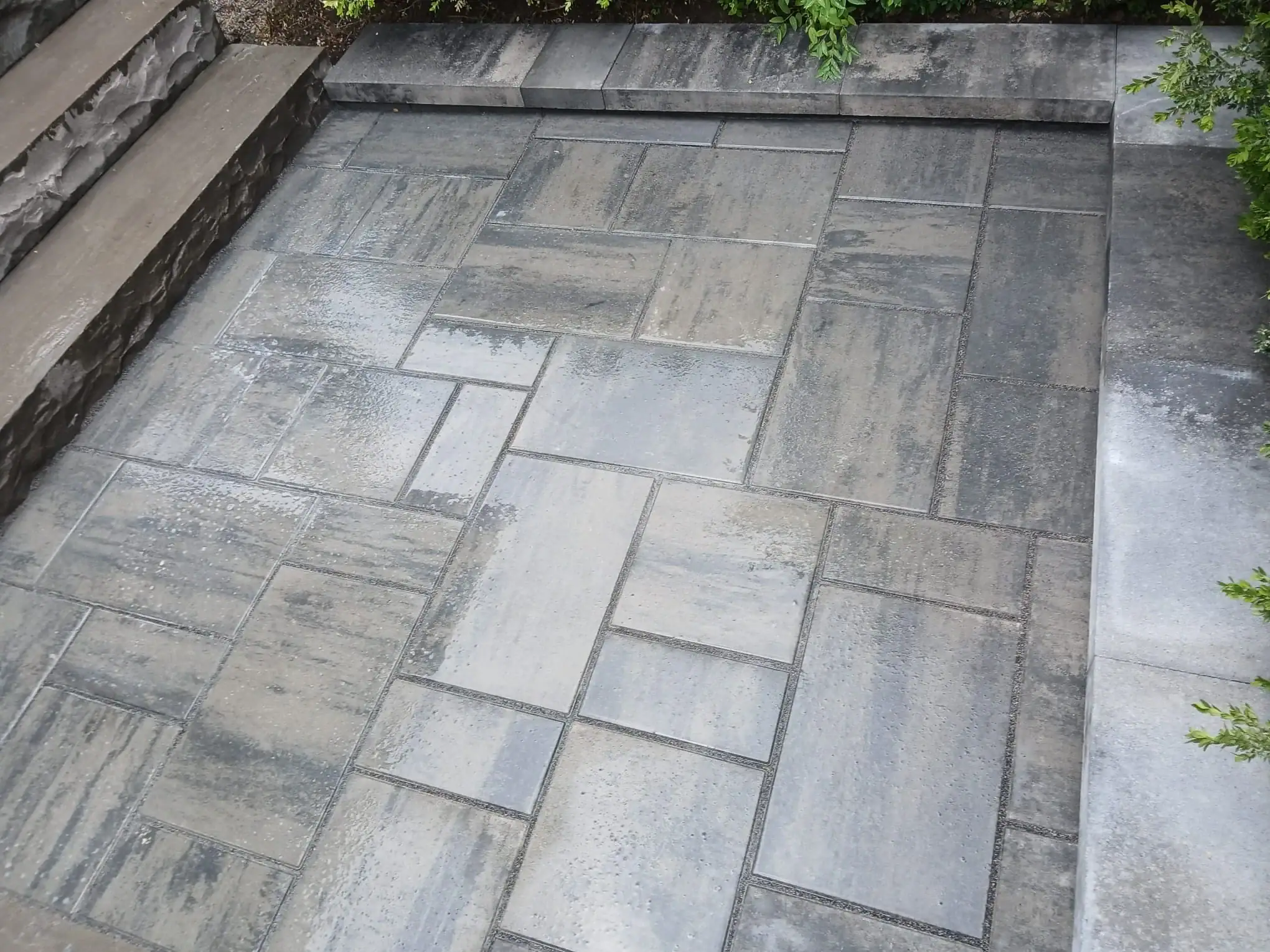
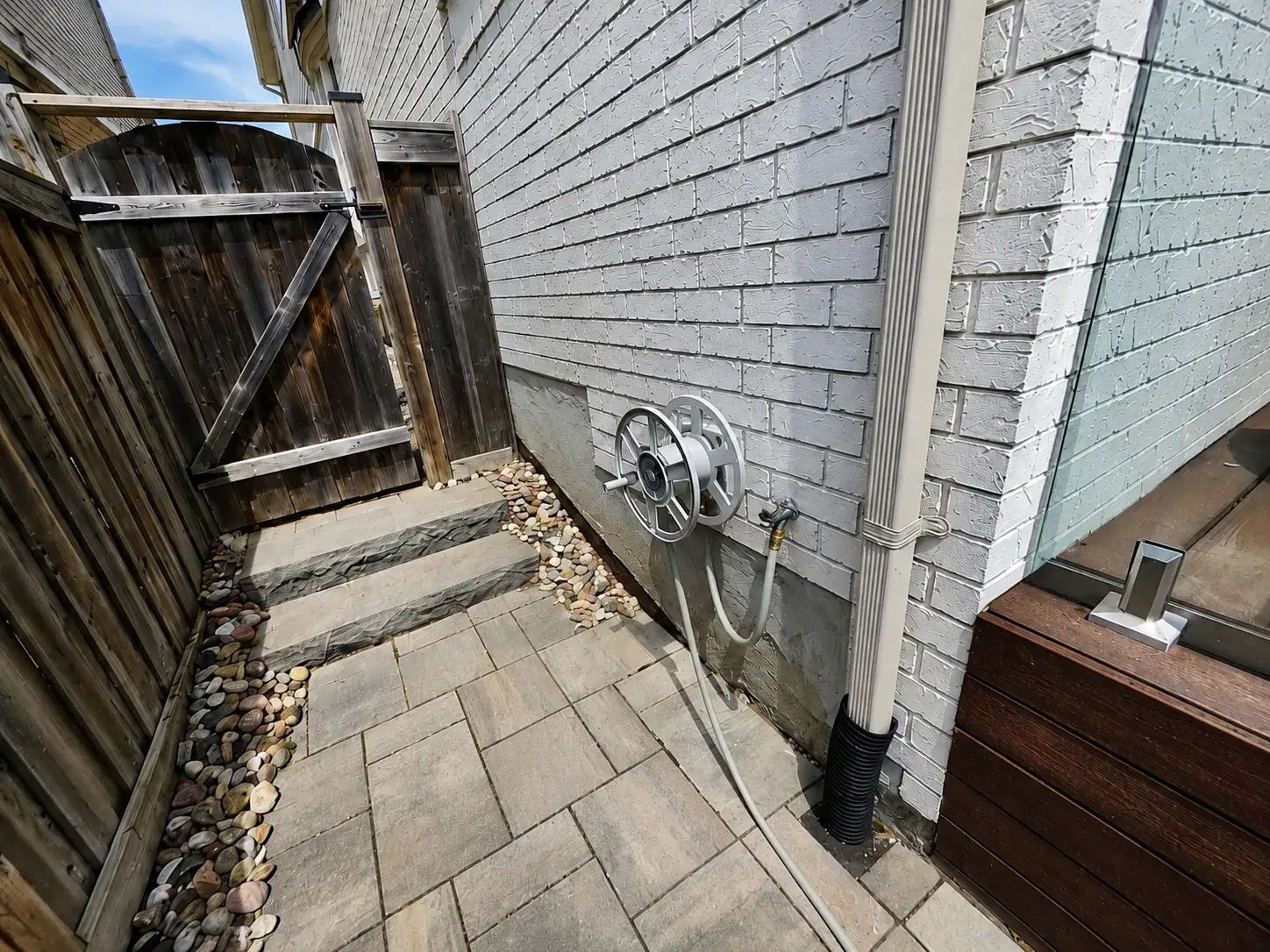
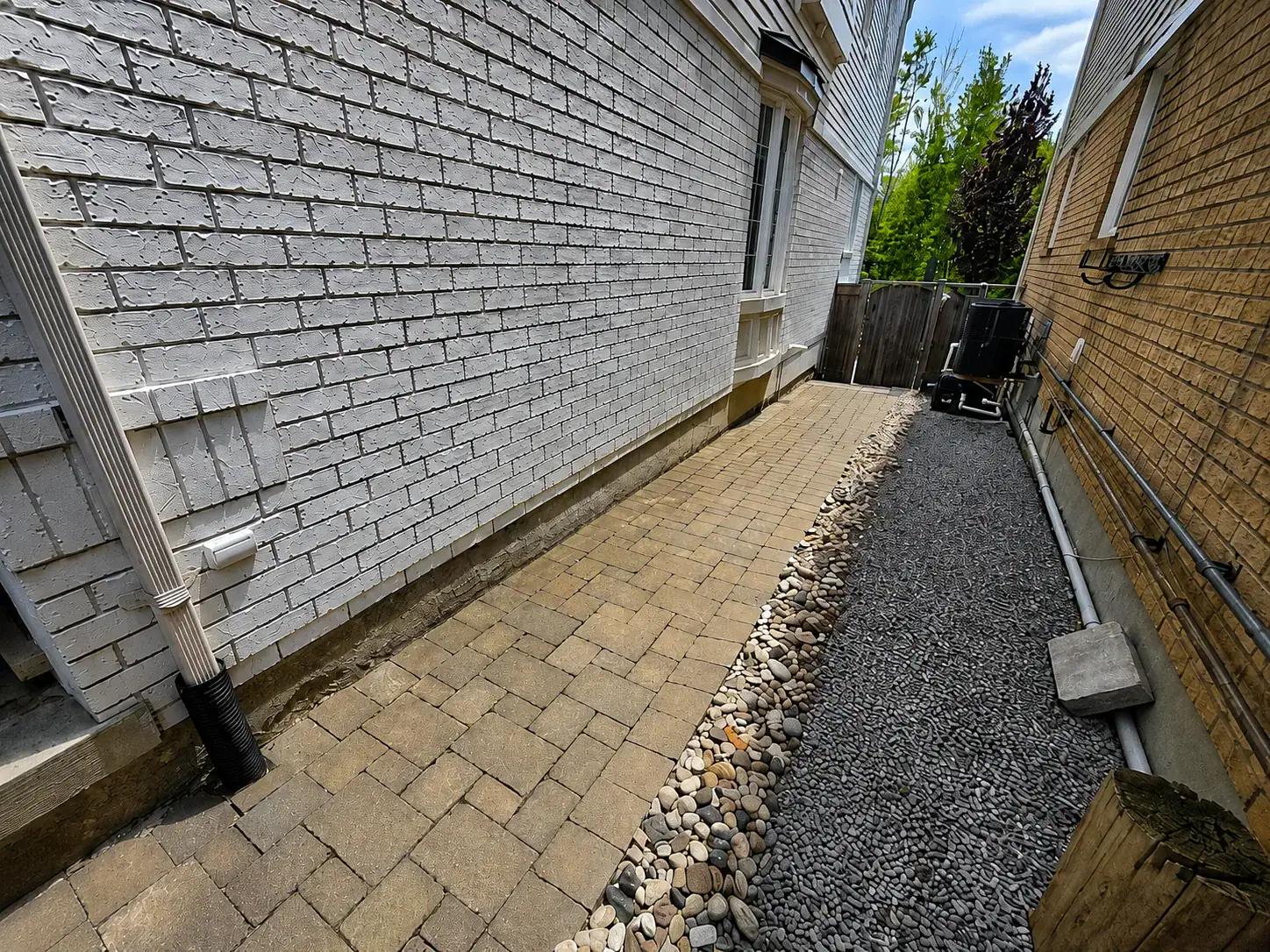
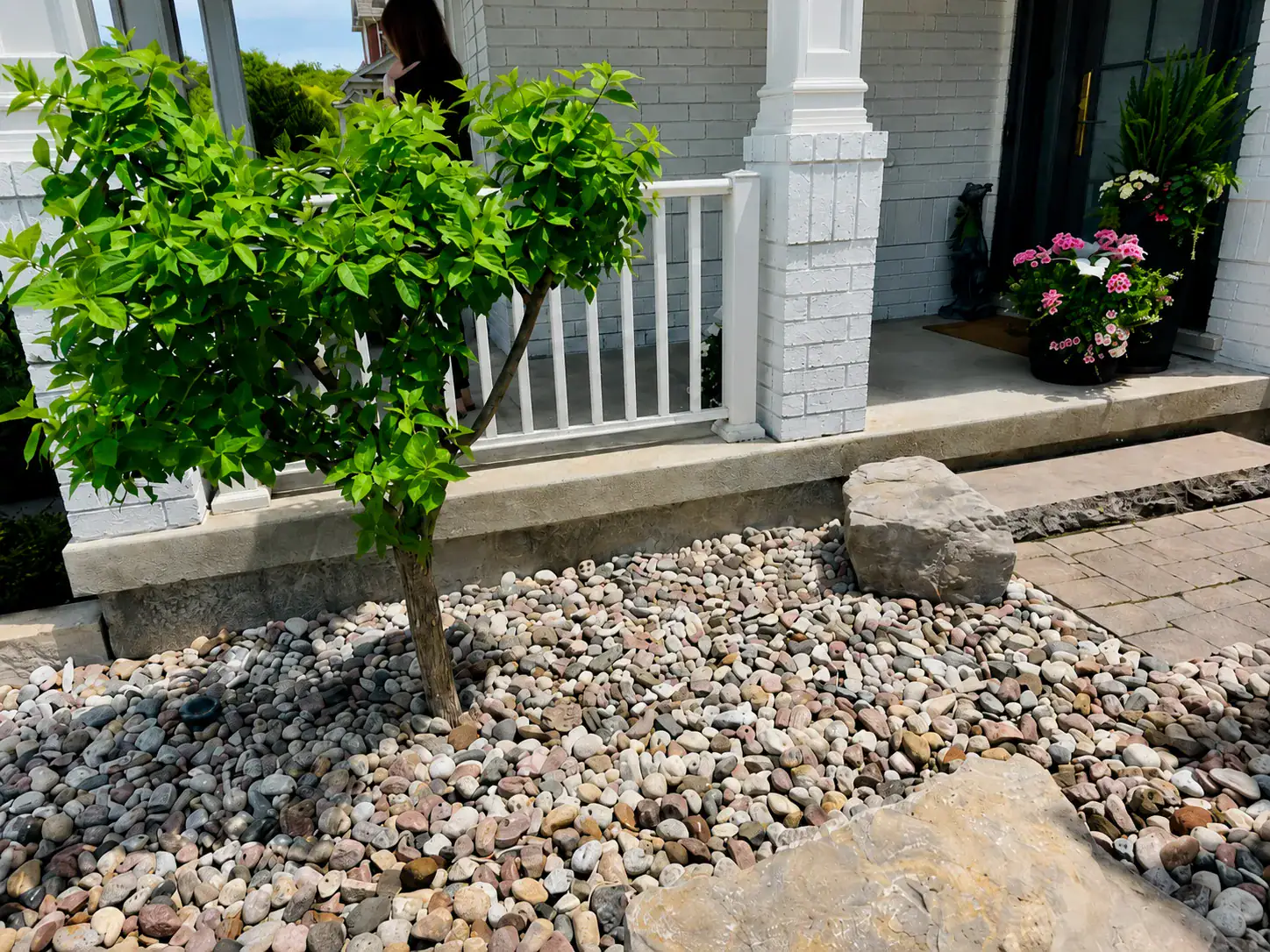
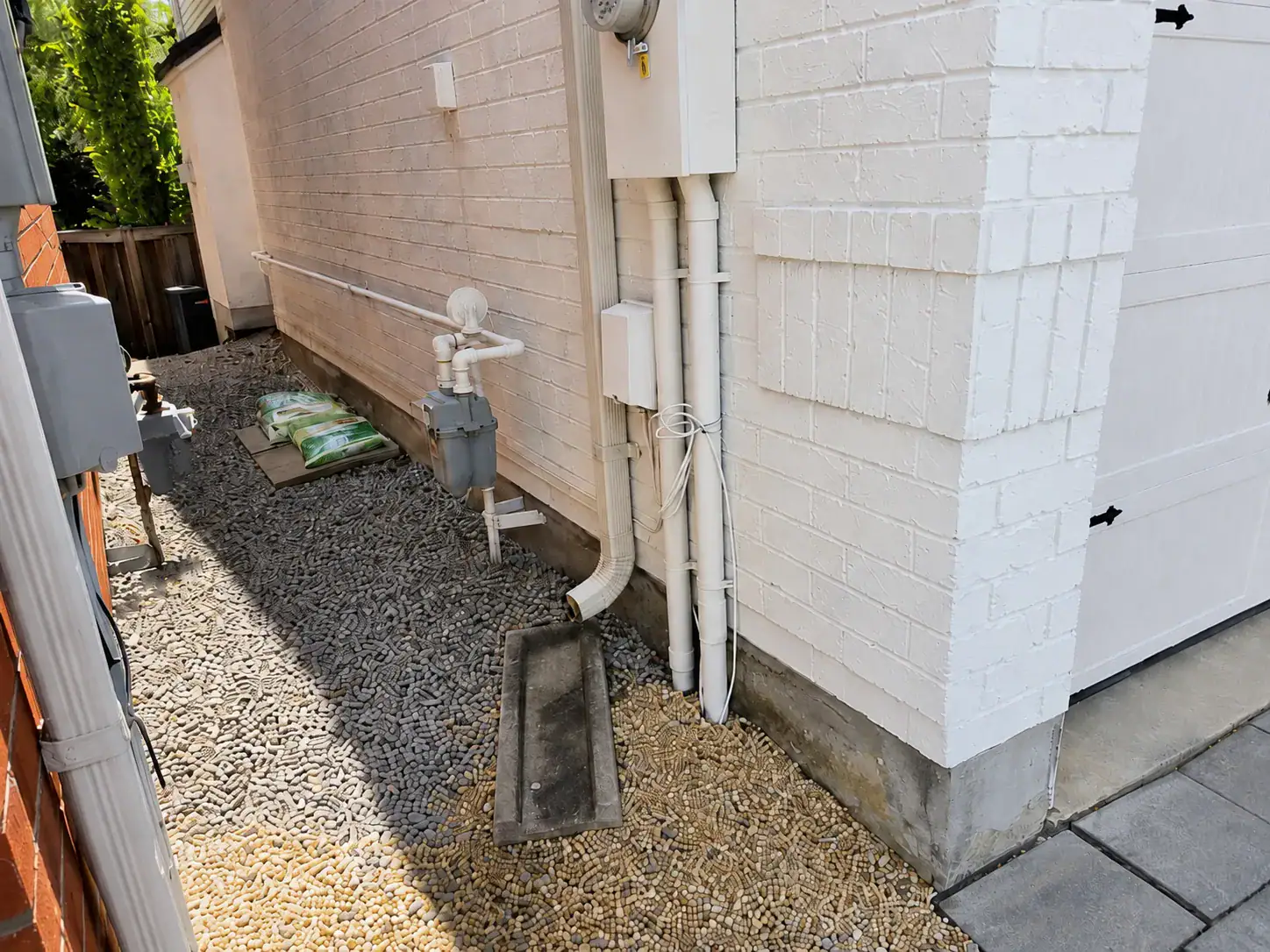
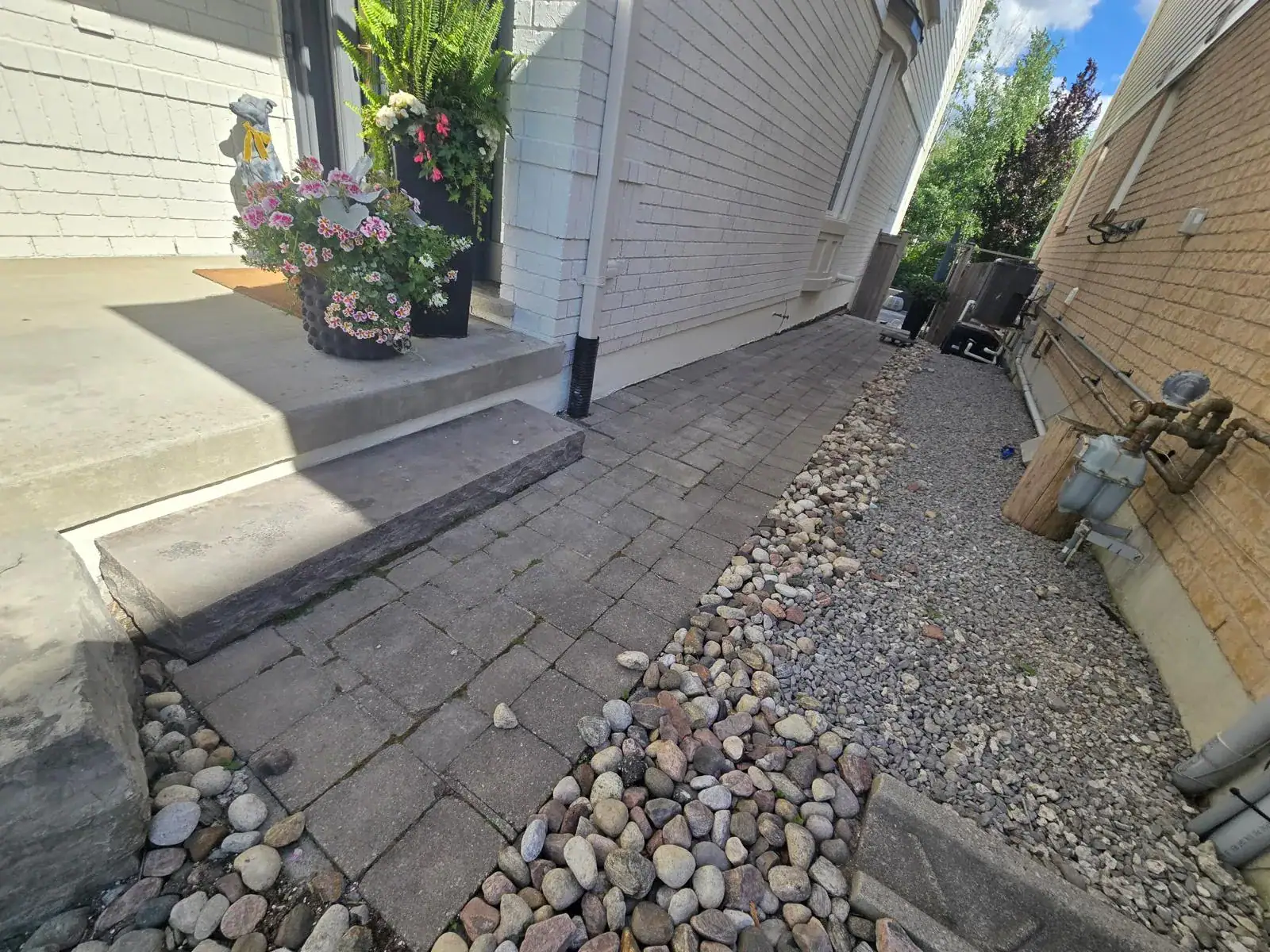
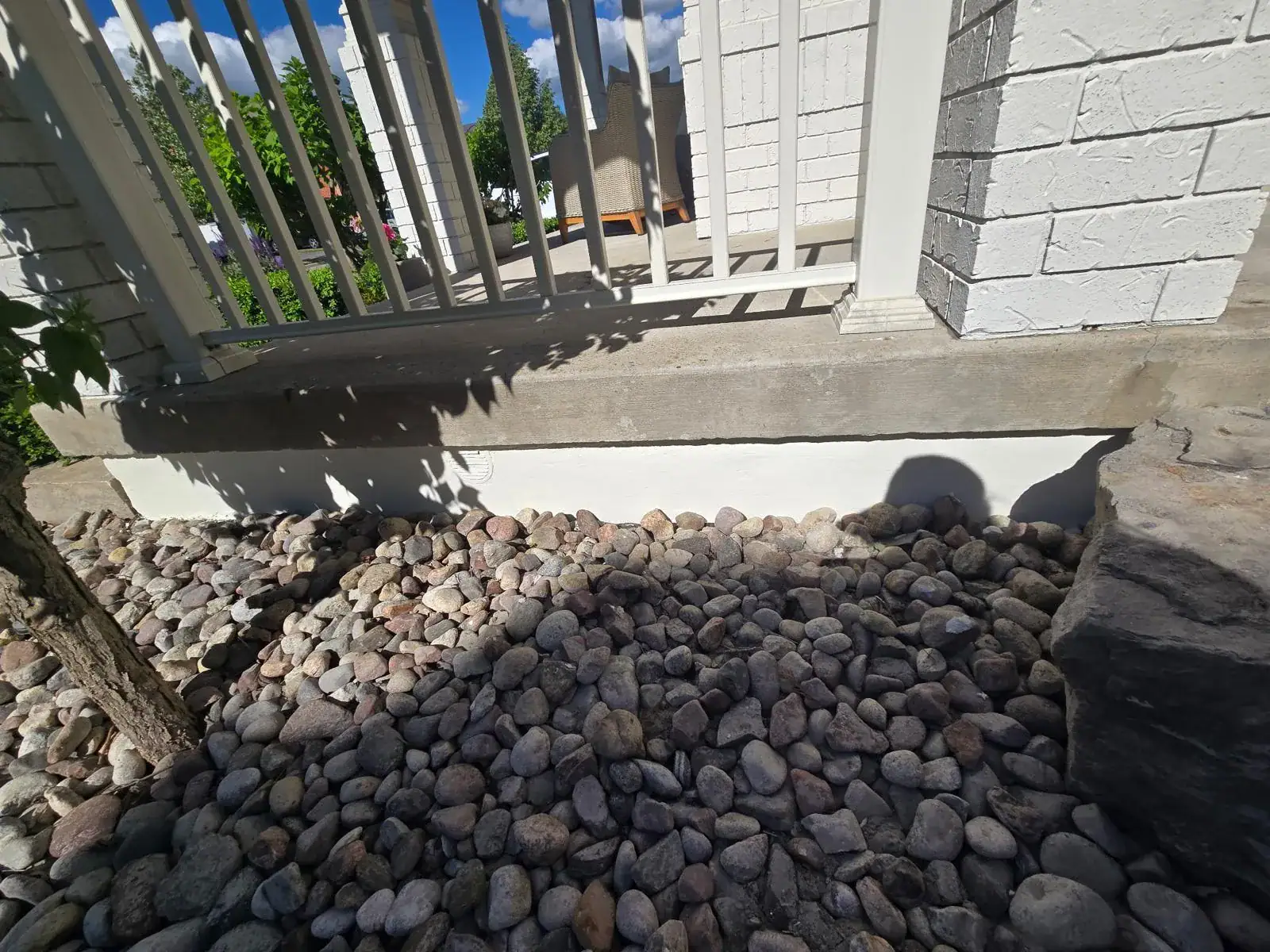
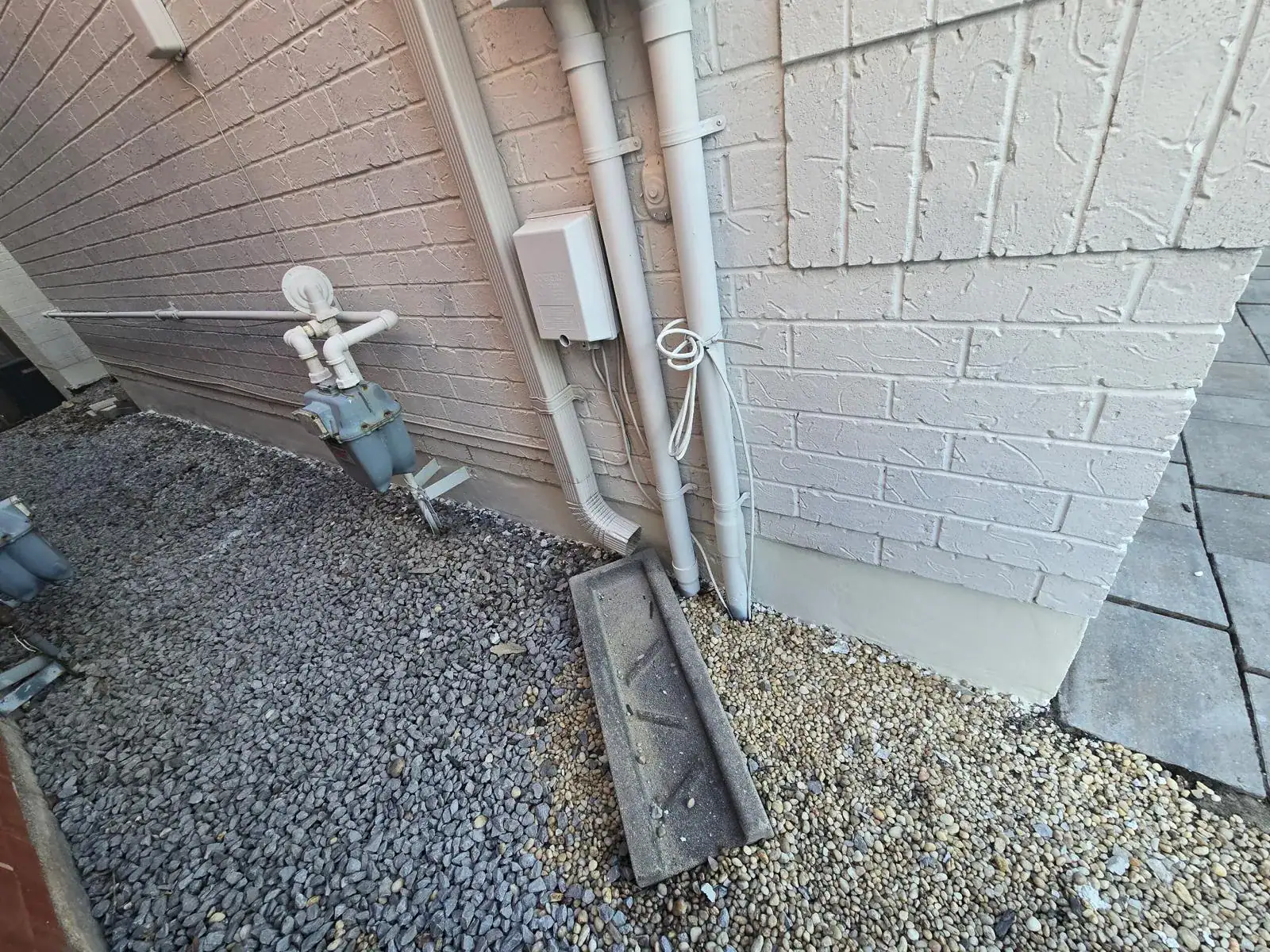
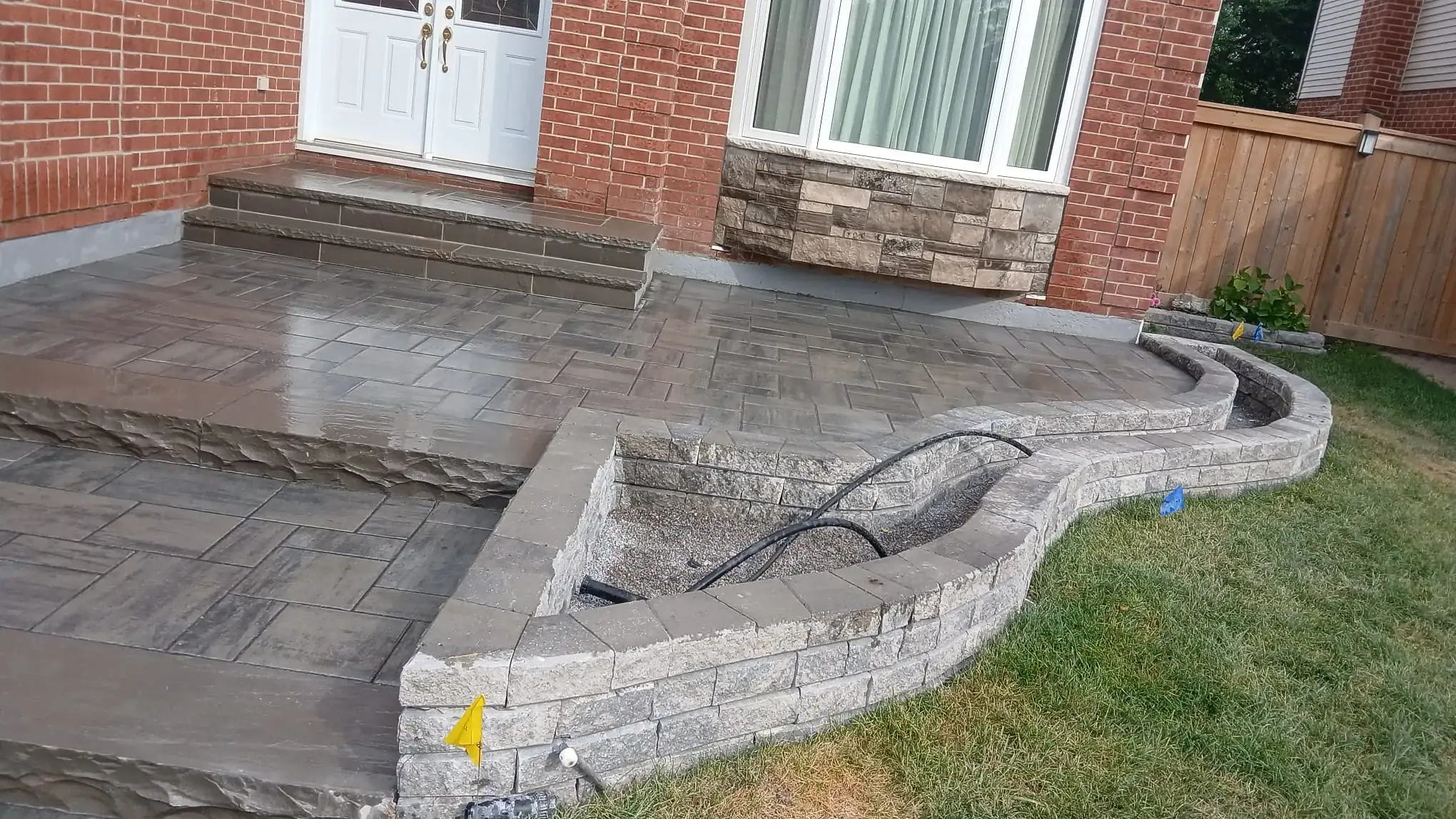
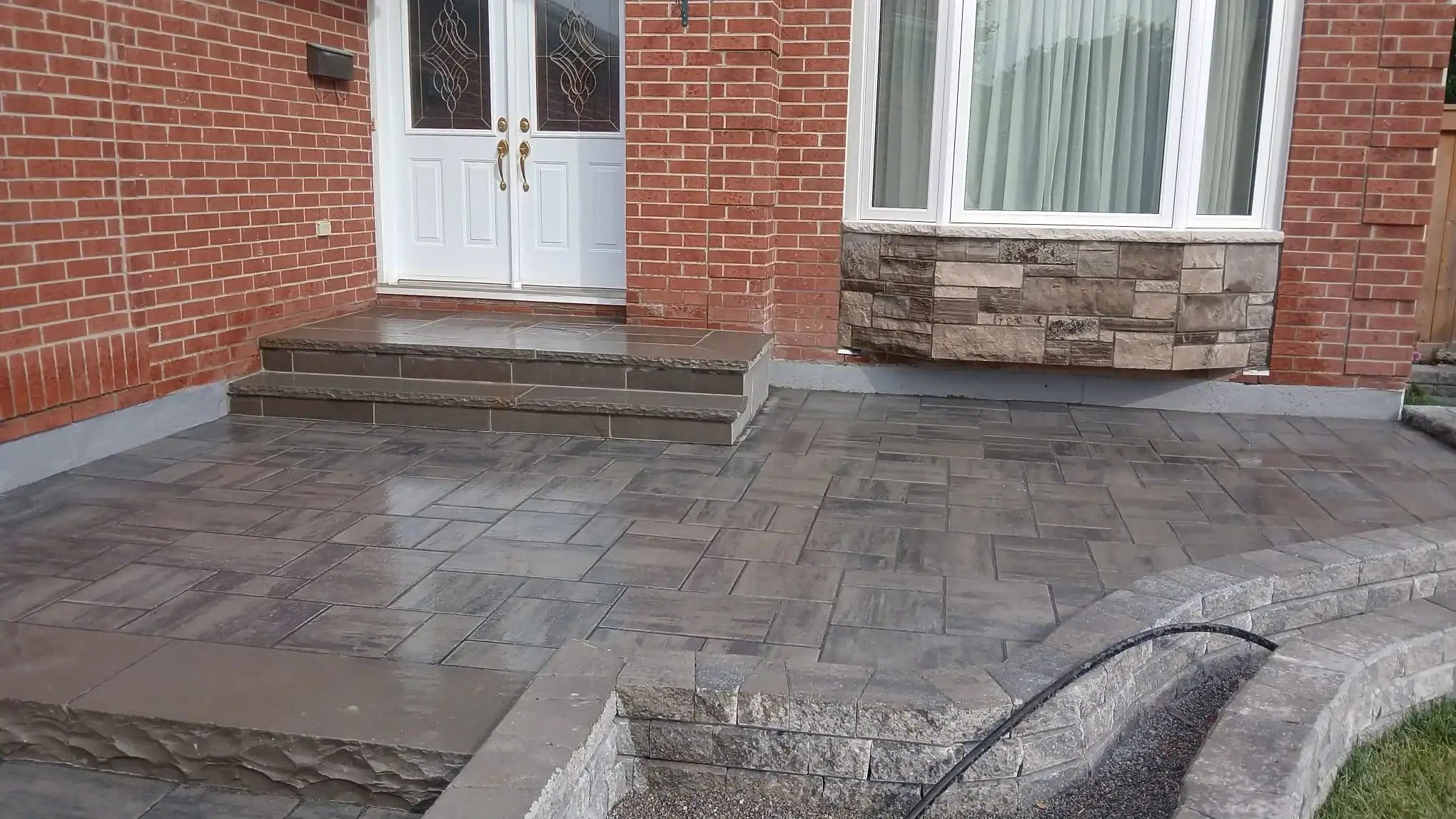
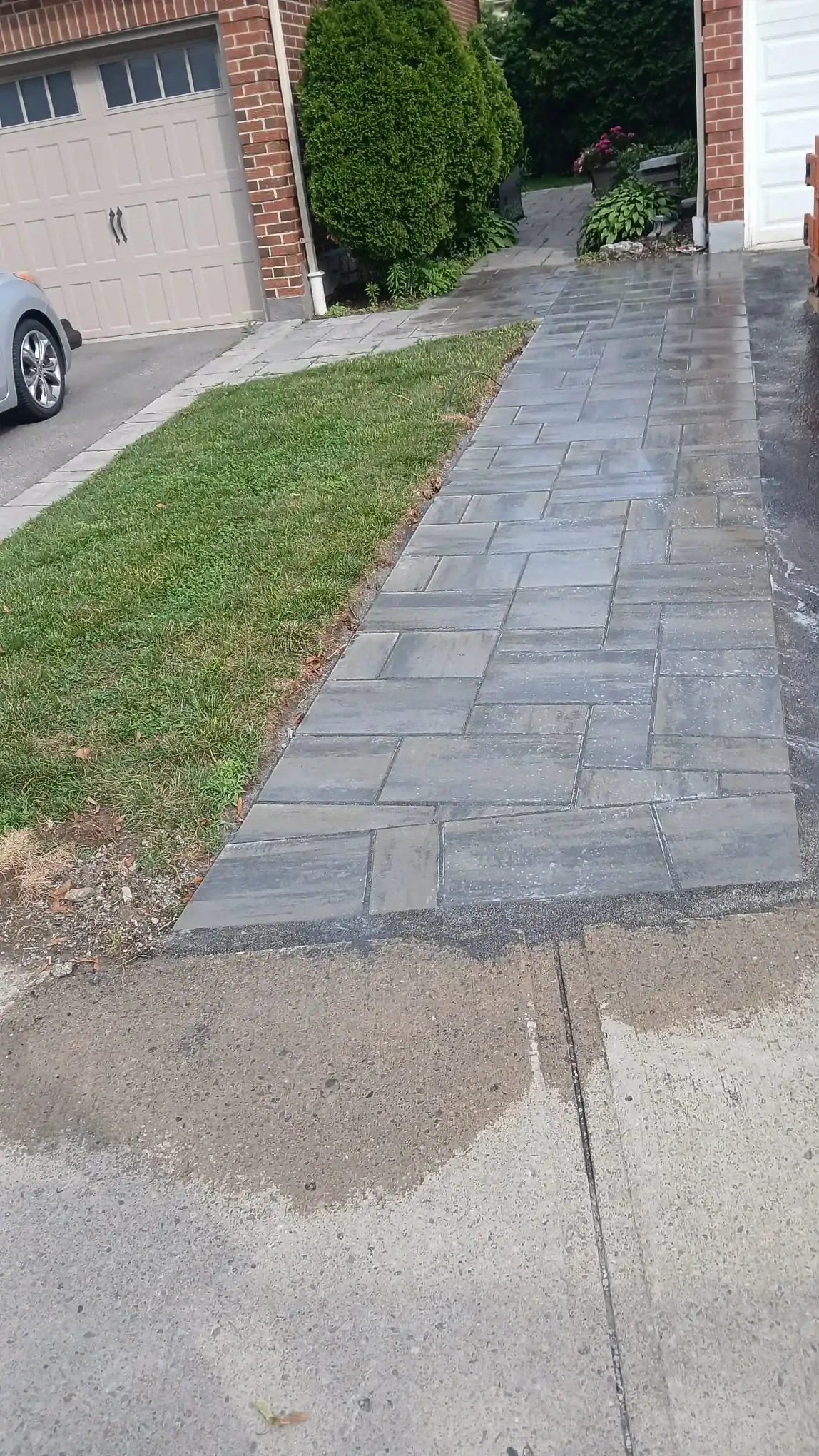
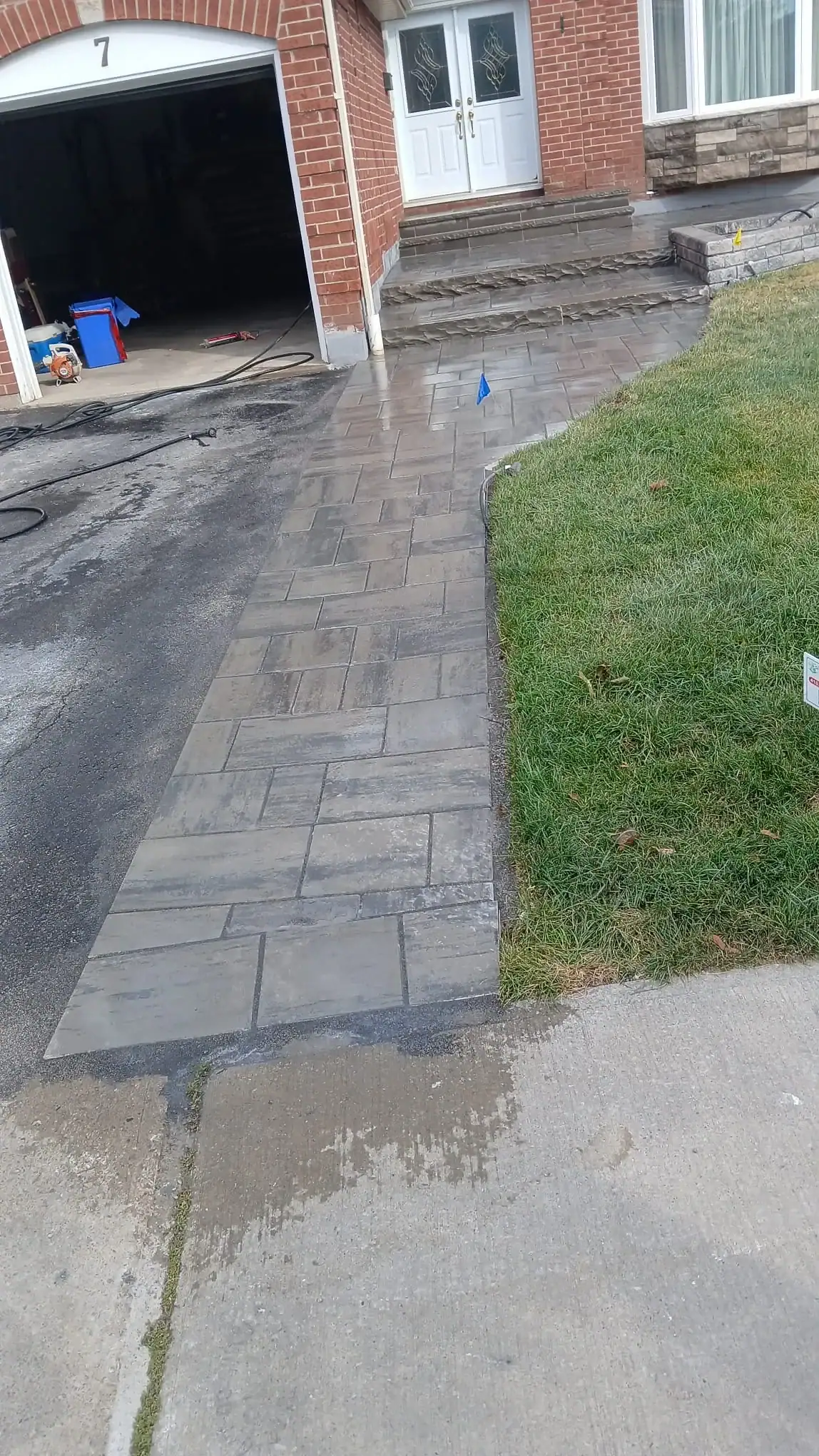
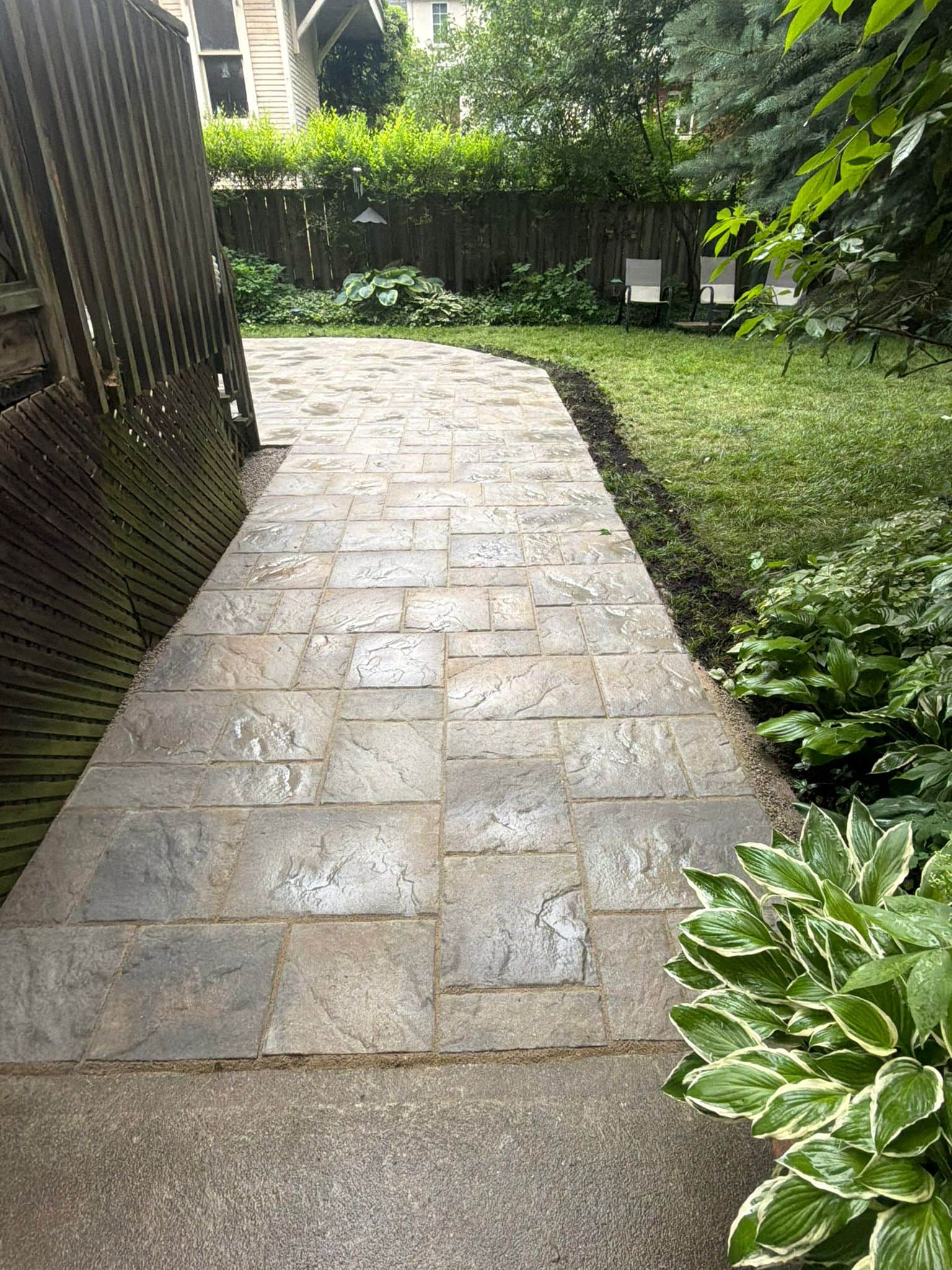
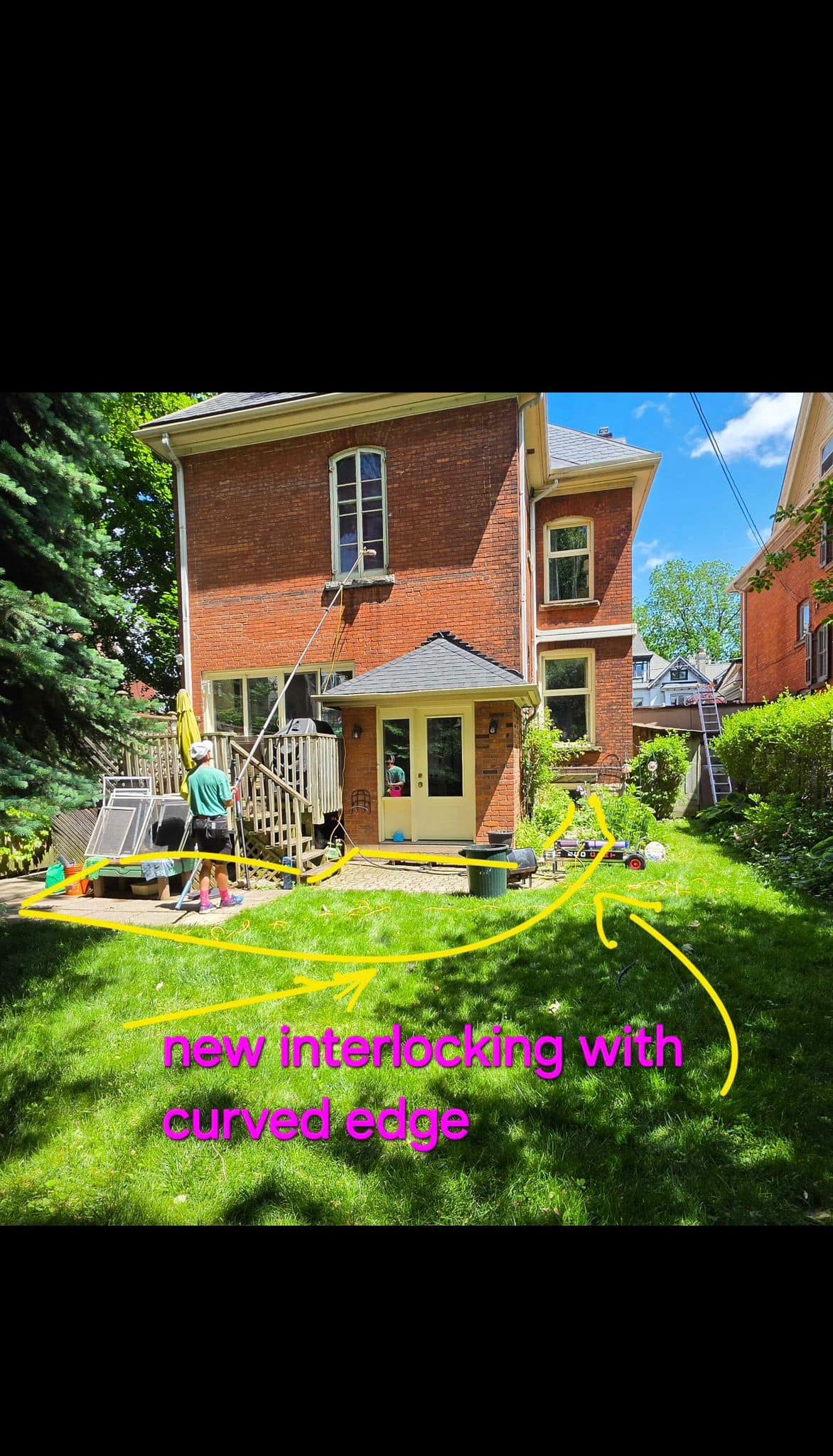
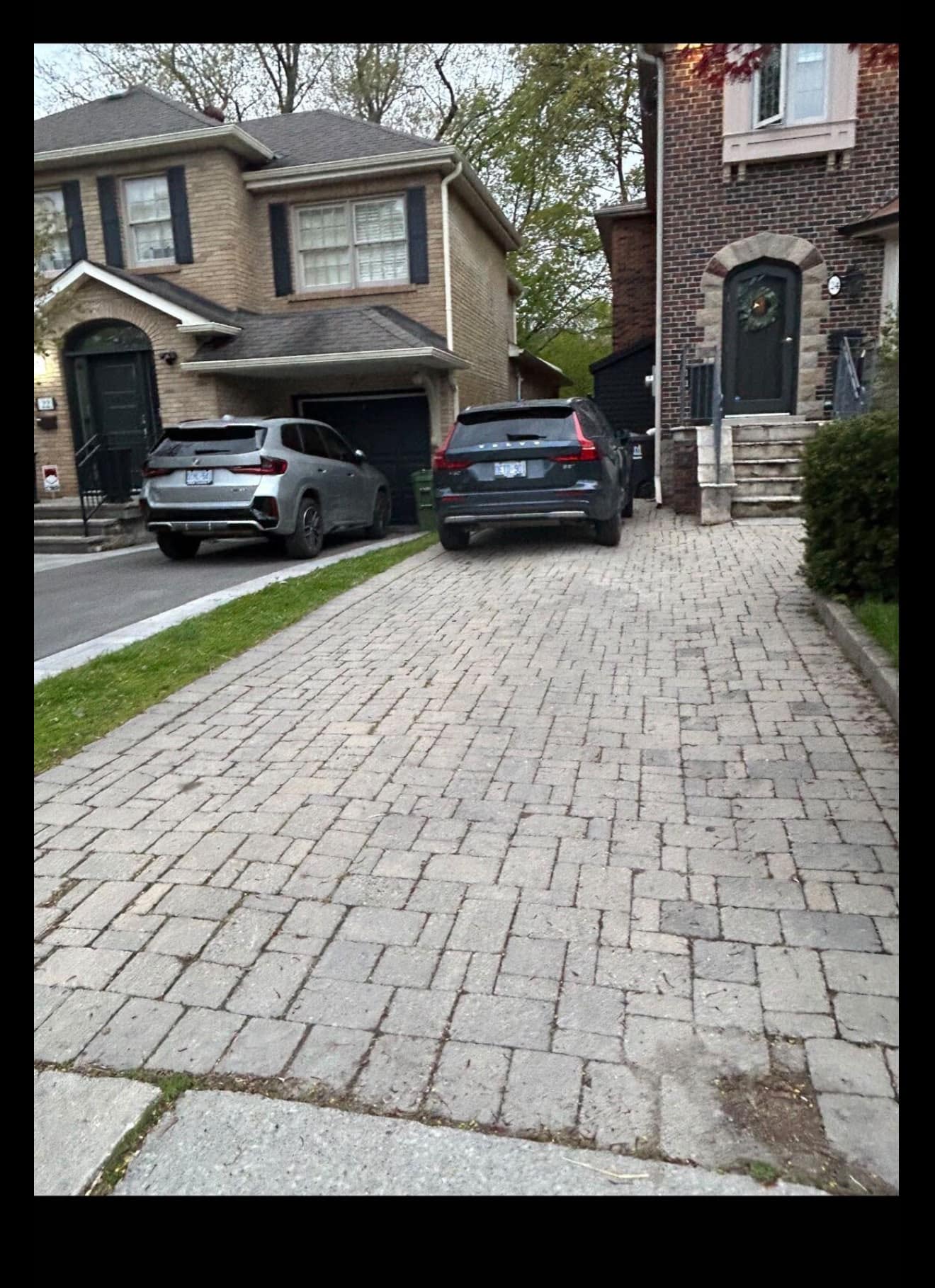
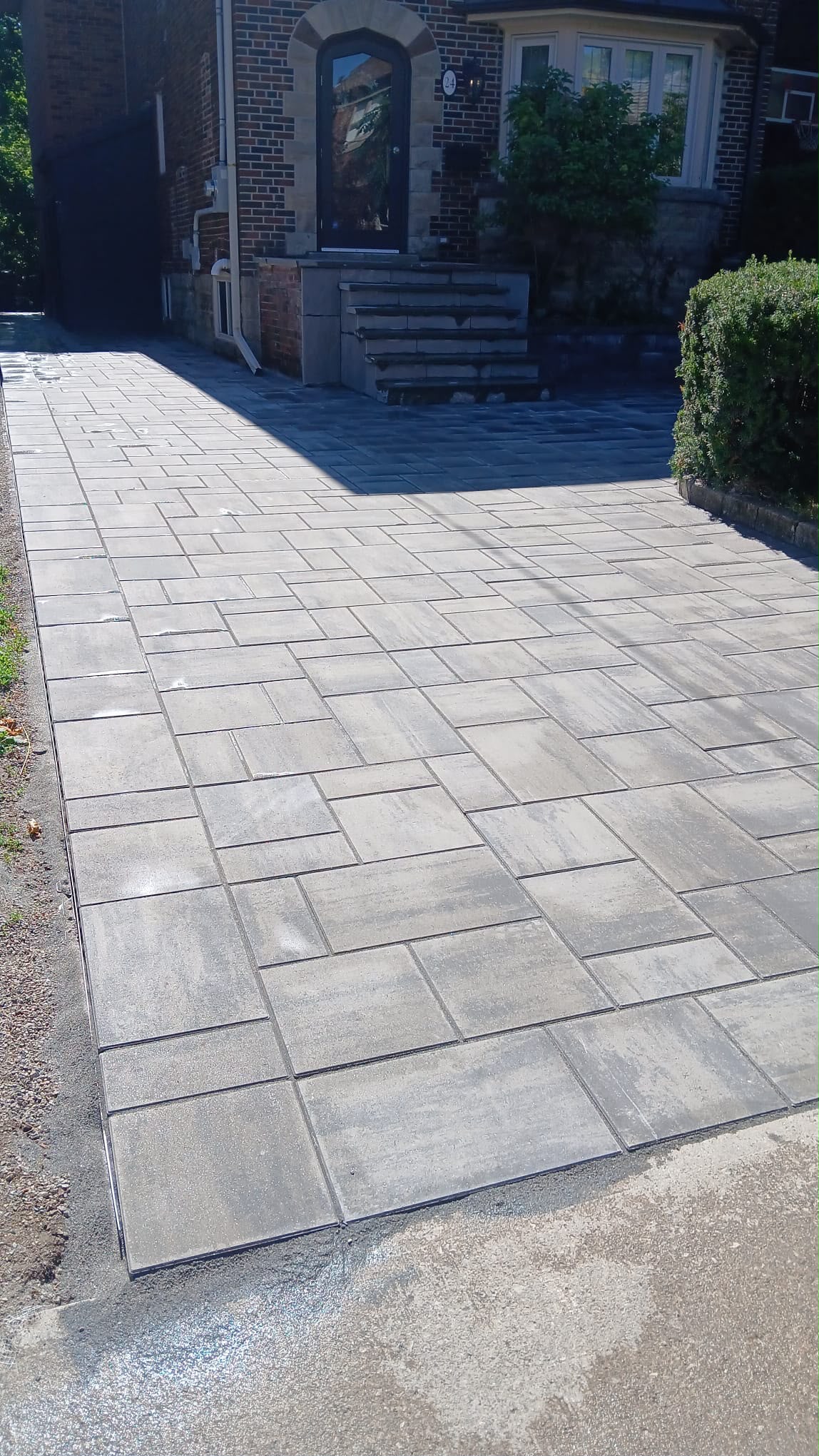
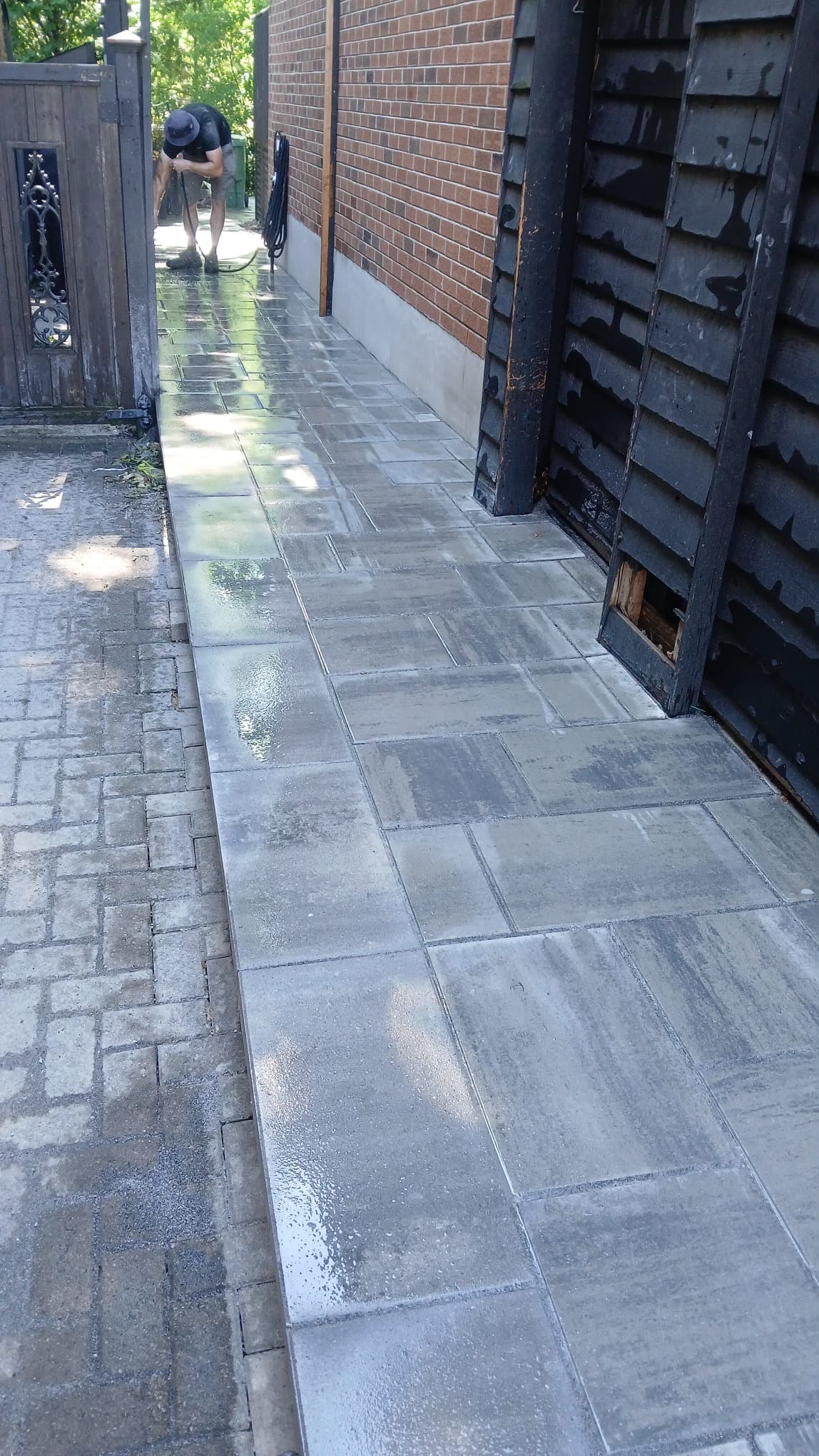
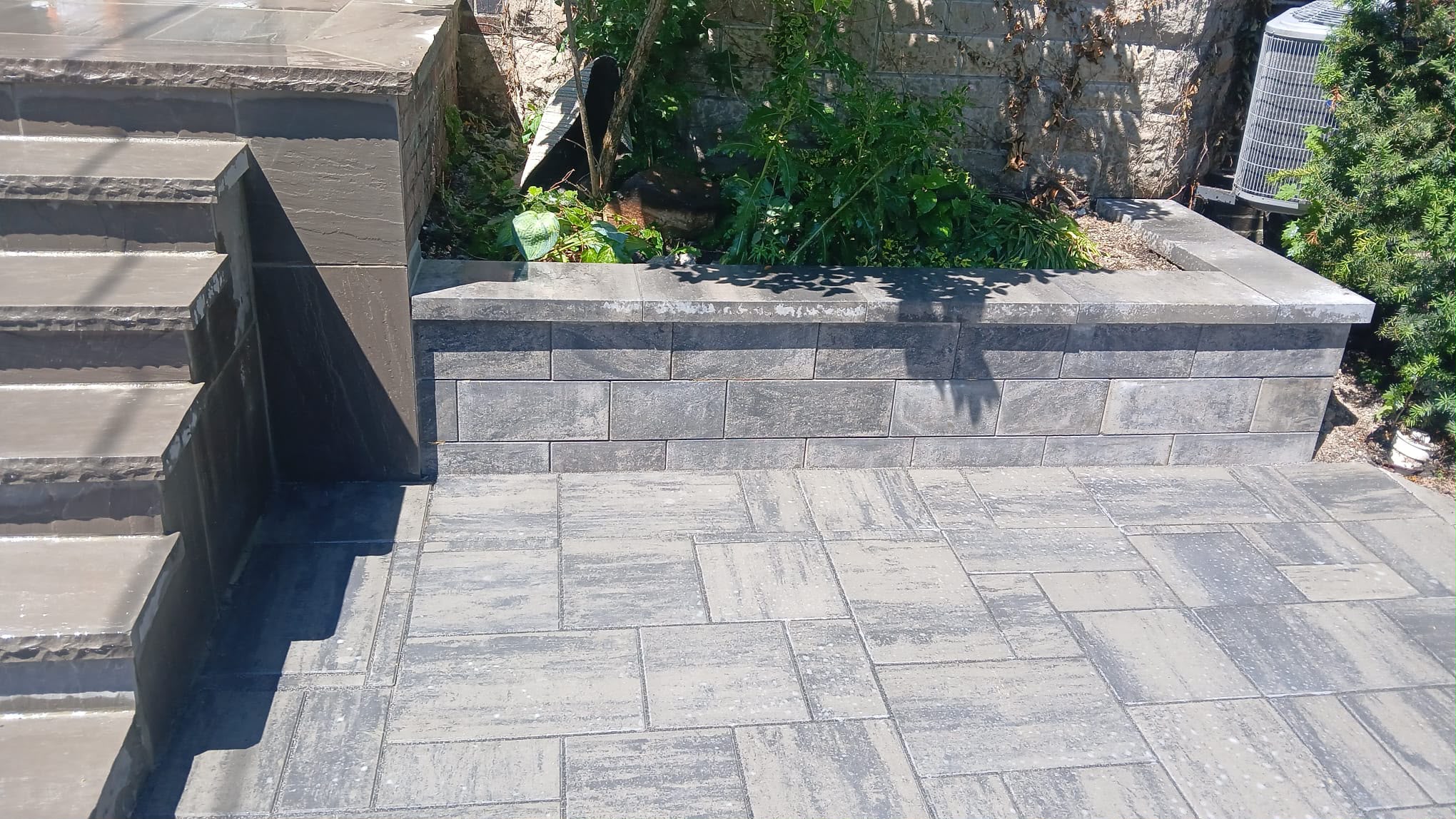
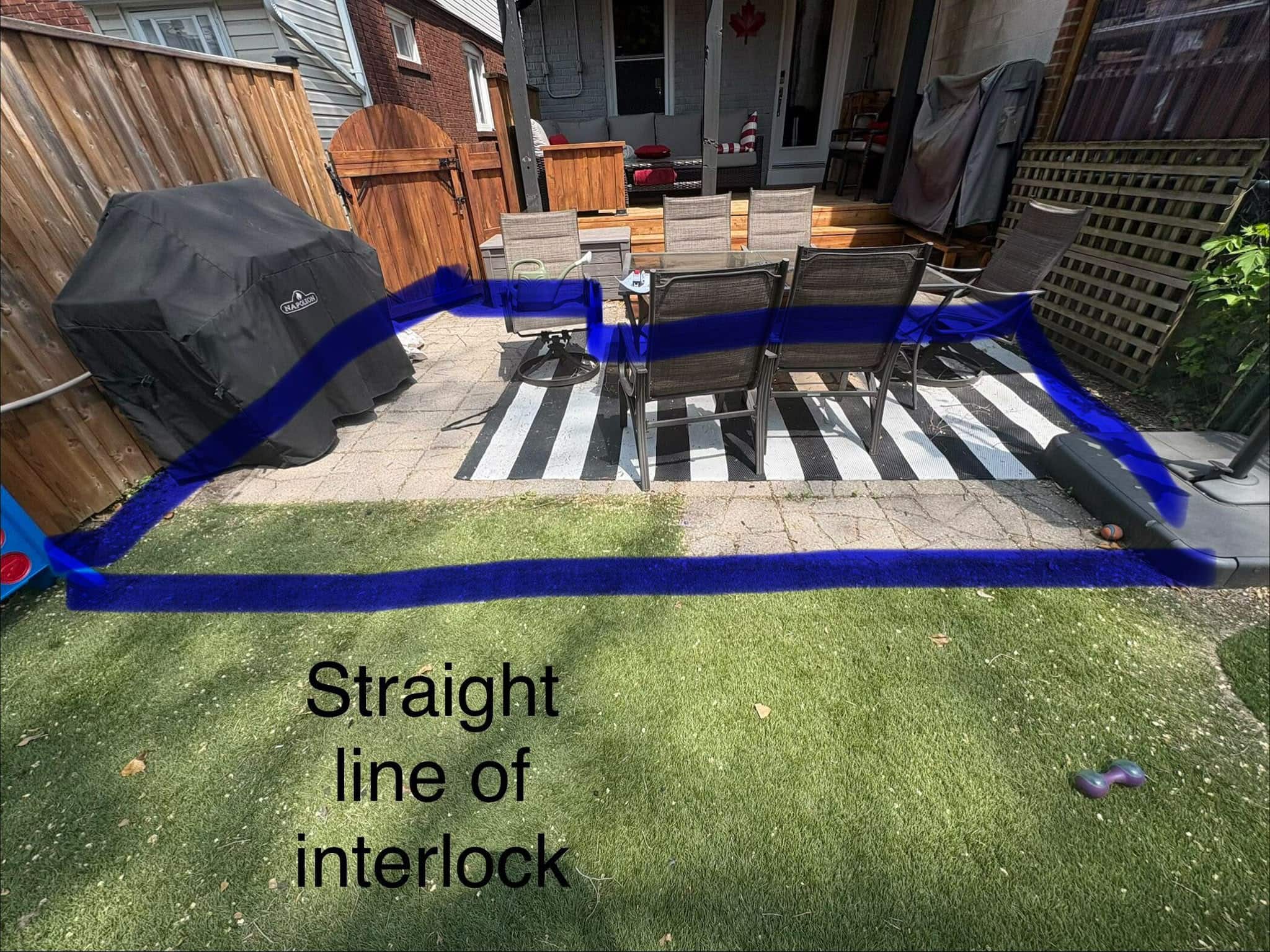
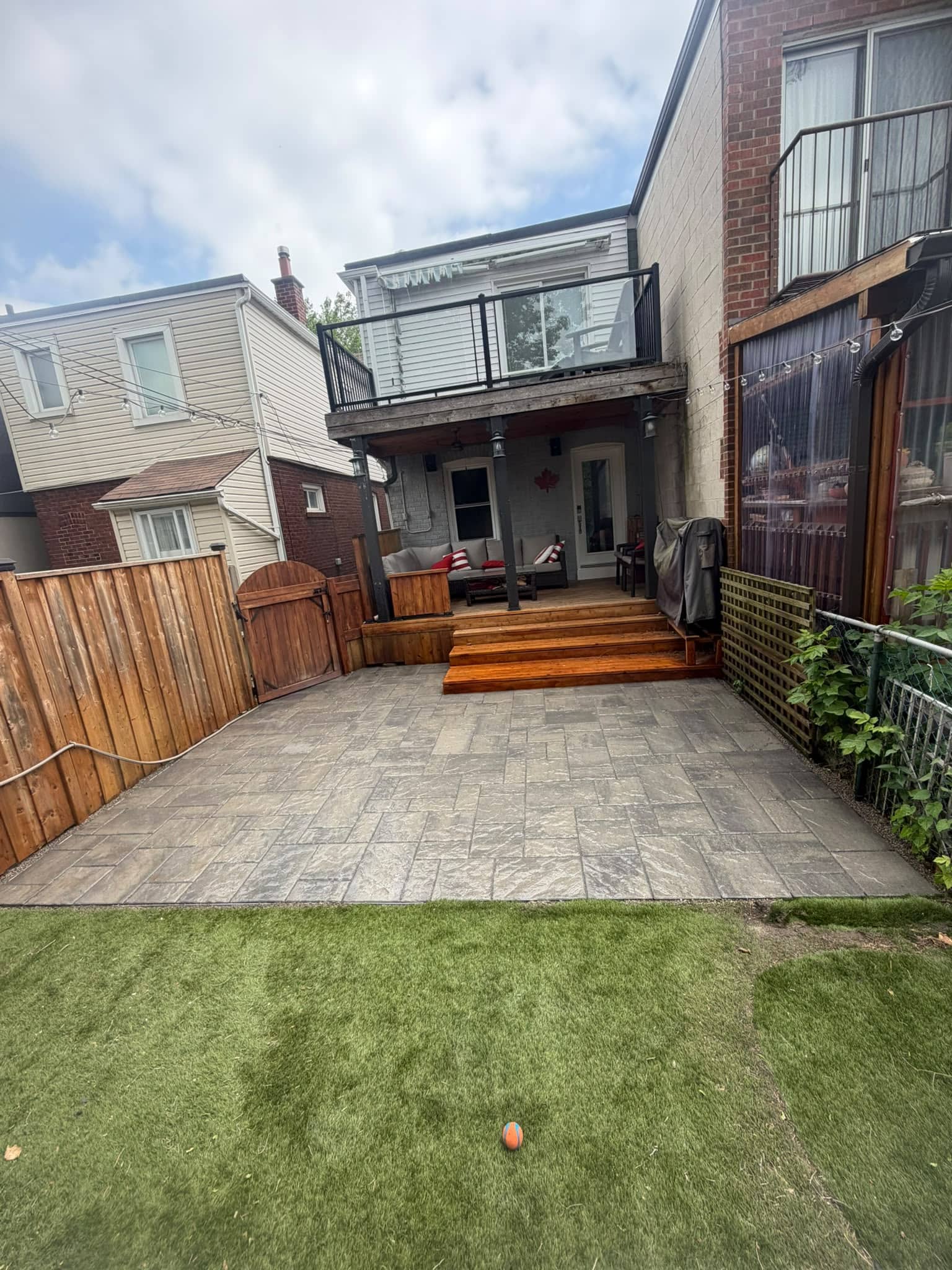
While interlocking stone is typically associated with driveways and patios, it also contributes indirectly to energy efficiency. Properly designed outdoor surfaces improve drainage and reduce moisture buildup around foundations.
Projects involving Mississauga or Pickering interlocking stone services often incorporate grading to direct water away from the home.
This supports overall structural performance and energy efficiency.
Long-Term Energy Savings
Investing in masonry maintenance and proper construction can lead to long-term energy savings. Reduced heat loss, improved temperature stability, and better moisture control all contribute to lower energy bills.
While masonry alone does not replace insulation systems, it enhances their effectiveness when properly maintained.
A Real-World Example
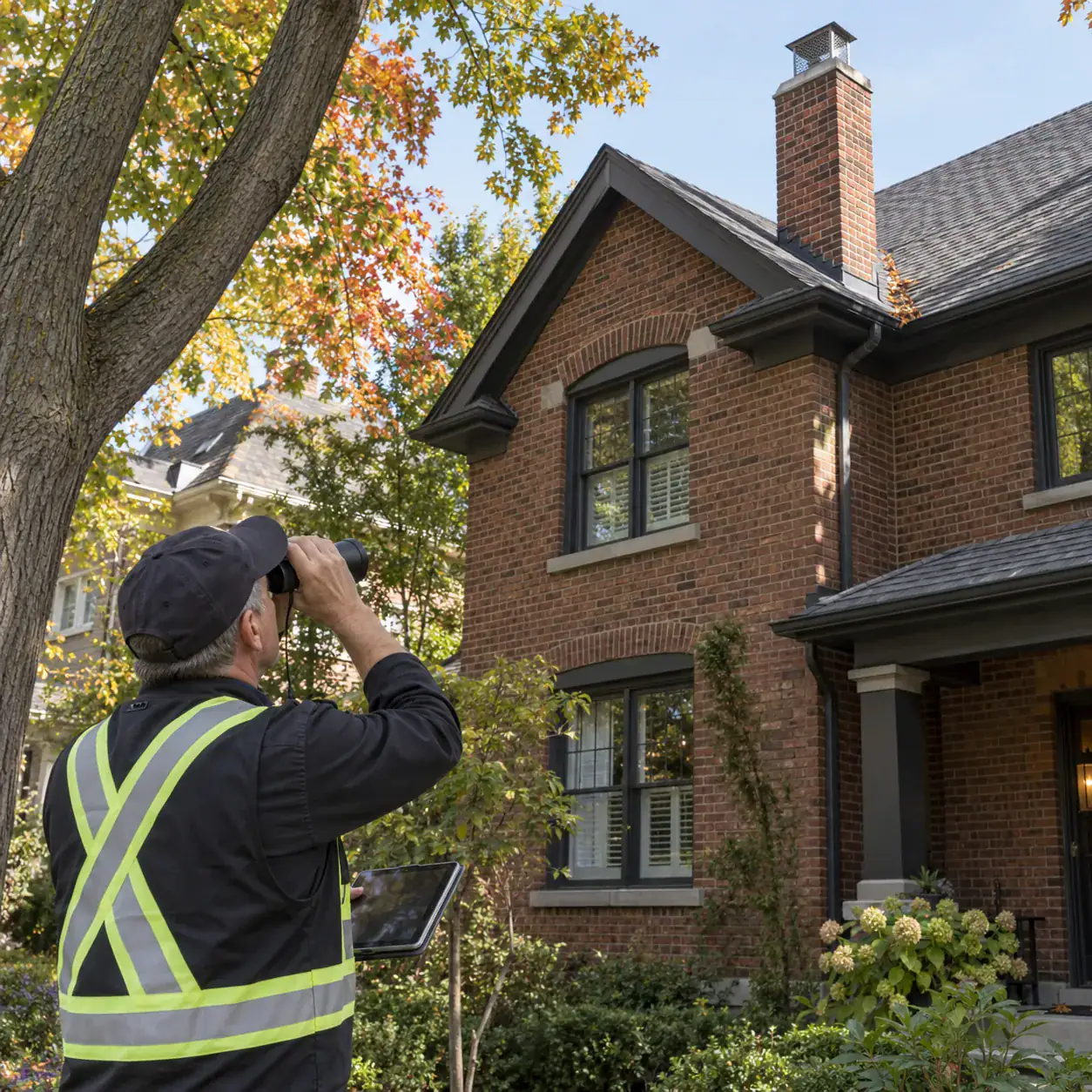
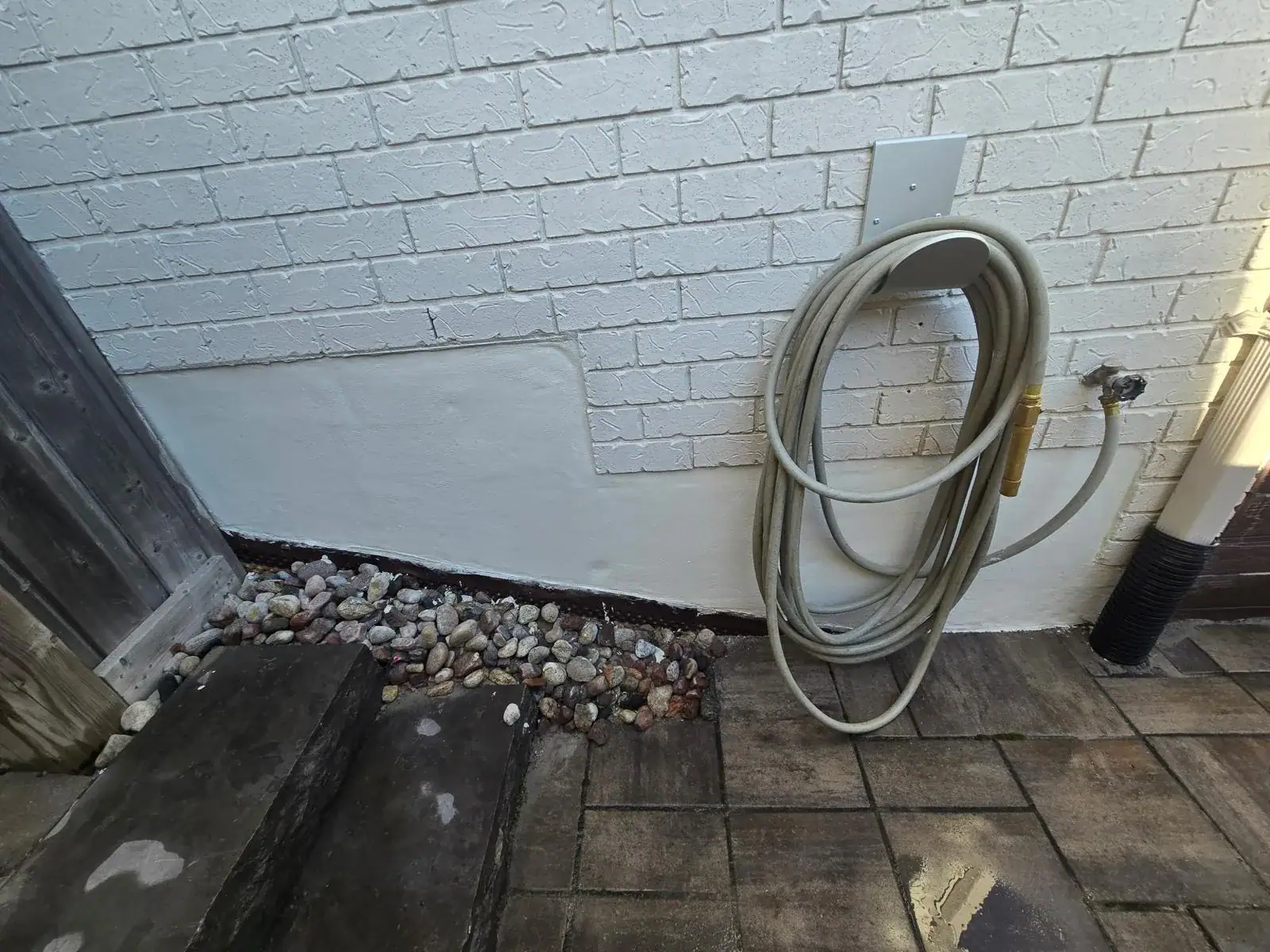
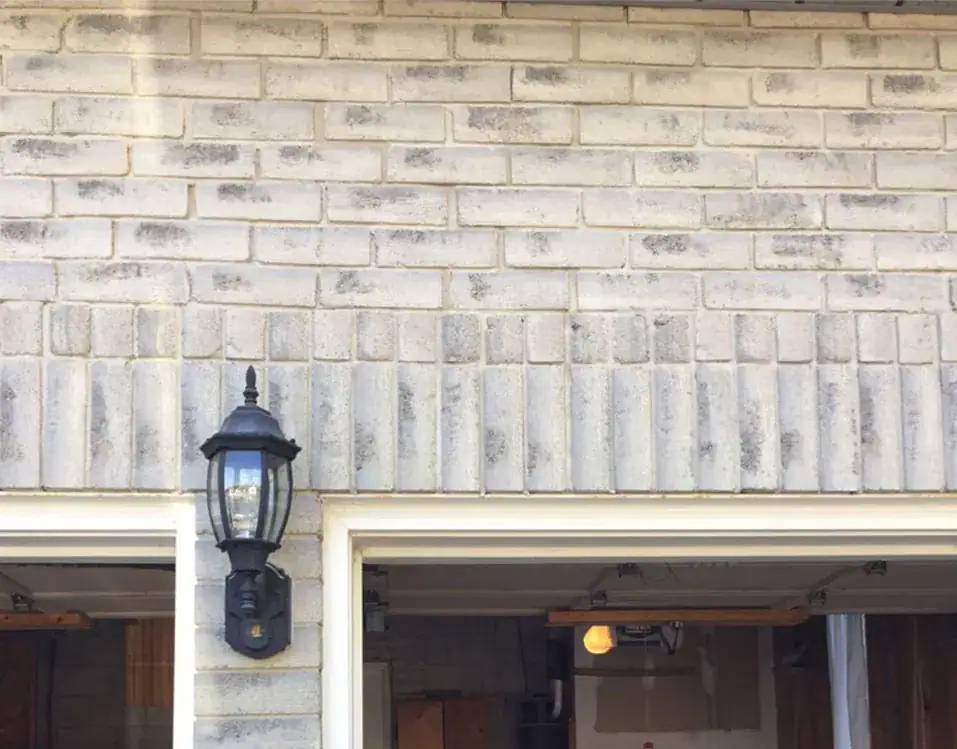
A Toronto homeowner notices higher heating bills during winter. Upon inspection, gaps in mortar joints and minor cracks in the brick exterior are identified. After completing repairs and sealing, the home experiences improved temperature retention and reduced energy usage.
This example highlights how small masonry issues can impact overall energy performance.
Final Thoughts
Masonry plays a larger role in energy efficiency than many homeowners realize. From thermal mass to moisture control, brick and stone contribute to a more stable and efficient home environment.
Maintaining masonry surfaces and addressing small issues early helps preserve these benefits. For homeowners in Toronto and across the GTA, understanding how masonry affects energy efficiency can lead to better long-term performance and cost savings.