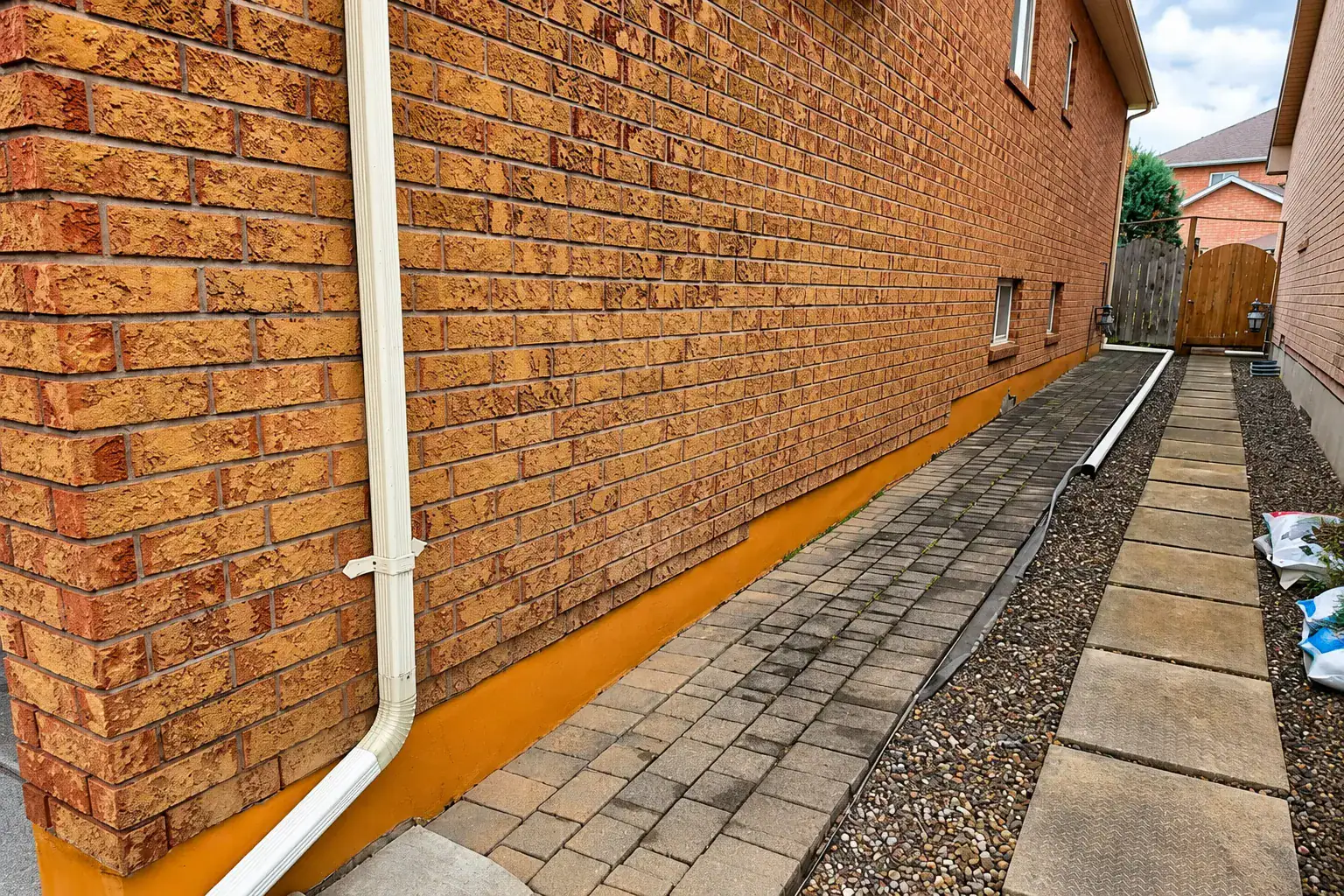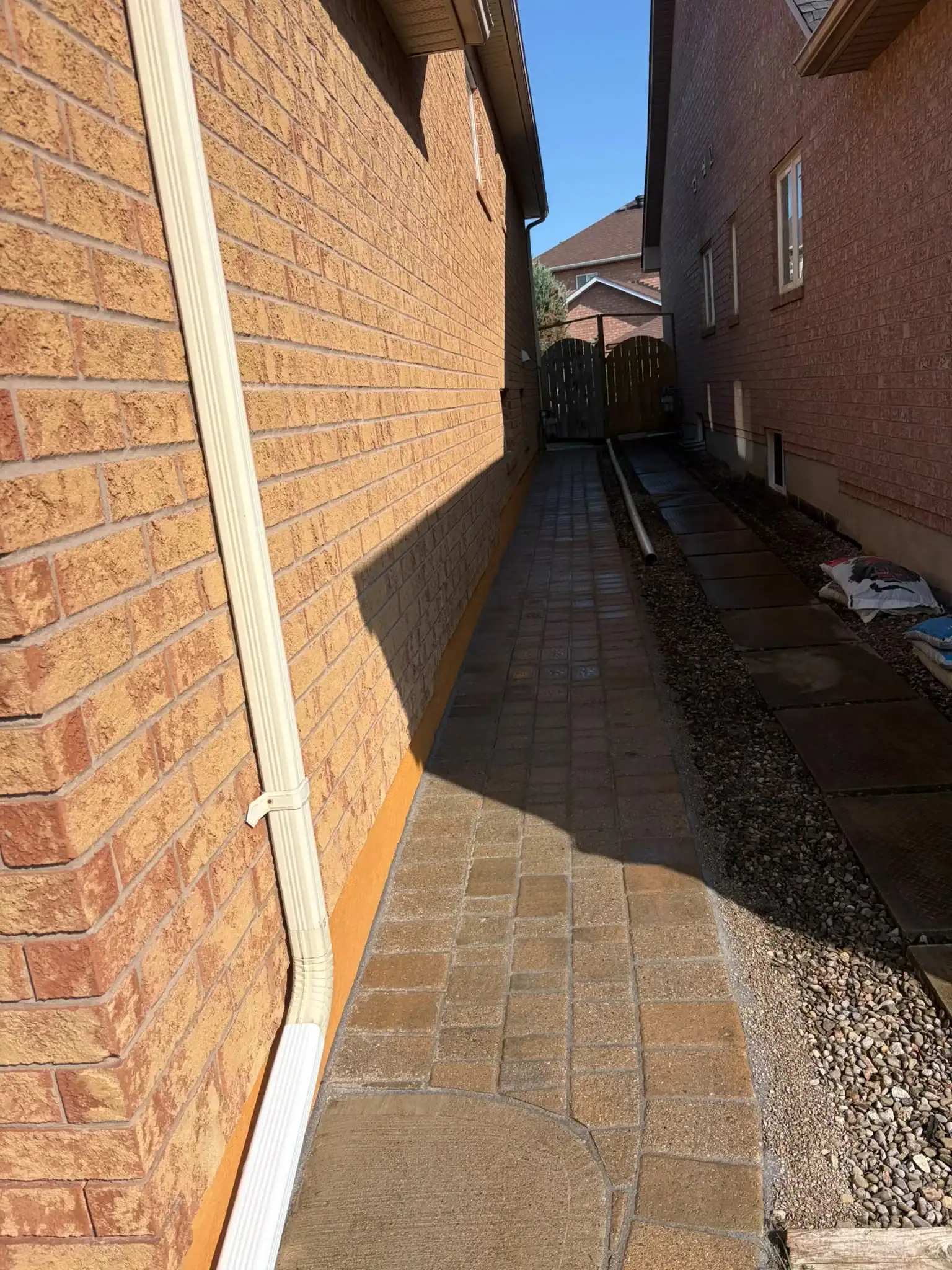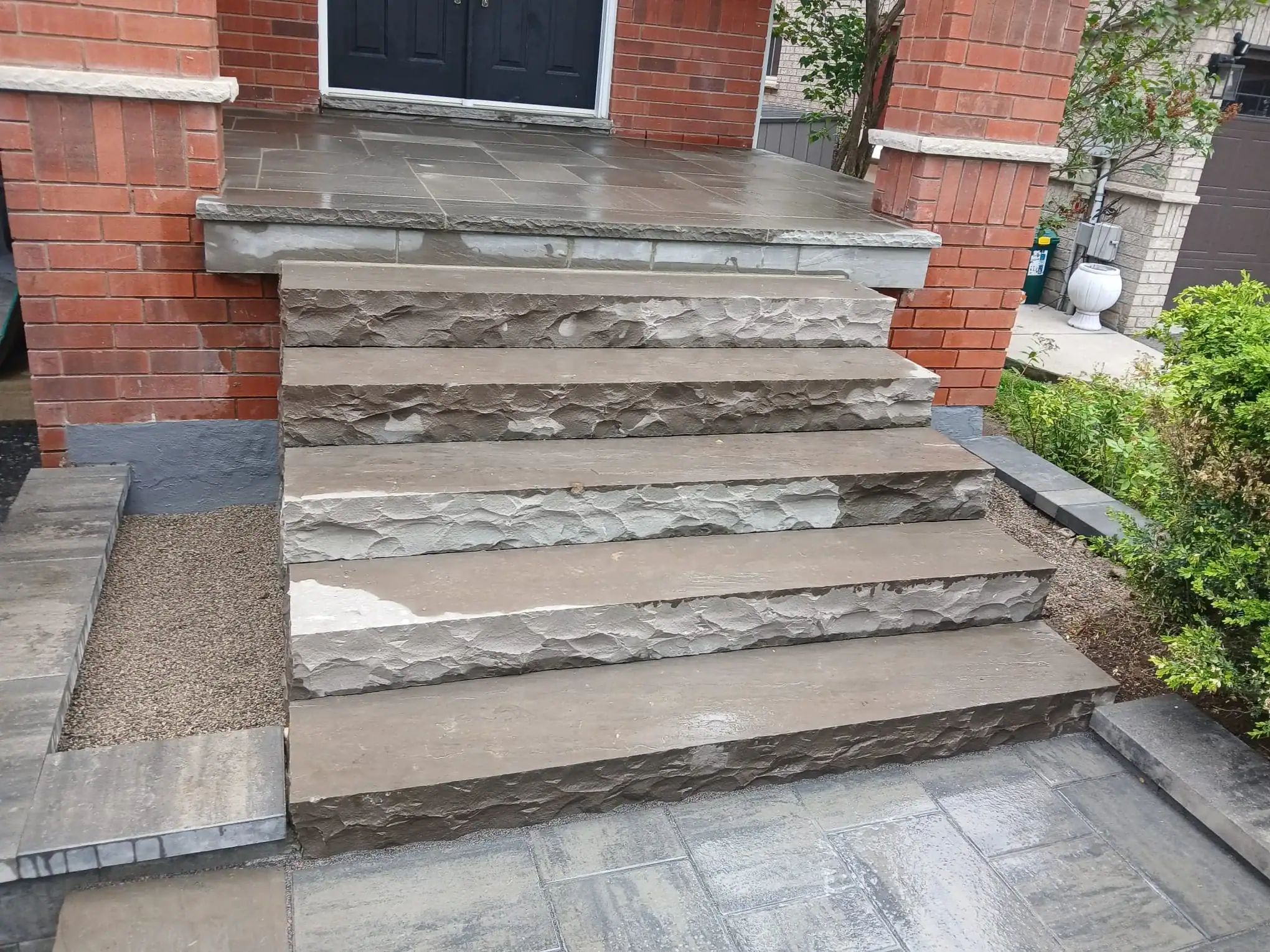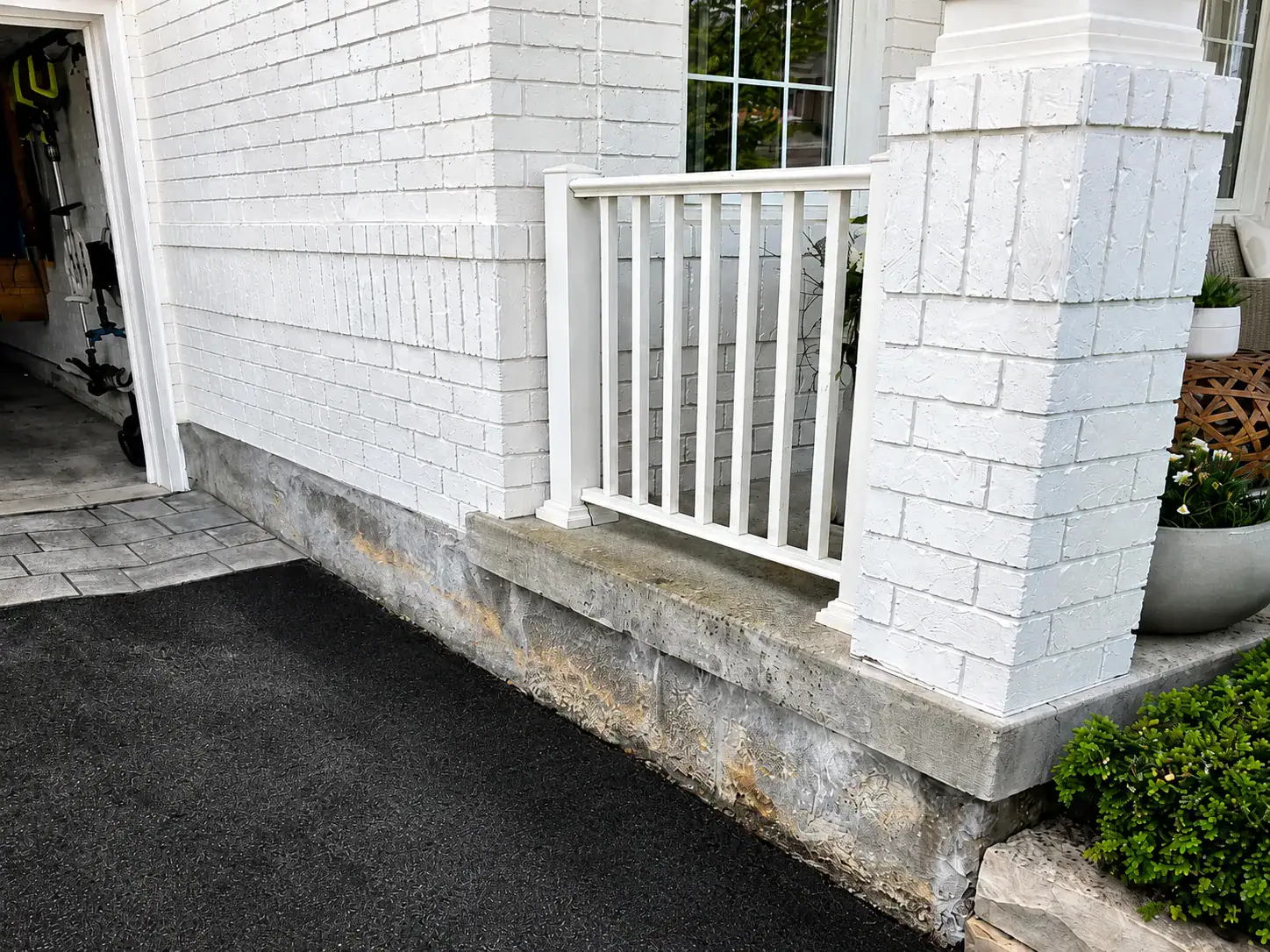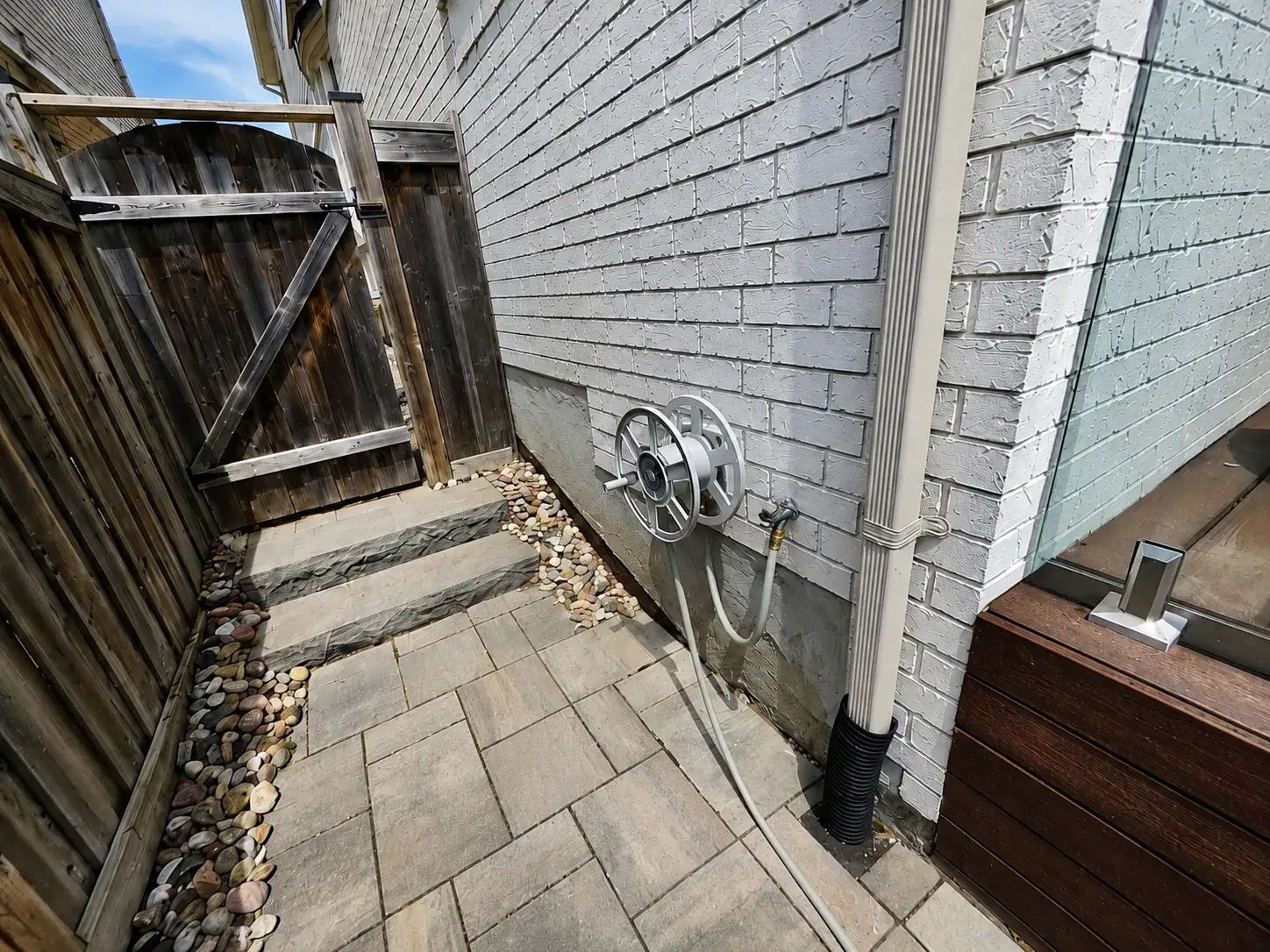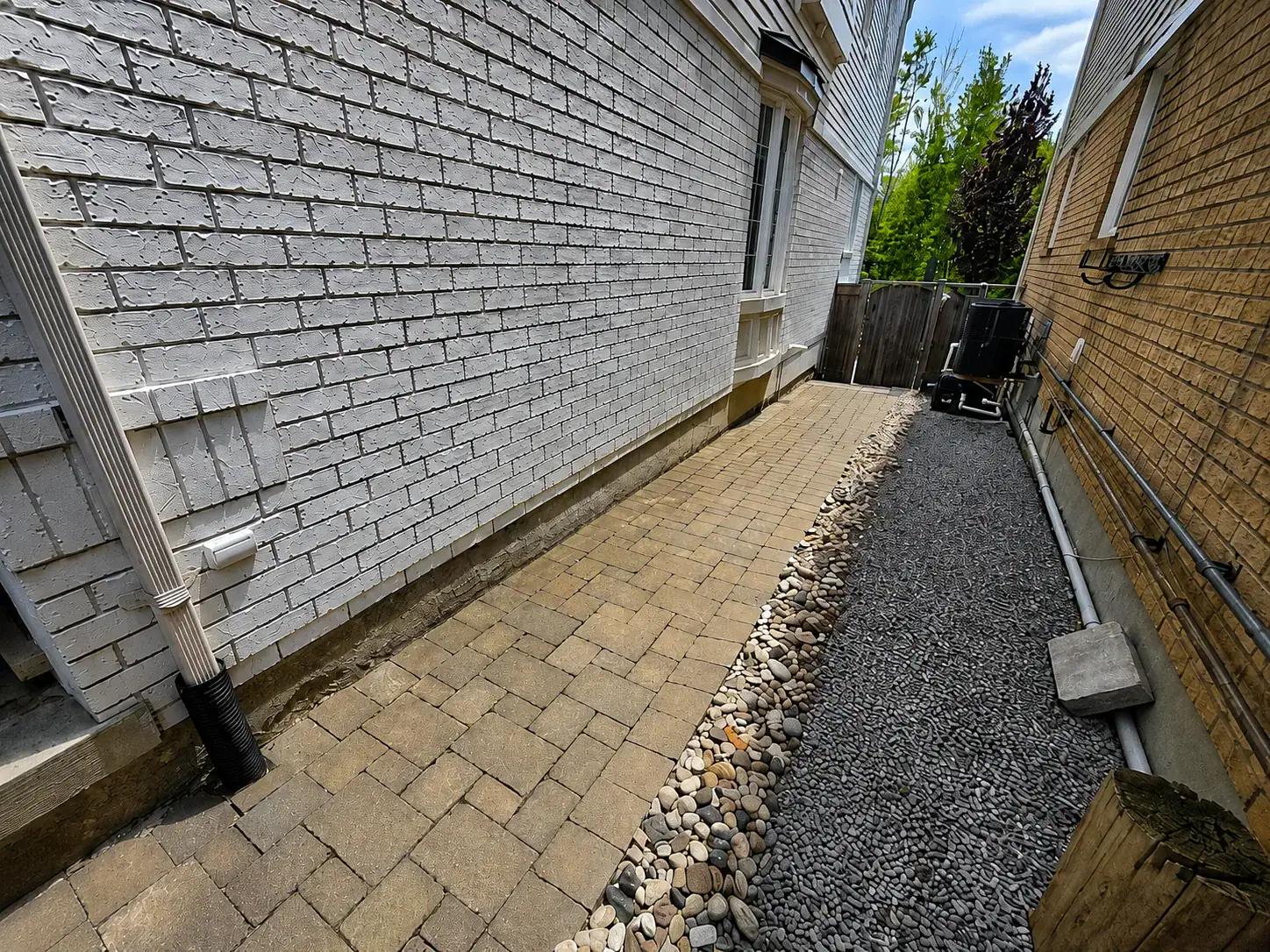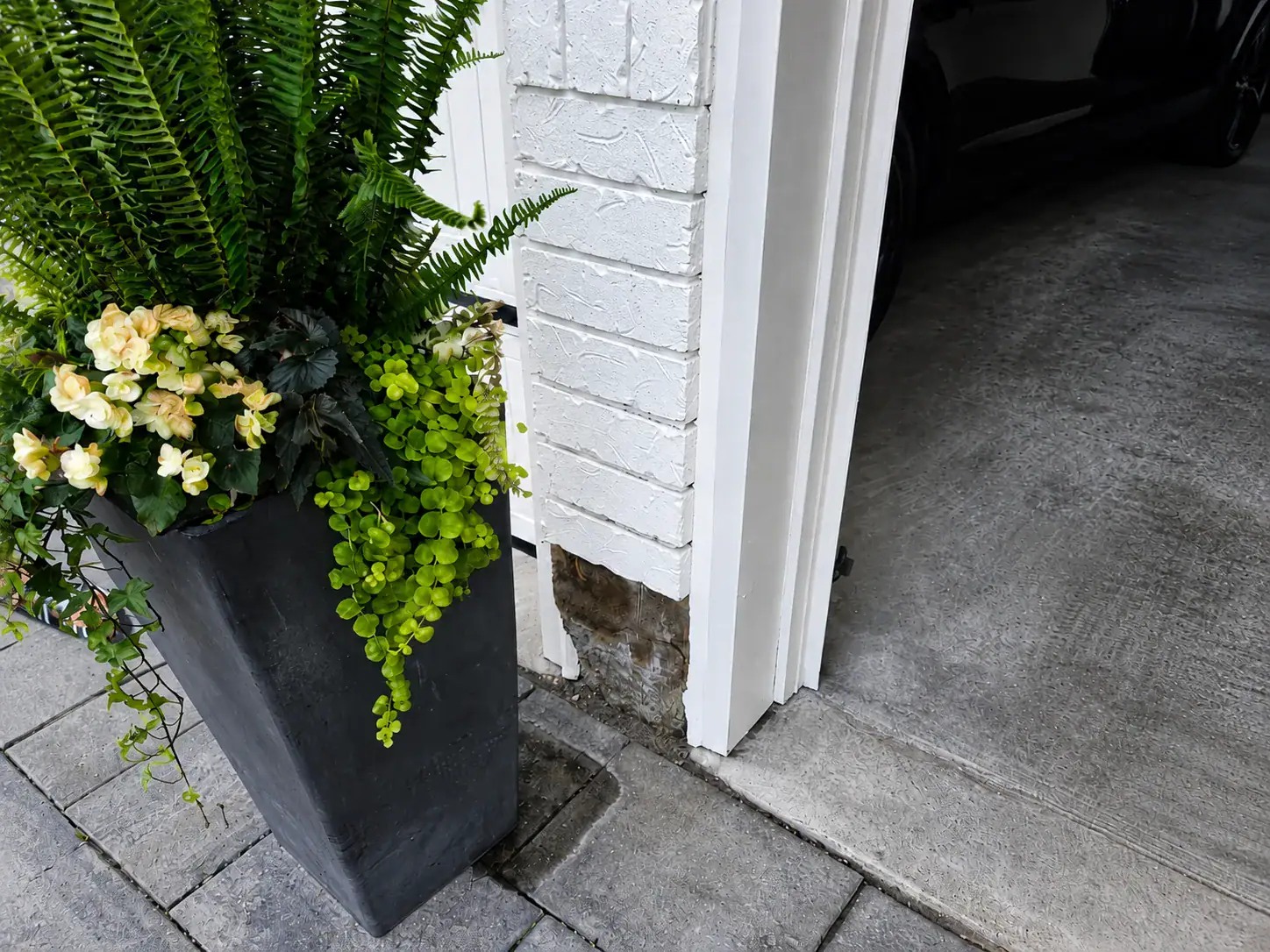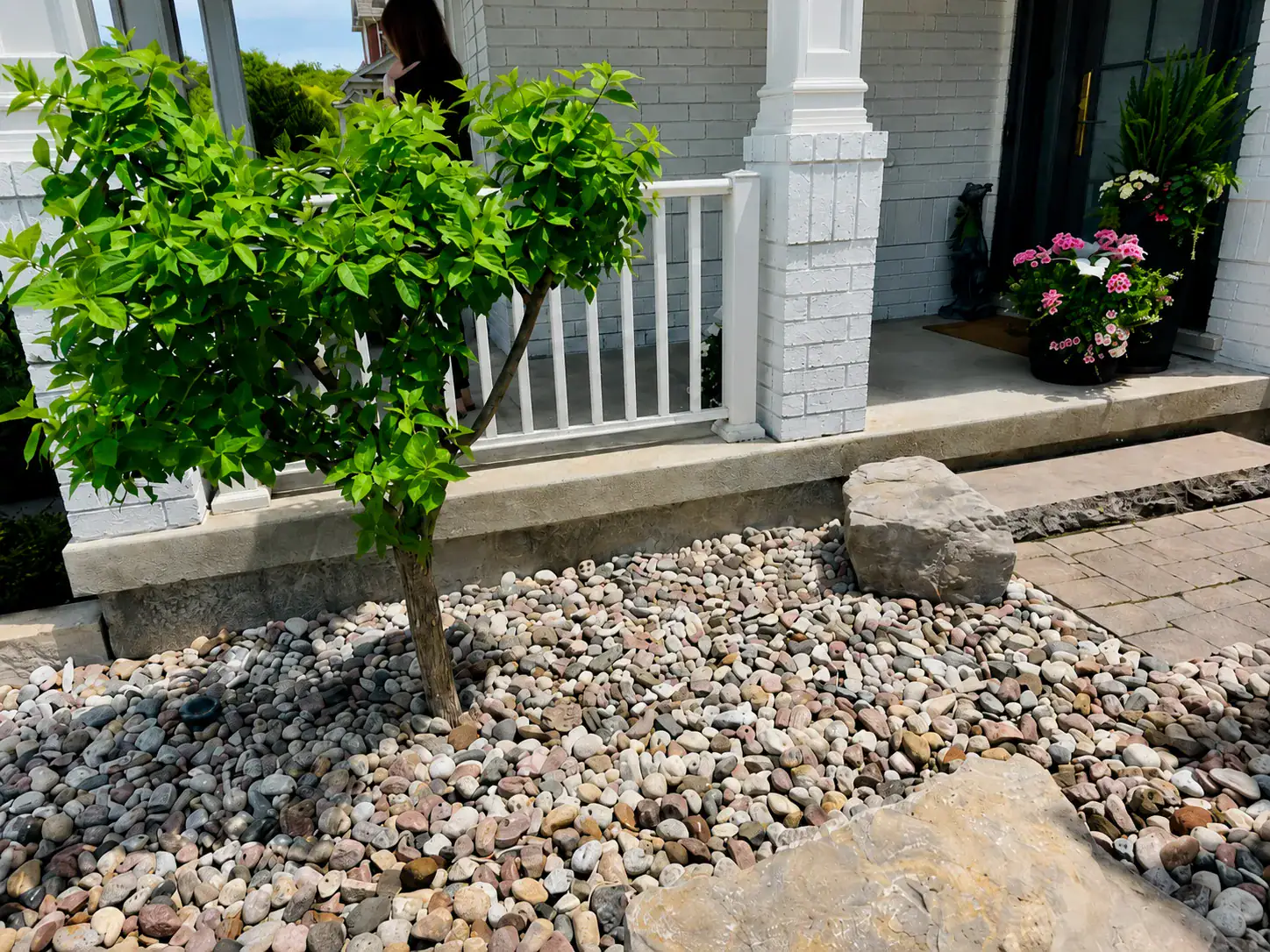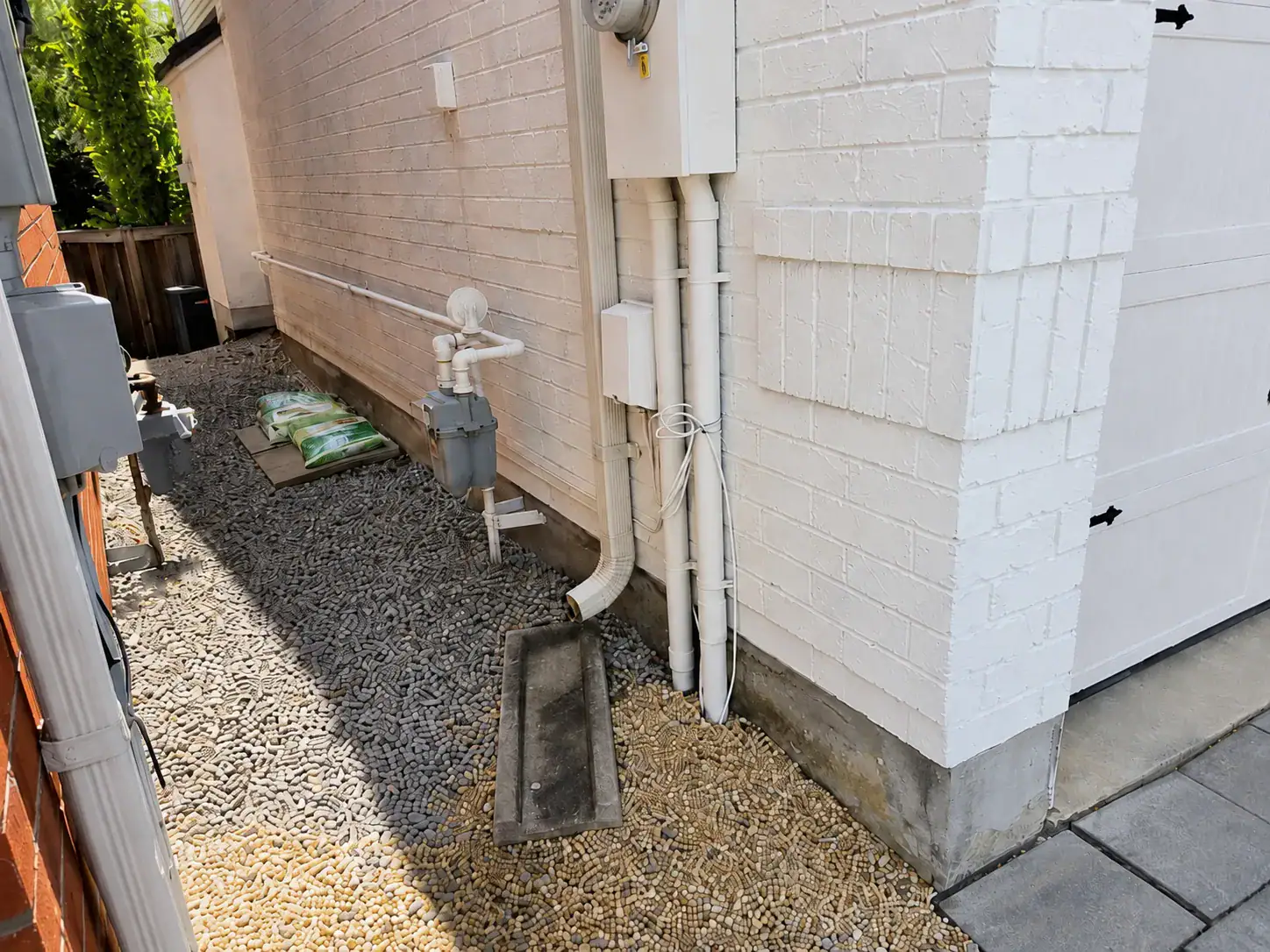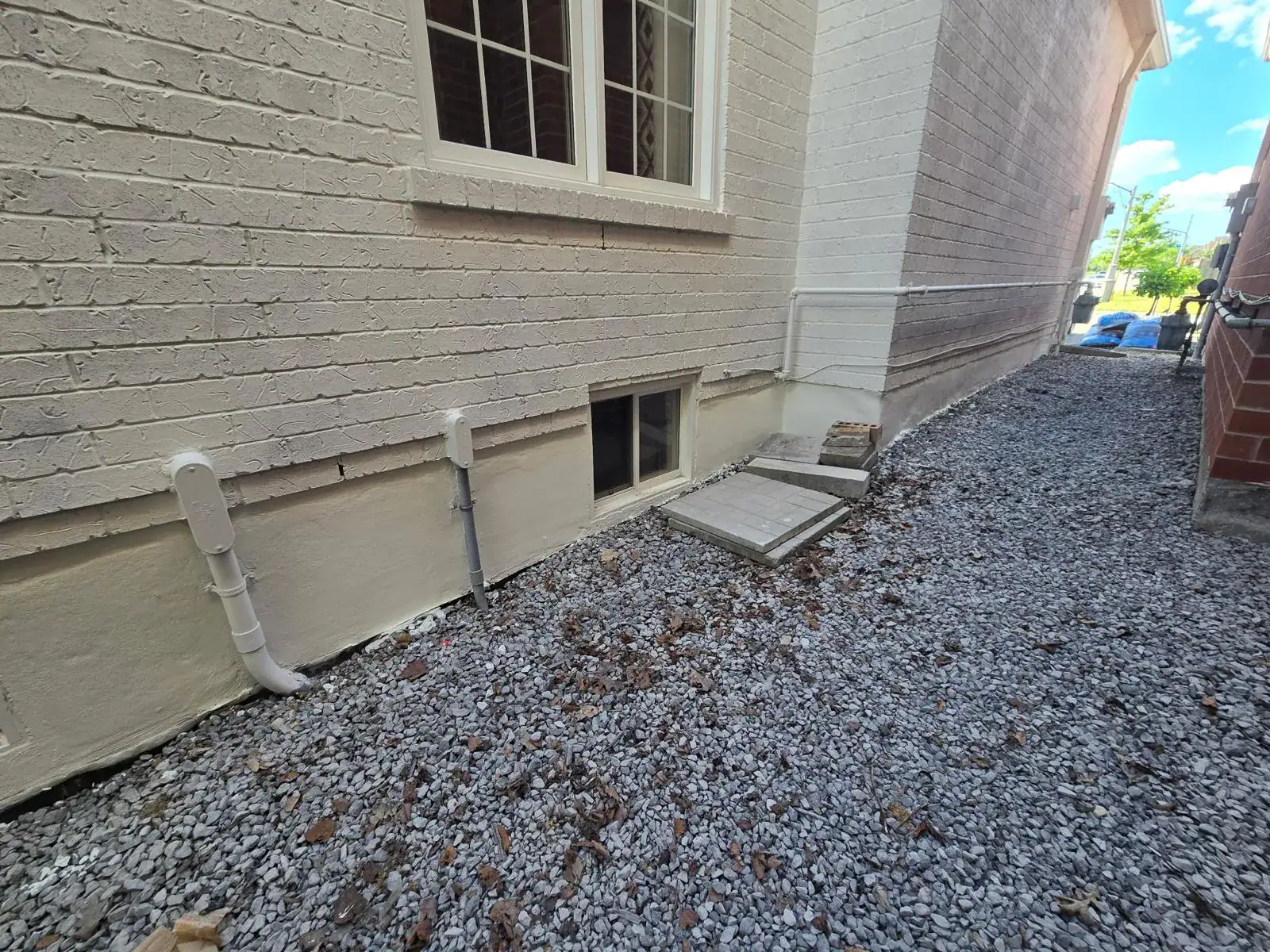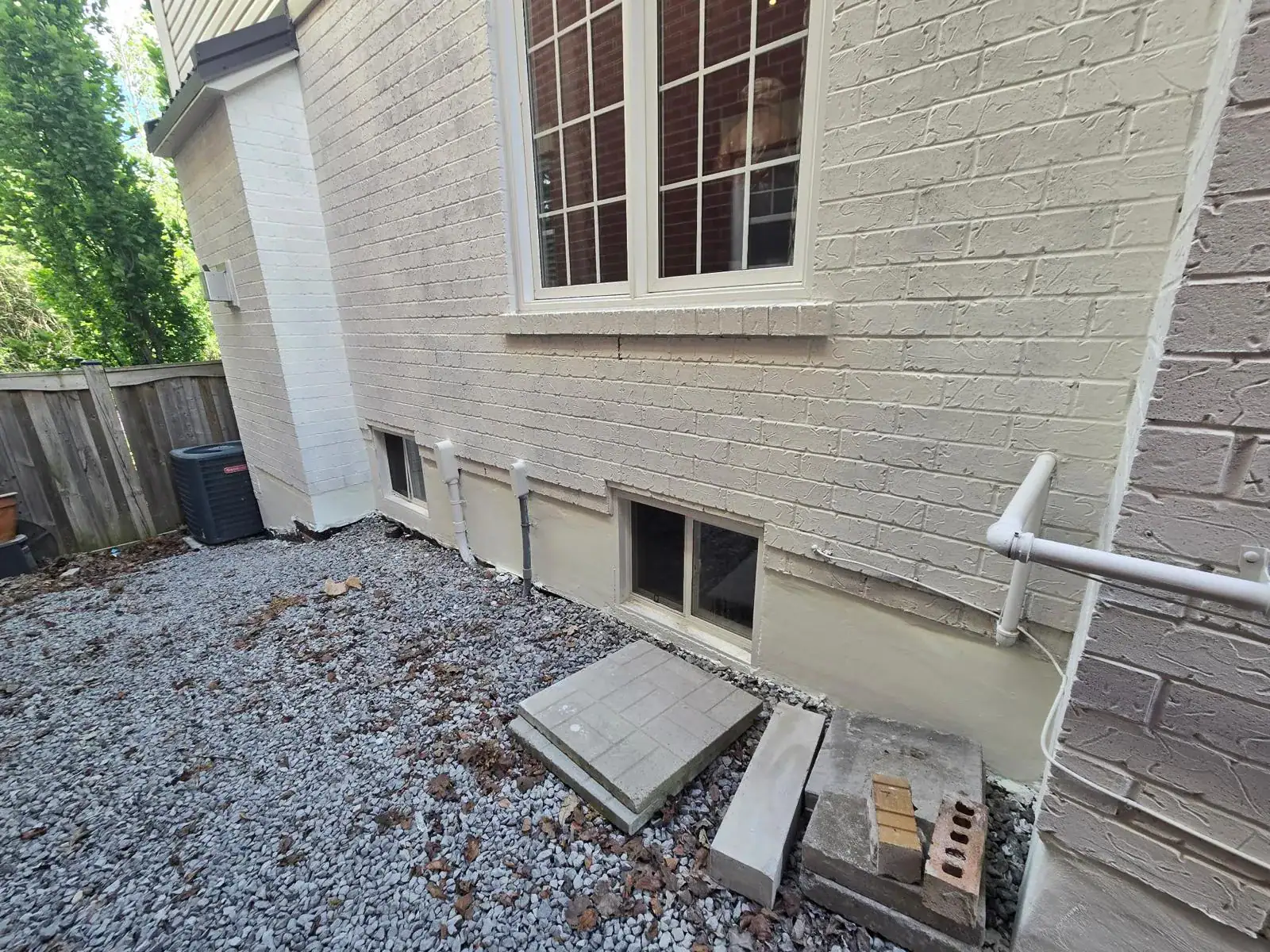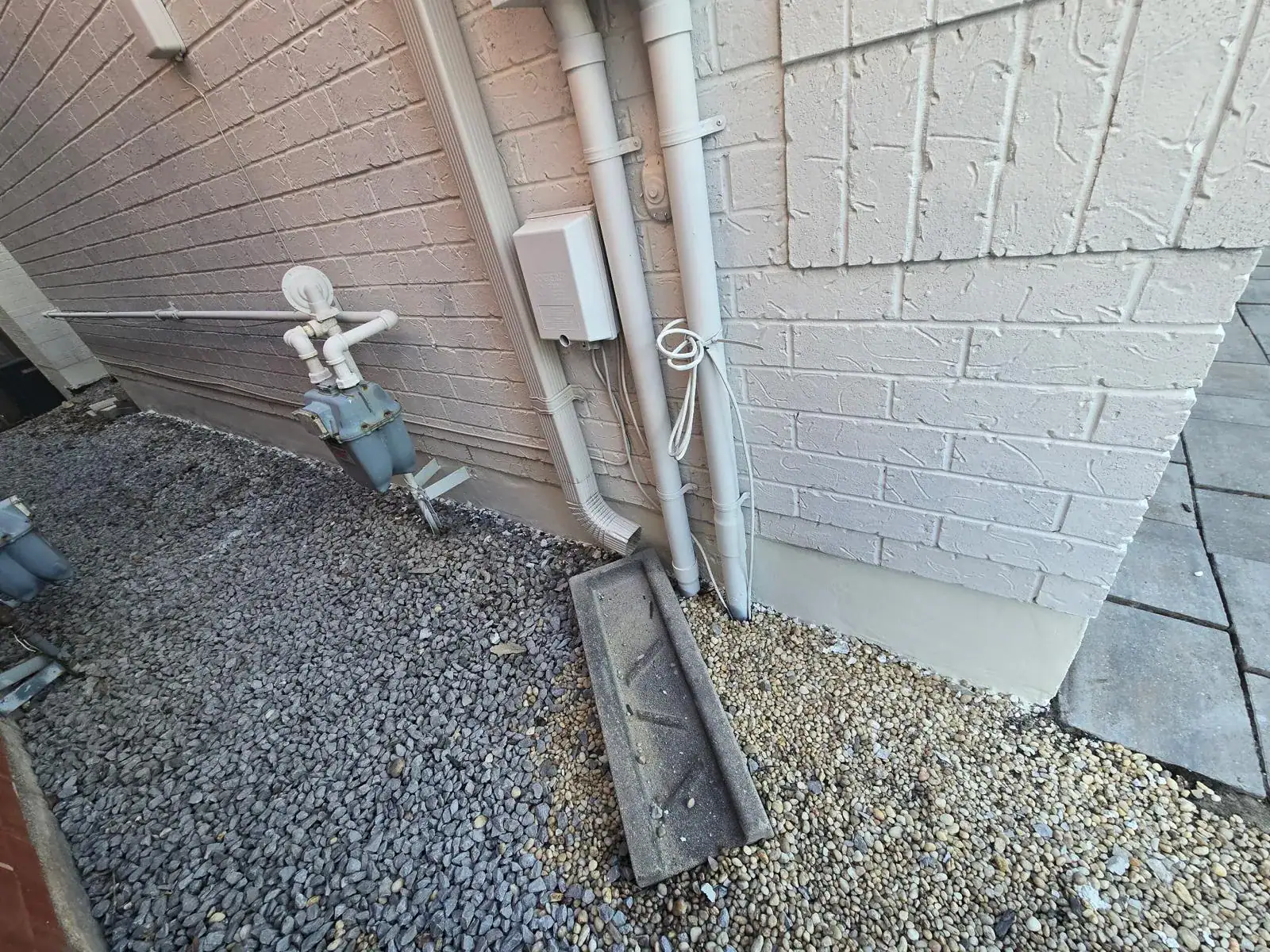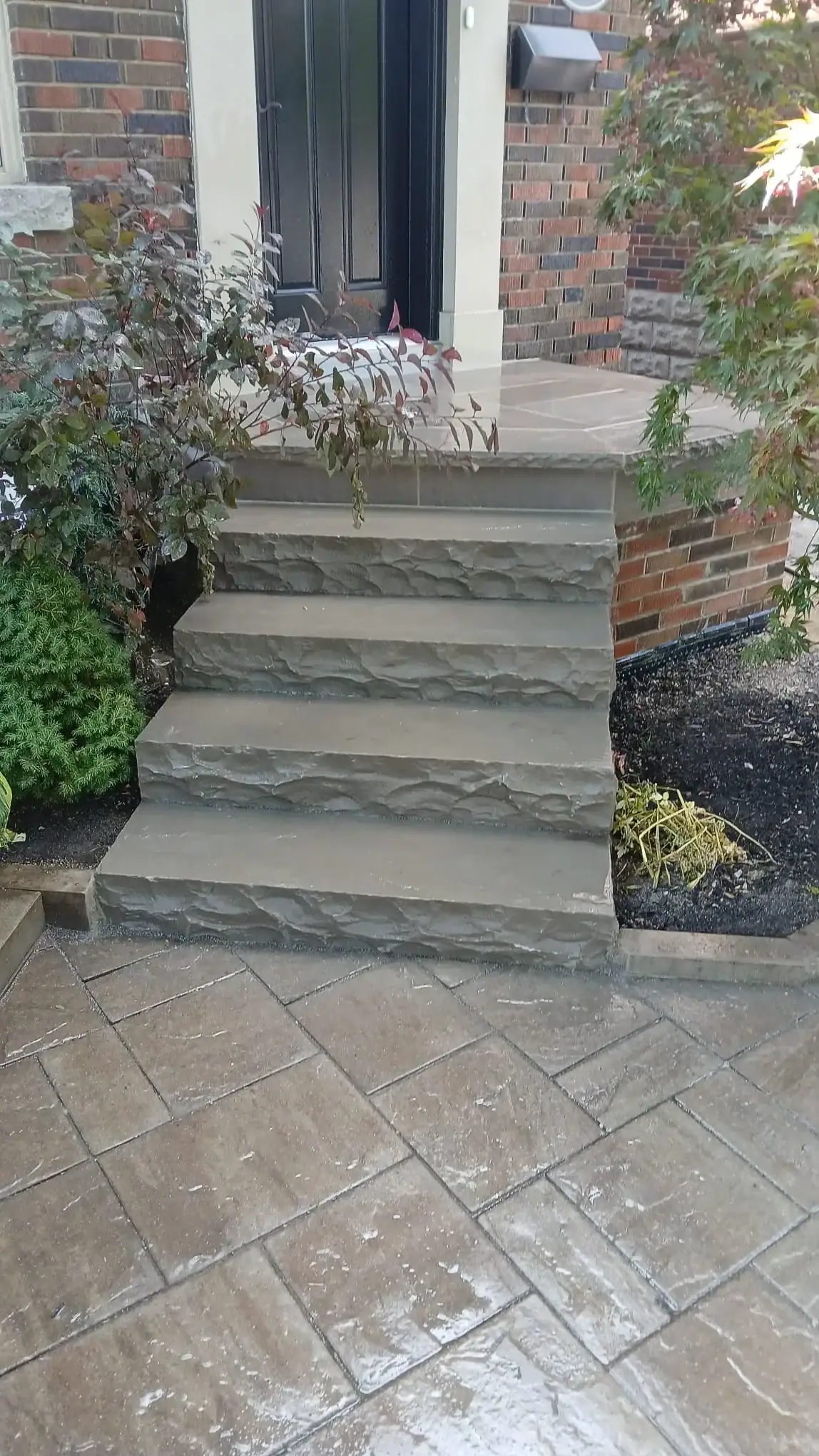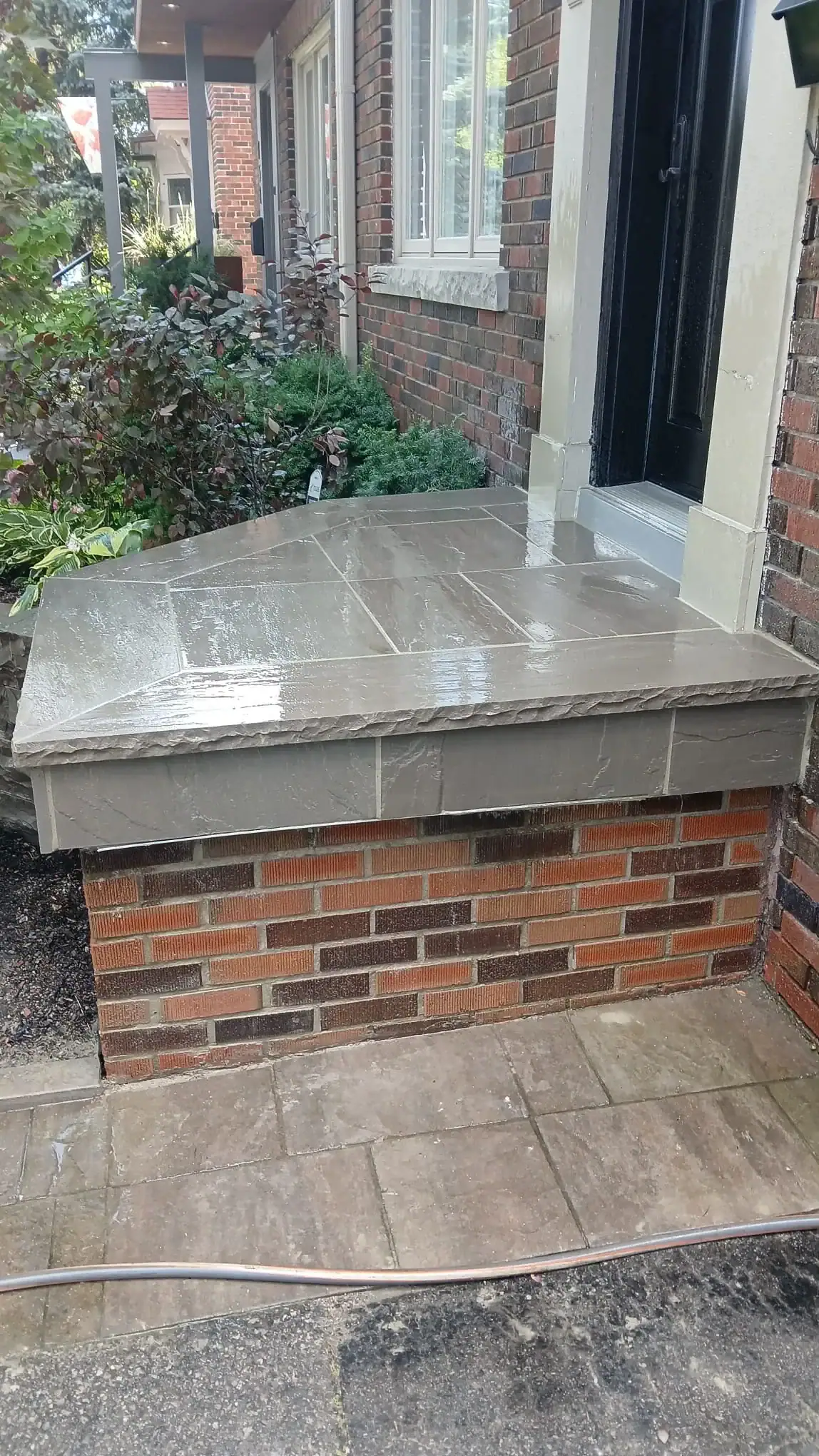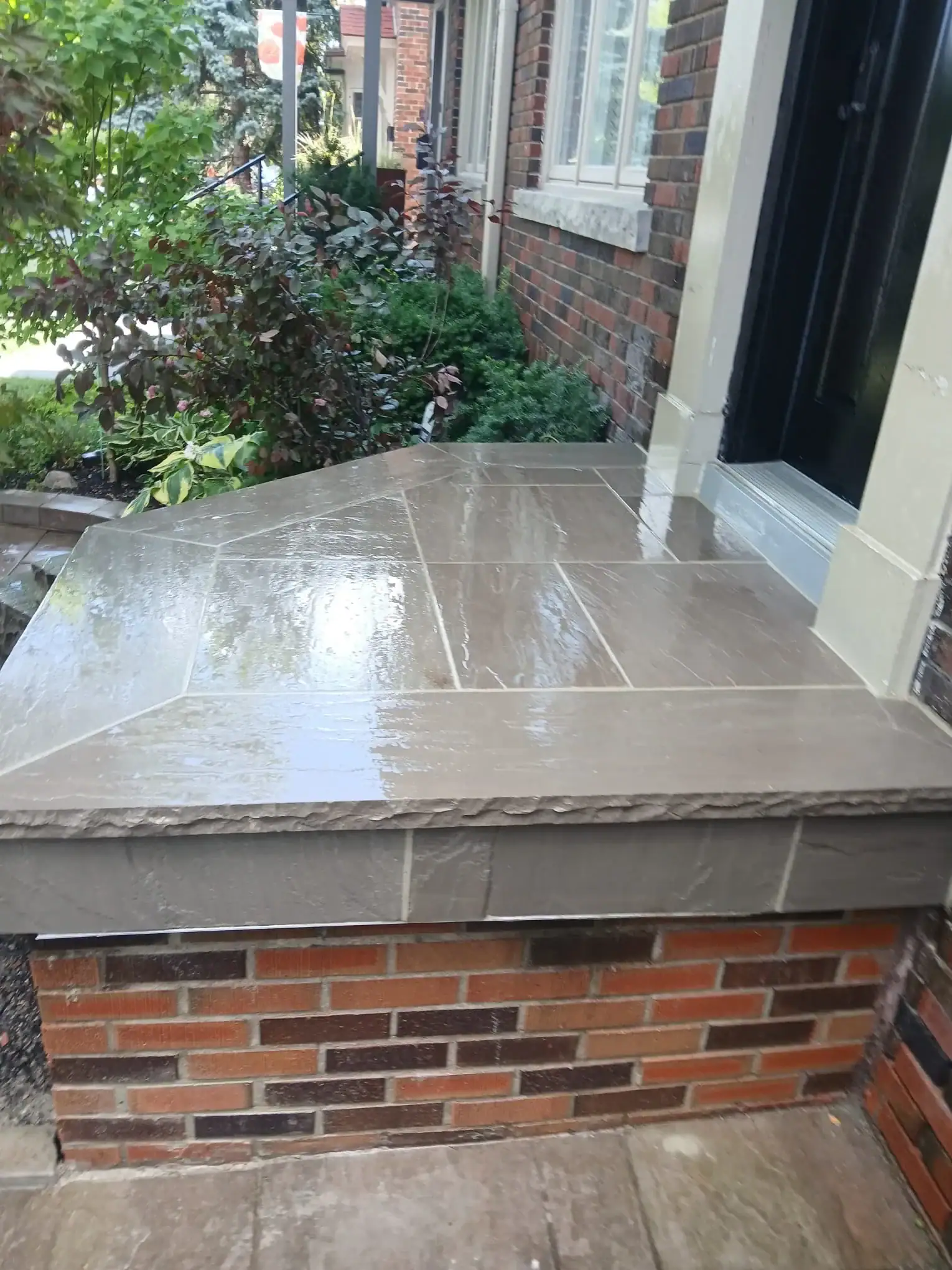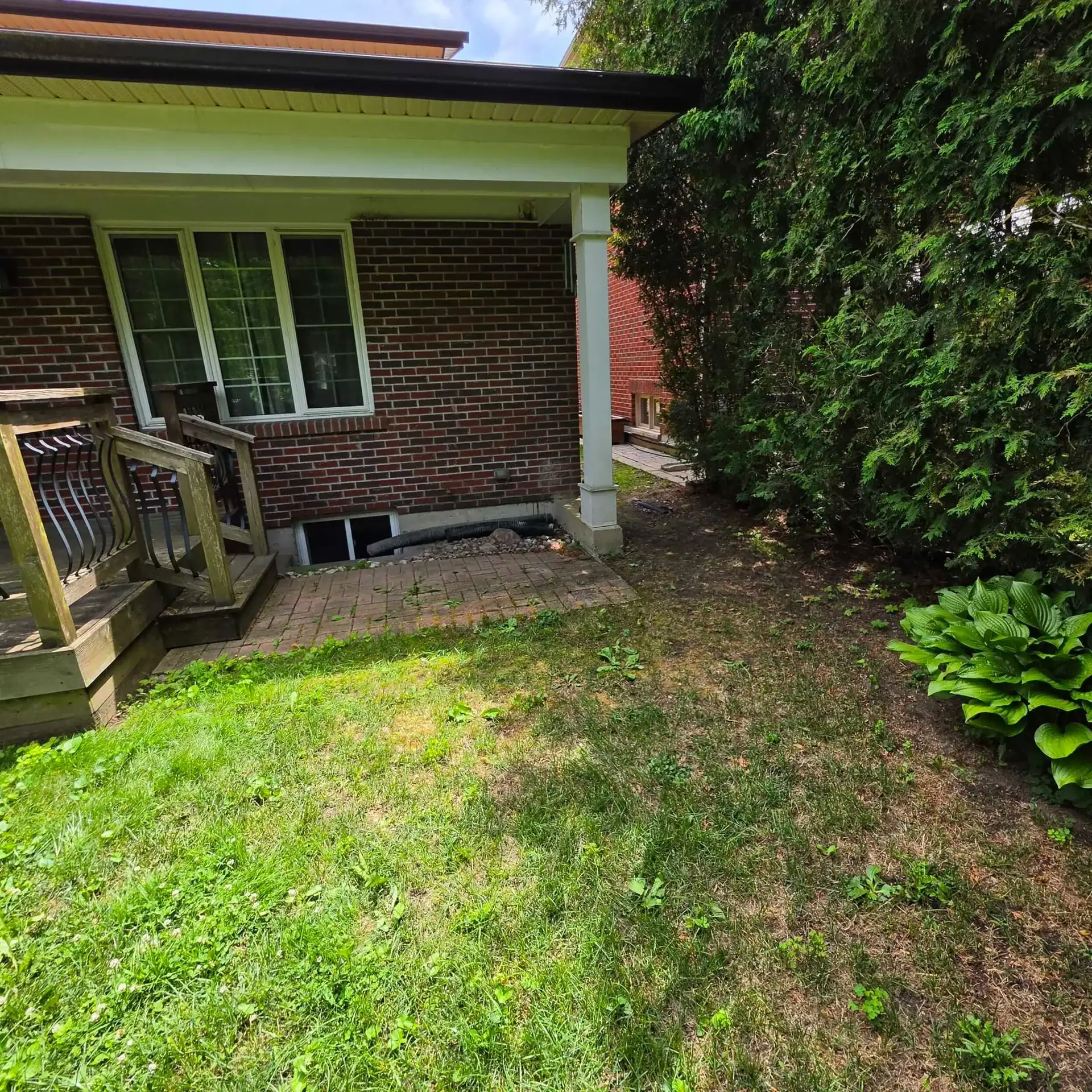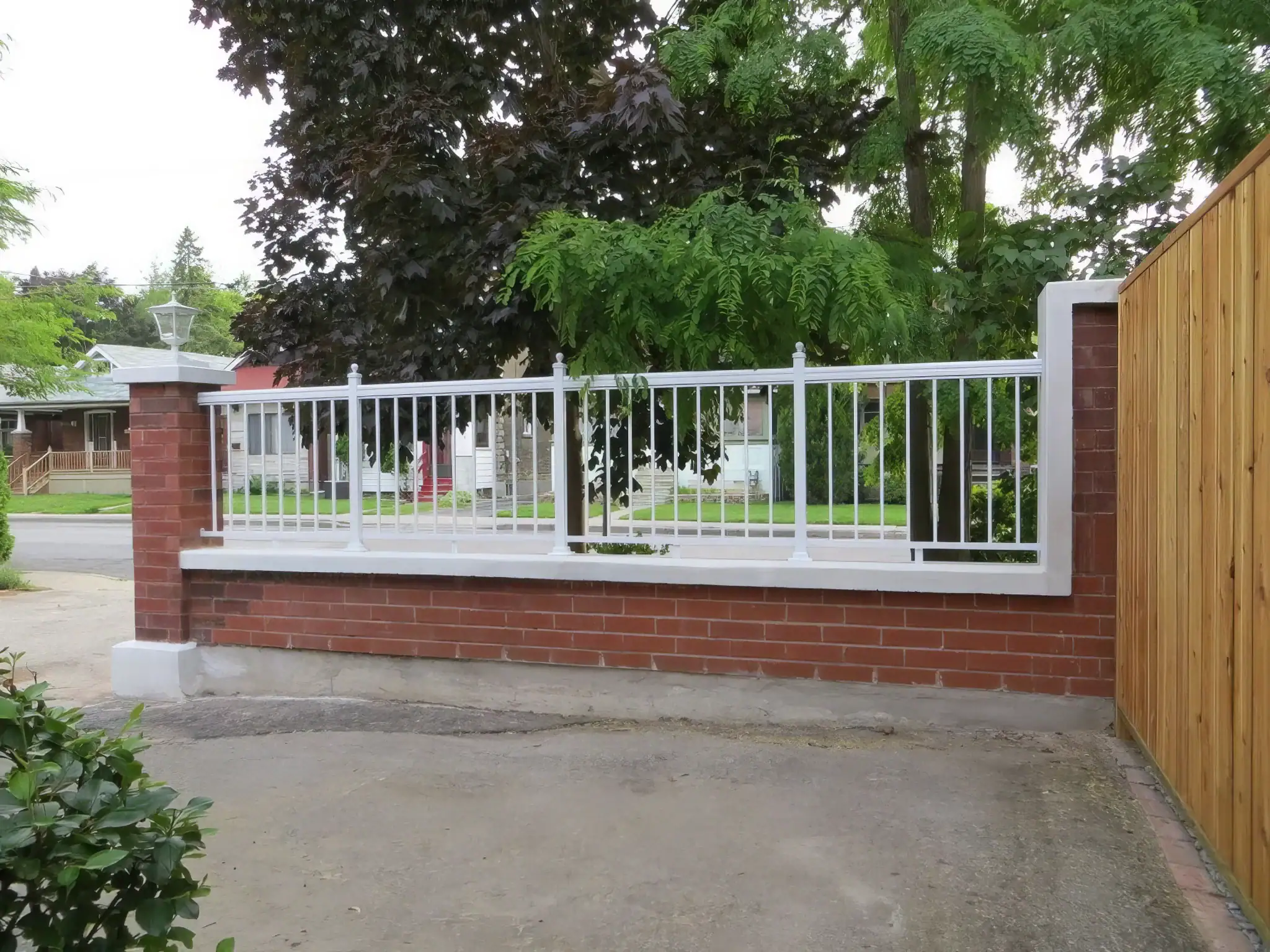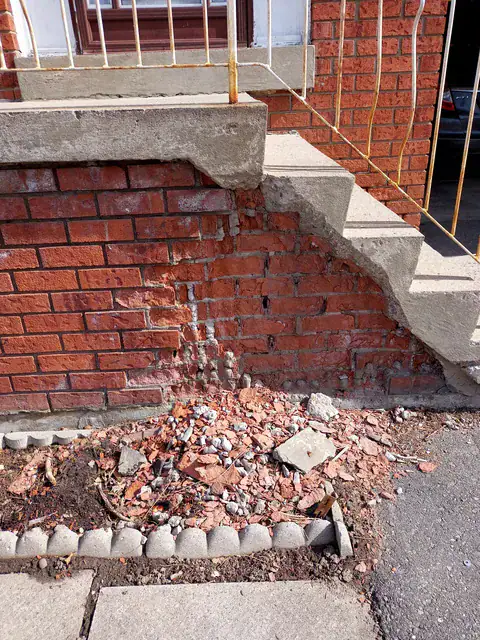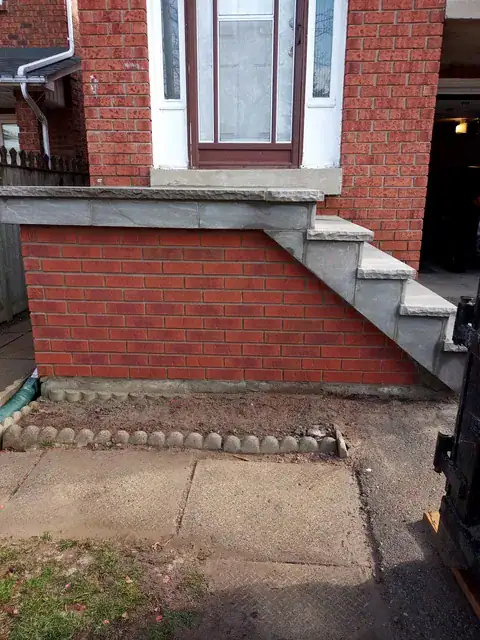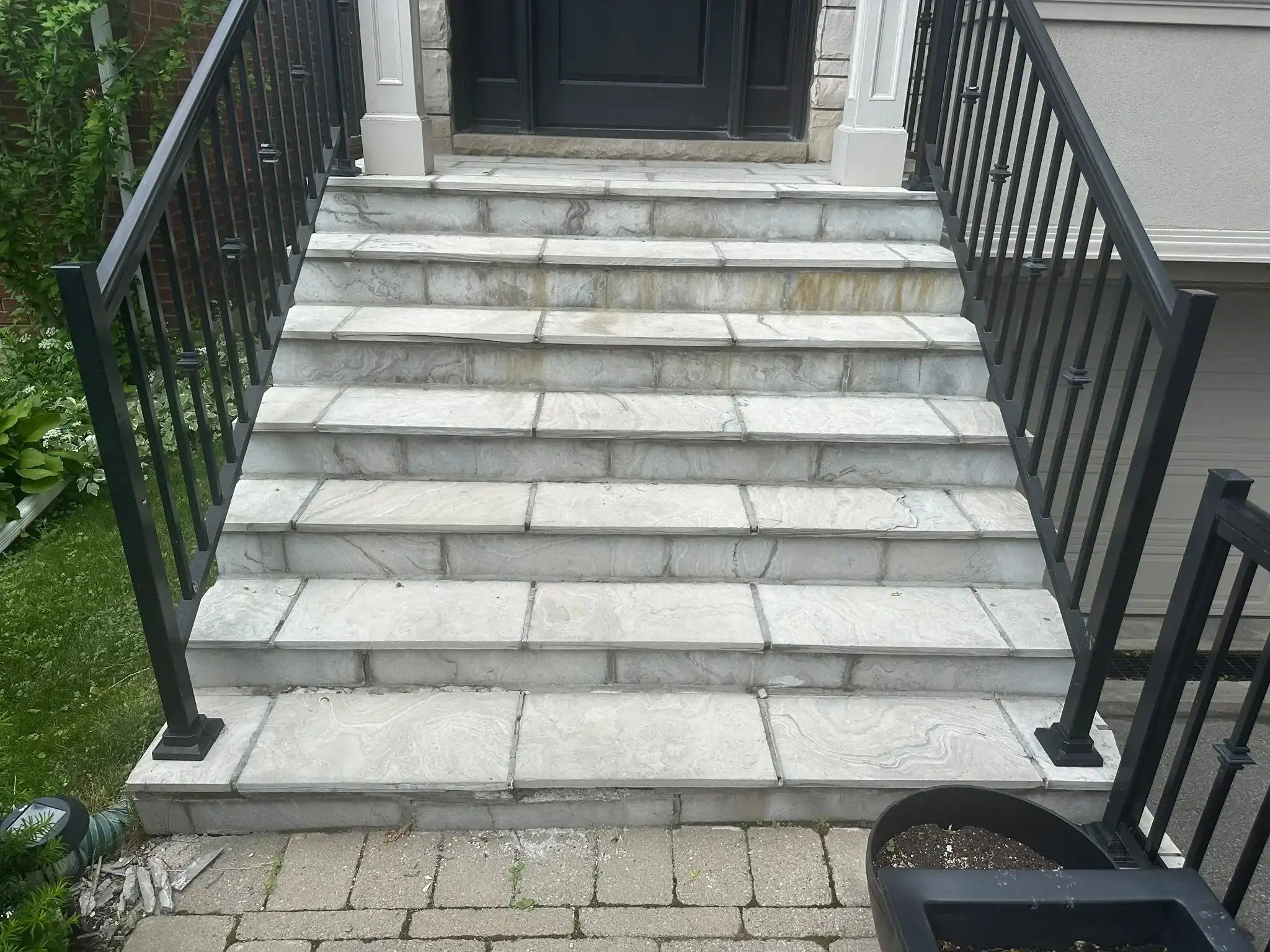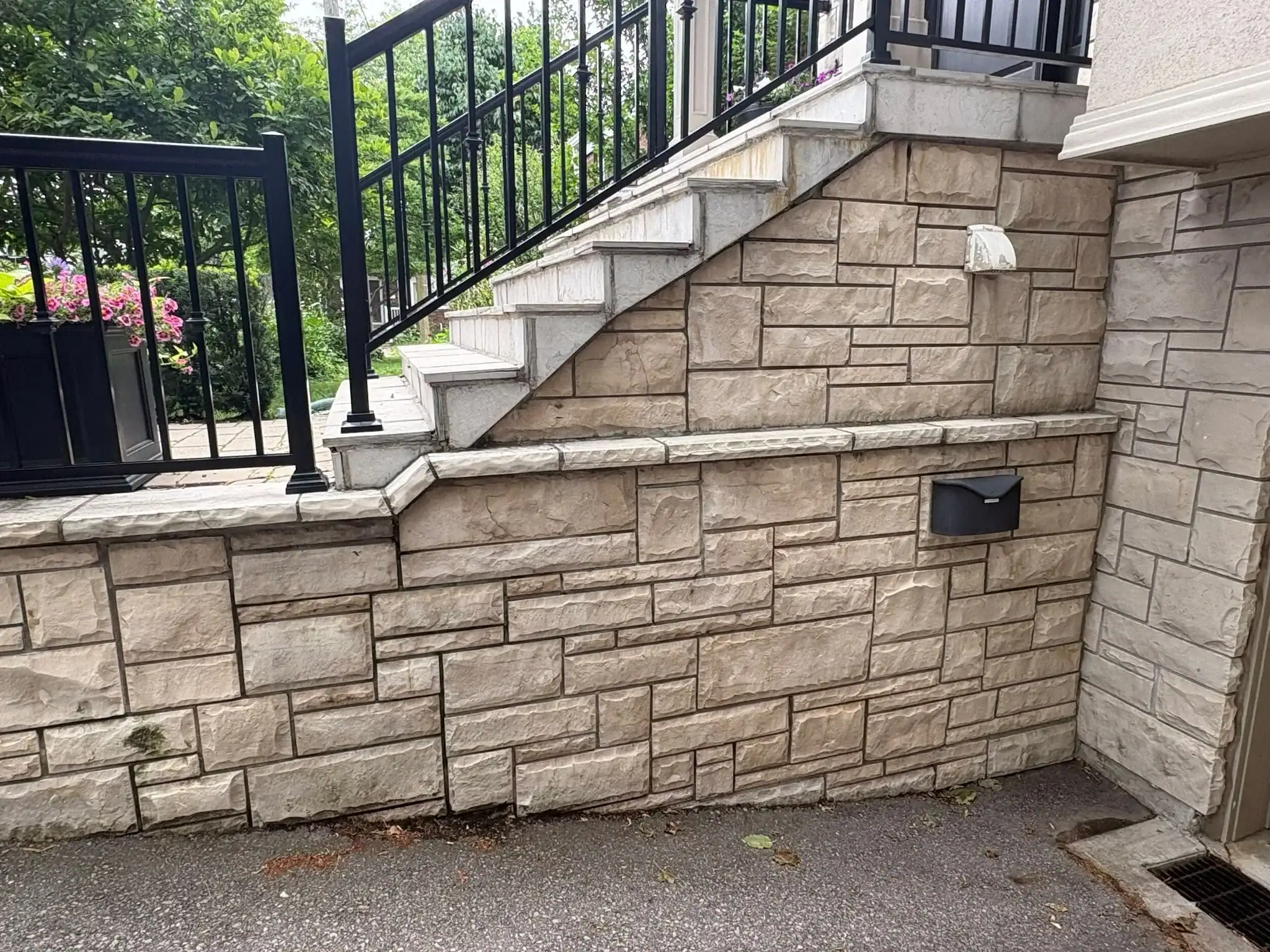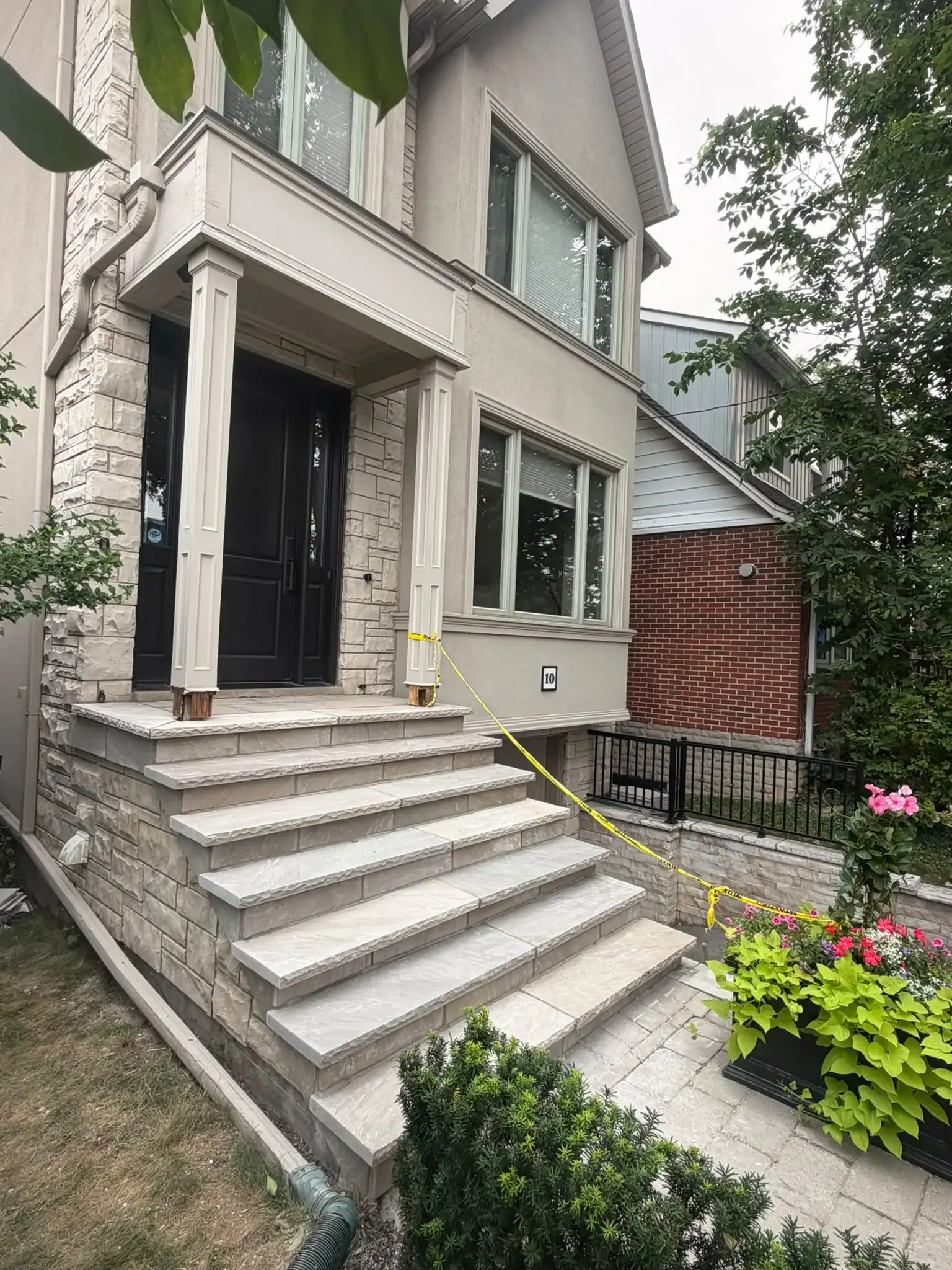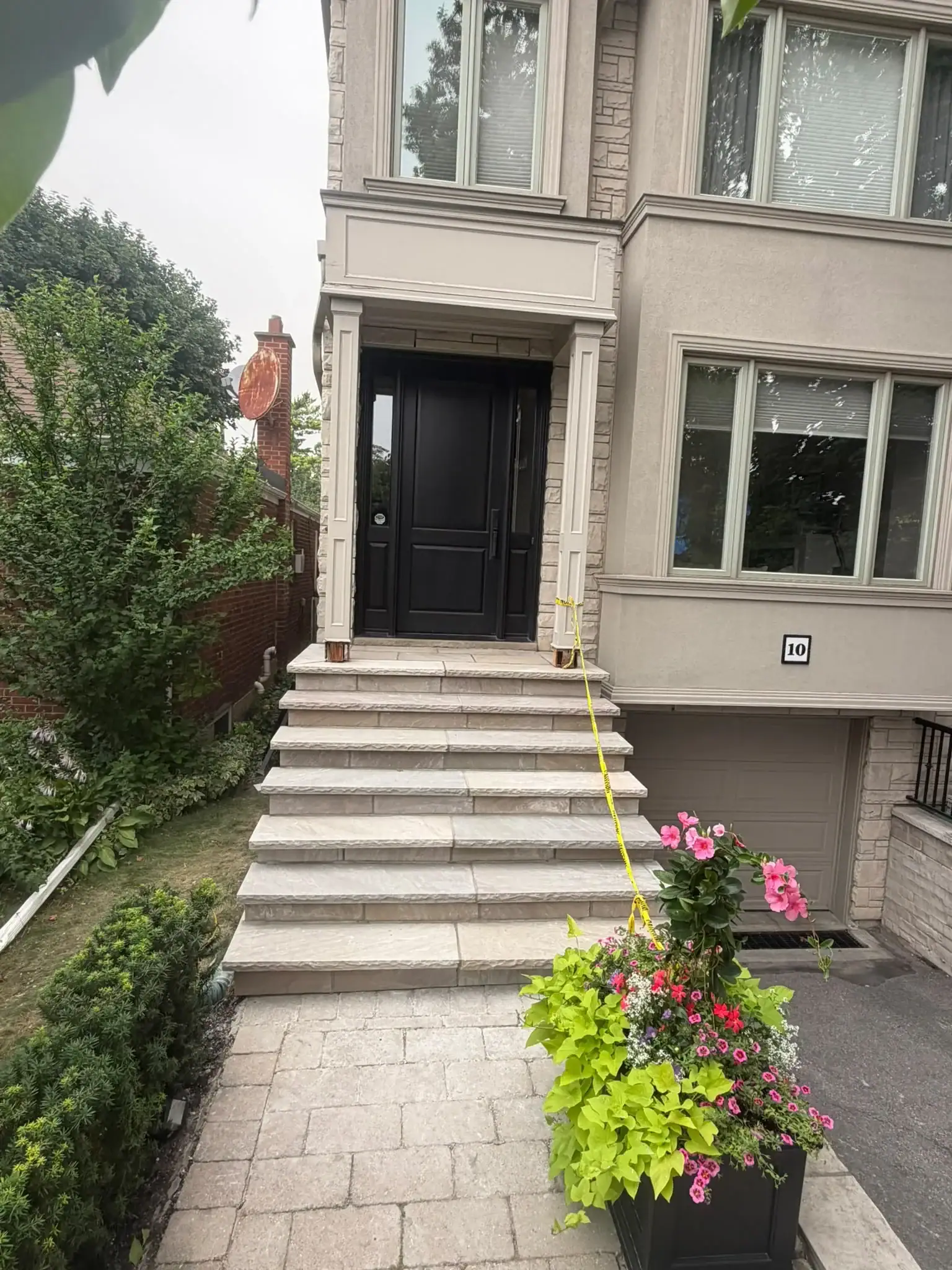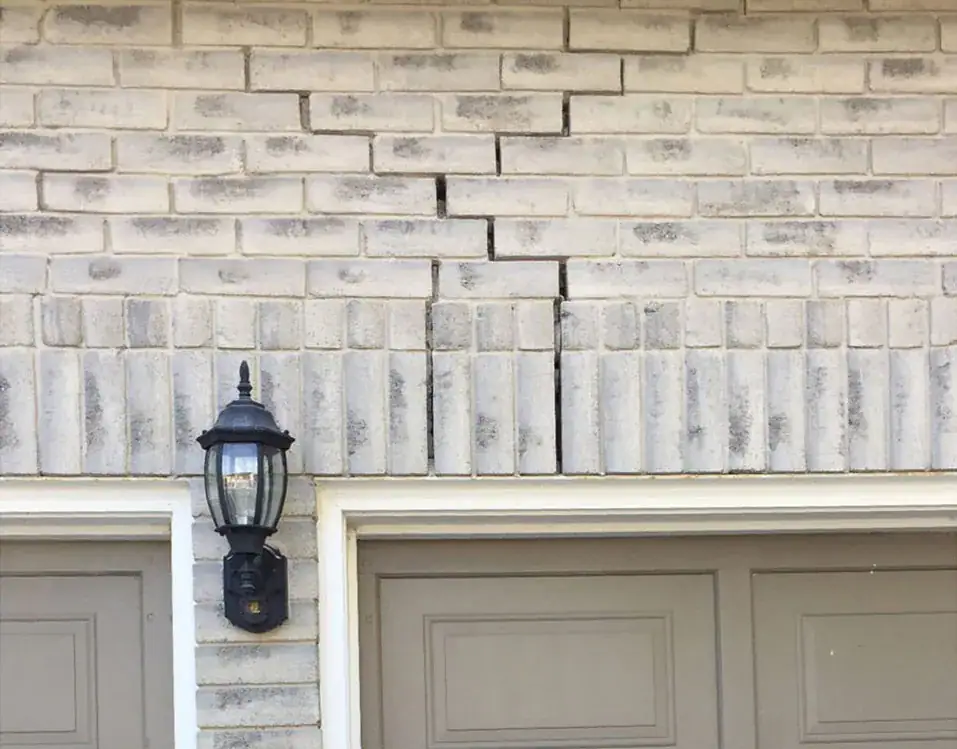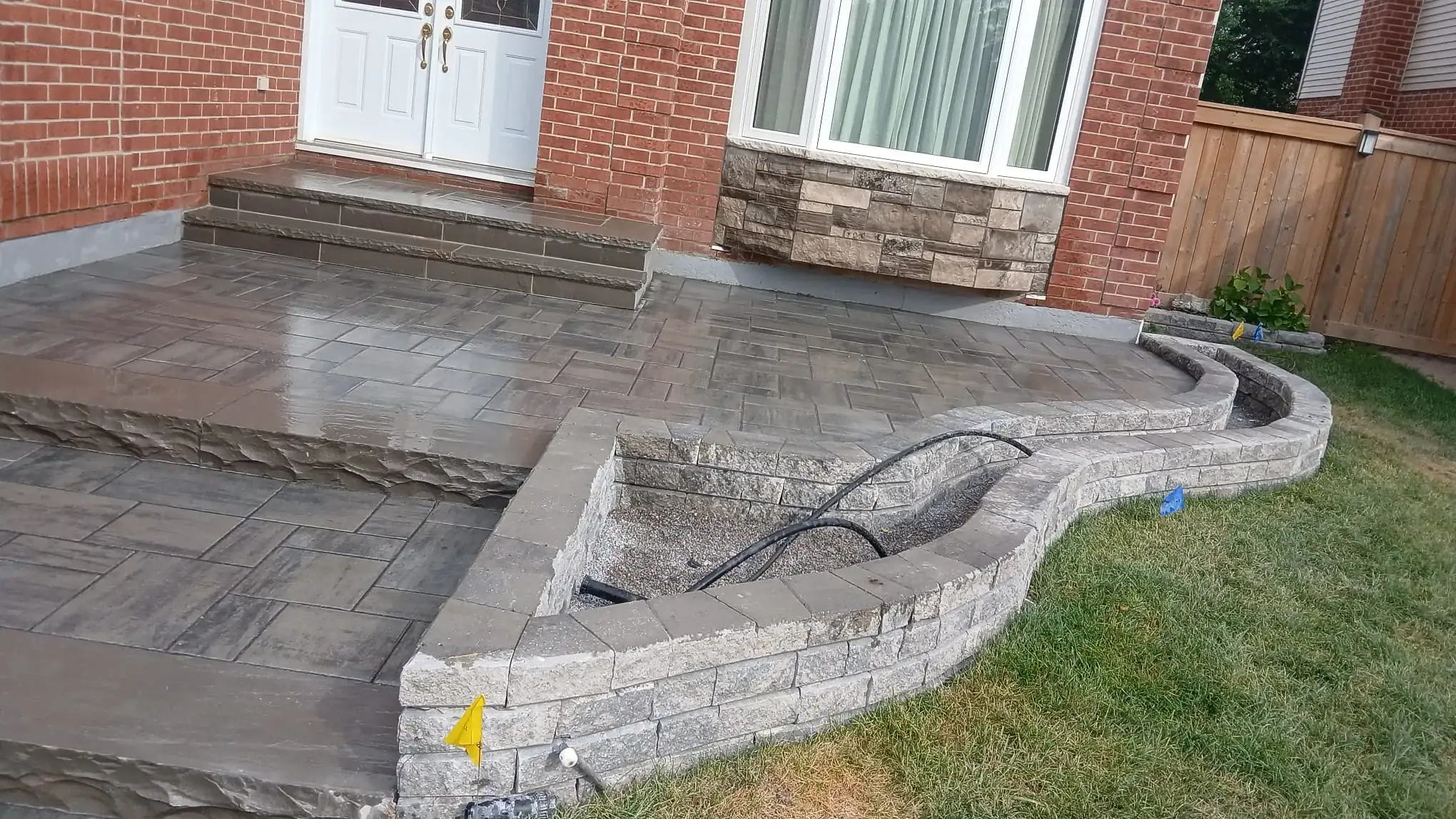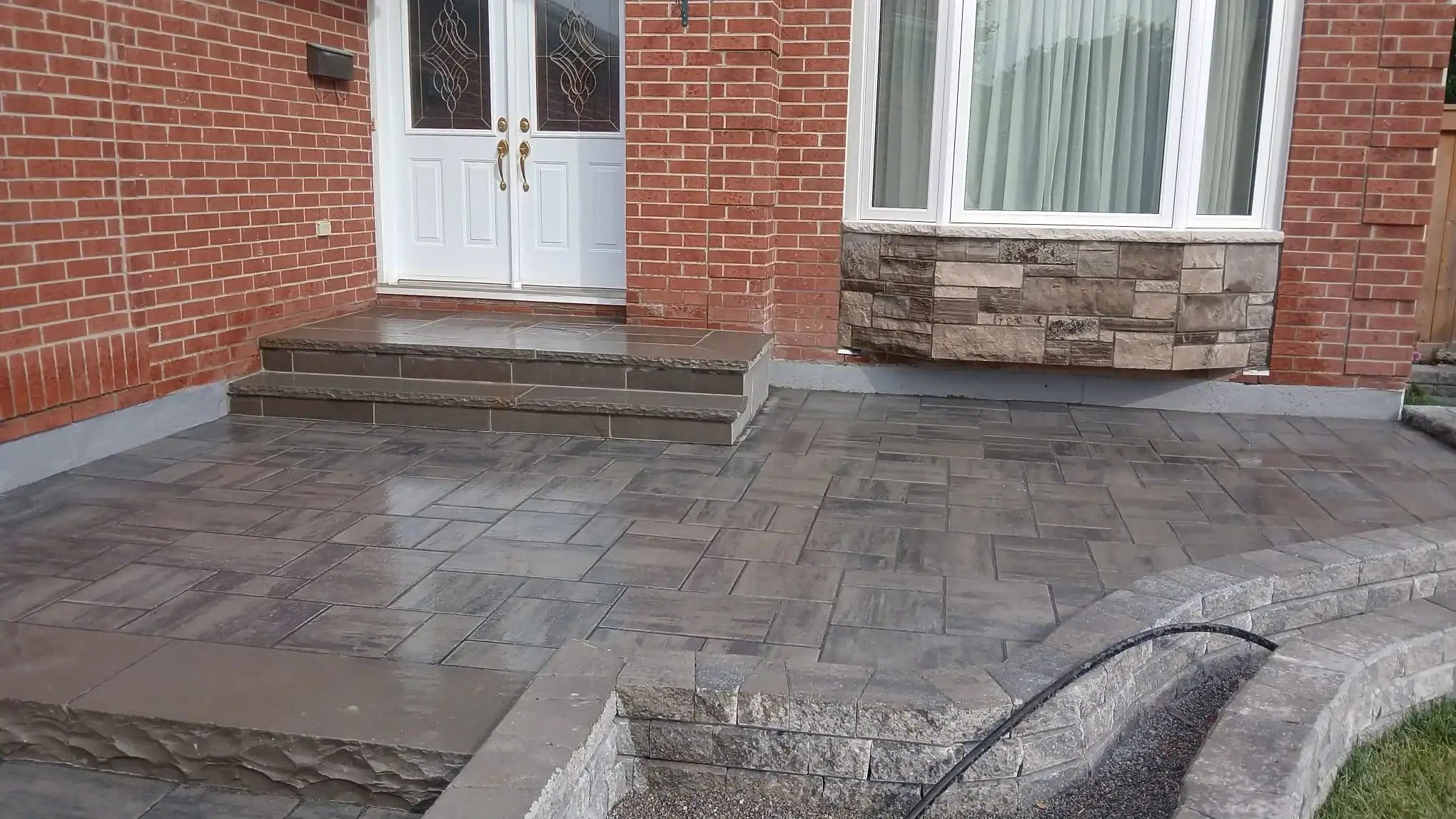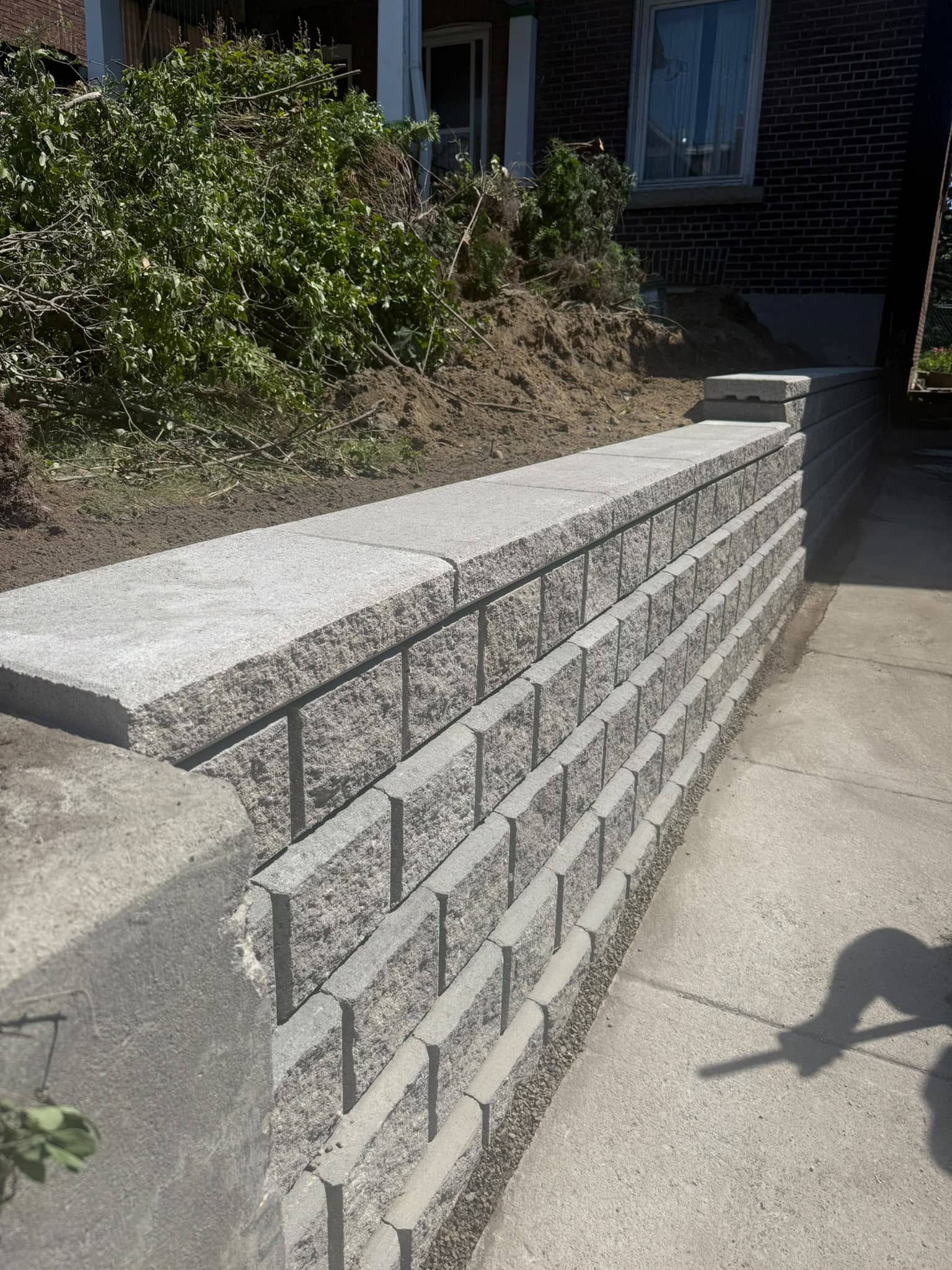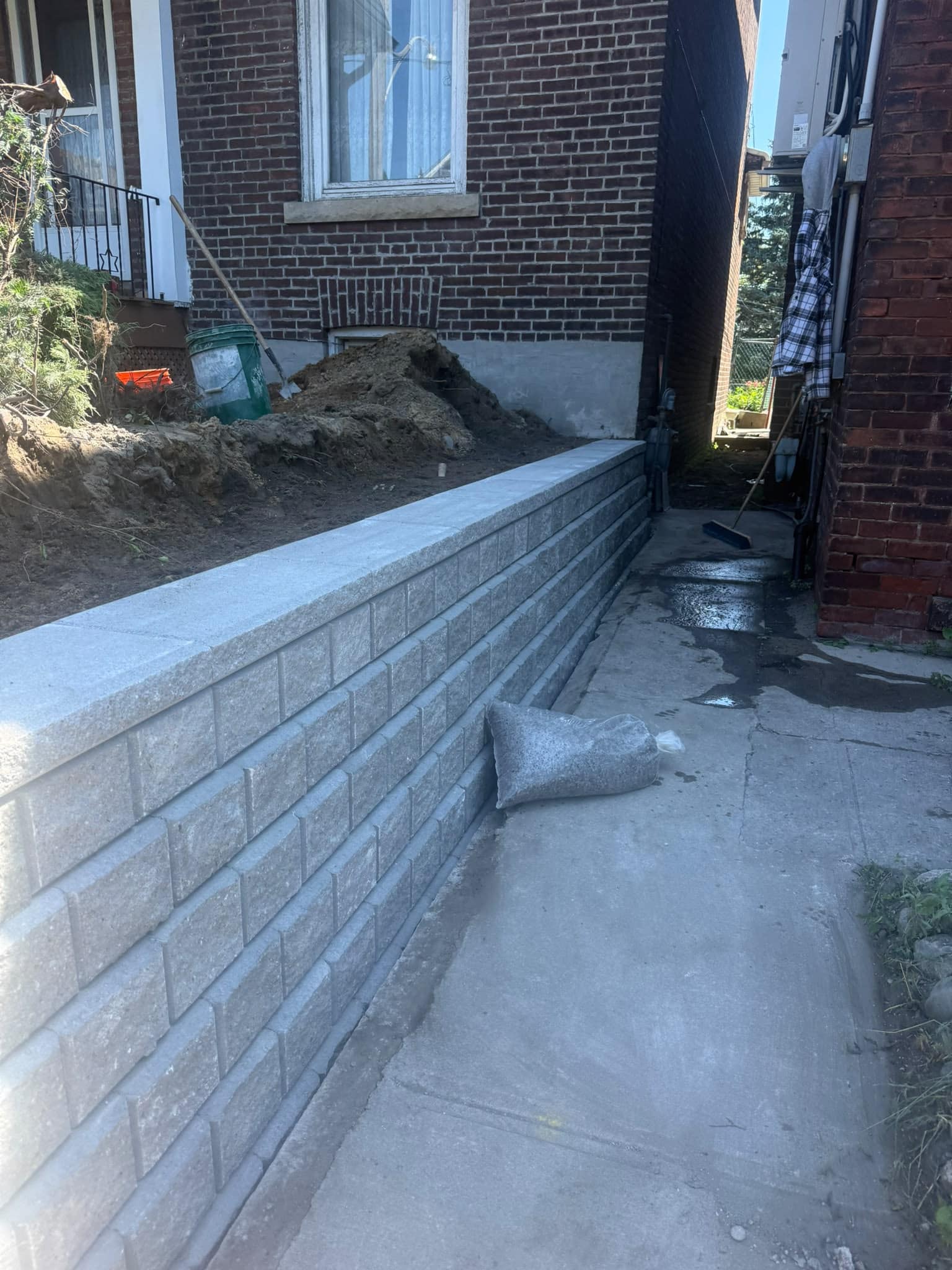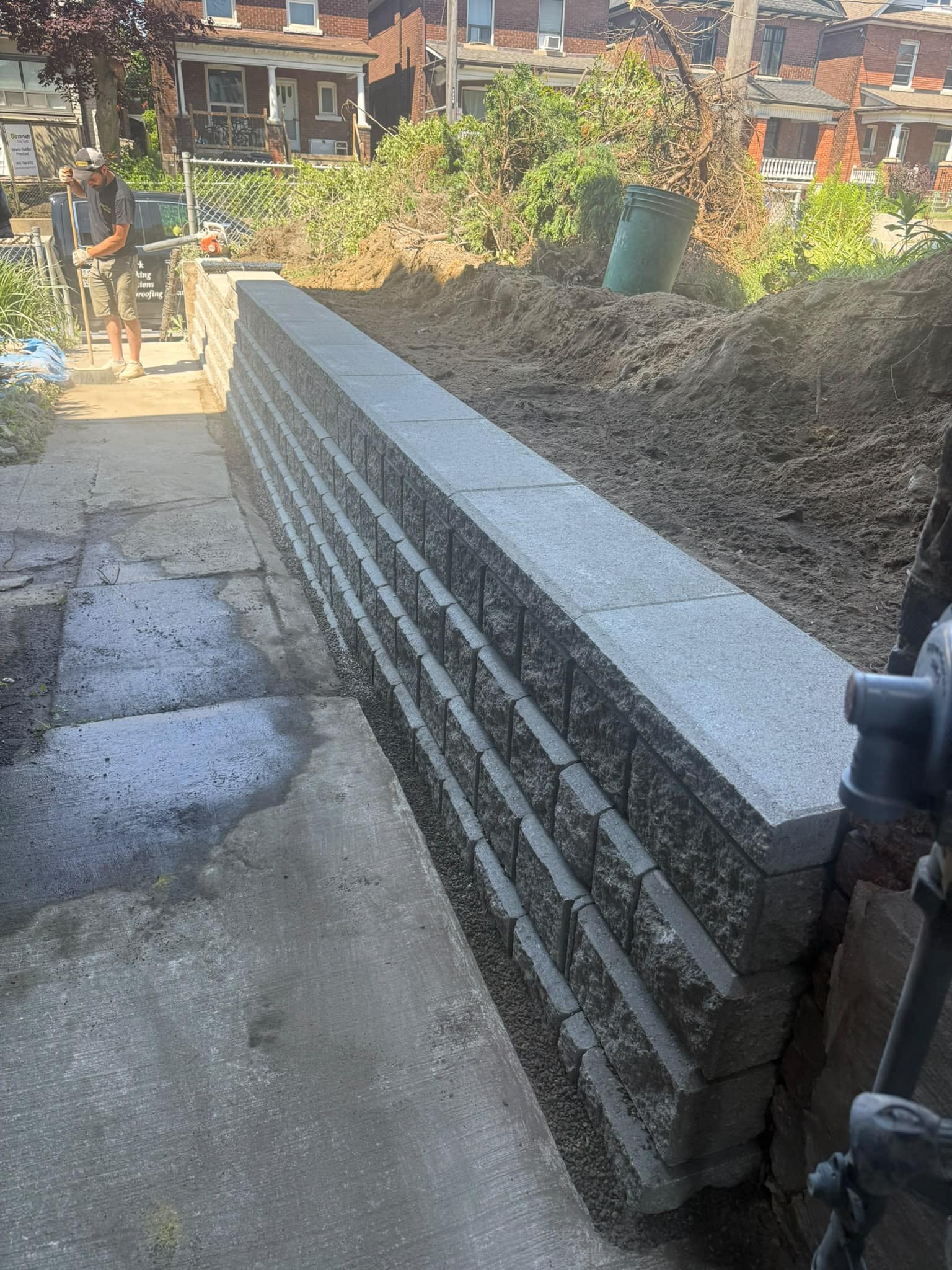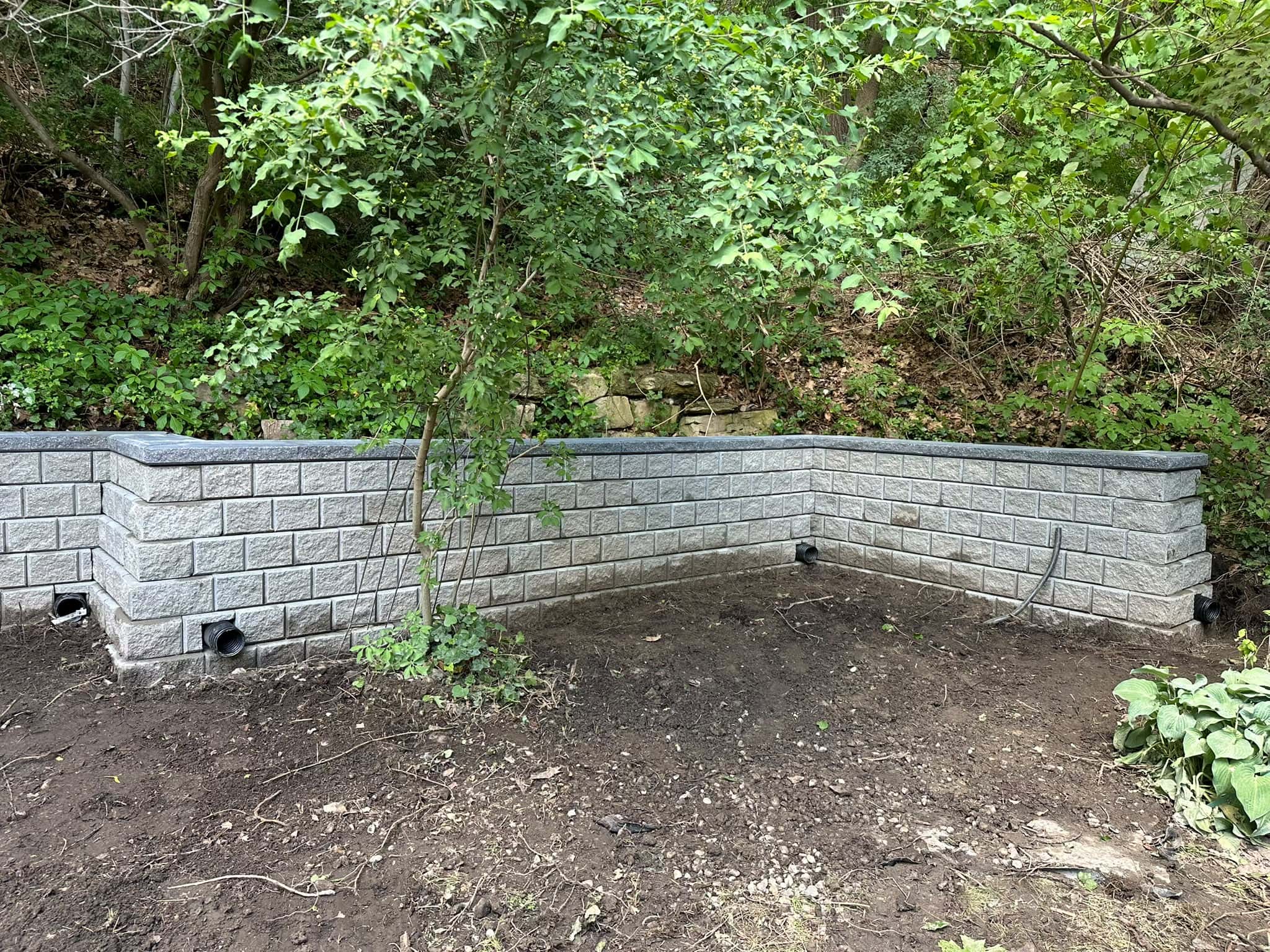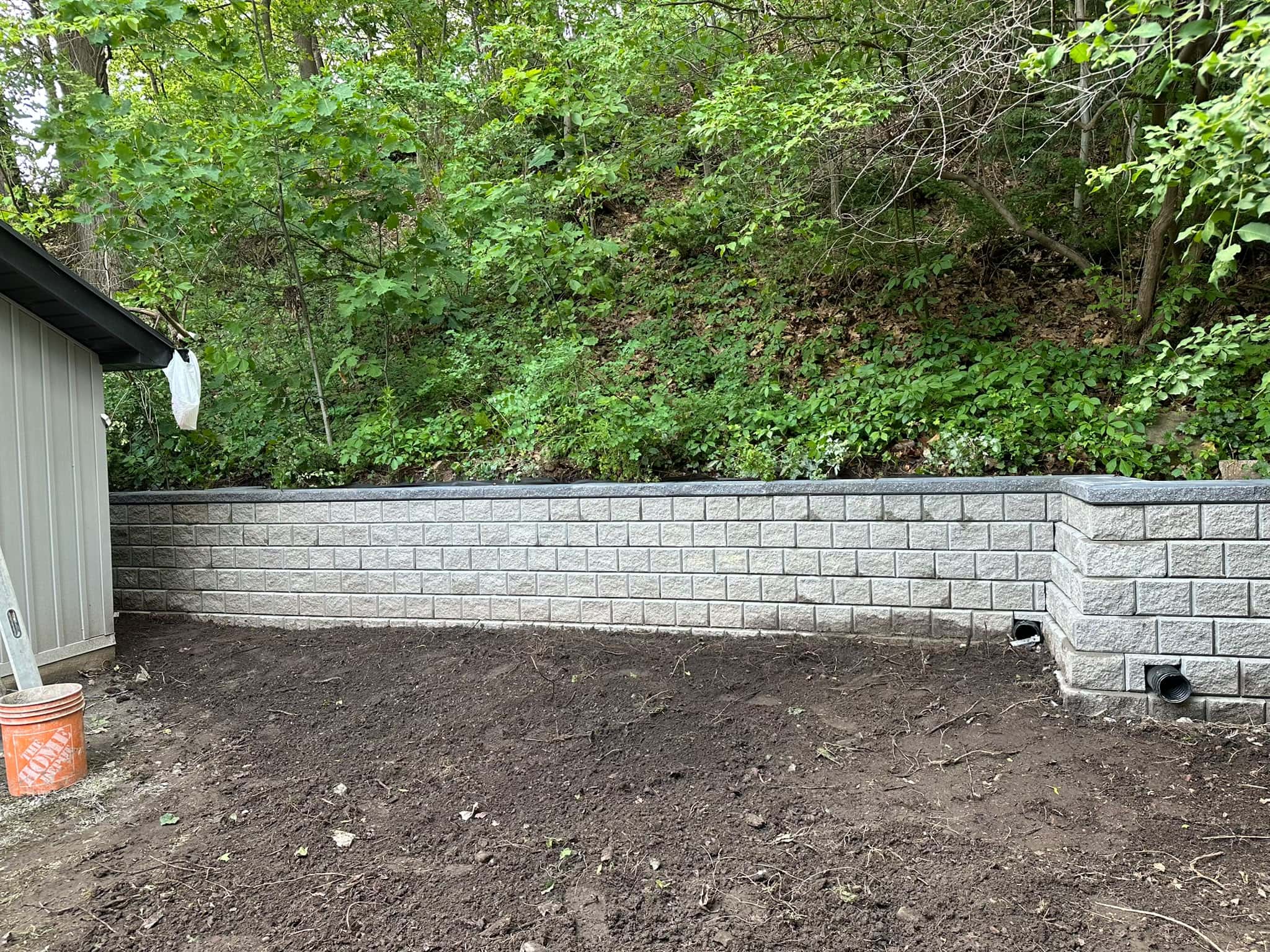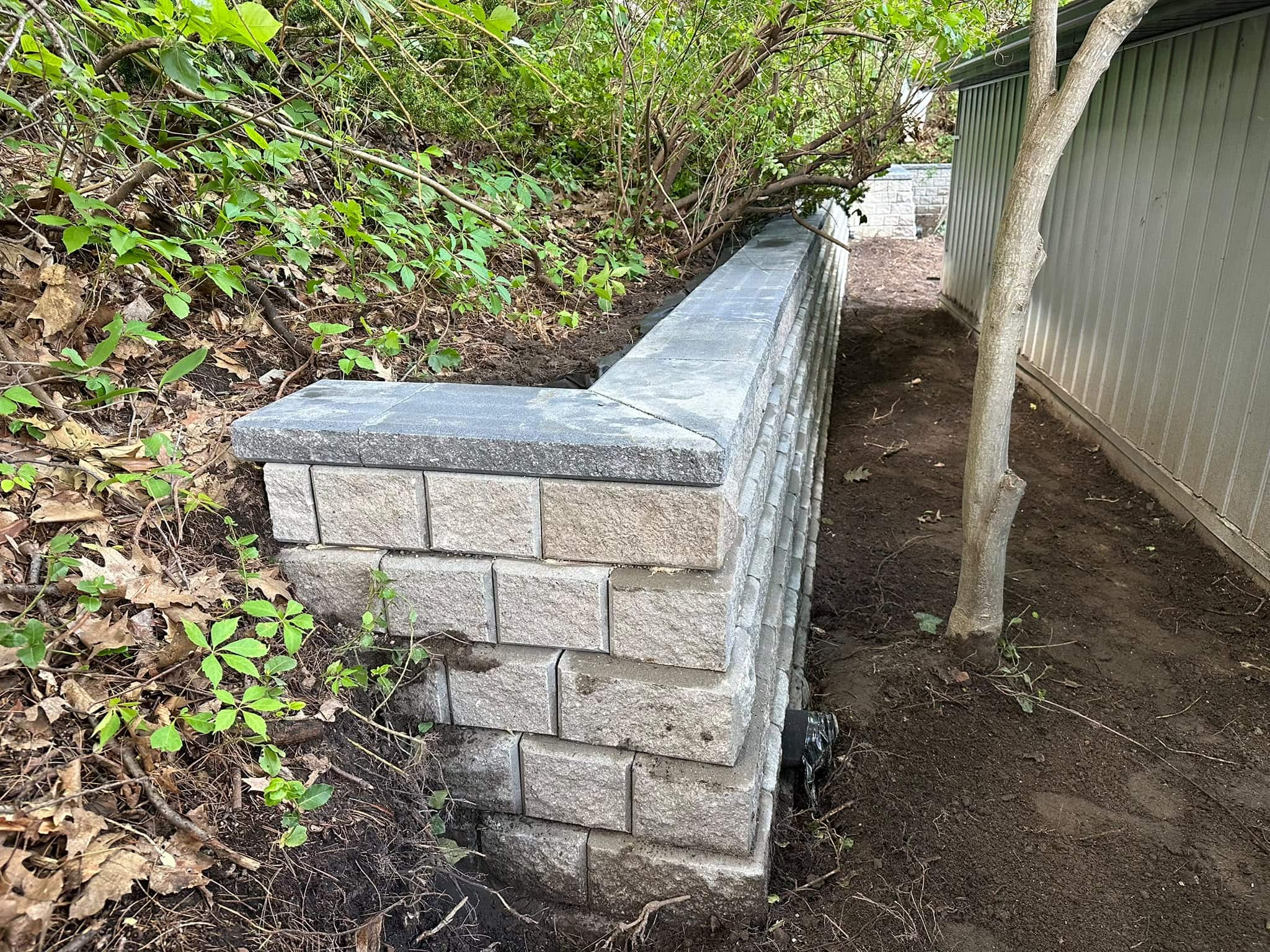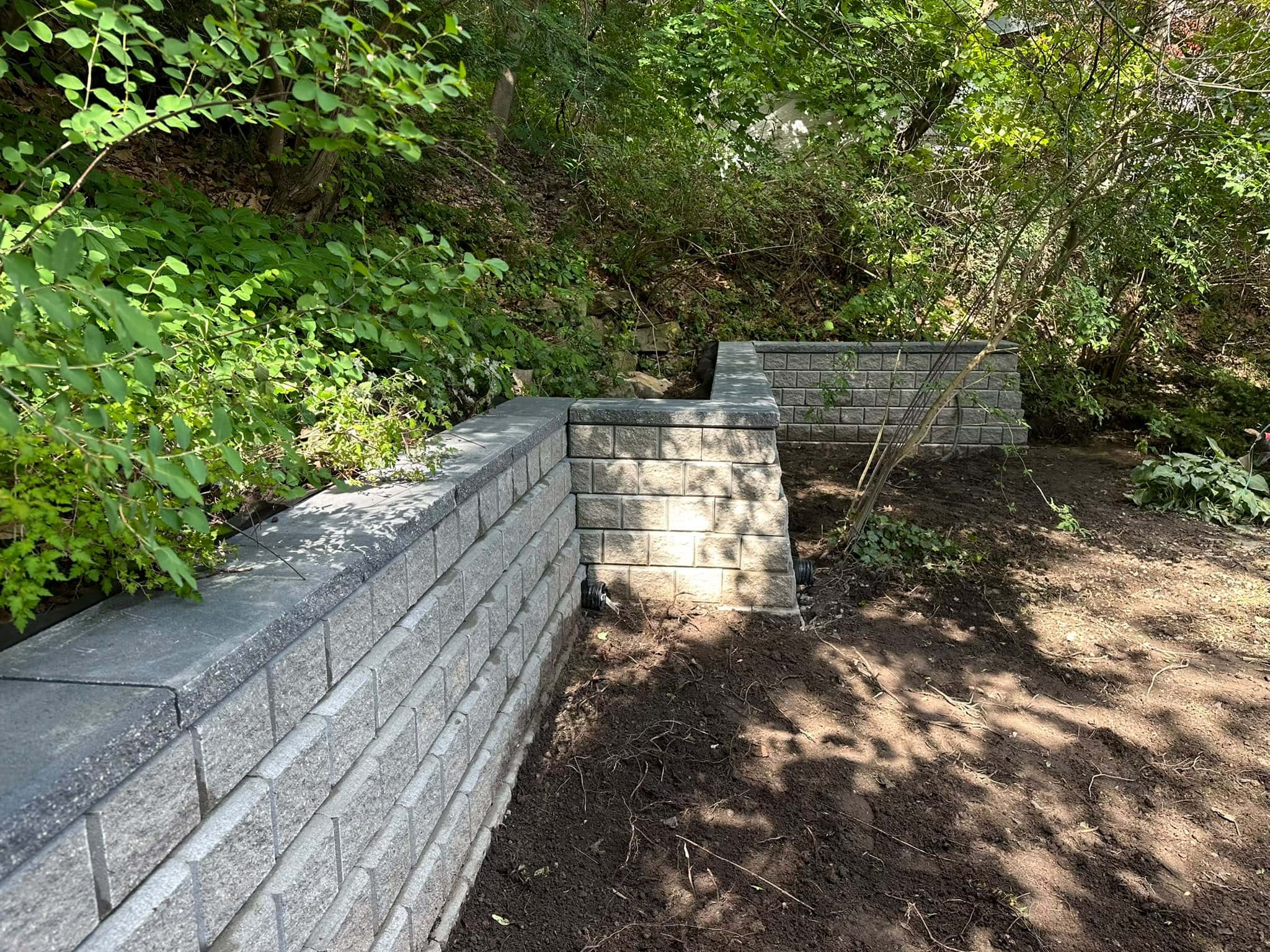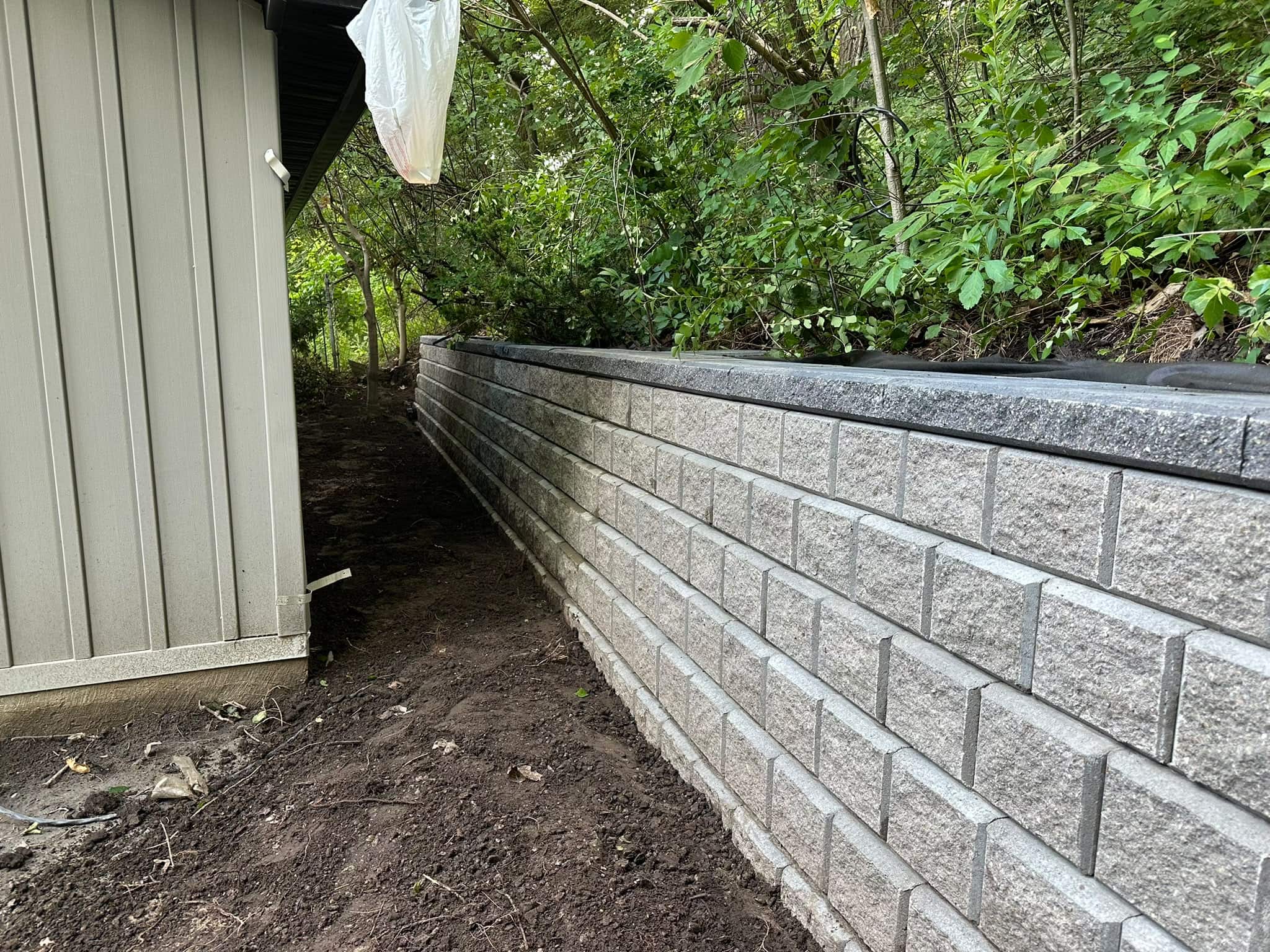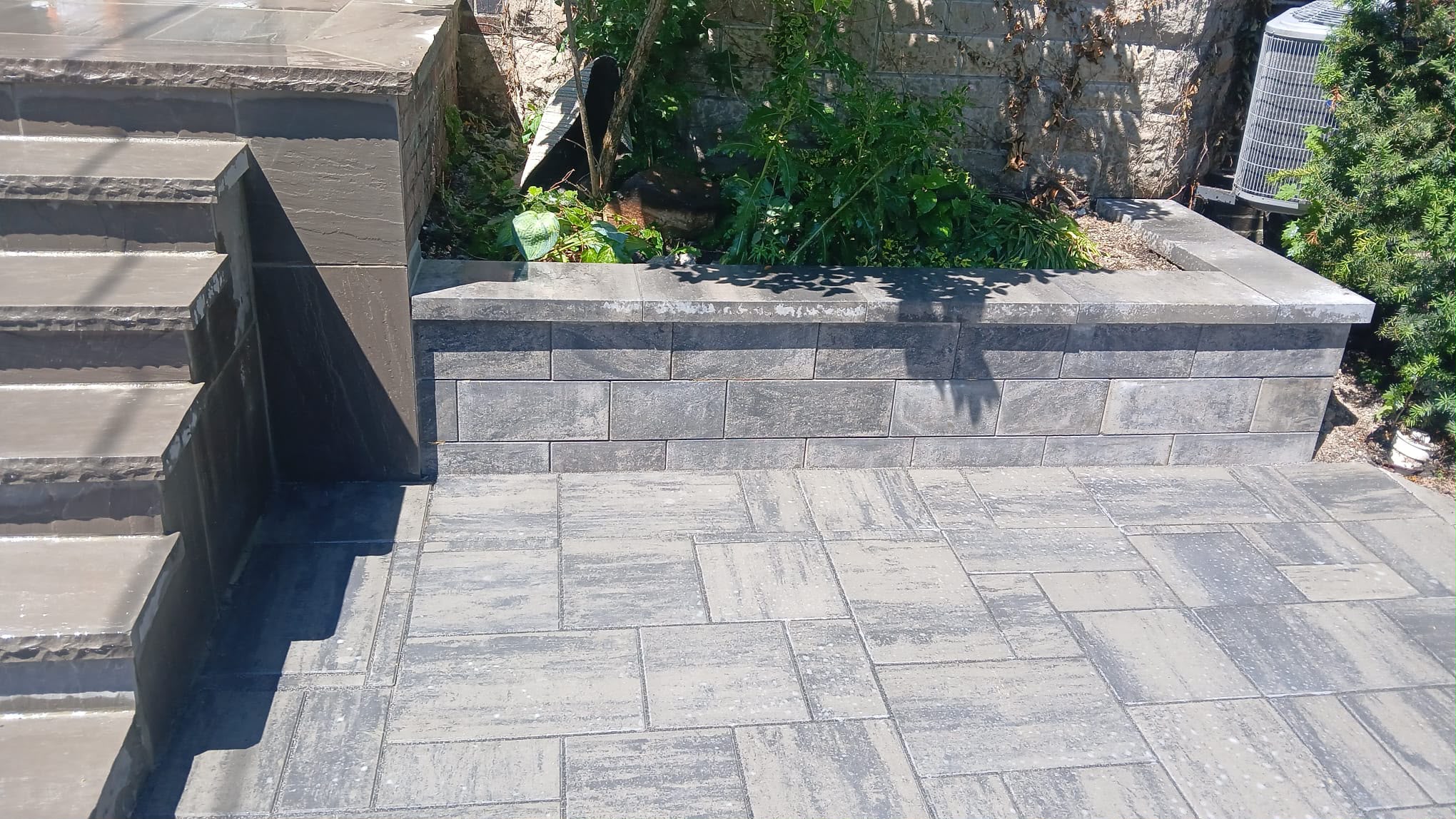

Proper drainage is one of the most important parts of retaining-wall performance. On some wall systems, weep holes provide an outlet for water collected behind the wall so it does not remain trapped against the structure.
If an existing wall is leaning, cracking, or showing signs of water buildup, A&A Masonry’s professional retaining wall repair and installation services can assess whether drainage, wall movement, or deterioration needs to be addressed.
What Are Weep Holes?
Weep holes are small openings placed at the base of retaining walls. Their purpose is simple: to allow water trapped behind the wall to drain out.
When soil becomes saturated with water, it creates pressure against the wall. Without a way for that water to escape, the pressure continues to build.
This pressure is one of the leading causes of retaining wall failure.
Why Water Pressure Is a Serious Problem
Retaining walls are primarily designed to retain soil, and uncontrolled water buildup can add substantial pressure behind the wall. A properly designed drainage system relieves that pressure instead of letting saturated soil and trapped water continually load the structure.
When drainage is inadequate, warning signs can include:
- Cracking in the wall surface
- Bulging or leaning sections
- Settlement or wall movement
- Soil erosion or washout
- More extensive wall failure in severe cases
Drainage is therefore an important part of both retaining-wall construction and repair.
A Common Toronto Scenario
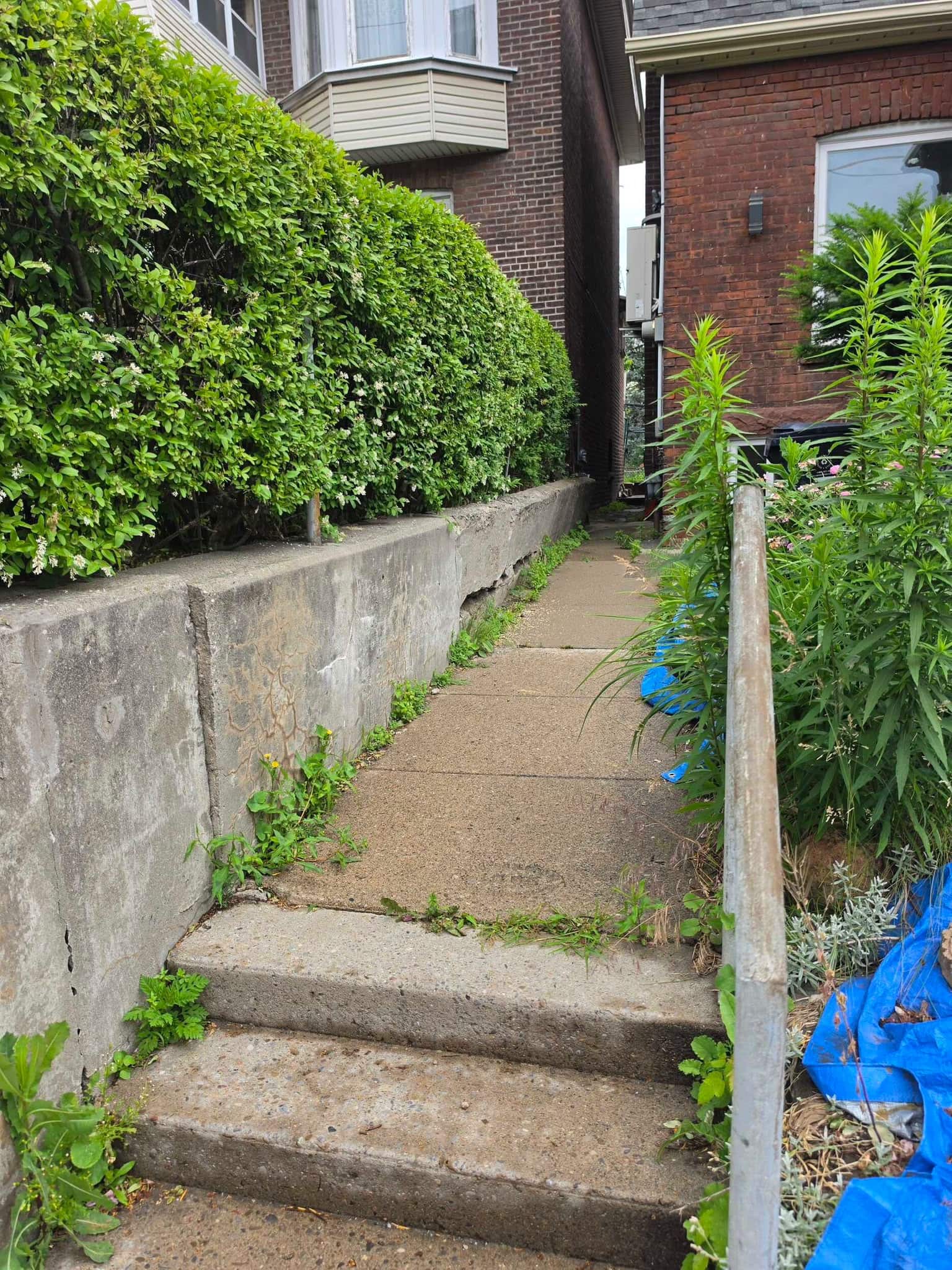
A retaining wall may look stable when it is first installed but begin showing cracks, movement or leaning after repeated exposure to rain, snowmelt and seasonal ground conditions.
Poor drainage is one possible cause, but base conditions, soil movement, construction details, settlement and additional loads behind the wall can also contribute. The cause should be assessed before deciding whether the solution is improved drainage, localized repair or rebuilding.
How Weep Holes Work
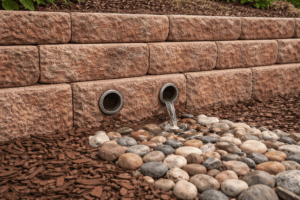
Weep holes provide an outlet for water collected behind certain retaining-wall systems. Where weep holes are part of the retaining-wall design, their size, spacing and location should suit the wall system and drainage plan.
A visible weep hole is only one part of the drainage system. Free-draining backfill, drainage pipe, grading, and appropriate outlets may also be required depending on the wall and site conditions.
For larger projects or walls already showing movement, professional retaining wall installation and repair should include drainage as part of the overall assessment.
The Role of Proper Backfill
Weep holes alone are not enough. Water also needs a practical path through the material behind the wall and toward the intended drainage outlet.
Free-draining aggregate is commonly used because it allows water to move more readily than poorly draining native soil placed directly against the wall.
The appropriate backfill and drainage arrangement depends on the retaining-wall system, site conditions, and the amount of water the area needs to manage.
Weep Holes Are Only One Part of Retaining Wall Drainage
A retaining wall drainage system may involve more than visible weep holes. Depending on the wall and property, drainage can include free-draining aggregate, perforated drainage pipe, suitable outlets, grading and other water-management measures.
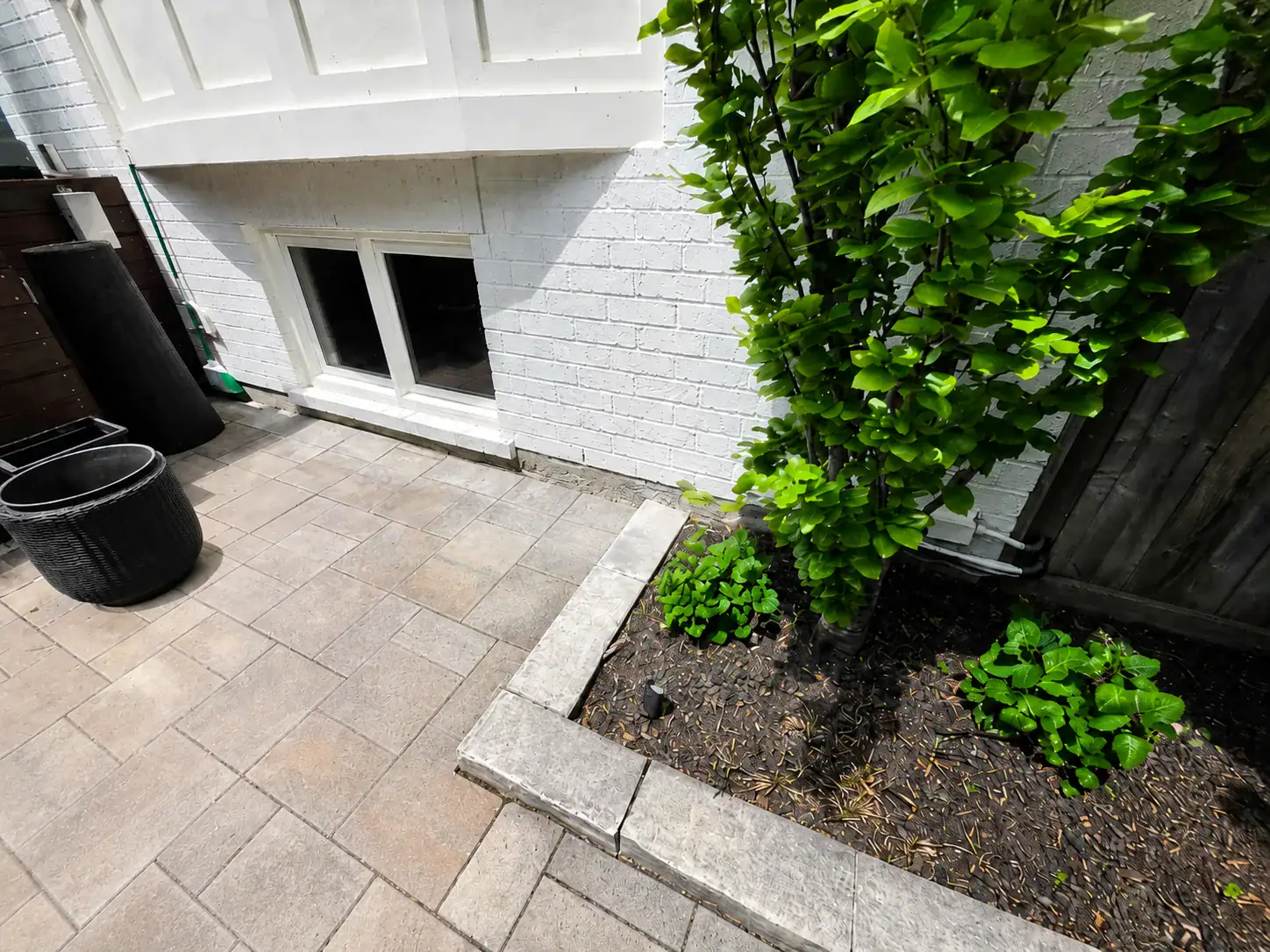
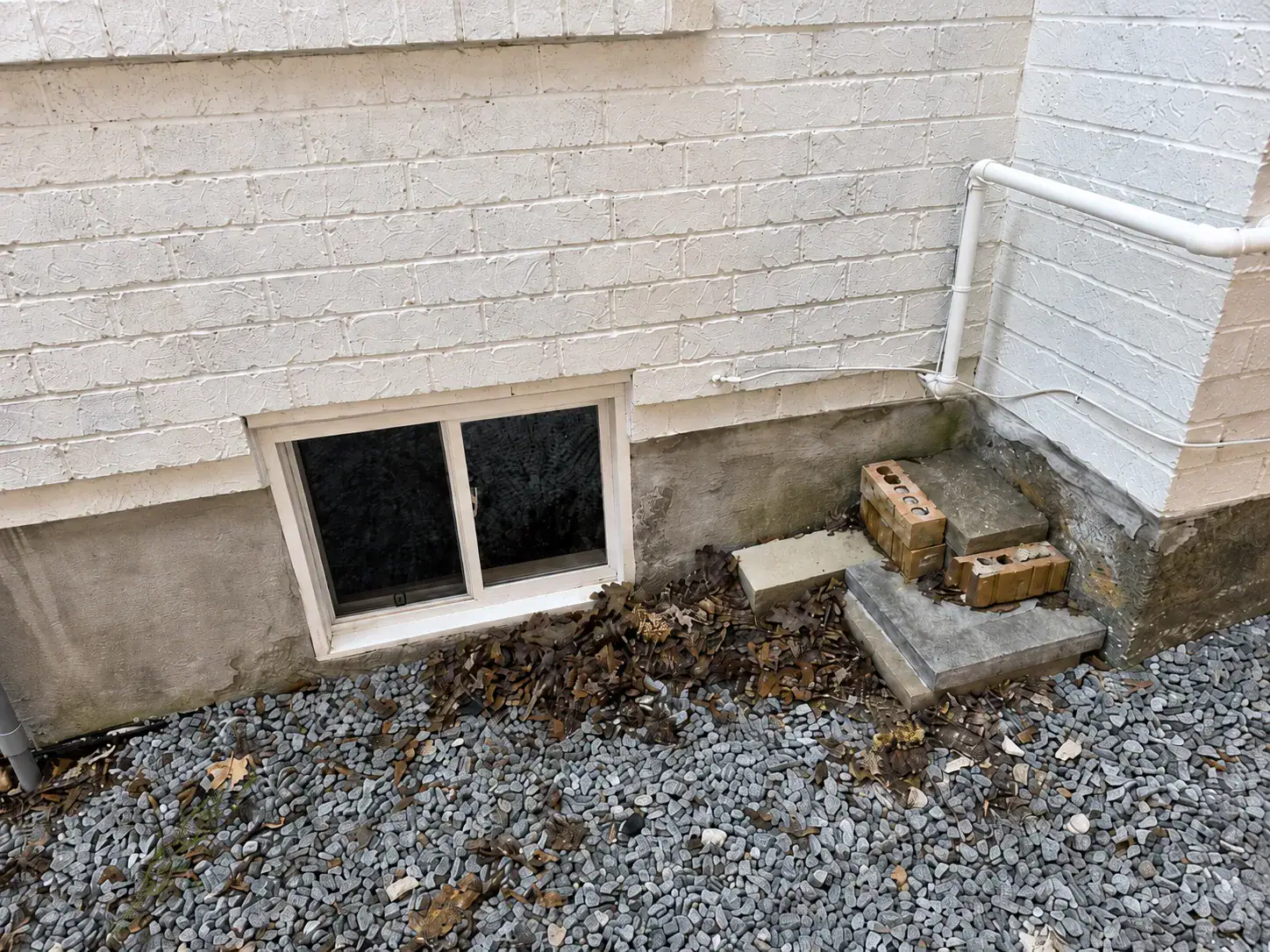
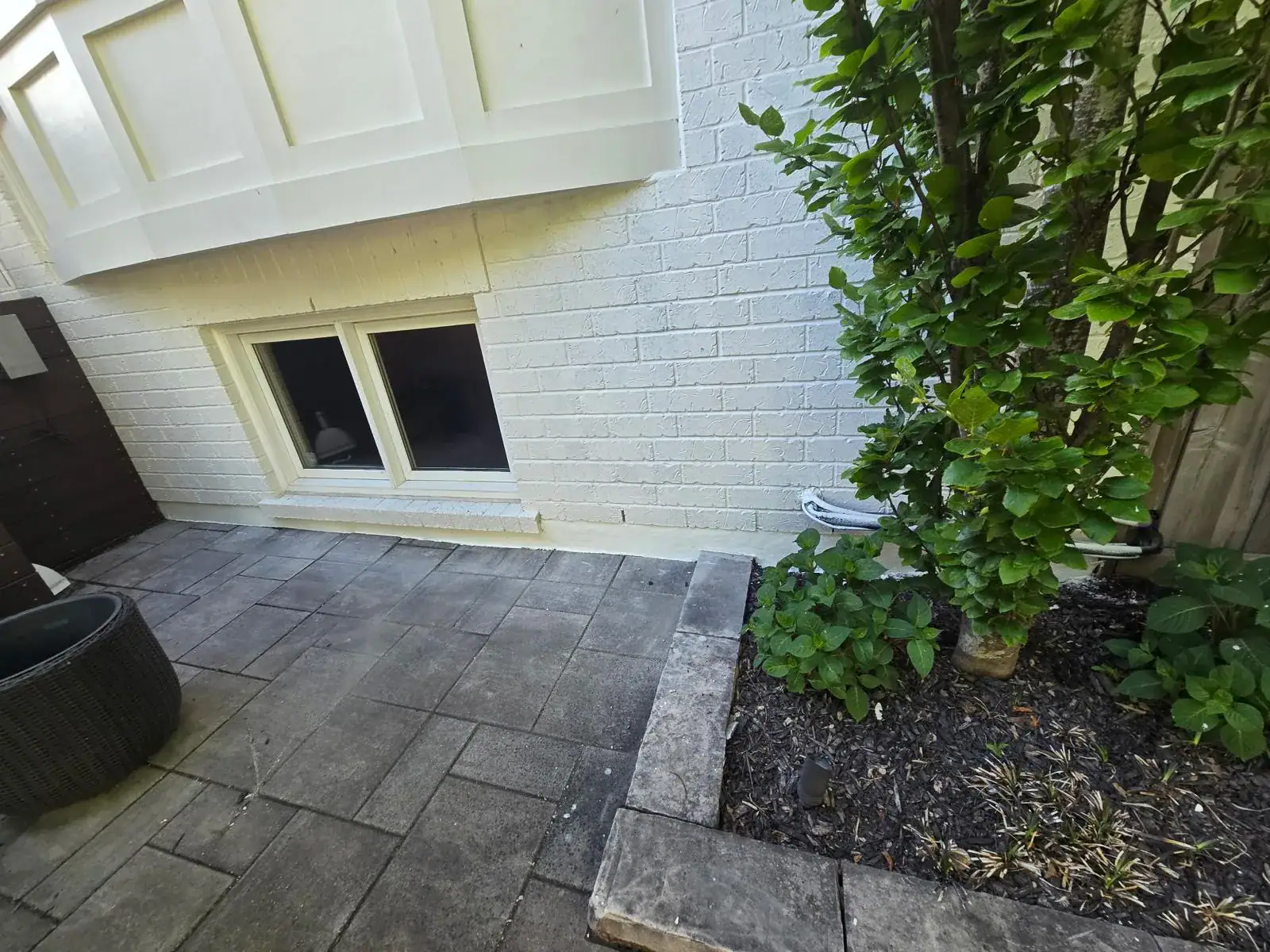
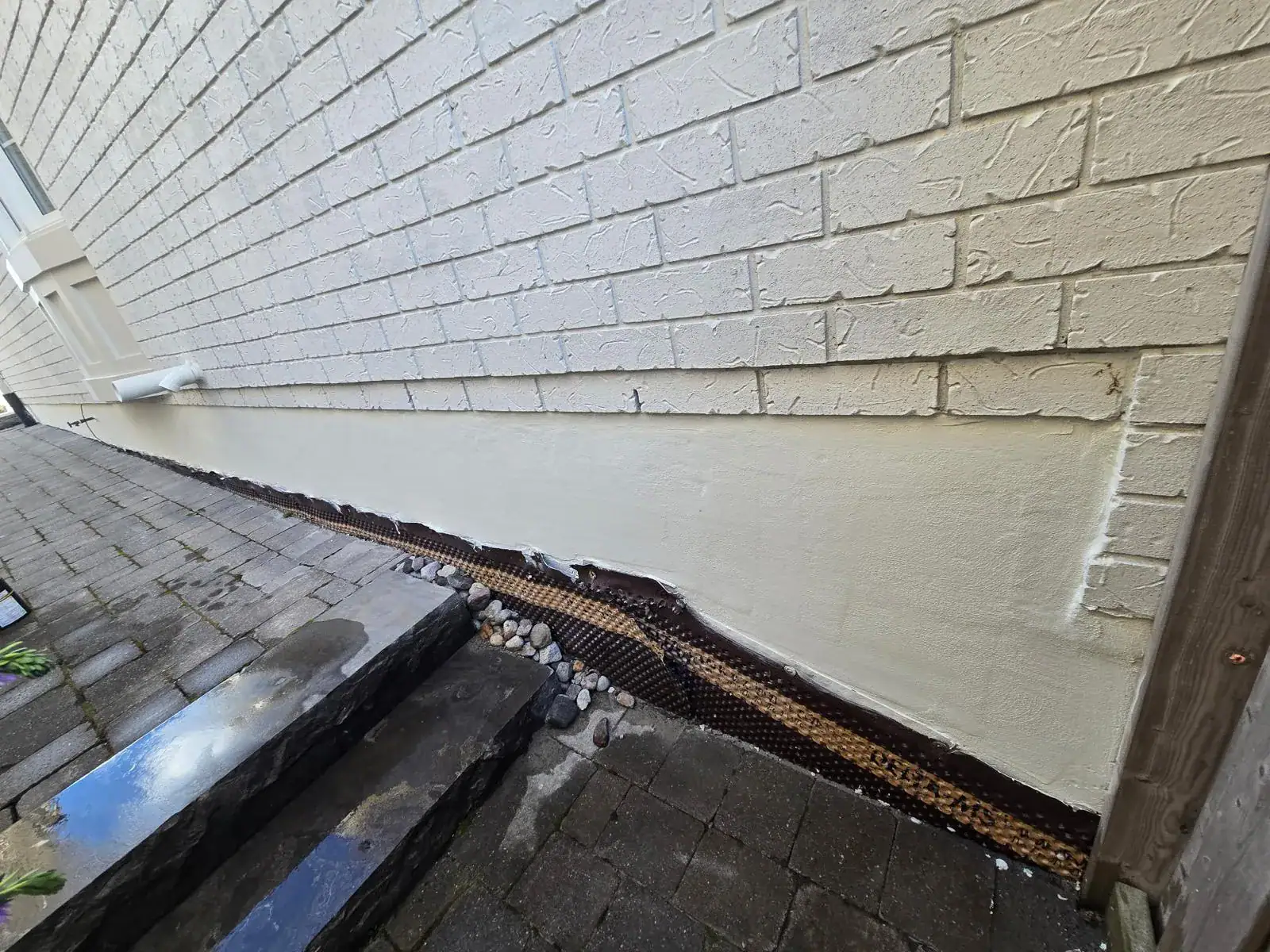
Waterproofing or drainage membranes may also be appropriate in certain applications, particularly where a retaining structure interacts with a building, foundation or moisture-sensitive area. They are not automatically required for every retaining wall.
If runoff, grading, or drainage elsewhere on the property is contributing to the problem, A&A Masonry’s site drainage and water management services provide a broader look at how water moves around the property.
Signs of Poor Drainage Behind a Retaining Wall
Homeowners should watch for warning signs that indicate drainage problems:
- Water is pooling near the base of the wall
- Cracks are forming along the surface
- Sections of the wall are leaning or bulging
- Soil erosion around the structure
If these signs appear, early intervention can prevent more serious structural damage.
When to Call a Professional
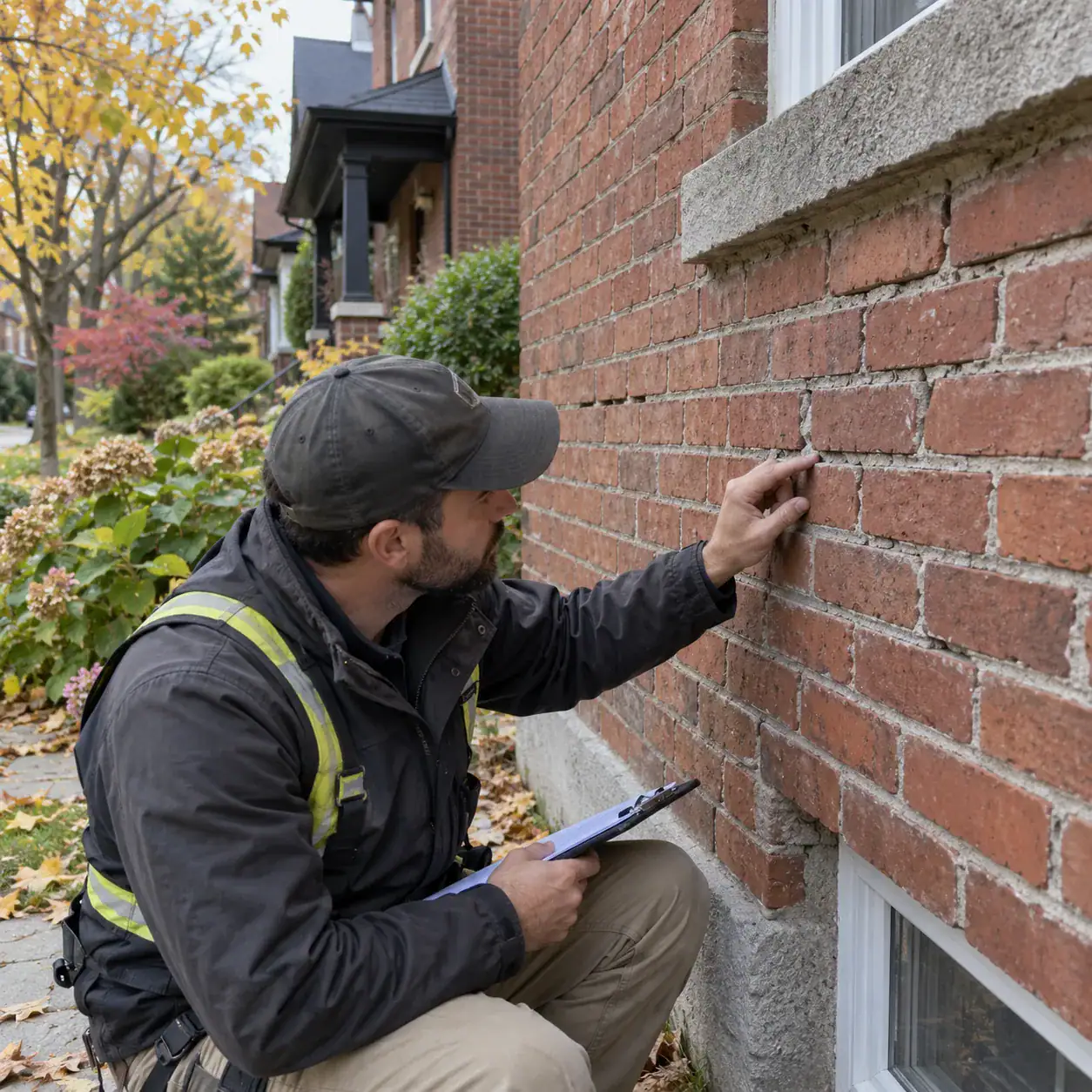
Drainage issues are not always visible from the surface. If a retaining wall shows signs of movement or damage, it is important to have it inspected.
Professionals can assess whether weep holes, drainage systems, or structural repairs are needed.
Final Thoughts
Weep holes may seem like a minor detail, but they are essential for maintaining the strength and longevity of retaining walls. Proper drainage prevents water buildup, reduces pressure, and protects the structure from long-term damage.
For Toronto homeowners, understanding the role of drainage is key to ensuring that retaining walls remain safe, stable, and functional for years to come.
Concerned About Drainage Behind a Retaining Wall?
If your retaining wall is leaning, bulging, cracking, collecting water or showing signs of erosion around the base, the problem may involve drainage, soil pressure, settlement or deterioration in the wall itself. A&A Masonry can assess the wall and help determine whether drainage improvements, localized repair, rebuilding or replacement is appropriate.