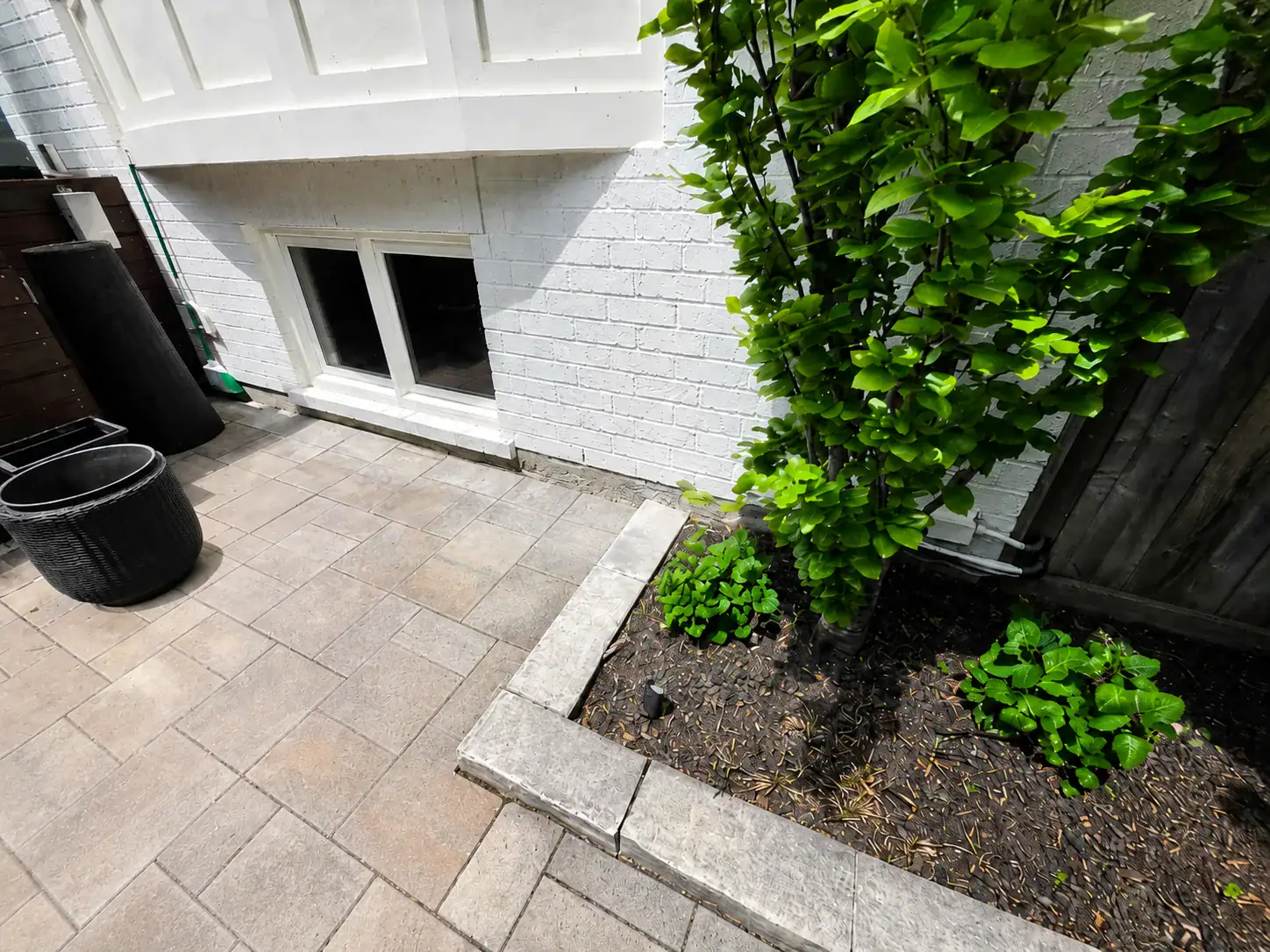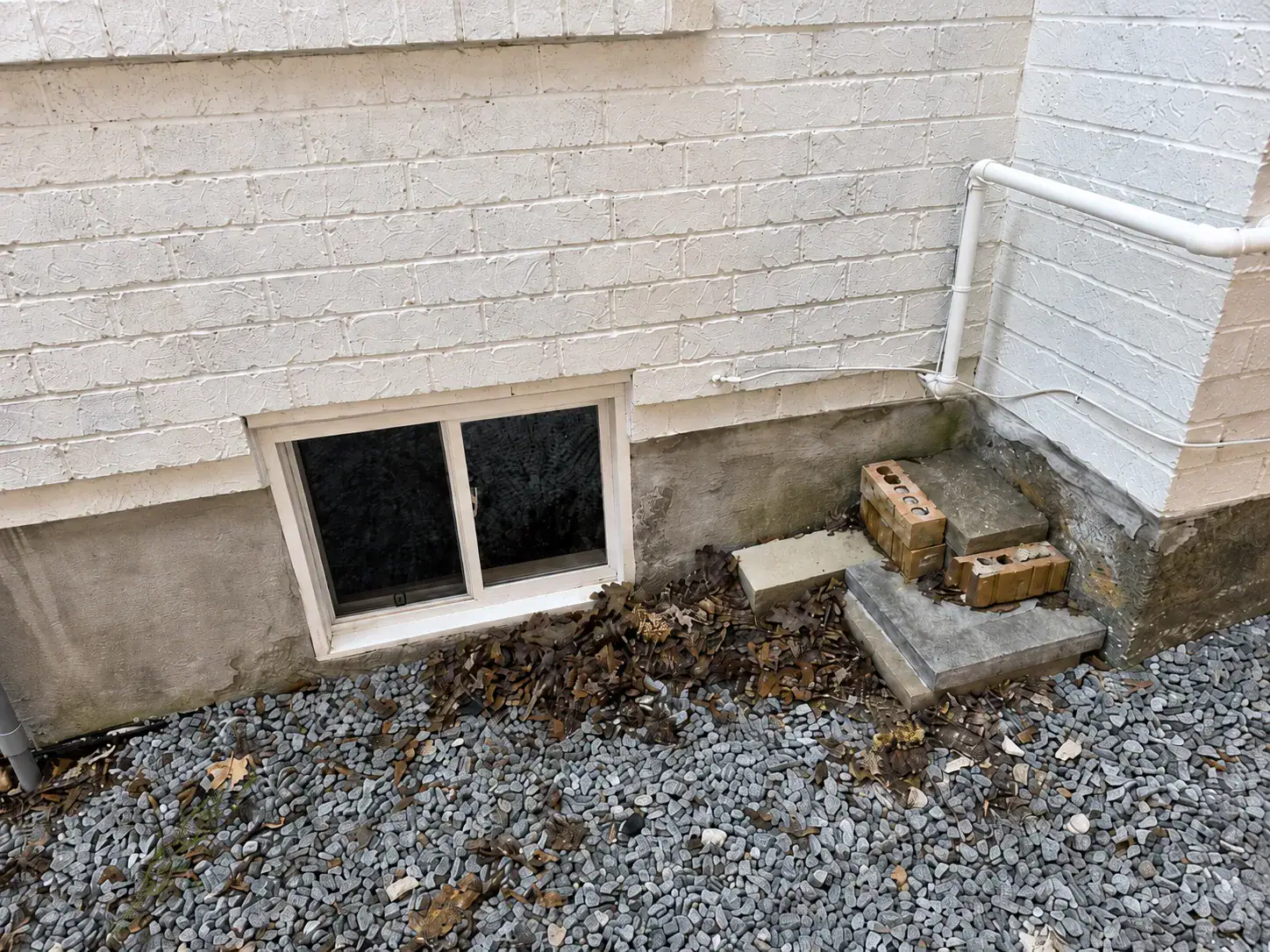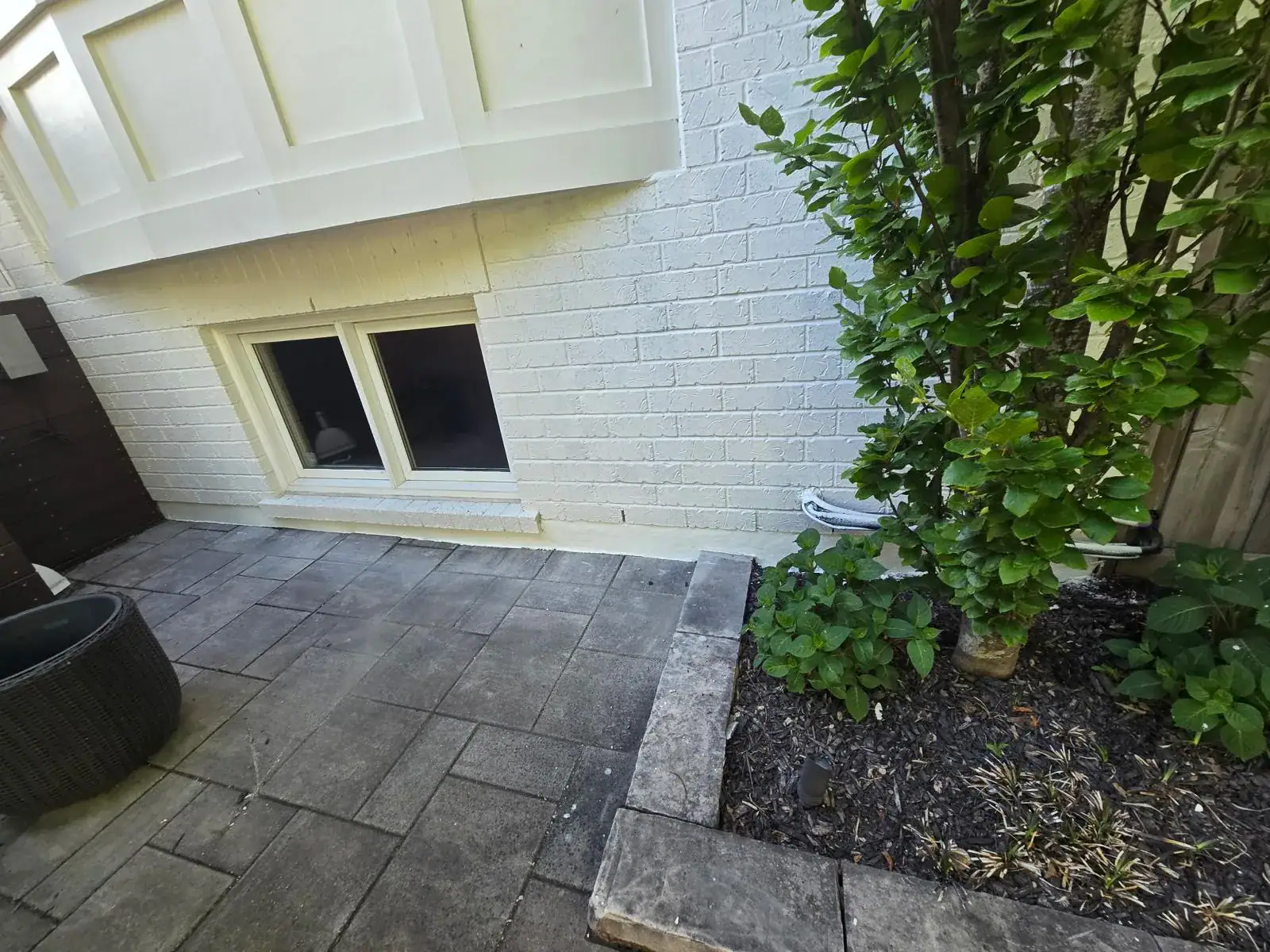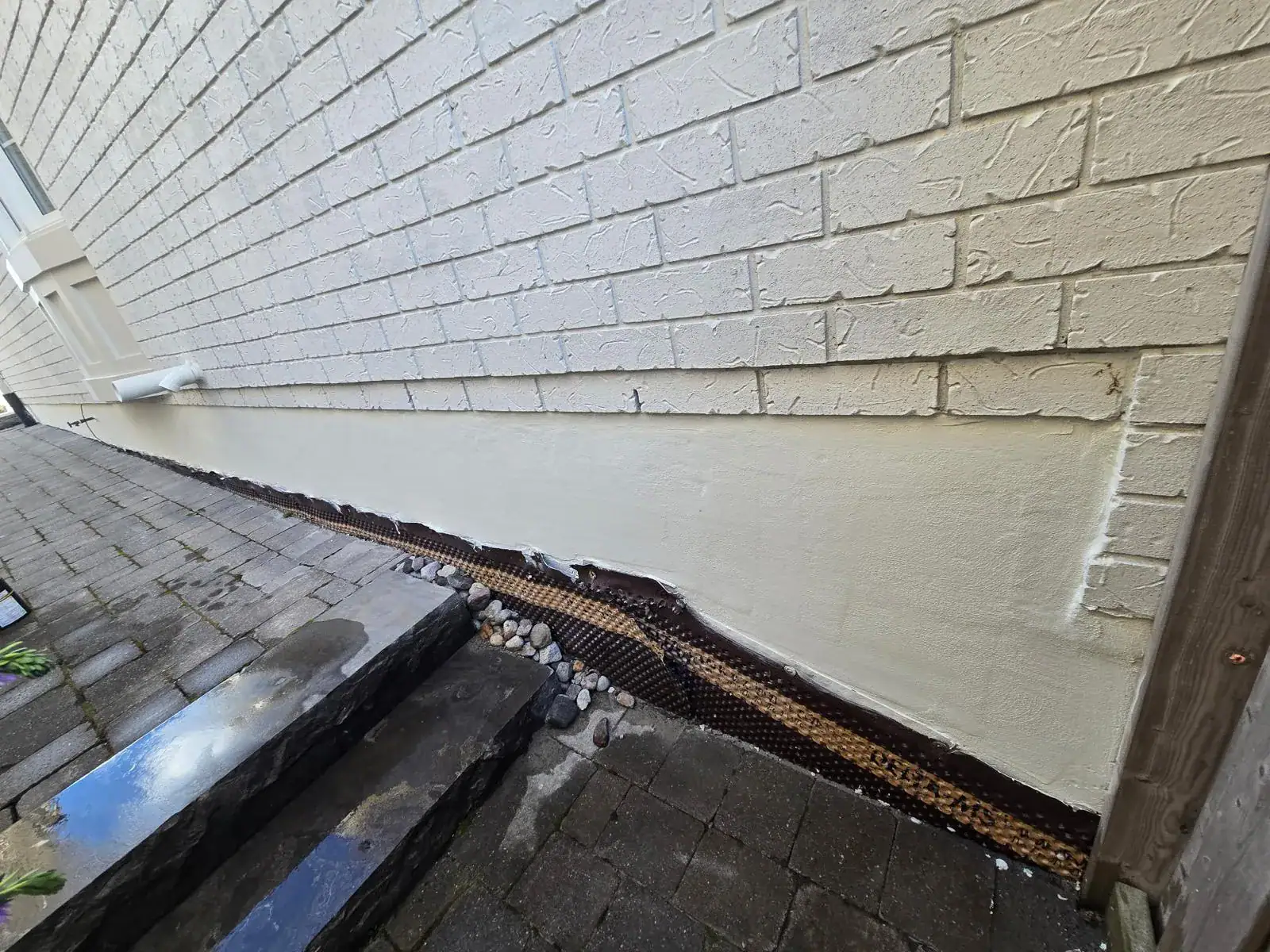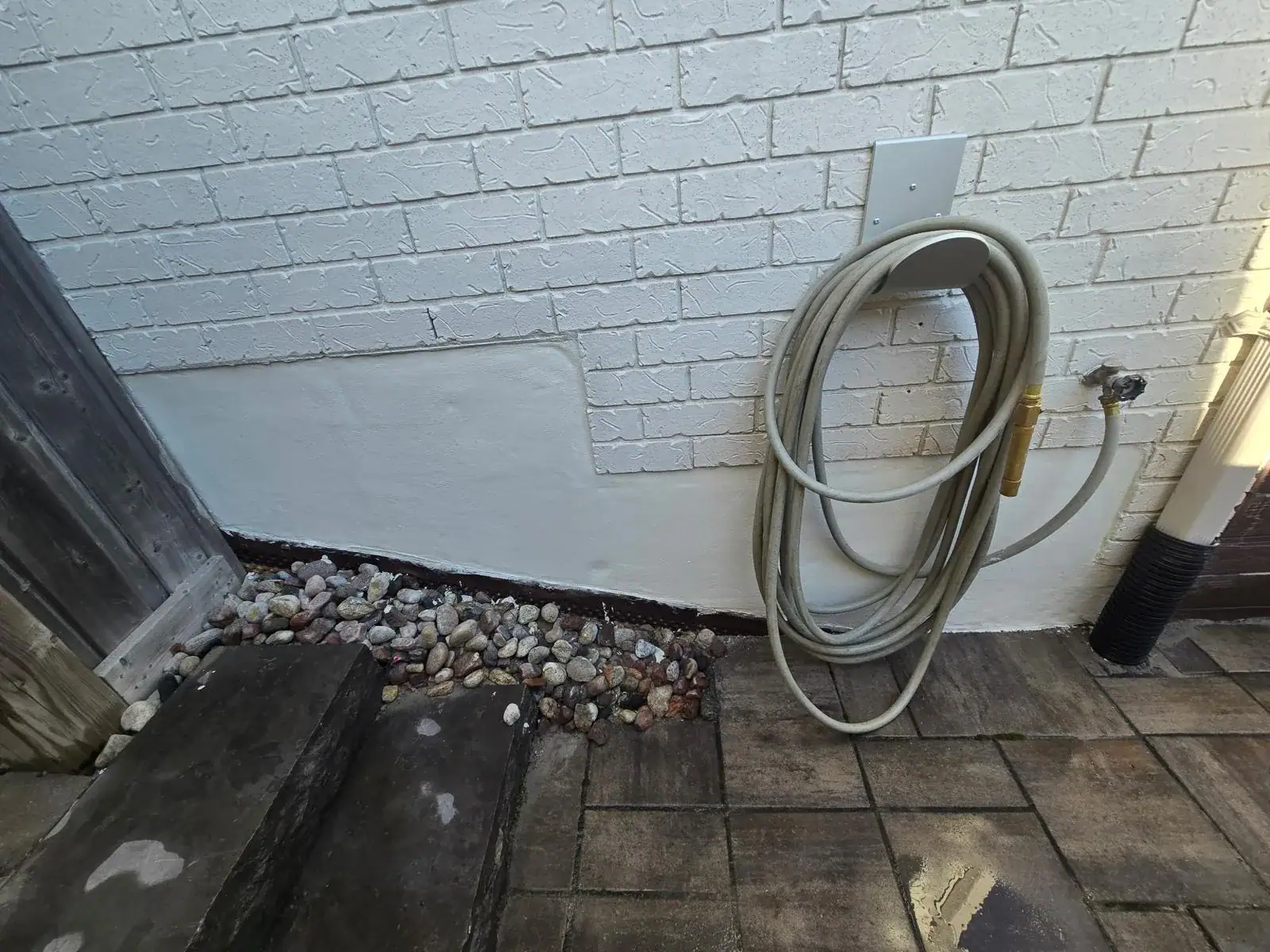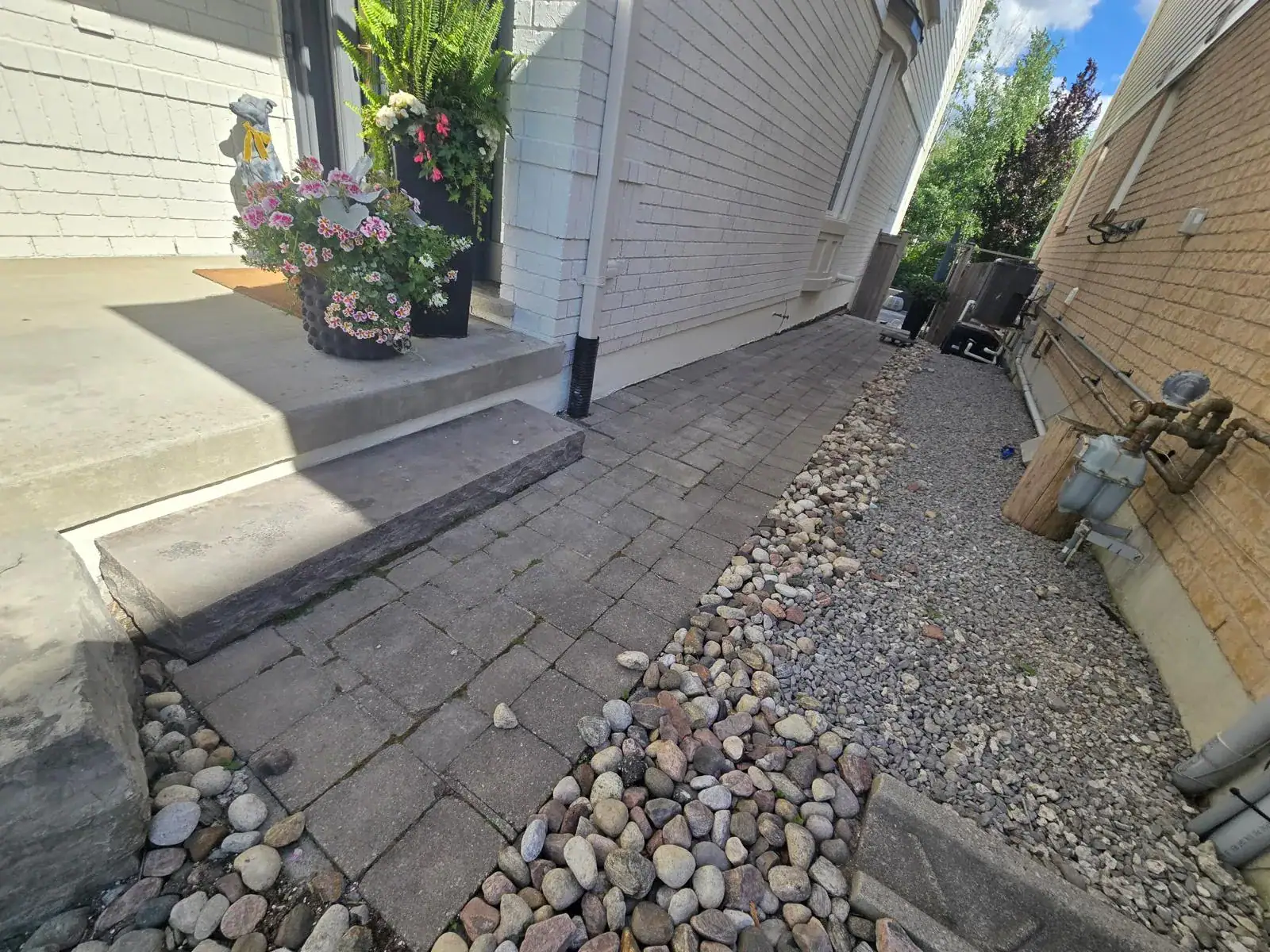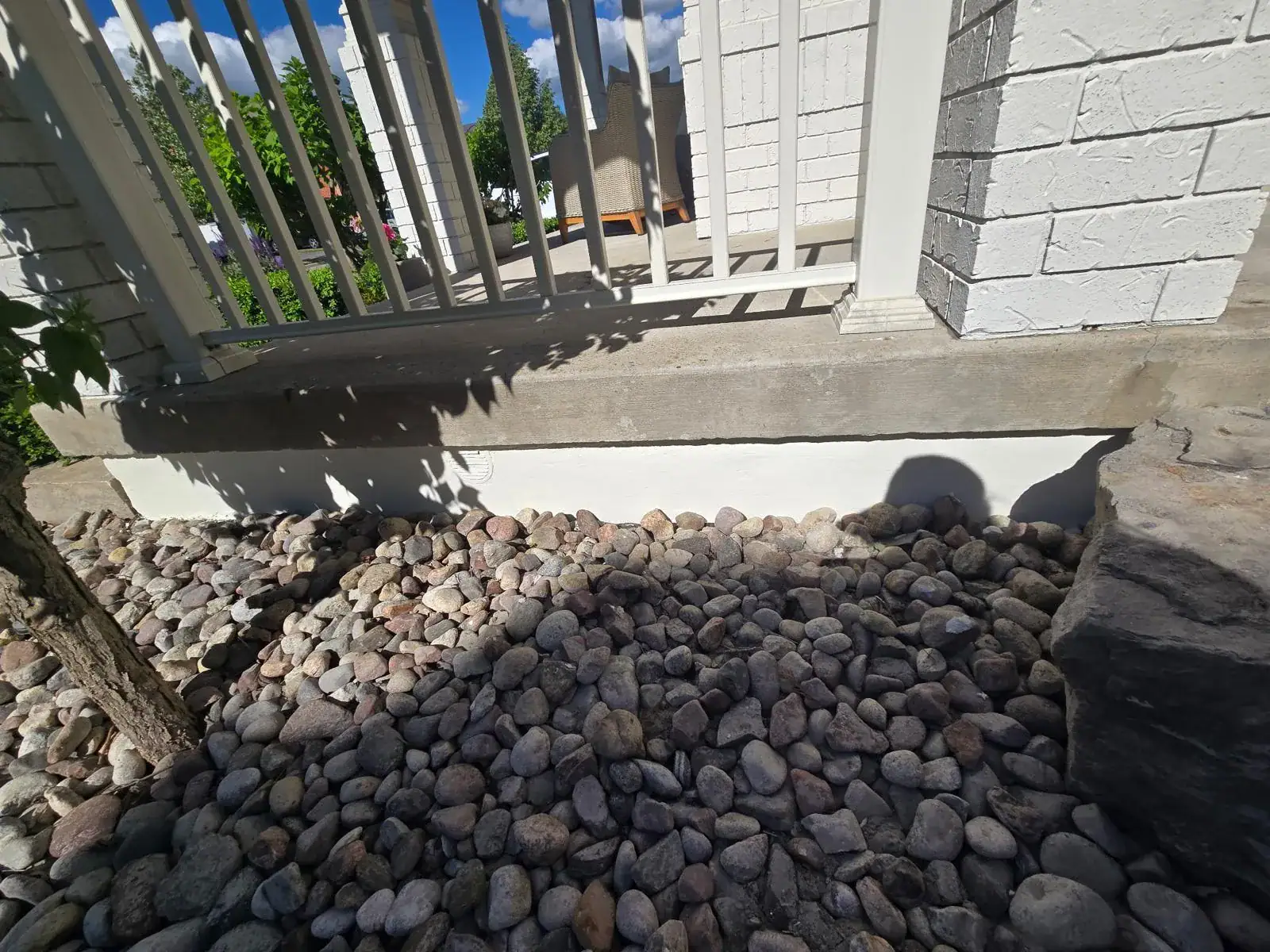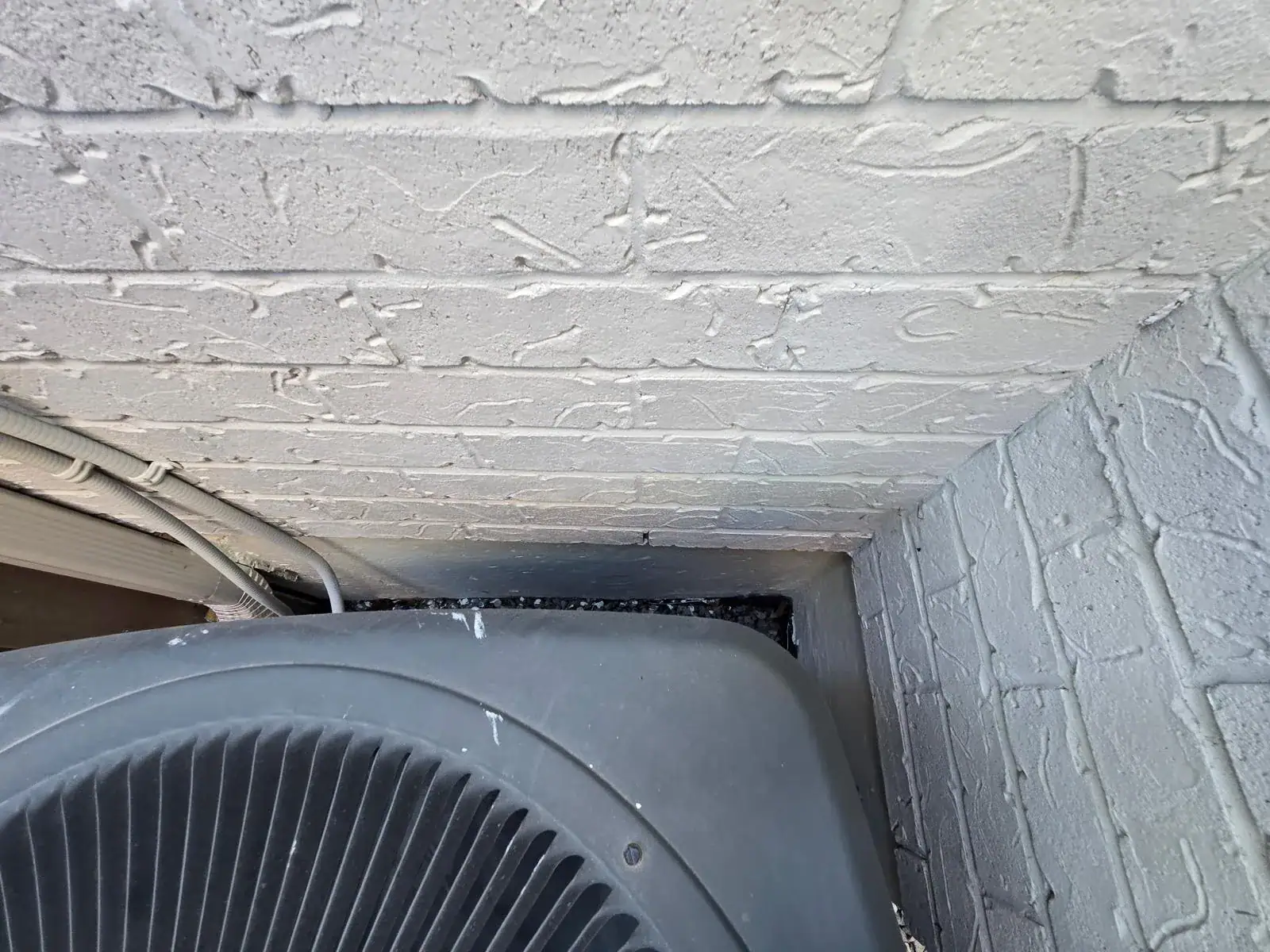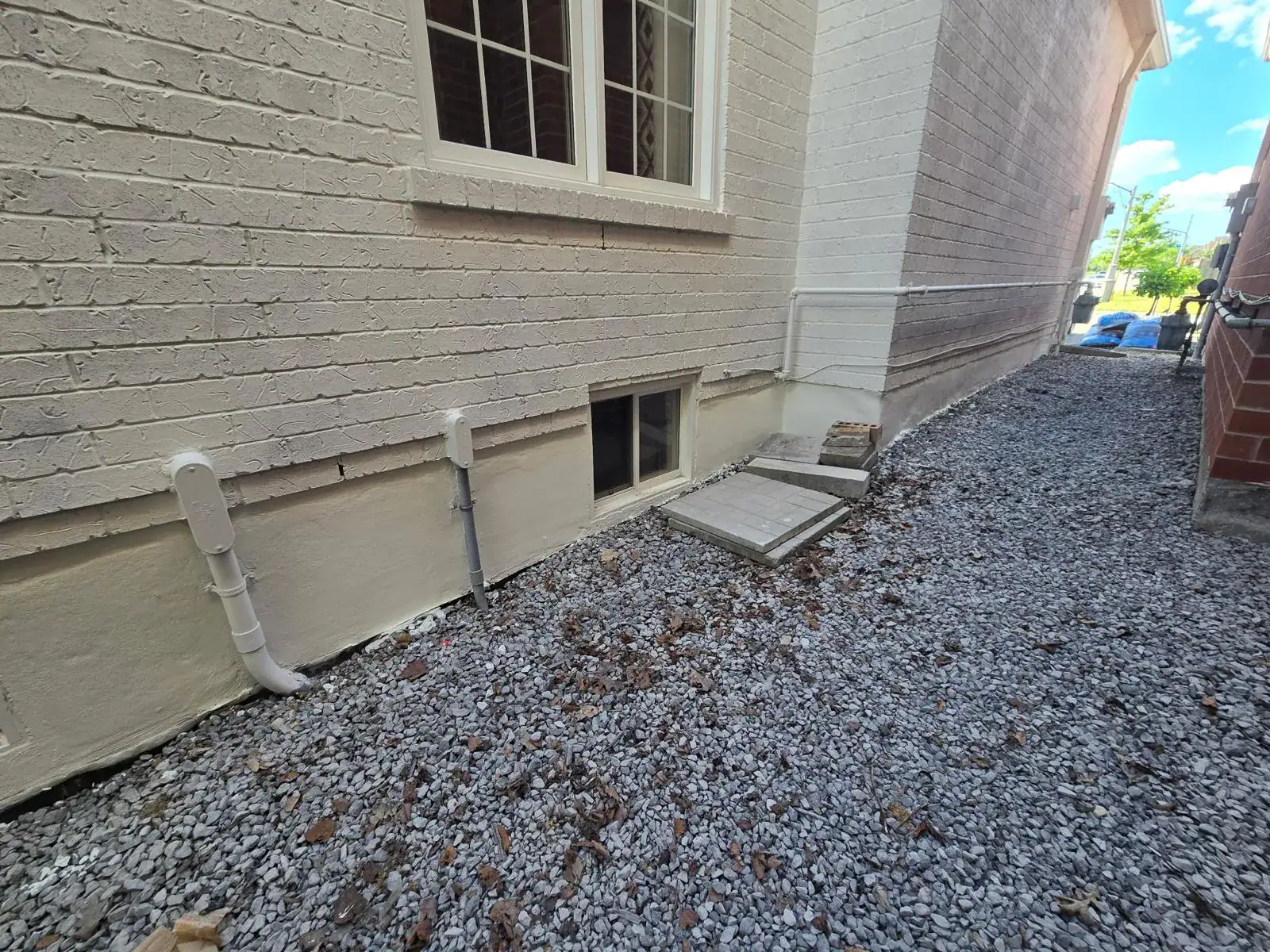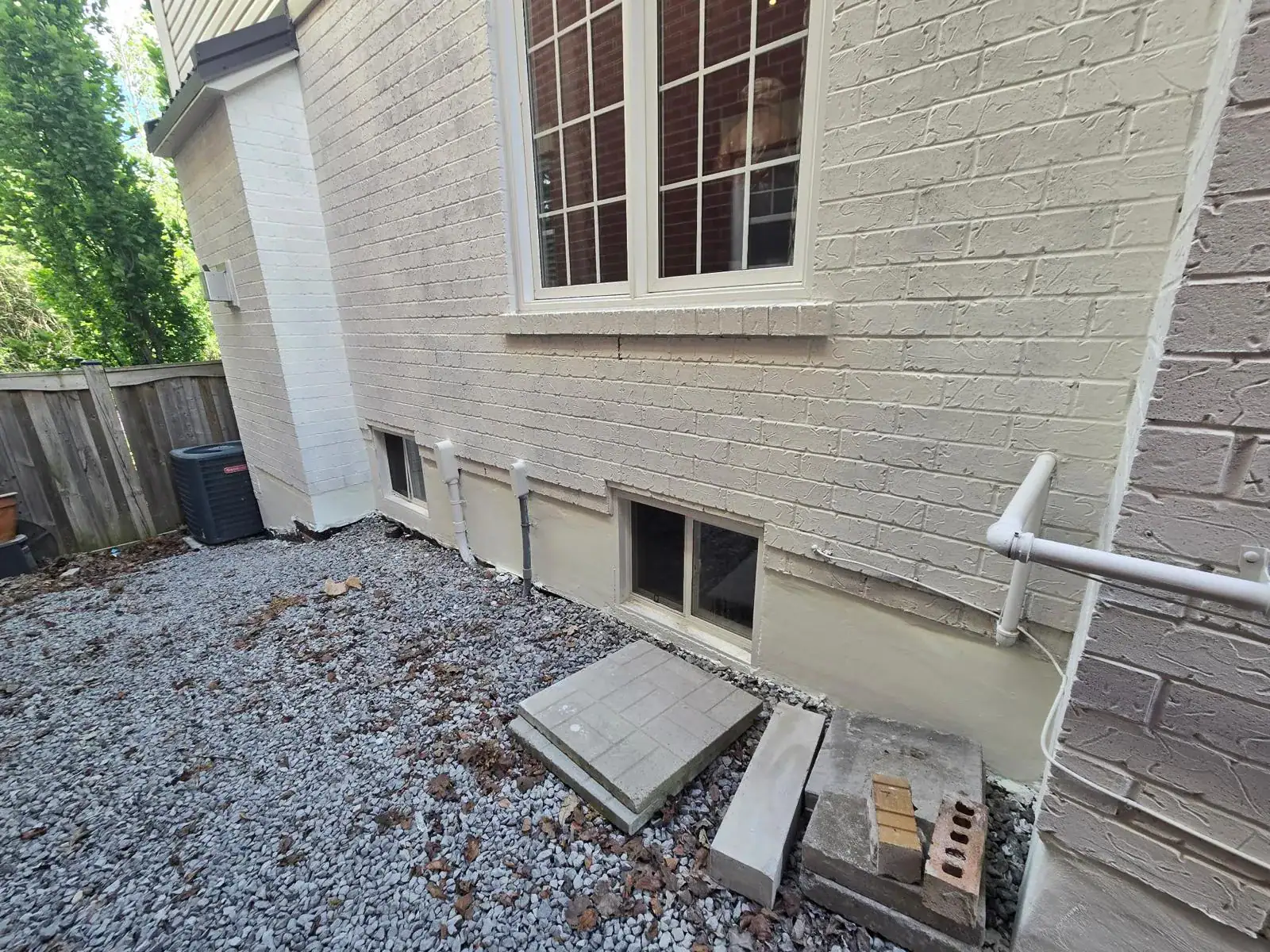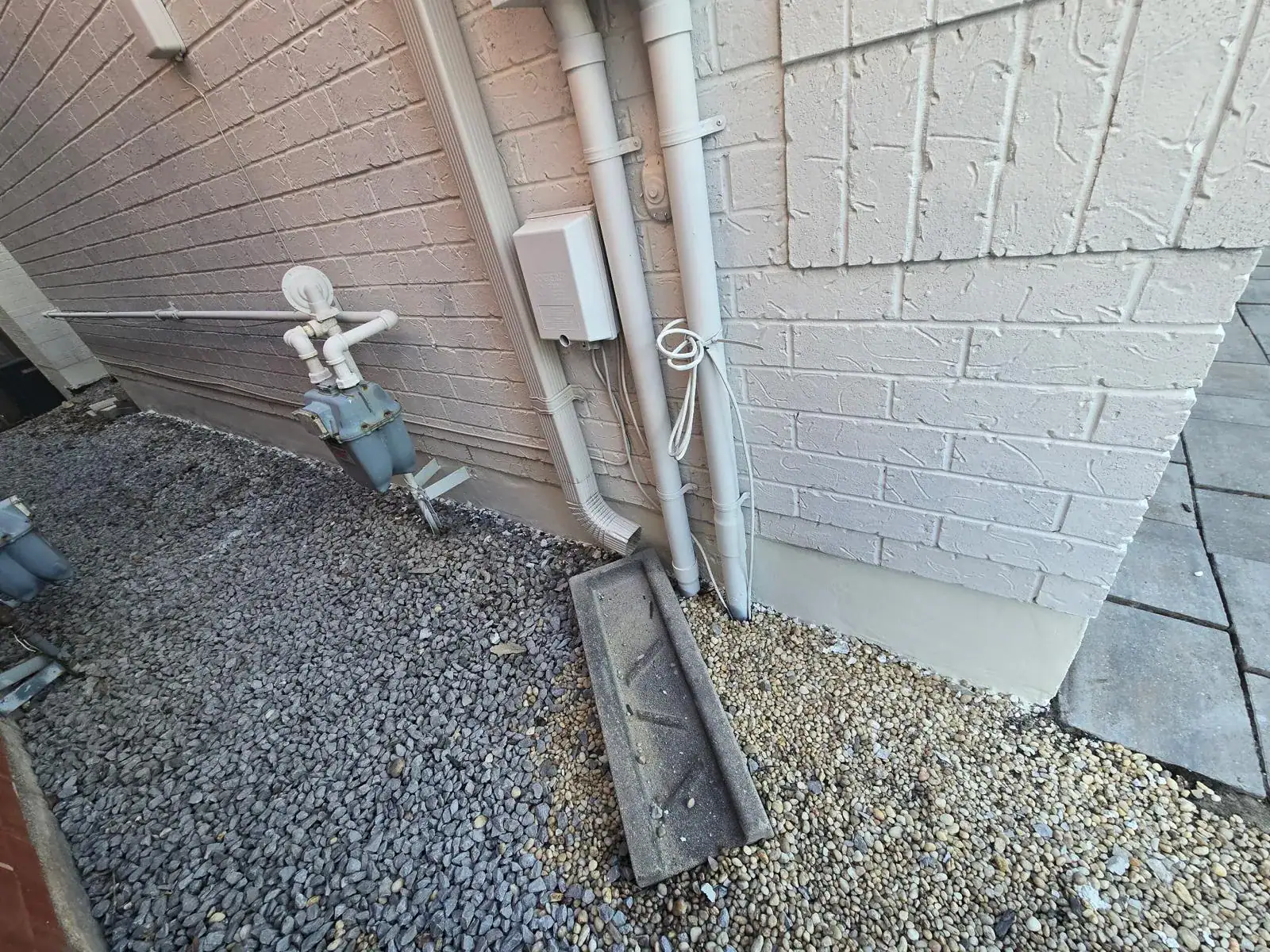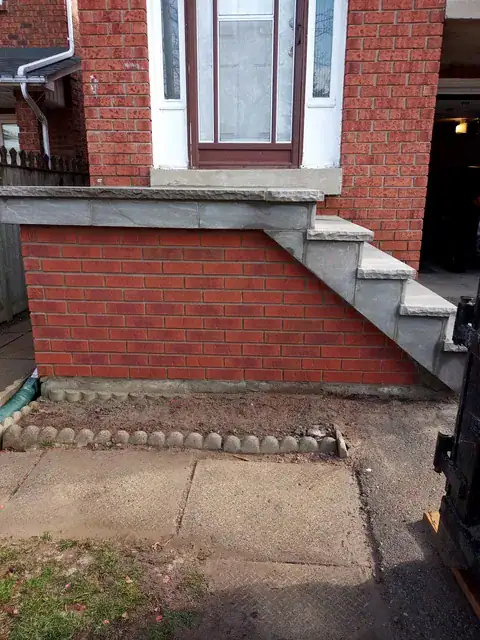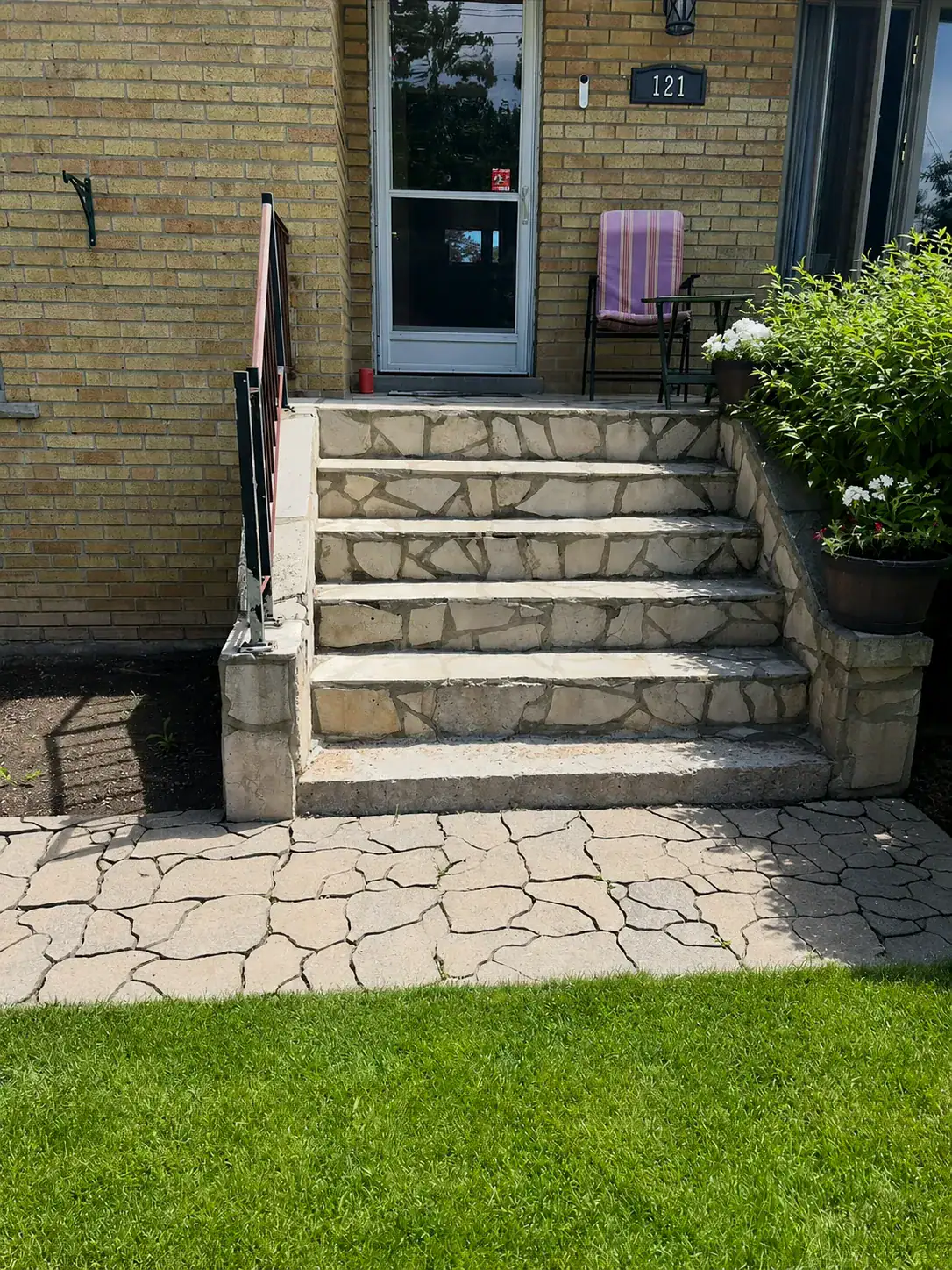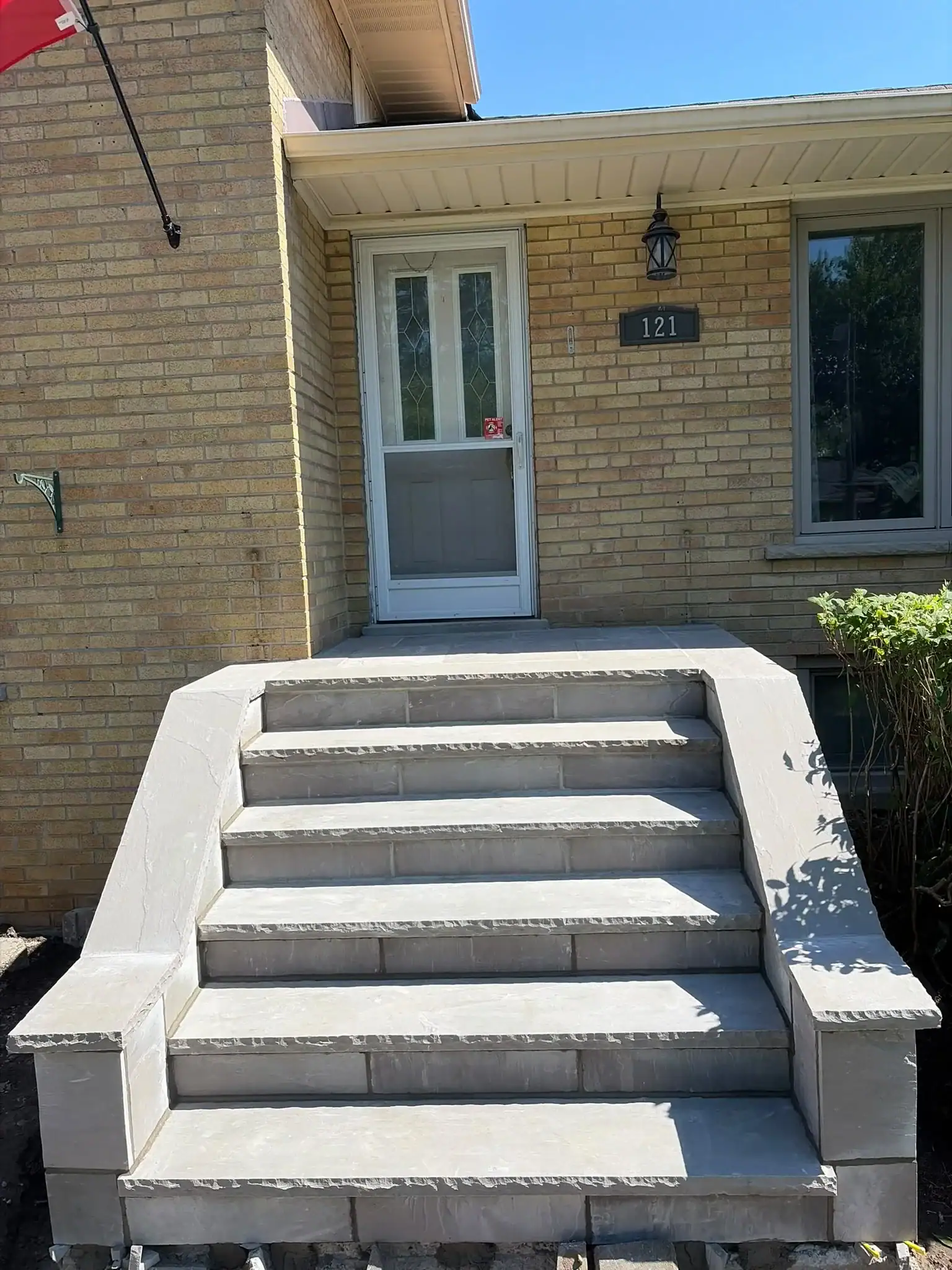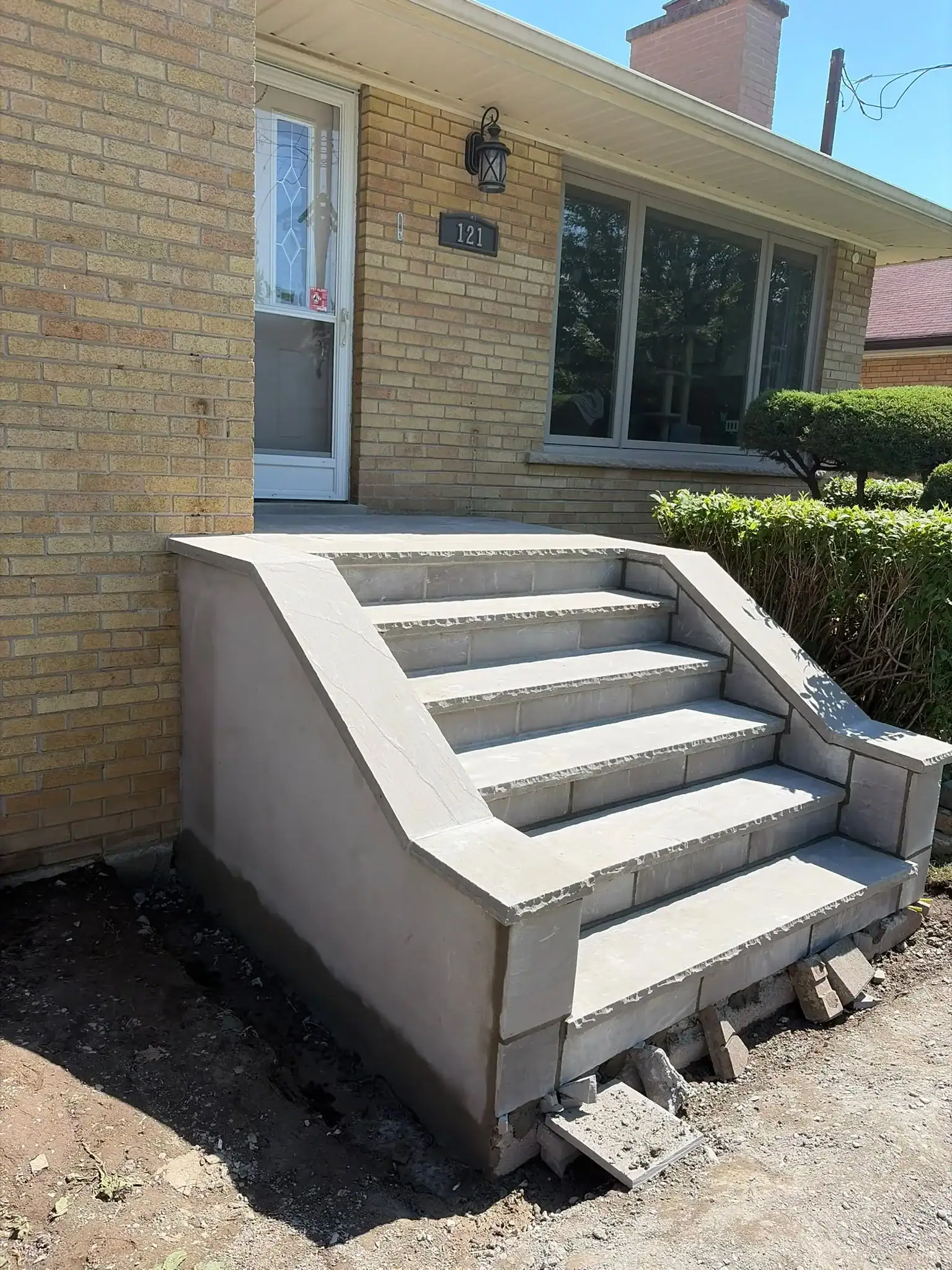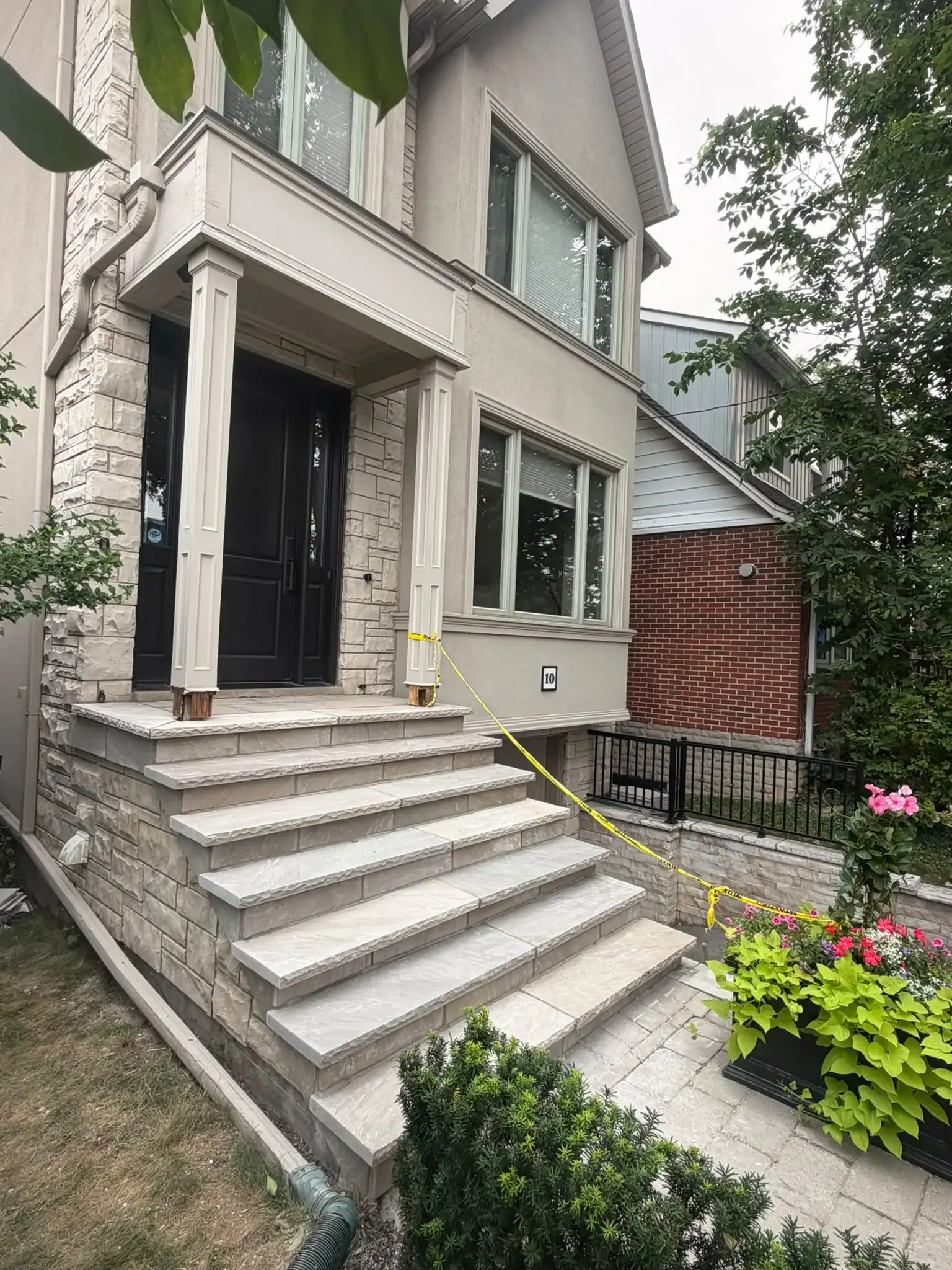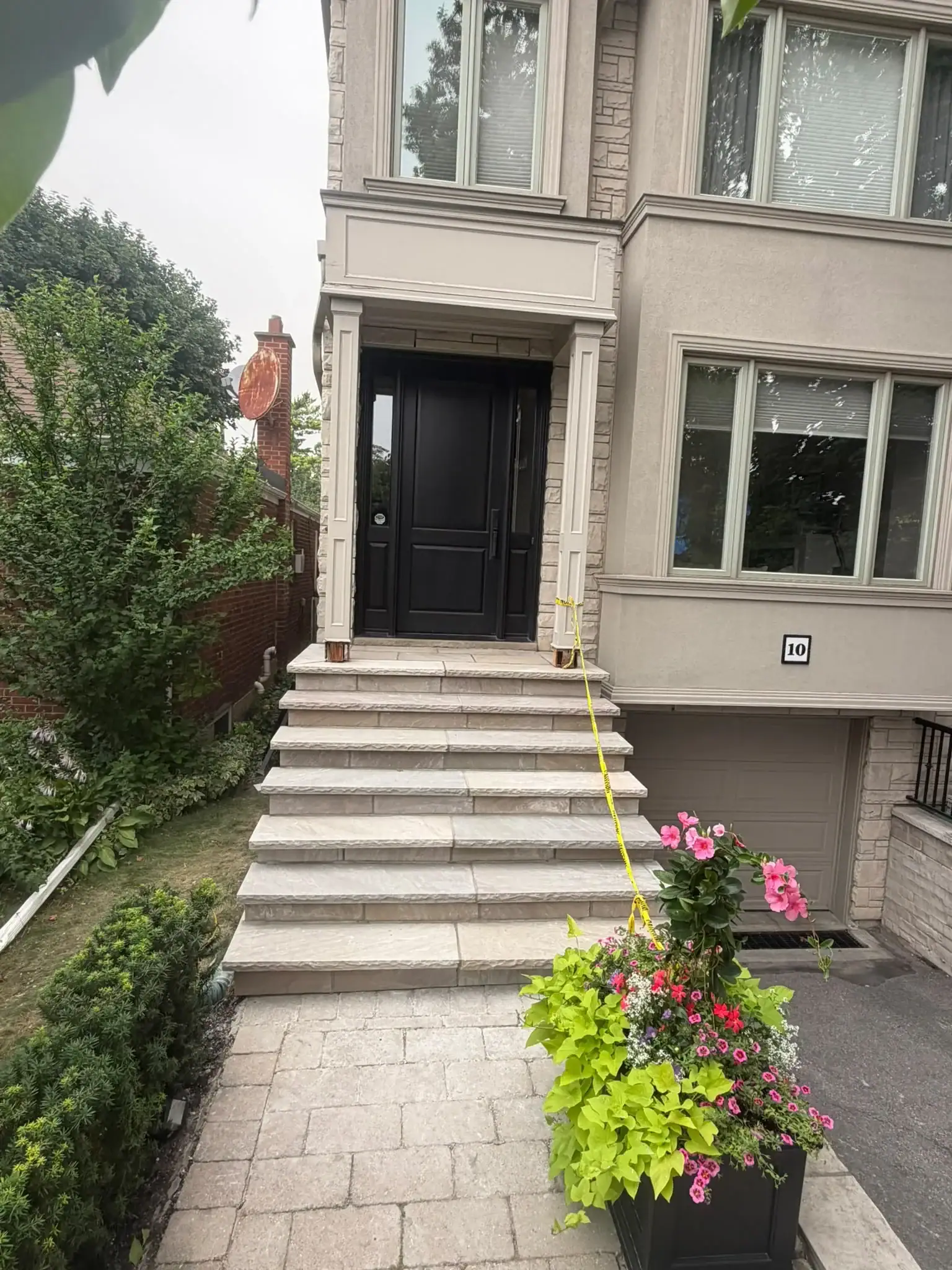

Stucco can look beautiful on a Toronto home. It gives the exterior a clean, finished appearance and can work well when properly installed and maintained.
But Toronto’s weather is not gentle. Between freezing winters, wet springs, humid summers, and constant temperature swings, stucco has a lot to deal with.
One of the biggest reasons stucco fails in Toronto and the GTA is the freeze-thaw cycle. Small cracks allow moisture into the stucco. When temperatures drop, that moisture freezes and expands. When it thaws, the material contracts again. Over time, this repeated movement can enlarge small cracks, loosen the stucco, and allow more water to seep behind the wall.
That is when a cosmetic issue can become a real exterior repair problem.
At A&A Masonry, we regularly see stucco damage that started small and became worse because moisture was allowed to get behind the surface. Understanding why stucco fails can help homeowners catch problems early and avoid larger repair costs.
What Is Freeze-Thaw Damage?
Freeze-thaw damage occurs when water enters a building material, freezes, expands, and then thaws.
When water freezes, it expands. If that water is trapped in a crack, gap, or porous section of stucco, it puts pressure on the surrounding material. With enough repeated cycles, the crack can widen, the surface can weaken, and sections of stucco may begin to separate from the wall.
In Toronto, this cycle can happen many times throughout the winter and early spring.
The problem is not just one cold night. The problem is repeated freezing and thawing over months and years.
That is how small cracks become bigger problems — quietly, slowly, and then all at once. Very Canadian weather behaviour, really.
Why Toronto Homes Are Vulnerable to Stucco Damage
Toronto homes face a difficult mix of conditions:
- Cold winter temperatures
- Snow and ice buildup
- Wind-driven rain
- Spring thawing
- Humidity
- Rapid temperature changes
- Older exterior walls
- Aging caulking and flashing
- Mixed materials such as brick, concrete, stone, and stucco
Stucco does best when water is controlled properly. If water can get behind the surface and cannot escape, damage becomes much more likely.
This is especially true in homes where stucco meets other materials, such as brick, stone, concrete, windows, doors, rooflines, or chimneys.
These transition points are often where problems begin.
How Freeze-Thaw Cycles Cause Stucco Cracks
Stucco cracks can start for many reasons. Some are caused by building movement. Others come from impact, age, poor installation, or trapped moisture.
Once a crack forms, Toronto’s freeze-thaw weather can make it worse.
Here is how it typically happens:
- A small crack forms in the stucco.
- Rain, snow, or melting ice enters the crack.
- Temperatures drop below freezing.
- The trapped moisture freezes and expands.
- The crack widens slightly.
- More water enters during the next thaw.
- The cycle repeats.
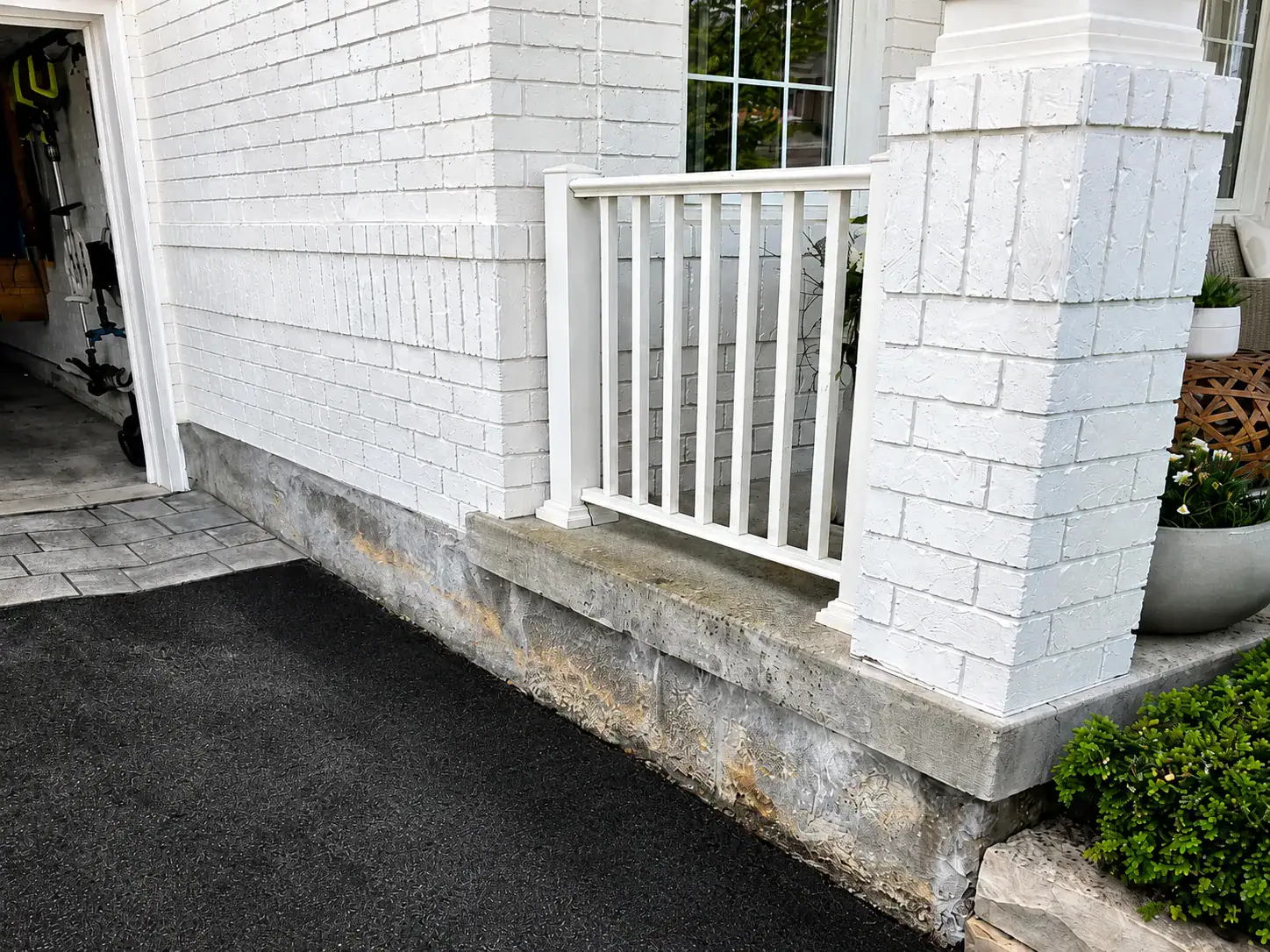
Eventually, the stucco may begin to loosen, bulge, crumble, or pull away from the wall.
This is why even small cracks should not be ignored.
Common Signs of Freeze-Thaw Stucco Damage
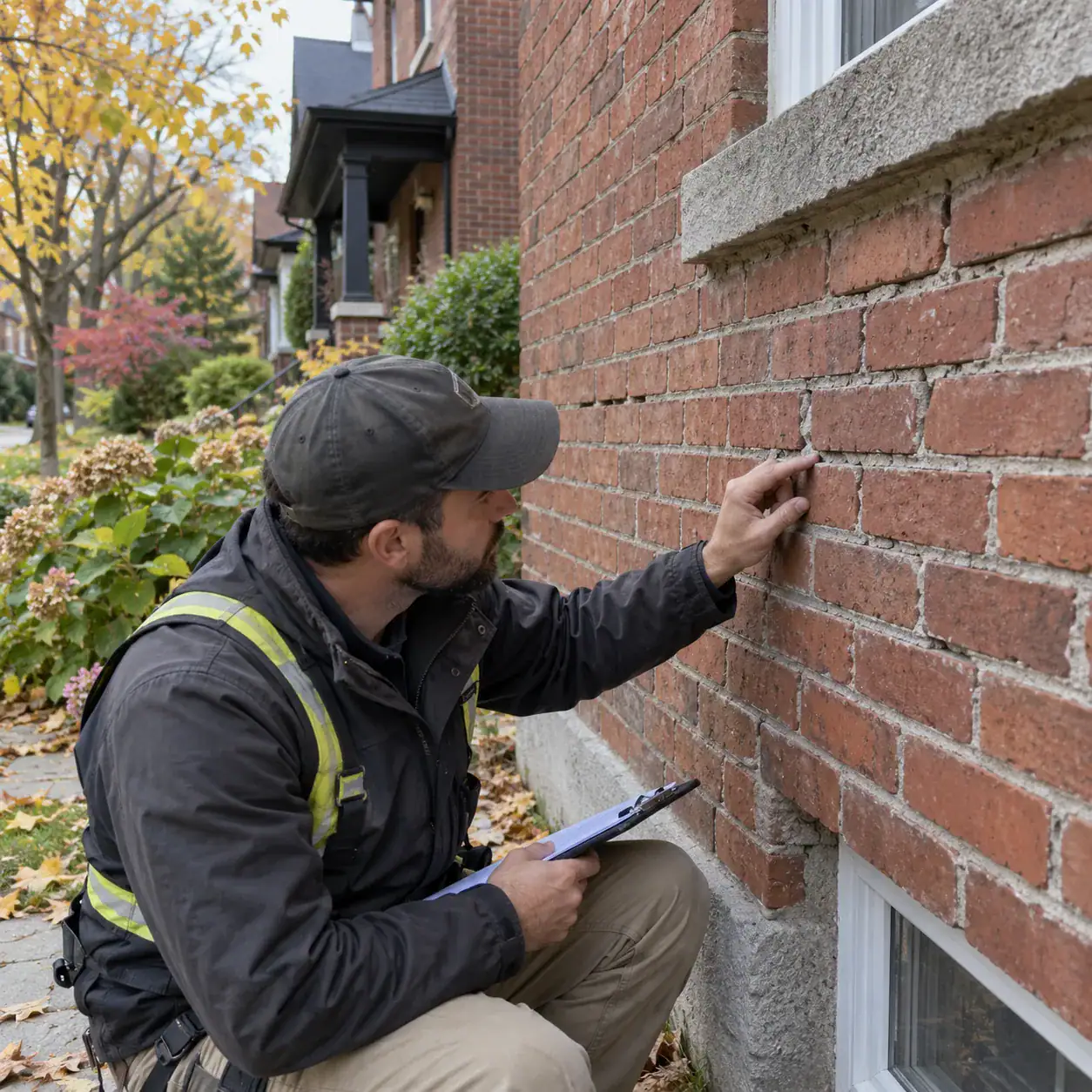
Freeze-thaw damage does not always look dramatic at first. In many cases, the earliest signs are subtle.
Homeowners should watch for:
- Hairline cracks that grow over time
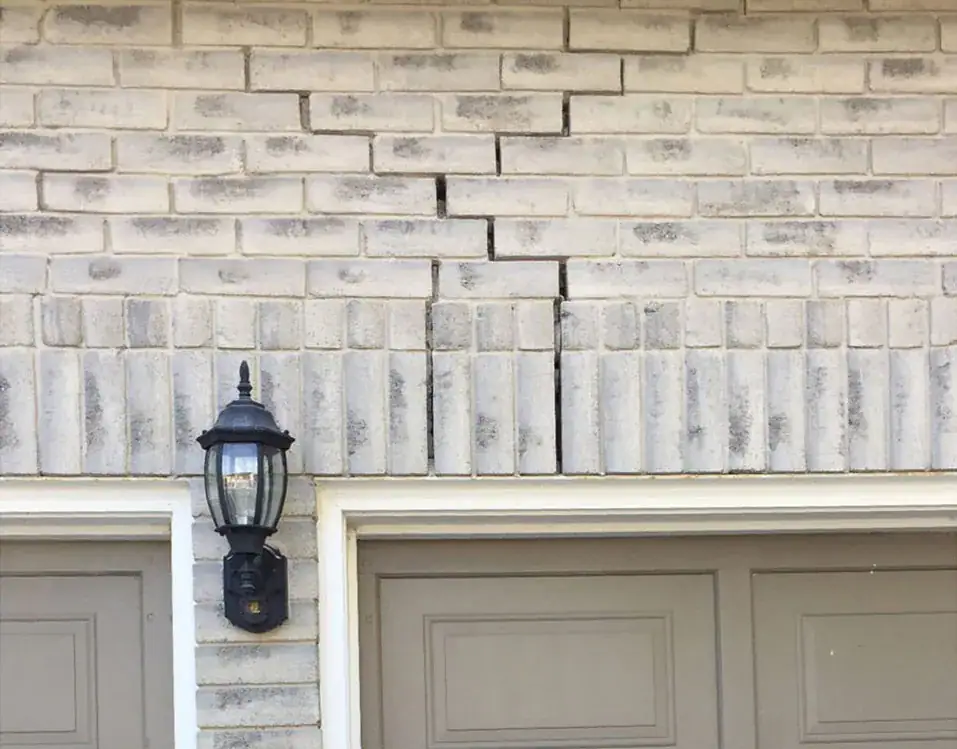
- Wider cracks in the stucco
- Horizontal or stair-step cracking
- Bulging areas
- Soft or loose stucco
- Crumbling edges
- Water stains
- Dark patches or discolouration
- Stucco separating near windows or doors
- Damage near rooflines, chimneys, or foundation areas
- Interior dampness on the same wall
One small crack may not be a crisis. But cracks combined with staining, bulging, or signs of moisture should be taken seriously.
That is when the wall may be telling you something useful — and homes rarely send polite calendar invites.
Why Moisture Behind Stucco Is the Real Concern
The outside crack is only part of the story.
The bigger concern is moisture getting behind the stucco system. Once water becomes trapped beneath the surface, it can affect the wall beneath.
Moisture behind stucco may lead to:
- Delamination
- Rotting wood sheathing
- Damaged insulation
- Rusted metal lath
- Mould concerns
- Interior leaks
- Damaged masonry
- Larger exterior restoration work
This is why patching the surface without understanding the source of moisture can be risky.
A quick patch may cover the crack, but if water is still entering from above, around windows, or through failed flashing, the problem can return.
Stucco Around Windows and Doors Is Especially Vulnerable
Many stucco failures begin around windows and doors.
These areas need proper sealing, flashing, and drainage. If water gets behind the stucco at these openings, it can cause cracking, staining, and wall damage.
Common warning signs include:
- Cracks extending from the window corners
- Staining below the windows
- Stucco pulling away from frames
- Failed caulking
- Soft areas near the trim
- Interior water marks
- Dampness near window openings
Window and door corners are stress points. They are also common places for water to sneak in.
That is why cracks in these areas should be checked before they spread.
Poor Installation Can Make Freeze-Thaw Damage Worse
Not all stucco problems are caused by age or weather alone. Poor installation can make a home much more vulnerable to freeze-thaw damage.
Stucco may fail sooner if:
- The surface was not prepared properly
- The wrong materials were used
- Drainage was not handled correctly
- Flashing was missing or poorly installed
- Control joints were not used properly
- The stucco was applied too thinly
- Moisture was trapped behind the wall
- Transitions around windows, doors, and rooflines were not sealed correctly
When stucco is installed correctly, it is better able to withstand Toronto’s climate. When it is not, freeze-thaw cycles can expose the weakness quickly.
Why Painting Over Stucco Cracks Is Not a Real Fix
Painting over cracked stucco may improve the appearance temporarily, but it does not solve the underlying problem.
If moisture is entering through cracks or failed details, paint can trap moisture behind the surface. That can make the problem worse.
Painting over stucco cracks can lead to:
- Hidden moisture damage
- Continued cracking
- Peeling or bubbling paint
- Trapped water
- Faster deterioration
- More expensive repairs later
Before coating or painting stucco, the surface should be properly inspected and repaired.
In other words, do not put a nice suit on a wall that needs a doctor.
Can Freeze-Thaw Stucco Damage Be Repaired?
Yes, freeze-thaw stucco damage can often be repaired, especially when caught early.
The right repair depends on the condition of the stucco and whether moisture has reached the wall behind it.
Stucco repair may include:
- Crack repair
- Removing loose or damaged material
- Repairing the base layer
- Fixing vulnerable transition points
- Sealing problem areas
- Repairing around windows and doors
- Matching texture and finish as closely as possible
- Addressing moisture entry points
The key is to repair the cause, not just the symptom.
If the damage is localized, a smaller repair may be enough. If the damage is widespread or moisture has been trapped for a long time, a more involved restoration may be needed.
When Stucco Damage Should Be Inspected
Toronto homeowners should have stucco inspected when cracks are growing or spreading, stained, or associated with moisture issues.
You should call a professional if you notice:
- Cracks wider than hairline cracks
- Bulging or loose stucco
- Cracks near windows or doors
- Water staining
- Stucco is crumbling or falling away
- Interior water marks
- Previous repairs that failed
- Damage after winter
- Multiple problem areas on the same wall
The best time to address stucco damage is before water penetrates deeper into the wall system.
Small repairs are usually easier to handle than major exterior restoration.
How to Help Prevent Stucco Freeze-Thaw Damage
Homeowners cannot stop Toronto weather from being Toronto weather. But they can reduce the risk of stucco damage.
Helpful prevention steps include:
- Inspect stucco after winter
- Repair cracks early
- Keep caulking around windows and doors in good condition
- Check rooflines, gutters, and downspouts
- Make sure water drains away from the wall
- Watch for stains or dark patches
- Avoid ignoring small cracks
- Have suspicious areas inspected before winter
Water management is everything.
If water is directed away from the exterior and small cracks are repaired early, stucco has a much better chance of lasting.
Stucco, Masonry, and the Full Exterior Wall System
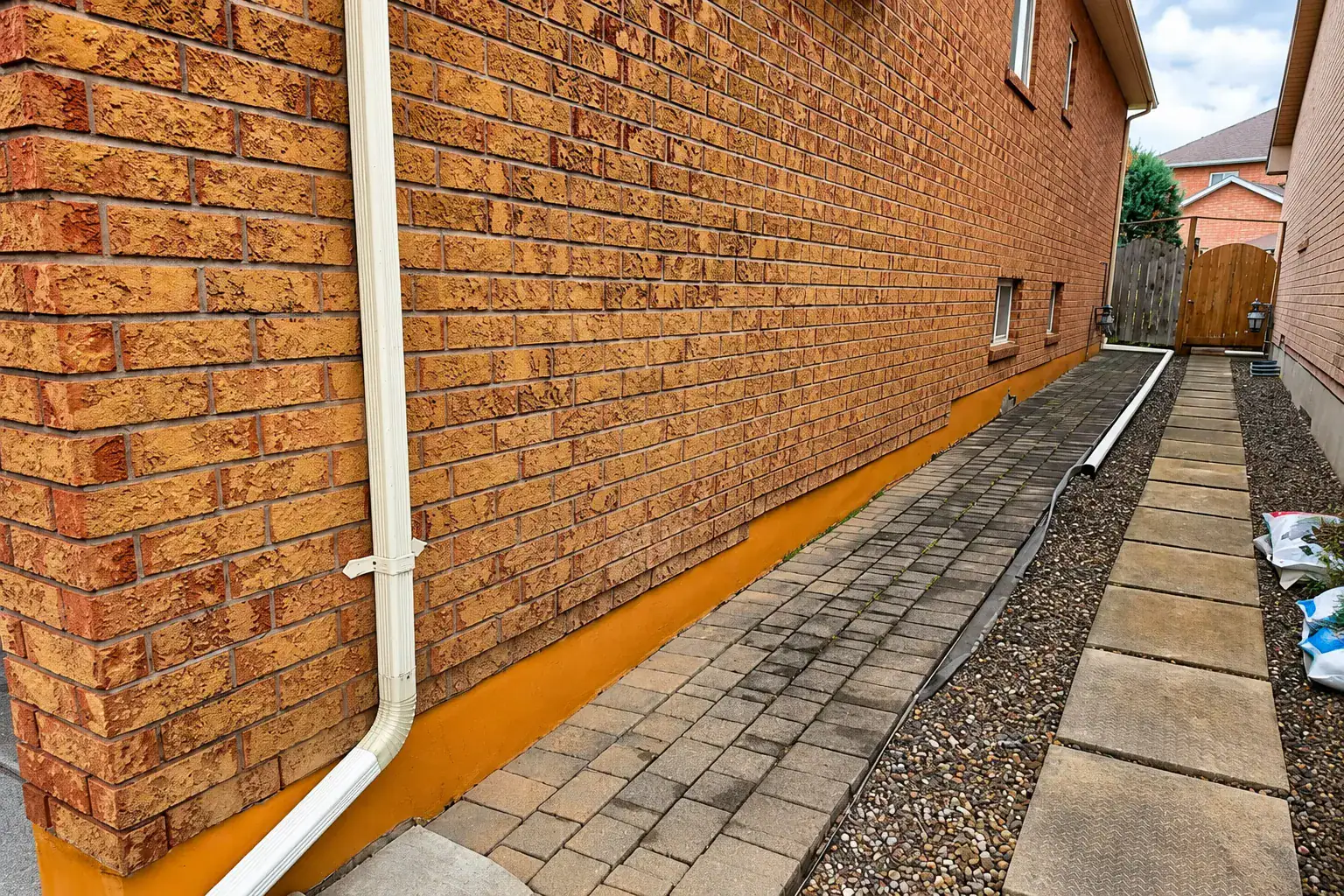
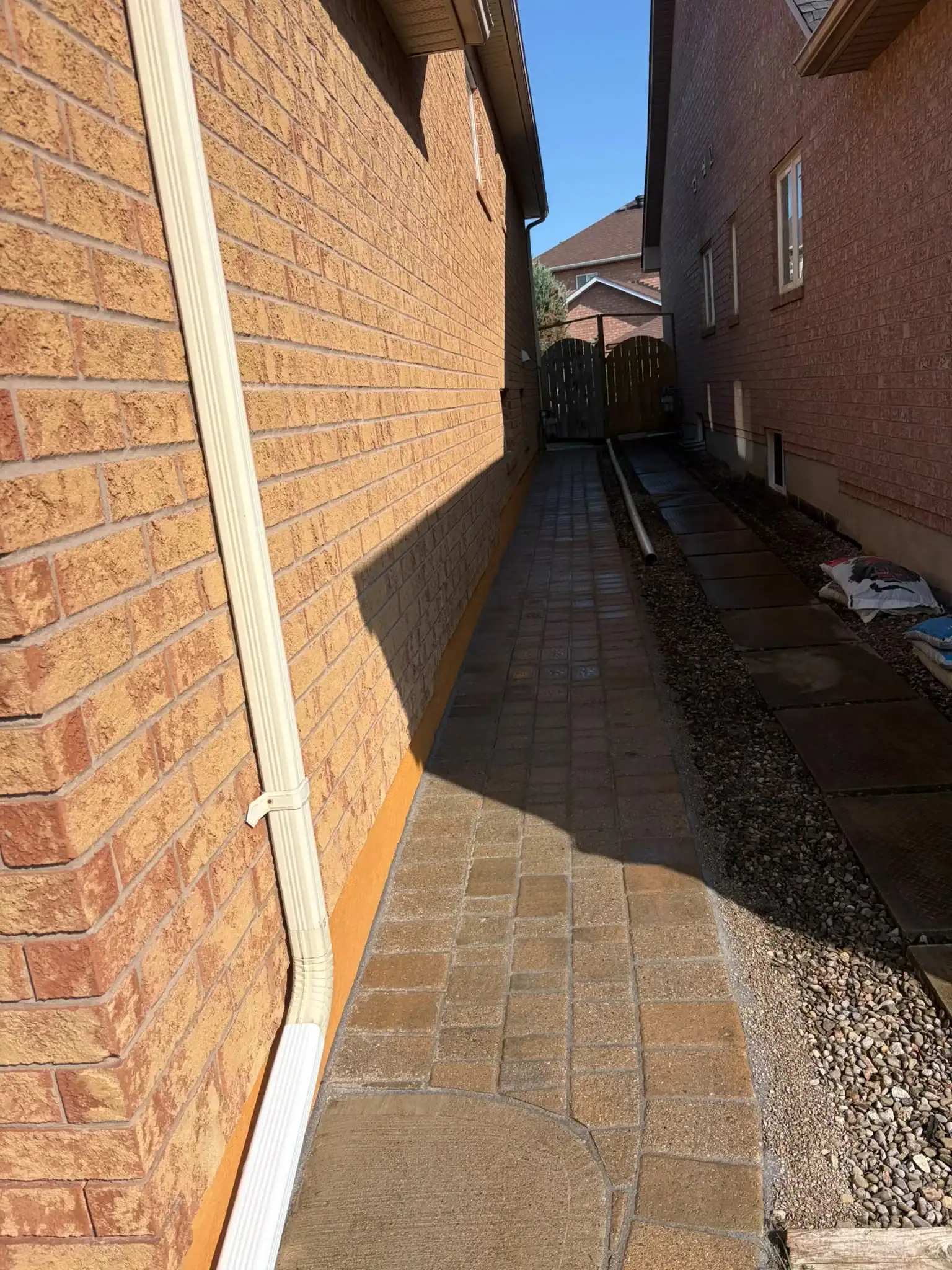
Stucco is only one part of the exterior. On many Toronto homes, stucco works alongside brick, stone, concrete, chimneys, foundations, waterproofing details, and exterior coatings.
That means a stucco problem may be connected to a larger wall issue.
For example:
- Brick movement can affect nearby stucco
- Concrete cracks can allow water entry
- Chimney or roofline issues can send water down the wall
- Poor drainage can increase moisture exposure
- Foundation settlement can create cracks
- Failed flashing can drive water behind the finish
This is why it helps to work with a contractor who understands the full exterior system, not just the surface finish.
A&A Masonry views stucco damage as part of the broader exterior picture.
Don’t Wait Until Spring Damage Gets Worse
Many homeowners first notice stucco damage in spring, after a winter of freezing, thawing, snow, ice, and moisture.
That is the right time to take a closer look.
If you see cracks, stains, bulging, or loose areas, do not assume it is only cosmetic. Stucco damage often worsens when moisture is allowed to continue entering the wall.
A small crack repaired early can help prevent larger damage later.
Waiting usually gives water more time to do what water does best — cause trouble without sending an invoice first.
Need Stucco Repair in Toronto or the GTA?
If your stucco is cracking, staining, bulging, or showing signs of moisture damage, A&A Masonry can help.
We provide exterior repair and restoration services across Toronto and the GTA, including stucco repairs, brick repairs, concrete repairs, stonework, chimney repairs, waterproofing, and masonry restoration.
If you are concerned about stucco cracks or freeze-thaw damage, contact A&A Masonry for a professional inspection and repair recommendation.
Contact A&A Masonry today to request an estimate for stucco repair in Toronto and the GTA.
FAQ Section
Why does stucco crack in Toronto?
Stucco often cracks in Toronto due to freeze-thaw cycles, moisture, building movement, poor installation, aging materials, and failed seals around windows, doors, and rooflines.
What is freeze-thaw stucco damage?
Freeze-thaw stucco damage happens when water enters cracks or porous areas, freezes, expands, and then thaws. Repeated cycles can widen cracks, loosen stucco, and allow more moisture behind the wall.
Are hairline cracks in stucco serious?
Hairline cracks are not always serious, but they should be monitored. If they spread, stain, widen, or appear near windows and doors, they should be inspected.
Can stucco freeze-thaw damage be repaired?
Yes, many types of freeze-thaw stucco damage can be repaired. The repair depends on the extent of the damage and whether moisture has reached the wall system behind the stucco.
Should I paint over cracked stucco?
Painting over cracked stucco is not recommended until the cracks and any moisture issues are properly repaired. Paint may hide the problem and trap moisture behind the surface.
When should I call a stucco repair contractor?
You should call a stucco repair contractor if you see widening cracks, staining, bulging, loose stucco, crumbling areas, or signs of moisture inside the home near the same wall.
Does A&A Masonry repair stucco in Toronto?
Yes. A&A Masonry provides stucco repair and exterior restoration services in Toronto and the GTA, as well as brick, concrete, and chimney repair, stonework, and waterproofing.