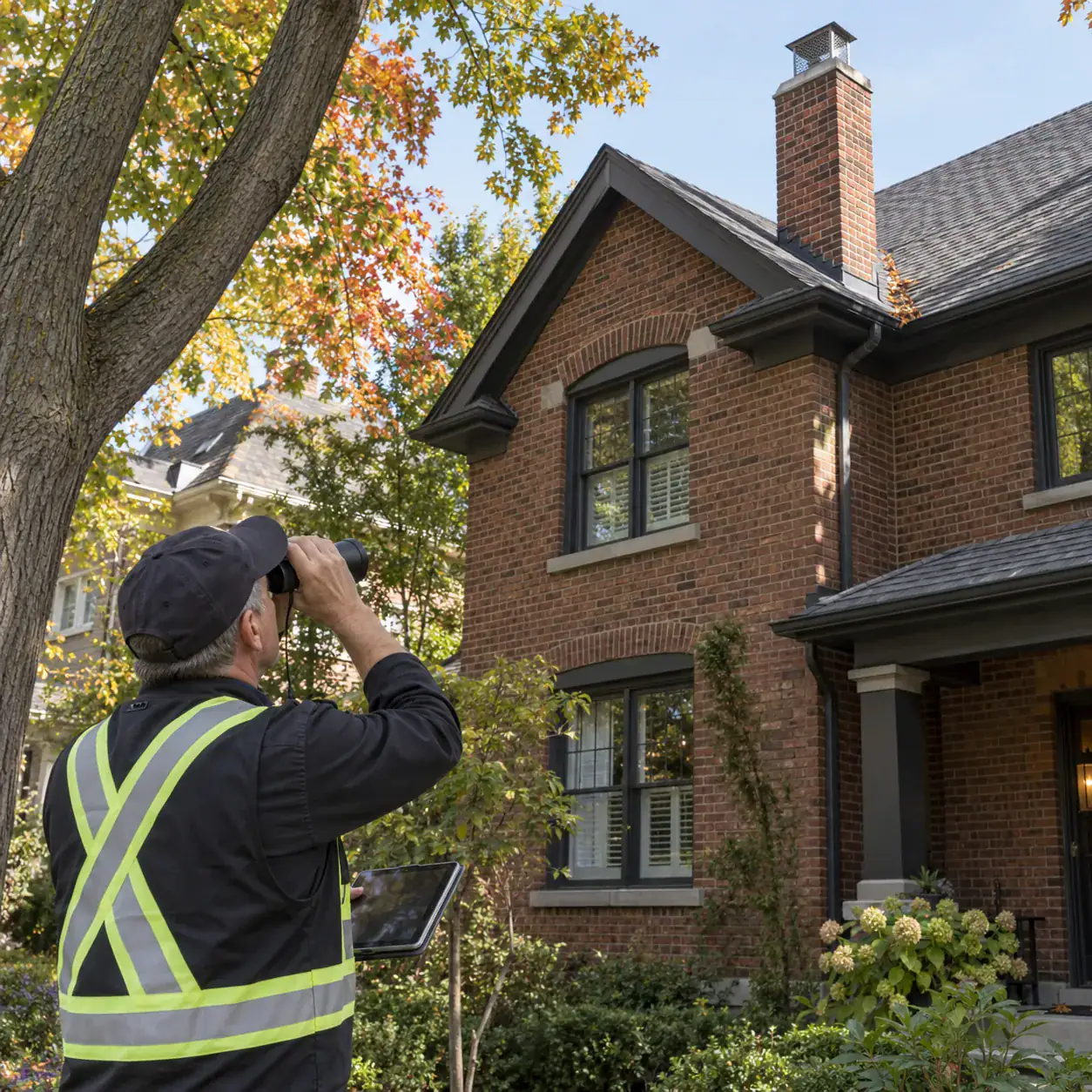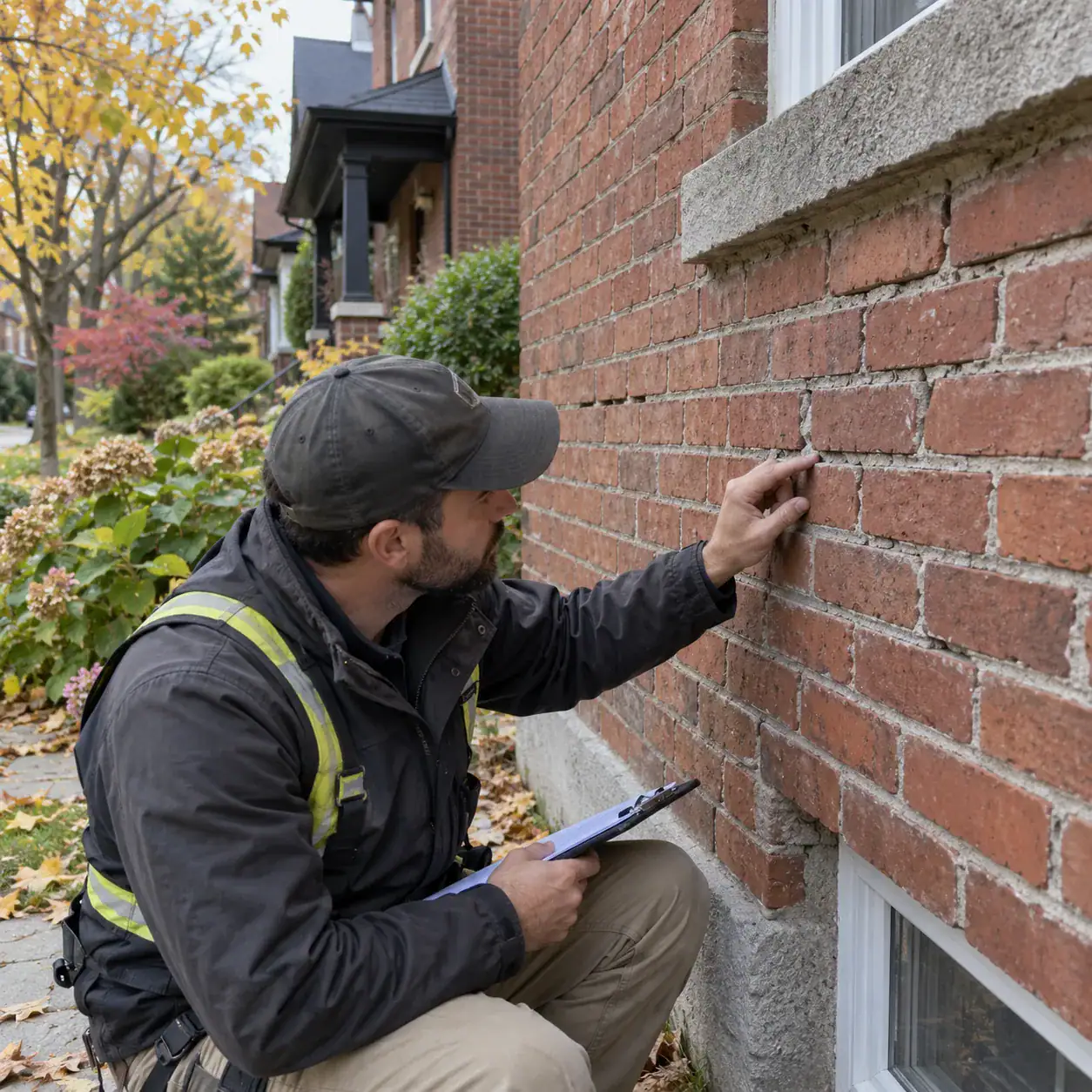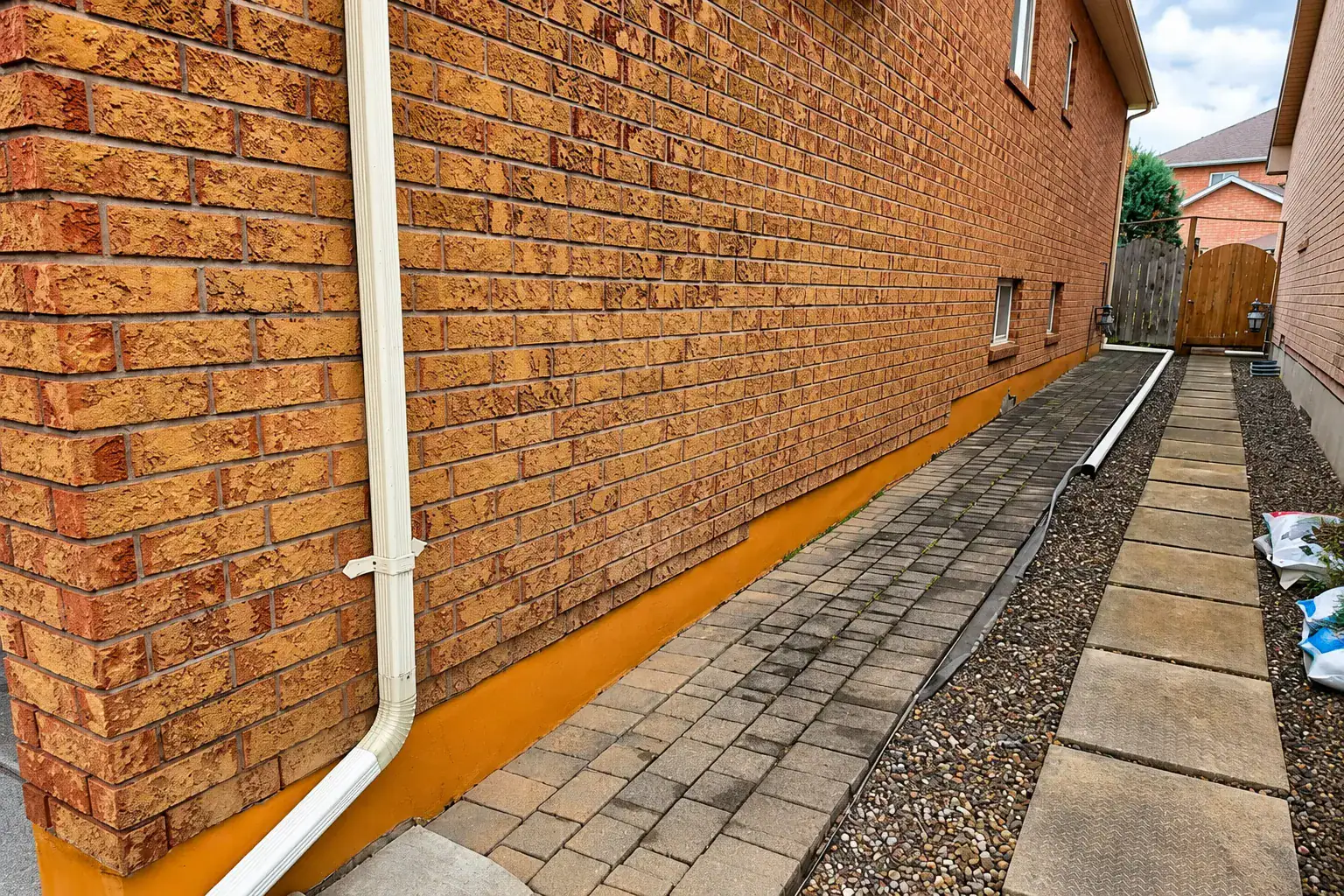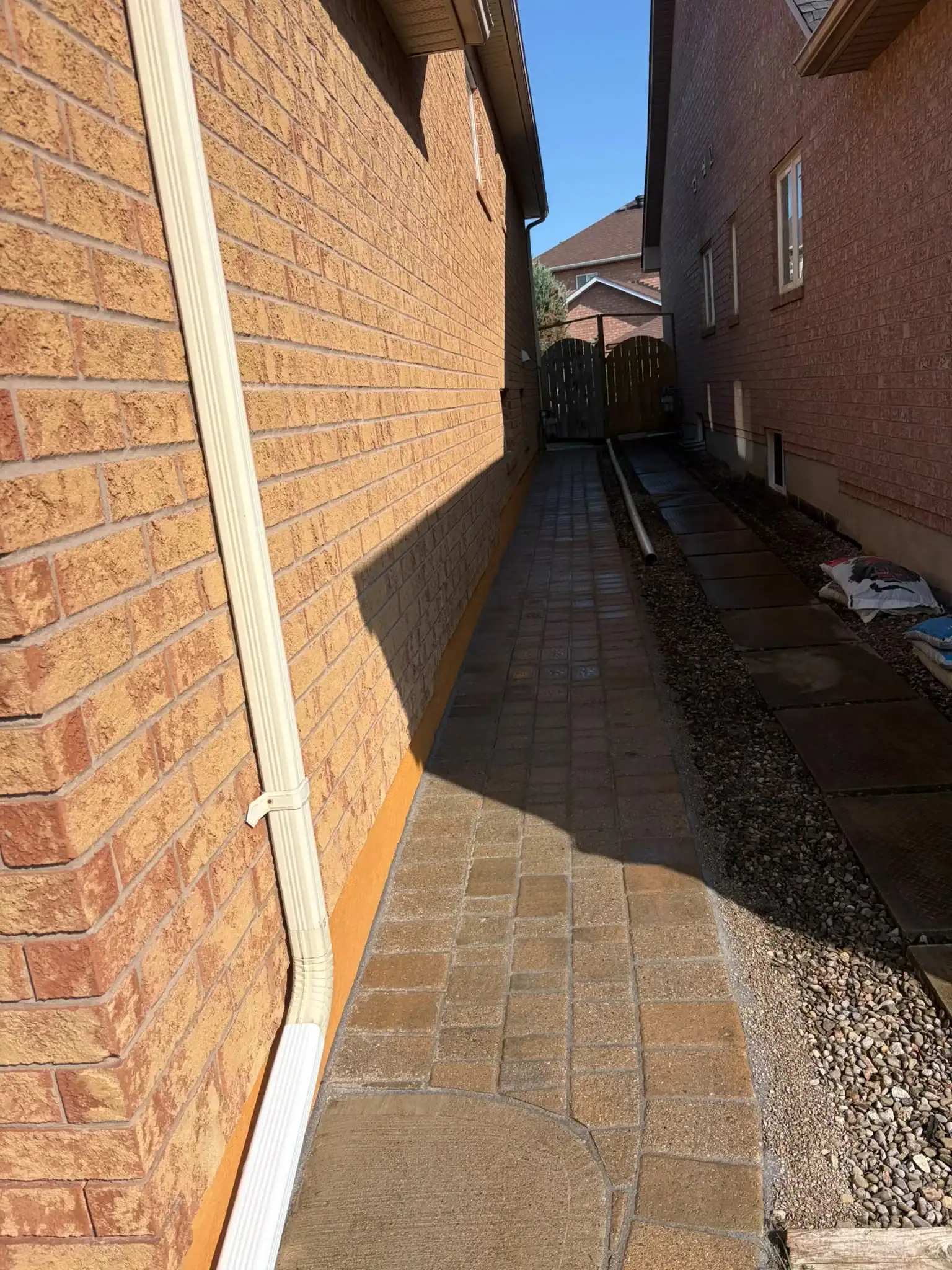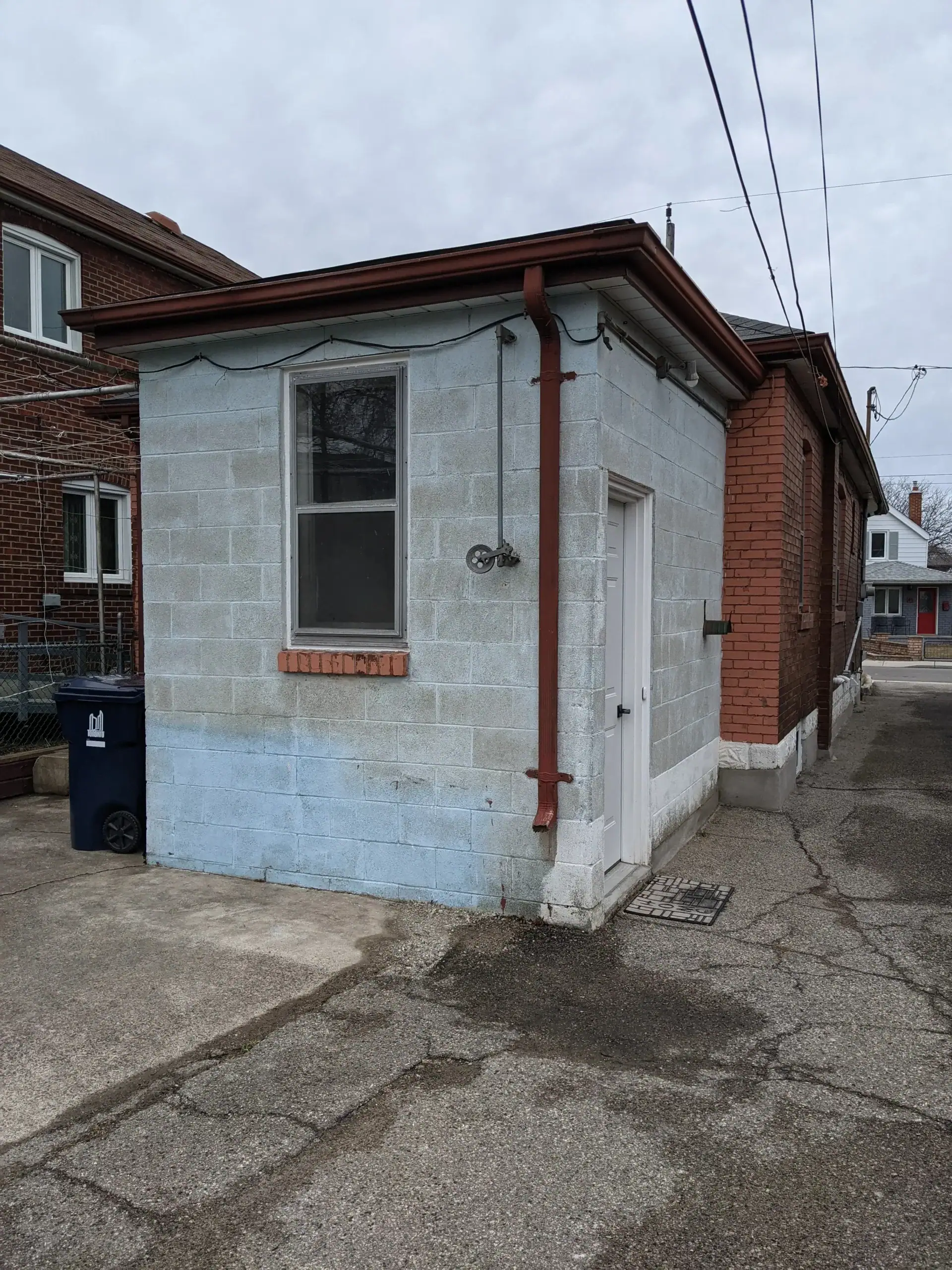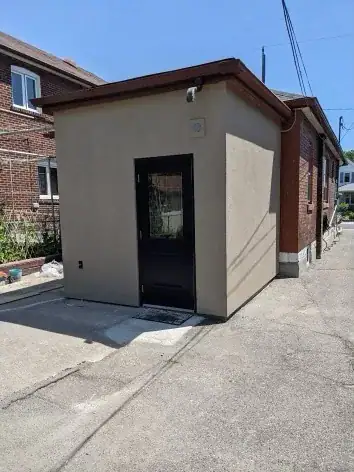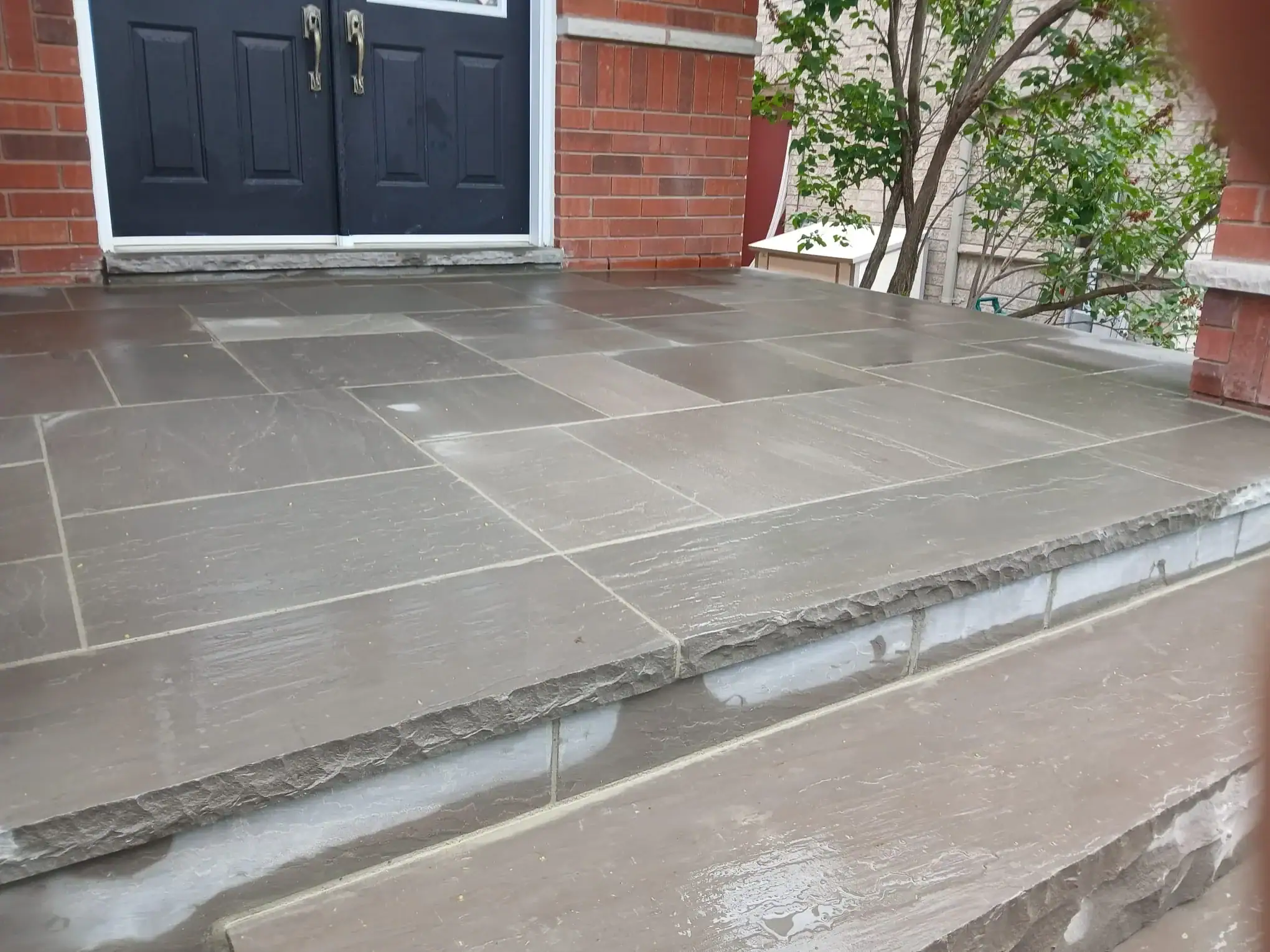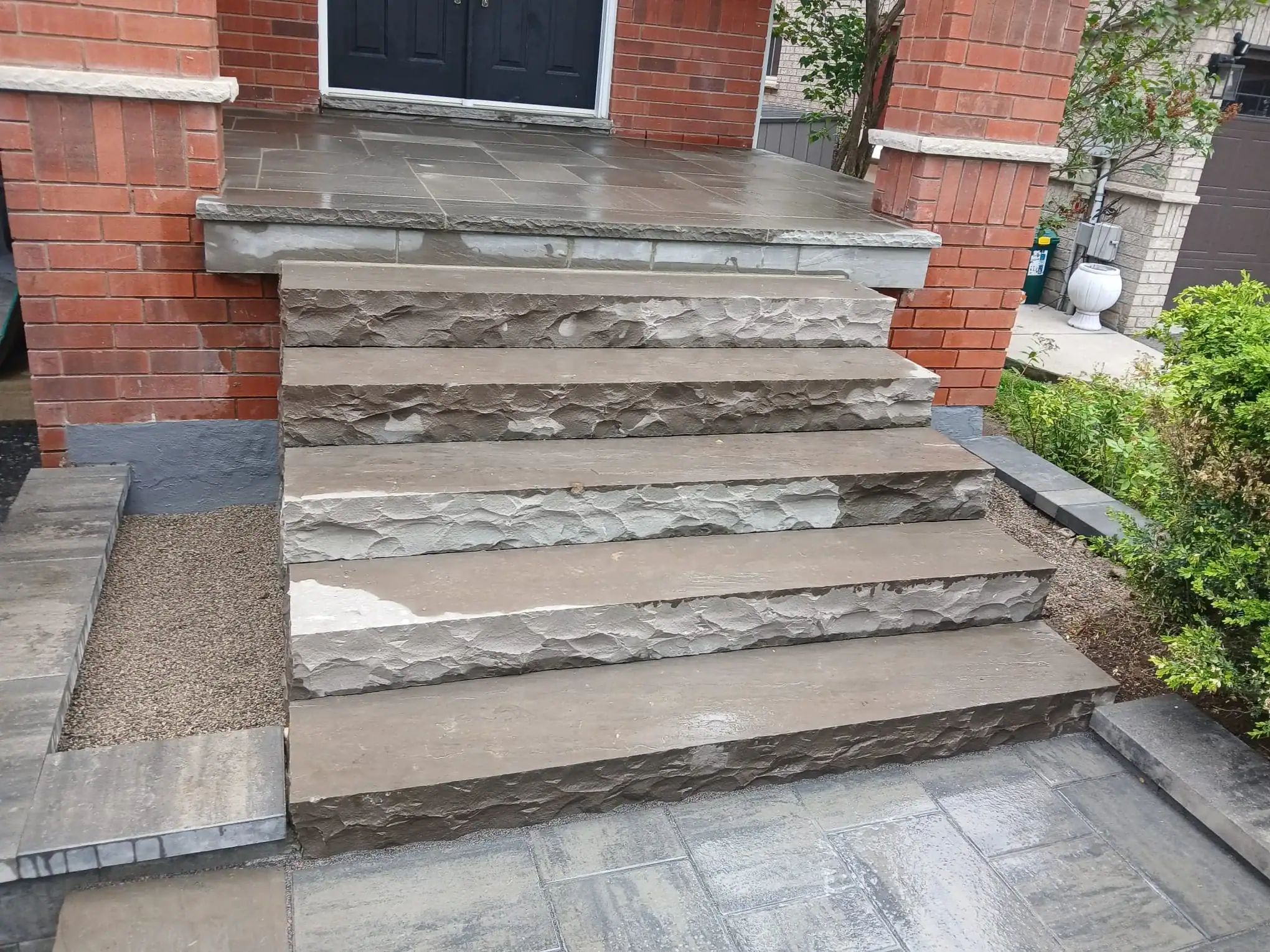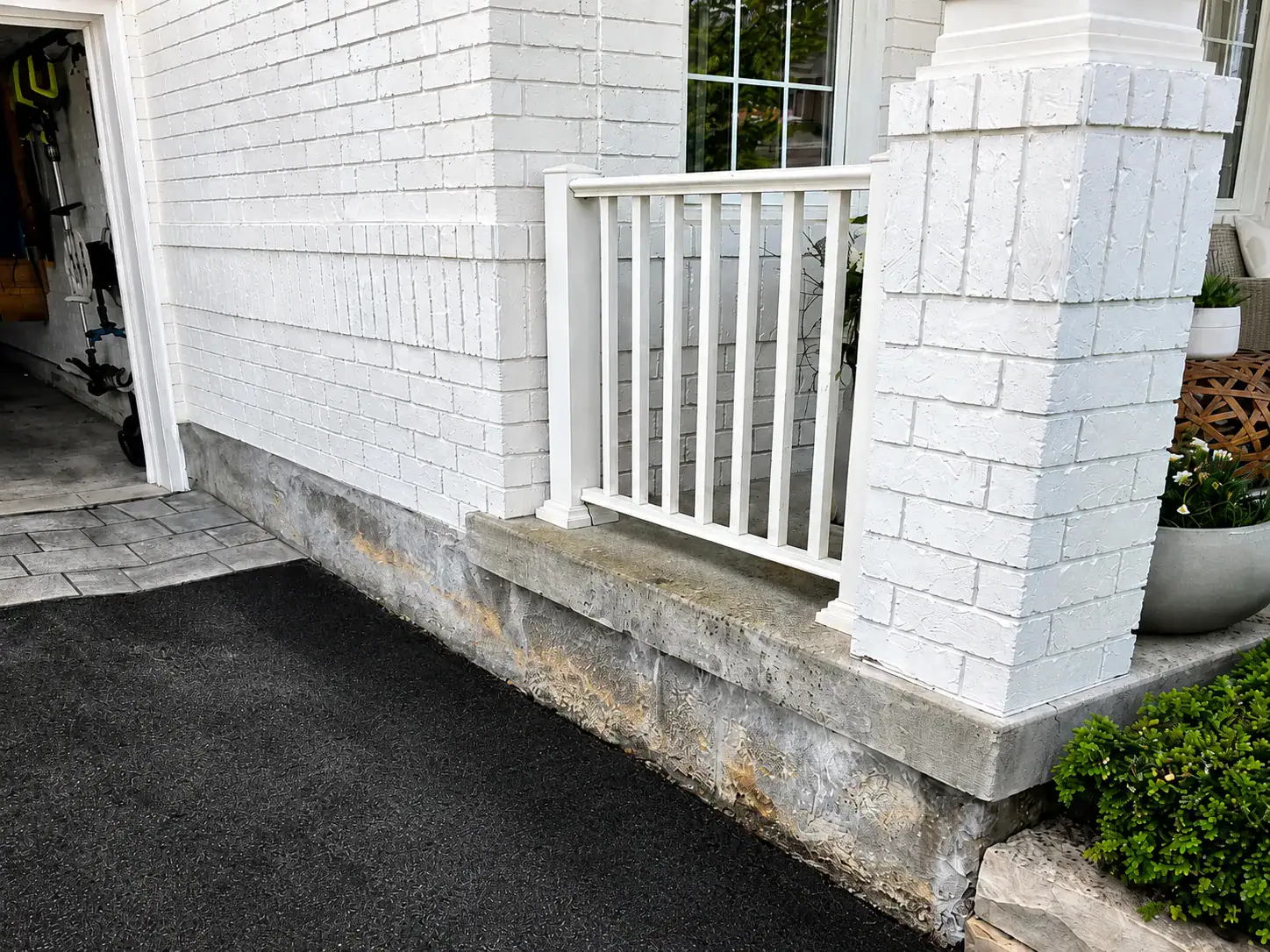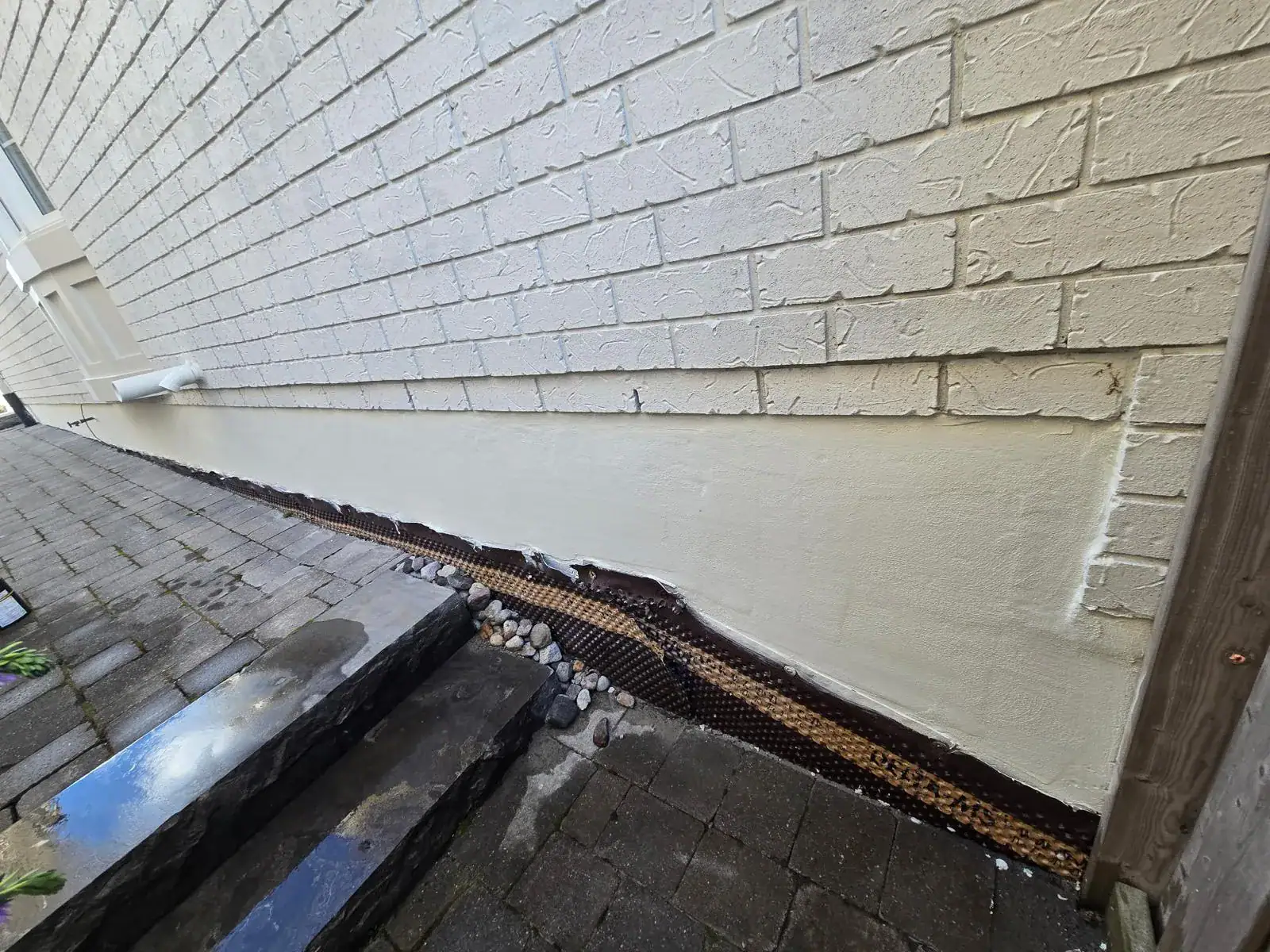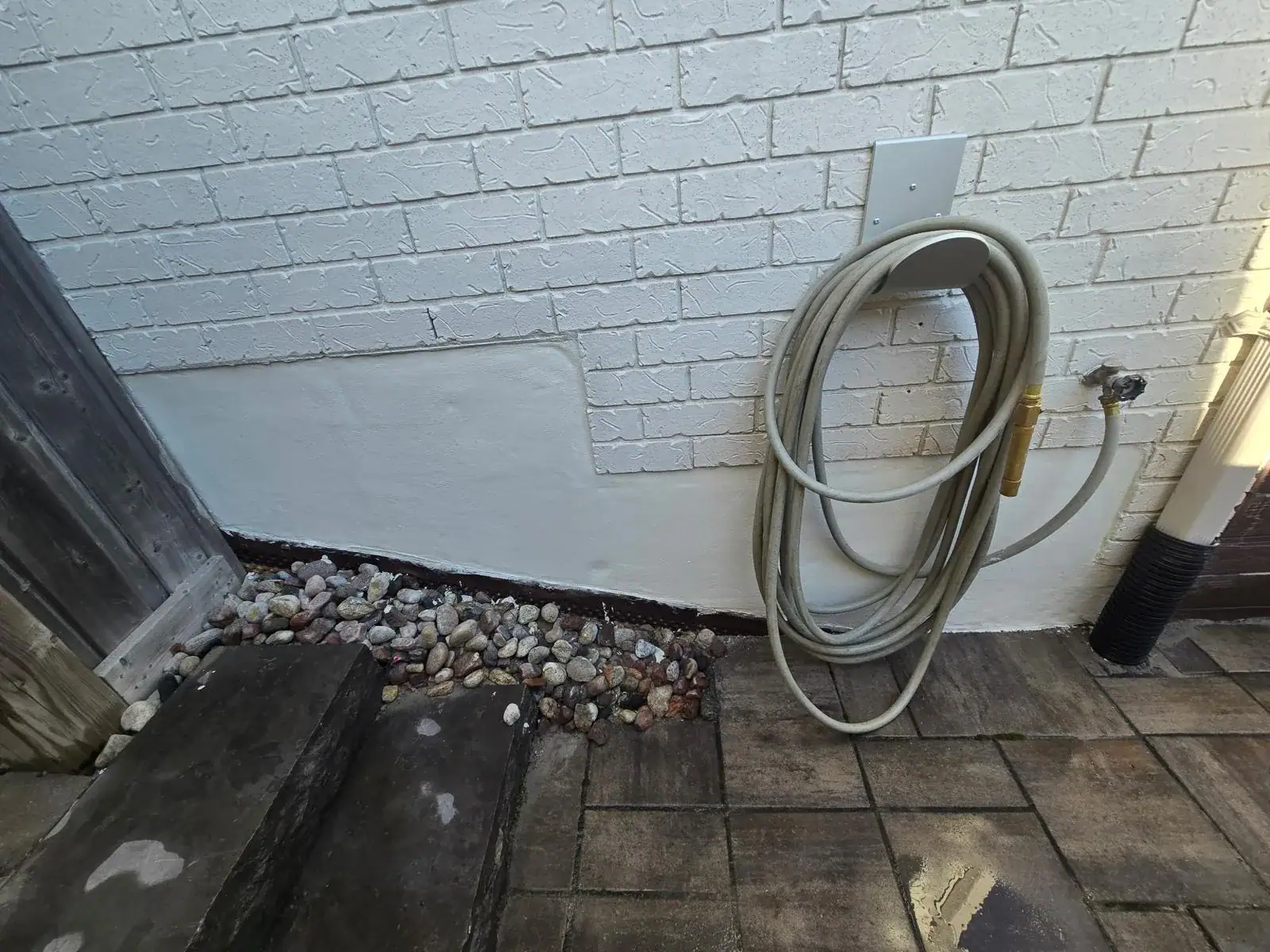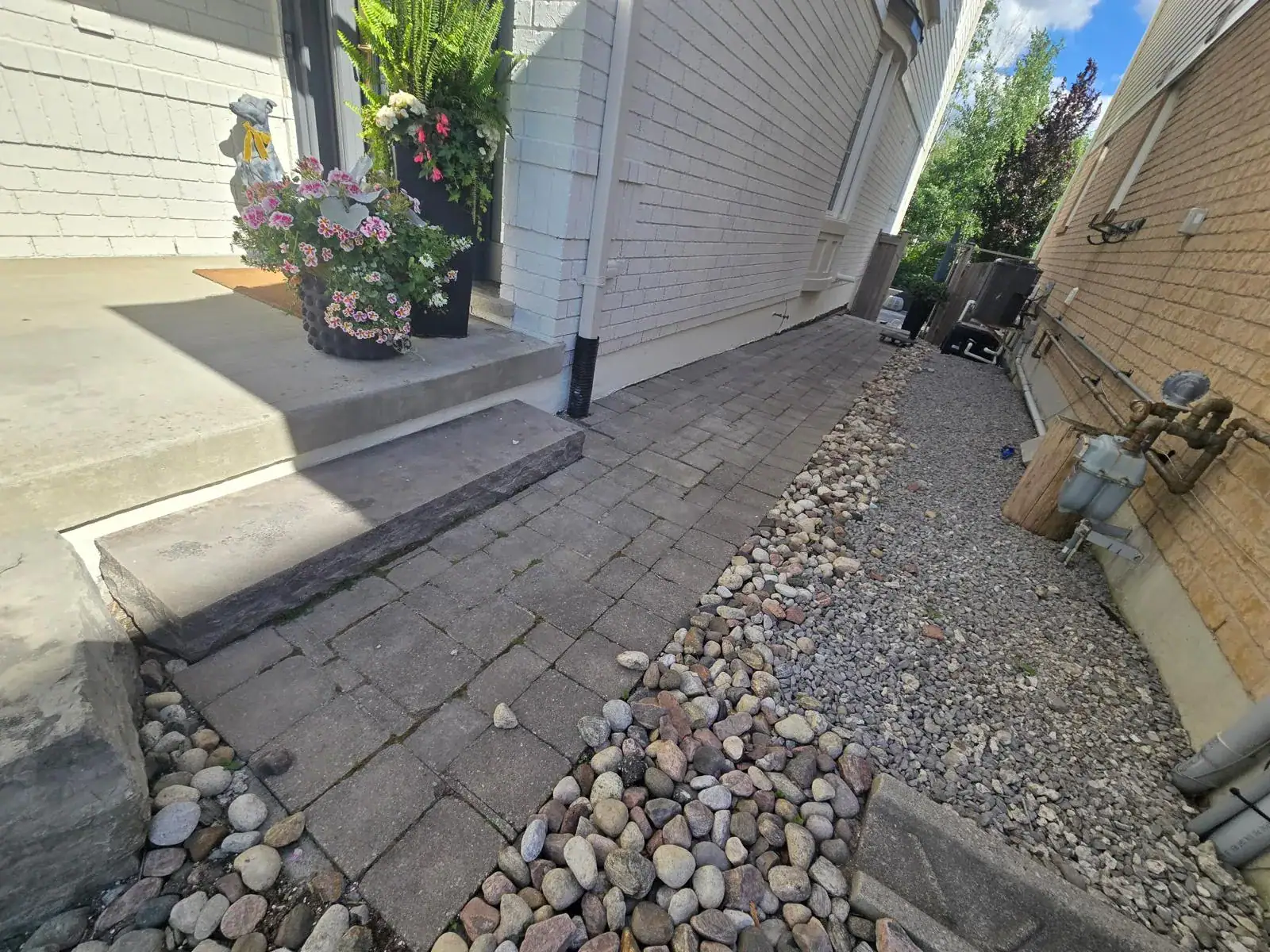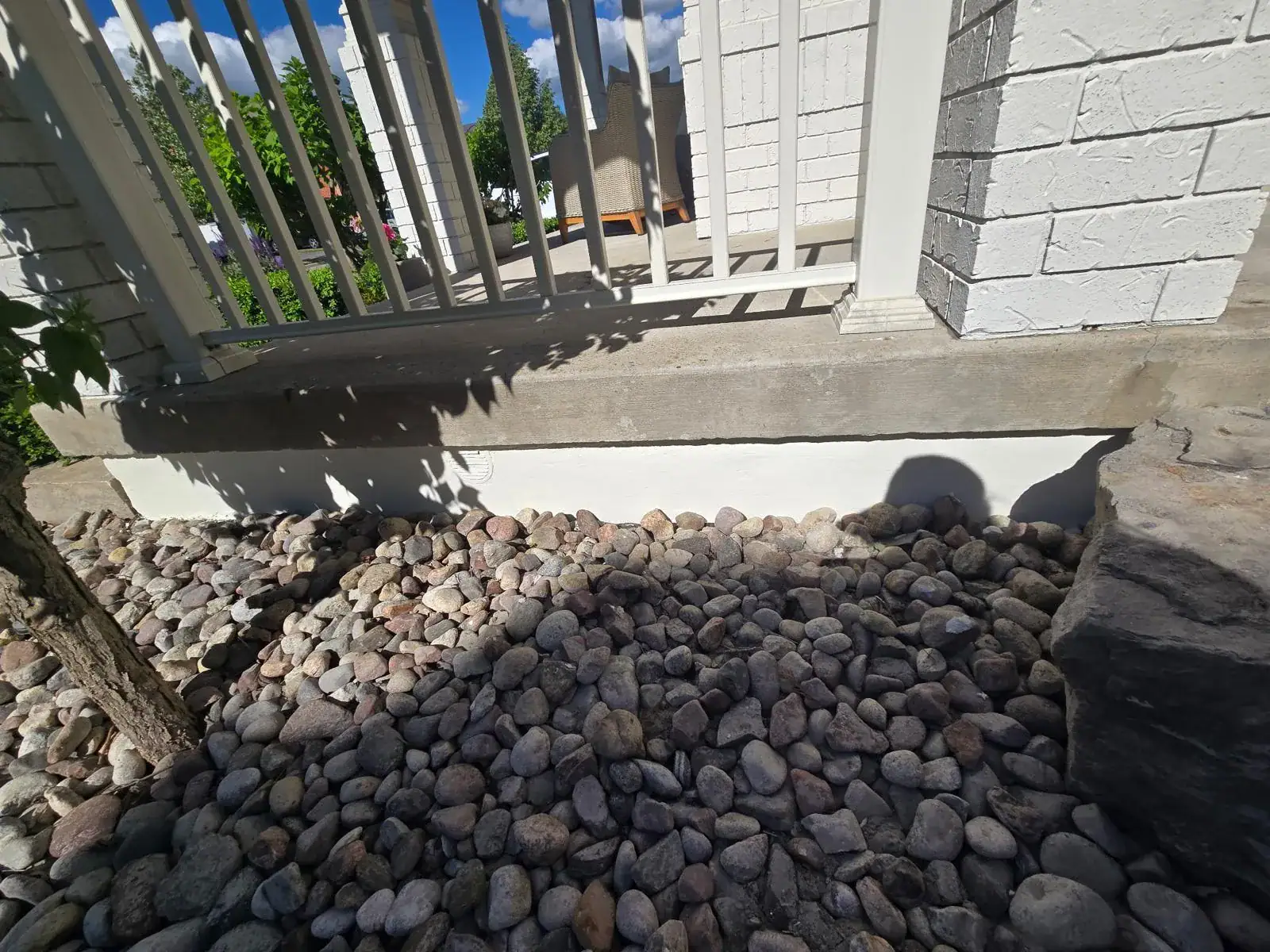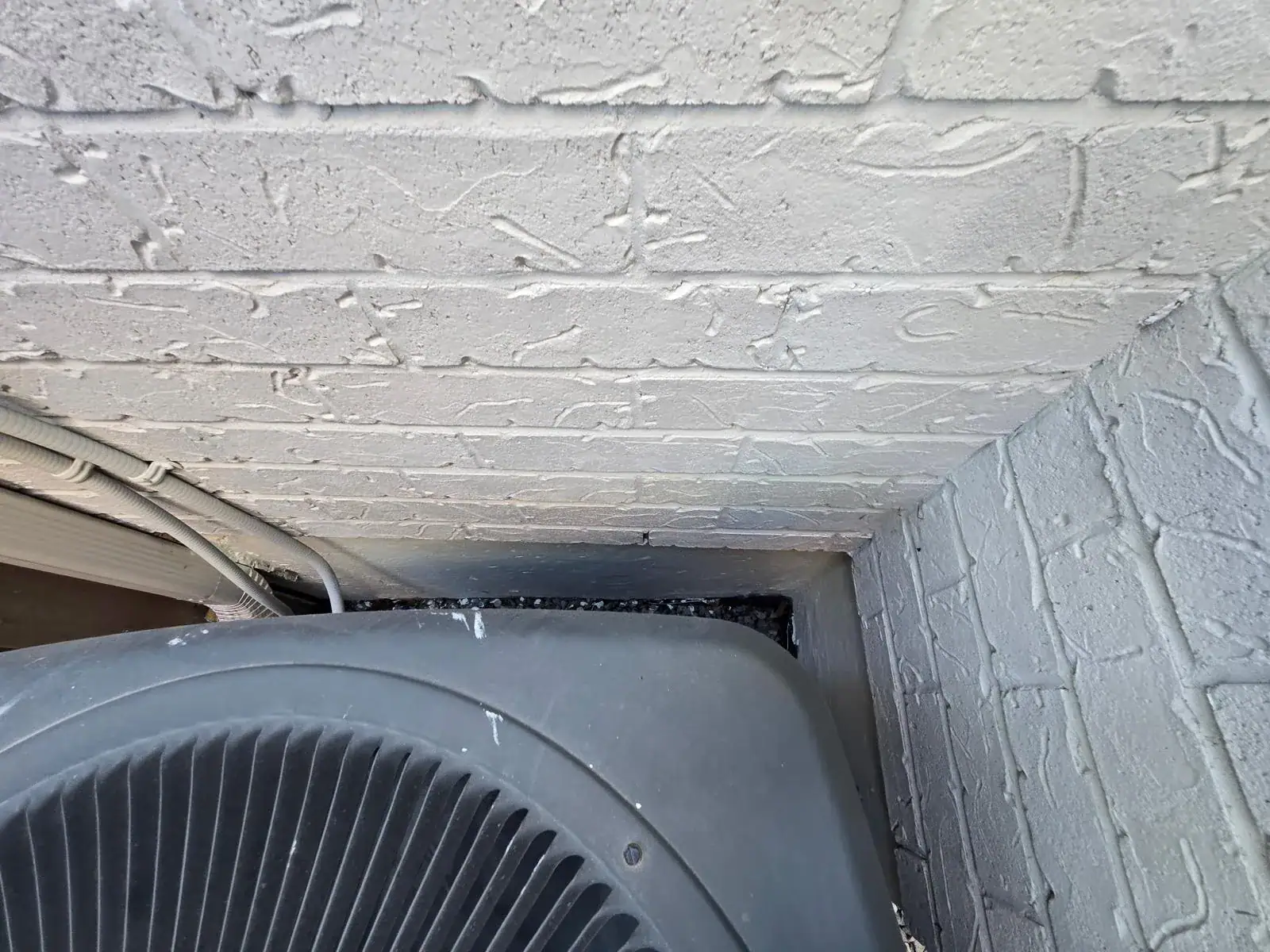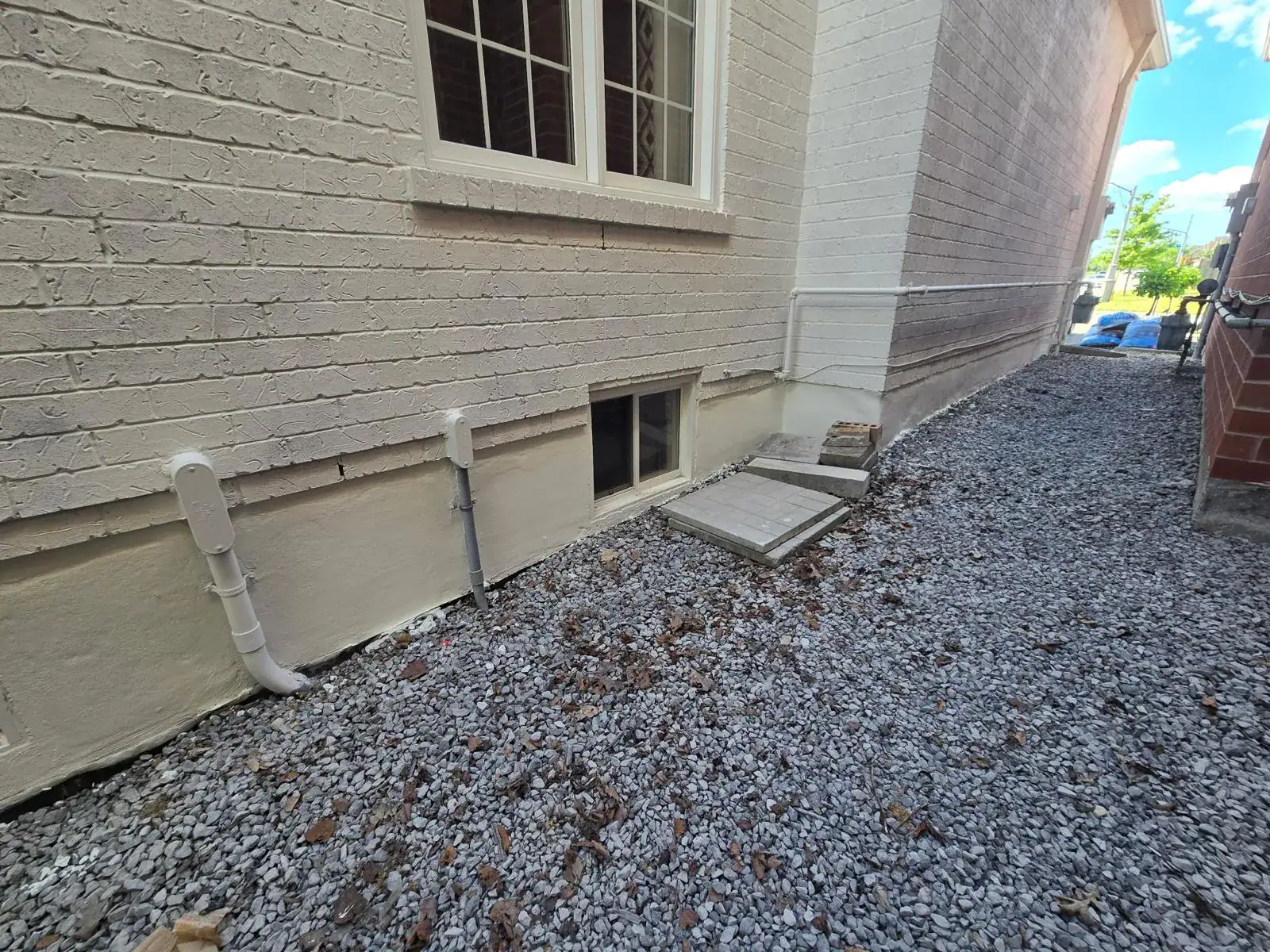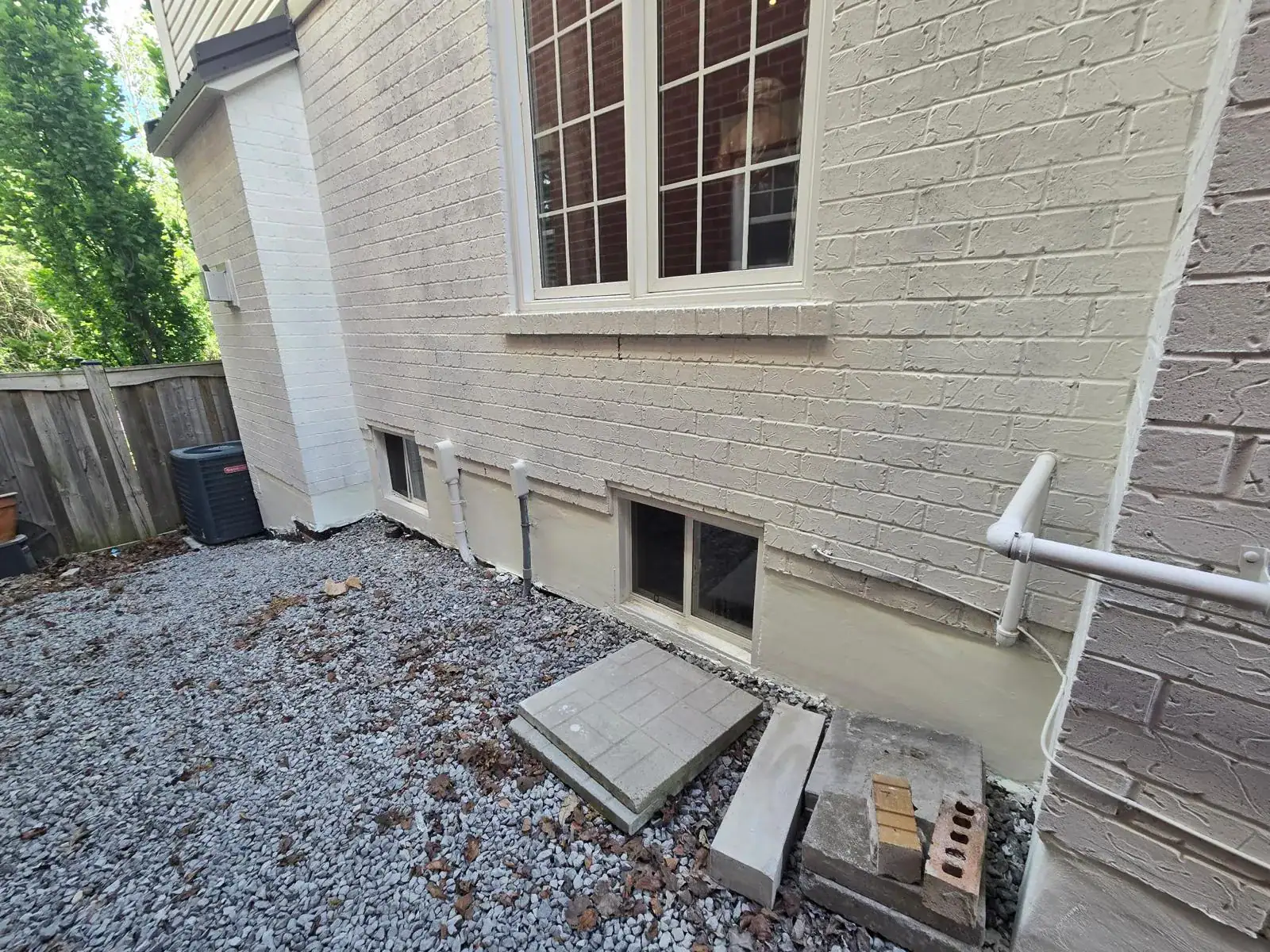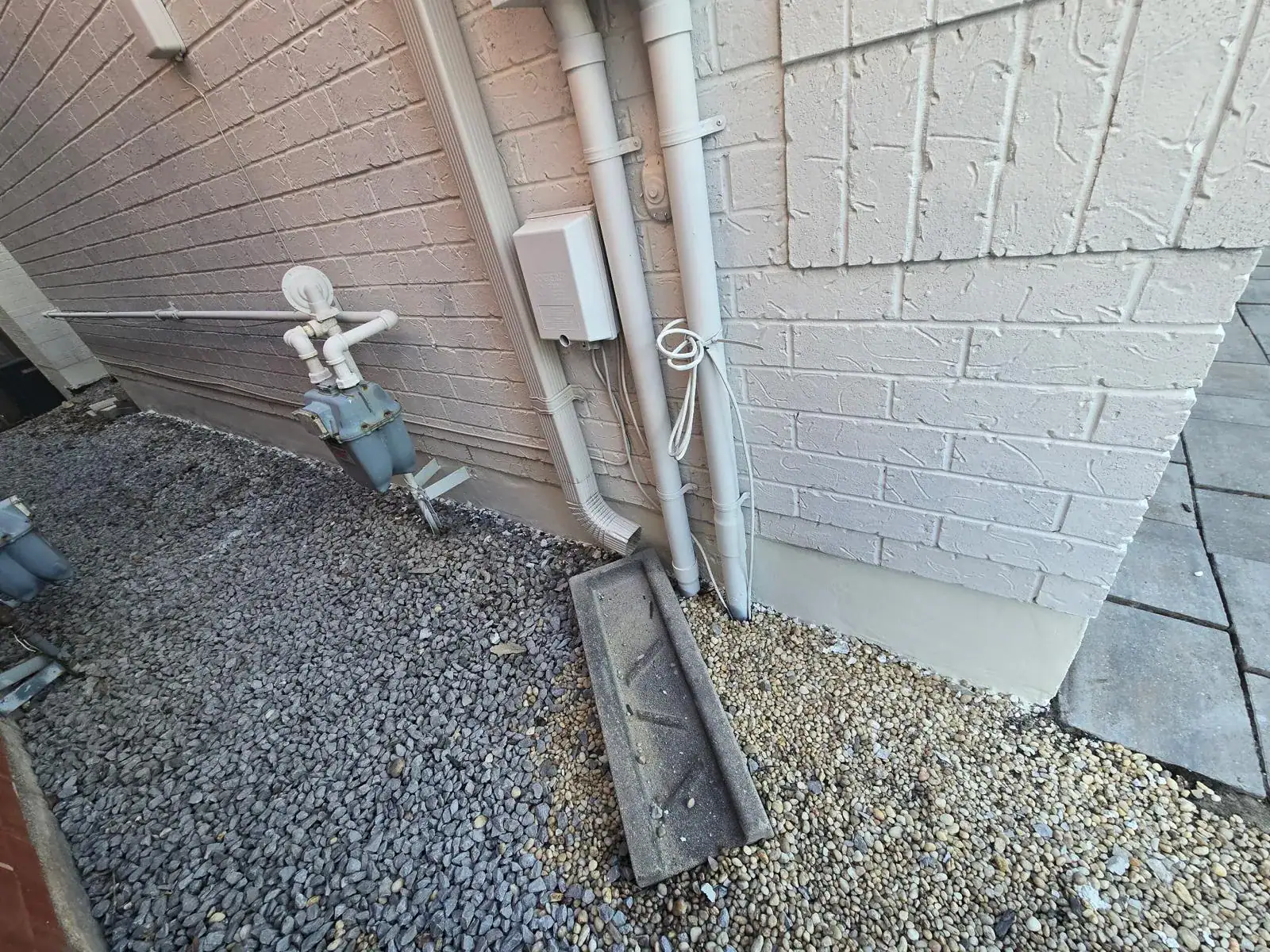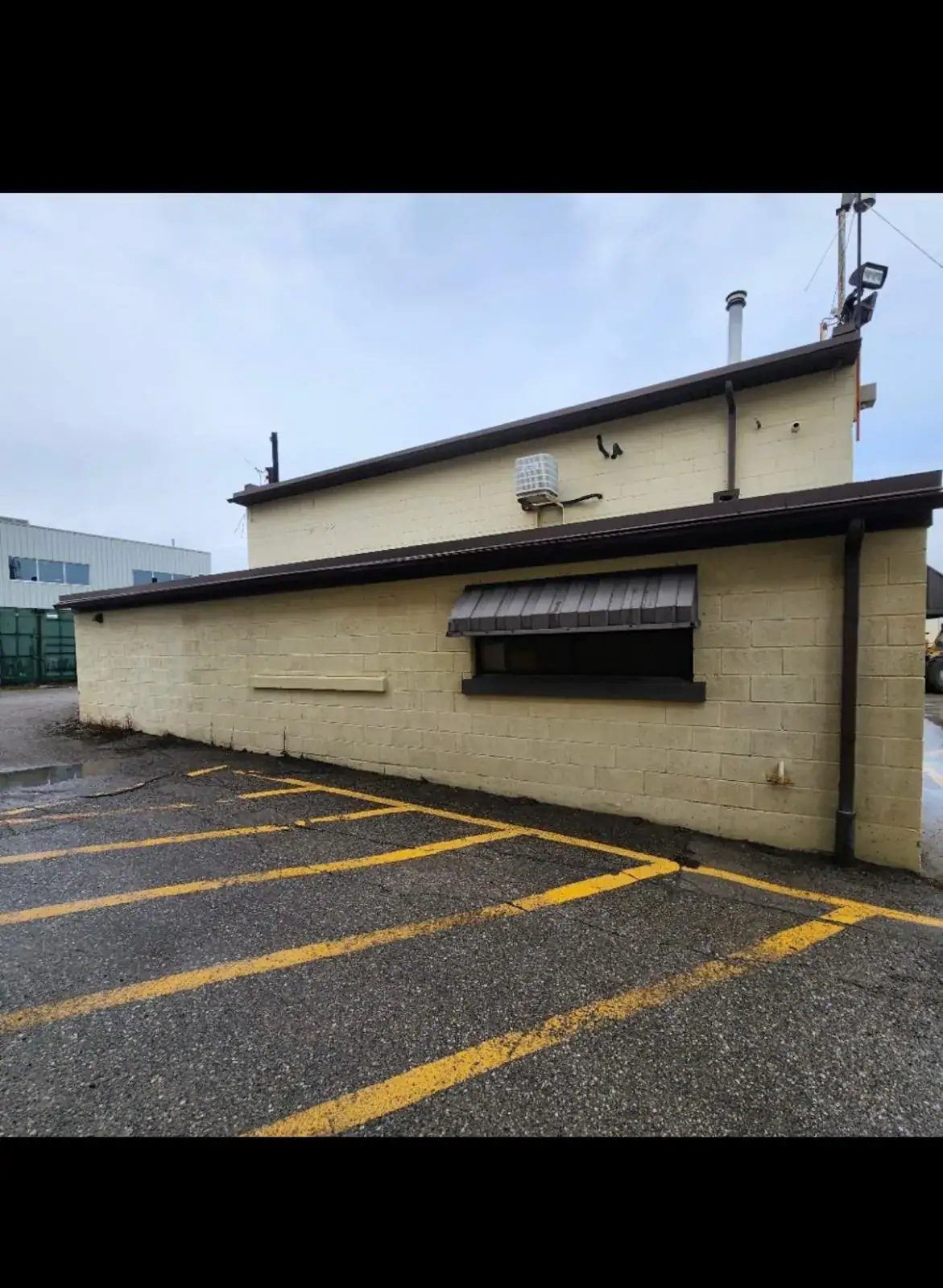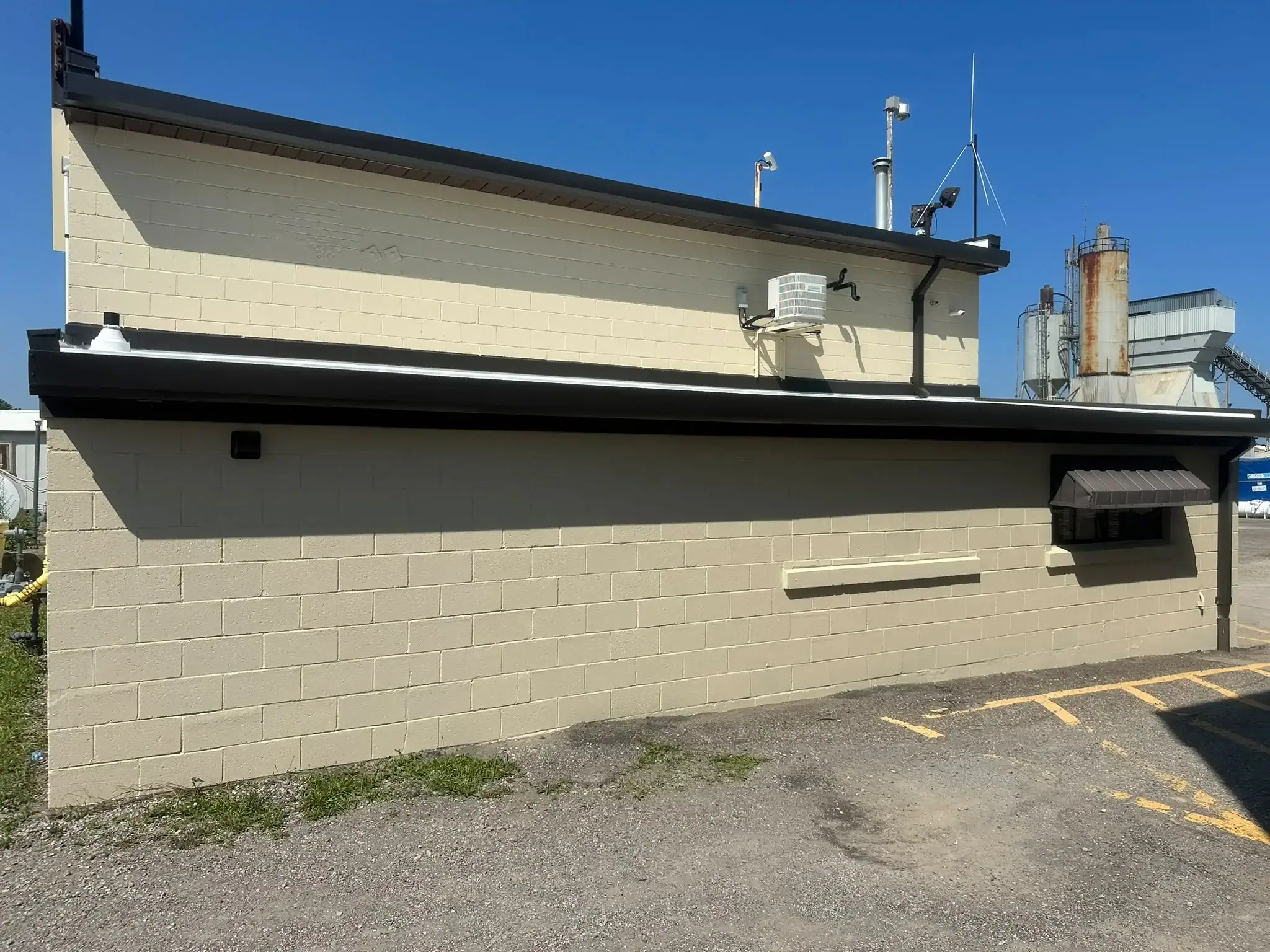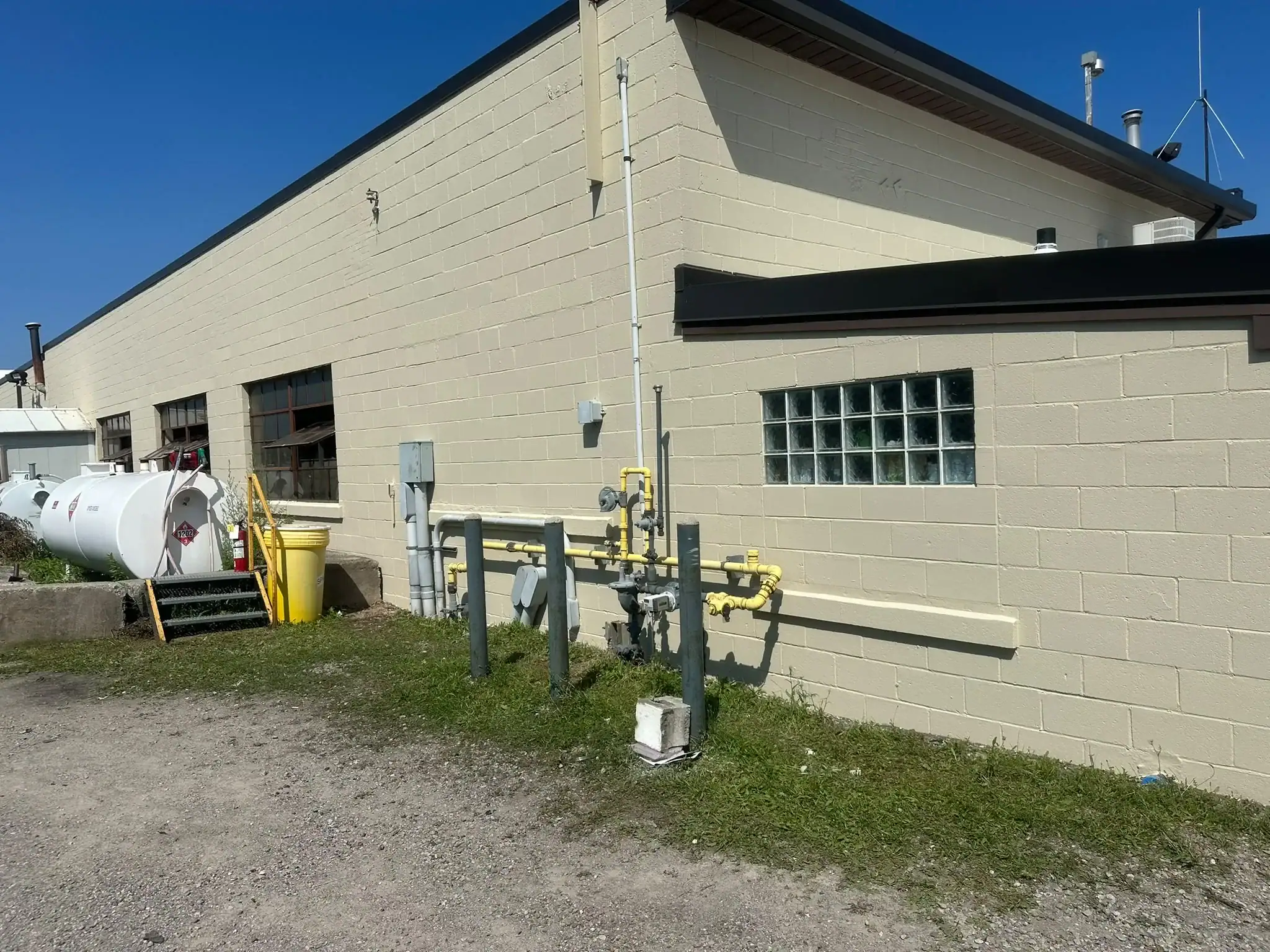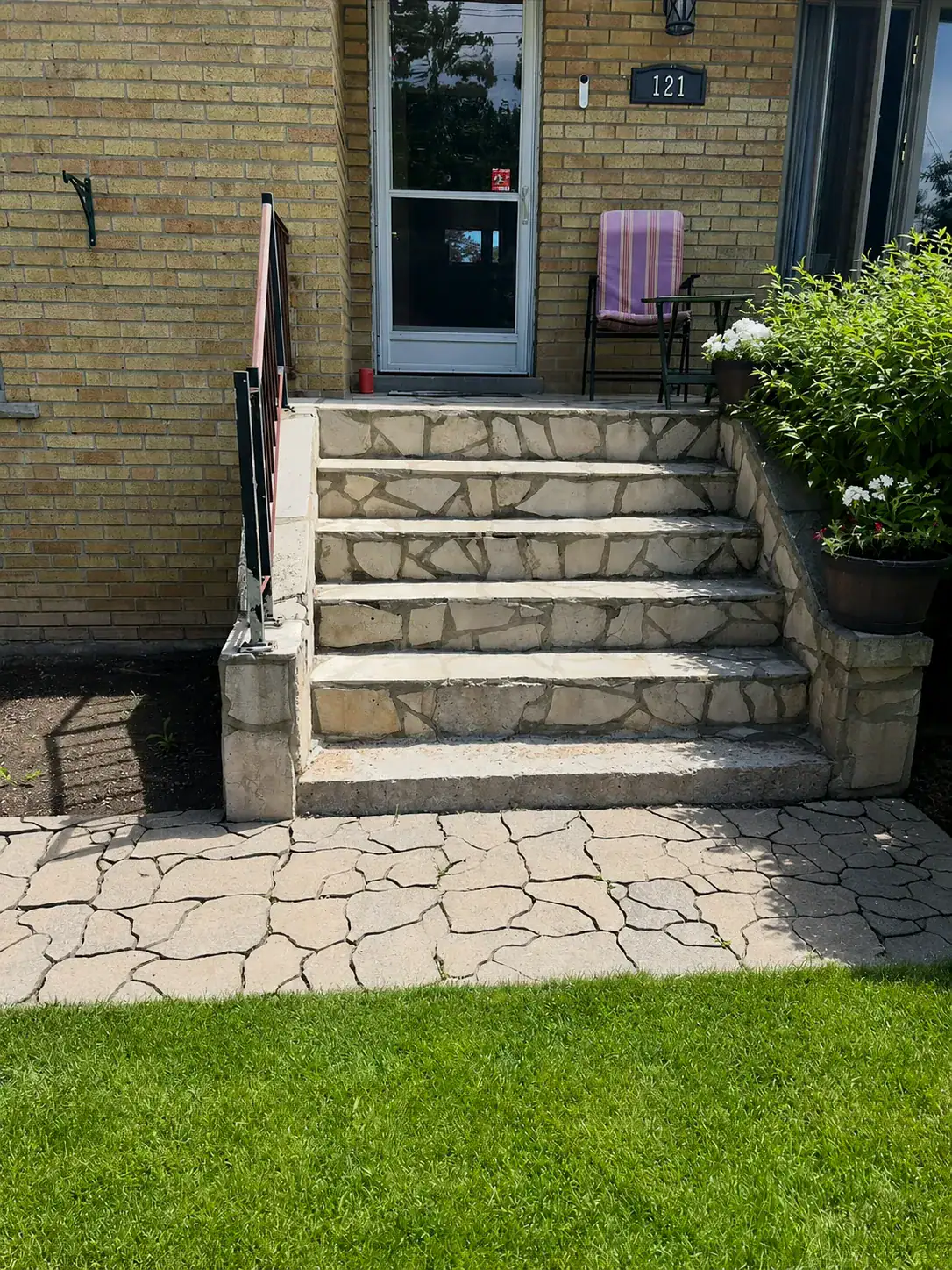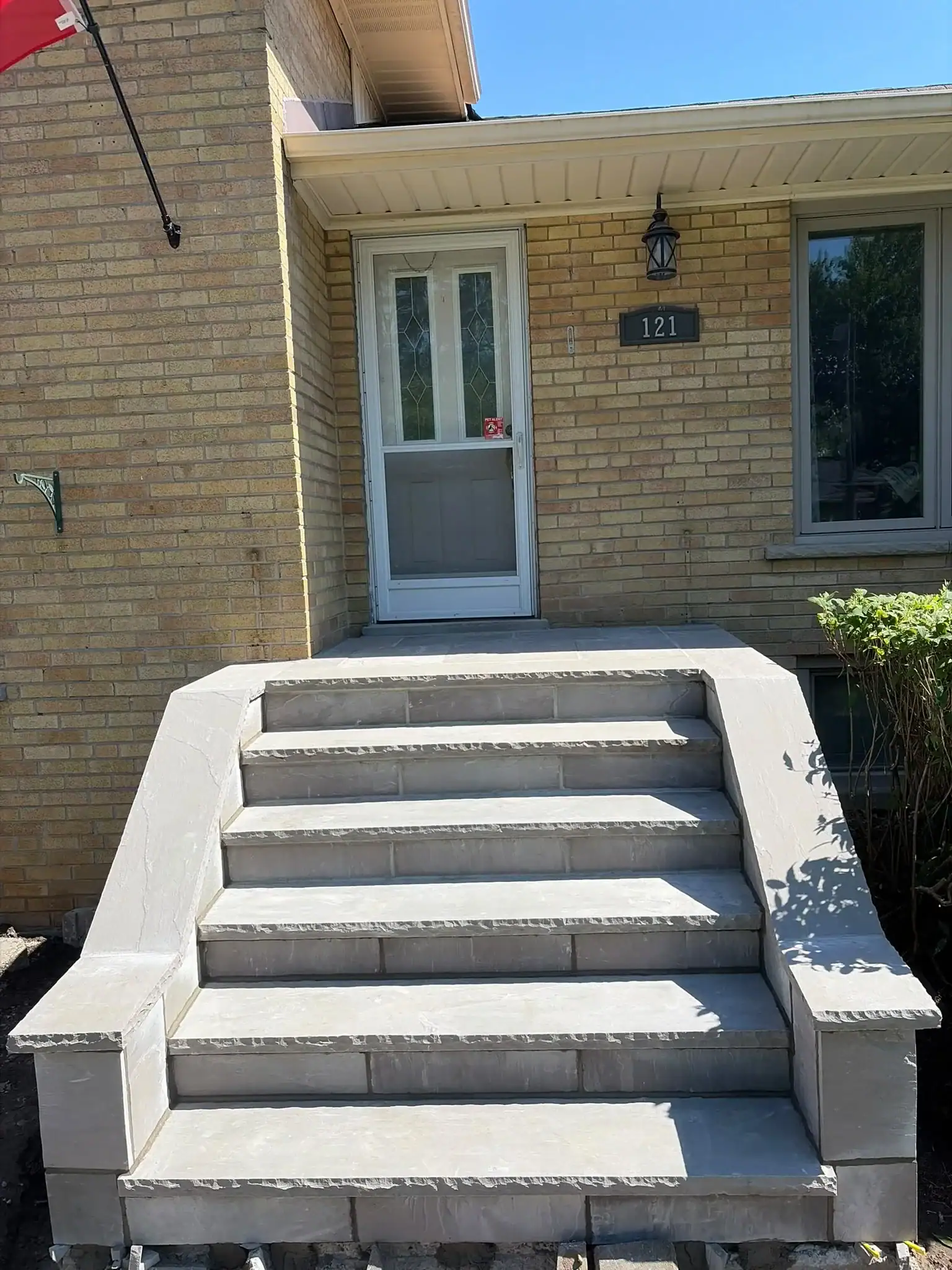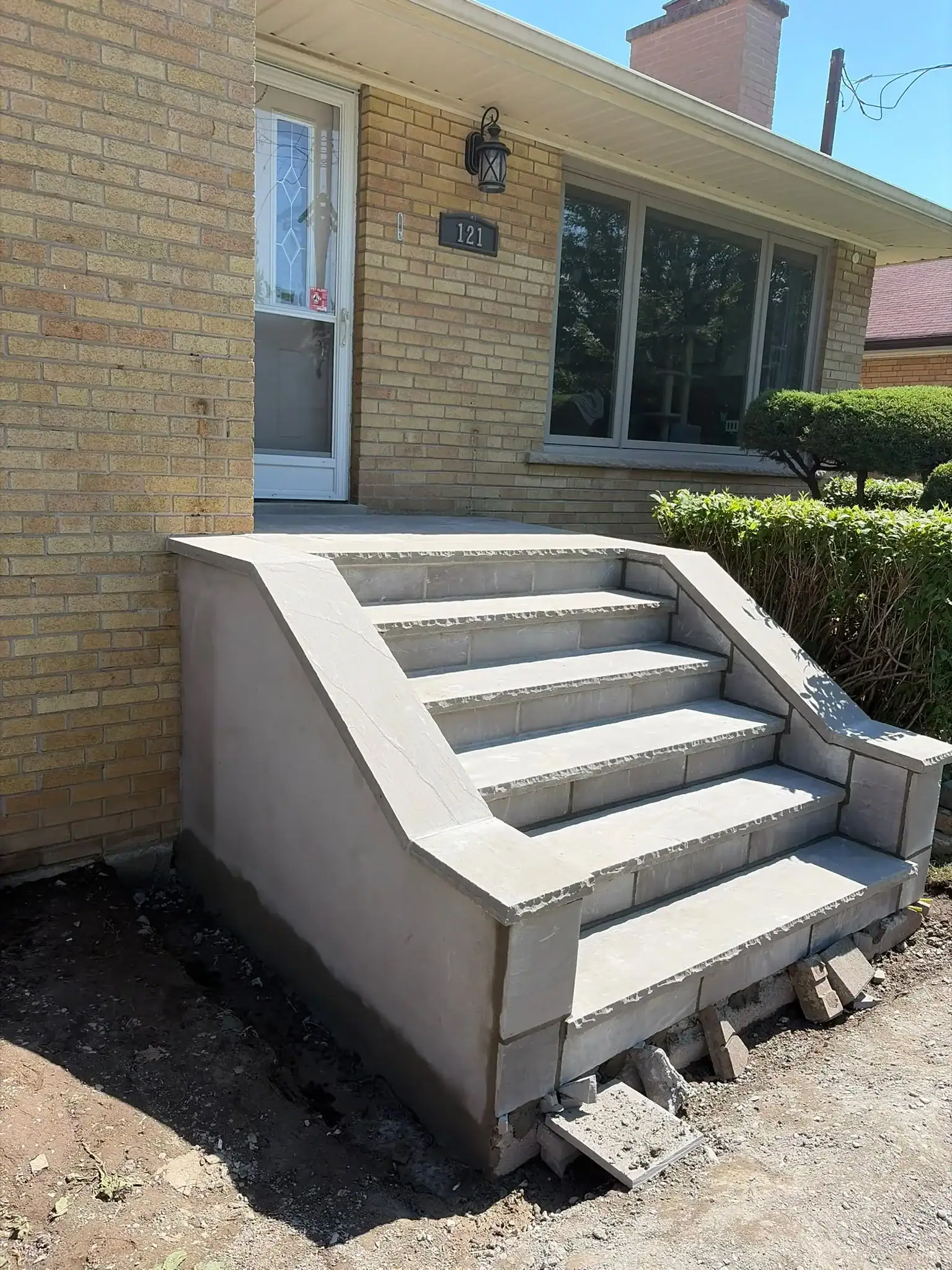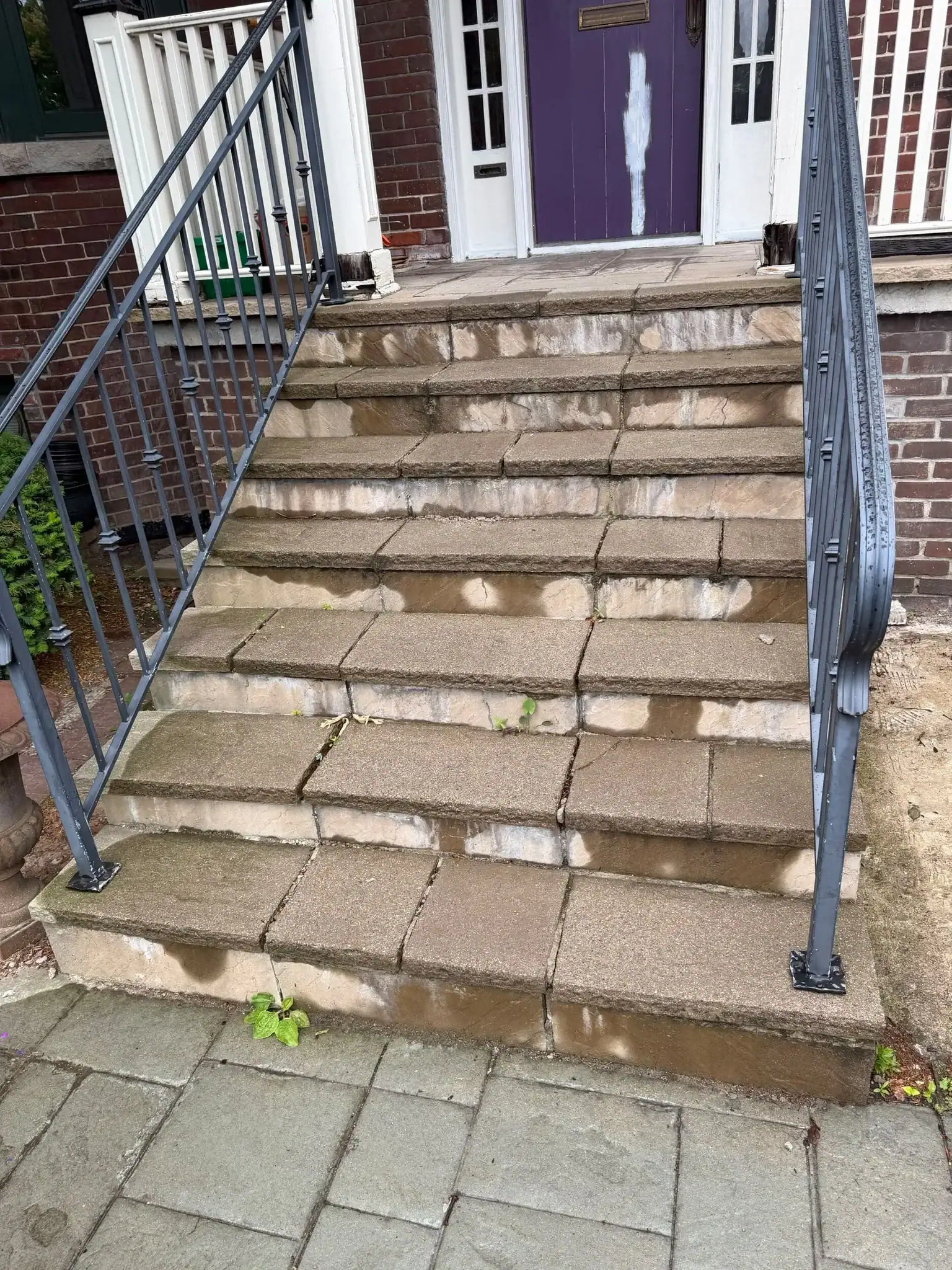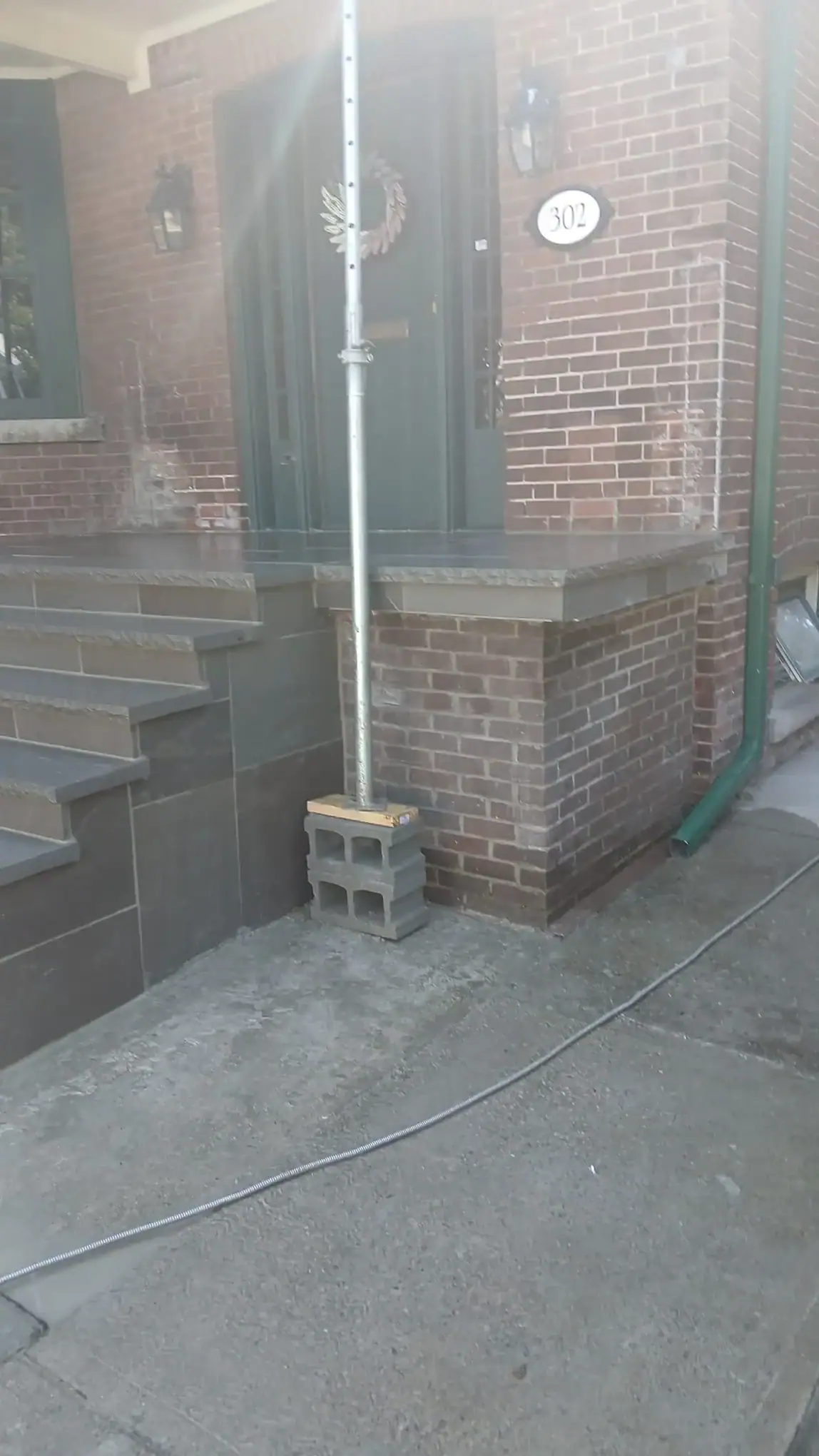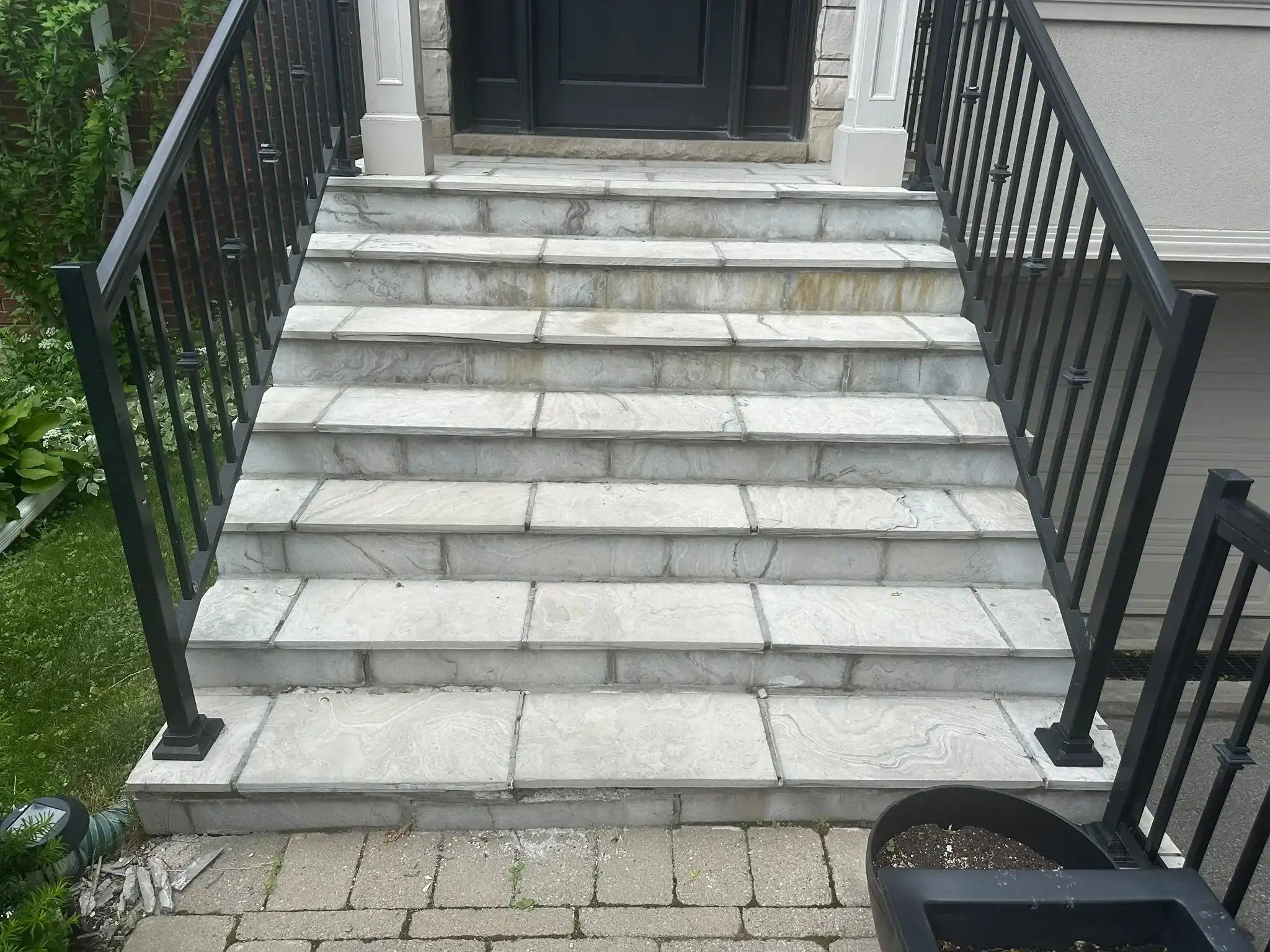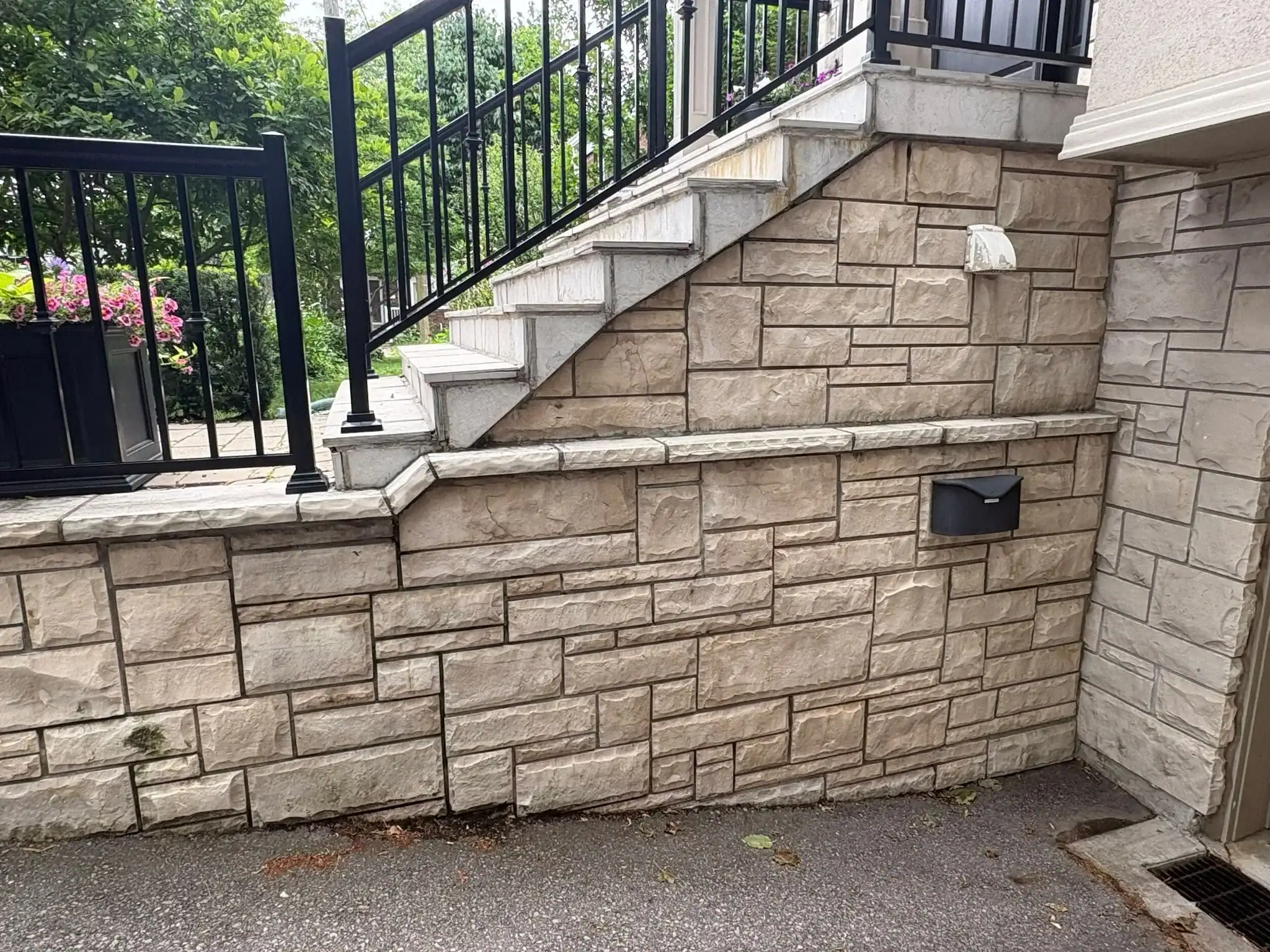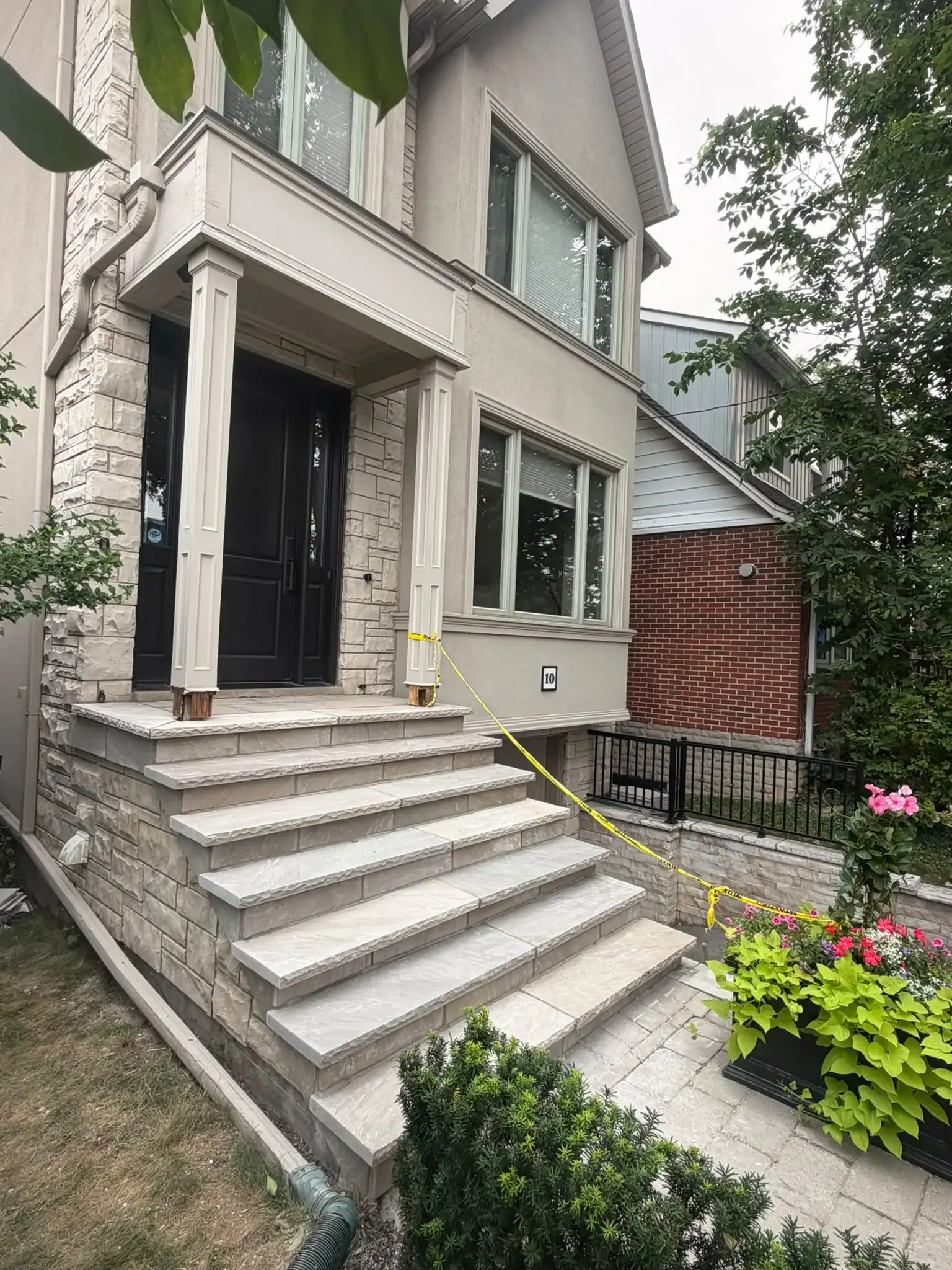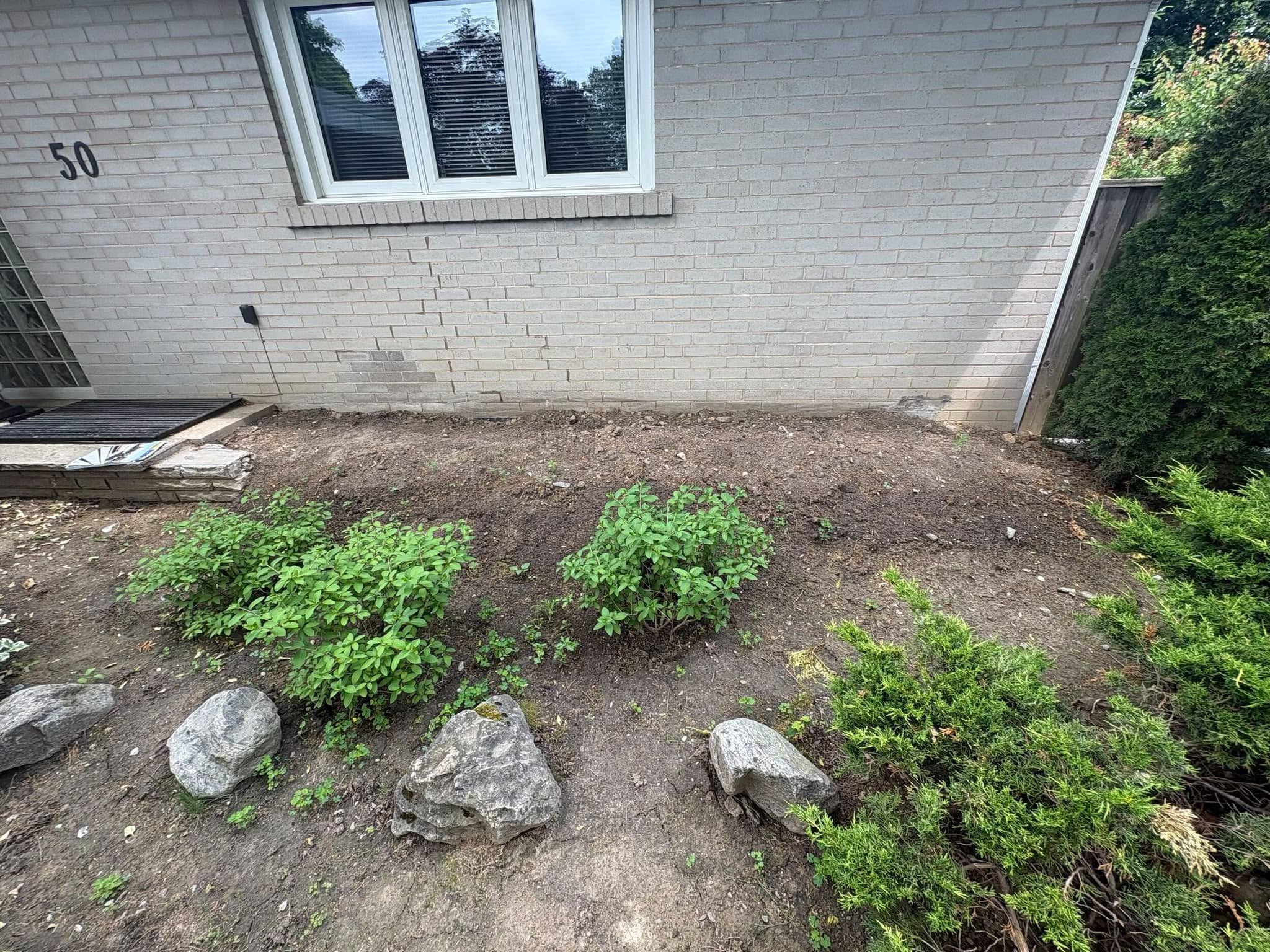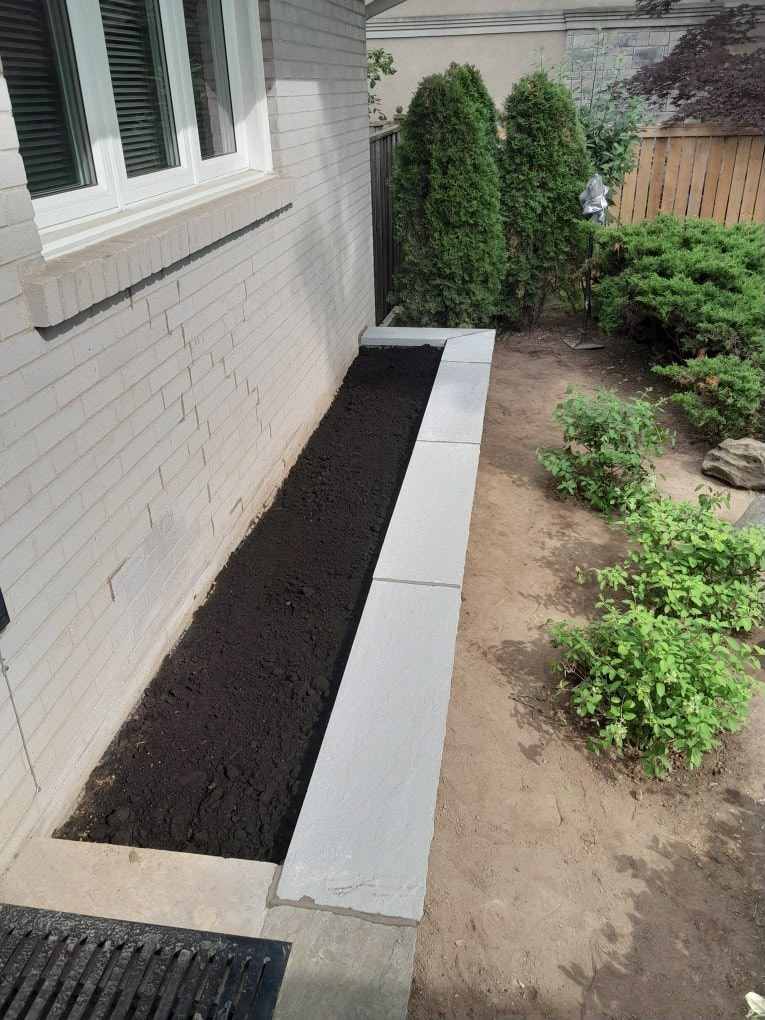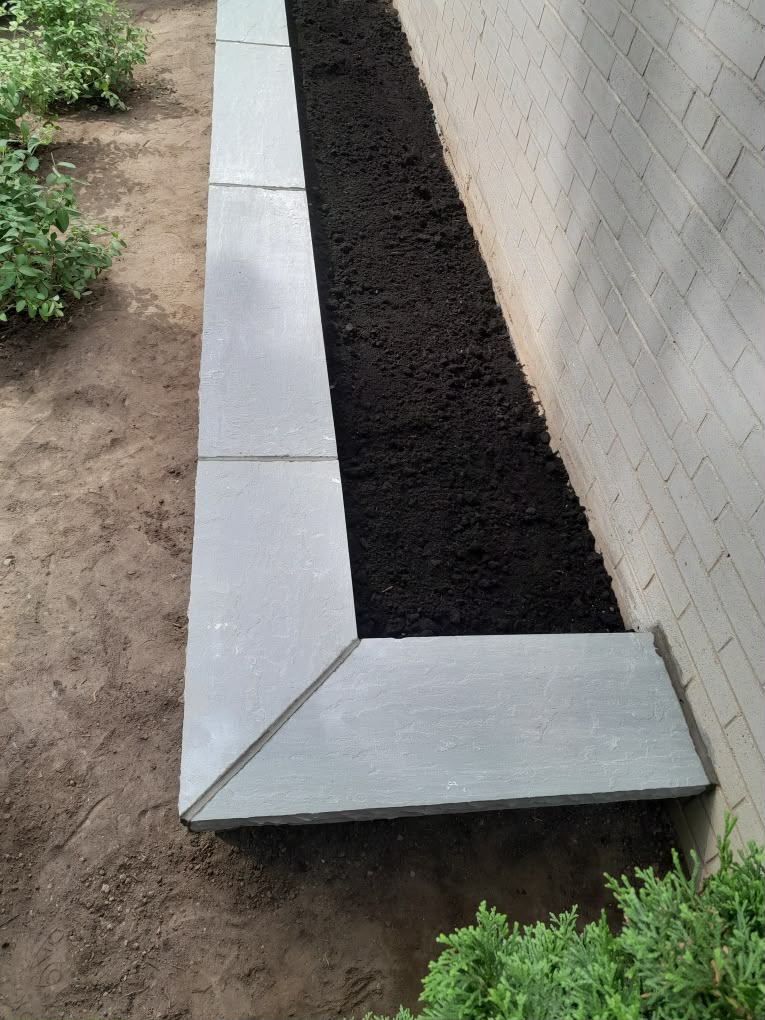

Why Stucco Repair?
Stucco can give a Toronto home a clean, modern, finished look — but when it starts to crack, bubble, stain, or pull away from the wall, it should not be ignored.
In Toronto and the GTA, stucco has to deal with a tough mix of weather: freezing temperatures, thawing, rain, snow, humidity, and dramatic seasonal changes. That means even small cracks can allow moisture to get behind the surface, where the real damage often begins.
At A&A Masonry, we regularly see homeowners wait too long to address stucco damage. What starts as a few hairline cracks can lead to moisture problems, failing exterior walls, damaged masonry, and higher repair costs.
This guide explains what causes stucco problems, when stucco can be repaired, when it may need more serious restoration, and why acting early can save Toronto homeowners a lot of money.
For homeowners dealing with cracking, staining, bulging, or moisture-related stucco damage, A&A Masonry’s professional stucco repair and exterior finish services explain the repair, refinishing, and restoration options available for Toronto homes.
Common Stucco Problems on Toronto Homes
Stucco problems do not always look serious at first. In many cases, the warning signs are small and easy to overlook.
Some of the most common stucco issues include:
- Hairline cracks
- Larger vertical or horizontal cracks
- Bulging or loose sections
- Water stains
- Dark patches or discolouration
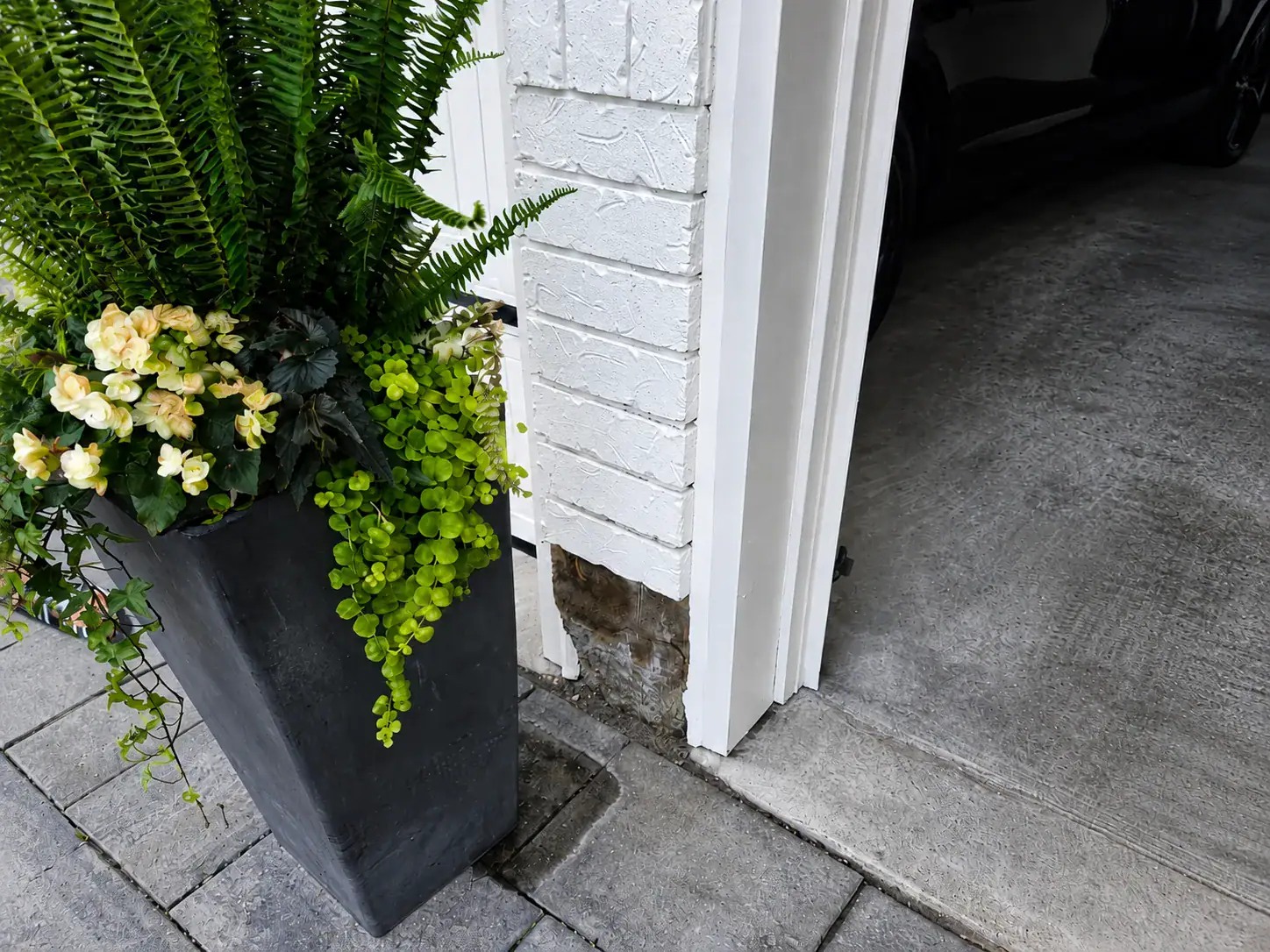
- Stucco pulling away from the wall
- Crumbling or soft areas
- Gaps around windows, doors, vents, or trim
- Paint or coating failure
- Interior moisture signs near exterior walls
A small crack does not always mean disaster, but it does mean the surface should be inspected. Stucco is designed to protect the structure underneath. Once water gets behind it, the problem can move from cosmetic to structural faster than most homeowners expect.
That is when the repair bill grows teeth.
Why Stucco Cracks in Toronto’s Climate
Toronto’s weather is hard on exterior finishes. Stucco expands and contracts as temperatures change. During winter, moisture can enter small cracks, freeze, expand, and make the cracks worse.
This is known as freeze-thaw damage, and it is one of the leading causes of exterior materials failing in Southern Ontario.
Common causes of stucco cracking include:
- Freeze-thaw cycles
- Moisture trapped behind the stucco
- Poor original installation
- Lack of proper flashing
- Movement in the building structure
- Settlement around the foundation
- Impact damage
- Failed caulking around openings
- Age and general weather exposure
Stucco cracks are often a symptom. The important question is whether the issue is only surface-level or whether water has already reached the wall system behind it.
That is why a proper inspection matters.
Hairline Cracks vs. Serious Stucco Damage
Not all stucco cracks are the same.
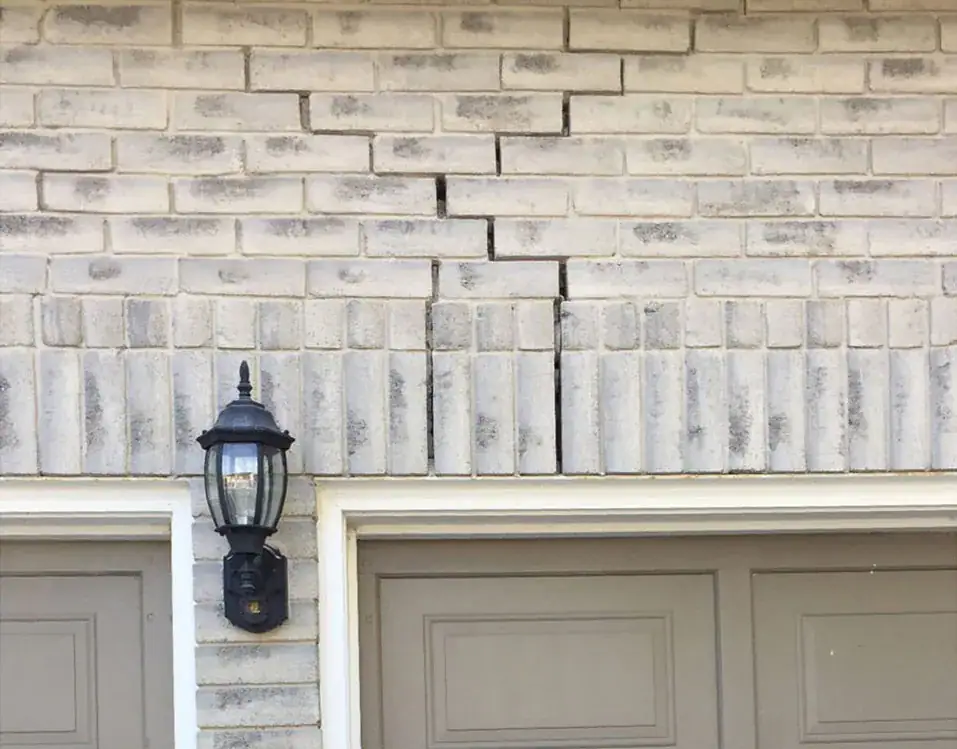
Some hairline cracks may be minor and can often be repaired before they become a larger problem. However, cracks that are widening, spreading, staining, or appearing around windows and doors may point to a more serious issue.
Hairline stucco cracks may be less serious when:
- They are very thin
- They are not spreading
- There is no staining
- The stucco feels solid
- There are no signs of moisture inside the home
Stucco damage may be more serious when:
- Cracks are wide or growing
- Stucco feels soft, hollow, or loose
- There are stains below cracks
- Bulging appears on the wall
- Damage appears near windows or doors
- Water has entered the home
- Multiple areas are failing at once
A good rule for homeowners: if a crack is visible from the sidewalk, spreading, or connected to staining, it is time to have it looked at.
Why Moisture Behind Stucco Is the Real Problem
The visible crack is often not the main issue. The bigger concern is what may be happening behind the stucco.
Once moisture gets behind the surface, it can become trapped. Over time, this can lead to:
- Rotting wood sheathing
- Damaged insulation
- Mould concerns
- Rusted metal lath
- Loose or delaminated stucco
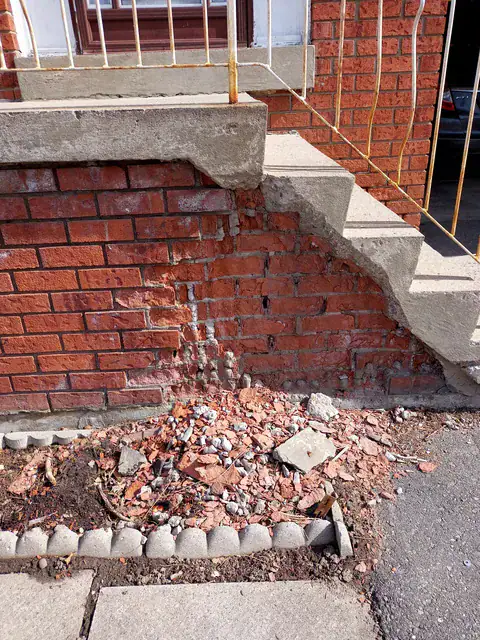
- Damage to brick, block, or masonry walls
- Interior leaks
- Higher repair costs
This is why stucco damage should never be treated as “just cosmetic” until it has been properly checked.
Patching the surface without addressing the source of moisture is like painting over a warning light on your dashboard. It may look better for a while, but the problem is still there, quietly plotting.
Can Stucco Be Repaired?
Yes, many stucco problems can be repaired, especially when caught early.
The right repair depends on the cause and severity of the damage. In some cases, a localized repair is enough. In other cases, damaged sections may need to be removed and rebuilt properly.
Stucco repair may include:
- Crack repair
- Surface patching
- Removing loose or damaged stucco
- Repairing the base layer
- Rebuilding failed sections
- Sealing vulnerable areas
- Repairing around windows and doors
- Improving water management
- Matching texture and finish as closely as possible
The key is not just filling the crack. The key is understanding why the crack happened in the first place.
A proper stucco repair should address both the visible damage and the conditions that caused it.
Stucco Repair vs. Stucco Replacement
One of the most common questions homeowners ask is whether damaged stucco can be repaired or replaced.
The answer depends on the extent of the problem.
When Stucco Repair May Be Enough
Stucco repair may be the right option when damage is limited to small or isolated areas. This may include minor cracks, small impact damage, or localized failure where the surrounding stucco is still solid.
Repair is often more cost-effective when the wall system behind the stucco is still in good condition.
When Stucco Replacement May Be Needed
Stucco replacement or larger restoration may be needed when there is widespread cracking, bulging, moisture damage, or large sections pulling away from the wall.
If water has been trapped behind the stucco for a long time, simply patching the surface may not solve the problem.
In these cases, the damaged area may need to be opened up so the underlying issue can be repaired properly.
Why DIY Stucco Repair Often Fails
There are plenty of stucco patch products available at hardware stores, and for very minor cosmetic issues, homeowners may be tempted to try a quick repair.
The problem is that stucco repair is not just about filling a crack.
DIY stucco repairs often fail because:
- The wrong material is used
- Moisture is trapped behind the patch
- The crack continues to move
- Texture does not match
- Flashing or caulking issues are ignored
- The repair does not bond properly
- The source of water entry is not fixed
A poor repair can actually make things worse by sealing moisture inside the wall system.
That is why professional assessment is especially important when cracks are large, recurring, stained, or located near windows, doors, chimneys, or rooflines.
Stucco Around Windows and Doors
Stucco problems often appear around windows and doors because these areas are vulnerable to water entry.
If the flashing, sealants, or transitions are not working properly, water can get behind the stucco. Over time, this can cause staining, cracking, swelling, or failure around the opening.
Warning signs include:
- Cracks extending from the window corners
- Staining below the windows
- Soft or damaged stucco near frames
- Failed caulking
- Interior water marks
- Drafts or dampness near openings
These areas should be looked at carefully because they are common sources of water infiltration.
Stucco and Masonry: Why the Wall Behind It Matters
Many Toronto homes combine stucco with brick, block, stone, or concrete surfaces. That means stucco problems are often connected to the masonry underneath or around it.
For example, failing brickwork, wall movement, damaged concrete, poor drainage, or missing flashing can all contribute to stucco damage.
This is one reason it helps to work with a contractor who understands the full exterior wall system — not just the surface finish.
At A&A Masonry, we consider stucco in the context of the entire exterior, including brick, stone, concrete, chimneys, waterproofing, and wall movement. The goal is not just to make the wall look better. The goal is to fix the problem properly.
When Should Toronto Homeowners Call for Stucco Repair?
Homeowners should call for stucco repair when they notice cracks, staining, bulging, or loose areas — especially if the damage appears to be spreading.
You should not wait if you see:
- Cracks wider than hairline cracks
- Cracks around windows or doors
- Water stains
- Bulging stucco
- Soft or crumbling areas
- Stucco is separating from the wall
- Interior moisture near the same wall
- Recurring cracks after previous patching
The earlier the stucco damage is repaired, the better the chances of keeping the repair smaller and more affordable.
How A&A Masonry Approaches Stucco Repair
A&A Masonry takes a practical, exterior-restoration approach to stucco repair.
That means we do not just cover the damage and hope for the best. We look at the condition of the stucco, the likely cause of the problem, and the surrounding exterior details that may be contributing to the issue.
Our approach may include:
- Inspecting the damaged area
- Checking for signs of moisture entry
- Looking at nearby windows, doors, trim, and flashing
- Determining whether the stucco is bonded properly
- Removing failed material when needed
- Repairing the affected area
- Matching the existing finish as closely as possible
- Helping homeowners understand their best repair options
Every home is different. Some stucco problems are simple. Others are warning signs of a larger exterior issue.
The important thing is getting an honest assessment before the damage spreads.
Protecting Your Home Before Stucco Damage Gets Worse
Stucco repair is one of those jobs where waiting usually does not make things better.
Small cracks can grow. Moisture can travel. Freeze-thaw cycles can widen damage. What could have been a limited repair can become a larger restoration project if ignored for too long.
If you are seeing cracks, staining, loose stucco, or moisture concerns on your Toronto or GTA home, it is worth having it inspected.
A&A Masonry can help determine whether your stucco needs a simple repair, more involved restoration, or a closer look at the exterior wall system behind it.
Need Stucco Repair in Toronto or the GTA?
If your stucco is cracking, staining, bulging, or showing signs of moisture damage, contact A&A Masonry for a professional inspection.
We help homeowners across Toronto and the GTA repair and restore exterior masonry, concrete, brick, stone, chimneys, waterproofing, and stucco-related wall issues.
Do not wait until a small crack becomes a big repair.
Contact A&A Masonry today to request an estimate for stucco repair in Toronto and the GTA.
FAQ Section
Is cracked stucco a serious problem?
Cracked stucco can be serious if moisture is getting behind the surface. Small hairline cracks may be minor, but wider cracks, staining, bulging, or loose areas should be inspected before the damage spreads.
Can stucco cracks be repaired?
Yes, many stucco cracks can be repaired, especially when caught early. The repair method depends on the size of the crack, the condition of the surrounding stucco, and whether moisture has entered behind the wall surface.
What causes stucco to crack in Toronto?
Stucco can crack because of freeze-thaw cycles, moisture, poor installation, building movement, failed caulking, settlement, or age. Toronto’s winter weather can make small cracks worse over time.
How do I know if my stucco has moisture damage?
Signs of moisture damage may include staining, bulging, soft areas, crumbling stucco, musty smells indoors, or water marks on interior walls. If you see these signs, the stucco should be inspected.
Should damaged stucco be repaired or replaced?
Small isolated areas may only need repair. Larger areas with widespread cracking, bulging, or moisture damage may need partial removal and restoration. A professional inspection can determine the best option.
Is stucco repair a DIY job?
Minor cosmetic touch-ups may seem simple, but stucco repair can fail if the source of moisture or movement is not addressed. Larger cracks, staining, or loose stucco should be handled by a professional.
Does A&A Masonry repair stucco in Toronto?
Yes. A&A Masonry provides exterior repair and restoration services across Toronto and the GTA, including stucco-related wall repairs, masonry repairs, concrete, brick, stone, chimneys, and waterproofing.
Concerned About Cracked or Moisture-Damaged Stucco?
If your stucco is cracking, bulging, staining, separating from the wall, or showing signs of moisture, the right repair depends on what caused the damage and how far it has progressed. A&A Masonry can assess the exterior wall and help determine whether targeted repair, refinishing, or more extensive stucco restoration is appropriate.